Feeds:
Posts
Comments

Archive for the ‘Chemical Biology and its relations to Metabolic Disease’ Category

Reporter: Aviva Lev-Ari, PhD, RN


SLAC Study Reveals Active Site of Enzyme Linked to Stuttering

By Glennda Chui
May 22, 2013

Scientists from the Joint Center for Structural Genomics (JCSG) at SLAC National Accelerator Laboratory have determined the 3-D structure of the chemically active part of an enzyme involved in stuttering.

While the discovery is not likely to lead to a cure for stuttering any time soon, it is welcome news to scientists who have been studying this enzyme, known as “uncovering enzyme” or UCE, for decades. Not only does UCE play a role in the type of persistent stuttering that is passed down in families, but it’s also an important part of the system that breaks down and recycles unwanted molecules in our cells. Knowing its 3-D structure will aid studies of all these systems, and of the health problems that result when they malfunction.

A team led by SLAC’s Debanu Das reported the finding April 9 in the Journal of Biological Chemistry.Das is a structural biologist and protein crystallographer at SSRL, the Stanford Synchrotron Radiation Lightsource, and a member of the JCSG, a multi-institute consortium that rapidly screens proteins coming out of gene mapping projects to determine their structure and function. The JCSG is part of theProtein Structure Initiative funded by the National Institute of General Medical Sciences, and involves 10 scientists at SSRL.

“We go after interesting proteins for which nothing much is known, try to solve their structure and, based on that structure, try to understand what they’re doing in the cell and what they’re related to,” Das said.

At SSRL, researchers aim powerful X-ray beams at crystallized samples of protein, creating patterns that reveal the protein’s 3-D structure. They analyze the structure to determine the protein’s function, and then scour the scientific literature to find scientists who might benefit from this information.

In this case, Das and his colleagues were working on the structure of DUF2233, a protein taken from one of the microbes that inhabit the human gut. Scanning protein databases and scientific reports, they learned that members of this new protein family were found in thousands of bacteria and in some viruses, but had only one representative in humans – UCE. “The microbe and human forms were not identical, but they were obviously related,” Das said.

They also learned that scientists had been studying UCE for decades. It plays a key role in the functioning of lysosomes, cellular sacs full of digestive enzymes that break down bacteria, viruses and worn-out cell parts for recycling. When this recycling process goes awry, the result can be rare metabolic diseases such as Tay-Sachs and Gaucher, which often kill affected children by their early teens. And three years ago, researchers discovered that three mutations in UCE itself were linked to persistent stuttering that is passed down in families. It is thought, but not yet proven, that these mutations may impair the functioning of critical neurons involved in speech.

Das contacted Stuart Kornfeld, a hematologist at Washington University School of Medicine in St. Louis who has been working on UCE and its role in the workings of lysosomes for three decades, and they agreed to collaborate on further studies.

Working from the structure of microbial DUF2233, Das created a computer model that predicted the structure of the same region in human UCE. It showed a cavity on the surface of UCE that appears to be the “active site” where the enzyme brings other chemicals together and induces them to react with each other, a process known as catalysis.

With that model in hand, Kornfeld and other collaborators created various mutations in UCE to see what effect they had on the enzyme’s function. These experiments verified that Das had indeed identified the enzyme’s active site.

“This study by Debanu was the most important advance we’ve had in all these years,” said Kornfeld, who is a co-author of the resulting paper. “We had no idea at all about what part of the enzyme was involved in its catalytic function.”

Dennis Drayna, a human geneticist at the National Institute on Deafness and Other Communication Disorders whose team discovered the stuttering-linked mutations, said lack of knowledge about the structure and function of UCE had hampered studies of its effects.

“The reason this is so interesting to us is because many of the biochemical details of the nature of the UCE have been really quite obscure,” he said. “It has been something of a black box. It’s a singleton in all of the human genome, as far as we can tell.”

While the three UCE mutations account for only 10 percent of persistent stuttering that runs in families, which in turn make up half of the total cases, that translates to about 3 million people worldwide, Drayna added. And while none of the stuttering mutations discovered so far occur within the cavity of the enzyme’s active site, this does not mean they would not have an impact on its chemical function, since pretty much every part of the protein is involved, in some fashion, in its work.

Paper co-author Ashley Deacon, a structural biologist and head of the Structural Genomics Division at SSRL, said scientists there are continuing to probe the structure of other parts of UCE, outside the active site.

“The whole molecule probably would not crystallize – often human proteins are rather big, with a lot of flexible regions – but we can do a single domain at a time,” he said. “We’ll see how far we can get.”

Other study co-authors include SSRL’s Hsiu-Ju Chiu and Mitchell D. Miller and researchers from the Genomics Institute of the Novartis Research Foundation, The Scripps Research Institute, Sanford-Burnham Medical Research Institute and the Center for Research in Biological Systems at University of California-San Diego, all in San Diego, Calif., which collaborate with SSRL as part of the JCSG.

SHARE
     
Uncovering enzyme (UCE) is an important part of a system that breaks down and recycles unwanted molecules in our cells. It carries out its work in the Golgi apparatus – the folded structure shown here in blue – where it helps process digestive proteins that go on to work in the lysosome, the stomach of the cell. Mutations in UCE are linked with metabolic disease in mice and persistent stuttering in people. Scientists have now uncovered the 3-D structure of the enzyme’s chemically active site, which belongs to a novel protein family. The discovery was made in a version of the protein family that occurs in microbes, and then used to find the active site in human UCE. The clumpy structure in the foreground is the microbial version of the protein. (Illustration by Greg Stewart/SLAC.)

Read Full Post »

Reporter and Curator: Dr. Sudipta Saha, Ph.D.

WC 10

WordCloud by Zach Day; Article Title: Interaction of enzymes and hormones

The majority of living forms depend for their functioning upon two classes of biocatalysts, the enzymes and the hormones. These biocatalysts permit the diverse chemical reactions of the organism to proceed at 38°C with specificity and at rates frequently unattainable in vitro at elevated temperatures with similar reactants. The physiologic importance of enzymes and hormones is evident not only under normal circumstances, but is reflected clinically in the diverse descriptions of errors of metabolism, due to lack or deficiency of one or more enzymes, and the numerous hypo and hyper functioning states resulting from imbalance of hormonal supply.

In as much as both enzymes and hormones function, with rare exception, to accelerate the rates of processes in cells, investigators have sought possible interrelationships and interactions of enzymes and hormones, particularly as a basis for the mechanism of hormonal action. It has seemed logical to hypothesize that hormones, while not essential for reactions to proceed but never the less affecting the rates of reactions, may function by altering either the concentration or activity of the prime cellular catalysts, the enzymes. This proposed influence of hormones on enzymatic activity might be a primary, direct effect achieved by the hormone participating as an integral part of an enzyme system, or an indirect influence based upon the hormone altering the concentration of available enzyme and/or substrate utilized by a particular enzyme. Many publications have described alterations in the activity of enzymes in various tissues following administration in vivo of diverse hormonal preparations. However, it is not possible to judge, in the in vivo experiments, whether the reported effects are examples of direct enzyme-hormone interaction, or an indirect influence of the hormone mediated via one or more metabolic pathways, and therefore other enzyme systems whose activities are not being measured. Data from in-vivo studies of this type are thus not pertinent to a discussion of direct hormone-enzyme interaction.

Enzyme hormone interaction, as seen, for example, in the profound role of the enzymes of the liver in the metabolism of certain hormones, is of paramount importance in determining the effectiveness of these hormones. The ability of the organic chemist to prepare synthetic hormonal derivatives which are relatively resistant to enzymatic processes in the liver has been of outstanding value for approaches to oral hormonal therapy. Largely unexplored as yet is the possibility that enzyme-hormone interactions may lead to the production of physiologically more active substances from compounds normally synthesized and secreted by a particular endocrine gland. It may be said at the outset that in no instance has a hormone been demonstrated to influence the rate of a cellular reaction by functioning as a component of an enzyme system.

It is plausible that enzymes in a pathway might be structurally conserved because of their similar substrates and products for linked metabolic steps. However, this is not typically observed, and sequence analysis confirms the lack of convergent or divergent evolution. One might postulate that, if the folds or overall structures of the enzymes in a pathway are not conserved, then perhaps at least pathway-related active site similarities would exist. It is true that metal-binding sites and nucleotide-binding sites are structurally conserved. For example, cofactor-binding motifs for zinc, ATP, biopterin and NAD have been observed and biochemically similar reactions appear to maintain more structural similarity than pathway-related structural motifs. In general, ‘horizontal’ structural equivalency is prevalent in that chemistry-related structural similarities exist, but ‘vertical’ pathway-related structural similarities do not hold.

For metabolic pathways, protein fold comparisons and corresponding active site comparisons are sometimes possible if structural and functional homology exists. Unfortunately, with the current structural information available, the majority of active sites that can be structurally characterized are not similar within a metabolic pathway. Other examples exist of nearly completed pathways, for example, the tricarboxylic acid (TCA) cycle, and similar observations are observed. Situations in which different metals are incorporated in enzyme active sites lead to inherently different catalytic portions of the active sites. Slight differences in the ligand-binding portions of the respective active sites must lead to the observed differences in pathway-related enzyme specificities. These modifications in enzymatic activity are similar to what Koshland and co-workers previously observed. They showed that very minor active site perturbations to isocitrate dehydrogenase had drastic effects on catalysis.

Molecular level understanding of chemical and biological processes requires mechanistic details and active site information. The current knowledge regarding enzyme active sites is incomplete. Even in situations in which ATP-, ADP- or NAD(P)+-binding domains are observed or in situations in which similar folds are found (e.g. even for related kinases or for proteins involved in the immune system), structural comparisons do not yield specific details about active sites and it is not possible to predict where the substrate binds or to identify determinants of active site substrate specificity. Therefore, in this era of structural genomics, there should be major continued emphasis on completing structural information for important metabolic pathways. This will require improved efforts to obtain structures for enzyme complexes with appropriate cofactors, substrates or substrate analogs, as well as with inhibitors and regulators of activity. Then and only then will we have complete structural knowledge and facilitated structure-based drug design efforts. Structural genomics efforts promise to provide structural data in a high-throughput mode. However, we need to ensure that much of this focus is placed on completing the picture of metabolic pathways and enzyme active sites.

The availability of the human genomic sequence is changing the way in which biological questions are addressed. Based on the prediction of genes from nucleotide sequences, homologies among their encoded amino acids can be analyzed and used to place them in distinct families. This serves as a first step in building hypotheses for testing the structural and functional properties of previously uncharacterized paralogous genes. As genomic information from more organisms becomes available, these hypotheses can be refined through comparative genomics and phylogenetic studies. Instead of the traditional single-gene approach in endocrine research, we are beginning to gain an understanding of entire mammalian genomes, thus providing the basis to reveal subfamilies and pathways for genes involved in ligand signaling. The present review provides selective examples of postgenomic approaches in the analysis of novel genes involved in hormonal signaling and their chromosomal locations, polymorphisms, splicing variants, differential expression, and physiological function. In the postgenomic era, scientists will be able to move from a gene-by-gene approach to a reconstructionistic one by reading the encyclopedia of life from a global perspective. Eventually, a community-based approach will yield new insights into the complexity of intercellular communications, thereby offering us an understanding of hormonal physiology and pathophysiology. Many cellular signaling pathways ultimately control specific patterns of gene expression in the nucleus through a variety of signal-regulated transcription factors, including nuclear hormone receptors. The advent of genomic technologies for examining signal-regulated transcriptional responses and transcription factor binding on a genomic scale has dramatically increased our understanding of the cellular programs that control hormonal signaling and gene regulation. Studies of transcription factors, especially nuclear hormone receptors, using genomic approaches have revealed novel and unexpected features of hormone-regulated transcription, and a global view is beginning to emerge.

Source References:

http://pediatrics.aappublications.org/content/26/3/476.abstract

http://www.ncbi.nlm.nih.gov/pubmed/13499378

http://endo.endojournals.org/content/54/5/591.long

http://www.ncbi.nlm.nih.gov/pmc/articles/PMC528661/

http://www.ncbi.nlm.nih.gov/pmc/articles/PMC1196745/

http://www.ncbi.nlm.nih.gov/pubmed/11114510

http://www.ncbi.nlm.nih.gov/pubmed/23516625

http://www.annualreviews.org/doi/abs/10.1146/annurev.bi.50.070181.002341

http://www.sciencedirect.com/science/article/pii/S0016648098971258#

http://www.interactive-biology.com/3931/basics-of-hormone-classification/

http://en.wikipedia.org/wiki/Category:Hormones_by_chemical_structure

http://www.annualreviews.org/doi/abs/10.1146/annurev-physiol-021909-135840

http://www.ncbi.nlm.nih.gov/pubmed/16423812

http://edrv.endojournals.org/content/23/3/381.full.pdf

Read Full Post »

The Cardiorenal Syndrome in Heart Failure: Cardiac? Renal? syndrome?

Writer and Curator: Larry H. Bernstein, MD, FCAP

and

Curator: Aviva Lev-Ari, PhD, RN 

Triposkiadis F, Starling RC, Boudoulas H, Giamouzis G, Butler J.
Heart Fail Rev. 2012 May;17(3):355-66. http://dx.doi.org/10.1007/s10741-011-9291-x Review

There has been increasing interest on the so-called cardiorenal syndrome (CRS), defined as

  • a complex pathophysiological disorder of the heart and kidneys where by acute or chronic dysfunction in one organ may induce acute or chronic dysfunction in the other.

In this review, we contend that there is lack of evidence warranting the adoption of a specific clinical construct such as the CRS within the heart failure (HF) syndrome by demonstrating that:

(a) the approaches and tools regarding the definition of kidney involvement in HF are suboptimal;
(b) development of renal failure in HF is often confounded by age, hypertension, and diabetes;
(c) worsening of renal function (WRF) in HF may be largely independent of alterations in cardiac function;
(d) the bidirectional association between HF and renal failure is not unique and represents one of the several such associations encountered in HF; and
(e) inflammation is a common denominator for HF and associated noncardiac morbidities.

Based on these arguments, we believe that

  • dissecting one of the multiple bidirectional associations in HF and
  • constructing the so-called cardiorenal syndrome is not justified pathophysiologically.

Fully understanding of all morbid associations and not only the cardiorenal, that is of great significance for the clinician who is caring for the patient with HF.

Ultrafiltration in Heart Failure with Cardiorenal Syndrome

N Engl J Med 2013; 368:1157-1160 http://dx.doi.org/10.1056/NEJMc1300456

Bart et al. (Dec. 13 issue)1 report the results of the Cardiorenal Rescue Study in Acute Decompensated Heart Failure (CARRESS-HF). They state that ultrafiltration was inferior to a strategy of stepped pharmacologic therapy with respect to the

It is unclear at first sight why renal function should be different at 96 hours only when serum creatinine concentrations are used as a marker of renal function,

  • but not when the level of cystatin C or the glomerular filtration rate are used.

How can this discrepancy be explained?

According to the study Ultrafiltration in Decompensated Heart Failure with Cardiorenal Syndrome

Bart BA., Goldsmith SR., Lee KL, Givertz MM, et al.
N Engl J Med 2012; 367:2296-2304 http://dx.doi.org/10.1056/NEJMoa1210357

Ultrafiltration is an alternative strategy to diuretic therapy for the treatment of patients with acute decompensated heart failure.

Little is known about the efficacy and safety of ultrafiltration in patients with acute decompensated heart failure

  • complicated by persistent congestion and worsened renal function.

Ultrafiltration was inferior to pharmacologic therapy with respect to the bivariate end point of

  1. the change in the serum creatinine level and body weight 96 hours after enrollment (P=0.003),
  2. owing primarily to an increase in the creatinine level in the ultrafiltration group.
  • At 96 hours, the mean change in the creatinine level was −0.04±0.53 mg per deciliter (−3.5±46.9 μmol per liter) in the pharmacologic-therapy group,
  • as compared with +0.23±0.70 mg per deciliter (20.3±61.9 μmol per liter) in the ultrafiltration group (P=0.003).

A higher percentage of patients in the ultrafiltration group than in the pharmacologic-therapy group had a serious adverse event (72% vs. 57%, P=0.03).
In a randomized trial involving patients hospitalized for acute decompensated heart failure,

  1. worsened renal function, and
  2. persistent congestion,

the use of a stepped pharmacologic-therapy algorithm was superior to a strategy of ultrafiltration for

  • the preservation of renal function at 96 hours,
  • with a similar amount of weight loss with the two approaches. 

Other related articles published on this Open Access Online Scientific Journal 

Acute and Chronic Myocardial Infarction: Quantification of Myocardial Perfusion Viability – FDG-PET/MRI vs. MRI or PET alone (Justin Pearlman, (Aviva Lev-Ari)
http://pharmaceuticalintelligence.com/2013/05/22/acute-and-chronic-myocardial-infarction-quantification-of-myocardial-viability-fdg-petmri-vs-mri-or-pet-alone/

Accurate Identification and Treatment of Emergent Cardiac Events (larryhbern)
http://pharmaceuticalintelligence.com/2013/03/15/accurate-identification-and-treatment-of-emergent-cardiac-events/

Nitric Oxide and it’s Impact on Cardiothoracic Surgery (tildabarliya)
http://pharmaceuticalintelligence.com/2012/12/15/nitric-oxide-and-its-impact-on-cardiothoracic-surgery/

CABG or PCI: Patients with Diabetes – CABG Rein Supreme (Aviva Lev-Ari)
http://pharmaceuticalintelligence.com/2012/11/05/cabg-or-pci-patients-with-diabetes-cabg-rein-supreme/

Endothelin Receptors in Cardiovascular Diseases: The Role of eNOS Stimulation (Aviva Lev-Ari)
http://pharmaceuticalintelligence.com/2012/10/04/endothelin-receptors-in-cardiovascular-diseases-the-role-of-enos-stimulation/

Critical Care | Abstract | Cardiac ischemia in patients with septic … (Aviva Lev-Ari)
http://pharmaceuticalintelligence.com/2013/06/26/critical-care-abstract-cardiac-ischemia-in-patients-with-septic/

Dealing with the Use of the High Sensitivity Troponin (hs cTn) Assays (larryhbern)
http://pharmaceuticalintelligence.com/2013/05/18/dealing-with-the-use-of-the-hs-ctn-assays/

Acute Chest Pain/ER Admission: Three Emerging Alternatives to Angiography and PCI – Corus CAD, hs cTn, CCTA (Aviva Lev-ARi)
http://pharmaceuticalintelligence.com/2013/03/10/acute-chest-painer-admission-three-emerging-alternatives-to-angiography-and-pci/

Assessing Cardiovascular Disease with Biomarkers (larryhbern)
http://pharmaceuticalintelligence.com/2012/12/25/assessing-cardiovascular-disease-with-biomarkers/

Heart Failure Treatment Improves, But Death Rate Remains High : NPR (Aviva Lev-Ari)
http://pharmaceuticalintelligence.com/2013/05/29/heart-failure-treatment-improves-but-death-rate-remains-high-npr/

Economic Toll of Heart Failure in the US: Forecasting the Impact of Heart Failure in the United States – A Policy Statement From the American Heart Association (Aviva Lev-Ari)
http://pharmaceuticalintelligence.com/2013/04/25/economic-toll-of-heart-failure-in-the-us-forecasting-the-impact-of-heart-failure-in-the-united-states-a-policy-statement-from-the-american-heart-association/

Stenosis, ischemia and heart failure (Aviva Lev-Ari)
http://pharmaceuticalintelligence.com/2013/05/16/stenosis-ischemia-and-heart-failure/

Congestive Heart Failure & Personalized Medicine: Two-gene Test predicts response to Beta Blocker Bucindolol (Aviva Lev-Ari)
http://pharmaceuticalintelligence.com/2012/10/17/chronic-heart-failure-personalized-medicine-two-gene-test-predicts-response-to-beta-blocker-bucindolol/

Heart Remodeling by Design – Implantable Synchronized Cardiac Assist Device: Abiomed’s Symphony (Aviva lev-Ari)
http://pharmaceuticalintelligence.com/2012/07/23/heart-remodeling-by-design-implantable-synchronized-cardiac-assist-device-abiomeds-symphony/

Long-Term Mortality in Treated Hypertensive Patients: Serum Uric Acid Level, Longitudinal Blood Pressure and Renal Function

Aviva Lev-Ari, PhD, RN

http://pharmaceuticalintelligence.com/2013/05/20/long-term-mortality-in-treated-hypertensive-patients-serum-uric-acid-level-longitudinal-blood-pressure-and-renal-function/

Renal Sympathetic Denervation: Updates on the State of Medicine

Aviva Lev-Ari, PhD,RN

http://pharmaceuticalintelligence.com/2012/12/31/renal-sympathetic-denervation-updates-on-the-state-of-medicine/

Chapter 8: Nitric Oxide and Kidney Dysfunction

http://pharmaceuticalintelligence.com/biomed-e-books/perspectives-on-nitric-oxide-in-disease-mechanisms-v2/

8.1 Part I: The Amazing Structure and Adaptive Functioning of the Kidneys: Nitric Oxide

Larry H. Bernstein, MD, FCAP

8.2 Part II: Nitric Oxide and iNOS have Key Roles in Kidney Diseases

Larry H. Bernstein, MD, FCAP

8.3 Part III: The Molecular Biology of Renal Disorders: Nitric Oxide

Larry H. Bernstein, MD, FCAP

8.4 Part IV: New Insights on Nitric Oxide Donors

Larry H. Bernstein, MD, FCAP

8.5 The Essential Role of Nitric Oxide and Therapeutic Nitric Oxide Donor Targets in Renal Pharmacotherapy

What is Acute Heart Failure?

What is Acute Heart Failure? (Photo credit: Novartis AG)

English: Physiology of Nephron

English: Physiology of Nephron (Photo credit: Wikipedia)

Forrester-classification for classification of...

Forrester-classification for classification of Congestive heart failure ; Forrester-Klassifikation zur Einteilung einer akuten Herzinsuffizienz (Photo credit: Wikipedia)

Read Full Post »

Troponin I in acute decompensated heart failure: insights from the ASCEND-HF study


Writer and Curator: Larry H Bernstein, MD, FCAP

and

Curator: Aviva Lev-Ari, PhD, RN 

Felker GM, Hasselblad V, Tang WH, Hernandez AF, Armstrong PW, et al.
Eur J Heart Fail. 2012 Nov;14(11):1257-64. http://dx.doi.org/10.1093/eurjhf/hfs110 Epub 2012 Jul 4.

AIMS: We examined the prognostic importance of cardiac troponin I (cTnI) in a cohort of patients enrolled in the ASCEND-HF study of nesiritide in acute decompensated heart failure (ADHF). Circulating troponins are a prognostic marker in patients with ADHF. Contemporary assays with greater sensitivity require reassessment of the significance of troponin elevation in HF.

METHODS: Cardiac troponin I was measured in a core laboratory in 808 ADHF patients enrolled in the ASCEND-HF biomarkers substudy using a sensitive assay (VITROS Trop I ES, Ortho Clinical Diagnostics) with a lower limit of detection of 0.012 ng/mL and a 99th percentile upper reference limit (URL) of 0.034 ng/mL. Patients with clinical evidence of acute coronary syndrome or troponin >5× the URL were excluded. Multivariable modelling was used to assess the relationship between log(cTnI) and in-hospital and post-discharge outcomes.

RESULTS:

  • Baseline cTnI was undetectable in 22% and
  • elevated above the 99th percentile URL in 50% of subjects.

cTnI levels did not differ based on HF etiology. After multivariable adjustment, higher cTnI was associated with worsened in-hospital outcomes such as

  • length of stay (P = 0.01) and
  • worsening HF during the index hospitalization (P = 0.01), but
  • was not associated with worsened post-discharge outcomes at 30 or 180 days.

The relationship between cTnI and outcomes was generally linear and

  • there was no evidence of a threshold effect at any particular level of cTnI.

CONCLUSION:

  • cTnI is elevated above the 99th percentile URL in 50% of ADHF patients and
  • predicts in-hospital outcome, but
  • is not an independent predictor of long-term outcomes.

This reviewer finds the results quite interesting, and the study was done with care.   The Ortho Diagnostics method of cTnI is high-sensitivity assay, so that the lowest measureable level at < 10% CV is manyfold lower than the 4th generation assay.

Prior to the hs-cTNI, the diagnostic cutoff for

  • AMI was 1.0 ng/ml vs
  • the cTnT at 0.1 ng/ml using a ROC curve.

AMI did occur below the ROC cutoff in both cases, but the reasons for elevations other than AMI were determined to be CRF, and this was more accurate (a small probability with the cTnT between 0.085 and 0.1 ng/ml.

However, the findings in this study did indeed exclude symptomatic ACS, or cTnI at the level not > 5x ULN.  [0.17 ng/ml] with the hs-TnI.  The hs-cTnI assay opened up the identification of non-ACS elevation related to cardiomyocyte damage unrelated to plaque rupture, but related to a persistent coronary ischemia, possibly related to cardiomegaly and/or vascular rigidity.

Test Limitations

Troponins are not normally present in serum, so any amount present in serum (measured at the 99th percentile of the upper limit of normal at a 10% imprecision) indicates structural damage to the heart, although not necessarily AMI.

  • Both troponin I (TnI) and troponin T (TnT) are affected by renal insufficiency, but TnT is to a greater extent
  •  100% of TnT is excreted in urine, but 70% of TnI is degraded by vascular endothelium; this means that minor elevations of troponins have to be considered in the context of comorbidities, especially renal impairment, and risk factors
  • Among heart failure patients, the objective parameter of NT-proBNP seems more useful to delineate the “cardiorenal syndrome” than the previous criteria of a clinical diagnosis of heart failure

However, the NT-proBNP is best interpreted by using the log(NT-proBNP)/eGFR with an adjustment.

These investigators used the log(cTnI), which I would not have thought of in this case, but it is important to do because the distribution of the peptide levels in the study population would be nonparametric.  The median values at the time points are not given.  Actually, there are presumably, not definitely, two populations – if you were to infer short- and long-term outcomes measured as 30-days, and 180-days.  That a baseline cTNI was undetectable in 22% of patients is actually not so different than would be found in a random selection from patients presenting to the emergency department.  It should not be a surprise that the test as a single predictor, did not meet the requirement for long-term prediction of outcome, despite agreement with the in-hospital outcome.   This is consistent with the absence of ACS.

[1] Troponins (Cardiac-specific Troponin I and Troponin T).  LH Bernstein.  http://PathologyOutlines.com/Chemistry
[
2] Effect of renal function loss on NT-proBNP level variations. LH Bernstein, MY Zions, SA Haq, S Zarich, J Rucinski, B Seamonds, et al.  Clin Biochem 2009; 42(10-11):1091-1098. ICID: 937529  http://dx.doi.org/10.1016/j.clinbiochem.2009.02.027.
[3] Enhancing the diagnostic performance of troponins in the acute care setting. SA Haq, M Tavakol, S Silber, L Bernstein, J Kneifati-Hayek, M Schleffer, et al.  J Emerg Med 2008; x:x  ICID: 937619
http://www.nymethodistemergencymedicine.com/program/research.html   
[4] Comparison of test characteristics of cardiac troponin T in patients with normal renal function and chronic renal failure evaluated in the emergency department. S Silber, L Melniker, E Haines, LH Bernstein.
Academic Emergency Medicine 2006; 13(5):S1186-187.   ICID: 939943     http://www.nymethodistemergencymedicine.com/program/research.html
[5}  The ACC/ESC Recommendation for 99th Percentile of the Reference Normal Troponin I Overestimates the Risk of an Acute Myocardial Infarction: a novel enhancement in the diagnostic performance of troponins. “6th Scientific Forum on Quality of Care and Outcomes Research in Cardiovascular Disease and Stroke.” S Haq, M Tavakol, LH Bernstein, J Kneifati-Hayek, M Schlefer, S Silber, T Sacchi, J Pima. Circulation 2005; 111(20):e313-313. ICID: 939931
http://pt.wkhealth.com/pt/re/circ/toc.00003017-200505240-00000.htm
[6]  Minor elevations in troponin T values enhance risk assessment in emergency department patients with suspected myocardial ischemia: analysis of novel troponin T cut-off values. SW Zarich, K Bradley, ID Mayall, LH Bernstein.
Clin Chim Acta 2004; 343(1-2):223-229.  ICID: 825515     http://www.ncbi.nlm.nih.gov/pubmed/15115700
[7]  GOLDmineR: improving models for classifying patients with chest pain. L Bernstein, K Bradley, SW  Zarich.  Yale J Biol Med  2002; 75(4):183-198.  ICID: 825624
http://www.ncbi.nlm.nih.gov/pmc/articles/PMC2588788/

Other related articles published on this Open Access Online Scientific Journal, include the following:

High-Sensitivity Cardiac Troponin Assays- Preparing the United States for High-Sensitivity Cardiac Troponin Assays

Reporter: Larry Bernstein, MD, FCAP

http://pharmaceuticalintelligence.com/2013/06/13/high-sensitivity-cardiac-troponin-assays/

Dealing with the Use of the High Sensitivity Troponin (hs cTn) Assays

Larry Bernstein and Aviva Lev-Ari
http://pharmaceuticalintelligence.com/2013/05/18/dealing-with-the-use-of-the-hs-ctn-assays/

Acute Chest Pain/ER Admission: Three Emerging Alternatives to Angiography and PCI – Corus CAD, hs cTn, CCTA
Aviva Lev-Ari
http://pharmaceuticalintelligence.com/2013/03/10/acute-chest-painer-admission-three-emerging-alternatives-to-angiography-and-pci/

  • Redberg’s conclusions are correct for the initial screening. The issue has been whether to do further testing for low or intermediate risk patients.
  • The most intriguing finding that is not at all surprising is that the CCTA added very little in the suspect group with small or moderate risk.
  • The ultra sensitive troponin threw the ROC out the window
  • The improved assay does pick up minor elevations of troponin in the absence of MI.

Critical Care | Abstract | Cardiac ischemia in patients with septic …
Aviva Lev-Ari
http://pharmaceuticalintelligence.com/2013/06/26/critical-care-abstract-cardiac-ischemia-in-patients-with-septic/

  • refer to:  Cardiac ischemia in patients with septic shock randomized to vasopressin or norepinephrine

Mehta S, Granton J,  Gordon AC, Cook DJ, et al.
Critical Care 2013, 17:R117   http://dx.doi.org/10.1186/cc12789
Troponin and CK levels, and rates of ischemic ECG changes were similar in the VP and NE groups. In multivariable analysis

  • only APACHE II was associated with 28-day mortality (OR 1.07, 95% CI 1.01-1.14, p=0.033).

Assessing Cardiovascular Disease with Biomarkers
larryhbern
http://pharmaceuticalintelligence.com/2012/12/25/assessing-cardiovascular-disease-with-biomarkers/

Related articles

What is Acute Heart Failure?

What is Acute Heart Failure? (Photo credit: Novartis AG)

Troponin activation. Troponin C (red) binds Ca...

Troponin activation. Troponin C (red) binds Ca2+, which stabilizes the activated state, where troponin I (yellow) is no longer bound to actin. Troponin T (blue) anchors the complex on tropomyosin. (Photo credit: Wikipedia)

Read Full Post »

After Cardiac Transplantation: Sirolimus acts as immunosuppressant Attenuates Allograft Vasculopathy

Writer and Curator: Larry H Bernstein, MD, FCAP

and

Curator: Aviva Lev-Ari, PhD, RN 


Sirolimus as primary immunosuppression attenuates allograft vasculopathy with improved late survival and decreased cardiac events after cardiac transplantation

Topilsky Y, Hasin T, Raichlin E, Boilson BA, Schirger JA, et al.
Circulation. 2012 Feb 7;125(5):708-20.    http://dx.doi.org/10.1161/CIRCULATIONAHA.111.040360. Epub 2011 Dec 29

BACKGROUND: We retrospectively analyzed the potential of sirolimus as a primary immunosuppressant

  1. in the long-term attenuation of cardiac allograft vasculopathy progression and
  2. the effects on cardiac-related morbidity and mortality.
METHODS:  Forty-five cardiac transplant recipients were converted to sirolimus 1.2 years (0.2, 4.0) after transplantation with complete calcineurin inhibitor withdrawal. Fifty-eight control subjects 2.0 years (0.2, 6.5 years) from transplantation were maintained on calcineurin inhibitors.
  • Age,
  • sex,
  • ejection fraction, and
  • time from transplantation to baseline intravascular ultrasound study were not different (P>0.2 for all) between the groups;
  • neither were secondary immunosuppressants and
  • use of steroids.

Three-dimensional intravascular ultrasound studies were performed at baseline and 3.1 years (1.3, 4.6 years) later.

RESULTS:  Plaque index progression (plaque volume/vessel volume) was attenuated in the sirolimus group (0.7±10.5% versus 9.3±10.8%; P=0.0003) owing to
  1. reduced plaque volume in patients converted to sirolimus early (<2 years) after transplantation (P=0.05) and
  2. improved positive vascular remodeling (P=0.01) in patients analyzed late (>2 years) after transplantation.
Outcome analysis in 160 consecutive patients maintained on 1 therapy was performed regardless of performance of intravascular ultrasound examinations.
  1. Five-year survival was improved with sirolimus (97.4±1.8% versus 81.8±4.9%; P=0.006),
  2. There was freedom from cardiac-related events (93.6±3.2% versus 76.9±5.5%; P=0.002).
CONCLUSIONS:  Substituting calcineurin inhibitor with sirolimus as primary immunosuppressant
  1. attenuates long-term cardiac allograft vasculopathy progression and
  2. may improve long-term allograft survival owing to favorable coronary remodeling.
Because of the lack of randomization and retrospective nature of our analysis, the differences in outcome should be interpreted cautiously, and prospective clinical trials are required.

Related articles

Other related articles published on this Open Access Online Scientific Journal include the following:

Svelte Drug-Eluting Stent Utilizing New Class of Bioabsorbable Drug Coating Attains 0% Clinically-Driven Events Through 12-Months in First-In-Man Study
Aviva Lev-Ari, PhD, RN
Biomaterials Technology: Models of Tissue Engineering for Reperfusion and Implantable Devices for Revascularization
Larry h Benstein, MD, FCAP
Vascular Repair: Stents and Biologically Active Implants
Larry h Benstein, MD, FCAP
New Drug-Eluting Stent Works Well in STEMI
Aviva Lev-Ari, PhD, RN
Coronary Artery DiseaseMedical Devices Solutions: From First-In-Man Stent Implantation, via Medical Ethical Dilemmas to Drug Eluting Stents
Aviva Lev-Ari, PhD, RN
Table 1 Illustration

Table 1 Illustration (Photo credit: Libertas Academica)

Photograph of the Taxus drug-eluting stent, fr...

Photograph of the Taxus drug-eluting stent, from the web site of the U.S. Food and Drug Administration. (Photo credit: Wikipedia)

Read Full Post »

Coronary Reperfusion Therapies: CABG vs PCI – Mayo Clinic preprocedure Risk Score (MCRS) for Prediction of in-Hospital Mortality after CABG or PCI

Author and Curator: Larry H. Bernstein, MD, FCAP 

and

Curator: Aviva Lev-Ari, PhD, RN


Published on Mar 27, 2012

Mayo Clinic cardiologist Charanjit Rihal, M.D. discusses a recent study conducted by Mayo Clinic that focuses on predicting operator outcomes in coronary angioplasty procedures.

“We’ve been interested in prediction of outcomes after coronary angioplasty and stent procedures for some time,” says Dr. Rihal. “Almost ten years ago, we published a paper called ‘The Mayo Clinic Risk Score for Prediction of Adverse Events following Coronary Angioplasty and Stent Procedures’. We’ve since refined into the ‘New Mayo Clinic Risk Score’, which includes seven key variables that predict bad outcomes following PCI procedures.”

The study, which was presented at the 2012 ACC Annual Scientific Session & Expo, presents a novel application of the Mayo Clinic Risk Score to predict operator specific outcomes in coronary angioplasty procedures.

“We looked at the outcomes of over 8000 procedures performed by 21 Mayo Clinic interventional cardiologists as predicted by the Mayo Clinic Risk Score,” says Dr. Rihal. “On an individual basis, we were able to calculate the expected mortality and adverse event rate and compare that to the actual observed mortality and adverse event rate. We were able to show that in our clinical practice of PCI, this risk score was very useful as a performance measure.

In a pleasant surprise, the study also discovered an outlier whose outcomes for instances of adverse event rates were much better than expected. “We don’t know exactly why this operator has such good results,” remarks Dr. Rihal, “But that will be the next phase of this analysis. We can compare procedural, pre-procedural, and post procedural practices of this operator and see if there are things that are translatable to the rest of us.”

VIEW VIDEO

Singh M, Gersh BJ, Li S, Rumsfeld JS, Spertus JA, O’Brien SM, Suri RM, Peterson ED.
Circulation. 2008 Jan 22;117(3):356-62.  http://dx.doi.org/10.1161/CIRCULATIONAHA.107.711523     Epub 2008 Jan 2.  PMID: 18172033
BACKGROUND:  Current risk models predict in-hospital mortality after either coronary artery bypass graft surgery or percutaneous coronary interventions. The overlap of models suggests that the same variables can define the risks of alternative coronary reperfusion therapies. We sought  a preprocedure risk model that can predict in-hospital mortality after either percutaneous coronary intervention or coronary artery bypass graft surgery.
METHODS AND RESULTS:  We tested the ability of the recently validated, integer-based Mayo Clinic Risk Score (MCRS) for percutaneous coronary intervention, which is based solely on preprocedure variables:
  • age,
  • creatinine,
  • ejection fraction,
  • myocardial infarction < or = 24 hours,
  • shock,
  • congestive heart failure
  • peripheral vascular disease
to predict in-hospital mortality among 370,793 patients in the Society of Thoracic Surgeons  (STS) database undergoing isolated coronary artery bypass graft surgery from 2004 to 2006. The median age of the STS database patients was 66 years (quartiles 1 to 3, 57 to 74 years), with 37.2% of patients > or = 70 years old. The high prevalence of comorbid conditions included
  • diabetes mellitus (37.1%)
  • hypertension (80.5%)
  • peripheral vascular disease (15.3%)
  • renal disease (creatinine > or = 1.4 mg/dL; 11.8%).
A strong association existed between the MCRS and the observed mortality in the STS database. The in-hospital mortality ranged between 0.3% (95% confidence interval 0.3% to 0.4%) with a score of 0 on the MCRS and 33.8% (95% confidence interval 27.3% to 40.3%) with an MCRS score of 20 to 24. The discriminatory ability of the MCRS was moderate, as measured by the area under the receiver operating characteristic curve (C-statistic = 0.715 to 0.784 among various subgroups); performance was inferior to the STS model for most categories tested.
CONCLUSIONS:  This model is based on the 7 preprocedure risk variables listed above. However, it  may be useful for providing patients with individualized, evidence-based estimates of procedural risk as part of the informed consent process before percutaneous or surgical revascularization.
It appears to this reviewer that the model might provide a better AUC if it were reconstructed as follows:
  1. age
  2. estimated creatinine clearance (which has been improved substantially by the Mayo Clinic)
  3. EF
  4. AMI < 24 hrs
  5. Decompensated CHF or shock
  6. PVD, or carotid artery disease, or PAD
  7. MAP
Mean arterial pressure (MAP) Calculator: Systolic BP: mm Hg: Diastolic BP: mm Hg Background: Equation: MAP = [(2 x diastolic)+systolic] / 3      http://www.globalrph.com/map.htm
There is another question that This reviewer has about the approach to prediction of post-procedural survival from pre-procedural information.
  • Age falls into interval classes that would suffice for use as classification variables.
  • Creatinine is a measurement that is a continuous variable, but I  call attention to the fact that eGFR would be preferred, as physicians tend to look at the creatinine roughly in relationship to age, gender, and body size or BMI.
  • The laboratory contribution as powerful information is underutilized.
On the one hand, CHF is important, but how is the distinction made between
  • stable CHF and
  • decompensated CHF, or degrees in between?
This is where the amino-terminal pro b-type natriuretic perptide, or the BNP has been used in isolation, but not in a multivariate model such as described.  There is a difference between them, but whether the difference makes a difference is unproved.
The BNP, derived from the propeptide is made by the myocardium as a hormonal mediator of sodium retention.  The BNP is degraded by the vascular endothelium, so it’s half time of disappearance would not reflect renal dysfunction, which is not the case for the NT proBNP.  This observation has nothing to do with the medical use of BNP.
Related articles

Other related articles were published on this Open Access Online Scientific Journal, including:

Survivals Comparison of Coronary Artery Bypass Graft (CABG) and Percutaneous Coronary Intervention (PCI) / Coronary Angioplasty

Larry H Bernstein, MD, FCAP and Aviva Lev-Ari, PhD, RN

http://pharmaceuticalintelligence.com/2013/06/23/comparison-of-cardiothoracic-bypass-and-percutaneous-interventional-catheterization-survivals/

Competition in the Ecosystem of Medical Devices in Cardiac and Vascular Repair: Heart Valves, Stents, Catheterization Tools and Kits for Open Heart and Minimally Invasive Surgery (MIS) (Aviva Lev-Ari)
http://pharmaceuticalintelligence.com/2012/06/22/competition-in-the-ecosystem-of-medical-devices-in-cardiac-and-vascular-repair-heart-valves-stents-catheterization-tools-and-kits-for-open-heart-and-minimally-invasive-surgery-mis/

Bioabsorbable Drug Coating Scaffolds, Stents and Dual Antiplatelet Therapy (Aviva Lev-Ari)
http://pharmaceuticalintelligence.com/2013/05/29/bioabsorbable-drug-coating-scaffolds-stents-and-dual-antiplatelet-therapy/

Vascular Repair: Stents and Biologically Active Implants (larryhbern)
http://pharmaceuticalintelligence.com/2013/05/04/stents-biologically-active-implants-and-vascular-repair/

Drug Eluting Stents: On MIT’s Edelman Lab’s Contributions to Vascular Biology and its Pioneering Research on DES (larryhbern)

http://pharmaceuticalintelligence.com/2013/04/25/contributions-to-vascular-biology/
Coronary Artery Disease – Medical Devices Solutions: From First-In-Man Stent Implantation, via Medical Ethical Dilemmas to Drug Eluting Stents (Aviva Lev-Ari)
http://pharmaceuticalintelligence.com/2012/08/13/coronary-artery-disease-medical-devices-solutions-from-first-in-man-stent-implantation-via-medical-ethical-dilemmas-to-drug-eluting-stents/

Survivals Comparison of Coronary Artery Bypass Graft (CABG) and Percutaneous Coronary Intervention (PCI) / Coronary Angioplasty (larryhbern)
http://pharmaceuticalintelligence.com/2013/06/23/comparison-of-cardiothoracic-bypass-and-percutaneous-interventional-catheterization-survivals/
Trans-apical Transcatheter Aortic Valve Replacement in a Patient with Severe and Complex Left Main Coronary Artery Disease (LMCAD) (larryhbern)
http://pharmaceuticalintelligence.com/2013/06/17/management-of-difficult-trans-apical-transcatheter-aortic-valve-replacement-in-a-patient-with-severe-and-complex-arterial-disease/
Transcatheter Aortic Valve Replacement (TAVR): Postdilatation to Reduce Paravalvular Regurgitation During TAVR with a Balloon-expandable Valve (larryhbern)
http://pharmaceuticalintelligence.com/2013/06/17/postdilatation-to-reduce-paravalvular-regurgitation-during-transcatheter-aortic-valve-replacement/

Svelte Medical Systems’ Drug-Eluting Stent: 0% Clinically-Driven Events Through 12-Months in First-In-Man Study (Aviva Lev-Ari)
http://pharmaceuticalintelligence.com/2013/05/28/svelte-medical-systems-drug-eluting-stent-0-clinically-driven-events-through-12-months-in-first-in-man-study/

Acute and Chronic Myocardial Infarction: Quantification of Myocardial Perfusion Viability – FDG-PET/MRI vs. MRI or PET alone (Justin Pearlman, Aviva Lev-Ari)
http://pharmaceuticalintelligence.com/2013/05/22/acute-and-chronic-myocardial-infarction-quantification-of-myocardial-viability-fdg-petmri-vs-mri-or-pet-alone/

Biomaterials Technology: Models of Tissue Engineering for Reperfusion and Implantable Devices for Revascularization (larryhbern)
http://pharmaceuticalintelligence.com/2013/05/05/bioengineering-of-vascular-and-tissue-models/
Revascularization: PCI, Prior History of PCI vs CABG (A Lev-Ari)
http://pharmaceuticalintelligence.com/2013/04/25/revascularization-pci-prior-history-of-pci-vs-cabg/
Accurate Identification and Treatment of Emergent Cardiac Events (larryhbern)
http://pharmaceuticalintelligence.com/2013/03/15/accurate-identification-and-treatment-of-emergent-cardiac-events/
FDA Pending 510(k) for The Latest Cardiovascular Imaging Technology (A Lev-Ari)
http://pharmaceuticalintelligence.com/2013/01/28/fda-pending-510k-for-the-latest-cardiovascular-imaging-technology/
The ACUITY-PCI score: Will it Replace Four Established Risk Scores — TIMI, GRACE, SYNTAX, and Clinical SYNTAX (A Lev-Ari)
http://pharmaceuticalintelligence.com/2013/01/03/the-acuity-pci-score-will-it-replace-four-established-risk-scores-timi-grace-syntax-and-clinical-syntax/
CABG or PCI: Patients with Diabetes – CABG Rein Supreme (A Lev-Ari)
http://pharmaceuticalintelligence.com/2012/11/05/cabg-or-pci-patients-with-diabetes-cabg-rein-supreme/
New Drug-Eluting Stent Works Well in STEMI (A Lev-Ari)
http://pharmaceuticalintelligence.com/2012/08/22/new-drug-eluting-stent-works-well-in-stemi/

Three coronary artery bypass grafts, a LIMA to...

Three coronary artery bypass grafts, a LIMA to LAD and two saphenous vein grafts – one to the right coronary artery (RCA) system and one to the obtuse marginal (OM) system. (Photo credit: Wikipedia)

Forrester-classification for classification of...

Forrester-classification for classification of Congestive heart failure ; Forrester-Klassifikation zur Einteilung einer akuten Herzinsuffizienz (Photo credit: Wikipedia)

Read Full Post »

Carotid Endarterectomy (CEA) vs. Carotid Artery Stenting (CAS): Comparison of CMMS high-risk criteria on the Outcomes after Surgery:  Analysis of the Society for Vascular Surgery (SVS) Vascular Registry Data

Writer and Curator: Larry H. Bernstein, MD, FCAP

and

Curator: Aviva Lev-Ari, PhD, RN 

UPDATED on 1/30/2024

The Texas Heart Institute

WATCH Video

https://youtu.be/KobPZLWmLfQ?si=LUxy1gD9fCptj1E7

This week on Inside the Studio, both Dr. Joseph Rogers and Dr. Zvonimir Krajcer sit down with the 2024 Ray C. Fish Award Recipient Dr. Gary S. Roubin to discuss “Carotid Stenting: State of the Art.” Don’t miss out on our upcoming live talks, or catch up on previous recordings at https://www.texasheart.org/grandrounds.

Show the Transcript

UPDATED on 9/25/2021

1-Year Results From a Prospective Experience on CAS Using the CGuard Stent System: The IRONGUARD 2 Study

Peripheral

J Am Coll Cardiol Intv, 14 (17) 1917–1923

Abstract

Objectives

The aim of this study was to evaluate the 1-year safety and efficacy of a dual-layered stent (DLS) for carotid artery stenting (CAS) in a multicenter registry.

Background

DLS have been proved to be safe and efficient during short-term follow-up. Recent data have raised the concern that the benefit of CAS performed with using a DLS may be hampered by a higher restenosis rate at 1 year.

Methods

From January 2017 to June 2019, a physician-initiated, prospective, multispecialty registry enrolled 733 consecutive patients undergoing CAS using the CGuard embolic prevention system at 20 centers. The primary endpoint was the occurrence of death and stroke at 1 year. Secondary endpoints were 1-year rates of transient ischemic attack, acute myocardial infarction, internal carotid artery (ICA) restenosis, in-stent thrombosis, and external carotid artery occlusion.

Results

At 1 year, follow-up was available in 726 patients (99.04%). Beyond 30 days postprocedure, 1 minor stroke (0.13%), four transient ischemic attacks (0.55%), 2 fatal acute myocardial infarctions (0.27%), and 6 noncardiac deaths (1.10%) occurred. On duplex ultrasound examination, ICA restenosis was found in 6 patients (0.82%): 2 total occlusions and 4 in-stent restenoses. No predictors of target ICA restenosis and/or occlusion could be detected, and dual-antiplatelet therapy duration (90 days vs 30 days) was not found to be related to major adverse cardiovascular event or restenosis occurrence.

Conclusions

This real-world registry suggests that DLS use in clinical practice is safe and associated with minimal occurrence of adverse neurologic events up to 12-month follow-up.

SOURCE

UPDATED on 8/5/2020

USPSTF advises against carotid artery stenosis screening

By Theresa Pablos, AuntMinnie staff writer

August 5, 2020 — The U.S. Preventive Services Task Force (USPSTF) is poised to once again recommend against screening for asymptomatic carotid artery stenosis. The task force reaffirmed its D rating in a draft recommendation statement published on August 4.

The USPSTF last weighed in on the topic in 2014, concluding with moderate certainty that the harms of screening for carotid artery stenosis in the general population outweighed the benefits. In its new draft recommendation statement, the agency reaffirmed that position, stating there was not enough new evidence to change its previous recommendation against screening with either carotid duplex ultrasound, CT angiography, or MR angiography.

“The USPSTF found no new substantial evidence that could change its recommendation and therefore reaffirms its recommendation,” the task force wrote.

In theory, screening the general population for stenosis could lead to early detection of narrowed blood vessels, thus enabling medical professionals to conduct potentially life-saving interventions, such as carotid endarterectomy (CEA) and carotid artery stenting (CAS). But the USPSTF concluded that the evidence it reviewed didn’t readily support that hypothesis.

The task force has consistently found limited evidence in favor of asymptomatic carotid artery stenosis screening, especially when compared with other medical therapies, such as statins and antihypertensive agents. And the evidence has been particularly lacking since the USPSTF’s last review in 2014.

USPSTF draft recommendation rationale for asymptomatic carotid artery stenosis
Detection Ultrasonography has reasonable sensitivity and specificity for detecting clinically relevant carotid artery stenosis, but it also yields many false-positive results in the general population.
Scanning the neck for carotid bruits has poor accuracy for clinically relevant carotid artery stenosis.
Benefits Direct evidence does not indicate that screening for asymptomatic carotid artery stenosis can improve stroke, mortality, or other adverse health outcomes.
Carotid endarterectomy (CEA) or carotid artery angioplasty and stenting (CAS) provides little or no benefit for improving stroke, myocardial infarction, mortality, or other adverse outcomes compared with current medical therapy.
Harms While direct evidence does not show that screening for asymptomatic carotid artery stenosis can cause harm, there are known harms with confirmatory testing and interventions.
Direct evidence supports that treating asymptomatic patients with CEA or CAS could cause harms, including stroke or death.
Harms related to screening and treating asymptomatic carotid artery stenosis have small-to-moderate magnitude.

After searching the scientific literature, USPSTF investigators found no recent eligible studies that directly investigated the benefits or harms of asymptomatic carotid artery stenosis screening. The two studies that were conducted on the topic in the past six years were both prematurely terminated and produced mixed results.

When looking at the benefits and harms of CEA or CAS, the authors found an additional two national datasets and three surgical registries that met their inclusion criteria. Rates of 30-day postoperative stroke or death after CEA ranged from 1.4% to 3.5% depending on the registry or database. Similarly, 30-day stroke or death after CAS ranged from 2.6% to 5.1%.

Based on the evidence — or lack thereof — the investigators concluded there wasn’t enough new information to change the D rating for asymptomatic carotid artery stenosis screening. However, they pointed out that two clinical trials are currently underway, which may shed light on the topic in the future.

“There were few new trials, all with methodologic concerns, examining the important question of the comparative effectiveness and harms of revascularization plus best medical treatment compared with best medical treatment alone,” they wrote. “The ongoing CREST-2 and ECST-2 trials will be the largest trials to address this issue.”

The draft recommendation is available for public comment through August 31. After the comment period has ended, the task force will publish its final recommendation.

USPSTF opens review of carotid stenosis screening
The U.S. Preventive Services Task Force (USPSTF) has posted a draft research plan on screening for asymptomatic carotid artery stenosis, an exam that…
USPSTF still against US carotid artery stenosis screening
The U.S. Preventive Services Task Force (USPSTF) has finalized its draft recommendation advising against the use of widespread ultrasound screening for…
USPSTF advises against carotid artery screening
The U.S. Preventive Services Task Force (USPSTF) has issued a draft recommendation against ultrasound screening for asymptomatic carotid artery stenosis…
USPSTF to revisit carotid artery stenosis screening
The U.S. Preventive Services Task Force (USPSTF) plans to review its guidelines on the use of imaging to screen patients for asymptomatic carotid artery…

SOURCE

https://www.auntminnie.com/index.aspx?sec=sup&sub=ult&pag=dis&ItemID=129787

UPDATED on 8/20/2018

Transcarotid Artery Revascularization Shows Favorable Outcomes in Patients With Carotid Artery Disease

First large body of real-world clinical evidence showing benefits of TCAR versus surgery presented at SVS 2018 Annual Meeting

Transcarotid Artery Revascularization Shows Favorable Outcomes in Patients With Carotid Artery Disease

July 30, 2018 — Silk Road Medical Inc. recently announced the presentation of real-world data for the treatment of patients with carotid artery disease at risk for stroke at the Society for Vascular Surgery 2018 Vascular Annual Meeting (VAM), June 20-23 in Boston. In a headline presentation, Marc Schermerhorn, M.D., of Beth Israel Deaconess Medical Center (Boston) shared, for the first time, results from the ongoing TransCarotid Artery Revascularization (TCAR) Surveillance Project, a key initiative of the Society for Vascular Surgery’s Vascular Quality Initiative (VQI).

The trial evaluated patients over a two-year period, with 1,182 patients receiving TCAR compared to 10,797 patients receiving carotid endarterectomy (CEA).

“Our overall findings showed that while patients receiving TCAR were sicker and more likely to be symptomatic with a higher degree of stenosis, the stroke and death rate compared to CEA was the same,” Schermerhorn said. “With TCAR, there were significantly lower cranial nerve injuries, less time spent in the operating room and fewer patients with a prolonged length of stay. I believe that clinicians should more widely adopt the TCAR technology as it has demonstrated both safety and efficacy and is an excellent alternative to CEA.”

Significant findings from the study showed TCAR to have:

  • Comparable rates of in-hospital stroke or death to CEA (TCAR, 1.6 percent; CEA, 1.4 percent, p=.33);
  • Lower rates of acute cranial nerve injury (TCAR, 0.6 percent; CEA, 1.8 percent, p<.001);
  • Shorter operative times (TCAR, 78 min; CEA, 111 min, p<.001); and
  • Shorter hospital stays, despite patients being older and sicker (percent of hospitals stays longer than one night: TCAR, 27%; CEA, 30%, p=0.046).

TCAR is a clinically proven procedure combining surgical principles of neuroprotection with minimally invasive endovascular techniques to treat blockages in the carotid artery at risk of causing a stroke. The TCAR Surveillance Project is the largest single body of evidence reported since the launch of TCAR in 2016.

Additional TCAR presentations highlighted at SVS VAM 2018 demonstrated similar results:

“Vascular Live: Latest Stroke Prevention Data Signals Standard of Care Potential in Carotid Revascularization” provided an interim update on the ROADSTER 2 Per Protocol data set. The ROADSTER 2 trial is a post-market study intended to enroll a minimum of 600 patients and with at least 70 percent enrollment completed by newly trained operators. Peter Schneider, M.D., of Kaiser Permanente (Honolulu) and co-principal investigator for the ROADSTER 2 trial, presented interim results on 470 patients. Schneider highlighted a 30-day stroke rate of 0.6 percent and a stroke/death rate of 0.9 percent, consistent with the outcomes seen in the pivotal ROADSTER trial.

“A Multi-Institutional Analysis of Contemporary Outcomes after TransCarotid Artery Revascularization versus Carotid Endarterectomy” compared outcomes of TCAR to CEA across four institutions. Alex King of University Hospitals Cleveland Medical Center (Ohio) presented results showing that patients undergoing TCAR (n=292), had similar 30-day stroke rates (TCAR, 1 percent; CEA, 1.1 percent, p=1.00) compared with patients undergoing CEA (n=371), despite being more likely to have significant comorbidities. Acute (TCAR, 0.3 percent; CEA, 4.1 percent, p<.01) and six-month cranial nerve injury rates (TCAR, 0 percent; CEA: 1.9 percent, p=0.02) were shown to be lower with TCAR vs CEA.

The Enroute Transcarotid Stent is intended to be used in conjunction with the Enroute Transcarotid Neuroprotection System (NPS) during the TCAR procedure. The Enroute Transcarotid NPS is used to directly access the common carotid artery and initiate high rate temporary blood flow reversal to protect the brain from stroke while delivering and implanting the Enroute Transcarotid Stent.

For more information: www.silkroadmed.com

This is a review of the impact of the Centers for Medair and Medicaid Services on carotid artery endovascular outcomes carried out by the Division of Vascular and Endovascular Surgery at Harvard Medical School, Partners.

The impact of Centers for Medicare and Medicaid Services high-risk criteria on outcome after carotid endarterectomy and carotid artery stenting in the SVS Vascular Registry.

Schermerhorn ML, Fokkema M, Goodney P, Dillavou ED, Jim J, Kenwood CT, Siami FS, White RA; SVS Outcomes Committee.
 J Vasc Surg. 2013 May;57(5):1318-24.   http://dx.doi.org/10.1016/j.jvs.2012.10.107. Epub 2013 Feb 11.
The Centers for Medicare and Medicaid Services (CMS) require high-risk (HR) criteria for carotid artery stenting (CAS) reimbursement. The impact of these criteria on outcomes after carotid endarterectomy (CEA) and CAS remains uncertain. Additionally, if these HR criteria are associated with more adverse events after CAS, then existing comparative effectiveness analysis of CEA vs CAS may be biased. We sought to elucidate this using data from the SVS Vascular Registry.
We analyzed 10,107 patients undergoing CEA (6370) and CAS (3737), stratified by CMS HR criteria. The primary endpoint was composite death, stroke, and myocardial infarction (MI) (major adverse cardiovascular event [MACE]) at 30 days. We compared baseline characteristics and outcomes using univariate and multivariable analyses.
CAS patients were more likely than CEA to have
  • preoperative stroke (26% vs 21%) or
  • transient ischemic attack (23% vs 19%) .
Although age ≥ 80 years was similar, CAS patients were more likely to have all other HR criteria.
For CEA, HR patients had higher MACEs than normal risk in both
  • symptomatic (7.3% vs 4.6%; P < .01) and
  • asymptomatic patients (5% vs 2.2%; P < .0001).
For CAS, HR status was not associated with a significant increase in MACE for
  • symptomatic (9.1% vs 6.2%; P = .24) or
  • asymptomatic patients (5.4% vs 4.2%; P = .61).
All CAS patients had MACE rates similar to HR CEA. After multivariable risk adjustment, CAS had higher rates than CEA
  • for MACE (odds ratio [OR], 1.2; 95% confidence interval [CI], 1.0-1.5),
  • death (OR, 1.5; 95% CI, 1.0-2.2), and
  • stroke (OR, 1.3; 95% CI,1.0-1.7),
whereas there was no difference in MI (OR, 0.8; 95% CI, 0.6-1.3).
Among CEA patients, MACE was predicted by:
  • age ≥ 80 (OR, 1.4; 95% CI, 1.02-1.8),
  • congestive heart failure (OR, 1.7; 95% CI, 1.03-2.8),
  • EF <30% (OR, 3.5; 95% CI, 1.6-7.7),
  • angina (OR, 3.9; 95% CI, 1.6-9.9),
  • contralateral occlusion (OR, 3.2; 95% CI, 2.1-4.7), and
  • high anatomic lesion (OR, 2.7; 95% CI, 1.33-5.6).
Among CAS patients, recent MI (OR, 3.2; 95% CI, 1.5-7.0) was predictive, and
  • radiation (OR, 0.6; 95% CI, 0.4-0.8) and
  • restenosis (OR, 0.5; 95% CI, 0.3-0.96) …..were protective for MACE
Although CMS HR criteria can successfully discriminate a group of patients at HR for adverse events after CEA, certain CMS HR criteria are more important than others. However, CEA appears safer for the majority of patients with carotid disease. Among patients undergoing CAS, non-HR status may be limited to restenosis and radiation.
This study was preceded by another publication 5-years earlier involving ML Schermerhorn, of the study above.

Risk-adjusted 30-day outcomes of carotid stenting and endarterectomy: results from the SVS Vascular Registry.

Sidawy AN, Zwolak RM, White RA, Siami FS, Schermerhorn ML, Sicard GA; Outcomes Committee for the Society for Vascular Surgery.
Department of Surgery, Washington VA Medical Center, Washington, DC, USA.
J Vasc Surg. 2009 Jan;49(1):71-9. http:/dx.doi.org/10.1016/j.jvs.2008.08.039. Epub 2008 Nov 22.
As of December 26, 2007, 6403 procedures with discharge data were entered by 287 providers at 56 centers on 2763 CAS patients (1450 with 30-day outcomes, 52.5%) and 3259 CEA patients (1368 with 30-day outcomes, 42%).
Of the total cohort, 98% of CEA and 70.7% of CAS (P < .001) were performed for atherosclerotic disease.
  • Restenosis accounted for 22.3% and
  • post-radiation induced stenosis in 4.5% of CAS patients.
Preprocedure lateralizing neurologic symptoms were present in a greater proportion of – CAS patients (49.2%) than CEA patients (42.4%, P < .001).
CAS patients also had higher preprocedure prevalence of
  1. coronary artery disease (CAD),
  2. MI,
  3. congestive heart failure (CHF),
  4. chronic obstructive pulmonary disease (COPD), and
  5. cardiac arrhythmia.
For CAS, death/stroke/MI at 30 days was
  • 7.13% for symptomatic patients and 4.60% for asymptomatic patients (P = .04).
For CEA, death/stroke/MI at 30 days was
  • 3.75% in symptomatic patients and 1.97% in asymptomatic patients (P = .05).
After risk-adjustment for age, history of stroke, diabetes, and American Society of Anesthesiologists (ASA) grade (ie, factors found to be significant confounders in outcomes using backwards elimination),
logistic regression analysis suggested better outcomes following CEA.
When CAS and CEA were compared in the treatment of atherosclerotic disease only, the difference in outcomes between the two procedures was more pronounced, with
  • death/stroke/MI 6.42% after CAS vs 2.62% following CEA, P < .0001.
With continued enrollment and follow-up, analysis of SVS-VR will supplement randomized trials by providing real-world comparisons of CAS and CEA with sufficient numbers to serve as an outcome assessment tool of important patient subsets and across the spectrum of peripheral vascular procedures.
J Vasc Surg. 2012 May;55(5):1313-20; discussion 1321. doi: 10.1016/j.jvs.2011.11.128. Epub 2012 Mar 28.

Society for Vascular Surgery (SVS) Vascular Registry evaluation of comparative effectiveness of carotid revascularization procedures stratified by Medicare age.

Jim JRubin BGRicotta JJ 2ndKenwood CTSiami FSSicard GASVS Outcomes Committee.

Source

Washington University School of Medicine, St. Louis, Mo., USA.

Abstract

OBJECTIVE:

Recent randomized controlled trials have shown that age significantly affects the outcome of carotid revascularization procedures. This study used data from the Society for Vascular Surgery Vascular Registry (VR) to report the influence of age on the comparative effectiveness of carotid endarterectomy (CEA) and carotid artery stenting (CAS).

METHODS:

VR collects provider-reported data on patients using a Web-based database. Patients were stratified by age and symptoms. The primary end point was the composite outcome of death, stroke, or myocardial infarction (MI) at 30 days.

RESULTS:

As of December 7, 2010, there were 1347 CEA and 861 CAS patients aged < 65 years and 4169 CEA and 2536 CAS patients aged ≥ 65 years. CAS patients in both age groups were more likely to have a disease etiology of radiation or restenosis, be symptomatic, and have more cardiac comorbidities. In patients aged <65 years, the primary end point (5.23% CAS vs 3.56% CEA; P = .065) did not reach statistical significance. Subgroup analyses showed that CAS had a higher combined death/stroke/MI rate (4.44% vs 2.10%; P < .031) in asymptomatic patients but there was no difference in the symptomatic (6.00% vs 5.47%; P = .79) group. In patients aged ≥ 65 years, CEA had lower rates of death (0.91% vs 1.97%; P < .01), stroke (2.52% vs 4.89%; P < .01), and composite death/stroke/MI (4.27% vs 7.14%; P < .01). CEA in patients aged ≥ 65 years was associated with lower rates of the primary end point in symptomatic (5.27% vs 9.52%; P < .01) and asymptomatic (3.31% vs 5.27%; P < .01) subgroups. After risk adjustment, CAS patients aged ≥ 65 years were more likely to reach the primary end point.

CONCLUSIONS:

Compared with CEA, CAS resulted in inferior 30-day outcomes in symptomatic and asymptomatic patients aged ≥ 65 years. These findings do not support the widespread use of CAS in patients aged ≥ 65 years.

Related articles

Other related articles published in this Open Access Online Scientific Journal

Abdominal Aortic Aneurysm: Endovascular repair and open repair resulted in similar long-term survival  (Aviva Lev-Ari)
Competition in the Ecosystem of Medical Devices in Cardiac and Vascular Repair: Heart Valves, Stents, Catheterization Tools and Kits for Open Heart and Minimally Invasive Surgery (MIS)  (Aviva Lev-Ari)
Bioabsorbable Drug Coating Scaffolds, Stents and Dual Antiplatelet Therapy (Aviva Lev-Ari)
Vascular Repair: Stents and Biologically Active Implants (larryhbern)
Drug Eluting Stents: On MIT’s Edelman Lab’s Contributions to Vascular Biology and its Pioneering Research on DES  (larryhbern)
Transcatheter Aortic Valve Replacement (TAVR): Postdilatation to Reduce Paravalvular Regurgitation During TAVR with a Balloon-expandable Valve  (larryhbern)
Acute and Chronic Myocardial Infarction: Quantification of Myocardial Perfusion Viability – FDG-PET/MRI vs. MRI or PET alone  (Justin Pearlman, Aviva Lev-Ari)
Biomaterials Technology: Models of Tissue Engineering for Reperfusion and Implantable Devices for Revascularization (larryhbern)
Revascularization: PCI, Prior History of PCI vs CABG  (A Lev-Ari)
Accurate Identification and Treatment of Emergent Cardiac Events (larryhbern)
FDA Pending 510(k) for The Latest Cardiovascular Imaging Technology (A Lev-Ari)
The ACUITY-PCI score: Will it Replace Four Established Risk Scores — TIMI, GRACE, SYNTAX, and Clinical SYNTAX  (A Lev-Ari)
http://pharmaceuticalintelligence.com/2013/01/03/the-acuity-pci-score-will-it-replace-four-established-risk-scores-timi-grace-syntax-and-clinical-syntax/
Absorb™ Bioresorbable Vascular Scaffold: An International Launch by Abbott Laboratories (Aviva Lev-Ari)
Carotid Stenting: Vascular surgeons have pointed to more minor strokes in the stenting group and cardiologists to more myocardial infarctions in the CEA cohort. (A Lev-Ari)
Global Supplier Strategy for Market Penetration & Partnership Options (Niche Suppliers vs. National Leaders) in the Massachusetts Cardiology & Vascular Surgery Tools and Devices Market for Cardiac Operating Rooms and Angioplasty Suites (A Lev-Ari)
English: FIG. 513 – The internal carotid and v...

English: FIG. 513 – The internal carotid and vertebral arteries. Right side. Deutsch: Rechte Arteria carotis (Photo credit: Wikipedia)

Carotid Plaque Atherosclerotic plaque from a c...

Carotid Plaque Atherosclerotic plaque from a carotid endarterectomy specimen. This shows the bifurcation of the common into the internal and external carotid arteries. (Photo credit: Wikipedia)

Right common carotid artery - The Anatomy of t...

Right common carotid artery – The Anatomy of the Arteries Visual Guide, page 5 (of 57) (Photo credit: Rob Swatski)

Read Full Post »

Open Abdominal Aortic Aneurysm (AAA) repair (OAR) vs. Endovascular AAA Repair (EVAR) in Chronic Kidney Disease (CKD) Patients –  Comparison of Surgery Outcomes

Writer and Curator: Larry H. Bernstein, MD, FCAP

and

Curator: Aviva Lev-Ari, PhD, RN 

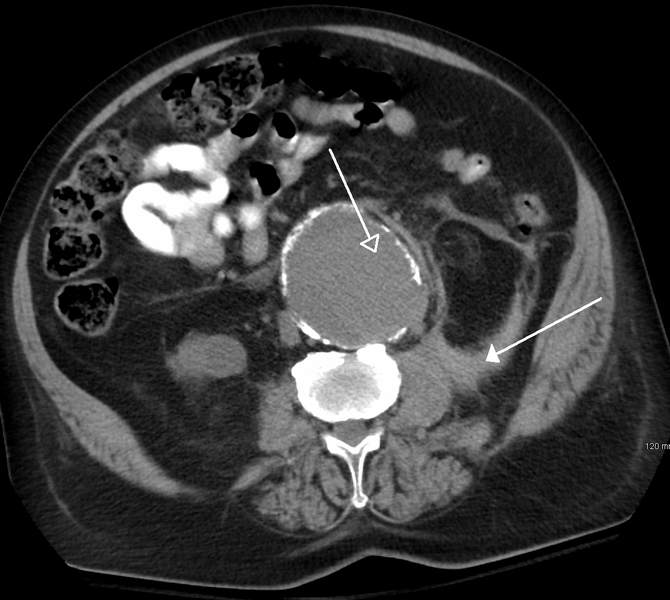
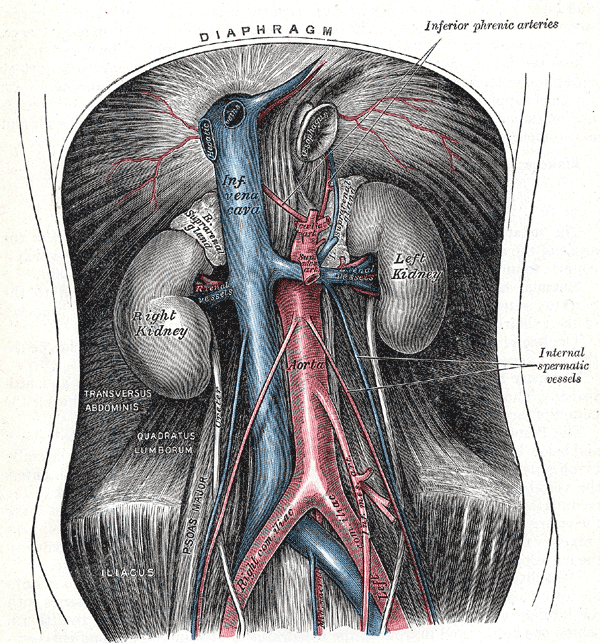
This is a review of the effects of CKD on increased morbidity and mortality of abdominal aortic aneurysm repair.   The abdominal aorta has branches to the superior mesenteric arteries proximally, and below that both renal arteries, which also supply the adrenals (suprarenal).
Severe atherosclerosis with plaque buildup and separation of the media from the endothelium, can migrate down the addominal aorta before frank rupture of an aneurysm.   Abdominal aortic aneurysm often extends from below the the renal arteries, to the internal spermatic vessels, or as far as the iliacs.

220px-Aortadiagramgray           Contrast-enhanced_CT_scan_demonstrating_abdominal_aortic_aneurysm

http://upload.wikimedia.org/wikipedia/commons/thumb/4/4a/Contrast-enhanced_CT_scan_demonstrating_abdominal_aortic_aneurysm.jpg/120px-Contrast-enhanced_CT_scan_demonstrating_abdominal_aortic_aneurysm.jpg

Of the visceral branches, the celiac artery and the superior and inferior mesenteric arteries are unpaired, while the suprarenals, renals, internal spermatics, and ovarian are paired. Of the parietal branches the inferior phrenics and lumbars are paired; the middle sacral is unpaired. The terminal branches are paired.
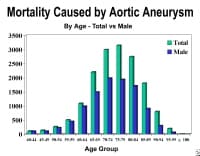
AAA is most common in men over age 65 years.  If it is expanding AAA causes sudden, severe, and constant low back, flank, abdominal, or groin pain (internal spermatic branch).  The presence of a pulsatile abdominal mass is virtually diagnostic but is found in less than half of all cases.  At least 65% of patients with a ruptured AAA die from sudden cardiovascular collapse before arriving at a hospital.
670px-RupturedAAA

EVAR for ruptured AAA

A study by Mehta et al assessed the effect of hemodynamic status on outcomes in 136 patients undergoing EVAR for ruptured AAAs.[1] The patients were divided into 2 groups:
(1) Hd-stable (systolic BP ≥80 mm Hg; n = 92 [68%]) and
(2) Hd-unstable (systolic BP < 80 mm Hg for >10 minutes; n = 44 [32%]).
The 30-day mortality, postoperative complications, need for secondary reinterventions, and midterm mortality were recorded. The 2 groups were found to be similar with respect to
  • comorbidities,
  • mean AAA maximum diameter (6.6 vs 6.4 cm),
  • need for on-the-table conversion to open repair (3% vs 7%), and
  • incidence of nonfatal complications (43% vs 38%) and secondary interventions (23% vs 25%).
  1. intraoperative need for aortic occlusion balloon,
  2.  mean estimated blood loss,
  3. incidence of developing abdominal compartment syndrome (ACS), and
  4. mortality
were all increased in the Hd-unstable group ([1]40% vs 6%, [2]744 vs 363 mL,[3] 29% vs 4%, and [4]33% vs 18%, respectively).

Open Surgery

Requires direct access to the aorta through an abdominal or retroperitoneal approach
Endovascular: Involves gaining access to the lumen of the abdominal aorta, usually via small incisions over the femoral vessels; an endograft, typically a cloth graft with a stent exoskeleton, is placed within the lumen of the AAA, extending distally into the iliac arteries.  Approximately 90% of abdominal aortic aneurysms are infrarenal.
The important surgical and endovascular anatomic considerations include associated renal and visceral artery involvement (either occlusive disease or involved in the aneurysm process) and the iliac artery (either occlusive disease or aneurysms). The length of the infrarenal aortic neck is important in helping determine the surgical approach (retroperitoneal vs transabdominal) and the location of the aortic cross clamp.

Endovascular Aneurysm Repair

Endovascular repair first became practical in the 1990s and although it is now an established alternative to open repair, its role is yet to be clearly defined. It is generally indicated in older, high-risk patients or patients unfit for open repair. However, endovascular repair is feasible for only a proportion of AAAs, depending on the morphology of the aneurysm. The main advantages over open repair are that there is less peri-operative mortality, less time in intensive care, less time in hospital overall and earlier return to normal activity. Disadvantages of endovascular repair include a requirement for more frequent ongoing hospital reviews, and a higher chance of further procedures being required.  According to the latest studies, the EVAR procedure does not offer any benefit for overall survival or health-related quality of life compared to open surgery, although aneurysm-related mortality is lower.

Aorta Anatomy and Pathology in AAA

The diameter of the aorta decreases in size from its thoracic portion to the abdominal and infrarenal portions. A normal aorta shows a reduction in medial elastin layers from the thoracic area to the abdominal portion. Elastin and collagen content are also reduced.  AAAs develop following degeneration of the media. The degeneration ultimately may lead to widening of the vessel lumen and loss of structural integrity.  
A multidisciplinary research program supported by the US National Heart, Lung, and Blood Institute identified proteolytic degradation of aortic wall connective tissue, inflammation and immune responses, biomechanical wall stress, and molecular genetics as mechanisms important in the development of AAA.  Similarly, surgical specimens of AAA reveal inflammation, with infiltration by lymphocytes and macrophages; thinning of the media; and marked loss of elastin.
Through gene microarray analysis, various genes involved in extracellular matrix degradation, inflammation, and other processes observed in AAA formation have been shown to be up-regulated, while others that may serve to prevent this occurrence are down-regulated. The combination of proteolytic degradation of aortic wall connective tissue, inflammation and immune responses, biomechanical wall stress, and molecular genetics represents a dynamic process that leads to aneurysmal deterioration of aortic tissue.
mortality caused by aortic aneurysm
1.  Mehta M, Paty PS, Byrne J, Roddy SP, Taggert JB, Sternbach Y, et al. The impact of hemodynamic status on outcomes of endovascular abdominal aortic aneurysm repair for rupture. J Vasc Surg. May 2013;57(5):1255-60. [Medline].
2.  Blanchard JF, Armenian HK, Friesen PP. Risk factors for abdominal aortic aneurysm: results of a case-control study. Am J Epidemiol. Mar 15 2000;151(6):575-83. [Medline].
3.  Lederle FA, Johnson GR, Wilson SE, Chute EP, Littooy FN, Bandyk D, et al. Prevalence and associations of abdominal aortic aneurysm detected through screening. Aneurysm Detection and Management (ADAM) Veterans Affairs Cooperative Study Group. Ann Intern Med. Mar 15 1997;126(6):441-9. [Medline].
4.   Wassef M, Baxter BT, Chisholm RL, Dalman RL, Fillinger MF, Heinecke J, et al. Pathogenesis of abdominal aortic aneurysms: a multidisciplinary research program supported by the National Heart, Lung, and Blood Institute. J Vasc Surg. Oct 2001;34(4):730-8. [Medline].
5.   [Guideline] U.S. Preventive Services Task Force. Screening for abdominal aortic aneurysm: recommendation statement. Ann Intern Med. Feb 1 2005;142(3):198-202. [Medline]. [Full Text].

Impact of chronic kidney disease on outcomes after abdominal aortic aneurysm repair

Patel VI, Lancaster RT, Mukhopadhyay S, Aranson NJ, Conrad MF, et al.
J Vasc Surg. 2012 Nov;56(5):1206-13.      http://dx.doi.org/10.1016/j.jvs.2012.04.037. Epub 2012 Aug 1.
Chronic kidney disease (CKD) is associated with increased morbidity and death after open abdominal aortic aneurysm (AAA) repair (OAR). This study highlights the effect of CKD on outcomes after endovascular AAA (EVAR) and OAR in contemporary practice.
The National Surgical Quality Improvement Program (NSQIP) Participant Use File (2005-2008) was queried by Current Procedural Terminology (American Medical Association, Chicago, Ill) code to identify EVAR or OAR patients, who were grouped by CKD class as having mild (CKD class 1 or 2), moderate (CKD class 3), or severe (CKD class 4 or 5) renal disease. Propensity score analysis was performed to match OAR and EVAR patients with mild CKD with those with moderate or severe CKD. Comparative analysis of mortality and clinical outcomes was performed based on CKD strata.
We identified 8701 patients who were treated with EVAR (n = 5811) or OAR (n = 2890) of intact AAAs. Mild, moderate, and severe CKD was present in 63%, 30%, and 7%, respectively. CKD increased (P < .01) overall mortality, with rates of 1.7% (mild), 5.3% (moderate), and 7.7% (severe) in unmatched patients undergoing EVAR or OAR. Operative mortality rates in patients with severe CKD were as high as 6.2% for EVAR and 10.3% for OAR.
Severity of CKD was associated with increasing frequency of risk factors; therefore, propensity matching to control for comorbidities was performed, resulting in similar baseline clinical and demographic features of patients with mild compared with those with moderate or severe disease.
In propensity-matched cohorts, moderate CKD increased the risk of 30-day mortality
  • for EVAR (1.9% mild vs 3.2% moderate; P = .013) and
  • OAR (3.1% mild vs 8.4% moderate; P < .0001).
Moderate CKD was also associated with increased morbidity in patients treated with
  • EVAR (8.3% mild vs 12.8% moderate; P < .0001) or
  • OAR (25.2% mild vs 32.4% moderate; P = .001).
Similarly, severe CKD increased the risk of 30-day mortality
  • for EVAR (2.6% mild vs 5.7% severe; P = .0081) and
  • OAR (4.1% mild vs 9.9% severe; P = .0057).
Severe CKD was also associated with increased morbidity in patients treated with
  • EVAR (10.6% mild vs 19.2% severe; P < .0001) or
  • OAR (31.1% mild vs 39.6% severe; P = .04).
The presence of moderate or severe CKD in patients considered for AAA repair is associated with significantly increased mortality and therefore should figure prominently in clinical decision making. The high mortality of AAA repair in patients with severe CKD is such that elective repair in such patients is not advised, except in extenuating clinical circumstances.

Related articles published on this Open Access Online Scientific Journal 

Effect of Hospital Characteristics on Outcomes of Endovascular Repair of Descending Aortic Aneurysms in US Medicare Population

Larry H. Bernstein, MD, FCAP 

http://pharmaceuticalintelligence.com/2013/06/27/effect-of-hospital-characteristics-on-outcomes-of-endovascular-repair-of-descending-aortic-aneurysms-in-us-medicare-population/

Abdominal Aortic Aneurysms (AAA): Albert Einstein’s Operation by Dr. Nissen
Aviva Lev-Ari, PhD, RN
No Early Symptoms – An Aortic Aneurysm Before It Ruptures – Is There A Way To Know If I Have it?
Justin D Pearlman, MD, PhD, FACC and Aviva Lev-Ari, PhD, RN
First-of-Its-Kind FDA Approval for ‘AUI’ Device with Endurant II AAA Stent Graft: Medtronic Expands in Endovascular Aortic Repair in the United States
Aviva Lev-Ari, PhD, RN
Abdominal Aortic Aneurysm: Endovascular repair and open repair resulted in similar long-term survival
Aviva Lev-Ari, PhD, RN
EUROPCR 2013, Paris 5/21-5/24, 2013 Conference for Cardiolovascular Intervention and Interventional Medicine
Aviva Lev-Ari, PhD, RN
Genomics & Genetics of Cardiovascular Disease Diagnoses: A Literature Survey of AHA’s Circulation Cardiovascular Genetics, 3/2010 – 3/2013
Aviva Lev-Ari, PhD, RN and Larry Bernstein, MD, FCAP
Competition in the Ecosystem of Medical Devices in Cardiac and Vascular Repair: Heart Valves, Stents, Catheterization Tools and Kits for Open Heart and Minimally Invasive Surgery (MIS)
Aviva Lev-Ari, PhD, RN
Bioabsorbable Drug Coating Scaffolds, Stents and Dual Antiplatelet Therapy
Aviva Lev-Ari, PhD, RN
Vascular Repair: Stents and Biologically Active Implants
Larry  Bernstein, MD, FCAP
Drug Eluting Stents: On MIT’s Edelman Lab’s Contributions to Vascular Biology and its Pioneering Research on DES
Larry H. Bernstein, MD, FCAP 
Coronary Artery Disease – Medical Devices Solutions: From First-In-Man Stent Implantation, via Medical Ethical Dilemmas to Drug Eluting Stents
Aviva Lev-Ari, PhD, RN
Survivals Comparison of Coronary Artery Bypass Graft (CABG) and Percutaneous Coronary Intervention (PCI) / Coronary Angioplasty
Larry Bernstein, MD, FCAP and Aviva Lev-Ari, PhD, RN
Trans-apical Transcatheter Aortic Valve Replacement in a Patient with Severe and Complex Left Main Coronary Artery Disease (LMCAD)
Larry Bernstein, MD, FCAP and Aviva Lev-Ari, PhD, RN
Transcatheter Aortic Valve Replacement (TAVR): Postdilatation to Reduce Paravalvular Regurgitation During TAVR with a Balloon-expandable Valve
Larry Bernstein, MD, FCAP and Aviva Lev-Ari, PhD, RN
Svelte Medical Systems’ Drug-Eluting Stent: 0% Clinically-Driven Events Through 12-Months in First-In-Man Study
Aviva Lev-Ari, PhD, RN
Acute and Chronic Myocardial Infarction: Quantification of Myocardial Perfusion Viability – FDG-PET/MRI vs. MRI or PET alone  (Justin Pearlman, Aviva Lev-Ari)
Biomaterials Technology: Models of Tissue Engineering for Reperfusion and Implantable Devices for Revascularization
Larry Bernstein, MD, FCAP and Aviva Lev-Ari, PhD, RN
Revascularization: PCI, Prior History of PCI vs CABG
Aviva Lev-Ari, PhD, RN
Accurate Identification and Treatment of Emergent Cardiac Events
Larry Bernstein, MD, FCAP
FDA Pending 510(k) for The Latest Cardiovascular Imaging Technology
Aviva Lev-Ari, PhD, RN
The ACUITY-PCI score: Will it Replace Four Established Risk Scores — TIMI, GRACE, SYNTAX, and Clinical SYNTAX
Aviva Lev-Ari, PhD, RN
Nitric Oxide and it’s impact on Cardiothoracic Surgery
Tilda Barliya, PhD
CABG or PCI: Patients with Diabetes – CABG Rein Supreme
Aviva Lev-Ari, PhD, RN
To Stent or Not? A Critical Decision
Aviva Lev-Ari, PhD, RN
Endothelin Receptors in Cardiovascular Diseases: The Role of eNOS Stimulation
Aviva Lev-Ari, PhD, RN
Absorb™ Bioresorbable Vascular Scaffold: An International Launch by Abbott Laboratories
Aviva Lev-Ari, PhD, RN
Carotid Stenting: Vascular surgeons have pointed to more minor strokes in the stenting group and cardiologists to more myocardial infarctions in the CEA cohort.
Aviva Lev-Ari, PhD, RN
New Drug-Eluting Stent Works Well in STEMI
Aviva Lev-Ari, PhD, RN
Global Supplier Strategy for Market Penetration & Partnership Options (Niche Suppliers vs. National Leaders) in the Massachusetts Cardiology & Vascular Surgery Tools and Devices Market for Cardiac Operating Rooms and Angioplasty Suites
Aviva Lev-Ari, PhD, RN
Abdominal Aortic Aneurysm in Computer Tomography

Abdominal Aortic Aneurysm in Computer Tomography (Photo credit: Wikipedia)

Read Full Post »

CVD Core

CVD Core

Reporter: Aviva Lev-Ari, PhD, RN

Article ID #62: CVD Core. Published on 6/26/2013

WordCloud Image Produced by Adam Tubman

When this post will be ready it needs be place

under below link 

http://pharmaceuticalintelligence.com/biomed-e-books/cardiovascular-diseases-causes-risks-and-management/introduction-to-the-three-volume-series-core-research-on-cardiovascular-diseases/

See in red my comments, below

Cardiovascular Diseases: Causes, Risks and Management

Justin D. Pearlman MD PhD MA FACC, Editor

Cardiovascular diseases comprise problems of the heart and blood vessels, including rhythm, blood supply, blood pressure, birth defects, or damage from cholesterol, tobacco, street drugs, radiation, viruses, bacteria, or fungi.

Thus the category includes heart failure (inadequate pump function), heart or vessel infection (endocarditis, vasculitis), birth defects (congenital heart disease)

Cardiovascular Diseases: Causes, Risks and Management

Justin D. Pearlman MD ME PhD MA FACC, Editor


Leaders in Pharmaceutical Business Intelligence

Aviva Lev-Ari, PhD, RN

Director and Founder

Editor-in-Chief

Other e-Books  in the  BioMedicine Series

Perspectives on Nitric Oxide in Disease Mechanisms

Human Immune System in Health and in Disease

Metabolic Genomics & Pharmaceutics

Infectious Disease & New Antibiotic Targets

Cancer Biology and Genomics for Disease Diagnosis

Nanotechnology in Drug Delivery

Genomics Orientations for Personalized Medicine 

This book is a comprehensive review of Innovations in Cardiovascular Medicine, including the latest discoveries in

  • Cardiac Medical Imaging,
  • Regenerative Medicine,
  • Pharmacotherapy,
  • Medical Devices for Cardiac Repair,
  • Genomics, and opportunities for Targeted Therapy.

It is written by experts in their respective subspecialties. The e-Book’s articles have been published on the Open Access Online Scientific Journal, since April 2012.  All new articles on this subject will continue to be incorporated with periodical updates.

http://www.pharmaceuticalIntelligence.com

The Journal is a scientific, medical and business, multi-expert authoring environment for information syndication in domains of Life Sciences, Medicine, Pharmaceutical and Healthcare Industries, BioMedicine, Medical Technologies & Devices. Scientific critical interpretations and original articles are written by PhDs, MDs, MD/PhDs, PharmDs, Technical MBAs as Experts, Authors, Writers (EAWs) on an Equity Sharing basis.

The Editor, Justin D. Pearlman MD ME PhD MA FACC, has many different perspectives developed during the years, including:

  • Chief of Cardiology,
  • non-invasive imaging,
  • molecular biology,
  • mathematics,
  • imaging research

contributed a number of firsts:

  • non-endemic Chagas diagnosis,
  • intensity projection angiography,
  • magnetization tagging,
  • myocardial injury mapping by magnetic resonance contrast retention,
  • myocardial viability by MRI,
  • atheroma lipid liquid crystal characterization,
  • outpatient inotropic infusion therapy,
  • angiogenesis imaging,
  • multimodal in vivo stem cell imaging,
  • real-time velocity beam MRI,
  • in vivo microscopic MRI,
  • dobutamine stress echocardiography for low gradient valve disease,
  • alternative stress tests,
  • diagnostic electrocardiography in magnetic environments,
  • statistical methods to solve error propagation of large array genomics,
  • discovery of monocyte role in native coronary collateral development,
  • image tracked stem cell treatment of  heart attacks,
  • singularity editing in differential topology.


Preface to the Three Volume Series

Cardiovascular disease has been a leading cause of death and disability and so it has also been a major focus for intense research, development, and progress. Knowledge of the causes, risks, and best practices for management continually change. That is why a dynamic electronic living textbook presents an exciting opportunity to help you keep current with the ephemeral leading edge. This book is an outgrowth of the commitment of Leaders in Pharmaceutical Business Intelligence to present the most exciting timely and pertinent advances of our day, in a continual medium to stay fresh and up to date. We hope diverse multispecialty perspectives will help you in your quest to understand, adapt and advance the leading edge of cardiovascular disease causes, risks and best practices management.

On the Diagnosis of Cardiovascular Disease: causes, manifestations, consequences and priorities

Doctors aim to spend their time on prevention, diagnosis, and disease management. More and more the time is diverted to expanding demands for documentation and bureaucratic navigation. This article focuses on the art of diagnosis, with examples based on cardiovascular diseases. Diagnosis cannot be achieved without a knowledge of the causes (etiology) of ailments, a necessary but not sufficient component of diagnosis. The causes broadly relate to nature and nurture, how our biological system develops and functions (nature), and its interactions with the outside world driven in part by behavior, diet, exposures, and activities (nurture). The nature of our individuality has been traced to the human genome, a map of code for protein products that build our structures and mediate our body part functions. Numerous blood tests have been devised to check the expression and activity level of such genomic products to identify disease and characterize its stage. The role of diet, behavior, exposures, activities or lack thereof is well established as a complicit factor in disease development and progression.

The art of diagnosis is designed to find out what is wrong. Literally, it is a flow of knowing, based on knowledge of causes of ailments, probabilities (prevalence), consequences, manifestations, priorities (which would be most urgent) and tests: CPCMPT. Review of those elements generates a list of concerns, often expressed as a “differential diagnosis” which is  a prioritized list of plausible explanations for the observations, patient’s report of symptoms and findings from patient examination. The second stage of diagnosis, called the “work-up,” selects and applies tests to stratify the list of possibilities further as well as to characterize the manifestations and stage of disease. Technically, analysis of biological samples, imaging studies and intervention trials each represent tests; however, they are often viewed as distinct tools with just the former labeled as tests (biological samples include blood tests, urine tests, sputum or saliva samples, and biopsies). The primary goal of the work-up is to establish one or more specific diagnoses as the cause of ailment. The secondary goal of the work-up is to characterize the manifestations and stage of disease to define expectations and clarify options for the disease management. The third goal is to develop a management a plan to slow or stop the ailment, decrease risks of complications, slow or stop progression of disease manifestations or otherwise minimize functional impairment.

The manifestations of disease are categorized as signs and symptoms.

  • Signs are observable evidence of consequences,
  • Symptoms are subjective complaints.

A major component of diagnostic skill is the ability to identify and characterize correctly signs and symptoms of all relevant disease conditions. A second major component of diagnostic skill is the ability to select appropriate tests and interpret their significance in context, in keeping with the patient’s presentation.

When someone sees a doctor about chest pain, coronary artery disease is a prominent consideration. The most common causes of chest pain are mechanical (muscle and bone, e.g., muscle spasms, muscle and bone inflammation), but those conditions are not generally life-threatening. The consequences of blocked arteries – arrhythmia, permanent weakness of the heart, blood clots, pulmonary emboli, stroke, cardiogenic shock, death – raise the stakes and push coronary disease high in priority even when the probabilities are low. The prioritization of the differential diagnosis list has multiple considerations: urgency (how quickly it can worsen), severity of consequences, and the probabilities of a macrovascualar event (prevalence, risk factors). A ten percent risk of coronary disease typically takes precedence over a 70% likelihood of muscle spasm in terms of diagnostic testing.

The road map for the construction of our individuality as humans has been fully mapped: the human genome. Genetic variation means we are not fully determined by the mix of genes inherited from our parents. In addition to the genetic material on our 48 chromosomes, and the genetic material in mitochondria inherited from the mother, there are spontaneous changes in the genetic code, and there are modifications that affect gene expression (which codes produce gene products, quantities, rates, and post-production modifications).

The causes of cardiovascular disease are defined by Murphy’s law: what can go wrong will. However, on the nature side, most malfunctions are too severe to reach the light of day, so there is a limited list of disease mechanisms associated with sufficient viability to reach medical attention. Those mechanisms can be summarized by a mnemonic: diseases can develop new metals in-flame, a-fact externs generated (disease mechanisms: congenital, developmental, neoplastic, metabolic, inflammatory, infectious, extrinsic (e.g. stab wound), and degenerative). A taxonomy of cardiovascular diseases can be constructed in various ways: (1) itemize the major cardiovascular functions and subclassify the dysfunctions, (2) itemize by principle anatomic involvement and subclassify by pathology, (3) classify by mechanism of disease, etiology. Compendiums of cardiovascular disease may be found in: (1) French’s Differential Diagnosis, (2) Robbins and Angel Pathology, (3) Guyton’s Textbook of Physiology, as well as cardiovascular disease textbooks such as Hurst, Braunwald, Mayo Clinic, Cleveland Clinic…

Diagnosis takes many forms. The paranoid inclusive approach, manifested as “medical student syndrome”, considers any semblance of a sign or symptom vaguely similar to a disease manifestation as a frightening prospect worthy of detailed pursuit. The minimalist pragmatic approach commonly attributed to general practitioners focuses on reassurance, and pursuit of persisting complaints that match a common ailment. That approach has been summarized by the advice: when you hear hoof beats think of horses, not zebras. Specialists, on the other hand, are taught to consider all possibilities, with due consideration to urgency and treatability, so that zebras are not punished.

The healthcare system promotes the idea of generalists serving as the front line, identifying who can be managed simply, with specialists serving as finishers for more complex cases or cases requiring special skills. A flaw in that model is the need for detailed knowledge of zebras and subtle findings that may represent an urgent issue at the front line for triage. If the generalist does not know that mild symptoms from mitral valve disease or aortic valve disease may require urgent detailed assessment, patients may be referred to a specialist too late to prevent consequences that requires an earlier intervention.

Parsimony in diagnosis refers to identifying the fewest number of diagnoses that explain all the findings. The concept has been attributed to Osler, and it builds on a guiding procedure voiced in the middle ages by Occum, known as Occum’s razor: when deciding between two explanations, favor the one that requires the fewest assumptions. Parsimony is a useful guide for diagnosis of a previously healthy patient who develops a number of findings that are temporally coherent. After age 65 (official geriatrics age), physicians are taught to abandon parsimony and expect more diagnoses than findings.

A study of difficult diagnoses lead to the concept of a pivotal finding as one that has a narrow differential list. The diagnostic process is prone to errors, including cognitive biases, which may benefit from computer assistance. Intuition and analytics can be applied to reduce cognitive bias. The author developed a just-in-time social networking system within a software package called Missive(c) that enables rapid access to such tools, combining efficiency in documentation with improved quality of analysis and reports (faster and better).

Among older Americans, more are hospitalized for heart failure than for any other medical condition (diastolic failure=stiff heart, systolic failure= inadequate pumping).

Genomics – the study of the genetic basis for disease – is rapidly expanding knowledge about etiology (cause of disease), and it helps identify opportunities for accurate diagnosis and treatment. The American Heart Association journal CIRCULATION has published 348 relevant articles related to cardiovascular genomics from 2010-2013.  For example, just on the subtopic of atherosclerosis (hardening of arteries), genomics offers major progress. The genetic factors that affect arterial stiffness are strongly related to a very common underlying health concern, hypertension (high blood pressure). The counterpart to genetics is environment (nature versus nurture), but genetics carries the trump cards because it determines the sensitivities to environment.

anatomy

physiology

laboratory tests

interventional trials

Boundaries of the Domain: Cardiovascular Diseases: Causes, Risks and Management – Volume 1,2,3


The scope of cardiovascular disease scholarly contributions will grow to include: anatomy, surgery, molecular biology, ethics, imaging (echo, nuclear, PET, MRI, OCT, CT), congenital, stress tests, ECG, electrophysiology/rhythm/channelopathies, pacing, resynchronizing, AICD, cardiomyopathies, syncope, valve disease, aorta, renal artery, thrombosis, venous diseases, vasculitis, endothelium, metabolic syndrome, dyslipidemia, risk factors, biomarkers, hypertension, embolism, pulmonary hypertension, cardiac tumors, women’s health, CAD, Angina,  Stem cells, complications of MI, thrombolysis, rehabilitation, reflexes, hormones, diastology, pharmaceuticals, myocarditis, hypertrophy, failure, shock, hemodynamics, interventions, contrast nephropathy, and contrast systemic fibrosis, as well as other relevant topics you may suggest.

An overview of the Core Research on Cardiovascular Diseases is based on the following NINE articles: 

Have only the article title as a live link of the following 9 [originally were on CVD Zero, title and links, now only links]

  1. http://pharmaceuticalintelligence.com/2013/05/15/diagnosis-of-cardiovascular-disease-treatment-and-prevention-current-predicted-cost-of-care-and-the-promise-of-individualized-medicine-using-clinical-decision-support-systems-2/ 
  2. http://pharmaceuticalintelligence.com/2013/05/04/cardiovascular-diseases-decision-support-systems-for-disease-management-decision-making/ 
  3. http://pharmaceuticalintelligence.com/2013/03/07/genomics-genetics-of-cardiovascular-disease-diagnoses-a-literature-survey-of-ahas-circulation-cardiovascular-genetics-32010-32013/
  4. http://pharmaceuticalintelligence.com/2013/05/17/synthetic-biology-on-advanced-genome-interpretation-for-gene-variants-and-pathways-what-is-the-genetic-base-of-atherosclerosis-and-loss-of-arterial-elasticity-with-aging/ 
  5. http://pharmaceuticalintelligence.com/2013/05/11/arterial-elasticity-in-quest-for-a-drug-stabilizer-isolated-systolic-hypertension-caused-by-arterial-stiffening-ineffectively-treated-by-vasodilatation-antihypertensives/ 
  6. http://pharmaceuticalintelligence.com/2013/05/24/imaging-biomarker-for-arterial-stiffness-pathways-in-pharmacotherapy-for-hypertension-and-hypercholesterolemia-management/ 
  7. http://pharmaceuticalintelligence.com/2013/04/28/genetics-of-conduction-disease-atrioventricular-av-conduction-disease-block-gene-mutations-transcription-excitability-and-energy-homeostasis/
  8. http://pharmaceuticalintelligence.com/2013/05/07/on-devices-and-on-algorithms-arrhythmia-after-cardiac-surgery-prediction-and-ecg-prediction-of-paroxysmal-atrial-fibrillation-onset/ 
  9. http://pharmaceuticalintelligence.com/2013/05/22/acute-and-chronic-myocardial-infarction-quantification-of-myocardial-viability-fdg-petmri-vs-mri-or-pet-alone

The main points are

[bring here ONLY the INTRODUCTION and the Summary of each, THEN The EDITOR will provide perspective on the Research and the current STate of Cardiology in the US in 2013/2014]

A. Now you provide ONLY links to 

Volume #

Contributors to Volume #

eTOCS in Volume #

REPEAT A. for each Volume

Volume One: Causes of Cardiovascular Diseases

Table of Contents

Hardening of the arteries is described as atherosclerosis, or porridge-like wall changes with scarring, which leads to heart attacks, high blood pressure, stroke, and organ injury mediated by ischemia (insufficient nutrient blood supply). The causes are both nature (genetic) and nurture (behavior, diet). Specifics of the causes guide diagnosis and management.

Chapter 1.2: Genomics

The completion of the human genome map was a major accomplishment, as gene products make signals, receptors and building blocks that establish health and disease. However, it is just a stepping stone, not explaining why, where, or how the gene products are regulated and  interact.

Chapter 1.3: Cardiovascular Imaging

Imaging applies a principle of physics (light transmission, sound transmission, xray transmission, magnetic resonance, radioactivity) to provide a map of interior structures and/or activities. Image processing (computing) derives further information than simple display of an observed tissue-sensitive parameter. In the case of computed tomography (CT), magnetic resonance (MRI), positron-emission tomography (PET), and single-photon emission tomography (SPECT),  computer reformatting of image data is essential.

Volume Two: Risk Assessment of Cardiovascular Diseases

Contributors

Table of Contents

Cardiovascular disease is the leading cause of death and disability, affecting more than four times as many people as all forms of cancer combined.

Chapter  2.2: Testing for cardiovascular risk

The volunteer population of Framingham Massachusetts provided decades of data clarifying determinants of risk for cardiovascular diseases. That data helped establish the usefulness of cholesterol screening, and lead to the search for additional tests to identify risk and guide management.

Chapter 2.3: Biomarkers

Biomarkers are chemistry levels (concentrations in the blood) that identify injury or risk for injury.

Volume Three: Management of Cardiovascular Diseases

Contributors

Chapter  3.1: Therapeutic Genomics

As the mysteries of the human genome products are unraveled, we get closer to identifying key components. One of them is Thymosin beta 4 (Tβ4) , which plays an essential role in cardiac and blood vessel development and regeneration. It may lead to breakthroughs in angiogenesis and vasculogenesis, or new vessel development, mimicking the behavior of the lucky few who develop new vessels, or collaterals, as a natural bypass system, without requiring a surgeon to provide a blood supply to avoid or limit heart attacks.

Chapter 3.2: Image guidance of Therapy

The US government is helping to sponsor new imaging methods, while they also inhibit it by adding new taxes.

Chapter 3.3: Drug therapy

Emerging new therapies are presented, along with the biological basis.

Chapter 3.4: Cardiovascular Interventions

Technological advances enable minimally invasive solutions to problems previously addressed by surgery or autopsy.

Introduction 


Contributors above, need a LINK to the appropriate contributors in each volume. Table of Contents of each volume above need a LINK to the eTOCS of each volume.  

Please UPDATE all links ABOVE to the appropriate locations in the respective volumes, after implementing the carry over, remove links below EXCEPT CVD1,2,3 and remove this comment of mine in RED, here

REFERENCES for CVD CORE

A.  Diagnosis of Cardiovascular Disease and Cost of Care

Bernstein, HL and A. Lev-Ari 5/15/2013 Diagnosis of Cardiovascular Disease, Treatment and Prevention: Current & Predicted Cost of Care and the Promise of Individualized Medicine Using Clinical Decision Support Systems

http://pharmaceuticalintelligence.com/2013/05/15/diagnosis-of-cardiovascular-disease-treatment-and-prevention-current-predicted-cost-of-care-and-the-promise-of-individualized-medicine-using-clinical-decision-support-systems-2/ 

B. Cardiovascular DiseasesDisease Management Decision Making – use of CDSS

Pearlman, JD and A. Lev-Ari 5/4/2013 Cardiovascular Diseases: Decision Support Systems for Disease Management Decision Making

http://pharmaceuticalintelligence.com/2013/05/04/cardiovascular-diseases-decision-support-systems-for-disease-management-decision-making/ 

C. Genomics & Genetics of Cardiovascular Disease Diagnoses

Lev-Ari, A. and L H Bernstein 3/7/2013 Genomics & Genetics of Cardiovascular Disease Diagnoses: A Literature Survey of AHA’s Circulation Cardiovascular Genetics, 3/2010 – 3/2013

http://pharmaceuticalintelligence.com/2013/03/07/genomics-genetics-of-cardiovascular-disease-diagnoses-a-literature-survey-of-ahas-circulation-cardiovascular-genetics-32010-32013/

D.  Genetic Base of Atherosclerosis and Loss of Arterial Elasticity with Aging

Lev-Ari, A. 5/17/2013 Synthetic Biology: On Advanced Genome Interpretation for Gene Variants and Pathways: What is the Genetic Base of Atherosclerosis and Loss of Arterial Elasticity with Aging

http://pharmaceuticalintelligence.com/2013/05/17/synthetic-biology-on-advanced-genome-interpretation-for-gene-variants-and-pathways-what-is-the-genetic-base-of-atherosclerosis-and-loss-of-arterial-elasticity-with-aging/ 

E.  Hypertension and Vascular Compliance: 2013 Thought Frontier – An Arterial Elasticity Focus

Pearlman, JD and A. Lev-Ari 5/11/2013 Hypertension and Vascular Compliance: 2013 Thought Frontier – An Arterial Elasticity Focus

http://pharmaceuticalintelligence.com/2013/05/11/arterial-elasticity-in-quest-for-a-drug-stabilizer-isolated-systolic-hypertension-caused-by-arterial-stiffening-ineffectively-treated-by-vasodilatation-antihypertensives/ 

F.  Arterial Stiffness: Pharmacotherapy for Hypertension and Hypercholesterolemia Management

Pearlman, JD and A. Lev-Ari 5/24/2013 Imaging Biomarker for Arterial Stiffness: Pathways in Pharmacotherapy for Hypertension and Hypercholesterolemia Management

http://pharmaceuticalintelligence.com/2013/05/24/imaging-biomarker-for-arterial-stiffness-pathways-in-pharmacotherapy-for-hypertension-and-hypercholesterolemia-management/ 

G. Genetics of Conduction Disease

Lev-Ari, A. 4/28/2013 Genetics of Conduction Disease: Atrioventricular (AV) Conduction Disease (block): Gene Mutations – Transcription, Excitability, and Energy Homeostasis

http://pharmaceuticalintelligence.com/2013/04/28/genetics-of-conduction-disease-atrioventricular-av-conduction-disease-block-gene-mutations-transcription-excitability-and-energy-homeostasis/

H.  Arrhythmia after Cardiac Surgery Prediction and ECG Prediction of Paroxysmal Atrial Fibrillation Onset

Pearlman, JD and A. Lev-Ari 5/7/2013 On Devices and On Algorithms: Arrhythmia after Cardiac Surgery Prediction and ECG Prediction of Paroxysmal Atrial Fibrillation Onset

http://pharmaceuticalintelligence.com/2013/05/07/on-devices-and-on-algorithms-arrhythmia-after-cardiac-surgery-prediction-and-ecg-prediction-of-paroxysmal-atrial-fibrillation-onset/ 

I.  Myocardial Infarction: Quantification of Myocardial Perfusion Viability

Pearlman, JD and A. Lev-Ari 5/22/2013 Acute and Chronic Myocardial Infarction: Quantification of Myocardial Perfusion Viability – FDG-PET/MRI vs. MRI or PET alone

http://pharmaceuticalintelligence.com/2013/05/22/acute-and-chronic-myocardial-infarction-quantification-of-myocardial-viability-fdg-petmri-vs-mri-or-pet-alone/

Read Full Post »

Treatment for Endocrine Tumors and Side Effects

Reporter and Curator: Dr. Sudipta Saha, Ph.D.

Surgery

The purpose of surgery is typically to remove the entire tumor, along with some of the healthy tissue around it, called the margin. If the tumor cannot be removed entirely, “debulking” surgery may be performed. Debulking surgery is a procedure in which the goal is to remove as much of the tumor as possible. Side effects of surgery include weakness, fatigue, and pain for the first few days following the procedure.

Chemotherapy

Chemotherapy is the use of drugs to kill tumor cells, usually by stopping the cells’ ability to grow and divide. Systemic chemotherapy is delivered through the bloodstream to reach tumor cells throughout the body. A chemotherapy regimen (schedule) usually consists of a specific number of cycles given over a set period of time. A patient may receive one drug at a time or combinations of different drugs at the same time. The side effects of chemotherapy depend on the individual and the dose used, but they can include fatigue, risk of infection, nausea and vomiting, loss of appetite, and diarrhea. These side effects usually go away once treatment is finished.

Radiation therapy

Radiation therapy is the use of high-energy x-rays or other particles to kill tumor cells. The most common type of radiation treatment is called external-beam radiation therapy, which is radiation given from a machine outside the body. When radiation treatment is given using implants, it is called internal radiation therapy or brachytherapy. A radiation therapy regimen usually consists of a specific number of treatments given over a set period of time. Side effects from radiation therapy may include fatigue, mild skin reactions, upset stomach, and loose bowel movements. Most side effects go away soon after treatment is finished.

Hormone therapy

The goal of hormone therapy is often to lower the levels of hormones in the body. Hormone therapy may be given to help stop the tumor from growing or to relieve symptoms caused by the tumor. In addition, for thyroid cancer, hormone therapy will be given if the thyroid gland has been removed, to replace the hormone that is needed by the body to function properly.

Immunotherapy

Immunotherapy (also called biologic therapy) is designed to boost the body’s natural defenses to fight the tumor. It uses materials made either by the body or in a laboratory to bolster, target, or restore immune system function. Examples of immunotherapy include cancer vaccines, monoclonal antibodies, and interferons. Alpha interferon is a form of biologic therapy given as an injection under the skin. This is sometimes used to help relieve symptoms caused by the tumor, but it can have severe side effects including fatigue, depression, and flu-like symptoms.

Targeted therapy

Targeted therapy is a treatment that targets the tumor’s specific genes, proteins, or the tissue environment that contributes to cancer growth and survival. This type of treatment blocks the growth and spread of tumor cells while limiting damage to normal cells, usually leading to fewer side effects than other cancer medications.

Recent studies show that not all tumors have the same targets. To find the most effective treatment, the doctor may run tests to identify the genes, proteins, and other factors in the tumor. As a result, doctors can better match each patient with the most effective treatment whenever possible.

Depending on the type of endocrine tumor, targeted therapy may be a possible treatment option. For instance, targeted therapies, such as sunitinib (Sutent) and everolimus (Afinitor), have been approved for treating advanced islet cell tumors. Early results of clinical trials (research studies) with targeted therapy drugs for other types of endocrine tumors are promising, but more research is needed to prove they are effective.

Recurrent endocrine tumor

Once the treatment is complete and there is a remission (absence of symptoms; also called “no evidence of disease” or NED). Many survivors feel worried or anxious that the tumor will come back. If the tumor does return after the original treatment, it is called a recurrent tumor. It may come back in the same place (called a local recurrence), nearby (regional recurrence), or in another place (distant recurrence). When this occurs, a cycle of testing will begin again to learn as much as possible about the recurrence. Often the treatment plan will include the therapies described above (such as surgery, chemotherapy, and radiation therapy) but may be used in a different combination or given at a different pace. People with a recurrent tumor often experience emotions such as disbelief or fear. Patients are encouraged to talk with their health care team about these feelings and ask about support services to help them cope.

Metastatic endocrine tumor

If a cancerous tumor has spread to another location in the body, it is called metastatic cancer. A treatment plan that includes a combination of surgery, chemotherapy, radiation therapy, hormone therapy, immunotherapy, or targeted therapy may be recommended if required.

In addition to treatment to slow, stop, or eliminate the cancer (also called disease-directed treatment), an important part of cancer care is relieving a person’s symptoms and side effects. It includes supporting the patient with his or her physical, emotional, and social needs, an approach called palliative or supportive care. People often receive disease-directed therapy and treatment to ease symptoms at the same time.

Source References:

http://www.cancer.net/cancer-types/endocrine-tumor/treatment


http://www.macmillan.org.uk/Cancerinformation/Cancertypes/Endocrine/Endocrinetumours.aspx


http://cancer.osu.edu/patientsandvisitors/cancerinfo/cancertypes/endocrine/Pages/index.aspx


http://cancer.northwestern.edu/cancertypes/cancer_type.cfm?category=8


http://www.cancervic.org.au/about-cancer/cancer_types/endocrine_cancer


http://www.oncolink.org/types/types1.cfm?c=4

Read Full Post »

« Newer Posts - Older Posts »