Feeds:
Posts
Comments

Archive for the ‘Biological Networks, Gene Regulation and Evolution’ Category

Tumor Imaging and Targeting: Predicting Tumor Response to Treatment: Where we stand?

Author and curator: Ritu Saxena, Ph.D.

Article ID #9: Tumor Imaging and Targeting: Predicting Tumor Response to Treatment: Where we stand?. Published on 12/13/2012

WordCloud Image Produced by Adam Tubman


This post attempts to integrate three posts and to embed all comments made to all three papers, allowing the reader a critically thought compilation of evidence-based medicine and scientific discourse.

Dr. Dror Nir authored a post on October 16th titled “Knowing the tumor’s size and location, could we target treatment to THE ROI by applying imaging-guided intervention?” The article attracted over 20 comments from readers including researchers and oncologists debating the following issues:

  • imaging technologies in cancer
  • tumor size, and
  • tumor response to treatment.

The debate lead to several new posts authored by:

This post is a compilation of the views of authors representing different specialties including research and medicine. In medicine: Pathology, Oncology Surgery and Medical Imaging, are represented.

Dr. Nir’s post talked about an advanced technique developed by the researchers at Sunnybrook Health Sciences Centre, University of Toronto, Canada for cancer lesions’ detection and image-guided cancer treatment in the specific Region of Interest (ROI). The group was successfully able to show the feasibility and safety of magnetic resonance imaging (MRI) – controlled transurethral ultrasound therapy for prostate cancer in eight patients.

The dilemma of defining the Region of Interest for imaging-based therapy

Dr. Bernstein, one of the authors at Pharmaceuticalintelligence.com, a Fellow of the American College of Pathology, reiterated the objective of the study stating that “Their study’s objective was to prove that using real-time MRI guidance of HIFU treatment is possible and it guarantees that the location of ablated tissue indeed corresponds to the locations planned for treatment.” He expressed his opinion about the study by bringing into focus a very important issue i.e., given the fact that the part surrounding the cancer tissue is in the transition state, challenge in defining a ROI that could be approached by imaging-based therapy. Regarding the study discussed, he states – “This is a method demonstration, but not a proof of concept by any means.  It adds to the cacophany of approaches, and in a much larger study would prove to be beneficial in treatment, but not a cure for serious prostate cancer because it is unlikely that it can get beyond the margin, and also because there is overtreatment at the cutoff of PSA at 4.0. I think that the pathologist has to see the tissue, and the standard in pathology now is for any result that is cancer, two pathologists or a group sitting together should see it. It’s not an easy diagnosis.”

“The crux of the matter in terms of capability is that the cancer tissue, adjacent tissue, and the fibrous matrix are all in transition to the cancerous state. It is taught to resect leaving “free margin”, which is better aesthetically, and has had success in breast surgery. The dilemma is that the patient may return, but how soon?” concludes Dr. Larry.

Dr. Nir responded, “The philosophy behind lumpectomy is preserving quality of life. It was Prof. Veronesi (IEO) who introduced this method 30 years ago noticing that in the majority of cases; the patient will die from something else before presenting recurrence of breast cancer. It is well established that when the resection margins are declared by a pathologist (as good as he/she could be) as “free of cancer”, the probability of recurrence is much lower than otherwise. He explains further, “The worst enemy of finding solutions is doing nothing while using the excuse of looking for the “ultimate solution.” Personally, I believe in combining methods and improving clinical assessment based on information fusion. Being able to predict, and then timely track the response to treatment is a major issue that affects survival and costs!

In this discussion my view is expressed, below.

  • The paper that discusses imaging technique had the objective of finding out whether real-time MRI guidance of treatment was even possible and if yes, whether the treatment could be performed in accurate location of the ROI? The data reveals they were pretty successful in accomplishing their objective and of course that gives hope to the imaging-based targeted therapies.
  • Whether the ROI is defined properly and if it accounts for the real tumor cure, is a different question. Role of pathologists and the histological analysis and what they bring to the table cannot be ruled out, and the absence of a defined line between the tumor and the stromal region in the vicinity is well documented. However, that cannot rule out the value and scope of imaging-based detection and targeted therapy. After all, it is seminal in guiding minimally invasive surgery.
  • As another arm of personalized medicine-based cure for cancer, molecular biologists at MD Anderson have suggested molecular and genetic profiling of the tumor to determine genetic aberrations on the basis of which matched-therapy could be recommended to patients.
  • When phase I trial was conducted, the results were encouraging and the survival rate was better in matched-therapy patients compared to unmatched patients. Therefore, every time there is more to consider when treating a cancer patient and who knows a combination of views of oncologists, pathologists, molecular biologists, geneticists, surgeons would device improvised protocols for diagnosis and treatment. It is always going to be complicated and generalizations would never give an answer. Smart interpretations of therapies – imaging-based or others would always be required!

To read additional comments, including those from Dr. Williams, Dr. Lev-Ari, refers to:

Knowing the tumor’s size and location, could we target treatment to THE ROI by applying imaging-guided intervention? Author and Reporter: Dror Nir, Ph.D.

Dr. Lev-Ari in her paper linked three fields that bear weight in the determination of Tumor Response to Therapy:

  • Personalized Medicine
  • Cancer Cell Biology, and
  • Minimally Invasive Surgery (MIS)

Her objectives were to address research methodology, the heterogeneity innate to Cancer Cell Biology and Treatment choice in the Operating Room — all are related to the topic at hand: How to deliver optimal care with least invasive intervention course.

Any attempt aimed at approaching this desirable result, called Personalized Medicine,  involves engagement in three strategies:

  • prediction of Patient’s reaction to Drug induction
  • design of Clinical Trials to validate drug efficacy on small subset of patients predicted to react favorable to drug regimen, increasing validity and reliability
  • Genetical identification of patients at no need to have a drug administered if non sensitivity to the drug has been predicted

These method are to be applied to a list of 56 leading Cancer types.

While the executive task of the clinician remains to assess the differentiation in Tumor Response to Treatment, pursuit of  individualized histopathology, as well as tumor molecular, genetic and functional characteristics has to take into consideration the “total” individual patients’ characteristics: age, co-morbidities, secondary risks and allergies to drugs.

In Dr. Lev-Ari’s paper Minimally Invasive Treatment (MIT) is compared with Minimally Invasive Surgery (MIS) applied for tumor resection.  In many cases MIS is not the right surgical decision, yet, it is applied for a corollary of patient-centered care considerations. At present, facing the unknown of the future behavior of the tumor as its response to therapeutics bearing uncertainty related to therapy outcomes.

Forget me not – says the ‘Stroma’

Dr. Brücher, the author of review on tumor response criteria, expressed his views on the topic. He remembers that 10 years ago, every cancer researcher stated – “look at the tumor cells only – forget the stroma”. However, the times have changed, “now, everyone knows that it is a system we are looking at, and viewing and analyzing only tumor cells is really not enough.”

He went on to state “if we would be honest, we would have to declare that all data, which had been produced 8-13 years ago, dealing with laser capture microdissection, would need a rescrutinization, because the influence of the stroma was ‘forgotten’.”

He added, “the surgeon looks at the ‘free margin’ in a kind of reductionable model, the pathologist is more the control instance. I personally see the pathologist as ‘the control instance’ of surgical quality. Therefore, not the wish of the surgeon is important, the objective way of looking into problems or challenges. Can a pathologist always state if a R0-resection had been performed?”

What is the real RO-resection?

There have been many surrogate marker analysis, says Dr. Brücher, and that a substantially well thought through structured analysis has never been done: mm by mm and afterwards analyzing that by a ROC analysis. For information on genetic markers on cancer, refer to the following post by Dr. Lev-Ari’s: Personalized Medicine: Cancer Cell Biology and Minimally Invasive Surgery (MIS)

He also stated that there is no gold standard to compare the statistical ROC analysis to. Often it is just declared and stated but it is still not clear what the real RO-resection is?

He added, “in some organs it is very difficult and we all (surgeons, pathologists, clinicians) that we always get to the limit, if we try interpreting the R-classification within the 3rd dimension.”

Dr. Brücher explains regarding resectability classification, “If lymph nodes are negative it does not mean, lymph nodes are really negative. For example, up to 38% upper GI cancers have histological negative lymph nodes, but immunohistochemical positive lymph nodes. And, Stojadinovic et al have also shown similar observations at el in colorectal cancer. So the 4th dimension of cancer – the lymph nodes / the lymphatic vessel invasion are much more important than just a TNM classification, which unfortunately does often not reflect real tumor biology.”

The discussion regarding the transition state of the tumor surrounding tissue and the ‘free margin’ led to a bigger issue, the heterogeneity of tumors.

Dr. Bernstein quoted a few lines from the review article titled “Tumor response criteria: are they appropriate?, authored by Dr Björn LDM Brücher et al published in Future Oncology in 2012.

  • Tumor heterogeneity is a ubiquitous phemomenon. In particular, there are important differences among the various types of gastrointestinal (GI) cancers in terms of tumor biology, treatment response and prognosis.
  • This forms the principal basis for targeted therapy directed by tumor-specific testing at either the gene or protein level. Despite rapid advances in our understanding of targeted therapy for GI cancers, the impact on cancer survival has been marginal.
  • Can tumor response to therapy be predicted, thereby improving the selection of patients for cancer treatment?
  • In 2000, the NCI with the European Association for Research and Treatment of Cancer, proposed a replacement of 2D measurement with a decrease in the largest tumor diameter by 30% in one dimension. Tumor response as defined would translate into a 50% decrease for a spherical lesion
  • We must rethink how we may better determine treatment response in a reliable, reproducible way that is aimed at individualizing the therapy of cancer patients.
  • We must change the tools we use to assess tumor response. The new modality should be based on empirical evidence that translates into relevant and meaningful clinical outcome data.
  • This becomes a conundrum of sorts in an era of ‘minimally invasive treatment’.
  • Integrated multidisciplinary panel of international experts – not sure that that will do it.

Dr. Bernstein followed up by authoring a separate post on tumor response. His views on tumor response criteria have been quoted in the following paragraphs:

Can tumor response to therapy be predicted?

The goal is not just complete response. Histopathological response seems to be related post-treatment histopathological assessment but it is not free from the challenge of accurately determining treatment response, as this method cannot delineate whether or not there are residual cancer cells. Functional imaging to assess metabolic response by 18-fluorodeoxyglucose PET also has its limits, as the results are impacted significantly by several variables:

• tumor type
• sizing
• doubling time
• anaplasia?
• extent of tumor necrosis
• type of antitumor therapy and the time when response was determined.

The new modality should be based on individualized histopathology as well as tumor molecular, genetic and functional characteristics, and individual patients’ characteristics, a greater challenge in an era of ‘minimally invasive treatment’.

This listing suggests that for every cancer the following data has to be collected (except doubling time). If there were five variables, the classification based on these alone would calculate to be very sizable based on Eugene Rypka’s feature extraction and classification.

But looking forward, time to remission and disease free survival are additionally important. Treatment for cure is not the endpoint, but the best that can be done is to extend the time of survival to a realistic long term goal and retain a quality of life.

For detailed discussion on the topic of tumor response and comments refer to the following posts:

What can we expect of tumor therapeutic response?

Author: Larry H. Bernstein, MD, FCAP

Judging ‘Tumor response’-there is more food for thought

Reporter: Ritu Saxena, Ph.D.

Additional Sources:

Research articles:

Brücher BLDM  et al. Tumor response criteria: are they appropriate? Future Oncol. August Vol. 8, No. 8, Pages 903-906 (2012).

Brücher BLDM, Piso P, Verwaal V et al. Peritoneal carcinomatosis: overview and basics. Cancer Invest.30(3),209–224 (2012).


Brücher BLDM, Swisher S, Königsrainer A et al. Response to preoperative therapy in upper gastrointestinal cancers. Ann. Surg. Oncol.16(4),878–886 (2009).


Miller AB, Hoogstraten B, Staquet M, Winkler A. Reporting results of cancer treatment. Cancer47(1),207–214 (1981).


Therasse P, Arbuck SG, Eisenhauer EA et al. New guidelines to evaluate the response to treatment in solid tumors. European Organization for Research and Treatment of Cancer, National Cancer Institute of the United States, National Cancer Institute of Canada. J. Natl Cancer Inst.92(3),205–216 (2000).


Brücher BLDM, Becker K, Lordick F et al. The clinical impact of histopathological response assessment by residual tumor cell quantification in esophageal squamous cell carcinomas. Cancer106(10),2119–2127 (2006).

Read Full Post »

Breakthrough Digestive Disorders Research: Conditions affecting the Gastrointestinal Tract.

Reporter: Aviva Lev-Ari, PhD, RN


Forthcoming Electronic Book on

Metabolism and MetabolOMICS, 2013

Larry H. Bernstein, MD, FCAP and Ritu Saxena, Ph.D., Editors

Book will cover innovations in

  • Digestive Disorders GENOMICS,
  • Pharmaco-Therapy for gut infalmmation,
  • Genetic Immunology,
  • Enzymatic-therapy,
  • Bacterial infection in the gut and pharmaco-therapies
  • Cancer Biology and Therapy

of the following most common digestive disorders today

In the meantime, we are sharing the encouraging news, that is, that the symptoms of digestive disorders can be alleviated, and often completely eliminated, with the right combination of medication, dietary changes, exercise, weight loss, stress reduction and surgery.

It’s all detailed in an important new research report from Johns Hopkins — rated #1 of America’s best hospitals for 21 consecutive years 1991-2011 by U.S. News & World Report.

The 2013 Johns Hopkins Digestive Disorders White Paper

Johns Hopkins Digestive Disorders White Paper

Your Digestive Expert, H. Franklin Herlong, M.D. Adjunct Professor of MedicineJohns Hopkins University School of Medicine

The expertise you need, in language you can understand and use

In The 2013 Johns Hopkins Digestive Disorders White Paper, you will discover exciting advances and the most useful, current information to help you prevent or treat conditions affecting the digestive tract.

You’ll find a thorough overview of what the medical field knows about upper and lower digestive tract disorders (including everything from gastroesophageal reflux disease [GERD] to peptic ulcers, and irritable bowel syndrome to colorectal polyps) and conditions that affect the liver, gallbladder and pancreas.

You will learn how to prevent these diseases and, when symptoms arise, the best ways for you and your doctor to diagnose and treat them. The Johns Hopkins White Papers redefine the term “informed consumer.” In The 2013 Johns Hopkins Digestive Disorders White Paper, specialists from Johns Hopkins University School of Medicine report in depth on the latest digestive disorders prevention strategies and treatments. Thousands of Americans rely on Johns Hopkins expertise to help them manage their digestive disorders.

In The 2013 Johns Hopkins Digestive Disorders White Paper you’ll get a thorough overview of what the medical field knows about the most common digestive disorders today. You’ll find a wealth of news you can use about:

  • Celiac disease
  • Constipation
  • Crohn’s disease
  • Diarrhea
  • Diverticulosis and diverticulitis
  • Gallstones
  • Gastritis
  • GERD
  • Hiatal hernia
  • Irritable bowel syndrome
  • Ulcerative colitis
  • Ulcers

and more…

Timely Information Backed by Johns Hopkins Resources and Expertise

The symptoms of digestive disorders can be alleviated, and often completely eliminated, with the right combination of medication, dietary changes, exercise, weight loss, stress reduction and, as a last resort, surgery.

Learning as much as possible about the causes, effects and treatments for your digestive disorder is the first step toward living a fuller life with minimal discomfort and physical limitations.

The 2013 Johns Hopkins Digestive Disorders White Paper is designed to help you ensure the best outcome. Use what you learn to help you:

  • Recognize and respond to symptoms and changes as they occur.
  • Communicate effectively with your doctor, ask informed questions and understand the answers.
  • Make the right decisions, based on an understanding of the newest drugs, the latest treatments and the most promising research.
  • Take control over your condition and act out of knowledge rather than fear.

Tips for optimal digestive health

  • Maybe It’s Not “Just Heartburn”: Occasional heartburn can be treated with over-the-counter antacids. But if you have any of these symptoms, talk to your doctor to rule out more serious problems.
  • Should You Try Probiotics? Evidence is mounting that these “friendly bacteria” can help treat many digestive problems, such as IBS and Crohn’s disease. See how they work and are used, and whether they might relieve your gastrointestinal issues.
  • New Ways to Look Inside: The benefits and drawbacks of patient-friendly imaging tools including the “video pill” and virtual colonoscopy. How do state-of-the-art tools compare with established diagnostic exams?
  • Making Friends with Fiber: Getting enough dietary fiber is an easy way to prevent or treat a wide variety of digestive complaints. See which foods deliver the most fiber.
  • How to Avoid a Foodborne Illness: Follow these guidelines to choose, store, prepare and serve food in ways that minimize the health risks that result in 76 million infections and 325,000 hospitalizations annually.

SOURCE:

http://www.johnshopkinshealthalerts.com/contact_us/

Read Full Post »

Telling NO to Cardiac Risk

DDAH Says NO to ADMA(1); The DDAH/ADMA/NOS Pathway(2)

Author-Writer-Reporter:  Stephen J. Williams, PhD

Endothelium-derived nitric oxide (NO) has been shown to be vasoprotective.  Nitric oxide enhances endothelial cell survival, inhibits excessive proliferation of vascular smooth muscle cells, regulates vascular smooth muscle tone, and prevents platelets from sticking to the endothelial wall.  Together with evidence from preclinical and human studies, it is clear that impairment of the NOS pathway increases risk of cardiovascular disease (3-5).

This post contains two articles on the physiological regulation of nitric oxide (NO) by an endogenous NO synthase inhibitor asymmetrical dimethylarginine (ADMA) and ADMA metabolism by the enzyme DDAH(1,2).  Previous posts on nitric oxide, referenced at the bottom of the page, provides excellent background and further insight for this posting. In summary plasma ADMA levels are elevated in patients with cardiovascular disease and several large studies have shown that plasma ADMA is an independent biomarker for cardiovascular-related morbidity and mortality(6-8).

admacardiacrisk

admaeffects

Figure 1 A. Cardiac risks of ADMA B. Effects of ADMA (Photo credit: Wikipedia)

ADMA Production and Metabolism

Nuclear proteins such as histones can be methylated on arginine residues by protein-arginine methyltransferases, enzymes which use S-adenosylmethionine as methyl groups.  This methylation event is thought to regulate protein function, much in the way of protein acetylation and phosphorylation (9).  And much like phosphorylation, these modifications are reversible through methylesterases.   The proteolysis of these arginine-methyl modifications lead to the liberation of free guanidine-methylated arginine residues such as L-NMMA, asymmetric dimethylarginine (ADMA) and symmetrical methylarginine (SDMA).

The first two, L-NMMA and ADMA, have been shown to inhibit the activity of the endothelial NOS.  This protein turnover is substantial: for instance the authors note that each day 40% of constitutive protein in adult liver is newly synthesized protein. And in several diseases, such as muscular dystrophy, ischemic heart disease, and diabetes, it has been known since the 1970’s that protein catabolism rates are very high, with corresponding increased urinary excretion of ADMA(10-13).  Methylarginines are excreted in the urine by cationic transport.  However, the majority of ADMA and L-NMMA are degraded within the cell by dimethylaminohydrolase (DDAH), first cloned and purified in rat(14).

endogenous NO inhibitors from pubchem

Figure 2.  Endogenous inhibitors of NO synthase.  Chemical structures generated from PubChem.

DDAH

DDAH specifically hydrolyzes ADMA and L-NMMA to yield citruline and demethylamine and usually shows co-localization with NOS. Pharmacologic inhibition of DDAH activity causes accumulation of ADMA and can reverse the NO-mediated bradykinin-induced relaxation of human saphenous vein.

Two isoforms have been found in human:

  • DDAH1 (found in brain and kidney and associated with nNOS) and
  • DDAH2 (highly expressed in heart, placenta, and kidney and associated with eNOS).

DDAH2 can be upregulated by all-trans retinoic acid (atRA can increase NO production).  Increased reactive oxygen species and possibly homocysteine, a risk factor for cardiovascular disease, can decrease DDAH activity(15,16).

  • The importance of DDAH activity can also be seen in transgenic mice which overexpress DDAH, exhibiting increased NO production, increased insulin sensitivity, and reduced vascular resistance  (17).  Likewise,
  • Transgenic mice, null for the DDAH1, showed increase in blood pressure, decreased NO production, and significant increase in tissue and plasma ADMA and L-NMMA.

amdanosfigure

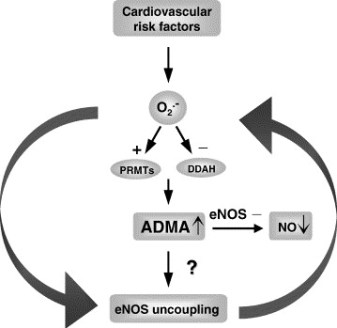
Figure 3.  The DDAH/ADMA/NOS cycle. Figure adapted from Cooke and Ghebremarian (1).

As mentioned in the article by Cooke and Ghebremariam, the authors state: the weight of the evidence indicates that DDAH is a worthy therapeutic target. Agents that increase DDAH expression are known, and 1 of these, a farnesoid X receptor agonist, is in clinical trials

http://www.interceptpharma.com

An alternate approach is to

  • develop an allosteric activator of the enzyme.  Although
  • development of an allosteric activator is not a typical pharmaceutical approach, recent studies indicate that this may be achievable aim(18).

References:

1.            Cooke, J. P., and Ghebremariam, Y. T. : DDAH says NO to ADMA.(2011) Arteriosclerosis, thrombosis, and vascular biology 31, 1462-1464

2.            Tran, C. T., Leiper, J. M., and Vallance, P. : The DDAH/ADMA/NOS pathway.(2003) Atherosclerosis. Supplements 4, 33-40

3.            Niebauer, J., Maxwell, A. J., Lin, P. S., Wang, D., Tsao, P. S., and Cooke, J. P.: NOS inhibition accelerates atherogenesis: reversal by exercise. (2003) American journal of physiology. Heart and circulatory physiology 285, H535-540

4.            Miyazaki, H., Matsuoka, H., Cooke, J. P., Usui, M., Ueda, S., Okuda, S., and Imaizumi, T. : Endogenous nitric oxide synthase inhibitor: a novel marker of atherosclerosis.(1999) Circulation 99, 1141-1146

5.            Wilson, A. M., Shin, D. S., Weatherby, C., Harada, R. K., Ng, M. K., Nair, N., Kielstein, J., and Cooke, J. P. (2010): Asymmetric dimethylarginine correlates with measures of disease severity, major adverse cardiovascular events and all-cause mortality in patients with peripheral arterial disease. Vasc Med 15, 267-274

6.            Kielstein, J. T., Impraim, B., Simmel, S., Bode-Boger, S. M., Tsikas, D., Frolich, J. C., Hoeper, M. M., Haller, H., and Fliser, D. : Cardiovascular effects of systemic nitric oxide synthase inhibition with asymmetrical dimethylarginine in humans.(2004) Circulation 109, 172-177

7.            Kielstein, J. T., Donnerstag, F., Gasper, S., Menne, J., Kielstein, A., Martens-Lobenhoffer, J., Scalera, F., Cooke, J. P., Fliser, D., and Bode-Boger, S. M. : ADMA increases arterial stiffness and decreases cerebral blood flow in humans.(2006) Stroke; a journal of cerebral circulation 37, 2024-2029

8.            Mittermayer, F., Krzyzanowska, K., Exner, M., Mlekusch, W., Amighi, J., Sabeti, S., Minar, E., Muller, M., Wolzt, M., and Schillinger, M. : Asymmetric dimethylarginine predicts major adverse cardiovascular events in patients with advanced peripheral artery disease.(2006) Arteriosclerosis, thrombosis, and vascular biology 26, 2536-2540

9.            Kakimoto, Y., and Akazawa, S.: Isolation and identification of N-G,N-G- and N-G,N’-G-dimethyl-arginine, N-epsilon-mono-, di-, and trimethyllysine, and glucosylgalactosyl- and galactosyl-delta-hydroxylysine from human urine. (1970) The Journal of biological chemistry 245, 5751-5758

10.          Inoue, R., Miyake, M., Kanazawa, A., Sato, M., and Kakimoto, Y.: Decrease of 3-methylhistidine and increase of NG,NG-dimethylarginine in the urine of patients with muscular dystrophy. (1979) Metabolism: clinical and experimental 28, 801-804

11.          Millward, D. J.: Protein turnover in skeletal muscle. II. The effect of starvation and a protein-free diet on the synthesis and catabolism of skeletal muscle proteins in comparison to liver. (1970) Clinical science 39, 591-603

12.          Goldberg, A. L., and St John, A. C.: Intracellular protein degradation in mammalian and bacterial cells: Part 2. (1976) Annual review of biochemistry 45, 747-803

13.          Dice, J. F., and Walker, C. D.: Protein degradation in metabolic and nutritional disorders. (1979) Ciba Foundation symposium, 331-350

14.          Ogawa, T., Kimoto, M., and Sasaoka, K.: Purification and properties of a new enzyme, NG,NG-dimethylarginine dimethylaminohydrolase, from rat kidney. (1989) The Journal of biological chemistry 264, 10205-10209

15.          Ito, A., Tsao, P. S., Adimoolam, S., Kimoto, M., Ogawa, T., and Cooke, J. P.: Novel mechanism for endothelial dysfunction: dysregulation of dimethylarginine dimethylaminohydrolase. (1999) Circulation 99, 3092-3095

16.          Stuhlinger, M. C., Tsao, P. S., Her, J. H., Kimoto, M., Balint, R. F., and Cooke, J. P. : Homocysteine impairs the nitric oxide synthase pathway: role of asymmetric dimethylarginine.(2001) Circulation 104, 2569-2575

17.          Sydow, K., Mondon, C. E., Schrader, J., Konishi, H., and Cooke, J. P.: Dimethylarginine dimethylaminohydrolase overexpression enhances insulin sensitivity. (2008) Arteriosclerosis, thrombosis, and vascular biology 28, 692-697

18.          Zorn, J. A., and Wells, J. A.: Turning enzymes ON with small molecules. (2010) Nature chemical biology 6, 179-188

Other research papers on Nitric Oxide and Cardiac Risk  were published on this Scientific Web site as follows:

The Nitric Oxide and Renal is presented in FOUR parts:

Part I: The Amazing Structure and Adaptive Functioning of the Kidneys: Nitric Oxide

Part II: Nitric Oxide and iNOS have Key Roles in Kidney Diseases

Part III: The Molecular Biology of Renal Disorders: Nitric Oxide

Part IV: New Insights on Nitric Oxide donors

Cardiac Arrhythmias: A Risk for Extreme Performance Athletes

What is the role of plasma viscosity in hemostasis and vascular disease risk?

Cardiovascular Risk Inflammatory Marker: Risk Assessment for Coronary Heart Disease and Ischemic Stroke – Atherosclerosis.

Endothelial Dysfunction, Diminished Availability of cEPCs, Increasing CVD Risk for Macrovascular Disease – Therapeutic Potential of cEPCs

Biochemistry of the Coagulation Cascade and Platelet Aggregation – Part I

Nitric Oxide Function in Coagulation

Read Full Post »

Screen Shot 2021-07-19 at 7.15.40 PM

Word Cloud By Danielle Smolyar

Reporter/curator: Prabodh Kandala, PhD

New Georgia Tech research shows that cell stiffness could be a valuable clue for doctors as they search for and treat cancerous cells before they’re able to spread. The findings, which are published in the journal PLoS One, found that highly metastatic ovarian cancer cells are several times softer than less metastatic ovarian cancer cells.

This study used atomic force microscopy (AFM) to study the mechanical properties of various ovarian cell lines. A soft mechanical probe “tapped” healthy, malignant and metastatic ovarian cells to measure their stiffness. In order to spread, metastatic cells must push themselves into the bloodstream. As a result, they must be highly deformable and softer. This study results indicate that cell stiffness may be a useful biomarker to evaluate the relative metastatic potential of ovarian and perhaps other types of cancer cells.

ust as previous studies on other types of epithelial cancers have indicated, Sulchek also found that cancerous ovarian cells are generally softer and display lower intrinsic variability in cell stiffnesss than non-malignant cells.

Sulchek’s lab partnered with the molecular cancer lab of Biology Professor John McDonald, who is also director of Georgia Tech’s newly established Integrated Cancer Research Center.

“This is a good example of the kinds of discoveries that only come about by integrating skills and knowledge from traditionally diverse fields such as molecular biology and bioengineering,” said McDonald. “Although there are a number of developing methodologies to identify circulating cancer cells in the blood and other body fluids, this technology offers the added potential to rapidly determine if these cells are highly metastatic or relatively benign.”

Sulchek and McDonald believe that, when further developed, this technology could offer a huge advantage to clinicians in the design of optimal chemotherapies, not only for ovarian cancer patients but also for patients of other types of cancer.

Abstract of the study:

The metastatic potential of cells is an important parameter in the design of optimal strategies for the personalized treatment of cancer. Using atomic force microscopy (AFM), we show, consistent with previous studies conducted in other types of epithelial cancer, that ovarian cancer cells are generally softer and display lower intrinsic variability in cell stiffness than non-malignant ovarian epithelial cells. A detailed examination of highly invasive ovarian cancer cells (HEY A8) relative to their less invasive parental cells (HEY), demonstrates that deformability is also an accurate biomarker of metastatic potential. Comparative gene expression analyses indicate that the reduced stiffness of highly metastatic HEY A8 cells is associated with actin cytoskeleton remodeling and microscopic examination of actin fiber structure in these cell lines is consistent with this prediction. Our results indicate that cell stiffness may be a useful biomarker to evaluate the relative metastatic potential of ovarian and perhaps other types of cancer cells.

Ref:

1. Georgia Institute of Technology (2012, October 10). Squeezing ovarian cancer cells to predict metastatic potential: Cell stiffness as possible biomarker. ScienceDaily. Retrieved December 8, 2012, from http://www.sciencedaily.com­/releases/2012/10/121010131556.htm

2. http://www.plosone.org/article/info%3Adoi%2F10.1371%2Fjournal.pone.0046609

Read Full Post »

English: ATP producing pathways of glucose met...

English: ATP producing pathways of glucose metabolism in aerobic respiration (Photo credit: Wikipedia)

Author: Larry H. Bernstein, MD, FCAP,  

Writer, Author, Responder Clinical Pathologist, Biochemist, and Transfusion Physician _____________________________________________________________________________________________________________________________________________

Heterogeneity The heterogeneity is a problem that will take at least another decade to unravel because of the number of signaling pathways and the crosstalk that is specifically at issue. I must refer back to the work of Frank Dixon, Herschel Sidransky, and others, who did much to develop a concept of neoplasia occurring in several stages – minimal deviation and fast growing. These have differences in growth rates, anaplasia, and biochemical. This resembles the multiple “hit” theory that is described in “systemic inflammatory” disease leading to a final stage, as in sepsis and septic shock.

Tumor heterogeneity is problematic because of differences among the metabolic variety among types of gastrointestinal (GI) cancers, confounding treatment response and prognosis. A group of investigators from Sunnybrook Health Sciences Centre, University of Toronto, Ontario, Canada who evaluated the feasibility and safety of magnetic resonance (MR) imaging–controlled transurethral ultrasound therapy for prostate cancer in humans. Their study’s objective was to prove that using real-time MRI guidance of HIFU treatment is possible and it guarantees that the location of ablated tissue indeed corresponds to the locations planned for treatment.  The real-time MRI guidance is an improvement in imaging technology.

The ability to allow resection with removal of the tumor, and adjacent tissue at risk is unproved, and is related to the length of remission.

See comment written for :

Knowing the tumor’s size and location, could we target treatment to THE ROI by applying…..

http://pharmaceuticalintelligence.com/2012/10/16/knowing-the-tumors-size-and-location-could-we-target-treatment-to-the-roi-by-applying-imaging-guided-intervention/


The Response vs. Recurrence Free Interval Conundrum

There is a difference between expected response to esophageal or gastric neoplasms both biologically and in expected response, even given variability within a class. The expected time to recurrence is usually longer in the latter case, but the confounders are –

  1. age at time of discovery,
  2. biological time of detection,
  3. presence of lymph node and/or
  4. distant metastasis, microscopic vascular invasion.

There is a long latent period in abdominal cancers before discovery, unless a lesion is found incidentally in surgery for another reason. The undeniable reality is that it is not difficult to identify the main lesion, but it is difficult to identify adjacent epithelium that is at risk (transitional or pretransitional). Pathologists have a very good idea about precancerous cervical neoplasia.

The heterogeneity rests within each tumor and between the primary and metastatic sites, which is expected to be improved by targeted therapy directed by tumor-specific testing. Despite rapid advances in our understanding of targeted therapy for GI cancers, the impact on cancer survival has been marginal. Brücher BLDM, Bilchik A, Nissan A, Avital I & Stojadinovic A. Can tumor response to therapy be predicted, thereby improving the selection of patients for cancer treatment?  Future Oncology 2012; 8(8): 903-906 , DOI 10.2217/fon.12.78 (doi:10.2217/fon.12.78)   The heterogeneity is a problem that will take at least another decade to unravel because of the number of signaling pathways and the crosstalk that is specifically at issue.

Anaerobic Glycolysis and Respiratory Impairment  In 1920, Otto Warburg received the Nobel Prize for his work on respiration. He postulated that cancer cells become anaerobic compared with their normal counterpart that uses aerobic respiration to meet most energy needs. He attributed this to “mitochondrial dysfunction. In fact, we now think that in response to oxidative stress, the mitochondrion relies on the Lynen Cycle to make more cells and the major source of energy becomes glycolytic, which is at the expense of the lean body mass (muscle), which produces gluconeogenic precursors from muscle proteolysis (cancer cachexia).

There is a loss of about 26 ATP ~Ps in the transition. The mitochondrial gene expression system includes the mitochondrial genome, mitochondrial ribosomes, and the transcription and translation machinery needed to regulate and conduct gene expression as well as mtDNA replication and repair. Machinery involved in energetics includes the enzymes of the Kreb’s citric acid or TCA (tricarboxylic acid) cycle, some of the enzymes involved in fatty acid catabolism (β-oxidation), and the proteins needed to help regulate these systems. The inner membrane is central to mitochondrial physiology and, as such, contains multiple protein systems of interest. These include the protein complexes involved in the electron transport component of oxidative phosphorylation and proteins involved in substrate and ion transport. ________________________________________________________________________________________________________________________________________________________________________________ Mitochondrial Roles in Cellular Homeostasis Mitochondrial roles in, and effects on, cellular homeostasis extend far beyond the production of ATP, but the transformation of energy is central to most mitochondrial functions. Reducing equivalents are also used for anabolic reactions. The energy produced by mitochondria is most commonly thought of to come from the pyruvate that results from glycolysis, but it is important to keep in mind that the chemical energy contained in both fats and amino acids can also be converted into NADH and FADH2 through mitochondrial pathways.

The major mechanism for harvesting energy from fats is β-oxidation; the major mechanism for harvesting energy from amino acids and pyruvate is the TCA cycle. Once the chemical energy has been transformed into NADH and FADH2 (also discovered by Warburg and the basis for a second Nobel nomination in 1934), these compounds are fed into the mitochondrial respiratory chain. The hydroxyl free radical is extremely reactive. It will react with most, if not all, compounds found in the living cell (including DNA, proteins, lipids and a host of small molecules).

The hydroxyl free radical is so aggressive that it will react within 5 (or so) molecular diameters from its site of production. The damage caused by it, therefore, is very site specific. The reactions of the hydroxyl free radical can be classified as hydrogen abstraction, electron transfer, and addition. The formation of the hydroxyl free radical can be disastrous for living organisms. Unlike superoxide and hydrogen peroxide, which are mainly controlled enzymatically, the hydroxyl free radical is far too reactive to be restricted in such a way – it will even attack antioxidant enzymes. Instead, biological defenses have evolved that reduce the chance that the hydroxyl free radical will be produced and, as nothing is perfect, to repair damage. ________________________________________________________________________________________________________________________________________________________________________________ Oxidative Stress and Mitochondrial Impairment Currently, some endogenous markers are being proposed as useful measures of total “oxidative stress” e.g., 8-hydroxy-2’deoxyguanosine in urine. The ideal scavenger must be non-toxic, have limited or no biological activity, readily reach the site of hydroxyl free radical production (i.e., pass through barriers such as the blood-brain barrier), react rapidly with the free radical, be specific for this radical, and neither the scavenger nor its product(s) should undergo further metabolism. Nitric oxide has a single unpaired electron in its π*2p antibonding orbital and is therefore paramagnetic. This unpaired electron also weakens the overall bonding seen in diatomic nitrogen molecules so that the nitrogen and oxygen atoms are joined by only 2.5 bonds. The structure of nitric oxide is a resonance hybrid of two forms. In living organisms nitric oxide is produced enzymatically. Microbes can generate nitric oxide by the reduction of nitrite or oxidation of ammonia.

In mammals nitric oxide is produced by stepwise oxidation of L-arginine catalyzed by nitric oxide synthase (NOS). Nitric oxide is formed from the guanidino nitrogen of the L-arginine in a reaction that consumes five electrons and requires flavin adenine dinucleotide (FAD), flavin mononucleotide (FMN) tetrahydrobiopterin (BH4), and iron protoporphyrin IX as cofactors. The primary product of NOS activity may be the nitroxyl anion that is then converted to nitric oxide by electron acceptors. The thiol-disulfide redox couple is very important to oxidative metabolism. GSH is a reducing cofactor for glutathione peroxidase, an antioxidant enzyme responsible for the destruction of hydrogen peroxide.

Thiols and disulfides can readily undergo exchange reactions, forming mixed disulfides. Thiol-disulfide exchange is biologically very important. For example, GSH can react with protein cystine groups and influence the correct folding of proteins, and it GSH may play a direct role in cellular signaling through thiol-disulfide exchange reactions with membrane bound receptor proteins (e.g., the insulin receptor complex), transcription factors (e.g., nuclear factor κB), and regulatory proteins in cells. Conditions that alter the redox status of the cell can have important consequences on cellular function.  So the complexity of life is not yet unravelled.

_________________________________________________________________________________________________________________________________________________________________________________

Warburgh Effect

Cells seem to be well-adjusted to glycolysis. While Otto Warburg first proposed that cancer cells show increased levels of glucose consumption and lactate fermentation even in the presence of ample oxygen (known as “Warburg Effect”), which requires oxidative phosphorylation to switch to glycolysis promoting the proliferation of cancer cells., many studies have demonstrated glycolysis as the main metabolic pathway in cancer cells. It is now accepted that glycolysis provides cancer cells with the most abundant extracellular nutrient, glucose, to make ample ATP metabolic intermediates, such as ribose sugars, glycerol and citrate, nonessential amino acids, and the oxidative pentose phosphate pathway, which serve as building blocks for cancer cells.

_________________________________________________________________________________________________________________________________________________________________________________

Dampened Mitochondrial Respiration
Since, cancer cells have increased rates of aerobic glycolysis, investigators argue over the function of mitochondria in cancer cells. Mitochondrion, a one of the smaller organelles, produces most of the energy in the form of ATP to supply the body. In Warburg’s theory, the function of cellular mitochondrial respiration is dampened and mitochondria are not fully functional. There are many studies backing this theory. A recent review on hypoxia nicely summarizes some current studies and speculates that the “Warburg Effect” provides a benefit to the tumor not by increasing glycolysis but by decreasing mitochondrial activity.

________________________________________________________________________________________________________________________________________________________________________________

Glycolysis
Glycolysis is enhanced and beneficial to cancer cells. The mammalian target of rapamycin (mTOR) has been well discussed in its role to promote glycolysis; recent literature has revealed some new mechanisms of how glycolysis is promoted during skin cancer development.

On the other hand, Akt is not only involved in the regulation of mitochondrial metabolism in skin cancer but also of glycolysis. Activation of Akt has been found to phosphorylate FoxO3a, a downstream transcription factor of Akt, which promotes glycolysis by inhibiting apoptosis in melanoma. In addition, activated Akt is also associated with stabilized c-Myc and activation of mTOR, which both increase glycolysis for cancer cells.
Nevertheless, ras mutational activation prevails in skin cancer. Oncogenic ras induces glycolysis. In human squamous cell carcinoma, the c-Jun NH(2)-terminal Kinase (JNK) is activated as a mediator of ras signaling, and is essential for ras-induced glycolysis, since pharmacological inhibitors if JNK suppress glycolysis. CD147/basigin, a member of the immunoglobulin superfamily, is high expressed in melanoma and other cancers.
Glyoxalase I (GLO1) is a ubiquitous cellular defense enzyme involved in the detoxification of methylglyoxal, a cytotoxic byproduct of glycolysis. In human melanoma tissue, GLO1 is upregulated at both the mRNA and protein levels.
Knockdown of GLO1 sensitizes A375 and G361 human metastatic melanoma cells to apoptosis.
The transcription factor HIF-1 upregulates a number of genes in low oxygen conditions including glycolytic enzymes, which promotes ATP synthesis in an oxygen independent manner. Studies have demonstrated that hypoxia induces HIF-1 overexpression and its transcriptional activity increases in parallel with the progression of many tumor types. A recent study demonstrated that in malignant melanoma cells, HIF-1 is upregulated, leading to elevated expression of Pyruvate Dehydrogenase Kinase 1 (PDK1), and downregulated mitochondrial oxygen consumption.
The M2 isoform of Pyruvate Kinase (PKM2), which is required for catalyzing the final step of aerobic glycolysis, is highly expressed in cancer cells; whereas the M1 isoform (PKM1) is expressed in normal cells. Studies using the skin cell promotion model (JB6 cells) demonstrated that PKM2 is activated whereas PKM1 is inactivated upon tumor promoter treatment. Acute increases in ROS inhibited PKM2 through oxidation of Cys358 in human lung cancer cells. The levels of ROS and stage of tumor development may be pivotal for the role of PKM2.

_________________________________________________________________________________________________________________________________________________________________________________

Dampening Mitochondrial Both Cause and Effect 

Warburg effect is both, a cause and effect of cancer…Review article mentioned in link below explains how different factors can contribute to metabolic reprogramming and Warburg effect….The Supply-based model and Traditional model clearly explains how the cancer cells will progress during different availability of growth factors and nutrients…And recent studies including my project (under process of getting published) will also suggest that growth factors can drive cancer cells to undergo Warburg effect regardless of the presence of oxygen…

Otto Warburg proposed that “EVEN IN THE PRESENCE OF OXYGEN, cancer cells can reprogram their glucose metabolism, and thus their energy production, by limiting their energy metabolism largely to glycolysis” . http://www.ncbi.nlm.nih.gov/pubmed

Metabolic reprogramming: a cancer hallmark even warburg did not anticipate (Ward & Thompson) Posted by Nirav Patel

_______________________________________________________________________________________________________________________________________________________________________________

The autophagic tumor stroma model of cancer metabolism.
Cancer cells induce oxidative stress in adjacent cancer-associated fibroblasts (CAFs). This activates reactive oxygen species (ROS) production and autophagy. ROS production in CAFs, via the bystander eff ect, serves to induce random mutagenesis in epithelial cancer cells, leading to double-strand DNA breaks and aneuploidy. Cancer cells mount an anti-oxidant defense and upregulate molecules that protect them against ROS and autophagy, preventing them from undergoing apoptosis. So, stromal fibroblasts conveniently feed and mutagenize cancer cells, while protecting them against death. See the text for more details. A+, autophagy positive; A-, autophagy negative; AR, autophagy resistant.

1. Recycled Nutrients
2. Random Mutagenesis
3. Protection Against Apoptosis

____________________________________________________________________________________________________________________________________________________________________________

The reverse Warburg effect.
Via oxidative stress, cancer cells activate two major transcription factors in adjacent stromal fibroblasts (hypoxia-inducible factor (HIF)1α and NFκB).
This leads to the onset of both autophagy and mitophagy, as well as aerobic glycolysis, which then produces recycled nutrients (such as lactate, ketones, and glutamine).
These high-energy chemical building blocks can then be transferred and used as fuel in the tricarboxylic acid cycle (TCA) in adjacent cancer cells.
The outcome is high ATP production in cancer cells, and protection against cell death. ROS, reactive oxygen species.

_______________________________________________________________________________________________________________________________________________________________________________

The choline dependent methylation of PP2A is the brake, the “antidote”, which limits “the poison” resulting from an excess of insulin signaling. Moreover, it seems that choline deficiency is involved in the L to M2 transition of PK isoenzymes. The negative regulation of Ras/MAP kinase signals mediated by PP2A phosphatase seems to be complex.

The serine-threonine phosphatase does more than simply counteracting kinases; it binds to the intermediate Shc protein on the signaling cascade, which is inhibited. The targeting of PP2A towards proteins of the signaling pathway depends of the assembly of the different holoenzymes.

The relative decrease of methylated PP2A in the cytosol, not only cancels the brake over the signaling kinases, but also favors the inactivation of PK and PDH, which remain phosphorylated, contributing to the metabolic anomaly of tumor cells. In order to prevent tumors, one should then favor the methylation route rather than the phosphorylation route for choline metabolism.

_________________________________________________________________________________________________________________________________________________________________________________

Martin Canazales observes….

(http://www.cellsignal.com/reference/pathway/warburg_effect.html), is responsible of overactivation of the PI3K…

the produced peroxide via free radicals over activate the cyclooxigenase and consequently the PI3K pathway, thereby activating  the most important protein-kinase.  This brakes the Warburg effect, and stops the PI3K activation.

(http://www.cellsignal.com/reference/pathway/Akt_PKB.html)

Then all the cancer protein related with the generation of tumor (pAKT,pP70S6K, Cyclin D1, HIF1, VEGF, EGFrc, GSK, Myc, etc, etc, etc)  get down regulated. That is what happens when one knocks down the new protein-kinase in pancreatic cancer cell lines.  These pancreatic cancer cell lines divide very-very-very slowly.

_________________________________________________________________________________________________________________________________________________________________________________

I now transition from what is understood about the metabolic signatures of cancer that tend to behave more alike than the cell of origin, but not initially.  This is perhaps a key to therapeutics.  >>>

Time of intervention>>> and right intervention.

_________________________________________________________________________________________________________________________________________________________________________________

Can tumor response to therapy be predicted, thereby improving the selection of patients for cancer treatment? The goal is not just complete response. Histopathological response seems to be related post-treatment histopathological assessment but it is not free from the challenge of accurately determining treatment response, as this method cannot delineate whether or not there are residual cancer cells. Functional imaging to assess metabolic response by 18-fluorodeoxyglucose PET also has its limits, as the results are impacted significantly by several variables:

  1. tumor type
  2. sizing
  3. doubling time
  4. anaplasia?
  5. extent of tumor necrosis
  6. presence of tumor at the margin of biopsy
  7. lymph node and/or distant metastasis
  8. vascular involvement
  9. type of antitumor therapy and the time when response was determined.

The new modality should be based on individualized histopathology as well as tumor molecular, genetic and functional characteristics, and individual patients’ characteristics, a greater challenge in an era of ‘minimally invasive treatment’. This has been pointed out by Brücher et al. if the International Consortium on Cancer with respect to the shortcoming of MIS as follows: Minimally Invasive Surgery (MIS) vs. conventional surgery dissection applied to cancer tissue with the known pathophysiology of recurrence and remission cycles has its short term advantages.

  1. in many cases MIS is not the right surgical decision
  2. predicting the uncertain future behavior of the tumor with respect to its response to therapeutics bears uncertain outcomes.

An increase in the desirable outcomes of MIS as a modality of treatment, will be assisted in the future, when anticipated progress is made in the field of

  • Cancer Research,
  • Translational Medicine and
  • Personalized Medicine,

when each of the cancer types, above,  will already have a Genetic Marker allowing the Clinical Team to use the marker(s) for:

  • prediction of Patient’s reaction to Drug induction
  • design of Clinical Trials to validate drug efficacy on small subset of patients predicted to react favorable to drug regimen, increasing validity and reliability
  • Genetical identification of patients at no need to have a drug administered if non sensitivity to the drug has been predicted by the genetic marker.

See listing of cancers provided by Dr. Aviva Lev-Ari.

Lev-Ari A. Personalized Medicine: Cancer Cell Biology and Minimally Invasive Surgery (MIS). ________________________________________________________________________________________________________________________________________________________________________________ See comment: 

Judging the ‘Tumor response’-there is more food for thought 


That is an optimistic order to effectively carry out in the face of the statistical/mathematical challenge imposed for any real success.

Brücher BLDM, Bilchik A, Nissan A, Avital I & Stojadinovic A. Can tumor response to therapy be predicted, thereby improving the selection of patients for cancer treatment?  Future Oncology 2012; 8(8): 903-906 , DOI 10.2217/fon.12.78 (doi:10.2217/fon.12.78) _________________________________________________________________________________________________________________________________________________________________________________ A Model Based on Kullback Entropy and Identifying and Classifying Anomalies This listing suggests that for every cancer the following data has to be collected (except doubling time). If there are 8 variables, the classification based on these alone would calculate to be very sizable based on Eugene Rypka’s feature extraction and classification. But looking forward,

Treatment for cure is not the endpoint, but the best that can be done is to extend the time of survival to a realistic long term goal and retain a quality of life. Brücher BLDM, Piso P, Verwaal V et al. Peritoneal carcinomatosis: overview and basics. Cancer Invest.30(3),209–224 (2012). Brücher BLDM, Swisher S, Königsrainer A et al. Response to preoperative therapy in upper gastrointestinal cancers. Ann. Surg. Oncol.16(4),878–886 (2009). Miller AB, Hoogstraten B, Staquet M, Winkler A. Reporting results of cancer treatment. Cancer47(1),207–214 (1981). Therasse P, Arbuck SG, Eisenhauer EA et al. New guidelines to evaluate the response to treatment in solid tumors. European Organization for Research and Treatment of Cancer, National Cancer Institute of the United States, National Cancer Institute of Canada. J. Natl Cancer Inst.92(3),205–216 (2000). Brücher BLDM, Becker K, Lordick F et al. The clinical impact of histopathological response assessment by residual tumor cell quantification in esophageal squamous cell carcinomas. Cancer106(10),2119–2127 (2006). _________________________________________________________________________________________________________________________________________________________________________________

The critical question encountered by the pathologist is that key histological stains have been used for some time, such as Her2, and a number of others to establish tumor cell type, and differences with cell types.  The number will grow as the genomic identifiers are explored and put to use.  It doesn’t appear that the pathologist will be displaced any time soon.  This is separate from older observations of nuclear polymorphism, anaplastic changes related to cell adhesion, etc.  These do not displace the information gained from staging criteria.  Clearly, there is much information that is used for individual decisions about therapeutic approach, which will undergo further refinement even before the end of this decade.

_________________________________________________________________________________________________________________________________________________________________________________ Melanoma Example A marker for increased glycolysis in melanoma is the elevated levels of Lactate Dehydrogenase (LDH) in the blood of patients with melanoma, which has proven to be an accurate predictor of prognosis and response to treatments. LDH converts pyruvate, the final product of glycolysis, to lactate when oxygen is absent. High concentrations of lactate, in turn, negatively regulate LDH. Therefore, targeting acid excretion may provide a feasible and effective therapeutic approach for melanoma. For instance, JugloSne, a main active component in walnut, has been used in traditional medicines.

Studies have shown that Juglone causes cell membrane damage and increased LDH levels in a concentration-dependent manner in cultured melanoma cells. As one of the rate-limiting enzyme of glycolysis, 6-phosphofructo-2-kinase/fructose-2,6-bisphosphatase isozyme 3 (PFKFB3) is activated in neoplastic cells. Studies have confirmed that an inhibitor of PFKFB3, 3-(3-pyridinyl)-1-(4-pyridinyl)-2-propen-1-one (3PO), suppresses glycolysis in neoplastic cells. In melanoma cell lines, the concentrations of Fru-2, 6-BP, lactate, ATP, NAD+, and NADH are diminished by 3PO. Therefore, targeting PFKFB3 using 3PO and other PFKFB3 specific inhibitors could be effective in melanoma chemotherapy.

This is only one example of the encouraging results from targeted therapy. An unexplored idea was provided to me that is interesting and be highly conditional, by loading with high concentrations of ketones to offset the glycolytic pathway redirected bypass of mitochondrial pathways.  There is an inherent problem with muscle proteolysis raising the glucose level from gluconeogenesis. The effect is uncertain with respect to TCA cycle intermediates. It seems plausible that cure is not necessarily attainable due to inability to identify portions of proximate local tumor, modification and drug resistance. The reliable extension of disease free survival and maintaining a patient acceptable quality of life is improvable. __________________________________________________________________________________________________________________________________________________________________________________

Ward PS, Thompson CB. Metabolic Reprogramming: A Cancer Hallmark Even Warburg Did Not Anticipate. Cancer Cell. 2012; 21(3):297-308.

  1. Quiescent versus Proliferating Cells: Both Use Mitochondria, but to Different Ends
  2. Altered Metabolism Is a Direct Response to Growth-Factor Signaling
  3. PI3K/Akt/mTORC1 Activation: Driving Anabolic Metabolism and Tumorigenesis by Reprogramming Mitochondria

Full-size image (51 K) Bhowmick NA. Metastatic Ability: Adapting to a Tissue Site Unseen.  Cancer Cell  2012; 22(5): 563-564. _____________________________________________________________________________________________________________________________________________________________________________ Therapeutic strategies that target glycolysis and biosynthetic pathways in cancer cells are currently the main focus of research in the field of cancer metabolism. In this issue of Cancer Cell, Hitosugi and colleagues show that targeting PGAM1 could be a way of “killing two birds with one stone”. Chaneton B, Gottlieb E. PGAMgnam Style: A Glycolytic Switch Controls Biosynthesis. Cancer Cell 2012; 22(5): 565-566. ______________________________________________________________________________________________________________________________________________________________________________ The Polycomb epigenetic silencing protein EZH2 is affected by gain-of-function somatic mutations in B cell lymphomas. Two recent reports describe the development of highly selective EZH2 inhibitors and reveal mutant EZH2 as playing an essential role in maintaining lymphoma proliferation. EZH2 inhibitors are thus a promising new targeted therapy for lymphoma. Melnick A. Epigenetic Therapy Leaps Ahead with Specific Targeting of EZH2. Cancer Cell 22(5): 569-570. _______________________________________________________________________________________________________________________________________________________________________________ The microenvironment of the primary as well as the metastatic tumor sites can determine the ability for a disseminated tumor to progress. In this issue of Cancer Cell, Calon and colleagues find that systemic TGF-β can facilitate colon cancer metastatic engraftment and expansion. Calon A, Espinet E, Palomo-Ponce S, Tauriello DVF, et al.  Dependency of Colorectal Cancer on a TGF-β-Driven Program in Stromal Cells for Metastasis Initiation.  Cancer Cell 2012;22(5): 571-584. image

_______________________________________________________________________________________________________________________________________________________________________________ An analysis of what is possible, but who knows how far into the accelerating future? Tumor response criteria: are they appropriate? The International Consortium is centered at the Billroth Institute, in Munich. Interesting it is that Billroth was the father of abdominal surgery and performed the first esophagectomy and the firat gastrectomy. He also pioneered in keeping a record of treatments and outcomes in the 19th century, which Halsted studied. I need not repeat what has been stated in the post. The pathologist’s role is still important, as the editorial in Future Oncology gets at.  This also requires necessary and sufficient features to extract differentiating classifiers.  I don’t think we shall see pathologists the likes of many who were masters until the 1990′s. The surgical pathologist today cannot have complete command of the large knowledge base, but the tumor registry and the cancer committee has evolved to a better stage than in the 1960′s. Surgical grand rounds have been used for teaching and evaluating the practice since at least the 1960′s. What is asked is that we go beyond that.

See comment written for:

Knowing the tumor’s size and location, could we target treatment to THE ROI by applying…..

http://pharmaceuticalintelligence.com/2012/10/16/knowing-the-tumors-size-and-location-could-we-target-treatment-to-the-roi-by-applying-imaging-guided-intervention/

________________________________________________________________________________________________________________________________________________________________________________ Evidence-based medicine Evidence-based medicine is substantially flawed because of reliance on meta-analysis to arrive at conclusions from underpowered and inconsistent studies, discarding more than half of the studies examined that don’t meet the inclusion criteria.

  1. – There can be no movement forward without the systematic collection of data into a functionally well designed repository.
  2. – The current construct of the EMR probably has to be “remodeled” if not “remade”.
  3. – The studies will have to use real data, not aggregates of studies with “missing information”.
  4. – Bioinformatics is an emerging field that is only supported in the top two tiers of academic medical centers, which would include the well known cancer centers in Boston, Houston, and New York.

I don’t place much hope in “Watson” coming to the rescue, because you have to collect both a lot of information and “sufficient” information.

  1. -”Sufficient” information has been precluded by years of cost-elimination without paying attention to the real impact of “technologies” on costs, and an inherent competition between labor and “capital” investment.
  2. – Despite the progress in genomics, the heterogeneity of these solid tumors is a natural adaptation that occurs in carcinogenesis.
  3. The heterogeneity traced over a time-span should have information about stage in carcinogenesis.
  4. The pathologist can see and interpret histologic grades in the evolution that may have a better relationship to the evolutionary studies of genomics and signaling pathways than to stage of disease, but by combining the best available evidence, you move to a better classification. Without good classification, I don’t see how you can arrive at “science based” personalized medicine.

there is still a Rubicon to cross in going from genomics to translational medicine, which extends to diet and lifestyle.

Search Results for ‘cancer’ on this web site

Cancer Genomics – Leading the Way by Cancer Genomics Program at UC Santa Cruz Closing the gap towards real-time, imaging-guided treatment of cancer patients. Lipid Profile, Saturated Fats, Raman Spectrosopy, Cancer Cytology

mRNA interference with cancer expression

Pancreatic cancer genomes: Axon guidance pathway genes – aberrations revealed Biomarker tool development for Early Diagnosis of Pancreatic Cancer: Van Andel Institute and Emory University

Is the Warburg Effect the cause or the effect of cancer: A 21st Century View?

Crucial role of Nitric Oxide in Cancer Targeting Glucose Deprived Network Along with Targeted Cancer Therapy Can be a Possible Method of Treatment

Structure of the human mitochondrial genome.

Structure of the human mitochondrial genome. (Photo credit: Wikipedia)

English: ATP production in aerobic respiration

English: ATP production in aerobic respiration (Photo credit: Wikipedia)


Read Full Post »

MONOAMINE, NEUROTROPHIC FACTOR, & PHARMACOKINTIC HYPOTHESES OF DEPRESSION, OLD AND NEWER TREATMENTS

Curator: Zohi Sternberg, PhD

Department of Neurology, University of Buffalo, Baird MS Center, Buffalo, NY.

Depression is the second leading cause of disability worldwide, which struck 20% of women and 15% of men at least one episode in their lifetime. Depression is characterized by two or more weeks of depressed mood or diminished interest, associated with symptoms such as disturbed sleep, decrease in appetite and libido, psychomotor changes, reduced concentration, excessive guilt and suicidal thoughts or attempts.

A variety of genetic, environmental and neurobiological factors are implicated in depression. The genetic contribution to the manifestation of depression has been estimated as 40-50%. However, combinations of multiple genetic factors may be involved in the development of disease, because a defect in a single gene usually fails to induce the expression of multifaceted symptoms of depression. In addition, non-genetic factors such cellular abnormalities and stress, interact with genetic factors, contributing to the prevalence of depression.

Monoamine hypothesis of depression

Monoamine reuptake inhibitors

Among cellular abnormalities contributing to depression is the dysfunction in the monoamine system. The deficiency or imbalances in the monoamine neurotransmitters, such as serotonin, dopamine and norepinephrine has been known to be the cause of depression. Typical antidepressants, such as 5-hydroxytryptamine (5-HT) selective reuptake inhibitors (SSRIs), exert clinical effects by blocking monoamine reuptake by the 5-HT transporter (Fig 1). However, these antidepressants are effective in less than 50% of patients and show a wide spectrum of undesired side effects. In addition, the chronic use of antidepressants is required to observe clinical benefits.

Neurotrophic hypothesis of depression

Although neurotrophic factors are critical signaling molecules for nervous system development, they continue to play an important role in the survival, function and adaptive plasticity of neurons in the adult brain. Of the different families of neurotrophic and/or growth factors expressed in the brain, the most extensively studied in depression is the nerve growth factor (NGF) family, which includes NGF, brain-derived neurotrophic factor (BDNF), and neurotrophin 3 and 4 (NT3 and NT4). Most notable of these has been BDNF and its receptor, tropomyosin-related kinase B (TrkB), a transmembrane receptor with an intracellular tyrosine kinase domain. BDNF–TrkB downstream signaling includes activation of phosphatidyl inositol-3 kinase (PI3K)-Akt (serine threonine kinase or protein kinase B), Ras–mitogen-activated protein kinase (MAPK) and the phospholipaseCg (PLCg)–Ca2+ pathways (Fig 2)

Early studies demonstrated that stress decreases the level of BDNF in the hippocampus.  These results, coupled with brain-imaging studies, which reported a decreased volume of limbic brain regions in depressive patients, have led to a neurotrophic hypothesis of depression. Studies show that BDNF has the potential to produce an antidepressant response in behavioral models of depression, and that genetic deletion or blockade of BDNF blocks the effects of antidepressant treatments. However, it is it noteworthy that BDNF has various function depending on the site it is expressed. For example, BDNF in the mesolimbic dopamine system produces prodepressive effects and increases susceptibility to social defeat, effects that could oppose the antidepressant actions of BDNF in the Prefrontal cortex and hippocampus. Interestingly, BDNF administration by routes that would affect multiple brain regions (intracerebroventricular or systemic) produce antidepressant responses.

Furthermore, the deletion or mutation of BDNF results in a state of increased susceptibility to other factors, such as stress. This type of gene-environment interaction is supported by studies demonstrating that BDNF heterozygous deletion mutant mice display depressive behavior only when exposed to mild stress that has no effect in wild-type mice.  A chronic treatment with antidepressant is required to induce an increase in BDNF mRNA expression levels. However, it is a matter of debate to whether BDNF underlies the deleterious effects of stress and depression and, conversely, whether induction of BDNF mediates the beneficial effects of antidepressants. Nevertheless, a single nucleotide polymorphism (SNP) of BDNF, Val66Met, provides supporting evidence from human, as well as rodent studies, for a role of BDNF in depressive behavior.

Figure 1. Signaling pathways regulated by chronic antidepressant treatments. Typical antidepressants, such as 5-hydroxytryptamine (5-HT) selective reuptake inhibitors (SSRIs), block monoamine reuptake by the 5-HT transporter (SERT). This leads to regulation of postsynaptic G protein-coupled receptors, which couple to a variety of second messenger systems, including the cAMP–protein kinase A (PKA)–cAMP response element-binding (CREB) pathway [4,6] These effects require chronic SSRI treatment, owing to the requirement for desensitization of 5-HT autoreceptors, and because 5-HT is a neuromodulator that produces slow neuronal responses. By contrast, glutamate produces fast excitation of neurons via stimulation of ionotropic receptors, including AMPA and NMDA receptors, resulting in depolarization and rapid intracellular signaling, such as induction of Ca2+-calmodulin-dependent protein kinase (CAMK). Glutamate and 5-HT signaling lead to regulation of multiple physiological responses, including regulation of synaptic plasticity, as well as gene expression. One target of antidepressant treatment and CREB signaling is brain-derived neurotrophic factor (BDNF). BDNF transcripts may remain in the soma or are targeted for transport to dendrites, where they are subject to activity-dependent translation and release. A common BDNF polymorphism, Val66Met, which is encoded by G196A, blocks the trafficking of BDNF to dendrites. The induction of BDNF and other neurotrophic factors contributes to the actions of antidepressant treatments, including neuroprotection, neuroplasticity and neurogenesis. Abbreviation: SNP, single nucleotide polymorphism

Newer treatments of depression

NMDA receptor antagonists

Typical antidepressants do not increase BDNF release, which could further contribute to the delayed response, as well as limited efficacy of these agents. Furthermore, in patients with severe depression, who are resistant to typical antidepressants, a novel class of antidepressants, the NMDA receptor antagonists, such as ketamine, are being evaluated. This class of antidepressants produces a rapid antidepressant action, an effect not seen with the typical antidepressants. The mechanism of action of NMDA receptor antagonists involves increased glutamate transmission and induction of synaptogenesis, involving the upregulation of BDNF and other neurotrophic factors. The comparison of typical antidepressants with novel, rapid-acting NMDA antagonists also highlights the difference between agents that act on neuromodulatory systems (i.e.monoamines) compared with those that act on the major excitatory neurotransmitter system (i.e.glutamate).

GABA receptor antagonists

Furthermore, gamma amino butyric acid (GABA)-ergic system is known to play a role in mood disorders.  GABA system is the prominent inhibitory neurotransmitter in the brain, and a link between GABA(A) receptors and anxiety has been established. However, the role of these receptors in depression has not been validated. GABA(B) receptors, have been also postulated to be involved in the etiology of depression. Studies of GABA(B) receptor antagonists and GABA(B) receptor knockout mice suggest that the blockade, or loss of function of GABA(B) receptors causes an antidepressant-like phenotype.  The antidepressant effect of GABA(B) blockade has speculated to be via interacting with the serotonergic system and BDNF. GABA(B) receptor antagonists may represent a new class of antidepressant compounds

Figure 2. Brain-derived neurotrophic factor (BDNF)–tropomyosin-related kinase B (TrkB) signaling pathways. BDNF binding to the extracellular domain of TrkB induces dimerization and activation of the intracellular tyrosine kinase domain. This results in autophosphorylation of tyrosine residues that then serve as sites for interaction with adaptor proteins and activation of intracellular signaling cascades, including the Ras–microtubule-associated protein kinase (MAPK), phosphatidyl inositol-3 kinase (PI3K)/serine threonine kinase (Akt) and phospholipase C (PLC)-g pathways. Phosphorylation of tyrosine 515 of TrkB leads to recruitment of the Src homology 2 domaincontaining (Shc) adaptor protein, followed by recruitment of growth factor receptor-bound protein 2 (Grb2) and son of sevenless (SOS) and activation of the Ras–MAPK pathway (right). Shc–Grb2 can also lead to recruitment of Grb2-associated binder-1 (GAB1) and activation of the PI3K–Akt pathway (left). Phosphorylation of the TrkB tyrosine residue 816 results in recruitment of PLCg, which leads to the formation of inositol triphosphate (IP3) and regulation of intracellular Ca2+ and diacylglycerol (DAG), which activates CAMK and protein kinase C (PKC). These pathways control many different aspects of cellular function, including synaptic plasticity, survival and growth and/or differentiation. Basic and clinical studies demonstrate that BDNF and components of the Ras–MAPK and PI3K–Akt pathways are decreased by stress and depression, and increased by antidepressant treatments. Abbreviations: ERK, extracellular signal regulated kinase; MEK, MAP/ERK kinase; MKP1, MAP kinase phosphatase 1; PDK1, 3-phosphoinositide-dependent protein kinase 1; PTEN, phosphatase and tensin homolog.

Sphingomyelinase /ceramide inhibitors

The lysosomal lipid metabolizing enzyme, acid sphingomyelinase (ASM), cleaves sphingomyelin into ceramide and phosphorylcholine. In a pilot study, the activity of this enzyme was increased in peripheral blood cells of patients with major depressive disorder, making the ASM an interesting molecular target of antidepressant drugs.

It is postulated that the accumulation of the enzyme in the lyzozome may play a role in depressive disorders (pharmacokinetic hypothesis), and its inhibition by cationic amphiphilic substances, which traverse the BBB, and which cause the detachment of the enzyme from the inner lysosomal membranes, and its consecutive inactivation, could improve depressive disorders. In addition, ASM inhibitors could exert antidepressant effects by modulating monoamine receptor and transporter, since ASM inhibitors are known to inhibit interferon-alpha-induced 5-HT uptake.

In addition, ceramide and its metabolite sphingosine-1-phosphate have been shown to also antagonistically regulate apoptosis, cellular differentiation, proliferation and cell migration. Therefore, inhibitors of ASM or ceramide hold promise for a number of new clinical therapies for Alzheimer’s disease and cancer.

Deep brain stimulation

Another new promising method of treating depression, as well as other clinical pathologies such as obsessive-compulsive disorders, Tourette’s syndrome, substance abuse, dementia and anxiety is deep brain stimulation (DBS).  These pathologies are classified as the dysfunctions of networks which process motivational and affective stimuli. DBS permits the selective and basically reversible modulation of such networks, with marginal or non adverse effects. In the field of treatment-resistant depressive disorders, uncontrolled studies have been published with initial satisfactory and concordant indications of the therapeutic effect of DBS in a variety of target areas of the brain.

Key words: Depression, Monoamines, NMDA receptor, GABA, Deep brain stimulation, Ceramide, Sphingomyelinase, Cancer, Alzheimer;s diseases

 References

1.      Albert PR. The neurobiology of depression, revisiting the serotonin hypothesis. I. Cellular and molecular mechanisms. Phil. Trans. R. Soc. B. 2012

2.      Lee S. Jeong J. Kwak Y. Park SK. Depression research: where are we now?.[Review]  Molecular Brain. 3:8, 2010.

3.      Ronald S. Duman and Bhavya Voleti. Signaling pathways underlying the pathophysiology and treatment of depression: novel mechanisms for rapid-acting agents. Trends in Neurosciences January 2012, Vol. 35, No. 1

4.      Cryan JF. Slattery DA. GABAB receptors and depression. Current status. [Review] Advances in Pharmacology. 58:427-51, 2010.

5. Schlapfer TE. Kayser S. The development of deep brain stimulation as a putative treatment for resistant psychiatric disorders]. [Review] Nervenarzt. 81(6):696-701, 2010 Jun.

6. Su HC. Ma CT. Lin CF. Wu HT. Chuang YH. Chen LJ. Tsao CW. The acid sphingomyelinase inhibitors block interferon-alpha-induced serotonin uptake via a COX-2/Akt/ERK/STAT-dependent pathway in T cells. International Immunopharmacology. 11(11):1823-31, 2011 Nov.

7. Kornhuber J. Tripal P. Reichel M. Muhle C. Rhein C. Muehlbacher M. Groemer TW. Gulbins E Functional Inhibitors of Acid Sphingomyelinase (FIASMAs): a novel pharmacological group of drugs with broad clinical applications. [Review] Cellular Physiology & Biochemistry. 26(1):9-20, 2010.

8. Kornhuber J. Muehlbacher M. Trapp S. Pechmann S. Friedl A. Reichel M. Muhle C. Terfloth L. Groemer TW. Spitzer GM. Liedl KR. Gulbins E. Tripal P. Identification of novel functional inhibitors of acid sphingomyelinase. PLoS ONE [Electronic Resource]. 6(8):e23852, 2011.

Read Full Post »

Author: Aashir Awan, PhD

The primary cilium is organelle that has garnered much attention in the field of cell biology during the last 15 years. It is a slender, solitary hair-like organelle that extends 5-10 uM from each mammalian cell (in the G0 cell cycle state) that is microtubule-based (9 outer doublets arranged in a circular fashion) and dependent on a process called Intraflagellar Transport (IFT). IFT is the bidirectional movement of motors (kinesin-2 in the anterograde and dynein-2 in the retrograde direction) responsible for the assembly and maintenance of the cilium (Pedersen et al., 2006).

Until this time, it had been labeled a ‘vestigial’ organelle not worthy of research. Yet, a breakthrough into the sensory role of the primary cilium came in 2000 based on Dr. Rosenbaum’s research on Chlamydomonas and the motile cilium or flagella. Along with Dr. George Whitman’s group, they were able to show the importance of Tg737 (IFT88) protein to the pathology of polycystic kidney disease in mouse (Pazour et al., 2000). Since then, research into the primary cilium has exploded and has been linked to diverse pathologies (collectively known as ciliopathies) such as

  • retinitis pigmentosa,
  • hydrocephaly,
  • situs inversus,
  • ovarian and pancreatic cancers among others (Nielsen et al., 2008; Edberg et al., 2012). Also, various
  • signal transduction pathways have been found to be coordinated by the primary cilia such as hedgehog, wnt, PDGF among others (Veland et al., 2008).

Thus, in 2006, the Christensen lab at the University of Copenhagen (Denmark) with the collaboration of Dr. Peter Satir’s group at Albert Einstein College of Medicine (Bronx, NY) began to investigate whether the human embryonic stem cells (hESCs) possess primary cilium and then to begin preliminary molecular dissections of the role that this organelle could play in the proliferation and differentiation profiles of these pluripotent cells. The Albert Einstein group, due to NIH restrictions, had to work with two federally-sanctioned cell lines. Working with the Laboratory of Reproductive Biology at RigsHospital, the Danish side had access to in-house derived stem cell lines from discarded blastocysts. The advantage for the Danish side was obvious since these newer cell lines hadn’t undergone as many passages as the NIH cell lines and were thus more robust. To begin preliminary characterizations of these lines, some basic hallmarks of hESCs (Bernhardt et al., 2012) had to be localized to the nucleus such as the transcription factor (TF) Oct4 (Fig. 1).

In addition, a single primary cilium can be seen denoted by the acetylated tubulin staining emanating from each cell in the micrographs. Also, the base of the cilium is marked by the presence of pericentrin and centrin which demarcate the centriole.

Fig1 Fig. 1 Primary cilia stained with anti-acetylated tubulin (tb, red) are indicated by arrows and undifferentiated stem cells are identified by nuclear colocalization of OCT-4 (green) and DAPI (dark blue) in the merged image (light blue). A primary cilium (tb, red, arrow) in undifferentiated hESCs emerges from one of the centrioles (asterisks) marked with anti-centrin (centrin, green). Inset shows anti-pericentrin localization to base of cilia (Pctn, green).

Together, the three labs were the first to discover primary cilia in stem cells while other groups have since then confirmed these findings (Kiprilov et  al. 2008; Han et al. 2008). Attention was then to characterize different signal transduction pathways in the stem cell cilium. Since the hedgehog pathway has been shown to be important for differentiation and proliferation (Cerdan and Bhatia, 2012), the groups characterized this signal pathway in these cells using immunofluorescence, electron microscopy and qPCR techniques. One particularly interesting experiment to show that the hedgehog pathway was functional in these cells was to add the hedgehog agonist, SAG (Smoothened agonist), and then to isolate the cells for immunofluorescence at different times.

Gradually, one can see the appearance of the smoothened protein into the cilium as indicated by increasing intensity of the immunofluorescence staining. Conversely, patched levels in the cilium, decreased. This is a hallmark of hedgehog activation (Fig. 2).
Fig. 2 copiaFig. 2 Immunofluorescence micrographs of hESC showing smoothened (green), acetylated tubulin (red) and DAPI (blue). The micrographs from left to right represents SAG treatments at t = 0, 1 and 4 hours.

However, an additional interesting observation was made concerning these stem cells. An important characteristic for stem cells is the presence of certain transcription factors which render these cells in the pluripotent or undifferentiated state. These include Oct4, Sox2, and Nanog whose localization had been observed in the nucleus as expected for other TFs.

However, the Danish groups curiously found a subpopulation of stem cells where these TFs were additionally localized to the primary cilium (Fig. 3). This had never been observed or investigated before.  Additionally, proper negative controls were  carried out to exclude this phenomenon from being an artifact (e.g. bleed through).
Fig. 3 copia Fig. 3 Stem cell markers (Sox2, Nanog, and Oct4) localizing to the nucleus and the primary cilia (arrows) of hESC line LRB003. This and the previous figure show shifted overlay images whereby the green and red channels have been slightly shifted so that the red channel doesn’t swamp out the intensity of the green channels.

Thus, it raises an intriguing possibility that perhaps the primary cilia plays a previously uncharacterized role in the differentiation/proliferation state of the hESCs via possible modifications of these TFs perhaps analogous to the processing of the Gli transcription factors (Hui and Angers, 2011). Another curious observation is that the subpopulation of cells whose primary cilia are positive for these TFs always occur in clusters which might hint at its mechanistic explanation.  In conclusion, since stem cells are now being more routinely used for regenerative medicine such as repair of severed spinal cord (Lu et al. 2012), it behooves us to better learn the molecular mechanisms that keeps these invaluable cells in an undifferentiated state so that we can harness their full therapeutic potential.

REFERENCES

Awan A, Oliveri RS, Jensen PL, Christensen ST, Andersen CY. 2010 Immunoflourescence and mRNA analysis of human embryonic stem cells (hESCs) grown under feeder-free conditions. Methods Mol Biol. 584:195-210.

Bernhardt M, Galach M, Novak D, Utikal J. 2012 Mediators of induced pluripotency and their role in cancer cells – current scientific knowledge and future perspectives. Biotechnol J. 7:810-821.

Cerdan C, Bhatia M. 2010 Novel roles for Notch, Wnt and Hedgehog in hematopoesis derived from human pluripotent stem cells. Int J Dev Biol. 54:955-963.

Han YG, Spassky N, Romaguera-Ros M, Garcia-Verdugo JM, Aguilar A, Schneider-Maunoury S, Alvarez-Buylla A. 2008 Hedgehog signaling and primary cilia are required for the formation of adult neural stem cells.Nat Neurosci. 11:277-284.

Hui CC, Angers S. 2011 Gli proteins in development and disease. Annu Rev Cell Dev Biol. 27:513-537.

Kiprilov EN, Awan A, Desprat R, Velho M, Clement CA, Byskov AG, Andersen CY, Satir P, Bouhassira EE, Christensen ST, Hirsch RE 2008 Human embryonic stem cells in culture possess primary cilia with hedgehog signaling machinery. J Cell Biol. 2008 180:897-904.

Lu P, Wang Y, Graham L, McHale K, Gao M, Wu D, Brock J, Blesch A, Rosenzweig ES, Havton LA, Zheng B, Conner JM, Marsala M, Tuszynski MH. 2012 Long-distance growth and connectivity of neural stem cells after severe spinal cord injury. Cell 150:1264-73.

Nielsen SK, Møllgård K, Clement CA, Veland IR, Awan A, Yoder BK, Novak I, Christensen ST. 2008 Characterization of primary cilia and Hedgehog signaling during development of the human pancreas and in human pancreatic duct cancer cell lines. Dev Dyn. 237:2039-52.

Pazour GJ, Dickert BL, Vucica Y, Seeley ES, Rosenbaum JL, Witman GB, Cole DG. 2000 Chlamydomonas IFT88 and its mouse homologue, polycystic kidney disease gene tg737, are required for assembly of cilia and flagella. J Cell Biol 151: 709-18.

Pedersen LB, Veland IR, Schrøder JM, Christensen ST. 2008 Assembly of primary cilia. Dev Dyn. 237:1993-2006.

Veland IR, Awan A, Pedersen LB, Yoder BK, Christensen ST. 2009 Primary cilia and signaling pathways in mammalian development, health and disease. Nephron Physiol. 111: 39-53.

Read Full Post »

A Second Look at the Transthyretin Nutrition Inflammatory Conundrum

Subtitle: Transthyretin and the Systemic Inflammatory Response


Author and Curator: Larry H. Bernstein, MD, FACP, Clinical Pathologist, Biochemist, and Transfusion Physician


Brief introduction

Transthyretin  (also known as prealbumin) has been widely used as a biomarker for identifying protein-energy malnutrition (PEM) and for monitoring the improvement of nutritional status after implementing a nutritional intervention by enteral feeding or by parenteral infusion. This has occurred because transthyretin (TTR) has a rapid removal from the circulation in 48 hours and it is readily measured by immunometric assay. Nevertheless, concerns have been raised about the use of TTR in the ICU setting, which prompted a review of the  benefit of using this test in acute and chronic care. TTR is easily followed in the underweight and the high risk populations in an ambulatory setting, which has a significant background risk of chronic diseases. It is sensitive to the systemic inflammatory response syndrome (SIRS), and needs to be understood in the context of acute illness to be used effectively. There are a number of physiologic changes associated with SIRS and the injury/repair process that affect TTR. The most important point is that in the context of an ICU setting, the contribution of TTR is significant in a complex milieu.  A much better understanding of the significance of this program has emerged from studies of nitrogen and sulfur in health and disease.
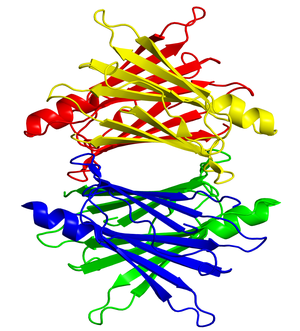
Transthyretin protein structure

Transthyretin protein structure (Photo credit: Wikipedia)

Age-standardised disability-adjusted life year...

Age-standardised disability-adjusted life year (DALY) rates from Protein-energy malnutrition by country (per 100,000 inhabitants). (Photo credit: Wikipedia)

_________________________________________________________________________________________________________

The systemic inflammatory response syndrome C-reactive protein and transthyretin conundrum.
Larry H Bernstein
Clin Chem Lab Med 2007; 45(11):0
ICID: 939932
Article type: Editorial

The Transthyretin Inflammatory State Conundrum
Larry H. Bernstein
Current Nutrition & Food Science, 2012, 8, 00-00

Keywords: Tranthyretin (TTR), systemic inflammatory response syndrome (SIRS), protein-energy malnutrition (PEM), C- reactive protein, cytokines, hypermetabolism, catabolism, repair.

Transthyretin has been widely used as a biomarker for identifying protein-energy malnutrition (PEM) and for monitoring the improvement of nutritional status after implementing a nutritional intervention by enteral feeding or by parenteral infusion. This has occurred because transthyretin (TTR) has a rapid removal from the circulation in 48 hours and it is readily measured by immunometric assay. Nevertheless, concerns have been raised about the use of TTR in the ICU setting, which prompts a review of the actual benefit of using this test in a number of settings. TTR is easily followed in the underweight and the high risk populations in an ambulatory setting, which has a significant background risk of chronic diseases. It is sensitive to the systemic inflammatory response syndrome (SIRS), and needs to be understood in the context of acute illness to be used effectively.

There are a number of physiologic changes associated with SIRS and the injury/repair process that affect TTR and  in the context of an ICU setting, the contribution of TTR is essential.  The only consideration is the timing of initiation since the metabolic burden is sufficiently high that a substantial elevation is expected in the first 3 days post admission, although the level of this biomarker is related to the severity of injury. Despite the complexity of the situation, TTR is not to be considered a test “for all seasons”. In the context of age, prolonged poor meal intake, chronic or acute illness, TTR needs to be viewed in a multivariable lens, along with estimated lean body mass, C-reactive protein, the absolute lymphocyte count, presence of neutrophilia, and perhaps procalcitonin if there is remaining uncertainty. Furthermore, the reduction of risk of associated complication requires a systematized approach to timely identification, communication, and implementation of a suitable treatment plan.

The most important point is that in the context of an ICU setting, the contribution of TTR is significant in a complex milieu.

_________________________________________________________________________________________________________

Title: The Automated Malnutrition Assessment
Accepted 29 April 2012. http://www.nutritionjrnl.com. Nutrition (2012), doi:10.1016/j.nut.2012.04.017.
Authors: Gil David, PhD; Larry Howard Bernstein, MD; Ronald R Coifman, PhD
Article Type: Original Article

Keywords: Network Algorithm; unsupervised classification; malnutrition screening; protein energy malnutrition (PEM); malnutrition risk; characteristic metric; characteristic profile; data characterization; non-linear differential diagnosis

We have proposed an automated nutritional assessment (ANA) algorithm that provides a method for malnutrition risk prediction with high accuracy and reliability.  The problem of rapidly identifying risk and severity of malnutrition is crucial for minimizing medical and surgical complications. These are not easily performed or adequately expedited. We characterized for each patient a unique profile and mapped similar patients into a classification. We also found that the laboratory parameters were sufficient for the automated risk prediction.

_________________________________________________________________________________________________________

Title: The Increasing Role for the Laboratory in Nutritional Assessment
Article Type: Editorial
Section/Category: Clinical Investigation
Accepted 22 May 2012. http://www.elsevier.com/locate/clinbiochem.
Clin Biochem (2012), doi:10.1016/j.clinbiochem.2012.05.024
Keywords: Protein Energy Malnutrition; Nutritional Screening; Laboratory Testing
Author: Dr. Larry Howard Bernstein, MD

The laboratory role in nutritional management of the patient has seen remarkable growth while there have been dramatic changes in technology over the last 25 years, and it is bound to be transformative in the near term. This editorial is an overview of the importance of the laboratory as an active participant in nutritional care.

The discipline emerged divergently along separate paths with unrelated knowledge domains in physiological chemistry, pathology, microbiology, immunology and blood cell recognition, and then cross-linked emerging into clinical biochemistry, hematology-oncology, infectious diseases, toxicology and therapeutics, genetics, pharmacogenomics, translational genomics and clinical diagnostics.

In reality, the more we learn about nutrition, the more we uncover of metabolic diversity of individuals, the family, and societies in adapting and living in many unique environments and the basic reactions, controls, and responses to illness. This course links metabolism to genomics and individual diversity through metabolomics, which will be enlightened by chemical and bioenergetic insights into biology and translated into laboratory profiling.

Vitamin deficiencies were discovered as clinical entities with observed features as a result of industrialization (rickets and vitamin D deficiency) and mercantile trade (scurvy and vitamin C)[2].  Advances in chemistry led to the isolation of each deficient “substance”.  In some cases, a deficiency of a vitamin and what is later known as an “endocrine hormone” later have confusing distinctions (vitamin D, and islet cell insulin).

The accurate measurement and roles of trace elements, enzymes, and pharmacologic agents was to follow within the next two decades with introduction of atomic absorption, kinetic spectrophotometers, column chromatography and gel electrophoresis.  We had fully automated laboratories by the late 1960s, and over the next ten years basic organ panels became routine.   This was a game changer.

Today child malnutrition prevalence is 7 percent of children under the age of 5 in China, 28 percent in sub-Saharan African, and 43 percent in India, while under-nutrition is found mostly in rural areas with 10 percent of villages and districts accounting for 27-28 percent of all Indian underweight children. This may not be surprising, but it is associated with stunting and wasting, and it has not receded with India’s economic growth. It might go unnoticed viewed alongside a growing concurrent problem of worldwide obesity.

The post WWII images of holocaust survivors awakened sensitivity to nutritional deprivation.

In the medical literature, Studley [HO Studley.  Percentage of weight loss. Basic Indicator of surgical risk in patients with chronic peptic ulcer.  JAMA 1936; 106(6):458-460.  doi:10.1001/jama.1936.02770060032009] reported the association between weight loss and poor surgical outcomes in 1936.  Ingenbleek et al [Y Ingenbleek, M De Vissher, PH De Nayer. Measurement of prealbumin as index of protein-calorie malnutrition. Lancet 1972; 300[7768]: 106-109] first reported that prealbumin (transthyretin, TTR) is a biomarker for malnutrition after finding very low TTR levels in African children with Kwashiorkor in 1972, which went unnoticed for years.  This coincided with the demonstration by Stanley Dudrick  [JA Sanchez, JM Daly. Stanley Dudrick, MD. A Paradigm ShiftArch Surg. 2010; 145(6):512-514] that beagle puppies fed totally through a catheter inserted into the superior vena cava grew, which method was then extended to feeding children with short gut.  Soon after Bistrian and Blackburn [BR Bistrian, GL Blackburn, E Hallowell, et al. Protein status of general surgical patients. JAMA 1974; 230:858; BR Bistrian, GL Blackburn, J Vitale, et al. Prevalence of malnutrition in general medicine patients, JAMA, 1976, 235:1567] showed that malnourished hospitalized medical and surgical patients have increased length of stay, increased morbidity, such as wound dehiscence and wound infection, and increased postoperative mortality, later supported by many studies.

Michael Meguid,MD, PhD, founding editor of Nutrition [Elsevier] held a nutrition conference “Skeleton in the Closet – 20 years later” in Los Angeles in 1995, at which a Beckman Prealbumin Roundtable was held, with Thomas Baumgartner and Michael M Meguid as key participants.  A key finding was that to realize the expected benefits of a nutritional screening and monitoring program requires laboratory support. A Ross Roundtable, chaired by Dr. Lawrence Kaplan, resulted in the first Standard of Laboratory Practice Document of the National Academy of Clinical Biochemists on the use of the clinical laboratory in nutritional support and monitoring. Mears then showed a real benefit to a laboratory interactive program in nutrition screening based on TTR [E Mears. Outcomes of continuous process improvement of a nutritional care program incorporating serum prealbumin measurements. Nutrition 1996; 12 (7/8): 479-484].

A later Ross Roundtable on Quality in Nutritional Care included a study of nutrition screening and time to dietitian intervention organized by Brugler and Di Prinzio that showed a decreased length of hospital stay with $1 million savings in the first year (which repeated), which included reduced cost for dietitian evaluations and lower complication rates.

Presentations were made at the 1st International Transthyretin Congress in Strasbourg, France by Mears [E Mears.  The role of visceral protein markers in protein calorie malnutrition. Clin Chem Lab Med 2002; 40:1360-1369] on the impact of TTR in screening for PEM in a public hospital in Louisiana, and by Potter [MA Potter, G Luxton. Prealbumin measurement as a screening tool for patients with protein calorie malnutrition in emergency hospital admissions: a pilot study.  Clin Invest Med. 1999; 22(2):44-52] that indicated a 17% in-hospital mortality rate in a Canadian hospital for patients with PCM compared with 4% without PCM (p < 0.02), while only 42% of patients with PCM received nutritional supplementation. Cost analysis of screening with prealbumin level projected a saving of $414 per patient screened.  Ingenbleek and Young [Y Ingenbleek, VR Young.  Significance of transthyretin in protein metabolism.  Clin Chem Lab Med. 2002; 40(12):1281–1291.  ISSN (Print) 1434-6621, DOI: 10.1515/ CCLM.2002.222, December 2002. published online: 01/06/2005] tied the TTR to basic effects reflected in protein metabolism.

_______________________________________________________________________________________________

Transthyretin as a marker to predict outcome in critically ill patients.
Arun Devakonda, Liziamma George, Suhail Raoof, Adebayo Esan, Anthony Saleh, Larry H Bernstein
Clin Biochem 2008; 41(14-15):1126-1130
ICID: 939927
Article type: Original article

TTR levels correlate with patient outcomes and are an accurate predictor of patient recovery in non-critically ill patients, but it is uncertain whether or not TTR level correlates with level of nutrition support and outcome in critically ill patients. This issue has been addressed only in critically ill patients on total parenteral nutrition and there was no association reported with standard outcome measures. We revisit this in all patients admitted to a medical intensive care unit.

Serum TTR was measured on the day of admission, day 3 and day 7 of their ICU stay. APACHE II and SOFA score was assessed on the day of admission. A registered dietician for their entire ICU stay assessed the nutritional status and nutritional requirement. Patients were divided into three groups based on initial TTR level and the outcome analysis was performed for APACHE II score, SOFA score, ICU length of stay, hospital length of stay, and mortality.

TTR showed excellent concordance with the univariate or multivariate classification of patients with PEM or at high malnutrition risk, and followed for seven days in the ICU, it is a measure of the metabolic burden.  TTR levels decline from day 1 to day 7 in spite of providing nutritional support. Twenty-five patients had an initial TTR serum concentration more than 17 mg/dL (group 1), forty-eight patients had mild malnutrition with a concentration between 10 and 17 mg/dL (group 2), Forty-five patients had severe malnutrition with a concentration less than 10 mg/dL (group 3).  Initial TTR level had inverse correlation with ICU length of stay, hospital length of stay, and APACHE II score, SOFA score; and predicted mortality, especially in group 3.

___________________________________________________________________________________________________________

A simplified nutrition screen for hospitalized patients using readily available laboratory and patient
information.
Linda Brugler, Ana K Stankovic, Madeleine Schlefer, Larry Bernstein
Nutrition 2005; 21(6):650-658
ICID: 825623
Article type: Review article
The role of visceral protein markers in protein calorie malnutrition.
Linda Brugler, Ana Stankovic, Larry Bernstein, Frederick Scott, Julie O’Sullivan-Maillet
Clin Chem Lab Med 2002; 40(12):1360-1369
ICID: 636207
Article type: Original article

The Automated Nutrition Score is a data-driven extension of continuous quality improvement.

Larry H Bernstein
Nutrition 2009; 25(3):316-317
ICID: 939934

______________________________________________________________________________________________________
Transthyretin: its response to malnutrition and stress injury. clinical usefulness and economic implications.
LH Bernstein, Y Ingenbleek
Clin Chem Lab Med 2002; 40(12):1344-1348
ICID: 636205
Article type: Original article

_______________________________________________________________________________________________________

THE NUTRITIONALLY-DEPENDENT ADAPTIVE DICHOTOMY (NDAD) AND STRESS HYPERMETABOLISM
Yves Ingenbleek  MD  PhD  and  Larry Bernstein MD
J CLIN LIGAND ASSAY  (out of print)

The acute reaction to stress is characterized by major metabolic, endocrine and immune alterations. According to classical descriptions, these changes clinically present as a succession of 3 adaptive steps – ebb phase, catabolic flow phase, and anabolic flow phase. The ebb phase, shock and resuscitation, is immediate, lasts several hours, and is characterized by hypokinesis, hypothermia, hemodynamic instability and reduced basal metabolic rate. The catabolic flow phase, beginning within 24 hours and lasting several days, is characterized by catabolism with the flow of gluconeogenic substrates and ketone bodies in response to the acute injury. The magnitude of the response depends on the acuity and the severity of the stress. The last, a reparative anabolic flow phase, lasts weeks and is characterized by the accretion of amino acids (AAs) to rebuilding lean body mass.

The current opinion is that the body economy is reset during the course of stress at novel thresholds of metabolic priorities. This is exemplified mainly by proteolysis of muscle, by an effect on proliferating gut mucosa and lymphoid tissue as substrates are channeled to support wound healing, by altered syntheses of liver proteins with preferential production of acute phase proteins (APPs) and local repair in inflamed tissues (3). The first two stages demonstrate body protein breakdown exceeding the rate of protein synthesis, resulting in a negative nitrogen (N) balance, muscle wasting and weight loss. In contrast, the last stage displays reversed patterns, implying progressive recovery of endogenous N pools and body weight.

These adaptive alterations undergo continuing elucidation. The identification of cytokines, secreted by activated macrophages/monocytes or other reacting cells, has provided further insights into the molecular mechanisms controlling energy expenditure, redistribution of protein pools, reprioritization of syntheses and secretory processes.

The free fraction of hormones bound to specific binding-protein(s) [BP(s)] manifests biological activities, and any change in the BP blood level modifies the effect of the hormone on the end target organ.  The efficacy of these adaptive responses may be severely impaired in protein-energy malnourished (PEM) patients. This is especially critical with respect to changes of the circulating levels of transthyretin (TTR), retinol-binding protein (RBP) and corticosteroid-binding globulin (CBG) conveying thyroid hormones (TH), retinol and cortisol, respectively.  This reaction is characterized by cytokine mediated autocrine, paracrine and endocrine changes. Among the many inducing molecules identified, interleukins 1 and 6 (Il-1, Il-6) and tumor necrosis factor a (TNF) are associated with enhanced production of 3 counterregulatory hormonal families (cortisol, catecholamines and glucagon). Growth hormone (GH) and TH also have roles in these metabolic adjustments.

There is overproduction of cortisol mediated by several cytokines acting on both the adrenal cortex (10) and on the pituitary through hypothalamic CRH with loss of feedback regulation of ACTH production (11). Hypercortisolemia is a major finding observed after surgery (12), sepsis (13), and medical insults, usually correlated with severity of insult and of complications. Rising cortisol values parallel hyperglycemic trends, as an effect of both gluconeogenesis and insulin resistance. Working in concert with TNF, glucocorticoids govern the breakdown of muscle mass, which is regarded as the main factor responsible for the negative N balance.

Under normal conditions, GH exerts both lipolytic and anabolic influences in the whole body economy under the dual control of the hypothalamic hormones somatocrinin (GHRH) and somatostatin (SRIH). GH secretion is usually depressed by rising blood concentrations of glucose and free fatty acids (FFAs) but is paradoxicaly elevated despite hyperglycemia in stressed patients.

The oversecretion of counterregulatory hormones working in concert generates subtle equilibria between glycogenolytic/glycolytic/gluconeogenic adaptive processes. The net result is the neutralization of the main hypoglycemic and anabolic activities of insulin and the development of a persisting and controlled hyperglycemic tone in the stressed body. The molecular mechanisms whereby insulin resistance occurs in the course of stress refer to
cytokine-  and  hormone-induced  phosphorylation abnormalities affecting receptor signaling. The insulin-like anabolic processes of GH are mediated by IGF1 working as relay agent. The expected high IGF1 surge associated with GH oversecretion is not observed in severe stress as plasma values are usually found at the lower limit of normal or even in the subnormal range.  The end result of this dissociation between high GH and low IGF1 levels is to favor the proteolysis of muscle mass to release AAs for gluconeogenesis and the breakdown of adipose tissue to provide ketogenic substrates.

The acute stage of stress is associated with the onset of a low T3 syndrome typically delineated by the drop of both total (TT3) and free (FT3) triiodothyronine plasma levels in the subnormal range. In contrast, both total (TT4) and free (FT4) thyroxine values usually remain within normal ranges with declining trends observed for TT4 and rising tendencies for FT4 (44). This last free compound is regarded as the sensor reflecting the actual thyroid status and governing the release of TSH whereas FT3 works as the active hormonal mediator at nuclear receptor level. The maintenance of an euthyroid sick syndrome is compatible with the down-regulation of most metabolic and energetic processes in healthy tissues. These inhibitory effects , negatively affecting all functional steps of the hypothalamo-pituitary-thyroid axis concern TSH production, iodide uptake, transport and organification into iodotyrosyl residues, peroxidase coupling activity as well as thyroglobulin synthesis and TH leakage. Taken together, the above-mentioned data indicate that the development of hyperglycemia and of insulin-resistance in healthy tissues – mainly in the muscle mass – are hallmarks resulting from the coordinated activities of the counterregulatory hormones.

A growing body of recent data suggest that the stressed territory, whatever the causal agent – bacterial or viral sepsis, auto-immune disorder, traumatic or toxic shock, burns, cancer – manifest differentiated metabolic and immune reactions. The amplitude, duration and efficacy of these responses are reportedly impaired along several ways in PEM patients. These last detrimental effects are accompanied by a number of medical, social and economical consequences, such as extended length of hospital stay and increased complication / mortality rates. It is therefore mandatory to correctly identify and follow up the nutritional status of hospitalized patients. Such approaches are prerequisite to timely and scientifically grounded nutritional and pharmacological mediated interventions.

Contrary to the rest of the body, energy requirements of the inflamed territory are primarily fulfilled by anaerobic glycolysis, an effect triggered by the inhibition of key-enzymes of carbohydrate metabolism, notably pyruvate-dehydrogenase. This non-oxidative combustion of glucose reveals low conversion efficiency but offers the major advantage to maintain, in the context of hyperglycemia, fuel provision to poorly irrigated and/or edematous tissues. The depression of the 5’-monodeiodinating activity (5’-DA) plays a pivotal role in these adaptive changes, yielding inactive reverse T3 (rT3) as index of impaired T4 to T3 conversion rates, but at the same time there is an augmented supply of bioactive T3 molecules and local overstimulation of thyro-dependent processes characterized by thyroid down-regulation.  The same differentiated evolutionary pattern applies to IGF1. In spite of lowered plasma total concentrations, the proportion of IGF1 released in free form may be substantially increased owing to the proteolytic degradation of IGFBP-3 in the intravascular compartment. The digestion of  BP-3 results from the surge of several proteases occurring the course of stress, yielding biologically active IGF1 molecules available for the repair of damaged tissues. In contrast, healthy receptors oppose a strong resistance to IGF1 ligands freed in the general circulation, likely induced by an acquired phosphorylation defect very similar in nature to that for the insulin transduction pathway.

PEM is the generic denomination of a broad spectrum of nutritional disorders, commonly found in hospital settings, and whose extreme poles are identified as marasmus and kwashiorkor. The former condition is usually regarded as the result of long-lasting starvation leading to the loss of lean body mass and fat reserves but relatively well-preserved liver function and immune capacities. The latter condition is typically the consequence of (sub)acute deprivation predominantly affecting the protein content of staplefood, an imbalance causing hepatic steatosis, fall of visceral proteins, edema and increased vulnerability to most stressful factors. PEM may be hypometabolic or hypermetabolic, usually coexists with other diseased states and is frequently associated with complications. Identification of PEM calls upon a large set of clinical and analytical disciplines comprising anthropometry, immunology, hematology and biochemistry.

CBG, TTR and RBP share in common the transport of specific ligands exerting their metabolic effects at nuclear receptor level. Released from their specific BPs in free form, cortisol, FT4 and retinol immediately participe to the strenghtening of the positive and negative responses to stressful stimuli. CBG is a relatively weak responder to short-term nutritional influences (73)  although long-lasting PEM is reportedly capable of causing its significant diminution (74). The dramatic drop of CBG in the course of stress appears as the combined effect of Il-6-induced posttranscriptional blockade of its liver synthesis (75) and peripheral overconsumption by activated neutrophils (61). The divergent alterations outlined by CBG and total cortisolemia result in an increased disposal of free ligand reaching proportions considerably higher than the 4 % recorded under physiological conditions.

The appellation of negative APPs that was once given to the visceral group of carrier-proteins. The NDAD concept takes the opposite view, defending the opinion that their suppressed synthesis releases free ligands which positively contribute to strengthen all aspects of the stress reaction, justifying the ABR denomination. This implies that the role played by ABRs should no longer be interpreted in terms of concentrations but in terms of functionality.

++++++++++++++++++++++++++++++++++++++++++++++++++++++++++++++++++++++++++++++++++++++++++++

THE OXIDATIVE STRESS OF HYPERHOMOCYSTEINEMIA RESULTS FROM REDUCED BIOAVAILABILITY OF SULFUR-CONTAINING REDUCTANTS.
Yves Ingenbleek. The Open Clinical Chemistry Journal, 2011, 4, 34-44.

Vegetarian subjects consuming subnormal amounts of methionine (Met) are characterized by subclinical protein malnutrition causing reduction in size of their lean body mass (LBM) best identified by the serial measurement of plasma transthyretin (TTR). As a result, the transsulfuration pathway is depressed at cystathionine-β-synthase (CβS) level triggering the upstream sequestration of homocysteine (Hcy) in biological fluids and promoting its conversion to Met. Maintenance of beneficial Met homeostasis is counterpoised by the drop of cysteine (Cys) and glutathione (GSH) values downstream to CβS causing in turn declining generation of hydrogen sulfide (H2S) from enzymatic sources. The biogenesis of H2S via non-enzymatic reduction is further inhibited in areas where earth’s crust is depleted in elemental sulfur (S8) and sulfate oxyanions. Combination of subclinical malnutrition and S8-deficiency thus maximizes the defective production of Cys, GSH and H2S reductants, explaining persistence of unabated oxidative burden. The clinical entity increases the risk of developing cardiovascular diseases (CVD) and stroke in underprivileged plant-eating populations regardless of Framingham criteria and vitamin-B status. Although unrecognized up to now, the nutritional disorder is one of the commonest worldwide, reaching top prevalence in populated regions of Southeastern Asia. Increased risk of hyperhomocysteinemia and oxidative stress may also affect individuals suffering from intestinal malabsorption or westernized communities having adopted vegan dietary lifestyles.

Metabolic pathways: Met molecules supplied by dietary proteins are submitted to TM processes allowing to release Hcy which may in turn either undergo Hcy – Met RM pathways or be irreversibly committed into TS decay. Impairment of CbS activity, as described in protein malnutrition, entails supranormal accumulation of Hcy in body fluids, stimulation of activity and maintenance of Met homeostasis. This last beneficial effect is counteracted by decreased concentration of most components generated downstream to CbS, explaining the depressed CbS- and CbL-mediated enzymatic production of H2S along the TS cascade. The restricted dietary intake of elemental S further operates as a limiting factor for its non-enzymatic reduction to H2S which contributes to downsizing a common body pool. Combined protein- and S-deficiencies work in concert to deplete Cys, GSH and H2S from their body reserves, hence impeding these reducing molecules to properly face the oxidative stress imposed by hyperhomocysteinemia.

see also …

McCully, K.S. Vascular pathology of homocysteinemia: implications for the pathogenesis of arteriosclerosis. Am. J. Pathol., 1996, 56, 111-128.

Cheng, Z.; Yang, X.; Wang, H. Hyperhomocysteinemia and endothelial dysfunction. Curr. Hypertens. Rev., 2009, 5,158-165.

Loscalzo, J. The oxidant stress of hyperhomocyst(e)inemia. J. Clin.Invest., 1996, 98, 5-7.

Ingenbleek, Y.; Hardillier, E.; Jung, L. Subclinical protein malnutrition is a determinant of hyperhomocysteinemia. Nutrition, 2002, 18, 40-46.

Ingenbleek, Y.; Young, V.R. The essentiality of sulfur is closely related to nitrogen metabolism: a clue to hyperhomocysteinemia. Nutr. Res. Rev., 2004, 17, 135-153.

Hosoki, R.; Matsuki, N.; Kimura, H. The possible role of hydrogen sulfide as an endogenous smooth muscle relaxant in synergy with nitric oxide. Biochem. Biophys. Res. Commun., 1997, 237, 527-531.

Tang, B.; Mustafa, A.; Gupta, S.; Melnyk, S.; James S.J.; Kruger, W.D. Methionine-deficient diet induces post-transcriptional downregulation of cystathionine-􀀁-synthase. Nutrition, 2010, 26, 1170-1175.

Elshorbagy, A.K.; Valdivia-Garcia, M.; Refsum, H.; Smith, A.D.; Mattocks, D.A.; Perrone, C.E. Sulfur amino acids in methioninerestricted rats: Hyperhomocysteinemia. Nutrition, 2010, 26, 1201- 1204.

_______________________________________________________________________________________________________

Yves Ingenbleek. Plasma Transthyretin Reflects the Fluctuations of Lean Body Mass in Health and Disease. Chapter 20. In S.J. Richardson and V. Cody (eds.), Recent Advances in Transthyretin Evolution, Structure and Biological Functions, DOI: 10.1007/978‐3‐642‐00646‐3_20, # Springer‐Verlag Berlin Heidelberg 2009.

Transthyretin (TTR) is a 55-kDa protein secreted mainly by the choroid plexus and the liver. Whereas its intracerebral production appears as a stable secretory process allowing even distribution of intrathecal thyroid hormones, its hepatic synthesis is influenced by nutritional and inflammatory circumstances working concomitantly. Both morbid conditions are governed by distinct pathogenic mechanisms leading to the reduction in size of lean body mass (LBM). The liver production of TTR integrates the dietary and stressful components of any disease spectrum, explaining why it is the sole plasma protein whose evolutionary patterns closely follow the shape outlined by LBM fluctuations. Serial measurement of TTR therefore provides unequalled information on the alterations affecting overall protein nutritional status. Recent advances in TTR physiopathology emphasize the detecting power and preventive role played by the protein in hyperhomocysteinemic states, acquired metabolic disorders currently ascribed to dietary restriction in water-soluble vitamins. Sulfur (S)-deficiency is proposed as an additional causal factor in the sizeable proportion of hyperhomocysteinemic patients characterized by adequate vitamin intake but experiencing varying degrees of nitrogen (N)-depletion. Owing to the fact that N and S coexist in plant and animal tissues within tightly related concentrations, decreasing LBM as an effect of dietary shortage and/or excessive hypercatabolic losses induces proportionate S-losses. Regardless of water-soluble vitamin status, elevation of homocysteine plasma levels is negatively correlated with LBM reduction and declining TTR plasma levels. These findings occur as the result of impaired cystathionine-b-synthase activity, an enzyme initiating the transsulfuration pathway and whose suppression promotes the upstream accumulation and remethylation of homocysteine molecules. Under conditions of N- and S-deficiencies, the maintenance of methionine homeostasis indicates high metabolic priority.

Schematically, the human body may be divided into two major compartments, namely fat mass (FM) and FFM that is obtained by substracting
FM from body weight (BW). The fat cell mass sequesters about 80% of the total body lipids, is poorly hydrated and contains only small quantities of lean tissues and nonfat constituents. FFM comprises the sizeable part of lean tissues and minor mineral compounds among which are Ca, P, Na, and Cl pools totaling about 1.7 kg or 2.5% of BW in a healthy man weighing 70 kg. Subtraction of mineral mass from FFM provides LBM, a composite aggregation of organs and tissues with specific functional properties. LBM is thus nearly but not strictly equivalent to FFM. With extracellular mineral content subtracted, LBM accounts for most of total body proteins (TBP) and of TBN assuming a mean 6.25 ratio between protein and N content.

SM accounts for 45% of TBN whereas the remaining 55% is in nonmuscle lean tissues. The LBM of the reference man contains 98% of total
body potassium (TBK) and the bulk of total body sulfur (TBS). TBK and TBS reach equal intracellular amounts (140 g each) and share distribution patterns (half in SM and half in the rest of cell mass).  The body content of K and S largely exceeds that of magnesium (19 g), iron (4.2 g) and zinc (2.3 g). The average hydration level of LBM in healthy subjects of all age is 73% with the proportion of the intracellular/extracellular fluid spaces being 4:3. SM is of particular relevance in nutritional studies due to its capacity to serve as a major reservoir of amino acids (AAs) and as a dispenser of gluconeogenic substrates. An indirect estimate of SM size consists in the measurement of urinary creatinine, end-product of the nonenzymatic hydrolysis of phosphocreatine which is limited to muscle cells.

During ageing, all the protein components of the human body decrease regularly. This shrinking tendency is especially well documented for SM  whose absolute amount is preserved until the end of the fifth decade, consistent with studies showing unmodified muscle structure, intracellular K content and working capacit. TBN and TBK are highly correlated in healthy subjects and both parameters manifest an age-dependent curvilinear decline
with an accelerated decrease after 65 years.  The trend toward sarcopenia is more marked and rapid in elderly men than in elderly women decreasing strength and functional capacity. The downward SM slope may be somewhat prevented by physical training or accelerated by supranormal cytokine status as reported in apparently healthy aged persons suffering low-grade inflammation. 2002) or in critically ill patients whose muscle mass undergoes proteolysis and contractile dysfunction.

The serial measurement of plasma TTR in healthy children shows that BP values are low in the neonatal period and rise linearly with superimposable concentrations in both sexes during infant growth consistent with superimposable N accretion and protein synthesis rates. Starting from the sixties, TTR values progressively decline showing steeper slopes in elderly males. The lowering trend seems to be initiated by the attenuation of androgen influences and trophic stimuli with increasing age. The normal human TTR trajectory from birth to death has been well documented by scientists belonging to the Foundation for Blood Research. TTR is the first plasma protein to decline in response to marginal protein restricion, thus working as an early signal warning that adaptive mechanisms maintaining homeostasis are undergoing decompensation.

TTR was proposed as a marker of protein nutritional status following a clinical investigation undertaken in 1972 on protein-energy malnourished (PEM) Senegalese children (Ingenbleek et al. 1972). By comparison with ALB and transferrin (TF) plasma values, TTR revealed a much higher degree of sensitivity to changes in protein status that has been attributed to its shorter biological half-life (2 days) and to its unusual Trp richness (Ingenbleek et al. 1972, 1975a). Transcription of the TTR gene in the liver is directed by CCAAT/enhancer binding protein (C/EBP) bound to hepatocyte nuclear factor 1 (HNF1) under the control of several other HNFs. The mechanism responsible for the suppressed TTR synthesis in PEM-states is a restricted AA and energy supply working as limiting factors (Ingenbleek and Young 2002). The rapidly turning over TTR protein is highly responsive to any change in protein flux and energy supply, being clearly situated on the cutting edge of the equipoise.

LBM shrinking may be the consequence of either dietary restriction reducing protein syntheses to levels compatible with survival or that of cytokine-induced tissue proteolysis exceeding protein synthesis and resulting in a net body negative N balance. The size of LBM in turn determines plasma TTR concentrations whose liver production similarly depends on both dietary provision and inflammatory conditions. In animal cancer models, reduced TBN pools were correlated with decreasing plasma TTR values and provided the same predictive ability. In kidney patients, LBM is proposed as an excellent predictor of outcome working in the same direction as TTR plasma levels.  High N intake, supposed to preserve LBM reserves, reduces significantly the mortality rate of kidney patients and is positively correlated with the alterations of TTR plasma concentrations appearing as the sole predictor of final outcome. It is noteworthy that most SELDI or MALDI workers interested in defining protein nutritional status have chosen TTR as a biomarker, showing that there exists a large consensus considering the BP as the most reliable indicator of protein depletion in most morbid circumstances.

Total homocysteine (tHcy) is a S-containing AA not found in customary diets but endogenously produced in the body of mammals by the enzymatic transmethylation of methionine (Met), one of the eight IAAs supplied by staplefoods. tHcy may either serve as precursor substrate for the synthesis of new Met molecules along the remethylation (RM) pathway or undergo irreversible kidney leakage through a cascade of derivatives defining the transsulfuration (TS) pathway. Hcy is thus situated at the crossroad of RM and TS pathways that are regulated by three water-soluble vitamins (pyridoxine, B6; folates, B9; cobalamins, B12).

Significant positive correlations are found between tHcy and plasma urea and plasma creatinine, indicating that both visceral and muscular tissues undergo proteolytic degradation throughout the course of rampant inflammatory burden. In healthy individuals, tHcy plasma concentrations maintain positive correlations with LBM and TTR from birth until the end of adulthood. Starting from the onset of normal old age, tHcy values become disconnected from LBM control and reveal diverging trends with TTR values. Of utmost importance is the finding that, contrary to all protein
components which are downregulated in protein-depleted states, tHcy values are upregulated.  Hyperhomocysteinemia is an acquired clinical entity characterized by mild or moderate elevation in tHcy blood values found in apparently healthy individuals (McCully 1969). This distinct morbid condition appears as a public health problem of increasing importance in the general population, being regarded as an independent and graded risk factor for vascular pathogenesis unrelated to hypercholesterolemia, arterial hypertension, diabetes and smoking.

Studies grounded on stepwise multiple regression analysis have concluded that the two main watersoluble vitamins account for only 28% of tHcy variance whereas vitamins B6, B9, and B12, taken together, did not account for more than 30–40% of variance. Moreover, a number of hyperhomocysteinemic conditions are not responsive to folate and pyridoxine supplementation. This situation prompted us to search for other causal factors which might fill the gap between the public health data and the vitamin triad deficiencies currently incriminated. We suggest that S – the forgotten element – plays central roles in nutritional epidemiology (Ingenbleek and Young 2004).

Aminoacidemia studies performed in PEM children, adult patients and elderly subjects have reported that the concentrations of plasma IAAs invariably display lowering trends as the morbid condition worsens. The depressed tendency is especially pronounced in the case of tryptophan and for the so-called branched-chain AAs (BCAAs, isoleucine, leucine, valine) the decreases in which are regarded as a salient PEM feature following the direction outlined by TTR (Ingenbleek et al. 1986). Met constitutes a notable exception to the above described evolutionary profiles, showing unusual stability in chronically protein depleted states.

Maintenance of normal methioninemia is associated with supranormal tHcy blood values in PEMadults (Ingenbleek et al. 1986) and increased tHcy leakage in the urinary output of PEM children. In contrast, most plasma and urinary S-containing compounds produced along the TS pathway downstream to CbSconverting step (Fig. 20.1) display significantly diminished values. This is notably the case for cystathionine (Ingenbleek et al. 1986), glutathione, taurine, and sulfaturia. Such distorted patterns are reminiscent of abnormalities defining homocystinuria, an inborn disease of Met metabolism characterized by CbS refractoriness to pyridoxine stimuli, thereby promoting the upstream retention of tHcy in biological fluids. It
was hypothesized more than 20 years ago (Ingenbleek et al. 1986) that PEM is apparently able to similarly depress CbS activity, suggesting that the enzyme is a N-status sensitive step working as a bidirectional lockgate, overstimulated by high Met intake (Finkelstein and Martin 1986) and downregulated under N-deprivation conditions (Ingenbleek et al. 2002). Confirmation that N dietary deprivation may inhibit CbS activity has recently provided. The tHcy precursor pool is enlarged in biological fluids, boosting Met remethylation processes along the RM pathway, consistent with studies showing overstimulation of Met-synthase activity in conditions of protein restriction. In other words, high tHcy plasma concentrations observed in PEM states are the dark side of adaptive mechanisms for maintaining Met homeostasis. This is consistent with the unique role played by Met in the preservation of N body stores.

The classical interpretation that strict vegans, who consume plenty of folates in their diet and manifest nevertheless higher tHcy plasma concentrations than omnivorous counterparts, needs to be revisited. On the basis of hematological and biochemical criteria, cobalamin deficiency is one of the most prevalent vitamin-deficiencies wordwide, being often incriminated as deficient in vegan subjects. It seems, however, likely that its true causal impact on rising tHcy values is substantially overestimated in most studies owing to the modest contribution played by cobalamins on tHcy
variance analyses. In contrast, there exists a growing body of converging data indicating that the role played by the protein component is largely underscored in vegan studies. It is worth recalling that S is the main intracellular anion coexisting with N within a constant mean S:N ratio (1:14.5) in animal tissues and dietary products of animal origin (Ingenbleek 2006). The mean S:N ratio found in plant items ranges from 1:20 to 1:35, a proportion that does not optimally meet human tissue requirements (Ingenbleek 2006), paving the way for borderline S and N deficiencies.

A recent Taiwanese investigation on hyperhomocysteinemic nuns consuming traditional vegetarian regimens consisting of mainly rice, soy products,
vegetables and fruits with few or no dairy items illustrates such clinical misinterpretation (Hung et al. 2002). The authors reported that folates and cobalamins, taken together, accounted for only 28.6% of tHcy variance in the vegetarian cohort whereas pyridoxine was inoperative (Hung et al. 2002). The daily vegetable N and Met intakes were situated highly significantly (p < 0.001) below the recommended allowances for humans (FAO/WHO/United Nations University 1985), causing a stage of unrecognized PEM documented by significantly depressed BCAA plasma
concentrations. Met levels escaped the overall decline in IAAs levels, emphasizing that efficient homeostatic mechanisms operate at the expense of an acquired hyperhomocysteinemic state. The diagnosis of subclinical PEM was missed because the authors ignored the exquisitely sensitive TTR detecting power. A proper PEM identification would have allowed the authors to confirm the previously described TTR–tHcy relationship that was established in Western Africa from comparable field studies involving country dwellers living on plant products.

The concept that acute or chronic stressful conditions may exert similar inhibitory effects on CbS activity and thereby promote hyperhomocysteinemic states is founded on previous studies showing that hypercatabolic states are characterized by increased urinary N and S losses maintaining tightly correlated depletion rates (Cuthbertson 1931; Ingenbleek and Young 2004; Sherman and Hawk 1900) which reflect the S:N ratio found in tissues undergoing cytokine induced proteolysis. This has been documented in coronary infarction and in acute pancreatitis where tHcy elevation evolves too rapidly to allow for a nutritional vitamin B-deficit explanation.  tHcy is considered stable in plasma and the two investigations report unaltered folate and cobalamin plasma concentrations.

The clinical usefulness of TTR as a nutritional biomarker, described in the early seventies (Ingenbleek et al. 1972) has been substantially disregarded by the scientific community for nearly four decades. This long-lasting reluctance expressed by many investigators is largely due to the fact that protein malnutrition and stressful disorders of various causes have combined inhibitory effects on hepatic TTR synthesis. Declining TTR plasma concentrations may result from either dietary protein and energy restrictions or from cytokine-induced transcriptional blockade (Murakami et al. 1988) of its hepatic synthesis. The proposed marker was therefore seen as having high sensitivity but poor specificity. Recent advances in protein metabolism settle the controversy by throwing further light on the relationships between TTR and the N-components of body composition.

The developmental patterns of LBM and TTR exhibit striking similarities. Both parameters rise from birth to puberty, manifest gender dimorphism during full sexual maturity then decrease during ageing. Uncomplicated PEM primarily affects both visceral and structural pools of LBM with distinct kinetics, reducing protein synthesis to levels compatible with prolonged survival. In acute or chronic stressful disorders, LBM undergoes muscle proteolysis exceeding the upregulation of protein syntheses in liver and injured areas, yielding a net body negative N balance. These adaptive responses are well identified by the measurement of TTR plasma concentrations which therefore appear as a plasma marker for LBM fluctuations.
Attenuation of stress and/or introduction of nutritional rehabilitation restores both LBM and TTR to normal values following parallel slopes. TTR fulfills, therefore, a unique position in assessing actual protein nutritional status, monitoring the efficacy of dietetic support and predicting the patient’s outcome (Bernstein and Pleban 1996).

see also…

Acosta PB, Yannicelli S, Ryan AS, Arnold G, Marriage BJ, Plewinska M, Bernstein L, Fox J, Lewis V, Miller M, Velazquez A (2005) Nutritional therapy improves growth and protein status of children with a urea cycle enzyme defect. Mol Genet Metab 86:448–455.

Arroyave G, Wilson D, Be´har M, Scrimshaw NS (1961) Serum and urinary creatinine in children with severe protein malnutrition. Am J Clin Nutr 9:176–179.

Bates CJ, Mansoor MA, van der Pols J, Prentice A, Cole TJ, Finch S (1997) Plasma total homocysteine in a representative sample of 972 British men and women aged 65 and over. Eur J Clin Nutr 51:691–697.

Battezzatti A, Bertoli S, San Romerio A, Testolin G (2007) Body composition: An important determinant of homocysteine and methionine concentrations in healthy individuals. Nutr Metab Cardiovasc Dis 17:525–534.

Bernstein LH, Bachman TE, Meguid M, Ament M, Baumgartner T, Kinosian B, Martindale R, Spiekerman M (1995) Prealbumin in nutritional care Consensus Group. Measurement of visceral protein status in assessing protein and energy malnutrition: Standard of care. Nutrition 11:169–171

Bernstein LH, Ingenbleek Y (2002) Transthyretin: Its response to malnutrition and stress injury. Clinical usefulness and economical implications. Clin Chem Lab Med 40:1344–1348.

Boorsook H, Dubnoff JW (1947) The hydrolysis of phosphocreatine and the origin of creatinine. J Biol Chem 168:493–510.

Briend A, Garenne M, Maire B, Fontaine O, Dieng F (1989) Nutritional status, age and survival: The muscle mass hypothesis. Eur J Clin Nutr 43:715–726

Brouillette J, Quirion R (2007) Transthyretin: A key gene involved in the maintenance of memory capacities during aging. Neurobiol Aging 29:1721–1732

Chertow GM, Goldstein-Fuchs DJ, Lazarus JM, Kaysen GA (2005) Prealbumin, mortality, and cause-specific hospitalization in hemodialysis patients. Kidney Int 68:2794–2800

Cohn SH, Gartenhaus W, Sawitsky A, Rai K, Zanzi I, Vaswani A, Ellis KJ, Yasumura S, Cortes E, Vartsky D (1981) Compartmental body composition of cancer patients by measurement of total body nitrogen, potassium and water. Metabolism 30:222–229

Cuthbertson DP (1931) The distribution of nitrogen and sulphur in the urine during conditions of increased catabolism. Biochem J 25:236–244

Devakonda A, George L, Raoof S, Esan A, Saleh A, Bernstein LH (2008) Transthyretin as a marker to predict outcome in critically ill patients. Clin Biochem 41:1126–1130

Ellis KJ, Yasumura S, Vartsky D, Vaswani AN, Cohn SH (1982) Total body nitrogen in health and disease: Effects of age, weight, height, and sex. J Lab Clin Med 99:917–926

Etchamendy N, Enderlin V, Marighetto A, Vouimba RM, Pallet V, Jaffard R, Higueret P (2001) Alleviation of a selective age-related relational memory deficit in mice by pharmacologically induced normalization of brain retinoid signaling. J Neurosci 21:6423–6429

Evans WJ (1991) Reversing sarcopenia: How weight training can build strength and vitality. Geriatrics 51:46–53

Evans WJ, Campbell WW (1993) Sarcopenia and age-related changes in body composition and functional capacity. J Nutr 123:465–468

Finkelstein JD, Martin JJ (1984) Methionine metabolism in mammals. Distribution of methionine between competing pathways. J Biol Chem 259:9508–9513

Garg UC, Zheng ZJ, Folsom AR, Moyer YS, Tsai MY, McGovern P, Eckfeldt JH (1997) Short-term and long-term variability of plasma homocysteine measurement. Clin Chem 43:141–145

Goodman AB, Pardee AB (2003) Evidence for defective retinoid transport and function in late onset Alzheimer’s disease. Proc Natl Acad Sci USA 100:2901–2905

Gray GE, Landel AM, Meguid MM (1994) Taurine-supplemented total parenteral nutrition and taurine status of malnourished cancer patients. Nutrition 10:11–15

Heymsfield SB, McManus C, Stevens V, Smith J (1982) Muscle mass: Reliable indicator of protein-energy malnutrition and outcome. Am J Clin Nutr 35:1192–1199

Ingenbleek Y (2006) The nutritional relationship linking sulfur to nitrogen in living organisms. J Nutr 136:S1641–S1651
Ingenbleek Y (2008) Plasma transthyretin indicates the direction of both nitrogen balance and retinoid status in health and disease. Open Clin Chem J 1:1–12
Ingenbleek Y, Bernstein LH (1999a) The stressful condition as a nutritionally dependent adaptive dichotomy. Nutrition 15:305–320
Ingenbleek Y, Bernstein LH (1999b) The nutritionally dependent adaptive dichotomy (NDAD) and stress hypermetabolism. J Clin Ligand Assay 22:259–267
Ingenbleek Y, Carpentier YA (1985) A prognostic inflammatory and nutritional index scoring critically ill patients. Internat J Vitam Nutr Res 55:91–101

Ingenbleek Y, Young VR (1994) Transthyretin (prealbumin) in health and disease: Nutritional implications. Annu Rev Nutr 14:495–533
Ingenbleek Y, Young VR (2002) Significance of transthyretin in protein metabolism. Clin Chem Lab Med 40:1281–1291
Ingenbleek Y, Young VR (2004) The essentiality of sulfur is closely related to nitrogen metabolism. Nutr Res Rev 17:135–151

Pharma Intell Links

Nitric Oxide and iNOS have Key Roles in Kidney Diseases – Part II
Biochemistry of the Coagulation Cascade and Platelet Aggregation – Part I 
Mitochondrial dynamics and cardiovascular diseases 
“Seductive Nutrition”: Making Popular Dishes a Bit Healthier – Culinary Institute of America
Low Bioavailability of Nitric Oxide due to Misbalance in Cell Free Hemoglobin in Sickle Cell Disease – A Computational Model
Ubiquinin-Proteosome pathway, autophagy, the mitochondrion, proteolysis and cell apoptosis
Nitric Oxide and Immune Responses: Part 2
Mitochondrial Damage and Repair under Oxidative Stress
Endothelial Function and Cardiovascular Disease
Nitric Oxide and Sepsis, Hemodynamic Collapse, and the Search for Therapeutic Options
Is the Warburg Effect the cause or the effect of cancer: A 21st Century View?
Sepsis, Multi-organ Dysfunction Syndrome, and Septic Shock: A Conundrum of Signaling Pathways Cascading Out of Control
Mitochondria: Origin from oxygen free environment, role in aerobic glycolysis, metabolic adaptation
Metabolite Identification Combining Genetic and Metabolic Information: Genetic association links unknown metabolites to functionally related genes
Clinical Trials Results for Endothelin System: Pathophysiological role in Chronic Heart Failure, Acute Coronary Syndromes and MI – Marker of Disease Severity or Genetic Determination?
Nitric Oxide Covalent Modifications: A Putative Therapeutic Target?

Read Full Post »

Reporter: Aviva Lev-Ari, PhD, RN

International Consortium Finds 15 Novel Risk Loci for Coronary Artery Disease

“lipid metabolism and inflammation as key biological pathways involved in the genetic pathogenesis of CAD”

Themistocles Assimes from Stanford University Medical Center said in a statement that these findings begin to clear up its role. “Our network analysis of the top approximately 240 genetic signals in this study seems to provide evidence that genetic defects in some pathways related to inflammation are a cause,” he said.

On this Open Access Online Scientific Journal, lipid metabolism and inflammation were researched and exposed in the following entries.

However, it is ONLY,  these 15 Novel Risk Loci for Coronary Artery Disease published on 12/3/2012 that provides the genomics loci and the genetic explanation for the following empirical results obtained in the recent research on Cardiovascular diseases, as present in the second half of this post, below.

Special Considerations in Blood Lipoproteins, Viscosity, Assessment and Treatment

http://pharmaceuticalintelligence.com/2012/11/28/special-considerations-in-blood-lipoproteins-viscosity-assessment-and-treatment/

What is the role of plasma viscosity in hemostasis and vascular disease risk?

http://pharmaceuticalintelligence.com/2012/11/28/what-is-the-role-of-plasma-viscosity-in-hemostasis-and-vascular-disease-risk/

PIK3CA mutation in Colorectal Cancer may serve as a Predictive Molecular Biomarker for adjuvant Aspirin therapy

http://pharmaceuticalintelligence.com/2012/11/28/pik3ca-mutation-in-colorectal-cancer-may-serve-as-a-predictive-molecular-biomarker-for-adjuvant-aspirin-therapy/

Peroxisome proliferator-activated receptor (PPAR-gamma) Receptors Activation: PPARγ transrepression for Angiogenesis in Cardiovascular Disease and PPARγ transactivation for Treatment of Diabetes

http://pharmaceuticalintelligence.com/2012/11/13/peroxisome-proliferator-activated-receptor-ppar-gamma-receptors-activation-pparγ-transrepression-for-angiogenesis-in-cardiovascular-disease-and-pparγ-transactivation-for-treatment-of-dia/

Positioning a Therapeutic Concept for Endogenous Augmentation of cEPCs — Therapeutic Indications for Macrovascular Disease: Coronary, Cerebrovascular and Peripheral

http://pharmaceuticalintelligence.com/2012/08/29/positioning-a-therapeutic-concept-for-endogenous-augmentation-of-cepcs-therapeutic-indications-for-macrovascular-disease-coronary-cerebrovascular-and-peripheral/

Cardiovascular Risk Inflammatory Marker: Risk Assessment for Coronary Heart Disease and Ischemic Stroke – Atherosclerosis.

http://pharmaceuticalintelligence.com/2012/10/30/cardiovascular-risk-inflammatory-marker-risk-assessment-for-coronary-heart-disease-and-ischemic-stroke-atherosclerosis/

The Essential Role of Nitric Oxide and Therapeutic NO Donor Targets in Renal Pharmacotherapy

http://pharmaceuticalintelligence.com/2012/11/26/the-essential-role-of-nitric-oxide-and-therapeutic-no-donor-targets-in-renal-pharmacotherapy/

Nitric Oxide Function in Coagulation

http://pharmaceuticalintelligence.com/2012/11/26/nitric-oxide-function-in-coagulation/Nitric Oxide Function in Coagulation

15 Novel Risk Loci for Coronary Artery Disease

December 03, 2012

NEW YORK (GenomeWeb News) – A large-scale association analysis of coronary artery disease has detected 15 new loci associated with risk of the disease, bringing the total number of known risk alleles to 46. As the international CARDIoGRAMplusC4D Consortium reported in Nature Genetics yesterday, the study also found that lipid metabolism and inflammation pathways may play a part in coronary artery disease pathogenesis.

“The number of genetic variations that contribute to heart disease continues to grow with the publication of each new study,” Peter Weissberg from the British Heart Foundation, a co-sponsor of the study, said in a statement. “This latest research further confirms that blood lipids and inflammation are at the heart of the development of atherosclerosis, the process that leads to heart attacks and strokes.”

For its study, the consortium, which was comprised of more than 180 researchers, performed a meta-analysis of data from the 22,233 cases and 64,762 controls of the CARDIoGRAM genome-wide association study and of the 41,513 cases and 65,919 controls from 34 additional studies of people of European and South Asian descent. Using the custom Metabochip array from Illumina, the team tested SNPs for disease association in those populations. The SNPs that reached significance in that stage of the study were then replicated using data from a further four studies.

From this, the team identified 15 new loci with genome-wide significance for risk of coronary artery disease, in addition to known risk loci.

The consortium also reported an additional 104 SNPs that appeared to be associated with coronary artery disease but did not meet the cut-off for genome-wide significance.

Then looking to other known risk factors for coronary artery disease, like blood pressure and diabetes, the researchers assessed whether any of those risk factors were associated with the risk loci. Of the 45 known risk loci, 12 were associated with blood lipid content and five with blood pressure. And while people with type 2 diabetes have a higher risk of developing coronary artery disease, none of the known risk loci were linked to diabetic traits.

An analysis of the pathways that SNPs linked to coronary artery disease fall in revealed that many of them are involved in lipid metabolism and inflammation pathways — 10 risk loci were found to be involved in lipid metabolism. “Our network analysis identified lipid metabolism and inflammation as key biological pathways involved in the genetic pathogenesis of CAD,” the researchers wrote in the paper. “Indeed, there was significant crosstalk between the lipid metabolism and inflammation pathways identified.”

The role of inflammation in coronary artery disease has been up for debate — a debate centering on whether it is a cause or a consequence of the disease — and study author Themistocles Assimes from Stanford University Medical Center said in a statement that these findings begin to clear up its role. “Our network analysis of the top approximately 240 genetic signals in this study seems to provide evidence that genetic defects in some pathways related to inflammation are a cause,” he said.

Related Stories

SOURCE:

http://www.genomeweb.com//node/1159041?hq_e=el&hq_m=1424172&hq_l=3&hq_v=09187c3305


GWAS, Meta-Analyses Uncover New Coronary Artery Disease Risk Loci

March 07, 2011

By a GenomeWeb staff reporter

NEW YORK (GenomeWeb News) – Three new studies — including the largest meta-analysis yet of coronary artery disease — have identified dozens of coronary artery disease risk loci in European, South Asian, and Han Chinese populations. All three papers appeared online yesterday in Nature Genetics.

For the first meta-analysis, members of a large international consortium known as the Coronary Artery Disease Genome-wide Replication and Meta-Analysis study, or CARDIoGRAM, sifted through data on more than 135,000 individuals from the UK, US, Europe, Iceland, and Canada. In so doing, they tracked down nearly two-dozen new and previously reported coronary artery disease risk loci.

Because only a few of these loci have been linked to other heart disease-related risk factors such as high blood pressure, those involved say the work points to yet unexplored heart disease pathways.

“[W]e have discovered several new genes not previously known to be involved in the development of coronary heart disease, which is the main cause of heart attacks,” co-corresponding author Nilesh Samani, a cardiology researcher affiliated with the University of Leicester and Glenfield Hospital, said in a statement. “Understanding how these genes work, which is the next step, will vastly improve our knowledge of how the disease develops, and could ultimately help to develop new treatments.”

Samani and his co-workers identified the loci by bringing together data on 22,233 individuals with coronary artery disease and 64,762 unaffected controls. The participants, all of European descent, had been sampled through 14 previous genome-wide association studies and genotyped at an average of about 2.5 million SNPs each. The team then assessed the top candidate SNPs found in this initial analysis in another 56,582 individuals (roughly half of whom had coronary artery disease).

The search not only confirmed associations between coronary artery disease and 10 known loci, but also uncovered associations with 13 other loci. All but three of these were distinct from loci previously implicated in other heart disease risk factors such as hypertension or cholesterol levels, researchers noted.

Consequently, those involved in the study say that exploring the biological functions of the newly detected genes could offer biological clues about how heart disease develops — along with strategies for preventing and treating it.

The genetic complexity of coronary artery disease being revealed by such studies has diagnostic implications as well, according to some.

“Each new gene identified brings us a small step closer to understanding the biological mechanisms of cardiovascular disease development and potential new treatments,” British Heart Foundation Medical Director Peter Weissberg, who was not directly involved in the new studies, said in a statement. “However, as the number of genes grows, it takes us further away from the likelihood that a simple genetic test will identify those most of risk of suffering a heart attack or a stroke.”

Meanwhile, researchers involved with Coronary Artery Disease Genetics Consortium did their own meta-analysis using data collected from four GWAS to find five coronary artery-associated loci in European and South Asian populations.

The group initially looked at 15,420 individuals with coronary artery disease — including 6,996 individuals from South Asia and 8,424 from Europe — and 15,062 unaffected controls. Participants were genotyped at nearly 575,000 SNPs using Illumina BeadChips. Most South Asian individuals tested came from India and Pakistan, researchers noted, while European samples came from the UK, Italy, Sweden, and Germany.

For the validation phase of the study, the team focused in on 59 SNPs at 50 loci from the discovery group that seemed most likely to yield authentic new disease associations. These variants were assessed in 10 replication groups comprised of 21,408 individuals with coronary artery disease and 19,185 individuals without coronary artery disease.

All told, researchers found five loci that seem to influence coronary artery disease risk in the European and South Asian populations: one locus each on chromosomes 7, 11, and 15, along with a pair of loci on chromosome 10.

The team didn’t see significant differences in the frequency or effect sizes of these newly identified variants between the European and South Asian populations, though they emphasized that their approach may have missed some potential risk variants, particularly in those of South Asian descent.

“[C]urrent genome-wide arrays may not capture all important variants in South Asians,” they explained, “Nevertheless, all of the known and new variants were significantly associated with [coronary artery disease] risk in both the European and South Asian populations in the current study, indicating the importance of genes associated with [coronary artery disease] beyond the European ancestry groups in which they were first defined.”

Finally, using a three-stage discovery, validation, and replication GWAS approach, Chinese researchers identified a single coronary artery disease risk variant in the Han Chinese population.

In this first phase of that study, researchers tested samples from 230 cases and 230 controls from populations in Beijing and in China’s Hubei province that were genotyped at Genentech and CapitalBio using Affymetrix Human SNP5.0 arrays.

From the nearly three-dozen SNPs identified in the first stage of the study, they narrowed in on nine suspect variants. After finding linkage disequilibrium between two of the variants, they did validation testing on eight of these in 572 individuals with coronary artery disease and 436 unaffected controls, all from Hubei province.

That analysis implicated a single chromosome 6 SNP called rs6903956 in coronary artery disease — a finding the team ultimately replicated in another group of 2,668 coronary artery disease cases and 3,917 controls from three independent populations in Hubei, Shandong province, and northern China.

The team’s subsequent experiments suggest that the newly detected polymorphism, which falls within a putative gene called C6orf105 on chromosome 6, curbs the expression of this gene. The functional consequences of this shift in expression, if any, are yet to be determined.

Because C6orf105 shares some identity and homology with an androgen hormone inducible gene known as AIG1, those involved in the study argue that it may be worthwhile to investigate possible ties between C6orf105 expression, androgen signaling, and coronary artery disease.

“Androgen has previously been reported to be associated the pathogenesis of atherosclerosis,” they wrote. “Future studies are needed to explore whether C6orf105 expression can be induced by androgen and to further determine the potential mechanism of [coronary artery disease] associated with decreased C6orf105 expression.”

 SOURCE:

Read Full Post »

Reporter: Aviva Lev-Ari, PhD, RN

Computational Genomics Center: New Unification of Computational Technologies at Stanford

Word Cloud by Zach Day

Stanford Launches Computational Genomics Center

December 03, 2012

NEW YORK (GenomeWeb News) – Stanford University has launched a new genomics research center that will foster collaboration across its seven schools and harness new computational technologies, it said today.

The Stanford Center for Computational, Evolutionary and Human Genomics, headed by the university’s School of Medicine and School of Humanities and Sciences, has been authorized for five years of funding, the university said.

Created with the goal of spurring and nurturing cross-cutting research collaborations, the new center will be open to all university faculty and labs. It will provide support for small project grants and computational genomics analysis services for member labs, faculty, students, and staff.

The center also will consult with academic institutions, industry, government, and research organizations on collaborations, will support graduate and postdoctoral students, and in its first year will launch public outreach programs in three areas – genomics and social systems, medical genomics, and agricultural, ecological, and environmental genomics. The center’s focus, regardless of the particulars of the project at hand, will be on using expertise and methods for sorting through, integrating, and analyzing large-scale data sets.

Stanford Professor Carlos Bustamante, who also is one of the center’s two founding directors, told GenomeWeb Daily News today that the university has not yet set the funding amount for the center but has committed to five years and will be “sufficient to catalyze all of the programs that we want to get started.” Ultimately, the center will seek funding from beyond the university, he noted.

“The incredible thing about a place like Stanford is that we’ve got the medical school co-located with the main campus, the traditional arts and sciences and humanities programs, and an exceptional engineering school, so we really are looking to create interdisciplinary programs that cut across traditional academic boundaries,” Bustamante said.

He explained that the new center will pursue and support projects that cut a broad swath across Stanford’s academic research areas, including paleo-anthropology, population genetics, agriculture, climate science, and biomedicine, as well as pursue bioethical questions that have arisen alongside human genomic science.

For example, Bustamante said, the research may involve integrating genetics and history studies.

“How can we use technologies from genomics to improve our understanding of the great human diaspora? That’s an area that [Founding Director and Stanford Biology Professor] Mark Feldman and I have been interested in for years.

“But now we can begin to do things that are cross-cutting in, say, funding archaeology students that want to study ancient DNA, or beginning to do projects that have to do with race, genetics, and ethnicity,” he said. “Now we can fund graduate students and post-docs to really work on interdisciplinary issues that are very hard to fund through traditional mechanisms.”

Bustamante pointed out that Stanford has “a tremendous amount of expertise in machine learning and statistical learning,” and the center will try to bring people and projects together with clinicians who are pursuing cutting-edge projects in a wide array of fields, such as cancer genomics.

“Traditionally, these people would know about each other but they haven’t necessarily had the mechanisms to initiative [joint] pilot projects and collaborations,” Bustamante said, and that is where the new center might fit in.

One of the key aims of the center also is to forge collaborations between biomedical researchers with those in the humanities and social sciences.

For example, one of the center’s executive committee members, Stanford Biology Professor Noah Rosenberg, is co-directing a program focused on Jewish genetics and Jewish history. Another executive member, Professor Dmitri Petrov, will head a year-long project focused on ecological genetics.

Bustamante, who previously was a researcher at Cornell University, said he expects that the center will branch out into agricultural genomics as well.

“Genomics is transforming agriculture. It is probably where genomics is having some of its biggest impacts,” he said.

Aside from the wide range of research areas that the new center may support, it will have one core mission, Bustamante told GWDN.

“It really is, first and foremost, a center focused on computational analysis, both in terms of developing methods and computing on big data. That is a particular expertise of those of us involved in launching the center.”

Read Full Post »

« Newer Posts - Older Posts »