Feeds:
Posts
Comments

Posts Tagged ‘research’

A perspective on where we are on carcinogenesis, cancer variability and predictors of time to recurrence and future behavior

Author: Larry H Bernstein, MD, FCAP

Predicting Tumor Response, Progression, and Time to Recurrence

Word Cloud by Daniel Menzin

I.     Background

In “Tumor Imaging and Targeting: Predicting Tumor Response to Treatment: Where we stand? “ ( Dec 13, 2012) Dr. Ritu Saxena  attempts to integrate three posts and to embed all comments made to all three papers, allowing the reader a critically thought compilation of evidence-based medicine and scientific discourse.

Dr. Dror Nir authored a post on October 16th titled “Knowing the tumor’s size and location, could we target treatment to THE ROI by applying imaging-guided intervention?” The article attracted over 20 comments from readers including researchers and oncologists debating the following issues:

imaging technologies in cancer

  • tumor size, and
  • tumor response to treatment.

The debate lead to several new posts authored by:

Dr. Bernstein’s (What can we expect of tumor therapeutic response),

Dr. Saxena, the Author of this post’s, (Judging ‘tumor response’-there is more food for thought) and

Dr. Lev-Ari’s post on Personalized Medicine: Cancer Cell Biology and Minimally Invasive Surgery (MIS) http://pharmaceuticalintelligence.com/2012/12/01/personalized-medicine-cancer-cell-biology-and-minimally-invasive-surgery-mis/#comment-5269

The post was a compilation of the views of authors representing different specialties including research and medicine. In medicine: Pathology, Oncology Surgery and Medical Imaging, are represented.

Dror Nir added a fresh discussion in “New clinical results supports Imaging-guidance for targeted prostate biopsy” based on a study of “Artemis”, a system that is adjunct to ultrasound and performs 3D Imaging and Navigation for Prostate Biopsy by Eigen (a complementary post to “Imaging-guided biopsies: Is there a preferred strategy to choose?”).

Image fusion is the process of combining multiple images from various sources into a single representative image. Ultrasound is the imaging modality used to guide Artemis in performing the biopsies. In this study MRI is used to overcome the “blindness” regarding tumor location.  This supports the detection reliability issue made in his “ Imaging-guided biopsies: Is there a preferred strategy to choose?” and  “Fundamental challenge in Prostate cancer screening.”

This makes the case that In the future, MRI-ultrasound fusion for lesion targeting is likely to result in fewer and more accurate prostate biopsies than the present use of systematic biopsies with ultrasound guidance alone.   Nevertheless, we haven’t completed the case for prediction of recurrence, even if we may eliminate the unnecessary consequences of radical prostatectomy.

Let’s look a little further. A discussion opens up more questions for discussion. I just read an interesting related article. The door has opened  wider.

II.               Novel technology to detect cancer in early stages

A. nanoparticles

Researchers have developed novel technology to detect the tumors in the body in early stages with the help of nanoparticles .( Nature Biotechnology).

Cancer cells produce many of the proteins that could be used as biomarkers to detect the cancer in the body but the amount of these proteins is not up to the mark or they may get diluted in the body of the patients making it nearly impossible to detect them in early stages.

This new technology has been developed by the researchers from MIT . Nanoparticles (brown) coated with peptides (blue) cleaved by enzymes (green) at the disease site. Peptides than come into the urine to be detected by mass spectrometry. (Credit: Justin H. Lo/MIT)

In this technology, nanoparticles will interact with the tumor proteins helping to make thousands of biomarkers secreted by the cancer cells. We had this ‘aha’ moment: What if you could deliver something that could amplify the signal?”

  • Scientists administered ‘synthetic biomarkers’ having peptides bonded to the nanoparticles and
  • the particles interact with the protease enzymes often found in large quantities in cancer cells

as they help them to cut the proteins normally holding the cells in place and to spread in other parts of the body.

Researchers found that the proteases break down hundreds of peptides from the nanoparticles and release them in the bloodstream. These peptides are then excreted in the urine, where the process of mass spectrometry could help to detect such peptides.

These “Synthetic biomarkers” perform three functions in vivo:

  1. they target sites of disease,
  2. sample dysregulated protease activities and
  3. emit mass-encoded reporters into host urine (for multiplexed detection by MS).

According to Bhatia, this biomarker amplification technology could also be used to manage the advancement of the disease and to check the response of the tumors to the drugs.

Reference:

Kwong, G., von Maltzahn, G., Murugappan, G., Abudayyeh, O., Mo, S., Papayannopoulos, I., Sverdlov, D., Liu, S., Warren, A., Popov, Y., Schuppan, D., & Bhatia, S. (2012). Mass-encoded synthetic biomarkers for multiplexed urinary monitoring of disease Nature Biotechnology  http://dx.doi.org:/10.1038/nbt.2464

IIB    Synthetic Nucleosides

J Gong and SJ Sturla published “A Synthetic Nucleoside Probe that Discerns a DNA Adduct from Unmodified DNA” in JACS Communications on web 4/03/2007).  They state that biologically reactive chemicals alkylate DNA and induce structural modifications in the form of covalent adducts that can persist, escape repair, and serve as templates for polymerase-mediated DNA synthesis. Therefore, correlating chemical structures and quantitative levels of adducts with toxicity is essential for targeting specific agents to carcinogenesis.

  • DNA adducts are formed at exceedingly low levels.
  • Minor lesions may have greater biological impact than more abundant products.
  • New molecular approaches for addressing specific low-abundance adducts are needed

They describe the first example of a synthetic nucleoside that may serve as the chemical basis for a probe of a bulky carcinogen-DNA adduct

IIC.  MicroRNAs caused by DNA methylation

Another molecular approach “ A microRNA DNA methylation signature for human cancer metastasis” was published in PNAS [2008;105(36):13556-13561)] by A Lujambio , Calin GA, Villanueva A et al.

Different sets of miRNAs are usually deregulated in different cancers, and some miRNAs are aberrantly methylated and silenced, causing tumorigenesis. The authors

  • identified aberrantly methylated and silenced miRNAs that are cancer-specific
  • using miRNA microarray techniques.

Functional analyses for the selected genes proved that these miRNAs act on C-MYC, E2F3, CDK6 and TGIF2, resulting in metastasis through aberrant methylation of the miRNAs. The authors suggest that these may be applicable to advance research in the clinical setting.

III.              New methods require advanced mathematical prediction methods

A.  First Case …ProsVue PSA

One of the most elegant papers I have seen in several years  has been published in Clinical Biochemistry (CLB–12-00159), by Mark J. Sarnoa1 and Charles S. Davis2. [1Vision Biotechnology Consulting, 19833 Fortuna Del Este Road, Escondido, CA 92029, USA (mjsarno@att.net), 2CSD Biostatistics, Inc., San Diego, CA, 4860 Barlows Landing Cove, San Diego, CA 92130, USA (chuck@csdbiostat.com)]

Robustness of ProsVue™ linear slope for prediction of prostate cancer recurrence: Simulation studies on effects of analytical imprecision and sampling time variation.
Keywords: ProsVue, slope, prostate cancer, random variates.
Financial support for the investigation was provided by Iris Molecular Diagnostics

Abstract: Objective: The ProsVue assay measures

  • serum total prostate-specific antigen (PSA) over three time points post-radical prostatectomy and
  • calculates rate of change expressed as linear slope. Slopes ≤2.0 pg/ml/month are associated with reduced risk for prostate cancer recurrence.

However, an indicator based on measurement at multiple time points, calculation of slope, and relation of slope to a binary cutpoint may be subject to effects of analytical imprecision and sampling time variation.

They performed simulation studies to determine the presence and magnitude of such effects.

Design and Methods: Using data from a two-site precision study and a multicenter retrospective clinical trial of 304 men, they carried out simulation studies to assess whether analytical imprecision and sampling time variation can drive misclassification of patients with stable disease or classification switching for patients with clinical recurrence.

Results:

  • Analytical imprecision related to expected PSA values in a stable disease population results in ≤1.2% misclassifications.
  • For recurrent populations, an analysis taking into account correlation between sampling time points demonstrated that classification switching across the 2.0 pg/ml/month cutpoint occurs at a rate ≤11%.
  • Lastly, sampling time variation across a wide range of scenarios results in 99.7% retention of proper classification for stable disease patients with linear slopes up to the 75th percentile of the distribution.

Conclusions:

  • These results demonstrate the robustness of the ProsVue assay and the linear slope indicator.
  • Further, these simulation studies provide a potential framework for evaluation of future assays that may rely on the rate of change principle

The ProsVue Assay has been cleared for commercial use by the US Food and Drug Administration (FDA) as “a prognostic marker in conjunction with clinical evaluation as an aid in

  • identifying those patients at reduced risk for recurrence of prostate cancer for the eight year period following prostatectomy.”

The assay measures

  1. serum total prostate specific antigen (PSA) in post-RP samples and
  2. calculates rate of change of PSA over the sampling period,

expressing the outcome as linear slope. The assay is novel in at least a few respects.

  • the assay is optimized to identify patients at reduced risk for recurrence.

In order to demonstrate efficacy for this indication, the assay employs the immuno-polymerase chain reaction (immuno-PCR) to achieve sensitivity

  • an order of magnitude lower than existing “ultrasensitive” PSA assays.

The improved sensitivity allows quantification of PSA at levels exhibited in stable disease (<5 pg/ml), which have been historically below the

measurement range of ultrasensitive assays.

Secondly, the assay is the first to receive clearance based on

  • linear slope of tumor marker concentration versus time post-surgery.
  • Specifically, PSA is measured in three samples taken between 1.5 and 20 months post-RP and
  • the slope calculated using simple least squares regression.
  • The calculated slope is compared to a threshold of 2.0 pg/ml/month with values at or below the threshold associated with reduced risk for PCa recurrence.

Does analytical imprecision present a potential risk for misclassification by driving errors in the calculated slope that result in classification switching?  Since excursions of precision can occur as point sources in single sampling points or in cumulative effect from the three sampling points, the question is worthy of consideration. They carried out studies

  • to address these questions specific to ProsVue and also
  • provide a potential framework for evaluation of future assays.
  • Similarly, does variation in the time at which samples are taken drive errors resulting in classification switching?

Both questions require evaluating the robustness of the ProsVue Assay and are properly presented for clinical chemists and physicians evaluating use of the assay in clinical practice. Furthermore, since future diagnostic assays may employ the rate of change principle, it is important to develop statistical methods to evaluate effects of variation.

The point is that more sophisticated methods are needed to measure scarce analytes associated with risk for eventual clinical events.

  • Accurate measurement at post-RP levels to identify patients with reduced risk of recurrence represents a new development.
  • Furthermore, measurement of PSA at multiple time points and calculation of rate of change using linear regression extends application of the analyte markedly beyond traditional use.

Such use presents certain questions of variation effects.

Their results indicate that analytical imprecision in the range of concentrations exhibited in patients at reduced risk for recurrence (the focus of the assay) presents no significant risk of misclassification.

  • Classification switching in this population occurs at a frequency of ≤1.2%.
  • Slopes for recurrent patients and clinical classification are substantively insensitive to analytical variation even in a subpopulation of recurrent patients with slowly rising PSA values.
  • Sampling time variation negligibly affects clinical classification for stable disease patients with slopes at and below the 75th percentile.
Table 1. Side-effects and effects on recovery ...

Table 1. Side-effects and effects on recovery of treatments for newly diagnosed prostate cancer. The Prostate Brachytherapy Advisory Group: http://www.prostatebrachytherapyinfo.net (Photo credit: Wikipedia)

_____________________________________________________________________________________________________

IIIB. Other interesting developments are going to need further development and validation.

For instance, research has been published online in the journal Cancer Cell, reports a cellular component that is involved in mobility of cancer to other body parts and inhibition of which could increase the tumor formation. These investigators worked on various animal models including chicken, zebrafish and mouse, and patient samples and have found a cellular component; Prrx1 that stops the cancer cells from staying in organs.  Epithelial-mesenchymal transition (EMT) is the process that is required by the cancer cells to spread to other organs. This process helps the cells to become mobile and move with the bloodstream. These cells must lose their mobility before attaching to other body parts.

In the final analysis the cells have to lose the component Prrx1 to lose mobility and to become stationary. Researchers wrote, “Prrx1 loss reverts EMT & induces stemness, both required for metastatic colonization.”  Consequently,  Prrx1 has to be turned off for these cells to group together to form other tumours.” It has been found that the tumors with elevated levels of Prrx1 cannot form new tumors.

IIIC.  PXR and AhR Nuclear Receptor Activation

  • The primary mechanism of cytochrome P450 induction is via increased gene transcription which typically occurs through nuclear receptor activation.
  • The most common nuclear receptors involved in the induction of drug metabolizing enzymes include the pregnane X receptor (PXR), the aryl hydrocarbon receptor (AhR), and the constitutive androstane receptor (CAR) which are known to regulate CYP3A4, CYP1A2 and CYP2B6, respectively.
  • An industry survey of current practices and recommendations (Chu et al., (2009) Drug Metab Dispos 37: 1339-1354) indicates 64% of survey respondents routinely use nuclear receptor transactivation assays to assess the potential of test compounds to cause enzyme induction
  • ‘Because reporter assays are relatively high throughput and cost effective, they can be a valuable tool in drug discovery.’(Chu V, Einolf HJ, Evers R, Kumar G, et.  (2009) Drug Metab Dispos 37; 1339-1354)
  • Luciferase reporter gene assay

No cytotoxicity was observed for any of six compounds at the concentration range tested with the exception of troglitazone for which cytotoxicity was observed at the highest concentration of 50μM.  This data point was excluded in this instance and not used for calculating the Emax or EC50.

In brief, CAR and PXR regulate distinct but overlapping sets of target genes, which include certain phase 1 P450 enzymes (e.g., CYP2B, CYP3A, and CYP2C), phase II conjugation enzymes such as UDP glucuronosyltransferase UGT1A1 and sulfotransferase SULT2A, and phase III transporters such as P-glycoprotein (MDR-1). The AhR receptor has been shown to regulate the expression of CYP1A.

Will this be combined with the other methods for drug selection and prediction of drug free survival?

I have mentioned an improved molecular assay of PSA at the pcg/ml level that is approved for use with an acceptable linear prediction of survival for 8 years post radical prostatectomy.  Then there is a report of a method of measuring nanoparticles in urine, to amplify the signal detected by mass spectrometry. This new technology has been developed by the researchers from MIT and led by Sangeeta Bhatia at MIT. (Novel technology to detect cancer in early stages, Nature Biotechnology, Dec 16, 2012).  There is still another recent report about using gene expression profiles to predict breast cancer, and a number of articles have shown variability in breast cancer types.   I view with reservations until I can see long term predictions of prognosis.

IIID.  Prediction of Breast Cancer Metastasis by Gene Expression Profiles

The report in Cancer Informatics (http://www.la-press.com; open access)  by M Burton, M Thomassen, Q Tan, and TA Kruse is “Prediction of Breast Cancer Metastasis by Gene Expression Profiles: A Comparison of Metagenes and Single Genes.”   The authors state “The diversity of microarray platforms has made the full validation of gene expression  profiles across studies difficult and, the classification accuracies are rarely validated in multiple independent datasets. The individual genes between such lists may not match, but genes with comparable function are included across gene lists. However,  genes can be grouped together as metagenes (MGs) based on common characteristics such as pathways, regulation, or genomic location. Such MGs might be used as features in building a predictive model applicable for classifying independent data.”

Microarray gene expression analysis has in several previous studies been applied to elucidate the relation between clinical outcome and gene expression patterns in breast cancer and has demonstrated improvement of recurrence prediction. In some studies, genes in such profiles might be fully or partially missing in the test data used for validation due to the choice of microarray platform or the presence of missing values associated with a given probe.

To overcome the obstacles, these authors propose that individual genes could be considered part of a larger network such that their expression being controlled by the expression level of other genes or that a group of genes belong to a specific pathway performing a well-defined task. These genes may be controlled by the same transcription factor or located in the same chromosomal region. In fact these groupings have been collected in public databases (the Kyoto Encyclopedia of Genes and Genomes (KEGG), the Molecular Signature Database (MsigDB), the Gene Ontology database (GO)). This could be upregulation or deregulation of pathways associated with metastasis. Metastasis progressionas well as tumor grading (in breast cancer) are associated with accumulated mutations in several genes, leading to amplification or inactivation of genes.

Several studies have defined metagene/gene modules derived from microarray data using various methods such as penalized matrix decomposition which clusters similar genes but without similar expression profiles – hierarchical clustering, correlation, or combining a priori protein-protein interactions with microarray gene expression data defining interaction networks as features. Few studies have attempted to use such predefined gene sets for prediction models.

Their study compared the performance of either metagene- or single gene-based feature sets and classifiers using random forest and two support vector machines for classifier building. The performance within the same dataset, feature set validation performance, and validation performance of entire classifiers in strictly independent datasets were assessed by 10 times repeated 10-fold cross validation, leave-one-out cross validation, and one-fold validation, respectively. To test the significance of the performance difference between MG- and SG-features/classifiers, we used a repeated down-sampled binomial test approach.

They found MG- and SG-feature sets are transferable and perform well for training and testing prediction of metastasis outcome in strictly independent data sets, both between different and within similar microarray platforms.  Further, The study showed that MG- and SG-feature sets perform equally well in classifying independent data. Furthermore, SG-classifiers significantly outperformed MG-classifier when validation is conducted between datasets using similar platforms, while no significant performance difference was found when validation was performed between different platforms.

  • The MG- and SG-classifiers had similar performance when conducting classifier validation in independent data based on a different microarray platform.
  • The latter was also true when only validating sets of MG- and SG-features in independent datasets, both between and within similar and different platforms.

This study appears to be unique in the same way that the PCa prediction study is unique in that genome-based expression patterns are used to classify and predict metastatic potential.

These studies have the potential to materialize into practice changing behavior.

IIIE. Colon Cancer and Treatment Recurrence

Cancer scientists led by Dr. John Dick at the Princess Margaret Cancer Centre have found a way to follow single tumour cells and observe their growth over time. By using special immune-deficient mice to propagate human colorectal cancer, they found that genetic mutations, regarded by many as the chief suspect driving cancer growth, are only one piece of the puzzle. The team discovered that biological factors and cell behaviour — not only genes — drive tumour growth, contributing to therapy failure and relapse. The findings are published December 13 online ahead of print in Science, are “a major conceptual advance in understanding tumour growth and treatment response” according to Dr. Dick.

[1] only some cancer cells are responsible for keeping the cancer growing.

[2] these kept the cancer growing for long time periods (up to 500 days of repeated tumour transplantation)

[3] a class of propagating cancer cells that could lie dormant before being activated.

[4] the mutated cancer genes were identical for all of these different cell behaviours.

[5] given chemotherapy the long-term propagating cells were generally sensitive to treatment, but dormant cells were not killed by drug treatment.

[6] these became activated andpropagated new tumour.

IV. Related References

Diagnostic efficiency of carcinoembryonic antigen and CA125 in the cytological evaluation of effusions.
M M Pinto, L H Bernstein, R A Rudolph, D A Brogan, M Rosman
Arch Pathol Lab Med 1992; 116(6):626-631 ; ICID: 825503

Medically significant concentrations of prostate-specific antigen in serum assessed.
L H Bernstein, R A Rudolph, M M Pinto, N Viner, H Zuckerman
Clin Chem 1990; 36(3):515-518 ; ICID: 825497

Entropy and Information Content of Laboratory Test Results
R T Vollmer
Am J Clin Pathol.  2007;127(1):60-65.

Abstract

This article introduces the use of information theoretic concepts such as entropy, S, for the evaluation of laboratory test results, and it offers a new measure of information, 1 – S,
which tells us just how far toward certainty a laboratory test result can predict a binary outcome. The derived method is applied to the serum markers troponin I and
prostate-specific antigen and to histologic grading of HER-2/neu staining, to cytologic diagnosis of cervical specimens, and to the measurement of tumor thickness in malignant
melanoma. Not only do the graphic results provide insight for these tests, they also validate prior conclusions. Thus, this information theoretic approach shows promise for
evaluating and understanding laboratory test results.

A map of protein-protein interactions involving calmodulin. Protein-protein interactions are both numerous and incredibly complex, and they can be mapped using the Database of
Interacting Proteins (DIP). This image depicts a DIP map for the protein calmodulin. The interactions with the most confidence are drawn with wider connecting lines. This diagram
highlights one level of complexity involved in understanding the downstream effects of gene regulation and expression.

Related article

Read Full Post »

Author:  Sreedhar Tirunagari, MD

Human subject recruitment is crucial for the success of any clinical trial and can be a challenging to Sponsors and investigators, hence they use four main strategies to recruit human subjects and encourage timely recruitment.

  •  Sponsors offer financial and other incentives to investigators to boost enrollment.
  •  Investigators target their own patients as potential subjects.
  •  Investigators seek additional subjects from other sources such as physician referrals and disease registries.
  •  Sponsors and investigators advertise and promote their studies.

To achieve timely recruitment for clinical trial the consent process may be undermined when, under pressure of quick recruitment like patients are influenced to participate in research due to their trust in their doctor. Some physicians searching medical records, disease registries, school records, or mailing lists by compromising confidentiality and then contacting a patient about participation. Some times there may be chance of enrollment of Ineligible Subjects in order to meet quotas and satisfy sponsors.

Most IRB’s are not reviewing many of the recruitment practices that they and others find most troubling. IRBs’ limited review of recruitment practices is in part due to their perceived lack of authority to review certain practices in their own oversight of research sites, sponsors pay minimal attention to how human subjects are recruited.

Role of IRB:
IRBs should concentrate on human subject recruitment consent process; how they are enrolled in to study and human subject protection and confidentiality is maintained. Few recommendations suggested by the Department of Health and Human Services in its report can be adopted to ensure essential human-subject protections without unnecessarily slowing the pace of research and discovery.

  •  IRB should be provided with direction regarding oversight of recruitment practices.

IRB should be given authority to review recruitment practices, Regulatory bodies should disseminate guidance explicitly stating this authority based on IRBs’ established authority to ensure informed consent and review anything related to human-subject protections.

Regulatory bodies should also suggest a recruitment question to the IRB’s that they should address in their protocol reviews and should foster discussion about these issues.

  •  Development of guidelines for all parties on appropriate recruiting practices :

Determination of appropriate recruiting practices would be helpful for all parties like; sponsors, investigators, and IRBs. It is essential that this determination be made cooperatively with industry and the research community. As part of their deliberations, these parties could explore such questions as:
• Is it acceptable for sponsors to offer bonuses to investigators for successfully recruiting subjects?
• Should physicians be allowed to receive fees for referring their patients as potential subjects for a clinical trial?
• Should the financial arrangements between sponsors and investigators be disclosed to potential subjects?
• Do searching medical records for potential subjects constitute a breach of confidentiality?

  •  IRBs and investigators should be adequately educated about human-subject protections :

• Investigators should be educated as a prerequisite for conducting research under regulatory guidelines.
• IRBs should develop training program for members.
• Require more extensive representation on IRBs of nonscientific and non- institutional members. Such members can help sensitize IRBs to patient concerns about recruitment practices.

• All the IRBs should be registered with the Country specific regulatory bodies.

Read Full Post »

Telling NO to Cardiac Risk

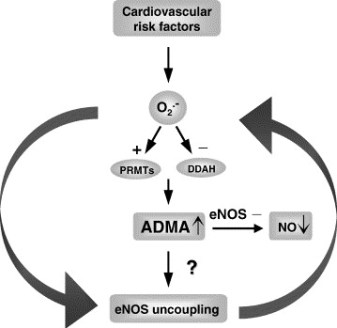
DDAH Says NO to ADMA(1); The DDAH/ADMA/NOS Pathway(2)

Author-Writer-Reporter:  Stephen J. Williams, PhD

Endothelium-derived nitric oxide (NO) has been shown to be vasoprotective.  Nitric oxide enhances endothelial cell survival, inhibits excessive proliferation of vascular smooth muscle cells, regulates vascular smooth muscle tone, and prevents platelets from sticking to the endothelial wall.  Together with evidence from preclinical and human studies, it is clear that impairment of the NOS pathway increases risk of cardiovascular disease (3-5).

This post contains two articles on the physiological regulation of nitric oxide (NO) by an endogenous NO synthase inhibitor asymmetrical dimethylarginine (ADMA) and ADMA metabolism by the enzyme DDAH(1,2).  Previous posts on nitric oxide, referenced at the bottom of the page, provides excellent background and further insight for this posting. In summary plasma ADMA levels are elevated in patients with cardiovascular disease and several large studies have shown that plasma ADMA is an independent biomarker for cardiovascular-related morbidity and mortality(6-8).

admacardiacrisk

admaeffects

Figure 1 A. Cardiac risks of ADMA B. Effects of ADMA (Photo credit: Wikipedia)

ADMA Production and Metabolism

Nuclear proteins such as histones can be methylated on arginine residues by protein-arginine methyltransferases, enzymes which use S-adenosylmethionine as methyl groups.  This methylation event is thought to regulate protein function, much in the way of protein acetylation and phosphorylation (9).  And much like phosphorylation, these modifications are reversible through methylesterases.   The proteolysis of these arginine-methyl modifications lead to the liberation of free guanidine-methylated arginine residues such as L-NMMA, asymmetric dimethylarginine (ADMA) and symmetrical methylarginine (SDMA).

The first two, L-NMMA and ADMA, have been shown to inhibit the activity of the endothelial NOS.  This protein turnover is substantial: for instance the authors note that each day 40% of constitutive protein in adult liver is newly synthesized protein. And in several diseases, such as muscular dystrophy, ischemic heart disease, and diabetes, it has been known since the 1970’s that protein catabolism rates are very high, with corresponding increased urinary excretion of ADMA(10-13).  Methylarginines are excreted in the urine by cationic transport.  However, the majority of ADMA and L-NMMA are degraded within the cell by dimethylaminohydrolase (DDAH), first cloned and purified in rat(14).

endogenous NO inhibitors from pubchem

Figure 2.  Endogenous inhibitors of NO synthase.  Chemical structures generated from PubChem.

DDAH

DDAH specifically hydrolyzes ADMA and L-NMMA to yield citruline and demethylamine and usually shows co-localization with NOS. Pharmacologic inhibition of DDAH activity causes accumulation of ADMA and can reverse the NO-mediated bradykinin-induced relaxation of human saphenous vein.

Two isoforms have been found in human:

  • DDAH1 (found in brain and kidney and associated with nNOS) and
  • DDAH2 (highly expressed in heart, placenta, and kidney and associated with eNOS).

DDAH2 can be upregulated by all-trans retinoic acid (atRA can increase NO production).  Increased reactive oxygen species and possibly homocysteine, a risk factor for cardiovascular disease, can decrease DDAH activity(15,16).

  • The importance of DDAH activity can also be seen in transgenic mice which overexpress DDAH, exhibiting increased NO production, increased insulin sensitivity, and reduced vascular resistance  (17).  Likewise,
  • Transgenic mice, null for the DDAH1, showed increase in blood pressure, decreased NO production, and significant increase in tissue and plasma ADMA and L-NMMA.

amdanosfigure

Figure 3.  The DDAH/ADMA/NOS cycle. Figure adapted from Cooke and Ghebremarian (1).

As mentioned in the article by Cooke and Ghebremariam, the authors state: the weight of the evidence indicates that DDAH is a worthy therapeutic target. Agents that increase DDAH expression are known, and 1 of these, a farnesoid X receptor agonist, is in clinical trials

http://www.interceptpharma.com

An alternate approach is to

  • develop an allosteric activator of the enzyme.  Although
  • development of an allosteric activator is not a typical pharmaceutical approach, recent studies indicate that this may be achievable aim(18).

References:

1.            Cooke, J. P., and Ghebremariam, Y. T. : DDAH says NO to ADMA.(2011) Arteriosclerosis, thrombosis, and vascular biology 31, 1462-1464

2.            Tran, C. T., Leiper, J. M., and Vallance, P. : The DDAH/ADMA/NOS pathway.(2003) Atherosclerosis. Supplements 4, 33-40

3.            Niebauer, J., Maxwell, A. J., Lin, P. S., Wang, D., Tsao, P. S., and Cooke, J. P.: NOS inhibition accelerates atherogenesis: reversal by exercise. (2003) American journal of physiology. Heart and circulatory physiology 285, H535-540

4.            Miyazaki, H., Matsuoka, H., Cooke, J. P., Usui, M., Ueda, S., Okuda, S., and Imaizumi, T. : Endogenous nitric oxide synthase inhibitor: a novel marker of atherosclerosis.(1999) Circulation 99, 1141-1146

5.            Wilson, A. M., Shin, D. S., Weatherby, C., Harada, R. K., Ng, M. K., Nair, N., Kielstein, J., and Cooke, J. P. (2010): Asymmetric dimethylarginine correlates with measures of disease severity, major adverse cardiovascular events and all-cause mortality in patients with peripheral arterial disease. Vasc Med 15, 267-274

6.            Kielstein, J. T., Impraim, B., Simmel, S., Bode-Boger, S. M., Tsikas, D., Frolich, J. C., Hoeper, M. M., Haller, H., and Fliser, D. : Cardiovascular effects of systemic nitric oxide synthase inhibition with asymmetrical dimethylarginine in humans.(2004) Circulation 109, 172-177

7.            Kielstein, J. T., Donnerstag, F., Gasper, S., Menne, J., Kielstein, A., Martens-Lobenhoffer, J., Scalera, F., Cooke, J. P., Fliser, D., and Bode-Boger, S. M. : ADMA increases arterial stiffness and decreases cerebral blood flow in humans.(2006) Stroke; a journal of cerebral circulation 37, 2024-2029

8.            Mittermayer, F., Krzyzanowska, K., Exner, M., Mlekusch, W., Amighi, J., Sabeti, S., Minar, E., Muller, M., Wolzt, M., and Schillinger, M. : Asymmetric dimethylarginine predicts major adverse cardiovascular events in patients with advanced peripheral artery disease.(2006) Arteriosclerosis, thrombosis, and vascular biology 26, 2536-2540

9.            Kakimoto, Y., and Akazawa, S.: Isolation and identification of N-G,N-G- and N-G,N’-G-dimethyl-arginine, N-epsilon-mono-, di-, and trimethyllysine, and glucosylgalactosyl- and galactosyl-delta-hydroxylysine from human urine. (1970) The Journal of biological chemistry 245, 5751-5758

10.          Inoue, R., Miyake, M., Kanazawa, A., Sato, M., and Kakimoto, Y.: Decrease of 3-methylhistidine and increase of NG,NG-dimethylarginine in the urine of patients with muscular dystrophy. (1979) Metabolism: clinical and experimental 28, 801-804

11.          Millward, D. J.: Protein turnover in skeletal muscle. II. The effect of starvation and a protein-free diet on the synthesis and catabolism of skeletal muscle proteins in comparison to liver. (1970) Clinical science 39, 591-603

12.          Goldberg, A. L., and St John, A. C.: Intracellular protein degradation in mammalian and bacterial cells: Part 2. (1976) Annual review of biochemistry 45, 747-803

13.          Dice, J. F., and Walker, C. D.: Protein degradation in metabolic and nutritional disorders. (1979) Ciba Foundation symposium, 331-350

14.          Ogawa, T., Kimoto, M., and Sasaoka, K.: Purification and properties of a new enzyme, NG,NG-dimethylarginine dimethylaminohydrolase, from rat kidney. (1989) The Journal of biological chemistry 264, 10205-10209

15.          Ito, A., Tsao, P. S., Adimoolam, S., Kimoto, M., Ogawa, T., and Cooke, J. P.: Novel mechanism for endothelial dysfunction: dysregulation of dimethylarginine dimethylaminohydrolase. (1999) Circulation 99, 3092-3095

16.          Stuhlinger, M. C., Tsao, P. S., Her, J. H., Kimoto, M., Balint, R. F., and Cooke, J. P. : Homocysteine impairs the nitric oxide synthase pathway: role of asymmetric dimethylarginine.(2001) Circulation 104, 2569-2575

17.          Sydow, K., Mondon, C. E., Schrader, J., Konishi, H., and Cooke, J. P.: Dimethylarginine dimethylaminohydrolase overexpression enhances insulin sensitivity. (2008) Arteriosclerosis, thrombosis, and vascular biology 28, 692-697

18.          Zorn, J. A., and Wells, J. A.: Turning enzymes ON with small molecules. (2010) Nature chemical biology 6, 179-188

Other research papers on Nitric Oxide and Cardiac Risk  were published on this Scientific Web site as follows:

The Nitric Oxide and Renal is presented in FOUR parts:

Part I: The Amazing Structure and Adaptive Functioning of the Kidneys: Nitric Oxide

Part II: Nitric Oxide and iNOS have Key Roles in Kidney Diseases

Part III: The Molecular Biology of Renal Disorders: Nitric Oxide

Part IV: New Insights on Nitric Oxide donors

Cardiac Arrhythmias: A Risk for Extreme Performance Athletes

What is the role of plasma viscosity in hemostasis and vascular disease risk?

Cardiovascular Risk Inflammatory Marker: Risk Assessment for Coronary Heart Disease and Ischemic Stroke – Atherosclerosis.

Endothelial Dysfunction, Diminished Availability of cEPCs, Increasing CVD Risk for Macrovascular Disease – Therapeutic Potential of cEPCs

Biochemistry of the Coagulation Cascade and Platelet Aggregation – Part I

Nitric Oxide Function in Coagulation

Read Full Post »

Histone Deacetylase Inhibitors Induce Epithelial-to-Mesenchymal Transition in Prostate Cancer Cells(1)

Screen Shot 2021-07-19 at 7.44.44 PM

Word Cloud By Danielle Smolyar

Authors: Dejuan Kong, Aamir Ahmad, Bin Bao, Yiwei Li, Sanjeev Banarjee, Fazlul H. Sarkar, Wayne State University School of Medicine

Reporter-Curator: Stephen J. Williams, Ph.D.

Clinically, there has not been much success in treating solid tumors with histone deacetylase inhibitors (HDACi). Histone acetylation and deacetylation play an important role in transcriptional regulation of genes and increased activity is associated with many cancers, therefore it was thought that HDAC inhibition might be fruitful as a therapy.  There have been several phase I and II clinical trials using HDACi for treatment of various malignancies, including hematological and solid malignancies(2), with most success seen in hematologic malignancies such as cutaneous T-cell lymphoma and peripheral T-cell lymphoma and little or no positive outcome with solid tumors.  Many mechanisms of resistance to HDACi in solid tumors have been described, most of which are seen with other chemotherapeutics such as increased multidrug resistance gene MDR1, increased anti-apoptotic proteins and activation of cell survival pathways(3).

A report in PLOS One by Dr. Dejuan Kong, Dr. Fazlul Sarkar, and colleagues from Wayne State University School of Medicine, demonstrate another possible mechanism of resistance to HDACi in prostate cancer, by induction of the epithelial-to-mesenchymal transition (EMT), which has been associated with the development of resistance to chemotherapies in other malignancies of epithelial origin(4,5).

EMT is an important differentiation process in embryogenesis and felt to be important in progression of cancer.  Epithelial cells will acquire a mesenchymal morphology (on plastic this looks like a cuboidal epithelial cell gaining a more flattened, elongated, tri-corner morphology; see paper Figure 1) and down-regulate epithelial markers such as cytokeratin, up-regulation of mesenchymal markers, increased migration and invasiveness in standard assays, and increased resistance to chemotherapeutics, and similarity to cancer stem cells(6-10).

ImageFigure 1. HDACis led to the induction of EMT phemotype. (A and B) PC3 cells treated with TSA and SAHA for 24 h at indicated doses.  The photomicrographs of PC3 cells treated with TSA and SAHA exhibited a fibroblastic-type phenotype, while cells treated with DMAO control displayed rounded epithelial cell morphology (original magnification, x 100). (C) Treated PC3 cells show increased mesenchymal markers vimentin and ZEB1 and F-actin reorganization.  Figure taken from Kong, D., Ahmad, A., Bao, B., Li, Y., Banerjee, S., and Sarkar, F. H. (2012) PloS one 7, e45045

In this study the authors found that treatment of prostate carcinoma cells with two different HDACis (trichostatin A (TSA) and suberoylanilide hydroxamic acid (SAHA)) induced EMT phenotype mediated through up-regulation of transcription factors ZEB1, ZEB2 and Slug, increased expression of mesenchymal markers vimentin, N-cadherin and fibronectin by promoting histone 3 acetylation on gene promoters.  In addition TSA increased the stem cell markers Sox2 and Nanog with concomitant EMT morphology and increased cell motility.

Below is the abstract of this paper(1):

ABSTRACT

Clinical experience of histone deacetylase inhibitors (HDACIs) in patients with solid tumors has been disappointing; however, the molecular mechanism of treatment failure is not known. Therefore, we sought to investigate the molecular mechanism of treatment failure of HDACIs in the present study. We found that HDACIs Trichostatin A (TSA) and Suberoylanilide hydroxamic acid (SAHA) could induce epithelial-to-mesenchymal transition (EMT) phenotype in prostate cancer (PCa) cells, which was associated with changes in cellular morphology consistent with increased expression of transcription factors ZEB1, ZEB2 and Slug, and mesenchymal markers such as vimentin, N-cadherin and Fibronectin. CHIP assay showed acetylation of histone 3 on proximal promoters of selected genes, which was in part responsible for increased expression of EMT markers. Moreover, TSA treatment led to further increase in the expression of Sox2 and Nanog in PCa cells with EMT phenotype, which was associated with cancer stem-like cell (CSLC) characteristics consistent with increased cell motility. Our results suggest that HDACIs alone would lead to tumor aggressiveness, and thus strategies for reverting EMT-phenotype to mesenchymal-to-epithelial transition (MET) phenotype or the reversal of CSLC characteristics prior to the use of HDACIs would be beneficial to realize the value of HDACIs for the treatment of solid tumors especially PCa.

Highlights of the research include:

  • TSA and SAHA induce morphologic changes  in prostate carcinoma LNCaP and PC3 cells related to EMT by microscopy as well as accumulation of mesenchymal markers ZEB1, vimentin, and F-actin reorganization shown by immunofluorescence microscopy and increased expression of these markers shown by real-time PCR
  • Western blotting showed TSA treatment resulted in hyperacetyulation of histone 3 whi8le CHIP analysis revealed increased histone 3 acetylation on the promoters of vimentin, ZEB2, Slug, and MMP2
  • Western analysis revealed that HDACi not only induced EMT but increased the expression of cancer stem cell markers associated with increased motility such as Sox2 and Nanog.  Increased cell migration was measured by Transwell migration assays and increased cell motility was measured via cell detachment assays

1.            Kong, D., Ahmad, A., Bao, B., Li, Y., Banerjee, S., and Sarkar, F. H. (2012) PloS one 7, e45045

2.            Bertino, E. M., and Otterson, G. A. (2011) Expert opinion on investigational drugs 20, 1151-1158

3.            Robey, R. W., Chakraborty, A. R., Basseville, A., Luchenko, V., Bahr, J., Zhan, Z., and Bates, S. E. (2011) Molecular pharmaceutics 8, 2021-2031

4.            Wang, Z., Li, Y., Kong, D., Banerjee, S., Ahmad, A., Azmi, A. S., Ali, S., Abbruzzese, J. L., Gallick, G. E., and Sarkar, F. H. (2009) Cancer research 69, 2400-2407

5.            Wang, Z., Li, Y., Ahmad, A., Azmi, A. S., Kong, D., Banerjee, S., and Sarkar, F. H. (2010) Drug resistance updates : reviews and commentaries in antimicrobial and anticancer chemotherapy 13, 109-118

6.            Hugo, H., Ackland, M. L., Blick, T., Lawrence, M. G., Clements, J. A., Williams, E. D., and Thompson, E. W. (2007) Journal of cellular physiology 213, 374-383

7.            Thiery, J. P. (2002) Nature reviews. Cancer 2, 442-454

8.            Kong, D., Banerjee, S., Ahmad, A., Li, Y., Wang, Z., Sethi, S., and Sarkar, F. H. (2010) PloS one 5, e12445

9.            Kong, D., Li, Y., Wang, Z., and Sarkar, F. H. (2011) Cancers 3, 716-729

10.          Bao, B., Wang, Z., Ali, S., Kong, D., Li, Y., Ahmad, A., Banerjee, S., Azmi, A. S., Miele, L., and Sarkar, F. H. (2011) Cancer letters 307, 26-36

Other research papers on Cancer and Cancer Therapeutics were published on this Scientific Web site as follows:

PIK3CA mutation in Colorectal Cancer may serve as a Predictive Molecular Biomarker for adjuvant Aspirin therapy

Nanotechnology Tackles Brain Cancer

Response to Multiple Cancer Drugs through Regulation of TGF-β Receptor Signaling: a MED12 Control

Personalized medicine-based cure for cancer might not be far away

GSK for Personalized Medicine using Cancer Drugs needs Alacris systems biology model to determine the in silico effect of the inhibitor in its “virtual clinical trial”

Lung Cancer (NSCLC), drug administration and nanotechnology

Non-small Cell Lung Cancer drugs – where does the Future lie?

Cancer Innovations from across the Web

arrayMap: Genomic Feature Mining of Cancer Entities of Copy Number Abnormalities (CNAs) Data

How mobile elements in “Junk” DNA promote cancer. Part 1: Transposon-mediated tumorigenesis.

Cancer Genomics – Leading the Way by Cancer Genomics Program at UC Santa Cruz

Closing the gap towards real-time, imaging-guided treatment of cancer patients.

Closing the gap towards real-time, imaging-guided treatment of cancer patients.

mRNA interference with cancer expression

Search Results for ‘cancer’ on this web site

Cancer Genomics – Leading the Way by Cancer Genomics Program at UC Santa Cruz

Closing the gap towards real-time, imaging-guided treatment of cancer patients.

Lipid Profile, Saturated Fats, Raman Spectrosopy, Cancer Cytology

mRNA interference with cancer expression

Pancreatic cancer genomes: Axon guidance pathway genes – aberrations revealed

Biomarker tool development for Early Diagnosis of Pancreatic Cancer: Van Andel Institute and Emory University

Is the Warburg Effect the cause or the effect of cancer: A 21st Century View?

Crucial role of Nitric Oxide in Cancer

Targeting Glucose Deprived Network Along with Targeted Cancer Therapy Can be a Possible Method of Treatment

Read Full Post »

What could transform an underdog into a winner?

Author and Curator: Dror Nir, PhD

Many feedbacks to my last post reflected radiologists’ perception of ultrasound as a low-tech, unreliable imaging device.

Ultrasounds most manifested limitation by radiologists is that its performance is too-much user-dependent. This opinion finds support in numerous clinical studies concluding that ultrasound-based assessment of a cancer patient varies with the operator.

How come that an imaging technology that is not only  low-cost, simple to operate and risk-free to the patient, but has also gained a leading position in certain domain, like obstetrics,  is perceived as the underdog when it comes  to cancer assessment? Could it be because of its positioning as a “multi-purpose” system, which requires only very basic training?

If indeed this is the case, it doesn’t require “rocket-science” to turn it around. It only needs designing dedicated ultrasound machines who offer a comprehensive solution to one specific clinical need. Using such machines will require highly skilled operators who will enjoy a superior workflow, reporting tools and proven clinical guidelines.

The unsatisfactory reality of mammography-based breast cancer screening, as evident by epidemiology data and expert-panels’ reports, opens the opportunity to transform ultrasound into a winner in the niche-market of breast cancer screening and diagnosis. It’s a significant market that justifies the investment in ultrasound systems dedicated to detection and characterisation of breast cancer lesions.

No doubt, that the ability to provide accurate and standardized interpretation of such ultrasound systems’ scans is a pre-requisite. Ultrasound-based tissue characterisation is a must for any application aiming at standardized image interpretation. A sample out-of present ultrasound-based technologies aiming at providing some level of tissue-characterisation are listed below. Recent clinical studies show promising results using these technologies. It is worth watching carefully to see if any of those could be part of a future ultrasound-based solution to breast cancer screening.

Solid Breast Lesions: Clinical Experience with US-guided Diffuse Optical Tomography Combined with Conventional US

Results: Of the 136 biopsied lesions, 54 were carcinomas and 82 were benign. The average total hemoglobin concentration in the malignant group was 223.3 μmol/L ± 55.8 (standard deviation), and the average hemoglobin concentration in the benign group was 122.5 μmol/L ± 80.6 (P = .005). When the maximum hemoglobin concentration of 137.8 μmol/L was used as the threshold value, the sensitivity, specificity, positive predictive value, negative predictive value, and accuracy of DOT with US localization were 96.3%, 65.9%, 65.0%, 96.4%, and 76.5%, respectively. The sensitivity, specificity, positive predictive value, negative predictive value, and accuracy of conventional US were 96.3%, 92.6%, 89.7%, 97.4%, and 93.4%, respectively. The sensitivity, specificity, positive predictive value, negative predictive value, and accuracy of conventional US combined with DOT were 100%, 93.9%, 91.5%, 100%, and 96.3%, respectively.

Conclusion: US-guided DOT combined with conventional US improves accuracy compared with DOT alone.

Breast Lesions: Quantitative Elastography with Supersonic Shear Imaging—Preliminary Results


Results: All breast lesions were detected at Supersonic Shear Imaging. Malignant lesions exhibited a mean elasticity value of 146.6 kPa ± 40.05 (standard deviation), whereas benign ones had an elasticity value of 45.3 kPa ± 41.1 (P < .001). Complicated cysts were differentiated from solid lesions because they had elasticity values of 0 kPa (no signal was retrieved from liquid areas).

Conclusion: Supersonic Shear Imaging provides quantitative elasticity measurements, thus adding complementary information that potentially could help in breast lesion characterization with B-mode US.

 Distinguishing Benign from Malignant Masses at Breast US: Combined US Elastography and Color Doppler US—Influence on Radiologist Accuracy

Results: The Az of B-mode US, US elastography, and Doppler US (average, 0.844; range, 0.797–0.876) was greater than that of B-mode US alone (average, 0.771; range, 0.738–0.798) for all readers (P = .001 for readers 1, 2, and 3; P < .001 for reader 4; P = .002 for reader 5). When both elastography and Doppler scores were negative, leading to strict downgrading, the specificity increased for all readers from an average of 25.3% (75.4 of 298; range, 6.4%–40.9%) to 34.0% (101.2 of 298; range, 26.5%–48.7%) (P < .001 for readers 1, 2, 4, and 5; P = .016 for reader 3) without a significant change in sensitivity.

Conclusion: Combined use of US elastography and color Doppler US increases both the accuracy in distinguishing benign from malignant masses and the specificity in decision-making for biopsy recommendation at B-mode US.

Evaluation of breast lesions by contrast enhanced ultrasound: Qualitative and quantitative analysis

A 57-year-old woman with a no-palpable lesion in the outer upper quadrant of left breast. (a) Gray scale image show an indistinct, hypo-echoic lesion. (b) Contrast enhanced image obtained 35 s after contrast agent injection showing a homogeneously and hyper-enhanced lesion. (c) Micro flow image obtained 38 s after contrast agent injection showing the enhanced mass with several radial vessels (arrow). (d) The time-intensity curve analysis show the peak intensity is 145.69 (intensity/1000), time to peak is 15.08 s, ascending slope is 8.98, descending slope is 1.03, the area under the curve is 7783.34. Pathologic analyses show this is an invasive ductal carcinoma.


Results: Histopathologic analysis of the 91 lesions revealed 44 benign and 47 malignant. For qualitative analysis, benign and malignant lesions differ significantly in enhancement patterns (p < 0.05). Malignant lesions more often showed heterogeneous and centripetal enhancement, whereas benign lesions mainly showed homogeneous and centrifugal enhancement. The detectable rate of peripheral radial or penetrating vessels was significantly higher in malignant lesions than in benign ones (p < 0.001). For quantitative analysis, malignant lesions showed significantly higher (p = 0.031) and faster enhancement (p = 0.025) than benign ones, and its time to peak was significantly shorter (p = 0.002). The areas under the ROC curve for qualitative, quantitative and combined analysis were 0.910 (Az1), 0.768 (Az2) and 0.926(Az3) respectively. The values of Az1 and Az3 were significantly higher than that for Az2 (p = 0.024 and p = 0.008, respectively). But there was no significant difference between the values of Az1 and Az3 (p = 0.625).

Conclusions: The diagnostic performance of qualitative and combined analysis was significantly higher than that for quantitative analysis. Although quantitative analysis has the potential to differentiate benign from malignant lesions, it has not yet improved the final diagnostic accuracy.

 Breast HistoScanning: the development of a novel technique to improve tissue characterization during breast ultrasound

Results: In 17 normal testing volumes, 3% of isolated voxels were classified as abnormal. In 15 abnormal testing volumes, the subclassifiers differentiated between malignant and benign tissue. BHS in benign tissue showed <1% abnormal voxels in cyst, hamartoma, papilloma and benign fibrosis. The fibroadenomas differed showing <5% and <24% abnormal voxels. Abnormal voxels in cancers increased with the volume of cancer at pathology.

Conclusions: HistoScanning reliably discriminated normal from abnormal tissue and could distinguish between benign and malignant lesions.

Written by: Dror Nir, PhD

Read Full Post »

Larry H Bernstein, MD, FCAP, Reporter

Laboratory

NIH-Funded Tissue Chips would Predict Drug Safety
Published: Friday, August 31, 2012
Last Updated: Friday, August 31, 2012

Researchers from Cornell University will develop microphysiological modules to model the nervous, circulatory and gastrointestinal tract systems.
Cornell’s Michael Shuler has received National Institutes of Health (NIH) funding to make 3-D chips with living cells and tissues that model the structure and function of human organs and help predict drug safety.

Shuler, the James and Marsha McCormick Chair of the Department of Biomedical Engineering, and James Hickman of the University of Central Florida (UCF) jointly received one of 17 NIH grants for tissue chip projects.

Shuler and Hickman’s grant of approximately $9 million over five years includes subcontracts to UCF, RegenMed, GE, Sanford-Burnham and Walter Reed Army Institute. It will support their work in microphysiological systems with functional readouts for drug candidate analysis during preclinical testing.

The researchers also plan to build a 10-organ system designed to be low-cost yet highly functional to use in drug discovery, toxicity and preclinical studies.

With the funds, the NIH is supporting bio-engineered devices that will be functionally relevant and will accurately reflect the complexity of a particular tissue, including genomic diversity, disease complexity and pharmacological response.

The NIH tissue chip projects will be tested with compounds known to be safe or toxic in humans to help identify the most reliable drug safety signals — ultimately advancing research to help predict the safety of drugs in a faster, more cost-effective way.

The initiative marks the first interagency collaboration, with the Defense Advanced Research Projects Agency, launched by the NIH’s recently created National Center for Advancing Translational Sciences. The NIH plans to commit up to $70 million over five years to the program

NIH Funds Development of Tissue Chips to Help Predict Drug Safety
Published: Wednesday, July 25, 2012
Last Updated: Wednesday, July 25, 2012

DARPA and FDA to collaborate on therapeutic development initiative.

Seventeen National Institutes of Health grants are aimed at creating 3-D chips with living cells and tissues that accurately model the structure and function of human organs such as the lung, liver and heart.

Once developed, these tissue chips will be tested with compounds known to be safe or toxic in humans to help identify the most reliable drug safety signals – ultimately advancing research to help predict the safety of potential drugs in a faster, more cost-effective way.

The initiative marks the first interagency collaboration launched by the NIH’s recently created National Center for Advancing Translational Sciences (NCATS).

Tissue chips merge techniques from the computer industry with modern tissue engineering by combining miniature models of living organ tissues on a transparent microchip.

Ranging in size from a quarter to a house key, the chips are lined with living cells and contain features designed to replicate the complex biological functions of specific organs.

NIH’s newly funded Tissue Chip for Drug Screening initiative is the result of collaborations that focus the resources and ingenuity of the NIH, Defense Advanced Research Projects Agency (DARPA) and U.S. Food and Drug Administration.

NIH’s Common Fund and National Institute of Neurological Disorders and Stroke led the trans-NIH efforts to establish the program. The NIH plans to commit up to $70 million over five years for the program.

“Serious adverse effects and toxicity are major obstacles in the drug development process,” said Thomas R. Insel, M.D., NCATS acting director.

Insel continued, “With innovative tools and methodologies, such as those developed by the tissue chip program, we may be able to accelerate the process by which we identify compounds likely to be safe in humans, saving time and money, and ultimately increasing the quality and number of therapies available for patients.”

More than 30 percent of promising medications have failed in human clinical trials because they are determined to be toxic despite promising pre-clinical studies in animal models.

Tissue chips, which are a newer human cell-based approach, may enable scientists to predict more accurately how effective a therapeutic candidate would be in clinical studies.


Read Full Post »

Larry H Bernstein, MD, FCAP,  Reporter

Lipid Profile Predicts Metastasis in Breast Cancer

Posted on October 24, 2012 by admin

Screen Shot 2021-07-19 at 7.14.45 PM

Word Cloud By Danielle Smolyar

Researchers at the Bellvitge Biomedical Research Institute (IDIBELL) and The Institute of Photonic Sciences (ICFO) have collaborated on the development of a diagnostic tool that identifies the metastatic ability of breast cancer cells. The analysis is based on the characterization of the lipid component of the cells, which is indicative of malignancy. This has allowed the researchers to develop a classifier to discriminate cells capable of inducing metastasis. The results of the study have been published in the online version of the scientific journal PLoS ONE.

The characterization of the lipids associated with malignancy has been possible thanks to the technological development of a spectroscopic device named Raman along with the versatility offered by the experimental models of breast cancer. The results of this process form the basis for introducing this technique in routine cytological diagnosis, which could be extended in the future to diagnose other tumors.

Lipids

Lipids (Photo credit: AJC1)

English: Breast cancer incidence by age in wom...

English: Breast cancer incidence by age in women in the United Kingdom 2006-2008. Reference: Excel chart for Figure 1.1: Breast Cancer (C50), Average Number of New Cases per Year and Age-Specific Incidence Rates, UK, 2006-2008 at Breast cancer – UK incidence statistics at Cancer Research UK. Section updated 18/07/11. (Photo credit: Wikipedia)

The researchers have analyzed the main components and, partly, the less discriminating ones to assess the profile of the lipid composition of breast cancer cells. They have generated a classification model that segregated metastatic and non-metastatic cells. “The algorithm for the discrimination of the metastatic ability is a first step toward the stratification of breast cancer cells using this quick and reactive tool,” explains the study coordinator, Àngels Sierra, researcher at the Biological Clues of the Invasive and Metastatic Phenotype group of IDIBELL.

Using cytology techniques, the researchers have found a correlation between the activation of lipogenesis (the chemical reaction leading to fatty acids in an organism) and the amount of saturated fats in metastatic cells indicating a worse prognosis and a decreased survival. The lipid content of the breast cancer cells might be a useful measure to determine various functions coupled to the progression of breast cancer. The work has been supported by the Instituto de Salud Carlos III, the former Spanish Ministry of Science and Innovation and the private Cellex Barcelona Foundation.

Read Full Post »

The unfortunate ending of the Tower of Babel construction project and its effect on modern imaging-based cancer patients’ management

The unfortunate ending of the Tower of Babel construction project and its effect on modern imaging-based cancer patients’ management

Curator: Dror Nir, PhD


The story of the city of Babel is recorded in the book of Genesis 11 1-9. At that time, everyone on earth spoke the same language.

Picture: Pieter Bruegel the Elder: The Tower of Babel_(Vienna)

It is probably safe to assume that medical practitioners at that time were reporting the status of their patients in a standard manner. Although not mentioned, one might imagine that, at that time, ultrasound or MRI scans were also reported in a standard and transferrable manner. The people of Babel noticed the potential in uniform communication and tried to build a tower so high that it would  reach the gods. Unfortunately, God did not like that, so he went down (in person) and confounded people’s speech, so that they could not understand each another. Genesis 11:7–8.

This must be the explanation for our inability to come to a consensus on reporting of patients’ imaging-outcome. Progress in development of efficient imaging protocols and in clinical management of patients is withheld due to high variability and subjectivity of clinicians’ approach to this issue.

Clearly, a justification could be found for not reaching a consensus on imaging protocols: since the way imaging is performed affects the outcome, (i.e. the image and its interpretation) it takes a long process of trial-and-error to come up with the best protocol.  But, one might wonder, wouldn’t the search for the ultimate protocol converge faster if all practitioners around the world, who are conducting hundreds of clinical studies related to imaging-based management of cancer patients, report their results in a standardized and comparable manner?

Is there a reason for not reaching a consensus on imaging reporting? And I’m not referring only to intra-modality consensus, e.g. standardizing all MRI reports. I’m referring also to inter-modality consensus to enable comparison and matching of reports generated from scans of the same organ by different modalities, e.g. MRI, CT and ultrasound.

As developer of new imaging-based technologies, my personal contribution to promoting standardized and objective reporting was the implementation of preset reporting as part of the prostate-HistoScanning product design. For use-cases, as demonstrated below, in which prostate cancer patients were also scanned by MRI a dedicated reporting scheme enabled matching of the HistoScanning scan results with the prostate’s MRI results.

The MRI reporting scheme used as a reference is one of the schemes offered in a report by Miss Louise Dickinson on the following European consensus meeting : Magnetic Resonance Imaging for the Detection, Localisation, and Characterisation of Prostate Cancer: Recommendations from a European Consensus Meeting, Louise Dickinson a,b,c,*, Hashim U. Ahmed a,b, Clare Allen d, Jelle O. Barentsz e, Brendan Careyf, Jurgen J. Futterer e, Stijn W. Heijmink e, Peter J. Hoskin g, Alex Kirkham d, Anwar R. Padhani h, Raj Persad i, Philippe Puech j, Shonit Punwani d, Aslam S. Sohaib k, Bertrand Tomball,Arnauld Villers m, Jan van der Meulen c,n, Mark Emberton a,b,c,

http://www.europeanurology.com/article/S0302-2838(10)01187-5

Image of MRI reporting scheme taken from the report by Miss Louise Dickinson

The corresponding HistoScanning report is following the same prostate segmentation and the same analysis plans:


Preset reporting enabling matching of HistoScanning and MRI reporting of the same case.

It is my wish that already in the near-future, the main radiology societies (RSNA, ESR, etc..) will join together to build the clinical Imaging’s “Tower of Babel” to effectively address the issue of standardizing reporting of imaging procedures. This time it will not be destroyed…:-)

Read Full Post »

Knowing the tumor’s size and location, could we target treatment to THE ROI by applying imaging-guided intervention?

Knowing the tumor’s size and location, could we target treatment to THE ROI by applying imaging-guided intervention?

Author: Dror Nir, PhD

Advances in techniques for cancer lesions’ detection and localisation [1-6] opened the road to methods of localised (“focused”) cancer treatment [7-10].  An obvious challenge on the road is reassuring that the imaging-guided treatment device indeed treats the region of interest and preferably, only it.

A step in that direction was taken by a group of investigators from Sunnybrook Health Sciences Centre, University of Toronto, Ontario, Canada who evaluate the feasibility and safety of magnetic resonance (MR) imaging–controlled transurethral ultrasound therapy for prostate cancer in humans [7]. Their study’s objective was to prove that using real-time MRI guidance of HIFU treatment is possible and it guarantees that the location of ablated tissue indeed corresponds to the locations planned for treatment. Eight eligible patients were recruited.


The setup


Treatment protocol


The result


“There was excellent agreement between the zone targeted for treatment and the zone of thermal injury, with a targeting accuracy of ±2.6 mm. In addition, the temporal evolution of heating was very consistent across all patients, in part because of the ability of the system to adapt to changes in perfusion or absorption properties according to the temperature measurements along the target boundary.”


Technological problems to be resolved in the future:

“Future device designs could incorporate urinary drainage during the procedure, given the accumulation of urine in the bladder during treatment.”

“Sufficient temperature resolution could be achieved only by using 10-mm-thick sections. Our numeric studies suggest that 5-mm-thick sections are necessary for optimal three-dimensional conformal heating and are achievable by using endorectal imaging coils or by performing the treatment with a 3.0-T platform.”

Major limitation: “One of the limitations of the study was the inability to evaluate the efficacy of this treatment; however, because this represents, to our knowledge, the first use of this technology in human prostate, feasibility and safety were emphasized. In addition, the ability to target the entire prostate gland was not assessed, again for safety considerations. We have not attempted to evaluate the effectiveness of this treatment for eradicating cancer or achieving durable biochemical non-evidence of disease status.”

References

  1. SIMMONS (L.A.M.), AUTIER (P.), ZATURA (F.), BRAECKMAN (J.G.), PELTIER (A.), ROMICS (I.), STENZL (A.), TREURNICHT (K.), WALKER (T.), NIR (D.), MOORE (C.M.), EMBERTON (M.). Detection, localisation and characterisation of prostate cancer by Prostate HistoScanning.. British Journal of Urology International (BJUI). Issue 1 (July). Vol. 110, Page(s): 28-35
  2. WILKINSON (L.S.), COLEMAN (C.), SKIPPAGE (P.), GIVEN-WILSON (R.), THOMAS (V.). Breast HistoScanning: The development of a novel technique to improve tissue characterization during breast ultrasound. European Congress of Radiology (ECR), A.4030, C-0596, 03-07/03/2011.
  3. Hebert Alberto Vargas, MD, Tobias Franiel, MD,Yousef Mazaheri, PhD, Junting Zheng, MS, Chaya Moskowitz, PhD, Kazuma Udo, MD, James Eastham, MD and Hedvig Hricak, MD, PhD, Dr(hc) Diffusion-weighted Endorectal MR Imaging at 3 T for Prostate Cancer: Tumor Detection and Assessment of Aggressiveness. June 2011 Radiology, 259,775-784.
  4. Wendie A. Berg, Kathleen S. Madsen, Kathy Schilling, Marie Tartar, Etta D. Pisano, Linda Hovanessian Larsen, Deepa Narayanan, Al Ozonoff, Joel P. Miller, and Judith E. Kalinyak Breast Cancer: Comparative Effectiveness of Positron Emission Mammography and MR Imaging in Presurgical Planning for the Ipsilateral Breast Radiology January 2011 258:1 59-72.
  5. Anwar R. Padhani, Dow-Mu Koh, and David J. Collins Reviews and Commentary – State of the Art: Whole-Body Diffusion-weighted MR Imaging in Cancer: Current Status and Research Directions Radiology December 2011 261:3 700-718
  6. Eggener S, Salomon G, Scardino PT, De la Rosette J, Polascik TJ, Brewster S. Focal therapy for prostate cancer: possibilities and limitations. Eur Urol 2010;58(1):57–64).
  7. Rajiv Chopra, PhD, Alexandra Colquhoun, MD, Mathieu Burtnyk, PhD, William A. N’djin, PhD, Ilya Kobelevskiy, MSc, Aaron Boyes, BSc, Kashif Siddiqui, MD, Harry Foster, MD, Linda Sugar, MD, Masoom A. Haider, MD, Michael Bronskill, PhD and Laurence Klotz, MD. MR Imaging–controlled Transurethral Ultrasound Therapy for Conformal Treatment of Prostate Tissue: Initial Feasibility in Humans. October 2012 Radiology, 265,303-313.
  8. Black, Peter McL. M.D., Ph.D.; Alexander, Eben III M.D.; Martin, Claudia M.D.; Moriarty, Thomas M.D., Ph.D.; Nabavi, Arya M.D.; Wong, Terence Z. M.D., Ph.D.; Schwartz, Richard B. M.D., Ph.D.; Jolesz, Ferenc M.D.  Craniotomy for Tumor Treatment in an Intraoperative Magnetic Resonance Imaging Unit. Neurosurgery: September 1999 – Volume 45 – Issue 3 – p 423
  9. Medel, Ricky MD,  Monteith, Stephen J. MD, Elias, W. Jeffrey MD, Eames, Matthew PhD, Snell, John PhD, Sheehan, Jason P. MD, PhD, Wintermark, Max MD, MAS, Jolesz, Ferenc A. MD, Kassell, Neal F. MD. Neurosurgery: Magnetic Resonance–Guided Focused Ultrasound Surgery: Part 2: A Review of Current and Future Applications. October 2012 – Volume 71 – Issue 4 – p 755–763
  10. Bruno Quesson PhD, Jacco A. de Zwart PhD, Chrit T.W. Moonen PhD. Magnetic resonance temperature imaging for guidance of thermotherapy. Journal of Magnetic Resonance Imaging, Special Issue: Interventional MRI, Part 1, Volume 12, Issue 4, pages 525–533, October 2000

Writer: Dror Nir, PhD

Read Full Post »

Author: Tilda Barliya PhD

Title: Factors affecting the PK of the nanocarrier.

Category: Nanotechnology in drug delivery

A plethora of new products are emerging as potential therapeutic agents. This calls for detailed studies of their unique pharmacologic characteristics and mechanisms of action in humans. This review written by Caron WP et al (Zamboni’s group) provides a major overview of the factors that affect the pharmacokinetics (PK) and pharmacodynamics (PD) of nanoparticle carries in preclinical models and patients (1). I will use this article as the main source as it was so nicely written yet many other references are added within.

The disposition of carrier-mediated agents (CMAs) is dependent on the carrier and not on the parent drug, until the drug is released from the carrier into the system and includes encapsulated (the drug within or bound to the carrier), released (the active drug that gets released from the carrier), and sum total (encapsulated drug plus released drug).

After the drug has been released from its carrier, it is pharmacologically active and subjected to the same routes of metabolism and clearance (CL) as the non-carrier form of the drug (1,2).

In theory, the PK disposition of the drug after it is released from the carrier should be the same as after administration of the small-molecule or standard formulations. Therefore, the pharmacology and PK of CMAs are complex and call for comprehensive analytical studies to assess the disposition of encapsulated and released forms of the drug in plasma and tumor.

Interindividual variability in drug exposure, represented by area under the plasma concentration– time curve (AUC) of the encapsulated drug and several factor can potentially affect it:

  • Physical characteristics of the CMA (size, charge, surface modification). Figure 1
  • Host-associated characteristics such as gender and age as well as the host mononuclear phagocyte system (MPS), which is a collective term for the immune cells.

F3.large.jpg (1280×843)

Figure 1 here (=figure 3 in the original paper. ref 1) : Nanoparticle clearance and biocompatibility are dependent on various factors including physical characteristics of the carrier as well as physiologic parameters such as the mononuclear phagocyte system (MPS) (reticuloendothelial system (RES)) recognition and enhanced permeability and retention (EPR) effect. There are qualitative relationships between the independent variables, namely, particle size, particle zeta-potential (surface charge), and solubility, and the dependent variable, namely, biocompatibility. Biocompatibility, or extent of exposure (area under the plasma concentration–time curve), includes the route of uptake and clearance (shown in green as the EPR effect and renal and biliary clearance), cytotoxicity (shown in red, can represent either efficacy or toxicities/ adverse events in anticancer treatment), and MPS/RES recognition (shown in blue).

The effect on the immune cells is divided into two categories:  (i) responses to nanoparticles that are specifically modified to stimulate the immune system (e.g., vaccine carriers) and (ii) undesirable interactions and/or side-effects.

Immune cells that participate in nanoparticle uptake are circulating monocytes, platelets, leukocytes, and dendritic cells in the bloodstream (3,4).  In addition, nanoparticles can be taken up in tissues by phagocytes, e.g., by Kupffer cells in the liver, by dendritic cells in the lymph nodes, by B cells in the spleen, and by macrophages

Uptake mechanisms may occur through different pathways and can often be facilitated by the adsorption of opsonins to the nanoparticle surface

Physical characteristics:

  • Particle size: In one study of liposomes, particles that had a hydrodynamic diameter between 100 and 200 nm had a fourfold higher rate of uptake in tumors than particles <50 nm or >300 nm.
  • Surface modification: Conjugated PEG polymer onto the surface- is known to minimize opsonization and thus subsequent decreased rate of MPS uptake overall plasma exposures of drugs contained within PEGylated liposomes were six fold higher than those contained within non-PEGylated liposomes
  • Surface charge: Uncharged liposomes have lower CLs than either positively or negatively charged liposomes (probably due to reduced opsonization by MPS. rate of CL from blood was significantly higher for negatively charged particles than for uncharged particles

It can be summarized as for their rate of clearance from highest (left) to lowest (right) as:

positive>negative> neutral

Note: PEGylation can alter the alter this rate significantly for example,

Levchenko et al. showed that the negative charge on liposomes can be shielded with this physical alteration, leading to a significantly reduced rate of liver uptake and consequent prolongation of their presence in circulating blood (5).

Host characteristics

  • Age: In some cases, age-related effects on the PK of some PEGylated liposomal agents have been reported, where in younger male patients (<60) there was a higher rate of clearance of two different agents (Doxil and CDK602) compared to older patients (>60). In other words, in older age, the CL rate was lower and therefore higher AUC/dose. No relation to age was observed for female patients, in the same study.

Alterations in the PK and PD of CMAs may involve accerelated decline in immune system functioning, specifically the association between aging and the functioning of monocytes (6). In theory, there is a loss of MPS activity or function in elderly patients, and this decreases the CL of CMAs by the MPS, leading to increased drug exposures and toxicity in elderly patients. In terms of efficacy, greater age was inversely proportional to progression-free survival; however, no correlation was found between age and overall survival.

  •  Gender: In similar study to the one presented above, female patients had overall lower CL of DOXIL, IHL-305 and CDK602 compared to male patients of the same age.

The basis for the gender-related differences in the PK and PD of CMAs is unclear. It has been hypothesized that some of the differences may be attributed to the effects of sex hormones such as testosterone and estrogen on immune cell function.

Delivery of CMAs Into Tumor

Major advances in the understanding of tumor biology have led to the discovery of targeted agents that can deliver drugs to the desired site while minimizing exposure in normal tissues, thereby minimizing the associated adverse effects. Whereas conventional drugs encounter numerous obstacles en route to their target, CMAs can take advantage of a tumor’s leaky vasculature to extravasate into tissue, via the enhanced permeability and retention effect (EPR).

Note: The extend of the EPR effect is highly debated since although passive targeting through the EPR effect has been a key concept in delivering CMAs to tumors, it does not ensure uniform delivery to all regions of tumor. Furthermore, not all tumors exhibit an EPR effect, and the permeability of vessels may not be the same across any single tumor.

Active targeting may overcome these limitations. The CMAs can be enabled to bind to specific cells in a tumor by using surface attached ligands that are capable of recognizing and binding to cells of interest.

Antibody-mediated targeting has been the method of choice, other targeting strategies using nucleic acids, carbohydrates, peptides, aptamers, vitamins, and other agents are also being evaluated.

Other major points that can affect the PK disposition

  • The linearity and nonlinearity of the CLs of a drug (might be associated with the dose like with S-CKD602)(7).
  • Drug-drug interaction (single agent vs combination)
  • Body composition (Body surface area, body weight)

There are a multitude of properties of CMAs that differ from those of the active small-molecule drugs they contain. These differences lead to significant variability in the PK and PD of carrier- mediated drugs. It has been shown that physical properties, the MPS, the presence of tumors in the liver, EPRs, drug–drug interactions, age, and gender all contribute in varying degrees to the PK disposition and PD end points of CMAs in patients.

Areas of research that can aid in an understanding of how these agents should be used and how we may predict their actions in patients include pharmacogenomics, cellular function (probing the MPS), more sensitive and accurate analytical PK methods, and identification of the optimal preclinical (animal and in vitro) models.

References:

1. W P Caron, G Song, P Kumar, S Rawal and W C Zamboni.Interpatient PK and PD variability of carrier-mediated anticancer agent.  Clinical Pharmacology and Therapeutics 2012 91, 802-812 http://www.nature.com/clpt/journal/vaop/ncurrent/full/clpt201212a.html

2. Zamboni, W.C. Liposomal, nanoparticle, and conjugated formulations of anticancer agents. Clin. Cancer Res. 11, 8230–8234 (2005).

http://clincancerres.aacrjournals.org/content/11/23/8230.long

http://clincancerres.aacrjournals.org/content/11/23/8230.full.pdf+html

3. Dobrovolskaia, M.A., Aggarwal, P., Hall, J.B. & McNeil, S.E. Preclinical studies to understand nanoparticle interaction with the immune system and its potential effects on nanoparticle biodistribution. Mol. Pharm. 5, 487–495 (2008). http://www.ncbi.nlm.nih.gov/pmc/articles/PMC2613572/

4. Dobrovolskaia, M.A. & McNeil, S.E. Immunological properties of engineered nanomaterials. Nat. Nanotechnol. 2, 469–478 (2007). http://www.ncbi.nlm.nih.gov/pubmed/18654343

5. Levchenko, T.S., Rammohan, R., Lukyanov, A.N., Whiteman, K.R. & Torchilin, V.P. Liposome clearance in mice: the effect of a separate and combined presence of surface charge and polymer coating. Int. J. Pharm. 240, 95–102 (2002). http://www.ncbi.nlm.nih.gov/pubmed/12062505

6. Lloberas, J. & Celada, A. Effect of aging on macrophage function. Exp. Gerontol. 37, 1325–1331 (2002). http://www.ncbi.nlm.nih.gov/pubmed/12559402

7. Zamboni, W.C. et al. Pharmacokinetic study of pegylated liposomal CKD-602 (S-CKD602) in patients with advanced malignancies. Clin. Pharmacol. Ther. 86, 519–526 (2009). http://www.nature.com/clpt/journal/v86/n5/abs/clpt2009141a.html

Read Full Post »

« Newer Posts - Older Posts »