Feeds:
Posts
Comments

Posts Tagged ‘research’

State of the art in oncologic imaging of lungs.

Author and Curator: Dror Nir, PhD

This is the second post in a series in which I will address the state of the art in oncologic imaging based on a review paper; Advances in oncologic imaging that provides updates on the latest approaches to imaging of 5 common cancers: breast, lung, prostate, colorectal cancers, and lymphoma. This paper is published at CA Cancer J Clin 2012. © 2012 American Cancer Society.

The paper gives a fair description of the use of imaging in interventional oncology based on literature review of more than 200 peer-reviewed publications.

In this post I summaries the chapter on lung cancer imaging.

Lung Cancer Imaging

“Lung cancer remains the most common cause of death from cancer worldwide, having resulted in 1.38 million deaths (18.2% of all cancer deaths) in 2008.48 It also represents the leading cause of death in smokers and the leading cause of cancer mortality in men and women in the United States. In 2012, it was estimated that 226,160 new cases of lung cancer would be diagnosed (accounting for about 14% of cancer diagnoses) and that lung cancer would cause 160,340 deaths (about 29% of cancer deaths in men and 26% of cancer deaths in women) in the United States.1 The 1-year relative survival rate for the disease increased from 35% to 43% from 1975 through 1979 to 2003 through 2006.49 The 5-year survival rate is 53% for disease that is localized when first detected, but only 15% of lung cancers are diagnosed at this early stage.”

For cancer with such poor survival rates removal of the primary lesion by surgery at an early-stage disease is the best option. The current perception in regards to lung cancr is that patients may have subclinical disease for years before presentation. It is also known that early lung cancer lesions; adenocarcinoma in situ (AIS) and minimally invasive adenocarcinoma (MIA) are slow-growing, doubling time which can exceed 2 years.52 But, since at present, no lung cancer early-detection biomarker is clinically available, the diagnosis of this disease is primarily based on symptoms, and detection often occurs after curative intervention and when it’s already too late – see: Update on biomarkers for the detection of lung cancer and also Diagnosing lung cancer in exhaled breath using gold nanoparticles. Until biomarker is found, the burden of screening for this disease is on imaging.

“AIS and MIA generally appear as a single peripheral ground-glass nodule on CT. A small solid component may be present if areas of alveolar collapse or fibroblastic proliferation are present,5051 but any solid component should raise concern for a more invasive lesion (Fig. 8). Growth over time on imaging can often be difficult to assess due to the long doubling time of these AIS and MIA, which can exceed 2 years.52 However, indicators other than growth, such as air bronchograms, increasing density, and pleural retraction within a ground-glass nodule are suggestive of AIS or MIA.

CT image shows a ground glass nodule, which is the typical appearance of AIS, in the right upper lobe.

CT image shows a ground glass nodule, which is the typical appearance of AIS, in the right upper lobe.


CT (A) demonstrated extensive consolidation with air bronchograms in the left upper lobe, which at surgical resection were found to represent adenocarcinoma of mixed subtype with predominate (70%) mucinous bronchioloalveolar subtype. PET imaging in the same patient (B) demonstrated uptake in the lingula higher than expected for bronchioloalveolar carcinoma and probably due to secondary inflammation/infection. CT (C) obtained 3 years after images (A) and (B) demonstrated biopsy-proven recurrent soft-tissue mass near surgical site. Fused FDG/PET images (D) demonstrate no uptake in the area. This finding is consistent with the decreased uptake usually seen in tumors of bronchioloalveolar histology (new terminology of MIA).

CT (A) demonstrated extensive consolidation with air bronchograms in the left upper lobe, which at surgical resection were found to represent adenocarcinoma of mixed subtype with predominate (70%) mucinous bronchioloalveolar subtype. PET imaging in the same patient (B) demonstrated uptake in the lingula higher than expected for bronchioloalveolar carcinoma and probably due to secondary inflammation/infection. CT (C) obtained 3 years after images (A) and (B) demonstrated biopsy-proven recurrent soft-tissue mass near surgical site. Fused FDG/PET images (D) demonstrate no uptake in the area. This finding is consistent with the decreased uptake usually seen in tumors of bronchioloalveolar histology (new terminology of MIA).

In August 2011 the results of the “National Lung Screening Trial “ which was funded by the National Cancer Institute (NCI) were published in NEJM; Reduced Lung-Cancer Mortality with Low-Dose Computed Tomographic Screening. This randomized study results showed that with low-dose CT screening of high-risk persons, there was a significant reduction of 20% in the mortality rate from lung cancer as compared to chest radiographs screening.

Based on these results one can find the following information regarding Lung Cancer Screening on the NCI web-site:

Three screening tests have been studied to see if they decrease the risk of dying from lung cancer.

The following screening tests have been studied to see if they decrease the risk of dying from lung cancer:

  • Chest x-ray: An x-ray of the organs and bones inside the chest. An x-ray is a type of energy beam that can go through the body and onto film, making a picture of areas inside the body.
  • Sputum cytology: Sputum cytology is a procedure in which a sample of sputum (mucus that is coughed up from the lungs) is viewed under a microscope to check for cancer cells.
  • Low-dose spiral CT scan (LDCT scan): A procedure that uses low-dose radiation to make a series of very detailed pictures of areas inside the body. It uses an x-ray machine that scans the body in a spiral path. The pictures are made by a computer linked to the x-ray machine. This procedure is also called a low-dose helical CT scan.

Screening with low-dose spiral CT scans has been shown to decrease the risk of dying from lung cancer in heavy smokers.

A lung cancer screening trial studied people aged 55 years to 74 years who had smoked at least 1 pack of cigarettes per day for 30 years or more. Heavy smokers who had quit smoking within the past 15 years were also studied. The trial used chest x-rays or low-dose spiral CT scans (LDCT) scans to check for signs of lung cancer.

LDCT scans were better than chest x-rays at finding early-stage lung cancer. Screening with LDCT also decreased the risk of dying from lung cancer in current and former heavy smokers.

Guide is available for patients and doctors to learn more about the benefits and harms of low-dose helical CT screening for lung cancer.

Screening with chest x-rays or sputum cytology does not decrease the risk of dying from lung cancer.

Chest x-ray and sputum cytology are two screening tests that have been used to check for signs of lung cancer. Screening with chest x-ray, sputum cytology, or both of these tests does not decrease the risk of dying from lung cancer.

The authors of Advances in oncologic imaging found out that for pre-treatment staging and post treatment follow-up of lung cancer patients mainly involves CT (preferably contrast enhanced, FDG PET and PET/CT. “Integrated PET/CT has been found to be more accurate than PET alone, CT alone, or visual correlation of PET and CT for staging NSCLC (Non-small-cell lung carcinoma).59 “

The standard treatment of choice for localized disease remains surgical resection with or without chemo-radiation therapy (stage dependant). “The current recommendations for routine follow-up after complete resection of NSCLC are as follows: for 2 years following surgery a contrast-enhanced chest CT scan every 4 to 6 months and then yearly non-contrast chest CT scans.62 Detection of recurrence on CT is the primary goal in the initial years, and therefore, optimally, a contrast-enhanced scan should be obtained to evaluate the mediastinum. In subsequent years, when identifying an early second primary lung cancer becomes of more clinical importance, a non-contrast CT chest scan suffices to evaluate the lung parenchyma.

CT (A) of 78-year-old male who was status post–left lobe lobectomy and left upper lobe wedge resection shows recurrent nodule at the surgical resection site. Fused PET/CT (B) demonstrates increased [18F]FDG uptake in the corresponding nodule at the surgical resection site consistent with recurrent tumor.

CT (A) of 78-year-old male who was status post–left lobe lobectomy and left upper lobe wedge resection shows recurrent nodule at the surgical resection site. Fused PET/CT (B) demonstrates increased [18F]FDG uptake in the corresponding nodule at the surgical resection site consistent with recurrent tumor.

In patients undergoing chemotherapies: “ [18F]FDG PET response correlates with histologic response.63 [18F]FDG PET scan data can provide an early readout of response to chemotherapy in patients with advanced-stage lung cancer.64

In patients treated by recently developed “Targeted Therapies” such as Radiofrequency ablation (RFA) the authors found out that PET/CT is the preferred imaging modality for post treatment follow-up.

“ Most patients treated with pulmonary ablation will have had a pre-procedure CT or a fusion PET/CT scan, which allows more precise anatomic localization of abnormalities seen on PET. Generally, either CT or PET/CT is performed within a few weeks of the procedure to provide a new baseline to which future images can be compared to assess for changes in size, degree of enhancement or [18F]FDG avidity.67

CT (A) demonstrates new left upper lobe mass representing new primary NSCLC in a patient who had a status post–right pneumonectomy for a prior NSCLC. CT (B) obtained in the same patient 2 weeks after radiofrequency ablation (RFA) demonstrates the postablation density in the left upper lobe. Fused PET/CT (C) obtained 4 months after RFA demonstrates mild [18F]FDG uptake at RFA site in the left upper lobe consistent with posttreatment inflammation. Fused PET/CT (D) obtained 7 months after RFA demonstrates new focal [18F]FDG uptake at post-RFA-opacity consistent with recurrent tumor.

CT (A) demonstrates new left upper lobe mass representing new primary NSCLC in a patient who had a status post–right pneumonectomy for a prior NSCLC. CT (B) obtained in the same patient 2 weeks after radiofrequency ablation (RFA) demonstrates the postablation density in the left upper lobe. Fused PET/CT (C) obtained 4 months after RFA demonstrates mild [18F]FDG uptake at RFA site in the left upper lobe consistent with posttreatment inflammation. Fused PET/CT (D) obtained 7 months after RFA demonstrates new focal [18F]FDG uptake at post-RFA-opacity consistent with recurrent tumor.

Prostate Cancer Imaging

To be followed…

Other research papers related to the management of Lung cancer were published on this Scientific Web site:

Diagnosing lung cancer in exhaled breath using gold nanoparticles

Lung Cancer (NSCLC), drug administration and nanotechnology

Non-small Cell Lung Cancer drugs – where does the Future lie?

Comprehensive Genomic Characterization of Squamous Cell Lung Cancers

Read Full Post »

State of the art in oncologic imaging of breast.

Author-Writer: Dror Nir, PhD

Screen Shot 2021-07-19 at 7.28.07 PM

Word Cloud By Danielle Smolyar

In the coming posts I will address the state of the art in oncologic imaging based on a review paper; Advances in oncologic imaging that provides updates on the latest approaches to imaging of 5 common cancers: breast, lung, prostate, colorectal cancers, and lymphoma. This paper is published at CA Cancer J Clin 2012. © 2012 American Cancer Society.

The paper gives a fair description of the use of imaging in interventional oncology based on literature review of more than 200 peer-reviewed publications.

In this post I summaries the chapter on breast cancer imaging.

Breast Cancer Imaging

As a start the authors describes the evolution in the ACS imaging guidelines for breast cancer screening. Most interesting to learn is how age limits are changing. The most recent: “In 2010, the Society of Breast Imaging and the Breast Imaging Commission of the ACS issued recommendations for breast cancer screening to provide guidance in light of the controversies and emerging technologies.5 These recommendations were based on multiple prospective randomized trials as well as population-based experience.

Recommendations for screening with non-mammographic imaging are based not on evidence showing mortality reduction but largely on surrogate indicators, i.e., tumor size and nodal status, suggesting improved survival compared with women who are not screened.” I have referred to these guidelines in my recent post: Not applying evidence-based medicine drives up the costs of screening for breast-cancer in the USA.

As long as imaging interpretation is based mainly on observations related to lesion morphology:

“The imaging characteristics of malignant lesions are nonspecific and usually do not allow a definitive diagnosis. When a biopsy is recommended based on mammography, it has a 25% to 45% likelihood of resulting in a diagnosis of carcinoma.11 Similar positive predictive values are reported for biopsies recommended based on MRI.”

It is worthwhile noting that these results do not reflect purely the specificity of the imaging device but rather the specificity of the whole workflow; i.e imaging, biopsy and histopathology. All imaging techniques have false negatives: Mammography screening of general population misses approximately 20% of the cancers. This rate increases as breast density increases. MRI is not applied to general population. When applied to highly suspicious cases MRI misses ~10% of the invasive cancers. Although ultrasound has proven to be useful in detecting cancer especially in women with dense breasts: Automated Breast Ultrasound System (‘ABUS’) for full breast scanning: The beginning of structuring a solution for an acute need! Based on the literature reviewed by the authors of this paper they do not recommend routine sonography for these women.

For women with locally advanced breast cancer (Fig. 2) who undergo neoadjuvant therapy before breast surgery, the authors recommends post-treatment staging using MRI, which has been found to predict complete response with sensitivity above 60% and specificity as high as 90%.26

A 27-year-old female with locally advanced poorly differentiated invasive ductal carcinoma underwent evaluation of extent of disease before starting neoadjuvant chemotherapy. Sagittal fat-suppressed T1-weighted postcontrast MR images demonstrate an almost 6-cm heterogeneously enhancing mass (A) involving the skin of the lower breast (arrow) with (B) right axillary (arrow) and (C) right internal mammary adenopathy (arrow).

A 27-year-old female with locally advanced poorly differentiated invasive ductal carcinoma underwent evaluation of extent of disease before starting neoadjuvant chemotherapy. Sagittal fat-suppressed T1-weighted postcontrast MR images demonstrate an almost 6-cm heterogeneously enhancing mass (A) involving the skin of the lower breast (arrow) with (B) right axillary (arrow) and (C) right internal mammary adenopathy (arrow).

Same is recommended for women who have undergone lumpectomy if the surgical margins are positive. As post therapy follow-up, a new baseline mammogram of the treated breast is recommended followed by annual mammography.

In regards to emerging technology the following are discussed: Mammographic tomosynthesis – see also Improving Mammography-based imaging for better treatment planning

Contrast-enhanced digital mammography – “involves the injection of iodinated contrast material, as is done for computed tomography (CT); this enables hypervascular lesions to be seen with modified mammography technology, potentially providing the same information obtained through MRI. Little has been published on the clinical application of this technology, but diagnostic accuracy better than that of mammography and approaching that of MRI has been reported.3132

MR choline spectroscopy – has been shown to improve the positive predictive value of breast MRI and may be useful in reducing the number of lesions that require biopsy (Fig. 4).33 Studies of spectroscopy have reported sensitivities of 70% to 100% and specificities of 67% to 100% in the detection of breast cancer. Decreasing choline concentrations may also be a useful indication of tumor response to treatment before any change in tumor volume can be detected.3435 Technical factors have limited the use of spectroscopy to lesions 1 cm in size or larger.”

Sagittal fat-suppressed T1-weighted postcontrast MR image is shown (A) of the right breast of a 48-year-old female who was status post–contralateral mastectomy for DCIS with the spectroscopy voxel placed over an enhancing mass (arrow). The magnified spectrum (B) demonstrated no choline peak. Biopsy yielded fibroadenoma.

Sagittal fat-suppressed T1-weighted postcontrast MR image is shown (A) of the right breast of a 48-year-old female who was status post–contralateral mastectomy for DCIS with the spectroscopy voxel placed over an enhancing mass (arrow). The magnified spectrum (B) demonstrated no choline peak. Biopsy yielded fibroadenoma.

Diffusion-weighted MRI (DW-MRI) – “adding DW-MRI data to other imaging characteristics of lesions on breast MRI may increase the positive predictive value of the examination, in turn decreasing the number of benign lesions requiring biopsy for diagnosis.” See also Imaging: seeing or imagining? (Part 2).

Axial T1-weighted fat-suppressed postcontrast MR image is shown (A) of the left breast of a 42-year-old female with biopsy-proven contralateral cancer undergoing evaluation of disease extent. An enhancing mass (arrow) was seen in the left breast. This mass (arrow) was also demonstrated on the axial diffusion-weighted MR image (B). Biopsy yielded fibroadenoma with atypical ductal hyperplasia and lobular carcinoma in situ.

Axial T1-weighted fat-suppressed postcontrast MR image is shown (A) of the left breast of a 42-year-old female with biopsy-proven contralateral cancer undergoing evaluation of disease extent. An enhancing mass (arrow) was seen in the left breast. This mass (arrow) was also demonstrated on the axial diffusion-weighted MR image (B). Biopsy yielded fibroadenoma with atypical ductal hyperplasia and lobular carcinoma in situ.

Ultrasound-elastography – “Ultrasound elastography has been reported to differentiate benign from malignant breast lesions with sensitivities of 78% to 100% and specificities of 21% to 98%.39 When added to other US techniques, it may improve radiologists’ performance in distinguishing malignant breast lesions.”

Positron emission tomography (PET) – “alone or combined with CT, allows noninvasive, quantitative assessment of biochemical and functional processes at the molecular level in the body. It is most often performed with the radiolabeled glucose analogue [18F] fluorodeoxyglucose ([18F]FDG) to detect the elevated glucose metabolism that is a hallmark of cancer. In breast cancer, its utility depends on the pretest probability for advanced disease, and thus the clinical stage.” The authors found that the use of [18F] FDG PET to patients with stage I and II disease is “limited”. Specifically, they claim that it is not sufficiently accurate for axillary nodal staging in this subset of patients.40 The did find enough evidence to recommend the use of FDG PET in patients with advanced disease: “where it accurately defines disease extent,41 and frequently eliminates the need for other imaging tests, and provides an early readout of treatment response as well as prognostic information.”

Combined PET/MRI is mentioned as a promising technology for predicting response to therapy “but this remains to be proven”.

Positron emission mammography (PEM) – “adapts full-body PET imaging to the breast. In a multicenter study, the interpretation of PEM in conjunction with mammographic and clinical findings yielded a sensitivity of 91% and a specificity of 93% for breast cancer.47 “. However, the authors mention that its use for screening (applying to healthy women) has been criticized because of the need to administer a radioactive tracer.

Lung Cancer Imaging

To be followed…

Other research papers related to the management of breast cancer were published on this Scientific Web site:

The unfortunate ending of the Tower of Babel construction project and its effect on modern imaging-based cancer patients’ management

 Automated Breast Ultrasound System (‘ABUS’) for full breast scanning: The beginning of structuring a solution for an acute need!

Introducing smart-imaging into radiologists’ daily practice.

Will Bio-Tech make Medical Imaging redundant?

Improving Mammography-based imaging for better treatment planning

Not applying evidence-based medicine drives up the costs of screening for breast-cancer in the USA.

New Imaging device bears a promise for better quality control of breast-cancer lumpectomies – considering the cost impact

Harnessing Personalized Medicine for Cancer Management, Prospects of Prevention and Cure: Opinions of Cancer Scientific Leaders @ http://pharmaceuticalintelligence.com

Predicting Tumor Response, Progression, and Time to Recurrence

“The Molecular pathology of Breast Cancer Progression”

Personalized medicine gearing up to tackle cancer

Whole-body imaging as cancer screening tool; answering an unmet clinical need?

What could transform an underdog into a winner?

Mechanism involved in Breast Cancer Cell Growth: Function in Early Detection & Treatment

Nanotech Therapy for Breast Cancer

A Strategy to Handle the Most Aggressive Breast Cancer: Triple-negative Tumors

Optical Coherent Tomography – emerging technology in cancer patient management

Breakthrough Technique Images Breast Tumors in 3-D With Great Clarity, Reduced Radiation

Closing the Mammography gap

Imaging: seeing or imagining? (Part 1)

Imaging: seeing or imagining? (Part 2)


Read Full Post »

Participatory Healthcare: A New Trend in Research?

 Author: Dr Anayo Unachukwu, MBBS, LLM


When the great innovation appears, it will almost certainly be in muddled, incomplete and confusing form….For any speculation which does not at first glance look crazy, there is no hope”

Freeman Dyson

Healthcare by its very nature is complex. It comprises of not just one single integrated system, but consists of a large number of interrelated systems.[1] Risk[2] is inherent in the system. As a result of its complexity, it is also prone to errors due to concatenation of multiple small failures.[3] Given the fore-goings, it is unsurprising that a patient care pathway can be complex as regards the nature of care delivered and in the number of organisations that contribute to the care.[4] In parallel to this is the mounting cost of healthcare, emergence of post approval hurdle-pricing reimbursement and health technology assessments-that are more stringent.

Risk in general lacks precision both in definition and the impact it presents. There appears to be an inverse relationship between the tolerance of risk in a given society and its level of affluence. However, most affluent society seeks change in the delivery of service. This is to make for faster, efficient and effective delivery of quality services taking advantage of new technologies. The paradox is that change is front-loaded with uncertainty and it is inherently risky. In the National Health Service-as in many public organisations in developed societies that are involved in healthcare-change is influenced by the public choice theory[5] and market theory principles.[6] The government is increasingly relying on effective partnership to deliver on broad outcome measures[7] which is the nature of Public Service Agreement (PSA). Of note, it recognises that good risk management is integral to delivery of successful partnership.[8] Collaboration, co-invention and partnership have now become the buzz words in the pharmaceutical industries as part of to optimise on their research and development efforts, reduce redundant capacity and adoption of Darwinian approach to portfolio management.

The development of risk assessment and management is largely due to trends in the wider society, technological advances in health care, and the paradigm shift from paternalism to autonomy, consumerism, and clinical negligence litigation.[9] Further, in post-Vioxx world, the regulatory environment in the industry has become more challenging resulting in robust risk management and label restrictions. The political and economic trends and impacts on risk assessment and management are now more ubiquitous; and conflate and complicate the perception of risks.

Given this background, wholesale or partial significant changes in healthcare or a significant change in direction must be done circumspectly whilst factoring in inter alia: the complexity of the sector, risk management and resource reallocation among the various competing influences. According to Le Chatelier’s principle[10] which can be roughly stated as:

“Any change in status quo within a closed system will result in an opposing reaction in the responding system”.

At this stage in this discourse, it may be pertinent to look at the practical applications of change particularly with respect to research in healthcare as recently advocated by some healthcare leaders.

In December 2012, Lucien Engelen, director Raboud REshape and Innovation Centre at Raboud University Njimegen Medical Centre communicated his ‘Big Ideas 2013:The ideas include a launch of an initiative where patients together with their family and informal carers will come up with research-ideas and patients will also try to raise the money for chosen research ideas’. According to Mr Engelen, ‘This will start a new movement”.

Mr Engelen’s qualities as a visionary leader (his innovation centre is the second largest Academic Medical Centre in the Netherlands) and indeed enthusiasm are never in doubt. Neither is his honest intention to make healthcare truly participatory with patient at the very heart of service delivery. In principle participatory healthcare is laudable, given that patients come into such partnership/relationship better informed and able to negotiate better and take active part in management of their health.

However, it may be of some concern when ‘Big Ideas’ are bandied around with a complete disconnect between fundamental research and applied research. His idea of research needless to say is informed by the wisdom of the crowd and successes in other fields-art and culture, new technology etc. Healthcare is unique in more ways than one and attempts to extrapolate from other unrelated sector may have the unintended consequences that have far reaching implications.

Bold initiatives and innovation are laudable in all human efforts and endeavours, be it healthcare, other sectors, etc. The problem with the big ideas in research as advanced by Mr Englene is that it is emotive-and I dare say-has a whiff of personal imprimatur in his attempt to vivify research. Further, big ideas by its very nature, generally have at stake self beliefs, ego and personal ambitions, etc; “outcomes”[11] (as it is said torture data long enough it will confess to anything) become everything. The new game will be the end justifies the means and as a result ‘Lance Armstronging’[12] investigative studies will not be off the radar of the “researchers,” given that the vocal minority backing the effort will be banking on immediate positive outcomes. This cannot by any stretch of definition be called a scientific quest for truth. Call it by any other name-by all means-but not research. Research in healthcare is complex and is beset with vicissitudes of life. Serendipity is integral to any serious research effort and certainly it has changed lives. Part of the reasons why pharmaceutical industries have not had as many successes as previously-apart from the fact that previous research efforts have picked the low hanging fruits-is the ‘sanitised’ funding that leaves little room for serendipity. I am pleased to note that The Dean of the University where Mr Englene is based, Paul Smits, although he likes the idea-‘it brings science into the living room’-however cautioned that care ought to be exercised that the big ideas are not pursued at the expense of fundamental research.

We have to accept that certain endeavours are more difficult than others, no matter how much other disciplines may attempt to borrow from science or even language up what they do to imbricate scientific investigations. The output will be at best a pseudoscientific pretender. Einstein’s wise words are instructive: “Everything should be made as simple as possible, but not simpler”.

References

[1] Ellie Scrivens, Quality, Risk And Control in Health Care. Open University Press 2005. p. 8

[2] HM Treasure. The Orange Book Management of Risk-Principle and Concepts (October 2004).

[3] Ibid.

[4] Sheila Peskett, “The challenges of commissioning healthcare: a discussion paper,” Int J Health Plann Mgmt 2009; 24: 95-112.

[5] This take the view that publicly provided services are prone to be less efficient, less productive and less focused on their customers than privately provided services.

[6] Competition amongst providers will drive up quality, innovation and productivity whilst containing costs.

[7] This applies not only in the  health sector and other public sectors.

[8] HM TREASURY. Managing risks with delivery partners. Office of Government Commerce (OGC).

[9] Department of Health Making Amends: A Consultation Paper Setting out proposals for Reforming the Approach to Clinical Negligence in the NHS (2003); the cost of compensating patients jumped 400 per cent in the course of the 1970s and 750 per cent in the 1990s.

[10] This principle is native to chemistry and  in its original form states that in a closed system-a chemical system-if it experiences a change in concentration, temperature, volume or pressure, the new equilibrium is achieved to counteract the imposed change.

[11] Who is measuring; always bear in mind Hawthorn’s effect

[12] One is not talking about being dishonest to achieve a success, but going to an inordinate extraordinary length to see that success is ensured without counting the cost in the long term.

Read Full Post »

Introducing Dr. Tim Wu – Interventional Cardiologist, Inventor and Entrepreneur


Author: Ed Kislauskis, PhD

Article ID #18: Introducing Dr. Tim Wu – Interventional Cardiologist, Inventor and Entrepreneur. Published on 1/14/2013

WordCloud Image Produced by Adam Tubman


Welcome readers to the first in a series of interviews with future scientific leaders in biotechnology and medicine.  In this post I interview a close colleague and clinical scientist who appears to be on a fast-track to achieving his vision for the future of interventional cardiology – at the very vanguard of applied nanotechnology.

Tim (Tiangen) Wu, M.D has graciously accepted my invitation to answer a few questions about how his career path and primary goal to develop and commercialize his first product, a fully-biodegradable drug-eluting stent he calls the PowerStent® Absorb (see insert).  This technology combines three especially innovations:  a unique balloon-expandable stent design (PowerStent®), a bioabsorbable nanoparticle composition (BioDe®), and a formulation of two commercially-available anti-restenosis drugs (Combo®).

Stent

About the Subject

Dr. Wu received his clinical education in China and research training in the USA. In 1988, he graduated with an MD from the prestigious Linyli Medical School and completed a fellowship in clinical cardiology at the Tonji Medical University.  In 1993, presented with an opportunity to travel to the US, he uprooted to accept a position as visiting scholar, and ultimately post-doctoral fellow,in Jeffrey Isner’s lab at St. Elizabeth Hospital (Tufts University) and the Beth Israel Medical Center (Harvard Medical).  There he investigated the biology of stenosis, and directed sponsored research projects to evaluate the safety and efficacy of the latest commercially-developed drug-coated stents (DES) in animals.

After  a decade in academia, Dr. Wu made the successful transition to industry and joined Nitromed Inc. as a Research Scientist.  His next stop was as a Research Director at Biomedical Research Models, Inc (2000-2006) where we met and collaborated on developing and characterizing macrovascular disease in an inbred, type 2 diabetic rat model.  After a 20 year career, and upon gaining additional qualification in Mechanical Engineering (Wentworth Institute), Business Administration (MIT), Clinical Research Affairs (Mass. Biotech Council), and Medical Device Regulatory Affairs (North Eastern Univ.), he was ready to take the entrepreneurial leap.  His first company, VasoTech would aim to re-engineer the clinical standards of stent design and drug delivery.

In 2007, Dr. Wu founded VasoTech, Inc. from inside his home garage. Less than a year later, VasoTech received a $1.5M SBIR fast-track grant award from the NIH.  With funding, VasoTech joined the newly announced M2D2 facility on the University of Massachusetts Lowell campus, and expanded operations in China.  With the support of one of his closest advisors, Dr. Stephen McCarthy and other research faculty, Dr. Wu was appointed as an adjunct faculty in the Dept. of BioMedical Engineering at the UMass/Lowell where he mentored a number of talented graduate students.  Dr. Wu is recognized as a senior reviewer on the NIH Bioengineering, Surgical Science and Technology Study Section, and Biomaterials, Delivery Systems and Nanotechnology Special Emphasis Panels servicing the  Small Business Innovation Research (SBIR) grant program.

Dr. Wu’s work at Vasotech is devoted to developing a 3rd generation of fully biodegradable DES coronary stents to solve two major complications associated with stenting, restenosis and late-stage thrombosis. Thusfar, his ideas have attracted well over $1.5 Million (USD) in Small Business Innovation Research (SBIR) grant awards from the National Institute of Diabetes and Digestive and Kidney Diseases, and $1million (USD) from China Innovative Talent Leadership Program.  Through his efforts VasoTech is well positioned to attract the strategic partnerships and venture capital investments necessary to translate his research through clinical stages of development both in China and the US.

The Interview

Kislauskis:  Please help our readers understand the current clinical approach to CAD.

Wu:  Most patients with advanced atherosclerosis diseases are at risk for occlusive coronary arterial disease and stroke. Consequently, it is recommended they undergo a percutaneous intervention (PCI); essentially, balloon angioplasty followed by instillation of one or more expandable metal stents. A properly expanded stent will dilate the vessel and increase blood flow to cardiac muscle tissue. Current 2nd generation drug-eluting-stents (DES) release drugs to inhibit the process of vascular remodeling leading to restenosis. Because the DES approach is remarkably successful and lowers the rate of restenosis to < 10%, DESs is now performed in 85% of the 2 million percutaneous coronary interventions (PCI) procedures annually in the U.S.

Kislauskis:  What is your impression of the recent 5 yr update of the FREEDOM trial comparing effectiveness of coronary artery bypass grafting (CABG) to PCI among diabetics? 1

Wu:  It makes perfect sense. There are other reports evaluating PCI in patients within high risk categories, including those with small diameter vessels, diabetes, and extensive, systemic vascular disease, showing unacceptably high rates of restenosis with bare metal stents (30%-60%) and DESs (6%-18%) 2-4.  We also know first-hand using an inbred rat strain that develops macrovascular disease 4 months after onset of spontaneous diabetes.  In our experiment model, just 4weeks following balloon-induced injury to the coratid artery (PTCA),  we observed 2x greater restenosis in female obese rats, and 4x greater stenosis in obese, diabetic rats  littermates (syndrome X) relative to the non-obese, non-diabetic littermates.  These results predicted that obesity (dyslipidemia) and diabetes (severe hyperglycemia) were major risk factors promoting the complication of restenosis (Wu and Kislauskis, unpublished).

Kislauskis: Can you tell our readers a bit more about the significance of restenosis and thrombosis and the concept behind your approach.

Wu: Two significant drawbacks to conventional PCI are the need for costly, long-term anti-platelet therapy; and having a metal artifact within the coronary vessel. In fact, once installed, the purpose of DES is to maintain patency and provide a scaffold until remodeling is complete, maybe 6 months.  The period of drug elution is typically shorter in duration.  In the event of restenosis, a second DES procedure is recommended and performed with satisfactory results.  However, leaving another metal artifact is problematic.

Most concerning to PCI patients, however, should be an increased risk of sudden death from heart attack from a clot (thrombosis) and tissue ischemia (myocardial infarction).  No available DES technology (eg. Cypher®or Taxus® DES) demonstrates any advantage over bare metal stents in this regard 5-7.  So the thinking is a metal artifact create an irregular vessel surface and micro-eddys in blood flow which ultimately result in late-stage thrombosis, particularly in patients who go off anti-their platelet therapy too soon 8.  Therefore and conceptually, by combining potent DES technology with a fully-biodegradable scaffold, designed to be absorbed fully into the tissue, likely will reduce the rate in-stent stenosis and prevents late-stage thrombosis.

Kislauskis: How did you come up with your unique polymer formulation?

Wu: It turns out that through a process of trial and error in the lab I was able to identify a biodegradable formulation which reduces the local inflammatory response common to all DES formulations while improving the stent’s radial strength.  With a stable drug delivery platform (BioDe®), the process of remodeling will contribute far less to restenosis.  Furthermore, and unlike all prior art, my BioDe® formulation can neutralize acidic intermediates generated during stent degradation that induce inflammation.  The combination of anti-restenosis drugs (Combo®) also is effective at inhibiting signaling pathways that contribute to restenosis.

Kislauskis:  How did you come to design the PowerStent®?

Wu: Again, a long process of trial and error, initially using computer applied design (CAD) principals I learned while earning attending a mechanical engineering certificate program at Wentworth Institute of Technology in Boston. Elements behind my concept for BioDe® came to me while I was involved in a home renovation project, working with grout.  Although the formulation is simple and may be duplicated, the process of manufacturing is complicated.

Kislauskis: So it’s your trade secret.

Wu: Absolutely.

Kislauskis: Can you summary its other advantages and your plans to commercialize the PowerStent®?

Wu: Preclinical, short duration (30 day) studies in porcine models with the PowerStent® Absorb deployed indicate that it will be non-inferior to the current metal DES and competing biodegradable stent technologies. Important functional attributes of the BioDe® polymer include better biocompatibility (less inflammatory), excellent radial strength, potent anti-restenosis activity, and a unique microporous surface that promotes integration into neointimal layer of stented vessel.  Ongoing and much longer duration studies may also support our contention that this design can reduce risks of late-stage in-stent thrombosis.

Kislauskis: What path and difficulties to you foresee in obtaining a regulatory approval to conduct clinical trials with the PowerStent® Absorb?

Wu:  FDA Guidance to commercialize conventional DES technology is available. Unfortunately, no guidance is published for a fully-biodegradable stent.  Therefore, I anticipate seeking advice from the regulatory bodies prior to petitioning for approval to perform clinical trials.  It will no doubt be a complicated process as this technology involves a novel drug combination (albeit FDA-approved drugs), and a novel formulation (albeit FDA-approved components), and a novel indwelling and bioabsorbable medical device (stent).  We are presently completing several required engineering studies for the final phase of pre-clinical safety and efficacy testing, in China. The goals are to obtain FDA pre-market and NDA approvals, and to receive a CE mark from major international markets including Europe and the BRICK nations.

Kislauskis: How will you commercialize this 3rd generation, fully-biodegradable stent?

Wu: There are likely 3 scenarios to complete development and commercialization.  One involves securing bridge funding from the NIH SBIR program, supplemented with angel financing to complete preclinical program. I project that a minimum of $6 Million (USD) will be required to complete regulatory approval and pivotal clinical trials.  Therefore, it is conceivable that a Series A round of equity financing from venture capitalists, in either US or China, will be required. A third scenario is to partner or sell the technology to a major player in this space to complete clinical testing and commercialization. Potential partners include Boston Scientific Company, J&J, etc. Any of these partners could facilitate the processes of regulatory approval, manufacturing, global distribution and marketing.  Discussions are underway with one such prospective partner and with several VC groups.

Kislauskis: What is its likely impact of this product on patient care and the field of interventional cardiology?

Wu: According to US statistics, approximately 14 million Americans suffer from CAD, and 500,000 people die from acute myocardial infarction. One million more survive but with a 1.5 to 15 times greater risk of mortality or morbidity than the rest of the population each year.  In the U.S., the annual health care costs of CAD are estimated to be in excess of $112 billion, and the estimated annual total direct cost associated with PCI with stents is over $2 billion.  I anticipate that our PowerStent® Absorb stent will be competitive in a marketplace estimated to be over $5 billion in 2010. Although CAD patients are the primary market, other related applications for our PowerStent Absorb technology include peripheral arteries, intracerebral vascular and small vessels which are also significant.

Kislauskis:  Thank you for your contribution to this site.  For more information about MMG, LLC and Dr. Wu’s technology please refer to his publications 9-13 or contact him directly at tiangenwu@yahoo.com.

REFERENCES

1.   Mark A. Hlatky, M.D. Compelling Evidence for Coronary-Bypass Surgery in Patients with Diabetes.   N Engl J Med 2012; 367:2437-2438.

2.  Stamler, J. (1989) Epidemiology.  Established major risk factors, and the primary prevention of coronary heart disease. In: Chatterjee K, Karliner J, Rapaport E, Cheitlin MD, Parmlee WW, Sheinman, M eds. Cardiology, Philadelphia Penn: JB Lippincott, 1991, 7.2-7.35. (volume 2).

3. Tanabe, K, Regar, E et al.  Sirolimus-eluting stent for treatment of in-stentrestenosis: One-year angiographic and intravascular ultrasound follow-up. J. Am Col.Cardi.   (2003) 41: 12A.

4. Grube, Eberhard;  Silber, Sigmund.  Six- and twelve-month results from a randomized, double-blind trial on a slow-release paclitaxel-eluting stent for de novo coronary lesions. Circulation 2003: 107, 38-42.

5.  Iakovou I, Schmidt T, Bonizzoni E, et al. Incidence, predictors, and outcome of thrombosis after successful implantation of drug-eluting stents. JAMA 2005;293:2126–2130.

6.  Ong AT, McFadden EP, Regar E, et al. Late angiographic stent thrombosis (LAST) events with drug-eluting stents. J Am Coll Cardiol 2005;45:2088–2092.

7. Wang F, Stouffer GA, Waxman S, et al. Late coronary stent thrombosis: Early vs late stent thrombosis in the stent era. Catheter Cardiovasc Interven 2002;55:142–147.

8. McFadden EP, Stabile E, Regar E, et al. Late thrombosis in drug-eluting coronary stents after discontinuation of antiplatelet therapy. Lancet 2004;364:1519–1521.

9. Ma X, Oyamada S, Wu T, Robich MP, Wu H, Wang X, Buchholz B, McCarthy S, Bianchi CF, Sellke FW, Laham R. In vitro and in vivo degradation of poly(D, L-lactide-co-glycolide)/amorphous calcium phosphate copolymer coated on metal stents. J Biomed Mater Res A. 2011 Mar 15;96(4):632-8. doi: 10.1002/jbm.a.33016. Epub 2011 Jan 25.

10. Oyamada S, Ma X, Wu T, Robich MP, Wu H, Wang X, Buchholz B, McCarthy S, Bianchi CF, Sellke FW, Laham R. Trans-iliac rat aorta stenting: a novel high throughput preclinical stent model for restenosis and thrombosis. J Surg Res. 2011 Mar;166(1):e91-5. Erratum in: J Surg Res. 2012 May 1;174(1):184.

11. Ma X, Oyamada S, Gao F, Wu T, Robich MP, Wu H, Wang X, Buchholz B, McCarthy S, Gu Z, Bianchi CF, Sellke FW, Laham R Paclitaxel/sirolimus combination coated drug-eluting stent: in vitro and in vivo drug release studies. J Pharm Biomed Anal. 2011 Mar 25;54(4):807-11. Erratum in: J Pharm Biomed Anal. 2012 Feb 5;59:217.

12. Ma X, Wu T, Robich MP, Wang X, Wu H, Buchholz B, McCarthy S. Drug-eluting stents. Int J Clin Exp Med. 2010 Jul 15;3(3):192-201.

Other articles related to this subject were published in this Open Access OnlIne Scientific Journal:

Lev-Ari, A. (2012aa). Renal Sympathetic Denervation: Updates on the State of Medicine

http://pharmaceuticalintelligence.com/2012/12/31/renal-sympathetic-denervation-updates-on-the-state-of-medicine/


Lev-Ari, A. (2012U). Imbalance of Autonomic Tone: The Promise of Intravascular Stimulation of Autonomics

http://pharmaceuticalintelligence.com/2012/09/02/imbalance-of-autonomic-tone-the-promise-of-intravascular-stimulation-of-autonomics/

Lev-Ari, A. (2012R). Coronary Artery Disease – Medical Devices Solutions: From First-In-Man Stent Implantation, via Medical Ethical Dilemmas to Drug Eluting Stents http://pharmaceuticalintelligence.com/2012/08/13/coronary-artery-disease-medical-devices-solutions-from-first-in-man-stent-implantation-via-medical-ethical-dilemmas-to-drug-eluting-stents/


Lev-Ari, A. (2012K). Percutaneous Endocardial Ablation of Scar-Related Ventricular Tachycardia

http://pharmaceuticalintelligence.com/2012/07/18/percutaneous-endocardial-ablation-of-scar-related-ventricular-tachycardia/


Lev-Ari, A. (2012C). Treatment of Refractory Hypertension via Percutaneous Renal Denervation

http://pharmaceuticalintelligence.com/2012/06/13/treatment-of-refractory-hypertension-via-percutaneous-renal-denervation/

Lev-Ari, A. (2012D). Competition in the Ecosystem of Medical Devices in Cardiac and Vascular Repair: Heart Valves, Stents, Catheterization Tools and Kits for Open Heart and Minimally Invasive Surgery (MIS)

http://pharmaceuticalintelligence.com/2012/06/22/competition-in-the-ecosystem-of-medical-devices-in-cardiac-and-vascular-repair-heart-valves-stents-catheterization-tools-and-kits-for-open-heart-and-minimally-invasive-surgery-mis/

Lev-Ari, A. (2012E). Executive Compensation and Comparator Group Definition in the Cardiac and Vascular Medical Devices Sector: A Bright Future for Edwards Lifesciences Corporation in the Transcatheter Heart Valve Replacement Market

http://pharmaceuticalintelligence.com/2012/06/19/executive-compensation-and-comparator-group-definition-in-the-cardiac-and-vascular-medical-devices-sector-a-bright-future-for-edwards-lifesciences-corporation-in-the-transcatheter-heart-valve-replace/


Lev-Ari, A. (2012F). Global Supplier Strategy for Market Penetration & Partnership Options (Niche Suppliers vs. National Leaders) in the Massachusetts Cardiology & Vascular Surgery Tools and Devices Market for Cardiac Operating Rooms and Angioplasty Suites

http://pharmaceuticalintelligence.com/2012/06/22/global-supplier-strategy-for-market-penetration-partnership-options-niche-suppliers-vs-national-leaders-in-the-massachusetts-cardiology-vascular-surgery-tools-and-devices-market-for-car/


Lev-Ari, A. (2012G).  Heart Remodeling by Design: Implantable Synchronized Cardiac Assist Device: Abiomed’s Symphony

http://pharmaceuticalintelligence.com/2012/07/23/heart-remodeling-by-design-implantable-synchronized-cardiac-assist-device-abiomeds-symphony/


Read Full Post »

Heroes in Medical Research: Barnett Rosenberg and the Discovery of Cisplatin (Translating Basic Research to the Clinic)

Author/Writer: Stephen J. Williams, Ph.D.

This will be a regular posting which I hope people will find interesting.  I wish to highlight the basic research which led to seminal breakthroughs in the medical field, brought on by the result of basic inquiry, thorough and detailed investigation, meticulously following the scientific method, and eventually leading to development of important medical therapies.

This month I would like to highlight the research of Dr. Barnett Rosenberg and his discovery of one of the most used and effective chemotherapeutics, cisplatin.

Cisplatin_ALX-400-040

The compound cis-PtCl2(NH3)2 (seen in the Figure ) was first described by M. Peyrone in 1845, and known for a long time as Peyrone’s salt.[3] In 1965, Barnett Rosenberg, van Camp et al. of Michigan State University  had asked a simple question and noticed that electrical fields can inhibit the division and induce filamentous growth  of Escherichia coli (E. coli) bacteria. . Although bacterial cell growth continued, cell division was arrested, the bacteria growing as filaments up to 300 times their normal length.[5]  However, Dr. Roenberg did not stop at this finding and meticulously accounting for each variable which might explain this finding, including altering the metal composistion of the electrodes.  Dr. Rosenberg thought of the possibility it was not the electric field perse, which caused the growth inhibition, but a chemical produced in the media by electrolysis.  Eventually he discovered that electrolysis of platinum electrodes generated a soluble platinum complex which inhibited binary fission in Escherichia coli (E. coli) bacteria.  In addition he isolated this platinum complex and discovered that ammonium ions were required as well, owing to the full chemical structure of cisplatin as seen above (the nitrogens moieties are bioactivated to cations). This finding led to the observation that cis PtCl2(NH3)2 was indeed highly effective at regressing the mass of sarcomas in rats.[8] Confirmation of this discovery, and extension of testing to other tumour cell lines launched the medicinal applications of cisplatin. Cisplatin was approved for use in testicular and ovarian cancers by the U.S. Food and Drug Administration on December 19, 1978.[9]

  • ^ Peyrone M. (1844). “Ueber die Einwirkung des Ammoniaks auf Platinchlorür”. Ann Chemie Pharm 51 (1): 1–29. doi:10.1002/jlac.18440510102.
  • ^ a b c Stephen Trzaska (20 June 2005). “Cisplatin”. C&EN News 83 (25).
  • ^ Rosenberg, B.; Van Camp, L.; Krigas, T. (1965). “Inhibition of cell division in Escherichia coli by electrolysis products from a platinum electrode”. Nature 205 (4972): 698–699. doi:10.1038/205698a0. PMID 14287410.

Barnett Rosenberg

From Wikipedia, the free encyclopedia

403px-Nci-vol-8173-300_barnett_rosenberg

Barnett Rosenberg

Born November 16, 1926
New York, New York
Died August 8, 2009
Lansing, Michigan
Fields Physics/Biophysics
Institutions Michigan State University
Known for Cisplatin

Barnett Rosenberg (16 November 1926 – 8 August 2009) was an American chemist best known for the discovery of the anti-cancer drug cisplatin.[1]

Rosenberg graduated from Brooklyn College in 1948 and obtained his PhD in Physics at New York University (NYU) in 1956. He joined Michigan State University in 1961 and worked there until 1997.

In 1965, Rosenberg and his colleagues proved that certain platinum-containing compounds inhibited cell division and then in 1969 showed that they cured solid tumors. The chemotherapy drug that eventually resulted from this work, cisplatin, obtained US Food and Drug Administration (FDA) approval in 1978 and went on to become a widely used anticancer drug. The initial discovery was quite serendipitous. Rosenberg was looking into the effects of an electric field on the growth of bacteria. He noticed that bacteria ceased to divide when placed in an electric field and eventually pinned down the cause of this phenomenon to the platinum electrode he was using.[2]

He was awarded the Charles F. Kettering Prize in 1984 and the Harvey Prize in 1984. [3]

  1. ^ Rosenberg, B.; Van Camp, L.; Krigas, T. (1965). “Inhibition of Cell Division in Escherichia coli by Electrolysis Products from a Platinum Electrode”. Nature 205 (4972): 698–9. doi:10.1038/205698a0. PMID 14287410. edit
  2. ^ Petsko, G. A. (2002). “A christmas carol”. Genome biology 3 (1): COMMENT1001. PMC 150444. PMID 11806819edit
  3. ^ http://visualsonline.cancer.gov/details.cfm?imageid=8173

Other posts of interest  in this site  include:

Interview with the co-discoverer of the structure of DNA: Watson on The Double Helix and his changing view of Rosalind Franklin

Otto Warburg, A Giant of Modern Cellular Biology

Inspiration From Dr. Maureen Cronin’s Achievements in Applying Genomic Sequencing to Cancer Diagnostics

Read Full Post »

New Imaging device bears a promise for better quality control of breast-cancer lumpectomies – considering the cost impact

Author and Curator: Dror Nir, PhD

Couple of days ago I have posted on breast-cancer mammography screening and associated costs; Not applying evidence-based medicine drives up the costs of screening for breast-cancer in the USA. Treatment of breast-cancer represents much heavier cost-burden. According to the following publication: Variability in Reexcision Following Breast Conservation Surgery made in JAMA: “Failure to achieve appropriate margins at the initial operation will require additional surgery with re-excision rate estimates ranging from 30% to 60%. These additional operations can produce considerable psychological, physical, and economic stress for patients and delay use of recommended adjuvant therapies. A high percentage (10%-36%) of women requiring reexcision undergo total mastectomy. Thus, the effect of reexcision on altering a patient’s initial treatment of choice is significant.”

 Considering that ~70% of the 285,000 new patients diagnosed with breast cancer each year undergoes lumpectomy, this data represents significant cost. Not to mention morbidity, stress and reduce quality of life for the patients. In my post Optical Coherent Tomography – emerging technology in cancer patient management I discussed the potential of OCT in controlling the quality of lumpectomies in-situ. A workflow that represents potential to reduce the costs of repeated lumpectomies.

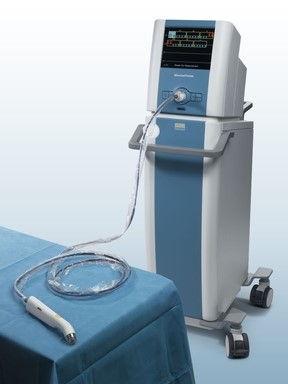
Last week, Dune Medical Devices, Inc., the company that developed the MarginProbeTM System, an intra-operative tissue assessment device to be used as accessory during lumpectomies of early-stage breast cancer, has received Premarket Approval (PMA) by the United States Food and Drug Administration.

MarginProbe system

marginProbe

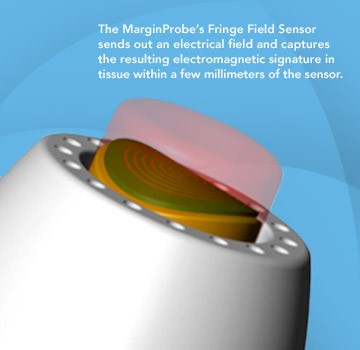
FDA approval of the MarginProbe System was based on a 664 patient prospective, multi-center, randomized, double arm study to evaluate the effectiveness of MarginProbe in identifying cancerous tissue along the margins of removed breast tissue during initial lumpectomy procedures. MarginProbe, which uses electromagnetic “signatures” to identify healthy and cancerous tissue, was found to be over three times more effective in finding cancer on the margin during lumpectomy, compared to traditional intra-operative imaging and palpation assessment. This enabled surgeons to significantly reduce the number of patients with positive margins following initial surgery.

The following publication gives an idea on the clinical performance of MarginProbe:

J Surg Res. 2010 May 15;160(2):277-81. doi: 10.1016/j.jss.2009.02.025. Epub 2009 Mar 31.

Diagnostic performance of a novel device for real-time margin assessment in lumpectomy specimens.

Pappo ISpector RSchindel AMorgenstern SSandbank JLeider LTSchneebaum SLelcuk SKarni T.

Source

Department of General Surgery, Assaf Harofeh Medical Center, Zrifin, Israel. pappo@zahav.net.il

Abstract

BACKGROUND:

Margin status in breast lumpectomy procedures is a prognostic factor for local recurrence and the need to obtain clear margins is often a cause for repeated surgical procedures. A recently developed device for real-time intraoperative margin assessment (MarginProbe; Dune Medical Devices, Caesarea, Israel), was clinically tested. The work presented here looks at the diagnostic performance of the device.

METHODS:

The device was applied to freshly excised lumpectomy and mastectomy specimens at specific tissue measurement sites. These measurement sites were accurately marked, cut out, and sent for histopathologic analysis. Device readings (positive or negative) were compared with histology findings (namely malignant, containing any microscopically detected tumor, or nonmalignant) on a per measurement site basis. The sensitivity and specificity of the device was computed for the full dataset and for additional relevant subgroups.

RESULTS:

A total of 869 tissue measurement sites were obtained from 76 patients, 753 were analyzed, of which 165 were cancerous and 588 were nonmalignant. Device performance on relatively homogeneous sites was: sensitivity 1.00 (95% CI: 0.85-1), specificity 0.87 (95% CI: 0.83-0.90). Performance for the full dataset was: sensitivity 0.70 (95% CI: 0.63-0.77), specificity 0.70 (95% CI: 0.67-0.74). Device sensitivity was estimated to change from 56% to 97% as the cancer feature size increased from 0.7 mm to 6.6 mm. Detection rate of samples containing pure DCIS clusters was not different from rates of samples containing IDC.

CONCLUSIONS:

The device has high sensitivity and specificity in distinguishing between normal and cancer tissue even down to small cancer features.

Copyright (c) 2010 Elsevier Inc. All rights reserved.

PMID: 19628225

Imagine how cost effective breast cancer management can be if it will involve systems such as these in addition to the systems I discussed in some of my previous posts, for example: What could transform an underdog into a winner?

Written by: Dror Nir, PhD.

Read Full Post »

Not applying evidence-based medicine drives up the costs of screening for breast-cancer in the USA

Author: Dror Nir


Costs for breast screening are being driven higher by increased use of new imaging technologies such as digital mammography and MRI, workflows incorporating 2nd and 3rd remote-readings as quality control measure, use of computer-aided detection (CAD) applications and growth in aged population.

According to recent publication in JAMA, 40% of the annual spending is for screening women ages 75 and older. Under existing guidelines routine screening is not recommended for this age group since “There is insufficient evidence to assess the benefits and harms of screening mammography”

The study population comprised women of 66 to 100 years old. “Forty-two percent of the women in the study were younger than age 75, and almost 60% of this group had one or more screening mammograms. Women ages 75 to 85 represented 40% of the total; 42% of this group had mammograms. Women 85 years and older represented 18% of the total; only 15% of this group had mammograms. Women with multiple chronic health conditions were much less likely to have a mammogram (26.6%) than healthy women (47.4%).”

“Abstract

The Cost of Breast Cancer Screening in the Medicare Population.

Cary P. Gross, MD; Jessica B. Long, MPH; Joseph S. Ross, MD, MHS; Maysa M. Abu-Khalaf, MD; Rong Wang, PhD; Brigid K. Killelea, MD, MPH; Heather T. Gold, PhD; Anees B. Chagpar, MD, MA, MPH, MSc; Xiaomei Ma, PhD

JAMA Intern Med. 2013;():1-7. doi:10.1001/jamainternmed.2013.1397. Published online January 7, 2013

Background  Little is known about the cost to Medicare of breast cancer screening or whether regional-level screening expenditures are associated with cancer stage at diagnosis or treatment costs, particularly because newer breast cancer screening technologies, like digital mammography and computer-aided detection (CAD), have diffused into the care of older women.

Methods Using the linked Surveillance, Epidemiology, and End Results–Medicare database, we identified 137 274 women ages 66 to 100 years who had not had breast cancer and assessed the cost to fee-for-service Medicare of breast cancer screening and workup during 2006 to 2007. For women who developed cancer, we calculated initial treatment cost. We then assessed screening-related cost at the Hospital Referral Region (HRR) level and evaluated the association between regional expenditures and workup test utilization, cancer incidence, and treatment costs.

Results In the United States, the annual costs to fee-for-service Medicare for breast cancer screening-related procedures (comprising screening plus workup) and treatment expenditures were $1.08 billion and $1.36 billion, respectively. For women 75 years or older, annual screening-related expenditures exceeded $410 million. Age-standardized screening-related cost per beneficiary varied more than 2-fold across regions (from $42 to $107 per beneficiary); digital screening mammography and CAD accounted for 65% of the difference in screening-related cost between HRRs in the highest and lowest quartiles of cost. Women residing in HRRs with high screening costs were more likely to be diagnosed as having early-stage cancer (incidence rate ratio, 1.78 [95% CI, 1.40-2.26]). There was no significant difference in the cost of initial cancer treatment per beneficiary between the highest and lowest screening cost HRRs ($151 vs $115; P = .20).

Conclusions The cost to Medicare of breast cancer screening exceeds $1 billion annually in the fee-for-service program. Regional variation is substantial and driven by the use of newer and more expensive technologies; it is unclear whether higher screening expenditures are achieving better breast cancer outcomes.”

The study is mainly addressing the difference in costs between different regions of referrals. It would be interesting to explore the situation in the age group of 40 to 66 years old.

Written by:  Dr. Dror Nir, PhD.

Read Full Post »

Whole-body imaging as cancer screening tool; answering an unmet clinical need?

Author: Dror Nir, PhD

Sometimes technologies that were developed to answer clinical needs in a certain area are migrated to perform in a totally inappropriate area. A good example which I discussed several times in my posts is PSA.

Cancer patients’ prognoses, strongly depend on accurate tumor staging. It is also a prerequisite for therapy choice and planning. Whole-body imaging is frequently used in patients with advanced malignant diseases including presence of metastases as these may occur in any anatomic region. It is important to note that classifying a patient as harboring a potentially advanced disease is based on biopsy results of Sentinel Lymph-Nodes and not on imaging. Moreover, referring a patient to a whole-body imaging is a choice of the treating practitioner! Clearly, when the choice of treatment includes administration of drugs, the type of drugs to be used is determined by the characteristics of the primary tumor.

To date, the use of whole-body imaging for post treatment follow-up can be considered as anecdotal.

The most-used technologies for whole-body imaging are computed tomography (CT), positron emission tomography (PET) and MRI. The performance of these systems in detection of cancer metastases of more than 1cm in diameter is very similar and in general quite good, dependent on the primary disease and the body locations of the metastases. Alas, each of these modalities has its strengths and weakness in different cancer and different body locations. Therefore, in the last decade, combined modalities such as PET-CT and recently PET/MRI were introduced. In some cases [1-6] these are reported to show sensitivity of more than 90%.

To demonstrate the level of information produced during whole-body imaging procedure here is an example (taken from Whole-body MRI and PET-CT in the management of cancer patients). This resource includes additional, educating examples:

330_2006_183_Fig1_HTML

Fig. 1

From multimodality to single-step examination. Restaging in a 29-year-old woman treated for breast cancer and with newly elevated tumor markers and bone pain. 1a, 1b Radiograms of the skeleton were normal, but bone scintigraphy showed a pathological tracer uptake in the right pubic bone (arrow). Abdominal ultrasound exhibited a suspicious mass. 1c, 1d CT revealed tumor recurrence in the right breast and confirmed hepatic metastasis. 2a, 2b T1-weighted whole-body MRI depicted a metastasis in the right pubic bone (circle). 2c, 2d HASTE images of the thorax showed the tumor recurrence in the right breast (arrow) and dynamic contrast enhanced studies of the abdomen unmasked the liver metastasis

Before addressing the issue of using whole-body imaging as a screening tool I would like to draw attention to existence of other methods for screening and post treatment follow-up of cancer patients; e.g. detecting levels of cancer-specific bio-markers in the blood or urine or, in case of advanced disease, detecting the level of tumor cells circulating in the blood as presented in: Circulating Tumor Cells versus Imaging—Predicting Overall Survival in Metastatic Breast Cancer by G. Thomas Budd et.al.

Abstract

Purpose: The presence of ≥5 circulating tumor cells (CTC) in 7.5 mL blood from patients with measurable metastatic breast cancer before and/or after initiation of therapy is associated with shorter progression-free and overall survival. In this report, we compared the use of CTCs to radiology for prediction of overall survival.

Experimental Design: One hundred thirty-eight metastatic breast cancer patients had imaging studies done before and a median of 10 weeks after the initiation of therapy. All scans were centrally reviewed by two independent radiologists using WHO criteria to determine radiologic response. CTC counts were determined ∼4 weeks after initiation of therapy. Specimens were analyzed at one of seven laboratories and reviewed by a central laboratory.

Results: Inter-reader variability for radiologic responses and CTC counts were 15.2% and 0.7%, respectively. The median overall survival of 13 (9%) patients with radiologic nonprogression and ≥5 CTCs was significantly shorter than that of the 83 (60%) patients with radiologic nonprogression and <5 CTCs (15.3 versus 26.9 months; P = 0.0389). The median overall survival of the 20 (14%) patients with radiologic progression and <5 CTCs was significantly longer than the 22 (16%) patients with ≥5 CTCs that showed progression by radiology (19.9 versus 6.4 months; P = 0.0039).

Conclusions: Assessment of CTCs is an earlier, more reproducible indication of disease status than current imaging methods. CTCs may be a superior surrogate end point, as they are highly reproducible and correlate better with overall survival than do changes determined by traditional radiology.

I would like first to present the following publication that could explain why people can easily be drawn why whole-body screening is an effective way to detect early cancers:

Enthusiasm for cancer screening in the United States by Schwartz LM, Woloshin S, Fowler FJ Jr, Welch HG SO, JAMA. 2004; 291(1):71.:

“ CONTEXT: Public health officials, physicians, and disease advocacy groups have worked hard to educate individuals living in the United States about the importance of cancer screening.

OBJECTIVE: To determine the public’s enthusiasm for early cancer detection.

DESIGN, SETTING, AND PARTICIPANTS: Survey using a national telephone interview of adults selected by random digit dialing, conducted from December 2001 through July 2002. Five hundred individuals participated (women aged>or =40 years and men aged>or =50 years; without a history of cancer).

MAIN OUTCOME MEASURES: Responses to a survey with 5 modules: a general screening module (eg, value of early detection, total-body computed tomography); and 4 screening test modules: Papanicolaou test; mammography; prostate-specific antigen (PSA) test; and sigmoidoscopy or colonoscopy.

RESULTS: Most adults (87%) believe routine cancer screening is almost always agood idea and that finding cancer early saves lives (74% said most or all the time). Less than one third believe that there will be a time when they will stop undergoing routine screening. A substantial proportion believe that an 80-year-old who chose not to be tested was irresponsible: ranging from 41% with regard to mammography to 32% for colonoscopy. Thirty-eight percent of respondents had experienced at least 1 false-positive screening test; more than 40% of these individuals characterized that experience as “very scary” or the “scariest time of my life.” Yet, looking back, 98% were glad they had had the initial screening test. Most had a strong desire to know about the presence of cancer regardless of its implications: two thirds said they would want to be tested for cancer even if nothing could be done; and 56% said they would want to be tested for what is sometimes termed pseudodisease (cancers growing so slowly that they would never cause problems during the person’s lifetime even if untreated). Seventy-three percent of respondents would prefer to receive a total-body computed tomographic scan instead of receiving 1000 dollars in cash.

CONCLUSIONS: The public is enthusiastic about cancer screening. This commitment is not dampened by false-positive test results or the possibility that testing could lead to unnecessary treatment. This enthusiasm creates an environment ripe for the premature diffusion of technologies such as total-body computed tomographic scanning, placing the public at risk of over testing and overtreatment.”

Whole-body screening is promoted as a one-stop shop for painlessly detecting hidden cancer and preventing cancer-related deaths. It is big business in the United States and in Canada where private clinics have begun offering full-body diagnostic procedures for a fee. The tests and procedures are often marketed to healthy people as a way to scan for hidden abnormalities or cancers, affording people the peace of mind that they are in good health [7 – 9].

When used in this manner, the evidence shows that whole-body cancer screening offers no proven health benefits and that it, in fact, exposes people to a number of unnecessary health risks. The problem I see is that the public is not exposed to “scientific publications” but is exposed to commercial ones!


References

  1. FDG PET and PET/CT: EANM procedure guidelines for tumor PET imaging: version 1.0
  2. Cancer of the Prostate, Testicles and Penis
  3. Gynecologic Cancers
  4. Malignant Melanoma
  5. Molecular Imaging in Cancer
  6. Pre-clinical whole-body fluorescence imaging: Review of instruments, methods and applications
  7. Full body CT scan for screening
  8. Screening for Cancer with PET and PET/CT: Potential and Limitations 
  9. http://www.privatescan.nl/total-bodyscan

Written by: Dror Nir, PhD

Read Full Post »

Differentiation Therapy – Epigenetics Tackles Solid Tumors

Author-Writer: Stephen J. Williams, Ph.D.

Updated 4/27/2021

Screen Shot 2021-07-19 at 7.04.21 PM

Word Cloud By Danielle Smolyar

Genetic and epigenetic events within a cell which promote a block in normal development or differentiation coupled with unregulated proliferation are hallmarks of neoplastic transformation.  Differentiation therapy is a chemotherapeutic strategy directed at re-activating endogenous cellular differentiation programs in a tumor cell therefore driving the cancerous cell to a state closer resembling the normal or preneoplastic cell and therefore incurring loss of the tumorigenic phenotype.

This post will deal with:

  • Agents such as histone deacetylase inhibitors (HDACi), retinoids, and PPARϒ agonists which have been shown to reactivate terminal differentiation programs in solid tumors
  • Clinical trials in solid tumors
  • Issues regarding the use of differentiation therapy in solid tumors

This post is a follow-up post to Histone Deacetylase Inhibitors Induce Epithelial-to-Mesenchymal Transition in Prostate Cancer Cells

To put the need for alternate chemotherapeutic strategies in perspective, one is referred to the National Cancer Statistics from http://www.cancer.gov show that 33% of cancer patients, treated with standard cytolytic chemotherapy, will still die within five years (i.e. one in three will die within 5 years).  However the addition of the differentiation agent retinoic acid to standard chemotherapy regimen for treatment of acute promyelocytic leukemia (APML) had improved 5 year survival rates from a range of 50-80% up to near 90% complete remission rates while 75% become disease free, an astonishing success story.  For a review of APML please be referred to http://en.wikipedia.org/wiki/Acute_promyelocytic_leukemia.  Briefly, APML is predominantly a result of the chromosomal translocation producing a fusion gene between the promyelocytic leukemia (PML) and RARα receptor genes.  The PML-RARα fusion protein recruits transcriptional repressors, histone deacetylases (HDACs), and DNA methyltransferases.  Treatment with pharmacologic doses of retinoic acid dissociates the PML-RARα from HDACs and results in degradation of PML-RARα, eventually resulting in the differentiation of the myeloid cells in APML.

Dr. Igor Matushansky of Columbia University believes such differentiation therapy could be useful in soft tissue sarcomas, due to the existence of a connective tissue (mesenchymal) stem cell,  in vitro methods which can differentiate these cells into mature tissues, and, from a gene clustering analysis his group had performed, correlation of expression signatures of each liposarcoma subtype throughout the adipocytic differentiation spectrum, including early differentiated to more mature differentiated cells(1).   A parallel study by Riester and colleagues had been able to classify breast tumors and liposarcomas along a phylogenetic tree showing solid tumors can be reclassified based on cell of origin via expression patterns(2).  In addition, other solid tumors, such as ovarian cancer are easily classified, based both on pathologic, histologic, and expression analysis into well and poorly differentiated tumors, correlating differentiation status with prognosis.

Compound Classes which have potential in

differentiation therapy for solid tumors

A. Histone Deacetylase Inhibitors (HDACi)

In eukaryotes, epigenetic post-translational modification of histones is critical for regulation of chromatin structure and gene expression.  Histone deacetylation leads to chromatin compaction and is associated with transcriptional repression of tumor suppressors, cell growth and differentiation.  Therefore, HDACi are promising anti-tumor agents as they may affect the cell cycle, inhibit proliferation, stimulate differentiation and induce apoptotic cell death (3). In a review by Kniptein and Gore, entinostat was found to be a well-tolerated HDACi that demonstrates promising therapeutic potential in both solid and hematologic malignancies(4). The path to the discovery of suberoylanilide hydroxamic acid (SAHA, vorinostat) began over three decades ago with our studies designed to understand why dimethylsulfoxide causes terminal differentiation of the virus-transformed cells, murine erythroleukemia cells. SAHA can cause growth arrest and death of a broad variety of transformed cells both in vitro and in vivo at concentrations that have little or no toxic effects on normal cells (for references see (5). In fact, treatment of MCF-7 breast carcinoma cells with SAHA resulted in morphologic changes resembling epithelial mammary differentiation(6).

HDAC inhibitors

Figure.  Structures of some HDACi used in clinical trials for cancer (see section below)

hdacwithsaha

Figure.  HDAC with SAHA

B. Retinoids

Vitamin A and retinoids play significant roles in basic physiological processes such as vision, reproduction, growth, development, hematopoiesis and immunity (7). Retinoids are the natural derivatives and synthetic analogs of vitamin A. They have been shown to prevent mammary carcinogenesis in rodents (8), to inhibit the growth of human cancer cells in vitro  (9,10) and be effective chemopreventive and chemotherapeutic agents in a variety of human epithelial and hematopoietic tumors (11-14).

Retinoids cannot be synthesized de novo by higher animals and consequently must be consumed in the diet. The two sources of retinoids are animal products that contain retinol and retinyl esters, and plant-derived carotenoids (provitamin A). b-carotene is the most potent vitamin A precursor and has been shown to be an active inhibitor of both tumor initiation and promotion (15).

A major function of retinol, relevant to cancer, is its function as an antioxidant. The antioxidant properties of vitamin A have been shown both in vitro and in vivo (16,17). Retinol deficiency causes oxidative damage to liver mitochondria in rats that can be reversed by vitamin A supplementation (18). A caveat to this is in vitro and in vivo evidence of chronic hypervitaminosis A inducing oxidative DNA damage, as well (19-21). Therefore, it is evident that maintaining the vitamin A concentration within a physiological range is critical to normal cell function because either a deficiency or an excess of vitamin A induces oxidative stress (22). Retinoic acids (RA) (all-trans, 9-cis and 13-cis) are the major biologically active retinoids and exert their effects by regulation of gene expression by binding two families of ligand-activated nuclear retinoid receptors (23). Retinoic acid receptors (RARs) and retinoid X receptors (RXRs) regulate the transcription of a large number of target genes that contain retinoic acid response elements (RAREs) in their promoters. Many of these genes are involved in cancer (13,24) and differentiation (24-26).

Several lines of evidence suggest involvement of defects in retinol signaling in cancer, from the observation that a vitamin A-deficient (VAD) diet leads to an increase in the number of spontaneous and chemically induced tumors in animals (27-29) to the observation that RA itself can induce  differentiation and inhibit the growth of many tumor cells (30-32), as well as the identification that components of the RA signaling pathway are absent in cancer cells (33). Vitamin A and its metabolites have been proposed to have a dual effect in cancer prevention, as antioxidants (16,17,19,34) and differentiating agents (35-37). as it is well accepted that retinoid signaling is integral in maintaining the differentiated state of many cell types (13,38). Additionally, current rationale for chemoprevention with retinoids is based, in part, on the hypothesis that some tumors, may arise due to loss of normal somatic differentiation during tissue repair.

C. PPARϒ Agonists

Peroxisome proliferator-activated receptor ϒ (PPARϒ) is a member of the steroid hormone receptor superfamily that responds to changes in lipid and glucose homeostasis but has increasing roles in differentiation and tumorigenesis. The first PPAR (PPARα) was discovered during the search of a molecular target for a group of agents then referred to as peroxisome proliferators, as they increased peroxisomal numbers in rodent liver tissue, apart from improving insulin sensitivity.  One of the first agents, developed in the early 80’s for treatment of hyperlipidemia and hperlipoproteinemia, was clofibrate.  All PPAR subtypes heterodimerize with the retinoid-x-receptor (RXR) and, upon binding of ATRA, activate target genes.

PPARϒ agonists have shown potential as a therapeutic in a variety of cancer types including bladder cancer (39), colon cancer(40),  breast cancer(41), prostate cancer(42).  There are numerous studies showing that PPARϒ agonists have anti-tumorigenic activity via anti-proliferative, pro-differentiation and anti-angiogenic mechanisms of action(43). For example, Papi et al. observed that agonists for the retinoid X receptor (6-OH-11-O-hydroxyphenanthrene), retinoic acid receptor (all-trans retinoic acid (RA)) and peroxisome proliferator-activated receptor (PPAR)-γ (pioglitazone (PGZ)), reduce the survival of MS generated from breast cancer tissues and MCF7 cells, but not from normal mammary gland or MCF10 cells(44) with concomitant upregulation of differentiation markers.

A great website for further information on PPAR is Dr. Jack Vanden Heuvel, Professor of Toxicology at Penn State University at http://ppar.cas.psu.edu/general_information.html.

D. Trabectedin

Trabectedin (ecteinascidin-743 (ET-743); Yondelis) is derived from the Caribbean tunicate Ecteinascidia turbinacta has antitumor activity by binding to the DNA minor groove thus disrupting binding of transcription factors and inhibiting DNA synthesis.  However, it has also been shown, in myxoid liposarcoma (MLS) cells, to cause dissociation of transcription factor TLS-CHOP from promoter sequences resulting in downregulation of target genes such as CHOP, PTX3 and FN1 and induces an adipogenic differentiation program by enhancing activation of CAAT/enhancer binding protein (C/EBP) family of genes.  In MLS, TLS-CHOP sequesters C/EBPβ resulting in block of differentiation programs while trabectedin disrupts this association freeing up C/EBPβ to act as transcriptional activator of genes related to differentiation.

Ongoing Cancer Clinical Trials with HDAC Inhibitors

The following is a listing of some clinical trials using histone deacetylase inhibitors in combination with approved chemotherapeutics in various tumors.  This data was taken from the New Medicine Oncology Knowledge Base ( at http://www.nmok.net).

hdactrial1 hdactrial2

Issues and Future of Differentiation-based Therapy

In the review by Filemon Dela Cruz and Igor Matushansky(1), the authors suggest that, like days of old of cytotoxic monotherapy, differentiation therapy would not evolve as a simplistic one-size-fits –all but mirror an extremely complicated process.  Therefore they suggest three theoretical mechanisms in which differentiation therapy may occur:

  1. Cancer directed differentiation: differentiation pathways are activated without correcting the underlying oncogenic mechanisms which produced the initial differentiation block
  2. Cancer reverted differentiation: correction of the underlying oncogenic mechanism results in restoration of endogenous differentiation pathways
  3. Cancer diverted differentiation: cancer cell is redirected to an earlier stage of differentiation

Finally the authors suggest that “the potential for reversion of the malignant cancer phenotype to a more benign, or at the very least a lower grade of biological aggressiveness, may serve as a critical clinical and biologic transition of a uniformly fatal cancer into one more amenable to management or to treatment using conventional therapeutic approaches.”

References:

1.            Cruz, F. D., and Matushansky, I. (2012) Oncotarget 3, 559-567

2.            Riester, M., Stephan-Otto Attolini, C., Downey, R. J., Singer, S., and Michor, F. (2010) PLoS computational biology 6, e1000777

3.            Seidel, C., Schnekenburger, M., Dicato, M., and Diederich, M. (2012) Genes & nutrition 7, 357-367

4.            Knipstein, J., and Gore, L. (2011) Expert opinion on investigational drugs 20, 1455-1467

5.            Marks, P. A. (2007) Oncogene 26, 1351-1356

6.            Munster, P. N., Troso-Sandoval, T., Rosen, N., Rifkind, R., Marks, P. A., and Richon, V. M. (2001) Cancer research 61, 8492-8497

7.            Napoli, J. L. (1999) Biochim Biophys Acta 1440, 139-162

8.            Moon, R., Metha, R., and Rao, K. (1994) Retinoids and cancer in experimental animals. in The Retinoids: Biology, Chemistry, and Medicine (Sporn, M., Roberts, A., and Goodman, D. eds.), 2 Ed., Raven Press, New York. pp 573-596

9.            De Luca, L. M. (1991) Faseb J 5, 2924-2933

10.          Gudas, L. J. (1992) Cell Growth Differ 3, 655-662

11.          Degos, L., and Parkinson, D. (1995) Retinoids in Oncology, Springer-Verlag, Berlin

12.          Lotan, R. (1996) Faseb J 10, 1031-1039

13.          Zhang, D., Holmes, W. F., Wu, S., Soprano, D. R., and Soprano, K. J. (2000) J Cell Physiol 185, 1-20

14.          Fontana, J. A., and Rishi, A. K. (2002) Leukemia 16, 463-472

15.          Suda, D., Schwartz, J., and Shklar, G. (1986) Carcinogenesis 7, 711-715

16.          Ciaccio, M., Valenza, M., Tesoriere, L., Bongiorno, A., Albiero, R., and Livrea, M. A. (1993) Arch Biochem Biophys 302, 103-108

17.          Palacios, A., Piergiacomi, V. A., and Catala, A. (1996) Mol Cell Biochem 154, 77-82

18.          Barber, T., Borras, E., Torres, L., Garcia, C., Cabezuelo, F., Lloret, A., Pallardo, F. V., and Vina, J. R. (2000) Free Radic Biol Med 29, 1-7

19.          Borras, E., Zaragoza, R., Morante, M., Garcia, C., Gimeno, A., Lopez-Rodas, G., Barber, T., Miralles, V. J., Vina, J. R., and Torres, L. (2003) Eur J Biochem 270, 1493-1501

20.          Omenn, G. S., Goodman, G. E., Thornquist, M. D., Balmes, J., Cullen, M. R., Glass, A., Keogh, J. P., Meyskens, F. L., Jr., Valanis, B., Williams, J. H., Jr., Barnhart, S., Cherniack, M. G., Brodkin, C. A., and Hammar, S. (1996) J Natl Cancer Inst 88, 1550-1559

21.          Murata, M., and Kawanishi, S. (2000) J Biol Chem 275, 2003-2008

22.          Schwartz, J. L. (1996) J Nutr 126, 1221S-1227S

23.          Chambon, P. (1996) Faseb J 10, 940-954

24.          Freemantle, S. J., Kerley, J. S., Olsen, S. L., Gross, R. H., and Spinella, M. J. (2002) Oncogene 21, 2880-2889

25.          Collins, S. J., Robertson, K. A., and Mueller, L. (1990) Mol Cell Biol 10, 2154-2163

26.          Grunt, T. W., Somay, C., Oeller, H., Dittrich, E., and Dittrich, C. (1992) J Cell Sci 103 ( Pt 2), 501-509

27.          Lasnitzki, I. (1955) Br J Cancer 9, 434-441

28.          Moore, T. (1965) Proc Nutr Soc 24, 129-135

29.          Saffiotti, U., Montesano, R., Sellakumar, A. R., and Borg, S. A. (1967) Cancer 20, 857-864

30.          Strickland, S., and Mahdavi, V. (1978) Cell 15, 393-403

31.          Breitman, T. R., Selonick, S. E., and Collins, S. J. (1980) Proc Natl Acad Sci U S A 77, 2936-2940

32.          Breitman, T. R., Collins, S. J., and Keene, B. R. (1981) Blood 57, 1000-1004

33.          Niles, R. M. (2000) Nutrition 16, 573-576

34.          Monagham, B., and Schmitt, F. (1932) J Biol Chem 96, 387-395

35.          Miller, W. H., Jr. (1998) Cancer 83, 1471-1482

36.          Miyauchi, J. (1999) Leuk Lymphoma 33, 267-280

37.          Reynolds, C. P. (2000) Curr Oncol Rep 2, 511-518

38.          Ortiz, M. A., Bayon, Y., Lopez-Hernandez, F. J., and Piedrafita, F. J. (2002) Drug Resist Updat 5, 162-175

39.          Mansure, J. J., Nassim, R., and Kassouf, W. (2009) Cancer biology & therapy 8, 6-15

40.          Osawa, E., Nakajima, A., Wada, K., Ishimine, S., Fujisawa, N., Kawamori, T., Matsuhashi, N., Kadowaki, T., Ochiai, M., Sekihara, H., and Nakagama, H. (2003) Gastroenterology 124, 361-367

41.          Stoll, B. A. (2002) Eur J Cancer Prev 11, 319-325

42.          Smith, M. R., and Kantoff, P. W. (2002) Investigational new drugs 20, 195-200

43.          Rumi, M. A., Ishihara, S., Kazumori, H., Kadowaki, Y., and Kinoshita, Y. (2004) Current medicinal chemistry. Anti-cancer agents 4, 465-477

44.          Papi, A., Guarnieri, T., Storci, G., Santini, D., Ceccarelli, C., Taffurelli, M., De Carolis, S., Avenia, N., Sanguinetti, A., Sidoni, A., Orlandi, M., and Bonafe, M. (2012) Cell death and differentiation 19, 1208-1219

Updated 4/27/2021

Epizyme’s EZH2 blocker boosts immuno-oncology response in prostate cancer models

Source: https://www.fiercebiotech.com/research/epizyme-s-ezh2-blocker-boosts-immuno-oncology-response-prostate-cancer-models

cancer cell surrounded by killer T cells
Inhibiting EZH2 either genetically or with a chemical inhibitor signaled the immune system to respond to PD-1 inhibition in prostate cancer. (NIH)

The protein EZH2 has long been known as a major driver of prostate cancer because of its ability to inactivate genes that would normally suppress tumor growth. Now, a team at Cedars-Sinai Cancer has shown in preclinical models of the disease that blocking EZH2 reduces resistance to immune-boosting checkpoint inhibitors—and they did it with the help of Epizyme, which won FDA approval for the first EZH2 blocker last year.

The Cedars-Sinai team inhibited EZH2 in preclinical prostate cancer models, activating interferon-stimulated genes in the immune system. The interferons then boosted the immune response and reversed resistance to drugs that inhibit the checkpoint PD-1, they reported in the journal Nature Cancer.

By inhibiting EZH2 either genetically or with a chemical inhibitor donated by Epizyme, the researchers used a technique called “viral mimicry” to “reopen” parts of the genome that are typically inactive, they explained in a statement. That signaled the immune system to respond to PD-1 inhibition.

Checkpoint inhibitors have been approved to treat several cancer types, but they’ve been largely disappointing in prostate cancer. Hence several research groups have been exploring combination strategies. They include the University of Texas MD Anderson Cancer Center, which published research in 2019 showing early evidence that combining checkpoint inhibition with anti-TGF-beta drug could be effective in prostate cancer.

More recently, bispecific antibodies have shown early promise in prostate cancer. Last September, Amgen presented data from a phase 1 study of AMG 160, a bispecific targeting PSMA and CD3 on T cells. The company said that 68.6% of patients experienced a decline in PSA, and eight out of 15 patients evaluated showed stable disease.

Regeneron is also developing a bispecific antibody for prostate cancer, targeting PSMA and CD28. The drug is being tested as a solo therapy and in combination with Regeneron’s PD-1 inhibitor Libtayo in a phase 1/2 clinical trial enrolling men with metastatic castration-resistant prostate cancer.

As for Epizyme’s EZH2 inhibitor, Tazverik, its path to market hasn’t been perfectly smooth. An advisory committee to the FDA questioned its efficacy and safety in its initial indication, metastatic or locally advanced epithelioid sarcoma. Still, the company got the go-ahead to market the drug in adult patients with the rare cancer last January. Then the FDA added follicular lymphoma to the label in June. The drug’s takeoff has been slower than expected, however, largely because the pandemic has prevented face-to-face interactions between the sales force and physicians.

The company is currently testing Tazverik in several other cancer types, including as a combination with standard-of-care treatments in castration-resistant prostate cancer.

Other research papers on Cancer and Cancer Therapeutics were published on this Scientific Web site as follows:

Histone Deacetylase Inhibitors Induce Epithelial-to-Mesenchymal Transition in Prostate Cancer Cells

PIK3CA mutation in Colorectal Cancer may serve as a Predictive Molecular Biomarker for adjuvant Aspirin therapy

Nanotechnology Tackles Brain Cancer

Response to Multiple Cancer Drugs through Regulation of TGF-β Receptor Signaling: a MED12 Control

Personalized medicine-based cure for cancer might not be far away

GSK for Personalized Medicine using Cancer Drugs needs Alacris systems biology model to determine the in silico effect of the inhibitor in its “virtual clinical trial”

Lung Cancer (NSCLC), drug administration and nanotechnology

Non-small Cell Lung Cancer drugs – where does the Future lie?

Cancer Innovations from across the Web

arrayMap: Genomic Feature Mining of Cancer Entities of Copy Number Abnormalities (CNAs) Data

How mobile elements in “Junk” DNA promote cancer. Part 1: Transposon-mediated tumorigenesis.

Cancer Genomics – Leading the Way by Cancer Genomics Program at UC Santa Cruz

Closing the gap towards real-time, imaging-guided treatment of cancer patients.

Closing the gap towards real-time, imaging-guided treatment of cancer patients.

mRNA interference with cancer expression

Search Results for ‘cancer’ on this web site

Cancer Genomics – Leading the Way by Cancer Genomics Program at UC Santa Cruz

Closing the gap towards real-time, imaging-guided treatment of cancer patients.

Lipid Profile, Saturated Fats, Raman Spectrosopy, Cancer Cytology

mRNA interference with cancer expression

Pancreatic cancer genomes: Axon guidance pathway genes – aberrations revealed

Biomarker tool development for Early Diagnosis of Pancreatic Cancer: Van Andel Institute and Emory University

Is the Warburg Effect the cause or the effect of cancer: A 21st Century View?

Crucial role of Nitric Oxide in Cancer

Targeting Glucose Deprived Network Along with Targeted Cancer Therapy Can be a Possible Method of Treatment

Read Full Post »

Optical Coherent Tomography – emerging technology in cancer patient management

Author: Dror Nir, PhD

Optical Coherence Tomography (‘OCT’), is a technique for obtaining 3D optical-image from 1-2 mm thick tissue samples. The key benefits of using OCT for medical applications is that it is not ionizing, therefore harmless to the patient and the image resolution ~10µm, almost the size of a human cell.

Commercially available OCT systems have been used in ophthalmology and in interventional cardiology for quite a while. Recently, new applications attempting to provide intraoperative histopathology appear as alternative solution to frozen-sections based histopathology.

I found this nice diagram explaining why OCT can be used for identifying presence of cancer intra-operatively in an article [1] I downloaded from the website of the American association for cancer research.

Figure 1. Diagnostic scattering spectroscopy. In this cartoon illustration of the underlying principles of the method described in the work of Laughney and colleagues (1), an excised tissue sample sits on a glass plate, with normal cells depicted schematically on the left and tumor cells on the right. In contrast with the normal cells, the tumor cells are represented as having enlarged nuclei, with increased granularity of the chromatin, and, perhaps, a disrupted cytoskeleton resulting in cellular disorder. Light, from a broadband source, and after manipulation through an optical system, is collimated (parallel rays) and impinges on the tissue at normal incidence. While most light is scattered in the near-forward direction, some of the light is scattered directly backward after one (in most cases) or a few scattering events and is collected to be analyzed by a spectrometer (not depicted). The spectrometer provides a backscattering spectrum that is representative of the tissue properties. The wavelength dependence of the probability for backscattering varies with changes in the sizes and densities of the dominant scattering centers, such that the backscattered light spectrum changes with pathology, as manifested in the mean cellular micromorphology. In this way, the recorded spectrum relates directly to some of the micromorphology features that a pathologist recognizes as indicative of pathology when looking at histology slides, but in a quantitative manner, without the need to generate an actual microscopic image and without requiring subjective interpretation. (Of course, this physicist’s simplification ignores many tissue components that also affect scattering, such as extracellular matrix and vasculature.

In that article, Laughney and colleagues reported on real-time assessment of resection margins during breast- conserving surgery using OCT technique.

At the Thirty-Fifth Annual CTRC-AACR Breast Cancer Symposium held on Dec 4-8, 2012 in San Antonio, TX, BC Wilson, MK Akens, and CJ Niu (University Health Network, Ontario Cancer Institute, Toronto, ON, Canada; Tornado Medical System, Toronto, ON, Canada) discussed the unmet clinical need and the cost saving impact related to the potential use of Optical Coherence Tomography for intraoperative breast tumour margin width estimation in a poster session:

“Total mastectomy and lumpectomy with radiation have been shown to have equivalent patient outcomes, which has likely contributed to the more widespread adoption of breast conserving surgery (BCS) procedures. Assessment of breast lumpectomy margin widths in both an accurate and timely manner is essential to successful breast conservation procedures. Current BCS methodologies have been reported to result in reoperation rates of up to 20–60%, which represents a significant and unmet need for improved margin assessment. High reoperation rates present both increased treatment risk to patients and increased burden on healthcare systems. In the USA alone, over 150,000 lumpectomies are performed per year at an average cost between $11,000 and $19,000 USD per procedure. Assuming a relatively modest average repeat operation rate of 25%, potentially preventable repeat surgeries represent an approximate cost to the US healthcare system of $500M (USD) annually.”

From the same meeting: An abstract presenting the design of an ongoing multi-center, randomized, blinded clinical study aimed at Intraoperative assessment of tumor margins with a new optical imaging technology using a specific implementation of an OCT based device.

At last RSNA I have visited the French pavilion were one of the companies, LLTech, presented an OCT based system designed facilitate the work of pathologists and save time and money by allowing fresh tissue processing and pathology examination instead of the traditionally frozen sections (intraoperative) and fixated specimens (at lab)

fig2

That could be used by a pathologist to perform in-situ histology in the OR.

fig3

To summarize; OCT based systems seem to be something to look for in the future of cancer patients’ management.

References

1. Laughney AM, Krishnaswamy V, Rizzo EJ, Schwab EM, Barth RJ, et al. Scatter spectroscopic imaging distinguishes between breast pathologies in tissues relevant to surgical margin assessment. Clin Cancer Res. 2012;18:6315–25.

Writen by: Dror Nir, PhD

Read Full Post »

« Newer Posts - Older Posts »