Feeds:
Posts
Comments

Posts Tagged ‘Food and Drug Administration’

First-of-Its-Kind FDA Approval for ‘AUI’ Device with Endurant II AAA Stent Graft: Medtronic Expands in Endovascular Aortic Repair in the United States

Reporter: Aviva Lev-Ari, PhD, RN


Medtronic, Inc. (MDT) Expands Endovascular Aortic Portfolio With Two New Devices

5/30/2013 8:39:47 AM

Medtronic Garners First-Of-Its-Kind FDA Approval for ‘AUI’ Device with Endurant II AAA Stent Graft 

MINNEAPOLIS — May 30, 2013 — Medtronic, Inc. (NYSE: MDT) is expanding its market-leading portfolio of products for endovascular aortic repair in the United States with two new medical devices: the company recently received approval from the U.S. Food and Drug Administration (FDA) for the Endurant II Aorto-Uni-Iliac (AUI) Stent Graft System and the FDA’s 510(k) clearance for the Sentrant Introducer Sheath; both devices will be on exhibit at the Medtronic booth during the Society for Vascular Surgery‘s “Vascular Annual Meeting,” which runs May 30-June 2 in San Francisco.

Endurant II AUI Stent Graft System

The Endurant II AUI Stent Graft System is the only FDA-approved AUI device in the United States indicated for the primary endovascular treatment of infrarenal abdominal aortic or aorto-iliac aneurysms in patients whose anatomy does not allow for the use of a bifurcated device. Both the bifurcated and AUI configurations of the Endurant Stent Graft System provide a new pathway for blood flow through the iliac arteries in abdominal aortic aneurysms, thereby reducing risk of aneurysm rupture.

Whereas use of the bifurcated device requires access to both iliac arteries, the AUI device requires access to only one iliac artery (Endurant II Aorto-Uni-Iliac (AUI)). In published studies of endovascular abdominal aortic aneurysm (AAA) repair.

Current global usage of AUI stent graft configurations averages

  • 5 percent (range 0-26%) for intact AAA and
  • 39 percent (range 0-91%) for ruptured AAA.[i],[ii]

“The new Endurant II Aorto-Uni-Iliac Stent Graft extends the proven performance of the Endurant System to patients with difficult access,” said Dr. Michel Makaroun, chief of vascular surgery at the University of Pittsburgh Medical Center and co-director of the UPMC Heart and Vascular Institute. “By maintaining the deliverability, conformability and deployment accuracy of the bifurcated Endurant device, the AUI configuration offers aneurysm patients with challenging outflow anatomies a better option for a successful endovascular aortic repair.”

As with the bifurcated Endurant II Stent Graft, distinguishing features of the Endurant II AUI Stent Graft include a low delivery profile, tip capture for easy and accurate deployment and compatibility with contralateral iliac limbs and aortic extensions for ultimate patient applicability.

Sentrant Introducer Sheath

The Sentrant Introducer Sheath complements Medtronic’s market-leading portfolio of stent grafts for endovascular aortic repair. It is specially designed for use with the Endurant II AAA and Valiant Captivia Stent Graft Systems and is also compatible with competitive systems. The Sentrant Introducer Sheath is inserted at the access site

in the patient’s femoral artery and advanced upwards into the iliac arteries to facilitate the implant procedure and enable smooth passage of the stent graft delivery system en route to the treatment site in the aorta.

The Sentrant Introducer Sheath can accommodate a wide range of anatomies, with diameters of 12-26 French and shaft lengths of 28cm. Other distinguishing features of the accessory device include:

  • optimal seal for superior hemostasis,
  • reinforced coil for kink resistance,
  • hydrophilic coating and
  • flexibility for easy tracking through tortuous and calcified iliacs and a
  • dilator locking mechanism for secure positioning.

The Sentrant Introducer Sheath received the CE (Conformité Européenne) mark in April 2013. Its FDA clearance expands the accessory device’s availability to endovascular specialists in the United States.

In collaboration with leading clinicians, researchers and scientists, Medtronic offers the broadest range of innovative medical technology for the interventional and surgical treatment of cardiovascular disease and cardiac arrhythmias. The company strives to offer products and services that deliver clinical and economic value to healthcare consumers and providers worldwide.

ABOUT MEDTRONIC

Medtronic, Inc. (www.medtronic.com), headquartered in Minneapolis, is the global leader in medical technology-alleviating pain, restoring health and extending life for millions of people around the world.

Any forward-looking statements are subject to risks and uncertainties such as those described in Medtronic’s periodic reports on file with the Securities and Exchange Commission. Actual results may differ materially from anticipated results.

http://www.devicespace.com/news_story.aspx?NewsEntityId=298363&type=email&source=DS_053013

Read Full Post »

New scheme to routinely test patients for inherited cancer genes

Reporter, Curator: Stephen J. Williams, Ph.D.

KJ Monohan reports in The Family History of Bowel Cancer Clinic blog, a report from the Cancer Research UK about a new program being initiated by a team consisting of The Institute of Cancer Research, The Royal Marsden, Illumina Inc and the Wellcome Trust Centre for Human Genetics to screen ovarian and breast cancer patients for genes known to increase cancer risk.

The program Mainstreaming Cancer Genetics Programme will evaluate 97 known cancer predisposition genes in breast and ovarian cancer patients (using the TruSight Cancer Panel; see below for description and link).

A link to the full story can be found here:

New scheme to routinely test patients for inherited cancer genes.

The program will complement Cancer Research UK’s own stratified medicine program, which aims to identify driver mutations (mutations in genes {usually tumor suppressor genes} which drive (responsible for) the initiation and growth of a patient’s tumor. For descriptions of driver mutations of tumors please see some articles posted on this site such as:

Rewriting the Mathematics of Tumor Growth; Teams Use Math Models to Sort Drivers from Passengers

Winning Over Cancer Progression: New Oncology Drugs to Suppress Passengers Mutations vs. Driver Mutations

Writer’s commentary: As I had commented on this posting, 10% of breast and ovarian cancers are considered hereditary, meaning germline mutations exist in cancer risk genes (notably BRCA1/2 for breast /ovarian) and the offspring who inherit these mutant genes from carriers have a greatly enhanced risk to develop cancer in their lifetime. Although not in the scope of this post, I will curate, in a future post, research on the identity and relative risk for various gene mutations for breast/ovarian cancer risk.

TruSight Cancer Panel

A description of Illumina’s TruSight Cancer Panel is given below:

Targeting genes previously linked to a predisposition towards cancer.

  • Developed in collaboration with Professor Nazneen Rahman and team at the Institute of Cancer Research (ICR), London
  • Targets 94 known genes and 284 SNPs associated with a predisposition towards cancer

TruSight Cancer includes genes associated with both common (e.g., breast, colorectal) and rare cancers. In addition, the set includes 284 SNPs found to correlate with cancer through genome-wide association studies (GWAS). Content selection was based on expert curation of the scientific literature and other high-quality resources.

The TruSight Cancer sequencing panel provides custom oligos targeting identified regions of interest. Sufficient product is supplied for four enrichment reactions. TruSight Cancer is compatible with TruSight Rapid Capture and is supported on the MiSeq, NextSeq, and HiSeq sequencing systems.

The authors note that in the US and UK, genetic testing is performed at a genetics clinic, at the request of physicians and/or the individual. With the new program the patient’s cancer doctor can manage the genetic testing, giving the oncologist access to critical genetic information which can help in treatment options and family risk assessments.

Some cancer centers already have integrated a genetic counseling department among their services. These departments also act as Family Risk Assessment Programs. A few family risk assessment programs which deal with breast/ovarian cancer are given below:

Fox Chase Cancer Center Risk Assessment Program

The Mariann and Robert MacDonald Women’s Cancer Risk Evaluation Center at Penn Medicine

Massachusetts General Hospital Breast and Ovarian Cancer Genetics and Risk Assessment Program

Breast & Ovarian Risk Evaluation Program at University of Michigan

The Breast & Ovarian Cancer Prevention Program at Seattle Cancer Care Alliance

Dana-Farber Cancer Institute’s Center for Cancer Genetics and Prevention

Cancer Risk Program are offered through the UCSF Medical Center

These are only a few cancer centers in the US which provide comprehensive counseling and testing.

Other posts on this site about Cancer Risk and Genetic Testing include:

Testing for Multiple Genetic Mutations via NGS for Patients: Very Strong Family History of Breast & Ovarian Cancer, Diagnosed at Young Ages, & Negative on BRCA Test

(discussions on Angela Jolie’s experiences and issues through genetic testing and decision)

Host – Tumor Interactions during Cancer Therapy – Dr. Yuval Shaked’s Lab @Technion

(discussion by assistant professor on new paradigms in cancer treatment, detection)

Foundation Medicine reported 4,702 Clinical Tests in Q1, 715 were the FoundationOne Heme Cancer Test, average Reimbursement of $3,400 per Test

(report on success and use of Foundation Medicine’s cancer genetic testing kit)

Efficacy of Ovariectomy in Presence of BRCA1 vs BRCA2 and the Risk for Ovarian Cancer

Cancer Biomarkers for Companion Diagnostics

(Scientists from around the world gathered to share some of their newest biomarker research at the “Oncology Biomarkers Conference”)

Invitae been Sued for BRCA1/2 Patent Violation by Myriad Genetics

(legal problems may hinder the availability of BRCA1/2 testing)

Ethical Concerns in Personalized Medicine: BRCA1/2 Testing in Minors and Communication of Breast Cancer Risk

(discussion about issues mothers have informing their daughters about test results)

Read Full Post »

Two Mutations, in the PCSK9 Gene: Eliminates a Protein involved in Controlling LDL Cholesterol

Reporter: Aviva Lev-Ari, PhD, RN

UPDATED on 11/15/2013

Relax, PCSK9ers: FDA won’t roadblock blockbusters from Sanofi, Amgen

By Damian Garde

On the heels of new guidelines casting doubts on a much-hyped new class of cholesterol drugs, the FDA said it would not demand long and costly outcomes trials before approving PCSK9 treatments from the likes of Amgen ($AMGN), Sanofi ($SNY) and Regeneron ($REGN), clearing the way for treatments expected to rake in up to $3 billion a year.

As Bloomberg reports, the FDA plans to stick to its guns in vetting cardiovascular drugs, looking at reductions in LDL cholesterol and blood pressure as surrogate endpoints for long-term health benefits. That’s a relief for the developers of PCSK9-targeting drugs, who have faced mounting uncertainty about what they’ll need to do to get their would-be blockbusters to market. Partners Sanofi and Regeneron lead the pack with the promising alirocumab, followed by Amgen, Pfizer ($PFE) and numerous others.

Earlier this week, the American College of Cardiology and the American Heart Association put out new guidelines for prescribing cholesterol treatments, recommending tried-and-true statins over more novel therapies because the old drugs’ down-the-line cardiovascular benefits are well-told. That stirred up long-running concerns that the FDA would toughen up its requirements for the coming crop of PCSK9 treatments, asking drug developers to dump millions into long-term studies that demonstrate hard outcomes

But while PCSK9 developers may not have to worry about new regulatory hurdles, what’s good enough for the FDA won’t necessarily sway payers, and the billion-dollar sales estimates tied to PCSK9 drugs are contingent on widespread adoption. With that in mind, Pfizer is plotting a massive, 22,000-patient outcomes trial, looking to demonstrate the PCSK9-targeting RN-316’s ability to improve cardiovascular health in the long run, a move that may spur its competitors to follow suit.

And the FDA’s conventional wisdom on cardiovascular endpoints may not stand pat. Eric Colman, a deputy director at CDER, told Bloomberg the agency is keeping a close eye on a post-market study of Merck’s ($MRK) Vytorin, and if the drug’s LDL-lowering ability doesn’t translate to lower rates of cardiovascular events, it may well rethink its requirements.

Related Articles:

AstraZeneca wins, Merck and AbbVie lose with new statin-use guidelines

Sanofi, Regeneron take the lead in blockbuster PhIII race of PCSK9 drugs

Pfizer bets big on PCSK9 with ‘massive’ Phase III outcomes study

 SOURCE

From: FierceBiotech <editors@fiercebiotech.com>
Reply-To: <editors@fiercebiotech.com>
Date: Fri, 15 Nov 2013 17:56:42 +0000 (GMT)
To: <avivalev-ari@alum.berkeley.edu>
Subject: | 11.15.13 | Sanofi, Amgen dodge PCSK9 hurdles


http://www.nature.com/news/genetics-a-gene-of-rare-effect-1.12773?goback=%2Egde_96118_member_230797138

Genetics: A Gene of Rare Effect

A mutation that gives people rock-bottom cholesterol levels has led geneticists to what could be the next blockbuster heart drug.

Stephen S. Hall

09 April 2013
ADAPTED FROM: PETER DAZELEY/GETTY

Indeed, Tracy’s well-being has been inspiring to doctors, geneticists and now pharmaceutical companies precisely because she is so normal. Using every tool in the modern diagnostic arsenal — from brain scans and kidney sonograms to 24-hour blood-pressure monitors and cognitive tests — researchers at the Texas medical centre have diagnostically sliced and diced Tracy to make sure that the two highly unusual genetic mutations she has carried for her entire life have produced nothing more startling than an incredibly low level of cholesterol in her blood. At a time when the target for low-density lipoprotein (LDL) cholesterol, more commonly called ‘bad cholesterol’, in Americans’ blood is less than 100 milligrams per decilitre (a level many people fail to achieve), Tracy’s level is just 14.

A compact woman with wide-eyed energy, Tracy (not her real name) is one of a handful of African Americans whose genetics have enabled scientists to uncover one of the most promising compounds for controlling cholesterol since the first statin drug was approved by the US Food and Drug Administration in 1987. Seven years ago, researchers Helen Hobbs and Jonathan Cohen at UT-Southwestern reported1 that Tracy had inherited two mutations, one from her father and the other from her mother, in a gene called PCSK9, effectively eliminating a protein in the blood that has a fundamental role in controlling the levels of LDL cholesterol. African Americans with similar mutations have a nearly 90% reduced risk of heart disease. “She’s our girl, our main girl,” says Barbara Gilbert, a nurse who has drawn some 8,000 blood samples as part of Cohen and Hobbs’ project to find genes important to cholesterol metabolism.

Of all the intriguing DNA sequences spat out by the Human Genome Project and its ancillary studies, perhaps none is a more promising candidate to have a rapid, large-scale impact on human health than PCSK9. Elias Zerhouni, former director of the US National Institutes of Health (NIH) in Bethesda, Maryland, calls PCSK9 an “iconic example” of translational medicine in the genomics era. Preliminary clinical trials have already shown that drugs that inhibit the PCSK9 protein — used with or without statins — produce dramatic reductions in LDL cholesterol (more than 70% in some patients). Half-a-dozen pharmaceutical companies — all aiming for a share of the global market for cholesterol-reducing drugs that could reach US$25 billion in the next five years according to some estimates — are racing to the market with drugs that mimic the effect of Tracy’s paired mutations.

Free interview

Stephen Hall talks about Sharlayne’s unusual condition and whether similar cases might lead to a new line of drugs.

Zerhouni, now an in-house champion of this class of drug as an executive at drug firm Sanofi, headquartered in Paris, calls the discovery and development of PCSK9 a “beautiful story” in which researchers combined detailed physical information about patients with shrewd genetics to identify a medically important gene that has made “super-fast” progress to the clinic. “Once you have it, boy, everything just lines up,” he says. And although the end of the PCSK9 story has yet to be written — the advanced clinical trials now under way could still be derailed by unexpected side effects — it holds a valuable lesson for genomic research. The key discovery about PCSK9‘s medical potential was made by researchers working not only apart from the prevailing scientific strategy of genome research over the past decade, but with an almost entirely different approach.

As for Tracy, who lives in the southern part of Dallas County, the implications of her special genetic status have become clear. “I really didn’t understand at first,” she admits. “But now I’m watching ads on TV [for cholesterol-lowering drugs], and it’s like, ‘Wow, I don’t have that problem’.”

A heart problem

Cardiovascular disease is — and will be for the foreseeable future, according to the World Health Organization — the leading cause of death in the world, and its development is intimately linked to elevated levels of cholesterol in the blood. Since their introduction, statin drugs have been widely used to lower cholesterol levels. But Jan Breslow, a physician and geneticist at Rockefeller University in New York, points out that up to 20% of patients cannot tolerate statins’ side effects, which include muscle pain and even forgetfulness. And in many others, the drugs simply don’t control cholesterol levels well enough.

The search for better treatments for heart disease gained fresh impetus after scientists published the draft sequence of the human genome in 2001. In an effort to identify the genetic basis of common ailments such as heart disease and diabetes, geneticists settled on a strategy based on the ‘common variant hypothesis’. The idea was that a handful of disease-related versions (or variants) of genes for each disease would be common enough — at a frequency of roughly 5% or so — to be detected by powerful analyses of the whole genome. Massive surveys known as genome-wide association studies compared the genomes of thousands of people with heart disease, for example, with those of healthy controls. By 2009, however, many scientists were lamenting the fact that although the strategy had identified many common variants, each made only a small contribution to the disease. The results for cardiovascular disease have been “pretty disappointing”, says Daniel Steinberg, a lipoprotein expert at the University of California, San Diego.

Single-minded: Helen Hobbs and Jonathan Cohen’s approach to heart-disease genetics yielded a target for drugs that could compete with statins.MISTY KEASLER/REDUX/EYEVINE

More than a decade earlier, in Texas, Hobbs and Cohen had taken the opposite tack. They had backgrounds in Mendelian, or single-gene, disorders, in which an extremely rare variant can have a big — often fatal — effect. They also knew that people with a particular Mendelian disorder didn’t share a single common mutation in the affected gene, but rather had a lot of different, rare mutations. They hypothesized that in complex disorders, many different rare variants were also likely to have a big effect, whereas common variants would have relatively minor effects (otherwise natural selection would have weeded them out). “Jonathan and I did not see any reason why it couldn’t be that rare variants cumulatively contribute to disease,” Hobbs says. To find these rare variants, the pair needed to compile detailed physiological profiles, or phenotypes, of a large general population. Cohen spoke of the need to “Mendelize” people — to compartmentalize them by physiological traits, such as extremely high or low cholesterol levels, and then look in the extreme groups for variations in candidate genes known to be related to the trait.

The pair make a scientific odd couple. Hobbs, who trained as an MD, is gregarious, voluble and driven. Cohen, a soft-spoken geneticist from South Africa, has a laid-back, droll manner and a knack for quantitative thinking. In 1999, they set out to design a population-based study that focused on physical measurements related to heart disease. Organized with Ronald Victor, an expert on high blood pressure also at UT Southwestern, and funded by the Donald W. Reynolds Foundation in Las Vegas, Nevada, the Dallas Heart Study assembled exquisitely detailed physiological profiles on a population of roughly 3,500 Dallas residents2. Crucially, around half of the participants in the study were African Americans, because the researchers wanted to probe racial differences in heart disease and high blood pressure. The team measured blood pressure, body mass index, heart physiology and body-fat distribution, along with a battery of blood factors related to cholesterol metabolism — triglycerides, high-density lipoprotein (HDL) cholesterol and LDL cholesterol. In the samples of blood, of course, they also had DNA from each and every participant.

As soon as the database was completed in 2002, Hobbs and Cohen tested their rare-variant theory by looking at levels of HDL cholesterol. They identified the people with the highest (95th percentile) and lowest (5th percentile) levels, and then sequenced the DNA of three genes known to be key to metabolism of HDL cholesterol. What they found, both in Dallas and in an independent population of Canadians, was that the number of mutations was five times higher in the low HDL group than in the high group3. This made sense, Cohen says, because most human mutations interfere with the function of genes, which would lead to the low HDL numbers. Published in 2004, the results confirmed that rare, medically important mutations could be found in a population subdivided into extreme phenotypes.

Armed with their extensive database of cardiovascular traits, Hobbs and Cohen could now dive back into the Dallas Heart Study whenever they had a new hypothesis about heart disease and, as Cohen put it, “interrogate the DNA”. It wasn’t long before they had an especially intriguing piece of DNA at which to look.

The missing link

In February 2003, Nabil Seidah, a biochemist at the Clinical Research Institute of Montreal in Canada, and his colleagues reported the discovery of an enigmatic protein4. Seidah had been working on a class of enzymes known collectively as proprotein convertases, and the researchers had identified what looked like a new member of the family, called NARC-1: neural apoptosis-regulated convertase 1.

“We didn’t know what it was doing, of course,” Seidah says. But the group established that the gene coding the enzyme showed activity in the liver, kidney and intestines as well as in the developing brain. The team also knew that in humans the gene mapped to a precise genetic neighbourhood on the short arm of chromosome 1.

That last bit of geographical information pointed Seidah to a group led by Catherine Boileau at the Necker Hospital in Paris. Her team had been following families with a genetic form of extremely high levels of LDL cholesterol known as familial hypercholesterolaemia, which leads to severe coronary artery disease and, often, premature death. Group member Marianne Abifadel had spent five fruitless years searching a region on the short arm of chromosome 1 for a gene linked to the condition. When Seidah contacted Boileau and told her that he thought NARC-1 might be the gene she was looking for, she told him, “You’re crazy”, Seidah recalls. Seidah bet her a bottle of champagne that he was correct; within two weeks, Boileau called back, saying: “I owe you three bottles.”

“The PCSK9 story is a terrific example of an up-and-coming pattern of translational research.”

In 2003, the Paris and Montreal groups reported that the French families with hypercholesterolaemia had one of two mutations in this newly discovered gene, and speculated that this might cause increased production of the enzyme5. Despite Seidah’s protests, the journal editors gave both the gene and its protein product a new name that fit with standard nomenclature: proprotein convertase subtilisin/kexin type 9, or PCSK9. At around the same time, Kara Maxwell in Breslow’s group at Rockefeller University6 and Jay Horton, a gastroenterologist at UT-Southwestern7 also independently identified the PCSK9 gene in mice and revealed its role in a previously unknown pathway regulating cholesterol8.

The dramatic phenotype of the French families told Hobbs that “this is an important gene”. She also realized that in genetics, mutations that knock out a function are much more common than ones that amplify function, as seemed to be the case with the French families. “So immediately I’m thinking, a loss-of-function mutation should manifest as a low LDL level,” she says. “Let’s go and see if that’s true.”

Going to extremes

Hobbs and Cohen had no further to look than in the extreme margins of people in the Dallas Heart Study. In quick order, they identified the highest and lowest LDL readings in four groups: black women, black men, white women and white men. They then resequenced the PCSK9 gene in the low-cholesterol groups, looking for mutations that changed the make-up of the protein.

They found seven African Americans with one of two distinct ‘nonsense’ mutations in PCSK9 — mutations that essentially aborted production of the protein. Then they went back and looked for the same mutations in the entire population. Just 2% of all black people in the Dallas study had either of the two PCSK9 mutations — and those mutations were each associated with a 40% reduction of LDL cholesterol in the blood9. (The team later detected a ‘missense mutation’ in 3% of white people, which impaired but did not entirely block production of the protein.) The frequency of the mutations was so low, Hobbs says, that they would never have shown up in a search for common variants.

When Hobbs and Cohen published their findings in 2005, they suggested that PCSK9 played a crucial part in regulating bad cholesterol, but said nothing about whether the mutations had any effect on heart disease. That evidence came later that year, when they teamed up with Eric Boerwinkle, a geneticist at the University of Texas Health Science Center in Houston, to look forPCSK9 mutations in the Atherosclerosis Risk in Communities (ARIC) study, a large prospective study of heart disease that had been running since 1987. To experts such as Steinberg, the results10 — published in early 2006 — were “mind-blowing”. African Americans in ARIC who had mutations in PCSK9 had 28% less LDL cholesterol and an 88% lower risk of developing heart disease than people without the mutations. White people with the less severe mutation in the gene had a 15% reduction in LDL and a 47% reduced risk of heart disease.

How did the gene exert such profound effects on LDL cholesterol levels? As researchers went on to determine11, the PCSK9 protein normally circulates in the bloodstream and binds to the LDL receptor, a protein on the surface of liver cells that captures LDL cholesterol and removes it from the blood. After binding with the receptor, PCSK9 escorts it into the interior of the cell, where it is eventually degraded. When there is a lot of PCSK9 (as in the French families), there are fewer LDL receptors remaining to trap and remove bad cholesterol from the blood. When there is little or no PCSK9 (as in the black people with mutations), there are more free LDL receptors, which in turn remove more LDL cholesterol.

“We didn’t understand why everybody wasn’t doing what we were doing.”

The UT-Southwestern group, meanwhile, went back into the community looking for family members who might carry additional PCSK9 mutations. In September 2004, Gilbert, the nurse known as ‘the cholesterol lady’ in south Dallas because of her frequent visits, knocked on the door of Sharlayne Tracy’s mother, an original member of the Dallas Heart Study. Gilbert tested Tracy, as well as her sister, brother and father. “They tested all of us, and I was the lowest,” Tracy says. Zahid Ahmad, a doctor working with Hobbs at UT-Southwestern, was one of the first to look at Tracy’s lab results. “Dr Zahid was in awe,” Tracy recalled. “He said, ‘You’re not supposed to be so healthy!’.”

It wasn’t just that her LDL cholesterol measured 14. As a person with two dysfunctional copies of the gene — including a new type of mutation — Tracy was effectively a human version of a knockout mouse. The gene had been functionally erased from her genome, and PCSK9 was undetectable in her blood without any obvious untoward effects. The genomics community might have been a little slow to understand the significance, Hobbs says, “but the pharmaceutical companies got it right away”.

The next statin?

This being biology, however, the road to the clinic was not completely smooth. The particular biology of PCSK9 has so far thwarted efforts to find a small molecule that would interrupt its interaction with the LDL receptor and that could be packaged in a pill. But the fact that the molecule operates outside cells means that it is vulnerable to attack by monoclonal antibodies — one of the most successful (albeit most expensive) forms of biological medicine.

The results of early clinical trials have caused a stir. Regeneron Pharmaceuticals of Tarrytown, New York, collaborating with Sanofi, published phase II clinical-trial results12 last October showing that patients with high LDL cholesterol levels who had injections every two weeks of an anti-PCSK9 monoclonal antibody paired with a high-dose statin saw their LDL cholesterol levels fall by 73%; by comparison, patients taking high-dose statins alone had a decrease of just 17%. Last November, Regeneron and Sanofi began to recruit 18,000 patients for phase III trials that will test the ability of their therapy to cut cardiovascular events, including heart attacks and stroke. Amgen of Thousand Oaks, California, has also launched several phase III trials of its own monoclonal antibody after it reported similarly promising results13. Among other companies working on PCSK9-based therapies are Pfizer headquartered in New York, Roche based in Basel, Switzerland, and Alnylam Pharmaceuticals of Cambridge, Massachusetts. (Hobbs previously consulted for Regeneron and Pfizer, and now sits on the corporate board of Pfizer.)

Not everyone is convinced that a huge market awaits this class of cholesterol-lowering drugs. Tony Butler, a financial analyst at Barclays Capital in New York, acknowledges the “beautiful biology” of the PCSK9 story, but wonders if the expense of monoclonal drugs — and a natural reluctance of both patients and doctors to use injectable medicines — will constrain potential sales. “I have no idea what the size of the market may be,” he says.

“Everything hinges on the phase III side effects,” says Steinberg. So far, the main side effects reported have been minor, such as reactions at the injection site, diarrhoea and headaches. But animal experiments have raised potential red flags: the Montreal lab reported in 2006 that knocking out the gene in zebrafish is lethal to embryos14. That is why the case of Tracy was “very, very helpful” to drug companies, says Hobbs. Although her twin mutations have essentially deprived her of PCSK9 throughout her life, doctors have found nothing abnormal about her.

That last point may revive a debate in the cardiology community: should drug therapy to lower cholesterol levels, including statins and the anti-PCSK9 medicines, if they pan out, be started much earlier in patients than their 40s or 50s? That was the message Steinberg took from the people withPCSK9 mutations in the ARIC study — once he got over his shock at the remarkable health effects. “My first reaction was, ‘This must be wrong. How could that be?’And then it hit me — these people had low LDL from the day they were born, and that makes all the difference.” Steinberg argues that cardiologists “should get off our bums” and reach a consensus about beginning people on cholesterol-lowering therapy in their early thirties. But Breslow, a former president of the American Heart Association, cautions against being too aggressive too soon. “Let’s start out with the high-risk individuals and see how they do,” he says.

Not long after Hobbs and Cohen published their paper in 2006, they began to get invited to give keynote talks at major cardiology meetings. Soon after, the genetics community began to acknowledge the strength of their approach. In autumn 2007, then-NIH director Zerhouni organized a discussion at the annual meeting of the institutes’ directors to raise the profile of the rare-variant approach and contrast it with genome-wide studies. “Obviously, the two approaches are opposed to each other, and the question was, what was the relative value of each?” says Zerhouni. “I thought the PCSK9 story was a terrific example of an up-and-coming pattern of translational research” — indeed, he adds, “a harbinger of things to come”.

Hobbs and Cohen might not have found their gene if they had not had a hunch about where to look, but improved sequencing technology and decreasing costs now allow genomicists to incorporate the rare variant approach and to mount large-scale sweeps in search of such variants. “Gene sequencing is getting cheap enough that if there’s another gene like PCSK9 out there, you could probably find it genome-wide,” says Jonathan Pritchard, a population biologist at the University of Chicago, Illinois.

“What was amazing to us,” says Hobbs, “was that the genome project was spending all this time, energy, effort sequencing people, and they weren’t phenotyped, so there was no potential for discovery. We didn’t understand, and couldn’t understand, why everybody wasn’t doing what we were doing. Particularly when we started making discoveries.”

SOURCE:

Nature 496, 152–155 (11 April 2013) doi:10.1038/496152a

References
  1. Zhao, Z. et al. Am. J. Hum. Genet. 79, 514–523 (2006).

    Show context

  2. Victor, R. G. et al. Am. J. Cardiol. 93, 1473–1480 (2004).

    Show context

  3. Cohen, J. C. et al. Science 305, 869–872 (2004).

    Show context

  4. Seidah, N. G. et al. Proc. Natl Acad. Sci. USA 100, 928–933 (2003).

    Show context

  5. Abifadel, M. et al. Nature Genet. 34, 154–156 (2003).

    Show context

  6. Maxwell, K. N., Soccio, R. E., Duncan, E. M., Sehayek, E. & Breslow, J. L. J. Lipid Res. 44,2109–2119 (2003).

    Show context

  7. Horton, J. D. et al. Proc. Natl Acad. Sci. USA 100, 12027–12032 (2003).

    Show context

  8. Maxwell, K. N. & Breslow, J. L. Proc. Natl Acad. Sci. USA 101, 7100–7105 (2004).

    Show context

  9. Cohen, J. et al. Nature Genet. 37, 161–165 (2005).

    Show context

  10. Cohen, J. C., Boerwinkle, E., Mosley, T. H. Jr & Hobbs, H. H. N. Engl. J. Med. 354, 1264–1272(2006).

    Show context

  11. Horton, J. D., Cohen, J. C. & Hobbs, H. H. J. Lipid Res. 50, S172–S177 (2009).

    Show context

  12. Roth, E. M., McKenney, J. M., Hanotin, C., Asset, G. & Stein, E. A. N. Engl. J. Med. 367,1891–1900 (2012).

    Show context

  13. Koren, M. J. et al. Lancet 380, 1995–2006 (2012).

    Show context

  14. Poirier, S. et al. J. Neurochem. 98, 838–850 (2006).

    Show context

Author information

Affiliations

  1. Stephen S. Hall is a science writer in New York who also teaches public communication to graduate students in science at New York University.

Read Full Post »

Ethical Concerns in Personalized Medicine: BRCA1/2 Testing in Minors and Communication of Breast Cancer Risk

Reporter/Curator: Stephen J. Williams, Ph.D.

ethicspersonalizedmedicine-page1

Dealing with the unexpected: consumer responses to direct-access BRCA mutation testing[1]

Direct-to-consumer (DTC) genetic testing and genetic health information in 2007 with the advent of personalized testing services by companies who offered microarray-based genotyping of single-nucleotide-polymorphisms (SNP) which had strong correlations to disease risk.  Three companies started to offer such services directly to the consumer:

A common test which is offered analyzes the consumers BRCA1/2 mutation status.  Three mutations in the BRCA gene are known to predispose women to hereditary breast and ovarian cancer: BRCA1 185delAG, BRCA1 538insC, and BRCA2 617delT.  These BRCA1 mutation confer a 60% breast cancer risk and a 40% risk of ovarian cancer while the BRCA2 mutation confers a breast cancer risk of 50% and 20% risk of ovarian cancer.

However, the commercial availability of this genetic disease-risk associated testing has led to certain ethical issues concerning communication and responses of risk information by:

  1. Consumers who request BRCA1/2 testing (focus of the Francke article
  2. BRCA1/1 testing and communication of results to minors and relatives (Bradbury: see below)

There has been much opinion, either as commentary in literature, meeting proceedings, or communiques from professional societies warning that this type of “high-impact” genetic information should not be given directly to the consumer as consumers will not fully understand the information presented to them, be unable to make proper risk-based decisions, results could cause panic and inappropriate action such as prophylactic oophorectomy or unwarranted risk-reduction mastectomy, or false reassurance in case of negative result and reduced future cancer screening measures taken by the consumer.  However, there have been few studies to investigate these concerns.

A report by Dr. Uta Francke in the open access journal PeerJ, assesses and quantifies the emotional and behavioral reactions of consumers to their 23andMe Personal Genome Service® report of the three BRCA mutations known to be associated with high risk for breast/ovarian cancer.  One hundred thirty six (136) individuals, who tested positive for BRCA1 and/or BRCA2 mutations as well as 160 users of the service, who tested mutation-free were invited to participate in phone interviews addressing personal and family history of cancer, decision and timing of viewing the BRCA report, recollection of results, emotional responses, perception of personal cancer risk, information sharing, and actions taken.  Thirty two (32) mutation carriers (16 female and 16 male) and 31 non-carriers responded to the phone questionnaire.

Questions were based on the following themes:

  1. When you purchased the 23andME Personal Genome Service® were you aware that it included testing for mutations that predispose to breast and ovarian cancer?
  2. Were you aware that having Ashkenazi Jewish ancestry influences your risk of carrying one of the three mutations?
  3. Have you or a first or second degree relative been diagnosed with breast, ovarian or any other cancer?
  4. What did you learn from your results?
  5. Were you surprised by the result?
  6. How did you feel about this information (extremely, moderately, somewhat upset or extremely relieved)?

Results:  Eleven women and 14 men had received an unexpected result that they are carriers of one of the three mutations however none of them reported extreme anxiety and only four reported moderate anxiety which did not last long.  Participants were at least 8 years of age. Five women and six men described their reaction as neutral.  Most carrier women sought medical advice and four underwent risk-reducing procedures. Some to the male carriers felt burdened to share their test results with their female relatives, which led to additional screenings of relatives.  Almost all of the mutation-positive customers appreciated learning their BRCA mutational status.

Other highlights of the results include:

  • More women got tested if they had a first or second degree relative previously diagnosed with breast/ovarian cancer
  • Ten mutation-positive individuals who were surprised at the test results cited the lack of family history of breast/ovarian cancer as the reason for their surprise.  The rest who were surprised at their positive test results believed that the frequency of these mutations were low in the general population so they shouldn’t have been affected.
  • For the mutation-positive group, none of the 32 reported as being “extremely upset”.
  • Interestingly, on male who learned, for the first time, he was a positive carrier for BRCA mutation, reported feeling “relieved” because his daughter who was also tested by 23andMe had not acquired his mutation.

A brief interview with Dr. Francke follows:

Q:     In your results you had noted that none of the mutation carriers showed extreme anxiety about their reports however there were many of Ashkenazi descent who was well aware of the increased risk to breast cancer.  In another study by Dr. Angela Bradbury, anxieties and communication to their children depended on mutation status and education status.  Do you feel that most women in your study were initially aware they could be in a high risk category for cancer, whether breast, ovarian, or other?

Dr. Francke:   As we show in Table 1, 6 of 16 women and 6 of 16 men who found out that they were BRCA mutation carriers had not been aware that being of Ashkenazi descent confers an increased risk of breast/ovarian cancer.  In Table S1, we show that 6 of these 32 people did not self-identify as Ashkenazi.
Q:     The reporting and communication of test results to offspring and genetic testing of offspring as a result of positive tests has been under much debate.  I had noticed that there was a high proportion of relatives who went for screening after learning of a family members BRCA testing, whether it showed a mutation or not.  Some studies have shown that offspring of carriers may misinterpret genetic testing results and take inappropriate action, such as considering having early testing  before age 25.  It appears some anxiety may be due to misinformation and lack of genetic counseling.  Should these test results be considered in guidelines for oncologist such as NCCN guidelines with respect to informing family members using genetic counselors as an intermediary?

Dr. Francke:    The “high proportion of relatives who went for screening after learning of a family member’s BRCA testing”, were only those related to a BRCA-positive person. Most of the BRCA testing of relatives was done through health care providers at Myriad as these people were eligible for insurance coverage of the test. In our interviews we found no evidence for inappropriate action of carriers or non-carriers. With one exception, we found no evidence for misinterpretation or “anxiety due to lack of genetic counseling”.  In our online reports we recommend genetic counseling for all customers who have questions about their results.

Q:     I was also particularly interested the male carrier felt a heightened burden to tell their offspring.  This has been suggested in other studies.  I would assume the mothers and not the fathers would feet more pressure to tell their children.  Is there a reason for this?
Dr. Francke:     The heightened burden reported by the male carriers was mostly about the realization of the risk for their daughters, not so much about to telling their offspring.  Female carriers were primarily concerned about their own health risk and management, and decision-making about preventive measures – therefore, the risk for offspring appeared to be of secondary concern for them.

However, the availability of this type of predictive genetic testing for hereditary cancer has raised some ethical issues regarding the communication of risk and genetic results to family members and especially offspring, specifically whether informing minors would incur unnecessary testing, anxiety among minors of parents who tested positive for genetic risk-factors, or even premature risk-reduction surgeries or medical interventions.

The aforementioned ethical issues concerning communicating results of BRCA mutational testing to offspring was addressed by two large studies conducted by Dr. Angela Bradbury M.D. and colleagues at Fox Chase Cancer Center Family Risk Assessment Program (now she is at University of Pennsylvania) and University of Chicago Cancer Risk Clinic.  These studies evaluated the parental opinions regarding BRCA1/2 testing of minors, and how parents communicate BRCA1/2 genetic testing with their children.

In the JCO article (Parent Opinions Regarding the Genetic Testing of Minors for BRCA1/2)[2], Bradbury and colleagues used semistructured interviews (yes/no questions and open-ended questions) of 246 parents at Fox Chase and University of Chicago, who underwent BRCA1/2 whether they supported testing of minors in general and testing of their own offspring.  Parents were asked, “If you were deciding, do you think children under 18 years old should be given the opportunity to be tested” and followed by the open-ended question: “Why do (don’t) you support the genetic testing of minors for BRCA1/2?”.

Results:  In response to the first question (Would you support testing in minors) 37% of parents supported testing of minors in the general population.  The follow-up open-ended question revealed that 4% support testing minors in some or all circumstances.  This decision was independent of parent sex or race.  44% of parents would test their own offspring.  Parents who opposed testing in minors thought testing would cause fear and anxiety for their children but those who supported unconditional testing (regardless of whether they were positive for the BRCA mutation or not) mentioned that the medical information would foster better health behaviors in their offspring.  21% of parents who opposed testing minors, in general, actually supported testing of their own children.  Interestingly parents who tested positive for the BRCA1 overwhelmingly (64%) opposed testing of minors, in general.  In addition, statistical analysis of the open-ended questions revealed that parents who did not have a college degree, had a negative test result, and were non white favored testing of their own children.  The authors had suggested larger studies before any guidelines were given as to whether testing in minors of BRCA mutation carriers should be standard.

In a recent publication by Dr. Bradbury and colleagues (Knowledge and perceptions of familial and genetic risks for breast cancer risk in adolescent girls)[3],  studied how adolescent girls understood and responded to breast cancer risk by interviewing 11-19 year-old girls at high-risk and population-risk for breast cancer. Although most girls said they were aware of increased risk because either a family member had or was predisposed to breast cancer (66 %) only 17 % of girls were aware of BRCA1/2 genes. Mother was the most frequently reported source of information for breast cancer among both high-risk (97 %) and population-risk (89 %) girls.  The study also showed that most girls who believe they are at high-risk could alter their lifestyles or change dietary habits to lower their risk.

In an adjacent study in the journal Cancer[4], Bradbury and colleagues at Fox Chase Cancer Center had gauged the frequency with which parents had told their children of their BRCA1/2 teat results and how their children felt about the results.

When parents disclose BRCA1/2 test results: Their communication and perceptions of offspring response[4]

Semi-structured interviews were conducted with parents who had BRCA1/2 testing and at least 1 child <25 YO.  A total of 253 parents completed interviews (61% response rate), reporting on 505 offspring. Twenty-nine percent of parents were BRCA1/2 mutation carriers. Three hundred thirty-four (66%) offspring learned of their parent’s test result. Older offspring age (P ≤ .01), offspring gender (female, P = .05), parents’ negative test result (P = .03), and parents’ education (high school only, P = .02) were associated with communication to offspring. The most frequently reported initial offspring responses were neutral (41%) or relief (28%). Thirteen percent of offspring were reported to experience concern or distress (11%) in response to parental communication of their test results. Distress was more frequently perceived among offspring learning of their parent’s BRCA1/2 positive or variant of uncertain significance result.

CONCLUSIONS:

Many parents communicate their BRCA1/2 test results to young offspring. Parents’ perceptions of offspring responses appear to vary by offspring age and parent test result. A better understanding of how young offspring respond to information about hereditary risk for adult cancer could provide opportunities to optimize adaptive psychosocial responses to risk information and performance of health behaviors, in adolescence and throughout an at-risk life span.

Below is an excellent article by Steven Reinberg from HealthDay interviewing Dr. Angela Bradbury concerning their JCO study: (reported for ABC News at http://abcnews.go.com/Health/Healthday/story?id=4508346&page=1#.UVNJUVef2RM)

Many Parents Share Genetic Test Findings With Kids

By Steven Reinberg
HealthDay Reporter

Mar. 23

FRIDAY, Aug. 17 (HealthDay News) — As genetic testing for diseases becomes more commonplace, the impact of those findings on family members may be underestimated, researchers say.

For instance, some women who discover they have the BRCA gene mutation, which puts them at higher risk for breast cancer, choose to tell their children about it before the children are old enough to understand the significance or deal with it, a new study found.

“Parents with the BRCA mutation are discussing their genetic test results with their offspring often many years before the offspring would need to do anything,” said study author Dr. Angela Bradbury, director of the Fox Chase Cancer Center’s Family Risk Assessment Program, in Philadelphia.

According to Bradbury, more than half of parents she surveyed told their children about genetic test results. Some parents reported that their children didn’t seem to understand the significance of the information, and some had initial negative reactions to the news.

“A lot of genetic information is being shared within families and there hasn’t been a lot of guidance from health-care professionals,” Bradbury said. “While this genetic risk may be shared accurately, there is risk of inaccurate sharing.”

In the study, Bradbury’s team interviewed 42 women who had the BRCA mutation. The researchers found that 55 percent of parents discussed the finding and the risk of breast cancer with at least one of their children who was under 25.

Also, most of the women didn’t avail themselves of the services of a doctor or genetic counselor in helping to tell their children, Bradbury’s group found.

Bradbury is concerned that sharing genetic information with young children can create anxiety. “The children could be overly concerned about their own risk at a time when there is nothing that they need to do,” she said.

But, she added, “it may be possible that sharing may be good for children in adapting to this information.”

The findings are published in the Aug. 20 issue of the Journal of Clinical Oncology.

The lack of definitive data on when — or if — to discuss genetic test results with children is a real problem, Bradbury said.

“As we move genetic testing forward for cancer or other illnesses, we have to consider the context of the whole family and focus our counseling to the whole family, and not just the person who comes in for testing,” Bradbury said. “We should learn more about how and when we should talk to children about this, so that we can promote healthy behaviors without causing too much anxiety for the offspring.”

Barbara Brenner, executive director of Breast Cancer Action, agreed that the psychological component of genetic testing needs more attention.

“This is the tip of a very scary iceberg,” Brenner said. “We don’t know the psychological consequences [of BRCA testing], not only to the person who has the test, but to her family members.”

Brenner thinks guidelines to help parents deal with this information are needed. So is help from doctors and genetic counselors in counseling family members, especially children, she added.

LEGACY (Lessons in Epidemiology and Genetics of Adult Cancer from Youth), supported by the National Institutes of Health. This study will follow the girls prospectively in order to evaluate epidemiologic and epigenetic pathways of childhood exposures in relation to pubertal development, age at menarche, breast tissue characteristics, biomarkers of exposure, genomic DNA methylation, and the psychosocial impact of increased breast cancer susceptibility in 6-13 YO girls. http://legacygirlsstudy.org/


1.         Francke U, Difamco C, Kiefer AK, Eriksson N, Moiseff B, Tung JY, Mountain JL: Dealing with the unexpected: consumer responses to direct-access BRCA mutation testing. PeerJ 2013:1-21.

2.         Bradbury AR, Patrick-Miller L, Egleston B, Sands CB, Li T, Schmidheiser H, Feigon M, Ibe CN, Hlubocky FJ, Hope K et al: Parent opinions regarding the genetic testing of minors for BRCA1/2. Journal of clinical oncology : official journal of the American Society of Clinical Oncology 2010, 28(21):3498-3505.

3.         Bradbury AR, Patrick-Miller L, Egleston BL, Schwartz LA, Sands CB, Shorter R, Moore CW, Tuchman L, Rauch P, Malhotra S et al: Knowledge and perceptions of familial and genetic risks for breast cancer risk in adolescent girls. Breast cancer research and treatment 2012, 136(3):749-757.

4.         Bradbury AR, Patrick-Miller L, Egleston BL, Olopade OI, Daly MB, Moore CW, Sands CB, Schmidheiser H, Kondamudi PK, Feigon M et al: When parents disclose BRCA1/2 test results: their communication and perceptions of offspring response. Cancer 2012, 118(13):3417-3425.

Sources:

http://abcnews.go.com/Health/Healthday/story?id=4508346&page=1#.UVNJUVef2RM

Other article on Ethics and Personalized Medicine on the site include:

Genomics in Medicine- Tomorrow’s Promise

Attitudes of Patients about Personalized Medicine

Genomics & Ethics: DNA Fragments are Products of Nature or Patentable Genes?

Volume One: Genomics Orientations for Individualized Medicine

Directions for Genomics in Personalized Medicine

The Way With Personalized Medicine: Reporters’ Voice at the 8th Annual Personalized Medicine Conference,11/28-29, 2012, Harvard Medical School, Boston, MA

Highlights from 8th Annual Personalized Medicine Conference, November 28-29, 2012, Harvard Medical School, Boston, MA

Clinical Genetics, Personalized Medicine, Molecular Diagnostics, Consumer-targeted DNA – Consumer Genetics Conference (CGC) – October 3-5, 2012, Seaport Hotel, Boston, MA

Genetic basis of Complex Human Diseases: Dan Koboldt’s Advice to Next-Generation Sequencing Neophytes

2013 Genomics: The Era Beyond the Sequencing of the Human Genome: Francis Collins, Craig Venter, Eric Lander, et al.

Improving Mammography-based imaging for better treatment planning

Read Full Post »

Minimally Invasive Structural CVD Repairs: FDA grants 510(k) Clearance to Philips’ EchoNavigator – X-ray and 3-D Ultrasound Image Fused.

Curator: Aviva Lev-Ari, PhD, RN


UPDATED on 7/15/2018

The growing role of echocardiography in interventional cardiology: The present and the future

Open Access funded by Hellenic Cardiological Society
Under a Creative Commons license

Abstract

As structural heart disease interventions continue to evolve to a sophisticated level, accurate and reliable imaging is required for pre-procedural selection of cases, intra-procedural guidance, post-procedural evaluation, and long-term follow-up of patients.

Traditionally, cardiovascular procedures in the catheterization laboratory are guided by fluoroscopy and angiography. Advances in echocardiography can overcome most limitations of conventional imaging modalities and provide successful completion of each step of any catheter–based treatment. Echocardiography’s unique characteristics rendered it the ideal technique for percutaneous catheter-based procedures.

The purpose of this review is to demonstrate the use of the most common and up-to-date echocardiographic techniques in recent non-coronary percutaneous interventional procedures, underlining its inevitable and growing role, as well as illustrating areas of weakness and limitations, and to provide future perspectives.

SOURCE

https://www.sciencedirect.com/science/article/pii/S1109966617300258


On January 28, we reported on several FDA Pending 510(k) for The Latest Cardiovascular Imaging Technology

http://pharmaceuticalintelligence.com/2013/01/28/fda-pending-510k-for-the-latest-cardiovascular-imaging-technology/

On March 7, 2013 a very significant, pending clearance event, in favor of Philips Healthcare, was announced:

U.S. FDA Clears Philips’ EchoNavigator for Fused TEE-Angiography Image Guidance

March 7, 2013

March 7, 2013 — Philips Healthcare announced it has received 510(k) clearance from the U.S. Food and Drug Administration (FDA) for its EchoNavigator live image-guidance tool. The technology helps interventional cardiologists and cardiac surgeons perform minimally invasive structural heart disease repairs by providing an intelligently integrated view of live X-ray and 3-D ultrasound images.

Following the CE marking of EchoNavigator in Europe, Philips will now be able to introduce the system globally, with systems already installed in Europe and the United States.

EchoNavigator was developed in response to an upward trend in the use of both X-ray imaging and 3-D cardiac ultrasound imaging (echocardiography) during structural heart disease procedures — an area of interventional cardiology that is growing at around 40 percent per year. During such procedures, ultrasound imaging provides critical insights into the heart’s soft tissue anatomy, while X-ray imaging has particular strengths in visualizing the catheters and heart implants. EchoNavigator was designed to address the unique challenges associated with working with live X-ray and 3-D ultrasound images simultaneously.

“Together with Philips, we set out to bring two separate medical imaging techniques together in a way that provides clear visual guidance,” said John Carroll, M.D., interventional cardiologist, University of Colorado Hospital, Denver. “EchoNavigator is enabling us to use X-ray images combined with real-time 3-D ultrasound images to navigate catheters and deploy implants in the right position in the heart, making such treatments more straightforward.”

EchoNavigator will enable clinicians to perform procedures more efficiently by providing intelligently integrated X-ray and 3-D ultrasound images into one intuitive and interactive view, as well as providing easy-to-use system navigation and better communication between the multidisciplinary team carrying out the procedure.

“We have learned that ideally two live imaging technologies are needed to guide catheter-based repairs to the heart, and a multidisciplinary team is needed to perform it,” said Roberto Corti, M.D., interventional cardiologist, University Hospital Zurich, Switzerland. “This adds to the complexity of such procedures. The development of a more sophisticated imaging technology such as EchoNavigator will definitely provide us with a better understanding of the complex structures of the heart and their repair.”

“As the global market leader in interventional cardiology, we have worked with our partners to lead the way with pioneering solutions such as our real-time 3-D ultrasound technology and more recently our HeartNavigator navigation tool,” said Gene Saragnese, CEO for Imaging Systems at Philips Healthcare. “EchoNavigator is further evidence of our commitment to transforming healthcare through the introduction of innovations that enable best in class minimally invasive procedures.”

“In the emerging field of complex structural heart disease interventions, the information obtained by merging imaging technologies, as now possible with HeartNavigator and EchoNavigator, will be of tremendous value to the interventionalist, and in turn to the patient,” said Carlos Ruiz, M.D., director of the structural and congenital heart disease program, department of interventional cardiology, Lenox Hill Hospital, New York.

For more information: http://www.healthcare.philips.com

SOURCE:

http://www.dicardiology.com/article/us-fda-clears-philips’-echonavigator-fused-tee-angiography-image-guidance?goback=%2Egde_3693995_member_223204362

 With certainty we ascertain that:

3-D, 4-D Enhancements May Be the Future of Ultrasound

Written By:

Dave Fornell

May 15, 2012
A single-beat, short-axis 4-D echo imaged by GE’s Vivid E9. The system also offers software to reduce the number of clicks needed for exams. Photo courtesy of GE Healthcare

Hardware and software advances are enabling echocardiography to greatly expand its capability with increased quantification accuracy, ease-of-use, increased workflow efficiencies and wider use outside of echo labs. Today, cardiovascular ultrasound systems are being integrated into point-of-care for triage, and in operating rooms and cath labs for procedural guidance to cut the use of contrast and ionizing radiation. Advances in 4-D echo are making it an enhanced tool for structural heart evaluation and visualization during procedures.

3-D, 4-D Echo Advances

3-D echo images a volume of data (similar to a computed tomography [CT] dataset) rather than the traditional 2-D image rendering. These volumes can be manipulated with advanced visualization software just like a CT, slicing images on any plane and enabling the creation of 3-D images that can be rotated.

The proliferation of 3-D echo was previously handicapped by the large amount of labor involved in creating images from a volume dataset, explained Stephen Little, M.D., FRCPC, FACC, FASE, cardiovascular imaging section, department of cardiology, Methodist DeBakey. He said earlier generation systems required 30 or 40 mouse clicks to create an image.

“3-D required a lot of manual processing to slice and dice the images. It just took too long to do anything,” Little explained.

However, he said the newer 3-D systems are making the technology more viable with automation. He said echo is following the same path previously followed by CT advanced visualization software, where automation made a big difference in its wider market adoption for daily use.

Two big technology innovations have recently made 3-D and 4-D systems more commercially viable for everyday use. First, there has been a rapid increase in computing power in less expensive, smaller packages. Second, the automation of many advanced visualization functions drastically simplifies use and reduces the staff time required to manipulate volumes.

The introduction of 4-D echo (the fourth dimension is the addition of time) has opened new possibilities in ultrasound imaging. The analogy of 4-D is the difference between video and a still photograph. The technology allows 3-D images to be continuously updated for a live video view. The platforms with this feature require very fast processors to reconstruct large volumes of data into 3-D images over and over in milliseconds.

4-D ultrasound offers several advantages. It offers real-time color flow to assess hemodynamic information in the same heart cycle. It offers very accurate qualification of the left ventricle, free of geometric and shape assumptions used in 2-D echo. By using a 3-D volume of data, left ventricular wall motion tracking analysis can be done using the raw data volumes acquired. Vendors say this increases the accuracy of quantification.

It also offers multi-dimensional imaging, where operators can simultaneously acquire bi-plane and tri-plane images from the same heartbeat without moving the probe’s position.  This offers two or three different axis views concurrently or as a composite view of the heart in real-time, offering a new field-of-view that previously could not be obtained.  This helps acquire more information in fewer steps.

Real-time 4-D can produce images that are incredibly lifelike. This makes them easier to interpret and offers more meaningful information, including better procedural guidance. As technology continues to advance, 4-D echo will offer images comparable to CT 3-D reconstructions. Surgeons are now using 3-D echo reconstructions to aid procedural planning.

Use of 4-D greatly aids assessment of congenital heart diseases. Siemens recently introduced an updated version of its SC2000 cardiac ultrasound that quantifies volumetric color blood flow when evaluating holes in the heart (ASDs, VSDs, PFOs). The system uses a 3-D representation to show the true surface area and helps estimate the size of the holes for procedural planning.

Innovations in 4-D make possible real-time, comprehensive analysis of the beating heart during the entire cardiac cycle and allows even more detailed surgical-like views of the anatomy.

Toshiba’s new Aplio 500 shows the future of 4-D, where it can reconstruct volumes into color, fly-through video of vessel lumens. It works with peripheral vessels, but the heart is still too fast for the new technology to capture coronary vessels or ventricles. Image quality is similar to CT virtual colonoscopy.

Practical Application of 3-D

Methodist DeBakey Heart and Vascular Center has its own imaging center, which uses 3-D echo extensively. The center also images patients with both magnetic resonance imaging (MRI) and 3-D echo for comparative effectiveness research.

In the echo lab, 3-D echo is very good at estimating left ventricular ejection fractions (LVEF). However, there is a need for standardization between vendors before this technology will be used mainstream, Little said. Each 3-D echo machine is slightly different, so the workflow is not the same from vendor to vendor, and each requires use of proprietary workstations.

He explained 3-D offers a more accurate picture of cardiac function, but the basic concepts of 2-D echo still apply.

“3-D is not magic. It starts with a good 2-D image and you face all the same physics challenges as you do with 2-D technology,” Little said.

At DeBakey, echo contrast is often used to improve 2-D image quality when imaging obese patients, but they found 3-D has some limitations with contrast, said Miguel A. Quiñones, M.D., MACC, chairman, department of cardiology.  The software uses automated 3-D tracking of the borders of the ventricle, he explained, but the automated tracking system is confused by the contrast and has issues. However, an operator can overcome this by switching to a manual mode.

Little said hospitals need to assess whether there is a need for 3-D. “It depends on what they plan to do with the system. If you plan to use it for surgical procedures, then it might be worth investing in a 3-D system. If you are involved in activities with more emphasis on structural heart, then 3-D has a lot of application.”

Expanding TEE Use

Little said DeBakey makes extensive use of 3-D echo transesophogeal echo (TEE) to better guide mitral valve prolapse and regurgitation repairs, atrial septal defects (ASDs) and trans-aortic valve repair (TAVR). In TAVR, he said  TEE helps accurately place the angiographic pigtail catheter in the non-coronary cusp of the aortic root.  It also offers Doppler flow imaging to evaluate the hemodynamics of the valves and check for paravalvular leaks.

Little explained 3-D TEE offers a definite imaging advantage during complex interventions. The use of an X-plane (also referred to as bi-plane) TEE probe allows visualization from two different angles. He said these views are displayed on the main screen in a cath lab or hybrid OR to better visualize where a catheter or device is located in the anatomy more clearly than 2-D angiography. This helps with procedural navigation and in cutting the radiation dose from fluoroscopy.

“You can get two views simultaneously from two different perspectives, which helps speed things up,” Little said. “It adds a level of confidence to show you where wires and devices are inside the heart.”

DeBakey uses 3-D echo from various vendors, including Philips, GE and Siemens, but only the Philips system had offered 3-D TEE, Little said.

Siemens recently introduced syngo FourSight 3-D TEE. It can scan the whole heart in one volume instead of stitching two or three images to create a whole-heart image.

GE Healthcare also has a new 4-D  TEE system pending FDA review, which it previewed as a work-in-progress in March at American College of Cardiology (ACC) 2012 .

Comparison Chart

This article served as an introduction to the cardiovascular ultrasound systems comparison chart in the May-June 2012 issue of DAIC. Participants included:

Esaote North America –http://www.esaoteusa.com

GE Healthcare – http://www.gehealthcare.com

Mindray – http://www.mindray.com

Philips – http://www.philips.com

Siemens – http://www.medical.siemens.com

Toshiba – http://www.medical.toshiba.com

SOURCE:

http://www.dicardiology.com/article/3-d-4-d-enhancements-may-be-future-ultrasound

New Software to aid Interventional Cardiologists and Cardiac Surgeons in TAVI Procedures.

We covered the procedure and the technologies in the following curated article:

Clinical Trials on transcatheter aortic valve replacement (TAVR) to be conducted by American College of Cardiology and the Society of Thoracic Surgeons

http://pharmaceuticalintelligence.com/2013/02/12/american-college-of-cardiologys-and-the-society-of-thoracic-surgeons-entrance-into-clinical-trials-is-noteworthy-read-more-two-medical-societies-jump-into-clinical-trial-effort-for-tavr-tech-f/

TAVI Planning Software Introduced

Software enables selection of patients and access routes; aids procedure navigation, annulus sizing
Written By:

Dave Fornell

February 1, 2012
Philips received FDA clearance in December 2011 for its Heart Navigator TAVI planning and image guidance tool.
With the approval of the Sapien valve in November 2011, transcatheter aortic valve implantation (TAVI) technology is expected to revolutionize heart valve replacement with a minimally invasive procedure to replace open-heart surgery. However, it requires a good deal of planning, sizing and anatomical assessment of access routes using computed tomography (CT) scans with manipulation by advanced visualization software.
The success of this new procedure depends on correct patient selection and reliable pre-operative planning. In the conventional procedure, the necessary measurements are made during the actual surgery under direct visualization, but with TAVI, this can only be done pre-operatively with the aid of image data. A clear appreciation of the involved anatomy is crucial, and due to the fact that aortic anatomy is complex, 3-D visualization and measurement tools may enable more accurate and efficient pre- and post-intervention planning, which can be further enhanced with stereoscopic 3-D.At the 2011 Radiological Society of North America (RSNA) annual meeting, TeraRecon and Qi Imaging (formerly Ziosoft) both unveiled  TAVI planning and tool set software packages. The software helps automate manipulation of a CT dataset to quickly extract only the anatomy of interest and measurements, such as sizing of the aortic valve annulus and evaluation of clearance between the new valve and the right and left main coronary arteries. The software helps evaluate the aortic anatomy of patients to see if the route is clear for the larger delivery catheters required for the procedure. A heavily calcified aorta may disqualify a patient from the femoral access route.
Qi Imaging applied its super-computing, deformable registration software to its TAVI package, allowing lifelike motion of the cardiac cycle. This may offer a more accurate assessment of the motion of annulus for better valve sizing.
Philips Healthcare received FDA clearance in December for its HeartNavigator procedure planning and image guidance tool to help perform minimally invasive heart valve replacements. The technology merges pre-operatively acquired 3-D CT scans of the patient’s heart with the live interventional X-ray views. Using this technology, physicians can now simultaneously see the detailed 3-D anatomy of the patient’s heart together with the positioning of the catheter and the placement and deployment of the artificial valve.
TAVI has been available in Europe since March 2010. In August 2010, Siemens introduced its syngo Aortic ValveGuide in Europe to aid in TAVI procedures. It uses rotational angiography dataset images in the hybrid OR to help surgeons and interventional cardiologists navigate during transcatheter valve implantations. The software processes CT-like images of the heart from images acquired with the angiography system and creates 3-D overlay images on the live fluoroscopy. The software also finds the correct optimal C-arm angulation with a perpendicular view on the aortic root.
  • Siemens’ syngo Aortic ValveGuide aids TAVI navigation with rotational angiography image overlays.

MORE LIKE THIS

Read Full Post »


e-Recognition via Friction-free Collaboration over the Internet: “Open Access to Curation of Scientific Research”

Curator: Aviva Lev-Ari, PhD, RN

This image has an empty alt attribute; its file name is ArticleID-31.png

WordCloud Image Produced by Adam Tubman

Journal Site Statistics UPDATED on 7/22/2014

Scientific Journal Site Statistics

http://pharmaceuticalintelligence.com

415,392 Views

2,093 Posts

241 Categories

6,066 Tags

6,755 Comments

Referrer   Views
Search Engines   175,831
linkedin.com   14,321
Facebook   3,586
Twitter   1,223
investorshub.advfn.com   1,058
 3/05/2014  338,938  1,717  1,830  965

Date

Views to Date

# of articles

NIH Clicks

Nature Clicks

6/24/2013

 199,857

 1,034

 1,275

 661

 7/29/2013  217,356  1,138  1,389  705
 12/1/2013  287,645  1,428  1,676  828
 2/09/2014  325,039  1,665  1,793  892
 7/22/2014  415,392  2,093  2,014  1,132

Top Authors for all days ending 2014-03-05 (Summarized)

AUTHOR ID

VIEWS

Aviva Lev-Ari, PhD, RN [2012pharmaceutical]

131,222

larryhbern

59,751

tildabarliya

22,372

Dr. Sudipta Saha

14,737

Dror Nir

11,550

sjwilliamspa

12,059

ritusaxena

10,210

aviralvatsa

5,428

zraviv06

3,170

Demet Sag, Ph.D., CRA, GCP

3,741

anamikasarkar

2,360

pkandala

1,908

zs22

1,895

Alan F. Kaul, PharmD., MS, MBA, FCCP

1,420

megbaker58

1,107

Aashir Awan, Phd

945

jdpmdphd

569

UPDATED on 10/14/2013 

Cardiovascular Original Research: Cases in Methodology Design for Content Curation and Co-Curation


UPDATED on 4/8/2013

This article has three parts.

Part 1,  presents a pioneering experience in Curation of Scientific Research of three forms:

Part 2, presents Views of two Curators on the transformation of Scientific Publishing and the functioning of the Scientific AGORA (market place in the Ancient Greek CIty of Athena).

Part 3, presents the

“Beall’s list” a blacklist of “predatory” journals: Scientific Articles to be Accepted for Publications followed by a Bill to Pay for been Published

Part One


e-Recognition for Author Views is presented below of a pioneering launch of the ONE and ONLY web-based Open Access Online Scientific Journal on frontiers in Biomedical Technologies, Genomics, Biological SciencesHealthcare Economics, Pharmacology, Pharmaceutical & Medicine.

Friction-free Collaboration over the Internet: An Equity Sharing Venture for “Open Access to Curation of Scientific Research” launched THREE TYPES of Scientific Research Sharing

Type 1:

“Open Access to Curation of Scientific Research – Online Scientific Journal

 http://pharmaceuticalintelligence.com

The venture, Leaders in Pharmaceutical Business Intelligence, operates as an online scientific intellectual EXCHANGE – an Open Access Online Scientific Journal for curation and reporting on frontiers in Biomedical, Genomics, Biological SciencesHealthcare Economics, Pharmacology, Pharmaceutical & Medicine. The website,  http://pharmaceuticalintelligence.com , is a scientific, medical and business multi expert authoring environment  in several domains of  LIFE SCIENCES, PHARMACEUTICAL, HEALTHCARE & MEDICINE INDUSTRIES.

http://pharmaceuticalintelligence.com/open-access-scientific-journal/about/

http://pharmaceuticalintelligence.com/contributors-biographies/

http://pharmaceuticalintelligence.com/contributors-biographies/aviva-lev-ari/

Our organic in growth ONTOLOGY includes ~ 90 Research Categories, i.e.,

  •  Advanced Drug Manufacturing Technology
  •  Alzheimer’s Disease
    •  Etiology
    •  Medical Device Therapies for Altzheimer’s disease
    •  Pharmacotherapy
  •  Bio Instrumentation in Experimental Life Sciences Research
  •  Biological Networks, Gene Regulation and Evolution
  •  Biomarkers & Medical Diagnostics
  •  BioSimilars
  •  Bone Disease and Musculoskeletal Disease
  •  CANCER BIOLOGY & Innovations in Cancer Therapy
  •  Cancer Prevention: Research & Programs
  •  Cardiovascular Pharmaceutical Genomics
  •  Cell Biology, Signaling & Cell Circuits
  •  Cerebrovascular and Neurodegenerative Diseases
  •  Chemical Biology and its relations to Metabolic Disease
  •  Chemical Genetics
  •  Coagulation Therapy and Internal Bleeding
  •  Computational Biology/Systems and Bioinformatics
  •  Disease Biology, Small Molecules in Development of Therapeutic Drugs
  •  Drug Delivery Platform Technology
  •  Ecosystems & Industrial Concentration in the Medical Device Sector
    •  Cardiac & Vascular Repair Tools Subsegment
    •  Exec Compensation in the Cardiac & Vascular Repair Tools Subsegment
    •  Massachusetts Niche Suppliers and National Leaders
  •  FDA Regulatory Affairs
    •  FDA, CE Mark & Global Regulatory Affairs: process management and strategic planning – GCP, GLP, ISO 14155
    •  ISO 10993 for Product Registration: FDA & CE Mark for Development of Medical Devices and Diagnostics
  •  Frontiers in Cardiology
    •  Medical Devices
      •  Stents & Tools
      •  Valves & Tools
    •  Pharmacotherapy of Cardiovascular Disease
      •  HTN
      •  HTN in Youth
      •  Resident-cell-based
    •  Procedures
      •  Aortic Valve: TAVI, TAVI vs Open Heart Surgery
      •  CABG
      •  Mitral Valve: Repair and Replacement
      •  PCI
      •  Renal Denervation
  •  Genome Biology
  •  Genomic Endocrinology, Preimplantation Genetic Diagnosis and Reproductive Genomics
  •  Genomic Testing: Methodology for Diagnosis
  •  Glycobiology: Biopharmaceutical Production, Pharmacodynamics and Pharmacokinetics
  •  Health Economics and Outcomes Research
  •  Health Law & Patient Safety
  •  HealthCare IT
  •  Human Immune System in Health and in Disease
  •  Human Sensation and Cellular Transduction: Physiology and Therapeutics
  •  Imaging-based Cancer Patient Management
  •  Infectious Disease & New Antibiotic Targets
  •  Innovations in Neurophysiology & Neuropsychology
  •  International Global Work in Pharmaceutical
  •  Interviews with Scientific Leaders
  •  Liver & Digestive Diseases Research
  •  Medical and Population Genetics
  •  Medical Devices R&D Investment
  •  Medical Imaging Technology, Image Processing/Computing, MRI
  •  Metabolomics
  •  Molecular Genetics & Pharmaceutical
  •  Nanotechnology for Drug Delivery
  •  Nitric Oxide in Health and Disease
  •  Nutrigenomics
  •  Nutrition
    •  Nutritional Supplements: Atherogenesis, lipid metabolism
  •  Origins of Cardiovascular Disease
    •  Atherogenic Processes & Pathology
  •  Pain: Etiology, Genetics & Innovations in Treatment
  •  Patient Experience: Personal Memories of Invasive Medical Intervantion
  •  Personalized Medicine & Genomic Research
  •  Pharmaceutical Analytics
  •  Pharmaceutical Industry Competitive Intelligence
  •  Pharmaceutical R&D Investment
  •  Pharmacogenomics
  •  Population Health Management, Genetics & Pharmaceutical
  •  Population Health Management, Nutrition and Phytochemistry
  •  Proteomics
  •  Regulated Clinical Trials: Design, Methods, Components and IRB related issues
  •  Reproductive Biology & Bio Instrumentation
  •  Scientist: Career considerations
  •  Statistical Methods for Research Evaluation
  •  Stem Cells for Regenerative Medicine
  •  Systemic Inflammatory Response Related Disorders
  •  Technology Transfer: Biotech and Pharmaceutical

Open Access Online Scientific Journal Site Statistics: Site Launched in February 2012, first post Published on 4/30/2012

http://pharmaceuticalintelligence.com/2012/04/30/93/

On 4/2/2013, less then one year since the first post was published as a CURATED article, we achieved the following results:

150,339 Views

766 Posts

87 Categories

3,908 Tags

3,706 Comments

Referrer   Views
Search Engines   43,238
linkedin.com   9,865
Google   2,171
Facebook   1,591
     

URL    Clicks

ncbi.nlm.nih.gov    1,014

nature.com    513

genomeweb.com    215

medicregister.com    177

sciencedirect.com    156

pnas.org    145

nejm.org    125


Author        Views


2012pharmaceutical        51,214 <<<<—- Aviva


larryhbern    Following    19,819


tildabarliya        6,924


Dr. Sudipta Saha    Following    6,859


ritusaxena    Following    5,795


Dror Nir    Follow    4,190


sjwilliamspa    Following    3,369


aviralvatsa    Following    3,216


anamikasarkar    Following    1,682


pkandala    Follow    1,595


Alan F. Kaul, PharmD., MS, MBA, FCCP    Following    1,068


megbaker58    Following    826


zs22    Following    444


zraviv06    Following    438


Aashir Awan, Phd    Following    413


howarddonohue    Following    297


Ed Kislauskis    Following    157


Demet Sag    Follow    130


jukkakarjalainen    Follow    130


anayou1    Following    128


jdpmdphd    Follow    124


Dr.Sreedhar Tirunagari    Follow    92


S. Chakrabarti, Ph.D.    Following    49


apreconasia    Follow    43

Most Viewed Posts

Is the Warburg Effect the cause or the effect of cancer: A 21st Century View? More stats 1,945
Perspectives on Nitric Oxide in Disease Mechanisms More stats 1,925
About More stats 1,836
Contributors’ Biographies More stats 1,639
Founder More stats 1,026
Future of Calcitonin…? More stats 854
Treatment of Refractory Hypertension via Percutaneous Renal Denervation More stats 851
‘Gamifying’ Drug R&D: Boehringer Ingelheim, Sanofi, Eli Lilly More stats 835
Biosimilars: Intellectual Property Creation and Protection by Pioneer and by Biosimilar Manufacturers More stats 824
The mechanism of action of the drug ‘Acthar’ for Systemic Lupus Erythematosus (SLE) More stats 737
Transcatheter Aortic Valve Implantation (TAVI): Risky and Costly More stats 691
Closing the Mammography gap More stats 667
Nitric Oxide has a ubiquitous role in the regulation of glycolysis -with a concomitant influence on mitochondrial function More stats 659
Assessing Cardiovascular Disease with Biomarkers More stats 629
Introduction to Tissue Engineering; Nanotechnology applications More stats 613
Novel Cancer Hypothesis Suggests Antioxidants Are Harmful More stats 602
Paradigm Shift in Human Genomics – Predictive Biomarkers and Personalized Medicine – Part 1 More stats 597
Mitochondria: Origin from oxygen free environment, role in aerobic glycolysis, metabolic adaptation More stats 593
DNA – The Next-Generation Storage Media for Digital Information More stats 588
“The Molecular pathology of Breast Cancer Progression” More stats 563
Zithromax – likely to ‘max’ Heart Attack More stats 557
TransCelerate BioPharma Inc. to Accelerate the Development of New Meds More stats 554
Sunitinib brings Adult acute lymphoblastic leukemia (ALL) to Remission – RNA Sequencing – FLT3 Receptor Blockade More stats 549
Mitochondria: More than just the “powerhouse of the cell” More stats 537
Big Data in Genomic Medicine More stats 531
Get Rid of the Randomized Trial; Here’s a Better Way More stats 522
Biosimilars: CMC Issues and Regulatory Requirements More stats 521
Biosimilars: Financials 2012 vs. 2008 More stats 513
New England Compounding Center: A Family Business More stats 507
Every sperm is sacred: Sequencing DNA from individual cells vs “humans as a whole.” More stats 501

Most Commented 

Post Comments
Macrovascular Disease – Therapeutic Potential of cEPCs: Reduction Methods for CV Risk 25
Knowing the tumor’s size and location, could we target treatment to THE ROI by applying imaging-guided intervention? 24
Cardiovascular Disease (CVD) and the Role of agent alternatives in endothelial Nitric Oxide Synthase (eNOS) Activation and Nitric Oxide Production 24
Is the Warburg Effect the cause or the effect of cancer: A 21st Century View? 23
Differentiation Therapy – Epigenetics Tackles Solid Tumors 22
Nitric Oxide and Immune Responses: Part 1 22
Nitric Oxide: Chemistry and function 22
Targeted delivery of therapeutics to bone and connective tissues: current status and challenges- Part I 21
Nano-particles as Synthetic Platelets to Stop Internal Bleeding Resulting from Trauma 21
Prostate Cancer Cells: Histone Deacetylase Inhibitors Induce Epithelial-to-Mesenchymal Transition 20
Personalized medicine gearing up to tackle cancer 19

Type 2:

“Open Access to Curation of Scientific Research” – BioMed e-Books Series

http://pharmaceuticalintelligence.com/biomed-e-books/

Launch on Amazon-KINDLE, KINDLE FIRE: 2013, 2014

Eight Authors: 40 articles — Any day on Amazon’s e-Books List

Volume 1: Seven Authors, 29 articles

Volume 2: Six Authors, 28 articles

Volume 3: Eight Authors, 43 articles

Volume 1: Eight Authors, 154 articles [65 posts by Larry, 56 posts by Aviva]

Volume 2: [Work-in-Progress]

Volume 3: [Work-in-Progress]


Type 3:

“Open Access to Curation of Scientific Research” – Scoop.it!

medical imaging of the heart
 

Cardiovascular Disease: Pharmaco-therapy

Drug Therapy for Heart Disease 

Curated by Aviva Lev-Ari, PhD, RN


“Open Access to Curation of Scientific Research” – Articles on this Topic covered in http://pharmaceuticalintelligence.com

“Open Access Publishing” is becoming the mainstream model: “Academic Publishing” has changed Irrevocably

“Open Access Publishing” is becoming the mainstream model: “Academic Publishing” has changed Irrevocably

Digital Publishing Promotes Science and Popularizes it by Access to Scientific 

Open-Access Publishing in Genomics

Open-Access Publishing in Genomics


Part Two

Comprehensive analysis of the phenomena of “Open Access to Curation of Scientific Research” is presented below by two curated articles:

Views of Thomas Lin, NYT, 1/17/2012 – Cracking Open the Scientific Process

 
A GLOBAL FORUM Ijad Madisch, 31, a virologist and computer scientist, founded ResearchGate, a Berlin-based social networking platform for scientists that has more than 1.3 million members.
Published: January 16, 2012 

The New England Journal of Medicine marks its 200th anniversary this year with a timeline celebrating the scientific advances first described in its pages: the stethoscope (1816), the use of ether foranesthesia (1846), and disinfecting hands and instruments before surgery (1867), among others.


Timothy Fadek for The New York Times

LIKE, FOLLOW, COLLABORATE A staff meeting at ResearchGate. The networking site, modeled after Silicon Valley startups, houses 350,000 papers.

For centuries, this is how science has operated — through research done in private, then submitted to science and medical journals to be reviewed by peers and published for the benefit of other researchers and the public at large. But to many scientists, the longevity of that process is nothing to celebrate.

The system is hidebound, expensive and elitist, they say. Peer review can take months, journal subscriptions can be prohibitively costly, and a handful of gatekeepers limit the flow of information. It is an ideal system for sharing knowledge, said the quantum physicist Michael Nielsen, only “if you’re stuck with 17th-century technology.”

Dr. Nielsen and other advocates for “open science” say science can accomplish much more, much faster, in an environment of friction-free collaboration over the Internet. And despite a host of obstacles, including the skepticism of many established scientists, their ideas are gaining traction.

Open-access archives and journals like arXiv and the Public Library of Science (PLoS) have sprung up in recent years. GalaxyZoo, a citizen-science site, has classified millions of objects in space, discovering characteristics that have led to a raft of scientific papers.

On the collaborative blog MathOverflow, mathematicians earn reputation points for contributing to solutions; in another math experiment dubbed the Polymath Project, mathematicians commenting on the Fields medalistTimothy Gower’s blog in 2009 found a new proof for a particularly complicated theorem in just six weeks.

And a social networking site called ResearchGate — where scientists can answer one another’s questions, share papers and find collaborators — is rapidly gaining popularity.

Editors of traditional journals say open science sounds good, in theory. In practice, “the scientific community itself is quite conservative,” said Maxine Clarke, executive editor of the commercial journal Nature, who added that the traditional published paper is still viewed as “a unit to award grants or assess jobs and tenure.”

Dr. Nielsen, 38, who left a successful science career to write “Reinventing Discovery: The New Era of Networked Science,” agreed that scientists have been “very inhibited and slow to adopt a lot of online tools.” But he added that open science was coalescing into “a bit of a movement.”

On Thursday, 450 bloggers, journalists, students, scientists, librarians and programmers will converge on North Carolina State University (and thousands more will join in online) for the sixth annual ScienceOnline conference. Science is moving to a collaborative model, said Bora Zivkovic, a chronobiology blogger who is a founder of the conference, “because it works better in the current ecosystem, in the Web-connected world.”

Indeed, he said, scientists who attend the conference should not be seen as competing with one another. “Lindsay Lohan is our competitor,” he continued. “We have to get her off the screen and get science there instead.”

Facebook for Scientists?

“I want to make science more open. I want to change this,” said Ijad Madisch, 31, the Harvard-trained virologist and computer scientist behind ResearchGate, the social networking site for scientists.

Started in 2008 with few features, it was reshaped with feedback from scientists. Its membership has mushroomed to more than 1.3 million, Dr. Madisch said, and it has attracted several million dollars in venture capital from some of the original investors of Twitter, eBay and Facebook.

A year ago, ResearchGate had 12 employees. Now it has 70 and is hiring. The company, based in Berlin, is modeled after Silicon Valley startups. Lunch, drinks and fruit are free, and every employee owns part of the company.

The Web site is a sort of mash-up of Facebook, Twitter and LinkedIn, with profile pages, comments, groups, job listings, and “like” and “follow” buttons (but without baby photos, cat videos and thinly veiled self-praise). Only scientists are invited to pose and answer questions — a rule that should not be hard to enforce, with discussion threads about topics like polymerase chain reactions that only a scientist could love.

Scientists populate their ResearchGate profiles with their real names, professional details and publications — data that the site uses to suggest connections with other members. Users can create public or private discussion groups, and share papers and lecture materials. ResearchGate is also developing a “reputation score” to reward members for online contributions.

ResearchGate offers a simple yet effective end run around restrictive journal access with its “self-archiving repository.” Since most journals allow scientists to link to their submitted papers on their own Web sites, Dr. Madisch encourages his users to do so on their ResearchGate profiles. In addition to housing 350,000 papers (and counting), the platform provides a way to search 40 million abstracts and papers from other science databases.

In 2011, ResearchGate reports, 1,620,849 connections were made, 12,342 questions answered and 842,179 publications shared. Greg Phelan, chairman of the chemistry department at the State University of New York, Cortland, used it to find new collaborators, get expert advice and read journal articles not available through his small university. Now he spends up to two hours a day, five days a week, on the site.

Dr. Rajiv Gupta, a radiology instructor who supervised Dr. Madisch at Harvard and was one of ResearchGate’s first investors, called it “a great site for serious research and research collaboration,” adding that he hoped it would never be contaminated “with pop culture and chit-chat.”

Mike Peel

EVOLUTION Michael Nielsen, a quantum physicist, says that as online tools slowly catch on, open science is coalescing into “a bit of a movement.”

 
Travis Dove for The New York Times

COME TOGETHER Bora Zivkovic, a chronobiology blogger, is a founder of  the ScienceOnline conference.

Dr. Gupta called Dr. Madisch the “quintessential networking guy — if there’s a Bill Clinton of the science world, it would be him.”

The Paper Trade

Dr. Sönke H. Bartling, a researcher at the German CancerResearch Center who is editing a book on “Science 2.0,” wrote that for scientists to move away from what is currently “a highly integrated and controlled process,” a new system for assessing the value of research is needed. If open access is to be achieved through blogs, what good is it, he asked, “if one does not get reputation and money from them?”

Changing the status quo — opening data, papers, research ideas and partial solutions to anyone and everyone — is still far more idea than reality. As the established journals argue, they provide a critical service that does not come cheap.

“I would love for it to be free,” said Alan Leshner, executive publisher of the journal Science, but “we have to cover the costs.” Those costs hover around $40 million a year to produce his nonprofit flagship journal, with its more than 25 editors and writers, sales and production staff, and offices in North America, Europe and Asia, not to mention print and distribution expenses. (Like other media organizations, Science has responded to the decline in advertising revenue by enhancing its Web offerings, and most of its growth comes from online subscriptions.)

Similarly, Nature employs a large editorial staff to manage the peer-review process and to select and polish “startling and new” papers for publication, said Dr. Clarke, its editor. And it costs money to screen for plagiarism and spot-check data “to make sure they haven’t been manipulated.”

Peer-reviewed open-access journals, like Nature Communications and PLoS One, charge their authors publication fees — $5,000 and $1,350, respectively — to defray their more modest expenses.

The largest journal publisher, Elsevier, whose products include The Lancet, Cell and the subscription-based online archive ScienceDirect, has drawn considerable criticism from open-access advocates and librarians, who are especially incensed by its support for the Research Works Act, introduced in Congress last month, which seeks to protect publishers’ rights by effectively restricting access to research papers and data.

In an Op-Ed article in The New York Times last week,Michael B. Eisen, a molecular biologist at the University of California, Berkeley, and a founder of the Public Library of Science, wrote that if the bill passes, “taxpayers who already paid for the research would have to pay again to read the results.”

In an e-mail interview, Alicia Wise, director of universal access at Elsevier, wrote that “professional curation and preservation of data is, like professional publishing, neither easy nor inexpensive.” And Tom Reller, a spokesman for Elsevier, commented on Dr. Eisen’s blog, “Government mandates that require private-sector information products to be made freely available undermine the industry’s ability to recoup these investments.”

Mr. Zivkovic, the ScienceOnline co-founder and a blog editor for Scientific American, which is owned by Nature, was somewhat sympathetic to the big journals’ plight. “They have shareholders,” he said. “They have to move the ship slowly.”

Still, he added: “Nature is not digging in. They know it’s happening. They’re preparing for it.”

Science 2.0

Scott Aaronson, a quantum computing theorist at the Massachusetts Institute of Technology, has refused to conduct peer review for or submit papers to commercial journals. “I got tired of giving free labor,” he said, to “these very rich for-profit companies.”

Dr. Aaronson is also an active member of online science communities like MathOverflow, where he has earned enough reputation points to edit others’ posts. “We’re not talking about new technologies that have to be invented,” he said. “Things are moving in that direction. Journals seem noticeably less important than 10 years ago.”

Dr. Leshner, the publisher of Science, agrees that things are moving. “Will the model of science magazines be the same 10 years from now? I highly doubt it,” he said. “I believe in evolution.

“When a better system comes into being that has quality and trustability, it will happen. That’s how science progresses, by doing scientific experiments. We should be doing that with scientific publishing as well.”

Matt Cohler, the former vice president of product management at Facebook who now represents Benchmark Capital on ResearchGate’s board, sees a vast untapped market in online science.

“It’s one of the last areas on the Internet where there really isn’t anything yet that addresses core needs for this group of people,” he said, adding that “trillions” are spent each year on global scientific research. Investors are betting that a successful site catering to scientists could shave at least a sliver off that enormous pie.

Dr. Madisch, of ResearchGate, acknowledged that he might never reach many of the established scientists for whom social networking can seem like a foreign language or a waste of time. But wait, he said, until younger scientists weaned on social media and open-source collaboration start running their own labs.

“If you said years ago, ‘One day you will be on Facebook sharing all your photos and personal information with people,’ they wouldn’t believe you,” he said. “We’re just at the beginning. The change is coming.”

 SOURCE:
 

Views of Célya Gruson-Daniel, October 29, 2012, MyScienceWork

 
Monday, October 29, 2012 Célya Gruson-Daniel
The Internet now makes it possible to publish and share billions of data items every day, accessible to over 2 billion people worldwide.  This mass of information makes it difficult, when searching, to extract the relevant and useful information from the background noise. It should be added that these searches are time-consuming and can take much longer than the time we actually have to spend on them. Today, Google and specialized search engines such as Google Scholar are based on established algorithms. But are these algorithms sufficiently in line with users’ needs? What if the web needed a human brain to select and put forward the relevant information and not just the information based on “popularity” and lexical and semantic operations?

This article is a translation of “Science et curation : nouvelle pratique du Web 2.0” available at:http://blog.mysciencework.com/2012/02/03/science-et-curation-nouvelle-pratique-du-web-2-0.html It was translated from French into English by Mayte Perea López.

Curation on the World Wide Web ©Beboy-Fotolia

Web 2.0: New practices, new uses

To address this need, human intermediaries, empowered by the participatory wave of web 2.0, naturally started narrowing down the information and providing an angle of analysis and some context. They are bloggers, regular Internet users or community managers – a new type of profession dedicated to the web 2.0. A new use of the web has emerged, through which the information, once produced, is collectively spread and filtered by Internet users who create hierarchies of information. This “popularization of the web”therefore paves the way to a user-centered Internet that plays a more active role in finding means to improve the dissemination of information and filter it with more relevance. Today, this new practice has also been categorized and is known as curation.

The term “curation” was borrowed from the world of fine arts. Curators are responsible for the exhibitions held in museums and galleries. They build these exhibitions and act as intermediaries between the public and works of art. In contemporary art, the curator’s role is also to interpret works of art and discover new artists and trends of the moment. In a similar way on the web, the tasks performed by content curators include the search, selection, analysis, editorial work and dissemination of information. Curators can also share online the most relevant information on a specific subject. Instead of acting as mere echo chambers, they provide some context for their searches. For example, they address niche topics and themes that do not stand out in a traditional search. They prioritize the information and are able to find new means of presenting it, new types of visualizationTheir role is, therefore, to find new formats, faster and more direct means of consultation for Internet users, in a context in which the time we spend reading the information is more and more limited. Curation on the web has a social and relational dimension that plays a central role in the curator’s work. Anyone can act as a curator and personalize information, providing an angle that he or she invites us to discover. This means that curation can be carried out by individuals who do not have an institutional footing. The expression “powered by people” exemplifies this possibility of democratizing information searches.

The world of scientific research and culture is no exception to this movement. The web 2.0 offers the scientific community and its surrounding spheres the opportunity to discover new tools that transform practices and uses, not only of researchers, but also of all the actors of scientific and technical culture (STC).

 
©Zothen-Fotolia

Curation: an Essential Practice to Manage “Open Science”

The web 2.0 gave birth to new practices motivated by the will to have broader and faster cooperation in a more free and transparent environment. We have entered the era of an “open” movement: “open data”, “open software”, etc. In science, expressions like “open access” (to scientific publications and research results) and “open science” are used more and more often.

The concept of “open science” emerged from the web and created bigger and bigger niches all around the planet. Open science and its derivatives such as open access make us dream of an era of open, collective expertise and innovation on an international scale. This catalyst in the field of science is only possible on one condition: that it be accompanied by the emergence of a reflection on the new practices and uses that are essential to its conservation and progress. Sharing information and data at the international level is very demanding in terms of management and organization. As a result, curation has established itself in the realm of science and technology, both in the research community and in the world of scientific and technical culture.

Curation: Collaborative Bibliographic Management for the Researcher 2.0

In the world of research, curation appears as a logical extension of the literature review and bibliographic search, the pillars of a researcher’s work. Curation on the web has brought a new dimension to this work of organizing and prioritizing information. It makes it easier for researchers to collaborate and share, while also bringing to light some works that had previously remained in the shadows.

Mendeley and Zotero are both search and bibliographic management tools that assist you in the creation of an online library. Thus, it is possible to navigate in this mass of bibliographic data, referenced by the researcher, through multiple gateways: keywords, authors’ names, date of publication, etc. In addition, these programs make it possible to generate automatically article bibliographies in the formats specified by each scientific journal. What is new about these tools, apart from the “logistical” aid they provide, is that they are based on collaboration and sharing. Mendeley and Zotero let you create private or public groups. These groups make it possible to share a bibliography with other researchers. They also give access to discussion forums that are useful for sharing with international researchers. Other tools like EndNote and Papersexist, but these paid softwares are less collaborative.

New platforms, real scientific social networks, have also appeared. The leading platform ResearchGate was founded in 2008 and now counts 1.9 million users (august 2012). It is an online search platform, but it is used above all for social interaction. Researchers can create a profile and discussion groups, make their work available online, job hunt, etc. Other professional social networks for researchers have emerged, among them MyScienceWork, which is devoted to open access.

Curation, in the era of open science, accelerates the dissemination of information and provides access to the most relevant parts. Post-publication comments add value to the content. Apart from the benefits for the community, these new practices change the role of researchers in society by offering them new public spaces for expression. Curation on the web opens the way towards the development of an e-reputation and a new form of celebrity in the world of international science. It gives everyone the opportunity to show the cornerstones of their work in the same way that the research notebooks of Hypothèses.orgwere used in Humanities and Social Sciences. This system based on the dual role of “observer/observed” may also impose limits on researchers who would have to be more thorough in the choice of the articles they list.

Have we entered the era of the “researcher 2.0”? Undoubtedly, even if it is still limited to a small group of people. The tools described above are widely used for bibliographic management but their collaborative function is still less used. It is difficult to change researchers’ practices and attitudes. To move from a closed science to an open science in a world of cutthroat competition, researchers will have to grope their way along. These new means of sharing are still sometimes perceived as a threat to the work of researchers or as an excessively long and tedious activity.

Curation and Scientific and Technical Culture: Creating Hybrid Networks

Another area, where there are most likely fewer barriers, is scientific and technical culture. This broad term involves different actors such as associations, companies, universities’ communication departments, CCSTI (French centers for scientific, technical and industrial culture), journalists, etc. A number of these actors do not limit their work to popularizing the scientific data; they also consider they have an authentic mission of “culturing” science. The curation practice thus offers a better organization and visibility to the information. The sought-after benefits will be different from one actor to the next. University communication departments are using the web 2.0 more and more to promote their values; this is the case, for example, for the FrenchUniversité Paris 8. For companies, curation offers the opportunity to become a reference on the themes related to their corporate identity. MyScienceWork, for example, began curating three collections surrounding the key themes of its project. The key topics of its identity are essentially open accessnew uses and practices of the web 2.0 in the world of science and “women in science”. It is essential to keep abreast of the latest news coming from large institutions and traditional media, but also to take into account bloggers’ articles and links that offer a different viewpoint.

Some tools have also been developed in order to meet the expectations of these various users. Pearltreesand Scoopit are non-specialized curation tools that are widely used by the world of Scientific and Technical Culture. Pearltrees offers a visual representation in which each listed page is presented as a pearl connected to the others through branches. The result: a prioritized data tree. These mindmaps can be shared with one’s contacts. A good example of this is the work done by Sébastien Freudenthal, who uses this tool on a daily basis and offers rich content listed by theme in the field of Sciences and Web. Scoopit offers a more traditional presentation with a nice page layout that looks like a magazine. It enables you to list articles quickly and almost automatically, thanks to a plugin, and also to share them. A special tool for the “world” of Technical and Scientific Culture is the social network of scientific culture Knowtex that, in addition to its referencing and links assessment functions, seeks to create a space interconnecting journalists, artists, communicators, designers, bloggers, researchers, etc.

These different tools are used on a daily basis by various actors of technical and scientific culture, but also by researchers, teachers, etc. They gather these communities around a shared practice and favor multiple conversations. The development of these hybrid networks is surely a cornerstone in the building of open science, encouraging the creation of new ties between science and society that go beyond the traditional geographical limits.

Un grand merci à Antoine Blanchard pour sa participation et relecture de l’article.

Find out more:

« Curation is the new research, »… et le nouveau média, Benoit Raphael, 2011http://benoitraphael.com/2011/01/17/curation-is-the-new-search/

La curation : la révolution du webjournalisme?, non-fiction.fr http://www.nonfiction.fr/article-4158-la_curation__la_revolution_du_webjournalisme_.htm

La curation : les 10 raisons de s’y intéresser, Pierre Tran http://pro.01net.com/editorial/529947/la-curation-les-10-raisons-de-sy-interesser/

Curation : quelle valeur pour les entreprises, les médias, et sa « marque personnelle »?, Marie-Laure Vie http://marilor.posterous.com/curation-et-marketing-de-linformation

Cracking Open the Scientific Process, Thomas Lin, New York Times http://www.nytimes.com/2012/01/17/science/open-science-challenges-journal-tradition-with-web-collaboration.html?_r=4&pagewanted=1

La « massification » du web transforme les relations sociales, Valérie Varandat, INRIA http://www.inria.fr/actualite/actualites-inria/internet-du-futur

Internet a révolutionné le métier de chercheur, AgoraVoxhttp://www.agoravox.fr/actualites/technologies/article/internet-a-revolutionne-le-metier-103514

Gérer ses références numériques, Université de Genèvehttp://www.unige.ch/medecine/udrem/Unit/actualites/biblioManager.html

Notre liste Scoop-it : Scientific Social Network, MyScienceWork

SOURCE:

In French:
 

Summary

This article has two parts, the first presents a pioneering experience in Curation of Scientific Research in an Open Access Online Scientific Journal,  in a BioMed e-Books Series and in curation of a Scoop.it! Journal on Medical Imaging.

The second Part, presents Views of two Curators on the transformation of Scientific Publishing and the functioning of the Scientific AGORA (market place in the Ancient Greek CIty of Athena).

The CHANGES described above are irrevocable and foster progress of civilization by provision of ACCESS to the Scientific Process and Resources via collaboration among peers.

Part Three

SOURCE:

http://www.nytimes.com/2013/04/08/health/for-scientists-an-exploding-world-of-pseudo-academia.html?pagewanted=1&_r=0&emc=eta1 


Scientific Articles Accepted (Personal Checks, Too)

Kevin Moloney for The New York Times

Jeffrey Beall, a research librarian at the University of Colorado at Denver, has developed a blacklist of “predatory” journals.

By 

Published: April 7, 2013

The scientists who were recruited to appear at a conference called Entomology-2013 thought they had been selected to make a presentation to the leading professional association of scientists who study insects.

But they found out the hard way that they were wrong. The prestigious, academically sanctioned conference they had in mind has a slightly different name: Entomology 2013 (without the hyphen). The one they had signed up for featured speakers who were recruited by e-mail, not vetted by leading academics. Those who agreed to appear were later charged a hefty fee for the privilege, and pretty much anyone who paid got a spot on the podium that could be used to pad a résumé.

“I think we were duped,” one of the scientists wrote in an e-mail to the Entomological Society.

Those scientists had stumbled into a parallel world of pseudo-academia, complete with prestigiously titled conferences and journals that sponsor them. Many of the journals and meetings have names that are nearly identical to those of established, well-known publications and events.

Steven Goodman, a dean and professor of medicine at Stanford and the editor of the journal Clinical Trials, which has its own imitators, called this phenomenon “the dark side of open access,” the movement to make scholarly publications freely available.

The number of these journals and conferences has exploded in recent years as scientific publishing has shifted from a traditional business model for professional societies and organizations built almost entirely on subscription revenues to open access, which relies on authors or their backers to pay for the publication of papers online, where anyone can read them.

Open access got its start about a decade ago and quickly won widespread acclaim with the advent of well-regarded, peer-reviewed journals like those published by the Public Library of Science, known as PLoS. Such articles were listed in databases like PubMed, which is maintained by the National Library of Medicine, and selected for their quality.

But some researchers are now raising the alarm about what they see as the proliferation of online journals that will print seemingly anything for a fee. They warn that nonexperts doing online research will have trouble distinguishing credible research from junk. “Most people don’t know the journal universe,” Dr. Goodman said. “They will not know from a journal’s title if it is for real or not.”

Researchers also say that universities are facing new challenges in assessing the résumés of academics. Are the publications they list in highly competitive journals or ones masquerading as such? And some academics themselves say they have found it difficult to disentangle themselves from these journals once they mistakenly agree to serve on their editorial boards.

The phenomenon has caught the attention of Nature, one of the most competitive and well-regarded scientific journals. In a news report published recently, the journal noted “the rise of questionable operators” and explored whether it was better to blacklist them or to create a “white list” of those open-access journals that meet certain standards. Nature included a checklist on “how to perform due diligence before submitting to a journal or a publisher.”

Jeffrey Beall, a research librarian at the University of Colorado in Denver, has developed his own blacklist of what he calls “predatory open-access journals.” There were 20 publishers on his list in 2010, and now there are more than 300. He estimates that there are as many as 4,000 predatory journals today, at least 25 percent of the total number of open-access journals.

“It’s almost like the word is out,” he said. “This is easy money, very little work, a low barrier start-up.”

Journals on what has become known as “Beall’s list” generally do not post the fees they charge on their Web sites and may not even inform authors of them until after an article is submitted. They barrage academics with e-mail invitations to submit articles and to be on editorial boards.

One publisher on Beall’s list, Avens Publishing Group, even sweetened the pot for those who agreed to be on the editorial board of The Journal of Clinical Trails & Patenting, offering 20 percent of its revenues to each editor.

One of the most prolific publishers on Beall’s list, Srinubabu Gedela, the director of the Omics Group, has about 250 journals and charges authors as much as $2,700 per paper. Dr. Gedela, who lists a Ph.D. from Andhra University in India, says on his Web site that he “learnt to devise wonders in biotechnology.”

Another Beall’s list publisher, Dove Press, says on its Web site, “There are no limits on the number or size of the papers we can publish.”

Open-access publishers say that the papers they publish are reviewed and that their businesses are legitimate and ethical.

“There is no compromise on quality review policy,” Dr.Gedela wrote in an e-mail. “Our team’s hard work and dedicated services to the scientific community will answer all the baseless and defamatory comments that have been made aboutOmics.”

But some academics say many of these journals’ methods are little different from spam e-mails offering business deals that are too good to be true.

Paulino Martínez, a doctor in Celaya, Mexico, said he was gullible enough to send two articles in response to an e-mail invitation he received last year from The Journal of Clinical Case Reports. They were accepted. Then came a bill saying he owed $2,900. He was shocked, having had no idea there was a fee for publishing. He asked to withdraw the papers, but they were published anyway.

“I am a doctor in a hospital in the province of Mexico, and I don’t have the amount they requested,” Dr. Martínez said. The journal offered to reduce his bill to $2,600. Finally, after a year and many e-mails and a phone call, the journal forgave the money it claimed he owed.

Some professors listed on the Web sites of journals on Beall’s list, and the associated conferences, say they made a big mistake getting involved with the journals and cannot seem to escape them.

Thomas Price, an associate professor of reproductive endocrinology and fertility at the Duke University School of Medicine, agreed to be on the editorial board of The Journal of Gynecology & Obstetrics because he saw the name of a well-respected academic expert on its Web site and wanted to support open-access journals. He was surprised, though, when the journal repeatedly asked him to recruit authors and submit his own papers. Mainstream journals do not do this because researchers ordinarily want to publish their papers in the best journal that will accept them. Dr. Price, appalled by the request, refused and asked repeatedly over three years to be removed from the journal’s editorial board. But his name was still there.

“They just don’t pay any attention,” Dr. Price said.

About two years ago, James White, a plant pathologist at Rutgers, accepted an invitation to serve on the editorial board of a new journal, Plant Pathology & Microbiology, not realizing the nature of the journal. Meanwhile, his name, photograph and résumé were on the journal’s Web site. Then he learned that he was listed as an organizer and speaker on a Web site advertising Entomology-2013.

“I am not even an entomologist,” he said.

He thinks the publisher of the plant journal, which also sponsored the entomology conference, — just pasted his name, photograph and résumé onto the conference Web site. At this point, he said, outraged that the conference and journal were “using a person’s credentials to rip off other unaware scientists,” Dr. White asked that his name be removed from the journal and the conference.

Weeks went by and nothing happened, he said. Last Monday, in response to this reporter’s e-mail to the conference organizers, Jessica Lincy, who said only that she was a conference member, wrote to explain that the conference had “technical problems” removing Dr. White’s name. On Tuesday, his name was gone. But it remained on the Web site of the journal.

Dr. Gedela, the publisher of the journals and sponsor of the conference, said in an e-mail on Thursday that Dr. Price and Dr. White’s names remained on the Web sites “because of communication gap between the EB member and the editorial assistant,” referring to editorial board members. That day, their names were gone from the journals’ Web sites.

“I really should have known better,” Dr. White said of his editorial board membership, adding that he did not fully realize how the publishing world had changed. “It seems like the Wild West now.”

This article has been revised to reflect the following correction:

Correction: April 8, 2013

An earlier version of this article misstated the name of a city in Mexico that is home to a doctor who sent articles to a pseudo-academic journal. It is Celaya, not Ceyala.

SOURCE:

http://www.nytimes.com/2013/04/08/health/for-scientists-an-exploding-world-of-pseudo-academia.html?pagewanted=1&_r=0&emc=eta1 


Read Full Post »

Accurate Identification and Treatment of Emergent Cardiac Events

Accurate Identification and Treatment of Emergent Cardiac Events

Author: Larry H Bernstein, MD, FCAP
In the immediately preceding article, I discussed the difficulties in predicting long-term safety for developing drugs, and the cost of failure in early identification.

It is not the same scale of issue as for the patient emergently presenting to the ED. Despite enormous efforts to reduce the development of and the complications of acute ischemia related cardiac events, the accurate diagnosis of the patient presenting to the emergency room is still, as always, reliant on clinical history, physical examination, effective use of the laboratory, and increasingly helpful imaging technology. The main issue that we have a consensus agreement that PLAQUE RUPTURE is not the only basis for a cardiac ischemic event. The introduction of  high sensitivity troponin tests has made it no less difficult after throwing out the receiver-operator characteristic curve (ROC) and assuming that any amount of cardiac troponin released from the heart is pathognomonic of an acute ischemic event.  This has resulted in a consensus agreement that

  • ctn measurement at a coefficient of variant (CV) measurement in excess of 2 Std dev of the upper limit of normal is a “red flag”
  • signaling AMI? or other cardiomyopathic disorder

This is the catch.  The ROC curve established AMI in ctn(s) that were accurate for NSTEMI – (and probably not needed with STEMI or new Q-wave, not previously seen) –

  1. ST-depression
  2. T-wave inversion
    • in the presence of other findings
    • suspicious for AMI

Wouldn’t it be nice if it was like seeing a robin on your lawn after a harsh winter?  Life isn’t like that.  When acute illness hits the patient may well present with ambiguous findings.   We are accustomed to relying on

  1. clinical history
  2. family history
  3. co-morbidities, eg., diabetes, obesity, limited activity?, diet?
    1. stroke and/or peripheral vascular disease
    2. hypertension and/or renal vascular disease
    3. aortic atherosclerosis or valvular heart disease
      • these are evidence, and they make up syndromic classes
  4. Electrocardiogram – 12 lead EKG (as above)
  5. Laboratory tests
    1. isoenzyme MB of creatine kinase (CK)… which declines after 12-18 hours
    2. isoenzyme-1 of LD if the time of appearance is > day-1 after initial symptoms (no longer used)
    3. cardiac troponin cTnI or cTnT
      • genome testing
      • advanced analysis of EKG

This may result in more consults for cardiologists, but it lays the ground for better evaluation of the patient, in the long run.  When you look at the amount of information that has to be presented to the physician, there is serious need for improvement in the electronic medical record to benefit the patient and the caregivers.  Recently, we have a publication on a new test that has been evaluated, closely related to the C-reactive protein (CRP), a test that has generated much discussion over the effect of treatment for patients who have elevated CRP in the absence of increased LDL cholesterol, diabetes, or obvious atherosclerotic comorbidities.  The serum pentraxin 3 test is related to cell mediated immunity, and an evaluation has been published in the Journal of Investigative Medicine.

Journal of Investigative Medicine Feb 2013; 61 (2): 278–285.
http://dx.doi.org/10.231/JIM.0b013e31827c2971

Serum Pentraxin 3 Levels Are Associated With the Complexity and Severity of Coronary Artery Disease in Patients With Stable Angina Pectoris
Karakas, Mehmet Fatih MD*; Buyukkaya, Eyup MD*; Kurt, Mustafa MD*; et al.
From the Departments of Cardiology and,Clinical Biochemistry, Mustafa Kemal University, Tayfur Ata Sokmen Medical School, Hatay, Turkey.
Reprints: Mehmet Fatih Karakas, MD, Antakya 31005, Turkey. E-mail: mfkarakas@hotmail.com.

Abstract
Background: Atherosclerosis is a complex inflammatory process. Although pentraxin 3 (PTX-3), a newly identified inflammatory marker, was associated with adverse outcomes in stable angina pectoris,

  • an association between PTX-3 and the complexity of coronary artery disease (CAD) has not been reported.

The aim of the present study is to assess

  • the association between the level of PTX-3 and
  • the complexity and severity of CAD assessed with
  • SYNTAX and Gensini scores in patients with stable angina pectoris.

Methods: The study population is 2 groups:

  • 161 patients with anginal symptoms and evidence of ischemia
    • who underwent coronary angiography and
  • 50 age- and sex- matched control subjects without evidence of ischemia .

Patients were grouped into 3 groups according to the complexity and severity of coronary lesions

  • assessed by the SYNTAX score (30 patients with a SYNTAX score of 0 were excluded).

Serum PTX-3 and high-sensitivity C-reactive protein (hs-CRP) levels were measured in both groups.

Results: The PTX-3 levels demonstrated

  • an increase from low to high SYNTAX groups (r = 0.72, P < 0.001).

Whereas the low SYNTAX group had statistically significantly higher PTX-3 levels when compared with the control group (0.50 ± 0.01 vs 0.24 ± 0.01 ng/mL, P < 0.001),

  • the hs-CRP levels were not different (0.81 ± 0.42 vs 0.86 ± 0.53 mg/dL, P = 0.96).
  • but  the intermediate SYNTAX group had higher hs-CRP levels compared with the low SYNTAX group (1.3 ± 0.66 vs 0.86 ± 0.53 mg/dL, P = 0.002).

Serum PTX-3 levels and hs-CRP levels were both correlated with the SYNTAX scores and Gensini scores (for SYNTAX: r = 0.87 [P < 0.001] and r = 0.36 [P = 0.01]; for Gensini: r = 0.75 [P < 0.001] and r = 0.27 [P = 0.002], respectively), and

  • according to the results of univariate and multivariate analyses, for “intermediate and high” SYNTAX scores, age, diabetes mellitus, low-density lipoprotein cholesterol, hs-CRP, and PTX-3
  • were found to be independent predictors, whereas
  • for the presence of “high” SYNTAX score only PTX-3 was found to be an independent predictor.
  • The receiver operating characteristic curve analysis further revealed that the PTX-3 level was
    • a strong indicator of high SYNTAX score with an area under the curve of 0.91 (95% confidence interval, 0.86–0.96).

Conclusions: Pentraxin 3, a novel inflammatory marker, was more tightly associated with the complexity and severity of CAD than hs-CRP and

    • it was found to be an independent predictor for high SYNTAX score.

The association between atherosclerosis and inflammation has been more understood during recent years. Currently, atherosclerosis is considered as a complex inflammatory process in which

    • leukocytes and inflammatory markers are involved.1

Several inflammatory markers

  1.  high-sensitivity C-reactive protein (hs-CRP),
  2. fibrinogen, and
  3. complement C3…. are associated with cardiovascular events.1–5

Pentraxin 3 (PTX-3), that resembles CRP both in structure and function,1 is produced both by

  • hematopoietic cells such as macrophages, dendritic cells, neutrophils, and by
  • nonhematopoietic cells such as fibroblasts and vascular endothelial cells.2

Plasma PTX-3 levels may be elevated in patients with

  1. vasculitis,6
  2. acute myocardial infarction,7,8 and
  3. systemic inflammation or sepsis,9
  4. psoriasis,
  5. unstable angina pectoris, and
  6. heart failure.10–13

Dubin et al14 reported that PTX-3 levels are associated with with adverse outcomes in stable angina pectoris (SAP). Despite reports about the association of PTX-3 and coronary artery disease (CAD),

an association between the level of PTX-3 and the complexity and severity of CAD is not established.15,16 Thus, the aim of this study was

  • to assess the association between the level of PTX-3 and the complexity and severity of CAD assessed with SYNTAX and Gensini scores in SAP patients.

MATERIALS AND METHODS

Of 211 patients were prospectively recruited,  161 SAP patients with evidence of ischemia (positive treadmill or myocardial perfusion scan) underwent coronary angiography for suspected CAD, and 50 age- and sex- matched outpatient subjects with a negative treadmill or myocardial perfusion scan test were taken as the control group. Patients were excluded if they had

  •  acute coronary syndrome
  • history of previous myocardial infarction;
  • coronary artery bypass grafting or percutaneous coronary intervention;
  • secondary hypertension (HT);
  • renal failure;
  • hepatic failure;
  • chronic obstructive lung disease and/or
  • manifest heart disease, such as
    • cardiac failure (left ventricular ejection fraction <50%),
    • atrial fibrillation, and
    • moderate to severe cardiac valve disease; and
    • SYNTAX score of zero

Similarly, patients were excluded with

  • infection,
  • acute stress, or chronic systemic inflammatory disease and
  • those who had been receiving medications affecting the number of leukocytes .

Thirty patients were excluded from the study because the coronary angiograms revealed normal coronary arteries (SYNTAX score of 0). All the participants included in the study were informed about the study, and they voluntarily consented to participate. The Serum PTX-3 level was measured on blood samples collected after 12-hour fast just prior to coronary angiography and kept at −80°C until the assays were performed. PTX3 was measured by enzyme immunoassay (EIA) using quantitative kit (human PTX-3/TSG-14 immunoassay, DPTX30; R&D Systems, Inc, Minneapolis, MN). The intra-assay and interassay coefficients of variation ranged from 3.8% to 4.4% and 4.1% to 6.1%, respectively (minimum detectable concentration, 0.025 ng/mL). High-sensitivity CRP was measured in serum by EIA (Immage hs-CRP EIA Kit; Beckman Coulter Inc, Brea, CA). Transthoracic echocardiography was performed, and biplane Simpson’s ejection fraction (%) was calculated before coronary angiography. Hypertension was defined as having at least 2 blood pressure measurements greater than 140/90 mm Hg or using antihypertensive drugs, whereas diabetes mellitus (DM) was defined as having at least 2 fasting blood sugar measurements greater than 126 mg/dL or using antidiabetic drugs. Smoking was categorized into current smokers and nonsmokers. Nonsmokers included ex-smokers who had quit smoking for at least 6 months before the study. Body mass index (BMI) values were calculated based on the height and weight of each patient. Medications used before the coronary angiography were noted. The study was approved by the local ethics committee.
SYNTAX and Gensini Scores
To grade the complexity of CAD, the SYNTAX score was used. Each coronary lesion with a stenosis diameter of 50% or greater in vessels of 1.5 mm or greater was scored. Parameters used in the SYNTAX scoring are shown in Table 1. The latest online updated version (2.11) was used in the calculation of the SYNTAX scores (www.syntaxscore.com).17 The SYNTAX score was classified as follows:

  1. low SYNTAX score (≤22),
  2. intermediate SYNTAX score (23–32)
  3. high SYNTAX score (≥33).

Table 1   http://images.journals.lww.com/jinvestigativemed/LargeThumb.00042871-201302000-00007.TT1.jpeg

The severity of CAD was determined by the Gensini score, which

  • measures the extent of coronary stenosis according to degree and location.18

In the Gensini scoring system,

  • larger segments are more heavily weighted ranging from 0.5 to 5.0
    • left main coronary artery × 5;
    • proximal segment of the left anterior descending coronary artery [LAD] × 2.5;
    • proximal segment of the circumflex artery × 2.5;
    • midsegment of the LAD × 1.5;
    • right coronary artery distal segment of the LAD,
    • posterolateral artery, and obtuse marginal artery × 1;
    • and others × 0.5.

The narrowing of the coronary artery lumen is rated

  1. 2 for 0% to 25% stenosis,
  2. 4 for 26% to 50%,
  3. 8 for 51% to 75%,
  4. 16 for 76% to 90%,
  5. 32 for 91% to 99%,
  6. 64 for 100%.

The Gensini index is the sum of the total weights for each segment. All angiographic variables of the SYNTAX and Gensini score were computed by

  • 2 experienced cardiologists who were blinded to the procedural data and clinical outcomes.

The final decision was reached by consensus when a conflict occurred.The number of diseased vessels with

  • greater than 50% luminal stenosis was scored from 1 to 3 (namely, 1-, 2-, or 3-vessel disease), and
  • a lesion greater than 50% in the left main coronary artery was regarded as a 2-vessel disease.

Statistical Analyses

Statistical analyses were conducted with SPSS 17 (SPSS Inc, Chicago, IL) software package program.
Continuous variables were expressed as mean ± SD or median ± interquartile range values, whereas categorical variables were presented as percentages.
The differences between normally distributed numeric variables were evaluated by Student t test or 1-way analysis of variance, whereas

  • non–normally distributed variables were analyzed by Mann-Whitney U test or Kruskal-Wallis variance analysis as appropriate.

χ2 Test was used for the comparison of categorical variables. Pearson test was used for correlation analysis.
To determine the independent predictors of “intermediate and high” SYNTAX scores and only “high” SYNTAX scores,

  • 2 different sets of univariate and multivariate analyses were performed
    • (in the first model SYNTAX cutoff was 22, whereas
    • in the second model SYNTAX cutoff was 33).

The standardized parameters that were found to have a significance (P < 0.10) in the univariate analysis were evaluated by stepwise logistic regression analysis.
Ninety-five percent confidence interval (CI) and odds ratio (OR) per SD increase were presented together. Interobserver and intraobserver variability for SYNTAX scores

  • was done by Bland-Altman analysis.

An exploratory evaluation of additional cut points was performed using the receiver operating characteristic (ROC) curve analysis.
All the P values were 2-sided, and a P < 0.05 was considered as statistically significant.
RESULTS
Baseline Characteristics
In total, 181 patients (50.2 ± 6.5 years, 52.5% were composed of males) were included in the study. Baseline clinical, angiographic, and laboratory characteristics of the patients
relative to SYNTAX score groups are shown in Table 2. Age, sex, HT, DM, BMI, and medication were not different between the groups. Baseline clinical and laboratory characteristics
of patients according to PTX-3 quartiles are shown in Table 3. The Bland-Altman analysis revealed that the degrees of intraobserver and interobserver variability for SYNTAX score
and Gensini score readings were 5% and 6% for SYNTAX and 8% and 9% for Gensini,
respectively.
Table 2   http://images.journals.lww.com/jinvestigativemed/Original.00042871-201302000-00007.TT2.jpeg
Table 3   http://images.journals.lww.com/jinvestigativemed/Original.00042871-201302000-00007.TT3.jpeg

The PTX-3 levels demonstrated an increase from the low SYNTAX group to the high SYNTAX group (r = 0.87, P < 0.001).
The low SYNTAX group had statistically significantly higher PTX-3 levels when compared with the control group (0.50 ± 0.01 vs 0.24 ± 0.01 ng/mL, P < 0.001); similarly,
the PTX-3 levels were higher in the high SYNTAX group than in both

  • the intermediate SYNTAX group (0.84 ± 0.08 vs 0.55 ± 0.01 ng/mL, P < 0.001) and
  • the low SYNTAX group (0.84 ± 0.08 vs 0.50 ± 0.01 ng/mL, P < 0.001).
  • there was no difference in levels of PTX-3 between the low and the intermediate SYNTAX group (0.50 ± 0.01 vs 0.55 ± 0.01 ng/mL, P = 0.09).

On the other hand, there was no difference in levels of hs-CRP between the control and the low SYNTAX group (0.81 ± 0.42 vs 0.86 ± 0.53 mg/dL, P = 0.96).
The intermediate SYNTAX group had statistically significantly higher hs-CRP levels

  • compared with the low SYNTAX group (1.3 ± 0.66 vs 0.86 ± 0.53 mg/dL, P = 0.002);
  • the hs-CRP levels were not different between the high SYNTAX group
    • and the intermediate SYNTAX group. (1.3 ± 0.66 vs 1.3 ± 0.43 mg/dL, P = 0.99).

Univariate correlation analysis revealed a positive correlation between serum PTX-3 levels and hs-CRP levels with

  • the SYNTAX and Gensini scores
    • for SYNTAX: r = 0.87 [P < 0.001] and r = 0.36 [P = 0.01];
    • for Gensini: r = 0.75 [P < 0.001] and r = 0.27 [P = 0.002],  (Fig. 1).

In addition to that, the Gensini and SYNTAX scores are found to be well correlated with each other (r = 0.80, P < 0.001).
When the SYNTAX score was taken as continuous variable, multivariate linear regression analysis revealed that

  • the SYNTAX score was correlated with PTX-3 and hs-CRP (for PTX-3: β = 0.84 [P < 0.001]; hs-CRP: β =0.08 [P = 0.032]).

Figure 1   http://images.journals.lww.com/jinvestigativemed/Original.00042871-201302000-00007.FF1.jpeg

For determining the predictors of intermediate and high SYNTAX scores and only-high SYNTAX scores,

  • 2 different sets of univariate and multivariate analyses were performed among the patients who underwent coronary angiography.

For predicting the intermediate and high SYNTAX scores, the SYNTAX score was dichotomized into

  • high (score ≥22) and
  • low (<22) groups,

whereas for predicting the only-high SYNTAX scores, the SYNTAX score was dichotomized into

  • 2 groups with a score of 33 or greater and a score of less than 33.

In the first multivariate analysis (where SYNTAX cutoff was 22), the parameters showing significance in the univariate analysis

  • age,
  • sex,
  • HT,
  • DM,
  • low-density lipoprotein cholesterol [LDL-C],
  • hs-CRP,
  • PTX-3

were evaluated by multivariate analysis to determine the

  • independent predictors of intermediate and high SYNTAX scores.

In the univariate analysis, higher values of

  • age (OR, 1.5 [95% CI, 1.1–2.0]; P = 0.01),
  • LDL-C (OR, 1.3 [95% CI, 0.98–1.8]; P = 0.068),
  • hs-CRP (OR, 2.6 [95% CI, 1.8–3.8]; P < 0.001), and
  • PTX-3 (OR, 13.6 [95% CI, 6.4–28.9]; P < 0.001)
    • were associated with higher SYNTAX scores,
  • HT (OR, 0.44 [95% CI, 0.24–0.80]; P = 0.008) and
  • DM (OR, 0.48 [95% CI, 0.25–0.91]; P = 0.02)
    • were associated with lower SYNTAX scores.

In the multivariate analysis – age, DM, LDL-C, hs-CRP, and PTX-3 – were found to be

  • independent predictors of “intermediate to high” SYNTAX score (Table 4).

Increased

  • age (OR, 2.5 [95% CI, 1.3–4.8]; P = 0.007),
  • LDL-C (OR, 2.8 [95% CI, 1.5–5.2]; P = 0.001),
  • hs-CRP (OR, 3.3 [95% CI, 1.8–6.1]; P < 0.001), and
  • PTX-3 (OR, 35.4 [95% CI, 10.1–123.6]; P < 0.001)
    • were associated with increased SYNTAX scores,

whereas DM (OR, 0.08 [95% CI, 0.02–0.33]; P < 0.001) was associated with lower SYNTAX score (Table 4).

In the second univariate and multivariate analyses (where SYNTAX cutoff was 33),

  • the parameters that showed significance in the univariate analysis were age, LDL-C, glucose, hs-CRP, and PTX-3.
  • In the univariate analysis, increased
    • age (OR, 1.5 [95% CI, 1.0–2.3]; P = 0.05),
    • LDL-C (OR, 1.5 [95% CI, 0.97–2.2]; P = 0.07),
    • hs-CRP (OR, 1.4 [95% CI, 0.97–2.1]; P = 0.072), and
    • PTX-3 (OR, 18.5 [95% CI, 6.6–51.8]; P < 0.001)
      • were found to be associated with increased SYNTAX scores.

When these parameters were evaluated with multivariate analysis, only PTX-3 (OR, 18.4 [95% CI, 6.2–54.2]; P < 0.001)

    • was found to be an independent predictor for high SYNTAX score (Table 4).

Table 4   http://images.journals.lww.com/jinvestigativemed/Original.00042871-201302000-00007.TT4.jpeg

The ROC curve analysis further revealed that the PTX-3 level was a strong indicator of high SYNTAX score with

  • an area under the curve (AUC) of 0.91 (95% CI, 0.86–0.96) (Fig. 2).

The optimal cutoff of PTX-3 for the high SYNTAX score was 0.75 ng/mL.
Sensitivity, specificity, positive predictive value, and negative predictive value to identify high SYNTAX score for the PTX-3 level

  • were 90%, 84%, 97%, and 60%, respectively.
  • the ROC curve analysis of PTX-3 for intermediate-high SYNTAX score revealed that the AUC value was 0.82 (95% CI, 0.75–0.89).

The optimal threshold of PTX-3 level that

  • maximized the combined specificity and sensitivity to predict
    • intermediate to high SYNTAX score was 0.73 ng/mL.

For the cutoff value of 0.73 ng/mL, sensitivity, specificity, positive predictive value, and negative predictive value

  • to identify intermediate-high SYNTAX score were 56%, 98%, 97%, and 56%, respectively.

Figure 2   http://images.journals.lww.com/jinvestigativemed/Original.00042871-201302000-00007.FF2.jpeg

In the ROC analysis of hs-CRP for high SYNTAX scores, the AUC value was found to be 0.68 (95% CI, 0.59–0.77; P < 0.001).
The optimal threshold of hs-CRP that maximized the combined specificity and sensitivity to predict for high SYNTAX scores was 0.89 mg/dL.
Similarly, the ROC analysis of hs-CRP for the intermediate-high SYNTAX scores revealed an AUC of 0.74 (95% CI, 0.65–0.83; P = 0.001).
The cutoff value of hs-CRP to predict the intermediate-high SYNTAX scores with a maximized sensitivity and specificity was 0.66 mg/dL.
DISCUSSION
In this particular study, we investigated the relationship between the serum PTX-3 level and the severity of CAD

  • assessed by SYNTAX and Gensini scores in patients with SAP.

The PTX-3, was significantly higher than control group in the patients with CAD, and the serum PTX-3 levels

  • were associated with the SYNTAX and Gensini scores.

When compared with the hs-CRP, the PTX-3 was found to be more tightly associated with the complexity and severity of CAD in the patients with SAP.
Pentraxin 3, an acute-phase reactant that is functionally and structurally similar to CRP,1 is produced both by different kinds of cells such as

  • macrophages, dendritic cells, neutrophils, fibroblasts, and vascular endothelial cells.2
  • Pentraxin 3 is released following the inflammatory stimuli19; therefore, it may reflect the local inflammatory status in tissues.20

Serum PTX-3 levels were shown to be elevated in patients with

  • vasculitis,6 acute myocardial infarction,7,8 and systemic inflammation or sepsis,9 psoriasis, unstable angina pectoris, and heart failure.10–13

Higher PTX3 levels were reported to be associated with worse cardiovascular outcomes

  1. after acute coronary syndromes,8,21
  2. in the elderly people without known cardiovascular disease22 and
  3. associated with overall mortality in patients with stable coronary disease,
  4. independent of systemic inflammation.14

There are 2 reports investigating the association of PTX-3 level and the atherosclerotic burden.15,16 In one of these reports,

  • Knoflach et al.15 took B-mode ultrasonography as the atherosclerosis index.

They did not provide any information about coronary anatomy, and in the other report, Soeki et al.16 evaluated 40 patients who

  • underwent coronary angiography and measured their Gensini scores.

However, in none of the studies were the SYNTAX score and Gensini score used together to assess the degree of coronary atherosclerotic burden.
To our knowledge, this is the first report that showed the association of PTX-3 levels with the complexity and severity of CAD assessed by

  • SYNTAX and Gensini scores in patients with stable coronary disease.

Chronic low-grade inflammation has been thought to play a major role in the pathogenesis of atherosclerosis.23,24 Previous studies have reported that

  • levels of inflammatory markers such as hs-CRP, interleukin 6, and so on were increased in atherosclerosis.25

In the present study, both the SYNTAX and the Gensini scores were found to be correlated with serum PTX-3 and hs-CRP levels,

  • which in turn might reflect the degree of inflammation.

The SYNTAX score is an important tool in the classification of complex CAD26 and can give predictive information about short- and long-term outcomes

  • in patients with stable CAD who undergo percutaneous coronary intervention.27–30

Although the SYNTAX score is currently used for assessing the angiographic complexity of CAD rather than the severity of coronary atherosclerotic burden,

  • because more complex lesions tend to have more atherosclerotic burden,
  • the SYNTAX scores may also reflect the severity of coronary atherosclerotic burden.

The Gensini score, a well-known and widely used scoring system to evaluate the severity of CAD,18 was measured and

  • found to be well correlated with the SYNTAX score,
    • which supports the idea that angiographically more complex lesions tend to have more atherosclerotic burden.

When compared with the hs-CRP,

  • the PTX-3 seems to be more tightly associated with coronary disease burden (r = 0.36 vs r = 0.87).

We found out that the serum PTX-3 levels were higher than those in the control group, even in the low SYNTAX group.
On the other side, the serum hs-CRP levels were not different in the control and the low SYNTAX groups.
It was reported that the leukocytes mainly found in the coronary artery lumen are the neutrophils.31
It is also known that PTX-3 is stored in specific granules of neutrophils and released in response to inflammatory signals.32
The reason why serum PTX-3 levels seem more tightly associated with the coronary disease burden

  • when compared with serum hs-CRP levels may be the association of the
  • on-site presence of neutrophils and local inflammatory signal–triggered release of  PTX-3.

On the other hand, some human studies revealed that PTX-3 was produced more in areas of atherosclerosis and may contribute to its pathogenesis.31
Some other studies suggested that PTX-3 may be part of a protective mechanism in

  • vascular repair via inhibiting fibroblast growth factor 2 or some other growth factors responsible for smooth muscle proliferation.33,34

But still, the exact role of PTX-3 in the pathophysiology of atherosclerosis seems to be obscure for the time being. It is well established that atherosclerosis
has an inflammatory background in most of the cases. In addition to that, high blood CRP level is known as an indicator of future cardiovascular disease risk
even in healthy individuals.35 According to the results of univariate and multivariate analyses, for intermediate and high SYNTAX scores,

  1. age, DM, LDL-C, hs-CRP, and PTX-3 were found to be independent predictors, whereas for the presence of
  2. high SYNTAX score, only PTX-3 was found to be an independent predictor.

Because of the tighter association with atherosclerotic burden and the on-site vascular presence,

    • PTX-3 may be a promising candidate marker for vascular inflammation and future cardiovascular events.

LIMITATIONS
The major limitation of the current study is the number of patients included. It would be better to include more patients to increase the statistical power.

Besides, the SYNTAX and Gensini scores give us an idea about the complexity and severity of coronary atherosclerosis; however,
with coronary angiography alone, it is not possible to understand the extent of coronary plaque. In addition to that, the coronary anatomy of the
control group was not known, which was another limitation. Our selected population was free of other confounders of systemic inflammation, and
we did not have data about inflammatory markers other than hs-CRP, such as interleukin 6, tumor necrosis factor α, and so on, which may be accepted
as a limitation. Another limitation of the current study is that because there was no long-term follow-up of the patients, it did not provide any prognostic
data in terms of future cardiovascular events.
CONCLUSIONS
Pentraxin 3, a novel inflammatory marker, is associated with the complexity and severity of the CAD assessed by the SYNTAX and the Gensini scores in patients with SAP and seems to be more tightly associated with coronary atherosclerotic burden than hs-CRP.

REFERENCES

1. Hansson GK. Inflammation, atherosclerosis, and coronary artery disease. N Engl J Med. 2005; 352: 1685–1695.
2. Brown DW, Giles WH, Croft JB. White blood cell count: an independent predictor of coronary heart disease mortality among a national cohort. J Clin Epidemiol. 2001; 54: 316–322.
3. Kannel WB, Anderson K, Wilson PW. White blood cell count and cardiovascular disease. Insights from the Framingham Study. JAMA. 1992; 267: 1253–1256.
4. Muscari A, Bozzoli C, Puddu GM, et al.. Association of serum C3 levels with the risk of myocardial infarction. Am J Med. 1995; 98: 357–364.
5. Ridker PM, Cushman M, Stampfer MJ, et al.. Inflammation, aspirin, and the risk of cardiovascular disease in apparently healthy men. N Engl J Med. 1997; 336: 973–979.
6. Fazzini F, Peri G, Doni A, et al.. PTX3 in small-vessel vasculitides: an independent indicator of disease activity produced at sites of inflammation. Arthritis Rheum. 2001; 44: 2841–2850.
7. Peri G, Introna M, Corradi D, et al.. PTX3, A prototypical long pentraxin, is an early indicator of acute myocardial infarction in humans. Circulation. 2000; 102: 636–641.
8. Latini R, Maggioni AP, Peri G, et al.. Prognostic significance of the long pentraxin PTX3 in acute myocardial infarction. Circulation. 2004; 110: 2349–2354.
9. Muller B, Peri G, Doni A, et al.. Circulating levels of the long pentraxin PTX3 correlate with severity of infection in critically ill patients. Crit Care Med. 2001; 29: 1404–1407.
10. Bevelacqua V, Libra M, Mazzarino MC, et al.. Long pentraxin 3: a marker of inflammation in untreated psoriatic patients. Int J Mol Med. 2006; 18: 415–423.
11. Inoue K, Sugiyama A, Reid PC, et al.. Establishment of a high sensitivity plasma assay for human pentraxin3 as a marker for unstable angina pectoris. Arterioscler Thromb Vasc Biol. 2007; 27: 161–167.
12. Suzuki S, Takeishi Y, Niizeki T, et al.. Pentraxin 3, a new marker for vascular inflammation, predicts adverse clinical outcomes in patients with heart failure. Am Heart J. 2008; 155: 75–81.
13. Matsubara J, Sugiyama S, Nozaki T, et al.. Pentraxin 3 is a new inflammatory marker correlated with left ventricular diastolic dysfunction and heart failure with normal ejection fraction. J Am Coll Cardiol. 2011; 57: 861–869.
14. Dubin R, Li Y, Ix JH, et al.. Associations of pentraxin-3 with cardiovascular events, incident heart failure, and mortality among persons with coronary heart disease: data from the Heart and Soul Study. Am Heart J. 2012; 163: 274–279.
16. Soeki T, Niki T, Kusunose K, et al.. Elevated concentrations of pentraxin 3 are associated with coronary plaque vulnerability. J Cardiol. 2011; 58: 151–157.
17. SYNTAX working group. SYNTAX score calculator. Available at http://www.syntaxscore.com. Accessed May 20, 2012.
18. Gensini GG. A more meaningful scoring system for determining the severity of coronary heart disease. Am J Cardiol. 1983; 51: 606.
20. Mantovani A, Garlanda C, Bottazzi B, et al.. The long pentraxin PTX3 in vascular pathology. Vascul Pharmacol. 2006; 45: 326–330.
21. Matsui S, Ishii J, Kitagawa F, et al.. Pentraxin 3 in unstable angina and non-ST-segment elevation myocardial infarction. Atherosclerosis. 2010; 210: 220–225.
22. Jenny NS, Arnold AM, Kuller LH, et al.. Associations of pentraxin 3 with cardiovascular disease and all-cause death: the Cardiovascular Health Study. Arterioscler Thromb Vasc Biol. 2009; 29: 594–599.
26. Serruys PW, Morice MC, Kappetein AP, et al.. Percutaneous coronary intervention versus coronary-artery bypass grafting for severe coronary artery disease. N Engl J Med. 2009; 360: 961–972.
27. van Gaal WJ, Ponnuthurai FA, Selvanayagam J, et al.. The SYNTAX score predicts peri-procedural myocardial necrosis during percutaneous coronary intervention. Int J Cardiol. 2009; 135: 60–65.
28. Lemesle G, Bonello L, de Labriolle A, et al.. Prognostic value of the SYNTAX score in patients undergoing coronary artery bypass grafting for three-vessel coronary artery disease. Catheter Cardiovasc Interv. 2009; 73: 612–617.
29. Capodanno D, Di Salvo ME, Cincotta G, et al.. Usefulness of the SYNTAX score for predicting clinical outcome after percutaneous coronary intervention of unprotected left main coronary artery disease. Circ Cardiovasc Interv. 2009; 2: 302–308.
30. Kim YH, Park DW, Kim WJ, et al.. Validation of SYNTAX (Synergy between PCI with Taxus and Cardiac Surgery) score for prediction of outcomes after unprotected left main coronary revascularization. JACC Cardiovasc Interv. 2010; 3: 612–623.
32. Jaillon S, Peri G, Delneste Y, et al.. The humoral pattern recognition receptor PTX3 is stored in neutrophil granules and localizes in extracellular traps. J Exp Med. 2007; 204: 793–804.
33. Inforzato A, Baldock C, Jowitt TA, et al.. The angiogenic inhibitor long pentraxin PTX3 forms an asymmetric octamer with two binding sites for FGF2. J Biol Chem. 2010; 285: 17681–17692.
34. Camozzi M, Zacchigna S, Rusnati M, et al.. Pentraxin 3 inhibits fibroblast growth factor 2–dependent activation of smooth muscle cells in vitro and neointima formation in vivo. Arterioscler Thromb Vasc Biol. 2005; 25: 1837–1842.
35. Koenig W, Sund M, Frohlich M, et al.. C-Reactive protein, a sensitive marker of inflammation, predicts future risk of coronary heart disease in initially healthy middle-aged men: results from the MONICA (Monitoring Trends and Determinants in Cardiovascular Disease) Augsburg Cohort Study, 1984 to 1992. Circulation. 1999; 99: 237–242.
Keywords:  pentraxin 3; coronary artery disease; SYNTAX score; hs-CRP; inflammation

This is not the only recent finding that adds to the ability to evaluate these patients.  An as yet unpublished paper, expected to be published soon reports on

QRS fragmentation as a Prognostic test in Acute Coronary Syndrome,  and this reviewer expects the work to have a high impact.  The authors state that
QRS complex fragmentation is a promising bed-side test for assessment of prognosis in those patients.  Presence of fragmented QRS in surface ECG during ACS

  • represents myocardial scar or fibrosis and reflect severity of coronary lesions and a correlation between fQRS and depression of Lv function is established.

There are still other indicators that need to be considered, such as the mean arterial blood pressure.

There has been review and revisions of the guidelines for treatment of UA/NSTEMI within the last year, with differences being resolved among the Europeans and US.

Guidelines Updated for Unstable Angina/Non-ST Elevation Myocardial Infarction
According to the current study by Jneid and colleagues, new evidence is available on the management of unstable angina. This report replaces the 2007 American College of Cardiology Foundation/American Heart Association (ACC/AHA) Guidelines for the Management of Patients With Unstable Angina/Non–ST-Elevation Myocardial Infarction (UA/NSTEMI) that were updated by the 2011 guidelines.

This guideline was reviewed by

  • 2 official reviewers each nominated by the ACCF and the AHA, as well as
  • 1 or 2 reviewers each from the American College of Emergency Physicians; the Society for Cardiovascular Angiography and Interventions; and the Society of Thoracic Surgeons; and
  • 29 individual content reviewers, including members of the ACCF Interventional Scientific Council.

The recommendations in this focused update are considered current

  • until they are superseded in another focused update or the full-text guideline is revised, and are official policy of both the ACCF and the AHA.

STUDY SYNOPSIS AND PERSPECTIVE
American cardiology societies have caught up with the European Society of Cardiology by

  • issuing their second update to the UA/NSTEMI guidelines in 18 months,
  • with the 2012 focused update replacing the 2011 guidelines [1].

The new recommendations include ticagrelor (Brilinta) as one of the options for antiplatelet therapy alongside prasugrel (Effient) and clopidogrel, bringing them in line with European.
The European guidance, however, gave precedence to the new antiplatelets over clopidogrel, whereas the American update “places ticagrelor on an equal footing with the other two antiplatelets available
this is the main reason for the update,” lead author Dr Hani Jneid (Baylor College of Medicine, Houston, TX), told heartwire . “Doctors now have a choice for second-line therapy after aspirin, depending on

  • the patient’s clinical scenario,
  • physician preference, and cost,”
    • now that clopidogrel is available generically.

The US decision to recommend

  • first prasugrel–in its 2011 update to the UA/NSTEMI guidelines–and
  • now ticagrelor as equivalent antiplatelet therapy choices to clopidogrel after aspirin
    • puts it somewhat at odds with the Europeans,
    • who reserve clopidogrel use for those who cannot take the newer agents.

The reason for the Americans differing stance is that because while they are faster acting and more potent–

  • the cost-effectiveness of the new agents is not known.
  • it isn’t clear how the efficacy observed in pivotal clinical trials of these agents is going to translate into real-world benefit,
  • and issues such as bleeding with prasugrel and compliance with a twice-daily drug such as ticagrelor remain concerns.

Bulk of 2012 Update on How to Use Ticagrelor
The 2012 ACCF/AHA focused update for the management of UA/NSTEMI stresses that

  • all patients at medium/high risk should receive dual antiplatelet therapy on admission,
  • with aspirin being first-line, indefinite therapy.

The bulk of the update centers on how to use ticagrelor which–

  • like prasugrel or clopidogrel–
  • can be added to aspirin for up to 12 months (or longer, at the discretion of the treating clinician).

Jneid notes it’s important to remember that prasugrel can only be used in the cath lab

  • in patients undergoing percutaneous coronary intervention (PCI),
  • whereas ticagrelor, like clopidogrel, can be used in medically managed or PCI patients.

And he emphasizes that, in line with the FDA’s black-box warning on ticagrelor,

The 81-mg aspirin dose is also considered a reasonable option in preference to a higher maintenance dose of 325 mg in

  • any acute coronary syndrome (ACS) patient following PCI, he adds, as
  • this strategy is believed to result in equal efficacy and lower bleeding risk.

With regard to how long antiplatelet therapy should be stopped before planned cardiac surgery, the recommendation is

  • five days for ticagrelor–the same as that advised for clopidogrel.
  • and seven days prior to surgery for prasugrel.

Jneid also highlights other important recommendations from the 2011 focused update carried over to 2012:

It is “reasonable” to proceed with cardiac catheterization and revascularization within

  • 12–24 hours of admission in initially stable, very high-risk patients with ACS.

An invasive strategy is “reasonable” in patients with

  • mild and moderate chronic kidney disease.

In those with diabetes hospitalized with ACS, insulin use should target glucose levels <180 mg/dL,

  • a less-intensive reduction than previously recommended.

Platelet function or genotype testing for clopidogrel resistance are both considered “reasonable”

  • if clinicians think the results will alter management,
  • but Jneid acknowledged that “there is not much evidence to support these assays” .

Committee Encourages Participation in Registries
Jneid observes that unstable angina and NSTEMI are “very common” conditions that carry a high risk of death and recurrent heart attacks,

  • which is why “the AHA and ACCF constantly update their guidelines so that physicians can provide patients with
  • the most appropriate, aggressive therapy with the goal of improving health and survival.”

To this end, he notes that the writing panel encourages

  • clinicians and hospitals to participate in quality-of-care registries designed
  • to track and measure outcomes, complications, and
  • adherence to evidence-based medicines.

Conflicts of interest for the writing committee are listed in the paper.

References

Jneid H, Anderson JL, Wright SR, et al. 2012 ACCF/AHA focused update on the guideline for the management of patients with unstable angina/non-ST elevation myocardial infarction (Updating the 2007 guideline and replacing the 2011 focused update): A report of the ACCF/AHA.
Circulation 2012;      Available at: http://circ.ahajournals.org/  http://dx.doi.org/10.1161/CIR0b013e3182566fleo
source   http://www.medscape.org

Related articles
Obstructive Coronary Artery Disease diagnosed by RNA levels of 23 genes – CardioDx, a Pioneer in the Field of Cardiovascular Genomic Diagnostics
FDA Pending 510(k) for The Latest Cardiovascular Imaging Technology
New Definition of MI Unveiled, Fractional Flow Reserve (FFR)CT for Tagging Ischemia
Assessing Cardiovascular Disease with Biomarkers
Coronary CT Angiography versus Standard Evaluation in Acute Chest Pain
Dilated Cardiomyopathy: Decisions on implantable cardioverter-defibrillators (ICDs) using left ventricular ejection fraction (LVEF) and Midwall Fibrosis: Decisions on Replacement using late gadolinium enhancement cardiovascular MR (LGE-CMR)
The potential contribution of informatics to healthcare is more than currently estimated
PCI Outcomes, Increased Ischemic Risk associated with Elevated Plasma Fibrinogen not Platelet Reactivity
Amplifying Information Using S-Clustering and Relationship to Kullback-Liebler Distance: An Application to Myocardial Infarction
Percutaneous Endocardial Ablation of Scar-Related Ventricular Tachycardia
Vascular Medicine and Biology: CLASSIFICATION OF FAST ACTING THERAPY FOR PATIENTS AT HIGH RISK FOR MACROVASCULAR EVENTS Macrovascular Disease – Therapeutic Potential of cEPCs
Ablation Devices Market to 2016 – Global Market Forecast and Trends Analysis by Technology, Devices & Applications
Endothelial Dysfunction, Diminished Availability of cEPCs, Increasing CVD Risk for Macrovascular Disease – Therapeutic Potential of cEPCs
Positioning a Therapeutic Concept for Endogenous Augmentation of cEPCs — Therapeutic Indications for Macrovascular Disease: Coronary, Cerebrovascular and Peripheral
Cardiovascular Outcomes: Function of circulating Endothelial Progenitor Cells (cEPCs): Exploring Pharmaco-therapy targeted at Endogenous Augmentation of cEPCs
Competition in the Ecosystem of Medical Devices in Cardiac and Vascular Repair: Heart Valves, Stents, Catheterization Tools and Kits for Open Heart and Minimally Invasive Surgery (MIS)
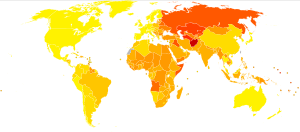
Age-standardised disability-adjusted life year...

Age-standardised disability-adjusted life year (DALY) rates from Cardiovascular diseases by country (per 100,000 inhabitants). (Photo credit: Wikipedia)

English: Cardiovascular disease: PAD therapy w...

English: Cardiovascular disease: PAD therapy with stenting Deutsch: PAVK Therapie: Kathetertherapie mit stenting (Photo credit: Wikipedia)
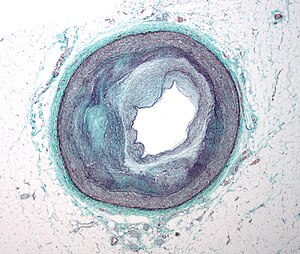
Micrograph of an artery that supplies the hear...

Micrograph of an artery that supplies the heart with significant atherosclerosis and marked luminal narrowing. Tissue has been stained using Masson’s trichrome. (Photo credit: Wikipedia)

Read Full Post »

Biological Therapeutics for Asthma

Curator: Larry H Bernstein, MD, FCAP


Update on Biological Therapeutics for Asthma

Marisha L. Cook, MD, and Bruce S. Bochner, MD
Department of Medicine, Division of Allergy and Clinical Immunology
Johns Hopkins University School of Medicine, Baltimore, MD

BASIC AND CLINICAL TRANSLATIONAL SCIENCE IN ALLERGY, ASTHMA AND IMMUNOLOGY
WAO Journal 2010; 3:188–194
Difficulty in managing severe asthma has encouraged research about its pathobiology and treatment options. Novel biologic therapeutics are being developed for the treatment of asthma and are of potential use for severe refractory asthma, especially where the increased cost of such agents is more likely justified. This review summarizes currently approved (omalizumab) and investigational biologic agents for asthma, such as

  • antibodies,
  • soluble receptors,
  •  other protein-based antagonists,

and highlight recent published data on efficacy and safety of these therapies in humans. As these newer agents with highly targeted pharmacology are tested in asthma,

  • we are also poised to learn more about the role of cytokines and other molecules in the pathophysiology of asthma.

Key Words: asthma, biologic therapies, cytokines, monoclonal antibodies

Despite the well-known and fairly consistent efficacy of
drugs such as inhaled corticosteroids, leukotriene modifiers
and 2 agonists for the majority of asthmatics, as many as
10% suffer from severe disease inadequately controlled by
conventional therapy. Severe and sustained symptoms lead to
poor quality of life, disproportionate use of health care

resources, and significant adverse effects. Novel biologic therapeutics are being developed for the treatment of asthma and are of potential use for severe refractory asthma, especially where the increased cost of such agents is more likely justified.
This review will briefly summarize what is meant by “biologic therapies” and then highlight recent published data on efficacy and safety of these therapies for asthma.

WHAT ARE BIOLOGIC THERAPIES?
Biologic therapies have revolutionized the treatment of many diseases including asthma. By definition, the term “biologics” or “biologicals” include a variety of protein based therapeutics, such as antibodies, soluble receptors (eg,etanercept), recombinant protein-based receptor antagonists (eg, pitrakinra) and other related structures. Their main advantages include the duration of action and highly specific and strong binding to the target of interest; their main disadvantages are the cost and need for parenteral administration. Most biologicals in clinical use are antibodies, and their generic names contain standard nomenclature as a suffix to
indicate their origins (Fig. 1). Initially, pure murine antibodies were created with hybridoma technology, generating therapies that were 100% mouse with generic names given the suffix “momab” (eg, ibritumomab); however, immunogenicity of mouse antibodies in human subjects caused reduced efficacy and increased risk of infusion reactions including anaphylaxis and death. To reduce immunogenicity, chimeric antibodies
(“ximabs” like rituximab) were engineered. These antibodies are a marriage of murine variable regions combined with human constant regions, creating antibodies that are 80% human. These were a step forward but still had the potential for being immunogenic. Humanized monoclonal antibodies (“zumabs” such as omalizumab) go one step further, where now only the hypervariable regions of the mouse antibody are retained,
while the remaining 95% of the antibody is molecularly replaced by human sequences.

In the latest approach, fully human antibodies (“umabs” such as adalimumab) can be created by using phage display technology and molecular biology or more directly by immunizing mice that have had their immunoglobulin genes replaced with human versions. Newer artificial antibody structures such as bispecific antibodies, mix 2 separate arms with 2 different binding specificities to target 2 different types of antigens [eg, a single antibody where one arm binds interleukin (IL)-4 and the other arm binds IL-13]. Standard nomenclature for mAbs identifies their source with the last 4 or 5 letters: -omab, murine: –ximab, chimeric: -zumab, humanized: and –umab, human. The middle part of the name reflects the disease indication for which the mAb was initially intended: -lim for immune and inflammatory diseases, -cir for cardiovascular disorders, and -tu for tumors or neoplastic conditions. The first 3 or 4 letters may be chosen by the sponsor. Modified (by adding the structure of a bispecific antibody) . In general, FDA-approved mAbs have emerged between 10 and 12 years after the date that the new technologies on which they were based were reported in the scientific literature. None of these newer antibody structures have been tried in asthma, so the remainder of this review will focus on available data with standard biologicals.
Here is a listing of the key focus on biomolecules for therapeutics:
IL-4    

It induces the IgE isotype switch and up-regulates expression of vascular cell adhesion molecule-1 on endothelium and a variety of TH2 chemokines, thus promoting recruitment of T lymphocytes, monocytes,                 basophils, and eosinophils to sites of allergic inflammation.  A clinical trial studied the soluble recombinant human IL-4 receptor (IL-4R), Nuvance in asthma. Nuvance inhibited a decline in FEV1 during inhaled corticosteroid withdrawal and was overall well tolerated.2,3 However, in subsequent clinical trials in patients taking only beta agonist, soluble IL-4R failed to demonstrate significant clinical efficacy. A phase I randomized double blind placebo controlled study evaluated the effects of pascolizumab, a humanized anti-IL-4 antibody, in 24 patients with mild to moderate asthma. Pascolizumab was well tolerated and no serious adverse events occurred.5 However, a phase IIa clinical trial in steroid-naive, mild to moderate asthmatics, did not demonstrate clinical efficacy. Because the IL-4 targeting studies have failed to demonstrate clinical efficacy, one can justify concluding that either IL-4R is not an effective therapeutic target in asthma.

TNFa

Tumor necrosis factor (TNF) is a multifunctional proinflammatory cytokine produced by inflammatory cells including monocytes, macrophages, mast cells, smooth muscle cells, and epithelial cells. TNF may initiate airway inflammation by up-regulating adhesion molecules, mucin hypersecretion, and airway remodeling, and by synergizing with TH2 cytokines. Berry et al demonstrated that severe refractory asthmatics have evidence of up-regulation of TNF as compared with healthy controls and mild asthmatics.  Entanercept was evaluated in a small, randomized, double-blind placebo-controlled crossover study in 10 patients with severe refractory asthma and elevated TNF levels, 10 patients with mild to moderate asthma, and 10 control patients. Entanercept treatment was associated with improved FEV1, asthma related quality of life, and the concentration of methacholine needed to provoke a 20% decrease in FEV1. No serious adverse reactions were noted. In another double-blind, placebo-controlled, parallel group study, 38 patients with moderate asthma on inhaled corticosteroids were treated with infliximab. Although infliximab treatment did not improve the primary end point of morning peak expiratory flow, it decreased diurnal variation of the peak expiratory flow rate and asthma exacerbations. No serious adverse events were noted. Golimumab was recently evaluated in the largest randomized, double-blind, placebo-controlled study in 309 patients with severe, uncontrolled asthma. No significant differences were observed for the change in FEV1 or exacerbations. However, several serious adverse events occurred. There is no clear role for TNF in perpetuating asthma or asthma exacerbations.

CD4

CD4 T cells are likely to be involved as a source of proinflammatory cytokines in asthma. Keliximab is a monoclonal antibody that causes a transient reduction in the number of CD4 T cells. A double blind, randomized, placebo controlled study with 22 severe oral corticosteroid dependent asthmatics patients was completed. A subset of patients received the highest dose of keliximab (3.0 mg/kg). There was significant improvement of peak expiratory flow rates in the high dose treatment arm. However, CD4 T cells remained transiently reduced 14 days postinfusion, raising safety concerns.

CD23  

CD23 is a low-affinity immunoglobulin E receptor (FcRII) and is important in regulating IgE production. IDEC-152 is a chimeric monoclonal antibody directed against CD23. CD23 is expressed on

  • T and B cells,
  • neutrophils,
  • monocytes, and
  • macrophages.

CD23 is overexpressed in allergic disease and may be involved in IgE overproduction,

    • which can lead to mast cell degranulation.

A phase I dose escalating placebo-controlled study in 30 asthmatics demonstrated that

  • IDEC-152 caused a dose-dependent reduction in serum IgE concentrations.
    • No significant adverse events were reported

CD25

Airway inflammation is associated with activated CD25 T cells, IL-2, and soluble IL-2 receptors. Daclizumab is a humanized monoclonal antibody directed against the alpha subunit of the high affinity IL-2 receptor (CD25). This inhibits IL-2 binding and release of inflammatory cytokines. A randomized, double-blind, placebo-controlled, parallel group study was performed (115 patients, 88 to the treatment arm, 27 to placebo)to evaluate the efficacy of daclizumab in patients with moderate to severe asthma poorly controlled on inhaled corticosteroids. Treatment with daclizumab led to improvements in FEV1, daytime asthma symptoms, and rescue 2 agonist use,but the effects were modest.

IgE

Omalizumab is a humanized monoclonal anti-IgE antibody that binds free circulating IgE and prevents the interaction between IgE and high affinity (FcRI) and low affinity (FcRII) IgE receptors on inflammatory cells. Omalizumab also down-regulates the surface expression of FcRI on basophils, mast cells, and dendritic cells.  Omalizumab decreases free IgE levels and reduces FcRI receptor expression on mast cells and basophils. This results in decreased mast cell activation and sensitivity, leading to a reduction in eosinophil influx and activation. Anti-IgE treatment with omalizumab might result in decreased mast cell survival. Omalizumab also reduces dendritic cell FcRI receptor expression.  The primary end point in a phase III randomized prospective trial was the number of exacerbation episodes during the steroid reduction period and the stable steroid period. During the stable steroid phase, fewer omalizumab subjects than placebo subjects experienced one or more exacerbations (14.6 vs. 23.3%; P  0.009). During the steroid reduction phase, the omalizumab group had fewer subjects with exacerbations (21.3 vs. 32.3%; P  0.04). The median reduction in inhaled corticosteroid dose was significantly greater in the omalizumab group than in the placebo group (75 vs. 50%; P  0.001).  The efficacy of omalizumab was demonstrated in other clinical trials including INNOVATE.  INNOVATE was a double-blind, parallel-group study in which 419 subjects were randomized to receive omalizumab or placebo for 28 weeks. The omalizumab group had a 26% reduction in the rate of clinically significant exacerbations compared with placebo (.68 vs. .91, P  0.042).  A recent omalizumab observational study of 280 subjects demonstrates similar findings. After 6 months, they found a reduction in daily symptoms by 80%, nocturnal symptoms by 86%, asthma exacerbations by 82%, hospitalizations by 76%, unscheduled health care visits by 81%, and improvement in quality of life (Mini Asthma Quality of Life Questionnaire increased from 2.9 to 4.5 after 6 months of treatment).

Examining the effects of biologic agents provides unique and valuable insight into the pathobiology of asthma. Furthermore, it is an ideal opportunity to identify mechanisms inherent to severe refractory asthma. The development of biologic agents has been a slow and arduous process; however, a substantial amount of progress has been achieved. Although omalizumab is an expensive medical treatment, therapy may be cost effective in patients with uncontrolled severe persistent allergic asthma because the majority of the economic burden is in this population. Hopefully ongoing efforts with biologicals will lead to improved management options for our most severe asthma patients.

More information is available from the article:    World Allergy Organ J. 2010;3(6):188–194.    http://dx.doi.org/10.1097/WOX.0b013e3181e5ec5a
PMCID: PMC2922052 NIHMSID: NIHMS221446
http://www.ncbi.nlm.nih.gov/pmc/articles/PMC2922052/figure/F2/  http://www.ncbi.nlm.nih.gov/pmc/articles/PMC2922052/bin/waoj-3-188-g002.gif  http://www.ncbi.nlm.nih.gov/pmc/articles/PMC2922052/figure/F3/  http://www.ncbi.nlm.nih.gov/pmc/articles/PMC2922052/bin/waoj-3-188-g003.gif
http://www.ncbi.nlm.nih.gov/pmc/articles/PMC2922052/

English: Overview of hybridoma technology and ...

English: Overview of hybridoma technology and monoclonal antibody creation (Photo credit: Wikipedia)

Mast cells are involved in allergy. Allergies ...

Mast cells are involved in allergy. Allergies such as pollen allergy are related to the antibody known as IgE. Like other antibodies, each IgE antibody is specific; one acts against oak pollen, another against ragweed. (Photo credit: Wikipedia)

Emil von Behring

Emil von Behring (Photo credit: Wikipedia)

Diagram showing the production of monoclonal a...

Diagram showing the production of monoclonal antibodies via hybridoma technology (Photo credit: Wikipedia)


Read Full Post »

Treatment for Metastatic HER2 Breast Cancer

Screen Shot 2021-07-19 at 7.34.43 PM

Word Cloud By Danielle Smolyar

Reporter: Larry H Bernstein, MD, FCAP
Leaders in Pharmaceutical Innovation
http://pharmaceuticalintelligence.com/2013/03/03/9680/Treatment for Metastatic HER2 Breast Cancer 

FDA Approves New Treatment for Metastatic HER2 Breast Cancer (antibody-drug conjugate)
T-DM1 is indicated for patients who were previously treated with the anti-HER2 therapy trastuzumab (Herceptin, Genentech) and a taxane chemotherapy.

The US Food and Drug Administration (FDA) today approved ado-trastuzumab emtansine (Kadcyla, Genentech), also known as T-DM1, for the treatment of patients with HER2-positive metastatic breast cancer.
T-DM1 is indicated for patients who were previously treated with

  • the anti-HER2 therapy trastuzumab (Herceptin, Genentech) and a taxane chemotherapy.

This product offers a new twist on an older product; it is an antibody–drug conjugate in which the

  • HER2-targeted antibody trastuzumab
  • is chemically linked to the cytotoxin mertansine (DM1).

The antibody homes in on HER2 breast cancer cells, delivering the chemotherapy directly to the tumor, which reduces the risk for toxicity.  According to Richard Pazdur, MD, at the FDA Center for Drug Evaluation and Research, T-DM1 carries the drug-conjugate

  • directly to the cancer site
  • to shrink the tumor,
  • slow disease progression, and
  • prolong survival .

It is the fourth drug approved that targets the HER2 protein. Apart from lapatinib, which is marketed by GlaxoSmithKline, all the other HER2-targeted products have been developed and are marketed by Genentech/Roche. For T-DM1, the proprietary technology involved in the DM1 portion of the product was developed by ImmunoGen, working in collaboration with Genentech/Roche.

In the pivotal phase 3 EMILIA study, patients receiving T-DM1 survived nearly 6 months longer than patients receiving the standard therapy of

  • lapatinib (Tykerb) plus capecitabine (Xeloda) (median overall survival, 30.9 vs 25.1 months).

There were fewer grade 3 or higher (severe) adverse events with TDM-1 than with standard therapy

  • 43.1% vs. 59.2%)

The approval represents a “momentous” day in breast cancer, said Kathy Miller, MD, from Indiana University in Indianapolis, in her Miller on Oncology Medscape blog.

  • HER2-positive patients with metastatic disease have a therapy that offers prolonged disease control with less toxicity

 T-DM1 was more effective in EMILIA than standard therapy on every outcome:

  • overall response rate,
  • disease-free survival,
  • progression-free survival, and
  • overall survival.

Herceptin Fab (antibody) - light and heavy chains

Herceptin Fab (antibody) – light and heavy chains (Photo credit: Wikipedia)

Ribbon diagram of the Fab fragment of , a , bo...

Ribbon diagram of the Fab fragment of , a , bound to the extracellular domain of HER2. Created using Accelrys DS Visualizer Pro 1.6 and . ; Legend Trastuzumab Fab fragment, Trastuzumab Fab fragment, HER2, extracellular domain (Photo credit: Wikipedia)

Breast cancer (Infiltrating ductal carcinoma o...

Breast cancer (Infiltrating ductal carcinoma of the breast) assayed with anti HER-2 (ErbB2) antibody. (Photo credit: Wikipedia)

English: Breast cancer incidence by age in wom...

English: Breast cancer incidence by age in women in the United Kingdom 2006-2008. Reference: Excel chart for Figure 1.1: Breast Cancer (C50), Average Number of New Cases per Year and Age-Specific Incidence Rates, UK, 2006-2008 at Breast cancer – UK incidence statistics at Cancer Research UK. Section updated 18/07/11. (Photo credit: Wikipedia)

Read Full Post »

Author: Michael, Ward, DVM

I recently found a report, written by Mark Hollmer and published 28 November, 2012 by Fierce Medical Devices

http://www.fiercemedicaldevices.com/signup?sourceform=Viral-Tynt-

entitled, “Edwards’ mitral heart valve wins Chinese SFDA nod”.

Though I wonder why Edwards would be taking a more than 30 year-old medical device to China – only Edwards’ business leaders could answer that – I was stuck by one small paragraph that led to this writing.

“Edwards, like many device companies, has turned to China for new growth opportunities and the country factors into its long-term growth plans. Known for heart valves and hemodynamic monitoring devices, Edwards has also propelled U.S. growth with its Sapien transcatheter aortic heart valve, which won FDA approval earlier this fall to treat a larger class of patients.”

This discussion will address the current trend of Western companies attempting to penetrate China’s medical device market. As one who is often asked to speak at public meetings on this topic, I have given frequent and serious reflection on my experiences with and knowledge of this topic.

The uninitiated Western medical device companies may not realize that China is very much different from other major countries, in the areas of

  • marketing/sales,
  • regulatory affairs,
  • clinical research, and
  • hospital practices.

Historically, SFDA has been active since the 1990’s; however, their initial focus was limited to understanding and approving pharmaceuticals. Thus, SFDA’s

  • regulations,
  • extent of product and therapeutic knowledge, and
  • GCP certification programs

have been primarily focused on drugs. With the exception of the counterfeit medicine epidemic, global pharmaceutical companies have become well entrenched and enjoy a strong presence in China’s hospitals. That does not mean they are making great profits.

Counterfeit drug enterprises in China have steadily grown into a lucrative opportunity since the 1990s. Often supported by local government and Chinese Military investment, counterfeit drug manufacturing plants can be rapidly set up and also re-established, if subjected to raids by SFDA officials. These fake medications have found their way into China’s pharmacies and hospitals, and now are a threat to the United States. The loss of bona fide sales as well as the money required to fight this criminal element significantly erodes the profits of major pharmaceutical companies.

In and above the aforementioned challenge to global pharmaceutical companies, all biomedical companies must share a considerable portion of any given patient population with Chinese Traditional Medicine (CTM). CTM has enjoyed centuries of development and use and it is an integral part of China’s society. Medical schools and hospitals teach and offer CTM therapies. Given the paucity of health insurance among the majority of China’s population and limited disposable income to pay for expensive medical treatments, CTM offers an attractive alternative – one that is deeply entrenched within the culture and also easily affordable. For reasons to which I will allude later, CTM lends itself to a culture that readily accepts anecdotal evidence and rarely scrutinizes medical therapies for compelling clinical evidence.

Medical devices have their own unique challenges to address. Initially, many of them are not readily apparent to any neophyte company that expects ‘business as usual’ when introducing products to China. Unlike Japan, where one of the biggest barriers to market entry rests in dealing with a well-organized, challenging, and complex regulatory authority, SFDA is a ‘work in progress’. China is the only country, of which I am aware, where the regulatory authority (SFDA) has asked experts in global companies for helpful guidance on the approval and oversight of medical devices. Couple that with the national governments focus on making it easier for Chinese medical device companies to access the market, and it’s easy to understand why several large home-born enterprises, such as Microport Medical, enjoy large shares of the domestic market for most indications.

For many years, and even today, many companies refuse to go to China for fear of having their technology reverse engineered and copied. This fear is fueled by China’s lack of effective laws on intellectual property (IP). Even where laws do exist, they are rarely enforced. This fear on the part of Western companies is irrational, which is why the major global medical device companies and many smaller organizations, including Edwards LifeSciences, have concluded that threats to their IP are no more an issue in China than in any other region of the world.

That is not to say copycat devices don’t exist in China. Many observers are curious as to how these large domestic medical device companies in China could have product portfolios that closely replicate those of the major global companies. To illustrate this point – during the 1990s, I knew a Chinese woman in Southern California who worked in QA and, therefore, had access to drawings, test results, and manufacturing processes for any of her current company’s product portfolios. Her open confession to me was that, after another year or so, she planned to go back to China to establish her own catheter company, using all the knowledge and information she had gathered in her job. Western media have uncovered a lot of copying of company proprietary information by Chinese citizens who find jobs in the USA or Europe. Many ‘industrial spies’ are highly qualified engineers and scientists who make valuable contributions to all aspects of product development. In spite of their devotion to product development, one can understand their culturally-inbred insensitivity toward issues of confidentiality and intellectual property.

Some readers might be thinking right now, “Damned if you do!” (going to China) and “Damned if you don’t!” (opting to stay in a protective mode outside China). Some might conclude that, if Western countries open up their doors to foreign engineers and scientists, no IP is safe. However, one only has to look at WL Gore (Flagstaff AZ), which experienced an American-bred and educated manufacturing ‘associate’ relocating down the mountain to Phoenix to establish a company that was alleged to have incorporated biomaterials, knowhow, and manufacturing processes inherent to Gore. Though the latter is uncommon, it does underscore the point that industrial espionage is not just a China-based challenge; however, in most Western countries, rigorous enforcement of strict IP laws is quite effective in keeping ‘copycat’ medical devices, including those that originate in China, off the market. Given this perspective, avoiding China only for fear of IP threats is irrational.

In September 2012, in Northern California, I met with a VP of International Business for one of the largest of China’s domestic medical device companies. I was curious about his company having no presence in the U.S. market and their international focus on African and South American countries – both regions being weak in enforcing laws on IP. Given his company’s limited global focus and his admission that the company leadership in Shanghai only understood China’s processes and had no appreciation of or interest in appropriate development and expensive testing of medical devices sufficient to achieve CE Mark or 510(k) clearance, Western medical device business leaders can breathe easy about the prospect of a company in China threatening market share in Europe, USA and many other Western countries with copycat devices.

This is just one of several instances where China’s culture and laws are deeply entrenched in the medical device community, resulting in unique perspectives and practices. Some of these differences and limitations make it very difficult for China’s physicians to compete with their Western counterparts in such areas as publishing in Western peer-reviewed medical journals and in carrying out quality research with medical devices. A significant challenge for Western medical device companies is to assure that their China-trained customers have sufficient skills to use their devices. Two-day training programs for physicians have proven to be quite ineffective.

There are many endemic factors, which contribute to the lack of sufficient technical skill and therapeutic proficiency on the part of China’s medical device users. Some of these are

(a) strong tendency to be dogmatic and carry on with older therapeutic approaches (justification is based on having treated large numbers of patients with long-established methods);

(b) hospital hierarchical management style, with older physicians at the top who direct all staff members to propagate older methods;

(c) medical school training does not include experience with newer medical devices;

(d) Western medical devices are often sold at Western prices, leaving so many uninsured patients unable to pay for these therapies (limited use of Western devices); and,

(e) the role of CTM further erodes opportunities to get valuable experience.

Edwards LifeSciences may enjoy early market penetration with a 30-year-old heart valve. Most companies initially focus on

  • Beijing,
  • Shanghai,
  • Guangzhou and
  • a few other major cities,

where more patients have health insurance and/or sufficient cash to pay for expensive treatments. But, to gain major market share, prices would have to come down dramatically, something many multi-national medical device companies are reluctant to consider.

The above comments are only a cursory reflection of some of the key challenges facing a company interested in the medical device market in China. I have not mentioned the unique challenges for

  • marketing and
  • distribution or the rather unique approach one must adopt to
  • sponsor and manage clinical trials in China.

A STORY OF LAGGING BEHIND:

For more than a decade, medical device applications, modernization, and market expansion in China have lagged well behind a more mature pharmaceutical domain. Compounding this is another gap created between a hierarchical, dogmatic, and historically/culturally-entrenched medical community and those components of China’s society (examples are, IT, capitalism, banking, fashion) that have dramaticall expanded, modernized, and brought economic prosperity. I believe that the aforementioned gaps have narrowed in recent years and can be increasingly narrowed such that many Western medical devices will find a formidable market presence in China.

Other related articles on Medical Devices for Cardiac Repair published on this Open Access Online Scientific Journal. include the following:

August 7, 2012 – Transcatheter Aortic Valve Implantation (TAVI): risk for stroke and suitability for surgery

http://pharmaceuticalintelligence.com/2012/08/07/transcatheter-aortic-valve-implantation-tavi-risky-and-costly-2/

August 2, 2012 – Transcatheter Aortic Valve Implantation (TAVI): Risky and Costly

http://pharmaceuticalintelligence.com/2012/08/02/transcatheter-aortic-valve-implantation-tavi-risky-and-costly/

June 4, 2012 – Investigational Devices: Edwards Sapien Transcatheter Aortic Valve Transapical Deployment http://pharmaceuticalintelligence.com/2012/06/04/investigational-devices-edwards-sapien-transcatheter-heart-valve/

June 10, 2012 — Investigational Devices: Edwards Sapien Transcatheter Aortic Heart Valve Replacement Transfemoral Deployment http://pharmaceuticalintelligence.com/2012/06/10/investigational-devices-edwards-sapien-transcatheter-aortic-heart-valve-replacement-transfemoral-deployment/

1/29/2013 — Direct Flow Medical Wins European Clearance for Catheter Delivered Aortic Valve

http://pharmaceuticalintelligence.com/2013/01/29/direct-flow-medical-wins-european-clearance-for-catheter-delivered-aortic-valve/

6/19/2012 Executive Compensation and Comparator Group Definition in the Cardiac and Vascular Medical Devices Sector: A Bright Future for Edwards Lifesciences Corporation in the Transcatheter Heart Valve Replacement Market

http://pharmaceuticalintelligence.com/2012/06/19/executive-compensation-and-comparator-group-definition-in-the-cardiac-and-vascular-medical-devices-sector-a-bright-future-for-edwards-lifesciences-corporation-in-the-transcatheter-heart-valve-replace/

2/12/2013 Clinical Trials on transcatheter aortic valve replacement (TAVR) to be conducted by American College of Cardiology and the Society of Thoracic Surgeons

http://pharmaceuticalintelligence.com/2013/02/12/american-college-of-cardiologys-and-the-society-of-thoracic-surgeons-entrance-into-clinical-trials-is-noteworthy-read-more-two-medical-societies-jump-into-clinical-trial-effort-for-tavr-tech-f/

Read Full Post »

« Newer Posts - Older Posts »