Feeds:
Posts
Comments

Archive for the ‘Signaling’ Category

There are three calcium-channel blocking drugs available, but only verapamil possesses significant clinical antiarrhythmic effects. Since the drug affects

Sourced through Scoop.it from: my-medstore-canada.net

See on Scoop.itCardiovascular Disease: PHARMACO-THERAPY

Read Full Post »

Reverse Engineering of Vision

Larry H. Bernstein, MD, FCAP, Curator

LPBI


CMU announces research project to reverse-engineer brain algorithms, funded by IARPA

A Human Genome Project-level plan to make computers learn like humans
February 5, 2016   http://www.kurzweilai.net/cmu-announces-research-project-to-reverse-engineer-brain-algorithms-funded-by-iarpa

http://www.kurzweilai.net/images/neural-network-CMU.jpg

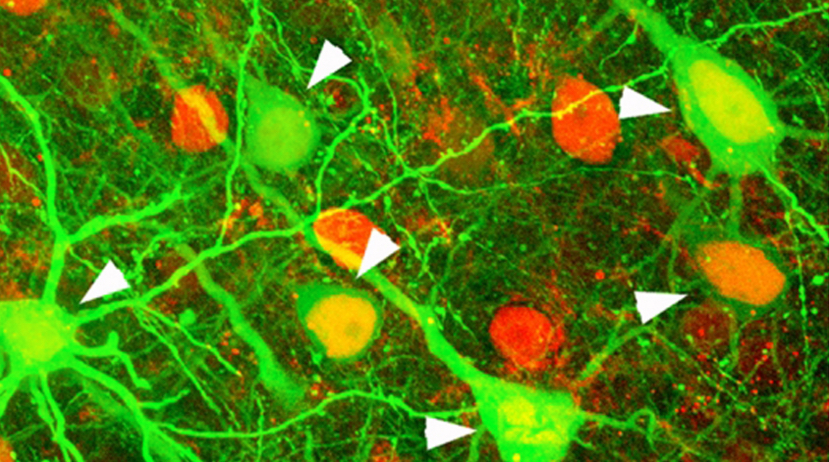
Individual brain cells within a neural network are highlighted in this image obtained using a fluorescent imaging technique (credit: Sandra Kuhlman/CMU)

Carnegie Mellon University is embarking on a five-year, $12 million research effort to reverse-engineer the brain and “make computers think more like humans,” funded by the U.S. Intelligence Advanced Research Projects Activity (IARPA). The research is led by Tai Sing Lee, a professor in the Computer Science Department and the Center for the Neural Basis of Cognition (CNBC).

The research effort, through IARPA’s Machine Intelligence from Cortical Networks (MICrONS) research program, is part of the U.S. BRAIN Initiative to revolutionize the understanding of the human brain.

A “Human Genome Project” for the brain’s visual system

“MICrONS is similar in design and scope to the Human Genome Project, which first sequenced and mapped all human genes,” Lee said. “Its impact will likely be long-lasting and promises to be a game changer in neuroscience and artificial intelligence.”

The researchers will attempt to discover the principles and rules the brain’s visual system uses to process information. They believe this deeper understanding could serve as a springboard to revolutionize machine learning algorithms and computer vision.

In particular, the researchers seek to improve the performance of artificial neural networks — computational models for artificial intelligence inspired by the central nervous systems of animals. Interest in neural nets has recently undergone a resurgence thanks to growing computational power and datasets. Neural nets now are used in a wide variety of applications in which computers can learn to recognize faces, understand speech and handwriting, make decisions for self-driving cars, perform automated trading and detect financial fraud.

How neurons in one region of the visual cortex behave

“But today’s neural nets use algorithms that were essentially developed in the early 1980s,” Lee said. “Powerful as they are, they still aren’t nearly as efficient or powerful as those used by the human brain. For instance, to learn to recognize an object, a computer might need to be shown thousands of labeled examples and taught in a supervised manner, while a person would require only a handful and might not need supervision.”

To better understand the brain’s connections, Sandra Kuhlman, assistant professor of biological sciences at Carnegie Mellon and the CNBC, will use a technique called “two-photon calcium imaging microscopy” to record signaling of tens of thousands of individual neurons in mice as they process visual information, an unprecedented feat. In the past, only a single neuron, or tens of neurons, typically have been sampled in an experiment, she noted.

“By incorporating molecular sensors to monitor neural activity in combination with sophisticated optical methods, it is now possible to simultaneously track the neural dynamics of most, if not all, of the neurons within a brain region,” Kuhlman said. “As a result we will produce a massive dataset that will give us a detailed picture of how neurons in one region of the visual cortex behave.”

A multi-institution research team

Other collaborators are Alan Yuille, the Bloomberg Distinguished Professor of Cognitive Science and Computer Science at Johns Hopkins University, and another MICrONS team at the Wyss Institute for Biologically Inspired Engineering, led by George Church, professor of genetics at Harvard Medical School.

The Harvard-led team, working with investigators at Cold Spring Harbor Laboratory, MIT, and Columbia University, is developing revolutionary techniques to reconstruct the complete circuitry of the neurons recorded at CMU. The database, along with two other databases contributed by other MICrONS teams, unprecedented in scale, will be made publicly available for research groups all over the world.

In this MICrONS project, CMU researchers and their collaborators in other universities will use these massive databases to evaluate a number of computational and learning models as they improve their understanding of the brain’s computational principles and reverse-engineer the data to build better computer algorithms for learning and pattern recognition.

“The hope is that this knowledge will lead to the development of a new generation of machine learning algorithms that will allow AI machines to learn without supervision and from a few examples, which are hallmarks of human intelligence,” Lee said.

The CNBC is a collaborative center between Carnegie Mellon and the University of Pittsburgh. BrainHub is a neuroscience research initiative that brings together the university’s strengths in biology, computer science, psychology, statistics and engineering to foster research on understanding how the structure and activity of the brain give rise to complex behaviors.

The MICrONS team at CMU allso includes Abhinav Gupta, assistant professor of robotics; Gary Miller, professor of computer science; Rob Kass, professor of statistics and machine learning and interim co-director of the CNBC; Byron Yu, associate professor of electrical and computer engineering and biomedical engineering and the CNBC; Steve Chase, assistant professor of biomedical engineering and the CNBC; and Ruslan Salakhutdinov, one of the co-creators of the deep belief network, a new model of machine learning that was inspired by recurrent connections in the brain, who will join CMU as an assistant professor of machine learning in the fall.

Other members of the team include Brent Doiron, associate professor of mathematics at Pitt, and Spencer Smith, assistant professor of neuroscience and neuro-engineering at the University of North Carolina.

Not all machine-intelligence experts are on board with reverse-engineering the brain. In a Facebook post today, Yann LeCun, Director of AI Research at Facebook and a professor at New York University, asked the question in a recent lecture, “Should we copy the brain to build intelligent machines?” “My answer was ‘no, because we need to understand the underlying principles of intelligence to know what to copy. But we should draw inspiration from biology.’”


Read Full Post »

Reinforced disordered cell expression

Larry H. Bernstein, MD, FCAP, Curator

LPBI


Diabetes, Alzheimer’s Share Molecular Pathways, Part of Same Vicious Cycle

http://www.genengnews.com/gen-news-highlights/diabetes-alzheimer-s-share-molecular-pathways-part-of-same-vicious-cycle/81252206/

http://www.genengnews.com/Media/images/GENHighlight/thumb_Jan8_2016_Fotolia_30836005_JigsawPuzzleBrainAndHead1904910113.jpg

A molecular-level link has been found that helps explain the poorly understood association between diabetes and Alzheimer’s disease. Both disorders can drive and be driven by the same pathological process, the disruption of a particular kind of post-translational modification called S-nitrosylation. Thus, the disorders can reinforce each other. [© freshidea/Fotolia]


Though they appear to be distinct, diabetes and Alzheimer’s disease have much in common at the molecular level. In fact, recent findings indicate that either disease can worsen the other by disrupting the same chemical process—S-nitrosylation, a form of post-translational modification that is necessary for the proper functioning of multiple enzymes.

S-nitrosylation, it turns out, can be disrupted by excess sugar or β-amyloid protein, either of which can wreak havoc by increasing the levels of nitric oxide and other free radical species. Once S-nitrosylation is disturbed and poorly functioning enzymes are produced, the downstream effects include abnormal increases in both insulin and β-amyloid protein.

Thus, diabetes and Alzheimer’s can drive, and be driven by, the same vicious cycle. Furthermore, either can contribute to the other’s progress. These results emerged from a study completed by researchers based at the Sanford Burnham Prebys Medical Discovery Institute and the Scintillon Institute. The research team was led by Stuart A. Lipton, M.D., Ph.D., a physician-scientist affiliated with both institutions.

“This work points to a new common pathway to attack both type 2 diabetes, along with its harbinger, metabolic syndrome, and Alzheimer’s disease,” stated Dr. Lipton.

The researchers published their work January 8 in the journal Nature Communications in an article entitled, “Elevated glucose and oligomeric β-amyloid disrupt synapses via a common pathway of aberrant protein S-nitrosylation.” This article describes how the scientists used a so-called “disease-in-a-dish” model to discover molecular pathways that are in common in both diabetes and Alzheimer’s.

Specifically, the scientists genetically reprogrammed the skin of human patients to make induced pluripotent stem cells, which were then used to derive nerve cells. They also used mouse models of each disease to analyze the combined effects of high blood sugar and β-amyloid protein in living animals.

“[We] report in human and rodent tissues that elevated glucose, as found in [metabolic syndrome and type 2 diabetes] and oligomeric β-amyloid (Aβ) peptide, thought to be a key mediator of [Alzheimer’s disease], coordinately increase neuronal Ca2+ and nitric oxide (NO) in an NMDA receptor-dependent manner,” wrote the authors of the Nature Communications article. “The increase in NO results in S-nitrosylation of insulin-degrading enzyme (IDE) and dynamin-related protein 1 (Drp1), thus inhibiting insulin and Aβ catabolism as well as hyperactivating mitochondrial fission machinery.”

The scientists also found that the changes in enzyme activity led to damage of synapses, the region where nerve cells communicate with one another in the brain. The combination of high sugar and β-amyloid protein caused the greatest loss of synapses. Since loss of synapses correlates with cognitive decline in Alzheimer’s, high sugar and β-amyloid coordinately contribute to memory loss.

“The NMDA receptor antagonist memantine attenuates these effects,” the authors continued. “Our studies show that redox-mediated posttranslational modification of brain proteins link Aβ and hyperglyaemia to cognitive dysfunction in [metabolic syndrome/type 2 diabetes] and [Alzheimer’s disease].”

“[Our work] means that we now know these diseases are related on a molecular basis, and hence, they can be treated with new drugs on a common basis,” stated Dr. Ambasudhan, a senior author of the study and an assistant professor at Scintillon.

Read Full Post »

Assessing effects of antimetastatic treatment

Larry H. Bernstein, MD, FCAP, Curator

LPBI


Combining Kinetic Ligand Binding and 3D Tumor Invasion Technologies to Assess Drug Residence Time and Anti-metastatic Effects of CXCR4 Inhibitors

Application Note 3D Cell Culture, ADME/Tox, Cell Imaging, Cell-Based Assays
BioTek Instruments, Inc. P.O. Box 998, Highland Park, Winooski, Vermont 05404-0998
Brad Larson and Leonie Rieger, BioTek Instruments, Inc., Winooski, VT
Nicolas Pierre, Cisbio US, Inc., Bedford, MA
Hilary Sherman, Corning Incorporated, Life Sciences, Kennebunk, ME

http://vertassets.blob.core.windows.net/download/ba9da411/ba9da411-a56c-42d3-a1a0-8c128224947f/cisbio_residence_time_app_note_final.pdf


Metastasis, the spread of cancer cells from the original tumor to secondary locations within the body, is linked to approximately 90% of cancer deaths1 . The expression of chemokine receptors, such as CXCR4 and CCR7, is tightly correlated with the metastatic properties of breast cancer cells. In vivo, neutralizing the interaction of CXCR4 and its known ligand, SDF1-α (CXCL12), significantly impaired the metastasis of breast cancer cells and cell migration2 . Traditionally, the discovery of novel agents has been guided by the affinity of the ligand for the receptor under equilibrium conditions, largely ignoring the kinetic aspects of the ligandreceptor interaction. However, awareness of the importance of binding kinetics has started to increase due to accumulating evidence3, 4, 5, 6 suggesting that the in vivo effectiveness of ligands may be attributed to the time a particular ligand binds to its receptor (drug-target residence time).

Similarly, appropriate in vitro cell models have also been lacking to accurately assess the ability of novel therapies to inhibit tumor invasion. Tumors in vivo exist as a three-dimensional (3D) mass of multiple cell types, including cancer and stromal cells7 . Therefore, incorporating a 3D spheroid-type cellular structure that includes co-cultured cell types forming a tumoroid, provides a more predictive model than the use of individual cancer cells cultured on the bottom of a well in traditional two-dimensional (2D) format.

Here we examine the drug-target residence time of various CXCR4 inhibitors using a direct, homogeneous ligand binding assay and CXCR4 expressing cell line in a kinetic format. This inhibitor panel was further tested in a 3D tumor invasion assay to determine whether there is a correlation between the molecule’s CXCR4 residence time and inhibition of the phenotypic effect of tumor invasion. MDA-MB-231 breast adenocarcinoma cells, known to be invasive, and metastasize to lung from primary mammary fat pad tumors8 , were included, in addition to primary human dermal fibroblasts. Cellular analysis algorithms provided accurate quantification of changes to the original tumoroid structure, as well as invadopodia development. The combination presents an accurate, yet easy-to-use method to assess target-based and phenotypic effects of new, potential anti-metastatic drugs.

……

Cytation™ 5 Cell Imaging Multi-Mode Reader Cytation 5 is a modular multi-mode microplate reader that combines automated digital microscopy and microplate detection. Cytation 5 includes filter- and monochromator-based microplate reading; the microscopy module provides high resolution microscopy in fluorescence, brightfield, color brightfield and phase contrast. With special emphasis on live-cell assays, Cytation 5 features temperature control to 65 °C, CO2 / O2 gas control and dual injectors for kinetic assays. Shaking and Gen5 software are also standard. The instrument was used to image spheroids, as well as individual cell invasion through the Matrigel matrix.

Tag-lite® Receptor Ligand Binding Assay

Figure 1. Tag-lite® Receptor Ligand Binding Assay Procedure. The Tag-lite CXCR4 assay relies on a fully functional SNAP-tag fused CXCR4 receptor and fluorescently labeled ligand SDF1-α. Being homogeneous, the binding assay allows for binding events to be precisely recorded in time. The assay can be used to derive the kinetic binding parameters of unlabeled compounds by application of the Motulsky and Mahan equations.

……

Results and Discussion

Drug-Target Residence Time

Determination Association Kinetics of SDF1-α-d2 Labeled Ligand

The final Drug-Target Residence Time value takes into account the observed on and off rates of the unlabeled inhibitors as well as the labeled SDF1-α-d2 ligand, and is computed by incorporation of the Motulsky and Mahan equation9 . The first step to calculate the final value was to perform an associative binding experiment using a concentration range of 0-100 nM of the d2 acceptor fluor labeled ligand. Binding was monitored kinetically over a period of 40 minutes.

Figure 2. Association binding graph of SDF1-α-d2. Observed associative binding curves calculated from HTRF ratios of wells containing SDF1-α-d2 ligand concentrations ranging from 0-100 nM. Non-specific binding values subtracted from total ratios to determine observed specific binding.

Binding increases over time until it plateaus after several minutes (Figure 2). The plateau in an association experiment depends on the concentration of labeled SDF1-α used. Higher plateaus will be obtained with higher concentrations. Fitting of the curves with Graph Pad Prism yields the observed association rate values for all concentrations tested or kobs.

The Kd value of the labeled ligand was also determined by plotting the HTRF ratios generated after a binding equilibrium was reached with the different concentrations of ligand tested.

Figure 3. SDF1-α-d2 saturation binding curve. HTRF ratios generated upon the achievement of binding equilibrium of tested [SDF1-α-d2].

In a saturation binding experiment, increasing concentrations of labeled SDF1-α result in increased binding. Saturation is obtained when no further binding can be recorded. The ligand concentration that binds to half the receptor sites at equilibrium or Kd was 29 nM.

An assessment of whether the labeled SDF1-α ligand follows the Law of Mass action can also be carried out. If the system does follow the Law of Mass action then kobs increases linearly with increasing concentrations of SDF1-α.

Due to the linear shape of the curve, and an R2 value >0.9, Law of Mass Action was proven for the labeled SDF1-α ligand. This allowed for the use of Graph Pad Prism software to derive association and dissociation rate constants from the linear regression line. The rate constant values experimentally found or mathematically derived are summarized in Table 1. kon,SDF1-α-d2 and koff ,SDF1-α-d2 were 0.001 nM-1.s-1 and 0.04 s-1, respectively

Table   SDF1-α-d2 Kinetic Binding Characterization

Association Kinetics of SDF1-α-d2 Labeled Ligand In the theory developed by Motulsky and Mahan, an unlabeled competitor is co-incubated with a labeled ligand during a kinetic association experiment. Here, a single concentration of the SDF1-α-d2 ligand, 25 nM, was co-incubated with multiple concentrations of the unlabeled SDF1-α competitors in the presence of the CXCR4 expressing cells. Kinetic binding of the labeled ligand was then monitored over time.

Figure 5. Kinetics of Competitive Binding. Plot of specific binding HTRF ratios over time for the SDF1-α-d2 ligand when in the presence of 100, 10, or 1 nM concentrations of (A.) AMD 3100, (B.) AMD 3465, or (C.) IT1t.

From the curve fitting of the observed SDF1-α-d2 kinetic binding, and incorporation of the Law of Mass Action linear regression line, k(off) (Min-1) values were then calculated. Final residence time (R) values could then be determined using the following formula:

R = 1/k(off)

Therefore, molecules having a lower k(off) rate reside at the target receptor for longer periods of time.

Table 2. SDF1-α Competitor Dissociation Rate and Residence Time Values.


From the shape of the curves in Figure 5, and a comparison of the residence time values generated for the labeled ligand and unlabeled competitors (Table 2), qualitative and quantitative assumptions regarding the various competitors can then be made. First, if the competitor dissociates faster from its target than the ligand (smaller R value), such as is seen with AMD 3100 (Figure 5A), the specific binding of the ligand will slowly and monotonically approach its equilibrium in time. However, when the competitor dissociates slower (larger R value), the association curve of the ligand consists of two phases, starting with a typical “overshoot” and then a decline until a new equilibrium is reached. Competitors whose residence times are greater than that of the SDF1-α-d2 ligand, such as AMD 3465 and IT1t (Figure 5B and C), may then exhibit a stronger inhibitory response when used in the confirmatory phenotypic 3D tumor invasion assay.

Interruption of Invasion via SDF1-α Ligand Binding Inhibition As stated previously, interruption of the interaction between CXCR4 and its known ligand, SDF1-α, impairs metastasis of breast cancer and cell migration2 . Therefore, a phenotypic assessment of the CXCR4 inhibitor panel was then performed to determine whether changes in the level of tumor migration could be detected, and more importantly, if compounds exhibiting longer residence times compared to SDF1-α-d2 exhibited a higher inhibitory effect on migration through the 3D matrix. MDA-MB-231 breast adenocarcinoma cells, co-cultured with human dermal fibroblasts, were used as the in vitro tumor model. This breast cancer cell line has been previously shown to express the CXCR4 receptor10.


Figure 6. Image-based Monitoring of MDA-MB-231/Fibroblast Tumor Invasion. Overlaid brightfield and fluorescent images captured using a 4x objective, after a 0 and 5 day incubation period with AMD 3465, IT1t, and CTCE 9908. Imaging channel representation: Brightfield – Total cells and invadopodia; GFP – MDA-MB-231 cells; RFP – Fibroblasts.

Figure 7. Quantification of Invasive Tumor Area. 4x overlaid images captured following 5 day (A.) 100 and (B.) 0 μM IT1t incubation with tumoroids. Object masks automatically drawn by Gen5 using the following criteria: Threshold: 5000 RFU; Min. Object Size: 400 μm; Max. Object Size: 1500 μm; Image Smoothing Strength: 0; Background Flattening Size: Auto.


Cellular analysis is performed with the Cytation 5 using the brightfield signal to quantify the extent of invasion. Minimum and maximum object sizes, as well as brightfield threshold values are set such that a precise object mask is automatically drawn around each tumoroid in its entirety (Figure 7A and B). The same criteria are used for all images evaluated during the experiment. This allows for a quantitative comparison of the area covered within each object mask to be completed.

Figure 8. Tumor Invasion Inhibition Determination. Graphs of individual tumoroid areas on day 0, and subsequent to five day invasion period in the presence of inhibitor concentrations.


The 4x images displayed (Figure 6), as well as the graphs in Figure 8, demonstrating total tumoroid area coverage before and after the incubation period illustrate the ability of CXCR4 inhibitors to interrupt tumor invasion consistent with the previously determined residence time. AMD 3465 and IT1t, which exhibit a residence time longer than SDF1-α-d2, effectively minimize tumor invasion in a dose dependent manner. The decrease in MDAMB-231 GFP and fibroblast RFP expression exhibited after a 5 day 100 μM IT1t incubation, also seen after a 7 day AMD 3465 incubation of the same concentration (data not shown), may also indicate the chronic cytotoxic effects that elevated dosing of these compounds can have on both cancer and stromal cells. All other compounds show little to no effect on the ability of the tumoroid to migrate through the 3D matrix. While AMD 3465 and ITt1 display the same sub-nanomolar potency, AMD3465 prevails as a CXCR4 inhibitor due to its greater residence time.


Conclusions The Tag-lite CXCR4 ligand binding assay provides a simple, yet robust cell-based approach to determine kinetic binding of known receptor ligands, as well as competitive binding of test molecules. The simultaneous dual emission capture and injection capabilities of the Synergy Neo allow accurate calculations of kinetic association and dissociation rates to be made when used in conjunction with the Tag-lite® assay. Corning Spheroid Microplates then provide an easy-to-use, consistent method to perform spheroid aggregation and confirmatory 3D tumor invasion assays. Imaging of spheroid formation, as well as invading structures can be performed by the Cytation™ 5 using brightfield or fluorescent channels to easily track tumoroid invasion. The flexible cellular analysis capacity of the Gen5™ Data Analysis Software also allows for accurate assessment of 3D tumor invasion during the entire incubation period. The combination of assay chemistry, cell model, kinetic microplate and image-based monitoring, in addition to cellular analysis provide an ideal method to better understand the target-based and phenotypic effects of potential inhibitors of tumor invasion and metastasis.

References

1. Saxe, Charles. ‘Unlocking The Mysteries Of Metastasis’. ExpertVoices 2013. http://www.cancer.org/ cancer/news/expertvoices/post/2013/01/23/unlockingthe-mysteries-of-metastasis.aspx. Accessed 16 Mar. 2015.

2. Müller, A., Homey, B., Soto, H., Ge, N., Catron, D., Buchanan, M., McClanahan, T., Mruphy, E., Yuan, W., Wagner, S., Barrera, J., Mohar, A., Verástegui, E., Zlotnik, A. Involvement of chemokine receptors in breast cancer metastasis. Nature. 2001, 410, 50-56.

3. Swinney, D. Biochemical mechanisms of drug action: what does it take for success? Nat Rev Drug Discov. 2004, 3, 801-808.

4. Copeland, R., Pompliano, D., Meek, T. Drugtarget residence time and its implications for lead optimization. Nat Rev Drug Discov. 2006,5, 730-739.

5. Tummino, P., Copeland, R. Residence time of receptor-ligand complexes and its effect on biological function. Biochemistry. 2008, 47, 5481-5492.

6. Zhang, R., Monsma, F. The importance of drug-target residence time. Curr Opin Drug Discov Devel. 2009, 12, 488-496.

7. Mao, Y., Keller, E., Garfield, D., Shen, K., Wang, J. Stromal cells in tumor microenvironment and breast cancer. Cancer Metast Rev. 2013, 32, 303-315.

8. Kamath, L., Meydani, A., Foss, F., Kuliopulos, A. Signaling from protease-activated receptor-1 inhibits migration and invasion of breast cancer cells. Cancer Res. 2001, 61, 5933-5940.

9. Motulsky, H., Mahan, L. The kinetics of competitive radioligand binding predicted by the law of mass action. Mol Pharmacol. 1984, 25, 1-9.

10. Sun, Y., Mao, X, Fan, C, Liu, C., Guo, A., Guan, S., Jin, Q., Li, B., Yao, F., Jin, F. CXCL12-CXCR4 axis promotes the natural selection of breast cancer cell metastasis. Tumor Biol. 2014, 35, 7765-7773.


Read Full Post »

Hybrid lipid bioelectronic membranes

Larry H. Bernstein, MD, FCAP, Curator

LPBI


Hybrid solid-state chips and biological cells integrated at molecular level

Biological ion channels combine with solid-state transistors to create a new kind of hybrid bioelectronics. Imagine chips with dog-like capability to taste and smell, or even recognize specific molecules.
http://www.kurzweilai.net/hybrid-solid-state-chips-and-biological-cells-integrated-at-molecular-level
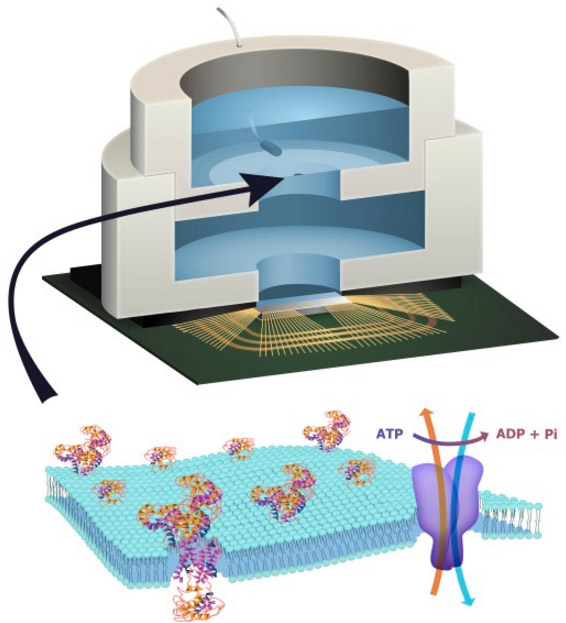
Illustration depicting a biocell attached to a CMOS integrated circuit with a membrane containing sodium-potassium pumps in pores. Energy is stored chemically in ATP molecules. When the energy is released as charged ions (which are then converted to electrons to power the chip at the bottom of the experimental device), the ATP is converted to ADP + inorganic phosphate. (credit: Trevor Finney and Jared Roseman/Columbia Engineering)

Columbia Engineering researchers have combined biological and solid-state components for the first time, opening the door to creating entirely new artificial biosystems.

In this experiment, they used a biological cell to power a conventional solid-state complementary metal-oxide-semiconductor (CMOS) integrated circuit. An artificial lipid bilayer membrane containing adenosine triphosphate (ATP)-powered ion pumps (which provide energy for cells) was used as a source of ions (which were converted to electrons to power the chip).

The study, led by Ken Shepard, Lau Family Professor of Electrical Engineering and professor of biomedical engineering at Columbia Engineering, was published online today (Dec. 7, 2015) in an open-access paper in Nature Communications.

How to build a hybrid biochip

Living systems achieve this functionality with their own version of electronics based on lipid membranes and ion channels and pumps, which act as a kind of “biological transistor.” Charge in the form of ions carry energy and information, and ion channels control the flow of ions across cell membranes.

Solid-state systems, such as those in computers and communication devices, use electrons; their electronic signaling and power are controlled by field-effect transistors.

To build a prototype of their hybrid system, Shepard’s team packaged a CMOS integrated circuit (IC) with an ATP-harvesting “biocell.” In the presence of ATP, the system pumped ions across the membrane, producing an electrical potential (voltage)* that was harvested by the integrated circuit.

“We made a macroscale version of this system, at the scale of several millimeters, to see if it worked,” Shepard notes. “Our results provide new insight into a generalized circuit model, enabling us to determine the conditions to maximize the efficiency of harnessing chemical energy through the action of these ion pumps. We will now be looking at how to scale the system down.”

While other groups have harvested energy from living systems, Shepard and his team are exploring how to do this at the molecular level, isolating just the desired function and interfacing this with electronics. “We don’t need the whole cell,” he explains. “We just grab the component of the cell that’s doing what we want. For this project, we isolated the ATPases because they were the proteins that allowed us to extract energy from ATP.”

The capability of a bomb-sniffing dog, no Alpo required

Next, the researchers plan to go much further, such as recognizing specific molecules and giving chips the potential to taste and smell.

The ability to build a system that combines the power of solid-state electronics with the capabilities of biological components has great promise, they believe. “You need a bomb-sniffing dog now, but if you can take just the part of the dog that is useful — the molecules that are doing the sensing — we wouldn’t need the whole animal,” says Shepard.

The technology could also provide a power source for implanted electronic devices in ATP-rich environments such as inside living cells, the researchers suggest.

*  “In general, integrated circuits, even when operated at the point of minimum energy in subthreshold, consume on the order of 10−2 W mm−2 (or assuming a typical silicon chip thickness of 250 μm, 4 × 10⁻² W mm−3). Typical cells, in contrast, consume on the order of 4 × 10⁻⁶ W mm−3. In the experiment, a typical active power dissipation for the IC circuit was 92.3 nW, and the active average harvesting power was 71.4 fW for the biocell (the discrepancy is managed through duty-cycled operation of the IC).” — Jared M. Roseman et al./Nature Communications


Hybrid integrated biological–solid-state system powered with adenosine triphosphate

Jared M. RosemanJianxun LinSiddharth RamakrishnanJacob K. Rosenstein & Kenneth L. Shepard
Nature Communications 7 Dec 2015; 6(10070)
     http://dx.doi.org:/10.1038/ncomms10070

There is enormous potential in combining the capabilities of the biological and the solid state to create hybrid engineered systems. While there have been recent efforts to harness power from naturally occurring potentials in living systems in plants and animals to power complementary metal-oxide-semiconductor integrated circuits, here we report the first successful effort to isolate the energetics of an electrogenic ion pump in an engineered in vitro environment to power such an artificial system. An integrated circuit is powered by adenosine triphosphate through the action of Na+/K+ adenosine triphosphatases in an integrated in vitro lipid bilayer membrane. The ion pumps (active in the membrane at numbers exceeding 2 × 106mm−2) are able to sustain a short-circuit current of 32.6pAmm−2 and an open-circuit voltage of 78mV, providing for a maximum power transfer of 1.27pWmm−2 from a single bilayer. Two series-stacked bilayers provide a voltage sufficient to operate an integrated circuit with a conversion efficiency of chemical to electrical energy of 14.9%.


Figure 1: Fully hybrid biological–solid-state system.


Fully hybrid biological-solid-state system.

http://www.nature.com/ncomms/2015/151207/ncomms10070/images/ncomms10070-f1.jpg

(a) Illustration depicting biocell attached to CMOS integrated circuit. (b) Illustration of membrane in pore containing sodium–potassium pumps. (c) Circuit model of equivalent stacked membranes, =2.1pA, =98.6G, =575G and =75pF, Ag/AgCl electrode equivalent resistance RWE+RCE<20k, energy-harvesting capacitor CSTOR=100nF combined with switch as an impedance transformation network (only one switch necessary due to small duty cycle), and CMOS IC voltage doubler and resistor representing digital switching load. RL represents the four independent ring oscillator loads. (d) Equivalent circuit detail of stacked biocell. (e) Switched-capacitor voltage doubler circuit schematic.


The energetics of living systems are based on electrochemical membrane potentials that are present in cell plasma membranes, the inner membrane of mitochondria, or the thylakoid membrane of chloroplasts1. In the latter two cases, the specific membrane potential is known as the proton-motive force and is used by proton adenosine triphosphate (ATP) synthases to produce ATP. In the former case, Na+/K+-ATPases hydrolyse ATP to maintain the resting potential in most cells.

While there have been recent efforts to harness power from some naturally occurring potentials in living systems that are the result of ion pump action both in plants2 and animals3, 4 to power complementary metal-oxide semiconductor (CMOS) integrated circuits (ICs), this work is the first successful effort to isolate the energetics of an electrogenic ion pump in an engineered in vitroenvironment to power such an artificial system. Prior efforts to harness power from in vitromembrane systems incorporating ion-pumping ATPases5, 6, 7, 8, 9 and light-activated bacteriorhodopsin9, 10, 11 have been limited by difficulty in incorporating these proteins in sufficient quantity to attain measurable current and in achieving sufficiently large membrane resistances to harness these currents. Both problems are solved in this effort to power an IC from ATP in an in vitro environment. The resulting measurements provide new insight into a generalized circuit model, which allows us to determine the conditions to maximize the efficiency of harnessing chemical energy through the action of electrogenic ion pumps.


ATP-powered IC

Figure 1a shows the complete hybrid integrated system, consisting of a CMOS IC packaged with an ATP-harvesting ‘biocell’. The biocell consists of two series-stacked ATPase bearing suspended lipid bilayers with a fluid chamber directly on top of the IC. Series stacking of two membranes is necessary to provide the required start-up voltage for IC and eliminates the need for an external energy source, which is typically required to start circuits from low-voltage supplies2, 3. As shown inFig. 1c, a matching network in the form of a switched capacitor allows the load resistance of the IC to be matched to that presented by the biocell. In principle, the switch S can be implicit. The biocell charges CSTOR until the self start-up voltage, Vstart, is reached. The chip then operates until the biocell voltage drops below the minimum supply voltage for operation, Vmin. Active current draw from the IC stops at this point, allowing the charge to build up again on CSTOR. In our case, however, the IC leakage current exceeds 13.5nA at Vstart, more than can be provided by the biocell. As a result, an explicit transistor switch and comparator (outside of the IC) are used for this function in the experimental results presented here, which are not powered by the biocell and not included in energy efficiency calculations (see Supplementary Discussion for additional details). The energy from the biocell is used to operate a voltage converter (voltage doubler) and some simple inverter-based ring oscillators in the IC, which receive power from no other sources.

Figure 1: Fully hybrid biological–solid-state system.

http://www.nature.com/ncomms/2015/151207/ncomms10070/images/ncomms10070-f1.jpg


……..   Prior to the addition of ATP, the membrane produces no electrical power and has an Rm of 280G. A 1.7-pA short-circuit (SC) current (Fig. 2b) through the membrane is observed upon the addition of ATP (final concentration 3mM) to the cis chamber where functional, properly oriented enzymes generate a net electrogenic pump current. To perform these measurements, currents through each membrane of the biocell are measured using a voltage-clamp amplifier (inset of Fig. 2b) with a gain of 500G with special efforts taken to compensate amplifier leakage currents. Each ATPase transports three Na+ ions from the cis chamber to the trans chamber and two K+ ions from thetrans chamber to the cis chamber (a net charge movement of one cation) for every molecule of ATP hydrolysed. At a rate of 100 hydrolysis events per second under zero electrical (SC) bias13, this results in an electrogenic current of ~16aA. The observed SC current corresponds to about 105 active ATPases in the membrane or a concentration of about 2 × 106mm−2, about 5% of the density of channels occurring naturally in mammalian nerve fibres14. It is expected that half of the channels inserted are inactive because they are oriented incorrectly.

Figure 2: Single-cell biocell characterization.

http://www.nature.com/ncomms/2015/151207/ncomms10070/images_article/ncomms10070-f2.jpg

(a)…Pre-ATP data linear fit (black line) slope yield Rm=280G. Post ATP data fit to a Boltzmann curve, slope=0.02V (blue line). Post-ATP linear fit (red line) yields Ip=−1.8pA and Rp=61.6G, which corresponds to a per-ATP source resistance of 6.16 × 10¹⁵. The current due to membrane leakage through R_{m} is subtracted in the post-ATP curve…. (b)…


Current–voltage characteristics of the ATPases

Figure 2a shows the complete measured current–voltage (IV) characteristic of a single ATPase-bearing membrane in the presence of ATP. The current due to membrane leakage through Rm is subtracted in the post-ATP curve. The IV characteristic fits a Boltzmann sigmoid curve, consistent with sodium–potassium pump currents measured on membrane patches at similar buffer conditions13, 15, 16. This nonlinear behaviour reflects the fact that the full ATPase transport cycle (three Na+ ions from cis to trans and two K+ ions from trans to cis) time increases (the turn-over rate, kATP, decreases) as the membrane potential increases16. No effect on pump current is expected from any ion concentration gradients produced by the action of the ATPases (seeSupplementary Discussion). Using this Boltzmann fit, we can model the biocell as a nonlinear voltage-controlled current source IATPase (inset Fig. 2a), in which the current produced by this source varies as a function of Vm. In the fourth quadrant, where the cell is producing electrical power, this model can be linearized as a Norton equivalent circuit, consisting of a DC current source (Ip) in parallel with a current-limiting resistor (Rp), which acts to limit the current delivered to the load at increasing bias (IATPase~IpVm/Rp). Figure 2c shows the measured and simulated charging of Cm for a single membrane (open-circuited voltage). A custom amplifier with input resistance Rin>10T was required for this measurement (see Electrical Measurement Methods).


Reconciling operating voltage differences

The electrical characteristics of biological systems and solid-state systems are mismatched in their operating voltages. The minimum operating voltage of solid-state systems is determined by the need for transistors to modulate a Maxwell–Boltzmann (MB) distribution of carriers by several orders of magnitude through the application of a potential that is several multiples of kT/q (where kis Boltzmann’s constant, T is the temperature in degrees Kelvin and q is the elementary charge). Biological systems, while operating under the same MB statistics, have no such constraints for operating ion channels since they are controlled by mechanical (or other conformational) processes rather than through modulation of a potential barrier. To bridge this operating voltage mismatch, the circuit includes a switched-capacitor voltage doubler (Fig. 1d) that is capable of self-startup from voltages as low Vstart=145mV (~5.5kT/q) and can be operated continuously from input voltages from as low as Vmin=110mV (see Supplementary Discussion)…..


Maximizing the efficiency of harvesting energy from ATP

Solid-state systems and biological systems are also mismatched in their operating impedances. In our case, the biocell presents a source impedance, =84.2G, while the load impedance presented by the complete integrated circuit (including both the voltage converter and ring oscillator loads) is approximately RIC=200k. (The load impedance, RL, of the ring oscillators alone is 305k.) This mismatch in source and load impedance is manifest in large differences in power densities. In general, integrated circuits, even when operated at the point of minimum energy in subthreshold, consume on the order of 10−2Wmm−2 (or assuming a typical silicon chip thickness of 250μm, 4 × 10⁻²Wmm−3) (ref. 17). Typical cells, in contrast, consume on the order of 4 × 10⁻⁶Wmm−3 (ref. 18). In our case, a typical active power dissipation for our circuit is 92.3nW, and the active average harvesting power is 71.4fW for the biocell. This discrepancy is managed through duty-cycled operation of the IC in which the circuit is largely disabled for long periods of time (Tcharge), integrating up the power onto a storage capacitor (CSTOR), which is then expended in a very brief period of activity (Trun), as shown in Fig. 3a.

The overall efficiency of the system in converting chemical energy to the energy consumed in the load ring oscillator (η) is given by the product of the conversion efficiency of the voltage doubler (ηconverter) and the conversion efficiency of chemical energy to electrical energy in the biocell (ηbiocell), η=ηconverter × ηbiocell. ηconverter is relatively constant over the range of input voltages at ~59%, as determined by various loading test circuits included in the chip design (Supplementary Figs 1–6). ηbiocell, however, varies with transmembrane potential Vm. η is the efficiency in transferring power to the power ring oscillator loads from the ATP harvested by biocell.

…….

To first order, the energy made available to the Na+/K+-ATPase by the hydrolysis of ATP is independent of the chemical or electric potential of the membrane and is given by |ΔGATP|/(qNA), where ΔGATP is the Gibbs free energy change due to the ATP hydrolysis reaction per mole of ATP at given buffer conditions and NA is Avogadro’s number. Since every charge that passes through IATPase corresponds to a single hydrolysis event, we can use two voltage sources in series with IATPase to independently account for the energy expended by the pumps both in moving charge across the electric potential difference and in moving ions across the chemical potential difference. The dependent voltage source Vloss in this branch fixes the voltage across IATPase, and the total power produced by the pump current source is (|ΔGATP|/NA)(NkATP), which is the product of the energy released per molecule of ATP, the number of active ATPases and the ATP turnover rate. The power dissipated in voltage source Vchem models the work performed by the ATPases in transporting ions against a concentration gradient. In the case of the Na+/K+ ATPase,Vchem is given by . The power dissipated in this source is introduced back into the circuit in the power generated by the Nernst independent voltage sources, and . The power dissipated in the dependent voltage source Vloss models any additional power not used to perform chemical or electrical work. ……


Integration of ATP-harvesting ion pumps could provide a means to power future CMOS microsystems scaled to the level of individual cells22. In molecular diagnostics, the integration of pore-forming proteins such as alpha haemolysin23 or MspA porin24 with CMOS electronics is already finding application in DNA sequencing25. Exploiting the large diversity of function available in transmembrane proteins in these hybrid systems could, for example, lead to highly specific sensing platforms for airborne odorants or soluble molecular entities26, 27. Heavily multiplexed platforms could become high-throughput in vitro drug-screening platforms against this diversity of function. In addition, integration of transmembrane proteins with CMOS may become a convenient alternative to fluorescence for coupling to synthetic biological systems28.


Roseman, J. M. et al. Hybrid integrated biological–solid-state system powered with adenosine triphosphate. Nat. Commun. 6:10070      http://dx.doi.org:/10.1038/ncomms10070 (2015).


  • Rottenberg, H. The measurement of membrane potential and deltapH in cells, organelles, and vesicles. Methods Enzymol. 55, 547569 (1979).
  • Himes, C., Carlson, E., Ricchiuti, R. J., Otis, B. P. & Parviz, B. A. Ultralow voltage nanoelectronics powered directly, and solely, from a tree. IEEE Trans. Nanotechnol. 9, 25(2010).
  • Mercier, P. P., Lysaght, A. C., Bandyopadhyay, S., Chandrakasan, A. P. & Stankovic, K. M.Energy extraction from the biologic battery in the inner ear. Nat. Biotechnol. 30, 12401243(2012).
  • Halámková, L. et al. Implanted Biofuel Cell Operating in a Living Snail. J. Am. Chem. Soc.134, 50405043 (2012).


Read Full Post »

Topology of Protein Complexes

Larry H. Bernstein, MD, FCAP, Curator

LPBI


Periodic Table of Protein Complexes Unveiled

http://www.genengnews.com/gen-news-highlights/periodic-table-of-protein-complexes-unveiled/81252091/


http://www.genengnews.com/Media/images/GENHighlight/thumb_Dec11_2015_EMBLEBI_ProteinComplexesPeriodicTable1692141643.jpg

A new periodic table presents a systematic, ordered view of protein assembly, providing a visual tool for understanding biological function. [EMBL-EBI / Spencer Phillips]


Move over Mendeleev, there’s a new periodic table in science. Unlike the original periodic table, which organized the chemical elements, the new periodic table organizes protein complexes, or more precisely, quaternary structure topologies. Though there are other differences between the old and new periodic tables, they share at least one important feature—predictive power.

When Mendeleev introduced his periodic table, he predicted that when new chemical elements were discovered, they would fill his table’s blank spots. Analogous predictions are being ventured by the scientific team that assembled the new periodic table. This team, consisting of scientists from the Wellcome Genome Campus and the University of Cambridge, asserts that its periodic table reveals the regions of quaternary structure space that remain to be populated.

The periodic table of protein complexes not only offers a new way of looking at the enormous variety of structures that proteins can build in nature, it also indicates which structures might be discovered next. Moreover, it could point protein engineers toward entirely novel structures that never occurred in nature, but could be engineered.

The new table appeared December 11 in the journal Science, in an article entitled, “Principles of assembly reveal a periodic table of protein complexes.” The “principles of assembly” referenced in this title amount to three basic assembly types: dimerization, cyclization, and heteromeric subunit addition. In dimerization, one protein complex subunit doubles, and becomes two; in cyclization, protein complex subunits from a ring of three or more; and in heteromeric subunit addition, two different proteins bind to each other.

These steps, repeated in different combinations, gives rise to enormous number of proteins of different kinds. “Evolution has given rise to a huge variety of protein complexes, and it can seem a bit chaotic,” explained Joe Marsh, Ph.D., formerly of the Wellcome Genome Campus and now of the MRC Human Genetics Unit at the University of Edinburgh. “But if you break down the steps proteins take to become complexes, there are some basic rules that can explain almost all of the assemblies people have observed so far.”

The authors of the Science article noted that many protein complexes assemble spontaneously via ordered pathways in vitro, and these pathways have a strong tendency to be evolutionarily conserved. “[There] are strong similarities,” the authors added, “between protein complex assembly and evolutionary pathways, with assembly pathways often being reflective of evolutionary histories, and vice versa. This suggests that it may be useful to consider the types of protein complexes that have evolved from the perspective of what assembly pathways are possible.”

To explore this rationale, the authors examined the fundamental steps by which protein complexes can assemble, using electrospray mass spectrometry experiments, literature-curated assembly data, and a large-scale analysis of protein complex structures. Ultimately, they derived their approach to explaining the observed distribution of known protein complexes in quaternary structure space. This approach, they insist, provides a framework for understanding their evolution.

“In addition, it can contribute considerably to the prediction and modeling of quaternary structures by specifying which topologies are most likely to be adopted by a complex with a given stoichiometry, potentially providing constraints for multi-subunit docking and hybrid methods,” the authors concluded. “Lastly, it could help in the bioengineering of protein complexes by identifying which topologies are most likely to be stable, and thus which types of essential interfaces need to be engineered.”

The rows and columns of the periodic table of the elements, called periods and groups, were originally determined by each element’s atomic mass and chemical properties, later by atomic number and electron configuration. In contrast, the rows and columns of the periodic table of protein complexes correspond to the number of different subunit types and the number of times these subunits are repeated. The new table is not, it should be noted, periodic in the same sense as the periodic table of the elements. It is in principle open-ended.

Although there are no theoretical limitations to quaternary structure topology space in either dimension, the abridged version of the table presented in the Science article can accommodate the vast majority of known structures. Moreover, when the table’s creators compared the large variety of countenanced topologies to observed structures, they found that about 92% of known protein complex structures were compatible with their model.

“Despite its strong predictive power, the basic periodic table model does not account for about 8% of known protein complex structures,” the authors conceded. “More than half of these exceptions arise as a result of quaternary structure assignment errors.

“A benefit of this approach is that it highlights likely quaternary structure misassignments, particularly by identifying nonbijective complexes with even subunit stoichiometry. However, this still leaves about 4% of known structures that are correct but are not compatible with the periodic table.” The authors added that the exceptions to their model are interesting in their own right, and are the subject of ongoing studies.


http://phys.org/news/2015-12-periodic-table-protein-complexes.html

The Periodic Table of Protein Complexes, published today in Science, offers a new way of looking at the enormous variety of structures that proteins can build in nature, which ones might be discovered next, and predicting how entirely novel structures could be engineered. Created by an interdisciplinary team led by researchers at the Wellcome Genome Campus and the University of Cambridge, the Table provides a valuable tool for research into evolution and protein engineering.

Different ballroom dances can be seen as an endless combination of a small number of basic steps. Similarly, the ‘dance’ of assembly can be seen as endless variations on dimerization (one doubles, and becomes two), cyclisation (one forms a ring of three or more) and subunit addition (two different proteins bind to each other). Because these happen in a fairly predictable way, it’s not as hard as you might think to predict how a novel protein would form.

“We’re bringing a lot of order into the messy world of protein complexes,” explains Sebastian Ahnert of the Cavendish Laboratory at the University of Cambridge, a physicist who regularly tangles with biological problems. “Proteins can keep go through several iterations of these simple steps, , adding more and more levels of complexity and resulting in a huge variety of structures. What we’ve made is a classification based on these underlying principles that helps people get a handle on the complexity.”

The exceptions to the rule are interesting in their own right, adds Sebastian, as are the subject of on-going studies.

“By analysing the tens of thousands of protein complexes for which three-dimensional structures have already been experimentally determined, we could see repeating patterns in the assembly transitions that occur – and with new data from we could start to see the bigger picture,” says Joe.

“The core work for this study is in theoretical physics and computational biology, but it couldn’t have been done without the mass spectrometry work by our colleagues at Oxford University,” adds Sarah Teichmann, Research Group Leader at the European Bioinformatics Institute (EMBL-EBI) and the Wellcome Trust Sanger Institute. “This is yet another excellent example of how extremely valuable interdisciplinary research can be.”

Read more at: http://phys.org/news/2015-12-periodic-table-protein-complexes.html#jCp


More information: “Principles of assembly reveal a periodic table of protein complexes” www.sciencemag.org/lookup/doi/10.1126/science.aaa2245

PRINCIPLES OF ASSEMBLY REVEAL A PERIODIC TABLE OF PROTEIN COMPLEXES

Sebastian E. Ahnert1,*Joseph A. Marsh2,3,*Helena Hernández4Carol V. Robinson4Sarah A. Teichmann1,3,5,
Science 11 Dec 2015; 350(6266): aaa2245         DOI:http://dx.doi.org:/10.1126/science.aaa2245      

INTRODUCTION

The assembly of proteins into complexes is crucial for most biological processes. The three-dimensional structures of many thousands of homomeric and heteromeric protein complexes have now been determined, and this has had a broad impact on our understanding of biological function and evolution. Despite this, the organizing principles that underlie the great diversity of protein quaternary structures observed in nature remain poorly understood, particularly in comparison with protein folds, which have been extensively classified in terms of their architecture and evolutionary relationships.

RATIONALE

In this work, we sought a comprehensive understanding of the general principles underlying quaternary structure organization. Our approach was to consider protein complexes in terms of their assembly. Many protein complexes assemble spontaneously via ordered pathways in vitro, and these pathways have a strong tendency to be evolutionarily conserved. Furthermore, there are strong similarities between protein complex assembly and evolutionary pathways, with assembly pathways often being reflective of evolutionary histories, and vice versa. This suggests that it may be useful to consider the types of protein complexes that have evolved from the perspective of what assembly pathways are possible.

RESULTS

We first examined the fundamental steps by which protein complexes can assemble, using electrospray mass spectrometry experiments, literature-curated assembly data, and a large-scale analysis of protein complex structures. We found that most assembly steps can be classified into three basic types: dimerization, cyclization, and heteromeric subunit addition. By systematically combining different assembly steps in different ways, we were able to enumerate a large set of possible quaternary structure topologies, or patterns of key interfaces between the proteins within a complex. The vast majority of real protein complex structures lie within these topologies. This enables a natural organization of protein complexes into a “periodic table,” because each heteromer can be related to a simpler symmetric homomer topology. Exceptions are mostly the result of quaternary structure assignment errors, or cases where sequence-identical subunits can have different interactions and thus introduce asymmetry. Many of these asymmetric complexes fit the paradigm of a periodic table when their assembly role is considered. Finally, we implemented a model based on the periodic table, which predicts the expected frequencies of each quaternary structure topology, including those not yet observed. Our model correctly predicts quaternary structure topologies of recent crystal and electron microscopy structures that are not included in our original data set.

CONCLUSION

This work explains much of the observed distribution of known protein complexes in quaternary structure space and provides a framework for understanding their evolution. In addition, it can contribute considerably to the prediction and modeling of quaternary structures by specifying which topologies are most likely to be adopted by a complex with a given stoichiometry, potentially providing constraints for multi-subunit docking and hybrid methods. Lastly, it could help in the bioengineering of protein complexes by identifying which topologies are most likely to be stable, and thus which types of essential interfaces need to be engineered.

http://www.sciencemag.org/content/350/6266/aaa2245/F1.small.gif

Protein assembly steps lead to a periodic table of protein complexes and can predict likely quaternary structure topologies.

Three main assembly steps are possible: cyclization, dimerization, and subunit addition. By combining these in different ways, a large set of possible quaternary structure topologies can be generated. These can be arranged on a periodic table that describes most known complexes and that can predict previously unobserved topologies.

Ahnert SE, et. al. ‘Principles of assembly reveal a periodic table of protein complexes.’
Science (2015).   DOI: http://dx.doi.org:/10.1126/science.aaa2245    http://www.cam.ac.uk/research/news/the-periodic-table-of-proteins


Evolution, classification and dynamics of protein complexes

This talk is included in these lists:

This talk is part of the Biological and Statistical Physics discussion group (BSDG) series.

Classification of protein structure has had a broad impact on our understanding of biological function and evolution, yet this work has largely focused on individual protein domains and their pairwise interactions. In contrast, the assembly of individual polypeptides into protein complexes, which are ubiquitous in cells, has received comparatively little attention. The periodic table of protein complexes is a new framework for analysis of complexes based on the principles of self-assembly. This reveals that sequence-identical subunits almost always have identical assembly roles within a complex and allows us to unify the vast majority of complexes of known structure (~32,000) into about 120 topologies. This facilitates the exhaustive enumeration of unobserved protein complex topologies and has significant practical applications for quaternary structure prediction, modelling and engineering.

http://talks.cam.ac.uk/talk/index/61632


Genome-wide analysis of thylakoid-bound ribosomes in maize reveals principles of cotranslational targeting to the thylakoid membrane

Reimo Zoschke1 and Alice Barkan2
http://www.pnas.org/content/112/13/E1678.full.pdf

Chloroplast genomes encode ∼37 proteins that integrate into the thylakoid membrane. The mechanisms that target these proteins to the membrane are largely unexplored. We used ribosome profiling to provide a comprehensive, high-resolution map of ribosome positions on chloroplast mRNAs in separated membrane and soluble fractions in maize seedlings. The results show that translation invariably initiates off the thylakoid membrane and that ribosomes synthesizing a subset of membrane proteins subsequently become attached to the membrane in a nucleaseresistant fashion. The transition from soluble to membraneattached ribosomes occurs shortly after the first transmembrane segment in the nascent peptide has emerged from the ribosome. Membrane proteins whose translation terminates before emergence of a transmembrane segment are translated in the stroma and targeted to the membrane posttranslationally. These results indicate that the first transmembrane segment generally comprises the signal that links ribosomes to thylakoid membranes for cotranslational integration. The sole exception is cytochrome f, whose cleavable N-terminal cpSecA-dependent signal sequence engages the thylakoid membrane cotranslationally. The distinct behavior of ribosomes synthesizing the inner envelope protein CemA indicates that sorting signals for the thylakoid and envelope membranes are distinguished cotranslationally. In addition, the fractionation behavior of ribosomes in polycistronic transcription units encoding both membrane and soluble proteins adds to the evidence that the removal of upstream ORFs by RNA processing is not typically required for the translation of internal genes in polycistronic chloroplast mRNAs.


Significance Proteins in the chloroplast thylakoid membrane system are derived from both the nuclear and plastid genomes. Mechanisms that localize nucleus-encoded proteins to the thylakoid membrane have been studied intensively, but little is known about the analogous issues for plastid-encoded proteins. This genome-wide, high-resolution analysis of the partitioning of chloroplast ribosomes between membrane and soluble fractions revealed that approximately half of the chloroplast encoded thylakoid proteins integrate cotranslationally and half integrate posttranslationally. Features in the nascent peptide that underlie these distinct behaviors were revealed by analysis of the position on each mRNA at which elongating ribosomes first become attached to the membrane.


Structures of the HIN Domain:DNA Complexes Reveal Ligand Binding and Activation Mechanisms of the AIM2 Inflammasome and IFI16 Receptor

Tengchuan Jin, Andrew Perry, Jiansheng Jiang, Patrick Smith, James A. Curry, et al.
Immunity 20 Apr 2012; 36(4):561–571    http://dx.doi.org/10.1016/j.immuni.2012.02.014

Figure thumbnail fx1
Highlights
  • Electrostatic attraction underlies innate dsDNA recognition by the HIN domains
  • Both OB folds and the linker between them engage the dsDNA backbone
  • An autoinhibited state of AIM2 is activated by DNA that liberates the PYD domain
  • DNA serves as an oligomerization platform for the inflammasome assembly


Summary

Recognition of DNA by the innate immune system is central to antiviral and antibacterial defenses, as well as an important contributor to autoimmune diseases involving self DNA. AIM2 (absent in melanoma 2) and IFI16 (interferon-inducible protein 16) have been identified as DNA receptors that induce inflammasome formation and interferon production, respectively. Here we present the crystal structures of their HIN domains in complex with double-stranded (ds) DNA. Non-sequence-specific DNA recognition is accomplished through electrostatic attraction between the positively charged HIN domain residues and the dsDNA sugar-phosphate backbone. An intramolecular complex of the AIM2 Pyrin and HIN domains in an autoinhibited state is liberated by DNA binding, which may facilitate the assembly of inflammasomes along the DNA staircase. These findings provide mechanistic insights into dsDNA as the activation trigger and oligomerization platform for the assembly of large innate signaling complexes such as the inflammasomes.

Read Full Post »

H2S-mediated protein sulfhydration in stress reveals metabolic reprogramming

Larry H. Bernstein, MD, FCAP, Curator

LPBI


Quantitative H2S-mediated protein sulfhydration reveals metabolic reprogramming during the Integrated Stress Response

” data-author-inst=”CaseWesternReserveUniversityUnitedStates”>Bo-JhihGuan, 

Ilya Bederman
Department of Pediatrics, Case Western Reserve University, Cleveland, United States
No competing interests declared

” data-author-inst=”CaseWesternReserveUniversityUnitedStates”>IlyaBederman, 

Mithu Majumder
Department of Pharmacology, Case Western Reserve University, Cleveland, United States
No competing interests declared

” data-author-inst=”CaseWesternReserveUniversityUnitedStates”>MithuMajumder, et al.
eLife 2015;10.7554/eLife.10067    

http://elifesciences.org/content/early/2015/11/23/eLife.10067http://dx.doi.org/10.7554/eLife.10067

The sulfhydration of cysteine residues in proteins is an important mechanism involved in diverse biological processes. We have developed a proteomics approach to quantitatively profile the changes of sulfhydrated cysteines in biological systems. Bioinformatics analysis revealed that sulfhydrated cysteines are part of a wide range of biological functions. In pancreatic β cells exposed to endoplasmic reticulum (ER) stress, elevated H2S promotes the sulfhydration of enzymes in energy metabolism and stimulates glycolytic flux. We propose that transcriptional and translational reprogramming by the Integrated Stress Response (ISR) in pancreatic β cells is coupled to metabolic alternations triggered by sulfhydration of key enzymes in intermediary metabolism.
Posttranslational modification is a fundamental mechanism in the regulation of structure and function of proteins. The covalent modification of specific amino acid residues influences diverse biological processes and cell physiology across species. Reactive cysteine residues in proteins have high nucleophilicity and low pKa values and serve as a major target for oxidative modifications, which can vary depending on the subcellular environment, including the type and intensity of intracellular or environmental cues. Oxidative environments cause different post-translational cysteine modifications, including disulfide bond formation (-S-S-), sulfenylation (-S-OH), nitrosylation (-S-NO), glutathionylation (-S-SG), and sulfhydration (-S-SH) (also called persulfidation) (Finkel, 2012; Mishanina et al., 2015). In the latter, an oxidized cysteine residue included glutathionylated, 60 sulfenylated and nitrosylated on a protein reacts with the sulfide anion to form a cysteine persulfide. The reversible nature of this modification provides a mechanism to fine tune biological processes in different cellular redox states. Sulfhydration coordinates with other post-translational protein modifications such as phosphorylation and nitrosylation to regulate cellular functions (Altaany et al., 2014; Sen et al., 2012). Despite great progress in bioinformatics and advanced mass spectroscopic techniques (MS), identification of different cysteine-based protein modifications has been slow compared to other post-translational modifications. In the case of sulfhydration, a small number of proteins have been identified, among them the glycolytic enzyme glyceraldehyde phosphate dehydrogenase, GAPDH (Mustafa et al., 2009). Sulfhydrated GAPDH at Cys150 exhibits an increase in its catalytic activity, in contrast to the inhibitory effects of nitrosylation or glutathionylation of the same cysteine residue (Mustafa et al., 2009; Paul and Snyder, 2012). The biological significance of the Cys150 modification by H2S is not well-studied, but H2S could serve as a biological switch for protein function acting via oxidative modification of specific cysteine residues in response to redox homeostasis (Paul and Snyder, 2012). Understanding the physiological significance of protein sulfhydration requires the development of genome-wide innovative experimental approaches. Current methodologies based on the modified biotin switch technique do not allow detection of a broad spectrum of sulfhydrated proteins (Finkel, 2012). Guided by a previously reported strategy (Sen et al., 2012), we developed an experimental approach that allowed us to quantitatively evaluate the sulfhydrated proteome and the physiological consequences of H2S synthesis during chronic ER stress. The new methodology allows a quantitative, close-up view of the integrated cellular response to environmental and intracellular cues, and is pertinent to our understanding of human disease development.
The ER is an organelle involved in synthesis of proteins followed by various modifications. Disruption of this process results in the accumulation of misfolded proteins, causing ER stress (Tabas and Ron, 2011; Walter and Ron, 2011), which is associated with development of many diseases ranging from metabolic dysfunction to neurodegeneration (Hetz, 2012). ER stress induces transcriptional, translational, and metabolic reprogramming, all of which are interconnected through the transcription factor Atf4. Atf4 increases expression of genes promoting adaptation to stress via their protein products. One such gene is the H2S-producing enzyme, γ-cystathionase (CTH), previously shown to be involved in the signaling pathway that negatively regulates the activity of the protein tyrosine phosphatase 1B (PTP1B) via sulfhydration (Krishnan et al., 2011). We therefore hypothesized that low or even modest levels of reactive oxygen species (ROS) during ER stress may reprogram cellular metabolism via H2S-mediated protein sulfhydration (Figure 1A).
In summary, sulfhydration of specific cysteines in proteins is a key function of H2S (Kabil and Banerjee, 2010; Paul and Snyder, 2012; Szabo et al., 2013). Thus, the development of tools that can quantitatively measure genome-wide protein sulfhydration in physiological or pathological conditions is of central importance. However, a significant challenge in studies of the biological significance of protein sulfhydration is the lack of an approach to selectively detect sulfhydrated cysteines from other modifications (disulfide bonds, glutathionylated thiols and sulfienic acids) in complex biological samples. In this study, we introduced the BTA approach that allowed the quantitative assessment of changes in the sulfhydration of specific cysteines in the proteome and in individual proteins. BTA is superior to other reported methodologies that aimed to profile cysteine modifications, such as the most commonly used, a modified biotin switch technique (BST). BST was originally designed to study protein nitrosylation and postulated to differentiate free thiols and persulfides (Mustafa et al., 2009). A key advantage of BTA over the existing methodologies, is that the experimental approach has steps to avoid false-positive and negative results, as target proteins for sulfhydration. BST is commonly generating such false targets for cysteine modifications (Forrester et al., 2009; Sen et al., 2012). Using mutiple validations, our data support the specificity and reliability of the BTA assay for analysis of protein sulfhydration both in vitro and in vivo. With this approach, we found that ATF4 is the master regulator of protein sulfhydration in pancreatic β cells during ER stress, by means of its function as a transcription factor. A large number of protein targets have been discovered to undergo sulfhydration in β cells by the BTA approach. Almost 1,000 sulfhydrated cysteine- containing peptides were present in the cells under the chronic ER stress condition of treatment with Tg for 18 h. Combined with the isotopic-labeling strategy, almost 820 peptides on more than 500 proteins were quantified in the 405 cells overexpressing ATF4. These data show the potential of the BTA method for further systematic studies of biological events. To our knowledge, the current dataset encompasses most known sulfhydrated cysteine residues in proteins in any organism. Our bioinformatics analyses revealed sulfhydrated cysteine residues located on a variety of structure-function domains, suggesting the possibility of regulatory mechanism(s) mediated by protein sulfhydration. Structure and sequence analysis revealed consensus motifs that favor sulfhydration; an arginine residue and alpha-helix dipoles are both contributing to stabilize sulfhydrated cysteine thiolates in the local environment.
Pathway analyses showed that H2S-mediated sulfhydration of cysteine residues is that part of the ISR with the highest enrichment in proteins involved in energy metabolism. The metabolic flux revealed that H2S promotes aerobic glycolysis associated with decreased oxidative phosphorylation in mitochondria during ER stress in β cells. The TCA cycle revolves by the action of the respiratory chain that requires oxygen to operate. In response to ER stress, mitochondrial function and cellular respiration are down-regulated to limit oxygen demand and to sustain mitochondria. When ATP production from the TCA cycle becomes limited and glycolytic flux increases, there is a risk of accumulation of lactate from pyruvate. One way to escape accumulation of lactate is the mitochondrial conversion of pyruvate to oxalacetic acid (OAA) by pyruvate carboxylase. This latter enzyme was found to be sulfhydrated, consistent with the notion that sulfhydration is linked to metabolic reprogramming towards glycolysis.
The switch of energy production from mitochondria to glycolysis is known as a signature of hypoxic conditions. This metabolic switch has also been observed in many cancer cells characterized as the Warburg effect, which contributes to tumor growth. The Warburg effect provides advantages to cancer cell survival via the rapid ATP production through glycolysis, as well as the increased conversion of glucose into anabolic biomolecules (amino acid, nucleic acid and lipid biosynthesis) and reducing power (NADPH) for regeneration of antioxidants. This metabolic response of tumor cells contributes to tumor growth and metastasis (Vander Heiden et al., 2009). By analogy, the aerobic glycolysis trigged by increased H2S production could give β cells the capability to acquire ATP and nutrients to adapt their cellular metabolism towards maintaining ATP levels in the ER (Vishnu et al., 2014), increasing synthesis of glycerolphospholipids, glycoproteins and protein (Krokowski et al., 2013b), all important components of the ISR. Similar to hypoxic conditions, a phenotype associated with most tumors, the decreased mitochondria function in β cells during ER stress, can also be viewed as an adaptive response by limiting mitochondria ROS and mitochondria-mediated apoptosis. We therefore view that the H2S-mediated increase in glycolysis is an adaptive mechanism for survival of β cells to chronic ER stress, along with the improved ER function and insulin production and folding, both critical factors controlling hyperglycemia in diabetes. Future work should determine which are the key proteins targeted by H2S and thus contributing to metabolic reprogramming of β cells, and if and how insulin synthesis and secretion is affected by sulfhydration of these proteins during ER stress.
Abnormal H2S metabolism has been reported to occur in various diseases, mostly through the deregulation of gene expression encoding for H2S-generating enzymes (Wallace and Wang, 2015). An increase of their levels by stimulants is expected to have similar effects on sulfhydration of proteins like the ATF4- induced CTH under conditions of ER stress. It is the levels of H2S under oxidative conditions that influence cellular functions. In the present study, ER stress in β cells induced elevated Cth levels, whereas CBS was unaffected. The deregulated oxidative modification at cysteine residues by H2S may be a major contributing factor to disease development. In this case, it would provide a rationale for the design of therapeutic agents that would modulate the activity of the involved enzymes.

Read Full Post »

brown adipocyte protein CIDEA promotes lipid droplet fusion

Larry H. Bernstein, MD, FCAP, Curator

LPBI


The brown adipocyte protein CIDEA promotes lipid droplet fusion via a phosphatidic acid-binding

Parker, Nicholas T Ktistakis, Ann M Dixon, Judith Klein-Seetharaman, Susan Henry, Mark Christian Dirk Dormann, Gil-Soo Han, Stephen A Jesch, George M Carman, Valerian Kagan, et al.

eLife 2015;10.7554/eLife.07485     http://dx.doi.org/10.7554/eLife.07485


Maintenance of energy homeostasis depends on the highly regulated storage and release of triacylglycerol primarily in adipose tissue and excessive storage is a feature of common metabolic disorders. CIDEA is a lipid droplet (LD)-protein enriched in brown adipocytes promoting the enlargement of LDs which are dynamic, ubiquitous organelles specialized for storing neutral lipids. We demonstrate an essential role in this process for an amphipathic helix in CIDEA, which facilitates embedding in the LD phospholipid monolayer and binds phosphatidic acid (PA). LD pairs are docked by CIDEA trans-complexes through contributions of the N-terminal domain and a C-terminal dimerization region. These complexes, enriched at the LD-LD contact site, interact with the cone-shaped phospholipid PA and likely increase phospholipid barrier permeability, promoting LD fusion by transference of lipids. This physiological process is essential in adipocyte differentiation as well as serving to facilitate the tight coupling of lipolysis and lipogenesis in activated brown fat.


Evolutionary pressures for survival in fluctuating environments that expose organisms to times of both feast and famine have selected for the ability to efficiently store and release energy in the form of triacyclglycerol (TAG). However, excessive or defective lipid storage is a key feature of common diseases such as diabetes, atherosclerosis and the metabolic syndrome (1). The organelles that are essential for storing and mobilizing intracellular fat are lipid droplets (LDs) (2). They constitute a unique cellular structure where a core of neutral lipids is stabilized in the hydrophilic cytosol by a phospholipid monolayer embedding LD-proteins. While most mammalian 46 cells present small LDs (<1 Pm) (3), white (unilocular) adipocytes contain a single giant LD occupying most of their cell volume. In contrast, brown (multilocular) adipocytes hold multiple LDs of lesser size, increasing the LD surface/volume ratio which facilitates the rapid consumption of lipids for adaptive thermogenesis (4).

The exploration of new approaches for the treatment of metabolic disorders has been stimulated by the rediscovery of active brown adipose tissue (BAT) in adult humans (5, 6) and by the induction of multilocular brown-like cells in white adipose tissue (WAT) (7). The multilocular morphology of brown adipocytes is a defining characteristic of these cells along with expression of genes such as Ucp1. The acquisition of a unilocular or multilocular phenotype is likely to be controlled by the regulation of LD growth. Two related proteins, CIDEA and CIDEC promote LD enlargement in adipocytes (8-10), with CIDEA being specifically found in BAT. Together with CIDEB, they form the CIDE (cell death-inducing DFF45-like effector) family of LD-proteins, which have emerged as important metabolic regulators (11).

Different mechanisms have been proposed for LD enlargement, including in situ neutral lipid synthesis, lipid uptake and LD-LD coalescence (12-14). The study of CIDE 62 proteins has revealed a critical role in the LD fusion process in which a donor LD progressively transfers its content to an acceptor LD until it is completely absorbed (15). However, the underlying mechanism by which CIDEC and CIDEA facilitate the interchange of triacylglycerol (TAG) molecules between LDs is not understood. In the present study, we have obtained a detailed picture of the different steps driving this LD enlargement process, which involves the stabilization of LD pairs, phospholipid binding, and the permeabilization of the LD monolayer to allow the transference of lipids.


CIDEA expression mimics the LD dynamics observed during the differentiation of brown adipocytes

Phases of CIDEA activity: LD targeting, LD-LD docking and LD growth

A cationic amphipathic helix in C-term drives LD targeting

The amphipathic helix is essential for LD enlargement

LD-LD docking is induced by the formation of CIDEA complexes

CIDEC differs from CIDEA in its dependence on the N-term domain

CIDEA interacts with Phosphatidic Acid

PA is required for LD enlargement


The Cidea gene is highly expressed in BAT, induced in WAT following cold exposure (46), and is widely used by researchers as a defining marker to discriminate brown or brite adipocytes from white adipocytes (7, 28). As evidence indicated a key role in the LD biology (47) we have characterized the mechanism by which CIDEA promotes LD enlargement, which involves the targeting of LDs, the docking of LD pairs and the transference of lipids between them. The lipid transfer step requires the interaction of CIDEA and PA through a cationic amphipathic helix. Independently of PA-binding, this helix is also responsible for anchoring CIDEA in the LD membrane. Finally, we demonstrate that the docking of LD pairs is driven by the formation of CIDEA complexes involving the N-term domain and a C-term interaction site.

CIDE proteins appeared during vertebrate evolution by the combination of an ancestor N-term domain and a LD-binding C-term domain (35). In spite of this, the full process of LD enlargement can be induced in yeast by the sole exogenous expression of 395 CIDEA, indicating that in contrast to SNARE-triggered vesicle fusion, LD fusion by lipid transference does not require the coordination of multiple specific proteins (48). Whereas vesicle fusion implicates an intricate restructuring of the phospholipid bilayers, LD fusion is a spontaneous process that the cell has to prevent by tightly controlling their phospholipid composition (23). However, although phospholipid-modifying enzymes have been linked with the biogenesis of LDs (49, 50), the implication of phospholipids in physiologic LD fusion processes has not been previously described.

Complete LD fusion by lipid transfer can last several hours, during which the participating LDs remain in contact. Our results indicate that both the N-term domain and a C-term dimerization site (aa 126-155) independently participate in the docking of LD pairs by forming trans interactions (Fig. 7). Certain mutations in the dimerization sites that do not eliminate the interaction result in a decrease on the TAG transference efficiency, reflected on the presence of small LDs docked to enlarged LDs. This suggests that in addition to stabilizing the LD-LD interaction, the correct conformation of the 409 CIDEA complexes is necessary for optimal TAG transfer. Furthermore, the formation of stable LD pairs is not sufficient to trigger LD fusion by lipid transfer. In fact, although LDs can be tightly packed in cultured adipocytes, no TAG transference across neighbour LDs is observed in the absence of CIDE proteins (15), showing that the phospholipid monolayer acts as a barrier impermeable to TAG. Our CG-MD simulations indicate that certain TAG molecules can escape the neutral lipid core of the LD and be integrated within the aliphatic chains of the phospholipid monolayer. This could be a transition state 416 prior to the TAG transference and our data indicates that the docking of the amphipathic helix in the LD membrane could facilitate this process. However, the infiltrated TAGs in LD membranes in the presence of mutant helices, or even in the absence of docking, suggests that this is not enough to complete the TAG transference.

To be transferred to the adjacent LD, the TAGs integrated in the hydrophobic region of the LD membrane should cross the energy barrier defined by the phospholipid polar heads, and the interaction of CIDEA with PA could play a role in this process, as suggested by the disruption of LD enlargement by the mutations preventing PA-binding (K167E/R171E/R175E) and the inhibition of CIDEA after PA depletion. The minor effects observed with more conservative substitutions in the helix, suggests that the presence of positive charges is sufficient to induce TAG transference by attracting anionic phospholipids present in the LD membrane. PA, which requirement is indicated by our PA-depletion experiments, is a cone-shaped anionic phospholipid which could locally destabilize the LD monolayer by favoring a negative membrane curvature incompatible with the spherical LD morphology (51). Interestingly, while the zwitterion PC, the main component of the monolayer, stabilizes the LD structure (23), the negatively charged PA promote their coalescence (29). This is supported by our CD-MD results which resulted in a deformation of the LD shape by the addition of PA. We propose a model in which the C-term amphipathic helix positions itself in the LD monolayer and interacts with PA molecules in its vicinity, which might include trans interactions with PA in the adjacent LD. The interaction with PA disturbs the integrity of the phospholipid barrier at the LD-LD interface, allowing the LD to LD transference of TAG molecules integrated in the LD membrane (Fig. 7). Additional alterations in the LD composition could be facilitating TAG transference, as differentiating adipocytes experience a reduction in saturated fatty acids in the LD phospholipids (52), and in their PC/PE ratio (53) which could increase the permeability of the LD membranes, and we previously observed that a change in the molecular structures of TAG results in an altered migration pattern to the LD surface (32).

During LD fusion by lipid transfer, the pressure gradient experienced by LDs favors TAG flux from small to large LDs (15). However, the implication of PA, a minor component of the LD membrane, could represent a control mechanism, as it is plausible that the cell could actively influence the TAG flux direction by differently regulating the levels of PA in large and small LDs, which could be controlled by the activity of enzymes such as AGPAT3 and LIPIN-1J (13, 30). This is a remarkable possibility, as a switch in the favored TAG flux direction could promote the acquisition of a multilocular phenotype and facilitate the browning of WAT (24). Interestingly, Cidea mRNA is the LD protein- encoding transcript that experiences the greatest increase during the cold-induced process by which multilocular BAT-like cells appear in WAT (24). Furthermore, in BAT, cold exposure instigates a profound increase in CIDEA protein levels that is independent of transcriptional regulation (54). The profound increase in CIDEA is coincident with elevated lipolysis and de novo lipogenesis that occurs in both brown and white adipose tissues after E-adrenergic receptor activation (55). It is likely that CIDEA has a central role in coupling these processes to package newly synthesized TAG in LDs for subsequent lipolysis and fatty acid oxidation. Importantly, BAT displays high levels of glycerol kinase activity (56, 57) that facilitates glycerol recycling rather than release into the blood stream, following induction of lipolysis (58), which occurs in WAT. Hence, the reported elevated glycerol released from cells depleted of CIDEA (28) is likely to be a result of decoupling lipolysis from the ability to efficiently store the products of lipogenesis in LDs and therefore producing a net increase in detected extracellular glycerol. This important role of CIDEA is supported by the marked depletion of TAG in the BAT of Cidea null mice following overnight exposure to 4 °C (28) and our findings that CIDEA-dependent LD enlargement is maintained in a lipase negative yeast strain.

Cidea and the genes that are required to facilitate high rates of lipolysis and lipogenesis are associated with the “browning” of white fat either following cold exposure (46) or in genetic models such as RIP140 knockout WAT (59). The induction of a brown- like phenotype in WAT has potential benefits in the treatment and prevention of metabolic disorders (60). Differences in the activity and regulation of CIDEC and CIDEA could also be responsible for the adoption of unilocular or multilocular phenotypes. In addition to their differential interaction with PLIN1 and 5, we have observed that CIDEC is more resilient to the deletion of the N-term than CIDEA, indicating that it may be less sensitive to regulatory posttranslational modifications of this domain. This robustness of CIDEC activity together with its potentiation by PLIN1, could facilitate the continuity of the LD enlargement in white adipocytes until the unilocular phenotype is achieved. In contrast, in brown adipocytes expressing CIDEA the process would be stopped at the multilocular stage for example due to post-translational modifications that modulate the function or stability of the protein or alteration of the PA levels in LDs.

Read Full Post »

Biochemistry and Dysmetabolism of Aging and Serious Illness, Volume 2 (Volume Two: Latest in Genomics Methodologies for Therapeutics: Gene Editing, NGS and BioInformatics, Simulations and the Genome Ontology), Part 1: Next Generation Sequencing (NGS)

Biochemistry and Dysmetabolism of Aging and Serious Illness

Curator: Larry H. Bernstein, MD, FCAP


White Matter Lipids as a Ketogenic Fuel Supply in Aging Female Brain: Implications for Alzheimer’s Disease

Lauren P. Klosinski, Jia Yao, Fei Yin, Alfred N. Fonteh, Michael G. Harrington, Trace A. Christensen, Eugenia Trushina, Roberta Diaz Brinton
http://www.ebiomedicine.com/article/S2352-3964(15)30192-4/abstract      DOI: http://dx.doi.org/10.1016/j.ebiom.2015.11.002
Highlights
  • Mitochondrial dysfunction activates mechanisms for catabolism of myelin lipids to generate ketone bodies for ATP production.
  • Mechanisms leading to ketone body driven energy production in brain coincide with stages of reproductive aging in females.
  • Sequential activation of myelin catabolism pathway during aging provides multiple therapeutic targets and windows of efficacy.

The mechanisms underlying white matter degeneration, a hallmark of multiple neurodegenerative diseases including Alzheimer’s, remain unclear. Herein we provide a mechanistic pathway, spanning multiple transitions of aging, that links mitochondrial dysfunction early in aging with later age white matter degeneration. Catabolism of myelin lipids to generate ketone bodies can be viewed as an adaptive survival response to address brain fuel and energy demand. Women are at greatest risk of late-onset-AD, thus, our analyses in female brain address mechanisms of AD pathology and therapeutic targets to prevent, delay and treat AD in the sex most affected with potential relevance to men.


White matter degeneration is a pathological hallmark of neurodegenerative diseases including Alzheimer’s. Age remains the greatest risk factor for Alzheimer’s and the prevalence of age-related late onset Alzheimer’s is greatest in females. We investigated mechanisms underlying white matter degeneration in an animal model consistent with the sex at greatest Alzheimer’s risk. Results of these analyses demonstrated decline in mitochondrial respiration, increased mitochondrial hydrogen peroxide production and cytosolic-phospholipase-A2 sphingomyelinase pathway activation during female brain aging. Electron microscopic and lipidomic analyses confirmed myelin degeneration. An increase in fatty acids and mitochondrial fatty acid metabolism machinery was coincident with a rise in brain ketone bodies and decline in plasma ketone bodies. This mechanistic pathway and its chronologically phased activation, links mitochondrial dysfunction early in aging with later age development of white matter degeneration. The catabolism of myelin lipids to generate ketone bodies can be viewed as a systems level adaptive response to address brain fuel and energy demand. Elucidation of the initiating factors and the mechanistic pathway leading to white matter catabolism in the aging female brain provides potential therapeutic targets to prevent and treat demyelinating diseases such as Alzheimer’s and multiple sclerosis. Targeting stages of disease and associated mechanisms will be critical.

3. Results

  1. 3.1. Pathway of Mitochondrial Deficits, H2O2 Production and cPLA2 Activation in the Aging Female Brain
  2. 3.2. cPLA2-sphingomyelinase Pathway Activation in White Matter Astrocytes During Reproductive Senescence
  3. 3.3. Investigation of White Matter Gene Expression Profile During Reproductive Senescence
  4. 3.4. Ultra Structural Analysis of Myelin Sheath During Reproductive Senescence
  5. 3.5. Analysis of the Lipid Profile of Brain During the Transition to Reproductive Senescence
  6. 3.6. Fatty Acid Metabolism and Ketone Generation Following the Transition to Reproductive Senescence


4. Discussion

Age remains the greatest risk factor for developing AD (Hansson et al., 2006, Alzheimer’s, 2015). Thus, investigation of transitions in the aging brain is a reasoned strategy for elucidating mechanisms and pathways of vulnerability for developing AD. Aging, while typically perceived as a linear process, is likely composed of dynamic transition states, which can protect against or exacerbate vulnerability to AD (Brinton et al., 2015). An aging transition unique to the female is the perimenopausal to menopausal conversion (Brinton et al., 2015). The bioenergetic similarities between the menopausal transition in women and the early appearance of hypometabolism in persons at risk for AD make the aging female a rational model to investigate mechanisms underlying risk of late onset AD.

Findings from this study replicate our earlier findings that age of reproductive senescence is associated with decline in mitochondrial respiration, increased H2O2 production and shift to ketogenic metabolism in brain (Yao et al., 2010, Ding et al., 2013, Yin et al., 2015). These well established early age-related changes in mitochondrial function and shift to ketone body utilization in brain, are now linked to a mechanistic pathway that connects early decline in mitochondrial respiration and H2O2 production to activation of the cPLA2-sphingomyelinase pathway to catabolize myelin lipids resulting in WM degeneration (Fig. 12). These lipids are sequestered in lipid droplets for subsequent use as a local source of ketone body generation via astrocyte mediated beta-oxidation of fatty acids. Astrocyte derived ketone bodies can then be transported to neurons where they undergo ketolysis to generate acetyl-CoA for TCA derived ATP generation required for synaptic and cell function (Fig. 12).

Thumbnail image of Fig. 12. Opens large image

http://www.ebiomedicine.com/cms/attachment/2040395791/2053874721/gr12.sml

Fig. 12

Schematic model of mitochondrial H2O2 activation of cPLA2-sphingomyelinase pathway as an adaptive response to provide myelin derived fatty acids as a substrate for ketone body generation: The cPLA2-sphingomyelinase pathway is proposed as a mechanistic pathway that links an early event, mitochondrial dysfunction and H2O2, in the prodromal/preclinical phase of Alzheimer’s with later stage development of pathology, white matter degeneration. Our findings demonstrate that an age dependent deficit in mitochondrial respiration and a concomitant rise in oxidative stress activate an adaptive cPLA2-sphingomyelinase pathway to provide myelin derived fatty acids as a substrate for ketone body generation to fuel an energetically compromised brain.

Biochemical evidence obtained from isolated whole brain mitochondria confirms that during reproductive senescence and in response to estrogen deprivation brain mitochondria decline in respiratory capacity (Yao et al., 2009, Yao et al., 2010, Brinton, 2008a, Brinton, 2008b, Swerdlow and Khan, 2009). A well-documented consequence of mitochondrial dysfunction is increased production of reactive oxygen species (ROS), specifically H2O2 (Boveris and Chance, 1973, Beal, 2005, Yin et al., 2014, Yap et al., 2009). While most research focuses on the damage generated by free radicals, in this case H2O2 functions as a signaling molecule to activate cPLA2, the initiating enzyme in the cPLA2-sphingomyelinase pathway (Farooqui and Horrocks, 2006, Han et al., 2003, Sun et al., 2004). In AD brain, increased cPLA2 immunoreactivity is detected almost exclusively in astrocytes suggesting that activation of the cPLA2-sphingomyelinase pathway is localized to astrocytes in AD, as opposed to the neuronal or oligodendroglial localization that is observed during apoptosis (Sun et al., 2004, Malaplate-Armand et al., 2006, Di Paolo and Kim, 2011, Stephenson et al., 1996,Stephenson et al., 1999). In our analysis, cPLA2 (Sanchez-Mejia and Mucke, 2010) activation followed the age-dependent rise in H2O2 production and was sustained at an elevated level.

Direct and robust activation of astrocytic cPLA2 by physiologically relevant concentrations of H2O2 was confirmed in vitro. Astrocytic involvement in the cPLA2-sphingomyelinase pathway was also indicated by an increase in cPLA2 positive astrocyte reactivity in WM tracts of reproductively incompetent mice. These data are consistent with findings from brains of persons with AD that demonstrate the same striking localization of cPLA2immunoreactivity within astrocytes, specifically in the hippocampal formation (Farooqui and Horrocks, 2004). While neurons and astrocytes contain endogenous levels of cPLA2, neuronal cPLA2 is activated by an influx of intracellular calcium, whereas astrocytic cPLA2 is directly activated by excessive generation of H2O2 (Sun et al., 2004, Xu et al., 2003, Tournier et al., 1997). Evidence of this cell type specific activation was confirmed by the activation of cPLA2 in astrocytes by H2O2 and the lack of activation in neurons. These data support that astrocytic, not neuronal, cPLA2 is the cellular mediator of the H2O2 dependent cPLA2-sphingomyelinase pathway activation and provide associative evidence supporting a role of astrocytic mitochondrial H2O2 in age-related WM catabolism.

The pattern of gene expression during the shift to reproductive senescence in the female mouse hippocampus recapitulates key observations in human AD brain tissue, specifically elevation in cPLA2, sphingomyelinase and ceramidase (Schaeffer et al., 2010, He et al., 2010, Li et al., 2014). Further, up-regulation of myelin synthesis, lipid metabolism and inflammatory genes in reproductively incompetent female mice is consistent with the gene expression pattern previously reported from aged male rodent hippocampus, aged female non-human primate hippocampus and human AD hippocampus (Blalock et al., 2003, Blalock et al., 2004, Blalock et al., 2010, Blalock et al., 2011, Kadish et al., 2009, Rowe et al., 2007). In these analyses of gene expression in aged male rodent hippocampus, aged female non-human primate hippocampus and human AD hippocampus down regulation of genes related to mitochondrial function, and up-regulation in multiple genes encoding for enzymes involved in ketone body metabolism occurred (Blalock et al., 2003, Blalock et al., 2004, Blalock et al., 2010, Blalock et al., 2011, Kadish et al., 2009, Rowe et al., 2007). The comparability across data derived from aging female mouse hippocampus reported herein and those derived from male rodent brain, female nonhuman brain and human AD brain strongly suggest that cPLA2-sphingomyelinase pathway activation, myelin sheath degeneration and fatty acid metabolism leading to ketone body generation is a metabolic adaptation that is generalizable across these naturally aging models and are evident in aged human AD brain. Collectively, these data support the translational relevance of findings reported herein.

Data obtained via immunohistochemistry, electron microscopy and MBP protein analyses demonstrated an age-related loss in myelin sheath integrity. Evidence for a loss of myelin structural integrity emerged in reproductively incompetent mice following activation of the cPLA2-sphingomyelinase pathway. The unraveling myelin phenotype observed following reproductive senescence and aging reported herein is consistent with the degenerative phenotype that emerges following exposure to the chemotherapy drug bortezomib which induces mitochondrial dysfunction and increased ROS generation (Carozzi et al., 2010, Cavaletti et al., 2007,Ling et al., 2003). In parallel to the decline in myelin integrity, lipid droplet density increased. In aged mice, accumulation of lipid droplets declined in parallel to the rise in ketone bodies consistent with the utilization of myelin-derived fatty acids to generate ketone bodies. Due to the sequential relationship between WM degeneration and lipid droplet formation, we posit that lipid droplets serve as a temporary storage site for myelin-derived fatty acids prior to undergoing β-oxidation in astrocytes to generate ketone bodies.

Microstructural alterations in myelin integrity were associated with alterations in the lipid profile of brain, indicative of WM degeneration resulting in release of myelin lipids. Sphingomyelin and galactocerebroside are two main lipids that compose the myelin sheath (Baumann and Pham-Dinh, 2001). Ceramide is common to both galactocerebroside and sphingomyelin and is composed of sphingosine coupled to a fatty acid. Ceramide levels increase in aging, in states of ketosis and in neurodegeneration (Filippov et al., 2012, Blazquez et al., 1999, Costantini et al., 2005). Specifically, ceramide levels are elevated at the earliest clinically recognizable stage of AD, indicating a degree of WM degeneration early in disease progression (Di Paolo and Kim, 2011,Han et al., 2002, Costantini et al., 2005). Sphingosine is statistically significantly elevated in the brains of AD patients compared to healthy controls; a rise that was significantly correlated with acid sphingomyelinase activity, Aβ levels and tau hyperphosphorylation (He et al., 2010). In our analyses, a rise in ceramides was first observed early in the aging process in reproductively incompetent mice. The rise in ceramides was coincident with the emergence of loss of myelin integrity consistent with the release of myelin ceramides from sphingomyelin via sphingomyelinase activation. Following the rise in ceramides, sphingosine and fatty acid levels increased. The temporal sequence of the lipid profile was consistent with gene expression indicating activation of ceramidase for catabolism of ceramide into sphingosine and fatty acid during reproductive senescence. Once released from ceramide, fatty acids can be transported into the mitochondrial matrix of astrocytes via CPT-1, where β-oxidation of fatty acids leads to the generation of acetyl-CoA (Glatz et al., 2010). It is well documented that acetyl-CoA cannot cross the inner mitochondrial membrane, thus posing a barrier to direct transport of acetyl-CoA generated by β-oxidation into neurons. In response, the newly generated acetyl-CoA undergoes ketogenesis to generate ketone bodies to fuel energy demands of neurons (Morris, 2005,Guzman and Blazquez, 2004, Stacpoole, 2012). Because astrocytes serve as the primary location of β-oxidation in brain they are critical to maintaining neuronal metabolic viability during periods of reduced glucose utilization (Panov et al., 2014, Ebert et al., 2003, Guzman and Blazquez, 2004).

Once fatty acids are released from myelin ceramides, they are transported into astrocytic mitochondria by CPT1 to undergo β-oxidation. The mitochondrial trifunctional protein HADHA catalyzes the last three steps of mitochondrial β-oxidation of long chain fatty acids, while mitochondrial ABAD (aka SCHAD—short chain fatty acid dehydrogenase) metabolizes short chain fatty acids. Concurrent with the release of myelin fatty acids in aged female mice, CPT1, HADHA and ABAD protein expression as well as ketone body generation increased significantly. These findings indicate that astrocytes play a pivotal role in the response to bioenergetic crisis in brain to activate an adaptive compensatory system that activates catabolism of myelin lipids and the metabolism of those lipids into fatty acids to generate ketone bodies necessary to fuel neuronal demand for acetyl-CoA and ATP.

Collectively, these findings provide a mechanistic pathway that links mitochondrial dysfunction and H2O2generation in brain early in the aging process to later stage white matter degeneration. Astrocytes play a pivotal role in providing a mechanistic strategy to address the bioenergetic demand of neurons in the aging female brain. While this pathway is coincident with reproductive aging in the female brain, it is likely to have mechanistic translatability to the aging male brain. Further, the mechanistic link between bioenergetic decline and WM degeneration has potential relevance to other neurological diseases involving white matter in which postmenopausal women are at greater risk, such as multiple sclerosis. The mechanistic pathway reported herein spans time and is characterized by a progression of early adaptive changes in the bioenergetic system of the brain leading to WM degeneration and ketone body production. Translationally, effective therapeutics to prevent, delay and treat WM degeneration during aging and Alzheimer’s disease will need to specifically target stages within the mechanistic pathway described herein. The fundamental initiating event is a bioenergetic switch from being a glucose dependent brain to a glucose and ketone body dependent brain. It remains to be determined whether it is possible to prevent conversion to or reversal of a ketone dependent brain. Effective therapeutic strategies to intervene in this process require biomarkers of bioenergetic phenotype of the brain and stage of mechanistic progression. The mechanistic pathway reported herein may have relevance to other age-related neurodegenerative diseases characterized by white matter degeneration such as multiple sclerosis.

Blood. 2015 Oct 15;126(16):1925-9.    http://dx.doi.org:/10.1182/blood-2014-12-617498. Epub 2015 Aug 14.
Targeting the leukemia cell metabolism by the CPT1a inhibition: functional preclinical effects in leukemias.
Cancer cells are characterized by perturbations of their metabolic processes. Recent observations demonstrated that the fatty acid oxidation (FAO) pathway may represent an alternative carbon source for anabolic processes in different tumors, therefore appearing particularly promising for therapeutic purposes. Because the carnitine palmitoyl transferase 1a (CPT1a) is a protein that catalyzes the rate-limiting step of FAO, here we investigated the in vitro antileukemic activity of the novel CPT1a inhibitor ST1326 on leukemia cell lines and primary cells obtained from patients with hematologic malignancies. By real-time metabolic analysis, we documented that ST1326 inhibited FAO in leukemia cell lines associated with a dose- and time-dependent cell growth arrest, mitochondrial damage, and apoptosis induction. Data obtained on primary hematopoietic malignant cells confirmed the FAO inhibition and cytotoxic activity of ST1326, particularly on acute myeloid leukemia cells. These data suggest that leukemia treatment may be carried out by targeting metabolic processes.
Oncogene. 2015 Oct 12.   http://dx.doi.org:/10.1038/onc.2015.394. [Epub ahead of print]
Tumour-suppression function of KLF12 through regulation of anoikis.
Suppression of detachment-induced cell death, known as anoikis, is an essential step for cancer metastasis to occur. We report here that expression of KLF12, a member of the Kruppel-like family of transcription factors, is downregulated in lung cancer cell lines that have been selected to grow in the absence of cell adhesion. Knockdown of KLF12 in parental cells results in decreased apoptosis following cell detachment from matrix. KLF12 regulates anoikis by promoting the cell cycle transition through S phase and therefore cell proliferation. Reduced expression levels of KLF12 results in increased ability of lung cancer cells to form tumours in vivo and is associated with poorer survival in lung cancer patients. We therefore identify KLF12 as a novel metastasis-suppressor gene whose loss of function is associated with anoikis resistance through control of the cell cycle.
Mol Cell. 2015 Oct 14. pii: S1097-2765(15)00764-9. doi: 10.1016/j.molcel.2015.09.025. [Epub ahead of print]
PEPCK Coordinates the Regulation of Central Carbon Metabolism to Promote Cancer Cell Growth.
Phosphoenolpyruvate carboxykinase (PEPCK) is well known for its role in gluconeogenesis. However, PEPCK is also a key regulator of TCA cycle flux. The TCA cycle integrates glucose, amino acid, and lipid metabolism depending on cellular needs. In addition, biosynthetic pathways crucial to tumor growth require the TCA cycle for the processing of glucose and glutamine derived carbons. We show here an unexpected role for PEPCK in promoting cancer cell proliferation in vitro and in vivo by increasing glucose and glutamine utilization toward anabolic metabolism. Unexpectedly, PEPCK also increased the synthesis of ribose from non-carbohydrate sources, such as glutamine, a phenomenon not previously described. Finally, we show that the effects of PEPCK on glucose metabolism and cell proliferation are in part mediated via activation of mTORC1. Taken together, these data demonstrate a role for PEPCK that links metabolic flux and anabolic pathways to cancer cell proliferation.
Mol Cancer Res. 2015 Oct;13(10):1408-20.   http://dx.doi.org:/10.1158/1541-7786.MCR-15-0048. Epub 2015 Jun 16.
Disruption of Proline Synthesis in Melanoma Inhibits Protein Production Mediated by the GCN2 Pathway.
Many processes are deregulated in melanoma cells and one of those is protein production. Although much is known about protein synthesis in cancer cells, effective ways of therapeutically targeting this process remain an understudied area of research. A process that is upregulated in melanoma compared with normal melanocytes is proline biosynthesis, which has been linked to both oncogene and tumor suppressor pathways, suggesting an important convergent point for therapeutic intervention. Therefore, an RNAi screen of a kinase library was undertaken, identifying aldehyde dehydrogenase 18 family, member A1 (ALDH18A1) as a critically important gene in regulating melanoma cell growth through proline biosynthesis. Inhibition of ALDH18A1, the gene encoding pyrroline-5-carboxylate synthase (P5CS), significantly decreased cultured melanoma cell viability and tumor growth. Knockdown of P5CS using siRNA had no effect on apoptosis, autophagy, or the cell cycle but cell-doubling time increased dramatically suggesting that there was a general slowdown in cellular metabolism. Mechanistically, targeting ALDH18A1 activated the serine/threonine protein kinase GCN2 (general control nonderepressible 2) to inhibit protein synthesis, which could be reversed with proline supplementation. Thus, targeting ALDH18A1 in melanoma can be used to disrupt proline biosynthesis to limit cell metabolism thereby increasing the cellular doubling time mediated through the GCN2 pathway.  This study demonstrates that melanoma cells are sensitive to disruption of proline synthesis and provides a proof-of-concept that the proline synthesis pathway can be therapeutically targeted in melanoma tumors for tumor inhibitory efficacy. Mol Cancer Res; 13(10); 1408-20. ©2015 AACR.
SDHB-Deficient Cancers: The Role of Mutations That Impair Iron Sulfur Cluster Delivery.
BACKGROUND:  Mutations in the Fe-S cluster-containing SDHB subunit of succinate dehydrogenase cause familial cancer syndromes. Recently the tripeptide motif L(I)YR was identified in the Fe-S recipient protein SDHB, to which the cochaperone HSC20 binds.
METHODS:   In order to characterize the metabolic basis of SDH-deficient cancers we performed stable isotope-resolved metabolomics in a novel SDHB-deficient renal cell carcinoma cell line and conducted bioinformatics and biochemical screening to analyze Fe-S cluster acquisition and assembly of SDH in the presence of other cancer-causing SDHB mutations.

RESULTS:

We found that the SDHB(R46Q) mutation in UOK269 cells disrupted binding of HSC20, causing rapid degradation of SDHB. In the absence of SDHB, respiration was undetectable in UOK269 cells, succinate was elevated to 351.4±63.2 nmol/mg cellular protein, and glutamine became the main source of TCA cycle metabolites through reductive carboxylation. Furthermore, HIF1α, but not HIF2α, increased markedly and the cells showed a strong DNA CpG island methylator phenotype (CIMP). Biochemical and bioinformatic screening revealed that 37% of disease-causing missense mutations in SDHB were located in either the L(I)YR Fe-S transfer motifs or in the 11 Fe-S cluster-ligating cysteines.

CONCLUSIONS:

These findings provide a conceptual framework for understanding how particular mutations disproportionately cause the loss of SDH activity, resulting in accumulation of succinate and metabolic remodeling in SDHB cancer syndromes.


SR4 Uncouples Mitochondrial Oxidative Phosphorylation, Modulates AMPK-mTOR Signaling, and Inhibits Proliferation of HepG2 Hepatocarcinoma Cells

  1. L. Figarola, J. Singhal, J. D. Tompkins, G. W. Rogers, C. Warden, D. Horne, A. D. Riggs, S. Awasthi and S. S. Singhal.

J Biol Chem. 2015 Nov 3, [epub ahead of print]


CD47 Receptor Globally Regulates Metabolic Pathways That Control Resistance to Ionizing Radiation

  1. W. Miller, D. R. Soto-Pantoja, A. L. Schwartz, J. M. Sipes, W. G. DeGraff, L. A. Ridnour, D. A. Wink and D. D. Roberts.

J Biol Chem. 2015 Oct 9, 290 (41): 24858-74.


Knockdown of PKM2 Suppresses Tumor Growth and Invasion in Lung Adenocarcinoma

  1. Sun, A. Zhu, L. Zhang, J. Zhang, Z. Zhong and F. Wang.

Int J Mol Sci. 2015 Oct 15, 16 (10): 24574-87.


EglN2 associates with the NRF1-PGC1alpha complex and controls mitochondrial function in breast cancer

  1. Zhang, C. Wang, X. Chen, M. Takada, C. Fan, X. Zheng, H. Wen, Y. Liu, C. Wang, R. G. Pestell, K. M. Aird, W. G. Kaelin, Jr., X. S. Liu and Q. Zhang.

EMBO J. 2015 Oct 22, [epub ahead of print]


Mitochondrial Genetics Regulate Breast Cancer Tumorigenicity and Metastatic Potential.

Current paradigms of carcinogenic risk suggest that genetic, hormonal, and environmental factors influence an individual’s predilection for developing metastatic breast cancer. Investigations of tumor latency and metastasis in mice have illustrated differences between inbred strains, but the possibility that mitochondrial genetic inheritance may contribute to such differences in vivo has not been directly tested. In this study, we tested this hypothesis in mitochondrial-nuclear exchange mice we generated, where cohorts shared identical nuclear backgrounds but different mtDNA genomes on the background of the PyMT transgenic mouse model of spontaneous mammary carcinoma. In this setting, we found that primary tumor latency and metastasis segregated with mtDNA, suggesting that mtDNA influences disease progression to a far greater extent than previously appreciated. Our findings prompt further investigation into metabolic differences controlled by mitochondrial process as a basis for understanding tumor development and metastasis in individual subjects. Importantly, differences in mitochondrial DNA are sufficient to fundamentally alter disease course in the PyMT mouse mammary tumor model, suggesting that functional metabolic differences direct early tumor growth and metastatic efficiency. Cancer Res; 75(20); 4429-36. ©2015 AACR.


Cancer Lett. 2015 Oct 29. pii: S0304-3835(15)00656-4.    http://dx.doi.org:/10.1016/j.canlet.2015.10.025. [Epub ahead of print]
Carboxyamidotriazole inhibits oxidative phosphorylation in cancer cells and exerts synergistic anti-cancer effect with glycolysis inhibition.

Targeting cancer cell metabolism is a promising strategy against cancer. Here, we confirmed that the anti-cancer drug carboxyamidotriazole (CAI) inhibited mitochondrial respiration in cancer cells for the first time and found a way to enhance its anti-cancer activity by further disturbing the energy metabolism. CAI promoted glucose uptake and lactate production when incubated with cancer cells. The oxidative phosphorylation (OXPHOS) in cancer cells was inhibited by CAI, and the decrease in the activity of the respiratory chain complex I could be one explanation. The anti-cancer effect of CAI was greatly potentiated when being combined with 2-deoxyglucose (2-DG). The cancer cells treated with the combination of CAI and 2-DG were arrested in G2/M phase. The apoptosis and necrosis rates were also increased. In a mouse xenograft model, this combination was well tolerated and retarded the tumor growth. The impairment of cancer cell survival was associated with significant cellular ATP decrease, suggesting that the combination of CAI and 2-DG could be one of the strategies to cause dual inhibition of energy pathways, which might be an effective therapeutic approach for a broad spectrum of tumors.


Cancer Immunol Res. 2015 Nov;3(11):1236-47.    http://dx.doi.org:/10.1158/2326-6066.CIR-15-0036. Epub 2015 May 29.
Inhibition of Fatty Acid Oxidation Modulates Immunosuppressive Functions of Myeloid-Derived Suppressor Cells and Enhances Cancer Therapies.

Myeloid-derived suppressor cells (MDSC) promote tumor growth by inhibiting T-cell immunity and promoting malignant cell proliferation and migration. The therapeutic potential of blocking MDSC in tumors has been limited by their heterogeneity, plasticity, and resistance to various chemotherapy agents. Recent studies have highlighted the role of energy metabolic pathways in the differentiation and function of immune cells; however, the metabolic characteristics regulating MDSC remain unclear. We aimed to determine the energy metabolic pathway(s) used by MDSC, establish its impact on their immunosuppressive function, and test whether its inhibition blocks MDSC and enhances antitumor therapies. Using several murine tumor models, we found that tumor-infiltrating MDSC (T-MDSC) increased fatty acid uptake and activated fatty acid oxidation (FAO). This was accompanied by an increased mitochondrial mass, upregulation of key FAO enzymes, and increased oxygen consumption rate. Pharmacologic inhibition of FAO blocked immune inhibitory pathways and functions in T-MDSC and decreased their production of inhibitory cytokines. FAO inhibition alone significantly delayed tumor growth in a T-cell-dependent manner and enhanced the antitumor effect of adoptive T-cell therapy. Furthermore, FAO inhibition combined with low-dose chemotherapy completely inhibited T-MDSC immunosuppressive effects and induced a significant antitumor effect. Interestingly, a similar increase in fatty acid uptake and expression of FAO-related enzymes was found in human MDSC in peripheral blood and tumors. These results support the possibility of testing FAO inhibition as a novel approach to block MDSC and enhance various cancer therapies. Cancer Immunol Res; 3(11); 1236-47. ©2015 AACR.


Ionizing radiation induces myofibroblast differentiation via lactate dehydrogenase

  1. L. Judge, K. M. Owens, S. J. Pollock, C. F. Woeller, T. H. Thatcher, J. P. Williams, R. P. Phipps, P. J. Sime and R. M. Kottmann.

Am J Physiol Lung Cell Mol Physiol. 2015 Oct 15, 309 (8): L879-87.


Vitamin C selectively kills KRAS and BRAF mutant colorectal cancer cells by targeting GAPDH

  1. Yun, E. Mullarky, C. Lu, K. N. Bosch, A. Kavalier, K. Rivera, J. Roper, Chio, II, E. G. Giannopoulou, C. Rago, A. Muley, J. M. Asara, J. Paik, O. Elemento, Z. Chen, D. J. Pappin, L. E. Dow, N. Papadopoulos, S. S. Gross and L. C. Cantley.

Science. 2015 Nov 5, [epub ahead of print]


Down-regulation of FBP1 by ZEB1-mediated repression confers to growth and invasion in lung cancer cells

  1. Zhang, J. Wang, H. Xing, Q. Li, Q. Zhao and J. Li.

Mol Cell Biochem. 2015 Nov 6, [epub ahead of print]


J Mol Cell Cardiol. 2015 Oct 23. pii: S0022-2828(15)30073-0.     http://dx.doi.org:/10.1016/j.yjmcc.2015.10.002. [Epub ahead of print]
GRK2 compromises cardiomyocyte mitochondrial function by diminishing fatty acid-mediated oxygen consumption and increasing superoxide levels.

The G protein-coupled receptor kinase-2 (GRK2) is upregulated in the injured heart and contributes to heart failure pathogenesis. GRK2 was recently shown to associate with mitochondria but its functional impact in myocytes due to this localization is unclear. This study was undertaken to determine the effect of elevated GRK2 on mitochondrial respiration in cardiomyocytes. Sub-fractionation of purified cardiac mitochondria revealed that basally GRK2 is found in multiple compartments. Overexpression of GRK2 in mouse cardiomyocytes resulted in an increased amount of mitochondrial-based superoxide. Inhibition of GRK2 increased oxygen consumption rates and ATP production. Moreover, fatty acid oxidation was found to be significantly impaired when GRK2 was elevated and was dependent on the catalytic activity and mitochondrial localization of this kinase. Our study shows that independent of cardiac injury, GRK2 is localized in the mitochondria and its kinase activity negatively impacts the function of this organelle by increasing superoxide levels and altering substrate utilization for energy production.


Br J Pharmacol. 2015 Oct 27. doi: 10.1111/bph.13377. [Epub ahead of print]
All-trans retinoic acid protects against doxorubicin-induced cardiotoxicity by activating the Erk2 signalling pathway.
BACKGROUND AND PURPOSE:

Doxorubicin (Dox) is a powerful antineoplastic agent for treating a wide range of cancers. However, doxorubicin cardiotoxicity of the heart has largely limited its clinical use. It is known that all-trans retinoic acid (ATRA) plays important roles in many cardiac biological processes, however, the protective effects of ATRA on doxorubicin cardiotoxicity remain unknown. Here, we studied the effect of ATRA on doxorubicin cardiotoxicity and underlying mechanisms.

EXPERIMENTAL APPROACHES:

Cellular viability assays, western blotting and mitochondrial respiration analyses were employed to evaluate the cellular response to ATRA in H9c2 cells and primary cardiomyocytes. Quantitative PCR (Polymerase Chain Reaction) and gene knockdown were performed to investigate the underlying molecular mechanisms of ATRA’s effects on doxorubicin cardiotoxicity.

KEY RESULTS:

ATRA significantly inhibited doxorubicin-induced apoptosis in H9c2 cells and primary cardiomyocytes. ATRA was more effective against doxorubicin cardiotoxicity than resveratrol and dexrazoxane. ATRA also suppressed reactive oxygen species (ROS) generation, and restored the expression level of mRNA and proteins in phase II detoxifying enzyme system: Nrf2 (nuclear factor-E2-related factor 2), MnSOD (manganese superoxide dismutase), HO-1 (heme oxygenase1) as well as mitochondrial function (mitochondrial membrane integrity, mitochondrial DNA copy numbers, mitochondrial respiration capacity, biogenesis and dynamics). Both Erk1/2 (extracellular signal-regulated kinase1/2) inhibitor (U0126) and Erk2 siRNA, but not Erk1 siRNA, abolished the protective effect of ATRA against doxorubicin-induced toxicity in H9c2 cells. Remarkably, ATRA did not compromise the anticancer efficacy of doxorubicin in gastric carcinoma cells.

CONCLUSION AND IMPLICATION:

ATRA protected cardiomyocytes against doxorubicin-induced toxicity by activating the Erk2 pathway without compromising the anticancer efficacy of doxorubicin. Therefore, ATRA may be a promising candidate as a cardioprotective agent against doxorubicin cardiotoxicity.


Proteomic and Biochemical Studies of Lysine Malonylation Suggest Its Malonic Aciduria-associated Regulatory Role in Mitochondrial Function and Fatty Acid Oxidation

  1. Colak, O. Pougovkina, L. Dai, M. Tan, H. Te Brinke, H. Huang, Z. Cheng, J. Park, X. Wan, X. Liu, W. W. Yue, R. J. Wanders, J. W. Locasale, D. B. Lombard, V. C. de Boer and Y. Zhao.

Mol Cell Proteomics. 2015 Nov 1, 14 (11): 3056-71.


Foxg1 localizes to mitochondria and coordinates cell differentiation and bioenergetics

  1. Pancrazi, G. Di Benedetto, L. Colombaioni, G. Della Sala, G. Testa, F. Olimpico, A. Reyes, M. Zeviani, T. Pozzan and M. Costa.

Proc Natl Acad Sci U S A. 2015 Oct 27, 112(45): 13910-5.


Evidence of Mitochondrial Dysfunction within the Complex Genetic Etiology of Schizophrenia

  1. E. Hjelm, B. Rollins, F. Mamdani, J. C. Lauterborn, G. Kirov, G. Lynch, C. M. Gall, A. Sequeira and M. P. Vawter.

Mol Neuropsychiatry. 2015 Nov 1, 1 (4): 201-219.


Metabolic Reprogramming Is Required for Myofibroblast Contractility and Differentiation

  1. Bernard, N. J. Logsdon, S. Ravi, N. Xie, B. P. Persons, S. Rangarajan, J. W. Zmijewski, K. Mitra, G. Liu, V. M. Darley-Usmar and V. J. Thannickal.

J Biol Chem. 2015 Oct 16, 290 (42): 25427-38.


J Biol Chem. 2015 Oct 23;290(43):25834-46.    http://dx.doi.org:/10.1074/jbc.M115.658815. Epub 2015 Sep 4.
Kinome Screen Identifies PFKFB3 and Glucose Metabolism as Important Regulators of the Insulin/Insulin-like Growth Factor (IGF)-1 Signaling Pathway.

The insulin/insulin-like growth factor (IGF)-1 signaling pathway (ISP) plays a fundamental role in long term health in a range of organisms. Protein kinases including Akt and ERK are intimately involved in the ISP. To identify other kinases that may participate in this pathway or intersect with it in a regulatory manner, we performed a whole kinome (779 kinases) siRNA screen for positive or negative regulators of the ISP, using GLUT4 translocation to the cell surface as an output for pathway activity. We identified PFKFB3, a positive regulator of glycolysis that is highly expressed in cancer cells and adipocytes, as a positive ISP regulator. Pharmacological inhibition of PFKFB3 suppressed insulin-stimulated glucose uptake, GLUT4 translocation, and Akt signaling in 3T3-L1 adipocytes. In contrast, overexpression of PFKFB3 in HEK293 cells potentiated insulin-dependent phosphorylation of Akt and Akt substrates. Furthermore, pharmacological modulation of glycolysis in 3T3-L1 adipocytes affected Akt phosphorylation. These data add to an emerging body of evidence that metabolism plays a central role in regulating numerous biological processes including the ISP. Our findings have important implications for diseases such as type 2 diabetes and cancer that are characterized by marked disruption of both metabolism and growth factor signaling.


FASEB J. 2015 Oct 19.    http://dx.doi.org:/pii: fj.15-276360. [Epub ahead of print]
Perm1 enhances mitochondrial biogenesis, oxidative capacity, and fatigue resistance in adult skeletal muscle.

Skeletal muscle mitochondrial content and oxidative capacity are important determinants of muscle function and whole-body health. Mitochondrial content and function are enhanced by endurance exercise and impaired in states or diseases where muscle function is compromised, such as myopathies, muscular dystrophies, neuromuscular diseases, and age-related muscle atrophy. Hence, elucidating the mechanisms that control muscle mitochondrial content and oxidative function can provide new insights into states and diseases that affect muscle health. In past studies, we identified Perm1 (PPARGC1- and ESRR-induced regulator, muscle 1) as a gene induced by endurance exercise in skeletal muscle, and regulating mitochondrial oxidative function in cultured myotubes. The capacity of Perm1 to regulate muscle mitochondrial content and function in vivo is not yet known. In this study, we use adeno-associated viral (AAV) vectors to increase Perm1 expression in skeletal muscles of 4-wk-old mice. Compared to control vector, AAV1-Perm1 leads to significant increases in mitochondrial content and oxidative capacity (by 40-80%). Moreover, AAV1-Perm1-transduced muscles show increased capillary density and resistance to fatigue (by 33 and 31%, respectively), without prominent changes in fiber-type composition. These findings suggest that Perm1 selectively regulates mitochondrial biogenesis and oxidative function, and implicate Perm1 in muscle adaptations that also occur in response to endurance exercise.-Cho, Y., Hazen, B. C., Gandra, P. G., Ward, S. R., Schenk, S., Russell, A. P., Kralli, A. Perm1 enhances mitochondrial biogenesis, oxidative capacity, and fatigue resistance in adult skeletal muscle.


A conserved MADS-box phosphorylation motif regulates differentiation and mitochondrial function in skeletal, cardiac, and smooth muscle cells.
Exposure to metabolic disease during fetal development alters cellular differentiation and perturbs metabolic homeostasis, but the underlying molecular regulators of this phenomenon in muscle cells are not completely understood. To address this, we undertook a computational approach to identify cooperating partners of the myocyte enhancer factor-2 (MEF2) family of transcription factors, known regulators of muscle differentiation and metabolic function. We demonstrate that MEF2 and the serum response factor (SRF) collaboratively regulate the expression of numerous muscle-specific genes, including microRNA-133a (miR-133a). Using tandem mass spectrometry techniques, we identify a conserved phosphorylation motif within the MEF2 and SRF Mcm1 Agamous Deficiens SRF (MADS)-box that regulates miR-133a expression and mitochondrial function in response to a lipotoxic signal. Furthermore, reconstitution of MEF2 function by expression of a neutralizing mutation in this identified phosphorylation motif restores miR-133a expression and mitochondrial membrane potential during lipotoxicity. Mechanistically, we demonstrate that miR-133a regulates mitochondrial function through translational inhibition of a mitophagy and cell death modulating protein, called Nix. Finally, we show that rodents exposed to gestational diabetes during fetal development display muscle diacylglycerol accumulation, concurrent with insulin resistance, reduced miR-133a, and elevated Nix expression, as young adult rats. Given the diverse roles of miR-133a and Nix in regulating mitochondrial function, and proliferation in certain cancers, dysregulation of this genetic pathway may have broad implications involving insulin resistance, cardiovascular disease, and cancer biology.


Read Full Post »

Developmental biology

Larry H. Bernstein, MD, FCAP, Curator

Leaders in Pharmaceutical Intelligence

Series E. 2, 7.4

Lucy Shapiro (born July 16, 1940, New York City) is an American developmental biologist. She is a professor of Developmental Biology at the Stanford University School of Medicine. She is the Ludwig Professor of Cancer Research and the director of the Beckman Center for Molecular and Genetic Medicine.[1] She founded a new field in developmental biology, using microorganisms to examine fundamental questions in developmental biology. Her work has furthered understanding of the basis of stem cell function and the generation of biological diversity.[2] Her ideas have revolutionized understanding of bacterial genetic networks and helped researchers to develop novel drugs to fight antibiotic resistance and emerging infectious diseases.[3] In 2013, Dr. Shapiro was presented with the 2011 National Medal of Science, which is given to individuals who have demonstrated “an outstanding breadth of knowledge in their field.”[3][4]


Lucy
Shapiro, PhD
Stanford University

Virginia and D.K. Ludwig Professor
Professor, Developmental Biology
Director of the Beckman Center for Molecular and Genetic Medicine
Stanford University, Palo Alto, California, USA

The Ludwig Institute for Cancer Research Ltd is an international not-for-profit organization with a 40-year legacy of pioneering cancer discoveries. The Institute provides its scientists from around the world with the resources and the flexibility to realize the life-changing potential of their work and see their discoveries advance human health. This philosophy, combined with robust translational programs, maximizes the potential of breakthrough discoveries to be more attractive for commercial development.

The Ludwig Institute conducts its own research and clinical trials, making it a bridge from the most basic questions of life to the most pressing needs of cancer care. Since its inception, the Institute has invested more than $1.7 billion of its own resources in cancer research, and has an endowment valued at $1.2 billion. The Institute’s assets are managed by the LICR Fund.

Dr. Lucy Shapiro, DF, Ph.D serves as Virginia and D.K. Ludwig Professor of Cancer Research in the Department of Developmental Biology and Director of the Beckman Center for Molecular and Genetic Medicine at the Stanford University School of Medicine where she has been a faculty member since 1989. Dr. Shapiro founded Stanford University’s Department of Developmental Biology in 1989 and served as its Chairperson from 1989 to 1997.

Lucy Shapiro Ph.D.

Co-Founder, Co-Chair of Scientific Advisory Board, Director and Member of Nominating & Corporate Governance Committee,Anacor Pharmaceuticals, Inc.


Age Total Calculated Compensation This person is connected to 46 board members in 3 different organizations across 6 different industries.

See Board Relationships

74 $222,846

Lucy Shapiro named 2015 commencement speaker

Using her unique worldview as both artist and scientist, Shapiro revolutionized the field of developmental biology and set the stage for the new field of systems biology.

Lucy Shapiro

Lucy Shapiro

Stanford developmental biologist Lucy Shapiro, PhD, whose unique worldview has revolutionized the understanding of the bacterial cell as an engineering paradigm, will be the commencement speaker for the School of Medicine Class of 2015.

The diploma ceremony will be held June 13 from 11 a.m. to 1 p.m. on Alumni Green, followed by a luncheon at 1 p.m. on the Dean’s Lawn.

Shapiro, the Virginia and D. K. Ludwig Professor, has spent her career on the leading edge of developmental biology. She is the recipient of numerous awards, including the National Medal of Science in 2012 and the 2014 Pearl Meister Greengard Prize, which celebrates the achievements of outstanding women in science.

Shapiro, director of the Beckman Center for Molecular and Genetic Medicine, has been a faculty member since 1989, when she founded the medical school’s Department of Developmental Biology.

A painter who studied both biology and the fine arts as an undergraduate, Shapiro said that she sees science as part of the world of art. She began her career as a scientist focused on finding new ways of looking at and understanding living things, much as an artist does. She started by hunting for the simplest organism she could find — a bacterial cell — and then studying its molecular mechanisms. Her research into the genetic circuitry of these cells paved the way for new antibiotics. Her use of the microorganism as a model also set the stage for the emerging field of systems biology.

She has served in advisory roles in both the Clinton and George W. Bush administrations on the threat of infectious disease in developing countries. She has said that increasing levels of both antibiotic resistance and novel infectious agents are likely to be a larger threat to the world than bioterrorism. Shapiro also started a biotech company to test and develop antibiotic and antifungal medications.

Use science to make world a better place, graduates told

At the medical school’s commencement, Lucy Shapiro described how years of solitary work in the laboratory led her to influence public policy and battle the growing threat of infectious disease on the global stage.

JUN 152015

test

Commencement speaker Lucy Shapiro discussed how she raised alarms about the threat of emerging infectious diseases, drug-resistant pathogens “and a poor to nonexistent drug pipeline.”
Norbert von der Groeben

Developmental biologist Lucy Shapiro, PhD, told the 2015 School of Medicine graduates how, as a basic scientist who spent most of her life studying single-celled bacteria, she stepped out of her laboratory and onto the global stage to try to help the world avert a potential disaster.

“About 15 years ago, I sat up and looked around me and found that we were in the midst of a perfect storm,” said Shapiro, the Virginia and D. K. Ludwig Professor, speaking at the school’s commencement June 13 on Alumni Green. “There was a global tide of emerging infectious diseases, rampant antibiotic and antiviral resistance amongst all pathogens and a poor to nonexistent drug pipeline.

“For me the alarm bells went off, and I was convinced that I had to try and do something. Let me tell you the story of how I stepped out of my comfort zone. I launched a one-woman attack.”

She took any speaking engagement she could get to educate the public about antibiotic resistance; walked the corridors of power in Washington, D.C., lobbying politicians about the dangers of emerging infectious diseases; and used discoveries from her lab on the single-celled Caulobacter bacterium to develop new, effective disease-fighting drugs.

Bench-to-bedside for a better world

A recipient of the National Medal of Science, Shapiro exhorted the graduates to be unafraid of breaking out of their comfort zones and to use science to improve the human condition. Bridging the gap between the lab and the clinic can make the world a better place, she said.

Lloyd Minor, MD, dean of the School of Medicine, also emphasized the importance of bench-to-bedside work in his remarks to the graduates. There has never been a better time for shepherding advances in basic research into the clinic, he said.

test

Kristy Red-Horse, assistant professor of biology, hoods Katharina Sophia Volz, the first-ever graduate of the Interdepartmental Program in Stem Cell Biology and Regenerative Medicine.
Norbert von der Groeben

“You are beginning your careers at an unprecedented time of opportunities for biomedical science and for human health,” he said.

This year’s class of 195 graduates comprised 78 students who earned PhDs, 78 who earned medical degrees and 39 who earned master’s degrees. It included Katharina Sophia Volz, the first-ever graduate of the Interdepartmental Program in Stem Cell Biology and Regenerative Medicine — the first doctoral program in the nation focusing on stem cell science and translating it to patient care.

Volz, whose work in the lab has opened the doors to improvements in clinical care for heart patients, said Stanford Medicine is the place to be for scientists who want to make a difference in the world.

“Everybody here is reaching for the stars. We can do the best work here of anywhere,” said Volz, 28, a native of Ulm, Germany, the birthplace of Albert Einstein. She has worked in 10 different labs across the globe. Her father and mother, Johannes and Luise Volz, traveled from Germany to celebrate with her.

“I’ve never been in a more supportive environment,” said Volz, who discovered the progenitors to the muscle layer around the coronary arteries, a finding with implications for regenerative medicine and finding treatments for coronary artery disease.

Well-wishers, garlands and fussy babies

Some in the crowd of well-wishers, seated under a giant white tent, held garlands of flowers for the graduates, while toddlers ran around the lawn and babies fussed and cried. The two student speakers added humor and pathos to the occasion, with memories of their years of hard work and discovery.

“I’d like to run one last experiment,” said Francisco Jose Emilio Gimenez, a PhD graduate in biomedical information. “Who here had serious doubts they would ever finish their PhD?”

test

Brook Barajas, who earned a PhD in cancer biology, holds her 15-month-old son Sebastian.
Norbert von der Groeben

The dozens of hands shooting up from the stage were followed by laughter from the crowd.

Meghan Galligan, a medical degree graduate, said she was both nervous to be in front of the crowd and concerned about whether her puffy black graduation cap would stay put. “I’m wearing a French pastry hat and worried it’s going to fall off,” she said.

Her years of education to become a physician changed the day she entered clinical care training. “From the day we started clinics, we would really never be the same as those bright-eyed individuals who gathered here for orientation,” she said. “How could we be after gaining such privileged access into the human condition?”

Role as government adviser

Shapiro’s desire to improve the human condition led her out of the lab to the nation’s capital. She has since served in advisory roles in the administrations of Bill Clinton and George W. Bush on the threat of infectious disease in developing countries. Now director of the Beckman Center for Molecular and Genetic Medicine at Stanford, Shapiro has been a faculty member since 1989. She was founding chair of the Department of Developmental Biology and also started a biotech company in Palo Alto to test and develop antibiotics and antifungals.

Her lab at Stanford made breakthroughs in understanding the genetic circuitry of simple cells, setting the stage for the development of new antibiotics. Shapiro told the audience that over the 25 years that she has worked at the School of Medicine, she has seen a major shift in the connection between those who conduct research in labs and those who care for patients in clinics.

“We have finally learned to talk to each other,” Shapiro said. “I’ve watched the convergence of basic research and clinical applications without the loss of curiosity-driven research in the lab or patient-focused care in the clinic.”

test

Monica Eneriz-Wiemer, who earned a medical degree, hugs her mother Gloria Eneriz on June 13 before the School of Medicine’s diploma ceremony.
Norbert von der Groeben

This new connection, she said, is key to the future of global health.

“This is no ordinary time, from shattering political unrest in the Middle East and North Africa and the consequent flood of immigrant populations that serves as a petri dish for infectious pathogens, to global shifts in urban environments, to climate change, which is having substantial impact on health … all contributing to the appearance of old pathogens in new places and new pathogens for which we have no immunity.

“We here must care about an Ebola outbreak 8,000 miles away in West Africa; we here must care about a cholera outbreak in Haiti; we wait for the consequences of the earthquake in Nepal. We live in a global village.”

This is your time to shape the future, Shapiro told the graduates.

“Step out of your comfort zone and follow your intuition,” she said. “Don’t be afraid of taking chances. Ask, ‘How can I change what’s wrong?’ ”

In closing remarks, Laurie Weisberg, MD, president of the Stanford Medicine Alumni Association and clinical professor of medicine at UC San Francisco, also encouraged students to step outside of their comfort zone.

“You may be the most brilliant, creative and productive scientist, clinician, writer or entrepreneur, but you’ll never know if you don’t embrace uncertainty, take on a new challenge, and give it a try,” she said.  “To do what you love, and do it well, with all your heart — that’s what most important.


Stanford Medicine integrates research, medical education and health care at its three institutions – Stanford University School of Medicine, Stanford Health Care (formerly Stanford Hospital & Clinics), and Lucile Packard Children’s Hospital Stanford.

http://www.youtube.com/watch%3Fv%3D9xiPLvJnmhU  Feb 8, 2013

Lucy Shapiro, Stanford University – National Medal of Science 2011 for the pioneering discovery that the bacterial cell is controlled by an …


Elaine Fuchs, Ph.D.
Investigator, Howard Hughes Medical Institute
Rebecca C. Lancefield Professor
Robin Chemers Neustein Laboratory of Mammalian Cell Biology and Development

Skin harbors our largest reservoirs of stem cells. To maintain the body barrier, epidermis constantly self-renews and hair follicles undergo cyclical bouts of activity. Both stem cell compartments participate in repairing tissue damage after injury. Dr. Fuchs studies where adult stem cells come from, how they make tissues, how they repair wounds and how stem cells malfunction in cancers. Her group focuses on the mechanisms that impart skin stem cells with the ability to self-renew, develop and maintain tissues, and how these cells respond to external cues, and depart from their niche to accomplish these tasks.

Nature Reviews Genetics 13, 381 (June 2012) |   http://dx.doi.org:/10.1038/nrg3252

The 2012 March of Dimes Prize in Developmental Biology has been jointly awarded to Elaine Fuchs, of the Rockefeller University and Howard Hughes Medical Institute, and to Howard Green, of Harvard Medical School, for their pioneering research on the molecular workings of skin stem cells and inherited skin disorders. The prize recognizes researchers whose work has contributed to our understanding of the science that underlies birth defects.

Elaine Fuchs

Fiona Watt

http://jcs.biologists.org/content/117/21/4877.full

  • WOMEN IN CELL SCIENCE
http://dx.doi.org:/10.1242/​jcs.01408  Oct 1, 2004 J Cell Sci 117, 4877-4879.

Elaine Fuchs was born in the United States and raised just outside Chicago. In 1972 she graduated with a B.S. and highest distinction in the Chemical Sciences from the University of Illinois. Her undergraduate thesis research in physical chemistry focused on the electrodiffusion of nickel through quartz. She moved from Illinois to Princeton University to study for her PhD in Biochemistry, investigating changes in bacterial cell walls during sporulation in Bacillus megaterium. In 1977, she joined Howard Green, then at Massachusetts Institute of Technology (MIT), for her postdoctoral studies. There, she focused on elucidating the mechanisms underlying the balance between growth and differentiation in epidermal keratinocytes, a system and research area that continues to fascinate her today. In 1980, she was recruited to the University of Chicago, where she moved up through the ranks to the position of Amgen Professor of Molecular Genetics and Cell Biology and Investigator of the Howard Hughes Medical Institute. She moved to The Rockefeller University in 2002, where she is now the Rebecca C. Lancefield Professor of Mammalian Cell Biology and Development.

Elaine’s research has encompassed identifying and characterizing the keratin genes expressed in human skin, understanding the transcriptional mechanisms underlying gene expression and differentiation in the epidermis and hair follicles, and revealing roles for Wnt and BMP signaling in skin. Currently, her lab’s focus is on understanding the niche for multipotent stem cells in skin. The thread that ties her research areas together is epithelial morphogenesis, understanding how external cues transmit their signals to elicit changes in transcription, cytoskeletal architecture and adhesion to establish the epidermis and hair follicles.

In the interview that follows, Fiona Watt, Editor-in-Chief of JCS, asks Elaine about her experiences as a woman in science.

FMW:How has your research career impacted on your personal life and vice versa?

EF: My father was a geochemist who specialized in meteorites at Argonne National Laboratories. My aunt, who lived in the house next door, was a biologist at Argonne, and an ardent feminist. My sister, four years my senior, is now a neuroscientist. My mother is a housewife, who loves gardening and cooking and used to play piano and paint in oils. Growing up in such a family, and with farm fields, creeks and ponds in the near vicinity, I developed a deep interest in science that has carried me through my professional life.

If I think back to the family influences that shaped my choice of career, I remember that my Dad strongly advocated my being an elementary school teacher. My aunt, his sister, was denied admission to medical school and she encouraged me to go into medicine. My mom told me that she thought I was a good cook and therefore I should become a chemist. My older sis was my idol, although I found her intelligence intimidating. She thought I should become an anthropologist. So, in contrast to my close friend and former colleague Susan Lindquist (now director of the Whitehead Institute at MIT), I was strongly encouraged by my family to go to college and do something with my life. I chose the University of Illinois at Urbana (my Dad told me that if there was a good reason why he should spend more than $2000 a year on my education, we should sit down and discuss the matter – otherwise, I should select either University of Illinois, our State school, or University of Chicago, where he got a tuition break. I vowed NOT to go to University of Chicago, because my sis, Dad and aunt went there, and I wanted to be different).

At the University of Illinois, I was one of three women in an undergraduate physics class of 200. My perception (shaped at least in part by the general aura of the scientific community at the time) was that, if I was to be accepted as a smart student, I probably needed to perform near or at the top of my class. I subsequently began studying very long hours, forgoing sleep and even studying while eating meals in the student cafeteria and while picketing classes during Vietnam War protests. Although my near perfect performances on tough physics and chemistry exams may have turned a few heads, I don’t feel that it served the deeper purpose of education, nor did it instill in me a long-standing love for these fields.

Elaine Fuchs in her lab in 1980.

By contrast, my participation in Vietnam War protests had a deeper impact on me, and I decided to apply to the Peace Corps. Having spent my electives taking Spanish and Latin American history, I was hoping to get accepted to go to Chile, which was headed by Allende, a liberal democratic Marxist. I was instead accepted to Uganda, which was headed by Idi Amin, a ruthless tyrant. It was then that I began in earnest contemplating graduate school, choosing Princeton’s Biochemistry Department, to move from physical sciences into the realm of more medically oriented science. I always suspected that my father was somehow behind the decision by the Peace Corps to send me to Uganda, but in the end going to graduate school was probably the right choice for me.

Not having taken biology since high school, I gravitated towards the most chemically oriented labs at Princeton. When I went to visit Bruce Alberts, he informed me that he only took the best students, which I was certain did not mean me. Marc Kirschner was no longer focused on physical biochemistry, but instead had begun working with disgusting-looking frogs. I settled on a Professor who had been quite open about his views that women should not be in science. Despite the fact that I was viewed by my mentor as a major disappointment relative to a fellow male graduate student who joined the same lab, I did learn from my mentor how to do well-controlled experiments, for which I’ve been forever grateful. Twenty years later, my mentor’s views regarding my relative lack of scientific skills even seemed to soften a bit.

Although I received my PhD in biochemistry, my education had not been very typical. I graduated without yet isolating protein, RNA or DNA. However, I had been frugal with my $3000/year graduate stipend, and had managed to travel (3rd class) through India, Nepal, Guatemala, Mexico, Peru, Bolivia, Ecuador, Turkey, Greece and Egypt (I’ve still never gotten to Chile or Uganda). In retrospect, I understand why my advisor had not taken me seriously!

Somehow, I managed to be accepted into the lab of Howard Green at MIT, and during my postdoctoral years, I limited my travel to Morocco, and began in earnest doing experiments. I chose Howard’s lab, because he was one of the pioneers in mammalian stem cell biology. He had developed methods to culture human epidermal stem cells under conditions where they could be maintained and propagated. I was yearning to switch model systems from bacteria to humans, hoping that my research might be more medically applicable, and I wanted to study the biochemical mechanisms underlying the balance between growth and differentiation in normal human cells. The system seemed ideal, and led me to become a skin biologist. Mouse genetics came later in my career after I was appointed to the HHMI at the University of Chicago, and had the resources to complement the culture system.

My experience at MIT had a powerful impact on my career. Howard Green was a quintessential cell biologist, which was something completely new to me. Nearly every lab at MIT was humming with brilliant postdocs, and I rapidly got hooked on the excitement of the science around me. I began to think that perhaps a scientific career might even be a possible goal for me – at least at some small teaching college or state university. After my first year at MIT, my advisor from Princeton nominated me for an Assistant Professorship at the University of Chicago, something that I assumed was to be a trial run for an academic job later down the road. I viewed the invitation to speak as a free trip home to visit my family, and was quite amazed when I subsequently received a job offer. It was only then when I began to realize that somebody must think more highly of my accomplishments than I did. My family’s pressure to accept the position was relentless and so I began an academic career as an independent scientist, feeling at the base of a totem pole of fantastic colleagues.

FMW:What changes for women in science have you observed during the course of your career?

EF: At Chicago, I was the first woman in a department of 15 biochemistry faculty members. But Janet Rowley, who already was a member of the National Academy of Sciences and a famous cytogeneticist, was in the Department of Medicine, and she sent hand-written notes congratulating me on every small success that would come my way. This inspired me, as did meeting Susan Lindquist in the Department of Biology, who became my long-standing close friend and colleague. In 1982, Sue also introduced me to David Hansen, to whom I have been happily married for 16 years!

Chicago reorganized their biological sciences departments in 1985, and Sue, Janet, several other women and I all chose to join the same Department, Molecular Genetics and Cell Biology. All of a sudden, women faculty members were in abundance and a force to be reckoned with. This and fantastic students became an endless source of enjoyment for me, and I remained at Chicago for over 20 years.

I feel that although there is still considerable work to be done to pave the way for women in science, the situation has improved considerably during the course of my career. Women are now routinely asked and elected to serve the scientific community in important ways. In this regard, I have served on the Advisory Council for the Director of the NIH, the Council of the National Academy of Sciences (NAS) and was President of the American Society of Cell Biology. In addition, major scientific organizations have cracked the door open wider for women, and I certainly feel fortunate to have been elected by my colleagues to the NAS, the Institute of Medicine and the American Academy of Arts and Sciences. I also feel honored to have received recognition from my colleagues through a number of scientific achievement awards, including the Richard Lounsbery Award from the NAS and an honorary doctorate degree from Mt Sinai and New York University Medical School. As women continue to make their way in the scientific community at all levels and in greater numbers, we will continue to see a rise in the creativity, reflection and breadth of thinking that is so necessary to move science forward.

FMW:Do you feel that being a woman is an inherent advantage/disadvantage for a career in science? Why?

EF: I can’t say that it is or isn’t, but for me the discrimination I have faced personally has served as an inspiration and a challenge to do better, not as an impediment to my career. The one thing I do feel now is that it is important for senior women to remember that the road for women scientists is not always an easy one. There is still substantial room for the scientific community to grow in the realization that, by opening the door to women, it is going to raise the level of scientific excellence. Senior women who are recognized by their peers as being successful have a responsibility to help educate those scientists who haven’t quite accepted this important message. And we have a responsibility to maintain the highest scientific and ethical standards and to serve as the best role models we can for the younger generation of outstanding scientists – both men and women – who are rising through the ranks. Leading by good example is still the best way to diffuse the now more subtle and less vocal, but nevertheless lingering, discrimination and dogmatism against women scientists within our scientific community.

No discussion of women and careers is complete without addressing the issue of children and motherhood. In my case, I’m afraid I don’t serve as a good role model because I don’t have children. However, I’d like to emphasize that this was a decision that my husband and I consciously made together. I’m married to the Director of Philosophy and Education at Teachers’ College, Columbia University, and for the past 20 years that we’ve known one another, we’ve enjoyed traveling the world, going to operas, symphony and chamber music concerts, eating leisurely dinners, dancing, swimming, quiet reflection, education and service to the broader community. We love our nieces and nephews, but children were not a high priority for our lives together. In another world, things might be different. However, I certainly don’t view this decision as a sacrifice that I had to make for my science.

FMW:What are your remaining career ambitions?

EF: I made the decision to move to Rockefeller in 2002 because it provided an exceptional constellation of world-renowned colleagues, generating a rich and stimulating new environment for the 17 postdocs and technicians who moved with me. Our research has progressively moved to the field of morphogenesis – understanding the molecular process that begins with a single stem cell and ends with a functional tissue, either epidermis or hair follicles. Characteristic of my checkered past, the research is a blend of biochemistry, molecular biology, cell and developmental biology, and the area enables us to combine our interests in signal transduction, transcriptional regulation, cytoskeletal dynamics and cell adhesion. The caliber of my students and postdocs keeps escalating, and the science continues to keep me in the lab nights and weekends, as it did when I was a postdoctoral fellow. Each day brings new challenges, and there is certainly no doubt now that the flame of excitement and interest in scientific discovery and education burns eternally within me. There is no `last’ objective – only new horizons and challenges. The revolution in biology that I have experienced in my own career tells me not to predict what my next objective will be.

I feel strongly that we make of our lives what we put into them. To succeed in a scientific career in academia takes motivation, commitment, effort, thought, creativity, intelligence, teaching skills, technical talent, organization, leadership, oral and writing skills, compassion and a strong sense of ethics. I know I’ve left out many other essential traits. Very few scientists have all these attributes, but we can each achieve a high degree of satisfaction if not success through honing the subset of attributes that we do have. I know that for me, the more I work on becoming a better scientist, mentor and participator in our scientific community, the richer all aspects of my life become.

Elaine Fuchs: A love for science that’s more than skin deep

JCB Dec 28, 2009;  187(7): 938-939  http://dx.doi.org:/10.1083/jcb.1877pi

Elaine Fuchs has collected many awards in her 30 years researching mammalian skin development, but it’s hard to beat the two prizes she received in late 2009. Shortly before winning the prestigious L’Oreál-UNESCO award for women in science, Fuchs was awarded the National Medal of Science—the US’s highest honor for outstanding scientific contributions.

After studying bacterial sporulation as a PhD student with Charles Gilvarg at Princeton, Fuchs joined Howard Green’s laboratory at MIT, where she investigated the expression of keratins in differentiating skin cells (1, 2). Fuchs then returned to her native Illinois to begin her own laboratory at the University of Chicago, and stayed for more than 20 years before moving to The Rockefeller University in New York in 2002. Fuchs’ research has touched on many aspects of skin differentiation and function. Asked to pick her favorite work, she chooses her pioneering use of mouse genetics to identify mutant keratins as the cause of several human skin diseases (3, 4). She also mentions the generation of super furry mice by expressing a stabilized version of the transcription factor β-catenin (5) as well as the identification and characterization of a multipotent stem cell population in the hair follicle (6, 7). In a recent interview, Fuchs discussed her latest awards, and explained why the skin continues to hold her interest.

Figure

Elaine Fuchs

Is it true that you refused to take the exam for graduate school entry?   

Yes! [laughs] I was graduating near the top of my class from a very good university and I felt that the Graduate Record Examination wasn’t testing my real knowledge, but rather how I could perform in a written exam. So I decided that perhaps they’d appreciate some creative writing instead. I wrote three pages explaining the reasons why I was not going to be taking my GRE, and I sent it along with my applications.

I got accepted everywhere, but it’s quite unlikely that I would be admitted to any graduate program in the US today. I don’t think professors are as open-minded toward rebellious students as they were during the Vietnam War era.

How did you decide to go to Howard Green’s laboratory for your postdoc?

I had been working on bacterial sporulation and, in the course of that, I studied bacterial cell walls. Many antibiotics target the enzymes that synthesize cell walls, and that medical aspect was what I really liked about my science.

To maintain my interest in biomedical research, I decided to switch to the growth and differentiation of human cells, but I knew I was going to need a good culture system. Howard was a cell culture guru—he developed the use of human epidermal cells as well as the 3T3L1 line for adipocyte differentiation. Almost everyone else was using transformed mammalian cells at the time and I thought these were great systems to study—I still do.

And you’ve worked on skin ever since—what has captivated you for so long?

Skin is such a complex organ. We focus on the epithelium, but epithelial–mesenchymal interactions are very important in dictating whether keratinocyte stem cells will stratify to make an epidermis or differentiate into a sebaceous gland or hair follicle. How does that happen? How do you start with a stem cell and build a tissue? There are lots of facets to the problem, ranging from transcription to cell–cell and cell–substratum interactions. There’s this endless array of signals from the environment that, in a sense, encompasses almost every aspect of biology.

So even though we still work on skin as a model system, we continue to ask different questions. We spent 10 years working on keratins, but if I’d stuck with that, I might have burned myself out. I learned early on in my career that it’s important to choose a problem you’re interested in, even if you don’t yet know the technology you need to address it. I think people get into ruts when they become very good at something and do it over and over again. What we’re doing now is very different to what we were doing several years ago, and we continue to try novel and original approaches.

One of those original approaches was using transgenic mice to link keratins with human genetic diseases…

After cloning and sequencing the first keratins, we’d begun to hone in on the key residues that were critical for the assembly of keratin intermediate filaments, but we couldn’t predict the disease we should be looking at from the disrupted keratin networks we saw in our cultured skin cells. We thought that engineering mice harboring our dominant-negative keratin gene might offer us better clues. We set up transgenic mouse technology, but when we got our mice expressing mutant keratin, they showed no phenotype at all. I thought, “We just wasted all this time learning this technology, and we’re getting nowhere.”

Then one day a technician said, “There’s this dead mouse that’s half eaten, and it looks like it’s got a severe problem with its skin.” We took a look and it was expressing whopping amounts of our transgene. We realized that the mom was eating every single phenotypic mutant while leaving behind all the nonphenotypic ones. I gave [laboratory members] Bob Vassar and Pierre Coulombe my office for the night, and they babysat until the moms delivered. After their preliminary analysis, we sat down with a dermatology textbook and it was pretty clear: the pathology matched perfectly with epidermolysis bullosa simplex, a blistering skin disorder in humans.

But not everyone believed you at first?

No. I don’t blame people because diagnosing mice as having a particular human disease was unconventional at the time. I presented the work at a large meeting, and the chair took the microphone and said, “I don’t know what you’ve got, but you certainly don’t have EBS.” It took a few moments for me to react—it was looking pretty bad. The audience listened to the chair, who continued to declare confidently that our findings were rubbish.“There’s this endless array of signals from the environment that encompasses almost every aspect of biology.”

But at that point Mina Bissell stood up and said, “I don’t know whether she’s going to be right or wrong, but I just heard an interesting story, and I think we should give her the chance to find out.” This broke the ice for UPenn’s chair of dermatology, John Stanley, to stand up and say, “Actually, I would also diagnose the pathology as EBS.” Eight months later, we published a paper documenting the human genetic basis of EBS, so it didn’t take long to prove our hypothesis.

You were one of very few female group leaders when you began in Chicago. How was that?

A technician from another laboratory came down as I was setting up my laboratory, and said, “Are you Dr. Fuchs’ new technician?” and I had to say, “I am Dr. Fuchs!” There were cases where I’d be introduced to the seminar speaker as the prettiest member of the department—things that would make me cringe. I didn’t know what to make of these comments, and I’m not sure the men knew what to make of having me there.

I didn’t care what my salary was—it was more than I’d got as a postdoc— until after I was a tenured faculty member, when I discovered that my salary was actually lower than what they were offering to starting assistant professors. It was only after I realized I’d been underpaid all those years that I got angry. So there were definitely gender issues that could’ve distracted me, but I was so thrilled to be able to do my science that nothing else seemed to matter so much.

You’ve been a strong advocate for women in science, which was recognized by your L’Oreál-UNESCO award. Do any significant challenges remain?

Things are enormously better, particularly in the US. In general, the door is open for women all the way up to being an associate professor but it’s still difficult at the upper end of the scale—there are very few women in leadership positions. And there are still women at some universities who feel they are underpaid, have less space, and receive fewer privileges than their male colleagues. Most major universities have gotten the message, but I’m not sure all the smaller universities have followed suit.

The other prize you won recently was the National Medal of Science. How was your trip to the White House?

Figure

Fuchs receives the National Medal of Science from President Obama.

SANDY SCHAEFFER/NSF

Having the President of the United States shake my hand and place a medal around my neck was a moving experience. It was also nice to have not only my husband, but also my mother (who’s close to 88 years old now), my sister, and eldest nephew present. It was particularly thrilling for me because President Obama recognizes the importance of basic research and science education to the future of our country.

Could scientists do a better job of communicating the importance of their work?

Yes—we need to educate politicians about the importance of basic research and increasing the budget for it. [Former congressman] John Porter, at a recent Howard Hughes meeting, asked us all, “When was the last time you contacted a politician and invited them to your laboratory? They need to see what scientists are doing.” If politicians don’t understand what we can learn from basic research and appreciate its importance, why should they support it?

How do you maintain your enthusiasm?

A professor’s role is a combination of research and education. I empathize with the pain students feel as they initially struggle with scientific research, yet there’s nothing more gratifying than watching a student’s first experiment work. You see them think, “Well, it’s really worth it after all. I can do it.” As long as I’m passionate about the scientific questions we tackle, I don’t think I’ll ever get tired of being a professor. It’s the best possible job in the world.

What can we expect next from the Fuchs laboratory?

New approaches, of course! We’ve identified lots of new genes that change their expression patterns as stem cells make epidermis and hair follicles. But we can’t use classical genetics to figure out what all these changes mean—a conditional knockout mouse takes a couple of years to make, and there’s a lot of redundancy in the genome. We’re developing new strategies to make functional analyses of mouse skin development a more tractable process. There are many signaling pathways that must converge to build and maintain tissues during normal development and wound repair, and a lot of pathways go awry to generate the myriad of human skin disorders, including cancers. We know a little bit here and there, yet we still have a lot of pieces to fill in. But I love the puzzle!

References

  1. 1.
  2. 2.
  3. 3.
  4. 4.
  5. 5.
  6. 6.
  7. 7.

Read Full Post »

« Newer Posts - Older Posts »