Healthcare analytics, AI solutions for biological big data, providing an AI platform for the biotech, life sciences, medical and pharmaceutical industries, as well as for related technological approaches, i.e., curation and text analysis with machine learning and other activities related to AI applications to these industries.
Precision Medicine Market to surpass USD 96.6 Bn by 2024, study by Global Market Insights, Inc.
Reporter: Aviva Lev-Ari, PhD, RN
Precision Medicine Market to surpass USD 96.6 Bn by 2024
The Precision Medicine Market is set to grow from its current market value of more than $47.8 billion to over $96.6 billion by 2024; as reported in the latest study by Global Market Insights, Inc.
Advancements in cancer biology will ensure development in gene sequencing technique and other platforms available for cancer treatment. Furthermore, rising development in field of bioinformatics that support gene sequencing to initiate formulations of precision medicines will enhance the precision medicine market growth in foreseeable future.
Increase in adoption rate of gene therapy in developed economies with relatively high-income level will further enhance the precision medicine market growth. Rising incidences of genetic disorders has positively influenced the business growth. According to WHO, sickle cell anemia affects around millions of people globally every year. Along with sickle cell anemia, there are many other genetic diseases such as thalassemia, hemophilia and others that are prevalent globally. Moreover, increase in research and development activities that boosts the production and manufacturing of precision medicine in emerging countries such as Africa and Brazil will augment the industry growth in future. However, high cost of precision medicines may restrain the market growth.
Precision Medicine Market
Bioinformatics segment was valued at USD 7.4 billion in 2017 and is expected to have considerable growth during the forecast timeframe. Bioinformatics is composed of information that includes data for gene sequencing, amino acid sequences of proteins and structural classification of protein enabling efficient drug development process for treating diseases such as cancer at molecular level. Additionally, bioinformatics is also used to determine the treatment for hereditary metabolic disorders that will drive the segmental growth in forthcoming years.
Oncology segment will experience 11.1% CAGR during the forecast timeframe. High segmental growth can be attributed to the increasing prevalence of cancer globally. According to Globocan 2018, the number of new cancer cases are estimated to be 18.1 million cases. Development of target novel therapies and precision medicines has drastically reduced the mortality rates and hence, high demand for precision medicine in cancer treatment will drive the segmental growth in foreseeable future.
Pharmaceutical companies segment of precision medicine market accounted for 37.1% in 2017 owing to the increasing R&D efforts for drug development activities. Pharmaceutical companies are currently trying to develop precision medicines for rare genetic diseases. According to Global genes, there are around 7,000 rare genetic diseases discovered.
U.S. precision market will experience 9.7% CAGR during the forecast timeframe. Enormous market growth will be due to increasing cases of rare genetic diseases. Furthermore, certain initiatives undertaken by the regulatory bodies have also positively impacted availability of precision medicines.
U.S. Precision Medicine Market Size, By Technology, 2017 & 2024 (USD Million)
Germany precision medicine market was valued at USD 2.6 billion in 2017 and high segmental growth will be due to the growing pediatric as well as adult population susceptible to metabolic diseases such as diabetes. According to NCBI, prevalence of Type 2 diabetes is high in the German population. Researchers and scientists have geared up efforts to develop precision medicines that are altered according to patient’s genome ensuring efficient treatment of genetic disorders.
Prominent industry players operational in the precision medicines market include Biocrates Life Sciences AG, Eagle Genomics Ltd, Ferrer inCode, Intomics, Laboratory Corporation of America Holdings, NanoString Technologies, Novartis, Pfizer, Qiagen, Quest Diagnostics, F. Hoffmann-La Roche, Silicon Biosystems, Tepnel Pharma Services, Teva Pharmaceuticals.
An industry news titled ‘Precision Medicine Market Size worth $96.6bn by 2024’ by Global Market Insights is relevant to your esteemed website https://pharmaceuticalintelligence.com. This email is a suggestion to publish this news (content attached in word format or can be picked from link mentioned below) on your website with an objective to share the information with your audiences.
#PMConf@AVIVA1950@pharma_BI Michael Pellini, M.D., Managing Partner, Section 32; Board Member, Personalized Medicine Coalition Patients and Consumers will force in five years figuring out – every diagnosis of cancer will be sequenced to interpret results and paid for
#PMConf@pharma_BI@AVIVA1950 Salveen Richter, Goldman Sachs Sequencing cost plunged, public investors placing funding in start ups even without return in the horizon, companies with multiple modalities spurring innovation – Europe vs US, China has no FDA ,talent from US China
#PMConf@pharma_BI@AVIVA1950 Michael Pellini, M.D., Managing Partner, Section 32; Board Member, Personalized Medicine Coalition Diagnostics component inside 4.8 Trillion in the therapeutics selection in the system as a whole Foundation Medicine saw Roche for International reach
#PMConf@pharma_BI@AVIVA1950 William A. Sahlman, Ph.D., Baker Foundation Professor, Harvard Business School Biotech IPO, VC, windows slam shut, drug failure – drivers and non Increasing return to scale: AI, NGS, screening, – foreign money, Tsinghua went back to China from CA
#PMConf@pharma_BI@AVIVA1950 William A. Sahlman, Ph.D., Baker Foundation Professor, Harvard Business School market – can it sustain the opportunity – winners and losers innovative financial models Biotech IPO, VC, windows slam shut, drug failure – drivers and non
#PMConf@pharma_BI@AVIVA1950 Salveen Richter, C.F.A., Vice President, Research Division, Goldman Sachs Europe successful in financing Health care in the US system must change – investment will flee, to fund pricing drug is key in changing the system CART Pricing is key
#PMConf@pharma_BI@AVIVA1950 Michael Pellini, M.D., Managing Partner, Section 32; Board Member, Personalized Medicine Coalition Impasse or Inflection Point? it s Inflection Point NOT an Impasse Diagnostics component inside 4.8 Trillion in the therapeutics selection in system
#PMConf@pharma_BI@AVIVA1950 Cary Pfeffer, M.D., Partner, Third Rock Ventures MS drug efficacy was in 50% non respondents 25% Genomic sequencing to identify patient populations – target therapy Mayocardia – drug in CVD for patients identified by Genomics Genomics develop drugs
#PMConf@pharma_BI@AVIVA1950 Michael Pellini, M.D., Managing Partner, Section 32; Board Member, Personalized Medicine Coalition Impasse or Inflection Point? it s Inflection Point NOT an Impasse
#PMConf@pharma_BI@AVIVA1950 Kristine Bordenave, M.D., F.A.C.P., Corporate Medical Director, Humana CMS Guideline: every test ordered must guide treatment otherwise not covered
#PMConf@pharma_BI@AVIVA1950 Kristine Bordenave, M.D., F.A.C.P., Corporate Medical Director, Humana Guidelines on ordering genomic testing, AI can assist providers, MDs need to catch up on a weekly basis companion diagnostics and pharmaceutical paid together SOCare is paid
#PMConf@pharma_BI@AVIVA1950 Kristine Bordenave, M.D., F.A.C.P., Corporate Medical Director, Humana show us any value as good value – avoiding patient going to MDs Office, Hospital, ER – cost increase due to Pharmacogenomics testing $5K per test
#PMConf@pharma_BI@AVIVA1950 Scott Ramsey, M.D., Ph.D., Full Member, Fred Hutchinson Cancer Research Center; Director, Hutchinson Institute for Cancer Outcomes Research Pricing of Testing NGS and Targeted therapy represent a threat to adoption of Genomics in Medicine
#PMConf@pharma_BI@AVIVA1950 Kristine Bordenave, M.D., F.A.C.P., Corporate Medical Director, Humana What test needed to be ordered? Patient stay healthy NGS $650 – $2000 in 2018, in 2016 it was $25,000 cost of testing, cost of drugs
#PMConf@pharma_BI@AVIVA1950 Kristine Bordenave, M.D., F.A.C.P., Corporate Medical Director, Humana cost of doing the test vs not doing this test – assess value CMS – provide data on what is covered and what is not Humana: any missed opportunities, MD order tests of no impact MR
#PMConf@pharma_BI@AVIVA1950 Dr. Ramsey – Survival in this cohort NGS vs EGFR – improved survival 6 month longer, Increased survivals, why? cost of sequencing – #14 most influential – cost does not drive value #1 drug cost, out of pocket expense was the factor #2 survival
#PMConf@pharma_BI@AVIVA1950 Scott Ramsey, M.D., Ph.D., Full Member, Fred Hutchinson Cancer Research Center; Director, Hutchinson Institute for Cancer Outcomes Research Value and utility are interconnected cost effectiveness of NGS in melanoma: single gene testing, EGFR vs NGS
#PMConf@pharma_BI@AVIVA1950 Kristine Bordenave, M.D., F.A.C.P., Corporate Medical Director, Humanalabs, payers, providers, pharma — the GAP to be bridged opportunities to prevent and treat disease Payers, MDs, cost and impact, markers, Humana has a research division Use Tests
#PMConf@pharma_BI@AVIVA1950 MODERATOR | Daryl Pritchard, Ph.D., Senior Vice President, Science Policy, Personalized Medicine Coalition genetic profiling, adopt policy for mass deployment of NGS demonstrate value, payers needs little more that evidence exist for payer to cover
#PMConf@pharma_BI@AVIVA1950 Luba Greenwood, J.D., Strategic Business Development and Corporate Ventures, Verily (an Alphabet company) Patient need to own the genome data not a Databank
#PMConf@pharma_BI@AVIVA1950 Birgit Funke, Ph.D., F.A.C.M.G., Vice President, Clinical Affairs, Veritas Genetics; Associate Professor of Pathology (Part-Time), Harvard Medical School Risk prevention, driving DOWN operating cost curation of the Genome
#PMConf@pharma_BI@AVIVA1950 Luba Greenwood, J.D., Strategic Business Development and Corporate Ventures, Verily (an Alphabet company) Diagnostics in use to keep patients OUT of hospitals – management of chronic diseases
#PMConf@pharma_BI@AVIVA1950 Luba Greenwood, J.D., Strategic Business Development and Corporate Ventures, Verily (an Alphabet company) treatment solution therapeutics except og Oncology threatment is a strugle in the genomics field and pharmacogenomics General Medicine: CVD DM
#PMConf@pharma_BI@AVIVA1950 Keith Stewart, M.B., CH.B., Carlson and Nelson Endowed Director, Center for Individualized Medicine, Mayo Clinic genomics for detection of predisposition, inherited Barriers to deploy genomics: Knowledge, readiness of providers, cost of uninsured,
#PMConf@pharma_BI@AVIVA1950 Sigal: Patient deserve right answers right choices, calls doctors on behave of patients treatments done out of the community in Academic hospitals – patients are scared to death. Patients are asking for options: Right testing, access to testing
#PMConf@pharma_BI@AVIVA1950 The 14th Annual Leadership in Personalized Medicine Award to Ellen V. Sigal, Ph.D., Chairperson, Founder, Friends of Cancer Research Patient Challenges: 90% are treated Community and they need a second opinion, insurance, access, clinical trials
Frederick Banting, awarded the Nobel Prize for the discovery of insulin, was born on this day in 1891. The discovery of insulin is one of the biggest breakthroughs in medicine and has saved millions of lives. #WorldDiabetesDay
#PMConf@pharma_BI@AVIVA1950 Amy Abernethy, M.D., Ph.D., Chief Medical Officer, Chief Scientific Officer, Senior Vice President, Oncology, Flatiron Health Technologies: AI, Countries with platforms Regulatory framework, reproducibility of results Taking care of people,
#PMConf@pharma_BI@AVIVA1950 Edward Tepporn, Executive Vice President, Asian & Pacific Islander American Health Forum 1985 minorities education all surveys conducted in English, Asian American access to affordable health care services to accommodate services for communities
#PMConf@pharma_BI@AVIVA1950 Adolph P. Falcón, Executive Vice President, National Alliance for Hispanic Health community based organization 50 million improving healthcare access improve inclusion in science, no advancement in 45 years Hard to reach through – academic language
#PMConf@pharma_BI@AVIVA1950 Alex J. Carlisle, Ph.D., Chairman, CEO, National Alliance Against Disparities in Patient Health PM with focus on disparities, racialbiologic, socioecological Patient centered – raise health education Translation for interpretation Physicians&Patients
#PMConf@pharma_BI@AVIVA1950 Vence L. Bonham, Jr., J.D., Senior Advisor, Director on Genomics and Health Disparities, U.S. NHGRI @genome_gov Genomics data is of European dissents no diversity minority populations not represente sland populations not represented hispanics not
#PMConf@pharma_BI@AVIVA1950 Kimberly Popovits, Chairman of the Board, CEO, President, Genomic Health – Oncology, Breast cancer molecular diagnostics Genomic testing saved the Health care System billions of dollars Genomic testing will not be placebo, 12 years study controlled
#PMConf@pharma_BI@AVIVA1950 Julie Khani, President, American Clinical Laboratory Association FDA will establish a center for Diagnostics, proposal for pre-certification like in Medical devices congress is involved in the decision making
#PMConf@pharma_BI@AVIVA1950 Michael Doherty, Senior Vice President, Head of Product Development, Head of Research & Development, Foundation Medicine – ex Genetech/Roche Operate in regulated environment, how to establish a company for long term companion diagnostics
#PMConf@pharma_BI@AVIVA1950 Joseph V. Ferrara, CEO, Boston Healthcare Associates Regulatory action for reimbursement of test new categories of tests: new payment if Innovation, PLA codes, 45 months approval, CPT codes
Best Talk like last year by David King @LabCorp, keynote at #PMConf
Aviva Lev-Ari added,
PMC@permedcoalition
Precision, reliability & accuracy of #healthdata are absolutely critical to the success of #personalizemedicine! David King @LabCorp, keynote at #PMConf today in #Boston@harvardmed
#PMConf@pharma_BI@AVIVA1950 David King, J.D., Chairman, CEO, LabCorp Non respondent – further researched MDs understanding, confidence of results PM Promise: close education GAP, convene on VALUE for individual cases not populations assess value among initiatives PM
#PMConf@pharma_BI@AVIVA1950 Tom Miller, Managing Partner, GreyBird Ventures LLC algorithms are behind the firewall of the Hospital, for privacy. the patient’s identity is not of central point, privacy is the key
#PMConf@pharma_BI@AVIVA1950#Brookings Radiology: SW used in detection of disease Personalized Medicine and AI Data mining of Text using AI Vital signs monitoring – providers can spot Arrhythmias earlier tagging images is a matual process
#PMConf@pharma_BI@AVIVA1950 Darrell M. West, Ph.D., Vice President of Governance Studies and Director of Center for Technology Innovation, Douglas Dillon Chair in Governance Studies, #Brookings Interest in AI and in particular: Health care large part of the economy
#PMConf@pharma_BI@AVIVA1950 Gregg Talbert, Ph.D., Global Head of Digital and Personalized Health Care Partnering, Roche – Data on mutations Data falls short on Patient follow up (longitudinal data on Patients) curation of EMR IS NOT AN EASY OR AUTOMATED PROCESS i.e., IMAGES
#PMConf@pharma_BI@AVIVA1950 Tom Miller, Managing Partner, GreyBird Ventures LLC AI applied to capture unusual movement allowing to detect a forthcoming neurological event. Technologies used now @Roche
#PMConf@pharma_BI@AVIVA1950 Bryce Olson, Global Marketing Director, Health and Life Sciences Group, Intel Corporation; stage IV prostate cancer patient Patient engage in their care, involvement in interpretation og ONES OWN Genome sequence is ate most engaging
Great Panel moderation by Toni Andreu scientific director of @EatrisEric
Aviva Lev-Ari added,
Joan Comella@Joanxcomella
Today representing @VHIR_ and @vallhebron at #PMConf in Boston. Happy to learn how personalized medicine is advancing globally. Panel moderated by Toni Andreu scientific director of @EatrisEric
#personalizedmedicine can help cancer patients live longer, healthier lives. Learn more about how we’re working to advance the field @permedcoalition‘s #PMConf 11/15 when Ellen Sigal receives the 14th Annual Leadership in Personalized Medicine Award: https://bit.ly/2lMAteZ
Enjoyed most learning about the leading evolution in Genomics in Israel, UK, Canada and Finland
Aviva Lev-Ari added,
Peter Neumann@PeterNeumann11
Good discussion of challenges (resources, infrastructure, education, expertise) in implementing #personalizedmedicine, highlighting efforts by @GenomeCanada@GenomicsEngland, Finland and…
In 14th Annual #PMConf Elizabeth Nabel-@BWHResearch made an excellent overview exploring the Promise of Personalized Medicine: Healthcare state-of-the-art; Digital health; Professionals-Payers-Providers relationships and next future challenges
Amazing International Panel: UE, Israel, UK, Canada, Finland
Aviva Lev-Ari added,
PMC@permedcoalition
Reps from @GenomeCanada , @GenomicsEngland , Israel, Finland coalesce on key concept: Need to convince public, policymakers that #personalizedmedicine not at odds w/ population health. #PMConf
To kick off the 14th Annual #PMConf@Harvardmed, PMC President Ed Abrahams introduces esteemed experts in the field of #personalizedmedicine at the forefront of innovation.
#PMConf@pharma_BI@AVIVA1950 Antonio L. Andreu, M.D., Ph.D., Scientific Director, EATRIS European Infrastructure for Translational Medicine General Medicine: Metabolomics, biological systems vs GENOMICS Medical care w/genomic testing, MDs will call to tell patients future news
#PMConf@pharma_BI@AVIVA1950 Ora Dar, Ph.D., Senior Expert, Medical Sciences, consultant to the Israel Innovation Authority $300Miliion R&D sponsored clinical data on genomics, MDs are trained to place genomics data on EMR, epidemiology, sequencing of genetic diseases
#PMConf@pharma_BI@AVIVA1950 Liisa-Maria Voipio-Pulkki, M.D., Ph.D., Director General, Chief Medical Officer, Ministry of Social Affairs and Health, Finland Public sector is the majority of Health care systems, Expertise is as high as can be, entrepreneurship is on the rise
#PMConf@pharma_BI@AVIVA1950 Marc LePage, President, CEO, Genome Canada Social impact, adoption systems for focusing on rare diseases, following UK and US trends, 10 sites in Canada, aggregate the datethe National level, extract clinical data securely implementation expertise
#PMConf@pharma_BI@AVIVA1950 Tom Fowler, Ph.D., Deputy Chief Scientist, @GenomicsEngland Building infrastructure, education, future, National approach to genomic testing, built in a National lab, scaling research
LIVE eProceedings Day Two – The 14th Annual Personalized Medicine Conference: The Business of Personalization, November 15, 2018, HMS, Boston
Real Time Coverage: Aviva Lev-Ari, PhD, RN
PART II
The Business of Personalization
“The successful implementation of [personalized medicine] will depend on the embrace of [its] principles in the business community.”
—RAJU KUCHERLAPATI, PH.D.
Paul C. Cabot Professor of Genetics, Harvard Medical School
*** Speakers will be added to the schedule on a rolling basis as they are confirmed. ***
7:00 a.m.
Registration and Continental Breakfast
Joseph B. Martin Conference Center at Harvard Medical School 77 Avenue Louis Pasteur, Boston, MA 02115
8:00 a.m.
Opening Remarks
SPEAKER | Stephen L. Eck, M.D., Ph.D., Chief Medical Officer, Immatics U.S. Inc; Board Chair, Personalized Medicine Coalition
8:10 a.m.
Pioneering Precision: Inside the Pharmaceutical Industry’s Push Toward Personalized Medicine — A Fireside Chat
MODERATOR | Meg Tirrell, Reporter, CNBC
Daniel O’Day, CEO, Roche Pharmaceuticals
8:55 a.m.
Considering Costs: Evaluating Emerging Pharmaceutical and Insurance Industry Business Models in Personalized Medicine
The pharmaceutical industry is deeply invested in commercializing personalized therapies that must recoup fixed development costs from smaller patient populations covered by health insurance companies that are increasingly concerned about rising health care costs. In that context, this diverse panel will explore the viability of the business model for developing and paying for personalized medicines, tackling issues related to costs, prices, and access.
MODERATOR | Meg Tirrell, Reporter, CNBC
Peter Juhn, M.D., M.P.H., Global Head of Value-Based Partnerships, Amgen
Nick Leschly, CEO, Bluebird Bio
Michael Sherman, M.D., Chief Medical Officer, Senior Vice President, Harvard Pilgrim Health Care
Sean Tunis, M.D., Founder, CEO, Center for Medical Technology Policy
9:55 a.m.
Networking Break
Light refreshments provided.
Sponsored By
10:25 a.m.
Reinventing Research: Are Adaptive Platform Trials the Model of the Future? (A Harvard Business School Case Study)
Recognizing that traditional randomized controlled clinical trials can only study the safety and efficacy of a single therapy in one large population of patients, researchers in personalized medicine increasingly hope that “adaptive platform trials,” which employ advanced statistical techniques to simultaneously test the effectiveness of several personalized treatments in multiple sub-populations of patients, may be the key to new drug approvals in the future. Adaptive platform trials may make drug development more efficient by revealing which of several drug candidates are most promising for which patients, but maximizing the potential of these trials requires unprecedented collaboration among the institutions conducting and sponsoring research on various personalized treatments — and no obvious business models have emerged.
During this interactive case study discussion, professors from Harvard Business School will help us examine how researchers at the Dana-Farber Cancer Institute considered and addressed myriad challenges in their effort to design and operationalize an adaptive platform trial for glioblastoma patients, a deadly disease state for which there are few existing treatment options.
PRESENTED BY
Richard Hamermesh, D.B.A., Co-Faculty Chair, Harvard Business School Kraft Precision Medicine Accelerator; and
Ariel D. Stern, Ph.D., Assistant Professor, Technology and Operations Management Unit, Harvard Business School
11:40 a.m.
The 14th Annual Leadership in Personalized Medicine Award
INTRODUCTION | Steven D. Averbuch, M.D., Vice President, Head of Precision Medicine, Bristol-Myers Squibb
Ellen V. Sigal head of Friends of Cancer Research
Advanced science by Diagnostics Tests
Cancer Moonshot Program
Revolution therapies brought to market by Sigel’s sponsorship
AWARDEE | Ellen V. Sigal, Ph.D., Chairperson, Founder, Friends of Cancer Research
Friendly conversation:
Thanks to PMC
sister die on breast cancer at 40 with child of 4 1/2.
appointed to celebrate 20th year of American Cancer Association – Funding for Research, money spend in Washington is for Patients.
After ten years, interested in measurement of achieving evaluation, FDA structure was of interest.
Precision Medicine: biomarkers and targets for patients to define success for each patient, WHat is the right population for any drug, responders to drug therapy, if no response, change the drug.
Patient perspective: Challenges: 90% are treated in the Community and they need a second opinion, insurance, access, clinical trials done out of the community in Academic hospitals – patients are scared to death. Patients are asking for options: Right testing, access to testing involve insurance
combination therapy – 6-8 months in advance,
12:10 p.m.
Bag Lunch
1:10 p.m.
Predicting and Preventing: Evaluating Progress Toward Personalized Medicine
The original architects of the personalized medicine paradigm envisioned an era in which clinicians could predict, prevent and treat disease based on an improved understanding of how human biology interacts with external environments. During this session, a panel of experts will examine our progress on each of these fronts during a wide-ranging conversation about personalized medicine’s past, present and future.
MODERATOR | Cynthia Casson Morton, Ph.D., William Lambert Richardson Professor of Obstetrics, Gynecology and Reproductive Biology, Harvard Medical School
1 Million volunteer participants for genome sequencing and microbiome data
PM Past, Present and Future
Issues that are rapidly evolving: Physician, Patients
Birgit Funke, Ph.D., F.A.C.M.G., Vice President, Clinical Affairs, Veritas Genetics; Associate Professor of Pathology (Part-Time), Harvard Medical School
Risk prevention,
driving DOWN operating cost curation of the Genome
Luba Greenwood, J.D., Strategic Business Development and Corporate Ventures, Verily (an Alphabet company)
view on diagnostics from Roche, CHemist and lawyer, Venture capital, beyond Genomics, from diagnosis to prognosis,at Verily projects tapping into the entire life span aspect of health
treatment solution therapeutics except og Oncology threatment is a strugle in the genomics field and pharmaco-genomics
Power the patients vs Genomics in Diabetes
Diagnostics in use to keep patients OUT of hospitals – management of chronic diseases
Patient need to own the genome data not a Databank
Keith Stewart, M.B., CH.B., Carlson and Nelson Endowed Director, Center for Individualized Medicine, Mayo Clinic
Hematologist, genomics apply genomics for detection of predisposition, inherited , Health genome sequencing,
Barriers to deploy genomics: Knowledge, readiness of providers, cost of uninsured,
Diagnostics high value low cost
drug adherence, pharmacists to be involved in drug adherence before refill
2:10 p.m.
Assessing the Assays: Determining the Clinical and Economic Utility of Genomic Sequencing
Advocates for personalized medicine have contended that genomic sequencing can deliver clinical and economic value to patients and the health system by allowing providers to more efficiently diagnose disease and develop treatment plans. Following increased use of genomic sequencing in clinical settings, many stakeholders, including payers, have begun to examine that value proposition more closely. During this session, a pharmaceutical industry representative, a payer, and a health economist will discuss the status and future of the emerging evidence regarding the clinical and economic utility of genomic sequencing, including studies recently commissioned by the Personalized Medicine Coalition.
MODERATOR | Daryl Pritchard, Ph.D., Senior Vice President, Science Policy, Personalized Medicine Coalition
genetic profiling, adopt policy and procedures for mass deployment of NGS
show that it works – demonstrate value, payers and providers
a little more that evidence exist for payer to cover
rare diagnosed disease
Kristine Bordenave, M.D., F.A.C.P., Corporate Medical Director, Humana
labs, payers, providers, pharma — the GAP to be bridged
opportunities to prevent and treat disease
Payer, MDs, cost and impact, markers,
Humana has a research division Use Testing to find value, pharmacogenomics – on Medicare, Medicaid patients
cost of doing the test vs not doing this test – assess value
pharmacisit, economist, statisticians – CMS – provide data on what is covered and what is not Humana: any missed opportunities, MD order tests of no impact per medical record
What test needed to be ordered? Patient stay healthy
NGS $650 – $2000 in 2018, in 2016 it was $25,000 cost of testing, cost of drugs
show us any value as good value – avoiding patient going to MDs Office, Hospital, ER – cost increase due to Pharmacogenomics testing $5K per test
Guidelines on ordering genomic testing, AI can assist providers, MDs need to catch up on a weekly basis
CMS Guideline: every test ordered must guide treatment otherwise not covered
Scott Ramsey, M.D., Ph.D., Full Member, Fred Hutchinson Cancer Research Center; Director, Hutchinson Institute for Cancer Outcomes Research
Value and utility are interconnected
cost effectiveness of NGS in melanoma: single gene testing – EGFR vs NGS – help clinicians to evaluate Lung Cancer
PRESENTER | Shreeram Aradhye, M.D., Head of Global Medical Affairs, Chief Medical Officer, Pharmaceuticals, Novartis; Board Member, PhRMA Foundation
#1 Prize $50,000 – Dr. Garrison, UK
#2 Prize $25,000 – Dr. Robim Hayeems, Hospital for Sick Children Institute, Toronto, Canada
#3 Prize @ $10,000 – Dr. A Le, PharmD., PhD, Western University of Health Sciences
3:20 p.m.
Networking Break
Light refreshments provided.
3:50 p.m.
Impasse or Inflection Point? — An Investment Analysis
Sustaining the pace of innovation in personalized medicine will require continued investment in new initiatives, but the financial outlook for the field remains unclear. In that context, this panel of investors will examine whether personalized medicine is at an impasse, an inflection point or somewhere in between.
MODERATOR | William A. Sahlman, Ph.D., Baker Foundation Professor, Harvard Business School
market – can it sustain the opportunity – winners and losers
innovative financial models
Biotech IPO, VC, windows slam shut, drug failure – drivers and non
Increasing return to scale: AI, NGS, screening, – foreign money, China
Tsinghua University went back to China from Silicon Valley
Cary Pfeffer, M.D., Partner, Third Rock Ventures
was a decade at Biogen, MS indication drug, no biomarkers for patients – efficacy was in 50% non respondents 25%
Genomic sequencing to identify patient populations – no good effective medicine without target therapy
Mayocardia – drug in CVD for patients identified by Genomics
Genomics information needed to develop drugs
Michael Pellini, M.D., Managing Partner, Section 32; Board Member, Personalized Medicine Coalition
Impasse or Inflection Point? it s Inflection Point NOT an Impasse
Diagnostics component inside 4.8 Trillion in the therapeutics selection in the system as a whole
Foundation Medicine saw Roche as Big brother with International reach
Patients and Consumers will force in five years figuring out – every diagnosis of cancer will be sequenced and the infrastructure to interpret results and paid for
Salveen Richter, C.F.A., Vice President, Research Division, Goldman Sachs
innovative and disruptive, orphan drugs, Health IT, US Market 3 trillion – size of the opportunity 80% genetically driven
Cancer, CART therapy, easier to pay by performance, cost of the drug itself. profit in the 1st generation od Pharma manufacturers
One time pricing vs further indications, annuity type system, Hemophilia – $19Million market,
Europe successful in financing Health care — in the US — system must change – investment will flee, to fund pricing drug is key in changing the system CART Pricing is still difficult to pay for
Sequencing cost plunged, public investors placing funding in start ups even without return in the horizon, companies with multiple modalities spurring innovation – confusing in the investment side, technologies become obsolete very fast
Europe vs US, China is different no regulation like FDA,talent from US Pharma went back to China
4:50 p.m.
Closing Remarks
SPEAKER | Edward Abrahams, Ph.D., President, Personalized Medicine Coalition
NHLBI decision to halt Heart Stem-Cell Study (CONCERT-HF trial) due to concerns about Anversa’s Animal Studies, not due to any Data generated by the Clinical trial itself, no compromised patient safety by trial
Reporter: Aviva Lev-Ari, PhD, RN
Doubts about Anversa’s work arose in the early 2000s after other researchers failed to replicate his findings and questioned whether cardiac stem cells existed2,3,4.
Paper of Former HMS Prof. Withdrawn, Clinical Trial Paused after Harvard Requests Retractions
Statement on NHLBI decision to pause the CONCERT-HF trial
The National Heart, Lung, and Blood Institute (NHLBI), part of the National Institutes of Health, is pausing the CONCERT-HF trialexternal link, which involves patients with chronic heart failure. Recent calls for the retraction of journal articles in related fields of cell therapy research have raised concerns about the scientific foundations of this trial. While none of the articles in question derive from the CONCERT-HF trial itself, the NHLBI convened CONCERT-HF’s Data and Safety Monitoring Board (DSMB) out of an abundance of caution to ensure the study continues to meet the highest standards for participant safety and scientific integrity. Informed by the DSMB recommendations of October 25, 2018, the NHLBI is pausing the trial. While the DSMB did not have any participant safety concerns, this pause enables the DSMB to complete its review.
The safety of all clinical trial participants is paramount to NHLBI. NHLBI will honor its commitment to CONCERT-HF participants and continue the follow-up protocol during this pause for all participants who have already been treated in the study. Participants are being notified of the status of the trial and how to request additional information.
The CONCERT-HF trial seeks to determine whether c-kit+ cells, either alone or in combination with mesenchymal stem cells derived from the bone marrow, are safe and benefit patients with chronic heart failure, who have very limited treatment options. Despite significant medical and surgical advances, patients with heart failure continue to experience a low quality of life and about half of them will die within five years of receiving a diagnosis.
The scientific basis of CONCERT-HF is supported by a body of evidence in several preclinical models in a number of studies in a variety of laboratories and was reviewed by a Protocol Review Committee (PRC) independent of the trial. The cell therapies that CONCERT-HF is testing are under an investigational new drug (IND) designation which is overseen by the U.S. Food and Drug Administration (FDA). The cells are produced by an accredited laboratory independent of the clinical sites. In addition, as part of standard oversight of clinical trials, the DSMB routinely reviews and monitors CONCERT-HF to ensure participant safety and that the study continues to ask compelling scientific questions with implications for patient care.
The DSMB’s review will be conducted as expeditiously as possible and will inform NHLBI’s future actions that will ensure the highest standards of participant safety and scientific integrity.
Bioinformatics Tool Review: Genome Variant Analysis Tools, Volume 2 (Volume Two: Latest in Genomics Methodologies for Therapeutics: Gene Editing, NGS and BioInformatics, Simulations and the Genome Ontology), Part 1: Next Generation Sequencing (NGS)
European Molecular Biology Laboratory, European Bioinformatics Institute, Wellcome Genome Campus, Hinxton, Cambridge, CB10 1SD, UK. wm2@ebi.ac.uk.
2
European Molecular Biology Laboratory, European Bioinformatics Institute, Wellcome Genome Campus, Hinxton, Cambridge, CB10 1SD, UK.
3
European Molecular Biology Laboratory, European Bioinformatics Institute, Wellcome Genome Campus, Hinxton, Cambridge, CB10 1SD, UK. fiona@ebi.ac.uk.
Abstract
The Ensembl Variant Effect Predictor is a powerful toolset for the analysis, annotation, and prioritization of genomic variants in coding and non-coding regions. It provides access to an extensive collection of genomic annotation, with a variety of interfaces to suit different requirements, and simple options for configuring and extending analysis. It is open source, free to use, and supports full reproducibility of results. The Ensembl Variant Effect Predictor can simplify and accelerate variant interpretation in a wide range of study designs.
Rare diseases can be difficult to diagnose due to low incidence and incomplete penetrance of implicated alleles however variant analysis of whole genome sequencing can identify underlying genetic events responsible for the disease (Nature, 2015). However, a large cohort is required for many WGS association studies in order to produce enough statistical power for interpretation (see post and here). To this effect major sequencing projects have been initiated worldwide including:
And although sequencing costs have dramatically been reduced over the years, the costs to determine the functional consequences of such variants remains high, as thorough basic research studies must be conducted to validate the interpretation of variant data with respect to the underlying disease, as only a small fraction of variants from a genome sequencing project will encode for a functional protein. Correct annotation of sequences and variants, identification of correct corresponding reference genes or transcripts in GENCODE or RefSeq respectively offer compelling challenges to the proper identification of sequenced variants as potential functional variants.
To this effect, the authors developed the Ensembl Variant Effect Predictor (VEP), which is a software suite that performs annotations and analysis of most types of genomic variation in coding and non-coding regions of the genome.
Summary of Features
Annotation: VEP can annotate two broad categories of genomic variants
Sequence variants with specific and defined changes: indels, base substitutions, SNVs, tandem repeats
Larger structural variants > 50 nucleotides
Species and assembly/genomic database support: VEP can analyze data from any species with assembled genome sequence and annotated gene set. VEP supports chromosome assemblies such as the latest GRCh38, FASTA, as well as transcripts from RefSeq as well as user-derived sequences
Transcript Annotation: VEP includes a wide variety of gene and transcript related information including NCBI Gene ID, Gene Symbol, Transcript ID, NCBI RefSeq ID, exon/intron information, and cross reference to other databases such as UniProt
Protein Annotation: Protein-related fields include Protein ID, RefSeq ID, SwissProt, UniParc ID, reference codons and amino acids, SIFT pathogenicity score, protein domains
Noncoding Annotation: VEP reports variants in noncoding regions including genomic regulatory regions, intronic regions, transcription binding motifs. Data from ENCODE, BLUEPRINT, and NIH Epigenetics RoadMap are used for primary annotation. Plugins to the Perl coding are also available to link other databases which annotate noncoding sequence features.
Frequency, phenotype, and citation annotation: VEP searches Ensembl databases containing a large amount of germline variant information and checks variants against the dbSNP single nucleotide polymorphism database. VEP integrates with mutational databases such as COSMIC, the Human Gene Mutation Database, and structural and copy number variants from Database of Genomic Variants. Allele Frequencies are reported from 1000 Genomes and NHLBI and integrates with PubMed for literature annotation. Phenotype information is from OMIM, Orphanet, GWAS and clinical information of variants from ClinVar.
Flexible Input and Output Formats: VEP supports input data format called “variant call format” or VCP, a standard in next-gen sequencing. VEP has the ability to process variant identifiers from other database formats. Output formats are tab deliminated and give the user choices in presentation of results (HTML or text based)
Choice of user interface
Online tool (VEP Web): simple point and click; incorporates Instant VEP Functionality and copy and paste features. Results can be stored online in cloud storage on Ensembl.
VEP script: VEP is available as a downloadable PERL script (see below for link) and can process large amounts of data rapidly. This interface is powerfully flexible with the ability to integrate multiple plugins available from Ensembl and GitHub. The ability to alter the PERL code and add plugins and code functions allows the flexibility to modify any feature of VEP.
VEP REST API: provides robust computational access to any programming language and returns basic variant annotation. Can make use of external plugins.
Watch Video on VES Web Version training on How to Analyze Your Sequence in VEP
Availability of data and materials
The dataset supporting the conclusions of this article is available from Illumina’s Platinum Genomes [93] and using the Ensembl release 75 gene set. Pre-built data sets are available for all Ensembl and Ensembl Genomes species [94]. They can also be downloaded automatically during set up whilst installing the VEP.
Nature. 2015 Mar 12;519(7542):223-8. doi: 10.1038/nature14135. PMID:25533962
Updated 11/15/2018
Research Points to Caution in Use of Variant Effect Prediction Bioinformatic Tools
Although we have the ability to use high throughput sequencing to identify allelic variants occurring in rare disease, correlation of these variants with the underlying disease is often difficult due to a few concerns:
For rare sporadic diseases, classical gene/variant association studies have proven difficult to perform (Meyts et al. 2016)
As Whole Exome Sequencing (WES) returns a considerable number of variants, how to differentiate the normal allelic variation found in the human population from disease-causing pathogenic alleles
For rare diseases, pathogenic allele frequencies are generally low
Therefore, for these rare pathogenic alleles, the use of bioinformatics tools in order to predict the resulting changes in gene function may provide insight into disease etiology when validation of these allelic changes might be experimentally difficult.
In a 2017 Genes & Immunity paper, Line Lykke Andersen and Rune Hartmann tested the reliability of various bioinformatic software to predict the functional consequence of variants of six different genes involved in interferon induction and sixteen allelic variants of the IFNLR1 gene. These variants were found in cohorts of patients presenting with herpes simplex encephalitis (HSE). Most of the adult population is seropositive for Herpes Simplex Virus (HSV) however a minor fraction (1 in 250,000 individuals per year) of HSV infected individuals will develop HSE (Hjalmarsson et al., 2007). It has been suggested that HSE occurs in individuals with rare primary immunodeficiencies caused by gene defects affecting innate immunity through reduced production of interferons (IFN) (Zhang et al., Lim et al.).
References
Meyts I, Bosch B, Bolze A, Boisson B, Itan Y, Belkadi A, et al. Exome and genome sequencing for inborn errors of immunity. J Allergy Clin Immunol. 2016;138:957–69.
Hjalmarsson A, Blomqvist P, Skoldenberg B. Herpes simplex encephalitis in Sweden, 1990-2001: incidence, morbidity, and mortality. Clin Infect Dis. 2007;45:875–80.
Zhang SY, Jouanguy E, Ugolini S, Smahi A, Elain G, Romero P, et al. TLR3 deficiency in patients with herpes simplex encephalitis. Science. 2007;317:1522–7.
Lim HK, Seppanen M, Hautala T, Ciancanelli MJ, Itan Y, Lafaille FG, et al. TLR3 deficiency in herpes simplex encephalitis: high allelic heterogeneity and recurrence risk. Neurology. 2014;83:1888–97.
Genes Immun. 2017 Dec 4. doi: 10.1038/s41435-017-0002-z.
We selected two sets of naturally occurring human missense allelic variants within innate immune genes. The first set represented eleven non-synonymous variants in six different genes involved in interferon (IFN) induction, present in a cohort of patients suffering from herpes simplex encephalitis (HSE) and the second set represented sixteen allelic variants of the IFNLR1 gene. We recreated the variants in vitro and tested their effect on protein function in a HEK293T cell based assay. We then used an array of 14 available bioinformatics tools to predict the effect of these variants upon protein function. To our surprise two of the most commonly used tools, CADD and SIFT, produced a high rate of false positives, whereas SNPs&GO exhibited the lowest rate of false positives in our test. As the problem in our test in general was false positive variants, inclusion of mutation significance cutoff (MSC) did not improve accuracy.
Methodology
Identification of rare variants
Genomes of nineteen Dutch patients with a history of HSE sequenced by WES and identification of novel HSE causing variants determined by filtering the single nucleotide polymorphisms (SNPs) that had a frequency below 1% in the NHBLI Exome Sequencing Project Exome Variant Server and the 1000 Genomes Project and were present within 204 genes involved in the immune response to HSV.
Identified variants (204) manually evaluated for involvement of IFN induction based on IDBase and KEGG pathway database analysis.
In order to validate the predictive value of the software, HEK293T cells, deficient in IRF3, MAVS, and IKKe/TBK1, were cotransfected with the nine variants of the aforementioned genes and a luciferase reporter under control of the IFN-b promoter and luciferase activity measured as an indicator of IFN signaling function. Western blot was performed to confirm the expression of the constructs.
In predicting the pathogenicity of a nonsynonymous single-nucleotide variant (nsSNV), a radical change in amino acid properties is prone to be classified as being pathogenic. However, not all such nsSNVs are associated with human diseases. We generated random forest (RF) models individually for each amino acid substitution to differentiate pathogenic nsSNVs in the Human Gene Mutation Database and common nsSNVs in dbSNP. We named a set of our models ‘Individual Meta RF’ (InMeRF). Ten-fold cross-validation of InMeRF showed that the areas under the curves (AUCs) of receiver operating characteristic (ROC) and precision-recall curves were on average 0.941 and 0.957, respectively. To compare InMeRF with seven other tools, the eight tools were generated using the same training dataset, and were compared using the same three testing datasets. ROC-AUCs of InMeRF were ranked first in the eight tools. We applied InMeRF to 155 pathogenic and 125 common nsSNVs in seven major genes causing congenital myasthenic syndromes, as well as in VANGL1 causing spina bifida, and found that the sensitivity and specificity of InMeRF were 0.942 and 0.848, respectively. We made the InMeRF web service, and also made genome-wide InMeRF scores available online (https://www.med.nagoya-u.ac.jp/neurogenetics/InMeRF/).
Numerous human diseases are caused by mutations in genomic sequences. Since amino acid changes affect protein function through mechanisms often predictable from protein structure, the integration of structural and sequence data enables us to estimate with greater accuracy whether and how a given mutation will lead to disease. Publicly available annotated databases enable hypothesis assessment and benchmarking of prediction tools. However, the results are often presented as summary statistics or black box predictors, without providing full descriptive information. We developed a new semi-manually curated human variant database presenting information on the protein contact-map, sequence-to-structure mapping, amino acid identity change, and stability prediction for the popular UniProt database. We found that the profiles of pathogenic and benign missense polymorphisms can be effectively deduced using decision trees and comparative analyses based on the presented dataset. The database is made publicly available through https://zhanglab.ccmb.med.umich.edu/ADDRESS.
Thousands of genomic structural variants (SVs) segregate in the human population and can impact phenotypic traits and diseases. Their identification in whole-genome sequence data of large cohorts is a major computational challenge. Most current approaches identify SVs in single genomes and afterwards merge the identified variants into a joint call set across many genomes. We describe the approach PopDel, which directly identifies deletions of about 500 to at least 10,000 bp in length in data of many genomes jointly, eliminating the need for subsequent variant merging. PopDel scales to tens of thousands of genomes as we demonstrate in evaluations on up to 49,962 genomes. We show that PopDel reliably reports common, rare and de novo deletions. On genomes with available high-confidence reference call sets PopDel shows excellent recall and precision. Genotype inheritance patterns in up to 6794 trios indicate that genotypes predicted by PopDel are more reliable than those of previous SV callers. Furthermore, PopDel’s running time is competitive with the fastest tested previous tools. The demonstrated scalability and accuracy of PopDel enables routine scans for deletions in large-scale sequencing studies.
LIVE 2018 The 21st Gabay Award to LORENZ STUDER, Memorial Sloan Kettering Cancer Center, contributions in stem cell biology and patient-specific, cell-based therapy
REAL TIME Reporter: Aviva Lev-Ari, PhD, RN
AWARD LECTURE
Tue., Oct. 9, 2018
4:00 PM Shapiro Campus Center Theater Brandeis University
Pioneering a new method for large-scale generation of dopaminergic neurons that could provide one of the first treatments for Parkinson’s disease and prove the broader feasibility of stem cell–based therapies for other neurological disorders.
Dagmar Ringe Professor of Biochemistry, Chemistry and Rosenstiel Basic Medical Sciences Research Center
WELCOME
Lisa Lynch Provost and Maurice B. Hexter Professor of Social and Economic Policy Brandeis University
RESPONSE Lorenz Studer, MD Director, Center for Stem Cell Biology Memorial Sloan Kettering Cancer Center Member, Developmental Biology Program Memorial Sloan Kettering Cancer Center
Fully defined protocol for all ectodermal lineage
Nervous system: Forebrain, Midbrain, Spinal cord:
CNS lineage to PNS Lineage
Excitatory cortical neurons
cortical interneurons Astrocytes
microglia
Age-reset disease – late-onset during reprogramming – Is age reversible?
Loss of age-related markers
iPSC-derived cells yield stage cell upon differentiation
In vitro differentiation techniques: 2D Directed Differentiation 3D- Organoids
Graded MORPHOGEN SIGNALING
DOXYCYLINE: ISHH-ORGANIZER – 5 discrete forebrain regions
Researchers have embraced CRISPR gene-editing as a method for altering genomes, but some have reported that unwanted DNA changes may slip by undetected. The tool can cause large DNA deletions and rearrangements near its target site on the genome. Such alterations can confuse the interpretation of experimental results and could complicate efforts to design therapies based on CRISPR. The finding is in line with previous results from not only CRISPR but also other gene-editing systems.
CRISPR -Cas9 gene editing relies on the Cas9 enzyme to cut DNA at a particular target site. The cell then attempts to reseal this break using its DNA repair mechanisms. These mechanisms do not always work perfectly, and sometimes segments of DNA will be deleted or rearranged, or unrelated bits of DNA will become incorporated into the chromosome.
Researchers often use CRISPR to generate small deletions in the hope of knocking out a gene’s function. But when examining CRISPR edits, researchers found large deletions (often several thousand nucleotides) and complicated rearrangements of DNA sequences in which previously distant DNA sequences were stitched together. Many researchers use a method for amplifying short snippets of DNA to test whether their edits have been made properly. But this approach might miss larger deletions and rearrangements.
These deletions and rearrangements occur only with gene-editing techniques that rely on DNA cutting and not with some other types of CRISPR modifications that avoid cutting DNA. Such as a modified CRISPR system to switch one nucleotide for another without cutting DNA and other systems use inactivated Cas9 fused to other enzymes to turn genes on or off, or to target RNA. Overall, these unwanted edits are a problem that deserves more attention, but this should not stop anyone from using CRISPR. Only when people use it, they need to do a more thorough analysis about the outcome.
LIVE eProceedings Day One – The 14th Annual Personalized Medicine Conference: PREPARING FOR THE NEW POSSIBLE,
November 14, 2018, HMS, Boston
Real Time Press Coverage: Aviva Lev-Ari, PhD, RN
#PMConf
@pharma_BI
@AVIVA1950
PART I
The Infrastructure for Innovation
“We need to make the transition to a predict, prevent and protect health system.”
—JOSHUA OFMAN, M.D., M.S.H.S.
Senior Vice President, Global Value, Access and Policy, Amgen
Keynote Speakers
David King, J.D.
Chairman, CEO
LabCorp
Elizabeth Nabel, M.D.
President
Brigham and Women’s Hospital
Health IT at Partners and Mayo Clinic is the largest investment at comparable levels – Digital Health: Payers, patient engagement
is $233Billion projected for 2020
AI & Machine Learning, partnership with GE –
Response to normal dose, automate disease prediction, treatment pathways, clinical trial eligibility assessment, prophylaxis plans, diagnosis and medical imaging
4 TRENDS in Academic Medicine:
Consolidation of Health Systems in MA – efficiency of large care (EMR), increasing market care in relations with suppliers
Outcomes of consolidations: reduced readmissions, collaborations MGH and BWH – 1.7 Billion of sponsored research, 17Billion assets under investment 3700 faculty appointed at HMS 452 research and clinical departments – Spaulding, MEEI, McLean
Providers – Payer: Why Work together? 7% fee paid to BlueCross BlueShield to administer claims. – New company acquired to handle claims and save 7% paid to BC/BS – recovery ALWAYS HealthCare – marketed
Retail Pharmacy – CVS Health – Aetna, OPTUM DeVita
FUTURE partnerships: Amazon, Berkshire Hathaway and JP Morgan
PATIENTS CHOICES are promoted while drug prices in the US is highest in the World
Medicare Part D – accepts price does not compete
Partners subsidize Genomics-based therapy [Millenial Physician-Scientists pushing ML and Genomics], mental health and primary care
Daniel O’Day
CEO
Roche Pharmaceuticals
7:00 a.m.
Registration and Continental Breakfast
Joseph B. Martin Conference Center at Harvard Medical School 77 Avenue Louis Pasteur, Boston, MA 02115
8:00 a.m.
Opening Remarks
SPEAKER | Edward Abrahams, Ph.D., President, Personalized Medicine Coalition
Evidence-based to interact with providers
Future of Health care: Infrastructure of innovations, technologies and business aspects for efficient Health care delivery
Strategies to stimulate Personalized Medicicne
DIagnostics regulations for patient protection
cost of drugs, therapy costs 7 figures
clinical trial design
Prevention of illness
clinical and economic utilities of genome sequences
moving health care to a better future
Advisory committee contributed vastly in topic selection for the agenda for the two days conference
Sponsores Intermountain Genomics
8:10 a.m.
Setting the Stage: Exploring the Promise of Personalized Medicine — A Keynote Address
SPEAKER | Elizabeth Nabel, M.D., President, Brigham and Women’s Hospital
8:55 a.m.
Shifting Systems: Identifying the Common Challenges and Notable Achievements of Government Efforts to Advance Personalized Medicine
Government executives have an enormous influence over the direction of health systems and can therefore play a role in developing personalized medicine — but they need to know what works and what doesn’t if their respective efforts to promote personalized medicine are going to succeed. With that in mind, government representatives from around the globe will discuss the competitive advantages various countries have in personalized medicine and explore the common challenges and notable achievements of government initiatives to advance the field during this panel discussion.
MODERATOR | Antonio L. Andreu, M.D., Ph.D., Scientific Director, EATRIS European Infrastructure for Translational Medicine, Amsterdam
General Medicine: Metabolomics, biological systems vs GENOMICS
Medical care – due to genomic testing, MDs will call to tell patients bad news
Ora Dar, Ph.D., Senior Expert, Medical Sciences, consultant to the Israel Innovation Authority
$300Miliion R&D sponsored clinical data on genomics, MDs are trained to place genomics data on EMR, epidemiology, sequencing of genetic diseases
Genetic testing early implementation in Israel due to marriage of 3rd degree of kin,
Private insurance vs Public Insurance for genomic testing, Healthcare Basket coverage of genomics is not complete
2nd largest HMO collect data from Patients arriving to their Annual Exam will be genomically sequenced = Healthy and ill Patients – data gathered
Tom Fowler, Ph.D., Deputy Chief Scientist, Genomics England
Building infrastructure, education, future, National approach to genomic testing, built in a National lab, scaling research
three areas: Technical Operations, samples from Urban Hospitals to rural areas, population Health and Population system, Patients need to be brought about, do they want genomic testing?
rapid change in knowledge been flexible for genomic testing
Fooled not to come on board for Genomics in Medicine
Stories of patients that had success with Genomic-based therapy
Marc LePage, President, CEO, Genome Canada
Social impact, adoption systems for focusing on rare diseases, following UK and US trends, 10 sites in Canada, aggregate the date at the National level, extract clinical data securely implementation and expertise needs transfer for having it in each hospital
better health care at a lower cost can be achieved if genomics will become part of the equation – Open science
Optimism and hope
Liisa-Maria Voipio-Pulkki, M.D., Ph.D., Director General, Chief Medical Officer, Ministry of Social Affairs and Health, Finland
Public sector is the majority of Health care systems, Expertise is as high as can be, entrepreneurship is on the rise in search for opportunities
Brought to Parliament decision on funding a Center for Genomics Research as an independent institute for experimental therapies
Barrier in Health Care system National Screening and communication with other parts of the Health Care system
TRUST: validation of algorithms, insurance disclosure, ethics of AI,
Train new generation of CLinical Trial
Evaluation of Health care systems – new methods are needed for that task
pharmacogenomics – recommended for the Health system, ICU cost is very high will not change due to evidence from a genomic test which is preventative in nature
10:10 a.m.
Networking Break
Light refreshments provided.
10:40 a.m.
Evaluating Patients’ Priorities: Understanding Perspectives on Personalized Medicine — A Fireside Chat
MODERATOR | Susan McClure, Founder, Publisher, Genome magazine; Board Member, Personalized Medicine Coalition
Better advocate for a Patient is the Patient him/herself
Bryce Olson, Global Marketing Director, Health and Life Sciences Group, Intel Corporation; stage IV prostate cancer patient
Patient engage in their care, involvement in interpretation og ONES OWN Genome sequence is ate most engaging
11:10 a.m.
Automating Actionable: How Artificial Intelligence May Chart a Course for Personalized Medicine
Artificial intelligence may help inform personalized medicine in the future by perceiving which genes, proteins and other biological characteristics contribute to human disease. During this session, a diverse panel will discuss how artificial intelligence may accelerate drug development, improve clinical decision support and drive patient outcomes — and what that might mean for the future of health care.
MODERATOR | Colin Hill, Chairman, CEO, Co-Founder, GNS Healthcare
Data, right data
Investment is it in data acquisition or in AI
AI is not taking over, data is critical
Predictionds for 2025
Tom Miller, Managing Partner, GreyBird Ventures LLC
algorithms are behind the firewall of the Hospital, for privacy. the patient’s identity is not of central point, privacy is the key
Meta ontologies – not ready yet
Validation of AI algorithms
India shortage of Radiologists
China is a huge market – AI will do functions of MDs
Oncology will lead the way in innovations
Gregg Talbert, Ph.D., Global Head of Digital and Personalized Health Care Partnering, Roche
AI applied to capture unusual movement allowing to detect a forthcoming neurological event.
Data is enough to get started on mutations
Data falls short on Patient follow up (longitudinal data on Patients) curation of EMR IS NOT AN EASY OR AUTOMATED PROCESS, IMAGING SPACE: CURATION OF IMAGES is quite a problem,
lack of productivity in the Healthcare system: records on transfer of patient to hospitals
Clinical Trial data for drug approval, also for future use of the analyzed data
In developing markets – solutions needs to be not a replication of the Western World medicine
Prediction: Data problem will be resolved in some areas, drugs developed by synthethic biologytaget to diseases drugs developed by AI
Patients will drive processes in Healthcare
Roche participates in data sharing and transfer protocols
Darrell M. West, Ph.D., Vice President of Governance Studies and Director of Center for Technology Innovation, Douglas Dillon Chair in Governance Studies, The Brookings Institution
Interest in AI and in particular: Health care large part of the economy Technologies:
Radiology: SW used in detection of disease
Personalized Medicine and AI
Data mining of Text using AI
Vital signs monitoring – providers can spot Arrhythmias earlier
Data centers have rich data , data analysis is important in Financial institutions for upselling instruments. In healthcare there is room as well
Future of Work book authored by Dr. West – augmentation of skills not replacement of
NY, Cold Spring: Local vs National, local progressive regulation is worrisome, pattern will migrate from NY to MA, to CA, OR, WA.
Mobile technology in Africa is advance: Global money, smart phones
2015: AI will transform other technologies: Communications, smart phones,
12:25 p.m.
Seated Luncheon
1:40 p.m.
The Lay of the Lab: Exploring the State of the Clinical Laboratory Testing Industry— A Keynote Address
SPEAKER | David King, J.D., Chairman, CEO, LabCorp
Clinical outcomes at reduced cost
PM – field with success
challenges faced by PM
BRCA gene at Breast Cancer patient – drug approved by FDA for this cases only
Genetic conseling assist physicians
What is diagnostics: NOT ONLY a test,
NGS is part of diagnostics strategy – enormous potential vs biopsy
Genetic testing improve outcomes
Insurance covers BRCA I AND BRCAII – ONLY
COVERAGE OF GENETIC TESTING : RANDOMIZED, CONTROLLED TRIALS, published in peer reviewed literature and the test will prolong life – Test do not prolong life, therefore, the test does not improve outcomes – drugs do !!!
PM individualized treatment for a specific disease
drug improve outcomes
Validity od data is fundamental, credibility of testing
Right drug to right patient
Migraine drug to be used
Non respondent – further researched
MDs understanding, confidence of results
PM Promise: close education GAP,
convene on VALUE for individual cases not populations
assess value among initiatives
PM – beyond Oncology
Regulation of diagnostics
2:25 p.m.
The Diagnostics Discussion: Evaluating the Extent to Which the Regulatory and Reimbursement Environment for Diagnostic Tests May Help or Hinder Personalized Medicine
The U.S. Food and Drug Administration and the U.S. Centers for Medicare and Medicaid Services have been working for over a decade to develop regulatory and reimbursement pathways that promote the development of innovative diagnostic tests. Many observers, however, believe the current regulatory and reimbursement landscape still limits the field. This panel of business leaders will discuss the extent to which the existing frameworks and proposed policies may help or hinder personalized medicine.
MODERATOR | Joseph V. Ferrara, CEO, Boston Healthcare Associates
Regulatory action for reimbursement of test
new categories of tests: new payment if Innovation, PLA codes, 45 months approval, CPT codes
3. Michael Doherty, Senior Vice President, Head of Product Development, Head of Research & Development, Foundation Medicine – ex Genentech/Roche
Operate in regulated environment, how to establish a company for long term
companion diagnostics
payment collection is the burden of the company
challenge for future products, investment process changes
Julie Khani, President, American Clinical Laboratory Association
FDA will establish a center for Diagnostics, proposal for pre-certification like in Medical devices
congress is involved in the decision making
Labs are prohibited from providing the data
2. Kimberly Popovits, Chairman of the Board, CEO, President, Genomic Health – Oncology, Breast cancer molecular diagnostics
Genomic testing saved the Health care System billions of dollars
Genomic testing will not be placebo, 12 years study controlled arms
proprietary test vs. test offered by all labs — different markets
Utility agreed upon like “MedicalDevicesInnovation.org”
demonstrate a pathway of product development that was already followed
4. Mark P. Stevenson, Executive Vice President, Chief Operating Officer, Thermo Fisher Scientific
3:25 p.m.
Networking Break
Light refreshments provided.
Sponsored By
3:55 p.m.
Examining Policies: Exploring How Emerging U.S. Regulatory Approaches May Help Facilitate Personalized Care Regimens
The U.S. Food and Drug Administration (FDA) remains firmly committed to regulatory strategies designed to advance personalized medicine. During this wide-ranging fireside chat, two senior leaders from government and industry will discuss the agency’s latest actions impacting the oversight of personalized medicine products and services. The discussion will cover topics including but not limited to next-generation sequencing, diagnostic test regulation, digital health, and real-world evidence.
MODERATOR | Cynthia A. Bens, Senior Vice President, Public Policy, Personalized Medicine Coalition
Jess Berlin, Sc.D., Vice President and Global Head of epidemiology, J&J
Proposal for protocol, comments from FDA several cycles – makes science better
data source caused variability in results – challenge, primarily if one data source
City patient involvement – Patient preference study
breath and depth of data vs completeness (change in employer, data disappears)
consent patient to access EMR – Patient access to own data
Lauren Silvis, J.D., Chief of Staff, Immediate Office of the Commissioner, FDA
FDA listen to stack holders in the diagnostics from the medical community for regulation development
Pre-market review for test review
Pre-certification
Product reviews in 2019
Digital Health – FDA develops
Diagnostics – development with the industry participants
4:55 p.m.
Engaging Everyone: Leveraging Diversity and Facilitating Equitable Access to Personalized Care
Advancing a medical paradigm that focuses on the unique characteristics of each patient will require, by definition, that patients from diverse backgrounds participate in the medical studies that advance our understanding of disease. Also critical is the need to ensure that those patients have access to personalized care informed by those studies. During this session, four panelists will discuss the effort to ensure that all patient populations benefit equally from personalized medicine.
MODERATOR | Donna R. Cryer, J.D., President, CEO, Global Liver Institute
diversity of the Genome initiative for inclusion and generalizability
Vence L. Bonham, Jr., J.D., Senior Advisor, Director on Genomics and Health Disparities, U.S. National Human Genome Research Institute
Genomics data is of European dissents no diversity
minority populations not represented
sland populations not represented
hispanics not represented proportionally to their share in the population
Alex J. Carlisle, Ph.D., Chairman, CEO, National Alliance Against Disparities in Patient Health
PM with focus on disparities, racial biologic, socio ecological
Patient centered – raise health education
Translation for interpretation Physicians and Patients
Cancer as a disorde,
Adolph P. Falcón, Executive Vice President, National Alliance for Hispanic Health
community based organization 50 million
improving healthcare access
improve inclusion in science, no advancement in 45 years
Hard to reach through – academic language of research protocols is not understood by patients
common language, inclusion, diffusion to the field of the models that were developed to work
PROTOCOL TO BE IN ENGLISH AND IN SPANISH
OPERATES IN 24 CITIES
Funding needed to find which clinical trials support inclusion “data not available”
Community work must be married with Health initiatives
Edward Tepporn, Executive Vice President, Asian & Pacific Islander American Health Forum
since 1985 minorities education
all surveys conducted in English, Asian American
access to affordable health care
services to accommodate services for communities of Asian American
encourage NIH to conduct studies on Asian American
5:55 p.m.
Closing Remarks
SPEAKER | Amy Abernethy, M.D., Ph.D., Chief Medical Officer, Chief Scientific Officer, Senior Vice President, Oncology, Flatiron Health
Science is better than ever
Technologies: AI, Countries with platforms
Regulatory framework, reproducibility of results
Taking care of people, standardization of data analysis
Inclusion, populations that historically were excluded
6:10 p.m.
Departure for the Museum of Fine Arts, Boston
6:30 p.m.
Welcome Reception at the Museum of Fine Arts, Boston
Avenue of the Arts
465 Huntington Avenue
Boston, MA 02115
Live Conference Coverage @Medcitynews Converge 2018 Philadelphia:Liquid Biopsy and Gene Testing vs Reimbursement Hurdles
Reporter: Stephen J. Williams, PhD
9:25- 10:15 Liquid Biopsy and Gene Testing vs. Reimbursement Hurdles
Genetic testing, whether broad-scale or single gene-testing, is being ordered by an increasing number of oncologists, but in many cases, patients are left to pay for these expensive tests themselves. How can this dynamic be shifted? What can be learned from the success stories?
Moderator:Shoshannah Roth, Assistant Director of Health Technology Assessment and Information Services , ECRI Institute @Ecri_Institute Speakers: Rob Dumanois, Manager – reimbursement strategy, Thermo Fisher Scientific Eugean Jiwanmall, Senior Research Analyst for Medical Policy & Technology Evaluation , Independence Blue Cross @IBX Michael Nall, President and Chief Executive Officer, Biocept
Michael: Wide range of liquid biopsy services out there. There are screening companies however they are young and need lots of data to develop pan diagnostic test. Most of liquid biopsy is more for predictive analysis… especially therapeutic monitoring. Sometimes solid biopsies are impossible , limited, or not always reliable due to metastasis or tough to biopsy tissues like lung.
Eugean: Circulating tumor cells and ctDNA is the only FDA approved liquid biopsies. However you choose then to evaluate the liquid biopsy, PCR NGS, FISH etc, helps determines what the reimbursement options are available.
Rob: Adoption of reimbursement for liquid biopsy is moving faster in Europe than the US. It is possible in US that there may be changes to the payment in one to two years though.
Michael: China is adopting liquid biopsy rapidly. Patients are demanding this in China.
Reimbursement
Eugean: For IBX to make better decisions we need more clinical trials to correlate with treatment outcome. Most of the major cancer networks, like NCCN, ASCO, CAP, just have recommendations and not approved guidelines at this point. From his perspective with lung cancer NCCN just makes a suggestion with EGFR mutations however only the companion diagnostic is approved by FDA.
Michael: Fine needle biopsies are usually needed by the pathologist anyway before they go to liquid biopsy as need to know the underlying mutations in the original tumor, it just is how it is done in most cancer centers.
Eugean: Whatever the established way of doing things, you have to outperform the clinical results of the old method for adoption of a newer method.
Reimbursement issues have driven a need for more research into clinical validity and utility of predictive and therapeutic markers with regard to liquid biopsies. However although many academic centers try to partner with Biocept Biocept has a limit of funds and must concentrate only on a few trials. The different payers use different evidence based methods to evaluate liquid biopsy markers. ECRI also has a database for LB markers using an evidence based criteria. IBX does sees consistency among payers as far as decision and policy.
NGS in liquid biopsy
Rob: There is a path to coverage, especially through the FDA. If you have a FDA cleared NGS test, it will be covered. These are long and difficult paths to reimbursement for NGS but it is feasible. Medicare line of IBX covers this testing, however on the commercial side they can’t cover this. @IBX: for colon only kras or nras has clinical utility and only a handful of other cancer related genes for other cancers. For a companion diagnostic built into that Dx do the other markers in the panel cost too much?
Please follow on Twitter using the following #hash tags and @pharma_BI
Live Conference Coverage @Medcity Converge 2018 Philadelphia: Oncology Value Based Care and Patient Management
Reporter: Stephen J. Williams, Ph.D.
3:15 – 4:00 PM Breakout: What’s A Good Model for Value-Based Care in Oncology?
How do you implement a value-based care model in oncology? Medicare has created a bundled payment model in oncology and there are lessons to be learned from that and other programs. Listen to two presentations from experts in the field.
Mari: Building strategic partnerships with partners focused on population based health and evidence based outcomes. they provide data analytics and consultative services. Incorporate risk based systems. also looking at ancillary segments because they see cost savings. True Performance is their flagship performance program and 11% lower ED (saving $18 million) rates and 16% lower readmissions ($200 million cost savings). Also launched the Highmark Cancer care Program with Johns Hopkins. They monitor the adherence pathways and if clinician shows good adherence they give reimbursements.
Charles: Integra is a cloud based care platform focused on oncology and urology and allow clinicians to practice value based care. Providers must now focus on total cost including ER visits, end of life and therapies (which is half of total cost in US). The actionable ways to reduce costs is by reducing ER visits. What is working? Data on reimbursements models is very accurate so practices can dig into data and find effieciencies. However most practices do not have the analytics to do this.
care navigation
care path based treatment choices
enhanced patient access and experience
What is not working
data not structured so someone has to do manual curation of records
flawed logic based on plurality of visits but physician doesn’t know who else they saw
target pricing not taking into account high prices of new therapies
lack of timely reporting either by patient or physician
insufficient reimbursements
technology limitations
4:10- 4:55 Breakout: What Patients Want and Need On Their Journey
Cancer patients are living with an existential threat every day. A panel of patients and experts in oncology care management will discuss what’s needed to make the journey for oncology patients a bit more bearable.
sponsored by CEO Council for Growth
Moderator:Amanda Woodworth, M.D., Director of Breast Health, Drexel University College of Medicine Speakers: Kezia Fitzgerald, Chief Innovation Officer & Co-Founder, CareAline® Products, LLC Sara Hayes, Senior Director of Community Development, Health Union @SaraHayes_HU Katrece Nolen, Cancer Survivor and Founder, Find Cancer Help @KatreceNolen John Simpkins, Administrative DirectorService Line Director of the Cancer Center, Children’s Hospital of Philadelphia @ChildrensPhila
Kezia: was a cancer patient as well as her child getting treated at two different places and tough part was coordinating everything including treatments and schedules, working schedules
Katrece: had problem scheduling with oncologists because misdiagnosis and her imaging records were on CD and surgeon could not use the CD
John: the above are a common frustration among patients at a time when they don’t need the confusion. He feels cancer centers need to coordinate these services better
Sara: trying to assist people with this type of coordination is very tough even with all the resources
Kazia: she needed to do all the research on her own because big dichotomy being an adult and a pediatric patient where pediatrics get more information and patient centered care. She felt she felt burdening the physicians if she asked the same questions. How can we get more interaction with primary care physicians and feel comfortable with their interaction?
John: there is this dichotomy especially on wait times for adults is usually longer. We can also improve patient experience with counseling patients
Katrece: Just working with a patient navigator is not enough. The patient needs to take charge of their disease.
Sara: Patient communities can help as sometimes patients learn from other patients.
Amanda: in breast cancer , navigators are common but must take care they are not only people patients see after a while
John: at CHOP they also have a financial navigator. On the adult side there are on call financial navigators. Recent change of the high deductible plans are a major problem. Although new families are starting to become comfortable with the financial navigator
Katrece: guiding your children through your experience is important. It was also important for her to advocate for herself as she had three different sites of cancer care to coordinate and multiple teams to coordinate with each other
Amanda: A common theme seems to be hard trying to find the resources you need. Why is that?
Kazia: Sometimes it is hard to talk about your disease because it can be emotionally draining comforting other people who you told about the disease and they are being empathetic. Sometimes they want to keep their ‘journey’ to themselves
John: A relative kept her disease secret because she didn’t want to burden others…. a common cancer patient concern
Sara: Moderation of a social group is necessary to keep it a safe space and prevent trollers (like in Facebook support groups).
Kazia: most group members will get together and force those trollers out of the group
Katrece: alot of anxiety after treatment ends, patient feels like being dropped on the floor like they don’t get support after treatment. If there were survivorship navigators might be helpful
Amanda: for breast cancer they do a Survivor Care Package but just a paper packet, patients do appreciate it but a human coordinator would be a great idea
Please follow on Twitter using the following #hashtags and @pharma_BI
#MCConverge
#cancertreatment
#healthIT
#innovation
#precisionmedicine
#healthcaremodels
#personalizedmedicine
#healthcaredata
And at the following handles:
@pharma_BI
@medcitynews
Please see related articles on Live Coverage of Previous Meetings on this Open Access Journal
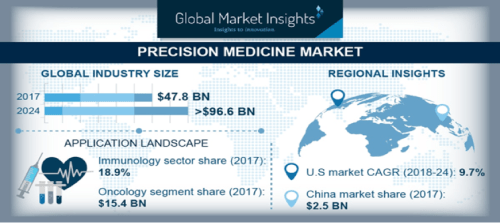


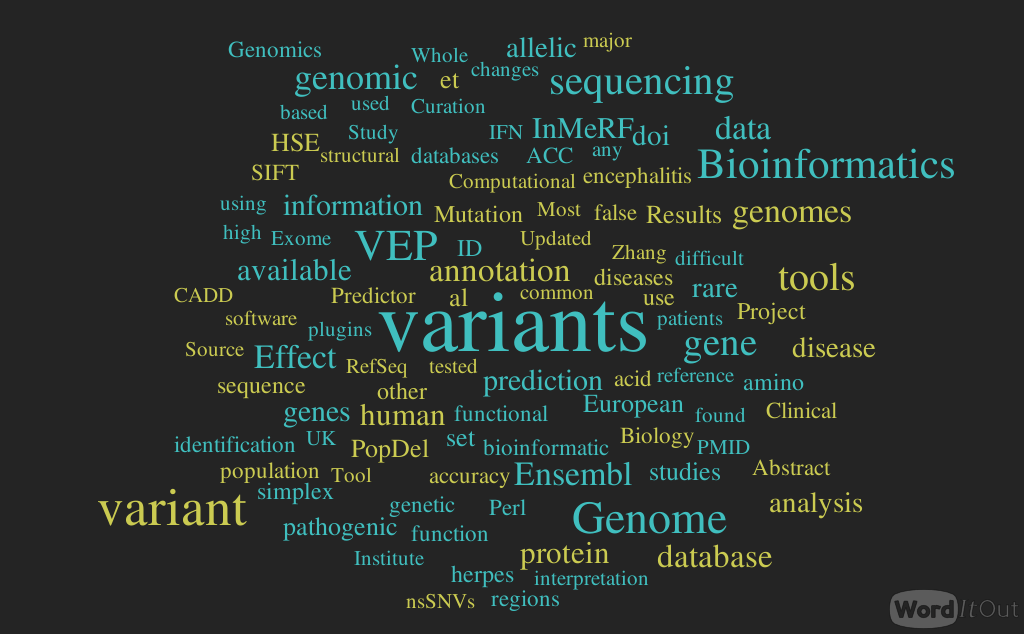
 LORENZ STUDER


 2012pharmaceutical
 sjwilliamspa