Feeds:
Posts
Comments

Archive for the ‘Myelodysplasia’ Category

Introduction – The Evolution of Cancer Therapy and Cancer Research: How We Got Here?

Introduction – The Evolution of Cancer Therapy and Cancer Research: How We Got Here?

Author and Curator: Larry H Bernstein, MD, FCAP

The evolution of progress we have achieved in cancer research, diagnosis, and therapeutics has  originated from an emergence of scientific disciplines and the focus on cancer has been recent. We can imagine this from a historical perspective with respect to two observations. The first is that the oldest concepts of medicine lie with the anatomic dissection of animals and the repeated recurrence of war, pestilence, and plague throughout the middle ages, and including the renaissance.  In the awakening, architecture, arts, music, math, architecture and science that accompanied the invention of printing blossomed, a unique collaboration of individuals working in disparate disciplines occurred, and those who were privileged received an education, which led to exploration, and with it, colonialism.  This also led to the need to increasingly, if not without reprisal, questioning long-held church doctrines.

It was in Vienna that Rokitansky developed the discipline of pathology, and his student Semelweis identified an association between then unknown infection and childbirth fever. The extraordinary accomplishments of John Hunter in anatomy and surgery came during the twelve years war, and his student, Edward Jenner, observed the association between cowpox and smallpox resistance. The development of a nursing profession is associated with the work of Florence Nightengale during the Crimean War (at the same time as Leo Tolstoy). These events preceded the work of Pasteur, Metchnikoff, and Koch in developing a germ theory, although Semelweis had committed suicide by infecting himself with syphilis. The first decade of the Nobel Prize was dominated by discoveries in infectious disease and public health (Ronald Ross, Walter Reed) and we know that the Civil War in America saw an epidemic of Yellow Fever, and the Armed Services Medical Museum was endowed with a large repository of osteomyelitis specimens. We also recall that the Russian physician and playwriter, Anton Checkov, wrote about the conditions in prison camps.

But the pharmacopeia was about to open with the discoveries of insulin, antibiotics, vitamins, thyroid action (Mayo brothers pioneered thyroid surgery in the thyroid iodine-deficient midwest), and pitutitary and sex hormones (isolatation, crystal structure, and synthesis years later), and Karl Landsteiner’s discovery of red cell antigenic groups (but he also pioneered in discoveries in meningitis and poliomyelitis, and conceived of the term hapten) with the introduction of transfusion therapy that would lead to transplantation medicine.  The next phase would be heralded by the discovery of cancer, which was highlighted by the identification of leukemia by Rudolph Virchow, who cautioned about the limitations of microscopy. This period is highlighted by the classic work – “Microbe Hunters”.

John Hunter

John Hunter

Walter Reed

Walter Reed

Robert Koch

Robert Koch

goldberger 1916 Pellagra

goldberger 1916 Pellagra

Louis Pasteur

Louis Pasteur

A multidisciplinary approach has led us to a unique multidisciplinary or systems view of cancer, with different fields of study offering their unique expertise, contributions, and viewpoints on the etiology of cancer.  Diverse fields in immunology, biology, biochemistry, toxicology, molecular biology, virology, mathematics, social activism and policy, and engineering have made such important contributions to our understanding of cancer, that without cooperation among these diverse fields our knowledge of cancer would never had evolved as it has. In a series of posts “Heroes in Medical Research:” the work of researchers are highlighted as examples of how disparate scientific disciplines converged to produce seminal discoveries which propelled the cancer field, although, at the time, they seemed like serendipitous findings.  In the post Heroes in Medical Research: Barnett Rosenberg and the Discovery of Cisplatin (Translating Basic Research to the Clinic) discusses the seminal yet serendipitous discoveries by bacteriologist Dr. Barnett Rosenberg, which eventually led to the development of cisplatin, a staple of many chemotherapeutic regimens. Molecular biologist Dr. Robert Ting, working with soon-to-be Nobel Laureate virologist Dr. James Gallo on AIDS research and the associated Karposi’s sarcoma identified one of the first retroviral oncogenes, revolutionizing previous held misconceptions of the origins of cancer (described in Heroes in Medical Research: Dr. Robert Ting, Ph.D. and Retrovirus in AIDS and Cancer).   Located here will be a MONTAGE of PHOTOS of PEOPLE who made seminal discoveries and contributions in every field to cancer   Each of these paths of discovery in cancer research have led to the unique strategies of cancer therapeutics and detection for the purpose of reducing the burden of human cancer.  However, we must recall that this work has come at great cost, while it is indeed cause for celebration. The current failure rate of clinical trials at over 70 percent, has been a cause for disappointment, and has led to serious reconsideration of how we can proceed with greater success. The result of the evolution of the cancer field is evident in the many parts and chapters of this ebook.  Volume 4 contains chapters that are in a predetermined order:

  1. The concepts of neoplasm, malignancy, carcinogenesis,  and metastatic potential, which encompass:

(a)     How cancer cells bathed in an oxygen rich environment rely on anaerobic glycolysis for energy, and the secondary consequences of cachexia and sarcopenia associated with progression

invasion

invasion

ARTS protein and cancer

ARTS protein and cancer

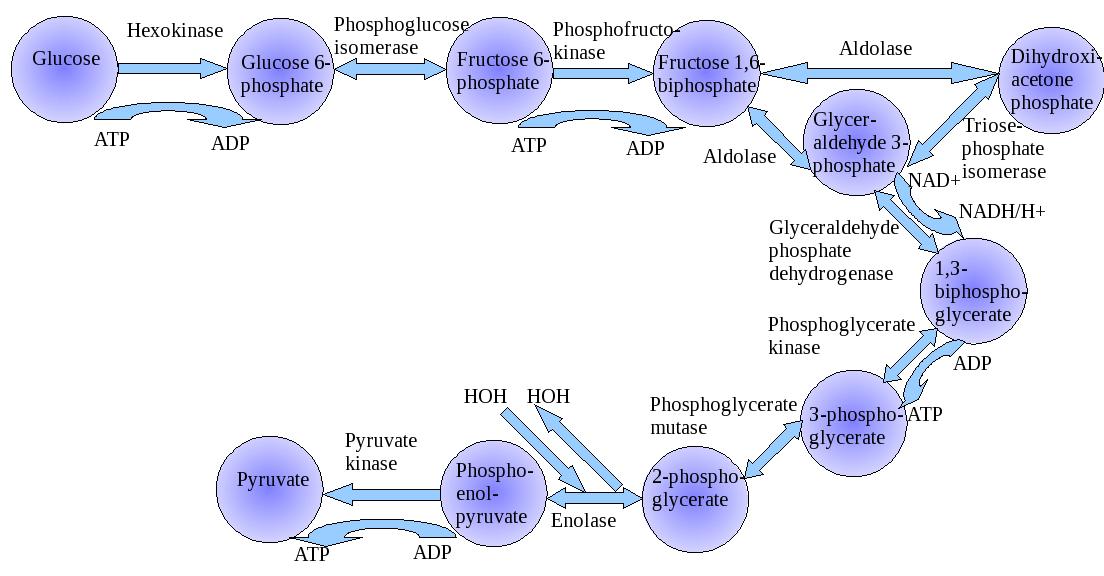
Glycolysis

Glycolysis

Krebs cycle

Krebs cycle

Metabolic control analysis of respiration in human cancer tissue

Metabolic control analysis of respiration in human cancer tissue

akip1-expression-modulates-mitochondrial-function

akip1-expression-modulates-mitochondrial-function

(b)     How advances in genetic analysis, molecular and cellular biology, metabolomics have expanded our basic knowledge of the mechanisms which are involved in cellular transformation to the cancerous state.

nucleotides

nucleotides

Methylation of adenine

Methylation of adenine

ampk-and-ampk-related-kinase-ark-family-

ampk-and-ampk-related-kinase-ark-family-

ubiquitylation

ubiquitylation

(c)  How molecular techniques continue to advance our understanding  of how genetics, epigenetics, and alterations in cellular metabolism contribute to cancer and afford new pathways for therapeutic intervention.

 genomic effects

genomic effects

LKB1AMPK pathway

LKB1AMPK pathway

mutation-frequencies-across-12-cancer-types

mutation-frequencies-across-12-cancer-types

AMPK-activating drugs metformin or phenformin might provide protection against cancer

AMPK-activating drugs metformin or phenformin might provide protection against cancer

pim2-phosphorylates-pkm2-and-promotes-glycolysis-in-cancer-cells

pim2-phosphorylates-pkm2-and-promotes-glycolysis-in-cancer-cells

pim2-phosphorylates-pkm2-and-promotes-glycolysis-in-cancer-cells

pim2-phosphorylates-pkm2-and-promotes-glycolysis-in-cancer-cells

2. The distinct features of cancers of specific tissue sites of origin

3.  The diagnosis of cancer by

(a)     Clinical presentation

(b)     Age of onset and stage of life

(c)     Biomarker features

hairy cell leukemia

hairy cell leukemia

lymphoma leukemia

lymphoma leukemia

(d)     Radiological and ultrasound imaging

  1. Treatments
  2. Prognostic differences within and between cancer types

We have introduced the emergence of a disease of great complexity that has been clouded in more questions than answers until the emergence of molecular biology in the mid 20th century, and then had to await further discoveries going into the 21st century.  What gave the research impetus was the revelation of

1     the mechanism of transcription of the DNA into amino acid sequences

Proteins in Disease

Proteins in Disease

2     the identification of stresses imposed on cellular function

NO beneficial effects

NO beneficial effects

3     the elucidation of the substructure of the cell – cell membrane, mitochondria, ribosomes, lysosomes – and their functions, respectively

pone.0080815.g006  AKIP1 Expression Modulates Mitochondrial Function

AKIP1 Expression Modulates Mitochondrial Function

4     the elucidation of oligonucleotide sequences

nucleotides

nucleotides

dna-replication-unwinding

dna-replication-unwinding

dna-replication-ligation

dna-replication-ligation

dna-replication-primer-removal

dna-replication-primer-removal

dna-replication-leading-strand

dna-replication-leading-strand

dna-replication-lagging-strand

dna-replication-lagging-strand

dna-replication-primer-synthesis

dna-replication-primer-synthesis

dna-replication-termination

dna-replication-termination

5     the further elucidation of functionally relevant noncoding lncDNA

lncRNA-s   A summary of the various functions described for lncRNA

6     the technology to synthesis mRNA and siRNA sequences

RNAi_Q4 Primary research objectives

Figure. RNAi and gene silencing

7     the repeated discovery of isoforms of critical enzymes and their pleiotropic properties

8.     the regulatory pathways involved in signaling

signaling pathjways map

Figure. Signaling Pathways Map

This is a brief outline of the modern progression of advances in our understanding of cancer.  Let us go back to the beginning and check out a sequence of  Nobel Prizes awarded and related discoveries that have a historical relationship to what we know.  The first discovery was the finding by Louis Pasteur that fungi that grew in an oxygen poor environment did not put down filaments.  They did not utilize oxygen and they produced used energy by fermentation.  This was the basis for Otto Warburg sixty years later to make the comparison to cancer cells that grew in the presence of oxygen, but relied on anaerobic glycolysis. He used a manometer to measure respiration in tissue one cell layer thick to measure CO2 production in an adiabatic system.

video width=”1280″ height=”720″ caption=”1741-7007-11-65-s1 Macromolecular juggling by ubiquitylation enzymes.” mp4=”http://pharmaceuticalintelligence.com/wp-content/uploads/2014/04/1741-7007-11-65-s1-macromolecular-juggling-by-ubiquitylation-enzymes.mp4“][/video]

An Introduction to the Warburg Apparatus

http://www.youtube.com/watch?v=M-HYbZwN43o

Lavoisier Antoine-Laurent and Laplace Pierre-Simon (1783) Memoir on heat. Mémoirs de l’Académie des sciences. Translated by Guerlac H, Neale Watson Academic Publications, New York, 1982.

Instrumental background 200 years later:   Gnaiger E (1983) The twin-flow microrespirometer and simultaneous calorimetry. In Gnaiger E, Forstner H, eds. Polarographic Oxygen Sensors. Springer, Heidelberg, Berlin, New York: 134-166.

otto_heinrich_warburg

otto_heinrich_warburg

Warburg apparatus

The Warburg apparatus is a manometric respirometer which was used for decades in biochemistry for measuring oxygen consumption of tissue homogenates or tissue slices.

The Warburg apparatus has its name from the German biochemist Otto Heinrich Warburg (1883-1970) who was awarded the Nobel Prize in physiology or medicine in 1931 for his “discovery of the nature and mode of action of the respiratory enzyme” [1].

The aqueous phase is vigorously shaken to equilibrate with a gas phase, from which oxygen is consumed while the evolved carbon dioxide is trapped, such that the pressure in the constant-volume gas phase drops proportional to oxygen consumption. The Warburg apparatus was introduced to study cell respiration, i.e. the uptake of molecular oxygen and the production of carbon dioxide by cells or tissues. Its applications were extended to the study of fermentation, when gas exchange takes place in the absence of oxygen. Thus the Warburg apparatus became established as an instrument for both aerobic and anaerobic biochemical studies [2, 3].

The respiration chamber was a detachable glass flask (F) equipped with one or more sidearms (S) for additions of chemicals and an open connection to a manometer (M; pressure gauge). A constant temperature was provided by immersion of the Warburg chamber in a constant temperature water bath. At thermal mass transfer equilibrium, an initial reading is obtained on the manometer, and the volume of gas produced or absorbed is determined at specific time intervals. A limited number of ‘titrations’ can be performed by adding the liquid contained in a side arm into the main reaction chamber. A Warburg apparatus may be equipped with more than 10 respiration chambers shaking in a common water bath.   Since temperature has to be controlled very precisely in a manometric approach, the early studies on mammalian tissue respiration were generally carried out at a physiological temperature of 37 °C.

The Warburg apparatus has been replaced by polarographic instruments introduced by Britton Chance in the 1950s. Since Chance and Williams (1955) measured respiration of isolated mitochondria simultaneously with the spectrophotometric determination of cytochrome redox states, a water chacket could not be used, and measurements were carried out at room temperature (or 25 °C). Thus most later studies on isolated mitochondria were shifted to the artifical temperature of 25 °C.

Today, the importance of investigating mitochondrial performance at in vivo temperatures is recognized again in mitochondrial physiology.  Incubation times of 1 hour were typical in experiments with the Warburg apparatus, but were reduced to a few or up to 20 min, following Chance and Williams, due to rapid oxygen depletion in closed, aqueous phase oxygraphs with high sample concentrations.  Today, incubation times of 1 hour are typical again in high-resolution respirometry, with low sample concentrations and the option of reoxygenations.

“The Nobel Prize in Physiology or Medicine 1931”. Nobelprize.org. 27 Dec 2011 www.nobelprize.org/nobel_prizes/medicine/laureates/1931/

  1. Oesper P (1964) The history of the Warburg apparatus: Some reminiscences on its use. J Chem Educ 41: 294.
  2. Koppenol WH, Bounds PL, Dang CV (2011) Otto Warburg’s contributions to current concepts of cancer metabolism. Nature Reviews Cancer 11: 325-337.
  3. Gnaiger E, Kemp RB (1990) Anaerobic metabolism in aerobic mammalian cells: information from the ratio of calorimetric heat flux and respirometric oxygen flux. Biochim Biophys Acta 1016: 328-332. – “At high fructose concen­trations, respiration is inhibited while glycolytic end products accumulate, a phenomenon known as the Crabtree effect. It is commonly believed that this effect is restric­ted to microbial and tumour cells with uniquely high glycolytic capaci­ties (Sussman et al, 1980). How­ever, inhibition of respiration and increase of lactate production are observed under aerobic condi­tions in beating rat heart cell cultures (Frelin et al, 1974) and in isolated rat lung cells (Ayuso-Parrilla et al, 1978). Thus, the same general mechanisms respon­sible for the integra­tion of respiration and glycolysis in tumour cells (Sussman et al, 1980) appear to be operating to some extent in several isolated mammalian cells.”

Mitochondria are sometimes described as “cellular power plants” because they generate most of the cell’s supply of adenosine triphosphate (ATP), used as a source of chemical energy.[2] In addition to supplying cellular energy, mitochondria are involved in other tasks such as signalingcellular differentiationcell death, as well as the control of the cell cycle and cell growth.[3]   The organelle is composed of compartments that carry out specialized functions. These compartments or regions include the outer membrane, the intermembrane space, the inner membrane, and the cristae and matrix. Mitochondrial proteins vary depending on the tissue and the species. In humans, 615 distinct types of proteins have been identified from cardiac mitochondria,[9   Leonor Michaelis discovered that Janus green can be used as a supravital stain for mitochondria in 1900.  Benjamin F. Kingsbury, in 1912, first related them with cell respiration, but almost exclusively based on morphological observations.[13] In 1913 particles from extracts of guinea-pig liver were linked to respiration by Otto Heinrich Warburg, which he called “grana”. Warburg and Heinrich Otto Wieland, who had also postulated a similar particle mechanism, disagreed on the chemical nature of the respiration. It was not until 1925 when David Keilin discovered cytochromes that the respiratory chain was described.[13]    

The Clark Oxygen Sensor

Dr. Leland Clark – inventor of the “Clark Oxygen Sensor” (1954); the Clark type polarographic oxygen sensor remains the gold standard for measuring dissolved oxygen in biomedical, environmental and industrial applications .   ‘The convenience and simplicity of the polarographic ‘oxygen electrode’ technique for measuring rapid changes in the rate of oxygen utilization by cellular and subcellular systems is now leading to its more general application in many laboratories. The types and design of oxygen electrodes vary, depending on the investigator’s ingenuity and specific requirements of the system under investigation.’Estabrook R (1967) Mitochondrial respiratory control and the polarographic measurement of ADP:O ratios. Methods Enzymol. 10: 41-47.   “one approach that is underutilized in whole-cell bioenergetics, and that is accessible as long as cells can be obtained in suspension, is the oxygen electrode, which can obtain more precise information on the bioenergetic status of the in situ mitochondria than more ‘high-tech’ approaches such as fluorescent monitoring of Δψm.” Nicholls DG, Ferguson S (2002) Bioenergetics 3. Academic Press, London.

Great Figures in Cancer

Dr. Elizabeth Blackburn,

Dr. Elizabeth Blackburn,

j_michael_bishop onogene

j_michael_bishop onogene

Harold Varmus

Harold Varmus

Potts and Habener (PTH mRNA, Harvard MIT)  JCI

Potts and Habener (PTH mRNA, Harvard MIT) JCI

JCI Fuller Albright and hPTH AA sequence

JCI Fuller Albright and hPTH AA sequence

Dr. E. Donnall Thomas  Bone Marrow Transplants

Dr. E. Donnall Thomas Bone Marrow Transplants

Dr Haraldzur Hausen  EBV HPV

Dr Haraldzur Hausen EBV HPV

Dr. Craig Mello

Dr. Craig Mello

Dorothy Hodgkin  protein crystallography

Lee Hartwell - Hutchinson Cancer Res Center

Lee Hartwell – Hutchinson Cancer Res Center

Judah Folkman, MD

Judah Folkman, MD

Gertrude B. Elien (1918-1999)

Gertrude B. Elien (1918-1999)

The Nobel Prize in Physiology or Medicine 1922   

Archibald V. Hill, Otto Meyerhof

AV Hill –

“the production of heat in the muscle” Hill started his research work in 1909. It was due to J.N. Langley, Head of the Department of Physiology at that time that Hill took up the study on the nature of muscular contraction. Langley drew his attention to the important (later to become classic) work carried out by Fletcher and Hopkins on the problem of lactic acid in muscle, particularly in relation to the effect of oxygen upon its removal in recovery. In 1919 he took up again his study of the physiology of muscle, and came into close contact with Meyerhof of Kiel who, approaching the problem differently, arrived at results closely analogous to his study. In 1919 Hill’s friend W. Hartree, mathematician and engineer, joined in the myothermic investigations – a cooperation which had rewarding results.

Otto Meyerhof

otto-fritz-meyerhof

otto-fritz-meyerhof

lactic acid production in muscle contraction Under the influence of Otto Warburg, then at Heidelberg, Meyerhof became more and more interested in cell physiology.  In 1923 he was offered a Professorship of Biochemistry in the United States, but Germany was unwilling to lose him.  In 1929 he was he was placed in charge of the newly founded Kaiser Wilhelm Institute for Medical Research at Heidelberg.  From 1938 to 1940 he was Director of Research at the Institut de Biologie physico-chimique at Paris, but in 1940 he moved to the United States, where the post of Research Professor of Physiological Chemistry had been created for him by the University of Pennsylvania and the Rockefeller Foundation.  Meyerhof’s own account states that he was occupied chiefly with oxidation mechanisms in cells and with extending methods of gas analysis through the calorimetric measurement of heat production, and especially the respiratory processes of nitrifying bacteria. The physico-chemical analogy between oxygen respiration and alcoholic fermentation caused him to study both these processes in the same subject, namely, yeast extract. By this work he discovered a co-enzyme of respiration, which could be found in all the cells and tissues up till then investigated. At the same time he also found a co-enzyme of alcoholic fermentation. He also discovered the capacity of the SH-group to transfer oxygen; after Hopkins had isolated from cells the SH bodies concerned, Meyerhof showed that the unsaturated fatty acids in the cell are oxidized with the help of the sulfhydryl group. After studying closer the respiration of muscle, Meyerhof investigated the energy changes in muscle. Considerable progress had been achieved by the English scientists Fletcher and Hopkins by their recognition of the fact that lactic acid formation in the muscle is closely connected with the contraction process. These investigations were the first to throw light upon the highly paradoxical fact, already established by the physiologist Hermann, that the muscle can perform a considerable part of its external function in the complete absence of oxygen.

But it was indisputable that in the last resort the energy for muscle activity comes from oxidation, so the connection between activity and combustion must be an indirect one, and observed that in the absence of oxygen in the muscle, lactic acid appears, slowly in the relaxed state and rapidly in the active state, disappearing in the presence of oxygen. Obviously, then, oxygen is involved when muscle is in the relaxed state. http://upload.wikimedia.org/wikipedia/commons/e/e1/Glycolysis.jpg

The Nobel Prize committee had been receiving nominations intermittently for the previous 14 years (for Eijkman, Funk, Goldberger, Grijns, Hopkins and Suzuki but, strangely, not for McCollum in this period). Tthe Committee for the 1929 awards apparently agreed that it was high time to honor the discoverer(s) of vitamins; but who were they? There was a clear case for Grijns, but he had not been re-nominated for that particular year, and it could be said that he was just taking the relatively obvious next steps along the new trail that had been laid down by Eijkman, who was also now an old man in poor health, but there was no doubt that he had taken the first steps in the use of an animal model to investigate the nutritional basis of a clinical disorder affecting millions. Goldberger had been another important contributor, but his recent death put him out of consideration. The clearest evidence for lack of an unknown “something” in a mammalian diet was presented by Gowland Hopkins in 1912. This Cambridge biochemist was already well known for having isolated the amino acid tryptophan from a protein and demonstrated its essential nature. He fed young rats on an experimental diet, half of them receiving a daily milk supplement, and only those receiving milk grew well, Hopkins suggested that this was analogous to human diseases related to diet, as he had suggested already in a lecture published in 1906. Hopkins, the leader of the “dynamic biochemistry” school in Britain and an influential advocate for the importance of vitamins, was awarded the prize jointly with Eijkman. A door was opened. Recognition of work on the fat-soluble vitamins begun by McCollum. The next award related to vitamins was given in 1934 to George WhippleGeorge Minot and William Murphy “for their discoveries concerning liver therapy in cases of [then incurable pernicious] anemia,” The essential liver factor (cobalamin, or vitamin B12) was isolated in 1948, and Vitamin B12  was absent from plant foods. But William Castle in 1928 had demonstrated that the stomachs of pernicious anemia patients were abnormal in failing to secrete an “intrinsic factor”.

1937   Albert von Szent-Györgyi Nagyrápolt

” the biological combustion processes, with special reference to vitamin C and the catalysis of fumaric acid”

http://www.biocheminfo.org/klotho/html/fumarate.html

structure of fumarate

Szent-Györgyi was a Hungarian biochemist who had worked with Otto Warburg and had a special interest in oxidation-reduction mechanisms. He was invited to Cambridge in England in 1927 after detecting an antioxidant compound in the adrenal cortex, and there, he isolated a compound that he named hexuronic acid. Charles Glen King of the University of Pittsburgh reported success In isolating the anti-scorbutic factor in 1932, and added that his crystals had all the properties reported by Szent-Györgyi for hexuronic acid. But his work on oxidation reactions was also important. Fumarate is an intermediate in the citric acid cycle used by cells to produce energy in the form of adenosine triphosphate (ATP) from food. It is formed by the oxidation of succinate by the enzyme succinate dehydrogenase. Fumarate is then converted by the enzyme fumarase to malate. An enzyme adds water to the fumarate molecule to form malate. The malate is created by adding one hydrogen atom to a carbon atom and then adding a hydroxyl group to a carbon next to a terminal carbonyl group.

In the same year, Norman Haworth from the University of Birmingham in England received a Nobel prize from the Chemistry Committee for having advanced carbohydrate chemistry and, specifically, for having worked out the structure of Szent-Györgyi’s crystals, and then been able to synthesize the vitamin. This was a considerable achievement. The Nobel Prize in Chemistry was shared with the Swiss organic chemist Paul Karrer, cited for his work on the structures of riboflavin and vitamins A and E as well as other biologically interesting compounds. This was followed in 1938 by a further Chemistry award to the German biochemist Richard Kuhn, who had also worked on carotenoids and B-vitamins, including riboflavin and pyridoxine. But Karrer was not permitted to leave Germany at that time by the Nazi regime. However, the American work with radioisotopes at Lawrence Livermore Laboratory, UC Berkeley, was already ushering in a new era of biochemistry that would enrich our studies of metabolic pathways. The importance of work involving vitamins was acknowledged in at least ten awards in the 20th century.

1.   Carpenter, K.J., Beriberi, White Rice and Vitamin B, University of California Press, Berkeley (2000).

2.  Weatherall, M.W. and Kamminga, H., The making of a biochemist: the construction of Frederick Gowland Hopkins’ reputation. Medical History vol.40, pp. 415-436 (1996).

3.  Becker, S.L., Will milk make them grow? An episode in the discovery of the vitamins. In Chemistry and Modern Society (J. Parascandela, editor) pp. 61-83, American Chemical Society,

Washington, D.C. (1983).

4.  Carpenter, K.J., The History of Scurvy and Vitamin C, Cambridge University Press, New York (1986).

Transport and metabolism of exogenous fumarate and 3-phosphoglycerate in vascular smooth muscle.

D R FinderC D Hardin

Molecular and Cellular Biochemistry (Impact Factor: 2.33). 05/1999; 195(1-2):113-21.  http://dx.doi.org/10.1023/A:1006976432578

The keto (linear) form of exogenous fructose 1,6-bisphosphate, a highly charged glycolytic intermediate, may utilize a dicarboxylate transporter to cross the cell membrane, support glycolysis, and produce ATP anaerobically. We tested the hypothesis that fumarate, a dicarboxylate, and 3-phosphoglycerate (3-PG), an intermediate structurally similar to a dicarboxylate, can support contraction in vascular smooth muscle during hypoxia. 3-PG improved maintenance of force (p < 0.05) during the 30-80 min period of hypoxia. Fumarate decreased peak isometric force development by 9.5% (p = 0.008) but modestly improved maintenance of force (p < 0.05) throughout the first 80 min of hypoxia. 13C-NMR on tissue extracts and superfusates revealed 1,2,3,4-(13)C-fumarate (5 mM) metabolism to 1,2,3,4-(13)C-malate under oxygenated and hypoxic conditions suggesting uptake and metabolism of fumarate. In conclusion, exogenous fumarate and 3-PG readily enter vascular smooth muscle cells, presumably by a dicarboxylate transporter, and support energetically important pathways.

Comparison of endogenous and exogenous sources of ATP in fueling Ca2+ uptake in smooth muscle plasma membrane vesicles.

C D HardinL RaeymaekersR J Paul

The Journal of General Physiology (Impact Factor: 4.73). 12/1991; 99(1):21-40.   http://dx.doi.org:/10.1085/jgp.99.1.21

A smooth muscle plasma membrane vesicular fraction (PMV) purified for the (Ca2+/Mg2+)-ATPase has endogenous glycolytic enzyme activity. In the presence of glycolytic substrate (fructose 1,6-diphosphate) and cofactors, PMV produced ATP and lactate and supported calcium uptake. The endogenous glycolytic cascade supports calcium uptake independent of bath [ATP]. A 10-fold dilution of PMV, with the resultant 10-fold dilution of glycolytically produced bath [ATP] did not change glycolytically fueled calcium uptake (nanomoles per milligram protein). Furthermore, the calcium uptake fueled by the endogenous glycolytic cascade persisted in the presence of a hexokinase-based ATP trap which eliminated calcium uptake fueled by exogenously added ATP. Thus, it appears that the endogenous glycolytic cascade fuels calcium uptake in PMV via a membrane-associated pool of ATP and not via an exchange of ATP with the bulk solution. To determine whether ATP produced endogenously was utilized preferentially by the calcium pump, the ATP production rates of the endogenous creatine kinase and pyruvate kinase were matched to that of glycolysis and the calcium uptake fueled by the endogenous sources was compared with that fueled by exogenous ATP added at the same rate. The rate of calcium uptake fueled by endogenous sources of ATP was approximately twice that supported by exogenously added ATP, indicating that the calcium pump preferentially utilizes ATP produced by membrane-bound enzymes.

Evidence for succinate production by reduction of fumarate during hypoxia in isolated adult rat heart cells.

C HohlR OestreichP RösenR WiesnerM Grieshaber

Archives of Biochemistry and Biophysics (Impact Factor: 3.37). 01/1988; 259(2):527-35. http://dx.doi.org:/10.1016/0003-9861(87)90519-4   It has been demonstrated that perfusion of myocardium with glutamic acid or tricarboxylic acid cycle intermediates during hypoxia or ischemia, improves cardiac function, increases ATP levels, and stimulates succinate production. In this study isolated adult rat heart cells were used to investigate the mechanism of anaerobic succinate formation and examine beneficial effects attributed to ATP generated by this pathway. Myocytes incubated for 60 min under hypoxic conditions showed a slight loss of ATP from an initial value of 21 +/- 1 nmol/mg protein, a decline of CP from 42 to 17 nmol/mg protein and a fourfold increase in lactic acid production to 1.8 +/- 0.2 mumol/mg protein/h. These metabolite contents were not altered by the addition of malate and 2-oxoglutarate to the incubation medium nor were differences in cell viability observed; however, succinate release was substantially accelerated to 241 +/- 53 nmol/mg protein. Incubation of cells with [U-14C]malate or [2-U-14C]oxoglutarate indicates that succinate is formed directly from malate but not from 2-oxoglutarate. Moreover, anaerobic succinate formation was rotenone sensitive.

We conclude that malate reduction to succinate occurs via the reverse action of succinate dehydrogenase in a coupled reaction where NADH is oxidized (and FAD reduced) and ADP is phosphorylated. Furthermore, by transaminating with aspartate to produce oxaloacetate, 2-oxoglutarate stimulates cytosolic malic dehydrogenase activity, whereby malate is formed and NADH is oxidized.

In the form of malate, reducing equivalents and substrate are transported into the mitochondria where they are utilized for succinate synthesis.

1953 Hans Adolf Krebs –

 ” discovery of the citric acid cycle” and In the course of the 1920’s and 1930’s great progress was made in the study of the intermediary reactions by which sugar is anaerobically fermented to lactic acid or to ethanol and carbon dioxide. The success was mainly due to the joint efforts of the schools of Meyerhof, Embden, Parnas, von Euler, Warburg and the Coris, who built on the pioneer work of Harden and of Neuberg. This work brought to light the main intermediary steps of anaerobic fermentations.

In contrast, very little was known in the earlier 1930’s about the intermediary stages through which sugar is oxidized in living cells. When, in 1930, I left the laboratory of Otto Warburg (under whose guidance I had worked since 1926 and from whom I have learnt more than from any other single teacher), I was confronted with the question of selecting a major field of study and I felt greatly attracted by the problem of the intermediary pathway of oxidations.

These reactions represent the main energy source in higher organisms, and in view of the importance of energy production to living organisms (whose activities all depend on a continuous supply of energy) the problem seemed well worthwhile studying.   http://www.johnkyrk.com/krebs.html

Interactive Krebs cycle

There are different points where metabolites enter the Krebs’ cycle. Most of the products of protein, carbohydrates and fat metabolism are reduced to the molecule acetyl coenzyme A that enters the Krebs’ cycle. Glucose, the primary fuel in the body, is first metabolized into pyruvic acid and then into acetyl coenzyme A. The breakdown of the glucose molecule forms two molecules of ATP for energy in the Embden Meyerhof pathway process of glycolysis.

On the other hand, amino acids and some chained fatty acids can be metabolized into Krebs intermediates and enter the cycle at several points. When oxygen is unavailable or the Krebs’ cycle is inhibited, the body shifts its energy production from the Krebs’ cycle to the Embden Meyerhof pathway of glycolysis, a very inefficient way of making energy.  

Fritz Albert Lipmann –

 “discovery of co-enzyme A and its importance for intermediary metabolism”.

In my development, the recognition of facts and the rationalization of these facts into a unified picture, have interplayed continuously. After my apprenticeship with Otto Meyerhof, a first interest on my own became the phenomenon we call the Pasteur effect, this peculiar depression of the wasteful fermentation in the respiring cell. By looking for a chemical explanation of this economy measure on the cellular level, I was prompted into a study of the mechanism of pyruvic acid oxidation, since it is at the pyruvic stage where respiration branches off from fermentation.

For this study I chose as a promising system a relatively simple looking pyruvic acid oxidation enzyme in a certain strain of Lactobacillus delbrueckii1.   In 1939, experiments using minced muscle cells demonstrated that one oxygen atom can form two adenosine triphosphate molecules, and, in 1941, the concept of phosphate bonds being a form of energy in cellular metabolism was developed by Fritz Albert Lipmann.

In the following years, the mechanism behind cellular respiration was further elaborated, although its link to the mitochondria was not known.[13]The introduction of tissue fractionation by Albert Claude allowed mitochondria to be isolated from other cell fractions and biochemical analysis to be conducted on them alone. In 1946, he concluded that cytochrome oxidase and other enzymes responsible for the respiratory chain were isolated to the mitchondria. Over time, the fractionation method was tweaked, improving the quality of the mitochondria isolated, and other elements of cell respiration were determined to occur in the mitochondria.[13]

The most important event during this whole period, I now feel, was the accidental observation that in the L. delbrueckii system, pyruvic acid oxidation was completely dependent on the presence of inorganic phosphate. This observation was made in the course of attempts to replace oxygen by methylene blue. To measure the methylene blue reduction manometrically, I had to switch to a bicarbonate buffer instead of the otherwise routinely used phosphate. In bicarbonate, pyruvate oxidation was very slow, but the addition of a little phosphate caused a remarkable increase in rate. The phosphate effect was removed by washing with a phosphate free acetate buffer. Then it appeared that the reaction was really fully dependent on phosphate.

A coupling of this pyruvate oxidation with adenylic acid phosphorylation was attempted. Addition of adenylic acid to the pyruvic oxidation system brought out a net disappearance of inorganic phosphate, accounted for as adenosine triphosphate.   The acetic acid subunit of acetyl CoA is combined with oxaloacetate to form a molecule of citrate. Acetyl coenzyme A acts only as a transporter of acetic acid from one enzyme to another. After Step 1, the coenzyme is released by hydrolysis to combine with another acetic acid molecule and begin the Krebs’ Cycle again.

Hugo Theorell

the nature and effects of oxidation enzymes”

From 1933 until 1935 Theorell held a Rockefeller Fellowship and worked with Otto Warburg at Berlin-Dahlem, and here he became interested in oxidation enzymes. At Berlin-Dahlem he produced, for the first time, the oxidation enzyme called «the yellow ferment» and he succeeded in splitting it reversibly into a coenzyme part, which was found to be flavin mononucleotide, and a colourless protein part. On return to Sweden, he was appointed Head of the newly established Biochemical Department of the Nobel Medical Institute, which was opened in 1937.

Succinate is oxidized by a molecule of FAD (Flavin Adenine Dinucleotide). The FAD removes two hydrogen atoms from the succinate and forms a double bond between the two carbon atoms to create fumarate.

1953

double-stranded-dna

double-stranded-dna

crick-watson-with-their-dna-model.

crick-watson-with-their-dna-model.

Watson & Crick double helix model 

A landmark in this journey

They followed the path that became clear from intense collaborative work in California by George Beadle, by Avery and McCarthy, Max Delbruck, TH Morgan, Max Delbruck and by Chargaff that indicated that genetics would be important.

1965

François Jacob, André Lwoff and Jacques Monod  –

” genetic control of enzyme and virus synthesis”.

In 1958 the remarkable analogy revealed by genetic analysis of lysogeny and that of the induced biosynthesis of ß-galactosidase led François Jacob, with Jacques Monod, to study the mechanisms responsible for the transfer of genetic information as well as the regulatory pathways which, in the bacterial cell, adjust the activity and synthesis of macromolecules. Following this analysis, Jacob and Monod proposed a series of new concepts, those of messenger RNA, regulator genes, operons and allosteric proteins.

Francois Jacob

Having determined the constants of growth in the presence of different carbohydrates, it occurred to me that it would be interesting to determine the same constants in paired mixtures of carbohydrates. From the first experiment on, I noticed that, whereas the growth was kinetically normal in the presence of certain mixtures (that is, it exhibited a single exponential phase), two complete growth cycles could be observed in other carbohydrate mixtures, these cycles consisting of two exponential phases separated by a-complete cessation of growth.

Lwoff, after considering this strange result for a moment, said to me, “That could have something to do with enzyme adaptation.”

“Enzyme adaptation? Never heard of it!” I said.

Lwoff’s only reply was to give me a copy of the then recent work of Marjorie Stephenson, in which a chapter summarized with great insight the still few studies concerning this phenomenon, which had been discovered by Duclaux at the end of the last century.  Studied by Dienert and by Went as early as 1901 and then by Euler and Josephson, it was more or less rediscovered by Karström, who should be credited with giving it a name and attracting attention to its existence.

Lwoff’s intuition was correct. The phenomenon of “diauxy” that I had discovered was indeed closely related to enzyme adaptation, as my experiments, included in the second part of my doctoral dissertation, soon convinced me. It was actually a case of the “glucose effect” discovered by Dienert as early as 1900.   That agents that uncouple oxidative phosphorylation, such as 2,4-dinitrophenol, completely inhibit adaptation to lactose or other carbohydrates suggested that “adaptation” implied an expenditure of chemical potential and therefore probably involved the true synthesis of an enzyme.

With Alice Audureau, I sought to discover the still quite obscure relations between this phenomenon and the one Massini, Lewis, and others had discovered: the appearance and selection of “spontaneous” mutants.   We showed that an apparently spontaneous mutation was allowing these originally “lactose-negative” bacteria to become “lactose-positive”. However, we proved that the original strain (Lac-) and the mutant strain (Lac+) did not differ from each other by the presence of a specific enzyme system, but rather by the ability to produce this system in the presence of lactose.  This mutation involved the selective control of an enzyme by a gene, and the conditions necessary for its expression seemed directly linked to the chemical activity of the system.

1974

Albert Claude, Christian de Duve and George E. Palade –

” the structural and functional organization of the cell”.

I returned to Louvain in March 1947 after a period of working with Theorell in Sweden, the Cori’s, and E Southerland in St. Louis, fortunate in the choice of my mentors, all sticklers for technical excellence and intellectual rigor, those prerequisites of good scientific work. Insulin, together with glucagon which I had helped rediscover, was still my main focus of interest, and our first investigations were accordingly directed on certain enzymatic aspects of carbohydrate metabolism in liver, which were expected to throw light on the broader problem of insulin action. But I became distracted by an accidental finding related to acid phosphatase, drawing most of my collaborators along with me. The studies led to the discovery of the lysosome, and later of the peroxisome.

In 1962, I was appointed a professor at the Rockefeller Institute in New York, now the Rockefeller University, the institution where Albert Claude had made his pioneering studies between 1929 and 1949, and where George Palade had been working since 1946.  In New York, I was able to develop a second flourishing group, which follows the same general lines of research as the Belgian group, but with a program of its own.

1968

Robert W. Holley, Har Gobind Khorana and Marshall W. Nirenberg –

“interpretation of the genetic code and its function in protein synthesis”.

1969

Max Delbrück, Alfred D. Hershey and Salvador E. Luria –

” the replication mechanism and the genetic structure of viruses”.

1975 David Baltimore, Renato Dulbecco and Howard Martin Temin –

” the interaction between tumor viruses and the genetic material of the cell”.

1976

Baruch S. Blumberg and D. Carleton Gajdusek –

” new mechanisms for the origin and dissemination of infectious diseases” The editors of the Nobelprize.org website of the Nobel Foundation have asked me to provide a supplement to the autobiography that I wrote in 1976 and to recount the events that happened after the award. Much of what I will have to say relates to the scientific developments since the last essay. These are described in greater detail in a scientific memoir first published in 2002 (Blumberg, B. S., Hepatitis B. The Hunt for a Killer Virus, Princeton University Press, 2002, 2004).

1980

Baruj Benacerraf, Jean Dausset and George D. Snell 

” genetically determined structures on the cell surface that regulate immunological reactions”.

1992

Edmond H. Fischer and Edwin G. Krebs 

“for their discoveries concerning reversible protein phosphorylation as a biological regulatory mechanism”

1994

Alfred G. Gilman and Martin Rodbell –

“G-proteins and the role of these proteins in signal transduction in cells”

2011

Bruce A. Beutler and Jules A. Hoffmann –

the activation of innate immunity and the other half to Ralph M. Steinman – “the dendritic cell and its role in adaptive immunity”.

Renato L. Baserga, M.D.

Kimmel Cancer Center and Keck School of Medicine

Dr. Baserga’s research focuses on the multiple roles of the type 1 insulin-like growth factor receptor (IGF-IR) in the proliferation of mammalian cells. The IGF-IR activated by its ligands is mitogenic, is required for the establishment and the maintenance of the transformed phenotype, and protects tumor cells from apoptosis. It, therefore, serves as an excellent target for therapeutic interventions aimed at inhibiting abnormal growth. In basic investigations, this group is presently studying the effects that the number of IGF-IRs and specific mutations in the receptor itself have on its ability to protect cells from apoptosis.

This investigation is strictly correlated with IGF-IR signaling, and part of this work tries to elucidate the pathways originating from the IGF-IR that are important for its functional effects. Baserga’s group has recently discovered a new signaling pathway used by the IGF-IR to protect cells from apoptosis, a unique pathway that is not used by other growth factor receptors. This pathway depends on the integrity of serines 1280-1283 in the C-terminus of the receptor, which bind 14.3.3 and cause the mitochondrial translocation of Raf-1.

Another recent discovery of this group has been the identification of a mechanism by which the IGF-IR can actually induce differentiation in certain types of cells. When cells have IRS-1 (a major substrate of the IGF-IR), the IGF-IR sends a proliferative signal; in the absence of IRS-1, the receptor induces cell differentiation. The extinction of IRS-1 expression is usually achieved by DNA methylation.

Janardan Reddy, MD

Northwestern University

The central effort of our research has been on a detailed analysis at the cellular and molecular levels of the pleiotropic responses in liver induced by structurally diverse classes of chemicals that include fibrate class of hypolipidemic drugs, and phthalate ester plasticizers, which we designated hepatic peroxisome proliferators. Our work has been central to the establishment of several principles, namely that hepatic peroxisome proliferation is associated with increases in fatty acid oxidation systems in liver, and that peroxisome proliferators, as a class, are novel nongenotoxic hepatocarcinogens.

We introduced the concept that sustained generation of reactive oxygen species leads to oxidative stress and serves as the basis for peroxisome proliferator-induced liver cancer development. Furthermore, based on the tissue/cell specificity of pleiotropic responses and the coordinated transcriptional regulation of fatty acid oxidation system genes, we postulated that peroxisome proliferators exert their action by a receptor-mediated mechanism. This receptor concept laid the foundation for the discovery of

  • a three member peroxisome proliferator-activated receptor (PPARalpha-, ß-, and gamma) subfamily of nuclear receptors.
  •  PPARalpha is responsible for peroxisome proliferator-induced pleiotropic responses, including
    • hepatocarcinogenesis and energy combustion as it serves as a fatty acid sensor and regulates fatty acid oxidation.

Our current work focuses on the molecular mechanisms responsible for PPAR action and generation of fatty acid oxidation deficient mouse knockout models. Transcription of specific genes by nuclear receptors is a complex process involving the participation of multiprotein complexes composed of transcription coactivators.  

Jose Delgado de Salles Roselino, Ph.D.

Leloir Institute, Brazil

Warburg effect, in reality “Pasteur-effect” was the first example of metabolic regulation described. A decrease in the carbon flux originated at the sugar molecule towards the end metabolic products, ethanol and carbon dioxide that was observed when yeast cells were transferred from anaerobic environmental condition to an aerobic one. In Pasteur´s works, sugar metabolism was measured mainly by the decrease of sugar concentration in the yeast growth media observed after a measured period of time. The decrease of the sugar concentration in the media occurs at great speed in yeast grown in anaerobiosis condition and its speed was greatly reduced by the transfer of the yeast culture to an aerobic condition. This finding was very important for the wine industry of France in Pasteur time, since most of the undesirable outcomes in the industrial use of yeast were perceived when yeasts cells took very long time to create a rather selective anaerobic condition. This selective culture media was led by the carbon dioxide higher levels produced by fast growing yeast cells and by a great alcohol content in the yeast culture media. This finding was required to understand Lavoisier’s results indicating that chemical and biological oxidation of sugars produced the same calorimetric results. This observation requires a control mechanism (metabolic regulation) to avoid burning living cells by fast heat released by the sugar biological oxidative processes (metabolism). In addition, Lavoisier´s results were the first indications that both processes happened inside similar thermodynamics limits.

In much resumed form, these observations indicates the major reasons that led Warburg to test failure in control mechanisms in cancer cells in comparison with the ones observed in normal cells. Biology inside classical thermo dynamics poses some challenges to scientists. For instance, all classical thermodynamics must be measured in reversible thermodynamic conditions. In an isolated system, increase in P (pressure) leads to decrease in V (volume) all this in a condition in which infinitesimal changes in one affects in the same way the other, a continuum response. Not even a quantic amount of energy will stand beyond those parameters. In a reversible system, a decrease in V, under same condition, will led to an increase in P.

In biochemistry, reversible usually indicates a reaction that easily goes from A to B or B to A. This observation confirms the important contribution of E Schrodinger in his What´s Life: “This little book arose from a course of public lectures, delivered by a theoretical physicist to an audience of about four hundred which did not substantially dwindle, though warned at the outset that the subject-matter was a difficult one and that the lectures could not be termed popular, even though the physicist’s most dreaded weapon, mathematical deduction, would hardly be utilized. The reason for this was not that the subject was simple enough to be explained without mathematics, but rather that it was much too involved to be fully accessible to mathematics.”

Hans Krebs describes the cyclic nature of the citrate metabolism. Two major research lines search to understand the mechanism of energy transfer that explains how ADP is converted into ATP. One followed the organic chemistry line of reasoning and therefore, searched how the breakdown of carbon-carbon link could have its energy transferred to ATP synthesis. A major leader of this research line was B. Chance who tried to account for two carbon atoms of acetyl released as carbon dioxide in the series of Krebs cycle reactions. The intermediary could store in a phosphorylated amino acid the energy of carbon-carbon bond breakdown. This activated amino acid could transfer its phosphate group to ADP producing ATP. Alternatively, under the possible influence of the excellent results of Hodgkin and Huxley a second line of research appears.

The work of Hodgkin & Huxley indicated the storage of electrical potential energy in transmembrane ionic asymmetries and presented the explanation for the change from resting to action potential in excitable cells. This second line of research, under the leadership of P Mitchell postulated a mechanism for the transfer of oxide/reductive power of organic molecules oxidation through electron transfer as the key for energetic transfer mechanism required for ATP synthesis. Paul Boyer could present how the energy was transduced by a molecular machine that changes in conformation in a series of 3 steps while rotating in one direction in order to produce ATP and in opposite direction in order to produce ADP plus Pi from ATP (reversibility). Nonetheless, a victorious Peter Mitchell obtained the correct result in the conceptual dispute, over the B. Chance point of view, after he used E. Coli mutants to show H gradients in membrane and its use as energy source.

However, this should not detract from the important work of Chance. B. Chance got the simple and rapid polarographic assay method of oxidative phosphorylation and the idea of control of energy metabolism that bring us back to Pasteur. This second result seems to have been neglected in searching for a single molecular mechanism required for the understanding of the buildup of chemical reserve in our body. In respiring mitochondria the rate of electron transport, and thus the rate of ATP production, is determined primarily by the relative concentrations of ADP, ATP and phosphate in the external media (cytosol) and not by the concentration of respiratory substrate as pyruvate. Therefore, when the yield of ATP is high as is in aerobiosis and the cellular use of ATP is not changed, the oxidation of pyruvate and therefore of glycolysis is quickly (without change in gene expression), throttled down to the resting state. The dependence of respiratory rate on ADP concentration is also seen in intact cells. A muscle at rest and using no ATP has very low respiratory rate.

I have had an ongoing discussion with Jose Eduardo de Salles Roselino, inBrazil. He has made important points that need to be noted.

  1. The constancy of composition which animals maintain in the environment surrounding their cells is one of the dominant features of their physiology. Although this phenomenon, homeostasis, has held the interest of biologists over a long period of time, the elucidation of the molecular basis for complex processes such as temperature control and the maintenance of various substances at constant levels in the blood has not yet been achieved. By comparison, metabolic regulation in microorganisms is much better understood, in part because the microbial physiologist has focused his attention on enzyme-catalyzed reactions and their control, as these are among the few activities of microorganisms amenable to quantitative study. Furthermore, bacteria are characterized by their ability to make rapid and efficient adjustments to extensive variations in most parameters of their environment; therefore, they exhibit a surprising lack of rigid requirements for their environment, and appears to influence it only as an incidental result of their metabolism. Animal cells on the other hand have only a limited capacity for adjustment and therefore require a constant milieu. Maintenance of such constancy appears to be a major goal in their physiology (Regulation of Biosynthetic Pathways H.S. Moyed and H EUmbarger Phys Rev,42 444 (1962)).
  2. A living cell consists in a large part of a concentrated mixture of hundreds of different enzymes, each a highly effective catalyst for one or more chemical reactions involving other components of the cell. The paradox of intense and highly diverse chemical activity on the one hand and strongly poised chemical stability (biological homeostasis) on the other is one of the most challenging problems of biology (Biological feedback Control at the molecular Level D.E. Atkinson Science vol. 150: 851, 1965). Almost nothing is known concerning the actual molecular basis for modulation of an enzyme`s kinetic behavior by interaction with a small molecule. (Biological feedback Control at the molecular Level D.E. Atkinson Science vol. 150: 851, 1965). In the same article, since the core of Atkinson´s thinking seems to be strongly linked with Adenylates as regulatory effectors, the previous phrases seems to indicate a first step towards the conversion of homeostasis to an intracellular phenomenon and therefore, one that contrary to Umbarger´s consideration could be also studied in microorganisms.
  3.  Most biochemical studies using bacteria, were made before the end of the third upper part of log growth phase. Therefore, they could be considered as time-independent as S Luria presented biochemistry in Life an Unfinished Experiment. The sole ingredient on the missing side of the events that led us into the molecular biology construction was to consider that proteins, a macromolecule, would never be affected by small molecules translational kinetic energy. This, despite the fact that in a catalytic environment and its biological implications S Grisolia incorporated A K Balls observation indicating that the word proteins could be related to Proteus an old sea god that changed its form whenever he was subjected to inquiry (Phys Rev v 4,657 (1964).
  1. In D.E. Atkinson´s work (Science vol 150 p 851, 1965), changes in protein synthesis acting together with factors that interfere with enzyme activity will lead to “fine-tuned” regulation better than enzymatic activity regulation alone. Comparison of glycemic regulation in granivorous and carnivorous birds indicate that when no important nutritional source of glucose is available, glycemic levels can be kept constant in fasted and fed birds. The same was found in rats and cats fed on high protein diets. Gluconeogenesis is controlled by pyruvate kinase inhibition. Therefore, the fact that it can discriminate between fasting alone and fasting plus exercise (carbachol) requirement of gluconeogenic activity (correspondent level of pyruvate kinase inhibition) the control of enzyme activity can be made fast and efficient without need for changes in genetic expression (20 minute after stimulus) ( Migliorini,R.H. et al Am J. Physiol.257 (Endocrinol. Met. 20): E486, 1989). Regrettably, this was not discussed in the quoted work. So, when the control is not affected by the absorption of nutritional glucose it can be very fast, less energy intensive and very sensitive mechanism of control despite its action being made in the extracellular medium (homeostasis).

Read Full Post »

Genomics and Medicine: The Physician’s View

Genomics and Medicine: The Physician’s View

Author and Curator: Larry H. Bernstein, MD, FCAP


Genomics has had a rapid growth of research into variability of human genetics in both healthy populations in the study of population migration, and in the study of genetic sequence alterations that may increase the risk of expressed human disease.  This is the case for cardiology, cancer, inflammtory conditions, and gastrointestinal diseases. For the most part, genomics research in the last decade has shed light on potential therapeutic targets, but the identification of drug toxicities in late phase trials has been associated with a 70 percent failure rate in bringing new drugs to the market.   Despite good technologies for investigative studies, initial work is carried out on animals and then the transferrability of the work from a “model” to man has to be assured.  That is the first issue of concern.

Secondly, there is a well considered reluctance on the part of experienced and well prepared physicians to be “early” adopters to newly introduced drugs, with the apprehension that unidentified clinical problems can be expected to be unmasked.  It is, however, easier to consider when a new drug belongs to an established class of medications, and it has removed known adverse effects.  In this case, the adverse effects are known side effects, but not necessarily serious drug reactions that would preclude use.

A third consideration is the cost of drug development, and the cost of development is passed on to the healthcare organization in the purchasing cost. We can rest assured that the Pharmacy and Therapeutics Review Committee will not cease meeting on a regular schedule anytime soon.  Further, how do the drug failures become embedded in the cost of the pharmaceutical budget passed on to the recipient.  Historically, insurance is an actuarial discipline.  But in the lifetime of an individual, they are bound to see a physician for acute or chronic medical attention.  Only the timing cannot be predicted.  As a result, dealing with the valid introduction of new medications is a big concern for both the public and the private insurer.

How does this compute for the physician provider.  The practice of medicine is not quickly adaptive, as the physician’s primary concern is to do no harm.   Genomics testing is not widely available, and it is for the most part not definitive for diagnostic purposes as things stand today.  It may provide assessment of risk, or of survival expectation.  The physician uses a step by step assessment, using the patient and family history, a focused physical exam, laboratory and radiology, proceeding to other more specialized exams.  Much of the laboratory testing is based on the appearance in the circulation of changes in blood chemistry of the nature of electrolytes, circulating cells in the blood and of the blood forming organ, proteins, urea and uric acid.  They are not exquisitely sensitive, but they might be sufficient for their abnormal concentrations appearing at the time the patient presents with a complaint. What tests are ordered is determioned by a need for relevant information to make a medical decision.

The relevant questions are:

1. acuity of symptoms and signs.
2. actions to be taken.
3. tests that are needed to clarify the examination findings.

once a provisional diagnosis is obtained, referrals, additional testing, and medication orders are provided based on the assessment.

Where does genetic testing fit into this? At this point, it will only be used

  1. to confirm a restricted list of diagnoses that have a high association with the condition, and
  2. only with the participation of a medical geneticist, when
  3. profiling the patient and other members of the family is required.

10d0de1 Vitruvian Man by Leonardo da Vinci

Read Full Post »

Erythropoietin (EPO) and Intravenous Iron (Fe) as Therapeutics for Anemia in Severe and Resistant CHF: The Elevated N-terminal proBNP Biomarker


Co-Author of the FIRST Article: Larry H. Bernstein, MD, FCAP

Reviewer and Curator of the SECOND and of the THIRD Articles: Larry H. Bernstein, MD, FCAP

and

Article Architecture Curator: Aviva Lev-Ari, PhD, RN

This article presents Advances in the Treatment using Subcutaneous Erythropoietin (EPO) and Intravenous Iron (Fe) for IMPROVEMENT of Severe and Resistant Congestive Heart Failure and its resultant Anemia.  The Leading Biomarker for Congestive Heart Failure is an Independent Predictor identified as an Elevated N-terminal proBNP.

NT-proBNP schematic diagram-Copy.pdf_page_1

FIRST ARTICLE

Anemia as an Independent Predictor of Elevated N-terminal proBNP

Salman A. Haq, MD1, Mohammad E. Alam2, Larry Bernstein, MD, FCAP3,  LB Banko 1, Leonard Y. Lee, MD, FACS4, Barry I. Saul, MD, FACC5, Terrence J. Sacchi, MD, FACC6,  John F. Heitner, MD, FACC7
1Cardiology Fellow,  2  Clinical Chemistry Laboratories, 3 Program Director, Cardiothoracic Surgery, 4 Division of Cardiology,  Department of Medicine, New York Methodist Hospital-Weill Cornell, Brooklyn, NY

(Unpublished manuscript)  Poster Presentation

SECOND ARTICLE

The effect of correction of mild anemia in severe, resistant congestive heart failure using subcutaneous erythropoietin and intravenous iron: a randomized controlled study

Donald S Silverberg, MDa; Dov Wexler, MDa; David Sheps, MDa; Miriam Blum, MDa; Gad Keren, MDa; Ron Baruch, MDa; Doron Schwartz, MDa; Tatyana Yachnin, MDa; Shoshana Steinbruch, RNa; Itzhak Shapira, MDa; Shlomo Laniado, MDa; Adrian Iaina, MDa

J Am Coll Cardiol. 2001;37(7):1775-1780. doi:10.1016/S0735-1097(01)01248-7

http://content.onlinejacc.org/article.aspx?articleid=1127229

THIRD ARTICLE

The use of subcutaneous erythropoietin and intravenous iron for the treatment of the anemia of severe, resistant congestive heart failure improves cardiac and renal function and functional cardiac class, and markedly reduces hospitalizations

Donald S Silverberg, MDa; Dov Wexler, MDa; Miriam Blum, MDa; Gad Keren, MDa; David Sheps, MDa; Eyal Leibovitch, MDa; David Brosh, MDa; Shlomo Laniado, MDa; Doron Schwartz, MDa; Tatyana Yachnin, MDa; Itzhak Shapira, MDa; Dov Gavish, MDa; Ron Baruch, MDa; Bella Koifman, MDa; Carl Kaplan, MDa; Shoshana Steinbruch, RNa; Adrian Iaina, MDa

J Am Coll Cardiol. 2000;35(7):1737-1744. doi:10.1016/S0735-1097(00)00613-6

http://content.onlinejacc.org/article.aspx?articleid=1126474

Perspective

This THREE article sequence is related by investigations occurring by me, a very skilled cardiologist and his resident, and my premedical student at New York Methodist Hospital-Weill Cornell, in Brooklyn, NY, while a study had earlier been done applying the concordant discovery, which the team in Israel had though was knowledge neglected.  There certainly was no interest in the problem of the effect of anemia on the patient with severe congestive heart failure, even though erythropoietin was used widely in patients with end-stage renal disease requiring dialysis, and also for patients with myelofibrosis.  The high cost of EPO was only one factor, the other being a guideline to maintain the Hb concentration at or near 11 g/dl – not higher.  In the first article, the authors sought to determine whether the amino terminal pro– brain type natriuretic peptide (NT-pro BNP) is affected by anemia, and to determine that they excluded all patients who had renal insufficiency and/or CHF, since these were associated with elevated NT-proBNP.  It was already well established that this pro-peptide is secreted by the heart with the action as a urinary sodium retention hormone on the kidney nephron, the result being an increase in blood volume.  Perhaps the adaptation would lead to increased stroke volume from increased venous return, but that is not conjectured.  However, at equilibrium, one would expect there to be increased red cell production to maintain the cell to plasma volume ratio, thereby, resulting in adequate oxygen exchange to the tissues.  Whether that is always possible is uncertain because any reduction in the number of functioning nephrons would make the kidney not fully responsive at the Na+ exchange level, and the NT-pro BNP would rise.  This introduces complexity into the investigation, requiring a removal of confounders to establish the effect of anemia.

The other two articles are related studies by the same group in Israel.  They surmised that there was evidence that was being ignored as to the effect of anemia, and the treatment of anemia was essential in addition to other treatments.  They carried out a randomized trial to determine just that, a benefit to treating the anemia.  But they also conjectured that an anemia with a Hb concentration below 12 g/dl has an deleterious effect on the targeted population.  Treatment by intermittent transfusions could potentially provide the added oxygen-carrying capacity, but the fractionation of blood, the potential for transfusion-transmitted disease and transfusion-reactions, combined with the need for the blood for traumatic blood loss made EPO a more favorable alternative to packed RBCs.  The proof-of-concept is told below.  Patients randomized to receive EPO at a lower than standard dose + iron did better.


Introduction

In this article, Erythropoietin (EPO) and Intravenous Iron (Fe) as Therapeutics for Anemia in Severe and Resistant CHF: The Elevated N-terminal proBNP Biomarker we provides a summary of three articles on the topic and we shading new light on the role that Anemia Hb < 12 g%  plays as a Biomarker for CHF and for

  • prediction of elevated BNP, known as an indicator for the following Clinical Uses:
Clinical Use
  • Rule out congestive heart failure (CHF) in symptomatic individuals
  • Determine prognosis in individuals with CHF or other cardiac disease
  • Maximize therapy in individuals with heart failure by the use of Subcutaneous Erythropoietin (EPO) and Intravenous Iron (Fe)
Evaluation of BNP and NT-proBNP Clinical Performance
Study Sensitivity(%) Specificity(%) PPV(%) NPV(%)
Diagnose impaired LVEF3
BNP 73 77 70 79
NT-proBNP 70 73 61 80
Diagnose LV systolic dysfunction after MI2
BNP 68 69 56 79
NT-proBNP 71 69 56 80
Diagnose LV systolic dysfunction after MI12
BNP 94 40 NG 96
NT-proBNP 94 37 NG 96
Prognosis in newly diagnosed heart failure patients: prediction of mortality/survival1
BNP 98 22 42 94
NT-proBNP 95 37 47 93
Prognosis post myocardial infarction: prediction of mortality2
BNP 86 72 39 96
NT-proBNP 91 72 39 97
Prognosis post myocardial infarction: prediction of heart failure2
BNP 85 73 54 93
NT-proBNP 82 69 50 91
PPV, positive predictive value; NPV, negative predictive value; LVEF, left ventricular ejection fraction; NG, not given.
Reference Range
BNP: < 100 pg/mL13
proBNP, N-terminal: 300 pg/mL
The NT-proBNP reference range is based on EDTA plasma. Other sample types will produce higher values.
Interpretive Information
Symptomatic patients who present with a BNP or NT-proBNP level within the normal reference range are highly unlikely to have CHF. Conversely, an elevated baseline level indicates the need for further cardiac assessment and indicates the patient is at increased risk for future heart failure and mortality.BNP levels increase with age in the general population, with the highest concentrations seen in those greater than 75 years of age.14 Heart failure is unlikely in individuals with a BNP level <100 pg/mL and proBNP level ≤300 pg/mL. Heart failure is very likely in individuals with a BNP level >500 pg/mL and proBNP level ≥450 pg/mL who are <50 years of age, or ≥900 pg/mL for patients ≥50 years of age. Patients in between are either hypertensive or have mild ischemic or valvular disease and should be observed closely.15BNP is increased in CHF, left ventricular hypertrophy, acute myocardial infarction, atrial fibrillation, cardiac amyloidosis, and essential hypertension. Elevations are also observed in right ventricular dysfunction, pulmonary hypertension, acute lung injury, subarachnoid hemorrhage, hypervolemic states, chronic renal failure, and cirrhosis.NT-proBNP levels are increased in CHF, left ventricular dysfunction, myocardial infarction, valvular disease, hypertensive pregnancy, and renal failure, even after hemodialysis.Although levels of BNP and NT-proBNP are similar in normal individuals, NT-proBNP levels are substantially greater than BNP levels in patients with cardiac disease due to increased stability (half-life) of NT-proBNP in circulation. Thus, results from the two tests are not interchangeable.
References
  1. Cowie MR and Mendez GF. BNP and congestive heart failure. Prog Cardiovasc Dis. 2002;44:293-321.
  2. Richards AM, Nicholls MG, Yandle TG, et al. Plasma N-terminal pro-brain natriuretic peptide and adrenomedullin. New neurohormonal predictors of left ventricular function and prognosis after myocardial infarction. Circulation. 1998:97:1921-1929.
  3. Hammerer-Lercher A, Neubauer E, Muller S, et al. Head-to-head comparison of N-terminal pro-brain natriuretic peptide, brain natriuretic peptide and N-terminal pro-atrial natriuretic peptide in diagnosing left ventricular dysfunction. Clin Chim Acta. 2001;310:193-197.
  4. McDonagh TA, Robb SD, Murdoch DR, et al. Biochemical detection of left-ventricular systolic dysfunction. Lancet. 1998;351:9-13.
  5. Mukoyama Y, Nakao K, Hosoda K, et al. Brain natriuretic peptide as a novel cardiac hormone in humans: Evidence for an exquisite dual natriuretic peptide system, ANP and BNP. J Clin Invest. 1991;87:1402-1412.
  6. Hunt PJ, Richards AM, Nicholls MG, et al. Immunoreactive amino-terminal pro-brain natriuretic peptide (NT-PROBNP): a new marker of cardiac impairment. Clin Endocrinol. 1997;47:287-296.
  7. Davis M, Espiner E, Richards G, et al. Plasma brain natriuretic peptide in assessment of acute dyspnoea. Lancet. 1994;343:440-444.
  8. Kohno M, Horio T, Yokokawa K, et al. Brain natriuretic peptide as a cardiac hormone in essential hypertension. Am J Med. 1992;92:29-34.
  9. Bettencourt P, Ferreira A, Pardal-Oliveira N, et al. Clinical significance of brain natriuretic peptide in patients with postmyocardial infarction. Clin Cardiol. 2000;23:921-927.
  10. Jernberg T, Stridsberg M, Venge P, et al. N-terminal pro brain natriuretic peptide on admission for early risk stratification of patients with chest pain and no ST-segment elevation. J Am Coll Cardiol. 2002;40:437-445.
  11. Richards AM, Troughton RW. Use of natriuretic peptides to guide and monitor heart failure therapy. Clin Chem. 2012;58:62-71.
  12. Pfister R, Scholz M, Wielckens K, et al. The value of natriuretic peptides NT-pro-BNP and BNP for the assessment of left-ventricular volume and function. A prospective study of 150 patients.Dtsch Med Wochenschr. 2002;127:2605-2609.
  13. Siemens ADVIA Centaur® BNP directional insert; 2003.
  14. Redfield MM, Rodeheffer RJ, Jacobsen SJ, et al. Plasma brain natriuretic peptide concentration: impact of age and gender. J Am Coll Cardiol. 2002;40:976-982.
  15. Weber M, Hamm C. Role of B-type natriuretic peptid (BNP) and NT-proBNP in clinical routine.Heart. 2006;92:843-849.

SOURCE

B-type Natriuretic Peptide and proBNP, N-terminal

http://www.questdiagnostics.com/testcenter/testguide.action?dc=TS_BNP_proBNP

FIRST ARTICLE

Anemia as an Independent Predictor of Elevated N-terminal proBNP

Salman A. Haq, MD1, Mohammad E. Alam2, Larry Bernstein, MD, FCAP3,  LB Banko 1, Leonard Y. Lee, MD, FACS4, Barry I. Saul, MD, FACC5, Terrence J. Sacchi, MD, FACC6,  John F. Heitner, MD, FACC7
1Cardiology Fellow,  2  Clinical Chemistry Laboratories, 3 Program Director, Cardiothoracic Surgery, 4 Division of Cardiology,  Department of Medicine, New York Methodist Hospital-Weill Cornell, Brooklyn, NY

(Unpublished manuscript)  Poster Presentation:

Anemia as an Independent Predictor of Elevated N-Terminal proBNP Levels in
Patients without Evidence of Heart Failure and Normal Renal Function.

Haq SA, Alam ME, Bernstein L, Banko LB, Saul BI, Lee LY, Sacchi TJ, Heitner JF.

Table 1.  Patient Characteristics

Variable No Anemia(n=138) Anemia(n=80)
Median Age (years) 63 76
Men (%) 35 33
Creatinine (mg/dl) 0.96 1.04
Hemoglobin (g/dl) 13.7 10.2
LVEF (%) 67 63
Median NT-proBNP (pg/ml) 321.6 1896.0

Poster-ProBNP_final[1]

A series of slide showing the determination of the representation of normal NT-proBNP range
after removal of patient confounders.

Slide1

Slide10

Slide5

Slide8

ABSTRACT

Introduction

N-terminal proBNP (NT-proBNP) has emerged as a primary tool for diagnosing congestive heart failure (CHF). Studies have shown that the level of

  • NT-proBNP is affected by renal insufficiency (RI) and age, independent of the diagnosis of CHF.

There is some suggestion from recent studies that

  • anemia may also independently affect NT-proBNP levels.

Objective

To assess the affect of anemia on NT-proBNP independent of CHF, RI, and age.

Methods

We evaluated 746 consecutive patients presenting to the Emergency Department (ED) with shortness of breath and underwent evaluation with serum NT-proBNP.

All patients underwent a trans-thoracic echocardiogram (TTE) and clinical evaluation for CHF. Patients were included in this study if they had a normal TTE (normal systolic function, mitral inflow pattern and left ventricular (LV) wall thickness) and no evidence of CHF based on clinical evaluation. Patients were excluded if they had RI (creatinine > 2 mg/dl) or a diagnosis of sepsis. Anemia was defined using the World Health Organization (W.H.O.) definition of

  • hemoglobin (hgb) < 13 g/dl for males and hgb < 12 g/dl for females.

Results

Of the 746 consecutive patients, 218 patients (138 anemia, 80 no anemia) met the inclusion criteria. There was a markedly significant difference between

  • NT- proBNP levels based on the W.H.O. diagnosis of anemia.

Patients with anemia had a

  • mean NT- proBNP of 4,735 pg/ml compared to 1,230 pg/ml in patients without anemia (p=0.0001).

There was a markedly

  • significant difference in patients who had a hgb > 12 (median 295 pg/ml) when compared to
  • both patients with an hgb of 10.0 to 11.9 (median 2,102 pg/ml; p = 0.0001) and
  • those with a hgb < 10 (median 2,131 pg/ml; p = 0.001).

Linear regression analysis comparing hgb with log NT-proBNP was statistically significant (r = 0.395; p = 0.0001). MANOVA demonstrated that

  • elevated NT- proBNP levels in patients with anemia was independent of age.

Conclusion

This study shows that NT-proBNP is associated with anemia independent of CHF, renal insufficiency, sepsis or age.

INTRODUCTION

B-type natriuretic peptide (BNP) is secreted from the myocardium in response to myocyte stretch. 1-2 BNP is released from the myocytes as a 76 aminoacid N-terminal fragment (NT-proBNP) and a 32-amino acid active hormone (BNP). 3 These peptides have emerged as a primary non-invasive modality for the diagnosis of congestive heart failure (CHF). 4- 7 In addition, these peptides have demonstrated prognostic significance in patients with invasive modality for the diagnosis of

  • congestive heart failure (CHF). 4- 7
  • heart failure 8-9,
  • stable coronary artery disease 10, and
  • in patients with acute coronary syndromes. 11-14

Studies have shown that the level of NT- proBNP is affected by

  • age and renal insufficiency (RI) independent of the diagnosis of CHF. 15,16

There is some suggestion from the literature that

  • anemia may also independently affect NT-proBNP levels. 17-20

Willis et al. demonstrated in a cohort of 209 patients without heart failure that anemia was associated with an elevated NT- proBNP. 17 Similarly, in 217 patients undergoing cardiac catheterization, blood samples were drawn from the descending aorta prior to contrast ventriculography for BNP measurements and

  • anemia was found to be an independent predictor of plasma BNP levels. 18

The objective of this study is to assess the effect of anemia on NT-proBNP independent of CHF, sepsis, age or renal insufficiency.

METHODS

Patient population

The study population consisted of 746 consecutive patients presenting to the emergency room who underwent NT-proBNP evaluation for the evaluation of dyspnea. Transthoracic echocardiogram (TTE) was available on 595 patients. Patients were included in this study if they had a normal TTE, which was defined as normal systolic function (left ventricular ejection fraction [LVEF] > 45%), normal mitral inflow pattern and normal LV wall thickness. CHF was excluded based on thorough clinical evaluation by the emergency department attending and the attending medical physician. Patients with disease states that may affect the NT- proBNP levels were also excluded:

  1. left ventricular systolic dysfunction (LVEF < 45%),
  2. renal insufficiency defined as a creatinine > 2 mg/dl and
  3. sepsis (defined as positive blood cultures with two or more of the following systemic inflammatory response syndrome (SIRS) criteria: heart rate > 90 beats per minute;
  4. body temperature < 36 (96.8 °F) or > 38 °C (100.4 °F);
  5. hyperventilation (high respiratory rate) > 20 breaths per minute or, on blood gas, a PaCO2 less than 32 mm Hg;
  6. white blood cell count < 4000 cells/mm3 or > 12000 cells/mm³ (< 4 x 10⁹ or > 12 x 109 cells/L), or greater than 10% band forms (immature white blood cells). 21

The study population was then divided into two groups, anemic and non- anemic. Anemia was defined using the world health organization (W.H.O.) definition of hemoglobin (hgb) < 13 g/dl for males and < 12 g/dl for females.The data was also analyzed by dividing the patients into three groups based on hgb levels i.e. hgb > 12, hgb 10 to 11.9 and hgb < 10.

Baseline patient data

Patient’s baseline data including age, gender, ethnicity, hemoglobin (hgb), hematocrit (hct), creatinine, NT- proBNP were recorded from the electronic medical record system in our institution. Chemistry results were performed on the Roche Modular System (Indianapolis, IN), with the NT- proBNP done by chemiluminescence assay. The hemogram was performed on the Beckman Coulter GenS. All TTE’s were performed on Sonos 5500 machine. TTE data collected included LVEF, mitral inflow pattern and LV wall thickness assessment.

Statistical analysis

The results are reported in the means with p < 0.05 as the measure of significance for difference between means. Independent Student’s t-tests were done comparing NT proBNP and anemia. Univariate ANOVAs and multivariate ANOVA (MANOVA) with post hoc tests using the Bonferroni method were used to compare NT- proBNP levels with varying ranges of hgb and age using SPSS 13.0 (SPSS, Chicago, IL). A linear regression analysis was performed using SYSTAT. Calculations included Wilks’Lamda, Pillai trace and Hotelling-Lawley trace. A GOLDMineR® plot was constructed to estimate the effects of age and anemia on NT- proBNP levels. The GOLDMineR® effects plot displays the odds-ratios for predicted NT-proBNP elevation versus the predictor values. Unlike the logistic regression, the ordinal regression, which the plot is derived from, can have polychotomous as well as dichotomous values, as is the case for NT-proBNP.

RESULTS

Of the 746 consecutive patients, 218 patients met the inclusion criteria (fig 1). Baseline characteristics of patients are listed in table 1. The median age for anemic patients was 76 years and 63 years for patients without anemia. One third of patients in both groups were men. The mean hemoglobin for

  • anemic patients was 10.2 g/dl as compared to 13.7 g/dl for non-anemic patients.
  • The mean LVEF of patients with anemia was 64% as compared to 67% for non-anemic patients.

Based on the WHO definition of anemia, 138 patients were determined to be anemic while 80 patients were diagnosed as non-anemic. There was a markedly  significant difference between NT-proBNP levels based on the WHO diagnosis of anemia.

Patients with anemia had a

  • mean NT-proBNP of 4,735 pg/ml compared to 1,230 pg/ml in patients without anemia (p = 0.0001).

Of the 218 patients in the study, 55 patients had a hgb of < 10 g/dl. Analysis using

  • hgb < 10 g/dl for anemia demonstrated a statistically significant difference in the NT-proBNP values.

Patients with a hgb < 10 g/dl had a mean NT- proBNP of 5,130 pg/ml

  • compared to 2,882 pg/ml in patients with a hgb of > 10 g/dl (p = 0.01)

The groups were also divided into three separate categories of hgb for subset analysis:

  • hgb > 12 g/dl,
  • hgb 10 to 11.9 g/dl and
  • hgb < 10 g/dl.

There was a markedly significant difference in

  •  the NT- ProBNP levels of patients who had a hgb > 12 g/dl (median 295 pg/ml) when
  • compared to those with a hgb range of 10.0 g/dl to 11.9 g/dl (median 2,102 pg/ml) (p = 0.0001),

and also a significant difference in

  • NT- proBNP levels of patients with a hgb > 12 g/dl (median 295 pg/ml) when
  • compared to a hgb of < 10 g/dl (median 2,131 pg/ml) (p = 0.001).

However, there was no statistically significant difference in NT-proBNP levels of patients with hgb 10 g/dl to 11.9 g/dl

  • when compared to those with a hgb of < 10 g/dl (p = 1.0).

A scatter plot comparing hgb with log NT-proBNP and fitting of a line to the data by ordinary least squares regression was significant (p = 0.0001) and demonstrated

  • a correlation between anemia and NT-proBNP levels (r = 0.395) (fig. 2).

MANOVA demonstrated that elevated NT- proBNP levels in patients with anemia was independent of age (Wilks’ Lambda [p = 0.0001]). In addition, using GOLDMineR® plots (figure 3a and 3b) with a combination of age and hb scaled as predictors of elevated NT-proBNP,

  • both age and hgb were required as independent predictors.

What about the effect of anemia? The GOLDminer analysis of ordinal regression was carried out in a database from which renal insufficiency and CHF were removed. The anemia would appear to have an independent effect on renal insufficiency. Figure 4 is a boxplot comparison of NT – proBNP, the age normalized function NKLog (NT- proBNP)/eGFR formed from taking 1000*Log(NT- proBNP) divided by the MDRD at eGFR exceeding 60 ml/min/m2 and exceeding 30 ml/min/m2. The transformed variable substantially makes the test independent of age and renal function. The boxplot shows the medians, 97.5, 75, 25 and 2.5 percentiles. There appears to be no significance in the NKLog(NT pro-BNP)/MDRD plot. Table II compares the NT-proBNP by WHO criteria at eGFR 45, 60 and 75 ml/mln/m2 using the t-test with unequal variance assumed, and the Kolmogorov-Smirnov test for nonparametric measures of significance. The significance at 60 ml/min/m2 is marginal and nonexistent at 75 ml/min/m2. This suggests that the contribution from renal function at above 60 ml/min2 can be ignored. This is consistent with the findings using the smaller, trimmed database, but there is an interaction between

  •  anemia, and
  •  eGFR at levels below 60 ml/min/m2

DISCUSSION

The findings in this study indicate that

  • anemia was associated with elevated NT-proBNP levels independent of CHF, renal insufficiency, sepsis or age.

These findings have been demonstrated with NT-proBNP in only one previous study. Wallis et al. demonstrated that after adjusting for age, sex, BMI, GFR, LVH and valvular disease;

  1. only age,
  2. valvular disease and
  3. low hemoglobin

were significantly associated with increased NT-proBNP. 18.

In our study, CHF was excluded based on both a normal TTE and a thorough clinical evaluation. In the only other study directly looking at NT- proBNP levels in anemic patients without heart failure

  • only 25% of patients had TTEs, with one patient having an LVEF of 40%. 17

BNP, the active molecule released after cleavage along with NT- proBNP, has also been studied in relation to blood hemoglobin levels. 18 In 263 patients undergoing cardiac catheterization  blood samples were drawn from the descending aorta prior to contrast ventriculography to determine the value of BNP. Anemia was present in 217 patients. Multivariate linear regression model adjusting for

  1.  age,
  2.  gender,
  3.  body mass index,
  4.  history of myocardial infarction,
  5.  estimated creatinine clearance, and
  6.  LVEF
  • found hgb to be an independent predictor of BNP levels.

In our study, patients with anemia were slightly older than those without anemia. However, both MANOVA and GOLDMineR® plot demonstrated that

  • elevated NT-proBNP levels in patients with anemia was independent of age.

Other studies have found that BNP is dependent on renal insufficiency and age. Raymond et al. randomly selected patients to complete questionnaires regarding CHF and

  1. then underwent pulse and blood pressure measurements,
  2.  electrocardiogram (ECG),
  3.  echocardiography and
  4.  blood sampling. 15

A total of 672 subjects were screened and 130 were determined to be normal, defined as

  • no CHF or ischemic heart disease,
  • normal LVEF,
  • no hypertension,
  • diabetes mellitus,
  • lung disease, and
  • not on any cardiovascular drugs.

They found

  1. older age,
  2. increasing dyspnea,
  3. high plasma creatinine and a
  4. LVEF < 45%

to be independently associated with an elevated NT-proBNP plasma level by multiple linear regression analysis. In another study, McCullough et al. evaluated the patients from the Breathing Not Properly Multinational Study

  • looking at the relationship between BNP and renal function in CHF. 16

Patients were excluded if they were on hemodialysis or had a estimated glomerular filteration rate (eGFR) of < 15 ml/min. They found that the BNP levels correlated significantly with the eGFR, especially in patients without CHF, suggesting

  1. chronic increased blood volume and
  2. increased left ventricular wall tension as a possible cause. 16

Our study was designed to exclude patients with known diseases such as CHF and renal insufficiency in order to demonstrate

  • the independent effect of anemia on elevated NT-proBNP levels.

The mechanism for elevated NT-proBNP levels in patients with anemia is unknown. Some possible mechanisms that have been reported in the literature include

  • hemodilution secondary to fluid retention in patients with CHF 18,
  • decreased oxygen carrying capacity with accompanying tissue hypoxia which
  • stimulates the cardio-renal compensatory mechanism leading to increased release of NT-proBNP. 17

The findings from our study suggest that

  •  NT-proBNP values should not be interpreted in isolation of hemoglobin levels and
  • should be integrated with other important clinical findings for the diagnosis of CHF.

Further studies are warranted

  1.  to assess the relationship between anemia and plasma natriuretic peptides, and
  2. possibly modify the NT-proBNP cutoff points for diagnosing acutely decompensated CHF in patients with anemia.

CONCLUSION

This study shows that elevated NT-proBNP levels are associated with anemia independent of

  •   CHF,
  •  renal insufficiency,
  •  sepsis and
  •  age.

NT-proBNP levels should be interpreted with caution in patients who have anemia.

 REFERENCES

1. Brunea BG, Piazza LA, de Bold AJ. BNP gene expression is specifically modulated by stretch and ET-1 in a new model of isolated rat atria.Am J Physiol  1997; 273:H2678-86.

2. Wiese S, Breyer T, Dragu A, et al. Gene expression of brain natriuretic peptide  in isolated atrial and ventricular human myocardium: influence of angiotensin II and diastolic fiber length. Circ 2000; 102:3074-79.

3. de Lemos JA, McGuire DK, Drazner MH. B-type natriuretic peptide in cardiovascular disease. Lancet 2003; 362:316-22.

4.   Dao Q, Krishnaswamy P, Kazanegra R, et al. Utility of B-type natriuretic  peptide in the diagnosis of congestive heart failure in an urgent care setting. J Am  Coll Cardiol 2001; 37:379-85.

5. Morrison LK, Harrison A, Krishnaswamy P, Kazanegra R, Clopton P, Maisel A. Utility of rapid natriuretic peptide assay in differentiating congestive heart failure from lung  disease in patients presenting with dyspnea.
J Am Coll Cardiol  2003; 39:202-09.

6.  Maisel AS, Krishnaswamy P, Nowak RM, et al.  Rapid measurement of B-type natriuretic peptide in the emergency diagnosis of heart failure. N Engl J Med 2002; 347:161-67.

7. Januzzi JL, Camargo CA, Anwaruddin S, et al. The N-terminal Pro-BNP investigation of dyspnea in the emergency department (PRIDE) study. Am J  Cardiol 2005; 95:948-954.

8.  Tsutamoto T, Wada A, Meada K, et al.   Attenuation of compensation of  endogenous cardiac natriuretic peptide system  in chronic heart failure: prognostic role  of plasma  brain natriuretic peptide concentration in patients with chronic  symptomatic  left ventricular dysfunction.
Circulation 1997; 96(2): 509-16.

9.  Anand IS, Fisher LD, Chiang YT, et al. Changes in brain natriuretic peptide and norepinephrine over time and mortality and morbidity in the Valsartan Heart Failure Trial (Val-HEFT). Circulation 2003; 107:1278-1283.

10. Omland T, Richards AM, Wergeland R and Vik-Mo H. B-type natriuretic peptide and long term survival in patients with stable coronary artery disease.
Am J Cardiol 2005; 95:24-28.

11. Omland T, Aakvaag A, Bonarjee VV. et al. Plasma brain natriuretic peptide as an indicator of left ventricular systolic dysfunction and long term prognosis after acute myocardial infarction. Comparison with plasma atrial natriuretic peptide and N-terminal proatrial natriuretic peptide.
Circulation 1996; 93:1963-1969.

12. de Lemos JA, Morrow DA, Bently JH, et al. The prognostic value of B-type natriuretic peptide in patients with acute coronary syndromes. N Engl J Med 2001; 345:1014-1021.

13. Richards AM, Nicholls MG, Espiner EA, et al. B-type natriuretic peptides and  ejection fraction for prognosis after myocardial infarction. Circulation 2003; 107:2786-2792.

14. Sabatine MS, Morrow DA, de Lemos JA, et al.  Multimarker approach to risk  stratification in non-ST elevation acute coronary syndromes: simultaneous  assessment of troponin I, C-reactive protein and B-type natriuretic peptide.
Circulation 2002; 105:1760-1763.

15. Raymond I, Groenning BA, Hildebrandt PR, Nilsson JC, Baumann M, Trawinski   J, Pedersen F.  The influence of age, sex andother variables on the plasma level of N-terminal pro brain natriureticpeptide in a large sample of the general  population. Heart 2003; 89:745-751.

16. McCollough PA, Duc P, Omland T, McCord J, Nowak RM, Hollander JE, et al. B-type natriuretic peptide and renal function in the diagnosis of heartfailure:  an analysis from the  Breathing Not Properly Multinational Study.
Am J Kidney Dis 2003; 41:571-579.

17. Willis MS, Lee ES, Grenache DG. Effect of anemia on plasma concentrations of  NT-proBNP.
Clinica Chim Acta 2005; 358:175-181.

18. Wold Knudsen C, Vik-Mo H, Omland T. Blood hemoglobin is an independent  predictor of B-type natriuretic peptide.
Clin Sci 2005; 109:69-74.

19. Tsuji H, Nishino N, Kimura Y, Yamada K, Nukui M, et al. Haemoglobin level influences plasma brain natriuretic peptide concentration. Acta Cardiol 2004;59:527-31.

20. Wu AH, Omland T, Wold KC, McCord J, Nowak RM, et al. Relationship  of B-type natriuretic peptide and anemia  in patients withand without heart failure:  A substudy from the Breathing Not Properly(BNP) Multinational Study.
Am J  Hematol 2005; 80:174-80.

22. Bone RC, Balk RA, Cerra FB, Dellinger RP, Fein AM, et al.  Definitions for sepsis and organ failure and guidelines for theuse of innovative therapies in sepsis.  The ACCP/SCCM Consensus Conference Committee. Chest. 1992;101(6):1644-55.

Table Legends

Table I. Clinical characteristics of the study population

Table II. Comparison of NT- proBNP means under WHO criteria at different GFR

Table I
Variable No Anemia(n=80) Anemia(n=138)
Median age (years) 63 76
Gender
    Men (%) 27 (34) 47 (34)
    Women (%) 53 (66) 91 (66)
Weight (kg) 82.9 80.1
Chest Pain 21 (26) 3 (2)
Hemoglobin (g/dl) 13.7 10.2
Hematocrit (%) 40.5 30.5
Mean Corpuscular Volume 97 87
Creatinine (mg/dl) 0.99 1.07
Median NT-proBNP (pg/ml) 321 1896
Medical History
    HTN (%) 12 (15) 51 (37)
    Prior MI (%) 11 (14) 5 (4)
    ACS (%) 16 (20) 3 (2)
    CAD (%) 2 (1) 3 (2)
     DM (%) 18 (22) 11 (8)
Medication
   Clopidogrel 58 (72) 15 (11)
   Beta Blockers 68 (85) 27 (20)
   Ace Inhibitors 45 (56) 18 (13)
   Statins 57 (71) 17 (12)
   Calcium Channel Blocker 17 (21) 8 (6)
LVEF (%) 67 64

HTN: Hypertension CAD: Coronary Artery Disease
MI: Myocardial Infarction DM: Diabetes Mellitus
ACS: Acute Coronary Syndrome LVEF: Left Ventricular Ejection Fraction

Table II
GFR WHO Mean P (F) N NPar
> 45 0 3267 0.022 (4.33) 661
1 4681
> 60* 0 2593 0.031 (5.11) 456 0.018
1 4145
> 60r 0 786 0.203 (3.63) 303 0.08
1 3880
> 75 0 2773 > 0.80 320 0.043
1 3048

*AF, valve disease and elevated troponin T included
r AF, valve disease and elevated troponin T removed

FIGURE LEGENDS

FIGURE 1. Study population flow chart. (see poster)
FIGURE 2. Relationship between proBNP and hemoglobin. (see above)
FIGURE 3. NT-proBNP levels in relation to anemia (see above)

Supplementary Material

Table based on LatentGOLD Statistical Innovations, Inc., Belmont, MA., 2000: Jeroen Vermunt & Jay Magidson)

4-Cluster Model

Number of cases                                   408
Number of parameters (Npar)             24

Chi-squared Statistics
Degrees of freedom (df)                          71                     p-value
L-squared (L²)                                    80.2033                    0.21
X-squared                                            80.8313                     0.20
Cressie-Read                                        76.6761                     0.30
BIC (based on L²)                          -346.5966
AIC3 (based on L²)                        -132.7967
CAIC (based on L²)                       -417.5966

Model for Clusters
 Intercept                Cluster1      Cluster2     Cluster3     Cluster4     Wald     p-value
————–           0.1544           0.1434        0.0115        -0.3093     1.1981     0.75
Cluster Size           0.2870          0.2838       0.2487          0.1805
(across)

LogNTpr
< 1.5                       0.0843           0.2457       0.0006          0.0084
1.6-2.5                   0.6179            0.6458       0.0709          0.2809
2.5-3.5                  0.2848           0.1067         0.5319          0.5883
> 3.5                      0.0130           0.0018         0.3966         0.1224
MDRD
> 90                     0.1341             0.7919         0.0063         0.6106
61-90                  0.6019            0.2040          0.1633         0.3713
41-60                  0.2099            0.0041          0.3317         0.0175
< 41                     0.0542            0.0001         0.4987        0.0006
age
under 51           0.0668           0.5646          0.0568        0.0954
51-70                 0.3462            0.3602          0.3271         0.3880
over 70             0.5870            0.0752          0.6161         0.5166
WHO
No anemia      0.7518             0.6556          0.2041         0.0998
Anemia            0.2482             0.3444          0.7959         0.9002

———          Cluster1          Cluster2      Cluster3      Cluster4
Overall           0.2870            0.2838         0.2487        0.1805
(down)

LogNTpro
< 1.5                0.2492              0.7379           0.0013         0.0116
1.6-2.5            0.4163               0.4243           0.0427        0.1167
2.6-3.5           0.2296               0.0887          0.3723        0.3095
> 3.5              0.0328                0.0023          0.7982        0.1666
MDRD
> 90              0.1001                0.5998           0.0043        0.2958
61-90           0.5198                 0.1716           0.1136         0.1950
41-60           0.3860                 0.0055          0.5847         0.0238
< 41             0.1205                  0.0002          0.8785         0.0008
 age
< 51            0.0720                 0.7458           0.0910          0.0912
51-70         0.3036                 0.3084           0.2013          0.1867
over 70     0.3773                  0.0409          0.3633           0.2186
 WHO
No anemia 0.4589              0.3957           0.1076           0.0378
Anemia     0.1342                 0.1844            0.3742           0.3073

Hemoglobin on NT proBNP 3

SECOND ARTICLE

The effect of correction of mild anemia in severe, resistant congestive heart failure using subcutaneous erythropoietin and intravenous iron: a randomized controlled study

Donald S Silverberg, MDa; Dov Wexler, MDa; David Sheps, MDa; Miriam Blum, MDa; Gad Keren, MDa; Ron Baruch, MDa; Doron Schwartz, MDa; Tatyana Yachnin, MDa; Shoshana Steinbruch, RNa; Itzhak Shapira, MDa; Shlomo Laniado, MDa; Adrian Iaina, MDa

J Am Coll Cardiol. 2001;37(7):1775-1780. doi:10.1016/S0735-1097(01)01248-7

http://content.onlinejacc.org/article.aspx?articleid=1127229

OBJECTIVES

This is a randomized controlled study of anemic patients with severe congestive heart failure (CHF) to assess the effect of correction of the anemia on cardiac and renal function and hospitalization.

BACKGROUND

Although mild anemia occurs frequently in patients with CHF, there is very little information about the effect of correcting it with erythropoietin (EPO) and intravenous iron.

METHODS

Thirty-two patients with moderate to severe CHF (New York Heart Association [NYHA] class III to IV)
who had a left ventricular ejection fraction (LVEF) of 40% despite maximally tolerated doses of CHF medications and
  • whose hemoglobin (Hb) levels were persistently between 10.0 and 11.5 g% were randomized into two groups.
Group A (16 patients) received subcutaneous EPO and IV iron to increase the level of Hb to at least 12.5 g%. In Group B (16 patients) the anemia was not treated. The doses of all the CHF medications were maintained at the maximally tolerated levels except for oral and intravenous (IV) furosemide, whose doses were increased or decreased according to the clinical need.

RESULTS

Over a mean of 8.2 +/- 2.6 months,
  • four patients in Group B and none in Group A died of CHF-related illnesses.
  • The mean NYHA class improved by 42.1% in A and worsened by 11.4% in B.
  • The LVEF increased by 5.5% in A and decreased by 5.4% in B.
  • The serum creatinine did not change in A and increased by 28.6% in B.
  • The need for oral and IV furosemide decreased by 51.3% and 91.3% respectively in A and increased by 28.5% and 28.0% respectively in B.
  • The number of days spent in hospital compared with the same period of time before entering the study decreased by 79.0% in A and increased by 57.6% in B.

CONCLUSIONS

When anemia in CHF is treated with EPO and IV iron, a marked improvement in cardiac and patient function is seen,
  • associated with less hospitalization and renal impairment and less need for diuretics. (J Am Coll Cardiol 2001;37:1775– 80)

Anemia of any cause is known to be capable of causing congestive heart failure (CHF) (1). In patients hospitalized with CHF the 

  • mean hemoglobin (Hb) is about 12 g% (2,3),

which is considered the lower limit of normal in adults (4). Thus, anemia appears to be

common in CHF. Recently, in 142 patients in our special CHF outpatient clinic, we found that

  • as the CHF worsened, the mean Hb concentration decreased, from 13.7 g% in mild CHF (New York Heart Association [NYHA] class I) to 10.9 g% in severe CHF (NYHA 4), and
  • the prevalence of a Hb 12 g% increased from 9.1% in patients with NYHA 1 to 79.1% in those with NYHA 4 (5).
The Framingham Study has shown that anemia is an
  • independent risk factor for the production of CHF (6).
Despite this association of CHF with anemia,
  • its role is not mentioned in the 1999 U.S. guidelines for the diagnosis and treatment of CHF (7), and
  • many studies consider anemia to be only a rare contributing cause of hospitalization for CHF (8,9).
Recently, we performed a study in which the anemia of severe CHF that was resistant to maximally tolerated doses of standard medications
  • was corrected with a combination of subcutaneous (sc) erythropoietin (EPO) and intravenous iron (IV Fe) (5).
We have found this combination to be safe, effective and additive
  • in the correction of the anemia of chronic renal failure (CRF) in both
  • the predialysis period (10) and the dialysis period (11).
The IV Fe appears to be more effective than oral iron (12,13). In our previous study of CHF patients (5), the treatment resulted in
  • improved cardiac function,
  • improved NYHA functional class,
  • increased glomerular filtration rate,
  • a marked reduction in the need for diuretics and
  • a 92% reduction in the hospitalization rate
compared with a similar time period before the intervention. In the light of these positive results, a prospective randomized study was undertaken
  • to determine the effects of the correction of anemia in severe symptomatic CHF resistant to maximally tolerated CHF medication.

Abbreviations and Acronyms

CABG coronary artery bypass graft
CHF congestive heart failure
CRF chronic renal failure
EPO erythropoietin
%Fe Sat percent iron saturation
GFR glomerular filtration rate
Hb hemoglobin
Hct hematocrit
IU international units
IV intravenous
LVEF left ventricular ejection fraction
NYHA New York Heart Association
PA pulmonary artery
sc subcutaneous
SOLVD Studies Of Left Ventricular Dysfunction

MATERIALS AND METHODS

Patients.Thirty-two patients with CHF were studied. Before the study, the patients were treated for least six months in the CHF clinic with

  • maximally tolerated doses of angiotensin-converting enzyme inhibitors, the beta-blockers bisoprolol or carvedilol, aldospirone, long-acting nitrates, digoxin and oral and intravenous (IV) furosemide.

In some patients these agents could not be given because of contraindications and in others they had to be stopped because of side effects. Despite this maximal treatment

  • the patients still had severe CHF  (NYHA classIII), with  fatigue and/or shortness of breath  on even mild exertion or at rest.  All had levels of
  • Hb in the range of 10 to 11.5 g%  on at least three consecutive visits over a three-week period.
  • All had a LVEF of 40%.

Secondary causes of anemia including hypothyroidism, and folic acid and vitamin B12 deficiency were ruled out and

  • there was no clinical evidence of gastrointestinal bleeding.

The patients were randomized consecutively into two groups:

  • Group A, 16 patients, was treated with sc EPO and IV Fe to achieve a target Hb of at least 12.5 g%.
  • Group B, 16 patients, did not receive the EPO and IV Fe.

Treatment protocol for correction of anemia.

All patients in Group A received the combination of sc EPO and IV Fe. The EPO was given once a week at a starting dose of 4,000 international units (IU) per week  and
the dose was increased  to two  or  three  times a week or decreased to once every few weeks as  necessary

  • to achieve and maintain a target Hb of 12.5 g%.

The IV Fe (Venofer-Vifor International, Switzerland), a ferric sucrose product, was given in a dose of 200 mg IV in 150 ml saline over 60 min every two weeks

  • until the serum ferritin reached 400 g/l or
  • the %Fe saturation (%Fe Sat is serum iron/total iron binding capacity 100) reached 40% or
  • the Hb reached 12.5g%. 

The IV Fe was then given at longer intervals as needed to maintain these levels.

Investigations. 

Visits to the clinic were at two- to three week intervals depending on the patient’s status. This was the same frequency of visits to the CHF clinic as before then,

  • potassium and ferritin and %Fe Sat were performed on every visit.
  • blood pressure was measured by an electronic device on every visit.
  • LVEF was measured initially and at four- to six-month intervals by MUGA radioisotope ventriculography.

This technique measures

  • the amount of blood in the ventricle at the end of systole and at the end of diastole, thus giving
  • a very accurate assessment of the ejection fraction.

It has been shown to be an accurate and reproducible method of measuring the ejection fraction (14).  Hospital records were reviewed at the end of the intervention period to compare

  • the number of days hospitalized during the study with 
  • the number of days hospitalized during a similar period 
    • when the patients were treated in the CHF clinic before the initial randomization and entry into the study.

Clinic records were reviewed to evaluate the types and doses of CHF medications used before and during the study. The mean follow-up for patients was 8.2 +/-  2.7 months (range 5 to 12 months).  The study was done with the approval of the local ethics committee.Statistical analysis.

An analysis of variance with repeated measures (over time) was performed to compare the two study groups (control vs. treatment) and

  • to assess time trend and the interactions between the two factors.
  • A separate analysis was carried out for each of the outcome parameters.
  • The Mann-Whitney test was used to compare the change in NYHA class between two groups.

All the statistical analysis was performed by SPSS (version 10).

RESULTS

The mean age in Group A (EPO and Fe) was 75.3 +/-  14.6 years and in group B was 72.2 +/-  9.9 years. There were 11 and 12 men in Groups A and B, respectively.
Before the study the two groups were similar in
  1. cardiac function,
  2. comorbidities,
  3. laboratory investigations and
  4. medications
  • (Tables 1, 2 and 3), except for IV furosemide (Table 3),
which was higher in the treatment group. The mean NYHA class of Group A before the study was 3.8  0.4 and was 3.5  0.5 in Group B. The contributing factors to CHF in Groups A and B, respectively, are seen in Table 1 and were similar.
Table 1. Medical Conditions and Contributing Factors to Congestive Heart Failure in the 16 Patients Treated for the Anemia and in the 16 Controls

Table 1 medical conditions heart failure anemia

Table 2. The Effect of Correction of Anemia by Intravenous Iron and Erythropoietin Therapy on Various Parameters in 16 Patients in the Treatment (A) and 16 in the Control (B) Group

Table 2 medications to treat heart failure anemia

p values are given for analysis of variance with repeated measures and for independent t tests for comparison of baseline levels between the two groups.
BP  blood pressure; Fe Sat  iron saturation; Hb  hemoglobin; IV  intravenous; NS  not stated; Std Dev.  standard deviation.

The main contributing factors to CHF were considered to be

  • ischemic heart disease (IHD) in 11 and 10 patients respectively,
  • hypertension in two and two patients,
  • valvular heart disease in twoand two patients, and
  • idiopathic cardiomyopathy in one and two patients, respectively.

A significant change after treatment was observed in the two groups in the following parameters:

  • IV furosemide,
  • days in hospital,
  • Hb,
  • ejection fraction,
  • serum creatinine and
  • serum ferritin.
In addition, the interaction between the study group and time trend was significant in all measurements except for blood pressure and %Fe Sat. This interaction indicates that
  • the change over time was significantly different in the two groups.
Table 3. The Effect of Correction of Anemia by Intravenous Iron and Erythropoietin Therapy on Various Parameters in 16 Patients in the Treatment (A) and 16 in the Control (B) Group

Table 3  CHF aneia EPO

p values are given for analysis of variance with repeated measures and for independent t tests for comparison of baseline levels between the two groups.
BP  blood pressure; Fe Sat  iron saturation; Hb  hemoglobin; IV  intravenous; NS  not stated; Std Dev.  standard deviation.

We find in the comparisons of Tables 2 and 3:

  1. before treatment the level of oral furosemide was higher in the control group (136.2 mg/day) compared with the treatment group (132.2 mg/day).
  2. after treatment, while the dose of oral furosemide of the treated patients was reduced  to 64.4 mg/day
  • the dose of the nontreated patients was increased to 175 mg/day.

The same results of improvement in the treated group and deterioration in the control group are expressed in the following parameters:

  1. IV furosemide, days in hospital,
  2. Hb,
  3. ejection fraction and
  4. serum creatinine.

The NYHA class was

  • 3.8 +/- 0.4 before treatment and 2.2 +/- 0.7 after treatment in Group A  (delta mean = – 1.6) and
  • 3.5 +/-  0.7 before treatment and 3.9 +/- 0.3 after treatment in Group B. (delta mean = 0.4)

The improvement in NYHA class was significantly higher (p < 0.0001) in the treatment group compared with the control group (Table 4).

Table 4. Changes from Baseline to Final New York Heart Association (NYHA) Class
Initial minus final

Table 4  changes from NYHA baseline  CHF anemia

The improvement in NYHA class was statistically higher (p <  0.0001) in the treatment group compared with control.

There were no deaths in Group A and four deaths in Group B.

Case 1: A 71-year-old woman with severe mitral insufficiency and severe pulmonary hypertension  (a pulmonary artery [PA] pressure of 75 mm Hg) had persistent NYHA 4 CHF  and died during mitral valve surgery  seven months after onset of the study. She was hospitalized for 21 days  in the seven months before randomization and for 28 days  during the seven months after randomization.

Case 2:

A 62-year-old man with a longstanding history of hypertension complicated by IHD, coronary artery bypass graft (CABG) and atrial fibrillation had persistent NYHA 4 CHF  and a PA pressure of 35 mm Hg,  and died from pneumonia and septic shock eight months after onset of the study. He was hospitalized for seven days in the eight months before randomization and for 21 days during the eight months  after
randomization.

Case 3:
A 74-year old man with IHD, CABG, chronic obstructive pulmonary disease, a history of heavy smoking and diabetes had persistent NYHA 4 CHF and a PA pressure of  28 mm Hg, and died of pulmonary  edema and cardiogenic shock nine months after onset of the study. He was hospitalized for 14 days in the nine months before  randomization and for 41 days during the nine months after randomization.

Case 4:
A 74-year-old man with a history of IHD, CABG, diabetes, dyslipidemia, hypertension and atrial fibrillation, had persistent NYHA 4 CHF and a PA pressure of 30 mm Hg,  and died of pneumonia and septic shock   six months after onset of the study. He was hospitalized for five days in the six months before randomization and for 16 days during the nine months after randomization.

DISCUSSION

 Main findings.

The main finding of the present study is that the correction of

  • even mild anemia in patients with symptoms of very severe CHF despite being on maximally tolerated drug therapy
  • resulted in a significant improvement in their cardiac function and NYHA functional class.

There  was also a large

  • reduction in the number of days of  hospitalization compared with a similar period before the  intervention.
  • all this was achieved despite a marked reduction in the dose of oral and IV furosemide.

In the group in whom the anemia was not treated, four  patients died during the study. In all four cases

  • the CHF was unremitting and contributed to the deaths. 

In addition,  for the group as a whole, 

  • the LVEF, the NYHA class and  the renal function worsened.

There was also need for

  • increased oral and IV furosemide as well as increased  hospitalization.

Study limitations.

The major limitations of this study are

  1. the smallness of the sample size and
  2. the fact that randomization and treatment were not done in a blinded fashion.

Nevertheless, the two groups were almost identical in

  1. cardiac, renal and anemia status;
  2. in the types and doses of medication they were taking before and during the intervention and
  3. in the number of hospitalization days before the intervention.

Although the results of this study, like those of  our previous uncontrolled study (5), suggest that

  • anemia may play an important role in the mortality and morbidity of  CHF,
  • a far larger double-blinded controlled study should be carried out to verify our findings.

Anemia as a risk factor for hospitalization and death in CHF.

Our results are consistent with a recent analysis of 91,316 patients hospitalized with CHF (15). Anemia was found to be a stronger predictor of

  • the need for early rehospitalization than  was hypertension,  IHD or the presence of a previous CABG.  

A recent analysis of the Studies Of Left Ventricular Dysfunction (SOLVD) (16) showed that

  • the level of hematocrit (Hct) was an independent risk factor for mortality.

During a mean follow-up of 33 months the mortality was

  • 22%, 27% and 34% for those with a Hct of 40, 35 to 40 and 35 respectively.

The striking response of our patients to

  • correction of mild anemia suggests that the failing heart may be very susceptible to anemia.

It has, in fact, been found in both animal (17) and human studies (17–19) that

  • the damaged heart is more vulnerable to anemia and/or ischemia than is the normal heart.

These stimuli may result in a more marked reduction in cardiac function than occurs in the normal heart and may explain why,  in our study,

  • the patients were so resistant to high doses of CHF medications and
  • responded so well when the anemia was treated.

Our findings about the importance of anemia in CHF are not surprising when one considers that, in dialysis patients,

  • anemia has been shown to be associated with an increased prevalence and incidence of CHF (20) and that
  • correction of anemia in these patients is associated with improved
    • cardiac function (21,22),
    • less mortality (23,24) and
    • fewer hospitalizations (23,25).

Effect of improvement of CHF on CRF.

Congestive heart failure can cause progressive renal failure (26,27). Renal ischemia is found very early on

  • in patients with cardiac dysfunction (28,29), and
  • chronic ischemia may cause progression of renal failure (30). Indeed, the development of
  • CHF in patients with essential hypertension has been found to be one of the most powerful predictors of
  • the eventual development of end-stage renal disease (31).

Patients who develop CHF after a myocardial infarction experience a

  • fall in the glomerular filtration rate (GFR) of about 1 ml/min/month if the CHF is not treated (32).

In another recent analysis of the SOLVD study, treating the CHF with

  • both angiotensin-converting enzyme inhibitors and beta-blockers resulted in better preservation of the renal function than did
  • angiotensin-converting enzyme inhibitors alone (26),
suggesting that the more aggressive the treatment of the CHF, the better the renal function is preserved. In the present study, as in our previous one (5), we found that the deterioration of GFR was prevented with
  • successful treatment of the CHF, including correction of the anemia, whereas
  • the renal function worsened when the CHF remained severe

All these findings suggest that early detection and treatment of CHF and systolic and/or diastolic dysfunction from whatever cause could prevent

  • the deterioration not only of the cardiac function
  • but of the renal function as well.

This finding has very broad implications in the prevention of CRFbecause most patients with advanced CRF have

  • either clinical evidence of CHF or at least some degree of systolic dysfunction (33).

Systolic and/or diastolic dysfunction can occur early on in many  conditions, such as

  • essential hypertension (34),
  • renal disease of any cause (35,36) or
  • IHD, especially after a myocardial infarction (37).

The early detection and adequate treatment of this cardiac dysfunction, including correction of the anemia, could prevent this cardiorenal insufficiency. To detect cardiac dysfunction early on, one would need  at least an echocardiogram and MUGA radio-nucleotide ventriculography. These tests should probably be done not only in patients with signs and symptoms of CHF,   but in all patients where CHF or systolic  and/or diastolic dysfunction are suspected, such as those with a history of heart disease or suggestive changes of ischemia or hypertrophy on the electrocardiogram, or in patients with hypertension or renal disease.

Other positive cardiovascular effects of EPO treatment.

Another possible explanation for the improved cardiac function in this study may be the direct effect that EPO itself has on improving cardiac muscle function (38,39) and myocardial cell growth (39,40) unrelated to its  effect of the anemia. In fact EPO may be  crucial in the formation of the heart muscle in utero (40). It may also improve  endothelial function (41).  Erythropoietin may be superior to blood transfusions  not only  because adverse reactions to EPO are infrequent, but also because

  • EPO causes the production and release of young cells from the bone marrow into the blood.

These cells have an oxygen dissociation curve that is shifted to the right of the normal curve, causing the release of

  • much greater amounts of oxygen into the tissues than occurs normally (42).

On the other hand, transfused blood consists of older red cells with an oxygen dissociation curve that is

  • shifted to the left, causing the release of much less oxygen into the tissues than occurs normally (42).

The combination of IV Fe and EPO. The use of IV Fe along with EPO has been found to have an additive effect, 

  • increasing the Hb even more than would occur with EPO alone while at the same time
  • allowing the dose of EPO to be reduced (10 –13).
  • The lower dose of EPO will be cost-saving and also reduce the chances of hypertension developing (43).
 We used iron sucrose (Venofer) as our IV Fe medication because, in our experience, it is extremely well tolerated (10,11) and  
  • has not been  associated  with any serious side effects in more than 1,200 patients over six years.

Implications of treatment of anemia in CHF. The correction of anemia is not a substitute for the well-documented effective therapy of CHF but seems to be  an important, if not vital,  addition to the therapy. It is surprising, therefore,  that judging from  the  literature  on CHF,

  • such an obvious treatment for improving CHF is so rarely considered.

We believe that correction of the anemia will have an important role to play in

  • the amelioration of cardiorenal insufficiency, and that this improvement will have
  • significant economic  implications as well.

Acknowledgments

The authors thank Rina Issaky, Miriam Epstein, Hava Ehrenfeld and Hava Rapaport for their secretarial assistance.
Reprint requests and correspondence: Dr. D. S. Silverberg, Department of Nephrology, Tel Aviv Medical Center, Weizman 6, Tel Aviv, 64239, Israel.

 THIRD ARTICLE

The use of subcutaneous erythropoietin and intravenous iron for the treatment of the anemia of severe, resistant congestive heart failure improves cardiac and renal function and functional cardiac class, and markedly reduces hospitalizations

Donald S Silverberg, MDa; Dov Wexler, MDa; Miriam Blum, MDa; Gad Keren, MDa; David Sheps, MDa; Eyal Leibovitch, MDa; David Brosh, MDa; Shlomo Laniado, MDa; Doron Schwartz, MDa; Tatyana Yachnin, MDa; Itzhak Shapira, MDa; Dov Gavish, MDa; Ron Baruch, MDa; Bella Koifman, MDa; Carl Kaplan, MDa; Shoshana Steinbruch, RNa; Adrian Iaina, MDa

J Am Coll Cardiol. 2000;35(7):1737-1744. doi:10.1016/S0735-1097(00)00613-6

http://content.onlinejacc.org/article.aspx?articleid=1126474

OBJECTIVES

This study evaluated the prevalence and severity of anemia in patients with congestive heart failure (CHF) and

  • the effect of its correction on cardiac and renal function and hospitalization.

BACKGROUND

The prevalence and significance of mild anemia in patients with CHF is uncertain, and the role of erythropoietin with intravenous iron supplementation in treating this anemia is unknown.

METHODS

In a retrospective study, the records of the 142 patients in our CHF clinic were reviewed to find
  • the prevalence and severity of anemia (hemoglobin [Hb]12 g).
In an intervention study, 26 of these patients, despite maximally tolerated therapy of CHF for at least six months, still had had severe CHF and were also anemic. They were treated with
  • subcutaneous erythropoietin and intravenous iron sufficient to increase the Hb to 12 g%.
The doses of the CHF medications, except for diuretics, were not changed during the intervention period.

RESULTS

The prevalence of anemia in the 142 patients increased with the severity of CHF,
  • reaching 79.1% in those with New York Heart Association class IV.
In the intervention study, the anemia of the 26 patients was treated for a mean of 7.2 5.5 months.
  • The mean Hb level and mean left ventricular ejection fraction increased significantly.
  • The mean number of hospitalizations fell by 91.9% compared with a similar period before the study.
  • The New York Heart Association class fell significantly,
  • as did the doses of oral and intravenous furosemide.
  • The rate of fall of the glomerular filtration rate slowed with the treatment.

CONCLUSIONS

Anemia is very common in CHF and its successful treatment is associated with a significant improvement in
  • cardiac function,
  • functional class,
  • renal function and
  • in a marked fall in the need for diuretics and hospitalization.
Abbreviations and Acronyms
ACE Angiotensin-converting enzyme
CHF congestive heart failure
COPD chronic obstructive pulmonary disease
CRF chronic renal failure
CVA cerebrovascular accident
EPO erythropoietin
Fe iron
g% grams Hb /100 ml blood
GFR glomerular filtration rate
Hb hemoglobin
Hct hematocrit
IV intravenous
LVEF left ventricular ejection fraction
LVH left ventriculr hypertrophy
NYHA New York Heart Association
%Fe Sat percent iron saturation
sc subcutaneous
TNF tumor becrosis factor
ACE Angiotensin-converting enzyme
CHF congestive heart failure
COPD chronic obstructive pulmonary disease
CRF chronic renal failure
CVA cerebrovascular accident
EPO erythropoietin
Fe iron
g% grams Hb /100 ml blood
GFR glomerular filtration rate
Hb hemoglobin
Hct hematocrit
IV intravenous
LVEF left ventricular ejection fraction
LVH left ventriculr hypertrophy
NYHA New York Heart Association
%Fe Sat percent iron saturation
sc subcutaneous
TNF tumor becrosis factor

The mean hemoglobin (Hb) in patients with congestive heart failure (CHF) is about 12 g Hb per 100 ml blood (g%) (1–3), which is considered to be the lower limit of normal in adult men and postmenopausal women (4). Thus, many patients with CHF are anemic, and

  • this anemia has been shown to worsen as the severity of the CHF progresses (5,6).
Severe anemia of any cause can produce CHF, and treatment of the anemia can improve it (7). In patients with chronic renal failure (CRF) who are anemic,
  • treatment of the anemia with erythropoietin (EPO) has improved many of the abnormalities seen in CHF,
  • reducing left ventricular hypertrophy (LVH) (8 –10),
  • preventing left ventricular dilation (11) and,
    • in those with reduced cardiac function, increasing the left ventricular ejection fraction (LVEF)(8 –10),
    • the stroke volume (12) and
    • the cardiac output (12).
In view of the high prevalence of anemia in CHF, it is surprising that we could find no studies in which EPO was used in the treatment of the anemia of CHF, and the use of EPO is not included in U.S. Public Health Service guide-lines of treatment of the anemia of CHF (13). In fact, anemia has been considered
  • only a rare contributing factor to the worsening of CHF, estimated as contributing to
  • no more than 0% to 1.5% of all cases (14 –16).
Perhaps for this reason, recent guidelines for the prevention and treatment of CHF do not mention treatment of anemia at all (17). If successful treatment of anemia could improve cardiac function and patient function in CHF,
  • this would have profound implications, because,
  • despite all the advances made in the treatment of CHF, it is still a major and steadily increasing cause of hospitalizations, morbidity and mortality (18 –20).
The purpose of this study is to examine
  • the prevalence of anemia (Hb 12 g%) in patients with different levels of severity of CHF and
  • to assess the effect of correction of this anemia in severe CHF patients
  • resistant to maximally tolerated doses of CHF medication.
A combination of subcutaneous (SC) EPO and intravenous (IV) iron (Fe) was used. We have found this combination to be additive in improving the anemia of CRF (21,22).

METHODS 

Patients.

The medical records of the 142 CHF patients being treated in our special outpatient clinic devoted to CHF were reviewed to determine the prevalence and severity of anemia and CRF in these patients. These patients were referred to the clinic either from general practice or from the various wards in the hospital.

Intervention study.

Despite at least six months of treatment in the CHF clinic,
  • 26 of the above patients had persistent, severe CHF (New York Heart Association [NYHA] class III),
  • had a Hb level of 12 g% and were on
    • angiotensin-converting enzyme [ACE] inhibitors, the 
    • alpha-beta-blocker carvedilol,
    • long-acting nitrates,
    • digoxin, 
    • aldactone and
    • oral and IV furosemide.

These 26 patients participated in an intervention study. The mean age was 71.76  8.12 years. There were 21 men and 5 women. They  all had a

  • LVEF below 35%,
  • persistent fatigue and
  • shortness

    of breath on mild to moderate exertion and often at rest, and had

  • required hospitalizations at least once during their follow-up in the CHF clinic for pulmonary edema.
In 18 of the 26 patients, the CHF was associated with ischemic heart disease either
  • alone in four patients, or
  • with hypertension in six,
  • diabetes in four,
  • the two together in three, or with
  • valvular heart disease in one.
Of the remaining eight patients,
  • four had valvular heart disease alone and
  • four had essential hypertension alone.
Secondary causes of anemia including
  • gastrointestinal blood loss (as assessed by history and by three negative stool occult blood examinations),
  • folic acid and vitamin B12 deficiency and
  • hypothyroidism were ruled out.
Routine gastrointestinal endoscopy was not carried out. The study passed an ethics committee.
Table 1. Initial Characteristics of the 142 Patients With CHF Seen in the CHF Clinic
Age, yearsMale/female,  %Associated conditionsDiabetesHypertensionDyslipidemiaSmoking

Main cardiac diagnosis
Ischemic heart disease

Dilated CMP

Valvular heart disease

Hypertension

LVEF,  %

Left atrial area (n 15 cm2)

Pulmonary artery pressure  (15 mm Hg)

Previous hospitalizations/year

Serum Na, mEq/liter

Serum creatinine, mg%

Hemoglobin, g%

70.1 +/- 11.1

79/21

28%

64%

72%

40%

74%

15%

6%

5%

32.5 +/- 12.2

31.3  +/- 10.3

43.1  +/-14.9

3.2  +/- 1.5

139.8  +/- 4.0

1.6   +/-  1.1

11.9   +/- 1.5

CMP  cardiomyopathy; LVEF  left ventricular ejection fraction; NYHA  New York Heart Association class.

Correction of the anemia.

All patients received the combination of SC EPO and IV Fe. The EPO was given once a week at a starting dose of 2,000 IU per week subcutaneously, and the dose was increased or decreased as necessary to achieve and maintain a target Hb of 12 g%. The IV Fe (Venofer-Vifor International, St. Gallen, Switzerland), a ferric sucrose product, was given in a dose of 200 mg IV in 150 ml saline over 60 min every week until the serum ferritin reached 400  g/liter or the percent Fe saturation (%Fe Sat: serum iron/total iron binding capacity   100) reached 40% or until the Hb reached 12 g%. The IV Fe was then given at longer intervals as needed to maintain these levels.

Medication dose.

Except for oral and IV furosemide therapy, the doses of all the other CHF medications, which were used in the maximum tolerated doses before the intervention, were kept unchanged during the intervention period.

Duration of the study.

The study lasted for a mean of 7.2  5.5 months (range four to 15 months).

Investigations.

Visits were at weekly intervals initially and then at two- to three-week intervals depending on the patient’s status. This was the same frequency of visits to the CHF clinic as before the intervention study.
  • A complete blood count, serum creatinine, serum ferritin and % Fe Sat were performed on every visit.
  •  An electronic device measured the blood pressure on every visit.
  • The LVEF was measured by a multiple gated ventricular angiography heart scan initially and at four- to six-month intervals.
Hospital records were reviewed to compare the number of hospitalizations during the time the patients were treated for the anemia with the number of hospitalizations
  • during a similar period of time that they were treated in the CHF clinic 
    before the anemia was treated.
Clinic records were reviewed to evaluate the types and doses of CHF medications used 
before and during the study.

Period of time that they were treated in the CHF clinic before the anemia was treated.

Clinic records were reviewed to evaluate the types and doses of CHF medications used before and during the study.  The glomerular filtration rate (GFR) was calculated from the serum creatinine by the formula: 1/serum creatinine in mg% x 100 GFR in ml/min. The rate of change of the GFR before and during the intervention period was calculated by comparing the change in GFR per month in the year before the intervention with that during the intervention.

Statistical analysis.

Mean standard deviation was calculated. One-way analysis of variance (ANOVA) was performed to compare parameter levels between the four NYHA groups. Hochberg’s method of multiple comparisons (23) was used for pair-wise comparison between two groups. A p value of less than 0.05 was considered statistically significant. In the intervention study, the significance of the difference between the initial values and those at the end of the study for the individual parameters in the 26 treated patients was assessed by paired student’s t test; p < 0.05 was considered statistically significant. All the statistical analysis was performed by the SPSS program (Version 9, Chicago, Illinois).

 RESULTS

CHF: the whole study group.

The clinical, biochemical and hematological characteristics of the 142 patients seen in the clinic are shown in Tables 1 and 2.

  • Sixty-seven patients (47%) had severe CHF as judged by a NYHA class of IV (Table 2).
  • Seventy- nine of the 142 patients (55.6%) were anemic (Hb  12 g%).

The mean Hb level fell progressively from 13.73 +/- 0.83 g% in class I NYHA to 10.90 +/- 1.70 g% in class IV NYHA (p  0.01). The percentage of patients with Hb  12 g% increased from 9.1% in class I to 79.1% in class IV.
Fifty eight patients (40.8%) had CRF as defined as a serum creatinine  1.5 mg%. The mean serum creatinine increased from 1.18 +/_  0.38 mg% in class I NYHA, to 2.0 +/-    1.89 mg% in class IV NYHA, p  0.001. The percentage of patients with an elevated serum creatinine ( 1.5 mg%)      increased from 18.2% in class I to 58.2% in class IV.

The mean ejection fraction fell from 37.67 +/-  15.74% in class I to 27.72 +/-  9.68% (p  0.005) in class IV.

Table 2. LVEF and Biochemical and Hematological Parameters by NYHA Class in 142 Patients With CHF 
NYHA Class I II III IV  Significantly Different Pairs*

 *p  0.05 at least between the two groups by pair-wise comparison between groups.

†p  0.05 at least between the groups by ANOVA.

No. of patients

11

26  

38

67

(total 142) (%)

    (7.7)    (18.3)    (26.8)    (47.2)

Hb, g%†

13.73 (0.83)

13.38 (1.26)

11.95 (1.48)

10.90 (1.70) 

1–3, 1–4, 2–3, 2–4

Serum creatinine,

1.18

1.22

1.32

2.00

1–2, 1–3, 1–4

mg%†

    (0.38)     (0.29)      (0.38)     (1.89)

LVEF, %†

37.67 (15.74)

32.88 (12.41)

32.02 (10.99)

27.72 (9.68)

1–4, 2–4

Hb 12 g%,  (%)

1
(9.1)

5 (19.2) 

20 (52.6) 

53 (79.1)

Serum creatinine

    2      5     12     39

1.5 mg%,  (%) 

 (18.2)

(19.2)

(31.6)

 (58.2)

The intervention study: medications.

The percentage of patients receiving each CHF medication before and after the intervention period and the reasons for not receiving  them are seen in Table 3.

Table 3. Number (%) of the 26 Patients Taking Each Type of Medication Before and During the Intervention Period and the Reason Why the Medication Was Not Used

Medication    No. of Patients  (%)         Reason for Not Receiving the Medications (No. of Patients)
BP  blood pressure; CRF  chronic renal failure; IV  intravenous.

The main reason for not receiving:

  • 1) ACE inhibitors was the presence of reduced renal function;
  • 2) carvedilol was the presence of chronic obstructive pulmonary disease (COPD);
  • 3) nitrates was low blood pressure and aortic stenosis and
  • 4) aldactone was hyperkalemia.
Table 4. Mean Dose of Each Medication Initially and at the End of the Intervention Period in the 26 Patients

                                       No. of Patients                                 Initial Dose ^                 Final Dose^
Carvedilol (mg/day)                      20                                                        26.9 15.5                                   28.8 14.5
Captopril (mg/day)                          7                                                        69.6 40.0                                 70.7 40.4
Enalapril (mg/day)                        13                                                        25.7 12.5                                   26.9 12.6
Digoxin (mg/day)                          25                                                       0.10 0.07                                    0.10 0.07
Aldactone (mg/day)                       19                                                        61.2 49.2                                   59.9 47.1
Long-acting nitrates                      23                                                        53.2 13.2                                   54.1 14.4
Oral furosemide (mg/day)           26                                                      200.9 120.4                                78.3 41.3*
IV furosemide (mg/month)         26                                                      164.7 178.9                                  19.8 47.0*
*p  0.05 at least vs. before by paired Student’s t test.
^  +/-

The mean doses of the medications are shown in Table 4. 

The mean dose of oral furosemide was 200.9 +/-  120.4 mg/day before and 78.3 +/-  41.3 mg/day after the intervention (p   0.05). The dose of IV furosemide was 164.7 +/-  19.8,  178.9 mg/month before and  7.0 mg/month after the intervention (p  0.05).  

The doses of the other CHF medications were almost identical in the two periods.

Clinical results.

DEATHS.
There were three deaths during the intervention period. An 83-year-old man died after eight months of respiratory failure after many years of COPD, a 65-year-old man at eight months of a CVA with subsequent pneumonia and septic shock and a 70-year-old man at four months of septicemia related to an empyema that developed after aortic valve replacement.
HEMODIALYSIS.
Three patients, a 76-year-old man, an 85-year-old woman and a 72-year-old man, required chronic hemodialysis after six, 16 and 18 months, respectively. The serum creatinines of these three patients at onset of the anemia treatment were 4.2, 3.5 and 3.6 mg%, respectively. All three had improvement in their NYHA status but
  • their uremia worsened as the renal function deteriorated, demanding the initiation of dialysis.

In no cases, however, was pulmonary congestion an indication for starting dialysis.

Functional results (Table 5).

During the treatment period, the NYHA class fell from a mean of 3.66 +/- 0.47 to 2.66 +/- 0.70 (p 0.05), and
  • 24 had some improvement in their functional class.
The mean LVEF increased from 27.7 +/- 4.8 to 35.4  +/- 7.6% (p 0.001), an increase of 27.8%.
Compared with a similar period of time before the onset of the anemia treatment, the mean number of hospitalizations fell from 2.72 +/-  1.21 to 0.22 +/-  0.65 per patient (p   0.05)a decrease of 91.9%.
No significant changes were found in the mean systolic/diastolic blood pressure.

Hematological results (Table 5).

  • The mean hematocrit (Hct) increased from 30.14 +/- 3.12%) to 35.9  +/- 4.22% (p < 0.001).
  • The mean Hb increased from 10.16 +/- 0.95 g%) to 12.10 +/-  1.21 g% (p <  0.001).
  • The mean serum ferritin increased from 177.07 +/-  113.80  g/liter to 346.73 +/- 207.40 g/liter (p  0.005).
  • The mean serum Fe increased from 60.4 +/- 19.0 g% to 74 +/- .80  20.7 g% (p  0.005). 
  • The mean %Fe Sat increased from 20.05   6.04% to 26.14 =/- 5.23% (p  0.005).
  • The mean dose of EPO used throughout the treatment period was 5,227  +/- 455 IU per week, and
  • the mean dose of IV Fe used was 185.1 +/- 57.1 mg per month.
In four of the patients, the target Hb of 12 g% was maintained despite stopping the EPO for at least four months.

Renal results (Table 5).

The changes in serum creatinine were not significant. The estimated creatinine clearance fell at a rate of 0.95 + 1.31 ml/min/month before the onset of treatment of the anemia and increased at a rate of 0.85 + 2.77 ml/min/month during the treatment period.
Table 5. The Hematological and Clinical Data of the 26 CHF Patients at Onset and at the End of the Intervention Period

————–                                         Initial ^                                    Final^
Hematocrit, vol%                              30.14 3.12                            35.90 4.22*
Hemoglobin, g%                                10.16 0.95                              2.10 1.21*
Serum ferritin, g/liter                    177.07 113.80                       346.73  207.40*
Serum iron, g%                                  60.4 19.0                               74.8  20.7*
% iron saturation                              20.5 6.04                               26.14 5.23*
Serum creatinine, mg%                   2.59 0.77                                 2.73 1.55
LVEF, %                                              27.7 4.8                                   35.4  7.6*
No. hospitalizations/patient          2.72 1.21                                 0.22   0.65*
Systolic BP, mm Hg                       127.1 19.4                                128.9  26.4
Diastolic BP, mm Hg                       73.9 9.9                                   74.0   12.7
NYHA (0–4)                                     3.66 0.47                                2.66 0.70*
*p  0.05 at least vs before by paired Student’s t test.     ^ +/-
BP  blood pressure; LVEF  left ventricular ejection fraction; NYHA  New York Heart Association.

DISCUSSION

The main findings in the present study are that anemia is common in CHF patients and becomes progressively more prevalent and severe as CHF progresses. In addition, for patients with resistant CHF, the treatment of the associated anemia causes a marked improvement in their

  1. functional status,
  2. ejection fraction and
  3. GFR.
        • All these changes were associated with a markedly
            • reduced need for hospitalization and
            • for oral and IV furosemide.

The effect of anemia on the ischemic myocardium.

We used the IV Fe together with EPO to avoid the Fe deficiency caused by the use of EPO alone (38,39).
The Fe deficiency will cause

  • a resistance to EPO therapy and
  • increase the need for higher and higher doses to maintain the Hb level (39,40).

These high doses will not only be expensive but may increase the blood pressure excessively (41). The IV Fe reduces the dose of EPO needed to correct the anemia, because

  • the combination of SC EPO and IV Fe has been shown to have an additive effect on correction of the anemia of CRF (21,22,39,42).

Oral Fe, however, has no such additive effect (39,42). The relatively low dose of EPO needed to control the anemia in our study may explain why

  • the blood pressure did not increase significantly in any patient.

We used Venofer, an Fe sucrose product, as our IV Fe supplement because, in our experience (21,22,43), it has very few side effects and, indeed, no side effects with its use were encountered in this study.

The Effect of Anemia Correction on Renal Function.

Congestive heart failure is often associated with some degree of CRF (1–3,27–29), and

  • this is most likely due to renal vasoconstriction and ischemia (28,29).

When the anemia is treated and the cardiac function improves,

  • an increase in renal blood flow and glomerular filtration is seen (7,28).

In the present study, renal function decreased as the CHF functional class worsened (Table 2). The rate of deterioration of renal function was slower during the intervention period. Treatment of anemia in CRF has been associated with

  • a rate of progression of the CRF that is either unchanged (30) or is slowed (31–33).

It is possible, therefore, that adequate treatment of the anemia in CHF may, in the long term, help slow down the progression of CRF.

Possible Adverse Effects of Correction of the Anemia.

There has been concern, in view of the recent Amgen study (34), that correction of the Hct to a mean 42% in hemodialysis patients might increase cardiovascular events in those receiving EPO compared with those maintained at a Hct of 30%. Although there is much uncertainty about how to interpret this study (35), there is a substantial body of evidence that shows

  • correction of the anemia up to a Hb of 12 g% (Hct 36%) in CRF on dialysis is safe and desirable (35–38), and
  • results in a reduction in mortality, morbidity and in the number and length of hospitalizations.

The same likely holds true for the anemia of CHF with or without associated CRF. Certainly, our patients’ symptoms were strikingly improved, as was their cardiac function (LVEF) and need for hospitalization and diuretics. It remains to be established

  • if correction of the anemia up to a normal Hb level of 14 g% might be necessary in order to further improve the patient’s clinical state.

The Role of Fe Deficiency and its Treatment in the Anemia of CHF.

We used the IV Fe together with EPO to avoid the Fe deficiency caused by the use of EPO alone (38,39). The Fe deficiency will cause

  • a resistance to EPO therapy and increase the need for higher and higher doses to maintain the Hb level (39,40).

These high doses will not only be expensive but may

  • increase the blood pressure excessively (41).

The IV Fe reduces the dose of EPO needed to correct the anemia, because the combination of SC EPO and IV Fe has been shown to have an additive effect on correction of the anemia of CRF (21,22,39,42). Oral Fe,  however, has no such additive effect (39,42). The relatively low dose of EPO needed to control the anemia in our study may explain

  • why the blood pressure did not increase significantly in any patient.

We used Venofer, an Fe sucrose product, as our IV Fe supplement because, in our experience (21,22,43), it has very few side effects and, indeed, no side effects with its use were encountered in this study.

Read Full Post »

« Newer Posts