Feeds:
Posts
Comments

Posts Tagged ‘RNA’

John Rinn - Genomic Garbage Man

John Rinn – Genomic Garbage Man (Photo credit: ChimpLearnGood)

DNA: One man’s trash is another man’s treasure, but there is no JUNK after all

Author: Demet Sag, PhD

One man’s trash is another man’s treasure, but there is no JUNK after all:

The JUNK has a meaning


Long non-coding RNAs recognized after transcriptome sequencing and studied more closely recently thanks to genomic tiling arrays, cDNA sequencing and RNA-Seq, which they have provided initial insights into the extent and depth of transcribed sequence across human and other genomes. How many are there in the genome? What are their mechanisms? How can we use them in molecular diagnostics and targeted therapies?  How do they effect the function in a disease? Is it possible to modulate gene expression at the level of stem cell to redirect the cell differentiation? These are the main questions that we are looking for.

In early 90s actually first lincRNA was described, Xist. The main function was dosage compensation. Then in 2000s FANTOM consortium project changed the perspective on these long transcripts. Then they are called natural antisense transcripts (NATs), because very large number of these transcripts is overlapping with, and is transcribed in the antisense direction, to protein-coding genes.  As a result of this study 11000 lincRNA discovered from full length cDNAs in mice. Later, yet another shift occur since these transcribed units are solely located in the introns or within “junk” DNA of protein-coding genes.  Another independent study quantified that about 40% of protein-coding genes express NATs. Proven that there is nothing junk about DNA. Then, it was found that there are 8000 lincRNAs and among these 4000 are determined since they provide cell identity with multi-exogenic, polyadenylated, capped, ether in the cytoplasm or in the nucleus. However, even more recent studies show that there are about 20,000 lincRNAs.  Furthermore, lincRNAs are classified under three distinct class: 1. Long-non-coding RNAs away from protein-coding genes, 2 NATs transcribed from the opposite strand of protein-coding genes, 3. Intronic lincRNAs expressed from within the introns of protein coding genes.


English: The human genome, categorized by func...

The human genome, categorized by function of each gene product, given both as number of genes and as percentage of all genes. (Photo credit: Wikipedia)

Their function is under study. However, keep in mind that they are redundant, so deleting or creating null mutations may or may not answer specific development questions. On the other hand, epigenetics, gene imprinting, and pathologies can be the best resource to identify their specific roles in biological functions and interactions.  Distinct gene regulation either as a cis or trans element, gene imprinting, modulating alternative splicing, nuclear organization, determining a chromatin structure are under study.  This will allow us to relate genome structure and function in health and disease better.  Identification of their function during biological responses require a long way to be completed due to complexity since lincRNAs also regulate microRNAs.  Regardless of many obstacles there is a progress.  Disregulation of these lincRNA mainly observed in several cancer types, prostate, breast, hepatocellular carcinoma, colorectal, glioma and melanoma, possibly more. Most of the studies are done in vitro. However, there are many great model organism work as well, such as mice, zebra fish, and worm.

It was also not surprising that their regulation possibly under control of hormones based on circadian clock of our body. So better to sleep eight hour a day is not a cliché.


Next topic will include understanding of lincRNA mechanisms and epigenetics followed by lincRNAs during disease and cellular genesis.


Mechanism, Genome and Genetics:

Long non-coding RNAs: insights into functions. Mercer TR, Dinger ME, Mattick JS Nat. Rev. Genet. 2009;10:155159. http://www.ncbi.nlm.nih.gov/pubmed/19188922


Long Noncoding RNAs: Past, Present, and Future” Genetics 1 March 2013: 651-669. http://www.genetics.org/content/193/3/651.abstract


“RNA-protein analysis using a conditional CRISPR nuclease” Proc. Natl. Acad. Sci. USA 2 April 2013: 5416-5421. http://www.pnas.org/content/110/14/5416.abstract

“Noncoding RNA and Polycomb recruitment” RNA 1 April 2013: 429-442. http://rnajournal.cshlp.org/content/19/4/429.abstract


“Emerging functional and mechanistic paradigms of mammalian long non-coding RNAs” Nucleic Acids Res 1 August 2012: 6391-6400. http://nar.oxfordjournals.org/content/40/14/6391.abstract


“Long noncoding RNAs regulate adipogenesis” Proc. Natl. Acad. Sci. USA 26 February 2013: 3387-3392. http://www.pnas.org/content/110/9/3387.abstract


“Circadian changes in long noncoding RNAs in the pineal gland” Proc. Natl. Acad. Sci. USA 14 August 2012: 13319-13324. http://www.pnas.org/content/109/33/13319.abstract

Animal and Development:

“Systematic identification of long noncoding RNAs expressed during zebrafish embryogenesis” Genome Res 1 March 2012: 577-591. http://genome.cshlp.org/content/22/3/577.abstract


“Genes for embryo development are packaged in blocks of multivalent chromatin in zebrafish sperm” Genome Res 1 April 2011: 578-589. http://genome.cshlp.org/content/21/4/578.abstract

Long noncoding RNAs in C. elegans” Genome Res 1 December 2012: 2529-2540. http://genome.cshlp.org/content/22/12/2529.abstract

A spatial and temporal map of C. elegans gene expression” Genome Res 1 February 2011: 325-341. http://genome.cshlp.org/content/21/2/325.abstract


“SFMBT1 functions with LSD1 to regulate expression of canonical histone genes and chromatin-related factors” Genes Dev. 1 April 2013: 749-766. http://genesdev.cshlp.org/content/27/7/749.abstract

Other related articles published on this Open Access Online Scientific Journal include the following:

…  therapies in a variety of animal models and contributed to regulatory CMC and IND-enabling safety and toxicology studies for inclusion in …  sequences sort a-cardiac and b-cytoplasmic actin messenger RNAs to different cytoplasmic compartments. J. Cell. Biol., …

…  and posttranscriptional mechanisms contributing to the regulatory network. We examined proinflammatory gene regulation in …  articles What about Circular RNAs? (pharmaceuticalintelligence.com) How Genes Function …

…  due to their broad scope and non-specificity in the human genome. “I am extremely pro-patent, but I simply believe that people …  believe that individuals have an innate right to their own genome, or to allow their doctor to look at that genome, just like the lungs or …

…  Intelligence http://pharmaceuticalintelligence.com/2013/03/02/genome-sequenc…of-the-healthy/ ‎ Key Issues in Genome Sequencing of Healthy Individuals Eric Topol, MD, Genomic Medicine I …  touching on important controversies in the use of whole genome …

6 February 2013  by Dr. Sudipta Saha on Pharmaceutical Intelligence
…  of recombination is highly uneven across the human genome, as in all studied organisms. Substantial recombination active regions …  this variation would require comparison of recombination genome-wide among many single genomes. Whole-genome amplification (WGA) of …

…  Lev-Ari, PhD, RN and Pnina G. Abir-Am, PhD Putting Genome Interpretation to the Test 01/30/2013 Ashley Yeager How well do methods for interpreting genome variation work? Ashley Yeager takes a look at a community experiment that is trying to assess just how useful genome interpretation tools in real-world situations. At the American …

…  genomes — through the end of this year, National Human Genome Research Institute estimates indicate. And in his book, The Creative …  the interpretation of an apparently healthy person’s genome and that of an individual who is already affected by a disease, whether …
Topics: Cardiovascular Pharmaceutical Genomics, Personalized Medicine & Genomic Research, Pharmaceutical R&D investment, CANCER BIOLOGY & Innovations in Cancer Therapy, Chemical Genetics, Cell Biology, Signaling & Cell Circuits, Computational Biology/Systems and Bioinformatics, Medical and Population Genetics, genome biology, Biological Networks, Gene Regulation and Evolution, Population Health Management, Genetics & Pharmaceut, human genome, National Institutes of Health, Scripps Research Institute, Proteomics, Bio Instrumentation in Experimental Life Sciences Resea, Massachusetts General Hospital, DNA, FDA Regulatory Affairs, Clinical Trials and IRB related issues, Biomarkers & Medical Diagnostics, metabolomics, Molecular Genetics & Pharmaceutical, Genomic Testing: Methodology for Diagnosis, Technology Transfer: Biotech and Pharmaceutical, Health Law & Patient Safety, Eric Topol, national human genome research institute, Encode, NIST

…  scary findings: the tale of John Lauerman’s whole genome sequencing FEBRUARY 15, 2012 Joe Thakuria draws John Lauerman’s blood for whole genome sequencing. By Madeleine Price Ball, licensed under …  scary findings: the tale of John Lauerman’s whole genome sequencing » Joe Thakuria draws John …

…  2: LEADERS in the Competitive Space of Genome Sequencing of Genetic Mutations for Therapeutic Drug Selection in …  Treatment http://pharmaceuticalintelligence.com/2013/01/13/leaders-in-genome-sequencing-of-genetic-mutations-for-therapeutic-drug-selection-in-cancer- …
Topics: Personalized Medicine & Genomic Research, Pharmaceutical R&D investment, Chemical Genetics, Computational Biology/Systems and Bioinformatics, Medical and Population Genetics, genome biology, Disease Biology, Small Molecules in Development of Ther, Population Health Management, Genetics & Pharmaceut, Cancer, Foundation Medicine, Proteomics, DNA, DNA Sequencing, Biomarkers & Medical Diagnostics, metabolomics, AstraZeneca, Molecular Genetics & Pharmaceutical, Nature Medicine, Stem Cells for Regenerative Medicine, Genomic Testing: Methodology for Diagnosis, Technology Transfer: Biotech and Pharmaceutical, Full genome sequencing, Genomic Endocrinology, Preimplantation Genetic Diagnosi, Interviews with Scientific Leaders, Pharmacogenomics, Drug Delivery Platform Technology, Digene, Yuri Milner

3 February 2013  by sjwilliamspa on Pharmaceutical Intelligence
Genome-Wide Detection of Single-Nucleotide and Copy-Number Variation of a Single …  of DNA replication and the ability to amplify a whole genome.  The amplicons are then sequenced either by whole-genome sequencing methods using Sanger-sequencing to verify any single …

…  Aviva Lev-Ari, RN Genome Biol. 2012 Dec 13;13(12):R115. [Epub ahead of print] Whole-genome reconstruction and mutational signatures in gastric cancer. Nagarajan …  read and DNA-PET sequencing to present the first whole-genome analysis of two gastric adenocarcinomas, one with chromosomal …

1 September 2012  by pkandala on Pharmaceutical Intelligence
…  by interpreting the mathematical patterns in the cancer genome. Researchers at the University of Oslo, Norway (UiO) have developed a …  Hospital and UiO. Finds the changed patterns in the genome There is much talk about finding the special cancer gene. In reality, …

Read Full Post »

“The SILENCE of the Lambs” Introducing The Power of Uncoded RNA

Curator: Demet Sag, PhD

Screen Shot 2021-07-19 at 7.06.12 PM


Word Cloud By Danielle Smolyar

An illustration of the central dogma of molecu...

An illustration of the central dogma of molecular biology annotated with the processes ncRNAs are involved in. (Photo credit: Wikipedia)

X-ray structure of the tRNA Phe from yeast. Da...

X-ray structure of the tRNA Phe from yeast. Data was obtained by PDB 1ehz and rendered with PyMOL. violet: acceptor stem wine red: D-loop blue: anticodon loop orange: variable loop green: TPsiC-loop yellow: CCA-3′ of the acceptor stem grey: anticodon (Photo credit: Wikipedia)

 Our genome must be packed tightly to fit into the nucleus. Genome is the blue print of a living organism whether made up off a single or multiple cell.   Recently, the genome seen as a functional network of physical contacts within (cis) and between (trans) chromosomes.  It became necessary to map these physical DNA contacts at high-resolution with technologies such as the “chromosome conformation capture” (3C) and other 3C-related methods including 3C-Carbon Copy (5C) and Hi-C.  Yet, we all know that in vivo conformation, gene to gene interactions from a long distance, histones and 3D have an impact on gene regulation and expression.  The game is not just a sequence but functional genomics with a correct translation of sequence for development so that proper molecular diagnostics can be applied not only for prevention but also for monitoring the efficacy of the intervention. Thus, we can provide a targeted therapy for personalized medicine.

On the other hand, we still know very little about genome organization at the molecular level, although spatial genome organization can critically affect gene expression.  It is important to recognize who is there to be present and who is there to create the functional impact for regulation in a specific tissue and time.  In addition, mediation of these chromatin contacts based on a specific tissue is quite essential.  For example, during long-range control mechanism specific enhancers and distal promoters needed to be invited to a close physical proximity to each other by transcription factors that has been found at other loci.  Furthermore, chromatin-binding proteins such as the CCCTC-binding factor (CTCF) and cohesin seem to have critical roles in genome organization and gene expression.  Let’s not forget about epigenetics, since there are so many methods to regulate chromatin interactions like cytosine methylation, maternal gene, gradient level, post-translational modifications and non-coding RNAs.

The non-coding RNAs (ncRNAs) are silent but they have the 99% power because ncRNAs are a broad class of transcripts consisting of structural (rRNAs, tRNAs, snRNAs, snoRNAs, etc.), regulatory (miRNAs, piRNAs, etc.), and of sense/antisense transcripts.  Among these an interesting class is the latter group.   This class includes transcriptional “features” (eRNAs, tiRNAs), and a very large number of long non-coding RNAs (lncRNAs), length from 200 nt to 100 kb.  The magnificent future of lncRNAs comes from their production, as they can be transcribed nearby known protein-coding genes or from their introns. As a result, because of their intergenical production they are also called as “lincRNAs (long intergenical non-coding RNAs).  They are abundant and specific as microRNAs.  Hence, their inclusion into the biomarker list and assuming their roles during targeted therapy don’t require us to be a wizard but a functional genomicist knowing evolution, development and molecular genetics and plus signaling.

lincRNA can both activate and repress the gene either cis or trans acting to effect gene regulation will be discussed next.

As a result, one gene expression regulation needs from twenty to several hundred genes. As they say raising a child needs a village.

References:

“Functional demarcation of active and silent chromatin domains in human HOX loci by noncoding RNAs”.

Rinn JL, Kertesz M, Wang JK, Squazzo SL, Xu X, Brugmann SA, Goodnough LH, Helms JA, Farnham PJ, Segal E, Chang HY.  Cell. 2007 Jun 29; 129(7):1311-23.

“Long noncoding RNA as modular scaffold of histone modification complexes”

Tsai MC, Manor O, Wan Y, Mosammaparast N, Wang JK, Lan F, Shi Y, Segal E, Chang HYScience. 2010 Aug 6; 329(5992):689-93.

“Capturing Chromosome Conformation”.

Dekker J, Rippe K, Dekker M, Kleckner N.Science.2002;295:1306–1311.

“Chromosome Conformation Capture Carbon Copy (5C): a massively parallel solution for mapping interactions between genomic elements”.

Dostie J, Richmond TA, Arnaout RA, Selzer RR, Lee WL, Honan TA, Rubio ED, Krumm A, Lamb J, Nusbaum C, Green RD, Dekker J.Genome Res. 2006;16:1299–1309.

“Chromosome conformation capture carbon copy technology”.

Dostie J, Zhan Y, Dekker J. Curr. Protoc. Mol. Biol. 2007 Chapter 21, Unit 21 14.

“Comprehensive mapping of long-range interactions reveals folding principles of the human genome”.

Lieberman-Aiden E, van Berkum NL, Williams L, Imakaev M, Ragoczy T, Telling A, Amit I, Lajoie BR, Sabo PJ, Dorschner MO, Sandstrom R, Bernstein B, Bender MA, Groudine M, Gnirke A, Stamatoyannopoulos J, Mirny LA, Lander ES, Dekker J.  Science. 2009;326:289–293.

“Chromatin conformation signatures: ideal human disease biomarkers?”

Crutchley JL, Wang XQ, Ferraiuolo MA, Dostie J.Biomark. Med. 2010;4:611–629.

“Relationship between CAD risk genotype in the chromosome 9p21 locus and gene expression. Identification of eight new ANRIL splice variants”.

Folkersen L, Kyriakou T, Goel A, Peden J, Mälarstig A, Paulsson-Berne G, Hamsten A, Hugh Watkins, Franco-Cereceda A, Gabrielsen A, Eriksson P, PROCARDIS consortia

PLoS One. 2009 Nov 2; 4(11):e7677.

” A myelopoiesis-associated regulatory intergenic noncoding RNA transcript within the human HOXA cluster”.

Zhang X, Lian Z, Padden C, Gerstein MB, Rozowsky J, Snyder M, Gingeras TR, Kapranov P, Weissman SM, Newburger PE.  Blood. 2009 Mar 12; 113(11):2526-34.

Monk M.   Genes Dev. 1988 Aug; 2(8):921-5.

Hox genes specify vertebral types in the presomitic mesoderm

Marta Carapuço,1 Ana Nóvoa,1 Nicoletta Bobola,2 and Moisés Mallo1,3 .  Genes Dev. 2005 September 15; 19(18): 2116–2121.

Krumlauf R.  Cell. 1994 Jul 29; 78(2):191-201.

“Noncoding RNA synthesis and loss of Polycomb group repression accompanies the colinear activation of the human HOXA cluster”.

Sessa L, Breiling A, Lavorgna G, Silvestri L, Casari G, Orlando V.  RNA. 2007 Feb; 13(2):223-39.

“Functional demarcation of active and silent chromatin domains in human HOX loci by noncoding RNAs”.

Rinn JL, Kertesz M, Wang JK, Squazzo SL, Xu X, Brugmann SA, Goodnough LH, Helms JA, Farnham PJ, Segal E, Chang HY.  Cell. 2007 Jun 29; 129(7):1311-23.

“Long noncoding RNAs with enhancer-like function in human cells”.

Ørom UA, Derrien T, Beringer M, Gumireddy K, Gardini A, Bussotti G, Lai F, Zytnicki M, Notredame C, Huang Q, Guigo R, Shiekhattar R

“Histone modifications at human enhancers reflect global cell-type-specific gene expression”.

Heintzman ND, Hon GC, Hawkins RD, Kheradpour P, Stark A, Harp LF, Ye Z, Lee LK, Stuart RK, Ching CW, Ching KA, Antosiewicz-Bourget JE, Liu H, Zhang X, Green RD, Lobanenkov VV, Stewart R, Thomson JA, Crawford GE, Kellis M, Ren B.   Nature. 2009 May 7; 459(7243):108-12.

“Tiny RNAs associated with transcription start sites in animals”.

Taft RJ, Glazov EA, Cloonan N, Simons C, Stephen S, Faulkner GJ, Lassmann T, Forrest AR, Grimmond SM, Schroder K, Irvine K, Arakawa T, Nakamura M, Kubosaki A, Hayashida K, Kawazu C, Murata M, Nishiyori H, Fukuda S, Kawai J, Daub CO, Hume DA, Suzuki H, Orlando V, Carninci P, Hayashizaki Y, Mattick JS.  Nat Genet. 2009 May; 41(5):572-8.

“Chromatin modifications and their function”.

Kouzarides T.   Cell. 2007 Feb 23; 128(4):693-705.

Tripathi V, Ellis JD, Shen Z, Song DY, Pan Q, Watt AT, Freier SM, Bennett CF, Sharma A, Bubulya PA, Blencowe BJ, Prasanth SG, Prasanth KV.   Mol Cell. 2010 Sep 24; 39(6):925-38.

Selected Further Reading

“Small and long non-coding RNAs in cardiac homeostasis and regeneration”

Ounzain, S.; Crippa, S.; Pedrazzini, T.  BBA – Molecular Cell Research vol. 1833 issue 4 April, 2013. p. 923-933

“Regulatory mechanisms of long noncoding RNAs in vertebrate central nervous system development and function.” 

Knauss, J.L.; Sun, T.  “Neuroscience vol. 235 April 3, 2013. p. 200-214

“Comparative genomics reveals ‘novel’ Fur regulated sRNAs and coding genes in diverse proteobacteria.”

Sridhar, J.; Sabarinathan, R.; Gunasekaran, P.; Sekar, K.   Gene vol. 516 issue 2 March 10, 2013. p. 335-344 DOI: 10.1016/j.gene.2012.12.057. ISSN: 0378-1119.

miRNAs Regulate Expression and Function of Extracellular Matrix Molecules”

Rutnam, Z.J.; Wight, T.N.; Yang,  B.B.Matrixixix Biology vol. 32 issue 2 March 11, 2013. p. 74-85 DOI: 10.1016/j.matbio.2012.11.003. ISSN: 0945-053X.

Transcript profiling of microRNAs during the early development of the maize brace root via Solexa sequencing

Liu, P.; Yan, K.; Lei, Y.x.; Xu, R.; Zhang, Y.m.; Yang, G.d.; Huang, J.g.; Wu, C.A.; Zheng, C.C.Genomics vol. 101 issue 2 February, 2013. p. 149-156 DOI: 10.1016/j.ygeno.2012.11.004. ISSN: 0888-7543.

Regulatory mechanisms of long noncoding RNAs in vertebrate central nervous system development and function

Knauss, J.L.; Sun, T.  Neuroscience vol. 235 April 3, 2013. p. 200-214 DOI: 10.1016/j.neuroscience.2013.01.022. ISSN: 0306-4522.

“The dynamic biliary epithelia: Molecules, pathways, and disease”

O’Hara, Steven P.; Tabibian, James H.; Splinter, Patrick L.; LaRusso, Nicholas F. Journal of Hepatology vol. 58 issue 3 March, 2013. p. 575-582 DOI: 10.1016/j.jhep.2012.10.011. ISSN: 0168-8278

ABBREVIATIONS

3C = Chromosome conformation capture

rRNAs = Ribosomal RNAs

tRNAs = Transfer RNAs

snRNAs = Small nuclear RNAs

snoRNAs = Small nucleolar RNAs

miRNAs = MicroRNAs

piRNAs = Piwi-interacting RNAs

eRNAs = Enhancer RNAs

tiRNAs = Transcription initiation RNAs

spliRNAs = Splice-site RNAs

lincRNAs = Long intergenic non-coding RNAs

lncRNPs = Long non-coding ribonucleoprotein complexes

Igf2r = Insulin-like growth factor II receptor

HMTs = Histone methyl transferases

TSSs = Transcriptional start sites

TFs = Transcription factors

RNAi = RNA interference

PTMs = Post-translational modifications

  • Patent. (postdocstreet.wordpress.com)

Related  Published Blogs

long noncoding RNA network regulates PTEN transcription

…  noncoding RNA network regulates PTEN transcription  Scientists Find Surprising New Influence On Cancer Genes A pseudogene long noncoding RNA networkregulates PTEN transcription

…  kit that uses a simple blood draw to measure the RNA levels of 23 genes. Using an algorithm, it then creates a score that …

…     Feb 17, 2013   Long segments of noncoding RNA are key to physically manipulating DNA in order to activate certain genes. These noncoding RNA-activators (ncRNA-a) have a crucial role in turning genes on and …

31 October 2012  by sjwilliamspa on Pharmaceutical Intelligence
…  The ENCODE project reveals that many genes encode for an RNA, not protein product, so called regulatory RNAs. However some of the …  are capable of generating new insertions through

3 October 2012  by ritusaxena on Pharmaceutical Intelligence
…  and Craig Mello for their discovery of this new role of RNA molecules. A breakthrough research was published in the September 2010 …

Read Full Post »

Reporter: Aviva Lev-Ari, PhD, RN

September 24 – 26, 2013

Westin Boston Waterfront

Boston, MA

About the Functional Genomics Screening Event:

In the screening world there is definitely no one-size fits- all and no dearth of options to choose from in terms of assay platforms, protocols, cells or reagents. So how do you decide which screening strategy will work best for you? Can different screening techniques be utilized in tandem or be staggered to better validate results and overcome inherent shortcomings? Which type of screen will provide information that is most accurate and physiologically relevant to your biological query? Cambridge Healthtech Institute’s tenth annual conference on Functional Genomics Screening Strategies will cover the latest in the use of RNA interference (RNAi) screens, combination (RNAi and small molecule) screens, chemical genomics and phenotypic screens, for identifying and validating new drug targets and exploring unknown cellular pathways. The first half of the conference will focus on the design and use of RNAi screens, while the second half will explore the use of chemical genomics and long non-coding RNA (LncRNA) screens and the transition into advanced cellular models such as, 3D cell cultures and stem cells that will launch the next-generation of functional screens. Screening experts from pharma/biotech as well as from academic and government labs will share their experiences leveraging the utility of such diverse screening platforms and models for a wide range of applications

http://www.discoveryontarget.com/uploadedFiles/Discovery_On_Target/13/2013-Discovery-on-Target-Functional-Genomics-Screening-Strategies-Brochure.pdf

Read Full Post »

DNA Nanotechnology

Author: Tilda Barliya PhD

The field of DNA and RNA nanotechnologies  are considered one of the most dynamic research areas in the field of drug delivery in molecular medicine. Both DNA and RNA have a wide aspect of medical application including: drug deliveries, for genetic immunization, for metabolite and nucleic acid detection, gene regulation, siRNA delivery for cancer treatment (I), and even analytical and therapeutic applications.

Seeman (6,7) pioneered the concept 30 years ago of using DNA as a material for creating nanostructures; this has led to an explosion of knowledge in the now well-established field of DNA nanotechnology. The unique properties in terms of free energy, folding, noncanonical base-pairing, base-stacking, in vivo transcription and processing that distinguish RNA from DNA provides sufficient rationale to regard RNA nanotechnology as its own technological discipline. Herein, we will discuss the advantages of DNA nanotechnology and it’s use in medicine.

So What is the rational of using DNA nanotechnology(3)?

  • Genetic studies – its application in various biological fields like biomedicine, cancer research, medical devices  and genetic engineering.
  • Its unique properties of structural stability, programmability of sequences, and predictable self-assembly.
DNA origami

Structures made from DNA using the DNA-origami method (Rothemund, 2006)

Structural DNA nanotechnology rests on three pillars: [1] Hybridization; [2] Stably branched DNA; and [3] Convenient synthesis of designed sequences.

Hybridization

Hybridization. The self-association (self=assembly) of complementary nucleic acid molecules or parts of molecules, is implicit in all aspects of structural DNA nanotechnology. Individual motifs are formed by the hybridization of strands designed to produce particular topological species. A key aspect of hybridization is the use of sticky ended cohesion to combine pieces of linear duplex DNA; this has been a fundamental component of genetic engineering for over 35 years (7). Not only is hybridization critical to the formation of structure, but it is deeply involved in almost all the sequence-dependent nanomechanical devices that have been constructed, and it is central to many attempts to build structural motifs in a sequential fashion (7,8 ).

Stably Branched DNA

branched DNA molecules are central to DNA nanotechnology. It is the combination of in vitro hybridization and synthetic branched DNA that leads to the ability to use DNA as a construction material. Such branched DNA is thought to be intermediates in genetic recombination (such as Holliday junctions).

Convenient Synthesis of Designed Sequences

Biologically derived branched DNA molecules, such as Holliday junctions, are inherently unstable, because they exhibit sequence symmetry; i.e., the four strands actually consist of two pairs of strands with the same sequence. This symmetry enables an isomerization known as branch migration that allows the branch point to relocate.  DNA nanotechnology entailed sequence design that attempted to minimize sequence symmetry in every way possible.

One of the most remarkable innovations in structural DNA-nanotechnology in recent years is DNA origami, which was invented in 2006 by Paul Rothemund (1) (see Fig above). DNA origami utilizes the genome from a virus together with a large number of shorter DNA strands to enable the creation of numerous DNA-based structures (Figure 1). The shorter DNA strands forces the long viral DNA to fold into a pattern that is defined by the interaction between the long and the short DNA strands (1,2).

Rothemund believes that an  application of patterned DNA origami would be the creation of a ‘nanobreadboard’, to which diverse components could be added. The attachment of proteins23, for example, might allow novel biological experiments aimed at modelling complex protein assemblies and examining the effects of spatial organization, whereas molecular electronic or plasmonic circuits might be created by attaching nanowires, carbon nanotubes or gold nanoparticles (1).

DNA nanotechnology and Biological Application

The physical and chemical properties of nanomaterials such as polymers, semiconductors, and metals present diverse advantages for various in vivo applications (3,9 ). For example:

  • Therapeutics – In cancer for example, nanosystems that are designed from biological materials such as DNA and RNA are ‘programmed’ to be able to evade most, if not all, drug-resistance mechanisms. Based on these properties, most nanosystems are able to deliver high concentrations of drugs to cancer cells while curtailing damage to surrounding healthy cells (2b, 3, 9, 11, 15).
  • Biosensors – capable of picking up very specific biological signals and converting them into electrical outputs that can be analyzed for identification. Biosensors are efficient as they have a high ratio of surface area to volume as well as adjustable electronic, magnetic, optical, and biological properties (3, 12, 13, 14).
  • **Amin and colleagues have developed a biotinylated DNA thin film-coated fiber optic reflectance biosensor for the detection of streptavidin aerosols. DNA thin films were prepared by dropping DNA samples into a polymer optical fiber which responded quickly to the specific biomolecules in the atmosphere. This approach of coating optical fibers with DNA nanostructures could be very useful in the future for detecting atmospheric bio-aerosols with high sensitivity and specificity (3, 14)
  • Computing – Another aspect uses the programmability of DNA to create devices that are capable of computing. Here, the structure of the assembled DNA is not of primary interest. Instead, control of the DNA sequence is used in the creation of computational algorithms, like e.g. artificial neural networks. Qian et al for example, built on the richness of DNA computing and strand displacement circuitry, they showed how molecular systems can exhibit autonomous brain-like behaviours. Using a simple DNA gate architecture that allows experimental scale-up of multilayer digital circuits, they systematically transform arbitrary linear threshold circuits (an artificial neural network model) into DNA strand displacement cascades that function as small neural networks (3, 10).
  • Additional features: 3rd generation DNA sequencers (II), Biomimetic systems, Energy transfer and photonics etc

Summary:

DNA nanotechnology is an evolving field that affects medicine, computation, material sciences, and physics. DNA nanostructures offer unprecedented control over shape, size, mechanical flexibility and anisotropic surface  modification. Clearly, proper control over these aspects can increase  circulation times by orders of magnitude, as can be seen for longcirculating particles such as erythrocytes and various pathogenic particles evolved to overcome this issue.  The use of DNA in DNA/protein-based matrices makes these structures inherently amenable to structural tunability. More research in this direction  will certainly be developed, making DNA a promising biomaterial  in tissue engineering. future development of novel ways in which DNA would be utilized to have a much more comprehensive role in biological computation and data storage is envisaged.

REFERENCES

1. Paul W. K. Rothemund. Folding DNA to create nanoscale shapes and patterns. NATURE 2006 (March 16)|Vol 440: 297-302. http://www.nature.com/nature/journal/v440/n7082/full/nature04586.html

http://www.dna.caltech.edu/Papers/DNAorigami-nature.pdf

2. Andre V. Pinheiro, Dongran Han, William M. Shih and Hao Yan. Challenges and opportunities for structural DNA nanotechnology. Nature Nanotechnology 2011 Dec | VOL 6: 763-772.  http://www.nature.com/nnano/journal/v6/n12/pdf/nnano.2011.187.pdf

2b. Thi Huyen La, Thi Thu Thuy Nguyen, Van Phuc Pham, Thi Minh Huyen Nguyen and Quang Huan Le.  Using DNA nanotechnology to produce a drug delivery system. Adv. Nat. Sci.: Nanosci. Nanotechnol. 4 (2013) 015002 (7pp). http://iopscience.iop.org/2043-6262/4/1/015002http://iopscience.iop.org/2043-6262/4/1/015002/pdf/2043-6262_4_1_015002.pdf

3. Muniza Zahid, Byeonghoon Kim, Rafaqat Hussain, Rashid Amin and Sung H Park. DNA nanotechnology: a future perspective. Nanoscale Research Letters 2013, 8:119. http://www.nanoscalereslett.com/content/8/1/119

4.By: Cientifica Ltd 2007. The Nanotech Revolution in Drug Delivery.  http://www.cientifica.com/WhitePapers/054_Drug%20Delivery%20White%20Paper.pdf

5. Gemma Campbell. Nanotechnology and its implications for the health of the E.U citizen: Diagnostics, drug discovery and drug delivery. Institute of Nanotechnology and Nanoforum. http://www.nano.org.uk/nanomednet/images/stories/Reports/diagnostics,%20drug%20discovery%20and%20drug%20delivery.pdf

6.Peixuan Guo., Haque F., Brent Hallahan, Randall Reif and Hui Li. Uniqueness, Advantages, Challenges, Solutions, and Perspectives in Therapeutics Applying RNA Nanotechnology. Nucleic Acid Ther. 2012 August; 22(4): 226–245. http://www.ncbi.nlm.nih.gov/pmc/articles/PMC3426230/

7. SEEMAN N.C. Nanomaterials based on DNA. Annu. Rev. Biochem. 2010;79:65–87. http://www.ncbi.nlm.nih.gov/pmc/articles/PMC3454582/

8. Yin P, Choi HMT, Calvert CR, Pierce NA. Programming biomolecular self-assembly pathways. Nature.2008;451:318–323.  http://www.ncbi.nlm.nih.gov/pubmed/18202654

9. Yan Lee P, Wong KY: Nanomedicine: a new frontier in cancer therapeutics. Curr Drug Deliv 2011, 8(3):245-253. OpenURLhttp://www.eurekaselect.com/73728/article

10. Qian, L.L., Winfree, E., and Bruck, J. Neural Network Computation with DNA Strand Displacement Cascades. Nature 2011 475, 368-372.  http://www.nature.com/nature/journal/v475/n7356/full/nature10262.html

11. Acharya S, Dilnawaz F, Sahoo SK: Targeted epidermal growth factor receptor nanoparticle bioconjugates for breast cancer therapy. Biomaterials 2009, 30(29):5737-5750. http://www.sciencedirect.com/science/article/pii/S0142961209006929

12. Bohunicky B, Mousa SA: Biosensors: the new wave in cancer diagnosisNanotechnology, Science and Applications 2011, 4:1-10. http://www.dovepress.com/biosensors-the-new-wave-in-cancer-diagnosis-peer-reviewed-article-NSA-recommendation1

13. Sanvicens N, Mannelli I, Salvador J, Valera E, Marco M: Biosensors for pharmaceuticals based on novel technologyTrends Anal Chem 2011, 30:541-553. http://www.sciencedirect.com/science/article/pii/S016599361100015X

14. Amin R, Kulkarni A, Kim T, Park SH: DNA thin film coated optical fiber biosensorCurr Appl Phys 2011, 12(3):841-845. http://www.sciencedirect.com/science/article/pii/S1567173911005888

15. Choi, Y.; Baker, J. R. Targeting Cancer Cells with DNA Assembled Dendrimers: A Mix and Match Strategy for Cancer. Cell Cycle 2005, 4, 669–671. http://www.ncbi.nlm.nih.gov/pubmed/15846063  http://www.landesbioscience.com/journals/cc/article/1684/

Other related articles on this Open Access Online Scientific Journal include the following

I. By: Ziv Raviv PhD. The Development of siRNA-Based Therapies for Cancer. http://pharmaceuticalintelligence.com/2013/05/09/the-development-of-sirna-based-therapies-for-cancer/

II. By: Tilda Barliya PhD. Nanotechnology, personalized medicine and DNA sequencing. http://pharmaceuticalintelligence.com/2013/01/09/nanotechnology-personalized-medicine-and-dna-sequencing/

III. By: Larry Bernstein MD FACP. DNA Sequencing Technology. http://pharmaceuticalintelligence.com/2013/03/03/dna-sequencing-technology/

IV. By: Venkat S Karra PhD. Measuring glucose without needle pricks: nano-sized biosensors made the test easy. http://pharmaceuticalintelligence.com/2012/09/04/measuring-glucose-without-needle-pricks-nano-sized-biosensors-made-the-test-easy/

Read Full Post »

Heroes in Medical Research: Dr. Robert Ting, Ph.D. and Retrovirus in AIDS and Cancer

Curator and Reporter: Stephen J. Williams, PhD

This image has an empty alt attribute; its file name is ArticleID-42.png

WordCloud Image Produced by Adam Tubman

This is the second posting in this series in which I highlight the basic research which led to seminal breakthroughs in the medical field, brought on by the result of basic inquiry, thorough and detailed investigation, meticulously following the scientific method, and eventually leading to development of important medical therapies.

In his autobiography, Virus Hunting: AIDS, Cancer & the Human Retrovirus: A Story of Scientific Discovery, Dr. Robert Gallo, M.D. describes a wonderful story of the history behind, scientific biographies, and chronology of the discoveries which led he and his colleagues (including co-discoverer Dr. Luke Montagnier) to recognize retroviruses (in particular HIV) as the leading culprit for the cause of AIDS and in the etiology of Kaposi’s sarcoma.   For anyone who appreciates the history behind scientific discoveries and appreciates learning about the multitude of individual efforts which are the crux of seminal research, this book is a must read.

Recommendations from the back cover include:

Virus Hunting will be read and reread, for years to come.” —New York Newsday

“Provides a human, revealing look into the arcane, usually secret confines of laboratory science.”

Martin Delany, Project Inform

..as well as others.

While a fascinating aspect of this book is the description, like fitting pieces of a puzzle, of the important discoveries throughout history which are the necessary foundations for further investigations and discoveries, more important is a telling, personal narrative of the people involved in those initial and subsequent discoveries.  In fact, the book has over 396 colleagues, mentors, technicians, students, and even critiques who are given credit, in one form or another, for the ultimate discovery of HIV as a causative agent for the development of AIDS. The book is a literal Who’s Who in Science and shows how important personal collaboration and friendships are in the process of scientific discovery.

In 1972, Dr. Seymour Perry had appointed the young Dr. Robert Gallo as head of a new department, the Human Tumor Cell Biology Branch, renamed the Laboratory of Tumor Cell Biology.  The lab was carrying on the work on tRNA that Dr. Gallo had performed in Dr. Sid Perska’s group at NIH.  However, with the help of new lab members Dr. David Gillespie, Dr. Flossie Wong-Staal, and Dr. Marjorie Robert-Guroff the lab focused on the search for disease-causing retroviruses, especially in human leukemias.  This was, in part, due to conversations with Dr. Robert Huebner and Todaro, who insisted that

“within the genetic makeup of this endogenous retroviral material was, they suggested, a special gene, the oncogene, that was the parent of the cancer-causing protein”

which may explain some of the early work by Rous concerning the Rous sarcoma virus.

Enter in Gallo’s good friend Dr. Bob Ting.  Dr. Gallo had known Dr. Ting socially since 1966, shortly after Gallo had arrived at NIH.  Dr. Bob Ting was a well-established NCI investigator, who was doing work on DNA and RNA oncogenic viruses of animals.  Originally from a large and wealthy family in Hong Kong, Dr. Ting had worked with Nobel Prize winners Salvatore Luria (who worked on phages) and Renato Dulbecco, who, along with his well-known cell culture media, had made the seminal discoveries that led to our knowledge how some DNA viruses can transform normal animal cells into neoplastic-like cells in culture.

Bob Ting gave a talk on these oncogenic viruses and Gallo was very interested in his observations that oncogenic viruses like Rous and Maloney, could transform cells in vitro in a matter of days.

A friendship developed between the two over tennis matches and Chinese food.  During this time, Dr. Ting made the important suggestion that they both collaborate and use the viral systems developed by Dulbecco.  Ting also introduced him to RNA viruses, Dr. Robert Huebner, and Dr. Howard Temin.  It was, in part, due to these associations that Gallo started looking, in earnest, at the possibility of RNA retroviruses in leukemias. Thus, just like the internet today, connections and networking provided new insights into current research, and helped lead the advent of new discoveries, therapies, and scientific disciplines.

Therefore, “after some late-night discussion with Bob Ting, I decided to enter the fray. My own laboratory, … would immediately be set up to compare the properties of reverse transcriptase enzymes from many different animal retroviruses”.

Although the rest is more history, this early friendship, collaboration, and mentoring by Bob Ting had “transformed” Gallo’s research efforts to set him up to make some of the important discoveries eventually leading to the discovery of the role of HIV in AIDS.

A video interviewing Dr. Gallo can be found here:

VIEW VIDEO

https://www.youtube.com/watch?v=ELRlXLGWu4I

A very nice writeup/obituary for Dr. Ting was written by Patricia Sullivan of the Washington Post and is included below.

Robert Ting, 77; Biotech Pioneer

ME/Ting-ob

Dr. Robert Ting’s biotech company in Rockville developed the first FDA-approved diagnostic test kits to test for HIV antibodies. (By Gerald Martineau — The Washington Post)

By Patricia Sullivan

Washington Post Staff Writer
Friday, September 22, 2006

Robert C.Y. Ting, 77, a research scientist who started one of the early biotechnology companies in the Washington area, died Sept. 11 of complications after cardiac surgery at the Cleveland Clinic in Cleveland.

Dr. Ting founded Biotech Research Laboratories Inc. in Rockville in 1973, producing cells for government scientists to use in research. Eleven years later, his firm obtained a federal license to develop and produce the first FDA-approved diagnostic test kits for HIV antibody confirmation.

Robert C. Gallo, who co-discovered the HIV virus as the cause of AIDS, called Dr. Ting a pioneer in the field who popularized the term “biotechnology” when he moved from research to entrepreneurship.

“He introduced me to virology, and he did it twice,” said Gallo, director of the Institute of Human Virology in Baltimore. The men had known each other since the 1960s, and while playing tennis one day, Dr. Ting advised the cancer researcher to look at new research in viruses. Later, when Gallo was studying leukemia, Dr. Ting directed him to animal research in leukemia. “First he showed me how viruses change cells. Then he introduced me to retrovirology. . . . I went into retrovirology solely because of those discussions with Bob Ting on tennis courts,” Gallo said.

Dr. Ting, whom Gallo described as a quiet, modest man, was born in Shanghai, the son of a physician to Gen. Chiang Kai-Shek. His family fled the country during the Japanese invasion of China during World War II and moved to Hong Kong. Soon after, he moved to the United States, where he received a bachelor’s degree and in 1956 a master’s degree in genetics from Amherst College.

He received a doctoral degree in microbiology and biochemistry from the University of Illinois in 1960 under Salvador E. Luria, who later won the 1969 Nobel Prize in Medicine and Physiology. Dr. Ting spent the next two years on a postdoctoral fellowship at the California Institute of Technology, working with Renato Dulbecco, who later won the 1975 Nobel Prize in Medicine and Physiology. Their work focused on how viruses cause tumors.

“A lot of molecular biology developed from this,” Dr. Ting told The Washington Post in 1984 from his Rockville office, cluttered with scientific journals, awards and a large blackboard. “There was so much evidence in animal systems [that viruses cause tumors], that the next question was obvious — can you find the equivalent in humans.”

Dr. Ting joined the National Institutes of Health in 1962 as a visiting fellow and then a senior research scientist at the National Cancer Institute. From 1966 to 1968, he was an associate editor for the Journal of the National Cancer Institute.

In 1969, he joined Litton Bionetics Inc. in Rockville as director of experimental oncology, leading a project funded by the institute to search for viruses in human leukemia patients. He became scientific director of the cancer research branch the next year.

With academic, government and private business experience under his belt, Dr. Ting decided to go into business on his own and in 1973 started Biotech Research Laboratories in Rockville. It was a profitable supplier of research services and supplies until 1981, when it went public and produced the HIV diagnostic test kits. It became one of the most successful public biotech companies in the area in the mid-1980s.

The Economic Development Board of Singapore invited him to return to Asia to start a biotech company, which he did in 1985, forming Diagnostic Biotechnology Ltd. He also joined the Institute of Molecular and Cell Biology at the National University of Singapore, which Gallo called “the most prominent Asian academic biotechnology center.”

He returned to the United States in 1998 to join the board of Cell Works Inc. in Baltimore, and became chair and chief executive of a joint venture, Cell Works Asia Limited, in 2000.

Most recently, Dr. Ting was the founding president and chief executive of Profectus Biosciences Inc. of Baltimore, previously known as Maryland BioTherapeutics Inc.

Dr. Ting was past chairman of the F.F. Fraternity, one of the oldest Chinese fraternities in the United States. He was also a member of the Organization of Chinese Americans in the D.C. area since its inception in the early 1970s. He enjoyed tennis, golf, ballroom dancing and international travel. He also was a wine connoisseur.

Survivors include his wife of 44 years, Sylvia Han Ting of Potomac; three children, Anthony Ting of Shaker Heights, Ohio, Andrew Ting of Beverly, Mass., and Jennifer Chow of Potomac; seven sisters; and seven grandchildren.

An obituary written from his son Anthony can be found here:

https://www.amherst.edu/aboutamherst/magazine/in_memory/1953/robertting

Sources:

http://www.amazon.com/Virus-Hunting-Retrovirus-Scientific-Discovery/dp/0465098150

http://www.washingtonpost.com/wp-dyn/content/article/2006/09/21/AR2006092101936.html

Other articles/postings related to this topic and HIV on this site includes:

Heroes in Medical Research: Barnett Rosenberg and the Discovery of Cisplatin

History of medicine, science, and society: 200 Years of the New England Journal of Medicine

Why did Pauling Lose the “Race” to James Watson and Francis Crick? How Crick Describes his Discovery in a Letter to his Son

John Randall’s MRC Research Unit and Rosalind Franklin’s role at Kings College

Interview with the co-discoverer of the structure of DNA: Watson on The Double Helix and his changing view of Rosalind Franklin

Otto Warburg, A Giant of Modern Cellular Biology

Inspiration From Dr. Maureen Cronin’s Achievements in Applying Genomic Sequencing to Cancer Diagnostics

Nanotechnology and HIV/AIDS treatment

HIV vaccine: Caltech puts us One step further

Getting Better: Documentary Videos on Medical Progress — in Surgery, Leukemia, and HIV/AIDS.

Read Full Post »

Reporter: Aviva Lev-Ari, PhD, RN


Brain Development Is Guided by Junk DNA that Isn’t Really Junk

By Jeffrey Norris on April 15, 2013

Fluorescent dyes track the presence of the RNA molecules and the genes they  affect in the developing mouse brain.

UCSF researchers have uncovered a role in brain development and in neurological

disease for little appreciated molecules called long noncoding RNA. In this image,

fluorescent dyes track the presence of the RNA molecules and the genes they

affect in the developing mouse brain. Image courtesy of Alexander Ramos

Specific DNA once dismissed as junk plays an important role in brain development and might be involved in several devastating neurological diseases, UC San Francisco scientists have found.

Their discovery in mice is likely to further fuel a recent scramble by researchers to identify roles for long-neglected bits of DNA within the genomes of mice and humans alike.

While researchers have been busy exploring the roles of proteins encoded by the genes identified in various genome projects, most DNA is not in genes. This so-called junk DNA has largely been pushed aside and neglected in the wake of genomic gene discoveries, the UCSF scientists said.

In their own research, the UCSF team studies molecules called long noncoding RNA (lncRNA, often pronounced as “link” RNA), which are made from DNA templates in the same way as RNA from genes.

“The function of these mysterious RNA molecules in the brain is only beginning to be discovered,” said Daniel Lim, MD, PhD, assistant professor of neurological surgery, a member of the Eli and Edythe Broad Center of Regeneration Medicine and Stem Cell Research at UCSF, and the senior author of the study, published online April 11 in the journal Cell Stem Cell.

Daniel Lim, MD, PhD

Alexander Ramos, a student enrolled in the MD/PhD program at UCSF and first author of the study, conducted extensive computational analysis to establish guilt by association, linking lncRNAs within cells to the activation of genes.

Ramos looked specifically at patterns associated with particular developmental pathways or with the progression of certain diseases. He found an association between a set of 88 long noncoding RNAs and Huntington’s disease, a deadly neurodegenerative disorder. He also found weaker associations between specific groups of long noncoding RNAs and Alzheimer’s disease, convulsive seizures, major depressive disorder and various cancers.

“Alex was the team member who developed this new research direction, did most of the experiments, and connected results to the lab’s ongoing work,” Lim said. The study was mostly funded through Lim’s grant – a National Institutes of Health (NIH) Director’s New Innovator Award, a competitive award for innovative projects that have the potential for unusually high impact.

LncRNA versus Messenger RNA

Unlike messenger RNA, which is transcribed from the DNA in genes and guides the production of proteins, lncRNA molecules do not carry the blueprints for proteins. Because of this fact, they were long thought to not influence a cell’s fate or actions.

Alexander Ramos

Nonetheless, lncRNAs also are transcribed from DNA in the same way as messenger RNA, and they, too, consist of unique sequences of nucleic acid building blocks.

Evidence indicates that lncRNAs can tether structural proteins to the DNA-containing chromosomes, and in so doing indirectly affect gene activation and cellular physiology without altering the genetic code. In other words, within the cell, lncRNA molecules act “epigenetically” — beyond genes — not through changes in DNA.

The brain cells that the scientists focused on the most give rise to various cell types of the central nervous system. They are found in a region of the brain called the subventricular zone, which directly overlies the striatum. This is the part of the brain where neurons are destroyed in Huntington’s disease, a condition triggered by a single genetic defect.

Ramos combined several advanced techniques for sequencing and analyzing DNA and RNA to identify where certain chemical changes happen to the chromosomes, and to identify lncRNAs on specific cell types found within the central nervous system. The research revealed roughly 2,000 such molecules that had not previously been described, out of about 9,000 thought to exist in mammals ranging from mice to humans.

In fact, the researchers generated far too much data to explore on their own. The UCSF scientists created a website through which their data can be used by others who want to study the role of lncRNAs in development and disease.

“There’s enough here for several labs to work on,” said Ramos, who has training grants from the California Institute for Regenerative Medicine (CIRM) and the NIH.

“It should be of interest to scientists who study long noncoding RNA, the generation of new nerve cells in the adult brain, neural stem cells and brain development, and embryonic stem cells,” he said.

Other co-authors who worked on the study include UCSF postdoctoral fellows Aaron Diaz, PhD, Abhinav Nellore, PhD, Michael Oldham, PhD, Jun Song, PhD, Ki-Youb Park, PhD, andGabriel Gonzales-Roybal, PhD; and MD/PhD student Ryan Delgado. Additional funders of the study included the Sontag Foundation and the Sandler Foundation.

Read Full Post »

Epigenetic mechanisms

Epigenetic mechanisms

Image Source:http://nihroadmap.nih.gov/EPIGENOMICS/images/epigeneticmechanisms.jpg |Author=National Institute of Health |Date=2005

Screen Shot 2021-07-19 at 7.02.43 PM

Word Cloud By Danielle Smolyar

The Underappreciated EpiGenome

Author:  Demet Sag, PhD

Early 1990’s Kavai group developed a method called Restriction Landmark Genomic Scanning using Methylation-sensitive endonucleases (RLGS-M) to identify differential methylation during development based on CpG islands. In their study they showed that the appearance and disappearance of the spots were specific to tissue and affecting gene regulation.
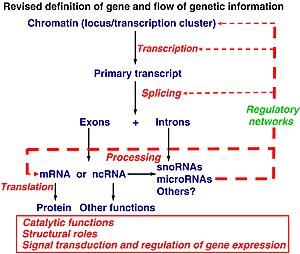
English: Revised definition of gene and flow o...

Revised definition of gene and flow of genetic information (adapted from Mattick JS (2003). Challenging the dogma: the hidden layer of non-protein-coding RNAs in complex organisms. BioEssays 25:930. doi:10.1002/bies.10332).

Epigenetics is getting a big attention recently to understand genomics and provide better results. However, this field is studied for many years under functional genomics and developmental biology for cellular and molecular biology. Stem cells have a free drive that we have not figured out yet. So genomics must be studied essentially with people training in developmental biology and comparative molecular genetics knowledge to make heads and tail for translational medicine.

There are three main routes of epigenetic modifications one

In 1993, Kavai group showed brain development assays of mice showed that only 0.7% genome has tissue and cellular specificity, and 1.7% of genome was able to turn on and off. This conclusion is relevant to genome sequencing data. Also, previous studies in genome and RNA biology presented that RNA directed DNA modifications lead into splicing and transcriptional silencing for gene regulation in Arapsidosis, mice, and Drosophila. (Borge, F. and. Martiensse, R.A. 2013; Di Croce L, Raker VA, Corsaro M, et al. 2002; Piferrer, F, 2013; Jun Kawai1 et al. 1993)

Comparative developmental biology studies and genetics in organisms give away clues that can be applied or open the door for a new discovery in human disease models.  Plants do utilize methylation and transposomes, which are viral particles that can affect the genome structure and present in all organisms including human, for their gene regulation and development extensively (The EMBO Journal, (22 March 2013) | doi:10.1038/emboj.2013.49). Thus, Arapsidosis is a good model.

The environment and gene expression define inheritable materials at transcriptional levels. He group (Cui-Jun Zhang et al, 2013, doi:10.1038/emboj.2013.49) suggested splicing machinery affecting RdDM and transcriptional silencing to control gene regulation during development since an RNA-directed DNA methylation (RdDM) pathway directs de novo methylation. Furthermore, these differences are highly regulated at RNA level with silencing, splicing, transposon activation/inactivation and modulation at epigenetic level.

In fruit fly with more than five hundreds years of accumulated data, the sex determination pathways, soma or germline, share common genes but they act differently in each pathway. Sxl (sex-lethal), which is key gene of somatic sex determination and is an RNA binding protein, regulates the genes through splicing in one its mechanisms (DOI: 10.1002/dvdy.23924). Yet, in germline ovo, which is a DNA binding protein, regulates the expression and development with different sets of rules yet these two paths always communicate to make the final outcome. The effects of RNA on epigenetics and gene regulation during development will be another topic to discuss. However, the three major epigenetic factors do not run in order necessarily, but always have three targeted outcome: initiate, differentiate and maintain. Thus, from environment to phenotype there are places/parts scientists can modulate or reprogram but there parts must be kept intact.

Yang et al, 2012 presented a study on PHD Finger Protein 7 (PHF7), which is an important factor for male germline sexual identity in Drosophila, and called this gene as a “epigenetic reader’ since the expression of this gene in XX soma started a female germline development. This type of epigenetic readers may also alter the outcome to balance cell metabolism towards desired phenotype in stem cells.

Adenine methylation

Adenine methylation (Photo credit: Allen Gathman)

The environment creates the epigenerators including temperature, differentiation signals and metabolites that trigger the cell membrane proteins for development of signal transduction within the cell to activate gene(s) and to create cellular response.  These changes can be modulated but they are not necessary for modulation. The second step involves epigenetic initiators that require precise coordination to recognize specific sequences on a chromatin in response to epigenerator signals. These molecules are

After they are involved they are on for life and controlled by autoregulatory mechanisms, like Sxl (sex lethal) RNA binding protein in somatic sex determination and ovo DNA binding protein in germline sex determination of fruit fly. Both have autoregulation mechanisms, cross talks, differential signals and cross reacting genes since after the final update made the soma has to maintain the decision to stay healthy and develop correctly.  Then, this brings the third level mechanism called epigenetic maintainers that are DNA methylating enzymes, histone modifying enzymes and histone variants.  The good news is they can be reversed. As a result the phonotype establishes either a

  • short term phenotype, transient for transcription,
  • DNA replication and repair or
  • long term phenotype outcomes that are chromatin conformation and heritable markers.

Early in development things are short term and stop after the development seized but be able to maintain the short term phonotype during wound healing, coagulation, trauma, disease and immune responses. Some cells will loose their ability to differentiate to very low levels. Yet, in life everything is possible even with less than 1% chance because nothing is accidental.

X-chromosome has fascinating characteristics simply because they present unusual mechanisms among female and male differentiation in fruit flies and mammals but their distinct characteristics in evolution marry with surprising parallel mechanisms in regulation. These features are the importance of noncoding RNAs, and epigenetic spreading of chromatin-modifying activities, and at the end of the actions most part of the Y chromosome is lost and one of the X-chromosome is downregulated in the big picture.

Figure 2: DNA methylation analysis methods not...

DNA methylation analysis methods not based on methylation-specific PCR. Following bisulfite conversion, the genomic DNA is amplified with PCR that does not discriminate between methylated and non-methylated sequences. The numerous methods available are then used to make the discrimination based on the changes within the amplicon as a result of bisulfite conversion. (Photo credit: Wikipedia)

Revisiting RNA directed DNA methylation study once again shows that unread sequence has the word on gene expression; it can still create the diversity that may help rebirth of stem cells with a correct program and develop tools for unmet human diseases. This will be the next topic to discuss.

Personal Impression

While I was listening Dr. Ecker, I remembered these studies. The question becomes what we know then what we know now. “The Underappreciated Epigenome: Methylation of Brain” by Joseph Ecker, Ph.D. of Salk Institute gave a talk on differential expression in adult vs. fetal brain development at Future of Genomics VI Medicine on March 7, 2013.

I like to give snapshot of his talk, and relating to the third wheel of the epigenetics: non coding RNAs for epigenetics, stem cell biology and development. He also reconnecting the dots and demonstrated that there is a linear relation between gene regulation region and methylation type.  As a result the plasticity of development takes place with the extensive mutation reconfigurations during early post natal stages up to two years at synaptogenesis. 

Ecker’s Study

The study focused onto inheritability of methylation in different organisms and comparative expression pattern. The data from chip sequencing for

  • histone modifications,
  • whole genome bisulfide sequencing for DNA modifications and
  • methylome profiling

projected a differential expression pattern between

  • adult and
  • fetal brain

for 5 hydroxymethyl cytosine hmC and 5 methyl cytosine mC.

Completion of base resolution of human methylation and aberrant epigenomic reprogramming in induced stem cells showed that the density of genic mCH is positively correlated with gene expression.

  • There was an increased mCH and an elevated gene expression pattern, unlike mCG that the gene is silenced at stem cell differentiation.
  • mCH expression was not only tissue specific but also cell specific based on comparative expression study.
  • There was no mCH expression in fetal frontal cortex unlike adult frontal cortex with accumulation of mCH during synaptogenesis. Also
  • deserts of methylation can be counted as heterochromatic regions and protective transfactors between mCG and mCH methylation.
  • In DNMT pattern showed neurons enriched with mCH but glia was depleted.  Furthermore, these
  • sites are not randomly but occurring with correlation.

Ecker group also published (Lister et al, 2009) the first genome-wide study in a mammalian genome, from both

  • human embryonic stem cells and
  • fetal fibroblasts, along with
  • comparative analysis of messenger RNA and
  • small RNA components of the transcriptome, several
  • histone modifications, and
  • sites of DNA–protein interaction for several key regulatory factors.

Like the related review paper by Spivakov and Fisher pointed out the search for molecular signatures of ‘stemness’ and pluripotency is becoming important for cell therapy. Thus, there is a huge effort on transcription machinery of key genes during early development and understanding of stem cells, but working on the epigenetic profiles and their interaction with transcription machinery is equally important. This poised but activable factors under the stem cell genome may open new doors for diagnostics and therapies.  As a result, “restricted” human diversity will open doors for a personalized medicine and delivery mechanisms.

Until human genome was sequenced the expected number of genes was high but only 1% of genome is read producing about 25000 genes. That brings up three modules to be concerned:

1. Use the RNA wisely as the ancestor of transferable genetic material that viruses used, even human has embedded over 90% natural viral in their genome;

2. Apply epigenetics with all three types from a scratch;

3. Inheritance.

RNA is regulating the methylation on genome through transposons and silencing the genes at transcriptional level to create intergenerational or transgenerational reprograming. This makes sense since after the decision is made there are two intentions passing onto next generation and maintaining the decision consistently.  If

  • in soma by mitosis to daughter cells, or
  • in germline by meiosis

the characters are transferred to the next generation. However, we also need to mind after the fact because no one is choosing what they get let alone not being able to choose their parents. Choosing the healthy tolerance levels in genome for future medicine is the key.

REFERENCES

Borge, F. and Martiense, R.A. “Establishing epigenetic variation during genome reprogramming” RNA Biology, Volume 10, Issue 4, April 2013,  doi: org/10.4161/rna.24085

Dalakouras,A. and Wassenegger, M. “Revisiting RNA-directed DNA methylation” RNA Biology, Volume 10, Issue 3 March 2013 Pages 453 – 455 http://dx.doi.org/10.4161/rna.23542

Piferrer, F. “Epigenetics of sex determination and gonadogenesis” Developmental Dynamics 8 FEB 2013 DOI: 10.1002/dvdy.23924

Yang SY, Baxter EM, Van Doren M. “Phf7 controls male sex determination in the Drosophila germline” Dev Cell. 2012 May 15;22(5):1041-51. doi: 10.1016/j.devcel.2012.04.013.

Yongkyu Park,  Mitzi I. KurodaEpigenetic Aspects of X-Chromosome Dosage Compensation” Science 10 August 2001: Vol. 293 no. 5532 pp. 1083-1085  DOI: 10.1126/science.1063073

Okano M, Xie S, Li E (July 1998). “Cloning and characterization of a family of novel mammalian DNA (cytosine-5) methyltransferases” Nat Genet 19 (3): 219–20. doi:10.1038/890    

Di Croce L, Raker VA, Corsaro M, et al. (2002). “Methyltransferase recruitment and DNA hypermethylation of target promoters by an oncogenic transcription factor” Science 295 (5557): 1079–82. doi:10.1126/science.1065173

Jun Kawai1,+, Shinji Hirotsune2,3,Kenji Hirose1,3,+,Shinji Fushiki4, Sachihiko Watanabe1,+ and Yoshihide Hayashizaki2,3, “Methylation profiles of genomic DNA of mouse developmental brain detected by restriction landmark genomic scanning (RLGS) method” Nucl. Acids Res. (1993) 21 (24): 5604-5608. doi: 10.1093/nar/21.24.5604

Cui-Jun Zhang, Jin-Xing Zhou, Jun Liu, Ze-Yang Ma, Su-Wei Zhang, Kun Dou, Huan-Wei Huang, Tao Cai, Renyi Liu, Jian-Kang Zhu and Xin-Jian He. “The splicing machinery promotes RNA-directed DNA methylation and transcriptional silencing in Arabidopsis” The EMBO Journal , (22 March 2013) | doi:10.1038/emboj.2013.49

Ryan Lister1,9, Mattia Pelizzola1,9, Robert H. Dowen1, R. David Hawkins2, Gary Hon2, Julian Tonti-Filippini4, Joseph R. Nery1, Leonard Lee2, Zhen Ye2, Que-Minh Ngo2, Lee Edsall2, Jessica Antosiewicz-Bourget5,6, Ron Stewart5,6, Victor Ruotti5,6, A. Harvey Millar4, James A. Thomson5,6,7,8, Bing Ren2,3 & Joseph R. Ecker1 “Differential methylation between stem cells and adult stem cellsNature 462, 315-322 (19 November 2009) | doi:10.1038/nature08514

Mikhail Spivakov & Amanda G. Fisher “Epigenetic signatures of stem-cell identity” Nature Reviews Genetics 8, 263-271 (April 2007) | doi:10.1038/nrg2046

Louise C Laurent1,2,3,15, Caroline M Nievergelt4,15, Candace Lynch2,3, Eyitayo Fakunle2,3, Julie V Harness5, Uli Schmidt6, Vasiliy Galat7,8, Andrew L Laslett9,10,11, Timo Otonkoski12,13, Hans S Keirstead5, Andrew Schork4, Hyun-Sook Park14 & Jeanne F Loring2  “Restricted human ethnic diversity in human stem cell lines.” Nature Methods 7, 6 – 7 (2010) doi:10.1038/nmeth0110-06

Other related articles on this topic were published on this Open Access Online Scientific Journal, including the following:

Prostate Cancer Cells: Histone Deacetylase Inhibitors Induce Epithelial-to-Mesenchymal Transition

SJ Williams, PhD

http://pharmaceuticalintelligence.com/2012/11/30/histone-deacetylase-inhibitors-induce-epithelial-to-mesenchymal-transition-in-prostate-cancer-cells/

How mobile elements in “Junk” DNA promote cancer. Part 1: Transposon-mediated tumorigenesis.

SJ Williams, PhD

http://pharmaceuticalintelligence.com/2012/10/31/how-mobile-elements-in-junk-dna-prote-cacner-part1-transposon-mediated-tumorigenesis/

Diagnosing Diseases & Gene Therapy: Precision Genome Editing and Cost-effective microRNA Profiling 

Aviva Lev-Ari, PhD, RN, March 28, 2013
http://pharmaceuticalintelligence.com/2013/03/28/diagnosing-diseases-gene-therapy-precision-genome-editing-and-cost-effective-microrna-profiling/

Genomics-based cure for diabetes on-the-way 

Ritu Saxena, PhD, March 4, 2013
http://pharmaceuticalintelligence.com/2013/03/04/genomics-based-cure-for-diabetes-on-the-way/

How Genes Function

Larry H Bernstein, MD, FACP, March 4, 2013 

http://pharmaceuticalintelligence.com/2013/03/04/how-genes-function/

Long noncoding RNA: UCSF Researchers have Uncovered its role in Brain Development and in Neurological Diseases

Aviva Lev-Ari, PhD, RN, April 17, 2013 

http://pharmaceuticalintelligence.com/2013/04/17/long-noncoding-rna-ucsf-researchers-have-uncovered-its-role-in-brain-development-and-in-neurological-diseases/

Bibliographies on Genomics by Subject Matter

Genomics and Genetics Articles on this Open Access Online Scientific Journal 2/2012 — 1/2013

Aviva Lev-Ari, PhD, RN, 2/25/2013

http://pharmaceuticalintelligence.com/biomed-e-books/genomics-orientations-for-personalized-medicine/bibliographies-on-genomics/

The Initiation and Growth of Molecular Biology and Genomics – Part I

Larry H Bernstein, MD, FACP, 2/8/2013

http://pharmaceuticalintelligence.com/2013/02/08/the-initiation-and-growth-of-molecular-biology-and-genomics/

CRACKING THE CODE OF HUMAN LIFE: Recent Advances in Genomic Analysis and Disease – Part IIC

Larry H Bernstein, MD, FACP, February 14, 2013

http://pharmaceuticalintelligence.com/2013/02/14/cracking-the-code-of-human-life-recent-advances-in-genomic-analysis-and-disease/

Genomic Endocrinology and its Future

Sudipta Saha, December 27, 2012
http://pharmaceuticalintelligence.com/2012/12/27/genomic-endocrinology-and-its-future-2/

Exome sequencing of serous endometrial tumors shows recurrent somatic mutations in chromatin-remodeling and ubiquitin ligase complex genes
Sudipta Saha, PhD, December 18, 2012
http://pharmaceuticalintelligence.com/2012/12/18/exome-sequencing-of-serous-endometrial-tumors-shows-recurrent-somatic-mutations-in-chromatin-remodeling-and-ubiquitin-ligase-complex-genes

Pancreatic Cancer: Genetics, Genomics and Immunotherapy
Tilda Barlyia, PhD, April 11, 2013 
http://pharmaceuticalintelligence.com/2013/04/11/update-on-pancreatic-cancer/

Exome sequencing of serous endometrial tumors shows recurrent somatic mutations in chromatin-remodeling and ubiquitin ligase complex genes
Sudipta Saha, December 18, 2012
http://pharmaceuticalintelligence.com/2012/12/18/exome-sequencing-of-serous-endometrial-tumors-shows-recurrent-somatic-mutations-in-chromatin-remodeling-and-ubiquitin-ligase-complex-genes/

Genomics & Genetics of Cardiovascular Disease Diagnoses: A Literature Survey of AHA’s Circulation Cardiovascular Genetics
3/2010 – 3/2013 

Aviva Lev-Ari, PhD, RN and Larry H Bernstein, MD, FACP, March 7, 2013

http://pharmaceuticalintelligence.com/2013/03/07/genomics-genetics-of-cardiovascular-disease-diagnoses-a-literature-survey-of-ahas-circulation-cardiovascular-genetics-32010-32013/

What is the Future for Genomics in Clinical Medicine?

Larry H Bernstein, MD, FACP, February 17, 2013
http://pharmaceuticalintelligence.com/2013/02/17/what-is-the-future-for-genomics-in-clinical-medicine/

CRACKING THE CODE OF HUMAN LIFE: Recent Advances in Genomic Analysis and Disease – Part IIC

Larry H Bernstein, MD, FACP, February 14, 2013
http://pharmaceuticalintelligence.com/2013/02/14/cracking-the-code-of-human-life-recent-advances-in-genomic-analysis-and-disease/

Read Full Post »

Ribozymes and RNA Machines –  Work of Jennifer A. Doudna

Reporter: Aviva Lev-Ari, PhD, RN

This image has an empty alt attribute; its file name is ArticleID-40.png

WordCloud Image Produced by Adam Tubman

article-21.1.1-ribozymes-and-rna-machines-e28093-work-of-jennifer-a.-doudna

Article 21.1.1- Ribozymes and RNA Machines – Work of Jennifer A. Doudna

UPDATED 3/27/2014

New DNA-editing technology spawns bold UC initiative

http://newscenter.berkeley.edu/2014/03/18/new-dna-editing-technology-spawns-bold-uc-initiative/

Crispr Goes Global

http://vcresearch.berkeley.edu/news/profile/doudna_jennifer

UPDATED 3/5/2014

Double Nicking by RNA-Guided CRISPR Cas9 for Enhanced Genome Editing Specificity

http://www.cell.com/retrieve/pii/S0092867413010155

One-Step Generation of Mice Carrying Mutations in Multiple Genes by CRISPR/Cas-Mediated Genome Engineering

http://www.cell.com/retrieve/pii/S0092867413004674

RNA-Guided Human Genome Engineering via Cas9

http://www.sciencemag.org/content/suppl/2013/01/03/science.1232033.DC1

SOURCE

From: Expert CRISPR/Cas9 Publications <Expert_CRISPRCas9_Publications@mail.vresp.com>
Date: Tue, 04 Mar 2014 17:03:01 +0000
To: <avivalev-ari@alum.berkeley.edu>
Subject: CRISPR-mediated gene editing resources

UPDATED on 11/10/2013

Exclusive: ‘Jaw-dropping’ breakthrough hailed as landmark in fight against hereditary diseases as Crispr technique heralds genetic revolution

Development to revolutionise study and treatment of a range of diseases from cancer, incurable viruses such as HIV to inherited genetic disorders such as sickle-cell anaemia and Huntington’s disease

SCIENCE EDITOR

Thursday 07 November 2013

A breakthrough in genetics – described as “jaw-dropping” by one Nobel scientist – has created intense excitement among DNA experts around the world who believe the discovery will transform their ability to edit the genomes of all living organisms, including humans.

Click image above to enlarge graphic

The development has been hailed as a milestone in medical science because it promises to revolutionise the study and treatment of a range of diseases, from cancer and incurable viruses to inherited genetic disorders such as sickle-cell anaemia and Down syndrome.

For the first time, scientists are able to engineer any part of the human genome with extreme precision using a revolutionary new technique called Crispr, which has been likened to editing the individual letters on any chosen page of an encyclopedia without creating spelling mistakes. The landmark development means it is now possible to make the most accurate and detailed alterations to any specific position on the DNA of the 23 pairs of human chromosomes without introducing unintended mutations or flaws, scientists said.

The technique is so accurate that scientists believe it will soon be used in gene-therapy trials on humans to treat incurable viruses such as HIV or currently untreatable genetic disorders such as Huntington’s disease. It might also be used controversially to correct gene defects in human IVF embryos, scientists said.

Until now, gene therapy has had largely to rely on highly inaccurate methods of editing the genome, often involving modified viruses that insert DNA at random into the genome – considered too risky for many patients.

The new method, however, transforms genetic engineering because it is simple and easy to edit any desired part of the DNA molecule, right down to the individual chemical building-blocks or nucleotides that make up the genetic alphabet, researchers said.

“Crispr is absolutely huge. It’s incredibly powerful and it has many applications, from agriculture to potential gene therapy in humans,” said Craig Mello of the University of Massachusetts Medical School, who shared the 2006 Nobel Prize for medicine for a previous genetic discovery called RNA interference.

“This is really a triumph of basic science and in many ways it’s better than RNA interference. It’s a tremendous breakthrough with huge implications for molecular genetics. It’s a real game-changer,” Professor Mello told The Independent.

“It’s one of those things that you have to see to believe. I read the scientific papers like everyone else but when I saw it working in my own lab, my jaw dropped. A total novice in my lab got it to work,” Professor Mello said.

In addition to engineering the genes of plants and animals, which could accelerate the development of GM crops and livestock, the Crispr technique dramatically “lowers the threshold” for carrying out “germline” gene therapy on human IVF embryos, Professor Mello added.

The new method of gene therapy makes it simple and easy to edit any desired part of the DNA molecule (Getty Creative)

The new method of gene therapy makes it simple and easy to edit any desired part of the DNA molecule (Getty Creative) Germline gene therapy on sperm, eggs or embryos to eliminate inherited diseases alters the DNA of all subsequent generations, but fears over its safety, and the prospect of so-called “designer babies”, has led to it being made illegal in Britain and many other countries.

The new gene-editing technique could address many of the safety concerns because it is so accurate. Some scientists now believe it is only a matter of time before IVF doctors suggest that it could be used to eliminate genetic diseases from affected families by changing an embryo’s DNA before implanting it into the womb.

“If this new technique succeeds in allowing perfectly targeted correction of abnormal genes, eliminating safety concerns, then the exciting prospect is that treatments could be developed and applied to the germline, ridding families and all their descendants of devastating inherited disorders,” said Dagan Wells, an IVF scientist at Oxford University.

“It would be difficult to argue against using it if it can be shown to be as safe, reliable and effective as it appears to be. Who would condemn a child to terrible suffering and perhaps an early death when a therapy exists, capable of repairing the problem?” Dr Wells said.

The Crispr process was first identified as a natural immune defence used by bacteria against invading viruses. Last year, however, scientists led by Jennifer Doudna at the University of California, Berkeley, published a seminal study showing that Crispr can be used to target any region of a genome with extreme precision with the aid of a DNA-cutting enzyme called CAS9.

Since then, several teams of scientists showed that the Crispr-CAS9 system used by Professor Doudna could be adapted to work on a range of life forms, from plants and nematode worms to fruit flies and laboratory mice.

Earlier this year, several teams of scientists demonstrated that it can also be used accurately to engineer the DNA of mouse embryos and even human stem cells grown in culture. Geneticists were astounded by how easy, accurate and effective it is at altering the genetic code of any life form – and they immediately realised the therapeutic potential for medicine.

“The efficiency and ease of use is completely unprecedented. I’m jumping out of my skin with excitement,” said George Church, a geneticist at Harvard University who led one of the teams that used Crispr to edit the human genome for the first time.

“The new technology should permit alterations of serious genetic disorders. This could be done, in principle, at any stage of development from sperm and egg cells and IVF embryos up to the irreversible stages of the disease,” Professor Church said.

David Adams, a DNA scientist at the Wellcome Trust Sanger Institute in Cambridge, said that the technique has the potential to transform the way scientists are able to manipulate the genes of all living organisms, especially patients with inherited diseases, cancer or lifelong HIV infection.

“This is the first time we’ve been able to edit the genome efficiently and precisely and at a scale that means individual patient mutations can be corrected,” Dr Adams said.

“There have been other technologies for editing the genome but they all leave a ‘scar’ behind or foreign DNA in the genome. This leaves no scars behind and you can change the individual nucleotides of DNA – the ‘letters’ of the genetic textbook – without any other unwanted changes,” he said.

Timeline: Landmarks in DNA science

Restriction enzymes: allowed scientists to cut the DNA molecule at or near a recognised genetic sequence. The enzymes work well in microbes but are more difficult to target in the more complex genomes of plants and animals. Their discovery in the 1970s opened the way for the age of genetic engineering, from GM crops to GM animals, and led to the 1978 Nobel Prize for medicine.

Polymerase chain reaction (PCR): a technique developed in 1983 by Kary Mullis (below, credit: Getty) in California allowed scientists to amplify the smallest amounts of DNA – down to a single molecule – to virtually unlimited quantities. It quickly became a standard technique, especially in forensic science, where it is used routinely in analysing the smallest tissue samples left at crime scenes. Many historical crimes have since been solved with the help of the PCR test. Mullis won the Nobel Prize for chemistry in 1993.

RNA interference: scientists working on the changing colour of petunia plants first noticed this phenomenon, which was later shown to involve RNA, a molecular cousin to DNA. In 1998, Craig Mello and Andrew Fire in the US demonstrated the phenomenon on nematode worms, showing that small strands of RNA could be used to turn down the activity of genes, rather like a dimmer switch. They shared the 2006 Nobel Prize for physiology or medicine for the discovery.

Zinc fingers: complex proteins called zinc fingers, first used on mice in 1994, can cut DNA at selected sites in the genome, with the help of enzymes. Another DNA-cutting technique called Talens can do something similar. But both are cumbersome to use and difficult to operate in practice – unlike the Crispr technique.

VIEW VIDEO

http://www.independent.co.uk/news/science/indyplus-video-crispr-technique-8925604.html

a video of how the Crispr system derived from bacteria works on human cells to correct genetic defects

SOURCE

http://www.independent.co.uk/news/science/exclusive-jawdropping-breakthrough-hailed-as-landmark-in-fight-against-hereditary-diseases-as-crispr-technique-heralds-genetic-revolution-8925295.html?goback=%2Egde_2106240_member_5804987154979381248#%21

Jennifer A. Doudna

Professor of Chemistry
Professor of Biochemistry & Molecular Biology

email: doudna@berkeley.edu
office: 708A Stanley Hall
phone: 510-643-0225
fax: 510-643-0008

lab: 731 Stanley Hall
lab phone: 510-643-0113
lab fax: 510-643-0080

Research Group URL
Recent Publications

Research Interests

Chemical Biology

Ribozymes and RNA Machines: RNA forms a variety of complex globular structures, some of which function like enzymes or form functional complexes with proteins. There are three major areas of focus in the lab: catalytic RNA, the function of RNA in the signal recognition particle and the mechanism of RNA-mediated internal initiation of protein synthesis. We are interested in understanding and comparing catalytic strategies used by RNA to those of protein enzymes, focusing on self-splicing introns and the self-cleaving RNA from hepatitis delta virus (HDV), a human pathogen. We are also investigating RNA-mediated initiation of protein synthesis, focusing on the internal ribosome entry site (IRES) RNA from Hepatitis C virus. Cryo-EM, x-ray crystallography and biochemical experiments are focused on understanding the structure and mechanism of the IRES and its amazing ability to hijack the mammalian ribosome and associated translation factors. A third area of focus in the lab is the signal recognition particle, which contains a highly conserved RNA required for targeting proteins for export out of cells. Each of these projects seeks to understand the molecular basis for RNA function, using a combination of structural, biophysical and biochemical approaches.

Biography

Medical School, 1989-1991; Post-doctoral fellow, University of Colorado, 1991-1994; Assistant/Associate professor, (1994-1998), Professor, (1999-2001), Yale University. Professor of Biochemistry & Molecular Biology, UC Berkeley, (2002-). Howard Hughes Medical Investigator 1997 to present. Packard Foundation Fellow Award, 1996; NSF Alan T. Waterman Award, 2000. Member, National Academy of Sciences, 2002. Member, American Academy of Arts and Sciences, 2003; American Association for the Advancement of Science Fellow Award, 2008; Member, Institute of Medicine of the National Academies, 2010.

READ MORE

Diagnosing Diseases & Gene Therapy: Precision Genome Editing and Cost-effective microRNA Profiling

http://pharmaceuticalintelligence.com/2013/03/28/diagnosing-diseases-gene-therapy-precision-genome-editing-and-cost-effective-microrna-profiling/

Read Full Post »

Personalized Medicine: Clinical Aspiration of Microarrays

Reporter, Writer: Stephen J. Williams, Ph.D.

 In this month’s Science, Mike May (at http://www.sciencemag.org/site/products/lst_20130215.xhtml) describes some of the challenges and successes in introducing microarray analysis to the clinical setting.  Traditionally used for investigational research, microarray is now being developed, customized and used for biomarker analysis, prognostic and predictive value, in a disease-specific manner.

Challenges in data interpretation

      In an interview with Seth Crosby, director of the Genome Technology Access Center at Washington University School of Medicine in St. Louis, “the biggest challenge” in moving microarray to the clinical setting is data interpretation.  The current technology makes it possible to evaluate expression of thousands of genes from a patient’s sample however as Crosby describes is assigning clinical relevance to the data.  For example Crosby explains that Washington University had validated a panel of 45 oncology genes by next generation sequencing and are using these genes to develop diagnostic tests to screen patient tumors for the purpose of determining a personalized therapeutic strategy. Seth Crosby noted it took “hundreds of Ph.D. and M.D. hours” to sift through the hundreds of papers to determine which genes were relevant to a specific cancer type. However, he notes, that once we better understand which changes in the patient’s genome are related to a specific disease we will be able to narrow down the list and be able to produce both economical and more disease-relevant microarrays.

Is this aberration pathogenic or not?

     Microarrays are becoming an invaluable tool in cytogenetics, as eluded by Andy Last, executive vice president of the genetic analysis business unit at Affymetrix.  Certain diseases like Down syndrome have well characterized chromosomal alterations like additions or deletions of parts or entire chromosomes.  According to Affymetrix, the most common use of microarrays is for determining copy number variation.  However according to James Clough, vice president of clinical and genomic services at Oxford Gene Technology, given the hundreds of syndromes associated with chromosomal rearrangements, the challenge will be to determine if a small chromosomal aberration has pathologic significance, given that microarray affords much higher diagnostic yield and speed of analysis than traditional microscopic techniques.  To address this challenge, Oxford Gene Technologies, PerkinElmer, Affymetrix, and Agilent all have custom designed microarrays to evaluate disease specific copy number and SNP (single nucleotide polymorphism) microarrays.  For example PerkinElmer designed OncoChip™ to evaluate copy number variation in more than 1.800 cancer genes.  Agilent makes microarrays that evaluates both copy number variation such as its CGH (comparative genomic hybridization) plus SNP microarrays.  Patricia Barco, product manager for cytogenetics at Agilent, notes these arrays can be used in prenatal and postnatal research and cancer, and “can be customized from more than 28 million probes in our library”.

Custom Tools and Software to Handle the Onslaught of Big Data

     There is a need for FDA approved diagnostic tools based on microarrays. Pathwork Diagnostic’s has one such tool (the Pathwork Tissue of Origin test), which uses 2,000 transcript markers and a proprietary computational algorithm to determine from expression analysis, the tissue of origin of a patient’s tumor.  Pathwork also provides a fast, custom turn-around analytical service for pathologists who encounter difficult to interpret samples.  Illumina provides the Infinium HumanCore BeadChip family of microarrays, which can determine genetic variations for purposes of biological tissue banking.  This system uses a set of over 300,000 SNP probes plus 240,000 exome-based markers.

     Tools have also been developed to validate microarray results.  A common validation strategy is the use of quantitative real-time PCR to verify the expression changes seen on the microarray.  Life Technologies developed the TaqMan OpenArray Real Time PCR plates, which have 3,072 wells and can be custom-formatted using their library of eight million validated TaqMan assays.

Making Sense of the Big Data: Bridging the Knowledge Gap using Bioinformatics

          The use of microarray has spurned industries devoted to developing the bioinformatics software to analyze the massive amounts of data and provide clinical significance.  For example companies such as Expression Analysis use their bioinformatics software to provide pathway analysis for microarray data in order to translate the data into the biology.  Using such strategies can also validate the design of microarrays for various diseases.

Foundation Medicine, Inc., a molecular information company, provides cancer genomics test solutions. It offers FoundationOne, an informative genomic profile to identify a patient’s individual molecular alterations and match them with relevant targeted therapies and clinical trials. The company’s product enables physicians to recommend treatment options for patients based on the molecular subtype of their cancer.

The Canadian Bioinformatics Workshops series recently offered a course on using bioinformatic approaches to analyze clinical data generated from microarray approaches (http://bioinformatics.ca/workshops/2012/bioinformatics-cancer-genomics-bicg).   The course objectives are described below:

Course Objectives

Cancer research has rapidly embraced high throughput technologies into its research, using various microarray, tissue array, and next generation sequencing platforms. The result has been a rapid increase in cancer data output and data types. Now more than ever, having the bioinformatic skills and knowledge of available bioinformatic resources specific to cancer is critical. The CBW will host a 5-day workshop covering the key bioinformatics concepts and tools required to analyze cancer genomic data sets. Participants will gain experience in genomic data visualization tools which will be applied throughout the development of the skills required to analyze cancer -omic data for gene expression, genome rearrangement, somatic mutations and copy number variation. The workshop will conclude with analyzing and conducting pathway analysis on the resultant cancer gene list and integration of clinical data.

Successful Examples of Clinical Ventures Integrating Bioinformatics in Cancer Treatment Decision –Making

The University of Pavia, Italy developed a fully integrated oncology bioinformatics workflow as described on their website and at the ESMO 2012 Congress meeting:

http://abstracts.webges.com/viewing/view.php?congress=esmo2012&congress_id=370&publication_id=2530

ESMO

ONCO-I2B2 PROJECT: A BIOINFORMATICS TOOL INTEGRATING –OMICS AND CLINICAL DATA TO SUPPORT TRANSLATIONAL RESEARCH

Abstract:

2530

Congress:

ESMO 2012

Type:

Abstract

Topic:

Translational research

Authors:

A. Zambelli, D. Segagni, V. Tibollo, A. Dagliati, A. Malovini, V. Fotia, S. Manera, R. Bellazzi; Pavia/IT

  • Body

The ONCO-i2b2 project, supported by the University of Pavia and the Fondazione Salvatore Maugeri (FSM), aims at supporting translational research in oncology and exploits the software solutions implemented by the Informatics for Integrating Biology and the Bedside (i2b2) research centre, an initiative funded by the NIH Roadmap National Centres for Biomedical Computing. The ONCO-i2b2 software is designed to integrate the i2b2 infrastructure with the FSM hospital information system and the Bruno Boerci Biobank, in order to provide well-characterized cancer specimens along with an accurate patients clinical data-base. The i2b2 infrastructure provides a web-based access to all the electronic medical records of cancer patients, and allow researchers analyzing the vast amount of biological and clinical information, relying on a user-friendly interface. Data coming from multiple sources are integrated and jointly queried.

In 2011 at AIOM Meeting we reported the preliminary experience of the ONCO-i2b2 project, now we’re able to present the up and running platform and the extended data set. Currently, more than 4400 specimens are stored and more than 600 of breast cancer patients give the consent for the use of specimens in the context of clinical research, in addition, more than 5000 histological reports are stored in order to integrate clinical data.

Within the ONCO-i2b2 project is possible to query and merge data regarding:

• Anonymous patient personal data;

• Diagnosis and therapy ICD9-CM subset from the hospital information system;

• Histological data (tumour SNOMED and TNM codes) and receptor profile testing (Her2, Ki67) from anatomic pathology database;

• Specimen molecular characteristics (DNA, RNA, blood, plasma and cancer tissues) from the Bruno Boerci Biobank management system.

The research infrastructure will be completed by the development of new set of components designed to enhance the ability of an i2b2 hive to utilize data generated by NGS technology, providing a mechanism to apply custom genomic annotations. The translational tool created at FSM is a concrete example regarding how the integration of different information from heterogeneous sources could bring scientific research closer to understand the nature of disease itself and to create novel diagnostics through handy interfaces.

Disclosure

All authors have declared no conflicts of interest.

NCI has under-taken a similar effort under the Recovery Act (the full text of the latest report is taken from their website http://www.cancer.gov/aboutnci/recovery/recoveryfunding/investmentreports/bioinformatics:

Cancer Bioinformatics: Recovery Act Investment Report

November 2009

Public Health Burden of Cancer

Cancer is the second leading cause of death in the United States after heart disease. In 2009, it is estimated that nearly 1.5 million new cases of invasive cancer will be diagnosed in this country and more than 560,000 people will die of the disease.

To learn more, visit:

Cancer Bioinformatics Program Overview

Over the past five years, NCI’s Center for Biomedical Informatics and Information Technology (CBIIT) has led the effort to develop and deploy the cancer Biomedical Informatics Grid® (caBIG) in partnership with the broader cancer community.  The caBIG network is designed to enable the integration and exchange of data among researchers in the laboratory and the clinic, simplify collaboration, and realize the potential of information-based (personalized) medicine in improving patient outcomes. caBIG has connected major components of the cancer community, including NCI-designated Cancer Centers, participating institutions of the NCI Community Cancer Centers Program (NCCCP), and numerous large-scale scientific endeavors, as well as basic, translational, and clinical researchers at public and private institutions across the United States and around the world.  Beyond cancer research, caBIG capabilities—infrastructure, standards, and tools—provide a prototype for linking other disease communities and catalyzing a new 21st-century biomedical ecosystem that unifies research and care. ARRA funding will allow NCI to accelerate the ongoing development of the Cancer Knowledge Cloud and Oncology Electronic Health Records (EHRs) initiatives, thereby providing for continued job creation in the areas of biomedical informatics development and application as well as healthcare delivery.

The caBIG Cancer Knowledge Cloud: Extending the Research Infrastructure

The Cancer Knowledge Cloud is a virtual biomedical capability that utilizes caBIG tools, infrastructure, and security frameworks to integrate distributed individual and organizational data, software applications, and computational capacity throughout the broad cancer research and treatment community. The Cancer Knowledge Cloud connects, integrates, and facilitates sharing of the diverse primary data generated through basic and clinical research and care delivery to enable personalized medicine. The cloud includes information generated through large-scale research projects such as The Cancer Genome Atlas (TCGA), the cancer Human Biobank (caHUB) tissue acquisition network, the NCI Functional Biology Consortium, the NCI Patient Characterization Center, and the NCI Preclinical Development Pipeline, academic and industry counterparts to these projects, and clinical observations (from entities such as the NCCCP) captured in oncology-extended Electronic Health Records.  Through the use of the caBIG Data Sharing and Security Framework, the Cloud will support appropriate sharing of information, supporting in silico hypothesis generation and testing, and enabling a learning healthcare system.

A caBIG-Based Rapid-Learning Healthcare System: Incorporating Oncology-Extended Electronic Healthcare Records (EHRs)

The 21st-century Cancer Knowledge Cloud will connect individuals, organizations, institutions, and their associated information within an information technology-enabled cycle of discovery, development, and clinical care—the paradigm of a rapid-learning healthcare system. This will transform these disconnected sectors into a system that is personalized, preventive, pre-emptive, and patient-participatory.  To be realized, this model requires the adoption of standards-based EHRs. Presently, however, no certified oncology-based EHR exists, and fewer than 3 percent of oncologists with outpatient-based practices utilize EHRs. caBIG has recently established a collaboration with the American Society of Clinical Oncology (ASCO) to develop an oncology-specific EHR (caEHR) specification based on open standards already in use in the oncology community that will utilize caBIG standards for interoperability. NCI will implement an open-source version of this specification to validate the specification and to provide a free alternative to sites that choose not to purchase a commercial system. The launch customer for the caEHR will be NCCCP participating sites. NCI will work with appropriate entities to provide a mechanism for certifying that caEHR implementations are consistent with the NCI/ASCO specification.

Bards Cancer Institute has another clinical bioinformatics program to support their clinical efforts:

Clinical Bioinformatics Program in Oncology at Barts Cancer Institute at Barts and the London School of Medicine

http://www.bci.qmul.ac.uk/cancer-bioinformatics

BCI HomeCancer Bioinformatics

Bards

Why we focus on Cancer Bioinformatics

Bioinformatics is a new interdisciplinary area involving biological, statistical and computational sciences. Bioinformatics will enable cancer researchers not only to manage, analyze, mine and understand the currently accumulated, valuable, high-throughput data, but also to integrate these in their current research programs. The need for bioinformatics will become ever more important as new technologies increase the already exponential rate at which cancer data are generated.

What we do

  • We work alongside clinical and basic scientists to support the cancer projects within BCI.  This is an ideal partnership between scientific experts, who know the research questions that will be relevant from a cancer biologist or clinician’s perspective, and bioinformatics experts, who know how to develop the proposed methods to provide answers.
  • We also conduct independent bioinformatics research, focusing on the development of computational and integrative methods, algorithms, databases and tools to tackle the analysis of the high volumes of cancer data.
  • We also are actively involved in the development of bioinformatics educational courses at BCI. Our courses offer a unique opportunity for biologists to gain a basic understanding in the use of bioinformatics methods to access and harness large complicated high-throughput data and uncover meaningful information that could be used to understand molecular mechanisms and develop novel targeted therapeutics/diagnostic tools.

Developing Criteria for Genomic Profiling in Lung Cancer:

A Report from U.S. Cancer Centers

In a report by Pao et. al., a group of clinicians organized a meeting to standardize some protocols for the integration of microarray and genomic data from lung cancer patients into the clinical setting.[1]  There has been ample evidence that adenocarcinomas could be classified into “clinically relevant molecular subsets” based on distinct genomic changes.  For example EGFR (epidermal growth factor receptor) exon 19 deletions and exon 21 point mutations predict sensitivity to tyrosine kinase inhibitors (TKIs) like gefitinib, whereas exon 20 insertions predict primary resistance[2].

However, as the authors note, “mutational profiling has not been widely accepted or adopted into practice in thoracic oncology”.  

     Therefore, a multi-institutional workshop was held in 2009 among participants from Massachusetts General Hospital (MGH) Cancer Center, Memorial Sloan-Kettering Cancer Center (MSKCC), the Dana-Farber/Bingham & Women’s Cancer Center (DF/BWCC), the M.D. Anderson Cancer Center (VICC), and the Vanderbilt-Ingram Cancer Center (VICC) to discuss their institutes molecular profiling programs with emphasis on:

·         Organization/workflow

·         Mutation detection technologies

·         Clinical protocols and reporting

·         Patient consent

In addition to the aforementioned challenges, the panel discussed further issues for developing improved science-driven criteria for determining targeted therapies including:

1)      Including pathologists into criteria development as pathology departments are usually the main repositories for specimens

2)      Developing integrated informatics systems

3)      Standardizing new target validation methodology across cancer centers

 References

1.            Pao W, Kris MG, Iafrate AJ, Ladanyi M, Janne PA, Wistuba, II, Miake-Lye R, Herbst RS, Carbone DP, Johnson BE et al: Integration of molecular profiling into the lung cancer clinic. Clinical cancer research : an official journal of the American Association for Cancer Research 2009, 15(17):5317-5322.

2.            Wu JY, Wu SG, Yang CH, Gow CH, Chang YL, Yu CJ, Shih JY, Yang PC: Lung cancer with epidermal growth factor receptor exon 20 mutations is associated with poor gefitinib treatment response. Clinical cancer research : an official journal of the American Association for Cancer Research 2008, 14(15):4877-4882.

Other posts on this website on Cancer and Genomics include:

Read Full Post »

AMPK Is a Negative Regulator of the Warburg Effect and Suppresses Tumor Growth In Vivo

Reporter-Curator: Stephen J. Williams, Ph.D.

AMPK Is a Negative Regulator of the Warburg Effect and Suppresses Tumor Growth In Vivo

Word Cloud by Daniel Menzin

There has been a causal link between alterations in cellular metabolism and the cancer phenotype.  Reorganization of cellular metabolism, marked by a shift from oxidative phosphorylation to aerobic glycolysis for cellular energy requirements (Warburg effect), is considered a hallmark of the transformed cell.  In addition, if tumors are to survive and grow, cancer cells need to adapt to environments high in metabolic stress and to avoid programmed cell death (apoptosis). Recently, a link between cancer growth and metabolism has been supported by the discovery that the LKB1/AMPK signaling pathway as a tumor suppressor axis[1].

LKB1/AMPK/mTOR Signaling Pathway

The Liver Kinase B1 (LKB1)/AMPK  AMP-activated protein kinase/mammalian Target of Rapamycin Complex 1 (mTORC1) signaling pathway links cellular metabolism and energy status to pathways involved in cell growth, proliferation, adaption to energy stress, and autophagy.  LKB1 is a master control for 14 other kinases including AMPK, a serine-threonine kinase which senses cellular AMP/ATP ratios.  In response to cellular starvation, AMPK is allosterically activated by AMP, leading to activation of ATP-generating pathways like fatty acid oxidation and blocking anabolic pathways, like lipid and cholesterol synthesis (which consume ATP).  In addition, AMPK regulates cell growth, proliferation, and autophagy by regulating the mTOR pathway.  AMPK activates the tuberous sclerosis complex 1/2, which ultimately inhibits mTORC1 activity and inhibits protein translation.  This mTOR activity is dis-regulated in many cancers.

LKB1AMPK pathway

LKB1/AMPK in Cancer

  • Somatic mutations of the STK11 gene encoding LKB1 are detected in lung and cervical cancers
  • Therefore LKB1 may be a strong tumor suppressor
  • Pharmacologic activation of LKB1/AMPK with metformin can suppress cancer cell growth

In a recent Cell Metabolism paper[2], Brandon Faubert and colleagues describe how AMPK activity reduces aerobic glycolysis and tumor proliferation while loss of AMPK activity promotes tumor proliferation by shifting cells to aerobic glycolysis and increasing anabolic pathways in a HIF1-dependent manner.

The paper’s major findings were as follows:

  • Loss of AMPKα1 cooperates with the Myc oncogene to accelerate lymphomagenesis
  • AMPKα dysfunction enhances aerobic glycolysis (Warburg effect)
  • Inhibiting HIF-1α reverses the metabolic effects of AMPKα loss
  • HIF-1α mediates the growth advantage of tumors with reduced AMPK signaling

Summary

AMPK is a metabolic sensor that helps maintain cellular energy homeostasis. Despite evidence linking AMPK with tumor suppressor functions, the role of AMPK in tumorigenesis and tumor metabolism is unknown. Here we show that AMPK negatively regulates aerobic glycolysis (the Warburg effect) in cancer cells and suppresses tumor growth in vivo. Genetic ablation of the α1 catalytic subunit of AMPK accelerates Myc-induced lymphomagenesis. Inactivation of AMPKα in both transformed and nontransformed cells promotes a metabolic shift to aerobic glycolysis, increased allocation of glucose carbon into lipids, and biomass accumulation. These metabolic effects require normoxic stabilization of the hypoxia-inducible factor-1α (HIF-1α), as silencing HIF-1α reverses the shift to aerobic glycolysis and the biosynthetic and proliferative advantages conferred by reduced AMPKα signaling. Together our findings suggest that AMPK activity opposes tumor development and that its loss fosters tumor progression in part by regulating cellular metabolic pathways that support cell growth and proliferation.

Below is the graphical abstract of this paper.

Graphical Abstract FINAL.pptx

(Photo credit reference(2; Faubert et. al) permission from Elsevier)

However, this regulation of tumor promotion by AMPK may be more complicated and dependent on the cellular environment.

Nissam Hay from the University of Illinois College of Medicine, Chicago, Illinois, USA and his co-workers Sang-Min Jeon and Navdeep Chandel were investigating the mechanism through which LKB1/AMPK regulate the balance between cancer cell growth and apoptosis under energy stress[3]. In their system, the loss of function of either of these proteins makes cells more sensitive to apoptosis in low glucose environments, and cells deficient in either AMPK or LKB1 were shown to be resistant to oncogenic transformation.  Whereas previous studies showed (as above) AMPK opposes tumor proliferation in a HIF1-dependent manner, their results showed AMPK could promote tumor cell survival during periods of low glucose or altered redox status.

The researchers incubated LKB1-deficient cancer cells in the presence of either glucose or one of the non-metabolizable glucose analogues 2-deoxyglucose (2DG) and 5-thioglucose (5TG), and found that 2DG, but not 5TG, induced the activation of AMPK and protected the cells from apoptosis, even in cells that were deficient in LKB1.

The authors demonstrated that glucose deprivation depleted NADPH levels, increased H2O2 levels and increased cell death, and that this was accelerated in cells deficient in the enzyme glucose-6-phosphate dehydrogenase. Anti-oxidants were also found to inhibit cell death in cells deficient in either AMPK or LKB1.

Knockdown or knockout of either LKB1 or AMPK in cancer cells significantly increased levels of H2O2 but not of peroxide (O2) during glucose depletion. The glucose analogue 2DG was able to activate AMPK and maintain high levels of NADPH and low levels of H2O2 in these cells.

The nucleotide coenzyme NADPH is generated in the pentose phosphate pathway and mitochondrial metabolism, and consumed in H2O2 elimination and fatty acid synthesis. If glucose is limited mitochondrial metabolism becomes the major source of NADPH, supported by fatty acid oxidation. AMPK is known to be a regulator of fatty acid metabolism through inhibition of two acetyl-CoA carboxylases, ACC1 and ACC2.

Short interfering RNAs (siRNAs) to knock down levels of both ACC1 and ACC2 in A549 cancer cells and found that only ACC2 knockdown significantly increased peroxide accumulation and apoptosis, while over-expression of mutant ACC1 and ACC2 in LKB1-proficient cells increased H2O2 and apoptosis.

Therefore, it was concluded AMPK acts to promote early tumor growth and prevent apoptosis in conditions of energy stress through inhibiting acetyl-CoA carboxylase activity, thus maintaining NADPH levels and preventing the build-up of peroxide in glucose-deficient conditions.

This may appear to be conflicting with the previous report in this post however, it is possible that these reports reflect differences in the way cells respond to various cellular stresses, be it hypoxia, glucose deprivation, or changes in redox status.  Therefore a complex situation may arise:

  • AMPK promotes tumor progression under glucose starvation
  • AMPK can oppose tumor proliferation under a normoxic, HIF1-dependent manner
  • Could AMPK regulation be different in cancer stem cells vs. non-stem cell?

References:

1.            Green AS, Chapuis N, Lacombe C, Mayeux P, Bouscary D, Tamburini J: LKB1/AMPK/mTOR signaling pathway in hematological malignancies: from metabolism to cancer cell biology. Cell Cycle 2011, 10(13):2115-2120.

2.            Faubert B, Boily G, Izreig S, Griss T, Samborska B, Dong Z, Dupuy F, Chambers C, Fuerth BJ, Viollet B et al: AMPK is a negative regulator of the Warburg effect and suppresses tumor growth in vivo. Cell metabolism 2013, 17(1):113-124.

3.            Jeon SM, Chandel NS, Hay N: AMPK regulates NADPH homeostasis to promote tumour cell survival during energy stress. Nature 2012, 485(7400):661-665.

 Other posts on this site related to Warburg Effect and Cancer include:

Read Full Post »

« Newer Posts - Older Posts »