Feeds:
Posts
Comments

Archive for the ‘Stem Cells for Regenerative Medicine’ Category

Series A: e-Books on Cardiovascular Diseases

Series A Content Consultant: Justin D Pearlman, MD, PhD, FACC

VOLUME FOUR

Regenerative and Translational Medicine

The Therapeutic Promise for

Cardiovascular Diseases

 
by  

Larry H Bernstein, MD, FCAP, Senior Editor, Author and Curator

and

Aviva Lev-Ari, PhD, RN, Editor and Curator

Aviva Lev-Ari, PhD, RN

Stem Cells and Cardiac Repair: Content Curation & Scientific Reporting


Lev-Ari, A. Stem cells create new heart cells in baby mice, but not in adults, study shows

http://pharmaceuticalintelligence.com/2012/08/03/stem-cells-create-new-heart-cells-in-baby-mice-but-not-in-adults-study-shows/


Lev-Ari, A. Cardiovascular Disease (CVD) and the Role of agent alternatives in endothelial Nitric Oxide Synthase (eNOS) Activation and Nitric Oxide Production

http://pharmaceuticalintelligence.com/2012/07/19/cardiovascular-disease-cvd-and-the-role-of-agent-alternatives-in-endothelial-nitric-oxide-synthase-enos-activation-and-nitric-oxide-production/


Lev-Ari, A. Bystolic’s generic Nebivolol – positive effect on circulating Endothelial Progenitor Cells endogenous augmentation

http://pharmaceuticalintelligence.com/2012/07/16/bystolics-generic-nebivolol-positive-effect-on-circulating-endothilial-progrnetor-cells-endogenous-augmentation/


Lev-Ari, A. Circulating Endothelial Progenitor Cells Milestones in the research on Circulating Endothelial Progenitor Cells as diagnostic markers of cardiovascular risk have been reported in NEJM

http://pharmaceuticalintelligence.com/2012/07/12/circulating-endothelial-progenitor-cells-milestones-in-the-research-on-circulating-endothelial-progenitor-cells-as-diagnostic-markers-of-cardiovascular-risk-have-been-reported-in-nejm/

Circulating Endothelial Progenitor Cells
Milestones in the research on Circulating Endothelial Progenitor Cells as diagnostic markers of cardiovascular risk have been reported in NEJM 2003 348:593– 600; (2005); Circulating Endothelial Progenitor Cells and Cardiovascular Outcomes, NEJM, 353: 999-1007; Circulating Endothelial Progenitor Cells Correspondence http://www.nejm.org December 15, 2005; (2005) Correspondence to the Editor on Circulating Endothelial Progenitor Cells. NEJM, 353:24, 2613-2616; Werner, N & Nickenig, G. (2005b). Authors Reply to Correspondence to the Editor on Circulating Endothelial Progenitor Cells. NEJM, 353:24, 2613-2616. Rosenzweig A., (2005). Circulating Endothelial Progenitors – Cells as Biomarkers. NEJM., 353;10: 1055-1057.

Based on that state of the art research I defined in 2006 an independent research study and carried out research on “Macrovascular Disease – Therapeutic Potential of cEPCs: Reduction Methods for CV Risk” An Investigation of the Potential of circulating Endothelial Progenitor Cells (cEPCs) as a Therapeutic Target for Pharmacological Therapy Design for Cardiovascular Risk Reduction: A New Multimarker Biomarker Discovery. I’ll attribute my increasing interest in Molecular Cardiology to above NEJM articles.

http://www.nejm.org/doi/full/10.1056/NEJMp1112812#t=comments


Lev-Ari, A. Macrovascular Disease – Therapeutic Potential of cEPCs: Reduction Methods for CV Risk

http://pharmaceuticalintelligence.com/2012/07/02/macrovascular-disease-therapeutic-potential-of-cepcs-reduction-methods-for-cv-risk/


Lev-Ari, A. Heart patients’ skin cells turned into healthy heart muscle cells

http://pharmaceuticalintelligence.com/2012/06/04/heart-patients-skin-cells-turned-into-healthy-heart-muscle-cells/


Lev-Ari, A. Resident-cell-based Therapy in Human Ischaemic Heart Disease: Evolution in the PROMISE of Thymosin beta4 for Cardiac Repair

http://pharmaceuticalintelligence.com/2012/04/30/93/


Articles  commissioned by Dr. Lev-Ari for http://pharmaceuticalintelligence.com


Larry H Bernstein, MD, FCAP


Progenitor Cell Transplant for MI and Cardiogenesis (Part 1)

Larry H. Bernstein, MD, FCAP and Aviva Lev-Ari, PhD, RN

http://pharmaceuticalintelligence.com/2013/10/28/progenitor-cell-transplant-for-mi-and-cardiogenesis/


Source of Stem Cells to Ameliorate Damage Myocardium (Part 2)

Larry H. Bernstein, MD, FCAP and Aviva Lev-Ari, PhD, RN

http://pharmaceuticalintelligence.com/2013-10-29/larryhbern/Source_of_Stem_Cells_to_Ameliorate_ Damaged_Myocardium/

An Acellular 3-Dimensional Collagen Scaffold Induces Neo-angiogenesis
(Part 3)

Larry H. Bernstein, MD, FCAP and Aviva Lev-Ari, PhD, RN

http://pharmaceuticalintelligence.com/2013-10-29/larryhbern/An_Acellular_3-Dimensional_Collagen_Scaffold _Induces_Neo-angiogenesis/


Jmjd3 and Cardiovascular Differentiation of Embryonic Stem Cells

Larry H Bernstein, MD, FCAP and Aviva Lev-Ari, PhD, RN

http://pharmaceuticalintelligence.com/2013/10/26/jmjd3-and-cardiovascular-differentiation-of-embryonic-stem-cells/

Stem Cell Therapy for Coronary Artery Disease (CAD)

Larry H. Bernstein, MD, FCAP and Aviva Lev-Ari, PhD, RN

http://pharmaceuticalintelligence.com/2013/11/02/stem-cell-therapy-for-coronary-heart-disease/


Intracoronary Transplantation of Progenitor Cells after Acute MI

Curators: Larry H. Bernstein, MD, FCAP and Aviva Lev-Ari, PhD, RN

http://pharmaceuticalintelligence.com/2013/11/02/progenitor-cells-coronary-graft-after-ami/


Sudipta Saha, PhD

Saha, S. Innovations in Bio-instrumentation for Measurement of Circulating Progenitor Endothelial Cells in Human Blood

http://pharmaceuticalintelligence.com/2012/07/08/innovations-in-bio-instrumentation-for-measurement-of-circulating-progenitor-endothelial-cells-in-human-blood/


Saha, S. Human Embryonic-Derived Cardiac Progenitor Cells for Myocardial Repair

http://pharmaceuticalintelligence.com/2012/08/01/human-embryonic-derived-cardiac-progenitor-cells-for-myocardial-repair/


Saha, S. Endothelial Differentiation and Morphogenesis of Cardiac Precursors

http://pharmaceuticalintelligence.com/2012/07/17/endothelial-differentiation-and-morphogenesis-of-cardiac-precursors/

Ritu Saxena, PhD

In focus: Circulating Tumor Cells

http://pharmaceuticalintelligence.com/2013/06/24/in-focus-circulating-tumor-cells/


In Focus: Targeting of Cancer Stem Cells

http://pharmaceuticalintelligence.com/2013/03/27/in-focus-targeting-of-cancer-stem-cells/


Mitochondrial Dynamics and Cardiovascular Disease

http://pharmaceuticalintelligence.com/2012/11/14/mitochondrial-dynamics-and-cardiovascular-diseases/


Blood-vessels-generating stem cells discovered

http://pharmaceuticalintelligence.com/2012/10/22/blood-vessel-generating-stem-cells-discovered/


Mitochondria: More than just the “powerhouse of the cell”

http://pharmaceuticalintelligence.com/2012/07/09/mitochondria-more-than-just-the-powerhouse-of-the-cell/


Read Full Post »

Stem-Cell Therapy for Ischemic Heart Failure: Clinical Trial MSC Demonstrates Efficacy

Reporter: Aviva Lev-Ari, PhD, RN

Medscape Medical News from the

This coverage is not sanctioned by, nor a part of, the American College of Cardiology.

MSC Trial: Stem-Cell Therapy for Ischemic HF Inches Forward

April 04, 2014

Receive an email from Medscape whenever new articles on this topic are available.

 WASHINGTON, DC — It was with heavier hearts that ischemic heart-failure patients concluded therapy in a recent randomized trial. More precisely, it was with greater end-systolic myocardial mass and perhaps less myocardial scar.

They had been assigned to receive intramyocardial injections of autologous mesenchymal stromal cells (MSC), a kind of stem cell, for their ischemic heart disease. After six months, their proportion of functional heart muscle had gone up along with LV end-systolic volumes, stroke volume, and LVEF, compared with control patients who had received similar intramyocardial injections of saline.

Those gains, however, failed to translate into clinical benefit as measured by NYHA class and six-minute-walk distance. Interestingly, those measures did improve significantly for patients who received the cell therapy, but also for patients in the control group.

The MSC-HF trial, which entered 59 patients with chronic ischemic heart failure despite maximal medications for whom coronary revascularization wasn’t an option, was reported here this week by Dr Anders Bruun Mathiasen (Rigshospitalet University Hospital Copenhagen, Denmark) at the American College of Cardiology 2014 Scientific Sessions . Those with LVEF <45% and in NYHA functional class 2 to 3 were eligible; the group’s average LVEF was 28%.

At a briefing for media, Dr James B Hermiller (St Vincent Hospital, Indianapolis, IN) said that the trial showed “very dramatic improvements in metrics of heart performance,” but that what might have been functional improvements seemed to be lost in a marked placebo effect among controls. Hermiller wasn’t part of the MSC trial.

The 59 patients had been randomized 2:1 to cell therapy or placebo; MSCs were obtained from all patients, their numbers amplified in the laboratory, and then injected into ischemic viable myocardial regions guided by the NOGA XP (Cordis) catheter-based navigation system.

Of the randomized patients, 37 of the 39 getting cell therapy and 18 of the 20 controls were available for a six-month follow-up. At that time, mean LV end-systolic volume, LVEF, stroke volume, and end-systolic myocardial mass had improved significantly in the MSC-therapy group, both with respect to baseline levels and vs the control group.

Changes in Cardiac Measures Six Months after Mesenchymal Stromal Cell (MSC) Therapy or Placebo in MSC-FH

End points at 6 mo MSC group (p vs baseline) Placebo p (MSC vs placebo)
LV end-systolic volume* (mL) -8.2 (0.001) +6.0 0.001
LVEF (percentage points) +5 (<0.0001) -1.4 <0.0001
Stroke volume (mL) +17.4 (<0.002) -3.1 <0.0001
End-systolic myocardial mass (g) +10.1 (<0.0001) -2.1 <0.0001
Scar-tissue mass (g) -4.4 (<0.017) -0.5 NS

*By MRI or CT, primary end point

There were no such differences in LV end-diastolic volume or LV end-diastolic myocardial mass. The MSC group showed significant improvements vs baseline in NYHA class (p<0.0001), six-minute-walk distance (p=0.001), and overall score on the Kansas City Cardiomyopathy Questionnaire (p=0.0001). But then so did the control group (p=0.001, 0.0004, and 0.003, respectively).

There were no significant differences in severe adverse events, including MI, stroke, HF worsening, syncope, need for revascularization, arrhythmias, or need for implantable defibrillators or biventricular pacemakers.

Sponsored
A review of studies on angiotensin-converting enzyme inhibitors (ACEIs), angiotensin II receptor blockers (ARBs), and a direct renin inhibitor (DRI).

Dr William O’Neill (Henry Ford Hospital, Detroit, MI), speaking from the panel following Mathiasen’s presentation of the study, noted that it continues a longtime trend in trials of cell therapyfor cardiomyopathy in having a small sample size. “We still aren’t even close to having this as an accepted mainstay therapy. And I think the challenge for you is to prove that there’s actually clinical benefit by a five-percentage-point increase in ejection fraction when the patients feel equally well in both groups. I wonder how is it that this field is going to progress if we do see some modest benefit in LV function but no other clinical correlates.”

Mathiasen replied, “We are going to follow this study up with a phase 3 trial that will run across six centers in Europe and will treat 140 patients also randomized in a 2:1 pattern. These patients will receive injections of either placebo or allogeneic MSAs from adipose tissue.” And “it will be powered for the same end points as this trial.”

Mathiasen had no disclosures. Hermiller discloses receiving consulting fees or honoraria from St Jude Medical, Abbott Vascular, Boston Scientific, and Medtronic. O’Neill discloses receiving consulting fees or honoraria from Medtronic and Edwards Lifesciences, being an officer or director for Neovasc, and having an ownership stake in or being a partner or other principal with Accumed Systems and Syntheon Cardiology.


SOURCE

http://www.medscape.com/viewarticle/823123?nlid=53983_2562&src=wnl_edit_medp_card&uac=93761AJ&spon=2

Read Full Post »

Methodology for Conference Coverage using Social Media: 2014 MassBio Annual Meeting 4/3 – 4/4 2014, Royal Sonesta Hotel, Cambridge, MA

Methodology for Conference Coverage using Social Media:

2014 MassBio Annual Meeting 4/3 – 4/4 2014, Royal Sonesta Hotel, Cambridge, MA

Curator: Aviva Lev-Ari, PhD, RN

e-mail: avivalev-ari@alum.berkeley.edu

Article ID #126: Methodology for Conference Coverage using Social Media: 2014 MassBio Annual Meeting 4/3 – 4/4 2014, Royal Sonesta Hotel, Cambridge, MA. Published on 4/7/2014

WordCloud Image Produced by Adam Tubman


This article has three Parts:


Part One: Conference Agenda: Intellectual Property of MassBio

https://twitter.com/search?q=%40massbio&src=rela

https://twitter.com/search?q=%23Impact2020&src=hash

https://twitter.com/search?q=%23AM2014&src=hash

http://www.massbio.org/events/calendar/2534-around_the_world_in_120_days_europe_101-/event_detail

Part Two: Conference Content Acquisition in REALTIME 

  • Content: Spoken Words – IP of the Speakers
  • Electronic Recording of the Curation of the Spoken Words – IP of Leaders in Pharmaceutical Business Intelligence

Part Three: Social Media in Use of Information Dissemination

3.1 Our Tweets @ pharma_BI on www.twitter.com

3.2 REALTIME Posting to 53 LinkedIn BioTech Groups

3.3 FaceBook Coverage of the Event

https://www.facebook.com/LeadersInPharmaceuticalBusinessIntelligence

3.4 Our Open Access Online Scientific JOURNAL @ http://pharmaceuticalintelligence.com

3.5  GENOMICS related articles in the JOURNAL  @ http://pharmaceuticalintelligence.com

3.6  e-Books on Genomics  our BioMed e-Series


Part One

CONFERENCE AGENDA

MassBio Annual Meeting 2014
Thursday, April 3 – Friday, April 4 2014

Royal Sonesta Hotel, 40 Edwin Land Blvd, Cambridge, MA

FEATURING REMARKS FROM

  • Senator Elizabeth Warren
  • Margaret Hamburg, Commissioner, Food & Drug Administration
  • Dr. Flemming Ornskov, President & CEO, Shire
  • Dr. George Scangos, CEO, Biogen Idec
  • Brad Margus, CEO, Genome Bridge

Thursday, April 3

8:00 am – 9:00 am Breakfast and Poster Presentation

9:00 am – 9:30 am Welcome Remarks, Overview of Meeting, and MassBio Board Elections

9:30 am – 10:15 am Opening Keynote: Brad Margus, CEO of Genome Bridge

10:15 am – 10:30 am Coffee Break

10:30 am – 11:30 am Breakout Sessions

Business Track: The Image Problem of the BioPharma Industry

Panelists:

Lisa Adler, Vice President, Corporate Communications, Millennium: The Takeda Oncology Company
Maria Cantor, Senior Vice President, Corporate Affairs and Human Resources, ARIAD
Karen Carolonza, Principal, Strategy, Green Room Communications
Lori Gorski, Director, Corporate Communications, Genzyme

Moderator:

Luke Timmerman, Biotechnology Journalist

Science Track: Clinical Trial Trends

Panelists:

Neil Bodick, Chief Medical Officer & Co-Founder, Flexion Therapeutics
Marc Foster, Co-Founder & COO, Transparency Life Sciences
Amy O’Donnell, Executive Medical Director, Medical and Scientific Affairs, inVentiv Health Clinical
Richard Peters, Vice President & Division Medical Officer, Sanofi Oncology

Moderator:

Mark de Rosch, Vice President of Regulatory Drugs/Biologics and Head of US Operations, Voisin Consulting Life Sciences
11:45 am – 1:30 pm Awards Luncheon

11:45 am – 12:00 pm Awards Luncheon: Lunch is served

12:00 pm – 12:20 pm Leading Impact Award

12:20 pm – 12:45pm 2013 Joshua Boger Innovative School of the Year Award

12:45 pm – 1:30 pm Henri A. Termeer Innovative Leadership Award

1:30 pm – 2:15 pm Conference Wide Panel: Impact 2020 Overview

Panelists:

Glenn Batchelder, Founder & Board Member, Civitas Therapeutics
Katrine Bosley, Entrepreneur-in-residence, Broad Institute
Skip Irving, Partner and Managing Director, Health Advances
Terry McGuire, Co-Founder & General Partner, Polaris Partners

Moderator:

Rob Weisman, Healthcare Business Writer, The Boston Globe

2:15 pm – 3:15 pm Breakout Sessions

Business Track: Beg, Borrow & Crowdsource? Innovative Ways to Fund Your Early Stage Company

Panelists:

Alex Fair, Co-Founder and CEO, MedStartR
Barbara Fox, CEO & Founder, Avaxia Biologlics, Inc.
Dan Lilly, Government Sales Advisor, Massachusetts Small Business Development Center
Andrew Lo, Professor and Director, MIT Laboratory for Financial Engineering
Brock Reeve, Portfolio Manager, Poliwogg

Moderator:

Margaret Anderson, Executive Director, FasterCures

Science Track: Challenges to Managing Big Data

Panelists:

Bill Crown, Chief Scientific Officer, Optum Labs
Anil Jain, Chief Medical Information Officer, Explorys, Inc.
Iya Khalil, Executive Vice President and Co-Founder, GNS Healthcare
Peter Neumann, Director, Center for the Evaluation of Value and Risk in Health at the Institute for Clinical Research and Health Policy Studies at Tufts Medical Center

Moderator:

Jeff Elton, Managing Director of Life Sciences, Accenture

3:15 pm – 3:30 pm Afternoon Break

3:30 pm – 4:30 pm Breakout Sessions

Business Track: Winning Strategies in Business and Corporate Development:

What are They and How Can We Learn From Them?

Panelists:

Tariq Kassum, Vice President, Business Development and Strategy, Millennium: The Takeda Oncology Company
Tomas Landh, Director, Strategy and Innovation Sourcing, Diabetes, Novo Nordisk
Jason Rhodes, President & CFO, Epizyme

Moderator:

Jay Mohr, Managing Director and Co-Founder, Locust Walk Partners

Science Track: The Second Coming of Molecular Therapies

Panelists:

Philip Astley-Sparke, President US, uniQure
Stéphane Bancel, President and Founding Chief Executive Officer, Moderna
Kevin Bitterman, Interim CEO, Editas Medicine and Principal, Polaris Partners
Nick Leschly, chief bluebird, bluebird bio

Moderator:

Fred Ledley, Professor and Director at Center for Integration of Science and Industry, Bentley University

4:30 – 6:30 pm Reception


Friday, April 4

8:00am – 8:30 am Breakfast

8:30 – 9:30 am Breakout Sessions

Business Track: Addressing Opportunity Cost When We Focus on Rare Disease

Panelists:

Cristina Csimma, CEO, Cydan Development
Laurence Reid, Senior Vice President and Chief Business Officer, Alnylam
Rajeev Shah, Partner, RA Capital Management
Andre Turenne, Vice President & Head of Strategy and Business Development, Genzyme

Moderator:

Barry Werth, Author

Science Track: Mobile Technology and 3D Printing: Technologies Gaining Traction in Biotech and Pharma

Panelists:

Scott DeFelice, President, Oxford Performance Materials
David Kolesky, PhD Candidate, Lewis Research Group, Harvard University
Jacques Kpodonu, Cardiac Surgeon, Beth Israel Deaconess Medical Center
Ravi Kuppuraj, CTO & Co-Founder, InfoBionic

Moderator:

Navjot Singh, Director, McKinsey & Company
9:45 am – 10:45 am Breakout Sessions

Business Track: Converging Relationships Among Biotech, Pharma, Investors, and Academia

Panelists:

Jane Amara, Director (interim),Technology & Innovation Development Office, Boston Children’s Hospital
Kathy Bowdish, Vice President Global R&D and Head of Sunrise
Judith Dunn, Global Head of pRED Clinical Development, Hoffmann-La Roche
Ben Thorner, Associate Vice President, Head of Business Development and Licensing, Boston Innovation Hub, Merck Research Laboratories
James Tobin, Vice President, Cardiovascular and Scientific Innovation, Johnson & Johnson

Moderator:

Jonathan Gertler, Managing Partner and CEO, Back Bay Life Sciences Advisors

Science Track: New Approaches to Treatments for Neurological Disease

Panelists:

Zaven Kaprielian, Director of Neuroscience Research, Amgen
Jeffrey Nye, Vice President Neuroscience Innovation and Scientific Partnership Strategy, Janssen Research and Development, LLC, Johnson and Johnson Innovation
Mark Perrin, CEO, InVivo Therapeutics

Moderator:

Dennis Selkoe, Co-Director, Center for Neurologic Diseases, Brigham and Women’s Hospital at the Harvard Institutes of Medicine

10:45 am – 11:00 am Coffee Break

11:00 am – 12:00 pm Conference Wide Panel: Value Cost Effectiveness: Implications of the Changing Landscape in Reimbursement and Regulations

Panelists:

Chris Coburn, Vice President, Innovation, Partners HealthCare
Geoff MacKay,President & CEO, Organogenesis
Christina Severin, President & CEO, Beth Israel Deaconess Care Organization

12:00 pm – 12:30pm Remarks by FDA Commissioner Margaret Hamburg

Introduction by Senator Elizabeth Warren

12:30 pm – 12:45 pm Lunch is Served

12:45 pm – 1:30 pm Closing Keynote: Flemming Ornskov, CEO of Shire

1:30 pm – 2:00 pm Dessert Buffet in the Ballroom Foyer

 SOURCE

http://www.massbio.org/events/calendar/2302-massbio_annual_meeting_2014/event_detail/544

Part Two:

Conference Content Acquisition in REALTIME

  • Content: Spoken Words – IP of the Speakers

  • Electronic Recording of the Curation of the Spoken Words – IP of Leaders in Pharmaceutical Business Intelligence

TODAY – 9:30 am – 10:15 am Opening Keynote: Brad Margus, CEO of Genome Bridge – MassBio Annual Meeting 2014, Royal Sonesta Hotel, Cambridge, MA

http://pharmaceuticalintelligence.com/2014/04/03/today-930-am-1015-am-opening-keynote-brad-margus-ceo-of-genome-bridge-massbio-annual-meeting-2014-royal-sonesta-hotel-cambridge-ma/


TODAY – 10:30 am – 11:30 am Business Track: The Image Problem of the BioPharma Industry – MassBio Annual Meeting 2014, Royal Sonesta Hotel, Cambridge, MA

http://pharmaceuticalintelligence.com/2014/04/03/today-1030-am-1130-am-business-track-the-image-problem-of-the-biopharma-industry-bridge-massbio-annual-meeting-2014-royal-sonesta-hotel-cambridge-ma/


TODAY – 11:45 am – 1:30 pm Awards Luncheon – MassBio Annual Meeting 2014, Royal Sonesta Hotel, Cambridge, MA

http://pharmaceuticalintelligence.com/2014/04/03/today-1145-am-130-pm-awards-luncheon-massbio-annual-meeting-2014-royal-sonesta-hotel-cambridge-ma/


TODAY –1:30 pm –2:15 pm Conference Wide Panel: Impact 2020 Overview – MassBio Annual Meeting 2014, Royal Sonesta Hotel, Cambridge, MA

http://pharmaceuticalintelligence.com/2014/04/03/today-130-pm-215-pm-conference-wide-panel-impact-2020-overview-massbio-annual-meeting-2014-royal-sonesta-hotel-cambridge-ma/


TODAY – 2:15 pm –3:15 pm Science Track: Challenges to Managing Big Data – MassBio Annual Meeting 2014, Royal Sonesta Hotel, Cambridge, MA

http://pharmaceuticalintelligence.com/2014/04/03/today-215-pm-315-pm-science-track-challenges-to-managing-big-data-massbio-annual-meeting-2014-royal-sonesta-hotel-cambridge-ma/


TODAY – 3:30 pm –4:30 pm Business Track: Winning Strategies in Business and Corporate Development: What are They and How Can We Learn From Them? – MassBio Annual Meeting 2014, Royal Sonesta Hotel, Cambridge, MA

http://pharmaceuticalintelligence.com/2014/04/03/today-330-pm-430-pm-business-track-winning-strategies-in-business-and-corporate-development-what-are-they-and-how-can-we-learn-from-them-massbio-annual-meeting-2014-royal-so/


Friday, April 4 8:30 am – 9:30 am Science Track: Mobile Technology and 3D Printing: Technologies Gaining Traction in Biotech and Pharma – MassBio Annual Meeting 2014, Royal Sonesta Hotel, Cambridge, MA

http://pharmaceuticalintelligence.com/2014/04/04/friday-april-4-830-am-930-am-science-track-mobile-technology-and-3d-printing-technologies-gaining-traction-in-biotech-and-pharma-massbio-annual-meeting-2014-royal-sonesta-hotel-cambridge-ma/


Friday, April 4 9:45 am – 10:45 am Business Track: Converging Relationships Among Biotech, Pharma, Investors, and Academia- MassBio Annual Meeting 2014, Royal Sonesta Hotel, Cambridge, MA

http://pharmaceuticalintelligence.com/2014/04/04/friday-april-4-945-am-1045-am-business-track-converging-relationships-among-biotech-pharma-investors-and-academia-massbio-annual-meeting-2014-royal-sonesta-hotel-cambridge-ma/


Friday, 11:00 am – 12:00 pm Conference Wide Panel: Value Cost Effectiveness: Implications of the Changing Landscape in Reimbursement and Regulations – MassBio Annual Meeting 2014, Royal Sonesta Hotel, Cambridge, MA

http://pharmaceuticalintelligence.com/2014/04/04/friday-1100-am-1200-pm-conference-wide-panel-value-cost-effectiveness-implications-of-the-changing-landscape-in-reimbursement-and-regulations-massbio-annual-meeting-2014-royal-sonesta/


Friday, April 4, 12:45 pm – 1:30 pm Closing Keynote: Flemming Ornskov, CEO of Shire – MassBio Annual Meeting 2014, Royal Sonesta Hotel, Cambridge, MA

http://pharmaceuticalintelligence.com/2014/04/04/friday-april-4-1245-pm-130-pm-closing-keynote-flemming-ornskov-ceo-of-shire-massbio-annual-meeting-2014-royal-sonesta-hotel-cambridge-ma/


Part Three:

Social Media in Use of Information Dissemination

3.1 Our Tweets

  • Friday, April 4, 12:45 pm – 1:30 pm Closing Keynote: Flemming Ornskov, CEO of Shire – MassBio Annual Meeting 2014, R…

3.3 FaceBook Coverage of the Event

https://www.facebook.com/LeadersInPharmaceuticalBusinessIntelligence

3.4 Our Open Access Online Scientific Journal

http://pharmaceuticalintelligence.com


3.5  GENOMICS related articles in the JOURNAL

  • Cardiovascular Pharmacogenomics – 134 articles
  • Genomic Endocrinology, Preimplantation Genetic Diagnosis and Reproductive Genomics – 55 articles
  • Nutrigenomics – 43 articles
  • Pharmacogenomics – 88 articles
  • Genomic Testing: Methodology for Diagnosis – 241 articles
  • Personalized Medicine & Genomic Research – 390 articles
  • Genome Biology – 421 articles


Series B: Frontiers in Genomics Research

Content Consultant: Larry H Bernstein, MD, FCAP

Genomics Orientations for Individualized Medicine

Volume One

genomicsebook31
Image Collage by SJ WIlliams, PhD, Google Images in Assembly

Larry H Bernstein, MD, FCAP, Senior Editor

Triplex Medical Science, Trumbull, CT

Larry.bernstein@gmail.com

and
Stephen J. Williams, PhD, Editor

Leaders in Pharmaceutical Business Intelligence, Philadelphia

sjwilliamspa@comcast.net

and

Aviva Lev-Ari, PhD, RN, Editor

Editor-in-Chief BioMed E-Book Series

Leaders in Pharmaceutical Business Intelligence, Boston

avivalev-ari@alum.berkeley.edu

Volume Two:
Genomics Methodologies: NGS, BioInformatics & Simulations and the Genome Ontology

2015

Volume Three:
Five Leading Genomics Research Centers in the US

2015

Read Full Post »

Epilogue: Envisioning New Insights in Cancer Translational Biology

Author and Curator: Larry H Bernstein, MD, FCAP


The foregoing  summary leads to a beginning as it is a conclusion.  It concludes a body of work in the e-book series,

Series C: e-Books on Cancer & Oncology

Series C Content Consultant: Larry H. Bernstein, MD, FCAP


VOLUME ONE 

Cancer Biology and Genomics for Disease Diagnosis

2014

Stephen J. Williams, PhD, Senior Editor

sjwilliamspa@comcast.net

Tilda Barliya, PhD, Editor

tildabarliya@gmail.com

Ritu Saxena, PhD, Editor

ritu.uab@gmail.com

Leaders in Pharmaceutical Business Intelligence 

that has been presented by the cancer team of professional experts, e-Book concept was conceived by Aviva Lev-Ari, PhD, RN, e-Series Editor-in-Chief and Founder of Leaders in Pharmaceutical Business Intelligence 

and the Open Access Online Scientific Journal

http://pharmaceuticalintelligence.com

Stephen J. Williams, PhD, Senior Editor, and other notable contributors in  various aspects of cancer research in the emerging fields of targeted  pharmacology,  nanotechnology, cancer imaging, molecular pathology, transcriptional and regulatory ‘OMICS’, metabolism, medical and allied health related sciences, synthetic biology, pharmaceutical discovery, and translational medicine.

This  volume and its content have been conceived and organized to capture the organized events that emerge in embryological development, leading to the major organ systems that we recognize anatomically and physiologically as an integrated being.  We capture the dynamic interactions between the systems under stress  that are elicited by cytokine-driven hormonal responses, long thought to be circulatory and multisystem, that affect the major compartments of  fat and lean body mass, and are as much the drivers of metabolic pathway changes that emerge as epigenetics, without disregarding primary genetic diseases.

The greatest difficulty in organizing such a work is in whether it is to be merely a compilation of cancer expression organized by organ systems, or whether it is to capture developing concepts of underlying stem cell expressed changes that were once referred to as “dedifferentiation”.  In proceeding through the stages of neoplastic transformation, there occur adaptive local changes in cellular utilization of anabolic and catabolic pathways, and a retention or partial retention of functional specificities.

This  effectively results in the same cancer types not all fitting into the same “shoe”. There is a sequential loss of identity associated with cell migration, cell-cell interactions with underlying stroma, and metastasis., but cells may still retain identifying “signatures” in microRNA combinatorial patterns.  The story is still incomplete, with gaps in our knowledge that challenge the imagination.

What we have laid out is a map with substructural ordered concepts forming subsets within the structural maps.  There are the traditional energy pathways with terms aerobic and anaerobic glycolysis, gluconeogenesis, triose phosphate branch chains, pentose shunt, and TCA cycle vs the Lynen cycle, the Cori cycle, glycogenolysis, lipid peroxidation, oxidative stress, autosomy and mitosomy, and genetic transcription, cell degradation and repair, muscle contraction, nerve transmission, and their involved anatomic structures (cytoskeleton, cytoplasm, mitochondria, liposomes and phagosomes, contractile apparatus, synapse.

Then there is beneath this macro-domain the order of signaling pathways that regulate these domains and through mechanisms of cellular regulatory control have pleiotropic inhibitory or activation effects, that are driven by extracellular and intracellular energy modulating conditions through three recognized structures: the mitochondrial inner membrane, the intercellular matrix, and the ion-channels.

What remains to be done?

  1. There is still to be elucidated the differences in patterns within cancer types the distinct phenotypic and genotypic features  that mitigate anaplastic behavior. One leg of this problem lies in the density of mitochondria, that varies between organ types, but might vary also within cell type of a common function.  Another leg of this problem has also appeared to lie in the cell death mechanism that relates to the proeosomal activity acting on both the ribosome and mitochondrion in a coordinated manner.  This is an unsolved mystery of molecular biology.


  1. Then there is a need to elucidate the major differences between tumors of endocrine, sexual, and structural organs, which are distinguished by primarily a synthetic or primarily a catabolic function, and organs that are neither primarily one or the other.  For example, tumors of the thyroid and paratnhyroids, islet cells of pancreas, adrenal cortex, and pituitary glands have the longest 5 year survivals.  They and the sexual organs are in the visceral compartment.  The rest of the visceral compartment would be the liver, pancreas, salivary glands, gastrointestinal tract, and lungs (which are embryologically an outpouching of the gastrointestinal tract), kidneys and lower urinary tract.  Cancers of these organs have a much less favorable survival (brain, breast and prostate, lymphatic, blood forming organ, skin).  The case  is intermediate for breast and prostate between the endocrine organs and GI tract, based on natural history, irrespective of the available treatments.  Just consider the dilemma over what we do about screening for prostate cancer in men over the age of 60 years age who have a 70 percent incident silent carcinoma of the prostate that could be associated with unrelated cause of death.  The very rapid turnover of the gastric and colonic GI epithelium, and of the  subepithelial  B cell mucosal lymphocytic structures  is associated  with a greater aggressiveness of the tumor.


  1. However, we  have to reconsider the observation by NO Kaplan than the synthetic and catabolic functions are highlighted by differences in the expressions of the balance of  the two major pyridine nucleotides – DPN (NAD) and TPN (NADP) – which also might be related to the density of mitochondria  which is associated with both NADP and synthetic activity, and  with efficient aerobic function.  These are in an equilibrium through the “transhydrogenase reaction” co-discovered by Kaplan, in Fritz Lipmann’s laboratory. There does  arise a conundrum involving the regulation of mitochondria in these high turnover epithelial tissues  that rely on aerobic energy, and generate ATP through TPN linked activity, when they undergo carcinogenesis. The cells  replicate and they become utilizers of glycolysis, while at the same time, the cell death pathway is quiescent. The result becomes the introduction of peripheral muscle and liver synthesized protein cannabolization (cancer cachexia) to provide glucose  from proteolytic amino acid sources.


  1. There is also the structural compartment of the lean body mass. This is the heart, skeletal  structures (includes smooth muscle of GI tract, uterus, urinary bladder, brain, bone, bone marrow).  The contractile component is associated with sarcomas.  What is most striking is that the heart, skeletal muscle, and inflammatory cells are highly catabolic, not anabolic.  NO Kaplan referred tp them as DPN (NAD) tissues. This compartment requires high oxygen supply, and has a high mechanical function. But again, we return to the original observations of enrgy requirements at rest being different than at high demand.  At work, skeletal muscle generates lactic acid, but the heart can use lactic acid as fuel,.


  1. The liver is supplied by both the portal vein and the hepatic artery, so it is not prone to local ischemic injury (Zahn infarct). It is exceptional in that it carries out synthesis of all the circulating transport proteins, has a major function in lipid synthesis and in glycogenesis and glycogenolysis, with the added role of drug detoxification through the P450 system.  It is not only the largest organ (except for brain), but is highly active both anabolically and catabolically (by ubiquitilation).
  2. The expected cellular turnover rates for these tissues and their balance of catabolic and anabolic function would have to be taken into account to account for the occurrence and the activities of oncogenesis. This is by no means a static picture, but a dynamic organism constantly in flux imposed by internal and external challenges.  It is also important to note the the organs have a concentration of mitochondria, associated with energy synthetic and catabolic requirements provided by oxygen supply and the electron transport mechanism for oxidative phosphorylation.  For example, tissues that are primarily synthetic do not have intermitent states of resting and high demand, as seen in skeletal muscle, or perhaps myocardium (which is syncytial and uses lactic acid generated from skeletal muscle when there is high demand).
  3. The existence of  lncDNA has been discovered only as a result of the human genome project (HGP). This was previously known only as “dark DNA”.  It has become clear that lncDNA has an important role in cellular regulatory activities centered in the chromatin modeling.  Moreover, just as proteins exhibit functionality in their folding, related to tertiary structure and highly influenced by location of –S-S- bridges and amino acid residue distances (allosteric effects), there is a less studied effect as the chromatin becomes more compressed within the nucleus, that should have a bearing on cellular expression.

According to Jose Eduardo de Salles Roselino , when the Na/Glucose transport system (for a review Silvermann, M. in Annu. Rev. Biochem.60: 757-794(1991)) was  found in kidneys as well as in key absorptive cells of digestive tract, it should be stressed its functional relationship with “internal milieu” and real meaning, homeostasis. It is easy to understand how the major topic was presented as how to prevent diarrheal deaths in infants, while detected in early stages. However, from a biochemical point of view, as presented in Schrödinger´s What is life?, (biochemistry offering a molecular view for two legs of biology, physiology and genetics). Why should it be driven to the sole target of understanding genetics? Why the understanding of physiology in molecular terms should be so neglected?

From a biochemical point of view, here in a single protein. It is found the transport of the cation most directly related to water maintenance, the internal solvent that bath our cells and the hydrocarbon whose concentration is kept under homeostatic control on that solvent. Completely at variance with what is presented in microorganisms as previously mentioned in Moyed and Umbarger revision (Ann. Rev42: 444(1962)) that does not regulates the environment where they live and appears to influence it only as an incidental result of their metabolism.

In case any attempt is made in order to explain why the best leg that supports scientific reasoning from biology for medical purposes was led to atrophy, several possibilities can be raised. However, none of them could be placed strictly in scientific terms. Factors that bare little relationship with scientific progress in general terms must also be taken into account.

One simple possibility of explanation can be found in one review (G. Scatchard – Solutions of Electrolytes Ann. Rev. Physical Chemistry 14: 161-176 (1963)).  A simple reading of it and the sophisticated differences among researchers will discourage one hundred per cent of biologists to keep in touch with this line of research. Biochemists may keep on reading.  However, consider that first: Complexity is not amenable to reductionist vision in all cases. Second, as coupling between scalar flows such as chemical reactions and vector flows such as diffusion flows, heat flows, and electrical current can occur only in anisotropic system…let them with their problems of solvents, ions and etc. and let our biochemical reactions on another basket. At the interface, for instance, at membrane level, we will agree that ATP is converted to ADP because it is far from equilibrium and the continuous replenishment of ATP that maintain relatively constant ATP levels inside the cell and this requires some non-stationary flow.

Our major point must be to understand that our biological limits are far clearer present in our limited ability to regulate the information stored in the DNA than in the amount of information we have in the DNA as the master regulator of the cells.

The amazing revelation that Masahiro Chiga   (discovery of liver adenylate kinase  distinct from that of muscle) taught  me (LHB) is – draw 2 circles  that intersect, one of which represents what we know, the other – what we don’t know.  We don’t teach how much we don’t know!  Even today, as much as 40 years ago, there is a lot we need to get on top of this.


The observation is rather similar to the presentations I  (Jose Eduardo de Salles Rosalino) was previously allowed to make of the conformational energy as made by R Marcus in his Nobel lecture revised (J. of  Electroanalytical Chemistry 438:(1997) p251-259. His description of the energetic coordinates of a landscape of a chemical reaction is only a two-dimensional cut of what in fact is a volcano crater (in three dimensions) ( each one varie but the sum of the two is constant. Solvational+vibrational=100% in ordinate) nuclear coordinates in abcissa. In case we could represent it by research methods that allow us to discriminate in one by one degree of different pairs of energy, we would most likely have 360 other similar representations of the same phenomenon. The real representation would take into account all those 360 representation together. In case our methodology was not that fine, for instance it discriminate only differences of minimal 10 degrees in 360 possible, will have 36 partial representations of something that to be perfectly represented will require all 36 being taken together. Can you reconcile it with ATGC? Yet, when complete genome sequences were presented they were described as we will know everything about this living being. The most important problems in biology will be viewed by limited vision always and the awareness of this limited is something we should acknowledge and teach it. Therefore, our knowledge is made up of partial representations.


Even though we may have complete genome data for the most intricate biological problems, they are not so amenable to this level of reductionism. However, from general views of signals and symptoms we could get to the most detailed molecular view and in this case the genome provides an anchor. This is somehow, what Houssay was saying to me and to Leloir when he pointed out that only in very rare occasions biological phenomena could be described in three terms: Pacco, the dog and the anesthetic (previous e-mail). The non-coding region, to me will be important guiding places for protein interactions.

Read Full Post »

Predictions on Biotech Sector’s Two-year Boom

Curator: Aviva Lev-Ari, PhD, RN


This article has the following FOUR parts:

  • New Trends in Organization of Pharmaceutical & Genomics R&D
  • The Top 5 Dividend-Paying Pharmaceutical Stocks
  • How 2014 Business Climate will Impact Biotech Companies?
  • New Trends in BioTechnology & Medicine


In Forbes, 3/27/2014, Matthew Herper concluded: “investors should avoid thinking that the drug business has undergone a fundamental change in the past few years. It hasn’t.”

http://www.forbes.com/sites/matthewherper/2014/03/27/three-misplaced-assumptions-that-could-end-the-biotech-boom/

New Trends in Organization of Pharmaceutical & Genomics R&D


At Sachs Associates Conference in NYC on 3/19, these very changes were discussed as the following article presents the EXCHANGE among Biotech CEOs, Venture Capitalists, Big Pharma, Private and Public Universities, Govermental Agencies, For Profit Foundations and Not for Profit Foundations. 

REAL TIME Cancer Conference Coverage: A Novel Methodology for Authentic Reporting on Presentations and Discussions launched via Twitter.com @ The 2nd ANNUAL Sachs Cancer Bio Partnering & Investment Forum in Drug Development, 19th March 2014 • New York Academy of Sciences • USA

The Business Climate change is occurring as Big Pharma companies realize that it is a MUST to collaborate on R&D with agents of innovations representing “Not-invented-Here-Technologies.”  

In the coming years the further emerging changes in the landscape of Big Pharma and Biotech R&D, Translational Medicine and Commercialization of innovation aka Transfer of technologies will intensity and will involve multiple agencies, such as the emergence of a SEAMLESS lab development reality and new types of scientific interactions cross institutional and among multiple contributing independent entities i.e., Big Pharma, Private and Public Universities, Govermental Agencies, For Profit Foundations and Not for Profit Foundations. 

The Top 5 Dividend-Paying Pharmaceutical Stocks


For decades, buying shares of such franchise players as Coca-Cola, Johnson & Johnson, Altria and General Electric have been great dividend-paying stock plays.

In the current market, I like pharmaceutical stocks because the largest have become virtual cash machines. The dividends offer a protection against dramatic drops in share price. In addition to Pfizer…

  • Johnson & Johnson (NYSE: JNJ) yields 2.6%
  • Novartis (NYSE: NVS) yields 2.6%
  • Glaxosmithkline (NYSE: GSK) yields 4.4%
  • And Eli Lilly (NYSE: LLY) yields 4.0%.

All these are outstanding yields for growing firms. Pfizer grew revenue 9.4% last quarter. JNJ grew 8.7%, Novartis grew 14.7%, Glaxo grew 3.5% and Lilly grew 11.20% in the last quarter.

While a number of these drug firms have been under pressure from market perceptions of slow growth, shallow pipelines of new drugs and patent expirations, these negatives are already priced into the shares.

SOURCE

http://www.investmentu.com/article/detail/3099/dividend-paying-stocks-2#.UzRrbBy7Rwg

How 2014 Business Climate will Impact Biotech Companies?


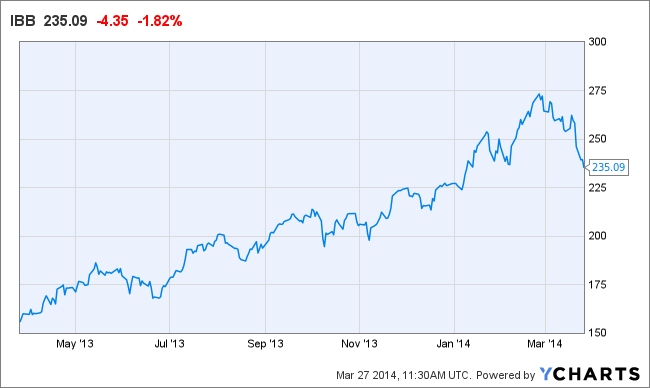
This week’s 10% drop in the Nasdaq iShares’ Biotechnology Index — not to mention the fact that biotech stocks, after a torrid two years, are up less than 4% year-to-date — has investors worrying that the sector’s two-year boom is over.

Investors should avoid thinking that the drug business has undergone a fundamental change in the past few years. It hasn’t, said Matthew Herper, below.

BioTech Sector

The Nasdaq iShares Biotechnology Index, by YCharts

Matthew Herper in his Forbes article Biotech Stocks: Seeing Rainbows, Missing The Rain  presents

a critical view regarding the Optimism expressed about the Biotech Sector in the follwoing Three points:

1. We have not reversed the decline in R&D productivity. We probably haven’t even slowed it.

Celgene’s success has come through drugs derived from its original success, repurposing thalidomide as a treatment for multiple myeloma and from Abraxane, an improved version of the 1990s cancer drug Taxol. Biogen’s big hit, Tecfidera for multiple sclerosis, is a new formulation of a drug that had been used to treat psoriasis in Germany. 

Porges points out that Celgene is now betting on a new first-in-class molecule, sotatercept. And Biogen’s big event this year will be data for its anti-LINGO program, which is a brand new way to treat multiple sclerosis. He says Alexion and Vertex are likely facing longer odds than they have in the past. Drug research: it’s really, really hard.

2. The FDA is not fundamentally friendlier to companies than it was in the past.

Novo Nordisk found itself years behind competitors because the FDA insists on a heart safety study of its new insulin. Amarin and Omthera, both makers of fish oil pills, both told investors the FDA said it would allow them to market their products to a broader population if they started big studies to prove the pills prevent heart attacks and strokes; then the FDA apparently changed its mind.FDA’s goal was to “avoid accountability for its role in the Avandia tragedy.” – Avandia got back on the Market.

3. Pricing Power May Not Last Forever

Matthew Herper writes: “Fears surrounding Congressional noise about the high price of Gilead’s Sovaldi for hepatitis C seem to have started the current drop in stock prices.”

Cystic Fibrosis drug Kalydeco, saying it won’t pay the full price of $307,000 per patient per year.

Joseph Jimenez, the CEO of Novartis,foresees governments become much tougher negotiators, forcing drug companies to become much more focused of providing services along with their medicines.

http://www.forbes.com/sites/matthewherper/2014/03/27/three-misplaced-assumptions-that-could-end-the-biotech-boom/

The Well Positioned Biotech Companies

Regeneron and partner Sanofi have several potential blockbusters in their shared pipeline, including not only their PCSK9 cholesterol drug but medicines for rheumatoid arthritis and asthma.

Gilead’s Sovaldi has a medicine that seems likely to have some of the best annual sales ever,  has got to be worth something

Vertex’s combination therapy for cystic fibrosis could show positive results later this year.

New Trends in BioTechnology & Medicine

1. Genomics Research

Lev-Ari, A. 3/25/2014. Evaluate your Cas9 Gene Editing Vectors: CRISPR/Cas Mediated Genome Engineering – Is your CRISPR gRNA optimized for your cell lines?

http://pharmaceuticalintelligence.com/2014/03/25/evaluate-your-cas9-gene-editing-vectors-crisprcas-mediated-genome-engineering-is-your-crispr-grna-optimized-for-your-cell-lines/

Genomics Orientations for Individualized Medicine. Volume One in Series B: Frontiers in Genomics Research

http://pharmaceuticalintelligence.com/biomed-e-books/genomics-orientations-for-personalized-medicine/

2. Cancer Research

Cancer Biology and Genomics for Disease Diagnosis. Volume One in Series C: e-Books on Cancer & Oncology

http://pharmaceuticalintelligence.com/biomed-e-books/series-c-e-books-on-cancer-oncology/cancer-biology-and-genomics-for-disease-diagnosis/

Bernstein, H Larry, 3/26/2014. A Synthesis of the Beauty and Complexity of How We View Cancer

http://pharmaceuticalintelligence.com/2014/03/26/a-synthesis-of-the-beauty-and-complexity-of-how-we-view-cancer/

3. Alzheimers’ Disease

2014 Seven Laureates of Dan David Prize – 1Million US$ each for Outstanding Scientific, Technological, Cultural, or Social Achievements Having an Impact on Our World

http://pharmaceuticalintelligence.com/2014/03/26/2014-seven-laureates-of-dan-david-prize-1million-us-each-for-outstanding-scientific-technological-cultural-or-social-achievements-having-an-impact-on-our-world/

3. Cardiovascular

Etiologies of Cardiovascular Diseases: Epigenetics, Genetics and Genomics. Volume Three in Series A: e-Books on Cardiovascular Diseases

http://pharmaceuticalintelligence.com/biomed-e-books/series-a-e-books-on-cardiovascular-diseases/volume-three-etiologies-of-cardiovascular-diseases-epigenetics-genetics-genomics/

4. Biologicals

Lev-Ari, A. 4/3/2013 Fight against Atherosclerotic Cardiovascular Disease: A Biologics not a Small Molecule – Recombinant Human lecithin-cholesterol acyltransferase (rhLCAT) attracted AstraZeneca to acquire AlphaCore

http://pharmaceuticalintelligence.com/2013/04/03/fight-against-atherosclerotic-cardiovascular-disease-a-biologics-not-a-small-molecule-recombinant-human-lecithin-cholesterol-acyltransferase-rhlcat-attracted-astrazeneca-to-acquire-alphacore/

Lev-Ari, A. 7/30/2012 Biosimilars: Intellectual Property Creation and Protection by Pioneer and by Biosimilar Manufacturers

http://pharmaceuticalintelligence.com/2012/07/30/biosimilars-intellectual-property-creation-and-protection-by-pioneer-and-by-biosimilar-manufacturers/

Lev-Ari, A. 7/29/2012 Biosimilars: Financials 2012 vs. 2008

http://pharmaceuticalintelligence.com/2012/07/30/biosimilars-financials-2012-vs-2008/

Lev-Ari, A. 7/29/2012 Biosimilars: CMC Issues and Regulatory Requirements

http://pharmaceuticalintelligence.com/2012/07/29/biosimilars-cmc-issues-and-regulatory-requirements/


Read Full Post »

Human Longevity Inc (HLI) – $70M in Financing of Venter’s New Integrative Omics and Clinical Bioinformatics

Reporter: Aviva Lev-Ari, PhD, RN

Article ID #121: Human Longevity Inc (HLI) – $70M in Financing of Venter’s New Integrative Omics and Clinical Bioinformatics. Published on 3/5/14

WordCloud Image Produced by Adam Tubman

Venter’s New Integrative Omics and Clinical Data Analysis Firm Lands $70M in Financing

March 04, 2014

NEW YORK (GenomeWeb News) – J. Craig Venter today unveiled a new company called Human Longevity Inc. that will combine human genome, microbiome, and metabolome data coupled with clinical information to fuel development of new diagnostics, therapeutics, and stem cell treatments for diseases related to aging.

In a media briefing today, Venter said the company will “change the way medicine is practiced,” and will spearhead “a shift to a more preventive, genomic-based medicine model” that can lead to longer, healthier lives and lower healthcare costs.

Using $70 million in Series A financing, HLI initially plans to conduct genome, microbiome, and tumor sequencing on patients from the University of California, San Diego Moores Cancer Center and use their clinical phenotype and metabolomics data to create a massive database, Venter explained in a media briefing. HLI said the financing came from a small group of private investors. Though it didn’t disclose the names of those investors, The New York Times reported today that Illumina was among the backers.

Venter said the initial financing should keep the company going for about 18 months. HLI is building a long-term facility in San Diego that will be completed in about a year, Venter said, and it is currently in temporary facilities.

The firm plans to license data and knowledge to pharmaceutical and biotechnology firms and universities for their own research programs, while developing new therapeutics and diagnostics and providing sequencing services.

The company has already bought two Illumina HiSeq X Ten Sequencing Systems, and has inked an option to buy three more. It plans to sequence up to 40,000 human genomes per year initially and ramp up to 100,000 per year. HLI said it will conduct the first clinical project to include germ line, human genome, and tumor genome sequencing, along with a range of other types of information from each patient.

As part of its efforts, HLI has struck an agreement with Metabolon, under which the NC-based firm will provide biochemical profiling of the genomic samples that HLI collects.

Venter is co-founder, executive chairman and CEO of HLI, which also has agreed to a research services collaboration with the J. Craig Venter Institute, of which he is founder and CEO. That alliance will cover proteomics, infectious disease diagnostics, and the human microbiome.

The company said that it will tackle cancer first. Every patient at the UCSD Moores Cancer Center will have the opportunity to have their genome, microbiome, and tumors sequenced and analyzed as part of their treatment, said Venter. Other diseases of interest include diabetes, obesity, heart and liver diseases, and dementia.

Venter noted that 13 years ago it cost around $100 million and took nine months to sequence his genome, but now that cost has dropped to around $1,000 per genome.

“We are scaling up to do tens of thousands of genomes in the same time frame that it took to do one,” he said.

Through its agreement with HLI, Metabolon will characterize 2,400 chemicals in the bloodstream of 10,000 of the initial patients.

Venter said HLI plans to try to layer “the chemical data with the microbiome data, the human genome data, and most importantly the human phenotype data. We will be importing clinical records of every individual we are sequencing, so this will be one of the largest data studies in the history of science and medicine.”

“Hopefully,” Venter said, within 10 years HLI will “have data from half a million to a million human genomes, and the phenotype data, clinical data, and outcome data associated with that.”

“I view this as just the beginning, a starting point of this new field that some of us have been waiting for for a very long time, following on the first human genome 13 years ago,” he said.

Among Venter’s ventures is Synthetic Genomics, a genomics and synthetic biology firm of which he is a co-founder, chairman, CEO, and co-CSO. Though HLI didn’t say specifically that it would collaborate with Synthetic Genomics, according to a FAQ sheet on its website, it plans to use “synthetic biology advances to repair and repopulate a patient’s depleted and degraded stem cell population, returning those cells to a more healthy and youthful state.”

In addition to Venter, HLI’s two other co-founders are Peter Diamandis, chairman and CEO of the X Prize Foundation and co-founder and executive chairman of Singularity University, and stem cell biology researcher and entrepreneur Robert Hariri, who also will serve as company vice chairman.

J Craig Venter wants to digitize DNA and transmit the signal to teleport organisms

Aviva Lev-Ari, PhD, RN

http://pharmaceuticalintelligence.com/2013/11/01/j-craig-venter-wants-to-digitize-dna-and-transmit-the-signal-to-teleport-organisms/

Life Sciences Circle Event: Next omics – Personalized Medicine beyond Genomics, December 11, 2013 5:30-8:30PM, The Broad Institute, Cambridge

Aviva Lev-Ari, PhD, RN

http://pharmaceuticalintelligence.com/2013/11/18/life-sciences-circle-event-next-omics-personalized-medicine-beyond-genomics-december-11-2013-530-830pm-the-broad-institute-cambridge/

2013 Genomics: The Era Beyond the Sequencing of the Human Genome: Francis Collins, Craig Venter, Eric Lander, et al.

Aviva Lev-Ari, PhD, RN

http://pharmaceuticalintelligence.com/2013/02/11/2013-genomics-the-era-beyond-the-sequencing-human-genome-francis-collins-craig-venter-eric-lander-et-al/

Synthetic Biology: On Advanced Genome Interpretation for Gene Variants and Pathways: What is the Genetic Base of Atherosclerosis and Loss of Arterial Elasticity with Aging

Aviva Lev-Ari, PhD, RN

http://pharmaceuticalintelligence.com/2013/05/17/synthetic-biology-on-advanced-genome-interpretation-for-gene-variants-and-pathways-what-is-the-genetic-base-of-atherosclerosis-and-loss-of-arterial-elasticity-with-aging/

Scientific Innovation: as Influenced by Academia, Publishing Requirements and the Academic Publishing Industry

Aviva Lev-Ari, PhD, RN

http://pharmaceuticalintelligence.com/2014/03/05/scientific-innovation-as-influenced-by-academia-publishing-requirements-and-the-academic-publishing-industry/

Fourth Annual QPrize Competition to Fund the World’s Next Groundbreaking Startups by Qualcomm Ventures

Aviva Lev-Ari, PhD, RN

http://pharmaceuticalintelligence.com/2014/02/09/fourth-annual-qprize-competition-to-fund-the-worlds-next-groundbreaking-startups-by-qualcomm-ventures/

Cancer Genomics – Leading the Way by Cancer Genomics Program at UC Santa Cruz

Aviva Lev-Ari, PhD, RN

http://pharmaceuticalintelligence.com/2012/10/29/cancer-genomics-leading-the-way-by-cancer-genomics-program-at-uc-santa-cruz/

Research Paradigm Shift in Human Genomics – Predictive Biomarkers and Personalized Medicine

Aviva Lev-Ari, PhD, RN

http://pharmaceuticalintelligence.com/2013/01/13/paradigm-shift-in-human-genomics-predictive-biomarkers-and-personalized-medicine-part-1/

LEADERS in the Competitive Space of Genome Sequencing of Genetic Mutations for Therapeutic Drug Selection in Cancer Personalized Treatment

Aviva Lev-Ari, PhD, RN

http://pharmaceuticalintelligence.com/2013/01/13/leaders-in-genome-sequencing-of-genetic-mutations-for-therapeutic-drug-selection-in-cancer-personalized-treatment-part-2/

Personalized Medicine: An Institute Profile – Coriell Institute for Medical Research

Aviva Lev-Ari, PhD, RN

http://pharmaceuticalintelligence.com/2013/01/13/personalized-medicine-an-institute-profile-coriell-institute-for-medical-research-part-3/

The Consumer Market for Personal DNA Sequencing

Aviva Lev-Ari, PhD, RN

http://pharmaceuticalintelligence.com/2013/01/13/consumer-market-for-personal-dna-sequencing-part-4/

Read Full Post »

ATVB (Arteriosclerosis, Thrombosis and Vascular Biology) 2014 Conference  5/1 – 5/3/2014, Sheraton Centre Toronto – Toronto, Ontario

Reporter: Aviva Lev-Ari, PhD, RN

ATVB 2014 Early Registration closes TODAY!
Register NOW and get the BEST rates! 

ATVB 2014

Conference Dates/Location
Thursday, May 1 through Saturday,
May 3, 2014
Sheraton Centre Toronto – Toronto, Ontario


ATVB 2014 Scientific Sessions

Register Now

ATVB Council

PVD Council

FGTB Council

  Organized by the Arteriosclerosis, Thrombosis and Vascular Biology Council with participation by the Councils on Peripheral Vascular Disease and Functional Genomics and Translational Biology


Register Now to join your colleagues at the Sheraton Centre Toronto on May 1-3 for the ATVB 2014 Scientific Sessions. Meet and network with colleagues from around the world with wide-ranging common interests and expertise in arteriosclerosis, thrombosis, vascular biology, functional genomics, peripheral vascular disease, and vascular surgery research.


http://view.heartemail.org/?j=fe52107676610c79731d&m=fe6715707463057a7513&ls=fdbf1571746c01757614787262&l=fe8c1372706d057576&s=fded1576716c007d71137972&jb=ffcf14&ju=fe2917797565027b7d1170&r=0

ATVB 2014 Scientific Sessions

http://my.americanheart.org/idc/groups/ahamah-public/@wcm/@sop/@scon/documents/downloadable/ucm_451535.pdf

Join or renew your AHA/ASA Professional Membership by February 19 and save up to $300 on conference registration. Affiliate with one of these Councils:
Council for Arteriosclerosis, Thrombosis and Vascular Biology
Council on Peripheral Vascular Disease
Council on Functional Genomics and Translational Biology
(Please use Promo code WEJ003ZZ)  

For detailed conference information and For detailed conference information and updates, including program, travel awards, venue and lodging information, visit the conference website.

Sponsored by the American Heart Association’s Council on Arteriosclerosis, Thrombosis and Vascular BiologyCouncil on Functional Genomics and Translational Biology and Council on Peripheral Vascular Disease.


Contact Us:

Abstract Technical Support
e-mail: support@abstractsonline.com
phone: 217-398-1792

General Information & Award Technical Support
e-mail: scientificconferences@heart.org
phone: (214) 570-5935or (888) 242-2453

Read Full Post »

Positron Emission Tomography (PET) and Near-Infrared Fluorescence Imaging:  Noninvasive Imaging of Cancer Stem Cells (CSCs)  monitoring of AC133+ glioblastoma in subcutaneous and intracerebral xenograft tumors

Reporter: Aviva Lev-Ari, PhD, RN

Noninvasive positron emission tomography and fluorescence imaging of CD133+ tumor stem cells


  1. Simone Gaedickea,1,
  2. Friederike Braunb,c,1,
  3. Shruthi Prasada,c,1,
  4. Marcia Macheind,
  5. Elke Firata,
  6. Michael Hetticha,c,
  7. Ravindra Gudihale,
  8. Xuekai Zhua,
  9. Kerstin Klingnerf,
  10. Julia Schülerf,
  11. Christel C. Herold-Mendeg,
  12. Anca-Ligia Grosua,h,
  13. Martin Beheb,i,
  14. Wolfgang Weberb,h,j,
  15. Helmut Mäckeb,h, and
  16. Gabriele Niedermanna,h,2

Author Affiliations

  1. Edited by Owen N. Witte, Howard Hughes Medical Institute, University of California, Los Angeles, CA, and approved December 23, 2013 (received for review August 9, 2013)


Significance

Cancer stem cells (CSCs) are thought to be responsible for growth and dissemination of many malignant tumors and for relapse after therapy. Therefore methods for the noninvasive imaging of CSCs could have profound consequences for diagnosis and therapy monitoring in oncology. However, clinically applicable methods for noninvasive CSC imaging are still lacking. The AC133 epitope of CD133 is one of the most intensely investigated CSC markers and is particularly important for aggressive brain tumors. Here we describe the development of clinically relevant tracers that permit high-sensitivity and high-resolution monitoring of AC133+ glioblastoma stem cells in both subcutaneous and intracerebral xenograft tumors using positron emission tomography and near-infrared fluorescence imaging, two clinically highly relevant imaging modalities.

Abstract

A technology that visualizes tumor stem cells with clinically relevant tracers could have a broad impact on cancer diagnosis and treatment. The AC133 epitope of CD133 currently is one of the best-characterized tumor stem cell markers for many intra- and extracranial tumor entities. Here we demonstrate the successful noninvasive detection of AC133+ tumor stem cells by PET and near-infrared fluorescence molecular tomography in subcutaneous and orthotopic glioma xenografts using antibody-based tracers. Particularly, microPET with 64Cu-NOTA-AC133 mAb yielded high-quality images with outstanding tumor-to-background contrast, clearly delineating subcutaneous tumor stem cell-derived xenografts from surrounding tissues. Intracerebral tumors as small as 2–3 mm also were clearly discernible, and the microPET images reflected the invasive growth pattern of orthotopic cancer stem cell-derived tumors with low density of AC133+ cells. These data provide a basis for further preclinical and clinical use of the developed tracers for high-sensitivity and high-resolution monitoring of AC133+ tumor stem cells.

Footnotes

  • Author contributions: F.B., S.P., M.M., M.B., H.M., and G.N. designed research; S.G., F.B., S.P., M.M., M.H., R.G., K.K., and M.B. performed research; M.H., J.S., C.C.H.-M., and A.-L.G. contributed new reagents/analytic tools; S.G., F.B., S.P., M.M., E.F., R.G., X.Z., M.B., W.W., H.M., and G.N. analyzed data; and F.B., S.P., E.F., M.H., W.W., and G.N. wrote the paper.

  • The authors declare no conflict of interest.

  • This article is a PNAS Direct Submission.

  • This article contains supporting information online at www.pnas.org/lookup/suppl/doi:10.1073/pnas.1314189111/-/DCSupplemental.

Read Full Post »

Regeneration: Cardiac System (cardiomyogenesis) and Vasculature (angiogenesis)

Author and Curator: Aviva Lev-Ari, PhD, RN


UPDATED on 4/8/2014

Stem-Cell Therapy for Ischemic Heart Failure: Clinical Trial MSC Demonstrates Efficacy

http://pharmaceuticalintelligence.com/2014/04/08/stem-cell-therapy-for-ischemic-heart-failure-clinical-trial-msc-demonstrates-efficacy/ 

This article represents the FRONTIER on Cardiac Regeneration as developed by Anthony Rosenzweig in Science 338, 1549 (2012).

Point #1: Current Pharmacotherapy for Cardiovascular Diseases and Heart Failure

Point #2: Dynamic model for the Adult heart capacity for cardiomyogenesis to compensate for losses occurring in heart failure: recognition of even limited regenerative capacity in the heart 

Point #3: Results of Multiple Cell Therapy Clinical Trials

Point #4:  The Endogenous Regeneration Potential

Point #5: On pathways regulating cardiomyocyte regeneration in animal models

Point #6: Prof. A. Rosenzweig’s Summary and His Future Outlook of Cardiac Regeneration

This article represents a continuation of the following articles on this topic that were published in this Open Access Online Scientific Journal:

Bernstein HL and A. Lev-Ari 1/14/2014 Circulating Endothelial Progenitors Cells (cEPCs) as Biomarkers

http://pharmaceuticalintelligence.com/2014/01/14/circulating-endothelial-progenitors-cells-as-biomarkers/

Lev-Ari, A. 2/28/2013 The Heart: Vasculature Protection – A Concept-based Pharmacological Therapy including THYMOSIN

http://pharmaceuticalintelligence.com/2013/02/28/the-heart-vasculature-protection-a-concept-based-pharmacological-therapy-including-thymosin/

Lev-Ari, A. 2/27/2013 Arteriogenesis and Cardiac Repair: Two Biomaterials – Injectable Thymosin beta4 and Myocardial Matrix Hydrogel

http://pharmaceuticalintelligence.com/2013/02/27/arteriogenesis-and-cardiac-repair-two-biomaterials-injectable-thymosin-beta4-and-myocardial-matrix-hydrogel/

Lev-Ari, A. 11/13/2012 Peroxisome proliferator-activated receptor (PPAR-gamma) Receptors Activation: PPARγ transrepression for Angiogenesis in Cardiovascular Disease and PPARγ transactivation for Treatment of Diabetes

http://pharmaceuticalintelligence.com/2012/11/13/peroxisome-proliferator-activated-receptor-ppar-gamma-receptors-activation-pparγ-transrepression-for-angiogenesis-in-cardiovascular-disease-and-pparγ-transactivation-for-treatment-of-dia/

Lev-Ari, A. 8/29/2012 Positioning a Therapeutic Concept for Endogenous Augmentation of cEPCs — Therapeutic Indications for Macrovascular Disease: Coronary, Cerebrovascular and Peripheral

http://pharmaceuticalintelligence.com/2012/08/29/positioning-a-therapeutic-concept-for-endogenous-augmentation-of-cepcs-therapeutic-indications-for-macrovascular-disease-coronary-cerebrovascular-and-peripheral/

Lev-Ari, A. 8/28/2012 Cardiovascular Outcomes: Function of circulating Endothelial Progenitor Cells (cEPCs): Exploring Pharmaco-therapy targeted at Endogenous Augmentation of cEPCs

http://pharmaceuticalintelligence.com/2012/08/28/cardiovascular-outcomes-function-of-circulating-endothelial-progenitor-cells-cepcs-exploring-pharmaco-therapy-targeted-at-endogenous-augmentation-of-cepcs/

Lev-Ari, A. 8/27/2012 Endothelial Dysfunction, Diminished Availability of cEPCs, Increasing CVD Risk for Macrovascular Disease – Therapeutic Potential of cEPCs

http://pharmaceuticalintelligence.com/2012/08/27/endothelial-dysfunction-diminished-availability-of-cepcs-increasing-cvd-risk-for-macrovascular-disease-therapeutic-potential-of-cepcs/

Lev-Ari, A. 8/24/2012 Vascular Medicine and Biology: CLASSIFICATION OF FAST ACTING THERAPY FOR PATIENTS AT HIGH RISK FOR MACROVASCULAR EVENTS Macrovascular Disease – Therapeutic Potential of cEPCs

http://pharmaceuticalintelligence.com/2012/08/24/vascular-medicine-and-biology-classification-of-fast-acting-therapy-for-patients-at-high-risk-for-macrovascular-events-macrovascular-disease-therapeutic-potential-of-cepcs/

Lev-Ari, A. 7/19/2012 Cardiovascular Disease (CVD) and the Role of agent alternatives in endothelial Nitric Oxide Synthase (eNOS) Activation and Nitric Oxide Production

http://pharmaceuticalintelligence.com/2012/07/19/cardiovascular-disease-cvd-and-the-role-of-agent-alternatives-in-endothelial-nitric-oxide-synthase-enos-activation-and-nitric-oxide-production/

Lev-Ari, A. 4/30/2012 Resident-cell-based Therapy in Human Ischaemic Heart Disease: Evolution in the PROMISE of Thymosin beta4 for Cardiac Repair

http://pharmaceuticalintelligence.com/2012/04/30/93/

Lev-Ari, A. 7/2/2012 Macrovascular Disease – Therapeutic Potential of cEPCs: Reduction Methods for CV Risk

http://pharmaceuticalintelligence.com/2012/07/02/macrovascular-disease-therapeutic-potential-of-cepcs-reduction-methods-for-cv-risk/

This article represent the FRONTIER on Cardiac Regeneration as developed by Anthony Rosenzweig in Science 338, 1549 (2012).

Prof. A. Rosenzweig is with the Cardiovascular Division at Beth Israel Deaconess Medical Center, Harvard Medical School, and the Harvard Stem Cell Institute, Boston, MA 02215, USA. E-mail: arosenzw@bidmc.harvard.edu

In the United States, heart failure afflicts about 6 million people (1), costs $34.4 billion each year (2), and is now the single most common discharge diagnosis in those over 65 (3). Although enormous progress has been made in managing acute cardiovascular illnesses such as heart attacks, many patients go on to develop late sequelae of their disease, including heart failure and arrhythmia. Thus, the growing number of these patients in some ways represents a burden of our success. It also reflects the incomplete success of most current therapies, which mitigate and manage but do not cure the disease.

Point #1: Current Pharmacotherapy for Cardiovascular Diseases and Heart Failure include:

  • Beta-blockers
  • Angiotensin-converting enzyme inhibitors, and
  • Mineralocorticoid antagonists – in congestive heart failure, they are used in addition to other drugs for additive diuretic effect, which reduces edema and the cardiac workload, and Potassium-sparing diuretics are diuretic drugs that do not promote the secretion of potassium into the urine

These medicines block pathways that are likely compensatory initially but become progressively more maladaptive, thus, prognosis and quality of life remain poor for many heart failure patients.

Point #2: Dynamic model for the Adult heart capacity for cardiomyogenesis to compensate for losses occurring in heart failure: recognition of even limited regenerative capacity in the heart

  • The heart has some endogenous regenerative potential
  • New cardiomyocytes may arise from existing cardiomyocytes  and from
  • Progenitor or stem cells

Point #3: Results of Multiple Cell Therapy Clinical Trials

  • the largest randomized trial thus far— the REPAIR-AMI trial which delivered unfractionated bone marrow cells (BMCs) to patients after a heart attack—as well as
  • a recent meta-analysis of 50 similar trials enrolling 2625 patients (16) suggest that adverse clinical events may actually be less common in BMC-treated patients
  • Autologous BMCs are by far the most common cells used to date but have yielded mixed results. Two recent trials report results with heart-derived donor cells are summariezed, below.  Although both of these studies break new conceptual ground, it is still too early to know how these approaches will hold up in larger studies or impact clinical outcomes, and whether heart-derived cells will have demonstrable advantages over other cell types.

1. The SCIPIO trial targeted patients with cardiac dysfunction undergoing bypass surgery for subsequent delivery of c-kit–positive cells derived from heart tissue harvested at surgery. In interim analyses, cardiac function was substantially better at 4 months in the 14 cell-treated patients available for comparison to seven control patients.

2. In CADUCEUS, autologous cells derived from cardiospheres grown from cardiac biopsies (CDCs) were delivered to patients randomized after myocardial infarction to receive CDCs or usual care. In this trial, although overall heart function was not significantly improved by cell treatment, scar (determined by magnetic resonance imaging) was reduced at 6 and 12 months in the 17 CDC-treated patients but unchanged in the eight control patients.

Point #4:  The Endogenous Regeneration Potential

  • Donor cells have often been selected for their apparent ability to form new cardiomyocytes, the limited clinical data available suggest that relatively few of the donor cells may remain in the heart (20).
  • Other benefits of the cells or molecules delivered with them could include enhanced angiogenesis, cardiomyocyte survival, or endogenous regeneration.
  • The success or failure of cardiovascular cell therapy will ultimately depend on its ability to improve clinical outcomes whatever the mechanisms, and advocates argue that
  • the donor cells may provide a particularly potent mixture of salutary effects. However,
  • the complex and sometimes heterogeneous cell preparations being infused make standardization and reconciling discrepant results particularly challenging. It seems likely that
  • identification and purification of the essential cellular and molecular components mediating any observed benefits will ultimately provide the most effective, safe, and consistent approach.

Point #5: On pathways regulating cardiomyocyte regeneration in animal models

  • Recent work has begun to elucidate the settings and pathways regulating cardiomyocyte regeneration in animal models. Porrello et al. demonstrated a remarkable though transient regenerative capacity of the neonatal murine heart (14), and
  • related studies have begun to define the signaling mechanisms leading to withdrawal of cardiomyocytes from the cell cycle (21).
  • The Hippo pathway is a potent negative regulator of Wnt signaling and cardiomyocyte proliferation (22), which also intersects via Yap with insulin growth factor I (IGF-I) signaling (23).
  • How effectively these pathways can be coopted to promote regeneration after injury is of great interest.
  • Individual pathways may also have multiple effects.
  • Huang et al. ( 24) demonstrate that C/EBP inhibition, previously implicated in exercise-induced cardiac growth and possible cardiomyogenesis (25), also reduces ischemic injury by mitigating inflammation. In addition to
  • Endogenous pathways, reprogramming resident nonprogenitor cells such as fibroblasts through gene delivery has generated contractile cardiomyocyte-like cells (26, 27) that mitigate scar formation and improve function after heart attacks in mice (28).
  • These promising developments have yet to be translated clinically but could provide a path to cardiac repair that obviates the need for exogenous cells.

Point #6: Prof. A. Rosenzweig’s Summary and His Future Outlook of Cardiac Regeneration

  • We are still relatively early in the development of new approaches to cardiovascular disease. It will be some time before we know the conclusion of what will likely be a long and challenging road ahead.
  • Almost as challenging is conveying to patients and policymakers an appropriate perspective that balances unmitigated enthusiasm for the scientific discoveries, cautious optimism for the broader implications, and humble acknowledgment that though even the most appealing ideas may fail, there is only one way to find out.

REFERENCES and NOTES in  Science 338, 1549 (2012).

1. V. L. Roger et al., Circulation 125, e2 (2012).

2. CDC (2012), http://www.cdc.gov/dhdsp/data_statistics/fact_

sheets/docs/fs_heart_failure.pdf

3. C. J. DeFrances, M. N. Podgornik, Adv. Data 371, 1

(2006).

4. T. E. Owan et al., N. Engl. J. Med. 355, 251 (2006).

5. R. S. Bhatia et al., N. Engl. J. Med. 355, 260 (2006).

6. J. Narula et al., N. Engl. J. Med. 335, 1182 (1996).

7. G. Olivetti et al., N. Engl. J. Med. 336, 1131 (1997).

8. A. P. Beltrami et al., Cell 114, 763 (2003).

9. K. Bersell, S. Arab, B. Haring, B. Kühn, Cell 138, 257

(2009).

10. P. C. H. Hsieh et al., Nat. Med. 13, 970 (2007).

11. O. Bergmann et al., Science 324, 98 (2009).

12. J. Kajstura et al., Circ. Res. 107, 305 (2010).

13. K. Kikuchi et al., Nature 464, 601 (2010).

14. E. R. Porrello et al., Science 331, 1078 (2011).

15. V. Schächinger et al., N. Engl. J. Med. 355, 1210 (2006).

16. V. Jeevanantham et al., Circulation 126, 551 (2012).

17. A. Rosenzweig, N. Engl. J. Med. 355, 1274 (2006).

18. R. Bolli et al., Lancet 378, 1847 (2011).

19. R. R. Makkar et al., Lancet 379, 895 (2012).

20. M. Hofmann et al., Circulation 111, 2198 (2005).

21. E. R. Porrello et al., Circ. Res. 109, 670 (2011).

22. T. Heallen et al., Science 332, 458 (2011).

23. M. Xin et al., Sci. Signal. 4, ra70 (2011).

24. G. N. Huang et al., Science 338, 1599 (2012);

10.1126/science.1229765.

25. P. Boström et al., Cell 143, 1072 (2010).

26. M. Ieda et al., Cell 142, 375 (2010).

27. L. Qian et al., Nature 485, 593 (2012).

28. K. Song et al., Nature 485, 599 (2012).


Read Full Post »


Human Stem Cell Therapies: UCSD New Discovery addressing the Limiting Factor and Providing the Solution

Reporter: Aviva Lev-Ari, PhD, RN

Biologists Discover Solution to Problem Limiting Development of Human Stem Cell Therapies

<p>The biologists developed “humanized” laboratory mice that contained a functional human immune system. Credit: Zhili Rong, UC San Diego</p>

The biologists developed “humanized” laboratory mice that contained a functional human immune system. Credit: Zhili Rong, UC San Diego

Biologists at UC San Diego have discovered an effective strategy that could prevent the human immune system from rejecting the grafts derived from human embryonic stem cells, a major problem now limiting the development of human stem cell therapies. Their discovery may also provide scientists with a better understanding of how tumors evade the human immune system when they spread throughout the body.

The achievement, published in a paper in this week’s early online edition of the journal Cell Stem Cell by a collaboration that included scientists from China, was enabled by the development of “humanized” laboratory mice that contained a functional human immune system capable of mounting a vigorous immune rejection of foreign cells derived from human embryonic stem cells.

Because human embryonic stem cells are different from our own body’s cells, or “allogenic,” a normally functioning human immune system will attack these foreign cells. One way to reduce the body’s “allogenic immune response” is to suppress the immune system with immunosuppressant drugs.

“For organ transplantation to save patients with terminal diseases that has been quite successful,” says Yang Xu, a professor of biology who headed the team of researchers that included Ananda Goldrath, an associate biology professor at UC San Diego. “But for stem cell therapies, the long term use of toxic immunosuppressant drugs for patients who are being treated for chronic diseases like Parkinson’s disease or diabetes pose serious health problems.”

Researchers had long been searching for a human immunity relevant model that would allow them to develop strategies to implant allogenic cells derived from embryonic stem cells safely.  “The problem is that we only had data from mouse immune system and those are not usually translatable in humans, because human and mouse immune systems are quite different,” explains Xu. “So what we decided to do was to optimize the humanized mouse that carries a functional human immune system.”

To do that, the biologists took immune deficient laboratory mice and grafted into their bodies human fetal thymus tissues and hematopoietic stem cells derived from fetal liver of the same human donor. “That reconstituted in these mice a normally functioning human immune system that effectively rejects cells derived human embryonic stem cells,” says Xu. With these “humanized” mouse models, the biologists then tested a variety of immune suppressing molecules alone or in combination and discovered one combination that worked perfectly to protect cells derived from human embryonic stem cells from immune rejection.

That combination was CTLA4-lg, an FDA-approved drug for treating rheumatoid arthritis that suppresses T-cells responsible for immune rejection, and a protein called PD-L1 known to be important for inducing immune tolerance in tumors. The researchers discovered that the combination of these two molecules allowed the allogeneic cells to survive in humanized mice without triggering an immune rejection.

“If we express both molecules in cells derived from human embryonic cells, we can protect these cells from the allogenic immune rejection,” says Xu. “If you have only one such molecule expressed, there is absolutely no impact. We still don’t know exactly how these pathways work together to suppress immune rejection, but now we’ve got an ideal system to study this.”

He and his team of researchers also believe their discovery and the development of their humanized mouse models may offer the much needed tools to develop ways to activate immune response to tumors, because these molecules are known to be important in allowing tumors to evade the human immune system.

“You’re dealing with the same exact pathways that protect tumors from our immune system,” says Xu. “If we can develop strategies to disrupt or silence these pathways in tumors, we might be able to activate immunity to tumors. The humanized mouse system is really a powerful model with which to study human tumor immunity.”

Other researchers involved in the study, besides Xu and Goldrath, were Zhili Rong, Meiyan Wang, Martin Stradner and Huijuan Kong of UC San Diego; Zheng Hu, Huanfa Yi and Yong-Guang Yang of China’s Jilin University; Shengyun Zhu and Xuemei Fu of Shenzhen Children’s Hospital in China. The study was financed by grants from the California Institute for Regenerative Medicine, the National Institutes of Health (AI-064569 and AI-045897), the Chinese Ministry of Science and Technology, and the Natural Sciences Foundation of China.

Read Full Post »

« Newer Posts - Older Posts »