Feeds:
Posts
Comments

Archive for the ‘Liver & Digestive Diseases Research’ Category

Reporter: Aviva Lev-Ari, PhD, RN


Chefs and Restaurant Operators Recognized at Culinary Institute of America-Greystone for “Seductive Nutrition” Approach to Making Popular Dishes a Bit Healthier

Information contained on this page is provided by companies via press release distributed through PR Newswire, an independent third-party content provider. PR Newswire, WorldNow and this Station make no warranties or representations in connection therewith.

SOURCE Unilever Food Solutions

Unilever Food Solutions and Renowned Food Psychologist Dr. Brian Wansink Share How Restaurant Chefs and Home Cooks Alike Can Adopt the Same Approach

LISLE, Ill., Nov. 12, 2012 /PRNewswire/ — This past weekend, Unilever Food Solutions hosted a select group of chefs and restaurant operators at the Culinary Institute of America-Greystone (CIA) to highlight their efforts to help people choose delicious, slightly healthier meals when they eat out through a new concept called “Seductive Nutrition.” Developed by Unilever Food Solutions after the release of a global World Menu Report, “Seductive Nutrition” nudges guests to choose top menu items made slightly healthier through small changes to ingredients and preparation methods, with more enticing menu descriptions.

(Logo: http://photos.prnewswire.com/prnh/20120523/CG12021LOGO)

Several of the chefs and operators in attendance were awarded the CIA weekend trip as winners in Unilever Food Solutions’ “Seductive Nutrition Challenge.” The challenge asked restaurants to pledge to cut 100 calories from a top menu item by applying “Seductive Nutrition” tools and techniques.  The CIA event served as a national stage for them to share their success story among their industry peers and experts in the field, as well as motivate additional chefs to adopt the same approach to help Americans everywhere eat a little healthier when dining out, without sacrificing enjoyment.

“Unilever Food Solutions’ ‘Seductive Nutrition’ approach aligns with existing research that shows the dining choices we make can easily be shaped by minor cues, like changing the name of grilled chicken to Savory Southwestern Grilled Chicken,” said Brian Wansink, PhD, director of the Food and Brand Lab at Cornell University and author ofMindless Eating: Why We Eat More Than We Think. “The chefs showed that you can even reduce calories in popular dishes and still make them very appealing.” Dr. Wansink led a talk at the CIA event focused on “Mindless Eating” and how the wording of food descriptions and how the way food is presented can help entice diners into eating more healthfully.

“We’re thrilled to see the concept of ‘Seductive Nutrition’ put into practice at restaurants, college campuses and other out-of-home dining venues,” said Lisa Carlson, MS, RD, nutrition manager at Unilever Food Solutions. “The winning chefs have truly captured the essence of Seductive Nutrition – shaving a small number of calories, while making their dish just as delicious and appealing by romancing the menu descriptions.”

From an independent restaurant to a retirement community, the “Seductive Nutrition” Challenge winners represented a variety of restaurant segments:

  • Keith Esbin, of Bar Harbor Seafood Corporation and Boston Lobster Feast Restaurants in Orlando, Florida, switched up his New England Lobster Roll Platter using light mayonnaise and additional herbs and seasonings to become a Less Guilty New England Lobster Roll Platter. Esbin’s menu change allowed his business to reach a new customer base who looked at them as being more socially, environmentally and nutritionally responsible.
  • Thomas Ryan, of Resurrection Retirement Community in Chicago, changed his popular restaurant dish of Swedish Meatballs to Chicken Swedish Meatballs. He also revised the menu description to “tender chicken meatballs in creamy mushroom sauce” to make the dish sound much more enticing.

The two winners demonstrated their menu item changes during their trip to the Culinary Institute of America-Greystone. They participated in a hands-on session where they showed customers the small changes they had made to reduce calories. In addition, they received a tour of the Culinary Institute, learned additional healthy cooking techniques from chefs and attended a “Healthy Inspiration” lunch and wine tasting.

While the Culinary Institute of America-Greystone event focused on restaurant chefs and operators, the tips shared by Dr. Wansink can translate from out-of-home to in-home dining. For instance:

  • Simple, yet descriptive, words can help guests choose healthier menu items. Including descriptive adjectives can turn everyday mashed potatoes into “creamy, whipped mashed potatoes,” and a yogurt parfait into a “silken yogurt parfait.”
  • Incorporating vivid adjectives can trigger people’s meal expectations. Wansink and his team’s analysis of more than 1,000 descriptively named menu items pointed to three key ways for foods to be “seductively” named:
    • Geographic labels – Using words to create an image or illicit the ideology of a geographic area that consumers can associate with foods; e.g., Southwestern Tex-Mex Salad.
    • Nostalgic labels – Alluding to a diner’s past can trigger happy associations tied to family, tradition, national origin and a sense of wholesomeness. Use fond associations to create appealing names; e.g., Old-World Italian Manicotti.
    • Sensory labels – Describing the taste, smell and texture of menu items served can help set consumers’ dining expectations; e.g., Warm Apple Crisp.
  • “Seductive Nutrition” includes the holistic dining experience. Nice dinnerware, soft light and a matching tablecloth can help enhance a person’s dining expectations. Wansink’s research also found people rated the taste of a brownie much higher when served on a nice dinner plate than on a cheap plastic plate.


For more information on Unilever Food Solutions, the “Seductive Nutrition” approach to menu development and the “Seductive Nutrition” Challenge, please visit www.unileverfoodsolutions.us.


About Unilever Food Solutions North America
At Unilever Food Solutions, we help chefs all over the world serve tasty, wholesome meals that keep guests coming back for more. We create ingredients that save precious prep time in the kitchen without compromising on flavor or flair, and constantly provide ideas and inspiration that keep your menu fresh and exciting. Our ingredients are some of the staples of professional kitchens in 74 countries around the world: Knorr, Hellmann’s, Lipton and more. We’ve been in the foodservice industry since the 1880s. We have more than 300 chefs on staff around the world.  We understand that critical balance between impressing your guests and making a profit, and how to keep your menus and recipes fresh and exciting as times and tastes change.

For More Information:
Anne O’Reilly
GolinHarris Public Relations
+1 (312) 729-4060
aoreilly@golinharris.com

SOURCE:


Read Full Post »

Coagulation: Transition from a familiar model tied to Laboratory Testing, and the New Cellular-driven Model

Coagulation: Transition from a familiar model tied to Laboratory Testing, and the New Cellular-driven Model


Curator: Larry H. Bernstein, MD, FCAP 

Short Title: Coagulation viewed from Y to cellular biology.

PART I.

Summary: This portion of the series on PharmaceuticalIntelligence(wordpress.com) isthe first of a three part treatment of the diverse effects on platelets, the coagulation cascade, and protein-membrane interactions.  It is highly complex as the distinction between intrinsic and extrinsic pathways become blurred as a result of  endothelial shear stress, distinctly different than penetrating or traumatic injury.  In addition, other factors that come into play are also considered.  The second part will be directed toward low flow states, local and systemic inflammatory disease, oxidative stress, and hematologic disorders, bringing NO and the role of NO synthase in the process.   A third part will be focused on management of these states.

Coagulation Pathway

The workhorse tests of the modern coagulation laboratory, the prothrombin time (PT) and the activated partial thromboplastin time (aPTT), are the basis for the published extrinsic and intrinsic coagulation pathways.  This is, however, a much simpler model than one encounters delving into the mechanism and interactions involved in hemostasis and thrombosis, or in hemorrhagic disorders.

We first note that there are three components of the hemostatic system in all vertebrates:

  • Platelets,
  • vascular endothelium, and
  • plasma proteins.

The liver is the largest synthetic organ, which synthesizes

  • albumin,
  • acute phase proteins,
  • hormonal and metal binding proteins,
  • albumin,
  • IGF-1, and
  • prothrombin, mainly responsible for the distinction between plasma and serum (defibrinated plasma).

According to WH Seegers [Seegers WH,  Postclotting fates of thrombin.  Semin Thromb Hemost 1986;12(3):181-3], prothrombin is virtually all converted to thrombin in clotting, but Factor X is not. Large quantities of thrombin are inhibited by plasma and platelet AT III (heparin cofactor I), by heparin cofactor II, and by fibrin.  Antithrombin III, a serine protease, is a main inhibitor of thrombin and factor Xa in blood coagulation. The inhibitory function of antithrombin III is accelerated by heparin, but at the same time antithrombin III activity is also reduced. Heparin retards the thrombin-fibrinogen reaction, but otherwise the effectiveness of heparin as an anticoagulant depends on antithrombin III in laboratory experiments, as well as in therapeutics. The activation of prothrombin is inhibited, thereby inactivating  any thrombin or other vulnerable protease that might otherwise be generated. [Seegers WH, Antithrombin III. Theory and clinical applications. H. P. Smith Memorial Lecture. Am J Clin Pathol. 1978;69(4):299-359)].  With respect to platelet aggregation, platelets aggregate with thrombin-free autoprothrombin II-A. Aggregation is dependent on an intact release mechanism since inhibition of aggregation occurred with adenosine, colchicine, or EDTA. Autoprothrombin II-A reduces the sensitivity of platelets to aggregate with thrombin, but enhances epinephrine-mediated aggregation. [Herman GE, Seegers WH, Henry RL. Autoprothrombin ii-a, thrombin, and epinephrine: interrelated effects on platelet aggregation. Bibl Haematol 1977;44:21-7.]

A tetrapeptide, residues 6 to 9 in normal prothrombin, was isolated from the NH(2)-terminal, Ca(2+)-binding part of normal prothrombin. The peptide contained two residues of modified glutamic acid, gamma-carboxyglutamic acid. This amino acid gives normal prothrombin the Ca(2+)-binding ability that is necessary for its activation.

Abnormal prothrombin, induced by the vitamin K antagonist, dicoumarol, lacks these modified glutamic acid residues and that this is the reason why abnormal prothrombin does not bind Ca(2+) and is nonfunctioning in blood coagulation. [Stenflo J, Fernlund P, Egan W, Roepstorff P. Vitamin K dependent modifications of glutamic acid residues in prothrombin.  Proc Natl Acad Sci U S A. 1974;71(7):2730-3.]

Interestingly, a murine monoclonal antibody (H-11) binds a conserved epitope found at the amino terminal of the vitamin K-dependent blood proteins prothrombin, factors VII and X, and protein C. The sequence of polypeptide recognized contains 2 residues of gamma-carboxyglutamic acid, and binding of the antibody is inhibited by divalent metal ions.  The antibody bound specifically to a synthetic peptide corresponding to residues 1-12 of human prothrombin that was synthesized as the gamma-carboxyglutamic acid-containing derivative, but binding to the peptide was not inhibited by calcium ion. This suggested that binding by divalent metal ions is not due simply to neutralization of negative charge by Ca2+. [Church WR, Boulanger LL, Messier TL, Mann KG. Evidence for a common metal ion-dependent transition in the 4-carboxyglutamic acid domains of several vitamin K-dependent proteins. J Biol Chem. 1989;264(30):17882-7.]

Role of vascular endothelium.

I have identified the importance of prothrombin, thrombin, and the divalent cation Ca 2+ (1% of the total body pool), mention of heparin action, and of vitamin K (inhibited by warfarin).  Endothelial functions are inherently related to procoagulation and anticoagulation. The subendothelial matrix is a complex of many materials, most important related to coagulation being collagen and von Willebrand factor.

What about extrinsic and intrinsic pathways?  Tissue factor, when bound to factor VIIa, is the major activator of the extrinsic pathway of coagulation. Classically, tissue factor is not present in the plasma but only presented on cell surfaces at a wound site, which is “extrinsic” to the circulation.  Or is it that simple?

Endothelium is the major synthetic and storage site for von Willebrand factor (vWF).  vWF is…

  • secreted from the endothelial cell both into the plasma and also
  • abluminally into the subendothelial matrix, and
  • acts as the intercellular glue binding platelets to one another and also to the subendothelial matrix at an injury site.
  • acts as a carrier protein for factor VIII (antihemophilic factor).
  • It  binds to the platelet glycoprotein Ib/IX/V receptor and
  • mediates platelet adhesion to the vascular wall under shear. [Lefkowitz JB. Coagulation Pathway and Physiology. Chapter I. in Hemostasis Physiology. In ( ???), pp1-12].

Ca++ and phospholipids are necessary for all of the reactions that result in the activation of prothrombin to thrombin. Coagulation is initiated by an extrinsic mechanism that

  • generates small amounts of factor Xa, which in turn
  • activates small amounts of thrombin.

The tissue factor/factorVIIa proteolysis of factor X is quickly inhibited by tissue factor pathway inhibitor (TFPI).The small amounts of thrombin generated from the initial activation feedback

  • to create activated cofactors, factors Va and VIIIa, which in turn help to
  • generate more thrombin.
  • Tissue factor/factor VIIa is also capable of indirectly activating factor X through the activation of factor IX to factor IXa.
  • Finally, as more thrombin is created, it activates factor XI to factor XIa, thereby enhancing the ability to ultimately make more thrombin.


Coagulation cascade

Coagulation cascade (Photo credit: Wikipedia)

Coagulation Cascade

The procoagulant plasma coagulation cascade has traditionally been divided into the intrinsic and extrinsic pathways. The Waterfall/Cascade model consists of two separate initiations,

  • intrinsic (contact)and
    • The intrinsic pathway is initiated by a complex activation process of the so-called contact phase components,
      • prekallikrein,
      • high-molecular weight kininogen (HMWK) and
      • factor XII

Activation of the intrinsic pathway is promoted by non-biological surfaces, such as glass in a test tube, and is probably not of physiological importance, at least not in coagulation induced by trauma.

Instead, the physiological activation of coagulation is mediated exclusively via the extrinsic pathway, also known as the tissue factor pathway.

  • extrinsic pathways

Tissue factor (TF) is a membrane protein which is normally found in tissues. TF forms a procoagulant complex with factor VII, which activates factor IX and factor X.

  • common pathway which ultimately merge at the level of Factor Xa

Regulation of thrombin generation. Coagulation is triggered (initiation) by circulating trace amounts of fVIIa and locally exposed tissue factor (TF). Subsequent formations of fXa and thrombin are regulated by a tissue factor pathway inhibitor (TFPI) and antithrombin (AT). When the threshold level of thrombin is exceeded, thrombin activates platelets, fV, fVIII, and fXI to augment its own generation (propagation).

Activated factors IX and X (IXa and Xa) will activate prothrombin to thrombin and finally the formation of fibrin. Several of these reactions are much more efficient in the presence of phospholipids and protein cofactors factors V and VIII, which thrombin activates to Va and VIIIa by positive feedback reactions.

We depict the plasma coagulation emphasizing the importance of membrane surfaces for the coagulation processes. Coagulation is initiated when tissue factor (TF), an integral membrane protein, is exposed to plasma. TF is expressed on subendothelial cells (e.g. smooth muscle cells and fibroblasts), which are exposed after endothelium damage. Activated monocytes are also capable of exposing TF.

A small amount, approximately 1%, of activated factor VII (VIIa) is present in circulating blood and binds to TF. Free factor VIIa has poor enzymatic activity and the initiation is limited by the availability of its cofactor TF. The first steps in the formation of a blood clot is the specific activation of factor IX and X by the TF-VIIa complex. (Initiation of coagulation: Factor VIIa binds to tissue factor and activates factors IX and X). Coagulation is propagated by procoagulant enzymatic complexes that assemble on the negatively charged membrane surfaces of activated platelets. (Propagation of coagulation: Activation of factor X and prothrombin).  Once thrombin has been formed it will activate the procofactors, factor V and factor VIII, and these will then assemble in enzyme complexes. Factor IXa forms the tenase complex together with its cofactor factor VIIIa, and factor Xa is the enzymatic component of the prothrombinase complex with factor Va as cofactor.

Activation of protein C takes place on the surface of intact endothelial cells. When thrombin (IIa) reaches intact endothelium it binds with high affinity to a specific receptor called thrombomodulin. This shifts the specific activity of thrombin from being a procoagulant enzyme to an anticoagulant enzyme that activates protein C to activated protein C (APC).  The localization of protein C to the thrombin-thrombomodulin complex can be enhanced by the endothelial protein C receptor (EPCR), which is a transmembrane protein with high affinity for protein C.  Activated protein C (APC) binds to procoagulant surfaces such as the membrane of activated platelets where it finds and degrades the procoagulant cofactors Va and VIIIa, thereby shutting down the plasma coagulation.  Protein S (PS) is an important nonenzymatic  cofactor to APC in these reactions. (Degradation of factors Va and VIIIa).

Blood Coagulation (Thrombin) and Protein C Pat...

Blood Coagulation (Thrombin) and Protein C Pathways (Blood_Coagulation_and_Protein_C_Pathways.jpg) (Photo credit: Wikipedia)

The common theme in activation and regulation of plasma coagulation is the reduction in dimensionality. Most reactions take place in a 2D world that will increase the efficiency of the reactions dramatically. The localization and timing of the coagulation processes are also dependent on the formation of protein complexes on the surface of membranes. The coagulation processes can also be controlled by certain drugs that destroy the membrane binding ability of some coagulation proteins – these proteins will be lost in the 3D world and not able to form procoagulant complexes on surfaces.

Activated protein C resistance

Activated protein C resistance (Photo credit: Wikipedia)

Assembly of proteins on membranes – making a 3D world flat

  • The timing and efficiency of coagulation processes are handled by reduction in dimensionality
  • – Make 3 dimensions to 2 dimensions
  • Coagulation proteins have membrane binding capacity
  • Membranes provide non-coagulant and procoagulant surfaces
  • – Intact cells/activated cells
  • Membrane binding is a target for anticoagulant drugs
  • – Anti-vitamin K (e.g. warfarin)

Modern View

It can be divided into the phases of initiation, amplification and propagation.

  • In the initiation phase, small amounts of thrombin can be formed after exposure of tissue factor to blood.
  • In the amplification phase, the traces of thrombin will be inactivated or used for amplification of the coagulation process.

At this stage there is not enough thrombin to form insoluble fibrin. In order to proceed further thrombin  activates platelets, which provide a procoagulant surface for the coagulation factors. Thrombin will also activate the vital cofactors V and VIII that will assemble on the surface of activated platelets. Thrombin can also activate factor XI, which is important in a feedback mechanism.

In the final step, the propagation phase, the highly efficient tenase and prothrombinase complexes have been assembled on the membrane surface. This yields large amounts of thrombin at the site of injury that can cleave fibrinogen to insoluble fibrin. Factor XI activation by thrombin then activates factor IX, which leads to the formation of more tenase complexes. This ensures enough thrombin is formed, despite regulation of the initiating TF-FVIIa complex, thus ensuring formation of a stable fibrin clot. Factor XIII stabilizes the fibrin clot through crosslinking when activated by thrombin.

Platelet Aggregation

The activities of adenylate and guanylate cyclase and cyclic nucleotide 3′:5′-phosphodiesterase were determined during the aggregation of human blood platelets with

  • thrombin, ADP
  • arachidonic acid and
  • epinephrine

[Aggregation is dependent on an intact release mechanism since inhibition of aggregation occurred with adenosine, colchicine, or EDTA.  (Herman GE, Seegers WH, Henry RL. Autoprothrombin ii-a, thrombin, and epinephrine: interrelated effects on platelet aggregation. Bibl Haematol 1977;44:21-7)].

The activity of guanylate cyclase is altered to a much larger degree than adenylate cyclase, while cyclic nucleotide phosphodiesterase activity remains unchanged. During the early phases of thrombin- and ADP-induced platelet aggregation a marked activation of the guanylate cyclase occurs whereas aggregation induced by arachidonic acid or epinephrine results in a rapid diminution of this activity. In all four cases, the adenylate cyclase activity is only slightly decreased when examined under identical conditions.

Platelet aggregation induced by a wide variety of aggregating agents including collagen and platelet isoantibodies results in the “release” of only small amounts (1–3%) of guanylate cyclase and cyclic nucleotide phosphodiesterase and no adenylate cyclase. The guanylate cyclase and cyclic nucleotide phosphodiesterase activities are associated almost entirely with the soluble cytoplasmic fraction of the platelet, while the adenylate cyclase is found exclusively in a membrane bound form. ADP and epinephrine moderately inhibit guanylate and adenylate cyclase in subcellular preparations, while arachidonic and other unsaturated fatty acids moderately stimulate (2–4-fold) the former.

  1. The platelet guanylate cyclase activity during aggregation depends on the nature and mode of action of the inducing agent.
  2. The membrane adenylate cyclase activity during aggregation is independent of the aggregating agent and is associated with a reduction of activity and
  3. Cyclic nucleotide phosphodiesterase remains unchanged during the process of platelet aggregation and release.

Furthermore, these observations suggest a role for unsaturated fatty acids in the control of intracellular cyclic GMP levels. Arachidonic acid, once deemed essential, is a derivative of linoleic acid. (Barbera AJ. Cyclic nucleotides and platelet aggregation effect of aggregating agents on the activity of cyclic nucleotide-metabolizing enzymes. Biochimica et Biophysica Acta (BBA) 1976; 444 (2): 579–595. http://dx.doi.org/10.1016/0304-4165(76)90402-5).

Leukocyte and platelet adhesion under flow

The basic principles concerning mechanical stress demonstrated by Robert Hooke (1635-1703) proved to be essential for the understanding of pathophysiological mechanisms in the vascular bed.

In physics, stress is the internal distribution of forces within a body that balance and react to the external loads applied to it. Stress is a 2nd order tensor. The hemodynamic conditions inside blood vessels lead to the development of superficial stresses near the vessel walls, which can be divided into two categories:

a) circumferential stress due to pulse pressure variation inside the vessel;

b) shear stress due to blood flow.

The direction of the shear stress vector is determined by the direction of the blood flow velocity vector very close to the vessel wall. Shear stress is applied by the blood against the vessel wall. Friction is the force applied by the wall to the blood and has a direction opposite to the blood flow. The tensions acting against the vessel wall are likely to be determined by blood flow conditions. Shear stresses are most complicated during turbulent flow, regions of flow recirculation or flow separation.

The notions of shear rate and fluid viscosity should be first clearly apprehended, since they are crucial for the assessment and development of shear stress. Shear rate is defined as the rate at which adjacent layers of fluid move with respect to each other, usually expressed as reciprocal seconds. The size of the shear rate gives an indication of the shape of the velocity profile for a given situation.  The determination of shear stresses on a surface is based on the fundamental assumption of fluid mechanics, according to which the velocity of fluid upon the surface is zero (no-slip condition). Assuming that the blood is an ideal Newtonian fluid with constant viscosity, the flow is steady and laminar and the vessel is straight, cylindrical and inelastic, which is not the case. Under ideal conditions a parabolic velocity profile could be assumed.

The following assumptions have been made:

  1. The blood is considered as a Newtonian fluid.
  2. The vessel cross sectional area is cylindrical.
  3. The vessel is straight with inelastic walls.
  4. The blood flow is steady and laminar.

The Haagen-Poisseuille equation indicates that shear stress is directly proportional to blood flow rate and inversely proportional to vessel diameter.

Viscosity is a property of a fluid that offers resistance to flow, and it is a measure of the combined effects of adhesion and cohesion. It increases as temperature decreases. Blood viscosity (non-Newtonian fluid) depends on shear rate, which is determined by blood platelets, red cells, etc. Moreover, it is slightly affected by shear rate changes at low levels of hematocrit. In contrast, as hematocrit increases, the effect of shear rate changes on blood viscosity becomes greater. Blood viscosity measurement is required for the accurate calculation of shear stress in veins or microcirculation.

It has to be emphasised that the dependence of blood viscosity on hematocrit is more pronounced in the microcirculation than in larger vessels, due to hematocrit variations observed in small vessels (lumen diameter <100 Ìm). The significant change of hematocrit in relation to vessel diameter is associated with the tendencyof red blood cells to travel closer to the centre of the vessels. Thus, the greater the decrease in vessel lumen, the smaller the number of red blood cells that pass through, resulting in a decrease in blood viscosity.

Shear stress and vascular endothelium

Endothelium responds to shear stress through various pathophysiological mechanisms depending on the kind and the magnitude of shear stresses. More specifically, the exposure of vascular endothelium to shear forces in the normal value range stimulates endothelial cells to release agents with direct or indirect antithrombotic properties, such as prostacyclin, nitric oxide (NO), calcium, thrombomodulin, etc.  The possible existence of so-called “mechanoreceptors” has provoked a number of research groups to propose receptors which “translate” mechanical forces into biological signals.

Under normal shear conditions, endothelial as well as smooth muscle cells have a rather low rate of proliferation. Changes in shear stress magnitude activate cellular proliferation mechanisms as well as vascular remodeling processes. More specifically, a high grade of shear stress increases wall thickness and expands the vessel’s diameter, so that shear stress values return to their normal values. In contrast, low shear stress induces a reduction in vessel diameter. Shear stresses stimulate vasoregulatory mechanisms which, together with alterations of arterial diameter, serves to maintain a mean shear stress level of about 15 dynes/cm2. The presence of low shear stresses is frequently accompanied by unstable flow conditions (e.g. turbulence flow, regions of blood recirculation, “stagnant” blood areas).

(Papaioannou TG, Stefanadis C. Vascular Wall Shear Stress: Basic Principles and Methods. Hellenic J Cardiol 2005; 46: 9-15.)

Leukocyte adhesion under flow in the microvasculature is mediated by binding between cell surface receptors and complementary ligands expressed on the surface of the endothelium. Leukocytes adhere to endothelium in a two-step mechanism: rolling (primarily mediated by selectins) followed by firm adhesion (primarily mediated by integrins). These investigators simulated the adhesion of a cell to a surface in flow, and elucidated the relationship between receptor–ligand functional properties and the dynamics of adhesion using a computational method called ‘‘Adhesive Dynamics.’’ This relationship was expressed in a one-to-one map between the biophysical properties of adhesion molecules and various adhesive behaviors.

Behaviors that are observed in simulations include firm adhesion, transient adhesion (rolling), and no adhesion. They varied the dissociative properties, association rate, bond elasticity, and shear rate and found that the unstressed dissociation rate, kro, and the bond interaction length, γ, are the most important molecular properties controlling the dynamics of adhesion.

(Chang KC, Tees DFJ and Hammer DA. The state diagram for cell adhesion under flow: Leukocyte rolling and firm adhesion. PNAS 2000; 97(21):11262-11267.)

The study of the effect of leukocyte adhesion on blood flow in small vessels is of primary interest to understand the resistance changes in venular microcirculation when blood is considered as a homogeneous Newtonian fluid. When studying the effect of leukocyte adhesion on the non-Newtonian Casson fluid flow of blood in small venules; the Casson model represents the effect of red blood cell aggregation. In this model the blood vessel is considered as a circular cylinder and the leukocyte is considered as a truncated spherical protrusion in the inner side of the blood vessel. Numerical simulations demonstrated that for a Casson fluid with hematocrit of 0.4 and flow rate Q = 0:072 nl/s, a single leukocyte increases flow resistance by 5% in a 32 m diameter and 100 m long vessel. For a smaller vessel of 18 m, the flow resistance increases by 15%.

(Das B, Johnson PC, and Popel AS. Computational fluid dynamic studies of leukocyte adhesion effects on non-Newtonian blood flow through microvessels. Biorheology  2000; 37:239–258.)

Biologists have identified many of the molecular constituents that mediate adhesive interactions between white blood cells, the cell layer that lines blood vessels, blood components, and foreign bodies. However, the mechanics of how blood cells interact with one another and with biological or synthetic surfaces is quite complex: owing to the deformability of cells, the variation in vessel geometry, and the large number of competing chemistries present (Lipowski et al., 1991, 1996).

Adhesive interactions between white blood cells and the interior surface of the blood vessels they contact is important in inflammation and in the progression of heart disease. Parallel-plate microchannels have been useful in characterizing the strength of these interactions, in conditions that are much simplified over the complex environment these cells experience in the body. Recent computational and experimental work by several laboratories have attempted to bridge this gap between behavior observed in flow chamber experiments, and cell surface interactions observed in the microvessels of anesthetized animals.

We have developed a computational simulation of specific adhesive interactions between cells and surfaces under flow. In the adhesive dynamics formulation, adhesion molecules are modeled as compliant springs. One well-known model used to describe the kinetics of single biomolecular bond failure is due to Bell, which relates the rate of dissociation kr to the magnitude of the force on the bond F. The rate of formation directly follows from the Boltzmann distribution for affinity. The expression for the binding rate must also incorporate the effect of the relative motion of the two surfaces. Unless firmly adhered to a surface, white blood cells can be effectively modeled as rigid spherical particles, as evidenced by the good agreement between bead versus cell in vitro experiments (Chang and Hammer, 2000).

Various in vitro, in vivo, and computational methods have been developed to understand the complex range of transient interactions between cells, neighboring cells, and bounding surfaces under flow. Knowledge gained from studying physiologically realistic flow systems may prove useful in microfluidic applications where the transport of blood cells and solubilized, bioactive molecules is needed, or in miniaturized diagnostic devices where cell mechanics or binding affinities can be correlated with clinical pathologies.

(King MR. Cell-Surface Adhesive Interactions in Microchannels and Microvessels.   First International Conference on Microchannels and Minichannels. 2003, Rochester, NY. Pp 1-6. ICMM2003-1012.

P-selectin role in adhesion of leukocytes and sickle cells blocked by heparin

Vascular occlusion is responsible for much of the morbidity associated with sickle cell disease. Although the underlying cause of sickle cell disease is a single nucleotide mutation that directs the production of an easily polymerized hemoglobin protein, both the erythrocyte sickling caused by hemoglobin polymerization and the interactions between a proadhesive population of sickle cells and the vascular endothelium are essential to vascular occlusion.

Interactions between sickle cells and the endothelium use several cell adhesion molecules. Sickle red cells express adhesion molecules including integrin, CD36, band 3 protein, sulfated glycolipid, Lutheran protein, phosphatidylserine, and integrin-associated protein. The proadhesive sickle cells may bind to endothelial cell P-selectin, E-selectin, vascular cell adhesion molecule-1 (VCAM-1), CD36, and integrins. Activation of endothelial cells by specific agonists enhances adhesion by inducing the expression of cellular adhesion molecules and by causing cell contraction, which exposes extracellular matrix proteins, such as thrombospondin (TSP), laminin, and fibronectin. Initial events likely involve the adhesion of sickle erythrocytes to activated endothelial cells under laminar flow. The resultant adhesion of cells to the vascular wall creates nonlaminar and arrested flow, which propagates vascular occlusion by both static and flow adhesion mechanisms. It is likely too that the distinct mechanisms of adhesion and of regulation of endothelial cell adhesivity pertain under dissimilar types of flow.

The expression of adhesion molecules by endothelial cells is affected by cell agonists such as thrombin, histamine, tumor necrosis factor  (TNF-), interleukin 1 (IL-1), platelet activating factor (PAF), erythropoietin, and vascular endothelial growth factor (VEGF), and by local environmental factors such as hypoxia, reperfusion, flow, as well as by sickle erythrocytes themselves. An important effector in sickle cell vascular occlusion is thrombin. Increased thrombin activity correlates with sickle cell disease pain episodes. In addition to generating fibrin clot, thrombin also acts on specific thrombin receptors on endothelial cells and platelets. Work from our laboratory has demonstrated that thrombin treatment causes a rapid increase of endothelial cell adhesivity for sickle erythrocytes under static conditions

We have also reported that sickle cell adhesion to endothelial cells under static conditions involves P-selectin. Although P-selectin plays a major role in the tethering, rolling, and firm adhesion of leukocytes to activated endothelial cells, its contribution to the initial steps is singular and essential to the overall adhesion process. Upon stimulation of endothelial cells by thrombin, P-selectin rapidly translocates from Weibel-Palade bodies to the luminal surface of the cells. Others have shown that sickle cell adhesion is decreased by unfractionated heparin, but the molecular target of this inhibition has not been defined. We postulated that the adhesion of sickle cells to P-selectin might be the pathway blocked by unfractionated heparin. Heparin is known to block certain types of tumor cell adherence, TSP-independent sickle cell adherence, and coagulation processes that are active in sickle cell disease. In one uncontrolled study, prophylactic administration of heparin reduced the frequency of sickle cell pain crises. The role of P-selectin in the endothelial adhesion of sickle red blood cells, the capacity of heparin to block selected P-selectin–mediated adhesive events, and the effect of heparin on sickle cell adhesion suggest an association among these findings.

We postulate that, in a manner similar to that seen for neutrophil adhesion, P-selectin may play a role in the tethering and rolling adhesion of sickle cells. As with neutrophils, integrins may then mediate the firm adhesion of rolling sickle erythrocytes. The integrin  is expressed on sickle reticulocytes and can mediate adhesion to endothelial cells, possibly via endothelial VCAM-4. The endothelial integrin, V3, also mediates sickle cell adhesion to endothelial cells. Other 1 and 3 integrins may also fulfill this role.

In this report we demonstrate that the flow adherence of sickle cells to thrombin-treated human vascular endothelial cells also uses P-selectin and that this component of adhesion is inhibited by unfractionated heparin. We also demonstrate that sickle cells adhere to immobilized recombinant P-selectin under flow conditions. This adhesion too was inhibited by unfractionated heparin, in a concentration range that is clinically attainable. These findings and the general role of P-selectin in initiating adhesion of blood cells to the endothelium suggest that unfractionated heparin may be useful in preventing painful vascular occlusion. A clinical trial to test this hypothesis is indicated.

(Matsui NM, Varki A, and Embury SH.  Heparin inhibits the flow adhesion of sickle red blood cells to P-selectin  Blood. 2002; 100:3790-3796)

Related articles

Read Full Post »

Nitric Oxide, Platelets, Endothelium and Hemostasis (Coagulation Part II)

Curator: Larry H. Bernstein, MD, FCAP 

Subtitle: Nitric oxide and hemostatic mechanisms.  Part II.

Summary: This is the second of a coagulation series on

http://pharmaceuticalIntelligence.com

Treating the diverse effects of NO on platelets, the coagulation cascade, and protein-membrane interactions with low flow states, local and systemic inflammatory disease, oxidative stress, and hematologic disorders.  It is highly complex as the distinction between intrinsic and extrinsic pathways become blurred as a result of  endothelial shear stress, distinctly different than penetrating or traumatic injury.  In addition, other factors that come into play are also considered.

Please refer to Part I. Coagulation Pathway

http://pharmaceuticalintelligence.com/2012/11/26/biochemistry-of-the-coagulation-cascade-and-platelet-aggregation/

The workhorse tests of the modern coagulation laboratory, the prothrombin time (PT) and the activated partial thromboplastin time (aPTT), are the basis for the published extrinsic and intrinsic coagulation pathways.  This is, however, a much simpler model than one encounters delving into the mechanism and interactions involved in hemostasis and thrombosis, or in hemorrhagic disorders.

We first note that there are three components of the hemostatic system in all vertebrates:

  • Platelets,
  • vascular endothelium, and
  • plasma proteins.

The liver is the largest synthetic organ, which synthesizes

  • albumin,
  • acute phase proteins,
  • hormonal and metal binding proteins,
  • albumin,
  • IGF-1, and
  • prothrombin, mainly responsible for the distinction between plasma and serum (defibrinated plasma).

Role of vascular endothelium.

I have identified the importance of prothrombin, thrombin, and the divalent cation Ca 2+ (1% of the total body pool), mention of heparin action, and of vitamin K (inhibited by warfarin).  Endothelial functions are inherently related to procoagulation and anticoagulation. The subendothelial matrix is a complex of many materials, most important related to coagulation being collagen and von Willebrand factor.

What about extrinsic and intrinsic pathways?  Tissue factor, when bound to factor VIIa, is the major activator of the extrinsic pathway of coagulation. Classically, tissue factor is not present in the plasma but only presented on cell surfaces at a wound site, which is “extrinsic” to the circulation.  Or is it that simple?

Endothelium is the major synthetic and storage site for von Willebrand factor (vWF).  vWF is…

  • secreted from the endothelial cell both into the plasma and also
  • abluminally into the subendothelial matrix, and
  • acts as the intercellular glue binding platelets to one another and also to the subendothelial matrix at an injury site.
  • acts as a carrier protein for factor VIII (antihemophilic factor).
  • It  binds to the platelet glycoprotein Ib/IX/V receptor and
  • mediates platelet adhesion to the vascular wall under shear. [Lefkowitz JB. Coagulation Pathway and Physiology. Chapter I. in Hemostasis Physiology. In ( ???), pp1-12].

Ca++ and phospholipids are necessary for all of the reactions that result in the activation of prothrombin to thrombin. Coagulation is initiated by an extrinsic mechanism that

  • generates small amounts of factor Xa, which in turn
  • activates small amounts of thrombin.

The tissue factor/factorVIIa proteolysis of factor X is quickly inhibited by tissue factor pathway inhibitor (TFPI).The small amounts of thrombin generated from the initial activation feedback

  • to create activated cofactors, factors Va and VIIIa, which in turn help to
  • generate more thrombin.
  • Tissue factor/factor VIIa is also capable of indirectly activating factor X through the activation of factor IX to factor IXa.
  • Finally, as more thrombin is created, it activates factor XI to factor XIa, thereby enhancing the ability to ultimately make more thrombin.

The reconceptualization of hemostasis 

The common theme in activation and regulation of plasma coagulation is the reduction in dimensionality. Most reactions take place in a 2D world that will increase the efficiency of the reactions dramatically. The localization and timing of the coagulation processes are also dependent on the formation of protein complexes on the surface of membranes. The coagulation processes can also be controlled by certain drugs that destroy the membrane binding ability of some coagulation proteins – these proteins will be lost in the 3D world and not able to form procoagulant complexes on surfaces.

Assembly of proteins on membranes – making a 3D world flat

• The timing and efficiency of coagulation processes are handled by reduction in dimensionality

– Make 3 dimensions to 2 dimensions

• Coagulation proteins have membrane binding capacity

• Membranes provide non-coagulant and procoagulant surfaces

– Intact cells/activated cells

• Membrane binding is a target for anticoagulant drugs

– Anti-vitamin K (e.g. warfarin)

Modern View

It can be divided into the phases of initiation, amplification and propagation.

  • In the initiation phase, small amounts of thrombin can be formed after exposure of tissue factor to blood.
  • In the amplification phase, the traces of thrombin will be inactivated or used for amplification of the coagulation process.

At this stage there is not enough thrombin to form insoluble fibrin. In order to proceed further thrombin  activates platelets, which provide a procoagulant surface for the coagulation factors. Thrombin will also activate the vital cofactors V and VIII that will assemble on the surface of activated platelets. Thrombin can also activate factor XI, which is important in a feedback mechanism.

In the final step, the propagation phase, the highly efficient tenase and prothrombinase complexes have been assembled on the membrane surface. This yields large amounts of thrombin at the site of injury that can cleave fibrinogen to insoluble fibrin. Factor XI activation by thrombin then activates factor IX, which leads to the formation of more tenase complexes. This ensures enough thrombin is formed, despite regulation of the initiating TF-FVIIa complex, thus ensuring formation of a stable fibrin clot. Factor XIII stabilizes the fibrin clot through crosslinking when activated by thrombin.

Platelet Aggregation

The activities of adenylate and guanylate cyclase and cyclic nucleotide 3′:5′-phosphodiesterase were determined during the aggregation of human blood platelets with

  • thrombin, ADP,
  • arachidonic acid and
  • epinephrine.

[Aggregation is dependent on an intact release mechanism since inhibition of aggregation occurred with adenosine, colchicine, or EDTA.  (Herman GE, Seegers WH, Henry RL. Autoprothrombin ii-a, thrombin, and epinephrine: interrelated effects on platelet aggregation. Bibl Haematol 1977;44:21-7)].

  1. The platelet guanylate cyclase activity during aggregation depends on the nature and mode of action of the inducing agent.
  2. The membrane adenylate cyclase activity during aggregation is independent of the aggregating agent and is associated with a reduction of activity and
  3. Cyclic nucleotide phosphodiesterase remains unchanged during the process of platelet aggregation and release.

The role of platelets in arterial thrombosis

Formation of a thrombus on a ruptured plaque is the product of a complex interaction between coagulation factors in the plasma and platelets.

  • Tissue factor (TF) released from the subendothelial tissue after endothelial damage induces a cascade of activation of coagulation factors ultimately leading to the formation of thrombin.
  • Thrombin cleaves fibrinogen to fibrin, which assembles into a mesh that supports the platelet aggregates.

The Platelet

The platelets are …

  • anucleated,
  • discoid shaped cell fragments
  • originating from megakaryocytes
  •  fragmented as they are released from the bone marrow

Whether they can in circumstances be developed at extramedullary sites (liver sinusoid) is another matter. They have a lifespan of 7-10 days.  Of special interest is:

  • They have a network of internal membranes forming a dense tubular system and the open canalicular system (OCS).
  • The plasma membrane is an extension of the OCS, thereby greatly increasing the surface area of the platelet.
  • The dense tubular system is comparable to the endoplasmatic reticulum in other cell types and is the main storage place of the majority of the platelet’s Ca2+.

Three types of secretory granules exist in platelets:

  • the dense granules
    •  In the dense granules serotonin
    • adenosine diphosphate (ADP) and
    • Ca2+ are stored.
    • a-granules contain
      • P-selectin,
      • fibrinogen,
      •  thrombospondin,
      • Von Willebrand Factor,
      • platelet factor 4 and
      • platelet derived growth factor
      • lysosomes.

Circulating platelets are kept in a resting state by endothelial cell derived

  • prostacyclin (PGI2) and
  • nitric oxide (NO).

PGI2 increases cyclic adenosine monophosphate (cAMP), the most potent platelet inhibitor.

Contact activation

The major regulator of the activation of the contact system is the plasma protease inhibitor, C1-INH, which inhibits activated fXII, kallikrein and fXIa. In addition, α2-macroglobulin is an important inhibitor of kallikrein and α1-antitrypsin for fXIa. Factor XII also converts the fXI to an active enzyme, fXIa, which, in turn, converts fIX to fIXa, thereby activating the intrinsic pathway of coagulation.

Activation

Several agonists can activate platelets;

  • ADP,
  • collagen,
  • thromboxane A2 (TxA2),
  • epinephrin,
  • serotonine and
  • thrombin,

which lead to activation previously referred to:

  • platelet shape change is
  • followed by aggregation and
  • granule secretion.

Upon activation the discoid shape changes into a spherical form.

Activation of platelets is increased by two positive feedback loops

  1. arachidonic acid is cleaved from phospholipids and transformed by cyclooxygenase

(COX) to prostaglandin G2 and H2,

  • followed by the formation of TxA2, a potent platelet agonist.

2.   the secretion of ADP by the dense granules,

  • resulting in activation of the ADP receptor P2Y12.

This causes inhibition of cyclic AMP and sustained aggregation.

Aggregation

The integrin receptor αIIbβ3 plays a vital role in platelet aggregation. The platelet agonists

  • induce a conformational change of the αIIbβ3 receptor and
  • exposition of binding domains for fibrinogen and von Willebrand Factor.

This allows cross-linking of platelets and the formation of aggregates.

In addition to shape change and aggregation, the membranes of the α- and dense granules fuse with the membranes of the OCS. This causes the release of their contents and the transportation of proteins embedded in their membrane to the plasma membrane.

This complex interaction between

  • endothelial cells
  • clotting factors
  • platelets and
  • other factors and cells

can be studied in both in vitro and in vivo model systems. The disadvantage of in vitro assays is that it studies the role of a certain protein or cell in isolation. Given the large number of participants and the complex interactions of thrombus formation there is need to study thrombosis and hemostasis in intact living animals, with all the components important for thrombus formation – a vessel wall and flowing blood – present.

Endothelial Damage and Role as “Primer”

  • Endothelial injury changes the permeability of the arterial wall.
  • This is followed by an influx of low-density lipoprotein (LDL).
  • This elicits an inflammatory response in the vascular wall.
  • Monocytes and T-cells bind to the endothelial cells promoting increased migration of the cells into the intima layer
  • The monocytes differentiate into macrophages, which take up modified lipoproteins and transform them into foam cells.
  • Concurrent with this process macrophages produce cytokines and proteases.

This is a vicious circle of lipid driven inflammation that leads to narrowing of the vessel’s lumen without early clinical consequences. Clinical manifestations of more advanced atherosclerotic disease are caused by destabilization of an atherosclerotic plaque formed as described.

  • The first recognizable lesion of the stable atherosclerotic plaque is the fatty streak, which consists of the above described foam cells and T-lymphocytes in the intima.
  • Further development of the lesion leads to the intermediate lesion, composed
  • of layers of macrophages and smooth muscle cells.
  • A more advanced stage is called the vulnerable plaque.
    • It has a large lipid core that is covered by a thin fibrous cap.
    • This cap separates the lipid contents of the plaque from the circulating blood.
    • The vulnerable plaque is prone to rupture, resulting in the formation of a thrombus on the site of disruption or the thrombus can be superimposed on plaque erosion without signs of plaque rupture.

The formation of a superimposed thrombus on a disrupted atherosclerotic plaque in the lumen of the artery leads to

  • an acute occlusion of the vessel
  • hypoxia of the downstream tissue.

Depending on the location of the atherosclerotic plaque this will cause a myocardial infarction, stroke or peripheral vascular disease.

Endothelial regulation of coagulation

The endothelium attenuates platelet activity by releasing

  • nitric oxide and
  • prostacyclin.

Several coagulation inhibitors are produced by endothelial cells.

Endothelium-derived TFPI (on its surface) is rapidly released into circulation after heparin administration, reducing the pro-coagulant activities of TF-fVIIa. Endothelial cells also secrete heparin-sulphate, a glycosaminoglycan which catalyzes anti-coagulant activity of AT. Plasma AT binds to heparin-sulphate located on the luminal surface and in the basement membrane of the endothelium. Thrombomodulin is another endothelium-bound protein with anti-coagulant and anti-inflammatory functions. In response to systemic pro-coagulant stimuli, tissue-type plasminogen activator (tPA) is transiently released from the Weibel-Palade bodies of endothelial cells to promote fibrinolysis. Downstream of the vascular injury, the complex of TF-fVIIa/fXa is inhibited by TFPI. Plasma (free) fXa and thrombin are rapidly neutralized by heparan-bound AT. Thrombin is also taken up by endothelial surface-bound thrombomodulin.

The protein C pathway works in hemostasis to control thrombin formation in the area surrounding the clot. Thrombin, generated via the coagulation pathway, is localized to the endothelium by binding to the integral membrane protein, thrombomodulin (TM). TM by occupying exosite I on thrombin, which is required for fibrinogen binding and cleavage, reduces thrombin’s pro-coagulant activities. TM bound thrombin  on the endothelial cell surface is able to cleave PC producing activated protein C (APC), a serine protease.  In the presence of protein S, APC inactivates FVa and FVIIIa. The proteolytic activity of APC is regulated predominantly by a protein C inhibitor.

Fibrinolytic pathway

Fibrinolysis is the physiological breakdown of fibrin to limit and resolve blood clots. Fibrin is degraded primarily by the serine protease, plasmin, which circulates as plasminogen. In an auto-regulatory manner, fibrin serves as both the co-factor for the activation of plasminogen and the substrate for plasmin. In the presence of fibrin, tissue plasminogen activator (tPA) cleaves plasminogen producing plasmin, which proteolyzes the fibrin. This reaction produces the protein fragment D-dimer, which is a useful marker of fibrinolysis, and a marker of thrombin activity because fibrin is cleaved from fibrinogen to fibrin.

Nitric Oxide and Platelet Energy Production

Nitric oxide (NO) has been increasingly recognized as an important intra- and intercellular messenger molecule with a physiological role in

  • vascular relaxation
  • platelet physiology
  • neurotransmission and
  • immune responses.

In vitro NO is a strong inhibitor of platelet adhesion and aggregation. In the blood stream, platelets remain in contact with NO that is permanently released from the endothelial cells and from activated macrophages. It  has been suggested that the activated platelet itself is able to produce NO. It has been proposed that the main intracellular target for NO in platelets is soluble cytosolic guanylate cyclase. NO activates the enzyme. When activated, intracellular cGMP elevation inhibits platelet activation. Further, elevated cGMP may not be the sole factor directly involved in the inhibition of platelet activation.

The reaction mechanism of Nitric oxide synthase

The reaction mechanism of Nitric oxide synthase (Photo credit: Wikipedia)

Platelets are fairly active metabolically and have a total ATP turnover rate of about 3–8 times that of resting mammalian muscle. Platelets contain mitochondria which enable these cells to produce energy both in the oxidative and anaerobic pathways.

  • Under aerobic conditions, ATP is produced by aerobic glycolysis which can account for 30–50% of total ATP production,
  • by oxidative metabolism using glucose and glycogen (6–11%), amino-acids (7%) or free fatty acids (20–40%).

The inhibition of mitochondrial respiration by removing oxygen or by respiratory chain blockers (antimycin A, cyanide, rotenone) results in the stimulation of glycolytic flux. This phenomenon indicates that in platelets glycolysis and mitochondrial respiration are tightly functionally connected. It has been reported that the activation of human platelets by high concentration of thrombin is accompanied by an acceleration of lactate production and an increase in oxygen consumption.

The results (in porcine platelets) indicate that:

  • NO is able to diminish mitochondrial energy production through the inhibition of cytochrome oxidase
  • The inhibitory effect of NO on platelet secretion (but not aggregation) can be attributed to the reduction of mitochondrial energy production.

Porcine blood platelets stimulated by collagen produce more lactate. This indicates that both glycolytic and oxidative ATP production supports platelet responses, and blocking of energy production in platelets may decrease their responses. It is well established that platelet responses have different metabolic energy (ATP) requirements increasing in the order:

  • Aggregation
  • < dense and alfa granule secretion
  • < acid hydrolase secretion.

In addition, exogenously added NO (in the form of NO donors) stimulates glycolysis in intact porcine platelets. Since in platelets glycolysis and mitochondrial respiration are tightly functionally connected, this indicates the stimulatory effect of NO on glycolysis in intact platelets may be produced by non-functional mitochondria.

Can this be the case?

  • NO donors are able to inhibit both mitochondrial respiration and platelet cytochrome oxidase.
  • Interestingly, the concentrations of NO donors inhibiting mitochondrial respiration and cytochrome oxidase were similar to those stimulating glycolysis in intact platelets.

Studies have shown that mitochondrial complex I is inhibited only after a prolonged (6–18 h) exposure to NO and

  • This inhibition appears to result from S-nitrosylation of critical thiols in the enzyme complex.
  • Further studies are needed to establish whether long term exposure of platelets to NO affects Mitochondrial complexes I and II.

Comparison of the concentrations of SNAP and SNP affecting cytochrome oxidase activity and mitochondrial respiration with those reducing the platelet responses indicates that NO does not reduce platelet aggregation through the inhibition of oxidative energy production. The concentrations of the NO donors inhibiting platelet secretion, mitochondrial respiration and cytochrome oxidase were similar. Thus, the platelet release reaction strongly depends on the oxidative energy production, and  in porcine platelets NO inhibits mitochondrial energy production at the step of cytochrome oxidase.

Taking into account that platelets may contain NO synthase and are able to produce significant amounts of NO it seems possible that nitric oxide can function in these cells as a physiological regulator of mitochondrial energy production.

Key words: glycolysis, mitochondrial energy production, nitric oxide, porcine platelets.
Abbreviations: NO, nitric oxide; SNAP, S-nitroso-N-acetylpenicyllamine; SNP, sodium nitroprusside.

[M Tomasiak, H Stelmach, T Rusak and J Wysocka.  Nitric oxide and platelet energy metabolism.  Acta Biochimica Polonica 2004; 51(3):789–803.]

Nitric Oxide and Platelet Adhesion

The adhesion of human platelets to monolayers of bovine endothelial cells in culture was studied to determine the role of endothelium-derived nitric oxide in the regulation of platelet adhesion. The adhesion of unstimulated and thrombin-stimulated platelets, washed and labelled with indium-111, was lower in the presence than in the absence of bradykinin or exogenous nitric oxide. The inhibitory action of both bradykinin and nitric oxide was abolished by hemoglobin, but not by aspirin, and was potentiated by superoxide dismutase to a similar degree. It appears that the effect of bradykinin is mediated by the release of nitric oxide from the endothelial cells, and that nitric oxide release contributes to the non-adhesive properties of vascular endothelium.

(Radomski MW, Palmer RMJ, Moncada S.   Endogenous Nitric Oxide Inhibits Human Platelet Adhesion to Vascular Endothelium. The Lancet  1987 330; 8567(2): 1057–1058.
http://dx.doi.org/10.1016/S0140-6736(87)91481-4)

1 The interactions between endothelium-derived nitric oxide (NO) and prostacyclin as inhibitors of platelet aggregation were examined to determine whether release of NO accounts for the inhibition of platelet aggregation attributed to EDRF.

2 Porcine aortic endothelial cells treated with indomethacin and stimulated with bradykinin (10-100 nM) released NO in quantities sufficient to account for the inhibition of platelet aggregation attributed to endothelium-derived relaxing factor (EDRF).

3 In the absence of indomethacin, stimulation of the cells with bradykinin (1-3 nM) released small amounts of prostacyclin and EDRF which synergistically inhibited platelet aggregation.

4 EDRF and authentic NO also caused disaggregation of platelets aggregated either with collagen or with U46619.

5 A reciprocal potentiation of both the anti- and the disaggregating activity was also observed between low concentrations of prostacyclin and authentic NO or EDRF released from endothelial cells.

6 It is likely that interactions between prostacyclin and NO released by the endothelium play a role in the homeostatic regulation of platelet-vessel wall interactions.

(Radomski MW, Palmer RMJ & Moncada S. The anti-aggregating properties of vascular endothelium: interactions between prostacyclin and nitric oxide. Br J Pharmac 1987; 92: 639-646.


Factor Xa–Nitric Oxide Signaling

Although primarily recognized for maintaining the hemostatic balance, blood proteases of the coagulation and fibrinolytic cascades elicit rapid cellular responses in

  • vascular
  • mesenchymal
  • inflammatory cell types.

Considerable effort has been devoted to elucidate the molecular interface between protease-dependent signaling and pleiotropic cellular responses. This led to the identification of several membrane protease receptors, initiating intracellular signal transduction and effector functions in vascular cells. In this context, thrombin receptor activation

  • generated second messengers in endothelium and smooth muscle cells,
  • released inflammatory cytokines from monocytes, fibroblasts, and endothelium, and
  • increased the expression of leukocyte-endothelial cell adhesion molecules.

Similarly, binding of factor Xa to effector cell protease receptor-1 (EPR-1) participated in

  • in vivo acute inflammatory responses,
  • platelet and brain pericyte prothrombinase activity, and
  • endothelial cell and smooth muscle cell signaling and proliferation.

Factor Xa stimulated a 5- to 10-fold increased release of nitric oxide (NO) in a dose-dependent reaction (0.1–2.5 mgyml) unaffected by the thrombin inhibitor hirudin but abolished by active site inhibitors, tick anticoagulant peptide, or Glu-Gly-Arg-chloromethyl ketone. In contrast, the homologous clotting protease factor IXa or another endothelial cell ligand, fibrinogen, was ineffective.

A factor Xa inter-epidermal growth factor synthetic peptide L83FTRKL88(G) blocking ligand binding to effector cell protease receptor-1 inhibited NO release by factor Xa in a dose-dependent manner, whereas a control scrambled peptide KFTGRLL was ineffective.

Catalytically active factor Xa induced hypotension in rats and vasorelaxation in the isolated rat mesentery, which was blocked by the NO synthase inhibitor L-NG-nitroarginine methyl ester (LNAME) but not by D-NAME. Factor Xa/NO signaling also produced a dose-dependent endothelial cell release of interleukin 6 (range 0.55–3.1 ngyml) in a reaction

  • inhibited by L-NAME and by the
  • inter-epidermal growth factor peptide Leu83–Leu88 but
  • unaffected by hirudin.
We observe that incubation of HUVEC monolayers with factor Xa which resulted in a concentration-dependent release of NO, as determined by cGMP accumulation in these cells, was inhibited by the nitric oxide synthase antagonist L-NAME.

Catalytically inactive DEGR-factor Xa or TAP-treated factor Xa failed to stimulate NO release by HUVEC.

To determine whether factor Xa-induced NO release could also modulate acute phase/inflammatory cytokine gene expression we examined potential changes in IL-6 release following HUVEC stimulation with factor Xa. HUVEC stimulation with factor Xa resulted in a concentration-dependent release of IL-6.

The specificity of factor Xa-induced cytokine release was investigated. Factor Xa-induced IL-6 release from HUVEC was quantitatively indistinguishable from that obtained with tumor necrosis factor-a or thrombin stimulation. This response was abolished by heat denaturation of factor Xa.

Maximal induction of interleukin 6 mRNA required a brief, 30-min stimulation with factor Xa, and was unaffected by subsequent addition of tissue factor pathway inhibitor (TFPI). These data suggest that factor Xa-induced NO release modulates endothelial cell-dependent vasorelaxation and IL-6 cytokine gene expression.

Here, we find that factor Xa induces the release of endothelial cell NO

  • regulating vasorelaxation in vivo and acute response cytokine gene expression in vitro.

This pathway requires a dual step cascade, involving

  • binding of factor Xa to EPR-1 and
  • a secondary as yet unidentified protease activated mechanism.

This pathway requiring factor Xa binding to effector cell protease receptor-1 and a secondary step of ligand-dependent proteolysis may preserve an anti-thrombotic phenotype of endothelium but also trigger acute phase responses during activation of coagulation in vivo.

In summary, these investigators have identified a signaling pathway centered on the ability of factor Xa to rapidly stimulate endothelial cell NO release. This involves a two-step cascade initiated by catalytic active site-independent binding of factor Xa to its receptor, EPR-1, followed by a second step of ligand dependent proteolysis.

(Papapetropoulos A, Piccardoni P, Cirino G, Bucci M, et al. Hypotension and inflammatory cytokine gene expression triggered by factor Xa–nitric oxide signaling. Proc. Natl. Acad. Sci. USA. Pharmacology. 1998; 95:4738–4742.)

Platelets and liver disease

Thrombocytopenia is a marked feature of chronic liver disease and cirrhosis. Traditionally, this thrombocytopenia was attributed to passive platelet sequestration in the spleen. More recent insights suggest an increased platelet breakdown and to a lesser extent decreased platelet production plays a more important role. Besides the reduction in number, other studies suggest functional platelet defects. This platelet dysfunction is probably both intrinsic to the platelets and secondary to soluble plasma factors. It reflects not only a decrease in aggregability, but also an activation of the intrinsic inhibitory pathways. (Witters P, Freson K, Verslype C, Peerlinck K, et al. Review article: blood platelet number and function in chronic liver disease and cirrhosis. Aliment Pharmacol Ther 2008; 27: 1017–1029).

The shortcomings of the old Y-shaped model of normal coagulation are nowhere more apparent than in its clinical application to the complex coagulation disorders of acute and chronic liver disease. In this condition, the clotting cascade is heavily influenced by numerous currents and counter-currents resulting in a mixture of pro- and anticoagulant forces that are themselves further subject to change with altered physiological stress such as super-imposed infection or renal failure.

Multiple mechanisms exist for thrombocytopenia common in patients with cirrhosis besides hypersplenism and expected altered thrombopoietin metabolism. Increased production of two important endothelial derived platelet inhibitors

  • nitric oxide and
  • prostacyclin

may contribute to defective platelet activation in vivo. On the other hand, high plasma levels of vWF in cirrhosis appear to support platelet adhesion.

Reduced levels of coagulation factors V, VII, IX, X, XI, and prothrombin are also commonly observed in liver failure. Vitamin K–dependent clotting factors (II, VII, IX, X) may be defective in function as a result of decreased  y-carboxylation (from vitamin K deficiency or intrinsically impaired carboxylase activity). Fibrinogen levels are decreased with advanced cirrhosis and in patients with acute liver failure.

A hyperfibrinolytic state may develop when plasminogen activation by tPA is accelerated on the fibrin surface. Physiologic stress including infection may be key in tipping this process off through increased release of tPA.  Not uncommonly, laboratory abnormalities in decompensated cirrhosis come to resemble disseminated intravascular coagulation (DIC). Relatively stable platelet levels and characteristically high factor VIII levels distinguish this process from DIC as does the absence of uncompensated thrombin generation. The features of both hyperfibrinolysis and DIC are often evident in the decompensated liver disease patient, and the term “accelerated intravascular coagulation and fibrinolysis” (AICF) has been proposed as a way to encapsulate the process under a single heading. The essence of AICF can be postulated to be the result of formation of a fibrin clot that is more susceptible to plasmin degradation due to elevated levels of tPA coupled with inadequate release of PAI to control tPA and lack of a-2 plasmin inhibitor to quench plasmin activity and the maintenance of high local concentrations of plasminogen on clot surfaces despite lower total plasminogen production. These normally balanced processes become pronounced when disturbed by additional stress such as infection.

Normal hemostasis and coagulation is now viewed as primarily a cell-based process wherein key steps in the classical clotting cascade

  • occur on the phospholipid membrane surface of cells (especially platelets)
  • beginning with activation of tissue factor and factor VII at the site of vascular breach
    •  which produces an initial “priming” amount of thrombin and a
    • subsequent thrombin burst.

Coagulation and hemostasis in the liver failure patient is influenced by multiple, often opposing, and sometimes changing variables. A bleeding diathesis is usually predominant, but the assessment of bleeding risk based on conventional laboratory tests is inherently deficient.

(Caldwell SH, Hoffman M, Lisman T, Gail Macik B, et al. Coagulation Disorders and Hemostasis in Liver Disease: Pathophysiology and Critical Assessment of Current Management. Hepatology 2006;44:1039-1046.)

Bleeding after Coronary Artery bypass Graft

Cardiac surgery with concomitant CPB can profoundly alter haemostasis, predisposing patients to major haemorrhagic complications and possibly early bypass conduit-related thrombotic events as well. Five to seven percent of patients lose more than 2 litres of blood within the first 24 hours after surgery, between 1% and 5% require re-operation for bleeding. Re-operation for bleeding increases hospital mortality 3 to 4 fold, substantially increases post-operative hospital stay and has a sizeable effect on health care costs. Nevertheless, re-exploration is a strong risk factor associated with increased operative mortality and morbidity, including sepsis, renal failure, respiratory failure and arrhythmias.

(Gábor Veres. New Drug Therapies Reduce Bleeding in Cardiac Surgery. Ph.D. Doctoral Dissertation. 2010. Semmelweis University)

Hypercoagulable State in Thalassemia

As the life expectancy of β-thalassemia patients has increased in the last decade, several new complications are being recognized. The presence of a high incidence of thromboembolic events, mainly in thalassemia intermedia patients, has led to the identification of a hypercoagulable state in thalassemia. Patients with thalassemia intermedia (TI) have, in general, a milder clinical phenotype than those with TM and remain largely transfusion independent. The pathophysiology of TI is characterized by extravascular hemolysis, with the release into the peripheral circulation of damaged red blood cells (RBCs) and erythroid precursors because of a high degree of ineffective erythropoiesis. This has also been recently attributed to severe complications such as pulmonary hypertension (PHT) and thromboembolic phenomena.

Many investigators have reported changes in the levels of coagulation factors and inhibitors in thalassemic patients. Prothrombin fragment 1.2 (F1.2), a marker of thrombin generation, is elevated in TI patients. The status of protein C and protein S was investigated in thalassemia in many studies and generally they were found to be decreased; this might be responsible for the occurrence of thromboembolic events in thalassemic patients.

The pathophysiological roles of hemolysis and the dysregulation of nitric oxide homeostasis are correlated with pulmonary hypertension in sickle cell disease and in thalassemia. Nitric oxide binds soluble guanylate cyclase, which converts GTP to cGMP, relaxing vascular smooth muscle and causing vasodilatation. When plasma hemoglobin liberated from intravascularly hemolyzed sickle erythrocytes consumes nitric oxide, the balance is shifted toward vasoconstriction. Pulmonary hypertension is aggravated and in sickle cell disease, it is linked to the intensity of hemolysis. Whether the same mechanism contributes to hypercoagulability in thalassemia is not yet known.

While there are diverse factors contributing to the hypercoagulable state observed in patients with thalassemia. In most cases, a combination of these abnormalities leads to clinical thrombosis. An argument has been made for the a higher incidence of thrombotic events in TI compared to TM patients  attributed to transfusion for TM. The higher rate of thrombosis in transfusion-independent TI compared to polytransused TM patients suggests a potential role for transfusions in decreasing the rate of thromboembolic events (TEE). The reduction of TEE in adequately transfused patients may be the result of decreased numbers of pathological RBCs.

(Cappellini MD, Musallam KM,  Marcon A, and Taher AT. Coagulopathy in Beta-Thalassemia: Current Understanding and Future Prospects. Medit J Hemat Infect Dis 2009; 1(1):22009029.
DOI 10.4084/MJHID.2009.0292.0), www.mjhid.org/article/view/5250.  ISSN 2035-3006.)

Microvascular Endothelial Dysfunction

Severe sepsis, defined as sepsis associated with acute organ dysfunction, results from a generalized inflammatory and procoagulant host response to infection. Coagulopathy in severe sepsis is commonly associated with multiple organ dysfunction, and often results in death. The molecule that is central to these effects is thrombin, although it may also have anticoagulant and antithrombotic effects through the activation of Protein C and induction of prostacyclin. In recent years, it has been recognized that chemicals produced by endothelial cells play a key role in the pathogenesis of sepsis. Thrombomodulin on endothelial cells coverts Protein C to Activated Protein C, which has important antithrombotic, profibrinolytic and anti-inflammatory properties. A number of studies have shown that Protein C levels are reduced in patients with severe infection, or even in inflammatory states without infection. Because coagulopathy is associated with high mortality rates, and animal studies have indicated that therapeutic intervention may result in improved outcomes, it was rational to initiate clinical studies.

Considering the coagulation cascade as a whole, it is the extrinsic pathway (via TF and thrombin activation) rather than the intrinsic pathway that is of primary importance in sepsis. Once coagulation has been triggered by TF activation, leading to thrombin formation, this can have further procoagulant effects, because thrombin itself can activate factors VIII, IX and X. This is normally balanced by the production of anticoagulant factors, such as TF pathway inhibitor, antithrombin and Activated Protein C.

It has been recognized that endothelial cells play a key role in the pathogenesis of sepsis, and that they produce important regulators of both coagulation and inflammation. They can express or release a number of substances, such as TF, endothelin-1 and PAI-1, which promote the coagulation process, as well as other substances, such as antithrombin, thrombomodulin, nitric oxide and prostacyclin, which inhibit it.

Protein C is the source of Activated Protein C. Although Protein C is a biomarker or indicator of sepsis, it has no known specific biological activity. Protein C is converted to Activated Protein C in the presence of normal endothelium. In patients with severe sepsis, the vascular endothelium becomes damaged. The level of thrombomodulin is significantly decreased, and the body’s ability to convert Protein C to Activated Protein C diminishes. Only when activated does Protein C have antithrombotic, profibrinolytic and anti-inflammatory properties.

Blood Coagulation (Thrombin) and Protein C Pat...

Blood Coagulation (Thrombin) and Protein C Pathways (Blood_Coagulation_and_Protein_C_Pathways.jpg) (Photo credit: Wikipedia)

Coagulation abnormalities can occur in all types of infection, including both Gram-positive and Gram-negative bacterial infections, or even in the absence of infection, such as in inflammatory states secondary to trauma or neurosurgery. Interestingly, they can also occur in patients with localized disease, such as those with respiratory infection. In a study by Günther et al., procoagulant activity in bronchial lavage fluid from patients with pneumonia or acute respiratory distress syndrome was found to be increased compared with that from control individuals, with a correlation between the severity of respiratory failure and level of coagulant activity.

Severe sepsis, defined as sepsis associated with acute organ dysfunction, results from a generalized inflammatory and procoagulant host response to infection.  Once the endothelium becomes damaged, levels of endothelial thrombomodulin significantly decrease, and the body’s ability to convert Protein C to Activated Protein C diminishes. The ultimate cause of acute organ dysfunction in sepsis is injury to the vascular endothelium, which can result in microvascular coagulopathy.

(Vincent JL. Microvascular endothelial dysfunction: a renewed appreciation of sepsis pathophysiology.
Critical Care 2001; 5:S1–S5. http://ccforum.com/content/5/S2/S1)

Endothelial Cell Dysfunction in Severe Sepsis

During the past decade a unifying hypothesis has been developed to explain the vascular changes that occur in septic shock on the basis of the effect of inflammatory mediators on the vascular endothelium. The vascular endothelium plays a central role in the control of microvascular flow, and it has been proposed that widespread vascular endothelial activation, dysfunction and eventually injury occurs in septic shock, ultimately resulting in multiorgan failure. This has been characterized in various models of experimental septic shock. Now, direct and indirect evidence for endothelial cell alteration in humans during septic shock is emerging.

The vascular endothelium regulates the flow of nutrient substances, diverse biologically active molecules and the blood cells themselves. This role of endothelium is achieved through the presence of membrane-bound receptors for numerous molecules, including proteins, lipid transporting particles, metabolites and hormones, as well as through specific junction proteins and receptors that govern cell–cell and cell–matrix interactions. Endothelial dysfunction and/or injury with subendothelium exposure facilitates leucocyte and platelet aggregation, and aggravation of coagulopathy. Therefore, endothelial dysfunction and/or injury should favour impaired perfusion, tissue hypoxia and subsequent organ dysfunction.

Anatomical damage to the endothelium during septic shock has been assessed in several studies. A single injection of bacterial lipopolysaccharide (LPS) has long been demonstrated to be a nonmechanical technique for removing endothelium. In endotoxic rabbits, observations tend to demonstrate that EC surface modification occurs easily and rapidly, with ECs being detached from the internal elastic lamina with an indication of subendothelial oedema.  Proinflammatory cytokines increase permeability of the ECs, and this is manifested approximately 6 hours after inflammation is triggered and becomes maximal over 12–24 hours as the combination of cytokines exert potentiating effects. Endothelial physical disruption allows inflammatory fluid and cells to shift from the blood into the interstitial space.

In sepsis

  • ECs become injured, prothrombotic and antifibrinolytic
  • They promote platelet adhesion
  • They promote leucocyte adhesion and inhibit vasodilation

An important point is that EC injury is sustained over time. In an endotoxic rabbit model, we demonstrated that endothelium denudation is present at the level of the abdominal aorta as early as after several hours following injury and persisted for at least 5 days afterward. After 21 days we observed that the endothelial surface had recovered. The de-endothelialized surface accounted for approximately 25% of the total surface.

Thrombomodulin and protein C activation at the microcirculatory level.

The endothelial cell surface thrombin (Th)-binding protein thrombomodulin (TM) is responsible for inhibition of thrombin activity. TM, when bound to Th, forms a potent protein C activator complex. Loss of TM and/or internalization results in Th–thrombin receptor (TR) interaction. Loss of TM and associated protein C activation represents the key event of decreased endothelial coagulation modulation ability and increased inflammation pathways.
( Iba T, Kidokoro A, Yagi Y: The role of the endothelium in changes in procoagulant activity in sepsis. J Am Coll Surg 1998; 187:321-329. Keywords: ATIII, antithrombin III; NF-κ, nuclear factor-κB; PAI,plasminogen activator inhibitor).

In order to test the role of the endothelial-derived relaxing factors NO and PGI2, we investigated, in dogs, the influence of a combination of NG-nitro-L-arginine methyl ester (an inhibitor of NO synthesis) and indomethacin (an inhibitor of PGI2 synthesis). In these dogs treated with indomethacin plus NG-nitro-L-arginine methyl ester, the severity of the oxygen extraction defect was lower than that observed in the deoxycholate-treated dogs, suggesting that other mediators and/or mechanisms may be involved in microcirculatory control during hypoxia. One of these mediators or mechanisms could be related to hyperpolarization. Membrane potential is an important determinant of vascular smooth muscle tone through its influence on calcium influx via voltage-gated calcium channels. Hyperpolarization (as well as depolarization) has been shown to be a means of cell–cell communication in upstream vasodilatation and microcirculatory coordination. It is important to emphasize that intercell coupling exclusively involves ECs.

Interestingly, it was recently shown that sepsis, a situation that is characterized by impaired tissue perfusion and abnormal oxygen extraction, is associated with abnormal inter-EC coupling and reduction in the arteriolar conducted response.  An intra-organ defect in blood flow related to abnormal vascular reactivity, cell adhesion and coagulopathy may account for impaired organ oxygen regulation and function. If specific classes of microvessels must or must not be perfused to achieve efficient oxygen extraction during limitation in oxygen delivery, then impaired vascular reactivity and vessel injury might produce a pathological limitation in supply. In sepsis, the inflammatory response profoundly alters circulatory homeostasis, and this has been referred to as a ‘malignant intravascular inflammation’ that alters vasomotor tone and the distribution of blood flow among and within organs. These mechanisms might coexist with other types of sepsis associated cell dysfunction. For example, data suggest that endotoxin directly impairs oxygen uptake in ECs and indicate the importance of endothelium respiration in maintaining vascular homeostasis under conditions of sepsis.

Consistent with the hypothesis that alteration in endothelium plays a major in the pathophysiology of sepsis, it was observed that chronic ecNOS overexpression in the endothelium of mice resulted in resistance to LPS-induced hypotension, lung injury and death . This observation was confirmed by another group of investigators, who used transgenic mice overexpressing adrenomedullin  – a vasodilating peptide that acts at least in part via an NO-dependent pathway. They demonstrated resistance of these animals to LPS-induced shock, and lesser declines in blood pressure and less severe organ damage than occurred in the control animals. It might therefore be of importance to favour ecNOS expression and function during sepsis. The recent negative results obtained with therapeutic strategies aimed at blocking inducible NOS with the nonselective NOS inhibitor NG-monomethyl-L-arginine in human septic shock further confirm the overall importance of favoring vessel dilatation.

(Vallet B. Bench-to-bedside review: Endothelial cell dysfunction in severe sepsis: a role in organ dysfunction?  Critical Care 2003; 7(2):130-138 (DOI 10.1186/cc1864). (Print ISSN 1364-8535; Online ISSN 1466-609X). http://ccforum.com/content/7/2/130

Thrombosis in Inflammatory Bowel Disease

An association between IBD and thrombosis has been recognized for more than 60 years. Not only are patients with IBD more likely to have thromboembolic complications, but it has also been suggested that thrombosis might be pathogenic in IBD.

Coagulation Described.  See Part I. (Cascade)

Endothelial injury exposes TF, which forms a complex with factor VII.  This complex activates factors X and, to a lesser extent, IX. TFPI prevents this activation progressing  further; for coagulation to progress, factor Xa must be produced via factors IX and VIII. Thrombin, generated by the initial production of factor Xa, activates factor VIII and, through factor XI, factor IX, resulting in further activation of factor X. This positive feedback loop allows coagulation to proceed. Fibrin polymers are stabilized by factor XIIIa. Activated proteins CS (APCS) together inhibit factors VIIIa and Va, whereas antithrombin (AT) inhibits factors VIIa, IXa, Xa, and XIa. Fibrinolysis balances this system through the action of plasmin on fibrin. Plasminogen activator inhibitor controls the plasminogen activator-induced conversion of plasminogen to plasmin.

Inflammation and Thrombotic Processes Linked

Although interest has recently moved away from the proposal that ischemia is a primary cause of IBD, it has become increasingly clear that inflammatory and thrombotic processes are linked.  A vascular component to the pathogenesis of CD was first proposed only a year after Crohn et al. described the condition.  Subsequently, in 1989, a series of changes comprising vascular injury, focal arteritis, fibrin deposition, arterial occlusion, and then microinfarction or neovascularization was proposed as a possible pathogenetic sequence in CD.  In this study, resin casts of the intestinal vasculature showed changes ranging from intravascular fibrin deposition to complete thrombotic occlusion. Furthermore, the early vascular changes appeared to precede mucosal changes, suggesting that they were more likely to cause rather than result from the pathologic features of CD. Subsequent studies showed that intravascular fibrin deposition occurred at the site of granulomatous destruction of mesenteric blood vessels, and positive immunostaining for platelet glycoprotein IIIa occurred in fibrinoid plugs of mucosal capillaries in CD. In addition, intracapillary thrombus has been identified in biopsies from inflamed rectal mucosa from patients with CD. When combined with evidence of ongoing intravascular coagulation in both active and quiescent CD, the above data point toward a thrombotic element contributing to the pathogenesis of CD.

Not only are many different prothrombotic changes described in association with IBD, but they can also have multiple causes. Hyperhomocysteinemia, for example, is known to predispose to thrombosis, and patients with IBD are more likely to have hyperhomocysteinemia than control subjects. Hyperhomocysteinemia in IBD might be due to multiple possible causes, such as deficiencies of vitamin B12 as a result of terminal ileal disease or resection; B6, which is commonly reduced in IBD.  A vegan diet can’t be discarded either because of seriously deficient methyl donors (S-adenosyl methionine).

The realization that platelets are not only prothrombotic but also proinflammatory has stimulated interest in their role in both the pathogenesis and complications of IBD. The association between thrombocytosis and active IBD was first described more than 30 years ago. More recent observations link decreased or normal platelet survival to IBD-related thrombocytosis, possibly due to increased thrombopoiesis. This in turn could be driven by an interleukin-6 –induced increase in thrombopoietin synthesis in the liver. Spontaneous in vitro platelet aggregation occurs in platelets isolated from 30% of patients with IBD but not in platelets from control subjects. Moreover, collagen, arachidonic acid, ristocetin, and ADP-induced platelet activation are more marked in platelets from patients with active IBD than in those from healthy volunteers.

The roles of activated platelets and PLAs in mucosal inflammation. Activated platelets can interact with other cells involved in the inflammatory response either through direct contact or through the release of soluble mediators. Activated platelets interact directly with activated vascular endothelium, causing the latter to express adhesion molecules and release inflammatory and chemotactic cytokines.

Platelet activation might be pathogenic in IBD in several ways. Platelet activation might increase platelet aggregation, hence increasing the likelihood of thrombus formation at sites of vascular injury, for example, within the mesenteric circulation. P-selectin is the major ligand for leukocyte-endothelial interaction and is responsible for the rolling of platelets, leukocytes, and PLAs on vascular endothelium. Moreover, platelets adherent to injured vascular endothelium support leukocyte adhesion via P-selectin, an effect that could contribute to leukocyte emigration from the vasculature into the lamina propria in patients with IBD. In addition, P-selectin is the major platelet ligand for platelet-leukocyte interaction, which in turn causes both leukocyte activation and further platelet activation.

Platelet-Leukocyte Aggregation

Recently, studies showing that platelets and leukocytes that circulate together in aggregates (PLA) are more activated than those that circulate alone have generated interest in the role of PLA in various inflammatory and thrombotic conditions. PLA numbers are increased in patients with ischemic heart disease, systemic lupus erythematosus and rheumatoid arthritis, myeloproliferative disorders, and sepsis and are increased by smoking.

We have recently shown that patients with IBD have more PLAs than both healthy and inflammatory control subjects (patients with inflammatory arthritides).  As with platelet activation, there was no correlation with disease activity, suggesting that increased PLA formation might be an underlying abnormality. PLAs could contribute to the pathogenesis of IBD in a number of ways. As previously mentioned, TF is key to the initiation of thrombus formation. TF has recently been demonstrated on the surface of activated platelets and in platelet-derived microvesicles. Interaction between neutrophils and activated platelets or microvesicles vastly increases the activity of “intravascular” TF.

Conclusion        

It is becoming increasingly apparent that thrombosis and inflammation are intrinsically linked. Hence the involvement of thrombotic processes in the pathogenesis of IBD, although perhaps not as the primary event, seems likely. Indeed, with the recently mounting evidence of the role of activated platelets and of their interaction with leukocytes in the pathogenesis of IBD, it seems even more probable that thrombosis plays some role in the pathogenic process.

(Irving PM, Pasi KJ, and Rampton DS. Thrombosis and Inflammatory Bowel Disease. Clinical Gastroenterology and Hepatology 2005;3:617–628. PII: 10.1053/S1542-3565(05)00154-0.)

Bleeding in Patients with Renal Insufficiency

Approximately 20–40% of critically ill patients will have renal insufficiency at the time of admission or will develop it during their ICU stay, depending on the definition of renal insufficiency and the case mix of the ICU. Such patients are also predisposed to bleeding because of uremic platelet dysfunction, typically multiple comorbidities, coagulopathies and frequent concomitant treatment with antiplatelet or anticoagulant agents.

The impairment in hemostasis in uremic patients is multifactorial and includes physiological defects in platelet hemostasis, an imbalance of mediators of normal endothelial function and frequent comorbidities such as vascular disease, anemia and the frequent need for medical interventions required to treat such comorbidities. Physiologic alterations in uremia include:

  • decreased platelet glycoprotein IIb–IIIa binding to both von Willebrand factor (vWf) and fibrinogen, causing an impairment in platelet aggregation;
  • increased prostacyclin and nitric oxide production, both potent inhibitors of platelet activation and vasoconstriction; and
  • decreased levels of platelet adenosine diphosphate (ADP) and serotonin, causing an impairment in platelet secretion.

In addition to other factors, small peptides containing the RGD (Arg-Gly-Asp) sequence of amino acids have been shown to be inhibitors of platelet aggregation that act by competing with vWf and fibrinogen for binding to the glycoprotein IIb–IIIa receptor.

Conclusion

ICU patients have dynamic risks of thrombosis and bleeding. Invasive procedures may require temporary interruption of anticoagulants. Consequently, approaches to thromboprophylaxis require daily reevaluation.

(Cook DJ, Douketis J, Arnold D, and Crowther MA. Bleeding and venous thromboembolism in the critically ill with emphasis on patients with renal insufficiency. Curr Opin Pulm Med 2009;15:455–462.)

Epicrisis

I have covered a large amount of material on one of the most complex systems in medicine, and still not comprehensive, with a sufficient dash of repetition.  The task is to have some grasp of the cell-mediated imbalances inherent if coagulation and bleeding disorders.  The key points are:

  • inflammation and oxidative stress invariably lurk in the background
  • the Y-shaped model with an extrinsic, intrinsic, and common pathway has no basis in understanding
  • the current model is based on a cell-mediated concept of endothelial damage and platelet-endothelial interaction
  • the model has 3 components: Initiation, Amplification, Propagation
  • NO and prostacyclin have key roles in the process
  • The plasma proteins involved are in the serine-protease class of enzymes
  • The conversion of Protein C to APC has a central role as anti-coagulant

Part II goes into organ aystem abnormalities that are all related to impairment of the Nitric Oxide balance and dual platelet-endothelial roles.

Part III will explore therapeutic targets and opportunities.

Read Full Post »

struktura infliximabu

struktura infliximabu (Photo credit: Wikipedia)

Larry H Bernstein, MD, FCAP, Reporter

GI Disease, inflammation, elastase-inhibitor, membrane junctions and fatty acids

Sci Transl Med 2012; 4(158): 158ra144

Sci. Transl. Med. DOI: 10.1126/scitranslmed.3004212

RESEARCH ARTICLE
INFLAMMATORY BOWEL DISEASES
Food-Grade Bacteria Expressing Elafin Protect Against Inflammation and Restore Colon Homeostasis
Jean-Paul Motta1,2,3,*, Luis G. Bermúdez-Humarán4,*, Céline Deraison1,2,3, Laurence Martin1,2,3, Corinne Rolland1,2,3, Perrine Rousset1,2,3, Jérôme Boue1,2,3, Gilles Dietrich1,2,3, Kevin Chapman5, Pascale Kharrat4, Jean-Pierre Vinel3,6, Laurent Alric3,6, Emmanuel Mas1,2,3,7, Jean-Michel Sallenave8,9,10, Philippe Langella4,* and Nathalie Vergnolle1,2,3,5,†

1INSERM, U1043, Centre de Physiopathologie de Toulouse Purpan (CPTP), Toulouse F-31300, France.
2CNRS, U5282, Toulouse F-31300, France.
3CPTP, Université de Toulouse, Université Paul Sabatier (UPS), Toulouse F-31300, France.
4Institut National de la Recherche Agronomique (INRA), UMR 1319 Micalis, Commensal and Probiotics-Host Interactions Laboratory, Domaine de Vilvert, 78352 Jouy-en-Josas Cedex, France.
5Department of Physiology and Pharmacology, Faculty of Medicine, University of Calgary, Calgary, Alberta T2N 4N1, Canada.
6Pôle Digestif, CHU Purpan, Toulouse F-31059, France.
7Division of Gastroenterology, Hepatology and Nutrition, Children’s Hospital, Toulouse F-31059, France.
8Institut Pasteur, Unité de Défense Innée et Inflammation, Paris F-75015, France.
9INSERM U874, Paris F-75724, France.
10Universite Paris Diderot, Sorbonne Paris Cite, Cellule Pasteur F-75013, France.

ABSTRACT

Elafin, a natural protease inhibitor expressed in healthy intestinal mucosa, has pleiotropic anti-inflammatory properties in vitro and in animal models. We found that mucosal expression of Elafin is diminished in patients with inflammatory bowel disease (IBD). This defect is associated with increased elastolytic activity (elastase-like proteolysis) in colon tissue. We engineered two food-grade strains of lactic acid bacteria (LAB) to express and deliver Elafin to the site of inflammation in the colon to assess the potential therapeutic benefits of the Elafin-expressing LAB. In mouse models of acute and chronic colitis, oral administration of Elafin-expressing LAB decreased elastolytic activity and inflammation and restored intestinal homeostasis. Furthermore, when cultures of human intestinal epithelial cells were treated with LAB secreting Elafin, the inflamed epithelium was protected from increased intestinal permeability and from the release of cytokines and chemokines, both of which are characteristic of intestinal dysfunction associated with IBD. Together, these results suggest that oral delivery of LAB secreting Elafin may be useful for treating IBD in humans.

Copyright © 2012, American Association for the Advancement of Science
Citation: J.-P. Motta, L. G. Bermúdez-Humarán, C. Deraison, L. Martin, C. Rolland, P. Rousset, J. Boue, G. Dietrich, K. Chapman, P. Kharrat, J.-P. Vinel, L. Alric, E. Mas, J.-M. Sallenave, P. Langella, N. Vergnolle, Food-Grade Bacteria Expressing Elafin Protect Against Inflammation and Restore Colon Homeostasis. Sci. Transl. Med. 4, 158ra144 (2012).

Cytokines involved in IBD

Cytokines involved in IBD (Photo credit: Wikipedia)

Metabolism

Front. Physio., 10 October 2012 | doi: 10.3389/fphys.2012.00401
Outlook: membrane junctions enable the metabolic trapping of fatty acids by intracellular acyl-CoA synthetases
Joachim Füllekrug*, Robert Ehehalt and Margarete Poppelreuther
Molecular Cell Biology Laboratory, Internal Medicine IV, University of Heidelberg, Heidelberg, Germany
The mechanism of fatty acid uptake is of high interest for basic research and clinical interventions. Recently, we showed that mammalian long chain fatty acyl-CoA synthetases (ACS) are not only essential enzymes for lipid metabolism but are also involved in cellular fatty acid uptake. Overexpression, RNAi depletion or hormonal stimulation of ACS enzymes lead to corresponding changes of fatty acid uptake. Remarkably, ACS are not localized to the plasma membrane where fatty acids are entering the cell, but are found instead at the endoplasmic reticulum (ER) or other intracellular organelles like mitochondria and lipid droplets. This is in contrast to current models suggesting that ACS enzymes function in complex with transporters at the cell surface. Drawing on recent insights into non-vesicular lipid transport, we suggest a revised model for the cellular fatty acid uptake of mammalian cells which incorporates trafficking of fatty acids across membrane junctions. Intracellular ACS enzymes are then metabolically trapping fatty acids as acyl-CoA derivatives. These local decreases in fatty acid concentration will unbalance the equilibrium of fatty acids across the plasma membrane, and thus provide a driving force for fatty acid uptake.

English: Acyl-CoA from the cytosol to the mito...

English: Acyl-CoA from the cytosol to the mitochondrial matrix. Français : Transport de l’Acyl-CoA du Cytosol jusqu’à la matrice mitochondriale. (Photo credit: Wikipedia)

English: The mechanism for Long Chain Fatty Ac...

English: The mechanism for Long Chain Fatty Acyl-CoA Synthetase (Photo credit: Wikipedia)

Read Full Post »

Larry H Bernstein, MD, FCAP, Reporter

Laboratory

NIH-Funded Tissue Chips would Predict Drug Safety
Published: Friday, August 31, 2012
Last Updated: Friday, August 31, 2012

Researchers from Cornell University will develop microphysiological modules to model the nervous, circulatory and gastrointestinal tract systems.
Cornell’s Michael Shuler has received National Institutes of Health (NIH) funding to make 3-D chips with living cells and tissues that model the structure and function of human organs and help predict drug safety.

Shuler, the James and Marsha McCormick Chair of the Department of Biomedical Engineering, and James Hickman of the University of Central Florida (UCF) jointly received one of 17 NIH grants for tissue chip projects.

Shuler and Hickman’s grant of approximately $9 million over five years includes subcontracts to UCF, RegenMed, GE, Sanford-Burnham and Walter Reed Army Institute. It will support their work in microphysiological systems with functional readouts for drug candidate analysis during preclinical testing.

The researchers also plan to build a 10-organ system designed to be low-cost yet highly functional to use in drug discovery, toxicity and preclinical studies.

With the funds, the NIH is supporting bio-engineered devices that will be functionally relevant and will accurately reflect the complexity of a particular tissue, including genomic diversity, disease complexity and pharmacological response.

The NIH tissue chip projects will be tested with compounds known to be safe or toxic in humans to help identify the most reliable drug safety signals — ultimately advancing research to help predict the safety of drugs in a faster, more cost-effective way.

The initiative marks the first interagency collaboration, with the Defense Advanced Research Projects Agency, launched by the NIH’s recently created National Center for Advancing Translational Sciences. The NIH plans to commit up to $70 million over five years to the program

NIH Funds Development of Tissue Chips to Help Predict Drug Safety
Published: Wednesday, July 25, 2012
Last Updated: Wednesday, July 25, 2012

DARPA and FDA to collaborate on therapeutic development initiative.

Seventeen National Institutes of Health grants are aimed at creating 3-D chips with living cells and tissues that accurately model the structure and function of human organs such as the lung, liver and heart.

Once developed, these tissue chips will be tested with compounds known to be safe or toxic in humans to help identify the most reliable drug safety signals – ultimately advancing research to help predict the safety of potential drugs in a faster, more cost-effective way.

The initiative marks the first interagency collaboration launched by the NIH’s recently created National Center for Advancing Translational Sciences (NCATS).

Tissue chips merge techniques from the computer industry with modern tissue engineering by combining miniature models of living organ tissues on a transparent microchip.

Ranging in size from a quarter to a house key, the chips are lined with living cells and contain features designed to replicate the complex biological functions of specific organs.

NIH’s newly funded Tissue Chip for Drug Screening initiative is the result of collaborations that focus the resources and ingenuity of the NIH, Defense Advanced Research Projects Agency (DARPA) and U.S. Food and Drug Administration.

NIH’s Common Fund and National Institute of Neurological Disorders and Stroke led the trans-NIH efforts to establish the program. The NIH plans to commit up to $70 million over five years for the program.

“Serious adverse effects and toxicity are major obstacles in the drug development process,” said Thomas R. Insel, M.D., NCATS acting director.

Insel continued, “With innovative tools and methodologies, such as those developed by the tissue chip program, we may be able to accelerate the process by which we identify compounds likely to be safe in humans, saving time and money, and ultimately increasing the quality and number of therapies available for patients.”

More than 30 percent of promising medications have failed in human clinical trials because they are determined to be toxic despite promising pre-clinical studies in animal models.

Tissue chips, which are a newer human cell-based approach, may enable scientists to predict more accurately how effective a therapeutic candidate would be in clinical studies.


Read Full Post »

Screen Shot 2021-07-19 at 6.16.16 PM

Word Cloud By Danielle Smolyar

Pancreatic stellate cell activation in chronic...

Pancreatic stellate cell activation in chronic pancreatitis and pancreatic cancer. Pancreatic stellate cells are activated by profibrogenic mediators, such as ethanol metabolites and cytokines/growth factors. Perpetuation of stellate cell activation under persisting pathological conditions results in pancreatic fibrosis. Jaster Molecular Cancer 2004 3:26 doi:10.1186/1476-4598-3-2 (Photo credit: Wikipedia)

Larry H. Bernstein, MD,  Reporter

Cancer-Causing Gene Alone Doesn’t Trigger Pancreatic Cancer, Mayo-led Study Finds
More than a cancer-causing gene is needed to trigger pancreatic cancer, a study led by Mayo Clinic, Jacksonville, Fla, has found.

A second factor creates a “perfect storm” that allows tumors to form, the researchers say. The study, published in a recent issue of Cancer Cell, overturns the current belief that a mutation in the KRAS oncogene is enough to initiate pancreatic cancer and unrestrained cell growth.

The findings uncover critical clues on how pancreatic cancer develops and why few patients benefit from current therapies. The findings also provide ideas about how to improve treatment and prevention of pancreatic cancer.

The research team, led by Howard C. Crawford, PhD, a cancer biologist at Mayo Clinic’s campus in Florida, and Jens Siveke, MD, at Technical University in Munich, Germany, found that for pancreatic cancer to form, mutated KRAS must recruit a second player: the epidermal growth factor receptor, or EGFR.A third genetic participant known as Trp53 makes pancreatic tumors very difficult to treat, the study showed.

The scientists also found that EGFR was required in pancreatic cancer initiated by pancreatic inflammation known as pancreatitis.

Imatinib May Help Treat Aggressive Lymphoma

Based on the results of a new study, researchers are developing a clinical trial to test imatinib (Gleevec) in patients with anaplastic large cell lymphoma (ALCL), an aggressive type of non-Hodgkin lymphoma that primarily affects children and young adults.

The researchers found that a protein called PDGFRB is important to the development of a common form of ALCL. PDGFRB, a growth factor receptor protein, is a target of imatinib. Imatinib had anticancer effects in both a mouse model of ALCL and a patient with the disease, Dr. Lukas Kenner of the Medical University of Vienna in Austria and his colleagues reported October 14 in Nature Medicine.

The authors decided to investigate the effect of imatinib after finding a link between PDGFRB and a genetic abnormality that is found in many patients with ALCL. Previous work had shown that this genetic change—a translocation that leads to the production of an abnormal fusion protein called NPM-ALK—stimulates the production of two proteins, transcription factors called JUN and JUNB.

In the new study, experiments in mice revealed that these proteins promote lymphoma development by increasing the levels of PDGFRB.

Because imatinib inhibits PDGFRB, the authors tested the effect of the drug in mice with the NPM-ALK change and found that it improved their survival. They also found that imatinib given together with the ALK inhibitor crizotinib (Xalkori) greatly reduced the growth of NPM-ALK-positive lymphoma cells in mice.

To test the treatment strategy in people, they identified a terminally ill patient with NPM-ALK-positive ALCL who had no other treatment options and agreed to try imatinib. The patient began to improve within 10 days of starting the therapy and has been free of the disease for 22 months, the authors reported.

The observation that inhibiting both ALK and PDGFRB “reduces lymphoma growth and alleviates relapse rates” led the authors to suggest that the findings might be relevant to lymphomas with PDGFRB but without the NPM-ALK protein. “Our findings suggest that imatinib is a potential therapeutic option for patients with crizotinib-resistant lymphomas.”

A planned clinical trial will be based on the expression of PDGFRB in tumors.

Researchers Identify Possible Biomarker for Early-Stage Lung Cancer

A protein that can be detected in blood samples may one day serve as a biomarker for early-stage lung cancer, according to new study results. The findings, published October 16 in the Proceedings of the National Academy of Sciences, suggest that measuring the levels of a variant form of the protein Ciz1 may help detect lung cancer early and noninvasively in high-risk individuals.

“We have struggled to find cancer biomarkers that are disease-specific, and this may be a step in the right direction,” said Dr. Sudhir Srivastava, chief of NCI’s Cancer Biomarkers Research Group. He called the study “promising” but noted that the results will need further validation.

Researchers led by Dr. Dawn Coverley of the University of York in the United Kingdom found that the “b-variant” form of Ciz1 was present in 34 of 35 lung tumors but not in adjacent tissue. Additional experiments showed that an antibody specific for this Ciz1 variant could detect the protein in small samples of blood from individuals with non-small cell lung cancer (NSCLC) and small cell lung cancer (SCLC).

In two independent sets of blood samples—from 170 and 160 patients, respectively—the researchers showed that variant Ciz1 levels above a certain threshold correctly identified 95 to 98 percent of lung cancer patients, with an overall specificity of 71 to 75 percent. Using the second set of samples, they showed that the level of variant Ciz1 could discriminate between patients with stage I NSCLC and age-matched heavy smokers without diagnosed cancer, individuals with benign lung nodules, and patients with inflammatory lung disease.

Although the high rate of false-positive test results seen with variant Ciz1 is a concern, the authors noted that a blood test for the Ciz1 variant might ultimately be shown to be useful when combined with low-dose helical computed tomography, also called spiral CT, for lung cancer screening. In that context, the test could confirm the presence of lung cancer in patients who have suspicious spiral CT results, reducing the need for invasive procedures to confirm a lung cancer diagnosis. And, if used before spiral CT, “the test could reduce the number of people who undergo imaging…[because] the false-negative rate is very low,” Dr. Coverley wrote in an e-mail message.

To assess variant Ciz1 levels, the researchers used a laboratory method known as Western blot analysis. However, this approach could not be routinely applied in a clinical context, the researchers acknowledged, so “a more streamlined method” for testing would need to be developed.

Supported in part by NCI Early Detection Research Network Grant U01CA086137.

NCI Reports

Study Looks at Terminal Cancer Patients’ Expectations of Chemotherapy

A majority of patients who opt to receive chemotherapy to treat newly diagnosed metastatic lung or colorectal cancer believe chemotherapy might cure their cancer, according to a recent survey. The survey results suggest that optimistic assumptions about the benefits of chemotherapy may hamper patients’ abilities to make informed treatment decisions that align with their preferences, said the researchers who led the study. The findings were published October 25 in the New England Journal of Medicine.

Dr. Jane Weeks of the Dana-Farber Cancer Institute and her colleagues interviewed 1,193 patients tracked by the prospective, observational Cancer Care Outcomes Research and Surveillance Consortium (CanCORS) study, 4 to 7 months after diagnosis. All of the patients had been diagnosed with stage IV lung or colorectal cancer and had chosen to receive chemotherapy. A surrogate was interviewed when a patient was too ill to participate. The survey asked patients how likely it was that chemotherapy would cure their disease, extend life, or relieve symptoms. The researchers also collected data on patients’ physical functioning, communication with their physicians, and social and demographic factors.

The majority of patients did not appear to understand that chemotherapy was very unlikely to cure their cancer (81 percent of those with colorectal cancer and 69 percent of those with lung cancer). Black, Hispanic, and Asian/Pacific Islander patients were more likely than white patients to believe that chemotherapy would cure them. Nevertheless, most patients believed that chemotherapy was more likely to extend their life than cure them.

Educational level, functional status, and the patient’s role in treatment decision making were not associated with inaccurate expectations about chemotherapy.

In an accompanying editorial, Drs. Thomas J. Smith of the Johns Hopkins Sidney Kimmel Cancer Center and Dan L. Longo of the National Institute on Aging wrote, “if patients actually have unrealistic expectations of a cure from a therapy that is administered with palliative intent, we have a serious problem of miscommunication that we need to address.”

This research was supported by grants from the National Institutes of Health (U01 CA093344, U01 CA093332, U01CA093324, U01 CA093348, U01 CA093329, U01 CA093339, and U01 CA093326).


Researchers Identify Possible Biomarker for Early-Stage Lung Cancer

A protein that can be detected in blood samples may one day serve as a biomarker for early-stage lung cancer, according to new study results. The findings, published October 16 in the Proceedings of the National Academy of Sciences, suggest that measuring the levels of a variant form of the protein Ciz1 may help detect lung cancer early and noninvasively in high-risk individuals.

“We have struggled to find cancer biomarkers that are disease-specific, and this may be a step in the right direction,” said Dr. Sudhir Srivastava, chief of NCI’s Cancer Biomarkers Research Group. He called the study “promising” but noted that the results will need further validation.

Researchers led by Dr. Dawn Coverley of the University of York in the United Kingdom found that the “b-variant” form of Ciz1 was present in 34 of 35 lung tumors but not in adjacent tissue. Additional experiments showed that an antibody specific for this Ciz1 variant could detect the protein in small samples of blood from individuals with non-small cell lung cancer (NSCLC) and small cell lung cancer (SCLC).

In two independent sets of blood samples—from 170 and 160 patients, respectively—the researchers showed that variant Ciz1 levels above a certain threshold correctly identified 95 to 98 percent of lung cancer patients, with an overall specificity of 71 to 75 percent. Using the second set of samples, they showed that the level of variant Ciz1 could discriminate between patients with stage I NSCLC and age-matched heavy smokers without diagnosed cancer, individuals with benign lung nodules, and patients with inflammatory lung disease.

Although the high rate of false-positive test results seen with variant Ciz1 is a concern, the authors noted that a blood test for the Ciz1 variant might ultimately be shown to be useful when combined with low-dose helical computed tomography, also called spiral CT, for lung cancer screening. In that context, the test could confirm the presence of lung cancer in patients who have suspicious spiral CT results, reducing the need for invasive procedures to confirm a lung cancer diagnosis. And, if used before spiral CT, “the test could reduce the number of people who undergo imaging…[because] the false-negative rate is very low,” Dr. Coverley wrote in an e-mail message.

To assess variant Ciz1 levels, the researchers used a laboratory method known as Western blot analysis. However, this approach could not be routinely applied in a clinical context, the researchers acknowledged, so “a more streamlined method” for testing would need to be developed.

Supported in part by NCI Early Detection Research Network Grant U01CA086137.

Read Full Post »

Cardiovascular Risk Inflammatory Marker: Risk Assessment for Coronary Heart Disease and Ischemic Stroke – Atherosclerosis

Reporter: Aviva Lev-Ari, PhD, RN


Updated on 10/3/2018

Treatment concentration of high-sensitivity C-reactive protein

Published:November 13, 2017DOI:https://doi.org/10.1016/S0140-6736(17)32865-9

Interleukin 1β has multiple potential mechanisms that contribute to the pathogenesis of atherothrombotic cardiovascular disease.

Induction of interleukin 6 leads to the release of acute phase reactants including hsCRP. Thus, hsCRP serves as a surrogate marker of the overall inflammatory milieu,

often in situations where patients have multiple co-morbidities,

with a cumulative dose-response indicating a higher risk.

References

  • Ridker PM
  • Everett BM
  • Thuren T
  • et al.
Antiinflammatory therapy with canakinumab for atherosclerotic disease.

N Engl J Med. 2017; 3771119-1131

  • Libby P
Interleukin-1 beta as a target for atherosclerosis therapy: biological basis of CANTOS and beyond.

J Am Coll Cardiol. 2017; 702278-2289

  • Pokharel Y
  • Sharma PP
  • Qintar M
  • et al.
High-sensitivity C-reactive protein levels and health status outcomes after myocardial infarction.

Atherosclerosis. 2017; 26616-23

  • Wang A
  • Liu J
  • Li C
  • et al.
Cumulative exposure to high-sensitivity C-reactive protein predicts the risk of cardiovascular disease.

J Am Heart Assoc. 2017; 6e005610

    • Ridker PM
    • MacFadyen JG
    • Everett BM
    • et al.

on behalf of the CANTOS Trial Group

Relationship of C-reactive protein reduction to cardiovascular event reduction following treatment with canakinumab: a secondary analysis from the CANTOS randomised controlled trial.

Lancet. 2017; (published online Nov 13.)

SOURCE


Cardiovascular Risk Inflammatory Marker: Risk Assessment for Coronary Heart Disease and Ischemic StrokeAtherosclerosis.


Watch VIDEO

webinar

Lp-PLA2 Overview Webinar

Source: http://www.plactest.com/healthcare/webinar

Watch VIDEO

 american-heart-association-2007-lppla2-highlights

American Heart Association 2007 Lp-PLA2 Presentation

Source: http://www.plactest.com/healthcare/american-heart-association-2007-lppla2-highlights

diaDexus’s PLAC, the test measuting Lp-PLA2 as a novel and valuable cardiovascular risk inflammatory marker a vascular-specific inflammatory marker implicated in the formation of rupture-prone plaque, and is the only blood test cleared by the FDA to assess risk for coronary heart disease and ischemic stroke associated with atherosclerosis. (2003 and in 2005 received additional clearance as an aid in the assessment of risk for ischemic stroke associated with atherosclerosis.)


In 2007 the PLAC Test was granted a Category I CPT Code (83698) by the American Medical Association and is reimbursed by the Centers for Medicare and Medicaid Services (CMS) with a National Limitation Amount (NLA) of $47.77 in the 2011 CMS Clinical Laboratory Fee Schedule.

In July 2010, diaDexus completed a reverse merger with VaxGen. diaDexus currently trades on the OTC Bulletin Board (DDXS.OB).


PLAC Test is an alternative to C- Reactive Protein Test


The PLAC® Test is a simple blood test to detect Lp-PLA2 in the bloodstream. It is used to help predict risk for coronary heart disease and ischemic stroke associated with atherosclerosis.


  • The PLAC Test measures Lp-PLA2
    (lipoprotein-associated phospholipase A2), a vascular-specific inflammatory enzyme implicated in the formation of rupture-prone plaque. It is plaque rupture and thrombosis, not stenosis, that causes the majority of cardiac events.
  • A substantial body of evidence, including over 100 studies and abstracts in peer-reviewed journals and conferences, support Lp-PLA2 as a cardiovascular risk marker that provides new information, over and above traditional risk factors.
  • Consistent with ATP III and European guidelines, the PLAC Test should be used as an adjunct to traditional risk factor assessment to identify which moderate or high risk patients, as initially assessed by traditional risk factors, may actually be at higher risk.
  • An elevated PLAC Test may indicate a need for more aggressive patient management.
    • 50% of cardiovascular events strike in patients with unremarkable lipid levels, highlighting the prevalence of hidden cardiovascular risk.
    • LDL-C and total cholesterol have proven not to be reliable predictors of stroke; the PLAC Test addresses this unmet clinical need.
  • Lipid lowering therapies, including statins, are proven to reduce cardiovascular events regardless of baseline LDL-C levels.


Basic Science of Lp-PLA2

The PLAC® Test measures Lp-PLA2 (lipoprotein-associated phospholipase A2) a vascular-specific inflammatory enzyme implicated in the formation of rupture-prone plaque. It is plaque rupture and thrombosis that cause the majority of cardiac events, not stenosis.


Lp-PLA2 is a calcium-independent serine lipase that is associated with both low-density lipoprotein (LDL) and, to a lesser extent, high-density lipoprotein (HDL) in human plasma and serum and is distinct from other phospholipases such as cPLA2 and sPLA2. Lp-PLA2 is produced by macrophages and other inflammatory cells and is expressed in greater concentrations in advanced atherosclerotic lesions than early-stage lesions.


Lp-PLA2 has demonstrated modest intra- and inter-individual variation, commensurate with other cardiovascular lipid markers and substantially less than C-reactive protein (CRP). In addition, Lp-PLA2 is not elevated in systemic inflammatory conditions, and may be a more specific marker of vascular inflammation. The relatively small biological variation of Lp-PLA2 and its specificity are of value in the detection and monitoring of cardiovascular risk.

SOURCE:

http://www.plactest.com/healthcare/basic-science.html


Clinical Utility of the PLAC Test


The PLAC® Test Measures Lp-PLA2, a Unique Marker  
The PLAC Test for Lp-PLA2 is the only blood test cleared by the FDA to aid in assessing risk for both coronary heart disease and ischemic stroke associated with atherosclerosis. The PLAC Test measures lipoprotein-associated phospholipase A2 (Lp-PLA2), a vascular-specific biomarker implicated in the formation of rupture-prone plaque. The majority of all heart attacks and strokes are caused by plaque rupture and thrombosis (clots) – not stenosis (narrowing of arteries).

Lp-PLA2 is a unique marker for vascular-specific inflammation and is produced by macrophages in inflamed plaque. Lp-PLA2 provides additive risk information when combined with other markers such as hs-CRP to help you personalize your treatment options, beyond the limitations of the traditional cardiovascular (CV) risk factors.

The PLAC Test Helps Identify Hidden Risk
Lp-PLA2 is an independent risk marker for stroke. At every level of blood pressure, an Lp-PLA2 value above the median almost doubles the risk for stroke.  Current stroke guidelines include consideration of Lp-PLA2 measurement in asymptomatic patients to identify those who may be at increased risk of stroke.

The PLAC Test Helps Improve Patient Management 
Periodic measurement of the amount of Lp-PLA2 in the blood for patients with 2 or more CVD risk factors can aid clinical decisions for at-risk patients, allowing you to assess or reassess the effect of lipid lowering therapies on vascular inflammation, intensify therapeutic lifestyle changes, and reinforces doctors’ recommendations for patient management.


Essential Information to Guide Treatment

In accordance with ATP III Guidelines, patients with 2 or more CV risk factors may be candidates for advanced lipid testing.

Measure the amount of Lp-PLA2 in your patient’s blood stream with the PLAC Test to determine whether they may be at increased risk for heart attack or stroke.

If the PLAC Test results are 200 ng/mL or greater, cardiovascular disease may be present. Review your patient’s advanced lipid panel results to determine where more aggressive patient management may be needed.


* additional reduction of Lp-PLA2 seen when added to statin therapy.

Based on:

Shalwitz R, et al. ATVB Annual Mtg. 2007.

Kuvin J, et al. Am J Cardiol. 2006.

Albert M, et al. Atherosclerosis 2005.

Schaefer EJ, et al. Am J Cardiol. 2005.

Saougos VG, et al. ATVB 2007.

Muhlestein JB, et al. JACC 2006.

      Early detection and more aggressive treatment can help prevent cardiovascular events.


SOURCE:

http://www.plactest.com/Default.aspx?PageID=4620488&A=PrinterView


REFERENCES


Pathophysiology and Genetics Studies


A Twin Study of Heritability of Plasma Lipoprotein-Associated Phospholipase A2 (Lp-PLA2) Mass and ActivityLenzini L, Antezza K, Caroccia B, Wolfert RL, Szczech R, Cesari M, Narkiewicz K, Williams CJ, Rossi GP. A Twin Study of Heritability of Plasma Lipoprotein-Associated Phospholipase A2 (Lp-PLA2) Mass and Activity. Atherosclerosis. 2009; 205(1): 181-5.

Enhanced Expression of Lp-PLA2 and Lysophosphatidylcholine in Symptomatic Carotid Atherosclerotic PlaqueMannheim D, Herrmann J, Versari D, Gössl M, Meyer FB, McConnell JP, Lerman LO, Lerman A. Enhanced Expression of Lp-PLA2 and Lysophosphatidylcholine in Symptomatic Carotid Atherosclerotic Plaque. Stroke. 2008; 39: 1448-55.

Expression of Lipoprotein-Associated Phospholipase A2 in Carotid Artery Plaques Predicts Long-term Cardiac OutcHerrmann J, Mannheim D, Wohlert C, Versari D, Meyer FB, McConnell JP, Gössl M, Lerman LO, Lerman A. Expression of Lipoprotein-Associated Phospholipase A2 in Carotid Artery Plaques Predicts Long-term Cardiac Outcome. Eur. Heart J. 2009 Dec; 30(23): 2930-8.

Lipoprotein-Associated Phospholipase A2 is an Independent Marker for Coronary Endothelial Dysfunction in HumansYang EH, McConnell JP, Lennon RJ, Barsness GW, Pumper G, Hartman SJ, Rihal CS, Lerman LO, Lerman A. Lipoprotein-Associated Phospholipase A2 is an Independent Marker for Coronary Endothelial Dysfunction in Humans. Arterioscler Thromb Vasc Biol. 2006; 26(1): 106-11.

Lipoprotein-Associated Phospholipase A2 Protein Expression in the Natural Progression of Human Coronary AtherosclerosisKolodgie FD, Burke AP, Skorija KS, Ladich E, Kutys R, Makuria AT, Virmani R. Lipoprotein-Associated Phospholipase A2 Protein Expression in the Natural Progression of Human Coronary Atherosclerosis. Arterioscler Thromb Vasc Biol. 2006; 26: 2523-9.


Therapeutic Modulation Studies


Cardiovascular Events With Increased Lipoprotein-Associated Phospholipase A2 and Low High-Density Lipoprotein-Cholesterol. The Veterans Affairs HDL Intervention Trial.Robins SJ, Collins D, JJ, Bloomfield HE, Asztalos BF. Cardiovascular Events With Increased Lipoprotein-Associated Phospholipase A2 and Low High-Density Lipoprotein-Cholesterol. The Veterans Affairs HDL Intervention Trial. Arterioscler Thromb Vasc Biol. 2008; 28(6): 1172-8.

Changes in Lp-PLA2 activity in secondary prevention predict coronary events and treatment effect by pravastatin in long term intervention with pravastatin in ischemic disease (LIPID) TrialWhite HD, Simes J, Barnes, E et al. Changes in Lp-PLA2 activity in secondary prevention predict coronary events and treatment effect by pravastatin in long term intervention with pravastatin in ischemic disease (LIPID) Trial. Circulation, abstract 14857, AHA 2011

Differential Effect of Hypolipidemic Drugs on Lipoprotein-Associated Phospholipase A2Saougos VG, Tambaki AP, Kalogirou M, Kostapanos M, Gazi IF, Wolfert RL, Elisaf M, Tselepis AD. Differential Effect of Hypolipidemic Drugs on Lipoprotein-Associated Phospholipase A2. Arterioscler Thromb Vasc Biol. 2007; 27: 2236-43.

Effects of Atorvastatin Versus Other Statins on Fasting and Postprandial C-Reactive Protein and Lipoprotein-Associated Phospholipase A2 in Patients With Coronary Heart Disease Versus Control SubjectsSchaefer EJ, McNamara JR, Asztalos BF, Tayler T, Daly JA, Gleason JL, Seman LJ, Ferrari A, Rubenstein JJ. Effects of Atorvastatin Versus Other Statins on Fasting and Postprandial C-Reactive Protein and Lipoprotein-Associated Phospholipase A2 in Patients With Coronary Heart Disease Versus Control Subjects. Am J Cardiol. 2005; 95: 1025-32.

Effects of Extended-Release Niacin on Lipoprotein Particle Size, Distribution, and Inflammatory Markers in Patients With Coronary Artery DiseaseKuvin JT, Dave DM, Sliney KA, Mooney P, Patel AR, Kimmelstiel CD, Karas RH. Effects of Extended-Release Niacin on Lipoprotein Particle Size, Distribution, and Inflammatory Markers in Patients With Coronary Artery Disease. Am J Cardiol. 2006; 98: 743-5.

Cardiovascular Events With Increased Lipoprotein-Associated Phospholipase A2 and Low High-Density Lipoprotein-Cholesterol. The Veterans Affairs HDL Intervention Trial.Robins SJ, Collins D, JJ, Bloomfield HE, Asztalos BF. Cardiovascular Events With Increased Lipoprotein-Associated Phospholipase A2 and Low High-Density Lipoprotein-Cholesterol. The Veterans Affairs HDL Intervention Trial. Arterioscler Thromb Vasc Biol. 2008; 28(6): 1172-8.

Changes in Lp-PLA2 activity in secondary prevention predict coronary events and treatment effect by pravastatin in long term intervention with pravastatin in ischemic disease (LIPID) TrialWhite HD, Simes J, Barnes, E et al. Changes in Lp-PLA2 activity in secondary prevention predict coronary events and treatment effect by pravastatin in long term intervention with pravastatin in ischemic disease (LIPID) Trial. Circulation, abstract 14857, AHA 2011

Differential Effect of Hypolipidemic Drugs on Lipoprotein-Associated Phospholipase A2Saougos VG, Tambaki AP, Kalogirou M, Kostapanos M, Gazi IF, Wolfert RL, Elisaf M, Tselepis AD. Differential Effect of Hypolipidemic Drugs on Lipoprotein-Associated Phospholipase A2. Arterioscler Thromb Vasc Biol. 2007; 27: 2236-43.

Effects of Atorvastatin Versus Other Statins on Fasting and Postprandial C-Reactive Protein and Lipoprotein-Associated Phospholipase A2 in Patients With Coronary Heart Disease Versus Control SubjectsSchaefer EJ, McNamara JR, Asztalos BF, Tayler T, Daly JA, Gleason JL, Seman LJ, Ferrari A, Rubenstein JJ. Effects of Atorvastatin Versus Other Statins on Fasting and Postprandial C-Reactive Protein and Lipoprotein-Associated Phospholipase A2 in Patients With Coronary Heart Disease Versus Control Subjects. Am J Cardiol. 2005; 95: 1025-32.

Effects of Extended-Release Niacin on Lipoprotein Particle Size, Distribution, and Inflammatory Markers in Patients With Coronary Artery DiseaseKuvin JT, Dave DM, Sliney KA, Mooney P, Patel AR, Kimmelstiel CD, Karas RH. Effects of Extended-Release Niacin on Lipoprotein Particle Size, Distribution, and Inflammatory Markers in Patients With Coronary Artery Disease. Am J Cardiol. 2006; 98: 743-5.

Cardiovascular Events With Increased Lipoprotein-Associated Phospholipase A2 and Low High-Density Lipoprotein-Cholesterol. The Veterans Affairs HDL Intervention Trial.Robins SJ, Collins D, JJ, Bloomfield HE, Asztalos BF. Cardiovascular Events With Increased Lipoprotein-Associated Phospholipase A2 and Low High-Density Lipoprotein-Cholesterol. The Veterans Affairs HDL Intervention Trial. Arterioscler Thromb Vasc Biol. 2008; 28(6): 1172-8.

Changes in Lp-PLA2 activity in secondary prevention predict coronary events and treatment effect by pravastatin in long term intervention with pravastatin in ischemic disease (LIPID) TrialWhite HD, Simes J, Barnes, E et al. Changes in Lp-PLA2 activity in secondary prevention predict coronary events and treatment effect by pravastatin in long term intervention with pravastatin in ischemic disease (LIPID) Trial. Circulation, abstract 14857, AHA 2011

Differential Effect of Hypolipidemic Drugs on Lipoprotein-Associated Phospholipase A2Saougos VG, Tambaki AP, Kalogirou M, Kostapanos M, Gazi IF, Wolfert RL, Elisaf M, Tselepis AD. Differential Effect of Hypolipidemic Drugs on Lipoprotein-Associated Phospholipase A2. Arterioscler Thromb Vasc Biol. 2007; 27: 2236-43.

Effects of Atorvastatin Versus Other Statins on Fasting and Postprandial C-Reactive Protein and Lipoprotein-Associated Phospholipase A2 in Patients With Coronary Heart Disease Versus Control SubjectsSchaefer EJ, McNamara JR, Asztalos BF, Tayler T, Daly JA, Gleason JL, Seman LJ, Ferrari A, Rubenstein JJ. Effects of Atorvastatin Versus Other Statins on Fasting and Postprandial C-Reactive Protein and Lipoprotein-Associated Phospholipase A2 in Patients With Coronary Heart Disease Versus Control Subjects. Am J Cardiol. 2005; 95: 1025-32.

Effects of Extended-Release Niacin on Lipoprotein Particle Size, Distribution, and Inflammatory Markers in Patients With Coronary Artery DiseaseKuvin JT, Dave DM, Sliney KA, Mooney P, Patel AR, Kimmelstiel CD, Karas RH. Effects of Extended-Release Niacin on Lipoprotein Particle Size, Distribution, and Inflammatory Markers in Patients With Coronary Artery Disease. Am J Cardiol. 2006; 98: 743-5.


Read Full Post »

Mitochondrial Damage and Repair under Oxidative Stress

Curator: Larry H Bernstein, MD, FCAP


Keywords: Mitochondria, mitochondrial dysfunction, electron transport chain, mtDNA, oxidative stress, oxidation-reduction, NO, DNA repair, lipid peroxidation, thiols, ROS, RNS, sulfur,base excision repair, ferredoxin.
Summary: The mitochondrion is the energy source for aerobic activity of the cell, but it also has regulatory functions that will be discussed. The mitochondrion has been discussed in other posts at this site. It has origins from organisms that emerged from an anaerobic environment, such as the bogs and marshes, and may be related to the chloroplast. The aerobic cell was an advance in evolutionary development, but despite the energetic advantage of using oxygen, the associated toxicity of oxygen abundance required adaptive changes. Most bacteria that reduce nitrate (producing nitrite, nitrous oxide or nitrogen) are called facultative anaerobes use electron acceptors such as ferric ions, sulfate or carbon dioxide which become reduced to ferrous ions, hydrogen sulfide and methane, respectively, during the oxidation of NADH (reduced nicotinamide adenine dinucleotide is a major electron carrier in the oxidation of fuel molecules).

The underlying problem we are left with is oxidation-reduction reactions that are necessary for catabolic and synthetic reactions, and that cumulatively damage the organism associated with cancer, cardiovascular disease, neurodegerative disease, and inflammatory overload. Aerobic organisms tolerate have evolved mechanisms to repair or remove damaged molecules or to prevent or deactivate the formationof toxic species that lead to oxidative stress and disease. However, the normal balance between production of pro-oxidant species and destruction by the antioxidant defenses is upset in favor of overproduction of the toxic species, which leads to oxidative stress and disease. How this all comes together is the topic of choice.
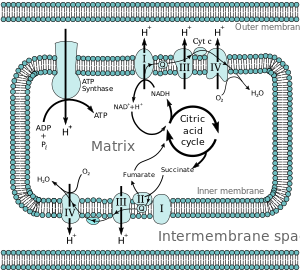
Schematic diagram of the mitochondrial .

The transformation of energy is central to mitochondrial function. The system of energetics includes:

  • the enzymes of the Kreb’s citric acid or TCA cycle,
  • some of the enzymes involved in fatty acid catabolism (β-oxidation), and
  • the proteins needed to help regulate these systems,

central to mitochondrial physiology through the production of reducing equivalents. Reducing equivalents are also used for anabolic reactions.
Electron Transport Chain
It also houses the protein complexes involved in the electron transport component of oxidative phosphorylation and proteins involved in substrate and ion transport. The chemical energy contained in both fats and amino acids can also be converted into NADH and FADH2 through mitochondrial pathways. The major mechanism for harvesting energy from fats is β-oxidation; the major mechanism for harvesting energy from amino acids and pyruvate is the TCA cycle. Once the chemical energy has been transformed into NADH and FADH2, these compounds are fed into the mitochondrial respiratory chain.
Under physiological conditions, electrons generally enter either through complex I (NADH-mediated, examined in vitro using substrates such as glutamate/malate) or complex II (FADH2-mediated, examined in vitro using succinate).

Electrons are then sequentially passed through a series of electron carriers.

The progressive transfer of electrons (and resultant proton pumping) converts the chemical energy stored in carbohydrates, lipids, and amino acids into potential energy in the form of the proton gradient. The potential energy stored in this gradient is used to phosphorylate ADP forming ATP.
Redox-Cycling

In redox cycling the reductant is continuously regenerated, thereby providing substrate for the “auto-oxidation” reaction.

When partially oxidized compounds are enzymatically reduced, the auto-oxidative generation of superoxide and other ROS to start again. Several enzymes

  •  NADPH-cytochrome P450 reductase,
  • NADPH-cytochrome b5 reductase [EC 1.6.2.2]
  • NADPH-ubiquinone oxidoreductase [EC 1.6.5.3], and
  • xanthine oxidase [EC 1.2.3.2]),

can reduce quinones into semiquinones in a single electron process.

The semiquinone can then reduce dioxygen to superoxide during its oxidation to a quinone.

Redox cycling is thought to play a role in carcinogenesis. The naturally occurring estrogen metabolites (the catecholestrogens) have been implicated in hormone-induced cancer, possibly as a result of their redox cycling and production of ROS. It is thought that diethylstilbestrol causes the production of the mutagenic lesion 8-hydroxy-2’deoxyguanosine. It can also cause DNA strand breakage.

Another oxidative reaction that is associated with H2O2 is a significant problem for living organisms as a consequence of the reaction between hydrogen peroxide and oxidizable metals, the Fenton reaction [originally described in the oxidation of an α-hydroxy acid to an α-keto acid in the presence of hydrogen peroxide (or hypochlorite) and low levels of iron salts (Fenton (1876, 1894)).
Chemical Reactions and Biological Significance

The hydroxyl free radical is so aggressive that it will react within 5 (or so) molecular diameters from its site of production. The damage caused by it, therefore, is very site specific. Biological defenses have evolved that reduce the chance that the hydroxyl free radical will be produced to repair damage. An antioxidant would have to occur at the site of hydroxyl free radical production and be at sufficient concentration to be effective.

Some endogenous markers have been proposed as a useful measures of total “oxidative stress” e.g., 8-hydroxy-2’deoxyguanosine in urine. The ideal scavenger

  • must be non-toxic,
  • have limited or no biological activity,
  • readily reach the site of hydroxyl free radical production,
  • react rapidly with the free radical, be specific for this radical, and
  • neither the scavenger nor its product(s) should undergo further metabolism.

Unlike oxygen, nitrogen does not possess unpaired electrons and is therefore considered diamagnetic. Nitrogen does not possess available d orbitals so it is limited to a valency of 3. In the presence of oxygen, nitrogen can produce Nitric oxide which occurs physiologically with the immune system which, when activated, can produce large quantities of nitric oxide.

Nitric oxide is produced by stepwise oxidation of L-arginine catalyzed by nitric oxide synthase (NOS). Nitric oxide is formed from the guanidino nitrogen of the L-arginine in a reaction that

  • consumes five electrons and
  • requires flavin adenine dinucleotide (FAD),
  • flavin mononucleotide (FMN) tetrahydrobiopterin (BH4), and
  • iron protoporphyrin IX as cofactors.

The primary product of NOS activity may be the nitroxyl anion that is then converted to nitric oxide by electron acceptors.

NOS cDNAs show homology with the cytochrome P450 reductase family. Based on molecular genetics there appears to be at least three distinct forms of NOS:

  • A Ca2+/calmodulin-requiring constitutive enzyme (c-NOS; ncNOS or type I)
  • A calcium-independent inducible enzyme (i-NOS; type II), which is primarily involved in the mediation of the cellular immune response; and
  • A second Ca2+/calmodulin-requiring constitutive enzyme found in aortic and umbilical endothelia (ec-NOS or type III)

This has been discussed extensively in this series of posts. Recently, a mitochondrial form of the enzyme, which appears to be similar to the endothelial form, has been found in brain and liver tissue. Although the exact role of nitric oxide in the mitochondrion remains elusive, it may play a role in the regulation of cytochrome oxidase.
Nitric Oxide
Nitric oxide appears to regulate its own production through a negative feedback loop. The binding of nitric oxide to the heme prosthetic group of NOS inhibits this enzyme, and c-NOS and ec-NOS are much more sensitive to this regulation than i-NOS. It appears that in the brain, NO can regulate its own synthesis and therefore the neurotransmission process.

  • On the one hand, inhibition of ec-NOS will prevent the cytotoxicity associated with excessive nitric oxide production.
  • On the other, the insensitivity of i-NOS to nitric oxide will enable high levels of nitric oxide to be produced for cytotoxic effects.

Endogenous inhibitors of NOS (guanidino-substituted derivatives of arginine) occur in vivo as a result of post-translational modification of protein contained arginine residues by S-adenosylmethionine. The dimethylarginines (NG,NG-dimethyl-L-arginine and NG,N’G-dimethyl-L-arginine) occurs in tissue proteins, plasma, and urine of humans and they are thought to act as both regulators of NOS activity and reservoirs of arginine for the synthesis of nitric oxide.
It has been calculated that even though membrane makes up about 3% of the total tissue volume, 90% of the reaction of nitric oxide with oxygen occurs within this compartment. Thus the membrane is an important site for nitric oxide chemistry.
There are two major aspects to nitric oxide chemistry.

  • It can undergo single electron oxidation and reduction reactions producing nitrosonium and nitroxyl
  • Having a single unpaired electron in its π*2p molecular orbital it will react readily with other molecules that also have unpaired electrons, such as free radicals and transition metals.

Examples of the reaction of nitric oxide with radical species include:

  • Nitric oxide will react with oxygen to form the peroxynitrite (nitrosyldioxyl) radical (ONO2)
  • and with superoxide to form the powerful oxidizing and nitrating agent, peroxynitrite anion (ONO2-). Peroxynitrite causes damage to many important biomolecules

Importance:

  • nitrosothiols that are important in the regulation of blood pressure terminates lipid peroxidation
  • 3-nitrosotyrosine and/or 4-O-nitrosotyrosine can affect the activity of enzymes that utilize tyrosyl radicals
  • rapidly reacts with oxyhemoglobin, the primary route of its destruction in vivo
  • the reaction between nitric oxide and transition metal complexes

During the last reaction a “ligand” bond is formed (the unpaired electron of nitric oxide is partially transferred to the metal cation),

 resulting in a nitrosated (nitrosylated) complex.

For example, such complexes can be formed with free iron ions,

iron bound to heme or iron located in iron-sulfur clusters.

Ligand formation allows nitric oxide to act as a signal, activating some enzymes while inhibiting others. Thus, the binding of nitric oxide to the Fe (II)-heme of guanylate (guanalyl) cyclase [GTP-pyrophosphate lyase: cyclizing] is the signal transduction mechanism. Guanylate cyclase exists as cytosolic and membrane-bound isozymes.
Thiol-Didulfide Redox Couple

The thiol-disulfide redox couple is very important to oxidative metabolism. For example, GSH is a reducing cofactor for glutathione peroxidase, an antioxidant enzyme responsible for the destruction of hydrogen peroxide.

The importance of the antioxidant role of the thiol-disulfide redox couple:

Thiols and disulfides can readily undergo exchange reactions, forming mixed disulfides. Thiol-disulfide exchange is biologically very important. For example,

  • GSH can react with protein cystine groups and influence the correct folding of proteins.
  • GSH may also play a direct role in cellular signaling through thiol-disulfide exchange reactions with membrane bound receptor proteins
  •                        the insulin receptor complex)
  •                        transcription factors (e.g., nuclear factor κB)
  •                        and regulatory proteins in cells

Conditions that alter the redox status of the cell can have important consequences on cellular function.

The generation of ROS by redox cycling is only one possible explanation for the action of many drugs. Rifamycin not only owes its activity to ROS generation but also to its ability to block bacterial RNA synthesis as well. Quinones (and/or semiquinones) can also form adducts with nucleophiles, especially thiols. These adducts may act as toxins directly or indirectly through the inhibition of key enzymes (e.g., by reacting with essential cysteinyl residues) or the depletion of GSH.
DNA Adduct Formation

By far the most intense research in this field has been directed towards the chemistry and biology of DNA adduct formation. Attack of the free bases and nucleosides by pro-oxidants can yield a wide variety of adducts and DNA-protein cross-links. Such attack usually occurs

  • at the C-4 and C-8 position of purines and
  • C-5 and C-6 of pyrimidines.

Hydroxyl free radical-induced damage to purine bases and nucleosides can proceed through a C-8-hydroxy N-7 radical intermediate, and then either undergo oxidation with the production of an 8-hydroxy purine, or reduction, probably by cellular thiols, followed by ring opening and the formation of FAPy (formamido-pyrimidine) metabolites (hydroxyl free radical-induced damage to guanosine). Although most research has focused on 8-hydroxy-purine adducts a growing number of publications are attempting to measure the FAPy derivative.

Nitrosation of the Amines of the Nucleic Acid Bases.

Primary aromatic amines produce deaminated products, while secondary amines form N-nitroso compounds.
Formation of Peroxynitrite from Nitric Oxide.

Peroxynitrite shows complex reactivity

  • with DNA initiating DNA strand breakage, oxidation (e.g., formation of 8-hydroxyguanine, 8-OH2’dG, (5-hydroxymethyl)-uracil, and FAPyGua),
  • nitration (e.g., 8-nitroguanine), and
  • deamination of bases.

Peroxynitrite can also promote the production of lipid peroxidation related active carbonyls and cause the activation of NAD+ ADP-ribosyltransferase.

Modification of Guanine
Although all DNA bases can be oxidatively damaged, it is the modification of guanine that is the most frequent. 8OH2’dG is the most abundant DNA adduct. This can affect its hydrogen bonding between base-pairs. These base-pair substitutions are usually found clustered into areas called “hot spots”. Guanine normally binds to cytosine.

8OH2’dG, however, can form hydrogen bonds with adenine. The formation of 8OH2’dG in DNA can therefore result in a G→T transversion.

8-Hydroxyguanine was also shown to induce codon 12 activation of c-Ha-ras and K-ras in mammalian systems. G→T transversions are also the most frequent hot spot mutations found in the p53 supressor gene which is associated with human tumors.

Other mechanisms by which ROS/RNS can lead to mutations have been
proposed. Direct mechanisms include:

  • conformational changes in the DNA template that reduces the accuracy of replication by DNA polymerases
  • altered methylation of cytosine that affects gene control

Indirect mechanisms include:

  • Oxidative damage to proteins, including DNA polymerases and repair enzymes.
  • Damage to lipids causes the production of mutagenic carbonyl compounds
  • Misalignment mutagenesis (“slippery DNA”)
DNA Mismatch Repair 5

DNA Mismatch Repair 5 (Photo credit: Allen Gathman)

Repair of ROS/RNS-induced DNA Damage
The repair of damaged DNA is an ongoing and continuous process involving a
number of repair enzymes. Damaged DNA appears to be mended by two major mechanisms:

  1. base excision repair (BER) and
  2. nucleotide excision repair (NER)

Isolated DNA is found to contain low levels of damaged bases, so it appears that these repair processes are not completely effective.
Base Excision Repair

BER is first started by DNA glycosylases which recognize specific base
modifications (e.g., 8OH2’dG). For example,

  • Formamido-pyrimidine-DNA glycosylase (Fpg protein) recognizes damaged purines such as 8-oxoguanine and FAPyGua.
  • Damaged pyrimidines are recognized by endonuclease III, which acts as both a glycosylase and AP endonuclease.
  • Glycosylases cleave the N-glycosylic bond between the damaged base and the sugar

Following the glycosylase step, AP endonucleases then remove the 3′-deoxyribose moiety by cleavage of the phosphodiester bonds thereby generating a 3’-hydroxyl group that can then be extended by DNA polymerase.

The final step in mending damaged DNA is the rejoining of the free ends of DNA by a DNA ligase. It also appears that the presence of 8-oxoguanine modified bases in DNA is not only a result of ROS attack on this macromolecule. Oxidized nucleosides and nucleotides from free cellular pools can also be incorporated into DNA by polymerases and cause AT to CG base substitution mutations.

Mitochondrial DNA Repair

The mitochondrion genome encodes the various complexes of the electron transport chain, but contains no genetic information for DNA repair enzymes. These enzymes must be obtained from the nucleus. As mitochondria are continuously producing DNA damaging pro-oxidant species, effective DNA repair mechanisms must exist within the mitochondrial matrix in order for these organelles to function. Mitochondria have a short existence, and excessively damaged mitochondria will be quickly removed. Mitochondria contain many BER enzymes and are proficient at repair, but they do not appear to repair damaged DNA by NER mechanisms.

Single Strand DNA Damage and PARP Activation

Single strand DNA breakage activates NAD+ ADP-ribosyltransferase (PARP). PARP is a protein-modifying, nucleotide-polymerizing enzyme and is found at high levels in the nucleus. Activated PARP

  1. cleaves NAD+ into ADP-ribose and nicotinamide
  2. then attaches the ADP-ribose units to a variety of nuclear proteins (including histones and its own automodification domain).
  3. then polymerizes the initial ADP-ribose modification with other ADP-ribose units to form the nucleic acid-like polymer, poly (ADP) ribose.

PARP only appears to be involved with BER and not NER. In BER PARP does not appear to play a direct role but rather it probably helps by keeping the chromatin in a conformation that enables other repair enzymes to be effective. It may also provide temporary protection to DNA molecules while it is being repaired. Conflicting evidence suggests that PARP may not be an important DNA repair enzyme as cells from a PARP knockout mouse model have normal repair characteristics.

Activation of PARP can be dangerous to the cell. For each mole of ADP-ribose transferred, one mole of NAD+ is consumed, and through the regeneration of NAD+ four ATP molecules are wasted. Thus the activation of PARP can rapidly deplete a cell’s energy store and even lead to cell death. Some researchers suggest that this may be one mechanism whereby cells with excessive DNA damage are effectively removed. However, a variety of diseases may involve PARP overactivation including

  • circulatory shock,
  • CNS injury,
  • diabetes,
  • drug-induced cytotoxicity, and
  • inflammation.

The Indirect Pathway.
This (mutation) pathway does not involve oxidative damage to the protein per se. This process involves oxidative damage to the DNA molecule encoding the protein. Thus pro-oxidants can cause changes in the base sequence of the DNA molecule. If such base modification is in a coding region of DNA (exon) and not corrected, the DNA molecule may be transcribed incorrectly. Translation of the mutant mRNA can result in a mutant protein containing a wrong amino acid in its primary sequence. If this modified amino acid occurs in an essential part of the protein (e.g., the active site of an enzyme or a portion that alters folding), the function of that protein may be impaired. Fortunately, unlike modified DNA
that can pass from cell to cell during mitosis thereby continuing the production of mutant protein, damage to a protein is non-replicating and stops with its destruction.

The Direct Pathway

This (post-translational) pathway involves the action of a pro-oxidant on a protein resulting in

  • modification of amino acid residues,
  • the formation of carbonyl adducts,
  • cross-linking and
  • polypeptide chain fragmentation.

Such changes often result in altered protein conformation and/or activity. Proteins will produce a variety of carbonyl products when exposed to metal-based systems (metal/ascorbate and metal/hydrogen peroxide) in vitro. For example, histidine yields aspartate, asparagine and 2-oxoimidazoline, while proline produces glutamate, pyroglutamate, 4-hydroxyproline isomers, 2-pyrrolidone and γ-aminobutyric acid. Metal-based systems and other pro-oxidant conditions can oxidize methionine to its sulfoxide.

This portion of the presentation is endebted to THE HANDBOOK OF REDOX
BIOCHEMISTRY, Ian N. Acworth, August 2003, esa. (inacworth@esainc.com).
We shall now identify more recent work related to this presentation.

Oxygen and Oxidative Stress

The reduction of oxygen to water proceeds via one electron at a time. In the mitochondrial respiratory chain, Complex IV (cytochrome oxidase) retains all partially reduced intermediates until full reduction is achieved. Other redox centres in the electron transport chain, however, may leak electrons to oxygen, partially reducing this molecule to superoxide anion (O2_•). Even though O2_• is not a strong oxidant, it is a precursor of most other reactive oxygen species, and it also becomes involved in the propagation of oxidative chain reactions. Despite the presence of various antioxidant defences, the mitochondrion appears to be the main intracellular source of these oxidants. This review describes the main mitochondrial sources of reactive species and the antioxidant defences that evolved to prevent oxidative damage in all the mitochondrial compartments.

Reactive oxygen species (ROS) is a phrase used to describe a variety of molecules and free radicals (chemical species with one unpaired electron) derived from molecular oxygen. Molecular oxygen in the ground state is a bi-radical, containing two unpaired electrons in the outer shell (also known as a triplet state).

Since the two single electrons have the same spin, oxygen can only react with one electron at a time and therefore it is not very reactive with the two electrons in a chemical bond.

On the other hand, if one of the two unpaired electrons is excited and changes its spin, the resulting species (known as singlet oxygen) becomes a powerful oxidant as the two electrons with opposing spins can quickly react with other pairs of electrons, especially double bonds.

The formation of OH• is catalysed by reduced transition metals, which in turn may be re-reduced by O2 -•, propagating this process. In addition, O2-• may react with other radicals including nitric oxide (NO•) in a reaction controlled by the rate of diffusion of both radicals. The product, peroxynitrite, is also a very powerful oxidant. The oxidants derived from NO• have been recently called reactive nitrogen species (RNS).

‘Oxidative stress’ is an expression used to describe various deleterious processes resulting from an imbalance between the excessive formation of ROS and/or RNS and limited antioxidant defences.

  • Whilst small fluctuations in the steady-state concentration of these oxidants may actually play a role in intracellular signalling,
  • uncontrolled increases in the steady-state concentrations of these oxidants lead to free radical mediated chain reactions

which indiscriminately target

  • proteins,
  • lipids,
  • polysaccharides.

In vivo, O2-• is produced both enzymatically and nonenzymatically.

Enzymatic sources include

  • NADPH oxidases located on the cell membrane of
  • polymorphonuclear cells,
  • macrophages and
  • endothelial cells and
  • cytochrome P450-dependent oxygenases.

The proteolytic conversion of xanthine dehydrogenase to xanthine oxidase provides another enzymatic source of both O2 -• and H2O2 (and therefore constitutes a source of OH•) and has been proposed to mediate deleterious processes in vivo.

Given the highly reducing intramitochondrial environment, various respiratory components, including flavoproteins, iron–sulfur clusters and ubisemiquinone, are thermodynamically capable of transferring one electron to oxygen. Moreover, most steps in the respiratory chain involve single-electron reactions, further favouring the monovalent reduction of oxygen. On the other hand, the mitochondrion possesses various antioxidant defences designed to eliminate both O2- • and H2O2.

The rate of O2 -• formation by the respiratory chain is controlled primarily by mass action, increasing both when electron flow slows down (increasing the concentration of electron donors, R•) and when the concentration of oxygen increases (eqn (1); Turrens et al. 1982).

d[O2]/dt = k [O2] [R•].

The energy released as electrons flow through the respiratory chain is converted into a H+ gradient through the inner mitochondrial membrane (Mitchell, 1977). This gradient, in turn, dissipates through the ATP synthase complex (Complex V) and is responsible for the turning of a rotor-like protein complex required for ATP synthesis. In the absence of ADP,

  • the movement of H+ through ATP synthase ceases and
  • the H+ gradient builds up
  • causing electron flow to slow down and
  • the respiratory chain to become more reduced (State IV respiration).

Mitochondrial Antioxidant Defences

The deleterious effects resulting from the formation of ROS in the mitochondrion are, to a large extent, prevented by various antioxidant systems. Superoxide is enzymatically converted to H2O2 by a family of metalloenzymes called superoxide dismutases (SOD). Since O2-• may either reduce transition metals, which in turn can react with H2O2 producing OH• or spontaneously react with NO• to produce peroxynitrite, it is important to maintain the steady-state concentration of O2-• at the lowest possible level. Thus, although the dismutation of O2-• to H2O2 and O2 can also occur spontaneously, the role of SODs is to increase the rate of the reaction to that of a diffusion-controlled process.

The mitochondrial matrix contains a specific form of SOD, with manganese in the active site, which eliminates the O2 -• formed in the matrix or on the inner side of the inner membrane. The expression of MnSOD is further induced by agents that cause oxidative stress, including radiation and hyperoxia, in a process mediated by the oxidative activation of the nuclear transcription factor NFkB .

Turrens JF. Mitochondrial formation of reactive oxygen species. J Physiol 2003; 552(2): 335–344. DOI: 10.1113/jphysiol.2003.049478. http://www.jphysiol.org

This is the png made of the file Etc2.svg The ...

Reactive Oxygen Species and Control of Apoptosis

Reactive oxygen species (ROS) are products of normal metabolism and xenobiotic exposure, and depending on their concentration, ROS can be beneficial or harmful to cells and tissues.

  • At physiological low levels, ROS function as “redox messengers” in intracellular signaling and regulation, whereas
  • excess ROS induce oxidative modification of cellular macromolecules, inhibit protein function, and promote cell death.

Additionally, various redox systems, such as

  • the glutathione,
  • thioredoxin, and
  • pyridine nucleotide redox couples,
  • NADPH and antioxidant defense
  • NAD+ and the function of sirtuin proteins

participate in cell signaling and modulation of cell function, including apoptotic cell death. Cell apoptosis is initiated by extracellular and intracellular signals via two main pathways,

  1. the death receptor and
  2. the mitochondria-mediated pathways.

ROS and JNK-mediated apoptotic signaling

              GSH redox status and apoptotic signaling

Various pathologies can result from oxidative stress-induced apoptotic signaling that is consequent to

  • ROS increases and/or antioxidant decreases,
  • disruption of intracellular redox homeostasis, and
  • irreversible oxidative modifications of lipid, protein, or DNA.

We focus on several key aspects of ROS and redox mechanisms in apoptotic signaling and highlight the gaps in knowledge and potential avenues for further investigation. A full understanding of the redox control of apoptotic initiation and execution could underpin the development of therapeutic interventions targeted at oxidative stress-associated disorders.

Circu, M. L.; Aw, T. Y., Reactive oxygen species, cellular redox systems, and apoptosis, Free Radic. Biol. Med. 2010. FRB-10057; pp 14. doi:10.1016/j.freeradbiomed.2009.12.022

Assembly of Iron-sulfur (FeyS) Clusters

Iron-sulfur (FeyS) cluster-containing proteins catalyze a number of electron transfer and metabolic reactions. The components and molecular mechanisms involved in the assembly of the FeyS clusters have been identified only partially. In eukaryotes, mitochondria have been proposed to execute a crucial task in the generation of intramitochondrial and extramitochondrial FeyS proteins. Herein, we identify the essential ferredoxin Yah1p of Saccharomyces cerevisiae mitochondria as a central component of the FeyS protein biosynthesis machinery. Depletion of Yah1p by regulated gene expression resulted in a

30-fold accumulation of iron within mitochondria,

similar to what has been reported for other components involved in FeyS protein biogenesis. Yah1p was shown to be required for the assembly of FeyS proteins both inside mitochondria and in the cytosol. Apparently, at least one of the steps of FeyS cluster biogenesis within mitochondria requires reduction by ferredoxin. Our findings lend support to the idea of a primary function of mitochondria in the biosynthesis of FeyS proteins outside the organelle. To our knowledge, Yah1p is the first member of the ferredoxin family for which a function in FeyS cluster formation has been established. A similar role may be predicted for the bacterial homologs that are encoded within iron-sulfur cluster assembly (isc) operons of prokaryotes.
H Lange, A Kaut, G Kispal, and R Lill. A mitochondrial ferredoxin is essential for biogenesis of cellular iron-sulfur proteins. PNAS 2000; 97(3): 1050–1055.

DNA Charge Transport

Damaged bases in DNA are known to lead to errors in replication and transcription, compromising the integrity of the genome. The authors proposed a model where repair proteins containing redoxactive [4Fe-4S] clusters utilize DNA charge transport (CT) as a first step in finding lesions. In this model, the population of sites to search is reduced by a localization of protein in the vicinity of lesions. Here, we examine this model using single-molecule atomic force microscopy (AFM). XPD, a 5′-3′ helicase involved in nucleotide
excision repair, contains a [4Fe-4S] cluster and exhibits a DNA bound redox potential that is physiologically relevant.

In AFM studies, they observe the redistribution of XPD onto kilobase DNA strands containing a single base mismatch, which is not a specific substrate for XPD but, like a lesion, inhibits CT. They also provide evidence for DNA-mediated signaling between XPD and Endonuclease III (EndoIII), a base excision repair glycosylase that also contains a [4Fe-4S] cluster.

  • When XPD and EndoIII are mixed together, they coordinate in relocalizing onto the mismatched strand.
  • However, when a CT-deficient mutant of either repair protein is combined with the CT-proficient repair partner, no relocalization occurs.

The data presented here indicate that XPD, an archaeal protein from the NER pathway, may cooperate with other proteins that are proficient at DNA CT to localize in the vicinity of damage. XPD, a superfamily 2 DNA helicase with 5′-3′ polarity, is a component of TFIIH that is essential for repair of bulky lesions generated by exogenous sources such as UV light and chemical carcinogens. XPD contains a conserved [4Fe-4S] cluster suggested to be conformationally controlled by ATP binding and hydrolysis.

Mutations in the iron-sulfur domain of XPD can lead to diseases including TTD and XP, yet the function of the [4Fe-4S] cluster appears to be unknown.

Electrochemical studies have shown that when BER proteins MutY and EndoIII bind to DNA, their [4Fe-4S] clusters are activated toward one electron oxidation. XPD exhibits a DNA-bound midpoint potential similar to that of EndoIII and MutY when bound to DNA (approximately 80 mV vs. NHE), indicative of a possible role for the [4Fe-4S] cluster in DNA-mediated CT.

For EndoIII we have also already determined a direct correlation between the ability of proteins to redistribute in the vicinity of mismatches as measured by AFM, and the CT proficiency of the proteins measured electrochemically. Thus, we may utilize single-molecule AFM as a tool to probe the redistribution of proteins in the vicinity of base lesions and in so doing, the proficiency of the protein to carry out DNA CT.

Here we show that, like the BER protein EndoIII, XPD, involved both in transcription and NER, redistributes in the vicinity of a lesion. Importantly, this ability to relocalize is associated with the ability of XPD to carry out DNA CT. The mutant L325V is defective in its ability to carry out DNA CTand this XPD mutant also does not redistribute effectively onto the mismatched strand.

These data not only indicate a general link between the ability of a repair protein to carry out DNA CT and its ability to redistribute onto DNA strands near lesions but also provide evidence for coordinated DNA CT between different repair proteins in their search for damage in the genome. These data also provide evidence that two different repair proteins, each containing a [4Fe-4S] cluster at similar DNA bound potential, can communicate with one another through DNA-mediated CT.

Sontz PA, Mui TP, Fuss JO, Tainer JA, and Barton JK. DNA charge transport as a first step in coordinating the detection of lesions by repair proteins. PNAS 2012; 109(6):1856–1861. doi:10.1073/pnas.1120063109/-/ DCSupplemental. http://www.pnas.org/lookup/suppl/

Janus Bifron 

The signaling function of mitochondria is considered with a special emphasis on their role in the regulation of redox status of the cell, possibly determining a number of pathologies including cancer and aging. The review summarizes the transport role of mitochondria in energy supply to all cellular compartments (mitochondria as an electric cable in the cell), the role of mitochondria in plastic metabolism of the cell including synthesis of

  • heme,
  • steroids,
  • iron-sulfur clusters, and
  • reactive oxygen and nitrogen species.

Mitochondria also play an important role in the Ca2+-signaling and the regulation of apoptotic cell death. Knowledge of mechanisms responsible for apoptotic cell death is important for the strategy for prevention of unwanted degradation of postmitotic cells such as cardiomyocytes and neurons.

In accordance with P. Mitchell’s chemiosmotic concept, vectorial transmembrane transfer of electrons and protons is accompanied by generation of electrochemical difference of proton electrochemical potential on the inner mitochondrial membrane; its utilization by ATP synthase induces conformational rearrangements resulting in ATP synthesis from ADP and inorganic phosphate. Details of the mechanism responsible for ATP synthesis are given elsewhere.

Membrane potential (DY) generated across the inner mitochondrial membrane is the component of the transmembrane electrochemical potential of H+ ions (DμH+), which provides ATP synthesis together with the concentration component (DpH). Maintenance of constant membrane potential is a vitally important precondition for functioning of mitochondria and the cell. Under conditions of limited supply of the cell with oxygen (hypoxia) and inability to carry out aerobic ATP synthesis, mitochondria become ATP consumers (rather than generators) and ATP is hydrolyzed by mitochondrial ATPase, and this is accompanied by generation of membrane potential.

Redox homeostasis, i.e. the sum of redox components (including proteins, low molecular weight redox components such as NAD/NADH, flavins, coenzymes Q, oxidized and reduced substrates, etc.) is one of important preconditions for normal cell functioning.

Single-strand and double-strand DNA damage

Single-strand and double-strand DNA damage (Photo credit: Wikipedia)

Mitochondria generate such potent regulators of redox potential as

  • superoxide anion,
  • hydrogen peroxide,
  • nitric oxide,
  • peroxynitrite, etc.

They are actively involved in regulation of cell redox potential and consequently

  • control proteolysis,
  • activation of transcription,
  • changes in mitochondrial DNA (mDNA),
  • cell metabolism, and
  • cell differentiation.

Zorov DB, Isaev NK, Plotnikov EY, Zorova LD, et al. The Mitochondrion as Janus Bifrons. Biochemistry (Moscow) 2007; 72(10): 1115-1126. ISSN 0006-2979.
DOI: 10.1134/S0006297907100094
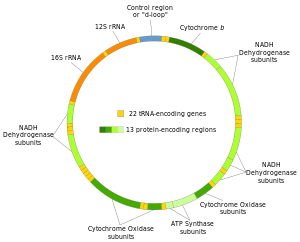
Structure of the human mitochondrial genome.

Structure of the human mitochondrial genome. (Photo credit: Wikipedia)

Gene Expression Associated with Oxidoreduction and Mitochondria
The naked mole-rat (Heterocephalus glaber) is a long-lived, cancer resistant rodent and there is a great interest in identifying the adaptations responsible for these and other of its unique traits. We employed RNA sequencing to compare liver gene expression profiles between naked mole-rats and wild-derived mice. Our results indicate that genes associated with oxidoreduction and mitochondria were expressed at higher relative levels in naked mole-rats. The largest effect is nearly

300-fold higher expression of epithelial cell adhesion molecule (Epcam), a tumour-associated protein.

Also of interest are the

  • protease inhibitor, alpha2-macroglobulin (A2m), and the
  • mitochondrial complex II subunit Sdhc,

both ageing-related genes found strongly over-expressed in the naked mole-rat.

These results hint at possible candidates for specifying species differences in ageing and cancer, and in particular suggest complex alterations in mitochondrial and oxidation reduction pathways in the naked mole-rat. Our differential gene expression analysis obviated the need for a reference naked mole-rat genome by employing a combination of Illumina/Solexa and 454 platforms for transcriptome sequencing and assembling transcriptome contigs of the non-sequenced species. Overall, our work provides new research foci and methods for studying the naked mole-rat’s fascinating characteristics.

C Yu, Y Li, A Holmes, K Szafranski, CG Faulkes, et al. RNA Sequencing Reveals Differential Expression of Mitochondrial and Oxidation reduction Genes in the Long-Lived Naked Mole-Rat When Compared to Mice. PLoS ONE 2011; 6(11): 1-9. e26729. http://www.plosone.org

The complete set of viable deletion strains in Saccharomyces cerevisiae was screened for sensitivity of mutants to five oxidants to identify cell functions involved in resistance to oxidative stress. This screen identified a unique set of mainly constitutive functions providing the first line of defense against a particular oxidant; these functions are very dependent on the nature of the oxidant. Most of these functions are distinct from those involved in repair and recovery from damage, which are generally induced in response to stress, because there was little correlation between mutant sensitivity and
the reported transcriptional response to oxidants of the relevant gene. The screen identified 456 mutants sensitive to at least one of five different types of oxidant, and these were ranked in order of sensitivity. Many genes identified were not previously known to have a role in resistance to reactive oxygen species. These encode functions including

  • protein sorting,
  • ergosterol metabolism,
  • autophagy, and
  • vacuolar acidification.

two mutants were sensitive to all oxidants examined,
12 were sensitive to at least four,

Different oxidants had very different spectra of deletants that were sensitive. These findings highlight the specificity of cellular responses to different oxidants:

  • No single oxidant is representative of general oxidative stress.
  • Mitochondrial respiratory functions were overrepresented in mutants sensitive to H2O2, and
  • vacuolar protein-sorting mutants were enriched in mutants sensitive to diamide.

Core functions required for a broad range of oxidative-stress resistance include

  • transcription,
  • protein trafficking, and
  • vacuolar function.

GW Thorpe, CS Fong, N Alic, VJ Higgins, and IW Dawes. Cells have distinct mechanisms to maintain protection against different reactive oxygen species: Oxidative-stress-response genes. PNAS 2004;101: 6564–6569. http://www.pnas.org cgi doi 10.1073 pnas.0305888101
Subcellular Thiol Redox State in Complex I Deficiency

Isolated complex I deficiency is the most common enzymatic defect of the oxidative phosphorylation (OXPHOS) system, causing a wide range of clinical phenotypes. Th authers reported before that the rates at which reactive oxygen species (ROS)-sensitive dyes are converted into their fluorescent oxidation products are markedly increased in cultured skin fibroblasts of patients with nuclear-inherited isolated complex I deficiency.

Using videoimaging microscopy we show here that these cells also display a marked increase in NAD(P)H autofluorescence. Linear regression analysis revealed a negative correlation with the residual complex I activity and a positive correlation with the oxidation rates of the ROS sensitive dyes (5-(and-6)-chloromethyl-2′,7′-dichlorodihydrofluorescein and hydroethidine for a large cohort of 10 patient cell lines.

On the other hand, video-imaging microscopy of cells selectively expressing reduction-oxidation sensitive GFP1 in either the mitochondrial matrix or cytosol showed the absence of any detectable change in thiol redox state. In agreement with this result, neither the glutathione nor the glutathione disulfide content differed significantly between patient and healthy fibroblasts.

Finally, video-rate confocal microscopy of cells loaded with C11-BODIPY581/591 demonstrated that the extent of lipid peroxidation, which is regarded as a measure of oxidative damage, was not altered in patient fibroblasts. Our results indicate that fibroblasts of patients with isolated complex I deficiency maintain their thiol redox state despite marked increases in ROS production.

S Verkaart, WJH Koopman, J Cheek, SE van Emst-de Vries. Mitochondrial and cytosolic thiol redox state are not detectably altered in isolated human NADH:ubiquinone oxidoreductase deficiency. Biochimica et Biophysica Acta (BBA) – Molecular Basis of Disease 2007; 1772(9): 1041. DOI : 10.1016/j.bbadis.2007.05.004

  • Mitochodrial mtDNA and Cancer
  • Mitochondrial research has recently been driven by the

identification of mitochondria-associated diseases and 
the role of mitochondria in apoptosis.

Moreover, mitochondria have been implicated in the process of carcinogenesis because of their vital role in

  • energy production,
  • nuclear-cytoplasmic signal integration and
  • control of metabolic pathways.

At some point during neoplastic transformation, there is an increase in reactive oxygen species (ROS), which damage the mitochondrial genome. This accelerates the somatic mutation rate of mitochondrial DNA.

Mitochondrial characteristics

There are several biological characteristics which cast mitochondria and, in particular, the mitochondrial genome, as a biological tool for early detection and monitoring of neoplasia and its potential progression. These vital characteristics are important in cancer research, as not all neoplasias become malignant. Mitochondria are archived in the cytoplasm of the ovum and as such do not recombine.

This genome has an accelerated mutation rate, by comparison with the nucleus, and accrues somatic mutations in tumour tissue. Moreover, mitochondrial DNA (mtDNA) has a high copy number in comparison with the nuclear archive of DNA. There are potentially thousands of mitochondrial genomes per cell, which enables detection of important biomarkers, even at low levels. In addition, mtDNA can be heteroplasmic, which means that disease-associated mutations occur in a subset of the genomes.

The presence of heteroplasmy is an indication of disease and is found in many human tumours. Identification of low levels of heteroplasmy may allow unprecedented early identification and monitoring of neoplastic progression to malignancy.

Coding for just 13 enzyme complex subunits, 22 transfer RNAs and two ribosomal RNAs, the mitochondrial genome is packaged in a compact 16,569 base pair (bp) circular molecule. These products participate in the critical electron transport process of ATP production. Collectively, mitochondria generate 80 per cent of the chemical fuel which fires cellular metabolism.

As a result, nuclear investment in the mitochondria is high — that is, several thousand nuclear genes control this organelle in order to accomplish the complex interactions required to maintain a network of pathways, which coordinate energy demand and supply.

It has been proposed that these mutations may serve as an early indication of potential cancer development and may represent a means for tracking tumour progression.

Does this provide a potential utility in that these mutations may be used for the identification and monitoring of neoplasia and malignant transformation where appropriate body fluids or non-invasive tissue access is available for mtDNA recovery? Specifically discussed are:

  • prostate,
  • breast,
  • colorectal,
  • skin and
  • lung cancers

There are many important questions yet to be addressed: such as

  • the relationship between mtDNA and the actual disease;
  • are mutations causative or merely a reflection of nuclear instability?
  • And, are these processes independent events?

Alterations in the non-coding D-loop suggest genome instability;
however, as studies focus more on the coding regions of the
mitochondrial genome,

Particularly in the case of nonsynonymous mutations in the genes
contributing products to the electron transport process, metabolic
implications are evident. Moreover, mutations in mitochondrial
transfer RNAs indicate the possibility of a global mitochondrial
translational shut down.

RL Parr, GD Dakubo, RE Thayer, K McKenney, MA Birch-Machin. Mitochondrial DNA as a potential tool for early cancer detection. HUMAN GENOMICS 2006; 2(4). 252–257.
Mitochondrial DNA (mtDNA) is particularly prone to oxidation due to the lack of histones and a deficient mismatch repair system. This explains an increased mutation rate of mtDNA that results in heteroplasmy, e.g., the coexistence of the mutant and wild-type mtDNA molecules within the same mitochondrion. Hyperglycemia is a key risk factor not only for diabetes-related disease, but also for cardiovascular and all-cause mortality. One can assume an increase in the risk of cardiovascular disease by 18% for each unit (%) glycated hemoglobin HbA1c. In the Glucose Tolerance in Acute Myocardial Infarction study of patients with acute coronary syndrome, abnormal glucose tolerance was the strongest independent predictor of subsequent cardiovascular complications and death. In the Asian Pacific Study, fasting plasma glucose was shown to be an independent predictor of cardiovascular events up to a level of 5.2 mmol/L.

Glucose level fluctuations and hyperglycemia are triggers for inflammatory responses via increased mitochondrial superoxide production and endoplasmic reticulum stress. Inflammation leads to insulin resistance and β-cell dysfunction, which further aggravates hyperglycemia. The molecular pathways that integrate hyperglycemia, oxidative stress, and diabetic vascular complications have been most clearly described in the pathogenesis of endothelial dysfunction, which is considered as the first step in atherogenesis according to the response to injury hypothesis.

  • In diabetes mellitus,
  • glycotoxicity,
  • advanced oxidative stress,
  • collagen cross-linking, and
  • accumulation of lipid peroxides

in foam macrophage cells and arterial wall cells may significantly

  • decrease the mutation threshold,
  • endothelial dysfunction,
  • promoting atherosclerosis.

Alterations in mitochondrial DNA (mtDNA), known as homoplasmic and heteroplasmic mutations, may influence mitochondrial OXPHOS capacity, and in turn contribute to the magnitude of oxidative stress in micro- and macrovascular networks in diabetic patients.
The authors critically consider the impact of mtDNA mutations on the pathogenesis of cardiovascular diabetic complications.

Mutation Threshhold

Although cells may harbor mutant mtDNA, the expression of disease is dependent on the percent of alleles bearing mutations. Modeling confirms that an upper threshold level might exist for mutations beyond which the mitochondrial population collapses, with a subsequent decrease in ATP. This decrease in ATP results in the phenotypic expression of disease. It is estimated that in many patients with clinical manifestations of mitochondrial disorders, the proportion of mutant DNA exceeds 50%.

For the MELAS (mitochondrial encephalopathy, lactic acidosis and stroke-like syndrome)-causing mutation m.3243 A>G in the mitochondrial gene encoding tRNALeu, which is also associated with diabetes plus deafness, a strong correlation between the level of mutational heteroplasmy and documented disease has been found. Increased percentages of mutant mtDNA in muscle cells (up to 71%) can lead to mitochondrial myopathy. Levels of heteroplasmy of over 80% may lead to recurrent stroke and mutation levels of 95% have been associated with MELAS.

Regardless of the type of mutation or the level of heteroplasmy in affected mitochondria, unrepaired damage leads to a decrease in ATP, which in turn causes the phenotypic manifestation of disease. The manifestation of disease not only depends on the ATP level but also on the tissue affected. Various tissues have differing levels of demand on OXPHOS capacity. To evaluate a tissue threshold, Leber’s hereditary optic neuropathy can be used as a model for mitochondrial neurodegenerative disease. For neural and skeletal muscle tissues, the tissue threshold should be as high as or higher than 90% of
damaged (mutated) mtDNA. To induce mitochondrial malfunctions, the tissue threshold of the cardiac muscle is estimated to be significantly lower (approximately 64%-67%). In chronic vascular disease such as atherosclerosis, a mutation threshold in the affected vessel wall (e.g., in the postmortem aortic atherosclerotic plaques) was observed to be significantly lower. For example, for mutations m.3256 C>T, m.12315 G>A, m.15059 G>A, and m.15315 G>A, the heteroplasmy range of 18%-66% in the atherosclerotic lesions was 2-3.5-fold that in normal vascular tissue.

Mitochondrial stress and insulin resistance

  • Mitochondrial damage precedes the development of atherosclerosis and tracks the extent of the lesion in apoE-null mice, and
  • mitochondrial dysfunction caused by heterozygous deficiency of a superoxide dismutase increases atherosclerosis and vascular mitochondrial damage in the same model.

Blood vessels destined to develop atherosclerosis may be characterized by inefficient ATP production due to the uncoupling of respiration and OXPHOS. Blood vessels have regions of hypoxia, which lower the ratio of state 3 (phosphorylating) to state 4 (nonphosphorylating) respiration. Human atherosclerotic lesions have been known for decades to be deficient in essential fatty acids, a condition that causes respiratory uncoupling and atherosclerosis.

The finding by Kokaze et al.  helps to explain, at least in part, the anti-atherogenic effect of the allele m. 5178A due to its relation with the favorable lipid profile. The nucleotide change causes leucine-to-methionine substitution at codon 237 (Leu-237Met) of the NADH dehydrogenase subunit 2 located in the loop between 7th and 8th transmembrane domains of the mitochondrial protein. Given that this methionine residue is exposed at the surface of respiratory Complex I, this residue may be available as an efficient oxidant scavenger. Complex I

  • accepts electrons from NADH,
  • transfers them to ubiquinone, and
  • uses the energy released to pump protons across the mitochondrial inner membrane.

Thus, the Leu237Met replacement in the ND2 subunit might have a protective effect against oxidative damage to mitochondria.

Most fatty acid oxidation, which is promoted by peroxisome proliferator-activated receptor α (PPARα) activation, occurs in the mitochondria. Mitochondrial effects could explain why PPARα- deficient mice are protected from diet-induced insulin resistance and atherosclerosis as well as glucocorticoid induced insulin resistance and hypertension. Caloric restriction,

  • improves features of insulin resistance,
  • increases mitochondrial biogenesis and, surprisingly,
  • enhances the efficiency of ATP production.

Dysfunctional mitochondria in cultured cells can be rescued by transfer of mitochondria from adult stem cells, raising the possibility of restoration of normal bioenergetics in the vasculature to treat atherosclerosis associated with insulin resistance.
Chistiakov DA, Sobenin IA, Bobryshev YV, Orekhov AN. Mitochondrial dysfunction and mitochondrial DNA mutations in atherosclerotic complications in diabetes. World J Cardiol 2012; 4(5): 148-156. ISSN 1949-8462 (online). doi:10.4330/wjc.v4.i5.148. http://www.wjgnet.com/1949-8462/full/v4/i5/148.htm

Read Full Post »

Reporter: Aviva Lev-Ari, PhD, RN

Screen Shot 2021-07-19 at 7.33.50 PM

Word Cloud By Danielle Smolyar

Pancreatic cancer genomes reveal aberrations in axon guidance pathway genes

Nature (2012) 

doi:10.1038/nature11547 Received 09 January 2012  Accepted 04 September 2012 

Published online 24 October 2012

Pancreatic cancer is a highly lethal malignancy with few effective therapies. We performed exome sequencing and copy number analysis to define genomic aberrations in a prospectively accrued clinical cohort (n = 142) of early (stage I and II) sporadic pancreatic ductal adenocarcinoma. Detailed analysis of 99 informative tumours identified substantial heterogeneity with 2,016 non-silent mutations and 1,628 copy-number variations. We define 16 significantly mutated genes, reaffirming known mutations (KRASTP53CDKN2A, SMAD4MLL3TGFBR2, ARID1A andSF3B1), and uncover novel mutated genes including additional genes involved in chromatin modification (EPC1 and ARID2), DNA damage repair (ATM) and other mechanisms (ZIM2,MAP2K4NALCNSLC16A4 and MAGEA6). Integrative analysis with in vitro functional data and animal models provided supportive evidence for potential roles for these genetic aberrations in carcinogenesis. Pathway-based analysis of recurrently mutated genes recapitulated clustering in core signalling pathways in pancreatic ductal adenocarcinoma, and identified new mutated genes in each pathway. We also identified frequent and diverse somatic aberrations in genes described traditionally as embryonic regulators of axon guidance, particularly SLIT/ROBO signalling, which was also evident in murine Sleeping Beauty transposon-mediated somatic mutagenesis models of pancreatic cancer, providing further supportive evidence for the potential involvement of axon guidance genes in pancreatic carcinogenesis.

Figures at a glance

Contributions

The research network comprising the Australian Pancreatic Cancer Genome Initiative, the Baylor College of Medicine Cancer Genome Project and the Ontario Institute for Cancer Research Pancreatic Cancer Genome Study (ABO collaboration) contributed collectively to this study as part of the International Cancer Genome Consortium. Biospecimens were collected at affiliated hospitals and processed at each biospecimen core resource centre. Data generation and analyses were performed by the genome sequencing centres, cancer genome characterization centres and genome data analysis centres. Investigator contributions are as follows: S.M.G., A.V.B., J.V.P., R.L.S., R.A.G., D.A.W., M.-C.G., J.D.M., L.D.S and T.J.H. (project leaders); A.V.B., S.M.G. and R.L.S. (writing team); A.L.J., J.V.P., P.J.W., J.L.F., C.L., M.A., O.H., J.G.R., D.T., C.X., S.Wo., F.N., S.So., G.K. and W.K. (bioinformatics/databases); D.K.M., I.H., S.I., C.N., S.M., A.Chr., T.Br., S.Wa., E.N., B.B.G., D.M.M., Y.Q.W., Y.H., L.R.L., H.D., R. E. D., R.S.M. and M.W. (sequencing); N.W., K.S.K., J.V.P., A.-M.P., K.N., N.C., M.G., P.J.W., M.J.C., M.P., J.W., N.K., F.Z., J.D., K.C., C.J.B., L.B.M., D.P., R.E.D., R.D.B., T.Be. and C.K.Y. (mutation, copy number and gene expression analysis); A.L.J., D.K.C., M.D.J., M.P., C.J.S., E.K.C., C.T., A.M.N., E.S.H., V.T.C., L.A.C., E.N., J.S.S., J.L.H., C.T., N.B. and M.Sc. (sample processing and quality control); A.J.G., J.G.K., R.H.H., C.A.I.-D., A.Cho., A.Mai., J.R.E., P.C. and A.S. (pathology assessment); J.W., M.J.C., M.P., C.K.Y. and mutation analysis team (network/pathway analysis and functional data integration); K.M.M., N.A.J., N.G.C., P.A.P.-M., D.J.A., D.A.L., L.F.A.W., A.G.R., D.A.T., R.J.D., I.R., A.V.P., E.A.M., R.L.S., R.H.H. and A.Maw. (functional screens); E.N., A.L.J., J.S.S., A.J.G., J.G.K., N.D.M., A.B., K.E., N.Q.N., N.Z., W.E.F., F.C.B., S.E.H., G.E.A., L.M., L.T., M.Sam., K.B., A.B., D.P., A.P., N.B., R.D.B., R.E.D., C.Y., S.Se., N.O., D.M., M-S.T., P.A.S., G.M.P., S.G., L.D.S., C.A.I.-D., R.D.S., C.L.W., R.A.M., R.T.L., S.B., V.C., M.Sca., C.B., M.A.T., G.T., A.S. and J.R.E. (sample collection and clinical annotation); D.K.C., M.P., C.J.S., E.S.H., J.A.L., R.J.D., A.V.P. and I.R. (preclinical models).

Competing financial interests

The authors declare no competing financial interests.

International Team Reports on Large-Scale Pancreatic Cancer Analysis

October 24, 2012

NEW YORK (GenomeWeb News) – A whole-exome sequencing and copy number variation study of pancreatic cancer published online today in Nature suggests that the disease sometimes involves alterations to genes and pathways best known for their role in axon guidance during embryonic development.

The work was conducted as part of the International Cancer Genome Consortium effort by researchers with the BCM Cancer Genome Project, the Australian Pancreatic Cancer Genome Initiative, and the Ontario Institute for Cancer Research Pancreatic Cancer Genome Study.

As they reported today, the investigators identified thousands of somatic mutations and copy number alterations in pancreatic ductal adenocarcinoma cancer, the most common form of pancreatic cancer. Some of the mutations affected known cancer genes and/or pathways implicated in pancreatic cancer in the past. Other genetic glitches pointed to processes not previously linked to the disease including mutations to axon guidance genes such as SLIT2, ROBO1, and ROBO2.

“This is a category of genes not previously linked to pancreatic cancer,” Baylor College of Medicine researcher William Fisher, a co-author on the new paper, said in a statement. “We are poised to jump on this gene list and do some exciting things.”

Pancreatic cancer is among the deadliest types of cancer, he and his colleagues explained, with a grim five-year survival rate of less than 5 percent. But despite its clinical importance, direct genomic studies of primary tumors had been stymied in the past due to difficulties obtaining large enough samples for such analyses.

“Genomic characterization of pancreatic ductal adenocarcinoma, which accounts for over 90 [percent] of pancreatic cancer, has so far focused on targeted polymerase chain reaction-based exome sequencing of primary and metastatic lesions propagated as xenografts or cell lines,” the study authors noted.

“A deeper understanding of the underlying molecular pathophysiology of the clinical disease is needed to advance the development of effective therapeutic and early detection strategies,” they added.

For the current study, researchers started with a set of tumor-normal samples from 142 individuals with stage I or stage II sporadic pancreatic ductal adenocarcinoma. Following a series of experiments to assess tumor cellularity and other features that can impact tumor analyses, they selected 99 patients whose samples were assessed in detail.

For whole-exome sequencing experiments, the investigators nabbed coding sequences from matched tumor and normal samples using either Agilent SureSelectII or Nimblegen capture kits before sequencing the exomes on SOLiD 4 or Illumina sequencing platforms. They also used Ion Torrent and Roche 454 platforms to validate apparent somatic mutations in the samples.

For its copy number analyses, meanwhile, the team tested the pancreatic cancer and normal tissue samples using Illumina HumanOmni1 Quad genotyping arrays.

When they sifted through data for the 99 most completely characterized pancreatic tumors, researchers uncovered 1,628 CNVs and roughly 2,000 non-silent, somatic coding mutations. More than 1,500 of the non-silent mutations were subsequently verified through additional sequencing experiments.

On average, each of the tumors contained 26 coding mutations. And despite the variability in mutations present from one tumor to the next, researchers identified 16 genes that were mutated in multiple tumor samples.

Some were well-known cancer players such as KRAS, which was mutated in more than 90 percent of the 142 pancreatic tumors considered initially. Several other genes belonged to cell cycle checkpoint, apoptosis, blood vessel formation, and cell signaling pathways, researchers reported, or to pathways involved in chromatin remodeling or DNA damage repair.

For example, some 8 percent of tumors contained mutations to ATM, a gene participating in a DNA damage repair pathway that includes the ovarian/breast cancer risk gene BRCA1.

Genes falling within axon guidance pathways turned up as well. That pattern was supported by the researchers analyses of data from published pancreatic cancer studies — including two studies based on mutagenesis screens in mouse models of the disease — and by their own gene expression experiments in mice.

The team also tracked down a few more pancreatic ductal adenocarcinoma cases involving mutations to axon guidance genes such as ROBO1, ROBO2, and SLIT2 through targeted testing on 30 more pancreatic cancer patients.

The findings are consistent with those found in some other cancer types, according to the study’s authors, who noted that there is evidence indicating that some axon guidance components feed into signaling pathways related to cancer development, such as the WNT signaling pathway. If so, they explained, it’s possible that mutations to axon guidance genes might influence the effectiveness of therapies targeting such downstream pathways or serve as potential treatment targets themselves.

Still, those involved in the study cautioned that more research is needed not only to explore such possibilities but also to distinguish between driver and passenger mutations in pancreatic cancer.

“The potential therapeutic strategies identified will … require testing in appropriate clinical trials that are specifically designed to target subsets of patients stratified according to well-defined molecular markers,” the study’s authors concluded.

Read Full Post »

Biomarker tool development for Early Diagnosis of Pancreatic Cancer: Van Andel Institute and Emory University

Reporter: Aviva Lev-Ari, PhD, RN

Van Andel, Emory to Develop Early Pancreatic Cancer Dx

October 19, 2012
 

NEW YORK (GenomeWeb News) – Van Andel Institute and Emory University researchers will use a $2.3 million grant from the National Cancer Institute to fund an effort to develop new biomarker tools that can aid in the early diagnosis of pancreatic cancer.

The Van Andel and Emory team plan to use gene expression studies and a shotgun glycomics approach to try to develop useful diagnostic tests for a certain carbohydrate structure that is prevalent in most, but not all, pancreatic cancer tumors.

In a shotgun glycomics approach, all of the glycans from a sample are tagged with a fluorescent tag and separated from each other to create a tagged glycolipid library. This library will be developed through gene expression studies on the tumor tissue.

“One of the most common features of pancreatic cancers is the increased abundance of a carbohydrate structure called the CA 19-9 antigen,” Brian Haab, head of Van Andel’s Laboratory of Cancer Immunodiagnostics, said in a statement.

Because CA 19-9 is attached to many different proteins that the tumor secretes into the blood it is used to confirm diagnosis of and to manage disease progression of pancreatic cancer. Tests for this structure have not yet been useful for early detection or diagnosis, however, because around 20 to 30 percent off incipient tumors produce low levels of CA 19-9.

“The low levels are usually due to inherited genetic mutations in the genes responsible for the synthesis of CA 19-9,” Haab explained. “However, patients who produce low CA 19-9 produce alternate carbohydrate structures that are abnormally elevated in cancer.”

This study aims to characterize and identify these glycans to improve the ability to detect cancer in patients with low CA 19-9 levels.

The research will integrate the use affinity reagents, a type of proteins called lectins, as well as shotgun glycomics, to detect these glycan structures and develop a diagnostic test for pancreatic cancer.

Because pancreatic cancer tends to spread before it is diagnosed and because of its resistance to chemotherapy, it has one of the lowest survival rates of any major cancer. It will affect more than 43,000 Americans in 2012 and will kill more than 37,000, according to NCI.

“We anticipate these new approaches advancing pancreatic cancer diagnostics as well as benefiting other glycobiology research in cancer,” Haab said.

Researchers from the Fred Hutchinson Cancer Research Center, Palo Alto Research Center, the University of Georgia, and the University of Pittsburgh Medical Center also are participating in the project.


Read Full Post »

« Newer Posts - Older Posts »
