Feeds:
Posts
Comments

Archive for the ‘Infectious Disease & New Antibiotic Targets’ Category

Clinical Laboratory Challenges

Larry H. Bernstein, MD, FCAP, Curator

LPBI


CLINICAL LABORATORY NEWS   

The Lab and CJD: Safe Handling of Infectious Prion Proteins

Body fluids from individuals with possible Creutzfeldt-Jakob disease (CJD) present distinctive safety challenges for clinical laboratories. Sporadic, iatrogenic, and familial CJD (known collectively as classic CJD), along with variant CJD, kuru, Gerstmann-Sträussler-Scheinker, and fatal familial insomnia, are prion diseases, also known as transmissible spongiform encephalopathies. Prion diseases affect the central nervous system, and from the onset of symptoms follow a typically rapid progressive neurological decline. While prion diseases are rare, it is not uncommon for the most prevalent form—sporadic CJD—to be included in the differential diagnosis of individuals presenting with rapid cognitive decline. Thus, laboratories may deal with a significant number of possible CJD cases, and should have protocols in place to process specimens, even if a confirmatory diagnosis of CJD is made in only a fraction of these cases.

The Lab’s Role in Diagnosis

Laboratory protocols for handling specimens from individuals with possible, probable, and definitive cases of CJD are important to ensure timely and appropriate patient management. When the differential includes CJD, an attempt should be made to rule-in or out other causes of rapid neurological decline. Laboratories should be prepared to process blood and cerebrospinal fluid (CSF) specimens in such cases for routine analyses.

Definitive diagnosis requires identification of prion aggregates in brain tissue, which can be achieved by immunohistochemistry, a Western blot for proteinase K-resistant prions, and/or by the presence of prion fibrils. Thus, confirmatory diagnosis is typically achieved at autopsy. A probable diagnosis of CJD is supported by elevated concentration of 14-3-3 protein in CSF (a non-specific marker of neurodegeneration), EEG, and MRI findings. Thus, the laboratory may be required to process and send CSF samples to a prion surveillance center for 14-3-3 testing, as well as blood samples for sequencing of the PRNP gene (in inherited cases).

Processing Biofluids

Laboratories should follow standard protective measures when working with biofluids potentially containing abnormally folded prions, such as donning standard personal protective equipment (PPE); avoiding or minimizing the use of sharps; using single-use disposable items; and processing specimens to minimize formation of aerosols and droplets. An additional safety consideration is the use of single-use disposal PPE; otherwise, re-usable items must be either cleaned using prion-specific decontamination methods, or destroyed.

Blood. In experimental models, infectivity has been detected in the blood; however, there have been no cases of secondary transmission of classical CJD via blood product transfusions in humans. As such, blood has been classified, on epidemiological evidence by the World Health Organization (WHO), as containing “no detectible infectivity,” which means it can be processed by routine methods. Similarly, except for CSF, all other body fluids contain no infectivity and can be processed following standard procedures.

In contrast to classic CJD, there have been four cases of suspected secondary transmission of variant CJD via transfused blood products in the United Kingdom. Variant CJD, the prion disease associated with mad cow disease, is unique in its distribution of prion aggregates outside of the central nervous system, including the lymph nodes, spleen, and tonsils. For regions where variant CJD is a concern, laboratories should consult their regulatory agencies for further guidance.

CSF. Relative to highly infectious tissues of the brain, spinal cord, and eye, infectivity has been identified less often in CSF and is considered to have “low infectivity,” along with kidney, liver, and lung tissue. Since CSF can contain infectious material, WHO has recommended that analyses not be performed on automated equipment due to challenges associated with decontamination. Laboratories should perform a risk assessment of their CSF processes, and, if deemed necessary, consider using manual methods as an alternative to automated systems.

Decontamination

The infectious agent in prion disease is unlike any other infectious pathogen encountered in the laboratory; it is formed of misfolded and aggregated prion proteins. This aggregated proteinacious material forms the infectious unit, which is incredibly resilient to degradation. Moreover, in vitro studies have demonstrated that disrupting large aggregates into smaller aggregates increases cytotoxicity. Thus, if the aim is to abolish infectivity, all aggregates must be destroyed. Disinfectant procedures used for viral, bacterial, and fungal pathogens such as alcohol, boiling, formalin, dry heat (<300°C), autoclaving at 121°C for 15 minutes, and ionizing, ultraviolet, or microwave radiation, are either ineffective or variably effective against aggregated prions.

The only means to ensure no risk of residual infectious prions is to use disposable materials. This is not always practical, as, for instance, a biosafety cabinet cannot be discarded if there is a CSF spill in the hood. Fortunately, there are several protocols considered sufficient for decontamination. For surfaces and heat-sensitive instruments, such as a biosafety cabinet, WHO recommends flooding the surface with 2N NaOH or undiluted NaClO, letting stand for 1 hour, mopping up, and rinsing with water. If the surface cannot tolerate NaOH or NaClO, thorough cleaning will remove most infectivity by dilution. Laboratories may derive some additional benefit by using one of the partially effective methods discussed previously. Non-disposable heat-resistant items preferably should be immersed in 1N NaOH, heated in a gravity displacement autoclave at 121°C for 30 min, cleaned and rinsed in water, then sterilized by routine methods. WHO has outlined several alternate decontamination methods. Using disposable cover sheets is one simple solution to avoid contaminating work surfaces and associated lengthy decontamination procedures.

With standard PPE—augmented by a few additional safety measures and prion-specific decontamination procedures—laboratories can safely manage biofluid testing in cases of prion disease.


The Microscopic World Inside Us  

Emerging Research Points to Microbiome’s Role in Health and Disease

Thousands of species of microbes—bacteria, viruses, fungi, and protozoa—inhabit every internal and external surface of the human body. Collectively, these microbes, known as the microbiome, outnumber the body’s human cells by about 10 to 1 and include more than 1,000 species of microorganisms and several million genes residing in the skin, respiratory system, urogenital, and gastrointestinal tracts. The microbiome’s complicated relationship with its human host is increasingly considered so crucial to health that researchers sometimes call it “the forgotten organ.”

Disturbances to the microbiome can arise from nutritional deficiencies, antibiotic use, and antiseptic modern life. Imbalances in the microbiome’s diverse microbial communities, which interact constantly with cells in the human body, may contribute to chronic health conditions, including diabetes, asthma and allergies, obesity and the metabolic syndrome, digestive disorders including irritable bowel syndrome (IBS), and autoimmune disorders like multiple sclerosis and rheumatoid arthritis, research shows.

While study of the microbiome is a growing research enterprise that has attracted enthusiastic media attention and venture capital, its findings are largely preliminary. But some laboratorians are already developing a greater appreciation for the microbiome’s contributions to human biochemistry and are considering a future in which they expect to measure changes in the microbiome to monitor disease and inform clinical practice.

Pivot Toward the Microbiome

Following the National Institutes of Health (NIH) Human Genome Project, many scientists noted the considerable genetic signal from microbes in the body and the existence of technology to analyze these microorganisms. That realization led NIH to establish the Human Microbiome Project in 2007, said Lita Proctor, PhD, its program director. In the project’s first phase, researchers studied healthy adults to produce a reference set of microbiomes and a resource of metagenomic sequences of bacteria in the airways, skin, oral cavities, and the gastrointestinal and vaginal tracts, plus a catalog of microbial genome sequences of reference strains. Researchers also evaluated specific diseases associated with disturbances in the microbiome, including gastrointestinal diseases such as Crohn’s disease, ulcerative colitis, IBS, and obesity, as well as urogenital conditions, those that involve the reproductive system, and skin diseases like eczema, psoriasis, and acne.

Phase 1 studies determined the composition of many parts of the microbiome, but did not define how that composition affects health or specific disease. The project’s second phase aims to “answer the question of what microbes actually do,” explained Proctor. Researchers are now examining properties of the microbiome including gene expression, protein, and human and microbial metabolite profiles in studies of pregnant women at risk for preterm birth, the gut hormones of patients at risk for IBS, and nasal microbiomes of patients at risk for type 2 diabetes.

Promising Lines of Research

Cystic fibrosis and microbiology investigator Michael Surette, PhD, sees promising microbiome research not just in terms of evidence of its effects on specific diseases, but also in what drives changes in the microbiome. Surette is Canada research chair in interdisciplinary microbiome research in the Farncombe Family Digestive Health Research Institute at McMaster University
in Hamilton, Ontario.

One type of study on factors driving microbiome change examines how alterations in composition and imbalances in individual patients relate to improving or worsening disease. “IBS, cystic fibrosis, and chronic obstructive pulmonary disease all have periods of instability or exacerbation,” he noted. Surette hopes that one day, tests will provide clinicians the ability to monitor changes in microbial composition over time and even predict when a patient’s condition is about to deteriorate. Monitoring perturbations to the gut microbiome might also help minimize collateral damage to the microbiome during aggressive antibiotic therapy for hospitalized patients, he added.

Monitoring changes to the microbiome also might be helpful for “culture negative” patients, who now may receive multiple, unsuccessful courses of different antibiotics that drive antibiotic resistance. Frustration with standard clinical biology diagnosis of lung infections in cystic fibrosis patients first sparked Surette’s investigations into the microbiome. He hopes that future tests involving the microbiome might also help asthma patients with neutrophilia, community-acquired pneumonia patients who harbor complex microbial lung communities lacking obvious pathogens, and hospitalized patients with pneumonia or sepsis. He envisions microbiome testing that would look for short-term changes indicating whether or not a drug is effective.

Companion Diagnostics

Daniel Peterson, MD, PhD, an assistant professor of pathology at Johns Hopkins University School of Medicine in Baltimore, believes the future of clinical testing involving the microbiome lies in companion diagnostics for novel treatments, and points to companies that are already developing and marketing tests that will require such assays.

Examples of microbiome-focused enterprises abound, including Genetic Analysis, based in Oslo, Norway, with its high-throughput test that uses 54 probes targeted to specific bacteria to measure intestinal gut flora imbalances in inflammatory bowel disease and irritable bowel syndrome patients. Paris, France-based Enterome is developing both novel drugs and companion diagnostics for microbiome-related diseases such as IBS and some metabolic diseases. Second Genome, based in South San Francisco, has developed an experimental drug, SGM-1019, that the company says blocks damaging activity of the microbiome in the intestine. Cambridge, Massachusetts-based Seres Therapeutics has received Food and Drug Administration orphan drug designation for SER-109, an oral therapeutic intended to correct microbial imbalances to prevent recurrent Clostridium difficile infection in adults.

One promising clinical use of the microbiome is fecal transplantation, which both prospective and retrospective studies have shown to be effective in patients with C. difficile infections who do not respond to front-line therapies, said James Versalovic, MD, PhD, director of Texas Children’s Hospital Microbiome Center and professor of pathology at Baylor College of Medicine in Houston. “Fecal transplants and other microbiome replacement strategies can radically change the composition of the microbiome in hours to days,” he explained.

But NIH’s Proctor discourages too much enthusiasm about fecal transplant. “Natural products like stool can have [side] effects,” she pointed out. “The [microbiome research] field needs to mature and we need to verify outcomes before anything becomes routine.”

Hurdles for Lab Testing

While he is hopeful that labs someday will use the microbiome to produce clinically useful information, Surette pointed to several problems that must be solved beforehand. First, molecular methods commonly used right now should be more quantitative and accurate. Additionally, research on the microbiome encompasses a wide variety of protocols, some of which are better at extracting particular types of bacteria and therefore can give biased views of communities living in the body. Also, tests may need to distinguish between dead and live microbes. Another hurdle is that labs using varied bioinfomatic methods may produce different results from the same sample, a problem that Surette sees as ripe for a solution from clinical laboratorians, who have expertise in standardizing robust protocols and in automating tests.

One way laboratorians can prepare for future, routine microbiome testing is to expand their notion of clinical chemistry to include both microbial and human biochemistry. “The line between microbiome science and clinical science is blurring,” said Versalovic. “When developing future assays to detect biochemical changes in disease states, we must consider the contributions of microbial metabolites and proteins and how to tailor tests to detect them.” In the future, clinical labs may test for uniquely microbial metabolites in various disease states, he predicted.


Automated Review of Mass Spectrometry Results  

Can We Achieve Autoverification?

Author: Katherine Alexander and Andrea R. Terrell, PhD  // Date: NOV.1.2015  // Source:Clinical Laboratory News

https://www.aacc.org/publications/cln/articles/2015/november/automated-review-of-mass-spectrometry-results-can-we-achieve-autoverification


Paralleling the upswing in prescription drug misuse, clinical laboratories are receiving more requests for mass spectrometry (MS) testing as physicians rely on its specificity to monitor patient compliance with prescription regimens. However, as volume has increased, reimbursement has declined, forcing toxicology laboratories both to increase capacity and lower their operational costs—without sacrificing quality or turnaround time. Now, new solutions are available enabling laboratories to bring automation to MS testing and helping them with the growing demand for toxicology and other testing.

What is the typical MS workflow?

A typical workflow includes a long list of manual steps. By the time a sample is loaded onto the mass spectrometer, it has been collected, logged into the lab information management system (LIMS), and prepared for analysis using a variety of wet chemistry techniques.

Most commercial clinical laboratories receive enough samples for MS analysis to batch analyze those samples. A batch consists of a calibrator(s), quality control (QC) samples, and patient/donor samples. Historically, the method would be selected (i.e. “analysis of opiates”), sample identification information would be entered manually into the MS software, and the instrument would begin analyzing each sample. Upon successful completion of the batch, the MS operator would view all of the analytical data, ensure the QC results were acceptable, and review each patient/donor specimen, looking at characteristics such as peak shape, ion ratios, retention time, and calculated concentration.

The operator would then post acceptable results into the LIMS manually or through an interface, and unacceptable results would be rescheduled or dealt with according to lab-specific protocols. In our laboratory we perform a final certification step for quality assurance by reviewing all information about the batch again, prior to releasing results for final reporting through the LIMS.

What problems are associated with this workflow?

The workflow described above results in too many highly trained chemists performing manual data entry and reviewing perfectly acceptable analytical results. Lab managers would prefer that MS operators and certifying scientists focus on troubleshooting problem samples rather than reviewing mounds of good data. Not only is the current process inefficient, it is mundane work prone to user errors. This risks fatigue, disengagement, and complacency by our highly skilled scientists.

Importantly, manual processes also take time. In most clinical lab environments, turnaround time is critical for patient care and industry competitiveness. Lab directors and managers are looking for solutions to automate mundane, error-prone tasks to save time and costs, reduce staff burnout, and maintain high levels of quality.

How can software automate data transfer from MS systems to LIMS?

Automation is not a new concept in the clinical lab. Labs have automated processes in shipping and receiving, sample preparation, liquid handling, and data delivery to the end user. As more labs implement MS, companies have begun to develop special software to automate data analysis and review workflows.

In July 2011, AIT Labs incorporated ASCENT into our workflow, eliminating the initial manual peak review step. ASCENT is an algorithm-based peak picking and data review system designed specifically for chromatographic data. The software employs robust statistical and modeling approaches to the raw instrument data to present the true signal, which often can be obscured by noise or matrix components.

The system also uses an exponentially modified Gaussian (EMG) equation to apply a best-fit model to integrated peaks through what is often a noisy signal. In our experience, applying the EMG results in cleaner data from what might appear to be poor chromatography ultimately allows us to reduce the number of samples we might otherwise rerun.

How do you validate the quality of results?

We’ve developed a robust validation protocol to ensure that results are, at minimum, equivalent to results from our manual review. We begin by building the assay in ASCENT, entering assay-specific information from our internal standard operating procedure (SOP). Once the assay is configured, validation proceeds with parallel batch processing to compare results between software-reviewed data and staff-reviewed data. For new implementations we run eight to nine batches of 30–40 samples each; when we are modifying or upgrading an existing implementation we run a smaller number of batches. The parallel batches should contain multiple positive and negative results for all analytes in the method, preferably spanning the analytical measurement range of the assay.

The next step is to compare the results and calculate the percent difference between the data review methods. We require that two-thirds of the automated results fall within 20% of the manually reviewed result. In addition to validating patient sample correlation, we also test numerous quality assurance rules that should initiate a flag for further review.

What are the biggest challenges during implementation and continual improvement initiatives?

On the technological side, our largest hurdle was loading the sequence files into ASCENT. We had created an in-house mechanism for our chemists to upload the 96-well plate map for their batch into the MS software. We had some difficulty transferring this information to ASCENT, but once we resolved this issue, the technical workflow proceeded fairly smoothly.

The greater challenge was changing our employees’ mindset from one of fear that automation would displace them, to a realization that learning this new technology would actually make them more valuable. Automating a non-mechanical process can be a difficult concept for hands-on scientists, so managers must be patient and help their employees understand that this kind of technology leverages the best attributes of software and people to create a powerful partnership.

We recommend that labs considering automated data analysis engage staff in the validation and implementation to spread the workload and the knowledge. As is true with most technology, it is best not to rely on just one or two super users. We also found it critical to add supervisor level controls on data file manipulation, such as removing a sample that wasn’t run from the sequence table. This can prevent inadvertent deletion of a file, requiring reinjection of the entire batch!


Understanding Fibroblast Growth Factor 23

Author: Damien Gruson, PhD  // Date: OCT.1.2015  // Source: Clinical Laboratory News

https://www.aacc.org/publications/cln/articles/2015/october/understanding-fibroblast-growth-factor-23

What is the relationship of FGF-23 to heart failure?

A Heart failure (HF) is an increasingly common syndrome associated with high morbidity, elevated hospital readmission rates, and high mortality. Improving diagnosis, prognosis, and treatment of HF requires a better understanding of its different sub-phenotypes. As researchers gained a comprehensive understanding of neurohormonal activation—one of the hallmarks of HF—they discovered several biomarkers, including natriuretic peptides, which now are playing an important role in sub-phenotyping HF and in driving more personalized management of this chronic condition.

Like the natriuretic peptides, fibroblast growth factor 23 (FGF-23) could become important in risk-stratifying and managing HF patients. Produced by osteocytes, FGF-23 is a key regulator of phosphorus homeostasis. It binds to renal and parathyroid FGF-Klotho receptor heterodimers, resulting in phosphate excretion, decreased 1-α-hydroxylation of 25-hydroxyvitamin D, and decreased parathyroid hormone (PTH) secretion. The relationship to PTH is important because impaired homeostasis of cations and decreased glomerular filtration rate might contribute to the rise of FGF-23. The amino-terminal portion of FGF-23 (amino acids 1-24) serves as a signal peptide allowing secretion into the blood, and the carboxyl-terminal portion (aa 180-251) participates in its biological action.

How might FGF-23 improve HF risk assessment?

Studies have shown that FGF-23 is related to the risk of cardiovascular diseases and mortality. It was first demonstrated that FGF-23 levels were independently associated with left ventricular mass index and hypertrophy as well as mortality in patients with chronic kidney disease (CKD). FGF-23 also has been associated with left ventricular dysfunction and atrial fibrillation in coronary artery disease subjects, even in the absence of impaired renal function.

FGF-23 and FGF receptors are both expressed in the myocardium. It is possible that FGF-23 has direct effects on the heart and participates in the physiopathology of cardiovascular diseases and HF. Experiments have shown that for in vitro cultured rat cardiomyocytes, FGF-23 stimulates pathological hypertrophy by activating the calcineurin-NFAT pathway—and in wild-type mice—the intra-myocardial or intravenous injection of FGF-23 resulted in left ventricular hypertrophy. As such, FGF-23 appears to be a potential stimulus of myocardial hypertrophy, and increased levels may contribute to the worsening of heart failure and long-term cardiovascular death.

Researchers have documented that HF patients have elevated FGF-23 circulating levels. They have also found a significant correlation between plasma levels of FGF-23 and B-type natriuretic peptide, a biomarker related to ventricular stretch and cardiac hypertrophy, in patients with left ventricular hypertrophy. As such, measuring FGF-23 levels might be a useful tool to predict long-term adverse cardiovascular events in HF patients.

Interestingly, researchers have documented a significant relationship between FGF-23 and PTH in both CKD and HF patients. As PTH stimulates FGF-23 expression, it could be that in HF patients, increased PTH levels increase the bone expression of FGF-23, which enhances its effects on the heart.


The Past, Present, and Future of Western Blotting in the Clinical Laboratory

Author: Curtis Balmer, PhD  // Date: OCT.1.2015  // Source: Clinical Laboratory News

https://www.aacc.org/publications/cln/articles/2015/october/the-past-present-and-future-of-western-blotting-in-the-clinical-laboratory

Much of the discussion about Western blotting centers around its performance as a biological research tool. This isn’t surprising. Since its introduction in the late 1970s, the Western blot has been adopted by biology labs of virtually every stripe, and become one of the most widely used techniques in the research armamentarium. However, Western blotting has also been employed in clinical laboratories to aid in the diagnosis of various diseases and disorders—an equally important and valuable application. Yet there has been relatively little discussion of its use in this context, or of how advances in Western blotting might affect its future clinical use.

Highlighting the clinical value of Western blotting, Stanley Naides, MD, medical director of Immunology at Quest Diagnostics observed that, “Western blotting has been a very powerful tool in the laboratory and for clinical diagnosis. It’s one of many various methods that the laboratorian brings to aid the clinician in the diagnosis of disease, and the selection and monitoring of therapy.” Indeed, Western blotting has been used at one time or the other to aid in the diagnosis of infectious diseases including hepatitis C (HCV), HIV, Lyme disease, and syphilis, as well as autoimmune disorders such as paraneoplastic disease and myositis conditions.

However, Naides was quick to point out that the choice of assays to use clinically is based on their demonstrated sensitivity and performance, and that the search for something better is never-ending. “We’re constantly looking for methods that improve detection of our target [protein],” Naides said. “There have been a number of instances where we’ve moved away from Western blotting because another method proves to be more sensitive.” But this search can also lead back to Western blotting. “We’ve gone away from other methods because there’s been a Western blot that’s been developed that’s more sensitive and specific. There’s that constant movement between methods as new tests are developed.”

In recent years, this quest has been leading clinical laboratories away from Western blotting toward more sensitive and specific diagnostic assays, at least for some diseases. Using confirmatory diagnosis of HCV infection as an example, Sai Patibandla, PhD, director of the immunoassay group at Siemens Healthcare Diagnostics, explained that movement away from Western blotting for confirmatory diagnosis of HCV infection began with a technical modification called Recombinant Immunoblotting Assay (RIBA). RIBA streamlines the conventional Western blot protocol by spotting recombinant antigen onto strips which are used to screen patient samples for antibodies against HCV. This approach eliminates the need to separate proteins and transfer them onto a membrane.

The RIBA HCV assay was initially manufactured by Chiron Corporation (acquired by Novartics Vaccines and Diagnostics in 2006). It received Food and Drug Administration (FDA) approval in 1999, and was marketed as Chiron RIBA HCV 3.0 Strip Immunoblot Assay. Patibandla explained that, at the time, the Chiron assay “…was the only FDA-approved confirmatory testing for HCV.” In 2013 the assay was discontinued and withdrawn from the market due to reports that it was producing false-positive results.

Since then, clinical laboratories have continued to move away from Western blot-based assays for confirmation of HCV in favor of the more sensitive technique of nucleic acid testing (NAT). “The migration is toward NAT for confirmation of HCV [diagnosis]. We don’t use immunoblots anymore. We don’t even have a blot now to confirm HCV,” Patibandla said.

Confirming HIV infection has followed a similar path. Indeed, in 2014 the Centers for Disease Control and Prevention issued updated recommendations for HIV testing that, in part, replaced Western blotting with NAT. This change was in response to the recognition that the HIV-1 Western blot assay was producing false-negative or indeterminable results early in the course of HIV infection.

At this juncture it is difficult to predict if this trend away from Western blotting in clinical laboratories will continue. One thing that is certain, however, is that clinicians and laboratorians are infinitely pragmatic, and will eagerly replace current techniques with ones shown to be more sensitive, specific, and effective. This raises the question of whether any of the many efforts currently underway to improve Western blotting will produce an assay that exceeds the sensitivity of currently employed techniques such as NAT.

Some of the most exciting and groundbreaking work in this area is being done by Amy Herr, PhD, a professor of bioengineering at University of California, Berkeley. Herr’s group has taken on some of the most challenging limitations of Western blotting, and is developing techniques that could revolutionize the assay. For example, the Western blot is semi-quantitative at best. This weakness dramatically limits the types of answers it can provide about changes in protein concentrations under various conditions.

To make Western blotting more quantitative, Herr’s group is, among other things, identifying losses of protein sample mass during the assay protocol. About this, Herr explains that the conventional Western blot is an “open system” that involves lots of handling of assay materials, buffers, and reagents that makes it difficult to account for protein losses. Or, as Kevin Lowitz, a senior product manager at Thermo Fisher Scientific, described it, “Western blot is a [simple] technique, but a really laborious one, and there are just so many steps and so many opportunities to mess it up.”

Herr’s approach is to reduce the open aspects of Western blot. “We’ve been developing these more closed systems that allow us at each stage of the assay to account for [protein mass] losses. We can’t do this exactly for every target of interest, but it gives us a really good handle [on protein mass losses],” she said. One of the major mechanisms Herr’s lab is using to accomplish this is to secure proteins to the blot matrix with covalent bonding rather than with the much weaker hydrophobic interactions that typically keep the proteins in place on the membrane.

Herr’s group also has been developing microfluidic platforms that allow Western blotting to be done on single cells, “In our system we’re doing thousands of independent Westerns on single cells in four hours. And, hopefully, we’ll cut that down to one hour over the next couple years.”

Other exciting modifications that stand to dramatically increase the sensitivity, quantitation, and through-put of Western blotting also are being developed and explored. For example, the use of capillary electrophoresis—in which proteins are conveyed through a small electrolyte-filled tube and separated according to size and charge before being dropped onto a blotting membrane—dramatically reduces the amount of protein required for Western blot analysis, and thereby allows Westerns to be run on proteins from rare cells or for which quantities of sample are extremely limited.

Jillian Silva, PhD, an associate specialist at the University of California, San Francisco Helen Diller Family Comprehensive Cancer Center, explained that advances in detection are also extending the capabilities of Western blotting. “With the advent of fluorescence detection we have a way to quantitate Westerns, and it is now more quantitative than it’s ever been,” said Silva.

Whether or not these advances produce an assay that is adopted by clinical laboratories remains to be seen. The emphasis on Western blotting as a research rather than a clinical tool may bias advances in favor of the needs and priorities of researchers rather than clinicians, and as Patibandla pointed out, “In the research world Western blotting has a certain purpose. [Researchers] are always coming up with new things, and are trying to nail down new proteins, so you cannot take Western blotting away.” In contrast, she suggested that for now, clinical uses of Western blotting remain “limited.”


Adapting Next Generation Technologies to Clinical Molecular Oncology Service

Author: Ronald Carter, PhD, DVM  // Date: OCT.1.2015  // Source: Clinical Laboratory News

https://www.aacc.org/publications/cln/articles/2015/october/adapting-next-generation-technologies-to-clinical-molecular-oncology-service

Next generation technologies (NGT) deliver huge improvements in cost efficiency, accuracy, robustness, and in the amount of information they provide. Microarrays, high-throughput sequencing platforms, digital droplet PCR, and other technologies all offer unique combinations of desirable performance.

As stronger evidence of genetic testing’s clinical utility influences patterns of patient care, demand for NGT testing is increasing. This presents several challenges to clinical laboratories, including increased urgency, clinical importance, and breadth of application in molecular oncology, as well as more integration of genetic tests into synoptic reporting. Laboratories need to add NGT-based protocols while still providing old tests, and the pace of change is increasing.What follows is one viewpoint on the major challenges in adopting NGTs into diagnostic molecular oncology service.

Choosing a Platform

Instrument selection is a critical decision that has to align with intended test applications, sequencing chemistries, and analytical software. Although multiple platforms are available, a mainstream standard has not emerged. Depending on their goals, laboratories might set up NGTs for improved accuracy of mutation detection, massively higher sequencing capacity per test, massively more targets combined in one test (multiplexing), greater range in sequencing read length, much lower cost per base pair assessed, and economy of specimen volume.

When high-throughput instruments first made their appearance, laboratories paid more attention to the accuracy of base-reading: Less accurate sequencing meant more data cleaning and resequencing (1). Now, new instrument designs have narrowed the differences, and test chemistry can have a comparatively large impact on analytical accuracy (Figure 1). The robustness of technical performance can also vary significantly depending upon specimen type. For example, LifeTechnologies’ sequencing platforms appear to be comparatively more tolerant of low DNA quality and concentration, which is an important consideration for fixed and processed tissues.

https://www.aacc.org/~/media/images/cln/articles/2015/october/carter_fig1_cln_oct15_ed.jpg

Figure 1 Comparison of Sequencing Chemistries

Sequence pile-ups of the same target sequence (2 large genes), all performed on the same analytical instrument. Results from 4 different chemistries, as designed and supplied by reagent manufacturers prior to optimization in the laboratory. Red lines represent limits of exons. Height of blue columns proportional to depth of coverage. In this case, the intent of the test design was to provide high depth of coverage so that reflex Sanger sequencing would not be necessary. Courtesy B. Sadikovic, U. of Western Ontario.


In addition, batching, robotics, workload volume patterns, maintenance contracts, software licenses, and platform lifetime affect the cost per analyte and per specimen considerably. Royalties and reagent contracts also factor into the cost of operating NGT: In some applications, fees for intellectual property can represent more than 50% of the bench cost of performing a given test, and increase substantially without warning.

Laboratories must also deal with the problem of obsolescence. Investing in a new platform brings the angst of knowing that better machines and chemistries are just around the corner. Laboratories are buying bigger pieces of equipment with shorter service lives. Before NGTs, major instruments could confidently be expected to remain current for at least 6 to 8 years. Now, a major instrument is obsolete much sooner, often within 2 to 3 years. This means that keeping it in service might cost more than investing in a new platform. Lease-purchase arrangements help mitigate year-to-year fluctuations in capital equipment costs, and maximize the value of old equipment at resale.

One Size Still Does Not Fit All

Laboratories face numerous technical considerations to optimize sequencing protocols, but the test has to be matched to the performance criteria needed for the clinical indication (2). For example, measuring response to treatment depends first upon the diagnostic recognition of mutation(s) in the tumor clone; the marker(s) then have to be quantifiable and indicative of tumor volume throughout the course of disease (Table 1).

As a result, diagnostic tests need to cover many different potential mutations, yet accurately identify any clinically relevant mutations actually present. On the other hand, tests for residual disease need to provide standardized, sensitive, and accurate quantification of a selected marker mutation against the normal background. A diagnostic panel might need 1% to 3% sensitivity across many different mutations. But quantifying early response to induction—and later assessment of minimal residual disease—needs a test that is reliably accurate to the 10-4 or 10-5 range for a specific analyte.

Covering all types of mutations in one diagnostic test is not yet possible. For example, subtyping of acute myeloid leukemia is both old school (karyotype, fluorescent in situ hybridization, and/or PCR-based or array-based testing for fusion rearrangements, deletions, and segmental gains) and new school (NGT-based panel testing for molecular mutations).

Chemistries that cover both structural variants and copy number variants are not yet in general use, but the advantages of NGTs compared to traditional methods are becoming clearer, such as in colorectal cancer (3). Researchers are also using cell-free DNA (cfDNA) to quantify residual disease and detect resistance mutations (4). Once a clinically significant clone is identified, enrichment techniques help enable extremely sensitive quantification of residual disease (5).

Validation and Quality Assurance

Beyond choosing a platform, two distinct challenges arise in bringing NGTs into the lab. The first is assembling the resources for validation and quality assurance. The second is keeping tests up-to-date as new analytes are needed. Even if a given test chemistry has the flexibility to add analytes without revalidating the entire panel, keeping up with clinical advances is a constant priority.

Due to their throughput and multiplexing capacities, NGT platforms typically require considerable upfront investment to adopt, and training staff to perform testing takes even more time. Proper validation is harder to document: Assembling positive controls, documenting test performance criteria, developing quality assurance protocols, and conducting proficiency testing are all demanding. Labs meet these challenges in different ways. Laboratory-developed tests (LDTs) allow self-determined choice in design, innovation, and control of the test protocol, but can be very expensive to set up.

Food and Drug Administration (FDA)-approved methods are attractive but not always an option. More FDA-approved methods will be marketed, but FDA approval itself brings other trade-offs. There is a cost premium compared to LDTs, and the test methodologies are locked down and not modifiable. This is particularly frustrating for NGTs, which have the specific attraction of extensive multiplexing capacity and accommodating new analytes.

IT and the Evolution of Molecular Oncology Reporting Standards

The options for information technology (IT) pipelines for NGTs are improving rapidly. At the same time, recent studies still show significant inconsistencies and lack of reproducibility when it comes to interpreting variants in array comparative genomic hybridization, panel testing, tumor expression profiling, and tumor genome sequencing. It can be difficult to duplicate published performances in clinical studies because of a lack of sufficient information about the protocol (chemistry) and software. Building bioinformatics capacity is a key requirement, yet skilled people are in short supply and the qualifications needed to work as a bioinformatician in a clinical service are not yet clearly defined.

Tumor biology brings another level of complexity. Bioinformatic analysis must distinguish tumor-specific­ variants from genomic variants. Sequencing of paired normal tissue is often performed as a control, but virtual normal controls may have intriguing advantages (6). One of the biggest challenges is to reproducibly interpret the clinical significance of interactions between different mutations, even with commonly known, well-defined mutations (7). For multiple analyte panels, such as predictive testing for breast cancer, only the performance of the whole panel in a population of patients can be compared; individual patients may be scored into different risk categories by different tests, all for the same test indication.

In large scale sequencing of tumor genomes, which types of mutations are most informative in detecting, quantifying, and predicting the behavior of the tumor over time? The amount and complexity of mutation varies considerably across different tumor types, and while some mutations are more common, stable, and clinically informative than others, the utility of a given tumor marker varies in different clinical situations. And, for a given tumor, treatment effect and metastasis leads to retesting for changes in drug sensitivities.

These complexities mean that IT must be designed into the process from the beginning. Like robotics, IT represents a major ancillary decision. One approach many labs choose is licensed technologies with shared databases that are updated in real time. These are attractive, despite their cost and licensing fees. New tests that incorporate proprietary IT with NGT platforms link the genetic signatures of tumors to clinically significant considerations like tumor classification, recommended methodologies for monitoring response, predicted drug sensitivities, eligible clinical trials, and prognostic classifications. In-house development of such solutions will be difficult, so licensing platforms from commercial partners is more likely to be the norm.

The Commercial Value of Health Records and Test Data

The future of cancer management likely rests on large-scale databases that link hereditary and somatic tumor testing with clinical outcomes. Multiple centers have such large studies underway, and data extraction and analysis is providing increasingly refined interpretations of clinical significance.

Extracting health outcomes to correlate with molecular test results is commercially valuable, as the pharmaceutical, insurance, and healthcare sectors focus on companion diagnostics, precision medicine, and evidence-based health technology assessment. Laboratories that can develop tests based on large-scale integration of test results to clinical utility will have an advantage.

NGTs do offer opportunities for net reductions in the cost of healthcare. But the lag between availability of a test and peer-evaluated demon­stration of clinical utility can be considerable. Technical developments arise faster than evidence of clinical utility. For example, immuno­histochemistry, estrogen receptor/progesterone receptor status, HER2/neu, and histology are still the major pathological criteria for prognostic evaluation of breast cancer at diagnosis, even though multiple analyte tumor profiling has been described for more than 15 years. Healthcare systems need a more concerted assessment of clinical utility if they are to take advantage of the promises of NGTs in cancer care.

Disruptive Advances

Without a doubt, “disruptive” is an appropriate buzzword in molecular oncology, and new technical advances are about to change how, where, and for whom testing is performed.

• Predictive Testing

Besides cost per analyte, one of the drivers for taking up new technologies is that they enable multiplexing many more analytes with less biopsy material. Single-analyte sequential testing for epidermal growth factor receptor (EGFR), anaplastic lymphoma kinase, and other targets on small biopsies is not sustainable when many more analytes are needed, and even now, a significant proportion of test requests cannot be completed due to lack of suitable biopsy material. Large panels incorporating all the mutations needed to cover multiple tumor types are replacing individual tests in companion diagnostics.

• Cell-Free Tumor DNA

Challenges of cfDNA include standardizing the collection and processing methodologies, timing sampling to minimize the effect of therapeutic toxicity on analytical accuracy, and identifying the most informative sample (DNA, RNA, or protein). But for more and more tumor types, it will be possible to differentiate benign versus malignant lesions, perform molecular subtyping, predict response, monitor treatment, or screen for early detection—all without a surgical biopsy.

cfDNA technologies can also be integrated into core laboratory instrumentation. For example, blood-based EGFR analysis for lung cancer is being developed on the Roche cobas 4800 platform, which will be a significant change from the current standard of testing based upon single tests of DNA extracted from formalin-fixed, paraffin-embedded sections selected by a pathologist (8).

• Whole Genome and Whole Exome Sequencing

Whole genome and whole exome tumor sequencing approaches provide a wealth of biologically important information, and will replace individual or multiple gene test panels as the technical cost of sequencing declines and interpretive accuracy improves (9). Laboratories can apply informatics selectively or broadly to extract much more information at relatively little increase in cost, and the interpretation of individual analytes will be improved by the context of the whole sequence.

• Minimal Residual Disease Testing

Massive resequencing and enrichment techniques can be used to detect minimal residual disease, and will provide an alternative to flow cytometry as costs decline. The challenge is to develop robust analytical platforms that can reliably produce results in a high proportion of patients with a given tumor type, despite using post-treatment specimens with therapy-induced degradation, and a very low proportion of target (tumor) sequence to benign background sequence.

The tumor markers should remain informative for the burden of disease despite clonal evolution over the course of multiple samples taken during progression of the clinical course and treatment. Quantification needs to be accurate and sensitive down to the 10-5 range, and cost competitive with flow cytometry.

• Point-of-Care Test Methodologies

Small, rapid, cheap, and single use point-of-care (POC) sequencing devices are coming. Some can multiplex with analytical times as short as 20 minutes. Accurate and timely testing will be possible in places like pharmacies, oncology clinics, patient service centers, and outreach programs. Whether physicians will trust and act on POC results alone, or will require confirmation by traditional laboratory-based testing, remains to be seen. However, in the simplest type of application, such as a patient known to have a particular mutation, the advantages of POC-based testing to quantify residual tumor burden are clear.

Conclusion

Molecular oncology is moving rapidly from an esoteric niche of diagnostics to a mainstream, required component of integrated clinical laboratory services. While NGTs are markedly reducing the cost per analyte and per specimen, and will certainly broaden the scope and volume of testing performed, the resources required to choose, install, and validate these new technologies are daunting for smaller labs. More rapid obsolescence and increased regulatory scrutiny for LDTs also present significant challenges. Aligning test capacity with approved clinical indications will require careful and constant attention to ensure competitiveness.

References

1. Liu L, Li Y, Li S, et al. Comparison of next-generation sequencing systems. J Biomed Biotechnol 2012; doi:10.1155/2012/251364.

2. Brownstein CA, Beggs AH, Homer N, et al. An international effort towards developing standards for best practices in analysis, interpretation and reporting of clinical genome sequencing results in the CLARITY Challenge. Genome Biol 2014;15:R53.

3. Haley L, Tseng LH, Zheng G, et al. Performance characteristics of next-generation sequencing in clinical mutation detection of colorectal ­cancers. [Epub ahead of print] Modern Pathol July 31, 2015 as doi:10.1038/modpathol.2015.86.

4. Butler TM, Johnson-Camacho K, Peto M, et al. Exome sequencing of cell-free DNA from metastatic cancer patients identifies clinically actionable mutations distinct from primary ­disease. PLoS One 2015;10:e0136407.

5. Castellanos-Rizaldos E, Milbury CA, Guha M, et al. COLD-PCR enriches low-level variant DNA sequences and increases the sensitivity of genetic testing. Methods Mol Biol 2014;1102:623–39.

6. Hiltemann S, Jenster G, Trapman J, et al. Discriminating somatic and germline mutations in tumor DNA samples without matching normals. Genome Res 2015;25:1382–90.

7. Lammers PE, Lovly CM, Horn L. A patient with metastatic lung adenocarcinoma harboring concurrent EGFR L858R, EGFR germline T790M, and PIK3CA mutations: The challenge of interpreting results of comprehensive mutational testing in lung cancer. J Natl Compr Canc Netw 2015;12:6–11.

8. Weber B, Meldgaard P, Hager H, et al. Detection of EGFR mutations in plasma and biopsies from non-small cell lung cancer patients by allele-specific PCR assays. BMC Cancer 2014;14:294.

9. Vogelstein B, Papadopoulos N, Velculescu VE, et al. Cancer genome landscapes. Science 2013;339:1546–58.

10. Heitzer E, Auer M, Gasch C, et al. Complex tumor genomes inferred from single circulating tumor cells by array-CGH and next-generation sequencing. Cancer Res 2013;73:2965–75.

11. Healy B. BRCA genes — Bookmaking, fortunetelling, and medical care. N Engl J Med 1997;336:1448–9.


Read Full Post »

Novel antibody–antibiotic conjugate

Larry H. Bernstein, MD, FCAP, Curator

LPBI


Brief:

  • On Wednesday, Roche researchers published a paper in Nature online entitled, “Novel antibody–antibiotic conjugate eliminates intracellular S. aureus.
  • The major point of the paper is that by using antibiotic-armed antibodies, researchers were able to kill Staphylococcus aureus (S. aureus) in mice, despite the fact that potent antibiotics often fail to kill S. aureus.
  • This method was used in the development of Roche/Genentech’s breast cancer drug Kadcyla

Insight:

Multi-drug resistant pathogens have become a serious challenge for infectious disease specialists and a major nosocomial killer. But now, researchers are finding new ways to target these hard-to-treat invaders.

By using targeting methods to seek out cancerous cells and kill them, oncologic researchers have been able to develop effective immunotherapeutic treatments for cancer, such as Kadcyla and Keytruda. Now researchers are turning their focus towards hard-to-treat bacterial infections.

Scientists’ success in killing S. aureus in host cells is significant because multidrug-resistant S. aureus (MRSA) is an extremely difficult-to-treat extracellular pathogen which colonizes host cells, thereby providing a protective reservoir against antibiotics.

This antibody–antibiotic conjugate technique looks promising, and could very well be one approach to finally combating the scourge of multi-drug resistant pathogens, including MRSA and others.


Novel antibody–antibiotic conjugate eliminates intracellular S. aureus

Sophie M. LeharThomas PillowMin XuLeanna StabenKimberly K. KajiharaRichard VandlenLaura DePalatisHelga Raab, et al.
Nature (Nov 2015)     http://dx.doi.org:/10.1038/nature16057

Staphylococcus aureus is considered to be an extracellular pathogen. However, survival of S. aureus within host cells may provide a reservoir relatively protected from antibiotics, thus enabling long-term colonization of the host and explaining clinical failures and relapses after antibiotic therapy. Here we confirm that intracellular reservoirs of S. aureus in mice comprise a virulent subset of bacteria that can establish infection even in the presence of vancomycin, and we introduce a novel therapeutic that effectively kills intracellular S. aureus. This antibody–antibiotic conjugate consists of an anti-S. aureus antibody conjugated to a highly efficacious antibiotic that is activated only after it is released in the proteolytic environment of the phagolysosome. The antibody–antibiotic conjugate is superior to vancomycin for treatment of bacteraemia and provides direct evidence that intracellular S. aureus represents an important component of invasive infections.

Figure 1: Intracellular MRSA are protected from vancomycin.

Intracellular MRSA are protected from vancomycin.

a, Experimental design for generating planktonic versus intracellular bacteria for infection and treatment with vancomycin (vanco). b, Bacterial loads in kidney, 4 days after infection. c.f.u., colony-forming units.


http://www.nature.com/nature/journal/vaop/ncurrent/carousel/nature16057-f1.jpg


Figure 3: AAC linker is cleaved after internalization of bacteria.

AAC linker is cleaved after internalization of bacteria.

a, Live cell imaging monitoring cleavage of AAC linker in macrophages with FRET-based antibody conjugate (representative of three fields). TAMRA, tetramethylrhodamine. b, Mass spectrometric quantification of released antibiotic inside m…

http://www.nature.com/nature/journal/vaop/ncurrent/carousel/nature16057-f3.jpg


Figure 2: AAC design.

AAC design.

a, Model of AAC (not drawn to scale). b, Mechanism of AAC action. c, Binding of Alexa-488 anti-β-GlcNAC WTA monoclonal antibody (mAb) or anti-α-GlcNAC WTA monoclonal antibody, or isotype control antibody, anti-cytomegalovirus glycoprote…

http://www.nature.com/nature/journal/vaop/ncurrent/carousel/nature16057-f2.jpg


Figure 4: AAC is a more effective treatment than vancomycin after intravenous infection.

AAC is a more effective treatment than vancomycin after intravenous infection.

a, Wild-type (WT) mice (n = 8 per group) were treated with 50 mg kg−1 of the indicated anti-MRSA antibodies 1 h before MRSA infection or twice daily with 110 mg kg−1 vancomycin (Vanco). b, Treatment of wild-type mice (n = 5 per group) w…

http://www.nature.com/nature/journal/vaop/ncurrent/carousel/nature16057-f4.jpg


Read Full Post »

Hand Held DNA Sequencer

Larry H. Bernstein, MD, FCAP, Curator

LPBI


Point-of-Care DNA Sequencer Inching Closer to Widespread Use as Beta-Testers Praise Oxford Technologies’ Pocketsize, Portable Nanopore Device

November 4, 2015

MinION could help achieve NIH’s goal of $1,000 human genome sequencing and in remote clinics and outbreak zones shift testing away from medical laboratories

Point-of-care DNA sequencing  technology is edging ever closer to widespread commercial use as the Oxford Nanopore MinION sequencer  draws praise and registers successes in pre-release testing.

A pocketsize gene-sequencing machine such as the MinION could transform the marketplace by shifting DNA testing to remote clinics and outbreak zones while eliminating the need to return samples to clinical laboratories for analysis. Such devices also are expected to increase the need for trained genetic pathologists andmedical technologists.

After Much Anticipation, MinION Delivers on Promises

The MinION, produced by United Kingdom-based Oxford Nanopore Technologies, is a miniaturized instrument about the size of a USB memory stick that plugs directly into a PC or laptop computer’s USB port. Unlike bench-top sequencers, the MinION uses nanopore “strand sequencing” technology to deliver ultra-long-read-length single-molecule sequence data.

“The USB-powered sequencer contains thousands of wells, each containing nanopores—narrow protein channels that are only wide enough for a single strand of DNA. When DNA enters the channels, each base gives off a unique electronic signature that can be detected by the system, providing a readout of the DNA sequence,” reported

After several years of unfulfilled promises, Oxford began delivering the MinION in the spring of 2014 to researchers participating in its early access program called MAP . For a $1,000 access fee, participants receive a starter kit and may purchase consumable supplies. The current price for additional flow cells ranges from $900 for one to $500 per piece when purchased in 48-unit quantities.


Nick Loman, an Independent Research Fellow in the Institute for Microbiology and Infection at the University of Birmingham, UK, had questioned if MinION’s promise would ever be realized. But the USB-size sequencer won him over after he used it to detect Salmonella within 15 minutes in samples sent from a local hospital.


Loman received the MinION in May 2014 as part of the MAP program and quickly tested its usefulness. After using the device to sequence a strain of Pseudomonas aeruginosa, a common hospital-acquired infection (HAI), he next helped solve the riddle of an outbreak of Salmonella infection in a Birmingham hospital that had affected 30 patients and staff.

“The hospital wanted to understand quickly what was happening,” Loman stated. “But routine genome sequencing is quite slow. It usually takes weeks or even months to get information back.”

Using MinION, Loman detected Salmonella in some of the samples sent from the hospital in less than 15 minutes. Ultimately, the main source of the outbreak was traced to a German egg supplier.

“The MinION just blew me away,” Loman stated in Wired. “The idea that you could do sequencing on a sort of USB stick that you can chuck around does stretch credulity.”

Portable Sequencing Opens Up Intriguing Possibilities for Pathologists

In May 2015, Oxford released a second version of the device, the MinION MkI. According to the company website, the updated MinION is a “full production device featuring improvements of performance and ease of use,” such as improved temperature control and updated mechanism to engage the device with the consumable flow cells.

“The bench-top sequencers opened up the market to a certain degree,” Loman says. “You started seeing [them] in intensive research groups and in the clinic. But what if anyone could have this hanging off their key ring and go do sequencing? That’s an insane idea, and we don’t really know what it’s going to mean in terms of the potential applications. We’re very much at the start of thinking about what we might be able to do, if anyone can just sequence anything, anywhere they are.”


Joshua Quick, a PhD candidate at the University of Birmingham, UK believes Oxford Nanopore Technologies’ portable and inexpensive device will change the gene sequencing landscape.


Accuracy One Trade-off for Portability

Beta-testers have shown that the miniature device can read out relatively long stretches of genetic sequence with increasing accuracy, but according to the report in the journal Nature , the MinION MkI will need to correct several shortcomings found in the original sequencer:

• It is not practical to sequence large genomes with the device, with some experts estimating it would take a year for the original version to sequence the equivalent of a human genome.

• The machine has a high error rate compared with those of existing full-sized sequencers, misidentifying DNA sequence 5%–30% of the time.

• It also has difficulties reading sections of genome that contain long stretches of a single DNA base.

Yet researchers who have used the device remain enthusiastic about the future of this fourth-generation sequencing technique, which may have the potential to achieve the $1,000-per-human-genome goal set by the National Institutes of Health  (NIH).

“This is the democratization of sequencing,” Joshua Quick, a PhD candidate at the University of Birmingham, told Nature. “You don’t have to rely on expensive infrastructure and costly equipment.”

News accounts did not provide information about Oxford Nanopore’s plans to obtain an EU mark for its MinION device. That will be the next step to demonstrating that the device is ready for widespread clinical use. At the same time, clinical laboratory managers and pathologist should take note of the capabilities of the MinION MkI as described above. Researchers are already finding it useful to identify infectious diseases in clinical setting where other diagnostic methods have not yet identified the agent causing the infection.

Read Full Post »

HCV NS5A Inhibitor from Theravance, Inc. to treat hepatitis C virus infection

Reporter: Larry H Bernstein, MD, FCAP

The virus responsible for HCV infection has been identified as a positive-strand RNA virus belonging to the family Flaviviridae. The HCV genome encodes a polyprotein that during the viral lifecycle is cleaved into ten individual proteins, including both structural and non-structural proteins. The six non-structural proteins, denoted as NS2, NS3, NS4A, NS4B, NS5A, and NS5B have been shown to be required for RNA replication. In particular, the NS5A protein appears to play a significant role in viral replication, as well as in modulation of the physiology of the host cell. Effects of NS5A on interferon signaling, regulation of cell growth and apoptosis have also been identified. (Macdonald et al., Journal of General Virology (2004), 85, 2485-2502.) Compounds which inhibit the function of the NS5A protein are expected to provide a useful approach to HCV therapy.

Read Full Post »

MedChemComm articles -3rd Q 2015

Larry H. Bernstein, MD, FCAP, Curator

LPBI


MedChemComm articles in July, August and September 2015.

MedChemComm medchemcomm-rsc@rsc.org


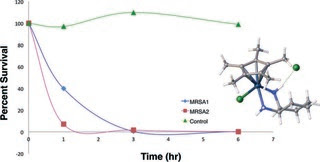
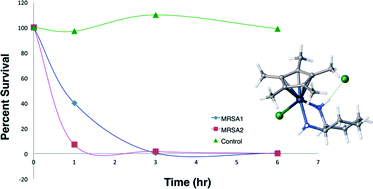
Transition metal diamine complexes with antimicrobial activity against Staphylococcus aureus and methicillin-resistant S. aureus (MRSA)
G. W. Karpin, D. M. Morris, M. T. Ngo, J. S. Merola and J. O. Falkinham III
DOI: 10.1039/C5MD00228A, Concise Article
Multivalent glycoconjugates as vaccines and potential drug candidates
Sumati Bhatia, Mathias Dimde and Rainer Haag
DOI: 10.1039/C4MD00143E, Review Article
Polypharmacology modelling using proteochemometrics (PCM): recent methodological developments, applications to target families, and future prospects
Isidro Cortés-Ciriano, Qurrat Ul Ain, Vigneshwari Subramanian, Eelke B. Lenselink, Oscar Méndez-Lucio, Adriaan P. IJzerman, Gerd Wohlfahrt, Peteris Prusis, Thérèse E. Malliavin, Gerard J. P. van Westen and Andreas Bender
DOI: 10.1039/C4MD00216D, Review Article
Towards understanding cell penetration by stapled peptides
Qian Chu, Raymond E. Moellering, Gerard J. Hilinski, Young-Woo Kim, Tom N. Grossmann, Johannes T.-H. Yeh and Gregory L. Verdine
DOI: 10.1039/C4MD00131A, Concise Article

Rational design of protein–protein interaction inhibitors
Didier Rognan
DOI: 10.1039/C4MD00328D, Review Article


Transition metal diamine complexes with antimicrobial activity againstStaphylococcus aureus and methicillin-resistant S. aureus (MRSA)

Med. Chem. Commun., 2015,6, 1471-1478     DOI: http://dx.doi.org:/10.1039/C5MD00228A


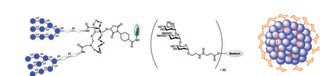
Multivalent glycoconjugates as vaccines and potential drug candidates

Med. Chem. Commun., 2014,5, 862-878   DOI: http://dx.doi.org:/10.1039/C4MD00143E

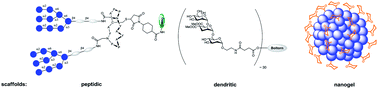
Pathogens adhere to the host cells during the first steps of infection through multivalent interactions which involve protein–glycan recognition. Multivalent interactions are also involved at different stages of immune response. Insights into these multivalent interactions generate a way to use suitable carbohydrate ligands that are attached to a basic scaffold consisting of e.g., dendrimer, polymer, nanoparticle, etc., with a suitable linker. Thus a multivalent architecture can be obtained with controllable spatial and topology parameters which can interfere with pathogen adhesion. Multivalent glycoconjugates bearing natural or unnatural carbohydrate antigen epitopes have also been used as carbohydrate based vaccines to stimulate an innate and adaptive immune response. Designing and synthesizing an efficient multivalent architecture with optimal ligand density and a suitable linker is a challenging task. This review presents a concise report on the endeavors to potentially use multi- and polyvalent glycoconjugates as vaccines as well as anti-infectious and anti-inflammatory drug candidates.


Graphical abstract: Multivalent glycoconjugates as vaccines and potential drug candidates


http://pubs.rsc.org/services/images/RSCpubs.ePlatform.Service.FreeContent.ImageService.svc/ImageService/image/GA?id=C4MD00143E


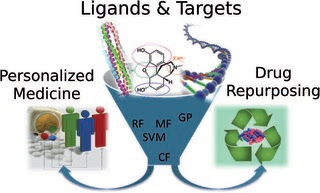
Polypharmacology modelling using proteochemometrics (PCM): recent methodological developments, applications to target families, and future prospects

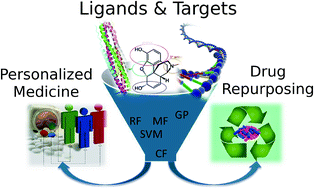
Proteochemometric (PCM) modelling is a computational method to model the bioactivity of multiple ligands against multiple related protein targets simultaneously. Hence it has been found to be particularly useful when exploring the selectivity and promiscuity of ligands on different proteins. In this review, we will firstly provide a brief introduction to the main concepts of PCM for readers new to the field. The next part focuses on recent technical advances, including the application of support vector machines (SVMs) using different kernel functions, random forests, Gaussian processes and collaborative filtering. The subsequent section will then describe some novel practical applications of PCM in the medicinal chemistry field, including studies on GPCRs, kinases, viral proteins (e.g. from HIV) and epigenetic targets such as histone deacetylases. Finally, we will conclude by summarizing novel developments in PCM, which we expect to gain further importance in the future. These developments include adding three-dimensional protein target information, application of PCM to the prediction of binding energies, and application of the concept in the fields of pharmacogenomics and toxicogenomics. This review is an update to a related publication in 2011 and it mainly focuses on developments in the field since then.


Graphical abstract: Polypharmacology modelling using proteochemometrics (PCM): recent methodological developments, applications to target families, and future prospects

http://pubs.rsc.org/services/images/RSCpubs.ePlatform.Service.FreeContent.ImageService.svc/ImageService/image/GA?id=C4MD00216D


Related articles   

Experimental and computational studies of fatty acid distribution networks


Kinetics and non-exponential binding of DNA-coated colloids


Configuration of nonspherical amphiphilic particles at a fluid–fluid interface


Towards understanding cell penetration by stapled peptides

Med. Chem. Commun., 2015,6, 111-119   DOI: http://dx.doi.org:/10.1039/C4MD00131A

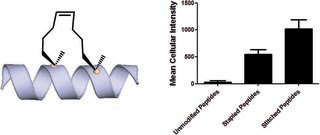
Hydrocarbon-stapled α-helical peptides are a new class of targeting molecules capable of penetrating cells and engaging intracellular targets formerly considered intractable. This technology has been applied to the development of cell-permeable ligands targeting key intracellular protein–protein interactions. However, the properties governing cell penetration of hydrocarbon-stapled peptides have not yet been rigorously investigated. Herein we report our studies to systematically probe cellular uptake of stapled peptides. We developed a high-throughput epifluorescence microscopy assay to quantitatively measure stapled peptide intracellular accumulation and demonstrated that this assay yielded highly reproducible results. Using this assay, we analyzed more than 200 peptides with various sequences, staple positions and types, and found that cell penetration ability is strongly related to staple type and formal charge, whereas other physicochemical parameters do not appear to have a significant effect. We next investigated the mechanism(s) involved in stapled peptide internalization and have demonstrated that stapled peptides penetrate cells through a clathrin- and caveolin-independent endocytosis pathway that involves, in part, sulfated cell surface proteoglycans, but that also seems to exploit a novel, uncharacterized pathway. Taken together, staple type and charge are the key physical properties in determining the cell penetration ability of stapled peptides, and anionic cell surface proteoglycans might serve as receptors to mediate stapled peptide internalization. These findings improve our understanding of stapled peptides as chemical probes and potential targeted therapeutics, and provide useful guidelines for the design of next-generation stapled peptides with enhanced cell permeability.

Graphical abstract: Towards understanding cell penetration by stapled peptides

http://pubs.rsc.org/services/images/RSCpubs.ePlatform.Service.FreeContent.ImageService.svc/ImageService/image/GA?id=C4MD00131A


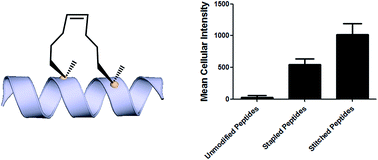
Introduction Hydrocarbon stapled a-helical peptides are an exciting new class of investigational agents capable of targeting and interfering with intracellular protein–protein interactions.1,2 (For reviews on hydrocarbon stapled peptides, see ref. 3 and 4, and for reviews on synthetic a-helix stabilization in general, see ref. 5 and 6.) These peptides contain a synthetic brace, referred to as a staple, introduced across one face of an a-helix (Fig. 1), that in favorable cases can increase a-helical content and protease resistance, enhance target binding affinity, promote cell membrane penetration, and suppress clearance in vivo. 7–10

Fig. 1 All-hydrocarbon stapled peptide technology. (a) Schematic illustration of peptide stapling. Two alpha-methylated, alkenyl-bearing non-natural amino acids are incorporated at two or more positions in the peptide chain and then cross-linked by ruthenium-catalyzed ringclosing olefin metathesis. (b) Different types of alkenyl-containing non-natural amino acids with distinct stereochemistry at the a-carbon and varied lengths of alkenyl side chains. (c) Three types of stapled peptides used in this study with optimized combinations of nonnatural amino acids.

Stapled peptides are synthesized via incorporation of two amethyl, a-alkenyl amino acids at defined positions in a synthetic peptide, followed by ring-closing olefin metathesis to close the helix-spanning hydrocarbon bridge (Fig. 1a).11,12 The two components of the staple, namely the hydrocarbon bridge and terminal methyl groups, are both important to obtain maximal effectiveness of the conformationally constrained peptide products. This technology has been successfully utilized to target several classes of proteins formerly considered intractable, including multi-component transcription factor complexes and protein–protein interactions having extended interfaces, such as the NOTCH transcription factor complex,13 the b-catenin–TCF interaction in the oncogenic Wnt signaling pathway,14 and the epigenetic modulator PRC2 complex.15 Given the difficulties of developing traditional small molecule drugs that can successfully target intracellular protein–protein interactions, hydrocarbon stapling technology is widely considered to represent a promising avenue of research for the development of chemical probes and potential targeted therapeutics.

Multiple types of hydrocarbon staples have been obtained by varying the relative placement of the cross-linking a,a-disubstituted amino acids, as well as the stereochemistry at the acarbon and the lengths of the alkenyl substituents (Fig. 1b).16,17 These staple types were optimized to provide robust a-helical stabilization and confer the potential for in vitro and in vivo activity. As a result of the combinatorial search process used to identify helix-stabilizing hydrocarbon staples, the diversity of the resulting macrocyclic bridges has revealed stapled peptides with different physicochemical properties. Recently, a new hyperstable version of stapled peptide with tandem crosslinks, referred to as a stitched peptide, was generated by introduction of S5 at the i position, B5 at the i + 4 position, and S8 at the i + 11 position (Fig. 1c) (Y.-W. Kim and G. L. Verdine, to be published).

Of the physicochemical properties demonstrated by peptide bearing hydrocarbon staples, the capacity to promote cellular membrane penetration is perhaps the most signicant and yet remains the most poorly understood. Independent of hydrocarbon-stapled peptides, several classes of cell penetrating peptides (CPPs) have been discovered, including naturally occuring transcription factor domains such as pennetratin18 and HIV-Tat19 and synthetic cationic peptides such as polyArginine peptides.20 Notably, despite extensive exploration during the past two decades, the mechanism(s) by which CPPs enter cells remain unclear.21–23 In contrast to CPPs, in which cell penetration appears to be sequence-dependent, numerous cell permeable stapled peptides have been discovered for peptide scaffolds with little sequence homology. These divergent observations regarding cell penetration is proposed to result from several features of stapled peptides that differentiate them from typical CPPs. For example, the introduction of an allhydrocarbon cross-link results in a constrained a-helical conformation, which embeds the hydrophilic amide backbone in the core of the folded structure. Furthermore, the hydrocarbon brace itself introduces a significantly hydrophobic patch to one face of the peptide. The exposure of the hydrophobic moiety as well as the masking of the hydrophilic peptide backbone may facilitate the interaction of stapled peptides with the hydrophobic interior of the cell membrane and thereby enhance the cellular uptake. As cell penetration is a critical property of stapled peptides, we sought to develop quantitative methods to correlate a battery of stapled peptide properties with the capacity for cellular uptake. A direct comparison with several well-known CPPs has revealed that stapled peptides, including some stapled versions of the CPPs, exhibit more robust cell penetration. Lastly, we have demonstrated that stapled peptides penetrate cells through a clathrin- and caveolin-independent endocytosis pathway that involves, in part, sulfated cell surface proteoglycans. These findings significantly expand our current understanding of cell penetration by stapled peptides and provide useful information for the future rational design of cell penetrating stapled peptides with novel applications.

Results and discussion

Development of a high-throughput assay to quantitatively measure cellular uptake of peptides

Understanding the internalization process of cell penetrating peptides (CPPs), especially stapled peptides, has been a subject of great interest. The majority of previous studies have been performed by either using high-resolution microscopy to show the existence of fluorophore-labeled CPPs inside cells, or by quantitatively measuring intracellular fluorescence by flow cytometry.24,25 Although these two methods can provide important information regarding cell penetration, their respective limitations prompted us to adopt an assay that combines high-resolution imaging with reliable quantitation of intracellular accumulation to better analyze and understand the cell penetration of stapled peptides. In recent years, highthroughput cell-based imaging platforms have become increasingly popular to screen for small molecule modulators of various biological processes.26,27 Taking advantage of one of these platforms, high-content epifluorescence microscopy, we developed a high-throughput quantitative assay to measure stapled peptide intracellular access.

Proof-of-principle experiments were performed to determine whether epifluorescence microscopy could be used to quantitatively compare stapled peptide intracellular access. Human U2OS osteosarcoma cells were seeded in black, clear-bottom 384-well plates and then incubated in serum-containing media supplemented with fluorescein-labeled peptides or DMSO vehicle for 12 hours. After the treatment, cells were washed thoroughly with PBS to remove excess peptide, fixed with 4% formaldehyde, and stained with Hoechst dye to visualize nuclei. Once prepared, the plates were imaged and quantified by epi- fluorescence microscopy according to a protocol developed and discussed in detail in Experimental methods. An initial z-scan was performed using the Hoechst channel to locate the cells, and the microscope parameters were subsequently adjusted to optimize the cell size and fluorescence intensity. The parameters from this acquisition were then applied to the FITC channel, and the microscope scanned and recorded images of the FITC-labeled peptides within the z-plane of the cell. This assay was performed in a high-throughput manner, resulting in a panel of Hoechst/FITC images from individual wells (Fig. S1†). The raw image data was then analyzed using MetaXpress® software (Fig. 2a). Cells were identified based on the Hoechst stain of nuclei, with the requirement that they were a contiguous fluorescent region having a specific intensity above local background as well as having a diameter between defined minimum and maximum to be designated as “positive” cells. The cytoplasm of each cell was then identied according to the spatial location of FITC signal in relation to the nuclei as well as empiric parameters (details in Experimental methods). The FITC intensities in the cytoplasm and nuclei were then quantified separately, and the sum of these two values yielded the FITC signal for the whole cell, which can be considered the relative intracellular peptide intensity. In addition, FITC negative cells were identified on the basis of a positive Hoechst stain, which was accompanied by an absence of appreciable signal in the FITC channel.

Fig. 2 Quantitative measurement of cellular peptide intensity. (a) Hoechst channel (left) showing the location and size of nuclei, FITC channel (middle) showing the fluorescence intensity of the same cells. Information about cell size and fluorescence intensity was integrated to identify the FITC positive (green mask) and negative (red mask) cell (right). For positive cells, additional parameters allowed determination of the fluorescence intensity in the nucleus (inner intense green) and the cytoplasm (outer dim green). (b) The background fluorescence the DMSO vehicle was almost identical among different experiments. (c) Four stapled peptides from different batches of synthesis generated similar intracellular fluorescence intensity in different tests. Error bars represent the S.D. of two measurements.

We found that this system generated highly reproducible and reliable results from assay-to-assay and with different stocks of the same stapled peptides. As shown in Fig. 2b, there were negligible fluorescence differences among experiments for cells treated with DMSO vehicle, which could be used as a fluorescence background for all subsequent experiments. In addition, the same stapled peptides from different batches of synthesis and stocks featured almost identical intracellular fluorescence signals in different tests (Fig. 2c), indicating that the assay developed in this study produces repeatable and reliable results that could be directly combined and compared from a large set of experiments. Furthermore, to determine how this assay performs as a screening tool, we have calculated Z0 factor of 0.54 by using the most penetrant A6 peptide as a positive control and DMSO background as negative control, which also indicates a statistically good assay quality.

Analysis of cell penetration by stapled peptides The development of this quantitative high-throughput assay enabled a broad investigation of the physicochemical properties governing the cell uptake of a diverse set of hydrocarbonstapled peptides synthesized in our laboratory. We postulated that any correlation between cellular uptake and physicochemical properties would illuminate characteristics associated with productive cellular uptake and inform the future design of stapled peptides with improved cell penetration.28 To this end, we screened and analyzed more than 200 discrete FITC-labeled peptides belonging to three different classes: wild-type (unmodified), stapled and stitched peptides. All peptides were converted to two-dimensional structures and analyzed for theoretical physicochemical properties with the publicly available Marvin View software package from ChemAxon. Properties including the molecular weight, theoretical pI, calculated 2D polar surface area (PSA), theoretical log P and formal charge at pH 7.5 were calculated for each peptide (Table S1†). In general, the unmodified, stapled and stitched peptide libraries present in this screen had relatively similar physicochemical characteristics (Fig. S2†). The mean molecular weight and calculated PSA values were nearly identical among the three peptide classes. A notable difference was observed among theoretical log P values, which were significantly higher for the stapled and stitched peptides relative to the unmodified peptides, which is not surprising as these modified peptides contain a solvent exposed hydrocarbon crosslink. Additionally, the stapled peptide class had a mean formal charge of approximately zero while the stitched and unmodified peptide classes exhibited a positive mean charge. Overall, the calculated physicochemical properties indicated that the peptide classes were quite similar in terms of their mean properties, which is useful when making comparisons among their cell penetration properties.

We next performed an intracellular access screen by treating U2OS cells with 1 mM of FITC-labeled peptide for 12 hours in duplicate. All assays contained control DMSO wells and positive control peptides, which were compared among assays to ensure plate-to-plate reproducibility (Fig. 2b and c). The primary readout of the screen was mean cellular fluorescence intensity. As the DMSO background was highly consistent between wells and experiments, a mean background value was subtracted from all data. The results of the screen were used to generate plots comparing cell penetration with peptide physicochemical parameters. Interestingly, as a class, stapled and stitched peptides exhibited significantly higher cell penetration compared with wild-type unmodified peptides, which contained several established cell penetrating peptides (CPPs; Fig. 3a). Given that all three peptide classes have similar physicochemical properties in general, the benefit in cell penetration can be largely attributed to the synthetic stabilization of the a-helical peptides with all-hydrocarbon peptide stapling technology. Furthermore, we found that peptide charge near physiologic pH exhibited a strong correlation with intracellular access and could be fitted into a Gaussian distribution with a population centroid at a formal charge of +4 (Fig. 3b). In particular, peptides exhibiting a net negative charge (7 to 1) exhibited little cellular uptake, whereas peptides of approximately neutral charge (1 to +1) displayed moderate cell penetration above background. Interestingly, peptides with a net positive charge (+1 to +7) showed significantly higher cell penetration as a group. Cellular uptake did not appear to increase linearly with charge, as the cell penetration decreases dramatically for the peptides in this study with charge greater than +7. The same trend between formal charge and cellular uptake were observed for individual stapled and stitched peptide classes as well (Fig. S3†). This observation is not consistent with previously reported models that indicate that peptides/mini-proteins with more positive charge have better penetration properties due to tighter electrostatic interactions with the negatively charged phospholipid membrane.29,30 The lower penetration for highly charged peptides in this study could result from any one of many factors including, for example, peptide aggregation in solution, the disruption of peptide packing during internalization or difficulty in dissociation from cell membrane. Additional tests with a larger number of peptides could further our understanding of this phenomenon. In addition, there was no discernible correlation between cell penetration and peptide molecular weight, log P, pI value or PSA (Fig. S4†). Taken together, these data demonstrated that the staple type and peptide charge are key physical properties correlated with peptide cell penetration ability, whereas the other parameters do not appear to be significantly associated.

In order to further investigate the cell penetration properties for stapled peptides and to systematically analyze the similarities and differences in cellular uptake between stapled peptides and other wild-type cell penetrating peptides, we compared cell penetration of several stapled peptides to that of three well known wild-type CPPs: Tat (48–60), penetratin (Antennapedia 43–58) and poly-Arg8 (Table S2†). First, we investigated the cellular uptake at varied peptide concentrations. As shown in Fig. 4a and b, both wild-type CPPs and stapled peptides showed dose-dependent increases in cell penetration. Strong intracellular fluorescence was detected in the low micromolar range, and although the levels of accumulation were different for distinct peptides, stapled peptides featured more robust dosedependent cell penetration at lower concentrations relative to wild-type CPPs, in general. It is also interesting to note that while significant increases in intracellular fluorescence were mostly evident in the 1–10 mM range for stapled peptides, distinct profiles were observed for specific peptides. For example, TNG147 showed little cell penetration at 1 mM but showed a dramatic increase at 5 mM, which might suggest that concentration-dependent peptide packing or a receptor-mediated mechanism may facilitate the cell penetration process, and these processes may be triggered at different concentrations for distinct peptides. Furthermore, it is worth noting that the stapled peptides studied here were more cell permeable than wild-type CPPs at most concentrations tested, exhibiting nearly an order of magnitude higher intracellular fluorescence at the same treatment concentrations.

Fig. 4 Effects of peptide concentration and incubation time on cellular uptake of stapled and wild-type peptides. (a) Wild-type and (b) stapled peptides showed a dose-dependent increase in cell internalization. Cellular uptake for (c) penetratin and (d) SAHM1 peptides over time at concentrations of 5 and 10 mM. (e) A pulse-chase penetration assay for SAHM1 peptide in which fresh medium containing either a new batch of peptide or DMSO vehicle were exchanged at 12 hours after initial treatment. Error bars represent the S.D. of triplicate samples.

We next performed a time-course penetration assay to better understand the kinetics of peptide internalization using a representative CPP and stapled peptide. Penetratin and SAHM1 showed distinct kinetics of uptake and stabilization throughout a 24 hour time course. 5 mM and 10 mM penetratin peptide exhibited similar intracellular cellular fluorescence after 2 hours, which then decreased until approximately 8 hours and finally stabilized at different intracellular levels until 24 hours (Fig. 4c). On the other hand, the stapled peptide SAHM1 showed time- and dose-dependent cellular uptake, which stabilized after approximately 8 hours (Fig. 4d). Compared to the wild-type penetratin, the SAHM1 profile was unique in that dose-dependent accumulation was evident at all time points and no loss of signal was observed. One explanation for the loss of signal observed with penetratin could be attributed to an equilibrium between cell penetration and subsequent intracellular proteolysis followed by export of the fluorophore. The presence of the all-hydrocarbon crosslink in its peptide sequence and lower net charge of SAHM1 relative to penetratin, could contribute to enhanced cellular uptake and reduced intracellular proteolysis, leading to continuous accumulation in cells. To further explore the equilibrium observed for stapled peptides, we performed a pulse-chase experiment using SAHM1. After 12 hours of incubation with SAHM1, cell culture medium was aspirated and the cells were extensively washed with PBS to completely remove excess peptide. Then fresh medium containing either a new batch of 1 mM peptide or DMSO vehicle was added to cells and incubated for the indicated time points (Fig. 4e). As expected, the cellular uptake increased for the first 12 hours incubation. After medium exchange, cells incubated with fresh medium containing DMSO vehicle retained the intracellular fluorescence intensity. Interestingly, the signal for cells treated with a new batch of staple peptide continued to increase up to 24 hours (Fig. 4e). This observation indicates that despite incubation over a time course previously shown to reach equilibrium, the mechanism(s) responsible for cellular uptake are not saturated, as evidenced by further uptake upon replacement with fresh stapled peptide. Taken together, these data indicate that the mechanism(s) underlying cellular uptake by both CPPs and stapled peptides exhibit time- and dose-dependency that is not saturable at early time points or low micromolar doses and, importantly, appears to be more robustly utilized by stapled peptides.15,31

Given that stapled peptides exhibit better cell penetration properties in general than parent unmodified peptides, we wondered whether the peptide stapling strategy could be applied generally to improve cellular uptake of parent unmodified peptides. To test this hypothesis, we designed a panel of stapled peptides based on Tat (48–60), penetratin and poly-Arg8 (Fig. 5a). These stapled peptides and their parent unmodified peptides were incubated in U2OS cells for 12 hours with a concentration range from 10 nM to 20 mM, mirroring the dosedependent uptake studies shown in Fig. 4. As expected, all peptides showed dose-dependent cell penetration (Fig. 5b–d). Interestingly, stapled peptides derived from penetratin and poly-Arg8 showed improved cell permeability at concentrations starting from 1 mM for stapled penetratin and 5 mM for stapled poly-Arg8. It is noteworthy that the staple position also affected the cellular uptake as the two stapled penetratin peptides with different crosslink positions exhibited varied cell penetration, though both were superior to wild-type penetratin. In contrast, reduced cellular uptake was observed for both stapled peptide variants derived from the Tat sequence (Fig. 5b). This could result from several possible effects, including disruption of peptide secondary structure, masking of residues essential for surface recognition or altering peptide packing interactions involved in cell penetration. Further focused study of these variants is warranted to elucidate the source of altered cellular uptake, however these data clearly demonstrate that peptide stapling may be a general method to further improve the cell permeability of CPPs, which could serve as more efficient transduction domains for molecular cargoes. In addition, while increasing the helical content of stabilized peptides has been stated to be a guiding principle in the successful design of biologically active stapled peptides, it has not been shown to be generally correlated with cell penetration. To specifically address whether increasing the helical content of a peptide is correlated with augmented cell penetration, we have measured the relative helicity of hydrocarbon stapled variants of Tat, penetratin and poly-Arg8 (Fig. S5†). Notably, we did not observe a general correlation between increased helical character and cell penetration of these peptides. Peptide stapling increased the helical content of both Tat and poly-Arg8 peptide sequences, which were largely unstructured when unmodified. In contrast, the unmodified penetratin peptide had signicant helical content (>50%), and the hydrocarbon stapled variants of this sequence largely retained their helicity, albeit lower overall helicity. Intriguingly, these species demonstrated the differing effect of hydrocarbon stapling and increased helical content on cell penetration since introduction of the hydrocarbon staple increased the cellular uptake of both penetratin and poly-Arg8 sequences, while it decreased uptake for Tat peptides. Therefore, we cannot conclusively state, a priori, that the incorporation of a hydrocarbon staple or increased a-helicity will lead to more productive cellular penetration, although in general stapling can increase the uptake of specific sequences (Fig. 5) and as a class stapled and stitched peptides are more cell penetrant (Fig. 3a). A more comprehensive follow-up study with CD analyses on a larger peptide library is needed to better address this question.

Fig. 5 Effects of all-hydrocarbon staples on cell penetration by wild-type cell penetrating peptides. (a) List of wild-type cell penetrating peptides and their stapled derivatives investigated in this study. (b–d) Dose-dependent cell penetration assays showed that stapling strategy greatly improves the cellular uptake of penetratin and poly-Arg8 peptides. Experiments were performed in triplicate, and error bars represent S.D. of three measurements.

Mechanistic studies of cell penetration by stapled peptides The aforementioned studies indicate that stapled peptides exhibit better cellular uptake properties than wild-type peptides in general, and that internalization correlated primarily with hydrocarbon staple type and formal peptide charge. However, the mechanism(s) utilized by peptides to translocate across the cell membrane are still unclear. Therefore, we sought to investigate the uptake mechanism(s) for stapled peptides. The uptake mechanism(s) of wild-type CPPs have been extensively studied. Some evidence indicates that they enter cells via energy-dependent endocytosis, which is an active transport process, however data suggesting passive diffusion for CPPs have also been reported; hence, the mechanism(s) of cell uptake by CPPs remains ambiguous.32–34 We first sought to determine whether cell penetration by stapled peptides and wild-type CPPs occurs via ATP-dependent endocytosis.2 Cells were pre-treated with NaN3 and 2-deoxyglucose (2-DG) to reduce cellular ATP levels, and then incubated with FITC-labeled peptides (wildtype and stapled) for 4 hours and compared to normal cells for intracellular fluorescence. Cellular ATP levels were confirmed to be decreased by approximately 90% after NaN3 and 2-DG treatment (Fig. S6†), but Tat and poly-Arg8 exhibited almost identical cellular uptake in ATP-depleted and normal cells, supporting the model that they utilize passive diffusion to translocate across the cell membrane. However, penetratin and all stapled peptides showed 20–50% lower accumulation in ATP-depleted cells, indicating an active trans-membrane process requiring cellular ATP (Fig. 6a). These data indicate that there may be more than one uptake mechanism for CPPs and stapled peptides, but that for the most robust cell penetrating peptides (penetratin and stapled peptides studied here), the internalization mechanism(s) involves ATP-dependent endocytosis.

Fig. 6 Mechanistic study of cell penetration by stapled peptides and wild-type cell penetrating peptides. (a) Cellular uptake in normal and ATP-depleted cells indicated that stapled peptides penetrate cells via an ATP-dependent endocytosis. (b) Impaired uptake was observed in NaClO3 treated cells, which inhibit proteoglycan biosynthesis. (c) Cell penetration of wild-type and stapled peptides in wild-type CHO and proteoglycan-deficient CHO cells. Experiments were performed in triplicate, and error bars represent S.D. of three measurements.*P < 0.05, **P < 0.01, ***P < 0.001.

Next, we sought to identify the specific pathway(s) utilized for cellular uptake, since energy-dependent endocytosis can be accomplished by several different pathways including caveolinand clathrin-mediated endocytosis. We repeated the cell penetration experiments under a variety of conditions that each blocked a different endocytosis pathway (Table S3†).35–37 We found that uptake was partially blocked in cells treated with sodium chlorate (Fig. 6b), which aborts the decoration of cells with sulfated proteoglycans, but was unaffected by inhibitors of other endocytic pathways (Fig. S7†). It thus appears that interaction with sulfated proteoglycans is responsible for some, but not all, endocytic uptake of stapled peptides and wild-type CPPs. It is reasonable to connect this result with the previous discovery that peptide charge is a key factor determining cell penetration. Proteoglycans are negatively charged under physiologic conditions due to the occurrence of sulfate groups, and these might form electrostatic pairs with positively charged peptides to facilitate anchoring on the cell membrane.38–40 To further confirm that sulfated proteoglycans are important to mediate cellular uptake for peptides, we performed a secondary assay using wild-type CHO cells (CHO-K1) and proteoglycan deficient CHO cells (pgsA-745) which harbor a defect in xylosyltransferase, thereby preventing glycosaminoglycan biosynthesis. All peptides showed similar penetration properties in wild-type CHO cells, but uptake was decreased by approximately 50% in proteoglycan-deficient CHO cells, consistent with the experiment using a small molecule inhibitor (Fig. 6c). Taken together, our data suggest that CPPs and stapled peptides penetrate cells through a clathrin- and caveolin-independent endocytosis pathway that is in part mediated by interaction with anionic cell surface proteoglycans. This result is very similar to the previous reports on the mechanism of cellular uptake for supercharged GFP (scGFP), which likewise does not utilize clathrin- or caveolin-mediated endocytosis.41 Notably, scGFP internalization requires actin polymerization, which may not be required for peptide penetration (Fig. S7c†) types, and distinct physicochemical properties. As a result, we found that stapled peptides penetrate cells more efficiently than unmodified peptides, including well-characterized cell penetrating peptides. For the panel of peptides used in this study, only staple type and formal charge were significantly correlated with cell penetration potential, whereas the other physical parameters did not appear to have a signicant effect. We further studied the relationships between cellular uptake and

In conclusion, we sought to investigate the cell penetration properties of stapled peptides, which is one of the most significant yet poorly understood aspects of peptide stapling technology and cellular transduction technologies in general. In order to address this problem, we developed a high-throughput assay to quantitatively measure stapled peptide intracellular accumulation. Using this assay, we analyzed more than 200 discrete peptides with various sequences, staple positions and peptide concentration or incubation time, revealing that stapled peptides accumulate in cells in a dose-dependent fashion and reach steady intracellular levels over a course of a few hours. These studies revealed similar time- and dosedependent behavior for CPPs and stapled peptides, but stapled peptides, including stapled versions of CPPs, were shown to be 10- to 20-fold more penetrant, measured by intracellular fluorescence level at a given dose, than the most potent CPP. We also propose that the specific intracellular accumulation and stabilization kinetics of stapled peptides or unmodified CPPs may be a consequence of equilibria between peptide penetration, cellular proteolysis and/or retrograde transport of the species. Finally, we investigated the mechanism(s) involved in the internalization of stapled peptide and unmodified CPPs and demonstrated that cell penetration occurs through a clathrinand caveolin-independent, energy-dependent endocytosis pathway that utilizes, in part, sulfated cell surface proteoglycans. This dataset provides significant insight into the physicochemical properties correlated with productive cellular penetration as well as a more detailed understanding of the mechanism(s) utilized by stapled peptides to access intracellular compartments, which together should aid in the design of and characterization of novel stapled peptides in the future.


Rational design of protein–protein interaction inhibitors

Med. Chem. Commun., 2015,6, 51-60    DOI: http://dx.doi.org:/10.1039/C4MD00328D
Protein–protein interactions are at the heart of most physiopathological processes. As such, they have attracted considerable attention for designing drugs of the future. Although initially considered as high-value but difficult to identify, low molecular weight compounds able to selectively and potently modulate protein–protein interactions have recently reached clinical trials. Along with high-throughput screening of compound libraries, combining structural and computational approaches has boosted this formerly minor area of research into a currently tremendously active field. This review highlights the very recent developments in the rational design of protein–protein interaction inhibitors.
Graphical abstract: Rational design of protein–protein interaction inhibitors

Didier Rognan heads the Laboratory of Structural Chemogenomics at the Faculty of Pharmacy of Strasbourg (France). He studied Pharmacy at the University of Rennes (France) and did a Ph.D. in Medicinal Chemistry in Strasbourg (France) under the supervision of Prof. C.G. Wermuth. Aer a postdoctoral fellowship at the University of Tubingen (Ger- ¨ many), he moved as an Assistant Professor to the Swiss Federal Institute of Technology (ETH) until October 2000. He was then appointed Research Director at the CNRS to build a new group in Strasbourg. He is mainly interested in all aspects (method development and applications) of structurebased drug design, notably on G protein-coupled receptor ligands and protein–protein interaction inhibitors.

Introduction Drug discovery is a long, costly, multi-step endeavour which aims at reducing all possible risks to deliver a novel therapeutic solution to previously unmet clinical needs. To reduce chemical risks, empirical rules are used to filter the chemical space and retain drug-like low molecular weight compounds. Reduction of the biological risk is addressed by considering privileged target families (e.g., G protein-coupled receptors and kinases) whose activation/inhibition by drug-like compounds is likely to correct or reverse pathological states. Until recently, mostly single macromolecules (proteins and nucleic acids) have been considered as potential drug targets. Out of 68 000 proteins currently annotated in UniProt for the human proteome,1 only about 300 targets2 have been addressed by current drugs, and the large majority of single targets is still awaiting first-in class drugs.

Besides single targets, large scale genomics and proteomics3 have identified complex networks of targets and pathways regulating physiopathological processes in a coordinated manner. The current human protein–protein interactome has been estimated between 130 000 (ref. 4) and 650 000 (ref. 5) complexes, out of which only a tiny amount is known, and only a very few6–8 have been the object of a drug discovery initiative. Protein–protein interactions (PPIs) therefore describe a totally new biological space that attracts more and more attention, with 26PPI inhibitors9,10 already under clinical development, notably in the oncology field.11 Despite PPIs may adopt quite different sizes, shapes and electrostatics,12 identifying highaffinity PPI inhibitors is a considerable challenge for many reasons: (i) in contrast to conventional targets, a medicinal chemist cannot start inhibitor design from the structure of endogenous ligands, (i) PPIs often involve flat surfaces delocalized over multiple epitopes, usually lack well-defined buried cavities13 typical of conventional targets, and are significantly larger (ca. 1000–3000 A˚2 ) than enzyme/receptor pockets (300– 1000 A˚2 ), (iii) high-throughput screening of traditional compound libraries often returns no viable hits14 for the main reason that PPI inhibitor chemical space is quite different from that described by traditional drug-like compounds.10 Nonetheless, thanks to bioinformatics and proteomics-guided prioritization of therapeutically relevant protein–protein complexes, more and more PPI inhibitors are currently reported. Several excellent reviews6,7,9,11,15–18 have already been published on experimental methods (high throughput screening, biochemical and cellular assays, and fragment-based approaches) suitable to discover PPI inhibitors. The present report will only cover computer-aided approaches, with a major emphasis on structure-based methods and recent discoveries (2012–2014).

Databases Preliminary access to experimentally validated data is key to launch a drug discovery program on PPI modulators. A multitude of databases storing genomics, proteomics and structural data are currently available to help the medicinal chemist. We will here briefly review these archives, focusing mostly on easily interpretable structural data.

PPI databases Many experimental methods with different throughputs (from low to high) have been developed to characterize binary interactomes in various species, among which the most prominent has been the yeast two-hybrid (Y2H) assays, and mass-spectrometry (MS) coupled with co-immunoprecipitation or coaffinity purification.19 These experimental data are stored in many primary databases (Table 1) that are difficult to mine due to their large heterogeneity. Metadatabases have been derived thereof to facilitate their analysis, among which the most popular are APID and PRIMOS (Table 1). These metadatabases cover a wide range of organisms and notably offer the possibility to mine experimental PPI data according to disease relevance or inter-organism crosstalk, and provide graphic tools to visualize complex networks of interacting proteins and identifying important protein nodes (hubs). It is however very difficult, from this large amount of data, to clearly prioritize PPIs for a drug discovery program. Attempts to classify the PPIs by structural druggability25 (although ligandability26 is probably a better term) are worth mentioning but should be taken with care due to the still insufficient number of existing PPI three-dimensional (3D) structures.

Table 1 Protein–protein interaction databases

Database                 Interactions                         Website                                                             References

BIND                             32 211           http://bond.unleashedinformatics.com                       20

DIP                                 78 191           http://dip.doe-mbi.ucla.edu/dip/Main.cgi                  21

HPRD                           41 327            http://www.hprd.org/                                                           22

IntAct                      448 986             http://www.ebi.ac.uk/intact/                                            17

MIPS                              9 835             http://mips.helmholtz-muenchen.de/proj/ppi/      23

APID                         196 700             http://bioinfow.dep.usal.es/apid/index.htm             24

PRIMOS                  384 127             http://primos.fh-hagenberg.at/                                        19


Table 2 Database of low molecular-weight PPI inhibitors
Database                 Ligands                             Website                                                                  References

2P2I                                 71                   http://2p2idb.cnrs-mrs.fr/                                                12

iPPI-DB                      1650               http://www.ippidb.cdithem.fr/                                        10

TIMBAL                      6896              http://mordred.bioc.cam.ac.uk/ timbal                        29

Ligand databases Initially limited to a limited subset of inhibitors able to disrupt few PPIs (e.g. p53/MDM2, Bcl-Xl/Bak, and IL-2/IL-2Ra),7,27 the repertoire of PPI inhibitors rises constantly thanks to exciting developments in biophysical fragment screening.15,28 Three publicly available databases storing information on PPIs and their inhibitors (Table 2) may be used to better describe the structural properties of druggable PPIs and the chemical space associated with their disruptors.

The 2P2Idb database12 is a hand-curated repository of protein–protein complexes of known X-ray structures (X-ray diffraction and nuclear magnetic resonance spectroscopy) for which at least one low molecular weight orthosteric inhibitor has been co-crystallized with one of the two protein partners. It currently describes 71 inhibitors for 14 PPIs, clustered in two groups (Fig. 1) with respect to the nature of the interface (protein–peptide and protein–protein). Companion tools (2P2I inspector,30 2P2I score,30 and 2P2I hunter31) are provided to analyse PPIs at a structural level, predict their structural druggability and design PPI focussed libraries, respectively.

Fig. 1 Prototypical examples of class I (left panel) and class II PPIs (right panel), exemplified by the Bcl-Xl/Bak (PDB id 1BXL) and integrase/LEDGF (PDB id 2B4J) complexes, respectively. Class I PPIs involve the interaction of a globular protein with a peptide or a single secondary structure (a-helix and b-strand) of a second protein partner. Class II PPIs are characterized by the interaction of two globular proteins.

The iPPI-DB10 is another manually curated database from world patents and the medicinal chemistry literature, focussing on low molecular weight orthosteric inhibitors, disease-related protein–protein interfaces and a clear biochemical readout (e.g. fluorescence polarisation and enzyme-linked immunosorbent assay). The database archives 1650 PPI inhibitors targeting 13 families of homologous PPI targets mainly involved in cancer, immune disorders and infectious diseases.

Finally, the TIMBAL database29 reports ca. 7000 inhibitors for 50 known PPIs. In contrast to the two other databases, TIMBAL is maintained through a predefined list of PPIs and automated searches in ChEMBL32 and the Protein Data Bank.33 In contrast to the other databases, TIMBAL also registers short peptides with an upper molecular weight limit of 1200 Da. It should be pointed that most of the 15 000 uncurated biological data present in TIMBAL arise from a single target family (integrins) and should be considered with care.

Analysing the content of these databases enables a first comparison of PPI inhibitors versus drugs, as well as PPIs amenable to disruption versus standard heterodimers. PPI surfaces disrupted by inhibitors tend to be smaller, more hydrophobic and accessible than standard heterodimers.12 As a consequence, low molecular weight PPI inhibitors tend to be larger, more hydrophobic and more aromatic-rich than standard drugs. Interestingly, many of them (ca. 60%) still comply with Lipinski’s rule-of-five, 10 revealing some hopes in the developability of such compounds.

However, it should be stated that the set of empirical rules designed to discriminate druggable from non-druggable PPIs, as well as to distinguish PPI inhibitors from conventional druglike compounds still rely on a very limited set of highly homologous data (PPIs, inhibitors), and should therefore be regarded with caution. Increasing coverage of the PPI repertoire by future experimental screens will undoubtedly lead to a better denition of PPI biological and chemical spaces. We therefore expect in the future the above-mentioned rules to be rened and be more descriptive of the true world of PPI inhibitors, notably with respect to rational design of PPI focussed libraries.


Rational design of PPI modulators

Sequence-based approaches Whatever the nature of the PPI (type I or type II, see the definition above), PPI interfaces are often characterized by the presence of hotspots,34 in other words anchor residues that contribute the most to the binding free energy of the protein– protein complex. The interaction of a single modified amino acid with a single anchor residue might be sufficient to disrupt a PPI as elegantly demonstrated by Lin et al. in a recent study.35 Capitalizing on the presence of a reactive cysteine (C246) at the interface of the complex between caspase-7 (CASP7) and the Xlinked inhibitor of apoptosis protein (XIAP), they designed the N-iodoacetyl-lysine amino acid derivative 1 (Fig. 2) that covalently traps C246 and further disrupts the XIAP–CASP7 complex, therefore triggering CASP7-dependent apoptosis and killing MCF-7 breast cancer cells (EC50 ¼ 0.64 mM) previously resistant to chemotherapy.

The easiest way to inhibit a PPI is to start with the amino acid sequence of one interacting epitope, notably if the latter is part of regular secondary structures (a-helix, b-strand, and b-turn). For example, a-helical peptides mimicking the sequence of protein transmembrane domains may disrupt PPIs quite efficiently.36,37

Fig. 2 Peptidomimetics as PPI disruptors


Due to poor pharmacokinetic profiles, linear peptides are good in vitro tools but usually not efficient clinical candidates. Chemical modifications are required to stabilize their secondary structures in physiological media and prevent early degradation. Among the most exciting developments in this area38,39 is the design of stapled peptides.40,41 Stapled peptides are synthetic analogues of a-helical protein epitopes involved in a PPI, and in which a covalent hydrocarbon linkage connects adjacent turns of the helix. Stapling is known to significantly increase the in vivo half-life of the natural peptide (increasing proteolytic stability), decrease the entropic cost of binding, and even enable cellular uptake.42 Many stapled peptides with potent in vivo activities have already been reported.39 One of these stapled peptides (ATSP-7041, compound 2, Fig. 2) just entered clinical development as a dual nM MDM2/MDMX inhibitor for p53-dependent cancer therapy.43

Heterocyclic scaffolds mimicking secondary structures can also be obtained by solution-phase synthesis to afford peptidomimetic libraries amenable to PPI inhibition. Whitby et al. notably reported the design of 8000 member 4-acetamido-3- alkoxy-benzamide focused library featuring weak p53/MDM2 inhibitors and potent HIV-1/gp41 inhibition (compound 3, Fig. 2).44 When the peptide epitope is not structured, developing macrocyclic analogues is more difficult but still feasible as recently demonstrated by Glas et al.38 who successfully improved 14-3-3 binding of a 11-mer peptide from a bacterial ExoS virulence factor by cross-linking binding amino acids with polymethylene linkers, up to an in vitro 40 nM disruptor of the ExoS/14-3-3 interaction (compound 4, Fig. 2). Interestingly, the cross-linker was not only chosen to rigidify the natural ExoS peptide structure but also to directly provide additional hydrophobic interactions to the 14-3-3 binding site.38 Only in exceptional cases the natural unmodified peptide is directly usable as a PPI inhibitor. One recent example is the 28 amino acid cell-penetrating peptide (p28) from a bacterial azurin redox protein, that binds to the DNA-binding domain of the p53 tumor suppressor and inhibits p53 degradation by interfering with the Cop1-mediated ubiquitination,45 thereby enhancing p53 levels in cancer cells and exhibiting antitumoral efficacy in patients with advanced solid tumors.46

Pharmacophore-based approaches As defined by the IUPAC,47 a pharmacophore is “an ensemble of steric and electronic features that are necessary to ensure the optimal supramolecular interactions with a specific biological target and to trigger (or block) its biological response.” Although pharmacophores are mainly used to align and compare ligands sharing the same target,48 the same concept can be easily transferred to PPIs in which one partner is the “receptor” and the second one the “ligand”. Pharmacophore features (hydrophobic, aromatic, H-bond donor and H-bond acceptor, positively and negatively ionisable) can therefore be manually or automatically mapped to atoms of the ligand in direct interactions with the receptor. The resulting pharmacophore can then be used to identify a compound library for hits fulfilling the defined query. Several tools (e.g. LigandScout,49 Discovery Studio,50 and Pocket Query51) can be directly used to map PPI pharmacophores onto protein–protein X-ray structures (Fig. 3).

Fig. 3 Example of a PPI pharmacophore mapped onto interacting atoms of human LEDGF (yellow ribbons) bound to HIV-1 integrase (red ribbons, PDB ID 2B4J). The PPI pharmacophore is composed of 2 Hbond donors (magenta balls), two H-bond acceptors (green balls), one hydrophobic feature (cyan ball) and 6 exclusion volumes (gray balls).

Using a manual PPI pharmacophore defined from the X-ray structure of the Annexin A2/S100A10 complex, a pro-angiogenic complex, Reddy et al.52 derived a simple pharmacophore (2 hydrophobes, 2 H-bond donors, and 2 H-bond acceptors) using the Unity program,53 and screened a library of 700 000 compounds to select 586 hits which were further docked to the Annexin A2 binding site to retain only 190 candidates with both a good docking and pharmacophore fitness score (Table 3). Out of 190 tested compounds, 7 hits blocked the interaction between S100A10 and the Annexin A2 N-terminus in a competitive fluorescent binding assay, with the most potent PPI inhibitor (compound 5, Fig. 4) exhibiting an IC50 of 24 mM.52 Geppert et al.54 reported the rational discovery of a low molecular weight inhibitor of the complex between interferon-a (IFN-a) and its receptor (IFNAR2). Fortunately, the PPI interface was small enough (ca. 800 A˚2 ) to be targeted by a small heterocyclic compound. After identifying major hotspots at the IFN-a surface, a fuzzy receptor-based pharmacophore was determined using the VirtualLigand approach,55 which assigns pharmacophoric features to Gaussian densities. Screening a collection of 556 000 commercially available compounds retained six virtual hits, out of which two were weak IFN-a inhibitors, but one (compound 6, Fig. 4) was confirmed by NMR and surface plasmon resonance (SPR) to bind to IFN-a with a dissociation constant (Kd) of 4 mM and to inhibit IFN-a responses in various cell assays. The novel inhibitor may be useful to reduce IFN-a titers in autoimmune disorders.


Table 3 Protein–protein pharmacophore searches to identify PPI inhibitors

Target                                     Library size                          Tested                        Hits                      Ref.

Annexin A2/S100A        10 700 000                              190                               7                          52

INFAR2/IFN-a                       556 000                                   6                               3                          54

p53/MDM2                                  21 287                                  15                               6                          56

Nrf2/Keap1                                   21 199                                  17                                1                          57

PKC3/RACK2                          330 000                                 19                                1                          58


Due to the inherent complexity of PPI pharmacophores (many features covering a large surface), combining several pharmacophores into a consensus model may help to retrieve essential features and simplify pharmacophore queries. Xue et al. applied this approach to the identification of p53–MDM2 inhibitors.56 The p53–MDM2 complex has become a prototypical PPI for its biological background (this interaction plays an important role in regulating the transcriptional activity of tumour cells) and many high affinity low molecular-weight inhibitors of this PPI identified by various screening approaches.59 Starting from a set of 15 MDM2-peptide X-ray structures, a common feature structure-based pharmacophore (2 H-bond donors, one H-bond acceptor, 2 aromatic rings, and one hydrophobe) was first identified. In addition, a receptorligand pharmacophore (five hydrophobes, one aromatic, and one H-bond donor) was generated from a separate set of 10 MDM2-non peptide complexes. Merging both pharmacophores and retaining the most common features led to an ensemble pharmacophore definition (two aromatic rings, two hydrophobes, and one H-bond donor) taking into account both peptide and non-peptide binding. This pharmacophore was used to screen a collection of 21 287 commercially available compounds, and led to a hit list of 15 compounds out of which 6 were confirmed as p53–MDM2 inhibitors using an in vitro uorescence polarization assay.56 The most potent inhibitor (compound 7, Fig. 4) is a 180 nM MDM2 inhibitor. Despite a good selectivity in a MTT tumour cell proliferation assay (p53+/+ vs. p53/ cells), compound 7 was a weak inhibitor (IC50 ¼ 85 mM) of tumour cell growth, because of poor pharmacokinetic properties.

Fig. 4 PPI inhibitors identified by pharmacophore-based virtual screening.

Along the same lines, two X-ray structures were used to derive inhibitors of the PPI between Keap1 and Nrf2, a complex involved in the response to oxidative stress.57 The two PPI pharmacophores were merged into a single query consisting of one H-bond donor, two H-bond acceptors and three negative ionisable centers. To afford some fuzziness in the search, up to two features were allowed to be missed by virtual hits. Since the Keap1-binding epitope of Nrf2 is composed of several acidic residues, only compounds bearing a negative charge were searched among a full commercial library of 251 774 compounds. The remaining 21 199 hit list was matched to the pharmacophore, and led after confirmation with docking and MM-PBSA scoring, to a list of 17 potential hits which were tested for Keap1–Nrf2 inhibition using an in vitro fluorescence polarization assay. A single compound (compound 9, Fig. 3) was confirmed in vitro as a moderately potent Keap1–Nrf2 inhibitor with an EC50 of 9.8 mM.57 Interestingly, the inhibitor activated the Nrf2 transcriptional activity .

When both protein partners involved in the PPI have not been co-crystallized, it is still possible to rationally discover PPI inhibitors, starting from the sole X-ray structure of one of the two proteins. This approach was followed by Rechfeld et al. in the discovery of PKC3–RACK2 inhibitors.58 Starting from the Xray structure of the PKC3 octameric epitope binding to RACK2 (a receptor for activated protein kinase C), a simple peptide-based pharmacophore model (3 H-bond donor/acceptor, one hydrophobe) was defined and used to screen a collection of 330 000 compounds. Out of 19 virtual hits, a thienoquinoline was found to disrupt the PPI in vitro and served as a query for a secondary screen for chemically similar analogues, which led to compound 8 (Fig. 4) as a micromolar potent PKC3-RACK2 inhibitor (IC50 ¼ 5.9 mM) which also inhibited PKC3 downstream signalling, HeLa cancer cell migration and invasion.58

Finally, pharmacophore searches may be used to prioritize privileged scaffolds for synthesizing PPI-focused libraries. For example, Fry et al. reported a rational approach to PPI library design targeting a-helical binding epitopes.60 Starting from the known X-ray structure of an a-helical p53 epitope binding to MDM2, a three point pharmacophore, featuring the three important hydrophobic side chains (Phe19, Trp23, and Leu26) of the p53 peptide, was designed and used to find heterocyclic scaffolds among the CSD database61 of small molecule X-ray structures. Several small-sized libraries (ca. 100 members) were synthesized from each hit and tested for general inhibition of PPIs involving an a-helical epitope (e.g. MDM2, BCL2, BCL-XL, and MCL1). Although no potent hit could be discovered, the average hit rate was far superior (4%) to what should be expected from a random screen. Moreover, many starting hits exhibited good ligand efficiencies,60 and are therefore interesting starting points for hit leading optimization.

Despite its apparent simplicity, PPI-based pharmacophore search is a fast, cost-effective and simple in silico approach to discover the very first inhibitors of a particular PPI. Of course, all successful examples mentioned above imply that the PPI is of manageable size and does not involve a too large and complex binding epitope. Beside the existence of a X-ray or NMR structure of the protein–protein (peptide) complex, it is therefore equally important to properly select PPIs amenable to pharmacophore-based searches, notably with respect to the complexity of the query (5–6 features) and its hydrophobic/ hydrophilic balance.

Docking-based approaches At the first sight, protein–ligand docking should be considered as the most intuitive and logical computational tool to predict likely ligands of any target of known 3D structures.62 Unfortunately, severe drawbacks associated with the scoring of protein– ligand interactions render that tool usually suitable for positioning a ligand into a binding site, but rarely to predict binding free energies or to precisely rank ligands by decreasing affinity.63 Moreover, the ability of docking algorithms to anchor ligands to flat PPI surfaces has long remained elusive. In a benchmark study, Kruger ¨ et al. used two popular docking tools (AutoDock and Glide) to reproduce the known X-ray structure of PPI inhibitors to their target.64 Surprisingly, the performance of these standard docking programs with respect to the positioning of the ligand (rmsd to the X-ray structure) was only moderately affected by switching from conventional targets to PPIs. Although PPI inhibitors with more than 10 rotatable bonds were found more difficult to properly dock, a good pose was generated in ca. 54% of the 80 PPI inhibitors considered. Docking to PPIs providing at least one charge residue was favoured over those purely hydrophobic.64 There are therefore no particular reasons to discard docking-based approaches from rational PPI inhibitor discovery scenarios. Many of the following success stories support this assumption.

We will not here review the many recent reports describing docking as a mean to predict the binding mode of a PPI inhibitor discovered by an experimental screening method.59,65–68 The next section will only focus on inhibitors discovered by a docking-based virtual screening campaign (Table 4).


Table 4 Protein–protein inhibitors discovered by docking-based screening

Target                   Library size                                     Tested                             Hits                   Ref.

TLR4/MD-           2 50 000                                           14                                      3                      69

uPA–uPAR      5 000 000                                            50                                      3                     70

IL-6/gp130                          9                                                2                                     2                     71

Keap1–Nrf2            153 611                                              65                                     9                     72

CRYAB/VEGF       139 735                                             40                                     4                    73

NRP-1/VEGF-        429 623                                        1317                                   56                   74

PPxY/Nedd4       4 800 000                                          20                                       1                  75

p53/MDM2                  87 430                                        295                                       1                 76


Despite an apparent unsuitable large and concave cavity, the MD-2-binding site at the surface of the toll-like receptor 4 (TLR4) was selected for pharmacophore-constrained FlexX77 docking of a library of 49 600 compounds pre-filtered for 3D shape similarity to an existing TLR4 antagonist.69 40 virtual hits were selected for in vitro TLR4 binding and functional antagonism, and 3 of them could be confirmed experimentally. The most potent antagonist (compound 10, Fig. 5) blocked TLR4 in a gene receptor assay with an IC50 of 16.6 mM and inhibited proinflammatory cytokine release (e.g. TNF-a) from human peripheral blood mononuclear cells upon LPS activation. Due to unfavourable aqueous solubility, the compound could not be tested in vivo but represent a good starting hit for developing small molecule TLR4 antagonists for the treatment of neuropathic pain and sepsis.

Fig. 5 PPI inhibitors identified by docking-based virtual screening

To account for the conformational flexibility of proteins, Khanna et al. reported a cascade docking-based virtual screening for discovering inhibitors of the interaction between the urokinase-type plasminogen activator (uPA) and the urokinase receptor (uPAR).70 Two X-ray structures of the uPAR were first used for docking a collection of 5 million commercially available compounds using AutoDock4.78 10 000 top-ranked virtual hits were further docked, still with AutoDock, to 50 molecular dynamics snapshots of the uPAR structure, leading to 500 top-ranked compounds which, in a third step, were docked using a different program (Glide) on the 50 receptor conformers. After clustering the top 250 compounds by chemical similarity, the highest scoring compounds from each of the top 50 clusters were finally selected, purchased and evaluated in vitro in a fluorescence polarization assay. Among the three validated hits, the most potent inhibitor (compound 11, Fig. 5) binds to uPRA with a submicromolar affinity (Kd ¼ 310 nM) and inhibits the uPA–uPAR interaction with an IC50 of 10 mM.70 The hit blocked invasion of breast cancer cells but not their migration or adhesion. A close analogue of compound 11 was recently shown to be efficient in an in vivo breast cancer metastasis assay.79

Docking is not limited to the study of single protein–ligand interactions. In an elegant study, Li et al. reports a computational method enabling the simultaneous docking of multiple fragments to a single binding site, by analogy to experimental fragment screening.71 When applied to the PPI between IL-6 and gp130, simultaneous docking of two fragment pools (6 and 3 fragments, respectively) targeting two different hotspots at the PPI, two theoretical ligands could be reconstructed after tethering the best fragments at each hotspot. Searching for known drugs80 which are chemically similar to the two virtual hits suggested than two estrogen receptor modulators (raloxifene and bazedoxifene) may bind to the gp130/IL-6 PPI. Effective binding of both drugs to gp130 was confirmed experimentally, as well as inhibition of IL-6 induced STAT3 phosphorylation in various cancer cell lines defective in estrogen receptor expression. Bazedoxifene (compound 12, Fig. 5) was the most efficient (IC50 ¼ 25 mM) in inhibiting the ER-independent IL6-induced breast cancer cell proliferation, thereby offering some repositioning potential in the treatment of IL-6/gp130/STAT3 dependent tumours.71

The Nrf2–Keap1 complex, previously investigated using a pharmacophore-based approach (see the previous section), was also used for docking 300 000 commercially available compounds with the program Glide. Among the chemically diverse 65 top-ranking hits, 9 compounds were confirmed to be PPI inhibitors, the most potent disruptor (compound 13, Fig. 5) exhibiting a Kd of 2.9 mM in a fluorescence anisotropy-based assay.

A major hurdle in PPI inhibitor development is the frequently objected high molecular weight and unfavourable pharmacokinetic properties. Chen et al. strikingly contradicted this dogma by reporting a very low molecular weight inhibitor of the aB-crystallin (CRYAB)/VEGF-A interaction.73 CRYAB is a protein overexpressed in triple-negative breast cancer cells that acts as a chaperone to several proteins including the proangiogenic vascular endothelial growth factor (VEGF). Disrupting the interaction between CRYAB and VEGF-A is therefore a potential approach to cancer cell proliferation and invasion. The VEGF-binding site on the surface of the CRYAB X-ray structure was therefore targeted by docking 140 000 compounds from the NCI database using the Dock6.5 program (UCSF). Despite a very modest molecular weight (161.16 Da), one compound (compound 14, Fig. 5) was identified as an in vitro disruptor of the CRYAB/VEGF-A interface with an IC50 of ca. 20 mM. Intraperitoneal injection of compound 14 (200 mg kg1 ) remarkably suppresses tumour growth in vivo in human breast cancer xenograph models. VEGF-A is an important angiogenic factor that interacts with many other partners, notably the family of neuropilin receptors (NRP-1, NRP-2) whose inhibition leads to cancer cell apoptosis. The PPI between the C-terminal end of VEGF-A165 and the tandem b1 and b2 domains of NRP-1 was targeted for docking 430 000 molecules with a consensus docking approach relying on two docking programs (SurflexDock81 and ICM82). A consensus list of 1317 top-scoring compounds was retained for their in vitro anti-proliferative activity and binding to NRP-1 using a chemiluminescent assay.74 56 molecules (hit rate of 4.2%) antagonized the NRP-1/ VEGF-A interaction by at least 30% at the concentration of 10 mM. The best hit (compound 15, Fig. 5) is the first non-peptide NRP-1/VEGF-A antagonist (IC50 ¼ 34 mM) and displays remarkable anti-proliferative effects (IC50 ¼ 0.2 mM) on breast cancer cells. Administered at the dose of 50 mg kg1 in NOG xenographed mice, compound 15 strongly inhibits tumour growth inhibition by inducing cell apoptosis, without any effect on pro-angiogenic kinases.

Although most of the above reported therapeutical indications remain in the oncology field, PPI inhibitors have clear potential in other areas, notably infectious diseases as recently demonstrated by Han et al.75 who reported the structure-based discovery of antiviral compounds inhibiting viral–host interactions. The PPI target is the complex between the conserved Ldomain PPxY sequence of several viral matrix proteins (e.g. Ebola, Marburg, Lassa fever, and VSV) and the ubiquitin ligase Nedd4 protein. Docking ca. 5 million compounds (ZINC database)83 on the Nedd4 X-ray structure with the AutoDock4 program, yielded to the evaluation of 20 compounds, out of which one molecule was confirmed as a true inhibitor of the PPI in a cellular assay. Acquiring close analogs of the initial hit led to two more potent inhibitors (compounds 16 and 17, Fig. 5) as submicromolar inhibitors of the PPxY–Nedd4 interaction in vitro. 75 Both compounds exhibit antibudding activity against Ebola, Lassa fever, Marburg and VSV viruses, thereby decreasing viral titers, without apparent cytotoxicity on HEK293T cells.

Natural compounds are also a major source of potentially interesting PPI inhibitors. By docking a library of commercially available compounds to the p53 binding site, Vogel et al. recently reported lithocholic acid (compound 18, Fig. 5), a secondary bile acid, as a weak binder (Kd of 15 mM) to MDM4 and MDM2 proteins with a slight preference for MDM4.76 The natural compound was further shown to inhibit p53–MDM4 interactions and promote apoptosis in a p53-dependent manner by inducting caspase3/7.

Conclusions

We should acknowledge that peptides usually remain a good starting point to derive PPI inhibitors. Given the increasing number of high resolution X-ray structures of biologically relevant protein–protein complexes, the number of potentially increasing PPIs is likely to significantly rise in the next years. Provided that molecular rules exist to prioritize the most interesting anchoring residues at the interface, continuous protein epitopes can be easily converted into linear peptides for quick experimental validation. Recent progress in peptide stabilisation by chemical stapling next opens an immense eld for deriving either pharmacological tools or drug candidates. Numerous successes in identifying non-peptide PPI inhibitors also exist. The present review has only considered inhibitors mostly discovered by a rational structure-based virtual screening approach. Despite the few cases described herein (15 in total), examples are pretty much indicative of results than can be reasonably achieved. Comparing the properties of PPIs (Fig. 6A and B) and their inhibitors (Fig. 6C) with previously reported larger PPI data,64 some trends could be verified. Considering success as the availability of low micromolar nonpeptide inhibitors, successfully targeted PPIs present a higher proportion of charged residues with respect to conventional targets (sc-PDB data).84 Unsurprisingly, PPI inhibitors bind to smaller cavities (200–350 A˚3 ) than that presented by conventional targets (450–800 A˚3 range). Consequently, PPI inhibitors present a high proportion of aromatic rings, amide moieties and charged groups (Fig. 4 and 5) that hamper their druggability potential, as estimated here by the QED metric85 (Fig. 6C). We notice a significant proportion of negatively charged compounds, suggesting that a strong electrostatic interaction with the target is often mandatory to reach detectable affinity to PPI-participating cavities.

Fig. 6 Properties of PPIs and their inhibitors: (A) cavity properties expressed in percentage according to the cavity detection VolSite program86 (Hydro, hydrophobic; Aro, aromatic; H-bond, H-bond accepting/donating properties; Neg: negatively charged; Pos, positively charged, Du: fully accessible); (B) cavity volumes targeted by PPI inhibitors (this review) and conventional ligands (sc-PDB data84). The box delimits the 25th and 75th percentiles, and the whiskers delimit the 5th and 95th percentiles. The median and mean values are indicated by a horizontal line and an empty square in the box; (C) quantitative estimate of druggability (QED)85 of the inhibitors. QED values for true drug-like compounds should be over 0.5 (red broken line).

However, the current survey also indicates that there is no absolute dogma with respect to PPI inhibitor identification. Very low molecular weight compounds (compounds 1, 6 and 14) have been successfully identified as PPI disruptors.

Beside interfacial inhibitors, there exist promising alternative ways of inhibiting PPIs. For example, PPI stabilizers87,88 (e.g. paclitaxel, rapmycine, and forskolin) bind to rim exposed pockets at or very close to the interface, and also lead to the functional inactivation of the protein–protein complex. Such stabilizers are frequent in the nature, and this area still has not been fully exploited until now. Likewise, the allosteric inhibition of PPIs, at pockets remote from the interface, clearly deserves some consideration. Such pockets have been shown to be frequent at the close vicinity of two protein chains in close interaction,89 and represent, at least for some of them, more ligandable pockets than those presented by PPIs.

Although dominated by a continent of flat and featureless interfaces, the PPI world is also populated by very different islands in terms of shape and electrostatics that should not been discarded. Many factors are likely to increase our knowledge of PPIs and their inhibitors among which: (i) the increasing number of biologically relevant and crystallized protein–protein complexes, (ii) the development of label-free experimental screening techniques, and (iii) the significant contribution of molecular simulations to detect transient interfaces. Medicinal chemistry will be a key factor to transform moderately potent PPI inhibitor hits into clinical candidates with desired pharmacokinetic properties.

References

1 http://www.uniprot.org/uniprot/
?query¼organism% 3A9606+AND+keyword:%22Complete+proteome+[KW- 0181]%22, (accessed 17/07/2014).

2 J. P. Overington, B. Al-Lazikani and A. L. Hopkins, Nat. Rev. Drug Discovery, 2006, 5, 993–996.

3 P. Legrain and J. C. Rain, J. Proteomics, 2014, 107, 93–97.

4 K. Venkatesan, J. F. Rual, A. Vazquez, U. Stelzl, I. Lemmens, T. Hirozane-Kishikawa, T. Hao, M. Zenkner, X. Xin, K. I. Goh, M. A. Yildirim, N. Simonis, K. Heinzmann, ….A. L. Barabasi and M. Vidal, Nat. Methods, 2009, 6, 83–90.

5 M. P. Stumpf, T. Thorne, E. de Silva, R. Stewart, H. J. An, M. Lappe and C. Wiuf, Proc. Natl. Acad. Sci. U. S. A., 2008, 105, 6959–6964


Read Full Post »

Top 10 Medical Innovations for 2016 by Cleveland Clinic

Reporter: Aviva Lev-Ari, PhD, RN

2.2.21

2.2.21   Top 10 Medical Innovations for 2016 by Cleveland Clinic, Volume 2 (Volume Two: Latest in Genomics Methodologies for Therapeutics: Gene Editing, NGS and BioInformatics, Simulations and the Genome Ontology), Part 2: CRISPR for Gene Editing and DNA Repair

What are the up-and-coming technologies and which will have the biggest impact on healthcare in 2016?

Cleveland Clinic’s culture of innovation naturally fosters a good deal of discussion about new “game changing” technologies and which ones will have the greatest impact each year. The passion of our clinicians and researchers for getting the best care for patients drives a continuous dialogue on what state-of-the art medical technologies are just over the horizon.

This content was developed to share outside Cleveland Clinic what our clinical leaders are saying to each other and what innovations they feel will help shape healthcare over the next 12 months.

#10 Neurovascular Stent Retrievers
The immediate hours after suffering an ischemic stroke are critical. The clot that occurs within a blood vessel must be removed within 3-6 hours in order to prevent long term disability, brain damage or death. For years, the only FDA-approved treatment for removing clots has been a tissue plasminogen activator, or tPA. The medicine, delivered intravenously, travels to the clot and dissolves and restores blood flow to the brain. When an occlusion forms in a major vessel, however, tPA has been effective in less than a third of all patients. Scientists for years have been looking for reinforcements that could aid tPA in eliminating main-stem clots as quickly and as safely as possible. The result is the Stent Retriever.

VIEW VIDEO

http://www.mdtmag.com/news/2015/10/top-10-medical-innovations-2016?et_cid=4908636&et_rid=461755519&type=image

#9 Frictionless Remote Monitoring
The wearable technology market has been skyrocketing in recent years. A recent study has estimated that 20% of American adults are wearing a device that collects data on anything from exercise and sleep habits to heart rate and blood pressure. The wide adoption has led to excitement about a potentially healthier population in the coming years. In addition to wellness, there are millions of sick patients that can benefit directly from wearables that are monitoring data at every breath, bead of sweat, or chemical change in the body. In many cases the reaction to these alterations can mean life or death.

#8 First Treatment for HSDD
Sexual desire is different from sexual performance. There are several medications that address male sexual dysfunction. But none that address loss of sexual desire in women. Until now. In 2015, the FDA approved flibanserin, the first medication designed to treat female hypoactive sexual desire disorder (HSDD), or loss of sexual desire in premenopausal women.

#7 Naturally Controlled Artificial Limbs
There have been numerous innovations in prosthetics over the years that have been able to mimic the natural movement, and provide a large boost to the quality of life of amputees and paralyzed individuals. But with over 6 million people paralyzed and 100,000 Americans living with an upper arm amputation, there is a large patient population that is paying close attention to an innovation that will yet again revolutionize the use of prosthetics.

#6 Cancer Screening via Protein Biomarker Analysis
To understand the risk of cancer, scientists for years have focused narrowly on changes in the concentration of a single protein in biological fluids such as blood or urine or, alternatively, on genetic mutations. However, relatively poor sensitivity, specificity and predictive value generally limit the diagnostic accuracy and clinical utility of these tests.

#5 Cell-free Fetal DNA Testing
The market in pregnancy wellness has grown to almost $2 billion as new parents increasingly invest in books, diets, and yoga classes all dedicated to ensuring their baby will be as healthy as possible when arriving. The potential for genetic diseases, like Down’s Syndrome, Edwards Syndrome, and Patau Syndrome however, are out of the control of the mother, and can therefore cause a great deal of stress, especially due to the vague and uncertain results of present tests.

#4 Water Purification Systems for Prevention of Infectious Diseases
In the developing world, it is not uncommon to see sewage pile up in the streets with nowhere to go but into the local drinking water. This is an issue that contributes to more than 10% of the disease burden on the entire world. It is estimated that more than 700 million people in the world are drinking unsafe water every day, and according to the World Health Organization, more than a million children under the age of five in developing nations die each year as a result of contaminated water and poor sanitation.

#3 Gene Editing using CRISPR
Not long ago, the ability to alter DNA of any organisms, including human embryos, was an idea thought up by science fiction authors and movie directors. A new technique, called CRISPR, however is proving not only that it’s possible, but that it can be done very easily and at very little cost when compared to prior gene editing attempts. And as a result — it is being adopted in labs everywhere.

#2 Genomics-based Clinical Trials
Genomics-based clinical trials are speeding the development of new targeted therapies. They sort potential research participants by genetic criteria, and match them with the experimental therapy that targets the particular molecule associated with their disease. Genetic profiling shortens the time it takes to enroll patients and increases the chance that patients will benefit from the therapy being studied.

#1 Vaccines to Prevent Public Health Epidemics
The number one spot in the 2015 Top Ten Medical Innovation goes to the scientists, physicians and public health officials who are developing safe, efficient and effective vaccines faster than ever to prevent disease epidemics. These efforts were given new urgency by the 2014 Ebola epidemic in Africa and of bacterial meningococcal (Meningococcal B) outbreaks in the United States. In both cases, physicians, scientists, companies and government agencies innovated with unprecedented speed to move new vaccines from laboratories to clinical testing in large populations.

VIEW VIDEO

http://www.mdtmag.com/news/2015/10/top-10-medical-innovations-2016?et_cid=4908636&et_rid=461755519&type=image

SOURCE

http://www.mdtmag.com/news/2015/10/top-10-medical-innovations-2016?et_cid=4908636&et_rid=461755519&type=image

Read Full Post »

Antiparasite Drug Developers Win Nobel

Larry H Bernstein, MD, FCAP, Curator

LPBI

Antiparasite Drug Developers Win Nobel

William Campbell, Satoshi Omura, and Youyou Tu have won this year’s Nobel Prize in Physiology or Medicine in recognition of their contributions to antiparasitic drug development.

By Karen Zusi and Tracy Vence | October 5, 2015

http://www.the-scientist.com//?articles.view/articleNo/44159/title/Antiparasite-Drug-Developers-Win-Nobel/

William Campbell, Satoshi Omura, and Youyou Tu have made significant contributions to treatments for river blindness, lymphatic filariasis, and malaria; today (October 5) these three scientists were jointly awarded the 2015 Nobel Prize in Physiology or Medicine in recognition of these advancements.

Tu is being recognized for her discoveries leading to the development of the antimalarial drug artemisinin. Campbell and Omura jointly received the other half of this year’s prize for their separate work leading to the discovery of the drug avermectin, which has been used to develop therapies for river blindness and lymphatic filariasis.

“These discoveries are now more than 30 years old,” David Conway, a professor of biology of the London School of Hygiene & Tropical Medicine, told The Scientist. “[These drugs] are still, today, the best two groups of compounds for antimalarial use, on the one hand, and antinematode worms and filariasis on the other.”

Omura, a Japanese microbiologist at Kitasato University in Tokyo, isolated strains of the soil bacteriaStreptomyces in a search for those with promising antibacterial activity. He eventually narrowed thousands of cultures down to 50.

Now research fellow emeritus at Drew University in New Jersey, Campbell spent much of his career at Merck, where he discovered effective antiparasitic properties in one of Omura’s cultures and purified the relevant compounds into avermectin (later refined into ivermectin).

“Bill Campbell is a wonderful scientist, a wonderful man, and a great mentor for undergraduate students,” said his colleague Roger Knowles, a professor of biology at Drew University. “His ability to speak about disease mechanisms and novel strategies to help [fight] these diseases. . . . that’s been a great boon to students.”

Tu began searching for a novel malaria treatment in the 1960s in traditional herbal medicine. She served as the head of Project 523, a program at the China Academy of Chinese Medical Sciences in Beijing aimed at finding new drugs for malaria. Tu successfully extracted a promising compound from the plant Artemisia annu that was highly effective against the malaria parasite. In recognition of her malaria research, Tu won a Lasker Award in 2011.

Read Full Post »

Proteins, Imaging and Therapeutics

Larry H Bernstein, MD, FCAP, Curator

LPBI


Dissecting the Structure of Membrane Proteins
http://www.genengnews.com/gen-articles/dissecting-the-structure-of-membrane-proteins/5583/

Kathy Liszewski

  • EM for Structural Analysis

Electron microscopy (EM) not only provides a straightforward approach to scrutinize the ultrastructure of cells and tissues, but it is also gaining momentum as a means to derive structural information on membrane proteins.

According to Bridget Carragher, Ph.D., co-director, Simons Electron Microscopy Center, New York Structural Biology Center, “EM is a widely applied technique to study the structure of proteins and membranes, but it is still less common than X-ray diffraction of prepared crystals. However, crystallization of membrane proteins has been particularly challenging. Since EM does not require obtaining crystals, it is becoming an increasingly used tool for performing structural analysis of membrane proteins and their complexes.”

As an example, Dr. Carragher described the use of single particle EM to directly visualize the conformational spectra of two homologous ATP-binding cassette (ABC) exporters. Single particle EM determines structure from multiple images of individual particles and uses methods like multivariate statistical analysis to separate heterogeneous particles into homogeneous classes.

“ABC transporters constitute a large family of membrane proteins that use the energy of ATP hydrolysis to translocate (either export or import) substances such as nutrients, lipids, and ions across the lipid bilayers,” said Dr. Carragher. “They are medically important because they also transport drugs and contribute to antibiotic or antifungal resistance.

“In a collaborative study, we utilized an unbiased approach employing newly developed amphiphiles in complex with lipids to create a membrane-mimicking environment for stabilizing membrane proteins. Visualization of the complexes using single particle EM analysis revealed striking conformational differences between the two transporters with respect to the effect of binding nucleotides and substrates. Overall, these studies provided a comprehensive view of the conformational flexibility of these two ABC exporters.”

As improvements continue to be made in the technology, resolution is nearing the 3 to 5 angstrom range, at least for some proteins and protein complexes.

“EM is becoming competitive with X-ray diffraction for solving some protein structures. It is not likely to replace other techniques, but rather will be complementary to them,” she added.

  • Bacterial Membrane Dynamics

reengineered nanopore


Structural model of a re-engineered nanopore
[Lukas Tamm, Ph.D., University of Virginia]
 

 The outer membranes of gram negative bacteria, such as Pseudomonas and E. coli, consist of multiple proteins and densely packed lipopolysaccharides (LPS or endotoxin). This structure provides a formidable barrier to antibiotics, most of which are targeted to intracellular processes.

  • “Understanding outer membrane structure and how molecules are recognized and transported across the bacterial membrane are critical to creating more effective antibiotics,” noted Lukas K. Tamm, Ph.D., professor molecular physiology and biological physics, University of Virginia.
  • The Tamm laboratory studies the dynamics of membrane proteins especially via solution NMR spectroscopy. His laboratory provided the first structure of the outer membrane ion channel of E. coli, OmpA. The group also studies OmpG, an outer membrane protein whose single polypeptide chain forms a membrane nanopore.
  • “Engineered protein nanopores have attracted interest to detect rare metal ions and neurotransmitters in solution, to sequence DNA and RNA, and to measure folding and unfolding kinetics of single proteins,” he explained. “We developed a new approach to loop immobilization that revealed cross-talk patterns between different loops of the OmpG nanopore. This will be useful to engineer new functions into OmpG and for analyzing other membrane nanopores.”
  • Dr. Tamm also studies the outer membrane protein H (OprH) from Pseudomonas aeruginosa, a multidrug resistant pathogen that is the most common cause of pneumonia and mortality in cystic fibrosis patients. It is the major cause of hospital-acquired infections.
  • “The impermeability of this pathogen’s outer membrane contributes substantially to its notorious antibiotic resistance. We utilized in vivo and in vitro assays that demonstrated the importance of the interaction of OprH with LPS in the outer membrane. Additionally, beyond determining the structure of OprH, our studies revealed that solution NMR can be a powerful tool for investigating interaction of integral membrane proteins with specific lipids. This cannot be easily done by crystallography.”
  • Dr. Tamm explained that there are many challenges remaining before antibiotic resistance can be overcome.
  • “The substrate is unknown for many of the outer membrane proteins. To develop better targeted antibiotics, it will be important to define specific substrates. Also, determining the structure of outer membrane proteins will likely also provide new insights for understanding how protein-lipid interactions contribute to antibiotic resistance. We aren’t there yet, but we are close to getting better answers.”
  • Membrane proteins, such as receptors, ion channels, and transporters, comprise nearly 30% of all proteins in eukaryotic cells. They also constitute more than 50% of all drug targets.

Yet, membrane proteins continue to present considerable challenges to the field of structural biology. Their surface is relatively hydrophobic, usually requiring potentially harmful detergent solubilization. Conformational flexibility and instability also may create roadblocks for the expression and purification required for structural analysis.

The recent Argonne National Laboratory Conference on Membrane Protein Structures highlighted advances in the field such as use of smaller and more intense beams for X-ray micro-crystallography, novel protein engineering of fusion proteins for structure determination, nanodiscs that mimic native cell environments, visualization strategies employing single particle electron microscopy, and bacterial nanopore studies that may help surmount antibiotic resistance.

  • X-Ray Micro-Crystallography

membrane proteins structure


Schematic view of the planned upgrade of the GM/CA beamline 23-ID-D at the Advanced Photon Source (APS) at Argonne National Laboratory. Top panel: cartoon of the X-ray optics to focus the beam. Bottom panel: elevation view of the endstation focusing optics, sample goniometry, and detector. The beam line upgrade will reduce the minimum beam size from 5 µm to 1 µm in the near future. The proposed APS-MBA upgrade will allow the beam to be focused to <500 nm with a 100-fold increase in intensity. The small, high intensity X-ray beam will enable structure determination for some of the most challenging problems in structural biology.


  • Many physiological processes are controlled and regulated by conformational changes in GPCRs and other integral membrane proteins. “We are studying at the atomic level how allosteric changes in such proteins regulate cell signaling,” explained Daniel M. Rosenbaum, Ph.D., assistant professor, biophysics, biochemistry, University of Texas Southwestern Medical Center.X-ray crystallography has been a workhorse technology for structural biologists for many years. Scientists generate a minute crystal by carefully optimizing conditions, shoot a high-powered X-ray beam at it, measure the angle and intensity of the diffracted beams, and derive a complete or partial structure by analyzing the results with sophisticated analytical programs.
  • “Membrane proteins are notoriously difficult to crystallize, and often yield very small, weakly diffracting, radiation-sensitive crystals that are intractable to large-beam crystallography. However, high-resolution structures can be obtained by using a micro-beam,” noted Robert F. Fischetti, Ph.D., associate division director and group leader, X-ray Science Division, Argonne National Laboratory.
  • Dr. Fischetti said the Advanced Photon Source (APS), a DOE user facility at Argonne, leads the field in deriving membrane protein structures.
  • “G-Protein Coupled Receptors (GPCRs) are one very important class of membrane proteins. There are more than 800 GPCRs, and over 40% of all drugs target them. Of the 30 known protein structures, 21 were solved at the APS.”
  • According to Dr. Fischetti, a number of key improvements and innovative approaches are needed.
  • “Stability of the beam intensity and the relative alignment of the beam and crystal are paramount in micro-crystallography. One problem is that X-ray beams cause both primary and secondary (diffusional) structural damage to the crystal. To overcome that issue smaller, hotter beams and more rapid detectors are being used in the race against radiation damage.”
  • Dr. Fischetti said the field is also seeing the emergence of breakthrough techniques, including novel sample delivery systems such as the acoustic drop and microfluidic technologies. Further, throughput is advancing.
  • “We’re approaching the ability to perform data collection on many thousands of microcrystals complexed to a variety of compounds. This is enabling pharmaceutical applications.”
  • One of the most exciting changes at APS and throughout the scientific community is the development of a new storage ring magnet lattice design, the multibend achromat (MBA). The technology promises a revolutionary increase in brightness that could reach two to three orders of magnitude beyond the current capability.
  • According to Dr. Fischetti, “This fourth generation storage ring will be nearly diffraction-limited and provide key improvements such as focusing X-rays down to the nanometer level with much higher intensity than is currently available. We expect the proposed MBA to be available in the 2020s. With this and other advances, it is clear that we are entering a new frontier in X-ray science.”
  • Disease-Related Receptors

In particular, Dr. Rosenbaum and his laboratory use protein engineering, X-ray crystallography, and NMR spectroscopy to study the structure and dynamics of molecules involved in hormone signaling and lipid homeostasis.

“GPCRs and other membrane proteins are not easily amenable to structural studies,” he said. “This limitation can often be overcome by protein engineering methods such as creating fusion proteins or thermostable mutants and using lipid-mediated crystallization methods.”

For example, Dr. Rosenbaum and colleagues studied the human β2 adrenergic receptor (β2AR) that binds epinephrine and is involved in the fight or flight response. Using the inactive structure of β2AR as guide, the team designed a β2AR agonist that could be covalently attached to a specific site on the receptor. “With this approach, we were able to crystallize a covalent agonist-bound β2AR fusion protein in lipid bilayers and determine its structure at 3.5 angstroms resolution.”

Another example of using fusion proteins to overcome membrane protein crystallization limitations is that of the human orexin receptor, OX2R. The orexin system modulates behaviors in mammals such as sleep, arousal, and feeding. Dysfunctions can lead to narcolepsy and cataplexy. The FDA recently approved the first-in-class drug, suvorexant, which became available in early 2015.

Dr. Rosenbaum and colleagues used lipid-mediated crystallization and protein engineering with a novel fusion chimera to solve the structure of the OX2R, bound to suvorexant at 2.5 angstom resolution.

“Elucidation of the molecular architecture of the human OX2R enhances our knowledge of how it recognizes ligands. Such studies provide powerful tools for designing improved therapeutics that can activate or inactivate orexin signaling.”

These studies have an overarching significance as well. “Looking at the bigger picture, these methods may lead to the design of new classes of small molecules that modulate key signaling pathways by controlling protein conformational changes within cellular membranes,” Dr. Rosenbaum concluded.

  • Nanodisc Technology

Although membrane proteins can be purified following cell lysis and detergent solubilization or after expression in heterologous systems, their true structure and function can be significantly compromised or lost entirely in the process. Ideally one would like membrane proteins to remain in a solubilized state for easier purification, functional assays, and structure determination. However, the native membrane environment is often necessary for full functionality. Detergents pose many technical obstacles including being hazardous for protein stability and interfering in many assay techniques.

Enter Nanodisc technology, a new approach for providing accessibility to the world of membrane proteins.

“We’ve always had a dream of engineering a process that would not only incorporate any membrane protein into a soluble bilayer structure, but also one that would employ a self-assembly process that would be applicable to all individual membrane proteins regardless of their structure and topology,” explained Stephen G. Sligar, Ph.D., director of the School of Molecular and Cellular Biology, University of Illinois, Urbana Champaign.

“Recently, that dream became realized by the creation of Nanodisc technology. Nanodiscs are self-assembling nanoscale phospholipid bilayers that are stabilized using engineered membrane scaffold proteins. The Nanodiscs allow membrane proteins to remain soluble and thus closely mimics native environment.”

There are many uses for the new technology according to Dr. Sligar. “Technological applications can take advantage of Nanodisc properties such as its small size, reduced light scattering, faster diffusion, enhanced stability, access to both sides of the bilayer and for surface attachment (e.g., surface plasmon resonance studies).”

Dr. Sligar and colleagues even demonstrated how to utilize the new technology for high throughput screening (HTS) assays.

“We wanted to identify antagonists that would interfere with the binding of membrane proteins to Alzheimer’s-associated amyloid β oligomers (AβOs), which are the neurotoxic ligands that instigate Alzheimer’s dementia. In collaboration with Professor William Klein and co-workers at Northwestern University, we created a solubilized membrane protein library (SMPL). This consisted of a complete set of membrane proteomes derived from biological tissue containing a heterogeneous mixture of individual proteins.

“Screening an extensive library of drug-like compounds and natural products identified yielded several ‘hits’, thus providing proof of concept for using SMPLs in HTS applications. An initial publication appeared recently in PLOS ONE.”

The results need to be confirmed in animal studies, Dr. Sligar noted. Overall, he is enthusiastic about the Nanodisc platform for uses that range from determination of structure/function to HTS applications.

“The unique properties of Nanodiscs make them ideal candidates to address important functional and structural questions involving membrane proteins in a more native environment.”


Twists and Turns in Protein Expression

In Early Drug Discovery it’s Often Unclear Which Recombinant Proteins Will Be Affected by Changing the Host Cell

http://www.genengnews.com/gen-articles/twists-and-turns-in-protein-expression/5589/

  • When drug developers use different cell lines for manufacturing and preclinical research, they risk generating inconsistent results, proteins with various structures and functions. Then, confounded by variability, drug developers may lavish attention on irrelevant candidates and overlook promising candidates.

To avoid misleading themselves, drug developers must find ways to avoid or account for protein variants, which include post-translational modifications, particularly alternative glycosylations. Such variants occur all too frequently among different host cell lines, an extensive body of literature documents.

“Variability is most evident when comparisons are made between mammalian and nonmammalian cells,” says James Brady, Ph.D., vice president of technical applications and customer support at MaxCyte. “But depending on the protein that is being produced, even different mammalian cell lines, such as HEK and CHO, will exhibit substantial differences in post-translational modifications.” Differences can lead to altered protein stability, activity, or in vivo half-life.

It is often unclear during the early drug discovery process which recombinant proteins will be affected by changing the host cell. However, misleading early-stage data are associated with significant costs and extended timelines. It therefore makes sense to adopt a single host cell for all stages of the development pipeline. That is the rationale behind MaxCyte’s flow electroporation transfection platform.

  • Large-Scale Electroporation

Chemical transfection based on lipids or polymers are the most common alternatives to electroporation for large-scale transient transfection. However, reagent costs, lot-to-lot reagent variability, scale-up difficulties, and low transfection efficiency with certain cell types often are significant challenges of chemical transfection, particularly in biomanufacturing-relevant cells such as CHO.

Viral transfection vectors are another possibility. “While viral vectors may be more effective than chemical methods for introducing genes into certain difficult-to-transfect cell types, producing viral vectors often requires the development of packaging or producer cell lines,” Dr. Brady explains. “There are also biosafety concerns associated with some viral vectors.”

Unlike stable transfection, transient gene expression does not involve integration of the transgene into the host chromosome. Therefore, influences of the integration site on protein expression levels or other protein attributes are not evident. Rather the host cell’s genetic background, media/feed formulation, and culture conditions are the most significant factors influencing product quality, regardless of whether the protein is produced by stable or transient expression.

While high-end titers for stably transfected cells are now advancing into the low double-digit grams per liter, average titers are still in the lower single digits. Thus, the titers of 2–3 g/L that have recently been reported for transient expression via flow electroporation in nonengineered CHO cells are beginning to rival those of stable cell lines.

“So far, upper limits to titer by stable or transient expression have not been reached,” Dr. Brady tells GEN. “It is likely that innovations in vector design, advances in cell-line engineering, and improvements to cell-culture processes will lead to continued advances in both stable and transient titers.”

  • Monitoring Expression
  • Analytical methods are crucial for quantifying not only protein expression but also quality. A group at Fujifilm Diosynth Biotechnologies led by Greg Adams, Ph.D., the company’s director of analytical development, is promoting analytical techniques applicable throughout a molecule’s life cycle.

A scientist at Fujifilm Diosynth Biotechnologies operating an ambr250 mini-bioreactor system from Sartorius Stedim Biotech business unit TAP Biosystems.


  • Depending on the expression system, the Fujifilm Diosynth team focuses mostly on aggregation, glycosylation, and heterogeneity. The team employs a mix of rapid and conventional analyses, for example, mass spectrometry, ultra-performance liquid chromatography (UPLC), glycan analysis with rapid 2-aminobenzamide (2-AB) labeling and normal-phase UPLC, and capillary electrophoresis (CE) techniques such as imaged CE (iCE) and the CE-sodium dodecyl sulfate (CE-SDS) method. “Our objective,” declares Dr. Adams, “is same-day quality attribute analysis for understanding what’s happening in a bioreactor while designing the upstream process.”
  • Note that all the aforementioned techniques are standard analysis methods. The novelty is the context in which Fujifilm Diosynth uses them. Another distinction is the company’s high-throughput approach. The company uses liquid-handling workstations with pre-loaded tips for culture purification over protein A. The 30–60-minute preparation provides purified, active, concentrated antibody that may be analyzed in a number of ways. “We are able to analyze multiple ambr™ minireactor or 2 L bioreactor samples in hours versus days,” asserts Dr. Adams.
  • When it is applied to cell-line development, the rapid analysis philosophy holds that the same methods should be used from early development through GMP manufacturing. In practice, this is easier with antibodies because molecules of this class lend themselves to affinity purification and rapid method optimization through design of experiment (DOE), potentially beginning with transfectant pool material.
  • “Hopefully, we can have a method that we don’t have to change for the lifetime of the program,” Dr. Adams says. “It certainly helps to be able to trace data back through clinical phases and not have to worry about chromatographic profile and column changes. This has been very successful in several programs using the newer techniques, where the development phase is assisted by the speed by which you can run each method.”
  • The next challenge is to transfer this methodology to products expressed in microbial fermentation, which Dr. Adams refers to as the “next generation” of this approach to analytics.
  • Improving Solubility

Escherichia coli became the workhorse of recombinant protein expression because of its simple genetics, ease of culturing, scalability, rapid expression, and prodigious productivity. Negatives include a lack of eukaryotic post-translational machinery, codon usage bias, and difficulty with high-molecular-weight proteins.

Pros and cons must be weighed in terms of the target protein’s intended use. Quality and purity requirements for research-only proteins vary significantly, and may be worlds apart from therapeutic proteins. “The end application dictates to a large degree the choice of expression host, purity requirements, how you design the construct, and which tags to use,” says Keshav Vasanthavada, marketing specialist at GenScript.

A disadvantage in E. coli on par with low expression is insoluble expression, which results in aggregates (inclusion bodies). Researchers can deal with this phenomenon at the process level or molecular level. But before they embark on an improvement project, they should, Vasanthavada advises, check the literature to see if other researchers have produced the target protein in adequate yield and at acceptable quality. If so, it would be worthwhile to look at the other researchers’ methods and see if they can be reproduced.

Process-level strategies, which do not require target reengineering, include changing expression conditions, in vitro protein refolding, switching E. coli strains, adjusting media and buffers, or incorporating chaperone co-expression. Molecular-level approaches involve eliminating undesirable elements through truncations or mutations.

“The easiest approach is adoption of a fusion partner-based strategy,” Vasanthavada tells GEN. “It involves the use of a solubilizing partner upstream of the target protein to enhance target protein solubility.”

While this approach is generally beneficial, it has its drawbacks. For example, while a fusion partner will solubilize the target protein, there is no guarantee that the target protein will remain in solution once the tag is cleaved off. “Sometimes, you cannot ‘cleave off’ the fusion partner. The proteolytic enzyme won’t reach the cleavage site because of interference from itself,” Vasanthavada explains. “On other occasions, your fusion partner will start sticking to your target protein post-cleavage.”


Riboswitch Flip Kills Bacteria

Scientists discover a novel antibacterial molecule that targets a vital RNA regulatory element.

By Ruth Williams | September 30, 2015

http://www.the-scientist.com//?articles.view/articleNo/44129/title/Riboswitch-Flip-Kills-Bacteria/


Part of a riboswitch

http://www.the-scientist.com/images/News/September2015/Riboswitch.jpg

Researchers at the pharmaceutical company Merck have identified a new bacteria-killing compound with an unusual target—an RNA regulatory structure called a riboswitch. The team used its drug, described in Nature today (September 30), to successfully reduce an experimental bacterial infection in mice, suggesting that the molecule could lead to the creation of a new antibiotic. Moreover, the results indicate that riboswitches—and other RNA elements—might be hitherto unappreciated targets for antibiotics and other drugs.

“Finding an antibiotic with a new target . . . has always been one of the holy grails of antibiotics discovery,” said RNA biochemist Thomas Hermann of the University of California, San Diego, who was not involved in the work. “It looks like that’s what the Merck group has now accomplished.”

The team’s research began with the idea of finding a compound that blocks the bacterial riboflavin synthesis pathway. Riboflavin is an essential nutrient for humans and bacteria alike, but while humans must consume it as part of their diet, bacteria can either scavenge riboflavin from the environment or, if supplies are lacking, make their own. “We targeted the riboflavin pathway because it is specific to bacteria so you have a built in safety margin,” said John Howe of the Merck research laboratories in Kenilworth, New Jersey, who led the research.

The team devised a simple but “very smart phenotypic screen,” said Hermann. The researchers tested roughly 57,000 antibacterial synthetic small molecules on cultures of E. coli bacteria looking for ones whose killing ability was neutralized by the presence of riboflavin. “If the effect of that antibacterial was suppressed by riboflavin,” said Howe, “then we had a good chance that the small molecule . . . was targeting the riboflavin pathway.”

The team found one molecule that fit the criteria and called it ribocil. To investigate the molecule’s mechanism of action, they applied it to cultures of E. coli cells until colonies emerged that were resistant to its effect. The researchers then sequenced the whole genomes of each of the resistant bacterial strains to find which genes were mutated.

The majority of drugs target proteins, explained Howe, “so we assumed that the mutations would be in one of the enzymes in the riboflavin synthesis pathway.” But as it turned out, while all of the 19 resistant strains did have mutations in a gene called RibB (which produces one of the riboflavin synthesis enzymes), the mutations did not affect the protein itself. They altered a non-coding part of the messenger RNA transcript: the riboswitch.

Riboswitches are regulatory elements at the beginning of messenger RNA transcripts. They bind molecules—normally metabolites—that typically suppress the transcript’s expression. “So instead of regulating the enzyme itself, [ribocil] is regulating the production of the enzyme,” Howe said.

Indeed, through reporter assays and crystallization experiments, the team confirmed that ribocil directly interacted with the RibB riboswitch, preventing expression of the protein.

“Ninety-nine-point-nine percent of drug targets are proteins,” said Hermann, “but they were prepared for the 0.1 percent outcome, and I think that’s what I really liked about this work.”

The team went on to tweak ribocil’s chemical structure, improving its killing efficiency and prolonging its effectiveness inside the body. The researchers then showed that this enhanced version of ribocil could effectively reduce bacterial burden in mice infected with a weakened E. coli strain; the bacteria are unable to efficiently expel drugs.

Weakened E. coli were used because wild-type E. coli are adept at ejecting ribocil and other compounds before they can take effect. Finding a way to keep ribocil in the bacteria and making other improvements will be necessary before it can be used as an actual antibiotic, explained Howe.

“I’ve [got] no idea if ribocil will end up being a drug candidate,” biochemist Gerry Wright of McMaster University in Ontario, Canada, wrote in an email to The Scientist, “but the work is a proof of principle, which is very important, and it makes us look to new areas of biology as targets for antibiotics.”

J.A. Howe et al., “Selective small-molecule inhibition of an RNA structural element,” Nature,doi: 10.1038/nature15542, 2015.

Tags

riboswitchnoncoding RNAdrug developmentdisease/medicinecell & molecular biology and antibiotics


Assay Drug Dev Technol. 2015 Sep;13(7):402-14. doi: 10.1089/adt.2015.655.

High-Content Assays for Characterizing the Viability and Morphology of 3D Cancer Spheroid Cultures.

Sirenko O1Mitlo T1Hesley J1Luke S1Owens W1Cromwell EF2.

Author information

Abstract

There is an increasing interest in using three-dimensional (3D) spheroids for modeling cancer and tissue biology to accelerate translation research. Development of higher throughput assays to quantify phenotypic changes in spheroids is an active area of investigation. The goal of this study was to develop higher throughput high-content imaging and analysis methods to characterize phenotypic changes in human cancer spheroids in response to compound treatment. We optimized spheroid cell culture protocols using low adhesion U-bottom 96- and 384-well plates for three common cancer cell lines and improved the workflow with a one-step staining procedure that reduces assay time and minimizes variability. We streamlined imaging acquisition by using a maximum projection algorithm that combines cellular information from multiple slices through a 3D object into a single image, enabling efficient comparison of different spheroid phenotypes. A custom image analysis method was implemented to provide multiparametric characterization of single-cell and spheroid phenotypes. We report a number of readouts, including quantification of marker-specific cell numbers, measurement of cell viability and apoptosis, and characterization of spheroid size and shape. Assay performance was assessed using established anticancer cytostatic and cytotoxic drugs. We demonstrated concentration-response effects for different readouts and measured IC50 values, comparing 3D spheroid results to two-dimensional cell cultures. Finally, a library of 119 approved anticancer drugs was screened across a wide range of concentrations using HCT116 colon cancer spheroids. The proposed methods can increase performance and throughput of high-content assays for compound screening and evaluation of anticancer drugs with 3D cell models.


Molecules Hold the Mirror Up to Cancer

Imaging Technologies are Critical Tools for Basic Research and Translational and Clinical Applications

http://www.genengnews.com/gen-articles/molecules-hold-the-mirror-up-to-cancer/5582/

The Center for Biomedical Imaging in Oncology (CBIO) at the Dana-Farber Cancer Institute in Boston is a centralized cancer imaging research enterprise that was established to enable translational cancer research and drug development through the integration of preclinical and clinical imaging, access to preclinical/clinical multidisciplinary and multimodality imaging expertise, as well as drug/imaging probe development.

cancr imaging_DanaFarber_CBIO_OraganizatonalChart6613014019


http://www.genengnews.com/Media/images/Article/thumb_DanaFarber_CBIO_OraganizatonalChart6613014019.jpg

  • The molecular processes behind cancer were once seen as through a glass, darkly. But now they are being reflected more clearly, thanks to advances in probe synthesis, preclinical cancer modeling, and multimodal imaging. These advances have positioned imaging as a key tool for basic research, as well as for translational and clinical applications.

To bring cancer visualization trends to light, CHI recently held a conference, Translational Imaging in Cancer Drug Development, as part of the World Preclinical Congress in Boston. This conference attracted leading imaging experts from industry and academia, including scientists and clinicians who use their expertise to accelerate cancer research. Many of the experts described how, with a little creativity, imaging modalities can be used to translate scientific discoveries into clinical applications.

Several examples of creative imaging from the conference are discussed in this article. To start, this article will highlight one investigator’s new take on a familiar technique, positron emission tomography (PET).

“Along with the scientific challenge posed by President Obama’s Precision Medicine Initiative, molecular imaging probes have substantially improved and expanded to include the noninvasive characterization of tumors and tumor microenvironments,” said Quang-Dé Nguyen, Ph.D., director of the Lurie Family Imaging Center (LFIC) at the Dana Farber Cancer Institute. “PET is becoming a method of choice for studying tumor biology in real time.”

LFIC is fully equipped to meet the creative demands of translational molecular imaging. It is an integral part of the Center for Biomedical Imaging in Oncology (CBIO), which also includes a clinical imaging research group. In addition to LFIC and CBIO, the Dana Farber Cancer Institute includes medicinal chemistry capabilities and expertise, and has recently established the Molecular Cancer Imaging Facility housing the only PET cyclotron in the state dedicated entirely to the development of novel radiotracers for cancer research.

“A unique attribute of our Cancer Center is the fully developed Mouse Hospital, mirroring every aspect of human cancer diagnostics and care,” noted Dr. Nguyen. The center uses genetically engineered mouse models that can be matched to the specific genotype of a given individual patient. Alternatively, the Center can rapidly generate xenograft mice and orthotopic murine tumor models using human tumor cells obtained from biopsies. In either case, the resulting mouse model is a faithful genetic mirror of the patient’s tumor.

Dr. Nguyen’s team deploys PET imaging to inform patient treatment in co-clinical trials. Once a patient’s genotype is identified, an appropriate mouse model is selected, sometimes in combination with additional mutations. The mouse is treated with a desired therapy, and functional and molecular outcomes can be rapidly detected by PET imaging. Mouse-derived data can then inform the design of the clinical trial and be fully integrated with clinical data.

In a seminal study, lung tumors carrying several combinations of cancer mutations were simultaneously tested in genetically engineered mouse models and in patients with lung cancer enrolled in a clinical trial to assess response to a combination therapy with a novel drug compared to standard of care. The radiolabeled glucose analog was used to visualize the lung tumors by PET in both mice and patients.

Remarkably, within 24 hours after therapy initiation, preclinical PET imaging demonstrated treatment response to the combined regimen for some but not all the mutations. This information helped identify the resistant mutation in patients being considered for enrollment in the clinical trial and allowed enrichment of the patient population by selecting patients carrying those mutations that had showed metabolic response in the preclinical setting.

more…

Read Full Post »

NIMHD welcomes nine new members to the National Advisory Council on Minority Health and Health Disparities

Reporter: Stephen J. Williams, Ph.D.

The National Institute on Minority Health and Health Disparities (NIMHD) has announced the appointment of nine new members to the National Advisory Council on Minority Health and Health Disparities (NACMHD), NIMHD’s principal advisory board. Members of the council are drawn from the scientific, medical, and lay communities, so they offer diverse perspectives on minority health and health disparities.

The NACMHD, which meets three times a year on the National Institutes of Health campus, Bethesda, Maryland, advises the secretary of Health and Human Services and the directors of NIH and NIMHD on matters related to NIMHD’s mission. The council also conducts the second level of review of grant applications and cooperative agreements for research and training and recommends approval for projects that show promise of making valuable contributions to human knowledge.

The next meeting of the NACMHD will be held on Thursday, Sept. 10, 8:30 a.m.-5:00 p.m. on the NIH campus. The meeting will be available on videocast at http://www.videocast.nih.gov.

NIMHD Director Eliseo J. Pérez-Stable, M.D., is pleased to welcome the following new members

Margarita Alegría, Ph.D., is the director of the Center for Multicultural Mental Health Research at Cambridge Health Alliance and a professor in the department of psychiatry at Harvard Medical School, Boston. She has devoted her career to researching disparities in mental health and substance abuse services, with the goal of improving access to and equity and quality of these services for disadvantaged and minority populations.

Maria Araneta, Ph.D., a perinatal epidemiologist, is a professor in the Department of Family and Preventive Medicine at the University of California, San Diego. Her research interests include maternal/pediatric HIV/AIDS, birth defects, and ethnic health disparities in type 2 diabetes, regional fat distribution, cardiovascular disease, and metabolic abnormalities.

Judith Bradford, Ph.D., is director of the Center for Population Research in LGBT Health and she co-chairs The Fenway Institute, Boston. Dr. Bradford has participated in health research since 1984, working with public health programs and community-based organizations to conduct studies on lesbian, gay, bisexual, and transgender people and racial minority communities and to translate the results into programs to reduce health disparities.

Linda Burhansstipanov, Dr.P.H., has worked in public health since 1971, primarily with Native American issues. She is a nationally recognized educator on cancer prevention, community-based participatory research, navigation programs, cultural competency, evaluation, and other topics. Dr. Burhansstipanov worked with the Anschutz Medical Center Cancer Research Center — now the University of Colorado Cancer Research Center — in Denver for five years before founding Native American Cancer Initiatives, Inc., and the Native American Cancer Research Corporation.

Sandro Galea, M.D., a physician and epidemiologist, is the dean and a professor at the Boston University School of Public Health. Prior to his appointment at Boston University, Dr. Galea served as the Anna Cheskis Gelman and Murray Charles Gelman Professor and chair of the Department of Epidemiology at the Columbia University Mailman School of Public Health, New York City. His research focuses on the causes of brain disorders, particularly common mood and anxiety disorders, and substance abuse.

Linda Greene, J.D., is Evjue Bascom Professor of Law at the University of Wisconsin–Madison Law School. Her teaching and academic scholarship include constitutional law, civil procedure, legislation, civil rights, and sports law. Most recently, she was the vice chancellor for equity, diversity, and inclusion at the University of California, San Diego.

Ross A. Hammond, Ph.D., a senior fellow in the Economic Studies Program at the Brookings Institution, Washington, D.C., is also director of the Center on Social Dynamics and Policy. His primary area of expertise is using mathematical and computational methods from complex systems science to model complex dynamics in economic, social, and public health systems. His current research topics include obesity etiology and prevention, tobacco control, and behavioral epidemiology.

Hilton Hudson, II, M.D., is chief of cardiothoracic surgery at Franciscan Healthcare, Munster, Indiana and a national ambassador for the American Heart Association. He also is the founder of Hilton Publishing, Inc., a national publisher dedicated to producing content on solutions related to health, wellness, and education for people in underserved communities. Dr. Hilton’s book, “The Heart of the Matter: The African American Guide to Heart Disease, Heart Treatment and Heart Wellness” has impacted at-risk patients nationwide.

Brian M. Rivers, Ph.D., M.P.H., currently serves on the research faculty at the H. Lee Moffitt Cancer Center and Research Institute, Tampa, Florida. He is also an assistant professor in the Department of Oncologic Sciences at the University of South Florida College of Medicine, Tampa. Dr. Rivers’ research efforts include examination of unmet educational and psychosocial needs and the development of communication tools, couple-centered interventions, and evidence-based methods to convey complex information to at-risk populations across the cancer continuum.

NIMHD is one of NIH’s 27 Institutes and Centers. It leads scientific research to improve minority health and eliminate health disparities by conducting and supporting research; planning, reviewing, coordinating, and evaluating all minority health and health disparities research at NIH; promoting and supporting the training of a diverse research workforce; translating and disseminating research information; and fostering collaborations and partnerships. For more information about NIMHD, visit http://www.nimhd.nih.gov.

About the National Institutes of Health (NIH): NIH, the nation’s medical research agency, includes 27 Institutes and Centers and is a component of the U.S. Department of Health and Human Services. NIH is the primary federal agency conducting and supporting basic, clinical, and translational medical research, and is investigating the causes, treatments, and cures for both common and rare diseases. For more information about NIH and its programs, visit www.nih.gov.

Read Full Post »

Antibody found that fights MERS coronavirus

Reporter: Aviva Lev-Ari, PhD, RN


An international team of researchers has found a MERS neutralizing antibody—a discovery that could perhaps lead to a treatment for people infected with the virus. In their paper published in Proceedings of the National Academy of Sciences, the team describes the study they undertook that led to the discovery and why they believe what they found might lead to both prevention and treatment for the oftentimes deadly disease.


Middle East Respiratory Syndrome coronavirus (MERS-CoV) is an ailment that causes severe respiratory problems for those infected and has a high mortality rate. It is believed to have got its start in humans after jumping from camels (who got it from bats) somewhere in the Middle East but has subsequently been found in patients in many other places. The virus does not transmit from person to person very easily, thus the source of most infections is still not clear. To date MERS has killed more than 500 people in 26 countries since it was first identified back in 2012. The most recent outbreak has been taking place in South Korea.


Efforts to find a means of preventing people from falling prey to the virus or combating it in those afflicted have thus far failed. In this new effort, the researchers studied the immune response of a 49 year old male patient suffering from the condition, but whose immune system finally won out. In so doing, they were able to locate the specific antibody that they believe was instrumental in saving the man’s life—known as LCA60, it binds to the virus when it encounters it, preventing the virus from binding to CD26 receptor cells.


The researchers tested the antibody in mice (by both injection and inhalation) and found that doing so caused a steep reduction in the number of virus cells in the lungs. Notably, they found that they got nearly the same results whether the mice were given the antibody before or after they were infected. This suggests it might be possible to inject the antibody into people at risk to help them fight off the disease and also to use it as a treatment for those that already have it.

Sourced through Scoop.it from: medicalxpress.com

See on Scoop.itCardiovascular Disease: PHARMACO-THERAPY

Read Full Post »

« Newer Posts - Older Posts »