Healthcare analytics, AI solutions for biological big data, providing an AI platform for the biotech, life sciences, medical and pharmaceutical industries, as well as for related technological approaches, i.e., curation and text analysis with machine learning and other activities related to AI applications to these industries.
Hepatitis B virus can cause serious, long-term health problems, such as liver disease and cancer, and can spread from mother-to-child during delivery. According to the latest estimates from the World Health Organization (WHO), approximately 257 million people in 2015 were living with the virus. Countries in Asia have a high burden of hepatitis B. There is no cure, and antiviral drugs used to treat the infection usually need to be taken for life.
To prevent infection, WHO recommends that all newborns receive their first dose of hepatitis B vaccine within 24 hours of delivery. Infants born to hepatitis B-infected mothers are also given protective antibodies called hepatitis B immune globulin (HBIG). However, mother-to-child transmission can still occur in women with high levels of virus in their blood, as well as those with mutated versions of the virus.
Tenofovir disoproxil fumarate (TDF), an antiviral drug commonly prescribed to treat hepatitis B infection, does not significantly reduce mother-to-child transmission of hepatitis B virus when taken during pregnancy and after delivery, according to a phase III clinical trial in Thailand funded by the National Institutes of Health. The study tested TDF therapy in addition to the standard preventative regimen — administration of hepatitis B vaccine and protective antibodies at birth — to explore the drug’s potential effects on mother-to-child transmission rates. The results appear in the New England Journal of Medicine.
The present study was conducted at 17 hospitals of the Ministry of Public Health in Thailand. It screened more than 2,500 women for eligibility and enrolled 331 pregnant women with hepatitis B. The women received placebo (163) or TDF (168) at intervals from 28 weeks of pregnancy to two months after delivery. All infants received standard hepatitis B preventatives given in Thailand, which include HBIG at birth and five doses of the hepatitis B vaccine by age 6 months (which differs from the three doses given in the United States). A total of 294 infants (147 in each group) were followed through age 6 months.
Three infants in the placebo group had hepatitis B infection at age 6 months, compared to zero infants in the TDF treatment group. Given the unexpectedly low transmission rate in the placebo group, the researchers concluded that the addition of TDF to current recommendations did not significantly reduce mother-to-child transmission of the virus.
According to the study, the clinical trial had enough participants to detect statistical differences if the transmission rate in the placebo group reached at least 12 percent, a rate observed in previous studies. Though the reasons are unknown, the researchers speculate that the lower transmission rate seen in the study may relate to the number of doses of hepatitis B vaccine given to infants in Thailand, lower rates of amniocentesis and Cesarean section deliveries in this study, or the lower prevalence of mutated viruses that result in higher vaccine efficacy in Thailand compared to other countries.
Explaining the Decline in the U.S. Employment-to-Population Ratio: A Review of the Evidence, 1999 and 2016
Reporter: Aviva Lev-Ari, PhD, RN
Young, educated men are suffering from an employment gap
A paper just released by the National Bureau of Economic Research looks at how millions of missing American jobs is affecting people.
Young man, look at your life: Declines in workforce participation were similar among men and women aged 34 to 54. For younger workers, the story was very different: there was a 5.6 percent drop for men aged 25 to 34—more than twice as large as the drop for women.
What’s a degree worth?: Workers with a lower level of education left the workforce in the period studied, from 1999 to 2016. But the gender gap is far more pronounced among people with college degrees: Men with a college education were twice as likely as women to stop working.
Why?: There are several possible reasons, according to a report from Brookings: a mismatch between credentials and open jobs, more stay at home dads, and the tendency for young men to live at home could all be to blame.
Explaining the Decline in the U.S. Employment-to-Population Ratio: A Review of the Evidence
Katharine G. Abraham and Melissa S. Kearney
NBER Working Paper No. 24333 February 2018 JEL No. J01,J21
ABSTRACT
This paper first documents trends in employment rates and then reviews what is known about the various factors that have been proposed to explain the decline in the overall employment-to population ratio between 1999 and 2016. Population aging has had a notable effect on the overall employment rate over this period, but within-age-group declines in employment among young and prime age adults have been at least as important. Our review of the evidence leads us to conclude that labor demand factors, in particular trade and the penetration of robots into the labor market, are the most important drivers of observed within-group declines in employment. Labor supply factors, most notably increased participation in disability insurance programs, have played a less important but not inconsequential role. Increases in the real value of the minimum wage and in the share of individuals with prison records also have contributed modestly to the decline in the aggregate employment rate. In addition to these factors, whose effects we roughly quantify, we also identify a set of potentially important factors about which the evidence is too preliminary to draw any clear conclusion. These include improvements in leisure technology, changing social norms, increased drug use, growth in occupational licensing, and the costs and challenges associated with child care. Our evidence-driven ranking of factors should be useful for guiding future discussions about the sources of decline in the aggregate employment-to-population ratio and consequently the likely efficacy of alternative policy approaches to increasing employment rates.
Katharine G. Abraham Department of Economics and Joint Program in Survey Methodology University of Maryland 1218 LeFrak Hall College Park, MD 20742 and NBER kabraham@umd.edu
Melissa S. Kearney Department of Economics University of Maryland 3105 Tydings Hall College Park, MD 20742 and NBER kearney@econ.umd.edu
Other related article published in this Open Online Scientific Journal include the following:
Decline in Sperm Count – Epigenetics, Well-being and the Significance for Population Evolution and Demography
Dr. Marc Feldman, Expert Opinion on the significance of Sperm Count Decline on the Future of Population Evolution and Demography
Dr. Sudipta Saha, Effects of Sperm Quality and Quantity on Human Reproduction
Dr. Aviva Lev-Ari, Psycho-Social Effects of Poverty, Unemployment and Epigenetics on Male Well-being, Physiological Conditions affecting Sperm Quality and Quantity
The trillions of microbes in the human gut are known to aid the body in synthesizing key vitamins and other nutrients. But this new study suggests that things can sometimes be more adversarial.
Choline is a key nutrient in a range of metabolic processes, as well as the production of cell membranes. Researchers identified a strain of choline-metabolizing E. coli that, when transplanted into the guts of germ-free mice, consumed enough of the nutrient to create a choline deficiency in them, even when the animals consumed a choline-rich diet.
This new study indicate that choline-utilizing bacteria compete with the host for this nutrient, significantly impacting plasma and hepatic levels of methyl-donor metabolites and recapitulating biochemical signatures of choline deficiency. Mice harboring high levels of choline-consuming bacteria showed increased susceptibility to metabolic disease in the context of a high-fat diet.
DNA methylation is essential for normal development and has been linked to everything from aging to carcinogenesis. This study showed changes in DNA methylation across multiple tissues, not just in adult mice with a choline-consuming gut microbiota, but also in the pups of those animals while they developed in utero.
Bacterially induced reduction of methyl-donor availability influenced global DNA methylation patterns in both adult mice and their offspring and engendered behavioral alterations. This study reveal an underappreciated effect of bacterial choline metabolism on host metabolism, epigenetics, and behavior.
The choline-deficient mice with choline-consuming gut microbes also showed much higher rates of infanticide, and exhibited signs of anxiety, with some mice over-grooming themselves and their cage-mates, sometimes to the point of baldness.
Tests have also shown as many as 65 percent of healthy individuals carry genes that encode for the enzyme that metabolizes choline in their gut microbiomes. This work suggests that interpersonal differences in microbial metabolism should be considered when determining optimal nutrient intake requirements.
A mobile app with a step-by-step guide to prepping vasoactive drugs for CPR of children in the emergency room substantially cut medication errors, drug preparation time, and delivery time compared with using infusion-rate tables in a study using manikins. (The Lancet Child & Adolescent Health)
Artificial ovary instead of conventional hormone replacement
Reporter and Curator: Dr. Sudipta Saha, Ph.D.
During menopause a woman’s ovaries stop working—leading to hot flashes, sleep problems, weight gain, and worse, bone deterioration. Now scientists are exploring whether transplanting lab-made ovaries might stop those symptoms. In one of the first efforts to explore the potential of such a technique, researchers say they used tissue engineering to construct artificial rat ovaries able to supply female hormones like estrogen and progesterone. A research carried out at Wake Forest Baptist Medical Center, suggests a potential alternative to the synthetic hormones millions of women take after reaching middle age. A paper describing the findings was published in Nature Communications.
Women going through menopause, as well as those who have undergone cancer treatment or had their ovaries removed for medical purposes, lose the ability to produce important hormones, including estrogen and progesterone. Lower levels of these hormones can affect a number of different body functions. To counteract unpleasant symptoms, many women turn to combinations of hormone replacement medications—synthetic estrogen and progestin. Pharmacologic hormone replacement therapy (pHRT) with estrogen alone or estrogen and progestogens is known to effectively ameliorate the unpleasant symptoms. But hormone replacement carries an increased risk of heart disease and breast cancer, so it’s not recommended for long-term use. In these circumstances artificial ovaries could be safer and more effective.
Regenerative medicine approaches that use cell-based hormone replacement therapy (cHRT) offer a potential solution to temporal control of hormone delivery and the ability to restore the HPO (Hypothalamo-Pituitary-Ovarian) axis in a way not possible with pHRT. Scientists have previously described an approach to achieve microencapsulation of ovarian cells that results in bioengineered constructs that replicate key structure-function relationships of ovarian follicles as an approach to cHRT. In the present study the scientists have adapted an isogeneic cell-based construct to provide a proof-of-concept for the potential benefits of cHRT.
Tissue or cell encapsulation may offer effective strategies to fabricate ovarian constructs for the purpose of fertility and/or hormone replacement. Approaches using segmental ovarian tissue or whole-follicle implantation (typically with a focus on cryopreservation of the tissue for reproductive purposes) have resulted in detectable hormone levels in the blood after transplantation. Previous studies have also shown that autotransplantation of frozen-thawed ovarian tissue can lead to hormone secretion for over 5 years in humans.
Although these approaches can be used to achieve the dual purpose of fertility and hormone replacement in premenopausal women undergoing premature ovarian failure, they would have limited application in postmenopausal women who only need hormone replacement to manage menopausal symptoms and in whom fertility is not desirable. In full development, the technology described in this research is focused on hormone replacement, would meet the needs of the latter group of women that is the postmenopausal women.
The cell-based system of hormone replacement described in this report offers an attractive alternative to traditional pharmacological approaches and is consistent with current guidelines in the U.S. and Europe recommending the lowest possible doses of hormone for replacement therapy. In the present research sustained stable hormone release over the course of 90 days of study was demonstrated. The study also demonstrated the effective end-organ outcomes in body fat composition, uterine health, and bone health. However, additional studies will be required to determine the sustainability of the hormone secretion of the constructs by measuring hormone levels from implanted constructs for periods longer than 3 months in the rat model.
This study highlights the potential utility of cHRT for the treatment and study of conditions associated with functional loss of the ovaries. Although longer-term studies would be of future interest, the 90-day duration of this rodent model study is consistent with others investigating osteoporosis in an ovariectomy model. However, this study provides a proof-of-concept for cHRT, it suffers the limitation that it is only an isogeneic-based construct implantation. Scientists think that further studies in either allogeneic or xenogeneic settings would be required with the construct design described in this report in the path towards clinical translation given that patients who would receive this type of treatment are unlikely to have sufficient autologous ovarian cells for transplantation.
Researchers from Copenhagen, Denmark, were recently able to isolate viable, early stage follicles in ovarian tissue. They have successfully stripped ovarian tissue from its cancerous cells and used the remaining scaffold to support the growth and survival of human follicles. This “artificial ovary” may help y to help women who have become infertile due to cancer and chemotherapy. But, the research is presently at a very preliminary stage and much research is still required to ensure that cancer cells are not reintroduced during the grafting process.
Knowing the genetic vulnerability of bladder cancer for therapeutic intervention, Volume 2 (Volume Two: Latest in Genomics Methodologies for Therapeutics: Gene Editing, NGS and BioInformatics, Simulations and the Genome Ontology), Part 1: Next Generation Sequencing (NGS)
Knowing the genetic vulnerability of bladder cancer for therapeutic intervention
Reporter and Curator: Dr. Sudipta Saha, Ph.D.
A mutated gene called RAS gives rise to a signalling protein Ral which is involved in tumour growth in the bladder. Many researchers tried and failed to target and stop this wayward gene. Signalling proteins such as Ral usually shift between active and inactive states.
So, researchers next tried to stop Ral to get into active state. In inacvtive state Ral exposes a pocket which gets closed when active. After five years, the researchers found a small molecule dubbed BQU57 that can wedge itself into the pocket to prevent Ral from closing and becoming active. Now, BQU57 has been licensed for further development.
Researchers have a growing genetic data on bladder cancer, some of which threaten to overturn the supposed causes of bladder cancer. Genetics has also allowed bladder cancer to be reclassified from two categories into five distinct subtypes, each with different characteristics and weak spots. All these advances bode well for drug development and for improved diagnosis and prognosis.
Among the groups studying the genetics of bladder cancer are two large international teams: Uromol (named for urology and molecular biology), which is based at Aarhus University Hospital in Denmark, and The Cancer Genome Atlas (TCGA), based at institutions in Texas and Boston. Each team tackled a different type of cancer, based on the traditional classification of whether or not a tumour has grown into the muscle wall of the bladder. Uromol worked on the more common, earlier form, non-muscle-invasive bladder cancer, whereas TCGA is looking at muscle-invasive bladder cancer, which has a lower survival rate.
The Uromol team sought to identify people whose non-invasive tumours might return after treatment, becoming invasive or even metastatic. Bladder cancer has a high risk of recurrence, so people whose non-invasive cancer has been treated need to be monitored for many years, undergoing cystoscopy every few months. They looked for predictive genetic footprints in the transcriptome of the cancer, which contains all of a cell’s RNA and can tell researchers which genes are turned on or off.
They found three subgroups with distinct basal and luminal features, as proposed by other groups, each with different clinical outcomes in early-stage bladder cancer. These features sort bladder cancer into genetic categories that can help predict whether the cancer will return. The researchers also identified mutations that are linked to tumour progression. Mutations in the so-called APOBEC genes, which code for enzymes that modify RNA or DNA molecules. This effect could lead to cancer and cause it to be aggressive.
The second major research group, TCGA, led by the National Cancer Institute and the National Human Genome Research Institute, that involves thousands of researchers across USA. The project has already mapped genomic changes in 33 cancer types, including breast, skin and lung cancers. The TCGA researchers, who study muscle-invasive bladder cancer, have looked at tumours that were already identified as fast-growing and invasive.
The work by Uromol, TCGA and other labs has provided a clearer view of the genetic landscape of early- and late-stage bladder cancer. There are five subtypes for the muscle-invasive form: luminal, luminal–papillary, luminal–infiltrated, basal–squamous, and neuronal, each of which is genetically distinct and might require different therapeutic approaches.
Bladder cancer has the third-highest mutation rate of any cancer, behind only lung cancer and melanoma. The TCGA team has confirmed Uromol research showing that most bladder-cancer mutations occur in the APOBEC genes. It is not yet clear why APOBEC mutations are so common in bladder cancer, but studies of the mutations have yielded one startling implication. The APOBEC enzyme causes mutations early during the development of bladder cancer, and independent of cigarette smoke or other known exposures.
The TCGA researchers found a subset of bladder-cancer patients, those with the greatest number of APOBEC mutations, had an extremely high five-year survival rate of about 75%. Other patients with fewer APOBEC mutations fared less well which is pretty surprising.
This detailed knowledge of bladder-cancer genetics may help to pinpoint the specific vulnerabilities of cancer cells in different people. Over the past decade, Broad Institute researchers have identified more than 760 genes that cancer needs to grow and survive. Their genetic map might take another ten years to finish, but it will list every genetic vulnerability that can be exploited. The goal of cancer precision medicine is to take the patient’s tumour and decode the genetics, so the clinician can make a decision based on that information.
Anti-Müllerian Hormone (AMH), is secreted by growing follicles that contains the egg or ovum. According to regular practice low AMH and high Follicle Stimulating Hormone (FSH) are generally considered as indicators of diminished egg quantity in a female. But, there are several cases the female conceived absolutely normally without any support even after low AMH was reported.
Therefore, a new research published in the Journal of the American Medical Association declares that AMH doesn’t dictate a woman’s reproductive potential. Although AMH testing is one of the most common ways that doctors assess a woman’s fertility. Present research says that all it takes is one egg each cycle and AMH is not a marker of whether a female can or cannot become pregnant. So, for women who haven’t yet tried to get pregnant and who are wondering whether they are fertile, an AMH value isn’t going to be helpful in that context. In addition, AMH is not necessarily a good marker to predict that whether one has to cryopreserve her eggs. So, practically doctors don’t yet have a way to definitively predict egg quality or a woman’s long-term ability to conceive, but age is obviously one of the most important factors.
The above mentioned study followed 750 women between the ages of 30 and 44 who had been trying to conceive for three months or less. During the 12-month observation period, those with low AMH values of less than 0.7 were not less likely to conceive than those who had normal AMH values. The study had various limitations, however, that are worth noting. The researchers only included women who did not have a history of infertility. Women who sought fertility treatments (about 6 percent) were withdrawn. And only 12 percent of the women were in the 38-to-44 age range. In addition, the number of live births was unavailable.
Among women aged 30 to 44 years without a history of infertility who had been trying to conceive for 3 months or less, biomarkers indicating diminished ovarian reserve compared with normal ovarian reserve were not associated with reduced fertility. These findings do not support the use of urinary or blood FSH tests or AMH levels to assess natural fertility for women with these characteristics. The researchers’ next want to see whether low AMH is associated with a higher risk of miscarriage among the women who conceived.
Although AMH testing isn’t designed to be an overall gauge of a woman’s fertility, it can still provide valuable information, especially for women who are infertile and seeking treatment. It can assist in diagnosing polycystic ovarian syndrome, and identify when a woman is getting closer to menopause. Previous research also showed that AMH is good predictor of a woman’s response to ovarian stimulation for in vitro fertilization and therefore it can predict the probability of conceiving via in vitro fertilization (I.V.F.).
Scientists at the Stanford University School of Medicine have completed the first-ever characterization of the meticulously timed immune system changes in women that occur during pregnancy. The findings were published in Science Immunology revealed that there is an immune clock of pregnancy and suggest it may help doctors predict preterm birth.
The timing of immune system changes follows a precise and predictable pattern in normal pregnancy. Although physicians have long known that the expectant mother’s immune system adjusts to prevent her body from rejecting the fetus, no one had investigated the full scope of these changes, nor asked if their timing was tightly controlled.
Nearly 10 percent of U.S. infants are born prematurely, arriving three or more weeks early, but physicians lack a reliable way to predict premature deliveries. Previous research at Stanford and other places suggested that inflammatory immune responses may help in triggering early labor. It suggested that if scientists identify an immune signature of impending preterm birth, they should be able to design a blood test to detect it.
The researchers used mass cytometry, a technique developed at Stanford, to simultaneously measure up to 50 properties of each immune cell in the blood samples. They counted the types of immune cells, assessed what signaling pathways were most active in each cell, and determined how the cells reacted to being stimulated with compounds that mimic infection with viruses and bacteria.
The researchers developed an algorithm that captures the immunological timeline during pregnancy that both validates previous findings and sheds new light on immune cell interaction during gestation. By defining this immunological chronology during normal term pregnancy, they can now begin to determine which alterations associate with pregnancy-related pathologies.
With an advanced statistical modeling technique, introduced for the first time in this study, the scientists then described in detail how the immune system changes throughout pregnancy. Instead of grouping the women’s blood samples by trimester for analysis, the model treated gestational age as a continuous variable, allowing the researchers to account for the exact time during pregnancy at which each sample was taken. The mathematical model also incorporated knowledge from the existing scientific literature of how immune cells behave in nonpregnant individuals to help determine which findings were most likely to be important.
The study confirmed immune features of pregnancy that were already known. Such as the scientists saw that natural killer cells and neutrophils have enhanced action during pregnancy. The researchers also uncovered several previously unappreciated features of how the immune system changes, such as the finding that activity of the STAT5 signaling pathway in CD4+T cells progressively increases throughout pregnancy on a precise schedule, ultimately reaching levels much higher than in nonpregnant individuals. The STAT5 pathway is involved in helping another group of immune cells, regulatory T cells, to differentiate. Interestingly, prior research in animals has indicated that regulatory T cells are important for maintaining pregnancy.
The next step will be to conduct similar research using blood samples from women who deliver their babies prematurely to see where their trajectories of immune function differ from normal.
This study revealed a precisely timed chronology of immune adaptations in peripheral blood over the course of a term pregnancy. This finding was enabled by high-content, single-cell mass cytometry coupled with a csEN algorithm accounting for the modular structure of the immune system and previous knowledge. The study provided the conceptual backbone and the analytical framework to examine whether disruption of this chronology is a diagnostically useful characteristic of preterm birth and other pregnancy-related pathologies.
Decline in Sperm Count – Epigenetics, Well-being and the Significance for Population Evolution and Demography
Dr. Marc Feldman, Expert Opinion on the significance of Sperm Count Decline on the Future of Population Evolution and Demography
Dr. Sudipta Saha, Effects of Sperm Quality and Quantity on Human Reproduction
Dr. Aviva Lev-Ari, Psycho-Social Effects of Poverty, Unemployment and Epigenetics on Male Well-being, Physiological Conditions affecting Sperm Quality and Quantity
Updated on 10/6/2022
There Are Two Americas Now: One With a B.A. and One Without’
Carol Graham, a senior fellow at Brookings, described the erosion of economic and social status for whites without college degrees in a 2021 paper:
From 2005 to 2019, an average of 70,000 Americans died annually from deaths of despair (suicide, drug overdose, and alcohol poisoning). These deaths are concentrated among less than college educated middle-aged whites, with those out of the labor force disproportionately represented. Low-income minorities are significantly more optimistic than whites and much less likely to die of these deaths. This despair reflects the decline of the white working class. Counties with more respondents reporting lost hope in the years before 2016 were more likely to vote for Trump.
A 2010 Pew Research Center study that examined the effects of the Great Recession on Black and white Americans reported that Black Americans consistently suffered more in terms of unemployment, work cutbacks and other measures, but remained far more optimistic about the future than whites. Twice as many Black as white Americans were forced during the 2008 recession to work fewer hours, to take unpaid leave or switch to part-time, and Black unemployment rose from 8.9 to 15.5 percent from April 2007 to April 2009, compared with an increase from 3.7 to 8 percent for whites.
Despite experiencing more hardship, 81 percent of Black Americans agreed with the statement “America will always continue to be prosperous and make economic progress,” compared with 59 percent of whites; 45 percent of Black Americans said the country was still in recession compared with 57 percent of whites
In “Trends in Extreme Distress in the United States, 1993-2019,” David G. Blanchflower and Andrew J. Oswald, economists at Dartmouth and the University of Warwick in Britain, note that “the proportion of the U.S. population in extreme distress rose from 3.6 percent in 1993 to 6.4 percent in 2019. Among low-education midlife white persons, the percentage more than doubled, from 4.8 percent to 11.5 percent.”
In her 2020 paper, “Trends in U.S. Working-Age Non-Hispanic White Mortality: Rural-Urban and Within-Rural Differences,” Shannon M. Monnat, a professor of sociology at Syracuse University’s Maxwell School, explained that “between 1990-92 and 2016-18, the mortality rates among non-Hispanic whites increased by 9.6 deaths per 100,000 population among metro males and 30.5 among metro females but increased by 70.1 and 65.0 among nonmetro (rural and exurban) males and females, respectively.”
Three economists, David Autor, David Dorn and Gordon Hanson of M.I.T., the University of Zurich and Harvard, reported in their 2018 paper, “When Work Disappears: Manufacturing Decline and the Falling Marriage Market Value of Young Men,” on the debilitating consequences for working-class men of the “China shock”
There is some evidence that partisanship correlates with mortality rates.
Anne Case wrote in her email, that the United States is fast approaching a point where
Education divides everything, including connection to the labor market, marriage, connection to institutions (like organized religion), physical and mental health, and mortality. It does so for whites, Blacks and Hispanics. There has been a profound (not yet complete) convergence in life expectancy by education. There are two Americas now: one with a B.A. and one without.
Aside from the decline in sperm counts, growing numbers of sperm appear defective — there’s a boom in two-headed sperm — while others loll aimlessly in circles, rather than furiously swimming in pursuit of an egg. And infants who have had greater exposures to a kind of endocrine disruptor called phthalates have smaller penises, Swan found.
Recent studies concluded via rigorous and comprehensive analysis found that Sperm Count (SC) declined 52.4% between 1973 and 2011 among unselected men from western countries, with no evidence of a ‘leveling off’ in recent years. Declining mean SC implies that an increasing proportion of men have sperm counts below any given threshold for sub-fertility or infertility. The high proportion of men from western countries with concentration below 40 million/ml is particularly concerning given the evidence that SC below this threshold is associated with a decreased monthly probability of conception.
1.Temporal trends in sperm count: a systematic review and meta-regression analysis
Hagai Levine, Niels Jørgensen, Anderson Martino‐Andrade, Jaime Mendiola, Dan Weksler-Derri, Irina Mindlis, Rachel Pinotti, Shanna H Swan. Human Reproduction Update, July 25, 2017, doi:10.1093/humupd/dmx022.
4. Long, mysterious strips of RNA contribute to low sperm count – Long non-coding RNAs can be added to the group of possible non-structural effects, possibly epigenetic, that might regulate sperm counts.
Thus, we postulated that some lncRNAs may also impact mammalian spermatogenesis and fertility. In this study, we identified a dynamic expression pattern of lncRNAs during murine spermatogenesis. Importantly, we identified a subset of lncRNAs and very few mRNAs that appear to escape meiotic sex chromosome inactivation (MSCI), an epigenetic process that leads to the silencing of the X- and Y-chromosomes at the pachytene stage of meiosis. Further, some of these lncRNAs and mRNAs show strong testis expression pattern suggesting that they may play key roles in spermatogenesis. Lastly, we generated a mouse knock out of one X-linked lncRNA, Tslrn1 (testis-specific long non-coding RNA 1), and found that males carrying a Tslrn1 deletion displayed normal fertility but a significant reduction in spermatozoa. Our findings demonstrate that dysregulation of specific mammalian lncRNAs is a novel mechanism of low sperm count or infertility, thus potentially providing new biomarkers and therapeutic strategies.
This article presents two perspectives on the potential effects of Sperm Count decline.
One Perspective identifies Epigenetics and male well-being conditions
as a potential explanation to the Sperm Count decline, and
as evidence for decline in White male longevity in certain geographies in the US since the mid 80s.
The other Perspective, evaluates if Sperm Count Decline would have or would not have a significant long term effects on Population Evolution and Demography.
The Voice of Prof. Marc Feldman, Stanford University – Long term significance of Sperm Count Decline on Population Evolution and Demography
Poor sperm count appears to be associated with such demographic statistics as life expectancy (1), infertility (2), and morbidity (3,4). The meta-analysis by Levine et al. (5) focuses on the change in sperm count of men from North America, Europe, Australia, and New Zealand, and shows a more than 50% decline between 1973 and 2011. Although there is no analysis of potential environmental or lifestyle factors that could contribute to the estimated decline in sperm count, Levine et al. speculate that this decline could be a signal for other negative changes in men’s health.
Because this study focuses mainly on Western men, this remarkable decline in sperm count is difficult to associate with any change in actual fertility, that is, number of children born per woman. The total fertility rate in Europe, especially Italy, Spain, and Germany, has slowly declined, but age at first marriage has increased at the same time, and this increase may be more due to economic factors than physiological changes.
Included in Levine et al.’s analysis was a set of data from “Other” countries from South America, Asia, and Africa. Sperm count in men from these countries did not show significant trends, which is interesting because there have been strong fertility declines in Asia and Africa over the same period, with corresponding increases in life expectancy (once HIV is accounted for).
What can we say about the evolutionary consequences for humans of this decrease? The answer depends on the minimal number of sperm/ml/year that would be required to maintain fertility (per woman) at replacement level, say 2.1 children, over a woman’s lifetime. Given the smaller number of ova produced per woman, a change in the ovulation statistics of women would be likely to play a larger role in the total fertility rate than the number of sperm/ejaculate/man. In other words, sperm count alone, absent other effects on mortality during male reproductive years, is unlikely to tell us much about human evolution.
Further, the major declines in fertility over the 38-year period covered by Levine et al. occurred in China, India, and Japan. Chinese fertility has declined to less than 1.5 children per woman, and in Japan it has also been well below 1.5 for some time. These declines have been due to national policies and economic changes, and are therefore unlikely to signal genetic changes that would have evolutionary ramifications. It is more likely that cultural changes will continue to be the main drivers of fertility change.
The fastest growing human populations are in the Muslim world, where fertility control is not nearly as widely practiced as in the West or Asia. If this pattern were to continue for a few more generations, the cultural evolutionary impact would swamp any effects of potentially declining sperm count.
On the other hand, if the decline in sperm count were to be discovered to be associated with genetic and/or epigenetic phenotypic effects on fetuses, newborns, or pre-reproductive humans, for example, due to stress or obesity, then there would be cause to worry about long-term evolutionary problems. As Levine et al. remark, “decline in sperm count might be considered as a ‘canary in the coal mine’ for male health across the lifespan”. But to date, there is little evidence that the evolutionary trajectory of humans constitutes such a “coal mine”.
References
Jensen TK, Jacobsen R, Christensen K, Nielsen NC, Bostofte E. 2009. Good semen quality and life expectancy: a cohort study of 43,277 men. Am J Epidemiol 170: 559-565.
Eisenberg ML, Li S, Behr B, Cullen MR, Galusha D, Lamb DJ, Lipshultz LI. 2014. Semen quality, infertility and mortality in the USA. Hum Reprod 29: 1567-1574.
Eisenberg ML, Li S, Cullen MR, Baker LC. 2016. Increased risk of incident chronic medical conditions in infertile men: analysis of United States claims data. Fertil Steril 105: 629-636.
Latif T, Kold Jensen T, Mehlsen J, Holmboe SA, Brinth L, Pors K, Skouby SO, Jorgensen N, Lindahl-Jacobsen R. Semen quality is a predictor of subsequent morbidity. A Danish cohort study of 4,712 men with long-term follow-up. Am J Epidemiol. Doi: 10.1093/aje/kwx067. (Epub ahead of print]
Levine H, Jorgensen N, Martino-Andrade A, Mendiola J, Weksler-Derri D, Mindlis I, Pinotti R, Swan SH. 2017. Temporal trends in sperm count: a systematic review and meta-regression analysis. Hum Reprod Update pp. 1-14. Doi: 10.1093/humupd/dmx022.
Psycho-Social Effects of Poverty, Unemployment and Epigenetics on Male Well-being, Physiological Conditions as POTENTIAL effects on Sperm Quality and Quantity and Evidence of its effects on Male Longevity
The IMPACT of Well-being, Stress induced by Worry, Pain, Perception of Hope related to Employment and Lack of employment on deterioration of Physiological Conditions as evidence by Decrease Longevity
In recent work based on our well-being metrics in the Gallup polls and on the mortality data from the Centers for Disease Control and Prevention, we find a robust association between lack of hope (and high levels of worry) among poor whites and the premature mortality rates, both at the individual and metropolitan statistical area (MSA) levels. Yet we also find important differences across places. Places come with different economic structures and identities, community traits, physical environments and much more. In the maps below, we provide a visual picture of the differences in in hope for the future, worry, and pain across race-income cohorts across U.S. states. We attempted to isolate the specific role of place, controlling for economic, socio-demographic, and other variables.
One surprise is the low level of optimism and high level of worry in the minority dense and generally “blue” state of California, and high levels of pain and worry in the equally minority dense and “blue” states of New York and Massachusetts. High levels of income inequality in these states may explain these patterns, as may the nature of jobs that poor minorities hold.
We cannot answer many questions at this point. What is it about the state of Washington, for example, that is so bad for minorities across the board? Why is Florida so much better for poor whites than it is for poor minorities? Why is Nevada “good” for poor white optimism but terrible for worry for the same group? One potential issue—which will enter into our future analysis—is racial segregation across places. We hope that the differences that we have found will provoke future exploration. Readers of this piece may have some contributions of their own as they click through the various maps, and we welcome their input. Better understanding the role of place in the “crisis” of despair facing our country is essential to finding viable solutions, as economic explanations, while important, alone are not enough.
There has been a genuine decline in semen quality over the past 50 years. There is lot of controversy about this as there are limitations in studies that have attempted to address it. Sperm count is of considerable public health importance for several reasons. First, sperm count is closely linked to male fecundity and is a crucial component of semen analysis, the first step to identify male factor infertility.
Reduced sperm count is associated with cryptorchidism, hypospadias and testicular cancer. It may be associated with multiple environmental influences, including endocrine disrupting chemicals, pesticides, heat and lifestyle factors, including diet, stress, smoking and BMI. Therefore, sperm count may sensitively reflect the impacts of the modern environment on male health throughout the life span.
This study provided a systematic review and meta-regression analysis of recent trends in sperm counts as measured by sperm concentration (SC) and total sperm count (TSC), and their modification by fertility and geographic group. Analyzing trends by birth cohorts instead of year of sample collection may aid in assessing the causes of the decline (prenatal or in adult life) but was not feasible owing to lack of information.
This rigorous and comprehensive analysis found that SC declined 52.4% between 1973 and 2011 among unselected men from western countries, with no evidence of a ‘leveling off’ in recent years. Declining mean SC implies that an increasing proportion of men have sperm counts below any given threshold for sub-fertility or infertility. The high proportion of men from western countries with concentration below 40 million/ml is particularly concerning given the evidence that SC below this threshold is associated with a decreased monthly probability of conception.
Declines in sperm count have implications beyond fertility and reproduction. The decline reported in this study is consistent with reported trends in other male reproductive health indicators, such as testicular germ cell tumors, cryptorchidism, onset of male puberty and total testosterone levels. The public health implications are even wider. Recent studies have shown that poor sperm count is associated with overall morbidity and mortality. While the current study is not designed to provide direct information on the causes of the observed declines, sperm count has been plausibly associated with multiple environmental (including unwanted chemical exposure in alarming levels) and lifestyle influences, both prenatally and in adult life. In particular, endocrine disruption from chemical exposures or maternal smoking during critical windows of male reproductive development may play a role in prenatal life, while lifestyle changes and exposure to pesticides may play a role in adult life.
These findings strongly suggest a significant decline in male reproductive health, which has serious implications beyond fertility concerns. Research on causes and implications of this decline is urgently needed.
REFERENCES
Temporal trends in sperm count: a systematic review and meta-regression analysis
Hagai Levine, Niels Jørgensen, Anderson Martino‐Andrade, Jaime Mendiola, Dan Weksler-Derri, Irina Mindlis, Rachel Pinotti, Shanna H Swan. Human Reproduction Update, July 25, 2017, doi:10.1093/humupd/dmx022.
Intake of Fruits and Vegetables with Low-to-Moderate Pesticide Residues Is Positively Associated with Semen-Quality Parameters among Young Healthy Men.
The Rutgers Global Health Institute, part of Rutgers Biomedical and Health Sciences, Rutgers University, New Brunswick, New Jersey – A New Venture Designed to Improve Health and Wellness Globally
Author: Gail S. Thornton, M.A.
Co-Editor: The VOICES of Patients, Hospital CEOs, HealthCare Providers, Caregivers and Families: Personal Experience with Critical Care and Invasive Medical Procedures
Article ID #233: The Rutgers Global Health Institute, part of Rutgers Biomedical and Health Sciences, Rutgers University, New Brunswick, New Jersey – A New Venture Designed to Improve Health and Wellness Globally. Published on 4/17/17
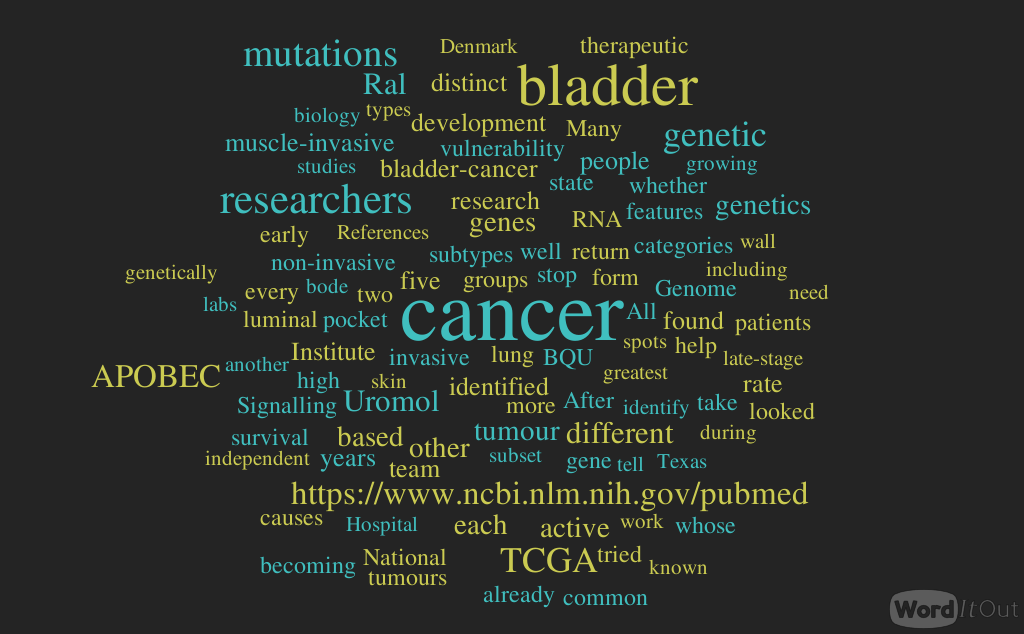
WordCloud Image Produced by Adam Tubman
The newly formed Rutgers Global Health Institute, part of Rutgers Biomedical and Health Sciences (RBHS) of Rutgers University, New Brunswick, New Jersey (http://rbhs.rutgers.edu/), represents a new way of thinking by providing positive health outcomes to potential patients around the world affected by disease and/or by a negative environmental impact. The goal of the Institute is three-fold:
to improve the health and wellness of individuals and populations around the world,
to create a healthier world through innovation, engineering, and technology, and
to educate involved citizens and effective leaders in global health.
Richard G. Marlink, M.D., a former Harvard University professor recognized internationally for research and leadership in the fight against AIDS, was recently appointed as the inaugural Henry Rutgers Professor of Global Health and Director of the Rutgers Global Health Institute.
The Rutgers Global Health Institute was formed last year after research by the University into the most significant health issues affecting under-served and under-developed populations. While conducting research for its five-year strategic plan, the RBHS looked for bold and ambitious ways that they could take advantage of the changing health care environment and band together to tackle the world’s leading health and environmental causes, contributing to the betterment of society. One of the results was the formation of the Rutgers Global Health Institute, supporting cross-functionally Rutgers faculty, scientists, and clinicians who represent the best in their respective fields of health innovation, research and patient care related to global health.
More broadly, the RBHS, created in 2013, is one of the nation’s leading – and largest — academic health centers that provides health care education, research and clinical service and care. It is an umbrella organization that encompasses eight schools – Ernest Mario School of Pharmacy, Graduate School of Biomedical Sciences, New Jersey Medical School, Robert Wood Johnson Medical School, Rutgers School of Dental Medicine, School of Health Professions, School of Nursing and School of Public Health.
In addition, the RBHS encompasses six centers and institutes that provide cancer treatment and research, neuroscience, advanced biotechnology and medicine, environmental and occupational health and health care policy and aging research. Those centers and institutes are the Brain Health Institute, Center for Advanced Biotechnology and Medicine, Environmental and Occupational Health Sciences Institute, Institute for Health, Health Care Policy and Aging Research, Rutgers Cancer Institute of New Jersey, and Rutgers Institute for Translational Medicine and Research. And lastly, the RBHS includes the University Behavioral Health Care.
Image SOURCE: Photograph courtesy of the Rutgers Global Health Institute, Rutgers Biomedical and Health Sciences, Rutgers University, New Brunswick, New Jersey.
Below is my interview with the Inaugural Henry Rutgers Professor of Global Health and Director of the Rutgers Global Health Institute Richard G. Marlink, M.D., which occurred in April, 2017.
You were recently appointed as the inaugural Henry Rutgers Professor of Global Health and Director of the new Rutgers Global Health Institute at Rutgers Biomedical and Health Sciences (RBHS). What are the goals of the new Institute?
Dr. Marlink: The overarching goal of the Rutgers Global Health Institute is to improve the health and wellness of individuals and populations in need both here and around the world, to create a healthier world through innovation, engineering, and technology, and to educate involved citizens and effective leaders in global health. We will do that by building on the aspiration of our originating organization — RBHS, which is to be recognized as one of the best academic health centers in the U.S., known for its education, research, clinical care, and commitment to improving access to health care and reducing health care disparities.
As the newly formed Rutgers Global Health Institute, we are embarking on an ambitious agenda to take advantage of the changing health care environment. Working across schools and disciplines at Rutgers University, we plan to have a significant impact within at least four signature programs identified by RBHS, which are cancer, environmental and occupational health, infection and inflammation, and public health. We also will include all other parts of Rutgers, as desired, beyond RBHS.
My background as a global health researcher, physician, and leader of grassroots health care delivery will help develop programs to undertake global health initiatives that assist populations locally and around the world. I believe that involved citizens, including students, can greatly impact major societal issues.
A key role in the strategic growth of Rutgers Biomedical and Health Sciences – an umbrella organization for eight schools, four centers and institutes and a behavioral health network — is to broaden the Rutgers University’s presence in the public health community globally to improve health and wellness. How will the new Rutgers Global Health Institute be part of this growth?
Dr. Marlink: Our RBHS Chancellor Brian Strom [M.D., M.P.H.] believes that we are positioned to become one of the finest research universities in the country, working cross-functionally with our three campuses in Newark, Camden and New Brunswick. In developing the strategic plan, Dr. Strom notes that we become much stronger and more capable and productive by leveraging our strengths to collaborate and working together across disciplines to best serve the needs of our community locally and globally.
Specifically, we are formulating plans to focus on these areas: old and new infectious disease epidemics; the expanding burden of noncommunicable diseases in poor populations; the social and environmental threats to health, poverty and humanitarian crises; and inadequate local and developing country health systems. We will support the development of global health research programs university-wide, the recruitment of faculty with interests in global health, and the creation of a web-based global health resource center for faculty and students with interests in these areas.
We are still a very young part of RBHS, and of Rutgers overall, so our plans are a work in progress. As tangible examples of our commitment to improving health and wellness globally, we plan to enhance global public health by establishing links between global public health and environmental and occupational health faculty in studies related to air pollution, climate change, and pesticide health.
Another example the Institute has in the works is expanding links with the School of Engineering. In fact, we are creating a senior-level joint faculty position with the School of Engineering and Rutgers-New Brunswick. Still other plans involve forging collaborative relationships between the Rutgers Cancer Program, under the auspices of Rutgers Cancer Institute of New Jersey, which is New Jersey’s only National Cancer Institute (NCI)-designated comprehensive cancer center, and other organizations and partners around the world, especially in poor and less-developed countries.
How is the Rutgers Global Health Institute strategically prepared for changing the health care paradigm?
Dr. Marlink: We intend to be an international global health leader in the health sciences, in public health, and in other related, but non-biomedical professions. This means that we will incorporate our learnings from laboratory sciences and the clinical, behavioral, and public health sciences, as well as from engineering, business, economics, law, and social sciences. This broad approach is critical in this health care environment as accountability for patient care is shifting to large groups of providers. Health care will be more value-driven and our health care teams must work collaboratively to be innovative. Our focus on health care is now also population-based, rather than only individual-based, and we are moving from large regional centers toward community centers, even in small and remote areas of the world. We are encouraged by rapid changes in technology that will provide new opportunities for shared knowledge, patient care and research.
Additionally, we are exploring ways to identify and recruit key faculty who will increase our breadth and depth of key disease areas as well as provide guidance on how to pursue science grants from the National Institute of Health (NIH)-funded program project grants and specialized research programs.
Currently, Rutgers University receives NIH funding for research in public health, population health, health promotion, wellness, health behavior, preventive medicine, and global health.
As a researcher, scholar and leader of grassroots health care delivery, how have your past positions prepared you for this new challenge? Your last position was the Bruce A. Beal, Robert L. Beal, and Alexander S. Beal Professor of the Practice of Public Health at Harvard University’s T.H. Chan School of Public Health and Executive Director of the Harvard AIDS Initiative.
Dr. Marlink: I have been a global health practitioner, researcher, and executive leader for almost three decades. I am trained in medical oncology and HIV medicine and have conducted clinical, epidemiological and implementation research in Africa since 1985. I was first introduced to global health when finishing my Hematology/Oncology fellowship at what is now the Beth Israel Deaconess Medical Center in the mid-1980’s in Boston.
During my Hematology/Oncology fellowship and after the co-organizing the first, hospital-based AIDS care clinic in the New England region, I was trying to learn the ropes in virology and molecular biology in the laboratory group of Max Essex at Harvard University. During that time in the mid-1980s, our laboratory group along with Senegalese and French collaborators discovered the first evidence for the existence of a new human retrovirus, HIV-2, a distinct second type of human AIDS virus, with its apparent origins in West Africa.
As a clinician, I was able to assist in Senegal, helping set up clinical care and create a research cohort in Dakar for hundreds of women sex workers infected with this new human retrovirus and care for them and their families. I discovered that a little can go a long way in poor settings, such as in Senegal. I became hooked on helping create solutions to help people in poor settings in Africa and elsewhere. Long-term partnerships and friendships have subsequently been made in many developing countries. Throughout my career, I have built successful partnerships with many governments, companies, and non-profit organizations, and those relationships have been the foundation to build successful public health partnerships in poor regions of the world.
In the 1990s, I helped create the Botswana-Harvard Partnership for HIV Research and Education (BHP). Through this partnership, the Government of Botswana and BHP have worked together to combat the AIDS epidemic in Botswana. Under my direction, and in partnership with the Botswana Ministry of Health, BHP launched the KITSO AIDS Training Program in 1999. Kitso is the Setswana word for ‘knowledge.”
KITSO is the national training program for physicians, nurses, and pharmacists, which has trained more than 14,000 health professionals in HIV/AIDS care and antiretroviral treatment. KITSO training modules address issues, such as antiretroviral therapy, HIV/AIDS-related disease management, gender-specific HIV issues, task-sharing, supportive and palliative care, and various psychosocial and counseling themes.
In addition, I was the Botswana County Director for Harvard Chan School’s 3-country President’s Emergency Plan AIDS Relief (PEPFAR) grant, The Botswana PEPFAR effort includes a Clinical and Laboratory Master Training Program and the creation of the Botswana Ministry of Health’s Monitoring and Evaluation Unit. Concurrently, I was the Principal Investigator of Project HEART in five African countries with the Elizabeth Glaser Pediatric AIDS Foundation.
Also in Botswana, in 2000, I was a co-founder of a distinct partnership involving a large commitment to the Government of Botswana from the Bill and Melinda Gates and Merck Foundations. This commitment continues as an independent non-governmental organization (NGO) to provide support for various AIDS prevention and care efforts in Botswana and the region.
All these global health experiences, it seems, have led me to my new role at the Rutgers Global Health Institute.
What is your advice for ways that the business community or university students can positively impact major societal issues?
Dr. Marlink: My advice is to be optimistic and follow that desire to want to make a difference. Margaret Mead, the American cultural anthropologist, said years ago, “Never doubt that a small group of thoughtful, committed citizens can change the world; indeed, it’s the only thing that ever has.” I believe that to be our guiding principle as we embark on this new initiative.
I also believe that students should become specialized in specific areas prior to going fully into “global health,” as they develop in their careers, since they will then add more value later. For example, students should be grounded in the theory of global health in their undergraduate studies and then develop a specialization, such as becoming a statistician, economist, or medical doctor, to make a longer and greater impact in improving global health. As for the business community, we are looking for committed individuals who are specialized in specific areas to bring their knowledge to our organization, as partners in the fight against disease, improving the environment, or helping with humanitarian issues. We are committed to improving health and wellness, increasing access to the best health care, and reducing health disparities.
What is it about your current role that you enjoy the most?
Dr. Marlink: I enjoy building research, learning, and clinical programs, as I have in the HIV arena since the early 1980s. At that time, there were limited resources and funding, but a willingness among universities, non-governmental organizations, hospitals and the pharmaceutical industry to make a difference. Today in my new role, I’d like all of us to have an impact on health and wellness for those in need – to build programs from the ground up while partnering with organizations with the same goal in mind. I know it can be done.
Over my career, when I have a patient here or in a developed country who has been diagnosed with cancer, but is cured or in remission, that puts a huge smile on my face and in my heart. It also impacts you for the rest of your life. Or when I see an infant born without HIV because of the local country programs that are put in place, that also makes me feel so fulfilled, so happy.
I have worked with many talented individuals who have become great friends and partners over my career who have helped create a positive life for under-served populations around the world. We need to remember that progress happens with one person at a time or one program at a time. That’s how you truly improve health around the world.
Image SOURCE: Photograph of Inaugural Henry Rutgers Professor of Global Health and Director of the Rutgers Global Health Institute at Rutgers Biomedical and Health Sciences, courtesy of Rutgers University, New Brunswick, New Jersey.
Richard G. Marlink, M.D. Inaugural Henry Rutgers Professor of Global Health
Director of the Rutgers Global Health Institute
Rutgers Biomedical and Health Sciences
Richard G. Marlink, M.D., a Harvard University professor recognized internationally for research and leadership in the fight against AIDS, was recently appointed as the inaugural Henry Rutgers Professor of Global Health and Director of a new Rutgers Global Health Institute at Rutgers Biomedical and Health Sciences (RBHS). His role is to develop the strategic growth of RBHS by broadening the Rutgers University’s presence in the public health community to improve health and wellness.
Previously, Dr. Marlink was the Bruce A. Beal, Robert L. Beal, and Alexander S. Beal Professor of the Practice of Public Health at Harvard’s T.H. Chan School of Public Health and Executive Director of the Harvard AIDS Initiative.
At the start of the AIDS epidemic, Dr. Marlink was instrumental in setting up the first, hospital-based HIV/AIDS clinic in Boston, Massachusetts, and studied the impact of the HIV virus in west and central Africa. After helping to start the Botswana-Harvard Partnership in 1996, he founded the Kitso AIDS Training Program, which would become Botswana’s national AIDS training program. Kitso means knowledge in the local Setswana language.
Dr. Marlink was the principal investigator for the Tshepo Study, the first large-scale antiretroviral treatment study in Botswana, in addition to conducting other clinical and epidemiological studies in the region. Also in Botswana, he was the country director for Harvard’s contribution to the joint Botswana and United States governments’ HIV/AIDS and TB training, monitoring and evaluation PEPFAR effort.
In the mid-1980s in Senegal, Dr. Marlink was part of the team of Senegalese, French and American researchers who discovered and then studied the second type of human AIDS virus, HIV-2. Since then, he has been involved in multiple HIV/AIDS care, treatment and prevention programs in many African countries, including in Botswana, Côte d’Ivoire (Ivory Coast), Democratic Republic of the Congo, Kenya, Lesotho, Malawi, Mozambique, Rwanda, Senegal, South Africa, Swaziland, Tanzania, Uganda, Zambia and Zimbabwe. He has also organized initiatives to enhance HIV/AIDS care in Brazil, Puerto Rico and Thailand.
Dr. Marlink has served as the scientific director, the vice president for implementation and the senior adviser for medical and scientific affairs at the Elizabeth Glaser Pediatric AIDS Foundation, where he was principal investigator of Project HEART, a five-country CDC/PEPFAR effort in Africa. That project began in 2004 and by 2011 had placed more than 1 million people living with HIV into care clinics. More than 565,000 of these people were placed on life-saving antiretroviral treatment.
Since 2000, Dr. Marlink has been the founding member of the board of directors of the African Comprehensive HIV/AIDS Partnerships, a public-partnership among the government of Botswana and the Bill and Melinda Gates and Merck Foundations to provide ongoing support for numerous HIV/AIDS prevention, care and treatment efforts in that country.
He has authored or co-authored more than 130 scientific articles; written a textbook, Global AIDS Crisis: A Reference Handbook; and co-edited the book, AIDS in Africa, 2nd Edition. Additionally, he served as chief editor for two special supplements to the journal AIDS and as executive editor of the seminal 320-author, three-volume textbook, From the Ground Up: A Guide to Building Comprehensive HIV/AIDS Care Programs in Resource Limited Settings.
A trained fellow in hematology/oncology at the Beth Israel Deaconess Medical Center at Harvard Medical School, Dr. Marlink received his medical degree from the University of New Mexico and his bachelor’s degree from Brown University.
Editor’s note:
We would like to thank Marilyn DiGiaccobe, head of Partnerships and Strategic Initiatives, at the Rutgers Global Health Institute, for the help and support she provided during this interview.
Where Infection meets with Cancer: Kaposi’s sarcoma (KS) is the most common cancer in HIV-1-infected persons and is caused by one of only 7 human cancer viruses, i.e., human herpesvirus 8 (HHV-8)


 2012pharmaceutical
 sjwilliamspa