Feeds:
Posts
Comments

Archive for the ‘number of asymptomatic infections’ Category

The Inequality and Health Disparity seen with the COVID-19 Pandemic Is Similar to Past Pandemics

Curator: Stephen J. Williams, PhD

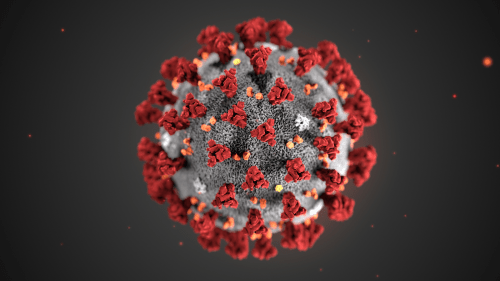
2019-nCoV-CDC-23311

It has become very evident, at least in during this pandemic within the United States, that African Americans and poorer communities have been disproportionately affected by the SARS-CoV2 outbreak . However, there are many other diseases such as diabetes, heart disease, and cancer in which these specific health disparities are evident as well :

Diversity and Health Disparity Issues Need to be Addressed for GWAS and Precision Medicine Studies

Personalized Medicine, Omics, and Health Disparities in Cancer:  Can Personalized Medicine Help Reduce the Disparity Problem?

Disease like cancer have been shown to have wide disparities based on socioeconomic status, with higher incidence rates seen in poorer and less educated sub-populations, not just here but underdeveloped countries as well (see Opinion Articles from the Lancet: COVID-19 and Cancer Care in China and Africa) and graphics below)


In an article in Science by Lizzie Wade, these disparities separated on socioeconomic status, have occurred in many other pandemics throughout history, and is not unique to the current COVID19 outbreak.  The article, entitled “An Unequal Blow”, reveal how

in past pandemics, people on the margins suffered the most.

Source: https://science.sciencemag.org/content/368/6492/700.summary

Health Disparities during the Black Death Bubonic Plague Pandemic in the 14th Century (1347-1351)

During the mid 14th century, all of Europe was affected by a plague induced by the bacterium Yersinia pestis, and killed anywhere between 30 – 60% of the European population.  According to reports by the time the Black Death had reached London by January 1349 there had already been horrendous reports coming out of Florence Italy where the deadly disease ravished the population there in the summer of 1348 (more than half of the city’s population died). And by mid 1349 the Black Death had killed more than half of Londoners.  It appeared that no one was safe from the deadly pandemic, affecting the rich, the poor, the young, the old.

However, after careful and meticulous archaeological and historical analysis in England and other sites, revealed a distinct social and economic inequalities that predominated and most likely guided the pandemics course throughout Europe.   According to Dr. Gwen Robbins Schug, a bio-archaeologist at Appalachian State University,

Bio-archaeology and other social sciences have repeatedly demonstrated that these kinds of crises play out along the preexisting fault lines of each society.  The people at greatest risk were often those already marginalized- the poor and minorities who faced discrimination in ways that damaged their health or limited their access to medical care even in pandemic times.

At the start of the Black Death, Europe had already gone under a climactic change with erratic weather.  As a result, a Great Famine struck Europe between 1315-17.  Wages fell and more people fell into poverty while the wealthiest expanded their riches, leading to an increased gap in wealth and social disparity.  In fact according to recordkeeping most of Englanders were living below the poverty line.

Author Lizzie Wade also interviewed Dr. Sharon, DeWitte, a biological anthropologist at University of South Carolina, who looks at skeletal remains of Black Death victims to get evidence on their health status, like evidence of malnutrition, osteoporosis, etc.   And it appears that most of the victims may have had preexisting health conditions indicative of poorer status.  And other evidence show that wealthy landowners had a lower mortality rate than poorer inner city dwellers.

1918 Spanish Flu

Socioeconomic and demographic studies have shown that both Native American Indians and African Americans on the lower end of the socioeconomic status were disproportionately affected by the 1918 Spanish flu pandemic.  According to census records, the poorest had a 50% higher mortality rate than wealthy areas in the city of Oslo.  In the US, minors and factory workers died at the highest rates.  In the US African Americans had already had bouts with preexisting issues like tuberculosis and may have contributed to the higher mortality.  In addition Jim Crow laws in the South, responsible for widespread discrimination, also impacted the ability of African Americans to seek proper medical care.

From the Atlantic

Source: https://www.theatlantic.com/politics/archive/2016/05/americas-health-segregation-problem/483219/

America’s Health Segregation Problem

Has the country done enough to overcome its Jim Crow health care history?

VANN R. NEWKIRK II

MAY 18, 2016

Like other forms of segregation, health-care segregation was originally a function of explicitly racist black codes and Jim Crow laws. Many hospitals, clinics, and doctor’s offices were totally segregated by race, and many more maintained separate wings or staff that could never intermingle under threat of law. The deficit of trained black medical professionals (itself caused by a number of factors including education segregation) meant that no matter where black people received health-care services, they would find their care to be subpar compared to that of whites. While there were some deaths that were directly attributable to being denied emergency service, most of the damage was done in establishing the same cumulative health disparities that plague black people today as a societal fate. The descendants of enslaved people lived much more dangerous and unhealthy lives than white counterparts, on disease-ridden and degraded environments. Within the confines of a segregated health-care system, these factors became poor health outcomes that shaped black America as if they were its genetic material.


https://twitter.com/time4equity/status/1175080469425266688?s=20


R.A.HahnaB.I.TrumanbD.R.Williamsc.Civil rights as determinants of public health and racial and ethnic health equity: Health care, education, employment, and housing in the United States.

SSM – Population Health: Volume 4, April 2018, Pages 17-24

Highlights

  • Civil rights are characterized as social determinants of health.
  • Four domains in civil rights history since 1950 are explored in—health care, education, employment, and housing.
  • Health care, education, employment show substantial benefits when civil rights are enforced.
  • Housing shows an overall failure to enforce existing civil rights and persistent discrimination.
  • Civil rights and their enforcement may be considered a powerful arena for public health theorizing, research, policy, and action.


For more articles on COVID-19 Please go to our Coronovirus Portal

https://pharmaceuticalintelligence.com/coronavirus-portal/


Read Full Post »

National Public Radio interview with Dr. Anthony Fauci on his optimism on a COVID-19 vaccine by early 2021

Reporter: Stephen J. Williams, PhD

Below I am giving a link to an important interview by NPR’s Judy Woodruff with Dr. Anthony Fauci on his thoughts regarding the recent spikes in cases, the potential for a COVID-19 vaccine by next year, and promising therapeutics in the pipeline.  The interview link is given below however I will summarize a few of the highlights of the interview.


Some notes on the interview

Judy Woodruff began her report with some up to date news regarding the recent spike and that Miami Florida has just ordered the additional use of facemasks.  She asked Dr. Anthony Fauci, head of the National Institute of Allergy and Infectious Diseases (NIAD), about if the measures currently in use are enough to bring this spike down.  Dr. Fauci said that we need to reboot our efforts, mainly because people are not doing three things which could have prevented this spike mainly

  1. universal wearing of masks
  2. distancing properly from each other
  3. close the bars and pubs (see Wisconsin bars packed after ruling)

It hasn’t been a uniform personal effort

Dr. Fauci on testing

We have to use the tests we have out there efficiently and effectively And we have to get them out to the right people who can do the proper identification, isolation, and do proper contract tracing and need to test more widely in a surveillance way to get a feel of the extent and penetrance of this community spread.  there needs to be support and money for these testing labs

We have a problem and we need to admit and own it but we need to do the things we know are effective to turn this thing around.

On Vaccines

“May be later this year”

His response to Merck’s CEO Ken Frazer who said officials are giving false hop if they say ‘end of year’ but Dr. Fauci disagrees.  He says a year end goal is not outlandish.

What we have been doing is putting certain things in line with each other in an unprecedented way.

Dr. Fauci went on to say that, in the past yes, it took a long time, even years to develop a vaccine but now they have been able to go from sequence of virus to a vaccine development program in days, which is unheard of.  Sixty two days later we have gone into phase 1 trials. the speed at which this is occurring is so much faster.  He says that generally it would take a couple of years to get a neutralizing antibody but we are already there.  Another candidate will be undergoing phase 3 trials by end of this month (July 2020).

He is “cautiously optimistic” that we will have one or more vaccines to give to patients by end of year because given the amount of cases it will be able to get a handle on safety and efficacy by late fall.

Now he says the game changer is that the government is working with companies to ramp up the production of doses of the candidate vaccines so when we find which one works we will have ample doses on hand.  He is worried about the anti vaccine movement derailing vaccine testing and vaccinations but says if we keep on informing the public we can combat this.

Going back to school

Dr. Fauci is concerned for the safety of the vulnerable in schools, including students and staff.  He wants the US to get down to a reasonable baseline of cases but in the US that baseline after the first wave was still significantly higher than in most countries, where the baseline was more like tens of cases not hundreds of cases.

For more information on COVID-19 Please go to our Coronavirus Portal at

https://pharmaceuticalintelligence.com/coronavirus-portal/


Read Full Post »

Placenta lacks molecules required for COVID-19 infection

Reporter and Curator: Dr. Sudipta Saha, Ph.D.

The pandemic of coronavirus disease 2019 (COVID-19) caused by the severe acute respiratory syndrome coronavirus 2 (SARS-CoV-2) has affected more than 10 million people, including pregnant women. To date, no consistent evidence for the vertical transmission of SARS-CoV-2 has been found. The placenta serves as the lungs, gut, kidneys, and liver of the fetus. This fetal organ also has major endocrine actions that modulate maternal physiology and, importantly, together with the extraplacental chorioamniotic membranes shield the fetus against microbes from hematogenous dissemination and from invading the amniotic cavity.


Most pathogens that cause hematogenous infections in the mother are not able to reach the fetus, which is largely due to the potent protective mechanisms provided by placental cells (i.e. trophoblast cells: syncytiotrophoblasts and cytotrophoblasts). Yet, some of these pathogens such as Toxoplasma gondii, Rubella virus, herpesvirus (HSV), cytomegalovirus (CMV), and Zika virus (ZIKV), among others, are capable of crossing the placenta and infecting the fetus, causing congenital disease.


The placental membranes that contain the fetus and amniotic fluid lack the messenger RNA (mRNA) molecule required to manufacture the ACE2 receptor, the main cell surface receptor used by the SARS-CoV-2 virus to cause infection. These placental tissues also lack mRNA needed to make an enzyme, called TMPRSS2, that SARS-CoV-2 uses to enter a cell. Both the receptor and enzyme are present in only miniscule amounts in the placenta, suggesting a possible explanation for why SARS-CoV-2 has only rarely been found in fetuses or newborns of women infected with the virus, according to the study authors.


The single-cell transcriptomic analysis presented by the researchers provides evidence that SARS-CoV-2 is unlikely to infect the placenta and fetus since its canonical receptor and protease, ACE2 and TRMPSS2, are only minimally expressed by the human placenta throughout pregnancy. In addition, it was shown that the SARS-CoV-2 receptors are not expressed by the chorioamniotic membranes in the third trimester. However, viral receptors utilized by CMV, ZIKV, and others are highly expressed by the human placental tissues.


Transcript levels do not always correlate with protein expression, but the data of the present study indicates a low likelihood of placental infection and vertical transmission of SARS-CoV-2. However, it is still possible that the expression of these proteins is much higher in individuals with pregnancy complications related with the renin-angiotensin-aldosterone system, which can alter the expression of ACE2. The cellular receptors and mechanisms that could be exploited by SARS-CoV-2 are still under investigation.


References:


https://www.nih.gov/news-events/news-releases/placenta-lacks-major-molecules-used-sars-cov-2-virus-cause-infection


https://pubmed.ncbi.nlm.nih.gov/32662421/


https://pubmed.ncbi.nlm.nih.gov/32217113/


https://pubmed.ncbi.nlm.nih.gov/32161408/


https://pubmed.ncbi.nlm.nih.gov/32335053/


https://pubmed.ncbi.nlm.nih.gov/32298273/


Read Full Post »

From Cell Press:  New Insights on the D614G Strain of COVID: Will a New Mutated Strain Delay Vaccine Development?

Reporter: Stephen J. Williams, PhD

Two recent articles in Cell Press, both peer reviewed, discuss the emergence and potential dominance of a new mutated strain of COVID-19, in which the spike protein harbors a D614G mutation.

In the first article “Making Sense of Mutation: What D614G means for the COVID-19 pandemic Remains Unclear”[1] , authors Drs. Nathan Grubaugh, William Hanage, and Angela Rasmussen discuss the recent findings by Korber et al. 2020 [2] which describe the potential increases in infectivity and mortality of this new mutant compared to the parent strain of SARS-CoV2.  For completeness sake I will post this article as to not defer from their interpretations of this important paper by Korber and to offer some counter opinion to some articles which have surfaced this morning in the news.

Making sense of mutation: what D614G means for the COVID-19 pandemic remains unclear


Nathan D. Grubaugh1 *, William P. Hanage2 *, Angela L. Rasmussen3 * 1Department of Epidemiology of Microbial Diseases, Yale School of Public Health, New Haven, CT 06510, USA 2Center for Communicable Disease Dynamics, Department of Epidemiology, Harvard T. H. Chan School of Public Health, Boston, MA 02115, USA 3Center for Infection and Immunity, Columbia Mailman School of Public Health, New York, NY 10032, USA Correspondence: grubaughlab@gmail.com


Abstract: Korber et al. (2020) found that a SARS-CoV-2 variant in the spike protein, D614G, rapidly became dominant around the world. While clinical and in vitro data suggest that D614G changes the virus phenotype, the impact of the mutation on transmission, disease, and vaccine and therapeutic development are largely unknown.

Introduction: Following the emergence of SARS-CoV-2 in China in late 2019, and the rapid expansion of the COVID19 pandemic in 2020, questions about viral evolution have come tumbling after. Did SARS-CoV-2 evolve to become better adapted to humans? More infectious or transmissible? More deadly? Virus mutations can rise in frequency due to natural selection, random genetic drift, or features of recent epidemiology. As these forces can work in tandem, it’s often hard to differentiate when a virus mutation becomes common through fitness or by chance. It is even harder to determine if a single mutation will change the outcome of an infection, or a pandemic. The new study by Korber et al. (2020) sits at the heart of this debate. They present compelling data that an amino acid change in the virus’ spike protein, D614G, emerged early during the pandemic, and viruses containing G614 are now dominant in many places around the world. The crucial questions are whether this is the result of natural selection, and what it means for the COVID-19 pandemic. For viruses like SARS-CoV-2 transmission really is everything – if they don’t get into another host their lineage ends. Korber et al. (2020) hypothesized that the rapid spread of G614 was because it is more infectious than D614. In support of their hypothesis, the authors provided evidence that clinical samples from G614 infections have a higher levels of viral RNA, and produced higher titers in pseudoviruses from in vitro experiments; results that now seem to be corroborated by others [e.g. (Hu et al., 2020; Wagner et al., 2020)]. Still, these data do not prove that G614 is more infectious or transmissible than viruses containing D614. And because of that, many questions remain on the potential impacts, if any, that D614G has on the COVID-19 pandemic.

The authors note that this new G614 variant has become the predominant form over the whole world however in China the predominant form is still the D614 form.  As they state

“over the period that G614 became the global majority variant, the number of introductions from China where D614 was still dominant were declining, while those from Europe climbed. This alone might explain the apparent success of G614.”

Grubaugh et al. feel there is not enough evidence that infection with this new variant will lead to higher mortality.  Both Korber et al. and the Seattle study (Wagner et al) did not find that the higher viral load of this variant led to a difference in hospitalizations so apparently each variant might be equally as morbid.

In addition, Grubaugh et al. believe this variant would not have much affect on vaccine development as, even though the mutation lies within the spike protein, D614G is not in the receptor binding domain of the spike protein.  Korber suggest that there may be changes in glycosylation however these experiments will need to be performed.  In addition, antibodies from either D614 or G614 variant infected patients could cross neutralize.


Conclusions: While there has already been much breathless commentary on what this mutation means for the COVID19 pandemic, the global expansion of G614 whether through natural selection or chance means that this variant now is the pandemic. As a result its properties matter. It is clear from the in vitro and clinical data that G614 has a distinct phenotype, but whether this is the result of bonafide adaptation to human ACE2, whether it increases transmissibility, or will have a notable effect, is not clear. The work by Korber et al. (2020) provides an early base for more extensive epidemiological, in vivo experimental, and diverse clinical investigations to fill in the many critical gaps in how D614G impacts the pandemic.

The link to the Korber Cell paper is here: https://www.cell.com/cell/fulltext/S0092-8674(20)30820-5

Tracking changes in SARS-CoV-2 Spike: evidence that D614G increases infectivity of the COVID-19 virus

DOI: https://doi.org/10.1016/j.cell.2020.06.043

Keypoints

  • The consistent increase of G614 at regional levels may indicate a fitness advantage


  • G614 is associated with lower RT PCR Ct’s, suggestive of higher viral loads in patients


  • The G614 variant grows to higher titers as pseudotyped virions

Summary

A SARS-CoV-2 variant carrying the Spike protein amino acid change D614G has become the most prevalent form in the global pandemic. Dynamic tracking of variant frequencies revealed a recurrent pattern of G614 increase at multiple geographic levels: national, regional and municipal. The shift occurred even in local epidemics where the original D614 form was well established prior to the introduction of the G614 variant. The consistency of this pattern was highly statistically significant, suggesting that the G614 variant may have a fitness advantage. We found that the G614 variant grows to higher titer as pseudotyped virions. In infected individuals G614 is associated with lower RT-PCR cycle thresholds, suggestive of higher upper respiratory tract viral loads, although not with increased disease severity. These findings illuminate changes important for a mechanistic understanding of the virus, and support continuing surveillance of Spike mutations to aid in the development of immunological interventions.


References

  1. Grubaugh, N.D., Hanage, W.P., Rasmussen, A.L., Making sense of mutation: what D614G means for the COVID-19 pandemic remains unclear, Cell (2020), doi: https:// doi.org/10.1016/j.cell.2020.06.040.
  2. Korber, B., Fischer, W.M., Gnanakaran, S., Yoon, H., Theiler, J., Abfalterer, W., Hengartner, N., Giorgi, E.E., Bhattacharya, T., Foley, B., et al. (2020). Tracking changes in SARS-CoV-2 Spike: evidence that D614G increases infectivity of the COVID-19 virus. Cell 182.
  3. Endo, A., Centre for the Mathematical Modelling of Infectious Diseases COVID-19 Working Group, Abbott, S., Kucharski, A.J., and Funk, S. (2020). Estimating the overdispersion in COVID-19 transmission using outbreak sizes outside China. Wellcome Open Res 5, 67.
  4. Hu, J., He, C.-L., Gao, Q.-Z., Zhang, G.-J., Cao, X.-X., Long, Q.-X., Deng, H.-J., Huang, L.-Y., Chen, J., Wang, K., et al. (2020). The D614G mutation of SARS-CoV-2 spike protein enhances viral infectivity and decreases neutralization sensitivity to individual convalescent sera. bioRxiv 2020.06.20.161323.
  5. Wagner, C., Roychoudhury, P., Hadfield, J., Hodcroft, E.B., Lee, J., Moncla, L.H., Müller, N.F., Behrens, C., Huang, M.-L., Mathias, P., et al. (2020). Comparing viral load and clinical outcomes in Washington State across D614G mutation in spike protein of SARS-CoV-2. Https://github.com/blab/ncov-D614G.

Read Full Post »

National Cancer Institute Director Neil Sharpless says mortality from delays in cancer screenings due to COVID19 pandemic could result in tens of thousands of extra deaths in next decade

Reporter: Stephen J Williams, PhD

UPDATED: 08/14/2023

A Cross Sectional Study Reveals What Oncologists Had Feared: Cancer Screenings During Pandemic Has Decreased, leading to Decreased Early Detection

As discussed in many articles here on COVID-19 and cancer, during the pandemic many oncologists were worried that people slowed getting their cancer screenings due to health risks due to the COVID-19 outbreak.  Governmental agencies went as far to project upticks in future cancer rates, as preventative screening rates were down due to closed hospitals, shuttered services, or patient trepidation during the height of the pandemic.  As many oncologists voiced, a decrease in cancer screenings might lead to missing out on the early stages of the disease, when most treatable. Now, reported in a Lancet cross-sectional analysis by investigators at ACS and University of Texas Southwest (1), we have the first indication of the effects of this decrease in preventative screening, namely decreased early detection and diagnosis.

The authors used data from the US National Cancer Database, a nationwide hospital-based cancer registry, to perform a cross sectional nationwide assessment of the prevalence of new cancer diagnosis before, during, and after the height of the pandemic (March 1 2020 to December 31, 2020).  Newly diagnosed cases of first primary malignant cancer between Jan1, 2018 to Dec 31, 2020 were identified and monthly and annual counts and stage distributions were caluculated andpresented as adjusted odds ratios (aORs).  They also used the period from 2018 to Jan 2020 as a baseline or prepandemic level of newly diagnosed cancer.

Results of this analysis identified 2,404,050 adults with newly diagnosed cancer during study period 2018 to 2020.  The monthly number of new cancer diagnoses (all stages) decreased significantly after the start of the COVID-19 pandemic in March 2020.  However new cancer diagnosis returned to pre-pandemic levels by end of 2020.  The decrease in diagnosis was largest for stage I diseases however the odds of being diagnosed with late stage IV disease were higher in 2020 than in 2019.  When the authors stratified the cohorts based on sociodemographic groups, interestingly those most affected (with lowest diagnosis rates during the pandemic) were those living in socioeconomic deprived areas, hispanics, asian americans, pacific Islanders, and uninsured individuals.

The authors’ interpretations are a warning: Substantial cancer underdiagnosis and decreases in the proportion of early stage diagnoses occurred during 2020 in the USA, particularly among medically underserved individuals. Monitoring the long-term effects of the pandemic on morbidity, survival, and mortality is warranted.


Evidence before this study

We searched PubMed using the terms “COVID”, “pandemic”, and “cancer” for studies published in English between

March 1, 2020, and Nov 30, 2022. Health care was disrupted during the emergence of the COVID-19 pandemic. In the USA, rapid decreases in screening were reported for nearly all types of cancer screening services after the declaration of the COVID-19 national emergency. Decreased screening, and delayed and forgone routine check-ups or health-care visits, can lead to underdiagnosis of cancer, especially for early stage disease for which treatment is most effective. Several studies have identified reduced use of diagnostic procedures and decreases in the number of newly diagnosed patients during 2020 in the USA. However, these studies were done in selected populations, in specific geographical areas, or for only a single cancer type, limiting understanding of the COVID-19 pandemic on cancer burden nationally.

Added value of this study

Using a recently released nationwide cancer registry dataset, we comprehensively evaluated changes in cancer diagnoses and stage distribution during the first year of the COVID-19 pandemic by cancer type and key sociodemographic factors in the USA.

Implications of all the available evidence

Along with existing evidence, our findings should help to inform future policy and cancer care delivery interventions to improve access to care for underserved populations. Research is warranted to monitor the long-term effects of the underdiagnosis of early stage cancer identified in this study on morbidity, mortality, and disparities in health outcomes.

Results

The main results from the paper are summarized below:


Between 2020 and 2019, annual stage I diagnoses decreased by 17·2% (95% CI 16·8–17·6), and annual stage IV diagnoses decreased 9·8% (9·2–10·5). Notably, by race and ethnicity, the largest percentage reduction in stage I diagnoses was among Hispanic individuals and Asian American and Pacific Islander individuals, and the largest percentage reduction in stage IV diagnoses was among non-Hispanic Black and non-Hispanic White individuals. Diagnoses of lung cancer, colorectal cancer, melanoma, and non-Hodgkin lymphoma had the largest percentage reduction among both stage I (>18%) and stage IV (>10%) diagnoses; cancers of the prostate, cervix, liver, oesophagus, stomach, and thyroid also had large percentage reductions in stage I diagnoses (>20).

After adjusting for sociodemographic and clinical factors, the stage distribution of new diagnoses changed in 2020 compared with 2019 (table 3). Specifically, the aOR for being diagnosed with stage I disease versus stage II–IV disease in 2020 compared with 2019 was 0·946 (95% CI 0·939–0·952), and the aOR for being diagnosed with stage IV disease versus stage I–III disease in 2020 compared with 2019 was 1·074 (1·066–1·083).

These results also confirmed results seen in other studies coming from Europe (2,3, 4).

References

  1. Han X, Yang NN, Nogueira L, Jiang C, Wagle NS, Zhao J, Shi KS, Fan Q, Schafer E, Yabroff KR, Jemal A. Changes in cancer diagnoses and stage distribution during the first year of the COVID-19 pandemic in the USA: a cross-sectional nationwide assessment. Lancet Oncol. 2023 Aug;24(8):855-867. doi: 10.1016/S1470-2045(23)00293-0. PMID: 37541271.
  2. Kuzuu K, Misawa N, Ashikari K, et al. Gastrointestinal cancer stage at diagnosis before and during the COVID-19 pandemic in Japan. JAMA Netw Open 2021; 4: e2126334. DOI: 10.1001/jamanetworkopen.2021.26334
  3. Linck PA, Garnier C, Depetiteville MP, et al. Impact of the COVID-19 lockdown in France on the diagnosis and staging of breast cancers in a tertiary cancer centre. Eur Radiol 2022; 32: 1644–51. DOI: 10.1007/s00330-021-08264-3
  4. Mynard N, Saxena A, Mavracick A, et al. Lung cancer stage shift as a result of COVID-19 lockdowns in New York City, a brief report. Clin Lung Cancer 2022; 23: e238–42.  DOI: 10.1016/j.cllc.2021.08.010


UPDATED: 10/11/2021

Source: https://cancerletter.com/articles/20200619_1/

NCI Director’s Report

Sharpless: COVID-19 expected to increase mortality by at least 10,000 deaths from breast and colorectal cancers over 10 years

By Matthew Bin Han Ong

This story is part of The Cancer Letter’s ongoing coverage of COVID-19’s impact on oncology. A full list of our coverage, as well as the latest meeting cancellations, is available here.

The COVID-19 pandemic will likely cause at least 10,000 excess deaths from breast cancer and colorectal cancer over the next 10 years in the United States.

Scenarios run by NCI and affiliated modeling groups predict that delays in screening for and diagnosis of breast and colorectal cancers will lead to a 1% increase in deaths through 2030. This translates into 10,000 additional deaths, on top of the expected one million deaths resulting from these two cancers.

“For both these cancer types, we believe the pandemic will influence cancer deaths for at least a decade,” NCI Director Ned Sharpless said in a virtual joint meeting of the Board of Scientific Advisors and the National Cancer Advisory Board June 15. “I find this worrisome as cancer mortality is common. Even a 1% increase every decade is a lot of cancer suffering.

“And this analysis, frankly, is pretty conservative. We do not consider cancers other than those of breast and colon, but there is every reason to believe the pandemic will affect other types of cancer, too. We did not account for the additional non-lethal morbidity from upstaging, but this could also be significant and burdensome.”

An editorial by Sharpless on this subject appears in the journal Science.

The early analyses, conducted by the institute’s Cancer Intervention and Surveillance Modeling Network, focused on breast and colorectal cancers, because these are common, with relatively high screening rates.

CISNET modelers created four scenarios to assess long-term increases in cancer mortality rates for these two diseases:

  1. The pandemic has no effect on cancer mortality
  1. Delayed screening—with 75% reduction in mammography and, colorectal screening and adenoma surveillance for six months
  1. Delayed diagnosis—with one-third of people delaying follow-up after a positive screening or diagnostic mammogram, positive FIT or clinical symptoms for six months during a six-month period
  1. Combination of scenarios two and three

Treatment scenarios after diagnosis were not included in the model. These would be: delays in treatment, cancellation of treatment, or modified treatment.

“What we did is show the impact of the number of excess deaths per year for 10 years for each year starting in 2020 for scenario four versus scenario one,” Eric “Rocky” Feuer, chief of the NCI’s Statistical Research and Applications Branch in the Surveillance Research Program, said to The Cancer Letter.

Feuer is the overall project scientist for CISNET, a collaborative group of investigators who use simulation modeling to guide public health research and priorities.

“The results for breast cancer were somewhat larger than for colorectal,” Feuer said. “And that’s because breast cancer has a longer preclinical natural history relative to colorectal cancer.”

Modelers in oncology are creating a global modeling consortium, COVID-19 and Cancer Taskforce, to “support decision-making in cancer control both during and after the crisis.” The consortium is supported by the Union for International Cancer Control, The International Agency for Research on Cancer, The International Cancer Screening Network, the Canadian Partnership Against Cancer, and Cancer Council NSW, Australia.

A spike in cancer mortality rates threatens to reverse or slow down—at least in the medium term—the steady trend of reduction of cancer deaths. On Jan. 8, the American Cancer Society published its annual estimates of new cancer cases and deaths, declaring that the latest data—from 2016 to 2017—show the “largest ever single-year drop in overall cancer mortality of 2.2%.” Experts say that innovation in lung cancer treatment and the success of smoking cessation programs are driving the sharp decrease (The Cancer LetterFeb. 7, 2020).

The pandemic is expected to have broader impact, including increases in mortality rates for other cancer types. Also, variations in severity of COVID-19 in different regions in the U.S. will influence mortality metrics.

“There’s some other cancers that might have delays in screening—for example cervical, prostate, and lung cancer, although lung cancer screening rates are still quite low and prostate cancer screening should only be conducted on those who determine that the benefits outweigh the harms,” Feuer said. “So, those are the major screening cancers, but impacts of delays in treatment, canceling treatment or alternative treatments—could impact a larger range of cancer sites.

“This model assumes a moderate disruption which resolves after six months, and doesn’t consider non-lethal morbidities associated with the delay. One thing I think probably is occurring is regional variation in these impacts,” Feuer said. “If you’re living in New York City where things were ground zero for some of the worst impact early on, probably delays were larger than other areas of the country. But now, as we’re seeing upticks in other areas of the country, there may be in impact in these areas as well”

How can health care providers mitigate some of these harms? For example, for people who delayed screening and diagnosis, are providers able to perform triage, so that those at highest risk are prioritized?

“From a strictly cancer control point of view, let’s get those people who delayed screening, or followup to a positive test, or treatment back on schedule as soon as possible,” Feuer said. “But it’s not a simple calculus, because in every situation, we have to weigh the harms and benefits. As we come out of the pandemic, it tips more and more to, ‘Let’s get back to business with respect to cancer control.’

“Telemedicine doesn’t completely substitute for seeing patients in person, but at least people could get the advice they need, and then are triaged through their health care providers to indicate if they really should prioritize coming in. That helps the individual and the health care provider  weigh the harms and benefits, and try to strategize about what’s best for any individual.”

If the pandemic continues to disrupt routine care, cancer-related mortality rates would rise beyond the predictions in this model.

“I think this analysis begins to help us understand the costs with regard to cancer outcomes of the pandemic,” Sharpless said. “Let’s all agree we will do everything in our power to minimize these adverse effects, to protect our patients from cancer suffering.”

UPDATED: 10/11/2021

Patients with Cancer Appear More Vulnerable to SARS-CoV-2: A Multicenter Study during the COVID-19 Outbreak

Source:

Mengyuan DaiDianbo LiuMiao LiuFuxiang ZhouGuiling LiZhen ChenZhian ZhangHua YouMeng WuQichao ZhengYong XiongHuihua XiongChun WangChangchun ChenFei XiongYan ZhangYaqin PengSiping GeBo ZhenTingting YuLing WangHua WangYu LiuYeshan ChenJunhua MeiXiaojia GaoZhuyan LiLijuan GanCan HeZhen LiYuying ShiYuwen QiJing YangDaniel G. TenenLi ChaiLorelei A. MucciMauricio Santillana and Hongbing Cai. Patients with Cancer Appear More Vulnerable to SARS-CoV-2: A Multicenter Study during the COVID-19 Outbreak

Abstract

The novel COVID-19 outbreak has affected more than 200 countries and territories as of March 2020. Given that patients with cancer are generally more vulnerable to infections, systematic analysis of diverse cohorts of patients with cancer affected by COVID-19 is needed. We performed a multicenter study including 105 patients with cancer and 536 age-matched noncancer patients confirmed with COVID-19. Our results showed COVID-19 patients with cancer had higher risks in all severe outcomes. Patients with hematologic cancer, lung cancer, or with metastatic cancer (stage IV) had the highest frequency of severe events. Patients with nonmetastatic cancer experienced similar frequencies of severe conditions to those observed in patients without cancer. Patients who received surgery had higher risks of having severe events, whereas patients who underwent only radiotherapy did not demonstrate significant differences in severe events when compared with patients without cancer. These findings indicate that patients with cancer appear more vulnerable to SARS-CoV-2 outbreak.

Significance: Because this is the first large cohort study on this topic, our report will provide much-needed information that will benefit patients with cancer globally. As such, we believe it is extremely important that our study be disseminated widely to alert clinicians and patients.

Introduction

A new acute respiratory syndrome coronavirus, named SARS-CoV-2 by the World Health Organization (WHO), has rapidly spread around the world since its first reported case in late December 2019 from Wuhan, China (1). As of March 2020, this virus has affected more than 200 countries and territories, infecting more than 800,000 individuals and causing more than 40,000 deaths (2).

With more than 18 million new cases per year globally, cancer affects a significant portion of the population. Individuals affected by cancer are more susceptible to infections due to coexisting chronic diseases, overall poor health status, and systemic immunosuppressive states caused by both cancer and anticancer treatments (3). As a consequence, patients with cancer who are infected by the SARS-CoV-2 coronavirus may experience more difficult outcomes than other populations. Until now, there is still no systematic evaluation of the effects that the SARS-CoV-2 coronavirus has of patients with cancer in a representative population. A recent study reported a higher risk of severe events in patients with cancer when compared with patients without cancer (4); however, the small sample size of SARS-CoV-2 patients with cancer used in the study limited how representative it was of the whole population and made it difficult to conduct more insightful analyses, such as comparing clinical characteristics of patients with different types of cancer, as well as anticancer treatments (5, 6).

Using patient information collected from 14 hospitals in Hubei Province, China, the epicenter of the 2019–2020 COVID-19 outbreak, we describe the clinical characteristics and outcomes [death, intensive care unit (ICU) admission, development of severe/critical symptoms, and utilization of invasive mechanical ventilation] of patients affected by the SARS-CoV-2 coronavirus for 105 hospitalized patients with cancer and 536 patients without cancer. We document our findings for different cancer types and stages, as well as different types of cancer treatments. We believe the information and insights provided in this study will help improve our understanding of the effects of SARS-CoV-2 in patients with cancer.

Results

Patients Characteristics

In total, 105 COVID-19 patients with cancer were enrolled in our study for the time period January 1, 2020, to February 24, 2020, from 14 hospitals in Wuhan, China. COVID-19 patients without cancer matched by the same hospital, hospitalization time, and age were randomly selected as our control group. Our patient population included 339 females and 302 males. Patients with cancer [median = 64.00, interquartile range (IQR) = 14.00], when compared with those without cancer (median = 63.50, IQR = 14.00) had similar age distributions (by design), experienced more in-hospital infections [20 (19.04%) of 105 patients vs. 8 (1.49%) of 536 patients;P < 0.01], and had more smoking history [36 (34.28%) of 105 patients vs. 46 (8.58%) of 536 patients; P < 0.01], but had no significant differences in sex, other baseline symptoms, and other comorbidities (Table 1). With respect to signs and symptoms upon admission, COVID-19 patients with cancer were similar to those without cancer except for a higher prevalence of chest distress [15 (14.29%) of 105 patients vs. 36 (6.16%) of 536 patients; P = 0.02].

Table 1.

Characteristics of COVID-19 patients with and without cancer

Clinical Outcomes

Compared with COVID-19 patients without cancer, patients with cancer had higher observed death rates [OR, 2.34; 95% confidence interval (CI), (1.15–4.77); P = 0.03], higher rates of ICU admission [OR, 2.84; 95% CI (1.59–5.08); P < 0.01], higher rates of having at least one severe or critical symptom [OR, 2.79; 95% CI, (1.74–4.41); P < 0.01], and higher chances of needing invasive mechanical ventilation (Fig. 1A). We also conducted survival analysis on occurrence of any severe condition which included death, ICU admission, having severe symptoms, and utilization of invasive mechanical ventilation (see cumulative incidence curves in Fig. 1B). In general, patients with cancer deteriorated more rapidly than those without cancer. These observations are consistent with logistic regression results (Supplementary Fig. S1), after adjusting for age, sex, smoking, and comorbidities including diabetes, hypertension, and chronic obstructive pulmonary disease (COPD). According to our multivariate logistic regression results, patients with cancer still had an excess OR of 2.17 (P = 0.06) for death (Supplementary Fig. S1A), 1.99 (P < 0.01) for experiencing any severe symptoms (Supplementary Fig. S1B), 3.13 (P < 0.01) for ICU admission (Supplementary Fig. S1C), and 2.71 (P = 0.04) for utilization of invasive mechanical ventilation (Supplementary Fig. S1D; Supplementary Table S1). The consistency of observed ORs between the multivariate regression model and unadjusted calculation reassures the association between cancer and severe events even in the presence of other factors such as age differences.

Figure 1.

Severe conditions in patients with and without cancer, and patients with different types, stages, and treatments of cancer. Severe conditions include death, ICU admission, having severe/critical symptoms, and usage of invasive mechanical ventilation. Incidence and survival analysis of severe conditions among COVID-19 patients with cancer and without cancer (A and B), among patients with different types of cancer (C and D), among patients with metastatic and nonmetastatic cancers (E and F), among patients with lung cancer, other cancers than lung with lung metastasis, and other cancers than lung without lung metastasis (G and H), and patients receiving different types of cancer treatments (I and J). P values indicate differences between cancer subgroups versus patients without cancer. For ACEGI, *, P < 0.05; **, P < 0.01. OR, 95% CI, and P values between different subgroups are listed in Supplementary Table S2. For BDFHJ, HR, 95% CI, and P values are listed in Supplementary Table S3.

Cancer Types

Information regarding potential risks of severe conditions in SARS-CoV-2 associated with each type of cancer was calculated. We compared different conditions among cancer types (Table 2). Lung cancer was the most frequent cancer type [22 (20.95%) of 105 patients], followed by gastrointestinal cancer [13 (12.38%) of 105 patients], breast cancer [11 (10.48%) of 105 patients], thyroid cancer [11 (10.48%) of 105 patients], and hematologic cancer [9 (8.57%) of 105 patients]. As shown in Fig. 1C and D and Supplementary Table S2, patients with hematologic cancer including leukemia, lymphoma, and myeloma have a relatively high death rate [3 (33.33%) of 9 patients], high ICU admission rate [4 (44.44%) of 9 patients], high risks of severe/critical symptoms [6 (66.67%) of 9 patients], and high chance of utilization of invasive mechanical ventilation [2 (22.22%) of 9 patients]. Patients with lung cancer had the second-highest risk levels, with death rate [4 (18.18%) of 22 patients], ICU admission rate [6 (27.27%) of 22 patients], risks of severe/critical symptoms [11 (50.00%) of 22 patients], and the chance of utilization of invasive mechanical ventilation [4 (18.18%) of 22 patients; Table 2].

Table 2.

Severe events in 105 patients with cancer for each type of cancer

Cancer Stage

We found that patients with metastatic cancer (stage IV) had even higher risks of death [OR, 5.58; 95% CI (1.71–18.23); P = 0.01], ICU admission [OR, 6.59; 95% CI (2.32–18.72); P < 0.01], having severe conditions [OR, 5.97; 95% CI (2.24–15.91); P < 0.01], and use of invasive mechanical ventilation [OR, 55.42; 95% CI (13.21–232.47); P < 0.01]. In contrast, patients with nonmetastatic cancer did not demonstrate statistically significant differences compared with patients without cancer, with all P > 0.05 (Fig. 1E and F; Supplementary Tables S2 and S3). In addition, when compared with patients without cancer, patients with lung cancer or other cancers with lung metastasis also showed higher risks of death, ICU admission rates, higher critical symptoms, and use of invasive mechanical ventilation, with all P values below 0.01, but other cancers without lung metastasis had no statistically significant differences (all P values > 0.05; Fig. 1G and H; Supplementary Table S3) when compared with patients without cancer.

Cancer Treatments

Among the 105 COVID-19 patients with cancer in our study, 13 (12.26%) had radiotherapy, 17 (14.15%) received chemotherapy, 8 (7.62%) received surgery, 4 (3.81%) had targeted therapy, and 6 (5.71%) had immunotherapy within 40 days before the onset of COVID-19 symptoms. All of the targeted therapeutic drugs were EGFR–tyrosine kinase inhibitors for treatment of lung cancer, and all of the immunotherapy drugs were PD-1 inhibitors for the treatment of lung cancer. A patient with cancer may have more than one type of therapy. Our observation suggested that patients who received immunotherapy tended to have high rates of death [2 (33.33%) of 6 patients] and high chances of developing critical symptoms [4 (66.67%) of 6 patients]. Patients who received surgery demonstrated higher rates of death [2 (25.00%) of 8 patients], higher chances of ICU admission [3 (37.50%) of 8 patients], higher chances of having severe or critical symptoms [5 (62.50%) of 8 patients], and higher use of invasive ventilation [2 (25.00%) of 8 patients] than other treatments excluding immunotherapy. However, patients with cancer who received radiotherapy did not show statistically significant differences in having any severe events when compared with patients without cancer, with all P values > 0.10 (Fig. 1I and J). Clinical details on the cancer diagnoses and cancer treatments are summarized in Supplementary Table S4.

Timeline of Severe Events

To evaluate the time-dependent evolution of the disease, we conducted the timeline of different events for COVID-19 patients with cancer (Fig. 2A) and COVID-19 patients without cancer (Fig. 2B) with death and other severe events marked in the figure. COVID-19 patients with cancer had a mean length of stay of 27.01 days (SD 9.52) and patients without cancer had a mean length of stay of 17.75 days (SD 8.64); the difference is significant (Wilcoxon test, P < 0.01). To better clarify the contributing factors that might influence outcomes, we also included logistic regression of COVID-19 patients with cancer adjusted by immunosuppression levels in Supplementary Table S5. However, no significant association between immunosuppression and severe outcomes was observed from the analysis (with all P > 0.05).

Figure 2.

Timeline of events for COVID-19 patients. A, Timeline of events in COVID-19 patients with cancer. B, Timeline of events in COVID-19 patients without cancer. For visualization purposes, patients without timeline information are excluded and only 105 COVID-19 patients without cancer are shown.

Discussion

The findings in this study suggest that patients with cancer infected with SARS-CoV-2 tend to have more severe outcomes when compared with patients without cancer. Patients with hematologic cancer, lung cancer, and cancers in metastatic stages demonstrated higher rates of severe events compared with patients without cancer. In addition, patients who underwent cancer surgery showed higher death rates and higher chances of having critical symptoms.

The SARS-CoV-2 virus has spread rapidly globally; thus, many countries have not been ready to handle the large volume of people affected by this outbreak due to a lack of knowledge about how this coronavirus affects the general population. To date, reports on the general population infected with SARS-CoV-2 suggest elderly males have a higher incidence and death rate (7, 8). Limited information is known about the outcome of patients with cancer who contract this highly communicable disease. Cancer is among the top causes of death. Asia, Europe, and North America have the highest incidence of cancer in the world (9), and at the moment of the writing of this study the SARS-CoV-2 virus is mainly spreading in these three areas (referred from https://www.cdc.gov/media/releases/2020/s0226-Covid-19-spread.htmlhttps://www.nytimes.com/2020/02/27/world/coronavirusnews.html). Although COVID-19 patients with cancer may share some epidemiologic features with the general population with this disease, they may also have additional clinical characteristics. Therefore, we conducted this study on patients with cancer with coexisting COVID-19 disease to evaluate the potential effect of COVID-19 on patients with cancer.

On the basis of our analysis, COVID-19 patients with cancer tend to have more severe outcomes when compared with the noncancer population. Although COVID-19 is reported to have a relatively low death rate of 2% to 3% in the general population (10), patients with cancer and COVID-19 not only have a nearly 3-fold increase in the death rate than that of COVID-19 patients without cancer, but also tend to have much higher severity of their illness. Altogether, these findings suggest that patients with cancer are a much more vulnerable population in the current COVID-19 outbreak. Our findings are consistent with those presented in a previous study based on 18 patients with cancer (4). Because of the limited number of patients with cancer in the previous study, the authors concluded that among patients with cancer, age is the only risk factor for the severity of the illness. On the basis of our data on 105 patients with cancer, we have discovered additional risk factors, including cancer types, cancer stage, and cancer treatments, which may contribute to the severity of the disease among patients with cancer.

Our data demonstrate that the severity of SARS-CoV-2 infection in patients is significantly affected by the types of tumors. From our analysis, patients with hematologic cancer have the highest severity and death rates among all patients with cancer, and lung cancer follows second. Patients with hematologic cancer in our study include patients with leukemia, myeloma, and lymphoma, who have a more compromised immune system than patients with solid tumors (11). These patients all had a rapidly deteriorating clinical course once infected with COVID-19. Because malignant or dysfunctional plasma cells, lymphocytes, or white blood cells in general in hematologic malignancies have decreased immunologic function (12–14), this could be the main reason why patients with hematologic cancer have very high severity and death rates. All patients with hematologic cancer are prone to the complications of serious infection (12–14), which can exacerbate the condition which could have worsened in patients with COVID-19. In our study, 55.56% of patients with hematologic cancer had severe immunosuppression, which may be the main reason for deteriorated outcomes. Although the small sample size limits representativity of the observation, we believe our finding can serve as an informative starting point for further investigation when a larger cohort from a wide range of healthcare providers becomes available. Among solid tumors, lung cancer is the highest risk category disease in patients with SARS-CoV-2 infection (Fig. 1C). Decreased lung function and severe infection in patients with lung cancer could contribute to the worse outcome in this subpopulation (15, 16).

In our analysis, we classified the SARS-CoV-2 infection–related high risk factors based on death, severe or critical illness, ICU admission, and the utilization of invasive mechanical ventilation. Using these parameters, we detected a multi-fold increase in risk in the cancer population, in contrast to the noncancer population. If there were primary or metastatic tumors in the lungs, patients were more prone to a deteriorated course in a short time. Intriguingly, when patients with cancer had only early-stage disease without metastasis, we did not observe any difference between the cancer and noncancer population in terms of COVID-19–related death rate or severity (Fig. 1E). The stage of cancer diagnosis seemed to play a significant role in the severity and death rate of COVID-19.

Patients with cancer received a wide range of treatments, and we also found that different types of treatments had different influences on severity and death when these patients contracted COVID-19. Recently, immunotherapy has assumed a very important role in treating tumors, which aids in treatment of cancer by blocking the immune escape of cancer cells. But in our study, in contrast to patients with cancer with other treatments, patients with immunotherapy had the highest death rate and the highest severity of illness, a very puzzling finding. According to pathologic studies on the patients with COVID-19, there were desquamation of pneumocytes and hyaline membrane formation, implying that these patients had acute respiratory distress syndrome (ARDS; ref. 17). ARDS induced by cytokine storm is reported to be the main reason for death of SARS-CoV-2–infected patients (18). It is possible that in this setting, immunotherapy induces the release of a large amount of cytokines, which can be toxic to normal cells, including lung epithelial cells (19–21), and therefore lead to a more severe illness. However, in this study the number of patients with immunotherapy was too small; further research with a large case population needs to be conducted in the future.

In addition, COVID-19 patients with cancer who are under active treatment or not under active treatment do not show differences in their outcomes, and there is a significant difference between COVID-19 patients with cancer but not with active treatment and patients without cancer (Supplementary Table S2). These results indicate that COVID-19 patients with both active treatment and just cancer history have a higher risk of developing severe events than noncancer COVID-19 patients. The possible reasons could be due to some known cancer-related complications, for example, anemia, hypoproteinaemia, or dyspnea in early phase of COVID-19 (22). We considered that cancer had a lifetime effect on patients and that cancer survivors always need routine follow-up after primary resection. Therefore, in clinical COVID-19 patient management, equivalent attention needs to be paid to those with cancer whether they are under active therapeutics or not during the outbreak of COVID-19.

This study has several limitations. Although the cohort of COVID-19 patients with cancer is one of the largest in Hubei province, China, the epicenter of the initial outbreak, a larger cohort from the whole country or even from multiple countries will be more representative. Large-scale national and international research collaboration will be necessary to achieve this. At the initial stage of the outbreak, data collection and research activities were not a priority of the hospitals. Therefore, it was not possible to record and collect some data that are potentially informative for our analysis in a timely manner. In addition, due to the urgency of clinical treatment, medical data used in this study were largely disconnected from the patients’ historical electronic medical records, which are mostly stored with a different healthcare provider than the medical center providing COVID-19 care. This left us with limited information about each patient.

Our study is the midsize cohort study on this topic and will provide much-needed information on risk factors of this population. We hope that our findings will help countries better protect patients with cancer affected by the ongoing COVID-19 pandemic.

Methods

Study Design and Patients

We conducted a multicenter study focusing on the clinical characteristics of confirmed cases of COVID-19 patients with cancer in 14 hospitals in Hubei province, China; all of the 14 hospitals served as government-designated hospitals for patients diagnosed with COVID-19. SARS-CoV-2–infected patients without cancer matched by the same hospital and hospitalization time were randomly selected as our control group. In addition, as age is one of the major predictors of severity of respiratory diseases like COVID-19 (4), we excluded from our analysis 117 younger COVID-19 patients without cancer so that median ages of patients with cancer (median = 64.0, IRQ = 14.00) and patients without cancers (median = 63.5, IQR = 14.00) would be comparable.

End Points and Assessments

There were four primary outcomes analyzed in this study: death, admission into the ICU, development of severe or critical symptoms, and utilization of invasive mechanical ventilation. The clinical definition of severe/critical symptoms follows the 5th edition of the 2019Novel Coronavirus Disease (COVID-19) Diagnostic Criteria published by the National Health Commission in China, including septic shock, ARDS, acute kidney injury, disseminated intravascular coagulation, and rhabdomyolysis.

Case Fatality Rate of Cancer Patients with COVID-19 in a New York Hospital System

Source:

Vikas MehtaSanjay GoelRafi KabarritiDaniel ColeMendel GoldfingerAna Acuna-VillaordunaKith PradhanRaja ThotaStan ReissmanJoseph A. SparanoBenjamin A. GartrellRichard V. SmithNitin OhriMadhur GargAndrew D. RacineShalom KalnickiRoman Perez-SolerBalazs Halmos and Amit Verma. Case Fatality Rate of Cancer Patients with COVID-19 in a New York Hospital System

Abstract

Patients with cancer are presumed to be at increased risk from COVID-19 infection–related fatality due to underlying malignancy, treatment-related immunosuppression, or increased comorbidities. A total of 218 COVID-19–positive patients from March 18, 2020, to April 8, 2020, with a malignant diagnosis were identified. A total of 61 (28%) patients with cancer died from COVID-19 with a case fatality rate (CFR) of 37% (20/54) for hematologic malignancies and 25% (41/164) for solid malignancies. Six of 11 (55%) patients with lung cancer died from COVID-19 disease. Increased mortality was significantly associated with older age, multiple comorbidities, need for ICU support, and elevated levels of D-dimer, lactate dehydrogenase, and lactate in multivariate analysis. Age-adjusted CFRs in patients with cancer compared with noncancer patients at our institution and New York City reported a significant increase in case fatality for patients with cancer. These data suggest the need for proactive strategies to reduce likelihood of infection and improve early identification in this vulnerable patient population.

Significance: COVID-19 in patients with cancer is associated with a significantly increased risk of case fatality, suggesting the need for proactive strategies to reduce likelihood of infection and improve early identification in this vulnerable patient population.

Introduction

The novel coronavirus COVID-19, or severe acute respiratory syndrome coronavirus-2 (SARS-CoV-2), has spread rapidly throughout the world since its emergence in December 2019 (1). The virus has infected approximately 2.9 million people in more than 200 countries with more than 200,000 deaths at the time of writing (2). Most recently, the United States has become the epicenter of this pandemic, reporting an estimated 956,000 cases of COVID-19 infection, with the largest concentration in New York City (NYC) and its surrounding areas (approximately >203,000 cases or 35% of all U.S. infections; ref. 3).

Early data suggests that 14% to 19% of infected patients will develop significant sequelae with acute respiratory distress syndrome, septic shock, and/or multiorgan failure (1, 4, 5), and approximately 1% to 4% will die from the disease (2). Recent meta-analyses have demonstrated an almost 6-fold increase in the odds of mortality for patients with chronic obstructive pulmonary disease (COPD) and a 2.5-fold increase for those with diabetes, possibly due to the underlying pulmonary and immune dysfunction (6, 7). Given these findings, patients with cancer would ostensibly be at a higher risk of developing and succumbing to COVID-19 due to immunosuppression, increased coexisting medical conditions, and, in cases of lung malignancy, underlying pulmonary compromise. Patients with hematologic cancer, or those who are receiving active chemotherapy or immunotherapy, may be particularly susceptible because of increased immunosuppression and/or dysfunction.

According the NCI, there were approximately 15.5 million cancer survivors and an estimated 1,762,450 new cases of cancer diagnosed in the United States in 2019 (8). Early case series from China and Italy have suggested that patients with malignancy are more susceptible to severe infection and mortality from COVID-19 (9–12), a phenomenon that has been noted in other pandemics (13). Many of these descriptive studies have included small patient cohorts and have lacked cancer site–specific mortality data or information regarding active cancer treatment. As New York has emerged as the current epicenter of the pandemic, we sought to investigate the risk posed by COVID-19 to our cancer population with more granular data regarding cancer type and active treatment, and identify factors that placed patients with cancer at highest risk of fatality from COVID-19.

Results

Outcomes of 218 Cancer Patients with COVID-19 Show High Overall Mortality with Tumor-Specific Patterns

A total of 218 patients with cancer and COVID-19 were treated in Montefiore Health System (New York, NY) from March 18, 2020, to April 8, 2020. These included 164 (75%) patients with solid tumors and 54 (25%) with hematologic malignancies. This cohort included 127 (58%) males and 91 (42%) females. The cohort was predominantly composed of adult patients (215/218, 98.6%) with a median age of 69 years (range 10–92 years).

Sixty-one (28%) patients expired as a result of COVID-19disease at the time of analysis (Table 1). The mortality was 25% among all patients with solid tumors and was seen to occur at higher rates in patients with lung cancers (55%), gastrointestinal (GI) cancers [colorectal (38%), pancreatic (67%), upper GI (38%)], and gynecologic malignancies (38%). Genitourinary (15%) and breast (14%) cancers were associated with relatively lower mortality with COVID-19 infection.

Table 1.

Outcomes in patients with cancer and COVID-19

Hematologic malignancies were associated with higher rate of mortality with COVID-19 (37%). Myeloid malignancies [myelodysplastic syndromes (MDS)/acute myeloid leukemia (AML)/myeloproliferative neoplasm (MPN)] showed a trend for higher mortality compared with lymphoid neoplasms [non-Hodgkin lymphoma (NHL)/chronic lymphoid leukemia (CLL)/acute lymphoblastic leukemia (ALL)/multiple myeloma (MM)/Hodgkin lymphoma; Table 1]. Rates of ICU admission and ventilator use were slightly higher for hematologic malignancies than solid tumors (26% vs. 19% and 11% vs. 10%, respectively), but this did not achieve statistical significance.

Disease Characteristics of Cancer Patients with COVID-19 Demonstrate the Effect of Age, Comorbidities, and Laboratory Biomarkers on Mortality

Analysis of patient characteristics with mortality did not show any gender bias (Table 2). Older age was significantly associated with increased mortality, with median age of deceased cohort at 76 years when compared with 66 years for the nondeceased group (P = 0.0006; Cochran-Armitage test). No significant associations between race and mortality were seen.

Table 2.

Disease characteristics of patients with cancer with COVID-19 and association with mortality

COVID-19 disease severity, as evident from patients who needed ICU care and ventilator support, was significantly associated with increased mortality. Interestingly, active disease (<1 year) and advanced metastatic disease showed a trend for increased mortality, but the association did not achieve statistical significance (P = 0.09 and 0.06, respectively). Active chemotherapy and radiotherapy treatment were not associated with increased case fatality. Very few patients in this cohort were on immunotherapy, and this did not show any associations with mortality.

Analysis of comorbidities demonstrated increased risk of dying from COVID-19 in patients with cancer with concomitant heart disease [hypertension (HTN), coronary artery disease (CAD), and congestive heart failure (CHF)] and chronic lung disease (Table 2). Diabetes and chronic kidney disease were not associated with increased mortality in univariate analysis (Table 2).

We also analyzed laboratory values obtained prior to diagnosis of COVID-19 and during the time of nadir after COVID-19 positivity in our cancer cohort. Relative anemia pre–COVID-19 was associated with increased mortality, whereas pre-COVID platelet and lymphocyte counts were not (Table 3).Post–COVID-19 infection, lower hemoglobin levels, higher total white blood cell (WBC) counts, and higher absolute neutrophil counts were associated with increased mortality (Table 3). Analysis of other serologic biomarkers demonstrated that elevated D-dimer, lactate, and lactate dehydrogenase (LDH) in patients were significantly correlated with dying (Table 3).

Table 3.

Laboratory values of cancer patients with COVID-19 and association with mortality

Next, we conducted multivariate analyses and used variables that showed a significant association with mortality in univariate analysis (P < 0.05 in univariate was seen with age, ICU admission, hypertension, chronic lung disease, CAD, CHF, baseline hemoglobin, nadir hemoglobin, WBC counts, D-dimer, lactate, and LDH). Gender was forced in the model and we used a composite score of comorbidities from the sum of indicators for diabetes mellitus (DM), HTN, chronic lung disease, chronic kidney disease, CAD, and CHF capped at a maximum of 3. In the multivariate model (Supplementary Table S1), we observed that older age [age < 65; OR, 0.23; 95% confidence interval (CI), 0.07–0.6], higher composite comorbidity score (OR, 1.52; 95% CI, 1.02–2.33), ICU admission (OR, 4.83; 95% CI, 1.46–17.15), and elevated inflammatory markers (D-dimer, lactate, and LDH) were significantly associated with mortality after multivariate comparison in patients with cancer and COVID-19.

Interaction with the Healthcare Environment was a Prominent Source of Exposure for Patients with Cancer

A detailed analysis of deceased patients (N = 61; Supplementary Table S2) demonstrated that many were either nursing-home or shelter (n = 22) residents, and/or admitted as an inpatient or presented to the emergency room within the 30 days prior to their COVID-19 positive test (21/61). Altogether, 37/61 (61%) of the deceased cohort were exposed to the healthcare environment at the outset of the COVID-19 epidemic. Few of the patients in the cohort were on active oncologic therapy. The vast majority had a poor Eastern Cooperative Oncology Group performance status (ECOG PS; 51/61 with an ECOG PS of 2 or higher) and carried multiple comorbidities.

Patients with Cancer Demonstrate a Markedly Increased COVID-19 Mortality Rate Compared with Noncancer and All NYC COVID-19 Patients

An age- and sex-matched cohort of 1,090 patients at a 5:1 ratio of noncancer to cancer COVID-19 patients from the same time period and from the same hospital system was also obtained after propensity matching and used as control to estimate the increased risk posed to our cancer population (Table 4). We observed case fatality rates (CFR) were elevated in all age cohorts in patients with cancer and achieved statistical significance in the age groups 45–64 and in patients older than 75 years of age.

Table 4.

Comparison of cancer and COVID-19 mortality with all NYC cases (official NYC numbers up to 5 p.m., April 12, 2020) and a control group from the same healthcare facility

To also compare our CFRs with a larger dataset from the greater NYC region, we obtained official case numbers from New York State (current up to April 12, 2020; ref. 3). In all cohorts, the percentage of deceased patients was found to rise sharply with increasing age (Table 4). Strikingly, CFRs in cancer patients with COVID-19 were significantly, many-fold higher in all age groups when compared with all NYC cases (Table 4).

Discussion

To our knowledge, this is the first large report of COVID-19 CFRs among patients with cancer in the United States. The overall case fatality among COVID-19–infected patients with cancer in an academic center located within the current epicenter of the global pandemic exceeded 25%. In addition, striking tumor-specific discrepancies were seen, with marked increased susceptibility for those with hematologic malignancies and lung cancer. CFRs were 2 to 3 times the age-specific percentages seen in our noncancer population and the greater NYC area for all COVID-19 patients.

Our results seem to mirror the typical prognosis of the various cancer types. Among the most common malignancies within the U.S. population (lung, breast, prostate, and colorectal), there was 55% mortality among patients with lung cancer, 14% for breast cancer, 20% for prostate cancer, and 38% for colorectal cancer. This pattern reflects the overall known lethality of these cancers. The percent annual mortality (ratio of annual deaths/new diagnosis) is 59.3% for lung cancer, 15.2% for breast cancer, 17.4% for prostate cancer, and 36% for colorectal cancer (8). This suggests that COVID-19 infection amplifies the risk of death regardless of the cancer type.

Patients with hematologic malignancies demonstrate a higher mortality than those with solid tumors. These patients tend to be treated with more myelosuppressive therapy, and are often severely immunocompromised because of underlying disease. There is accumulating evidence that one major mechanism of injury may be a cytokine-storm syndrome secondary to hyperinflammation, which results in pulmonary damage. Patients with hematologic malignancy may potentially be more susceptible to cytokine-mediated inflammation due to perturbations in myeloid and lymphocyte cell compartments (14).

Many of the predictive risk factors for mortality in our cancer cohort were similar to published data among all COVID-19 patients. A recent meta-analysis highlighted the association of chronic diseases including hypertension (OR, 2.29), diabetes (OR, 2.47), COPD (OR, 5.97), cardiovascular disease (OR, 2.93), and cerebrovascular disease (OR, 3.89) with a risk for developing severe COVID-19 infection among all patients (15). In our cancer patient dataset, a large proportion of patients had at least one of these concurrent risk factors. In a univariate model, we observed significant associations of death from COVID-19 infection in patients with hypertension, chronic lung disease, coronary heart disease, and congestive heart failure. Serologic predictors in our dataset predictive for mortality included anemia at time of infection, and elevated LDH, D-dimer, and lactic acid, which correlate with available data from all COVID-19 patients.

Rapidly accumulating reports suggest that age and race may play a role in the severity of COVID-19 infection. In our cancer cohort, the median age of the patients succumbing to COVID-19 was 76 years, which was 10 years older than patients who have remained alive. The CDC has reported a disproportionate number of African Americans are affected by COVID-19 in the United States, accounting for 33% of all hospitalized patients while constituting only 13% of the U.S. population (15). However, the racial breakdown of our patients was proportional to the Bronx population as a whole, and race was not a significant predictor of mortality in our univariate or multivariate models. Our data might argue that the increased mortality noted in the larger NYC populations might also likely be driven by socioeconomic and health disparities in addition to underlying biological factors. Overall mortality with COVID-19 has been higher in the Bronx, which is a socioeconomically disadvantaged community with a mean per capita income of $19,721 (16, 17). Our patients with cancer were predominantly from the Bronx and potentially had increased mortality in part due to socioeconomic factors and comorbidities. Even after accounting for the increased mortality seen in COVID-19 in the Bronx, the many-fold magnitude increase in death rates within our cancer cohort can potentially be attributed to the vulnerability of oncology patients. This was evident in the comparison with a control group from the same hospital system that demonstrated a significant association of cancer with mortality in patients between 45 and 64 years of age and older than 75 years of age.

Interaction with the healthcare environment prior to widespread knowledge of the epidemic within NYC was a prominent source of exposure for our patients with cancer. Many of those who succumbed to COVID-19 infection were older and frail with significant impairment of pulmonary and/or immunologic function. These findings could be utilized to risk-stratify patients with cancer during this pandemic, or in future viral airborne outbreaks, and inform mitigation practices for high-risk individuals. These strategies could include early and aggressive social distancing, resource allocation toward more outpatient-based care and telemedicine, testing of asymptomatic high-risk patients, and institution of strict infection-control measures. Indeed, such strategies were implemented early in the pandemic at our center, possibly explaining the relatively low number of infected patients on active therapy.

There were several limitations to our study. Data regarding do not resuscitate or intubate orders were not included in the analysis and could have significantly affected the decision-making and mortality surrounding these patients. Although an attempt was made to control for those receiving active cancer treatment or with additional comorbidities, we could not fully account for the patients’ preexisting health conditions prior to COVID-19 infection. Differential treatment paradigms for COVID-19 infection and sequelae were not controlled for in our analysis. Because of the limited follow-up, the full clinical course of these patients may not be included. Future comparative studies to noncancer patients will be needed to fully ascertain the risk posed to oncology patients. Finally, though our data does include those who were tested and discharged within our health system, we cannot fully account for those who were tested in nonaffiliated outpatient settings, which may potentially bias our study to more severe cases. We also acknowledge that the mortality rate is highly dependent on the breadth of testing, and therefore understand that more widespread detection of viral infection would likely alter the results.

Our data suggest significant risk posed to patients with cancer infected with COVID-19, with an observed significant increase in mortality. The highest susceptibility appears to be in hematologic or lung malignancies, suggesting that proactive strategies to reduce likelihood of infection and improve early identification of COVID-19 positivity in the cancer patient population are clearly warranted. Overall, we hope and expect that our data from the current epicenter of the COVID-19 epidemic will help inform other healthcare systems, patients with cancer, and the public about the particular vulnerability of patients with cancer to this disease.

For more Articles on COVID-19 please see our Coronavirus Portal at

https://pharmaceuticalintelligence.com/coronavirus-portal/

Read Full Post »

The Wide Variability in Reported COVID-19 Epidemiologic Data May Suggest That Personalized Omic Testing May Be Needed to Identify At-Risk Populations

Curator: Stephen J. Williams, PhD

I constantly check the Youtube uploads from Dr. John Campbell, who is a wonderful immunologist and gives daily reports on new findings on COVID-19 from the scientific literature.  His reporting is extremely insightful and easily understandable.  This is quite a feat as it seems the scientific field has been inundated with a plethora of papers, mostly reported clinical data from small retrospective studies, and many which are being put on preprint servers, and not peer reviewed.

It has become a challenge for many scientists, already inundated with expanding peer reviewed literature in their own fields, as well as the many requests to review papers, to keep up with all these COVID related literature.  Especially when it is up to the reader to do their own detailed peer review. So many thanks to people like Dr. Campbell who is an expert in his field for doing this.

However the other day he had posted a video which I found a bit disturbing, as a central theme of the video was that many expert committee could not find any reliable epidemiologic study concerning transmission or even incidence of the disease.  In all studies, as Dr. Campell alluded to, there is such a tremendous variability in the reported statistics, whether one is looking at percentage of people testing positive who are symptomatic, the percentage of asymptomatic which may be carriers, the transmission of the disease, and even the percentage of people who recover.

With all the studies being done it would appear that, even if a careful meta analysis were done using all available studies, and assuming their validity before peer review, that there would be a tighter consensus on some of these metrics of disease spread, incidence and prevalence.

Below is the video from Dr. Campbell and the topic is on percentage of asymptomatic carriers of the COVID-19 virus.  This was posted last week but later in this post there will be updated information and views by the WHO on this matter as well as other literature (which still shows to my point that this wide variability in reported data may be adding to the policy confusion with respect to asymptomatic versus symptomatic people and why genetic testing might be needed to further discriminate these cohorts of people.


Below is the video: 

From the Oxford Center for Evidence Based Medicine: COVID-19 Portal at https://www.cebm.net/oxford-covid-19-evidence-service/

“There is not a single reliable study to determine the number of asymptomatic infections”

And this is very troubling as this means there is no reliable testing resulting in any meaningful data.

As Dr. Campell says

” This is not good enough.  There needs to be some sort of coordinated research program it seems all ad hoc”

A few other notes from post and Oxford Center for Evidence Based Medicine:

  • Symptom based screening will miss a lot of asymptomatic and presymptomatic cases
  • Some asymptomatic cases will become symptomatic over next week (these people were technically presymptomatic but do we know the %?)
  • We need a population based antibody screening program
  • An Italian study of all 3,000 people in city of Vo’Euganeo revealed that 50-75% of those who tested positive were asymptomatic and authors concluded that asymptomatic represents “a formidable source of infection”; Dr. Campbell feels this was a reliable study
  • Another study from a Washington state nursing facility showed while 56% of positive cases were asymptomatic, 75% of these asymptomatic developed symptoms within a week. Symptom based screening missed half of cases.
  • Other studies do not follow-up on the positive cases to determine in presymptomatic
  • It also appears discrepancies between data from different agencies (like CDC, WHO) on who is shedding virus as different tests used (PCR vs antibody)


Recent Studies Conflict Concerning Asymptomatic, Presymtomatic and Viral Transmission

‘We don’t actually have that answer yet’: WHO clarifies comments on asymptomatic spread of Covid-19

From StatNews

A top World Health Organization official clarified on Tuesday that scientists have not determined yet how frequently people with asymptomatic cases of Covid-19 pass the disease on to others, a day after suggesting that such spread is “very rare.”

The clarification comes after the WHO’s original comments incited strong pushback from outside public health experts, who suggested the agency had erred, or at least miscommunicated, when it said people who didn’t show symptoms were unlikely to spread the virus.

Maria Van Kerkhove, the WHO’s technical lead on the Covid-19 pandemic, made it very clear Tuesday that the actual rates of asymptomatic transmission aren’t yet known.

Some of the confusion boiled down to the details of what an asymptomatic infection actually is, and the different ways the term is used. While some cases of Covid-19 are fully asymptomatic, sometimes the word is also used to describe people who haven’t started showing symptoms yet, when they are presymptomatic. Research has shown that people become infectious before they start feeling sick, during that presymptomatic period.

At one of the WHO’s thrice-weekly press briefings Monday, Van Kerkhove noted that when health officials review cases that are initially reported to be asymptomatic, “we find out that many have really mild disease.” There are some infected people who are “truly asymptomatic,” she said, but countries that are doing detailed contact tracing are “not finding secondary transmission onward” from those cases. “It’s very rare,” she said.

Source: https://www.statnews.com/2020/06/09/who-comments-asymptomatic-spread-covid-19/


Therefore the problems have been in coordinating the testing results, which types of tests conducted, and the symptomology results.  As Dr. Campbell previously stated it appears more ‘ad hoc’ than coordinated research program.  In addition, defining the presymptomatic and measuring this group have been challenging.

However, an alternative explanation to the wide variability in the data may be we need to redefine the cohorts of patients we are evaluating and the retrospective data we are collecting.  It is feasible that sub groups, potentially defined by genetic background may be identified and data re-evaluated based on personalized omic data, in essence creating new cohorts based on biomarker data.

From a Perspective in The Lancet about a worldwide proteomic effort (COVID-19 MS Coalition) to discover biomarkers related to COVID19 infection risk, by identifying COVID-related antigens.

The COVID-19 MS Coalition is a collective mass spectrometry effort that will provide molecular level information on SARS-CoV-2 in the human host and reveal pathophysiological and structural information to treat and minimise COVID-19 infection. Collaboration with colleagues at pace involves sharing of optimised methods for sample collection and data generation, processing and formatting for maximal information gain. Open datasets will enable ready access to this valuable information by the computational community to help understand antigen response mechanisms, inform vaccine development, and enable antiviral drug design. As countries across the world increase widespread testing to confirm SARS-CoV-2 exposure and assess immunity, mass spectrometry has a significant role in fighting the disease. Through collaborative actions, and the collective efforts of the COVID-19 MS Coalition, a molecular level quantitative understanding of SARS-CoV-2 and its effect will benefit all.


In an ACS Perspective below, Morteza Mahmoudi suggests a few possible nanobased technologies (i.e., protein corona sensor array and magnetic levitation) that could discriminate COVID-19-infected people at high risk of death while still in the early stages of infection.

Emerging Biomolecular Testing to Assess the Risk of Mortality from COVID-19 Infection

Morteza Mahmoudi*

Publication Date:May 7, 2020


Please see other articles on COVID-19 on our Coronavirus Portal at

An Epidemiological Approach Stephen J. Williams, PhD and Aviva Lev-Ari, PhD, RN Lead Curators – e–mail Contacts: sjwilliamspa@comcast.net and avivalev-ari@alum.berkeley.edu

https://pharmaceuticalintelligence.com/coronavirus-portal/an-epidemiological-approach-stephen-j-williams-phd-and-aviva-lev-ari-phd-rn-lead-curators-e-mail-contacts-sjwilliamspacomcast-net-and-avivalev-arialum-berkeley-edu/

and

https://pharmaceuticalintelligence.com/coronavirus-portal/

Read Full Post »

A Series of Recently Published Papers Report the Development of SARS-CoV2 Neutralizing Antibodies and Passive Immunity toward COVID19

Curator: Stephen J. Williams, Ph.D.


Passive Immunity and Treatment of Infectious Diseases

The ability of one person to pass on immunity to another person (passive immunity) is one of the chief methods we develop immunity to many antigens.  For instance, maternal antibodies are passed to the offspring in the neonatal setting as well as in a mother’s milk during breast feeding.  In the clinical setting this is achieved by transferring antibodies from one patient who has been exposed to an antigen (like a virus) to the another individual.   However, the process of purifying the most efficacious antibody as well as its mass production is limiting due to its complexity and cost and can be prohibitively long delay during a pandemic outbreak, when therapies are few and needed immediately.  Regardless, the benefits of developing neutralizing antibodies to confer passive immunity versus development of a vaccine are evident, as the former takes considerable less time than development of a safe and effective vaccine.  For a good review on the development and use of neutralizing antibodies and the use of passive immunity to treat infectious diseases please read the following review:

Margaret A. Keller1,* and E. Richard Stiehm. Passive Immunity in Prevention and Treatment of Infectious Diseases. Clin Microbiol Rev. 2000 Oct; 13(4): 602–614. doi: 10.1128/cmr.13.4.602-614.2000

ABSTRACT

Antibodies have been used for over a century in the prevention and treatment of infectious disease. They are used most commonly for the prevention of measles, hepatitis A, hepatitis B, tetanus, varicella, rabies, and vaccinia. Although their use in the treatment of bacterial infection has largely been supplanted by antibiotics, antibodies remain a critical component of the treatment of diptheria, tetanus, and botulism. High-dose intravenous immunoglobulin can be used to treat certain viral infections in immunocompromised patients (e.g., cytomegalovirus, parvovirus B19, and enterovirus infections). Antibodies may also be of value in toxic shock syndrome, Ebola virus, and refractory staphylococcal infections. Palivizumab, the first monoclonal antibody licensed (in 1998) for an infectious disease, can prevent respiratory syncytial virus infection in high-risk infants. The development and use of additional monoclonal antibodies to key epitopes of microbial pathogens may further define protective humoral responses and lead to new approaches for the prevention and treatment of infectious diseases.

TABLE 1

Summary of the efficacy of antibody in the prevention and treatment of infectious diseases

Infection
Bacterial infections
 Respiratory infections (streptococcus, Streptococcus pneumoniaeNeisseria meningitisHaemophilus influenzae)
 Diphtheria
 Pertussis
 Tetanus
 Other clostridial infections
  C. botulinum
  C. difficile
 Staphylococcal infections
  Toxic shock syndrome
  Antibiotic resistance
  S. epidermidis in newborns
 Invasive streptococcal disease (toxic shock syndrome)
 High-risk newborns
 Shock, intensive care, and trauma
Pseudomonas infection
  Cystic Fibrosis
  Burns
Viral diseases
 Hepatitis A
 Hepatitis B
 Hepatitis C
 HIV infection
 RSV infection
 Herpesvirus infections
  CMV
  EBV
  HSV
  VZV
 Parvovirus infection
 Enterovirus infection
  In newborns
 Ebola
 Rabies
 Measles
 Rubella
 Mumps
 Tick-borne encephalitis
 Vaccinia

Go to:

A Great Explanation of Active versus Passive Immunity by Dr. John Campbell, one of the pioneers in the field of immunology:Antibodies have been used for over a century in the prevention and treatment of infectious disease. They are used most commonly for the prevention of measles, hepatitis A, hepatitis B, tetanus, varicella, rabies, and vaccinia. Although their use in the treatment of bacterial infection has largely been supplanted by antibiotics, antibodies remain a critical component of the treatment of diptheria, tetanus, and botulism. High-dose intravenous immunoglobulin can be used to treat certain viral infections in immunocompromised patients (e.g., cytomegalovirus, parvovirus B19, and enterovirus infections). Antibodies may also be of value in toxic shock syndrome, Ebola virus, and refractory staphylococcal infections. Palivizumab, the first monoclonal antibody licensed (in 1998) for an infectious disease, can prevent respiratory syncytial virus infection in high-risk infants. The development and use of additional monoclonal antibodies to key epitopes of microbial pathogens may further define protective humoral responses and lead to new approaches for the prevention and treatment of infectious diseases.


However, developing successful neutralizing antibodies can still be difficult but with the latest monoclonal antibody technology, as highlighted by the following papers, this process has made much more efficient.  In addition, it is not feasable to isolate antibodies from the plasma of covalescent patients in a scale that is needed for a worldwide outbreak.

A good explanation of the need can be found is Dr. Irina Robu’s post Race to develop antibody drugs for COVID-19 where:

When fighting off foreign invaders, our bodies make antibodies precisely produced for the task. The reason vaccines offer such long-lasting protection is they train the immune system to identify a pathogen, so immune cells remember and are ready to attack the virus when it appears. Monoclonal antibodies for coronavirus would take the place of the ones our bodies might produce to fight the disease. The manufactured antibodies would be infused into the body to either tamp down an existing infection, or to protect someone who has been exposed to the virus. However, these drugs are synthetic versions of the convalescent plasma treatments that rely on antibodies from people who have recovered from infection. But the engineered versions are easier to scale because they’re manufactured in rats, rather than from plasma donors.

The following papers represent the latest published work on development of therapeutic and prophylactic neutralizing antibodies to the coronavirus SARS-CoV2

1.  Cross-neutralization of SARS-CoV-2 by a human monoclonal SARS-CoV antibody.

Pinto, D., Park, Y., Beltramello, M. et al. Cross-neutralization of SARS-CoV-2 by a human monoclonal SARS-CoV antibody. Nature (2020).                                                                            https://doi.org/10.1038/s41586-020-2349-y

Abstract

SARS-CoV-2 is a newly emerged coronavirus responsible for the current COVID-19 pandemic that has resulted in more than 3.7 million infections and 260,000 deaths as of 6 May 20201,2. Vaccine and therapeutic discovery efforts are paramount to curb the pandemic spread of this zoonotic virus. The SARS-CoV-2 spike (S) glycoprotein promotes entry into host cells and is the main target of neutralizing antibodies. Here we describe multiple monoclonal antibodies targeting SARS-CoV-2 S identified from memory B cells of an individual who was infected with SARS-CoV in 2003. One antibody, named S309, potently neutralizes SARS-CoV-2 and SARS-CoV pseudoviruses as well as authentic SARS-CoV-2 by engaging the S receptor-binding domain. Using cryo-electron microscopy and binding assays, we show that S309 recognizes a glycan-containing epitope that is conserved within the sarbecovirus subgenus, without competing with receptor attachment. Antibody cocktails including S309 along with other antibodies identified here further enhanced SARS-CoV-2 neutralization and may limit the emergence of neutralization-escape mutants. These results pave the way for using S309- and S309-containing antibody cocktails for prophylaxis in individuals at high risk of exposure or as a post-exposure therapy to limit or treat severe disease.


2.  Potent neutralizing antibodies against SARS-CoV-2 identified by high-throughput single-cell sequencing of convalescent patients’ B cells

Yunlong Cao et al.  Potent neutralizing antibodies against SARS-CoV-2 identified by high-throughput single-cell sequencing of convalescent patients’ B cells. Cell (2020).

https://doi.org/10.1016/j.cell.2020.05.025

Summary

The COVID-19 pandemic urgently needs therapeutic and prophylactic interventions. Here we report the rapid identification of SARS-CoV-2 neutralizing antibodies by high-throughput single-cell RNA and VDJ sequencing of antigen-enriched B cells from 60 convalescent patients. From 8,558 antigen-binding IgG1+ clonotypes, 14 potent neutralizing antibodies were identified with the most potent one, BD-368-2, exhibiting an IC50 of 1.2 ng/mL and 15 ng/mL against pseudotyped and authentic SARS-CoV-2, respectively. BD-368-2 also displayed strong therapeutic and prophylactic efficacy in SARS-CoV-2-infected hACE2-transgenic mice. Additionally, the 3.8Å Cryo-EM structure of a neutralizing antibody in complex with the spike-ectodomain trimer revealed the antibody’s epitope overlaps with the ACE2 binding site. Moreover, we demonstrated that SARS-CoV-2 neutralizing antibodies could be directly selected based on similarities of their predicted CDR3H structures to those of SARS-CoV neutralizing antibodies. Altogether, we showed that human neutralizing antibodies could be efficiently discovered by high-throughput single B-cell sequencing in response to pandemic infectious diseases.

3. A human monoclonal antibody blocking SARS-CoV-2 infection

Wang, C., Li, W., Drabek, D. et al. A human monoclonal antibody blocking SARS-CoV-2 infection. Nat Commun 11, 2251 (2020). https://doi.org/10.1038/s41467-020-16256-y

Abstract

The emergence of the novel human coronavirus SARS-CoV-2 in Wuhan, China has caused a worldwide epidemic of respiratory disease (COVID-19). Vaccines and targeted therapeutics for treatment of this disease are currently lacking. Here we report a human monoclonal antibody that neutralizes SARS-CoV-2 (and SARS-CoV) in cell culture. This cross-neutralizing antibody targets a communal epitope on these viruses and may offer potential for prevention and treatment of COVID-19.

Extra References on Development of Neutralizing antibodies for COVID19 {Sars-CoV2} published this year (2020)  [1-4]

  1. Fan P, Chi X, Liu G, Zhang G, Chen Z, Liu Y, Fang T, Li J, Banadyga L, He S et al: Potent neutralizing monoclonal antibodies against Ebola virus isolated from vaccinated donors. mAbs 2020, 12(1):1742457.
  2. Dussupt V, Sankhala RS, Gromowski GD, Donofrio G, De La Barrera RA, Larocca RA, Zaky W, Mendez-Rivera L, Choe M, Davidson E et al: Potent Zika and dengue cross-neutralizing antibodies induced by Zika vaccination in a dengue-experienced donor. Nature medicine 2020, 26(2):228-235.
  3. Young CL, Lyons AC, Hsu WW, Vanlandingham DL, Park SL, Bilyeu AN, Ayers VB, Hettenbach SM, Zelenka AM, Cool KR et al: Protection of swine by potent neutralizing anti-Japanese encephalitis virus monoclonal antibodies derived from vaccination. Antiviral research 2020, 174:104675.
  4. Sautto GA, Kirchenbaum GA, Abreu RB, Ecker JW, Pierce SR, Kleanthous H, Ross TM: A Computationally Optimized Broadly Reactive Antigen Subtype-Specific Influenza Vaccine Strategy Elicits Unique Potent Broadly Neutralizing Antibodies against Hemagglutinin. J Immunol 2020, 204(2):375-385.


For More Articles on COVID-19 Please see Our Coronavirus Portal on this Open Access Scientific Journal at:

https://pharmaceuticalintelligence.com/coronavirus-portal/

and the following Articles on  Immunity at

Race to develop antibody drugs for COVID-19
Bispecific and Trispecific Engagers: NK-T Cells and Cancer Therapy
Issues Need to be Resolved With ImmunoModulatory Therapies: NK cells, mAbs, and adoptive T cells
Antibody-bound Viral Antigens

Read Full Post »

Crowdsourcing Difficult-to-Collect Epidemiological Data in Pandemics: Lessons from Ebola to the current COVID-19 Pandemic


Curator: Stephen J. Williams, Ph.D.


At the onset of the COVID-19 pandemic, epidemiological data from the origin of the Sars-Cov2 outbreak, notably from the Wuhan region in China, was sparse.  In fact, official individual patient data rarely become available early on in an outbreak, when that data is needed most. Epidemiological data was just emerging from China as countries like Italy, Spain, and the United States started to experience a rapid emergence of the outbreak in their respective countries.  China, made of 31 geographical provinces, is a vast and complex country, with both large urban and rural areas.


As a result of this geographical diversity and differences in healthcare coverage across the country, epidemiological data can be challenging.  For instance, cancer incidence data for regions and whole country is difficult to calculate as there are not many regional cancer data collection efforts, contrasted with the cancer statistics collected in the United States, which is meticulously collected by cancer registries in each region, state and municipality.  Therefore, countries like China must depend on hospital record data and autopsy reports in order to back-extrapolate cancer incidence data.  This is the case in some developed countries like Italy where cancer registry is administered by a local government and may not be as extensive (for example in the Napoli region of Italy).


Population density China by province. Source https://www.unicef.cn/en/figure-13-population-density-province-2017


Epidemiologists, in areas in which data collection may be challenging, are relying on alternate means of data collection such as using devices connected to the internet-of-things such as mobile devices, or in some cases, social media is becoming useful to obtain health related data.  Such as effort to acquire pharmacovigilance data, patient engagement, and oral chemotherapeutic adherence using the social media site Twitter has been discussed in earlier posts: (see below)

Twitter is Becoming a Powerful Tool in Science and Medicine at https://pharmaceuticalintelligence.com/2014/11/06/twitter-is-becoming-a-powerful-tool-in-science-and-medicine/


Now epidemiologists are finding crowd-sourced data from social media and social networks becoming useful in collecting COVID-19 related data in those countries where health data collection efforts may be sub-optimal.  In a recent paper in The Lancet Digital Health [1], authors Kaiyuan Sun, Jenny Chen, and Cecile Viboud present data from the COVID-19 outbreak in China using information collected over social network sites as well as public news outlets and find strong correlations with later-released government statistics, showing the usefulness in such social and crowd-sourcing strategies to collect pertinent time-sensitive data.  In particular, the authors aim was to investigate this strategy of data collection to reduce the time delays between infection and detection, isolation and reporting of cases.

The paper is summarized below:

Kaiyuan Sun, PhD Jenny Chen, BScn Cécile Viboud, PhD . (2020).  Early epidemiological analysis of the coronavirus disease 2019 outbreak based on crowdsourced data: a population-level observational study.  The Lancet: Digital Health; Volume 2, Issue 4, E201-E208.

Summary

Background

As the outbreak of coronavirus disease 2019 (COVID-19) progresses, epidemiological data are needed to guide situational awareness and intervention strategies. Here we describe efforts to compile and disseminate epidemiological information on COVID-19 from news media and social networks.

Methods

In this population-level observational study, we searched DXY.cn, a health-care-oriented social network that is currently streaming news reports on COVID-19 from local and national Chinese health agencies. We compiled a list of individual patients with COVID-19 and daily province-level case counts between Jan 13 and Jan 31, 2020, in China. We also compiled a list of internationally exported cases of COVID-19 from global news media sources (Kyodo News, The Straits Times, and CNN), national governments, and health authorities. We assessed trends in the epidemiology of COVID-19 and studied the outbreak progression across China, assessing delays between symptom onset, seeking care at a hospital or clinic, and reporting, before and after Jan 18, 2020, as awareness of the outbreak increased. All data were made publicly available in real time.

Findings

We collected data for 507 patients with COVID-19 reported between Jan 13 and Jan 31, 2020, including 364 from mainland China and 143 from outside of China. 281 (55%) patients were male and the median age was 46 years (IQR 35–60). Few patients (13 [3%]) were younger than 15 years and the age profile of Chinese patients adjusted for baseline demographics confirmed a deficit of infections among children. Across the analysed period, delays between symptom onset and seeking care at a hospital or clinic were longer in Hubei province than in other provinces in mainland China and internationally. In mainland China, these delays decreased from 5 days before Jan 18, 2020, to 2 days thereafter until Jan 31, 2020 (p=0·0009). Although our sample captures only 507 (5·2%) of 9826 patients with COVID-19 reported by official sources during the analysed period, our data align with an official report published by Chinese authorities on Jan 28, 2020.

Interpretation

News reports and social media can help reconstruct the progression of an outbreak and provide detailed patient-level data in the context of a health emergency. The availability of a central physician-oriented social network facilitated the compilation of publicly available COVID-19 data in China. As the outbreak progresses, social media and news reports will probably capture a diminishing fraction of COVID-19 cases globally due to reporting fatigue and overwhelmed health-care systems. In the early stages of an outbreak, availability of public datasets is important to encourage analytical efforts by independent teams and provide robust evidence to guide interventions.

A Few notes on Methodology:

  • The authors used crowd-sourced reports from DXY.cn, a social network for Chinese physicians, health-care professionals, pharmacies and health-care facilities. This online platform provides real time coverage of the COVID-19 outbreak in China
  • More data was curated from news media, television and includes time-stamped information on COVID-19 cases
  • These reports are publicly available, de-identified patient data
  • No patient consent was needed and no ethics approval was required
  • Data was collected between January 20, 2020 and January 31,2020
  • Sex, age, province of identification, travel history, dates of symptom development was collected
  • Additional data was collected for other international sites of the pandemic including Cambodia, Canada, France, Germany, Hong Kong, India, Italy, Japan, Malaysia, Nepal, Russia, Singapore, UK, and USA
  • All patients in database had laboratory confirmation of infection


Results

  • 507 patient data was collected with 153 visited and 152 resident of Wuhan
  • Reported cases were skewed toward males however the overall population curve is skewed toward males in China
  • Most cases (26%) were from Beijing (urban area) while an equal amount were from rural areas combined (Shaanzi and Yunnan)
  • Age distribution of COVID cases were skewed toward older age groups with median age of 45 HOWEVER there were surprisingly a statistically high amount of cases less than 5 years of age
  • Outbreak progression based on the crowd-sourced patient line was consistent with the data published by the China Center for Disease Control
  • Median reporting delay in the authors crowd-sourcing data was 5 days
  • Crowd-sourced data was able to detect apparent rapid growth of newly reported cases during the collection period in several provinces outside of Hubei province, which is consistent with local government data

The following graphs show age distribution for China in 2017 and predicted for 2050.

projected age distribution China 2050. Source https://chinapower.csis.org/aging-problem/


The authors have previously used this curation of news methodology to analyze the Ebola outbreak[2].

A further use of the crowd-sourced database was availability of travel histories for patients returning from Wuhan and onset of symptoms, allowing for estimation of incubation periods.

The following published literature has also used these datasets:

Backer JA, Klinkenberg D, Wallinga J: Incubation period of 2019 novel coronavirus (2019-nCoV) infections among travellers from Wuhan, China, 20-28 January 2020. Euro surveillance : bulletin Europeen sur les maladies transmissibles = European communicable disease bulletin 2020, 25(5).

Lauer SA, Grantz KH, Bi Q, Jones FK, Zheng Q, Meredith HR, Azman AS, Reich NG, Lessler J: The Incubation Period of Coronavirus Disease 2019 (COVID-19) From Publicly Reported Confirmed Cases: Estimation and Application. Annals of internal medicine 2020, 172(9):577-582.

Li Q, Guan X, Wu P, Wang X, Zhou L, Tong Y, Ren R, Leung KSM, Lau EHY, Wong JY et al: Early Transmission Dynamics in Wuhan, China, of Novel Coronavirus-Infected Pneumonia. The New England journal of medicine 2020, 382(13):1199-1207.

Dataset is available on the Laboratory for the Modeling of Biological and Socio-technical systems website of Northeastern University at https://www.mobs-lab.org/.

References

  1. Sun K, Chen J, Viboud C: Early epidemiological analysis of the coronavirus disease 2019 outbreak based on crowdsourced data: a population-level observational study. The Lancet Digital health 2020, 2(4):e201-e208.
  2. Cleaton JM, Viboud C, Simonsen L, Hurtado AM, Chowell G: Characterizing Ebola Transmission Patterns Based on Internet News Reports. Clinical infectious diseases : an official publication of the Infectious Diseases Society of America 2016, 62(1):24-31.

Read Full Post »

Powerful AI Tools Being Developed for the COVID-19 Fight

Curator: Stephen J. Williams, Ph.D.


Source: https://www.ibm.com/blogs/research/2020/04/ai-powered-technologies-accelerate-discovery-covid-19/

IBM Releases Novel AI-Powered Technologies to Help Health and Research Community Accelerate the Discovery of Medical Insights and Treatments for COVID-19

April 3, 2020 | Written by: 

IBM Research has been actively developing new cloud and AI-powered technologies that can help researchers across a variety of scientific disciplines accelerate the process of discovery. As the COVID-19 pandemic unfolds, we continue to ask how these technologies and our scientific knowledge can help in the global battle against coronavirus.

Today, we are making available multiple novel, free resources from across IBM to help healthcare researchers, doctors and scientists around the world accelerate COVID-19 drug discovery: from gathering insights, to applying the latest virus genomic information and identifying potential targets for treatments, to creating new drug molecule candidates.

Though some of the resources are still in exploratory stages, IBM is making them available to qualifying researchers at no charge to aid the international scientific investigation of COVID-19.

Today’s announcement follows our recent leadership in launching the U.S. COVID-19 High Performance Computing Consortium, which is harnessing massive computing power in the effort to help confront the coronavirus.

Streamlining the Search for Information

Healthcare agencies and governments around the world have quickly amassed medical and other relevant data about the pandemic. And, there are already vast troves of medical research that could prove relevant to COVID-19. Yet, as with any large volume of disparate data sources, it is difficult to efficiently aggregate and analyze that data in ways that can yield scientific insights.

To help researchers access structured and unstructured data quickly, we are offering a cloud-based AI research resource that has been trained on a corpus of thousands of scientific papers contained in the COVID-19 Open Research Dataset (CORD-19), prepared by the White House and a coalition of research groups, and licensed databases from the DrugBankClinicaltrials.gov and GenBank. This tool uses our advanced AI and allows researchers to pose specific queries to the collections of papers and to extract critical COVID-19 knowledge quickly. Please note, access to this resource will be granted only to qualified researchers. To learn more and request access, please click here.

Aiding the Hunt for Treatments

The traditional drug discovery pipeline relies on a library of compounds that are screened, improved, and tested to determine safety and efficacy. In dealing with new pathogens such as SARS-CoV-2, there is the potential to enhance the compound libraries with additional novel compounds. To help address this need, IBM Research has recently created a new, AI-generative framework which can rapidly identify novel peptides, proteins, drug candidates and materials.

We have applied this AI technology against three COVID-19 targets to identify 3,000 new small molecules as potential COVID-19 therapeutic candidates. IBM is releasing these molecules under an open license, and researchers can study them via a new interactive molecular explorer tool to understand their characteristics and relationship to COVID-19 and identify candidates that might have desirable properties to be further pursued in drug development.

To streamline efforts to identify new treatments for COVID-19, we are also making the IBM Functional Genomics Platform available for free for the duration of the pandemic. Built to discover the molecular features in viral and bacterial genomes, this cloud-based repository and research tool includes genes, proteins and other molecular targets from sequenced viral and bacterial organisms in one place with connections pre-computed to help accelerate discovery of molecular targets required for drug design, test development and treatment.

Select IBM collaborators from government agencies, academic institutions and other organizations already use this platform for bacterial genomic study. And now, those working on COVID-19 can request the IBM Functional Genomics Platform interface to explore the genomic features of the virus. Access to the IBM Functional Genomics Platform will be prioritized for those conducting COVID-19 research. To learn more and request access, please click here.

Drug and Disease Information

Clinicians and healthcare professionals on the frontlines of care will also have free access to hundreds of pieces of evidence-based, curated COVID-19 and infectious disease content from IBM Micromedex and EBSCO DynaMed. Using these two rich decision support solutions, users will have access to drug and disease information in a single and comprehensive search. Clinicians can also provide patients with consumer-friendly patient education handouts with relevant, actionable medical information. IBM Micromedex is one of the largest online reference databases for medication information and is used by more than 4,500 hospitals and health systems worldwide. EBSCO DynaMed provides peer-reviewed clinical content, including systematic literature reviews in 28 specialties for comprehensive disease topics, health conditions and abnormal findings, to highly focused topics on evaluation, differential diagnosis and management.

The scientific community is working hard to make important new discoveries relevant to the treatment of COVID-19, and we’re hopeful that releasing these novel tools will help accelerate this global effort. This work also outlines our long-term vision for the future of accelerated discovery, where multi-disciplinary scientists and clinicians work together to rapidly and effectively create next generation therapeutics, aided by novel AI-powered technologies.

Learn more about IBM’s response to COVID-19: IBM.com/COVID19.

Source: https://www.ibm.com/blogs/research/2020/04/ai-powered-technologies-accelerate-discovery-covid-19/

DiA Imaging Analysis Receives Grant to Accelerate Global Access to its AI Ultrasound Solutions in the Fight Against COVID-19

Source: https://www.grantnews.com/news-articles/?rkey=20200512UN05506&filter=12337

Grant will allow company to accelerate access to its AI solutions and use of ultrasound in COVID-19 emergency settings

TEL AVIV, IsraelMay 12, 2020 /PRNewswire-PRWeb/ — DiA Imaging Analysis, a leading provider of AI based ultrasound analysis solutions, today announced that it has received a government grant from the Israel Innovation Authority (IIA) to develop solutions for ultrasound imaging analysis of COVID-19 patients using Artificial Intelligence (AI).Using ultrasound in point of care emergency settings has gained momentum since the outbreak of COVID-19 pandemic. In these settings, which include makeshift hospital COVID-19 departments and triage “tents,” portable ultrasound offers clinicians diagnostic decision support, with the added advantage of being easier to disinfect and eliminating the need to transport patients from one room to another.However, analyzing ultrasound images is a process that it is still mostly done visually, leading to a growing market need for automated solutions and decision support.As the leading provider of AI solutions for ultrasound analysis and backed by Connecticut Innovations, DiA makes ultrasound analysis smarter and accessible to both new and expert ultrasound users with various levels of experience. The company’s flagship LVivo Cardio Toolbox for AI-based cardiac ultrasound analysis enables clinicians to automatically generate objective clinical analysis, with increased accuracy and efficiency to support decisions about patient treatment and care.

The IIA grant provides a budget of millions NIS to increase access to DiA’s solutions for users in Israel and globally, and accelerate R&D with a focus on new AI solutions for COVID-19 patient management. DiA solutions are vendor-neutral and platform agnostic, as well as powered to run in low processing, mobile environments like handheld ultrasound.Recent data highlights the importance of looking at the heart during the progression of COVID-19, with one study citing 20% of patients hospitalized with COVID-19 showing signs of heart damage and increased mortality rates in those patients. DiA’s LVivo cardiac analysis solutions automatically generate objective, quantified cardiac ultrasound results to enable point-of-care clinicians to assess cardiac function on the spot, near patients’ bedside.

According to Dr. Ami Applebaum, the Chairman of the Board of the IIA, “The purpose of IIA’s call was to bring solutions to global markets for fighting COVID-19, with an emphasis on relevancy, fast time to market and collaborations promising continuity of the Israeli economy. DiA meets these requirements with AI innovation for ultrasound.”DiA has received several FDA/CE clearances and established distribution partnerships with industry leading companies including GE Healthcare, IBM Watson and Konica Minolta, currently serving thousands of end users worldwide.”We see growing use of ultrasound in point of care settings, and an urgent need for automated, objective solutions that provide decision support in real time,” said Hila Goldman-Aslan, CEO and Co-founder of DiA Imaging Analysis, “Our AI solutions meet this need by immediately helping clinicians on the frontlines to quickly and easily assess COVID-19 patients’ hearts to help guide care delivery.”

About DiA Imaging Analysis:
DiA Imaging Analysis provides advanced AI-based ultrasound analysis technology that makes ultrasound accessible to all. DiA’s automated tools deliver fast and accurate clinical indications to support the decision-making process and offer better patient care. DiA’s AI-based technology uses advanced pattern recognition and machine-learning algorithms to automatically imitate the way the human eye detects image borders and identifies motion. Using DiA’s tools provides automated and objective AI tools, helps reduce variability among users, and increases efficiency. It allows clinicians with various levels of experience to quickly and easily analyze ultrasound images.

For additional information, please visit http://www.dia-analysis.com.

Read Full Post »

Dr. Giordano Featured in Forbes Article on COVID-19 Antibody Tests in Italy and USA

Reporter: Stephen J. Williams, PhD

Article ID #276: Dr. Giordano Featured in Forbes Article on COVID-19 Antibody Tests in Italy and USA. Published on 5/10/2020

WordCloud Image Produced by Adam Tubman

via Dr. Giordano Featured in Forbes Article on COVID-19 Antibody Tests in Italy and USA

Read Full Post »

« Newer Posts - Older Posts »