Feeds:
Posts
Comments

Archive for the ‘Pharmaceutical R&D Investment’ Category

China is Making Large Inroads into Biotech: Is Investment Money Following? Is US Investment Money Following the China Biotech Boom?

Curator: Stephen J. Williams, Ph.D.

UPDATED: 2/28/2026

From Source: https://www.bizjournals.com/philadelphia/news/2026/02/12/madrigal-pharmaceuticals-conshohocken-mash-china.html 

By John George – Senior Reporter, Philadelphia Business Journal
Updated 

Conshohocken firm enters into potential $4.5B deal to expand drug pipeline


Madrigal Pharmaceuticals broadened its pipeline of drug candidates this week by entering into a global licensing agreement, potentially valued at more than $4 billion, for six experimental therapy programs.  Under the terms of the deal, Madrigal (NASDAQ: MDGL) agreed to pay Suzhou Ribo Life Science Co. Ltd. of China and its subsidiary Ribocure Pharmaceuticals AB $60 million upfront. Ribo could also receive up to $4.4 billion in development, regulatory and commercial milestone payments based on the programs achieving a series of unspecified goals. Conshohocken-based Madrigal has one product in the market, Rezdiffra, a treatment for the serious liver disease metabolic dysfunction-associated steatohepatitis (MASH). A common route for raising capital or exit strategy for many US biotechs has been strategic transfer or sale of intellectual property (IP) or strategic partnership with large pharmaceutical companies looking to acquire new biotechnologies or expand their own pipelines. Most US based biotechs had enjoyed a favorable (although not fully exclusive) deal-making environment with US pharmaceutical companies with some competition from international biotech companies.  US government agencies such as FINRA, CFIUS, and the SEC closely monitored such international deals and the regulatory environment for such international deal making in the biotechnology space was tight. The company last July entered into a licensing agreement, valued at up to $2.1 billion, for an MASH drug being developed by CSPC Pharmaceutical Group Ltd of China.


Smaller Chinese biotechs have operated in the United States (at various biotech hubs around the country) and have usually set up as either service entities to the biotech industry as contract research organizations (Wuxi AppTech), developing research reagents for biotech (Sino Biological) or conducting research for purposes of transferring IP to a parent company in China.  Most likely Chinese biotechs set up research operations because of the overabundance of biotech hubs in the United States, with a dearth of these innovation hubs in the China mainland.


However, as highlighted in the Next in Health Podcast Series from PriceWaterHouseCoopers (PwC), China has been rapidly been developing innovation hubs as well as biotech hubs.  And Chinese biotech companies are staying home in mainly China and exporting their IP to major US pharmaceutical companies.  As PwC notes this deal making between Chinese biotech in China and US pharmaceutical companies have rapidly expanded recently.


The following are notes from PriceWaterHouseCoopers (PwC) podcast entitled: Strategic Shifts: Navigating China’s Biotech Boom and Its Impact on US Pharma:


You can hear this podcast on YouTube at https://music.youtube.com/podcast/iguywci6oG0 


Tune in as Glenn Hunzinger, PwC’s Health Industries Leader and Roel van den Akker, PwC’s Pharma and Life Sciences Deals Leader discuss the rapid rise of China’s biotech industry and what it means for U.S. pharmaceutical companies. They discuss the evolving role of Chinese biotech in the global innovation landscape and share perspectives on how U.S. pharmaceutical companies can thoughtfully assess opportunities, manage cross-border complexities, and build effective partnering and diligence strategies.


 Discussion highlights:


  • China’s biotech industry is growing fast and becoming a global player, with U.S. companies increasingly looking to partner with Chinese firms on cutting-edge science
  • U.S. pharma leaders are encouraged to move beyond skepticism and stay curious by building relationships, learning from local innovation, and exploring new partnership opportunities
  • Successfully partnering with Chinese biotech firms requires a careful and well-structured approach that accounts for global complexity, protects data and IP, and uses creative deal structures like new company formations to manage risk and stay flexible
  • U.S. companies need to be proactive in order to stay competitive by actively exploring global innovation, understanding the risks, and having a clear strategy to bring high-potential science to U.S. patients


Speakers:


Roel Van den Akker, Pharmaceutical and Life Sciences Deals Leader 


Glenn Hunzinger, Partner, Health Industries Leader, PwC


Linked materials:


https://www.pwc.com/us/en/industries/health-industries/health-research-institute/next-in-health-podcast/strategic-shifts-navigating-chinas-biotech-boom-and-its-impact-on-us-pharma.html 


China’s rise as a biotech innovation hub: 4 key strategic questions for US biopharma executives 


For more information, please visit us at: https://www.pwc.com/us/en/industries/..


In 2019 there were zero in licensing deals from China to US pharma…. Today one in five come from China.  

  1. China evolved into a expanding economy because China invested in biotech companies
  2. Lots of skilled people
  3. Built centers that rivaled biotech innovation centers in places like  Boston, California Bay  Area, and Philadelphia

China has gone from low cost manufacturing country to an innovative economy with great science coming out of it. US pharma boardrooms need to understand this


The analysts at PWC suggest to look at Data integrity, IP protection and risks before bringing China biotech IP  in US.  It is imperative that companies do ample due  diligence.


China’s rise as a biotech innovation hub: 4 key strategic questions for US biopharma executives

May 08, 2025

Roel van den Akker; Partner, Pharmaceutical & Life Science Deals Leader, PwC

China’s biotech sector is evolving at breakneck speed — and the implications for US pharma are too significant to ignore. Over the past five years, China has transitioned from being a nice to watch market to a central pillar of global biopharma innovation. Today, one-third of in-licensed molecules at US pharma multinationals originate from China, up from virtually zero in 2019.

China’s biotech sector, however, is not monolithic or uniform. The ecosystem spans high-quality, globally competitive biotech hubs in cities like Hangzhou and Suzhou — home to companies producing first-in-class and novel innovations in ophthalmology, cardiovascular, and immunology — as well as a long tail of undercapitalized players where execution and capability gaps remain profound.

And now, Washington is paying attention, too. A recent report from the US National Security Commission on Emerging Biotechnology (NSCEB) highlighted China’s ambitions to dominate biotech as a “strategic priority” with dual-use implications across health and security. The report urges the US government and private sector to reassess dependencies and increase scrutiny of biotechnology partnerships abroad. For the US biopharma industry, this isn’t just a supply chain concern — it is a boardroom issue.

With the licensing market still skewed toward buyers, venture funding remaining depressed in China and IPO windows in Hong Kong slowly reopening, there is a compelling window for US companies to secure differentiated assets at relatively attractive terms. Speedy deal execution is increasingly important as the highest quality assets are being quickly scooped up. But navigating this terrain can require more than opportunism. It calls for deliberate strategy, structured governance and a nuanced geopolitical risk framework.

Here are four questions every US biopharma executive should be asking:

1. What is our posture toward preclinical and clinical science from China?

Are we approaching Chinese innovation with a default posture of skepticism or strategic curiosity? Many top-tier Chinese biotechs are now generating US-caliber data at the speed of light, particularly in therapeutic modalities such as mAbs, ADCs and T-cell engagers, but plenty still have execution gaps. Those that elect to lean in will likely need a deliberate eco-system approach geared towards being the partner of choice and local brand building.

2. What does our China diligence playbook look like?

In light of national security concerns, companies need a China-specific diligence framework — one that goes beyond the science. This includes scrutiny around data integrity, IP protection, export controls, and cross border data sharing.

3. What is our plan post-licensing or acquisition?

Ownership is just the start. US companies need a clear strategy for globalizing China-origin assets — from IND transfers to FDA filing to commercial launch. In some cases, that may require reworking the preclinical package or rebuilding the CMC infrastructure entirely. Increasingly, US (or Europe)-based “Newcos” may serve as geopolitical firewalls.

4. How can we preserve agility amid regulatory and political volatility?

With rising US-China tensions and new export control proposals under review, companies must future-proof deal structures. This could include regional carveouts, US-only development rights, or milestone-gated commitments. The NSCEB report makes clear: passive engagement is no longer tenable.

Innovation strategy meets national interest

The trendlines are clear: China is not just a manufacturing hub — it is an increasingly important source of global biotech innovation. But sourcing innovation from China now sits at the intersection of science, strategy and security. US pharma and biopharma companies can no longer afford to treat China engagement as tactical. Those who adopt a deliberate, resilient and agile China strategy — grounded in scientific rigor and geopolitical realism — likely lead in tomorrow’s innovation race.


Source: https://www.pwc.com/us/en/industries/health-industries/library/china-biotech-sector.html 


US pharma bets big on China to snap up potential blockbuster drugs

By Sriparna Roy and Sneha S K

June 16, 202511:26 AM EDTUpdated June 16, 2025

A researcher prepares medicine at a laboratory in Nanjing University in Nanjing, Jiangsu province, April 29, 2011. REUTERS/Aly Song/File Photo Purchase Licensing Rights

, opens new tab

  • U.S. drugmakers turn to Chinese companies as they face patent expirations
  • Licensing deals accelerate while traditional mergers decline
  • Chinese biotechs are challenging Western peers, analysts say

June 16 (Reuters) – U.S. drugmakers are licensing molecules from China for potential new medicines at an accelerating pace, according to new data, betting they can turn upfront payments of as little as $80 million into multibillion-dollar treatments.

Through June, U.S. drugmakers have signed 14 deals potentially worth $18.3 billion to license drugs from China-based companies. That compares with just two such deals in the year-earlier period, according to data from GlobalData provided exclusively to Reuters.


How to stop the shift of drug discovery from the U.S. to China. The FDA must make it easier to do such work in the U.S.

Scott GottliebMay 6, 2025


Five years ago, U.S. pharmaceutical companies didn’t license any new drugs from China. By 2024, one-third of their new compounds were coming from Chinese biotechnology firms.

Why are U.S. drugmakers sending their business to China? As in many other industries, it’s so much cheaper to synthesize new compounds inside Chinese biotechnology firms once a novel biological target has been discovered in American laboratories.

Yet the costs of developing new drugs in the U.S. needn’t be so high. They are driven up, in part, by increasing regulatory requirements that burden early-stage drug discovery in America. That’s especially true for Phase I clinical trials, in which drugs are tested in people for the first time.

Newsletter

The smartest thinkers in life sciences on what’s happening — and what’s to come

This shift of discovery work to China is going to accelerate if we don’t take deliberate steps to make it easier to do such work here in America. Yet the imperative to modernize early-stage drug development — to ensure that groundbreaking drug discovery remains in the U.S. rather than migrating to China — is colliding head-on with an impulse to slash the very government workforce capable of spearheading these reforms. These conflicting impulses have created a paradoxical tension: on one hand, the desire to stay competitive with China in biotechnology innovation, and on the other, a parallel campaign to reduce and in some cases dismantle the investments and institutions essential to achieving that goal.

In most cases, Chinese firms are not discovering new biological targets, nor are they crafting genuinely novel compounds to engage these targets through homegrown Chinese research. Instead, they piggyback on Western innovations by scouring U.S. patents, zeroing in on biological targets that are initially uncovered in American labs, and then developing “me too” drugs that replicate American-made compounds with only superficial tweaks, or producing “fast follower” drugs that capitalize on the original breakthroughs while refining key features to try to surpass U.S. innovation. Facing fewer regulations, the Chinese drugmakers can move more quickly than U.S. biotechnology companies — synthesizing copy-cat drugs based on our biological advances and then promptly moving these Chinese-made compounds into early-stage clinical trials, outpacing their American counterparts.

According to the investment bank Jefferies, large American drug companies spent more than $4.2 billion over the past year licensing or acquiring new compounds originally synthesized by Chinese firms. Many comprised advanced compounds such as antibody drugs and cell therapies — underscoring Chinese companies’ growing sophistication in adopting the latest American technologies. The cost of licensing these compounds from China, rather than synthesizing them in American labs, can be significantly lower. At a time when research funding in the U.S. is being cut, and research budgets are becoming painfully stretched, companies are looking to lower the cost of building their pipelines. In a fast-moving field such as oncology, this shift toward Chinese-synthesized compounds is particularly striking: I am told by someone inside the FDA process that nearly three-quarters of new small molecule cancer drugs submitted to the Food and Drug Administration for permission to begin U.S.-based clinical trials are initially made in China.

Usually, only a few months elapse between the moment a U.S. research team publishes a patent identifying a new biological target and when a biotechnology firm in China creates the corresponding drug that capitalizes on these findings. Because Chinese firms can synthesize new molecules at a fraction of the cost incurred by U.S. biotechnology companies — owing to a large and skilled but much cheaper workforce — they find the most intriguing biological targets pursued by Western researchers, rapidly churning out potent yet less expensive copycat molecules that they then market to Western companies.

A major challenge for U.S. firms is the long and costly process of obtaining FDA approval for Phase I studies, in which drugmakers test a new drug’s safety and tolerability in a small group of human volunteers. In China, launching this initial phase of clinical trials is far simpler, giving Chinese biotechnology companies a competitive advantage: By swiftly advancing their molecules into early-stage patient testing, Chinese firms can more readily determine which compounds hit their biological targets and show the greatest therapeutic promise. This allows the Chinese firms to quickly refine their molecules and then leapfrog their American counterparts, who are slowed by more cautious regulatory processes. While China’s regulatory process doesn’t uphold the patient safeguards that Americans rightly insist upon, the U.S. FDA could still streamline its path into early-stage drug development, bolstering America’s competitive edge without compromising patient safety.

In the U.S., one of the costliest early hurdles is the exhaustive animal testing that the FDA requires before a drug can be advanced into Phase I studies. These “pre-clinical” studies help safeguard patients, but the agency also uses this testing to weed out potential failures before a drug requires more intensive FDA scrutiny in later trials.

Over time, this regulatory framework has frontloaded a significant share of costs to the earliest phases of drug development, when biotechnology startups are often running on shoestring budgets, lack clinical data to attract investors, and can least afford delays. One measure of the increasing difficulty in securing the FDA’s permission for Phase I trials is the growing number of U.S. drugmakers who take compounds discovered on American soil and conduct these clinical trials in other Western markets, where they can obtain data more quickly and inexpensively before bringing it back to the FDA. One popular locale is Australia, where costs run about 60% lower than U.S.-based clinical trials, largely because the Australian government offers tax incentives to attract this kind of biomedical investment.

Many animal studies address esoteric questions about a drug’s long-term effects on parameters that may not be relevant to its eventual use — for example, at doses and durations of use that may be far beyond how patients will ultimately use the drug. The FDA’s preclinical testing protocols sometimes require American researchers to administer new compounds to animals at levels up to 500 times higher than any intended dose for patients, aiming for maximum animal exposure before human trials can begin. Where the FDA needs to screen for certain remote risks, many animal studies could be safely deferred until human trials confirm that a drug may benefit patients. At that point, it becomes easier for biotechnology companies to raise capital to fund these pro forma testing efforts.

To modernize the process, the FDA could tap into the wealth of data from existing drugs to establish a more phased approach to these requirements, where the amount of initial animal testing is more closely matched to a drug’s novelty and a better estimation of its perceived risks. It’s a prime opportunity to employ artificial intelligence — mining current data and extrapolating known information to newly discovered molecules. For new molecules that share structural similarities with established drugs, where a robust body of safety information already exists (and the likelihood of uncovering novel risks is judged to be minimal), some animal studies might simply be unnecessary. To establish a graduated approach to the scope of pre-clinical toxicology studies that the FDA requires for new molecules, Congress could revise the agency’s statutory framework, explicitly empowering it to adopt such flexible standards. It would also require targeted investments, enabling the FDA to craft the necessary tools and protocols to implement these refined methodologies.

Mice and even primates are often poor proxies for many of the remote toxicities the FDA is trying to test for, anyway. The agency can also make a more concerted effort to adopt advanced technologies, like pieces of human organs embedded in chips that can be used to test for remote dangers a drug may pose to specific organs like the heart and liver. These tools can reliably screen for risks at a fraction of the time and cost. FDA Commissioner Marty Makary recently announced his intention to pursue a plan that would phase out animal studies in the preclinical evaluation of antibody drugs, shifting instead toward innovative technologies that assess toxicology without relying on live animals. This positive step requires the FDA to invest in new capabilities, and scientific staff that possess expertise in these novel domains.

But right now, that investment seems unlikely. The size and scientific scope of the FDA staff responsible for reviewing early-stage drug development — and evaluating data collected from animal studies — has failed to keep up with the increasing complexity and sheer volume of applications flooding into the agency to launch Phase I clinical trials. Now, the FDA has made deep staffing cuts, prompted by DOGE, that have specifically targeted scientific teams that would lead these essential reforms.

Adding to these woes, morale at the FDA has declined so markedly that many foresee a wave of voluntary resignations among clinical reviewers. By thinning the ranks of experts who tackle novel scientific questions and resolve issues that span across different drug development programs — especially the elimination of the policy office within the FDA’s Office of New Drugs, which adjudicated these kinds of cross-cutting scientific questions — the government has impeded the early dialogue with drug developers that often results in streamlining requirements for Phase I studies. Even more challenging, it weakens the staff’s ability to develop new guidance documents and put better review practices into place — reforms essential for lasting improvements to the preclinical review process.

Instead of strengthening America’s biotechnology ecosystem, such measures risk accelerating the migration of discovery activities to China, undermining innovation at home. When U.S. drugmakers license compounds from China, they divert funds that might otherwise bolster innovation hubs such as Boston’s Kendall Square or North Carolina’s Research Triangle. The U.S. biotechnology industry was the world’s envy, but if we’re not careful, every drug could be made in China.

Scott Gottlieb, M.D., is a senior fellow at the American Enterprise Institute and served as commissioner of the Food and Drug Administration from 2017 to 2019. He is a partner at the venture capital firm New Enterprise Associates and serves on the boards of directors of Pfizer Inc. and Illumina.

From FierceBiotech: US Biotech Companies are finding that foreign investments may put them in a precarious position for government funding

Source: https://www.fiercebiotech.com/biotech/us-appears-be-terminating-grants-biotechs-investors-certain-countries 


By Gabrielle Masson  Jun 18, 2025 11:50am


By Gabrielle Masson  Jun 18, 2025

The Department of Health and Human Services is allegedly denying clinical trial funding for biotechs based on their ties to certain foreign investors, Fierce Biotech has learned.

At the BIO conference in Boston this week, Fierce spoke with a biotech executive who had their grant pulled, as well as an industry thought leader who backed up the claims about a change in the HHS’ funding approach.

“We’re in a situation where some of the companies are confused about their ability to take foreign investment,” said John Stanford, founder and executive director of Incubate, a nonprofit organization of biotech venture capital firms and patient advocacy groups designed to educate policymakers on life science investment and innovation.

“We’ve been hearing about SBIR grants canceled,” Stanford told Fierce in a separate interview at BIO. “Anecdotally, we’ve also heard it’s a lot more than China and it’s countries—Canada, Norway, the EU—that traditionally we think of as allies.”

“Again, that’s anecdotal,” he stressed. “But we would be very concerned [about] the idea that we won’t take Canadian investments or Japanese investments or EU-based investments.”

“We want foreign investors coming to U.S.-based companies to develop drugs for the world,” Stanford said. “That is a win-win-win.”

Back in February, President Donald Trump issued a memorandum titled the “America First Investment Policy” that aims to restrict both inbound and outbound investments related to “foreign adversaries” in certain strategic industries. The document lacks specifics but puts China front and center while mentioning both healthcare and biotech among the sectors it will regulate.

And the investment analysis firm Jeffries noted that


Looking at financial data from FactSet, Jefferies analysts found biotech funding in May 2025 was down 57%, to just over $2.7 billion, compared to the same time last year. That sum was only slightly better than the nearly $2.6 billion raised in April — the worst haul in three years — and was also 44% lower than the average seen across the past 12 months.


Source: https://www.biopharmadive.com/news/biotech-funding-trump-policy-ipo-venture-pipe/749784/ 


But according to other Jeffries analysis biotech investment is not diminishing but realigning and maybe going international:


From Health Tech World: https://www.htworld.co.uk/insight/opinion/biotech-investment-isnt-shrinking-its-smarter-fn25/ 

Today, total capital remains relatively steady, but it’s flowing differently.

Fewer companies are commanding a greater share of investment, and a new global map of biotech leadership is emerging—one where Israel, Italy, Korea, Saudi Arabia, and NAME are not just participants but strategic innovators and investors in the space.

While some correction was inevitable after the pandemic’s urgency subsided, the sector’s foundation had already changed.

CROs didn’t scale down; they doubled down, offering sponsors the flexibility to develop therapies without taking on the full weight of manufacturing and trials in-house.

This shift underpinned a new era of capital efficiency and strategic outsourcing, which is strongly influenced by new smart technologies that generate code and content at a blink of an eye and refine research protocols.

Selective but Strong: The New Capital Math

After the surge of 2020–2021, a funding correction began in late 2022.

According to Jefferies, biotech funding in May 2025 was down 57 per cent year-over-year, dropping to roughly $2.7 billion.

Public markets also cooled. In 2023, biotech IPOs hit their lowest numbers in a decade, and follow-on offerings became increasingly rare.

This deceleration prompted talk of a “biotech winter.” Yet key indicators suggest a market in transition rather than decline. Private equity and venture capital remain active but are more selective.

While early-stage companies face greater hurdles, late-stage biotechs and those with de-risked clinical programs continue to attract significant funding.

Follow the Late-Stage Money

A recent GlobalData report underscores this trend: late-stage biotech companies now receive nearly double the capital of their earlier-stage counterparts.

Median venture rounds for Phase III companies have climbed to $62.5 million, as investors increasingly prioritise assets with regulatory clarity and near-term commercialisation potential.

The post-COVID period has revealed an important funding shift: fewer biotech companies are securing a larger percentage of available capital.

In an environment of macroeconomic uncertainty, geopolitical risk, and rising interest rates, investors are retreating from speculative bets and doubling down on known quantities.

From Gemini: Is US biotech investment going overseas in 2025? Plot in a bar graph the US biotech investment versus worldwide biotech investment by country

Is US biotech investment going overseas in 2025? Plot in a bar graph the US biotech investment versus worldwide biotech investment by country

Yes the US has many more venture capital  firms focused on Biotech investment but it is appearing that investment is not staying in the US.

The global biotech funding landscape in 2023: U.S. leads while Europe and China make strides

Earth planet inside DNA molecule. Elements of this image are furnished by NASA

[Image courtesy of Sergey Nivens/Adobe Stock]

In 2023, the U.S. continued to demonstrate its position as the biotech funding leader, commanding over one-third, 35%, of the global investment in the sector. Overall, U.S. biotech firms attracted $56.79 billion in funding, according to a survey of Crunchbase data. Next in line was China, which contributed about 12.7% to the global funding pool, or $20.61 billion. Up next was Europe, which secured more than $11.46 billion and representing more than 7% of the worldwide funding.

While U.S. leads in total biotech funding, Chinese biotech companies, on average, saw larger funding rounds than either Europe or the U.S. The average funding size per company in China was roughly three times larger than that in the U.S. and six times larger than the average in Europe.

But while China-based companies had larger hauls, they were comparatively few. Chinese biotech secured in cumulative $20.61 billion among just 69 firms, with roughly $299 million in funding per company on average. Meanwhile, the 229 European biotech firms that won funding in the past year attracted $11.46 billion in funding, averaging $50 million each. In comparison, the 583 U.S. biotech companies with recent funding attracted $56.79 billion, averaging $97 million per company.

The map below represents the total biotech funding amount in USD across the globe. Funding amounts are shaded based on companies’ cumulative funding totals and density. Darker shades indicate higher funding amounts and density, with the U.S. hubs on the East and West Coasts showing the darkest shade, reflecting the combination of total funding and density.

The Chinese Biotech Market is expected to grow to over 800 million in 2025. This is on the heels of phenomenal growth from 2013, where almost a ten fold increase in market size growth has been seen from 2013 to 2025. Source: https://www.franklintempleton.co.uk/articles/2025/clearbridge-investments/china-emerging-as-a-global-biotechnology-player


Size of the US Biotech Market is expected to grow from half a billion in 2023 to 1.7 trillion in 2033. Source novaoneadvisor.com


Biotech investment trends in the US for 2025 present a complex picture. While some reports indicate a general slowdown in venture funding for biotech startups and concerns about tariff impacts, other sources suggest resilience within the sector, with strong revenue growth for public biotech companies in both the US and Europe in 2024, expected to continue into 2025. Additionally, there are calls for significant investment within the US to maintain its leadership in biotechnology. Therefore, it is not definitively clear that US biotech investment is predominantly going overseas in 2025, but rather navigating a challenging and evolving landscape.

Regarding US biotech investment versus worldwide biotech investment by country, here is a bar graph of key biotech investment moves in 2025 based on available data. Please note that this data reflects “key moves” in biotech funding for 2025 as reported by Labiotech, and a comprehensive worldwide investment breakdown for all countries was not available.

From Franklin Templeton: China is Emerging as a Global Biotechnology Player

See Source for more: https://www.franklintempleton.co.uk/articles/2025/clearbridge-investments/china-emerging-as-a-global-biotechnology-player 

The combined value of China’s outside licensing deals reached around US$46 billion in 2024, up from US$38 billion in 2023 and US$28 billion in 2022, according to data provider NextPharma. Meanwhile, the number of global companies licensing into China has decreased across the same period. These tailwinds have helped China expand its share of global drug development to nearly 30% compared to 48% for the United States, according to data provider Citeline. Strong IP protection has positioned China to receive global investment, with a 2024 policy encouraging more IP collaboration between global and Chinese companies. US investment bank Stifel projects that molecules licensed by large pharmaceutical firms from China will increase to 37% in 2025. This shift has been largely driven by US companies seeking cheaper drug development alternatives and has led to R&D spending in China outpacing that of the United States.

A Closer Look at the Financials and Comparison between China and US Biotech Investment Trends

This rapid growth of Chinese biopharma was predictable back in 2018 as this article from an investment newsletter suggests:

China’s Biopharma Industry: Market Prospects, Investment Paths

Source: https://www.china-briefing.com/news/china-booming-biopharmaceuticals-market-innovation-investment-opportunities/ 

November 10, 2022Posted by China BriefingWritten by Yi WuReading Time:  5 minutes

Biopharma, short for biopharmaceuticals, are medical products produced using biotechnology (or biotech). Typical biopharma products include pharmaceuticals generated from living organisms, vaccines, gene therapy, etc.

An important subsector of biotech, China’s biopharma industry has much attention home and abroad, especially after Chinese companies developed multiple COVID-19 vaccines now in wide circulation. Market capitalization of Chinese biopharma companies grew to over US$200 billion in 2020 from US$1 billion in 2016.

With China’s rapidly aging population and a growing affluent middle-class, the country’s biopharma industry presents challenging but compelling opportunities to investors.

In this article, we discuss the market size, growth drivers, and global competition facing China’s biopharma industry and suggest potential investment paths.

How big is China’s biopharma market?

Biopharmaceuticals in China is a lucrative business, with significant domestic demand due to an aging population and expanding household budgets for quality products and services as people’s living standards improve.

China’s healthcare market is predicted to expand from around US$900 billion (RMB 6.47 trillion) in 2019 to US$2.3 trillion (RMB 16.53 trillion) in 2030, and its market size is second to only the US. China’s total expenditure on healthcare as a component of its GDP increased to 5.35 percent in 2019 from 4.23 percent in 2010.

Specifically to the biopharma industry, the market size will likely grow from RMB 345.7 billion (US$47.60 billion) in 2020 to RMB 811.6 billion (US$111.76 billion) in 2025, an 135 percent increase in five years. Similarly, market capitalization of Chinese biopharma companies grew from US$1 billion in 2016 to over US$200 billion in 2020. From 2010 to 2020, 141 new drug and biotech companies were launched in China, doubling from the previous decade.

What are the growth drivers for China’s biopharma industry?

The broader biotech sector is a main focus of the Chinese government’s “Made in China 2025” strategy. The country needs a steady biopharmaceutical industry to address its healthcare needs and to build an internationally competitive and innovative pharmaceutical industry as part of wider economic restructuring. Under the same momentum, on January 30, 2022, nine agencies jointly issued the “14th Five-year Plan for the Development of the Pharmaceuticals Industry” as a guiding document that clarifies the goals and directions for China’s pharmaceutical industry development in the next five years.

Now let’s compare the size of the US biotech market: You can see the US biotech valuation is now similar to the estimated market capitalization of the China market.


The U.S. biotechnology market size was valued at USD 621.55 billion in 2024 and is projected to reach USD 1,794.11 billion by 2033, registering a CAGR of 12.5% from 2024 to 2033. Ongoing government initiatives are the key factors driving the growth of the market. Also, improving approval processes coupled with the favorable reimbursement policies can fuel market growth further.

Key Takeaways:

  •         DNA sequencing dominated this market and held the highest revenue market share of 18% in 2023
  •         The others’ segment is anticipated to grow at the fastest CAGR of 28.1% during the forecast period.
  •         The health segment dominated the market and accounted for the largest revenue market share of 44.13% in 2023.
  •         Bioinformatics is expected to witness the fastest growth, with a CAGR of 17.2% during the forecast period.

The Complete Study is Now Available for Immediate Access | Download the Sample Pages of this Report@ https://www.novaoneadvisor.com/report/sample/8456

The U.S. biotechnology market is witnessing major growth contributed by the increasing adoption and applications of biotechnology in many industries like pharmaceuticals, agriculture, food production, environmental conservation, and energy. In addition, market players in the industry are increasingly focusing on innovations across many fields such as energy, medicine, and materials science using biological processes to overcome challenges and fuel technological advancements. Also, in recent years there has been a notable surge in the utilization of biotechnological methods including DNA fingerprinting, stem cell technology, and genetic engineering propelling the market expansion soon.


From BioPharmaDive

Source: https://www.biopharmadive.com/news/biotech-us-china-competition-drug-deals/737543/ 

‘The bar has risen’: China’s biotech gains push US companies to adapt

A fast-improving pipeline of drugs invented in China is attracting pharma dealmakers, putting pressure on U.S. biotechs and the VC firms that back them.

Published Jan. 16, 2025

Ben Fidler

Senior Editor

Soon after starting a new biotechnology company, David Li realized he needed to rethink his strategy. 

Li had been conducting the competitive research biotech entrepreneurs typically undertake before soliciting investment. He drew up a list of drug targets that his startup, Meliora Therapeutics, could pursue and checked them against the potential competition. 

Li quickly found that biotechs in China were already working on many of the targets he had on his list. Curious, he visited Shanghai and Suzhou and witnessed a buzzing scene of startups set frenetically to task. 

The latest developments in oncology research

“They’re not really thinking about the U.S. at all. They’re just trying to create more value and stay alive to differentiate themselves from the next guy in China,” he said. “They’re moving quick. There are a lot of them and they’re just quite competitive.”

Li’s experience is illustrative of a trend that could pressure biotech companies in the U.S. and alter their drug development strategies. More and more, large pharmaceutical companies are licensing experimental drugs from China. Venture companies are testing similar tactics by launching new U.S. startups around compounds sourced from China’s laboratories. This shift has been sudden, with licensing deals ramping rapidly over the past two years. And it is occurring even as the shadow of U.S.-China competition within biotech grows longer. 

Executives and investors interviewed by BioPharma Dive at the J.P. Morgan Healthcare Conference this week share Li’s outlook. They expect such deals will accelerate and, in the process, force U.S. biotechs to work harder to stand out. 

“We’ve been warning people for a while, we’re losing our edge,” said Paul Hastings, CEO of cell therapy maker Nkarta and former chair of the U.S. lobbying group the Biotechnology Innovation Organization. “Innovation is now showing up on our doorstep.”

There’s perhaps no clearer example of this than ivonescimab, a drug developed by China-based Akeso Therapeutics and licensed by U.S.-based Summit Therapeutics. Recent results from a lung cancer study run in China showed ivonescimab outperformed Keytruda, Merck’s dominant immunotherapy and currently the pharmaceutical industry’s most lucrative single product. 

The finding “put a huge focus on what’s happening in China,” said Boris Zaïtra, head of business development at Roche, which sells a rival to Keytruda. 

Fast-moving research

Today’s deal boom has roots in efforts by the Chinese government to upgrade the country’s biotech capabilities by upping investment in technological innovation. In the life sciences, the initiative provided funding, discounted or even free laboratory space and grants to support what Li described as a “robust ecosystem” of biotechs. 

The results are clear. Places like Shanghai and Suzhou are home to a skilled workforce of scientists and hundreds of homegrown companies that employ them. Science parks akin to the U.S. biotech hubs of Cambridge, Massachusetts and San Francisco have sprouted up. 

Chinese companies generally can move faster, and at a lower cost, than their U.S. counterparts. Startups can go from launch to clinical trials in 18 months or less, compared to a few years in the U.S., Li estimated. Clinical trial enrollment is speedy, while staffing and supply chain costs are lower, helping companies move drugs along more cost effectively. 

“If you’re a national company within China running a trial, just by virtue of the networks that you work within, you pay a fraction of what we pay, and the access to patients is enough that you can go really fast,” said Andy Plump, head of research at Takeda Pharmaceutical. “All of those are enablers.” 

And what they’ve enabled is a large and growing stockpile of drug prospects, many of which are designed as “me too better” versions of existing medicines, analysts at the investment bank Jefferies wrote in a December report. Initially focused in oncology, China-based companies are now churning out high-quality compounds across multiple therapeutic areas, including autoimmune conditions and obesity

“There was a huge boom of investment in China, cost of capital was very low, and all these companies blew out huge pipelines,” said Alexis Borisy, a biotech investor and founder of venture capital firm Curie.Bio. ”Anything that anybody was doing in the biotech and pharmaceutical industry, you could probably find 10 to 50 versions of it across the China ecosystem.”

Me-toos become me-betters

For years now, Western biopharma executives have scouted the pipelines of China’s biotech laboratories — exploration that yielded a smattering of licensing deals and research collaborations. Borisy was among them, starting in 2020 a company called EQRx that sought to bring Chinese versions of already-approved drugs to the U.S. and sell them for less. EQRx’s plan backfired amid scrutiny by the U.S. Food and Drug Administration of medicines tested only in people from a single country.

Now, however, the pace of deals has accelerated rapidly. There are a few reasons for this. According to Plump, one is the improving quality of the drug compounds being developed. The “me toos” are becoming “me betters” that could surpass available therapies and earn significant revenue for companies — like BeiGene’s blood cancer drug Brukinsa, which, in new prescriptions for the treatment of leukemia, overtook two established medicines of the same type last year. 

Another reason, Plump said, is that China-based companies are becoming more innovative, studying drug targets that might not have yet yielded marketed medicines, or for which the most advanced competition is in early testing. Li notes how Chinese companies are going after harder “engineering problems,” like making complex, multifunctional antibody drugs, or antibody-drug conjugates. 

“There are so many [companies] that the new assets are going to keep coming,” Li said. 

Inside the market strategies of today’s drugmakers

Much as in the U.S., China-based biotechs are also fighting for funding, pushing them to consider licensing deals with multinational pharma companies. At the same time, these pharmas are hunting for cheap medicines they can plug into their pipelines ahead of looming patent cliffs. The two trends are “colliding,” said Kristina Burow, a managing director with Arch Venture Partners. “I don’t see an end to that.”

The statistics bear Burow’s view out. According to Jefferies, the number and average value of deals for China-developed drugs reached record levels last year. Another report, from Stifel’s Tim Opler, showed that pharma companies now source about one-third of their in-licensed molecules from China, up from around 10% to 12% between 2020 and 2022. 

“I see huge opportunities for us to partner and work together with Chinese companies,” said Plump, of Takeda. 

Several venture-backed startups have been built around China-originated drugs, too, among them Kailera Therapeutics, Verdiva Bio, Candid Therapeutics and Ouro Medicines, all of which launched with nine-figure funding rounds. 

“There’s been a lot of really good, high quality molecules and data that have emerged from China over the last couple of years,” said Robert Plenge, the head of research at Bristol Myers Squibb. “It’s also no longer just simply repeating what’s been done with the exact same type of molecule.”

Geopolitical risks

These deals are happening against an uncertain backdrop. The U.S. Congress has spent the last year or so kicking around iterations of the Biosecure Act, a bill that would restrict U.S. biotechs from working with certain China-based drug contractors. A committee in the House of Representatives is calling for new limits on clinical trials that involve Chinese military hospitals. And the incoming Trump administration has threatened tariffs that could ripple across industrial sectors. 

“We don’t know what this new administration is going to do,” said Jon Norris, a managing director at HSBC Innovation Banking.

The Biosecure Act “keeps going sideways,” added Hastings, who believes that any impact from the legislation, if passed, would be minimal. Instead, Hastings wonders if future tariffs may be more problematic. “There will be tariffs on other goods coming from China. Does that include raw materials and innovation? It’s hard to imagine that it won’t,” he said. 

But executives and investors expect deals to continue, meaning U.S. biotechs will have to do more to compete. 

“U.S. companies will need to figure out what it is they’re able to bring to the table that others can’t,” said Burow, of Arch. 

Borisy said startups working on first-of-their-kind drugs need to be more secretive than ever. “Do not publish. Do not present at a scientific meeting. Do not put out a poster. Try to make your initial patent filing as obtuse as possible,” he cautioned. 

“The second that paper comes out, or poster at any scientific meeting, or talk or patent, assume it has launched a thousand ships.”

Those that are further along should assume companies in China will be quick on their heels with potentially superior drugs. “The day when you could come out with a bad molecule and open up a field is over,” he said. 

Greater competition isn’t necessarily a bad thing, according to Neil Kumar, CEO of BridgeBio Pharma. Drug development could become more efficient as pharmas acquire medicines from a “cheaper” starting point and advance them more quickly. 

Venture dollars could be directed towards newer ideas, rather than standing up a host of similar companies.“If all of a sudden this makes us less ‘lemming-like,’” Kumar said, “I have no problem with that.”

Li similarly argues that, going forward, U.S. companies need to focus on “novelty and innovation.” At his own company, Li is now working on things “we felt others were not able to access.”

“The game has always been the same. Bring something super differentiated to market,” he said. But “the bar has risen.” 

 Gwendolyn Wu and Jacob Bell contributed reporting. 

Is Chinese Biotechs just Producing Me-Too Drugs or are they Innovating New Molecular Entities?

The following articles explain the areas in which Chinese Biotech is expanding and focused on.

However the sort answer and summary to the aforementioned question is: Definately Chinese Biotechs are innovating at a rapid pace, and new molecular entities and new classes of drugs are outpacing any copycat or mee-too generic drug development.

This article  by Joe Renny on LinkedIn focuses on the degree of innovation in Chinese biotech companies. I put the article in mostly its entirety because Joe did an excellent analysis of China’s biotech industry.

You can see the full article here: https://www.linkedin.com/pulse/copy-chinas-biotech-boom-can-really-solve-pharmas-roi-joe-renny-rerge/ 

China’s Biotech Boom: Can It Really Solve Pharma’s ROI Problem?

Joe Renny

Joe Renny: Strategic Growth Leader | Driving M&A, Pharma Partnerships & Innovation | Unlocking the Commercial Potential of Science | Biotech & Pharmaceuticals

China’s biotech sector is in the midst of a stunning surge – its stocks have skyrocketed over 60% this year (outpacing even China’s high-flying tech sector), and the country now has over 1,250 innovative drugs in development, nearly catching up with the U.S. pipeline of ~1,440. Once known mainly for generic manufacturing, China is rapidly emerging as a source of differentiated innovation. Global pharma giants have taken notice: major licensing deals are proliferating as Western drugmakers snap up Chinese-born therapies in fields like oncology, metabolic diseases (obesity/diabetes), and immunology. The excitement is palpable – but a critical question looms beneath the optimism: Can this wave of innovation meaningfully improve the pharmaceutical industry’s return on investment (ROI)? In other words, will China’s biotech boom fix the underlying economics of drug development, or are the same old ROI challenges here to stay?

From Copycats to Cutting-Edge: China’s Rapid Ascent in Biotech

In the past decade, China’s pharma landscape has transformed from copycat chemistry to cutting-edge biotech. The sheer scale of innovation is unprecedented. A recent analysis found China had over 1,250 novel drug candidates enter development in 2024, far surpassing the EU and nearly reaching U.S. levels. This is a remarkable jump from just a few years ago – back in 2015, China contributed only ~160 compounds globally. Reforms to streamline drug approvals and massive R&D investments (spurred by initiatives like Made in China 2025) have unleashed a boom led by returnee scientists and ambitious startups.

Importantly, the quality of Chinese innovation has leapt upward alongside quantity. Drugs originating in China are increasingly clearing high bars of efficacy and safety. The world’s strictest regulators, including the U.S. FDA and European EMA, have begun fast-tracking more Chinese-developed drugs with priority reviews and “breakthrough” designations. For example, a cell therapy for blood cancer developed by China’s Legend Biotech won FDA approval (marketed by Johnson & Johnson) and is considered superior to a rival U.S. therapy. Another China-origin drug – Akeso Inc.’s novel cancer antibody that outperformed Merck’s Keytruda in trials – triggered a global wave of interest and a $500 million licensing deal in 2022. In short, China is no longer just a low-cost manufacturing base; it’s producing world-class treatments that Big Pharma is eager to get its hands on.

This trend is also evident in the stock markets. After a four-year slump, Chinese biotech stocks have roared back, becoming one of Asia’s best-performing sectors in 2025. The Hang Seng Biotech Index in Hong Kong is up over 60% since January, vastly outperforming broader tech indices. Investors are excited by signals that China is becoming a true global hub for biopharma innovation. According to one analyst, “China biotech is now a disruptive force reshaping global drug innovation… The science is real, the economics are compelling, and the pipeline is starting to deliver”. All of this represents a fundamental shift in the industry’s centre of gravity – and perhaps a new source of competitive pressure on Western incumbents.

Western Pharma’s Response: Licensing Deals and Partnerships Accelerate

Global pharmaceutical companies aren’t standing on the sidelines – they’re rushing to collaborate with and invest in Chinese biotechs. In fact, U.S. and European drugmakers have dramatically stepped up licensing deals to tap China’s innovations. Through the first half of 2025 alone, U.S. companies signed 14 licensing agreements worth up to $18.3 billion for Chinese-origin drugs, a huge jump from just 2 such deals in the same period a year earlier. Many of these partnerships involve potential blockbusters in cancer, metabolic disorders, and other areas where Chinese R&D is making leaps.

  • Oncology: China has become a hotbed for cancer drug innovation, especially with advanced biologics like bispecific antibodies. In May 2025, Pfizer paid a record $1.25 billion upfront to license a PD-1/VEGF bispecific antibody from China’s 3SBio (a deal worth up to $6 billion with milestones). Weeks later, Bristol Myers Squibb struck an $11.5 billion alliance for a similar immunotherapy developed in China. Virtually every active clinical trial for certain cutting-edge cancer combos (like PD-1/VEGF drugs) now originates in China, making it a goldmine for Western firms seeking the next breakthrough. AstraZeneca, Merck, Novartis, and others have all scooped up Chinese cancer therapies in recent years as they cast their nets wider for innovation.
  • Metabolic & Obesity Drugs: Western pharma is also eyeing China’s contributions in metabolic diseases. Notably, Merck licensed a Chinese-developed GLP-1 oral drug (for diabetes/obesity) from Hansoh Pharma in late 2022 for up to $1.7 billion. And in 2025, Regeneron paid $80 million upfront (in a deal worth up to $2 billion) for rights to an experimental obesity drug from Hansoh. These deals underscore that Chinese labs are producing competitive candidates in the red-hot obesity/diabetes arena – an area of huge global market potential.
  • Autoimmune & Other Areas: While oncology leads, Chinese biotechs are also advancing novel therapies in immunology and autoimmune diseases. For example, multiple deals in 2024–25 have focused on inflammatory conditions and neurology, indicating breadth in China’s pipeline. As one industry banker observed, roughly one-third of all new assets licensed by large pharmas in 2024 originated from China, and this could rise to 40–50% in coming years. In other words, nearly half of Big Pharma’s in-licensed pipeline may soon be sourced from China – a radical change from a decade ago.

Underpinning this deal frenzy is a stark reversal of roles: China has shifted from mostly importing therapies to now exporting its homegrown innovations. Back in 2015, Chinese companies mainly signed “license-in” deals to bring foreign drugs to China. But by 2024, nearly half of China’s transactions were license-out deals, with Chinese firms granting global rights to their own drugs. In 2024 alone, Chinese biotechs out-licensed 94 novel projects to overseas partners, often at early clinical stages. This boom in outbound deals – especially for high-value cancer therapies (like ADCs and bispecific antibodies) – highlights China’s maturation as an innovation engine.

In a scientific paper published by Yan et al, the authors provided a comparative analysis between the US, EU, and China of new approved drugs from the years 2019- 2023.

Yan Y, Guo X, Li Z, Shi W, Long M, Yue X, Kong F, Zhao Z. New Drug Approvals in China: An International Comparative Analysis, 2019-2023. Drug Des Devel Ther. 2025 Apr 3;19:2629-2639. doi: 10.2147/DDDT.S514132.

In the paper, the authors retrieved approval data from from the National Medical Products Administration (NMPA), Food and Drug Administration (FDA), European Medicines Agency (EMA), and Pharmaceuticals and Medical Devices Agency (PMDA), including information on the generic name, trade name, applicants, target, approval date, drug type, approved indications, therapeutic area, the highest R&D status in China, and special approval status. The approval time gaps between China and other regions were calculated.

Results: Interestingly, China led with 256 new drug approvals, followed by the US (243 approvals), the EU (191 approvals), and Japan (187 approvals). Oncology, hematology, and infectiology were identified as the leading therapeutic areas globally and in China. Notably, PD-1 and EGFR inhibitors saw substantial approval, with 8 drugs each approved by the NMPA. China significantly reduced the approval timeline gap with the US and the EU since 2021, approving 15 first-in-class drugs during the study period.

The authors concluded, that despite the COVID-19 years, Chinese biotech has rapidly innovated in the biotech space and made up for the time gaps with increased research productivity.

Number of drug approvals by regulatory agency. Source: Yan Y, Guo X, Li Z, Shi W, Long M, Yue X, Kong F, Zhao Z. New Drug Approvals in China: An International Comparative Analysis, 2019-2023. Drug Des Devel Ther. 2025 Apr 3;19:2629-2639. doi: 10.2147/DDDT.S514132.

A comparison of drug approvals in US and China, as percentage of clinical use in various disease states. Source: Yan Y, Guo X, Li Z, Shi W, Long M, Yue X, Kong F, Zhao Z. New Drug Approvals in China: An International Comparative Analysis, 2019-2023. Drug Des Devel Ther. 2025 Apr 3;19:2629-2639. doi: 10.2147/DDDT.S514132.

China Biotech Innovation Hubs

The following was generated by Google AI

China has several prominent biotech innovation hubs, with the Yangtze River Delta region (including Shanghai, Suzhou, and Hangzhou) and Beijing being particularly strong. These regions leverage strong academic and research institutions, high R&D expenditures, and significant investment to foster a vibrant biotech ecosystem. 

Here’s a closer look at some key hubs:

Yangtze River Delta:

  • Shanghai:
    A major hub with a focus on oncology, cell and gene therapy, and a strong track record of biotech IPOs. It’s home to the Zhangjiang Biotech and Pharmaceutical Base, known as China’s “Medicine Valley”. 
  • Suzhou:
    Known for the BioBay industrial park, which houses numerous biotechnology and technology companies. 
  • Hangzhou:
    Features a growing biotech sector, with companies like Hangzhou DAC Biotech

Other Notable Hubs:

Key Factors Driving Growth:

  • Strong government support and investment:
    China has been actively promoting the growth of its biotech sector through various initiatives and funding programs. 
  • High R&D expenditures:
    China is investing heavily in research and development, particularly in the tech, manufacturing, and biotech sectors. 
  • Increasingly strong talent pool:
    China is producing a growing number of STEM graduates and globally recognized researchers. 
  • AI and technology integration:
    AI is being applied to drug design and discovery, accelerating innovation. 
  • Focus on specific areas:
    Different hubs are specializing in areas like oncology, regenerative medicine, and medical devices. 

Overall, China’s biotech sector is experiencing rapid growth and is becoming a significant player in the global landscape, with these hubs leading the way. 


Articles of Interest on International Biotech Venture Investment on the Open Access Scientific Journal Include:

10th annual World Medical Innovation Forum (WMIF) Monday, Sept. 23–Wednesday, Sept. 25 at the Encore Boston Harbor in Boston

CAR T-Cell Therapy Market: 2020 – 2027 – Global Market Analysis and Industry Forecast

2021 Virtual World Medical Innovation Forum, Mass General Brigham, Gene and Cell Therapy, VIRTUAL May 19–21, 2021

Real Time Coverage @BIOConvention #BIO2019: What’s Next: The Landscape of Innovation in 2019 and Beyond. 3-4 PM June 3 Philadelphia PA


Read Full Post »

Bridging the Gender Gap in Healthcare: Unlocking Biopharma’s Potential in Women’s Health

Curator: Dr. Sudipta Saha, Ph.D.

Nearly half of the global population—and 80 percent of patients in therapeutic areas such as immunology—are women. Yet, treatments are frequently developed without tailored insights for female patients, often ignoring critical biological differences such as hormonal impacts, genetic factors, and cellular sex. Historically, women’s health has been narrowly defined through the lens of reproductive organs, while for non-reproductive conditions, women were treated as “small men.” This lack of focus on sex-specific biology has contributed to significant gaps in healthcare.

A recent analysis found that women spend 25 percent more of their lives in poor health compared with men due to the absence of sex-based treatments. Addressing this disparity could not only improve women’s quality of life but also unlock over $1 trillion in annual global GDP by 2040.

Four key factors contribute to the women’s health gap: limited understanding of sex-based biological differences, healthcare systems designed around male physiology, incomplete data that underestimates women’s disease burden, and chronic underfunding of female-focused research. For instance, despite women representing 78 percent of U.S. rheumatoid arthritis patients, only 7 percent of related NIH funding in 2019 targeted female-specific studies.

However, change is happening. Companies have demonstrated how targeted R&D can drive better outcomes for women. These therapies achieved expanded FDA approvals after clinical trials revealed their unique benefits for female patients. Similarly, addressing sex-based treatment gaps in asthma, atrial fibrillation, and tuberculosis could prevent millions of disability-adjusted life years.

By closing the women’s health gap, biopharma companies can drive innovation, improve therapeutic outcomes, and build high-growth markets while addressing long-standing inequities. This untapped opportunity holds the potential to transform global health outcomes for women and create a more equitable future.

References

https://www.mckinsey.com/industries/life-sciences/our-insights/closing-the-womens-health-gap-biopharmas-untapped-opportunity?stcr=97136BA6BDD64C2396A57E9487438CC6

https://www.weforum.org

https://www.nih.gov

https://www.fda.gov

https://www.who.int

Read Full Post »

A Platform called VirtualFlow: Discovery of Pan-coronavirus Drugs help prepare the US for the Next Coronavirus Pandemic

Reporter: Aviva Lev-Ari, PhD, RN


ARTICLE|ONLINE NOW, 102021

A multi-pronged approach targeting SARS-CoV-2 proteins using ultra-large virtual screening

Open AccessPublished:January 04, 2021DOI:https://doi.org/10.1016/j.isci.2020.102021


The work was made possible in large part by about $1 million in cloud computing hours awarded by Google through a COVID-19 research grant program.

The work reported, below was sponsored by

  • a Google Cloud COVID-19 research grant. Funding was also provided by the
  • Fondation Aclon,
  • National Institutes of Health (GM136859),
  • Claudia Adams Barr Program for Innovative Basic Cancer Research,
  • Math+ Berlin Mathematics Research Center,
  • Templeton Religion Trust (TRT 0159),
  • U.S. Army Research Office (W911NF1910302), and
  • Chleck Family Foundation


Harvard University, AbbVie form research alliance to address emergent viral diseases

This article is part of Harvard Medical School’s continuing coverage of medicine, biomedical research, medical education and policy related to the SARS-CoV-2 pandemic and the disease COVID-19.

Harvard University and AbbVie today announced a $30 million collaborative research alliance, launching a multi-pronged effort at Harvard Medical School to study and develop therapies against emergent viral infections, with a focus on those caused by coronaviruses and by viruses that lead to hemorrhagic fever.

The collaboration aims to rapidly integrate fundamental biology into the preclinical and clinical development of new therapies for viral diseases that address a variety of therapeutic modalities. HMS has led several large-scale, coordinated research efforts launched at the beginning of the COVID-19 pandemic.

“A key element of having a strong R&D organization is collaboration with top academic institutions, like Harvard Medical School, to develop therapies for patients who need them most,” said Michael Severino, vice chairman and president of AbbVie. “There is much to learn about viral diseases and the best way to treat them. By harnessing the power of collaboration, we can develop new therapeutics sooner to ensure the world is better prepared for future potential outbreaks.”

“The cataclysmic nature of the COVID-19 pandemic reminds us how vital it is to be prepared for the next public health crisis and how critical collaboration is on every level—across disciplines, across institutions and across national boundaries,” said George Q. Daley, dean of Harvard Medical School. “Harvard Medical School, as the nucleus of an ecosystem of fundamental discovery and therapeutic translation, is uniquely positioned to propel this transformative research alongside allies like AbbVie.”

AbbVie will provide $30 million over three years and additional in-kind support leveraging AbbVie’s scientists, expertise and facilities to advance collaborative research and early-stage development efforts across five program areas that address a variety of therapeutic modalities:

  • Immunity and immunopathology—Study of the fundamental processes that impact the body’s critical immune responses to viruses and identification of opportunities for therapeutic intervention.

Led by Ulirich Von Andrian, the Edward Mallinckrodt Jr. Professor of Immunopathology in the Blavatnik Institute at HMS and program leader of basic immunology at the Ragon Institute of MGH, MIT and Harvard, and Jochen Salfeld, vice president of immunology and virology discovery at AbbVie.

  • Host targeting for antiviral therapies—Development of approaches that modulate host proteins in an effort to disrupt the life cycle of emergent viral pathogens.

Led by Pamela Silver, the Elliot T. and Onie H. Adams Professor of Biochemistry and Systems Biology in the Blavatnik Institute at HMS, and Steve Elmore, vice president of drug discovery science and technology at AbbVie.

  • Antibody therapeutics—Rapid development of therapeutic antibodies or biologics against emergent pathogens, including SARS-CoV-2, to a preclinical or early clinical stage.

Led by Jonathan Abraham, assistant professor of microbiology in the Blavatnik Institute at HMS, and by Jochen Salfeld, vice president of immunology and virology discovery at AbbVie.

  • Small molecules—Discovery and early-stage development of small-molecule drugs that would act to prevent replication of known coronaviruses and emergent pathogens.

Led by Mark Namchuk, executive director of therapeutics translation at HMS and senior lecturer on biological chemistry and molecular pharmacology in the Blavatnik Institute at HMS, and Steve Elmore, vice president of drug discovery science and technology at AbbVie.

  • Translational development—Preclinical validation, pharmacological testing, and optimization of leading approaches, in collaboration with Harvard-affiliated hospitals, with program leads to be determined.

SOURCE

https://hms.harvard.edu/news/joining-forces


A Screen Door Opens

Virtual screen finds compounds that could combat SARS-CoV-2

This article is part of Harvard Medical School’s continuing coverage of medicine, biomedical research, medical education, and policy related to the SARS-CoV-2 pandemic and the disease COVID-19.

Less than a year ago, Harvard Medical School researchers and international colleagues unveiled a platform called VirtualFlow that could swiftly sift through more than 1 billion chemical compounds and identify those with the greatest promise to become disease-specific treatments, providing researchers with invaluable guidance before they embark on expensive and time-consuming lab experiments and clinical trials.

Propelled by the urgent needs of the pandemic, the team has now pushed VirtualFlow even further, conducting 45 screens of more than 1 billion compounds each and ranking the compounds with the greatest potential for fighting COVID-19—including some that are already approved by the FDA for other diseases.

“This was the largest virtual screening effort ever done,” said VirtualFlow co-developer Christoph Gorgulla, research fellow in biological chemistry and molecular pharmacology in the labs of Haribabu Arthanari and Gerhard Wagner in the Blavatnik Institute at HMS.

The results were published in January in the open-access journal iScience.

The team searched for compounds that bind to any of 15 proteins on SARS-CoV-2 or two human proteins, ACE2 and TMPRSS2, known to interact with the virus and enable infection.

Researchers can now explore on an interactive website the 1,000 most promising compounds from each screen and start testing in the lab any ones they choose.

The urgency of the pandemic and the sheer number of candidate compounds inspired the team to release the early results to the scientific community.

“No one group can validate all the compounds as quickly as the pandemic demands,” said Gorgulla, who is also an associate of the Department of Physics at Harvard University. “We hope that our colleagues can collectively use our results to identify potent inhibitors of SARS-CoV-2.

In most cases, it will take years to find out whether a compound is safe and effective in humans. For some of the compounds, however, researchers have a head start.

Hundreds of the most promising compounds that VirtualFlow flagged are already FDA approved or being studied in clinical or preclinical trials for other diseases. If researchers find that one of those compounds proves effective against SARS-CoV-2 in lab experiments, the data their colleagues have already collected could save time establishing safety in humans.

Other compounds among VirtualFlow’s top hits are currently being assessed in clinical trials for COVID-19, including several drugs in the steroid family. In those cases, researchers could build on the software findings to investigate how those drug candidates work at the molecular level—something that’s not always clear even when a drug works well.

It shows what we’re capable of computationally during a pandemic.

Hari Arthanari

SOURCE

https://hms.harvard.edu/news/screen-door-opens?utm_source=Silverpop&utm_medium=email&utm_term=field_news_item_1&utm_content=HMNews02012021

Read Full Post »

Danny Bar-Zohar, MD –  New R&D Leader for new pipelines at Merck KGaA as Luciano Rossetti steps out

Reporter: Aviva Lev-Ari, PhD, RN


Danny Bar-Zohar, MD – A Pharmaceutical Executive Profile in R&D: Ex-Novastis, Ex-Teva

Experience

Education

SOURCE

https://www.linkedin.com/in/danny-bar-zohar-513904a/


Novartis vet Danny Bar-Zohar leaps back into R&D, taking over the development team at Merck KGaA as Luciano Rossetti steps out

John Carroll
Editor & Founder

After a brief stint as a biotech investor at Syncona, Novartis vet Danny Bar-Zohar is back in R&D, and he’s taking the lead position at Merck KGaA’s drug division.

Bar-Zohar had led late-stage clinical development across a variety of areas — neuroscience, immunology, oncology and ophthalmology, among others — before joining the migration of talent out of the Basel-based multinational. He had been at Novartis for 7 years, which followed an earlier chapter in research at Teva.

Luciano Rossetti
The scientist is taking the lead on development at Merck KGaA, in place of Luciano Rossetti, who had a mixed record in R&D that nevertheless marked a big improvement over the dismal run the company had endured earlier. Joern-Peter Halle will continue on as global head of research. Rossetti is retiring after 6 years of running the research group, which has extensive operations in Germany as well as Massachusetts.

Their PD-L1 Bavencio — allied with Pfizer — has had a few successes, and a whole slate of failures. Sprifermin was touted as a big potential advance in osteoarthritis, but Merck KGaA is now auctioning off that part of the portfolio. One of the few late-stage bright spots has been their MET inhibitor tepotinib, which won breakthrough status and now is under priority review. That drug faces a rival at Novartis — capmatinib — that won an accelerated OK at the FDA in May.

advertisement

advertisement
There’s also a BTK inhibitor, evobrutinib, that’s being developed for MS. But that’s a very crowded field, and Sanofi has been bullish about its prospects in the same research niche after buying out Principia.

Moving back into mid-stage development, there’s a major program underway for bintrafusp alfa, a bifunctional fusion protein targeting TGF-β and PD-L1, which Merck KGaA has high hopes for.

That all marks some bright, though limited, prospects for Merck KGaA, highlighting the need to find something new to beef up the pipeline. Bar-Zohar will get a say in that.

AUTHOR
John Carroll

SOURCE

https://endpts.com/novartis-vet-danny-bar-zohar-leaps-back-into-rd-taking-over-the-team-at-merck-kgaa-as-luciano-rossetti-steps-out/

Read Full Post »

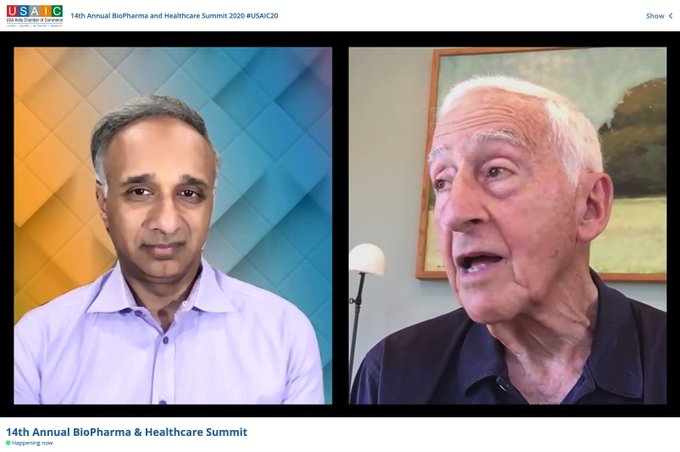
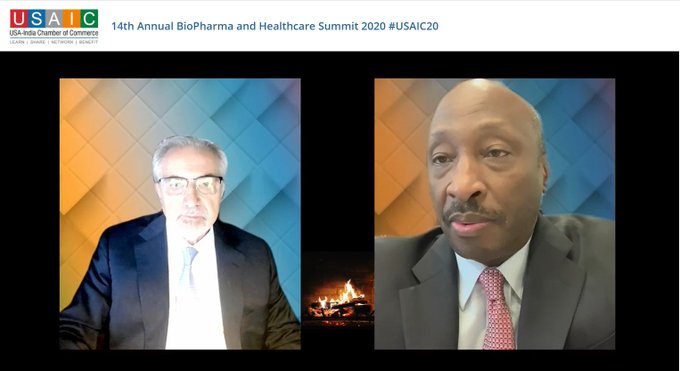
Tweet Collection by @pharma_BI and @AVIVA1950 and Re-Tweets for e-Proceedings 14th Annual BioPharma & Healthcare Summit, Friday, September 4, 2020, 8 AM EST to 3-30 PM EST – Virtual Edition

Reporter: Aviva Lev-Ari, PhD, RN

Real Time Press Coverage: Aviva Lev-Ari, PhD, RN


e-Proceedings 14th Annual BioPharma & Healthcare Summit, Friday, September 4, 2020, 8 AM EST to 3-30 PM EST – Virtual Edition

Real Time Press Coverage: Aviva Lev-Ari, PhD, RN

Founder & Director, LPBI Group

https://pharmaceuticalintelligence.com/2020/07/28/14th-annual-biopharma-healthcare-summit-friday-september-4-2020-8-am-est-to-3-30-pm-est-virtual-edition/


Aviva Lev-Ari
@AVIVA1950

#USAIC20 Dr. Hal Barron, Chief Scientific Officer and President R&D, GlaxoSmithKline GWAS not easy to find which gene drives the association  Functional Genomics gene by gene with phenotypes using machine learning significant help

Aviva Lev-Ari
@AVIVA1950

#USAIC20 Dr. Hal Barron, Chief Scientific Officer and President R&D, GSK GWAS not easy to find which gene drives the association  Functional Genomics gene by gene with phenotypes using machine learning significant help

Srihari Gopal
@sgopal2

Enjoyed hearing enthusiasm for Neuroscience R&D by Roy Vagelos at #USAIC20. Wonderful interview by Mathai Mammen

Image

1
2
Show this thread

Aviva Lev-Ari
@AVIVA1950

#USAIC20 Nina Kjellson, General Partner, Canaan Data science is a winner in Healthcare Women – Data Science is an excellent match

Aviva Lev-Ari
@AVIVA1950

#USAIC20 Arpa Garay, President, Global Pharmaceuticals, Commercial Analytics, Merck & Co. Data on Patients and identification who will benefit fro which therapy  cultural bias risk aversion

Aviva Lev-Ari
@AVIVA1950

#USAIC20 Dr. Najat Khan, Chief Operating Officer, Janssen R&D Data Sciences, Johnson & Johnson Data Validation  Deployment of algorithms embed data by type early on in the crisis to understand the disease

Aviva Lev-Ari
@AVIVA1950

#USAIC20 Sastry Chilukuri, President, Acorn AI- Medidata Opportunities in Data Science in Paharma COVID-19 and Data Science

Aviva Lev-Ari
@AVIVA1950

#USAIC20 Dr. Maya Said, Chief Executive Officer, Outcomes4Me Cancer patients taking change of their care Digital Health – consumerization of Health, patient demand to be part of the decision, part the information FDA launched a Program Project Patient Voice

USAIC
@USAIC

We’re taking a quick break at #USAIC20 before our next panel on rare diseases starts at 12:20pm EDT. USAIC would like to thank our Sponsors and Partners for supporting this year’s digital event.

Image

Aviva Lev-Ari
@AVIVA1950

#USAIC20 Dr. Roy Vagelos, Chairman of the Board, Regeneron HIV-AIDS: reverse transcriptase converted a lethal disease to a chronic disease, tried hard to make vaccine – the science was not there

Aviva Lev-Ari
@AVIVA1950

#USAIC20 Dr. Roy Vagelos, Chairman of the Board, Regeneron Pharmaceuticals Congratulates Big Pharma for taking the challenge on COVID-19 Vaccine, Antibody and anti-viral Government funding Merck was independent from Government – to be able to set the price

1

Dr Kapil Khambholja
@kapilmk

Christopher Viehbacher, Gurnet Point Capital touches very sensitive topic at #USAIC20 He claims that we are never going to have real innovation out of big pharma! Well this isn’t new but not entirely true either… any more thoughts?
1
1
Show this thread

Aviva Lev-Ari
@AVIVA1950

#USAIC20 Daphne Zohar, Founder & CEO, PureTech Health Disease focus, best science is the decision factors

1

Aviva Lev-Ari
@AVIVA1950

#USAIC20 Christopher Viehbacher, Managing Partner, Gurnet Point Capital Dream of every Biotech – get Big Pharma coming to acquire and pay a lot Morph and adapt

anju ghangurde
@scripanjug

Biogen’s chair Papadopoulos big co mergers is an attempt to solve problems; typically driven by patent expirations.. #usaic20

2

anju ghangurde
@scripanjug

Chris Viehbacher/Gurnet Point Capital on US election: industry will work with whoever wins; we’ll have to ‘morph & adapt’ #usaic20

1

Dr Kapil Khambholja
@kapilmk

of

talks about various philosophies and key reasons why certain projects/molecules are killed early. My counter questions- What are chances of losing hope little early? Do small #biopharma publish negative results to aid to the knowledge pool? #USAIC20

Image

2
2
Show this thread

Aviva Lev-Ari
@AVIVA1950

#USAIC20 Dr. Laurie Glimcher, President & CEO, Dana-Farber Cancer Institute DNA repair and epignetics are the future of medicine

Aviva Lev-Ari
@AVIVA1950

#USAIC20 Dr. Laurie Glimcher, President & CEO, Dana-Farber Cancer Institute COlonorectal cancer is increasing immuno therapy 5 drugs marketed 30% cancer patients are treated early detection key vs metastatic 10% of cancer are inherited treatment early

Aviva Lev-Ari
@AVIVA1950

#USAIC20 Rehan Verjee, President, EMD Serono Charities funding cancer research – were impacted and resources will come later and in decreased amount New opportunities support access to Medicine improve investment across the board

Aviva Lev-Ari
@AVIVA1950

#USAIC20 Dr. Philip Larsen, Global Head of Research, Bayer AG Repurposing drugs as antiviral from drug screening innovating methods Cytokine storm in OCVID-19 – kinase inhibitors may be antiviral data of tested positive allows research of pathway in new ways

Aviva Lev-Ari
@AVIVA1950

#USAIC20 Dr. Laurie Glimcher, President & CEO, Dana-Farber 3,000 Telemedicine session in the first week of the Pandemic vs 300 before – patient come back visits patient happy with Telemedicine team virtually need be reimbursed same rate working remotely

Aviva Lev-Ari
@AVIVA1950

#USAIC20 Dr. Raju Kucherlapati, Professor of Genetics, Harvard Medical School New normal as a result of the pandemic role of personalized medicine

Aviva Lev-Ari
@AVIVA1950

#USAIC20 Rehan Verjee, President, EMD Serono entire volume of clinical trials at Roche went down same at EMD delay of 6 month, some were to be initiated but was put on hold Charities funding cancer research were impacted and resources will come later smaller

Aviva Lev-Ari
@AVIVA1950

#USAIC20 Dr. Laurie Glimcher, President & CEO, Dana-Farber Cancer Institute Dana Farber saw impact of COVID-19 on immunosuppressed patients coming in for Cancer Tx – switch from IV Tx to Oral 96% decrease in screenings due to Pandemic – increase with Cancer

Aviva Lev-Ari
@AVIVA1950

#USAIC20 Kenneth Frazier, Chairman of the Board and Chief Executive Officer, Merck & Co. Pharma’s obligation for next generations requires investment in R&D vs Politicians running for 4 years Patients must come first vs shareholders vs R&D investment in 2011

Aviva Lev-Ari
@AVIVA1950

#USAIC20 Kenneth Frazier, Chairman of the Board and Chief Executive Officer, Merck & Co. Antibiotic research at Merck – no market incentives on pricing for Merck to invest in antibiotics people will die from bacterial resistance next pandemic be bacterial

Aviva Lev-Ari
@AVIVA1950

#USAIC20 Kenneth Frazier, Chairman of the Board and Chief Executive Officer, Merck & Co. Strategies of Merck = “Medicine is for the People not for Profit” – Ketruda in India is not reembureable in India and million are in need it Partnership are encouraged

Dr Kapil Khambholja
@kapilmk

Chairman Stelios Papadopoulos asks #KennethFrazier if wealthy nations will try to secure large proportion of #COVID19 drugs/vaccines. #KennethFrazie rightly mentions: pharma industry’s responsibility to balance the access to diff countries during pandemic. #USAIC20

1
3
Show this thread

Dr Kapil Khambholja
@kapilmk

Almost 60% participants at #USAIC20 feel that MNCs are more likely to run their #clinicalTrials in #INDIA seeing changing environment here, reveals the poll. Exciting time ahead for scientific fraternity as this can substantially increase the speed of #DrugDevelopment globally

Clapping hands sign

Image

1
1
Show this thread

Aviva Lev-Ari
@AVIVA1950

#USAIC20 Dr. Barry Bloom, Professor & former Dean, Harvard School of Public Health Vaccine in clinical trials, public need to return for 2nd shot, hesitancy Who will get the Vaccine first in the US  most vulnerable of those causing transmission Pharma’s risk

4

Aviva Lev-Ari
@AVIVA1950

#USAIC20 Dr. Barry Bloom, Professor & former Dean, Harvard School of Public Health Testing – PCR expensive does not enable quick testing is expensive result come transmission occurred Antibody testing CRISPR test based Vaccine in clinical trials

1

Aviva Lev-Ari
@AVIVA1950

#USAIC20 Dr Andrew Plump, President of R&D, Takeda Pharmaceuticals COllaboration effort around the Globe in the Pandemic therapy solutions including Vaccines

Read Full Post »

14th Annual BioPharma & Healthcare Summit, Friday, September 4, 2020, 8 AM EST to 3-30 PM EST – Virtual Edition

Real Time Press Coverage: Aviva Lev-Ari, PhD, RN

Founder & Director, LPBI Group


Tweet Collection by @pharma_BI and @AVIVA1950 and Re-Tweets for e-Proceedings 14th Annual BioPharma & Healthcare Summit, Friday, September 4, 2020, 8 AM EST to 3-30 PM EST – Virtual Edition

Real Time Press Coverage: Aviva Lev-Ari, PhD, RN

https://pharmaceuticalintelligence.com/2020/09/04/tweet-collection-by-pharma_bi-and-aviva1950-and-re-tweets-for-e-proceedings-14th-annual-biopharma-healthcare-summit-friday-september-4-2020-8-am-est-to-3-30-pm-est-virtual-editio/


http://www.usaindiachamber.org


 2021 summit- June 22. Marriott Cambridge, Massachusetts, USA


LPBI’s 2020 VISION

@pharma_BI

@AVIVA1950

#USAIC20


USAIC has created an ecosystem committed to driving a global dialogue on BioPharma & Healthcare innovation, attracting a diverse mix of senior industry professionals and catalyzing partnerships, new ideas, networks and regulatory reform. This unique platform creates mutually beneficial opportunities and relationships for the global Life Sciences & Healthcare industry.

14th Annual BioPharma & Healthcare Summit, Friday, September 4, 2020, 8 AM EST to 3-30 PM EST – Virtual Edition


Speakers


Kenneth Frazier
Chairman of the Board & CEO
Merck & Co.

Dr. Andrew Plump
President of R&D
Takeda Pharmaceuticals

Dr. Laurie Glimcher
President & CEO
Dana-Farber Cancer Institute

Dr. Roy Vagelos
Chairman of the Board
Regeneron

Dr. Stelios Papadopoulos
Chairman of the Board
Biogen

Dr. Mathai Mammen
Global Head of Janssen R&D
Johnson & Johnson

Christopher Viehbacher
Managing Partner
Gurnet Point Capital

Hari Bhartia
Founder & Co-Chairman
Jubilant Bhartia Group

Dr. Hal Barron
President, R&D and CSO
GlaxoSmithKline

Prof. K. Vijay Raghavan
Principal Scientific Advisor
Government of India

Sanat Chattopadhyay
President- Merck Manufacturing Division
Merck & Co.

Dr. George Yancopoulos
Co-Founder, President & CSO
Regeneron

Kiran Mazumdar Shaw
Executive Chairperson
Biocon

Dr. Elias Zerhouni
Professor Emeritus
Johns Hopkins University

Dr. David Reese
Executive Vice President- R&D
Amgen

Dr. Alfred Sandrock
Executive Vice President, R&D
Biogen

Dr. Naresh Trehan
Chairman
Medanta – the Medicity

Dr. Najat Khan
Chief Operating Officer, Data Sciences
Janssen- Johnson & Johnson

Dr. Richard Hatchett
Chief Executive Officer
CEPI

Amitabh Kant
Chief Executive Officer
NITI Aayog

Dr. Martin Mackay
Co-Founder
Rallybio

Dr. Daniel Curran
Head of the Rare Diseases TA
Takeda Pharmaceuticals

Daphne Zohar
Founder & CEO
PureTech Health

Dr. David Meeker
Chairman & CEO
Rhythm Pharmaceuticals

Dr. John Orloff
EVP and Head of R&D
Alexion

Dr. Mandeep Bhandari
Joint Secretary
Ministry of Health, India

Dr. Barry Bloom
Professor & former Dean
Harvard School of Public Health

Dr. Anne Heatherington
Head of Data Sciences Institute
Takeda Pharmaceuticals

Dr. Philip Larsen
Global Head of Research
Bayer AG

Dr. Timothy Yu
Assistant Professor in Pediatrics
Harvard Medical School

Rehan Verjee
President
EMD Serono

Sastry Chilukuri
Executive Vice President
Medidata

Arpa Garay
President, Commercial Analytics
Merck & Co.

Dr. William Chin
Professor of Medicine, Emeritus
Harvard Medical School

Dr. V G Somani
Drugs Controller General of India
Government of India

Dr. Rajeev Venkayya
President-Global Vaccines
Takeda

Dr. Steve Uden
Co-Founder
Rallybio

Muna Bhanji
SVP, Global Market Access
Merck & Co.

Dr. Maya Said
Chief Executive Officer
Outcomes4Me

Dr. Raju Kucherlapati
Professor of Genetics
Harvard Medical School

Dr. Tony Ho
Head of R&D
CRISPR Therapeutics

Dr. Sanjeev Sinha
Professor of Medicine
All India Institute of Medical Sciences

Nina Kjellson
General Partner
Canaan

Dr. Michael Rosenblatt
Chief Medical Officer
Flagship Pioneering

Dr. Shiv Kumar Sarin
Director
Institute of Liver & Biliary Sciences

Matt Wilsey
Co-Founder & Chairman
Grace Science Foundation

Dr. Samuel Waksal
Founder
Meira GTx

Dr. Alise Reicin
Former President, Global Clinical Dev.
Celgene

Dr. Toni Choueiri
Director
Lank Center for Genitourinary Oncology
Dana-Farber Cancer Institute

Dr. Dhaval Patel
EVP & Chief Scientific Officer
UCB

Dr. Nirmal Kumar Ganguly
Former Director General
Indian Council of Medical Research

Dr. Peter Mueller
President
The Muller Health Foundation

Dr. Timothy Clackson
President & CTO
Xilio Therapeutics


14th Annual BioPharma & Healthcare Summit, Friday, September 4, 2020,

8 AM EST to 3-30 PM EST – Virtual Edition


Chair and Master of Ceremonies (Emcee)– Dr. Andrew Plump, President of R&D, Takeda Pharmaceuticals

Timings are Eastern Standard Time (EST)

Time Topic
8 AM – 8-10 AM Welcome addressKarun Rishi, President, USAIC

  • COVID-19 Pandemic is a Global crisis
  • India can play a special role in R&D and in Manufacturing including Vaccine development

Opening commentsDr Andrew Plump, President of R&D, Takeda Pharmaceuticals

  • Global Summit around the World – JP Morgan of the East as we were called – it is Now a Global Conference vs East Coast
  • Record number of Drugs approved as New Drugs with special quality
  • explosion of modality of therapies to include Gene Therapy
  • Billion underserved vs N-of-One drug
  • India’s President Modi allow healthcare access to 1/2Billion
  • collaboration across the World COVID Alliance in vaccine development
  • Global effort, China recovery is remarkable
  • India battle the infection and it is growing – Public Health
  • Remarkable Speakers
8-10 AM – 8-50 AM Panel Discussion- COVID-19: Where are we now? Where are we going?

Panelists:
Dr. Barry Bloom, Professor & former Dean, Harvard School of Public Health

  • Testing – PCR expensive does not enable quick testing is expensive result come transmission occurred
  • Antibody testing
  • CRISPR test based
  • Vaccine in clinical trials, public need to return for 2nd shot, hesitancy
  • Who will get the Vaccine first? in the US  most vulnerable of those causing transmission
  • Pharma takes risk when efficacious level is unknown
    Dr. George Yancopoulos, Co-Founder, President & CSO, Regeneron
  • Repurpose – be careful
  • Ebola vaccine development approach is been REUSED for COVID-19
  • Existential threat by Disease – preparedness is ridiculous as size of investment – far where we need to be
  • Untreatable disease burden COVID-19 cost of healthcare calls massive increases as a society and Private sector Moderna invested in new technology from Academe to the Industry
  • Universal HealthCare will cripple the the healthcare systems
    Kiran Mazumdar-Shaw, Executive Chairperson, Biocon
  • Safety in proof of concept
  • Children focus for emergency use
  • validation of repurpose drugs
  • oral vaccine involve sequential processing, approval and TRUST,
  • concerns about risks
  • accelerate the process is the opportunity
    Dr. Rajeev Venkayya, President of the Global Vaccine Business Unit, Takeda
  • Public confidence in COVID-19 Vaccine
  • The Group with concerns at present is larger than 15 years ago due to the accelerate process od the development process
  • political influences on CDC emergency authorization given prior to election
  • hesitancy – influence of social media, conspiracies
  • Transparency by Pharma and by Regulatory Agencies
  • Independent reviews
    Dr. Richard Hatchett, CEO, Coalition for Epidemic Preparedness Innovations (CEPI)
  • 78 countries ready to participate, Healthcare workers priority to be ready end of next year


Moderator:
Dr. William Chin, Professor of Medicine, Emeritus, Harvard Medical School

8-50 AM – 8-55 AM Break + Polling
8-55 AM – 9-10 AM India Regulatory update

Dr. Mandeep Bhandari, Joint Secretary, Ministry of Health & Family Welfare, India

  • COVID related – support for Clinical Trials support to the Industry, innovators, processes and infrastructure is in place

Dr. V G Somani, Drug Controller General of India, Central Drug Control Organization

  • partnership, time line, transparency
  • interaction online with regulators
  • 30 days approval pre and post approval – progress achieved
  • Online presubmission very useful to both sides
  • Ecosystems on early development: Gene therapy

Moderator:
Muna Bhanji, Senior Vice President,  Merck & Co.

  • India’s preparedness
9-10 AM – 9-15 AM Break + Polling
9-15 AM – 9-55 AM Fireside Chat

Kenneth Frazier, Chairman of the Board and Chief Executive Officer, Merck & Co.

Strategies of Merck = “Medicine is for the People not for Profit”

  • AntiViral – nucleocide – orally bioavailable
  • Vaccine in early development – BSV Vaccine used in EBOLA – attenuated virus vector platform experience – 1 single doze, deployed Globally
  • Vaccine modified Measles Vaccine, novel platform – out patient and Hospital
  • Antibiotic research at Merck – no market incentives on pricing for Merck to invest in antibiotics
  • people will die from bacterial resistance infection and next pandemic will be bacterial not viral

Moderator:
Dr. Stelios Papadopoulos, Chairman of the Board, Biogen

  • Most important comments on urgency in investment in drug development by multiple constituencies made by
  • Dr. George Yancopoulos, Co-Founder, President & CSO, Regeneron
  • Access to therapy
9-55 AM – 10 AM Break + Polling
10 AM – 10-40 AM India Innovation Landscape

Panelists:
Amitabh Kant, Chief Executive Officer, National Institution for Transforming India (NITI)

  • Innovation in drug discovery collaboration for clinical trial infrastructure
  • BioEconomy BioSimilar the largest number approved anywhere
  • Incentives for size and scale
  • Ingredients manufacturing to become India’s priority
  • Investment in R&D and Human Capital in the BioEconomy

Hari Bhartia, Founder & Co-Chairman, Jubilant Bhartia Group

  • US history of innovations cluster and infrastructure: Academe, VC, small medium Biopharma, Government involvement
  • India: Contract research – 20 years history, lagging the ability to take risk
  • Changing, pricing of drug increased, innovating drug for local consumption, and it can be taken to US for a better price
  • Cancer immunology in India under development
  • India was Leading Chemistry Research – China’s government invested and took the market
  • Indian companies bigger in size – free on requirement imposed on China
  • India will be a great supplier to US Market to build high capacity raw materials

Dr. K. Vijay Raghavan, Principal Scientific Advisor, Government of India

Resources are necessary 30% from Industry vs Government and Academe with great students and labs

Indian context – Personalized Medicine – Telemedicine and IT infrastructure allowing innovation in a 1Billion Population- sheer volume of quality professional

Dr. Naresh Trehan, Chairman, Medanta – the Medicity

  • Ecosystem ready for Government to promote innovations to conduct clinical trial with global acceptance standard
  • diverse gene pool in population to innovate for new molecule to market
  • Vaccine under development on Phase 1,2,3 – regulatory mechanism is in place
  • genetic drugs, BioSimilar dominance in the market – biotech can do clinical trials in India vs abroad

Moderator:
Sanat Chattopadhyay, President, Merck Manufacturing Division; Merck & Co.

  • Largest producer of generic drugs
  • antiretroviral drug produced by Indian Pharma
  • Biotech innovations growing middle class – how innovation , infrastructure and shift to research
  • Diversify and become self reliance
10-40 AM – 10-45 AM Break + Polling
10-45 AM – 11-25 AM Panel Discussion- Oncology: Changing landscape- COVID learnings and the promise of new technologies

Panelists:
Dr. Alise Reicin, Former President, Global Clinical Development, Celgene

  • Clinical trial were impacted by association of patients to trials
  • anti bacterial resistance requires investment – needs will be greater for antibiotics in the future
  • Cancer mutation next therapy biomarkers for mutations to be developed

Dr. Laurie Glimcher, President & CEO, Dana-Farber Cancer Institute

  • Dana Farber saw impact of COVID-19 on immunosuppressant population of patients coming in for Cancer Tx – switch from IV Tx to Oral
  • 96% decrease in screenings due to Pandemic – increase with Cancer diagnosis in coming years
  • No clinical Trials in Cancer were suspended – all continued
  • Telemedicine and working at home very efficient
  • Genomics of COVID-19 studies at Dana Farber same pathway identifies
  • safety and efficacy must be achieved – not to approve drugs without phase I & Phase II endpoints

Dr. Philip Larsen, Global Head of Research, Bayer AG

  • Repurposing drugs as antiviral from drug screening innovating methods
  • Cytokine storm in OCVID-19 – kinase inhibitors may be antiviral  – dat of tested positive allows research of pathway in new ways
  • Regulatory agencies in US and Europe for types of drugs vs single patient drugs

Rehan Verjee, President, EMD Serono

  • entire volume of clinical trials at Roche went down same at EMD
  • delay of 6 month, some were to be initiated but was put on hold
  • Charities funding cancer research – were impacted and resources will come later and in decreased amount
  • New opportunities support access to Medicine
  • improve investment across the board
  • Antibody cytotoxic with precision

Dr. Tony Ho, Head of Research and Development, CRISPR Therapeutics

  • challenges overcome by testing at home

Moderator:
Dr. Raju Kucherlapati, Professor of Genetics, Harvard Medical School

  • New normal as a result of the pandemic role of personalized medicine
  • Cancer cure – what are the prospects
11-25 AM – 11-30 AM Break + Polling
11-30 AM – 12-10 PM Panel Discussion- Industry & Investment Outlook

Panelists:
Christopher Viehbacher, Managing Partner, Gurnet Point Capital

  • IPOs can have advantages in Pandemics – Travel curtails all deals done virtually in greater efficiency
  • Drug pricing is a target by White house
  • Dream of every Biotech – get Big Pharma coming to acquire and pay a lot
  • Morph and adapt

Daphne Zohar, Founder & CEO, PureTech Health

  • kill project early financial incentive not in line in the industry
  • incentive to move resources among project and kill early project experiments to find which project to kill
  • Innovations – pattern recognition, fast followers academic translation
  • Disease focus, best science is the decision factors

Dr. Elias Zerhouni, Professor Emeritus, Johns Hopkins University

  • Digital Health
  • CVS opens clinics
  • R&D – Capital is low
  • Network of global innovation hubs vc investor channel like in the past
  • Value of company driven by hits blockbusters


Dr. Stelios Papadopoulos, Chairman, Biogen

  • Worst pandemic in our lifetime
  • stock market if hot – in balance in supply and demand, interest rates low, excess supply of equities in entertainment, Travel, hospitality
  • Healthcare was defensive therapeutics needed – opportunity to innovate in HC – shift money from entertainment, Travel hospitality to HC
  • Recovery will shift money away from Healthcare
  • IP Protection and patent expiration – biotech are cases not trends

Moderator:

Dr. Andrew Plump,

President of Research & Development, Takeda Pharmaceuticals

Moderator Presenter: Dr. Michael Rosenblatt, CEO

12-10 PM – 12-20 PM Break + Polling
12-20 PM – 1 PM Panel Discussion- Rare Diseases: No longer forgotten; but more to be achieved

ROI is not there, regulatory requirements reduced, Registry

Panelists:
Dr. Alfred Sandrock, Executive Vice President, Research & Development, Biogen

  • Multiple Sclerosis therapy
  • cost effectiveness is not there vs save a life
  • Appeal opportunity is there and regulators are people

Dr. Daniel Curran, Head of the Rare Diseases Therapeutic Area Unit, Takeda

  • Takeda collaborates with Grace Science Foundation

Dr. David Meeker, Chairman & CEO , Rhythm Pharmaceuticals

  • Cystic Fibrosis 

Dr. John Orloff, Head of Research & Development, Alexion

  • ALS
  • Duchenne Muscular Destrophy
  • HUS
  • ASO
  • gene therapy – one time therapy: Valuation for the industry of long term therapy: US (long term non existence) vs Europe and Japan (much appreciated

Matt Wilsey, Co-Founder & Chairman, Grace Science Foundation

  • Ultra-rare (500 Patients) vs Ultra Ultra-rare (50 Patients)
  • 70 patients in the World, Grace disease, Parent drive the search for drug
  • Manufacturing cost comes down
  • Price is dynamic

Moderator:
Dr. Steve Uden, Co-Founder, Rallybio

  • Regulators are people


1 PM – 1-05 PM Break + Polling
1-05 PM – 1-50 PM Fireside Chat

Dr. Roy Vagelos, Chairman of the Board, Regeneron Pharmaceuticals

  • Congratulate Big Pharma for taking the challenge on COVID-19
  • Vaccine, Antibody and anti-viral
  • Government funding
  • Merck was independent from Government – to be independent and be able to set the price
  • HIV-AIDS: reverse transcriptase converted a lethal disease to a chronic disease, tried hard to make vaccine – the science was not there
  • Industry role: Competition of drug discovery capacity is been built, global needs, price need be low for global reach
  • Government is a already a player hoping without a control on pricing
  • 300Million people were treated FREE by Merck’s Family Program HepC
  • 9% in China immunize the newborn with HepB 1994 100% babies immunized – no profit to Merck – eradication of HepB in China
  • Neuro degeneration – science supports drug development
  • Role of R&D Scientists in Drug discovery?

Moderator:
Dr. Mathai Mammen, Global Head of Janssen Research & Development, Johnson & Johnson

  • COVID-19 drug development: Response by Big Pharma
  • Industry role in Access to medicines, biologics, antibodies, vaccines
  • Role of R&D Scientists in Drug discovery?
  • PAHTN – use Machine Learning on top of data collected routinely,


1-50 PM – 1-55 PM Break + Polling
1-55 PM – 2-35 PM Panel Discussion- Digital & Data Science in Healthcare: Pragmatic Insights from the Real-World

Panelists:
Dr. Anne Heatherington, Head of Data Sciences Institute, Takeda Pharmaceuticals

  • Reliance on Data – AI and Data in Pharma alliance with MIT
  • collaboration of Data for COVID-19
  • Women need education in STEM and in Data Science

Arpa Garay, President, Global Pharmaceuticals, Commercial Analytics, Merck & Co.

  • Data on Patients and identification who will benefit fro which therapy
  •  cultural bias risk aversion
  • Invest early on in STEM

Dr. Maya Said, Chief Executive Officer, Outcomes4Me

  • Cancer patients taking change of their care
  • Digital Health – consumerization of Health, patient demand to be part of the decision, part of the information
  • FDA launched a Program Project Patient Voice

https://www.fda.gov/about-fda/oncology-center-excellence/project-patient-voice

  • Women should not undersell themselves

Dr. Najat Khan, Chief Operating Officer, Janssen R&D Data Sciences, Johnson & Johnson

  • Validation
  • Deployment of algorithms
  • embed data by type early on in the crisis to understand the disease
  • Compare the Big IT-Data and Pharma where are the barriers?
  • STEM and Women in Pharma – the opportunity must be right

Nina Kjellson, General Partner, Canaan

  • Data science is a winner in Healthcare
  • Women – Data Science is an excellent match

Moderator:
Sastry Chilukuri, President, Acorn AI- Medidata

  • Opportunities in Data Science in Pharma
  • COVID-19 and Data Science
  • STEM and Women in Pharma


2-35 PM – 2-40 PM Break + Polling
2-40 PM – 3-20 PM Panel Discussion- R&D Strategies and Trends: Innovation – The Big I

Panelists:
Dr. Andrew Plump, President of Research & Development, Takeda Pharmaceuticals

  • Enter for Plasma and for manufacturing vs discovery
  • Change how pharma behaved inefficiently in the past – with COVID-19 new behaviors in the industry
  • End of Century most diseases could be cured

Dr. David Reese, Executive Vice President, Research and Development, Amgen

  • Interaction with regulator was most favorable

Dr. Hal Barron, Chief Scientific Officer and President R&D, GlaxoSmithKline

  • Cytokine storm – few approaches
  • Control molecule GSK owned
  • GWAS not easy to find which gene drives the association
  • Functional Genomics gene by gene with phenotypes using machine learning significant help

Dr. Mathai Mammen, Global Head of Janssen Research & Development, Johnson & Johnson

  • Neuro-modulation: Symptomology Outcomes – no correlation
  • Vaccine platform used in the past for several vaccines: Selection process from several candidates, cell line enter Clinical waiting for data
  • Using same platform with several proteins – great communality in the development
  • Regulator deepen trust relationship which will carry for the future
  • Pulmonologists and cardiologist in the COVIS-19 Patients – remove drugs monitoring on drugs

Moderator:
Duval Patel presented the Moderator

Moderator:

Martin Mackay, Co-Founder, RallyBio


3-20 PM – 3-30 PM Closing Remarks

  • Every year it is getting better
  • India – innovate and make drugs for every country and for India
  • Diversity and inclusion
  • Leadership in Pharma Industry in all Panels
  • Massive impact can be made


Poll Questions for September 4

Polling Time (EST) Polling Topic
8-50 AM COVID-19 PanelQuestion 1: What do you foresee as the most likely outcome of the race to develop a vaccine?

  • Heightened international tensions due to inequities in distribution
  • Use of the vaccine as an instrument of geopolitics
  • Collaboration between governments to use vaccine to end the pandemic
  • All of the above

Question 2: What minimum criteria would you like to see for approval of COVID19 vaccines, assuming adequate efficacy?

  • Immune response in people over 60 years
  • Durability of response
  • Antibody plus T-cell response
  • Emergency Use Authorization with caveats followed by final approval
9-10 AM India Regulatory UpdateHow will MNCs respond to the recent regulatory changes for BioPharmas in India? They are _____ to run clinical trials there:

  • More likely
  • Less likely
  • Equally likely
9-55 AM Fireside Chat: Ken Frazier

The BioPharma industry this year has publicly committed itself to greater diversity. What specific measures do you expect to see?

  • Increasing diversity in clinical trials
  • Increasing diversity at the C-suite and board level
  • Increasing diversity throughout the company
  • All of the above
  • None of the above
10-40 AM India Innovation LandscapeWhat is the most important step India could take to become a global leader in life sciences innovation?”

  • Implement government policies to incentivize innovative drug development
  • Increase availability of financing for BioPharmas
  • Improve clinical trial infrastructure
  • Increase IP protection
11-25 AM Oncology PanelQuestion 1:

Changes in policy and reimbursement over the next five years will impact innovation in cancer therapeutics

  • Not at all
  • Slightly
  • Moderately
  • Significantly

Question 2: What therapeutic innovation do you think will have the biggest impact on cancer in the next five years?

  • Cell-based immunotherapies
  • Antibody-based immunotherapies
  • Bispecific / multi-specific antibodies
  • Antibody drug conjugates
12-10 PM Industry & Investment Outlook PanelMore and more funding has been going into preclinical companies — do you expect this trend to continue?

  • Yes
  • No

R&D Strategies and Trends Panel

COVID-19 has led to an unprecedented level of collaboration among stakeholders in the biopharma industry. Where do you expect to see the biggest increase in collaborations post-pandemic?

  • Discovery/preclinical research
  • Clinical development
  • Manufacturing
  • Commercialization
1 PM Rare Diseases PanelWhat is the biggest barrier to access to Orphan drugs in low-income countries?

  • Price, Access and Availability
  • Disease recognition and diagnosis
  • Lack of patient education regarding new therapies
  • Ultra-rarity of certain diseases creates barriers for BioPharma companies to pursue therapeutic
1-50 PM Fireside Chat: Roy VagelosQuestion 1:

Will pharma’s reputation continue its positive trend or return to negative base line beyond the pandemic

  • Yes
  • No

Question 2:

COVID-19 has put the spotlight on BioPharma as an essential player in the return to normalcy. What primary action do you think the industry needs to take to maintain a positive reputation beyond the pandemic?

  • Continue developing innovative drug pricing models
  • Increase drug pricing transparency
  • Increase data sharing and transparency
  • Improving availability and access in low income countries
2-35 PM Digital & Data Sciences PanelWhere has COVID-19 had the biggest impact on your adoption and use of digital health technologies?

  • Remote clinical trials and patient monitoring
  • Real-world data collection and analysis
  • Virtual drug launches


@@@@

In these unprecedented times due to COVID-19, USAIC is offering Free Registration for its annual summit.

Click for free registration


AGENDA & SPEAKERS

Chair and Master of Ceremonies (Emcee)– Dr. Andrew Plump, President of R&D, Takeda Pharmaceuticals
Summit Theme: “From N of One to N of a Billion”

  • Moderated Fireside Chat- Kenneth Frazier, Chairman of the Board and Chief Executive Officer, Merck & Co. and Stelios Papadopoulos, Chairman of the Board, Biogen
  • Moderated Fireside Chat- Roy Vagelos, Chairman of the Board, Regeneron Pharmaceuticals and Mathai Mammen, Global Head of R&D, Janssen Pharmaceutical Companies of Johnson & Johnson
  • Moderated Fireside Chat- K. VijayRaghavan, Principal Scientific Advisor, Government of India and Amitabh Kant, CEO, National Institution for Transforming India (NITI)

Panel Discussions:

  • Covid-19: Where are we now? Where are we going?
  • Oncology: A never ending tunnel?
  • Rare Diseases: Breaking Barriers for a Healthy Brain
  • Digital & Data Sciences: Leveraging data and digital to achieve healthcare solutions
  • Industry & Investment Outlook
  • R&D Strategies and Trends: Innovation – The Big I

Program and speakers subject to change*

14th Annual BioPharma & Healthcare Summit, Friday, September 4, 2020, 8 AM EST to 3-30 PM EST – Virtual Edition

Speakers


Kenneth Frazier
Chairman of the Board & CEO
Merck & Co.

Dr. Andrew Plump
President of R&D
Takeda Pharmaceuticals

Dr. Laurie Glimcher
President & CEO
Dana-Farber Cancer Institute

Dr. Roy Vagelos
Chairman of the Board
Regeneron

Dr. Stelios Papadopoulos
Chairman of the Board
Biogen

Christopher Viehbacher
Managing Partner
Gurnet Point Capital

Dr. Mathai Mammen
Global Head of R&D
Janssen- Johnson & Johnson

Kiran Mazumdar Shaw
Chairperson & Managing Director
Biocon

Dr. Hal Barron
President, R&D and CSO
GlaxoSmithKline

Prof. K. Vijay Raghavan
Principal Scientific Advisor
Government of India

Dr. George Yancopoulos
Co-Founder, President & CSO
Regeneron

Dr. Elias Zerhouni
Professor Emeritus
Johns Hopkins University

Daphne Zohar
Founder & CEO
PureTech Health

Sanat Chattopadhyay
President- Merck Manufacturing Division
Merck & Co.

Dr. David Reese
Executive Vice President- R&D
Amgen

Hari Bhartia
Founder & Co-Chairman
Jubilant Bhartia Group

Dr. Alfred Sandrock
Exe Vice President R&D & CMO
Biogen

Dr. Najat Khan
Chief Operating Officer, Data Sciences
Janssen- Johnson & Johnson

Dr. Richard Hatchett
Chief Executive Officer
CEPI

Amitabh Kant
Chief Executive Officer
NITI Aayog

Dr. Martin Mackay
Co-Founder
Rallybio

Dr. Daniel Curran
Head of the Rare Diseases TA
Takeda Pharmaceuticals

Dr. Alise Reicin
Former President, Global Clinical Dev.
Celgene

Dr. David Meeker
Chairman & CEO
Rhythm Pharmaceuticals

Dr. John Orloff
EVP and Head of R&D
Alexion

Dr. Barry Bloom
Professor & former Dean
Harvard School of Public Health

Dr. Mandeep Bhandari
Joint Secretary
Ministry of Health, India

Arpa Garay
President, Commercial Analytics
Merck & Co.

Dr. Steve Uden
Co-Founder
Rallybio

Dr. Philip Larsen
Global Head of Research
Bayer AG

Sastry Chilukuri
Executive Vice President
Medidata

Dr. William Chin
Professor of Medicine, Emeritus
Harvard Medical School

Dr. Anne Heatherington
Head of Data Sciences Institute
Takeda Pharmaceuticals

Dr. V G Somani
Drugs Controller General of India
Government of India

Dr. Rajeev Venkayya
President-Global Vaccines
Takeda

Dr. Raju Kucherlapati
Professor of Genetics
Harvard Medical School

Matt Wilsey
Co-Founder & Chairman
Grace Science Foundation

Muna Bhanji
SVP, Global Market Access
Merck & Co.

Dr. Maya Said
Chief Executive Officer
Outcomes4Me

Rehan Verjee
President
EMD Serono
Pharmasia News Biospectrum India Online

SOURCE:

https://usaindiachamber.org/speaker.php

Read Full Post »

From Cell Press:  New Insights on the D614G Strain of COVID: Will a New Mutated Strain Delay Vaccine Development?

Reporter: Stephen J. Williams, PhD

Two recent articles in Cell Press, both peer reviewed, discuss the emergence and potential dominance of a new mutated strain of COVID-19, in which the spike protein harbors a D614G mutation.

In the first article “Making Sense of Mutation: What D614G means for the COVID-19 pandemic Remains Unclear”[1] , authors Drs. Nathan Grubaugh, William Hanage, and Angela Rasmussen discuss the recent findings by Korber et al. 2020 [2] which describe the potential increases in infectivity and mortality of this new mutant compared to the parent strain of SARS-CoV2.  For completeness sake I will post this article as to not defer from their interpretations of this important paper by Korber and to offer some counter opinion to some articles which have surfaced this morning in the news.

Making sense of mutation: what D614G means for the COVID-19 pandemic remains unclear


Nathan D. Grubaugh1 *, William P. Hanage2 *, Angela L. Rasmussen3 * 1Department of Epidemiology of Microbial Diseases, Yale School of Public Health, New Haven, CT 06510, USA 2Center for Communicable Disease Dynamics, Department of Epidemiology, Harvard T. H. Chan School of Public Health, Boston, MA 02115, USA 3Center for Infection and Immunity, Columbia Mailman School of Public Health, New York, NY 10032, USA Correspondence: grubaughlab@gmail.com


Abstract: Korber et al. (2020) found that a SARS-CoV-2 variant in the spike protein, D614G, rapidly became dominant around the world. While clinical and in vitro data suggest that D614G changes the virus phenotype, the impact of the mutation on transmission, disease, and vaccine and therapeutic development are largely unknown.

Introduction: Following the emergence of SARS-CoV-2 in China in late 2019, and the rapid expansion of the COVID19 pandemic in 2020, questions about viral evolution have come tumbling after. Did SARS-CoV-2 evolve to become better adapted to humans? More infectious or transmissible? More deadly? Virus mutations can rise in frequency due to natural selection, random genetic drift, or features of recent epidemiology. As these forces can work in tandem, it’s often hard to differentiate when a virus mutation becomes common through fitness or by chance. It is even harder to determine if a single mutation will change the outcome of an infection, or a pandemic. The new study by Korber et al. (2020) sits at the heart of this debate. They present compelling data that an amino acid change in the virus’ spike protein, D614G, emerged early during the pandemic, and viruses containing G614 are now dominant in many places around the world. The crucial questions are whether this is the result of natural selection, and what it means for the COVID-19 pandemic. For viruses like SARS-CoV-2 transmission really is everything – if they don’t get into another host their lineage ends. Korber et al. (2020) hypothesized that the rapid spread of G614 was because it is more infectious than D614. In support of their hypothesis, the authors provided evidence that clinical samples from G614 infections have a higher levels of viral RNA, and produced higher titers in pseudoviruses from in vitro experiments; results that now seem to be corroborated by others [e.g. (Hu et al., 2020; Wagner et al., 2020)]. Still, these data do not prove that G614 is more infectious or transmissible than viruses containing D614. And because of that, many questions remain on the potential impacts, if any, that D614G has on the COVID-19 pandemic.

The authors note that this new G614 variant has become the predominant form over the whole world however in China the predominant form is still the D614 form.  As they state

“over the period that G614 became the global majority variant, the number of introductions from China where D614 was still dominant were declining, while those from Europe climbed. This alone might explain the apparent success of G614.”

Grubaugh et al. feel there is not enough evidence that infection with this new variant will lead to higher mortality.  Both Korber et al. and the Seattle study (Wagner et al) did not find that the higher viral load of this variant led to a difference in hospitalizations so apparently each variant might be equally as morbid.

In addition, Grubaugh et al. believe this variant would not have much affect on vaccine development as, even though the mutation lies within the spike protein, D614G is not in the receptor binding domain of the spike protein.  Korber suggest that there may be changes in glycosylation however these experiments will need to be performed.  In addition, antibodies from either D614 or G614 variant infected patients could cross neutralize.


Conclusions: While there has already been much breathless commentary on what this mutation means for the COVID19 pandemic, the global expansion of G614 whether through natural selection or chance means that this variant now is the pandemic. As a result its properties matter. It is clear from the in vitro and clinical data that G614 has a distinct phenotype, but whether this is the result of bonafide adaptation to human ACE2, whether it increases transmissibility, or will have a notable effect, is not clear. The work by Korber et al. (2020) provides an early base for more extensive epidemiological, in vivo experimental, and diverse clinical investigations to fill in the many critical gaps in how D614G impacts the pandemic.

The link to the Korber Cell paper is here: https://www.cell.com/cell/fulltext/S0092-8674(20)30820-5

Tracking changes in SARS-CoV-2 Spike: evidence that D614G increases infectivity of the COVID-19 virus

DOI: https://doi.org/10.1016/j.cell.2020.06.043

Keypoints

  • The consistent increase of G614 at regional levels may indicate a fitness advantage


  • G614 is associated with lower RT PCR Ct’s, suggestive of higher viral loads in patients


  • The G614 variant grows to higher titers as pseudotyped virions

Summary

A SARS-CoV-2 variant carrying the Spike protein amino acid change D614G has become the most prevalent form in the global pandemic. Dynamic tracking of variant frequencies revealed a recurrent pattern of G614 increase at multiple geographic levels: national, regional and municipal. The shift occurred even in local epidemics where the original D614 form was well established prior to the introduction of the G614 variant. The consistency of this pattern was highly statistically significant, suggesting that the G614 variant may have a fitness advantage. We found that the G614 variant grows to higher titer as pseudotyped virions. In infected individuals G614 is associated with lower RT-PCR cycle thresholds, suggestive of higher upper respiratory tract viral loads, although not with increased disease severity. These findings illuminate changes important for a mechanistic understanding of the virus, and support continuing surveillance of Spike mutations to aid in the development of immunological interventions.


References

  1. Grubaugh, N.D., Hanage, W.P., Rasmussen, A.L., Making sense of mutation: what D614G means for the COVID-19 pandemic remains unclear, Cell (2020), doi: https:// doi.org/10.1016/j.cell.2020.06.040.
  2. Korber, B., Fischer, W.M., Gnanakaran, S., Yoon, H., Theiler, J., Abfalterer, W., Hengartner, N., Giorgi, E.E., Bhattacharya, T., Foley, B., et al. (2020). Tracking changes in SARS-CoV-2 Spike: evidence that D614G increases infectivity of the COVID-19 virus. Cell 182.
  3. Endo, A., Centre for the Mathematical Modelling of Infectious Diseases COVID-19 Working Group, Abbott, S., Kucharski, A.J., and Funk, S. (2020). Estimating the overdispersion in COVID-19 transmission using outbreak sizes outside China. Wellcome Open Res 5, 67.
  4. Hu, J., He, C.-L., Gao, Q.-Z., Zhang, G.-J., Cao, X.-X., Long, Q.-X., Deng, H.-J., Huang, L.-Y., Chen, J., Wang, K., et al. (2020). The D614G mutation of SARS-CoV-2 spike protein enhances viral infectivity and decreases neutralization sensitivity to individual convalescent sera. bioRxiv 2020.06.20.161323.
  5. Wagner, C., Roychoudhury, P., Hadfield, J., Hodcroft, E.B., Lee, J., Moncla, L.H., Müller, N.F., Behrens, C., Huang, M.-L., Mathias, P., et al. (2020). Comparing viral load and clinical outcomes in Washington State across D614G mutation in spike protein of SARS-CoV-2. Https://github.com/blab/ncov-D614G.

Read Full Post »

The Accelerating COVID-19 Therapeutic Interventions and Vaccines (ACTIV) Partnership on May 18, 2020: Leadership of AbbVie, Amgen, AstraZeneca, Bristol Myers Squibb, Eisai, Eli Lilly, Evotec, Gilead, GlaxoSmithKline, Johnson & Johnson, KSQ Therapeutics, Merck, Novartis, Pfizer, Roche, Sanofi, Takeda, and Vir. We also thank multiple NIH institutes (especially NIAID), the FDA, BARDA, CDC, the European Medicines Agency, the Department of Defense, the VA, and the Foundation for NIH

Reporter: Aviva Lev-Ari, PhD, RN

May 18, 2020

Accelerating COVID-19 Therapeutic Interventions and Vaccines (ACTIV) An Unprecedented Partnership for Unprecedented Times

JAMA. Published online May 18, 2020. doi:10.1001/jama.2020.8920

First reported in Wuhan, China, in December 2019, COVID-19 is caused by a highly transmissible novel coronavirus, SARS-CoV-2 (severe acute respiratory syndrome coronavirus 2). By March 2020, as COVID-19 moved rapidly throughout Europe and the US, most researchers and regulators from around the world agreed that it would be necessary to go beyond “business as usual” to contain this formidable infectious agent. The biomedical research enterprise was more than willing to respond to the challenge of COVID-19, but it soon became apparent that much-needed coordination among important constituencies was lacking.

Clinical trials of investigational vaccines began as early as January, but with the earliest possible distribution predicted to be 12 to 18 months away. Clinical trials of experimental therapies had also been initiated, but most, except for a trial testing the antiviral drug remdesivir,2 were small and not randomized. In the US, there was no true overarching national process in either the public or private sector to prioritize candidate therapeutic agents or vaccines, and no efforts were underway to develop a clear inventory of clinical trial capacity that could be brought to bear on this public health emergency. Many key factors had to change if COVID-19 was to be addressed effectively in a relatively short time frame.

On April 3, leaders of the National Institutes of Health (NIH), with coordination by the Foundation for the National Institutes of Health (FNIH), met with multiple leaders of research and development from biopharmaceutical firms, along with leaders of the US Food and Drug Administration (FDA), the Biomedical Advanced Research and Development Authority (BARDA), the European Medicines Agency (EMA), and academic experts. Participants sought urgently to identify research gaps and to discuss opportunities to collaborate in an accelerated fashion to address the complex challenges of COVID-19.

These critical discussions culminated in a decision to form a public-private partnership to focus on speeding the development and deployment of therapeutics and vaccines for COVID-19. The group assembled 4 working groups to focus on preclinical therapeutics, clinical therapeutics, clinical trial capacity, and vaccines (Figure). In addition to the founding members, the working groups’ membership consisted of senior scientists from each company or agency, the Centers for Disease Control and Prevention (CDC), the Department of Veterans Affairs (VA), and the Department of Defense.

Figure.

Accelerating COVID-19 Therapeutic Interventions and Vaccines

ACTIV’s 4 working groups, each with one cochair from NIH and one from industry, have made rapid progress in establishing goals, setting timetables, and forming subgroups focused on specific issues (Figure). The goals of the working group, along with a few examples of their accomplishments to date, include the following.


The Preclinical Working Group was charged to standardize and share preclinical evaluation resources and methods and accelerate testing of candidate therapies and vaccines to support entry into clinical trials. The aim is to increase access to validated animal models and to enhance comparison of approaches to identify informative assays. For example, through the ACTIV partnership, this group aims to extend preclinical researchers’ access to high-throughput screening systems, especially those located in the Biosafety Level 3 (BSL3) facilities currently required for many SARS-CoV-2 studies. This group also is defining a prioritization approach for animal use, assay selection and staging of testing, as well as completing an inventory of animal models, assays, and BSL 3/4 facilities.


The Therapeutics Clinical Working Group has been charged to prioritize and accelerate clinical evaluation of a long list of therapeutic candidates for COVID-19 with near-term potential. The goals have been to prioritize and test potential therapeutic agents for COVID-19 that have already been in human clinical trials. These may include agents with either direct-acting or host-directed antiviral activity, including immunomodulators, severe symptom modulators, neutralizing antibodies, or vaccines. To help achieve these goals, the group has established a steering committee with relevant expertise and objectivity to set criteria for evaluating and ranking potential candidate therapies submitted by industry partners. Following a rigorous scientific review, the prioritization subgroup has developed a complete inventory of approximately 170 already identified therapeutic candidates that have acceptable safety profiles and different mechanisms of action. On May 6, the group presented its first list of repurposed agents recommended for inclusion in ACTIV’s master protocol for adaptive clinical trials. Of the 39 agents that underwent final prioritization review, the group identified 6 agents—including immunomodulators and supportive therapies—that it proposes to move forward into the master protocol clinical trial(s) expected to begin later in May.


The Clinical Trial Capacity Working Group is charged with assembling and coordinating existing networks of clinical trials to increase efficiency and build capacity. This will include developing an inventory of clinical trial networks supported by NIH and other funders in the public and private sectors, including contract research organizations. For each network, the working group seeks to identify their specialization in different populations and disease stages to leverage infrastructure and expertise from across multiple networks, and establish a coordination mechanism across networks to expedite trials, track incidence across sites, and project future capacity. The clinical trials inventory subgroup has already identified 44 networks, with access to adult populations and within domestic reach, for potential inclusion in COVID-19 trials. Meanwhile, the survey subgroup has developed 2 survey instruments to assess the capabilities and capacities of those networks, and its innovation subgroup has developed a matrix to guide deployment of innovative solutions throughout the trial life cycle.


The Vaccines Working Group has been charged to accelerate evaluation of vaccine candidates to enable rapid authorization or approval.4 This includes development of a harmonized master protocol for adaptive trials of multiple vaccines, as well as development of a trial network that could enroll as many as 100 000 volunteers in areas where COVID-19 is actively circulating. The group also aims to identify biomarkers to speed authorization or approval and to provide evidence to address cross-cutting safety concerns, such as immune enhancement. Multiple vaccine candidates will be evaluated, and the most promising will move to a phase 2/3 adaptive trial platform utilizing large geographic networks in the US and globally.5 Because time is of the essence, ACTIV will aim to have the next vaccine candidates ready to enter clinical trials by July 1, 2020.

References

1.

Desai  A .  Twentieth-century lessons for a modern coronavirus pandemic.   JAMA. Published online April 27, 2020. doi:10.1001/jama.2020.4165
ArticlePubMedGoogle Scholar

2.

NIH clinical trial shows remdesivir accelerates recovery from advanced COVID-19. National Institutes of Health. Published April 29, 2020. Accessed May 7, 2020. https://www.nih.gov/news-events/news-releases/nih-clinical-trial-shows-remdesivir-accelerates-recovery-advanced-covid-19

3.

NIH to launch public-private partnership to speed COVID-19 vaccine and treatment options. National Institutes of Health. Published April 17, 2020. Accessed May 7, 2020. https://www.nih.gov/news-events/news-releases/nih-launch-public-private-partnership-speed-covid-19-vaccine-treatment-options

4.

Corey  L , Mascola  JR , Fauci  AS , Collins  FS .  A strategic approach to COVID-19 vaccine R&D.   Science. Published online May 11, 2020. doi:10.1126/science.abc5312PubMedGoogle Scholar

5.

Angus  DC .  Optimizing the trade-off between learning and doing in a pandemic.   JAMA. Published online March 30, 2020. doi:10.1001/jama.2020.4984
ArticlePubMedGoogle Scholar

6.

Accelerating COVID-19 Therapeutic Interventions and Vaccines (ACTIV) portal. National Institutes of Health. Accessed May 15, 2020. https://www.nih.gov/ACTIV

7.

Accelerating Medicines Partnership (AMP). National Institutes of Health. Published February 4, 2014. Accessed May 7, 2020. https://www.nih.gov/research-training/accelerating-medicines-partnership-amp
SOURCE

Read Full Post »

Live Notes, Real Time Conference Coverage 2020 AACR Virtual Meeting April 27, 2020 Opening Remarks and Clinical Session 11:45am-1:15pm Advances in Cancer Drug Discovery

SESSION VMS.CH01.01 – Advances in Cancer Drug Design and Discovery

April 27, 2020, 11:45 AM – 1:15 PM
Virtual Meeting: All Session Times Are U.S. EDT
DESCRIPTIONAll session times are U.S. Eastern Daylight Time (EDT).

Session Type
Virtual Minisymposium
Track(s)
Cancer Chemistry
14 Presentations
11:45 AM – 11:45 AM
– ChairpersonZoran Rankovic. St. Jude Children’s Research Hospital, Memphis, TN

11:45 AM – 11:45 AM
– ChairpersonChristopher G. Nasveschuk. C4 Therapeutics, Watertown, MA

11:45 AM – 11:50 AM
– IntroductionZoran Rankovic. St. Jude Children’s Research Hospital, Memphis, TN

11:50 AM – 12:00 PM
1036 – Discovery of a highly potent, efficacious and orally active small-molecule inhibitor of embryonic ectoderm development (EED)Changwei Wang, Rohan Kalyan Rej, Jianfeng Lu, Mi Wang, Kaitlin P. Harvey, Chao-Yie Yang, Ester Fernandez-Salas, Jeanne Stuckey, Elyse Petrunak, Caroline Foster, Yunlong Zhou, Rubin Zhou, Guozhi Tang, Jianyong Chen, Shaomeng Wang. Rogel Cancer Center and Departments of Internal Medicine, Pharmacology, and Medicinal Chemistry, Life Sciences Institute, University of Michigan, Ann Arbor, MI, Ascentage Pharma Group, Taizhou, Jiangsu, China

12:00 PM – 12:05 PM
– Discussion

12:05 PM – 12:15 PM
1037 – Orally available small molecule CD73 inhibitor reverses immunosuppression through blocking of adenosine productionXiaohui Du, Brian Blank, Brenda Chan, Xi Chen, Yuping Chen, Frank Duong, Lori Friedman, Tom Huang, Melissa R. Junttila, Wayne Kong, Todd Metzger, Jared Moore, Daqing Sun, Jessica Sun, Dena Sutimantanapi, Natalie Yuen, Tatiana Zavorotinskaya. ORIC Pharmaceuticals, South San Francisco, CA, ORIC Pharmaceuticals, South San Francisco, CA, ORIC Pharmaceuticals, South San Francisco, CA, ORIC Pharmaceuticals, South San Francisco, CA

12:15 PM – 12:20 PM
– Discussion

12:20 PM – 12:30 PM
1038 – A potent and selective PARP14 inhibitor decreases pro-tumor macrophage function and elicits inflammatory responses in tumor explantsLaurie Schenkel, Jennifer Molina, Kerren Swinger, Ryan Abo, Danielle Blackwell, Anne Cheung, William Church, Kristy Kuplast-Barr, Alvin Lu, Elena Minissale, Mario Niepel, Melissa Vasbinder, Tim Wigle, Victoria Richon, Heike Keilhack, Kevin Kuntz. Ribon Therapeutics, Cambridge, MA

12:30 PM – 12:35 PM
– Discussion

12:35 PM – 12:45 PM
1039 – Fragment-based drug discovery to identify small molecule allosteric inhibitors of SHP2. Philip J. Day, Valerio Berdini, Juan Castro, Gianni Chessari, Thomas G. Davies, James E. H. Day, Satoshi Fukaya, Chris Hamlett, Keisha Hearn, Steve Hiscock, Rhian Holvey, Satoru Ito, Yasuo Kodama, Kenichi Matsuo, Yoko Nakatsuru, Nick Palmer, Amanda Price, Tadashi Shimamura, Jeffrey D. St. Denis, Nicola G. Wallis, Glyn Williams, Christopher N. Johnson. Astex Pharmaceuticals, Inc., Cambridge, United Kingdom, Taiho Pharmaceutical Co., Ltd, Tsukuba, Japan

Abstract: The ubiquitously expressed protein tyrosine phosphatase SHP2 is required for signalling downstream of receptor tyrosine kinases (RTKs) and plays a role in regulating many cellular processes. Recent advances have shown that genetic knockdown and pharmacological inhibition of SHP2 suppresses RAS/MAPK signalling and inhibits proliferation of RTK-driven cancer cell lines. SHP2 is now understood to act upstream of RAS and plays a role in KRAS-driven cancers, an area of research which is rapidly growing. Considering that RTK deregulation often leads to a wide range of cancers and the newly appreciated role of SHP2 in KRAS-driven cancers, SHP2 inhibitors are therefore a promising therapeutic approach.
SHP2 contains two N-terminal tandem SH2 domains (N-SH2, C-SH2), a catalytic phosphatase domain and a C-terminal tail. SHP2 switches between “open” active and “closed” inactive forms due to autoinhibitory interactions between the N-SH2 domain and the phosphatase domain. Historically, phosphatases were deemed undruggable as there had been no advancements with active site inhibitors. We hypothesised that fragment screening would be highly applicable and amenable to this target to enable alternative means of inhibition through identification of allosteric binding sites. Here we describe the first reported fragment screen against SHP2.
Using our fragment-based PyramidTM approach, screening was carried out on two constructs of SHP2; a closed autoinhibited C-terminal truncated form (phosphatase and both SH2 domains), as well as the phosphatase-only domain. A combination of screening methods such as X-ray crystallography and NMR were employed to identify fragment hits at multiple sites on SHP2, including the tunnel-like allosteric site reported by Chen et al, 2016. Initial fragment hits had affinities for SHP2 in the range of 1mM as measured by ITC. Binding of these hits was improved using structure-guided design to generate compounds which inhibit SHP2 phosphatase activity and are promising starting points for further optimization.

  • anti estrogen receptor therapy: ER degraders is one class
  • AZ9833 enhances degradation of ER alpha
  • worked in preclinical mouse model (however very specific)
  • PK parameters were good for orally available in rodents;  also in vitro and in vivo correlation correlated in rats but not in dogs so they were not sure if good to go in humans
  • they were below Km in rats but already at saturated in dogs, dogs were high clearance
  • predicted human bioavailability at 40%


12:45 PM – 12:50 PM
– Discussion

12:50 PM – 1:00 PM
1042 – Preclinical pharmacokinetic and metabolic characterization of the next generation oral SERD AZD9833Eric T. Gangl, Roshini Markandu, Pradeep Sharma, Andy Sykes, Petar Pop-Damkov, Pablo Morentin Gutierrez, James S. Scott, Dermot F. McGinnity, Adrian J. Fretland, Teresa Klinowska. AstraZeneca, Waltham, MA

1:00 PM – 1:05 PM
– Discussion

1:05 PM – 1:15 PM
– Closing RemarksChristopher G. Nasveschuk. MA

Follow on Twitter at:

@pharma_BI

@AACR

@GenomeInstitute

@CureCancerNow

@UCLAJCCC

#AACR20

#AACR2020

#curecancernow

#pharmanews

Read Full Post »

Advancing Drug Development – 12/12/2019, 8:30AM – 8:30PM at The University of Massachusetts Club, One Beacon Street, Boston, MA


Reporter: Aviva Lev-Ari, PhD, RN

4th Advancing Drug Development Forum – Making the Impossible Possible – Harnessing Small Molecule Drug Development scheduled to take place December 12th, 2019 at The University of Massachusetts Club, in Boston, Massachusetts from 8:30 AM – 8:30 PM.

http://advdrug.com/agenda/


Scientists are more than just chipping away and kicking down the barricades to develop complex small molecule products better and faster.  Successful companies are spending quality time finding novel and clever approaches and powerful technologies to better support their knowledgeable teams.  Often it takes establishing strong partnerships with 1 or more specialized service providers, cleverly combining resources – always striving to raise the bar in order to make life threatening diseases more of a chronic and tolerable disease or eradicated completely.

Hear from key opinion leaders in pharma, biotech, the investment community and innovative service providers on how they are meeting the challenges. Keep in mind, it takes being open-minded, flexible and willing sometimes to redesigning a new formulation that better enhances bioavailability, optimizes drug-delivery profiles, reduces dosing frequency, or improves the patient experience to have the potential to deliver quicker returns on investments than developing a completely new drug.

PROGRAM AGENDA Thursday, December 12, 2019
8:30 AM Registration and Networking Continental Breakfast
9:00 AM Welcome Address and Opening Remarks
Kevin Bittorf, Ph.D., & Shelly Amster
9:15 AM Opening VC Keynote
9:45 AM Bridging the Gap between Experimentation and Implementation
Panel Discussion
10:15 AM Refreshment Break
10:45 AM Cross-Talk Between Clin-Ops and Tech-Ops
Panel Discussion
11:15 AM The Cost of Speed and Value in Drug Development
Panel Discussion
12:00 PM Networking Luncheon
1:00 PM Advances in the Delivery of Therapeutics to the Brain
Academic Keynote
Mansoor M. Amiji, Ph.D., University Distinguished Professor, Professor of Pharmaceutical Sciences & Professor of Chemical Engineering, Northeastern University
1:30 PM Advancing Drug Delivery and Controlled Release
Panel Discussion
2:00 PM Drowning in DATA
2:30 PM Disruptive AI Technologies Improving Drug Development
3:00 PM Refreshment Break
3:30 PM Small Specialty VS Full Service – What Makes Sense for US?
Panel Discussion
4:00 PM Fireside Chat
Michael Bonney, Executive Chair, Kaleido Biosciences
Heinrich Schlieker, Ph.D., SVP Technical Operations, Sage Therapeutics
5:00 PM – 8:00 PM Networking Social
Direct electronic communication with Shelly Amster

Read Full Post »

Older Posts »