Healthcare analytics, AI solutions for biological big data, providing an AI platform for the biotech, life sciences, medical and pharmaceutical industries, as well as for related technological approaches, i.e., curation and text analysis with machine learning and other activities related to AI applications to these industries.
Predicting the Protein Structure of Coronavirus: Inhibition of Nsp15 can slow viral replication and Cryo-EM – Spike protein structure (experimentally verified) vs AI-predicted protein structures (not experimentally verified) of DeepMind (Parent: Google) aka AlphaFold
Curators: Stephen J. Williams, PhD and Aviva Lev-Ari, PhD, RN
This illustration, created at the Centers for Disease Control and Prevention (CDC), reveals ultrastructural morphology exhibited by coronaviruses. Note the spikes that adorn the outer surface of the virus, which impart the look of a corona surrounding the virion, when viewed electron microscopically. A novel coronavirus virus was identified as the cause of an outbreak of respiratory illness first detected in Wuhan, China in 2019.
$The authors would like to note that the first eight authors are listed alphabetically.
Abstract
During its first month, the recently emerged 2019 Wuhan novel coronavirus (2019-nCoV) has already infected many thousands of people in mainland China and worldwide and took hundreds of lives. However, the swiftly spreading virus also caused an unprecedentedly rapid response from the research community facing the unknown health challenge of potentially enormous proportions. Unfortunately, the experimental research to understand the molecular mechanisms behind the viral infection and to design a vaccine or antivirals is costly and takes months to develop. To expedite the advancement of our knowledge we leverage the data about the related coronaviruses that is readily available in public databases, and integrate these data into a single computational pipeline. As a result, we provide a comprehensive structural genomics and interactomics road-maps of 2019-nCoV and use these information to infer the possible functional differences and similarities with the related SARS coronavirus. All data are made publicly available to the research community at http://korkinlab.org/wuhan
Figure 2. Structurally characterized non-structural proteins of 2019-nCoV. Highlighted in pink are mutations found when aligning the proteins against their homologs from the closest related coronaviruses: 2019-nCoV and human SARS, bat coronavirus, and another bat betacoronavirus BtRf-BetaCoV. The structurally resolved part of wNsp7 is sequentially identical to its homolog.
Figure 3. Structurally characterized structural proteins and an ORF of 2019-nCoV. Highlighted in pink are mutations found when aligning the proteins against their homologs from the closest related coronaviruses: 2019-nCoV and human SARS, bat coronavirus, and another bat betacoronavirus BtRf-BetaCoV. Highlighted in yellow are novel protein inserts found in wS.
Figure 4. Structurally characterized intra-viral and host-viral protein-protein interaction complexes of 2019-nCoV. Human proteins (colored in orange) are identified through their gene names. For each intra-viral structure, the number of subunits involved in the interaction is specified.
Figure 5. Evolutionary conservation of functional sites in 2019-nCoV proteins. A. Fully conserved protein binding sites (PBS, light orange) of wNsp12 in its interaction with wNsp7 and wNsp8 while other parts of the protein surface shows mutations (magenta); B. Both major monoclonal antibody binding site (light orange) and ACE2 receptor binding site (dark green) of wS are heavily mutated (binding site mutations are shown in red) compared to the same binding sites in other coronaviruses; mutations not located on the two binding sites are shown in magenta; C. Nearly intact protein binding site (light orange) of wNsp (papain-like protease PLpro domain) for its putative interaction with human ubiquitin-aldehyde (binding site mutations for the only two residues are shown in red, non-binding site mutations are shown in magenta); D. Fully conserved inhibitor ligand binding site (LBS, green) for wNsp5; non-binding site mutations are shown in magenta.
According to the World Health Organization, coronaviruses make up a large family of viruses named for the crown-like spikes found on their surface (Figure 1). They carry their genetic material in single strands of RNA and cause respiratory problems and fever. Like HIV, coronaviruses can be transmitted between animals and humans. Coronaviruses have been responsible for the Severe Acute Respiratory Syndrome (SARS) pandemic in the early 2000s and the Middle East Respiratory Syndrome (MERS) outbreak in South Korea in 2015. While the most recent coronavirus, COVID-19, has caused international concern, accessible and inexpensive sequencing is helping us understand COVID-19 and respond to the outbreak quickly.
Figure 1. Coronaviruses with the characteristic spikes as seen under a microscope.
First studies that explore genetic susceptibility to COVID-19 are now being published. The first results indicate that COVID-19 infects cells using the ACE2 cell-surface receptor. Genetic variants in the ACE2 receptor gene are thus likely to influence how effectively COVID-19 can enter the cells in our bodies. Researchers hope to discover genetic variants that confer resistance to a COVID-19 infection, similar to how some variants in the CCR5 receptor gene make people immune to HIV. At Nebula Genomics, we are monitoring the latest COVID-19 research and will add any relevant discoveries to the Nebula Research Library in a timely manner.
The Role of Genomics in Responding to COVID-19
Scientists in China sequenced COVID-19’s genome just a few weeks after the first case was reported in Wuhan. This stands in contrast to SARS, which was discovered in late 2002 but was not sequenced until April of 2003. It is through inexpensive genome-sequencing that many scientists across the globe are learning and sharing information about COVID-19, allowing us to track the evolution of COVID-19 in real-time. Ultimately, sequencing can help remove the fear of the unknown and allow scientists and health professionals to prepare to combat the spread of COVID-19.
Next-generation DNA sequencing technology has enabled us to understand COVID-19 is ~30,000 bases long. Moreover, researchers in China determined that COVID-19 is also almost identical to a coronavirus found in bats and is very similar to SARS. These insights have been critical in aiding in the development of diagnostics and vaccines. For example, the Centers for Disease Control and Prevention developed a diagnostic test to detect COVID-19 RNA from nose or mouth swabs.
Moreover, a number of different government agencies and pharmaceutical companies are in the process of developing COVID-19 vaccines to stop the COVID-19 from infecting more people. To protect humans from infection inactivated virus particles or parts of the virus (e.g. viral proteins) can be injected into humans. The immune system will recognize the inactivated virus as foreign, priming the body to build immunity against possible future infection. Of note, Moderna Inc., the National Institute of Allergy and Infectious Diseases, and Coalition for Epidemic Preparedness Innovations identified a COVID-19 vaccine candidate in a record 42 days. This vaccine will be tested in human clinical trials starting in April.
For more information about COVID-19, please refer to the World Health Organization website.
The problem w/ visionaries is that we don’t recognize them in a timely manner (too late) Ralph Baric @UNCpublichealth and Vineet Menachery deserve recognition for being 5 yrs ahead of #COVID19https://nature.com/articles/nm.3985…@NatureMedicinehttps://pnas.org/content/113/11/3048…@PNASNews via @hoondy
Senior, A.W., Evans, R., Jumper, J. et al.Improved protein structure prediction using potentials from deep learning. Nature577, 706–710 (2020). https://doi.org/10.1038/s41586-019-1923-7
Abstract
Protein structure prediction can be used to determine the three-dimensional shape of a protein from its amino acid sequence1. This problem is of fundamental importance as the structure of a protein largely determines its function2; however, protein structures can be difficult to determine experimentally. Considerable progress has recently been made by leveraging genetic information. It is possible to infer which amino acid residues are in contact by analysing covariation in homologous sequences, which aids in the prediction of protein structures3. Here we show that we can train a neural network to make accurate predictions of the distances between pairs of residues, which convey more information about the structure than contact predictions. Using this information, we construct a potential of mean force4 that can accurately describe the shape of a protein. We find that the resulting potential can be optimized by a simple gradient descent algorithm to generate structures without complex sampling procedures. The resulting system, named AlphaFold, achieves high accuracy, even for sequences with fewer homologous sequences. In the recent Critical Assessment of Protein Structure Prediction5 (CASP13)—a blind assessment of the state of the field—AlphaFold created high-accuracy structures (with template modelling (TM) scores6 of 0.7 or higher) for 24 out of 43 free modelling domains, whereas the next best method, which used sampling and contact information, achieved such accuracy for only 14 out of 43 domains. AlphaFold represents a considerable advance in protein-structure prediction. We expect this increased accuracy to enable insights into the function and malfunction of proteins, especially in cases for which no structures for homologous proteins have been experimentally determined7. https://doi.org/10.1038/s41586-019-1923-7
The scientific community has galvanised in response to the recent COVID-19 outbreak, building on decades of basic research characterising this virus family. Labs at the forefront of the outbreak response shared genomes of the virus in open access databases, which enabled researchers to rapidly develop tests for this novel pathogen. Other labs have shared experimentally-determined and computationally-predicted structures of some of the viral proteins, and still others have shared epidemiological data. We hope to contribute to the scientific effort using the latest version of our AlphaFold system by releasing structure predictions of several under-studied proteins associated with SARS-CoV-2, the virus that causes COVID-19. We emphasise that these structure predictions have not been experimentally verified, but hope they may contribute to the scientific community’s interrogation of how the virus functions, and serve as a hypothesis generation platform for future experimental work in developing therapeutics. We’re indebted to the work of many other labs: this work wouldn’t be possible without the efforts of researchers across the globe who have responded to the COVID-19 outbreak with incredible agility.
Knowing a protein’s structure provides an important resource for understanding how it functions, but experiments to determine the structure can take months or longer, and some prove to be intractable. For this reason, researchers have been developing computational methods to predict protein structure from the amino acid sequence. In cases where the structure of a similar protein has already been experimentally determined, algorithms based on “template modelling” are able to provide accurate predictions of the protein structure. AlphaFold, our recently published deep learning system, focuses on predicting protein structure accurately when no structures of similar proteins are available, called “free modelling”. We’ve continued to improve these methods since that publication and want to provide the most useful predictions, so we’re sharing predicted structures for some of the proteins in SARS-CoV-2 generated using our newly-developed methods.
It’s important to note that our structure prediction system is still in development and we can’t be certain of the accuracy of the structures we are providing, although we are confident that the system is more accurate than our earlier CASP13 system. We confirmed that our system provided an accurate prediction for the experimentally determined SARS-CoV-2 spike protein structure shared in the Protein Data Bank, and this gave us confidence that our model predictions on other proteins may be useful. We recently shared our results with several colleagues at the Francis Crick Institute in the UK, including structural biologists and virologists, who encouraged us to release our structures to the general scientific community now. Our models include per-residue confidence scores to help indicate which parts of the structure are more likely to be correct. We have only provided predictions for proteins which lack suitable templates or are otherwise difficult for template modeling. While these understudied proteins are not the main focus of current therapeutic efforts, they may add to researchers’ understanding of SARS-CoV-2.
Normally we’d wait to publish this work until it had been peer-reviewed for an academic journal. However, given the potential seriousness and time-sensitivity of the situation, we’re releasing the predicted structures as we have them now, under an open license so that anyone can make use of them.
Interested researchers can download the structures here, and can read more technical details about these predictions in a document included with the data. The protein structure predictions we’re releasing are for SARS-CoV-2 membrane protein, protein 3a, Nsp2, Nsp4, Nsp6, and Papain-like proteinase (C terminal domain). To emphasise, these are predicted structures which have not been experimentally verified. Work on the system continues for us, and we hope to share more about it in due course.
DeepMind has shared its results with researchers at the Francis Crick Institute, a biomedical research lab in the UK, as well as offering it for download from its website.
“Normally we’d wait to publish this work until it had been peer-reviewed for an academic journal. However, given the potential seriousness and time-sensitivity of the situation, we’re releasing the predicted structures as we have them now, under an open license so that anyone can make use of them,” it said. [ALA added bold face]
There are 93,090 cases of COVID-19, and 3,198 deaths, spread across 76 countries, according to the latest report from the World Health Organization at time of writing. ®
MHC content – The spike protein is thought to be the key to binding to cells via the angiotensin II receptor, the major mechanism the immune system uses to distinguish self from non-self
Preliminary Identification of Potential Vaccine Targets for the COVID-19 Coronavirus (SARS-CoV-2) Based on SARS-CoV Immunological Studies
Syed Faraz Ahmed 1,† , Ahmed A. Quadeer 1, *,† and Matthew R. McKay 1,2, *
1 Department of Electronic and Computer Engineering, The Hong Kong University of Science and
Technology, Hong Kong, China; sfahmed@connect.ust.hk
2 Department of Chemical and Biological Engineering, The Hong Kong University of Science and
Received: 9 February 2020; Accepted: 24 February 2020; Published: 25 February 2020
Abstract:
The beginning of 2020 has seen the emergence of COVID-19 outbreak caused by a novel coronavirus, Severe Acute Respiratory Syndrome Coronavirus 2 (SARS-CoV-2). There is an imminent need to better understand this new virus and to develop ways to control its spread. In this study, we sought to gain insights for vaccine design against SARS-CoV-2 by considering the high genetic similarity between SARS-CoV-2 and SARS-CoV, which caused the outbreak in 2003, and leveraging existing immunological studies of SARS-CoV. By screening the experimentally determined SARS-CoV-derived B cell and T cell epitopes in the immunogenic structural proteins of SARS-CoV, we identified a set of B cell and T cell epitopes derived from the spike (S) and nucleocapsid (N) proteins that map identically to SARS-CoV-2 proteins. As no mutation has been observed in these identified epitopes among the 120 available SARS-CoV-2 sequences (as of 21 February 2020), immune targeting of these epitopes may potentially offer protection against this novel virus. For the T cell epitopes, we performed a population coverage analysis of the associated MHC alleles and proposed a set of epitopes that is estimated to provide broad coverage globally, as well as in China. Our findings provide a screened set of epitopes that can help guide experimental efforts towards the development of vaccines against SARS-CoV-2.
Re: Protein structure prediction has been done for ages…
Not quite, Natural Selection does not measure methods, it measures outputs, usually at the organism level.
Sure correct folding is necessary for much protein function and we have prions and chaperone proteins to get it wrong and right.
The only way NS measures methods and mechanisms is if they are very energetically wasteful. But there are some very wasteful ones out there. Beta-Catenin at the end of point of Wnt signalling comes particularly to mind.
“Determining the structure of the virus proteins might also help in developing a molecule that disrupts the operation of just those proteins, and not anything else in the human body.”
Well it might, but predicting whether a ‘drug’ will NOT interact with any other of the 20000+ protein in complex organisms is well beyond current science. If we could do that we could predict/avoid toxicity and other non-mechanism related side-effects & mostly we can’t.
There are 480 structures on PDBe resulting from a search on ‘coronavirus,’ the top hits from MERS and SARS. PR stunt or not, they did win the most recent CASP ‘competition’, so arguably it’s probably our best shot right now – and I am certainly not satisfied that they have been sufficiently open in explaining their algorithms though I have not checked in the last few months. No one is betting anyone’s health on this, and it is not like making one wrong turn in a series of car directions. Latest prediction algorithms incorporate contact map predictions, so it’s not like a wrong dihedral angle sends the chain off in the wrong direction. A decent model would give something to run docking algorithms against with a series of already approved drugs, then we take that shortlist into the lab. A confirmed hit could be an instantly available treatment, no two year wait as currently estimated. [ALA added bold face]
Re: these structure predictions have not been experimentally verified
Naaaah. Can’t possibly be a stupid marketing stunt.
Well yes, a good possibility. But it can also be trying to build on the open-source model of putting it out there for others to build and improve upon. Essentially opening that “peer review” to a larger audience quicker. [ALA added bold face]
What bothers me, besides the obvious PR stunt, is that they say this prediction is licensed. How can a prediction from software be protected by, I presume, patents? And if this can be protected without even verifying which predictions actually work, what’s to stop someone spitting out millions of random, untested predictions just in case they can claim ownership later when one of them is proven to work? [ALA added bold face]
AI-predicted protein structures could unlock vaccine for Wuhan coronavirus… if correct… after clinical trials It’s not quite DeepMind’s ‘Come with me if you want to live’ moment, but it’s close, maybe
Experimentally derived by a group of scientists at the University of Texas at Austin and the National Institute of Allergy and Infectious Diseases, an agency under the US National Institute of Health. They both feature a “Spike protein structure.”
Cryo-EM structure of the 2019-nCoV spike in the prefusion conformation
Other related articles published in this Open Access Online Scientific Journal include the following:
Group of Researchers @ University of California, Riverside, the University of Chicago, the U.S. Department of Energy’s Argonne National Laboratory, and Northwestern University solve COVID-19 Structure and Map Potential Therapeutics
Reporters: Stephen J Williams, PhD and Aviva Lev-Ari, PhD, RN
Old Industrial Revolution Paradigm of Education Needs to End: How Scientific Curation Can Transform Education
Curator: Stephen J. Williams, PhD.
Dr. Cathy N. Davidson from Duke University gives a talk entitled: Now You See It. Why the Future of Learning Demands a Paradigm Shift
In this talk, shown below, Dr. Davidson shows how our current education system has been designed for educating students for the industrial age type careers and skills needed for success in the Industrial Age and how this educational paradigm is failing to prepare students for the challenges they will face in their future careers.
Or as Dr. Davidson summarizes
Designing education not for your past but for their future
As the video is almost an hour I will summarize some of the main points below
PLEASE WATCH VIDEO
Summary of talk
Dr. Davidson starts the talk with a thesis: that Institutions tend to preserve the problems they were created to solve.
All the current work, teaching paradigms that we use today were created for the last information age (19th century)
Our job to to remake the institutions of education work for the future not the one we inherited
Four information ages or technologies that radically changed communication
advent of writing: B.C. in ancient Mesopotamia allowed us to record and transfer knowledge and ideas
movable type – first seen in 10th century China
steam powered press – allowed books to be mass produced and available to the middle class. First time middle class was able to have unlimited access to literature
internet- ability to publish and share ideas worldwide
Interestingly, in the early phases of each of these information ages, the same four complaints about the new technology/methodology of disseminating information was heard
ruins memory
creates a distraction
ruins interpersonal dialogue and authority
reduces complexity of thought
She gives an example of Socrates who hated writing and frequently stated that writing ruins memory, creates a distraction, and worst commits ideas to what one writes down which could not be changed or altered and so destroys ‘free thinking’.
She discusses how our educational institutions are designed for the industrial age.
The need for collaborative (group) learning AND teaching
Designing education not for your past but for the future
In other words preparing students for THEIR future not your past and the future careers that do not exist today.
In the West we were all taught to answer silently and alone. However in Japan, education is arranged in the han or group think utilizing the best talents of each member in the group. In Japan you are arranged in such groups at an early age. The concept is that each member of the group contributes their unique talent and skill for the betterment of the whole group. The goal is to demonstrate that the group worked well together.
In the 19th century in institutions had to solve a problem: how to get people out of the farm and into the factory and/or out of the shop and into the firm
Takes a lot of regulation and institutionalization to convince people that independent thought is not the best way in the corporation
keywords for an industrial age
timeliness
attention to task
standards, standardization
hierarchy
specialization, expertise
metrics (measures, management)
two cultures: separating curriculum into STEM versus artistic tracts or dividing the world of science and world of art
This effort led to a concept used in scientific labor management derived from this old paradigm in education, an educational system controlled and success measured using
grades (A,B,C,D)
multiple choice tests
keywords for our age
workflow
multitasking attention
interactive process (Prototype, Feedback)
data mining
collaboration by difference
Can using a methodology such as scientific curation affect higher education to achieve this goal of teaching students to collaborate in an interactive process using data mining to create a new workflow for any given problem? Can a methodology of scientific curation be able to affect such changes needed in academic departments to achieve the above goal?
This will be the subject of future curations tested using real-world in class examples.
However, it is important to first discern that scientific content curation takes material from Peer reviewed sources and other expert-vetted sources. This is unique from other types of content curation in which take from varied sources, some of which are not expert-reviewed, vetted, or possibly ‘fake news’ or highly edited materials such as altered video and audio. In this respect, the expert acts not only as curator but as referee. In addition, collaboration is necessary and even compulsory for the methodology of scientific content curation, portending the curator not as the sole expert but revealing the CONTENT from experts as the main focus for learning and edification.
Other article of note on this subject in this Open Access Online Scientific Journal include:
The above articles will give a good background on this NEW Conceived Methodology of Scientific Curation and its Applicability in various areas such as Medical Publishing, and as discussed below Medical Education.
To understand the new paradigm in medical communication and the impact curative networks have or will play in this arena please read the following:
This article discusses a history of medical communication and how science and medical communication initially moved from discussions from select individuals to the current open accessible and cooperative structure using Web 2.0 as a platform.
The Digital Age Gave Rise to New Definitions – New Benchmarks were born on the World Wide Web for the Intangible Asset of Firm’s Reputation: Pay a Premium for buying e-Reputation
Curator: Aviva Lev–Ari, PhD, RN
UPDATED on 4/4/2022
Analytics for e-Reputation based on LinkedIn 1st Degree Connections, +7,500 of LPBI Group’s Founder, 2012-2022: An Intangible Asset – Connections’ Position Seniority & Biotech / Pharma Focus
Author: Aviva Lev-Ari, PhD, RN, Founder of 1.0 LPBI, 2012-2020 & 2.0 LPBI, 2021-2025 and Data Scientist, Research Assistant III: Tianzuo George Li
Direct reputation, feedback reputation and signaling effects are present; and shows that better sellers are always more likely to brand stretch. The comparative statics with respect to the initial reputation level, however, are not obvious. … a higher reputation firm can earn a higher direct reputation effect premium. But a higher reputation firm also has more to lose. The trade-off between using one’s reputation and protecting it can go both ways.
Luıs M B Cabral, New York University and CEPR, 2005
Part 1: A Digital Business Defined and the Intangible Asset of Firm’s Reputation
Claiming Distinction
Recognition Bestowed
The Technology
The Sphere of Influence
The Industrial Benefactors in Potential
The Actors at Play – Experts, Authors, Writers – Life Sciences & Medicine as it applies to HEALTH CARE
1st Level Connection on LinkedIn = +7,100 and Endorsements = +1,500
The DIGITAL REPUTATION of our Venture – Twitter for the Professional and for Institutions
Growth in Twitter Followers and in Global Reach: Who are the NEW Followers? they are OUR COMPETITION and other Media Establishments – that is the definition of Trend Setter, Opinion Leader and Source for Emulation
Business Aspects of the Brick & Mortar World render OBSOLETE
Part 2: Business Perspectives on Reputation
Part 3: Economics Perspectives on Reputation
Part 1: A Digital Business Defined and the Intangible Asset of Firm’s Reputation
This curation attempts to teach-by-example the new reality of the Intangible Asset of Firm’s Reputation when the business is 100% in the cloud, 100% electronic in nature (paperless), the customers are the Global Universe and the organization is 100% Global and 100% virtual.
A Case in Point: Intellectual Property Production Process of Health Care Digital Content using electronic Media Channels
Optimal Testimonial of e-Product Quality and Reputation for an Open Access Online Scientific Journal pharmaceuticalintelligence.com
On 8/17/2018, Dr. Lev-Ari, PhD, RN was contacted by the President elect of the Massachusetts Academy of Sciences (MAS), Prof. Katya Ravid of Boston University, School of Medicine, to join MAS in the role of Liaison to the Biotechnology and eScientific Publishing industries for the term of August 2018-July 2021. In the MAS, Dr. Lev-Ari serve as Board member, Fellow, and Advisor to the Governing Board.
LPBI Platform is been used by GLOBAL Communities of Scientists for interactive dialogue of SCIENCE – Four case studies are presented in the link, below
Electronic Scientific AGORA: Comment Exchanges by Global Scientists on Articles published in the Open Access Journal @pharmaceuticalintelligence.com – Four Case Studies
Curator and Editor-in-Chief: Journal and BioMed e-Series, Aviva Lev-Ari, PhD, RN
9. Growth in Twitter Followers and in Global Reach: Who are the NEW Followers: OUR COMPETITION and other Media Establishments – that is the definition of Trend Setter, Opinion Leader and Source for Emulation
translate research into life-changing Global manufactured Medical Products – drugs, devices, biotech, combination; anything requiring FDA approval#MedProdDev
INmune Bio, Inc. is developing therapies that harness patient’s #immunesystem to treat #cancer. Our focus is on #NKcells and #myeloid derived suppressor cells.
Thomas Pfeiffer1,2,4,*, Lily Tran5, Coco Krumme5 and David G Rand1,3,* 1 Program for Evolutionary Dynamics, FAS, 2 School of Applied Sciences and Engineering, and 3 Department of Psychology, Harvard University, Cambridge MA 02138, USA 4 New Zealand Institute for Advanced Study, Massey University, Auckland 0745, New Zealand 5 MIT Media Laboratory, Cambridge MA 02139, USA
Reputation plays a central role in human societies.
Empirical and theoretical work indicates that a good reputation is valuable in that it increases one’s expected payoff in the future. Here, we explore a game that couples a repeated Prisoner’s Dilemma (PD), in which participants can earn and can benefit from a good reputation, with a market in which reputation can be bought and sold. This game allows us to investigate how the trading of reputation affects cooperation in the PD, and how participants assess the value of having a good reputation. We find that depending on how the game is set up, trading can have a positive or a negative effect on the overall frequency of cooperation. Moreover, we show that the more valuable a good reputation is in the PD, the higher the price at which it is traded in the market. Our findings have important implications for the use of reputation systems in practice.
Keywords: evolution of cooperation; reciprocal altruism; indirect reciprocity; reputation
Important note: The notes in this section are essentially limited to the ideas discussed in the present version of these lectures notes. They cannot therefore be considered a survey of the literature. There are dozens of articles on the economics of reputation which I do not include here. In a future version of the text, I hope to provide a more complete set of notes on the literature. The notes below follow the order with which topics are presented.
Bootstrap models. The bootstrap mechanism for trust is based on a general result known as the folk theorem (known as such because of its uncertain origins). For a fairly general statement of the theorem (and its proof) see Fudenberg and Makin (1986). One of the main areas of application of the folk theorem has been the problem of (tacit or explicit) collusion in oligopoly. This is a typical problem of trust (or lack thereof): all firms would prefer prices to be high and output to be low; but each firm, individually, has an incentive to drop price and increase output. Friedman (1971) presents one of the earliest formal applications of the folk theorem to oligopoly collusion. He considers the case when firms set prices and history is perfectly observable. Both of the extensions presented in Section 2.2 were first developed with oligopoly collusion applications in mind. The case of trust with noisy signals (2.2.1) was first developed by Green and Porter (1984). A long series of papers have been written on this topic, including the influential work by Abreu, Pearce and Stacchetti (1990). Rotemberg and Saloner (1986) proposed a model of oligopoly collusion with fluctuating market demand. In this case, the intuition presented in Section 2.2.2 implies that firms collude on a lower price during periods of higher demand. This suggests that prices are counter-cyclical in markets where firms collude. Rotemberg and Saloner (1986) present supporting evidence from the cement industry. A number of papers have built on Rotemberg and Saloner’s analysis. Kandori (1992) shows that the i.i.d. assumption simplifies the analysis but is not crucial. Harrington (19??) considers a richer demand model and looks at how prices vary along the business cycle. The basic idea of repetition as a form of ensuring seller trustworthiness is developed in Klein and Leffler (1981). See also Telser (1980) and Shapiro (1983). When considering the problem of free entry, Klein and Leffler (1981) propose advertising as a solution, whereas Shapiro (1983) suggests low intro25 ductory prices. Section ?? is based on my own research notes. The general analysis of selfreinforcing agreements when there is an outside option of the kind considered here may be found in Ray (2002). Watson (1999, 2002) also considers models where the level of trust stars at a low level and gradually increases.
Bayesian models. The seminal contributions to the study of Bayesian models of reputation are Kreps and Wilson (1982) and Milgrom and Roberts (1982). The model in Section 3.2.1 includes elements from these papers as well as from Diamond (1989). H¨olmstrom (1982/1999) makes the point that separation leads to reduced incentives to invest in reputation. The issue of reputation with separation and changing types is treated in detail in the forthcoming book by Mailath and Samuelson (2006). In Section 3.3, I presented a series of models that deal with name as carriers of reputations. The part on changing names (Section 3.3.1) reflects elements from a variety of models, though, to the best of my knowledge, no study exists that models the process of secret, costless name changes in an infinite period adverse selection context. The study of markets for names follows the work by Tadelis (1999) and Mailath and Samuelson (2001). All of these papers are based on the Bayesian updating paradigm. Kreps (1990) presents an argument for trading reputations in a bootstrap type of model. The analysis of brand stretching (Section 3.3.3) is adapted from Cabral (2000). The paper considers a more general framework where the direct reputation, feedback reputation and signalling effects are present; and shows that better sellers are always more likely to brand stretch. The comparative statics with respect to the initial reputation level, however, are not obvious. As we saw above, a higher reputation firm can earn a higher direct reputation effect premium. But a higher reputation firm also has more to lose. The trade-off between using one’s reputation and protecting it can go both ways. For other papers on brand stretching and umbrella branding see Choi (1998), Anderson (2002).
Bibliography
Abreu, Dilip, David Pearce and Ennio Stacchetti (1990), “Toward a Theory of Discounted Repeated Games with Imperfect Monitoring,” Econometrica 58, 1041–1064. Andersson, Fredrik (2002), “Pooling reputations,” International Journal of Industrial Organization 20, 715–730. Bernhein, B. Douglas and Michael D. Whinston (1990), “Multimarket Contact and Collusive Behavior,” Rand Journal of Economics 21, 1–26. Cabral, Lu´ıs M B (2000), “Stretching Firm and Brand Reputation,” Rand Journal of Economics 31, 658-673. Choi, J.P. (1998), “Brand Extension and Informational Leverage,” Review of Economic Studies 65, 655–69. Diamond, Douglas W (1989), “Reputation Acquisition in Debt Markets,” Journal of Political Economy 97, 828–862. Ely, Jeffrey C., and Juuso Valim ¨ aki ¨ (2003), “Bad Reputation,” The Quarterly Journal of Economics 118, 785–814. Fishman, A., and R. Rob (2005), “Is Bigger Better? Customer Base Expansion through Word of Mouth Reputation,” forthcoming in Journal of Political Economy. Friedman, James (1971), “A Noncooperative Equilibrium for Supergames,” Review of Economic Studies 28, 1–12. Fudenberg, Drew and Eric Maskin (1986), “The Folk Theorem in Repeated Games with Discounting or with Imperfect Public Information,” Econometrica 54, 533–556. Green, Ed and Robert Porter (1984), “Noncooperative Collusion Under Imperfect Price Information,” Econometrica 52, 87–100. Holmstrom, Bengt ¨ (1999), “Managerial Incentive Problems: A Dynamic Perspective,” Review of Economic Studies 66, 169–182. (Originally (1982) in Essays in Honor of Professor Lars Wahlback.) Kandori, Michihiro (1992), “Repeated Games Played by Overlapping Generations of Players,” Review of Economic Studies 59, 81–92. Klein, B, and K Leffler (1981), “The Role of Market Forces in Assuring Contractual Performance,” Journal of Political Economy 89, 615–641. 27 Kreps, David (1990), “Corporate Culture and Economic Theory,” in J Alt and K Shepsle (Eds), Perspectives on Positive Political Economy, Cambridge: Cambridge University Press, 90–143. Kreps, David M., Paul Milgrom, John Roberts and Robert Wilson (1982), “Rational Cooperation in the Finitely Repeated Prisoners’ Dilemma,” Journal of Economic Theory 27, 245–252. Kreps, David M., and Robert Wilson (1982), “Reputation and Imperfect Information,” Journal of Economic Theory 27, 253–279. Mailath, George J, and Larry Samuelson (2001), “Who Wants a Good Reputation?,” Review of Economic Studies 68, 415–441. Mailath, George J, and Larry Samuelson (1998), “Your Reputation Is Who You’re Not, Not Who You’d Like To Be,” University of Pennsylvania and University of Wisconsin. Mailath, George J, and Larry Samuelson (2006), Repeated Games and Reputations: Long-Run Relationships, Oxford: Oxford University Press. Milgrom, Paul, and John Roberts (1982), “Predation, Reputation, and Entry Deterrence,” Journal of Economic Theory 27, 280–312. Phelan, Christopher (2001), “Public Trust and Government Betrayal,” forthcoming in Journal of Economic Theory. Ray, Debraj (2002), “The Time Structure of Self-Enforcing Agreements,” Econometrica 70, 547–582. Rotemberg, Julio, and Garth Saloner (1986), “A Supergame-Theoretic Model of Price Wars During Booms,” American Economic Review 76, 390–407. Shapiro, Carl (1983), “Premiums for High Quality Products as Rents to Reputation,” Quarterly Journal of Economics 98, 659–680. Tadelis, S. (1999), “What’s in a Name? Reputation as a Tradeable Asset,” American Economic Review 89, 548–563. Tadelis, Steven (2002), “The Market for Reputations as an Incentive Mechanism,” Journal of Political Economy 92, 854–882. Telser, L G (1980), “A Theory of Self-enforcing Agreements,” Journal of Business 53, 27–44. Tirole, Jean (1996), “A Theory of Collective Reputations (with applications to the persistence of corruption and to firm quality),” Review of Economic Studies 63, 1–22. 28 Watson, Joel (1999), “Starting Small and Renegotiation,” Journal of Economic Theory 85, 52–90. Watson, Joel (2002), “Starting Small and Commitment,” Games and Economic Behavior 38, 176–199. Wernerfelt, Birger (1988), “Umbrella Branding as a Signal of New Product Quality: An Example of Signalling by Posting a Bond,” Rand Journal of Economics 19, 458–466.
Selection Process for Chief Innovation and Entrepreneurship Officer (CIEO) @Berkeley: Ecosystem Evangelist, Professor Richard Lyons, Berkeley’s ex-Dean of the Haas School of Business
The University of California at Berkeley appointed professor Richard Lyons as the university’s first-ever chief innovation and entrepreneurship officer (CIEO).
The Selection Process
Professor Richard Lyons was selected for the CIEO position through a rigorous recruitment and selection process that attracted several hundred top-notch applicationsfrom all over the world. Throughout the process, Lyons stood out as a true visionary, a strategic leader and an ecosystem evangelist who could understand and activate the untapped potential of Berkeley’s innovation and entrepreneurship landscape.
“If together we can improve the transformation of Berkeley’s prodigious intellectual product, across the whole campus, into greater societal benefit, then we will have achieved a great deal,” said Lyons, in a statement.
Image Source: Courtesy of University of California, Berkeley, Doe Library Building with the Campanile Tower in the background
Professor Richard Lyons, Accomplishments as Berkeley’s ex-Dean of the Haas School of Business
He helped launch the Management, Entrepreneurship, & Technology (M.E.T.) dual-degree program in partnership with the College of Engineering.
He also initiated the Biology + Business dual degree program with Molecular & Cell Biology and
He revitalized the Berkeley-Haas Entrepreneurship Program (BHEP).
He helped the campus to launch the Berkeley SkyDeck startup accelerator in 2012 and served on its Governing Board, did that in collaboration with leadership in the Office of Research and College of Engineering.
Real Time @BIOConvention #BIO2019:#Bitcoin Your Data! From Trusted Pharma Silos to Trustless Community-Owned Blockchain-Based Precision Medicine Data Trials
As care for lifestyle-driven chronic diseases expands in scope, prevention and recovery are becoming the new areas of focus. Building a precision medicine foundation that will promote ownership of individuals’ health data and allow for sharing and trading of this data could prove a great blockchain.
At its core, blockchain may offer the potential of a shared platform that decentralizes healthcare interactions ensuring access control, authenticity and integrity, while presenting the industry with radical possibilities for value-based care and reimbursement models. Panelists will explore these new discoveries as well as look to answer lingering questions, such as: are we off to a “trustless” information model underpinned by Bitcoin cryptocurrency, where no central authority validates the transactions in the ledger, and anyone whose computers can do the required math can join to mine and add blocks to your data? Would smart contracts begin to incentivize “rational” behaviors where consumers respond in a manner that makes their data interesting?
Moderator: Cybersecurity is extremely important in the minds of healthcare CEOs. CEO of Kaiser Permenente has listed this as one of main concerns for his company.
Sanjeey of Singularity: There are Very few companies in this space. Singularity have collected thousands of patient data. They wanted to do predictive health care, where a patient will know beforehand what health problems and issues to expect. Created a program called Virtual Assistant. As data is dynamic, the goal was to provide Virtual Assistant to everyone.
Benefits of blockchain: secure, simple to update, decentralized data; patient can control their own data, who sees it and monetize it.
Nebular Genetics: Company was founded by Dr. George Church, who had pioneered the next generation sequencing (NGS) methodology. The company goal is to make genomics available to all but this currently is not the case as NGS is not being used as frequently.
The problem is a data problem:
data not organized
data too parsed
data not accessible
Blockchain may be able to alleviate the accessibiltiy problem. Pharma is very interested in the data but expensive to collect. In addition many companies just do large scale but low depth sequencing. For example 23andme (which had recently made a big deal with Lilly for data) only sequences about 1% of genome.
There are two types of genome sequencing companies
large scale and low depth – like 23andme
smaller scale but higher depth – like DECODE and some of the EU EXOME sequencing efforts like the 1000 Project
Simply Vital Health: Harnesses blockchain to combat ineffeciencies in hospital records. They tackle the costs after acute care so increase the value based care. Most of healthcare is concentrated on the top earners and little is concentrated on the majority less affluent and poor. On addressing HIPAA compliance issues: they decided to work with HIPAA and comply but will wait for this industry to catch up so the industry as a whole can lobby to affect policy change required for blockchain technology to work efficiently in this arena. They will only work with known vendors: VERY Important to know where the data is kept and who are controlling the servers you are using. With other blockchain like Etherium or Bitcoin, the servers are anonymous.
Encrypgen: generates new blockchain for genomic data and NGS companies.
Please follow LIVE on TWITTER using the following @ handles and # hashtags:
The present invention provides chimeric TCR’s, nucleic acid polymer encoding the chimeric TCR’s and methods of using the chimeric TCR’s to facilitate T cell response to a specific target. The chimeric TCR’s of the invention combine, in a single chimeric species, the intracellular domain of CD3 ζ-chain (“zeta chain portion”), a signaling region from a costimulatory protein such as CD28 and a binding element that specifically interacts with a selected target. Thus, in accordance with a first aspect of the invention, there is provided a nucleic acid encoding a chimeric T cell receptor, said chimeric T cell receptor comprising a zeta chain, a CD28 signaling region and a binding element that specifically interacts with a selected target. In accordance with a second aspect of the invention, there is provided a chimeric T cell receptor comprising a zeta chain portion, a CD28 signaling region and a binding element.
In accordance with the method of the invention a chimeric TCR is provided which comprises a zeta chain portion, a co-stimulatory signaling element and a binding element which specifically interacts with a cellular marker associated with target cells. T-lymphocytes from the individual to be treated, for example a human individual, are transduced with the chimeric TCR. This transduction may occur ex vivo, after which the transduced cells are reintroduced into the individual. As a result, T cell immune response is stimulated in the individual to the target cells.
IRELL & MANELLA LLP Morgan Chu (SBN 70446) Alan J. Heinrich (SBN 212782) Elizabeth C. Tuan (SBN 295020) 1800 Avenue of the Stars, Suite 900 Los Angeles, California 90067-4276 Telephone: (310) 277-1010 Facsimile: (310) 203-7199 Attorneys for
Plaintiffs JUNO THERAPEUTICS, INC., MEMORIAL SLOAN KETTERING CANCER CENTER, and SLOAN KETTERING INSTITUTE FOR CANCER RESEARCH UNITED STATES DISTRICT COURT CENTRAL DISTRICT OF CALIFORNIA Juno Therapeutics, Inc., Memorial Sloan Kettering Cancer Center, and Sloan Kettering Institute for Cancer Research,,
Case 2:17-cv-07639 Document 1 Filed 10/18/17 Page 1 of 14 Page ID #:1
Knowing that it infringes the ’190 Patent, Kite challenged the validity of all claims of the ’190 Patent in an inter partes review (“IPR”) in the United States Patent and Trademark Office (“PTO” or “Office”) before the Patent Trial and Appeal Board (“PTAB” or “Board”). The PTAB instituted the IPR and then upheld all claims of the ’190 Patent in a Final Written Decision issued December 16, 2016. The PTAB concluded that Kite did not even show “by a preponderance of the evidence”—the lower standard applicable to validity challenges in an IPR—that any claim of the ’190 Patent was unpatentable.
Kite recently received marketing approval from the Food and Drug Administration (“FDA”) for its Yescarta™ product (axicabtagene ciloleucel) (“axicel” or “Yescarta,” also known as “KTE-C19”) on October 18, 2017. Plaintiffs accordingly bring suit against Kite for infringement based on Kite’s making, using, offering to sell, and selling of its chimeric antigen receptor products that comprise the claimed nucleic acid polymers of the ’190 Patent. 35 U.S.C. § 271(a). Plaintiffs hereby allege for their Complaint against Defendant Kite, on personal knowledge as to their own actions and on information and belief as to the actions of others,
26. Indeed, the DNA sequence of Kite’s retroviral vector demonstrates that Kite’s anti-CD19 chimeric TCR falls within the scope of the ’190 Patent claims. In a document Kite filed with the Recombinant DNA Advisory Committee (“RAC”), a federal committee that reviews clinical trial protocols that are either directly funded by the National Institutes of Health (“NIH”) or conducted at institutions that receive NIH funding, Kite provided the DNA sequence of KTE-C19’s anti-CD19 chimeric TCR vector. Exhibit 10 (KTE-C19 DNA Sequence). The RAC filing described the retroviral vector used as
encoding a chimeric antigen receptor directed against the B cell antigen, CD19 . . . The retroviral vector utilizes the MSGV1 (murine stem cell virus-based splice-gag vector 1) retroviral vector backbone and consists of 7026 bps including the 5’ long terminal repeat (LTR) from the murine stem cell virus (promoter), packaging signal including the splicing donor (SD) and splicing acceptor sites, FMC63- based (anti-CD19 FMC63-28) CAR protein containing a signal peptide (human GM-CSF receptor), FMC63 light chain variable region (FMC63 VL), linker peptide, FMC63 heavy chain variable region (FMC63 VH), CD28 (hinge, transmembrane and cytoplasmic region), and TCR-zeta (cytoplasmic region), followed by the murine stem cell virus 3’LTR. This particular vector was provided by Dr. Steven A. Rosenberg from the Surgery Branch/NCI and is the same vector used in an ongoing RAC-approved clinical trial of which Dr. Stephen A. Rosenberg is the Principal Investigator (OBA/RAC submission 0809-940). . . . [T]he complete nucleotide sequence as determined by the standard nucleotide sequencing protocol is shown in Appendix 2 of this application.
27. During the IPR Kite initiated against the ’190 Patent, Sloan Kettering’s expert, Prof. Thomas Brocker, the Director of the Institute for Immunology at the Ludwig-Maximilians University in Munich, Germany, compared the chimeric TCR used by Kite’s scientific collaborators to the claims of the ’190 Patent, demonstrating that Kite’s collaborators’ chimeric TCR construct, and thus, Kite’s own KTE-C19 product, falls within the scope of at least claims 1-3 and 5 of the ’190 Patent. Exhibit 12 (Brocker Declaration), ¶ 224. The NCI chimeric TCR analyzed by Prof. Brocker contains the same nucleotide sequence as KTE-C19’s chimeric TCR. See Exhibit 11 (RAC Filing).
28. On October 18, 2017, Kite received approval for the FDA to market and sell Yescarta (axicabtagene ciloleucel) in the United States.
COUNT 1:
INFRINGEMENT OF THE ’190 PATENT UNDER 35 U.S.C. § 271(a)
29. Plaintiffs re-allege and incorporate by reference the allegations contained in paragraphs 1-28 above.
30. to 40. are Plaintiffs’ description of Defendant Infringement on claims of the Patent
Effective April 17, 2018, Magistrate Judge Rozella A. Oliver will be located at the Edward R. Roybal Federal Building and U.S. Courthouse, COURTROOM 590 on the 5th floor, located at 255 East Temple Street, Los Angeles, California 90012. All Court appearances shall be made in Courtroom 590 of the Roybal Federal Building,
100
Oct 9, 2018
MINUTE IN CHAMBERS CLAIM CONSTRUCTION ORDER by Judge S. James Otero: The Court finds that a POSITA encountering the 190 Patent prior to the CoC would have understood SEQ ID NO:6 to begin with nucleotide 336 of the CD28 protein. The Court construes the disputed claim terms as follows: 1. The amino acid sequence encoded by SEQ ID NO:6 before the Certificate of Correction means Amino Acids 113-220 of CD28 (starting with lysine (K)) and after the Certificate of Correction means Amino Acids 114-220 of CD28 (starting with isoleucine (I)). 2. nucleic acid polymer encoding… a binding element that specifically interacts with a selected target is given its plain and ordinary meaning. (shb) (Entered: 10/10/2018)
orderFor OrderThu 12:50 PM
ORDER GRANTING DEFENDANT KITE PHARMA, INC.S EX PARTE APPLICATION FOR AN EXTENSION OF TIME FOR THE MAGISTRATE JUDGE TO HEAR MOTIONS TO COMPEL PRODUCTION OF DOCUMENTS AND WITNESSES144 by Judge S. James Otero: 1. Time is extended until April 17, 2019, for the Magistrate Judge to hear (a) any motions to compel Plaintiffs to produce documents that Kite has already identified as deficient in Plaintiffs production and Plaintiffs have not yet produced, and (b) a motion to compel Bristol-Myers Squibb Company to produce documents in response to Kites subpoena; and 2. Time is extended until May 10, 2019, for the Magistrate Judge to hear a motion to compel deposition testimony regarding the documents described in paragraph 1 above. (lc) Modified on 3/7/2019 (lc)
Wednesday, March 06, 2019
149
transcript-Transcript Order Form (G-120)Wed 2:56 PM
TRANSCRIPT ORDER as to Defendant Kite Pharma, Inc. for Court Smart (CS). Court will contact Adam R. Lawton at adam.lawton@mto.com with further instructions regarding this order. Transcript preparation will not begin until payment has been satisfied with the transcription company. (Lawton, Adam)
Tuesday, March 05, 2019
147
respmReply (Motion related)Tue 5:31 PM
REPLY in support of EX PARTE APPLICATION for Order for Extension of Time for the Magistrate Judge to Hear Motions to Compel Production of Documents and Witnesses 144 filed by Defendant Kite Pharma, Inc..(Lawton, Adam)
Att: 1 Reply Declaration of Adam R. Lawton
146
respmObjection/Opposition (Motion related)Tue 12:26 PM
OPPOSITION Ex Parte Application re: EX PARTE APPLICATION for Order for Extension of Time for the Magistrate Judge to Hear Motions to Compel Production of Documents and Witnesses 144Opposition filed by Plaintiffs Juno Therapeutics, Inc., Memorial Sloan Kettering Cancer Center, Sloan Kettering Institute for Cancer Research.(Wells, Crawford)
Att: 1 Declaration,
Att: 2 Exhibit 1
Monday, March 04, 2019
148
minutesTelephone Conference For Order re Discovery MatterWed 9:27 AM
MINUTES OF CONTINUED PRE-MOTION TELEPHONIC DISCOVERY CONFERENCE settling139 Motion re: Informal Discovery Dispute held before Magistrate Judge Karen L. Stevenson. Should Judge Otero grant Kite’s Ex Parte Application, Kite may file a motion to compel. In the interim, at the request of counsel for non-party BMS, who does not receive the CM/ECF notifications in this case, the Court ORDERS Defendant Kite, to provide copies to BMS counsel of the following: (1) Minutes of Pre-Motion Telephonic Discovery Conference held on February 26, 2019, (Dkt. No. 138) (see document for further details). Court Recorder: XTR 03-04-19. (hr)
145
respmDeclaration (Motion related)Mon 12:52 PM
DECLARATION of Adam R. Lawton (Corrected) in support of EX PARTE APPLICATION for Order for Extension of Time for the Magistrate Judge to Hear Motions to Compel Production of Documents and Witnesses 144 filed by Defendant Kite Pharma, Inc.. (Lawton, Adam)
144
17 pgsmotionOrderMon 11:50 AM
EX PARTE APPLICATION for Order for Extension of Time for the Magistrate Judge to Hear Motions to Compel Production of Documents and Witnesses filed by Defendant Kite Pharma, Inc.. (Lawton, Adam)
Att: 1 Proposed Order,
Att: 2 Declaration of Adam R. Lawton,
Att: 3 Exhibit 1,
Att: 4 Exhibit 2,
Att: 5 Exhibit 3,
Att: 6 Exhibit 4,
Att: 7 Exhibit 5,
Att: 8 Exhibit 6,
Att: 9 Exhibit 7,
Att: 10 Exhibit 8,
Att: 11 Exhibit 9,
Att: 12 Exhibit 10,
Att: 13 Exhibit 11,
Att: 14 Exhibit 12,
Att: 15 Exhibit 13,
Att: 16 Exhibit 14,
Att: 17 Exhibit 15,
Att: 18 Exhibit 16
Thursday, February 28, 2019
143
orderLeave to File Excess PagesThu 10:50 AM
ORDER GRANTING-IN-PART DEFENDANT KITE PHARMA, INC.’S APPLICATION FOR LEAVE TO FILE A 10-PAGE REPLY BRIEF IN SUPPORT OF MOTION FOR SUMMARY JUDGMENT OF NONINFRINGEMENT140 by Judge S. James Otero. It is hereby ordered that Defendant Kite Pharma, Inc. may file a reply brief of no more than 10 pages in support of its motion for summary judgment of noninfringement. Plaintiffs are permitted to file a sur-reply, not to exceed 7 pages, addressing the admissibility of the expert declarations submitted in support of its opposition to Defendant’s motion for summary judgment of noninfringement. The sur-reply shall be filed no later than 5 days from Defendant’s reply. IT IS SO ORDERED. (lom)
Request for Clerk to Issue Summons on Complaint (Attorney Civil Case Opening),, 1 filed by Plaintiffs Juno Therapeutics, Inc., Memorial Sloan Kettering Cancer Center, Sloan Kettering Institute for Cancer Research. (Chu, Morgan) (Entered: 10/18/2017)
JOINT REPORT Rule 26(f) Discovery Plan ; estimated length of trial 5-12 days, filed by Plaintiffs Juno Therapeutics, Inc., Memorial Sloan Kettering Cancer Center, Sloan Kettering Institute for Cancer Research.. (Attachments: # 1 Appendix 2)(Chu, Morgan) (Entered: 01/29/2018)
STIPULATION for Protective Order filed by Plaintiffs Juno Therapeutics, Inc., Memorial Sloan Kettering Cancer Center, Sloan Kettering Institute for Cancer Research. (Attachments: # 1 Proposed Order)(Tuan, Elizabeth) (Entered: 05/11/2018)
SEALED DECLARATION IN SUPPORT OF APPLICATION to file document (Reply in Support of Motion to Dismiss and Exhibits J-M) under seal 114 filed by Defendant Kite Pharma, Inc.. (Attachments: # 1 Unredacted Document Reply in Support of Motion to Dismiss, # 2 Unredacted Document Exhibit J, # 3 Unredacted Document Exhibit K, # 4 Unredacted Document Exhibit L, # 5 Unredacted Document Exhibit M)(Lawton, Adam) (Entered: 12/03/2018)
ORDER GRANTING AMENDED PROTECTIVE ORDER by Magistrate Judge Rozella A. Oliver, re Stipulation to Amend Protective Order 117 (dml) (Entered: 01/07/2019)
Joint STIPULATION to Extend Discovery Cut-Off Date to March 29, 2019 filed by Plaintiffs Juno Therapeutics, Inc., Memorial Sloan Kettering Cancer Center, Sloan Kettering Institute for Cancer Research. (Attachments: # 1 Proposed Order)(Heinrich, Alan) (Entered: 01/24/2019)
Other related articles published in this Online Open Access Scientific Journal, include the following:
Economic Potential of a Drug Invention (Prof. Zelig Eshhar, Weitzman Institute, registered the patent) versus a Cancer Drug in Clinical Trials: CAR-T as a Case in Point, developed by Kite Pharma, under Arie Belldegrun, CEO, acquired by Gilead for $11.9 billion, 8/2017.
CRISPR – The Business and Legal Aspects of IP Development, Volume 2 (Volume Two: Latest in Genomics Methodologies for Therapeutics: Gene Editing, NGS and BioInformatics, Simulations and the Genome Ontology), Part 2: CRISPR for Gene Editing and DNA Repair
Patent on Methods and compositions for RNA-directed target DNA modification and for RNA-directed modulation of transcription was awarded to UC, Berkeley on October 30, 2018
site-specific modification of a target DNA and/or a polypeptide associated with the target DNA, a DNA-targeting RNA
genetically modified cells that produce Cas9; and Cas9 transgenic non-human multicellular organisms.
Reporter: Aviva Lev-Ari, PhD, RN
( 1of1 )
United States Patent
10,113,167
Doudna , et al.
October 30, 2018
Methods and compositions for RNA-directed target DNA modification and for RNA-directed modulation of transcription
AbstractThe present disclosure provides a DNA-targeting RNA that comprises a targeting sequence and, together with a modifying polypeptide, provides for site-specific modification of a target DNA and/or a polypeptide associated with the target DNA. The present disclosure further provides site-specific modifying polypeptides. The present disclosure further provides methods of site-specific modification of a target DNA and/or a polypeptide associated with the target DNA The present disclosure provides methods of modulating transcription of a target nucleic acid in a target cell, generally involving contacting the target nucleic acid with an enzymatically inactive Cas9 polypeptide and a DNA-targeting RNA. Kits and compositions for carrying out the methods are also provided. The present disclosure provides genetically modified cells that produce Cas9; and Cas9 transgenic non-human multicellular organisms.
Inventors:
Doudna; Jennifer A. (Berkeley, CA), Jinek; Martin (Berkeley, CA), Chylinski; Krzysztof (Vienna, AT), Charpentier; Emmanuelle (Braunschweig, DE)
Applicant:
Name
City
State
Country
Type
The Regents of the University of California
University of Vienna
Charpentier; Emmanuelle
Oakland
Vienna
Braunschweig
CA
N/A
N/A
US
AT
DE
Assignee:
The Regents of the University of California (Oakland, CA) University of Vienna (Vienna, AT) Charpentier; Emmanuelle (Braunschweig, DE)
UC Berkeley team awarded second CRISPR-Cas9 patent
“Today’s news … represents yet another validation of the historic and field-changing breakthrough invented by scientists Jennifer Doudna, Emmanuelle Charpentier, and their team… The patent announced today specifically highlights the CRISPR-Cas9 invention’s ability to edit DNA in any setting, including within animal and human cells. It also highlights its utility in several formats across both dual-RNA and single-RNA configurations, useful for therapy for genetic diseases and for improving food security.”
— Edward Penhoet, special adviser to the UC Berkeley chancellor, tells Axios
The details: According to the patent, the compositions can be used in animal or human cells, and can work as either 2 separate pieces of RNA or a single piece of RNA.
Penhoet says the new patent covers 2 RNA components that together form the “DNA-targeting-RNA,” with one that targets the particular sequence of DNA needed to be edited and the other that binds with the Cas9 protein.
This follows another patent given to UC Berkeley in June on methods to use CRISPR-cas9.
The patents cover the composites used by CRISPR-Cas9 within human, plant, animal and bacteria cells.
Both allow the use of strands of RNA “that can be shorter than naturally-occurring RNA components. This allows them to be more easily used and, therefore, is a form often preferred,” Penhoet says.
HUBweek 2018, October 8-14, 2018, Greater Boston – “We The Future” – coming together, of breaking down barriers, of convening across disciplinary lines to shape our future
Reporter: Aviva Lev-Ari, PhD, RN
Article ID #257: HUBweek 2018, October 8-14, 2018, Greater Boston – “We The Future” – coming together, of breaking down barriers, of convening across disciplinary lines to shape our future. Published on 10/8/2018
WordCloud Image Produced by Adam Tubman
3.4.6 HUBweek 2018, October 8-14, 2018, Greater Boston – “We The Future” – coming together, of breaking down barriers, of convening across disciplinary lines to shape our future, Volume 2 (Volume Two: Latest in Genomics Methodologies for Therapeutics: Gene Editing, NGS and BioInformatics, Simulations and the Genome Ontology), Part 2: CRISPR for Gene Editing and DNA Repair
At HUBweek and in this community, we believe a brighter future is built together. In these times of division, particularly when many are feeling excluded from the benefits brought forth by rapid technological development, there is critical importance in the act of coming together, of breaking down barriers, of convening across disciplinary lines to shape our future.
That’s why this year’s theme for HUBweek is We the Future. It is a call to action and an invitation. Throughout the week, we’ll bring together innovators, artists, and curious minds to explore the ways in which we can shape a more inclusive and equitable future for all.
At its core, HUBweek is a collaboration. If not for our partners and the unwavering support of this community, this would not be a reality. A big thank you to our presenting partners Blue Cross Blue Shield of Massachusetts, Liberty Mutual Insurance, and Merck KGaA, to our sponsors, and to the hundreds of collaborating organizations, speakers, artists, and creative minds that are behind this year’s festival.
On behalf of the HUBweek team and our founders The Boston Globe, Harvard University, Mass. General Hospital, and MIT, we’re thrilled to invite you to join us at HUBweek 2018.
Linda Pizzuti Henry
SOURCE
From: Linda Pizzuti Henry <hello@hubweek.org>
Reply-To: <hello@hubweek.org>
Date: Monday, October 8, 2018 at 9:38 AM
To: Aviva Lev-Ari <AvivaLev-Ari@alum.berkeley.edu>
NIH SBIR Funding Early Ventures: September 26, 2018 sponsored by Pennovation
Stephen J. Williams PhD, Reporter
Penn Center for Innovation (Pennovation) sponsored a “Meet with NCI SBIR” program directors at University of Pennsylvania Medicine Smilow Center for Translational Research with a presentation on advice on preparing a successful SBIR/STTR application to the NCI as well as discussion of NCI SBIR current funding opportunities. Time was allotted in the afternoon for one-on-one discussions with NCI SBIR program directors.
To find similar presentations and one-on-one discussions with NCI/SBIR program directors in an area nearest to you please go to their page at:
For more complete information on the NCI SBIR and STTR programs please go to their web page at: https://sbir.cancer.gov/about
A few notes from the meeting are given below:
In 2016 the SBIR/STTR 2016 funded $2.5 billion (US) of early stage companies; this is compared to the $6.6 billion invested in early stage ventures by venture capital firms so the NCI program is very competitive with alternate sources of funding
It was stressed that the SBIR programs are flexible as far as ownership of a company; SBIR allows now that >50% of the sponsoring company can be owned by other ventures; In addition they are looking more favorably on using outside contractors and giving leeway on budgetary constraints so AS THEY SUGGEST ALWAYS talk to the program director about any questions you may have well before (at least 1 month) you submit. More on eligibility criteria is found at: https://sbir.cancer.gov/about/eligibilitycriteria
STTR should have strong preliminary data since more competitive; if don’t have enough go for an R21 emerging technologies grant which usually does not require preliminary data
For entities outside the US need a STRONG reason for needing to do work outside the US
Budget levels were discussed as well as the waiver program, which allows for additional funds to be requested based on criteria set by NCI (usually for work that is deemed high priority or of a specialized nature which could not be covered sufficiently under the standard funding limits) as below:
Phase I: 150K standard but you can get waivers for certain work up to 300K
Phase II: 1M with waiver up to 2M
Phase IIB waiver up to 4M
You don’t need to apply for the waiver but grant offices may suggest citing a statement requesting a waiver as review panels will ask for this information
Fast Track was not discussed in the presentation but for more information of the Fast Track program please visit the website
NCI is working hard to cut review times to 7 months between initial review to funding however at beginning of the year they set pay lines and hope to fund 50% of the well scored grants
NCI SBIR is a Centralized system with center director and then program director with specific areas of expertise: Reach out to them
IMAT Program and Low-Resource Setting new programs more suitable for initial studies and also can have non US entities
Phase IIB Bridge funding to cross “valley of death” providing up to 4M for 2-3 years: most were for drug/biological but good amount for device and diagnostics
Also they have announced administrative supplements for promoting diversity within a project: can add to the budget
FY18 Contracts Areas
3 on biotherapies
2 imaging related
2 on health IT
4 on radiation therapy related: NOTE They spent alot of time discussing the contracts centered on radiation therapy and seems to be an area of emphasis of the NCI SBIR program this year
4 other varied topics
Breakdown of funding
>70% of NCI SBIR budget went to grants (for instance Omnibus grants); about 20-30% for contracts; 16% for phase I and 34 % for phase II ;
ALSO the success rate considerably higher for companies that talk to the program director BEFORE applying than not talking to them; also contracts more successful than Omnibus applications
Take Advantage of these useful Assistance Programs through the NIH SBIR Program (Available to all SBIR grantees)
The Niche Assessment Program is designed to help small businesses “jump start” their commercialization efforts. All active HHS (NIH, CDC, FDA) SBIR/STTR Phase I awardees and Phase I Fast-Track awardees (by grant or contract) are eligible to apply. Registration is on a first-come, first-serve basis!
The Niche Assessment Program provides market insight and data that can be used to help small businesses strategically position their technology in the marketplace. The results of this program can help small businesses develop their commercialization plans for their Phase II application, and be exposed to potential partners. Services are provided by Foresight Science & Technology of Providence, RI.
Technology Niche Analyses® (TNA®) are provided by Foresight, for one hundred and seventy-five (175), HHS SBIR/STTR Phase I awardees. These analyses assess potential applications for a technology and then for one viable application, it provides an assessment of the:
Needs and concerns of end-users;
Competing technologies and competing products;
Competitive advantage of the SBIR/STTR-developed technology;
Market size and potential market share (may include national and/or global markets);
Barriers to market entry (may include but is not limited to pricing, competition, government regulations, manufacturing challenges, capital requirements, etc.);
Market drivers;
Status of market and industry trends;
Potential customers, licensees, investors, or other commercialization partners; and,
NIH CAP is a 9-month program that is well-regarded for its combination of deep domain expertise and access to industry connections, which have resulted in measurable gains and accomplishments by participating companies. Offered since 2004 to address the commercialization objectives of companies across the spectrum of experience and stage, 1000+ companies have participated in the CAP. It is open only to HHS/NIH SBIR/STTR Phase II awardees, and 80 slots are available each year. The program enables participants to establish market and customer relevance, build commercial relationships, and focus on revenue opportunities available to them.
The I-Corps program provides funding, mentoring, and networking opportunities to help commercialize your promising biomedical technology. During this 8-week, hands-on program, you’ll learn how to focus your business plan and get the tools to bring your treatment to the patients who need it most.
Program benefits include:
Funding up to $50,000 to cover direct program costs
Training from biotech sector experts
Expanding your professional network
Building the confidence and skills to create a comprehensive business model
Gaining years of entrepreneurial skills in only weeks.
ICORPS is an Entrepreneurial Program (8 week course) to go out talk to customers, get assistance with business models, useful resource which can guide the new company where they should focus on for the commercialization aspect
The SBIR/STTR Applicant Assistance Program (AAP) is aimed at helping eligible small R&D businesses and individuals successfully apply for Phase I SBIR/STTR funding from the National Cancer Institute (NCI), National Institute for Neurological Disorders and Stroke (NINDS), National Heart, Lung and Blood Institute (NHLBI). Participation in the AAP will be funded by the NCI, NINDS, and NHLBI with NO COST TO PARTICIPANTS. The program will include the following services:
Needs Assessment/Small Business Mentoring
Phase I Application Preparation Support
Application Review
Team/Facilities Development
Market Research
Intellectual Property Consultation
For more details about the program, please refer to NIH Notice NOT-CA-18-072.
These programs are free for first time grant applicants and must not have been awarded previous SBIR
Peer Learning Webinar Series goal to improve peer learning .Also they are starting to provide Regulatory Assistance (see below)
NIH also provides Mentoring programs for CEOS and C level
Application tips
Start early: and obtain letters of collaboration
Build a great team: PI multi PI, consider other partners to fill gaps (academic, consultants, seasoned entrepreneurs (don’t need to be paid)
They will pre review 1 month before due date, use NIH Project Reporter to view previous funded grants
Specify study section in SF to specify areas of expertise for review
Specific aims are very important; some of the 20 reviewers focus on this page (describes goals and milestones as well; spend as much time on this page as the rest of the application
Letters of support from KOLs are important to have; necessary from consultants and collaborators; helpful from clinicians
Have a phase II commercialization plan
Note for non US clinical trials: They will not fund nonUS clinical trials; the company must have a FWA
SBIR budgets defined by direct costs; can request a 7% fee as an indirect cost; and they have a 5,000 $ technical assistance program like regulatory consultants but if requested can’t participate in NIH technical assistance programs so most people don’t apply for TAP
They are trying to change the definition of innovation as also using innovative methods (previously reviewers liked tried and true methodology)
Discussion with Monique Pond, Ph.D. on Establishment of a Regulatory Assistance Program for NCI SBIR
I was able to sit down with Dr. Monique Pond, AAAS Science & Technology Policy Fellow, Health Scientist within the NCI SBIR Development Center to discuss the new assistance program in regulatory affairs she is developing for the NCI SBIR program. Dr Pond had received her PhD in chemistry from the Pennsylvania State University, completed a postdoctoral fellow at NIST and then spent many years as a regulatory writer and consultant in the private sector. She applied through the AAAS for this fellowship and will bring her experience and expertise in regulatory affairs from the private sector to the SBIR program. Dr. Pond discussed the difficulties that new ventures have in formulating regulatory procedures for their companies, the difficulties in getting face time with FDA regulators and helping young companies start thinking about regulatory issues such as pharmacovigilence, oversight, compliance, and navigating the complex regulatory landscape.
In addition Dr. Pond discussed the AAAS fellowship program and alternative career paths for PhD scientists.
A formal interview will follow on this same post.
Other articles on this OPEN ACCESS JOURNAL on Funding for Startups and Early Ventures are given below:
Will the Supreme Court accept a UC Berkeley Appeal of the Sep. 10th, US Court of Appeals for the Federal Circuit decision to uphold the patent filed by the Broad Institute on CRISPR/Cas9 gene editing?, Volume 2 (Volume Two: Latest in Genomics Methodologies for Therapeutics: Gene Editing, NGS and BioInformatics, Simulations and the Genome Ontology), Part 2: CRISPR for Gene Editing and DNA Repair
Will the Supreme Court accept a UC Berkeley Appeal of the Sep. 10th, US Court of Appeals for the Federal Circuit decision to uphold the patent filed by the Broad Institute on CRISPR/Cas9 gene editing?
Reporter: Aviva Lev-Ari, PhD, RN
UPDATED on June 6, 2019
Several companies were founded on the initial CRISPR IP rights granted to various individuals and institutions. These companies include Intellia Therapeutics and its parent company, Caribou Biosciences (Berkeley), CRISPR Therapeutics and ERS Genomics (Emmanuelle Charpentier), and Editas Medicine (Broad) as well as the Broad Institute itself. Anyone aiming to commercialize CRISPR technology must obtain licenses from one or more of these companies. However, Broad and Berkeley have followed the long-standing recommendations that federally funded academic institutions grant non-exclusive licenses to university researchers and nonprofits.
If all of that weren’t complex enough, there are certain overlaps between the patents. For example, Editas, CRISPR Therapeutics, and Intellia all offer licenses to treat human diseases. But ERS Genomics specifically excludes a therapeutics option. Meanwhile, both Editas and Intellia offer licenses for stem cells, CAR-T cells, and Alpha-1 antitrypsin while Caribou Biosciences and the Broad Institute do not. In short, navigating the CRISPR IP thicket can be extremely confusing. And, unfortunately, it is likely to become even more so.
While Berkeley’s notice of allowance does help put out the flames, until recently, most of the fights have centered on the Cas9 protein. But, in the last several years, research has shown that the CRISPR-Cpf1 protein, also known as Cas12a, is potentially more effective than Cas9. Companies like Mammoth Biosciences have already been founded off of Cas12a technology. Patents involving the Cas12a-RNA complex are already pending on behalf of Berkeley and the Broad Institute.
On 2018, Sep. 10th, the US Court of Appeals for the Federal Circuit agreed to uphold the patent filed by the Broad Institute on CRISPR/Cas9 gene editing in organisms with complex cells – UC Berkeley team can appeal this decision to the US Supreme Court, it is unclear whether the Supreme Court will accept this case.
According to Appeal and Interference Statistics 11/30/2016
In recent years, more than half of PTAB’s decisions have been upheld. “The Federal Circuit heard three appeals of interferences in 2016,” said intellectual property expert Jacob Sherkow of New York Law School. “All three were at least affirmed in part. It’s completely unclear whether that’s meaningful — it’s an N of 3–but there you go.” Overall, on 155 appeals since PTAB was created in 2012, the Federal Circuit affirmed 120 on every issue, dismissed or reversed 21 on every issue, and issued partial decisions (that is, upholding parts of a PTAB decision and reversing others) in the other 14.
SOURCE
Disputed CRISPR Patents Stay with Broad Institute, U.S. Panel Rules
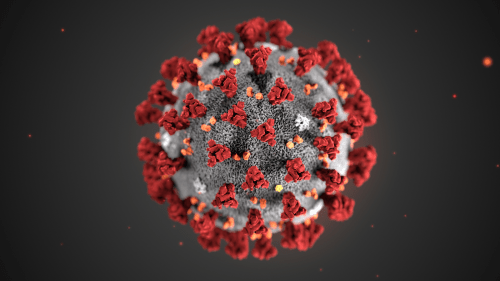




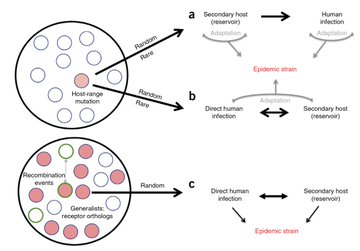
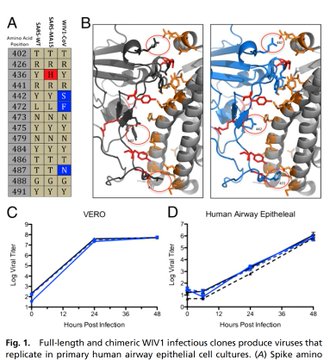


What bothers me, besides the obvious PR stunt, is that they say this prediction is licensed. How can a prediction from software be protected by, I presume, patents? And if this can be protected without even verifying which predictions actually work, what’s to stop someone spitting out millions of random, untested predictions just in case they can claim ownership later when one of them is proven to work? [ALA added bold face]

![[US Patent & Trademark Office, Patent Full Text and Image Database]](https://i0.wp.com/patft.uspto.gov/netaicon/PTO/patfthdr.gif?w=500)
![[Home]](https://i0.wp.com/patft.uspto.gov/netaicon/PTO/home.gif?w=500)
![[Boolean Search]](https://i0.wp.com/patft.uspto.gov/netaicon/PTO/boolean.gif?w=500)
![[Manual Search]](https://i0.wp.com/patft.uspto.gov/netaicon/PTO/manual.gif?w=500)
![[Number Search]](https://i0.wp.com/patft.uspto.gov/netaicon/PTO/number.gif?w=500)
![[Help]](https://i0.wp.com/patft.uspto.gov/netaicon/PTO/help.gif?w=500)
![[Bottom]](https://i0.wp.com/patft.uspto.gov/netaicon/PTO/bottom.gif?w=500)
![[
View Shopping Cart]](https://i0.wp.com/patft.uspto.gov/netaicon/PTO/cart.gif?w=500)
![[Add to Shopping Cart]](https://i0.wp.com/patft.uspto.gov/netaicon/PTO/order.gif?w=500)
![[Image]](https://i0.wp.com/patft.uspto.gov/netaicon/PTO/image.gif?w=500)


 2012pharmaceutical
 sjwilliamspa
Paper in collection COVID-19 SARS-CoV-2 preprints from medRxiv and bioRxiv