Feeds:
Posts
Comments

Posts Tagged ‘Single-nucleotide polymorphism’

Genomic Model of Organogenesis: Computer Modeling of the Gene Regulatory Networks

Curator: Larry H Bernstein, MD, FACP


Caltech biologists created the first predictive computational model of gene networks that control the development of sea-urchin embryos. This model outlines the paths cells take in forming different body parts—muscles, bones, heart. In the process the organ development follows a genetic blueprint, which consists of complex webs of interacting genes called gene regulatory networks.

This model, the scientists say, does a remarkably good job of calculating what these networks do to control the fates of different cells in the early stages of sea-urchin development—confirming that the interactions among a few dozen genes suffice to tell an embryo how to start the development of different body parts in their respective spatial locations. The model is also a powerful tool for understanding gene regulatory networks in a way not previously possible, allowing scientists to better study the genetic bases of both development and evolution.

“We have never had the opportunity to explore the significance of these networks before,” says Eric Davidson, the Norman Chandler Professor of Cell Biology at Caltech. “The results are amazing to us.”

The researchers described their computer model in a paper in the Proceedings of the National Academy of Sciences that appeared as an advance online publication on August 27.

The model encompasses the gene regulatory network that controls the first 30 hours of the development of endomesoderm cells, which eventually form the embryo’s gut, skeleton, muscles, and immune system. This network—so far the most extensively analyzed developmental gene regulatory network of any animal organism—consists of about 50 regulatory genes that turn one another on and off.

To create the model, the researchers distilled everything they knew about the network into a series of logical statements that a computer could understand. “We translated all of our biological knowledge into very simple Boolean statements,” explains Isabelle Peter, a senior research fellow and the first author of the paper. In other words, the researchers represented the network as a series of if-then statements that determine whether certain genes in different cells are on or off (i.e., if gene A is on, then genes B and C will turn off).

By computing the results of each sequence hour by hour, the model determines when and where in the embryo each gene is on and off. Comparing the computed results with experiments, the researchers found that the model reproduced the data almost exactly. “It works surprisingly well,” Peter says.

Some details about the network may still be uncovered, the researchers say, but the fact that the model mirrors a real embryo so well shows that biologists have indeed identified almost all of the genes that are necessary to control these particular developmental processes. The model is accurate enough that the researchers can tweak specific parts—for example, suppress a particular gene—and get computed results that match those of previous experiments.

Allowing biologists to do these kinds of virtual experiments is precisely how computer models can be powerful tools, Peter says. Gene regulatory networks are so complex that it is almost impossible for a person to fully understand the role of each gene without the help of a computational model, which can reveal how the networks function in unprecedented detail.

Studying gene regulatory networks with models may also offer new insights into the evolutionary origins of species. By comparing the gene regulatory networks of different species, biologists can probe how they branched off from common ancestors at the genetic level.

So far, the researchers have only modeled one gene regulatory network, but their goal is to model the networks responsible for every part of a sea-urchin embryo, to build a model that covers not just the first 30 hours of a sea urchin’s life but its entire embryonic development. Now that this modeling approach has been proven effective, Davidson says, creating a complete model is just a matter of time, effort, and resources. 

The title of the PNAS paper is “Predictive computation of genomic logic processing functions in embryonic development.”

http://www.pnas.org/content/109/41/16434.abstract

In addition to Peter and Davidson, the other author on the PNAS paper is Emmanuel Faure, a former Caltech postdoctoral scholar who is now at the École Polytechnique in France. This work was supported by the National Institute of Child Health and Human Development and the National Institute of General Medical Sciences.

A small part of the network is shown here. Image: Caltech/Davidson Lab
After a decade detailing how these gene networks control development in sea-urchin embryos, they   constructed a computational model of sea-urchin embryonic development.
VIEW VIDEO Courtesy of genenetwork

Introduction to Gene Network

GeneNetwork is a group of linked data sets and tools used to study complex networks of genes, molecules, and higher order gene function and phenotypes. GeneNetwork combines more than 25 years of legacy data generated by hundreds of scientists together with sequence data (SNPs) and massive transcriptome data sets (expression genetic or eQTL data sets). The quantitative trait locus (QTL) mapping module that is built into GN is optimized for fast on-line analysis of traits that are controlled by combinations of gene variants and environmental factors.

Historic Highlights of Organ Development

Otto Warburg. Improved manometric techniques of Van Slyke and Haldane in 1920’s and used tissue slices of 100-150 layers of cells, allowing measurement of energy reactions using oxygen without damaging cells.  He demonstrated the rate of oxygen utilization and the respiration of sea urchin egg can increase up to sixfold after fertilization.

Otto Warburg. Hans Krebs.  Clarendon Press. 1981.
Thomas Hunt Morgan.  Explored the mechanism of heredity in accounting for the transmission of variations from 1910 -1928, and claimed that while Mendelian theory could predict breeding results, it could not describe the true processes of heredity.
N William Ingalls (1918)
Carnegie Institution No. 23 – Contributions to Embryology
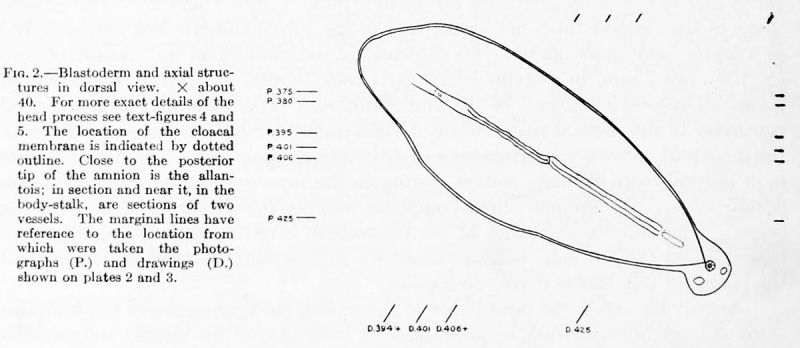
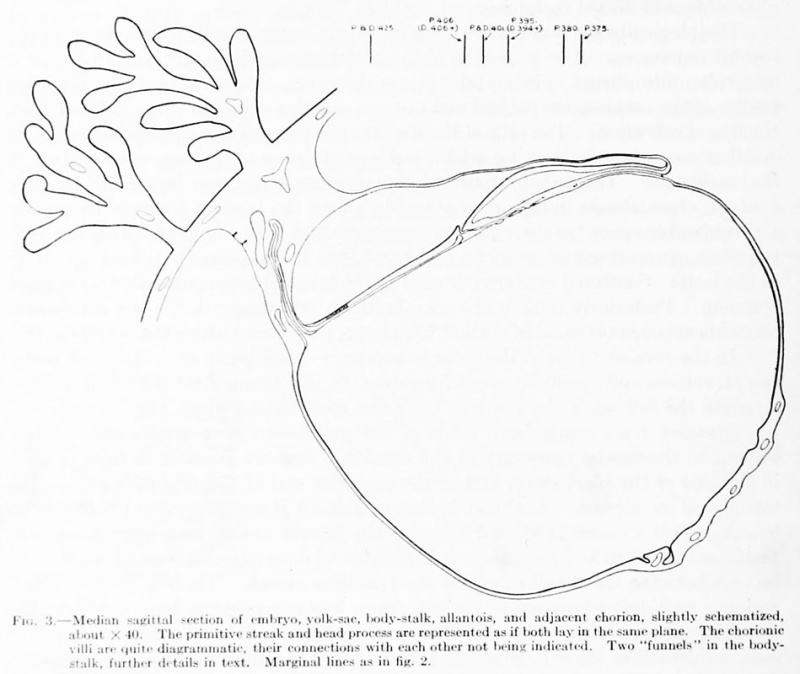
The conditions found here in the cloacal membrane are such as would be expected from the gradual and not entirely regular transformation of the streak into the membrane. All that is required is an arrest of mesoderm formation and the subsequent separation of the upper and middle germ-layers. The entoderm below is a perfectly distinct layer the cells of which have nuclei larger and paler than those of the other layers.
The embryo which we have just described represents an extremely interesting and instructive stage in the ontogenesis of man. In it are found as many important features of early development as could well be expected in one and the same specimen.  Any discussion of the findings in this embryo naturally revolves around the question of gastrulation and the formation of the germ-layers. One should not conclude too much from a single stage, either as to antecedent or later conditions; but every stage must be in harmony with those which precede or follow.
 Hans Spemann (1869 – 1941). Awarded a Nobel Prize in Physiology or Medicine in 1935 for his discovery of the effect now known as embryonic induction. Spemann found that one half of two blastomeres could form a whole embryo, but observed that the plane of division was crucial. This gave support to the concept of a morphogenetic field, a concept of which Spemann learned from Paul Alfred Weiss.  He and colleagues described an area in the embryo, the portions of which, upon transplantation into a second embryo, organized or “induced” secondary embryonic primordia regardless of location.
NOBEL PRIZE FOR GENETICS OF DEVELOPMENT  By Sean Henahan, Access Excellence
Three biologists have been awarded the 1995 Nobel Prize in Medicine for their pioneering work on the genetic control of embryonic development. The researchers work with the Drosophila melanogaster fruit fly provided key information on factors influencing human embryology and birth defects. The recipients of this year’s prize are Drs. Edward Lewis, of the California Institute of Technology; Christiane Nuesslein-Volhard, of Germany’s Max-Planck Institute; and Eric Wieschaus, at Princeton. Each of the three were involved in the early research to find the genes controlling development.
The genes were arranged in the same order on the chromosomes as the body segments they controlled. The first genes in a complex of developmental genes controlled the head region, genes in the middle controlled abdominal segments while the last genes controlled the posterior (“tail”) region.  The fertilized egg is spherical. It divides rapidly to form 2, 4 , 8 cells and so on. Up until the 16-cell stage the early embryo is symmetrical and all cells are equal. Beyond this point, cells begin to specialize and the embryo becomes asymmetrical. Within a week it becomes clear what will form the head and tail regions and what will become the ventral and dorsal sides of the embryo. Somewhat later in development the body of the embryo forms segments and the position of the vertebral column is fixed.
The results of Nuesslein-Volhard and Wieschaus, first published in the English scientific journal Nature during the fall of 1980, established that genes controlling development could be systematically identified. The number of genes involved was limited and they could be classified into specific functional groups.
In 1978 Lewis summarized his results in a review article and formulated theories about how homeotic genes interact, how the gene order corresponded to the segment order along the body axis, and how the individual genes were expressed. This induced other scientists to examine families of analogous genes in higher organisms. In mammalians, the gene clusters first found in Drosophila have been duplicated into four complexes known as the HOX genes. Human genes in these complexes are sufficiently similar to their Drosophila analogues they can restore some of the normal functions of mutant Drosophila genes.
The individual genes within the four HOX gene families in vertebrates occur in the same order as they do in Drosophila, and they exert their influence along the body axis in agreement with the colinearity principle first discovered by Lewis in Drosophila. It is likely that mutations in such important genes are responsible for some of the early, spontaneous abortions that occur in man, and for some of the about 40% of the congenital malformations that develop due to unknown reasons.
Lewis, E.B. (1978) A Gene Complex Controlling Segmentation in Drosophila. Nature 276, 565-570 Nuesslein-Volhard, C., Wieschaus, E. (1980). Mutations Affecting Segment Number and Polarity in Drosophila. Nature 287, 795-801
 Sir John B Gurdon and Shinya Yamanaka. 2012 Nobel Prize for Physiology and Medicine.
the specialisation of cells is reversible,and mature, specialized cells can be reprogrammed.

Work by the Stanford Group on Gene Networks Computational Model

Protein-folding Simulation: Stanford’s Framework for Testing and Predicting Evolutionary Outcomes in Living Organisms – Work by Marcus Feldman

Other Notable and Related Research.
LASAGNA-Search: An integrated web tool for transcription factor binding site search and visualization.  C Lee and Chun-Hsi Huang.
Length-Aware Site Alignment Guided by Nucleotide Association (LASAGNA)
1. unaligned variable-length TF binding sites
2. used for high throughput techniques, such as ChIP-seq
3. a collection of 1726 models
4. automatic promoter sequence retrieval
5. visualization
Biotechniques Rapid Dispatches   http://dx.doi.org/10.2144/000113999

Gene Splicing by Overlap Extension: Tailor-Made Genes Using PCR

RM Horton, Z Cai, SN Ho, LR Pease.  Biotechniques Nov 1990; 8(5):528-535.
Gene splicing by Overlap Extension or “geneSOEing” is a PCR-based recombining DNA sequences without reliance on restriction sites and of directly generated DNA fragments in vitro.  Method relies on modifying the sequences incorporated into the 5′-ends of the primers. Strands from two different fragments can hybridize together forming and overlap.

Democritixing Flow Cytometry.

Reported by M O’Neill. Geneg News Mar 15, 2013; 33(6): p12
Due to advances on many fronts
1. microfluidics
2. software
Flow cytometry is being simplified so that it can be used by a broader range of scientist and clinicians.
Eight Hox genes of D. melanogaster (fruitfly).

Eight Hox genes of D. melanogaster (fruitfly). (Photo credit: Wikipedia)

Read Full Post »

Reporter: Aviva Lev-Ari, PhD, RN

GWAS Explores Role of Inherited Variants in Childhood ALL

March 20, 2013

NEW YORK (GenomeWeb News) – Inherited genetic variants — including some found at variable frequencies in different human populations — can significantly bump up an individual’s risk of developing acute lymphoblastic leukemia, according to a multi-population genome-wide association study out last night in the Journal of the National Cancer Institute.

“These findings indicate strong associations between inherited genetic variation and ALL susceptibility in children,” senior author Jun Yang, a pharmaceutical sciences researcher with St. Jude Children’s Research Hospital, and colleagues wrote, “and shed new light on ALL molecular etiology in diverse ancestry.”

Through GWAS analyses involving nearly 2,500 children with ALL and almost 11,000 unaffected individuals, Yang and colleagues from St. Jude and elsewhere tracked down ALL-associated loci falling in four genes previously implicated in the disease and in one new chromosome 10 locus.

For those carrying mostly risk versions of the top ALL-associated SNPs in four genes, they found, ALL incidence was far higher than it was in those with no risk alleles or just one risk allele.

Moreover, the team saw examples of risk alleles that occur more often in the Hispanic population than in European or African-American populations — a pattern that study authors said may partly explain the elevated ALL rates described in Hispanic populations in the past.

Previous GWAS support the notion that ALL risk is at least partly inherited, Yang and colleagues explained. But so far variants in just a few genes have been linked to the disease through studies of individuals with European ancestry.

“Although accumulating evidence indicates inherited predisposition to ALL, the genetic basis of ALL susceptibility in diverse ancestry has not been comprehensively examined,” Yang and his co-authors noted.

To begin exploring such questions in individuals from a variety of backgrounds, the group did a GWAS involving cases and controls from diverse ethnic populations, along with analyses focused on individuals with European, African-American, or Hispanic ancestry.

For the discovery stage of the study, the researchers used Affymetrix arrays to genotype 1,605 children from the Children’s Oncology Group study who had been diagnosed with B-cell ALL. Genetic patterns in these patients were compared with those found in 6,661 unaffected control individuals enrolled through the Multi-Ethnic Study of Atherosclerosis.

The analysis uncovered candidate variants that seemed to coincide with ALL risk at one new locus on chromosome 10, along with four loci linked to ALL in the past.

The latter sites are located in and around the ARID5B, IKZF1, CEBPE, and CDKN2A/2B genes, authors of the study explained, while the newly associated locus fell in the vicinity of the BMI1 and PIP4K2A genes.

Following a series of validation studies in another 845 cases and 4,316 controls analyzed by ancestry, the team confirmed that the top SNPs in most of the genes shared ties with ALL regardless of ethnicity. But there was an exception: so far the top SNP in the vicinity of the CEBPE gene seems to have an ALL association that’s specific to Europeans.

In addition, at least some of the ALL-associated variants — particularly those in the ARID5B and PIP4K2A genes — seem to turn up more or less often depending on the population considered.

For instance, the higher risk version of an ALL-linked SNP in PIP4K2A appears to occur with higher-than-usual frequency in the Hispanic population, researchers reported. In contrast, this variant was somewhat less common in the African-American population and intermediate in Europeans.

Such differences may be important, particularly since results of the study suggest that individuals who have inherited predominantly risk alleles at the top SNPs in the ARID5B, IKZF1, CEBPE, and PIP4K2A genes are some nine times more likely to develop ALL than those carrying one or no risk alleles.

“The genetic basis of ALL is most likely to be polygenic,” Yang and colleagues explained. “However, it should be noted that carrying risk variants at merely four SNPs (ARID5B, IKZF1, CEBPE, and PIP4K2A) conferred a nine-fold increase in disease susceptibility.”

Several of these genes, including ARID5B, IKZF1, and CEBPE, have been implicated in processes such as hematopoietic differentiation and development, study authors noted, which are processes that might be expected to be altered in leukemia.

“With these ALL susceptibility genes now on hand (ARID5B, IKZF1, CDKN2A/2B, CEBPE, PIP4K2A), we are armed with novel knowledge of which certain children develop ALL in the first place,” Yang told GenomeWeb Daily News in an email message. “The fact that alterations in these genes lead to ALL raises the question of what would happen if we restore these pathways in ALL and also make them possible exciting therapeutic targets as well.”

Nevertheless, those involved in the study explained that additional work will be needed, both to fine-map causal variants within the ALL-associated regions found already and to uncover additional genetic contributors to ALL risk within and across many different populations.

“The discoveries … are an important step forward in terms of understanding why children develop ALL in the first place, particularly for those with African or Hispanic ethnicity,” Yang said in a statement. “However, this is probably still just a small part of the complete picture.”


Related Stories

Read Full Post »

Genomics & Genetics of Cardiovascular Disease Diagnoses: A Literature Survey of AHA’s Circulation Cardiovascular Genetics, 3/2010 – 3/2013


Curators: Aviva Lev-Ari, PhD, RN and Larry H. Bernstein, MD, FCAP


348 articles that appeared in AHA’s Circulation Cardiovascular Genetics, 3/2010 – 3/2013 were classified by the curators of this article into the following TEN categories. The first 9, represent DIAGNOSES of cardiovascular diseases, the last, deals with Pharmacogenomics.

The Cardiovascular Diagnoses that were covered in the period of 3/2010 – 3/2013, include the following:

  • Preventative Cardiology
  • MicroRNA in Serum as Bimarker for Cardiovascular Pathologies: acute myocardial infarction, viral myocarditis, diastolic dysfunction, and acute heart failure
  • Genetic Determinants of Potassium Sensitivity and Hypertension
  • Heart and Aging Research in Genomic Epidemiology: 1700 MIs and 2300 coronary heart disease events among about 29 000 eligible patients
  • Genetics of CVD and Hyperlipidemia, Hyper Cholesterolemia, Metabolic Syndrome
  • Genomics and Valvular Disease
  • Pharmacogenomics

Introductions

Larry H. Bernstein, MD, FCAP


The curation of this large amount of material in 10 categories begins with a first chapter on preventative cardiology, which has had much public attention for the last decade.  Much of the concern with preventive cardiology has emphasized diet and exercise.  There is much to be said about this in articles not yet written.  However, there are several decades of research on the amino acid composition of foods, and the essential fatty acids, that indicates an essential balance between proinflammatory and antiinflammatory fatty acids in polyunsaturated fatty acids, and of the harmful effects of saturated fats.  There is also much to be said of essential amino acids, and in particular, those essential for methylation processes, and sulfur metabolism.

The next eight chapters are all concerned with genomics in cardiovascular disease.  This is in no small part a follow up on the completion of the genetic code in 2003, a seminal event.  Let us look at these in clusters.

[1]   microRNA in serum is now considered for a biomarker for cardiovascular disease.  It can be measured at very low levels, but we don’t yet know where it fits.   It might be more revealing once we understand the adaptive mechanism in development of congestive heart failure, renal hypertension, and post-genomic events.

[2]  It appears to me that potassium sensitivity and hypertension approached from the genomic side is more complicate.  Why is that?   The kidney excretes a sodium load and in metabolic acidosis, the serum potassium rises with a metabolic acidemia that can’t be compensated by the respiratory loss of CO2 through the carbonic anhydrase mechanism.

[3]  Heart and aging research is a rich area for work on the long term post-genomic changes, and it involves a large population base.

[4][5]  The genomics of cardiac dysrrhytmias and cardiomyopathies will open new doors into our understanding of the mechanisms of these diseases, and perhaps find therapeutic targets.  There has been a large volume of work on lipid synthesis, the role of the liver in generating apolipoproteins, and this has new answers on the way.  The most important feature, not readily accepted is the measurement of particles, which has now been done by a monoclonal antibody.  Metabolic syndrome brings together adipose tissue metabolism, endocrine and changes in CRP and IL-1.

[6]   Vascular pathologies and coagulation, hyperviscosity has had an enormous increase in intensity of research.  The concept of plaque rupture to account for all AMIs is being modified, and the high sensitivity cardio-specific troponins have become the most widely use test.

[7]  The genomics of valvular disease fits with the increased surgical procedures for valvular disease related to atheroschlerosis and advent of minimally invasive surgical procedures for the reapir and replacement of valves, procedure called TAVR vs. Openhealrt surgery for valve replacement.

[8]  Inherited cardiovascular disease is an older family of disorders, going back to Victor McKusik, and also the “Blue Baby” operation, both at Johns Hopkins.

[9] Pharmacogenomics is a vary active field of investigation and has uncovered inter-individual differences in handling Warfarin as a starter.


Preventative Cardiology


Methods in Genetics and Clinical Interpretation Randomized Trial of Personal Genomics for Preventive Cardiology Design and Challenges

Joshua W. Knowles, MD, PhD, Themistocles L. Assimes, MD, PhD, Michaela Kiernan, PhD, Aleksandra Pavlovic, BS, Benjamin A. Goldstein, PhD, Veronica Yank, MD, Michael V. McConnell, MD, Devin Absher, PhD, Carlos Bustamante, PhD, Euan A. Ashley, MD, DPhil and John P.A. Ioannidis, MD, DSc

Author Affiliations

From the Division of Cardiovascular Medicine (J.W.K., T.L.A., A.P., M.V.M., E.A.A.), Stanford Prevention Research Center (M.K., V.Y., J.P.A.I.), Division of General Medical Disciplines (V.Y.), Department of Genetics (C.B.), Department of Health Research and Policy (J.P.A.I.), Stanford University School of Medicine, Stanford, CA; Quantitative Sciences Unit, Stanford University School of Medicine, Palo Alto, CA (B.A.G.); HudsonAlpha Institute for Biotechnology, Huntsville, AL (D.A.); Department of Statistics, Stanford University School of Humanities and Sciences, Stanford, CA (J.P.A.I.).

Correspondence to Joshua W. Knowles, MD, PhD, Stanford University School of Medicine, Division of Cardiovascular Medicine, Falk CVRC, 300 Pasteur Dr, Stanford, CA 94305. E-mail knowlej@stanford.edu

Background

Genome-wide association studies (GWAS) have identified more than 1500 disease-associated single nucleotide polymorphisms (SNPs), including many related to atherosclerotic cardiovascular disease (CVD). Associations have been found for most traditional risk factors (TRFs), including lipids,1,2 blood pressure/hypertension,3,4 weight/body mass index,5,6 smoking behavior,7 and diabetes.8–13 GWAS have also identified susceptibility variants for coronary heart disease (CHD). The first and, so far, strongest of these signals was found in the 9p21.3 locus, where common variants in this region increase the relative risk of CVD by 15% to 30% per risk allele in most race/ethnic groups.13–20 Subsequent large-scale GWAS meta-analyses and replication studies in largely white/European populations have led to the reliable identification of an additional 26 loci conferring susceptibility to CHD,2,20–23 all with substantially lower effects sizes compared with the 9p21 locus. Many of these CVD susceptibility loci appear to be conferring risk independent of TRFs and thus cannot currently be assessed by surrogate clinical measures (Table 1). Among the 27 independent loci identified in the most recent large meta-analyses of CVD, 21 were reported not to be associated with any of the TRFs.20,21

 SOURCE

Circulation: Cardiovascular Genetics 2012; 5: 368-376

doi: 10.1161/ CIRCGENETICS.112.962746


MicroRNA in Serum as Bimarker for Cardiovascular Pathologies: acute myocardial infarction, viral myocarditis,  diastolic dysfunction, and acute heart failure

Increased MicroRNA-1 and MicroRNA-133a Levels in Serum of Patients With Cardiovascular Disease Indicate Myocardial Damage


Yasuhide Kuwabara, MD, Koh Ono, MD, PhD, Takahiro Horie, MD, PhD, Hitoo Nishi, MD, PhD, Kazuya Nagao, MD, PhD, Minako Kinoshita, MD, PhD, Shin Watanabe, MD, PhD, Osamu Baba, MD, Yoji Kojima, MD, PhD, Satoshi Shizuta, MD, Masao Imai, MD, Toshihiro Tamura, MD, Toru Kita, MD, PhD and Takeshi Kimura, MD, PhD

Author Affiliations

From the Department of Cardiovascular Medicine, Graduate School of Medicine, Kyoto University, Kyoto, Japan (Y. Kuwabara, K.O., T.H., H.N., K.N., M.K., S.W., O.B., Y. Kojima, S.S., M.I., T.T., T. Kimura); and Kobe City Medical Center General Hospital, Kobe, Japan (T. Kita).

Correspondence to Koh Ono, MD, PhD, Department of Cardiovascular Medicine, Graduate School of Medicine, Kyoto University, 54 Shogoin-kawahara-cho, Sakyo-ku, Kyoto, Japan 606-8507. E-mail kohono@kuhp.kyoto-u.ac.jp


Abstract

Background—Recently, elevation of circulating muscle-specific microRNA (miRNA) levels has been reported in patients with acute myocardial infarction. However, it is still unclear from which part of the myocardium or under what conditions miRNAs are released into circulating blood. The purpose of this study was to identify the source of elevated levels of circulating miRNAs and their function in cardiovascular diseases.

Conclusions—These results suggest that elevated levels of circulating miR-133a in patients with cardiovascular diseases originate mainly from the injured myocardium. Circulating miR-133a can be used as a marker for cardiomyocyte death, and it may have functions in cardiovascular diseases.

SOURCE:

Circulation: Cardiovascular Genetics. 2011; 4: 446-454

Published online before print June 2, 2011,

doi: 10.1161/ CIRCGENETICS.110.958975

Selective Articles citing this article

Plasma microRNAs serve as biomarkers of therapeutic efficacy and disease progression in hypertension-induced heart failure 
Eur J Heart Fail. 2013;0:hft018v1-hft018,

AbstractFull TextPDF

Intercellular Transport of MicroRNAs 
Arterioscler. Thromb. Vasc. Bio.. 2013;33:186-192,

AbstractFull TextPDF

MicroRNAs Within the Continuum of Postgenomics Biomarker Discovery 
Arterioscler. Thromb. Vasc. Bio.. 2013;33:206-214,

AbstractFull TextPDF

Reply to “Need for Rigor in Design, Reporting, and Interpretation of Transcriptomic Biomarker Studies” J. Clin. Microbiol.. 2012;50:4192-4193,

http://www.ncbi.nlm.nih.gov/pmc/articles/PMC3502969/

Full TextPDF

Circulating microRNAs as diagnostic biomarkers for cardiovascular diseases 
Am. J. Physiol. Heart Circ. Physiol.. 2012;303:H1085-H1095,

AbstractFull TextPDF

Sonic Hedgehog-Modified Human CD34+ Cells Preserve Cardiac Function After Acute Myocardial Infarction 
Circ. Res.. 2012;111:312-321,

AbstractFull TextPDF

Metabolomics, Proteomics, Genomics, and Transcriptomics in Circulation and the Circulation Subspecialty Journals 
Circulation. 2012;125:e507-e519,

AbstractFull TextPDF

Circulating MicroRNAs: Novel Biomarkers and Extracellular Communicators in Cardiovascular Disease? 
Circ. Res.. 2012;110:483-495,

AbstractFull TextPDF

Circulating MicroRNAs in Cardiovascular Disease 
Circulation. 2011;124:1908-1910,

Full TextPDF

Circulating MicroRNAs: Biomarkers or Mediators of Cardiovascular Diseases? 
Arterioscler. Thromb. Vasc. Bio.. 2011;31:2383-2390,

AbstractFull TextPDF


Circulating MicroRNA-208b and MicroRNA-499 Reflect Myocardial Damage in Cardiovascular Disease

Maarten F. Corsten, MD, Robert Dennert, MD, Sylvia Jochems, BSc, Tatiana Kuznetsova, MD, PhD, Yvan Devaux, PhD, Leon Hofstra, MD, PhD, Daniel R. Wagner, MD, PhD, Jan A. Staessen, MD, PhD, Stephane Heymans, MD, PhD and Blanche Schroen, PhD

Author Affiliations

From the Center for Heart Failure Research (M.F.C., R.D., S.J., S.H., B.S.), Cardiovascular Research Institute, Maastricht, The Netherlands; the Division of Hypertension and Cardiovascular Rehabilitation (T.K., J.A.S.), Department of Cardiovascular Diseases, University of Leuven, Leuven, Belgium and Department of Epidemiology, Maastricht University Medical Center, Maastricht, The Netherlands; Centre de Recherche Public–Santé, Luxembourg (Y.D., D.R.W.), Luxembourg; Maastricht University Medical Center (L.H.), Maastricht, The Netherlands; and Centre Hospitalier Luxembourg (D.R.W.), Luxembourg.

Correspondence to Blanche Schroen, PhD, Center for Heart Failure Research, Cardiovascular Research Institute Maastricht, Universiteitssingel 50, 6229 ER Maastricht, The Netherlands. E-mail b.schroen@cardio.unimaas.nl

Drs Heymans and Schroen contributed equally to this work.

Abstract

Background— Small RNA molecules, called microRNAs, freely circulate in human plasma and correlate with varying pathologies. In this study, we explored their diagnostic potential in a selection of prevalent cardiovascular disorders.

Methods and Results— MicroRNAs were isolated from plasmas from well-characterized patients with varying degrees of cardiac damage:

(1) acute myocardial infarction,

(2) viral myocarditis,

(3) diastolic dysfunction, and

(4) acute heart failure.

Plasma levels of selected microRNAs, including heart-associated (miR-1, -133a, -208b, and -499), fibrosis-associated (miR-21 and miR-29b), and leukocyte-associated (miR-146, -155, and -223) candidates, were subsequently assessed using real-time polymerase chain reaction. Strikingly, in plasma from acute myocardial infarction patients, cardiac myocyte–associated miR-208b and -499 were highly elevated, 1600-fold (P<0.005) and 100-fold (P<0.0005), respectively, as compared with control subjects. Receiver operating characteristic curve analysis revealed an area under the curve of 0.94 (P<1010) for miR-208b and 0.92 (P<109) for miR-499. Both microRNAs correlated with plasma troponin T, indicating release of microRNAs from injured cardiomyocytes. In viral myocarditis, we observed a milder but significant elevation of these microRNAs, 30-fold and 6-fold, respectively. Plasma levels of leukocyte-expressed microRNAs were not significantly increased in acute myocardial infarction or viral myocarditis patients, despite elevated white blood cell counts. In patients with acute heart failure, only miR-499 was significantly elevated (2-fold), whereas no significant changes in microRNAs studied could be observed in diastolic dysfunction. Remarkably, plasma microRNA levels were not affected by a wide range of clinical confounders, including age, sex, body mass index, kidney function, systolic blood pressure, and white blood cell count.

Conclusions— Cardiac damage initiates the detectable release of cardiomyocyte-specific microRNAs-208b and -499 into the circulation.

SOURCE:

Circulation: Cardiovascular Genetics. 2010; 3: 499-506

Published online before print October 4, 2010,

doi: 10.1161/ CIRCGENETICS.110.957415


Selective Articles citing this article

Plasma microRNAs serve as biomarkers of therapeutic efficacy and disease progression in hypertension-induced heart failure 
Eur J Heart Fail. 2013;0:hft018v1-hft018,

AbstractFull TextPDF

Aspirin treatment hampers the use of plasma microRNA-126 as a biomarker for the progression of vascular disease 
Eur Heart J. 2013;0:eht007v1-eht007,

AbstractFull TextPDF

MicroRNAs in Myocardial Infarction 
Arterioscler. Thromb. Vasc. Bio.. 2013;33:201-205,

AbstractFull TextPDF

MicroRNAs Within the Continuum of Postgenomics Biomarker Discovery 
Arterioscler. Thromb. Vasc. Bio.. 2013;33:206-214,

AbstractFull TextPDF

MicroRNAs Are Involved in End-Organ Damage During Hypertension 
Hypertension. 2012;60:1088-1093,

AbstractFull TextPDF

Circulating microRNAs as diagnostic biomarkers for cardiovascular diseases 
Am. J. Physiol. Heart Circ. Physiol.. 2012;303:H1085-H1095,

AbstractFull TextPDF

Circulation Editors’ Picks: Most Read Articles in Cardiovascular Genetics 
Circulation. 2012;126:e163-e169,

AbstractFull TextPDF

MicroRNAs in Patients on Chronic Hemodialysis (MINOS Study) 
CJASN. 2012;7:619-623,

AbstractFull TextPDF

Novel techniques and targets in cardiovascular microRNA research 
Cardiovasc Res. 2012;93:545-554,

AbstractFull TextPDF

Microparticles: major transport vehicles for distinct microRNAs in circulation 
Cardiovasc Res. 2012;93:633-644,

AbstractFull TextPDF

Profiling of circulating microRNAs: from single biomarkers to re-wired networks 
Cardiovasc Res. 2012;93:555-562,

AbstractFull TextPDF

Small but smart–microRNAs in the centre of inflammatory processes during cardiovascular diseases, the metabolic syndrome, and ageing 
Cardiovasc Res. 2012;93:605-613,

AbstractFull TextPDF

Circulation: Heart Failure Editors’ Picks: Most Important Papers in Pathophysiology and Genetics 
Circ Heart Fail. 2012;5:e32-e49,

AbstractFull TextPDF

Use of Circulating MicroRNAs to Diagnose Acute Myocardial Infarction 
Clin. Chem.. 2012;58:559-567,

AbstractFull TextPDF

Circulating MicroRNAs: Novel Biomarkers and Extracellular Communicators in Cardiovascular Disease? 
Circ. Res.. 2012;110:483-495,

AbstractFull TextPDF

Serum levels of microRNAs in patients with heart failure 
Eur J Heart Fail. 2012;14:147-154,

AbstractFull TextPDF

Circulating microRNAs to identify human heart failure 
Eur J Heart Fail. 2012;14:118-119,

Full TextPDF

Next Steps in Cardiovascular Disease Genomic Research–Sequencing, Epigenetics, and Transcriptomics 
Clin. Chem.. 2012;58:113-126,

AbstractFull TextPDF

Most Read in Cardiovascular Genetics on Biomarkers, Inherited Cardiomyopathies and Arrhythmias, Metabolomics, and Genomics 
Circ Cardiovasc Genet. 2011;4:e24-e30,

AbstractFull TextPDF

MicroRNA-126 modulates endothelial SDF-1 expression and mobilization of Sca-1+/Lin- progenitor cells in ischaemia 
Cardiovasc Res. 2011;92:449-455,

AbstractFull TextPDF

Circulating MicroRNAs: Biomarkers or Mediators of Cardiovascular Diseases? 
Arterioscler. Thromb. Vasc. Bio.. 2011;31:2383-2390,

AbstractFull TextPDF

Transcoronary Concentration Gradients of Circulating MicroRNAs 
Circulation. 2011;124:1936-1944,

AbstractFull TextPDF

MicroRNAs: New Players in Cardiac Injury and Protection 
Mol. Pharmacol.. 2011;80:558-564,

AbstractFull TextPDF

Circulation Editors’ Picks: Most Read Articles in Cardiovascular Genetics, Part I 
Circulation. 2011;124:e345-e357,

AbstractFull TextPDF

MicroRNAs regulating oxidative stress and inflammation in relation to obesity and atherosclerosis 
FASEB J.. 2011;25:2515-2527,

AbstractFull TextPDF

miR-143 and miR-145: Molecular Keys to Switch the Phenotype of Vascular Smooth Muscle Cells 
Circ Cardiovasc Genet. 2011;4:197-205,

Full TextPDF

Response to Letter Regarding Article, “Circulating MicroRNA-208b and MicroRNA-499 Reflect Myocardial Damage in Cardiovascular Disease” 
Circ Cardiovasc Genet. 2011;4:e8,

Full TextPDF


Genetic Determinants of Potassium Sensitivity and Hypertension


Integrated Computational and Experimental Analysis of the Neuroendocrine Transcriptome in Genetic Hypertension Identifies Novel Control Points for the Cardiometabolic Syndrome

Ryan S. Friese, PhD, Chun Ye, PhD, Caroline M. Nievergelt, PhD, Andrew J. Schork, BS, Nitish R. Mahapatra, PhD, Fangwen Rao, MD, Philip S. Napolitan, BS, Jill Waalen, MD, MPH, Georg B. Ehret, MD, Patricia B. Munroe, PhD, Geert W. Schmid-Schönbein, PhD, Eleazar Eskin, PhD and Daniel T. O’Connor, MD

Author Affiliations

From the Departments of Bioengineering (R.S.F., G.W.S.-S.), Medicine (R.S.F., A.J.S., F.R., P.S.N., D.T.O.), Pharmacology (D.T.O.), and Psychiatry (C.M.N.), the Bioinformatics Program (C.Y.), and the Institute for Genomic Medicine (D.T.O.), University of California at San Diego; the VA San Diego Healthcare System, San Diego, CA (D.T.O.); the Departments of Computer Science & Human Genetics, University of California at Los Angeles (E.E.); the Department of Biotechnology, Indian Institute of Technology Madras, Chennai, India (N.R.M.); Clinical Pharmacology and The Genome Centre, William Harvey Research Institute, Barts and The London School of Medicine and Dentistry, Queen Mary University of London, London, United Kingdom (P.B.M.); Center for Complex Disease Genomics, McKusick-Nathans Institute of Genetic Medicine, Johns Hopkins University School of Medicine, Baltimore, MD (G.B.E.); and Scripps Research Institute, La Jolla, CA (J.W.).

Correspondence to Daniel T. O’Connor, MD, Department of Medicine, University of California at San Diego School of Medicine, VASDHS (0838), Skaggs (SSPPS) Room 4256, 9500 Gilman Drive, La Jolla, CA 92093-0838. E-mail doconnor@ucsd.edu

Abstract

Background—Essential hypertension, a common complex disease, displays substantial genetic influence. Contemporary methods to dissect the genetic basis of complex diseases such as the genomewide association study are powerful, yet a large gap exists betweens the fraction of population trait variance explained by such associations and total disease heritability.

Methods and Results—We developed a novel, integrative method (combining animal models, transcriptomics, bioinformatics, molecular biology, and trait-extreme phenotypes) to identify candidate genes for essential hypertension and the metabolic syndrome. We first undertook transcriptome profiling on adrenal glands from blood pressure extreme mouse strains: the hypertensive BPH (blood pressure high) and hypotensive BPL (blood pressure low). Microarray data clustering revealed a striking pattern of global underexpression of intermediary metabolism transcripts in BPH. The MITRA algorithm identified a conserved motif in the transcriptional regulatory regions of the underexpressed metabolic genes, and we then hypothesized that regulation through this motif contributed to the global underexpression. Luciferase reporter assays demonstrated transcriptional activity of the motif through transcription factors HOXA3, SRY, and YY1. We finally hypothesized that genetic variation at HOXA3, SRY, and YY1 might predict blood pressure and other metabolic syndrome traits in humans. Tagging variants for each locus were associated with blood pressure in a human population blood pressure extreme sample with the most extensive associations for YY1 tagging single nucleotide polymorphism rs11625658 on systolic blood pressure, diastolic blood pressure, body mass index, and fasting glucose. Meta-analysis extended the YY1 results into 2 additional large population samples with significant effects preserved on diastolic blood pressure, body mass index, and fasting glucose.

Conclusions—The results outline an innovative, systematic approach to the genetic pathogenesis of complex cardiovascular disease traits and point to transcription factor YY1 as a potential candidate gene involved in essential hypertension and the cardiometabolic syndrome.

 SOURCE:

Circulation: Cardiovascular Genetics.2012; 5: 430-440

Published online before print June 5, 2012,

doi: 10.1161/ CIRCGENETICS.111.962415

Genome-Wide Linkage and Positional Candidate Gene Study of Blood Pressure Response to Dietary Potassium Intervention

The Genetic Epidemiology Network of Salt Sensitivity Study

Tanika N. Kelly, PhD, James E. Hixson, PhD, Dabeeru C. Rao, PhD, Hao Mei, MD, PhD, Treva K. Rice, PhD, Cashell E. Jaquish, PhD, Lawrence C. Shimmin, PhD, Karen Schwander, MS, Chung-Shuian Chen, MS, Depei Liu, PhD, Jichun Chen, MD, Concetta Bormans, PhD, Pramila Shukla, MS, Naveed Farhana, MS, Colin Stuart, BS, Paul K. Whelton, MD, MSc, Jiang He, MD, PhD and Dongfeng Gu, MD, PhD

Author Affiliations

From the Department of Epidemiology (T.N.K., H.M., C.-S.C., J.H.), Tulane University School of Public Health and Tropical Medicine, and Department of Medicine (J.H.), Tulane University School of Medicine, New Orleans, La; Department of Epidemiology (J.E.H., L.C.S., C.B., P.S., N.F., C.S.), University of Texas School of Public Health, Houston, Tex; Division of Biostatistics (D.C.R., T.K.R., K.S.), Washington University School of Medicine, St Louis, Mo; Division of Prevention and Population Sciences (C.E.J.), National Heart, Lung, Blood Institute, Bethesda, Md; National Laboratory of Medical Molecular Biology (D.L.), Institute of Basic Medical Sciences, Chinese Academy of Medical Sciences and Peking Union Medical College, Beijing, China; Cardiovascular Institute and Fuwai Hospital (J.C., D.G.), Chinese Academy of Medical Sciences and Peking Union Medical College and Chinese National Center for Cardiovascular Disease Control and Research, Beijing, China; and Office of the President (P.K.W.), Loyola University Health System and Medical Center, Maywood, Ill.

Correspondence to Dongfeng Gu, MD, PhD, Division of Population Genetics and Prevention, Cardiovascular Institute and Fuwai Hospital, 167 Beilishi Rd, Beijing 100037, China. E-mail gudongfeng@vip.sina.com

Abstract

Background— Genetic determinants of blood pressure (BP) response to potassium, or potassium sensitivity, are largely unknown. We conducted a genome-wide linkage scan and positional candidate gene analysis to identify genetic determinants of potassium sensitivity.

Conclusions— Genetic regions on chromosomes 3 and 11 may harbor important susceptibility loci for potassium sensitivity. Furthermore, the AGTR1 gene was a significant predictor of BP responses to potassium intake.

SOURCE:

Circulation: Cardiovascular Genetics. 2010; 3: 539-547

Published online before print September 22, 2010,

doi: 10.1161/ CIRCGENETICS.110.940635


Genome-Wide Association Study of Cardiac Structure and Systolic Function in African Americans

The Candidate Gene Association Resource (CARe) Study

Ervin R. Fox, MD*, Solomon K. Musani, PhD*, Maja Barbalic, PhD*, Honghuang Lin, PhD, Bing Yu, MS, Kofo O. Ogunyankin, MD, Nicholas L. Smith, PhD, Abdullah Kutlar, MD, Nicole L. Glazer, MD, Wendy S. Post, MD, MS, Dina N. Paltoo, PhD, MPH, Daniel L. Dries, MD, MPH, Deborah N. Farlow, PhD, Christine W. Duarte, PhD, Sharon L. Kardia, PhD, Kristin J. Meyers, PhD, Yan V. Sun, PhD, Donna K. Arnett, PhD, Amit A. Patki, MS, Jin Sha, MS, Xiangqui Cui, PhD, Tandaw E. Samdarshi, MD, MPH, Alan D. Penman, PhD, Kirsten Bibbins-Domingo, MD, PhD, Petra Bůžková, PhD, Emelia J. Benjamin, MD, David A. Bluemke, MD, PhD, Alanna C. Morrison, PhD, Gerardo Heiss, MD, J. Jeffrey Carr, MD, MSc, Russell P. Tracy, PhD, Thomas H. Mosley, PhD, Herman A. Taylor, MD, Bruce M. Psaty, MD, PhD, Susan R. Heckbert, MD, PhD, Thomas P. Cappola, MD, ScM and Ramachandran S. Vasan, MD

Author Affiliations

Guest Editor for this article was Barry London, MD, PhD.

Correspondence to Ervin Fox, MD MPH, FAHA, FACC, Professor of Medicine, Department of Medicine, University of Mississippi Medical Center, 2500 North State St, Jackson, MS 39216. E-mail efox@medicine.umsmed.edu

* These authors contributed equally as joint first authors.

Abstract

Background—Using data from 4 community-based cohorts of African Americans, we tested the association between genome-wide markers (single-nucleotide polymorphisms) and cardiac phenotypes in the Candidate-gene Association Resource study.

Methods and Results—Among 6765 African Americans, we related age, sex, height, and weight-adjusted residuals for 9 cardiac phenotypes (assessed by echocardiogram or magnetic resonance imaging) to 2.5 million single-nucleotide polymorphisms genotyped using Genome-wide Affymetrix Human SNP Array 6.0 (Affy6.0) and the remainder imputed. Within the cohort, genome-wide association analysis was conducted, followed by meta-analysis across cohorts using inverse variance weights (genome-wide significance threshold=4.0 ×107). Supplementary pathway analysis was performed. We attempted replication in 3 smaller cohorts of African ancestry and tested lookups in 1 consortium of European ancestry (EchoGEN). Across the 9 phenotypes, variants in 4 genetic loci reached genome-wide significance: rs4552931 in UBE2V2 (P=1.43×10⁷) for left ventricular mass, rs7213314 in WIPI1 (P=1.68×10⁷) for left ventricular internal diastolic diameter, rs1571099 in PPAPDC1A (P=2.57×10⁸) for interventricular septal wall thickness, and rs9530176 in KLF5 (P=4.02×10⁷) for ejection fraction. Associated variants were enriched in 3 signaling pathways involved in cardiac remodeling. None of the 4 loci replicated in cohorts of African ancestry was confirmed in lookups in EchoGEN.

Conclusions—In the largest genome-wide association study of cardiac structure and function to date in African Americans, we identified 4 genetic loci related to left ventricular mass, interventricular septal wall thickness, left ventricular internal diastolic diameter, and ejection fraction, which reached genome-wide significance. Replication results suggest that these loci may be unique to individuals of African ancestry. Additional large-scale studies are warranted for these complex phenotypes.

SOURCE:

Circulation: Cardiovascular Genetics. 2013; 6: 37-46

Published online before print December 28, 2012,

doi: 10.1161/ CIRCGENETICS.111.962365


Heart and Aging Research in Genomic Epidemiology: 1700 MIs and 2300 coronary heart disease events among about 29 000 eligible patients


Cohorts for Heart and Aging Research in Genomic Epidemiology (CHARGE) Consortium

Design of Prospective Meta-Analyses of Genome-Wide Association Studies From 5 Cohorts

Bruce M. Psaty, MD, PhD, Christopher J. O’Donnell, MD, MPH, Vilmundur Gudnason, MD, PhD, Kathryn L. Lunetta, PhD, Aaron R. Folsom, MD, Jerome I. Rotter, MD, André G. Uitterlinden, PhD, Tamara B. Harris, MD, Jacqueline C.M. Witteman, PhD, Eric Boerwinkle, PhD and on Behalf of the CHARGE Consortium

Author Affiliations

From the Cardiovascular Health Research Unit, Departments of Medicine, Epidemiology, and Health Services (B.M.P.), University of Wash; Center for Health Studies, Group Health (B.M.P.), Seattle, Wash; the National Heart, Lung and Blood Institute and the Framingham Heart Study (C.J.O.D.), Framingham, Mass; Icelandic Heart Association and the Department of Cardiovascular Genetics (Y.G.), University of Iceland, Reykjavik, Iceland; Department of Biostatistics (K.L.), Boston University School of Public Health, Mass; Division of Epidemiology and Community Health (A.R.F.), University of Minnesota, Minneapolis; Medical Genetics Institute (J.I.R.), Cedars-Sinai Medical Center, Los Angeles, Calif; Departments of Internal Medicine (A.G.U.) and Epidemiology (A.G.U., J.C.M.W.), Erasmus Medical Center, Rotterdam, The Netherlands; Laboratory of Epidemiology, Demography, and Biometry (T.B.H.), Intramural Research Program, National Institute on Aging, Bethesda, Md; and Human Genetics Center and Division of Epidemiology (E.B.), University of Texas, Houston.

Guest editor for this article was Elizabeth R. Hauser, PhD.

Abstract

Background— The primary aim of genome-wide association studies is to identify novel genetic loci associated with interindividual variation in the levels of risk factors, the degree of subclinical disease, or the risk of clinical disease. The requirement for large sample sizes and the importance of replication have served as powerful incentives for scientific collaboration.

Methods— The Cohorts for Heart and Aging Research in Genomic Epidemiology Consortium was formed to facilitate genome-wide association studies meta-analyses and replication opportunities among multiple large population-based cohort studies, which collect data in a standardized fashion and represent the preferred method for estimating disease incidence. The design of the Cohorts for Heart and Aging Research in Genomic Epidemiology Consortium includes 5 prospective cohort studies from the United States and Europe: the Age, Gene/Environment Susceptibility—Reykjavik Study, the Atherosclerosis Risk in Communities Study, the Cardiovascular Health Study, the Framingham Heart Study, and the Rotterdam Study. With genome-wide data on a total of about 38 000 individuals, these cohort studies have a large number of health-related phenotypes measured in similar ways. For each harmonized trait, within-cohort genome-wide association study analyses are combined by meta-analysis. A prospective meta-analysis of data from all 5 cohorts, with a properly selected level of genome-wide statistical significance, is a powerful approach to finding genuine phenotypic associations with novel genetic loci.

Conclusions— The Cohorts for Heart and Aging Research in Genomic Epidemiology Consortium and collaborating non-member studies or consortia provide an excellent framework for the identification of the genetic determinants of risk factors, subclinical-disease measures, and clinical events.

Example of Coronary Heart Disease

The cohort-study methods papers provide detail about many of the phenotypes listed in Table 2. For coronary heart disease, investigators knowledgeable about the phenotype in each study decided to focus on fatal and nonfatal myocardial infarction (MI) as the primary outcome because the MI criteria differed in only trivial ways among the studies. There were some minor differences in the definition of the composite outcome of MI, fatal coronary heart disease, and sudden death, which became the secondary outcome. Only subjects at risk for an incident event were included in the analysis. MI survivors whose DNA was drawn after the event were not eligible. The primary analysis was restricted to Europeans or European Americans. Patients entered the analysis at the time of the DNA blood draw, and were followed until an event, death, loss to follow up, or the last visit. The main recommendations of the Analysis Committee were adopted, and a threshold of 5×10⁸ was selected for genome-wide statistical significance. Analyses in progress include about 1700 MIs and 2300 coronary heart disease events among about 29 000 eligible patients. Each cohort conducted its own analysis, and results were uploaded to a secure share site for the fixed-effects meta-analysis. Even with this number of events (Supplemental Figure 2), power is good for only for relatively high minor allele frequencies (>0.25) and large relative risks (>1.3).

The authors had full access to and take full responsibility for the integrity of the data. All authors have read and agree to the manuscript as written.

Discussion

In thousands of published papers, the 5 CHARGE cohort studies and many of the collaborating studies have already characterized the risk factors for and the incidence and prognosis of a variety of aging-related and cardiovascular conditions. The analysis of the incident MI, for instance, is free from the survival bias typically associated with cross-sectional or case-control studies. The methodologic advantages of the prospective population-based cohort design, the similarity of phenotypes across 5 studies, the availability of genome-wide genotyping data in each cohort, and the need for large sample sizes to provide reliable estimates of genotype-phenotype associations have served as the primary incentives for the formation of the CHARGE consortium, which includes GWAS data on about 38 000 individuals. The consortium effort relies on collaborative methods that are similar to those used by the individual contributing cohorts.

Phenotype experts who know the studies and the data well are responsible for phenotype-standardization across cohorts. The coordinated prospectively planned meta-analyses of CHARGE provide results that are virtually identical to a cohort-adjusted pooled analysis of individual level data. This approach–the within-study analysis followed by a between-study meta-analysis–avoids the human subjects issues associated with individual-level data sharing.

Editors, reviewers, and readers expect replication as the standard in science.6 The finding of a genetic association in one population with evidence for replication in multiple independent populations provides moderate assurance against false-positive reports and helps to establish the validity of the original finding. In a single experiment, the discovery-replication structure is traditionally embodied in a 2-stage design. The CHARGE consortium includes up to 5 independent replicate samples as well as additional collaborating studies for some phenotype working groups, so that it would have been possible to set up analysis plans within CHARGE to mimic the traditional 2-stage design for replication. For instance, the 2 largest cohorts could have served as the discovery set and the others as the replication set. However, attaining the extremely small probability values expected in GWAS requires large sample sizes. For any phenotype, a prospective meta-analysis of all participating cohorts, with a properly selected level of genome-wide statistical significance to minimize the chance of false-positives, is the most powerful approach to finding new genuine associations for genetic loci.25 When findings narrowly miss the prespecified significance threshold, genotyping individuals in other independent populations provides additional evidence about the association. For findings that substantially exceed pre-established significance thresholds, the results of a CHARGE meta-analysis effectively provide evidence of a multistudy replication.

The effort to assemble and manage the CHARGE consortium has provided some interesting and unanticipated challenges. Participating cohorts often had relationships with outside study groups that predated the formation of CHARGE. Timelines for genotyping and imputation have shifted. Purchases of new computer systems for the volume of work were sometimes necessary. Each cohort came to the consortium with their own traditions for methods of analysis, organization, and authorship policies that, while appropriate for their own work, were not always optimal for collaboration with multiple external groups. Within each cohort, the investigators had often formed working groups that divided up the large number of available phenotypes in ways that made sense locally but did not necessarily match the configuration that had been adopted by other cohorts. The Research Steering Committee has attempted to create a set of CHARGE working groups that accommodate the needs and the conventions of the various cohorts. Transparency, disclosure, and professional collaborative behavior by all participating investigators have been essential to the process.

Resource limitations are another challenge. Grant applications that funded the original single-study genome-wide genotyping effort typically imagined a much simpler design. The CHS whole-genome study had as its primary aim, for instance, the analysis of data on 3 endpoints, coronary disease, stroke and heart failure. With a score of active phenotype working groups, the CHARGE collaboration broadened the scope of the short-term work well beyond initial expectations for all the participating cohorts.

One of the premier challenges has been communications among scores of investigators at a dozen sites. CHS and ARIC are themselves multi-site studies. To be successful, the CHARGE collaboration has required effective communications: (1) within each cohort; (2) between cohorts; (3) within the CHARGE working groups; and (4) among the major CHARGE committees. In addition to the traditional methods of conference calls and email, the CHARGE “wiki,” set up by Dr J. Bis (Seattle, Wash), has provided a crucial and highly functional user-driven website for calendars, minutes, guidelines, working group analysis plans, manuscript proposals, and other documents. In the end, there is no substitute for face-to-face meetings, especially at the beginning of the collaboration, and this complex meta-organization has benefited from several CHARGE-wide meetings.

The major emerging opportunity is the collaboration with other studies and consortia. Many working groups have already incorporated nonmember studies into their efforts. Several working groups have coordinated submissions of initial manuscripts with the parallel submission of manuscripts from other studies or consortia. Several working groups have embarked on plans for joint meta-analyses between CHARGE and other consortia. CHARGE has tried to acknowledge and reward the efforts of champions, who assume leadership responsibility for moving these large complex projects forward and who are often hard-working young investigators, the key to the future success of population science.

The CHARGE Consortium represents an innovative model of collaborative research conducted by research teams that know well the strengths, the limitations, and the data from 5 prospective population-based cohort studies. By leveraging the dense genotyping, deep phenotyping and the diverse expertise, prospective meta-analyses are underway to identify and replicate the major common genetic determinants of risk factors, measures of subclinical disease, and clinical events for cardiovascular disease and aging.

SOURCE:

Circulation: Cardiovascular Genetics.2009; 2: 73-80

doi: 10.1161/ CIRCGENETICS.108.829747


Genomics of Ventricular arrhythmias, A-Fib, Right Ventricular Dysplasia, Cardiomyopathy


Comprehensive Desmosome Mutation Analysis in North Americans With Arrhythmogenic Right Ventricular Dysplasia/Cardiomyopathy

A. Dénise den Haan, MD, Boon Yew Tan, MBChB, Michelle N. Zikusoka, MD, Laura Ibañez Lladó, MS, Rahul Jain, MD, Amy Daly, MS, Crystal Tichnell, MGC, Cynthia James, PhD, Nuria Amat-Alarcon, MS, Theodore Abraham, MD, Stuart D. Russell, MD, David A. Bluemke, MD, PhD, Hugh Calkins, MD, Darshan Dalal, MD, PhD and Daniel P. Judge, MD

Author Affiliations

From the Department of Medicine/Cardiology (A.D.d.H., B.Y.T., M.N.Z., L.I.L., R.J., A.D., C.T., C.J., N.A.-A., T.A., S.D.R., H.C., D.D., D.P.J.), Johns Hopkins University School of Medicine, Baltimore, Md; Department of Cardiology, Division of Heart and Lungs (A.D.d.H.), University Medical Center Utrecht, Utrecht, The Netherlands; and National Institutes of Health, Radiology and Imaging Sciences (D.A.B.), Bethesda, Md.

Correspondence to Daniel P. Judge, MD, Johns Hopkins University, Division of Cardiology, Ross 1049; 720 Rutland Avenue, Baltimore, MD 21205. E-mail djudge@jhmi.edu

Abstract

Background— Arrhythmogenic right ventricular dysplasia/cardiomyopathy (ARVD/C) is an inherited disorder typically caused by mutations in components of the cardiac desmosome. The prevalence and significance of desmosome mutations among patients with ARVD/C in North America have not been described previously. We report comprehensive desmosome genetic analysis for 100 North Americans with clinically confirmed or suspected ARVD/C.

Methods and Results— In 82 individuals with ARVD/C and 18 people with suspected ARVD/C, DNA sequence analysis was performed on PKP2, DSG2, DSP, DSC2, and JUP. In those with ARVD/C, 52% harbored a desmosome mutation. A majority of these mutations occurred in PKP2. Notably, 3 of the individuals studied have a mutation in more than 1 gene. Patients with a desmosome mutation were more likely to have experienced ventricular tachycardia (73% versus 44%), and they presented at a younger age (33 versus 41 years) compared with those without a desmosome mutation. Men with ARVD/C were more likely than women to carry a desmosome mutation (63% versus 38%). A mutation was identified in 5 of 18 patients (28%) with suspected ARVD. In this smaller subgroup, there were no significant phenotypic differences identified between individuals with a desmosome mutation compared with those without a mutation.

Conclusions— Our study shows that in 52% of North Americans with ARVD/C a mutation in one of the cardiac desmosome genes can be identified. Compared with those without a desmosome gene mutation, individuals with a desmosome gene mutation had earlier-onset ARVD/C and were more likely to have ventricular tachycardia.

SOURCE:

Circulation: Cardiovascular Genetics.2009; 2: 428-435

Published online before print June 3, 2009,

doi: 10.1161/ CIRCGENETICS.109.858217


Selective Articles citing this article

Genetics of arrhythmogenic right ventricular cardiomyopathy 
J. Med. Genet.. 2013;0:jmedgenet-2013-101523v1-jmedgenet-2013-101523,

AbstractFull Text

Genetic complexity in hypertrophic cardiomyopathy revealed by high-throughput sequencing 
J. Med. Genet.. 2013;0:jmedgenet-2012-101270v1-jmedgenet-2012-101270, 
AbstractFull Text

An Update on Channelopathies: From Mechanisms to Management 
Circulation. 2013;127:126-140,

Full TextPDF

Arrhythmogenic Right Ventricular Cardiomyopathy 
Circ Arrhythm Electrophysiol. 2012;5:1233-1246,

Full TextPDF

Ventricular arrhythmias associated with long-term endurance sports: what is the evidence? 
Br. J. Sports. Med.. 2012;46:i44-i50,

AbstractFull TextPDF

Phospholamban R14del mutation in patients diagnosed with dilated cardiomyopathy or arrhythmogenic right ventricular cardiomyopathy: evidence supporting the concept of arrhythmogenic cardiomyopathy 
Eur J Heart Fail. 2012;14:1199-1207,

AbstractFull TextPDF

Assessing the Significance of Pathogenic Mutations and Autopsy Findings in the Light of 2010 Arrhythmogenic Right Ventricular Cardiomyopathy Diagnostic Criteria: A Clinical Challenge 
Circ Cardiovasc Genet. 2012;5:384-386,

Full TextPDF

Loss of Cadherin-Binding Proteins {beta}-Catenin and Plakoglobin in the Heart Leads to Gap Junction Remodeling and Arrhythmogenesis 
Mol. Cell. Biol.. 2012;32:1056-1067, 
AbstractFull TextPDF

Loss of {alpha}T-catenin alters the hybrid adhering junctions in the heart and leads to dilated cardiomyopathy and ventricular arrhythmia following acute ischemia 
J. Cell Sci.. 2012;125:1058-1067,

AbstractFull TextPDF

General and Disease-Specific Psychosocial Adjustment in Patients With Arrhythmogenic Right Ventricular Dysplasia/Cardiomyopathy With Implantable Cardioverter Defibrillators: A Large Cohort Study 
Circ Cardiovasc Genet. 2012;5:18-24,

AbstractFull TextPDF

Restrictive loss of plakoglobin in cardiomyocytes leads to arrhythmogenic cardiomyopathy 
Hum Mol Genet. 2011;20:4582-4596,

AbstractFull TextPDF

Circulation Editors’ Picks: Most Read Articles in Cardiovascular Genetics, Part I 
Circulation. 2011;124:e345-e357,

AbstractFull TextPDF

Genetic Variation in Titin in Arrhythmogenic Right Ventricular Cardiomyopathy-Overlap Syndromes 
Circulation. 2011;124:876-885,

AbstractFull TextPDF

Circulation: Cardiovascular Genetics Editors’ Picks: A Selection of the Most Important Articles Published 
Circulation. 2011;124:e179-e187,

AbstractFull TextPDF

Sudden Cardiac Arrest Without Overt Heart Disease 
Circulation. 2011;123:2994-3008,

Full TextPDF

Familial Evaluation in Arrhythmogenic Right Ventricular Cardiomyopathy: Impact of Genetics and Revised Task Force Criteria 
Circulation. 2011;123:2701-2709,

AbstractFull TextPDF

Arrhythmogenic Right Ventricular Dysplasia/Cardiomyopathy: Pathogenic Desmosome Mutations in Index-Patients Predict Outcome of Family Screening: Dutch Arrhythmogenic Right Ventricular Dysplasia/Cardiomyopathy Genotype-Phenotype Follow-Up Study 
Circulation. 2011;123:2690-2700,

AbstractFull TextPDF

Arrhythmogenic Right Ventricular Dysplasia/Cardiomyopathy: A Family Affair 
Circulation. 2011;123:2661-2663,

Full TextPDF

Lack of plakoglobin leads to lethal congenital epidermolysis bullosa: a novel clinico-genetic entity 
Hum Mol Genet. 2011;20:1811-1819,

AbstractFull TextPDF

Mechanistic insights into arrhythmogenic right ventricular cardiomyopathy caused by desmocollin-2 mutations 
Cardiovasc Res. 2011;90:77-87,

AbstractFull TextPDF

Cardiac Tissue-Restricted Deletion of Plakoglobin Results in Progressive Cardiomyopathy and Activation of {beta}-Catenin Signaling 
Mol. Cell. Biol.. 2011;31:1134-1144,

AbstractFull TextPDF

Psychological Issues in Genetic Testing for Inherited Cardiovascular Diseases 
Circ Cardiovasc Genet. 2011;4:81-90,

Full TextPDF

De novo desmin-mutation N116S is associated with arrhythmogenic right ventricular cardiomyopathy 
Hum Mol Genet. 2010;19:4595-4607,

AbstractFull TextPDF

Wide spectrum of desmosomal mutations in Danish patients with arrhythmogenic right ventricular cardiomyopathy 
J. Med. Genet.. 2010;47:736-744,

AbstractFull TextPDF

Dilated Cardiomyopathy With Conduction Disease and Arrhythmia 
Circulation. 2010;122:527-534,

Full TextPDF

Lower than expected desmosomal gene mutation prevalence in endurance athletes with complex ventricular arrhythmias of right ventricular origin 
Heart. 2010;96:1268-1274, AbstractFull TextPDF

Desmosomal gene analysis in arrhythmogenic right ventricular dysplasia/cardiomyopathy: spectrum of mutations and clinical impact in practice 
Europace. 2010;12:861-868,

 AbstractFull TextPDF


Large-Scale Candidate Gene Analysis in Whites and African Americans Identifies IL6R Polymorphism in Relation to Atrial Fibrillation

The National Heart, Lung, and Blood Institute’s Candidate Gene Association Resource (CARe) Project

Renate B. Schnabel, MD, MSc*, Kathleen F. Kerr, PhD*, Steven A. Lubitz, MD*, Ermeg L. Alkylbekova, MD*, Gregory M. Marcus, MD, MAS, Moritz F. Sinner, MD, Jared W. Magnani, MD, Philip A. Wolf, MD, Rajat Deo, MD, Donald M. Lloyd-Jones, MD, ScM, Kathryn L. Lunetta, PhD, Reena Mehra, MD, MS, Daniel Levy, MD, Ervin R. Fox, MD, MPH, Dan E. Arking, PhD, Thomas H. Mosley, PhD, Martina Müller-Nurasyid, MSc, PhD, Taylor R. Young, MA, H.-Erich Wichmann, MD, PhD, Sudha Seshadri, MD, Deborah N. Farlow, PhD, Jerome I. Rotter, MD, Elsayed Z. Soliman, MD, MSc, MS, Nicole L. Glazer, PhD, James G. Wilson, MD, Monique M.B. Breteler, MD, Nona Sotoodehnia, MD, MPH, Christopher Newton-Cheh, MD, MPH, Stefan Kääb, MD, PhD, Patrick T. Ellinor, MD, PhD*, Alvaro Alonso, MD*, Emelia J. Benjamin, MD, ScM*, Susan R. Heckbert, MD, PhD* and for the Candidate Gene Association Resource (CARe) Atrial Fibrillation/Electrocardiography Working Group

Correspondence to Susan R. Heckbert, MD, PhD, Cardiovascular Health Research Unit, University of Washington, 1730 Minor Ave, Suite 1360, Seattle, WA 98101. E-mail heckbert@u.washington.edu; Emelia J. Benjamin, MD, ScM, Medicine and Epidemiology, Boston University Schools of Medicine and Public Health, The Framingham Heart Study, 73 Mount Wayte Ave, Framingham, MA 01702–5827. E-mail emelia@bu.edu; Renate B. Schnabel, MD, MSc, Department of Medicine 2, Cardiology, Johannes Gutenberg University, Langenbeckstr 1, 55131 Mainz, Germany. E-mail schnabelr@gmx.de

* These authors contributed equally to the manuscript.

Abstract

Background—The genetic background of atrial fibrillation (AF) in whites and African Americans is largely unknown. Genes in cardiovascular pathways have not been systematically investigated.

Methods and Results—We examined a panel of approximately 50 000 common single-nucleotide polymorphisms (SNPs) in 2095 cardiovascular candidate genes and AF in 3 cohorts with participants of European (n=18 524; 2260 cases) or African American descent (n=3662; 263 cases) in the National Heart, Lung, and Blood Institute’s Candidate Gene Association Resource. Results in whites were followed up in the German Competence Network for AF (n=906, 468 cases). The top result was assessed in relation to incident ischemic stroke in the Cohorts for Heart and Aging Research in Genomic Epidemiology Stroke Consortium (n=19 602 whites, 1544 incident strokes). SNP rs4845625 in the IL6R gene was associated with AF (relative risk [RR] C allele, 0.90; 95% confidence interval [CI], 0.85–0.95; P=0.0005) in whites but did not reach statistical significance in African Americans (RR, 0.86; 95% CI, 0.72–1.03; P=0.09). The results were comparable in the German AF Network replication, (RR, 0.71; 95% CI, 0.57–0.89; P=0.003). No association between rs4845625 and stroke was observed in whites. The known chromosome 4 locus near PITX2 in whites also was associated with AF in African Americans (rs4611994; hazard ratio, 1.40; 95% CI, 1.16–1.69; P=0.0005).

Conclusions—In a community-based cohort meta-analysis, we identified genetic association in IL6R with AF in whites. Additionally, we demonstrated that the chromosome 4 locus known from recent genome-wide association studies in whites is associated with AF in African Americans.

 SOURCE:

Circulation: Cardiovascular Genetics.2011; 4: 557-564

Published online before print August 16, 2011,

doi: 10.1161/ CIRCGENETICS.110.959197

PITX2c Is Expressed in the Adult Left Atrium, and Reducing Pitx2c Expression Promotes Atrial Fibrillation Inducibility and Complex Changes in Gene Expression

Paulus Kirchhof, MD*, Peter C. Kahr*, Sven Kaese, Ilaria Piccini, PhD, Ismail Vokshi, BSc, Hans-Heinrich Scheld, MD, Heinrich Rotering, MD, Lisa Fortmueller, MD (vet), Sandra Laakmann, MD (vet), Sander Verheule, PhD, Ulrich Schotten, MD, PhD, Larissa Fabritz, MD and Nigel A. Brown, PhD

Author Affiliations

From the Department of Cardiology and Angiology (P.K., P.C.K., S.K., I.P., L.F., S.L., L.F.) and the Department of Thoracic and Cardiovascular Surgery (H.-H.S., H.R.), University Hospital Muenster, Germany; Division of Biomedical Sciences (P.C.K., I.V., N.A.B.), St. George’s, University of London, United Kingdom; and the Department of Physiology (S.V., U.S.), Maastricht University, The Netherlands.

Correspondence to Nigel A. Brown, PhD, Division of Biomedical Sciences, St George’s, University of London, Cranmer Terrace, London, SW17 0RE, UK. E-mail nbrown@sgul.ac.uk

* Drs Kirchhof and Kahr contributed equally to this work.

Abstract

Background— Intergenic variations on chromosome 4q25, close to the PITX2 transcription factor gene, are associated with atrial fibrillation (AF). We therefore tested whether adult hearts express PITX2 and whether variation in expression affects cardiac function.

Methods and Results— mRNA for PITX2 isoform c was expressed in left atria of human and mouse, with levels in right atrium and left and right ventricles being 100-fold lower. In mice heterozygous for Pitx2c (Pitx2c+/), left atrial Pitx2c expression was 60% of wild-type and cardiac morphology and function were not altered, except for slightly elevated pulmonary flow velocity. Isolated Pitx2c+/ hearts were susceptible to AF during programmed stimulation. At short paced cycle lengths, atrial action potential durations were shorter in Pitx2c+/ than in wild-type. Perfusion with the β-receptor agonist orciprenaline abolished inducibility of AF and reduced the effect on action potential duration. Spontaneous heart rates, atrial conduction velocities, and activation patterns were not affected in Pitx2c+/ hearts, suggesting that action potential duration shortening caused wave length reduction and inducibility of AF. Expression array analyses comparing Pitx2c+/ with wild-type, for left atrial and right atrial tissue separately, identified genes related to calcium ion binding, gap and tight junctions, ion channels, and melanogenesis as being affected by the reduced expression of Pitx2c.

Conclusions— These findings demonstrate a physiological role for PITX2 in the adult heart and support the hypothesis that dysregulation of PITX2 expression can be responsible for susceptibility to AF.

 SOURCE:

Circulation: Cardiovascular Genetics.2011; 4: 123-133

Published online before print January 31, 2011,

doi: 10.1161/ CIRCGENETICS.110.958058


Genetics of CVD and Hyperlipidemia, Hyper Cholesterolemia, Metabolic Syndrome


Genetic Loci Associated With Plasma Concentration of Low-Density Lipoprotein Cholesterol, High-Density Lipoprotein Cholesterol, Triglycerides, Apolipoprotein A1, and Apolipoprotein B Among 6382 White Women in Genome-Wide Analysis With Replication

Daniel I. Chasman, PhD*, Guillaume Paré, MD, MS*, Robert Y.L. Zee, PhD, MPH, Alex N. Parker, PhD, Nancy R. Cook, ScD, Julie E. Buring, ScD, David J. Kwiatkowski, MD, PhD, Lynda M. Rose, MS, Joshua D. Smith, BS, Paul T. Williams, PhD, Mark J. Rieder, PhD, Jerome I. Rotter, MD, Deborah A. Nickerson, PhD, Ronald M. Krauss, MD, Joseph P. Miletich, MD and Paul M Ridker, MD, MPH

Author Affiliations

From the Center for Cardiovascular Disease Prevention (D.I.C., G.P., R.Y.L.Z., N.R.C., J.E.B., L.M.R., P.M.R.) and Donald W. Reynolds Center for Cardiovascular Research (D.I.C., G.P., R.Y.L.Z., N.R.C., D.J.K., P.M.R.), Brigham and Women’s Hospital, Harvard Medical School, Boston, Mass; Amgen, Inc, Cambridge, Mass (A.N.P., J.M.P.); Department of Genome Sciences, University of Washington, Seattle, Wash (J.D.S., M.J.R., D.A.N.); Life Science Division, Lawrence Berkeley National Laboratory, Berkeley, Calif (P.T.W., R.M.K.); Medical Genetics Institute, Cedars-Sinai Medical Center, Los Angeles, Calif (J.I.R.); and Children’s Hospital Oakland Research Institute, Oakland, Calif (R.M.K.).

Correspondence to Daniel I. Chasman, Center for Cardiovascular Disease Prevention, Brigham and Women’s Hospital, 900 Commonwealth Ave E, Boston, MA 02215. E-mail dchasman@rics.bwh.harvard.edu

Abstract

Background— Genome-wide genetic association analysis represents an opportunity for a comprehensive survey of the genes governing lipid metabolism, potentially revealing new insights or even therapeutic strategies for cardiovascular disease and related metabolic disorders.

Methods and Results— We have performed large-scale, genome-wide genetic analysis among 6382 white women with replication in 2 cohorts of 970 additional white men and women for associations between common single-nucleotide polymorphisms and low-density lipoprotein cholesterol, high-density lipoprotein cholesterol, triglycerides, apolipoprotein (Apo) A1, and ApoB. Genome-wide associations (P<5×10⁸) were found at the PCSK9 gene, the APOB gene, the LPL gene, the APOA1-APOA5 locus, the LIPC gene, the CETP gene, the LDLR gene, and the APOE locus. In addition, genome-wide associations with triglycerides at the GCKR gene confirm and extend emerging links between glucose and lipid metabolism. Still other genome-wide associations at the 1p13.3 locus are consistent with emerging biological properties for a region of the genome, possibly related to the SORT1 gene. Below genome-wide significance, our study provides confirmatory evidence for associations at 5 novel loci with low-density lipoprotein cholesterol, high-density lipoprotein cholesterol, or triglycerides reported recently in separate genome-wide association studies. The total proportion of variance explained by common variation at the genome-wide candidate loci ranges from 4.3% for triglycerides to 12.6% for ApoB.

Conclusion— Genome-wide associations at the GCKR gene and near the SORT1 gene, as well as confirmatory associations at 5 additional novel loci, suggest emerging biological pathways for lipid metabolism among white women.

 SOURCE:

Circulation: Cardiovascular Genetics.2008; 1: 21-30

doi: 10.1161/ CIRCGENETICS.108.773168


Integrated Computational and Experimental Analysis of the Neuroendocrine Transcriptome in Genetic Hypertension Identifies Novel Control Points for the Cardiometabolic Syndrome

Ryan S. Friese, PhD, Chun Ye, PhD, Caroline M. Nievergelt, PhD, Andrew J. Schork, BS, Nitish R. Mahapatra, PhD, Fangwen Rao, MD, Philip S. Napolitan, BS, Jill Waalen, MD, MPH, Georg B. Ehret, MD, Patricia B. Munroe, PhD, Geert W. Schmid-Schönbein, PhD, Eleazar Eskin, PhD and Daniel T. O’Connor, MD

Author Affiliations

From the Departments of Bioengineering (R.S.F., G.W.S.-S.), Medicine (R.S.F., A.J.S., F.R., P.S.N., D.T.O.), Pharmacology (D.T.O.), and Psychiatry (C.M.N.), the Bioinformatics Program (C.Y.), and the Institute for Genomic Medicine (D.T.O.), University of California at San Diego; the VA San Diego Healthcare System, San Diego, CA (D.T.O.); the Departments of Computer Science & Human Genetics, University of California at Los Angeles (E.E.); the Department of Biotechnology, Indian Institute of Technology Madras, Chennai, India (N.R.M.); Clinical Pharmacology and The Genome Centre, William Harvey Research Institute, Barts and The London School of Medicine and Dentistry, Queen Mary University of London, London, United Kingdom (P.B.M.); Center for Complex Disease Genomics, McKusick-Nathans Institute of Genetic Medicine, Johns Hopkins University School of Medicine, Baltimore, MD (G.B.E.); and Scripps Research Institute, La Jolla, CA (J.W.).

Correspondence to Daniel T. O’Connor, MD, Department of Medicine, University of California at San Diego School of Medicine, VASDHS (0838), Skaggs (SSPPS) Room 4256, 9500 Gilman Drive, La Jolla, CA 92093-0838. E-mail doconnor@ucsd.edu

Abstract

Background—Essential hypertension, a common complex disease, displays substantial genetic influence. Contemporary methods to dissect the genetic basis of complex diseases such as the genomewide association study are powerful, yet a large gap exists betweens the fraction of population trait variance explained by such associations and total disease heritability.

Methods and Results—We developed a novel, integrative method (combining animal models, transcriptomics, bioinformatics, molecular biology, and trait-extreme phenotypes) to identify candidate genes for essential hypertension and the metabolic syndrome. We first undertook transcriptome profiling on adrenal glands from blood pressure extreme mouse strains: the hypertensive BPH (blood pressure high) and hypotensive BPL (blood pressure low). Microarray data clustering revealed a striking pattern of global underexpression of intermediary metabolism transcripts in BPH. The MITRA algorithm identified a conserved motif in the transcriptional regulatory regions of the underexpressed metabolic genes, and we then hypothesized that regulation through this motif contributed to the global underexpression. Luciferase reporter assays demonstrated transcriptional activity of the motif through transcription factors HOXA3, SRY, and YY1. We finally hypothesized that genetic variation at HOXA3, SRY, and YY1 might predict blood pressure and other metabolic syndrome traits in humans. Tagging variants for each locus were associated with blood pressure in a human population blood pressure extreme sample with the most extensive associations for YY1 tagging single nucleotide polymorphism rs11625658 on systolic blood pressure, diastolic blood pressure, body mass index, and fasting glucose. Meta-analysis extended the YY1 results into 2 additional large population samples with significant effects preserved on diastolic blood pressure, body mass index, and fasting glucose.

Conclusions—The results outline an innovative, systematic approach to the genetic pathogenesis of complex cardiovascular disease traits and point to transcription factor YY1 as a potential candidate gene involved in essential hypertension and the cardiometabolic syndrome.

 SOURCE:

Circulation: Cardiovascular Genetics.2012; 5: 430-440

Published online before print June 5, 2012,

doi: 10.1161/ CIRCGENETICS.111.962415


Associations Between Incident Ischemic Stroke Events and Stroke and Cardiovascular Disease-Related Genome-Wide Association Studies Single Nucleotide Polymorphisms in the Population Architecture Using Genomics and Epidemiology Study

Cara L. Carty, PhD, Petra Bůžková, PhD, Myriam Fornage, PhD, Nora Franceschini, MD, Shelley Cole, PhD, Gerardo Heiss, MD, PhD, Lucia A. Hindorff, PhD, MPH, Barbara V. Howard, PhD, Sue Mann, MPH, Lisa W. Martin, MD, Ying Zhang, PhD, Tara C. Matise, PhD, Ross Prentice, PhD, Alexander P. Reiner, MD, MS and Charles Kooperberg, PhD

Author Affiliations

From the Public Health Sciences, Fred Hutchinson Cancer Research Center (C.L.C., S.M., R.P., C.K.); Department of Biostatistics, University of Washington, Seattle, WA (P.B.); Institute of Molecular Medicine, University of Texas Health Sciences Center at Houston, Houston, TX (M.F.); Division of Epidemiology, School of Public Health, University of Texas Health Sciences Center, Houston, TX (M.F.); Department of Epidemiology, University of North Carolina, Chapel Hill, NC (N.F., G.H.); Department of Genetics, Texas Biomedical Research Institute, San Antonio, TX (S.C.); Office of Population Genomics, National Human Genome Research Institute, Bethesda, MD (L.A.H.); Medstar Health Research Institute, Washington, DC (B.V.H.); George Washington University School of Medicine, Washington, DC (B.V.H., L.W.M.); University of Oklahoma Health Sciences Center, Oklahoma City, OK (Y.Z.); Department of Genetics, Rutgers University, Piscataway, NJ (T.C.M.); Department of Epidemiology, University of Washington, Seattle, WA (A.P.R.).

Correspondence to Dr Cara L. Carty, Fred Hutchinson Cancer Research Center, 1100 Fairview Ave N./M3-A410, Seattle, WA 98109. E-mail ccarty@fhcrc.org

Abstract

Background—Genome-wide association studies (GWAS) have identified loci associated with ischemic stroke (IS) and cardiovascular disease (CVD) in European-descent individuals, but their replication in different populations has been largely unexplored.

Methods and Results—Nine single nucleotide polymorphisms (SNPs) selected from GWAS and meta-analyses of stroke, and 86 SNPs previously associated with myocardial infarction and CVD risk factors, including blood lipids (high density lipoprotein [HDL], low density lipoprotein [LDL], and triglycerides), type 2 diabetes, and body mass index (BMI), were investigated for associations with incident IS in European Americans (EA) N=26 276, African-Americans (AA) N=8970, and American Indians (AI) N=3570 from the Population Architecture using Genomics and Epidemiology Study. Ancestry-specific fixed effects meta-analysis with inverse variance weighting was used to combine study-specific log hazard ratios from Cox proportional hazards models. Two of 9 stroke SNPs (rs783396 and rs1804689) were associated with increased IS hazard in AA; none were significant in this large EA cohort. Of 73 CVD risk factor SNPs tested in EA, 2 (HDL and triglycerides SNPs) were associated with IS. In AA, SNPs associated with LDL, HDL, and BMI were significantly associated with IS (3 of 86 SNPs tested). Out of 58 SNPs tested in AI, 1 LDL SNP was significantly associated with IS.

Conclusions—Our analyses showing lack of replication in spite of reasonable power for many stroke SNPs and differing results by ancestry highlight the need to follow up on GWAS findings and conduct genetic association studies in diverse populations. We found modest IS associations with BMI and lipids SNPs, though these findings require confirmation.

SOURCE:

Circulation: Cardiovascular Genetics.2012; 5: 210-216

Published online before print March 8, 2012,

doi: 10.1161/ CIRCGENETICS.111.962191


Common Variation in Fatty Acid Genes and Resuscitation From Sudden Cardiac Arrest

Catherine O. Johnson, PhD, MPH, Rozenn N. Lemaitre, PhD, MPH, Carol E. Fahrenbruch, MSPH, Stephanie Hesselson, PhD, Nona Sotoodehnia, MD, MPH, Barbara McKnight, PhD, Kenneth M. Rice, PhD, Pui-Yan Kwok, MD, PhD, David S. Siscovick, MD, MPH and Thomas D. Rea, MD, MPH

Author Affiliations

From the Departments of Medicine (C.O.J., R.N.L., N.S., D.S.S., T.D.R.), Biostatistics (B.M., K.M.R.), and Epidemiology (D.S.S), University of Washington, Seattle; King County Emergency Medical Services, Seattle, WA (C.E.F.); and Institute of Human Genetics, University of California San Francisco (S.H., P.-Y.K.).

Correspondence to Catherine O. Johnson, PhD, MPH, Department of Medicine, University of Washington, CHRU 1730 Minor Ave, Suite 1360, Seattle, WA 98101. E-mail johnsoco@uw.edu

Abstract

Background—Fatty acids provide energy and structural substrates for the heart and brain and may influence resuscitation from sudden cardiac arrest (SCA). We investigated whether genetic variation in fatty acid metabolism pathways was associated with SCA survival.

Methods and Results—Subjects (mean age, 67 years; 80% male, white) were out-of-hospital SCA patients found in ventricular fibrillation in King County, WA. We compared subjects who survived to hospital admission (n=664) with those who did not (n=689), and subjects who survived to hospital discharge (n=334) with those who did not (n=1019). Associations between survival and genetic variants were assessed using logistic regression adjusting for age, sex, location, time to arrival of paramedics, whether the event was witnessed, and receipt of bystander cardiopulmonary resuscitation. Within-gene permutation tests were used to correct for multiple comparisons. Variants in 5 genes were significantly associated with SCA survival. After correction for multiple comparisons, single-nucleotide polymorphisms in ACSL1 and ACSL3 were significantly associated with survival to hospital admission. Single-nucleotide polymorphisms in ACSL3, AGPAT3, MLYCD, and SLC27A6 were significantly associated with survival to hospital discharge.

Conclusions—Our findings indicate that variants in genes important in fatty acid metabolism are associated with SCA survival in this population.

SOURCE:

Circulation: Cardiovascular Genetics.2012; 5: 422-429

Published online before print June 1, 2012,

doi: 10.1161/ CIRCGENETICS.111.961912


Genome-Wide Association Study Pinpoints a New Functional Apolipoprotein B Variant Influencing Oxidized Low-Density Lipoprotein Levels But Not Cardiovascular Events

AtheroRemo Consortium

Kari-Matti Mäkelä, BM, BSc, Ilkka Seppälä, MSc, Jussi A. Hernesniemi, MD, PhD, Leo-Pekka Lyytikäinen, MD, Niku Oksala, MD, PhD, DSc, Marcus E. Kleber, PhD, Hubert Scharnagl, PhD, Tanja B. Grammer, MD, Jens Baumert, PhD, Barbara Thorand, PhD, Antti Jula, MD, PhD, Nina Hutri-Kähönen, MD, PhD, Markus Juonala, MD, PhD, Tomi Laitinen, MD, PhD, Reijo Laaksonen, MD, PhD, Pekka J. Karhunen, MD, PhD, Kjell C. Nikus, MD, PhD, Tuomo Nieminen, MD, PhD, MSc, Jari Laurikka, MD, PhD, Pekka Kuukasjärvi, MD, PhD, Matti Tarkka, MD, PhD, Jari Viik, PhD, Norman Klopp, PhD, Thomas Illig, PhD, Johannes Kettunen, PhD, Markku Ahotupa, PhD, Jorma S.A. Viikari, MD, PhD, Mika Kähönen, MD, PhD, Olli T. Raitakari, MD, PhD, Mahir Karakas, MD, Wolfgang Koenig, MD, PhD, Bernhard O. Boehm, MD, Bernhard R. Winkelmann, MD, Winfried März, MD and Terho Lehtimäki, MD, PhD

Correspondence to Kari-Matti Mäkelä, Department of Clinical Chemistry, Finn-Medi 2, PO Box 2000, FI-33521 Tampere, Finland. E-mail kari-matti.makela@uta.fi

Abstract

Background—Oxidized low-density lipoprotein may be a key factor in the development of atherosclerosis. We performed a genome-wide association study on oxidized low-density lipoprotein and tested the impact of associated single-nucleotide polymorphisms (SNPs) on the risk factors of atherosclerosis and cardiovascular events.

Methods and Results—A discovery genome-wide association study was performed on a population of young healthy white individuals (N=2080), and the SNPs associated with a P<5×10⁻⁸ were replicated in 2 independent samples (A: N=2912; B: N=1326). Associations with cardiovascular endpoints were also assessed with 2 additional clinical cohorts (C: N=1118; and D: N=808). We found 328 SNPs associated with oxidized low-density lipoprotein. The genetic variant rs676210 (Pro2739Leu) in apolipoprotein B was the proxy SNP behind all associations (P=4.3×10–136, effect size=13.2 U/L per allele). This association was replicated in the 2 independent samples (A and B, P=2.5×10–47 and 1.1×10⁻¹¹, effect sizes=10.3 U/L and 7.8 U/L, respectively). In the meta-analyses of cohorts A, C, and D (excluding cohort B without angiographic data), the top SNP did not associate significantly with the age of onset of angiographically verified coronary artery disease (hazard ratio=1.00 [0.94–1.06] per allele), 3-vessel coronary artery disease (hazard ratio=1.03 [0.94–1.13]), or myocardial infarction (hazard ratio=1.04 [0.96–1.12]).

Conclusions—This novel genetic marker is an important factor regulating oxidized low-density lipoprotein levels but not a major genetic factor for the studied cardiovascular endpoints.

 SOURCE:

Circulation: Cardiovascular Genetics.2013; 6: 73-81

Published online before print December 17, 2012,

doi: 10.1161/ CIRCGENETICS.112.964965

Genome-Wide Screen for Metabolic Syndrome Susceptibility Loci Reveals Strong Lipid Gene Contribution But No Evidence for Common Genetic Basis for Clustering of Metabolic Syndrome Traits

Kati Kristiansson, PhD, Markus Perola, MD, PhD, Emmi Tikkanen, MSc, Johannes Kettunen, PhD, Ida Surakka, MSc, Aki S. Havulinna, DSc (Tech.), Alena Stančáková, MD, PhD, Chris Barnes, PhD, Elisabeth Widen, MD, PhD, Eero Kajantie, MD, PhD, Johan G. Eriksson, MD, DMSc, Jorma Viikari, MD, PhD, Mika Kähönen, MD, PhD, Terho Lehtimäki, MD, PhD, Olli T. Raitakari, MD, PhD, Anna-Liisa Hartikainen, MD, PhD, Aimo Ruokonen, MD, PhD, Anneli Pouta, MD, PhD, Antti Jula, MD, PhD, Antti J. Kangas, MSc, Pasi Soininen, PhD, Mika Ala-Korpela, PhD, Satu Männistö, PhD, Pekka Jousilahti, MD, PhD, Lori L. Bonnycastle, PhD, Marjo-Riitta Järvelin, MD, PhD, Johanna Kuusisto, MD, PhD, Francis S. Collins, MD, PhD, Markku Laakso, MD, PhD, Matthew E. Hurles, PhD, Aarno Palotie, MD, PhD, Leena Peltonen, MD, PhD*, Samuli Ripatti, PhD and Veikko Salomaa, MD, PhD

Correspondence to Dr Kati Kristiansson, National Institute for Health and Welfare, University of Helsinki, Biomedicum, PL 104, FI-00251 Helsinki, Finland. E-mail kati.kristiansson@thl.fi

Abstract

Background—Genome-wide association (GWA) studies have identified several susceptibility loci for metabolic syndrome (MetS) component traits, but have had variable success in identifying susceptibility loci to the syndrome as an entity. We conducted a GWA study on MetS and its component traits in 4 Finnish cohorts consisting of 2637 MetS cases and 7927 controls, both free of diabetes, and followed the top loci in an independent sample with transcriptome and nuclear magnetic resonance-based metabonomics data. Furthermore, we tested for loci associated with multiple MetS component traits using factor analysis, and built a genetic risk score for MetS.

Methods and Results—A previously known lipid locus, APOA1/C3/A4/A5 gene cluster region (SNP rs964184), was associated with MetS in all 4 study samples (P=7.23×10⁹ in meta-analysis). The association was further supported by serum metabolite analysis, where rs964184 was associated with various very low density lipoprotein, triglyceride, and high-density lipoprotein metabolites (P=0.024–1.88×10⁵). Twenty-two previously identified susceptibility loci for individual MetS component traits were replicated in our GWA and factor analysis. Most of these were associated with lipid phenotypes, and none with 2 or more uncorrelated MetS components. A genetic risk score, calculated as the number of risk alleles in loci associated with individual MetS traits, was strongly associated with MetS status.

Conclusions—Our findings suggest that genes from lipid metabolism pathways have the key role in the genetic background of MetS. We found little evidence for pleiotropy linking dyslipidemia and obesity to the other MetS component traits, such as hypertension and glucose intolerance.

 SOURCE:

Circulation: Cardiovascular Genetics.2012; 5: 242-249

Published online before print March 7, 2012,

doi: 10.1161/ CIRCGENETICS.111.961482


Genetics and Vascular Pathologies and Platelet Aggregation, Cardiac Troponin T in Serum


TGFβRIIb Mutations Trigger Aortic Aneurysm Pathogenesis by Altering Transforming Growth Factor β2 Signal Transduction

Katharine J. Bee, PhD, David C. Wilkes, PhD, Richard B. Devereux, MD, Craig T. Basson, MD, PhD and Cathy J. Hatcher, PhD

Author Affiliations

From the Center for Molecular Cardiology, Greenberg Division of Cardiology, Weill Cornell Medical College, New York, NY.

Correspondence to Cathy J. Hatcher, PhD, Greenberg Division of Cardiology, Weill Cornell Medical College, 525 E. 68th St, New York, NY 10065. E-mail cjhatche@med.cornell.edu

Abstract

Background—Thoracic aortic aneurysm (TAA) is a common progressive disorder involving gradual dilation of the ascending and/or descending thoracic aorta that eventually leads to dissection or rupture. Nonsydromic TAA can occur as a genetically triggered, familial disorder that is usually transmitted in a monogenic autosomal dominant fashion and is known as familial TAA. Genetic analyses of families affected with TAA have identified several chromosomal loci, and further mapping of familial TAA genes has highlighted disease-causing mutations in at least 4 genes: myosin heavy chain 11 (MYH11), α-smooth muscle actin (ACTA2), and transforming growth factor β receptors I and II (TGFβRI and TGFβRII).

Methods and Results—We evaluated 100 probands to determine the mutation frequency in MYH11, ACTA2, TGFβRI, and TGFβRII in an unbiased population of individuals with genetically mediated TAA. In this study, 9% of patients had a mutation in one of the genes analyzed, 3% of patients had mutations in ACTA2, 3% in MYH11, 1% in TGFβRII, and no mutations were found in TGFβRI. Additionally, we identified mutations in a 75 base pair alternatively spliced TGFβRII exon, exon 1a that produces the TGFβRIIb isoform and accounted for 2% of patients with mutations. Our in vitro analyses indicate that the TGFβRIIb activating mutations alter receptor function on TGFβ2 signaling.

Conclusions—We propose that TGFβRIIb expression is a regulatory mechanism for TGFβ2 signal transduction. Dysregulation of the TGFβ2 signaling pathway, as a consequence of TGFβRIIb mutations, results in aortic aneurysm pathogenesis.

SOURCE: 

Circulation: Cardiovascular Genetics.2012; 5: 621-629

Published online before print October 24, 2012,doi: 10.1161/​CIRCGENETICS.112.964064

Matrix Metalloproteinase-9 Genotype as a Potential Genetic Marker for Abdominal Aortic Aneurysm

Tyler Duellman, BS, Christopher L. Warren, PhD, Peggy Peissig, PhD, Martha Wynn, MD and Jay Yang, MD, PhD

Author Affiliations

From the Molecular and Cellular Pharmacology Graduate Program (T.D., J.Y.) and Department of Anesthesiology (M.W., J.Y.), University of Wisconsin School of Medicine and Public Health, Madison; Illumavista Biosciences LLC, Madison, WI (C.L.W.); and Biomedical Informatics Research Center, Marshfield Clinics Research Foundation, Marshfield, WI (P.P.).

Correspondence to Jay Yang, MD, PhD, Department of Anesthesiology, University of Wisconsin SMPH, SMI 301, 1300 University Ave, Madison, WI 53706. E-mail Jyang75@wisc.edu

Abstract

Background—Degradation of extracellular matrix support in the large abdominal arteries contribute to abnormal dilation of aorta, leading to abdominal aortic aneurysms, and matrix metalloproteinase-9 (MMP-9) is the predominant enzyme targeting elastin and collagen present in the walls of the abdominal aorta. Previous studies have suggested a potential association between MMP-9 genotype and abdominal aortic aneurysm, but these studies have been limited only to the p-1562 and (CA) dinucleotide repeat microsatellite polymorphisms in the promoter region of the MMP-9 gene. We determined the functional alterations caused by 15 MMP-9 single-nucleotide polymorphisms (SNPs) reported to be relatively abundant in the human genome through Western blots, gelatinase, and promoter–reporter assays and incorporated this information to perform a logistic-regression analysis of MMP-9 SNPs in 336 human abdominal aortic aneurysm cases and controls.

Methods and Results—Significant functional alterations were observed for 6 exon SNPs and 4 promoter SNPs. Genotype analysis of frequency-matched (age, sex, history of hypertension, hypercholesterolemia, and smoking) cases and controls revealed significant genetic heterogeneity exceeding 20% observed for 6 SNPs in our population of mostly white subjects from Northern Wisconsin. A step-wise logistic-regression analysis with 6 functional SNPs, where weakly contributing confounds were eliminated using Akaike information criteria, gave a final 2 SNP (D165N and p-2502) model with an overall odds ratio of 2.45 (95% confidence interval, 1.06–5.70).

Conclusions—The combined approach of direct experimental confirmation of the functional alterations of MMP-9 SNPs and logistic-regression analysis revealed significant association between MMP-9 genotype and abdominal aortic aneurysm.

SOURCE:

Circulation: Cardiovascular Genetics.2012; 5: 529-537

Published online before print August 31, 2012,

doi: 10.1161/ CIRCGENETICS.112.963082

Common Genetic Variation in the 3BCL11B Gene Desert Is Associated With Carotid-Femoral Pulse Wave Velocity and Excess Cardiovascular Disease Risk

The AortaGen Consortium

Gary F. Mitchell, MD*, Germaine C. Verwoert, MSc*, Kirill V. Tarasov, MD, PhD*, Aaron Isaacs, PhD, Albert V. Smith, PhD, Yasmin, BSc, MA, PhD, Ernst R. Rietzschel, MD, PhD, Toshiko Tanaka, PhD, Yongmei Liu, MD, PhD, Afshin Parsa, MD, MPH, Samer S. Najjar, MD, Kevin M. O’Shaughnessy, MA, BM, DPhil, FRCP, Sigurdur Sigurdsson, MSc, Marc L. De Buyzere, MSc, Martin G. Larson, ScD, Mark P.S. Sie, MD, PhD, Jeanette S. Andrews, MS, Wendy S. Post, MD, MS, Francesco U.S. Mattace-Raso, MD, PhD, Carmel M. McEniery, BSc, PhD, Gudny Eiriksdottir, MSc, Patrick Segers, PhD, Ramachandran S. Vasan, MD, Marie Josee E. van Rijn, MD, PhD, Timothy D. Howard, PhD, Patrick F. McArdle, PhD, Abbas Dehghan, MD, PhD, Elizabeth S. Jewell, MS, Stephen J. Newhouse, MSc, PhD, Sofie Bekaert, PhD, Naomi M. Hamburg, MD, Anne B. Newman, MD, MPH, Albert Hofman, MD, PhD, Angelo Scuteri, MD, PhD, Dirk De Bacquer, PhD, Mohammad Arfan Ikram, MD, PhD†, Bruce M. Psaty, MD, PhD†, Christian Fuchsberger, PhD‡, Matthias Olden, PhD‡, Louise V. Wain, PhD§, Paul Elliott, MB, PhD§, Nicholas L. Smith, PhD‖, Janine F. Felix, MD, PhD‖, Jeanette Erdmann, PhD¶, Joseph A. Vita, MD, Kim Sutton-Tyrrell, PhD, Eric J.G. Sijbrands, MD, PhD, Serena Sanna, PhD, Lenore J. Launer, MS, PhD, Tim De Meyer, PhD, Andrew D. Johnson, MD, Anna F.C. Schut, MD, PhD, David M. Herrington, MD, MHS, Fernando Rivadeneira, MD, PhD, Manuela Uda, PhD, Ian B. Wilkinson, MA, BM, FRCP, Thor Aspelund, PhD, Thierry C. Gillebert, MD, PhD, Luc Van Bortel, MD, PhD, Emelia J. Benjamin, MD, MSc, Ben A. Oostra, PhD, Jingzhong Ding, MD, PhD, Quince Gibson, MBA, André G. Uitterlinden, PhD, Gonçalo R. Abecasis, PhD, John R. Cockcroft, BSc, MB, ChB, FRCP, Vilmundur Gudnason, MD, PhD, Guy G. De Backer, MD, PhD, Luigi Ferrucci, MD, Tamara B. Harris, MD, MS, Alan R. Shuldiner, MD, Cornelia M. van Duijn, PhD, Daniel Levy, MD*, Edward G. Lakatta, MD* and Jacqueline C.M. Witteman, PhD*

Correspondence to Gary F. Mitchell, MD, Cardiovascular Engineering, Inc, 1 Edgewater Dr, Suite 201A, Norwood, MA 02062. E-mail GaryFMitchell@mindspring.com

* These authors contributed equally.

Abstract

Background—Carotid-femoral pulse wave velocity (CFPWV) is a heritable measure of aortic stiffness that is strongly associated with increased risk for major cardiovascular disease events.

Methods and Results—We conducted a meta-analysis of genome-wide association data in 9 community-based European ancestry cohorts consisting of 20 634 participants. Results were replicated in 2 additional European ancestry cohorts involving 5306 participants. Based on a preliminary analysis of 6 cohorts, we identified a locus on chromosome 14 in the 3′-BCL11B gene desert that is associated with CFPWV (rs7152623, minor allele frequency=0.42, β=−0.075±0.012 SD/allele, P=2.8×10¹⁰; replication β=−0.086±0.020 SD/allele, P=1.4×10⁶). Combined results for rs7152623 from 11 cohorts gave β=−0.076±0.010 SD/allele, P=3.1×10¹⁵. The association persisted when adjusted for mean arterial pressure (β=−0.060±0.009 SD/allele, P=1.0×10¹¹). Results were consistent in younger (<55 years, 6 cohorts, n=13 914, β=−0.081±0.014 SD/allele, P=2.3×10⁹) and older (9 cohorts, n=12 026, β=−0.061±0.014 SD/allele, P=9.4×10⁶) participants. In separate meta-analyses, the locus was associated with increased risk for coronary artery disease (hazard ratio=1.05; confidence interval=1.02–1.08; P=0.0013) and heart failure (hazard ratio=1.10, CI=1.03–1.16, P=0.004).

Conclusions—Common genetic variation in a locus in the BCL11B gene desert that is thought to harbor 1 or more gene enhancers is associated with higher CFPWV and increased risk for cardiovascular disease. Elucidation of the role this novel locus plays in aortic stiffness may facilitate development of therapeutic interventions that limit aortic stiffening and related cardiovascular disease events.

SOURCE:

Circulation: Cardiovascular Genetics.2012; 5: 81-90

Published online before print November 8, 2011,

doi: 10.1161/ CIRCGENETICS.111.959817

Genetic Variation in PEAR1 is Associated with Platelet Aggregation and Cardiovascular Outcomes

Joshua P. Lewis1, Kathleen Ryan1, Jeffrey R. O’Connell1, Richard B. Horenstein1, Coleen M. Damcott1, Quince Gibson1, Toni I. Pollin1, Braxton D. Mitchell1, Amber L. Beitelshees1, Ruth Pakzy1, Keith Tanner1, Afshin Parsa1, Udaya S. Tantry2, Kevin P. Bliden2, Wendy S. Post3, Nauder Faraday3, William Herzog4, Yan Gong5, Carl J. Pepine6, Julie A. Johnson5, Paul A. Gurbel2 and Alan R. Shuldiner7*

Author Affiliations

1University of Maryland School of Medicine, Baltimore, MD

2Sinai Hospital of Baltimore, Baltimore, MD

3Johns Hopkins University School of Medicine, Baltimore, MD

4Sinai Hospital of Baltimore & Johns Hopkins University School of Medicine, Baltimore, MD

5University of Florida College of Pharmacy, Gainesville, FL

6University of Florida College of Medicine, Gainesville, FL

7University of Maryland School of Medicine & Veterans Administration Medical Center, Baltimore, MD

* University of Maryland School of Medicine & Veterans Administration Medical Center, Baltimore, MD ashuldin@medicine.umaryland.edu

Abstract

Background-Aspirin or dual antiplatelet therapy (DAPT) with aspirin and clopidogrel is standard therapy for patients at increased risk for cardiovascular events. However, the genetic determinants of variable response to aspirin (alone and in combination with clopidogrel) are not known.

Methods and Results-We measured ex-vivo platelet aggregation before and after DAPT in individuals (n=565) from the Pharmacogenomics of Antiplatelet Intervention (PAPI) Study and conducted a genome-wide association study (GWAS) of drug response. Significant findings were extended by examining genotype and cardiovascular outcomes in two independent aspirin-treated cohorts: 227 percutaneous coronary intervention (PCI) patients, and 1,000 patients of the International VErapamil SR/trandolapril Study (INVEST) GENEtic Substudy (INVEST-GENES). GWAS revealed a strong association between single nucleotide polymorphisms on chromosome 1q23 and post-DAPT platelet aggregation. Further genotyping revealed rs12041331 in the platelet endothelial aggregation receptor-1 (PEAR1) gene to be most strongly associated with DAPT response (P=7.66×10⁻⁹). In Caucasian and African American patients undergoing PCI, A-allele carriers of rs12041331 were more likely to experience a cardiovascular event or death compared to GG homozygotes (hazard ratio = 2.62, 95%CI 0.96-7.10, P=0.059 and hazard ratio = 3.97, 95%CI 1.10-14.31, P=0.035 respectively). In aspirin-treated INVEST-GENES patients, rs12041331 A-allele carriers had significantly increased risk of myocardial infarction compared to GG homozygotes (OR=2.03, 95%CI 1.01-4.09, P=0.048).

Conclusions-Common genetic variation in PEAR1 may be a determinant of platelet response and cardiovascular events in patients on aspirin, alone and in combination with clopidogrel.

Clinical Trial Registration Information-clinicaltrials.gov; Identifiers: NCT00799396 and NCT00370045

SOURCE:

CIRCGENETICS.112.964627

Published online before print February 7, 2013,

doi: 10.1161/ CIRCGENETICS.111.964627

Association of Genome-Wide Variation With Highly Sensitive Cardiac Troponin-T Levels in European Americans and Blacks

A Meta-Analysis From Atherosclerosis Risk in Communities and Cardiovascular Health Studies

Bing Yu, MD, MSc, Maja Barbalic, PhD, Ariel Brautbar, MD, Vijay Nambi, MD, Ron C. Hoogeveen, PhD, Weihong Tang, PhD, Thomas H. Mosley, PhD, Jerome I. Rotter, MD, Christopher R. deFilippi, MD, Christopher J. O’Donnell, MD, Sekar Kathiresan, MD, Ken Rice, PhD, Susan R. Heckbert, MD, PhD, Christie M. Ballantyne, MD, Bruce M. Psaty, MD, PhD and Eric Boerwinkle, PhD on behalf of the CARDIoGRAM Consortium

Author Affiliations

From the Human Genetic Center, University of Texas Health Science Center at Houston, Houston, TX (B.Y., M.B., E.B.); Deptartment of Medicine (A.B., V.N., R.C.H., C.M.B.), and Human Genome Sequencing Center (E.B.), Baylor College of Medicine, Houston, TX; Department of Epidemiology, University of Minnesota, Minneapolis, MN (W.T.); Division of Geriatrics, University of Mississippi Medical Center, Jackson, MS (T.H.M.); Medical Genetics Institute, Cedars-Sinai Medical Center, Los Angeles, CA (J.I.R.); School of Medicine, University of Maryland, Baltimore, MD (C.R.D.); National Heart, Lung, and Blood Institute and Framingham Heart Study, National Institutes of Health, Bethesda, MD (C.J.O.D.); Center for Human Genetic Research & Cardiovascular Research Center, Massachusetts General Hospital and Department of Medicine, Harvard Medical School, Boston, MA (S.K.); Department of Biostatistics (K.R.), and Cardiovascular Health Research Unit & Department of Epidemiology (S.R.H.), University of Washington, Seattle, WA; and Cardiovascular Health Research Unit, Departments of Medicine, Epidemiology, and Health Services, University of Washington & Group Health Research Institute, Group Health Cooperative, Seattle, WA (B.M.P.).

Correspondence to Eric Boerwinkle, PhD, Human Genetic Center, University of Texas School of Public Health, 1200 Herman Pressler E-447, Houston, TX 77030. E-mail Eric.Boerwinkle@uth.tmc.edu

Abstract

Background—High levels of cardiac troponin T, measured by a highly sensitive assay (hs-cTnT), are strongly associated with incident coronary heart disease and heart failure. To date, no large-scale genome-wide association study of hs-cTnT has been reported. We sought to identify novel genetic variants that are associated with hs-cTnT levels.

Methods and Results—We performed a genome-wide association in 9491 European Americans and 2053 blacks free of coronary heart disease and heart failure from 2 prospective cohorts: the Atherosclerosis Risk in Communities Study and the Cardiovascular Health Study. Genome-wide association studies were conducted in each study and race stratum. Fixed-effect meta-analyses combined the results of linear regression from 2 cohorts within each race stratum and then across race strata to produce overall estimates and probability values. The meta-analysis identified a significant association at chromosome 8q13 (rs10091374; P=9.06×10⁹) near the nuclear receptor coactivator 2 (NCOA2) gene. Overexpression of NCOA2 can be detected in myoblasts. An additional analysis using logistic regression and the clinically motivated 99th percentile cut point detected a significant association at 1q32 (rs12564445; P=4.73×10⁸) in the gene TNNT2, which encodes the cardiac troponin T protein itself. The hs-cTnT-associated single-nucleotide polymorphisms were not associated with coronary heart disease in a large case-control study, but rs12564445 was significantly associated with incident heart failure in Atherosclerosis Risk in Communities Study European Americans (hazard ratio=1.16; P=0.004).

Conclusions—We identified 2 loci, near NCOA2 and in the TNNT2 gene, at which variation was significantly associated with hs-cTnT levels. Further use of the new assay should enable replication of these results.

 SOURCE:

Circulation: Cardiovascular Genetics.2013; 6: 82-88

Published online before print December 16, 2012,

doi: 10.1161/ CIRCGENETICS.112.963058


Genomics and Valvular Disease


Supravalvular Aortic Stenosis Elastin Arteriopathy


Giuseppe Merla, PhD, Nicola Brunetti-Pierri, MD, Pasquale Piccolo, PhD, Lucia Micale, PhD and Maria Nicla Loviglio, PhD, MSc

Author Affiliations

From the Medical Genetics Unit, IRCCS Casa Sollievo Della Sofferenza Hospital, San Giovanni Rotondo, Italy (G.M., L.M., M.N.L.); Telethon Institute of Genetics and Medicine, Napoli, Italy (N.B-P., P.P.); Department of Pediatrics, Federico II University of Naples, Naples, Italy (N.B-P.); and CIG Center for Integrative Genomics, University of Lausanne, Lausanne, Switzerland (M.N.L.).

Correspondence to Giuseppe Merla, PhD, Medical Genetics Unit, IRCCS Casa Sollievo della Sofferenza, viale Cappuccini, 71013 San Giovanni Rotondo, Italy. E-mail g.merla@operapadrepio.it

Abstract

Supravalvular aortic stenosis is a systemic elastin (ELN) arteriopathy that disproportionately affects the supravalvular aorta. ELN arteriopathy may be present in a nonsyndromic condition or in syndromic conditions such as Williams–Beuren syndrome. The anatomic findings include congenital narrowing of the lumen of the aorta and other arteries, such as branches of pulmonary or coronary arteries. Given the systemic nature of the disease, accurate evaluation is recommended to establish the degree and extent of vascular involvement and to plan appropriate interventions, which are indicated whenever hemodynamically significant stenoses occur. ELN arteriopathy is genetically heterogeneous and occurs as a consequence of haploinsufficiency of the ELN gene on chromosome 7q11.23, owing to either microdeletion of the entire chromosomal region or ELN point mutations. Interestingly, there is a prevalence of premature termination mutations resulting in null alleles among ELN point mutations. The identification of the genetic defect in patients with supravalvular aortic stenosis is essential for a definitive diagnosis, prognosis, and genetic counseling.

SOURCE:

Circulation: Cardiovascular Genetics.2012; 5: 692-696

doi: 10.1161/ CIRCGENETICS.112.962860

Genetic Loci for Coronary Calcification and Serum Lipids Relate to Aortic and Carotid Calcification

Daniel Bos, MD, M. Arfan Ikram, MD, PhD, Aaron Isaacs, PhD, Benjamin F.J. Verhaaren, MD, Albert Hofman, MD, PhD, Cornelia M. van Duijn, PhD, Jacqueline C.M. Witteman, PhD, Aad van der Lugt, MD, PhD and Meike W. Vernooij, MD, PhD

Author Affiliations

From the Departments of Radiology (D.B., M.A.I., B.F.J.V., A.v.d.L., M.W.V), Epidemiology (D.B., M.A.I., A.I., B.F.J.V., A.H., C.M.v.D., J.C.M.W., M.W.V.), and Genetic Epidemiology Unit (A.I., C.M.v.D.), Erasmus MC, Rotterdam, the Netherlands.

Correspondence to Meike W. Vernooij, MD, PhD, Department of Radiology, Erasmus MC, Gravendijkwal 230, PO Box 2040, 3000CA Rotterdam, the Netherlands. E-mail m.vernooij@erasmusmc.nl

Abstract

Background—Atherosclerosis in different vessel beds shares lifestyle and environmental risk factors. It is unclear whether this holds for genetic risk factors. Hence, for the current study genetic loci for coronary artery calcification and serum lipid levels, one of the strongest risk factors for atherosclerosis, were used to assess their relation with atherosclerosis in different vessel beds.

Methods and Results—From 1987 persons of the population-based Rotterdam Study, 3 single-nucleotide polymorphisms (SNPs) for coronary artery calcification and 132 SNPs for total cholesterol, low-density lipoprotein cholesterol, high-density lipoprotein cholesterol or triglycerides were used. To quantify atherosclerotic calcification as a marker of atherosclerosis, all participants underwent nonenhanced computed tomography of the aortic arch and carotid arteries. Associations between genetic risk scores of the joint effect of the SNPs and of all calcification were investigated. The joint effect of coronary artery calcification–SNPs was associated with larger calcification volumes in all vessel beds (difference in calcification volume per SD increase in genetic risk score: 0.15 [95% confidence interval, 0.11–0.20] in aorta, 0.14 [95% confidence interval, 0.10–0.18] in extracranial carotids, and 0.11 [95% confidence interval, 0.07–0.16] in intracranial carotids). The joint effect of total cholesterol SNPs, low-density lipoprotein SNPs, and of all lipid SNPs together was associated with larger calcification volumes in both the aortic arch and the carotid arteries but attenuated after adjusting for the lipid fraction and lipid-lowering medication.

Conclusions—The genetic basis for aortic arch and carotid artery calcification overlaps with the most important loci of coronary artery calcification. Furthermore, serum lipids share a genetic predisposition with both calcification in the aortic arch and the carotid arteries, providing novel insights into the cause of atherosclerosis.

 SOURCE:

Circulation: Cardiovascular Genetics.2013; 6: 47-53

Published online before print December 16, 2012,

doi: 10.1161/ CIRCGENETICS.112.963934


Joint Associations of 61 Genetic Variants in the Nicotinic Acetylcholine Receptor Genes with Subclinical Atherosclerosis in American Indians

A Gene-Family Analysis

Jingyun Yang, PhD*, Yun Zhu, MS*, Elisa T. Lee, PhD, Ying Zhang, PhD, Shelley A. Cole, PhD, Karin Haack, PhD, Lyle G. Best, BS MD, Richard B. Devereux, MD, Mary J. Roman, MD, Barbara V. Howard, PhD and Jinying Zhao, MD, PhD

Author Affiliations

From the Tulane University School of Public Health and Tropical Medicine, New Orleans, LA (J.Y., Y. Zhu, J.Z.); Center for American Indian Health Research, University of Oklahoma Health Sciences Center, Oklahoma City, OK (E.T.L., Y. Zhang); Texas Biomedical Research Institute, San Antonio, TX (S.A.C., K.H.); Missouri Breaks Industries Research Inc, Timber Lake, SD (L.G.B.); The New York Hospital-Cornell Medical Center, New York, NY (R.B.D., M.J.R.); MedStar Health Research Institute, Hyattsville, MD (B.V.H.); and Georgetown and Howard Universities Centers for Translational Sciences, Washington, DC (B.V.H.).

Correspondence to Jinying Zhao, MD, PhD, Department of Epidemiology, School of Public Health and Tropical Medicine, Tulane University, 1440 Canal St, SL18, New Orleans, LA 70112. E-mail jzhao5@tulane.edu

* These authors contributed equally to this work.

Abstract

Background—Atherosclerosis is the underlying cause of cardiovascular disease, the leading cause of morbidity and mortality in all American populations, including American Indians. Genetic factors play an important role in the pathogenesis of atherosclerosis. Although a single-nucleotide polymorphism (SNP) may explain only a small portion of variability in disease, the joint effect of multiple variants in a pathway on disease susceptibility could be large.

Methods and Results—Using a gene-family analysis, we investigated the joint associations of 61 tag SNPs in 7 nicotinic acetylcholine receptor genes with subclinical atherosclerosis, as measured by carotid intima-media thickness and plaque score, in 3665 American Indians from 94 families recruited by the Strong Heart Family Study (SHFS). Although multiple SNPs showed marginal association with intima-media thickness and plaque score individually, only a few survived adjustments for multiple testing. However, simultaneously modeling of the joint effect of all 61 SNPs in 7 nicotinic acetylcholine receptor genes revealed significant association of the nicotinic acetylcholine receptor gene family with both intima-media thickness and plaque score independent of known coronary risk factors.

Conclusions—Genetic variants in the nicotinic acetylcholine receptor gene family jointly contribute to subclinical atherosclerosis in American Indians who participated in the SHFS. These variants may influence the susceptibility of atherosclerosis through pathways other than cigarette smoking per se.

SOURCE:

Circulation: Cardiovascular Genetics.2013; 6: 89-96

Published online before print December 22, 2012,

doi: 10.1161/ CIRCGENETICS.112.963967


Heredity of Cardiovascular Disorders Inheritance


A Clinical Approach to Common Cardiovascular Disorders When There Is a Family History

The Implications of Inheritance for Clinical Management

Srijita Sen-Chowdhry, MBBS, MD, FESC, Daniel Jacoby, MD and William J. McKenna, MD, DSc, FESC

Author Affiliations

From the Institute of Cardiovascular Science, University College London, London, United Kingdom (S.S-C., W.J.M.); Department of Epidemiology, Imperial College, London, London, United Kingdom (S.S-C.); Division of Cardiology, Yale School of Medicine, New Haven, CT (D.J., W.J.M.).

Correspondence to Professor William J. McKenna, MD, DSc, FESC, Institute of Cardiovascular Science, University College London, The Heart Hospital, 16-18 Westmoreland Street, London, E-mail william.mckenna@uclh.nhs.uk

Introduction

Since the advent of genotyping, recognition of heritable disease has been perceived as an opportunity for genetic diagnosis or new gene identification studies to advance understanding of pathogenesis. Until recently, however, clinical application of DNA-based testing was confined largely to Mendelian disorders. Even within this remit, predictive testing of relatives is cost-effective only in diseases in which the majority of families harbor mutations in known causal genes, such as adult polycystic kidney disease and hypertrophic cardiomyopathy, but not dilated cardiomyopathy. Confirmatory genetic testing of index cases with borderline clinical features may be economic in the still smaller subset of diseases with limited locus heterogeneity, such as Marfan syndrome. Furthermore, Mendelian diseases account for ≈5% of total disease burden.1 Genome-wide association studies have made headway in elucidating the genetic contribution to the more common, complex diseases, and high throughput techniques promise to facilitate integration of genetic analysis into clinical practice. Nevertheless, many genes remain to be identified and implementation of genomic profiling as a population screening tool would not be cost-effective at present. The implications of heredity, however, extend beyond serving as a platform for genetic analysis, influencing diagnosis, prognostication, and treatment of both index cases and relatives, and enabling rational targeting of genotyping resources. This review covers acquisition of a family history, evaluation of heritability and inheritance patterns, and the impact of inheritance on subsequent components of the clinical pathway.

SOURCE:

Circulation: Cardiovascular Genetics.2012; 5: 467-476

doi: 10.1161/ CIRCGENETICS.110.959361

Clinical Considerations of Heritable Factors in Common Heart Failure

Thomas P. Cappola, MD, ScM and Gerald W. Dorn II, MD

Author Affiliations

From the Department of Medicine, University of Pennsylvania, Philadelphia, PA (T.P.C.), and Center for Pharmacogenomics, Washington University School of Medicine, St Louis, MO (G.W.D.II.).

Correspondence to Gerald W. Dorn II, MD, Center for Pharmacogenomics, Washington University, 660 S Euclid Ave, Campus Box 8220, St Louis, MO 63110. E-mail gdorn@dom.wustl.edu


Introduction

Heart failure is a common condition responsible for at least 290 000 deaths each year in the United States alone.1 A small minority of heart failure cases are attributed to Mendelian or familial cardiomyopathies. The majority of systolic heart failure cases are not familial but represent the end result of 1 or many conditions that primarily injure the myocardium sufficiently to diminish cardiac output in the absence of compensatory mechanisms. Paradoxically, because they also injure the myocardium, it is the chronic actions of the compensatory mechanisms that in many instances contribute to the progression from simple cardiac injury to dilated cardiomyopathy and overt heart failure. Thus, the epidemiology of common heart failure appears to be just as sporadic as its major antecedent conditions (atherosclerosis, diabetes, hypertension, and viral myocarditis).

Familial trends in preclinical cardiac remodeling2 and risk of developing heart failure3 reveal an important role for genetic modifiers in addition to clinical and environmental factors. Candidate gene studies performed over the past 10 years have identified a few polymorphic gene variants that modify risk or progression of common heart failure.4 Whole-genome sequencing will lead to the discovery of other genetic modifiers that were not candidates.5 The imminent availability of individual whole-genome sequences at a cost competitive with available genetic tests for familial cardiomyopathy will no doubt further expand the list of putative genetic heart failure modifiers. Heart failure risk alleles along with traditional clinical factors will need to be considered by clinical cardiologists in their design of optimal disease surveillance and prevention programs and in individually tailoring heart failure management.

The use of individual genetic make-up is likely to have the earliest and greatest impact on managing patients with heart failure by tailoring available pharmacotherapeutics to optimize patient response and minimize adverse effects (ie, the area of pharmacogenetics). Modern heart failure management has been derived and directed by the results of large, randomized, multicenter clinical trials. When standard therapies are applied according to the selection criteria used in these trials, they prolong average survival across affected populations or decrease the incidence of heart failure in populations at risk.6 For this reason, standardized treatment guidelines prescribe heart failure therapies according to trial designs, aiming for the same target doses and general treatment approaches,7 and largely ignore individual characteristics. In this article, we review established and emerging knowledge of genetic influence on common heart failure and try to anticipate how these genetic factors may be best used to eschew the cookie-cutter approach to heart failure management and move toward implementing a personalized medicine approach for the treatment and prevention of this important and prevalent disease.

The Concept of Genotype-Directed Personal Medical Management in Heart Failure

Variation in clinical heart failure progression and therapeutic response (either benefits or side effects) supports the need for a more individualized approach to disease management. On the basis of clinical stratification (eg, by etiology of heart failure as ischemic versus nonischemic, functional status, comorbid disease), physicians try to match each patient’s specific heart failure syndrome with a therapeutic regime devised to provide the most benefit. Standard heart failure pharmacotherapy currently comprises a minimum of 3 medications (angiotensin-converting enzyme [ACE] inhibitors, β-blockers, and aldosterone antagonists), with consideration of additional medications (hydralazine/isosorbide, angiotensin receptor blockers) and diuretics. The recommended target dosages for these agents, derived from their respective clinical trials, is rarely achieved,8 partly because of untoward clinical side effects such as low blood pressure or renal dysfunction. Accordingly, the published guidelines most often are applied in each individual patient using ad hoc approaches derived from personal experience and the “art of medicine.”

Technological advances in human genomics promise a different approach and are bringing cardiology into an era of clinically applied pharmacogenetics9 (whether we want to or not). As sequencing costs decline, it is not hard to envision that patients will present having had their entire genome already sequenced. The imperative to apply genome information in clinical settings will increase, as demonstrated by recent proof-of-concept studies.10 Our field seems poorly prepared for this type of evolution in care; Roden et al9 identified 3 major barriers: First is the absence of rapidly available genotype information in the clinical workflow. This barrier is being overcome with whole-genome sequencing, which (with proper analysis) promises a permanent and largely immutable genetic roadmap for individual disease risk and drug response at a cost comparable to many other clinical tests.11 Second, we must have the knowledge to properly apply information on genetic variants for the diseases we are managing and the drugs we are using. As we describe, this knowledge is accumulating for heart failure and for other cardiac conditions, and the rate at which we are gaining additional information and developing further expertise appears to be accelerating.

The third and perhaps most formidable barrier is the lack of clinical evidence showing how real-time application of genetic information can best benefit patients. As has been broadly communicated to the medical community and lay public, common functional gene variants in CYP2C19 can impair the transformation of clopidogrel into its active metabolite, leading to increased risk of stent thrombosis after percutaneous coronary intervention.12 The relevant question thus becomes the following: If physicians have this information at the time of clinical care and reacted by adjusting clopidogrel dose or substituting prasugrel, which is unaffected by CYP2C19 genotype,13 would there be any improvement in clinical outcome? It is also important to consider whether any observed benefits justify the additional costs of genetic testing and for the alternate drug. Studies are currently examining these questions, and similar clinical trials will prospectively examine whether a genotype-guided strategy of warfarin dosing will be superior to the standard genotype-blinded approach in reaching target anticoagulation goals. At this time, there are no similar prospective, randomized, blinded trials of genotype-guided care for common heart failure.

Emerging Variants

The variants described here are established, but new ones are emerging. Although findings in heart failure genome-wide association studies have been limited, we can expect additional common heart failure variants to emerge as sample sizes increase.65 The CHARGE (Cohorts for Heart and Aging Research in Genomic Epidemiology) consortium published a genome-wide association study of incident heart failure that tested for associations between >2.4 million HapMap-imputed polymorphisms in >20 000 subjects.7 They identified 2 loci associated with heart failure, rs10519210 (15q22, containing USP3 encoding a ubiquitin-specific protease) in subjects of European ancestry and rs11172782 (12q14, containing LRIG3 encoding a leucine-rich, immunoglobulin-like domain-containing protein of uncertain function) in subjects of African ancestry.66 In a companion study using the same population and genotyping results, mortality analysis of the subgroup of individuals who developed heart failure implicated an intronic SNP in CMTM7 (CKLF-like MARVEL transmembrane domain-containing 7).67 These genetic associations require independent replication and further study to identify the underlying biological mechanisms.

A recently published genome-wide association study by a European consortium on dilated cardiomyopathy identified common variants in BAG3 (BCL2-associated athanogene 3) associated with heart failure57 and identified rare BAG3 missense and truncation mutations that segregate with familial cardiomyopathy. These findings were consistent with an earlier exome-sequencing study that identified BAG3 as a familial dilated cardiomyopathy gene and showed recapitulation of cardiomyopathy with BAG3 morpholino knockdown in zebra fish.68 Together, these studies convincingly support variation in BAG3 as a genetic risk factor of cardiomyopathy and heart failure. It is noteworthy that both common and rare functional variations were identified at this locus. A unifying hypothesis for these findings, which needs to be formally tested, is that common variants in BAG3 serve as proxies for rare functional BAG3 mutations with large effects. In this situation, the underlying genetic lesion is a rare variant with a large functional effect. This has recently been described for common variants in MYH6 that correlated with rare functional MYH6 variants to cause sick sinus syndrome.69 It is premature to speculate on the clinical applications of these newer findings.

Moving Knowledge to Practice

A small number of genomic variants have been identified that modify heart failure by affecting well-understood physiological systems. The principal barrier preventing their adoption in practice may be lack of evidence showing how application of this information can best be used for clinical benefit. Trials testing genotype targeting of antiplatelet therapy and anticoagulation will be completed in the coming years. The findings from these studies will likely determine the level of enthusiasm for conducting genotype-guided trials of β-blockers and RAAS antagonists in heart failure. Given that the lifetime risk of heart failure in the United States is estimated at 1 in 5, even a small favorable effect on heart failure prevention or outcome through use of genome-guided therapy has the potential for a large public health impact. We therefore believe that a near-term goal should be to conduct pharmacogenomic trials in heart failure based on our current understanding of heart failure variants.

Looking ahead, unbiased approaches will continue to reveal a large number heart failure-modifying variants (both common and rare). Based on experience in other complex phenotypes, such has height70 and plasma lipid levels,71 the underlying genetic mechanisms for many new heart failure variants will be completely unknown, and their sheer number will preclude detailed experimentation using murine models to figure them out. Leveraging these variants for clinical application is a challenge that we will be forced to confront.

As our ability to identify rare, disease-causing variants improves through personal genome sequencing, we will be faced with the additional problem of how best to estimate the disease risk conferred by a sequence variant for which there has been no biological validation. In probabilistic terms, because there are 3 billion nucleotides in the human genome and over twice that many humans on the planet, it is likely that a nucleotide substitution for every position is represented in someone. Obviously, it will be impossible to recombinantly express and functionally characterize every DNA variant that is going to be implicated in heart failure. Bioinformatics filters have been used to try and separate functionally significant from insignificant variants based on the likelihood of changing transcript expression or protein function. These tools are limited but will improve if we tailor their results to the known characteristics of each gene product. For example, current approaches to categorize amino acid substitutions as conservative or nonconservative based only on charge or side chains can be improved by molecular modeling that incorporates protein-specific structure-function information. This approach has been used to estimate the pathogenicity of myosin heavy chain (MHC) mutations in an effort to determine which mutations are likely to cause familial cardiomyopathy when linkage analysis is not feasible.72 In concept, this approach can be applied to any protein for which structure-function activities have been finely mapped to distinct domains.

A promising extension of this approach may be to use evolutionary genetics to infer disease causality. Again, using the MHC genes as examples, human genome data show a greater prevalence of nonsynonymous gene variants in MYH6, which encodes the minor cardiac α-MHC isoform, compared with the adjacent MYH7, which encodes the major β-MHC isoform. This disparity suggests a greater tolerance for protein changes in the α-MHC isoform and negative selection against these in β-MHC. We can infer, therefore, that amino acid changes are more likely to have adverse impacts in MYH7-encoded β-MHC. If this paradigm survives prospective testing, then the forthcoming explosion of individual genetic data not only will present a massive problem in interpretation, but also will provide the genetic information by which analyses of rare sequence variants across large unaffected populations can help to differentiate the tolerable variants from those that are more likely to alter disease risk.

Each Reference above is found in:

http://circgenetics.ahajournals.org/content/4/6/701.full

SOURCE: 

Circulation: Cardiovascular Genetics.2011; 4: 701-709

doi: 10.1161/ CIRCGENETICS.110.959379


Pharmacogenomics


Hypertension Susceptibility Loci and Blood Pressure Response to Antihypertensives

Results From the Pharmacogenomic Evaluation of Antihypertensive Responses Study

Yan Gong, PhD, Caitrin W. McDonough, PhD, Zhiying Wang, MS, Wei Hou, PhD, Rhonda M. Cooper-DeHoff, PharmD, MS, Taimour Y. Langaee, PhD, Amber L. Beitelshees, PharmD, MPH, Arlene B. Chapman, MD, John G. Gums, PharmD, Kent R. Bailey, PhD, Eric Boerwinkle, PhD, Stephen T. Turner, MD and Julie A. Johnson, PharmD

Author Affiliations

From the Department of Pharmacotherapy and Translational Research (Y.G., C.W.M., R.M.C.-D., T.Y.L., J.G.G., J.A.J.), Department of Biostatistics, College of Medicine (W.H.), Division of Cardiovascular Medicine, College of Medicine (R.M.C.-D., J.A.J.), and Department of Community Health and Family Medicine (J.G.G.), University of Florida, Gainesville, FL; Division of Epidemiology, University of Texas at Houston, Houston, TX (Z.W., E.B.); Division of Endocrinology, Diabetes and Nutrition, University of Maryland, Baltimore, MD (A.L.B.); Renal Division, Emory University, Atlanta, GA (A.B.C.); and Division of Nephrology and Hypertension, Mayo Clinic, Rochester, MN (S.T.T.).

Correspondence to Yan Gong, PhD, Department of Pharmacotherapy and Translational Research, University of Florida, PO Box 100486, 1600 SW Archer Rd, Gainesville, FL 32610. E-mail gong@cop.ufl.edu.

Abstract

Background—To date, 39 single nucleotide polymorphisms (SNPs) have been associated with blood pressure (BP) or hypertension in genome-wide association studies in whites. Our hypothesis is that the loci/SNPs associated with BP/hypertension are also associated with BP response to antihypertensive drugs.

Methods and Results—We assessed the association of these loci with BP response to atenolol or hydrochlorothiazide monotherapy in 768 hypertensive participants in the Pharmacogenomics Responses of Antihypertensive Responses study. Linear regression analysis was performed on whites for each SNP in an additive model adjusting for baseline BP, age, sex, and principal components for ancestry. Genetic scores were constructed to include SNPs with nominal associations, and empirical P values were determined by permutation test. Genotypes of 37 loci were obtained from Illumina 50K cardiovascular or Omni1M genome-wide association study chips. In whites, no SNPs reached Bonferroni-corrected α of 0.0014, 6 reached nominal significance (P<0.05), and 3 were associated with atenolol BP response at P<0.01. The genetic score of the atenolol BP-lowering alleles was associated with response to atenolol (P=3.3×10⁻⁶ for systolic BP; P=1.6×10⁻⁶ for diastolic BP). The genetic score of the hydrochlorothiazide BP-lowering alleles was associated with response to hydrochlorothiazide (P=0.0006 for systolic BP; P=0.0003 for diastolic BP). Both risk score P values were <0.01 based on the empirical distribution from the permutation test.

Conclusions—These findings suggest that selected signals from hypertension genome-wide association studies may predict BP response to atenolol and hydrochlorothiazide when assessed through risk scoring.

SOURCE:

Circulation: Cardiovascular Genetics.2012; 5: 686-691

Published online before print October 19, 2012,

doi: 10.1161/ CIRCGENETICS.112.964080


Genetic Determinants of Statin-Induced Low-Density Lipoprotein Cholesterol Reduction

The Justification for the Use of Statins in Prevention: An Intervention Trial Evaluating Rosuvastatin (JUPITER) Trial

Daniel I. Chasman, PhD, Franco Giulianini, PhD, Jean MacFadyen, BA, Bryan J. Barratt, PhD, Fredrik Nyberg, MD, PhD, MPH and Paul M Ridker, MD, MPH

Author Affiliations

From the Center for Cardiovascular Disease Prevention (D.I.C., F.G., J.M., P.M.R.), JUPITER Trial Coordinating Center (D.I.C., F.G., J.M., P.M.R.), Brigham and Women’s Hospital and Harvard Medical School (D.I.C., P.M.R.), Boston, MA; Personalised Healthcare and Biomarkers, AstraZeneca Research and Development, Alderley Park, United Kingdom (B.J.B.); AstraZeneca Research and Development, Mölndal, Sweden (F.N.); and Unit of Occupational and Environmental Medicine, Department of Public Health and Community Medicine, Sahlgrenska Academy, University of Gothenburg, Gothenburg, Sweden (F.N.).

Correspondence to Daniel I. Chasman, PhD, Center for Cardiovascular Disease Prevention, Brigham and Women’s Hospital, 900 Commonwealth Ave E, Boston, MA 02215. E-mail dchasman@rics.bwh.harvard.edu

Abstract

Background—In statin trials, each 20 mg/dL reduction in cholesterol results in a 10–15% reduction of annual incidence rates for vascular events. However, interindividual variation in low-density lipoprotein cholesterol (LDL-C) response to statins is wide and may partially be determined on a genetic basis.

Methods and Results—A genome-wide association study of LDL-C response was performed among a total of 6989 men and women of European ancestry who were randomly allocated to either rosuvastatin 20 mg daily or placebo. Single nucleotide polymorphisms (SNPs) for genome-wide association (P<5×10⁸) with LDL-C reduction on rosuvastatin were identified at ABCG2, LPA, and APOE, and a further association at PCSK9 was genome-wide significant for baseline LDL-C and locus-wide significant for LDL-C reduction. Median LDL-C reductions on rosuvastatin were 40, 48, 51, 55, 60, and 64 mg/dL, respectively, among those inheriting increasing numbers of LDL-lowering alleles for SNPs at these 4 loci (P trend=6.2×10²⁰), such that each allele approximately doubled the odds of percent LDL-C reduction greater than the trial median (odds ratio, 1.9; 95% confidence interval, 1.8–2.1; P=5.0×1041). An intriguing additional association with sub–genome-wide significance (P<1×10⁻⁶) was identified for statin related LDL-C reduction at IDOL, which mediates posttranscriptional regulation of the LDL receptor in response to intracellular cholesterol levels. In candidate analysis, SNPs in SLCO1B1 and LDLR were confirmed as associated with LDL-C lowering, and a significant interaction was observed between SNPs in PCSK9 and LDLR.

Conclusions—Inherited polymorphisms that predominantly relate to statin pharmacokinetics and endocytosis of LDL particles by the LDL receptor are common in the general population and influence individual patient response to statin therapy.

SOURCE:

Circulation: Cardiovascular Genetics.2012; 5: 257-264

Published online before print February 13, 2012,

doi: 10.1161/ CIRCGENETICS.111.961144

Genetic Variation in the β2 Subunit of the Voltage-Gated Calcium Channel and Pharmacogenetic Association With Adverse Cardiovascular Outcomes in the INternational VErapamil SR-Trandolapril STudy GENEtic Substudy (INVEST-GENES)

Yuxin Niu, PhD*, Yan Gong, PhD*, Taimour Y. Langaee, PhD, Heather M. Davis, PharmD, Hazem Elewa, PhD, Amber L. Beitelshees, PharmD, MPH, James I. Moss, PhD, Rhonda M. Cooper-DeHoff, PharmD, Carl J. Pepine, MD and Julie A. Johnson, PharmD

Author Affiliations

From the Department of Pharmacotherapy and Translational Research and Center for Pharmacogenomics (Y.N., Y.G., T.Y.L., H.M.D., H.E., J.I.M., R.M.C.-D., J.A.J.), College of Pharmacy, University of Florida, Gainesville, Fla; Division of Endocrinology, Diabetes and Nutrition (A.L.B.), University of Maryland School of Medicine, Baltimore, Md; and Division of Cardiovascular Medicine (R.M.C.-D., C.J.P., J.A.J.), University of Florida College of Medicine, Gainesville, Fla.

Correspondence to Julie A. Johnson, PharmD, Department of Pharmacotherapy and Translational Research, College of Pharmacy, University of Florida, PO Box 100486, Gainesville, FL 32610. E-mail Johnson@cop.ufl.edu

* Drs Niu and Gong contributed equally to this work.

Abstract

Background— Single-nucleotide polymorphisms (SNPs) within the regulatory β2 subunit of the voltage-gated calcium channel (CACNB2) may contribute to variable treatment response to antihypertensive drugs and adverse cardiovascular outcomes.

Methods and Results— SNPs in CACNB2 from 60 ethnically diverse individuals were identified and characterized. Three common SNPs (rs2357928, rs7069292, and rs61839258) and a genome-wide association study-identified intronic SNP (rs11014166) were genotyped for a clinical association study in 5598 hypertensive patients with coronary artery disease randomized to a β-blocker (BB) or a calcium channel blocker (CCB) treatment strategy in the INternational VErapamil SR-Trandolapril STudy GENEtic Substudy (INVEST-GENES). Reporter gene assays were conducted on the promoter SNP, showing association with clinical outcomes. Twenty-one novel SNPs were identified. A promoter A>G SNP (rs2357928) was found to have significant interaction with treatment strategy for adverse cardiovascular outcomes (P for interaction, 0.002). In whites, rs2357928 GG patients randomized to CCB were more likely to experience an adverse outcome than those randomized to BB treatment strategy, with adjusted hazard ratio (HR) (CCB versus BB) of 2.35 (95% CI, 1.19 to 4.66; P=0.014). There was no evidence for such treatment difference in AG (HR, 1.16; 95% CI, 0.75 to 1.79; P=0.69) and AA (HR, 0.63; 95% CI, 0.36 to 1.11; P=0.11) patients. This finding was consistent in Hispanics and blacks. CACNB2 rs11014166 showed similar pharmacogenetic effect in Hispanics, but not in whites or blacks. Reporter assay analysis of rs2357928 showed a significant increase in promoter activity for the G allele compared to the A allele.

Conclusions— These data suggest that genetic variation within CACNB2 may influence treatment-related outcomes in high-risk patients with hypertension.

Clinical Trial Registration— URL: http://www.clinicaltrials.gov. Unique identifier: NCT00133692.

SOURCE:

Circulation: Cardiovascular Genetics.2010; 3: 548-555

doi: 10.1161/ CIRCGENETICS.110.957654


Hepatic Metabolism and Transporter Gene Variants Enhance Response to Rosuvastatin in Patients With Acute Myocardial Infarction

The GEOSTAT-1 Study

Kristian M. Bailey, MBChB, Simon P.R. Romaine, BSc, Beryl M. Jackson, RGN, Amanda J. Farrin, MSc, Maria Efthymiou, MSc, Julian H. Barth, MD, Joanne Copeland, BSc, Terry McCormack, MBBS, Andrew Whitehead, MSc, Marcus D. Flather, MBBS, Nilesh J. Samani, MD, FMedSci, Jane Nixon, PhD, Alistair S. Hall, MD, PhD, Anthony J. Balmforth, PhD and on behalf of the SPACE ROCKET Trial Group

Author Affiliations

From the Division of Cardiovascular and Diabetes Research (K.M.B., S.P.R.R., B.M.J., A.J.B.), and Division of Cardiovascular and Neuronal Remodelling (A.S.H.), Multidisciplinary Cardiovascular Research Centre, Leeds Institute of Genetics, Health and Therapeutics, University of Leeds, Leeds, United Kingdom; Clinical Trials Research Unit (A.J.F., M.E., J.C., J.N.), University of Leeds, Leeds, United Kingdom; Clinical Biochemistry (J.H.B.), Leeds General Infirmary, Leeds, United Kingdom; Whitby Group Practice (T.M.), Spring Vale Medical Centre, Whitby, North Yorkshire, United Kingdom; Pharmacy Department (A.W.), Leeds General Infirmary, Leeds, United Kingdom; Clinical Trials and Evaluation Unit (M.D.F.), Royal Brompton and Harefield NHS Trust and Imperial College, London, United Kingdom; and Department of Cardiovascular Sciences (N.J.S.), University of Leicester, Leicester, United Kingdom.

Correspondence to Alistair S. Hall, Clinical Cardiology, Multidisciplinary Cardiovascular Research Centre (MCRC), G Floor, Jubilee Building, Leeds General Infirmary, Leeds, LS1 3EX, United Kingdom. E-mail A.S.Hall@leeds.ac.uk

* Dr Bailey, Mr Romaine, Dr Hall, and Dr Balmforth contributed equally to this study.

Abstract

Background— Pharmacogenetics aims to maximize benefits and minimize risks of drug treatment. Our objectives were to examine the influence of common variants of hepatic metabolism and transporter genes on the lipid-lowering response to statin therapy.

Methods and Results— The Genetic Effects On STATins (GEOSTAT-1) Study was a genetic substudy of Secondary Prevention of Acute Coronary Events—Reduction of Cholesterol to Key European Targets (SPACE ROCKET) (a randomized, controlled trial comparing 40 mg of simvastatin and 10 mg of rosuvastatin) that recruited 601 patients after myocardial infarction. We genotyped the following functional single nucleotide polymorphisms in the genes coding for the cytochrome P450 (CYP) metabolic enzymes, CYP2C9*2 (430C>T), CYP2C9*3 (1075A>C), CYP2C19*2 (681G>A), CYP3A5*1 (6986A>G), and hepatic influx and efflux transporters SLCO1B1 (521T>C) and breast cancer resistance protein (BCRP; 421C>A). We assessed 3-month LDL cholesterol levels and the proportion of patients reaching the current LDL cholesterol target of <70 mg/dL (<1.81 mmol/L). An enhanced response to rosuvastatin was seen for patients with variant genotypes of either CYP3A5 (P=0.006) or BCRP (P=0.010). Furthermore, multivariate logistic-regression analysis revealed that patients with at least 1 variant CYP3A5 and/or BCRP allele (n=186) were more likely to achieve the LDL cholesterol target (odds ratio: 2.289; 95% CI: 1.157, 4.527; P=0.017; rosuvastatin 54.0% to target vs simvastatin 33.7%). There were no differences for patients with variants of CYP2C9, CYP2C19, or SLCO1B1 in comparison with their respective wild types, nor were differential effects on statin response seen for patients with the most common genotypes for CYP3A5 and BCRP (n=415; odds ratio: 1.207; 95% CI: 0.768, 1.899; P=0.415).

Conclusion— The LDL cholesterol target was achieved more frequently for the 1 in 3 patients with CYP3A5 and/or BCRP variant genotypes when prescribed rosuvastatin 10 mg, compared with simvastatin 40 mg.

Clinical Trial Registration— URL: http://isrctn.org. Unique identifier: ISRCTN 89508434.

SOURCE:

Circulation: Cardiovascular Genetics.2010; 3: 276-285

Published online before print March 5, 2010,

doi: 10.1161/ CIRCGENETICS.109.898502


Comprehensive Whole-Genome and Candidate Gene Analysis for Response to Statin Therapy in the Treating to New Targets (TNT) Cohort

John F. Thompson, PhD, Craig L. Hyde, PhD, Linda S. Wood, MS, Sara A. Paciga, MA, David A. Hinds, PhD, David R. Cox, MD, PhD, G. Kees Hovingh, MD, PhD and John J.P. Kastelein, MD, PhD

Author Affiliations

From the Helicos BioSciences (J.F.T.), Cambridge, Mass; Molecular Medicine (J.F.T., L.S.W., S.A.P.) and Statistical Applications (C.L.H.), Pfizer Global Research and Development, Groton, Conn; Perlegen Sciences (D.A.H., D.R.C.), Mountain View, Calif; and Department of Vascular Medicine (G.K.H., J.J.P.K.), Academic Medical Center, Amsterdam, The Netherlands.

Correspondence to John J.P. Kastelein, MD, PhD, Department of Vascular Medicine, Academic Medical Center, Meibergdreef 9, Room F4-159.2, 1105 AZ Amsterdam, The Netherlands. E-mail j.j.kastelein@amc.uva.nl or j.s.jansen@amc.uva.nl

Abstract

Background— Statins are effective at lowering low-density lipoprotein cholesterol and reducing risk of cardiovascular disease, but variability in response is not well understood. To address this, 5745 individuals from the Treating to New Targets (TNT) trial were genotyped in a combination of a whole-genome and candidate gene approach to identify associations with response to atorvastatin treatment.

Methods and Results— A total of 291 988 single-nucleotide polymorphisms (SNPs) from 1984 individuals were analyzed for association with statin response, followed by genotyping top hits in 3761 additional individuals. None was significant at the whole-genome level in either the initial or follow-up test sets for association with low-density lipoprotein cholesterol, high-density lipoprotein cholesterol, or triglyceride response. In addition to the whole-genome platform, 23 candidate genes previously associated with statin response were analyzed in these 5745 individuals. Three SNPs in apoE were most highly associated with low-density lipoprotein cholesterol response, followed by 1 in PCSK9 with a similar effect size. At the candidate gene level, SNPs in HMGCR were also significant though the effect was less than with those in apoE and PCSK9. rs7412/apoE had the most significant association (P=6×1030), and its high significance in the whole-genome study (P=4×10⁹) confirmed the suitability of this population for detecting effects. Age and gender were found to influence low-density lipoprotein cholesterol response to a similar extent as the most pronounced genetic effects.

Conclusions— Among SNPs tested with an allele frequency of at least 5%, only SNPs in apoE are found to influence statin response significantly. Less frequent variants in PCSK9 and smaller effect sizes in SNPs in HMGCR were also revealed.

SOURCE:

Circulation: Cardiovascular Genetics.2009; 2: 173-181

Published online before print February 12, 2009,

doi: 10.1161/ CIRCGENETICS.108.818062

Summary

Larry H. Bernstein, MD, FCAP

This review has examined a compendium of well regarded documents drawn from 248 articles in Circulation Cardiovascular Genetics from March 2010 to March 2013. The large amount of evidence obtained from large population studies identifying Genome Wide Analysis Studies (GWAS) examines a host of cardiac and vascular diseases in which there is association between specific single nucleotide peptides (SNPs), and gene loci, that may play or have no significant role in developing heart disease. It certainly is evidence of the role that the American Heart Association has is in supporting the leading research today for tomorrow’s patients.   It is too early to sort them out, but it speaks to a large volume of discovery in this area.

It raises another issue that we have been confronted with mostly since the second half of the 20th century.  What is that issue?  The issue, it appears to me, is the vast improvements in analytical technology so that “imprecision” is far less likely to be a confounder in biological measurements and this lends access to far better accuracy?  But from that question arises another! Accuracy only refers to what is measured, but does it give us better ability to explain a complex and dynamic process?  In other words, what is what we are looking at representative of in manageable events?   I think that this is the most important idea that should come out of the recent criticism of the trajectory that molecular genetics been on in the last 5 years.

It was still in an era that “BIG’ science was not the normal.  One could spend an enormous effort at stepwise purification of a protein or enzyme, or other biomolecule starting with a slurry made from 100 lbs of “chicken heart”, for example.  These separations were based on negative charges on the molecules and positive charges on the column, and the molecules of no interest were eluted by gradient elution.  Much was learned about large scale preparation from small scale trials.  But this work was not undertaken without the intent to carry out a number of investigations to understand the “functionality” of a link in a metabolic pathway.  The studies that followed the purification required kinetic investigation with a coenzyme, or with a synthetically modified coenzyme, amino acid sequencing, NMR studies, etc.  You could not put together a “mechanism” without having the minimum amount of necessary information for a reliable account.  It is probably this requirement that led to today’s “BIG” science, that is founded upon multiple methods, now large data bases, and teams of investigators across institutions and continents.  The acquisition of knowledge has been astounding, but the integration of knowledge has not caught up.

However, let’s see if we can sort out the most meaningful signals from what I too am beginning to call the “noisy channel”.  As often happens, important areas of research are opened up that are followed by significant discovery and, in the long run, many other dead end publications that have no lasting significance.  In order to do justice to the work, I’ll pick through documents I find interesting, keeping in mind there is a hidden layer of complexity of which only sufficient information leads to a better understanding.  As much literature calls attention to, much of what ails us has nothing to do with classical Mendelian genetics, and has a postgenomic component.

The most fascinating aspect of this is the withering “dark matter” of the genome. While that component may be silent or expressed, the understanding comes at a higher observed order.  The dark became light! The expression became subtle, like weak bond interactions. The underlying organization is a component of the adaptive ability of an organism or individual in an environment with plants and animals in a changing climate, at particular altitudes, with given water supplies, with disease vectors, and with endogenous sources of essential nutrients.  This brings into focus the regulatory role of the genome as just as important a factor as transmission of the genetic code, especially in somatic cell populations.

The remainder of this discussion deals specifically with my observations on cardiovascular genomics. The following conclusion is appropriate, if incomplete, at this time on circulating miRNAs, particularly miR-133a:

  • elevated levels of circulating miR-133a in patients with cardiovascular diseases originate mainly from the injured myocardium.
  • Circulating miR-133a can be used as a marker for cardiomyocyte death, and

A number of articles that cite this article suggest that it may be useful for following disease progression:
Plasma microRNAs serve as biomarkers of therapeutic efficacy and disease progression in hypertension-induced heart failure  Eur J Heart Fail  2013

MicroRNAs Within the Continuum of Postgenomics Biomarker Discovery Arterio. Thromb. Vasc. Bio. 2013;33:206-214

“Need for Rigor in Design, Reporting, and Interpretation of Transcriptomic Biomarker Studies”  J. Clin. Microbiol.. 2012;50:4192-4193

Circulating microRNAs as diagnostic biomarkers for cardiovascular diseases. Am. J. Physiol. Heart Circ. Physiol.. 2012;303:H1085-H1095,

Circulating MicroRNAs: Novel Biomarkers and Extracellular Communicators in Cardiovascular Disease? Circ. Res.. 2012;110:483-495

Circulating MicroRNAs: Biomarkers or Mediators of Cardiovascular Diseases?  Arterioscler. Thromb. Vasc. Bio. 2011;31:2383-2390,

Circulating MicroRNA-208b and MicroRNA-499 Reflect Myocardial Damage in Cardiovascular Disease MF Corsten, R Dennert, S Jochem, T Kuznetsova,  et al.

The finding refers to an association that is related to the appearance of a miRNA in the circulation of patients with acute cardiac ischemia, and particular released into the circulation of patients from injured myocardium.  This finding has to be distinguished from a finding of another miRNA released with acute injury.  In the case of miR499 (and miR208b), there is a comparison with plasma cTnT, and an ROC curve is produced.

The List of this follows:

Circulation: Cardiovascular Genetics 2010; 3: 499-506

Strikingly, in plasma from

  • acute myocardial infarction patients, cardiac myocyte–associated miR-208b and -499 were highly elevated, 1600-fold (P<0.005) and 100-fold (P<0.0005), respectively, as compared with control subjects. Receiver operating characteristic curve analysis revealed an area under the curve of 0.94 (P<10−10) for miR-208b and 0.92 (P<10−9) for miR-499. Both microRNAs correlated with plasma troponin T, indicating release of microRNAs from injured cardiomyocytes.
  • In patients with acute heart failure, only miR-499 was significantly elevated (2-fold), whereas
  • no significant changes in microRNAs studied could be observed in diastolic dysfunction.

Remarkably, plasma microRNA levels were not affected by a wide range of clinical confounders, including

  • age,
  • sex,
  • body mass index,
  • kidney function,
  • systolic blood pressure, and
  • white blood cell count.

This is miRNA with a different twist.  It appears that there are 3 types found in AMI (133a, 208b, 409).  But type 499 alone is increased with acute heart failure (no mention of chronic cardiomyopathy and no effect of estimated GFR, or of age).

If the problem was just of AMI, then we have to know what this brings to the table.  As it is the hs-troponins have yet to be shown to effectively not only increase the high sensitivity of the tests, but to decrease the confusion generated by the elevation.  The enormous improvement of a test that may be superior to the hs-ctn’s is for the patient with very indeterminiate shortness of breath, a nondefinitive ECG, and in a prodromal phase of AMI.  This happened in the past, and it may happen now, and it may account for many cases of silent MI that were found at autopsy.

Cited by
Plasma microRNAs serve as biomarkers of therapeutic efficacy and disease progression in hypertension-induced heart failure Eur J Heart Fail. 2013;0:hft018v1-hft018,
Circulating microRNAs as diagnostic biomarkers for cardiovascular diseases Am. J. Physiol. Heart Circ. Physiol.. 2012;303:H1085-H1095,

Circulation Editors’ Picks: Most Read Articles in Cardiovascular Genetics Circulation. 2012;126:e163-e169,
MicroRNAs in Patients on Chronic Hemodialysis (MINOS Study) CJASN. 2012;7:619-623,

Novel techniques and targets in cardiovascular microRNA research Cardiovasc Res. 2012;93:545-554,

Microparticles: major transport vehicles for distinct microRNAs in circulation Cardiovasc Res. 2012;93:633-644,

Profiling of circulating microRNAs: from single biomarkers to re-wired networks Cardiovasc Res. 2012;93:555-562,

Small but smart–microRNAs in the centre of inflammatory processes during cardiovascular diseases, the metabolic syndrome, and ageing   Cardiovasc Res. 2012;93:605-613,

Circulation: Heart Failure Editors’ Picks: Most Important Papers in Pathophysiology and Genetics Circ Heart Fail. 2012;5:e32-e49

Use of Circulating MicroRNAs to Diagnose Acute Myocardial Infarction   Clin. Chem. 2012;58:559-567,

Circulating microRNAs to identify human heart failure   Eur J Heart Fail. 2012;14:118-119,

Next Steps in Cardiovascular Disease Genomic Research–Sequencing, Epigenetics, and Transcriptomics  Clin. Chem. 2012;58:113-126,

Most Read in Cardiovascular Genetics on Biomarkers, Inherited Cardiomyopathies and Arrhythmias, Metabolomics, and Genomics Circ Cardiovasc Genet. 2011;4:e24-e30,

MicroRNA-126 modulates endothelial SDF-1 expression and mobilization of Sca-1+/Lin- progenitor cells in ischaemia  Cardiovasc Res. 2011;92:449-455,

The use of genomics for treatment is another matter, and has several factors, e.g., age, residual function after AMI, comorbidities

This is a lot of interesting work that opens as many questions as it answers. The observations are real, and they lead to questions relating to the heart and the circulation.  Maybe it will generate answers to very tough issues concerning hypertension, renal disease and the heart.  It is far too early to tell.  It appears that we are about to hear a cacophony of miR’s in a symphony on cardiac and circulatory diseases not be be pieced together soon. But we have many more tools at our disposal than we did when Karmen discovered and made a distinction between

  • Aspartate and Alanine aminotransferases in the late 1950s, followed in the 1960s by
  • Creatine phosphokinase, the
  • MB-isoenzyme of CK by Sobel, Shell and Kjeckshus,
  • isoenzyme-1 of lactate dehydrogenase, and later the
  • Troponins,

leading to the programs to “reduce the extent of infarct damage”.  Then came the

  • a- and b-type natriuretic peptides,

which are still not fully understood in their role in congestive heart failure and in renal disease.

One item strikes the imagination as a fruitful area of further study.   Genetic Determinants of Potassium Sensitivity and Hypertension.    Integrated Computational and Experimental Analysis of the Neuroendocrine Transcriptome in Genetic Hypertension Identifies Novel Control Points for the Cardiometabolic Syndrome

Essential hypertension, a common complex disease, displays substantial genetic influence. Contemporary methods to dissect the genetic basis of complex diseases such as the genomewide association study are powerful, yet a large gap exists betweens the fraction of population trait variance explained by such associations and total disease heritability.

The researchers

  • developed a novel, integrative method (combining animal models, transcriptomics, bioinformatics, molecular biology, and trait-extreme phenotypes)
  • to identify candidate genes for essential hypertension and the metabolic syndrome.

Method  …  transcriptome profiling on adrenal glands from blood pressure extreme mouse strains:

  1. the hypertensive BPH (blood pressure high) and
  2. hypotensive BPL (blood pressure low).

Results….   Microarray data clustering revealed

  • underexpression of intermediary metabolism transcripts in HIGH BLOOD PRESSURE.
  • The MITRA algorithm identified a conserved motif in the transcriptional regulatory regions of the underexpressed metabolic genes,
  • They decide that regulation through this motif contributed to the global underexpression.
  • Luciferase reporter assays demonstrated transcriptional activity of the motif through transcription factors
    • HOXA3,
    • SRY, and
    •  YY1.

They finally hypothesized that genetic variation at HOXA3, SRY, and YY1 might predict blood pressure and other metabolic syndrome traits in humans. Tagging variants for each locus were associated with

  • blood pressure in a human population blood pressure extreme sample with
  • the most extensive associations for YY1 tagging single nucleotide polymorphism rs11625658 on
  1. systolic blood pressure,
  2. diastolic blood pressure,
  3. body mass index, and
  4. fasting glucose.

Meta-analysis extended the YY1 results into 2 additional large population samples with significant effects preserved on diastolic blood pressure, body mass index, and fasting glucose.

It will take much more of this beautiful integrative work to open up our imagination as to what physiological processes are occurring.

Read Full Post »

Lp(a) Gene Variant Association

Reporter: Larry H Bernstein, MD, FCAP


UPDATED on 2/20/2023

Universal Testing for Lp(a): What Are We Waiting For?

Dennis R. Leahy, MD

February 01, 2023

Lp(a) was associated with atherosclerotic cardiovascular disease (ASCVD), but whether an elevated blood level was a biomarker or a causal factor proved difficult to determine.

resurgent interest in molecular pathophysiology this past decade has clarified Lp(a)’s unique contribution to atherothrombotic disease and calcific aortic stenosis.

Lp(a) comprises an apoB particle bonded to an apo(a) particle. Apo(a) is complex and has a number of isoforms that can result in large heterogenicity in apo(a) size between, as well as within, individuals. This contributes to controversy about the ideal assay and whether Lp(a) levels should be expressed as mass (mg/dL) or number of particles (nmols/L). This should not, however, deter universal testing.

Universal Lp(a) testing would spotlight this pervasive and important risk factor that was referred to as the “horrible” cholesterol in a recent review.

To date, trials of an antisense oligonucleotide and a small interfering RNA molecule targeting hepatic LPA messenger RNA have confirmed that plasma Lp(a) levels can be significantly and safely lowered. If the ongoing Lp(a) HORIZON and OCEAN(a) phase 3 trials have positive outcomes in patients with known ASCVD, this would spawn a host of clinical trials to explore the possibilities of these therapies in primary prevention as well. These will require tens of thousands of enrollees, and universal testing would expand the pool of potential participants.

Recent data from the United Kingdom suggest that attainment of specific LDL-C levels may offset the risk for vascular events in those with high Lp(a) levels.

SOURCE

https://www.medscape.com/viewarticle/987221#vp_1

LDL-Lowering to Specific Targets May Offset Risk From High Lp(a)

@@@@

Lp(a) Gene Variant Associated With Aortic Stenosis

Reported by Lisa Nainggolan Feb 06, 2013; GThanassoulis et al. NEJM http://www.theheart.org/article/1503525.do

People carrying this single nucleotide polymorphism (SNP) had a doubling of the risk of valve calcification on computer tomography (CT) compared with those without the variation. The same SNP has previously been identified as a risk factor for increased Lp(a) levels and coronary artery disease (CAD). Findings Could Reawaken Interest in Therapies Targeting Lp(a)

A Single Nucleotide Polymorphism is a change o...

A Single Nucleotide Polymorphism is a change of a nucleotide at a single base-pair location on DNA. Created using Inkscape v0.45.1. (Photo credit: Wikipedia)


Read Full Post »

Genomics and Evolution

Author: Marcus W. Feldman, PhD


Insofar as the genetic evolution of modern humans is concerned, large scale SNP studies of worldwide populations have provided a consistent picture of a migration out of Africa that gave rise to the human populations of the other continents. This migration probably began 60–80 kya, was probably not continuous, and could have resulted in a division during the passage through the Levant en route from east Africa. One division may have moved in a more southerly direction towards south and east Asia, possibly to Australia, and eventually, 15–30 kya into the Americas. The other division may have “turned left” and moved towards Europe.

In this process, which we call the “serial founder” model of human expansion (refs. 1, 2), migration and demography probably had effects that constrained the subsequent action of natural selection on human genes.

  • Variation in skin pigmentation genes today provides some of the strongest signals of natural selection during this human expansion. However, it is also likely that the
  • Immune response genes, e.g., MHC genes, achieved their high levels of polymorphism in response to new pathogens encountered in the great expansion.

Many of the strongest signals of natural selection indicate the importance of the innovations of farming and pastoralism. The gene sequences involved in lactose tolerance and starch metabolism, for example, are strikingly different in groups that adopted dairying or farming, respectively, from hunter-gatherers, who did not.

From the analysis of SNPs, I take home two messages.

  • The first is that although some parts of the genome show clear signals of selection, most of our DNA perceived via SNPs does not.
  • The second is that population growth and migration have been major forces in determining the patterns of variation. Indeed,
  • recent analyses of exome sequences confirm that the spectrum of rare allele frequencies is compatible only with recent and rapid population growth (ref. 3). Indeed,
  • recent analyses of the 1000 genomes data, that is, data from whole genome sequencing of one-thousand human genomes representing Africa (Yoruba), Europe (from Utah), and East Asia (China and Japan), identified only 35 non-synonymous SNPs from 33 genes as having been subject to recent adaptive selection (ref. 4).

The next phase of genomic analysis of humans, complete exome sequencing of large cohorts, or whole genome sequencing of samples from many representative populations, will focus more on two themes.

  • The first will be the role of rare alleles in human phenotypes, especially diseases. The previous phase, GWAS (genome-wide association studies), has been disappointing in revealing genetic “causes” of complex traits. However, my view is that
  • the second theme, the molecular genetics of gene regulation, and interaction of this regulation with the environment, is likely to have bigger payoffs, not only for determination of phenotypes, but also in showing where in the genome the strongest signals of selection lie. As more methylation profiles, small RNA patterns of interference, and other gene-regulatory analyses of whole genomes are completed, both the medical and evolutionary significance of DNA variation will become clearer.

Pemberton, T. J., D. Absher, M. W. Feldman, R. M. Myers, N. A. Rosenberg, and J. Z. Li. 2012. Genomic patterns of homozygosity in worldwide human populations. Am. J. Hum. Genet. 91: 275–292.

Genome-wide patterns of homozygosity runs and their variation across individuals provide a valuable and often untapped resource for studying human genetic diversity and evolutionary history. Using genotype data at 577,489 autosomal SNPs, we employed a likelihood-based approach to identify runs of homozygosity (ROH) in 1,839 individuals representing 64 worldwide populations, classifying them by length into three classes—short, intermediate, and long—with a model-based clustering algorithm. For each class, the number and total length of ROH per individual show considerable variation across individuals and populations. The total lengths of short and intermediate ROH per individual increase with the distance of a population from East Africa, in agreement with similar patterns previously observed for locus-wise homozygosity and linkage disequilibrium. By contrast, total lengths of long ROH show large inter-individual variations that probably reflect recent inbreeding patterns, with higher values occurring more often in populations with known high frequencies of consanguineous unions. Across the genome, distributions of ROH are not uniform, and they have distinctive continental patterns. ROH frequencies across the genome are correlated with local genomic variables such as recombination rate, as well as with signals of recent positive selection. In addition, long ROH are more frequent in genomic regions harboring genes associated with autosomal- dominant diseases than in regions not implicated in Mendelian diseases. These results provide insight into the way in which homozygosity patterns are produced, and they generate baseline homozygosity patterns that can be used to aid homozygosity mapping of genes associated with recessive diseases.

Pepperell, C. S., J. M. Granka, D. C. Alexander, M. A. Behr, L. Chui, J. Gordon, J. L. Guthrie, F. B. Jamieson, D. Langlois-Klassen, R. Long, D. Nguyen, W. Wobeser, and M. W. Feldman. 2011. Dispersal of Mycobacterium tuberculosis via the Canadian fur trade. Proc. Natl. Acad. Sci. USA 108: 6526–6531.

Patterns of gene flow can have marked effects on the evolution of populations. To better understand the migration dynamics of Mycobacterium tuberculosis, we studied genetic data from European M. tuberculosis lineages currently circulating in Aboriginal and French Canadian communities. A single M. tuberculosis lineage, characterized by the DS6Quebec genomic deletion, is at highest frequency among Aboriginal populations in Ontario, Saskatchewan, and Alberta; this bacterial lineage is also dominant among tuberculosis (TB) cases in French Canadians resident in Quebec. Substantial contact between these human populations is limited to a specific historical era (1710–1870), during which individuals from these populations met to barter furs. Statistical analyses of extant M. tuberculosis minisatellite data are consistent with Quebec as a source population for M. tuberculosis gene flow into Aboriginal populations during the fur trade era. Historical and genetic analyses suggest that tiny M. tuberculosis populations persisted for ∼100 y among indigenous populations and subsequently expanded in the late 19th century after environmental changes favoring the pathogen. Our study suggests that spread of TB can occur by two asynchronous processes: (i) dispersal of M. tuberculosis by minimal numbers of human migrants, during which small pathogen populations are sustained by ongoing migration and slow disease dynamics, and (ii) expansion of the M. tuberculosis population facilitated by shifts in host ecology. If generalizable, these migration dynamics can help explain the low DNA sequence diversity observed among isolates of M. tuberculosis and the difficulties in global elimination of tuberculosis, as small, widely dispersed pathogen populations are difficult both to detect and to eradicate.

Henn, B. M., C. R. Gignoux, M. Jobin, J. M. Granka, J. M. Macpherson, J. M. Kidd, L. Rodríguez-Botigué, S. Ramachandran, L. Hon, A. Brisbin, A. A. Lin, P. A. Underhill, D. Comas, K. K. Kidd, P. J. Norman, P. Parham, C. D. Bustamante, J. L. Mountain, and M. W. Feldman. 2011. Hunter-gatherer genomic diversity suggests a southern African origin for modern humans. Proc. Natl. Acad. Sci. USA 108: 5154–5162.

Africa is inferred to be the continent of origin for all modern human populations, but the details of human prehistory and evolution in Africa remain largely obscure owing to the complex histories of hundreds of distinct populations. We present data for more than 580,000 SNPs for several hunter-gatherer populations: the Hadza and Sandawe of Tanzania, and the !Khomani Bushmen of South Africa, including speakers of the nearly extinct N|u language. We find that African hunter-gatherer populations today remain highly differentiated, encompassing major components of variation that are not found in other African populations. Hunter-gatherer populations also tend to have the lowest levels of genome-wide linkage disequilibrium among 27 African populations. We analyzed geographic patterns of linkage disequilibrium and population differentiation, as measured by FST, in Africa. The observed patterns are consistent with an origin of modern humans in southern Africa rather than eastern Africa, as is generally assumed. Additionally, genetic variation in African hunter-gatherer populations has been significantly affected by interaction with farmers and herders over the past 5,000 y, through both severe population bottlenecks and sex-biased migration. However, African hunter-gatherer populations continue to maintain the highest levels of genetic diversity in the world.

Casto, A. M., and M. W. Feldman. 2011. Genome-wide association study SNPs in the human genome diversity project populations: does selection affect unlinked SNPs with shared trait associations? PLoS Genet. 7(1): e1001266.

Genome-wide association studies (GWAS) have identified more than 2,000 trait-SNP associations, and the number continues to increase. GWAS have focused on traits with potential consequences for human fitness, including many immunological, metabolic, cardiovascular, and behavioral phenotypes. Given the polygenic nature of complex traits, selection may exert its influence on them by altering allele frequencies at many associated loci, a possibility which has yet to be explored empirically. Here we use 38 different measures of allele frequency variation and 8 iHS scores to characterize over 1,300 GWAS SNPs in 53 globally distributed human populations. We apply these same techniques to evaluate SNPs grouped by trait association. We find that groups of SNPs associated with pigmentation, blood pressure, infectious disease, and autoimmune disease traits exhibit unusual allele frequency patterns and elevated iHS scores in certain geographical locations. We also find that GWAS SNPs have generally elevated scores for measures of allele frequency variation and for iHS in Eurasia and East Asia. Overall, we believe that our results provide evidence for selection on several complex traits that has caused changes in allele frequencies and/or elevated iHS scores at a number of associated loci. Since GWAS SNPs collectively exhibit elevated allele frequency measures and iHS scores, selection on complex traits may be quite widespread. Our findings are most consistent with this selection being either positive or negative, although the relative contributions of the two are difficult to discern. Our results also suggest that trait-SNP associations identified in Eurasian samples may not be present in Africa, Oceania, and the Americas, possibly due to differences in linkage disequilibrium patterns. This observation suggests that non-Eurasian and non-East Asian sample populations should be included in future GWAS.

Casto, A. M., J. Z. Li, D. Absher, R. Myers, S. Ramachandran, and M. W. Feldman. 2010. Characterization of X-linked SNP genotypic variation in globally distributed human populations. Genome Biol. 11:R10.

Background: The transmission pattern of the human X chromosome reduces its population size relative to the autosomes, subjects it to disproportionate influence by female demography, and leaves X-linked mutations exposed to selection in males. As a result, the analysis of X-linked genomic variation can provide insights into the influence of demography and selection on the human genome. Here we characterize the genomic variation represented by 16,297 X-linked SNPs genotyped in the CEPH human genome diversity project samples.
Results: We found that X chromosomes tend to be more differentiated between human populations than autosomes, with several notable exceptions. Comparisons between genetically distant populations also showed an excess of Xlinked SNPs with large allele frequency differences. Combining information about these SNPs with results from tests designed to detect selective sweeps, we identified two regions that were clear outliers from the rest of the X chromosome for haplotype structure and allele frequency distribution. We were also able to more precisely define the geographical extent of some previously described X-linked selective sweeps.
Conclusions: The relationship between male and female demographic histories is likely to be complex as evidence supporting different conclusions can be found in the same dataset. Although demography may have contributed to the excess of SNPs with large allele frequency differences observed on the X chromosome, we believe that selection is at least partially responsible. Finally, our results reveal the geographical complexities of selective sweeps on the X chromosome and argue for the use of diverse populations in studies of selection.

REFERENCES

1.  Cavalli-Sforza, L.L., and M.W. Feldman. 2003. The application of molecular genetic approaches to the study of human evolution. Nat. Genet. Supp. 33: 266–275.

2.  Henn, B. M., L. L. Cavalli-Sforza, and M. W. Feldman. 2012. The great human expansion. Proc. Natl. Acad. Sci. USA 109: 17758–17764.

3.  Keinan, A., and A. G. Clark. 2012. Recent explosive human population growth has resulted in an excess of rate genetic variants. Science 336: 740–743.

4.  Grossman, S. R., K. G. Andersen, I. Shlyakhter, S. Tabrizi, S. Winnicki, A. Yen, D. J. Park, D. Griesemer, E. K. Karlsson, S. H. Wong, M. Cabili, R. A. Adegbola, R. N. K. Bamezai, A. V. S. Hill, F. O. Vannberg, J. L. Rinn, 1000 Genomes Project, E. S. Lander, S. F. Schaffner, and P. C. Sabeti. 2013. Identifying recent adaptations in large-scale genomic data. Cell 152: 703–713.

Read Full Post »

CRACKING THE CODE OF HUMAN LIFE: Recent Advances in Genomic Analysis and Disease – Part IIC

CRACKING THE CODE OF HUMAN LIFE: Recent Advances in Genomic Analysis and Disease – Part IIC

Author: Larry H. Bernstein, MD, FCAP, Triplex Medical Science


Part I: The Initiation and Growth of Molecular Biology and Genomics – Part I From Molecular Biology to Translational Medicine: How Far Have We Come, and Where Does It Lead Us?

http://pharmaceuticalintelligence.com/wp-admin/post.php?post=8634&action=edit&message=1

Part II: CRACKING THE CODE OF HUMAN LIFE is divided into a three part series.

Part IIA. “CRACKING THE CODE OF HUMAN LIFE: Milestones along the Way” reviews the Human Genome Project and the decade beyond.

http://pharmaceuticalintelligence.com/2013/02/12/cracking-the-code-of-human-life-milestones-along-the-way/

Part IIB. “CRACKING THE CODE OF HUMAN LIFE: The Birth of BioInformatics & Computational Genomics” lays the manifold multivariate systems analytical tools that has moved the science forward to a groung that ensures clinical application.

http://pharmaceuticalintelligence.com/2013/02/13/cracking-the-code-of-human-life-the-birth-of-bioinformatics-and-computational-genomics/

Part IIC. “CRACKING THE CODE OF HUMAN LIFE: Recent Advances in Genomic Analysis and Disease “ will extend the discussion to advances in the management of patients as well as providing a roadmap for pharmaceutical drug targeting.

http://pharmaceuticalintelligence.com/2013/02/14/cracking-the-code-of-human-life-recent-advances-in-genomic-analysis-and-disease/

To be followed by:
Part III will conclude with Ubiquitin, it’s role in Signaling and Regulatory Control.


Part IIC of series on CODE OF HUMAN LIFE
CRACKING THE CODE OF HUMAN LIFE: Recent Advances in Genomic Analysis and Disease

This final paper of Part II concludes a thorough review of the scientific events leading to the discovery of the human genome, the purification and identification of the components of the chromosome and the DNA structure and role in regulation of embryogenesis, and potential targets for cancer.

The first two articles, Part IIA, Part IIB,  go into some depth to elucidate the problems and breakthoughs encountered in the Human Genome Project, and the construction of a 3-D model necessary to explain interactions at a distance.

Part IIC, the final article, is entirely concerned with clinical application of this treasure trove of knowledge to resolving diseases of epigenetic nature in the young and the old, chronic inflammatory diseases, autoimmune diseases, infectious disease, gastrointestinal disorders, neurological and neurodegenerative diseases, and cancer.


CRACKING THE CODE OF HUMAN LIFE: Recent Advances in Genomic Analysis and Disease – Part IIC


1. Gene Links to Heart Disease


Recently, large studies have identified some of the genetic basis for important common diseases such as heart disease and diabetes, but most of the genetic contribution to them remains undiscovered. Now researchers at the University of Massachusetts Amherst led by biostatistician Andrea Foulkes have applied sophisticated statistical tools to existing large databases to reveal substantial new information about genes that cause such conditions as high cholesterol linked to heart disease.

Foulkes says, “This new approach to data analysis provides opportunities for developing new treatments.” It also advances approaches

  • to identifying people at greatest risk for heart disease. Another important point is that our method is straightforward to use with freely
  • available computer software and can be applied broadly to advance genetic knowledge of many diseases.

The new analytical approach she developed with cardiologist Dr. Muredach Reilly at the University of Pennsylvania and others is called “Mixed modeling of Meta-Analysis P-values” or MixMAP. Because it makes use of existing public databases, the powerful new method

  • represents a low-cost tool for investigators.
  • MixMAP draws on a principled statistical modeling framework and the vast array of summary data now available from genetic association
  • studies to formally test at a new, locus-level, association.

While that traditional statistical method looks for one unusual “needle in a haystack” as a possible disease signal, Foulkes and colleagues’

  • new method uses knowledge of DNA regions in the genome that are likely to
  • contain several genetic signals for disease variation clumped together in one region.
  • Thus, it is able to detect groups of unusual variants rather than just single SNPs, offering a way to “call out” gene
  • regions that have a consistent signal above normal variation.

http://Science.com/Science News/Identify Genes Linked to Heart Disease/

2. Apolipoprotein(a) Genetic Sequence Variants

The LPA gene codes for apolipoprotein(a), which, when linked with low-density lipoprotein particles, forms lipoprotein(a) [Lp(a)] —

  • a well-studied molecule associated with coronary artery disease (CAD). The Lp(a) molecule has both atherogenic and thrombogenic effects in vitro , but the extent to which these translate to differences in how atherothrombotic disease presents is unknown.

LPA contains many single-nucleotide polymorphisms, and 2 have been identified by previous groups as being strongly associated with

  • levels of Lp(a) and, as a consequence, strongly associated with CAD.

However, because atherosclerosis is thought to be a systemic disease, it is unclear to what extent Lp(a) leads to atherosclerosis in other arterial beds (eg, carotid, abdominal aorta, and lower extremity),

  • as well as to other thrombotic disorders (eg, ischemic/cardioembolic stroke and venous thromboembolism).

Such distinctions are important, because therapies that might lower Lp(a) could potentially reduce forms of atherosclerosis beyond the coronary tree.

To answer this question, Helgadottir and colleagues compiled clinical and genetic data on the LPA gene from thousands of previous

  • participants in genetic research studies from across the world. They did not have access to Lp(a) levels, but by knowing the genotypes for
  • 2 LPA variants, they inferred the levels of Lp(a) on the basis of prior associations between these variants and Lp(a) levels. [1]

Their studies included not only individuals of white European descent but also a significant proportion of black persons, in order to

  • widen the generalizability of their results.

Their main findings are that LPA variants (and, by proxy, Lp(a) levels) are associated with

  • CAD,
  • peripheral arterial disease,
  • abdominal aortic aneurysm,
  • number of CAD vessels,
  • age at onset of CAD diagnosis, and
  • large-artery atherosclerosis-type stroke.

They did not find an association with

  • cardioembolic or small-vessel disease-type stroke;
  • intracranial aneurysm;
  • venous thrombosis;
  • carotid intima thickness; or,
  • in a small subset of individuals, myocardial infarction.

Apolipoprotein(a) Genetic Sequence Variants Associated With Systemic Atherosclerosis and Coronary Atherosclerotic Burden but Not With Venous Thromboembolism. Helgadottir A, Gretarsdottir S, Thorleifsson G, et al.    J Am Coll Cardiol. 2012;60:722-729

English: Structure of the LPA protein. Based o...

English: Structure of the LPA protein. Based on PyMOL rendering of PDB 1i71. (Photo credit: Wikipedia)

Micrograph of an artery that supplies the hear...

Micrograph of an artery that supplies the heart with significant atherosclerosis and marked luminal narrowing. Tissue has been stained using Masson’s trichrome. (Photo credit: Wikipedia)

Genomic Blueprint of the Heart

Scientists at the Gladstone Institutes have revealed the precise order and timing of hundreds of genetic “switches” required to construct a fully

  • functional heart from embryonic heart cells — providing new clues into the genetic basis for some forms of congenital heart disease.

In a study being published online today in the journal Cell, researchers in the laboratory of Gladstone Senior Investigator Benoit Bruneau, PhD,

  • employed stem cell technology, next-generation DNA sequencing and computing tools to piece together the instruction manual, or “genomic
  • blueprint” for how a heart becomes a heart. These findings offer renewed hope for combating life-threatening heart defects such as arrhythmias (irregular heart beat) and ventricular septal defects (“holes in the heart”).

ScienceDaily (Sep. 13, 2012)

They approach heart formation with a wide-angle lens by

  • looking at the entirety of the genetic material that gives heart cells their unique identity.

The news comes at a time of emerging importance for the biological process called “epigenetics,” in which a non-genetic factor impacts a cell’s genetic

  • makeup early during development — but sometimes with longer-term consequences. All of the cells in an organism contain the same DNA, but the
  • epigenetic instructions encoded in specific DNA sequences give the cell its identity. Epigenetics is of particular interest in heart formation, as the
  • incorrect on-and-off switching of genes during fetal development can lead to congenital heart disease — some forms of which may not be apparent until adulthood.

the scientists took embryonic stem cells from mice and reprogrammed them into beating heart cells by mimicking embryonic development in a petri dish. Next, they extracted the DNA from developing and mature heart cells, using an advanced gene-sequencing technique called ChIP-seq that lets scientists “see” the epigenetic signatures written in the DNA.

Map of Heart Disease Death Rates in US White M...

Map of Heart Disease Death Rates in US White Males from 2000-2004 (Photo credit: Wikipedia)

Estimated propability of death or non-fatal my...

Estimated propability of death or non-fatal myocardial-infarction over one year corresponding ti selectet values of the individual scores. Ordinate: individual score, abscissa: Propability of death or non-fatal myocardial infarction in 1 year (in %) (Photo credit: Wikipedia)

simply finding these signatures was only half the battle — we next had to decipher which aspects of heart formation they encoded

To do that, we harnessed the computing power of the Gladstone Bioinformatics Core. This allowed us to take the mountains of data collected from

  • gene sequencing and organize it into a readable, meaningful blueprint for how a heart becomes a heart.”

http://ScienceDaily.org/Scientists Map the Genomic Blueprint of the Heart.  ScienceDaily.

Performance of transcription factor identification tools from differential gene expression data

A three step process is a clear way to establish belief in the performance of transcription factor identification tools

  • from differential gene expression data.
  • identify several types of differential gene expression data sets where the stimulus or trigger is clearly know
  • identify the transcription factors most likely associated with the sets expression data.
  • perform an upstream analysis from the identified transcription factor.

If the transcription factor and upstream analysis tools can trace the signal cascade back to the stimulus, the tools are

  • clearly producing relevant results, and belief in the performance of the analysis tools is established.

At this point, the tools can be directed with confidence to more challenging analyses such as

  • developed resistance or pathway elucidation.

The performance of IPA‘s new Transcription Factor and Upstream analysis tools was evaluated on the following datasets (processing details below):

  • TGFb stimulation, 1 hour, A549 lung adenocarcinoma cell line
  • BMP2 stimulation, 1 hour, Mouse Embryonic Stem Cell E14Tg2A.4
  • TNFa stimulation, 1 hour primary murine hepatocytes

For each of the above datasets, an upstream analysis from the identified transcription factors correctly identified the stimulus. IPA’s tools were very

  • easy to use and the
  • analysis time for the above experiments was less than one minute.

The performance, speed, and ease of use can only be characterized as very good, perhaps leading to breakthroughs when extended and used creatively. Ingenuity’s new transcription factor analysis tool in IPA, coupled with Ingenuity’s established upstream grow tools,  should be strongly considered for every lab analyzing differential expression data.

http://www.ncbi.nlm.nih.gov/geo/query/acc.cgi?acc=GSE17896

http://www.ncbi.nlm.nih.gov/projects/geo/query/acc.cgi?acc=GSE2639

http://www.ncbi.nlm.nih.gov/geo/query/acc.cgi?acc=GSE19272

Differential expression data was obtained from CEL files using the Matlab functions:

affyrma, genelowvalfilter, genevarfilter, mattest, and mavolcanoplot.

Rick Stanton, Pathway Analysis Consultant Ingenuity.com

3. miR-200a regulates Nrf2 activation by targeting Keap1 mRNA in breast cancer cells.

Eades G, Yang M, Yao Y, Zhang Y, Zhou Q. J Biol Chem. 2011 Nov 25;286(47):40725-33. Epub 2011 Sep 16.
http://JBiolChem.com/miR-200a regulates Nrf2 activation by targeting Keap1 mRNA in breast cancer cells.

NF-E2-related factor 2 (Nrf2) is an important transcription factor that

  • activates the expression of cellular detoxifying enzymes.

Nrf2 expression is largely regulated through the association of Nrf2 with Kelch-like ECH-associated protein 1 (Keap1), which

  • results in cytoplasmic Nrf2 degradation.

Conversely, little is known concerning the regulation of Keap1 expression. Until now, a regulatory role for microRNAs (miRs) in controlling Keap1 gene expression had not been characterized. By using miR array-

  • based screening, we observed miR-200a silencing in breast cancer cells and
  • demonstrated that upon re-expression, miR-200a
  • targets the Keap1 3′-untranslated region (3′-UTR), leading to Keap1 mRNA degradation. Loss of this regulatory mechanism may
  • contribute to the dysregulation of Nrf2 activity in breast cancer. Previously, we have identified epigenetic repression of miR-200a

in breast cancer cells. Here, we find that treatment with epigenetic therapy, the histone deacetylase inhibitor suberoylanilide hydroxamic acid, restored miR-200a expression and reduced Keap1 levels. This reduction in Keap1 levels corresponded with

  • Nrf2 nuclear translocation
  • and activation of Nrf2-dependent NAD(P)H-quinone oxidoreductase 1 (NQO1) gene transcription.

Moreover, we found that Nrf2 activation inhibited the anchorage-independent growth of breast cancer cells. Finally, our in vitro observations were confirmed in a model of carcinogen-induced mammary hyperplasia in vivo. In conclusion, our study demonstrates

  • that miR-200a regulates the Keap1/Nrf2 pathway in mammary epithelium, and we find that epigenetic therapy can restore miR-200a
  • regulation of Keap1 expression,
  • reactivating the Nrf2-dependent antioxidant pathway in breast cancer.

Nuclear factor-like 2  (erythroid-derived 2, also known as NFE2L2 or Nrf2, is a transcription factor that in humans is encoded by the NFE2L2 gene.[1])  NFE2L2 induces the expression of various genes including those that encode for several antioxidant enzymes, and it may play a physiological role in the regulation of oxidative stress. Investigational drugs that target NFE2L2 are of interest as potential therapeutic interventions for

  • oxidative-stress related pathologies.

4. Highly active zinc finger nucleases by extended modular assembly

MS Bhakta, IM Henry, DG Ousterout, KT Das, et al.  Corresponding author; email: djsegal@ucdavis.edu
http://CSHNLpress.com/Highly active zinc finger nucleases by extended modular assembly

Zinc finger nucleases (ZFNs) are important tools for genome engineering. Despite intense interest by many academic groups,

  • the lack of robust non-commercial methods has hindered their widespread use. The modular assembly (MA) of ZFNs from
  • publicly-available one-finger archives provides a rapid method to create proteins that can recognize a very broad spectrum of DNA sequences.

However, three- and four-finger arrays often fail to produce active nucleases. Efforts to improve the specificity of the one-finger archives have not increased the success rate above 25%, suggesting that the MA method might

  • be inherently inefficient due to its insensitivity to context-dependent effects.

Here we present the first systematic study on the effect of array length on ZFN activity.  ZFNs composed of six-finger MA arrays produced mutations at 15 of 21 (71%) targeted

  • loci in human and mouse cells. A novel Drop-Out Linker scheme was used to rapidly assess three- to six-finger combinations,
  • demonstrating that shorter arrays could improve activity in some cases. Analysis of 268 array variants revealed that half of

MA ZFNs of any array composition that exceed an ab initio

  • B-score cut-off of 15 were active.
  • MA ZFNs are able to target more DNA sequences with higher success rates than other methods.

This article is distributed exclusively by Cold Spring Harbor Laboratory Press for the first six months after the full-issue publication date http://genome.cshlp.org/site/misc/terms.xhtml
After six months, it is available under a Creative Commons License (Attribution-NonCommercial 3.0 Unported License), as described at
http://creativecommons.org/licenses/by-nc/3.0/Highly_active_zinc_finger_nucleases_by_extended_ modular_assembly/

PERSONALIZED MEDICINE in the Pipeline

These insightful reviews are based on the strategic data and insights from Thomson Reuters Cortellis™ for Competitive Intelligence.  (A Review of April-June 2012).

http://ThomsonReuters.com/DIFFERENTIATED INNOVATION: PERSONALIZED MEDICINE IN THE PIPELINE/ Cortellis™ for Competitive Intelligence/APRIL-JUNE 2012

The majority of diseases are complex and multi-factorial, involving multiple genes interacting with environmental factors. At the genetic level,

  • information from genome-wide association studies that elucidate common patterns of genetic variation across various human populations,
  • in addition to profiling, technologies can be utilized in discovery research to provide snapshots of genes and expression profiles that are controlled
  • by the same regulatory mechanism and are altered between healthy and diseased states.

The characterization of genes that are abnormally expressed in disease tissues could further be employed as

  • diagnostic markers,
  • prognostic indicators of efficacy and/or toxicity, or as
  • targets for therapeutic intervention.

As the defining catalyst that exponentially paved the way for personalized medicine, information from the published genome sequence revealed that much of the genetic variations in humans are concentrated in about 0.1 percent of the over 3 billion base pairs in the haploid DNA. Most of these variations involve substitution of a single nucleotide for another at a given location in the genetic sequence, known as single nucleotide polymorphism (SNP).

  • Combinations of linked SNPs aggregate together to form haplotypes and
  • together these serve as markers for locating genetic variations in DNA sequences.

SNPs located within the protein-coding region of a gene or within the control regions of DNA that regulate a gene’s activity could

  • have a substantial effect on the encoded protein and thus influence phenotypic outcomes.

Analyzing SNPs between patient population cohorts could highlight specific genotypic variations which can be correlated with specific phenotypic variations in disease predisposition and drug responses.

Prior to the genomic revolution, many of the established therapies were directed against less than 500 drug targets, with many of the top selling drugs acting on well defined protein pathways. However, the sequencing of the human genome has massively expanded the pool of molecular targets that could be exploited in unmet medical needs and currently, of the approximately 22,300 protein-coding genes in the human code, it has been estimated that up to 3000 are druggable. Furthermore, genomic technologies such as

  • high-throughput sequencing
  • and transcription profiling,

can be used to identify and validate biologically relevant target molecules, or can be applied to cell-based and mice disease models or directly to in vivo human tissues,

  • helping to correlate gene targets with phenotypic traits of complex diseases.

This is particularly important, as

  • insufficient validation of target gene/proteins in complex diseases may be a contributing factor in the decline in R&D productivity.

Personalized medicine no doubt is already having a tremendous impact on drug development pipelines. According to a study conducted by the Tufts Center for the Study of Drug Development, more than 90 percent of biopharmaceutical companies now utilize at least some

  • genomics-derived targets in their drug discovery programs.

However, pipeline analysis from Cortellis for Competitive Intelligence suggests that there is still a scientific gap that has resulted in difficulty optimizing these novel genomic targets into the clinical R&D portfolios of major pharmaceutical companies, particularly outside the oncology field. Selected examples of personalized medicine product candidates in clinical development include (see TABLE 4).

Table 4: Selected Personalized Medicines in Clinical Development
(DATA are Derived from Cortellis for Competitive Intelligence & Thomson Reuters IntegritySM)
http://Thomson Reuters.com/Cortellis for Competitive Intelligence/IntegritySM/Table_4_Selected_Personalized_Medicines_in_Clinical_Development/

PHARMA MATTERS | SPOTLIGHT ON… PERSONALIZED MEDICINE

The paucity of actual targeted therapy examples, especially outside oncology, suggest

  • that integration of the personalized medicine paradigm into biopharmaceutical R&D is still fraught with challenges.

Despite the fact that the Human genome Project has been completed for over ten years, the broader application of genomics with drug development

  • still remains unrealized, and is hampered by a number of scientific challenges. One of the major obstacles stems from
  • incomplete association of genomic alterations with complex disease pathways and the phenotypic consequences.

As the modality of most complex diseases are multi-factorial, understanding how each genomic driver event plays a role in disease and the

  • interaction/interdependence with other genetic and environmental factors is important for
  • determining the rationale for targeted prevention or treatment of the disease.

Mutations found in Melanomas may shed light on Cancer Growth

Gina Kolata. New York Times.
http://NewYorkTimes.com/mutations_found_in_melanomas_may_shed-light_on_how_cancers_grow/

Mutations in Melanoma are in regions that control genes, not in the genes themselves. The mutations are exactly the type caused by exposure to ultraviolet light.  The findings are reported in two papers in http://Science.com/ScienceExpress/

The findings do not suggest new treatments, but they help explain how melanomas – and possibly – other cancers – develop and what drives their growth. This is a modification found in the “dark matter”, according to Dr. Levi A. Garraway,  the 99 percent of DNA in a region that regulates genes. A small control region was mutated in 7 out of 10 of the tumors, commonly of one or two tiny changes.
A German Team led by Rajiv Kumar (Heidelberg) and Dirk Schadendorf (Essen) looked at a family whose members tended to get melanomas.  Their findings indicate that those inherited with the mutations might be born with cells that have taken the first step toward cancer.
The mutations spur cells to make telomerase, that keeps the cells immortal by preventing them from losing the ends of their chromosome, the telomere. Abundant telomerase occurs in 90 percent of cancers, according to Immaculata De Vivo at Harvard Medical School.
The importance of the findings is that the mechanism of telomerase involvement in cancer is now within view. But it is not clear how to block the telomerase production in cancer cells.
 
A slight mutation in the matched nucleotides c...

A slight mutation in the matched nucleotides can lead to chromosomal aberrations and unintentional genetic rearrangement. (Photo credit: Wikipedia)


Comment

This discussion addresses the issues raised about the direction to follow in personalized medicine. Despite the amount of work necessary to bring the clarity that is sought after, the experiments and experimental design is most essential.

  • The arrest of ciliogenesis in ovarian cancer cell lines compared to wild type (WT) ovarian epithelial cells, and
  •  The link to suppressing ciliogenesis by AURA protein and CHFR at the base of the cilium, which disappears at mitosis or with proliferation.
  •  There is no accumulation by upregulation of PDGF under starvation by the cancer cells compared to the effect in WT OSE.

Here we have a systematic combination of signaling events tied to changes in putative biomarkers that occur synchronously in Ov cancer cell lines.

These changes are identified with changes in

  • proliferation,
  • loss of ciliary structure, and
  • proliferation.

In this described scenario,

  • WT OSE cells would be arrested, and
  • it appears that they would take the path to apoptosis (under starvation).

Even without more information, this cluster is what one wants to have in a “syndromic classification”. The information used to form the classification entails the identification of strong ‘signaling-related’ biomarkers. The Gli2 peptide has to be part of this.

In principle, a syndromic classification would be ideally expected to have no less than 64 classes. If the classification is “weak”, then the class frequencies would be close to what one would expect in the WT OSE. In this case, in reality,

  • several combinatorial classes would have low frequency, and
  • others would be quite high.

This obeys the classification rules established by feature identification, and the information gain described by Solomon Kullback and extended by Akaike.

Does this have to be the case for all different cancer types? I don’t think so. The cells are different in ontogenesis.  In this case, even the WT OSE have mesenchymal features and so, are not fully directed to epithelial expression.  This happens to be the case in actual anatomic expression of the ovary.  On the other hand, one would expect shared features of the

  • ovary,
  • testes,
  • thyroid,
  • adrenals, and
  • pituitary.

There is biochemical expression in terms of their synthetic function – TPN organs. I would have to put the liver into that broad class. Other organs – skeletal muscle & heart – transform substrate into energy or work.  (Where you might also put intestinal smooth muscle).

They have to have different biomarker expressions, even though they much less often don’t form neoplasms. (Bone is not just a bioenergetic force. It is maintained by muscle action. It forms sarcomas. But there has to be a balance between bone removal by osteoclasts and refill by osteoblasts.)

Viewpoint: What we have learned

  1. The Watson-Crick model proposed in 1953 is limited for explaining fully genome effects
  2. The Pauling triplex model may have been prescient because of a more full anticipation of molecular bonding variants
  3. A more adequate triple-helix model has been proposed and is consistent with a compact genome in the nucleus

The structure of the genome is not as we assumed – based on the application of Fractal Geometry.  Current body of evidence is building that can reveal a more complete view of genome function.

  • transcription
  • cell regulation
  • mutations

Summary

I have just completed a most comprehensive review of the Human Genome Project. There are key research collaborations, problems in deciphering the underlying structure of the genome, and there are also both obstacles and insights to elucidating the complexity of the final model.

This is because of frequent observations of molecular problems in folding and other interactions between nucleotides that challenge the sufficiency of the original DNA model proposed by Watson and Crick. This has come about because of breakthrough innovation in technology and in computational methods.

Radoslav Bozov •

Molecular biology and growth was primarily initiated on biochemical structural paradigms aiming to define functional spatial dynamics of molecules via assignation of various types of bondings – covalent and non-covalent – hydrogen, ionic , dipole-dipole, hydrophobic interactions.

  • Lab techniques based on z/m paradigm allowed separation, isolation and identification of bio substances with a general marker identity finding correlation between physiological/cellular states.
  • The development of electronic/x-ray technologies allowed zooming in nano space without capturing time.
  • NMR technology identified the existence of space topology of initial and final atomic states giving a highly limited light on time – energy axis of atomic interactions.
  • Sequence technology and genomic perturbations shed light on uncertainty of genomic dynamics and regulators of functional ever expanding networks.
  • Transition state theory coupled to structural complexity identification and enzymatic mechanisms ran up parallel to work on various phenomena of strings of nucleotides (oligomers and polymers) – illusion/observation of constructing models on the dynamics of protein-dna-rna interference.
  • The physical energetic constrains of biochemistry were inapplicable in open biological systems. Biologists have accepted observation as a sole driver towards re-evaluating models.
  • The separation of matter and time constrains emerged as deviation of energy and space constrains transforming into the full acceptance of code theory of life. One simple thing was left unnoticed over time –
  • the amount of information of quantum matter within a single codon is larger than that of a single amino acid. This violated all physical laws/principles known to work with a limited degree of certainty.
  • The limited amount of information analyzed by conventional sequence identity led to the notion of applicability of statistical measures of and PCR technology. Mutations were identified over larger scale of data.
  • Quantum chemistry itself is being limited due discrete space/energy constrains, thus it transformed into concepts/principles in biology that possess highly limited physical values whatsoever.
  • The central dogma is partially broken as a result of
  1. regulatory constrains
  2. epigenetic phenomena and
  3. iRNA.

Large scale code computational data run into uncertainty of the processes of evolution and its consequence of signaling transformation. All drugs were ‘lucky based’ applicability and/or discovery with largely unpredictable side effect over time.

Other Related articles on this Open Access Online Sceintific Journal include the following:

Big Data in Genomic Medicine  lhb

http://pharmaceuticalintelligence.com/2012/12/17/big-data-in-genomic-medicine/

BRCA1 a tumour suppressor in breast and ovarian cancer – functions in transcription, ubiquitination and DNA repair S Saha    http://pharmaceuticalintelligence.com/2012/12/04/brca1-a-tumour-suppressor-in-breast-and-ovarian-cancer-functions-in-transcription-ubiquitination-and-dna-repair/

Computational Genomics Center: New Unification of Computational Technologies at Stanford A Lev-Ari  http://pharmaceuticalintelligence.com/2012/12/03/computational-genomics-center-new-unification-of-computational-technologies-at-stanford/

Personalized medicine gearing up to tackle cancer ritu saxena     http://pharmaceuticalintelligence.com/2013/01/07/personalized-medicine-gearing-up-to-tackle-cancer/

Differentiation Therapy – Epigenetics Tackles Solid Tumors sj Williams     http://pharmaceuticalintelligence.com/2013/01/03/differentiation-therapy-epigenetics-tackles-solid-tumors/

Mechanism involved in Breast Cancer Cell Growth: Function in Early Detection & Treatment A Lev-Ari   http://pharmaceuticalintelligence.com/2013/01/17/mechanism-involved-in-breast-cancer-cell-growth-function-in-early-detection-treatment/

The Molecular pathology of Breast Cancer Progression tilde barliya      http://pharmaceuticalintelligence.com/2013/01/10/the-molecular-pathology-of-breast-cancer-progression/

Gastric Cancer: Whole-genome reconstruction and mutational signatures A Lev-Ari     http://pharmaceuticalintelligence.com/2012/12/24/gastric-cancer-whole-genome-reconstruction-and-mutational-signatures-2/

Paradigm Shift in Human Genomics – Predictive Biomarkers and Personalized Medicine – Part 1 (pharmaceuticalintelligence.com) A Lev-Ari                  http://pharmaceuticalintelligence.com/2013/01/13/paradigm-shift-in-human-genomics-predictive-biomarkers-and-personalized-medicine-part-1/

LEADERS in Genome Sequencing of Genetic Mutations for Therapeutic Drug Selection in Cancer Personalized Treatment: Part 2 A Lev-Ari
http://pharmaceuticalintelligence.com/2013/01/13/leaders-in-genome-sequencing-of-genetic-mutations-for-therapeutic-drug-selection-in-cancer-personalized-treatment-part-2/

Personalized Medicine: An Institute Profile – Coriell Institute for Medical Research: Part 3 A Lev-Ari   http://pharmaceuticalintelligence.com/2013/01/13/personalized-medicine-an-institute-profile-coriell-institute-for-medical-research-part-3/

Harnessing Personalized Medicine for Cancer Management, Prospects of Prevention and Cure: Opinions of Cancer Scientific Leaders @ http://pharmaceuticalintelligence.com ALA    http://pharmaceuticalintelligence.com/2013/01/13/7000/Harnessing Personalized Medicine for Cancer Management, Prospects of Prevention and Cure: Opinions of Cancer Scientific Leaders/

GSK for Personalized Medicine using Cancer Drugs needs Alacris systems biology model to determine the in silico effect of the inhibitor in its “virtual clinical trial” A Lev-Ari     http://pharmaceuticalintelligence.com/2012/11/14/gsk-for-personalized-medicine-using-cancer-drugs-needs-alacris-systems-biology-model-to-determine-the-in-silico-effect-of-the-inhibitor-in-its-virtual-clinical-trial/

Recurrent somatic mutations in chromatin-remodeling and ubiquitin ligase complex genes in serous endometrial tumors S Saha   http://pharmaceuticalintelligence.com/2012/11/19/recurrent-somatic-mutations-in-chromatin-remodeling-and-ubiquitin-ligase-complex-genes-in-serous-endometrial-tumors/

Personalized medicine-based cure for cancer might not be far away ritu saxena   http://pharmaceuticalintelligence.com/2012/11/20/personalized-medicine-based-cure-for-cancer-might-not-be-far-away/

Human Variome Project: encyclopedic catalog of sequence variants indexed to the human genome sequence A Lev-Ari
http://pharmaceuticalintelligence.com/2012/11/24/human-variome-project-encyclopedic-catalog-of-sequence-variants-indexed-to-the-human-genome-sequence/

Prostate Cancer Cells: Histone Deacetylase Inhibitors Induce Epithelial-to-Mesenchymal Transition sjwilliams
http://pharmaceuticalintelligence.com/2012/11/30/histone-deacetylase-inhibitors-induce-epithelial-to-mesenchymal-transition-in-prostate-cancer-cells/

Inspiration From Dr. Maureen Cronin’s Achievements in Applying Genomic Sequencing to Cancer Diagnostics A Lev-Ari
http://pharmaceuticalintelligence.com/2013/01/10/inspiration-from-dr-maureen-cronins-achievements-in-applying-genomic-sequencing-to-cancer-diagnostics/

The “Cancer establishments” examined by James Watson, co-discoverer of DNA w/Crick, 4/1953 A Lev-Ari
http://pharmaceuticalintelligence.com/2013/01/09/the-cancer-establishments-examined-by-james-watson-co-discover-of-dna-wcrick-41953/

Directions for genomics in personalized medicine lhb    http://pharmaceuticalintelligence.com/2013/01/27/directions-for-genomics-in-personalized-medicine/

How mobile elements in “Junk” DNA promote cancer. Part 1: Transposon-mediated tumorigenesis. Sjwilliams
http://pharmaceuticalintelligence.com/2012/10/31/how-mobile-elements-in-junk-dna-prote-cancer-part1-transposon-mediated-tumorigenesis/

Mitochondria: More than just the “powerhouse of the cell” eritu saxena   http://pharmaceuticalintelligence.com/2012/07/09/mitochondria-more-than-just-the-powerhouse-of-the-cell/

Mitochondrial fission and fusion: potential therapeutic targets? Ritu saxena    http://pharmaceuticalintelligence.com/2012/10/31/mitochondrial-fission-and-fusion-potential-therapeutic-target/

Mitochondrial mutation analysis might be “1-step” away ritu saxena     http://pharmaceuticalintelligence.com/2012/08/14/mitochondrial-mutation-analysis-might-be-1-step-away/

mRNA interference with cancer expression lhb    http://pharmaceuticalintelligence.com/2012/10/26/mrna-interference-with-cancer-expression/

Read Full Post »

Reporter: Aviva Lev-Ari, PhD, RN

Cancer Diagnostics by Genomic Sequencing: ‘No’ to Sequencing Patient’s DNA, ‘No’ to Sequencing Patient’s Tumor, ‘Yes’ to focus on Gene Mutation Aberration & Analysis of Gene Abnormalities

How to Tailor Cancer Therapy to the particular Genetics of a patient’s Cancer

THIS IS A SERIES OF FOUR POINTS OF VIEW IN SUPPORT OF the Paradigm Shift in Human Genomics

‘No’ to Sequencing Patient’s DNA, ‘No’ to Sequencing Patient’s Tumor, ‘Yes’ to focus on Gene Mutation Aberration & Analysis of Gene Abnormalities

PRESENTED in the following FOUR PARTS. Recommended to be read in its entirety for completeness and arrival to the End Point of Present and Future Frontier of Research in Genomics

Part 1:

Research Paradigm Shift in Human Genomics – Predictive Biomarkers and Personalized Medicine

http://pharmaceuticalintelligence.com/2013/01/13/paradigm-shift-in-human-genomics-predictive-biomarkers-and-personalized-medicine-part-1/

Part 2:

LEADERS in the Competitive Space of Genome Sequencing of Genetic Mutations for Therapeutic Drug Selection in Cancer Personalized Treatment

http://pharmaceuticalintelligence.com/2013/01/13/leaders-in-genome-sequencing-of-genetic-mutations-for-therapeutic-drug-selection-in-cancer-personalized-treatment-part-2/

Part 3:

Personalized Medicine: An Institute Profile – Coriell Institute for Medical Research

http://pharmaceuticalintelligence.com/2013/01/13/personalized-medicine-an-institute-profile-coriell-institute-for-medical-research-part-3/

Part 4:

The Consumer Market for Personal DNA Sequencing

http://pharmaceuticalintelligence.com/2013/01/13/consumer-market-for-personal-dna-sequencing-part-4/


Part 3:

Personalized Medicine: Institute Profile – Coriell Institute for Medical Research

Coriell Institute for Medical Research, founded in 1953 and based in Camden, New Jersey, is an independent non-profit research center dedicated to the study of the human genome. Expert staff and pioneering programs in the fields of personalized medicine, cell biology, cytogenetics, genotyping, and biobanking drive our mission.

The emerging field of personalized medicine draws upon a person’s genomic information to tailor treatments and prescription drug dosing to optimize health outcomes. The Coriell Personalized Medicine Collaborative® (CPMC®) research study is seeking to understand the usefulness of genetic risk and pharmacogenomics in clinical decision-making and healthcare management.

Coriell has a distinguished history in cell biology. We are building upon this expertise by playing an important role in induced pluripotent stem (iPS) cell research. Induced pluripotent stem cells are powerful cells which can be made from skin or blood cells, and they are revolutionizing the way human disease is studied and how drugs are developed. Skin cells from a patient diagnosed with heart disease are being genetically reprogrammed into stem cells, and then transformed into beating cardiac cells. Researchers can now examine the heart-diseased cells to better understand the progression of heart disease and develop treatments and cures. Drug efficacy and safety can also be tested in this laboratory environment, providing an efficient model of drug discovery that delivers drugs to patients sooner. This technology, called “disease in a dish,” offers researchers the potential to study the myriad of human diseases, including Alzheimer’s disease, muscular dystrophy, and diabetes.

In addition to pioneering cutting-edge research initiatives, Coriell offers custom research services – including cell culture, cytogenetic analyses, and molecular biology – to the scientific community. Furthermore, Coriell’s Genotyping and Microarray Center is one of the nation’s largest centers, with high-throughput DNA analysis, CLIA-certified genotyping platforms systems from Illumina and Affymetrix.

Essential to the Institute’s support of international scientific research is the Coriell Biobank. From this renowned cell bank, we manage and distribute the world’s most diverse collection of cell lines, DNA, and other biological resources. The Coriell Biobank provided support to the Human Genome Project, a worldwide program to map the entire human genome, and to the International HapMap Project, a project providing an efficient tool to identify disease-causing genes.

The Coriell Cell Repositories provide essential research reagents to the scientific community by establishing, verifying, maintaining, and distributing cell cultures and DNA derived from cell cultures. These collections, supported by funds from the National Institutes of Health (NIH) and several foundations, are extensively utilized by research scientists around the world.

The Business Aspects of the Institute

  • Personalized Medicine

DNA, Genes, and SNPs

What is the CPMC Study?

CPMC Technology

CPMC FAQs

CPMC Advisors and Partners

Stem Cells

Induced Pluripotent Stem (iPS) Cells

iPS Cell Research at Coriell

Biobank Catalog

Working with Coriell

  • Research Services

Overview

Biobanking

Cell Culture

Cytogenetics

Genotyping & Microarray

Molecular Biology

Research Design & Expertise

Stem Cells

Quality at Coriell

  • BioBanking

Overview

What is a Biobank?

How Coriell Banks Cells

Biobank Technology

Biobank Catalog

Working with Coriell

http://www.coriell.org/

http://www.coriell.org/assets/pdfs/discover-winter2012.pdf

http://www.ccr.coriell.org/

http://www.coriell.org/about/coriell-faqs


What is the Coriell Institute of Medical Research?

Founded in 1953, Coriell Institute for Medical Research is an independent, non-profit research organization dedicated to the study of the human genome and to supporting national and international research by providing biomaterials from its renowned biobank.

How did the Coriell Institute start?

Lewis L. Coriell, MD, PhD, a virology researcher and pediatrician, recognized the need for scientific research that would translate into better patient care. After seeing how his research helped to bring the Salk vaccine to polio patients across our nation, Dr. Coriell founded the South Jersey Medical Research Foundation. It was renamed the Institute for Medical Research in 1966 to recognize its broader reach, and, in 1985, to honor Dr. Coriell’s retirement, his name was added. For a look at our history, visit our timeline.

http://www.coriell.org/about/our-history

About the Founder

“You set up an experiment to test the theory, and most of the time it’s not the way you thought it would be. But that’s the way you learn. You go from hypothesis to hypothesis. And it’s exciting because that’s the way we learn to treat, to diagnose, and to prevent illness.”

Lewis L. Coriell, MD, PhD
Virologist and Pediatrician
June 19, 1911 – June 19, 2001

Lewis L. Coriell was born in the farming community of Sciotoville, in southern Ohio. While he was still a young child, his family moved to Montana toward more promising agricultural opportunities. It has been written that “the aspects of character, personality, temperament, and intellect that marked Dr. Coriell’s exceptional professional life… can easily be traced to his Montana upbringing.”i

Education and Early Career

Beginning his academic journey at the University of Montana, Lewis Coriell completed undergraduate studies in biology and subsequently earned a master’s degree in bacteriology and immunology in 1936. That same year, he married fellow student Ester Lentz; they would remain by each other’s side for the next 60 years. The newlyweds moved to the University of Kansas so he could pursue doctoral studies in immunology. While there, Dr. Coriell published his first article on an aspect of science he would revolutionize: The storage of cells by freezing them. Lewis Coriell earned his doctorate in 1940 and was awarded his medical degree in 1942. The young researcher was drawn to the field of virology – the study of viruses as they evolve and infect. At this time, bacterial infections presented themselves most often in children. This combination led Dr. Coriell to seek out a residency in pediatrics. As none were immediately available, he chose a cardiology residency at Henry Ford Hospital in Detroit. MI. As it happens, the Coriells’ time in Detroit was brief.

By 1943, World War II was raging and Dr. Coriell was called to service with the United States Army Medical Command’s Biological Research Division at Fort Detrick, MD. It was here that his research in cell cultivation began. After the war, Dr. Coriell began his ideal pediatric residency under Dr. Joseph Stokes, Jr., physician-in-chief at Children’s Hospital of Philadelphia (CHOP).  To his delight, Dr. Stokes placed great emphasis on research and was instrumental in attracting federal funds to research childhood disease at his institution.  The ability to translate research into patient care inspired Dr. Coriell.  He saw how research was essential to the treatment of his patients suffering the devastating effects of viruses like small pox, mumps, and polio.

Adventures in Cell Culture

By the time Dr. Coriell arrived in Philadelphia, virologists knew they had to grow viruses in cell culture to prepare purified viruses for the manufacture of vaccines. However, contamination was rife in the laboratory and proving to be a major obstacle. At CHOP, along with his colleagues, Dr. Coriell perfected the technique to culture human tissue in a sterile host that does not produce its own antibodies. The ability to sustain living human cells in culture, and keep them from being contaminated, led to a key breakthrough in polio research – it enabled scientists to grow the polio virus and work toward the first vaccine.

Moving to Camden and Taking on Polio

By the early 1950’s, an acute infectious disease called polio was spreading from person to person very quickly across the United States, striking fear into citizens, costing children their lives and crippling those who survived. In 1949, Dr. Coriell arrived in Camden, NJ, as medical director of Camden Municipal Hospital, one of the country’s last infectious disease hospitals and home to the majority of the region’s polio patients. In 1951, Dr. Coriell was appointed field director of the Polio Prevention Study and directed the successful gamma globulin field trials.

By 1954, the Salk polio vaccine could be made in large quantities and was ready for human clinical trials. Based on his success shepherding the gamma globulin field trials, Dr. Coriell was chosen by the National Poliomyelitis Foundation to evaluate the Salk polio virus vaccine clinical trials in New Jersey, Pennsylvania, Maryland, and Virginia. The success of the evaluation program led to the release of the Salk vaccine on the national level. Before the trials began in 1955, approximately 20,000 new polio cases were being reported each year. By 1960, cases were reduced to 3,000 per year. By 1979, that number was just 10 each year. Recognizing his contribution, Dr. Coriell received the 1957 International Poliomyelitis Congress Presidential Medal. Soon after, he became chairman of the Committee on the Control of Infectious Diseases of the American Academy of Pediatrics which formulated the vaccination procedures for all children in this critical period.

In 1953, Dr. Coriell initiated a campaign to build the first non-profit academic medical research institute in South Jersey. Under his guidance, the Institute for Medical Research began research in cancer, human cytogenetics, infectious diseases, and methods to improve cell culture techniques. The history of the Institute’s accomplishments included Dr. Coriell’s foresight in calling for the establishment of a central tissue culture bank and cell registry to certify and maintain cell cultures. It began with a partnership with the National Institutes of Health to create the first standardized cell repository. Today, the Institute is home to the world’s most diverse collection of cell lines and DNA samples available to researchers.

Working with his colleague, Dr. Gary McGarrity, Dr. Coriell applied infection control technology – specifically laminar flow – to create the laminar flow hood that is vital to infection control in laboratories, operating rooms, and hospital rooms around the world.

Dr. Coriell’s pioneering techniques for characterizing, freezing, and storing non-contaminated cell cultures in liquid nitrogen constitute one of the greatest contributions to modern human genetics.

Retirement

Dr. Coriell retired in 1985. To honor the occasion, the institute he founded was renamed the Coriell Institute for Medical Research. He remained involved in several ways, as a member of the board and often speaking with groups about the Institute’s history. Following his retirement, Dr. Coriell was elected president of the prestigious College of Physicians of Philadelphia, the oldest medical society in America. Dr. Coriell is the only New Jersey physician to receive this honor.

Dr. Coriell, a pioneering researcher and physician, died on June 19, 2001, in Southern New Jersey. It was his 90th birthday.

A Legacy in Science

Dr. Coriell’s accomplishments in science are indeed many. Perhaps Dr. Coriell’s most enduring legacy was his generosity in knowledge and his ability to bring scientists together to explore research questions and collaborate on solutions. Several important names in science were drawn to join or spend time at the Institute; they included Warren W. Nichols, Ray Dutcher, Richard Mulivor, Etienne Lasfargues, Jesse Charney, Arthur Greene, Daniel Moore, and collaboration with Drs. Albert Levan and Joe Hin Tijo, who first discovered that humans have 46 chromosomes.

Dr. Coriell also created an institute that is a well-respected resident of the Greater Philadelphia region and known as a leader in research worldwide.

Coriell Today

Dr. Coriell’s vision is now our vision. Today, Coriell staff and scientists collaborate on scientific ideas and programs to improve human health.

The Coriell Personalized Medicine Collaborative® research study is studying the utility of using your genetic information to tailor treatments and medications for you. And building on Dr. Coriell’s innovations in cell biology, we are playing an important role in cutting-edge stem cell research to unlock the code of human disease, including Parkinson’s and heart disease. Coriell offers a range of custom research services that have long supported national and international science. In the field of biobanking, Coriell supports research all over the world from its renowned and diverse cell collections.

Our innovation today is a testament to Dr. Coriell’s pioneering past. More importantly, our innovation is a commitment to your future.

i O’Donnell, John. Coriell; The Coriell Institute for Medical Research and a Half Century of Science. Massachusetts: SHP, 2002.

Where is the Coriell Institute located?

Coriell is located at 403 Haddon Avenue, Camden, NJ 08103. For directions, click here
We recommend that you park at 3 Cooper Plaza, a parking garage associated with the hospital, located directly across the street from Coriell. There is also a second hospital parking lot located on Benson Street, which is a block from the Institute.

For what is the Coriell Institute known?

Coriell Institute is a leader in the emerging field of personalized medicine – often called genome-informed medicine – which is the practice of using genetic information to better understand a patient’s risk for disease and response to medications. The Coriell Personalized Medicine Collaborative is a research study designed to study the utility of genetic information in clinical decision-making and patient care.

Coriell is also playing an important role in exploring the promise of induced pluripotent stem (iPS) cell  biotechnologies. [Pluripotent refers to how cells can grow into many different types of cells.] We can take skin cells and reprogram them – essentially turn back time – to behave like a stem cell. These cells can then be triggered, using specific proteins, to become cardiac cells, neurons (brain cells), or insulin-producing pancreatic cells, amongst others. Over the years, Coriell has developed an extraordinary expertise in the culture of human cells, and much of the standard practices in cell culture were developed at Coriell. This includes the techniques for freezing and thawing cells, and sterile handling of cultures. As a result of our cell biology expertise, scientists from every major research center in the world draw upon the Coriell Cell Repositories, maintained in the world’s leading biobank, which contains cell lines and DNA representing approximately 650 diseases.

Who is on the Coriell Institute staff?

Coriell is home to approximately 120 scientific and operational staff. Michael Christman, PhD, is Coriell’s President and CEO; he is an expert in genomics and genetics.  Joseph L. Mintzer is Coriell’s Executive Vice President and COO and manages the fiscal and operational aspect of the institute. Meet the rest of the Coriell leadership team here.

Who is on the Coriell Institute Board of Trustees?

Coriell is guided by a diverse Board of Trustees that includes corporate, medical, financial, and philanthropic leaders. Chairman of the Coriell Board is Robert P. Kiep III. Learn more about the Coriell Board of Trustees here.

How is Coriell Institute funded?

Coriell Institute has an annual operating budget of $17 million, about $11 million of which comes from federally- and state-funded grants and contracts. Private and corporate philanthropy provides the seed money to initiate new programs in science at Coriell – science that has the opportunity to advance discoveries in research which may not be occurring at other research institutes.

How can I support the research mission of Coriell Institute?

While the majority of Coriell’s operating revenue is derived from federally- and state-funded grants and contracts, the Institute also relies on private, foundation, and corporate philanthropy. Your support can advance the emerging field of personalized medicine to improve the practice of medicine. Your support also allows Coriell to pursue and support research in adult stem cell biology and genomics seeking to unlock the code of human disease. 
There are many ways to give to Coriell: Outrights gifts, through your workplace giving programs, planned giving, volunteering your time and expertise, or attending or hosting a Coriell event. Visit our fund development page to learn more about how you can support scientific research.

How does Coriell Institute support international research?

The Coriell Cell Repositories offers essential research materials to the scientific community by establishing, verifying, maintaining, and distributing cell cultures and DNA. Since the first NIH-sponsored repository was established in 1964 – Coriell has distributed hundreds of thousands of cell lines and DNA samples to researchers in 64 countries. More than 7,000 peer-reviewed papers have been published citing almost 12,000 Coriell Repository samples.

What research services does Coriell Institute provide? 
Coriell offers several best-in-class custom research services.

Coriell’s Genotyping and Microarray Center – one of the nation’s largest centers and CLIA-certified in 48 states – is a high-capacity facility with high-throughput systems from Affymetrix and Illumina.

The Coriell Institute Cytogenetics Laboratory is a state-of-the-art facility that combines conventional and molecular cytogenetic analyses with copy number and loss of heterozygosity (LOH) analyses by microarray. The laboratory is equipped with a network of five Applied Spectral Imaging work-stations that are used to perform G-banded karyotyping, and Fluorescent In Situ Hybridization (FISH).

Coriell also offers many preparative and diagnostic nucleic acid and molecular biology services, all subject to extensive quality controls.

And, the Coriell biobank is regarded as the most diverse collection of cell lines and DNA available to the international research community.

Does Coriell Institute engage in gene therapy or stem cell clinical trials?

Coriell Institute does not pursue research using human embryonic stem cells, nor do we conduct clinical trials on stem cell technologies. If you are interested in gene therapy or stem cell-related clinical trials, please visit http://www.clinicaltrials.gov.

What education does Coriell offer?

Coriell offers a course in cell culture: Advanced biology coupled with the history, theory, and techniques of maintaining live cells in long-term culture is offered to students.

Coriell also invites a limited number of motivated students into the Institute to participate in a Summer Experience program to gain insight into the workings of an independent research institute

How can I stay informed on what is happening at Coriell Institute?

Sign up for our email updates and you’ll receive periodic research news, notable donations, and upcoming events. Visit our Media Center regularly to read the latest news articles and Coriell press releases.

How can I get a quick overview of Coriell Institute?

Read our Coriell Fast Facts for a basic introduction to the Institute. For more information, explore the About section of our website.

Are Coriell Institute scientists and staff available for speaking engagements?

As their schedules permit, Coriell’s scientific and operational staffs enjoy the opportunity to highlight the work occurring at Coriell. Many hold joint faculty appointments at our region’s universities and teach an array of topics from business management and healthcare policy to the science of cell culture and stem cell research.

Coriell also participates in several outreach programs each year, including science festivals and conferences. We also host tours of our laboratories for business and governmental leaders and middle school and high school students.

16. Is Coriell Institute affiliated with Cooper Medical School of Rowan University?
Yes; Coriell is looking forward to welcoming the new medical school and will be integral in teaching genetics and genomics to the next generation of healthcare providers.

Fig3a-200

The Power of Stem Cell Science

The promise of stem cell research lays in its application in understanding the progression of human disease, the ability to cure disease and reverse injury, and to better target therapies to optimize our health outcomes. Induced pluripotent stem (iPS) cell technology has the ability to revolutionize the way human disease is studied. Creating iPS cell lines from various rare and common disease states, as well as from various populations, will open the doors for pre-clinical research studies.

Fig3b-200

Let Our Expertise Make Your Research a Success

Coriell offers a range of custom research services that have long supported national and international science. Whether you are requesting a cell line for your research studies or submitting DNA samples for genotyping analysis, Coriell is committed to providing you with flexible, innovative, and results-oriented research services. Our laboratories are built to foster scientific collaboration, and your research will benefit from this collaborative environment.

Coriell’s Biobank and Cell Culture Laboratory have established the gold standard in the cryopreservation of biomaterials and the capacity to support varied research worldwide. The diverse collections of biological specimens managed by Coriell offer the scientific community the highest quality specimens, which are necessary for successful research endeavors. Since the first repository – a National Institutes of Health collection – was established at Coriell in 1964, hundreds of thousands of cell lines and DNA samples have been distributed to researchers in 64 countries; more than 7,000 peer-reviewed papers have been published citing almost 12,000 biospecimens from the Coriell Biobank.

Fig3c-200

Making Medicine Personalized for You

Our health is determined by many factors: the genetics we inherit; our innate personal traits of race, age and gender; our individual behavior; our family and community networks; and at the macro level, our economic, cultural, and environmental conditions. These factors are different for every person and will change over their lifespan. So too is a person’s experience with disease and how they respond to drugs or other medical interventions. Personalized medicine intends to make medical treatment as individual as the biology of one’s disease.

Personalized medicine has the potential to offer patients and their doctors several advantages, including:

The ability to make better informed clinical decisions.

A higher probability of desired health outcomes by using better-targeted therapies.

The reduced probability of adverse reactions from medications and treatments.

A focus on prevention and prediction of disease, rather than reaction to it.

Earlier disease intervention.

Reduced healthcare costs.

Fig3d-200

Preserving cells today for research tomorrow

Dr. Lewis Coriell’s pioneering techniques for characterizing, freezing, and storing cell cultures in liquid nitrogen constitute one of the greatest contributions to modern human research. Today, the Coriell Biobank is regarded as the most diverse collection of cell lines and DNA available to the international research community. In addition to these high-quality biospecimens, Coriell also maintains tissue, plasma, serum, urine, and cerebrospinal fluid.

Few organizations have the history of innovations in repository science that have been developed and implemented at Coriell. For nearly 60 years, Coriell has set the standard in biobanking services, including the experimental design, collection, processing, distribution, cryogenic preservation, and information management of human biomaterials used in research. By developing and maintaining biorepositories as national and international resources for the study of human diseases, aging, and neurological disease, Coriell is committed to providing the scientific community with well-characterized, cell cultures and DNA preparations, annotated with rich phenotypic data.

Catalog Collections

NIGMS Human Genetic Repository 
The Human Genetic Cell Repository, sponsored by the National Institute of General Medical Sciences, provides scientists around the world with resources for cell and genetic research. The samples include highly characterized cell lines and high quality DNA. Repository samples represent a variety of disease states, chromosomal abnormalities, apparently healthy individuals and many distinct human populations.

NINDS Human Genetics DNA and Cell Line Repository 
The National Institute of Neurological Disorders and Stroke is committed to gene discovery, as a strategy for identifying the genetic causes and correlates of nervous system disorders. The NINDS Human Genetics DNA and Cell Line Repository banks samples from subjects with cerebrovascular disease, epilepsy, motor neuron disease, Parkinsonism, and Tourette Syndrome, as well as controls.

NIA Aging Cell Repository 
Sponsored by the National Institute on Aging (NIA), the AGING CELL REPOSITORY, is a resource facilitating cellular and molecular research studies on the mechanisms of aging and the degenerative processes associated with it. The cells in this resource have been collected over the past three decades using strict diagnostic criteria and banked under the highest quality standards of cell culture. Scientists use the highly-characterized, viable, and contaminant-free cell cultures from this collection for research on such diseases as Alzheimer disease, progeria, Parkinsonism, Werner syndrome, and Cockayne syndrome.

NHGRI Sample Repository for Human Genetic Research 
The National Human Genome Research Institute (NHGRI) led the National Institutes of Health’s (NIH) contribution to the International Human Genome Project, which had as its primary goal the sequencing of the human genome. This project was successfully completed in April 2003. Now, the NHGRI’s mission has expanded to encompass a broad range of studies aimed at understanding the structure and function of the human genome and its role in health and disease.

American Diabetes Association, GENNID Study 
The purpose of the American Diabetes Association (ADA), GENNID Study (Genetics of non-insulin dependent diabetes mellitus, NIDDM) is to establish a national database and cell repository consisting of information and genetic material from families with well-documented NIDDM. The GENNID Study will provide investigators with the information and samples necessary to conduct genetic linkage studies and locate the genes for NIDDM.

The Autism Research Resource 
The State of New Jersey funded the initiation of a genetic resource to support the study of autism in families where more than one child is affected or where one child is affected and one demonstrates another significant and related developmental disorder. This resource now receives continuing support from the Coriell Institute for Medical Research. An open bank of anonymously collected materials documented by a detailed clinical diagnosis forms the basis of this growing database of information about the disease.

IPBIR Repository 
The purpose of the IPBIR – Integrated Primate Biomaterials and Information Resource is to assemble, characterize, and distribute high-quality DNA samples of known provenance with accompanying demographic, geographic, and behavioral information in order to stimulate and facilitate research in primate genetic diversity and evolution, comparative genomics, and population genetics.

HD Community BioRepository 
HD Community BioRepository is a secure, centralized repository that stores and distributes quality-controlled, reliable research reagents. Huntingtin DNAs are now available and antibodies, antigenic peptides, cell lines, and hybridomas will be added soon.

USIDNET Repository 
The USIDNET DNA and Cell Repository has been established as part of an NIH-funded program – the US Immunodeficiency Network (www.usidnet.org) – to provide a resource of DNA and functional lymphoid cells obtained from patients with various primary immunodeficiency diseases. These uncommon disorders include patients with defects in T cell, B cell and/or granulocyte function as well as patients with abnormalities in antibodies/immunoglobulins, complement and other host defense mechanisms.

CDC Cell and DNA Repository 
The Genetic Testing Reference Material Coordination Program of the Centers for Disease Control and Prevention (CDC) and the Coriell Institute for Medical Research announce the availability of samples derived from transformed cell lines for use in molecular genetic testing. The DNA samples prepared from these reference cell lines are available through the Coriell Cell Repositories. Diseases include cystic fibrosis (CF), 5′ 10′ methylenetetrahydrofolate reductase deficiency (MTHFR), HFE-associated hereditary hemochromatosis, Huntington disease (HD), fragile X syndrome, Muenke syndrome, connexin 26-associated deafness, and alpha-thalassemia.

Leiomyosarcoma Cell and DNA Repository 
The Leiomyosarcoma Cell and DNA Repository has been established with an award from the National Leiomyosarcoma Foundation. This foundation provides leadership in supporting research of Leiomyosarcoma, improving treatment outcomes of those affected by this disease as well as fostering awareness in the medical community and general public.

COHORT Project 
The Cooperative Huntington’s Observational Trial Repository has been established as a resource for the discovery of information related to Huntington’s disease and its causes, progressioin, treatments, and possible cures. This is a growing bank for DATA and SPECIMENS to accelerate research on Huntington’s disease.

YERKES Repository 
The Yerkes National Primate Research Center of Emory University is an international leader in biomedical and behavioral research. For more than seven decades, the Yerkes Research Center has been dedicated to advancing scientific understanding of primate biology, behavior, veterinary care and conservation, and to improving human health and well-being.

NEI-AREDS Genetic Repository 
The Age-Related Eye Disease Study was designed to learn about macular degeneration and cataract, two leading causes of vision loss in older adults. The study looked at how these two diseases progress and what their causes may be. In addition, the study tested certain vitamins and minerals to find out if they can help to prevent or slow these diseases. Participants in the study did not have to have either disease. (Enrollment was completed in January 1998.) Eleven medical centers in the United States took part in the study, and more than 4,700 people across the country were enrolled in AREDS. The study was supported by the National Eye Institute, part of the Federal government’s National Institutes of Health. The clinical trial portion of the study also received support from Bausch & Lomb Pharmaceuticals and was completed in October 2001. Learn about the results of the clinical trial on the National Eye Institute’s website: http://www.nei.nih.gov/amd/.

The Wistar Institute 
The Wistar Institute collection at Coriell contains cell lines that have been developed by Wistar scientists. These materials are offered for non-commercial research conducted by universities, government agencies and academic research centers. The Wistar Institute collection currently contains a group of hybridomas that produce monoclonal antibodies that are useful in influenza research and vaccine development. Melanoma cell lines, derived from patients with a wide range of disease ranging from mild dysplasia to advanced metastatic cancer, will be added shortly. More information on The Wistar Institute, its research and scientists can be found at www.wistar.org.

J. Craig Venter Institute Human Reference Genome (HuRef) 
The Human Reference Genetic Material Repository makes available DNA from a single individual, J. Craig Venter, whose genome has been sequenced and assembled. The DNA samples are prepared from a lymphoblastoid cell line established at Coriell Cell Repositories from a sample of peripheral blood. The DNA samples are available in 50 microgram aliquots. The lymphoblastoid cell line is not available for distribution..

Read Full Post »

Reporter: Aviva Lev-Ari, PhD, RN

International Consortium Finds 15 Novel Risk Loci for Coronary Artery Disease

“lipid metabolism and inflammation as key biological pathways involved in the genetic pathogenesis of CAD”

Themistocles Assimes from Stanford University Medical Center said in a statement that these findings begin to clear up its role. “Our network analysis of the top approximately 240 genetic signals in this study seems to provide evidence that genetic defects in some pathways related to inflammation are a cause,” he said.

On this Open Access Online Scientific Journal, lipid metabolism and inflammation were researched and exposed in the following entries.

However, it is ONLY,  these 15 Novel Risk Loci for Coronary Artery Disease published on 12/3/2012 that provides the genomics loci and the genetic explanation for the following empirical results obtained in the recent research on Cardiovascular diseases, as present in the second half of this post, below.

Special Considerations in Blood Lipoproteins, Viscosity, Assessment and Treatment

http://pharmaceuticalintelligence.com/2012/11/28/special-considerations-in-blood-lipoproteins-viscosity-assessment-and-treatment/

What is the role of plasma viscosity in hemostasis and vascular disease risk?

http://pharmaceuticalintelligence.com/2012/11/28/what-is-the-role-of-plasma-viscosity-in-hemostasis-and-vascular-disease-risk/

PIK3CA mutation in Colorectal Cancer may serve as a Predictive Molecular Biomarker for adjuvant Aspirin therapy

http://pharmaceuticalintelligence.com/2012/11/28/pik3ca-mutation-in-colorectal-cancer-may-serve-as-a-predictive-molecular-biomarker-for-adjuvant-aspirin-therapy/

Peroxisome proliferator-activated receptor (PPAR-gamma) Receptors Activation: PPARγ transrepression for Angiogenesis in Cardiovascular Disease and PPARγ transactivation for Treatment of Diabetes

http://pharmaceuticalintelligence.com/2012/11/13/peroxisome-proliferator-activated-receptor-ppar-gamma-receptors-activation-pparγ-transrepression-for-angiogenesis-in-cardiovascular-disease-and-pparγ-transactivation-for-treatment-of-dia/

Positioning a Therapeutic Concept for Endogenous Augmentation of cEPCs — Therapeutic Indications for Macrovascular Disease: Coronary, Cerebrovascular and Peripheral

http://pharmaceuticalintelligence.com/2012/08/29/positioning-a-therapeutic-concept-for-endogenous-augmentation-of-cepcs-therapeutic-indications-for-macrovascular-disease-coronary-cerebrovascular-and-peripheral/

Cardiovascular Risk Inflammatory Marker: Risk Assessment for Coronary Heart Disease and Ischemic Stroke – Atherosclerosis.

http://pharmaceuticalintelligence.com/2012/10/30/cardiovascular-risk-inflammatory-marker-risk-assessment-for-coronary-heart-disease-and-ischemic-stroke-atherosclerosis/

The Essential Role of Nitric Oxide and Therapeutic NO Donor Targets in Renal Pharmacotherapy

http://pharmaceuticalintelligence.com/2012/11/26/the-essential-role-of-nitric-oxide-and-therapeutic-no-donor-targets-in-renal-pharmacotherapy/

Nitric Oxide Function in Coagulation

http://pharmaceuticalintelligence.com/2012/11/26/nitric-oxide-function-in-coagulation/Nitric Oxide Function in Coagulation

15 Novel Risk Loci for Coronary Artery Disease

December 03, 2012

NEW YORK (GenomeWeb News) – A large-scale association analysis of coronary artery disease has detected 15 new loci associated with risk of the disease, bringing the total number of known risk alleles to 46. As the international CARDIoGRAMplusC4D Consortium reported in Nature Genetics yesterday, the study also found that lipid metabolism and inflammation pathways may play a part in coronary artery disease pathogenesis.

“The number of genetic variations that contribute to heart disease continues to grow with the publication of each new study,” Peter Weissberg from the British Heart Foundation, a co-sponsor of the study, said in a statement. “This latest research further confirms that blood lipids and inflammation are at the heart of the development of atherosclerosis, the process that leads to heart attacks and strokes.”

For its study, the consortium, which was comprised of more than 180 researchers, performed a meta-analysis of data from the 22,233 cases and 64,762 controls of the CARDIoGRAM genome-wide association study and of the 41,513 cases and 65,919 controls from 34 additional studies of people of European and South Asian descent. Using the custom Metabochip array from Illumina, the team tested SNPs for disease association in those populations. The SNPs that reached significance in that stage of the study were then replicated using data from a further four studies.

From this, the team identified 15 new loci with genome-wide significance for risk of coronary artery disease, in addition to known risk loci.

The consortium also reported an additional 104 SNPs that appeared to be associated with coronary artery disease but did not meet the cut-off for genome-wide significance.

Then looking to other known risk factors for coronary artery disease, like blood pressure and diabetes, the researchers assessed whether any of those risk factors were associated with the risk loci. Of the 45 known risk loci, 12 were associated with blood lipid content and five with blood pressure. And while people with type 2 diabetes have a higher risk of developing coronary artery disease, none of the known risk loci were linked to diabetic traits.

An analysis of the pathways that SNPs linked to coronary artery disease fall in revealed that many of them are involved in lipid metabolism and inflammation pathways — 10 risk loci were found to be involved in lipid metabolism. “Our network analysis identified lipid metabolism and inflammation as key biological pathways involved in the genetic pathogenesis of CAD,” the researchers wrote in the paper. “Indeed, there was significant crosstalk between the lipid metabolism and inflammation pathways identified.”

The role of inflammation in coronary artery disease has been up for debate — a debate centering on whether it is a cause or a consequence of the disease — and study author Themistocles Assimes from Stanford University Medical Center said in a statement that these findings begin to clear up its role. “Our network analysis of the top approximately 240 genetic signals in this study seems to provide evidence that genetic defects in some pathways related to inflammation are a cause,” he said.

Related Stories

SOURCE:

http://www.genomeweb.com//node/1159041?hq_e=el&hq_m=1424172&hq_l=3&hq_v=09187c3305


GWAS, Meta-Analyses Uncover New Coronary Artery Disease Risk Loci

March 07, 2011

By a GenomeWeb staff reporter

NEW YORK (GenomeWeb News) – Three new studies — including the largest meta-analysis yet of coronary artery disease — have identified dozens of coronary artery disease risk loci in European, South Asian, and Han Chinese populations. All three papers appeared online yesterday in Nature Genetics.

For the first meta-analysis, members of a large international consortium known as the Coronary Artery Disease Genome-wide Replication and Meta-Analysis study, or CARDIoGRAM, sifted through data on more than 135,000 individuals from the UK, US, Europe, Iceland, and Canada. In so doing, they tracked down nearly two-dozen new and previously reported coronary artery disease risk loci.

Because only a few of these loci have been linked to other heart disease-related risk factors such as high blood pressure, those involved say the work points to yet unexplored heart disease pathways.

“[W]e have discovered several new genes not previously known to be involved in the development of coronary heart disease, which is the main cause of heart attacks,” co-corresponding author Nilesh Samani, a cardiology researcher affiliated with the University of Leicester and Glenfield Hospital, said in a statement. “Understanding how these genes work, which is the next step, will vastly improve our knowledge of how the disease develops, and could ultimately help to develop new treatments.”

Samani and his co-workers identified the loci by bringing together data on 22,233 individuals with coronary artery disease and 64,762 unaffected controls. The participants, all of European descent, had been sampled through 14 previous genome-wide association studies and genotyped at an average of about 2.5 million SNPs each. The team then assessed the top candidate SNPs found in this initial analysis in another 56,582 individuals (roughly half of whom had coronary artery disease).

The search not only confirmed associations between coronary artery disease and 10 known loci, but also uncovered associations with 13 other loci. All but three of these were distinct from loci previously implicated in other heart disease risk factors such as hypertension or cholesterol levels, researchers noted.

Consequently, those involved in the study say that exploring the biological functions of the newly detected genes could offer biological clues about how heart disease develops — along with strategies for preventing and treating it.

The genetic complexity of coronary artery disease being revealed by such studies has diagnostic implications as well, according to some.

“Each new gene identified brings us a small step closer to understanding the biological mechanisms of cardiovascular disease development and potential new treatments,” British Heart Foundation Medical Director Peter Weissberg, who was not directly involved in the new studies, said in a statement. “However, as the number of genes grows, it takes us further away from the likelihood that a simple genetic test will identify those most of risk of suffering a heart attack or a stroke.”

Meanwhile, researchers involved with Coronary Artery Disease Genetics Consortium did their own meta-analysis using data collected from four GWAS to find five coronary artery-associated loci in European and South Asian populations.

The group initially looked at 15,420 individuals with coronary artery disease — including 6,996 individuals from South Asia and 8,424 from Europe — and 15,062 unaffected controls. Participants were genotyped at nearly 575,000 SNPs using Illumina BeadChips. Most South Asian individuals tested came from India and Pakistan, researchers noted, while European samples came from the UK, Italy, Sweden, and Germany.

For the validation phase of the study, the team focused in on 59 SNPs at 50 loci from the discovery group that seemed most likely to yield authentic new disease associations. These variants were assessed in 10 replication groups comprised of 21,408 individuals with coronary artery disease and 19,185 individuals without coronary artery disease.

All told, researchers found five loci that seem to influence coronary artery disease risk in the European and South Asian populations: one locus each on chromosomes 7, 11, and 15, along with a pair of loci on chromosome 10.

The team didn’t see significant differences in the frequency or effect sizes of these newly identified variants between the European and South Asian populations, though they emphasized that their approach may have missed some potential risk variants, particularly in those of South Asian descent.

“[C]urrent genome-wide arrays may not capture all important variants in South Asians,” they explained, “Nevertheless, all of the known and new variants were significantly associated with [coronary artery disease] risk in both the European and South Asian populations in the current study, indicating the importance of genes associated with [coronary artery disease] beyond the European ancestry groups in which they were first defined.”

Finally, using a three-stage discovery, validation, and replication GWAS approach, Chinese researchers identified a single coronary artery disease risk variant in the Han Chinese population.

In this first phase of that study, researchers tested samples from 230 cases and 230 controls from populations in Beijing and in China’s Hubei province that were genotyped at Genentech and CapitalBio using Affymetrix Human SNP5.0 arrays.

From the nearly three-dozen SNPs identified in the first stage of the study, they narrowed in on nine suspect variants. After finding linkage disequilibrium between two of the variants, they did validation testing on eight of these in 572 individuals with coronary artery disease and 436 unaffected controls, all from Hubei province.

That analysis implicated a single chromosome 6 SNP called rs6903956 in coronary artery disease — a finding the team ultimately replicated in another group of 2,668 coronary artery disease cases and 3,917 controls from three independent populations in Hubei, Shandong province, and northern China.

The team’s subsequent experiments suggest that the newly detected polymorphism, which falls within a putative gene called C6orf105 on chromosome 6, curbs the expression of this gene. The functional consequences of this shift in expression, if any, are yet to be determined.

Because C6orf105 shares some identity and homology with an androgen hormone inducible gene known as AIG1, those involved in the study argue that it may be worthwhile to investigate possible ties between C6orf105 expression, androgen signaling, and coronary artery disease.

“Androgen has previously been reported to be associated the pathogenesis of atherosclerosis,” they wrote. “Future studies are needed to explore whether C6orf105 expression can be induced by androgen and to further determine the potential mechanism of [coronary artery disease] associated with decreased C6orf105 expression.”

 SOURCE:

Read Full Post »

Artherogenesis: Predictor of CVD – the Smaller and Denser LDL Particles

Reporter: Aviva Lev-Ari, PhD, RN

Updated 3/5/2013

Genetic Associations with Valvular Calcification and Aortic Stenosis

N Engl J Med 2013; 368:503-512

February 7, 2013DOI: 10.1056/NEJMoa1109034

METHODS

We determined genomewide associations with the presence of aortic-valve calcification (among 6942 participants) and mitral annular calcification (among 3795 participants), as detected by computed tomographic (CT) scanning; the study population for this analysis included persons of white European ancestry from three cohorts participating in the Cohorts for Heart and Aging Research in Genomic Epidemiology consortium (discovery population). Findings were replicated in independent cohorts of persons with either CT-detected valvular calcification or clinical aortic stenosis.

CONCLUSIONS

Genetic variation in the LPA locus, mediated by Lp(a) levels, is associated with aortic-valve calcification across multiple ethnic groups and with incident clinical aortic stenosis. (Funded by the National Heart, Lung, and Blood Institute and others.)

SOURCE:

N Engl J Med 2013; 368:503-512

HDL is more than an eNOS Agonist

 In addition to the modulation of NO production by signaling events that rapidly dictate the level of enzymatic activity, important control of eNOS involves changes in the abundance of the enzyme. In a clinical trial by the Karas laboratory of niacin therapy in patients with low HDL levels (nine males and two females), flow-mediated dilation of the brachial artery was improved in association with a rise in HDL of 33% over 3 months (Kuvin et al., 2002).

Am. Heart J., 144:165–172.

They also demonstrated that eNOS expression in cultured human endothelial cells is increased by HDL exposure for 24 hours. They further showed that the increase in eNOS is related to an increase in the half-life of the protein, and that this is mediated by PI3K–Akt kinase and MAPK (Ramet et al., 2003).

J. Am. Coll. Cardiol., 41:2288–2297.

Thus, the same mechanisms that underlie the acute activation of eNOS by HDL appear to be operative in upregulating the expression of the enzyme.

The current understanding of the mechanism by which HDL enhances endothelial NO production is summarized in Shaul & Mineo (2004), Figure 1.

J Clin Invest., 15; 113(4): 509–513.

It describes the mechanism of action for HDL enhancement of NO production by eNOS in vascular endothelium.

(a)   HDL causes membrane-initiated signaling, which stimulates eNOS activity. The eNOS protein is localized in cholesterol-enriched (orange circles) plasma membrane caveolae as a result of the myristoylation and palmitoylation of the protein. Binding of HDL to SR-BI via apoAI causes rapid activation of the nonreceptor tyrosine kinase src, leading to PI3K activation and downstream activation of Akt kinase and MAPK. Akt enhances eNOS activity by phosphorylation, and independent MAPK-mediated processes are additionally required (Duarte, et al., 1997). Eur J Pharmacol, 338:25–33.

HDL also causes an increase in intracellular Ca2+ concentration (intracellular Ca2+ store shown in blue; Ca2+ channel shown in pink), which enhances binding of calmodulin (CM) to eNOS. HDL-induced signaling is mediated at least partially by the HDL-associated lysophospholipids SPC, S1P, and LSF acting through the G protein–coupled lysophospholipid receptor S1P3. HDL-associated estradiol (E2) may also activate signaling by binding to plasma membrane–associated estrogen receptors (ERs), which are also G protein coupled. It remains to be determined if signaling events are also directly mediated by SR-BI (Yuhanna et al., 2001), (Nofer et al., 2004), (Gong et al., 2003), (Mineo et al., 2003).

Nat. Med., 7:853–857.

J. Clin. Invest.,113:569–581.

J. Clin. Invest., 111:1579–1587.

J. Biol. Chem., 278:9142–9149.

(b)   HDL regulates eNOS abundance and subcellular distribution. In addition to modulating the acute response, the activation of the PI3K–Akt kinase pathway and MAPK by HDL upregulates eNOS expression (open arrows). HDL also regulates the lipid environment in caveolae (dashed arrows). Oxidized LDL (OxLDL) can serve as a cholesterol acceptor (orange circles), thereby disrupting caveolae and eNOS function. However, in the presence of OxLDL, HDL maintains the total cholesterol content of caveolae by the provision of cholesterol ester (blue circles), resulting in preservation of the eNOS signaling module (Ramet et al., 2003), (Blair et al., 1999), (Uittenbogaard et al., 2000).

J. Am. Coll. Cardiol., 41:2288–2297.

J. Biol. Chem., 274:32512–32519.

J. Biol. Chem., 275:11278–11283.

SOURCE:

Shaul, PW and Mineo, C, (2004). HDL action on the vascular wall: is the answer NO? J Clin Invest., 15; 113(4): 509–513.

Are Additional Lipid Measures Useful?

Ryan D. Bradley, ND; and Erica B. Oberg, ND, MPH

http://www.imjournal.com/resources/web_pdfs/recent/1208_bradley.pdf

Total cholesterol (TC) and low-density lipoprotein cholesterol (LDL-C) are the well-established standards by which clinicians identify individuals at risk for coronary artery disease (CAD), yet nearly 50% of people who have a myocardial infarction have normal cholesterol levels. Measurement of additional biomarkers may be useful to more fully stratify patients according to disease risk. The typical lipid panel includes TC, LDL-C, high-density lipoprotein cholesterol  (HDL-C), and triglycerides (TGs). Emerging biomarkers for cardiovascular risk include measures of LDL-C pattern, size,  and density; LDL particle number; lipoprotein(a); apolipoproteins  (apoA1 and apoB100 being the most useful);  C-reactive protein; and lipoprotein-associated phospholipase

Some of these emerging biomarkers have been proven to add to, or be more accurate than, traditional risk factors in predicting coronary artery disease and, thus, may be useful for clinical decision-making in high-risk patients and in patients with borderline traditional risk factors.  However, we still believe that until treatment strategies can uniquely address these added risk factors—ie, until protocols to rectify unhealthy findings are shown to improve cardiovascular outcomes—healthcare providers should continue to focus primarily on helping patients reach optimal LDL-C, HDL-C, and TG levels

Table 1. Traditional Lipid Panel and Recommended Treatment

Goals for Cardiovascular Disease Prevention34

  • Total Cholesterol Desirable (low) < 200 mg/dL
  • Borderline high 200-239 mg/dL
  • High 240 mg/dL or greater
  • HDL Cholesterol Desirable (high) > 60 mg/dL
  • Acceptable 40-60 mg/dL
  • Low < 40 mg/dL
  • LDL Cholesterol Desirable (low) < 100 mg/dL
  • Acceptable 100-129 mg/dL
  • Borderline high 130-159 mg/dL
  • High 160-189 mg/dL
  • Very high 190 mg/dL or greater
  • Triglycerides Desirable (low) < 150 mg/dL
  • Borderline high 150-199 mg/dL
  • High 200-499 mg/dL
  • Very high 500 mg/dL or greater

LDL-C and HDL-C: Pattern, Size, and Density

Two patterns predominate and are used to describe the average size of LDL particles. Pattern A refers to a preponderance of large LDL particles, while Pattern B refers to a preponderance of small LDL particles; a minority of individuals displays an intermediate or mixed pattern. Some commercially available assays further subdivide LDL-C into 7 distinct designations based on particle size.9,10

LDL Lipoprotein Particle Number

LDL particle number (LDL-P) is a measure of the number of lipoprotein particles independent of the quantity of lipid within the cholesterol particle; ie, LDL-P measures the number of individual particles, not a concentration like LDL-C. It is measured using nuclear magnetic resonance technology and is unaffected by fasting status.21 Higher LDL-P measures have been associated with a higher risk of CAD. This might simply be because there are more particles susceptible to oxidation in circulation.

There are suggestions, but not definitive proof, that reducing LDL-P increases intra-LDL antioxidant capacity.  The European Prospective Investigation of Cancer (EPIC)-Norfolk cohort, a study that has followed 25 663 participants  (men and women aged 45-79 years) over 6 years, evaluated associations between LDL-P and risk of CAD. Compared to controls,  cases of CAD had a higher number of LDL particles (LDL-P P<.0001), smaller average LDL-particle size (P=.002), and higher concentrations of small LDL particles (P<.0001).22

Once again,  small, dense LDL-C were positively associated with TG and negatively associated with HDL.  In another study investigating incident angina and MI with LDL-P, females, but not males, had a significantly increased odds ratio for incident MI and angina for higher LDL-P—but not for LDL size—after adjustment for LDL, age, and race.  Males had increased (but not significant) point estimates showing the same relationship.23 Of note, LDL-P and non-HDL-C (ie,  TC minus HDL-C, or, specifically, LDL-C plus VLDLs), added equivalently to Framingham-predicted CAD risk stratification, thus reducing our enthusiasm for this additional measurement when TC and HDL-C are routinely available.22 Based on these results, LDL-P is becoming recognized as a more-precise measure of LDL-related risk and, as it becomes more available, is likely to replace LDL-C in risk-stratification tools. Clinical availability is currently limited; however, Medicare recently began reimbursing for regular testing of LDL-P in highrisk patients, so we should see availability increase soon. There are no novel treatments based on LDL-P at this time, and data shows therapies that lower LDL-C lower LDL-P as well.

 Apolipoproteins

Apolipoproteins are the protein components of plasma lipoproteins. Several different apolipoproteins have been identified and numbered; however, apoB48, apoB100, and apoA are the most commonly referenced.  ApoB48 is associated with LDL particles that transport dietary cholesterol to the liver for processing. ApoB100 is found in lipoproteins originating from the liver (eg, LDL and VLDL); it transports these lipoproteins and, also, TGs to the periphery. In addition, ApoB100 is involved with the binding of LDL particles to the vascular wall, implicating itself as a key player in the development of atherogenic plaques. Importantly, there is one apoB100 molecule per hepatic-derived lipoprotein. Hence, it is possible to quantify the number of LDL/VLDL particles by noting the total apoB100 concentration.

Measurement of apoB100 has been shown in nearly all studies to outperform LDL-C and non-HDL-C as a predictor of CAD events and as an index of residual CAD risk, perhaps due to differences in measurement sensitivity between measurement methodologies. Direct measurement of apolipoproteins is superior to calculated lipid measurements. Yet, currently, apoB100 measurement is more costly than routine measurements and,  because apoB100 is so closely associated with non-HDL-C (which,  as mentioned previously, can be estimated by TC minus HDL-C),  our enthusiasm for the clinical use of this test is limited.24 For its part, apoA is associated with HDL particles; the 2 major proteins in HDL are apoAI and apoAII. Of these, apoAI has more frequently been used to estimate HDL-C, but, in contrast to apoB100, apoAI is not unique to HDL and so the ratio of apoAI to HDL is not 1 to 1.24

Lipoprotein(a)

Lipoprotein(a)—Lp(a)—is attached to apoB. The association of Lp(a) with CAD and its ability to act as a biomarker of risk appears to be strongest in patients with hypercholesterolemia and, in particular, in young patients with premature atherosclerosis (males younger than 55 and females younger than 65). Part of the reason for this is the observation that there seem to be important threshold effects such that only very high Lp(a) levels (> 30 mg/dL) are associated with elevated vascular risk; in this regard, these increased plasma levels of Lp(a) independently predict the presence of CAD, particularly in patients with elevated LDL-C levels.28

In the Cardiovascular Health Study, a relative risk of approximately 3-fold for death from vascular events and stroke was seen in the highest quintile compared to the lowest quintile of Lp(a) but for males only, whereas no such relation existed for women.29 Lp(a) is commonly considered a marker for familial hypercholesterolemia. Lp(a) may best be used in assessing the risk of younger males with strong family histories of CVD but  should not be used more generally.

Risk Factors for Cardiovascular Disease

(Exclusive of LDL Cholesterol)34

  • Cigarette smoking
  • Hypertension (BP > 140/90 mmHg or on antihypertensive medication)
  • Low HDL cholesterol (< 40 mg/dL)
  • Family history of premature CHD (CHD in first-degree male relative <
  • 55 years; CHD in first-degree female relative < 65 years)
  • Age (men > 44 years; women > 54 years

In addition,

  • Clinical coronary heart disease,
  • symptomatic carotid artery disease,
  • peripheral arterial disease, or
  • abdominal aortic aneurysm

Conclusion

In the United States, treatment guidelines for high CVD risk factors are set by the National Cholesterol Education Program (NCEP) Expert Panel, which developed the third report of the Adult Treatment Panel (ATPIII).34 Treatment goals are determined according to risk stratification by LDL-C and by known additional risk factors such as smoking, low HDL, hypertension,  family history, and age. Yet, clinically, decision-making is always more complex than this. Additional risk stratification can be accomplished by measuring the biomarkers discussed above, and this may potentially provide additive benefit beyond NCEP guidelines. However, we always encourage clinicians to treat known risks to goal levels before adding additional goals for treatment. In a future article we will provide further detail on treatment options for novel biomarkers.

REFERENCES

1. No authors listed. Cardiovascular disease statistics. American Heart Association.

Available at: http://www.americanheart.org/presenter.jhtml?identifier=4478.

Accessed October 28, 2008.

2. Tsimikas S, Willerson JT, Ridker PM. C-reactive protein and other emerging blood

biomarkers to optimize risk stratification of vulnerable patients. J Am Coll Cardiol.

2006;47(8 Suppl):C19-C31.

3. Nicholls SJ, Tuzcu EM, Sipahi I, et al. Statins, high-density lipoprotein cholesterol,

and regression of coronary atherosclerosis. JAMA. 2007;297(5):499-508.

4. Hausenloy DJ, Yellon DM. Targeting residual cardiovascular risk: raising high-density

lipoprotein cholesterol levels. JAMA. 2007;297(5):499-508.

5. Bansal S, Buring JE, Rifai N, Mora S, Sacks FM, Ridker PM. Fasting compared with

nonfasting triglycerides and risk of cardiovascular events in women. JAMA.

2007;298(3):309-316.

6. Nordestgaard BG, Benn M, Schnohr P, Tybjaerg-Hansen A. Nonfasting triglycerides

and risk of myocardial infarction, ischemic heart disease, and death in men and

women. JAMA. 2007;298(3):299-308.

7. Stampfer MJ, Krauss RM, Ma J, et al. A prospective study of triglyceride level, lowdensity

lipoprotein particle diameter, and risk of myocardial infarction. JAMA.

1996;276(11):882-888.

8. Ceriello A. The post-prandial state and cardiovascular disease: relevance to diabetes

mellitus. Diabetes Metab Res Rev. 2000;16(2):125-132.

9. Carmena R, Duriez P, Fruchart JC. Atherogenic lipoprotein particles in artherosclerosis.

Circulation. 2004;109(23 Suppl 1):III2-III7.

10. Dormans TP, Swinkels DW, de Graaf J, Hendriks JC, Stalenhoef AF, Demacker PN.

Single-spin density-gradient ultracentrifugation vs gradient gel electrophoresis: two

methods for detecting low-density-lipoprotein heterogeneity compared. Clin Chem.

1991;37(6):853-858.

11. Roheim PS, Asztalos BF. Clinical significance of lipoprotein size and risk for coronary

atherosclerosis. Clin Chem. 1995;41(1):147-152.

12. Swinkels DW, Demacker PN, Hendriks JC, van ‘t Laar A. Low density lipoprotein

subfractions and relationship to other risk factors for coronary artery disease in

healthy individuals. Arteriosclerosis. 1989;9(5):604-613.

13. Tan CE, Chew LS, Chio LF, et al. Cardiovascular risk factors and LDL subfraction

profile in Type 2 diabetes mellitus subjects with good glycaemic control. Diabetes Res

Clin Pract. 2001;51(2):107-114.

14. Lamarche B, Tchernof A, Mauriège P, et al. Fasting insulin and apolipoprotein B levels

and low-density lipoprotein particle size as risk factors for ischemic heart disease.

JAMA. 1998;279(24):1955-1961.

15. St-Pierre AC, Ruel IL, Cantin B, et al. Comparison of various electrophoretic characteristics

of LDL particles and their relationship to the risk of ischemic heart disease.

Circulation. 2001;104(19):2295-2299.

16. Mora S, Szklo M, Otvos JD, et al. LDL particle subclasses, LDL particle size, and

carotid atherosclerosis in the Multi-Ethnic Study of Atherosclerosis (MESA).

Atherosclerosis. 2007;192(1):211-217.

17. Singh IM, Shishehbor MH, Ansell BJ. High-density lipoprotein as a therapeutic target:

a systematic review. JAMA. 2007;298(7):786-798.

18. Lewis GF. Determinants of plasma HDL concentrations and reverse cholesterol

transport. Curr Opin Cardiol. 2006;21(4):345-352.

19. Kontush A, de Faria EC, Chantepie S, Chapman MJ. A normotriglyceridemic, low

HDL-cholesterol phenotype is characterised by elevated oxidative stress and HDL

particles with attenuated antioxidative activity. Atherosclerosis. 2005;182(2):277-285.

20. Nobécourt E, Jacqueminet S, Hansel B, et al. Defective antioxidative activity of small

dense HDL3 particles in type 2 diabetes: relationship to elevated oxidative stress and

hyperglycaemia. Diabetologia. 2005;48(3):529-538.

21. Dungan KM, Guster T, DeWalt DA, Buse JB. A comparison of lipid and lipoprotein

measurements in the fasting and nonfasting states in patients with type 2 diabetes.

Curr Med Res Opin. 2007;23(11):2689-2695.

22. El Harchaoui K, van der Steeg WA, Stroes ES, et al. Value of low-density lipoprotein

particle number and size as predictors of coronary artery disease in apparently

healthy men and women: the EPIC-Norfolk Prospective Population Study. J Am Coll

Cardiol. 2007;49(5):547-553.

23. Kuller L, Arnold A, Tracy R, et al. Nuclear magnetic resonance spectroscopy of lipoproteins

and risk of coronary heart disease in the cardiovascular health study.

Arterioscler Thromb Vasc Biol. 2002;22(7):1175-1180.

24. Olofsson SO, Wiklund O, Borén J. Apolipoproteins A-I and B: biosynthesis, role in

the development of atherosclerosis and targets for intervention against cardiovascular

disease. Vasc Health Risk Manag. 2007;3(4):491-502.

25. Walldius G, Jungner I. Is there a better marker of cardiovascular risk than LDL cholesterol?

Apolipoproteins B and A-I—new risk factors and targets for therapy. Nutr

Metab Cardiovasc Dis. 2007;17(8):565-571.

26. Anand SS, Islam S, Rosengren A, et al. Risk factors for myocardial infarction in

women and men: insights from the INTERHEART study. Eur Heart J.

2008;29(7):932-940.

27. McQueen MJ, Hawken S, Wang X, et al. Lipids, lipoproteins, and apolipoproteins as

risk markers of myocardial infarction in 52 countries (the INTERHEART study): a

case-control study. Lancet. 2008;372(9634):224-233.

28. Danesh J, Collins R, Peto R. Lipoprotein(a) and coronary heart disease. Metaanalysis

of prospective studies. Circulation. 2000;102(10):1082-1085.

29. Ariyo AA, Thach C, Tracy R; Cardiovascular Health Study Investigators. Lp(a) lipoprotein,

vascular disease, and mortality in the elderly. N Engl J Med.

2003;349(22):2108-2115.

30. Retterstol L, Eikvar L, Bohn M, Bakken A, Erikssen J, Berg K. C-reactive protein predicts

death in patients with previous premature myocardial infarction—a 10 year

follow-up study. Atherosclerosis. 2002;160(2):433-440.

31. Kiechl S, Willeit J, Mayr M, et al. Oxidized phospholipids, lipoprotein(a), lipoprotein-

associated phospholipase A2 activity, and 10-year cardiovascular outcomes:

prospective results from the Bruneck study. Arterioscler Thromb Vasc Biol.

2007;27(8):1788-1795.

32. Kolko M, Rodriguez de Turco EB, Diemer NH, Bazan NG. Neuronal damage by

secretory phospholipase A2: modulation by cytosolic phospholipase A2, plateletactivating

factor, and cyclooxygenase-2 in neuronal cells in culture. Neurosci Lett.

2003;338(2):164-168.

33. Robins SJ, Collins D, Nelson JJ, Bloomfield HE, Asztalos BF. Cardiovascular events

with increased lipoprotein-associated phospholipase A(2) and low high-density lipoprotein-

cholesterol: the Veterans Affairs HDL Intervention Trial. Arterioscler Thromb

Vasc Biol. 2008;28(6):1172-1178.

34. Expert Panel on Detection, Evaluation, and Treatment of High Blood Cholesterol in

Adults. Executive Summary of The Third Report of The National Cholesterol

Education Program (NCEP) Expert Panel on Detection, Evaluation, And Treatment

of High Blood Cholesterol In Adults (Adult Treatment Panel III). JAMA.

2001;285(19):2486-2497.

Other related articles on this Open Access Online Scientific Journal include the following:

Fight against Atherosclerotic Cardiovascular Disease: A Biologics not a Small Molecule – Recombinant Human lecithin-cholesterol acyltransferase (rhLCAT) attracted AstraZeneca to acquire AlphaCore

Aviva Lev-Ari, PhD, RN

http://pharmaceuticalintelligence.com/2013/04/03/fight-against-atherosclerotic-cardiovascular-disease-a-biologics-not-a-small-molecule-recombinant-human-lecithin-cholesterol-acyltransferase-rhlcat-attracted-astrazeneca-to-acquire-alphacore/

Cholesteryl Ester Transfer Protein (CETP) Inhibitor: Potential of Anacetrapib to treat Atherosclerosis and CAD

Aviva Lev-Ari, PhD, RN

http://pharmaceuticalintelligence.com/2013/04/07/cholesteryl-ester-transfer-protein-cetp-inhibitor-potential-of-anacetrapib-to-treat-atherosclerosis-and-cad/

Hypertriglyceridemia concurrent Hyperlipidemia: Vertical Density Gradient Ultracentrifugation a Better Test to Prevent Undertreatment of High-Risk Cardiac Patients

Aviva Lev-Ari, PhD, RN

http://pharmaceuticalintelligence.com/2013/04/04/hypertriglyceridemia-concurrent-hyperlipidemia-vertical-density-gradient-ultracentrifugation-a-better-test-to-prevent-undertreatment-of-high-risk-cardiac-patients/

High-Density Lipoprotein (HDL): An Independent Predictor of Endothelial Function & Atherosclerosis, A Modulator, An Agonist, A Biomarker for Cardiovascular Risk

Aviva Lev-Ari, PhD, RN

http://pharmaceuticalintelligence.com/2013/03/31/high-density-lipoprotein-hdl-an-independent-predictor-of-endothelial-function-artherosclerosis-a-modulator-an-agonist-a-biomarker-for-cardiovascular-risk/


Read Full Post »

Reporter and Curator: Dr. Sudipta Saha, Ph.D.

With the completion of the mapping of the human genome, we now have access to all the DNA sequence information responsible for human biology. Together with microarray technology, we are ushering in a new era in reproductive medicine—the era of Reproductive Genomics.

Whole genome microarray analysis of the testis and ovary suggests that a substantial part of the genome is expressed in reproductive tissues and many of them are likely to be important for normal reproduction. Yet adequate expression and functional information is only available for less than 10% of them. Hence, one of the important questions in reproductive studies now is ‘how do we associate function with the genes expressed in reproductive tissues?’ The establishment of mutations in animal models such as the mouse represents one powerful approach to address this question.

Animal models have played critical roles in improving our understanding of mechanisms and pathogenesis of diseases. Mouse knockout models have often provided highly needed functional validation of genes implicated in human diseases. The rapid advance of human genetics in areas such as

  • single nucleotide polymorphisms (SNP) and
  • haplotyping technology

now allows the identification of disease-associated single nucleotide variation at a much faster pace. Functional examination of those candidate genes is needed to determine if those genes or variants are indeed involved in reproductive disease. Generating mutations in murine homologs of candidate genes represents a direct way to determine their roles, and mouse models will further allow the dissection of genetic pathways underlying the disease condition and provide models to test possible drug treatments. Thus, how to generate mouse models efficiently becomes a priority issue in the Genomics era of Reproductive Medicine.

It is known that generating a mouse knockout is no small endeavor, even for a mouse research lab, often requiring specialized expertise and experience in

  • molecular biology,
  • embryonic stem (ES) biology and
  • mouse husbandry.

Therefore, it could be intimidating for people who have little experience in mouse research. Fortunately, there are some technological developments in the mouse community that make the task of generating mouse mutations less intimidating to people unfamiliar with mouse genetics. One of these developments is the effort led by the International Gene Trap Consortium (IGTC) to generate a library of mouse mutant ES cells covering most of the genes in the mouse genome. This method saves researchers the tedious and sometimes challenging tasks of making knockout vectors and screening ES cell colonies and directly provides researchers an ES cell clone carrying the mutation of the gene of interest.

Because gene trapping involves the use of different mechanisms in generating mutations from the traditional knockout method, and its efficacy in targeting reproductive genes which often are expressed in later development or adult has not been fully established, it is necessary to examine the benefits and limitations of this technology, especially in the perspective of reproductive medicine so that reproductive researchers and physicians who are interested in mouse models could become familiar with this technology.

With this in mind, we provide an overview of the gene trapping mutagenesis method and its possible application to Reproductive Medicine. We evaluate gene trapping as a method in terms of its efficiency in comparison with traditional knockout methods and use an in-house software program to screen the IGTC database for existing cell lines with possible mutations in genes expressed in various reproductive tissues. Among over seven thousand genes highly expressed in human ovaries, almost half of them have existing gene trap lines.

Additionally, from 900 human seminal fluid proteins, 43% of them have gene trap hits in their mouse homologs. Our analysis suggests gene trapping is an effective mutagenesis method for identifying the genetic basis of reproductive diseases and many mutations for important reproductive genes are already present in the database. Given the rapid growth of the number of gene trap lines, the continuing evolution of gene trap vectors, and its easy accessibility to scientific communities, gene trapping could provide a fast and efficient way of generating mouse mutation(s) for any one particular gene of interest or multiple genes involved in a pathway at the same time. Consequently, we recommend gene trapping to be considered in the planning of mouse modeling of human reproductive disease and the IGTC be the first stop for people interested in searching for and generating mouse mutations of genes of interest.

Gene trapping is a high-throughput approach of generating mutations in murine ES cells through vectors that simultaneously disrupt and report the expression of the endogenous gene at the point of insertion. First-generation vectors trapped genes that were actively transcribed in undifferentiated ES cells. Depending on the areas in which they integrate, these vectors can be roughly divided into two classes:

  • promoter trap vectors and
  • gene trap vectors.

Promoter trap vectors contain promoterless reporter regions, usually bgeo (a fusion of neomycin phosphotransferase and b-galactosidase), and thus have to be integrated into an exon of a transcriptionally active locus in order for the cell to be selected for neomycin resistance or by LacZ staining. Gene trap vectors demonstrate more utility by their added ability to integrate into an intron. These vectors contain a splice acceptor (SA) site positioned at the 50-end of the reporter gene, allowing the vector to be spliced to the endogenous gene to form a fusion transcript. Later improvements include an internal ribosomal re-entry site (IRES) between the SA site and the reporter gene sequence; as a result, the reporter gene can be translated even when it is not fused to the trapped gene. Second-generation vectors have sought to trap genes that are transcriptionally silent in ES cells. Although these vectors still contain a promoterless reporter gene with a 50 SA sequence, the antibiotic resistance gene is under the control of a constitutive promoter. Consequently, antibiotic selection is independent from the expression of the trapped gene, whereas the expression of the reporter gene is still regulated by the endogenous promoter.

A disadvantage of these vectors is that all integration events give rise to resistant ES cells regardless of whether or not the vector has integrated into a gene locus. To increase trapping efficiency, a new class of polyA gene trap vectors was developed where the polyadenylation signal of the neo gene was replaced by a splice donor sequence, thereby requiring the vector to trap an endogenous polyA signal for expression of neo. These vectors were recently shown to have a bias toward insertion near the 30-end of a gene due to nonsense-mediated mRNA decay of the fusion transcript. An improved polyA trap vector, UPATrap, was developed to overcome this bias using an IRES sequence placed downstream of a marker containing a termination codon. Gene trap vectors are usually introduced by retroviral infection or electroporation of plasmid DNA, with each approach having its own advantages and disadvantages.

While relatively difficult to manipulate, retroviral gene traps display a preference toward insertion at the 50-end of genes, which is advantageous for generating null alleles. Moreover, the multiplicity of infection with retroviruses can be tightly controlled to a single trap event or simultaneous disruption in many genes. However, there may be a possible bias integration toward certain ‘hotspots’ of the genome.

In contrast, plasmid-based gene trap vectors integrate more randomly into the genome. This can, however, potentially result in a functional partial protein and a hypomorphic phenotype. Additionally, plasmid vectors usually result in multiple integrations in 20–50% of cell lines. The most common approach for identifying the gene trap integration site is to use 50 or 30 rapid amplification of cDNA ends (RACE) to amplify the fusion transcript. The sequence provides a DNA tag for the identification of the disrupted gene and can be used for genotypic screens. Mutagenesis screens can also be performed on the basis of gene function or expression, and data from an expression sequence combined with sequence tag information can elucidate novel expression patterns of known genes or to suggest gene function.

Gene trapping has proven to be an efficacious technique in mutagenesis compared with other methods such as

  • spontaneous mutations,
  • fortuitous transgene integration and
  • N-ethyl-N-nitrosurea (ENU) mutagenesis

We have been able to use our SpiderGene program to identify genes in reproductive tissues that are present in the IGTC database and moreover to narrow down those with restricted expression in the testis and ovary. Gene trapping possesses an enormous potential for researchers in the reproductive field seeking to create mouse models for a gene mutation. The improving versatility of gene trap vectors has enabled groups to trap an increasing number of genes in various organisms, including Arabidopsis, Zebra fish and Drosophila.

The gene trap effort has perhaps been the most extensive in the murine genome, with over 57000 cell lines representing more than 40% of the known genome. These large-scale screens will likely achieve the trapping of the entire mouse genome in the coming years, but the power of gene trapping will only be fully demonstrated by its usefulness in investigator-driven focused functional analyses.

In our laboratory, future work will focus on generating knockout mice in order to investigate gene function and to identify gene products that might have therapeutic value in reproduction. As screening efforts continue, gene trapping will continue to be a valuable tool in mouse genomics and will undoubtedly yield new discoveries in Reproductive Physiology and Pathology.

Source References:

http://www.ncbi.nlm.nih.gov/pubmed?term=Gene%20trap%20mutagenesis%3A%20a%20functional%20genomics%20approach%20towards%20reproductive%20research


Read Full Post »

« Newer Posts