Feeds:
Posts
Comments

Archive for the ‘Nutrigenomics’ Category

Reporter and Curator: Dr. Sudipta Saha, Ph.D.


Abbreviations:

CVD: Cardiovascular Disease

HHcy: Hyperhomocysteinemia

Hcy: Homocysteine

SAAs: Sulfur Amino Acids

Cys: Cysteine

GSH: Glutathione

S8: Elemental Sulfur

LBM: Lean Body Mass


According to World Health Organization estimates, 16.7 million deaths are attributable to cardiovascular disease (CVD) each year, accounting for 30% of all deaths worldwide and constituting an international pandemic. More than half of these deaths occur in developing countries where vegetarian diets consisting of several varieties of legumes and starchy foods have prevailed for millennia. The beneficial health effects of such regimens in the prevention of chronic disorders such as CVD, diabetes, and cancer have been documented by many investigators and, explaining their growing popularity in Westernized countries during the past several decades. It is estimated that about 2% to 5% of individuals living in developed countries have adopted vegetarianism as a lifestyle choice.

Plant-based regimens, however, do not optimally fulfill the nutritional requirements of population groups living in developing countries, as illustrated by the increasing incidence of hyperhomocysteinemia (HHcy) states, now recognized as a critical factor in occurrence of CVD and stroke. HHcy was originally associated with the pathogenesis of atherosclerosis by the study of the vascular pathology of children with inherited disorders of methionine (Met) metabolism. Dietary insufficiency or malabsorption of any of three water-soluble B vitamins (B6, pyridoxal-5′-phosphate; B9, folates; or B12, cobalamins) regulating the Met–homocysteine (Hcy) cycle are regarded as key determinants of acquired HHcy. In particular, cobalamin deficiency constitutes a worldwide problem and is currently regarded as the principal causal factor of HHcy in vegetarian populations and because vitamin B12 is almost totally absent from plant foods. In contrast, folates are abundant in plant foods, and pyridoxal-5′-phosphate is ubiquitous in unprocessed foods from plant and animal sources. Nevertheless, some studies undertaken in developing areas have shown that HHcy status may develop despite normal B12 status, prompting the search for alternative explanations.

A possible causal factor for HHcy in vegetarian populations is related to the observation that most plant foods contain lower concentrations of protein and essential amino acids, especially lysine and Met, than animal foods. White beans, for example, contain about half the sulfur amino acids (SAAs; 422 mg/100 g of edible portion) contained in bovine meat (930 mg/100 g). As a result, the Met provided by vegetarian diets does not meet the tissue requirements of mammalian species. Clinical investigations conducted in subclinically malnourished patients and recent experimental studies of the mouse and rat models have revealed that restriction of dietary Met intake inhibits the trans-sulfuration cascade and leads to HHcy, irrespective of cobalamin status. The present field study was undertaken to investigate the importance of dietary vitamin B12 and Met deficiency in the development of HHcy. The results explain how the altered body composition of vegetarian subjects affects SAA metabolism and produces HHcy, a risk factor for CVD in vegetarian populations.

The discovery that Cys (Cysteine)and GSH (Glutathione) participate in the non-enzymatic conversion of elemental sulfur (S8) into H2S is also important. This converting process may be impeded in the case of insufficient dietary S8 intake and underlying malnutrition, causing decreased Cys and GSH bioavailability. Pedologists and agronomists have demonstrated for many decades that S8 is an essential element in plant nutrition, because deficiency of S8 produces growth retardation, decreased chlorophyll synthesis, and decreases in fertility and crop yields. Because plant foods supply inadequate SAAs for mammalian tissue requirements, consumption of foods with imbalanced nitrogen:sulfur ratios grown in S8-deficient agricultural soils will exacerbate protein malnutrition. S8 deficiency is a worldwide soil problem affecting more than half the countries producing mainly foodstuffs of plant origin, including rice, soybeans, wheat, maize, and oilseeds.

The status of plant agronomy, the mammalian requirements for elemental S8 are presently unknown. Only very recently has the essentiality of sulfur has been recognized in human nutrition, causing Hcy elevation in deficient subjects. The Indian subcontinent, notably the northern region extending from Pakistan to Bangladesh, is one of the areas with soil that is most severely deficient in S8, contributing to the public health problem of CVD. More than 40% of Indian patients with HHcy-induced CVD are refractory to combined administration of folates and cobalamins, supporting the concept of S8 deficiency as the key etiologic factor. The concept of sulfur deficiency may explain why many clinical trials using B vitamin interventions have proved ineffective in the prevention of recurrent vascular disease in patients with advanced CVD, cerebrovascular disease, renal failure, and inflammatory disorders. Many other countries in southeastern Asia with vegetarian lifestyles, such as China, Taiwan, Indonesia, Philippines, Pakistan, and Sri Lanka, are also affected by increasing CVD morbidity and mortality. These developments call attention to the need to redefine CVD risk factors in South Asia and explain why cardiologists from five of these countries, Bangladesh, India, Pakistan, Nepal, and Sri Lanka, have exhorted their governments to focus more attention on CVD epidemiology.

In conclusion, the investigation shows that a vegetarian population consuming a diet deficient in SAAs is characterized by normal B vitamin status, normal serum lipids, subclinical protein malnutrition, and decreased LBM (Lean Body Mass), leading to an adaptive downregulation of the trans-sulfuration pathway, HHcy, and oxidative stress, thereby increasing the vulnerability to CVD.


Source References:

http://www.nutritionandmetabolism.com/content/9/1/80

http://www.ncbi.nlm.nih.gov/pubmed/9155227

http://journals.cambridge.org/action/displayAbstract?fromPage=online&aid=814540

http://ajcn.nutrition.org/content/59/5/1203S.abstract

http://www.eurekaselect.com/59886/article


Other related articles were published in this Open Access Online Scientific Journal:

Coming Soon (section under preparation)


Clinical Trials:

Study 1:

Title: Examining B12 Deficiency Associated With C677T Mutation on MTHFR Gene in Terms of Commonness and Endothelial Function

Recruitment:  Active, not recruiting

Study Results: No Results Available

Conditions: B12 Deficiency Combined With C677T Mutation on MTHFR Gene

Interventions: Dietary Supplement: B12 Vitamin|Dietary Supplement: Vitamin B12 + Folic Acid

URL: http://ClinicalTrials.gov/show/NCT00730574

Study 2:

Title: Long-term Use of Proton Pump Inhibitors May Cause Vitamin B12 Deficiency in the Institutionalized Elderly

Recruitment: Completed

Study Results: No Results Available

Conditions: Vitamin B12 Deficiency

Interventions: Other: blood collection|Drug: treatment (cyanocobalamin nasal spray)

URL: http://ClinicalTrials.gov/show/NCT00843453

Study 3:

Title: Oral Vitamin B12 Administration for Vitamin B12 Deficiency After Total Gastrectomy

Recruitment: Completed

Study Results: No Results Available

Conditions: Vitamin B12 Deficiency

Interventions: Drug: mecobalamin

URL: http://ClinicalTrials.gov/show/NCT00699478

Study 4:

Title: Metformin Use and Vitamin B12 Deficiency

Recruitment: Completed

Study Results: No Results Available

Conditions: Vitamin B12 Deficiency|Type 2 Diabetes Mellitus

Interventions:

URL: http://ClinicalTrials.gov/show/NCT01136512

Study 5:

Title: Vitamin B12 Supplementation Study

Recruitment: Completed

Study Results: No Results Available

Conditions: Vitamin B12 Deficiency

Interventions: Dietary Supplement: Vitamin B12

URL: http://ClinicalTrials.gov/show/NCT00826657

Study 6:

Title: Can Recombinant Human Intrinsic Factor Be Used for Evaluation of the Vitamin B12 Absorption?

Recruitment: Completed

Study Results: No Results Available

Conditions: Vitamin B12 Deficiency

Interventions: Drug: Recombinant human intrinsic factor

URL: http://ClinicalTrials.gov/show/NCT00279552

Study 7:

Title: How Many Patients Are in Need of Vitamin B12 Injections?

Recruitment: Active, not recruiting

Study Results: No Results Available

Conditions: Vitamin B12 Deficiency

Interventions: Drug: vitamin B12

URL: http://ClinicalTrials.gov/show/NCT00326833

Study 8:

Title: The Association Between Religious Origin and Age, and Vitamin B12 and Folic Acid Plasma Levels in Non Jewish Population in Western Galilee

Recruitment: Completed

Study Results: No Results Available

Conditions: Vitamin B12 Deficiency|Folic Acid Deficiency

Interventions: Other: Blood Sample

URL: http://ClinicalTrials.gov/show/NCT01297361

Study 9:

Title: The Role of Methycobalamin in Early Dementia Patients With Vitamin B12 Deficiency and Hyperhomocysteinaemia.

Recruitment: Completed

Study Results: No Results Available

Conditions: Dementia With Vitamin B12 Deficiency

Interventions: Drug: Mecobalamin

URL: http://ClinicalTrials.gov/show/NCT00165711

Study 10:

Title: The Role of Methylcobalamin in Early Dementia Patients With Vitamin B12 Deficiency and Hyperhomocysteinaemia ?

Recruitment: Completed

Study Results: No Results Available

Conditions: Dementia

Interventions: Drug: methylcobal

URL: http://ClinicalTrials.gov/show/NCT00164983

Study 11:

Title: Oral/Intramuscular B12 to Treat Cobalamin Deficiency

Recruitment: Not yet recruiting

Study Results: No Results Available

Conditions: Vitamin B 12 Deficiency

Interventions: Drug: oral Cobalamin (vitamin B12)|Drug: intramuscular Cobalamin (vitamin B12)

URL: http://ClinicalTrials.gov/show/NCT01476007

Study 12:

Title: Impact of Vitamin b12 Replacement on Epogen Requirements in Hemodialysis Patients and Impact on Quality of Life

Recruitment: Completed

Study Results: No Results Available

Conditions: Vitamin B 12 Deficiency|End Stage Renal Disease

Interventions: Drug: Vitamin B12 injections monthly

URL: http://ClinicalTrials.gov/show/NCT01360983

Study 13:

Title: Cobalamin Status in Young Children With Developmental Delay

Recruitment: Completed

Study Results: No Results Available

Conditions: Vitamin B 12 Deficiency

Interventions: Dietary Supplement: Hydroxycobalamin (Vitamin B12 Depot, Nycomed Pharma)

URL: http://ClinicalTrials.gov/show/NCT00710138

Study 14:

Title: Cobalamin Status in Young Children With Gastrointestinal Symptoms or Feeding Problems

Recruitment: Completed

Study Results: No Results Available

Conditions: Vitamin B 12 Deficiency

Interventions: Dietary Supplement: Hydroxycobalamin (Vitamin B12 Depot, Nycomed Pharma)

URL: http://ClinicalTrials.gov/show/NCT00710359

Study 15:

Title: Cobalamin Supplementation During Infancy; Effect on B-Vitamin Status, Growth and Psychomotor Development

Recruitment: Completed

Study Results: No Results Available

Conditions: Vitamin B 12 Deficiency

Interventions: Drug: Hydroxycobalamin (Vitamin B12 Depot, Nycomed Pharma)

URL: http://ClinicalTrials.gov/show/NCT00479479

Study 16:

Title: Supplementary Vitamin B12 Affects on Elevated Homocysteine Levels of Vegetarians – Clinical Trial

Recruitment: Recruiting

Study Results: No Results Available

Conditions: Vitamin B12 Deficiency

Interventions: Dietary Supplement: Inactive lozenge|Dietary Supplement: Methylcobalamin

URL: http://ClinicalTrials.gov/show/NCT01661309

Study 17:

Title: Vitamin B12 Acceptance and Biomarker Response Study

Recruitment: Not yet recruiting

Study Results: No Results Available

Conditions: Vitamin B 12 Deficiency

Interventions: Drug: Oral administration of vitamin B12|Drug: i.m. injection of vitamin B12

URL: http://ClinicalTrials.gov/show/NCT01832129

Study 18:

Title: Efficacy and Safety Study of Oral Eligen® B12 in Subjects With Low Serum Cobalamin

Recruitment: Completed

Study Results: No Results Available

Conditions: Vitamin B 12 Deficiency

Interventions: Other: Vitamin B12 (cyanocobalamin)

URL: http://ClinicalTrials.gov/show/NCT01312831

Study 19:

Title: Holotranscobalamin Remains Unchanged During Pregnancy

Recruitment: Completed

Study Results: No Results Available

Conditions: Vitamin B12 Deficiency

Interventions:

URL: http://ClinicalTrials.gov/show/NCT00467623

Study 20:

Title: Relative Bioavailability of Folic Acid and L-5-Methlytetrahydrofolate

Recruitment: Completed

Study Results: No Results Available

Conditions: Vitamin B12 Deficiency

Interventions: Dietary Supplement: L-5-methyltetrahydrofolate (Metafolin ®)|Dietary Supplement: folic acid|Dietary Supplement: Placebo

URL: http://ClinicalTrials.gov/show/NCT01584050

Study 21:

Title: Cobalamin Absorption From Fortified Food

Recruitment: Recruiting

Study Results: No Results Available

Conditions: Vitamin B-12 Deficiency|Achlorhydria

Interventions:  Other: 14C-B12 fortified bread

URL: http://ClinicalTrials.gov/show/NCT01399164

Study 22:

Title: Vitamin B12 Supplementation During Pregnancy

Recruitment: Active, not recruiting

Study Results: No Results Available

Conditions: Nutritional Anemia in Mothers.|Nutritional Anemia in Infants.

Interventions: Dietary Supplement: Vitamin B12|Dietary Supplement: Placebo

URL: http://ClinicalTrials.gov/show/NCT01795131

Study 23:

Title: Oral Vitamin B12 Supplementation and Cognitive Performance in Elderly People

Recruitment: Completed

Study Results: No Results Available

Conditions: Cognitive Decline|Cognitive Symptoms

Interventions: Behavioral: vitamin B12 supplementation|Behavioral: vitamin B12 + folic acid combined supplementation

URL: http://ClinicalTrials.gov/show/NCT00111267

Study 24:

Title: Postoperative Vitamin Supplementation in Morbidly Obese Patient (VITAAL Study)

Recruitment: Recruiting

Study Results: No Results Available

Conditions: Obesity|Vitamin Deficiency

Interventions: Dietary Supplement: Fit For me|Dietary Supplement: Davitamon

URL: http://ClinicalTrials.gov/show/NCT01609387

Study 25:

Title: The Bread Trial: Effects of Bread Fortified With Folic Acid and Vitamin B12

Recruitment: Completed

Study Results: No Results Available

Conditions: Healthy

Interventions: Procedure: consumption of fortified bread

URL: http://ClinicalTrials.gov/show/NCT00353353

Study 26:

Title: Comparison of Vitamin B12 Supplementation to Selective Serotonin Reuptake Inhibitor (SSRI) Versus SSRI Antidepressant Treatment Alone

Recruitment: Active, not recruiting

Study Results: No Results Available

Conditions: Major Depressive Disorder

Interventions: Dietary Supplement: Vitamin B12

URL: http://ClinicalTrials.gov/show/NCT00939718

Study 27:

Title: NAC-003 P.L.U.S. Program (Progress Through Learning Understanding & Support)

Recruitment: Active, not recruiting

Study Results: No Results Available

Conditions: Early Memory Loss|Mild Cognitive Impairment|Alzheimer’s Disease|Vascular Dementia

Interventions: Other: CerefolinNAC®

URL: http://ClinicalTrials.gov/show/NCT01370954

Study 28:

Title: Evaluation of Holotranscobalamin as an Indicator of Vitamin B12 Absorption

Recruitment: Completed

Study Results: Has Results

Conditions: Disorder of Vitamin B12

Interventions: Dietary Supplement: Vitamin B12

URL: http://ClinicalTrials.gov/show/NCT00235573

Study 29:

Title: Evaluation of the Efficacy in Decreasing Iron Absorption in Patients With Congenital Dyserythropoietic Anemia Type I by Treatment With LOSEC

Recruitment: Not yet recruiting

Study Results: No Results Available

Conditions: CDA Type I

Interventions: Drug: omeprazole

URL: http://ClinicalTrials.gov/show/NCT01795794

Study 30:

Title: WENBIT – Western Norway B Vitamin Intervention Trial

Recruitment: Completed

Study Results: No Results Available

Conditions: Coronary Artery Disease|Myocardial Infarction|Cerebrovascular Stroke

Interventions: Drug: folic acid, vitamin B12 (cyanocobalamin), vitamin B6 (pyridoxine)|Drug: folic acid, vitamin B12 (cyanocobalamin)|Drug: vitamin B6 (pyridoxine)|Drug: placebo

URL: http://ClinicalTrials.gov/show/NCT00354081

Study 31:

Title: The Norwegian Vitamin Trial (NORVIT)

Recruitment: Completed

Study Results: No Results Available

Conditions: Acute Myocardial Infarction

Interventions: Drug: Folic acid|Drug: Vitamin B12|Drug: Vitamin B6

URL: http://ClinicalTrials.gov/show/NCT00266487

Study 32:

Title: Efficacy of a Novel Multivitamin-Mineral Supplement in Preventing Vitamin Deficiency in Postoperative Bariatric Patients

Recruitment: Recruiting

Study Results: No Results Available

Conditions: Bariatric Surgery Candidate

Interventions: Dietary Supplement: AquaVanta Chewable Tablet|Dietary Supplement: Flinstones Complete|Dietary Supplement: Nature Made Calcium Softgels|Dietary Supplement: Nature Made Calcium Softgels|Dietary Supplement: Twin Labs Iron Caps|Dietary Supplement: Rexall Vitamin B12 Tablet

URL: http://ClinicalTrials.gov/show/NCT01475617

Study 33:

Title: Multiple Nutritional Deficiencies Causing Dementia of the Alzheimer Type

Recruitment: Not yet recruiting

Study Results: No Results Available

Conditions: Mild Cognitive Impairment|Alzheimers Disease

Interventions:

URL: http://ClinicalTrials.gov/show/NCT01479855

Study 34:

Title: Effect of Prenatal Nutritional Supplementation on Birth Outcome in Hounde District, Burkina Faso

Recruitment: Completed

Study Results: No Results Available

Conditions: Intrauterine Growth Retardation|Low Birth Weight

Interventions: Dietary Supplement: UNIMMAP – multiple micronutrients|Dietary Supplement: Food supplement enriched with multiple micronutrients

URL: http://ClinicalTrials.gov/show/NCT00909974

Study 35:

Title: Assessment of Nutritional Consequences of Sleeve Gastrectomy

Recruitment: Not yet recruiting

Study Results: No Results Available

Conditions: Obesity

Interventions: Procedure: Longitudinal sleeve gastrectomy

URL: http://ClinicalTrials.gov/show/NCT01475903

Study 36:

Title: A Retrospective Analysis of Neevo®/Neevo®DHA Compared to a Standard Prenatal Vitamin in Anemia During Pregnancy

Recruitment: Completed

Study Results: No Results Available

Conditions: Anemia in Pregnancy|Preeclampsia

Interventions: Other: Neevo® (a medical food)|Other: Prenatal vitamins (≤1mg folic acid, 27 – 35mg iron, and ≤12mcg vitamin B12)

URL: http://ClinicalTrials.gov/show/NCT01062958

Study 37:

Title: Interaction of Cobalamin Status With Nitrous Oxide in Relation to Postoperative Cognitive Changes in the Elderly

Recruitment: Completed

Study Results: No Results Available

Conditions: Avitaminosis|Delirium, Dementia, Amnestic, Cognitive Disorders

Interventions: Drug: general anesthesia

URL: http://ClinicalTrials.gov/show/NCT00212147

Study 38:

Title: A Retrospective Analysis of Neevo® and NeevoDHA® Compared to a Standard Prenatal Vitamin in Anemia During Pregnancy

Recruitment: Terminated

Study Results: No Results Available

Conditions: Anemia in Pregnancy|Pre-eclampsia

Interventions: Other: Neevo®|Other: Prenatal vitamins

URL: http://ClinicalTrials.gov/show/NCT01193192

Study 39:

Title: Efficacy Trial to Examine Efficacy of Multimicronutrient Home Supplementation in Infants

Recruitment: Completed

Study Results: No Results Available

Conditions: Iron Deficiency Anemia|Infectious Diseases|Undernutrition

Interventions: Dietary Supplement: Sprinkles|Dietary Supplement: Ferripel-3, Vitamins A&D drops

URL: http://ClinicalTrials.gov/show/NCT00276198

Study 40:

Title: B Vitamin Status in Premature and Small for Gestational Age(SGA) Infants

Recruitment: Completed

Study Results: No Results Available

Conditions: Biochemical Cobalamin Status|Motor Neurodevelopment

Interventions: Dietary Supplement: Hydroxycobalamin|Dietary Supplement: Sham injection

URL: http://ClinicalTrials.gov/show/NCT01201005

Study 41:

Title: Effect of Zinc and Vitamin A Supplementation on Diarrhea, Physical Growth and Immune Response in Malnourished Children

Recruitment: Completed

Study Results: No Results Available

Conditions: Diarrhea|Pneumonia|Acute Respiratory Tract Infection

Interventions: Drug: Zinc and vitamin A single dose at enrollment|Drug: Placebo and vitamin A single dose at enrollment

URL: http://ClinicalTrials.gov/show/NCT00272116

Study 42:

Title: The Contribution of Health in Utero to Capacity Formation, Education and Economic Outcomes: Experimental Evidence From Tanzania

Recruitment: Active, not recruiting

Study Results: No Results Available

Conditions: We Focus on the Effect of Folic Acid on Cognitive Development, Educational Outcomes and Parental Behavior.

Interventions: Drug: Folic Acid

URL: http://ClinicalTrials.gov/show/NCT01412580

Study 43:

Title: Absorption of Heme and Non-Heme Iron in Pregnant and Non-pregnant Women and Mechanisms of Fetal Iron Transfer

Recruitment: Completed

Study Results: No Results Available

Conditions: Iron Deficiency

Interventions:

URL: http://ClinicalTrials.gov/show/NCT01019096

Study 44:

Title: Project Grow Smart: Intervention Trial of Multiple Micronutrients and Early Learning Among Infants in India

Recruitment: Recruiting

Study Results: No Results Available

Conditions: Nutritional Deficiencies|Developmental Delay

Interventions: Dietary Supplement: Micronutrient Intervention|Behavioral: Early Learning

URL: http://ClinicalTrials.gov/show/NCT01660958

Study 45:

Title: Role of Vitamin D in the Prevention and Treatment of Deseases Associated With Insulin Resistance

Recruitment: Not yet recruiting

Study Results: No Results Available

Conditions: Vitamin D-deficient|Insulin-resistant

Interventions: Dietary Supplement: Vitamin D|Other: Placebo

URL: http://ClinicalTrials.gov/show/NCT01779908

Study 46:

Title: Effectiveness of Selling Micronutrient Sprinkles in Rural Kenya

Recruitment: Active, not recruiting

Study Results: No Results Available

Conditions: Anemia, Iron-deficiency

Interventions: Dietary Supplement: Micronutrient powders (Sprinkles)

URL: http://ClinicalTrials.gov/show/NCT01088958

Study 47:

Title: Prevention of Intrauterine Growth Retardation in Hounde District, Burkina Faso

Recruitment: Completed

Study Results: No Results Available

Conditions: Multiple Micronutrient Deficiencies During Pregnancy

Interventions: Dietary Supplement: Multiple micronutrient supplements (MMN)|Dietary Supplement: IFA

URL: http://ClinicalTrials.gov/show/NCT00642408

Study 48:

Title: Néevo®/NéevoDHA® P.L.U.S. Program (Progress Through Learning, Understand & Support)

Recruitment: Active, not recruiting

Study Results: No Results Available

Conditions: Pregnancy

Interventions: Other: Néevo®/ NéevoDHA®

URL: http://ClinicalTrials.gov/show/NCT01358552

Study 49:

Title: The Effects of 8-week Choline, Betaine, and Folic Acid Supplementation on Plasma Homocysteine Concentration During Guanidinoacetic Acid Loading in Young Healthy Volunteers

Recruitment: Completed

Study Results: No Results Available

Conditions: Hyperhomocysteinemia

Interventions: Drug: TEST 1|Drug: TEST 2|Drug: TEST 3|Drug: TEST 4

URL: http://ClinicalTrials.gov/show/NCT01371357

Study 50:

Title: Prevention of Recurrent Aphthous Stomatitis Using Vitamins

Recruitment: Completed

Study Results: No Results Available

Conditions: Aphthous Stomatitis

Interventions: Dietary Supplement: multivitamin

URL: http://ClinicalTrials.gov/show/NCT00527306

Study 51:

Title: 5-Methyltetrahydrofolate Survival and Inflammation in ESRD Patients

Recruitment: Completed

Study Results: No Results Available

Conditions: Mortality|Hyperhomocysteinemia|Inflammation

Interventions: Drug: 5-MTHF (5-methyltetrahydrofolate)|Drug: folic acid

URL: http://ClinicalTrials.gov/show/NCT00626223

Study 52:

Title: Effects of Low-dose Complex B-vitamins on Homocysteine and Framingham Risk Score Among Chinese Elderly

Recruitment: Completed

Study Results: No Results Available

Conditions: Hyperhomocysteinemia

Interventions: Dietary Supplement: Low-dose complex B-vitamins

URL: http://ClinicalTrials.gov/show/NCT00755664

Study 53:

Title: Nutrition Intervention in Drug Naive HIV-infected Kenyan Women and Their Children

Recruitment: Completed

Study Results: No Results Available

Conditions:  HIV Infections

Interventions: Dietary Supplement: Meat Biscuit|Dietary Supplement: Soy Biscuit|Dietary Supplement: Wheat Biscuit

URL: http://ClinicalTrials.gov/show/NCT00562874

Study 54:

Title: Nutrition and Cognition in Indian Children

Recruitment: Completed

Study Results: No Results Available

Conditions: Healthy

Interventions: Behavioral: micronutrients

URL: http://ClinicalTrials.gov/show/NCT00467909

Study 55:

Title: Randomized Study of Folic Acid Therapy for Hyperhomocysteinemia in Patients With End Stage Renal Disease Receiving Hemodialysis

Recruitment: Recruiting

Study Results: No Results Available

Conditions: End Stage Renal Disease|Hyperhomocysteinemia

Interventions: Drug: cyanocobalamin|Drug: folic acid|Drug: pyridoxine

URL: http://ClinicalTrials.gov/show/NCT00004495

Study 56:

Title: LEARN-6™: A Prospective, Observational Nursing Home Study

Recruitment: Completed

Study Results: No Results Available

Conditions: Anemia|Chronic Kidney Disease

Interventions: Other: Observations

URL: http://ClinicalTrials.gov/show/NCT00727571

Study 57:

Title: A Retrospective Analysis of Cerefolin NAC® in Cognitively Impaired Patients

Recruitment: Active, not recruiting

Study Results: No Results Available

Conditions: Mild Cognitive Impairment

Interventions:

URL: http://ClinicalTrials.gov/show/NCT01594541

Study 58:

Title: Antenatal Micronutrient Supplementation and Infant Survival

Recruitment: Active, not recruiting

Study Results: No Results Available

Conditions: Infant Mortality|Preterm Birth|Low Birth Weight|Neonatal Mortality|Perinatal Mortality

Interventions: Dietary Supplement: Iron (27 mg) – folic acid (600 ug)|Dietary Supplement: Multiple micronutrient

URL:                      http://ClinicalTrials.gov/show/NCT00860470

Study 59:

Title: Changes in Microbiota and Iron Status After Iron Fortification of Complementary Foods

Recruitment: Active, not recruiting

Study Results: No Results Available

Conditions: Bacterial Infections

Interventions: Dietary Supplement: fortification with iron and micronutrients|Dietary Supplement: Sprinkles

URL: http://ClinicalTrials.gov/show/NCT01111864

Study 60:

Title: Homocyst(e)Ine, Vitamin Status, and CVD Risk

Recruitment: Completed

Study Results: No Results Available

Conditions: Cardiovascular Diseases|Cerebrovascular Accident|Coronary Disease|Myocardial Infarction|Heart Diseases|Hyperhomocysteinemia

Interventions:

URL: http://ClinicalTrials.gov/show/NCT00005482

Study 61:

Title: Screening for the Transthyretin-Related Familial Amyloidotic Polyneuropathy

Recruitment: Recruiting

Study Results: No Results Available

Conditions: Polyneuropathies|Amyloidosis|Amyloid Neuropathies|Amyloidosis, Familial|Metabolic Diseases

Interventions:

URL: http://ClinicalTrials.gov/show/NCT01705626

Study 62:

Title: Effect of Folic Acid Supplementation on Plasma Homocysteine Level in Obese Children

Recruitment: Recruiting

Study Results: No Results Available

Conditions: Hyperhomocysteinemia|Obesity

Interventions: Drug: Folic Acid|Drug: placebo

URL: http://ClinicalTrials.gov/show/NCT01766310

Study 63:

Title: Plasma Homocysteine Distribution in the United States

Recruitment: Completed

Study Results: No Results Available

Conditions: Cardiovascular Diseases|Heart Diseases|Hyperhomocysteinemia

Interventions:

URL: http://ClinicalTrials.gov/show/NCT00005483

Study 64:

Title: Effect of S-adenosylmethionine (SAMe) on Blood Levels of Homocysteine

Recruitment: Recruiting

Study Results: No Results Available

Conditions: Hyperhomocysteinemia

Interventions: Dietary Supplement: S-adenosylmethionine

URL: http://ClinicalTrials.gov/show/NCT00473200

Study 65:

Title: Iron and Vitamin Adminstration Prior to Joint Replacement to Prevent Transfusion

Recruitment: Not yet recruiting

Study Results: No Results Available

Conditions: Excessive Amount of Blood / Fluid Transfusion

Interventions: Drug: Iron Supplement,|Drug: Placebo

URL: http://ClinicalTrials.gov/show/NCT01676740

Study 66:

Title: Micronutrients and Antioxidants in HIV Infection

Recruitment: Recruiting

Study Results: No Results Available

Conditions: HIV Infection

Interventions: Dietary Supplement: Micronutrients and antioxidants|Dietary Supplement: Multivitamins and minerals

URL: http://ClinicalTrials.gov/show/NCT00798772

Study 67:

Title: Multivitamin Dosage Regimens in the Prevention of Adverse Pregnancy Outcomes Among HIV-Positive Women

Recruitment: Completed

Study Results: No Results Available

Conditions: HIV Infections

Interventions: Dietary Supplement: Multivitamins-Multiples of RDA|Dietary Supplement: Multivitamins-Single RDA

URL: http://ClinicalTrials.gov/show/NCT00197678

Study 68:

Title: A Trial of Vitamins and HAART in HIV Disease Progression

Recruitment: Completed

Study Results: No Results Available

Conditions: HIV Infections

Interventions: Dietary Supplement: Multivitamins (including B, C and E)|Dietary Supplement: Multivitamins B, C and E

URL: http://ClinicalTrials.gov/show/NCT00383669

Study 69:

Title: Trial of Vitamins Among Children of HIV-infected Women

Recruitment: Completed

Study Results: No Results Available

Conditions: HIV Infections|Pregnancy Complications

Interventions: Drug: Multivitamins – vitamins B complex, C and E|Drug: Placebo

URL: http://ClinicalTrials.gov/show/NCT00197730

Study 70:

Title: Trial of Vitamins in HIV Progression and Transmission

Recruitment: Completed

Study Results: No Results Available

Conditions: HIV Infections|Disease Transmission, Vertical

Interventions: Dietary Supplement: Vitamin A + Beta Carotene|Dietary Supplement: Multivitamins|Other: Placebo

URL: http://ClinicalTrials.gov/show/NCT00197743

Study 71:

Title: A Study in Patients With Amyotrophic Lateral Sclerosis (ALS)

Recruitment: Active, not recruiting

Study Results: No Results Available

Conditions: Amyotrophic Lateral Sclerosis (ALS)

Interventions: Drug: E0302 (mecobalamin)|Drug: E0302 (mecobalamin)|Drug: Placebo

URL: http://ClinicalTrials.gov/show/NCT00444613

Read Full Post »

Under Nutrition Early in Life may lead to Obesity

Reporter and Curator: Dr. Sudipta Saha, Ph.D.

With the growing worldwide obesity epidemic, including huge populations in developing countries, such as China, India, Mexico and Brazil, the causes of this health and economic catastrophe have been increasingly studied. It is well known that metabolic syndrome and obesity exhibit a high correlation with low or absent physical exercise practices and the consumption of calorie-rich diets in developing countries; however, although the inhabitants may actually experience a nutrition transition, high levels of overweight and obese individuals could not be justified solely by diet and physical inactivity, other hallmarks, such as metabolic programming by the under nutrition early in life and epigenetic modification could also be underlining the obesity onset.

In addition to the pathophysiological aspects that have emerged from studies on metabolic programming caused by environmental insults during fetal life, another interesting point that is relevant to this issue is the role of epigenetic changes in the increased risk of developing metabolic diseases, such as type 2 diabetes and obesity, later in life. Epigenetic mechanisms, such as DNA methylation and/or nucleoprotein acetylation/methylation, are crucial to the normal/physiological development of several tissues in mammals, and they involve several mechanisms to guarantee fluctuations of enzymes and other proteins that regulate the metabolism. As previously reviewed, the intrauterine phase of development is particularly important for the genomic processes related to genes associated with metabolic pathways. Therefore, this phase of life may be particularly important for nutritional disturbance. In humans who experienced the Dutch famine Winter in 1944–1945 and in rats that were deprived of food in utero, epigenetic modifications were detected in the insulin-like growth factor 2 (IGF2) and pancreatic and duodenal home box 1 (Pdx1), which are the major factors involved in pancreas development and pancreatic β-cell maturation. Although it is known that the pancreas and the pancreatic β-cells develop/maturate during the embryonic phase, the postnatal life is also crucial for the maintenance processes that control the β-cell mass, such as proliferation, neogenesis and apoptosis. Nevertheless, no data on metabolic programming as the result of protein-restricted diet during lactation only have yet been reported, and no direct association with epigenetic modifications has been observed; on the other hand, because stressor insults during the milk suckling phase can lead to disturbances in glucose metabolism, hypothalamic neurons, ANS activity and β-cell mass/function of the pancreatic β-cells in rodents, further studies are needed on this topic.

Two decades ago, it was observed that low birth weight was related to adult chronic, non-transmissible diseases, such as type 2 diabetes, cardiovascular disease and obesity. It has been speculated that a nutritional injury during perinatal growth, including uterine and early postnatal life, may contribute to adapting the adult metabolism toward nutritional restriction. However, if an abundant diet is offered to people who have been undernourished during the perinatal life, this opportunity induces a metabolic shift toward the storage of energy and high fat tissue accumulation, thus leading to high risks of the onset of metabolic/coronary diseases onset. These observations led to the introduction of the term DOHaD (Developmental Origins of Health and Disease) previously known as the Barker thrifty phenotype hypothesis. Currently, the concept of DOHaD is extended to any other insults during perinatal life, pregnancy and/or lactation, such as underweight, overweight, diabetic or hyperplasic mothers. This concept also includes any type of stressful situations that may predispose babies or pups to develop metabolic disorders when they reach adulthood.

Source References:


http://www.nutritionandmetabolism.com/content/9/1/80


http://www.ncbi.nlm.nih.gov/pubmed/19955786?dopt=Abstract&holding=f1000,f1000m,isrctn


http://www.ncbi.nlm.nih.gov/pubmed/12886432?dopt=Abstract&holding=f1000,f1000m,isrctn


http://www.ncbi.nlm.nih.gov/pubmed/8733829?dopt=Abstract&holding=f1000,f1000m,isrctn


http://www.ncbi.nlm.nih.gov/pubmed/9478036?dopt=Abstract&holding=f1000,f1000m,isrctn


Read Full Post »

Reversal of Cardiac mitochondrial dysfunction

Curator: Larry H Bernstein, MD, FACP

This article is the FOURTH in a four-article Series covering the topic of the Roles of the Mitochondria in Cardiovascular Diseases. They include the following;

  • Mitochondria and Cardiovascular Disease: A Tribute to Richard Bing, Larry H Bernstein, MD, FACP

http://pharmaceuticalintelligence.com/2013/04/14/chapter-5-mitochondria-and-cardiovascular-disease/

  • Mitochondrial Metabolism and Cardiac Function, Larry H Bernstein, MD, FACP

http://pharmaceuticalintelligence.com/2013/04/14/mitochondrial-metabolism-and-cardiac-function/

  • Mitochondrial Dysfunction and Cardiac Disorders, Larry H Bernstein, MD, FACP

http://pharmaceuticalintelligence.com/2013/04/14/mitochondrial-dysfunction-and-cardiac-disorders/

http://pharmaceuticalintelligence.com/2013/04/14/reversal-of-cardiac-mitochondrial-dysfunction/


Mitochondrial metabolism and cardiac function

There is sufficient evidence to suggest that, even with optimal therapy, there is an

  • attenuation or loss of effectiveness of neurohormonal antagonism as heart failure worsens.

The production of oxygen radicals is increased in the failing heart, whereas

  • normal antioxidant enzyme activities are preserved.

Mitochondrial electron transport is an enzymatic source of oxygen radical generation and

  • can be a therapeutic target against oxidant-induced damage in the failing myocardium.

Therefore, future therapeutic targets

  • must address the cellular and molecular mechanisms that contribute to heart failure.

Furthermore, since  fundamental characteristics of the failing heart are 

  • defective mitochondrial energetics and
  • abnormal substrate metabolism

we might expect that substantial benefit may be derived from the development of therapies aimed at

  • preserving cardiac mitochondrial function and
  • optimizing substrate metabolism.

Nutrition and physiological function

Blockade of electron transport in isolated, perfused guinea pig hearts –
before ischaemia with the reversible complex I inhibitor amobarbital
  • decreased superoxide production and
  • preserved oxidative phosphorylation in cardiac mitochondria,
  • decreased myocardial damage.
But when ascorbic acid was administered orally to chronic heart failure patients, there were improvements
  • in endothelial function but
  • no improvement in skeletal muscle energy metabolism.
Angiotensin I-converting enzyme (ACE) inhibitors with trandolapril treatment  in models of heart failure
  • appear to preserve mitochondrial function
  • improving cardiac energy metabolism and
  • function in rats with chronic heart failure.
Similarly perindopril treatment   – in rat skeletal muscle after myocardial infarction -restored :
  • levels of the mitochondrial biogenesis transcription factors PPARg coactivator-1a and
  • nuclear respiratory factor-2a, and
  • prevented mitochondrial dysfunction
Tissue effects of ACE inhibition, such as
might activate intracellular signalling cascades that
  • stimulate mitochondrial biogenesis and
  • improve energy metabolism.
Clearly, the mechanisms of metabolic regulation by
  • existing cardioprotective agents require further investigation.

Substrate metabolism in the failing heart

Increased sympathetic drive in heart failure patients causes adipose tissue lipolysis, thus
  • elevating plasma FFA concentrations.
Myocardial FFA uptake rates are largely determined by circulating FFA concentrations.
In addition to being a major fuel in heart,
  • fatty acids are ligands for the peroxisome proliferator-activated receptors (PPARs),
    •  members of the nuclear hormone receptor (NHR) family.
One PPAR subtype, PPARa, is highly expressed in heart and skeletal muscle. PPARs regulate gene expression by
binding to response elements in the promoter region of target genes that control fatty acid metabolism, including
It has been known for many years that high plasma FFA concentrations are detrimental to the heart,
  • increasing oxygen consumption for any given workload.
Decreased myocardial oxygen efficiency could result, in part,
  • from the inherent stoichiometric inefficiency of fatty acid oxidation,
  • which accounts for the consumption of 12% more oxygen per ATP synthesized than glucose oxidation.

High levels of plasma FFAs have been associated with increased cardiac UCP3 levels in patients undergoing CABG(Fig) and

  • are believed to activate the uncoupling action of UCP3.

http://htmlimg1.scribdassets.com/8o5pfgywg0lyerj/images/4-244729cb6a.jpg

Fig .  Metabolic modulation of the failing heart can be achieved by inhibiting mitochondrial beta-oxidation with trimetazidine, or
  • free fatty acid (FFA) uptake via the carnitine palmitoyltransferase (CPT) system with perhexiline,
    • giving rise to more oxygen-efficient glucose oxidation.
Alternatively, CPT is inhibited by malonyl-coenzyme A (CoA),
  • synthesized from cytosolic acetyl-CoA by acetyl-CoA  carboxylase.
Pharmacological inhibition, or mutation, of
  • malonyl-CoA decarboxylase, which normally converts malonyl-CoA back to acetyl-CoA,
  • elevates malonyl-CoA levels, inhibiting mitochondrial FFA uptake and thus protects the failing heart.

Nutritional Support for the Mitochondria

Human Studies                                       Animal or In Vitro Studies

Alpha lipoic acid                                                    Resveratrol
Co-Enzyme Q10                                                      EgCG
Acetyl-L-Carnitine                                                Curcumin

Lipoic Acid & Acetyl-L-Carnitine

Alpha lipoic acid is known to be a mitochondrial antioxidant that preserves or improves mitochondrial function.

  •  lipoic acid can prevent arterial calcification, and
  • arterial calcification may be related to mitochondrial dysfunction
  • methods are under study to increase lipoic acid synthase production, the enzyme responsible for making lipoic acid in the body.

Co-Enzyme Q10

It is well known that statin drugs taken for high cholesterol severely reduce CoQ10 levels, and causes other negative cardiovascular side effects.
A  study on CAD patients has shown that over 8 weeks of supplementing with 300mg of CoQ10 reversed

  • mitochondrial dysfunction (as measured by a reduced lactate:pyruvate ratio) and
  • improved endothelial function (as measured by increased flow-mediated dilation)

Other Mitochondrial Antioxidants

Other natural compounds that have been shown to have antioxidant effects in the mitochondria include

  • resveratrol, found in wine and grapes,
  • curcumin from turmeric and
  • EGCG, found abundantly in green tea extract.

But no studies have been conducted for these compounds in CVD.

Metabolic syndrome and serum carotenoids: findings of a cross-sectional study
in Queensland, Australia

Metabolic syndrome and serum carotenoids.

T Coyne, TI Ibiebele, PD Baade, CS McClintock and JE Shaw.
Viertel Center for Research in Cancer Control, Cancer Council Queensland, and School of Public Health,
Queensland University of Technology and University of Queensland, Brisbane, Australia
Several components of the metabolic syndrome are known to be oxidative stress-related conditions
  1. diabetes and
  2. cardiovascular disease,
Carotenoids are compounds derived primarily from plants and several have been shown to be potent antioxidant nutrients.
Both diabetes and cardiovascular disease are known to be oxidative stress-related conditions such that
  • antioxidant nutrients may play a protective role in these conditions.
Several cross–sectional surveys have found lower levels of serum carotenoids among those with impaired glucose metabolism or type 2 diabetes.
Carotenoids are compounds derived primarily from plants, several of which are known to be potent antioxidants.
Epidemiological evidence indicates that some serum carotenoids may play a protective role against the development of chronic diseases such as
  1. atherosclerosis,
  2. stroke,
  3. hypertension,
  4. certain cancers,
  5. inflammatory diseases and
  6. diabetic retinopathy.

The primary carotenoids found in human serum are

  1. α-carotene
  2. β-carotene
  3. β-cryptoxanthin
  4. lutein/zeaxanthin
  5. lycopene.
The aim of this study was to examine the associations between metabolic syndrome status and major serum carotenoids in adult Australians.
Data on the presence of the metabolic syndrome, based on International Diabetes Federation 2005 criteria, were collected from 1523 adults
aged 25 years and over in six randomly selected urban centers in Queensland, Australia, using a cross sectional study design.
The following were determined:
  1. Weight
  2. height
  3. BMI
  4. waist circumference
  5. blood pressure
  6. fasting and 2-34 hour blood glucose
  7. lipids
  8. five serum carotenoids.
Criteria used to assess the number of metabolic syndrome components present in a 171 participant using the
2005 International Diabetes Federation definition are as follows:
Components = 0 -none of the metabolic syndrome components (i.e. abdominal obesity, raised triglyceride,
reduced HDL-cholesterol, raised blood pressure, and impaired fasting plasma glucose) are present;
  1. Components = any 1 one of the five metabolic syndrome components is present ;
  2. Components = 2 – any two of the five components are present;
  3. Components = 3 any three of the components are present;
  4. Components = 4 – any four of the components are present;
  5. Components = 5 = all five metabolic syndrome components are present.
This study investigated the relationships between these five primary serum carotenoids and the metabolic syndrome
in a cross-sectional population-based study in Queensland, Australia.  Distributions of serum carotenoids were skewed
and therefore natural logarithmically transformed to better approximate the normal distribution for regression analyses.
Association between log transformed serum carotenoids as dependent variables and metabolic syndrome status were
assessed using multiple linear regression analysis. Results are reported as back transformed geometric means.
Analysis was performed for each serum carotenoid separately, and the sum of the five carotenoids,
adjusting for the following potential confounders:
  1. age
  2. sex
  3. education
  4. BMI
  5. smoking
  6. alcohol intake
  7. physical activity
  8. vitamin use.
Mean serum alpha-carotene, beta-carotene and the sum of the five carotenoid concentrations were significantly lower (p<0.05)
in persons with the metabolic syndrome (after adjusting for age,sex, education, BMI status, alcohol intake, smoking, physical activity
status and vitamin/mineral use) than persons without the syndrome. Alpha, beta and total carotenoids also decreased significantly
(p<0.05) with increased number of components of the metabolic syndrome, after adjusting for these confounders. These differences
were significant among former smokers and non-smokers, but not in current smokers. Low concentrations of serum
  • alpha-carotene,
  • beta carotene and
  • the sum of five carotenoids
appear to be associated with metabolic syndrome status.
The overall prevalence of the syndrome was 24% and was significantly higher among males than females. As would be expected, significant
differences in prevalence of the syndrome were seen with
  • body mass index
  • waist circumference
  • systolic and diastolic blood pressure
  • blood lipids.
Significant differences were also evident by
  • age group, smoking status, educational status and income.
Income was marginally inversely associated. The prevalence increased with age, and was lower in those with post graduate education.
No significant differences were seen by alcohol intake, physical activity levels,  vitamin usage, or fruit intake. There was actually an
  • inverse relationship between vegetable intake (not fruit) and serum carotenoids.
Those who consumed 4 serves or more of vegetable were less likely to have the metabolic syndrome
  • compared to those who consumed 1 serve or less of vegetables.
The mean concentrations of serum alpha-carotene, beta-carotene and the sum of the five carotenoids were significantly lower for participants
  • with the metabolic syndrome present compared with those without the syndrome, after adjusting for potential confounding variables.
Concentrations of alpha-carotene, beta-carotene and the sum of the five carotenoids decreased significantly as
  • the number of components of the metabolic syndrome increased after adjusting for potential confounding variables.
Similarly there was an inverse association between quartiles of
  • individual and total serum carotenoids and metabolic syndrome status and each of its components.
This study was designed to investigate the association between several serum carotenoids and the metabolic syndrome.
The data from the present population study suggest that several serum carotenoids are inversely related to the metabolic syndrome.
The study showed significantly lower concentrations present among those with the metabolic syndrome of
  1. α-carotene,
  2. β-carotene and
  3. the sum of the five carotenoids
 compared to those without.We also found decreasing concentrations of all the carotenoids tested as

  • the number of the metabolic syndrome components increased.
This was significant for
  1. α-carotene,
  2. β-carotene,
  3. β-cryptoxanthin
  4. total carotenoids.
    (not lycopenes)
These findings are consistent with data reported from the third National Health and Nutrition Examination Survey (NHANES III).
In the NHANES III study, significantly lower concentrations of all the carotenoids, except lycopene, were found among persons
with the metabolic syndrome compared with those without, after adjusting for confounding factors similar to those in our study.

Carnitine: A novel health factor-An overview. 

CD Dayanand, N Krishnamurthy, S Ashakiran, KN Shashidhar
Int J Pharm Biomed Res 2011; 2(2): 79-89.  ISSN No: 0976-0350
Carnitine comprises L-carnitine, acetyl –L-carnitine and Propionyl –L-carnitine. Carnitine is
  • obtained in greater amount from animal dietary sources than from plant sources.
The endogenous synthesis of carnitine takes place in animal tissues like
  • liver
  • kidney
  • brain
using precursor amino acids lysine and methionine by a pathway
  • dependent on iron, vitamin C, niacin, pyridoxine .
This is the basis of vegans generally depending on carnitine in larger proportion
  • through in vivo synthesis than omnivorous subjects.
The concentration of tri-methyl lysine residues and the tissue specificity of  butyro-betaine dehydrogenase
  • plays a significant role in regulating the carnitine biosynthesis.
Carnitine transport from the site of synthesis to target tissue occurs via blood.
The measurement of plasma carnitine concentration represents –
  • the balance between the rate of synthesis and rate of excretion
    • through specific transporter proteins.
The cellular functional role of carnitine depends on the uptake into cells through
  1. carnitine transport proteins and
  2. transport into mitochondrial matrix.
The function of carnitine is to traverse Long-chain Fatty Acids across inner mitochondrial membrane
  • for β-oxidation, thereby, generating ATP.
Carnitine deficiency results in muscle disorders.  The deficiency states are primary and secondar.
The primary is of systemic or myopathic, characterized by a defect of high affinity organic cation transporter protein (CTP)
  • present on the plasma membrane of liver and kidney and
  • also due to dysfunction of carnitine reabsorbtion through
    • similar transport proteins in renal tubules.
Secondary carnitine deficiency is associated with
  1. mitochondrial disorders and also
  2. defective β-oxidation such as CPT-II and acyl CoA dehydrogenase.
In recent times, carnitine has been extensively studied in various research activities to explore the therapeutic benefit.
Thus, carnitine justifies as a novel health factor.

Propionyl-L-carnitine Corrects Metabolic and Cardiovascular Alterations in
Diet-Induced Obese Mice and Improves Liver Respiratory Chain Activity

C Mingorance,  L Duluc, M Chalopin, G Simard, et al.
PLC improved the insulin-resistant state and reversed the increased total cholesterol
but not the increase in free fatty acid, triglyceride and HDL/LDL ratio induced by high-fat diet.
Vehicle-HF exhibited a reduced

  • cardiac output/body weight ratio,
  • endothelial dysfunction and
  • tissue decrease of NO production,

all of them being improved by PLC treatment.
The decrease of hepatic mitochondrial activity by high-fat diet was reversed by PLC.

Oral administration of PLC improves the insulin-resistant state developed by obese animals and
decreases the cardiovascular risk associated with the metabolically impaired mitochondrial function.

Omega-3 Fatty Acid and cardioprotection

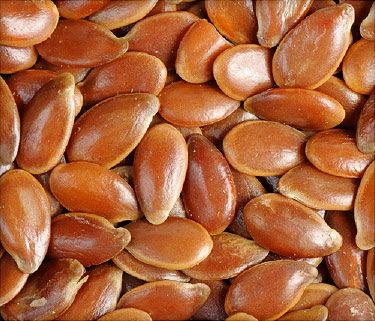
The Benefits of Flaxseed    

By Elaine Magee, MPH, RD    WebMD Expert Column
Some call it one of the most powerful plant foods on the planet. There’s some evidence it may help reduce your risk of

  • heart disease, cancer, stroke, and diabetes.

That’s quite a tall order for a tiny seed that’s been around for centuries.

Flaxseed was cultivated in Babylon as early as 3000 BC. In the 8th century, King Charlemagne believed so strongly in the
health benefits of flaxseed that he passed laws requiring his subjects to consume it. Now, thirteen centuries later, some
experts say we have preliminary research to back up what Charlemagne suspected.

http://img.webmd.com/dtmcms/live/webmd/consumer_assets/site_images/article_
thumbnails/features/benefits_of_flaxseed_features/375x321_benefits_of_flaxseed_features.jpg

Not only has consumer demand for flaxseed grown, agricultural use has also increased.
Flaxseed is what’s used to feed all those chickens that are laying eggs with higher levels of omega-3 fatty acids.
Although flaxseed contains all sorts of healthy components, it owes its primary healthy reputation to three of them:

  1. Omega-3 essential fatty acids, have been shown to have heart-healthy effects.  1.8 grams of plant omega-3s/tablespoon ground.
  2. Lignans, which have both plant estrogen and antioxidant qualities.  75 to 800 times more lignans than other plant foods.
  3. Fiber. Flaxseed contains both the soluble and insoluble types.

Omega-3 Polyunsaturated Fatty Acids and Cardiovascular Diseases

CJ Lavie, RV Milani, MR Mehra, and HO Ventura.
J. Am. Coll. Cardiol. 2009;54;585-594.   http://dx.doi.org/10.1016/j.jacc.2009.02.084
Fish oil is obtained in the human diet by eating oily fish, such as
  • herring, mackerel, salmon, albacore tuna, and sardines, or
  • by consuming fish oil supplements or cod liver oil.
Fish do not naturally produce these oils, but obtain them through the ocean food chain from the marine microorganisms
  • that are the original source of the omega-3 polyunsaturated fatty acids (ω-3 PUFA) found in fish oils.
Numerous prospective and retrospective trials from many countries, including the U.S., have shown that moderate
  • fish oil consumption decreases the risk of major cardiovascular (CV) events, such as
  1. myocardial infarction (MI),
  2. sudden cardiac death (SCD),
  3. coronary heart disease (CHD),
  4. atrial fibrillation (AF), and most recently,
  5. death in patients with heart failure (HF).
Most of the evidence for benefits of the ω-3 PUFA has been obtained for
  • eicosapentaenoic acid (EPA) and docosahexaenoic acid (DHA), the long-chain fatty acids in this family.
There is support for a benefit from alpha-linolenic acid (ALA),
  • the plant-based precursor of EPA.
The American Heart Association (AHA) has currently endorsed the use of ω-3 PUFA in patients with documented CHD

  • at a dose of approximately 1 g/day of combined DHA and EPA, either in the form of fatty fish or fish oil supplements
The health benefits of these long chain fatty acids are numerous and remain an active area of research.
Omega-3 polyunsaturated fatty acid (ω-3 PUFA) therapy continues to show great promise in primary and,
  • particularly in secondary prevention of cardiovascular (CV) diseases.
This portion of discussion summarizes the current scientific data on the effects of the long chain ω-3 PUFA
  • in the primary and secondary prevention of various CV disorders.
The most compelling evidence for CV benefits of ω-3 PUFA comes from 4 controlled trials
  • of nearly 40,000 participants randomized to receive eicosapentaenoic acid (EPA)
  • with or without docosahexaenoic acid (DHA) in studies of patients
    • in primary prevention,
    • after myocardial infarction, and
    • with heart failure (HF).
The evidence from retrospective epidemiologic studies and from large randomized controlled trials
show the benefits of ω-3 PUFA, specifically EPA and DHA, in primary and secondary CV prevention
and provide insight into potential mechanisms of these observed benefits.

Background Epidemiologic Evidence

During the past 3 decades, numerous epidemiologic and observational studies have been published on the CV benefits of ω-3 PUFA.
As early as 1944, Sinclair described the rarity of CHD in Greenland Eskimos, who consumed a diet high in whale, seal, and fish.
More than 30 years ago, Bang and Dyberg reported that despite a diet low in fruit, vegetables, and complex carbohydrates but
high in saturated fat and cholesterol, serum cholesterol and triglycerides were lower in Greenland Inuit than in age-matched residents
of Denmark, and the risk of MI was markedly lower in the Greenland population compared with the Danes. These initial observations raised
speculation on the potential benefits of ω-3 PUFA (particularly EPA and DHA) as the protective “Eskimo factor”.
Potential EPA and DHA Effects   
  1. Antiarrhythmic effects
  2. Improvements in autonomic function
  3. Decreased platelet aggregation
  4. Vasodilation
  5. Decreased blood pressure
  6. Anti-inflammatory effects
  7. Improvements in endothelial function
  8. Plaque stabilization
  9. Reduced atherosclerosis
  10. Reduced free fatty acids and triglycerides
  11. Up-regulated adiponectin synthesis
  12. Reduced collagen deposition
The target EPA + DHA consumption should be at least 500 mg/day for individuals without underlying overt CV disease
  • and at least 800 to 1,000 mg/day for individuals with known coronary heart disease and HF.
Further studies are needed to determine optimal dosing and the relative ratio of DHA and EPA ω-3 PUFA that
  • provides maximal cardioprotection in those at risk of CV disease
  • as well in the treatment of atherosclerotic, arrhythmic, and primary myocardial disorders.
Lavie et al.  Omega-3 PUFA and CV Diseases  J Am Coll Cardiol 2009; 54(7): 585–94

Assessing Appropriateness of Lipid Management Among Patients With Diabetes Mellitus

Moving From Target to Treatment.   AJ Beard, TP Hofer, JR Downs, et al. and Diabetes Clinical Action Measures Workgroup
Performance measures that emphasize only a treat-to-target approach may motivate ove-rtreatment with high-dose statins,
  • potentially leading to adverse events and unnecessary costs.
We developed a clinical action performance measure for lipid management in patients with diabetes mellitus that is designed
  • to encourage appropriate treatment with moderate-dose statins while minimizing over-treatment.
We examined data from July 2010 to June 2011 for 964 818 active Veterans Affairs primary care patients ≥18 years of age with diabetes mellitus.
We defined 3 conditions as successfully meeting the clinical action measure for patients 50 to 75 years old:
  1.  having a low-density lipoprotein (LDL) <100 mg/dL,
  2. taking a moderate-dose statin regardless of LDL level or measurement, or
  3. receiving appropriate clinical action (starting, switching, or intensifying statin therapy) if LDL is ≥100 mg/dL.
We examined possible over-treatment for patients ≥18 years of age by examining the proportion of patients
  • without ischemic heart disease who were on a high-dose statin.
We then examined variability in measure attainment across 881 facilities using 2-level hierarchical multivariable logistic models.
Of 668 209 patients with diabetes mellitus who were 50 to 75 years of age, 84.6% passed the clinical action measure:
  1. 67.2% with LDL <100 mg/dL,
  2. 13.0% with LDL ≥100 mg/dL and either on a moderate-dose statin (7.5%) or with appropriate clinical action (5.5%), and
  3. 4.4% with no index LDL on at least a moderate-dose statin. Of the entire cohort ≥18 years of age, 13.7% were potentially over-treated.
Use of a performance measure that credits appropriate clinical action indicates that almost 85% of diabetic veterans 50 to 75 years of age
  • are receiving appropriate dyslipidemia management.

Exercise training and mitochondria in heart failure

The beneficial effects of exercise in the rehabilitation of patients with heart failure are well established,
with improvements observed in
  • exercise capacity,
  • quality of life,
  • hospitalization rates and
  • morbidity/mortality.
There is no evidence of training-induced
improvements in cardiac energy metabolism or
  • mitochondrial function, and
  • no modification of myocardial oxidative capacity,
  • oxidative enzymes, or
  • energy transfer enzymes
in exercising rats with experimental heart failure, but there is  evidence of
There are also improvements in
  • skeletal muscle oxidative capacity with
  • increased mitochondrial density
following endurance training in heart failure patients associated with alleviation of symptoms such as
  • exercise intolerance and
  • chronic fatigue.
The mechanism underlying improvements in mitochondrial function may perhaps be a result of
  • more effective peripheral oxygen delivery following training,
  • alleviating tissue hypoxia and oxidative stress.

Treating Type 2 diabetes, and lowering cardiovascular disease risk

Treating Diabetes and Obesity with an FGF21-Mimetic Antibody
Activating the βKlotho/FGFR1c Receptor Complex

IN Foltz, S Hu, C King, Xinle Wu, et al.  Amgen and Texas A&M HSC, Houston, TX.
Sci Transl Med  Nov 2012; 4(162), p. 162ra153
http://dx.doi.org/10.1126/scitranslmed.3004690

Fibroblast growth factor 21 (FGF21) is a distinctive member of the FGF family with potent beneficial effects on

  1. lipid
  2. body weight
  3. glucose metabolism

A monoclonal antibody, mimAb1, binds to βKlotho with high affinity and specifically

  • activates signaling from the βKlotho/FGFR1c (FGF receptor 1c) receptor complex.

Injection of mimAb1 into obese cynomolgus monkeys led to FGF21-like metabolic effects:

  1. decreases in body weight,
  2. plasma insulin,
  3. triglycerides, and
  4. glucose during tolerance testing.

Mice with adipose-selective FGFR1 knockout were refractory to FGF21-induced improvements

  • in glucose metabolism and body weight.

mimAb1 depends on βKlotho to activate FGFR1c, but

  • it is not expected to induce side effects caused by activating FGFR1c alone.

The results in obese monkeys (with mimAb1) and in FGFR1 knockout mice (with FGF21) demonstrated

  • the essential role of FGFR1c in FGF21 function and
  • suggest fat as a critical target tissue for the cytokine and antibody.

This antibody activates FGF21-like signaling through cell surface receptors, and  provided

  • preclinical validation for an innovative therapeutic approach to diabetes and obesity.

Influencing Factors on Cardiac Structure and Function Beyond Glycemic Control
in Patients With Type 2 Diabetes Mellitus (T2DM)

R Ichikawa, M Daimon, T Miyazaki, T Kawata, et al.     Cardiovasc Diabetol. 2013;12(38)

We studied 148 asymptomatic patients with T2DM without overt heart disease.
Early (E) and late (A) diastolic mitral flow velocity and early diastolic mitral annular velocity (e’)

  • were measured for assessing left ventricular (LV) diastolic function.

In addition

  • insulin resistance,
  • non-esterified fatty acid,
  • high-sensitive CRP,
  • estimated glomerular filtration rate,
  • waist/hip ratio,
  • abdominal visceral adipose tissue (VAT),
  • subcutaneous adipose tissue (SAT)

In T2DM (compared to controls),

  • E/A and e’ were significantly lower, and
  • E/e’, left atrial volume and LV mass were significantly greater

VAT  and age were independent determinants of

  • left atrial volume (β =0.203, p=0.011),
  • E/A (β =−0.208, p=0.002), e’ (β =−0.354, p<0.001) and
  • E/e’ (β=0.220, p=0.003).

Independent determinants of LV mass were

  • systolic blood pressure,
  • waist-hip ratio (β=0.173, p=0.024)
  • VAT/SAT ratio (β=0.162, p=0.049)

Excessive visceral fat accompanied by adipocyte dysfunction may play a greater role than

  • glycemic control in the development of diastolic dysfunction and LV hypertrophy in T2DM

Inhibition of oxidative stress and mtDNA damage

Novel pharmacological agents are needed that

  • optimize substrate metabolism and
  • maintain mitochondrial integrity,
  • improve oxidative capacity in heart and skeletal muscle, and
  • alleviate many of the clinical symptoms associated with heart failure.

The evidence for the attenuation or loss of effectiveness of neurohormonal antagonism as heart failure worsens

  • indicates future therapeutic targets must address the cellular and molecular mechanisms that contribute to heart failure.

Pharmacological Targets of oxidative stress and mitochondrial damage

Defective mitochondrial energetics and abnormal substrate metabolism are fundamental characteristics of CHF.

A significant benefit may be derived from developing therapies aimed at

  • preserving cardiac mitochondrial function and
  • optimizing substrate metabolism.
Oxidative stress is enhanced in myocardial remodelling and failure. The increased production of oxygen radicals in the failing heart
  • with preserved antioxidant enzyme activities suggests
  • mitochondrial electron transport as a source of oxygen radical generation
  • can be a therapeutic target against oxidant-induced damage in the failing myocardium.
Chronic increases in oxygen radical production in the mitochondria
  • leads to mitochondrial DNA (mtDNA) damage,
  • functional decline,
  • further oxygen radical generation, and
  • cellular injury.
MtDNA defects may thus play an important role in the
  • development and progression of myocardial remodelling and failure.
Reactive oxygen species induce
  1. myocyte hypertrophy,
  2. apoptosis, and
  3. interstitial fibrosis
  4. by activating matrix metallo-proteinases,
  5. promoting the development and
  6. progression of maladaptive myocardial remodelling and failure.
Oxidative stress has direct effects on cellular structure and function and
  • may activate integral signalling molecules in myocardial remodelling and failure (Figure).
ROS result in a phenotype characterized by
  • hypertrophy and apoptosis in isolated cardiac myocytes.
Therefore, oxidative stress and mtDNA damage are good therapeutic targets.
Overexpression of the genes for
  • peroxiredoxin-3 (Prx-3), a mitochondrial antioxidant, or
  • mitochondrial transcription factor A (TFAM),
    • could ameliorate the decline in mtDNA copy number in failing hearts.
Consistent with alterations in mtDNA, the
  • decrease in mitochondrial function was prevented,
  • proving that the activation of Prx-3 or TFAM gene expression
  • could ameliorate the pathophysiological processes seen
  1. in mitochondrial dysfunction and
  2. myocardial remodelling.
Inhibition of oxidative stress and mtDNA damage
  • could be novel and effective treatment strategies for heart failure.
Proposed mechanisms through which overexpression of the
  • mitochondrial transcription factor A (TFAM) gene prevents
  • mitochondrial DNA (mtDNA) damage,
  • oxidative stress, and
  • myocardial remodelling and failure.
In wild-type mice, mitochondrial transcription factor A
  • directly interacts with mitochondrial DNA to form nucleoids.
Stress such as ischaemia causes mitochondrial DNA damage, which
  1. increases the production of reactive oxygen species (ROS)
  2. leading to a catastrophic cycle of mitochondrial electron transport impairment,
  3. further reactive oxygen species generation, and mitochondrial dysfunction.
TFAM overexpression may protect mitochondrial DNA from damage by
  1. directly binding and stabilizing mitochondrial DNA and
  2. increasing the steady-state levels of mitochondrial DNA
ameliorating mitochondrial dysfunction and thus the development and progression of heart failure.

Conclusion

Heart failure is a multifactorial syndrome that is characterized by
  • abnormal energetics and substrate metabolism in heart and skeletal muscle.
Although existing therapies have been beneficial, there is a clear need for new approaches to treatment.
Pharmacological targeting of the cellular stresses underlying mitochondrial dysfunction, such as
  • elevated fatty acid levels,
  • tissue hypoxia and oxidative stress and
  • metabolic modulation of heart and skeletal muscle mitochondria,
    • appears to offer a promising therapeutic strategy for tackling heart failure.
Murray AJ, Anderson RE, Watson GC, et al. Uncoupling proteins in human heart. Lancet 2004; 364:1786.
Delarue J, Magnan C. Free fatty acids and insulin resistance. Curr Opin ClinNutr Metab Care 2007; 10:142
Lee L, Campbell R, Scheuermann-Freestone M, et al. Metabolic modulation with perhexiline in chronic heart failure: a randomized, controlled trialof short-term use of a novel treatment. Circulation 2005; 112:3280
Tsutsui H, Kinugawa S, Matsushima S. Mitochondrial oxidative stress and dysfunction in myocardial remodelling. Cardiovasc Res. 2009;81(3):449-56. http://dxdoi.org/10.1093/cvr/cvn280.
C Maack, M Böhm. Targeting Mitochondrial Oxidative Stress in Heart Failure. J Am Coll Cardiol. 2011;58(1):83-86. http://dx.doi.org/10.1016/j.jacc.2011.01.032

 References

Mitochondrial dynamics and cardiovascular diseases    Ritu Saxena
http://pharmaceuticalintelligence.com/2012/11/14/mitochondrial-dynamics-and-cardiovascular-diseases/

Mitochondrial Damage and Repair under Oxidative Stress   larryhbern
http://pharmaceuticalintelligence.com/2012/10/28/mitochondrial-damage-and-repair-under-oxidative-stress/

Mitochondria: Origin from oxygen free environment, role in aerobic glycolysis, metabolic adaptation   larryhbern
http://pharmaceuticalintelligence.com/2012/09/26/mitochondria-origin-from-oxygen-free-environment-role-in-aerobic-glycolysis-metabolic-adaptation/

Ca2+ signaling: transcriptional control     larryhbern
http://pharmaceuticalintelligence.com/2013/03/06/ca2-signaling-transcriptional-control/

MIT Scientists on Proteomics: All the Proteins in the Mitochondrial Matrix identified  Aviva Lev-Ari
http://pharmaceuticalintelligence.com/2013/02/03/mit-scientists-on-proteomics-all-the-proteins-in-the-mitochondrial-matrix-identified/

Nitric Oxide has a ubiquitous role in the regulation of glycolysis -with a concomitant influence on mitochondrial function    larryhbern
http://pharmaceuticalintelligence.com/2012/09/16/nitric-oxide-has-a-ubiquitous-role-in-the-regulation-of-glycolysis-with-a-concomitant-influence-on-mitochondrial-function/

Ubiquinin-Proteosome pathway, autophagy, the mitochondrion, proteolysis and cell apoptosis  larryhbern
http://pharmaceuticalintelligence.com/2013/02/14/ubiquinin-proteosome-pathway-autophagy-the-mitochondrion-proteolysis-and-cell-apoptosis-reconsidered/

Low Bioavailability of Nitric Oxide due to Misbalance in Cell Free Hemoglobin in Sickle Cell Disease – A Computational Model   Anamika Sarkar
http://pharmaceuticalintelligence.com/2012/11/09/low-bioavailability-of-nitric-oxide-due-to-misbalance-in-cell-free-hemoglobin-in-sickle-cell-disease-a-computational-model/

The rationale and use of inhaled NO in Pulmonary Artery Hypertension and Right Sided Heart Failure    larryhbern
http://pharmaceuticalintelligence.com/2012/08/20/the-rationale-and-use-of-inhaled-no-in-pulmonary-artery-hypertension-and-right-sided-heart-failure/

Mitochondria and Cardiovascular Disease: A Tribute to Richard Bing, Larry H Bernstein, MD, FACP
http://pharmaceuticalintelligence.com/2013/04/14/chapter-5-mitochondria-and-cardiovascular-disease/

Mitochondrial Metabolism and Cardiac Function, Larry H Bernstein, MD, FACP
http://pharmaceuticalintelligence.com/2013/04/14/mitochondrial-metabolism-and-cardiac-function/

Mitochondrial Dysfunction and Cardiac Disorders, Larry H Bernstein, MD, FACP
http://pharmaceuticalintelligence.com/2013/04/14/mitochondrial-dysfunction-and-cardiac-disorders/

Reversal of Cardiac mitochondrial dysfunction, Larry H Bernstein, MD, FACP
http://pharmaceuticalintelligence.com/2013/04/14/reversal-of-cardiac-mitochondrial-dysfunction/

Clinical Trials Results for Endothelin System: Pathophysiological role in Chronic Heart Failure, Acute Coronary Syndromes and MI – Marker of Disease Severity or Genetic Determination? Aviva Lev-Ari, PhD, RN 10/19/2012
http://pharmaceuticalintelligence.com/2012/10/19/clinical-trials-results-for-endothelin-system-pathophysiological-role-in-chronic-heart-failure-acute-coronary-syndromes-and-mi-marker-of-disease-severity-or-genetic-determination/

Endothelin Receptors in Cardiovascular Diseases: The Role of eNOS Stimulation, Aviva Lev-Ari, PhD, RN 10/4/2012
http://pharmaceuticalintelligence.com/2012/10/04/endothelin-receptors-in-cardiovascular-diseases-the-role-of-enos-stimulation/

Inhibition of ET-1, ETA and ETA-ETB, Induction of NO production, stimulation of eNOS and Treatment Regime with PPAR-gamma agonists (TZD): cEPCs Endogenous Augmentation for Cardiovascular Risk Reduction – A Bibliography, Aviva Lev-Ari, PhD, RN 10/4/2012
http://pharmaceuticalintelligence.com/2012/10/04/inhibition-of-et-1-eta-and-eta-etb-induction-of-no-production-and-stimulation-of-enos-and-treatment-regime-with-ppar-gamma-agonists-tzd-cepcs-endogenous-augmentation-for-cardiovascular-risk-reduc/

Genomics & Genetics of Cardiovascular Disease Diagnoses: A Literature Survey of AHA’s Circulation Cardiovascular Genetics, 3/2010 – 3/2013, L H Bernstein, MD, FACP and Aviva Lev-Ari,PhD, RN  3/7/2013
http://pharmaceuticalintelligence.com/2013/03/07/genomics-genetics-of-cardiovascular-disease-diagnoses-a-literature-survey-of-ahas-circulation-cardiovascular-genetics-32010-32013/

Cardiovascular Disease (CVD) and the Role of agent alternatives in endothelial Nitric Oxide Synthase (eNOS) Activation and Nitric Oxide Production, Aviva Lev-Ari, PhD, RN 7/19/2012 http://pharmaceuticalintelligence.com/2012/07/19/cardiovascular-disease-cvd-and-the-role-of-agent-alternatives-in-endothelial-nitric-oxide-synthase-enos-activation-and-nitric-oxide-production/

Cardiovascular Risk Inflammatory Marker: Risk Assessment for Coronary Heart Disease and Ischemic Stroke – Atherosclerosis. Aviva Lev-Ari, PhD, RN 10/30/2012
http://pharmaceuticalintelligence.com/2012/10/30/cardiovascular-risk-inflammatory-marker-risk-assessment-for-coronary-heart-disease-and-ischemic-stroke-atherosclerosis/

Cholesteryl Ester Transfer Protein (CETP) Inhibitor: Potential of Anacetrapib to treat Atherosclerosis and CAD.     Aviva Lev-Ari, PhD, RN 4/7/2013
http://pharmaceuticalintelligence.com/2013/04/07/cholesteryl-ester-transfer-protein-cetp-inhibitor-potential-of-anacetrapib-to-treat-atherosclerosis-and-cad/

Hypertriglyceridemia concurrent Hyperlipidemia: Vertical Density Gradient Ultracentrifugation a Better Test to Prevent Undertreatment of High-Risk Cardiac Patients, Aviva Lev-Ari, PhD, RN  4/4/2013  http://pharmaceuticalintelligence.com/2013/04/04/hypertriglyceridemia-concurrent-hyperlipidemia-vertical-density-gradient-ultracentrifugation-a-better-test-to-prevent-undertreatment-of-high-risk-cardiac-patients/

Fight against Atherosclerotic Cardiovascular Disease: A Biologics not a Small Molecule – Recombinant Human lecithin-cholesterol acyltransferase (rhLCAT) attracted AstraZeneca to acquire AlphaCore.
Aviva Lev-Ari, PhD, RN 4/3/2013
http://pharmaceuticalintelligence.com/2013/04/03/fight-against-atherosclerotic-cardiovascular-disease-a-biologics-not-a-small-molecule-recombinant-human-lecithin-cholesterol-acyltransferase-rhlcat-attracted-astrazeneca-to-acquire-alphacore/

High-Density Lipoprotein (HDL): An Independent Predictor of Endothelial Function & Atherosclerosis, A Modulator, An Agonist, A Biomarker for Cardiovascular Risk.   Aviva Lev-Ari, PhD, RN 3/31/2013
http://pharmaceuticalintelligence.com/2013/03/31/high-density-lipoprotein-hdl-an-independent-predictor-of-endothelial-function-artherosclerosis-a-modulator-an-agonist-a-biomarker-for-cardiovascular-risk/

Peroxisome proliferator-activated receptor (PPAR-gamma) Receptors Activation: PPARγ transrepression for Angiogenesis in Cardiovascular Disease and PPARγ transactivation for Treatment of Diabetes.
Aviva Lev-Ari, PhD, RN 11/13/2012
http://pharmaceuticalintelligence.com/2012/11/13/peroxisome-proliferator-activated-receptor-ppar-gamma-receptors-activation-pparγ-transrepression-for-angiogenesis-in-cardiovascular-disease-and-pparγ-transactivation-for-treatment-of-dia/

Sulfur-Deficiciency and Hyperhomocysteinemia, L H Bernstein, MD, FACP
http://pharmaceuticalintelligence.com/2013/04/04/sulfur-deficiency-and-hyperhomocusteinemia/

Structure of the human mitochondrial genome.

Structure of the human mitochondrial genome. (Photo credit: Wikipedia)

English: Treatment Guidelines for Chronic Hear...

English: Treatment Guidelines for Chronic Heart Failure (Photo credit: Wikipedia)

English: Oxidative stress process Italiano: Pr...

English: Oxidative stress process Italiano: Processo dello stress ossidativo (Photo credit: Wikipedia)

Diagram taken from the paper "Dissection ...

Diagram taken from the paper “Dissection of mitochondrial superhaplogroup H using coding region SNPs” (Photo credit: Asparagirl)

Read Full Post »

Benefits of Functional Foods in Nutrient Imbalance of Vulnerable Populations

Reporter and Curator: Dr. Sudipta Saha, Ph.D.

There are clear distinctions between a food and a drug. Nutraceuticals, however, occupy a place between the two. Nutraceuticals are naturally derived phytochemicals with potential health benefits and without the characteristics of being essential nutrients. Foods that contain these non-essential substances with potential health benefits may qualify as “functional foods.” As defined by the Food and Nutrition Board of the National Academy of Sciences, the term functional food refers to foods that provide health benefits beyond basic nutrition. Examples of these are

  • psyllium seeds (soluble fiber),
  • soy foods (isoflavones),
  • cranberry juice (proanthocyanidins),
  • purple grape juice (resveratrol),
  • tomatoes (lycopene), and
  • green tea (catechins).

The bioactive components of functional foods:

  • flavonols,
  • monomeric and polymeric flavan-3-ols,
  • highly coloured anthocyanins, and
  • phenolic acids

may be increased in or added to traditional foods. An example is a genetically modified tomato high in lycopene, which has potent antioxidant capabilities.

The risk of nutrient imbalance is highest in vulnerable populations unable to access essential or conditionally essential nutrients. To a large extent, the

  • very young and the
  • frail elderly

are the select groups who might benefit most from alleviating this risk. The lack of adequate nutrition may be due to seasonal and unexpected losses of agricultural produce; however, poverty is a factor on a global scale as a result of growing economic disparities. The question then becomes what role functional foods offer to improve recognized population nutritional deficiencies. The range of work being done on functional foods is impressive, from

  • modified oils that contain heart-healthy ω-3 fatty acids to
  • cassava plants developed with an increased protein content to help counter malnutrition in developing nations.

However, the nutraceutical industry has responded to and relies on the untested expectations of the healthiest members of the world’s population rather than its more vulnerable ones. Due largely to economic causes, those in need are less likely to receive the benefits of nutraceuticals from whole foods or from manufactured foods or supplements. This is particularly striking where the source is locally available and extracted for commerce but is unaffordable or unavailable to the native population.

The rapid advances in biotechnology and functional foods confront us with a need to address the benefits of these with regard to improving health and managing or decreasing disease risks. Conventional dietary recommendations have focused on the consumption of fruits, vegetables, legumes, and whole grains, a decreased sugar intake, and an emphasis on plant oils, recommendations that have unproved benefits for the prevention of chronic diseases and that have complexities involving individual, environmental, and genetic influences.

Although the potential benefits of phytochemicals could have an impact on health status for vulnerable populations, the recommendations focused on plant foods do not address the primary concerns of the undernutrition associated with a poor quality of protein intake. Taken individually, plant sources do not provide a balanced amino acid profile necessary for protein synthesis, being deficient in lysine and/or methionine. Animal sources of protein, specifically meat and fish, also provide essential fatty acids not found in plant sources of protein and that may be otherwise limited. In addition, plants may contain antinutritional factors (wheat, cassava roots, cabbages, soy beans), and plant-based diets may be deficient in important essential nutrients.

Programs must focus on the sustainable production and local processing of indigenous products that can be used by needy populations to improve their nutritional intake and enhance economic stability. In addition, dietary recommendations must not exclude important sources of nutrition for more vulnerable populations by focusing primarily on plant-based sources of food, decreasing saturated fat, and de-emphasizing the importance of high-value biologic protein. The global economic crisis has touched the lives of 80% of the population in most developing countries with a threat to the development of a generation of children (approximately 250 million) who are most vulnerable in the first 2 years of life. An investment in nutrition in this circumstance has a high value, and the use of complementary food supplements to increase a meal’s nutrient content is warranted.

A recent proposal has concluded there are health benefits for foods and food constituents put together in a synergic diet pattern, suggesting that the interrelation between constituents within whole foods is significant, and has recommended dietary variety and the selection of nutrient-rich foods. Providing vulnerable populations with an adequate supply of whole foods should take precedence over the recommendation of food products in supplying not only essential macro- and micronutrients and energy but also phytochemicals whose value to the human diet is still to be determined.

Source References:

http://www.sciencedirect.com/science/article/pii/S0899900711003133


Read Full Post »

AMPK Is a Negative Regulator of the Warburg Effect and Suppresses Tumor Growth In Vivo

Reporter-Curator: Stephen J. Williams, Ph.D.

AMPK Is a Negative Regulator of the Warburg Effect and Suppresses Tumor Growth In Vivo

Word Cloud by Daniel Menzin

There has been a causal link between alterations in cellular metabolism and the cancer phenotype.  Reorganization of cellular metabolism, marked by a shift from oxidative phosphorylation to aerobic glycolysis for cellular energy requirements (Warburg effect), is considered a hallmark of the transformed cell.  In addition, if tumors are to survive and grow, cancer cells need to adapt to environments high in metabolic stress and to avoid programmed cell death (apoptosis). Recently, a link between cancer growth and metabolism has been supported by the discovery that the LKB1/AMPK signaling pathway as a tumor suppressor axis[1].

LKB1/AMPK/mTOR Signaling Pathway

The Liver Kinase B1 (LKB1)/AMPK  AMP-activated protein kinase/mammalian Target of Rapamycin Complex 1 (mTORC1) signaling pathway links cellular metabolism and energy status to pathways involved in cell growth, proliferation, adaption to energy stress, and autophagy.  LKB1 is a master control for 14 other kinases including AMPK, a serine-threonine kinase which senses cellular AMP/ATP ratios.  In response to cellular starvation, AMPK is allosterically activated by AMP, leading to activation of ATP-generating pathways like fatty acid oxidation and blocking anabolic pathways, like lipid and cholesterol synthesis (which consume ATP).  In addition, AMPK regulates cell growth, proliferation, and autophagy by regulating the mTOR pathway.  AMPK activates the tuberous sclerosis complex 1/2, which ultimately inhibits mTORC1 activity and inhibits protein translation.  This mTOR activity is dis-regulated in many cancers.

LKB1AMPK pathway

LKB1/AMPK in Cancer

  • Somatic mutations of the STK11 gene encoding LKB1 are detected in lung and cervical cancers
  • Therefore LKB1 may be a strong tumor suppressor
  • Pharmacologic activation of LKB1/AMPK with metformin can suppress cancer cell growth

In a recent Cell Metabolism paper[2], Brandon Faubert and colleagues describe how AMPK activity reduces aerobic glycolysis and tumor proliferation while loss of AMPK activity promotes tumor proliferation by shifting cells to aerobic glycolysis and increasing anabolic pathways in a HIF1-dependent manner.

The paper’s major findings were as follows:

  • Loss of AMPKα1 cooperates with the Myc oncogene to accelerate lymphomagenesis
  • AMPKα dysfunction enhances aerobic glycolysis (Warburg effect)
  • Inhibiting HIF-1α reverses the metabolic effects of AMPKα loss
  • HIF-1α mediates the growth advantage of tumors with reduced AMPK signaling

Summary

AMPK is a metabolic sensor that helps maintain cellular energy homeostasis. Despite evidence linking AMPK with tumor suppressor functions, the role of AMPK in tumorigenesis and tumor metabolism is unknown. Here we show that AMPK negatively regulates aerobic glycolysis (the Warburg effect) in cancer cells and suppresses tumor growth in vivo. Genetic ablation of the α1 catalytic subunit of AMPK accelerates Myc-induced lymphomagenesis. Inactivation of AMPKα in both transformed and nontransformed cells promotes a metabolic shift to aerobic glycolysis, increased allocation of glucose carbon into lipids, and biomass accumulation. These metabolic effects require normoxic stabilization of the hypoxia-inducible factor-1α (HIF-1α), as silencing HIF-1α reverses the shift to aerobic glycolysis and the biosynthetic and proliferative advantages conferred by reduced AMPKα signaling. Together our findings suggest that AMPK activity opposes tumor development and that its loss fosters tumor progression in part by regulating cellular metabolic pathways that support cell growth and proliferation.

Below is the graphical abstract of this paper.

Graphical Abstract FINAL.pptx

(Photo credit reference(2; Faubert et. al) permission from Elsevier)

However, this regulation of tumor promotion by AMPK may be more complicated and dependent on the cellular environment.

Nissam Hay from the University of Illinois College of Medicine, Chicago, Illinois, USA and his co-workers Sang-Min Jeon and Navdeep Chandel were investigating the mechanism through which LKB1/AMPK regulate the balance between cancer cell growth and apoptosis under energy stress[3]. In their system, the loss of function of either of these proteins makes cells more sensitive to apoptosis in low glucose environments, and cells deficient in either AMPK or LKB1 were shown to be resistant to oncogenic transformation.  Whereas previous studies showed (as above) AMPK opposes tumor proliferation in a HIF1-dependent manner, their results showed AMPK could promote tumor cell survival during periods of low glucose or altered redox status.

The researchers incubated LKB1-deficient cancer cells in the presence of either glucose or one of the non-metabolizable glucose analogues 2-deoxyglucose (2DG) and 5-thioglucose (5TG), and found that 2DG, but not 5TG, induced the activation of AMPK and protected the cells from apoptosis, even in cells that were deficient in LKB1.

The authors demonstrated that glucose deprivation depleted NADPH levels, increased H2O2 levels and increased cell death, and that this was accelerated in cells deficient in the enzyme glucose-6-phosphate dehydrogenase. Anti-oxidants were also found to inhibit cell death in cells deficient in either AMPK or LKB1.

Knockdown or knockout of either LKB1 or AMPK in cancer cells significantly increased levels of H2O2 but not of peroxide (O2) during glucose depletion. The glucose analogue 2DG was able to activate AMPK and maintain high levels of NADPH and low levels of H2O2 in these cells.

The nucleotide coenzyme NADPH is generated in the pentose phosphate pathway and mitochondrial metabolism, and consumed in H2O2 elimination and fatty acid synthesis. If glucose is limited mitochondrial metabolism becomes the major source of NADPH, supported by fatty acid oxidation. AMPK is known to be a regulator of fatty acid metabolism through inhibition of two acetyl-CoA carboxylases, ACC1 and ACC2.

Short interfering RNAs (siRNAs) to knock down levels of both ACC1 and ACC2 in A549 cancer cells and found that only ACC2 knockdown significantly increased peroxide accumulation and apoptosis, while over-expression of mutant ACC1 and ACC2 in LKB1-proficient cells increased H2O2 and apoptosis.

Therefore, it was concluded AMPK acts to promote early tumor growth and prevent apoptosis in conditions of energy stress through inhibiting acetyl-CoA carboxylase activity, thus maintaining NADPH levels and preventing the build-up of peroxide in glucose-deficient conditions.

This may appear to be conflicting with the previous report in this post however, it is possible that these reports reflect differences in the way cells respond to various cellular stresses, be it hypoxia, glucose deprivation, or changes in redox status.  Therefore a complex situation may arise:

  • AMPK promotes tumor progression under glucose starvation
  • AMPK can oppose tumor proliferation under a normoxic, HIF1-dependent manner
  • Could AMPK regulation be different in cancer stem cells vs. non-stem cell?

References:

1.            Green AS, Chapuis N, Lacombe C, Mayeux P, Bouscary D, Tamburini J: LKB1/AMPK/mTOR signaling pathway in hematological malignancies: from metabolism to cancer cell biology. Cell Cycle 2011, 10(13):2115-2120.

2.            Faubert B, Boily G, Izreig S, Griss T, Samborska B, Dong Z, Dupuy F, Chambers C, Fuerth BJ, Viollet B et al: AMPK is a negative regulator of the Warburg effect and suppresses tumor growth in vivo. Cell metabolism 2013, 17(1):113-124.

3.            Jeon SM, Chandel NS, Hay N: AMPK regulates NADPH homeostasis to promote tumour cell survival during energy stress. Nature 2012, 485(7400):661-665.

 Other posts on this site related to Warburg Effect and Cancer include:

Read Full Post »

Liver Endoplasmic Reticulum Stress and Hepatosteatosis

Larry H Bernstein, MD, FCAP


1. Absence of adipose triglyceride lipase protects from hepatic endoplasmic reticulum stress in mice.

Fuchs CD, Claudel T, Kumari P, Haemmerle G, et al.
LabExpMol Hepatology, Medical Univ of Graz, Austria.
Hepatology. 2012 Jul;56(1):270-80.   http://dx.doi.org/10.1002/hep.25601. Epub 2012 May 29.

Nonalcoholic fatty liver disease (NAFLD) is characterized by

  • triglyceride (TG) accumulation and
  • endoplasmic reticulum (ER) stress.

Fatty acids (FAs) may trigger ER stress, therefore,

  •  the absence of adipose triglyceride lipase (ATGL/PNPLA2)-
    • the main enzyme for intracellular lipolysis,
  • releasing FAs, and
  • closest homolog to adiponutrin (PNPLA3)

recently implicated in the pathogenesis of NAFLD-

  • could protect against hepatic ER stress.

Wild-type (WT) and ATGL knockout (KO) mice

  •  were challenged with tunicamycin (TM) to induce ER stress.

Markers of hepatic

  •  lipid metabolism,
  • ER stress, and
  • inflammation were explored
    • for gene expression by
    •  serum biochemistry,
    • hepatic TG and FA profiles,
    • liver histology,
    • cell-culture experiments were performed in Hepa1.6 cells
  • after the knockdown of ATGL before FA and TM treatment.

TM increased hepatic TG accumulation in ATGL KO, but not in WT mice. Lipogenesis and β-oxidation
were repressed at the gene-expression level
(sterol regulatory element-binding transcription factor 1c,
fatty acid synthase, acetyl coenzyme A carboxylase 2, and carnitine palmitoyltransferase 1 alpha) in
both WT and ATGL KO mice. Genes for very-low-density lipoprotein (VLDL) synthesis (microsomal
triglyceride transfer protein and apolipoprotein B)

  •  were down-regulated by TM in WT
  • and even more in ATGL KO mice,
  • which displayed strongly reduced serum VLDL cholesterol levels.

ER stress markers were induced exclusively in TM-treated WT, but not ATGL KO, mice:

  •  glucose-regulated protein,
  • C/EBP homolog protein,
  • spliced X-box-binding protein,
  • endoplasmic-reticulum-localized DnaJ homolog 4, and
  • inflammatory markers Tnfα and iNos.

Total hepatic FA profiling revealed a higher palmitic acid/oleic acid (PA/OA) ratio in WT mice.
Phosphoinositide-3-kinase inhibitor-

  • known to be involved in FA-derived ER stress and
  • blocked by OA-
  • was increased in TM-treated WT mice only.

In line with this, in vitro OA protected hepatocytes from TM-induced ER stress. Lack of ATGL may protect from
hepatic ER stress through alterations in FA composition. ATGL could constitute a new therapeutic strategy
to target ER stress in NAFLD.
PMID: 22271167 Diabetes Obes Metab. 2010 Oct;12 Suppl 2:83-92.
http://dx.doi.org/10.1111/j.1463-1326.2010.01275.x.

2. Hepatic steatosis: a role for de novo lipogenesis and the transcription factor SREBP-1c.
Ferré P, Foufelle F. INSERM, and Université Pierre et Marie Curie-Paris, Paris, France.    PMID: 21029304

Excessive availability of plasma fatty acids and lipid synthesis from glucose (lipogenesis) are important determinants of steatosis.
Lipogenesis is an insulin- and glucose-dependent process that is under the control of specific transcription factors,

Insulin induces the maturation of SREBP-1c in the endoplasmic reticulum (ER).

  • SREBP-1c in turn activates glycolytic gene expression,
    • allowing glucose metabolism, and
    • lipogenic genes in conjunction with ChREBP.

Lipogenesis activation in the liver of obese markedly insulin-resistant steatotic rodents is then paradoxical.
It appears the activation of SREBP-1c and thus of lipogenesis is

  •  secondary in the steatotic liver to an ER stress.

The ER stress activates the

  •  cleavage of SREBP-1c independent of insulin,
  • explaining the paradoxical stimulation of lipogenesis
  • in an insulin-resistant liver.

Inhibition of the ER stress in obese rodents

  •  decreases SREBP-1c activation and lipogenesis and
  • improves markedly hepatic steatosis and insulin sensitivity.
  • ER is thus worth considering as a potential therapeutic target for steatosis and metabolic syndrome.

3. SREBP-1c transcription factor and lipid homeostasis: clinical perspective
Ferré P, Foufelle F
Inserm, Centre de Recherches Biomédicales des Cordeliers, Paris, France.
Horm Res. 2007;68(2):72-82. Epub 2007 Mar 5. PMID:17344645

Insulin has long-term effects on glucose and lipid metabolism through its control on the expression of specific genes.
In insulin sensitive tissues and particularly in the liver,

  •  the transcription factor sterol regulatory element binding protein-1c (SREBP-1c) transduces the insulin signal, which is
  • synthetized as a precursor in the membranes of the endoplasmic reticulum
  • which requires post-translational modification to yield its transcriptionally active nuclear form.

Insulin activates the transcription and the proteolytic maturation of SREBP-1c, which induces the

  •  expression of a family of genes
  • involved in glucose utilization and fatty acid synthesis and
  • can be considered as a thrifty gene.

Since a high lipid availability is

  •  deleterious for insulin sensitivity and secretion,
  • a role for SREBP-1c in dyslipidaemia and type 2 diabetes
  • has been considered in genetic studies.

SREBP-1c could also participate in

  •  hepatic steatosis observed in humans
  • related to alcohol consumption and
  • hyperhomocysteinemia
  • concomitant with a ER-stress and
  • insulin-independent SREBP-1c activation.

4. Hepatic steatosis: a role for de novo lipogenesis and the transcription factor SREBP-1c
Ferré P, Foufelle F
INSERM, Centre de Recherches des Cordeliers and Université Pierre et Marie Curie-Paris, Paris, France.
Diabetes Obes Metab. 2010 Oct;12 Suppl 2:83-92. PMID: 21029304
http://dx.doiorg/10.1111/j.1463-1326.2010.01275.x.

Lipogenesis in liver steatosis is

  •  an insulin- and glucose-dependent process
  • under the control of specific transcription factors,
  • sterol regulatory element binding protein 1c (SREBP-1c),
  • activated by insulin and carbohydrate response element binding protein (ChREBP)

Insulin induces the maturation of SREBP-1c in the endoplasmic reticulum (ER).
SREBP-1c in turn activates glycolytic gene expression, allowing –

  •  glucose metabolism in conjunction with ChREBP.

activation of SREBP-1c and lipogenesis is secondary in the steatotic liver to ER stress, which

  •  activates the cleavage of SREBP-1c independent of insulin,
  • explaining the stimulation of lipogenesis in an insulin-resistant liver.
  • Inhibition of the ER stress in obese rodents decreases SREBP-1c activation and improves
  • hepatic steatosis and insulin sensitivity.

ER is thus a new partner in steatosis and metabolic syndrome

5. Pharmacologic ER stress induces non-alcoholic steatohepatitis in an animal model
Jin-Sook Leea, Ze Zhenga, R Mendeza, Seung-Wook Hac, et al.
Wayne State University SOM, Detroit, MI
Toxicology Letters 20 May 2012; 211(1):29–38      http://dx.doi.org/10.1016/j.toxlet.2012.02.017

Endoplasmic reticulum (ER) stress refers to a condition of

  •  accumulation of unfolded or misfolded proteins in the ER lumen, which is known to
  • activate an intracellular stress signaling termed
  • Unfolded Protein Response (UPR).

A number of pharmacologic reagents or pathophysiologic stimuli

  •  can induce ER stress and activation of the UPR signaling,
  • leading to alteration of cell physiology that is
  • associated with the initiation and progression of a variety of diseases.

Non-alcoholic steatohepatitis (NASH), characterized by hepatic steatosis and inflammation, has been considered the
precursor or the hepatic manifestation of metabolic disease. In this study, we delineated the

  • toxic effect and molecular basis
  • by which pharmacologic ER stress,
  • induced by a bacterial nucleoside antibiotic tunicamycin (TM),
  • promotes NASH in an animal model.

Mice of C57BL/6J strain background were challenged with pharmacologic ER stress by intraperitoneal injection of TM. Upon TM injection,

  •  mice exhibited a quick NASH state characterized by
  • hepatic steatosis and inflammation.

TM-treated mice exhibited an increase in –

  •  hepatic triglycerides (TG) and a –
  • decrease in plasma lipids, including
  • plasma TG,
  • plasma cholesterol,
  • high-density lipoprotein (HDL), and
  • low-density lipoprotein (LDL),

In response to TM challenge,

  •  cleavage of sterol responsive binding protein (SREBP)-1a and SREBP-1c,
  •  the key trans-activators for lipid and sterol biosynthesis,
  • was dramatically increased in the liver.

Consistent with the hepatic steatosis phenotype, expression of

  •  some key regulators and enzymes in de novo lipogenesis and lipid droplet formation was up-regulated,
  • while expression of those involved in lipolysis and fatty acid oxidation was down-regulated
  • in the liver of mice challenged with TM.

TM treatment also increased phosphorylation of NF-κB inhibitors (IκB),

  •  leading to the activation of NF-κB-mediated inflammatory pathway in the liver.

Our study not only confirmed that pharmacologic ER stress is a strong “hit” that triggers NASH, but also demonstrated

  •  crucial molecular links between ER stress,
  • lipid metabolism, and
  • inflammation in the liver in vivo.

Highlights
► Pharmacologic ER stress induced by tunicamycin (TM) induces a quick NASH state in vivo.
► TM leads to dramatic increase in cleavage of sterol regulatory element-binding protein in the liver.
► TM up-regulates lipogenic genes, but down-regulates the genes in lipolysis and FA oxidation.
► TM activates NF-κB and expression of genes encoding pro-inflammatory cytokines in the liver.
Abbreviations
ER, endoplasmic reticulum; TM, tunicamycin; NASH, non-alcoholic steatohepatitis; NAFLD,
non-alcoholic fatty liver disease; TG, triglycerides; SREBP, sterol responsive binding protein;
NF-κB, activation of nuclear factor-kappa B; IκB, NF-κB inhibitor
Keywords: ER stress; Non-alcoholic steatohepatitis; Tunicamycin; Lipid metabolism; Hepatic inflammation
Figures and tables from this article:

Fig. 1. TM challenge alters lipid profiles and causes hepatic steatosis in mice. (A) Quantitative real-time RT-PCR analysis of liver mRNA isolated from mice challenged with TM or vehicle control. Total liver mRNA was isolated at 8 h or 30 h after injection with vehicle or TM (2 μg/g body weight) for real-time RT-PCR analysis. Expression values were normalized to β-actin mRNA levels. Fold changes of mRNA are shown by comparing to one of the control mice. Each bar denotes the mean ± SEM (n = 4 mice per group); **P < 0.01. Edem1, ER degradation enhancing, mannosidase alpha-like 1. (B) Oil-red O staining of lipid droplets in the livers of the mice challenged with TM or vehicle control (magnification: 200×). (C) Levels of TG in the liver tissues of the mice challenged with TM or vehicle control. (D) Levels of plasma lipids in the mice challenged with TM or vehicle control. TG, triglycerides; TC, total plasma cholesterol; HDL, high-density lipoproteins; VLDL/LDL, very low and low density lipoproteins. For C and D, each bar denotes mean ± SEM (n = 4 mice per group); *P < 0.05; **P < 0.01.

 Fhttp://ars.els-cdn.com/content/image/1-s2.0-S0378427412000732-gr1.jpgigure options

Fig. 2. TM challenge leads to a quick NASH state in mice. (A) Histological examination of liver tissue sections of the mice challenged with TM (2 μg/g body weight) or vehicle control. Upper panel, hematoxylin–eosin (H&E) staining of liver tissue sections; the lower panel, Sirius staining of collagen deposition of liver tissue sections (magnification: 200×). (B) Histological scoring for NASH activities in the livers of the mice treated with TM or vehicle control. The grade scores were calculated based on the scores of steatosis, hepatocyte ballooning, lobular and portal inflammation, and Mallory bodies. The stage scores were based on the liver fibrosis. Number of mice examined is given in parentheses. Mean ± SEM values are shown. P-values were calculated by Mann–Whitney U-test.

 http://ars.els-cdn.com/content/image/1-s2.0-S0378427412000732-gr2.jpg

Fig. 3. TM challenge significantly increases levels of cleaved/activated forms of SREBP1a and SREBP1c in the liver. Western blot analysis of protein levels of SREBP1a (A) and SREBP1c (B) in the liver tissues from the mice challenged with TM (2 μg/g body weight) or vehicle control. Levels of GAPDH were included as internal controls. For A and B, the values below the gels represent the ratios of mature/cleaved SREBP signal intensities to that of SREBP precursors. The graph beside the images showed the ratios of mature/cleaved SREBP to precursor SREBP in the liver of mice challenged with TM or vehicle. The protein signal intensities shown by Western blot analysis were quantified by NIH imageJ software. Each bar represents the mean ± SEM (n = 3 mice per group); **P < 0.01. SREBP-p, SREBP precursor; SREBP-m, mature/cleaved SREBP.

 http://ars.els-cdn.com/content/image/1-s2.0-S0378427412000732-gr3.jpg

Fig. 4. TM challenge up-regulates expression of genes involved in lipogenesis but down-regulates expression of genes involved in lipolysis and FA oxidation. Quantitative real-time RT-PCR analysis of liver mRNAs isolated from the mice challenged with TM (2 μg/g body weight) or vehicle control, which encode regulators or enzymes in: (A) de novo lipogenesis: PGC1α, PGC1β, DGAT1 and DGAT2; (B) lipid droplet production: ADRP, FIT2, and FSP27; (C) lipolysis: ApoC2, Acox1, and LSR; and (D) FA oxidation: PPARα. Expression values were normalized to β-actin mRNA levels. Fold changes of mRNA are shown by comparing to one of the control mice. Each bar denotes the mean ± SEM (n = 4 mice per group); **P < 0.01. (E and F) Isotope tracing analysis of hepatic de novo lipogenesis. Huh7 cells were incubated with [1-14C] acetic acid for 6 h (E) or 12 h (F) in the presence or absence of TM (20 μg/ml). The rates of de novo lipogenesis were quantified by determining the amounts of [1-14C]-labeled acetic acid incorporated into total cellular lipids after normalization to cell numbers.

 http://ars.els-cdn.com/content/image/1-s2.0-S0378427412000732-gr4.jpg

Fig. 5. TM activates the inflammatory pathway through NF-κB, but not JNK, in the liver. Western blot analysis of phosphorylated Iκ-B, total Iκ-B, phosphorylated JNK, and total JNK in the liver tissues from the mice challenged with TM (2 μg/g body weight) or vehicle control. Levels of GAPDH were included as internal controls. The values below the gels represent the ratios of phosphorylated protein signal intensities to that of total proteins.

 http://ars.els-cdn.com/content/image/1-s2.0-S0378427412000732-gr5.jpg

Fig. 6. TM induces expression of pro-inflammatory cytokines and acute-phase responsive proteins in the liver. Quantitative real-time RT-PCR analyses of liver mRNAs isolated from the mice challenged with TM (2 μg/g body weight) or vehicle control, which encode: (A) pro-inflammatory cytokine TNFα and IL6; and (B) acute-phase protein SAP and SAA3. Expression values were normalized to β-actin mRNA levels. Fold changes of mRNA are shown by comparing to one of the control mice. (C–E) ELISA analyses of serum levels of TNFα, IL6, and SAP in the mice challenged with TM or vehicle control for 8 h ELISA. Each bar denotes the mean ± SEM (n = 4 mice per group); *P < 0.05, **P < 0.01.

http://ars.els-cdn.com/content/image/1-s2.0-S0378427412000732-gr6.jpg

Corresponding author at: Center for Molecular Medicine and Genetics, Wayne State University School of Medicine, 540 E. Canfield Avenue, Detroit, MI 48201, USA. Tel.: +1 313 577 2669; fax: +1 313 577 5218.

The SREBP regulatory pathway. Brown MS, Goldst...

The SREBP regulatory pathway. Brown MS, Goldstein JL (1997). “The SREBP pathway: regulation of cholesterol metabolism by proteolysis of a membrane-bound transcription factor”. Cell 89 (3) : 331–340. doi:10.1016/S0092-8674(00)80213-5. PMID 9150132. (Photo credit: Wikipedia)

English: Structure of the SREBF1 protein. Base...

English: Structure of the SREBF1 protein. Based on PyMOL rendering of PDB 1am9. (Photo credit: Wikipedia)

The SREBP regulatory pathway

The SREBP regulatory pathway (Photo credit: Wikipedia)

English: Diagram of rough endoplasmic reticulu...

English: Diagram of rough endoplasmic reticulum by Ruth Lawson, Otago Polytechnic. (Photo credit: Wikipedia)

Micrograph demonstrating marked (macrovesicula...

Micrograph demonstrating marked (macrovesicular) steatosis in non-alcoholic fatty liver disease. Masson’s trichrome stain. (Photo credit: Wikipedia)


Read Full Post »

Phosphatidyl-5-Inositol Signaling by Pin1


Reporter: Larry H Bernstein, MD, FCAP


Regulation of Phosphatidylinositol-5-Phosphate Signaling by Pin1 Determines Sensitivity to Oxidative Stress

Willem-Jan Keune et al.
Increasing the abundance of the phospholipid PtdIns5P protects cells from oxidative stress.
Science Signaling   27 nov 2012; 5:252.
  1. T cell receptor (TCR) and costimulatory molecule mediated signaling
  2. culminate in maximal cytokine mRNA production and stability.
The transcriptional responses to co-stimulatory T cell signaling involve calcineurin and NF-AT, which
    • can be antagonized by interference with the cis-trans peptidyl-prolyl isomerases (PPIase), cyclophilin A and FKBP.
Signaling molecules downstream of CD28
    • which are essential for the stabilization of cytokine mRNAs are largely unknown.

Pin1, a third member of the PPIase family

    • mediates the post-transcriptional regulation of Th1 cytokines by activated T cells.

Blockade of Pin1 by pharmacologic or genetic means

  • greatly attenuated IFN-γ, IL-2 and CXCL-10 mRNA
    • stability,
    • accumulation and
    • protein expression after cell activation.

In vivo, Pin1 blockade prevented

  • both the acute and chronic rejection of MHC mismatched, orthotopic rat lung transplants by
  • reducing the expression of IFN-γ and CXCL-10.

Combined transcriptional and post-transcriptional blockade with

    • cyclosporine A and the Pin1 inhibitor, juglone, was synergistic.

These data suggest Pin1 inhibitors should be explored for use as immunosuppressants and employed with available calcineurin inhibitors to reduce toxicity and enhance effectiveness.
Esnault S, Braun RK, Shen Z-J, Xiang Z, Heninger E, et al. (2007)
Pin1 Modulates the Type 1 Immune Response. PLoS ONE 2(2): e226.  http://dx. doi.org/10.1371/journal.pone.0000226

Mixed-lineage kinase 3 phosphorylates prolyl-isomerase Pin1 to regulate its nuclear translocation and cellular function
Velusamy Rangasamya,1, Rajakishore Mishraa,1, Gautam Sondarvaa, Subhasis Dasa, et al.
Loyola University Chicago, Maywood, IL 60153;  Beth Israel Deaconess Medical Center, Boston, MA 02115; University of Mississippi Medical Center, Jackson, MS 39216;
University of Wisconsin, Madison, WI 53705; Hines Veterans Affairs Medical Center, Hines, IL 60141; and College of Veterinary Medicine, Iowa State University, Ames, IA 50011
Edited* by Michael Karin, University of California, San Diego School of Medicine, La Jolla, CA, and approved April 11, 2012
Nuclear protein peptidyl-prolyl isomerase Pin1-mediated prolyl isomerization is

  • an essential and novel regulatory mechanism for protein phosphorylation.

Therefore, tight regulation of Pin1 localization and catalytic activity is

  • crucial for its normal nuclear functions.

Pin1 is commonly dysregulated during oncogenesis and likely contributes to these pathologies; The mechanism by which Pin1 catalytic activity and nuclear localization are increased is unknown.
Here we demonstrate that

  1. mixed-lineage kinase 3 (MLK3), a MAP3K family member,
  2. phosphorylates Pin1 on a Ser138 site
  3. to increase its catalytic activity and nuclear translocation.
This phosphorylation event

  1. drives the cell cycle and
  2. promotes cyclin D1 stability and centrosome amplification.

Pin1 pSer138 is significantly

  • up-regulated in breast tumors and
  • is localized in the nucleus.

These findings collectively suggest that the MLK3-Pin1 signaling cascade plays a critical role

  1. in regulating the cell cycle,
  2. centrosome numbers, and
  3. oncogenesis. breast cancer

JNK Peptidyl-prolyl isomerase Pin1 plays a critical role in

  • regulating cellular homeostasis by
  • isomerizing the prolyl bond preceded by
  • a phosphorylated Ser or Thr residue (pSer/Thr-Pro) (1).

This isomerization by Pin1 regulates the biological function of several target proteins, including

  • cell-cycle regulators,
  • protooncogenes,
  • tumor suppressors, and
  • transcription factors (2).
Due to its role in controlling the cell cycle, apoptosis, growth, and stress responses, Pin1 has been linked to the pathogenesis of human diseases, including
  • cancer (3, 4),
  • asthma (5),
  • Alzheimer’s disease (AD) (6), and
  • Parkinson disease (PD) (7).

It is thus quite likely that tight regulation of Pin1 catalytic activity or expression is important for normal physiology. It is reported that Pin1 is

  • overexpressed in most types of cancer (8), whereas
  • its expression is diminished in AD brains (2).

Accumulating evidence suggests that Pin1 isomerase activity

  • and thus function are regulated by posttranslational modifications (2).

Pin1 function is also dependent on its

  • predominant nuclear localization (2),
    • consistent with its substrates being involved in transcription and cell-cycle progression.

It was recently reported that Pin1 nuclear import is regulated by a novel nuclear localization sequence in the PPIase domain, composed of basic amino acids (9). Nonetheless, the detailed mechanism that regulates Pin1 nuclear translocation is still not known. It also remains unknown whether any posttranslational modification of Pin1 can regulate its nuclear translocation or catalytic activity, and therefore directly affect its function.

Stereospecific gating of functional motions in Pin1
Andrew T. Namanjaa, Xiaodong J. Wangb, Bailing Xub, et al.
University of Notre Dame, Notre Dame, IN 46556; Virginia Tech, Blacksburg, VA 24061
Edited by Peter E. Wright, The Scripps Research Institute, La Jolla, CA, and approved June 2, 2011
Pin1 is a modular enzyme that

  • accelerates the cis-trans isomerization of phosphorylated-Ser/Thr-Pro (pS/T-P) motifs
  • found in numerous signaling proteins regulating cell growth and neuronal survival.

We have used NMR to investigate the interaction of Pin1 with three related ligands that include

  1. a pS-P substrate peptide, and
  2. two pS-P substrate analogue inhibitors
    • locked in the cis and trans conformations.

We compared the

  • ligand binding modes and
  • binding-induced changes
    • in Pin1 side-chain flexibility.

The cis and trans binding modes differ, and

  • produce different mobility in Pin1.

The cis-locked inhibitor and substrate produced a

  • loss of side-chain flexibility
    • along an internal conduit of conserved hydrophobic residues,
    • connecting the domain interface with the isomerase active site.

The trans-locked inhibitor

  • produces a weaker conduit response.

Thus, the conduit response is stereoselective. We further show

  • interactions between the peptidyl-prolyl isomerase and
  • Trp-Trp (WW) domains
    • amplify the conduit response, and
    • alter binding properties at the remote peptidyl-prolyl isomerase active site.

These results suggest that

  • specific input conformations can gate dynamic changes that support intraprotein communication.

Such gating may help control the propagation of chemical signals by Pin1, and other modular signaling proteins.

allostery ∣ protein dynamics ∣ ligand dynamics ∣ protein evolution
Phospho-serine/threonine-proline (pS/T-P) motifs are
signaling motifs within
intrinsically disordered loops of cell cycle proteins (1).
The imide bond between the pS/T and P residues can adopt

  • either the cis or trans conformation.

These conformations differ

  • in their susceptibility to kinases and phosphatases

that propagate the chemical signals governing the cell cycle.
Accordingly, the cell must regulate the cis/trans populations of these pS/T-P motifs

  • to ensure proper signal routing.

In this context, the peptidyl-prolyl isomerase Pin1 has emerged as a critical regulator (2, 3). Pin1 is a reversible enzyme that

  • catalyzes the cis-trans isomerization of the pS/T-P imide linkages (2, 3) of other signaling proteins, such as
  1. CDC25C,
  2. p53,
  3. c-Myc,
  4. NF-kB,
  5. cyclin D1, and
  6. tau (3).

Pin1 engages when external events, such as

  • S/T (de)-phosphorylation, change the cis-trans equilibrium.

Pin1 then

  1. catalyzes the cis-trans isomerization, thereby
  2. accelerating the approach to the new equilibrium (1).

Pin1 is a modular protein of 163 residues consisting of a

  • WW domain (1–39) and a larger
  • peptidyl-prolyl isomerase (PPIase) domain (50–163) (Fig. 1).

A flexible linker connects the two domains.

  1. Both domains are specific for pS/T-P motifs (1).
  2. The WW domain serves as a docking module, whereas
  3. catalysis is the sole province of the PPIase domain.

Earlier structural studies of Pin1 revealed

  1. conformational changes upon substrate interaction, thus
  2. motivating flexibility-function studies of Pin1 (4–6).
Peptidyl-prolyl Isomerase Pin1 Controls Down-regulation of Conventional Protein Kinase C Isozymes
JBC Papers in Press, Feb 8, 2012.       http://dx.doi.org/10.1074/jbc.M112.349753

H Abrahamsen, AK O’Neill, N Kannan, N Kruse¶, et al.
From the University of California, San Diego, La Jolla, California 92093
Background: Conventional PKC isozymes have a putative Pin1

  • isomerization sequence at their turn motif phosphorylation site.
Results: Pin1 binds conventional PKCs and

    • promotes their activation-induced down-regulation.
Conclusion: Pin1 isomerizes the phosphorylated turn motif of conventional PKC isozymes,

    • priming them for subsequent down-regulation.
Significance: Pin1 provides a switch regulating the lifetime of conventional PKCs. The down-regulation or cellular depletion of protein kinase C (PKC)
  • attendant to prolonged activation by phorbol esters is a
  • widely described property of this key family of signaling enzymes.

However, neither the mechanism of down-regulation nor whether this mechanism occurs following stimulation by physiological agonists is known.
**the peptidylprolyl isomerase Pin1 provides a timer for the lifetime of conventional PKC isozymes,

  • converting the enzymes into a species that can be dephosphorylated and ubiquitinated
  • following activation induced by either phorbol esters or natural agonists.

The regulation by Pin1 requires both the catalytic activity of the isomerase and the presence of a Pro immediately following the phosphorylated Thr of
the turn motif phosphorylation site,

  • one of two C-terminal sites that is phosphorylated during the maturation of PKC isozymes.
  • the second C-terminal phosphorylation site, the hydrophobic motif, docks
    • Pin1 to PKC.

Our data are consistent with a model in which Pin1

  • binds the hydrophobic motif of conventional PKC isozymes to catalyze the isomerization of the phospho-Thr-Pro peptide bond at the turn motif, thus
  • converting these PKC  isozymes into species that can be efficiently down-regulated following activation.

The peptidyl-prolyl cis-trans isomerase Pin1 is emerging as an important regulator of signal transduction pathways (1).

Pin1-catalyzed isomerization plays a key role in the control of normal cellular functions, most notably proliferation where

    • Pin1 is essential for cell cycle progression (2).

Pin1 belongs to the Parvulin family of peptidyl-prolyl cis-trans isomerases and is the only member that

  • specifically isomerizes phospho-(Ser/Thr)-Pro ((Ser(P)/Thr(P))-Pro) motifs (3):
  1. the enzyme displays an 1000-fold selectivity for peptides phosphorylated on the
  2. Ser/Thr preceding the Pro compared with unphosphorylated peptides (3).
Pin1induced conformational changes in target proteins

  • affect a variety of protein properties from
    • folding to
    • regulation of activity and stability.

As a consequence, deregulation of phosphorylation steps and their attendant conformational changes often lead to disease (4). For example, Pin1 is
downregulated in degenerating neurons from Alzheimer disease patients, correlating with age-dependent neurodegeneration (5).
Pin1 has also been implicated in cancer progression:
levels of this protein are increased in many cancers, including those of the

    • breast,
    • prostate,
    • brain,
    • lung, and
    • colon (6–9).

Thus, Pin1 has been proposed to function as a catalyst for oncogenic pathways (10). The molecular mechanisms that lead to disease progression

  • most likely involve postphosphorylation conformational changes
    • catalyzed by Pin1
    • that are required for downstream effects.
Related articles
The human immunophilin protein FKBP12 colored ...

The human immunophilin protein FKBP12 colored by hydrophobicity (white = hydrophobic) with bound FK506, an immunosuppressant used in treating organ transplant patients to prevent rejection. FKBP also has unrelated prolyl isomerase activity. (Photo credit: Wikipedia)

The human immunophilin protein FKBP12 colored ...

The human immunophilin protein FKBP12 colored by secondary structure with bound FK506, an immunosuppressant used in treating organ transplant patients to prevent rejection. FKBP also has unrelated prolyl isomerase activity. (Photo credit: Wikipedia)


Read Full Post »

BARI 2D Trial Outcomes

Reporter: Larry H Bernstein, MD, FCAP
Results from the BARI 2D (Bypass Angioplasty Revascularization Investigation 2 Diabetes) Trial
GR. Dagenais, MD; Jiang Lu, MS; David P. Faxon, MD; Peter Bogaty, MD, et. Al.

Prognostic Impact of the Presence and Absence of Angina on Mortality and Cardiovascular Outcomes in Patients With Type 2 Diabetes and Stable Coronary Artery Disease


Results from the BARI 2D Trial…Bypass Angioplasty Revascularization Investigation 2 Diabetes

Objectives

The purpose of this analysis was

  1. to assess in patients with type 2 diabetes and stable coronary artery disease (CAD)
  2. whether the risk of all-cause mortality and cardiovascular events
  3. varied according to the presence or absence of angina and angina equivalent symptoms.

Background  Data on the prognostic value of symptoms in these patients are limited.

Methods

Post-hoc analysis was performed in 2,364 patients with type 2 diabetes and documented CAD enrolled in the BARI 2D (Bypass Angioplasty Revascularization Investigation 2 Diabetes) trial to determine

  1. the occurrence of death and composite of death,
  2. myocardial infarction, and
  3. stroke

during a 5-year follow-up according to cardiac symptoms at baseline.

Results

There were 1,434 patients with angina (A), 506 with angina equivalents (E), and 424 with neither of these (N).
The cumulative death rates (total 316) were

  • 12% in A,
  • 14% in E, and
  • 10% in N (p = 0.3), and

cardiovascular composite rates (total 548) were

  • 24% in A,
  • 24% in E, and
  • 21% in N (p = 0.5).

Compared with N, the hazard ratios adjusted for confounders were not different for death in

  • A (1.11; 99% CI: 0.81 to 1.53) and
  • E (1.17; 99% CI: 0.81 to 1.68) or

for cardiovascular events in

  • A (1.17; 99% CI: 0.92 to 1.50) and
  • E (1.11; 99% CI: 0.84 to 1.48).

Conclusions

Whatever their symptom status,

    • patients with type 2 diabetes and stable CAD were at similar risk of cardiovascular events and death.

These findings suggest that these patients

      • may be similarly managed in terms of risk stratification and preventive therapies.

(Bypass Angioplasty Revascularization Investigation 2 Diabetes [BARI 2D]; NCT00006305)

Key Words
  • angina;
  • coronary artery disease;
  • silent ischemia;
  • type 2 diabetes

Abbreviations and Acronyms

  • BMI, body mass index;
  • CABG, coronary artery bypass graft surgery;
  • CAD, coronary artery disease;
  • CVD,cardiovascular disease;
  • HbA1c, glycosylated hemoglobin;
  • MI, myocardial infarction;
  • PCI, percutaneous coronary intervention
Prognostic Impact of the Presence and Absence of Angina on Mortality and Cardiovascular Outcomes in Patients With Type 2 Diabetes and Stable Coronary Artery Disease
http://www.ncbi.nlm.nih.gov/pubmed/23410541

J Am Coll Cardiol. 2013 Feb 19;61(7):702-11.   http://dx. doi.org/ 10.1016/j.jacc.2012.11.036.

http://www.j.JACC.org/Prognostic Impact of the Presence and Absence of Angina on Mortality and Cardiovascular Outcomes in Patients With Type 2 Diabetes and Stable Coronary Artery Disease

Prognostic Impact of the Presence and Absence of Angina on Mortality and Cardiovascular Outcomes in Patients With Type 2 Diabetes and Stable Coronary Artery Disease: Results from the BARI 2D (Bypass Angioplasty Revascularization Investigation 2 Diabetes) Trial.
Dagenais GR, Lu J, Faxon DP, Bogaty P, Adler D, Fuentes F, Escobedo J, Krishnaswami A, Slater J, Frye RL; BARI 2D Study Group.        PMID: 23410541 [PubMed – in process]
Source: Quebec Heart and Lung University Institute, Quebec City, Quebec, Canada. Electronic address: gilles.dagenais@criucpq.ulaval.ca.

Diabetes Mellitus

Diabetes Mellitus (Photo credit: anaxolotl)

Micrograph of an artery that supplies the hear...

Micrograph of an artery that supplies the heart with significant atherosclerosis and marked luminal narrowing. Tissue has been stained using Masson’s trichrome. (Photo credit: Wikipedia)

Bildbeschreibung: Deutsch: Koronarangiografie ...

Bildbeschreibung: Deutsch: Koronarangiografie und PTCA bei akutem Hinterwandinfarkt (li.: RCA verschlossen, re.: RCA erfolgreich dilatiert) Quelle: Deutsch: Scan von 2 Videoprints einer selbst durchgeführten Prozedur Fotograf/Zeichner: selbst gescannt / own work Datum: ca. 1999 (hochgeladen 03. Oktober 2005) andere Versionen: (Photo credit: Wikipedia)

Read Full Post »

Breast Cancer and Mitochondrial Mutations

Author: Larry H Bernstein, MD, FCAP

Screen Shot 2021-07-19 at 7.22.43 PM

Word Cloud By Danielle Smolyar

How Aggressive Breast Tumors and Mitochondrial Mutations Are Linked

Feb 18, 2013  Brunhilde H. Felding, Ph.D., Scripps Research Institute (TSRI)
Mitochondrial complex I critically determines the energy output of cellular respiration. The Felding team discovered that the balance of key metabolic cofactors processed by complex I—specifically,
the form it takes after accepting a key electron in the energy production cycle—

The team altered genes tied to NAD+ production. The resulting shift again showed that

  • higher NADH levels meant more aggressive tumors,
  • while increased NAD+ had the opposite effect.
The scientists found that enhancing the NAD+/NADH balance through the nicotinamide treatment inhibited metastasis, and the mice lived longer.
Reduction and oxidation of the NAD. Created us...

Reduction and oxidation of the NAD. Created using ACD/ChemSketch 10.0 and . (Photo credit: Wikipedia)

Comparison of the absorbance spectra of NAD+ a...

Comparison of the absorbance spectra of NAD+ and NADH (Photo credit: Wikipedia)

English: By Richard Wheeler (Zephyris) 2006. T...

English: By Richard Wheeler (Zephyris) 2006. The structure of the peripheral domain of an NADH dehydrogenase (mitochondrial complex I) related protein; bacterial FMN dehygrogenase PDB 2FUG. (Photo credit: Wikipedia)

Related articles

Read Full Post »

Reprogramming Cell Fate


Reporter: Larry H.Bernstein, MD, FCAP

Kathy Liszewski: reporting Gordon Conference “Reprogramming Cell Fate” meeting
M. Azim Surani, Ph.D., Univ Cambridge
Source unknown: June 21, 2012;32(11)
They report two critical steps both of which are needed for exploring epigenetic reprogramming.  While females have two X chromosomes ,
  • the inactivation of one is necessary for cell differentiation.
  • Only after epigenetic reprogramming of the X chromosome can pluripotency be acquired.

Pluripotent stem cells can generate – any fetal or adult cell type but

    • don’t develop into a complete organism.
Pioneer transcription factors take the lead in – facilitating cellular reprogramming – and responses to environmental cues.
Multicellular organisms consist of
  • functionally distinct cellular types
  • produced by differential activation of gene expression.
They seek out and bind specific regulatory sequences in DNA, even though DNA is coated with and condensed into a thick fiber of chromatin.
The pioneer factor, discovered by Prof. KS Zaret at UPenn SOM in 1996, endows the competence for gene activity,
  • being among the first transcription factors to
  • engage and pry open the target sites in chromatin.
FoxA factors, expressed in the foregut endoderm of the mouse,are necessary for
  • induction of the liver program.
    •  nearly one-third of the DNA sites bound by FoxA in the adult liver occur near silent genes.
organ regeneration example from induced plurip...

organ regeneration example from induced pluripotent stem cells(iPS cell) (Photo credit: Wikipedia)

English: Pathway of stem cell differentiation

English: Pathway of stem cell differentiation (Photo credit: Wikipedia)

Read Full Post »

« Newer Posts - Older Posts »