Feeds:
Posts
Comments

Archive for the ‘Machine Learning’ Category

The Use of ChatGPT in the World of BioInformatics and Cancer Research and Development of BioGPT by MIT

Curator: Stephen J. Williams, Ph.D.

Chatbots are being used in multiple interdisciplanary areas in research and medicine and so it was a natural progression to incorporate artificial intelligence (AI), natural language processing (NLP), and chatbot technology like ChatGPT into bioinformatic analysis.

“In domains like informatics, management and marketing, media and communication science, languages and philosophy, psychology and sociology, engineering, design, and human-computer interaction, the fast expanding body of chatbot study is clearly interdisciplinary.

The field of bioinformatics is a natural fit for incorporting this technology.  The curated information below shows some use examples of this technology in bioinformatics related to cancer research.

The text in this reference source was actually generated by ChatGPT (https://chat.openai.com/chat)

Source: https://omicstutorials.com/using-chatgpt-in-bioinformatics-and-biomedical-research/

How ChatGPT can be used in bioinformatics research?
ChatGPT is a variant of the GPT (Generative Pre-trained Transformer) language model that was designed to generate human-like text in a conversational setting. It is not directly related to bioinformatics, which is the field of study that deals with the storage, retrieval, and analysis of biological data, particularly in the context of genetics and genomics. However, ChatGPT could potentially be used in a bioinformatics context as a tool for generating natural language descriptions of genetic or genomic data, or for generating responses to queries about such data.

For example, a researcher could use ChatGPT to generate descriptions of genetic variants or gene expression patterns based on input data. This could be useful for generating summaries of results for reports or papers, or for generating explanations of complex concepts for non-expert audiences. ChatGPT could also be used to generate responses to queries about genetic or genomic data, such as “What is the function of gene X?” or “What are the potential consequences of variant Y?”

It’s worth noting that ChatGPT is just one of many tools and techniques that can be used in bioinformatics, and it is unlikely to be the most suitable or effective option in every situation. There are many specialized tools and resources available for working with biological data, and it is often necessary to use a combination of these tools to fully analyze and understand the data.

Generating descriptions of genetic or genomic data: ChatGPT could be used to generate natural language descriptions of genetic or genomic data based on input data. For example, suppose a researcher has a dataset containing information about gene expression levels in different tissues. The researcher could use ChatGPT to generate a description of the data, such as:
“Gene X is highly expressed in the liver and kidney, with moderate expression in the brain and heart. Gene Y, on the other hand, shows low expression in all tissues except for the lung, where it is highly expressed.”


Thereby ChatGPT, at its simplest level, could be used to ask general questions like “What is the function of gene product X?” and a ChatGPT could give a reasonable response without the scientist having to browse through even highly curated databases lie GeneCards or UniProt or GenBank.  Or even “What are potential interactors of Gene X, validated by yeast two hybrid?” without even going to the curated InterActome databases or using expensive software like Genie.

Summarizing results: ChatGPT could be used to generate summaries of results from genetic or genomic studies. For example, a researcher might use ChatGPT to generate a summary of a study that found a association between a particular genetic variant and a particular disease. The summary might look something like this:
“Our study found that individuals with the variant form of gene X are more likely to develop disease Y. Further analysis revealed that this variant is associated with changes in gene expression that may contribute to the development of the disease.”

It’s worth noting that ChatGPT is just one tool that could potentially be used in these types of applications, and it is likely to be most effective when used in combination with other bioinformatics tools and resources. For example, a researcher might use ChatGPT to generate a summary of results, but would also need to use other tools to analyze the data and confirm the findings.

ChatGPT is a variant of the GPT (Generative Pre-training Transformer) language model that is designed for open-domain conversation. It is not specifically designed for generating descriptions of genetic variants or gene expression patterns, but it can potentially be used for this purpose if you provide it with a sufficient amount of relevant training data and fine-tune it appropriately.

To use ChatGPT to generate descriptions of genetic variants or gene expression patterns, you would first need to obtain a large dataset of examples of descriptions of genetic variants or gene expression patterns. You could use this dataset to fine-tune the ChatGPT model on the task of generating descriptions of genetic variants or gene expression patterns.

Here’s an example of how you might use ChatGPT to generate a description of a genetic variant:

First, you would need to pre-process your dataset of descriptions of genetic variants to prepare it for use with ChatGPT. This might involve splitting the descriptions into individual sentences or phrases, and encoding them using a suitable natural language processing (NLP) library or tool.

Next, you would need to fine-tune the ChatGPT model on the task of generating descriptions of genetic variants. This could involve using a tool like Hugging Face’s Transformers library to load the ChatGPT model and your pre-processed dataset, and then training the model on the task of generating descriptions of genetic variants using an appropriate optimization algorithm.

Once the model has been fine-tuned, you can use it to generate descriptions of genetic variants by providing it with a prompt or seed text and asking it to generate a response. For example, you might provide the model with the prompt “Generate a description of a genetic variant associated with increased risk of breast cancer,” and ask it to generate a response. The model should then generate a description of a genetic variant that is associated with increased risk of breast cancer.

It’s worth noting that generating high-quality descriptions of genetic variants or gene expression patterns is a challenging task, and it may be difficult to achieve good results using a language model like ChatGPT without a large amount of relevant training data and careful fine-tuning.


To train a language model like chatGPT to extract information about specific genes or diseases from research papers, you would need to follow these steps:

Gather a large dataset of research papers that contain information about the specific genes or diseases you are interested in. This dataset should be diverse and representative of the types of papers you want the model to be able to extract information from.

Preprocess the text data in the research papers by tokenizing the text and creating a vocabulary. You may also want to consider lemmatizing or stemming the text to reduce the dimensionality of the dataset.

Train the language model on the preprocessed text data. You may want to fine-tune a pre-trained model such as chatGPT on your specific dataset, or you can train a new model from scratch.

ChatGPT could also be useful for sequence analysis

A few examples of sequence analysis a ChatGPT could be useful include:

  1. Protein structure
  2. Identifying functional regions of a protein
  3. Predicting protein-protein interactions
  4. Identifying protein homologs
  5. Generating Protein alignments

All this could be done without having access to UNIX servers or proprietary software or knowing GCG coding

ChatGPT in biomedical research
There are several potential ways that ChatGPT or other natural language processing (NLP) models could be applied in biomedical research:

Text summarization: ChatGPT or other NLP models could be used to summarize large amounts of text, such as research papers or clinical notes, in order to extract key information and insights more quickly.

Data extraction: ChatGPT or other NLP models could be used to extract structured data from unstructured text sources, such as research papers or clinical notes. For example, the model could be trained to extract information about specific genes or diseases from research papers, and then used to create a database of this information for further analysis.

Literature review: ChatGPT or other NLP models could be used to assist with literature review tasks, such as identifying relevant papers, extracting key information from papers, or summarizing the main findings of a group of papers.

Predictive modeling: ChatGPT or other NLP models could be used to build predictive models based on large amounts of text data, such as electronic health records or research papers. For example, the model could be trained to predict the likelihood of a patient developing a particular disease based on their medical history and other factors.

It’s worth noting that while NLP models like ChatGPT have the potential to be useful tools in biomedical research, they are only as good as the data they are trained on, and it is important to carefully evaluate the quality and reliability of any results generated by these models.


ChatGPT in text mining of biomedical data
ChatGPT could potentially be used for text mining in the biomedical field in a number of ways. Here are a few examples:

Extracting information from scientific papers: ChatGPT could be trained on a large dataset of scientific papers in the biomedical field, and then used to extract specific pieces of information from these papers, such as the names of compounds, their structures, and their potential uses.

Generating summaries of scientific papers: ChatGPT could be used to generate concise summaries of scientific papers in the biomedical field, highlighting the main findings and implications of the research.

Identifying trends and patterns in scientific literature: ChatGPT could be used to analyze large datasets of scientific papers in the biomedical field and identify trends and patterns in the data, such as emerging areas of research or common themes among different papers.

Generating questions for further research: ChatGPT could be used to suggest questions for further research in the biomedical field based on existing scientific literature, by identifying gaps in current knowledge or areas where further investigation is needed.

Generating hypotheses for scientific experiments: ChatGPT could be used to generate hypotheses for scientific experiments in the biomedical field based on existing scientific literature and data, by identifying potential relationships or associations that could be tested in future research.


PLEASE WATCH VIDEO


In this video, a bioinformatician describes the ways he uses ChatGPT to increase his productivity in writing bioinformatic code and conducting bioinformatic analyses.

He describes a series of uses of ChatGPT in his day to day work as a bioinformatian:

  1. Using ChatGPT as a search engine: He finds more useful and relevant search results than a standard Google or Yahoo search.  This saves time as one does not have to pour through multiple pages to find information.  However, a caveat is ChatGPT does NOT return sources, as highlighted in previous postings on this page.  This feature of ChatGPT is probably why Microsoft bought OpenAI in order to incorporate ChatGPT in their Bing search engine, as well as Office Suite programs


  1. ChatGPT to help with coding projects: Bioinformaticians will spend multiple hours searching for and altering open access available code in order to run certain function like determining the G/C content of DNA (although there are many UNIX based code that has already been established for these purposes). One can use ChatGPT to find such a code and then assist in debugging that code for any flaws


  1. ChatGPT to document and add coding comments: When writing code it is useful to add comments periodically to assist other users to determine how the code works and also how the program flow works as well, including returned variables.


One of the comments was interesting and directed one to use BIOGPT instead of ChatGPT


@tzvi7989

1 month ago (edited)

0:54 oh dear. You cannot use chatgpt like that in Bioinformatics as it is rn without double checking the info from it. You should be using biogpt instead for paper summarisation. ChatGPT goes for human-like responses over precise information recal. It is quite good for debugging though and automating boring awkward scripts

So what is BIOGPT?

BioGPT https://github.com/microsoft/BioGPT


The BioGPT model was proposed in BioGPT: generative pre-trained transformer for biomedical text generation and mining by Renqian Luo, Liai Sun, Yingce Xia, Tao Qin, Sheng Zhang, Hoifung Poon and Tie-Yan Liu. BioGPT is a domain-specific generative pre-trained Transformer language model for biomedical text generation and mining. BioGPT follows the Transformer language model backbone, and is pre-trained on 15M PubMed abstracts from scratch.

The abstract from the paper is the following:

Pre-trained language models have attracted increasing attention in the biomedical domain, inspired by their great success in the general natural language domain. Among the two main branches of pre-trained language models in the general language domain, i.e. BERT (and its variants) and GPT (and its variants), the first one has been extensively studied in the biomedical domain, such as BioBERT and PubMedBERT. While they have achieved great success on a variety of discriminative downstream biomedical tasks, the lack of generation ability constrains their application scope. In this paper, we propose BioGPT, a domain-specific generative Transformer language model pre-trained on large-scale biomedical literature. We evaluate BioGPT on six biomedical natural language processing tasks and demonstrate that our model outperforms previous models on most tasks. Especially, we get 44.98%, 38.42% and 40.76% F1 score on BC5CDR, KD-DTI and DDI end-to-end relation extraction tasks, respectively, and 78.2% accuracy on PubMedQA, creating a new record. Our case study on text generation further demonstrates the advantage of BioGPT on biomedical literature to generate fluent descriptions for biomedical terms.

Tips:

  • BioGPT is a model with absolute position embeddings so it’s usually advised to pad the inputs on the right rather than the left.
  • BioGPT was trained with a causal language modeling (CLM) objective and is therefore powerful at predicting the next token in a sequence. Leveraging this feature allows BioGPT to generate syntactically coherent text as it can be observed in the run_generation.py example script.
  • The model can take the past_key_values (for PyTorch) as input, which is the previously computed key/value attention pairs. Using this (past_key_values or past) value prevents the model from re-computing pre-computed values in the context of text generation. For PyTorch, see past_key_values argument of the BioGptForCausalLM.forward() method for more information on its usage.

This model was contributed by kamalkraj. The original code can be found here.


This repository contains the implementation of BioGPT: Generative Pre-trained Transformer for Biomedical Text Generation and Mining, by Renqian Luo, Liai Sun, Yingce Xia, Tao Qin, Sheng Zhang, Hoifung Poon and Tie-Yan Liu. BioGPT is a github which is being developed by MIT in collaboration with Microsoft. It is based on Python.

License

BioGPT is MIT-licensed. The license applies to the pre-trained models as well.

Contributing

This project welcomes contributions and suggestions. Most contributions require you to agree to a Contributor License Agreement (CLA) declaring that you have the right to, and actually do, grant us the rights to use your contribution. For details, visit https://cla.opensource.microsoft.com.

When you submit a pull request, a CLA bot will automatically determine whether you need to provide a CLA and decorate the PR appropriately (e.g., status check, comment). Simply follow the instructions provided by the bot. You will only need to do this once across all repos using our CLA.

This project has adopted the Microsoft Open Source Code of Conduct. For more information see the Code of Conduct FAQ or contact opencode@microsoft.com with any additional questions or comments.

As of right now this does not seem Open Access, however a sign up is required!

We provide our pre-trained BioGPT model checkpoints along with fine-tuned checkpoints for downstream tasks, available both through URL download as well as through the Hugging Face 🤗 Hub.

Model Description URL 🤗 Hub
BioGPT Pre-trained BioGPT model checkpoint link link
BioGPT-Large Pre-trained BioGPT-Large model checkpoint link link
BioGPT-QA-PubMedQA-BioGPT Fine-tuned BioGPT for question answering task on PubMedQA link
BioGPT-QA-PubMedQA-BioGPT-Large Fine-tuned BioGPT-Large for question answering task on PubMedQA link
BioGPT-RE-BC5CDR Fine-tuned BioGPT for relation extraction task on BC5CDR link
BioGPT-RE-DDI Fine-tuned BioGPT for relation extraction task on DDI link
BioGPT-RE-DTI Fine-tuned BioGPT for relation extraction task on KD-DTI link
BioGPT-DC-HoC Fine-tuned BioGPT for document classification task on HoC link


So far as to date (6/12/2023) there are three papers referencing BioGPT on PubMed (abstracts and links below)


BioGPT: generative pre-trained transformer for biomedical text generation and mining.

Luo R, Sun L, Xia Y, Qin T, Zhang S, Poon H, Liu TY.Brief Bioinform. 2022 Nov 19;23(6):bbac409. doi: 10.1093/bib/bbac409.PMID: 36156661

We evaluate BioGPT on six biomedical natural language processing tasks and demonstrate that our model outperforms previous models on most tasks. …Our case study on text generation further demonstrates the advantage of BioGPT on biomedical literature to generate fl …

Here they show the advantages of BioGPT over BioBERT and ChatGPT in an example of text extraction and question answer

Table 7. Example of generated text

Input                                           Model                 Text

Bicalutamide                               GPT-2                 Bicalutamide, a synthetic bicalutamide derivative, was found to increase the cellular proliferation

of C. elegans cells. This effect was not observed with the other synthetic bicalutamide derivatives. This is in line with our previous work which showed that bicalutamide increases the proliferation of C. elegans cells but not in the presence of synthetic bicalutamide.

BioGPT             Bicalutamide (Casodex) is an androgen receptor (AR) antagonist approved for the treatment of metastatic castration-resistant prostate cancer (mCRPC) in patients who have progressed on or are ineligible for docetaxel chemotherapy, as well as for the treatment of early-stage prostate cancer in men who have not progressed on or are ineligible for docetaxel chemotherapy, as well as for the treatment of metastatic castration-sensitive prostate cancer (mCSPC) in men who have not progressed on or are ineligible for docetaxel chemotherapy.

Janus kinase 3 (JAK-3)                 GPT-2               Janus kinase 3 (JAK-3) mediates the conversion of glucose to glycogen in skeletal muscle. The
increase in glucose uptake by skeletal muscle is believed to be associated with a reduction in muscle protein breakdown and with the release of ketone bodies, which contribute to the metabolism of glucose.

BioGPT             Janus kinase 3 (JAK-3) is a member of the Janus kinase (JAK) family of non-receptor tyrosine kinases and plays an important role in the regulation of cell proliferation, differentiation, survival, migration and angiogenesis.

Apricitabine                                 GPT-2               Apricitabine, duloxetine and citalopram) were investigated in patients with a history of
treatment-resistant depression (n = 10). We found that treatment with the three drugs significantly decreased depressive symptoms, but not depressive symptoms over the next 12 weeks. We conclude that antidepressant drugs that reduce depressive symptoms and reduce depressive symptoms over time may be beneficial in patients with recurrent depression.

BioGPT             Apricitabine is an oral prodrug of 5-aza-2 ’-deoxycytidine (5-aza-CdR), a DNA methyltransferase (DNMT) inhibitor, which has been approved by the US Food and Drug Administration (FDA) for the treatment of myelodysplastic syndrome (MDS) and acute myeloid leukemia (AML) in combination with low-dose cytarabine (Ara-C) and granulocyte colony-stimulating factor (G-CSF) for patients with intermediate-2 or high-risk MDS or AML.

Xylazine                                      GPT-2               Xylazine, the ‘active ingredient’ in ‘bath salts’ (see above) has been linked to numerous deaths,
including those of former University of California, Berkeley, professor Andrew Anglin, who posted

a video of himself having a bath filled with it.

BioGPT             Xylazine is an alpha 2-adrenoceptor agonist which has been used as a sedative and analgesic in veterinary medicine for many years, but its effects on the cardiovascular system have not been extensively studied in the dog, and its effects on the central nervous system (CNS) have not been well characterized in the dog, despite the fact that xylazine has been widely used as a sedative and analgesic in veterinary medicine for more than 30 years.

Psoralen                                      GPT-2               Psoralen, the city of the spiritualist, and had been given to him by God, who wished to show him
the way of salvation, and to draw him back to the true life of Christ, and to bring him into communion with his fellow-man.

BioGPT             Psoralen photochemotherapy (PUVA) is a well-established treatment for psoriasis, but its use is limited by the risk of skin cancer, particularly squamous cell carcinoma (SCC) of the head and neck (H & N), which is the most common site of skin cancer in the United States (US)

CP-673451                                  GPT-2                 CP-673451) and 4-5-6-3-1-2-3-4-6-7-8-9-10-11-12-13-14-15-16-17-18-19-20-21-22-23-24-25-26-27-

28-29-30-31-32-33-34-35-36-37-38-39-40-41-42-43-44-45-46-47-48-49-50…

BioGPT             CP-673451 is a potent, selective, and orally active inhibitor of human neutrophil elastase (HNE) and human cathepsin G (CatG) with in vitro and in vivo anti-inflammatory activity in a variety of animal models of inflammation and in a model of acute lung injury (ALI) in the rat induced by intratracheal instillation of lipopolysaccharide (LPS) and tumor necrosis factor-alpha (TNF-alpha), a model of acute lung injury (ALI) in which neutrophils play an important role.

BIIB-021                                     GPT-2               BIIB-021A-2-1.pdf. Wright, C. (2002). ‘The War on Terror: A Legal Theory of Terrorist Attacks,’ in
L.E.R. Wright, S.R. Warrick and J.H. Rothman (Eds.), The War on Terror: Essays in Honor of Michael T. Klare (New York: Oxford University Press), 143-57.

BioGPT             BIIB-021 is a novel, orally active, non-peptide bradykinin B2 receptor antagonist with potent and long-lasting anti-inflammatory activity in animal models of acute and chronic inflammation and in a rat model of adjuvant-induced arthritis (AIA), an animal model of rheumatoid arthritis (RA) and in a rat model of collagen-induced arthritis (CIA), an animal model of collagen-induced arthritis (CIA), in which arthritis is induced by immunization with bovine type II collagen (CII).

Note how BioGPT is more descriptive and accurate!

EGFI: drug-drug interaction extraction and generation with fusion of enriched entity and sentence information.

Huang L, Lin J, Li X, Song L, Zheng Z, Wong KC.Brief Bioinform. 2022 Jan 17;23(1):bbab451. doi: 10.1093/bib/bbab451.PMID: 34791012

The rapid growth in literature accumulates diverse and yet comprehensive biomedical knowledge hidden to be mined such as drug interactions. However, it is difficult to extract the heterogeneous knowledge to retrieve or even discover the latest and novel knowledge in an efficient manner. To address such a problem, we propose EGFI for extracting and consolidating drug interactions from large-scale medical literature text data. Specifically, EGFI consists of two parts: classification and generation. In the classification part, EGFI encompasses the language model BioBERT which has been comprehensively pretrained on biomedical corpus. In particular, we propose the multihead self-attention mechanism and packed BiGRU to fuse multiple semantic information for rigorous context modeling. In the generation part, EGFI utilizes another pretrained language model BioGPT-2 where the generation sentences are selected based on filtering rules.

Results: We evaluated the classification part on ‘DDIs 2013’ dataset and ‘DTIs’ dataset, achieving the F1 scores of 0.842 and 0.720 respectively. Moreover, we applied the classification part to distinguish high-quality generated sentences and verified with the existing growth truth to confirm the filtered sentences. The generated sentences that are not recorded in DrugBank and DDIs 2013 dataset demonstrated the potential of EGFI to identify novel drug relationships.

Availability: Source code are publicly available at https://github.com/Layne-Huang/EGFI.


GeneGPT: Augmenting Large Language Models with Domain Tools for Improved Access to Biomedical Information.

Jin Q, Yang Y, Chen Q, Lu Z.ArXiv. 2023 May 16:arXiv:2304.09667v3. Preprint.PMID: 37131884 Free PMC article.

While large language models (LLMs) have been successfully applied to various tasks, they still face challenges with hallucinations. Augmenting LLMs with domain-specific tools such as database utilities can facilitate easier and more precise access to specialized knowledge. In this paper, we present GeneGPT, a novel method for teaching LLMs to use the Web APIs of the National Center for Biotechnology Information (NCBI) for answering genomics questions. Specifically, we prompt Codex to solve the GeneTuring tests with NCBI Web APIs by in-context learning and an augmented decoding algorithm that can detect and execute API calls. Experimental results show that GeneGPT achieves state-of-the-art performance on eight tasks in the GeneTuring benchmark with an average score of 0.83, largely surpassing retrieval-augmented LLMs such as the new Bing (0.44), biomedical LLMs such as BioMedLM (0.08) and BioGPT (0.04), as well as GPT-3 (0.16) and ChatGPT (0.12). Our further analyses suggest that: (1) API demonstrations have good cross-task generalizability and are more useful than documentations for in-context learning; (2) GeneGPT can generalize to longer chains of API calls and answer multi-hop questions in GeneHop, a novel dataset introduced in this work; (3) Different types of errors are enriched in different tasks, providing valuable insights for future improvements.

PLEASE WATCH THE FOLLOWING VIDEOS ON BIOGPT

This one entitled

Microsoft’s BioGPT Shows Promise as the Best Biomedical NLP


gives a good general description of this new MIT/Microsoft project and its usefullness in scanning 15 million articles on PubMed while returning ChatGPT like answers.


Please note one of the comments which is VERY IMPORTANT


@rufus9322

2 months ago

bioGPT is difficult for non-developers to use, and Microsoft researchers seem to default that all users are proficient in Python and ML.


Much like Microsoft Azure it seems this BioGPT is meant for developers who have advanced programming skill.  Seems odd then to be paying programmers multiK salaries when one or two Key Opinion Leaders from the medical field might suffice but I would be sure Microsoft will figure this out.


ALSO VIEW VIDEO


This is a talk from Microsoft on BioGPT


Other Relevant Articles on Natural Language Processing in BioInformatics, Healthcare and ChatGPT for Medicine on this Open Access Scientific Journal Include

Medicine with GPT-4 & ChatGPT
Explanation on “Results of Medical Text Analysis with Natural Language Processing (NLP) presented in LPBI Group’s NEW GENRE Edition: NLP” on Genomics content, standalone volume in Series B and NLP on Cancer content as Part B New Genre Volume 1 in Series C

Proposal for New e-Book Architecture: Bi-Lingual eTOCs, English & Spanish with NLP and Deep Learning results of Medical Text Analysis – Phase 1: six volumes

From High-Throughput Assay to Systems Biology: New Tools for Drug Discovery

Machine Learning (ML) in cancer prognosis prediction helps the researcher to identify multiple known as well as candidate cancer diver genes


20 articles in Natural Language Processing

142 articles in BioIT: BioInformatics

111 articles in BioIT: BioInformatics, NGS, Clinical & Translational, Pharmaceutical R&D Informatics, Clinical Genomics, Cancer Informatics
 

Read Full Post »

Reporter: Frason Francis Kalapurakal, Research Assistant II

Researchers from MIT and Technion have made a significant contribution to the field of machine learning by developing an adaptive algorithm that addresses the challenge of determining when a machine should follow a teacher’s instructions or explore on its own. The algorithm autonomously decides whether to use imitation learning, which involves mimicking the behavior of a skilled teacher, or reinforcement learning, which relies on trial and error to learn from the environment.

The researchers’ key innovation lies in the algorithm’s adaptability and ability to determine the most effective learning method throughout the training process. To achieve this, they trained two “students” with different learning approaches: one using a combination of reinforcement and imitation learning, and the other relying solely on reinforcement learning. The algorithm continuously compared the performance of these two students, adjusting the emphasis on imitation or reinforcement learning based on which student achieved better results.

The algorithm’s efficacy was tested through simulated training scenarios, such as navigating mazes or reorienting objects with touch sensors. In all cases, the algorithm demonstrated superior performance compared to non-adaptive methods, achieving nearly perfect success rates and significantly outperforming other methods in terms of both accuracy and speed. This adaptability could enhance the training of machines in real-world situations where uncertainty is prevalent, such as robots navigating unfamiliar buildings or performing complex tasks involving object manipulation and locomotion.

Furthermore, the algorithm’s potential applications extend beyond robotics to various domains where imitation or reinforcement learning is employed. For example, large language models like GPT-4 could be used as teachers to train smaller models to excel in specific tasks. The researchers also suggest that analyzing the similarities and differences between machines and humans learning from their respective teachers could provide valuable insights for improving the learning experience.The MIT and Technion researchers’ algorithm stands out due to its principled approach, efficiency, and versatility across different domains. Unlike existing methods that require brute-force trial-and-error or manual tuning of parameters, their algorithm dynamically adjusts the balance between imitation and trial-and-error learning based on performance comparisons. This robustness, adaptability, and promising results make it a noteworthy advancement in the field of machine learning.

References:

“TGRL: TEACHER GUIDED REINFORCEMENT LEARNING ALGORITHM FOR POMDPS” Reincarnating Reinforcement Learning Workshop at ICLR 2023 https://openreview.net/pdf?id=kTqjkIvjj7

https://arxiv.org/abs/2301.01219

Reinforcement Learning: A Survey by L. P. Kaelbling, M. L. Littman, A. W. Moore https://doi.org/10.48550/arXiv.cs/9605103

Concrete Problems in AI Safety by Dario Amodei, Chris Olah, Jacob Steinhardt, Paul Christiano, John Schulman, Dan Mané https://arxiv.org/abs/1606.06565

Other related articles published in this Open Access Online Scientific Journal include the following:

92 articles in the Category:

‘Artificial Intelligence – Breakthroughs in Theories and Technologies’ 

https://pharmaceuticalintelligence.com/category/artificial-intelligence-general/artificial-intelligence-breakthroughs-in-theories-and-technologies/

Read Full Post »

Reporter and Curator: Dr. Sudipta Saha, Ph.D.

The female reproductive lifespan is regulated by the menstrual cycle. Defined as the interval between the menarche and menopause, it is approximately 35 years in length on average. Based on current average human life expectancy figures, and excluding fertility issues, this means that the female body can bear children for almost half of its lifetime. Thus, within this time span many individuals may consider contraception at some point in their reproductive life. A wide variety of contraceptive methods are now available, which are broadly classified into hormonal and non-hormonal approaches. A normal menstrual cycle is controlled by a delicate interplay of hormones, including estrogen, progesterone, follicle-stimulating hormone (FSH) and luteinizing hormone (LH), among others. These molecules are produced by the various glands in the body that make up the endocrine system.

Hormonal contraceptives – including the contraceptive pill, some intrauterine devices (IUDs) and hormonal implants – utilize exogenous (or synthetic) hormones to block or suppress ovulation, the phase of the menstrual cycle where an egg is released into the uterus. Beyond their use as methods to prevent pregnancy, hormonal contraceptives are also being increasingly used to suppress ovulation as a method for treating premenstrual syndromes. Hormonal contraceptives composed of exogenous estrogen and/or progesterone are commonly administered artificial means of birth control. Despite many benefits, adverse side effects associated with high doses such as thrombosis and myocardial infarction, cause hesitation to usage.

Scientists at the University of the Philippines and Roskilde University are exploring methods to optimize the dosage of exogenous hormones in such contraceptives. Their overall aim is the creation of patient-specific minimizing dosing schemes, to prevent adverse side effects that can be associated with hormonal contraceptive use and empower individuals in their contraceptive journey. Their research data showed evidence that the doses of exogenous hormones in certain contraceptive methods could be reduced, while still ensuring ovulation is suppressed. Reducing the total exogenous hormone dose by 92% in estrogen-only contraceptives, or the total dose by 43% in progesterone-only contraceptives, prevented ovulation according to the model. In contraceptives combining estrogen and progesterone, the doses could be reduced further.

References:

https://www.technologynetworks.com/drug-discovery/news/hormone-doses-in-contraceptives-could-be-reduced-by-as-much-as-92-372088?utm_campaign=NEWSLETTER_TN_Breaking%20Science%20News

https://journals.plos.org/ploscompbiol/article?id=10.1371/journal.pcbi.1010073

https://www.medicalnewstoday.com/articles/birth-control-with-up-to-92-lower-hormone-doses-could-still-be-effective

https://www.ncbi.nlm.nih.gov/books/NBK441576/

https://www.sciencedirect.com/science/article/pii/S0277953621005797

Read Full Post »

Use of Systems Biology for Design of inhibitor of Galectins as Cancer Therapeutic – Strategy and Software


Curator: Stephen J. Williams, Ph.D.

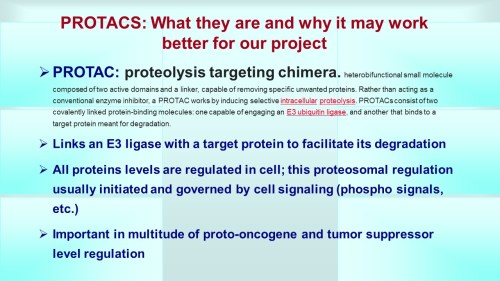
Below is a slide representation of the overall mission 4 to produce a PROTAC to inhibit Galectins 1, 3, and 9.


Using A Priori Knowledge of Galectin Receptor Interaction to Create a BioModel of Galectin 3 Binding


Now after collecting literature from PubMed on “galectin-3” AND “binding” to determine literature containing kinetic data we generate a WordCloud on the articles.


This following file contains the articles needed for BioModels generation.

https://pharmaceuticalintelligence.com/wp-content/uploads/2022/12/Curating-Galectin-articles-for-Biomodels.docx


From the WordCloud we can see that these corpus of articles describe galectin binding to the CRD (carbohydrate recognition domain).  Interestingly there are many articles which describe van Der Waals interactions as well as electrostatic interactions.  Certain carbohydrate modifictions like Lac NAc and Gal 1,4 may be important.  Many articles describe the bonding as well as surface  interactions.  Many studies have been performed with galectin inhibitors like TDGs (thio-digalactosides) like TAZ TDG (3-deoxy-3-(4-[m-fluorophenyl]-1H-1,2,3-triazol-1-yl)-thio-digalactoside).  This led to an interesting article

. 

Dual thio-digalactoside-binding modes of human galectins as the structural basis for the design of potent and selective inhibitors

Affiliations 2016 Jul 15;6:29457.
 doi: 10.1038/srep29457. Free PMC article

Abstract

Human galectins are promising targets for cancer immunotherapeutic and fibrotic disease-related drugs. We report herein the binding interactions of three thio-digalactosides (TDGs) including TDG itself, TD139 (3,3′-deoxy-3,3′-bis-(4-[m-fluorophenyl]-1H-1,2,3-triazol-1-yl)-thio-digalactoside, recently approved for the treatment of idiopathic pulmonary fibrosis), and TAZTDG (3-deoxy-3-(4-[m-fluorophenyl]-1H-1,2,3-triazol-1-yl)-thio-digalactoside) with human galectins-1, -3 and -7 as assessed by X-ray crystallography, isothermal titration calorimetry and NMR spectroscopy. Five binding subsites (A-E) make up the carbohydrate-recognition domains of these galectins. We identified novel interactions between an arginine within subsite E of the galectins and an arene group in the ligands. In addition to the interactions contributed by the galactosyl sugar residues bound at subsites C and D, the fluorophenyl group of TAZTDG preferentially bound to subsite B in galectin-3, whereas the same group favored binding at subsite E in galectins-1 and -7. The characterised dual binding modes demonstrate how binding potency, reported as decreased Kd values of the TDG inhibitors from μM to nM, is improved and also offer insights to development of selective inhibitors for individual galectins.

Figures

Figure 1
 
Figure 2
 
Figure 3


Read Full Post »

Explanation on “Results of Medical Text Analysis with Natural Language Processing (NLP) presented in LPBI Group’s NEW GENRE Edition: NLP” on Genomics content, standalone volume in Series B and NLP on Cancer content as Part B New Genre Volume 1 in Series C

NEW GENRE Edition, Editor-in-Chief: Aviva Lev-Ari, PhD, RN

Series B: Frontiers in Genomics Research NEW GENRE Audio English-Spanish

https://pharmaceuticalintelligence.com/audio-english-spanish-biomed-e-series/new-genre-audio-english-spanish-series-b-frontiers-in-genomics-research/new-genre-volume-two-latest-in-genomics-methodologies-for-therapeutics-gene-editing-ngs-and-bioinformatics-simulations-and-the-genome-ontology-series-b-volume-2/

PART A: The eTOCs in Spanish in Audio format AND the eTOCs in Bi-lingual format: Spanish and English in Text format

PART C: The Editorials of the original e-Books in English in Audio format

However,

PART B: The graphical results of Machine Learning (ML), Deep Learning (DL) and Natural Language Processing (NLP) algorithms AND the Domain Knowledge Expert (DKE) interpretation of the results in Text format – PART B IS ISSUED AS A STANDALONE VOLUME, named

https://pharmaceuticalintelligence.com/audio-english-spanish-biomed-e-series/new-genre-audio-english-spanish-series-b-frontiers-in-genomics-research/genomics-volume-2-results-of-medical-text-analysis-with-natural-language-processing-nlp/

 See only Graphic results in

Genomics, Volume 3: NLP results – 38 or 39 Hypergraph Plots and 38 or 39 Tree diagram Plots by Madison Davis

https://pharmaceuticalintelligence.com/biomed-e-books/genomics-orientations-for-personalized-medicine/genomics-volume-2-nlp-results-38-or-39-hypergraph-plots-and-38-or-39-tree-diagram-plots-by-madison-davis/

Series C: e-Books on Cancer & Oncology NEW GENRE Audio English-Spanish

https://pharmaceuticalintelligence.com/audio-english-spanish-biomed-e-series/new-genre-audio-english-spanish-series-c-e-books-on-cancer-oncology/new-genre-volume-one-cancer-biology-and-genomics-for-disease-diagnosis-series-c-volume-1%ef%bf%bc/

PART A:

PART A.1: The eTOCs in Spanish in Audio format AND

PART A.2: The eTOCs in Bi-lingual format: Spanish and English in Text format

PART B:

The graphical results of Medical Text Analysis with Machine Learning (ML), Deep Learning (DL) and Natural Language Processing (NLP) algorithms AND the Domain Knowledge Expert (DKE) interpretation of the results in Text format

See only graphics in

https://pharmaceuticalintelligence.com/biomed-e-books/series-c-e-books-on-cancer-oncology/cancer-volume-1-nlp-results-12-hypergraph-plots-and-12-tree-diagram-plots-by-madison-davis/

PART C:

The Editorials of the original e-Book in English in Audio format

Read Full Post »

Genomic data can predict miscarriage and IVF failure

Reporter and Curator: Dr. Sudipta Saha, Ph.D.

Infertility is a major reproductive health issue that affects about 12% of women of reproductive age in the United States. Aneuploidy in eggs accounts for a significant proportion of early miscarriage and in vitro fertilization failure. Recent studies have shown that genetic variants in several genes affect chromosome segregation fidelity and predispose women to a higher incidence of egg aneuploidy. However, the exact genetic causes of aneuploid egg production remain unclear, making it difficult to diagnose infertility based on individual genetic variants in mother’s genome. Although, age is a predictive factor for aneuploidy, it is not a highly accurate gauge because aneuploidy rates within individuals of the same age can vary dramatically.

Researchers described a technique combining genomic sequencing with machine-learning methods to predict the possibility a woman will undergo a miscarriage because of egg aneuploidy—a term describing a human egg with an abnormal number of chromosomes. The scientists were able to examine genetic samples of patients using a technique called “whole exome sequencing,” which allowed researchers to home in on the protein coding sections of the vast human genome. Then they created software using machine learning, an aspect of artificial intelligence in which programs can learn and make predictions without following specific instructions. To do so, the researchers developed algorithms and statistical models that analyzed and drew inferences from patterns in the genetic data.

As a result, the scientists were able to create a specific risk score based on a woman’s genome. The scientists also identified three genes—MCM5, FGGY and DDX60L—that when mutated and are highly associated with a risk of producing eggs with aneuploidy. So, the report demonstrated that sequencing data can be mined to predict patients’ aneuploidy risk thus improving clinical diagnosis. The candidate genes and pathways that were identified in the present study are promising targets for future aneuploidy studies. Identifying genetic variations with more predictive power will serve women and their treating clinicians with better information.

References:

https://medicalxpress-com.cdn.ampproject.org/c/s/medicalxpress.com/news/2022-06-miscarriage-failure-vitro-fertilization-genomic.amp

https://pubmed.ncbi.nlm.nih.gov/35347416/

https://pubmed.ncbi.nlm.nih.gov/31552087/

https://pubmed.ncbi.nlm.nih.gov/33193747/

https://pubmed.ncbi.nlm.nih.gov/33197264/

Read Full Post »

Data Science: Step by Step – A Resource for LPBI Group One-Year Internship in IT, IS, DS

Reporter: Aviva Lev-Ari, PhD, RN

9 free Harvard courses: learning Data Science

In this article, I will list 9 free Harvard courses that you can take to learn data science from scratch. Feel free to skip any of these courses if you already possess knowledge of that subject.

Step 1: Programming

The first step you should take when learning data science is to learn to code. You can choose to do this with your choice of programming language?—?ideally Python or R.

If you’d like to learn R, Harvard offers an introductory R course created specifically for data science learners, called Data Science: R Basics.

This program will take you through R concepts like variables, data types, vector arithmetic, and indexing. You will also learn to wrangle data with libraries like dplyr and create plots to visualize data.

If you prefer Python, you can choose to take CS50’s Introduction to Programming with Python offered for free by Harvard. In this course, you will learn concepts like functions, arguments, variables, data types, conditional statements, loops, objects, methods, and more.

Both programs above are self-paced. However, the Python course is more detailed than the R program, and requires a longer time commitment to complete. Also, the rest of the courses in this roadmap are taught in R, so it might be worth learning R to be able to follow along easily.

Step 2: Data Visualization

Visualization is one of the most powerful techniques with which you can translate your findings in data to another person.

With Harvard’s Data Visualization program, you will learn to build visualizations using the ggplot2 library in R, along with the principles of communicating data-driven insights.

Step 3: Probability

In this course, you will learn essential probability concepts that are fundamental to conducting statistical tests on data. The topics taught include random variables, independence, Monte Carlo simulations, expected values, standard errors, and the Central Limit Theorem.

The concepts above will be introduced with the help of a case study, which means that you will be able to apply everything you learned to an actual real-world dataset.

Step 4: Statistics

After learning probability, you can take this course to learn the fundamentals of statistical inference and modelling.
This program will teach you to define population estimates and margin of errors, introduce you to Bayesian statistics, and provide you with the fundamentals of predictive modeling.

Step 5: Productivity Tools (Optional)

I’ve included this project management course as optional since it isn’t directly related to learning data science. Rather, you will be taught to use Unix/Linux for file management, Github, version control, and creating reports in R.

The ability to do the above will save you a lot of time and help you better manage end-to-end data science projects.

Step 6: Data Pre-Processing

The next course in this list is called Data Wrangling, and will teach you to prepare data and convert it into a format that is easily digestible by machine learning models.

You will learn to import data into R, tidy data, process string data, parse HTML, work with date-time objects, and mine text.

As a data scientist, you often need to extract data that is publicly available on the Internet in the form of a PDF document, HTML webpage, or a Tweet. You will not always be presented with clean, formatted data in a CSV file or Excel sheet.

By the end of this course, you will learn to wrangle and clean data to come up with critical insights from it.

Step 7: Linear Regression

Linear regression is a machine learning technique that is used to model a linear relationship between two or more variables. It can also be used to identify and adjust the effect of confounding variables.

This course will teach you the theory behind linear regression models, how to examine the relationship between two variables, and how confounding variables can be detected and removed before building a machine learning algorithm.

Step 8: Machine Learning

Finally, the course you’ve probably been waiting for! Harvard’s machine learning program will teach you the basics of machine learning, techniques to mitigate overfitting, supervised and unsupervised modelling approaches, and recommendation systems.

Step 9: Capstone Project

After completing all the above courses, you can take Harvard’s data science capstone project, where your skills in data visualization, probability, statistics, data wrangling, data organization, regression, and machine learning will be assessed.

With this final project, you will get the opportunity to put together all the knowledge learnt from the above courses and gain the ability to complete a hands-on data science project from scratch.

Note: All the courses above are available on an online learning platform from edX and can be audited for free. If you want a course certificate, however, you will have to pay for one.

Building a data science learning roadmap with free courses offered by MIT.

8 Free MIT Courses to Learn Data Science Online

 enrolled into an undergraduate computer science program and decided to major in data science. I spent over $25K in tuition fees over the span of three years, only to graduate and realize that I wasn’t equipped with the skills necessary to land a job in the field.

I barely knew how to code, and was unclear about the most basic machine learning concepts.

I took some time out to try and learn data science myself — with the help of YouTube videos, online courses, and tutorials. I realized that all of this knowledge was publicly available on the Internet and could be accessed for free.

It came as a surprise that even Ivy League universities started making many of their courses accessible to students worldwide, for little to no charge. This meant that people like me could learn these skills from some of the best institutions in the world, instead of spending thousands of dollars on a subpar degree program.

In this article, I will provide you with a data science roadmap I created using only freely available MIT online courses.

Step 1: Learn to code

I highly recommend learning a programming language before going deep into the math and theory behind data science models. Once you learn to code, you will be able to work with real-world datasets and get a feel of how predictive algorithms function.

MIT Open Courseware offers a beginner-friendly Python program for beginners, called Introduction to Computer Science and Programming.

This course is designed to help people with no prior coding experience to write programs to tackle useful problems.

Step 2: Statistics

Statistics is at the core of every data science workflow — it is required when building a predictive model, analyzing trends in large amounts of data, or selecting useful features to feed into your model.

MIT Open Courseware offers a beginner-friendly course called Introduction to Probability and Statistics. After taking this course, you will learn the basic principles of statistical inference and probability. Some concepts covered include conditional probability, Bayes theorem, covariance, central limit theorem, resampling, and linear regression.

This course will also walk you through statistical analysis using the R programming language, which is useful as it adds on to your tool stack as a data scientist.

Another useful program offered by MIT for free is called Statistical Thinking and Data Analysis. This is another elementary course in the subject that will take you through different data analysis techniques in Excel, R, and Matlab.

You will learn about data collection, analysis, different types of sampling distributions, statistical inference, linear regression, multiple linear regression, and nonparametric statistical methods.

Step 3: Foundational Math Skills

Calculus and linear algebra are two other branches of math that are used in the field of machine learning. Taking a course or two in these subjects will give you a different perspective of how predictive models function, and the working behind the underlying algorithm.

To learn calculus, you can take Single Variable Calculus offered by MIT for free, followed by Multivariable Calculus.

Then, you can take this Linear Algebra class by Prof. Gilbert Strang to get a strong grasp of the subject.

All of the above courses are offered by MIT Open Courseware, and are paired with lecture notes, problem sets, exam questions, and solutions.

Step 4: Machine Learning

Finally, you can use the knowledge gained in the courses above to take MIT’s Introduction to Machine Learning course. This program will walk you through the implementation of predictive models in Python.

The core focus of this course is in supervised and reinforcement learning problems, and you will be taught concepts such as generalization and how overfitting can be mitigated. Apart from just working with structured datasets, you will also learn to process image and sequential data.

MIT’s machine learning program cites three pre-requisites — Python, linear algebra, and calculus, which is why it is advisable to take the courses above before starting this one.

Are These Courses Beginner-Friendly?

Even if you have no prior knowledge of programming, statistics, or mathematics, you can take all the courses listed above.

MIT has designed these programs to take you through the subject from scratch. However, unlike many MOOCs out there, the pace does build up pretty quickly and the courses cover a large depth of information.

Due to this, it is advisable to do all the exercises that come with the lectures and work through all the reading material provided.

SOURCE

Natassha Selvaraj is a self-taught data scientist with a passion for writing. You can connect with her on LinkedIn.

https://www.kdnuggets.com/2022/03/8-free-mit-courses-learn-data-science-online.html

Read Full Post »

2022 EmTechDigital @MIT, March 29-30, 2022

Real Time Coverage: Aviva Lev-Ari, PhD, RN 

#EmTechDigital

@AVIVA1950

@pharma_BI

@techreview

SPEAKERS

https://event.technologyreview.com/emtech-digital-2022/speakers

Ali
Alvi

Turing Group Program Manager

Microsoft

Refik
Anadol

CEO, RAS Lab; Lecturer

UCLA

Lauren
Bennett

Group Software Engineering Lead, Spatial Analysis and Data Science

Esri

Elizabeth
Bramson-Boudreau

CEO

MIT Technology Review

Tara
Chklovski

Founder & CEO

Technovation

Sheldon
Fernandez

CEO

DarwinAI

David
Ferrucci

Founder, CEO, & Chief Scientist

Elemental Cognition

Anthony
Green

Podcast Producer

MIT Technology Review

Agrim
Gupta

PhD Student, Stanford Vision and Learning Lab

Stanford University

Mike
Haley

VP of Research

Autodesk

Will Douglas
Heaven

Senior Editor for AI

MIT Technology Review

Natasha
Jaques

Senior Research Scientist

Google Brain

Tony
Jebara

VP of Engineering and Head of Machine Learning

Spotify

Clinton
Johnson

Racial Equity Unified Team Lead

Esri

Danny
Lange

SVP of Artificial Intelligence

Unity Technologies

Julia (Xing)
Li

Deputy General Manager

Baidu USA

Darcy
MacClaren

Senior Vice President, Digital Supply Chain

SAP North America

Haniyeh
Mahmoudian

Global AI Ethicist

DataRobot

Andrew
Moore

GM and VP, Google Cloud AI

Google

Mira
Murati

SVP, Research, Product, & Partnerships

OpenAI

Prem
Natarajan

Vice President Alexa AI, Head of NLU

Amazon

Andrew
Ng

Founder and CEO

Landing AI

Amy
Nordrum

Editorial Director, Special Projects & Operations

MIT Technology Review

Kavitha
Prasad

VP & GM, Datacenter, AI and Cloud Execution and Strategy

Intel Corporation

Bali
Raghavan

Head of Engineering

Forward

Rajiv
Shah

Principal Data Scientist

Snorkel AI

Sameena
Shah

Managing Director, J.P. Morgan AI Research

JP Morgan Chase

David
Simchi-Levi

Director, Data Science Lab

MIT

Jennifer
Strong

Senior Editor for Podcasts and Live Journalism

MIT Technology Review

Fiona
Tan

CTO

Wayfair

Zenna
Tavares

Research Scientist, Columbia University; Co-Founder

Basis

Nicol
Turner Lee

Director, Center for Technology Innovation

Brookings Institution

Raquel
Urtasun

Founder & CEO

Waabi

Oriol
Vinyals

Principal Scientist

DeepMind

MIT Inside Track

David
Cox

IBM Director

MIT-IBM Watson AI Lab

Luba
Elliott

Curator, Producer, and Researcher

Creative AI

Charlotte
Jee

Reporter, News

MIT Technology Review

Naveen
Kamat

Executive Director, Data and AI Services

Kyndryl

Joseph
Lehar

Senior Vice President, R&D Strategy

Owkin

Stefanie
Mueller

Associate Professor

MIT CSAIL

Jianxiong
Xiao

Founder and CEO

AutoX

TUESDAY, MARCH 29


Data-Centric AI

Better Data, Better AI

Data powers AI. Good data can mean the difference between an impactful solution or one that never gets off the ground. Re-assess the foundational AI questions to ensure your data is working for, not against, you.

Innovation to Reality

The challenges of implementing AI are many. Avoid the common pitfalls with real-world case studies from leaders who have successfully turned their AI solutions into reality.

Harness What’s Possible at the Edge

With its potential for near instantaneous decision making, pioneers are moving AI to the edge. We examine the pros and cons of moving AI decisions to the edge, with the experts getting it right.

Generative AI Solutions

The use of generative AI to boost human creativity is breaking boundaries in creative areas previously untouched by AI. We explore the intersection of data and algorithms enabling collaborative AI processes to design and create.

Day 1: Data-Centric AI (9:00 a.m. – 5:20 p.m.)

Day 1: Data-Centric AI (9:00 a.m. – 5:20 p.m.)

9:00 AM

Welcome Remarks

Will Douglas Heaven

Senior Editor for AI, MIT Technology Review

Better Data, Better AI (9:10 a.m. – 10:35 a.m.)

Data powers AI. Good data can mean the difference between an impactful solution or one that never gets off the ground. Re-assess the foundational AI questions to ensure your data is working for, not against, you.

9:10 AM

Empowering Data-Centric AI

Data is the most under-valued and de-glamorized aspect of AI. Learn why shifting the focus from model/algorithm development to quality of the data is the next and most efficient, way to improve the decision-making abilities of AI.

Andrew Ng

Founder and CEO, Landing AI

9:40 AM

The Mechanics of Data-First AI

Data labeling is key to determining the success or failure of AI applications. Learn how to implement a data-first approach that can transform AI inference, resulting in better models that make better decisions.

Rajiv Shah

Principal Data Scientist, Snorkel AI

10:10 AM

Thought Leadership in Responsible AI

Question the status quo. Build stakeholder trust. These are foundational elements of thought leadership in AI. Explore how organizations can use their data and algorithms in ethical and responsible ways while building bigger and more effective systems.

Haniyeh Mahmoudian

Global AI Ethicist, DataRobot

Mainstage Break (10:35 a.m. – 11:05 a.m.)

Networking and refreshments for our live audience and a selection of curated content for those tuning in virtually.

10:35 AM

MIT Inside Track: From AI Startup to Tech “Unicorn” (available online only)

With its next-generation machine learning models fueling precision medicine, French biotech company, Owkin, captured the attention of the pharma industry. Learn how they did it and get tips to navigate the complex task of scaling your innovation.

Joseph Lehar

Senior Vice President, R&D Strategy, Owkin

Networking Break

Networking and refreshments for our live audience.

Innovation to Reality (11:05 a.m. – 12:30 p.m.)

The challenges of implementing AI are many. Avoid the common pitfalls with real-world case studies from leaders who have successfully turned their AI solutions into reality.

11:05 AM

Secrets of Successful AI Deployments

Deploying AI in real-world environments benefits from human input before and during implementation. Get an inside look at how organizations can ensure reliable results with the key questions and competing needs that should be considered when implementing AI solutions.

Andrew Moore

GM and VP, Google Cloud AI, Google

11:35 AM

From Research Lab to Real World

AI is evolving from the research lab into practical real world applications. Learn what issues should be top of mind for businesses, consumers, and researchers as we take a deep dive into AI solutions that increase modern productivity and accelerate intelligence transformation.

Julia (Xing) Li

Deputy General Manager, Baidu USA

12:00 PM

Closing the 20% Performance Gap

Getting AI to work 80% of the time is relatively straightforward, but trustworthy AI requires deployments that work 100% of the time. Unpack some of the biggest challenges that come up when eliminating the 20% gap.

Bali Raghavan

Head of Engineering, Forward

Lunch and Networking Break (12:30 p.m. – 1:30 p.m.)

12:30 PM

Lunch and Networking Break

Lunch served at the MIT Media Lab and a selection of curated content for those tuning in virtually.

Harness What’s Possible at the Edge (1:30 p.m. – 3:15 p.m.)

With its potential for near instantaneous decision making, pioneers are moving AI to the edge. We examine the pros and cons of moving AI decisions to the edge, with the experts getting it right.

1:30 PM

AI Integration Across Industries – Presented by Intel

To create sustainable business impact, AI capabilities need to be tailored and optimized to an industry or organization’s specific requirements and infrastructure model. Hear how customers’ challenges across industries can be addressed in any compute environment from the cloud to the edge with end-to-end hardware and software optimization.

Kavitha Prasad

VP & GM, Datacenter, AI and Cloud Execution and Strategy, Intel Corporation

Elizabeth Bramson-Boudreau

CEO, MIT Technology Review

1:55 PM

Explainability at the Edge

Decision making has moved from the edge to the cloud before settling into a hybrid setup for many AI systems. Through the examination of key use-cases, take a deep dive into understanding the benefits and detractors of operating a machine-learning system at the point of inference.

Sheldon Fernandez

CEO, DarwinAI

2:25 PM

AI Experiences at the Edge

Enable your organization to transform customer experiences through AI at the edge. Learn about the required technologies, including teachable and self-learning AI, that are needed for a successful shift to the edge, and hear how deploying these technologies at scale can unlock richer, more responsive experiences.

Prem Natarajan

Vice President Alexa AI, Head of NLU, Amazon

2:50 PM

The Road Ahead

Reimagine AI solutions as a unified system, instead of individual components. Through the lens of autonomous vehicles, discover the pros and cons of using an all-inclusive AI-first approach that includes AI decision-making at the edge and see how this thinking can be applied across industry.

Raquel Urtasun

Founder & CEO, Waabi

Mainstage Break (3:15 p.m. – 3:45 p.m.)

Networking and refreshments for our live audience and a selection of curated content for those tuning in virtually.

3:15 PM

Networking Break

Networking and refreshments for our live audience.

MIT Inside Track: The Impact of Creative AI (available online only)

Advances in machine learning are enabling artists and creative technologists to think about and use AI in new ways. Discuss the concept of creative AI and look at project examples from London’s art scene that illustrate the various ways creative AI is bridging the gap between the traditional art world and the latest technological innovations.

Luba Elliott

Curator, Producer, and Researcher, Creative AI

Generative AI Solutions (3:45 p.m. – 5:10 p.m.)

The use of generative AI to boost human creativity is breaking boundaries in creative areas previously untouched by AI. We explore the intersection of data and algorithms enabling collaborative AI processes to design and create.

3:45 PM

Enhancing Design through Generative AI

Change the design problem with AI. The creative nature of generative AI enhances design capabilities, finding efficiencies and opportunities that humans alone might not conceive. Explore business applications including project planning, construction, and physical design.

Mike Haley

VP of Research, Autodesk

4:15 PM

Using Synthetic Data and Simulations

Deep learning is data hungry technology. Manually labelled training data has become cost prohibitive and time-consuming. Get a glimpse at how interactive large-scale synthetic data generation can accelerate the AI revolution, unlocking the potential of data-driven artificial intelligence.

Danny Lange

SVP of Artificial Intelligence, Unity Technologies

4:40 PM

The Art of AI

Push beyond the typical uses of AI. Explore the nexus of art, technology, and human creativity through the unique innovation of kinetic data sculptures that use machines to give physical context and shape to data to rethink how we engage with the physical world.

Refik Anadol

CEO, RAS Lab; Lecturer, UCLA

Last Call with the Editors (5:10 p.m. – 5:20 p.m.)

5:10 PM

Last Call with the Editors

Before we wrap day 1, join our last call with all of our editors to get their analysis on the day’s topics, themes, and guests.

Networking Reception (5:20 p.m. – 6:20 p.m.)

WEDNESDAY, MARCH 30

Evolving the Algorithms

What’s Next for Deep Learning

Deep learning algorithms have powered most major AI advances of the last decade. We bring you into the top innovation labs to see how they are advancing their deep learning models to find out just how much more we can get out of these algorithms.

AI in Day-To-Day Business

Many organizations are already using AI internally in their day-to-day operations, in areas like cybersecurity, customer service, finance, and manufacturing. We examine the tools that organizations are using when putting AI to work.

Making AI Work for All

As AI increasingly underpins our lives, businesses, and society, we must ensure that AI must work for everyone – not just those represented in datasets, and not just 80% of the time. Examine the challenges and solutions needed to ensure AI works fairly, for all.

Envisioning the Next AI

Some business problems can’t be solved with current deep learning methods. We look at what’s around the corner at the new approaches and most revolutionary ideas propelling us toward the next stage in AI evolution.

Day 2: Evolving the Algorithms (9:00 a.m. – 5:25 p.m.)

9:00 AM

Welcome Remarks

Will Douglas Heaven

Senior Editor for AI, MIT Technology Review

What’s Next for Deep Learning (9:10 a.m. – 10:25 a.m.)

Deep learning algorithms have powered most major AI advances of the last decade. We bring you into the top innovation labs to see how they are advancing their deep learning models to find out just how much more we can get out of these algorithms.

9:10 AM

Transforming Traditional Algorithms

Transformer-based language models are revolutionizing the way neural networks process natural language. This deep dive looks at how organizations can put their data to work using transformer models. We consider the problems that business may face as these massive models mature, including training needs, managing parallel processing at scale, and countering offensive data.

Ali Alvi

Turing Group Program Manager, Microsoft

9:35 AM

Human-like Problem Solving

Critical thinking may be one step closer for AI by combining large-scale transformers with smart sampling and filtering. Get an early look at how AlphaCode’s entry into competitive programming may lead to a human-like capacity for AI to write original code that solves unforeseen problems.

Oriol Vinyals

Principal Scientist, DeepMind

10:00 AM

Aligning AI Technologies at Scale

As advanced AI systems gain greater capabilities in our search for artificial general intelligence, it’s critical to teach them how to understand human intentions. Look at the latest advancements in AI systems and how to ensure they can be truthful, helpful, and safe.

Mira Murati

SVP, Research, Product, & Partnerships, OpenAI

Mainstage Break (10:25 a.m. – 10:55 a.m.)

Networking and refreshments for our live audience and a selection of curated content for those tuning in virtually.

10:25 AM

Networking Break

Networking and refreshments for our live audience.

Business-Ready Data Holds the Key to AI Democratization – Presented by Kyndryl

Good data is the bedrock of a self-service data consumption model, which in turn unlocks insights, analytics, personalization at scale through AI. Yet many organizations face immense challenges setting up a robust data foundation. Dive into a pragmatic perspective on abstracting the complexity and untangling the conflicts in data management for better AI.

Naveen Kamat

Executive Director, Data and AI Services, Kyndryl

AI in Day-To-Day Business (10:55 a.m. – 12:20 p.m.)

Many organizations are already using AI internally in their day-to-day operations, in areas like cybersecurity, customer service, finance, and manufacturing. We examine the tools that organizations are using when putting AI to work.

10:55 AM

Improving Business Processes with AI

Effectively operationalized AI/ML can unlock untapped potential in your organization. From enhancing internal processes to managing the customer experience, get the pragmatic advice and takeaways leaders need to better understand their internal data to achieve impactful results.

Fiona Tan

CTO, Wayfair

11:25 AM

Accelerating the Supply Chain

Use AI to maximize reliability of supply chains. Learn the dos and don’ts to managing key processes within your supply chain, including workforce management, streamlining and simplification, and reaping the full value of your supply chain solutions.

Darcy MacClaren

Senior Vice President, Digital Supply Chain, SAP North America

David Simchi-Levi

Director, Data Science Lab, MIT

11:55 AM

Putting Recommendation Algorithms to Work

Machine and reinforcement learning enable Spotify to deliver the right content to the right listener at the right time, allowing for personalized listening experiences that facilitate discovery at a global scale. Through user interactions, algorithms suggest new content and creators that keep customers both happy and engaged with the platform. Dive into the details of making better user recommendations.

Tony Jebara

VP of Engineering and Head of Machine Learning, Spotify

Lunch and Networking Break (12:20 p.m. – 1:15 p.m.)

12:20 PM

Lunch and Networking Break

Lunch served at the MIT Media Lab and a selection of curated content for those tuning in virtually.

Making AI Work for All (1:15 p.m. – 2:35 p.m.)

As AI increasingly underpins our lives, businesses, and society, we must ensure that AI must work for everyone – not just those represented in datasets, and not just 80% of the time. Examine the challenges and solutions needed to ensure AI works fairly, for all.

1:15 PM

Mapping Equity

Walk through the practical steps to map and understand the nuances, outliers, and special cases in datasets. Get tips to ensure ethical and trustworthy approaches to training AI systems that grow in scope and scale within a business.

Lauren Bennett

Group Software Engineering Lead, Spatial Analysis and Data Science, Esri

Clinton Johnson

Racial Equity Unified Team Lead, Esri

1:45 PM

Bridging the AI Accessibility Gap

Get an inside look at the long- and short-term benefits of addressing inequities in AI opportunities, ranging from educating the tech youth of the future to a 10,000-foot view on what it will take to ensure that equity top is of mind within society and business alike.

Tara Chklovski

Founder & CEO, Technovation

2:10 PM

The AI Policies We Need

Public policies can help to make AI more equitable and ethical for all. Examine how policies could impact corporations and what it means for building internal policies, regardless of what government adopts. Identify actionable ideas to best move policies forward for the widest benefit to all.

Nicol Turner Lee

Director, Center for Technology Innovation, Brookings Institution

Mainstage Break (2:35 p.m. – 3:05 p.m.)

Networking and refreshments for our live audience and a selection of curated content for those tuning in virtually.

2:35 PM

Networking Break

Networking and refreshments for our live audience.

MIT Inside Track: Accelerating the Advent of Autonomous Driving (available online only)

From the U.S. to China, the global robo-taxi race is gaining traction with consumers and regulators alike. Go behind the scenes with AutoX – a Level 4 driving technology company – and hear how it overcame obstacles while launching the world’s second and China’s first public, fully driverless robo-taxi service.

Jianxiong Xiao

Founder and CEO, AutoX

Envisioning the Next AI (3:05 p.m. – 4:50 p.m.)

Some business problems can’t be solved with current deep learning methods. We look at what’s around the corner at the new approaches and most revolutionary ideas propelling us toward the next stage in AI evolution.

3:05 PM

How AI Is Powering the Future of Financial Services – Presented by JP Morgan Chase

The use of AI in finance is gaining traction as organizations realize the advantages of using algorithms to streamline and improve the accuracy of financial tasks. Step through use cases that examine how AI can be used to minimize financial risk, maximize financial returns, optimize venture capital funding by connecting entrepreneurs to the right investors; and more.

Sameena Shah

Managing Director, J.P. Morgan AI Research, JP Morgan Chase

3:30 PM

Evolution of Mind and Body

In a study of simulated robotic evolution, it was observed that more complex environments and evolutionary changes to the robot’s physical form accelerated the growth of robot intelligence. Examine this cutting-edge research and decipher what this early discovery means for the next generation of AI and robotics.

Agrim Gupta

PhD Student, Stanford Vision and Learning Lab, Stanford University

4:00 PM

A Path to Human-like Common Sense

Understanding human thinking and reasoning processes could lead to more general, flexible and human-like artificial intelligence. Take a close look at the research building AI inspired by human common-sense that could create a new generation of tools for complex decision-making.

Zenna Tavares

Research Scientist, Columbia University; Co-Founder, Basis

4:25 PM

Social Learning Bots

Look under the hood at this innovative approach to AI learning with multi-agent and human-AI interactions. Discover how bots work together and learn together through personal interactions. Recognize the future implications for AI, plus the benefits and obstacles that may come from this new process.

Natasha Jaques

Senior Research Scientist, Google Brain

Closing Segment (4:50 p.m. – 5:25 p.m.)

4:50 PM

Pulling Back the Curtain on AI

David Ferrucci was the principal investigator for the team that led IBM Watson to its landmark Jeopardy success, awakening the world to the possibilities of AI. We pull back the curtain on AI for a wide-ranging discussion on explicable models, and the next generation of human and machine collaboration creating AI thought partners with limitless applications.

David Ferrucci

Founder, CEO, & Chief Scientist, Elemental Cognition

5:15 PM

Closing Remarks

Closing Toast (5:25 p.m. – 5:45 p.m.)

Read Full Post »

AI enabled Drug Discovery and Development: The Challenges and the Promise

Reporter: Aviva Lev-Ari, PhD, RN


Early Development

Caroline Kovac (the first IBM GM of Life Sciences) is the one who started in silico development of drugs in 2000 using a big db of substances and computer power. She transformed an idea into $2b business. Most of the money was from big pharma. She was asking what is are the new drugs they are planning to develop and provided the four most probable combinations of substances, based on in Silicon work. 

Carol Kovac

General Manager, Healthcare and Life Sciences, IBM

from speaker at conference on 2005

Carol Kovac is General Manager of IBM Healthcare and Life Sciences responsible for the strategic direction of IBM′s global healthcare and life sciences business. Kovac leads her team in developing the latest information technology solutions and services, establishing partnerships and overseeing IBM investment within the healthcare, pharmaceutical and life sciences markets. Starting with only two employees as an emerging business unit in the year 2000, Kovac has successfully grown the life sciences business unit into a multi-billion dollar business and one of IBM′s most successful ventures to date with more than 1500 employees worldwide. Kovac′s prior positions include general manager of IBM Life Sciences, vice president of Technical Strategy and Division Operations, and vice president of Services and Solutions. In the latter role, she was instrumental in launching the Computational Biology Center at IBM Research. Kovac sits on the Board of Directors of Research!America and Africa Harvest. She was inducted into the Women in Technology International Hall of Fame in 2002, and in 2004, Fortune magazine named her one of the 50 most powerful women in business. Kovac earned her Ph.D. in chemistry at the University of Southern California.

SOURCE

https://www.milkeninstitute.org/events/conferences/global-conference/2005/speaker-detail/1536


In 2022

The use of artificial intelligence in drug discovery, when coupled with new genetic insights and the increase of patient medical data of the last decade, has the potential to bring novel medicines to patients more efficiently and more predictably.

WATCH VIDEO

https://www.youtube.com/watch?v=b7N3ijnv6lk

SOURCE

https://engineering.stanford.edu/magazine/promise-and-challenges-relying-ai-drug-development?utm_source=Stanford+ALL

Conversation among three experts:

Jack Fuchs, MBA ’91, an adjunct lecturer who teaches “Principled Entrepreneurial Decisions” at Stanford School of Engineering, moderated and explored how clearly articulated principles can guide the direction of technological advancements like AI-enabled drug discovery.

Kim Branson, Global head of AI and machine learning at GSK.

Russ Altman, the Kenneth Fong Professor of Bioengineering, of genetics, of medicine (general medical discipline), of biomedical data science and, by courtesy, of computer science.


Synthetic Biology Software applied to development of Galectins Inhibitors at LPBI Group


The Map of human proteins drawn by artificial intelligence and PROTAC (proteolysis targeting chimeras) Technology for Drug Discovery

Curators: Dr. Stephen J. Williams and Aviva Lev-Ari, PhD, RN

Using Structural Computation Models to Predict Productive PROTAC Ternary Complexes

Ternary complex formation is necessary but not sufficient for target protein degradation. In this research, Bai et al. have addressed questions to better understand the rate-limiting steps between ternary complex formation and target protein degradation. They have developed a structure-based computer model approach to predict the efficiency and sites of target protein ubiquitination by CRNB-binding PROTACs. Such models will allow a more complete understanding of PROTAC-directed degradation and allow crafting of increasingly effective and specific PROTACs for therapeutic applications.

Another major feature of this research is that it a result of collaboration between research groups at Amgen, Inc. and Promega Corporation. In the past commercial research laboratories have shied away from collaboration, but the last several years have found researchers more open to collaborative work. This increased collaboration allows scientists to bring their different expertise to a problem or question and speed up discovery. According to Dr. Kristin Riching, Senior Research Scientist at Promega Corporation, “Targeted protein degraders have broken many of the rules that have guided traditional drug development, but it is exciting to see how the collective learnings we gain from their study can aid the advancement of this new class of molecules to the clinic as effective therapeutics.”

Literature Reviewed

Bai, N. , Riching K.M. et al. (2022) Modeling the CRLRA ligase complex to predict target protein ubiquitination induced by cereblon-recruiting PROTACs. J. Biol. Chem.

The researchers NanoBRET assays as part of their model validation. Learn more about NanoBRET technology at the Promega.com website.

SOURCE

https://www.promegaconnections.com/protac-ternary-complex/?utm_campaign=ms-2022-pharma_tpd&utm_source=linkedin&utm_medium=Khoros&utm_term=sf254230485&utm_content=030822ct-blogsf254230485&sf254230485=1

Read Full Post »


Medical Startups – Artificial Intelligence (AI) Startups in Healthcare

Reporters: Stephen J. Williams, PhD and Aviva Lev-Ari, PhD, RN and Shraga Rottem, MD, DSc,

The motivation for this post is two fold:

First, we are presenting an application of AI, NLP, DL to our own medical text in the Genomics space. Here we present the first section of Part 1 in the following book. Part 1 has six subsections that yielded 12 plots. The entire Book is represented by 38 x 2 = 76 plots.

Second, we bring to the attention of the e-Reader the list of 276 Medical Startups – Artificial Intelligence (AI) Startups in Healthcare as a hot universe of R&D activity in Human Health.

Third, to highlight one academic center with an AI focus

ETH Logo
 
ETH AI Center - Header Image
 
 
Dear friends of the ETH AI Center,

We would like to provide you with some exciting updates from the ETH AI Center and its growing community.

We would like to provide you with some exciting updates from the ETH AI Center and its growing community. The ETH AI Center now comprises 110 research groups in the faculty, 20 corporate partners and has led to nine AI startups.

As the Covid-19 restrictions in Switzerland have recently been lifted, we would like to hear from you what kind of events you would like to see in 2022! Participate in the survey to suggest event formats and topics that you would enjoy being a part of. We are already excited to learn what we can achieve together this year.

We already have many interesting events coming up, we look forward to seeing you at our main and community events!

SOURCE

https://news.ethz.ch/html_mail.jsp?params=%2FUnFXUQJ%2FmiOP6akBq8eHxaXG%2BRdNmeoVa9gX5ArpTr6mX74xp5d78HhuIHTd9V6AHtAfRahyx%2BfRGrzVL1G8Jy5e3zykvr1WDtMoUC%2B7vILoHCGQ5p1rxaPzOsF94ID


LPBI Group is applying AI for Medical Text Analysis with Machine Learning and Natural Language Processing: Statistical and Deep Learning

Our Book 

Latest in Genomics Methodologies for Therapeutics: Gene Editing, NGS & BioInformatics, Simulations and the Genome Ontology

Medical Text Analysis of this Books shows the following results obtained by Madison Davis by applying Wolfram NLP for Biological Languages on our own Text. See below an Example:

Part 1: Next Generation Sequencing (NGS)


1.1 The NGS Science

1.1.1 BioIT Aspect


Hypergraph Plot #1 and Tree Diagram Plot #1

for 1.1.1 based on 16 articles & on 12 keywords

protein, cancer, dna, genes, rna, survival, immune, tumor, patients, human, genome, expression

(more…)

Read Full Post »

« Newer Posts - Older Posts »