Feeds:
Posts
Comments

Archive for November, 2012

Curator & Author: Larry H. Bernstein, MD, FCAP

Leaders in Pharmaceutical Intelligence

Subtitle: Nitric Oxide, Peroxinitrite, and NO donors in Renal Function Loss

Summary: The criticality of renal function is traced to the emergence of animal forms from the sea to land. It also becomes acutely and/or chronically dysfunctional in metabolic, systemic inflammatory and immunological diseases of man. We have already described the key role that nitric oxide and the NO synthases play in reduction of oxidative stress, and we have seen that a balance has to be struck between pro- and anti-oxidative as well as inflammatory elements for avoidance of diseases, specifically involving the circulation, but effectively not limited to any organ system. In this discussion we shall look at kidney function, NO and NO donors. This is an extension of a series of posts on NO and NO related disorders.

__________________________________________________________________________________________________________________________________________________________

Part I. The evolution of kidney structure and Function Evolution of kidney function

In fish the nerves that activate breathing take a short journey from an ancient part of the brain, the brain stem, to the throat and gills. For the ancient tadpole, the nerve controlling a reflex related to hiccup in man served a useful purpose, allowing the entrance to the lung to remain open when breathing air but closing it off when gulping water – which would then be directed only to the gills.

For humans and other mammals it provides a bit of evidence of our common ancestry. DNA evidence has pinned iguanas and chameleons as the closest relatives to snakes. In utero, we develop three separate kidneys in succession, absorbing the first two before we wind up with the embryonic kidney that will become our adult kidney. The first two of these reprise embryonic kidneys of ancestral forms, and in the proper evolutionary order.

The pronephric kidney does not function in human and other mammalian embryos. It disappears and gives rise to the Mesonephric kidney. This kidney filters wastes from the blood and excretes them to the outside of the body via a pair of tubes called the mesonephric ducts (also “Wolffian ducts”). The mesonephric kidney goes on to develop into the adult kidney of fish and amphibians.

This kidney does function for a few weeks in the human embryo, but then disappears as our final kidney forms, which is the Metanephric kidney. This begins developing about five weeks into gestation, and consists of an organ that filters wastes from the blood and excretes them to the outside through a pair ureters. In the embryo, the wastes are excreted directly into the amniotic fluid. The metanephric kidney is the final adult kidney of reptiles, birds, and mammals.

The first two kidneys resemble, in order, those of primitive aquatic vertebrates (lampreys and hagfish) and aquatic or semiaquatic vertebrates (fish and amphibians): an evolutionary order.

The explanation, then, is that we go through developmental stages that show organs resembling those of our ancestors. Take a step back and we see that fresh water fish have glomerular filtration. Cardiac contraction provides the pressure to force the water, small molecules, and ions into the glomerulus as nephric filtrate. The essential ingredients are then reclaimed by the tubules, returning to the blood in the capillaries surrounding the tubules. The amphibian kidney also functions chiefly as a device for excreting excess water.

But the problem is to conserve water, not eliminate it. The frog adjusts to the varying water content of its surroundings by adjusting the rate of filtration at the glomerulus. When blood flow through the glomerulus is restricted, a renal portal system is present to carry away materials reabsorbed through the tubules. Bird kidneys function like those of reptiles (from which they are descended). Uric acid is also their chief nitrogenous waste. All mammals share our use of urea as their chief nitrogenous waste. Urea requires much more water to be excreted than does uric acid. Mammals produce large amounts of nephric filtrate but are able to reabsorb most of this in the tubules. But even so, humans lose several hundred ml each day in flushing urea out of the body.

In his hypothesis of the evolution of renal function Homer Smith proposed that the formation of glomerular nephron and body armor had been adequate for the appearance of primitive vertebrates in fresh water and that the adaptation of homoiotherms to terrestrial life was accompanied by the appearance of the loop of Henle.

In the current paper, the increase in the arterial blood supply and glomerular filtration rate and the sharp elevation of the proximal reabsorption are viewed as important mechanisms in the evolution of the kidney. The presence of glomeruli in myxines and of nephron loops in lampreys suggests that fresh water animals used the preformed glomerular apparatus of early vertebrates, while mechanisms of urinary concentration was associated with the subdivision of the kidney into the renal cortex and medulla. The principles of evolution of renal functions can be observed at several levels of organizations in the kidney.

Natochin YV. Evolutionary aspects of renal function. Kidney International 1996; 49: 1539–1542; doi:10.1038/ki.1996.220. Smith HW: From Fish to Philosopher. Boston, Little, Brown, 1953.

___________________________________________________________________________________________________________________________________________________________

The Kidney: Anatomy and Physiology

The kidney lies in the lower abdomen capped by the adrenal glands. It has an outer cortex and an inner medulla. The basic unit is the nephron, which filters blood at the glomerulus, and not only filters urine eliminating mainly urea, also uric acid, and other nitrogenous waste, but also reabsorbs Na+ in exchange for H+/(reciprocal K+) through the carbonic anhydrase of the epithelium. In addition, it serves as a endocrine organ and receptor through the renin-angiotensin/aldosterone system, sensitivity to water loss controlled by antidiuretic hormone, and is sensitive to the natriuretic peptides of the heart. The kidney is an elegant structure with a high concentration of glomeruli in the cortex, and in the medulla one finds a U-shaped tube that is critical in a countercurrent multiplier system with a descending limb, Loop of Henley, and ascending limb.

As the filtrate flows through the glomerulus into the descending limb, there is reabsorption of glucose and of H+ by the carbonic anhydrase conversion to water and CO2, except with serious acidemia, in which K+ is reabsorbed with H+ loss to the filtrate, resulting in a hyperkalemia. In the descending limb Na+ is absorbed into the interstitium, and the hypertonic interstitium draws water back for circulation, regulated by the action of ADH on the epithelium of the ascending limb. The result in terms of basic urinary clearance, the volume of urine loss is moderated by the amount needed for circulation (10 units of whole blood) without dehydration, and an amount sufficient for metabolite loss (including drug metabolites). The urine flows into the kidney pelvis and flow down the ureters.

The renal blood flow needs mention. The blood reaches the glomerulus by way of the afferent arteriole and leaves by way of the efferent arteriole. In a book by the Harvard Pathologist Shields Warren on diabetes he made a distinction between hypertension and diabetes in that efferent arteriolar sclerosis is present in both, but diabetes is uniquely identified by afferent arteriolar sclerosis. In diabetes you also have a typical glomerulosclerosis, which might be related to the same hyalinization found in the pancreatic islets – a secondary amyloidosis.

______________________________________________________________________________________________________________________________________________________________

English: Nephron, Diagram of the urine formati...

English: Nephron, Diagram of the urine formation. The number inside tubular urin concentration in mOsm/l – when ADH acts Polski: Nefron, Schemat tworzenia moczu. Cyfry wewnątrz kanalików oznaczają lokalne stężenie w mOsm/l – gdy działa ADH (dochodzi do zagęszczania moczu). (Photo credit: Wikipedia)

Loop of Henle (Grey's Anatomy book)

Loop of Henle (Grey’s Anatomy book) (Photo credit: Wikipedia)

Frontal section through the kidney

Frontal section through the kidney (Photo credit: Wikipedia)

_____________________________________________________________________________________________________________________________________________________________

_ Part IIa. Nitric Oxide role in renal tubular epithelial cell function Tubulointerstitial Nephritides

As part of the exponential growth in our understanding of nitric oxide (NO) in health and disease over the past 2 decades, the kidney has become appreciated as a major site where NO may play a number of important roles. Although earlier work on the kidney focused more on effects of NO at the level of larger blood vessels and glomeruli, there has been a rapidly growing body of work showing critical roles for NO in tubulointerstitial disease. In this review we discuss some of the recent contributions to this important field.

Mattana J, Adamidis A, Singhal PC. Nitric oxide and tubulointerstitial nephritides. Seminars in Nephrology 2004; 24(4):345-353.

Nitric oxide donors and renal tubular (subepithelial) matrix

Nitric oxide (NO) and its metabolite, peroxynitrite (ONOO-), are involved in renal tubular cell injury. If NO/ONOO- has an effect to reduce cell adhesion to the basement membrane, does this effect contribute to tubular obstruction and would it be partially responsible for the harmful effect of NO on the tubular epithelium during acute renal failure (ARF)?

Wangsiripaisan A, et al. examined the effect of the NO donors

  • [1] (z)-1-[2-(2-aminoethyl)-N-(2-ammonioethyl)amino]diazen-1- ium-1, 2-diolate (DETA/NO),
  • [2] spermine NONOate (SpNO), and
  • [3] the ONOO- donor 3-morpholinosydnonimine (SIN-1) on

cell-matrix adhesion to collagen types I and IV, and also fibronectin using three renal tubular epithelial cell lines:

  • [1] LLC-PK1,
  • [2] BSC-1, and
  • [3] OK.

It was only the exposure to SIN-1 that caused a dose-dependent impairment in cell-matrix adhesion.

Similar results were obtained in the different cell types and matrix proteins. The effect of SIN-1 (500 microM) on LLC-PK1 cell adhesion was not associated with either cell death or alteration of matrix protein and was attenuated by either

  • [1] the NO scavenger 2-(4-carboxyphenyl)-4,4,5,5-tetramethylimidazoline-1-oxyl-3-oxide,
  • [2] the superoxide scavenger superoxide dismutase, or
  • [3] the ONOO- scavenger uric acid in a dose-dependent manner.

These investigators concluded in this seminal paper that ONOO- generated in the tubular epithelium during ischemia/reperfusion has the potential to impair the adhesion properties of tubular cells, which then may contribute to the tubular obstruction in ARF.

Wangsiripaisan A, Gengaro PE, Nemenoff RA, Ling H, et al. Effect of nitric oxide donors on renal tubular epithelial cell-matrix adhesion. Kidney Int 1999; 55(6):2281-8.

Coexpressed Nitric Oxide Synthase and Apical β1 Integrins

In sepsis-induced acute renal failure, actin cytoskeletal alterations result in shedding of proximal tubule epithelial cells (PTEC) and tubular obstruction.

This study examined the hypothesis that inflammatory cytokines, released early in sepsis, cause PTEC cytoskeletal damage and alter integrin-dependent cell-matrix adhesion. The question of whether the intermediate nitric oxide (NO) modulates these cytokine effects was also examined. After exposure of human PTEC to tumor necrosis factor-α, interleukin-1α, and interferon-γ, the actin cytoskeleton was disrupted and cells became elongated, with extension of long filopodial processes.

Cytokines induced shedding of viable, apoptotic, and necrotic PTEC, which was dependent on NO synthesized by inducible NO synthase (iNOS) produced as a result of cytokine actions on PTEC. Basolateral exposure of polarized PTEC monolayers to cytokines induced maximal NO-dependent cell shedding, mediated in part through NO effects on cGMP. Cell shedding was accompanied by dispersal of basolateral β1 integrins and E-cadherin, with corresponding upregulation of integrin expression in clusters of cells elevated above the epithelial monolayer.

These cells demonstrated coexpression of iNOS and apically redistributed β1 integrins. These authors point out that the major ligand involved in cell anchorage was laminin, probably through interactions with the integrin α3β1.

This interaction was downregulated by cytokines but was not dependent on NO. They posulate a mechanism by which inflammatory cytokines induce PTEC damage in sepsis, in the absence of hypotension and ischemia.

Glynne PA, Picot J and Evans TJ. Coexpressed Nitric Oxide Synthase and Apical β1 Integrins Influence Tubule Cell Adhesion after Cytokine-Induced Injury. JASN 2001; 12(11): 2370-2383.

Potentiation by Nitric Oxide of Apoptosis in Renal Proximal Tubule Cells

Proximal tubular epithelial cells (PTEC) exhibit a high sensitivity to undergo apoptosis in response to proinflammatory stimuli and immunosuppressors and participate in the onset of several renal diseases. This study examined the expression of inducible nitric oxide (NO) synthase after challenge of PTEC with bacterial cell wall molecules and inflammatory cytokines and analyzed the pathways that lead to apoptosis in these cells by measuring changes in the mitochondrial transmembrane potential and caspase activation.

The data show that the apoptotic effects of proinflammatory stimuli mainly were due to the expression of inducible NO synthase. Cyclosporin A and FK506 inhibited partially NO synthesis.

However, both NO and immunosuppressors induced apoptosis, probably through a common mechanism that involved the irreversible opening of the mitochondrial permeability transition pore. Activation of caspases 3 and 7 was observed in cells treated with high doses of NO and with moderate concentrations of immunosuppressors.

The conclusion is that the cooperation between NO and immunosuppressors that induce apoptosis in PTEC might contribute to the renal toxicity observed in the course of immunosuppressive therapy.

Hortelano S, Castilla M, Torres AM, Tejedor A, and Bosca L.  Potentiation by Nitric Oxide of Cyclosporin A and FK506- Induced Apoptosis in Renal Proximal Tubule Cells. J Am Soc Nephrol 2000; 11: 2315–2323.

___________________________________________________________________________________________________________________________________________________________

Part IIb. Related studies with ROS and/or RNS on nonrenal epithelial cells

Reactive nitrogen species block cell cycle re-entry Endogenous sources of reactive nitrogen species (RNS) act as second messengers in a variety of cell signaling events, whereas environmental sources of RNS like nitrogen dioxide (NO2) inhibit cell survival and growth through covalent modification of cellular macromolecules. Murine type II alveolar cells arrested in G0 by serum deprivation were exposed to either NO2 or SIN-1, a generator of RNS, during cell cycle re-entry.

In serum-stimulated cells, RNS blocked cyclin D1 gene expression, resulting in cell cycle arrest at the boundary between G0 and G1. Dichlorofluorescin diacetate (DCF) fluorescence indicated that RNS induced sustained production of intracellular hydrogen peroxide (H2O2), which normally is produced only transiently in response to serum growth factors.

Loading cells with catalase prevented enhanced DCF fluorescence and rescued cyclin D1 expression and S phase entry.

These studies indicate environmental RNS interfere with cell cycle re-entry through an H2O2-dependent mechanism that influences expression of cyclin D1 and progression from G0 to the G1 phase of the cell cycle.

Yuan Z, Schellekens H, Warner L, Janssen-Heininger Y, Burch P, Heintz NH. Reactive nitrogen species block cell cycle re-entry through sustained production of hydrogen peroxide. Am J Respir Cell Mol Biol. 2003;28(6):705-12. Epub 2003 Jan 10.

Peroxynitrite modulates MnSOD gene expression

Peroxynitrite (ONOO-) is a strong oxidant derived from nitric oxide (‘NO) and superoxide (O2.-), reactive nitrogen (RNS) and oxygen species (ROS) present in inflamed tissue. Other oxidant stresses, e.g., TNF-alpha and hyperoxia,   induce mitochondrial, manganese-containing superoxide dismutase (MnSOD) gene expression.   3-morpholinosydnonimine HCI (SIN-1) (10 or 1000 microM) increased MnSOD mRNA, but did not change hypoxanthine guanine phosphoribosyl transferase (HPRT) mRNA.   Authentic peroxynitrite (ONOO ) (100-500 microM) also increased MnSOD mRNA but did not change constitutive HPRT mRNA expression.   ONOO stimulated luciferase gene expression driven by a 2.5 kb fragment of the rat MnSOD gene 5′ promoter region.

MnSOD gene induction due to ONOO- was

  • [1] inhibited effectively by L-cysteine (10 mM) and
  • [2] partially inhibited by N-acetyl cysteine (NAC)(50 mM) or
  • [3] pyrrole dithiocarbamate (10 mM).

.NO from 1-propanamine, 3-(2-hydroxy-2-nitroso-1-propylhydrazine) (PAPA NONOate) (100 or 1000 microM) did not change MnSOD or HPRT mRNA, nor did either H202 or NO2-, breakdown products of SIN-1 and ONOO, have any effect on MnSOD mRNA expression; ONOO- and SIN-1 also did not increase detectable MnSOD protein content or increase MnSOD enzymatic activity.

Nevertheless, increased steady state [O2.-] in the presence of .NO yields ONOO , and ONOO has direct, stimulatory effects on MnSOD transcript expression driven at the MnSOD gene 5′ promoter region inhibited completely by L-cysteine and partly by N-acetyl cysteine in lung epithelial cells. This raises a question of whether the same effect is seen in renal tubular epithelium.

Jackson RM, Parish G, Helton ES. Peroxynitrite modulates MnSOD gene expression in lung epithelial cells. Free Radic Biol Med. 1998; 25(4-5):463-72.

Comparative impacts of glutathione peroxidase-1 gene knockout on oxidative stress

Selenium-dependent glutathione peroxidase-1 (GPX1) protects against reactive-oxygen-species (ROS)-induced oxidative stress in vivo, but its role in coping with reactive nitrogen species (RNS) is unclear. Primary hepatocytes were isolated from GPX1-knockout (KO) and wild-type (WT) mice to test protection of GPX1 against cytotoxicity of

  • [1] superoxide generator diquat (DQ),
  • [2]NO donor S-nitroso-N-acetyl-penicillamine (SNAP) and
  • [3] peroxynitrite generator 3-morpholinosydnonimine (SIN-1).

Treating cells with SNAP in addition to DQ produced synergistic cytotoxicity that minimized differences in apoptotic cell death and oxidative injuries between the KO and WT cells. Less protein nitrotyrosine was induced by 0.05-0.5 mM DQ+0.25 mM SNAP in the KO than in the WT cells.

Total GPX activity in the WT cells was reduced by 65 and 25% by 0.5 mM DQ+0.1 mM SNAP and 0.5 mM DQ, respectively. Decreases in Cu,Zn-superoxide dismutase (SOD) activity and increases in Mn-SOD activity in response to DQ or DQ+SNAP were greater in the KO cells than in the WT cells.

The study indicates GPX1 was more effective in protecting hepatocytes against oxidative injuries mediated by ROS alone than by ROS and RNS together, and knockout of GPX1 did not enhance cell susceptibility to RNS-associated cytotoxicity. Instead, it attenuated protein nitration induced by DQ+SNAP.

To better understand the mechanism(s) underlying nitric oxide (. NO)-mediated toxicity, in the presence and absence of concomitant oxidant exposure, postmitotic terminally differentiated NT2N cells (which are incapable of producing . NO) were exposed to [1]PAPA-NONOate (PAPA/NO) and [2] 3-morpholinosydnonimine (SIN-1).

Exposure to SIN-1, which generated peroxynitrite (ONOO) in the range of 25-750 nM/min, produced a concentration- and time-dependent delayed cell death.   In contrast, a critical threshold concentration (>440 nM/min) was required for . NO to produce significant cell injury.   There is a largely necrotic lesion after ONOO exposure and an apoptotic-like morphology after . NO exposure.

Cellular levels of reduced thiols correlated with cell death, and pretreatment with N-acetylcysteine (NAC) fully protected from cell death in either PAPA/NO or SIN-1 exposure. NAC given within the first 3 h posttreatment further delayed cell death and increased the intracellular thiol level in SIN-1 but not . NO-exposed cells.

Cell injury from . NO was independent of cGMP, caspases, and superoxide or peroxynitrite formation.   Overall, exposure of non-. NO-producing cells to . NO or peroxynitrite results in delayed cell death, which, although occurring by different mechanisms,   appears to be mediated by the loss of intracellular redox balance.

Gow AJ, Chen Q, Gole M, Themistocleous M, Lee VM, Ischiropoulos H. Two distinct mechanisms of nitric oxide-mediated neuronal cell death show thiol dependency. Am J Physiol Cell Physiol. 2000; 278(6):C1099-107.

NO2 effect on phosphatidyl choline   Nitrogen dioxide (NO2) inhalation affects the extracellular surfactant as well as the structure and function of type II pneumocytes.

The studies had differences in oxidant concentration, duration of exposure, and mode of NO2 application. This study evaluated the influence of the NO2 application mode on the phospholipid metabolism of type II pneumocytes. Rats were exposed to identical NO2 body doses (720 ppm x h), which were applied continuously (10 ppm for 3 d), intermittently (10 ppm for 8 h per day, for 9 d), and repeatedly (10 ppm for 3 d, 28 d rest, and then 10 ppm for 3 d). Immediately after exposure, type II cells were isolated and evaluated for cell yield, vitality, phosphatidylcholine (PC) synthesis, and secretion.

Type II pneumocyte cell yield was only increased from animals that had been continuously exposed to NO2, but vitality of the isolated type II pneumocytes was not affected by the NO2 exposure modes. Continuous application of 720 ppm x h NO2 resulted in increased activity of the cytidine-5-diphosphate (CDP)-choline pathway.   After continuous NO2 application,

  • [1] specific activity of choline kinase,
  • [2] cytidine triphosphate (CTP):cholinephosphate cytidylyltransferase,
  • [3] uptake of choline, and
  • [4] pool sizes of CDP-choline and PC   were significantly increased over those of controls.

Intermittent application of this NO2 body dose provoked less increase in PC synthesis and the synthesis parameters were comparable to those for cells from control animals after repeated exposure. Whereas PC synthesis in type II cells was stimulated by NO2, their secretory activity was reduced.   Continuous exposure reduced the secretory activity most, whereas intermittent exposure nonsignificantly reduced this activity as compared with that of controls. The repeated application of NO2 produced no differences.

The authors conclude that…. type II pneumocytes adapt to NO2 atmospheres depending on the mode of its application, at least for the metabolism of PC and its secretion from isolated type II pneumocytes.

The reader asks whether this effect could also be found in renal epithelial cells, for which PC is not considered vital as for type II pneumocytes and possibly related to surfactant activity in the lung.

Müller B, Seifart C, von Wichert P, Barth PJ. Adaptation of rat type II pneumocytes to NO2: effects of NO2 application mode on phosphatidylcholine metabolism. Am J Respir Cell Mol Biol. 1998; 18(5): 712-20.

iNOS involved in immediate response to anaphylaxis

The generation of large quantities of nitric oxide (NO) is implicated in the pathogenesis of anaphylactic shock. The source of NO, however, has not been established and conflicting results have been obtained when investigators have tried to inhibit its production in anaphylaxis.

This study analyzed the expression of inducible nitric oxide synthase (iNOS) and endothelial nitric oxide synthase (eNOS) in a mouse model of anaphylaxis.   BALB/c mice were sensitized and challenged with ovalbumin to induce anaphylaxis. Tissues were removed from the heart and lungs, and blood was drawn at different time points during the first 48 hours after induction of anaphylaxis. The Griess assay was used to measure nitric oxide generation.

Nitric oxide synthase expression was examined by reverse transcriptase polymerase chain reaction and immunohistochemistry. A significant increase in iNOS mRNA expression and nitric oxide production was evident as early as 10 to 30 minutes after allergen challenge in both heart and lungs.

In contrast, expression of eNOS mRNA was not altered during the course of the experiment. The results support involvement of iNOS in the immediate physiological response of anaphylaxis.

Sade K, Schwartz IF, Etkin S, Schwartzenberg S, et al. Expression of Inducible Nitric Oxide Synthase in a Mouse Model of Anaphylaxis. J Investig Allergol Clin Immunol 2007; 17(6):379-385.

________________________________________________________________________________________________________________________________________________________

Part IIc. Additional Nonrenal Related NO References

1. Nitrogen dioxide induces death in lung epithelial cells in a density-dependent manner. Persinger RL, Blay WM, Heintz NH, Hemenway DR, Janssen-Heininger YM. Am J Respir Cell Mol Biol. 2001 May;24(5):583-90. PMID: 11350828 [PubMed – indexed for MEDLINE] Free Article

2. Molecular mechanisms of nitrogen dioxide induced epithelial injury in the lung. Persinger RL, Poynter ME, Ckless K, Janssen-Heininger YM. Mol Cell Biochem. 2002 May-Jun;234-235(1-2):71-80. Review. PMID: 12162462 [PubMed – indexed for MEDLINE]

3. Nitric oxide and peroxynitrite-mediated pulmonary cell death. Gow AJ, Thom SR, Ischiropoulos H. Am J Physiol. 1998 Jan;274(1 Pt 1):L112-8. PMID: 9458808 [PubMed – indexed for MEDLINE] Free Article

4. Mitogen-activated protein kinases mediate peroxynitrite-induced cell death in human bronchial epithelial cells. Nabeyrat E, Jones GE, Fenwick PS, Barnes PJ, Donnelly LE. Am J Physiol Lung Cell Mol Physiol. 2003 Jun;284(6):L1112-20. Epub 2003 Feb 21. PMID: 12598225 [PubMed – indexed for MEDLINE] Free Article

5. Peroxynitrite inhibits inducible (type 2) nitric oxide synthase in murine lung epithelial cells in vitro. Robinson VK, Sato E, Nelson DK, Camhi SL, Robbins RA, Hoyt JC. Free Radic Biol Med. 2001 May 1;30(9):986-91. PMID: 11316578 [PubMed – indexed for MEDLINE]

6. Nitric oxide-mediated chondrocyte cell death requires the generation of additional reactive oxygen species. Del Carlo M Jr, Loeser RF. Arthritis Rheum. 2002 Feb;46(2):394-403. PMID: 11840442 [PubMed – indexed for MEDLINE]

7. Colon epithelial cell death in 2,4,6-trinitrobenzenesulfonic acid-induced colitis is associated with increased inducible nitric-oxide synthase expression and peroxynitrite production.

Yue G, Lai PS, Yin K, Sun FF, Nagele RG, Liu X, Linask KK, Wang C, Lin KT, Wong PY. J Pharmacol Exp Ther. 2001 Jun;297(3):915-25. PMID: 11356911 [PubMed – indexed for MEDLINE] Free Article

__________________________________________________________________________________________________________________________________________________________

Part IIIa. Acute renal failure   Acute renal failure (ARF), characterized by sudden loss of the ability of the kidneys to [1] excrete wastes, [2] concentrate urine, [3] conserve electrolytes, and [4] maintain fluid balance, is a frequent clinical problem, particularly in the intensive care unit, where it is associated with a mortality of between 50% and 80%.

This clinical entity was described as an acute loss of kidney function that occurred in severely injured crush victims because of histological evidence for patchy necrosis of renal tubules at autopsy. In the clinical setting, the terms ATN and acute renal failure (ARF) are frequently used interchangeably. However, ARF does not include increases in blood urea due to [1] reversible renal vasoconstriction (prerenal azotemia) or [2] urinary tract obstruction (postrenal azotemia). Acute hemodialysis was first used clinically during the Korean War in 1950 to treat military casualties, and this led to a decrease in mortality of the ARF clinical syndrome from about 90% to about 50%.   In the half century that has since passed, much has been learned about the pathogenesis of ischemic and nephrotoxic ARF in experimental models, but there has been very little improvement in mortality. This may be explained by changing demographics: [1] the age of patients with ARF continues to rise, and [2] comorbid diseases are increasingly common in this population. Both factors may obscure any increased survival related to improved critical care. Examining the incidence of ARF in several military conflicts does, however, provide some optimism. The incidence of ARF in seriously injured casualties decreased between World War II and the Korean War, and again between that war and the Vietnam War, despite the lack of any obvious difference in the severity of the injuries. What was different was the rapidity of the fluid resuscitation of the patients? Fluid resuscitation on the battlefield with the rapid evacuation of the casualties to hospitals by helicopter began during the Korean War and was optimized further during the Vietnam War. For seriously injured casualties the incidence of ischemic ARF was one in 200 in the Korean War and one in 600 in the Vietnam War. This historical sequence of events suggests that early intervention could prevent the occurrence of ARF, at least in military casualties.   In experimental studies it has been shown that progression from an azotemic state associated with renal vasoconstriction and intact tubular function (prerenal azotemia) to established ARF with tubular dysfunction occurs if the renal ischemia is prolonged. Moreover, early intervention with fluid resuscitation was shown to prevent the progression from prerenal azotemia to established ARF. Diagnostic evaluation of ARF One important question, therefore, is how to assure that an early diagnosis of acute renal vasoconstriction can be made prior to the occurrence of tubular dysfunction, thus providing the potential to prevent progression to established ARF. In this regard, past diagnostics relied on observation of the patient response to a fluid challenge: [1] decreasing levels of blood urea nitrogen (BUN) indicated the presence of reversible vasoconstriction, [2] while uncontrolled accumulation of nitrogenous waste products, i.e., BUN and serum creatinine, indicated established ARF.

This approach, however, frequently led to massive fluid overload in the ARF patient with resultant

  • [1] pulmonary congestion,
  • [2] hypoxia, and
  • [3] premature need for mechanical ventilatory support and/or hemodialysis.

On this background the focus turned to an evaluation of urine sediment and urine chemistries to differentiate between renal vasoconstriction with intact tubular function and established ARF.

It was well established that if tubular function was intact, renal vasoconstriction was associated with enhanced tubular sodium reabsorption. Specifically, the fraction of filtered sodium that is rapidly reabsorbed by normal tubules of the vasoconstricted kidney is greater than 99%.

Thus, when nitrogenous wastes, such as creatinine and urea, accumulate in the blood due to a fall in glomerular filtration rate (GFR) secondary to renal vasoconstriction with intact tubular function, the fractional excretion of filtered sodium (FENa = [(urine sodium × plasma creatinine) / (plasma sodium × urine creatinine)]) is less than 1%. An exception to this physiological response of the normal kidney to vasoconstriction is when the patient is receiving a diuretic, including mannitol, or has glucosuria, which decreases tubular sodium reabsorption and increases FENa.

It has recently been shown in the presence of diuretics that a rate of fractional excretion of urea (FEurea) of less than 35 indicates intact tubular function, thus favoring renal vasoconstriction rather than established ARF as a cause of the azotemia.

___________________________________________________________________________________________________________________________________________________________

English: Physiology of Nephron

English: Physiology of Nephron (Photo credit: Wikipedia)

Structures of the kidney: 1.Renal pyramid 2.In...

Structures of the kidney: 1.Renal pyramid 2.Interlobar artery 3.Renal artery 4.Renal vein 5.Renal hilum 6.Renal pelvis 7.Ureter 8.Minor calyx 9.Renal capsule 10.Inferior renal capsule 11.Superior renal capsule 12.Interlobar vein 13.Nephron 14.Minor calyx 15.Major calyx 16.Renal papilla 17.Renal column (no distinction for red/blue (oxygenated or not) blood, arteriole is between capilaries and larger vessels (Photo credit: Wikipedia)

_

______________________________________________________________________________________________________________________________________________________

Mechanisms of ARF

Based on the foregoing comments, this discussion of mechanisms of ARF will not include nitrogenous-waste accumulation due to renal vasoconstriction with intact tubular function (prerenal azotemia) or urinary tract obstruction (postrenal azotemia). The mechanisms of ARF involve both vascular and tubular factors. An ischemic insult to the kidney will in general be the cause of the ARF. While a decrease in renal blood flow with diminished oxygen and substrate delivery to the tubule cells is an important ischemic factor, it must be remembered that a relative increase in oxygen demand by the tubule is also a factor in renal ischemia.

Approximately 30–70% of these shed epithelial tubule cells in the urine are viable and can be grown in culture. Recent studies using cellular and molecular techniques have provided information relating to the structural abnormalities of injured renal tubules that occur both in vitro and in vivo. In vitro studies using chemical anoxia have revealed abnormalities in the proximal tubule cytoskeleton that are associated with translocation of Na+/K+-ATPase from the basolateral to the apical membrane.

A comparison of cadaveric transplanted kidneys with delayed versus prompt graft function has also provided important results regarding the role of Na+/K+-ATPase in ischemic renal injury. This study demonstrated that, compared with kidneys with prompt graft function, those with delayed graft function had a significantly greater cytoplasmic concentration of Na+/K+-ATPase and actin-binding proteins — spectrin (also known as fodrin) and ankyrin — that had translocated from the basolateral membrane to the cytoplasm.

Such a translocation of Na+/K+-ATPase from the basolateral membrane to the cytoplasm could explain the decrease in tubular sodium reabsorption that occurs with ARF. An important focus of research is the mechanisms whereby the critical residence of Na+/K+-ATPase in the basolateral membrane (which facilitates vectorial sodium transport) is uncoupled by hypoxia or ischemia.  The actin-binding proteins,

  • spectrin and
  • ankyrin,

serve as substrates for the calcium-activated cysteine protease calpain.

________________________________________________________________________________________________________________________________________________________

In vitro studies in proximal tubules have shown a rapid rise in cytosolic calcium concentration during acute hypoxia, which antedates the evidence of tubular injury as assessed by lactic dehydrogenase (LDH) release. There is further evidence to support the importance of the translocation of Na+/K+-ATPase from the basolateral membrane to the cytoplasm during renal ischemia/reperfusion.

Specifically, calpain-mediated breakdown products of the actin-binding protein spectrin occur with renal ischemia. Calpain activity was demonstrated to increase during hypoxia in isolated proximal tubules. Measurement of LDH release following calpain inhibition indicated attenuation of hypoxic damage to proximal tubules. There was no evidence of an increase in cathepsin, a (cysteine protease) in proximal tubules during hypoxia , but there is a calcium-independent pathway for calpain activation during hypoxia.

Calpastatin, an endogenous cellular inhibitor of calpain activation, was shown to be diminished during hypoxia in association with the rise in another cysteine protease, caspase.

This effect of diminished calpastatin activity could be reversed by caspase inhibition. Proteolytic pathways appear to be involved in calpain-mediated proximal tubule cell injury during hypoxia. Calcium activation of phospholipase A has also been shown to contribute to renal tubular injury during ischemia.

________________________________________________________________________________________________________________________________________________________

Tubular obstruction during ARF

The existence of proteolytic pathways involving cysteine proteases, namely calpain and caspases, may therefore explain

  • the decrease in proximal tubule sodium reabsorption and
  • increased FENa

secondary to proteolytic uncoupling of Na+/K+-ATPase from its basolateral membrane anchoring proteins.

This tubular perturbation alone, however, does not explain the fall in GFR that leads to nitrogenous-waste retention and thus the rise in BUN and serum creatinine.   Decreased proximal tubule sodium reabsorption may lead to a decreased GFR during ARF. First of all, brush border membranes and cellular debris could provide the substrate for intraluminal obstruction in the highly resistant portion of distal nephrons.

In fact, microdissection of individual nephrons of kidneys from patients with ARF demonstrated obstructing casts in distal tubules and collecting ducts. This observation could explain the dilated proximal tubules that are observed upon renal biopsy of ARF kidneys. The intraluminal casts in ARF kidneys stain prominently for Tamm-Horsfall protein (THP), which is produced in the thick ascending limb. Importantly, THP is secreted into tubular fluid as a monomer but subsequently may become a polymer that forms a gel-like material in the presence of increased luminal Na+ concentration, as occurs in the distal nephron during clinical ARF with the decrease in tubular sodium reabsorption.

Thus, the THP polymeric gel in the distal nephron provides an intraluminal environment for distal cast formation involving viable, apoptotic, and necrotic cells.

The loss of the tubular epithelial cell barrier and/or the tight junctions between viable cells during acute renal ischemia could lead to a leak of glomerular filtrate back into the circulation. (If this occurs and normally non-reabsorbable substances, such as inulin, leak back into the circulation, then a falsely low GFR will be measured as inulin clearance. It should be noted, however, that the degree of extensive tubular damage observed in experimental studies demonstrating tubular fluid backleak is rarely observed with clinical ARF in humans). Moreover, dextran sieving studies in patients with ARF demonstrated that, at best, only a 10% decrease in GFR could be explained by backleak of filtrate. Cadaveric transplanted kidneys with delayed graft function, however, may have severe tubular necrosis, and thus backleak of glomerular filtration may be more important in this setting.

Inflammation and NO

There is now substantial evidence for the involvement of inflammation in the pathogenesis of the decreased GFR associated with acute renal ischemic injury. In this regard, there is experimental evidence that iNOS may contribute to tubular injury during ARF. Hypoxia in isolated proximal tubules has been shown to increase NO release, and there is increased iNOS protein expression in ischemic kidney homogenates. An antisense oligonucleotide was shown to block the upregulation of iNOS and afford functional protection against acute renal ischemia. Moreover, when isolated proximal tubules from iNOS, eNOS, and neuronal NO synthase (nNOS) knockout mice were exposed to hypoxia, only the tubules from the iNOS knockout mice were protected against hypoxia, as assessed by LDH release. The iNOS knockout mice were also shown to have lower mortality during ischemia/reperfusion than wild-type mice.  The scavenging of NO by oxygen radicals produces peroxynitrite causing tubule damage during ischemia. While iNOS may contribute to ischemic injury of renal tubules,  the vascular effect of eNOS in the glomerular afferent arteriole is protective against ischemic injury. In this regard, eNOS knockout mice are more sensitive to endotoxin-related injury than normal mice.

Moreover, the protective role of vascular eNOS may be more important than the deleterious effect of iNOS at the tubule level during renal ischemia.   This is because treatment of mice with the nonspecific NO synthase (NOS) inhibitor L-NAME, which blocks both iNOS and eNOS, worsens renal ischemic injury. NO may downregulate eNOS and is a potent inducer of heme oxygenase-1, which has been shown to be cytoprotective against renal injury. The MAPK pathway also appears to be involved in renal oxidant injury. Activation of extracellular signal–regulated kinase (ERK) or inhibition of JNK ameliorates oxidant injury–induced necrosis in mouse renal proximal tubule cells in vitro. Upregulation of ERK may also be important in the effect of preconditioning whereby early ischemia affords protection against a subsequent ischemia/reperfusion insult. Alterations in cell cycling are also involved in renal ischemic injury. Upregulation of p21, which inhibits cell cycling, appears to allow cellular repair and regeneration, whereas homozygous p21 knockout mice demonstrate enhanced cell necrosis in response to an ischemic insult.

Prolonged duration of the ARF clinical course and the need for dialysis are major factors projecting a poor prognosis. Patients with ARF who require dialysis have a 50–70% mortality rate. Infection and cardiopulmonary complications are the major causes of death in patients with ARF. Excessive fluid administration in patients with established ARF may lead to pulmonary congestion, hypoxia, the need for ventilatory support, pneumonia, and multiorgan dysfunction syndrome, which has an 80–90% mortality rate. Until means to reverse the diminished host defense mechanisms in azotemic patients with clinical ARF are available, every effort should be made to avoid invasive procedures such as the placement of bladder catheters, intravenous lines, and mechanical ventilation. Over and above such supportive care, it may be that combination therapy will be necessary to prevent or attenuate the course of ARF. Such combination therapy must involve agents with potential beneficial effects on vascular tone, tubular obstruction, and inflammation.

Schrier RW, Wang W, Poole B, and Mitra A. Acute renal failure: definitions, diagnosis, pathogenesis, and therapy. The Journal of Clinical Investigation 2004; 114(1):5-14. http://www.jci.org

______________________________________________________________________________________________________________________________________________________

Part IIIb. Additional Related References on NO, oxidative stress and Kidney

Shelgikar PJ, Deshpande KH, Sardeshmukh AS, Katkam RV, Suryakarl AN. Role of oxidants and antioxidants in ARF patients undergoing hemodialysis. Indian J Nephrol 2005;15: 73-76.

Lee JW. Renal Dysfunction in Patients with Chronic Liver Disease. Electrolytes Blood Press 7:42-50, 2009ㆍdoi: 10.5049/EBP.2009.7.2.42.

Saadat H, et al. Endothelial Nitric Oxide Function and Tubular Injury in Premature Infants. Int J App Sci and Technol 2012; 7(6): 77-81. http://www.ijastnet.com.

Amerisan MS. Cardiovascular disease in chronic kidney disease. Indian J Nephrol 2005;15: 1-7.

___________________________________________________________________________________________________________________________________________________________

Traditional risk factors for CVD in CKD

  • Hypertension
  • Older Age
  • Diabetes Mellitus
  • Male gender
  • High LDL
  • White Race
  • Low HDL
  • Physical inactivity
  • Smoking
  • Menopause
  • LVH

CKD Related CV Risk Factors

  • Blood Pressure
  • ? Homocysteinemia
  • Anemia
  • ? Inflammation
  •   Ca++ x P++
  • ? NO synthesis
  • Na+ Retention
  • ? Lp (a)
  • Hypervolemia
  • ? Insulin Resistance
  • Proteinuria & Hypoalbuminemia
  • Iron over load
  • ? Adeponectin
  • ??Vit. C or E
  • ? 5 Lipoxygenase
  • ROS
  • Genetic factors
  • ADMA (Asymmetric Dimethyl Arginine)

S Vikrant, SC Tiwari. Essential Hypertension – Pathogenesis and Pathophysiology. J Indian Acad Clinical Medicine 2001; 2(3):141-161. Scheme for pathogenesis of salt dependent hypertension.

The hypothesis proposes that early hypertension is episodic and is mediated by a hyperactive sympathetic nervous system or activated renin-angiotensin system.

Cell membrane alterations

Hypotheses linking abnormal ionic fluxes to increased peripheral resistance through increase in cell sodium, calcium, or pH.   The hypertension that is more common in obese people may arise in large part from the insulin resistance and resultant hyperinsulinaemia that results from the increased mass of fat. However, rather unexpectedly, insulin resistance may also be involved in hypertension in non-obese people.

Overall scheme for the mechanisms by which obesity, if predominantly upper body or visceral in location, could promote

________________________________________________________________________________________________________________________________________________________

  • diabetes,
  • dyslipidemia and
  • hypertension via hyperinsulinemia.

The explanation for insulin resistance found in as many as half of nonobese hypertensive is not obvious and may involve one or more aspects of insulin’s action

__________________________________________________________________________________________________________________________________________________________

Proposed mechanisms by which insulin resistance and/or hyperinsulinemia may lead to increased blood pressure.

  1. Enhanced renal sodium and water reabsorption.
  2. Increased blood pressure sensitivity to dietary salt intake
  3. Augmentation of the pressure and
  4. aldosterone responses to AII
  5. Changes in transmembrane electrolyte transport
  • a. Increased intracellular sodium
  • b. Decreased Na+/K+ – ATPase activity
  • c. Increased intracellular Ca2+ pump activity
  • d. Increased intracellular Ca2+ accumulation
  • e. Stimulation of growth factors

___________________________________________________________________________________________________________________________________________________________

Part IV. New Insights on NO donors

This study investigated the involvement of nitric oxide (NO) into the irradiation-induced increase of cell attachment. These experiments explored the cellular mechanisms of low-power laser therapy. HeLa cells were irradiated with a monochromatic visible-tonear infrared radiation (600–860 nm, 52 J/m2) or with a diode laser (820 nm, 8–120 J/m2) and the number of cells attached to a glass matrix was counted after 30 minute incubation at 37oC. The NO donors

  1. sodium nitroprusside (SNP),
  2. glyceryl trinitrate (GTN), or
  3. sodium nitrite (NaNO2)

were added to the cellular suspension before or after irradiation. The action spectra and the concentration and fluence dependencies obtained were compared and analyzed.

The well-structured action spectrum for the increase of the adhesion of the cells, with maxima at 619, 657, 675, 740, 760, and 820 nm, points to the existence of a photoacceptor responsible for the enhancement of this property (supposedly cytochrome c oxidase, the terminal respiratory chain enzyme), as well as signaling pathways between the cell mitochondria, plasma membrane, and nucleus.

Treating the cellular suspension with SNP before irradiation significantly modifies the action spectrum for the enhancement of the cell attachment property (band maxima at 642, 685, 700, 742, 842, and 856 nm). The action of SNP, GTN, andNaNO2 added before or after irradiation depends on their concentration and radiation fluence.

The NO donors added to the cellular suspension before irradiation eliminate the radiation induced increase in the number of cells attached to the glass matrix, supposedly by way of binding NO to cytochrome c oxidase. NO added to the suspension after irradiation can also inhibit the light-induced signal downstream. Both effects of NO depend on the concentration of the NO donors added.

The results indicate that NO can control the irradiation-activated reactions that increase the attachment of cells.

Karu TI, Pyatibrat LV, and Afanasyeva NI. Cellular Effects of Low Power Laser Therapy Can be Mediated by Nitric Oxide. Lasers Surg. Med 2005; 36:307–314.

IFNa-2b (IFN-a) effect on barrier function of renal tubular epithelium

IFNa treatment can be accompanied by impaired renal function and capillary leak. This study shows IFNa produced dose-dependent and time-dependent decrease in transepithelial resistance (TER) ameliorated by tyrphostin, an inhibitor of phosphotyrosine kinase with increased expression of occludin and E-cadherin. In conclusion, IFNa can directly affect barrier function in renal epithelial cells via ovewrexpression or missorting of the junctional proteins occludin and E-cadherin.

Lechner J, Krall M, Netzer A, Radmayr C, et al. Effects of interferon a-2b on barrier function and junctional complexes of renal proximal tubulat LLC-pK1 cells. Kidney Int 1999; 55:2178-2191.

Ischemia-reperfusion injury

The pathophysiology of acute renal failure (ARF) is complex and not well understood. Numerous models of ARF suggest that oxygen-derived reactive species are important in renal ischemia-reperfusion (I-R) injury, but the nature of the mediators is still controversial. Treatment with oxygen radical scavengers, antioxidants, and iron chelators such as

  • superoxide dismutase,
  • dimethylthiourea,
  • allopurinol, and
  • deferoxamine

are protective in some models, and suggest a role for the hydroxyl radical formation. However, these compounds are not protective in all models of I-R injury, and direct evidence for the generation of hydroxyl radical is absent. Furthermore, these inhibitors have another property in common.

They all directly scavenge or inhibit the formation of peroxynitrite (ONOO−), a highly toxic species derived from nitric oxide (NO) and superoxide. Thus, the protective effects seen with these inhibitors may be due in part to their ability to inhibit ONOO− formation. Even though reactive oxygen species are thought to participate in ischemia-reperfusion (I-R) injury, induction of and production of high levels of  inducible nitric oxide (NO)  also contribute to this injury.

NO combines with superoxide to form the potent oxidant peroxynitrite (ONOO−). NO and ONOO− were investigated in a rat model of renal I-R injury using the selective iNOS inhibitor L-N6-(1-iminoethyl)lysine (L-NIL).

I-R surgery significantly increased plasma creatinine levels to 1.9 ± 0.3 mg/dl (P < .05) and caused renal cortical necrosis. L-NIL administration (3 mg/kg) in animals subjected to I-R significantly decreased plasma creatinine levels to 1.2 ± 0.10 mg/dl (P < .05 compared with I-R) and reduced tubular damage.

ONOO− formation was evaluated by detecting 3-nitrotyrosine-protein adducts (3NTyPAs), a stable biomarker of ONOO− formation.   The kidneys from I-R animals had increased levels of 3NTyPAs compared with control animals   L-NIL-treated rats (3 mg/kg) subjected to I-R showed decreased levels of 3NTyPAs.

These results suggests that iNOS-generated NO mediates damage in I-R injury possibly through ONOO− formation.

______________________________________________________________________________________________________________________________________________________

In summary,

  1. 3-nitrotyrosine-protein adducts were detected in renal tubules after I-R injury.
  2. Selective inhibition of iNOS by L-NIL decreased injury, improved renal function, and decreased apparent ONOO− formation.
  3. Reactive nitrogen species should be considered potential therapeutic targets in the prevention and treatment of renal I-R injury.

_______________________________________________________________________________________________________________________________________________________

Walker LM, Walker PD, Imam SZ, et al. Evidence for Peroxynitrite Formation in Renal Ischemia-Reperfusion Injury: Studies with the Inducible Nitric Oxide Synthase InhibitorL-N6-(1-Iminoethyl)lysine1. 2000.

Role of TNFa independent of iNOS Renal failure is a frequent complication of sepsis, mediated by renal vasoconstrictors and vasodilators. Endotoxin induces several proinflammatory cytokines, among which tumor necrosis factor (TNF) is thought to be of major importance. Tumor necrosis factor (TNF) has been suggested to be a factor in the acute renal failure in sepsis or endotoxemia. Passive immunization by anti-TNFa prevented development of septic shock in animal experiments.The development of ARF involves excessive intrarenal vasoconstriction. Involvement of nitric oxide (NO), generated by inducible NO synthase (iNOS), is still a factor in the pathogenesis of endotoxin-induced renal failure. TNF-a leads to a decrease in glomerular filtration rate (GFR).

This study tested the hypothesis that the role of TNF-a in endotoxic shock related ARF is mediated by iNOS-derived NO.   An injection of lipopolysaccharide (LPS) constituent of gram-negative bacteria to wild-type mice resulted in a 70% decrease in glomerular filtration rate (GFR) and in a 40% reduction in renal plasma flow (RPF) 16 hours after the injection.   The results occurred independent of hypotension, morphological changes, apoptosis, and leukocyte accumulation. In mice pretreated with TNFsRp55, only a 30% decrease in GFR was observed without a significant change in RPF as compared with controls. Pretreatment with TNKsRp55 on renal function Wild-type mice were pretreated with TNFsRp55(10 mg/kg IP)  for one hour before the administration of 5 mg/kg intraperitoneal endotoxin. GFR and RPF were determined 16 hours thereafter. Data are expressed as mean 6, SEM, N 5 6. *P , 0.05 vs. Control; §P , 0.05 vs. LPS, by ANOVA.

The serum NO concentration was significantly lower in endotoxemic wild-type mice pretreated with TNFsRp55, as compared with untreated endotoxemic wild-type mice. In LPS-injected iNOS knockout mice and wild-type mice treated with a selective iNOS inhibitor, 1400W, the development of renal failure was similar to that in wild-type mice. As in wild-type mice,TNFsRp55 significantly attenuated the decrease in GFR (a 33% decline, as compared with 75% without TNFsRp55) without a significant change in RPF in iNOS knockout mice given LPS. These results demonstrate a role of TNF in the early renal dysfunction (16 h) in a septic mouse model independent of iNOS,

  • hypotension,
  • apoptosis,
  • leukocyte accumulation,and
  • morphological alterations,

thus suggesting renal hypoperfusion secondary to an imbalance between, as yet to be defined renal vasoconstrictors and vasodilators.

Knotek M, Rogachev B, Wang W,….., Edelstein CL, Dinarello CA, and Schrier RW. Endotoxemic renal failure in mice: Role of tumor necrosis factor independent of inducible nitric oxide synthase. Kidney International 2001; 59:2243–2249

Ischemic acute renal failure

Inflammation plays a major role in the pathophysiology of acute renal failure resulting from ischemia. This review discusses the contribution of

  • endothelial
  • epithelial cells and
  • leukocytes

to this inflammatory response. The roles of cytokines/chemokines in the injury and recovery phase are reviewed. The protection of mouse kidney prior to exposure to ischemia or urinary tract obstruction is  a potential model to  search for pharmacologic agents to protect the kidney against injury by inflammatory mediators produced by tubular epithelial cells and activated leukocytes in renal ischemia/reperfusion (I/R) injury. Tubular epithelia produce

  • TNF-a,
  • IL-1,
  • IL-6,
  • IL-8,
  • TGF-b,
  • MCP-1,
  • ENA-78,
  • RANTES, and
  • fractalkines,

whereas leukocytes produce

  • TNF-a,
  • IL-1,
  • IL-8,
  • MCP-1,
  • ROS, and
  • eicosanoids.

The release of these chemokines and cytokines serve as effectors for a positive feedback pathway enhancing inflammation and cell injury, the cycle of tubular epithelial cell injury and repair following renal ischemia/reperfusion.   Tubular epithelia are typically cuboidal in shape and apically-basally polarized; the Na+/K+-ATPase localizes to basolateral plasma membranes, whereas cell adhesion molecules, such as integrins localize basally. In response to ischemia reperfusion,

  • the Na+/K+-ATPase appears apically, and
  • integrins are detected on lateral and basal plasma membranes.

Some of the injured epithelial cells undergo necrosis and/or apoptosis detaching from the underlying basement membrane into the tubular space where they contribute to tubular occlusion. Viable cells that remain attached, dedifferentiate, spread, and migrate to repopulate the denuded basement membrane. With cell proliferation, cell-cell and cell-matrix contacts are restored, and the epithelium redifferentiates and repolarizes, forming a functional, normal epithelium Inflammation is a significant component of renal I/R injury, playing a considerable role in its pathophysiology.

Although significant progress has been made in defining the major components of this process, the complex cross-talk between endothelial cells, inflammatory cells, and the injured epithelium with each generating and often responding to cytokines and chemokines is not well understood. In addition, we have not yet taken full advantage of the large body of data on inflammation in other organ systems.

Furthermore, preconditioning the kidney to afford protection to subsequent bouts of ischemia may serve as a useful model challenging us to therapeutically mimic endogenous mechanisms of protection.

Understanding the inflammatory response prevalent in ischemic kidney injury will facilitate identification of molecular targets for therapeutic intervention.

Bonventre JV and Zuk A. Ischemic acute renal failure: An inflammatory disease? Forefronts in Nephrology 2002;.. :480-485

Gene expression profiles in renal proximal tubules In kidney disease renal proximal tubular epithelial cells (RPTEC) actively contribute to the progression of tubulointerstitial fibrosisby mediating both

  • an inflammatory response and
  • via epithelial-to-mesenchymal transition.

Using laser capture microdissection we specifically isolated RPTEC from cryosections of the healthy parts of kidneys removed owing to renal cell carcinoma and from kidney biopsies from patients with proteinuric nephropathies. RNA was extracted and hybridized to complementary DNA microarrays after linear RNA amplification. Statistical analysis identified 168 unique genes with known gene ontology association, which separated patients from controls. Besides distinct alterations in signal-transduction pathways (e.g. Wnt signalling), functional annotation revealed a significant upregulation of genes involved in

_________________________________________________________________________________________________________________________________________________________

  • cell proliferation and cell cycle control (like insulin-like growth factor 1 or cell division cycle 34),
  • cell differentiation (e.g. bone morphogenetic protein 7),
  • immune response,
  • intracellular transport and
  • metabolism

__________________________________________________________________________________________________________________________________________________________

in RPTEC from patients.

The study also revealed differential expression of a number of genes responsible for cell adhesion (like BH-protocadherin) with a marked downregulation of most of these transcripts. In summary, the results obtained from RPTEC revealed a differential regulation of genes, which are likely to be involved in either pro-fibrotic or tubulo-protective mechanisms in proteinuric patients at an early stage of kidney disease.

Rudnicki M, Eder S, Perco P, Enrich J, et al. Gene expression profiles of human proximal tubular epithelial cells in proteinuric nephropathies. Kidney International 2006; xx:1-11. Kidney International advance online publication, 20 December 2006; doi:10.1038/sj.ki.5002043. http://www.kidney-international.org

Oxidative stress involved with diabetic nephropathy

Diabetic Nephropathy (DN) poses a major health problem. There is strong evidence for a potential role of the eNOS gene. This case control study investigated the possible role of genetic variants of the endothelial Nitric Oxide Synthase (eNOS) gene and oxidative stress in the pathogenesis of nephropathy in patients with diabetes mellitus. The study included 124 diabetic patients;

  1. 68 of these patients had no diabetic nephropathy (group 1) while
  2. 56 patients exhibited symptoms of diabetic nephropathy (group 2).
  3. Sixty two healthy non-diabetic individuals were also included as a control group.

Blood samples from subjects and controls were analyzed to investigate the eNOS genotypes and to estimate

  • the lipid profile and
  • markers of oxidative stress such as malondialdehyde (MDA) and nitric oxide (NO).

No significant differences were found in the frequency of eNOS genotypes between diabetic patients (either in group 1 or group 2) and controls (p >0.05). Also, no significant differences were found in the frequency of eNOS genotypes between group 1 and group 2 (p >0.05). Both group 1 and group 2 had significantly higher levels of nitrite and MDA when compared with controls (all p = 0.0001). Also group 2 patients had significantly higher levels of nitrite and MDA when compared with group 1 (p = 0.02, p = 0.001 respectively).

The higher serum level of the markers of oxidative stress in diabetic patients particularly those with diabetic nephropathy suggest that oxidative stress and not the eNOS gene polymorphism is involved in the pathogenesis of the diabetic nephropathy in this subset of patients

Badawy A, Elbaz R, Abbas AM, Ahmed Elgendy A, et al. Oxidative stress and not endothelial Nitric Oxide Synthase gene polymorphism involved in diabetic nephropathy. Journal of Diabetes and Endocrinology 2011; 2(3): 29-35.

Metformin in renal ischemia reperfusion

Renal ischemia plays an important role in renal impairment and transplantation. Metformin is a biguanide used in type 2 diabetes, it inhibits hepatic glucose production and increases peripheral insulin sensitivity. While the mode of action of metformin is incompletely understood, it appears to have anti-inflammatory and antioxidant effects involved in its beneficial effects on insulin resistance.   Control, Sham, ischemia/reperfusion (I/R) and Metformin treated I /R groups   A renal I/R injury was done by a left renal pedicle occlusion to induce ischemia for 45 min followed by 60 min of reperfusion with contralateral nephrectomy. Metformin pretreated I/R rats in a dose of 200 mg/kg/day for three weeks before ischemia induction.

  • Nitric oxide (NO),
  • tumor necrosis factor alpha (TNF α) ,
  • catalase (CAT) and
  • reduced glutathione (GSH) activities

were determined in renal tissue, while

  • creatinine clearance (CrCl) ,
  • blood urea nitrogen (BUN) were measured and

5 hour urinary volume and electrolytes were estimated . BUN and CrCl levels in the I/R group were significantly higher than in control rats (p<0.05) table (1).

__________________________________________________________________________________________________________________________________

Table 1: Creatinine clearance (Cr Cl) and blood urea nitrogen (BUN) levels in control and test groups.
(Mean ± SD)

Groups CrCl   (ml/min) BUN (mg/dl)
Control group 1.30 ±0.11 14.30±0.25
Sham group+ metformin 1.27±0.09 15.70±0.19
I/R group (P1) 1.85±0.25 (<0.001 ) 28.00±0.62 (<0.001)
I/R+ metformin group (P2,P3) 1.55±0.22 (0.001, 0.028) 18.10±1.00 (<0.001, <0.001)
  • P1: Statistical significance between control
    group and saline treated I/R group.
  • P2 Statistical significance between control
    group and Metformin treated I/R group.
  • P3 Statistical significance between saline treated
    I/R group and Metformin treated I/R group

_______________________________________________________________________________________________________________________________________________________

When metformin was administered before I/R, BUN and CrCl levels were still significantly higher than control group but their elevation were significantly lower in comparison to I/R group alone (P<0.05).   TNF α and NO levels were significantly higher in the I/R group than those of the control group (Table 2). Pre-treatment with metformin significantly lowered their levels in comparison to I/R group (P<0.05).

________________________________________________________________________________________________________________________________________________________

Table 2: Tumor necrosis factor α (TNF α) and inducible nitric oxide (iNO) levels in control and test groups.
(Mean ± SD)

Groups TNF α (pmol/mg tissue) iNO (nmol/ mg tissue)
Control group 1 7.60 ±5.98 2.54 ± 0.82
Sham group+ metformin 16.70 ±5.50 2.35 ±0.80
I/R group (P1) 54. 00±6.02 (<0.001) 4.50±0.89 (<0.001)
I/R+metformin group (P2,P3) 39 ± 14.01 (<0.001, 0.006) 3.53±0.95 (0.02, 0.03)


  • P1: Statistical significance between control group
    and saline treated I/R group.
  • P2 Statistical significance between control group
    and Metformin treated I/R group.
  • P3 Statistical significance between saline treated
    I/R group and Metformin treated I/R group

_________________________________________________________________________________________________________________________________________________________

These results showed significant increase in NO,TNF α, BUN , CrCl and significant decrease in urinary volume , electrolytes, CAT and GSH activities in the I/R group than those in the control group. Metformin decreased significantly NO, TNF α, BUN and CrCl while increased urinary volume, electrolytes, CAT and GSH activities.   Lipid peroxidation is related to I/R induced tissue injury. Production of inducible NO synthase (NOS) under lipid peroxidation and inflammatory conditions results in the induction of NO which react with O2 liberating peroxynitrite (OONO-). NO itself inactivates the antioxidant enzyme system CAT and GSH. Alteration in NO synthesis have been observed in other kidney injuries as nephrotoxicity and acute renal failure induced by endotoxins.

Treatment with iNOS inhibitors improved renal function and decreased peroxynitrite radical which is believed to be responsible for the shedding of proximal convoluted tubules in I/R.   Metformin produced anti-inflammatory renoprotective effect on CrCl and diuresis in renal I/R injury.

Malek HA. The possible mechanism of action of metformin in renal ischemia reperfusion in rats. The Pharma Research Journal 2011; 6(1):42-49.

Possible role of NO donors in ARFThe L-arginine-nitric oxide (NO) pathway has been implicated in many physiological functions in the kidney, including

  • regulation of glomerular hemodynamics,
  • mediation of pressure-natriuresis,
  • maintenance of medullary perfusion,
  • blunting of tubuloglomerular feedback (TGF),
  • inhibition of tubular sodium reabsorption and
  • modulation of renal sympathetic nerve activity

Its net effect in the kidney is to promote natriuresis and diuresis, contributing to adaptation to variations of dietary salt intake and maintenance of normal blood pressure. Nitric oxide has been implicated in many physiologic processes that influence both acute and long-term control of kidney function. Its net effect in the kidney is to promote natriuresis and diuresis, contributing to adaptation to variations of dietary salt intake and maintenance of normal blood pressure. A pretreatment with nitric oxide donors or L-arginine may prevent the ischemic acute renal injury. In chronic kidney diseases, the systolic blood pressure is correlated with the plasma level of asymmetric dimethylarginine, an endogenous inhibitor of nitric oxide synthase. A reduced production and biological action of nitric oxide is associated with an elevation of arterial pressure, and conversely, an exaggerated activity may represent a compensatory mechanism to mitigate the hypertension.

JongUn Lee. Nitric Oxide in the Kidney : Its Physiological Role and Pathophysiological Implications. Electrolyte & Blood Pressure 2008; 6:27-34.

Renal Hypoxia and Dysoxia following Reperfusion

Acute renal failure (ARF) is a common condition which develops in 5% of hospitalized patients. Of the patients who develop ARF, ~10% eventually require renal replacement therapy. Among critical care patients who have acute renal failure and survive, 2%-10% develop terminal renal failure and require long-term dialysis.   The kidneys are particularly susceptible to ischemic injury in many clinical conditions such as renal transplantation, treatment of suprarenal aneurysms, renal artery reconstructions, contrast-agent induced nephropathy, cardiac arrest, and shock. One reason for renal sensitivity to ischemia is that the kidney microvasculature is highly complex and must meet a high energy demand.

Under normal, steady state conditions, the oxygen (O2) supply to the renal tissues is well in excess of oxygen demand.   Under pathological conditions, the delicate balance of oxygen supply versus demand is easily disturbed due to the unique arrangement of the renal microvasculature and its increasing numbers of diffusive shunting pathways.  

The renal microvasculature is serially organized, with almost all descending vasa recta emerging from the efferent arterioles of the juxtamedullary glomeruli. Adequate tissue oxygenation is thus partially dependent on the maintenance of medullary perfusion by adequate cortical perfusion. This, combined with the low amount of medullary blood flow (~10% of total renal blood flow) in the U-shaped microvasculature of the medulla allows O2 shunting between the descending and ascending vasa recta and contributes to the high sensitivity of the medulla and cortico-medullary junction to decreased O2 supply.

Whereas past investigations have focused mainly on tubular injury as the main cause of ischemia-related acute renal failure, increasing evidence implicates alterations in the intra-renal microcirculation pathway and in the O2 handling. Indeed, although acute tubular necrosis (ATN) has classically been believed to be the leading cause of ARF, data from biopsies in patients with ATN have shown few or no changes consistent with tubular necrosis.

The role played by microvascular dysfunction, however, has generated increasing interest. The complex pathophysiology of ischemic ARF includes the inevitable

  • reperfusion phase associated with oxidative stress,
  • cellular dysfunction and
  • altered signal transduction.

During this process, alterations in oxygen transport pathways can result in cellular hypoxia and/or dysoxia. In this context, the distinction between hypoxia and dysoxiais that

  • cellular hypoxia refers to the condition of decreased availability of oxygen due to inadequate convective delivery from the microcirculation.
  • Cellular dysoxia, in contrast, refers to a pathological condition where the ability of mitochondria to perform oxidative phosphorylation is limited, regardless of the amount of available oxygen.

_______________________________________________________________________________________________________________________________________________________

The latter condition is associated with mitochondrial failure and/or activation of alternative pathways for oxygen consumption. Thus, we would expect that an optimal balance between oxygen supply and demand is essential to reducing damage from renal ischemia-reperfusion (I/R) injury. Complex interactions exist between

  • tubular injury,
  • microvascular injury, and
  • inflammation after renal I/R.

On the one hand, insults to the tubule cells promotes the liberation of a number of inflammatory mediators, such as TNF-á, IL-6, TGF-â, and chemotactic cytokines(RANTES, monocyte chemotactic protein-1, ENA-78, Gro-á, and IL-8). On the other hand, chemokine production can promote

  • leukocyte-endothelium interactions and
  • leukocyte activation,

resulting in…..

  • renal blood flow impairment and
  • the expansion of tubular damage
  • impaired renal hemodynamics and
  • electrolyte reabsorption

Adequate medullary tissue oxygenation, in terms of balanced oxygen supply and demand, is dependent on the maintenance of medullary perfusion by adequate cortical perfusion and also on the high rate of O2 consumption required for active electrolyte transport. Furthermore, renal blood flow is closely associated with renal sodium transport, mitochondrial activity and NO-mediated O2 consumption In addition to having a limited O2 supply due to the anatomy of the microcirculation anatomy, the sensitivity of the medulla to hypoxic conditions results from this high O2 consumption.

Renal sodium transport is the main O2-consuming function of the kidney and is closely linked to renal blood flow for sodium transport, particularly in the thick ascending limbs of the loop of Henle and the S3 segments of the proximal tubules. Medullary renal blood flow is also highly dependent on cortical perfusion, with almost all descending vasa recta emerging from the efferent arteriole of juxta medullary glomeruli. A profound reduction in cortical perfusion can disrupt medullary blood flow and lead to an imbalance between O2 supply and O2 consumption. On theother hand, inhibition of tubular reabsorption by diuretics increases medullary pO2 by decreasing the activity of Na+/K+-ATPases and local O2 consumption.

Mitochondrial activity and NO-mediated O2 consumption

The medulla has been found to be the main site of production of NO in the kidney. In addition to the actions described above, NO appears to be a key regulator of renal tubule cell metabolism by inhibiting the activity of the Na+-K+-2Cl- cotransporter and reducing Na+/H+ exchange. Since superoxide (O2-) is required to inhibit solute transport activity, it was assumed that these effects were mediated by peroxynitrite (OONO-). Indeed, mitochondrial nNOS upregulation, together with an increase in NO production, has been shown to increase mitochondrial peroxynitrite generation, which in turn, can induce cytochrome c release and promote apoptosis. NO has also been shown to directly compete with O2 at the mitochondrial level. These findings support the idea that NO acts as an endogenous regulator to match O2 supply to O2 consumption, especially in the renal medulla.   NO reversibly binds to the O2 binding site of cytochrome oxidase, and acts as a potent, rapidMitochondrial activity and NO-mediated O2 consumption, and reversible inhibitor of cytochrome oxidase in competition with molecular O2. This inhibition could be dependent on the O2 level, since the IC50 (the concentration of NO that reduces the specified response by half) decreases with reduction in O2 concentration. The inhibition of electron flux at the cytochrome oxidase level switches the electron transport chain to a reduced state, and consequently leads to depolarization of the mitochondrial membrane potential and electron leakage.

To summarize, while the NO/O2 ratio can act as a regulator of cellular O2 consumption by matching decreases in O2 delivery to decreases in cellular O2 cellular, the inhibitory effect of NO on mitochondrial respiration under hypoxic conditions further impairs cellular aerobic metabolism. This leads to a state of “cytopathic hypoxia,” as described in the sepsis literature.   Only cell-secreted NO competes with O2 and to regulate mitochondrial respiration. In addition to the 3 isoforms (eNOS, iNOS, cnNOS), an α-isoform of neuronal NOS, the mitochondrial isoform (mNOS) located in the inner mitochondrial membrane, has also been shown to regulate mitochondrial respiration. These data support a role for NO in the balanced regulation of renal O2 supply and O2 consumption after renal I/R However, the relationships between the determinants of O2 supply, O2 consumption, and renal function, and their relation to renal damage remain largely unknown.

Sustained endothelial activation Ischemic renal failure leads to persistent endothelial activation, mainly in the form of endothelium-leukocyte interactions and the activation of adhesion molecules. This persistent activation can compromise renal blood flow, prevent the recovery of adequate tissue oxygenation, and jeopardize tubular cell survival despite the initial recovery of renal tubular function. A 30-50% reduction in microvascular density was seen 40 weeks after renal ischemic injury in a rat model. Vascular rarefaction has been proposed to induce chronic hypoxia resulting in tubulointerstitial fibrosis via the molecular activation of fibrogenic factors such as transforming growth factor (TGF)-β, collagen, and fibronectin, all of which may play an important role in the progression of chronic renal disease.

Adaptation to hypoxia Over the last decade, the role of hypoxia-inducible factors (HIFs) in O2 supply and adaptation to hypoxic conditions has found increasing support. HIFs are O2-sensitive transcription factors involved in O2-dependent gene regulation that mediate cellular adaptation to O2 deprivation and tissue protection under hypoxic conditions in the kidney.   NO generation can promote HIF-1α accumulation in a cGMP-independent manner. However, Hagen et al. (2003) showed that NO may reduce the activation of HIF in hypoxia via the inhibitory effect of NO on cytochrome oxidase.

Therefore, it seems that NO has pleiotropic effects on HIF expression, with various responses related to different pathways. HIF-1α upregulates a number of factors implicated in cytoprotection, including angiogenic growth factors, such as vascular endothelial growth factors (VEGF), endothelial progenitor cell recruitment via the endothelial expression of SDF-1, heme-oxygenase-1 (HO-1), and erythropoietin (EPO), and vasomotor regulation.

HO-1 produces carbon monoxide (a potent vasodilator) while degrading heme, which may preserve tissue blood flow during reperfusion. Thus, it has been suggested that the induction of HO-1 can protect the kidney from ischemic damage by decreasing oxidative damage and NO generation.

Finally, in addition to its anti-apoptotic properties, EPO may protect the kidney from ischemic damage by restoring the renal microcirculation by stimulating the mobilization and differentiation of progenitor cells toward an endothelial phenotype and by inducing NO release from eNOS.

Pharmacological interventions

Use of pharmacological interventions which act at the microcirculatory level may be a successful strategy to overcome ischemia-induced vascular damage and prevent ARF. Activated protein C (APC), an endogenous vitamin K-dependent serine protease with multiple biological activities, may meet these criteria. Along with antithrombotic and profibrinolytic properties, APC can reduce the chemotaxis and interactions of leukocytes with activated endothelium.

However, renal dysfunction was not improved in the largest study published so far. In addition, APC has been discontinued by Lilly for the use intended in severe sepsis. Moreover, neither drugs with renal vasodilatory effects (i.e., dopamine, fenoldopam, endothelin receptors blockers, adenosine antagonists) nor agents that decrease renal oxygen consumption (i.e., loop diuretics) have been shown to protect the kidney from ischemic damage. We have to bear in mind that a magic bullet to treat the highly complex condition of which is renal I/R is not in sight.

We can expect that understanding the balance between O2 delivery and O2 consumption, as well as the function of O2-consuming pathways (i.e., mitochondrial function, reactive oxygen species generation) will be central to this treatment strategy.

Take home point

The deleterious effects of NO are thought to be associated with the NO generated by the induction of iNOS and its contribution to oxidative stress both resulting in vascular dysfunction and tissue damage. Ischemic injury also leads to structural damage to the endothelium and leukocyte infiltration. Consequently, renal tissue hypoxia is proposed to promote the initial tubular damage, leading to acute organ dysfunction.   Comment: I express great appreciation for refeering to this work, which does provide enormous new insights into hypoxia-induced acute renal failure, and ties together the anatomy, physiology, and gene regulation through signaling pathways.

Ince C, Legrand M, Mik E , Johannes T, Payen D. Renal Hypoxia and Dysoxia following Reperfusion of the Ischemic Kidney. Molecular Medicine (Proof) 2008; pp36. http://www.molmed.org

Nitric oxide and non-hemodynamic functions of the kidney

One of the major scientific advances in the past decade in understanding of the renal function and disease is the prolific growth of literature incriminating nitric oxide (NO) in renal physiology and pathophysiology. NO was first shown to be identical with endothelial derived relaxing factor (EDRF) in 1987 and this was followed by a rapid flurry of information defining the significance of NO in not only vascular physiology and hemodynamics but also in neurotransmission, inflammation and immune defense systems. Although most actions of NO are mediated by cyclic guanosine monophosphate (cGMP) signaling, S-nitrosylation of cysteine residues in target proteins constitutes another well defined non-cGMP dependent mechanism of NO effects. Recent years have witnessed a phenomenal scientific interest in the vascular biology, particularly the relevance of nitric oxide (NO) in cardiovascular and renal physiology and pathophysiology. Although hemodynamic actions of NO received initial attention, a variety of non-hemodynamic actions are now known to be mediated by NO in the normal kidney, which include

  • tubular transport of electrolyte and water,
  • maintenance of acid-base homeostasis,
  • modulation of glomerular and interstitial functions,
  • renin-angiotensin activation and
  • regulation of immune defense mechanism in the kidney.

____________________________________________________________________________________________________________________________________________________________

Table 1 : Functions of NO in the kidney

  • 1. Renal macrovascular and microvascular dilatation (afferent > efferent)
  • 2. Regulation of mitochondrial respiration.
  • 3. Modulation renal medullary blood flow
  • 4. Stimulation of fluid, sodium and HCO3 – reabsorption in the proximal tubule
  • 5. Stimulation of renal acidification in proximal tubule by stimulation of NHE activity
  • 6. Inhibition of Na+, Cl- and HCO3 – reabsorption in the mTALH
  • 7. Inhibition of Na+ conductance in the CCD
  • 8. Inhibition of H+-ATPase in CCD

_____________________________________________________________________________________________________________________________________________________________

One of the renal regulatory mechanisms related to maintenance of arterial blood pressure involves the phenomenon of pressure-natriuresis in response to elevation of arterial pressure. This effect implies inhibition of tubular sodium reabsorption resulting in natriuresis, in an effort to lower arterial pressure. Experimental evidence from indicates that intra-renal NO modulates pressure natriuresis.

Furthermore many studies have confirmed the role of intra renal NO in mediating tubulo-glomerular feedback (TGF). In vivo micropuncture studies have shown that NO derived from nNOS in macula densa specifically inhibits the TGF responses leading to renal afferent arteriolar vasoconstriction in response to sodium reabsorption in the distal tubule. Other recent studies support the inhibitory role of NO from eNOS and iNOS in mTALH segment on TGF effects.

Recent observations in vascular biology have yielded new information that endothelial dysfunction early in the course might contribute to the pathophysiology of acute renal failure.  Structural and functional changes in the vascular endothelium are demonstrable in early ischemic renal failure. Altered NO production and /or decreased bioavailability of NO comprise the endothelial function in acute renal failure.

Several studies have indicated imbalance of NOS activity with enhanced expression and activity of iNOS and decreased eNOS in ischemic kidneys.

The imbalance results from enhanced iNOS activity and attenuated eNOS activity in the kidney.  

Many experimental studies support a contributory role for NO in glomerulonephritis (GN). Evidence from recent studies pointed out that NO may be involved in peroxynitrite formation, pro-inflammatory chemokines and signaling pathways in addition to direct glomerular effects that promote albumin permeability in GN. Although originally macrophages and other leukocytes were first considered as the source renal NO production in GN, it is now clear iNOS derived NO from glomerular mesangial cells are the primary source of NO in GN.

In most pathological states, the role of NO is dependent by the stage of the disease, the nitric oxide synthase (NOS) isoform involved and the presence or absence of other modifying intrarenal factors. Additionally NO may have a dual role in several disease states of the kidney such as acute renal failure, inflammatory nephritides, diabetic nephropathy and transplant rejection.

A rapidly growing body of evidence supports a critical role for NO in tubulointerstitial nephritis (TIN). In the rat model of autoimmune TIN, Gabbai et al. demonstrated increased iNOS expression in the kidney and NO metabolites in urine and plasma. However the effects of iNOS on renal damage in TIN seem to have a biphasic effect- since iNOS specific inhibitors (eg. L-Nil) are renoprotective in the acute phase while they actually accelerated the renal damage in the chronic phase.

Thus chronic NOS inhibition is used to induce chronic tubulointerstitial injury and fibrosis along with mild glomerulosclerosis and hypertension.

Major pathways of L-arginine metabolism.

L-arginine may be metabolized by the urea cycle enzyme arginase to L-ornithine and urea by arginine decarboxylase to agmatine and CO2 or by NOS to nitric oxide (NO) and L-citrulline.

Adapted from Klahr S: Can L-arginine manipulation reduce renal disease? Semin Nephrol 1999; 61:304-309.

It is obvious that kidney is not only a major source of arginine and nitric oxide but NO plays an important role in the water and electrolyte balance and acid-base physiology and many other homeostatic functions in the kidney. Unfortunately we are far from a precise understanding of the significance of NO alterations in various disease states primarily due to conflicting data from the existing literature.

Therapeutic potential for manipulation of L-arginine- nitric oxide axis in renal disease states has been discussed. More studies are required to elucidate the abnormalities in NO metabolism in renal diseases and to confirm the therapeutic potential of L-arginine.

Sharma SP. Nitric oxide and the kidney. Indian J Nephrol 2004;14: 77-84

Inhibition of Constitutive Nitric Oxide Synthase

Excess NO generation plays a major role in the hypotension and systemic vasodilatation characteristic of sepsis. Yet the kidney response to sepsis is characterized by vasoconstriction resulting in renal dysfunction. We have examined the roles of inducible nitric oxide synthase (iNOS) and endothelial NOS (eNOS) on the renal effects of lipopolysaccharide administration by comparing the effects of specific iNOS inhibition, L-N6-(1-iminoethyl)lysine (L-NIL), and 2,4-diamino-6-hydroxy-pyrimidine vs. nonspecific NOS inhibitors (nitro-L-arginine-methylester). cGMP responses to carbamylcholine (CCh) (stimulated, basal) and sodium nitroprusside in isolated glomeruli were used as indices of eNOS and guanylate cyclase (GC) activity, respectively. LPS significantly decreased blood pressure and GFR (P =0.05) and inhibited the cGMP response to CCh.

GC activity was reciprocally increased. L-NIL and 2,4-diamino-6-hydroxy-pyrimidine administration prevented the decrease in GFR, restored the normal response to CCh, and GC activity was normalized. In vitro application of L-NIL also restored CCh responses in LPS glomeruli. Neuronal NOS inhibitors verified that CCh responses reflected eNOS activity.

L-NAME, a nonspecific inhibitor, worsened GFR, a reduction that was functional and not related to glomerular thrombosis, and eliminated the CCh response. No differences were observed in eNOS mRNA expression among the experimental groups. Selective iNOS inhibition prevents reductions in GFR, whereas nonselective inhibition of NOS further decreases GFR.

These findings suggest that the decrease in GFR after LPS is due to local inhibition of eNOS by iNOS, possibly via NO autoinhibition.

Schwartz D, Mendonca M, Schwartz I, Xia Y, et al. Inhibition of Constitutive Nitric Oxide Synthase (NOS) by Nitric Oxide Generated by Inducible NOS after Lipopolysaccharide Administration Provokes Renal Dysfunction in Rats. J. Clin. Invest. 1997; 100:439–448.

Salt-Sensitivity and Hypertension Renin-angiotensin system (RAS) plays a key role in the regulation of renal function, volume of extracellular fluid and blood pressure. The activation of RAS also induces oxidative stress, particularly superoxide anion (O2-) formation.

Although the involvement of O2 – production in the pathology of many diseases is known for long, recent studies also strongly suggest its physiological regulatory function of many organs including the kidney. However, a marked accumulation of O2- in the kidney alters normal regulation of renal function and may contribute to the development of salt-sensitivity and hypertension.

In the kidney, O2- acts as vasoconstrictor and enhances tubular sodium reabsoption. Nitric oxide (NO), another important radical that exhibits opposite effects than O2 -, is also involved in the regulation of kidney function. O2- rapidly interacts with NO and thus, when O2- production increases, it diminishes the bioavailability of NO leading to the impairment of organ function. As the activation of RAS, particularly the enhanced production of angiotensin II, can induce both O2- and NO generation, it has been suggested that physiological interactions of

  • RAS,
  • NO and
  • O2-

provide a coordinated regulation of kidney function.   The imbalance of these interactions is critically linked to the pathophysiology of salt-sensitivity and hypertension.

Kopkan L, Červenka L. Renal Interactions of Renin-Angiotensin System, Nitric Oxide and Superoxide Anion: Implications in the Pathophysiology of Salt-Sensitivity and Hypertension. Physiol. Res. 2009; 58 (Suppl. 2): S55-S67.

Epicrisis

In this review I attempted to evaluate complex and still incomplete and conflicting conclusions from many studies. I thus broke the report into three major portions:

___________________________________________________________________________________________________________________________________________________________

  • 1 The kidney and its anatomy, physiology, and ontogeny.
  • 2 The pathological disease variation affecting the kidney
  • a: a tie in to eNON and iNos, nitric oxide, cGMP and glutaminase – in acute renal failure, hypertension, chronic renal failure, dialysis the pathology of acute tubular necrosis, glomerular function, efferent arteriolar and kidney medullary circulatory impairment, and cast formation related to Tamm Horsfall protein
  • b :The role of NO, eNOS and iNOS in disorders of the lund alveolar cell and subendothelial matrix, and of liver disease also affecting the kidney, and the heart. c Additional references
  • 3.     a Acute renal failure, oxidate stress, ischemia-reperfusion injury, tubulointerstitial chronic inflammation
  • 3       b Additional references 4. Nitric oxide donors – opportunities for therapeutic targeting? As we see this in as full a context as possible, it is hard to distinguish the cart from the horse.

___________________________________________________________________________________________________________________________________________________________

We know that there is an unquestionable role of NO, and a competing balance to be achieved between eNOS, iNOS, an effect on tubular water and ion-cation reabsorptrion, a role of TNFa, and consequently an important role in essential/malignant hypertension, with the size of the effect related to the stage of disorder, the amount of interstitial fibrosis, the remaining nephron population, the hypertonicity of the medulla, the vasodilation of the medullary circulation, and the renin-angiotensin-aldosterone system. Substantial data and multiple patients with many factors per patient would be need to extract the best model using a supercomputer.

Read Full Post »

FDA Guidelines For Developmental and Reproductive Toxicology (DART) Studies for Small Molecules. Author-Writer: Stephen J. Williams, Ph.D.

This posting is a follow-up on the Report on the Fall Mid-Atlantic Society of Toxicology Meeting “Reproductive Toxicology of Biologics: Challenges and Considerations post and gives a brief synopsis of the current state of FDA regulatory guidelines with respect to DART studies on small molecule (non-biological based) therapeutics.    The following is adapted from the book Principles and Methods of Toxicology by Dr. A Wallace Hayes (1) and is an excellent reference on reproductive toxicology and testing methods.

Chemical insult occurs to the human reproductive system at a multitude of stages in development and the life cycle, leading to the extensive testing which must be performed to diligently the reproductive and development toxicity of a chemical/drug.  Abnormalities and toxic manifestations in the offspring may result from insult to the adult reproductive (either female or male) and neuroendocrine systems, as well as damage to the embryo resulting in embryolethality, fetus at any period during organogenesis, juvenile development or, in the case of certain antibody therapies, immune system development.  The latter, toxic insult to the developing immune system could possibly be manifested as either an immune defect in the newborn or, later in life, as tolerance to said therapy.  It is estimated that exposure to the pregnant woman, of either environmental contaminants or drug, is significant.  It is estimated that a mother may be taking an average of 8-9 different drug preparations, mostly over the counter preparations such as antacids, vitamin preparations, cathartics etc. with the maximal drug intake occurring between 24 and 36 weeks of gestation.

Toxic insult to the developing embryo is dependent on

  • Fetal development stage during drug/chemical exposure
  • Maternal/placental xenobiotic metabolism
  • Pharmacokinetic parameters affecting bioavailability and fetal/maternal drug binding

The following table shows the dependency of developmental stage to teratogenicity: adapted from J. Manson, H. Zenick, and R.D. Costlow from Principles and Methods of Toxicology.

Developmental Stage Major Susceptibility
Preimplantation Embryolethality
Organogenesis Births defects; embryolethality
Fetal Growth retardation, fetal death, functional deficits
Neonatal Growth retardation, nervous system alterations, immune and endocrine systems

It is not generally accepted that there is a dose dependency of teratogenesis however most teratogens have specific mechanisms of action and teratogenic effects occur at much lower doses than result in maternal toxicity.   However, the developmental toxicity may be manifested later in life, including as reproductive toxicity affecting adult fertility and familial generations.

FDA Guidelines for DART Studies on Non-Biologics (Small Molecule Therapeutics)

The basic design for DART studies incorporate the aforementioned principles of tetralogy:

  • developmental stage of fetal exposure
  • parental effects on reproduction and development
  • toxicity may be manifested over multiple generations including fertility rates

Therefore two designs are generally used for DART studies

  1. exposure across several generations
  2. exposure during one generation

FDA requires one control group and two treatment groups, and evaluation of at least two species.  However, most studies will use two rodent and one nonrodent species.

Multigenerational Design

Multigenerational DART studies are conducted for compounds likely to concentrate in the body following long-term exposure.  Examples of types of compounds include pesticides and food additives.

Figure 1.  General Design of a Multigenerational DART study.  Weanlings (30-30 days of age) from the parental generation are treated for a period up to 60 days. At 100-120 days of parental generation, animals are mated.  Fx = filialx .

Three Segment, Single Generation Tests

The single generation design is more suitable for DART studies on drugs, as most therapeutic would be taken over short periods (during pregnancy) and have relatively short half-lives in the body.  FDA guidelines separate these studies in three phases:

I.            Phase I: evaluation of fertility and general reproductive performance

II.            Phase II: assessment of teratogenicity and embryotoxicity

III.            Phase III: peri- and postnatal evaluations.

All figures are adapted from Principles and Methods of Toxicology.(1)

FDA guidelines Guidance for Industry Reproductive and Developmental Toxicities —Integrating Study Results to Assess Concerns can be found at: http://www.fda.gov/downloads/Drugs/GuidanceComplianceRegulatoryInformation/Guidances/ucm079240.pdf

FDA Guideline for reproductive toxicity testing for small molecule therapeutics can be found at:

http://www.fda.gov/downloads/Drugs/GuidanceComplianceRegulatoryInformation/Guidances/ucm074950.pdf

1.            Hayes, A. W. (1986) Principles and Methods of Toxicology, Raven Press, New York

Other research papers on Pharmaceutical Intelligence and Reproductive Biology, Bio Insrumentation, Endocrinology Genetics were published on this Scientific Web site as follows

Non-small Cell Lung Cancer drugs – where does the Future lie?

Reboot evidence-based medicine and reconsider the randomized, placebo-controlled clinical trial

Every sperm is sacred: Sequencing DNA from individual cells vs “humans as a whole.”

Leptin and Puberty

Gene Trap Mutagenesis in Reproductive Research

Genes involved in Male Fertility and Sperm-egg Binding

Hope for Male Contraception: A small molecule that inhibits a protein important for chromatin organization can cause reversible sterility in male mice

Pregnancy with a Leptin-Receptor Mutation

The contribution of comparative genomic hybridization in reproductive medicine

Sperm collide and crawl the walls in chaotic journey to the ovum

Impact of evolutionary selection on functional regions: The imprint of evolutionary selection on ENCODE regulatory elements is manifested between species and within human populations

Biosimilars: CMC Issues and Regulatory Requirements

Biosimilars: Intellectual Property Creation and Protection by Pioneer and by Biosimilar Manufacturers

Assisted Reproductive Technology Cycles and Cumulative Birth Rates

Innovations in Bio instrumentation in Reproductive Clinical and Male Fertility Labs in the US

Increased risks of obesity and cancer, Decreased risk of type 2 diabetes: The role of Tumor-suppressor phosphatase and tensin homologue (PTEN)

Guidelines for the welfare and use of animals in cancer research

Every sperm is sacred: Sequencing DNA from individual cells vs “humans as a whole.”

Read Full Post »

Recurrent somatic mutations in chromatin-remodeling and ubiquitin ligase complex genes in serous endometrial tumors

Reporter and Curator: Dr. Sudipta Saha, Ph.D.

Endometrial cancer is the sixth most commonly diagnosed cancer in women worldwide, causing ~74,000 deaths annually1. Serous endometrial cancers are a clinically aggressive subtype with a poorly defined genetic etiology2–4.

Whole-exome sequencing was used to comprehensively search for somatic mutations within ~22,000 protein-encoding genes in 1 13 primary serous endometrial tumors. Subsequently 18 genes were resequenced, which were mutated in more than 1 1 1 tumor and/or were components of an enriched functional grouping, from 40 additional serous tumors. High frequencies of somatic mutations in CHD4 (17%), EP300 (8%), ARID1A (6%), TSPYL2 (6%), FBXW7 (29%), SPOP (8%), MAP3K4 (6%) and ABCC9 (6%) were identified. Overall, 36.5% of serous tumors had a mutated chromatin-remodeling gene, and 35% had a mutated ubiquitin ligase complex gene, implicating frequent mutational disruption of these processes in the molecular pathogenesis of one of the deadliest forms of endometrial cancer.

The study provides new insights into the somatic mutations present in serous endometrial cancer exomes. However, it is important to acknowledge that this discovery screen is underpowered to detect all somatically mutated genes that drive serous tumors. For example, PIK3R1, which was previously found to be somatically mutated in 8% of serous endometrial tumors58, was not somatically mutated in the tumors that formed this discovery screen.

It was estimated that, for genes that are mutated in 8% of all serous endometrial cancers, a discovery screen of 12 tumors has 25% power to detect 2 mutated tumors and 63% power to detect 1 mutated tumor; for genes that are mutated in 20% of all serous endometrial cancers, the discovery screen had an estimated 72.5% power to detect 2 mutated tumors and 93% power to detect 1 mutated tumor.

Massively parallel sequencing of additional cases will undoubtedly yield deeper insights into the mutational landscape of serous endometrial cancer. Here, it was reported one of the first exome sequencing analyses of serous endometrial cancers, which are clinically aggressive tumors that have been poorly characterized genomically.

The findings implicate the disruption of chromatin-remodeling and ubiquitin ligase complex genes in

  • 50% of serous endometrial tumors and
  • 35% of clear-cell endometrial tumors.

The high frequency and specific distributions of mutations in CHD4, FBXW7 and SPOP strongly suggest that these are likely to be driver events in serous endometrial cancer.

Source References:

http://www.ncbi.nlm.nih.gov/pubmed?term=Exome%20sequencing%20of%20serous%20endometrial%20tumors%20identifies%20recurrent%20somatic%20mutations%20in%20chromatin-remodeling%20and%20ubiquitin%20ligase%20complex%20genes


Read Full Post »

What could transform an underdog into a winner?

Author and Curator: Dror Nir, PhD

Many feedbacks to my last post reflected radiologists’ perception of ultrasound as a low-tech, unreliable imaging device.

Ultrasounds most manifested limitation by radiologists is that its performance is too-much user-dependent. This opinion finds support in numerous clinical studies concluding that ultrasound-based assessment of a cancer patient varies with the operator.

How come that an imaging technology that is not only  low-cost, simple to operate and risk-free to the patient, but has also gained a leading position in certain domain, like obstetrics,  is perceived as the underdog when it comes  to cancer assessment? Could it be because of its positioning as a “multi-purpose” system, which requires only very basic training?

If indeed this is the case, it doesn’t require “rocket-science” to turn it around. It only needs designing dedicated ultrasound machines who offer a comprehensive solution to one specific clinical need. Using such machines will require highly skilled operators who will enjoy a superior workflow, reporting tools and proven clinical guidelines.

The unsatisfactory reality of mammography-based breast cancer screening, as evident by epidemiology data and expert-panels’ reports, opens the opportunity to transform ultrasound into a winner in the niche-market of breast cancer screening and diagnosis. It’s a significant market that justifies the investment in ultrasound systems dedicated to detection and characterisation of breast cancer lesions.

No doubt, that the ability to provide accurate and standardized interpretation of such ultrasound systems’ scans is a pre-requisite. Ultrasound-based tissue characterisation is a must for any application aiming at standardized image interpretation. A sample out-of present ultrasound-based technologies aiming at providing some level of tissue-characterisation are listed below. Recent clinical studies show promising results using these technologies. It is worth watching carefully to see if any of those could be part of a future ultrasound-based solution to breast cancer screening.

Solid Breast Lesions: Clinical Experience with US-guided Diffuse Optical Tomography Combined with Conventional US

Results: Of the 136 biopsied lesions, 54 were carcinomas and 82 were benign. The average total hemoglobin concentration in the malignant group was 223.3 μmol/L ± 55.8 (standard deviation), and the average hemoglobin concentration in the benign group was 122.5 μmol/L ± 80.6 (P = .005). When the maximum hemoglobin concentration of 137.8 μmol/L was used as the threshold value, the sensitivity, specificity, positive predictive value, negative predictive value, and accuracy of DOT with US localization were 96.3%, 65.9%, 65.0%, 96.4%, and 76.5%, respectively. The sensitivity, specificity, positive predictive value, negative predictive value, and accuracy of conventional US were 96.3%, 92.6%, 89.7%, 97.4%, and 93.4%, respectively. The sensitivity, specificity, positive predictive value, negative predictive value, and accuracy of conventional US combined with DOT were 100%, 93.9%, 91.5%, 100%, and 96.3%, respectively.

Conclusion: US-guided DOT combined with conventional US improves accuracy compared with DOT alone.

Breast Lesions: Quantitative Elastography with Supersonic Shear Imaging—Preliminary Results


Results: All breast lesions were detected at Supersonic Shear Imaging. Malignant lesions exhibited a mean elasticity value of 146.6 kPa ± 40.05 (standard deviation), whereas benign ones had an elasticity value of 45.3 kPa ± 41.1 (P < .001). Complicated cysts were differentiated from solid lesions because they had elasticity values of 0 kPa (no signal was retrieved from liquid areas).

Conclusion: Supersonic Shear Imaging provides quantitative elasticity measurements, thus adding complementary information that potentially could help in breast lesion characterization with B-mode US.

 Distinguishing Benign from Malignant Masses at Breast US: Combined US Elastography and Color Doppler US—Influence on Radiologist Accuracy

Results: The Az of B-mode US, US elastography, and Doppler US (average, 0.844; range, 0.797–0.876) was greater than that of B-mode US alone (average, 0.771; range, 0.738–0.798) for all readers (P = .001 for readers 1, 2, and 3; P < .001 for reader 4; P = .002 for reader 5). When both elastography and Doppler scores were negative, leading to strict downgrading, the specificity increased for all readers from an average of 25.3% (75.4 of 298; range, 6.4%–40.9%) to 34.0% (101.2 of 298; range, 26.5%–48.7%) (P < .001 for readers 1, 2, 4, and 5; P = .016 for reader 3) without a significant change in sensitivity.

Conclusion: Combined use of US elastography and color Doppler US increases both the accuracy in distinguishing benign from malignant masses and the specificity in decision-making for biopsy recommendation at B-mode US.

Evaluation of breast lesions by contrast enhanced ultrasound: Qualitative and quantitative analysis

A 57-year-old woman with a no-palpable lesion in the outer upper quadrant of left breast. (a) Gray scale image show an indistinct, hypo-echoic lesion. (b) Contrast enhanced image obtained 35 s after contrast agent injection showing a homogeneously and hyper-enhanced lesion. (c) Micro flow image obtained 38 s after contrast agent injection showing the enhanced mass with several radial vessels (arrow). (d) The time-intensity curve analysis show the peak intensity is 145.69 (intensity/1000), time to peak is 15.08 s, ascending slope is 8.98, descending slope is 1.03, the area under the curve is 7783.34. Pathologic analyses show this is an invasive ductal carcinoma.


Results: Histopathologic analysis of the 91 lesions revealed 44 benign and 47 malignant. For qualitative analysis, benign and malignant lesions differ significantly in enhancement patterns (p < 0.05). Malignant lesions more often showed heterogeneous and centripetal enhancement, whereas benign lesions mainly showed homogeneous and centrifugal enhancement. The detectable rate of peripheral radial or penetrating vessels was significantly higher in malignant lesions than in benign ones (p < 0.001). For quantitative analysis, malignant lesions showed significantly higher (p = 0.031) and faster enhancement (p = 0.025) than benign ones, and its time to peak was significantly shorter (p = 0.002). The areas under the ROC curve for qualitative, quantitative and combined analysis were 0.910 (Az1), 0.768 (Az2) and 0.926(Az3) respectively. The values of Az1 and Az3 were significantly higher than that for Az2 (p = 0.024 and p = 0.008, respectively). But there was no significant difference between the values of Az1 and Az3 (p = 0.625).

Conclusions: The diagnostic performance of qualitative and combined analysis was significantly higher than that for quantitative analysis. Although quantitative analysis has the potential to differentiate benign from malignant lesions, it has not yet improved the final diagnostic accuracy.

 Breast HistoScanning: the development of a novel technique to improve tissue characterization during breast ultrasound

Results: In 17 normal testing volumes, 3% of isolated voxels were classified as abnormal. In 15 abnormal testing volumes, the subclassifiers differentiated between malignant and benign tissue. BHS in benign tissue showed <1% abnormal voxels in cyst, hamartoma, papilloma and benign fibrosis. The fibroadenomas differed showing <5% and <24% abnormal voxels. Abnormal voxels in cancers increased with the volume of cancer at pathology.

Conclusions: HistoScanning reliably discriminated normal from abnormal tissue and could distinguish between benign and malignant lesions.

Written by: Dror Nir, PhD

Read Full Post »

Paclitaxel vs Abraxane (albumin-bound paclitaxel)

Author: Tilda Barliya PhD

Paclitaxel vs Abraxane (albumin-bound paclitaxel)

Word Cloud by Daniel Menzin

Taxanes, are  diterpenes produced by the plants of the genus Taxus (yews), and are widely used as chemotherapy agents. Taxane agents include paclitaxel (Taxol) and docetaxel (Taxotere). The taxane class of drugs inhibit the microtubules by stabilizing GDP-bound tubulin in the microtubule, thereby inhibiting the process of cell division. Paclitaxel (trade name Taxol) is dissolved in Cremophor EL and ethanol, as a delivery agent and much of the clinical toxicity of paclitaxel is associated with the solvent Cremophor EL in which it is dissolved.

Albumin-bound paclitaxel (trade name Abraxane, also called nab-paclitaxel) is an alternative formulation where paclitaxel is bound to albumin nano-particles (particle size of approximately 130 nanometers). nab-Paclitaxel utilises the natural properties of albumin to reversibly bind paclitaxel, transport it across the endothelial cell and concentrate it in areas of tumour. The proposed mechanism of drug delivery involves, in part, glycoprotein 60-mediated endothelial cell transcytosis of paclitaxel-bound albumin and accumulation in the area of tumor by albumin binding to SPARC (secreted protein, acidic and rich in cysteine).

When evaluating paclitaxel vs the albumin-bound paclitaxel in Pharmacokinetics (PK) clinical trials, few important questions are raised:

  • What is the total paclitaxel?
  • How much  FREE  paclitaxel is generated by each type of drug (Taxol vs Abraxane)?
  • Do they have a linear or non-linear PK curves?

Few differences between Taxol (paclitaxel) and Abraxane (albumin-bound paclitaxel) are:

  • Time of administration; Taxol (3hrs) and Abraxane (30min)
  • PK curves; Taxol (non-linear and therefore less predictable) and Abraxane (linear and therefore more predictable)
  • Doses; Taxol (175 mg/m2) and Abraxane (260 mg/m2)

These differences affect the analysis of the results obtained from many clinical trials conducted in multiple clinical centers and need to be taken into consideration.

In 2006: single arm phase II safety study was conducted to support the approval of adjuvant breast cancer. The FDA published the Clinical PK Comparison of Total Paclitaxel Study c008-0
Sparreboom A. et al  Clin Cancer Res 2005; 11:4136-4143
Study Design:
  • Randomized, Phase 3, open label
  • Sample size: 460 patients
  • 70 sites: Russia (77%), UK (15%), Canada and US (9%)
  • 2 Arm: Abraxane 260 mg/m2 as a 30-minute infusion and Taxol 175 mg/m2  as a 3-hour infusion
  • 59% second line or greater and 77% previous anthracycline exposure
  • Designed to show non inferiority in RR
Parameter

(mean ± %CV)

Abraxane

260 mg/m2

(n=14)

Taxol

175 mg/m2

(n=12)

Abraxane/taxol

Ratio

Abraxane*

Dose-adjusted

(n=14)


Taxol*

Dose-adjusted

(n=12)

Abraxane/taxol

Ratio

Cmax

(ng/ml)

22969 3543 6.5 x 89 20 4.4 X
AUC0-∞

(ng-hr/ml)

14789 12603 1.17 x 57 72 0.80 x
CL

(L/hr*m2)

21 15 1.43 x

(43%)

21 15 1.43 x

(43%)

Vz

(L/m2)

664 433 1.53 x

(53%)

664 433 1.53 x

(53%)

FREE paclitaxel was NOT measured!!!!

Toxicity profile:

  • Taxol has a higher incidence of neutropenia and hypersensitivity reactions
  • Abraxane has a higher incidence of peripheral neuropathy, nausea, vomiting, diarrhea and asthenia

Overall Survival:

  • There was no difference in overall survival between the Abraxane and Taxol treatment groups. HR (Abraxane/Taxol) was 0.90, p=0.348 (log rank).
  • No conclusions can be drawn from a subgroup analysis when the main analysis was not statistically significant.
  • Multiple subgroup analyses using different criteria without p value adjustments
  • P-values are not interpretable

In the presentation at the American Society of Clinical Oncology (ASCO) meeting in Chicago, many eyebrows have been raised over Abraxane vs Paclitaxel study (http://www.pharmatimes.com/article/12-06 05/Eyebrows_raised_at_ASCO_over_Abraxane_vs_paclitaxel_study.aspx)

The Phase III study enrolled 799 patients with locally advanced or metastatic breast cancer who were randomised to receive one of the three therapies – paclitaxel (the standard of care), Abraxane (nanoparticle albumin bound -‘nab’ – paclitaxel) or Ixempra (ixabepilone) – on a weekly basis with each cycle consisting of three weeks of treatment followed by a one-week break. Some 98% of patients also received Roche’s Avastin (bevacizumab), which had its approval for breast cancer revoked by the US Food and Drug Administration in November 2011.

The data from the study, presented at ASCO by lead investigator Hope Rugo at the University of California, San Francisco, stated that median progression-free survival was 10.6 months for those receiving paclitaxel, 9.2 months for nab-paclitaxel, and 7.6 months for ixabepilone.       Abraxane was NO better than paclitaxel !  The major surprise was over the  150mg high does chosen for the Abraxane arm, well above the 100mg for which Abraxane is approved in over 40 or so countries,

However, when searching the literature and evaluating multiple publications, Abraxane seems to be more efficacious over Taxol

Benefits of Abraxane vs. Taxol or Onxal are:
– more effective at treating tumors because a higher dosage can be delivered.
– decrease in side effects from solvent related hypersensitivity reactions.
– decreased use of medications to combat the solvent related hypersensitivity reactions.
– decreased time of administration.

In summary,

Abraxane (the albumin-bound paclitaxel) seems to have better benefits over the free paclitaxel as stated above. However, due to the differences in PK properties and lack of FREE drug measurements, more clinical studies needs to be conducted in order the understand the true values and differences between the two drug.

Read Full Post »

Reporter: Aviva Lev-Ari, PhD, RN


Gates Foundation funds research to improve health in developing countries
Lauren Braun as a volunteer in Peru

Division of Nutritional Sciences
As a volunteer in the summer of 2008, Lauren Braun ’11 fills a prescription in a makeshift rural pharmacy in Peru.
Alma Sana bracelets

Provided/Alma Sana
Alma Sana bracelets use symbols to avoid language barriers.

A Cornell plant virologist, an alumna and three Weill Cornell Medical College researchers have each received grants from the Bill & Melinda Gates Foundation‘s Grand Challenges in Global Health initiative.

One grant awarded to Jeremy Thompson in the Department of Plant Pathology and Plant-Microbe Biology will fund a project that takes advantage of new technology to rapidly determine the structure of RNA in viruses, which may lead to a new method for developing virus-resistant plants. Thompson, a research associate in the lab of Keith Perry, associate professor of plant pathology, will work with Perry to uncover new targets for plant virus resistance and with Julius Lucks, assistant professor of chemical and biomolecular engineering, who has developed new RNA structure mapping technology.

Viruses are known to use their RNA to hijack the replication machinery in host cells to make more copies of the virus. The researchers hope that determining the RNA structure will reveal plant proteins that are involved in viral replication.

“We want to try and map the structure of viral RNA, map the way it folds, and then we can potentially identify host proteins that are involved in virus replication and function,” said Thompson.

Once these plant proteins are identified, the researchers will look for genes that code for those proteins and try to alter their expression within the plant. “If we can affect the amount of protein involved, we can potentially hinder virus replication,” Thompson added. Using refined engineering methods to knock out or silence such protein-coding genes, the researchers may then create lines of virus-resistant plants.

The researchers will begin by examining viruses and host proteins in bean, tobacco and arabidopsis; bean, because of its importance as a staple in developing countries and the latter two because their genomes have been fully sequenced.

The one-and-a-half year, $100,000 grant represents a first phase that, if successful, allows the team to become eligible for phase two and an additional $1 million.

Lauren Braun

Braun

As the main objective of the Gates Foundation Grand Challenges in Global Health initiative is to improve the quality of life in developing countries, this project aims to “improve resistance against particular diseases for small-holder farmers, with all intellectual property being open to developing countries,” Thompson said. Plant viruses lead to billions of dollars in agricultural production losses each year.

Lauren Braun ’11 received a $100,000 grant to field-test in Peru a simple, inexpensive immunization-tracking bracelet for babies. Braun conceived the idea after spending the summer of 2008 as a volunteer at two rural health clinics in Peru, and she presented it on campus in the Entrepreneurship@Cornell’s 2011 Big Idea Competition.

The World Health Organization estimates that globally 1.5 million children die of vaccine-preventable diseases each year, and one in five children will die from such a disease before age 5.

Braun formed the nonprofit Alma Sana Inc. (Spanish for healthy soul) to manufacture and distribute the bracelets, which bypass language barriers and illiteracy by using symbols to show mothers the vaccinations their children need and numbers to show when they are due. The bracelet is to be worn by a child from birth to age 4, with the goal that more children will live to age 5.

A paper reminder system failed, Braun reports, because children are not brought in for their vaccinations and stored vaccine spoils and must be discarded, increasing costs. The bracelet also tells public health workers which vaccination each child needs.

The Gates Foundation initiative seeks new approaches to optimize immunization systems. In 2010, they said, a quarter of a million doses of pentavalent vaccine, costing nearly $1 million, expired in one country’s central store because the system charged with delivering them was not ready to manage it.

Three researchers at Weill Cornell Medical College have received Gates Foundation grants totaling $1.5 million from the Grand Challenges initiative for innovative research aimed at fighting HIV and tuberculosis.

SOURCE:


Read Full Post »

Reported: Aviva Lev-Ari, PhD, RN

Dr. Lev-Ari agrees with Mr. Chris Gladwin:

“Chris thinks that first-to-file and the new Act will better enable new technology businesses and new technology jobs.”

Leahy-Smith America Invents Act Implementation

Beginning on September 16, 2012, the inventor’s oath or declaration provision became effective.  This provision simplifies several of the requirements for filing an inventor’s oath or declaration.  We have summarized the changes relating to the content required to be included in an inventor’s oath or declaration, the situations when an AIA-compliant inventor’s oath or declaration is required, the use of an Application Data Sheet (ADS), delayed submission of an inventor’s oath or declaration, and the process for taking advantage of a combination assignment-statement document.  Stayed tune for more guidance regarding other aspects of the inventor’s oath or declaration provision in the coming weeks concerning the use of various USPTO forms for the inventor’s oath or declaration provision, correction of inventorship, and substitute statements.

Content for an AIA Compliant Inventor’s Oath or Declaration

Section 115 of Title 35, as amended by the AIA, coupled with new USPTO rules, requires an applicant to provide less information in an inventor’s oath or declaration than required by
pre-AIA law.  Specifically, the AIA eliminated the need for identification of the inventor’s country citizenship and a statement that the inventor is the first inventor. The list below identifies the current requirements for an inventor’s oath or declaration based on the AIA:

  • Inventor’s name (in the case of joint inventorship, each inventor may sign his/her own oath or declaration provided that an ADS is filed with the application naming the complete inventive entity), residence, and mailing address;
  • Identification of the relevant application to which the oath or declaration relates;
  • Statement that the application was made or was authorized to be made by the declarant;
  • Statement that such individual believes himself/herself to be an original inventor/joint inventor of a claimed invention in the application; and
  • An acknowledgement of penalties that any willful false statement made in such oath or declaration is punishable under 18 U.S.C. 1001 by fine or imprisonment of not more than 5 years, or both

When to File an AIA-Compliant Inventor’s Oath or Declaration 

An AIA-compliant inventor’s oath or declaration is required for any application filed on or after September 16, 2012.  This covers non-provisional applications, including continuing applications (i.e., continuation, continuation-in-part, divisional, and “bypass” applications) and reissue applications.  A “bypass” application refers to an international (PCT) application filed as a continuing application under 35 U.S.C. 111(a) and 37 C.F.R. 1.53(b) and thus “bypassing” national stage entry under 35 U.S.C. 371.  For an international (PCT) application filed before September 16, 2012, and entering the national stage on or after September 16, 2012, an
AIA-compliant inventor’s oath or declaration is not required.  But for an international (PCT) application filed after September 16, 2012, and entering the national stage after September 16, 2012, an AIA-compliant inventor’s oath or declaration is required.  The table below summarizes the situations when an AIA-compliant inventor’s oath or declaration is needed.

Type of Application Filing Date AIA-Compliant Inventor’s Oath or Declaration Required?
U.S. Application
(non-provisional applications, including continuing and reissue applications)
U.S. filing on or after 9/16/2012 Yes
International “Bypass” Applications
(filed under 35 U.S.C. 111(a))
U.S. filing on or after 9/16/2012
International PCT Applications
(entering National Stage under 35 U.S.C. 371)
PCT filing on or after 9/16/2012

Use of an Application Data Sheet (ADS)

An ADS is a document containing bibliographic information regarding an application, such as the identity of the named inventors, the identity of the applicant if different from the inventors, and any foreign priority or domestic benefit information.

An ADS must be filed with an application where: (i) submission of the inventor’s oath or declaration is to be postponed; (ii) each inventor’s oath or declaration identifies only the inventor (or person) executing that particular oath or declaration and not all of the inventors; (iii) there is a claim for domestic benefit (37 C.F.R. 1.78), or foreign priority claim (37 C.F.R. 1.55)(except foreign priority for national stage applications); or (iv) there is an identification of applicants other than the inventors under 37 C.F.R. 1.46 (except for national stage applications, where the applicant is the person identified in the international stage).

As to situations (i) and (ii), the Office must know the names of all of the inventors before examination begins in order to apply the correct prior art and to make a proper double patenting determination.

As to situation (iii), the Office has centralized the location of foreign priority and domestic benefit claims to the ADS.  This benefits applicants, the public, and the Office by making it easier to find this information.  Further, the Office will recognize such claims only if they appear in the ADS.

As to situation (iv), the Office needs to know who the applicant is, particularly where a power of attorney is being submitted by other than the inventors.

Finally, even when an ADS is not required, it is a best practice to use an ADS to aid in the correct identification of bibliographic information on the filing receipt.  An ADS must be signed by the applicant or the applicant’s representative.

Postponed Submission of an Inventor’s Oath or Declaration

Where an inventor’s oath or declaration or a signed ADS is not submitted on filing of the application, the Office will mail a notice to file missing parts requiring either an oath or declaration, or an ADS.  Surcharge practice has not changed.  Submission of an inventor’s oath or declaration later than the filing date of the application will cause the Office to mail a notice to file missing parts requiring a surcharge if not already paid, even where an ADS is submitted with the application on filing.  Where an ADS has been submitted, the Office will not mail a missing parts notice requiring submission of the inventor’s oath or declaration.  The Office may, however, mail an informational notice to notify the applicant that an inventor’s oath or declaration has not been submitted for each named inventor or that the submitted oath or declaration is non-compliant.  Where the application is otherwise in condition for allowance, the Office will mail a Notice of Allowability with a 3 month non-extendable period to submit the required inventor’s oath or declaration.

Combination Assignment and Inventor’s Oath or Declaration

An assignment document may contain the statements required to be included in an inventor’s oath or declaration and thereby serve as the inventor’s oath or declaration.  The Office reference to such a dual purpose document as an “assignment-statement.”  If an applicant chooses to file an assignment-statement and reduce the number of documents to be submitted to the USPTO for a particular application, the applicant must record the assignment-statement in the USPTO Assignment Database.

To record an assignment-statement in the Office’s Assignment Database, the assignment recordation cover sheet must set forth the application number.  Additionally, the assignment-statement must identify the application to which it relates, such as by name of the inventors, title of the invention, and the attorney docket number on the specification as filed.  See MPEP 602 VI.

The best practice is to file an assignment-statement electronically per the following steps.  First, the applicant should file the application via EFS-Web and immediately obtain the application number.  Second, on the same day that the applicant files the application, the applicant should submit the assignment-statement for recording via the Electronic Patent Assignment System (EPAS).  In EPAS, the applicant should check the box on the assignment recordation cover sheet to indicate that the document is intended to have a dual purpose (i.e., as both an assignment and the inventor’s oath or declaration).  Checking the box on the assignment recordation cover sheet will trigger the Office to place a copy of the assignment-statement into the application file as well as record it in the assignment database.  If the assignment-statement is recorded on the same day that the application is filed, the applicant can avoid paying the surcharge for the delayed filing of the inventor’s oath or declaration.

SOURCE:

http://www.uspto.gov/aia_implementation/index.jsp

FORBES reported on November 13, 2012

The new patent law put into place by the America Invents Act on September 16, 2011, goes into effect Spring 2013. This marks a fundamental change in US patent protection, moving away from the current first-to-invent rule to the international standard, first-to-file.

English: United States Patent Cover from a rea...Will the new patent law endanger American entrepreneurs? (Photo credit: Wikipedia)

“Effectively, this creates a race to the patent office,” according to Patrick Richards of Richards Patent Law PC. “In a race of established, well-funded businesses with defined intellectual property protection strategies (and patent attorneys in-house or working closely with the business) versus entrepreneurs that may not have any experience with the patent system and the funds to pursue robust patent strategies, the advantage clearly goes to the businesses,” Richards said.

Although some aspects of the change are positive, including a reduced fee structure, the entrepreneur, who above all wants to “gain more certainty about their business plan at an early stage,” is likely to find the changes a net negative, Richards said.

“There are a lot of people that think (first-to-file) might favor large businesses, but no one knows how it’s going to affect” the business climate, according to Chas Rampenthal, general counsel at online legal services provider LegalZoom.com.

A solo entrepreneur who follows the rules carefully in acquiring a patent “has a pretty good leg up,” Rampenthal said, noting the law change actually reduces patent fees and possibly quickens the process.

Although companies with more resources can certainly win the race to getting in line, it “doesn’t get them a leg up on doing the inventing themselves.” He said the solo entrepreneur with a great idea remains ahead of the patent game.

What will be the impact on new business creation?

Anna Prata, an interim and turnaround executive who has worked with both Fortune 500 corporations and startups, sees trouble for entrepreneurs and investors alike. Prata says “this shift favors big companies with broad reach, resources and capabilities. They can quickly file while startups without cash on hand will not be able to protect their idea.” Prata thinks that thus far most early stage entrepreneurs didn’t need to make filing a top priority, especially not prior to fundraising, knowing they invented something and could prove it. But with the new law that’s no longer the case. “Why keep innovating if you do not have the resources to file first and claim ownership? It could really inhibit new company creation,” she said.

Prata thinks the impact of the new patent law on venture funding could also be pronounced: “VCs invest on the future promise of technology that will be patented at some point, knowing that if the start up failed they could retain the patented technology as an asset.” If that promise is threatened, she sees less investment dollars on ideas alone.

The End of Entrepreneurs?

Prata is also concerned about the potential effect on the American dream. Historically an entrepreneur could create and a large corporation would buy the entrepreneur’s company – it was cheaper to buy the little guy’s patent than attempt to re-invent it themselves. But what if corporations became a threat to entrepreneurs instead of their salvation as a rich class of buyers?  Why would a corporation buy the entrepreneur’s company if it could come up with a variation on the theme and quickly file its own patent?

Veteran Entrepreneurs Say Bring it On

Veteran entrepreneur Chris Gladwin, founder and CEO of Cleversafe, knows a thing or two about patents, having authored 300+ issued and pending patents relating to dispersed storage technology. His take is that the patent reform act is a good idea. “In addition to aligning with international patent offices that are all on a first-to-file system, it is materially easier to operate.  First-to-invent is just too hard to measure.  It is practically impossible to know if a prior invention is lurking that hasn’t yet been filed; as a result, a first-to-invent system inhibits investment in new technology areas.” Chris thinks that first-to-file and the new Act will better enable new technology businesses and new technology jobs.

Neil Kane, founder of Advanced Diamond Technologies and now CEO of GlucoSentient, agrees with Gladwin: “I think it’s a net positive. There is a huge misconception about first-to-file. People incorrectly assume that if you give a presentation about an invention or idea, someone in the audience can run to the USPTO with your idea and patent it before you do.” Kane says that’s not the case, that in fact your public disclosure becomes what is known as “prior art” and would invalidate a patent filing.

Sure There’s the Law, But What About Patent Trolls?

Venture capitalist Matt McCall of New World Ventures in Chicago is among those who think the new patent law is a net plus. “Patents are not core in our process. Patents don’t keep players out but can help from being sued.” McCall hopes the new law hinders patent aggregators, often called “patent trolls”, who sue firms they claim infringe on their patents.  “We’ve had too many companies victimized by trolls who have no intent to commercialize, just tax tech firms.”

Nancy Hill, president of the American Association of Advertising Agencies, says the new law “doesn’t solve the problem in our industry.” Ad agencies are a prime example of the creation of new intellectual property, building web-based products and services on top of open source code for clients and believing they are free and clear of patent claims. Hill says agencies believe they are building products “in the public domain” but continue to face legal challenges from patent trolls, making for an impossible situation that won’t be improved by the new law taking effect.

SOURCE:
Patent Law and Innovations in the Pharmaceutical Industry is addressed on this Open Access OnLine Scientific Journal as follows:

Lev-Ari, A., (2012O). Biosimilars: Intellectual Property Creation and Protection by Pioneer and by Biosimilar Manufacturers

http://pharmaceuticalintelligence.com/2012/07/30/biosimilars-intellectual-property-creation-and-protection-by-pioneer-and-by-biosimilar-manufacturers/

Lev-Ari, A., (2012P). Biosimilars: Financials 2012 vs. 2008

http://pharmaceuticalintelligence.com/2012/07/30/biosimilars-financials-2012-vs-2008/

Lev-Ari, A., (2012Q). Biosimilars: CMC Issues and Regulatory Requirements

http://pharmaceuticalintelligence.com/2012/07/29/biosimilars-cmc-issues-and-regulatory-requirements/


The AIA is the First Universally Equal Patent Law in the World

Written by Ken-Ichi Hattori
Partner, Westerman Hattori Daniels & Adrian, LLP
Posted: October 14, 2012 @ 9:07 pm

Tell A Friend!


All member countries of the Paris Convention and the PCT approve the novelty of an invention claimed in the patent application going back to the priority date in the origin country.  Therefore, as to the novelty of a claimed invention, all member countries treat foreign and domestic patent applications equally.  Still, the member countries’ treatment of the “grace period” poses a serious issue: no patent law in any country recognizes the grace period as starting from the priority date, but only from the domestic filing date.

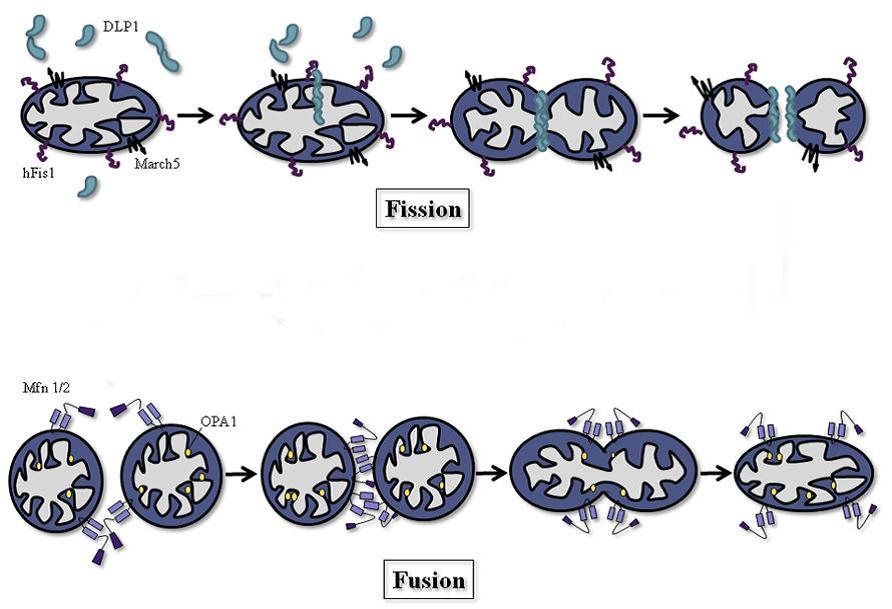
Thus, if a U.S. inventor publishes his invention, files a U.S. patent application within one year, and files a Japanese patent application within one year from the U.S. filing date claiming priority, he will get a U.S. patent but not a Japanese patent.  This is so because the Japanese Patent Law allows a six-month grace period from the Japanese filing date, not U.S. priority date. This six-month grace period is same in the rest of world except for the United States and Korea.

The AIA broke this barrier by giving both the novelty and the grace period on an effective filing date which goes back to the original filing date, so long as there is priority claim to the original foreign application date.  Thus, under AIA, both U.S. and foreign applications are completely equal with respect to both novelty and grace period.

This is extremely unusual, since no other country provides a grace period commencing from the priority date. In this respect, the AIA is the first and sole universally equal patent law in the world.


Public Disclosure Before Filing and Its Potential Abuse

There is a new unique prior art exception (grace period) under §102(b)(1)(A), (B) and (b)(2)(B) of the AIA.

If U.S. inventor A publicly discloses his invention and files a U.S. patent application within one year, his disclosure is not a prior art against his own U.S. application (for convenience, I’ll call this grace period as a standard grace period since other countries’ patent offices also have similar (six-month) grace period). Moreover, even if a third party B publicly publishes same subject matter prior to A’s patent application, or even if B files a patent application on same subject matter prior to A’s patent application, B’s subject matter disclosed in his publication or in B’s patent application is not prior art (for convenience, I’ll call this period as an absolute grace period since this is completely different from the standard grace period).  Thus, U.S. inventor A can obtain a patent regardless of B’s prior act is either publication or patent application.

However, if U.S. inventor A files a foreign application within one year from the U.S. application date claiming priority, he cannot obtain a foreign patent since no foreign countries recognize a grace period from the priority date.

In contrast, a foreign inventor has a huge advantage created by the AIA.  If a Japanese inventor publicly publishes an invention, files a patent application in the Japanese Patent Office within six months (the standard grace period under Japanese Patent Law), and files a U.S. application claiming priority within one year, the Japanese inventor can get a patent both in Japan and in the U.S.  This is so because the AIA recognizes a grace period from the earliest effective filing date which is the priority date.

Even if the Japanese inventor publicly publishes the invention one year before his Japanese application and files a U.S. application within one year from the Japanese filing date, the Japanese inventor can still get a U.S. patent although he cannot get a Japanese patent due to his own publication.

Thus, a Japanese inventor or an inventor in any other foreign country can publicly disclose his invention almost two years before the U.S. filing date!  As such, the AIA works better for a foreign applicant than for a U.S applicant.

Moreover, the prior art exception under AIA §102(b)(1)(A), (B) and (b)(2)(B), does not specify languages for the public disclosure.  Suppose an inventor A in a remote foreign country publicly discloses an invention in an unusual foreign language, files a patent application in his county within one year, and files a U.S. application claiming priority within one year, the foreign inventor A can get a U.S. patent by removing as prior art a third party’s disclosure or U.S. patent application concerning the same subject matter disclosed which was filed immediately after the foreign inventor A’s public disclosure.  The foreign inventor A’s U.S. patent application may be filed almost two years from the foreign inventor A’s public disclosure.

And it is quite possible that someone in a remote foreign country might try to abuse this prior art exception.

There is a further unique advantage by foreign inventors. Suppose a foreign inventor files a foreign application but not files a U.S. application for some reasons. The foreign application will be published as a laid-open publication after 18 months of the filing. Then, the foreign inventor all of sudden changed his mind and files a U.S. application within one year from the laid-open publication. Will the laid-open publication be given the absolute grace period by excluding subsequent third party’s disclosure or a U.S. patent application? Since the Federal Court traditionally treats the foreign patent publication as an inventor’s own publication for the purpose of pre-AIA §102 (b), it appears it is quite likely so.

Potential Conflict with Paris Convention

As explained above, under AIA §102(b)(2)(B), once a foreign inventor publishes a subject matter, due to the absolute grace period, he can exclude subsequent U.S. patent application describing same subject matter for almost two years.  It seems that he can extend priority date for almost two years, perhaps conflicting with Paris Convention Article 11 which defines as follows:

(1)  The countries of the Union shall, in conformity with their domestic legislation, grant temporary protection (Authors’ note: grace period) to patentable inventions, utility models, industrial designs, and trademarks, in respect of goods exhibited at official or officially recognized international exhibitions held in the territory of any of them.

(2)  Such temporary protection shall not extend the periods provided by Article A (Authors’ note: one year priority period). If, later, the right of priority is invoked, the authorities of any country may provide that the period shall start from the date of introduction of the goods into the exhibition.

Article 11 (1) allows the Union countries to provide temporary protector, i.e., a grace period, however, (2) also requires that it shall not extend one year priority period as defined in Article 4.

AIA §102 (b)(2)(B)provides not just a standard grace period but the absolute grace period on the foreign filing date since the foreign investor’s public disclosures exclude subsequent U.S. application for almost two years.

Although Paris Convention Article 4 and 11 depict a particular situation in which an inventor disclosed his invention in an exhibition and then files a patent application, it is still covered by AIA §102 (b)(2)(B), and whether or not AIA §102 (b)(2)(B) conflicts with Paris Convention Articles 4 and 11 is a future question for the Federal courts.

 Hybrid Patent Law

AIA is a first-to-file system if an inventor files a patent application without disclosing his invention prior to filing the patent application since a patent is granted to the applicant who has filed the patent application having the earliest effective filing date.

However, due to the absolute grace period, AIA has essentially the nature of a first-to-publish or even first-to-invent aspect since the publication date can often be the invention date.

The USPTO publishes an examination guideline which states that the subject matter the inventor published must be identical to the subject matter disclosed by the third party to mitigate the first-to-publish effect. More precisely, it proposes that if there is “insubstantial change, or only trivial or obvious variation” in the two subject matters, the exception does not apply. Some say that, in order to apply §102(b)(1)(B), not only must the subject matter be identical, but also the disclosures (the way how the subject matter is published) must be identical as well.

I believe this is wrong in view of §102(b)(1)(B).  Section 102(b)(2)(B) concerns the situation where a first inventor publicly published a subject matter and filed a first patent application, it excludes another inventor’s second patent application disclosing the same subject matter which was filed before the first patent application.

The USPTO also proposes in the above examination guideline that if there is “mere insubstantial change or only trivial or obvious variation” in the two subject matters, the exception does not apply. Thus, the USPTO treats §102(b)(1)(B) and (b)(2)(B) same as to the sameness between the two subject matters.

However, under §102(b)(2)(B), the first inventor’s disclosure is always different from the second inventor’s disclosure since the former is either a printed publication, or public use, or on sale while the latter is always a patent specification.

Thus, unless it is the subject matter which must be identical, §102(b)(2)(B) will never be applied. Therefore, same should be true under §102(b)(1)(B).

U.S. Patent With Priority Claim is a Strong Prior Art

Under Pre-AIA §102(e), the reference date of a U.S. patent with priority claim is the U.S. filing date unless the foreign patent application is published in English.

However, under AIA §102(d), the reference date is the earliest effective filing date which should be the foreign application date. Thus, the U.S. patents with priority claim become extremely strong prior art. This is especially so, since strict §112 is not required to the description in the foreign specification.

 AIA is Tough Patent Law for the U.S. Inventors

This means that the AIA is the tough patent law for the U.S. because of the following reasons:

  • U.S. applicant cannot get benefit of the standard and absolute grace periods on the earliest effective filing date in a foreign countries whereas foreign applicant can get benefit of their own standard grace period (usually six months) and complete benefit of AIA’s standard and absolute grace periods in the U.S. on the earliest effective filing date.
  • U.S. patent claiming foreign priority becomes stronger prior art under AIA §102 (d); and
  • Prior art of public use and on sale is now worldwide activity.

Thus, unless foreign countries adapt both standard and absolute grace period at the earliest effective filing date, U.S. applicants will get less benefit.

The big question for the U.S. is whether or not the foreign patent offices will adopt the AIA grace periods. Korea Patent Office has extended its standard grace period from six months to one year  from the Korean filing date but not from the foreign priority date.  No other countries have indicated thus far that it would adapt the AIA grace period.

A Big Mystery of AIA Application

The first-to-file provision of §102 will be applied to a new patent application filed on or after March 16, 2013.

AIA provides as follows:

—Except as otherwise provided in this section, the amendments made by this section shall take effect upon the expiration of the 18-month period beginning on the date of the enactment of this Act, and shall apply to any application for patent, and to any patent issuing thereon, that contains or contained at any time—

(A) a claim to a claimed invention that has an effective filing date as defined in section 100 (i) of title 35, United States Code, that is on or after the effective date described in this paragraph; or

(B) (omitted here)

Thus, if a new application filed on or after the effective date has one claim having the effective filing date on or after the effective date, AIA § 102 is applied to the entire application. If so, AIA § 102 is also applied to other claims having the effective filing date BEFORE the effective date and how those claims will be examined?

Suppose a Japanese applicant publicly published subject matter A on June 30, 2012, filed a Japanese application claiming subject matter A on October 30, 2012, and then files a U.S. application having claims A and B respectively on March 16, 2013, claiming priority to the Japanese application.

The U.S. application is considered as AIA application because of new matter claim B. Thus, claim A is also examined under AIA § 102.

If so, will the public publication on June 30, 2012, have effects of § 102 (b)(1)(B) and (b)(2)(B)? Will it exclude third party’s disclosure of same subject matter A or U.S. application disclosing same subject matter A which was filed after June 30, 2012, but before October 30, 2012?

If AIA § 102 takes effect ONLY after the effective date, it is possible to argue that there will be no application of AIA § 102 before the effective date for any claims.

However, how can one argue that, while AIA § 102 is applied to examine the retroactive claims, but, § 102 (b)(1)(B) and (b)(2)(B) are not applied?

USPTO’s examination guideline draft does not address on this issue. This is also a question that the Federal Court should resolve.

About the Author

Ken-Ichi Hattori is a partner in the Washington, DC law firm of Westerman Hattori Daniels & Adrian, LLP.

SOURCE:

http://www.ipwatchdog.com/2012/10/14/the-aia-is-the-first-universally-equal-patent-law-in-the-world/id=28850/

Read Full Post »

Artherogenesis: Predictor of CVD – the Smaller and Denser LDL Particles

Reporter: Aviva Lev-Ari, PhD, RN

Updated 3/5/2013

Genetic Associations with Valvular Calcification and Aortic Stenosis

N Engl J Med 2013; 368:503-512

February 7, 2013DOI: 10.1056/NEJMoa1109034

METHODS

We determined genomewide associations with the presence of aortic-valve calcification (among 6942 participants) and mitral annular calcification (among 3795 participants), as detected by computed tomographic (CT) scanning; the study population for this analysis included persons of white European ancestry from three cohorts participating in the Cohorts for Heart and Aging Research in Genomic Epidemiology consortium (discovery population). Findings were replicated in independent cohorts of persons with either CT-detected valvular calcification or clinical aortic stenosis.

CONCLUSIONS

Genetic variation in the LPA locus, mediated by Lp(a) levels, is associated with aortic-valve calcification across multiple ethnic groups and with incident clinical aortic stenosis. (Funded by the National Heart, Lung, and Blood Institute and others.)

SOURCE:

N Engl J Med 2013; 368:503-512

HDL is more than an eNOS Agonist

 In addition to the modulation of NO production by signaling events that rapidly dictate the level of enzymatic activity, important control of eNOS involves changes in the abundance of the enzyme. In a clinical trial by the Karas laboratory of niacin therapy in patients with low HDL levels (nine males and two females), flow-mediated dilation of the brachial artery was improved in association with a rise in HDL of 33% over 3 months (Kuvin et al., 2002).

Am. Heart J., 144:165–172.

They also demonstrated that eNOS expression in cultured human endothelial cells is increased by HDL exposure for 24 hours. They further showed that the increase in eNOS is related to an increase in the half-life of the protein, and that this is mediated by PI3K–Akt kinase and MAPK (Ramet et al., 2003).

J. Am. Coll. Cardiol., 41:2288–2297.

Thus, the same mechanisms that underlie the acute activation of eNOS by HDL appear to be operative in upregulating the expression of the enzyme.

The current understanding of the mechanism by which HDL enhances endothelial NO production is summarized in Shaul & Mineo (2004), Figure 1.

J Clin Invest., 15; 113(4): 509–513.

It describes the mechanism of action for HDL enhancement of NO production by eNOS in vascular endothelium.

(a)   HDL causes membrane-initiated signaling, which stimulates eNOS activity. The eNOS protein is localized in cholesterol-enriched (orange circles) plasma membrane caveolae as a result of the myristoylation and palmitoylation of the protein. Binding of HDL to SR-BI via apoAI causes rapid activation of the nonreceptor tyrosine kinase src, leading to PI3K activation and downstream activation of Akt kinase and MAPK. Akt enhances eNOS activity by phosphorylation, and independent MAPK-mediated processes are additionally required (Duarte, et al., 1997). Eur J Pharmacol, 338:25–33.

HDL also causes an increase in intracellular Ca2+ concentration (intracellular Ca2+ store shown in blue; Ca2+ channel shown in pink), which enhances binding of calmodulin (CM) to eNOS. HDL-induced signaling is mediated at least partially by the HDL-associated lysophospholipids SPC, S1P, and LSF acting through the G protein–coupled lysophospholipid receptor S1P3. HDL-associated estradiol (E2) may also activate signaling by binding to plasma membrane–associated estrogen receptors (ERs), which are also G protein coupled. It remains to be determined if signaling events are also directly mediated by SR-BI (Yuhanna et al., 2001), (Nofer et al., 2004), (Gong et al., 2003), (Mineo et al., 2003).

Nat. Med., 7:853–857.

J. Clin. Invest.,113:569–581.

J. Clin. Invest., 111:1579–1587.

J. Biol. Chem., 278:9142–9149.

(b)   HDL regulates eNOS abundance and subcellular distribution. In addition to modulating the acute response, the activation of the PI3K–Akt kinase pathway and MAPK by HDL upregulates eNOS expression (open arrows). HDL also regulates the lipid environment in caveolae (dashed arrows). Oxidized LDL (OxLDL) can serve as a cholesterol acceptor (orange circles), thereby disrupting caveolae and eNOS function. However, in the presence of OxLDL, HDL maintains the total cholesterol content of caveolae by the provision of cholesterol ester (blue circles), resulting in preservation of the eNOS signaling module (Ramet et al., 2003), (Blair et al., 1999), (Uittenbogaard et al., 2000).

J. Am. Coll. Cardiol., 41:2288–2297.

J. Biol. Chem., 274:32512–32519.

J. Biol. Chem., 275:11278–11283.

SOURCE:

Shaul, PW and Mineo, C, (2004). HDL action on the vascular wall: is the answer NO? J Clin Invest., 15; 113(4): 509–513.

Are Additional Lipid Measures Useful?

Ryan D. Bradley, ND; and Erica B. Oberg, ND, MPH

http://www.imjournal.com/resources/web_pdfs/recent/1208_bradley.pdf

Total cholesterol (TC) and low-density lipoprotein cholesterol (LDL-C) are the well-established standards by which clinicians identify individuals at risk for coronary artery disease (CAD), yet nearly 50% of people who have a myocardial infarction have normal cholesterol levels. Measurement of additional biomarkers may be useful to more fully stratify patients according to disease risk. The typical lipid panel includes TC, LDL-C, high-density lipoprotein cholesterol  (HDL-C), and triglycerides (TGs). Emerging biomarkers for cardiovascular risk include measures of LDL-C pattern, size,  and density; LDL particle number; lipoprotein(a); apolipoproteins  (apoA1 and apoB100 being the most useful);  C-reactive protein; and lipoprotein-associated phospholipase

Some of these emerging biomarkers have been proven to add to, or be more accurate than, traditional risk factors in predicting coronary artery disease and, thus, may be useful for clinical decision-making in high-risk patients and in patients with borderline traditional risk factors.  However, we still believe that until treatment strategies can uniquely address these added risk factors—ie, until protocols to rectify unhealthy findings are shown to improve cardiovascular outcomes—healthcare providers should continue to focus primarily on helping patients reach optimal LDL-C, HDL-C, and TG levels

Table 1. Traditional Lipid Panel and Recommended Treatment

Goals for Cardiovascular Disease Prevention34

  • Total Cholesterol Desirable (low) < 200 mg/dL
  • Borderline high 200-239 mg/dL
  • High 240 mg/dL or greater
  • HDL Cholesterol Desirable (high) > 60 mg/dL
  • Acceptable 40-60 mg/dL
  • Low < 40 mg/dL
  • LDL Cholesterol Desirable (low) < 100 mg/dL
  • Acceptable 100-129 mg/dL
  • Borderline high 130-159 mg/dL
  • High 160-189 mg/dL
  • Very high 190 mg/dL or greater
  • Triglycerides Desirable (low) < 150 mg/dL
  • Borderline high 150-199 mg/dL
  • High 200-499 mg/dL
  • Very high 500 mg/dL or greater

LDL-C and HDL-C: Pattern, Size, and Density

Two patterns predominate and are used to describe the average size of LDL particles. Pattern A refers to a preponderance of large LDL particles, while Pattern B refers to a preponderance of small LDL particles; a minority of individuals displays an intermediate or mixed pattern. Some commercially available assays further subdivide LDL-C into 7 distinct designations based on particle size.9,10

LDL Lipoprotein Particle Number

LDL particle number (LDL-P) is a measure of the number of lipoprotein particles independent of the quantity of lipid within the cholesterol particle; ie, LDL-P measures the number of individual particles, not a concentration like LDL-C. It is measured using nuclear magnetic resonance technology and is unaffected by fasting status.21 Higher LDL-P measures have been associated with a higher risk of CAD. This might simply be because there are more particles susceptible to oxidation in circulation.

There are suggestions, but not definitive proof, that reducing LDL-P increases intra-LDL antioxidant capacity.  The European Prospective Investigation of Cancer (EPIC)-Norfolk cohort, a study that has followed 25 663 participants  (men and women aged 45-79 years) over 6 years, evaluated associations between LDL-P and risk of CAD. Compared to controls,  cases of CAD had a higher number of LDL particles (LDL-P P<.0001), smaller average LDL-particle size (P=.002), and higher concentrations of small LDL particles (P<.0001).22

Once again,  small, dense LDL-C were positively associated with TG and negatively associated with HDL.  In another study investigating incident angina and MI with LDL-P, females, but not males, had a significantly increased odds ratio for incident MI and angina for higher LDL-P—but not for LDL size—after adjustment for LDL, age, and race.  Males had increased (but not significant) point estimates showing the same relationship.23 Of note, LDL-P and non-HDL-C (ie,  TC minus HDL-C, or, specifically, LDL-C plus VLDLs), added equivalently to Framingham-predicted CAD risk stratification, thus reducing our enthusiasm for this additional measurement when TC and HDL-C are routinely available.22 Based on these results, LDL-P is becoming recognized as a more-precise measure of LDL-related risk and, as it becomes more available, is likely to replace LDL-C in risk-stratification tools. Clinical availability is currently limited; however, Medicare recently began reimbursing for regular testing of LDL-P in highrisk patients, so we should see availability increase soon. There are no novel treatments based on LDL-P at this time, and data shows therapies that lower LDL-C lower LDL-P as well.

 Apolipoproteins

Apolipoproteins are the protein components of plasma lipoproteins. Several different apolipoproteins have been identified and numbered; however, apoB48, apoB100, and apoA are the most commonly referenced.  ApoB48 is associated with LDL particles that transport dietary cholesterol to the liver for processing. ApoB100 is found in lipoproteins originating from the liver (eg, LDL and VLDL); it transports these lipoproteins and, also, TGs to the periphery. In addition, ApoB100 is involved with the binding of LDL particles to the vascular wall, implicating itself as a key player in the development of atherogenic plaques. Importantly, there is one apoB100 molecule per hepatic-derived lipoprotein. Hence, it is possible to quantify the number of LDL/VLDL particles by noting the total apoB100 concentration.

Measurement of apoB100 has been shown in nearly all studies to outperform LDL-C and non-HDL-C as a predictor of CAD events and as an index of residual CAD risk, perhaps due to differences in measurement sensitivity between measurement methodologies. Direct measurement of apolipoproteins is superior to calculated lipid measurements. Yet, currently, apoB100 measurement is more costly than routine measurements and,  because apoB100 is so closely associated with non-HDL-C (which,  as mentioned previously, can be estimated by TC minus HDL-C),  our enthusiasm for the clinical use of this test is limited.24 For its part, apoA is associated with HDL particles; the 2 major proteins in HDL are apoAI and apoAII. Of these, apoAI has more frequently been used to estimate HDL-C, but, in contrast to apoB100, apoAI is not unique to HDL and so the ratio of apoAI to HDL is not 1 to 1.24

Lipoprotein(a)

Lipoprotein(a)—Lp(a)—is attached to apoB. The association of Lp(a) with CAD and its ability to act as a biomarker of risk appears to be strongest in patients with hypercholesterolemia and, in particular, in young patients with premature atherosclerosis (males younger than 55 and females younger than 65). Part of the reason for this is the observation that there seem to be important threshold effects such that only very high Lp(a) levels (> 30 mg/dL) are associated with elevated vascular risk; in this regard, these increased plasma levels of Lp(a) independently predict the presence of CAD, particularly in patients with elevated LDL-C levels.28

In the Cardiovascular Health Study, a relative risk of approximately 3-fold for death from vascular events and stroke was seen in the highest quintile compared to the lowest quintile of Lp(a) but for males only, whereas no such relation existed for women.29 Lp(a) is commonly considered a marker for familial hypercholesterolemia. Lp(a) may best be used in assessing the risk of younger males with strong family histories of CVD but  should not be used more generally.

Risk Factors for Cardiovascular Disease

(Exclusive of LDL Cholesterol)34

  • Cigarette smoking
  • Hypertension (BP > 140/90 mmHg or on antihypertensive medication)
  • Low HDL cholesterol (< 40 mg/dL)
  • Family history of premature CHD (CHD in first-degree male relative <
  • 55 years; CHD in first-degree female relative < 65 years)
  • Age (men > 44 years; women > 54 years

In addition,

  • Clinical coronary heart disease,
  • symptomatic carotid artery disease,
  • peripheral arterial disease, or
  • abdominal aortic aneurysm

Conclusion

In the United States, treatment guidelines for high CVD risk factors are set by the National Cholesterol Education Program (NCEP) Expert Panel, which developed the third report of the Adult Treatment Panel (ATPIII).34 Treatment goals are determined according to risk stratification by LDL-C and by known additional risk factors such as smoking, low HDL, hypertension,  family history, and age. Yet, clinically, decision-making is always more complex than this. Additional risk stratification can be accomplished by measuring the biomarkers discussed above, and this may potentially provide additive benefit beyond NCEP guidelines. However, we always encourage clinicians to treat known risks to goal levels before adding additional goals for treatment. In a future article we will provide further detail on treatment options for novel biomarkers.

REFERENCES

1. No authors listed. Cardiovascular disease statistics. American Heart Association.

Available at: http://www.americanheart.org/presenter.jhtml?identifier=4478.

Accessed October 28, 2008.

2. Tsimikas S, Willerson JT, Ridker PM. C-reactive protein and other emerging blood

biomarkers to optimize risk stratification of vulnerable patients. J Am Coll Cardiol.

2006;47(8 Suppl):C19-C31.

3. Nicholls SJ, Tuzcu EM, Sipahi I, et al. Statins, high-density lipoprotein cholesterol,

and regression of coronary atherosclerosis. JAMA. 2007;297(5):499-508.

4. Hausenloy DJ, Yellon DM. Targeting residual cardiovascular risk: raising high-density

lipoprotein cholesterol levels. JAMA. 2007;297(5):499-508.

5. Bansal S, Buring JE, Rifai N, Mora S, Sacks FM, Ridker PM. Fasting compared with

nonfasting triglycerides and risk of cardiovascular events in women. JAMA.

2007;298(3):309-316.

6. Nordestgaard BG, Benn M, Schnohr P, Tybjaerg-Hansen A. Nonfasting triglycerides

and risk of myocardial infarction, ischemic heart disease, and death in men and

women. JAMA. 2007;298(3):299-308.

7. Stampfer MJ, Krauss RM, Ma J, et al. A prospective study of triglyceride level, lowdensity

lipoprotein particle diameter, and risk of myocardial infarction. JAMA.

1996;276(11):882-888.

8. Ceriello A. The post-prandial state and cardiovascular disease: relevance to diabetes

mellitus. Diabetes Metab Res Rev. 2000;16(2):125-132.

9. Carmena R, Duriez P, Fruchart JC. Atherogenic lipoprotein particles in artherosclerosis.

Circulation. 2004;109(23 Suppl 1):III2-III7.

10. Dormans TP, Swinkels DW, de Graaf J, Hendriks JC, Stalenhoef AF, Demacker PN.

Single-spin density-gradient ultracentrifugation vs gradient gel electrophoresis: two

methods for detecting low-density-lipoprotein heterogeneity compared. Clin Chem.

1991;37(6):853-858.

11. Roheim PS, Asztalos BF. Clinical significance of lipoprotein size and risk for coronary

atherosclerosis. Clin Chem. 1995;41(1):147-152.

12. Swinkels DW, Demacker PN, Hendriks JC, van ‘t Laar A. Low density lipoprotein

subfractions and relationship to other risk factors for coronary artery disease in

healthy individuals. Arteriosclerosis. 1989;9(5):604-613.

13. Tan CE, Chew LS, Chio LF, et al. Cardiovascular risk factors and LDL subfraction

profile in Type 2 diabetes mellitus subjects with good glycaemic control. Diabetes Res

Clin Pract. 2001;51(2):107-114.

14. Lamarche B, Tchernof A, Mauriège P, et al. Fasting insulin and apolipoprotein B levels

and low-density lipoprotein particle size as risk factors for ischemic heart disease.

JAMA. 1998;279(24):1955-1961.

15. St-Pierre AC, Ruel IL, Cantin B, et al. Comparison of various electrophoretic characteristics

of LDL particles and their relationship to the risk of ischemic heart disease.

Circulation. 2001;104(19):2295-2299.

16. Mora S, Szklo M, Otvos JD, et al. LDL particle subclasses, LDL particle size, and

carotid atherosclerosis in the Multi-Ethnic Study of Atherosclerosis (MESA).

Atherosclerosis. 2007;192(1):211-217.

17. Singh IM, Shishehbor MH, Ansell BJ. High-density lipoprotein as a therapeutic target:

a systematic review. JAMA. 2007;298(7):786-798.

18. Lewis GF. Determinants of plasma HDL concentrations and reverse cholesterol

transport. Curr Opin Cardiol. 2006;21(4):345-352.

19. Kontush A, de Faria EC, Chantepie S, Chapman MJ. A normotriglyceridemic, low

HDL-cholesterol phenotype is characterised by elevated oxidative stress and HDL

particles with attenuated antioxidative activity. Atherosclerosis. 2005;182(2):277-285.

20. Nobécourt E, Jacqueminet S, Hansel B, et al. Defective antioxidative activity of small

dense HDL3 particles in type 2 diabetes: relationship to elevated oxidative stress and

hyperglycaemia. Diabetologia. 2005;48(3):529-538.

21. Dungan KM, Guster T, DeWalt DA, Buse JB. A comparison of lipid and lipoprotein

measurements in the fasting and nonfasting states in patients with type 2 diabetes.

Curr Med Res Opin. 2007;23(11):2689-2695.

22. El Harchaoui K, van der Steeg WA, Stroes ES, et al. Value of low-density lipoprotein

particle number and size as predictors of coronary artery disease in apparently

healthy men and women: the EPIC-Norfolk Prospective Population Study. J Am Coll

Cardiol. 2007;49(5):547-553.

23. Kuller L, Arnold A, Tracy R, et al. Nuclear magnetic resonance spectroscopy of lipoproteins

and risk of coronary heart disease in the cardiovascular health study.

Arterioscler Thromb Vasc Biol. 2002;22(7):1175-1180.

24. Olofsson SO, Wiklund O, Borén J. Apolipoproteins A-I and B: biosynthesis, role in

the development of atherosclerosis and targets for intervention against cardiovascular

disease. Vasc Health Risk Manag. 2007;3(4):491-502.

25. Walldius G, Jungner I. Is there a better marker of cardiovascular risk than LDL cholesterol?

Apolipoproteins B and A-I—new risk factors and targets for therapy. Nutr

Metab Cardiovasc Dis. 2007;17(8):565-571.

26. Anand SS, Islam S, Rosengren A, et al. Risk factors for myocardial infarction in

women and men: insights from the INTERHEART study. Eur Heart J.

2008;29(7):932-940.

27. McQueen MJ, Hawken S, Wang X, et al. Lipids, lipoproteins, and apolipoproteins as

risk markers of myocardial infarction in 52 countries (the INTERHEART study): a

case-control study. Lancet. 2008;372(9634):224-233.

28. Danesh J, Collins R, Peto R. Lipoprotein(a) and coronary heart disease. Metaanalysis

of prospective studies. Circulation. 2000;102(10):1082-1085.

29. Ariyo AA, Thach C, Tracy R; Cardiovascular Health Study Investigators. Lp(a) lipoprotein,

vascular disease, and mortality in the elderly. N Engl J Med.

2003;349(22):2108-2115.

30. Retterstol L, Eikvar L, Bohn M, Bakken A, Erikssen J, Berg K. C-reactive protein predicts

death in patients with previous premature myocardial infarction—a 10 year

follow-up study. Atherosclerosis. 2002;160(2):433-440.

31. Kiechl S, Willeit J, Mayr M, et al. Oxidized phospholipids, lipoprotein(a), lipoprotein-

associated phospholipase A2 activity, and 10-year cardiovascular outcomes:

prospective results from the Bruneck study. Arterioscler Thromb Vasc Biol.

2007;27(8):1788-1795.

32. Kolko M, Rodriguez de Turco EB, Diemer NH, Bazan NG. Neuronal damage by

secretory phospholipase A2: modulation by cytosolic phospholipase A2, plateletactivating

factor, and cyclooxygenase-2 in neuronal cells in culture. Neurosci Lett.

2003;338(2):164-168.

33. Robins SJ, Collins D, Nelson JJ, Bloomfield HE, Asztalos BF. Cardiovascular events

with increased lipoprotein-associated phospholipase A(2) and low high-density lipoprotein-

cholesterol: the Veterans Affairs HDL Intervention Trial. Arterioscler Thromb

Vasc Biol. 2008;28(6):1172-1178.

34. Expert Panel on Detection, Evaluation, and Treatment of High Blood Cholesterol in

Adults. Executive Summary of The Third Report of The National Cholesterol

Education Program (NCEP) Expert Panel on Detection, Evaluation, And Treatment

of High Blood Cholesterol In Adults (Adult Treatment Panel III). JAMA.

2001;285(19):2486-2497.

Other related articles on this Open Access Online Scientific Journal include the following:

Fight against Atherosclerotic Cardiovascular Disease: A Biologics not a Small Molecule – Recombinant Human lecithin-cholesterol acyltransferase (rhLCAT) attracted AstraZeneca to acquire AlphaCore

Aviva Lev-Ari, PhD, RN

http://pharmaceuticalintelligence.com/2013/04/03/fight-against-atherosclerotic-cardiovascular-disease-a-biologics-not-a-small-molecule-recombinant-human-lecithin-cholesterol-acyltransferase-rhlcat-attracted-astrazeneca-to-acquire-alphacore/

Cholesteryl Ester Transfer Protein (CETP) Inhibitor: Potential of Anacetrapib to treat Atherosclerosis and CAD

Aviva Lev-Ari, PhD, RN

http://pharmaceuticalintelligence.com/2013/04/07/cholesteryl-ester-transfer-protein-cetp-inhibitor-potential-of-anacetrapib-to-treat-atherosclerosis-and-cad/

Hypertriglyceridemia concurrent Hyperlipidemia: Vertical Density Gradient Ultracentrifugation a Better Test to Prevent Undertreatment of High-Risk Cardiac Patients

Aviva Lev-Ari, PhD, RN

http://pharmaceuticalintelligence.com/2013/04/04/hypertriglyceridemia-concurrent-hyperlipidemia-vertical-density-gradient-ultracentrifugation-a-better-test-to-prevent-undertreatment-of-high-risk-cardiac-patients/

High-Density Lipoprotein (HDL): An Independent Predictor of Endothelial Function & Atherosclerosis, A Modulator, An Agonist, A Biomarker for Cardiovascular Risk

Aviva Lev-Ari, PhD, RN

http://pharmaceuticalintelligence.com/2013/03/31/high-density-lipoprotein-hdl-an-independent-predictor-of-endothelial-function-artherosclerosis-a-modulator-an-agonist-a-biomarker-for-cardiovascular-risk/


Read Full Post »

GSK for Personalized Medicine using Cancer Drugs needs Alacris systems biology model to determine the in silico effect of the inhibitor in its “virtual clinical trial”

Reporter: Aviva Lev-Ari, PhD, RN

German firm Alacris Theranostics today announced a deal with GlaxoSmithKline for the application of Alacris’ Modcell System for drug stratification.

The technology, which was developed at the Max Planck Institute for Molecular Genetics and is licensed exclusively to Alacris, will be used by GSK for early stage cancer drug discovery. GSK will provide Alacris with preclinical biology data from a cancer drug discovery project. Alacris will apply its systems biology model to determine the in silico effect of the inhibitor in its “virtual clinical trial,” and then suggest cancer cell lines, as well as cancers, that may be likely responders to the inhibitor.

The process will be based on whole-genome and transcriptome data integrated in Alacris’ cancer model ModCell.

Financial terms of the deal were not disclosed.

Based in Berlin, Alacris develops personalized medicine approaches directed at cancer. Its ModCell approach is based on next-generation sequencing and kinetic pathway information, as well as mutation and drug databases.

SOURCE:

http://www.genomeweb.com//node/1153161?hq_e=el&hq_m=1408239&hq_l=2&hq_v=e1df6f3681

What is the strategy of the Competition

Foundation Medicine, AstraZeneca to ID Genetic Mutations for Cancer Drug Development

November 12, 2012

NEW YORK (GenomeWeb News) – Foundation Medicine today announced a deal with AstraZeneca aimed at predicting a patient’s response or resistance to targeted medicines.

The firms are partnering to identify genomic mutations in cancer-related tumor genes that may prove helpful to AstraZeneca in developing new therapies for patients. Foundation Medicine also was granted right of first negotiation for developing potential diagnostic products.

According to Susan Galbraith, vice president and head of the AstraZeneca Oncology Innovative Medicines Unit, the collaboration will allow the drug firm to “identify tumor-specific defects and alterations that can be used for patient segmentation.”

Financial and other terms of the agreement were not disclosed.

“We are helping companies like AstraZeneca achieve deeper insight into their programs and trials with our unique cancer expertise and our ability to provide genomic information that can impact clinical treatment decisions,” Michael Pellini, president and CEO of Foundation Medicine, said in a statement. “Together, we expect to enable a more individualized, targeted approach to cancer drug development and clinical trials.”

The partnership is the most recent in a string of deals that Cambridge, Mass.-based Foundation Medicine has forged in recent months with drug firms. It follows a collaboration with Eisai last month, Clovis Oncologyin August, and Novartis in June.

SOURCE:


Life Tech to Partner with Bristol-Myers Squibb for CDx Development

September 17, 2012
 

NEW YORK (GenomeWeb News) – Life Technologies said today that it would collaborate with Bristol-Myers Squibb to develop companion diagnostics. Initially, the companies will partner on an oncology project with the option to expand collaborative efforts across a range of disease areas.

Life Tech will utilize a variety of its technology platforms including both next-generation and Sanger sequencing instruments, qPCR, flow cytometry, and immuno-histochemistry.

“The pharmaceutical industry is increasingly turning its focus to discovering and delivering targeted, personalized medications,” Life Tech’s President of Medical Sciences, Ronnie Andrews, said in a statement. “As more and more targeted drugs come onto the market in the next decade, there will be a growing need for diagnostics that can help predict which patients will benefit from which drugs.”

The agreement is part of Life Tech’s strategy to expand and develop its diagnostic business through both internal development and also partnerships and acquisitions.

Internally, the company has said that it plans to build out its medical sciences business across multiple technologies and develop assays across five disease areas: oncology, inherited disease, neurological disorders, transplant diagnostics, and infectious diseases.

In addition, in July it acquired direct-to-consumer genomic testing company Navigenics, which gave Life Tech access to its CLIA certified laboratory.

SOURCE:

http://www.genomeweb.com/sequencing/life-tech-partner-bristol-myers-squibb-cdx-development

Life Tech, Boston Children’s Hospital to Develop Sequencing Workflows on Ion Proton in CLIA Lab

June 20, 2012
 

NEW YORK (GenomeWeb News) – Life Technologies said today that it will collaborate with Boston Children’s Hospital to develop next-generation sequencing workflows in a CLIA and CAP certified laboratory.

As part of the collaboration, the hospital plans to purchase Life Tech’s Ion Proton, a benchtop, semiconductor sequencing machine.

David Margulies, director of the Gene Partnership Program at Boston Children’s Hospital, said in statement that the deal is an “important first step toward providing informed, personalized care for patients whose conditions are difficult to treat.”

The deal is Life Tech’s second announced this week to develop sequencing protocols for the Ion Proton in collaboration with a children’s hospital. Earlier this week, it said it would work with the Hospital for Sick Children in Toronto, which has launched a new Centre for Genetic Medicine and plans to install four Proton machines.

Paul Billings, Life Tech’s chief medical officer, commented in a statement that these kinds of partnerships are “essential to our medical sciences strategy as we seek to assist researchers in discovering improved diagnostics and treatments for genetic conditions.”

In a separate announcement today, Life Tech said that it is collaborating with the University of North Texas Health Science Center’s Institute of Applied Genetics to use the firm’s Ion Personal Genome Machine system to further the center’s forensic DNA research. Life Tech said that it will collaborate with the center to train forensic analysts in applying next-gen sequencing to their research.

Foundation Medicine, Novartis Ink New Deal for Clinical Oncology Programs

June 07, 2012
 

NEW YORK (GenomeWeb News) – Foundation Medicine today said it and Novartis have reached a new agreement to use Foundation’s clinical grade, next-generation sequencing to support the drug firm’s clinical oncology programs.

The three-year agreement builds on a 2011 deal between the firms and calls for the use of Foundation Medicine’s molecular information platform across many of Novartis’ Phase 1 and Phase 2 oncology clinical programs. The initial collaboration generated “very interesting” data, and this type of tumor genomic profiling has become an important part of Novartis’ clinical trials, Foundation Medicine said.

Foundation Medicine’s sequencing capabilities allow for the rapid analysis of hundreds of cancer-related genes from formalin-fixed, paraffin-embedded tumor samples, and earlier this year its laboratory in Cambridge, Mass., gained Clinical Laboratory Improvement Amendments certification. Novartis plans to use the technology to align clinical trial enrollment and outcome analysis with the genomic profile of patient tumors, accelerating the development of Novartis’ portfolio of targeted cancer therapeutics and expanding treatment options for patients.

Foundation Medicine added that it may develop additional diagnostic products from the partnership.

“The comprehensive molecular assessment of Novartis’ Oncology clinical trial samples is expected to help to bring potentially lifesaving therapies to the right patients more quickly, and we expect that the wealth of molecular information will help fundamentally improve the way cancer is understood and treated,” Michael Pellini, president and CEO of Foundation Medicine, said in a statement.

Financial and other terms of the deal were not disclosed.

SOURCE:


Carestream Teams with Beatson Institute on Molecular Imaging Efforts

May 14, 2012
NEW YORK (GenomeWeb News) – Carestream Molecular Imaging announced today that it will collaborate with the Beatson Institute for Cancer Research on preclinical imaging approaches in oncology.

The partners will use Carestream’s Alibri trimodal imaging system, which combines PET, SPECT, and CT modalities in one platform. The system is being used by the Beatson Institute in its research into cancer cell behavior, as well as the development of new therapeutic, diagnostic, and prognostic tools.

The Beatson Institute, which is a core-funded institute of Cancer Research UK and is based in Glasgow, Scotland, said the Carestream technology would be used by its own researchers, as well as its close collaborators including the West of Scotland Cancer Center.

“The combination of PET, SPECT, and CT technologies in one instrument provides investigators at our institutions the flexibility to support research programs across many areas of cancer research such as biomarker, theranostics, and drug development,” Kurt Anderson, research professor and director of the Beatson Advanced Imaging Resource, said in a statement.


Read Full Post »

Mitochondrial Dynamics and Cardiovascular Diseases

Author and Curator: Ritu Saxena, Ph.D.


Morphological changes in mitochondria have been observed in several human diseases including myopathies, diabetes mellitus, liver diseases, neurodegeneration, aging, and cancer. Ong et al (2010) studied neonatal rat ventricular myocytes as an experimental model of aging and concluded that the interplay between mitochondrial fission and autophagy controls the rate of mitochondrial turnover. A disturbance in the balance is observed in aging heart cells resulting in giant mitochondria. This observation is an indication that mitochondrial morphology is connected to pathogenesis of cardiac disease. http://www.ncbi.nlm.nih.gov/pubmed/20631158 Thus, it is important to understand the mechanism of mitochondrial dynamics in order to correlate it with the development of cardiovascular diseases.

Mitochondrial dynamics

The shape of mitochondria is very dynamic in living cells, constantly interchanging between thread-like and grain-like morphology through what we know now as the fusion and fission processes, respectively. The fusion and fission processes together with the mitochondrial movement have been termed “mitochondrial dynamics”.  Nucleoids, the assemblies of mitochondrial DNA (mtDNA) with its associated proteins, are distributed during fission in such a way that each mitochondrion contains at least one nucleoid.

Mitochondrial fusion is a complex process that involves the fusing together of four lipid bilayers. Proteins involved in the mitochondrial fission and fusion have been discussed in an earlier post published on October 31, 2012. Mitochondrial fusion requires two 85kD-GTPase isoforms mitofusin1 (Mfn1) and mitofusin2 (Mfn2). Mfn1 and Mfn1 are both anchored to the outer mitochondrial membrane. They contain – two transmembrane domains connected by a small intermembrane-space loop, a cytosolic N-terminal GTPase domain and two cytosolic hydrophobic heptad-repeat coiled-coil domains. The coiled-coil domains of Mfn1 and Mfn2 help in tethering adjacent mitochondria in both homo-oligomeric and hetero-oligomeic fashion. The fusion process requires GTP hydrolysis and the cells where Mfn2 had a GTPase mutation; mitochondria were not able to undergo fusion even after tethering. Mitochondrial fission and fusion have been illustrated in Figure 1.

Mitochondrial fission is opposite of the fusion process. Mammalian mitochondria undergo fission by the interaction of two proteins: dynamin-like protein 1 or dynamin-related protein 1 (DLP1/Drp1), an 80–85-kD cytosolic GTPase, and human fission protein 1 (hFis1), a 17-kD outer mitochondrial membrane anchored protein. Mitochondrial fission too requires GTP hydrolysis. DLP1 mainly localizes in the cytosol and with the help of hFis1, DLP1 is recruited to the constriction sites of the membrane. DLP1 translocation depends on actin and microtubules and once inside, DLP1 oligomerizes into a ring around the mitochondrion. The self-assembly of DLP1 stimulates the final step of fission which is disassembly and it requires GTP hydrolysis.

Figure 1: Model of mammalian mitochondrial fission and fusion (Hom et al, J Mol Cell Cardiol, 2009)

http://www.ncbi.nlm.nih.gov/pubmed?term=19281816

Additional information on different aspects of mitochondria could be found articles published earlier in the Pharmaceutical Intelligence webpage.

Mitochondrial dynamics in the heart

In cultured cardiovascular cell line the mitochondria are arranged in a filamentous network and are highly dynamic, constantly undergoing fusion and fission. Similar mitochondrial network is observed in vascular smooth muscle cells, cardiac stem cells, and neonatal cardiomyocytes. Thus, these cell types have been used to study mitochondrial dynamics.

However, in the adult cardiomyocyte, there are three distinct populations of mitochondria:

(i)           peri-nuclear mitochondria,

(ii)         subsarcolemmal (SSC) mitochondria, and

(iii)       interfibrillar (IF) mitochondria

Electron micrographs of adult cardiac muscle cells, especially ventricular myocytes, show that mitochondria are numerous, making up about 35% of the cell volume, and that mitochondria are highly organized and compacted between contractile filaments and next to T-tubules. This crystal-like pattern of mitochondria in adult ventricular myocytes raises an interesting question- Do the mitochondria in these cells also undergo physiological fission, fusion, and movement just like other cell types? Whether the crystal-like lattice arrangement restricts their movements and prevents them from undergoing fusion or fission is unclear. It has been speculated that the fission and fusion processes might occur at a slower rate because of the tight packing. A four-dimensional (x, y, z axis and time) live-cell imaging is needed to detect possible movements like mitochondria winding slowly through the myofibrils in the third dimension.

Figure 2. Representative electron micrograph of adult murine heart depicting the three subpopulations of mitochondria: perinuclear (PN) mitochondria; interfibrillar (IF) mitochondria; and subsarcolemmal mitochondria (SSM). Photo credit: Ong et al, Cardiovascular Research (2010).

Expression of fission/fusion proteins in adult heart: Interestingly, it has been observed that proteins required for mitochondrial dynamics including fission and fusion proteins is abundantly present in the adult heart and would have been active during cardiomyocyte differentiation to ensure the unique spatial organization of the three different subpopulations of cardiac mitochondria.

Several studies suggest the existence of fission and fusion proteins in the adult heart.

  • Mfn1 and Mfn2 fusion proteins have been found to be expressed in highest amounts in the heart compared to that in human tissues of pancreas, skeletal muscle, brain, liver, placenta, lung, and kidney using both Northern and Western blot analysis. Infact, Mfn2 mRNA was found to be abundantly expressed in heart and muscle tissue but expressed only at low levels in other tissues. Mfn1 and Mfn2 expression has also been confirmed in heart tissue of rat and mouse by RT-PCR.
  • hFis1, a fission protein, has been shown to be ubiquitously expressed in isolated rat mitochondria in heart tissue apart from several other tissues.
  • DLP1 mRNA, coding for a fusion protein, have been detected in high levels in several adult tissues including heart, skeletal muscle, kidney and brain.
  • OPA1 codes for another fusion protein and four transcripts of OPA1 have been detected in adult mouse hearts.

Mitochondria in cardiac diseases:

Morphological changes in mitochondria have been observed in several human diseases including myopathies, diabetes mellitus, liver diseases, neurodegeneration, aging, and cancer. Ong et al (2010) studied neonatal rat ventricular myocytes as an experimental model of aging and concluded that the interplay between mitochondrial fission and autophagy controls the rate of mitochondrial turnover. A disturbance in the balance is observed in aging heart cells resulting in giant mitochondria. This observation is an indication that mitochondrial morphology is connected to pathogenesis of cardiac disease. http://www.ncbi.nlm.nih.gov/pubmed/20631158

Abnormal mitochondrial morphology corresponding to various cardiac diseases has been listed as follows:

  • Abnormally small and disorganized mitochondria – observed in endstage dilated cardiomyopathy, myocardial hibernation, cardiac rhabdomyoma, and ventricular-associated congenital heart diseases.
  • Disorganized clusters of fragmented mitochondria – observed in Tetralogy of Fallot and are located away from contractile filaments, along with having a very small diameter measured to be 0.1 μm as observed in the electron micrographs.
  • Big and defective mitochondria – observed in senescent cardiomyocytes.

http://www.ncbi.nlm.nih.gov/pubmed?term=19281816


Condition Cell type Change in mitochondrial morphology Other findings Study
Ischemia-perfusion injury HL-1 cells Fission P38 inhibition at reperfusion allows mitochondrial re-fusion Brady et al
β – Adrenergic stimulation by isoproterenol or exercise Adult murine heart Not investigated Phosphorylation and inhibiton of Drp1 at Ser656 Cribbs and Strack et al
Cardiac differentiation Embryonic stem cells Fusion Fusion is required to support Oxidative phosphorylation Chung et al
Hyperglycemia H9C2 rat myoblast Fission Yu et al
Post-MI heart failure and dilated cardiomyopathy Adult rat and human heart Fragmentation Decrease in OPA1 Chen et al
Diabetes Murine coronary endothelial cell Fission Decreased OPA1, increased Drp1 Makino et al
Diabetes Adult murine diabetic heart Fission Lower mitochondrial membrane potential Williamson et al
Ischaemia-reperfusion injury and cardioprotection HL-1 cells, adult heart Fission Inhibiting fission cardioprotective Ong et al
Cytosolic calcium overload Neonatal cardiomyocytes and adult heart Fission Hom et al

Table 1: Studies implicating changes in mitochondrial morphology in cardiovascular diseases, Adapted from Ong et al, Cardiovascular Research (2010).

Mitochondrial dynamics in heart failure

Fission and Fusion in Heart Failure

Mutation or abnormal expression of fission and fusion proteins have been implicated in several diseases including neuropathies, Parkinson’s disease, type 2 diabetes and so on. However, few studies have addressed the involvement of mitochondrial dynamics in heart failure. Research groups have used cardiac-like cell lines, neonatal and adult cardiomyocytes, and animal models to demonstrate the importance of fission and fusion proteins. Observations from some studies have been listed below:

  • Mitochondria are highly organized and compacted between contractile filaments (interfibrillar) or adjacent to the sarcolemma (subsarcolemmal) in adult mammalian cardiomyocytes. However, during heart failure, interfibrillar mitochondria may lose their normal organization.
  • There is also a reduction in size and density of interfibrillar mitochondria in rodent models of heart failure.
  • It was recently reported that OPA1 is decreased in both human and rat heart failure.
  • Electron microscopic data showed an increase in the number and decrease in the size of the mitochondria in a coronary artery ligation rat heart failure model.
  • Inhibition of fission in cultured neonatal ventricular myocytes by overexpression of dominant negative mutant form of Drp1, Drp1-K38A, prevents overproduction of ROS, mitochondrial permeability transient pore formation and ultimately cell death under high glucose conditions.
  • In cultured neonatal and adult cardiomyocytes, cytosolic Ca2+ overload induced by thapsigargin (Tg) or potassium chloride (KCl) resulted in rapid mitochondrial fragmentation. Calcium overload is a common feature in heart failure, which might lead to increase in fission contributing to decrease in energy production in the failing heart.
  • In H9c2 cells, reduction in OPA1 increased apoptosis both at baseline and after simulated ischemia, via cytochrome c release from mitochondria.
  • Drosophila heart tube-specific silencing of OPA1 and mitochondrial assembly regulatory factor (MARF) increased mitochondrial morphometric heterogeneity and induced heart tube dilation with profound contractile impairment. In this model, human MFN1/2 was rescued MARF RNAi induced cardiomyopathy.
  • MFN-2-deficient mice have mild cardiac hypertrophy and mild depression of cardiac function. Also, mitochondria of cardiac myocytes lacking MFN-2 are pleiotropic and larger.
  • In rat hearts, decreased MFN2, increased Fis1 and no change in OPA1 expression was observed 12–18 weeks after myocardial infarction. http://www.ncbi.nlm.nih.gov/pubmed/22848903

However, further research is needed to accurately and fully define the role of abnormal mitochondrial morphology in heart failure. Those researches might lead to developing new interventions for treating abnormal mitochondrial function based diseases.

Reference:

Related reading:

Read Full Post »

« Newer Posts - Older Posts »