Feeds:
Posts
Comments

Archive for October, 2012

New England Compounding Center (NECC): Tracking the Sources of Fungal Infections

Reporter: Alan F. Kaul, R.Ph., Pharm.D,, M.S., M.B.A, FCCP

The cause of the outbreak or fungal infections caused by contaminated steroids prepared by NECC has now been confirmed and treatment guidelines for those patients affected are in place.  Unfortunately, the toll in human lives and suffering cannot be rectified.  Clearly, compounding pharmacies are licensed by each state to produce products to meet individual patient needs. They are not legally licensed to manufacture drugs for mass distribution as is a pharmaceutical manufacturer that is licensed and inspected by the FDA.

The question of how to preclude further human disasters such as this is not yet resolved.  Painting all compounding pharmacies as unreliable as some have suggested does an enormous discredit to those pharmacists operating safe and reliable facilities where sterility testing meets or exceeds recommended standards. Political grandstanding also does a disservice towards working towards a viable answer. Should the Pharmacy Compounding Accreditation Board (PCAB), an organization that inspects and certifies that its members meet or exceed USP Chapter 797 standards be given deemed status like The Joint Commission or other similar accrediting organizations to accredit compounding pharmacies? Should state Boards Of Registrations in Pharmacy of Public Health Departments be funded for additional staff to monitor and inspect sterile compounding pharmacies? If so, will the additional expense be paid by the state, the compounding pharmacies, or the patients requiring the specially prepared drugs? Ultimately, the taxpayers will be required to pay for the requisite safeguards.  While the answer is still unresolved, careful though should be given to all possible options including a combination of them in moving forward.  The status quo is not an acceptable solution to meet the needs of providing safe and effective drugs to the public.

Investigations have now confirmed that NECC is the pharmacy linked to the deadly outbreak of fungal infections caused by Exserohilum rostratum, Aspergillus fumigatus, and Cladosporium species. An estimated 14,000 patients in 23 states received steroidal injections between May 21 to September 26, 2012 from lots of drugs prepared by NECC on May 21, June 29, and August 10, 2012. These three suspected lots of drugs prepared from steroids contained 17,676 doses were shipped to 75 locations. Three hundred forty-four infections including meningitis and those of the joints and 25 deaths have been attributed to the contaminated drugs.  As of October 22, 2012, there were 54 patients with CDC confirmed fungal meningitis. Of those, 52 were due to Exserohilum rostratum and one each due to Aspergillus fumigatus, and Cladosporium species.

Several hospitals including Saint Joseph Mercy Ann Arbor Hospital (Ypsilanti, MI), a Baltimore-area emergency room, Saint Thomas Hospital (Nashville, TN) independently noted patients presenting with symptoms including headaches, sensation to light, and neck stiffness, vertigo, double-vision, and loss of muscle co-ordination. In some patients, spinal taps were suggestive of meningitis and treatment was begun. However, infectious disease specialists were unable to identify the pathogen causing the infections. In late summer, across the United States, the same pattern appeared; patients with life-threating infections and an unknown cause. In North Carolina, a 77 year-old generally healthy female patient received the third of thee epidural injections for back pain. In September, she began experiencing terrible headaches. After multiple trips for medical care and being misdiagnosed with migraines and undergoing a brain scan, a family member insisted that she be hospitalized until they could diagnose her illness. A spinal tap was performed and spinal fluid was cultured. Meningitis of an unknown cause was diagnosed.

In Tennessee a man in his 50’s who initially responded to treatment for meningitis and went home returned to Vanderbilt University Medical when his infection reappeared. The patient presented visibly ill and had unintelligible speech. Dr. April Petit an infectious disease specialist ordered the laboratory to test for unusual microbes and also fungi.  The later generally is found in immunocompromised patients. The laboratory reported that the cerebrospinal fluid culture grew Aspergillus.  After again reviewing the patient’s medical history, Dr. Petit noted that the patient had received an epidural steroid injection at the Saint Thomas Outpatient Neurosurgery Center several weeks prior to the onset of his symptoms.  She contacted the Tennessee Department of Health on September 18.

The TN Department of Health contacted Saint Thomas infection prevention staff and learned that another patient who had received an epidural steroid injection at the same facility followed a similar clinical path. Saint Thomas closed its Outpatient Neurosurgery Department on September 20 and TN notified the CDC.  State health officials in TN conducted an inspection of the Saint Thomas Outpatient neurosurgery Department to try to determine the etiology of the infection. Some considerations included improper infection control procedures, contaminated equipment, and contaminated drug.

Within a few days, several more cases of rare fungal meningitis was identified that developed between July 30 and September 18 and the TN Department of Health notified the MA Department of Public Health. The patients shared four commonalties, one being that they ad received an injection of methylprednisolone acetate manufactured by NECC.  On September 25, MA state regulators requested NECC provide a list of all medical centers that had received shipments of the suspect steroid.  They learned that the three suspect lots of drugs totaling 17,676 doses had been shipped to 75 centers.

As the CDC conducted its investigation of sites that had received the drug, they learned that other cases outside of TN had occurred including North Carolina and Michigan.  The CDC issued a health advisory.  Because of the rarity of fungal meningitis, few researchers and clinicians were accustomed to dealing with it. CDC convened an expert advisory panel to develop recommended treatment guidelines.  In addition to the initial discovery of Aspergillus fumigatus, thesubsequent cases were discovered to be caused principally by the black mold, Exserohilum rostratum.  Experts concurred that while cases caused by the former fungus were rare, cases caused by the later were even rarer and treatment options were not well identified. Many effected patients were elderly and had other co-morbidities further complicating distinguishing symptoms and making the choice of pharmacotherapy with drugs often associated with serious side effects even more difficult.

Multidisciplinary teams quickly developed expertise at Saint Joseph Mercy Ann Arbor where 66 patients were being treated.  The team included the Chief Medical Officer, pharmacists, emergency room physicians, infectious disease specialists convened for daily discussions and updates.  Drug regimens for each patient were finely tuned and a special clinic was opened to assist patients in managing their disease.

As the saga continued, more patients in multiple states were identified and treated. Unfortunately, the epidemic had already taken its grim toll.

http://www.cdc.gov/hai/outbreaks/currentsituation/

http://www.fda.gov/Drugs/DrugSafety/FungalMeningitis/default.htm

The United States Food and Drug Administration (FDA) continues to reiterate that there should be follow-up with patients who meet the following three conditions:

  1. The medication used was an injectable product purchased from or produced by NECC, including an ophthalmic drug that is an injectable used in conjunction the eye surgery, or a cardioplegic solution,
  2. The medication was shipped by NECC on or after May 21, 2012, and
  3. The medication was administered on or after May 21, 2012.

On October 22, 2012, the FDA made available a list of customers (no product information available) of NECC from May 21, 2012 sorted by state which can be found at:

http://www.fda.gov/downloads/Drugs/DrugSafety/FungalMeningitis/UCM325467.pdf

On October 23, 2012, the Centers for Disease Control and Prevention (CDC) issued a an Official Health Advisory Issuance of Guidance on Management of Asymptomatic Patients Who Received Epidural or Paraspinal Injections with Contaminated Steroid Products. CDC continues to recommend against treating using antifungal prophylaxis for treating exposed asymptomatic patients without a diagnostic testing indication meningitis. They indicate that the greatest risk of developing an infection is within the first six weeks 942 days) after injection. As an increased benefit from prophylaxis has not been demonstrated from currently available data, additional monitoring of these patients should be considered.

http://emergency.cdc.gov/HAN/han00330.asp

http://bostonglobe.com/lifestyle/health-wellness/2012/10/27/doctors-piece-together-rare-cases-fungal-meningitis-uncover-outbreak/55SIHvy58Pf8lCB0yFvpHJ/story.html

Outbreak baffled doctors until they saw common cause

By  Carolyn Y. Johnson   |   G L O B E S T AF F        O C T O B E R  2 8 ,  2 0 1 2

JEFF KOWALSKY FOR THE BOSTON GLOBE

Rhonda Hall, who had a steroid injection, talked with Anurag Malani, infectious disease specialist at a

Michigan hospital.

It was Labor Day weekend when the first patients began to trickle into an Ypsilanti, Mich., hospital complaining of headaches, sensitivity to light, and neck stiffness. Laboratory tests of the patients’ spinal fluid strongly suggested meningitis and physicians started treatment.

But in a cluster of offices on the third floor, four of Saint Joseph Mercy Ann Arbor Hospital’s infectious disease specialists wrestled with a puzzle: Why couldn’t the laboratory identify the microbe causing the infection?

 Later that week and some 500 miles away, a 51­ year­ old woman developed a powerful headache radiating into her face and headed to a Baltimore ­area emergency room. She was discharged after a normal brain scan, but returned the next day with distressing symptoms: double vision, nausea, vertigo, and a loss of muscle coordination. As her condition worsened, a spinal tap provided no clues to the underlying cause.

And then in mid­ September, Dr. Robert Latham at Saint Thomas Hospital in Nashville, Tenn., found himself perplexed by the case of a woman who returned to the hospital after a treatment for meningitis stopped working. Lab tests showed signs of a raging infection, but similarly, he could not identify the culprit.

At hospitals scattered across the country, it was the horror story of the waning days of summer. Teams of physicians faced the same medical mystery — patients with life­ threatening infections with an unknown cause. There were subtle hints that they were dealing with a highly unusual illness, and astute clinicians and state and federal health officials worked to connect the dots. Ultimately, they would discover that these seemingly isolated cases were the leading edge of an outbreak of a fungal meningitis so rare that many doctors will never see a case in their lifetimes.

 The cases would quickly be linked to three batches of an injected steroid produced by a Framingham compounding pharmacy, but by that time 14,000 people in 23 states had received the injections for back and joint pain. More than 300 have fallen ill, and 25 have died.

Still immersed in treating the illness, most doctors have not had time to reflect on it. But Latham compared the initial confusion, frustration, and growing alarm to the early 1980s, before HIV had been identified as the cause of AIDS. The impact of a tainted drug could never be compared to that global epidemic, but at Saint Thomas, where 38 patients have now been treated, the medical team had the same feeling of being overwhelmed by an unknown that was bigger than anyone imagined.

 “When the HIV patients first started presenting, we were all scratching our heads, saying, ‘What in the devil is this?’ ” Latham said. “Those of us here at Saint Thomas are having an experience similar to San Francisco General in the early 1980s, when young men were walking in” with pneumonia and cancer.

This time, the patients walking in were mostly middle­age and elderly, with signs of meningitis.

The struggle for answers

Elwina Shaw of Denton, N.C., received the third of a set of epidural injections for back pain at the end of August. A vibrant 77­year­old, Shaw was generally healthy, said her daughter, Dawn Frank, aside from a little bit of knee pain and the back trouble. She wanted back surgery, but she had been steered instead toward the shots to see whether they would help.

Shaw was working in her garden one day in September when she got a terrible headache, Frank recalled. Shaw went to the doctor, and at first was told she was having migraines. But they didn’t go away. She went to the hospital for a brain scan, but it still wasn’t clear what was wrong. She was sent home, Frank said, and was told it might be a virus.

Finally, on September 25, Frank brought her mother back to the hospital, determined that doctors would not send her away until they could figure out what was wrong. Near midnight, she remembers, they did a lumbar puncture, drawing out a sample of spinal fluid.

Frank prayed it would not be bad. Shaw’s 80 ­year ­old husband, Rex, needed her. A talented seamstress, eloquent writer, and a woman of great faith, she filled their home and lives with grace and love. She never drew attention to herself, and had always embraced being a homemaker and mother.

 The test results were clear: meningitis of unknown cause. Unbeknownst to her physicians and her family, Elwina Shaw had joined the constellation of cases that were challenging doctors and wrenching families in other states.

In Michigan, patients who responded initially to treatment for meningitis returned to the hospital, worse. In Maryland, the 51­year­old woman’s spinal fluid was tested for bacterial infection and viruses ranging from West Nile to herpes as medical teams tried to treat her, according to a report published in the  Annals of Internal Medicine . Within a week and a half of being admitted to the hospital, she was brain dead. In Tennessee, doctors were struggling to figure out how to help the woman who had seemed to recover, then relapsed.

Dr. Varsha Moudgal, an infectious disease specialist at Saint Joseph Mercy Ann Arbor in Michigan, said physicians there had been mulling over several unusual aspects of their handful of cases. Some patients seemed almost too well, Moudgal said, explaining that meningitis patients with the kind of sky­high counts of immune cells and extremely low glucose levels doctors measured would typically have more symptoms, such as altered mental abilities.

“They came in and didn’t appear to be as ill as their cerebrospinal fluid picture suggested,” Moudgal said. “They were talking to us. They were sitting up.”

Others had severe symptoms but their lab tests suggested their infections were not that bad.

The doctors turned to specialists in microbiology and pathology, asking them to rack their brains for better diagnostic methods. Physicians scoured the medical literature to see whether past cases could teach them how to treat their growing cluster of patients. Dr. Anurag Malani said he heard rumbles of a case at another hospital that echoed theirs.

“We knew something was wrong, but it was hard to put a finger on it,” Malani said. “In hindsight, I think a lot of other places were feeling the same frustration.”

Meanwhile, in Tennessee, Dr. April Pettit, an infectious disease specialist at Vanderbilt University Medical Center, had been struggling with the same disturbing pattern: A man in his 50s with what appeared to be meningitis. He initially responded to treatment, went home, and then returned, the infection careening out of control.

 When he came back, she reported in the  New England Journal of Medicine this month, he was visibly ill and his speech unintelligible. Searching for answers, she told the laboratory to test for unusual microbes, such as fungi, even though such infections are quite rare, usually occurring in people with suppressed immune systems.

“On morning rounds, Dr. Pettit gets a call from the microbiology laboratory,” said Dr. William Schaffner, an infectious disease specialist at Vanderbilt who is familiar with the case. “She steps out to get the call, and she receives the information the cerebrospinal fluid has grown a fungus: aspergillus. She is dumbfounded.”

A common denominator

Pettit reviewed her patient’s history, to see whether there was anything unusual, anything that could explain why an otherwise healthy, middle­aged man with no immune system problems could have gotten such a rare type of meningitis. Several weeks earlier, she learned, he had received an epidural steroid injection at Saint Thomas Outpatient Neurosurgery Center. It was the only thing that stood out. She contacted the Tennessee Department of Health.

Dr. Marion Kainer of the health department immediately got in touch with the infection prevention staff at Saint Thomas. She told them of the man in his 50s, whose disease had followed much the same trajectory as their patient — and who had also received an injection. Latham knew his patient had also gotten an epidural injection at the hospital’s neurosurgery clinic, but previously he had no reason to connect it to her symptoms.

“The fact we had two people with strange presentations, related to the epidural injection, I hope would have been a bellwether for us,” Latham said. But that day, they got an even clearer message that something larger was going on: Another person had been admitted with similar symptoms. That person had also had an injection at the same place.

Saint Thomas closed its Outpatient Neurosurgery Center on Thursday, Sept. 20, and Tennessee notified the Centers for Disease Control and Prevention in Atlanta. Latham accompanied state health officials on an inspection of the facility to see whether there were any clues as to where the infection had come from: Did the clinic have the proper infection ­control policies and procedures? Was there a chance equipment had been contaminated? Could it have been a contaminated drug?

 By that Sunday, other probable cases had been identified in Tennessee, and the next day the Tennessee Department of Health contacted their counterparts in Massachusetts. Late in the evening, the Tennessee officials told the Bay State regulators of six rare fungal meningitis cases that had developed between July 30 and Sept. 18 in their state. The patients had at least four things in common: one being that they had received an injection of methylprednisolone acetate made by New England Compounding Center.

A day later, state regulators asked the owners of the Framingham compounding pharmacy to compile a list of all the medical centers that had been shipped medication from three batches of the steroid that federal officials had flagged as suspicious. The lots, prepared on May 21, June 29, and Aug. 10, the officials learned, had been shipped to 75 locations — and they contained 17,676 doses.

The next day, Sept. 26, the company voluntarily recalled the products, but there was still no firm connection between the drugs and the outbreak.

Then, physicians at the High Point Regional Health System in North Carolina, where Elwina Shaw was being treated, received a call from the CDC. The High Point Surgery Center was among the places that received doses of the drug. The agency official asked whether there were any patients with symptoms similar to the Tennessee cases, according to hospital spokeswoman Tracie Blackmon. High Point did have such a patient, the hospital confirmed.

The CDC later said in a health advisory that it was that first case outside of Tennessee that was “possibly indicating contamination of a widely distributed medication.” Frank said her family was told her mother’s case helped point the finger at the contaminated drug. “The steroid was the common denominator,” Frank said.

The doctors in Michigan began to hear news reports of what was going on in Tennessee. They began to realize the common thread was the epidural injections their patients had received at a nearby clinic.

Treating an outbreak

Pinpointing the source of the infection was only the first step. Public health officials now realized that many more people were likely to be hospitalized in the coming weeks, but they had little idea how to treat them. Fungal meningitis occurs infrequently, and the circle of researchers who study such infections is small.

 The CDC convened a panel of experts to develop advice for physicians on what symptoms to watch for, how to best treat it, and when to start antifungal medications. Complicating matters was the fact that while the initial case in Tennessee involved a fungus called Aspergillus fumigatus, the subsequent cases were mainly caused by a black mold called Exserohilum rostratum.

Cases of meningitis caused by aspergillus were rare, say specialists in fungal diseases, but cases caused by black mold were even more so, making the outbreak almost entirely untrodden medical ground. The large number of elderly victims was another challenge, because many had chronic conditions that could make it difficult to distinguish symptoms or that make them unable to tolerate the harsh drugs.

Expertise rapidly developed at the centers that were hardest hit. At Saint Joseph Mercy Ann Arbor, where 66 patients had been treated as of Friday, there was a daily 9 a.m. “huddle” of health care providers, followed by a call that drew together people from across the hospital, from the chief medical officer to pharmacists to emergency room doctors to the infectious disease specialists.

Drug regimens were fine­tuned to diminish side effects, and a special clinic was set up to help patients manage the disease.

Patients will have to take the antifungal drugs for a minimum of three months — and possibly as long as a year.

More staff were brought in to help manage the flood of people who came to be tested for meningitis. On their busiest day, 66 spinal taps were drawn; during the last month, a couple hundred have been performed, Malani said.

Three patients have died, but two fell ill before the meningitis cases were connected to a fungus.

By the time Rhonda Hall showed up at the hospital a week and a half ago, systems and procedures were in place and the pace had slowed. The 49­year­old bus driver from Brighton, Mich., was in an accident a year ago that still causes her pain. She had recently had surgery on her left ankle and got a steroid injection in her hip.

Soon after, Hall found herself clutching the side of her mattress just to get out of bed, and she realized that it wasn’t just an after­effect of the surgery. Something was wrong with her hip.

After hearing about the contaminated injections on the news, she called and learned she had gotten one of the bad shots. She was diagnosed with a bone infection.

“I was very scared in the beginning,” Hall said last week, just before going into surgery to flush out the infected joint. “Now it’s to the point . . . I want it over with so I can start healing and feeling better.”

The lessons learned by physicians came too late for Elwina Shaw. During her time in the North Carolina hospital, Shaw had two strokes, her daughter said, but she was able to write her name in cursive and walk afterward. Her family was hopeful.

But her condition worsened, and she died Friday, Oct. 19. On that day, the CDC reported that 271 people were infected, 21 deceased.

Carolyn Y. Johnson can be reached at  cjohnson@globe.com. Follow her on Twitter

@carolynyjohnson.

© 2012 THE NEW YORK TIMES COMPANY

Read Full Post »

Author and Reporter: Anamika Sarkar, Ph.D.

Among many important roles of Nitric oxide (NO), one of the key actions is to act as a vasodilator and maintain cardiovascular health. Induction of NO is regulated by signals in tissue as well as endothelium.

Importance of NO has been nicely reviewed in the article  “Discovery of NO and its effects of vascular biology”. Other articles which are good readings for the importance of NO are  – a) regulation of glycolysis b) NO in cardiovascular disease c) NO and Immune responses Part I and Part II d) NO signaling pathways (Also, please see Source for more articles on NO and its significance).

The rate of production of NO has been established to be dependent on Wall Shear Stress (WSS) (Mashour and Broock, Brain Res., 1999) . Many mathematical models have been developed as 2D diffusion models to predict distribution of NO transport in single vessels, eg. arterioles (Please see Sources for references ).

Chen et. al. (Med. Biol. Eng. Comp., 2011) developed a 3-D model consisting of two branched arterioles and nine capillaries surrounding the vessels. Their model not only takes into account of the 3-D volume, but also branching effects on blood flow (Please see Fig 1 and Fig 2 from Chen et. al. 2011 ).

Image

Fig. 1 Blood phase separation with vascular branching. RBC
fractional flow in daughter branch alpha is not necessarily equal
to that in branch beta

Image

The mathematical model considers dynamic characteristics related to blood flow, blood vessel structures and transport mechanism in the wall. The authors have considered effects of branching and ratio of diameters between blood vessels of parent and children to determine the fractional blood flow which gets distributed in the network. These branching effects of the vessels will also affect the blood volume or RBC (Red Blood Cell), hence NO consumption in the blood. Parameters in the model are either obtained or fitted with experimental results from literature. Their model assumes a linear relationship of NO production with wall shear stress which in turn will be regulated by blood flow determined by branching characteristics of blood vessels. Moreover, the mathematical model includes transport of NO through the blood vessels in the tissue (in the defined volume of the model) as diffusion model,. The model was solved using Finite Elements method using the software COMSOL.

Their model results show that wall shear stress changes depending upon the distribution of RBC in the microcirculations of blood vessels, which leads to differential production of NO along the vascular network. Levels of NO at vascular walls can be less in branches which receive more blood flow, due to the balance between higher consumption of NO by RBC and production of NO due to high wall stress.  Their 3-D simulations showed the importance of capillaries such that NO can be concentrated in tissues far away in distance from arterioles facilitating much controlled NO regulation.

Though, the 3-D model developed by Chen et. al., (2011) is an idealized mathematical model of blood flow with production and consumption of NO, depending upon WSS, yet it shows importance of structure of blood vessels in distributions of NO in vessels and tissues. Such a model with proper extension to larger network can give more insights into differential distributions of NO as a function of blood flow and wall shear stress. As nano-medicine become sophisticated in years to come, information of distribution of NO in tissues and blood vessels can help the medicine to be more targeted.

Sources:

Chen et.al. (2011) : http://www.ncbi.nlm.nih.gov/pubmed/21431938

Mashour and Broock, Brain Res., 1999: http://www.ncbi.nlm.nih.gov/pubmed?term=10526117

Mathematical Modes of NO Distribution in 2-D

Other research on Nitric Oxide and Vascular Biology on this Scientific Web Site include the following:

Nitric Oxide and Immune Responses: Part 1

Curator and Reporter: Aviral Vatsa, 10/18/2012

http://pharmaceuticalintelligence.com/2012/10/18/nitric-oxide-and-immune-responses-part-1/

Clinical Trials Results for Endothelin System: Pathophysiological role in Chronic Heart Failure, Acute Coronary Syndromes and MI – Marker of Disease Severity or Genetic Determination?

Curator: Aviva Lev-Ari, 10/19/2012

http://pharmaceuticalintelligence.com/2012/10/19/clinical-trials-results-for-endothelin-system-pathophysiological-role-in-chronic-heart-failure-acute-coronary-syndromes-and-mi-marker-of-disease-severity-or-genetic-determination/

Nitric Oxide and Sepsis, Hemodynamic Collapse, and the Search for Therapeutic Options

Curator and Reporter: Larry Bernstein, MD, 10/20/2012

http://pharmaceuticalintelligence.com/2012/10/20/nitric-oxide-and-sepsis-hemodynamic-collapse-and-the-search-for-therapeutic-options/

Mitochondrial Damage and Repair under Oxidative Stress

Curator: Larry H Bernstein, MD, FCAP, 10/28/2012

http://pharmaceuticalintelligence.com/2012/10/28/mitochondrial-damage-and-repair-under-oxidative-stress/

Nitric Oxide and Immune Responses: Part 2

Curator: Aviral Vatsa, PhD, MBBS, 10/28/2012

http://pharmaceuticalintelligence.com/2012/10/28/nitric-oxide-and-immune-responses-part-2/

Differential Distribution of Nitric Oxide – A 3-D Mathematical Model

Author: Anamika Sarkar, PhD, 10/28/2012

http://pharmaceuticalintelligence.com/2012/10/28/differential-distribution-of-nitric-oxide-a-3-d-mathematical-model/

Statins’ Nonlipid Effects on Vascular Endothelium through eNOS Activation

Curator, EAW: Larry Bernstein, 10/8/2012

http://pharmaceuticalintelligence.com/2012/10/08/statins-nonlipid-effects-on-vascular-endothelium-through-enos-activation/

Nitric Oxide Nutritional remedies for hypertension and atherosclerosis. It’s 12 am: do you know where your electrons are?

Author and Reporter: Meg Baker, 10/7/2012.

http://pharmaceuticalintelligence.com/2012/10/07/no-nutritional-remedies-for-hypertension-and-atherosclerosis-its-12-am-do-you-know-where-your-electrons-are/

Inhibition of ET-1, ETA and ETA-ETB, Induction of NO production, stimulation of eNOS and Treatment Regime with PPAR-gamma agonists (TZD): cEPCs Endogenous Augmentation for Cardiovascular Risk Reduction – A Bibliography

Curator: Aviva Lev-Ari, 10/4/2012.

http://pharmaceuticalintelligence.com/2012/10/04/inhibition-of-et-1-eta-and-eta-etb-induction-of-no-production-and-stimulation-of-enos-and-treatment-regime-with-ppar-gamma-agonists-tzd-cepcs-endogenous-augmentation-for-cardiovascular-risk-reduc/

Coronary Artery Disease – Medical Devices Solutions: From First-In-Man Stent Implantation, via Medical Ethical Dilemmas to Drug Eluting Stents August 13, 2012

Author: Aviva Lev-Ari, PhD, RN, 8/13/2012

http://pharmaceuticalintelligence.com/2012/08/13/coronary-artery-disease-medical-devices-solutions-from-first-in-man-stent-implantation-via-medical-ethical-dilemmas-to-drug-eluting-stents/

Vascular Medicine and Biology: CLASSIFICATION OF FAST ACTING THERAPY FOR PATIENTS AT HIGH RISK FOR MACROVASCULAR EVENTS Macrovascular Disease – Therapeutic Potential of cEPCs

Curator; Aviva Lev-Ari, PhD, RN, 8/24/2012

http://pharmaceuticalintelligence.com/2012/08/24/vascular-medicine-and-biology-classification-of-fast-acting-therapy-for-patients-at-high-risk-for-macrovascular-events-macrovascular-disease-therapeutic-potential-of-cepcs/


Read Full Post »

Curator/Reporter Aviral Vatsa PhD, MBBS

Based on: A review by (Wink et al., 2011)

This post is in continuation to Part 1 by the same title.

In part one I covered the basics of role of redox chemistry in immune reactions, the phagosome cauldron, and how bacteria bacteria, virus and parasites trigger the complex pathway of NO production and its downstream effects. While we move further in this post, the previous post can be accessed here.

REDOX REGULATION OF IMMUNE FUNCTION

Regulation of the redox immunomodulators—NO/RNS and ROS

In addition to eradicating pathogens, NO/RNS and ROS and their chemical interactions act as effective immunomodulators that regulate many cellular metabolic pathways and tissue repair and proinflammatory pathways. Figure 3 shows these pathways.

Figure 3. Schematic overview of interactive connections between NO and ROS-mediated metabolic pathways. Credit: (Wink et al., 2011)

Regulation of iNOS enzyme activity is critical to NO production. Factors such as the availability of arginine, BH4, NADPH, and superoxide affect iNOS activity and thus NO production. In the absence of arginine and BH4 iNOS becomes a O2_/H2O2 generator (Vásquez-Vivar et al., 1999). Hence metabolic pathways that control arginine and BH4 play a role in determining the NO/superoxide balance. Arginine levels in cells depend on various factors such as type of uptake mechanisms that determine its spatial presence in various compartments and enzymatic systems. As shown in Fig3 Arginine is the sole substrate for iNOS and arginase. Arginase is another key enzyme in immunemodulation. AG is also regulated by NOS and NOX activities. NOHA, a product of NOS, inhibits AG, and O2–increases AG activity. Importantly, high AG activity is associated with elevated ROS and low NO fluxes. NO antagonises NOX2 assembly that in turn leads to reduction in O2_ production. NO also inhibits COX2 activity thus reducing ROS production. Thus, as NO levels decline, oxidative mechanisms increase. Oxidative and nitrosative stress can also decrease intracellular GSH (reduced form) levels, resulting in a reduced antioxidant capability of the cell.

Immune-associated redox pathways regulate other important metabolic cell functions that have the potential for widespread impact on cells, organs, and organisms. These pathways, such as mediated via methionine and polyamines, are critical for DNA stabilization, cell proliferation, and membrane channel activity, all of which are also involved in immune-mediated repair processes.

NO levels dictate the immune signaling pathway

NO/RNS and ROS actively control innate and adaptive immune signaling by participating in induction, maintenance, and/or termination of proinflammatory and anti-inflammatory signaling. As in pathogen eradication, the temporal and spatial concentration profiles of NO are key factors in determining immune-mediated processes.

Brune and coworkers (Messmer et al., 1994) first demonstrated that p53 expression was associated with the concentrations of NO that led to apoptosis in macrophages. Subsequent studies linked NO concentration profiles with expression of other key signaling proteins such as HIF-1α and Akt-P (Ridnour et al., 2008; Thomas et al., 2008). Various levels of NO concentrations trigger different pathways and expectedly this concentration-dependent profile varies with distance from the NO source.NO is highly diffucible and this characteristic can result in 1000 fold reduction in concentration within one cell length distance travelled from the source of production. Time course studies have also shown alteration in effects of same levels of NO over time e.g. NO-mediated ERK-P levels initially increased rapidly on exposure to NO donors and then decreased with continued NO exposure (Thomas et al., 2004), however HIF-1α levels remained high as long as NO levels were elevated. Thus some of the important factors that play critical role in NO effects are: distance from source, NO concentrations, duration of exposure, bioavailability of NO, and production/absence of other redox molecules.

Figure and legend credits: (Wink et al., 2011)

Fig 4: The effect of steady-state flux of NO on signal transduction mechanisms.

This diagram represents the level of sustained NO that is required to activate specific pathways in tumor cells. Similar effects have been seen on endothelial cells. These data were generated by treating tumor or endothelial cells with the NO donor DETANO (NOC-18) for 24 h and then measuring the appropriate outcome measures (for example, p53 activation). Various concentrations of DETANO that correspond to cellular levels of NO are: 40–60 μM DETANO = 50 nM NO; 80–120 μM DETANO = 100 nM NO; 500 μM DETANO = 400 nM NO; and 1 mM DETANO = 1 μM NO. The diagram represents the effect of diffusion of NO with distance from the point source (an activated murine macrophage producing iNOS) in vitro (Petri dish) generating 1 μM NO or more. Thus, reactants or cells located at a specific distance from the point source (i.e., iNOS, represented by star) would be exposed to a level of NO that governs a specific subset of physiological or pathophysiological reactions. The x-axis represents the different zone of NO-mediated events that is experienced at a specific distance from a source iNOS producing >1 μM. Note: Akt activation is regulated by NO at two different sites and by two different concentration levels of NO.

Species-specific NO production

The relationship of NO and immunoregulation has been established on the basis of studies on tumor cell lines or rodent macrophages, which are readily available sources of NO. However in humans the levels of protein expression for NOS enzymes and the immune induction required for such levels of expression are quite different than in rodents (Weinberg, 1998). This difference is most likely due to the human iNOS promotor rather than the activity of iNOS itself. There is a significant mismatch between the promoters of humans and rodents and that is likely to account for the notable differences in the regulation of gene induction between them. The combined data on rodent versus human NO and O2– production strongly suggest that in general, ROS production is a predominant feature of activated human macrophages, neutrophils, and monocytes, and the equivalent murine immune cells generate a combination of O2– and NO and in some cases, favor NO production. These differences may be crucial to understanding how immune responses are regulated in a species-specific manner. This is particularly useful, as pathogen challenges change constantly.

The next post in this series will cover the following topics:

The impact of NO signaling on an innate immune response—classical activation

NO and proinflammatory genes

NO and regulation of anti-inflammatory pathways

NO impact on adaptive immunity—immunosuppression and tissue-restoration response

NO and revascularization

Acute versus chronic inflammatory disease

Bibliography

1. Wink, D. A. et al. Nitric oxide and redox mechanisms in the immune response. J Leukoc Biol 89, 873–891 (2011).

2. Vásquez-Vivar, J. et al. Tetrahydrobiopterin-dependent inhibition of superoxide generation from neuronal nitric oxide synthase. J. Biol. Chem. 274, 26736–26742 (1999).

3. Messmer, U. K., Ankarcrona, M., Nicotera, P. & Brüne, B. p53 expression in nitric oxide-induced apoptosis. FEBS Lett. 355, 23–26 (1994).

4. Ridnour, L. A. et al. Molecular mechanisms for discrete nitric oxide levels in cancer. Nitric Oxide 19, 73–76 (2008).

5. Thomas, D. D. et al. The chemical biology of nitric oxide: implications in cellular signaling. Free Radic. Biol. Med. 45, 18–31 (2008).

6. Thomas, D. D. et al. Hypoxic inducible factor 1alpha, extracellular signal-regulated kinase, and p53 are regulated by distinct threshold concentrations of nitric oxide. Proc. Natl. Acad. Sci. U.S.A. 101, 8894–8899 (2004).

7. Weinberg, J. B. Nitric oxide production and nitric oxide synthase type 2 expression by human mononuclear phagocytes: a review. Mol. Med. 4, 557–591 (1998).

Further reading on NO:

Nitric Oxide in bone metabolism July 16, 2012

Author: Aviral Vatsa PhD, MBBS

http://pharmaceuticalintelligence.com/2012/07/16/nitric-oxide-in-bone-metabolism/?goback=%2Egde_4346921_member_134751669

Nitric Oxide production in Systemic sclerosis July 25, 2012

Curator: Aviral Vatsa, PhD, MBBS

http://pharmaceuticalintelligence.com/2012/07/25/nitric-oxide-production-in-systemic-sclerosis/?goback=%2Egde_4346921_member_138370383

Nitric Oxide Signalling Pathways August 22, 2012 by

Curator/ Author: Aviral Vatsa, PhD, MBBS

http://pharmaceuticalintelligence.com/2012/08/22/nitric-oxide-signalling-pathways/?goback=%2Egde_4346921_member_151245569

Nitric Oxide: a short historic perspective August 5, 2012

Author/Curator: Aviral Vatsa PhD, MBBS

http://pharmaceuticalintelligence.com/2012/08/05/nitric-oxide-a-short-historic-perspective-7/

Nitric Oxide: Chemistry and function August 10, 2012

Curator/Author: Aviral Vatsa PhD, MBBS

http://pharmaceuticalintelligence.com/2012/08/10/nitric-oxide-chemistry-and-function/?goback=%2Egde_4346921_member_145137865

Nitric Oxide and Platelet Aggregation August 16, 2012 by

Author: Dr. Venkat S. Karra, Ph.D.

http://pharmaceuticalintelligence.com/2012/08/16/no-and-platelet-aggregation/?goback=%2Egde_4346921_member_147475405

The rationale and use of inhaled NO in Pulmonary Artery Hypertension and Right Sided Heart Failure August 20, 2012

Author: Larry Bernstein, MD

http://pharmaceuticalintelligence.com/2012/08/20/the-rationale-and-use-of-inhaled-no-in-pulmonary-artery-hypertension-and-right-sided-heart-failure/

Nitric Oxide: The Nobel Prize in Physiology or Medicine 1998 Robert F. Furchgott, Louis J. Ignarro, Ferid Murad August 16, 2012

Reporter: Aviva Lev-Ari, PhD, RN

http://pharmaceuticalintelligence.com/2012/08/16/nitric-oxide-the-nobel-prize-in-physiology-or-medicine-1998-robert-f-furchgott-louis-j-ignarro-ferid-murad/

Coronary Artery Disease – Medical Devices Solutions: From First-In-Man Stent Implantation, via Medical Ethical Dilemmas to Drug Eluting Stents August 13, 2012

Author: Aviva Lev-Ari, PhD, RN

http://pharmaceuticalintelligence.com/2012/08/13/coronary-artery-disease-medical-devices-solutions-from-first-in-man-stent-implantation-via-medical-ethical-dilemmas-to-drug-eluting-stents/

Nano-particles as Synthetic Platelets to Stop Internal Bleeding Resulting from Trauma

August 22, 2012

Reported by: Dr. V. S. Karra, Ph.D.

http://pharmaceuticalintelligence.com/2012/08/22/nano-particles-as-synthetic-platelets-to-stop-internal-bleeding-resulting-from-trauma/

Cardiovascular Disease (CVD) and the Role of agent alternatives in endothelial Nitric Oxide Synthase (eNOS) Activation and Nitric Oxide Production July 19, 2012

Curator and Research Study Originator: Aviva Lev-Ari, PhD, RN

http://pharmaceuticalintelligence.com/2012/07/19/cardiovascular-disease-cvd-and-the-role-of-agent-alternatives-in-endothelial-nitric-oxide-synthase-enos-activation-and-nitric-oxide-production/

Macrovascular Disease – Therapeutic Potential of cEPCs: Reduction Methods for CV Risk

July 2, 2012

An Investigation of the Potential of circulating Endothelial Progenitor Cells (cEPCs) as a Therapeutic Target for Pharmacological Therapy Design for Cardiovascular Risk Reduction: A New Multimarker Biomarker Discovery

Curator: Aviva Lev-Ari, PhD, RN

http://pharmaceuticalintelligence.com/2012/07/02/macrovascular-disease-therapeutic-potential-of-cepcs-reduction-methods-for-cv-risk/

Bone remodelling in a nutshell June 22, 2012

Author: Aviral Vatsa, Ph.D., MBBS

http://pharmaceuticalintelligence.com/2012/06/22/bone-remodelling-in-a-nutshell/

Targeted delivery of therapeutics to bone and connective tissues: current status and challenges- Part, September  

Author: Aviral Vatsa, PhD, September 23, 2012

http://pharmaceuticalintelligence.com/2012/09/23/targeted-delivery-of-therapeutics-to-bone-and-connective-tissues-current-status-and-challenges-part-i/

Calcium dependent NOS induction by sex hormones: Estrogen

Curator: S. Saha, PhD, October 3, 2012

http://pharmaceuticalintelligence.com/2012/10/03/calcium-dependent-nos-induction-by-sex-hormones/

Nitric Oxide and Platelet Aggregation,

Author V. Karra, PhD, August 16, 2012

http://pharmaceuticalintelligence.com/2012/08/16/no-and-platelet-aggregation/

Bystolic’s generic Nebivolol – positive effect on circulating Endothelial Progenitor Cells endogenous augmentation

Curator: Aviva Lev-Ari, PhD, July 16, 2012

http://pharmaceuticalintelligence.com/?s=Nebivolol

Endothelin Receptors in Cardiovascular Diseases: The Role of eNOS Stimulation

Author: Aviva Lev-Ari, PhD, 10/4/2012

http://pharmaceuticalintelligence.com/2012/10/04/endothelin-receptors-in-cardiovascular-diseases-the-role-of-enos-stimulation/

Inhibition of ET-1, ETA and ETA-ETB, Induction of NO production, stimulation of eNOS and Treatment Regime with PPAR-gamma agonists (TZD): cEPCs Endogenous Augmentation for Cardiovascular Risk Reduction – A Bibliography

Curator: Aviva Lev-Ari, 10/4/2012.

http://pharmaceuticalintelligence.com/2012/10/04/inhibition-of-et-1-eta-and-eta-etb-induction-of-no-production-and-stimulation-of-enos-and-treatment-regime-with-ppar-gamma-agonists-tzd-cepcs-endogenous-augmentation-for-cardiovascular-risk-reduc/

Nitric Oxide Nutritional remedies for hypertension and atherosclerosis. It’s 12 am: do you know where your electrons are?

Author and Reporter: Meg Baker, 10/7/2012.

http://pharmaceuticalintelligence.com/2012/10/07/no-nutritional-remedies-for-hypertension-and-atherosclerosis-its-12-am-do-you-know-where-your-electrons-are/

Read Full Post »

Mitochondrial Damage and Repair under Oxidative Stress

Curator: Larry H Bernstein, MD, FCAP


Keywords: Mitochondria, mitochondrial dysfunction, electron transport chain, mtDNA, oxidative stress, oxidation-reduction, NO, DNA repair, lipid peroxidation, thiols, ROS, RNS, sulfur,base excision repair, ferredoxin.
Summary: The mitochondrion is the energy source for aerobic activity of the cell, but it also has regulatory functions that will be discussed. The mitochondrion has been discussed in other posts at this site. It has origins from organisms that emerged from an anaerobic environment, such as the bogs and marshes, and may be related to the chloroplast. The aerobic cell was an advance in evolutionary development, but despite the energetic advantage of using oxygen, the associated toxicity of oxygen abundance required adaptive changes. Most bacteria that reduce nitrate (producing nitrite, nitrous oxide or nitrogen) are called facultative anaerobes use electron acceptors such as ferric ions, sulfate or carbon dioxide which become reduced to ferrous ions, hydrogen sulfide and methane, respectively, during the oxidation of NADH (reduced nicotinamide adenine dinucleotide is a major electron carrier in the oxidation of fuel molecules).

The underlying problem we are left with is oxidation-reduction reactions that are necessary for catabolic and synthetic reactions, and that cumulatively damage the organism associated with cancer, cardiovascular disease, neurodegerative disease, and inflammatory overload. Aerobic organisms tolerate have evolved mechanisms to repair or remove damaged molecules or to prevent or deactivate the formationof toxic species that lead to oxidative stress and disease. However, the normal balance between production of pro-oxidant species and destruction by the antioxidant defenses is upset in favor of overproduction of the toxic species, which leads to oxidative stress and disease. How this all comes together is the topic of choice.
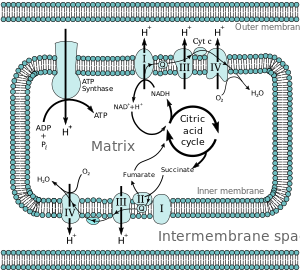
Schematic diagram of the mitochondrial .

The transformation of energy is central to mitochondrial function. The system of energetics includes:

  • the enzymes of the Kreb’s citric acid or TCA cycle,
  • some of the enzymes involved in fatty acid catabolism (β-oxidation), and
  • the proteins needed to help regulate these systems,

central to mitochondrial physiology through the production of reducing equivalents. Reducing equivalents are also used for anabolic reactions.
Electron Transport Chain
It also houses the protein complexes involved in the electron transport component of oxidative phosphorylation and proteins involved in substrate and ion transport. The chemical energy contained in both fats and amino acids can also be converted into NADH and FADH2 through mitochondrial pathways. The major mechanism for harvesting energy from fats is β-oxidation; the major mechanism for harvesting energy from amino acids and pyruvate is the TCA cycle. Once the chemical energy has been transformed into NADH and FADH2, these compounds are fed into the mitochondrial respiratory chain.
Under physiological conditions, electrons generally enter either through complex I (NADH-mediated, examined in vitro using substrates such as glutamate/malate) or complex II (FADH2-mediated, examined in vitro using succinate).

Electrons are then sequentially passed through a series of electron carriers.

The progressive transfer of electrons (and resultant proton pumping) converts the chemical energy stored in carbohydrates, lipids, and amino acids into potential energy in the form of the proton gradient. The potential energy stored in this gradient is used to phosphorylate ADP forming ATP.
Redox-Cycling

In redox cycling the reductant is continuously regenerated, thereby providing substrate for the “auto-oxidation” reaction.

When partially oxidized compounds are enzymatically reduced, the auto-oxidative generation of superoxide and other ROS to start again. Several enzymes

  •  NADPH-cytochrome P450 reductase,
  • NADPH-cytochrome b5 reductase [EC 1.6.2.2]
  • NADPH-ubiquinone oxidoreductase [EC 1.6.5.3], and
  • xanthine oxidase [EC 1.2.3.2]),

can reduce quinones into semiquinones in a single electron process.

The semiquinone can then reduce dioxygen to superoxide during its oxidation to a quinone.

Redox cycling is thought to play a role in carcinogenesis. The naturally occurring estrogen metabolites (the catecholestrogens) have been implicated in hormone-induced cancer, possibly as a result of their redox cycling and production of ROS. It is thought that diethylstilbestrol causes the production of the mutagenic lesion 8-hydroxy-2’deoxyguanosine. It can also cause DNA strand breakage.

Another oxidative reaction that is associated with H2O2 is a significant problem for living organisms as a consequence of the reaction between hydrogen peroxide and oxidizable metals, the Fenton reaction [originally described in the oxidation of an α-hydroxy acid to an α-keto acid in the presence of hydrogen peroxide (or hypochlorite) and low levels of iron salts (Fenton (1876, 1894)).
Chemical Reactions and Biological Significance

The hydroxyl free radical is so aggressive that it will react within 5 (or so) molecular diameters from its site of production. The damage caused by it, therefore, is very site specific. Biological defenses have evolved that reduce the chance that the hydroxyl free radical will be produced to repair damage. An antioxidant would have to occur at the site of hydroxyl free radical production and be at sufficient concentration to be effective.

Some endogenous markers have been proposed as a useful measures of total “oxidative stress” e.g., 8-hydroxy-2’deoxyguanosine in urine. The ideal scavenger

  • must be non-toxic,
  • have limited or no biological activity,
  • readily reach the site of hydroxyl free radical production,
  • react rapidly with the free radical, be specific for this radical, and
  • neither the scavenger nor its product(s) should undergo further metabolism.

Unlike oxygen, nitrogen does not possess unpaired electrons and is therefore considered diamagnetic. Nitrogen does not possess available d orbitals so it is limited to a valency of 3. In the presence of oxygen, nitrogen can produce Nitric oxide which occurs physiologically with the immune system which, when activated, can produce large quantities of nitric oxide.

Nitric oxide is produced by stepwise oxidation of L-arginine catalyzed by nitric oxide synthase (NOS). Nitric oxide is formed from the guanidino nitrogen of the L-arginine in a reaction that

  • consumes five electrons and
  • requires flavin adenine dinucleotide (FAD),
  • flavin mononucleotide (FMN) tetrahydrobiopterin (BH4), and
  • iron protoporphyrin IX as cofactors.

The primary product of NOS activity may be the nitroxyl anion that is then converted to nitric oxide by electron acceptors.

NOS cDNAs show homology with the cytochrome P450 reductase family. Based on molecular genetics there appears to be at least three distinct forms of NOS:

  • A Ca2+/calmodulin-requiring constitutive enzyme (c-NOS; ncNOS or type I)
  • A calcium-independent inducible enzyme (i-NOS; type II), which is primarily involved in the mediation of the cellular immune response; and
  • A second Ca2+/calmodulin-requiring constitutive enzyme found in aortic and umbilical endothelia (ec-NOS or type III)

This has been discussed extensively in this series of posts. Recently, a mitochondrial form of the enzyme, which appears to be similar to the endothelial form, has been found in brain and liver tissue. Although the exact role of nitric oxide in the mitochondrion remains elusive, it may play a role in the regulation of cytochrome oxidase.
Nitric Oxide
Nitric oxide appears to regulate its own production through a negative feedback loop. The binding of nitric oxide to the heme prosthetic group of NOS inhibits this enzyme, and c-NOS and ec-NOS are much more sensitive to this regulation than i-NOS. It appears that in the brain, NO can regulate its own synthesis and therefore the neurotransmission process.

  • On the one hand, inhibition of ec-NOS will prevent the cytotoxicity associated with excessive nitric oxide production.
  • On the other, the insensitivity of i-NOS to nitric oxide will enable high levels of nitric oxide to be produced for cytotoxic effects.

Endogenous inhibitors of NOS (guanidino-substituted derivatives of arginine) occur in vivo as a result of post-translational modification of protein contained arginine residues by S-adenosylmethionine. The dimethylarginines (NG,NG-dimethyl-L-arginine and NG,N’G-dimethyl-L-arginine) occurs in tissue proteins, plasma, and urine of humans and they are thought to act as both regulators of NOS activity and reservoirs of arginine for the synthesis of nitric oxide.
It has been calculated that even though membrane makes up about 3% of the total tissue volume, 90% of the reaction of nitric oxide with oxygen occurs within this compartment. Thus the membrane is an important site for nitric oxide chemistry.
There are two major aspects to nitric oxide chemistry.

  • It can undergo single electron oxidation and reduction reactions producing nitrosonium and nitroxyl
  • Having a single unpaired electron in its π*2p molecular orbital it will react readily with other molecules that also have unpaired electrons, such as free radicals and transition metals.

Examples of the reaction of nitric oxide with radical species include:

  • Nitric oxide will react with oxygen to form the peroxynitrite (nitrosyldioxyl) radical (ONO2)
  • and with superoxide to form the powerful oxidizing and nitrating agent, peroxynitrite anion (ONO2-). Peroxynitrite causes damage to many important biomolecules

Importance:

  • nitrosothiols that are important in the regulation of blood pressure terminates lipid peroxidation
  • 3-nitrosotyrosine and/or 4-O-nitrosotyrosine can affect the activity of enzymes that utilize tyrosyl radicals
  • rapidly reacts with oxyhemoglobin, the primary route of its destruction in vivo
  • the reaction between nitric oxide and transition metal complexes

During the last reaction a “ligand” bond is formed (the unpaired electron of nitric oxide is partially transferred to the metal cation),

 resulting in a nitrosated (nitrosylated) complex.

For example, such complexes can be formed with free iron ions,

iron bound to heme or iron located in iron-sulfur clusters.

Ligand formation allows nitric oxide to act as a signal, activating some enzymes while inhibiting others. Thus, the binding of nitric oxide to the Fe (II)-heme of guanylate (guanalyl) cyclase [GTP-pyrophosphate lyase: cyclizing] is the signal transduction mechanism. Guanylate cyclase exists as cytosolic and membrane-bound isozymes.
Thiol-Didulfide Redox Couple

The thiol-disulfide redox couple is very important to oxidative metabolism. For example, GSH is a reducing cofactor for glutathione peroxidase, an antioxidant enzyme responsible for the destruction of hydrogen peroxide.

The importance of the antioxidant role of the thiol-disulfide redox couple:

Thiols and disulfides can readily undergo exchange reactions, forming mixed disulfides. Thiol-disulfide exchange is biologically very important. For example,

  • GSH can react with protein cystine groups and influence the correct folding of proteins.
  • GSH may also play a direct role in cellular signaling through thiol-disulfide exchange reactions with membrane bound receptor proteins
  •                        the insulin receptor complex)
  •                        transcription factors (e.g., nuclear factor κB)
  •                        and regulatory proteins in cells

Conditions that alter the redox status of the cell can have important consequences on cellular function.

The generation of ROS by redox cycling is only one possible explanation for the action of many drugs. Rifamycin not only owes its activity to ROS generation but also to its ability to block bacterial RNA synthesis as well. Quinones (and/or semiquinones) can also form adducts with nucleophiles, especially thiols. These adducts may act as toxins directly or indirectly through the inhibition of key enzymes (e.g., by reacting with essential cysteinyl residues) or the depletion of GSH.
DNA Adduct Formation

By far the most intense research in this field has been directed towards the chemistry and biology of DNA adduct formation. Attack of the free bases and nucleosides by pro-oxidants can yield a wide variety of adducts and DNA-protein cross-links. Such attack usually occurs

  • at the C-4 and C-8 position of purines and
  • C-5 and C-6 of pyrimidines.

Hydroxyl free radical-induced damage to purine bases and nucleosides can proceed through a C-8-hydroxy N-7 radical intermediate, and then either undergo oxidation with the production of an 8-hydroxy purine, or reduction, probably by cellular thiols, followed by ring opening and the formation of FAPy (formamido-pyrimidine) metabolites (hydroxyl free radical-induced damage to guanosine). Although most research has focused on 8-hydroxy-purine adducts a growing number of publications are attempting to measure the FAPy derivative.

Nitrosation of the Amines of the Nucleic Acid Bases.

Primary aromatic amines produce deaminated products, while secondary amines form N-nitroso compounds.
Formation of Peroxynitrite from Nitric Oxide.

Peroxynitrite shows complex reactivity

  • with DNA initiating DNA strand breakage, oxidation (e.g., formation of 8-hydroxyguanine, 8-OH2’dG, (5-hydroxymethyl)-uracil, and FAPyGua),
  • nitration (e.g., 8-nitroguanine), and
  • deamination of bases.

Peroxynitrite can also promote the production of lipid peroxidation related active carbonyls and cause the activation of NAD+ ADP-ribosyltransferase.

Modification of Guanine
Although all DNA bases can be oxidatively damaged, it is the modification of guanine that is the most frequent. 8OH2’dG is the most abundant DNA adduct. This can affect its hydrogen bonding between base-pairs. These base-pair substitutions are usually found clustered into areas called “hot spots”. Guanine normally binds to cytosine.

8OH2’dG, however, can form hydrogen bonds with adenine. The formation of 8OH2’dG in DNA can therefore result in a G→T transversion.

8-Hydroxyguanine was also shown to induce codon 12 activation of c-Ha-ras and K-ras in mammalian systems. G→T transversions are also the most frequent hot spot mutations found in the p53 supressor gene which is associated with human tumors.

Other mechanisms by which ROS/RNS can lead to mutations have been
proposed. Direct mechanisms include:

  • conformational changes in the DNA template that reduces the accuracy of replication by DNA polymerases
  • altered methylation of cytosine that affects gene control

Indirect mechanisms include:

  • Oxidative damage to proteins, including DNA polymerases and repair enzymes.
  • Damage to lipids causes the production of mutagenic carbonyl compounds
  • Misalignment mutagenesis (“slippery DNA”)
DNA Mismatch Repair 5

DNA Mismatch Repair 5 (Photo credit: Allen Gathman)

Repair of ROS/RNS-induced DNA Damage
The repair of damaged DNA is an ongoing and continuous process involving a
number of repair enzymes. Damaged DNA appears to be mended by two major mechanisms:

  1. base excision repair (BER) and
  2. nucleotide excision repair (NER)

Isolated DNA is found to contain low levels of damaged bases, so it appears that these repair processes are not completely effective.
Base Excision Repair

BER is first started by DNA glycosylases which recognize specific base
modifications (e.g., 8OH2’dG). For example,

  • Formamido-pyrimidine-DNA glycosylase (Fpg protein) recognizes damaged purines such as 8-oxoguanine and FAPyGua.
  • Damaged pyrimidines are recognized by endonuclease III, which acts as both a glycosylase and AP endonuclease.
  • Glycosylases cleave the N-glycosylic bond between the damaged base and the sugar

Following the glycosylase step, AP endonucleases then remove the 3′-deoxyribose moiety by cleavage of the phosphodiester bonds thereby generating a 3’-hydroxyl group that can then be extended by DNA polymerase.

The final step in mending damaged DNA is the rejoining of the free ends of DNA by a DNA ligase. It also appears that the presence of 8-oxoguanine modified bases in DNA is not only a result of ROS attack on this macromolecule. Oxidized nucleosides and nucleotides from free cellular pools can also be incorporated into DNA by polymerases and cause AT to CG base substitution mutations.

Mitochondrial DNA Repair

The mitochondrion genome encodes the various complexes of the electron transport chain, but contains no genetic information for DNA repair enzymes. These enzymes must be obtained from the nucleus. As mitochondria are continuously producing DNA damaging pro-oxidant species, effective DNA repair mechanisms must exist within the mitochondrial matrix in order for these organelles to function. Mitochondria have a short existence, and excessively damaged mitochondria will be quickly removed. Mitochondria contain many BER enzymes and are proficient at repair, but they do not appear to repair damaged DNA by NER mechanisms.

Single Strand DNA Damage and PARP Activation

Single strand DNA breakage activates NAD+ ADP-ribosyltransferase (PARP). PARP is a protein-modifying, nucleotide-polymerizing enzyme and is found at high levels in the nucleus. Activated PARP

  1. cleaves NAD+ into ADP-ribose and nicotinamide
  2. then attaches the ADP-ribose units to a variety of nuclear proteins (including histones and its own automodification domain).
  3. then polymerizes the initial ADP-ribose modification with other ADP-ribose units to form the nucleic acid-like polymer, poly (ADP) ribose.

PARP only appears to be involved with BER and not NER. In BER PARP does not appear to play a direct role but rather it probably helps by keeping the chromatin in a conformation that enables other repair enzymes to be effective. It may also provide temporary protection to DNA molecules while it is being repaired. Conflicting evidence suggests that PARP may not be an important DNA repair enzyme as cells from a PARP knockout mouse model have normal repair characteristics.

Activation of PARP can be dangerous to the cell. For each mole of ADP-ribose transferred, one mole of NAD+ is consumed, and through the regeneration of NAD+ four ATP molecules are wasted. Thus the activation of PARP can rapidly deplete a cell’s energy store and even lead to cell death. Some researchers suggest that this may be one mechanism whereby cells with excessive DNA damage are effectively removed. However, a variety of diseases may involve PARP overactivation including

  • circulatory shock,
  • CNS injury,
  • diabetes,
  • drug-induced cytotoxicity, and
  • inflammation.

The Indirect Pathway.
This (mutation) pathway does not involve oxidative damage to the protein per se. This process involves oxidative damage to the DNA molecule encoding the protein. Thus pro-oxidants can cause changes in the base sequence of the DNA molecule. If such base modification is in a coding region of DNA (exon) and not corrected, the DNA molecule may be transcribed incorrectly. Translation of the mutant mRNA can result in a mutant protein containing a wrong amino acid in its primary sequence. If this modified amino acid occurs in an essential part of the protein (e.g., the active site of an enzyme or a portion that alters folding), the function of that protein may be impaired. Fortunately, unlike modified DNA
that can pass from cell to cell during mitosis thereby continuing the production of mutant protein, damage to a protein is non-replicating and stops with its destruction.

The Direct Pathway

This (post-translational) pathway involves the action of a pro-oxidant on a protein resulting in

  • modification of amino acid residues,
  • the formation of carbonyl adducts,
  • cross-linking and
  • polypeptide chain fragmentation.

Such changes often result in altered protein conformation and/or activity. Proteins will produce a variety of carbonyl products when exposed to metal-based systems (metal/ascorbate and metal/hydrogen peroxide) in vitro. For example, histidine yields aspartate, asparagine and 2-oxoimidazoline, while proline produces glutamate, pyroglutamate, 4-hydroxyproline isomers, 2-pyrrolidone and γ-aminobutyric acid. Metal-based systems and other pro-oxidant conditions can oxidize methionine to its sulfoxide.

This portion of the presentation is endebted to THE HANDBOOK OF REDOX
BIOCHEMISTRY, Ian N. Acworth, August 2003, esa. (inacworth@esainc.com).
We shall now identify more recent work related to this presentation.

Oxygen and Oxidative Stress

The reduction of oxygen to water proceeds via one electron at a time. In the mitochondrial respiratory chain, Complex IV (cytochrome oxidase) retains all partially reduced intermediates until full reduction is achieved. Other redox centres in the electron transport chain, however, may leak electrons to oxygen, partially reducing this molecule to superoxide anion (O2_•). Even though O2_• is not a strong oxidant, it is a precursor of most other reactive oxygen species, and it also becomes involved in the propagation of oxidative chain reactions. Despite the presence of various antioxidant defences, the mitochondrion appears to be the main intracellular source of these oxidants. This review describes the main mitochondrial sources of reactive species and the antioxidant defences that evolved to prevent oxidative damage in all the mitochondrial compartments.

Reactive oxygen species (ROS) is a phrase used to describe a variety of molecules and free radicals (chemical species with one unpaired electron) derived from molecular oxygen. Molecular oxygen in the ground state is a bi-radical, containing two unpaired electrons in the outer shell (also known as a triplet state).

Since the two single electrons have the same spin, oxygen can only react with one electron at a time and therefore it is not very reactive with the two electrons in a chemical bond.

On the other hand, if one of the two unpaired electrons is excited and changes its spin, the resulting species (known as singlet oxygen) becomes a powerful oxidant as the two electrons with opposing spins can quickly react with other pairs of electrons, especially double bonds.

The formation of OH• is catalysed by reduced transition metals, which in turn may be re-reduced by O2 -•, propagating this process. In addition, O2-• may react with other radicals including nitric oxide (NO•) in a reaction controlled by the rate of diffusion of both radicals. The product, peroxynitrite, is also a very powerful oxidant. The oxidants derived from NO• have been recently called reactive nitrogen species (RNS).

‘Oxidative stress’ is an expression used to describe various deleterious processes resulting from an imbalance between the excessive formation of ROS and/or RNS and limited antioxidant defences.

  • Whilst small fluctuations in the steady-state concentration of these oxidants may actually play a role in intracellular signalling,
  • uncontrolled increases in the steady-state concentrations of these oxidants lead to free radical mediated chain reactions

which indiscriminately target

  • proteins,
  • lipids,
  • polysaccharides.

In vivo, O2-• is produced both enzymatically and nonenzymatically.

Enzymatic sources include

  • NADPH oxidases located on the cell membrane of
  • polymorphonuclear cells,
  • macrophages and
  • endothelial cells and
  • cytochrome P450-dependent oxygenases.

The proteolytic conversion of xanthine dehydrogenase to xanthine oxidase provides another enzymatic source of both O2 -• and H2O2 (and therefore constitutes a source of OH•) and has been proposed to mediate deleterious processes in vivo.

Given the highly reducing intramitochondrial environment, various respiratory components, including flavoproteins, iron–sulfur clusters and ubisemiquinone, are thermodynamically capable of transferring one electron to oxygen. Moreover, most steps in the respiratory chain involve single-electron reactions, further favouring the monovalent reduction of oxygen. On the other hand, the mitochondrion possesses various antioxidant defences designed to eliminate both O2- • and H2O2.

The rate of O2 -• formation by the respiratory chain is controlled primarily by mass action, increasing both when electron flow slows down (increasing the concentration of electron donors, R•) and when the concentration of oxygen increases (eqn (1); Turrens et al. 1982).

d[O2]/dt = k [O2] [R•].

The energy released as electrons flow through the respiratory chain is converted into a H+ gradient through the inner mitochondrial membrane (Mitchell, 1977). This gradient, in turn, dissipates through the ATP synthase complex (Complex V) and is responsible for the turning of a rotor-like protein complex required for ATP synthesis. In the absence of ADP,

  • the movement of H+ through ATP synthase ceases and
  • the H+ gradient builds up
  • causing electron flow to slow down and
  • the respiratory chain to become more reduced (State IV respiration).

Mitochondrial Antioxidant Defences

The deleterious effects resulting from the formation of ROS in the mitochondrion are, to a large extent, prevented by various antioxidant systems. Superoxide is enzymatically converted to H2O2 by a family of metalloenzymes called superoxide dismutases (SOD). Since O2-• may either reduce transition metals, which in turn can react with H2O2 producing OH• or spontaneously react with NO• to produce peroxynitrite, it is important to maintain the steady-state concentration of O2-• at the lowest possible level. Thus, although the dismutation of O2-• to H2O2 and O2 can also occur spontaneously, the role of SODs is to increase the rate of the reaction to that of a diffusion-controlled process.

The mitochondrial matrix contains a specific form of SOD, with manganese in the active site, which eliminates the O2 -• formed in the matrix or on the inner side of the inner membrane. The expression of MnSOD is further induced by agents that cause oxidative stress, including radiation and hyperoxia, in a process mediated by the oxidative activation of the nuclear transcription factor NFkB .

Turrens JF. Mitochondrial formation of reactive oxygen species. J Physiol 2003; 552(2): 335–344. DOI: 10.1113/jphysiol.2003.049478. http://www.jphysiol.org

This is the png made of the file Etc2.svg The ...

Reactive Oxygen Species and Control of Apoptosis

Reactive oxygen species (ROS) are products of normal metabolism and xenobiotic exposure, and depending on their concentration, ROS can be beneficial or harmful to cells and tissues.

  • At physiological low levels, ROS function as “redox messengers” in intracellular signaling and regulation, whereas
  • excess ROS induce oxidative modification of cellular macromolecules, inhibit protein function, and promote cell death.

Additionally, various redox systems, such as

  • the glutathione,
  • thioredoxin, and
  • pyridine nucleotide redox couples,
  • NADPH and antioxidant defense
  • NAD+ and the function of sirtuin proteins

participate in cell signaling and modulation of cell function, including apoptotic cell death. Cell apoptosis is initiated by extracellular and intracellular signals via two main pathways,

  1. the death receptor and
  2. the mitochondria-mediated pathways.

ROS and JNK-mediated apoptotic signaling

              GSH redox status and apoptotic signaling

Various pathologies can result from oxidative stress-induced apoptotic signaling that is consequent to

  • ROS increases and/or antioxidant decreases,
  • disruption of intracellular redox homeostasis, and
  • irreversible oxidative modifications of lipid, protein, or DNA.

We focus on several key aspects of ROS and redox mechanisms in apoptotic signaling and highlight the gaps in knowledge and potential avenues for further investigation. A full understanding of the redox control of apoptotic initiation and execution could underpin the development of therapeutic interventions targeted at oxidative stress-associated disorders.

Circu, M. L.; Aw, T. Y., Reactive oxygen species, cellular redox systems, and apoptosis, Free Radic. Biol. Med. 2010. FRB-10057; pp 14. doi:10.1016/j.freeradbiomed.2009.12.022

Assembly of Iron-sulfur (FeyS) Clusters

Iron-sulfur (FeyS) cluster-containing proteins catalyze a number of electron transfer and metabolic reactions. The components and molecular mechanisms involved in the assembly of the FeyS clusters have been identified only partially. In eukaryotes, mitochondria have been proposed to execute a crucial task in the generation of intramitochondrial and extramitochondrial FeyS proteins. Herein, we identify the essential ferredoxin Yah1p of Saccharomyces cerevisiae mitochondria as a central component of the FeyS protein biosynthesis machinery. Depletion of Yah1p by regulated gene expression resulted in a

30-fold accumulation of iron within mitochondria,

similar to what has been reported for other components involved in FeyS protein biogenesis. Yah1p was shown to be required for the assembly of FeyS proteins both inside mitochondria and in the cytosol. Apparently, at least one of the steps of FeyS cluster biogenesis within mitochondria requires reduction by ferredoxin. Our findings lend support to the idea of a primary function of mitochondria in the biosynthesis of FeyS proteins outside the organelle. To our knowledge, Yah1p is the first member of the ferredoxin family for which a function in FeyS cluster formation has been established. A similar role may be predicted for the bacterial homologs that are encoded within iron-sulfur cluster assembly (isc) operons of prokaryotes.
H Lange, A Kaut, G Kispal, and R Lill. A mitochondrial ferredoxin is essential for biogenesis of cellular iron-sulfur proteins. PNAS 2000; 97(3): 1050–1055.

DNA Charge Transport

Damaged bases in DNA are known to lead to errors in replication and transcription, compromising the integrity of the genome. The authors proposed a model where repair proteins containing redoxactive [4Fe-4S] clusters utilize DNA charge transport (CT) as a first step in finding lesions. In this model, the population of sites to search is reduced by a localization of protein in the vicinity of lesions. Here, we examine this model using single-molecule atomic force microscopy (AFM). XPD, a 5′-3′ helicase involved in nucleotide
excision repair, contains a [4Fe-4S] cluster and exhibits a DNA bound redox potential that is physiologically relevant.

In AFM studies, they observe the redistribution of XPD onto kilobase DNA strands containing a single base mismatch, which is not a specific substrate for XPD but, like a lesion, inhibits CT. They also provide evidence for DNA-mediated signaling between XPD and Endonuclease III (EndoIII), a base excision repair glycosylase that also contains a [4Fe-4S] cluster.

  • When XPD and EndoIII are mixed together, they coordinate in relocalizing onto the mismatched strand.
  • However, when a CT-deficient mutant of either repair protein is combined with the CT-proficient repair partner, no relocalization occurs.

The data presented here indicate that XPD, an archaeal protein from the NER pathway, may cooperate with other proteins that are proficient at DNA CT to localize in the vicinity of damage. XPD, a superfamily 2 DNA helicase with 5′-3′ polarity, is a component of TFIIH that is essential for repair of bulky lesions generated by exogenous sources such as UV light and chemical carcinogens. XPD contains a conserved [4Fe-4S] cluster suggested to be conformationally controlled by ATP binding and hydrolysis.

Mutations in the iron-sulfur domain of XPD can lead to diseases including TTD and XP, yet the function of the [4Fe-4S] cluster appears to be unknown.

Electrochemical studies have shown that when BER proteins MutY and EndoIII bind to DNA, their [4Fe-4S] clusters are activated toward one electron oxidation. XPD exhibits a DNA-bound midpoint potential similar to that of EndoIII and MutY when bound to DNA (approximately 80 mV vs. NHE), indicative of a possible role for the [4Fe-4S] cluster in DNA-mediated CT.

For EndoIII we have also already determined a direct correlation between the ability of proteins to redistribute in the vicinity of mismatches as measured by AFM, and the CT proficiency of the proteins measured electrochemically. Thus, we may utilize single-molecule AFM as a tool to probe the redistribution of proteins in the vicinity of base lesions and in so doing, the proficiency of the protein to carry out DNA CT.

Here we show that, like the BER protein EndoIII, XPD, involved both in transcription and NER, redistributes in the vicinity of a lesion. Importantly, this ability to relocalize is associated with the ability of XPD to carry out DNA CT. The mutant L325V is defective in its ability to carry out DNA CTand this XPD mutant also does not redistribute effectively onto the mismatched strand.

These data not only indicate a general link between the ability of a repair protein to carry out DNA CT and its ability to redistribute onto DNA strands near lesions but also provide evidence for coordinated DNA CT between different repair proteins in their search for damage in the genome. These data also provide evidence that two different repair proteins, each containing a [4Fe-4S] cluster at similar DNA bound potential, can communicate with one another through DNA-mediated CT.

Sontz PA, Mui TP, Fuss JO, Tainer JA, and Barton JK. DNA charge transport as a first step in coordinating the detection of lesions by repair proteins. PNAS 2012; 109(6):1856–1861. doi:10.1073/pnas.1120063109/-/ DCSupplemental. http://www.pnas.org/lookup/suppl/

Janus Bifron 

The signaling function of mitochondria is considered with a special emphasis on their role in the regulation of redox status of the cell, possibly determining a number of pathologies including cancer and aging. The review summarizes the transport role of mitochondria in energy supply to all cellular compartments (mitochondria as an electric cable in the cell), the role of mitochondria in plastic metabolism of the cell including synthesis of

  • heme,
  • steroids,
  • iron-sulfur clusters, and
  • reactive oxygen and nitrogen species.

Mitochondria also play an important role in the Ca2+-signaling and the regulation of apoptotic cell death. Knowledge of mechanisms responsible for apoptotic cell death is important for the strategy for prevention of unwanted degradation of postmitotic cells such as cardiomyocytes and neurons.

In accordance with P. Mitchell’s chemiosmotic concept, vectorial transmembrane transfer of electrons and protons is accompanied by generation of electrochemical difference of proton electrochemical potential on the inner mitochondrial membrane; its utilization by ATP synthase induces conformational rearrangements resulting in ATP synthesis from ADP and inorganic phosphate. Details of the mechanism responsible for ATP synthesis are given elsewhere.

Membrane potential (DY) generated across the inner mitochondrial membrane is the component of the transmembrane electrochemical potential of H+ ions (DμH+), which provides ATP synthesis together with the concentration component (DpH). Maintenance of constant membrane potential is a vitally important precondition for functioning of mitochondria and the cell. Under conditions of limited supply of the cell with oxygen (hypoxia) and inability to carry out aerobic ATP synthesis, mitochondria become ATP consumers (rather than generators) and ATP is hydrolyzed by mitochondrial ATPase, and this is accompanied by generation of membrane potential.

Redox homeostasis, i.e. the sum of redox components (including proteins, low molecular weight redox components such as NAD/NADH, flavins, coenzymes Q, oxidized and reduced substrates, etc.) is one of important preconditions for normal cell functioning.

Single-strand and double-strand DNA damage

Single-strand and double-strand DNA damage (Photo credit: Wikipedia)

Mitochondria generate such potent regulators of redox potential as

  • superoxide anion,
  • hydrogen peroxide,
  • nitric oxide,
  • peroxynitrite, etc.

They are actively involved in regulation of cell redox potential and consequently

  • control proteolysis,
  • activation of transcription,
  • changes in mitochondrial DNA (mDNA),
  • cell metabolism, and
  • cell differentiation.

Zorov DB, Isaev NK, Plotnikov EY, Zorova LD, et al. The Mitochondrion as Janus Bifrons. Biochemistry (Moscow) 2007; 72(10): 1115-1126. ISSN 0006-2979.
DOI: 10.1134/S0006297907100094
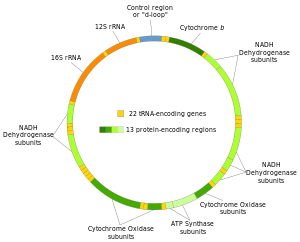
Structure of the human mitochondrial genome.

Structure of the human mitochondrial genome. (Photo credit: Wikipedia)

Gene Expression Associated with Oxidoreduction and Mitochondria
The naked mole-rat (Heterocephalus glaber) is a long-lived, cancer resistant rodent and there is a great interest in identifying the adaptations responsible for these and other of its unique traits. We employed RNA sequencing to compare liver gene expression profiles between naked mole-rats and wild-derived mice. Our results indicate that genes associated with oxidoreduction and mitochondria were expressed at higher relative levels in naked mole-rats. The largest effect is nearly

300-fold higher expression of epithelial cell adhesion molecule (Epcam), a tumour-associated protein.

Also of interest are the

  • protease inhibitor, alpha2-macroglobulin (A2m), and the
  • mitochondrial complex II subunit Sdhc,

both ageing-related genes found strongly over-expressed in the naked mole-rat.

These results hint at possible candidates for specifying species differences in ageing and cancer, and in particular suggest complex alterations in mitochondrial and oxidation reduction pathways in the naked mole-rat. Our differential gene expression analysis obviated the need for a reference naked mole-rat genome by employing a combination of Illumina/Solexa and 454 platforms for transcriptome sequencing and assembling transcriptome contigs of the non-sequenced species. Overall, our work provides new research foci and methods for studying the naked mole-rat’s fascinating characteristics.

C Yu, Y Li, A Holmes, K Szafranski, CG Faulkes, et al. RNA Sequencing Reveals Differential Expression of Mitochondrial and Oxidation reduction Genes in the Long-Lived Naked Mole-Rat When Compared to Mice. PLoS ONE 2011; 6(11): 1-9. e26729. http://www.plosone.org

The complete set of viable deletion strains in Saccharomyces cerevisiae was screened for sensitivity of mutants to five oxidants to identify cell functions involved in resistance to oxidative stress. This screen identified a unique set of mainly constitutive functions providing the first line of defense against a particular oxidant; these functions are very dependent on the nature of the oxidant. Most of these functions are distinct from those involved in repair and recovery from damage, which are generally induced in response to stress, because there was little correlation between mutant sensitivity and
the reported transcriptional response to oxidants of the relevant gene. The screen identified 456 mutants sensitive to at least one of five different types of oxidant, and these were ranked in order of sensitivity. Many genes identified were not previously known to have a role in resistance to reactive oxygen species. These encode functions including

  • protein sorting,
  • ergosterol metabolism,
  • autophagy, and
  • vacuolar acidification.

two mutants were sensitive to all oxidants examined,
12 were sensitive to at least four,

Different oxidants had very different spectra of deletants that were sensitive. These findings highlight the specificity of cellular responses to different oxidants:

  • No single oxidant is representative of general oxidative stress.
  • Mitochondrial respiratory functions were overrepresented in mutants sensitive to H2O2, and
  • vacuolar protein-sorting mutants were enriched in mutants sensitive to diamide.

Core functions required for a broad range of oxidative-stress resistance include

  • transcription,
  • protein trafficking, and
  • vacuolar function.

GW Thorpe, CS Fong, N Alic, VJ Higgins, and IW Dawes. Cells have distinct mechanisms to maintain protection against different reactive oxygen species: Oxidative-stress-response genes. PNAS 2004;101: 6564–6569. http://www.pnas.org cgi doi 10.1073 pnas.0305888101
Subcellular Thiol Redox State in Complex I Deficiency

Isolated complex I deficiency is the most common enzymatic defect of the oxidative phosphorylation (OXPHOS) system, causing a wide range of clinical phenotypes. Th authers reported before that the rates at which reactive oxygen species (ROS)-sensitive dyes are converted into their fluorescent oxidation products are markedly increased in cultured skin fibroblasts of patients with nuclear-inherited isolated complex I deficiency.

Using videoimaging microscopy we show here that these cells also display a marked increase in NAD(P)H autofluorescence. Linear regression analysis revealed a negative correlation with the residual complex I activity and a positive correlation with the oxidation rates of the ROS sensitive dyes (5-(and-6)-chloromethyl-2′,7′-dichlorodihydrofluorescein and hydroethidine for a large cohort of 10 patient cell lines.

On the other hand, video-imaging microscopy of cells selectively expressing reduction-oxidation sensitive GFP1 in either the mitochondrial matrix or cytosol showed the absence of any detectable change in thiol redox state. In agreement with this result, neither the glutathione nor the glutathione disulfide content differed significantly between patient and healthy fibroblasts.

Finally, video-rate confocal microscopy of cells loaded with C11-BODIPY581/591 demonstrated that the extent of lipid peroxidation, which is regarded as a measure of oxidative damage, was not altered in patient fibroblasts. Our results indicate that fibroblasts of patients with isolated complex I deficiency maintain their thiol redox state despite marked increases in ROS production.

S Verkaart, WJH Koopman, J Cheek, SE van Emst-de Vries. Mitochondrial and cytosolic thiol redox state are not detectably altered in isolated human NADH:ubiquinone oxidoreductase deficiency. Biochimica et Biophysica Acta (BBA) – Molecular Basis of Disease 2007; 1772(9): 1041. DOI : 10.1016/j.bbadis.2007.05.004

  • Mitochodrial mtDNA and Cancer
  • Mitochondrial research has recently been driven by the

identification of mitochondria-associated diseases and 
the role of mitochondria in apoptosis.

Moreover, mitochondria have been implicated in the process of carcinogenesis because of their vital role in

  • energy production,
  • nuclear-cytoplasmic signal integration and
  • control of metabolic pathways.

At some point during neoplastic transformation, there is an increase in reactive oxygen species (ROS), which damage the mitochondrial genome. This accelerates the somatic mutation rate of mitochondrial DNA.

Mitochondrial characteristics

There are several biological characteristics which cast mitochondria and, in particular, the mitochondrial genome, as a biological tool for early detection and monitoring of neoplasia and its potential progression. These vital characteristics are important in cancer research, as not all neoplasias become malignant. Mitochondria are archived in the cytoplasm of the ovum and as such do not recombine.

This genome has an accelerated mutation rate, by comparison with the nucleus, and accrues somatic mutations in tumour tissue. Moreover, mitochondrial DNA (mtDNA) has a high copy number in comparison with the nuclear archive of DNA. There are potentially thousands of mitochondrial genomes per cell, which enables detection of important biomarkers, even at low levels. In addition, mtDNA can be heteroplasmic, which means that disease-associated mutations occur in a subset of the genomes.

The presence of heteroplasmy is an indication of disease and is found in many human tumours. Identification of low levels of heteroplasmy may allow unprecedented early identification and monitoring of neoplastic progression to malignancy.

Coding for just 13 enzyme complex subunits, 22 transfer RNAs and two ribosomal RNAs, the mitochondrial genome is packaged in a compact 16,569 base pair (bp) circular molecule. These products participate in the critical electron transport process of ATP production. Collectively, mitochondria generate 80 per cent of the chemical fuel which fires cellular metabolism.

As a result, nuclear investment in the mitochondria is high — that is, several thousand nuclear genes control this organelle in order to accomplish the complex interactions required to maintain a network of pathways, which coordinate energy demand and supply.

It has been proposed that these mutations may serve as an early indication of potential cancer development and may represent a means for tracking tumour progression.

Does this provide a potential utility in that these mutations may be used for the identification and monitoring of neoplasia and malignant transformation where appropriate body fluids or non-invasive tissue access is available for mtDNA recovery? Specifically discussed are:

  • prostate,
  • breast,
  • colorectal,
  • skin and
  • lung cancers

There are many important questions yet to be addressed: such as

  • the relationship between mtDNA and the actual disease;
  • are mutations causative or merely a reflection of nuclear instability?
  • And, are these processes independent events?

Alterations in the non-coding D-loop suggest genome instability;
however, as studies focus more on the coding regions of the
mitochondrial genome,

Particularly in the case of nonsynonymous mutations in the genes
contributing products to the electron transport process, metabolic
implications are evident. Moreover, mutations in mitochondrial
transfer RNAs indicate the possibility of a global mitochondrial
translational shut down.

RL Parr, GD Dakubo, RE Thayer, K McKenney, MA Birch-Machin. Mitochondrial DNA as a potential tool for early cancer detection. HUMAN GENOMICS 2006; 2(4). 252–257.
Mitochondrial DNA (mtDNA) is particularly prone to oxidation due to the lack of histones and a deficient mismatch repair system. This explains an increased mutation rate of mtDNA that results in heteroplasmy, e.g., the coexistence of the mutant and wild-type mtDNA molecules within the same mitochondrion. Hyperglycemia is a key risk factor not only for diabetes-related disease, but also for cardiovascular and all-cause mortality. One can assume an increase in the risk of cardiovascular disease by 18% for each unit (%) glycated hemoglobin HbA1c. In the Glucose Tolerance in Acute Myocardial Infarction study of patients with acute coronary syndrome, abnormal glucose tolerance was the strongest independent predictor of subsequent cardiovascular complications and death. In the Asian Pacific Study, fasting plasma glucose was shown to be an independent predictor of cardiovascular events up to a level of 5.2 mmol/L.

Glucose level fluctuations and hyperglycemia are triggers for inflammatory responses via increased mitochondrial superoxide production and endoplasmic reticulum stress. Inflammation leads to insulin resistance and β-cell dysfunction, which further aggravates hyperglycemia. The molecular pathways that integrate hyperglycemia, oxidative stress, and diabetic vascular complications have been most clearly described in the pathogenesis of endothelial dysfunction, which is considered as the first step in atherogenesis according to the response to injury hypothesis.

  • In diabetes mellitus,
  • glycotoxicity,
  • advanced oxidative stress,
  • collagen cross-linking, and
  • accumulation of lipid peroxides

in foam macrophage cells and arterial wall cells may significantly

  • decrease the mutation threshold,
  • endothelial dysfunction,
  • promoting atherosclerosis.

Alterations in mitochondrial DNA (mtDNA), known as homoplasmic and heteroplasmic mutations, may influence mitochondrial OXPHOS capacity, and in turn contribute to the magnitude of oxidative stress in micro- and macrovascular networks in diabetic patients.
The authors critically consider the impact of mtDNA mutations on the pathogenesis of cardiovascular diabetic complications.

Mutation Threshhold

Although cells may harbor mutant mtDNA, the expression of disease is dependent on the percent of alleles bearing mutations. Modeling confirms that an upper threshold level might exist for mutations beyond which the mitochondrial population collapses, with a subsequent decrease in ATP. This decrease in ATP results in the phenotypic expression of disease. It is estimated that in many patients with clinical manifestations of mitochondrial disorders, the proportion of mutant DNA exceeds 50%.

For the MELAS (mitochondrial encephalopathy, lactic acidosis and stroke-like syndrome)-causing mutation m.3243 A>G in the mitochondrial gene encoding tRNALeu, which is also associated with diabetes plus deafness, a strong correlation between the level of mutational heteroplasmy and documented disease has been found. Increased percentages of mutant mtDNA in muscle cells (up to 71%) can lead to mitochondrial myopathy. Levels of heteroplasmy of over 80% may lead to recurrent stroke and mutation levels of 95% have been associated with MELAS.

Regardless of the type of mutation or the level of heteroplasmy in affected mitochondria, unrepaired damage leads to a decrease in ATP, which in turn causes the phenotypic manifestation of disease. The manifestation of disease not only depends on the ATP level but also on the tissue affected. Various tissues have differing levels of demand on OXPHOS capacity. To evaluate a tissue threshold, Leber’s hereditary optic neuropathy can be used as a model for mitochondrial neurodegenerative disease. For neural and skeletal muscle tissues, the tissue threshold should be as high as or higher than 90% of
damaged (mutated) mtDNA. To induce mitochondrial malfunctions, the tissue threshold of the cardiac muscle is estimated to be significantly lower (approximately 64%-67%). In chronic vascular disease such as atherosclerosis, a mutation threshold in the affected vessel wall (e.g., in the postmortem aortic atherosclerotic plaques) was observed to be significantly lower. For example, for mutations m.3256 C>T, m.12315 G>A, m.15059 G>A, and m.15315 G>A, the heteroplasmy range of 18%-66% in the atherosclerotic lesions was 2-3.5-fold that in normal vascular tissue.

Mitochondrial stress and insulin resistance

  • Mitochondrial damage precedes the development of atherosclerosis and tracks the extent of the lesion in apoE-null mice, and
  • mitochondrial dysfunction caused by heterozygous deficiency of a superoxide dismutase increases atherosclerosis and vascular mitochondrial damage in the same model.

Blood vessels destined to develop atherosclerosis may be characterized by inefficient ATP production due to the uncoupling of respiration and OXPHOS. Blood vessels have regions of hypoxia, which lower the ratio of state 3 (phosphorylating) to state 4 (nonphosphorylating) respiration. Human atherosclerotic lesions have been known for decades to be deficient in essential fatty acids, a condition that causes respiratory uncoupling and atherosclerosis.

The finding by Kokaze et al.  helps to explain, at least in part, the anti-atherogenic effect of the allele m. 5178A due to its relation with the favorable lipid profile. The nucleotide change causes leucine-to-methionine substitution at codon 237 (Leu-237Met) of the NADH dehydrogenase subunit 2 located in the loop between 7th and 8th transmembrane domains of the mitochondrial protein. Given that this methionine residue is exposed at the surface of respiratory Complex I, this residue may be available as an efficient oxidant scavenger. Complex I

  • accepts electrons from NADH,
  • transfers them to ubiquinone, and
  • uses the energy released to pump protons across the mitochondrial inner membrane.

Thus, the Leu237Met replacement in the ND2 subunit might have a protective effect against oxidative damage to mitochondria.

Most fatty acid oxidation, which is promoted by peroxisome proliferator-activated receptor α (PPARα) activation, occurs in the mitochondria. Mitochondrial effects could explain why PPARα- deficient mice are protected from diet-induced insulin resistance and atherosclerosis as well as glucocorticoid induced insulin resistance and hypertension. Caloric restriction,

  • improves features of insulin resistance,
  • increases mitochondrial biogenesis and, surprisingly,
  • enhances the efficiency of ATP production.

Dysfunctional mitochondria in cultured cells can be rescued by transfer of mitochondria from adult stem cells, raising the possibility of restoration of normal bioenergetics in the vasculature to treat atherosclerosis associated with insulin resistance.
Chistiakov DA, Sobenin IA, Bobryshev YV, Orekhov AN. Mitochondrial dysfunction and mitochondrial DNA mutations in atherosclerotic complications in diabetes. World J Cardiol 2012; 4(5): 148-156. ISSN 1949-8462 (online). doi:10.4330/wjc.v4.i5.148. http://www.wjgnet.com/1949-8462/full/v4/i5/148.htm

Read Full Post »

Immunoreactivity of Nanoparticles

Author: Tilda Barliya PhD

As nanotechnology progresses from research and development to commercialization and use, it is likely that manufactured nanomaterials and nanoproducts will be released into the environment.

Adverse effects of nanoparticles on human health depend on individual factors such as genetics and existing disease, as well as exposure, and nanoparticle chemistry, size, shape, agglomeration state, and electromagnetic properties. Animal and human studies show that inhaled nanoparticles are lessefficiently removed than larger particles by the macrophage clearance mechanisms in the lung,causing lung damage, and that nanoparticles can translocate through the circulatory, lymphatic, and nervous systems to many tissues and organs, including the brain.

The key to understanding the toxicity of nanoparticles is that their minute size, smaller than cells and cellular organelles, allows them to penetrate these basic biological structures, disrupting their normal function. Examples of toxic effects include tissue inflammation, and altered cellular redox balance toward oxidation, causing abnormal function or cell death. http://arxiv.org/ftp/arxiv/papers/0801/0801.3280.pdf

Some NPs happen to be toxic to biological systems, others are relatively benign, while others confer health benefits. As current knowledge of the toxicology of ‘bulk’ materials may not suffice in reliably predicting toxic forms of nanoparticles, ongoing and expanded study of ‘nanotoxicity’ will be necessary. For nanotechnologies with clearly associated health risks, intelligent design of materials and devices is needed to derive the benefits of these new technologies while limiting adverse health impacts.

Human skin, lungs, and the gastro-intestinal tract are in constant contact with the environment. While the skin is generally an effective barrier to foreign substances, the lungs and gastro-intestinal tract are more vulnerable. These three ways are the most likely points of entry for natural or anthropogenic nanoparticles. Injections and implants are other possible routes of exposure, primarily limited to engineered materials. Due to their small size, nanoparticles can translocate from these entry portals into the circulatory and lymphatic systems, and ultimately to body tissues and organs. Some nanoparticles, depending on their composition and size, can produce irreversible damage to cells by oxidative stress or/and organelle injury.

Are they biocompatible? Do the nanoparticles enter the lymphatic and circulatory systems? If not, do they accumulate in the skin and what are the long-term effects of accumulation? Do they produce inflammation? If they enter the lymphatic and circulatory system, is the amount significant? What are the long-term effects of this uptake? Related to the beneficial antioxidant properties of some nanomaterials, long-term effect need to be studied, in addition to the short-term antioxidant effect. What is the long-

term fate of these nanoparticles? Are they stored in the skin? Do they enter circulation? What happens when the nanoparticles undergo chemical reactions and lose their antioxidant properties?

For a full view of the questions needed to be addressed please visit. http://bdds.fudan.edu.cn/…/fdfa2aa9-df2b-4c9f-a2a5-a33ee29acb76.pdf

The answers to some of these questions are known, and will be presented in the chapter dedicated to nanoparticles toxicity, however most of the remaining questions still remain unanswered.

The immunostimulatory properties of nanoparticles discussed here include their antigenicity, adjuvant properties, inflammatory responses and the mechanisms through which nanoparticles are recognized by the immune system. Since this is a very complicated mechanism , the factors affecting the immune response are summaried here:

Size

  • Th1/Th2 stimulation
  • Adjuvent properties
  • Internalization/phagocytic uptake
  • Hapten properties
  • Particle clearance

Charge

  • Toxicity to immune cells
  • Binding plasma proteins
  • Particle clearance
  • Immune cell stimulation

Hydrophobicity

  • Interaction with plasma proteins
  • Internalization/phagocytic uptake
  • Immune cell stimulation
  • Particle clearance

Targeting

  • Immunogenicity

For example: In general, cationic (positively-charged) particles are more likely to induce inflammatory reactions than anionic (negativelycharged) and neutral species. For example, anionic generation- 4.5 PAMAM dendrimers did not cause human leukocytes (white blood cells) to secrete cytokines53 but cationic liposomes induced secretion of cytokines such as TNF, IL-12 and IFNγ. Systemic administration of another cationic nanoliposome alone or in combination with bacterial DNA did not induce cytokine production but increased the expression of DC surface markers, CD80/CD86, which are important in the inflammatory response.

Trace impurities within the nanomaterial formulation can also frequently induce an inflammatory response. Early studies suggest that carbon nanotubes induce inflammatory reactions, but a more recent study shows that they don’t when they are purified.

Another consideration in the inflammatory response is maintaining the Th1/Th2 response — the inflammatory reaction.  triggered by Th cells that direct and activate other immune cells such as B and T cells and macrophages to secrete different cytokines. This response is important for protecting against cancer cells and pathogens and to avoid hypersensitivity (undesirable and exaggerated immune response) reactions. Several studies have addressed the influence of nanoparticles on Th1 and Th2 responses. Large (>1 μm) industrialized particles induced the Th1 response, whereas smaller ones (<500 nm) were associated with Th2.

In contrast, some small engineered nanoparticles such as 500 nm PLGA, 270 nm PLGA65, 80 nm and 100 nm nanoemulsions, 95 nm and 112 nm PEG–PHDA nanoparticles, and 123 nm dendrosome induced the Th1 response, while 5mn 5th generation PAMAM dendrimers didn’t cause overall inflammatory reaction in vivo but weakly induced Th2 cytokine production.

Therefore, more structure–activity relationship studies are required to understand how size, surface modification and charge of engineered particles influence the Th1/Th2 balance

Particle stimulation of adaptive (acquired) immunity has also been described. For example, small (<100 nm) polystyrene particles promoted CD8 and CD4 T-cell responses and were associated with higher antibody levels than larger (>500 nm) particles. Understanding the mechanisms requires further investigation, and is important for nanovaccine formulation development.

Phagosome-mediated processing and presentation of nanoparticles may differ from that of ‘canonical’ antigens. Certain biodegradable nanoparticles can be taken up through conventional pathogen-specific routes and can stimulate inflammatory reactions just like pathogens

More mechanistic studies are required to understand how the immune system manages non-biodegradable components of nanoparticles (for example, metallic cores). Many questions remain regarding processing of multi-component and multi functional nanoparticles. Are the individual components (the coating, core, and so on) stable inside the phagosome or do they separate? Are the biodegradable and non-biodegradable components processed together or individually?

Immunotoxicological analysis of new molecular entities is not a straightforward process, and there is no universal guide for immunotoxicity.

Conclusions:

The mechanism of cellular uptake of nanoparticles and the biodistribution depend on the physico-chemical properties of the particles and in particular on their surface characteristics. Moreover, as particles are mainly recognized and engulfed by immune cells special attention should be paid to nano–immuno interactions. It is also important to use primary cells for testing of the biocompatibility of nanoparticles, as they are closer to the in vivo situation when compared to transformed cell lines.

Understanding the unique characteristics of engineered nanomaterials and their interactions with biological systems is key to the safe implementation of these materials in novel biomedical diagnostics and therapeutics.

The main challenge in immunological studies of nanomaterials is choosing an experimental approach that is free of falsepositive or false-negative readouts. The majority of the standard immunotoxicological methods are applicable to nanomaterials. However, as nanoparticles represent physically and chemically diverse materials, the classical methods cannot always be applied without modification, and novel approaches may be required. For example, many nanoparticles absorb in the UV–Vis range and some particles may catalyse enzyme reactions or quench fluorescent dyes commonly used as detection reagents in various end-point or kinetic assays. These and other methodological

challenges in preclinical evaluation of nanoparticles are reviewed in detail elsewhere.

Both ‘classical’ and novel imunotoxicological assessments of nanomaterials clearly need a scrupulous stepwise validation, standardization, and demonstration of their physiological relevance.

Industry, academics, and federal agencies are now collaborating to identify critical parameters in nanoparticles characterization and to establish acceptance criteria for nanomaterial-specific assays.

Ref.

1.Cristina Buzea, Ivan. I. Pacheco Blandino, and Kevin Robbie. Nanomaterials and nanoparticles:Sources and toxicity. Biointerphases vol. 2, issue 4 (2007) pages MR17 – MR172 http://arxiv.org/ftp/arxiv/papers/0801/0801.3280.pdf

2. Marina A. Dobrovolskaia* and Scott E. McNeil. Immunological properties of engineered nanomaterials. Nature Nanotechnology 2007; 2; 469-479.  http:// bdds.fudan.edu.cn/…/fdfa2aa9-df2b-4c9f-a2a5-a33ee29acb76.pdf

3.  Kunzmanna A,  Anderssonb B, Thurnherrc T, Krugc H, Scheyniusb A,  Fadeel B. Toxicology of engineered nanomaterials: Focus on biocompatibility, biodistribution and biodegradation. Biochimica et Biophysica Acta (BBA) – General Subjects. Volume 1810, Issue 3, March 2011, Pages 361–373 http://www.sciencedirect.com/science/article/pii/S0304416510001145

Read Full Post »


Offering imaging-guided therapy to cancer patients is a natural evolutionary step in imaging-based management of cancer patients. Moreover, as imaging-based detection of cancer becomes common, the number of patients presenting with small and localized cancer lesions increases. This serves as an incentive to treat the disease with a more targeted approach or, in today’s jargon, “Focal (or Focused) Treatment”.


This means pushing the role of imaging during treatment beyond the classical support it provides to the practitioner in controlling what he does towards:


  1. Limiting treatment only to the life-threatening cancerous tissue.
  2. Controlling and minimizing undesired damage to surrounding tissues.
  3. Providing evidence that treatment has reached its goal. This is a clear technological challenge in non-chirurgical interventions, although one might argue that predicting clear surgical margins is not any less challenging.


Since this is a post J and not an essay, for each of the above requirements I will only discuss one technology component that I perceive as the most difficult to develop.


In order to treat only the cancerous lesion, or, even more ambitiously  in the case of some cancers (e.g. prostate, breast), to treat just the life-threatening (aggressive) part of the lesion, we need a device that will reliably characterize the lesion, map the aggressive parts inside the lesion and, based on 3D imaging, enable accurate volume segmentation of the tissue we want to treat. For example, I can think of solutions in the form of a device that incorporates imaging-based tissue characterisation, or a device that relies on accurate registration between an image and bio-markers’ detector. Efforts to develop such solutions are ongoing [1-5].


Minimizing damage to surrounding tissues requires real-time feedback to the practitioner during the treatment, regarding the location he is treating. This becomes even more crucial when the intervention is not chirurgical but some sort of non-invasive or minimally invasive treatment such as external beam radiation, HIFU, photothermal ablation etc. These devices still suffer from limited control over treatment location (e.g. due to limitation of accuracy between imaging modalities and treating modalities, patient’s movements etc..) and the spatial deposition of energy [6-10]. It would be my preference to combine the source of energy and the imaging-guidance under one device, e.g. when using HIFU as an ablation method, conduct the treatment, the treatment navigation and the treatment efficacy control using ultrasound-based tissue characterisation and avoid the complexity such as the one offered in [7]:


Being able to receive feedback on treatment efficacy in a timely and noninvasive manner will enable not only the acceptance of focal treatments but will also be a game-changer in the way cancer is being treated by drugs [8, 9]. The potential technological route in this case will require development of reproducible imaging work-flow that will enable reliable identification and comparable measures of the same lesion over and over again. It will definitely rely on imaging-based real-time tissue characterisation which will enable measuring temporal changes in a certain tissue characteristic, e.g. tracking changes in tissue temperature through using ultrasound for tracking changes in its density or using MRI for tracking change in response to magnetic fields [7].

References

  1. SIMMONS (L.A.M.), AUTIER (P.), ZATURA (F.), BRAECKMAN (J.G.), PELTIER (A.), ROMICS (I.), STENZL (A.), TREURNICHT (K.), WALKER (T.), NIR (D.), MOORE (C.M.), EMBERTON (M.). Detection, localisation and characterisation of prostate cancer by Prostate HistoScanning.. British Journal of Urology International (BJUI). Issue 1 (July). Vol. 110, Page(s): 28-35
  2. WILKINSON (L.S.), COLEMAN (C.), SKIPPAGE (P.), GIVEN-WILSON (R.), THOMAS (V.). Breast HistoScanning: The development of a novel technique to improve tissue characterization during breast ultrasound. European Congress of Radiology (ECR), A.4030, C-0596, 03-07/03/2011.
  3. Hebert Alberto Vargas, MD, Tobias Franiel, MD,Yousef Mazaheri, PhD, Junting Zheng, MS, Chaya Moskowitz, PhD, Kazuma Udo, MD, James Eastham, MD and Hedvig Hricak, MD, PhD, Dr(hc), Diffusion-weighted Endorectal MR Imaging at 3 T for Prostate Cancer: Tumor Detection and Assessment of Aggressiveness. June 2011 Radiology, 259,775-784.
  4. Wendie A. Berg, Kathleen S. Madsen, Kathy Schilling, Marie Tartar, Etta D. Pisano, Linda Hovanessian Larsen, Deepa Narayanan, Al Ozonoff, Joel P. Miller, and Judith E. Kalinyak Breast Cancer: Comparative Effectiveness of Positron Emission Mammography and MR Imaging in Presurgical Planning for the Ipsilateral Breast Radiology January 2011 258:1 59-72.
  5. Anwar R. Padhani, Dow-Mu Koh, and David J. Collins Reviews and Commentary – State of the Art: Whole-Body Diffusion-weighted MR Imaging in Cancer: Current Status and Research Directions Radiology December 2011 261:3 700-718
  6. Eggener S, Salomon G, Scardino PT, De la Rosette J, Polascik TJ, Brewster S. Focal therapy for prostate cancer: possibilities and limitations. Eur Urol 2010;58(1):57–64).
  7. Rajiv Chopra, PhD, Alexandra Colquhoun, MD, Mathieu Burtnyk, PhD, William A. N’djin, PhD, Ilya Kobelevskiy, MSc, Aaron Boyes, BSc, Kashif Siddiqui, MD, Harry Foster, MD, Linda Sugar, MD, Masoom A. Haider, MD, Michael Bronskill, PhD and Laurence Klotz, MD. MR Imaging–controlled Transurethral Ultrasound Therapy for Conformal Treatment of Prostate Tissue: Initial Feasibility in Humans. October 2012 Radiology, 265,303-313.
  8. Black, Peter McL. M.D., Ph.D.; Alexander, Eben III M.D.; Martin, Claudia M.D.; Moriarty, Thomas M.D., Ph.D.; Nabavi, Arya M.D.; Wong, Terence Z. M.D., Ph.D.; Schwartz, Richard B. M.D., Ph.D.; Jolesz, Ferenc M.D.  Craniotomy for Tumor Treatment in an Intraoperative Magnetic Resonance Imaging Unit. Neurosurgery: September 1999 – Volume 45 – Issue 3 – p 423
  9. Medel, Ricky MD,  Monteith, Stephen J. MD, Elias, W. Jeffrey MD, Eames, Matthew PhD, Snell, John PhD, Sheehan, Jason P. MD, PhD, Wintermark, Max MD, MAS, Jolesz, Ferenc A. MD, Kassell, Neal F. MD. Neurosurgery: Magnetic Resonance–Guided Focused Ultrasound Surgery: Part 2: A Review of Current and Future Applications. October 2012 – Volume 71 – Issue 4 – p 755–763
  10. Bruno Quesson PhD, Jacco A. de Zwart PhD, Chrit T.W. Moonen PhD. Magnetic resonance temperature imaging for guidance of thermotherapy. Journal of Magnetic Resonance Imaging, Special Issue: Interventional MRI, Part 1, Volume 12, Issue 4, pages 525–533, October 2000
  11. Kishino et al. Usefulness of 3’-Deoxy-3’F-18-Fluorothymidine PET for Predicting Early Response to Chemoradiotherapy in Head and Neck Cancer. The Journal of Nuclear Medicine, 2012
  12. Olivier Rouvière, MD, PhD, Ludivine Glas, MD, Nicolas Girouin, MD, Florence Mège-Lechevallier, MD, Albert Gelet, MD, Emmanuelle Dantony, MEng, Muriel Rabilloud, MD, PhD, Jean-Yves Chapelon, PhD and Denis Lyonnet, MD, PhD.Prostate Cancer Ablation with Transrectal High-Intensity FocusedUltrasound: Assessment of Tissue Destruction with Contrast-enhanced US. May 2011 Radiology, 259, 583-591.

Read Full Post »

Stephen J. Williams, Ph.D. Writer, Curator

Rational Design of Allosteric Inhibitors and Activators Using the Population-Shift Model: In Vitro Validation and Application to an Artificial Biosensor.(1)

The population-shift mechanism allows for the re-engineering of biosensors utilizing the concept of allosterism to allow for a structure-based switching on/off capacity into biosensors, “smart-biomaterials, and other artificial biotechnologies.  A fundamental problem in the design of valuable biosensors has been limited number of biomolecules that produce enough signal (for example emission of light, etc.) upon binding to its target.  However this issue has been resolved with the development of biosensors in which target binding is transduced into a quantifiable optical or electrochemical signal after coupling with conformational changes in the receptor (for review see (2)).

There are a few advantages to this biosensor design:

  • Works well in complex samples, such as blood, serum; Low background noise from nonspecific adsorption from interfering biomolecules
  • Supports real-time monitoring- allosteric biosensors do not rely on additional reagents and are rapidly reversible
  • Binding of the receptors is dependent on an unfavorable conformational change, so there is possibility to fine tune this conformational switch.

Concept of allosterism

Allosterism is generally defined as a change in the activity and conformation of an enzyme/protein resulting from the binding of a compound at a site on the enzyme other than the active binding site.  Allosterism plays a critical role in the control and integration of molecular events in biological systems.  Frequently, allosterism is seen with multisubunit proteins/enzymes, where subunit interaction is necessary for allosteric effects, and is distal to the binding site.  Examples of allosteric systems include hemoglobin, phosphofructose kinase and many

NAD+ -dependent dehydrogenases.  For example, the binding of O2 to hemoglobin is enhanced the binding of addition O2, the Bohr effect (the affinity of hemoglobin to O2 depends on H+), and the metabolic product diphosphoglycerate regulates O2 binding.

Types of DNA Biosensors

DNA-based biosensors rely on the hybridization of complementary DNA.  Many optical biosensors based on the phenomenon of surface plasmon resonance (SPR) utilize a property of and other materials; specifically that a thin layer of gold on a high refractive index glass surface can absorb laser light, producing electron waves (surface plasmons) on the gold surface. This occurs only at a specific angle and wavelength of incident light and is highly dependent on the surface of the gold, such that binding of a target analyte to a receptor on the gold surface produces a measurable signal.

Electrochemical biosensors are normally based on enzymatic catalysis of a reaction that produces or consumes electrons (such enzymes are rightly called redox enzymes). The sensor substrate usually contains three electrodes; a reference electrode, a working electrode and a counter electrode. The target analyte is involved in the reaction that takes place on the active electrode surface, and the reaction may cause either electron transfer across the double layer (producing a current) or can contribute to the double layer potential (producing a voltage). We can either measure the current (rate of flow of electrons is now proportional to the analyte concentration) at a fixed potential or the potential can be measured at zero current (this gives a logarithmic response). The label-free and direct electrical detection of small peptides and proteins is possible by their intrinsic charges using bio-functional ion-sensitive field-effect transistors.

Piezoelectric sensors utilize crystals which undergo an elastic deformation when an electrical potential is applied to them. An alternating potential produces a standing wave in the crystal at a characteristic frequency. This frequency is highly dependent on the elastic properties of the crystal, such that if a crystal is coated with a biological recognition element the binding of a (large) target analyte to a receptor will produce a change in the resonance frequency, which gives a binding signal. In a mode that uses surface acoustic waves (SAW), the sensitivity is greatly increased.

Type Biological Element Transducer
OpticalFiber Optics

Surface plasmon resonance

Biomolecular interactionAnalysis

Raman spectroscopy

DNA Optical fiberResonant mirror

BIAcore

SERG probe

Electrochemical DNA Carbon paste electrodes
Piezoelectric     FrequencyAcoustics DNA CrystalsCrystals

The most popular of optical DNA biosensors is molecular beacons, DNA probes containing a fluorescent moiety and a quencher of on the same DNA strand. This probe has an internal complementary sequence so as the DNA folds into a secondary structure, most likely a stem-loop or hairpin structure, so the fluor and quencher are held in close proximity, quenching the fluorescent signal.  Target hybridization opens up the stem-loop structure, thereby emitting the fluorescent signal. A typical molecular beacon probe is 25 nucleotides long. A typical molecular beacon structure can be divided in 4 parts:

  • Loop: This is the 18–30 base pair region of the molecular beacon which is complementary to the target sequence.
  • Stem: The beacon stem is formed by the attachment, to both termini of the loop, of two short (5 to 7 nucleotide residues) oligonucleotides that are complementary to each other.
  • 5′ fluorophore: At the 5′ end of the molecular beacon, a fluorescent dye is covalently attached.
  • 3′ quencher (non fluorescent): The quencher dye is covalently attached to the 3′ end of the molecular beacon. When the beacon is in closed loop shape, the quencher resides in proximity to the fluorophore, which results in quenching the fluorescent emission of the latter.

Structure of a molecular beacon. Description and figure from Wikipedia (5).

Common applications of DNA biosensors include cDNA microarray and Affymetrix GeneChip™ technology.

Ricci et al. provide a proof-of –principle paper to demonstrate how allosteric switching can be introduced into biosensors(1). The authors engineered allosteric inhibition into a molecular beacon by the addition of two single-stranded tails that serve as an allosteric site where binding of an inhibitor sequence would bridge the two tails and prevent target binding (holding the probe in the inactivated state).  Using this approach the authors demonstrated over a three-fold increase in the dynamic range of the beacon.

The authors also demonstrated this effect, with an allosterically activated biosensor in which “allosteric activation was engineered into a molecular beacon using one single-stranded tail as an allosteric binding site.  The activator sequence binding to this tail partially invades the stem, destabilizing the nonbinding state and thus improving the target affinity.”  Thus this population-shift mechanism allows for the design of sensors that can be allosterically activated using activators that destabilize the beacon’s nonbinding conformation, increasing the beacon’s dynamic range without compromising target specificity. Finally the authors suggest that population-shift mechanisms can be engineered into many different types of “switching” biosensors including aptamer-based and protein-based sensors (3,4).

1.            Ricci, F., Vallee-Belisle, A., Porchetta, A., and Plaxco, K. W. (2012) Journal of the American Chemical Society 134, 15177-15180

2.            Vallee-Belisle, A., and Plaxco, K. W. (2010) Current opinion in structural biology 20, 518-526

3.            White, R. J., Rowe, A. A., and Plaxco, K. W. (2010) The Analyst 135, 589-594

4.            Kohn, J. E., and Plaxco, K. W. (2005) Proceedings of the National Academy of Sciences of the United States of America 102,   10841-10845

5.            http://en.wikipedia.org/wiki/Molecular_beacon

Other research papers on Biosensors were published on this Scientific Web site as follows:

Measuring glucose without needle pricks: nano-sized biosensors made the test easy

New Definition of MI Unveiled, Fractional Flow Reserve (FFR)CT for Tagging Ischemia

New Drug-Eluting Stent Works Well in STEMI

Sensor detects glucose in saliva, tears for diabetes testing

Synthesizing Synthetic Biology: PLOS Collections

Competition in the Ecosystem of Medical Devices in Cardiac and Vascular Repair: Heart Valves, Stents, Catheterization Tools and Kits for Open Heart and Minimally Invasive Surgery (MIS)

Read Full Post »

Mechanism of Influenza Drug Resistance

Curator: Larry H Bernstein, MD, FCAP


Very interesting read.


Long Time Scale GPU Dynamics Reveal the Mechanism of Influenza Drug Resistance


Multidrug resistance of the pandemic H1N1-2009 strain of influenza has been reported due to widespread treatment using the neuraminidase (NA) inhibitors, oseltamivir (Tamiflu), and zanamivir (Relenza). From clinical data, the single I223R (IR(1)) mutant of H1N1-2009 NA reduced efficacy of oseltamivir and zanamivir by 45 and 10 times, respectively. More seriously, the efficacy of these two inhibitors against the double mutant I223R/H275Y (IRHY(2)) was significantly reduced by a factor of 12 374 and 21 times, respectively, compared to the wild-type.


This has led to the question of why the efficacy of the NA inhibitors is reduced by the occurrence of these mutations and, specifically, why the efficacy of oseltamivir against the double mutant IRHY was significantly reduced, to the point where oseltamivir has become an ineffective treatment.


In this study, 1 μs of molecular dynamics (MD) simulations was performed to answer these questions. The simulations, run using graphical processors (GPUs), were used to investigate the effect of conformational change upon binding of the NA inhibitors oseltamivir and zanamivir in the wild-type and the IR and IRHY mutant strains.


These long time scale dynamics simulations demonstrated that the mechanism of resistance of IRHY to oseltamivir was due to the loss of key hydrogen bonds between the inhibitor and residues in the 150-loop. This allowed NA to transition from a closed to an open conformation.


Oseltamivir binds weakly with the open conformation of NA due to poor electrostatic interactions between the inhibitor and the active site. The results suggest that the efficacy of oseltamivir is reduced significantly because of conformational changes that lead to the open form of the 150-loop.


This suggests that drug resistance could be overcome by increasing hydrogen bond interactions between NA inhibitors and residues in the 150-loop, with the aim of maintaining the closed conformation, or by designing inhibitors that can form a hydrogen bond to the mutant R223 residue, thereby preventing competition between R223 and R152.


Christopher J. Woods, Maturos Malaisree, Naruwan Pattarapongdilok, Pornthep Sompornpisut, Supot Hannongbua and Adrian J. Mulholland. Long Time Scale GPU Dynamics Reveal the Mechanism of Drug Resistance of the Dual Mutant I223R/H275Y Neuraminidase from H1N1-2009 Influenza Virus. Biochemistry, 51 (21), pp 4364–4375, 2012. [doi: 10.1021/bi300561n]


Oseltamivir

Oseltamivir (Photo credit: Wikipedia)


Tags: ,


CategoryArticlesLife Science


Read Full Post »

Larry H Bernstein, MD, FCAP,  Reporter

Lipid Profile Predicts Metastasis in Breast Cancer

Posted on October 24, 2012 by admin

Screen Shot 2021-07-19 at 7.14.45 PM

Word Cloud By Danielle Smolyar

Researchers at the Bellvitge Biomedical Research Institute (IDIBELL) and The Institute of Photonic Sciences (ICFO) have collaborated on the development of a diagnostic tool that identifies the metastatic ability of breast cancer cells. The analysis is based on the characterization of the lipid component of the cells, which is indicative of malignancy. This has allowed the researchers to develop a classifier to discriminate cells capable of inducing metastasis. The results of the study have been published in the online version of the scientific journal PLoS ONE.

The characterization of the lipids associated with malignancy has been possible thanks to the technological development of a spectroscopic device named Raman along with the versatility offered by the experimental models of breast cancer. The results of this process form the basis for introducing this technique in routine cytological diagnosis, which could be extended in the future to diagnose other tumors.

Lipids

Lipids (Photo credit: AJC1)

English: Breast cancer incidence by age in wom...

English: Breast cancer incidence by age in women in the United Kingdom 2006-2008. Reference: Excel chart for Figure 1.1: Breast Cancer (C50), Average Number of New Cases per Year and Age-Specific Incidence Rates, UK, 2006-2008 at Breast cancer – UK incidence statistics at Cancer Research UK. Section updated 18/07/11. (Photo credit: Wikipedia)

The researchers have analyzed the main components and, partly, the less discriminating ones to assess the profile of the lipid composition of breast cancer cells. They have generated a classification model that segregated metastatic and non-metastatic cells. “The algorithm for the discrimination of the metastatic ability is a first step toward the stratification of breast cancer cells using this quick and reactive tool,” explains the study coordinator, Àngels Sierra, researcher at the Biological Clues of the Invasive and Metastatic Phenotype group of IDIBELL.

Using cytology techniques, the researchers have found a correlation between the activation of lipogenesis (the chemical reaction leading to fatty acids in an organism) and the amount of saturated fats in metastatic cells indicating a worse prognosis and a decreased survival. The lipid content of the breast cancer cells might be a useful measure to determine various functions coupled to the progression of breast cancer. The work has been supported by the Instituto de Salud Carlos III, the former Spanish Ministry of Science and Innovation and the private Cellex Barcelona Foundation.

Read Full Post »

Chemical structure of etidronic acid (INN). Cr...

Chemical structure of etidronic acid (INN). Created using ACD/ChemSketch and Inkscape. (Photo credit: Wikipedia)

Diagram showing the origins of the main branch...

Diagram showing the origins of the main branches of the carotid arteries. (Photo credit: Wikipedia)

Larry H Bernstein, MD, FCAP, Reporter

Vascular Effects of Bisphosphonates—A Systematic Review

  • Leyna L. Santos, Taciana B. Cavalcanti and Francisco A. Bandeira

Division of Endocrinology and Diabetes, Agamenon Magalhães Hospital, Ministry of Health, University of Pernambuco
Medical School, Recife, Brazil. Corresponding author email: leynaleite@yahoo.com.br

Abstract
Background: Osteoporosis and cardiovascular disease are interconnected entities with pathophysiological similarities. Bisphosphonates are therapeutic options available for resorptive bone diseases; however, experimental evidence has demonstrated a role for bisphosphonates in the inhibition of atherogenesis.
Methods: A systematic review of the vascular effects of bisphosphonates on atherosclerosis was performed. Vascular effects were evaluated by the thickening of the intima-media of carotid arteries and calcification of the coronary and aorta arteries. Electronic databases PubMed, The Cochrane Library, and Embase from January 1980 to May 2011 were searched.
Results: Of 169 potentially relevant articles, 9 clinical trials were selected. Two articles showed the benefit of the use of etidronate (−0.038 mm, P < 0.005) and alendronate (−0.025 mm, P < 0.05) on carotid artery intima-media thickening (CIMT) after one year.
One article found no changes associated with the use of alendronate. The use of risedronate was associated with a reduction of plaque score on the carotid arteries (decrease of 1% at 1 year, P = 0.015). Of those studies that evaluated the effect on coronary artery calcification (CAC), the results are conflicting: one study showed no changes with use of etidronate and in another, etidronate resulted in inhibition of the process of CAC after 1 year of follow-up (−372 mm3 in CAC score, P , 0.01). Three studies showed positive effects of etidronate on the aortic calcificaton (AC) score, showing no effect with use of ibandronate, and another showed a inhibition in the progression of the abdominal AC score with use of risendronate (P = 0.043).
Conclusion: Bisphosphonates seem to have an inhibitory effect on the atherosclerotic process; however, larger placebo-controlled
studies are needed to better clarify this issue.
Keywords: Bisphosphonates, osteoporosis, atherosclerosis, carotid IMT, aortic calcification

Read Full Post »

« Newer Posts - Older Posts »