Feeds:
Posts
Comments

Archive for the ‘SARS-CoV-2’ Category

Live Notes and Conference Coverage in Real Time. COVID19 And The Impact on Cancer Patients Town Hall with Leading Oncologists; April 4, 2020 

Live Notes and Conference Coverage in Real Time. COVID19 And The Impact on Cancer Patients Town Hall with Leading Oncologists; April 4, 2020

Reporter: Stephen J. Williams, PhD 

@StephenJWillia2

Article ID #273: Live Notes and Conference Coverage in Real Time. COVID19 And The Impact on Cancer Patients Town Hall with Leading Oncologists; April 4, 2020. Published 4/4/2020

WordCloud Image Produced by Adam Tubman

UPDATED 5/11/2020 see below

This update is the video from the COVID-19 Series 4.

UPDATED 4/08/2020 see below

The Second in a Series of Virtual Town Halls with Leading Oncologist on Cancer Patient Care during COVID-19 Pandemic: What you need to know

The second virtual Town Hall with Leading International Oncologist, discussing the impact that the worldwide COVID-19 outbreak has on cancer care and patient care issues will be held this Saturday April 4, 2020.  This Town Hall Series is led by Dr. Roy Herbst and Dr. Hossain Borghaei who will present a panel of experts to discuss issues pertaining to oncology practice as well as addressing physicians and patients concerns surrounding the risk COVID-19 presents to cancer care.  Some speakers on the panel represent oncologist from France and Italy, and will give their views of the situation in these countries.

Speakers include:

Roy S. Herbst, MD, PhD, Ensign Professor of Medicine (Medical Oncology) and Professor of Pharmacology; Chief of Medical Oncology, Yale Cancer Center and Smilow Cancer Hospital; Associate Cancer Center Director for Translational Research, Yale Cancer Center

Hossain Borghaei, DO, MS , Chief of Thoracic Medical Oncology and Director of Lung Cancer Risk Assessment, Fox Chase Cancer Center

Giuseppe Curigliano, MD, PhD, University of Milan and Head of Phase I Division at IEO, European Institute of Oncology

Paolo Ascierto, MD National Tumor Institute Fondazione G. Pascale, Medical oncologist from National Cancer Institute of Naples, Italy

Fabrice Barlesi, MD, PhD, Thoracic oncologist Cofounder Marseille Immunopole Coordinator #ThePioneeRproject, Institut Gustave Roussy

Jack West, MD, Department of Medical Oncology & Therapeutics Research, City of Hope California

Rohit Kumar, MD Department of Medicine, Section of Pulmonary Medicine, Fox Chase Cancer Center

Christopher Manley, MD Director, Interventional Pulmonology Fox Chase Cancer Center

Hope Rugo, MD FASCO Division of Hematology and Oncology, University of California San Francisco (UCSF) Helen Diller Family Comprehensive Cancer Center

Harriet Kluger, MD Professor of Medicine (Medical Oncology); Director, Yale SPORE in Skin Cancer, Yale Cancer Center

Marianne J. Davies, DNP, MSN, RN, APRN, CNS-BC, ACNP-BC, AOCNP Assistant Professor of Nursing, Yale University

Barbara Burtness, MD Professor of Medicine (Medical Oncology);  Head and Neck Cancers Program, Yale University

@pharma_BI and @StephenJWillia2 will be Tweeting out live notes using #CancerCareandCOVID19

Live Notes

Part I: Practice Management

Dr. Jack West from City of Hope talked about telemedicine:  Coordination of the patient experience, which used to be face to face now moved to a telemedicine alternative.  For example a patient doing well on personalized therapy, many patients are well suited for a telemedicine experience.  A benefit for both patient and physician.

Dr. Rohit Kumar: In small cancer hospitals, can be a bit difficult to determine which patient needs to come in and which do not.  For outpatients testing for COVID is becoming very pertinent as these tests need to come back faster than it is currently.  For inpatients the issue is personal protection equipment.  They are starting to reuse masks after sterilization with dry heat.   Best to restructure the system of seeing patients and scheduling procedures.

Dr. Christopher Manley: hypoxia was an issue for COVID19 patients but seeing GI symptoms in 5% of patients.  Nebulizers have potential to aerosolize.  For patients in surgery prep room surgical masks are fine.  Ventilating these patients are a challenge as hypoxia a problem.  Myocarditis is a problem in some patients.  Diffuse encephalopathy and kidney problems are being seen. So Interleukin 6 (IL6) inhibitors are being used to reduce the cytokine storm presented in patients suffering from COVID19.

Dr. Hope Rugo from UCSF: Breast cancer treatment during this pandemic has been challenging, even though they don’t use too much immuno-suppressive drugs.  How we decide on timing of therapy and future visits is crucial.  For early stage breast cancer, neoadjuvant therapy is being used to delay surgeries.  Endocrine therapy is more often being used. In patients that need chemotherapy, they are using growth factor therapy according to current guidelines.  Although that growth factor therapy might antagonize some lung problems, there is less need for multiple visits.

For metastatic breast cancer,  high risk ER positive are receiving endocrine therapy and using telemedicine for followups.  For chemotherapy they are trying to reduce the schedules or frequency it is given. Clinical trials have been put on hold, mostly pharmokinetic studies are hard to carry out unless patients can come in, so as they are limiting patient visits they are putting these type of clinical studies on hold.

Dr. Harriet Kluger:  Melanoma community of oncologists gathered together two weeks ago to discuss guidelines and best practices during this pandemic.   The discussed that there is a lack of data on immunotherapy long term benefit and don’t know the effectiveness of neoadjuvant therapy.  She noted that many patients on BRAF inhibitors like Taflinar (dabrafenib)   or Zelboraf (vemurafenib) might get fevers as a side effect from these inhibitors and telling them to just monitor themselves and get tested if they want. Yale has also instituted a practice that, if a patient tests positive for COVID19, Yale wants 24 hours between the next patient visit to limit spread and decontaminate.

Marianne Davies:  Blood work is now being done at satellite sites to limit number of in person visits to Yale.  Usually they did biopsies to determine resistance to therapy but now relying on liquid biopsies (if insurance isn’t covering it they are working with patient to assist).  For mesothelioma they are dropping chemotherapy that is very immunosuppressive and going with maintenance pembrolizumab (Keytruda).  It is challenging in that COPD mimics the symptoms of COVID and patients are finding it difficult to get nebulizers at the pharmacy because of shortages; these patients that develop COPD are also worried they will not get the respirators they need because of rationing.

Dr. Barbara Burtness: Head and neck cancer.  Dr. Burtness stresses to patients that the survival rate now for HPV positive head and neck is much better and leaves patients with extra information on their individual cancers.  She also noted a registry or database that is being formed to track data on COVID in patients undergoing surgery  and can be found here at https://globalsurg.org/covidsurg/

About CovidSurg

  • There is an urgent need to understand the outcomes of COVID-19 infected patients who undergo surgery.
  • Capturing real-world data and sharing international experience will inform the management of this complex group of patients who undergo surgery throughout the COVID-19 pandemic, improving their clinical care.
  • CovidSurg has been designed by an international collaborating group of surgeons and anesthetists, with representation from Canada, China, Germany, Hong Kong, Italy, Korea, Singapore, Spain, United Kingdom, and the United States.

Dr. Burtness had noted that healthcare care workers are at high risk of COVID exposure during ear nose and throat (ENT) procedures as the coronavirus resides in the upper respiratory tract.  As for therapy for head and neck cancers, they are staying away from high dose cisplatin because of the nephrotoxicity seen with high dose cisplatin.  An alternative is carboplatin which generally you do not see nephrotoxicity as an adverse event (a weekly carboplatin).  Changing or increasing dose schedule (like 6 weeks Keytruda) helps reduce immunologic problems related to immunosupression and patients do not have to come in as often.

Italy and France

Dr. Paolo Ascierto:   with braf inhibitors, using in tablet form so patients can take from home.  Also they are moving chemo schedules for inpatients so longer dosing schedules.  Fever still a side effect from braf inhibitors and they require a swab to be performed to ascertain patient is COVID19 negative.  Also seeing pneumonitis as this is an adverse event from checkpoint inhibitors so looking at CT scans and nasal swab to determine if just side effect of I/O drugs or a COVID19 case.  He mentioned that their area is now doing okay with resources.

Dr. Guiseppe Curigliano mentioned about the redesign of the Italian health system with spokes and hubs of health care.  Spokes are generalized medicine while the hubs represent more specialized centers like CV hubs or cancer hubs.  So for instance, if a melanoma patient in a spoke area with COVID cases they will be referred to a hub.  He says they are doing better in his area

In the question and answer period, Dr. West mentioned that they are relaxing many HIPAA regulations concerning telemedicine.  There is a website on the Centers for Connective Health Policy that shows state by state policy on conducting telemedicine.   On immuno oncology therapy, many in the panel had many questions concerning the long term risk to COVID associated with this type of therapy.  Fabrice mentioned they try to postpone use of I/O and although Dr. Kluger said there was an idea floating around that PD1/PDL1 inhibitors could be used as a prophylactic agent more data was needed.

Please revisit this page as the recording of this Town Hall will be made available next week.

UPDATED 4/08/2020

Below find the LIVE RECORDING and TAKEAWAYS by the speakers

 
Town Hall Takeaways


Utilize Telehealth to Its Fullest Benefit


·       Patients doing well on targeted therapy or routine surveillance are well suited to telemedicine

·       Most patients are amenable to this, as it is more convenient for them and minimizes their exposure

·       A patient can speak to multiple specialists with an ease that was not previously possible

·       CMS has relaxed some rules to accommodate telehealth, though private insurers have not moved as quickly, and the Center for Connected Health Policy maintains a repository of current state-by-state regulations:  https://www.cchpca.org/


Practice Management Strategies


·       In the face of PPE shortages, N95 masks can be decontaminated using UV light, hydrogen peroxide, or autoclaving with dry heat; the masks can be returned to the original user until the masks are no longer suitable for use

·       For blood work or scans, the use of external satellite facilities should be explored

·       Keep pumps outside of the room so nurses can attend to them quickly

·       Limit the use of nebulizers, CPAPs, and BiPAPs due to risk of aerosolization


Pool Our Knowledge for Care of COVID Patients


·       There is now a global registry for tracking surgeries in COVID-positive cancer patients:  https://globalsurg.org/cancercovidsurg/

·       Caution is urged in the presence of cardiac complications, as ventilated patients may appear to improve, only to suffer severe myocarditis and cardiac arrest following extubation

·       When the decision is made to intubate, intubate quickly, as less invasive methods result in aerosolization and increased risks to staff


Study the Lessons of Europe


·       The health care system in Italy has been reorganized into “spokes” and “hubs,” with a number of cancer hubs; if there is a cancer patient in a spoke hospital with many COVID patients, this patient may be referred to a hub hospital

·       Postpone adjuvant treatments whenever possible

·       Oral therapies, which can be managed at home, are preferred over therapies that must be administered in a healthcare setting

·       Pneumonitis patients without fevers may be treated with steroids, but nasal swab testing is needed in the presence of concomitant fever

·       Any staff who are not needed on site should be working from home, and rotating schedules can be used to keep people healthy

·       Devise an annual epidemic control plan now that we have new lessons from COVID


We Must Be Advocates for Our Cancer Patients


·       Be proactive with other healthcare providers on behalf of patients with a good prognosis

·       Consider writing letters for cancer patients for inclusion into their chart, or addendums on notes, then encourage patients to print these out, or give it to them during their visit

·       The potential exists for a patient to be physiologically stable on a ventilator, but intolerant of decannulation; early discussions are necessary to determine reasonable expectations of care

·       Be sure to anticipate a second wave of patients, comprised of cancer patients for whom treatments and surgery have been delayed!


Tumor-Specific Learnings


Ø  Strategies in Breast Cancer:

·       In patients with early-stage disease, promote the use of neoadjuvant therapy where possible to delay the need for surgery

·       For patients with metastatic disease in the palliative setting, transition to less frequent chemotherapy dosing if possible

·       While growth factors may pose a risk in interstitial lung disease, new guidelines are emerging


Ø  Strategies in Melanoma:

·       The melanoma community has released specific recommendations for treatment during the pandemic:  https://www.nccn.org/covid-19/pdf/Melanoma.pdf

·       The use of BRAF/MEK inhibitors can cause fevers that are drug-related, and access to an alternate clinic where patients can be assessed is a useful resource


Ø  Strategies in Lung Cancer:

·       For patients who are stable on an oral, targeted therapy, telehealth check-in is a good option

·       For patients who progress on targeted therapies, increased use of liquid biopsies when appropriate can minimize use of bronchoscopy suites and other resources

·       For patients on pembrolizumab monotherapy, consider switching to a six-week dosing of 400 mg

·       Many lung cancer patients worry about “discrimination” should they develop a COVID infection; it is important to support patients and help manage expectations and concerns


UPDATED 5/11/2020

Townhall on COVID-19 and Cancer Care with Leading Oncologists Series 4

Addressing the Challenges of Cancer Care in the Community

Read Full Post »

The Second in a Series of Virtual Town Halls with Leading Oncologist on Cancer Patient Care during COVID-19 Pandemic: What you need to know

Reporter: Stephen J. Williams, PhD 

@StephenJWillia2

The second virtual Town Hall with Leading International Oncologist, discussing the impact that the worldwide COVID-19 outbreak has on cancer care and patient care issues will be held this Saturday April 4, 2020.  This Town Hall Series is led by Dr. Roy Herbst and Dr. Hossein Borghaei who will present a panel of experts to discuss issues pertaining to oncology practice as well as addressing physicians and patients concerns surrounding the risk COVID-19 presents to cancer care.  Some speakers on the panel represent oncologist from France and Italy, and will give their views of the situation in these countries.

Please register at the link below.

Link to register: https://us04web.zoom.us/webinar/register/WN_YzsFbGacTg2DV73j6pYqxQ

This series is being hosted in partnership with Axiom Healthcare Strategies, Inc..

The Town Hall proceedings and live notes will be made available on this site and Live Notes will be Tweeted in Real Time using the #CancerCareandCOVID19 and @pharma_BI


Webinar banner

   Microsoft (Outlook)

Topic

COVID-19 Oncology Town Hall

Description

The goal of these town halls is to improve outcomes of cancer patients across the globe, by sharing insights and lessons learned from oncologists fighting COVID-19. Dr. Roy Herbst and Dr. Hossein Borghaei will be joined by a panel of thought leaders with expertise in a variety of solid tumors to discuss how COVID-19 has impacted patient care in oncology.

Following the session, a video, transcript, and key takeaways will be released on Monday 4/6.

Time

For Live Notes From the Last Town Hall Meeting Specifically on Lung Cancer and COVID19 please go to

For more information on Cancer Care and Issues of Cancer and COVID19 please see our Coronavirus Portal at

https://pharmaceuticalintelligence.com/coronavirus-portal/


Read Full Post »

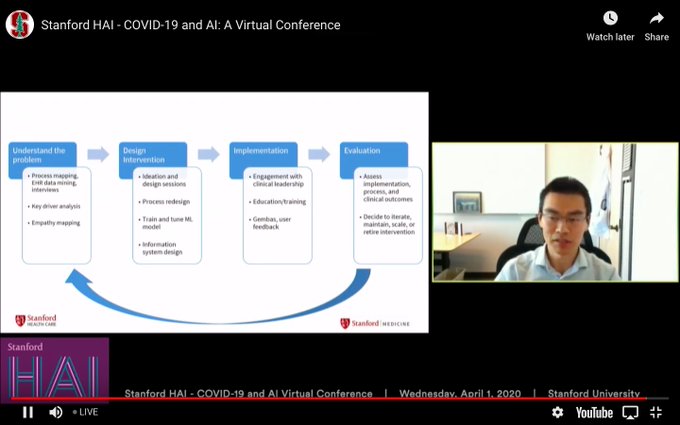
Tweets and Retweets @ COVID-19 and AI: A Virtual Conference – Human-Centered Artificial Intelligence Institute, Stanford University, 4/1/2020, 9AM PST – 3:30PM PST @StanfordHAI  BY @pharma_BI and @AVIVA1950

COVID-19 and AI: A Virtual Conference – Human-Centered Artificial Intelligence Institute, Stanford University, 4/1/2020, 9AM PST – 3:30PM PST @StanfordHAI @pharma_BI @AVIVA1950

Real Time coverage: Aviva Lev-Ari, PhD, RN

https://pharmaceuticalintelligence.com/2020/04/01/covid-19-and-ai-a-virtual-conference-human-centered-artificial-intelligence-stanford-university-4-1-2020-9am-pst-330pm-pst/

Aviva Lev-Ari
@AVIVA1950

Quote Tweet
Aviva Lev-Ari
@AVIVA1950
·
@StanfordHAI @pharma_BI @AVIVA1950 pharmaceuticalintelligence.com/coronavirus-po Fei-Fei Li AGE Fatality rate and infection rate of the aged Interaction between Acute Infection and Chronic Disease Safety of home – AI sensors at home Sensors data on secure systems clinically data recognized detection

Aviva Lev-Ari
@AVIVA1950

Quote Tweet
Aviva Lev-Ari
@AVIVA1950
·
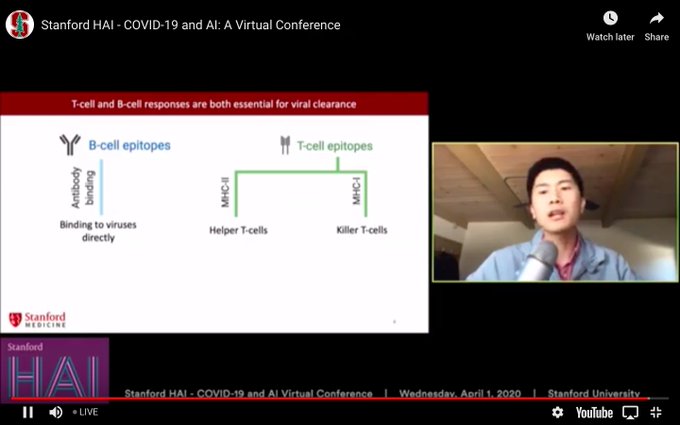
@StanfordHAI @pharma_BI @AVIVA1950 pharmaceuticalintelligence.com/coronavirus-po Identifying COVID-19 Vaccine Candidates with ML Binbin Chen, MD and Ph.D. Student, Department of Genetics, Stanford University Immunogenic component of vaccine for COVID-19 spike protein bind epitome

Aviva Lev-Ari
@AVIVA1950

Quote Tweet
Aviva Lev-Ari
@AVIVA1950
·
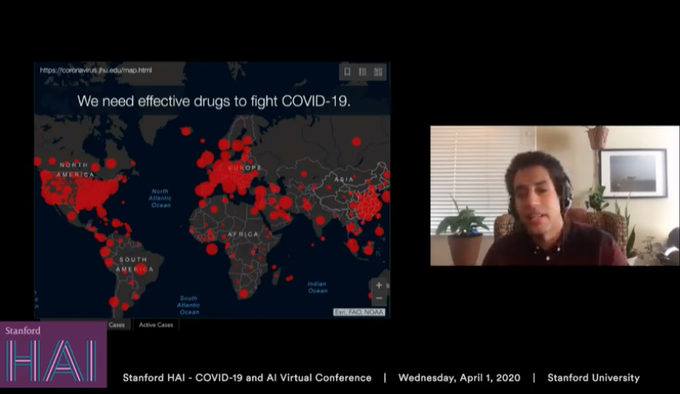
@StanfordHAI @pharma_BI @AVIVA1950 pharmaceuticalintelligence.com/coronavirus-po Repurposing Existing Drugs to Fight COVID-19 Stefano Rensi #NLP Mine the literature for Proteins: Genomes genes proteins Biophysics #docking simulations for energy of 18 molecules as inhibitors  Selection of candidate

Aviva Lev-Ari
@AVIVA1950

Quote Tweet
Aviva Lev-Ari
@AVIVA1950
·
@StanfordHAI @pharma_BI @AVIVA1950 pharmaceuticalintelligence.com/coronavirus-po #ML can be helpful in critical care navigate complexity by automating processes vaccine mutations in the spike protein binding ACE2

Aviva Lev-Ari
@AVIVA1950

Quote Tweet
Aviva Lev-Ari
@AVIVA1950
·
@StanfordHAI @pharma_BI @AVIVA1950 pharmaceuticalintelligence.com/coronavirus-po Mining article on sample size domain ares expert add to the challenges vs CS expertise alone

Aviva Lev-Ari
@AVIVA1950

Quote Tweet
Aviva Lev-Ari
@AVIVA1950
·
@StanfordHAI @pharma_BI @AVIVA1950 pharmaceuticalintelligence.com/coronavirus-po #Virtual #informed #consent of #patient to accelerate ##clinical #trials

Aviva Lev-Ari
@AVIVA1950

pharmaceuticalintelligence.com/coronavirus-po Xavier Amatriain Lack accessibility to health care systems HC Accessibility and Scalability AI based HC IT System PDA – Personalized Diagnostics Assessment – for self reporting AI Automations + Physicians home testing

Coronavirus Portal
CORONAVIRUS PORTAL @LPBI   Launched on 3/14/2020 OPEN TO GUEST AUTHORS on Seven Selected Topics & Lead Curator for Contact:   Development of Medical Counter-measures for 2019-nCoV, Co…
pharmaceuticalintelligence.com

Aviva Lev-Ari
@AVIVA1950

pharmaceuticalintelligence.com/coronavirus-po Tina White, Ph.D. Candidate, Department of Mechanical Engineering, Stanford University China death toll >1000 China launched App to monitor quarantine early 1/2020 GPS based new App for contact tracing regulation on data

Coronavirus Portal
CORONAVIRUS PORTAL @LPBI   Launched on 3/14/2020 OPEN TO GUEST AUTHORS on Seven Selected Topics & Lead Curator for Contact:   Development of Medical Counter-measures for 2019-nCoV, Co…
pharmaceuticalintelligence.com

Aviva Lev-Ari
@AVIVA1950

pharmaceuticalintelligence.com/coronavirus-po John Brownstein Late December 2019 collecting dat a HealthMap – public domain Baidu – has movement information connected with cases Temperature Data published Buoy data base customized to collect MA data on Temperature

Coronavirus Portal
CORONAVIRUS PORTAL @LPBI   Launched on 3/14/2020 OPEN TO GUEST AUTHORS on Seven Selected Topics & Lead Curator for Contact:   Development of Medical Counter-measures for 2019-nCoV, Co…
pharmaceuticalintelligence.com

Aviva Lev-Ari
@AVIVA1950

pharmaceuticalintelligence.com/coronavirus-po Jason Wang commend center in December 2019 All flight entering the country – Level 3 alert country: China Huhan, Hubei Quarantine all arriving from Level 3 alert country National STOKE PILES Activated x5 mask production

Coronavirus Portal
CORONAVIRUS PORTAL @LPBI   Launched on 3/14/2020 OPEN TO GUEST AUTHORS on Seven Selected Topics & Lead Curator for Contact:   Development of Medical Counter-measures for 2019-nCoV, Co…
pharmaceuticalintelligence.com

Aviva Lev-Ari
@AVIVA1950

#AI

pharmaceuticalintelligence.com/coronavirus-po Jason Wang Since 2003 Taiwan is preparing for a Pangemic JAMA paper on the topic is beebn reported  Location of patient Taiwan National Epidemic Center 100 persons 24×7 in the Command Center Taiwan activated

Coronavirus Portal
CORONAVIRUS PORTAL @LPBI   Launched on 3/14/2020 OPEN TO GUEST AUTHORS on Seven Selected Topics & Lead Curator for Contact:   Development of Medical Counter-measures for 2019-nCoV, Co…
pharmaceuticalintelligence.com

Aviva Lev-Ari
@AVIVA1950

pharmaceuticalintelligence.com/coronavirus-po Michele Barry,TRACE together – Bluetooth tool on distance among people CHINA – contact racing surveillence scanning temp strict social distancing Hong Kong – tracing bracelets for quarantine Street locations of infected

Coronavirus Portal
CORONAVIRUS PORTAL @LPBI   Launched on 3/14/2020 OPEN TO GUEST AUTHORS on Seven Selected Topics & Lead Curator for Contact:   Development of Medical Counter-measures for 2019-nCoV, Co…
pharmaceuticalintelligence.com

Aviva Lev-Ari
@AVIVA1950

pharmaceuticalintelligence.com/coronavirus-po Michele Barry 5Million people travel out of Huhan Singapore – Free testing 1st country Temp testing stay at home, text phone from Authorities, show picture they are in quarantine for 5 days if negative  TRACE together

Coronavirus Portal
CORONAVIRUS PORTAL @LPBI   Launched on 3/14/2020 OPEN TO GUEST AUTHORS on Seven Selected Topics & Lead Curator for Contact:   Development of Medical Counter-measures for 2019-nCoV, Co…
pharmaceuticalintelligence.com

Aviva Lev-Ari
@AVIVA1950

pharmaceuticalintelligence.com/coronavirus-po Seema Yasmin March 7, 2020 Italy news quarantine of 16 million lockdown large movement of people moving out of lockeddown areas, this movement based on information lead to spread of the viral spread

Coronavirus Portal
CORONAVIRUS PORTAL @LPBI   Launched on 3/14/2020 OPEN TO GUEST AUTHORS on Seven Selected Topics & Lead Curator for Contact:   Development of Medical Counter-measures for 2019-nCoV, Co…
pharmaceuticalintelligence.com

Aviva Lev-Ari
@AVIVA1950

pharmaceuticalintelligence.com/coronavirus-po Nigam Shah,  Operational Planning – Utilization – Resource planning Clinical – who to test Research Questions – ACE2 receptors

Coronavirus Portal
CORONAVIRUS PORTAL @LPBI   Launched on 3/14/2020 OPEN TO GUEST AUTHORS on Seven Selected Topics & Lead Curator for Contact:   Development of Medical Counter-measures for 2019-nCoV, Co…
pharmaceuticalintelligence.com

Aviva Lev-Ari
@AVIVA1950

Coronavirus Portal
CORONAVIRUS PORTAL @LPBI   Launched on 3/14/2020 OPEN TO GUEST AUTHORS on Seven Selected Topics & Lead Curator for Contact:   Development of Medical Counter-measures for 2019-nCoV, Co…
pharmaceuticalintelligence.com

Aviva Lev-Ari
@AVIVA1950

I am at

TODAY

for our Portal @

Coronavirus Portal
CORONAVIRUS PORTAL @LPBI   Launched on 3/14/2020 OPEN TO GUEST AUTHORS on Seven Selected Topics & Lead Curator for Contact:   Development of Medical Counter-measures for 2019-nCoV, Co…
pharmaceuticalintelligence.com
3

Aviva Lev-Ari
@AVIVA1950

covering in real time Stanford HAI – COVID-19 and AI: A Virtual Conference youtu.be/z4105Exe23Q via

Stanford HAI – COVID-19 and AI: A Virtual Conference
COVID-19 and AI: A Virtual Conference will address a developing public health crisis. Sponsored by the Stanford Institute for Human-Centered Artificial Intel…
youtube.com

Aviva Lev-Ari
@AVIVA1950

I am at

TODAY

for our Portal @

Coronavirus Portal
CORONAVIRUS PORTAL @LPBI   Launched on 3/14/2020 OPEN TO GUEST AUTHORS on Seven Selected Topics & Lead Curator for Contact:   Development of Medical Counter-measures for 2019-nCoV, Co…
pharmaceuticalintelligence.com
3

Aviva Lev-Ari
@AVIVA1950

covering in real time Stanford HAI – COVID-19 and AI: A Virtual Conference youtu.be/z4105Exe23Q via

Stanford HAI – COVID-19 and AI: A Virtual Conference
COVID-19 and AI: A Virtual Conference will address a developing public health crisis. Sponsored by the Stanford Institute for Human-Centered Artificial Intel…
youtube.com

Aviva Lev-Ari
@AVIVA1950

I am at

TODAY

for our Portal @

Coronavirus Portal
CORONAVIRUS PORTAL @LPBI   Launched on 3/14/2020 OPEN TO GUEST AUTHORS on Seven Selected Topics & Lead Curator for Contact:   Development of Medical Counter-measures for 2019-nCoV, Co…
pharmaceuticalintelligence.com
3

Aviva Lev-Ari
@AVIVA1950

covering in real time Stanford HAI – COVID-19 and AI: A Virtual Conference youtu.be/z4105Exe23Q via

Stanford HAI – COVID-19 and AI: A Virtual Conference
COVID-19 and AI: A Virtual Conference will address a developing public health crisis. Sponsored by the Stanford Institute for Human-Centered Artificial Intel…
youtube.com
1

Aviva Lev-Ari
@AVIVA1950

pharmaceuticalintelligence.com/coronavirus-po Stanford Institute for Human-Centered Artificial Intelligence (HAI) Conference on COVID-19 and AI: A Virtual Conference on April 1, 2020 beginning at 9:00am (PDT). event covered in real time

Coronavirus Portal
CORONAVIRUS PORTAL @LPBI   Launched on 3/14/2020 OPEN TO GUEST AUTHORS on Seven Selected Topics & Lead Curator for Contact:   Development of Medical Counter-measures for 2019-nCoV, Co…
pharmaceuticalintelligence.com


Stanford HAI
@StanfordHAI

Vaccines are one of the most powerful tools to curb a pandemic and prevent its recurrence,

says. He discusses how AI tools built upon immunology knowledge and data can increase the chances of finding an effective vaccine. stanford.io/3aBidgh

Image

1
8
21


Aviva Lev-Ari
@AVIVA1950

I am at

TODAY

for our Portal @

Coronavirus Portal
CORONAVIRUS PORTAL @LPBI   Launched on 3/14/2020 OPEN TO GUEST AUTHORS on Seven Selected Topics & Lead Curator for Contact:   Development of Medical Counter-measures for 2019-nCoV, Co…
pharmaceuticalintelligence.com
2

Aviva Lev-Ari
@AVIVA1950

covering in real time Stanford HAI – COVID-19 and AI: A Virtual Conference youtu.be/z4105Exe23Q via

Stanford HAI – COVID-19 and AI: A Virtual Conference
COVID-19 and AI: A Virtual Conference will address a developing public health crisis. Sponsored by the Stanford Institute for Human-Centered Artificial Intel…
youtube.com
1

Aviva Lev-Ari
@AVIVA1950

Aviva Lev-Ari
@AVIVA1950

I am at

TODAY

for our Portal @

Coronavirus Portal
CORONAVIRUS PORTAL @LPBI   Launched on 3/14/2020 OPEN TO GUEST AUTHORS on Seven Selected Topics & Lead Curator for Contact:   Development of Medical Counter-measures for 2019-nCoV, Co…
pharmaceuticalintelligence.com
2

Aviva Lev-Ari
@AVIVA1950

covering in real time Stanford HAI – COVID-19 and AI: A Virtual Conference youtu.be/z4105Exe23Q via

Stanford HAI – COVID-19 and AI: A Virtual Conference
COVID-19 and AI: A Virtual Conference will address a developing public health crisis. Sponsored by the Stanford Institute for Human-Centered Artificial Intel…
youtube.com
1

Aviva Lev-Ari
@AVIVA1950

pharmaceuticalintelligence.com/coronavirus-po Stanford Institute for Human-Centered Artificial Intelligence (HAI) Conference on COVID-19 and AI: A Virtual Conference on April 1, 2020 beginning at 9:00am (PDT). event covered in real time

Coronavirus Portal
CORONAVIRUS PORTAL @LPBI   Launched on 3/14/2020 OPEN TO GUEST AUTHORS on Seven Selected Topics & Lead Curator for Contact:   Development of Medical Counter-measures for 2019-nCoV, Co…
pharmaceuticalintelligence.com

Read Full Post »

Curation of Resources for High Risk People  to COVID-19 Infection :Guidances for Transplant Patients

Curator: Stephen J. Williams, PhD


From the American Society of Transplantation

Source: https://www.myast.org/information-transplant-professionals-and-community-members-regarding-2019-novel-coronavirus

INFORMATION FOR TRANSPLANT PROFESSIONALS AND COMMUNITY MEMBERS REGARDING 2019 NOVEL CORONAVIRUS

The recent outbreak of a novel coronavirus (COVID-19) in Wuhan, Hubei Province, China and the finding of infection in many other countries including the United States has led to questions among transplant programs, Organ Procurement Organizations (OPOs) and patients. The Organ Procurement and Transplantation Network (OPTN) strives to provide up-to-date information to answer these questions and to provide guidance as needed. Accordingly, the OPTN Ad Hoc Donor Transmission Advisory Committee (DTAC), American Society of Transplantation (AST) and the American Society of Transplant Surgeons (ASTS), after careful review of information available from the Centers for Disease Control and Prevention (CDC), offers information to transplant programs and OPOs in light of these concerns. Please visit the OPTN  website for more information.

The American Society of Transplantation recently conducted a Town Hall on guidances for transplant patients with regard to the COVID-19 pandemic.  A video recording of the Town Hall is given below


Description of the Town Hall by the AST: A number of transplant organizations from around the world have partnered to develop this educational webinar for the organ donation and transplantation communities. Our goal is to share experiences to date and respond to your questions about the impact of COVID-19 on organ donation and transplantation.


This webinar was recorded on March 23, 2020.


Resource Handout: https://www.myast.org/sites/default/f…

AST COVID-19 Page: https://www.myast.org/covid-19-inform…


The American Society of Transplantation has other up to date resources on their webpage at https://www.myast.org/covid-19-information#

AST Resources For Transplant Professionals 

Information for Transplant Professionals (Updated 3/31/20)

Medication Access and Drug Shortage Concerns During the COVID-19 Pandemic: Frequently Asked Questions (posted 3/31/20)

AST Resources For Transplant Recipients and Candidates 

Information for Transplant Recipients and Candidates (Updated 3/30/20)

Other Resources like videos and further articles

Frequently Asked Questions can be found here https://www.myast.org/coronavirus-disease-2019-covid-19-frequently-asked-questions-transplant-candidates-and-recipients

Mark Spigler from the American Kidney Fund listed some tips specifically for kidney transplant recipients. In his blog

Coronavirus, COVID-19 and kidney patients: what you need to know he wrote:

Because transplant recipients take immunosuppressive drugs, they are at higher risk of infection from viruses such as cold or flu. To limit the possibility of being exposed to the coronavirus that causes COVID-19, transplant patients should follow the CDC’s tips to avoid catching or spreading germs, and contact their health care provider if they develop cold or flu-like symptoms. By being informed and taking your own personal precautions, you can help reduce your risk of coming in contact with the coronavirus that causes COVID-19. You can find more information and resources for kidney patients by visiting our special coronavirus webpage at KidneyFund.org/coronavirus. We’ll update the page with important information for kidney patients and their caregivers as the coronavirus crisis continues to unfold.

Resources from the National Kidney Foundation

Source: https://www.kidney.org/coronavirus/transplant-coronavirus

Coronavirus and Kidney Transplants (please click on the links below)

For more information concerning various issues on COVID-19 please see our Coronavirus Portal at:

https://pharmaceuticalintelligence.com/coronavirus-portal/


Read Full Post »

From @Harvardmed Center for Bioethics: The Medical Ethics of the Corona Virus Crisis

Reporter: Stephen J. Williams, Ph.D.

From Harvard Medical School Center for Bioethics

source: https://bioethics.hms.harvard.edu/news/medical-ethics-corona-virus-crisis

The Medical Ethics of the Corona Virus Crisis

Executive Director Christine Mitchell discusses the importance of institutions talking through the implications of their decisions with the New Yorker.

Center Executive Director Christine Mitchell spoke with the New Yorker’s Isaac Chotiner about the decisions that may need to be made on limiting movement and, potentially, rationing supplies and hospital space.

“So, in the debate about allocating resources in a pandemic, we have to work with our colleagues around what kind of space is going to be made available—which means that other people and other services have to be dislocated—what kind of supplies we’re going to have, whether we’re going to reuse them, how we will reallocate staff, whether we can have staff who are not specialists take care of patients because we have way more patients than the number of specialized staff,” says Mitchell.

Read the full Q&A in the New Yorker.


Note: The following is taken from the Interview in the New Yorker.

As the novel coronavirus, covid-19, spreads across the globe, governments have been taking increasingly severe measures to limit the virus’s infection rate. China, where it originated, has instituted quarantines in areas with a large number of cases, and Italy—which is now facing perhaps the most serious threat outside of China—is entirely under quarantine. In the United States, the National Guard has been deployed to manage a “containment area” in New Rochelle, New York, where one of the country’s largest clusters has emerged. As the number of cases rises, we will soon face decisions on limiting movement and, potentially, rationing supplies and hospital space. These issues will be decided at the highest level by politicians, but they are often influenced by medical ethicists, who advise governments and other institutions about the way to handle medical emergencies.

One of those ethicists, with whom I recently spoke by phone, is Christine Mitchell, the executive director at the Center for Bioethics at Harvard Medical School. Mitchell, who has master’s degrees in nursing and philosophical and religious ethics, has been a clinical ethicist for thirty years. She founded the ethics program at Boston Children’s Hospital, and has served on national and international medical-ethics commissions. During our conversation, which has been edited for length and clarity, we discussed what ethicists tend to focus on during a health crisis, how existing health-care access affects crisis response, and the importance of institutions talking through the ethical implications of their decisions.

What coronavirus-related issue has most occupied your mental space over the past weeks?

One of the things I think about but that we don’t often have an opportunity to talk about, when we are mostly focussing on what clinicians are doing and trying to prepare for, is the more general ways this affects our society. People get sick out there in the real world, and then they come to our hospitals, but, when they are sick, a whole bunch of them don’t have health insurance, or are afraid to come to a hospital, or they don’t have coverage for sick time or taking a day off when their child is sick, so they send their child to school. So these all have very significant influences on our ability to manage population health and community transmission that aren’t things that nurses and physicians and people who work in acute-care hospitals and clinics can really affect. They are elements of the way our society is structured and has failed to meet the needs of our general population, and they influence our ability to manage a crisis like this.

Is there anything specifically about a pandemic or something like coronavirus that makes these issues especially acute?

If a person doesn’t have health insurance and doesn’t come to be tested or treated, and if they don’t have sick-time coverage and can’t leave work, so they teach at a school, or they work at a restaurant, or do events that have large numbers of people, these are all ways in which the spread of a virus like this has to be managed—and yet can’t be managed effectively because of our social-welfare policies, not just our health-care resources.

Just to take a step back, and I want to get back to coronavirus stuff, but what got you interested in medical ethics?

What got me interested were the actual kinds of problems that came up when I was taking care of patients, starting as early as when I was in nursing school and was taking care of a patient who, as a teen-ager, had a terminal kind of cancer that his parents didn’t want him to know about, and which the health-care team had decided to defer to the parents. And yet I was spending every day taking care of him, and he was really puzzled about why he was so sick and whether he was going to get better, and so forth. And so of course I was faced with this question of, What do I do if he asks me? Which, of course, he did.

And this question about what you should tell an adolescent and whether the deference should be to his parents’ judgment about what’s best for him, which we would ordinarily respect, and the moral demands of the relationship that you have with a patient, was one of the cases that reminded me that there’s a lot more to being a nurse or a health-care provider than just knowing how to give cancer chemotherapy and change a bed, or change a dressing, or whatever. That a lot of it is in the relationship you have with a patient and the kinds of ethical choices they and their families are facing. They need your information, but also your help as they think things through. That’s the kind of thing that got me interested in it. There are a whole host of those kinds of cases, but they’re more individual cases.

As I began to work in a hospital as an ethicist, I began to worry about the broader organizational issues, like emergency preparedness. Some years ago, here in Boston, I had a joint appointment running the ethics program at Children’s Hospital and doing clinical ethics at Harvard Medical School. We pulled together a group, with the Department of Public Health and the emergency-preparedness clinicians in the Harvard-affiliated hospitals, to look at what the response within the state of Massachusetts should be to big, major disasters or rolling pandemics, and worked on some guidelines together.

When you looked at the response of our government, in a place like Washington State or in New York City, what things, from a medical-ethics perspective, are you noticing that are either good or maybe not so good?

To be candid and, probably, to use language that’s too sharp for publication, I’m appalled. We didn’t get ourselves ready. We’ve had outbreaks—sars in 2003, H1N1 in 2009, Ebola in 2013, Zika in 2016. We’ve known, and the general population in some ways has known. They even have movies like “Contagion” that did a great job of sharing publicly what this is like, although it is fictional, and that we were going to have these kinds of infectious diseases in a global community that we have to be prepared to handle. And we didn’t get ourselves as ready, in most cases, as we should have. There have been all these cuts to the C.D.C. budget, and the person who was the Ebola czar no longer exists in the new Administration.

And it’s not just this Administration. But the thing about this Administration that perhaps worries me the most is a fundamental lack of respect for science and the facts. Managing the crisis from a public-relations perspective and an economic, Dow Jones perspective are important, but they shouldn’t be fudging the facts. And that’s the piece that makes me feel most concerned—and not just as an ethicist. And then, of course, I want to see public education and information that’s forthright and helps people get the treatment that they need. But the disrespect for the public, and not providing honest information, is . . . yeah, that’s pretty disconcerting.

SOURCE

https://www.newyorker.com/news/q-and-a/the-medical-ethics-of-the-coronavirus-crisis

See more on this and #COVID19 on this Online Open Access Journal at our Coronavirus Portal at

https://pharmaceuticalintelligence.com/coronavirus-portal/

Read Full Post »

Glycobiology vs Proteomics: Glycobiologists Prespective in the effort to explain the origin, etiology and potential therapeutics for the Coronavirus Pandemic (COVID-19)

 Curator: Ofer Markman, PhD

 The sugars involved in a viral disease are unique in many ways when compared with the DNA/RNA or the proteins involved: they are almost totally dependent on the infected cells and thus are not affected by the viral mutation rate or by the virus at all. Nevertheless they are affected by the cells, their type and their sugar production mechanisms and in some respect to the production rate by which the virus is replicated in the infected cells. Mutations may have nevertheless major effect not on the structures of the glycans but rather on the existence of the glycosylation site, and thus the glycan at all, but not on its structures.

This may make the gycomolecule a good target for diagnostics as stability in the molecule may mean longer life shelve of diagnostics kits.

Unique sugars are already predicted/found in the virus from certain Chinese origin, in this case an o-linked glycan/s not previously detected.

  • The proximal origin of SARS-CoV-2

Kristian G. Andersen,  Andrew Rambaut, W. Ian Lipkin, Edward C. Holmes & Robert F. Garry

Nature Medicine (2020)Cite this article

https://www.nature.com/articles/s41591-020-0820-9

  • The covid-19 coronavirus epidemic has a natural origin, scientists say

https://globalhealthnewswire.com/2020/03/17/the-covid-19-coronavirus-epidemic-has-a-natural-origin-scientists-say/

  • Emerging WuHan (COVID-19) coronavirus: glycan shield and structure prediction of spike glycoprotein and its interaction with human CD26

Naveen Vankadari & Jacqueline A. Wilce

https://www.tandfonline.com/doi/full/10.1080/22221751.2020.1739565

Nevertheless, if the virus can infect multiple cells once current cells are not going to be available for any reason those viruses may present other glycans.

Once one starts to treat the infected person via modulation of protein production or by other means the change in the dynamic of protein production vs. protein glycosylation may cause changes in protein glycosyation, including their structures, this is well known to biotechnologists producing glycoproteins in labs and production.

This may either be a problem in understanding the state of disease or an advantage as it may help following response to the treatment and help as a co-treatment diagnostics.

Early Studies include the following:

  • Carbohydrate-based Diagnostics: A New Approach to COVID-19 Testing?

Mar 19, 2020 | Original story from Iceni Diagnostics

https://www.technologynetworks.com/diagnostics/news/carbohydrate-based-diagnostics-a-new-approach-to-covid-19-testing-332313

Glycans may play a role in treatment as well. TAMIFLU a case in point. Tamiflu is directed to the flu enzyme Neuraminidaze that is part of the viral structures. This approach was also explored to develop treatments.

  • Pneumagen Ltd Leverages its Novel Glycan Approach to Target Coronavirus (COVID-19) Infections

March 17, 2020 PR-M03-20-NI-024

https://www.pharmasalmanac.com/articles/pneumagen-ltd-leverages-its-novel-glycan-approach-to-target-coronavirus-covid-19-infections

Glycans do not only effect their own involvement in treatment/diagnostics they also are effecting protein based diagnostics for this see statement by Dr. Michael Mercier of UAH

  • We’re dealing with COVID-19, but what’s a virus in the first place?

23-Mar-2020 8:45 AM EDT, by University of Alabama Huntsville

https://www.newswise.com/articles/we-re-dealing-with-covid-19-but-what-s-a-virus-in-the-first-place


Other related articles on this topic published on this topic in this Open Access Online Scientific Journal include the following: 


The Relevance of Glycans in the Viral Pathology of COVID-19

Reporter: Ofer Markman, PhD

https://pharmaceuticalintelligence.com/2020/03/23/glycans-in-the-viral-pathology-of-covid-19/

Read Full Post »

US Responses to Coronavirus Outbreak Expose Many Flaws in Our Medical System

US Responses to Coronavirus Outbreak Expose Many Flaws in Our Medical System

Curator: Stephen J. Williams, Ph.D.

The  coronavirus pandemic has affected almost every country in every continent however, after months of the novel advent of novel COVID-19 cases, it has become apparent that the varied clinical responses in this epidemic (and outcomes) have laid bare some of the strong and weak aspects in, both our worldwide capabilities to respond to infectious outbreaks in a global coordinated response and in individual countries’ response to their localized epidemics.


Some nations, like Israel, have initiated a coordinated government-private-health system wide action plan and have shown success in limiting both new cases and COVID-19 related deaths.  After the initial Wuhan China outbreak, China closed borders and the government initiated health related procedures including the building of new hospitals. As of writing today, Wuhan has experienced no new cases of COVID-19 for two straight days.


However, the response in the US has been perplexing and has highlighted some glaring problems that have been augmented in this crisis, in the view of this writer.    In my view, which has been formulated after social discussion with members in the field ,these issues can be centered on three major areas of deficiencies in the United States that have hindered a rapid and successful response to this current crisis and potential future crises of this nature.


  1. The mistrust or misunderstanding of science in the United States
  2. Lack of communication and connection between patients and those involved in the healthcare industry
  3. Socio-geographical inequalities within the US healthcare system


1. The mistrust or misunderstanding of science in the United States


For the past decade, anyone involved in science, whether directly as active bench scientists, regulatory scientists, scientists involved in science and health policy, or environmental scientists can attest to the constant pressure to not only defend their profession but also to defend the entire scientific process and community from an onslaught of misinformation, mistrust and anxiety toward the field of science.  This can be seen in many of the editorials in scientific publications including the journal Science and Scientific American (as shown below)


Stepping Away from Microscopes, Thousands Protest War on Science

Boston rally coincides with annual American Association for the Advancement of Science (AAAS) conference and is a precursor to the March for Science in Washington, D.C.

byLauren McCauley, staff writer

Responding to the troubling suppression of science under the Trump administration, thousands of scientists, allies, and frontline communities are holding a rally in Boston’s Copley Square on Sunday.

#standupforscience Tweets


“Science serves the common good,” reads the call to action. “It protects the health of our communities, the safety of our families, the education of our children, the foundation of our economy and jobs, and the future we all want to live in and preserve for coming generations.”

It continues: 

But it’s under attack—both science itself, and the unalienable rights that scientists help uphold and protect. 

From the muzzling of scientists and government agencies, to the immigration ban, the deletion of scientific data, and the de-funding of public science, the erosion of our institutions of science is a dangerous direction for our country. Real people and communities bear the brunt of these actions.

The rally was planned to coincide with the annual American Association for the Advancement of Science (AAAS) conference, which draws thousands of science professionals, and is a precursor to the March for Science in Washington, D.C. and in cities around the world on April 22.


Source: https://www.commondreams.org/news/2017/02/19/stepping-away-microscopes-thousands-protest-war-science

https://images.app.goo.gl/UXizCsX4g5wZjVtz9


https://www.washingtonpost.com/video/c/embed/85438fbe-278d-11e7-928e-3624539060e8


The American Association for Cancer Research (AACR) also had marches for public awareness of science and meaningful science policy at their annual conference in Washington, D.C. in 2017 (see here for free recordings of some talks including Joe Biden’s announcement of the Cancer Moonshot program) and also sponsored events such as the Rally for Medical Research.  This patient advocacy effort is led by the cancer clinicians and scientific researchers to rally public support for cancer research for the benefit of those affected by the disease.

Source: https://leadingdiscoveries.aacr.org/cancer-patients-front-and-center/


     However, some feel that scientists are being too sensitive and that science policy and science-based decision making may not be under that much of a threat in this country. Yet even as some people think that there is no actual war on science and on scientists they realize that the public is not engaged in science and may not be sympathetic to the scientific process or trust scientists’ opinions. 


From Scientific American: Is There Really a War on Science? People who oppose vaccines, GMOs and climate change evidence may be more anxious than antagonistic


Certainly, opponents of genetically modified crops, vaccinations that are required for children and climate science have become louder and more organized in recent times. But opponents typically live in separate camps and protest single issues, not science as a whole, said science historian and philosopher Roberta Millstein of the University of California, Davis. She spoke at a standing-room only panel session at the American Association for the Advancement of Science’s annual meeting, held in Washington, D.C. All the speakers advocated for a scientifically informed citizenry and public policy, and most discouraged broadly applied battle-themed rhetoric.


Source: https://www.scientificamerican.com/article/is-there-really-a-war-on-science/


      In general, it appears to be a major misunderstanding by the public of the scientific process, and principles of scientific discovery, which may be the fault of miscommunication by scientists or agendas which have the goals of subverting or misdirecting public policy decisions from scientific discourse and investigation.


This can lead to an information vacuum, which, in this age of rapid social media communication,

can quickly perpetuate misinformation.


This perpetuation of misinformation was very evident in a Twitter feed discussion with Dr. Eric Topol, M.D. (cardiologist and Founder and Director of the Scripps Research Translational  Institute) on the US President’s tweet on the use of the antimalarial drug hydroxychloroquine based on President Trump referencing a single study in the International Journal of Antimicrobial Agents.  The Twitter thread became a sort of “scientific journal club” with input from international scientists discussing and critiquing the results in the paper.  


Please note that when we scientists CRITIQUE a paper it does not mean CRITICIZE it.  A critique is merely an in depth analysis of the results and conclusions with an open discussion on the paper.  This is part of the normal peer review process.


Below is the original Tweet by Dr. Eric Topol as well as the ensuing tweet thread


https://twitter.com/EricTopol/status/1241442247133900801?s=20


Within the tweet thread it was discussed some of the limitations or study design flaws of the referenced paper leading the scientists in this impromptu discussion that the study could not reasonably conclude that hydroxychloroquine was not a reliable therapeutic for this coronavirus strain.


The lesson: The public has to realize CRITIQUE does not mean CRITICISM.


Scientific discourse has to occur to allow for the proper critique of results.  When this is allowed science becomes better, more robust, and we protect ourselves from maybe heading down an incorrect path, which may have major impacts on a clinical outcome, in this case.


2.  Lack of communication and connection between patients and those involved in the healthcare industry


In normal times, it is imperative for the patient-physician relationship to be intact in order for the physician to be able to communicate proper information to their patient during and after therapy/care.  In these critical times, this relationship and good communication skills becomes even more important.


Recently, I have had multiple communications, either through Twitter, Facebook, and other social media outlets with cancer patients, cancer advocacy groups, and cancer survivorship forums concerning their risks of getting infected with the coronavirus and how they should handle various aspects of their therapy, whether they were currently undergoing therapy or just about to start chemotherapy.  This made me realize that there were a huge subset of patients who were not receiving all the information and support they needed; namely patients who are immunocompromised.


These are patients represent

  1. cancer patient undergoing/or about to start chemotherapy
  2. Patients taking immunosuppressive drugs: organ transplant recipients, patients with autoimmune diseases, multiple sclerosis patients
  3. Patients with immunodeficiency disorders


These concerns prompted me to write a posting curating the guidance from National Cancer Institute (NCI) designated cancer centers to cancer patients concerning their risk to COVID19 (which can be found here).


Surprisingly, there were only 14 of the 51 US NCI Cancer Centers which had posted guidance (either there own or from organizations like NCI or the National Cancer Coalition Network (NCCN).  Most of the guidance to patients had stemmed from a paper written by Dr. Markham of the Fred Hutchinson Cancer Center in Seattle Washington, the first major US city which was impacted by COVID19.


Also I was surprised at the reactions to this posting, with patients and oncologists enthusiastic to discuss concerns around the coronavirus problem.  This led to having additional contact with patients and oncologists who, as I was surprised, are not having these conversations with each other or are totally confused on courses of action during this pandemic.  There was a true need for each party, both patients/caregivers and physicians/oncologists to be able to communicate with each other and disseminate good information.


Last night there was a Tweet conversation on Twitter #OTChat sponsored by @OncologyTimes.  A few tweets are included below

https://twitter.com/OncologyTimes/status/1242611841613864960?s=20

https://twitter.com/OncologyTimes/status/1242616756658753538?s=20

https://twitter.com/OncologyTimes/status/1242615906846547978?s=20


The Lesson:  Rapid Communication of Vital Information in times of stress is crucial in maintaining a good patient/physician relationship and preventing Misinformation.


3.  Socio-geographical Inequalities in the US Healthcare System

It has become very clear that the US healthcare system is fractioned and multiple inequalities (based on race, sex, geography, socio-economic status, age) exist across the whole healthcare system.  These inequalities are exacerbated in times of stress, especially when access to care is limited.


An example:


On May 12, 2015, an Amtrak Northeast Regional train from Washington, D.C. bound for New York City derailed and wrecked on the Northeast Corridor in the Port Richmond neighborhood of Philadelphia, Pennsylvania. Of 238 passengers and 5 crew on board, 8 were killed and over 200 injured, 11 critically. The train was traveling at 102 mph (164 km/h) in a 50 mph (80 km/h) zone of curved tracks when it derailed.[3]

Some of the passengers had to be extricated from the wrecked cars. Many of the passengers and local residents helped first responders during the rescue operation. Five local hospitals treated the injured. The derailment disrupted train service for several days. 

(Source Wikipedia https://en.wikipedia.org/wiki/2015_Philadelphia_train_derailment)

What was not reported was the difficulties that first responders, namely paramedics had in finding an emergency room capable of taking on the massive load of patients.  In the years prior to this accident, several hospitals, due to monetary reasons, had to close their emergency rooms or reduce them in size. In addition only two in Philadelphia were capable of accepting gun shot victims (Temple University Hospital was the closest to the derailment but one of the emergency rooms which would accept gun shot victims. This was important as Temple University ER, being in North Philadelphia, is usually very busy on any given night.  The stress to the local health system revealed how one disaster could easily overburden many hospitals.


Over the past decade many hospitals, especially rural hospitals, have been shuttered or consolidated into bigger health systems.  The graphic below shows this

From Bloomberg: US Hospital Closings Leave Patients with Nowhere to go


https://images.app.goo.gl/JdZ6UtaG3Ra3EA3J8


Note the huge swath of hospital closures in the midwest, especially in rural areas.  This has become an ongoing problem as the health care system deals with rising costs.


Lesson:  Epidemic Stresses an already stressed out US healthcare system


Please see our Coronavirus Portal at

https://pharmaceuticalintelligence.com/coronavirus-portal/


for more up-to-date scientific, clinical information as well as persona stories, videos, interviews and economic impact analyses

and @pharma_BI

Read Full Post »

Promise of Synthetic Biology for Covid-19 Vaccine

Reporter: Irina Robu, PhD

Researchers and epidemiologists’ race to develop vaccines to block the new Covid-19 pathogen that currently emerged. It’s a rush against the clock, and sometimes the good guys lose: It simply takes too long to identify an effective antigen and produce enough of it to make a dent.

Even as companies rush to advance and test vaccines against the new coronavirus, the Bill and Melinda Gates Foundation and the National Institutes of Health are gambling that scientists can do even better than what’s now in the pipeline. The traditional vaccine-development development is decades old. It involves shipping a sample of the purified virus to a vaccine-development laboratory, developing a nonpathogenic variant of the virus, propagating that new variant in eggs or cultured cells and harvesting them to produce the vaccine.

To develop a coronavirus vaccine, synthetic biologists are currently racing against the clock. It is quite possible that the new Covid-19 virus will become a permanent part of the world’s microbial menagerie rather than being eradicated like the earlier SARS coronavirus, next-gen approaches will be needed to address inadequacies of even the most cutting-edge vaccines: They take years to develop and manufacture, they become obsolete if the virus evolves, and the immune response they produce is often weak.

Neil King, a researcher from University of Washington has been hunting for a coronavirus vaccine since 2017, because he knew that would be another coronavirus epidemic similar to SARS and MERS. His group designed and built nanoparticles out of proteins and attach viral molecules in a repetitive array with the intention of, when the whole thing is packed into a vaccine, it can make people resistant to the new coronavirus. Using computers, they are designing new, self-assembling protein nanoparticles scattered with antigens. If tests in lab animals of the first such nanoparticle vaccine are any indication, it should be more potent than either old-fashioned viral vaccines like those for influenza or the viral antigens on their own (without the nanoparticle).

King and his colleagues (Cell, 2019) developed an experimental vaccine against respiratory syncytial virus (RSV) made of a computer-designed nanoparticle that self-assembles from protein building blocks and is scattered with an engineered version of RSV’s key antigen. When tested in mice and monkeys, it produced 10 times more antibodies than an experimental RSV vaccine based on traditional technology. They believe that with a few tweaks, the nanoparticle can be scattered with molecules from additional coronaviruses such as the original SARS virus, MERS, and a mutated form of the Covid-19-causing virus. As Covid-19 spreads, King and his colleagues are carefully optimistic that it might work.

But even though, Moderna Terapeutics, CureVac and Inovio pharmaceuticals are speeding toward human testing via experimental vaccines that contain synthetic strands of RNA or DNA, the synthetic biology approach has its own advantages. These experimental vaccines contain synthetic strands of RNA or DNA that code for protein molecules on the virus’s surface. Once the vaccine delivers the genetic material into cells, the cells follow the genetic instructions to churn out the viral protein. The knowledge is that the body would perceive that as foreign, generate antibodies to it, and if all goes well thus acquire immunity to the virus.

Researchers already know how to do vaccine development the old-fashioned way, and their manufacturing facilities are set up accordingly. The regulatory approvals required to produce their vaccines are geared to this older technology, as well, and updating those processes and approvals could take considerable time. So even though, researchers are racing against time to find a solution to Covid-19 virus, synthetic biology has such a vast potential.

SOURCE

To develop a coronavirus vaccine, synthetic biologists try to outdo nature


Read Full Post »

Reporter: Gail S. Thornton, M.A.

The following article is reprinted from the Anchorage Daily News.

https://www.adn.com/alaska-news/2020/03/18/one-of-alaskas-first-confirmed-coronavirus-patients-tells-his-story/

One of Alaska’s first confirmed coronavirus patients tells his story

March 19, 2020

A Ketchikan man who contracted the illness caused by the new coronavirus is speaking out about his experience.

In a social media post and an interview with the Ketchikan Daily News, he described his symptoms, how he was tested and his experience communicating with Alaska public health officials.

As of Wednesday morning, Glenn Brown, the attorney for the Ketchikan Gateway Borough, is one of nine people statewide who have confirmed cases of the virus. Officials have not said any of the people with confirmed cases have been hospitalized.

Brown said in a Facebook post that he was feeling better and was notified by public health officials that he’d tested positive for COVID-19 on Tuesday afternoon.

“I became sick Saturday morning with fever, headache, general achiness and chills,” Brown wrote.

Brown said he has “no idea” how he contracted the illness.

“I interacted with no one in recent weeks who was exhibiting obvious symptoms,” he wrote.

According to a statement Tuesday from the Ketchikan Emergency Operations Center saying one of its employees tested positive for the virus, the employee had a history of travel to the Lower 48. The Ketchikan Emergency Operations Center on Wednesday confirmed Brown is the employee.

The Ketchikan Daily News reported that Brown had recently traveled to Oregon and Juneau before returning to Ketchikan on March 9.

After public health officials told Brown his diagnosis, he said that he went through more than an hour of questions with them, he told the Ketchikan Daily News.

“I used everything from cellphone records to work calendars to debit card bills, to recall everybody that I may have had contact with,” Brown told the Ketchikan Daily News. “I wanted to provide that information to public health, (so) that they could alert those people and really hope to kind of arrest this thing.”

Brown told the paper that public health officials focused on two days before he developed symptoms of the illness. Brown had been “working closely with borough staff and upper management” in those days as part of his job, the paper reported.

“I apologize for causing undue concern for anyone, especially my co-workers at the Borough,” Brown said in the Facebook post.

Ketchikan Gateway Borough employees in direct contact with Brown were instructed to self-quarantine for two weeks, according to the Ketchikan Emergency Operations Center statement.

The statement also said that the borough had hired a service to disinfect the now-closed White Cliff Building, which houses the Ketchikan Borough offices.

According to the Ketchikan Daily News, the last time Brown was at the borough’s White Cliff Building was Friday.

The paper reported that as of Tuesday night, there were no plans to test people who had been in direct contact with Brown.

A public information officer for Ketchikan’s Emergency Operations Center told the Ketchikan Daily News that she understood that to be tested, people would need to have “several” symptoms of the virus.

“I would also ask that you join me and all of Ketchikan to actively minimize community transmission so that we can protect our seniors or other medically vulnerable folks in Ketchikan,” Brown wrote. “I pray that we all make it through this largely unharmed, and together.”

The first person in Alaska to test positive for COVID-19 was an air cargo pilot who arrived at Ted Stevens Anchorage International Airport on March 11, officials announced last week. He went through the airport’s North Terminal, which is separate from the domestic terminal.

Alaska’s chief medical officer, Dr. Anne Zink, said last week the man had self-isolated and was “stable.”

On Monday, officials said two older men in Fairbanks were diagnosed with the illness. Both had recently traveled to the Lower 48, Zink said, but were not traveling together.

In addition to the Anchorage case, the case in Ketchikan and the two in Fairbanks, officials on Tuesday announced that two more people had become sick with the virus — one in Fairbanks and one in Anchorage — bringing the total number of confirmed cases as of Wednesday morning to six.

Zink said that both of those cases were also travel-related. None of the three people who tested positive for COVID-19 on Tuesday were hospitalized, Zink said.

Fairbanks Memorial Hospital released a statement Tuesday saying a woman with a history of recent travel had tested positive for COVID-19.

“She self-isolated prior to testing,” the statement said. “This patient has been notified and is in stable condition and does not require hospitalization.”

A University of Alaska Fairbanks employee was one of the people who had recently tested positive for the virus in Alaska, university officials said Tuesday.

An internal email advised anyone who had used the O’Neill Building, which houses the College of Fisheries and Ocean Sciences, to stay home and monitor themselves for two weeks.

State and local officials have taken a series of steps to stem the spread of COVID-19 in Alaska, including closing schools, calling on hospitals to halt elective surgeries and shutting down dine-in service at all restaurants, bars, breweries, cafes and similar businesses.

About this Author

Morgan Krakow

Morgan Krakow is a general assignment reporter for the Anchorage Daily News. She is a 2019 graduate of the University of Oregon and spent the past summer as a reporting intern on the general assignment desk of The Washington Post. Contact her at mkrakow@adn.com.

###

Read Full Post »

Responses to the #COVID-19 outbreak from Oncologists, Cancer Societies and the NCI: Important information for cancer patients

Curator: Stephen J. Williams, Ph.D.

UPDATED 3/20/2020

Among the people who are identified at risk of coronovirus 2019 infection and complications of the virus include cancer patients undergoing chemotherapy, who in general, can be immunosuppressed, especially while patients are undergoing their treatment.  This has created anxiety among many cancer patients as well as their care givers and prompted many oncologist professional groups, cancer societies, and cancer centers to formulate some sort of guidelines for both the cancer patients and the oncology professional with respect to limiting the risk of infection to coronavirus (COVID19). 


This information will be periodically updated and we are working to get a Live Twitter Feed to bring oncologist and cancer patient advocacy groups together so up to date information can be communicated rapidly.  Please see this page regularly for updates as new information is curated.

IN ADDITION, I will curate a listing of drugs with adverse events of immunosuppression for people who might wonder if the medications they are taking are raising their risk of infections.

Please also see @pharma_BI for updates as well.

Please also see our Coronavirus Portal at https://pharmaceuticalintelligence.com/coronavirus-portal/

For ease of reading information for patients are BOLDED and in RED

ASCO’s Response to COVID-19

From the Cancer Letter: The following is a guest editorial by American Society of Clinical Oncology (ASCO) Executive Vice President and Chief Medical Officer Richard L. Schilsky MD, FACP, FSCT, FASCO. This story is part of The Cancer Letter’s ongoing coverage of COVID-19’s impact on oncology. A full list of our coverage, as well as the latest meeting cancellations, is available here.


The worldwide spread of the coronavirus (COVID-19) presents unprecedented challenges to the cancer care delivery system.

Our patients are already dealing with a life-threatening illness and are particularly vulnerable to this viral infection, which can be even more deadly for them. Further, as restrictions in daily movement and social distancing take hold, vulnerable patients may be disconnected from friends, family or other support they need as they manage their cancer.

As providers, we rely on evidence and experience when treating patients but now we face uncertainty. There are limited data to guide us in the specific management of cancer patients confronting COVID-19 and, at present, we have no population-level guidance regarding acceptable or appropriate adjustments of treatment and practice operations that both ensure the best outcome for our patients and protect the safety of our colleagues and staff.

As normal life is dramatically changed, we are all feeling anxious about the extreme economic challenges we face, but these issues are perhaps even more difficult for our patients, many of whom are now facing interruption

As we confront this extraordinary situation, the health and safety of members, staff, and individuals with cancer—in fact, the entire cancer community—is ASCO’s highest priority.

ASCO has been actively monitoring and responding to the pandemic to ensure that accurate information is readily available to clinicians and their patients. Recognizing that this is a rapidly evolving situation and that limited oncology-specific, evidence-based information is available, we are committed to sharing what is known and acknowledging what is unknown so that the most informed decisions can be made.

To help guide oncology professionals as they deal with the impact of coronavirus on both their patients and staff, ASCO has collated questions from its members, posted responses at asco.org and assembled a compendium of additional resources we hope will be helpful as the virus spreads and the disease unfolds. We continue to receive additional questions regarding clinical care and we are updating our FAQs on a regular basis.

We hope this information is helpful even when it merely confirms that there are no certain answers to many questions. Our answers are based on the best available information we identify in the literature, guidance from public health authorities, and input received from oncology and infectious disease experts.

For patients, we have posted a blog by Dr. Merry Jennifer Markham, chair of ASCO’s Cancer Communications Committee. This can be found on Cancer.Net, ASCO’s patient information website, and it provides practical guidance to help patients reduce their risk of exposure, better understand COVID-19 symptoms, and locate additional information.

This blog is available both in English and Spanish. Additional blog posts addressing patient questions will be posted as new questions are received and new information becomes available.

Find below a Tweet from Dr.Markham which includes links to her article on COVID-19 for cancer patients

https://twitter.com/DrMarkham/status/1237797251038220289?s=20

NCCN’s Response to COVID-19 and COVID-19 Resources

JNCCN: How to Manage Cancer Care during COVID-19 Pandemic

Experts from the Seattle Cancer Care Alliance (SCCA)—a Member Institution of the National Comprehensive Cancer Network® (NCCN®)—are sharing insights and advice on how to continue providing optimal cancer care during the novel coronavirus (COVID-19) pandemic. SCCA includes the Fred Hutchinson Cancer Research Center and the University of Washington, which are located in the epicenter of the COVID-19 outbreak in the United States. The peer-reviewed article sharing best practices is available for free online-ahead-of-print via open access at JNCCN.org.

Coronavirus disease 2019 (COVID-19) Resources for the Cancer Care Community

NCCN recognizes the rapidly changing medical information relating to COVID-19 in the oncology ecosystem, but understands that a forum for sharing best practices and specific institutional responses may be helpful to others.  Therefore, we are expeditiously providing documents and recommendations developed by NCCN Member Institutions or Guideline Panels as resources for oncology care providers. These resources have not been developed or reviewed by the standard NCCN processes, and are provided for information purposes only. We will post more resources as they become available so check back for additional updates.

Documents

Links

National Cancer Institute Response to COVID-19

More information at https://www.cancer.gov/contact/emergency-preparedness/coronavirus

What people with cancer should know: https://www.cancer.gov/coronavirus

Get the latest public health information from CDC: https://www.coronavirus.gov

Get the latest research information from NIH: https://www.nih.gov/coronavirus


Coronavirus: What People with Cancer Should Know

ON THIS PAGE

Both the resources at cancer.gov (NCI) as well as the resources from ASCO are updated as new information is evaluated and more guidelines are formulated by members of the oncologist and cancer care community and are excellent resources for those living with cancer, and also those who either care for cancer patients or their family and relatives.

Related Resources for Patients (please click on links)


Some resources and information for cancer patients from Twitter

Twitter feeds which may be useful sources of discussion and for cancer patients include:


@OncLive OncLive.com includes healthcare information for patients and includes videos and newsletters


@DrMarkham Dr. Markham is Chief of Heme-Onc & gyn med onc @UF | AD Med Affairs @UFHealthCancer and has collected very good information for patients concerning #Covid19 


@DrMaurieMarkman Dr. Maurie Markman is President of Medicine and Science (Cancer Centers of America, Philadelphia) @CancerCenter #TreatThePerson #Oncology #Genomics #PrecisionMedicine and hosts a great online live Tweet feed discussing current topics in cancer treatment and care for patients called #TreatThePerson Chat

UPDATED 3/20/2020 INFORMATION FROM NCI DESIGNATED CANCER CENTERS FOR PATIENTS/PROVIDERS

The following is a listing with links of NCI Designated Comprehensive Cancer Centers and some select designated Cancer Centers* which have information on infectious risk guidance for cancer patients as well as their physicians and caregivers.   There are 51 NCI Comprehensive Cancer Centers and as more cancer centers formulate guidance this list will be updated. 


Cancer Center State Link to COVID19 guidance
City of Hope CA Advice for cancer patients, survivors and caregivers
Jonsson Cancer Center at UCLA CA Cancer and COVID19
UCSF Hellen Diller Family Comprehensive Cancer CA COVID-19 Links for Patients and Providers
Lee Moffit FL Protecting against Coronavirus 19
University of Kansas Cancer Center* KS COVID19 Info for patients
Barbara & Karmanos Cancer Institute (Wayne State) MI COVID19 Resources
Rogel Cancer Center (Univ of Michigan) MI COVID19 Patient Specific Guidelines
Alvin J. Siteman Cancer Center (MO) Coronavirus
Fred & Pamela Buffet CC* NE Resources for Patients and Providers
Rutgers Cancer Institute of NJ NJ What patients should know about COVID19
Memorial Sloan Kettering NY What COVID19 means for cancer patients
Herbert Irving CC (Columbia University) NY Coronavirus Resource Center
MD Anderson Cancer  TX Planning for Patients, Providers
Hunstman Cancer Center UT COVID19 What you need to know
Fred Hutchinson WA COVID19 What patients need to know


Please also see related information on Coronavirus 2019 and Cancer and Immunotherapy at the following links on the Open Access Online Journal:

Volume Two: Cancer Therapies: Metabolic, Genomics, Interventional, Immunotherapy and Nanotechnology in Therapy Delivery 

at

https://pharmaceuticalintelligence.com/biomed-e-books/series-c-e-books-on-cancer-oncology/volume-two-immunotherapy-in-cancer-radiation-oncology/

AND

Coronavirus Portal


Read Full Post »

« Newer Posts - Older Posts »