Feeds:
Posts
Comments

Archive for the ‘Imaging-based Cancer Patient Management’ Category

Ultrasound in Radiology – Results of a European Survey

Reporter and Curator; Dror Nir, PhD

Ultrasound is by far, the most frequently used imaging modality in patient’s pathway being used by office-based clinicians and in most of hospitals’ departments. This is also true for cancer patients. As the contribution of imaging to the clinical assessment of patients becomes more substantial, the argument around “who is qualified” to perform such assessment is becoming louder and definitely more relevant!

Both the European and the North America Radiology societies are pushing towards establishment of centralized ultrasound services within the hospitals radiology department, still most ultrasound machines are spread between the different departments and being used by all practitioners. ESR’s working group on ultrasound published a report on the status of ultrasound-practice in European hospitals. Quite a shame; only 13% of the hospital addressed for participation in the survey reacted positively. I would like to highlight the most relevant conclusion from this survey, which is valid no matter which hand is holding the probe: Technique-oriented teaching, time and examinations are necessary to learn how to use Ultrasound properly within the framework of organ-oriented and disease training. Personally, I would support the idea that when it comes to management of cancer patients, this will become a “quality requirement” by law, similar to rules applicable to using radio-active substances.

 Here below is the full report:

Organisation and practice of radiological ultrasound in Europe: a survey by the ESR Working Group on Ultrasound

European Society of Radiology (ESR) 

Neutorgasse 9/2, AT-1010 Vienna, Austria

European Society of Radiology (ESR)

Email: communications@myesr.org

URL: http://www.myESR.org

Received: 25 April 2013Accepted: 26 April 2013Published online: 29 May 2013

Abstract

Objectives

To gather information from radiological departments in Europe assessing the organisation and practice of radiological ultrasound and the diagnostic practice and training in ultrasound.

Methods

A survey containing 38 questions and divided into four groups was developed and made available online. The questionnaire was sent to over 1,000 heads of radiology departments in Europe.

Results

Of the 1,038 radiologists asked to participate in this survey, 123 responded. Excluding the 125 invitations to the survey that could not be delivered, the response rate was 13 %.

Conclusion

Although there was a low response rate, the results of this survey show that ultrasound still plays a major role in radiology departments in Europe: most departments have the technical capabilities to provide patients with up-to-date ultrasound examinations. Although having a centralised ultrasound laboratory seems to be the way forward, most ultrasound machines are spread between different departments. Ninety-one per cent of answers came from teaching hospitals reporting that training is regarded as an art and is needed in order to learn the basics of scanning techniques, after which working in an organ-oriented manner is the best way to learn how to integrate diagnostic US within the clinical context and with all other imaging techniques.

Main Messages

• Hospitals should introduce centralised ultrasound laboratories to allow for different competencies in US under the same roof, share human and technological resources and reduce the amount of equipment needed within the hospital.

• Technique-oriented teaching, time and examinations are necessary to learn how to use US properly within the framework of organ-oriented training.

• A time period of about 6 months dedicated solely to learning US scanning techniques is deemed sufficient in most cases.

INTRODUCTION

The Working Group on ultrasound (US) of the European Society of Radiology was founded in 2009 with the aim of supporting increased quality and visibility of US within radiological departments as well as strengthening the position of US within the radiology community.

Among the many practical goals assigned to the group, one of the most important has been to gather information about the organisation and practice of radiological US in Europe.

This article reports the results of a survey assessing how diagnostic US is practiced and how training in US is organised in radiological departments of European hospitals. Questions were also aimed at evaluating the practice of US within both radiology and other hospital departments in order to understand the relationships among the different users of this technique. A comparison with the results of a previous survey on the US activities within 17 academic radiological departments throughout Europe published in 1999 by Schnyder et al. [1] was also attempted.

MATERIALS AND METHODS

A questionnaire was developed to obtain data about the practice of diagnostic US within radiology departments in Europe.

The survey contained 38 questions that were divided into four groups:

(1)

Related to the hospital: location; dimensions; presence or absence of teaching duties.

(2)

Related to the workload of US: number of US examinations/year, amount of US equipment available; state of available technology; types of most frequent examinations; organisation of the US laboratory; presence of sonographers; methods of reporting and archiving US examinations.

(3)

Related to the teaching of US to radiology residents: organisation and duration of training programmes; number of examinations to be performed before completion of the training period; presence of training programmes dedicated to sonographers or other non-radiology residents.

(4)

Related to the US examinations performed outside radiology in each hospital; clinical specialists most often involved in performing directly US; availability of special techniques, such as contrast-enhanced ultrasound (CEUS); methods of reporting and archiving US examinations.

The questionnaire was made available online and an invitation to fill it in was sent to all 1,038 heads of radiology departments throughout Europe within the database of the European Society of Radiology. The invitation was repeated three times over a period of 3 months, between June and August 2011.

RESULTS

There were 123 responses to the questionnaire. Considering that 125/1,038 e-mail messages were reported as “undelivered”, the response rate to the invitation was 13 %. Many responders did not answer all the questions presented in the questionnaire, and some answers and comments were somewhat difficult to understand and evaluate.

First group of questions

Answers were gathered from different parts of Europe; 63.4 % were from five nations (Germany, Austria, France, Spain and Italy). The distribution according to countries is presented in Table 1.

Table 1

Nationality of responders

Germany (DE)

19

Austria (AT)

18

France (FR)

16

Spain (ES)

14

Italy (IT)

11

Hungary (HU)

7

Switzerland (CH)

5

The Netherlands (NL)

4

Turkey (TR)

3

UUK

3

Czech Rep (CZ)

3

Poland (PL)

2

Denmark (DK)

2

Romania (RO)

2

Norway (NO)

2

Croatia (HR)

2

Portugal (PT)

2

Belgium (BE)

2

Greece (GR)

1

Montenegro (ME)

1

Lithuania (LT)

1

Ireland (IE)

1

Serbia (RS)

1

Sweden (SE)

1

There were 25 responses (20.3 %) from hospitals with fewer than 400 beds, 52 (42.3 %) from hospitals with between 400 and 1,000 beds and 46 (37.4 %) from hospitals with more than 1,000 beds. Most answers were from teaching hospitals (91.1 %).

Second group of questions

Most radiology departments (77 %) have fewer than 10 working US units; 22 % have between 10 and 20 US machines; only 0.8 % have more than 20 machines. Small, portable units are available in 64.5 % of departments, 3D/4D capabilities are present in 52 % and elastography in 48.2 %, and 67.3 % have the possibility to perform CEUS examinations.

Up to 57.6 % of radiology departments perform more than 10,000 examinations per year; between 3,000 and 10,000 examinations per year are performed in 33.1 % of cases; only 9.3 % of departments perform fewer than 3,000 examinations.

Abdominal US is the most frequent exam (51.51 %), followed by breast (14.46 %), musculoskeletal (11.59 %), pelvic (10.88 %) and vascular (10.42 %) US examinations. Contrast-enhanced US (CEUS) studies constitute about 4.39 %. US is used by radiologists in emergency in 96.6 % of cases and in paediatrics in 74.6 %. Comments indicate that most of those who answered “no” did not have a paediatric section in their hospital.

Transvaginal US is used in obstetric examinations by 15.8 % of responders and in gynaecological studies by 50.7 %. Endoscopic US is used by radiologists in 13.4 % and intravascular US in 14.6 %; radiologists are called by surgeons for intraoperative US in 64.2 % of cases.

There were 49 responders who indicated the actual number of US examinations performed/year. The characteristics of hospitals in which the radiology department performs more than 20,000 ultrasound examinations/year are presented in Table 2.

Table 2

Characteristics of the hospitals in which the radiology department performs more than 20,000 US examinations/year (nationality, presence/absence of teaching duties, number of inpatients, number of US machines available, ratio between number of US examinations performed by non-radiology specialists vs. radiologists)

t2

Those who reported fewer than 5,000 US examinations/year are reported in Table 3.

Table 3

Characteristics of the hospitals in which the radiology department performs less than 5,000 US examinations/year (nationality, presence/absence of teaching duties, number of inpatients, number of US machines available, ratio between number of US examinations performed by non-radiology specialists vs. radiologists)

t3

Third group of questions

The first question in this group was whether the hospital was organised with a centralised US laboratory where physicians from all specialties work together.

There were 13/110 positive answers (11.8 %) from Germany (5), Spain (3), Austria (2), Hungary (2) and Croatia (1). All other hospitals have US machines scattered throughout the different radiological and non-radiological departments. The centralised US laboratory is organised together by the radiology and the internal medicine departments in three cases; it is truly multidisciplinary, with all specialties concurring, in three others; it is run by radiology in two. The remaining two positive answers did not provide further detail about their organisation.

The second question related to the role of sonographers. Only 15/110 (13.6 %) department heads stated they work with sonographers. They are located in Spain (3), Germany (2), UK (2), The Netherlands (2), Austria (1), Belgium (1), Ireland (1), Lithuania (1) and Montenegro (1). In all others, US examinations are done directly by the radiologists. There were 12 comments describing how the work of sonographers is organised. Sonographers do both the examination and the report, with the radiologist checking difficult cases only in four hospitals; sonographers do the studies and the radiologist takes a final look and writes the reports in six; two departments state they use sonographers for vascular examinations only.

The third question related to the organisation of training programmes in US. Radiology residents are trained in 91.1 % of responders. Some centres organise a theoretical course on basic principles of US before starting practical activity. Then, clinical practice is usually performed according to organ/systems training schemes. Residents work under close supervision of a senior radiologist: they approach the patient, perform a preliminary examination and issue a first report, which is then checked by the expert. The aim is to obtain progressive growth of competences: from scanning capabilities, to reporting capabilities, to complete independence.

The length of the period of training within the US laboratory in the various teaching hospitals and the minimum number of US examinations required before the end of the residency period are summarised in Tables 4 and5.

Table 4

Length of the period of training within the US laboratory in the 84 teaching hospitals that reported it

No. of teaching hospitals

Length of training

13

<4 months

38

4–6 months

26

6–12 months

7

>1 year

Table 5

Minimum number of US examinations to be performed before the end of the residency period in the 75 teaching hospitals that reported it

No. of teaching hospitals

Minimum no. of US examination

20

<500

16

500–1,000

17

1,000–2,000

22

>2,000

There was a direct correlation between the number of US exams performed in the department and the depth of US involvement during training: training programmes in the two hospitals where the lowest number of US examinations/year is performed indicate a period of 3 months and 250 and 500 examinations. However, a hospital with a workload of 45,000 US studies per year (in which, however, the examinations are performed by sonographers) suggested only 2–3 months of training and 100 exams before the end of the residency period.

Training is also provided for non-radiology residents in 37 hospitals. It is most frequently offered to internal medicine, gastroenterology, surgery, anesthesiology, vascular surgery and paediatrics. Comments indicate that these radiology courses allow only theoretical teaching, since observation, but not direct contact with patient, is provided for non-radiologists.

All 15 departments working with sonographers provide, or are planning to provide, starting in 2012, training courses for these professionals. These include both theory and practice; the theoretical part is done, in some cases, together with radiology residents.

As an important technical point, it must be noted that US images performed by radiologists are recorded into PACS systems in 85.6 % of cases. Comments on this question indicated that not all equipment is linked to PACS and that only selected images or videos are often archived; furthermore, technical problems in archiving videos have been reported.

A final group of questions pertained to the US examinations performed outside the radiology department in each hospital.

One question asked about the proportion of US examinations performed by radiologists vs. those performed by non-radiologists. European radiologists, as a whole, still perform a higher number of examinations (61.27 %) than non-radiologists (38.32 %). Differences in the percentage of studies performed in the different hospitals are presented in Table 6.

Table 6

Proportion of US examinations performed by radiologists vs. non-radiologists. Although radiologists, as a whole, perform more US examinations than non-radiologists, the table shows there are differences among different departments, with slightly more than 50 % performing more than 70 % of the studies

% of hospital US exams performed by radiologists

No. of radiology departments

≥90 %

25 (20.32 %)

70–90 %

37 (30.08 %)

10–70 %

57 (46.35 %)

<10 %

4 (3.25 %)

Comments indicate that most OB/GYN, neurology, vascular, urology, internal medicine, anaesthesiology and gastroenterology departments run their own US units in their wards. CEUS is used in 35.1 % of gastroenterology departments, in 15.1 % of internal medicine, in 10.6 % of transplant units and in 10.4 % of nephrology departments.

The examinations performed out of the radiology department are formally reported in 64.4 % of cases only. Comments indicate that reports are fully stored within the Hospital Information System (HIS) in 31 cases; storage is only partial in 24; no HIS storage is used in 5 cases.

US images obtained outside of the radiology department are recorded into the PACS system of the hospital in 18.3 % of cases only.

DISCUSSION

Several considerations are raised from the results of this survey.

First, there was a low response rate to the survey itself. There were only 123 answers to the 913 received messages asking for information from radiology department heads (a mere 13 %). It is hoped that this low response rate relates to the many committments on their side and not to low interest in the role of US within radiology [23].

Second, most responders indicated that US is still an important part of the activities of the radiology department. Only 9.3 % report fewer than 3,000 examinations/year. It must be noted that there may be a bias in these figures, since it is conceivable that responders were more interested in US than those who did not answer the questionnaire (even if there were responders who indicated that, in their hospital, US is done mostly outside of the radiology department). Most of the workload is due to abdomino-pelvic exams, followed by breast, musculoskeletal and vascular applications. Furthermore, state-of-the-art equipment is used in about 50 % and CEUS can be performed in 64.2 %. Portable machines are available in 64.5 %, transvaginal US examinations of the pelvis are used in 50.7 %, and radiologists are still involved in intraoperative US examinations in 64.2 % of cases. Most departments still have the technical capabilities to provide up-to-date US answers to the requests they receive.

Another consideration relates to the organisation of US within the hospital. In most cases US machines are scattered throughout the different departments, and only 13 hospitals have organised a centralised US laboratory where all physicians from different specialities come to examine their patients. Although centralisation seems the best way to run a US service, there are several factors that can explain why this is not the case, many of which stem from tradition. US laboratories, in fact, commonly arose separately from one another, following the initiatives of the different specialists who started introducing this technique in their practice. Then, there is a disposition to maintain independence and separate departmental income from the activities as well as the desire to control all aspects of patients’ care.

Only 15 departments reported they are working with sonographers. Although it is known that in Europe most radiologists perform US examinations directly, it is believed that this figure underestimates the real contribution of these professionals. A possible explanation is that only three hospitals from the UK answered the questionnaire; in the UK sonographers play a major role in dealing with the US workload.

Most answers to the questionnaire came from teaching hospitals (91.1 %). Comments on how training is organised state that US scanning is commonly regarded as an art, taught from maestro to pupil, with progressive growth in scanning and reporting capabilities. In addition, most report that US is taught within an organ-/system-oriented training system. The “art” of US is highly dependent on the operator’s dedication and technical ability, and this has to be properly taught. Additionally, a period of training within a dedicated US laboratory is probably needed to learn the basics of scanning techniques. After learning the technique, working in an organ-oriented manner is surely the best way to learn how to integrate diagnostic US within the clinical context and with all other imaging techniques.

There were 13 teaching hospitals in which fewer than 4 months is deemed sufficient, and in 20 cases having fewer than 500 examinations before the end of the residency is regarded as complete training.

The low number of US examinations performed in some training centres can jeopardise teaching. The recruitment of patients for adequate training can be impossibile to obtain in low-volume practices, leading to a further decrease of radiological US for future generations of radiologists. Furthermore, the use of sonographers can make teaching the practical skills of US scanning difficult. In a hospital with high-volume US practice (45,000 cases/year) in which the examinations are performed by sonographers, residents are asked to remain in the US laboratory only for 2–3 months and to perform only 100 examinations before the end of training. When in clinical practice in a hospital without sonographers, these radiologists would not be able to carry out even routine diagnostic US examinations. On the contrary, the role of expert sonographers as a resource to provide practical training to radiology residents has not been considered and can be explored.

The results of this survey show a large heterogeneity in the use of US within radiology throughout Europe. There are hospitals in which the majority of US examinations are still performed by radiologists, and others in which radiologists are left with only a small proportions of studies.

Similar findings were observed by Schnyder et al. in 1999 [1]. From their survey in 17 academic radiology departments throughout Europe, these authors reported that in some nations radiologists had full control of US, while this was not the case in Germany, Austria and Switzerland. The situation seems somewhat worse today, since there are 22 hospitals (18.2 %) in different nations (Austria, Poland, Germany, France, UK, Norway, Switzerland and Italy) in which radiologists perform less than 70 % of all US examinations and 5 (4 %) who answered they do less than 10 % of the studies. Since the answers to the questionnaire were provided by radiology departments, the figures for radiological activity can be considered as precise. On the contrary, it is possible that those answers on the US activities out of radiology can be regarded as an estimate. However, to the best of our knowledge, the data in the survey of Schnyder et al. were also obtained in a similar way, and a comparison can thus be made.

The percent decrease in the number of US examinations done in radiology vs. those performed outside radiology is probably related to a marked increase of the use of US by non-radiology clinicians rather than to a decreased attention to this technique by radiologists. In fact, new specialists, such as emergency physicians and anesthesiologists, are now using this technique as a complement to their visit or as a guide to therapeutic manoeuvres, and the so-called “point-of-care US” philosophy, in which US equipment accompanies the physician at the patient’s bedside to guide his/her therapeutic decision making, is gaining popularity.

An additional point to be considered relates to the recording of US reports and images into the hospital informations system and PACS. US examinations performed by radiologists are archived within the PACS system in 85.6 %, while those performed by non-radiologists are stored in only 18.3 % of cases. Furthermore, radiologists provide a formal report in virtually all cases, while examinations performed out of radiology are formally reported in 64.4 %. Costs and technical difficulties in connecting all equipment to PACS and RIS are described as reasons for not recording US images, and this is especially the case for recording of video clips. The use of “point-of-care US” is a further difficulty for connecting equipment to PACS, and, within this framework, the US exam is not regarded as a separate study but as part of the physician visit. However, to have all US images and reports of the patient recorded and available for consultation could greatly help during subsequent studies, and efforts have to be made to develop consensus with clinical colleagues to increase connectivity and to report all US studies, at least as a description within the patients’ charts. Within the framework of the relationships established by the ESR WG in US with the European Federation of Societies for Ultrasound in Medicine and Biology (EFSUMB), it has been agreed to prepare and publish a recommendation about the necessity, for all US examinations, of a formal report and proper archiving of both report and images.

ACTION POINTS

Two points of action can be suggested.

The first relates to the centralisation of the US laboratory. Although at the moment only a small number of hospitals are working according to this model, radiologists should take the lead in proposing such organisation [4]. This would allow the gathering of all the different competencies in US under the same roof, to share human and technological resources and to reduce the amount of equipment needed within the hospital. In an era of cost containments, a centralised US laboratory can allow each US scanner operate for longer hours and with higher numbers of examinations, resulting in an optimisation of resources. Furthermore, requests to upgrade and/or renovate equipment would possibly be easier if coming from a large laboratory and shared by different hospital departments. Another advantage would be having people with different backgrounds work in the same environment, thus promoting exchange and integration of their knowledge and possibly resulting in better patient care. It would be easier, in this respect, to prepare institutional guidelines and protocols that place US in the correct perspective towards all other imaging modalities and, most importantly, towards patients’ needs. It is not clear from the survey how this way of working is organised on a day-to-day basis, and especially how emergency services are provided (i.e. if all specialists concur in the emergency or if this is left to radiologists only), but an integrated management and organisational infrastructure bears numerous advantages for cost containment, quality standards and efficiency.

The second point of action relates to training in US within radiology residency programmes. In the opinion of the ESR Working Group on US, radiologists need to develop consensus on how many examinations under tutorship residents have to perform and on how much time they have to spend in ultrasound before the end of the training period. The results of the survey vary widely. However, out of 75 training centres that reported on the number of examinations, there were 39 (52 %) providing figures between 1,000 and 2,000 or higher. Therefore, approximately 2,000 seems to be a figure on which consensus can be reached. This figure also complies with what is suggested by the EFSUMB [5]. This federation provides recommendations about the number of examinations for training in the different subspeciality areas of US: the sum of studies for abdomen, breast, musculoskeletal and vascular training is 1,500, while figures for head and neck are not provided. The length of training is more complex to decide. A distinction has to be made here between the time needed to learn the technique of US scanning and the time needed to learn how to use US properly, to integrate it with other imaging techniques and to provide useful reports. In order to perform US, both approaches are needed. Technique-oriented teaching is necessary to learn how to perform the studies and to identify anatomy and pathology. Time and exams are needed to learn how to use US properly within the framework of organ-oriented training. A period of time of about 6 months dedicated solely to learning the US scanning technique can possibly be considered sufficient, as suggested by 76.2 % of responders. The capabilities of residents to perform US examinations have to be assessed during the training period, especially during and at the end of the technique-oriented part. It is known that the learning curve can vary widely among trainees, and longer times and higher numbers of examinations may be needed in some cases [6]. Additional time should be spent, and exams taken, during organ-oriented training. It must be underlined that organ-oriented teaching needs to include the proper role of US in each subspeciality and also take into account technical advances such as CEUS, 3D/4D and elastography and to use them when needed.

Acknowledgment

This article was kindly prepared by the ESR Working Group on US (M. Bachmann-Nielsen, M. Claudon, L. E. Derchi, S. Elliott, G. Mostbeck, C. Nicolau, S. Yarmenitis, A. Zubarev, Y. Menu–Chair of the ESR Professional Organisation Committee and J.A. Reekers–Chair of the ESR Subspecialty Societies Committee) on behalf of the European Society of Radiology. It was approved by the ESR Executive Council in April 2013.

Open Access This article is distributed under the terms of the Creative Commons Attribution License which permits any use, distribution, and reproduction in any medium, provided the original author(s) and the source are credited.

References

1.

Schnyder P, Capasso P, Meuwly I-Y (1999) Turf battles in radiology: how to avoid/how to fight/how to win. Eur Radiol 9:741–748PubMedCrossRef

2.

Lockhart ME (2008) The role of radiology in the future of sonography. AJR 190:841–842PubMedCrossRef

3.

Derchi LE, Claudon M (2009) Ultrasound: a strategic issue for radiology? Eur Radiol 19:1–6PubMedCrossRef

4.

Krestin GP (2009) Maintaining identity in a changing environment: the professional and organizational future of radiology. Radiology 250:612–617PubMedCrossRef

5.

Minimum training recommendations for the practice of medical ultrasond in Europe. http://www.org/guidelines/guidelines01.asp

6.

Hertzberg BS, Kliewer MA, Bowie JD, Carroll BA, DeLong DH, Gray L, Nelson RC (2000) Physician training requirements in sonography: how many cases are needed for competence? AJR 174:1221–1227PubMedCrossRef

Read Full Post »

Follow-up on Tomosynthesis

Writer & Curator: Dror Nir, PhD

Tomosynthesis, is a method for performing high-resolution limited-angle (i.e. not full 3600 rotation but more like ~500) tomography. The use of such systems in breast-cancer screening is steadily increasing following the clearance of such system by the FDA on 2011; see my posts – Improving Mammography-based imaging for better treatment planning and State of the art in oncologic imaging of breast.

Many radiologists expects that Tomosynthesis will eventually replace conventional mammography due to the fact that it increases the sensitivity of breast cancer detection. This claim is supported by new peer-reviewed publications. In addition, the patient’s experience during Tomosynthesis is less painful due to a lesser pressure that is applied to the breast and while presented with higher in-plane resolution and less imaging artifacts the mean glandular dose of digital breast Tomosynthesis is comparable to that of full field digital mammography. Because it is relatively new, Tomosynthesis is not available at every hospital. As well, the procedure is recognized for reimbursement by public-health schemes.

A good summary of radiologist opinion on Tomosynthesis can be found in the following video:

Recent studies’ results with digital Tomosynthesis are promising. In addition to increase in sensitivity for detection of small cancer lesions researchers claim that this new breast imaging technique will make breast cancers easier to see in dense breast tissue.  Here is a paper published on-line by the Lancet just a couple of months ago:

Integration of 3D digital mammography with tomosynthesis for population breast-cancer screening (STORM): a prospective comparison study

Stefano Ciatto†, Nehmat Houssami, Daniela Bernardi, Francesca Caumo, Marco Pellegrini, Silvia Brunelli, Paola Tuttobene, Paola Bricolo, Carmine Fantò, Marvi Valentini, Stefania Montemezzi, Petra Macaskill , Lancet Oncol. 2013 Jun;14(7):583-9. doi: 10.1016/S1470-2045(13)70134-7. Epub 2013 Apr 25.

Background Digital breast tomosynthesis with 3D images might overcome some of the limitations of conventional 2D mammography for detection of breast cancer. We investigated the effect of integrated 2D and 3D mammography in population breast-cancer screening.

Methods Screening with Tomosynthesis OR standard Mammography (STORM) was a prospective comparative study. We recruited asymptomatic women aged 48 years or older who attended population-based breast-cancer screening through the Trento and Verona screening services (Italy) from August, 2011, to June, 2012. We did screen-reading in two sequential phases—2D only and integrated 2D and 3D mammography—yielding paired data for each screen. Standard double-reading by breast radiologists determined whether to recall the participant based on positive mammography at either screen read. Outcomes were measured from final assessment or excision histology. Primary outcome measures were the number of detected cancers, the number of detected cancers per 1000 screens, the number and proportion of false positive recalls, and incremental cancer detection attributable to integrated 2D and 3D mammography. We compared paired binary data with McNemar’s test.

Findings 7292 women were screened (median age 58 years [IQR 54–63]). We detected 59 breast cancers (including 52 invasive cancers) in 57 women. Both 2D and integrated 2D and 3D screening detected 39 cancers. We detected 20 cancers with integrated 2D and 3D only versus none with 2D screening only (p<0.0001). Cancer detection rates were 5·3 cancers per 1000 screens (95% CI 3.8–7.3) for 2D only, and 8.1 cancers per 1000 screens (6.2–10.4) for integrated 2D and 3D screening. The incremental cancer detection rate attributable to integrated 2D and 3D mammography was 2.7 cancers per 1000 screens (1.7–4.2). 395 screens (5.5%; 95% CI 5.0–6.0) resulted in false positive recalls: 181 at both screen reads, and 141 with 2D only versus 73 with integrated 2D and 3D screening (p<0·0001). We estimated that conditional recall (positive integrated 2D and 3D mammography as a condition to recall) could have reduced false positive recalls by 17.2% (95% CI 13.6–21.3) without missing any of the cancers detected in the study population.

Interpretation Integrated 2D and 3D mammography improves breast-cancer detection and has the potential to reduce false positive recalls. Randomised controlled trials are needed to compare integrated 2D and 3D mammography with 2D mammography for breast cancer screening.

Funding National Breast Cancer Foundation, Australia; National Health and Medical Research Council, Australia; Hologic, USA; Technologic, Italy.

Introduction

Although controversial, mammography screening is the only population-level early detection strategy that has been shown to reduce breast-cancer mortality in randomised trials.1,2 Irrespective of which side of the mammography screening debate one supports,1–3 efforts should be made to investigate methods that enhance the quality of (and hence potential benefit from) mam­mography screening. A limitation of standard 2D mammography is the superimposition of breast tissue or parenchymal density, which can obscure cancers or make normal structures appear suspicious. This short coming reduces the sensitivity of mammography and increases false-positive screening. Digital breast tomosynthesis with 3D images might help to overcome these limitations. Several reviews4,5 have described the development of breast tomosynthesis technology, in which several low-dose radiographs are used to reconstruct a pseudo-3D image of the breast.4–6

Initial clinical studies of 3D mammography, 6–10 though based on small or selected series, suggest that addition of 3D to 2D mammography could improve cancer detection and reduce the number of false positives. However, previous assessments of breast tomosynthesis might have been constrained by selection biases that distorted the potential effect of 3D mammography; thus, screening trials of integrated 2D and 3D mammography are needed.6

We report the results of a large prospective study (Screening with Tomosynthesis OR standard Mammog­raphy [STORM]) of 3D digital mammography. We investi­gated the effect of screen-reading using both standard 2D and 3D imaging with tomosynthesis compared with screening with standard 2D digital mammography only for population breast-cancer screening.


Methods

Study design and participants

STORM is a prospective population-screening study that compares mammography screen-reading in two sequential phases (figure)—2D only versus integrated 2D and 3D mammography with tomosynthesis—yielding paired results for each screening examination. Women aged 48 years or older who attended population-based screening through the Trento and Verona screening services, Italy, from August, 2011, to June, 2012, were invited to be screened with integrated 2D and 3D mammography. Participants in routine screening mammography (once every 2 years) were asymptomatic women at standard (population) risk for breast cancer. The study was granted institutional ethics approval at each centre, and participants gave written informed consent. Women who opted not to participate in the study received standard 2D mammography. Digital mammography has been used in the Trento breast-screening programme since 2005, and in the Verona programme since 2007; each service monitors outcomes and quality indicators as dictated by European standards, and both have published data for screening performance.11,12


study design

Procedures

All participants had digital mammography using a Selenia Dimensions Unit with integrated 2D and 3D mammography done in the COMBO mode (Hologic, Bedford, MA, USA): this setting takes 2D and 3D images at the same screening examination with a single breast position and compression. Each 2D and 3D image consisted of a bilateral two-view (mediolateral oblique and craniocaudal) mammogram. Screening mammo­grams were interpreted sequentially by radiologists, first on the basis of standard 2D mammography alone, and then by the same radiologist (on the same day) on the basis of integrated 2D and 3D mammography (figure). Thus, integrated 2D and 3D mammography screening refers to non-independent screen reading based on joint interpretation of 2D and 3D images, and does not refer to analytical combinations. Radiologists had to record whether or not to recall the participant at each screen-reading phase before progressing to the next phase of the sequence. For each screen, data were also collected for breast density (at the 2D screen-read), and the side and quadrant for any recalled abnormality (at each screen-read). All eight radiologists were breast radiologists with a mean of 8 years (range 3–13 years) experience in mammography screening, and had received basic training in integrated 2D and 3D mammography. Several of the radiologists had also used 2D and 3D mammography for patients recalled after positive conventional mammography screening as part of previous studies of tomosynthesis.8,13

Mammograms were interpreted in two independent screen-reads done in parallel, as practiced in most population breast-screening programs in Europe. A screen was considered positive and the woman recalled for further investigations if either screen-reader recorded a positive result at either 2D or integrated 2D and 3D screening (figure). When previous screening mammograms were available, these were shown to the radiologist at the time of screen-reading, as is standard practice. For assessment of breast density, we used Breast Imaging Reporting and Data System (BI-RADS)14 classification, with participants allocated to one of two groups (1–2 [low density] or 3–4 [high density]). Disagreement between readers about breast density was resolved by assessment by a third reader.

Our primary outcomes were the number of cancers detected, the number of cancers detected per 1000 screens, the number and percentage of false posi­tive recalls, and the incremental cancer detection rate attributable to integrated 2D and 3D mammography screening. We compared the number of cancers that were detected only at 2D mammography screen-reading and those that were detected only at 2D and 3D mammography screen-reading; we also did this analysis for false positive recalls. To explore the potential effect of integrated 2D and 3D screening on false-positive recalls, we also estimated how many false-positive recalls would have resulted from using a hypothetical conditional false-positive recall approach; – i.e. positive integrated 2D and 3D mammography as a condition of recall (screening recalled at 2D mammography only would not be recalled). Pre-planned secondary analyses were comparison of outcome measures by age group and breast density.

Outcomes were assessed by excision histology for participants who had surgery, or the complete assessment outcome (including investigative imaging with or without histology from core needle biopsy) for all recalled participants. Because our study focuses on the difference in detection by the two screening methods, some cancers might have been missed by both 2D and integrated 2D and 3D mammography; this possibility could be assessed at future follow-up to identify interval cancers. However, this outcome is not assessed in the present study and does not affect estimates of our primary outcomes – i.e. comparative true or false positive detection for 2D-only versus integrated 2D and 3D mammography.


Statistical analysis

The sample size was chosen to provide 80% power to detect a difference of 20% in cancer detection, assuming a detection probability of 80% for integrated 2D and 3D screening mammography and 60% for 2D only screening, with a two-sided significance threshold of 5%. Based on the method of Lachenbruch15 for estimating sample size for studies that use McNemar’s test for paired binary data, a minimum of 40 cancers were needed. Because most screens in the participating centres were incident (repeat) screening (75%–80%), we used an underlying breast-cancer prevalence of 0·5% to estimate that roughly 7500–8000 screens would be needed to identify 40 cancers in the study population.

We calculated the Wilson CI for the false-positive recall ratio for integrated 2D and 3D screening with conditional recall compared with 2D only screening.16 All of the other analyses were done with SAS/STAT (version 9.2), using exact methods to compute 95 CIs and p-values.

Role of the funding source

The sponsors of the study had no role in study design, data collection, data analysis, data interpretation, or writing of the report. The corresponding author (NH) had full access to all the data in the study and had final responsibility for the decision to submit for publication.

Results

7292 participants with a median age of 58 years (IQR 54–63, range 48–71) were screened between Aug 12, 2011, and June 29, 2012. Roughly 5% of invited women declined integrated 2D and 3D screening and received standard 2D mammography. We present data for 7294 screens because two participants had bilateral cancer (detected with different screen-reading techniques for one participant). We detected 59 breast cancers in 57 participants (52 invasive cancers and seven ductal carcinoma in-situ). Of the invasive cancers, most were invasive ductal (n=37); others were invasive special types (n=7), invasive lobular (n=4), and mixed invasive types (n=4).

Table 1 shows the characteristics of the cancers. Mean tumour size (for the invasive cancers with known exact size) was 13.7 mm (SD 5.8) for cancers detected with both 2D alone and integrated 2D and 3D screening (n=29), and 13.5 mm (SD 6.7) for cancers detected only with integrated 2D and 3D screening (n=13).


Table 1

Of the 59 cancers, 39 were detected at both 2D and integrated 2D and 3D screening (table 2). 20 cancers were detected with only integrated 2D and 3D screening compared with none detected with only 2D screening (p<0.0001; table 2). 395 screens were false positive (5.5%, 95% CI 5.0–6.0); 181 occurred at both screen-readings, and 141 occurred at 2D screening only compared with 73 at integrated 2D and 3D screening (p<0.0001; table 2). These differences were still significant in sensitivity analyses that excluded the two participants with bilateral cancer (data not shown).


Table 2

5.3 cancers per 1000 screens (95% CI 3.8–7.3; table 3) were detected with 2D mammography only versus 8.1 cancers per 1000 screens (95% CI 6.2–10.4) with integrated 2D and 3D mammography (p<0.0001). The incremental cancer detection rate attributable to inte­grated 2D and 3D screening was 2.7 cancers per 1000 screens (95% CI 1.7–4.2), which is 33.9% (95% CI 22.1–47.4) of the cancers detected in the study popu­lation. In a sensitivity analysis that excluded the two participants with bilateral cancer the estimated incre­mental cancer detection rate attributable to integrated 2D and 3D screening was 2.6 cancers per 1000 screens (95% CI 1.4–3.8). The stratified results show that integrated 2D and 3D mammography was associated with an incrementally increased cancer detection rate in both age-groups and density categories (tables 3–5). A minority (16.7%) of breasts were of high density (category 3–4) reducing the power of statistical comparisons in this subgroup (table 5). The incremental cancer detection rate was much the same in low density versus high density groups (2.8 per 1000 vs 2.5 per 1000; p=0.84; table 3).


Table 3

Table 4-5

Overall recall—any recall resulting in true or false positive screens—was 6.2% (95% CI 5.7–6.8), and the false-positive rate for the 7235 screens of participants who did not have breast cancer was 5.5% (5.0–6.0). Table 6 shows the contribution to false-positive recalls from 2D mammography only, integrated 2D and 3D mammography only, and both, and the estimated number of false positives if positive integrated 2D and 3D mammography was a condition for recall (positive 2D only not recalled). Overall, more of the false-positive rate was driven by 2D mammography only than by integrated 2D and 3D, although almost half of the false-positive rate was a result of false positives recalled at both screen-reading phases (table 6). The findings were much the same when stratified by age and breast density (table 6). Had a conditional recall rule been applied, we estimate that the false-positive rate would have been 3.5% (95% CI 3.1–4.0%; table 6) and could have potentially prevented 68 of the 395 false positives (a reduction of 17.2%; 95% CI 13.6–21.3). The ratio between the number of false positives with integrated 2D and 3D screening with conditional recall (n=254) versus 2D only screening (n=322) was 0.79 (95% CI 0.71–0.87).

Discussion

Our study showed that integrated 2D and 3D mam­mography screening significantly increases detection of breast cancer compared with conventional mammog­raphy screening. There was consistent evidence of an incremental improvement in detection from integrated 2D and 3D mammography across age-group and breast density strata, although the analysis by breast density was limited by low number of women with breasts of high density.

One should note that we investigated comparative cancer detection, and not absolute screening sensitivity. By integrating 2D and 3D mammography using the study screen-reading protocol, 1% of false-positive recalls resulted from 2D and 3D screen-reading only (table 6). However, significantly more false positives resulted from 2D only mammography compared with integrated 2D and 3D mammography, both overall and in the stratified analyses. Application of a conditional recall rule would have resulted in a false-positive rate of 3.5% instead of the actual false-positive rate of 5.5%. The estimated false positive recall ratio of 0.79 for integrated 2D and 3D screening with conditional recall compared with 2D only screening suggests that integrated 2D and 3D screening could reduce false recalls by roughly a fifth. Had such a condition been adopted, none of the cancers detected in the study would have been missed because no cancers were detected by 2D mammography only, although this result might be because our design allowed an independent read for 2D only mammography whereas the integrated 2D and 3D read was an interpretation of a combination of 2D and 3D imaging. We do not recommend that such a conditional recall rule be used in breast-cancer screening until our findings are replicated in other mammography screening studies—STORM involved double-reading by experienced breast radiologists, and our results might not apply to other screening settings. Using a test set of 130 mammograms, Wallis and colleagues7 report that adding tomosynthesis to 2D mammography increased the accuracy of inexperienced readers (but not of experienced readers), therefore having experienced radiologists in STORM could have underestimated the effect of integrated 2D and 3D screen-reading.

No other population screening trials of integrated 2D and 3D mammography have reported final results (panel); however, an interim analysis of the Oslo trial17 a large population screening study has shown that integrated 2D and 3D mammography substantially increases detection of breast cancer. The Oslo study investigators screened women with both 2D and 3D mammography, but randomised reading strategies (with vs without 3D mammograms) and adjusted for the different screen-readers,17whereas we used sequential screen-reading to keep the same reader for each exam­ination. Our estimates for comparative cancer detection and for cancer detection rates are consistent with those of the interim analysis of the Oslo study.17 The applied recall methods differed between the Oslo study (which used an arbitration meeting to decide recall) and the STORM study (we recalled based on a decision by either screen-reader), yet both studies show that 3D mammog­raphy reduces false-positive recalls when added to standard mammography.

An editorial in The Lancet18 might indeed signal the closing of a chapter of debate about the benefits and harms of screening. We hope that our work might be the beginning of a new chapter for mammography screening: our findings should encourage new assessments of screening using 2D and 3D mammography and should factor several issues related to our study. First, we compared standard 2D mammography with integrated 2D and 3D mammography the 3D mammograms were not interpreted independently of the 2D mammograms therefore 3D mammography only (without the 2D images) might not provide the same results. Our experience with breast tomosynthesis and a review6 of 3D mammography underscore the importance of 2D images in integrated 2D and 3D screen-reading. The 2D images form the basis of the radiologist’s ability to integrate the information from 3D images with that from 2D images. Second, although most screening in STORM was incident screening, the substantial increase in cancer detection rate with integrated 2D and 3D mammography results from the enhanced sensitivity of integrated 2D and 3D screening and is probably also a result of a prevalence effect (ie, the effect of a first screening round with integrated 2D and 3D mammography). We did not assess the effect of repeat (incident) screening with integrated 2D and 3D mammography on cancer detection it might provide a smaller effect on cancer detection rates than what we report. Third, STORM was not designed to measure biological differences between the cancers detected at integrated 2D and 3D screening compared with those detected at both screen-reading phases. Descriptive analyses suggest that, generally, breast cancers detected only at integrated 2D and 3D screening had similar features (eg, histology, pathological tumour size, node status) as those detected at both screen-reading phases. Thus, some of the cancers detected only at 2D and 3D screening might represent early detection (and would be expected to receive screening benefit) whereas some might represent over-detection and a harm from screening, as for conventional screening mam mography.1,19 The absence of consensus about over-diagnosis in breast-cancer screening should not detract from the importance of our study findings to applied screening research and to screening practice; however, our trial was not done to assess the extent to which integrated 2D and 3D mam­mography might contribute to over-diagnosis.

The average dose of glandular radiation from the many low-dose projections taken during a single acquisition of 3D mammography is roughly the same as that from 2D mammography.6,20–22 Using integrated 2D and 3D en­tails both a 2D and 3D acquisition in one breast com­pression, which roughly doubles the radiation dose to the breast. Therefore, integrated 2D and 3D mammography for population screening might only be justifiable if improved outcomes were not defined solely in terms of improved detection. For example, it would be valuable to show that the increased detection with integrated 2D and 3D screening leads to reduced interval cancer rates at follow-up. A limitation of our study might be that data for interval cancers were not available; however, because of the paired design we used, future evaluation of interval cancer rates from our study will only apply to breast cancers that were not identified using 2D only or integrated 2D and 3D screening. We know of two patients from our study who have developed interval cancers (follow-up range 8–16 months). We did not get this information from cancer registries and follow-up was very short, so these data should be interpreted very cautiously, especially because interval cancers would be expected to occur in the second year of the standard 2 year interval between screening rounds. Studies of interval cancer rates after integrated 2D and 3D mammography would need to be randomised controlled trials and have a very large sample size. Additionally, the development of reconstructed 2D images from a 3D mammogram23 provides a timely solution to concerns about radiation by providing both the 2D and 3D images from tomosynthesis, eliminating the need for two acquisitions.

We have shown that integrated 2D and 3D mammog­raphy in population breast-cancer screening increases detection of breast cancer and can reduce false-positive recalls depending on the recall strategy. Our results do not warrant an immediate change to breast-screening practice, instead, they show the urgent need for random­ised controlled trials of integrated 2D and 3D versus 2D mammography, and for further translational research in breast tomosynthesis. We envisage that future screening trials investigating this issue will include measures of breast cancer detection, and will be designed to assess interval cancer rates as a surrogate endpoint for screening efficacy.

Contributors

SC had the idea for and designed the study, and collected and interpreted data. NH advised on study concepts and methods, analysed and interpreted data, searched the published work, and wrote and revised the report. DB and FC were lead radiologists, recruited participants, collected data, and commented on the draft report. MP, SB, PT, PB, PT, CF, and MV did the screen-reading, collected data, and reviewed the draft report. SM collected data and reviewed the draft report. PM planned the statistical analysis, analysed and interpreted data, and wrote and revised the report.

Conflicts of interest

SC, DB, FC, MP, SB, PT, PB, CF, MV, and SM received assistance from Hologic (Hologic USA; Technologic Italy) in the form of tomosynthesis technology and technical support for the duration of the study, and travel support to attend collaborators’ meetings. NH receives research support from a National Breast Cancer Foundation (NBCF Australia) Practitioner Fellowship, and has received travel support from Hologic to attend a collaborators’ meeting. PM receives research support through Australia’s National Health and Medical Research Council programme grant 633003 to the Screening & Test Evaluation Program.


References

1       Independent UK Panel on Breast Cancer Screening. The benefits and harms of breast cancer screening: an independent review. Lancet 2012; 380: 1778–86.

2       Glasziou P, Houssami N. The evidence base for breast cancer screening. Prev Med 2011; 53: 100–102.

3       Autier P, Esserman LJ, Flowers CI, Houssami N. Breast cancer screening: the questions answered. Nat Rev Clin Oncol 2012; 9: 599–605.

4       Baker JA, Lo JY. Breast tomosynthesis: state-of-the-art and review of the literature. Acad Radiol 2011; 18: 1298–310.

5       Helvie MA. Digital mammography imaging: breast tomosynthesis and advanced applications. Radiol Clin North Am 2010; 48: 917–29.

6      Houssami N, Skaane P. Overview of the evidence on digital breast tomosynthesis in breast cancer detection. Breast 2013; 22: 101–08.

7   Wallis MG, Moa E, Zanca F, Leifland K, Danielsson M. Two-view and single-view tomosynthesis versus full-field digital mammography: high-resolution X-ray imaging observer study. Radiology 2012; 262: 788–96.

8   Bernardi D, Ciatto S, Pellegrini M, et al. Prospective study of breast tomosynthesis as a triage to assessment in screening. Breast Cancer Res Treat 2012; 133: 267–71.

9   Michell MJ, Iqbal A, Wasan RK, et al. A comparison of the accuracy of film-screen mammography, full-field digital mammography, and digital breast tomosynthesis. Clin Radiol 2012; 67: 976–81.

10 Skaane P, Gullien R, Bjorndal H, et al. Digital breast tomosynthesis (DBT): initial experience in a clinical setting. Acta Radiol 2012; 53: 524–29.

11 Pellegrini M, Bernardi D, Di MS, et al. Analysis of proportional incidence and review of interval cancer cases observed within the mammography screening programme in Trento province, Italy. Radiol Med 2011; 116: 1217–25.

12 Caumo F, Vecchiato F, Pellegrini M, Vettorazzi M, Ciatto S, Montemezzi S. Analysis of interval cancers observed in an Italian mammography screening programme (2000–2006). Radiol Med 2009; 114: 907–14.

13 Bernardi D, Ciatto S, Pellegrini M, et al. Application of breast tomosynthesis in screening: incremental effect on mammography acquisition and reading time. Br J Radiol 2012; 85: e1174–78.

14 American College of Radiology. ACR BI-RADS: breast imaging reporting and data system, Breast Imaging Atlas. Reston: American College of Radiology, 2003.

15  Lachenbruch PA. On the sample size for studies based on McNemar’s test. Stat Med 1992; 11: 1521–25.

16  Bonett DG, Price RM. Confidence intervals for a ratio of binomial proportions based on paired data. Stat Med 2006; 25: 3039–47.

17  Skaane P, Bandos AI, Gullien R, et al. Comparison of digital mammography alone and digital mammography plus tomosynthesis in a population-based screening program. Radiology 2013; published online Jan 3. http://dx.doi.org/10.1148/ radiol.12121373.

18  The Lancet. The breast cancer screening debate: closing a chapter? Lancet 2012; 380: 1714.

19  Biesheuvel C, Barratt A, Howard K, Houssami N, Irwig L. Effects of study methods and biases on estimates of invasive breast cancer overdetection with mammography screening: a systematic review. Lancet Oncol 2007; 8: 1129–38.

20  Tagliafico A, Astengo D, Cavagnetto F, et al. One-to-one comparison between digital spot compression view and digital breast tomosynthesis. Eur Radiol 2012; 22: 539–44.

21  Tingberg A, Fornvik D, Mattsson S, Svahn T, Timberg P, Zackrisson S. Breast cancer screening with tomosynthesis—initial experiences. Radiat Prot Dosimetry 2011; 147: 180–83.

22  Feng SS, Sechopoulos I. Clinical digital breast tomosynthesis system: dosimetric characterization. Radiology 2012; 263: 35–42.

23  Gur D, Zuley ML, Anello MI, et al. Dose reduction in digital breast tomosynthesis (DBT) screening using synthetically reconstructed projection images: an observer performance study. Acad Radiol 2012; 19: 166–71.

A very good and down-to-earth comment on this article was made by Jules H Sumkin who disclosed that he is an unpaid member of SAB Hologic Inc and have a PI research agreement between University of Pittsburgh and Hologic Inc.

The results of the study by Stefano Ciatto and colleagues1 are consistent with recently published prospective,2,3 retrospective,4 and observational5 reports on the same topic. The study1 had limitations, including the fact that the same radiologist interpreted screens sequentially the same day without cross-balancing which examination was read first. Also, the false-negative findings for integrated 2D and 3D mammography, and therefore absolute benefit from the procedure, could not be adequately assessed because cases recalled by 2D mammography alone (141 cases) did not result in a single detection of an additional cancer while the recalls from the integrated 2D and 3D mammography alone (73 cases) resulted in the detection of 20 additional cancers. Nevertheless, the results are in strong agreement with other studies reporting of substantial performance improvements when the screening is done with integrated 2D and 3D mammography.

I disagree with the conclusion of the study with regards to the urgent need for randomised clinical trials of integrated 2D and 3D versus 2D mammography. First, to assess differences in mortality as a result of an imaging-based diagnostic method, a randomised trial will require several repeated screens by the same method in each study group, and the strong results from all studies to date will probably result in substantial crossover and self-selection biases over time. Second, because of the high survival rate (or low mortality rate) of breast cancer, the study will require long follow-up times of at least 10 years. In a rapidly changing environment in terms of improvements in screening technologies and therapeutic inter­ventions, the avoidance of biases is likely to be very difficult, if not impossible. The use of the number of interval cancers and possible shifts in stage at detection, while appropriately accounting for confounders, would be almost as daunting a task. Third, the imaging detection of cancer is only the first step in many management decisions and interventions that can affect outcome. The appropriate control of biases related to patient management is highly unlikely. The arguments above, in addition to the existing reports to date that show substantial improvements in cancer detection, particularly with the detection of invasive cancers, with a simultaneous reduction in recall rates, support the argument that a randomised trial is neither necessary nor warranted. The current technology might be obsolete by the time results of an appropriately done and analysed randomised trial is made public.

In order to better link the information given by “scientific” papers to the context of daily patients’ reality I suggest to spend some time reviewing few of the videos in the below links:

  1. The following group of videos is featured on a website by Siemens. Nevertheless, the presenting radiologists are leading practitioners who affects thousands of lives every year – What the experts say about tomosynthesis. – click on ECR 2013
  2. Breast Tomosynthesis in Practice – part of a commercial ad of the Washington Radiology Associates featured on the website of Diagnostic Imaging. As well, affects thousands of lives in the Washington area every year.

The pivotal questions yet to be answered are:

  1. What should be done in order to translate increase in sensitivity and early detection into decrease in mortality?

  2. What is the price of such increase in sensitivity in terms of quality of life and health-care costs and is it worth-while to pay?

An article that summarises positively the experience of introducing Tomosynthesis into routine screening practice was recently published on AJR:

Implementation of Breast Tomosynthesis in a Routine Screening Practice: An Observational Study

Stephen L. Rose1, Andra L. Tidwell1, Louis J. Bujnoch1, Anne C. Kushwaha1, Amy S. Nordmann1 and Russell Sexton, Jr.1

Affiliation: 1 All authors: TOPS Comprehensive Breast Center, 17030 Red Oak Dr, Houston, TX 77090.

Citation: American Journal of Roentgenology. 2013;200:1401-1408


ABSTRACT :

OBJECTIVE. Digital mammography combined with tomosynthesis is gaining clinical acceptance, but data are limited that show its impact in the clinical environment. We assessed the changes in performance measures, if any, after the introduction of tomosynthesis systems into our clinical practice.

MATERIALS AND METHODS. In this observational study, we used verified practice- and outcome-related databases to compute and compare recall rates, biopsy rates, cancer detection rates, and positive predictive values for six radiologists who interpreted screening mammography studies without (n = 13,856) and with (n = 9499) the use of tomosynthesis. Two-sided analyses (significance declared at p < 0.05) accounting for reader variability, age of participants, and whether the examination in question was a baseline were performed.

RESULTS. For the group as a whole, the introduction and routine use of tomosynthesis resulted in significant observed changes in recall rates from 8.7% to 5.5% (p < 0.001), nonsignificant changes in biopsy rates from 15.2 to 13.5 per 1000 screenings (p = 0.59), and cancer detection rates from 4.0 to 5.4 per 1000 screenings (p = 0.18). The invasive cancer detection rate increased from 2.8 to 4.3 per 1000 screening examinations (p = 0.07). The positive predictive value for recalls increased from 4.7% to 10.1% (p < 0.001).

CONCLUSION. The introduction of breast tomosynthesis into our practice was associated with a significant reduction in recall rates and a simultaneous increase in breast cancer detection rates.

Here are the facts in tables and pictures from this article

Table 1 AJR

Table 2-3 AJR


Table 4 AJR


p1 ajr

p2 ajr

Other articles related to the management of breast cancer were published on this Open Access Online Scientific Journal:

Automated Breast Ultrasound System (‘ABUS’) for full breast scanning: The beginning of structuring a solution for an acute need!

Introducing smart-imaging into radiologists’ daily practice.

Not applying evidence-based medicine drives up the costs of screening for breast-cancer in the USA.

New Imaging device bears a promise for better quality control of breast-cancer lumpectomies – considering the cost impact

Harnessing Personalized Medicine for Cancer Management, Prospects of Prevention and Cure: Opinions of Cancer Scientific Leaders @ http://pharmaceuticalintelligence.com

Predicting Tumor Response, Progression, and Time to Recurrence

“The Molecular pathology of Breast Cancer Progression”

Personalized medicine gearing up to tackle cancer

What could transform an underdog into a winner?

Mechanism involved in Breast Cancer Cell Growth: Function in Early Detection & Treatment

Nanotech Therapy for Breast Cancer

A Strategy to Handle the Most Aggressive Breast Cancer: Triple-negative Tumors

Breakthrough Technique Images Breast Tumors in 3-D With Great Clarity, Reduced Radiation

Closing the Mammography gap

Imaging: seeing or imagining? (Part 1)

Imaging: seeing or imagining? (Part 2)

Read Full Post »

Open Abdominal Aortic Aneurysm (AAA) repair (OAR) vs. Endovascular AAA Repair (EVAR) in Chronic Kidney Disease (CKD) Patients –  Comparison of Surgery Outcomes

Writer and Curator: Larry H. Bernstein, MD, FCAP

and

Curator: Aviva Lev-Ari, PhD, RN 

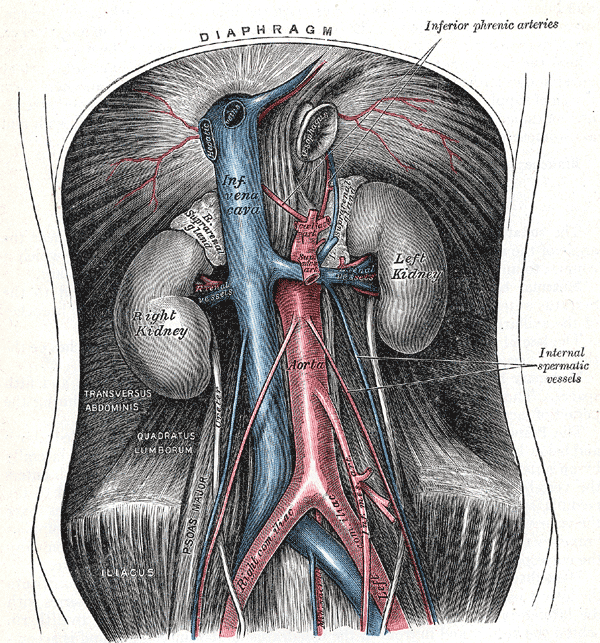
This is a review of the effects of CKD on increased morbidity and mortality of abdominal aortic aneurysm repair.   The abdominal aorta has branches to the superior mesenteric arteries proximally, and below that both renal arteries, which also supply the adrenals (suprarenal).
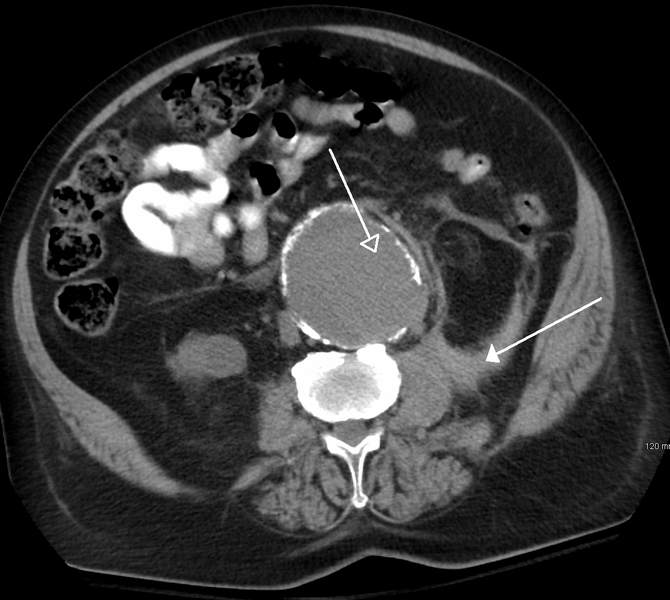
Severe atherosclerosis with plaque buildup and separation of the media from the endothelium, can migrate down the addominal aorta before frank rupture of an aneurysm.   Abdominal aortic aneurysm often extends from below the the renal arteries, to the internal spermatic vessels, or as far as the iliacs.

220px-Aortadiagramgray           Contrast-enhanced_CT_scan_demonstrating_abdominal_aortic_aneurysm

http://upload.wikimedia.org/wikipedia/commons/thumb/4/4a/Contrast-enhanced_CT_scan_demonstrating_abdominal_aortic_aneurysm.jpg/120px-Contrast-enhanced_CT_scan_demonstrating_abdominal_aortic_aneurysm.jpg

Of the visceral branches, the celiac artery and the superior and inferior mesenteric arteries are unpaired, while the suprarenals, renals, internal spermatics, and ovarian are paired. Of the parietal branches the inferior phrenics and lumbars are paired; the middle sacral is unpaired. The terminal branches are paired.
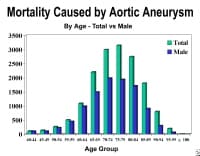
AAA is most common in men over age 65 years.  If it is expanding AAA causes sudden, severe, and constant low back, flank, abdominal, or groin pain (internal spermatic branch).  The presence of a pulsatile abdominal mass is virtually diagnostic but is found in less than half of all cases.  At least 65% of patients with a ruptured AAA die from sudden cardiovascular collapse before arriving at a hospital.
670px-RupturedAAA

EVAR for ruptured AAA

A study by Mehta et al assessed the effect of hemodynamic status on outcomes in 136 patients undergoing EVAR for ruptured AAAs.[1] The patients were divided into 2 groups:
(1) Hd-stable (systolic BP ≥80 mm Hg; n = 92 [68%]) and
(2) Hd-unstable (systolic BP < 80 mm Hg for >10 minutes; n = 44 [32%]).
The 30-day mortality, postoperative complications, need for secondary reinterventions, and midterm mortality were recorded. The 2 groups were found to be similar with respect to
  • comorbidities,
  • mean AAA maximum diameter (6.6 vs 6.4 cm),
  • need for on-the-table conversion to open repair (3% vs 7%), and
  • incidence of nonfatal complications (43% vs 38%) and secondary interventions (23% vs 25%).
  1. intraoperative need for aortic occlusion balloon,
  2.  mean estimated blood loss,
  3. incidence of developing abdominal compartment syndrome (ACS), and
  4. mortality
were all increased in the Hd-unstable group ([1]40% vs 6%, [2]744 vs 363 mL,[3] 29% vs 4%, and [4]33% vs 18%, respectively).

Open Surgery

Requires direct access to the aorta through an abdominal or retroperitoneal approach
Endovascular: Involves gaining access to the lumen of the abdominal aorta, usually via small incisions over the femoral vessels; an endograft, typically a cloth graft with a stent exoskeleton, is placed within the lumen of the AAA, extending distally into the iliac arteries.  Approximately 90% of abdominal aortic aneurysms are infrarenal.
The important surgical and endovascular anatomic considerations include associated renal and visceral artery involvement (either occlusive disease or involved in the aneurysm process) and the iliac artery (either occlusive disease or aneurysms). The length of the infrarenal aortic neck is important in helping determine the surgical approach (retroperitoneal vs transabdominal) and the location of the aortic cross clamp.

Endovascular Aneurysm Repair

Endovascular repair first became practical in the 1990s and although it is now an established alternative to open repair, its role is yet to be clearly defined. It is generally indicated in older, high-risk patients or patients unfit for open repair. However, endovascular repair is feasible for only a proportion of AAAs, depending on the morphology of the aneurysm. The main advantages over open repair are that there is less peri-operative mortality, less time in intensive care, less time in hospital overall and earlier return to normal activity. Disadvantages of endovascular repair include a requirement for more frequent ongoing hospital reviews, and a higher chance of further procedures being required.  According to the latest studies, the EVAR procedure does not offer any benefit for overall survival or health-related quality of life compared to open surgery, although aneurysm-related mortality is lower.

Aorta Anatomy and Pathology in AAA

The diameter of the aorta decreases in size from its thoracic portion to the abdominal and infrarenal portions. A normal aorta shows a reduction in medial elastin layers from the thoracic area to the abdominal portion. Elastin and collagen content are also reduced.  AAAs develop following degeneration of the media. The degeneration ultimately may lead to widening of the vessel lumen and loss of structural integrity.  
A multidisciplinary research program supported by the US National Heart, Lung, and Blood Institute identified proteolytic degradation of aortic wall connective tissue, inflammation and immune responses, biomechanical wall stress, and molecular genetics as mechanisms important in the development of AAA.  Similarly, surgical specimens of AAA reveal inflammation, with infiltration by lymphocytes and macrophages; thinning of the media; and marked loss of elastin.
Through gene microarray analysis, various genes involved in extracellular matrix degradation, inflammation, and other processes observed in AAA formation have been shown to be up-regulated, while others that may serve to prevent this occurrence are down-regulated. The combination of proteolytic degradation of aortic wall connective tissue, inflammation and immune responses, biomechanical wall stress, and molecular genetics represents a dynamic process that leads to aneurysmal deterioration of aortic tissue.
mortality caused by aortic aneurysm
1.  Mehta M, Paty PS, Byrne J, Roddy SP, Taggert JB, Sternbach Y, et al. The impact of hemodynamic status on outcomes of endovascular abdominal aortic aneurysm repair for rupture. J Vasc Surg. May 2013;57(5):1255-60. [Medline].
2.  Blanchard JF, Armenian HK, Friesen PP. Risk factors for abdominal aortic aneurysm: results of a case-control study. Am J Epidemiol. Mar 15 2000;151(6):575-83. [Medline].
3.  Lederle FA, Johnson GR, Wilson SE, Chute EP, Littooy FN, Bandyk D, et al. Prevalence and associations of abdominal aortic aneurysm detected through screening. Aneurysm Detection and Management (ADAM) Veterans Affairs Cooperative Study Group. Ann Intern Med. Mar 15 1997;126(6):441-9. [Medline].
4.   Wassef M, Baxter BT, Chisholm RL, Dalman RL, Fillinger MF, Heinecke J, et al. Pathogenesis of abdominal aortic aneurysms: a multidisciplinary research program supported by the National Heart, Lung, and Blood Institute. J Vasc Surg. Oct 2001;34(4):730-8. [Medline].
5.   [Guideline] U.S. Preventive Services Task Force. Screening for abdominal aortic aneurysm: recommendation statement. Ann Intern Med. Feb 1 2005;142(3):198-202. [Medline]. [Full Text].

Impact of chronic kidney disease on outcomes after abdominal aortic aneurysm repair

Patel VI, Lancaster RT, Mukhopadhyay S, Aranson NJ, Conrad MF, et al.
J Vasc Surg. 2012 Nov;56(5):1206-13.      http://dx.doi.org/10.1016/j.jvs.2012.04.037. Epub 2012 Aug 1.
Chronic kidney disease (CKD) is associated with increased morbidity and death after open abdominal aortic aneurysm (AAA) repair (OAR). This study highlights the effect of CKD on outcomes after endovascular AAA (EVAR) and OAR in contemporary practice.
The National Surgical Quality Improvement Program (NSQIP) Participant Use File (2005-2008) was queried by Current Procedural Terminology (American Medical Association, Chicago, Ill) code to identify EVAR or OAR patients, who were grouped by CKD class as having mild (CKD class 1 or 2), moderate (CKD class 3), or severe (CKD class 4 or 5) renal disease. Propensity score analysis was performed to match OAR and EVAR patients with mild CKD with those with moderate or severe CKD. Comparative analysis of mortality and clinical outcomes was performed based on CKD strata.
We identified 8701 patients who were treated with EVAR (n = 5811) or OAR (n = 2890) of intact AAAs. Mild, moderate, and severe CKD was present in 63%, 30%, and 7%, respectively. CKD increased (P < .01) overall mortality, with rates of 1.7% (mild), 5.3% (moderate), and 7.7% (severe) in unmatched patients undergoing EVAR or OAR. Operative mortality rates in patients with severe CKD were as high as 6.2% for EVAR and 10.3% for OAR.
Severity of CKD was associated with increasing frequency of risk factors; therefore, propensity matching to control for comorbidities was performed, resulting in similar baseline clinical and demographic features of patients with mild compared with those with moderate or severe disease.
In propensity-matched cohorts, moderate CKD increased the risk of 30-day mortality
  • for EVAR (1.9% mild vs 3.2% moderate; P = .013) and
  • OAR (3.1% mild vs 8.4% moderate; P < .0001).
Moderate CKD was also associated with increased morbidity in patients treated with
  • EVAR (8.3% mild vs 12.8% moderate; P < .0001) or
  • OAR (25.2% mild vs 32.4% moderate; P = .001).
Similarly, severe CKD increased the risk of 30-day mortality
  • for EVAR (2.6% mild vs 5.7% severe; P = .0081) and
  • OAR (4.1% mild vs 9.9% severe; P = .0057).
Severe CKD was also associated with increased morbidity in patients treated with
  • EVAR (10.6% mild vs 19.2% severe; P < .0001) or
  • OAR (31.1% mild vs 39.6% severe; P = .04).
The presence of moderate or severe CKD in patients considered for AAA repair is associated with significantly increased mortality and therefore should figure prominently in clinical decision making. The high mortality of AAA repair in patients with severe CKD is such that elective repair in such patients is not advised, except in extenuating clinical circumstances.

Related articles published on this Open Access Online Scientific Journal 

Effect of Hospital Characteristics on Outcomes of Endovascular Repair of Descending Aortic Aneurysms in US Medicare Population

Larry H. Bernstein, MD, FCAP 

http://pharmaceuticalintelligence.com/2013/06/27/effect-of-hospital-characteristics-on-outcomes-of-endovascular-repair-of-descending-aortic-aneurysms-in-us-medicare-population/

Abdominal Aortic Aneurysms (AAA): Albert Einstein’s Operation by Dr. Nissen
Aviva Lev-Ari, PhD, RN
No Early Symptoms – An Aortic Aneurysm Before It Ruptures – Is There A Way To Know If I Have it?
Justin D Pearlman, MD, PhD, FACC and Aviva Lev-Ari, PhD, RN
First-of-Its-Kind FDA Approval for ‘AUI’ Device with Endurant II AAA Stent Graft: Medtronic Expands in Endovascular Aortic Repair in the United States
Aviva Lev-Ari, PhD, RN
Abdominal Aortic Aneurysm: Endovascular repair and open repair resulted in similar long-term survival
Aviva Lev-Ari, PhD, RN
EUROPCR 2013, Paris 5/21-5/24, 2013 Conference for Cardiolovascular Intervention and Interventional Medicine
Aviva Lev-Ari, PhD, RN
Genomics & Genetics of Cardiovascular Disease Diagnoses: A Literature Survey of AHA’s Circulation Cardiovascular Genetics, 3/2010 – 3/2013
Aviva Lev-Ari, PhD, RN and Larry Bernstein, MD, FCAP
Competition in the Ecosystem of Medical Devices in Cardiac and Vascular Repair: Heart Valves, Stents, Catheterization Tools and Kits for Open Heart and Minimally Invasive Surgery (MIS)
Aviva Lev-Ari, PhD, RN
Bioabsorbable Drug Coating Scaffolds, Stents and Dual Antiplatelet Therapy
Aviva Lev-Ari, PhD, RN
Vascular Repair: Stents and Biologically Active Implants
Larry  Bernstein, MD, FCAP
Drug Eluting Stents: On MIT’s Edelman Lab’s Contributions to Vascular Biology and its Pioneering Research on DES
Larry H. Bernstein, MD, FCAP 
Coronary Artery Disease – Medical Devices Solutions: From First-In-Man Stent Implantation, via Medical Ethical Dilemmas to Drug Eluting Stents
Aviva Lev-Ari, PhD, RN
Survivals Comparison of Coronary Artery Bypass Graft (CABG) and Percutaneous Coronary Intervention (PCI) / Coronary Angioplasty
Larry Bernstein, MD, FCAP and Aviva Lev-Ari, PhD, RN
Trans-apical Transcatheter Aortic Valve Replacement in a Patient with Severe and Complex Left Main Coronary Artery Disease (LMCAD)
Larry Bernstein, MD, FCAP and Aviva Lev-Ari, PhD, RN
Transcatheter Aortic Valve Replacement (TAVR): Postdilatation to Reduce Paravalvular Regurgitation During TAVR with a Balloon-expandable Valve
Larry Bernstein, MD, FCAP and Aviva Lev-Ari, PhD, RN
Svelte Medical Systems’ Drug-Eluting Stent: 0% Clinically-Driven Events Through 12-Months in First-In-Man Study
Aviva Lev-Ari, PhD, RN
Acute and Chronic Myocardial Infarction: Quantification of Myocardial Perfusion Viability – FDG-PET/MRI vs. MRI or PET alone  (Justin Pearlman, Aviva Lev-Ari)
Biomaterials Technology: Models of Tissue Engineering for Reperfusion and Implantable Devices for Revascularization
Larry Bernstein, MD, FCAP and Aviva Lev-Ari, PhD, RN
Revascularization: PCI, Prior History of PCI vs CABG
Aviva Lev-Ari, PhD, RN
Accurate Identification and Treatment of Emergent Cardiac Events
Larry Bernstein, MD, FCAP
FDA Pending 510(k) for The Latest Cardiovascular Imaging Technology
Aviva Lev-Ari, PhD, RN
The ACUITY-PCI score: Will it Replace Four Established Risk Scores — TIMI, GRACE, SYNTAX, and Clinical SYNTAX
Aviva Lev-Ari, PhD, RN
Nitric Oxide and it’s impact on Cardiothoracic Surgery
Tilda Barliya, PhD
CABG or PCI: Patients with Diabetes – CABG Rein Supreme
Aviva Lev-Ari, PhD, RN
To Stent or Not? A Critical Decision
Aviva Lev-Ari, PhD, RN
Endothelin Receptors in Cardiovascular Diseases: The Role of eNOS Stimulation
Aviva Lev-Ari, PhD, RN
Absorb™ Bioresorbable Vascular Scaffold: An International Launch by Abbott Laboratories
Aviva Lev-Ari, PhD, RN
Carotid Stenting: Vascular surgeons have pointed to more minor strokes in the stenting group and cardiologists to more myocardial infarctions in the CEA cohort.
Aviva Lev-Ari, PhD, RN
New Drug-Eluting Stent Works Well in STEMI
Aviva Lev-Ari, PhD, RN
Global Supplier Strategy for Market Penetration & Partnership Options (Niche Suppliers vs. National Leaders) in the Massachusetts Cardiology & Vascular Surgery Tools and Devices Market for Cardiac Operating Rooms and Angioplasty Suites
Aviva Lev-Ari, PhD, RN
Abdominal Aortic Aneurysm in Computer Tomography

Abdominal Aortic Aneurysm in Computer Tomography (Photo credit: Wikipedia)

Read Full Post »

Controlling focused-treatment of Prostate cancer with MRI

Writer and reporter: Dror Nir, PhD.

In recent years there is a growing trend of treating prostate cancer in a way that will preserve, at least partially, the functionality of this organ. When patients are presenting at biopsy a low-grade localized disease, they might be offered focused treatment of the cancer lesion. One of the option is treatment by high-intensity focused ultrasound (HIFU).

The offering of such treatments created the need of controlling their outcome while the prostate is still inside the patient’s body. The most commonly used protocol is following up the patient’s PSA levels and performing “control” biopsies. The biopsies part is at best case; extremely unpleasant. It also bears some risk for complications.

Therefore, urologists are constantly seeking an imaging based protocol that will enable them to assess the treatment outcome without the need for biopsy. The publication I bring below presents the possibility of using MRI for this task. Although it is not recent, it contains many images that makes the story very clear for the reader.  The main weakness of the study is the small number of patients – only 15.

MR Imaging of Prostate after Treatment with High-Intensity Focused Ultrasound

Alexander P. S. Kirkham, FRCR, Mark Emberton, FRCS, Ivan M. Hoh, MRCS, Rowland O. Illing, MRCS, A. Alex Freeman, FRCP and Clare Allen, FRCR

From the Department of Imaging, University College London Hospitals NHS Foundation Trust, England (A.P.S.K., C.A.); Institute of Urology (M.E., I.M.H., R.O.I.) and Department of Histopathology (A.A.F.), University College London, England.

Address correspondence to A.P.S.K., Imaging Department, University College Hospital, 235 Euston Road, London, England NW1 2BU (e-mail: alexkirkham@yahoo.com).

Radiology March 2008; 246 (3) – 833-844.

Abstract

Purpose: To prospectively evaluate magnetic resonance (MR) imaging findings after high-intensity focused ultrasound (HIFU) treatment of the prostate and to correlate them with clinical and histologic findings.

Materials and Methods: Local ethics committee approval and informed consent were obtained. Fifteen consecutive men aged 46–70 years with organ-confined prostate cancer underwent ultrasonographically guided ablation of the whole prostate. Postoperative MR images were obtained within 1 month (12 patients), at 1–3 months (five patients), and in all patients at 6 months. Prostate volume was measured on T2-weighted images, and enhancing tissue was measured on dynamic images after intravenous administration of gadopentetate dimeglumine. Prostate-specific antigen (PSA) level was measured at regular intervals, and transrectal biopsy was performed in each patient at 6 months after treatment.

Results: Initial post-HIFU images showed a central nonenhancing area, surrounded by an enhancing rim. At 6 months, the prostate was small (median volume reduction, 61%) and was of predominantly low signal intensity on T2-weighted images. The volume of prostate enhancing on the initial posttreatment image correlated well with serum PSA level nadir (Spearman r = 0.90, P < .001) and with volume at 6 months (Pearsonr = 0.80, P = .001). The three patients with the highest volume of enhancing prostate at the initial posttreatment acquisition had persistent cancer at 6-month biopsy.

Conclusion: MR imaging results of the prostate show a consistent sequence of changes after treatment with HIFU and can provide information to the operator about completeness of treatment.

There is currently little to offer men with localized prostate cancer between the two extremes of watchful waiting and radical treatment—most commonly prostatectomy or radiation therapy (1). Ablation of the gland has been proposed as an alternative that has the potential to completely treat the tumor while minimizing the sexual and urinary morbidity that still accompany established radical therapies (2). Several techniques have been used in the prostate—including microwave (3) and radiofrequency (4) ablation, cryotherapy (5), photodynamic therapy (6), and high-intensity focused ultrasound (HIFU) treatment (7).

HIFU is, in several respects, ideally suited to the prostate. In contrast to extracorporeal devices for the liver and kidney (8), with the transrectal approach, there is little movement of the target because of respiration or reflection by overlying bone. A focal distance of 3 or 4 cm allows the generation of coagulative necrosis in treatment voxels less than 0.2 mL and allows a treatment volume that conforms to the shape of the prostate (9)—a degree of precision that may be beyond that of other techniques. Even so, complete ablation is likely to affect periprostatic tissues, including the neurovascular bundles containing the cavernosal nerves (10) and the external urethral sphincter. Preservation of these structures—and the patient’s erectile and urinary function—must be balanced against full treatment of the gland.

Although impotence rates after HIFU treatment approach 50% (11), it is likely that in its current clinical implementation, the prostate is not being fully ablated: In published series, the recurrence rates for cancer range between 25% and 38% (7,11,12). To our knowledge, no groups have reported mean reductions in prostate volume of more than 50% (12,13), and several groups have found it difficult to treat the anterior gland (14).

If we are to improve outcomes, a fundamental requirement for HIFU treatment (and ablative technologies in general) is a method that provides anatomic information to the operator about areas that have been over- or undertreated. This might lead to modifications in future technique, and if obtained soon after treatment, might indicate the need for further ablation. Such a method might also help predict outcome earlier than established measures, such as prostate-specific antigen (PSA) measurement and biopsy.

Magnetic resonance (MR) imaging has great potential in this setting, and Rouviere et al (14) have described the appearance of the prostate on contrast material–enhanced MR images obtained up to 5 months after HIFU treatment. Rouviere et al found a good correlation between the theoretical treatment volume and the volume of nonenhancing prostate on a subsequent acquisition. The aim of our study was to prospectively evaluate MR imaging findings after HIFU treatment of the prostate and to correlate them with clinical and histologic findings.


MATERIALS AND METHODS

Misonix (the European distributors of the Sonablate device) funded the phase-II European study and provided equipment and reimbursed the hospital for costs. The company has funded two authors (I.M.H. and R.O.I.) through educational awards. One author (M.E.) has acted as a paid consultant to Misonix and also received honoraria for training and teaching. Authors other than I.M.H., R.O.I., and M.E. had control of the information and data submitted for publication. Misonix was not involved in the analysis of data or the writing of this article.

Patients

We included the first 15 men at University College Hospital (age range, 46–70 years; mean age, 59 years) who were taking part in a registered phase-II multicenter European study of HIFU therapy for organ-confined prostate cancer (Table 1). The study was approved by the local ethics committee, and full written consent was obtained from each patient. The patients understood that HIFU is an experimental treatment whose long-term outcome is unknown and were offered full conventional treatment as an alternative. The study was limited to men with a serum PSA level 15 μg/L or less, Gleason score less than 8, prostate volume less than 40 mL, life expectancy more than 5 years, and age less than 80 years. There was no limit to the number of biopsy cores that had a positive finding or the amount of cancer in each core removed. Patients with a history of previous prostate surgery were excluded, as were men who had undergone androgen deprivation therapy in the 6 months prior to recruitment or had intragland prostatic calcification more than 1 cm in diameter.

Table 1.  Patients and Demographics

 table 1

 * Ratio of cores with a positive finding to cores obtained.

 † Image not available for analysis; volume was calculated by using US measurements.

The Sonablate 500 (Focus Surgery, Indianapolis, Ind) consists of a power generator, water cooling system (the Sonachill), a treatment probe, and a positioning system. The probe contains two curved rectangular piezoceramic transducers with a driving frequency of 4 MHz and focal lengths of 30 and 40 mm. During treatment, these may be driven at low energy to provide real-time diagnostic imaging or at high energy for therapeutic ablation (in situ intensity, 1300–2200 W/cm2). The probe is covered with a condom, under which cold (17°–18°C) degassed water is circulated to help protect the rectum from thermal injury.

Patients were prepared before the procedure with two phosphate enemas to empty the rectum. Oral bowel preparation was used in some patients. Treatment was performed with general anesthesia in the lithotomy position and was performed or closely supervised in every case by an author (M.E., 2 years of experience in HIFU treatment). After gentle dilation of the anal sphincter, the treatment probe was introduced with a covering of ultrasonographic (US) gel to couple it to the rectal mucosa and was held in position with an articulated arm attached to the operating table. A 16-F Foley urethral catheter was inserted using sterile technique, and a 10-mL balloon was inflated to allow the bladder neck and median sagittal plane to be seen accurately. It was removed before treatment began.

Treatment was planned by using US-acquired volumes consisting of stacks of both sagittal and transverse sections (voxel size, 2 × 3 × 30 mm) and was applied in rows that extended in the craniocaudal axis, interleaved to avoid interference from adjacent, recently treated areas. After each 3-second period of ablation, diagnostic transverse and sagittal images in the plane of treatment were obtained to permit tailoring of the energy delivery in the next voxel according to visible changes on the gray-scale image. This is an important difference from the device used by Rouviere’s group (14), in which power is planned before the treatment begins. We aimed to set the power for each voxel at a level that produced hyperechoic change due to cavitation (as described by Illing et al [15]), and we invariably treated the whole anterior prostate. Neurovascular bundles were not identified at treatment (the Sonablate device does not yet have color Doppler capability); rather, we aimed to avoid treating outside the capsule where they lie posterolaterally (10). The time between the first ablation and the point at which treatment was considered complete was 3.0–4.4 hours (mean, 3.6 hours). A 16-F urethral catheter was placed immediately after the treatment and was left in place for 2 weeks.

MR Imaging

For most preoperative examinations and for all post-HIFU imaging, we used an MR machine (Symphony or Avanto; Siemens, Erlangen, Germany) with 1.5-T magnet and a pelvic-phased array coil. Except where stated, a full protocol of T1- and T2-weighted turbo spin-echo (Siemens) images and a dynamic fat-saturated postcontrast volume acquisition were used for both preoperative diagnostic and planning imaging and for postoperative assessment of HIFU treatment (Table 2). The contrast material used was 20 mL of gadopentetate dimeglumine (Magnevist; Schering, Berlin, Germany) given intravenously at 3 mL/sec.

Table 2. MR Sequences Used at Prostate Imaging

table 2

We aimed to image patients less than 1 month after treatment and did so in 12 patients. The remaining three patients were imaged between 1 and 3 months after treatment. Two patients were imaged in both time periods. Every patient underwent a 6-month MR examination.

Image Analysis

All volume measurements (except where stated) were acquired by using planimetry of contiguous 3-mm sections (16). T2-weighted images were used for measurement of prostatic volume both before and after treatment. The amount of intermediate- or high-signal-intensity material (ie, higher than muscle) remaining within the prostate was also measured on the 6-month posttreatment T2-weighted image.

The volume of nonenhancing prostate tissue at the post-HIFU acquisition was measured by using the final dynamic postcontrast image. On the initial posttreatment image, we also measured the volume of extraprostatic tissue that was both of low signal intensity on the T1-weighted image and nonenhancing. The distance between this tissue and the rectal mucosa was measured at its narrowest point. The mean thickness of the enhancing rim surrounding the treatment volume was measured on transverse postcontrast T1-weighted spin-echo images and was calculated by dividing the area of the rim by its circumference.

The volume of persistently enhancing prostate tissue on the initial image was calculated by subtracting the nonenhancing volume from the total volume of prostate on the T2-weighted image. This could be calculated in 13 patients; one patient did not receive contrast material at the post-HIFU MR acquisition, and the other was imaged more than 2 months after treatment.

All measurements were performed by a first-year radiology fellow (A.P.S.K.) without knowledge of PSA and histologic results. Two other observers independently measured the three key parameters that were used for correlation calculations for each patient: (a) the volume of nonenhancing prostate on the initial image, (b) the total volume of the prostate on the initial image, and (c) the final prostate volume at 6 months. One was a consultant uroradiologist with more than 10 years of experience in the interpretation of prostate MR images (C.A.); the other was a third-year urology research fellow with an interest in prostate imaging (R.O.I.). For each parameter, the mean of the three observers’ measurements was calculated and used for further analysis.

PSA Measurement and Prostate Biopsy

Serum PSA level was measured before and at 1.5, 3, and 6 months after HIFU treatment. The nadir was defined as the lowest of the three values.

Biopsies were performed by an author (A.P.S.K., with 4 years of experience in prostate biopsy) by using a transrectal approach with US guidance and an 18-gauge needle with a 2-cm throw soon after the 6-month MR examination. The number of cores obtained depended on the amount of residual prostate and varied between two and 10 (median, eight cores).

Erectile Function and Continence

The International Index of Erectile Function was used to assess erectile function both before and 3 months after HIFU treatment in each patient (17). The most important question was, “How often were your erections hard enough for penetration [with or without phosphodiesterase type 5 inhibitors]?” A score of 2 (a few times in 4 weeks) to 5 (always) was, for the purposes of this article, considered evidence of intact erectile function.

Men were asked to complete the International Continence Society–validated continence function questionnaire at baseline and at 3 and 6 months after therapy. The question deemed to be most informative was how often the patient required the use of pads or adult diapers. Responses could include “never,” “not more than one per day,” “1–2 per day,” or “more than 3 per day.”

Statistical Analysis

To assess the variance of results between observers, we used the intraclass correlation coefficient (18) applied to measurements obtained by three observers of the calculated volume of enhancing prostate on the initial post-HIFU image and the 6-month prostate volume.

The Spearman rank test was used to assess the correlation between enhancing prostate volume and serum PSA level nadir, and the Pearson test was used to examine the correlation between initial enhancing prostate volume and final prostate volume. Only the patients who were imaged less than 1 month after treatment were included in the analysis. These tests were performed by using software (GraphPad Prism for Mac, version 3; http://www.graphpad.com).

Because some of the covariance of volumes measured after treatment was likely to be due to their correlation with pretreatment prostate volume, we also applied a correction: The values were expressed as a proportion of the pretreatment volume, and a further correlation measurement was performed by using the Pearson test. In each case, a P value of less than .02 was considered to indicate a significant difference.


RESULTS

Up to 1 Month After Treatment

T2-weighted images.—Compared with that on the preoperative image, the prostate volume increased in every case (Table 1 and Table E1, Fig 1). The signal intensity from the prostate on T2-weighted images within the first month was always heterogeneous and variable. It was impossible to predict from the findings on T2-weighted images which areas of the prostate would enhance after intravenous contrast material administration. The periprostatic fat was also heterogeneous in signal intensity, which was consistent with edema (Fig 2).

Figure 1: Graph of change in prostate volume after HIFU treatment. Volume rises initially (less than 1 month after treatment) and is reduced in all cases at 6 months. Numbers = patient numbers.

 Picture1

Figure 2: MR images in patient 1 (a–d) and (e–h) patient 8 show low volume of enhancing prostate at initial imaging and small residual prostate at 6 months. Posttreatment serum PSA level was less than 0.05 μg/L in both cases.

Figure 2a:

Picture2a

Figure 2b:

Picture2b

Figure 2c:

Picture2c

Figure 2d:

Picture2d

Figure 2e:

Picture2e

Figure 2f:

Picture2f

Figure 2g:

Picture2g

Figure 2h:

Picture2h

T1-weighted images.—The prostate was of predominantly low signal intensity, although patchy areas of intermediate or high signal intensity, likely to represent hemorrhage, were a constant finding within the gland and in all but one of 28 seminal vesicles.

Postcontrast images.—In each patient, the postcontrast images showed a central area of nonenhancing tissue. This conformed to the treatment volume and was surrounded by an enhancing rim of mean thickness of 2–8 mm (median, 4 mm) that was continuous around the prostate in most patients (Fig 2; Table E1,).

The enhancing prostate varied in size and position. Part of the enhancing rim usually lay within the prostatic capsule and continued to the prostatic apex where there was almost always some enhancing tissue between the nonenhancing prostate and the external urethral sphincter. In many patients, more central areas of enhancement were seen: at the apex or base, either posteriorly or anteriorly (Table E1), and were almost always in continuity with the rim.

In every patient, the nonenhancing, low signal intensity within the prostate extended outside the gland and involved the periprostatic fat and the levator ani muscle, particularly anterolaterally (Table E1, Figs 23). This varied considerably and tended to be most prominent in those who had no residual gland enhancement and had an undetectable serum PSA level after HIFU treatment (Table E1). In several patients, the nonenhancing area extended to involve the Denonvilliers fascia. (The distance between its margin and the rectal muscle is listed in Table E1.) In one patient, a proportion of the rectal wall enhanced avidly, but in no patient was there loss of rectal wall enhancement to suggest necrosis.

Figure 3: MR images obtained near the prostate apex show incomplete treatment and persisting high signal intensity in prostate. Serum PSA level nadir = 0.61 μg/L.

Figure 3a: Patient 4:

 Picture3a

 Figure 3b: Patient 4:

Picture3b

Figure 3c: Patient 4:

Picture3c

Figure 3d: Patient 4:

Picture3d

At 1–3 Months

In three patients, there was a “double rim” (Fig 4) on postcontrast images obtained at 36 and 56 days after HIFU treatment. The inner component lay within the prostate and the outer at the prostatic capsule; the intervening part was of low signal intensity on both T1- and T2-weighted images.

 Figure 4: MR images of “double rim” at 56 days after HIFU treatment.

Figure 4a: Patient 3:

 Picture4a

Figure 4b: Patient 3:

Picture4b

Figure 4c: Patient 3:

Picture4c

Six-month Appearance

T2-weighted images.—In every patient, the volume of the prostate was reduced by more than 45% (median, 61% reduction) (Table E1). On T2-weighted images, the majority of the persisting prostate was of low signal intensity, with poor definition to the capsule and with persisting heterogeneous signal intensity to the surrounding fat. However, in 12 of 15 patients, there was persisting high or intermediate signal intensity of the prostate—up to 5.34 mL in volume and most often seen posteriorly and at the apex (Table E1, Figs 3 and 5). In many patients (for example, those in Fig 2), low-signal-intensity prostate of reduced volume surrounded a capacious prostatic cavity continuous with the urethra, which is similar to the cavity seen after transurethral resection (19).

Figure 5: MR images of incomplete treatment of tumor and positive biopsy findings in three of 10 cores at 6 months (in right lateral midzone, right lateral base, and right parasagittal base samples). Serum PSA level nadir = 1.19 μg/L.

Figure 5a: Patient 13:

Picture5a

Figure 5b: Patient 13:

Picture5b

Figure 5c: Patient 13:

Picture5c

Figure 5d: Patient 13:

Picture5d

Figure 5e: Patient 13:

Picture5e

Postcontrast images.—Some small areas of nonenhancing tissue persisted in eight of 14 patients, but this was less than 1 mL in all but one (patient 13, in whom 4 mL of the gland volume of 18.7 mL was nonenhancing). The levator muscle showed a normal signal intensity.

Correlation Between Initial Imaging and Later Findings

In the 12 patients who underwent the initial acquisition within 1 month of HIFU treatment, the volume of enhancing tissue on the initial posttreatment image was positively correlated with the serum PSA level nadir (Fig 6) (Spearman r = 0.90, P < .001) and with the amount of residual tissue at 6 months (including all low-signal-intensity material that was likely to represent fibrosis or necrosis) (Fig 7) (Pearson r = 0.80, P = .001).

 Figure 6: Graph of relationship between the proportion of the prostate still enhancing on initial image and serum PSA level nadir. There is a significant positive correlation (Spearman r = 0.90, P < .001). * = patient 13, who was included in graph but not in analysis (imaged 56 days after HIFU treatment). Patients 14 and 15 are not included because they did not undergo contrast-enhanced acquisition within 2 months of HIFU treatment. μgl−1 = μg/L.

 Picture6

Figure 7: Graph of relationship between the proportion of the prostate still enhancing on initial image and final volume of prostate. There is a significant positive correlation between the variables (Pearson r = 0.80, P = .001). * = patient 13, who was included in graph but not in analysis (imaged 56 days after HIFU treatment). Patients 14 and 15 are not included because they did not undergo contrast-enhanced acquisition within 2 months of HIFU treatment.

Picture7

When posttreatment volumes are expressed as a proportion of pretreatment prostate volume, the correlation between enhancing tissue volume on the initial posttreatment image and the 6-month prostate volume persists (Pearson r = 0.70, P = .001).

Interobserver Correlation

The interobserver variation was excellent for the calculated volume of prostate enhancing on the initial post-HIFU image, with an intraclass correlation coefficient of 0.92, and was good for final prostate volume (intraclass correlation coefficient = 0.73).

Clinical Findings

In five patients (patients 1, 3, 8, 11, and 13), there was imaging evidence (at MR imaging or retrograde urethrography) of a stricture in the mid- or distal prostatic urethra, which was confirmed by using flow rate studies and treated by using self-catheterization or with graded urethral dilators. None have required formal urethrotomy. Patient 14 developed a bladder neck stricture, which was treated successfully by incision.

Before treatment, no men required pads or adult diapers for incontinence. At 6 months after the treatment, four men still required not more than one pad per day. In two cases, this was for reassurance rather than actual leakage.

In the 14 patients in whom there was intact erectile function (score 2–5 for the question, “How often were your erections hard enough for penetration?”) before HIFU treatment, it was intact in nine patients after the procedure. One patient had stopped trying to achieve erections, and four could not achieve penetration.

Histologic Findings

In the three patients in whom there was no high-signal-intensity peripheral zone at 6 months and with serum PSA level less than 0.05 μg/L, there was either no prostatic tissue or only a small group of acini in one core. The remaining patients had a variable amount of residual prostate at core biopsy.

Five patients had residual tumor. In three patients, it was seen in at least two cores (Table E1), and these three patients also had the largest volume of enhancing prostate on the initial post-HIFU MR image (Figs 6 and 7) and more than 2 mL of intermediate- or high-signal-intensity gland on T2-weighted images at 6 months.

In four of five patients with residual cancer, it could not be identified on either contrast-enhanced or T2-weighted images. In one patient (Fig 4), the early dynamic images showed prominent enhancement in the anterior gland, which was consistent with residual cancer found at the distal (ie, nonrectal) end of three right-sided biopsy cores. Such enhancement was not seen in patients with no cancer found at core biopsy.


DISCUSSION

We found a consistent sequence of changes at MR imaging after HIFU treatment of the whole prostate. The proportion of enhancing tissue on the initial posttreatment MR image was predictive of gland volume at 6 months and serum PSA level nadir. A strong statistical relationship between the latter and outcome has recently been demonstrated (20).

Most patients with residual cancer had evidence of incomplete ablation early (a large volume of enhancing prostate on the initial image) and late (a large volume of high-signal-intensity residual prostate on T2-weighted images at 6 months).

In some patients it was possible to achieve an undetectable serum PSA level at 6 months and entirely low signal intensity on T2-weighted images in the region of the prostate. These patients had either no or a small amount of viable prostate in one core at biopsy.

Conversely, in spite of reductions in prostate volume of more than 45% at 6 months, the majority of patients had histologic evidence of persisting viable prostate, and in a group of patients with organ-confined disease but no limit to the volume of cancer pretreatment, one-third had evidence of residual tumor.

Persisting enhancing prostatic tissue usually occurred at the periphery (or extended toward the center of the gland from it) and was particularly common at the apex and near the rectum.

Results of one previously published study (14) of post-HIFU appearances with MR imaging show a similar sequence of acute changes, although there was no attempt to quantify prostate volume at 6 months. There is also a large body of work on the MR imaging appearances with thermotherapy (whether laser [21,22] or radiofrequency [23]) and cryotherapy (24) within the prostate and other organs. The hyperenhancing rim of tissue is a constant finding in several tissues, including the liver (25), the kidney (26), and the brain (27). In the liver and the kidney, it is thin (1 mm or less) and, in most cases, has disappeared by 2 months after ablation (28). Within the prostate, the hyperenhancing rim has been shown to occur after laser ablation of benign prostatic hyperplasia (21,22) and after HIFU treatment (14).

Histologic evidence in animal models—including rabbit and porcine liver (29)—suggests that the enhancing rim corresponds to an area of inflammation and then fibrosis, with a variable amount of residual, viable tissue. How much of the rim will be viable after ablation of the prostate in humans remains uncertain. On the one hand, after HIFU treatment, core biopsy results show “partial or complete necrosis” in the rim (14). On the other, after laser ablation of benign prostatic hyperplasia, the volume of coagulative necrosis at histologic examination correlates very well with the central nonenhancing region at MR imaging, not including the rim (22). The answer is likely to be that a variable amount of the rim contains viable tissue (depending on the organ being imaged [30], the nature of the treatment, and the interval before the acquisition), and the implication is that the only reliably necrotic area at MR imaging is that which does not enhance. We have avoided the term necrosis for the nonenhancing areas of prostate seen in our current study, but from these data it is likely that the areas of prostate without enhancement are truly necrotic.

The distribution of enhancing prostate on posttreatment MR images fits with histologic evidence that “ventral, lateral and dorsal sides of the prostate” have residual viable prostatic tissue at histologic examination after HIFU treatment (31). What all of these areas have in common is proximity to the more richly vascular prostatic capsule. Is it possible that increased vascularity here results in reduced efficacy? This is another area that has been addressed by Rouviere’s group (32), who did not find a correlation between successful ablation and prostate vascularity by using power Doppler US; they conclude, as others have (33,34), that short (3-second) high-intensity bursts of focused ultrasound are unlikely to be markedly affected by blood flow. An alternate explanation is a geometric one: Centrally lying voxels are easier to treat because they may be rendered necrotic either by direct treatment or by damage to supplying vessels in the periphery.

An implication of these results is that the best strategies for minimizing complications while ensuring destruction of the cancer are likely to involve a degree of targeting: If the tumor can be imaged with MR imaging, the patient might be treated with higher power and wider margins (including periprostatic fat, muscle, or even neurovascular bundles) at the site of the cancer and with a standard intensity to the rest of the gland. An analogous approach is the wide excision, including a unilateral neurovascular bundle, of bulky tumors at radical prostatectomy (35). Such an approach may well have benefited our patients 7 and 13.

One methodologic issue that is currently unresolved relates to the timing of MR imaging. A detailed within-patient study of MR imaging changes after HIFU treatment is needed to properly describe the longitudinal changes in the appearance of the prostate. Rouviere et al (14) found that the area of nonenhancing tissue decreases by 50% at 1 month compared with that at an immediate (<1 week) post-HIFU acquisition, which suggests that for an accurate assessment of necrosis volume, the prostate should be imaged as soon as possible after treatment. Of course, perfusion would ideally be assessed during HIFU treatment so that undertreated areas could be further ablated. There is some evidence that Doppler or contrast-enhanced US (36) could play this role, but, to our knowledge, there are no studies on the correlation of immediate findings with later clinical data, such as serum PSA level or histologic examination.

We used fast low-angle shot sequences to assess enhancement because we found that the subjective assessment (together with objective measurements of signal intensity) of the dynamic series helped us identify truly nonenhancing tissue. However, the T1-weighted spin-echo postcontrast sequence would have been adequate, and we consider, as others do (22), dynamic contrast-enhanced sequences not to be an essential part of the protocol for postablation assessment. What is certain is that unenhanced T2-weighted sequences are inadequate for assessing necrosis (14,22).

Our results differ from those of other published series of HIFU treatment in the marked reduction in gland volume and absence of zonal anatomy in many patients observed at 6 months. In contrast to the study of post-HIFU MR imaging by Rouviere et al (14) who used a different device, we did not find that “HIFU-induced abnormalities seem to disappear within 3–5 months.” Rather, in several patients, it was difficult to discern any residual prostate at all at both MR and US studies. The difference probably lies in the power used for treatment and the completeness of gland coverage. The stricture rate of six of 15 is high when compared with that in published series (7,37,38) and may be related to the power used, the degree of fibrosis occurring in the prostate, and the strategy for catheterization. The latter is considered likely to be important, and we have recently changed to using a suprapubic catheter (rather than urethral) after treatment. The rate of impotence after treatment is similar to that in published series (11), as is grade I incontinence.

Our work has implications for the conduct of HIFU. The finding that the volume of enhancing prostate on the initial posttreatment image correlates well with intermediate measures, such as serum PSA level nadir and biopsy evidence of residual cancer, suggests that MR imaging can provide the operator with feedback on the effectiveness of the intervention. This information might enable modification of the technique to treat areas that have been incompletely ablated in previous patients—in our series, those areas encompassed the apex and posterior gland and rarely anterior tissue (in contrast to other study results [14]). Conversely, we might have reduced power or treatment volume at the anterolateral aspect of the gland adjacent to the levator muscle. Such feedback has been cited as a desirable attribute for ablation technology (39) and up to now has been missing.

Our study had several limitations. Although it is likely that nonenhancing areas at MR imaging represent necrosis, we do not have direct histologic evidence. Sampling error and misregistration limit the utility of core biopsies in this context. We have shown that the MR imaging appearances soon after HIFU treatment correlate with findings at 6 months, but this is not the same as outcome. A considerably longer follow-up and a larger number of patients will be necessary to determine both the ultimate efficacy of HIFU treatment and the ability of MR imaging to help predict outcome. Last, while our findings suggest that MR imaging soon after treatment may be useful to assess areas of under- and overtreatment, this is not real-time feedback and does not allow modification of the treatment as it progresses.

In summary, MR imaging results in the first 6 months after HIFU treatment show a consistent sequence of changes, and appearances in the 1st month correlate with serum PSA level nadir and imaging findings at 6 months. Such imaging results hold promise for providing feedback to the operator about the effectiveness of treatment.


ADVANCES IN KNOWLEDGE

  • Treatment of prostate cancer by using ablation with high-intensity focused ultrasound (HIFU) results in a consistent series of changes within the gland during 6 months seen at contrast-enhanced MR imaging.
  • Within 1 month after treatment, a central nonenhancing area is surrounded by an enhancing rim of tissue lying variably within and outside the prostate.
  • At 6 months, the gland is markedly smaller and of partly or completely low signal intensity on T2-weighted images.
  • The amount of enhancing prostate on the initial image correlates with several findings at 6 months, including serum prostate-specific antigen level nadir and prostate volume.


IMPLICATION FOR PATIENT CARE

  • MR imaging after HIFU treatment may provide information about completeness of tumor ablation and the need for early retreatment or close monitoring in cases of incomplete coverage.


Footnotes

  • Trial registration: This trial started recruiting before the trial registration requirements of the International Committee of Medical Journal Editors were formalized.

See Materials and Methods for pertinent disclosures.

Author contributions: Guarantors of integrity of entire study, A.P.S.K., I.M.H., C.A.; study concepts/study design or data acquisition or data analysis/interpretation, all authors; manuscript drafting or manuscript revision for important intellectual content, all authors; manuscript final version approval, all authors; literature research, A.P.S.K., M.E., I.M.H., R.O.I., C.A.; clinical studies, A.P.S.K., R.O.I., C.A.; statistical analysis, A.P.S.K.; and manuscript editing, all authors

Abbreviations:HIFU = high-intensity focused ultrasoundPSA = prostate-specific antigen


References

Parker C. Active surveillance: towards a new paradigm in the management of early prostate cancer. Lancet Oncol 2004; 5: 101–106.

CrossRefMedline

Steineck G, Helgesen F, Adolfsson J, et al. Quality of life after radical prostatectomy or watchful waiting. N Engl J Med 2002;347:790–796.

CrossRefMedline

Huidobro C, Bolmsjo M, Larson T, et al. Evaluation of microwave thermotherapy with histopathology, magnetic resonance imaging and temperature mapping. J Urol 2004;171:672–678.

CrossRefMedline

Shariat SF, Raptidis G, Masatoschi M, Bergamaschi F, Slawin KM. Pilot study of radiofrequency interstitial tumor ablation (RITA) for the treatment of radio-recurrent prostate cancer. Prostate 2005;65:260–267.

CrossRefMedline

Onik G. The male lumpectomy: rationale for a cancer targeted approach for prostate cryoablation—a review. Technol Cancer Res Treat2004;3:365–370.

Medline

Moore CM, Hoh IM, Bown SG, Emberton M. Does photodynamic therapy have the necessary attributes to become a future treatment for organ-confined prostate cancer? BJU Int 2005;96:754–758.

CrossRefMedline

Uchida T, Ohkusa H, Nagata Y, Hyodo T, Satoh T, Irie A. Treatment of localized prostate cancer using high-intensity focused ultrasound. BJU Int2006;97:56–61.

CrossRefMedline

Kennedy JE. High-intensity focused ultrasound in the treatment of solid tumours. Nat Rev Cancer 2005;5:321–327.

CrossRefMedline

Uchida T, Sanghvi NT, Gardner TA, et al. Transrectal high-intensity focused ultrasound for treatment of patients with stage T1b-2n0m0 localized prostate cancer: a preliminary report. Urology 2002;59:394–398.

CrossRefMedline

Walsh PC, Donker PJ. Impotence following radical prostatectomy: insight into etiology and prevention. J Urol 1982;128:492–497.

Medline

Blana A, Walter B, Rogenhofer S, Wieland WF. High-intensity focused ultrasound for the treatment of localized prostate cancer: 5-year experience.Urology 2004;63:297–300.

CrossRefMedline

Gelet A, Chapelon JY, Bouvier R, et al. Transrectal high-intensity focused ultrasound: minimally invasive therapy of localized prostate cancer. J Endourol 2000;14:519–528.

Medline

Chaussy C, Thuroff S. The status of high-intensity focused ultrasound in the treatment of localized prostate cancer and the impact of a combined resection. Curr Urol Rep 2003;4:248–252.

CrossRefMedline

Rouviere O, Lyonnet D, Raudrant A, et al. MRI appearance of prostate following transrectal HIFU ablation of localized cancer. Eur Urol2001;40:265–274.

CrossRefMedline

Illing RO, Leslie TA, Kennedy JE, Calleary JG, Ogden CW, Emberton M. Visually directed high-intensity focused ultrasound for organ-confined prostate cancer: a proposed standard for the conduct of therapy. BJU Int 2006;98:1187–1192.

CrossRefMedline

Bakker J, Olree M, Kaatee R, de Lange EE, Beek FJ. In vitro measurement of kidney size: comparison of ultrasonography and MRI. Ultrasound Med Biol 1998;24:683–688.

CrossRefMedline

Rosen RC, Cappelleri JC, Smith MD, Lipsky J, Pena BM. Development and evaluation of an abridged, 5-item version of the International Index of Erectile Function (IIEF-5) as a diagnostic tool for erectile dysfunction. Int J Impot Res 1999;11:319–326.

CrossRefMedline

Fleiss JL. Reliability of measurement. In: The design and analysis of clinical experiments. New York, NY: Wiley, 1986; 1–32.

Sheu MH, Chiang H, Wang JH, Chang YH, Chang CY. Transurethral resection of the prostate-related changes in the prostate gland: correlation of MRI and histopathology. J Comput Assist Tomogr 2000;24:596–599.

CrossRefMedline

Uchida T, Illing RO, Cathcart PJ, Emberton M. To what extent does the prostate-specific antigen nadir predict subsequent treatment failure after transrectal high-intensity focused ultrasound therapy for presumed localized adenocarcinoma of the prostate? BJU Int 2006;98:537–539.

CrossRefMedline

Mueller-Lisse UG, Heuck AF, Schneede P, et al. Postoperative MRI in patients undergoing interstitial laser coagulation thermotherapy of benign prostatic hyperplasia. J Comput Assist Tomogr 1996;20:273–278.

CrossRefMedline

Boni RA, Sulser T, Jochum W, Romanowski B, Debatin JF, Krestin GP. Laser ablation-induced changes in the prostate: findings at endorectal MR imaging with histologic correlation. Radiology 1997;202:232–236.

Abstract/FREE Full Text

Zlotta AR, Djavan B, Matos C, et al. Percutaneous transperineal radiofrequency ablation of prostate tumour: safety, feasibility and pathological effects on human prostate cancer. Br J Urol 1998;81:265–275.

Medline

Vellet AD, Saliken J, Donnelly B, et al. Prostatic cryosurgery: use of MR imaging in evaluation of success and technical modifications. Radiology1997;203:653–659.

Abstract/FREE Full Text

Guan YS, Sun L, Zhou XP, Li X, Zheng XH. Hepatocellular carcinoma treated with interventional procedures: CT and MRI follow-up. World J Gastroenterol 2004;10:3543–3548.

Medline

Merkle EM, Nour SG, Lewin JS. MR imaging follow-up after percutaneous radiofrequency ablation of renal cell carcinoma: findings in 18 patients during first 6 months. Radiology 2005;235:1065–1071.

Abstract/FREE Full Text

Kahn T, Bettag M, Ulrich F, et al. MRI-guided laser-induced interstitial thermotherapy of cerebral neoplasms. J Comput Assist Tomogr1994;18:519–532.

Medline

Dromain C, de Baere T, Elias D, et al. Hepatic tumors treated with percutaneous radiofrequency ablation: CT and MR imaging follow-up. Radiology2002;223:255–262.

Abstract/FREE Full Text

Raman SS, Lu DS, Vodopich DJ, Sayre J, Lassman C. Creation of radiofrequency lesions in a porcine model: correlation with sonography, CT, and histopathology. AJR Am J Roentgenol 2000;175:1253–1258.

Abstract/FREE Full Text

Illing RO, Kennedy JE, Wu F, et al. The safety and feasibility of extracorporeal high-intensity focused ultrasound (HIFU) for the treatment of liver and kidney tumours in a Western population. Br J Cancer 2005;93:890–895.

CrossRefMedline

Van Leenders GJ, Beerlage HP, Ruijter ET, de la Rosette JJ, van de Kaa CA. Histopathological changes associated with high intensity focused ultrasound (HIFU) treatment for localised adenocarcinoma of the prostate. J Clin Pathol 2000;53:391–394.

Abstract/FREE Full Text

Rouviere O, Curiel L, Chapelon JY, et al. Can color doppler predict the uniformity of HIFU-induced prostate tissue destruction? Prostate2004;60:289–297.

Billard BE, Hynynen K, Roemer RB. Effects of physical parameters on high temperature ultrasound hyperthermia. Ultrasound Med Biol1990;16:409–420.

CrossRefMedline

Chen L, ter Haar G, Hill CR, et al. Effect of blood perfusion on the ablation of liver parenchyma with high-intensity focused ultrasound. Phys Med Biol 1993;38:1661–1673.

CrossRefMedline

Park EL, Dalkin B, Escobar C, Nagle RB. Site-specific positive margins at radical prostatectomy: assessing cancer-control benefits of wide excision of the neurovascular bundle on a side with cancer on biopsy. BJU Int 2003;91:219–222.

CrossRefMedline

Sedelaar JP, Aarnink RG, van Leenders GJ, et al. The application of three-dimensional contrast-enhanced ultrasound to measure volume of affected tissue after HIFU treatment for localized prostate cancer. Eur Urol 2000;37:559–568.

CrossRefMedline

Thuroff S, Chaussy C, Vallancien G, et al. High-intensity focused ultrasound and localized prostate cancer: efficacy results from the European multicentric study. J Endourol 2003;17:673–677.

CrossRefMedline

Gelet A, Chapelon JY, Bouvier R, Rouviere O, Lyonnet D, Dubernard JM. Transrectal high intensity focused ultrasound for the treatment of localized prostate cancer: factors influencing the outcome. Eur Urol 2001;40:124–129.

CrossRefMedline

Gillett MD, Gettman MT, Zincke H, Blute ML. Tissue ablation technologies for localized prostate cancer. Mayo Clin Proc 2004;79:1547–1555.

CrossRefMedline

Read Full Post »

Treatment for Endocrine Tumors and Side Effects

Reporter and Curator: Dr. Sudipta Saha, Ph.D.

Surgery

The purpose of surgery is typically to remove the entire tumor, along with some of the healthy tissue around it, called the margin. If the tumor cannot be removed entirely, “debulking” surgery may be performed. Debulking surgery is a procedure in which the goal is to remove as much of the tumor as possible. Side effects of surgery include weakness, fatigue, and pain for the first few days following the procedure.

Chemotherapy

Chemotherapy is the use of drugs to kill tumor cells, usually by stopping the cells’ ability to grow and divide. Systemic chemotherapy is delivered through the bloodstream to reach tumor cells throughout the body. A chemotherapy regimen (schedule) usually consists of a specific number of cycles given over a set period of time. A patient may receive one drug at a time or combinations of different drugs at the same time. The side effects of chemotherapy depend on the individual and the dose used, but they can include fatigue, risk of infection, nausea and vomiting, loss of appetite, and diarrhea. These side effects usually go away once treatment is finished.

Radiation therapy

Radiation therapy is the use of high-energy x-rays or other particles to kill tumor cells. The most common type of radiation treatment is called external-beam radiation therapy, which is radiation given from a machine outside the body. When radiation treatment is given using implants, it is called internal radiation therapy or brachytherapy. A radiation therapy regimen usually consists of a specific number of treatments given over a set period of time. Side effects from radiation therapy may include fatigue, mild skin reactions, upset stomach, and loose bowel movements. Most side effects go away soon after treatment is finished.

Hormone therapy

The goal of hormone therapy is often to lower the levels of hormones in the body. Hormone therapy may be given to help stop the tumor from growing or to relieve symptoms caused by the tumor. In addition, for thyroid cancer, hormone therapy will be given if the thyroid gland has been removed, to replace the hormone that is needed by the body to function properly.

Immunotherapy

Immunotherapy (also called biologic therapy) is designed to boost the body’s natural defenses to fight the tumor. It uses materials made either by the body or in a laboratory to bolster, target, or restore immune system function. Examples of immunotherapy include cancer vaccines, monoclonal antibodies, and interferons. Alpha interferon is a form of biologic therapy given as an injection under the skin. This is sometimes used to help relieve symptoms caused by the tumor, but it can have severe side effects including fatigue, depression, and flu-like symptoms.

Targeted therapy

Targeted therapy is a treatment that targets the tumor’s specific genes, proteins, or the tissue environment that contributes to cancer growth and survival. This type of treatment blocks the growth and spread of tumor cells while limiting damage to normal cells, usually leading to fewer side effects than other cancer medications.

Recent studies show that not all tumors have the same targets. To find the most effective treatment, the doctor may run tests to identify the genes, proteins, and other factors in the tumor. As a result, doctors can better match each patient with the most effective treatment whenever possible.

Depending on the type of endocrine tumor, targeted therapy may be a possible treatment option. For instance, targeted therapies, such as sunitinib (Sutent) and everolimus (Afinitor), have been approved for treating advanced islet cell tumors. Early results of clinical trials (research studies) with targeted therapy drugs for other types of endocrine tumors are promising, but more research is needed to prove they are effective.

Recurrent endocrine tumor

Once the treatment is complete and there is a remission (absence of symptoms; also called “no evidence of disease” or NED). Many survivors feel worried or anxious that the tumor will come back. If the tumor does return after the original treatment, it is called a recurrent tumor. It may come back in the same place (called a local recurrence), nearby (regional recurrence), or in another place (distant recurrence). When this occurs, a cycle of testing will begin again to learn as much as possible about the recurrence. Often the treatment plan will include the therapies described above (such as surgery, chemotherapy, and radiation therapy) but may be used in a different combination or given at a different pace. People with a recurrent tumor often experience emotions such as disbelief or fear. Patients are encouraged to talk with their health care team about these feelings and ask about support services to help them cope.

Metastatic endocrine tumor

If a cancerous tumor has spread to another location in the body, it is called metastatic cancer. A treatment plan that includes a combination of surgery, chemotherapy, radiation therapy, hormone therapy, immunotherapy, or targeted therapy may be recommended if required.

In addition to treatment to slow, stop, or eliminate the cancer (also called disease-directed treatment), an important part of cancer care is relieving a person’s symptoms and side effects. It includes supporting the patient with his or her physical, emotional, and social needs, an approach called palliative or supportive care. People often receive disease-directed therapy and treatment to ease symptoms at the same time.

Source References:

http://www.cancer.net/cancer-types/endocrine-tumor/treatment


http://www.macmillan.org.uk/Cancerinformation/Cancertypes/Endocrine/Endocrinetumours.aspx


http://cancer.osu.edu/patientsandvisitors/cancerinfo/cancertypes/endocrine/Pages/index.aspx


http://cancer.northwestern.edu/cancertypes/cancer_type.cfm?category=8


http://www.cancervic.org.au/about-cancer/cancer_types/endocrine_cancer


http://www.oncolink.org/types/types1.cfm?c=4

Read Full Post »

Could Teleradiology contribute to “cross-borders” standardization of imaging protocols in cancer management?

Writer: Dror Nir, PhD

Teleradiology is accepted as a legitimate medical service for several years now.  It has many clinical utilities worldwide, ranging from services for expert or second opinions to comprehensive remote management of radiology departments in hospitals. Rapid advances in web-technologies infrastructure eliminated the barriers related to the transfer, reading and reporting of radiology images from remote locations. Today’s main controversies are related to issues that are relevant also to “in-house” radiology departments; e.g. clinical governance, quality assessment, work-flow and medico-legal issues.

The concept of Teleradiology is as simple as plotted in this chart.

fig1

Images are automatically uploaded from the imaging system itself or from the institution’s PACS. Reports are sent to the “client” within few hours.

The value for the users goes well beyond mere image interpretation, for example:

  • On-site physicians have more time to spend with patients.
  • Offering of additional subspecialty/multidisciplinary expertise.
  • Comprehensive image-interpretation and reporting service at reduced time-span and reduced cost
  • Sharing images and reports with referring physicians and patients with no effort.

As an example for “cross-border” standardization of a major existing radiology service, let’s consider the use-case of centralized review of mammography images. I know, quite ambitious! And; politically very challenging!

But; seem to be technologically and clinically feasible, at least according to the below quoted publication:

Teleradiology with uncompressed digital mammograms: Clinical assessment

Julia Fruehwald-Pallamar, Marion Jantsch, Katja Pinker, Ricarda Hofmeister, Friedrich Semturs, Kathrin Piegler, Daniel Staribacher, Michael Weber, Thomas H. Helbich

published online 13 April 2012.

Abstract 

Purpose

The purpose of our study was to demonstrate the feasibility of sending uncompressed digital mammograms in a teleradiologic setting without loss of information by comparing image quality, lesion detection, and BI-RADS assessment.

Materials and methods

CDMAM phantoms were sent bidirectionally to two hospitals via the network. For the clinical aspect of the study, 200 patients were selected based on the BI-RAD system: 50% BI-RADS I and II; and 50% BI-RADS IV and V. Two hundred digital mammograms (800 views) were sent to two different institutions via a teleradiology network. Three readers evaluated those 200 mammography studies at institution 1 where the images originated, and in the two other institutions (institutions 2 and 3) where the images were sent. The readers assessed image quality, lesion detection, and BI-RADS classification.

Results

Automatic readout showed that CDMAM image quality was identical before and after transmission. The image quality of the 200 studies (total 600 mammograms) was rated as very good or good in 90–97% before and after transmission. Depending on the institution and the reader, only 2.5–9.5% of all studies were rated as poor. The congruence of the readers with respect to the final BI-RADS assessment ranged from 90% and 91% at institution 1 vs. institution 2, and from 86% to 92% at institution 1 vs. institution 3. The agreement was even higher for conformity of content (BI-RADS I or II and BI-RADS IV or V). Reader agreement in the three different institutions with regard to the detection of masses and calcifications, as well as BI-RADS classification, was very good (κ: 0.775–0.884). Results for interreader agreement were similar.

Conclusion

Uncompressed digital mammograms can be transmitted to different institutions with different workstations, without loss of information. The transmission process does not significantly influence image quality, lesion detection, or BI-RADS rating.

Keywords: Breast cancerImagingDigital mammographyTeleradiologyComparative studies


What could be the benefits from centralizing mammography interpretation through Teleradiology?

  • A baseline protocol that could enable pulling together large number of cases from different populations without having to worry about differences in practice and experience of reporters. This will enable better epidemiology studies of this disease.
  • Quantified measure, in real-time, of the relative quality of imaging between institutions could contribute to bringing all screening services to a maximal level.
  • Development of comprehensive training program for radiologists involved in mammography based screening of breast cancer.
  • Better information sharing between all players involved in the pathway of each individual patient could improve clinical decision making and patient’s support.
  • Lower costs of screening programs, disease treatment and follow-up.

Who could organize and carry out such an operation?

There are many reputable large university hospitals already offering Teleradiology services. They are already supported by government’s funds in addition to the fact that the service itself is carrying profits. I’m not listing any of these for obvious reasons, but; google “teleradiology” will bring you many results.

Read Full Post »

Imaging of Non-tumorous and Tumorous Human Brain Tissues

Reporter and Curator: Dror Nir, PhD

The point of interest in the article I feature below is that it represents a potential building block in a future system that will use full-field optical coherence tomography during brain surgery to improve the accuracy of cancer lesions resection. The article is featuring promising results for differentiating tumor from normal brain tissue in large samples (order of 1–3 cm2) by offering images with spatial resolution comparable to histological analysis, sufficient to distinguish microstructures of the human brain parenchyma.  Easy to say, and hard to make…:) –> Intraoperative apparatus to guide the surgeon in real time during resection of brain tumors.


Imaging of non-tumorous and tumorous human brain tissues with full-field optical coherence tomography 

Open Access Article

Osnath Assayaga1Kate Grievea1Bertrand DevauxbcFabrice HarmsaJohan Palludbc,Fabrice ChretienbcClaude BoccaraaPascale Varletbc;  a Inserm U979 “Wave Physics For Medicine” ESPCI -ParisTech – Institut Langevin, 1 rue Jussieu, 75005, b France, Centre Hospitalier Sainte-Anne, 1 rue Cabanis 75014 Paris, France

c University Paris Descartes, France.

Abstract

A prospective study was performed on neurosurgical samples from 18 patients to evaluate the use of full-field optical coherence tomography (FF-OCT) in brain tumor diagnosis.

FF-OCT captures en face slices of tissue samples at 1 μm resolution in 3D to a penetration depth of around 200 μm. A 1 cm2 specimen is scanned at a single depth and processed in about 5 min. This rapid imaging process is non-invasive and requires neither contrast agent injection nor tissue preparation, which makes it particularly well suited to medical imaging applications.

Temporal chronic epileptic parenchyma and brain tumors such as meningiomas, low-grade and high-grade gliomas, and choroid plexus papilloma were imaged. A subpopulation of neurons, myelin fibers and CNS vasculature were clearly identified. Cortex could be discriminated from white matter, but individual glial cells such as astrocytes (normal or reactive) or oligodendrocytes were not observable.

This study reports for the first time on the feasibility of using FF-OCT in a real-time manner as a label-free non-invasive imaging technique in an intraoperative neurosurgical clinical setting to assess tumorous glial and epileptic margins.

Abbreviations

  • FF-OCT, full field optical coherence tomography;
  • OCT, optical coherence tomography

Keywords

Optical imaging; Digital pathology; Brain imaging; Brain tumor; Glioma

1. Introduction

1.1. Primary CNS tumors

Primary central nervous system (CNS) tumors represent a heterogeneous group of tumors with benign, malignant and slow-growing evolution. In France, 5000 new cases of primary CNS tumors are detected annually (Rigau et al., 2011). Despite considerable progress in diagnosis and treatment, the survival rate following a malignant brain tumor remains low and 3000 deaths are reported annually from CNS tumors in France (INCa, 2011). Overall survival from brain tumors depends on the complete resection of the tumor mass, as identified through postoperative imaging, associated with updated adjuvant radiation therapy and chemotherapy regimen for malignant tumors (Soffietti et al., 2010). Therefore, there is a need to evaluate the completeness of the tumor resection at the end of the surgical procedure, as well as to identify the different components of the tumor interoperatively, i.e. tumor tissue, necrosis, infiltrated parenchyma (Kelly et al., 1987). In particular, the persistence of non-visible tumorous tissue or isolated tumor cells infiltrating brain parenchyma may lead to additional resection.

For low-grade tumors located close to eloquent brain areas, a maximally safe resection that spares functional tissue warrants the current use of intraoperative techniques that guide a more complete tumor resection. During awake surgery, speech or fine motor skills are monitored, while cortical and subcortical stimulations are performed to identify functional areas (Sanai et al., 2008). Intraoperative MRI provides images of the surgical site as well as tomographic images of the whole brain that are sufficient for an approximate evaluation of the abnormal excised tissue, but offers low resolution (typically 1 to 1.5 mm) and produces artifacts at the air-tissue boundary of the surgical site.

Histological and immunohistochemical analyses of neurosurgical samples remain the current gold standard method used to analyze tumorous tissue due to advantages of sub-cellular level resolution and high contrast. However, these methods require lengthy (12 to 72 h), complex multiple steps, and use of carcinogenic chemical products that would not be technically possible intra-operatively. In addition, the number of histological slides that can be reviewed and analyzed by a pathologist is limited, and it defines the number and size of sampled locations on the tumor, or the surrounding tissue.

To obtain histology-like information in a short time period, intraoperative cytological smear tests are performed. However tissue architecture information is thereby lost and the analysis is carried out on only a limited area of the sample (1 mm × 1 mm).

Intraoperative optical imaging techniques are recently developed high resolution imaging modalities that may help the surgeon to identify the persistence of tumor tissue at the resection boundaries. Using a conventional operating microscope with Xenon lamp illumination gives an overall view of the surgical site, but performance is limited by the poor discriminative capacity of the white light illumination at the surgical site interface. Better discrimination between normal and tumorous tissues has been obtained using fluorescence properties of tumor cells labeled with preoperatively administered 5-ALA. Tumor tissue shows a strong ALA-induced PPIX fluorescence at 635 nm and 704 nm when the operative field is illuminated with a 440 nm-filtered lamp. More complete resections of high-grade gliomas have been demonstrated using 5-ALA fluorescence guidance (Stummer et al., 2000), however brain parenchyma infiltrated by isolated tumor cells is not fluorescent, reducing the interest of this technique when resecting low-grade gliomas.

Refinement of this induced fluorescence technique has been achieved using a confocal microscope and intraoperative injection of sodium fluorescein. A 488 nm laser illuminates the operative field and tissue contact analysis is performed using a handheld surgical probe (field of view less than 0.5 × 0.5 mm) which scans the fluorescence of the surgical interface at the 505–585 nm band. Fluorescent isolated tumor cells are clearly identified at depths from 0 to 500 μm from the resection border (Sanai et al., 2011), demonstrating the potential of this technique in low-grade glioma resection.

Reviewing the state-of-the-art, a need is identified for a quick and reliable method of providing the neurosurgeon with architectural and cellular information without the need for injection or oral intake of exogenous markers in order to guide the neurosurgeon and optimize surgical resections.

1.2. Full-field optical coherence tomography

Introduced in the early 1990s (Huang et al., 1991), optical coherence tomography (OCT) uses interference to precisely locate light deep inside tissue. The photons coming from the small volume of interest are distinguished from light scattered by the other parts of the sample by the use of an interferometer and a light source with short coherence length. Only the portion of light with the same path length as the reference arm of the interferometer, to within the coherence length of the source (typically a few μm), will produce interference. A two-dimensional B-scan image is captured by scanning. Recently, the technique has been improved, mainly in terms of speed and sensitivity, through spectral encoding (De Boer et al., 2003Leitgeb et al., 2003 and Wojtkowski et al., 2002).

A recent OCT technique called full-field optical coherence tomography (FF-OCT) enables both a large field of view and high resolution over the full field of observation (Dubois et al., 2002 and Dubois et al., 2004). This allows navigation across the wide field image to follow the morphology at different scales and different positions. FF-OCT uses a simple halogen or light-emitting diode (LED) light source for full field illumination, rather than lasers and point-by-point scanning components required for conventional OCT. The illumination level is low enough to maintain the sample integrity: the power incident on the sample is less than 1 mW/mm2 using deep red and near infrared light. FF-OCT provides the highest OCT 3D resolution of 1.5 × 1.5 × 1 μm3 (X × Y × Z) on unprepared label-free tissue samples down to depths of approximately 200 μm–300 μm (tissue-dependent) over a wide field of view that allows digital zooming down to the cellular level. Interestingly, it produces en face images in the native field view (rather than the cross-sectional images of conventional OCT), which mimic the histology process, thereby facilitating the reading of images by pathologists. Moreover, as for conventional OCT, it does not require tissue slicing or modification of any kind (i.e. no tissue fixation, coloration, freezing or paraffin embedding). FF-OCT image acquisition and processing time is less than 5 min for a typical 1 cm2 sample (Assayag et al., in press) and the imaging performance has been shown to be equivalent in fresh or fixed tissue (Assayag et al., in press and Dalimier and Salomon, 2012). In addition, FF-OCT intrinsically provides digital images suitable for telemedicine.

Numerous studies have been published over the past two decades demonstrating the suitability of OCT for in vivo or ex vivo diagnosis. OCT imaging has been previously applied in a variety of tissues such as the eye (Grieve et al., 2004 and Swanson et al., 1993), upper aerodigestive tract (Betz et al., 2008Chen et al., 2007 and Ozawa et al., 2009), gastrointestinal tract (Tearney et al., 1998), and breast tissue and lymph nodes (Adie and Boppart, 2009Boppart et al., 2004Hsiung et al., 2007Luo et al., 2005Nguyen et al., 2009Zhou et al., 2010 and Zysk and Boppart, 2006).

In the CNS, published studies that evaluate OCT (Bizheva et al., 2005Böhringer et al., 2006Böhringer et al., 2009Boppart, 2003 and Boppart et al., 1998) using time-domain (TD) or spectral domain (SD) OCT systems had insufficient resolution (10 to 15 μm axial) for visualization of fine morphological details. A study of 9 patients with gliomas carried out using a TD-OCT system led to classification of the samples as malignant versus benign (Böhringer et al., 2009). However, the differentiation of tissues was achieved by considering the relative attenuation of the signal returning from the tumorous zones in relation to that returning from healthy zones. The classification was not possible by real recognition of CNS microscopic structures. Another study showed images of brain microstructures obtained with an OCT system equipped with an ultra-fast laser that offered axial and lateral resolution of 1.3 μm and 3 μm respectively (Bizheva et al., 2005). In this way, it was possible to differentiate malignant from healthy tissue by the presence of blood vessels, microcalcifications and cysts in the tumorous tissue. However the images obtained were small (2 mm × 1 mm), captured on fixed tissue only and required use of an expensive large laser thereby limiting the possibility for clinical implementation.

Other studies have focused on animal brain. In rat brain in vivo, it has been shown that optical coherence microscopy (OCM) can reveal neuronal cell bodies and myelin fibers (Srinivasan et al., 2012), while FF-OCT can also reveal myelin fibers (Ben Arous et al., 2011), and movement of red blood cells in vessels (Binding et al., 2011).

En face images captured with confocal reflectance microscopy can closely resemble FF-OCT images. For example, a prototype system used by Wirth et al. (2012) achieves lateral and axial resolution of 0.9 μm and 3 μm respectively. However small field size prevents viewing of wide-field architecture and slow acquisition speed prohibits the implementation of mosaicking. In addition, the poorer axial resolution and lower penetration depth of confocal imaging in comparison to FF-OCT limit the ability to reconstruct cross-sections from the confocal image stack.

This study is the first to analyze non-tumorous and tumorous human brain tissue samples using FF-OCT.

2. Materials and methods

2.1. Instrument

The experimental arrangement of FF-OCT (Fig. 1A) is based on a configuration that is referred to as a Linnik interferometer (Dubois et al., 2002). A halogen lamp is used as a spatially incoherent source to illuminate the full field of an immersion microscope objective at a central wavelength of 700 nm, with spectral width of 125 nm. The signal is extracted from the background of incoherent backscattered light using a phase-shifting method implemented in custom-designed software. This study was performed on a commercial FF-OCT system (LightCT, LLTech, France).


Fig 1

Capturing “en face” images allows easy comparison with histological sections. The resolution, pixel number and sampling requirements result in a native field of view that is limited to about 1 mm2. The sample is moved on a high precision mechanical platform and a number of fields are stitched together (Beck et al., 2000) to display a significant field of view. The FF-OCT microscope is housed in a compact setup (Fig. 1B) that is about the size of a standard optical microscope (310 × 310 × 800 mm L × W × H).

2.2. Imaging protocol

All images presented in this study were captured on fresh brain tissue samples from patients operated on at the Neurosurgery Department of Sainte-Anne Hospital, Paris. Informed and written consent was obtained in all cases following the standard procedure at Sainte-Anne Hospital from patients who were undergoing surgical intervention. Fresh samples were collected from the operating theater immediately after resection and sent to the pathology department. A pathologist dissected each sample to obtain a 1–2 cm2 piece and made a macroscopic observation to orientate the specimen in order to decide which side to image. The sample was immersed in physiological serum, placed in a cassette, numbered, and brought to the FF-OCT imaging facility in a nearby laboratory (15 min distant) where the FF-OCT images were captured. The sample was placed in a custom holder with a coverslip on top (Fig. 1C, D). The sample was raised on a piston to rest gently against the coverslip in order to flatten the surface and so optimize the image capture. The sample is automatically scanned under a 10 × 0.3 numerical aperture (NA) immersion microscope objective. The immersion medium is a silicone oil of refractive index close to that of water, chosen to optimize index matching and slow evaporation. The entire area of each sample was imaged at a depth of 20 μm beneath the sample surface. This depth has been reported to be optimal for comparison of FF-OCT images to histology images in a previous study on breast tissue (Assayag et al., in press). There are several reasons for the choice of imaging depth: firstly, histology was also performed at approximately 20 μm from the edge of the block, i.e. the depth at which typically the whole tissue surface begins to be revealed. Secondly, FF-OCT signal is attenuated with depth due to multiple scattering in the tissue, and resolution is degraded with depth due to aberrations. The best FF-OCT images are therefore captured close to the surface, and the best matching is achieved by attempting to image at a similar depth as the slice in the paraffin block. It was also possible to capture image stacks down to several hundred μm in depth (where penetration depth is dependent on tissue type), for the purpose of reconstructing a 3D volume and imaging layers of neurons and myelin fibers. An example of such a stack in the cerebellum is shown as a video (Video 2) in supplementary material. Once FF-OCT imaging was done, each sample was immediately fixed in formaldehyde and returned to the pathology department where it underwent standard processing in order to compare the FF-OCT images to histology slides.

2.3. Matching FF-OCT to histology

The intention in all cases was to match as closely as possible to histology. FF-OCT images were captured 20 μm below the surface. Histology slices were captured 20 μm from the edge of the block. However the angle of the inclusion is hard to control and so some difference in the angle of the plane always exists when attempting matching. Various other factors that can cause differences stem from the histology process — fixing, dehydrating, paraffin inclusion etc. all alter the tissue and so precise correspondence can be challenging. Such difficulties are common in attempting to match histology to other imaging modalities (e.g. FF-OCT Assayag et al., in press; OCT Bizheva et al., 2005; confocal microscopy Wirth et al., 2012).

An additional parameter in the matching process is the slice thickness. Histology slides were 4 μm in thickness while FF-OCT optical slices have a 1 μm thickness. The finer slice of the FF-OCT image meant that lower cell densities were perceived on the FF-OCT images (in those cases where individual cells were seen, e.g. neurons in the cortex). This difference in slice thickness affects the accuracy of the FF-OCT to histology match. In order to improve matching, it would have been possible to capture four FF-OCT slices in 1 μm steps and sum the images to mimic the histology thickness. However, this would effectively degrade the resolution, which was deemed undesirable in evaluating the capacities of the FF-OCT method.

3. Results

18 samples from 18 adult patients (4 males, 14 females) of age range 19–81 years have been included in the study: 1 mesial temporal lobe epilepsy and 1 cerebellum adjacent to a pulmonary adenocarcinoma metastasis (serving as the non-tumor brain samples), 7 diffuse supratentorial gliomas (4 WHO grade II, 3 WHO grade III), 5 meningiomas, 1 hemangiopericytoma, and 1 choroid plexus papilloma. Patient characteristics are detailed in Table 1.


Table 1

3.1. FF-OCT imaging identifies myelinated axon fibers, neuronal cell bodies and vasculature in the human epileptic brain and cerebellum

The cortex and the white matter are clearly distinguished from one another (Fig. 2). Indeed, a subpopulation of neuronal cell bodies (Fig. 2B, C) as well as myelinated axon bundles leading to the white matter could be recognized (Fig. 2D, E). Neuronal cell bodies appear as dark triangles (Fig. 2C) in relation to the bright surrounding myelinated environment. The FF-OCT signal is produced by backscattered photons from tissues of differing refractive indices. The number of photons backscattered from the nuclei in neurons appears to be too few to produce a signal that allows their differentiation from the cytoplasm, and therefore the whole of the cell body (nucleus plus cytoplasm) appears dark.

Fig 2


Myelinated axons are numerous, well discernible as small fascicles and appear as bright white lines (Fig. 2E). As the cortex does not contain many myelinated axons, it appears dark gray. Brain vasculature is visible (Fig. 2F and G), and small vessels are distinguished by a thin collagen membrane that appears light gray. Video 1 in supplementary material shows a movie composed of a series of en face 1 μm thick optical slices captured over 100 μm into the depth of the cortex tissue. The myelin fibers and neuronal cell bodies are seen in successive layers.

The different regions of the human hippocampal formation are easily recognizable (Fig. 3). Indeed, CA1 field and its stratum radiatum, CA4 field, the hippocampal fissure, the dentate gyrus, and the alveus are easily distinguishable. Other structures become visible by zooming in digitally on the FF-OCT image. The large pyramidal neurons of the CA4 field (Fig. 3B) and the granule cells that constitute the stratum granulosum of the dentate gyrus are visible, as black triangles and as small round dots, respectively (Fig. 3D).


Fig 3

In the normal cerebellum, the lamellar or foliar pattern of alternating cortex and central white matter is easily observed (Fig. 4A). By digital zooming, Purkinje and granular neurons also appear as black triangles or dots, respectively (Fig. 4C), and myelinated axons are visible as bright white lines (Fig. 4E). Video 2 in supplementary material shows a fly-through movie in the reconstructed axial slice orientation of a cortex region in cerebellum. The Purkinje and granular neurons are visible down to depths of 200 μm in the tissue.


Fig 4

3.2. FF-OCT images distinguish meningiomas from hemangiopericytoma in meningeal tumors

The classic morphological features of a meningioma are visible on the FF-OCT image: large lobules of tumorous cells appear in light gray (Fig. 5A), demarcated by collagen-rich bundles (Fig. 5B) which are highly scattering and appear a brilliant white in the FF-OCT images. The classic concentric tumorous cell clusters (whorls) are very clearly distinguished on the FF-OCT image (Fig. 5D). In addition the presence of numerous cell whorls with central calcifications (psammoma bodies) is revealed (Fig. 5F). Collagen balls appear bright white on the FF-OCT image (Fig. 5H). As the collagen balls progressively calcify, they are consumed by the black of the calcified area, generating a target-like image (Fig. 5H). Calcifications appear black in FF-OCT as they are crystalline and so allow no penetration of photons to their interior.

Fig 5

Mesenchymal non-meningothelial tumors such as hemangiopericytomas represent a classic differential diagnosis of meningiomas. In FF-OCT, the hemangiopericytoma is more monotonous in appearance than the meningiomas, with a highly vascular branching component with staghorn-type vessels (Fig. 6A, C).

Fig 6

3.3. FF-OCT images identify choroid plexus papilloma

The choroid plexus papilloma appears as an irregular coalescence of multiple papillas composed of elongated fibrovascular axes covered by a single layer of choroid glial cells (Fig. 7). By zooming in on an edematous papilla, the axis appears as a black structure covered by a regular light gray line (Fig. 7B). If the papilla central axis is hemorrhagic, the fine regular single layer is not distinguishable (Fig. 7C). Additional digital zooming in on the image reveals cellular level information, and some nuclei of plexus choroid cells can be recognized. However, cellular atypia and mitosis are not visible. These represent key diagnosis criteria used to differentiate choroid plexus papilloma (grade I) from atypical plexus papilloma (grade II).

Fig 7

3.4. FF-OCT images detect the brain tissue architecture modifications generated by diffusely infiltrative gliomas

Contrary to the choroid plexus papillomas which have a very distinctive architecture in histology (cauliflower-like aspect), very easily recognized in the FF-OCT images (Fig. 7A to G), diffusely infiltrating glioma does not present a specific tumor architecture (Fig. 8) as they diffusely permeate the normal brain architecture. Hence, the tumorous glial cells are largely dispersed through a nearly normal brain parenchyma (Fig. 8E). The presence of infiltrating tumorous glial cells attested by high magnification histological observation (irregular atypical cell nuclei compared to normal oligodendrocytes) is not detectable with the current generation of FF-OCT devices, as FF-OCT cannot reliably distinguish the individual cell nuclei due to lack of contrast (as opposed to lack of resolution). In our experience, diffuse low-grade gliomas (less than 20% of tumor cell density) are mistaken for normal brain tissue on FF-OCT images. However, in high-grade gliomas (Fig. 8G–K), the infiltration of the tumor has occurred to such an extent that the normal parenchyma architecture is lost. This architectural change is easily observed in FF-OCT and is successfully identified as high-grade glioma, even though the individual glial cell nuclei are not distinguished.

Fig 8

4. Discussion

We present here the first large size images (i.e. on the order of 1–3 cm2) acquired using an OCT system that offer spatial resolution comparable to histological analysis, sufficient to distinguish microstructures of the human brain parenchyma.

Firstly, the FF-OCT technique and the images presented here combine several practical advantages. The imaging system is compact, it can be placed in the operating room, the tissue sample does not require preparation and image acquisition is rapid. This technique thus appears promising as an intraoperative tool to help neurosurgeons and pathologists.

Secondly, resolution is sufficient (on the order of 1 μm axial and lateral) to distinguish brain tissue microstructures. Indeed, it was possible to distinguish neuron cell bodies in the cortex and axon bundles going towards white matter. Individual myelin fibers of 1 μm in diameter are visible on the FF-OCT images. Thus FF-OCT may serve as a real-time anatomical locator.

Histological architectural characteristics of meningothelial, fibrous, transitional and psammomatous meningiomas were easily recognizable on the FF-OCT images (lobules and whorl formation, collagenous-septae, calcified psammoma bodies, thick vessels). Psammomatous and transitional meningiomas presented distinct architectural characteristics in FF-OCT images in comparison to those observed in hemangiopericytoma. Thus, FF-OCT may serve as an intraoperative tool, in addition to extemporaneous examination, to refine differential diagnosis between pathological entities with different prognoses and surgical managements.

Diffuse glioma was essentially recognized by the loss of normal parenchyma architecture. However, glioma could be detected on FF-OCT images only if the glial cell density is greater than around 20% (i.e. the point at which the effect on the architecture becomes noticeable). The FF-OCT technique is therefore not currently suitable for the evaluation of low tumorous infiltration or tumorous margins. Evaluation at the individual tumor cell level is only possible by IDH1R132 immunostaining in IDH1 mutated gliomas in adults (Preusser et al., 2011). One of the current limitations of the FF-OCT technique for use in diagnosis is the difficulty in estimating the nuclear/cytoplasmic boundaries and the size and form of nuclei as well as the nuclear-cytoplasmic ratio of cells. This prevents precise classification into tumor subtypes and grades.

To increase the accuracy of diagnosis of tumors where cell density measurement is necessary for grading, perspectives for the technique include development of a multimodal system (Harms et al., 2012) to allow simultaneous co-localized acquisition of FF-OCT and fluorescence images. The fluorescence channel images in this multimodal system show cell nuclei, which increase the possibility of diagnosis and tumor grading direct from optical images. However, the use of contrast agents for the fluorescence channel means that the multimodal imaging technique is no longer non-invasive, and this may be undesirable if the tissue is to progress to histology following optical imaging. This is a similar concern in confocal microscopy where use of dyes is necessary for fluorescence detection (Wirth et al., 2012).

In its current form therefore, FF-OCT is not intended to serve as a diagnostic tool, but should rather be considered as an additional intraoperative aid in order to determine in a short time whether or not there is suspicious tissue present in a sample. It does not aim to replace histological analyses but rather to complement them, by offering a tool at the intermediary stage of intraoperative tissue selection. In a few minutes, an image is produced that allows the surgeon or the pathologist to assess the content of the tissue sample. The selected tissue, once imaged with FF-OCT, may then proceed to conventional histology processing in order to obtain the full diagnosis (Assayag et al., in press and Dalimier and Salomon, 2012).

Development of FF-OCT to allow in vivo imaging is underway, and first steps include increasing camera acquisition speed. First results of in vivo rat brain imaging have been achieved with an FF-OCT prototype setup, and show real-time visualization of myelin fibers (Ben Arous et al., 2011) and movement of red blood cells in vessels (Binding et al., 2011). To respond more precisely to surgical needs, it would be preferable to integrate the FF-OCT system into a surgical probe. Work in this direction is currently underway and preliminary images of skin and breast tissue have been captured with a rigid probe FF-OCT prototype (Latrive and Boccara, 2011).

In conclusion, we have demonstrated the capacity of FF-OCT for imaging of human brain samples. This technique has potential as an intraoperative tool for determining tissue architecture and content in a few minutes. The 1 μm3 resolution and wide-field down to cellular-level views offered by the technique allowed identification of features of non-tumorous and tumorous tissues such as myelin fibers, neurons, microcalcifications, tumor cells, microcysts, and blood vessels. Correspondence with histological slides was good, indicating suitability of the technique for use in clinical practice for tissue selection for biobanking for example. Future work to extend the technique to in vivo imaging by rigid probe endoscopy is underway.

The following are the supplementary data related to this article.

Video 1.  Shows a movie composed of a series of en face 1 μm thick optical slices captured over 100 μm into the depth of the cortex tissue. The myelin fibers and neuronal cell bodies are seen in successive layers. Field size is 800 μm × 800 μm.

Video 2.  Shows a fly-through movie in the reconstructed cross-sectional orientation showing 1 μm steps through a 3D stack down to 200 μm depth in cerebellum cortical tissue. Purkinje and granular neurons are visible as dark spaces. Field size is 800 μm × 200 μm.

Acknowledgments

The authors wish to thank LLTech SAS for use of the LightCT Scanner.

References


Adie and Boppart, 2009

Adie, Boppart

Optical Coherence Tomography for Cancer Detection

SpringerLink (2009), pp. 209–250

Assayag et al., in press

Assayag et al.

Large field, high resolution full field optical coherence tomography: a pre-clinical study of human breast tissue and cancer assessment

Technology in Cancer Research & Treatment TCRT Express, 1 (1) (2013), p. e600254http://dx.doi.org/10.7785/tcrtexpress.2013.600254

Beck et al., 2000

Beck et al.

Computer-assisted visualizations of neural networks: expanding the field of view using seamless confocal montaging

Journal of Neuroscience Methods, 98 (2) (2000), pp. 155–163

Ben Arous et al., 2011

Ben Arous et al.

Single myelin fiber imaging in living rodents without labeling by deep optical coherence microscopy

Journal of Biomedical Optics, 16 (11) (2011), p. 116012

Full Text via CrossRef

Betz et al., 2008

C.S. Betz et al.

A set of optical techniques for improving the diagnosis of early upper aerodigestive tract cancer

Medical Laser Application, 23 (2008), pp. 175–185

Binding et al., 2011

Binding et al.

Brain refractive index measured in vivo with high-NA defocus-corrected full-field OCT and consequences for two-photon microscopy

Optics Express, 19 (6) (2011), pp. 4833–4847

Bizheva et al., 2005

Bizheva et al.

Imaging ex vivo healthy and pathological human brain tissue with ultra-high-resolution optical coherence tomography

Journal of Biomedical Optics, 10 (2005), p. 011006 http://dx.doi.org/10.1117/1.1851513

Böhringer et al., 2006

Böhringer et al.

Time domain and spectral domain optical coherence tomography in the analysis of brain tumor tissue

Lasers in Surgery and Medicine, 38 (2006), pp. 588–597 http://dx.doi.org/10.1002/lsm.20353

Böhringer et al., 2009

Böhringer et al.

Imaging of human brain tumor tissue by near-infrared laser coherence tomography

Acta Neurochirurgica, 151 (2009), pp. 507–517 http://dx.doi.org/10.1007/s00701-009-0248-y

Boppart, 2003

Boppart

Optical coherence tomography: technology and applications for neuroimaging

Psychophysiology, 40 (2003), pp. 529–541 http://dx.doi.org/10.1111/1469-8986.00055

Boppart et al., 1998

Boppart et al.

Optical coherence tomography for neurosurgical imaging of human intracortical melanoma

Neurosurgery, 43 (1998), pp. 834–841 http://dx.doi.org/10.1097/00006123-199810000-00068

Boppart et al., 2004

Boppart et al.

Optical coherence tomography: feasibility for basic research and image-guided surgery of breast cancer

Breast Cancer Research and Treatment, 84 (2004), pp. 85–97

Chen et al., 2007

Chen et al.

Ultrahigh resolution optical coherence tomography of Barrett’s esophagus: preliminary descriptive clinical study correlating images with histology

Endoscopy, 39 (2007), pp. 599–605

Dalimier and Salomon, 2012

Dalimier, Salomon

Full-field optical coherence tomography: a new technology for 3D high-resolution skin imaging

Dermatology, 224 (2012), pp. 84–92 http://dx.doi.org/10.1159/000337423

De Boer et al., 2003

De Boer et al.

Improved signal-to-noise ratio in spectral-domain compared with time-domain optical coherence tomography

Optics Letters, 28 (2003), pp. 2067–2069

Dubois et al., 2002

Dubois et al.

High-resolution full-field optical coherence tomography with a Linnik microscope

Applied Optics, 41 (4) (2002), p. 805

Dubois et al., 2004

Dubois et al.

Ultrahigh-resolution full-field optical coherence tomography

Applied Optics, 43 (14) (2004), p. 2874

Grieve et al., 2004

Grieve et al.

Ocular tissue imaging using ultrahigh-resolution, full-field optical coherence tomography

Investigative Ophthalmology & Visual Science, 45 (2004), pp. 4126-3–4131

Harms et al., 2012

Harms et al.

Multimodal full-field optical coherence tomography on biological tissue: toward all optical digital pathology

Proc. SPIE 2011, Multimodal Biomedical Imaging VII, 8216 (2012)

Hsiung et al., 2007

Hsiung et al.

Benign and malignant lesions in the human breast depicted with ultrahigh resolution and three-dimensional optical coherence tomography

Radiology, 244 (2007), pp. 865–874

Read Full Post »

Ultrasound imaging as an instrument for measuring tissue elasticity: “Shear-wave Elastography” VS. “Strain-Imaging”

Writer and curator: Dror Nir, PhD

In the context of cancer-management, imaging is pivotal. For decades, ultrasound is used by clinicians to support every step in cancer pathways. Its popularity within clinicians is steadily increasing despite the perception of it being less accurate and less informative than CT and MRI. This is not only because ultrasound is easily accessible and relatively low cost, but also because advances in ultrasound technology, mainly the conversion into PC-based modalities allows better, more reproducible, imaging and more importantly; clinically-effective image interpretation.

The idea to rely on ultrasound’s physics in order to measure the stiffness of tissue lesions is not new. The motivation for such measurement has to do with the fact that many times malignant lesions are stiffer than non-malignant lesions.

The article I bring below; http://digital.studio-web.be/digitalMagazine?issue_id=254 by Dr. Georg Salomon and his colleagues, is written for lay-readers. I found it on one of the many portals that are bringing quasi-professional and usually industry-sponsored information on health issues; http://www.dieurope.com/ – The European Portal for Diagnostic Imaging. Note, that when it comes to using ultrasound as a diagnostic aid in urology, Dr. Georg Salomon is known to be one of the early adopters for new technologies and an established opinion leader who published many peer-review, frequently quoted, papers on Elastography.

The important take-away I would like to highlight for the reader: Quantified measure of tissue’s elasticity (doesn’t matter if is done by ShearWave or another “Elastography” measure implementation) is information that has real clinical value for the urologists who needs to decide on the right pathway for his patient!

Note: the highlights in the article below are added by me for the benefit of the reader.

Improvement in the visualization of prostate cancer through the use of ShearWave Elastography

by:

Dr Georg Salomon1 Dr Lars Budaeus1, Dr L Durner2 & Dr K Boe1

1. Martini-Clinic — Prostate Cancer Center University Hospital Hamburg Eppendorf Martinistrasse 52, 20253 Hamburg, Germany

2. Urologische Kilnik Dr. Castringius Munchen-Planegg Germeringer Str. 32, 82152 Planegg, Germany

Corresponding author; PD Dr. Georg Salomon

Associate Professor of Urology

Martini Clinic

Tel: 0049 40 7410 51300

gsalornon@uke.de


Prostate cancer is the most common cancer in males with more than 910,000 annual cases worldwide. With early detection, excellent cure rates can be achieved. Today, prostate cancer is diagnosed by a randomized transrectal ultrasound guided biopsy. However, such randomized “blind” biopsies can miss cancer because of the inability of conventional TRUS to visualize small cancerous spots in most cases.

Elastography has been shown to improve visualization of prostate cancer.

The innovative ShearWave Elastography technique is an automated, user-friendly and quantifiable method for the determination of prostatic tissue stiffness.

The detection of prostate cancer (PCA) has become easier thanks to Prostate Specific Anti­gen (PSA) testing; the diagnosis of PCA has been shifted towards an earlier stage of the disease.

Prostate cancer is, in more than 80 % of the cases, a heterogeneous and multifocal tumor. Conventional ultra­sound has limitations to accurately define tumor foci within the prostate. This is due to the fact that most PCA foci are isoechogenic, so in these cases there is no dif­ferentiation of benign and malignant tissue. Because of this, a randomized biopsy is performed under ultrasound guidance with at least 10 to 12 biopsy cores, which should represent all areas of the prostate. Tumors, however, can be missed by this biopsy regimen since it is not a lesion-targeted biopsy. When PSA is rising — which usually occurs in most men — the originally negative biopsy has to be repeated.

What urologists expect from imag­ing and biopsy procedures is the detection of prostate cancer at an early stage and an accurate description of all foci within the prostate with different (Gleason) grades of differentiation for best treatment options.

In the past 10 years a couple of new innovative ultrasound techniques (computerized, contrast enhanced and real time elastography) have been introduced to the market and their impact on the detection of early prostate cancer has been evaluated. The major benefit of elastography compared to the other techniques is its ability to provide visualization of sus­picious areas and to guide the biopsy needle, in real time, to the suspicious and potentially malignant area.

Ultrasound-based elastography has been investigated over the years and has had a lot of success for increasing the detection rate of prostate cancer or reducing the number of biopsy sam­ples required. [1-3]. Different compa­nies have used different approaches to the ultrasound elastography technique (strain elastography vs. shear wave elastography). Medical centers have seen an evolution in better image qual­ity with more stable and reproducible results from these techniques.

One drawback of real time strain elastography is that there is a sig­nificant learning curve to be climbed before reproducible elastograms can be generated. The technique has to be performed by compressing and then decompressing the ultrasound probe to derive a measurement of tissue displacement.

Today there are ultrasound scanners on the market, which have the ability to produce elastograms without this “manual” assistance: this technique is called shear-wave elastography. While the ultrasound probe is being inserted transrectally, the “elastograms” are generated automatically by the calcu­lation of shear wave velocity as the waves travel through the tissue being examined, thus providing measure­ments of tissue stiffness and not dis­placement measurements.

There are several different tech­niques for this type of elastography. The FibroScan system, which is not an ultrasound unit, uses shear waves (transient elastography) to evaluate the advancement of the stiffness of the liver. Another technique is Acous­tic Radiation Force Impulse or ARF1 technique, also used for the liver. These non-real-time techniques only provide a shear wave velocity estimation for a single region of interest and are not currently used in prostate imaging.

A shear wave technology that pro­vides specific quantification of tissue elasticity in real-time is ShearWave Elastography, developed by Super-Sonic Imagine. This technique mea­sures elasticity in kilopascals and can provide visual representation of tis­sue stiffness over the entire region of interest in a color-coded map on the ultrasound screen. On a split screen the investigator can see the conven­tional ultrasound B-mode image and the color-coded elastogram at the same time. This enables an anatomi­cal view of the prostate along with the elasticity image of the tissue to guide the biopsy needle.

In short, ShearWave Elastography (SWE) is a different elastography technique that can be used for several applications. It automatically gener­ates a real-time, reproducible, fully quantifiable color-coded image of tissue elasticity.

QUANTIFICATION OF TISSUE STIFFNESS Such quantification can help to increase the chance that a targeted biopsy is positive for cancer.

It has been shown that elastography-targeted biopsies have an up to 4.7 times higher chance to be positive for cancer than a randomized biopsy [4J. Shear-Wave Elastography can not only visual­ize the tissue stiffness in color but also quantify (in kPa) the stiffness in real time, for several organs including the prostate. Correas et al, reported that with tissue stiffness higher than 45 to 50 kPa the chance of prostate cancer is very high in patients undergoing a pros­tate biopsy. The data from Gorreas et al showed a sensitivity of 80 % and a high negative predictive value of up to 9096. Another group (Barr et A) achieved a negative predictive value of up to 99.6% with a sensitivity of 96.2% and specific­ity of 962%. With a cut-off of 4D kPa the positive biopsy rate for the ShearWave Elastography targeted biopsy was 50%, whereas for randomized biopsy it was 20.8 95. In total 53 men were enrolled in this study.

Our group used SWE prior to radical prostatectomy to determine if the Shear-Wave Elastography threshold had a high accuracy using a cutoff >55 kPa. (Fig 1)

We then compared the ShearWave results with the final histopathological results. [Figure I], Our results showed the accuracy was around 78 % for all tumor foci We were also able to verify that ShearWave Elastography targeted biopsies were more likely to be posi­tive compared to randomized biopsies. [Figures 2, 3]

F1

F2F3 

CONCLUSION

SWE is a non-invasive method to visualize prostate cancer foci with high accuracy, in a user-friendly way. As Steven Kaplan puts it in an edi­torial comment in the Journal of Urology 2013: “Obviously, large-scale studies with multicenter corroboration need to be performed. Nevertheless, SWE is a potentially promising modality to increase our efficiency in evaluating prostate diseases:’


REFERENCES

  1. Pallweln, L. et al-. Sonoelastography of the prostate: comparison with systematic biopsy findings in 492 patients. European journal of radiology, 2008. 65(2): p. 304-10.
  2. Pallwein, L., et al., Comparison of sono-elastography guided biopsy with systematic biopsy: Impact on prostate cancer detecton. European radiology, 2007_ 17.(9) p. 2278-85.
  3. Salomon, G., et al., Evaluation of prostate can cer detection with ultrasound real-time elas-tographyl a companion with step section path­ological analysis after radical prostatectomy. European urology, 2008. 5446): p. 135462-
  4. Aigner, F., at al., Value of real-time elastography targeted biopsy for prostate cancer detection in men with prostate specific antigen 125 ng/mi or greater and 4-00 ng/ml or Lass. The Journal of urology, 2010. 184{3): p. 813.7,

Other research papers related to the management of Prostate cancer and Elastography were published on this Scientific Web site:

Imaging: seeing or imagining? (Part 1)

Early Detection of Prostate Cancer: American Urological Association (AUA) Guideline

Today’s fundamental challenge in Prostate cancer screening

State of the art in oncologic imaging of Prostate.

From AUA2013: “HistoScanning”- aided template biopsies for patients with previous negative TRUS biopsies 

On the road to improve prostate biopsy


Read Full Post »

Early Detection of Prostate Cancer: American Urological Association (AUA) Guideline

Author-Writer: Dror Nir, PhD

When reviewing the DETECTION OF PROSTATE CANCER section on the AUA website , The first thing that catches one’s attention is the image below; clearly showing two “guys” exploring with interest what could be a CT or MRI image…..

 fig 1

But, if you bother to read the review underneath this image regarding EARLY DETECTION OF PROSTATE CANCER: AUA GUIDELINE produced by an independent group that was commissioned by the AUA to conduct a systematic review and meta-analysis of the published literature on prostate cancer detection and screening; Panel Members: H. Ballentine Carter, Peter C. Albertsen, Michael J. Barry, Ruth Etzioni, Stephen J. Freedland, Kirsten Lynn Greene, Lars Holmberg, Philip Kantoff, Badrinath R. Konety, Mohammad Hassan Murad, David F. Penson and Anthony L. Zietman – You are bound to be left with a strong feeling that something is wrong!

The above mentioned literature review was done using rigorous approach.

“The AUA commissioned an independent group to conduct a systematic review and meta-analysis of the published literature on prostate cancer detection and screening. The protocol of the systematic review was developed a priori by the expert panel. The search strategy was developed and executed

by reference librarians and methodologists and spanned across multiple databases including Ovid Medline In-Process & Other Non-Indexed Citations, Ovid MEDLINE, Ovid EMBASE, Ovid Cochrane Database of Systematic Reviews, Ovid Cochrane Central Register of Controlled Trials and Scopus. Controlled vocabulary supplemented with keywords was used to search for the relevant concepts of prostate cancer, screening and detection. The search focused on DRE, serum biomarkers (PSA, PSA Isoforms, PSA kinetics, free PSA, complexed PSA, proPSA, prostate health index, PSA velocity, PSA

doubling time), urine biomarkers (PCA3, TMPRSS2:ERG fusion), imaging (TRUS, MRI, MRS, MR-TRUS fusion), genetics (SNPs), shared-decision making and prostate biopsy. The expert panel manually identified additional references that met the same search criteria”

While reading through the document, I was looking for the findings related to the roll of imaging in prostate cancer screening; see highlighted above. The only thing I found: “With the exception of prostate-specific antigen (PSA)-based prostate cancer screening, there was minimal evidence to assess the outcomes of interest for other tests.

This must mean that: Notwithstanding hundreds of men-years and tens of millions of dollars which were invested in studies aiming to assess the contribution of imaging to prostate cancer management, no convincing evidence to include imaging in the screening progress was found by a group of top-experts in a thorough and rigorously managed literature survey! And it actually  lead the AUA to declare that “Nothing new in the last 20 years”…..

My interpretation of this: It says-it-all on the quality of the clinical studies that were conducted during these years, aiming to develop an improved prostate cancer workflow based on imaging. I hope that whoever reads this post will agree that this is a point worth considering!

For those who do not want to bother reading the whole AUA guidelines document here is a peer reviewed summary:

Early Detection of Prostate Cancer: AUA Guideline; Carter HB, Albertsen PC, Barry MJ, Etzioni R, Freedland SJ, Greene KL, Holmberg L, Kantoff P, Konety BR, Murad MH, Penson DF, Zietman AL; Journal of Urology (May 2013)”

It says:

“A systematic review was conducted and summarized evidence derived from over 300 studies that addressed the predefined outcomes of interest (prostate cancer incidence/mortality, quality of life, diagnostic accuracy and harms of testing). In addition to the quality of evidence, the panel considered values and preferences expressed in a clinical setting (patient-physician dyad) rather than having a public health perspective. Guideline statements were organized by age group in years (age<40; 40 to 54; 55 to 69; ≥70).

RESULTS: With the exception of prostate-specific antigen (PSA)-based prostate cancer screening, there was minimal evidence to assess the outcomes of interest for other tests. The quality of evidence for the benefits of screening was moderate, and evidence for harm was high for men age 55 to 69 years. For men outside this age range, evidence was lacking for benefit, but the harms of screening, including over diagnosis and over treatment, remained. Modeled data suggested that a screening interval of two years or more may be preferred to reduce the harms of screening.

CONCLUSIONS: The Panel recommended shared decision-making for men age 55 to 69 years considering PSA-based screening, a target age group for whom benefits may outweigh harms. Outside this age range, PSA-based screening as a routine could not be recommended based on the available evidence. The entire guideline is available at www.AUAnet.org/education/guidelines/prostate-cancer-detection.cfm.”


Other research papers related to the management of Prostate cancer were published on this Scientific Web site:

From AUA2013: “Histoscanning”- aided template biopsies for patients with previous negative TRUS biopsies

Imaging-biomarkers is Imaging-based tissue characterization

On the road to improve prostate biopsy

State of the art in oncologic imaging of Prostate

Imaging agent to detect Prostate cancer-now a reality

Scientists use natural agents for prostate cancer bone metastasis treatment

Today’s fundamental challenge in Prostate cancer screening

ROLE OF VIRAL INFECTION IN PROSTATE CANCER

Men With Prostate Cancer More Likely to Die from Other Causes

New Prostate Cancer Screening Guidelines Face a Tough Sell, Study Suggests

New clinical results supports Imaging-guidance for targeted prostate biopsy

Prostate Cancer: Androgen-driven “Pathomechanism” in Early-onset Forms of the Disease

Prostate Cancer and Nanotecnology

Prostate Cancer Cells: Histone Deacetylase Inhibitors Induce Epithelial-to-Mesenchymal Transition

Imaging agent to detect Prostate cancer-now a reality

Scientists use natural agents for prostate cancer bone metastasis treatment

ROLE OF VIRAL INFECTION IN PROSTATE CANCER

Prostate Cancers Plunged After USPSTF Guidance, Will It Happen Again?

Read Full Post »

Causes and imaging features of false positives and false negatives on 18F-PET/CT in oncologic imaging

Author and Curator: Dror Nir, PhD

Early this year I have posted on: Whole-body imaging as cancer screening tool; answering an unmet clinical need? F-PET/CT was discussed in this post as a leading modality in that respect. Here I report on an article dedicated to the sources for misdiagnosis; i.e. false negatives and false positives when applying this technology:

Causes and imaging features of false positives and false negatives on 18F-PET/CT in oncologic imaging, Niamh M. Long and Clare S. Smith /Insights into Imaging© European Society of Radiology 201010.1007/s13244-010-0062-3

Abstract

Background

18F-FDG is a glucose analogue that is taken up by a wide range of malignancies. 18F-FDG PET-CT is now firmly established as an accurate method for the staging and restaging of various cancers. However, 18F-FDG also accumulates in normal tissue and other non-malignant conditions, and some malignancies do not take up F18-FDG or have a low affinity for the tracer, leading to false-positive and false-negative interpretations.

Methods

PET-CT allows for the correlation of two separate imaging modalities, combining both morphological and metabolic information. We should use the CT to help interpret the PET findings. In this article we will highlight specific false-negative and false-positive findings that one should be aware of when interpreting oncology scans.

Results

We aim to highlight post-treatment conditions that are encountered routinely on restaging scans that can lead to false-positive interpretations. We will emphasise the importance of using the CT component to help recognise these entities to allow improved diagnostic accuracy.

Conclusion

In light of the increased use of PET-CT, it is important that nuclear medicine physicians and radiologists be aware of these conditions and correlate the PET and CT components to avoid misdiagnosis, over staging of disease and unnecessary biopsies.

Introduction

[18F] 2-fluoro-2deoxy-D-glucose (18F-FDG) PET-CT imaging has become firmly established as an excellent clinical tool in the diagnosis, staging and restaging of cancer. 18F-FDG (a glucose analog) is taken up by cells via glucose transporter proteins. The glucose analog then undergoes phosphorylation by hexokinase to FDG-6 phosphate. Unlike glucose, FDG-phosphate does not undergo further metabolism and so becomes trapped in the cell as the cell membrane is impermeable to FDG-6 phosphate following phosphorylation [1].

Malignant tumors have a higher metabolic rate and generally express higher numbers of specific membrane transporter proteins than normal cells. This results in increased uptake of 18F-FDG by tumor cells and forms the basis of FDG-PET imaging [2]. Glucose however acts as a basic energy substrate for many tissues, and so 18F-FDG activity can be seen both physiologically and in benign conditions. In addition, not all tumors take up FDG [35]. The challenge for the interpreting physician is to recognize these entities and avoid the many pitfalls associated with 18F-FDG PET-CT imaging.

In this article we discuss false-positive and false-negative 18F-FDG PET-CT findings, common and atypical physiological sites of FDG uptake, and benign pathological causes of FDG uptake. We will focus on post-treatment conditions that can result in false-positive findings. We will highlight the importance of utilizing the CT component of the study, not only for attenuation correction but also in the interpretation of the study. The CT component of 18F-FDG PET-CT imaging can provide high-resolution anatomical information, which enables more accurate staging and assessment. For the purposes of this article, we refer to the descriptive terms “false-positive” and “false-negative” findings in the context of oncology imaging.

The authors acknowledge that there are recognized causes of FDG uptake that are not related to malignancy; however in this paper we refer to false-positive findings as FDG uptake that is not tumor related.

Patient preparation

Tumor uptake of FDG is reduced in the presence of raised serum glucose as glucose competes with FDG for uptake by the membrane transporter proteins. In order to prevent false-negative results, it is necessary for the patient to fast for at least 4–6 h prior to the procedure [6]. Induction of a euglycamic hypoinsulinaemic state also serves to reduce the uptake of glucose by the myocardium and skeletal muscle. In the fasting state, the decreased availability of glucose results in predominant metabolism of fatty acids by the myocardium. This reduces the intensity of myocardial uptake and prevents masking of metastatic disease within the mediastinum [6].

The radiotracer is administered intravenously (dose dependent on both the count rate capability of the system used and the patient’s weight), and the patient is left resting in a comfortable position during the uptake phase (60–90 min). Patient discomfort and anxiety can result in increased uptake in skeletal muscles of the neck and paravertebral regions. Muscular contraction immediately prior to or following injection can result in increased FDG activity in major muscle groups [6].

Patients are placed in a warm, quiet room with little stimulation, as speech during the uptake phase is associated with increased FDG uptake in the laryngeal muscles [7].

At our institution we perform the CT component with arms up except for head and neck studies where the arms are placed down by the side. This minimizes artifacts on CT. Depending on the type of cancer, oral contrast to label the bowel and intravenous contrast may also be given. The CT is performed with a full dose similar to a diagnostic CT, and lungs are analyzed following reconstruction with a lung algorithm. The PET scan is performed with 3–4 min per bed position; however the time per bed position will vary in different centers depending on both the dose of FDG administered and the specifications of the camera used for image acquisition. It is beyond the scope of this article to provide detailed procedure guidelines for 18F-FDG PET-CT imaging, and for this purpose we refer the reader to a comprehensive paper by Boellaard et al. [8].

Technical causes of false positives

Misregistration artifact

The evaluation of pulmonary nodules provides a unique challenge for combined PET-CT scanning due to differences in breathing patterns between CT and PET acquisition periods. CT imaging of the thorax is classically performed during a breath-hold; however PET images are acquired during tidal breathing, and this can contribute significantly to misregistration of pulmonary nodules on fused PET-CT images. Misregistration is particularly evident at the lung bases, which can lead to difficulty differentiating pulmonary nodules from focal liver lesions (Fig. 1) [9].

f1

Fig. 1

18F-FDG PET-CT performed in a 65-year-old male with colorectal cancer. On the coronal PET images, a focus of increased FDG uptake is seen at the right lung base (black arrow). Contrast CT does not show any pulmonary nodules but does demonstrate a liver metastasis in the superior aspect of the right lobe of the liver (yellow arrow)

Acquiring CT imaging of the thorax during quiet respiration can help to minimize misregistration artifacts. It is also important to correlate your PET and CT findings by scrolling up and down to make sure that lesions match.

Injected clot

A further diagnostic pitfall in staging of intrathoracic disease can be caused by injected clot. Injection of radioactive clot following blood withdrawal into the syringe at the time of radiotracer administration can result in pulmonary hotspots [10]. The absence of a CT correlate for a pulmonary hotspot should raise the possibility of injected clot; however this is a diagnosis of exclusion, and it is important to carefully evaluate the adjacent slices to ensure the increased radiotracer activity does not relate to misregistration of a pulmonary nodule or hilar lymph node. The area of abnormal radiotracer uptake should also be closely evaluated on subsequent restaging CT to ensure there has been no interval development of an anatomical abnormality in the region of previously diagnosed injected clot (Fig. 2) [11].

f2

Fig. 2

18F-FDG PET-CT performed in a 28-year-old male with an osteosarcoma of the femur. A focus of increased FDG uptake (yellow arrow) is identified in the left lower lobe with no CT correlate (a). A 3-month follow-up CT thorax again does not demonstrate any pulmonary nodules confirming that the uptake seen originally on the PET-CT was due to injected clot (b)

Injection artifact

Leakage of radiotracer into the subcutaneous tissues at the injection site or tissued injection can result in subcutaneous tracking of FDG along lymphatic channels in the arm. This can result in spurious uptake in axillary nodes distal to the injection site [12]. Careful attention must be paid to the technical aspects of the study to ensure accurate staging. Injection at the side contralateral to the site of disease is advised where feasible to allow differentiation between artifactual and metastatic uptake, particularly in breast cancer patients. The side of injection should also be clearly documented during administration of radiotracer, and this information should be available to the reader in order to ensure pathological FDG uptake is not spuriously attributed to injection artifact (Fig. 3).

f3

Fig. 3

18F-FDG PET-CT performed in a 56-year-old woman with colorectal cancer. Some low grade FDG uptake is identified in non-enlarged right axillary nodes (yellow arrow) consistent with injection artifact

Imaging of metallic implants

The use of CT for attenuation correction negates the need for traditional transmission attenuation correction, reducing scanning time. There are however technical factors relating to the use of CT imaging for attenuation correction, which lead to artefacts when imaging metal [9]. The presence of metal implants in the body produces streak artifact on CT imaging and degrades image quality. When CT images are used for attenuation correction, the presence of metal results in over attenuation of PET activity in this region and can result in artifactual ‘hot spots.’ Metal prostheses, dental fillings, indwelling ports and breast expanders and sometimes contrast media are common causes of streak artifact secondary to high photon absorption and can cause attenuation correction artifacts [9]. In order to avoid false positives, particularly when imaging metallic implants careful attenuation should be paid to the nonattenuation corrected images, which do not produce this artifact.

Sites of physiological FDG uptake

Physiological uptake in a number of organs is readily recognized and rarely confused with malignancy. These include cerebral tissue, the urinary system, liver and spleen. Approximately 20% of administered activity is renally excreted in the 2 h post-injection resulting in intense radiotracer activity in the renal collecting systems, ureters and bladder [13]. In order to minimize the intensity of renal activity, patients are advised to void prior to imaging. Moderate physiological FDG uptake is noted in the liver, spleen, GI tract and salivary glands. Uptake in the cecum and right colon tends to be higher than in the remainder of the colon due to the presence of glucose-avid lymphocytes [14].

Other sites of physiological FDG activity can be confused with malignancy. Examples include activity within brown fat, adrenal activity, uterus and ovaries.

Brown fat

FDG uptake in hyper-metabolic brown adipose tissue is well recognized as a potential source of false positive in 18F-FDG PET-CT imaging. The incidence of FDG uptake in brown fat has been reported as between 2.5–4% [1516].

Hypermetabolic brown fat is more commonly identified in children than in adults and is more prevalent in females than in males. It occurs more frequently in patients with low body mass index and in cold weather [15].

Glucose accumulation within brown fat is increased by sympathetic stimulation as brown fat is innervated by the sympathetic nervous system. In view of this, administration of oral propranolol is advised by some authors as it has been shown to reduce the uptake of FDG by brown fat [17]. This is not performed at our institution; however, attempts are made to reduce FDG uptake in brown fat by maintaining a warm ambient temperature and providing patients with blankets during the uptake phase.

The typical distribution of brown fat in a bilateral symmetric pattern in the supraclavicular and neck regions is rarely confused with malignancy. In cases where hypermetabolic brown fat is seen to surround lymph nodes, the CT images should be separately evaluated to allow morphological assessment of the lymph nodes. The classical CT features of pathological replacement of lymph nodes should be sought, namely increased short axis diameter, loss of the fatty hilum and loss of the normal concavity of the lymph node. If the morphology of the lymph node is entirely normal, malignancy can be confidently excluded and the increased uptake attributed to brown fat [18].

Atypical brown fat in the mediastinum can be misinterpreted as nodal metastases and has been identified in the paratracheal, paraoesophageal, prevascular regions, along the pericardium and in the interatrial septum. Extramediastinal sites of brown fat uptake include the paravertebral regions, perinephric, perihepatic and subdiaphragmatic regions and in the intraatrial septum [16].

The absence of an anatomical lesion on CT imaging in areas of FDG uptake should raise the possibility of brown fat to the reader. Careful evaluation of the CT images must be performed to confirm the presence of adipose tissue in the anatomical region correlating to the increased FDG activity on 18F-FDG PET before this activity be attributed to brown fat.

An awareness of the possibility of brown fat in atypical locations is vital to avoid overstaging, and correlation with CT imaging increases reader confidence in differentiating brown fat from malignancy (Fig. 4).

f4

Fig. 4

18F-FDG PET-CT surveillance scan performed in a 36-year-old male with a history of seminoma. Symmetrical uptake is noted in the neck, supraclavicular fossa and paravertebral regions consistent with typical appearance of brown fat activity (black arrow). Brown fat uptake is also seen in the left supradiaphragmatic region and left paraoesophageal region (yellow arrow) (a). 18F-FDG PET-CT performed in a 48-year-old male with a history of colorectal cancer. Increased FDG uptake is noted within brown fat associated with lipomatous hypertrophy of the intra-atrial septum (b)

Uterine and ovarian uptake

In premenopausal women endometrial uptake of FDG varies cyclically and is increased both at ovulation and during the menstrual phase of the cycle with mean SUV values of 3.5–5 [19]. Endometrial uptake in postmenopausal women is abnormal and warrants further investigation; however benign explanations for increased FDG uptake include recent curettage, uterine fibroids and endometrial polyps [19].

Benign ovarian uptake of FDG in premenopausal women can be associated with ovulation. In postmenopausal women, ovarian uptake of FDG should be further investigated (Fig. 5).

f5

Fig. 5

18F-FDG PET-CT performed in a 42-year-old premenopausal female with breast cancer. She was scanned during menstruation. FDG uptake is noted within metastatic right axillary nodes (black arrow). Increased FDG uptake is also noted within the endometrial canal of the uterus (yellow arrow), which is thickened on CT, consistent with active menstruation (a). 18F-FDG PET-CT performed in the same 42-year-old woman at a different stage in her menstrual cycle showing resolution of the previously identified uterine uptake (yellow arrow) (b)

Adrenal uptake

18F-FDG PET imaging is commonly used for evaluation of adrenal masses in patients with diagnosed malignancies. Similarly incidental adrenal lesions are commonly identified on staging 18F-FDG PET-CT imaging. The positive predictive value of 18F-FDG PET-CT evaluation of adrenal lesions has been reported as high as 95% with a similarly high negative predictive value of 94% [20].

Causes of false-positive adrenal lesions include angiomyolipoma, adrenal hyperplasia and adrenal adenomas (up to 5%) [2124]. FDG activity greater than that of the liver is generally associated with malignancy; however benign lesions have been reported with greater activity than liver [21].

Evaluation of the CT component can provide additional diagnostic information with identification of HU attenuation values of <10 on noncontrast CT for adrenal adenomas or fat-containing myelolipomata [21].

Symmetrical intense FDG activity with no identifiable abnormality on CT is associated with benign physiological FDG uptake (Fig. 6).

f6 f6-b

Fig. 6

18F-FDG PET-CT performed in a 50-year-old woman with inflammatory breast cancer. Diffuse increased FDG uptake is noted within the right breast (yellow arrow) and in a right axillary node (black arrow), consistent with malignancy (a). Increased symmetrical uptake is also noted within both adrenal glands with no abnormal correlate on CT (yellow arrow) (b). Post-chemotherapy PET-CT performed 5 months later demonstrates resolution of the activity within the breast, increased uptake in the bone marrow consistent with post treatment effect (black arrow) and persistent increased uptake in the adrenal glands (yellow arrow), confirming benign physiological activity (c)

Thyroid uptake

Thyroid uptake is incidentally identified on 18F-FDG PET imaging with a frequency of almost 4%, with a diffuse uptake pattern in roughly half of cases and a focal pattern in the remainder [22]. The majority of diffuse uptake represents chronic thyroiditis, multinodular goiter or Graves’ disease, whereas focal uptake is associated with a risk of malignancy that ranges from 30.9–63.6% in published studies [2223]. Focal thyroid uptake requires further investigation with ultrasound and tissue biopsy.

Uptake in the gastrointestinal tract

The pattern of physiological uptake within the GI tract is highly variable. Low-grade linear uptake is likely related to smooth muscle activity and swallowed secretions. More focal increased uptake in the distal esophagus is sometimes seen with Barrett’s esophagus. In view of this, referral for OGD may be reasonable in cases of increased uptake in the distal esophagus [1424].

The typical pattern of FDG uptake in the stomach is of low-grade activity in a J-shaped configuration. Small bowel typically demonstrates mild heterogeneous uptake throughout. Common pitfalls of small bowel evaluation relate to spuriously high uptake in underdistened or overlapping loops of bowel [1425].

Within the colon, FDG uptake is highly variable, however can be quite avid particularly in the cecum, right colon and rectosigmoid regions. Focal areas of FDG activity within the colon that are of greater intensity than background liver uptake should raise the suspicion of a colonic neoplasm (Fig. 7) [2526].

f7

Fig. 7

18F-FDG PET-CT restaging scan performed in a 65-year-old female with a history of breast cancer. Incidental focal uptake is identified in the ascending colon where some abnormal thickening is seen on the CT component (yellow arrow). Colonoscopy confirmed the presence of a T3 adenocarcinoma

In a review of over 3,000 patients’ focal areas of abnormal FDG uptake within the gastrointestinal tract (GIT) were identified in 3% of cases of staging 18F-FDG PET-CT studies.

Incidental malignant lesions were identified in 19% of these patients with pre-malignant lesions including adenomas in 42% of the patients [27]. In view of this endoscopy referral is recommended in the absence of a clear benign correlate for focal areas of avid uptake on CT imaging.

Treatment-related causes of false-positive uptake

There are a number of conditions that can occur in patients undergoing treatment for cancer. When imaging these patients to assess for response, we often see these treatment-related conditions. It is important to recognize the imaging features to avoid misdiagnosis.

Thymus/thymic hyperplasia

Thymic hyperplasia post-chemotherapy is a well-described phenomenon. It is generally seen in children and young adults at a median of 12 months post chemotherapy [28]. The presence of increased FDG uptake in the anterior mediastinum can be attributed to thymic hyperplasia by identification of a triangular soft tissue density seen retrosternally on CT with a characteristic bilobed anatomical appearance [29]. In the presence of thymic hyperplasia, there is generally preservation of the normal shape of the gland despite an increase in size [30].

Superior mediastinal extension of thymic tissue is an anatomical variant that has been described in children and young adults (Fig. 8).

f8

Fig. 8

A 3.5-year-old boy with abdominal Burkitt’s lymphoma. Coronal 18F-FDG PET scan obtained 5 months after completion of treatment shows increased activity in the thymus in an inverted V configuration and in superior thymic extension (white arrow). Note physiologic activity within the right neck in the sternocleidomastoid muscle (a). Axial CT image from the same 18F-FDG PET-CT study performed 5 months after treatment shows a nodule (white arrow) anteromedial to the left brachiocephalic vein (b). Axial fusion image shows that the FDG activity in the superior mediastinum corresponds to this enlarged nodule anteromedial to left brachiocephalic vein (white arrow) (c). Axial fusion image shows increased activity in an enlarged thymus consistent with thymic hyperplasia (white arrow; standardized uptake value 3.0) of similar intensity to activity in superior mediastinum (d)

It presents as a soft tissue nodule anteromedial to the left brachiocephalic vein and represents a remnant of thymic tissue along the path of migration in fetal life. In patients with thymic hyperplasia, a superior mediastinal nodule in this location may represent accessory thymic tissue. An awareness of this physiological variant is necessary to prevent misdiagnosis [28].

G-CSF changes

Granulocyte colony-stimulating factor is a glycoprotein hormone that regulates proliferation and differentiation of granulocyte precursors. It is used to accelerate recovery from chemotherapy-related neutropaenia in cancer patients. Intense increased FDG uptake is commonly observed in the bone marrow and spleen following GCSF therapy; however the bone marrow response to GCSF can be differentiated from pathological infiltration by its intense homogeneous nature without focally increased areas of FDG uptake. Increased FDG uptake attributable to GCSF uptake rapidly decreases following completion of therapy and generally resolves within a month (Fig. 9).

f9

Fig. 9

18F-FDG PET-CT performed in a 46-year-old male post four cycles of chemotherapy for lymphoma and 2 weeks post administration of G-CSF. Note the diffuse homogeneous increased uptake throughout the bone marrow and the increased uptake in the spleen (yellow arrow)

Marked uptake in the bone marrow can also be seen following chemotherapy, reflecting marrow activation [3132].

Radiation pneumonitis

Inflammatory morphological changes in the radiation field post-irradiation of primary or metastatic lung tumor can result in false-positive diagnosis. Radiation pneumonitis typically occurs following high doses of external beam radiotherapy (>40 Gy). In the acute phase (1–8 weeks) radiation pneumonitis is characterized by ground-glass opacities and patchy consolidation. This can commonly lead to a misdiagnosis of infection. Chronic CT appearances of fibrosis and traction bronchiectasis in the radiation field allow correct interpretation of increased FDG uptake as radiation pneumonitis as opposed to disease recurrence [3334]. Other organs are also sensitive to radiation, and persistent uptake due to inflammatory change can persist for up to 1 year. It is important to elicit a history of radiation from the patient and to correlate the increased uptake with the CT findings to avoid missing a disease recurrence (Fig. 10).

f 10

Fig. 10

18F18-FDG PET-CT performed in a 52-year-old male with newly diagnosed esophageal carcinoma. Increased FDG uptake is identified within the esophagus (black arrow) and an upper abdominal lymph node (yellow arrow), consistent with malignancy (a). 18F18-FDG PET-CT performed 6 weeks post-completion of radiotherapy for esophageal carcinoma. Linear increased uptake is identified along the mediastinum in the radiation port (black arrow). This corresponds to areas of ground-glass change on CT (yellow arrow) consistent with acute radiation change (b)

Infection

Bone marrow suppression places chemotherapy patients at increased risk of infection.

Inflammatory cells such as neutrophils and activated macrophages at the site of infection or inflammation actively accumulate FDG [35].

In the post-therapy setting it has been reported that up to 40% of FDG uptake occurs in non-tumor tissue [12]. Infection is one of the most common causes of false-positive 18F-FDG PET-CT findings post-chemotherapy. Chemotherapy patients are susceptible to a wide variety of infections, including upper respiratory chest infections, pneumonia, colitis and cholecystitis. Reactivation of tuberculous infection can occur in immunocompromised patients post,chemotherapy, and correlation with CT imaging can prevent misdiagnosis in suspected cases.

Atypical infections such as cryptococcosis and pneumocystis can also present as false-positives on FDG imaging (Fig. 11) [36].

f 11

Fig. 11

18F-FDG PET-CT performed in a 57-year-old male 2 weeks following chemotherapy for lung cancer. Increased FDG uptake is noted within the cecum (black arrow). On CT there is some thickening of the cecal wall and stranding of the pericecal fat (yellow arrow) consistent with typhilits

Surgery and radiotherapy

There are inherent challenges in the interpretation of 18F-FDG PET-CT imaging in the postoperative patient. Non-tumor-related uptake of FDG is frequently identified in post-operative wound sites, at colostomy sites or at the site of post-radiation inflammatory change. 18F-FDG PET-CT imaging during the early postoperative/post-radiotherapy period may result in overstaging of patients because of non-neoplastic uptake of FDG [12]. Careful evaluation of the CT component in this setting is vital as CT imaging can provide valuable additional information regarding benign inflammatory conditions commonly encountered in the postoperative setting such as abscesses or wound infection. These conditions are often readily apparent on CT, particularly when oral and/or IV contrast CT is administered.

The reader should also bear in mind that avid uptake of FDG at postoperative/post radiotherapy sites may mask malignant FDG uptake in neighboring structures. In order to minimize non-tumoral uptake of FDG, it is advisable to allow at least 6 weeks post-surgery or completion of radiotherapy prior to performing staging 18F-FDG PET-CT [24].

Talc pleurodesis

Talc pleurodesis is a commonly performed procedure for the treatment of persistent pneumothorax or pleural effusion. The fibrotic/inflammatory reaction results in increased FDG uptake on 18F-FDG PET imaging with corresponding high-density areas of pleural thickening on CT. SUV values of between 2–16.3 have been seen years after the procedure [37].

When increased FDG uptake is indentified in the pleural space in a patient with a known history of pleurodesis, correlation with CT is recommended to detect pleural thickening of increased attenuation that suggests talc rather than tumor.

It is extremely important that a comprehensive history with relevant surgical interventions is available to the reader in order to ensure accurate diagnosis and staging (Fig. 12).

f 12

Fig. 12

18F-FDG PET-CT performed in a 69-year-old male with a history of non-Hodgkin’s lymphoma. The patient had a previous talc pleurodesis for a persistent left pleural effusion. Increased FDG activity is identified within the left pleura (black arrow). CT demonstrates a pleural effusion with high density material along the left pleural surface consistent with talc (yellow arrow)

Flare phenomenon

Bone healing is mediated by osteoblasts, and an early increase in osteoblast activity on successful treatment of metastatic disease has been described [38]. “Bone flare” refers to a disproportionate increase in bone lesion activity on isotope bone scan despite evidence of a therapeutic response to treatment in other lesions and has been well described in breast, prostate and lung tumors. ‘Flare phenomenon’ has also been described on 18F-FDG PET-CT in patients with lung and breast cancer who are receiving chemotherapy [39].

Differentiating between increased FDG uptake due to flare response and true disease progression may not be possible in the early post-treatment studies. While it is recognized that bone flare is a rare phenomenon, an increase in baseline skeletal activity and appearance of new bone lesions despite apparent response or stable disease elsewhere should be interpreted with caution to avoid erroneously suggesting progressive disease.

Osteonecrosis

Osteonecrosis or avascular necrosis has been well described as a complication of combination chemotherapy treatment, especially where it includes intermittent high-dose corticosteroids (e.g., lymphoma patients) [40]. Commonly encountered sites include the hip and less frequently the proximal humerus. Occasionally we can see a discrete entity known as jaw osteonecrosis. Patients receiving IV bisphosphonates for the management of bone metastases are at an increased risk of developing this [41]. The development of osteonecrosis in the mandible is frequently preceded by tooth extraction. Radiographic findings that may be visualized on CT include osteosclerosis, dense woven bone, thickened lamina dura and sub-periosteal bone deposition [42]. FDG uptake can be seen in areas of osteonecrosis (Fig. 13).

f 13

Fig. 13

18F-FDG PET-CT performed in a 46-year-old gentleman with a history of non-Hodgkin’s lymphoma. Increased FDG uptake is identified in the right proximal humerus (black arrow). CT of the area demonstrates a corresponding vague area of sclerosis (yellow arrow). Biopsy of the area yielded osteonecrosis with no evidence of metastatic disease

Insufficiency fractures

Pelvic insufficiency fractures have been described following irradiation for gynecological, colorectal, anal and prostate cancer. They commonly occur within 3–12 months post-radiation treatment, and osteoporosis is often a precipitating factor. FDG uptake in insufficiency fractures ranges from mild and diffuse to intense and heterogeneous. The maximum SUV values are variable with reported values of between 2.4–7.2 [43]. Differentiating insufficiency fractures from bone metastases can prove challenging; however they are often bilateral and occur in characteristic locations within the radiation field—sacral ala, pubic rami and iliac bones. Biopsy of insufficiency fractures can lead to irreparable damage and so careful correlation of 18F-FDG PET imaging with the CT component along with radiation history is vital for correct diagnosis. CT allows evaluation of the bone cortex and adjacent soft tissues, which can confirm the diagnosis of a pathological fracture or a metastatic deposit.

Follow-up of suspected insufficiency fractures demonstrates a reduction in FDG uptake over time (Fig. 14) [43].

f 14

Fig. 14

18F-FDG PET-CT performed in a 46-year-old female, 3 years post-chemo-radiation for cervical carcinoma. Low grade FDG uptake is identified in the left acetabulum and right pubic bone (black arrow). CT demonstrates pathological fractures in these areas consistent with insufficiency fractures (yellow arrow)

Sarcoidosis

Sarcoidosis is a chronic multisystem disorder characterized by non-caseating granulomas and derangement of normal tissue architecture [36]. Sarcoidosis has been reported in association with a variety of malignancies either synchronously or post-chemotherapy. Aggregation of inflammatory cells post-chemotherapy is associated with accumulation of FDG, and the intensity of FDG uptake may correlate with disease activity [36].

When suspected disease recurrence presents with signs and symptoms compatible with sarcoidosis (i.e., mediastinal and bihilar lymphadenopathy), this must be excluded by clinical, radiological and pathological correlation to prevent mistreatment (Fig. 15).

f 15

Fig. 15

18F-FDG PET-CT performed in a 67-year-old male for restaging of laryngeal carcinoma. Increased FDG uptake is noted in the left lower neck and left mediastinum (black arrow). CT demonstrates lymphadenopathy in these areas (yellow arrow), some of which are calcified. Biopsy of the left lower neck node confirmed sarcoidosis

FDG-PET negative tumors

There are a number of malignancies that can be FDG-PET negative. Examples include bronchoalveolar carcinoma and carcinoid tumors in the lung, renal cell carcinomas and hepatomas, mucinous tumors of the GIT and colon, and low grade lymphomas [34448]. Careful evaluation of the CT component of the study however will prevent a misdiagnosis (Fig. 16).

f 16

Fig. 16

18F-FDG PET-CT performed in a 52-year-old female with breast cancer and chronic hepatitis. On the CT component a hyper-enhancing mass is identified in segment 4 of the liver (yellow arrow). No increased FDG activity is identified in this area on the PET component. Biopsy of the mass confirmed the diagnosis of a hepatocellular carcinoma

Osteoblastic metastases

Bone metastases are diagnosed in up to 85% of patients with advanced breast cancer, leading to significant morbidity and mortality. Sclerotic bone metastases are commonly associated with breast carcinoma [49].18F-FDG PET imaging is superior to nuclear bone scan in detection of osteolytic breast metastases; however it commonly fails to diagnose osteoblastic or sclerotic metastases [50]. Review of bony windows on CT imaging allows identification of sclerotic metastases and ensures accurate staging of metastatic bone disease (Fig. 17).

f 17

Fig. 17

Staging 18F-FDG PET-CT performed in a 45-year-old female with newly diagnosed breast cancer. CT demonstrates multiple small sclerotic foci in the spine and pelvis (yellow arrow), consistent with bony metastases. These are FDG negative on the PET component of the study

Discussion/conclusion

18F-FDG PET imaging has dramatically changed cancer staging, and findings of restaging studies commonly effect changes in treatment protocols. 18F-FDG however is not tumor specific. As interpreting physicians we need to be aware of these false positives and false negatives. In this review we have outlined atypical physiological sites of FDG uptake along with common causes of FDG uptake in benign pathological conditions, many of which are treatment related. With 18F-FDG PET-CT we have the advantage of two imaging modalities. The PET component gives us functional information and the CT, anatomical data. We have discussed the importance of dual-modality imaging and correlation with CT imaging of the above conditions. Furthermore CT imaging provides important diagnostic information in evaluation of tumors that poorly concentrate FDG. In light of the increased reliance of 18F-FDG PET-CT for cancer staging, it is vital that radiologists and nuclear medicine physicians be aware of pitfalls in 18F-FDG PET-CT imaging and correlate PET and CT components to avoid misdiagnosis, overstaging of disease and unnecessary biopsies.


Other research papers related to the use of 18F-PET in management of cancer were published on this Scientific Web site:

State of the art in oncologic imaging of Lymphoma.

State of the art in oncologic imaging of Colorectal cancers.

State of the art in oncologic imaging of Prostate.

State of the art in oncologic imaging of lungs.

State of the art in oncologic imaging of breast.

Whole-body imaging as cancer screening tool; answering an unmet clinical need?


References

1.

Pauwels EK, Ribeiro MJ, Stoot JH et al (1998) FDG accumulation and tumor biology. Nucl Med Biol 25:317–322PubMedCrossRef

2.

Wahl RL (1996) Targeting glucose transporters for tumor imaging: “sweet” idea, “sour” result. J Nucl Med 37(6):1038–1041PubMed

3.

Kim BT, Kim Y, Lee KS, Yoon SB, Cheon EM, Kwon OJ, Rhee CH, Han J, Shin MH (1998) Localized form of bronchioalveolar carcinoma: FDG PET findings. AJR 170(4):935–939PubMed

4.

Hoh CK, Hawkins RA, Glaspy JA, Dahlbom M, Tse NY, Hoffman EJ, Schiepers C, Choi Y, Rege S, Nitzsche E (1993) Cancer detection with whole-body PET using 2-[18F]fluoro-2-deoxy-D-glucose. J Comput Assist Tomogr 17(4):582–589PubMedCrossRef

5.

Fenchel S, Grab D, Nuessle K, Kotzerke J, Rieber A, Kreienberg R, Brambs HJ, Reske SN (2002) Asymptomatic adnexal masses: correlation of FDG PET and histopathologic findings. Radiology 223(3):780–788PubMedCrossRef

6.

Shreve PD, Anzai Y, Wahl RL (1999) Pitfalls in oncologic diagnosis with FDG PET imaging: physiologic and benign variants. Radiographics 19(1):61–77, quiz 150–151PubMed

7.

Abouzied MM, Crawford ES, Nabi HA (2005) 18 F-FDG imaging: pitfalls and artifacts. J Nucl Med Technol 33(3):145–155PubMed

8.

Boellaard R, O’Doherty MJ, Weber WA, Mottaghy FM, Lonsdale MN, Stroobants SG, Oyen WJ, Kotzerke J, Hoekstra OS, Pruim J, Marsden PK, Tatsch K, Hoekstra CJ, Visser EP, Arends B, Verzijlbergen FJ, Zijlstra JM, Comans EF, Lammertsma AA, Paans AM, Willemsen AT, Beyer T, Bockisch A, Schaefer-Prokop C, Delbeke D, Baum RP, Chiti A, Krause BJ (2010) FDG PET and PET/CT: EANM procedure guidelines for tumour PET imaging: version 1.0. Eur J Nucl Med Mol Imaging 37(1):181–200PubMedCrossRef

9.

Sureshbabu W, Mawlawi O (2005) PET/CT imaging artifacts. J Nucl Med Technol 33(3):156–161, quiz 163–164PubMed

10.

Lin E, Alavi A (2009) PET and PET/CT: A Clinical Guide: 2nd Edn. Thieme New York p 145

11.

Hany TF, Heuberger J, von Schulthess GK (2003) Iatrogenic FDG foci in the lungs: a pitfall of PET image interpretation. Eur Radiol 13(9):2122–2127, Epub 2002 Oct 17PubMedCrossRef

12.

Kazama T, Faria SC, Varavithya V, Phongkitkarun S, Ito H, Macapinlac HA (2005) FDG PET in the evaluation of treatment for lymphoma: clinical usefulness and pitfalls. Radiographics 25(1):191–207PubMedCrossRef

13.

Swanson DP, Chilton HM, Thrall JH (1990) Pharmaceuticals in medical imaging. Macmillan, New York

14.

Prabhakar HB, Sahani DV, Fischman AJ, Mueller PR, Blake MA (2007) Bowel hot spots at PET-CT. Radiographics 27(1):145–159PubMedCrossRef

15.

Yeung HW, Grewal RK, Gonen M, Schöder H, Larson SM (2003) Patterns of (18)F-FDG uptake in adipose tissue and muscle: a potential source of false-positives for PET. J Nucl Med 44(11):1789–1796PubMed

16.

Truong MT, Erasmus JJ, Munden RF, Marom EM, Sabloff BS, Gladish GW, Podoloff DA, Macapinlac HA (2004) Focal FDG uptake in mediastinal brown fat mimicking malignancy: a potential pitfall resolved on PET/CT. Am J Roentgenol 183(4):1127–1132

17.

Söderlund V, Larsson SA, Jacobsson H (2007) Reduction of FDG uptake in brown adipose tissue in clinical patients by a single dose of propranolol. Eur J Nucl Med Mol Imaging 34(7):1018–1022PubMedCrossRef

18.

Sumi M, Ohki M, Nakamura T (2001) Comparison of sonography and CT for differentiating benign from malignant cervical lymph nodes in patients with squamous cell carcinoma of the head and neck. AJR 176(4):1019–1024PubMed

19.

Lerman H, Metser U, Grisaru D, Fishman A, Lievshitz G, Even-Sapir E (2004) Normal and abnormal 18 F-FDG endometrial and ovarian uptake in pre- and postmenopausal patients: assessment by PET/CT. J Nucl Med 45(2):266–271PubMed

20.

Lu Y, Xie D, Huang W, Gong H, Yu J (2010) 18 F-FDG PET/CT in the evaluation of adrenal masses in lung cancer patients. Neoplasma 57(2):129–134PubMedCrossRef

21.

Boland GW, Blake MA, Holalkere NS, Hahn PF (2009) PET/CT for the characterization of adrenal masses in patients with cancer: qualitative versus quantitative accuracy in 150 consecutive patients. AJR Am J Roentgenol 192(4):956–962PubMedCrossRef

22.

Chen W, Parsons M, Torigian DA, Zhuang H, Alavi A (2009) Evaluation of thyroid FDG uptake incidentally identified on FDG-PET/CT imaging. Nucl Med Commun 30(3):240–244PubMedCrossRef

23.

Choi JY, Lee KS, Kim HJ, Shim YM, Kwon OJ, Park K, Baek CH, Chung JH, Lee KH, Kim BT (2006) Focal thyroid lesions incidentally identified by integrated 18 F-FDG PET/CT: clinical significance and improved characterization. J Nucl Med 47(4):609–615PubMed

24.

Blake MA, Slattery J, Sahani DV, Kalra MK (2005) Practical issues in abdominal PET/CT. Appl Radiol 34(11):8–18

25.

Kei PL, Vikram R, Yeung HW, Stroehlein JR, Macapinlac HA (2010) Incidental finding of focal FDG uptake in the bowel during PET/CT: CT features and correlation with histopathologic results. AJR Am J Roentgenol 194(5):W401–W406PubMedCrossRef

26.

Pandit-Taskar N, Schöder H, Gonen M, Larson SM, Yeung HW (2004) Clinical significance of unexplained abnormal focal FDG uptake in the abdomen during whole-body PET. AJR Am J Roentgenol 183(4):1143–1147PubMed

27.

Kamel EM, Thumshirn M, Truninger K, Schiesser M, Fried M, Padberg B, Schneiter D, Stoeckli SJ, von Schulthess GK, Stumpe KD (2004) Significance of incidental 18 F-FDG accumulations in the gastrointestinal tract in PET/CT: correlation with endoscopic and histopathologic results. J Nucl Med 45(11):1804–1810PubMed

28.

Smith CS, Schöder H, Yeung HW (2007) Thymic extension in the superior mediastinum in patients with thymic hyperplasia: potential cause of false-positive findings on 18 F-FDG PET/CT. AJR Am J Roentgenol 188(6):1716–1721PubMedCrossRef

29.

Ferdinand B, Gupta P, Kramer EL (2004) Spectrum of thymic uptake at 18 F-FDG PET. Radiographics 24(6):1611–1616PubMedCrossRef

30.

Baron RL, Lee JK, Sagel SS, Levitt RG (1982) Computed tomography of the abnormal thymus. Radiology 142(1):127–134PubMed

31.

Hollinger EF, Alibazoglu H, Ali A, Green A, Lamonica G (1998) Hematopoietic cytokine-mediated FDG uptake simulates the appearance of diffuse metastatic disease on whole-body PET imaging. Clin Nucl Med 23(2):93–98PubMedCrossRef

32.

Kazama T, Swanston N, Podoloff DA, Macapinlac HA (2005) Effect of colony-stimulating factor and conventional- or high-dose chemotherapy on FDG uptake in bone marrow. Eur J Nucl Med Mol Imaging 32(12):1406–1411PubMedCrossRef

33.

Claude L, Pérol D, Ginestet C, Falchero L, Arpin D, Vincent M, Martel I, Hominal S, Cordier JF, Carrie C (2004) A prospective study on radiation pneumonitis following conformal radiation therapy in non-small-cell lung cancer: clinical and dosimetric factors analysis. Radiother Oncol 71(2):175–181PubMedCrossRef

34.

Frank A, Lefkowitz D, Jaeger S, Gobar L, Sunderland J, Gupta N, Scott W, Mailliard J, Lynch H, Bishop J et al (1995) Decision logic for retreatment of asymptomatic lung cancer recurrence based on positron emission tomography findings. Int J Radiat Oncol Biol Phys 32(5):1495–1512PubMedCrossRef

35.

Love C, Tomas MB, Tronco GG, Palestro CJ (2005) FDG PET of infection and inflammation. Radiographics 25(5):1357–1368PubMedCrossRef

36.

Chang JM, Lee HJ, Goo JM, Lee HY, Lee JJ, Chung JK, Im JG (2006) False positive and false negative FDG-PET scans in various thoracic diseases. Korean J Radiol 7(1):57–69PubMedCrossRef

37.

Kwek BH, Aquino SL, Fischman AJ (2004) Fluorodeoxyglucose positron emission tomography and CT after talc pleurodesis. Chest 125(6):2356–2360PubMedCrossRef

38.

Coleman RE, Mashiter G, Whitaker KB, Moss DW, Rubens RD, Fogelman I (1988) Bone scan flare predicts successful systemic therapy for bone metastases. J Nucl Med 29(8):1354–1359PubMed

39.

Krupitskaya Y, Eslamy HK, Nguyen DD, Kumar A, Wakelee HA (2009) Osteoblastic Bone Flare on F18-FDG PET in Non-small Cell Lung Cancer (NSCLC) Patients Receiving Bevacizumab in addition to standard Chemotherapy. J Thorac Oncol 4(3):429–431PubMedCrossRef

40.

Talamo G, Angtuaco E, Walker RC, Dong L, Miceli MH, Zangari M, Tricot G, Barlogie B, Anaissie E (2005) Avascular necrosis of femoral and/or humeral heads in multiple myeloma: results of a prospective study of patients treated with dexamethasone-based regimens and high-dose chemotherapy. J Clin Oncol 23(22):5217–5223PubMedCrossRef

41.

Catalano L, Del Vecchio S, Petruzziello F, Fonti R, Salvatore B, Martorelli C, Califano C, Caparrotti G, Segreto S, Pace L, Rotoli B (2007) Sestamibi and FDG-PET scans to support diagnosis of jaw osteonecrosis. Ann Hematol 86(6):415–423PubMedCrossRef

42.

Arce K, Assael LA, Weissman JL, Markiewicz MR (2009) MR imaging findings in bisphosphonate-related osteonecrosis of jaws. J Oral Maxillofac Surg 67(5 Suppl):75–84PubMedCrossRef

43.

Oh D, Huh SJ, Lee SJ, Kwon JW (2009) Variation in FDG uptake on PET in patients with radiation-induced pelvic insufficiency fractures: a review of 10 cases. Ann Nucl Med 23(6):511–516PubMedCrossRef

44.

Erasmus JJ, McAdams HP, Patz EF Jr, Coleman RE, Ahuja V, Goodman PC (1998) Evaluation of primary pulmonary carcinoid tumors using FDG PET. AJR Am J Roentgenol 170(5):1369–1373PubMed

45.

Kang DE, White RL Jr, Zuger JH, Sasser HC, Teigland CM (2004) Clinical use of fluorodeoxyglucose F 18 positron emission tomography for detection of renal cell carcinoma. J Urol 171(5):1806–1809PubMedCrossRef

46.

Khan MA, Combs CS, Brunt EM, Lowe VJ, Wolverson MK, Solomon H, Collins BT, Di Bisceglie AM (2000) Positron emission tomography scanning in the evaluation of hepatocellular carcinoma. J Hepatol 32(5):792–797PubMedCrossRef

47.

Berger KL, Nicholson SA, Dehdashti F, Siegel BA (2000) FDG PET evaluation of mucinous neoplasms: correlation of FDG uptake with histopathologic features. AJR Am J Roentgenol 174(4):1005–1008PubMed

48.

Jerusalem G, Beguin Y, Najjar F, Hustinx R, Fassotte MF, Rigo P, Fillet G (2001) Positron emission tomography (PET) with 18 F-fluorodeoxyglucose (18 F-FDG) for the staging of low-grade non-Hodgkin’s lymphoma (NHL). Ann Oncol 12(6):825–830PubMedCrossRef

49.

Tateishi U, Gamez C, Dawood S, Yeung HW, Cristofanilli M, Macapinlac HA (2008) Bone metastases in patients with metastatic breast cancer: morphologic and metabolic monitoring of response to systemic therapy with integrated PET/CT. Radiology 247(1):189–196PubMedCrossRef

50.

Huyge V, Garcia C, Vanderstappen A, Alexiou J, Gil T, Flamen P (2009) Progressive osteoblastic bone metastases in breast cancer negative on FDG-PET. Clin Nucl Med 34(7):417–420PubMedCrossRef

Read Full Post »

« Newer Posts - Older Posts »