Feeds:
Posts
Comments

Archive for the ‘BioPrinting in Regenerative Medicine’ Category

Imaging of Cancer Cells, Volume 2 (Volume Two: Latest in Genomics Methodologies for Therapeutics: Gene Editing, NGS and BioInformatics, Simulations and the Genome Ontology), Part 1: Next Generation Sequencing (NGS)

Imaging of Cancer Cells

Larry H. Bernstein, MD, FCAP, Curator

LPBI


Microscope uses nanosecond-speed laser and deep learning to detect cancer cells more efficiently

April 13, 2016

Scientists at the California NanoSystems Institute at UCLA have developed a new technique for identifying cancer cells in blood samples faster and more accurately than the current standard methods.

In one common approach to testing for cancer, doctors add biochemicals to blood samples. Those biochemicals attach biological “labels” to the cancer cells, and those labels enable instruments to detect and identify them. However, the biochemicals can damage the cells and render the samples unusable for future analyses. There are other current techniques that don’t use labeling but can be inaccurate because they identify cancer cells based only on one physical characteristic.

Time-stretch quantitative phase imaging (TS-QPI) and analytics system

The new technique images cells without destroying them and can identify 16 physical characteristics — including size, granularity and biomass — instead of just one.

The new technique combines two components that were invented at UCLA:

A “photonic time stretch” microscope, which is capable of quickly imaging cells in blood samples. Invented by Barham Jalali, professor and Northrop-Grumman Optoelectronics Chair in electrical engineering, it works by taking pictures of flowing blood cells using laser bursts (similar to how a camera uses a flash). Each flash only lasts nanoseconds (billionths of a second) to avoid damage to cells, but that normally means the images are both too weak to be detected and too fast to be digitized by normal instrumentation. The new microscope overcomes those challenges by using specially designed optics that amplify and boost the clarity of the images, and simultaneously slow them down enough to be detected and digitized at a rate of 36 million images per second.

A deep learning computer program, which identifies cancer cells with more than 95 percent accuracy. Deep learning is a form of artificial intelligence that uses complex algorithms to extract patterns and knowledge from rich multidimenstional datasets, with the goal of achieving accurate decision making.

The study was published in the open-access journal Nature Scientific Reports. The researchers write in the paper that the system could lead to data-driven diagnoses by cells’ physical characteristics, which could allow quicker and earlier diagnoses of cancer, for example, and better understanding of the tumor-specific gene expression in cells, which could facilitate new treatments for disease.

The research was supported by NantWorks, LLC.


Abstract of Deep Learning in Label-free Cell Classification

Label-free cell analysis is essential to personalized genomics, cancer diagnostics, and drug development as it avoids adverse effects of staining reagents on cellular viability and cell signaling. However, currently available label-free cell assays mostly rely only on a single feature and lack sufficient differentiation. Also, the sample size analyzed by these assays is limited due to their low throughput. Here, we integrate feature extraction and deep learning with high-throughput quantitative imaging enabled by photonic time stretch, achieving record high accuracy in label-free cell classification. Our system captures quantitative optical phase and intensity images and extracts multiple biophysical features of individual cells. These biophysical measurements form a hyperdimensional feature space in which supervised learning is performed for cell classification. We compare various learning algorithms including artificial neural network, support vector machine, logistic regression, and a novel deep learning pipeline, which adopts global optimization of receiver operating characteristics. As a validation of the enhanced sensitivity and specificity of our system, we show classification of white blood T-cells against colon cancer cells, as well as lipid accumulating algal strains for biofuel production. This system opens up a new path to data-driven phenotypic diagnosis and better understanding of the heterogeneous gene expressions in cells.

references:

Claire Lifan Chen, Ata Mahjoubfar, Li-Chia Tai, Ian K. Blaby, Allen Huang, Kayvan Reza Niazi & Bahram Jalali. Deep Learning in Label-free Cell Classification. Scientific Reports 6, Article number: 21471 (2016); doi:10.1038/srep21471 (open access)

Supplementary Information


Deep Learning in Label-free Cell Classification

Claire Lifan Chen, Ata Mahjoubfar, Li-Chia Tai, Ian K. Blaby, Allen Huang,Kayvan Reza Niazi & Bahram Jalali

Scientific Reports 6, Article number: 21471 (2016)    http://dx.doi.org:/10.1038/srep21471

Deep learning extracts patterns and knowledge from rich multidimenstional datasets. While it is extensively used for image recognition and speech processing, its application to label-free classification of cells has not been exploited. Flow cytometry is a powerful tool for large-scale cell analysis due to its ability to measure anisotropic elastic light scattering of millions of individual cells as well as emission of fluorescent labels conjugated to cells1,2. However, each cell is represented with single values per detection channels (forward scatter, side scatter, and emission bands) and often requires labeling with specific biomarkers for acceptable classification accuracy1,3. Imaging flow cytometry4,5 on the other hand captures images of cells, revealing significantly more information about the cells. For example, it can distinguish clusters and debris that would otherwise result in false positive identification in a conventional flow cytometer based on light scattering6.

In addition to classification accuracy, the throughput is another critical specification of a flow cytometer. Indeed high throughput, typically 100,000 cells per second, is needed to screen a large enough cell population to find rare abnormal cells that are indicative of early stage diseases. However there is a fundamental trade-off between throughput and accuracy in any measurement system7,8. For example, imaging flow cytometers face a throughput limit imposed by the speed of the CCD or the CMOS cameras, a number that is approximately 2000 cells/s for present systems9. Higher flow rates lead to blurred cell images due to the finite camera shutter speed. Many applications of flow analyzers such as cancer diagnostics, drug discovery, biofuel development, and emulsion characterization require classification of large sample sizes with a high-degree of statistical accuracy10. This has fueled research into alternative optical diagnostic techniques for characterization of cells and particles in flow.

Recently, our group has developed a label-free imaging flow-cytometry technique based on coherent optical implementation of the photonic time stretch concept11. This instrument overcomes the trade-off between sensitivity and speed by using Amplified Time-stretch Dispersive Fourier Transform12,13,14,15. In time stretched imaging16, the object’s spatial information is encoded in the spectrum of laser pulses within a pulse duration of sub-nanoseconds (Fig. 1). Each pulse representing one frame of the camera is then stretched in time so that it can be digitized in real-time by an electronic analog-to-digital converter (ADC). The ultra-fast pulse illumination freezes the motion of high-speed cells or particles in flow to achieve blur-free imaging. Detection sensitivity is challenged by the low number of photons collected during the ultra-short shutter time (optical pulse width) and the drop in the peak optical power resulting from the time stretch. These issues are solved in time stretch imaging by implementing a low noise-figure Raman amplifier within the dispersive device that performs time stretching8,11,16. Moreover, warped stretch transform17,18can be used in time stretch imaging to achieve optical image compression and nonuniform spatial resolution over the field-of-view19. In the coherent version of the instrument, the time stretch imaging is combined with spectral interferometry to measure quantitative phase and intensity images in real-time and at high throughput20. Integrated with a microfluidic channel, coherent time stretch imaging system in this work measures both quantitative optical phase shift and loss of individual cells as a high-speed imaging flow cytometer, capturing 36 million images per second in flow rates as high as 10 meters per second, reaching up to 100,000 cells per second throughput.

Figure 1: Time stretch quantitative phase imaging (TS-QPI) and analytics system; A mode-locked laser followed by a nonlinear fiber, an erbium doped fiber amplifier (EDFA), and a wavelength-division multiplexing (WDM) filter generate and shape a train of broadband optical pulses. http://www.nature.com/article-assets/npg/srep/2016/160315/srep21471/images_hires/m685/srep21471-f1.jpg


Box 1: The pulse train is spatially dispersed into a train of rainbow flashes illuminating the target as line scans. The spatial features of the target are encoded into the spectrum of the broadband optical pulses, each representing a one-dimensional frame. The ultra-short optical pulse illumination freezes the motion of cells during high speed flow to achieve blur-free imaging with a throughput of 100,000 cells/s. The phase shift and intensity loss at each location within the field of view are embedded into the spectral interference patterns using a Michelson interferometer. Box 2: The interferogram pulses were then stretched in time so that spatial information could be mapped into time through time-stretch dispersive Fourier transform (TS-DFT), and then captured by a single pixel photodetector and an analog-to-digital converter (ADC). The loss of sensitivity at high shutter speed is compensated by stimulated Raman amplification during time stretch. Box 3: (a) Pulse synchronization; the time-domain signal carrying serially captured rainbow pulses is transformed into a series of one-dimensional spatial maps, which are used for forming line images. (b) The biomass density of a cell leads to a spatially varying optical phase shift. When a rainbow flash passes through the cells, the changes in refractive index at different locations will cause phase walk-off at interrogation wavelengths. Hilbert transformation and phase unwrapping are used to extract the spatial phase shift. (c) Decoding the phase shift in each pulse at each wavelength and remapping it into a pixel reveals the protein concentration distribution within cells. The optical loss induced by the cells, embedded in the pulse intensity variations, is obtained from the amplitude of the slowly varying envelope of the spectral interferograms. Thus, quantitative optical phase shift and intensity loss images are captured simultaneously. Both images are calibrated based on the regions where the cells are absent. Cell features describing morphology, granularity, biomass, etc are extracted from the images. (d) These biophysical features are used in a machine learning algorithm for high-accuracy label-free classification of the cells.

On another note, surface markers used to label cells, such as EpCAM21, are unavailable in some applications; for example, melanoma or pancreatic circulating tumor cells (CTCs) as well as some cancer stem cells are EpCAM-negative and will escape EpCAM-based detection platforms22. Furthermore, large-population cell sorting opens the doors to downstream operations, where the negative impacts of labels on cellular behavior and viability are often unacceptable23. Cell labels may cause activating/inhibitory signal transduction, altering the behavior of the desired cellular subtypes, potentially leading to errors in downstream analysis, such as DNA sequencing and subpopulation regrowth. In this way, quantitative phase imaging (QPI) methods24,25,26,27 that categorize unlabeled living cells with high accuracy are needed. Coherent time stretch imaging is a method that enables quantitative phase imaging at ultrahigh throughput for non-invasive label-free screening of large number of cells.

In this work, the information of quantitative optical loss and phase images are fused into expert designed features, leading to a record label-free classification accuracy when combined with deep learning. Image mining techniques are applied, for the first time, to time stretch quantitative phase imaging to measure biophysical attributes including protein concentration, optical loss, and morphological features of single cells at an ultrahigh flow rate and in a label-free fashion. These attributes differ widely28,29,30,31 among cells and their variations reflect important information of genotypes and physiological stimuli32. The multiplexed biophysical features thus lead to information-rich hyper-dimensional representation of the cells for label-free classification with high statistical precision.

We further improved the accuracy, repeatability, and the balance between sensitivity and specificity of our label-free cell classification by a novel machine learning pipeline, which harnesses the advantages of multivariate supervised learning, as well as unique training by evolutionary global optimization of receiver operating characteristics (ROC). To demonstrate sensitivity, specificity, and accuracy of multi-feature label-free flow cytometry using our technique, we classified (1) OT-IIhybridoma T-lymphocytes and SW-480 colon cancer epithelial cells, and (2) Chlamydomonas reinhardtii algal cells (herein referred to as Chlamydomonas) based on their lipid content, which is related to the yield in biofuel production. Our preliminary results show that compared to classification by individual biophysical parameters, our label-free hyperdimensional technique improves the detection accuracy from 77.8% to 95.5%, or in other words, reduces the classification inaccuracy by about five times.     ……..


Feature Extraction

The decomposed components of sequential line scans form pairs of spatial maps, namely, optical phase and loss images as shown in Fig. 2 (see Section Methods: Image Reconstruction). These images are used to obtain biophysical fingerprints of the cells8,36. With domain expertise, raw images are fused and transformed into a suitable set of biophysical features, listed in Table 1, which the deep learning model further converts into learned features for improved classification.

The new technique combines two components that were invented at UCLA:

A “photonic time stretch” microscope, which is capable of quickly imaging cells in blood samples. Invented by Barham Jalali, professor and Northrop-Grumman Optoelectronics Chair in electrical engineering, it works by taking pictures of flowing blood cells using laser bursts (similar to how a camera uses a flash). Each flash only lasts nanoseconds (billionths of a second) to avoid damage to cells, but that normally means the images are both too weak to be detected and too fast to be digitized by normal instrumentation. The new microscope overcomes those challenges by using specially designed optics that amplify and boost the clarity of the images, and simultaneously slow them down enough to be detected and digitized at a rate of 36 million images per second.

A deep learning computer program, which identifies cancer cells with more than 95 percent accuracy. Deep learning is a form of artificial intelligence that uses complex algorithms to extract patterns and knowledge from rich multidimenstional datasets, with the goal of achieving accurate decision making.

The study was published in the open-access journal Nature Scientific Reports. The researchers write in the paper that the system could lead to data-driven diagnoses by cells’ physical characteristics, which could allow quicker and earlier diagnoses of cancer, for example, and better understanding of the tumor-specific gene expression in cells, which could facilitate new treatments for disease.

The research was supported by NantWorks, LLC.


http://www.nature.com/article-assets/npg/srep/2016/160315/srep21471/images_hires/m685/srep21471-f2.jpg

The optical loss images of the cells are affected by the attenuation of multiplexed wavelength components passing through the cells. The attenuation itself is governed by the absorption of the light in cells as well as the scattering from the surface of the cells and from the internal cell organelles. The optical loss image is derived from the low frequency component of the pulse interferograms. The optical phase image is extracted from the analytic form of the high frequency component of the pulse interferograms using Hilbert Transformation, followed by a phase unwrapping algorithm. Details of these derivations can be found in Section Methods. Also, supplementary Videos 1 and 2 show measurements of cell-induced optical path length difference by TS-QPI at four different points along the rainbow for OT-II and SW-480, respectively.

Table 1: List of extracted features.

Feature Name    Description         Category


Figure 3: Biophysical features formed by image fusion.

(a) Pairwise correlation matrix visualized as a heat map. The map depicts the correlation between all major 16 features extracted from the quantitative images. Diagonal elements of the matrix represent correlation of each parameter with itself, i.e. the autocorrelation. The subsets in box 1, box 2, and box 3 show high correlation because they are mainly related to morphological, optical phase, and optical loss feature categories, respectively. (b) Ranking of biophysical features based on their AUCs in single-feature classification. Blue bars show performance of the morphological parameters, which includes diameter along the interrogation rainbow, diameter along the flow direction, tight cell area, loose cell area, perimeter, circularity, major axis length, orientation, and median radius. As expected, morphology contains most information, but other biophysical features can contribute to improved performance of label-free cell classification. Orange bars show optical phase shift features i.e. optical path length differences and refractive index difference. Green bars show optical loss features representing scattering and absorption by the cell. The best performed feature in these three categories are marked in red.

Figure 4: Machine learning pipeline. Information of quantitative optical phase and loss images are fused to extract multivariate biophysical features of each cell, which are fed into a fully-connected neural network.

The neural network maps input features by a chain of weighted sum and nonlinear activation functions into learned feature space, convenient for classification. This deep neural network is globally trained via area under the curve (AUC) of the receiver operating characteristics (ROC). Each ROC curve corresponds to a set of weights for connections to an output node, generated by scanning the weight of the bias node. The training process maximizes AUC, pushing the ROC curve toward the upper left corner, which means improved sensitivity and specificity in classification.

….   How to cite this article: Chen, C. L. et al. Deep Learning in Label-free Cell Classification.

Sci. Rep. 6, 21471; http://dx.doi.org:/10.1038/srep21471


Computer Algorithm Helps Characterize Cancerous Genomic Variations

http://www.genengnews.com/gen-news-highlights/computer-algorithm-helps-characterize-cancerous-genomic-variations/81252626/

To better characterize the functional context of genomic variations in cancer, researchers developed a new computer algorithm called REVEALER. [UC San Diego Health]

Scientists at the University of California San Diego School of Medicine and the Broad Institute say they have developed a new computer algorithm—REVEALER—to better characterize the functional context of genomic variations in cancer. The tool, described in a paper (“Characterizing Genomic Alterations in Cancer by Complementary Functional Associations”) published in Nature Biotechnology, is designed to help researchers identify groups of genetic variations that together associate with a particular way cancer cells get activated, or how they respond to certain treatments.

REVEALER is available for free to the global scientific community via the bioinformatics software portal GenePattern.org.

“This computational analysis method effectively uncovers the functional context of genomic alterations, such as gene mutations, amplifications, or deletions, that drive tumor formation,” said senior author Pablo Tamayo, Ph.D., professor and co-director of the UC San Diego Moores Cancer Center Genomics and Computational Biology Shared Resource.

Dr. Tamayo and team tested REVEALER using The Cancer Genome Atlas (TCGA), the NIH’s database of genomic information from more than 500 human tumors representing many cancer types. REVEALER revealed gene alterations associated with the activation of several cellular processes known to play a role in tumor development and response to certain drugs. Some of these gene mutations were already known, but others were new.

For example, the researchers discovered new activating genomic abnormalities for beta-catenin, a cancer-promoting protein, and for the oxidative stress response that some cancers hijack to increase their viability.

REVEALER requires as input high-quality genomic data and a significant number of cancer samples, which can be a challenge, according to Dr. Tamayo. But REVEALER is more sensitive at detecting similarities between different types of genomic features and less dependent on simplifying statistical assumptions, compared to other methods, he adds.

“This study demonstrates the potential of combining functional profiling of cells with the characterizations of cancer genomes via next-generation sequencing,” said co-senior author Jill P. Mesirov, Ph.D., professor and associate vice chancellor for computational health sciences at UC San Diego School of Medicine.


Characterizing genomic alterations in cancer by complementary functional associations

Jong Wook Kim, Olga B Botvinnik, Omar Abudayyeh, Chet Birger, et al.

Nature Biotechnology (2016)              http://dx.doi.org:/10.1038/nbt.3527

Systematic efforts to sequence the cancer genome have identified large numbers of mutations and copy number alterations in human cancers. However, elucidating the functional consequences of these variants, and their interactions to drive or maintain oncogenic states, remains a challenge in cancer research. We developed REVEALER, a computational method that identifies combinations of mutually exclusive genomic alterations correlated with functional phenotypes, such as the activation or gene dependency of oncogenic pathways or sensitivity to a drug treatment. We used REVEALER to uncover complementary genomic alterations associated with the transcriptional activation of β-catenin and NRF2, MEK-inhibitor sensitivity, and KRAS dependency. REVEALER successfully identified both known and new associations, demonstrating the power of combining functional profiles with extensive characterization of genomic alterations in cancer genomes


Figure 2: REVEALER results for transcriptional activation of β-catenin in cancer.close

(a) This heatmap illustrates the use of the REVEALER approach to find complementary genomic alterations that match the transcriptional activation of β-catenin in cancer. The target profile is a TCF4 reporter that provides an estimate of…


An imaging-based platform for high-content, quantitative evaluation of therapeutic response in 3D tumour models

Jonathan P. Celli, Imran Rizvi, Adam R. Blanden, Iqbal Massodi, Michael D. Glidden, Brian W. Pogue & Tayyaba Hasan

Scientific Reports 4; 3751  (2014)    http://dx.doi.org:/10.1038/srep03751

While it is increasingly recognized that three-dimensional (3D) cell culture models recapitulate drug responses of human cancers with more fidelity than monolayer cultures, a lack of quantitative analysis methods limit their implementation for reliable and routine assessment of emerging therapies. Here, we introduce an approach based on computational analysis of fluorescence image data to provide high-content readouts of dose-dependent cytotoxicity, growth inhibition, treatment-induced architectural changes and size-dependent response in 3D tumour models. We demonstrate this approach in adherent 3D ovarian and pancreatic multiwell extracellular matrix tumour overlays subjected to a panel of clinically relevant cytotoxic modalities and appropriately designed controls for reliable quantification of fluorescence signal. This streamlined methodology reads out the high density of information embedded in 3D culture systems, while maintaining a level of speed and efficiency traditionally achieved with global colorimetric reporters in order to facilitate broader implementation of 3D tumour models in therapeutic screening.

The attrition rates for preclinical development of oncology therapeutics are particularly dismal due to a complex set of factors which includes 1) the failure of pre-clinical models to recapitulate determinants of in vivo treatment response, and 2) the limited ability of available assays to extract treatment-specific data integral to the complexities of therapeutic responses1,2,3. Three-dimensional (3D) tumour models have been shown to restore crucial stromal interactions which are missing in the more commonly used 2D cell culture and that influence tumour organization and architecture4,5,6,7,8, as well as therapeutic response9,10, multicellular resistance (MCR)11,12, drug penetration13,14, hypoxia15,16, and anti-apoptotic signaling17. However, such sophisticated models can only have an impact on therapeutic guidance if they are accompanied by robust quantitative assays, not only for cell viability but also for providing mechanistic insights related to the outcomes. While numerous assays for drug discovery exist18, they are generally not developed for use in 3D systems and are often inherently unsuitable. For example, colorimetric conversion products have been noted to bind to extracellular matrix (ECM)19 and traditional colorimetric cytotoxicity assays reduce treatment response to a single number reflecting a biochemical event that has been equated to cell viability (e.g. tetrazolium salt conversion20). Such approaches fail to provide insight into the spatial patterns of response within colonies, morphological or structural effects of drug response, or how overall culture viability may be obscuring the status of sub-populations that are resistant or partially responsive. Hence, the full benefit of implementing 3D tumour models in therapeutic development has yet to be realized for lack of analytical methods that describe the very aspects of treatment outcome that these systems restore.

Motivated by these factors, we introduce a new platform for quantitative in situ treatment assessment (qVISTA) in 3D tumour models based on computational analysis of information-dense biological image datasets (bioimage-informatics)21,22. This methodology provides software end-users with multiple levels of complexity in output content, from rapidly-interpreted dose response relationships to higher content quantitative insights into treatment-dependent architectural changes, spatial patterns of cytotoxicity within fields of multicellular structures, and statistical analysis of nodule-by-nodule size-dependent viability. The approach introduced here is cognizant of tradeoffs between optical resolution, data sampling (statistics), depth of field, and widespread usability (instrumentation requirement). Specifically, it is optimized for interpretation of fluorescent signals for disease-specific 3D tumour micronodules that are sufficiently small that thousands can be imaged simultaneously with little or no optical bias from widefield integration of signal along the optical axis of each object. At the core of our methodology is the premise that the copious numerical readouts gleaned from segmentation and interpretation of fluorescence signals in these image datasets can be converted into usable information to classify treatment effects comprehensively, without sacrificing the throughput of traditional screening approaches. It is hoped that this comprehensive treatment-assessment methodology will have significant impact in facilitating more sophisticated implementation of 3D cell culture models in preclinical screening by providing a level of content and biological relevance impossible with existing assays in monolayer cell culture in order to focus therapeutic targets and strategies before costly and tedious testing in animal models.

Using two different cell lines and as depicted in Figure 1, we adopt an ECM overlay method pioneered originally for 3D breast cancer models23, and developed in previous studies by us to model micrometastatic ovarian cancer19,24. This system leads to the formation of adherent multicellular 3D acini in approximately the same focal plane atop a laminin-rich ECM bed, implemented here in glass-bottom multiwell imaging plates for automated microscopy. The 3D nodules resultant from restoration of ECM signaling5,8, are heterogeneous in size24, in contrast to other 3D spheroid methods, such as rotary or hanging drop cultures10, in which cells are driven to aggregate into uniformly sized spheroids due to lack of an appropriate substrate to adhere to. Although the latter processes are also biologically relevant, it is the adherent tumour populations characteristic of advanced metastatic disease that are more likely to be managed with medical oncology, which are the focus of therapeutic evaluation herein. The heterogeneity in 3D structures formed via ECM overlay is validated here by endoscopic imaging ofin vivo tumours in orthotopic xenografts derived from the same cells (OVCAR-5).


Figure 1: A simplified schematic flow chart of imaging-based quantitative in situ treatment assessment (qVISTA) in 3D cell culture.

(This figure was prepared in Adobe Illustrator® software by MD Glidden, JP Celli and I Rizvi). A detailed breakdown of the image processing (Step 4) is provided in Supplemental Figure 1.

A critical component of the imaging-based strategy introduced here is the rational tradeoff of image-acquisition parameters for field of view, depth of field and optical resolution, and the development of image processing routines for appropriate removal of background, scaling of fluorescence signals from more than one channel and reliable segmentation of nodules. In order to obtain depth-resolved 3D structures for each nodule at sub-micron lateral resolution using a laser-scanning confocal system, it would require ~ 40 hours (at approximately 100 fields for each well with a 20× objective, times 1 minute/field for a coarse z-stack, times 24 wells) to image a single plate with the same coverage achieved in this study. Even if the resources were available to devote to such time-intensive image acquisition, not to mention the processing, the optical properties of the fluorophores would change during the required time frame for image acquisition, even with environmental controls to maintain culture viability during such extended imaging. The approach developed here, with a mind toward adaptation into high throughput screening, provides a rational balance of speed, requiring less than 30 minutes/plate, and statistical rigour, providing images of thousands of nodules in this time, as required for the high-content analysis developed in this study. These parameters can be further optimized for specific scenarios. For example, we obtain the same number of images in a 96 well plate as for a 24 well plate by acquiring only a single field from each well, rather than 4 stitched fields. This quadruples the number conditions assayed in a single run, at the expense of the number of nodules per condition, and therefore the ability to obtain statistical data sets for size-dependent response, Dfrac and other segmentation-dependent numerical readouts.


We envision that the system for high-content interrogation of therapeutic response in 3D cell culture could have widespread impact in multiple arenas from basic research to large scale drug development campaigns. As such, the treatment assessment methodology presented here does not require extraordinary optical instrumentation or computational resources, making it widely accessible to any research laboratory with an inverted fluorescence microscope and modestly equipped personal computer. And although we have focused here on cancer models, the methodology is broadly applicable to quantitative evaluation of other tissue models in regenerative medicine and tissue engineering. While this analysis toolbox could have impact in facilitating the implementation of in vitro 3D models in preclinical treatment evaluation in smaller academic laboratories, it could also be adopted as part of the screening pipeline in large pharma settings. With the implementation of appropriate temperature controls to handle basement membranes in current robotic liquid handling systems, our analyses could be used in ultra high-throughput screening. In addition to removing non-efficacious potential candidate drugs earlier in the pipeline, this approach could also yield the additional economic advantage of minimizing the use of costly time-intensive animal models through better estimates of dose range, sequence and schedule for combination regimens.


Microscope Uses AI to Find Cancer Cells More Efficiently

Thu, 04/14/2016 – by Shaun Mason

http://www.mdtmag.com/news/2016/04/microscope-uses-ai-find-cancer-cells-more-efficiently

Scientists at the California NanoSystems Institute at UCLA have developed a new technique for identifying cancer cells in blood samples faster and more accurately than the current standard methods.

In one common approach to testing for cancer, doctors add biochemicals to blood samples. Those biochemicals attach biological “labels” to the cancer cells, and those labels enable instruments to detect and identify them. However, the biochemicals can damage the cells and render the samples unusable for future analyses.

There are other current techniques that don’t use labeling but can be inaccurate because they identify cancer cells based only on one physical characteristic.

The new technique images cells without destroying them and can identify 16 physical characteristics — including size, granularity and biomass — instead of just one. It combines two components that were invented at UCLA: a photonic time stretch microscope, which is capable of quickly imaging cells in blood samples, and a deep learning computer program that identifies cancer cells with over 95 percent accuracy.

Deep learning is a form of artificial intelligence that uses complex algorithms to extract meaning from data with the goal of achieving accurate decision making.

The study, which was published in the journal Nature Scientific Reports, was led by Barham Jalali, professor and Northrop-Grumman Optoelectronics Chair in electrical engineering; Claire Lifan Chen, a UCLA doctoral student; and Ata Mahjoubfar, a UCLA postdoctoral fellow.

Photonic time stretch was invented by Jalali, and he holds a patent for the technology. The new microscope is just one of many possible applications; it works by taking pictures of flowing blood cells using laser bursts in the way that a camera uses a flash. This process happens so quickly — in nanoseconds, or billionths of a second — that the images would be too weak to be detected and too fast to be digitized by normal instrumentation.

The new microscope overcomes those challenges using specially designed optics that boost the clarity of the images and simultaneously slow them enough to be detected and digitized at a rate of 36 million images per second. It then uses deep learning to distinguish cancer cells from healthy white blood cells.

“Each frame is slowed down in time and optically amplified so it can be digitized,” Mahjoubfar said. “This lets us perform fast cell imaging that the artificial intelligence component can distinguish.”

Normally, taking pictures in such minuscule periods of time would require intense illumination, which could destroy live cells. The UCLA approach also eliminates that problem.

“The photonic time stretch technique allows us to identify rogue cells in a short time with low-level illumination,” Chen said.

The researchers write in the paper that the system could lead to data-driven diagnoses by cells’ physical characteristics, which could allow quicker and earlier diagnoses of cancer, for example, and better understanding of the tumor-specific gene expression in cells, which could facilitate new treatments for disease.   …..  see also http://www.nature.com/article-assets/npg/srep/2016/160315/srep21471/images_hires/m685/srep21471-f1.jpg

Chen, C. L. et al. Deep Learning in Label-free Cell Classification.    Sci. Rep. 6, 21471;   http://dx.doi.org:/10.1038/srep21471


Read Full Post »

Colon cancer and organoids

Larry H. Bernstein, MD, FCAP, Curator

LPBI


Guts and Glory

An open mind and collaborative spirit have taken Hans Clevers on a journey from medicine to developmental biology, gastroenterology, cancer, and stem cells.

By Anna Azvolinsky    http://www.the-scientist.com/?articles.view/articleNo/45580/title/Guts-and-Glory

Ihave had to talk a lot about my science recently and it’s made me think about how science works,” says Hans Clevers. “Scientists are trained to think science is driven by hypotheses, but for [my lab], hypothesis-driven research has never worked. Instead, it has been about trying to be as open-minded as possible—which is not natural for our brains,” adds the Utrecht University molecular genetics professor. “The human mind is such that it tries to prove it’s right, so pursuing a hypothesis can result in disaster. My advice to my own team and others is to not preformulate an answer to a scientific question, but just observe and never be afraid of the unknown. What has worked well for us is to keep an open mind and do the experiments. And find a collaborator if it is outside our niche.”

“One thing I have learned is that hypothesis-driven research tends not to be productive when you are in an unknown territory.”

Clevers entered medical school at Utrecht University in The Netherlands in 1978 while simultaneously pursuing a master’s degree in biology. Drawn to working with people in the clinic, Clevers had a training position in pediatrics lined up after medical school, but then mentors persuaded him to spend an additional year converting the master’s degree to a PhD in immunology. “At the end of that year, looking back, I got more satisfaction from the research than from seeing patients.” Clevers also had an aptitude for benchwork, publishing four papers from his PhD year. “They were all projects I had made up myself. The department didn’t do the kind of research I was doing,” he says. “Now that I look back, it’s surprising that an inexperienced PhD student could come up with a project and publish independently.”

Clevers studied T- and B-cell signaling; he set up assays to visualize calcium ion flux and demonstrated that the ions act as messengers to activate human B cells, signaling through antibodies on the cell surface. “As soon as the experiment worked, I got T cells from the lab next door and did the same experiment. That was my strategy: as soon as something worked, I would apply it elsewhere and didn’t stop just because I was a B-cell biologist and not a T-cell biologist. What I learned then, that I have continued to benefit from, is that a lot of scientists tend to adhere to a niche. They cling to these niches and are not that flexible. You think scientists are, but really most are not.”

Here, Clevers talks about promoting a collaborative spirit in research, the art of doing a pilot experiment, and growing miniature organs in a dish.

Clevers Creates

Re-search? Clevers was born in Eindhoven, in the south of The Netherlands. The town was headquarters to Philips Electronics, where his father worked as a businessman, and his mother took care of Clevers and his three brothers. Clevers did well in school but his passion was sports, especially tennis and field hockey, “a big thing in Holland.” Then in 1975, at age 18, he moved to Utrecht University, where he entered an intensive, biology-focused program. “I knew I wanted to be a biology researcher since I was young. In Dutch, the word for research is ‘onderzoek’ and I knew the English word ‘research’ and had wondered why there was the ‘re’ in the word, because I wanted to search but I didn’t want to do re-search—to find what someone else had already found.”

Opportunity to travel. “I was very disappointed in my biology studies, which were old-fashioned and descriptive,” says Clevers. He thought medicine might be more interesting and enrolled in medical school while still pursuing a master’s degree in biology at Utrecht. For the master’s, Clevers had to do three rotations. He spent a year at the International Laboratory for Research on Animal Diseases (ILRAD) in Nairobi, Kenya, and six months in Bethesda, Maryland, at the National Institutes of Health. “Holland is really small, so everyone travels.” Clevers saw those two rotations more as travel explorations. In Nairobi, he went on safaris and explored the country in Land Rovers borrowed from the institute. While in Maryland in 1980, Clevers—with the consent of his advisor, who thought it was a good idea for him to get a feel for the U.S.—flew to Portland, Oregon, and drove back to Boston with a musician friend along the Canadian border. He met the fiancé of political activist and academic Angela Davis in New York City and even stayed in their empty apartment there.

Life and lab lessons. Back in Holland, Clevers joined Rudolf Eugène Ballieux’s lab at Utrecht University to pursue his PhD, for which he studied immune cell signaling. “I didn’t learn much science from him, but I learned that you always have to create trust and to trust people around you. This became a major theme in my own lab. We don’t distrust journals or reviewers or collaborators. We trust everyone and we share. There will be people who take advantage, but there have only been a few of those. So I learned from Ballieux to give everyone maximum trust and then change this strategy only if they fail that trust. We collaborate easily because we give out everything and we also easily get reagents and tools that we may need. It’s been valuable to me in my career. And it is fun!”

Clevers Concentrates

On a mission. “Once I decided to become a scientist, I knew I needed to train seriously. Up to that point, I was totally self-trained.” From an extensive reading of the immunology literature, Clevers became interested in how T cells recognize antigens, and headed off to spend a postdoc studying the problem in Cox Terhorst’s lab at Dana-Farber Cancer Institute in Boston. “Immunology was young, but it was very exciting and there was a lot to discover. I became a professional scientist there and experienced how tough science is.” In 1988, Clevers cloned and characterized the gene for a component of the T-cell receptor (TCR) called CD3-epsilon, which binds antigen and activates intracellular signaling pathways.

On the fast track in Holland. Clevers returned to Utrecht University in 1989 as a professor of immunology. Within one month of setting up his lab, he had two graduate students and a technician, and the lab had cloned the first T cell–specific transcription factor, which they called TCF-1, in human T cells. When his former thesis advisor retired, Clevers was asked, at age 33, to become head of the immunology department. While the appointment was high-risk for him and for the department, Clevers says, he was chosen because he was good at multitasking and because he got along well with everyone.

Problem-solving strategy. “My strategy in research has always been opportunistic. One thing I have learned is that hypothesis-driven research tends not to be productive when you are in an unknown territory. I think there is an art to doing pilot experiments. So we have always just set up systems in which something happens and then you try and try things until a pattern appears and maybe you formulate a small hypothesis. But as soon as it turns out not to be exactly right, you abandon it. It’s a very open-minded type of research where you question whether what you are seeing is a real phenomenon without spending a year on doing all of the proper controls.”

Trial and error. Clevers’s lab found that while TCF-1 bound to DNA, it did not alter gene expression, despite the researchers’ tinkering with promoter and enhancer assays. “For about five years this was a problem. My first PhD students were leaving and they thought the whole TCF project was a failure,” says Clevers. His lab meanwhile cloned TCF homologs from several model organisms and made many reagents including antibodies against these homologs. To try to figure out the function of TCF-1, the lab performed a two-hybrid screen and identified components of the Wnt signaling pathway as binding partners of TCF-1. “We started to read about Wnt and realized that you study Wnt not in T cells but in frogs and flies, so we rapidly transformed into a developmental biology lab. We showed that we held the key for a major issue in developmental biology, the final protein in the Wnt cascade: TCF-1 binds b-catenin when b-catenin becomes available and activates transcription.” In 1996, Clevers published the mechanism of how the TCF-1 homolog in Xenopus embryos, called XTcf-3, is integrated into the Wnt signaling pathway.

Clevers Catapults

COURTESY OF HANS CLEVERS AND JEROEN HUIJBEN, NYMUS

3DCrypt building and colon cancer.

Clevers next collaborated with Bert Vogelstein’s lab at Johns Hopkins, linking TCF to Wnt signaling in colon cancer. In colon cancer cell lines with mutated forms of the tumor suppressor gene APC, the APC protein can’t rein in b-catenin, which accumulates in the cytoplasm, forms a complex with TCF-4 (later renamed TCF7L2) in the nucleus, and caninitiate colon cancer by changing gene expression. Then, the lab showed that Wnt signaling is necessary for self-renewal of adult stem cells, as mice missing TCF-4 do not have intestinal crypts, the site in the gut where stem cells reside. “This was the first time Wnt was shown to play a role in adults, not just during development, and to be crucial for adult stem cell maintenance,” says Clevers. “Then, when I started thinking about studying the gut, I realized it was by far the best way to study stem cells. And I also realized that almost no one in the world was studying the healthy gut. Almost everyone who researched the gut was studying a disease.” The main advantages of the murine model are rapid cell turnover and the presence of millions of stereotypic crypts throughout the entire intestine.

Against the grain. In 2007, Nick Barker, a senior scientist in the Clevers lab, identified the Wnt target gene Lgr5 as a unique marker of adult stem cells in several epithelial organs, including the intestine, hair follicle, and stomach. In the intestine, the gene codes for a plasma membrane protein on crypt stem cells that enable the intestinal epithelium to self-renew, but can also give rise to adenomas of the gut. Upon making mice with adult stem cell populations tagged with a fluorescent Lgr5-binding marker, the lab helped to overturn assumptions that “stem cells are rare, impossible to find, quiescent, and divide asymmetrically.”

On to organoids. Once the lab could identify adult stem cells within the crypts of the gut, postdoc Toshiro Sato discovered that a single stem cell, in the presence of Matrigel and just three growth factors, could generate a miniature crypt structure—what is now called an organoid. “Toshi is very Japanese and doesn’t always talk much,” says Clevers. “One day I had asked him, while he was at the microscope, if the gut stem cells were growing, and he said, ‘Yes.’ Then I looked under the microscope and saw the beautiful structures and said, ‘Why didn’t you tell me?’ and he said, ‘You didn’t ask.’ For three months he had been growing them!” The lab has since also grown mini-pancreases, -livers, -stomachs, and many other mini-organs.

Tumor Organoids. Clevers showed that organoids can be grown from diseased patients’ samples, a technique that could be used in the future to screen drugs. The lab is also building biobanks of organoidsderived from tumor samples and adjacent normal tissue, which could be especially useful for monitoring responses to chemotherapies. “It’s a similar approach to getting a bacterium cultured to identify which antibiotic to take. The most basic goal is not to give a toxic chemotherapy to a patient who will not respond anyway,” says Clevers. “Tumor organoids grow slower than healthy organoids, which seems counterintuitive, but with cancer cells, often they try to divide and often things go wrong because they don’t have normal numbers of chromosomes and [have] lots of mutations. So, I am not yet convinced that this approach will work for every patient. Sometimes, the tumor organoids may just grow too slowly.”

Selective memory. “When I received the Breakthrough Prize in 2013, I invited everyone who has ever worked with me to Amsterdam, about 100 people, and the lab organized a symposium where many of the researchers gave an account of what they had done in the lab,” says Clevers. “In my experience, my lab has been a straight line from cloning TCF-1 to where we are now. But when you hear them talk it was ‘Hans told me to try this and stop this’ and ‘Half of our knockout mice were never published,’ and I realized that the lab is an endless list of failures,” Clevers recalls. “The one thing we did well is that we would start something and, as soon as it didn’t look very good, we would stop it and try something else. And the few times when we seemed to hit gold, I would regroup my entire lab. We just tried a lot of things, and the 10 percent of what worked, those are the things I remember.”

Greatest Hits

  • Cloned the first T cell–specific transcription factor, TCF-1, and identified homologous genes in model organisms including the fruit fly, frog, and worm
  • Found that transcriptional activation by the abundant β-catenin/TCF-4 [TCF7L2] complex drives cancer initiation in colon cells missing the tumor suppressor protein APC
  • First to extend the role of Wnt signaling from developmental biology to adult stem cells by showing that the two Wnt pathway transcription factors, TCF-1 and TCF-4, are necessary for maintaining the stem cell compartments in the thymus and in the crypt structures of the small intestine, respectively
  • Identified Lgr5 as an adult stem cell marker of many epithelial stem cells including those of the colon, small intestine, hair follicle, and stomach, and found that Lgr5-expressing crypt cells in the small intestine divide constantly and symmetrically, disproving the common belief that stem cell division is asymmetrical and uncommon
  • Established a three-dimensional, stable model, the “organoid,” grown from adult stem cells, to study diseased patients’ tissues from the gut, stomach, liver, and prostate
 Regenerative Medicine Comes of Age   
“Anti-Aging Medicine” Sounds Vaguely Disreputable, So Serious Scientists Prefer to Speak of “Regenerative Medicine”
  • Induced pluripotent stem cells (iPSCs) and genome-editing techniques have facilitated manipulation of living organisms in innumerable ways at the cellular and genetic levels, respectively, and will underpin many aspects of regenerative medicine as it continues to evolve.

    An attitudinal change is also occurring. Experts in regenerative medicine have increasingly begun to embrace the view that comprehensively repairing the damage of aging is a practical and feasible goal.

    A notable proponent of this view is Aubrey de Grey, Ph.D., a biomedical gerontologist who has pioneered an regenerative medicine approach called Strategies for Engineered Negligible Senescence (SENS). He works to “develop, promote, and ensure widespread access to regenerative medicine solutions to the disabilities and diseases of aging” as CSO and co-founder of the SENS Research Foundation. He is also the editor-in-chief of Rejuvenation Research, published by Mary Ann Liebert.

    Dr. de Grey points out that stem cell treatments for age-related conditions such as Parkinson’s are already in clinical trials, and immune therapies to remove molecular waste products in the extracellular space, such as amyloid in Alzheimer’s, have succeeded in such trials. Recently, there has been progress in animal models in removing toxic cells that the body is failing to kill. The most encouraging work is in cancer immunotherapy, which is rapidly advancing after decades in the doldrums.

    Many damage-repair strategies are at an  early stage of research. Although these strategies look promising, they are handicapped by a lack of funding. If that does not change soon, the scientific community is at risk of failing to capitalize on the relevant technological advances.

    Regenerative medicine has moved beyond boutique applications. In degenerative disease, cells lose their function or suffer elimination because they harbor genetic defects. iPSC therapies have the potential to be curative, replacing the defective cells and eliminating symptoms in their entirety. One of the biggest hurdles to commercialization of iPSC therapies is manufacturing.

  • Building Stem Cell Factories

    Cellular Dynamics International (CDI) has been developing clinically compatible induced pluripotent stem cells (iPSCs) and iPSC-derived human retinal pigment epithelial (RPE) cells. CDI’s MyCell Retinal Pigment Epithelial Cells are part of a possible therapy for macular degeneration. They can be grown on bioengineered, nanofibrous scaffolds, and then the RPE cell–enriched scaffolds can be transplanted into patients’ eyes. In this pseudo-colored image, RPE cells are shown growing over the nanofibers. Each cell has thousands of “tongue” and “rod” protrusions that could naturally support rod and cone cells in the eye.

    “Now that an infrastructure is being developed to make unlimited cells for the tools business, new opportunities are being created. These cells can be employed in a therapeutic context, and they can be used to understand the efficacy and safety of drugs,” asserts Chris Parker, executive vice president and CBO, Cellular Dynamics International (CDI). “CDI has the capability to make a lot of cells from a single iPSC line that represents one person (a capability termed scale-up) as well as the capability to do it in parallel for multiple individuals (a capability termed scale-out).”

    Minimally manipulated adult stem cells have progressed relatively quickly to the clinic. In this scenario, cells are taken out of the body, expanded unchanged, then reintroduced. More preclinical rigor applies to potential iPSC therapy. In this case, hematopoietic blood cells are used to make stem cells, which are manufactured into the cell type of interest before reintroduction. Preclinical tests must demonstrate that iPSC-derived cells perform as intended, are safe, and possess little or no off-target activity.

    For example, CDI developed a Parkinsonian model in which iPSC-derived dopaminergic neurons were introduced to primates. The model showed engraftment and enervation, and it appeared to be free of proliferative stem cells.

    • “You will see iPSCs first used in clinical trials as a surrogate to understand efficacy and safety,” notes Mr. Parker. “In an ongoing drug-repurposing trial with GlaxoSmithKline and Harvard University, iPSC-derived motor neurons will be produced from patients with amyotrophic lateral sclerosis and tested in parallel with the drug.” CDI has three cell-therapy programs in their commercialization pipeline focusing on macular degeneration, Parkinson’s disease, and postmyocardial infarction.

    • Keeping an Eye on Aging Eyes

      The California Project to Cure Blindness is evaluating a stem cell–based treatment strategy for age-related macular degeneration. The strategy involves growing retinal pigment epithelium (RPE) cells on a biostable, synthetic scaffold, then implanting the RPE cell–enriched scaffold to replace RPE cells that are dying or dysfunctional. One of the project’s directors, Dennis Clegg, Ph.D., a researcher at the University of California, Santa Barbara, provided this image, which shows stem cell–derived RPE cells. Cell borders are green, and nuclei are red.

      The eye has multiple advantages over other organ systems for regenerative medicine. Advanced surgical methods can access the back of the eye, noninvasive imaging methods can follow the transplanted cells, good outcome parameters exist, and relatively few cells are needed.

      These advantages have attracted many groups to tackle ocular disease, in particular age-related macular degeneration, the leading cause of blindness in the elderly in the United States. Most cases of age-related macular degeneration are thought to be due to the death or dysfunction of cells in the retinal pigment epithelium (RPE). RPE cells are crucial support cells for the rods, cones, and photoreceptors. When RPE cells stop working or die, the photoreceptors die and a vision deficit results.

      A regenerated and restored RPE might prevent the irreversible loss of photoreceptors, possibly via the the transplantation of functionally polarized RPE monolayers derived from human embryonic stem cells. This approach is being explored by the California Project to Cure Blindness, a collaborative effort involving the University of Southern California (USC), the University of California, Santa Barbara (UCSB), the California Institute of Technology, City of Hope, and Regenerative Patch Technologies.

      The project, which is funded by the California Institute of Regenerative Medicine (CIRM), started in 2010, and an IND was filed early 2015. Clinical trial recruitment has begun.

      One of the project’s leaders is Dennis Clegg, Ph.D., Wilcox Family Chair in BioMedicine, UCSB. His laboratory developed the protocol to turn undifferentiated H9 embryonic stem cells into a homogenous population of RPE cells.

      “These are not easy experiments,” remarks Dr. Clegg. “Figuring out the biology and how to make the cell of interest is a challenge that everyone in regenerative medicine faces. About 100,000 RPE cells will be grown as a sheet on a 3 × 5 mm biostable, synthetic scaffold, and then implanted in the patients to replace the cells that are dying or dysfunctional. The idea is to preserve the photoreceptors and to halt disease progression.”

      Moving therapies such as this RPE treatment from concept to clinic is a huge team effort and requires various kinds of expertise. Besides benefitting from Dr. Clegg’s contribution, the RPE project incorporates the work of Mark Humayun, M.D., Ph.D., co-director of the USC Eye Institute and director of the USC Institute for Biomedical Therapeutics and recipient of the National Medal of Technology and Innovation, and David Hinton, Ph.D., a researcher at USC who has studied how actvated RPE cells can alter the local retinal microenvironment.

Read Full Post »

3D revolution and tissue repair

Curator: Larry H. Bernstein, MD, FCAP


Berkeley Lab captures first high-res 3D images of DNA segments

DNA segments are targeted to be building blocks for molecular computer memory and electronic devices, nanoscale drug-delivery systems, and as markers for biological research and imaging disease-relevant proteins

In a Berkeley Lab-led study, flexible double-helix DNA segments (purple, with green DNA models) connected to gold nanoparticles (yellow) are revealed from the 3D density maps reconstructed from individual samples using a Berkeley Lab-developed technique called individual-particle electron tomography (IPET). Projections of the structures are shown in the green background grid. (credit: Berkeley Lab)

An international research team working at the Lawrence Berkeley National Laboratory (Berkeley Lab) has captured the first high-resolution 3D images of double-helix DNA segments attached at either end to gold nanoparticles — which could act as building blocks for molecular computer memory and electronic devices (see World’s smallest electronic diode made from single DNA molecule), nanoscale drug-delivery systems, and as markers for biological research and for imaging disease-relevant proteins.

The researchers connected coiled DNA strands between polygon-shaped gold nanoparticles and then reconstructed 3D images, using a cutting-edge electron microscope technique coupled with a protein-staining process and sophisticated software that provided structural details at the scale of about 2 nanometers.

“We had no idea about what the double-strand DNA would look like between the gold nanoparticles,” said Gang “Gary” Ren, a Berkeley Lab scientist who led the research. “This is the first time for directly visualizing an individual double-strand DNA segment in 3D,” he said.

The results were published in an open-access paper in the March 30 edition of Nature Communications.

The method developed by this team, called individual-particle electron tomography (IPET), had earlier captured the 3-D structure of a single protein that plays a key role in human cholesterol metabolism. By grabbing 2D images of an object from different angles, the technique allows researchers to assemble a 3D image of that object.

The team has also used the technique to uncover the fluctuation of another well-known flexible protein, human immunoglobulin 1, which plays a role in the human immune system.

https://youtu.be/lQrbmg9ry90
Berkeley Lab | 3-D Reconstructions of Double strand DNA and Gold Nanoparticle Structures

For this new study of DNA nanostructures, Ren used an electron-beam study technique called cryo-electron microscopy (cryo-EM) to examine frozen DNA-nanogold samples, and used IPET to reconstruct 3-D images from samples stained with heavy metal salts. The team also used molecular simulation tools to test the natural shape variations (“conformations”) in the samples, and compared these simulated shapes with observations.

First visualization of DNA strand dynamics without distorting x-ray crystallography

Ren explained that the naturally flexible dynamics of samples, like a man waving his arms, cannot be fully detailed by any method that uses an average of many observations.

A popular way to view the nanoscale structural details of delicate biological samples is to form them into crystals and zap them with X-rays, but that destroys their natural shape, especially fir the DNA-nanogold samples in this study, which the scientists say are incredibly challenging to crystallize. Other common research techniques may require a collection of thousands of near-identical objects, viewed with an electron microscope, to compile a single, averaged 3-D structure. But an averaged 3D image may not adequately show the natural shape fluctuations of a given object.

The samples in the latest experiment were formed from individual polygon gold nanostructures, measuring about 5 nanometers across, connected to single DNA-segment strands with 84 base pairs. Base pairs are basic chemical building blocks that give DNA its structure. Each individual DNA segment and gold nanoparticle naturally zipped together with a partner to form the double-stranded DNA segment with a gold particle at either end.

https://youtu.be/RDOpgj62PLU
Berkeley Lab | These views compare the various shape fluctuations obtained from different samples of the same type of double-helix DNA segment (DNA renderings in green, 3D reconstructions in purple) connected to gold nanoparticles (yellow).

The samples were flash-frozen to preserve their structure for study with cryo-EM imaging. The distance between the two gold nanoparticles in individual samples varied from 20 to 30 nanometers, based on different shapes observed in the DNA segments.

Researchers used a cryo-electron microscope at Berkeley Lab’s Molecular Foundry for this study. They collected a series of tilted images of the stained objects, and reconstructed 14 electron-density maps that detailed the structure of individual samples using the IPET technique.

Sub-nanometer images next

Ren said that the next step will be to work to improve the resolution to the sub-nanometer scale.

“Even in this current state we begin to see 3-D structures at 1- to 2-nanometer resolution,” he said. “Through better instrumentation and improved computational algorithms, it would be promising to push the resolution to that visualizing a single DNA helix within an individual protein.”

In future studies, researchers could attempt to improve the imaging resolution for complex structures that incorporate more DNA segments as a sort of “DNA origami,” Ren said. Researchers hope to build and better characterize nanoscale molecular devices using DNA segments that can, for example, store and deliver drugs to targeted areas in the body.

“DNA is easy to program, synthesize and replicate, so it can be used as a special material to quickly self-assemble into nanostructures and to guide the operation of molecular-scale devices,” he said. “Our current study is just a proof of concept for imaging these kinds of molecular devices’ structures.”

The team included researchers at UC Berkeley, the Kavli Energy NanoSciences Institute at Berkeley Lab and UC Berkeley, and Xi’an Jiaotong University in China. This work was supported by the National Science Foundation, DOE Office of Basic Energy Sciences, National Institutes of Health, the National Natural Science Foundation of China, Xi’an Jiaotong University in China, and the Ministry of Science and Technology in China. View more about Gary Ren’s research group here.


Abstract of Three-dimensional structural dynamics and fluctuations of DNA-nanogold conjugates by individual-particle electron tomography

DNA base pairing has been used for many years to direct the arrangement of inorganic nanocrystals into small groupings and arrays with tailored optical and electrical properties. The control of DNA-mediated assembly depends crucially on a better understanding of three-dimensional structure of DNA-nanocrystal-hybridized building blocks. Existing techniques do not allow for structural determination of these flexible and heterogeneous samples. Here we report cryo-electron microscopy and negative-staining electron tomography approaches to image, and three-dimensionally reconstruct a single DNA-nanogold conjugate, an 84-bp double-stranded DNA with two 5-nm nanogold particles for potential substrates in plasmon-coupling experiments. By individual-particle electron tomography reconstruction, we obtain 14 density maps at ~2-nm resolution. Using these maps as constraints, we derive 14 conformations of dsDNA by molecular dynamics simulations. The conformational variation is consistent with that from liquid solution, suggesting that individual-particle electron tomography could be an expected approach to study DNA-assembling and flexible protein structure and dynamics.


World’s smallest electronic diode made from single DNA molecule

Electronic components 1,000 times smaller than with silicon may be possible
http://www.kurzweilai.net/worlds-smallest-electronic-diode-made-from-single-dna-molecule
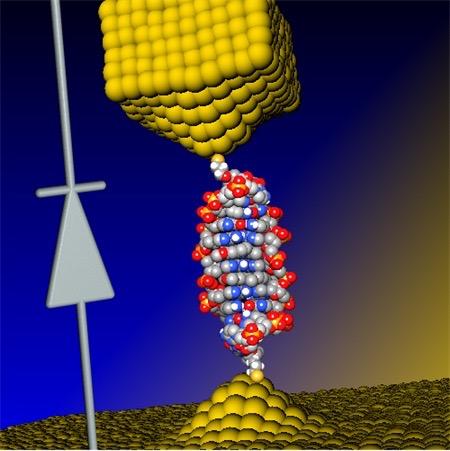
By inserting a small “coralyne” molecule into DNA, scientists were able to create a single-molecule diode (connected here by two gold electrodes), which can be used as an active element in future nanoscale circuits. The diode circuit symbol is shown on the left. (credit: University of Georgia and Ben-Gurion University)

Nanoscale electronic components can be made from single DNA molecules, as researchers at the University of Georgia and at Ben-Gurion University in Israel have demonstrated, using a single molecule of DNA to create the world’s smallest diode.

DNA double helix with base pairs (credit: National Human Genome Research Institute)

A diode is a component vital to electronic devices that allows current to flow in one direction but prevents its flow in the other direction. The development could help stimulate development of DNA components for molecular electronics.

As noted in an open-access Nature Chemistry paper published this week, the researchers designed a 11-base-pair (bp) DNA molecule and inserted a small molecule named coralyne into the DNA.*

They found, surprisingly, that this caused the current flowing through the DNA to be 15 times stronger for negative voltages than for positive voltages, a necessary feature of a diode.

Electronic elements 1,00o times smaller than current components

“Our discovery can lead to progress in the design and construction of nanoscale electronic elements that are at least 1,000 times smaller than current components,” says the study’s lead author, Bingqian Xu an associate professor in the UGA College of Engineering and an adjunct professor in chemistry and physics.

The research team plans to enhance the performance of the molecular diode and construct additional molecular devices, which may include a transistor (similar to a two-layer diode, but with one additional layer).

A theoretical model developed by Yanantan Dubi of Ben-Gurion University indicated the diode-like behavior of DNA originates from the bias voltage-induced breaking of spatial symmetry inside the DNA molecule after the coralyne is inserted.

The research is supported by the National Science Foundation.

*“We prepared the DNA–coralyne complex by specifically intercalating two coralyne molecules into a custom-designed 11-base-pair (bp) DNA molecule (5′-CGCGAAACGCG-3′) containing three mismatched A–A base pairs at the centre,” according to the authors.

UPDATE April 6, 2016 to clarify the coralyne intercalation (insertion) into the DNA molecule.


Abstract of Molecular rectifier composed of DNA with high rectification ratio enabled by intercalation

The predictability, diversity and programmability of DNA make it a leading candidate for the design of functional electronic devices that use single molecules, yet its electron transport properties have not been fully elucidated. This is primarily because of a poor understanding of how the structure of DNA determines its electron transport. Here, we demonstrate a DNA-based molecular rectifier constructed by site-specific intercalation of small molecules (coralyne) into a custom-designed 11-base-pair DNA duplex. Measured current–voltage curves of the DNA–coralyne molecular junction show unexpectedly large rectification with a rectification ratio of about 15 at 1.1 V, a counter-intuitive finding considering the seemingly symmetrical molecular structure of the junction. A non-equilibrium Green’s function-based model—parameterized by density functional theory calculations—revealed that the coralyne-induced spatial asymmetry in the electron state distribution caused the observed rectification. This inherent asymmetry leads to changes in the coupling of the molecular HOMO−1 level to the electrodes when an external voltage is applied, resulting in an asymmetric change in transmission.


A stem-cell repair system that can regenerate any kind of human tissue …including disease and aging; human trials next year
http://www.kurzweilai.net/a-stem-cell-repair-system-that-can-regenerate-any-kind-of-human-tissue

http://www.kurzweilai.net/images/spinal_disc_regeneration.jpg

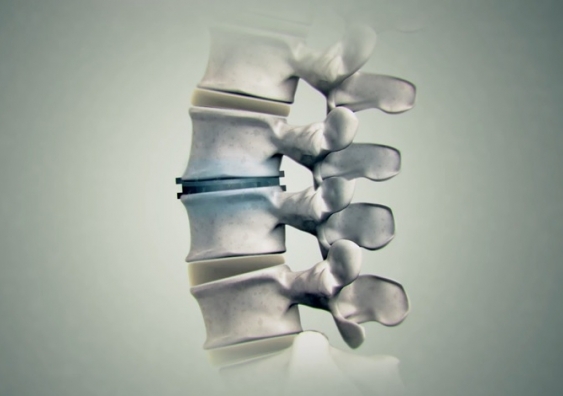
UNSW researchers say the therapy has enormous potential for treating spinal disc injury and joint and muscle degeneration and could also speed up recovery following complex surgeries where bones and joints need to integrate with the body (credit: UNSW TV)

A stem cell therapy system capable of regenerating any human tissue damaged by injury, disease, or aging could be available within a few years, say University of New South Wales (UNSW Australia) researchers.

Their new repair system*, similar to the method used by salamanders to regenerate limbs, could be used to repair everything from spinal discs to bone fractures, and could transform current treatment approaches to regenerative medicine.

The UNSW-led research was published this week in the Proceedings of the National Academy of Sciences journal.

Reprogramming bone and fat cells

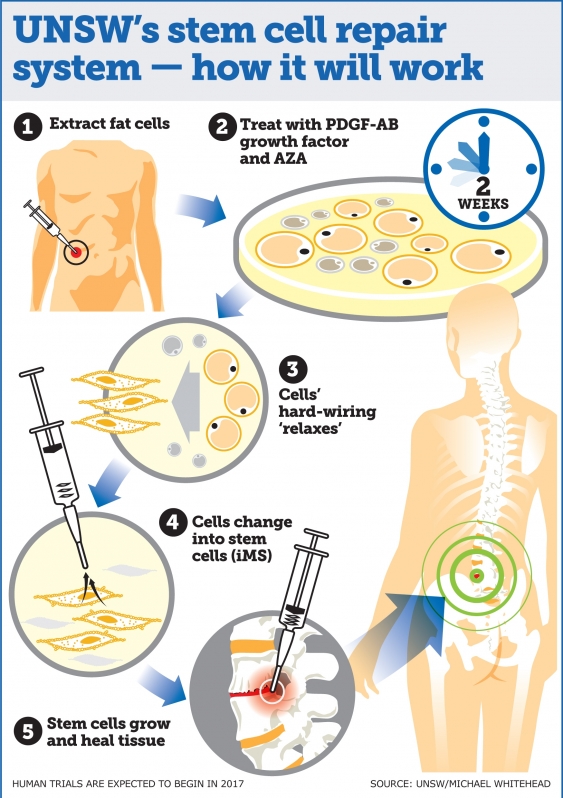
The system reprograms bone and fat cells into induced multipotent stem cells (iMS), which can regenerate multiple tissue types and has been successfully demonstrated in mice, according to study lead author, haematologist, and UNSW Associate Professor John Pimanda.

“This technique is a significant advance on many of the current unproven stem cell therapies, which have shown little or no objective evidence they contribute directly to new tissue formation,” Pimanda said. “We have taken bone and fat cells, switched off their memory and converted them into stem cells so they can repair different cell types once they are put back inside the body.”

“We are currently assessing whether adult human fat cells reprogrammed into iMS cells can safely repair damaged tissue in mice, with human trials expected to begin in late 2017.”

http://www.kurzweilai.net/images/UNSW-stem-cell-repair.jpg

Advantages over stem-cell types

There are different types of stem cells including embryonic stem (ES) cells, which during embryonic development generate every type of cell in the human body, and adult stem cells, which are tissue-specific, but don’t regenerate multiple tissue types. Embryonic stem cells cannot be used to treat damaged tissues because of their tumor forming capacity. The other problem when generating stem cells is the requirement to use viruses to transform cells into stem cells, which is clinically unacceptable, the researchers note.

Research shows that up to 20% of spinal implants either don’t heal or there is delayed healing. The rates are higher for smokers, older people and patients with diseases such diabetes or kidney disease.

Human trials are planned next year once the safety and effectiveness of the technique using human cells in mice has been demonstrated.

* The technique involves extracting adult human fat cells and treating them with the compound 5-Azacytidine (AZA), along with platelet-derived growth factor-AB (PDGF-AB) for about two days. The cells are then treated with the growth factor alone for a further two-three weeks.

AZA is known to induce cell plasticity, which is crucial for reprogramming cells. The AZA compound relaxes the hard-wiring of the cell, which is expanded by the growth factor, transforming the bone and fat cells into iMS cells. When the stem cells are inserted into the damaged tissue site, they multiply, promoting growth and healing.

The new technique is similar to salamander limb regeneration, which is also dependent on the plasticity of differentiated cells, which can repair multiple tissue types, depending on which body part needs replacing.

Along with confirming that human adult fat cells reprogrammed into iMS stem cells can safely repair damaged tissue in mice, the researchers said further work is required to establish whether iMS cells remain dormant at the sites of transplantation and retain their capacity to proliferate on demand.

https://youtu.be/zAMCBNujzzw

Abstract of PDGF-AB and 5-Azacytidine induce conversion of somatic cells into tissue-regenerative multipotent stem cells

Current approaches in tissue engineering are geared toward generating tissue-specific stem cells. Given the complexity and heterogeneity of tissues, this approach has its limitations. An alternate approach is to induce terminally differentiated cells to dedifferentiate into multipotent proliferative cells with the capacity to regenerate all components of a damaged tissue, a phenomenon used by salamanders to regenerate limbs. 5-Azacytidine (AZA) is a nucleoside analog that is used to treat preleukemic and leukemic blood disorders. AZA is also known to induce cell plasticity. We hypothesized that AZA-induced cell plasticity occurs via a transient multipotent cell state and that concomitant exposure to a receptive growth factor might result in the expansion of a plastic and proliferative population of cells. To this end, we treated lineage-committed cells with AZA and screened a number of different growth factors with known activity in mesenchyme-derived tissues. Here, we report that transient treatment with AZA in combination with platelet-derived growth factor–AB converts primary somatic cells into tissue-regenerative multipotent stem (iMS) cells. iMS cells possess a distinct transcriptome, are immunosuppressive, and demonstrate long-term self-renewal, serial clonogenicity, and multigerm layer differentiation potential. Importantly, unlike mesenchymal stem cells, iMS cells contribute directly to in vivo tissue regeneration in a context-dependent manner and, unlike embryonic or pluripotent stem cells, do not form teratomas. Taken together, this vector-free method of generating iMS cells from primary terminally differentiated cells has significant scope for application in tissue regeneration.


First transistors made entirely of nanocrystal ‘inks’ in simplified process

Transistors and other electronic components to be built into flexible or wearable applications; 3D printing planned
http://www.kurzweilai.net/first-transistors-made-entirely-of-nanocrystal-inks
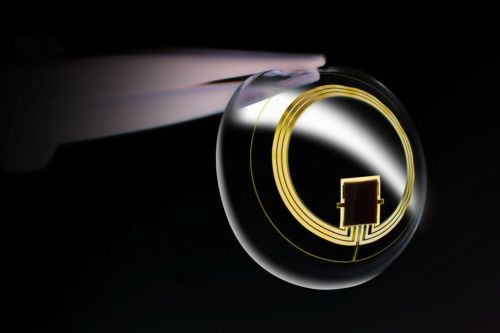
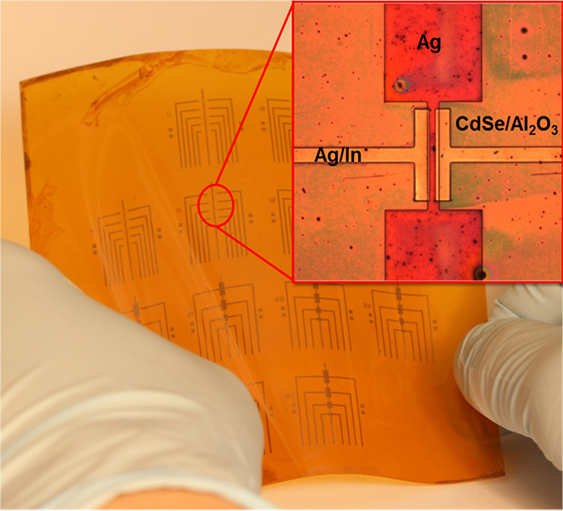
Because this process works at relatively low temperatures, many transistors can be made on a flexible backing at once. (credit: University of Pennsylvania)

University of Pennsylvania engineers have developed a simplified new approach for making transistors by sequentially depositing their components in the form of liquid nanocrystal “inks.” The new process open the door for transistors and other electronic components to be built into flexible or wearable applications. It also avoids the highly complex current process for creating transistors, which requires high-temperature, high-vacuum equipment. Also, the new lower-temperature process is compatible with a wide array of materials and can be applied to larger areas.

Transistors patterned on plastic backing

The researchers’ nanocrystal-based field effect transistors were patterned onto flexible plastic backings using spin coating, but could eventually be constructed by additive manufacturing systems, like 3D printers.

Published in the journal Science,  the study was lead by Cherie Kagan, the Stephen J. Angello Professor in the School of Engineering and Applied Science, and Ji-Hyuk Choi, then a member of her lab, now a senior researcher at the Korea Institute of Geoscience and Mineral Resources. Researchers at Korea University Korea’s Yonsei University were also involved.

[+]

Kagan’s group developed four nanocrystal inks that comprise the transistor, then deposited them on a flexible backing. (credit: University of Pennsylvania)

The researchers began by dispersing a specific type of nanocrystals in a liquid, creating nanocrystal inks. They developed a library of four of these inks: a conductor (silver), an insulator (aluminum oxide), a semiconductor (cadmium selenide), and a conductor combined with a dopant (a mixture of silver and indium). (“Doping” the semiconductor layer of a transistor with impurities controls whether the device creates a positive or negative charge.)

“These materials are colloids just like the ink in your inkjet printer,” Kagan said, “but you can get all the characteristics that you want and expect from the analogous bulk materials, such as whether they’re conductors, semiconductors or insulators.” Although the electrical properties of several of these nanocrystal inks had been independently verified, they had never been combined into full devices. “Our question was whether you could lay them down on a surface in such a way that they work together to form functional transistors.”

Laying down patterns in layers

Such a process entails layering or mixing them in precise patterns.

First, the conductive silver nanocrystal ink was deposited from liquid on a flexible plastic surface that was treated with a photolithographic mask, then rapidly spun to draw it out in an even layer. The mask was then removed to leave the silver ink in the shape of the transistor’s gate electrode.

The researchers followed that layer by spin-coating a layer of the aluminum oxide nanocrystal-based insulator, then a layer of the cadmium selenide nanocrystal-based semiconductor and finally another masked layer for the indium/silver mixture, which forms the transistor’s source and drain electrodes. Upon heating at relatively low temperatures, the indium dopant diffused from those electrodes into the semiconductor component.

“The trick with working with solution-based materials is making sure that, when you add the second layer, it doesn’t wash off the first, and so on,” Kagan said. “We had to treat the surfaces of the nanocrystals, both when they’re first in solution and after they’re deposited, to make sure they have the right electrical properties and that they stick together in the configuration we want.”

Because this entirely ink-based fabrication process works at lower temperatures than existing vacuum-based methods, the researchers were able to make several transistors on the same flexible plastic backing at the same time.

[+]

The inks’ specialized surface chemistry allowed them to stay in configuration without losing their electrical properties. (credit: University of Pennsylvania)

“Making transistors over larger areas and at lower temperatures have been goals for an emerging class of technologies, when people think of the Internet of things, large area flexible electronics and wearable devices,” Kagan said. “We haven’t developed all of the necessary aspects so they could be printed yet, but because these materials are all solution-based, it demonstrates the promise of this materials class and sets the stage for additive manufacturing.”

Because this entirely ink-based fabrication process works at lower temperatures than existing vacuum-based methods, the researchers were able to make several transistors on the same flexible plastic backing at the same time.

3D-printing transistors for wearables

“This is the first work,” Choi said, “showing that all the components, the metallic, insulating, and semiconducting layers of the transistors, and even the doping of the semiconductor, could be made from nanocrystals.”

“Making transistors over larger areas and at lower temperatures have been goals for an emerging class of technologies, when people think of the Internet of things, large area flexible electronics and wearable devices,” Kagan said. “We haven’t developed all of the necessary aspects so they could be printed yet, but because these materials are all solution-based, it demonstrates the promise of this materials class and sets the stage for additive manufacturing.”

The research was supported by the National Science Foundation, the U.S. Department of Energy, the Office of Naval Research, and the Korea Institute of Geoscience and Mineral Resources funded by the Ministry of Science, ICT, and Future Planning of Korea.


Abstract of Exploiting the colloidal nanocrystal library to construct electronic devices

Synthetic methods produce libraries of colloidal nanocrystals with tunable physical properties by tailoring the nanocrystal size, shape, and composition. Here, we exploit colloidal nanocrystal diversity and design the materials, interfaces, and processes to construct all-nanocrystal electronic devices using solution-based processes. Metallic silver and semiconducting cadmium selenide nanocrystals are deposited to form high-conductivity and high-mobility thin-film electrodes and channel layers of field-effect transistors. Insulating aluminum oxide nanocrystals are assembled layer by layer with polyelectrolytes to form high–dielectric constant gate insulator layers for low-voltage device operation. Metallic indium nanocrystals are codispersed with silver nanocrystals to integrate an indium supply in the deposited electrodes that serves to passivate and dope the cadmium selenide nanocrystal channel layer. We fabricate all-nanocrystal field-effect transistors on flexible plastics with electron mobilities of 21.7 square centimeters per volt-second.

Best textile manufacturing methods for creating human tissues with stem cells
Bioengineers determine three best processes for engineering tissues needed for organ and tissue repair
http://www.kurzweilai.net/best-textile-manufacturing-methods-for-creating-human-tissues-with-stem-cells
All four textile manufacturing processes and corresponding scaffold (structure) types studied exhibited the presence of lipid vacuoles (small red spheres, right column, indicating stem cells undergoing random differentiation), compared to control (left). Electrospun scaffolds (row a) exhibited only a monolayer of lipid vacuoles in a single focal plane, while meltblown, spunbond, and carded scaffolds (rows b, c, d) exhibited vacuoles in multiple planes throughout the fabric thickness. Scale bars: 100 μm (credit: S. A. Tuin et al./Biomedical Materials)

Elizabeth Loboa, dean of the Missouri University College of Engineering, and her team have tested new tissue- engineering methods (based on textile manufacturing) to find ones that are most cost-effective and can be produced in larger quantities.

Tissue engineering is a process that uses novel biomaterials seeded with stem cells to grow and replace missing tissues. When certain types of materials are used, the “scaffolds” that are created to hold stem cells eventually degrade, leaving natural tissue in its place. The new tissues could help patients suffering from wounds caused by diabetes and circulation disorders, patients in need of cartilage or bone repair, and women who have had mastectomies by replacing their breast tissue. The challenge is creating enough of the material on a scale that clinicians need to treat patients.

Comparing textile manufacturing techniques

http://www.kurzweilai.net/images/electrospinning.png

Electrospinning experiment: nanofibers are collected into an ethanol bath and removed at predefined time intervals (credit: J. M. Coburn et al./The Johns Hopkins University/PNAS)

In typical tissue engineering approaches that use fibers as scaffolds, non-woven materials are often bonded together using an electrostatic field. This process, called electrospinning (see Nanoscale scaffolds and stem cells show promise in cartilage repair and Improved artificial blood vessels), creates the scaffolds needed to attach to stem cells.

However, large-scale production with electrospinning is not cost-effective. “Electrospinning produces weak fibers, scaffolds that are not consistent, and pores that are too small,” Loboa said. “The goal of ‘scaling up’ is to produce hundreds of meters of material that look the same, have the same properties, and can be used in clinical settings. So we investigated the processes that create textiles, such as clothing and window furnishings like drapery, to scale up the manufacturing process.”

The group published two papers using three industry-standard, high-throughput manufacturing techniques — meltblowing, spunbonding, and carding — to determine if they would create the materials needed to mimic native tissue.

Meltblowing is a technique during which nonwoven materials are created using a molten polymer to create continuous fibers. Spunbond materials are made much the same way but the fibers are drawn into a web while in a solid state instead of a molten one. Carding involves the separation of fibers through the use of rollers, forming the web needed to hold stem cells in place.

http://www.kurzweilai.net/images/carded-scaffold-fabrication.jpg

Schematic of gilled fiber multifilament spinning and carded scaffold fabrication (credit: Stephen A. Tuin et al./Acta Biomaterialia)

Cost-effective methods

Loboa and her colleagues tested these techniques to create polylactic acid (PLA) scaffolds (a Food and Drug Administration-approved material used as collagen fillers), seeded with human stem cells. They then spent three weeks studying whether the stem cells remained healthy and if they began to differentiate into fat and bone pathways, which is the goal of using stem cells in a clinical setting when new bone and/or new fat tissue is needed at a defect site. Results showed that the three textile manufacturing methods proved as viable if not more so than electrospinning.

“These alternative methods are more cost-effective than electrospinning,” Loboa said. “A small sample of electrospun material could cost between $2 to $5. The cost for the three manufacturing methods is between $.30 to $3.00; these methods proved to be effective and efficient. Next steps include testing how the different scaffolds created in the three methods perform once implanted in animals.”

Researchers at North Carolina State University and the University of North Carolina at Chapel Hill were also involved in the two studies, which were published in Biomedical Materials (open access) and Acta Biomaterialia. The National Science Foundation, the National Institutes of Health, and the Nonwovens Institute provided funding for the studies.


Abstract of Creating tissues from textiles: scalable nonwoven manufacturing techniques for fabrication of tissue engineering scaffolds

Electrospun nonwovens have been used extensively for tissue engineering applications due to their inherent similarities with respect to fibre size and morphology to that of native extracellular matrix (ECM). However, fabrication of large scaffold constructs is time consuming, may require harsh organic solvents, and often results in mechanical properties inferior to the tissue being treated. In order to translate nonwoven based tissue engineering scaffold strategies to clinical use, a high throughput, repeatable, scalable, and economic manufacturing process is needed. We suggest that nonwoven industry standard high throughput manufacturing techniques (meltblowing, spunbond, and carding) can meet this need. In this study, meltblown, spunbond and carded poly(lactic acid) (PLA) nonwovens were evaluated as tissue engineering scaffolds using human adipose derived stem cells (hASC) and compared to electrospun nonwovens. Scaffolds were seeded with hASC and viability, proliferation, and differentiation were evaluated over the course of 3 weeks. We found that nonwovens manufactured via these industry standard, commercially relevant manufacturing techniques were capable of supporting hASC attachment, proliferation, and both adipogenic and osteogenic differentiation of hASC, making them promising candidates for commercialization and translation of nonwoven scaffold based tissue engineering strategies.


Abstract of Fabrication of novel high surface area mushroom gilled fibers and their effects on human adipose derived stem cells under pulsatile fluid flow for tissue engineering applications

The fabrication and characterization of novel high surface area hollow gilled fiber tissue engineering scaffolds via industrially relevant, scalable, repeatable, high speed, and economical nonwoven carding technology is described. Scaffolds were validated as tissue engineering scaffolds using human adipose derived stem cells (hASC) exposed to pulsatile fluid flow (PFF). The effects of fiber morphology on the proliferation and viability of hASC, as well as effects of varied magnitudes of shear stress applied via PFF on the expression of the early osteogenic gene marker runt related transcription factor 2 (RUNX2) were evaluated. Gilled fiber scaffolds led to a significant increase in proliferation of hASC after seven days in static culture, and exhibited fewer dead cells compared to pure PLA round fiber controls. Further, hASC-seeded scaffolds exposed to 3 and 6 dyn/cm2 resulted in significantly increased mRNA expression of RUNX2 after one hour of PFF in the absence of soluble osteogenic induction factors. This is the first study to describe a method for the fabrication of high surface area gilled fibers and scaffolds. The scalable manufacturing process and potential fabrication across multiple nonwoven and woven platforms makes them promising candidates for a variety of applications that require high surface area fibrous materials.

Statement of Significance

We report here for the first time the successful fabrication of novel high surface area gilled fiber scaffolds for tissue engineering applications. Gilled fibers led to a significant increase in proliferation of human adipose derived stem cells after one week in culture, and a greater number of viable cells compared to round fiber controls. Further, in the absence of osteogenic induction factors, gilled fibers led to significantly increased mRNA expression of an early marker for osteogenesis after exposure to pulsatile fluid flow. This is the first study to describe gilled fiber fabrication and their potential for tissue engineering applications. The repeatable, industrially scalable, and versatile fabrication process makes them promising candidates for a variety of scaffold-based tissue engineering applications.

Read Full Post »

Update on FDA Policy Regarding 3D Bioprinted Material

Curator: Stephen J. Williams, Ph.D.

Last year (2015) in late October the FDA met to finalize a year long process of drafting guidances for bioprinting human tissue and/or medical devices such as orthopedic devices.  This importance of the development of these draft guidances was highlighted in a series of articles below, namely that

  • there were no standards as a manufacturing process
  • use of human tissues and materials could have certain unforseen adverse events associated with the bioprinting process

In the last section of this post a recent presentation by the FDA is given as well as an excellent  pdf here BioprintingGwinnfinal written by a student at University of Kentucky James Gwinn on regulatory concerns of bioprinting.

Bio-Printing Could Be Banned Or Regulated In Two Years

3D Printing News January 30, 2014 No Comments 3dprinterplans

organovaliver


Cross-section of multi-cellular bioprinted human liver tissue Credit: organovo.com

Bio-printing has been touted as the pinnacle of additive manufacturing and medical science, but what if it might be shut down before it splashes onto the medical scene. Research firm, Gartner Inc believes that the rapid development of bio-printing will spark calls to ban the technology for human and non-human tissue within two years.

A report released by Gartner predicts that the time is drawing near when 3D-bioprinted human organs will be readily available, causing widespread debate. They use an example of 3D printed liver tissue by a San Diego-based company named Organovo.

“At one university, they’re actually using cells from human and non-human organs,” said Pete Basiliere, a Gartner Research Director. “In this example, there was human amniotic fluid, canine smooth muscle cells, and bovine cells all being used. Some may feel those constructs are of concern.”

Bio-printing 

Bio-printing uses extruder needles or inkjet-like printers to lay down rows of living cells. Major challenges still face the technology, such as creating vascular structures to support tissue with oxygen and nutrients. Additionally, creating the connective tissue or scaffolding-like structures to support functional tissue is still a barrier that bio-printing will have to overcome.

Organovo has worked around a number of issues and they hope to print a fully functioning liver for pharmaceutical industry by the end of this year.  “We have achieved thicknesses of greater than 500 microns, and have maintained liver tissue in a fully functional state with native phenotypic behavior for at least 40 days,” said Mike Renard, Organovo’s executive vice president of commercial operations.

clinical trails and testing of organs could take over a decade in the U.S. This is because of the strict rules the U.S. Food and Drug Administration (FDA) places on any new technology. Bio-printing research could outplace regulatory agencies ability to keep up.

“What’s going to happen, in some respects, is the research going on worldwide is outpacing regulatory agencies ability to keep up,” Basiliere said. “3D bio-printing facilities with the ability to print human organs and tissue will advance far faster than general understanding and acceptance of the ramifications of this technology.”

Other companies have been successful with bio-printing as well. Munich-based EnvisionTEC is already selling a printer called a Bioplotter that sells for $188,000 and can print 3D pieces of human tissue. China’s Hangzhou Dianzi University has developed a printer called Regenovo, which printed a small working kidney that lasted four months.

“These initiatives are well-intentioned, but raise a number of questions that remain unanswered. What happens when complex enhanced organs involving nonhuman cells are made? Who will control the ability to produce them? Who will ensure the quality of the resulting organs?” Basiliere said.

Gartner believes demand for bio-printing will explode in 2015, due to a burgeoning population and insufficient levels of healthcare in emerging markets. “The overall success rates of 3D printing use cases in emerging regions will escalate for three main reasons: the increasing ease of access and commoditization of the technology; ROI; and because it simplifies supply chain issues with getting medical devices to these regions,” Basiliere said. “Other primary drivers are a large population base with inadequate access to healthcare in regions often marred by internal conflicts, wars or terrorism.”

It’s interesting to hear Gartner’s bold predictions for bio-printing. Some of the experts we have talked to seem to think bio-printing is further off than many expect, possibly even 20 or 30 years away for fully functioning organs used in transplants on humans. However, less complicated bio-printing procedures and tissue is only a few years away.


FDA examining regulations for 3‑D printed medical devices

Renee Eaton Monday, October 27, 2014

fdalogo

The official purpose of a recent FDA-sponsored workshop was “to provide a forum for FDA, medical device manufacturers, additive manufacturing companies and academia to discuss technical challenges and solutions of 3-D printing.” The FDA wants “input to help it determine technical assessments that should be considered for additively manufactured devices to provide a transparent evaluation process for future submissions.”

Simply put, the FDA is trying to stay current with advanced manufacturing technologies that are revolutionizing patient care and, in some cases, democratizing its availability. When a next-door neighbor can print a medical device in his or her basement, it clearly has many positive and negative implications that need to be considered.

Ignoring the regulatory implications for a moment, the presentations at the workshop were fascinating.

STERIS representative Dr. Bill Brodbeck cautioned that the complex designs and materials now being created with additive manufacturing make sterilization practices challenging. For example, how will the manufacturer know if the implant is sterile or if the agent has been adequately removed? Also, some materials and designs cannot tolerate acids, heat or pressure, making sterilization more difficult.

Dr. Thomas Boland from the University of Texas at El Paso shared his team’s work on 3-D-printed tissues. Using inkjet technology, the researchers are evaluating the variables involved in successfully printing skin. Another bio-printing project being undertaken at Wake Forest by Dr. James Yoo involves constructing bladder-shaped prints using bladder cell biopsies and scaffolding.

Dr. Peter Liacouras at Walter Reed discussed his institution’s practice of using 3-D printing to create surgical guides and custom implants. In another biomedical project, work done at Children’s National Hospital by Drs. Axel Krieger and Laura Olivieri involves the physicians using printed cardiac models to “inform clinical decisions,” i.e. evaluate conditions, plan surgeries and reduce operating time.

As interesting as the presentations were, the subsequent discussions were arguably more important. In an attempt to identify and address all significant impacts of additive manufacturing on medical device production, the subject was organized into preprinting (input), printing (process) and post-printing (output) considerations. Panelists and other stakeholders shared their concerns and viewpoints on each topic in an attempt to inform and persuade FDA decision-makers.

An interesting (but expected) outcome was the relative positions of the various stakeholders. Well-established and large manufacturers proposed validation procedures: material testing, process operating guidelines, quality control, traceability programs, etc. Independent makers argued that this approach would impede, if not eliminate, their ability to provide low-cost prosthetic devices.

Comparing practices to the highly regulated food industry, one can understand and accept the need to adopt similar measures for some additively manufactured medical devices. An implant is going into someone’s body, so the manufacturer needs to evaluate and assure the quality of raw materials, processing procedures and finished product.

But, as in the food industry, this means the producer needs to know the composition of materials. Suppliers cannot hide behind proprietary formulations. If manufacturers are expected to certify that a device is safe, they need to know what ingredients are in the materials they are using.

Many in the industry are also lobbying the FDA to agree that manufacturers should be expected to certify the components and not the additive manufacturing process itself. They argue that what matters is whether the device is safe, not what process was used to make it.

Another distinction should be the product’s risk level. Devices should continue to be classified as I, II or III and that classification, not the process used, should determine its level of regulation.


Will the FDA Regulate Bioprinting?

Published by Sandra Helsel, May 21, 2014 10:20 am

(3DPrintingChannel) The FDA currently assesses 3D printed medical devices and conventionally made products under the same guidelines, despite the different manufacturing methods involved. To receive device approval, manufacturers must prove that the device is equivalent to a product already on the market for the same use, or the device must undergo the process of attaining pre-market approval. However, the approval process for 3D printed devices could become complicated because the devices are manufactured differently and can be customizable. Two teams at the agency are now trying to determine how approval process should be tweaked to account for the changes.

3D Printing and 3D Bioprinting – Will the FDA Regulate Bioprinting?

This entry was posted by Bill Decker on May 20, 2014 at 8:52 am

3dprintedskin


VIEW VIDEO

https://www.youtube.com/watch?v=5KY-JZCXKXQ#action=share


The 3d printing revolution came to medicine and is making people happy while scaring them at the same time!

3-D printing—the process of making a solid object of any shape from a digital model—has grown increasingly common in recent years, allowing doctors to craft customized devices like hearing aids, dental implants, and surgical instruments. For example, University of Michigan researchers last year used a 3-D laser printer to create an airway splint out of plastic particles. In another case, a patient had 75% of his skull replaced with a 3-D printed implant customized to fit his head. The 3d printing revolution came to medicine and is making people happy while scaring them at the same time!

Printed hearts? Doctors are getting there
FDA currently treats assesses 3-D printed medical devices and conventionally made products under the same guidelines, despite the different manufacturing methods involved. To receive device approval, manufacturers must prove that the device is equivalent to a product already on the market for the same use, or the device must undergo the process of attaining pre-market approval.

“We evaluate all devices, including any that utilize 3-D printing technology, for safety and effectiveness, and appropriate benefit and risk determination, regardless of the manufacturing technologies used,” FDA spokesperson Susan Laine said.
However, the approval process for 3-D printed devices could become complicated because the devices are manufactured differently and can be customizable. Two teams at the agency now are trying to determine how approval process should be tweaked to account for the changes:

http://product-liability.weil.com/news/the-stuff-of-innovation-3d-bioprinting-and-fdas-possible-reorganization/

Print This Post

The Stuff of Innovation – 3D Bioprinting and FDA’s Possible Reorganization

Weil Product Liability Monitor on September 10, 2013 ·

Posted in News

Contributing Author: Meghan A. McCaffrey

With 3D printers, what used to exist only in the realm of science fiction — who doesn’t remember the Star Trek food replicator that could materialize a drink or meal with the mere press of a button — is now becoming more widely available with  food on demand, prosthetic devices, tracheal splintsskull implants, and even liver tissue all having recently been printed, used, implanted or consumed.  3D printing, while exciting, also presents a unique hybrid of technology and biology, making it a potentially unique and difficult area to regulate and oversee.  With all of the recent technological advances surround 3D printer technology, the FDA recently announced in a blog post that it too was going 3D, using it to “expand our research efforts and expand our capabilities to review innovative medical products.”  In addition, the agency will be investigating how 3D printing technology impacts medical devices and manufacturing processes.  This will, in turn, raise the additional question of how such technology — one of the goals of which, at least in the medical world,  is to create unique and custom printed devices, tissue and other living organs for use in medical procedures — can be properly evaluated, regulated and monitored.
In medicine, 3D printing is known as “bioprinting,” where so-called bioprinters print cells in liquid or gel format in an attempt to engineer cartilage, bone, skin, blood vessels, and even small pieces of liver and other human tissues [see a recent New York Times article here].  Not to overstate the obvious, but this is truly cutting edge science that could have significant health and safety ramifications for end users.  And more importantly for regulatory purposes, such bioprinting does not fit within the traditional category of a “device” or a “biologic.”  As was noted in Forbes, “more of the products that FDA is tasked with regulating don’t fit into the traditional categories in which FDA has historically divided its work.  Many new medical products transcend boundaries between drugs, devices, and biologics…In such a world, the boundaries between FDA’s different centers may no longer make as much sense.”  To that end, Forbes reported that FDA Commissioner Peggy Hamburg announced Friday the formation of a “Program Alignment Group” at the FDA whose goal is to identify and develop plans “to best adapt to the ongoing rapid changes in the regulatory environment, driven by scientific innovation, globalization, the increasing complexity of regulated products, new legal authorities and additional user fee programs.”

It will be interesting to see if the FDA can retool the agency to make it a more flexible, responsive, and function-specific organization.  In the short term, the FDA has tasked two laboratories in the Office of Science and Engineering Laboratories with investigating how the new 3D technology can impact the safety and efficacy of devices and materials manufactured using the technology.  The Functional Performance and Device Use Laboratory is evaluating “the effect of design changes on the safety and performance of devices when used in different patient populations” while the Laboratory for Solid Mechanics is assessing “how different printing techniques and processes affect the strength and durability of the materials used in medical devices.”  Presumably, all of this information will help the FDA evaluate at some point in the future whether a 3D printed heart is safe and effective for use in the patient population.

In any case, this type of hybrid technology can present a risk for companies and manufacturers creating and using such devices.  It remains to be seen what sort of regulations will be put in place to determine, for example, what types of clinical trials and information will have to be provided before a 3D printer capable of printing a human heart is approved for use by the FDA.  Or even on a different scale, what regulatory hurdles (and on-going monitoring, reporting, and studies) will be required before bioprinted cartilage can be implanted in a patient’s knee.  Are food replicators and holodecks far behind?

http://www.raps.org/regulatory-focus/news/2014/05/19000/FDA-3D-Printing-Guidance-and-Meeting/

Home / Regulatory Focus / News

FDA Plans Meeting to Explore Regulation, Medical Uses of 3D Printing Technology

Posted 16 May 2014 By Alexander Gaffney, RAC

The US Food and Drug Administration (FDA) plans to soon hold a meeting to discuss the future of regulating medical products made using 3D printing techniques, it has announced.

fdaplanstomeetbioprinting

Background

3D printing is a manufacturing process which layers printed materials on top of one another, creating three-dimensional parts (as opposed to injection molding or routing materials).

The manufacturing method has recently come into vogue with hobbyists, who have been driven by several factors only likely to accelerate in the near future:

  • The cost of 3D printers has come down considerably.
  • Electronic files which automate the printing process are shareable over the Internet, allowing anyone with the sufficient raw materials to build a part.
  • The technology behind 3D printing is becoming more advanced, allowing for the manufacture of increasingly durable parts.

While the technology has some alarming components—the manufacture of untraceable weapons, for example—it’s increasingly being looked at as the future source of medical product innovation, and in particular for medical devices like prosthetics.

Promise and Problems

But while 3D printing holds promise for patients, it poses immense challenges for regulators, who must assess how to—or whether to—regulate the burgeoning sector.

In a recent FDA Voice blog posting, FDA regulators noted that 3D-printed medical devices have already been used in FDA-cleared clinical interventions, and that it expects more devices to emerge in the future.

Already, FDA’s Office of Science and Engineering laboratories are working to investigate how the technology will affect the future of device manufacturing, and CDRH’s Functional Performance and Device Use Laboratory is developing and adapting computer modeling methods to help determine how small design changes could affect the safety of a device. And at the Laboratory for Solid Mechanics, FDA said it is investigating the materials used in the printing process and how those might affect durability and strength of building materials.

And as Focus noted in August 2013, there are myriad regulatory challenges to confront as well. For example: If a 3D printer makes a medical device, will that device be considered adulterated since it was not manufactured under Quality System Regulation-compliant conditions? Would each device be required to be registered with FDA? And would FDA treat shared design files as unauthorized promotion if they failed to make proper note of the device’s benefits and risks? What happens if a device was never cleared or approved by FDA?

The difficulties for FDA are seemingly endless.

Plans for a Guidance Document

But there have been indications that FDA has been thinking about this issue extensively.

In September 2013, Focus first reported that CDRH Director Jeffery Shuren was planning to release a guidance on 3D printing in “less than two years.”

Responding to Focus, Shuren said the guidance would be primarily focused on the “manufacturing side,” and probably on how 3D printing occurs and the materials used rather than some of the loftier questions posed above.

“What you’re making, and how you’re making it, may have implications for how safe and effective that device is,” he said, explaining how various methods of building materials can lead to various weaknesses or problems.

“Those are the kinds of things we’re working through. ‘What are the considerations to take into account?'”

“We’re not looking to get in the way of 3D printing,” Shuren continued, noting the parallel between 3D printing and personalized medicine. “We’d love to see that.”

Guidance Coming ‘Soon’

In recent weeks there have been indications that the guidance could soon see a public release. Plastics News reported that CDRH’s Benita Dair, deputy director of the Division of Chemistry and Materials Science, said the 3D printing guidance would be announced “soon.”

“In terms of 3-D printing, I think we will soon put out a communication to the public about FDA’s thoughts,” Dair said, according to Plastics News. “We hope to help the market bring new devices to patients and bring them to the United States first. And we hope to play an integral part in that.”

Public Meeting

But FDA has now announced that it may be awaiting public input before it puts out that guidance document. In a 16 May 2014 Federal Register announcement, the agency said it will hold a meeting in October 2014 on the “technical considerations of 3D printing.”

“The purpose of this workshop is to provide a forum for FDA, medical device manufacturers, additive manufacturing companies, and academia to discuss technical challenges and solutions of 3-D printing. The Agency would like input regarding technical assessments that should be considered for additively manufactured devices to provide a transparent evaluation process for future submissions.”

That language—”transparent evaluation process for future submissions”—indicates that at least one level, FDA plans to treat 3D printing no differently than any other medical device, subjecting the products to the same rigorous premarket assessments that many devices now undergo.

FDA’s notice seems to focus on industrial applications for the technology—not individual ones. The agency notes that it has already “begun to receive submissions using additive manufacturing for both traditional and patient-matched devices,” and says it sees “many more on the horizon.”

Among FDA’s chief concerns, it said, are process verification and validation, which are both key parts of the medical device quality manufacturing regulations.

But the notice also indicates that existing guidance documents, such as those specific to medical device types, will still be in effect regardless of the 3D printing guidance.

Discussion Points

FDA’s proposed list of discussion topics include:

  • Preprinting considerations, including but not limited to:
    • material chemistry
    • physical properties
    • recyclability
    • part reproducibility
    • process validation
  • Printing considerations, including but not limited to:
    • printing process characterization
    • software used in the process
    • post-processing steps (hot isostatic pressing, curing)
    • additional machining
  • Post-printing considerations, including but not limited to:
    • cleaning/excess material removal
    • effect of complexity on sterilization and biocompatibility
    • final device mechanics
    • design envelope
    • verification

– See more at: http://www.raps.org/regulatory-focus/news/2014/05/19000/FDA-3D-Printing-Guidance-and-Meeting/#sthash.cDg4Utln.dpuf


FDA examining regulations for 3‑D printed medical devices


Renee Eaton Monday, October 27, 2014

Share this article

The official purpose of a recent FDA-sponsored workshop was “to provide a forum for FDA, medical device manufacturers, additive manufacturing companies and academia to discuss technical challenges and solutions of 3-D printing.” The FDA wants “input to help it determine technical assessments that should be considered for additively manufactured devices to provide a transparent evaluation process for future submissions.”

Simply put, the FDA is trying to stay current with advanced manufacturing technologies that are revolutionizing patient care and, in some cases, democratizing its availability. When a next-door neighbor can print a medical device in his or her basement, it clearly has many positive and negative implications that need to be considered.

Ignoring the regulatory implications for a moment, the presentations at the workshop were fascinating.

STERIS representative Dr. Bill Brodbeck cautioned that the complex designs and materials now being created with additive manufacturing make sterilization practices challenging. For example, how will the manufacturer know if the implant is sterile or if the agent has been adequately removed? Also, some materials and designs cannot tolerate acids, heat or pressure, making sterilization more difficult.

Dr. Thomas Boland from the University of Texas at El Paso shared his team’s work on 3-D-printed tissues. Using inkjet technology, the researchers are evaluating the variables involved in successfully printing skin. Another bio-printing project being undertaken at Wake Forest by Dr. James Yoo involves constructing bladder-shaped prints using bladder cell biopsies and scaffolding.

Dr. Peter Liacouras at Walter Reed discussed his institution’s practice of using 3-D printing to create surgical guides and custom implants. In another biomedical project, work done at Children’s National Hospital by Drs. Axel Krieger and Laura Olivieri involves the physicians using printed cardiac models to “inform clinical decisions,” i.e. evaluate conditions, plan surgeries and reduce operating time.

As interesting as the presentations were, the subsequent discussions were arguably more important. In an attempt to identify and address all significant impacts of additive manufacturing on medical device production, the subject was organized into preprinting (input), printing (process) and post-printing (output) considerations. Panelists and other stakeholders shared their concerns and viewpoints on each topic in an attempt to inform and persuade FDA decision-makers.

An interesting (but expected) outcome was the relative positions of the various stakeholders. Well-established and large manufacturers proposed validation procedures: material testing, process operating guidelines, quality control, traceability programs, etc. Independent makers argued that this approach would impede, if not eliminate, their ability to provide low-cost prosthetic devices.

Comparing practices to the highly regulated food industry, one can understand and accept the need to adopt similar measures for some additively manufactured medical devices. An implant is going into someone’s body, so the manufacturer needs to evaluate and assure the quality of raw materials, processing procedures and finished product.

But, as in the food industry, this means the producer needs to know the composition of materials. Suppliers cannot hide behind proprietary formulations. If manufacturers are expected to certify that a device is safe, they need to know what ingredients are in the materials they are using.

Many in the industry are also lobbying the FDA to agree that manufacturers should be expected to certify the components and not the additive manufacturing process itself. They argue that what matters is whether the device is safe, not what process was used to make it.

Another distinction should be the product’s risk level. Devices should continue to be classified as I, II or III and that classification, not the process used, should determine its level of regulation.

If you are interested in submitting comments to the FDA on this topic, post them by Nov. 10.

FDA Guidance Summary on 3D BioPrinting

fdaregulationguidelinesfor3dbioprinting_1 fdaregulationguidelinesfor3dbioprinting_2 fdaregulationguidelinesfor3dbioprinting_3 fdaregulationguidelinesfor3dbioprinting_4 fdaregulationguidelinesfor3dbioprinting_5 fdaregulationguidelinesfor3dbioprinting_6 fdaregulationguidelinesfor3dbioprinting_7 fdaregulationguidelinesfor3dbioprinting_8 fdaregulationguidelinesfor3dbioprinting_9 fdaregulationguidelinesfor3dbioprinting_10 fdaregulationguidelinesfor3dbioprinting_11


Read Full Post »

Bio-inks and 3D BioPrinting

Curator: Stephen J. Williams, Ph.D.


Bio-ink is a material made from living cells that behaves much like a liquid, allowing people to “print” it in order to create a desired shape. This material was developed by researchers at the University of Missouri, Columbia, with the goal of someday being able to do things like print replacements for failing organs. This technology is only in the very early stages of testing and development, but it shows promise.

To make bio-ink, scientists create a slurry of cells that can be loaded into a cartridge and inserted into a specially designed printer, along with another cartridge containing a gel known as bio-paper. After inputting the standards for the thing they want to print, the researchers trigger the printer, and the cartridges alternate layers to build a three dimensional structure, with the bio-paper creating a supportive matrix that the ink can thrive on.

Through a process that is not yet totally understood, the individual droplets fuse together, eventually latticing upwards through the bio-paper to create a solid structure. Understanding this process and the point at which cells differentiate to accomplish different tasks is an important part of creating a usable material; perhaps someday hospitals will be able to use it to generate tissue and organs for use by their patients.


The most obvious potential use for bio-ink is in skin grafting. With this technology, labs could quickly create sheets of skin for burn victims and other people who might be in need of grafts. By creating grafts derived from the patient’s own cells, it could reduce the risk of rejection and scarring. Bio-ink could also be used to make replacements for vascular material removed during surgeries, allowing people to receive new veins and arteries.

Eventually, entire organs could be constructed from this material. Since organs are in short supply around the world, bio-ink could potentially save untold numbers of lives, as patients would no longer have to wait on the transplant list for new organs. The use of such organs could also allay fears about contaminated organ supplies or unscrupulous organ acquisition methods.


RegenHu

Universal Matrix for 3D Tissue Printing

BioInkTM is a chemically-defined hydrogel to support growth of different cell types. It allows cell adhesion, mimics the natural extracellular matrix and is biodegradable.

BioInkTM is provided as a ready-to-use chemically-defined hydrogel to print 3D tissue models. Exclusively designed for regenHU’s BioFactory® and 3DDiscovery® tissue and bio-printers.

A versatile, chemically-defined hydrogel, supporting cell attachment, growth, differentiation and migration. The BioInkTM is suitable for long-term tissue cultivation (in vitro human dermis for up to 7 weeks).


A versatile bioink for three-dimensional printing of cellular scaffolds based on thermally and photo-triggered tandem gelation

  • a Cartilage Engineering + Regeneration Laboratory, ETH Zürich, Otto-Stern-Weg 7, 8093 Zürich, Switzerland
  • b Biomaterials Department, INNOVENT e.V. Jena, Prüssingstrasse 27 B, 07745 Jena, Germany
  • c AO Research Institute Davos, Clavadelerstrasse 8, 7270 Davos Platz, Switzerland


Layer-by-layer bioprinting is a logical choice for the fabrication of stratified tissues like articular cartilage. Printing of viable organ replacements, however, is dependent on bioinks with appropriate rheological and cytocompatible properties. In cartilage engineering, photocrosslinkable glycosaminoglycan-based hydrogels are chondrogenic, but alone have generally poor printing properties. By blending the thermoresponsive polymer poly(N-isopropylacrylamide) grafted hyaluronan (HA-pNIPAAM) with methacrylated hyaluronan (HAMA), high-resolution scaffolds with good viability were printed. HA-pNIPAAM provided fast gelation and immediate post-printing structural fidelity, while HAMA ensured long-term mechanical stability upon photocrosslinking. The bioink was evaluated for rheological properties, swelling behavior, printability and biocompatibility of encapsulated bovine chondrocytes. Elution of HA-pNIPAAM from the scaffold was necessary to obtain good viability. HA-pNIPAAM can therefore be used to support extrusion of a range of biopolymers which undergo tandem gelation, thereby facilitating the printing of cell-laden, stratified cartilage constructs with zonally varying composition and stiffness.

bioink presentation_1 bioink presentation_2 bioink presentation_3 bioink presentation_4 bioink presentation_5 bioink presentation_6 bioink presentation_7 bioink presentation_8 bioink presentation_9 bioink presentation_10 bioink presentation_11 bioink presentation_12 bioink presentation_13 bioink presentation_14 bioink presentation_15


https://www.youtube.com/watch?v=9D749wZSlb0

For more information see:

http://www.slideshare.net/StephenJWilliamsPhD/clipboards/my-clips


And for more information on biopaper and methodology please see this pdf file courtesy of The First Symposium on BioPrinting in Tissue Engineering (see file) biopaper presentation


Read Full Post »

Body Labs Secures Exclusive U.S. Patents And Licenses For 3D Body Modeling Technologies

Body Labs establishes leadership through proprietary technology developed from research led by world-class computer vision scientist Michael J. Black

Mar 21, 2016, 09:00 ET from Body Labs

NEW YORK, March 21, 2016 /PRNewswire/ — Body Labs (bodylabs.com), the provider of the world’s most advanced technology for analyzing the human body’s shape, pose and motion, announced today that it has secured the exclusive rights to two patents issued to Brown University and licenses to several new technologies developed at Max-Planck-Innovation GmbH.

U.S. Patents 9,189,886 B2 and 2013/0249908 A1 expand Body Labs’ exclusive ability to create accurate 3D human models learned from natural shape and pose variations captured from data inputs such as images or range maps. These patents cover intellectual property included in Body Labs’ statistical model of human shape, pose and motion. This statistical approach employs machine learning algorithms and the world’s most comprehensive training set of human shape and pose to convert shape parameters (measurements or scans) into the most statistically-accurate body geometry currently available.

Body Labs also announced exclusive licenses to several new technologies developed at Max-Planck-Innovation GmbH. These technologies enable Body Labs to further expand its technical leadership into other areas of the human body such as hands, feet, faces and heads. Additionally, the new developments streamline the adoption of Body Labs’ technology into other industry workflows such as animation pipelines, gaming, virtual reality (VR), augmented reality (AR), health, fitness and more. These technologies also provide never-before-seen detail into soft-tissue deformation trained on shape data and pose variations captured from 4D scanners.

“These exclusive patents and licenses enable us to unlock unprecedented personalization across the entire human body and ensure our technology is more accessible than ever to a growing list of industries,” said William O’Farrell, co-founder and CEO of Body Labs. “It’s been a privilege to be partnered with Brown University and the Max Planck Institute for the past three years. These patents and licenses enable us to further expand our relationship and drive rapid innovation in the 3D body modeling space.”

According to Juniper Research, 60 million users across smartphones, tablets and smart glasses will use augmented reality apps in 2016. Gartner has also projected that 25 million units of virtual reality headsets will be in the hands of consumers by 2018. This year, tech giants such as Intel (Intel Capital led Body Labs’ Series A round of financing) will be working with manufacturers to integrate depth-sensor technology into smartphones as well. This broad adoption will deliver entirely new developer platforms made for everyday consumers that can manage, process and host 3D data.

Body Labs is the only company to provide the body as a digital platform. Through Body Labs, brands and retailers can access API’s for building consumer-facing experiences such as apparel sizing recommendations, bespoke clothing, fitness tracking, personalizing VR or AR experiences and more. For more information on how to personalize goods and services around human body shape visit:http://www.bodylabs.com/solutions.

About Body Labs
Founded in 2013 and headquartered in Manhattan, Body Labs collects, digitizes and organizes all of the data and information related to human body shape, pose and motion. Its mission is to transform the human body into a digital platform upon and around which goods and services can be designed, produced, bought and sold. For more information, please visit:www.bodylabs.com.

SOURCE Body Labs

Related Links

http://www.bodylabs.com

Read Full Post »

Curbing Cancer Cell Growth & Metastasis-on-a-Chip’ Models Cancer’s Spread, Volume 2 (Volume Two: Latest in Genomics Methodologies for Therapeutics: Gene Editing, NGS and BioInformatics, Simulations and the Genome Ontology), Part 1: Next Generation Sequencing (NGS)

Curbing Cancer Cell Growth & Metastasis-on-a-Chip’ Models Cancer’s Spread

Curator: Larry H. Bernstein, MD, FCAP


New Approach to Curbing Cancer Cell Growth

http://www.technologynetworks.com/Metabolomics/news.aspx?ID=189342

Using a new approach, scientists at The Scripps Research Institute (TSRI) and collaborating institutions have discovered a novel drug candidate that could be used to treat certain types of breast cancer, lung cancer and melanoma.

The new study focused on serine, one of the 20 amino acids (protein building blocks) found in nature. Many types of cancer require synthesis of serine to sustain rapid, constant and unregulated growth.

To find a drug candidate that interfered with this pathway, the team screened a large library of compounds from a variety of sources, searching for molecules that inhibited a specific enzyme known as 3-phosphoglycerate dehydrogenase (PHGDH), which is responsible for the first committed step in serine biosynthesis.

“In addition to discovering an inhibitor that targets cancer metabolism, we also now have a tool to help answer interesting questions about serine metabolism,” said Luke L. Lairson, assistant professor of chemistry at TSRI and principal investigator of cell biology at the California Institute for Biomedical Research (CALIBR).

Lairson was senior author of the study, published recently in the Proceedings of the National Academy of Sciences (PNAS), with Lewis Cantley of Weill Cornell Medical College and Costas Lyssiotis of the University of Michigan.

Addicted to Serine

Serine is necessary for nucleotide, protein and lipid biosynthesis in all cells. Cells use two main routes for acquiring serine: through import from the extracellular environment or through conversion of 3-phosphoglycerate (a glycolytic intermediate) by PHGDH.

“Since the late 1950s, it has been known that cancer cells use the process of aerobic glycolysis to generate metabolites needed for proliferative growth,” said Lairson.

This process can lead to an overproduction of serine. The genetic basis for this abundance had remained mysterious until recently, when it was demonstrated that some cancers acquire mutations that increased the expression of PHGDH; reducing PHGDH in these “serine-addicted” cancer cells also inhibited their growth.

The labs of Lewis C. Cantley at Weill Cornell Medical College (in work published in Nature Genetics) and David Sabatini at the Whitehead Institute (in work published in Nature) suggested PHGDH as a potential drug target for cancer types that overexpress the enzyme.

Lairson and colleagues hypothesized that a small molecule drug candidate that inhibited PHGDH could interfere with cancer metabolism and point the way to the development of an effective cancer therapeutic. Importantly, this drug candidate would be inactive against normal cells because they would be able to import enough serine to support ordinary growth.

As Easy as 1-2-800,000

Lairson, in collaboration with colleagues including Cantley, Lyssiotis, Edouard Mullarky of Weill Cornell and Harvard Medical School and Natasha Lucki of CALIBR, screened through a library of 800,000 small molecules using a high-throughput in vitro enzyme assay to detect inhibition of PHGDH. The group identified 408 candidates and further narrowed this list down based on cell-type specific anti-proliferative activity and by eliminating those inhibitors that broadly targeted other dehydrogenases.

With the successful identification of seven candidate inhibitors, the team sought to determine if these molecules could inhibit PHGDH in the complex cellular environment. To do so, the team used a mass spectrometry-based assay (test) to measure newly synthesized serine in a cell in the presence of the drug candidates.

One of the seven small molecules tested, named CBR-5884, was able to specifically inhibit serine synthesis by 30 percent, suggesting that the molecule specifically targeted PHGDH. The group went on to show that CBR-5884 was able to inhibit cell proliferation of breast cancer and melanoma cells lines that overexpress PHGDH.

As expected, CBR-5884 did not inhibit cancer cells that did not overexpress PHGDH, as they can import serine; however, when incubated in media lacking serine, the presence of CBR-5884 decreased growth in these cells.

The group anticipates much optimization work before this drug candidate can become an effective therapeutic. In pursuit of this goal, the researchers plan to take a medicinal chemistry approach to improve potency and metabolic stability.


How Cancer Stem Cells Thrive When Oxygen Is Scarce

(Image: Shutterstock)
image: Shutterstock

Working with human breast cancer cells and mice, scientists at The Johns Hopkins University say new experiments explain how certain cancer stem cells thrive in low oxygen conditions. Proliferation of such cells, which tend to resist chemotherapy and help tumors spread, are considered a major roadblock to successful cancer treatment.

The new research, suggesting that low-oxygen conditions spur growth through the same chain of biochemical events in both embryonic stem cells and breast cancer stem cells, could offer a path through that roadblock, the investigators say.

“There are still many questions left to answer but we now know that oxygen poor environments, like those often found in advanced human breast cancers serve as nurseries for the birth of cancer stem cells,” said Gregg Semenza, M.D., Ph.D., the C. Michael Armstrong Professor of Medicine and a member of the Johns Hopkins Kimmel Cancer Center. “That gives us a few more possible targets for drugs that diminish their threat in human cancer.”

A summary of the findings was published online March 21 in the Proceedings of the National Academy of Sciences.

“Aggressive cancers contain regions where the cancer cells are starved for oxygen and die off, yet patients with these tumors generally have the worst outcome. Our new findings tell us that low oxygen conditions actually encourage certain cancer stem cells to multiply through the same mechanism used by embryonic stem cells.”

All stem cells are immature cells known for their ability to multiply indefinitely and give rise to progenitor cells that mature into specific cell types that populate the body’s tissues during embryonic development. They also replenish tissues throughout the life of an organism. But stem cells found in tumors use those same attributes and twist them to maintain and enhance the survival of cancers.

Recent studies showed that low oxygen conditions increase levels of a family of proteins known as HIFs, or hypoxia-inducible factors, that turn on hundreds of genes, including one called NANOG that instructs cells to become stem cells.

Studies of embryonic stem cells revealed that NANOG protein levels can be lowered by a chemical process known as methylation, which involves putting a methyl group chemical tag on a protein’s messenger RNA (mRNA) precursor. Semenza said methylation leads to the destruction of NANOG’s mRNA so that no protein is made, which in turn causes the embryonic stem cells to abandon their stem cell state and mature into different cell types.

Zeroing in on NANOG, the scientists found that low oxygen conditions increased NANOG’s mRNA levels through the action of HIF proteins, which turned on the gene for ALKBH5, which decreased the methylation and subsequent destruction of NANOG’s mRNA. When they prevented the cells from making ALKBH5, NANOG levels and the number of cancer stem cells decreased. When the researchers manipulated the cell’s genetics to increase levels of ALKBH5 without exposing them to low oxygen, they found this also decreased methylation of NANOG mRNA and increased the numbers of breast cancer stem cells.

Finally, using live mice, the scientists injected 1,000 triple-negative breast cancer cells into their mammary fat pads, where the mouse version of breast cancer forms. Unaltered cells created tumors in all seven mice injected with such cells, but when cells missing ALKBH5 were used, they caused tumors in only 43 percent (six out of 14) of mice. “That confirmed for us that ALKBH5 helps preserve cancer stem cells and their tumor-forming abilities,” Semenza said.

How cancer stem cells thrive when oxygen is scarce    https://www.sciencedaily.com/releases/2016/03/160328100159.htm

The new research, suggesting that low-oxygen conditions spur growth through the same chain of biochemical events in both embryonic stem cells and breast cancer stem cells, could offer a path through that roadblock, the investigators say.

“There are still many questions left to answer but we now know that oxygen poor environments, like those often found in advanced human breast cancers serve as nurseries for the birth of cancer stem cells,” says Gregg Semenza, M.D., Ph.D., the C. Michael Armstrong Professor of Medicine and a member of the Johns Hopkins Kimmel Cancer Center.

Chuanzhao Zhang, Debangshu Samanta, Haiquan Lu, John W. Bullen, Huimin Zhang, Ivan Chen, Xiaoshun He, Gregg L. Semenza.
Hypoxia induces the breast cancer stem cell phenotype by HIF-dependent and ALKBH5-mediated m6A-demethylation of NANOG mRNA.
Proceedings of the National Academy of Sciences, 2016; 201602883     DOI: 10.1073/pnas.1602883113

Significance

Pluripotency factors, such as NANOG, play a critical role in the maintenance and specification of cancer stem cells, which are required for primary tumor formation and metastasis. In this study, we report that exposure of breast cancer cells to hypoxia (i.e., reduced O2 availability), which is a critical feature of the tumor microenvironment, induces N6-methyladenosine (m6A) demethylation and stabilization of NANOG mRNA, thereby promoting the breast cancer stem cell (BCSC) phenotype. We show that inhibiting the expression of AlkB homolog 5 (ALKBH5), which demethylates m6A, or the hypoxia-inducible factors (HIFs) HIF-1α and HIF-2α, which activate ALKBH5 gene transcription in hypoxic breast cancer cells, is an effective strategy to decrease NANOG expression and target BCSCs in vivo.

N6-methyladenosine (m6A) modification of mRNA plays a role in regulating embryonic stem cell pluripotency. However, the physiological signals that determine the balance between methylation and demethylation have not been described, nor have studies addressed the role of m6A in cancer stem cells. We report that exposure of breast cancer cells to hypoxia stimulated hypoxia-inducible factor (HIF)-1α- and HIF-2α–dependent expression of AlkB homolog 5 (ALKBH5), an m6A demethylase, which demethylated NANOG mRNA, which encodes a pluripotency factor, at an m6A residue in the 3′-UTR. Increased NANOG mRNA and protein expression, and the breast cancer stem cell (BCSC) phenotype, were induced by hypoxia in an HIF- and ALKBH5-dependent manner. Insertion of the NANOG 3′-UTR into a luciferase reporter gene led to regulation of luciferase activity by O2, HIFs, and ALKBH5, which was lost upon mutation of the methylated residue. ALKBH5 overexpression decreased NANOG mRNA methylation, increased NANOG levels, and increased the percentage of BCSCs, phenocopying the effect of hypoxia. Knockdown of ALKBH5 expression in MDA-MB-231 human breast cancer cells significantly reduced their capacity for tumor initiation as a result of reduced numbers of BCSCs. Thus, HIF-dependent ALKBH5 expression mediates enrichment of BCSCs in the hypoxic tumor microenvironment.

Specific Proteins Found to Jump Start Spread of Cancer Cells

http://www.genengnews.com/gen-news-highlights/specific-proteins-found-to-jump-start-spread-of-cancer-cells/81252417/

Metastatic breast cancer cells. [National Cancer Institute]
http://www.genengnews.com/Media/images/GENHighlight/thumb_Feb29_2016_NCI_MetastaticBreastCancerCells1797514764.jpg

Scientists at the University of California, San Diego School of Medicine and Moores Cancer Center, with colleagues in Spain and Germany, have discovered how elevated levels of particular proteins in cancer cells trigger hyperactivity in other proteins, fueling the growth and spread of a variety of cancers. Their study (“Prognostic Impact of Modulators of G Proteins in Circulating Tumor Cells from Patients with Metastatic Colorectal Cancer”) is published in Scientific Reports.

Specifically, the international team, led by senior author Pradipta Ghosh, M.D., associate professor at the University of California San Diego School of Medicine, found that increased levels of expression of some members of a protein family called guanine nucleotide exchange factors (GEFs) triggered unsuspected hyperactivation of G proteins and subsequent progression or metastasis of cancer.

The discovery suggests GEFs offer a new and more precise indicator of disease state and prognosis. “We found that elevated expression of each GEF is associated with a shorter, progression-free survival in patients with metastatic colorectal cancer,” said Dr. Ghosh. “The GEFs fared better as prognostic markers than two well-known markers of cancer progression, and the clustering of all GEFs together improved the predictive accuracy of each individual family member.”

In recent years, circulating tumor cells (CTCs), which are shed from primary tumors into the bloodstream and act as seeds for new tumors taking root in other parts of the body, have become a prognostic and predictive biomarker. The presence of CTCs is used to monitor the efficacy of therapies and detect early signs of metastasis.

But counting CTCs in the bloodstream has limited utility, said Dr. Ghosh. “Enumeration alone does not capture the particular characteristics of CTCs that are actually tumorigenic and most likely to cause additional malignancies.”

Numerous efforts are underway to improve the value and precision of CTC analysis. According to Dr. Ghosh the new findings are a step in that direction. First, GEFs activate trimeric G proteins, and second, G protein signaling is involved in CTCs. G proteins are ubiquitous and essential molecular switches involved in transmitting external signals from stimuli into cells’ interiors. They have been a subject of heightened scientific interest for many years.

Dr. Ghosh and colleagues found that elevated expression of nonreceptor GEFs activates Gαi proteins, fueling CTCs and ultimately impacting the disease course and survival of cancer patients.

“Our work shows the prognostic impact of elevated expression of individual and clustered GEFs on survival and the benefit of transcriptome analysis of G protein regulatory proteins in cancer biology,” said Dr. Ghosh. “The next step will be to carry this technology into the clinic where it can be applied directly to deciphering a patient’s state of cancer and how best to treat.”

Metastasis-on-a-Chip’ Models Cancer’s Spread

http://www.mdtmag.com/news/2016/03/metastasis-chip-models-cancers-spread?et_cid=5200644&et_rid=461755519

In the journal Biotechnology Bioengineering, the team reports on its “metastasis-on-a-chip” system believed to be one of the first laboratory models of cancer spreading from one 3D tissue to another.

The current version of the system models a colorectal tumor spreading from the colon to the liver, the most common site of metastasis. Skardal said future versions could include additional organs, such as the lung and bone marrow, which are also potential sites of metastasis. The team also plans to model other types of cancer, such as the deadly brain tumor glioblastoma

To create the system, researchers encapsulated human intestine and colorectal cancer cells inside a biocompatible gel-like material to make a mini-organ. A mini-liver composed of human liver cells was made in the same way. These organoids were placed in a “chip” system made up of a set of micro-channels and chambers etched into the chip’s surface to mimic a simplified version of the body’s circulatory system. The tumor cells were tagged with fluorescent molecules so their activity could be viewed under a microscope.

To test whether the system could model metastasis, the researchers first used highly aggressive cancer cells in the colon organoid. Under the microscope, they saw the tumor grow in the colon organoid until the cells broke free, entered the circulatory system and then invaded the liver tissue, where another tumor formed and grew. When a less aggressive form of colon cancer was used in the system, the tumor did not metastasize, but continued to grow in the colon.

To test the system’s potential for screening drugs, the team introduced Marimastat, a drug used to inhibit metastasis in human patients, into the system and found that it significantly prevented the migration of metastatic cells over a 10-day period. Likewise, the team also tested 5-fluorouracil, a common colorectal cancer drug, which reduced the metabolic activity of the tumor cells.

“We are currently exploring whether other established anti-cancer drugs have the same effects in the system as they do in patients,” said Skardal. “If this link can be validated and expanded, we believe the system can be used to screen drug candidates for patients as a tool in personalized medicine. If we can create the same model systems, only with tumor cells from an actual patient, then we believe we can use this platform to determine the best therapy for any individual patient.”

The scientists are currently working to refine their system. They plan to use 3D printing to create organoids more similar in function to natural organs. And they aim to make the process of metastasis more realistic. When cancer spreads in the human body, the tumor cells must break through blood vessels to enter the blood steam and reach other organs. The scientists plan to add a barrier of endothelial cells, the cells that line blood vessels, to the model.

This concept of modeling the body’s processes on a miniature level is made possible because of advances in micro-tissue engineering and micro-fluidics technologies. It is similar to advances in the electronics industry made possible by miniaturizing electronics on a chip.

Scientists Synthesize Anti-Cancer Agent

A schematic shows a trioxacarcin C molecule, whose structure was revealed for the first time through a new process developed by the Rice lab of synthetic organic chemist K.C. Nicolaou. Trioxacarcins are found in bacteria but synthetic versions are needed to study them for their potential as medications. Trioxacarcins have anti-cancer properties. Source: Nicolaou Group/Rice University
A schematic shows a trioxacarcin C molecule, whose structure was revealed for the first time through a new process developed by the Rice lab of synthetic organic chemist K.C. Nicolaou. Trioxacarcins are found in bacteria but synthetic versions are needed to study them for their potential as medications. Trioxacarcins have anti-cancer properties. Source: Nicolaou Group/Rice University  http://www.dddmag.com/sites/dddmag.com/files/ddd1603_rice-anticancer.jpg

A team led by Rice University synthetic organic chemist K.C. Nicolaou has developed a new process for the synthesis of a series of potent anti-cancer agents originally found in bacteria.

The Nicolaou lab finds ways to replicate rare, naturally occurring compounds in larger amounts so they can be studied by biologists and clinicians as potential new medications. It also seeks to fine-tune the molecular structures of these compounds through analog design and synthesis to improve their disease-fighting properties and lessen their side effects.

Such is the case with their synthesis of trioxacarcins, reported this month in the Journal of the American Chemical Society.

“Not only does this synthesis render these valuable molecules readily available for biological investigation, but it also allows the previously unknown full structural elucidation of one of them,” Nicolaou said. “The newly developed synthetic technologies will allow us to construct variations for biological evaluation as part of a program to optimize their pharmacological profiles.”

At present, there are no drugs based on trioxacarcins, which damage DNA through a novel mechanism, Nicolaou said.

Trioxacarcins were discovered in the fermentation broth of the bacterial strain Streptomyces bottropensis. They disrupt the replication of cancer cells by binding and chemically modifying their genetic material.

“These molecules are endowed with powerful anti-tumor properties,” Nicolaou said. “They are not as potent as shishijimicin, which we also synthesized recently, but they are more powerful than taxol, the widely used anti-cancer drug. Our objective is to make it more powerful through fine-tuning its structure.”

He said his lab is working with a biotechnology partner to pair these cytotoxic compounds (called payloads) to cancer cell-targeting antibodies through chemical linkers. The process produces so-called antibody-drug conjugates as drugs to treat cancer patients. “It’s one of the latest frontiers in personalized targeting chemotherapies,” said Nicolaou, who earlier this year won the prestigious Wolf Prize in Chemistry.

Fluorescent Nanoparticle Tracks Cancer Treatment’s Effectiveness in Hours

Bevin Fletcher, Associate Editor    http://www.biosciencetechnology.com/news/2016/03/fluorescent-nanoparticle-tracks-cancer-treatments-effectiveness-hours

Using reporter nanoparticles loaded with either a chemotherapy or immunotherapy, researchers could distinguish between drug-sensitive and drug-resistant tumors in a pre-clinical model of prostate cancer. (Source: Brigham and Women's Hospital)

Using reporter nanoparticles loaded with either a chemotherapy or immunotherapy, researchers could distinguish between drug-sensitive and drug-resistant tumors in a pre-clinical model of prostate cancer. (Source: Brigham and Women’s Hospital)

Bioengineers at Brigham and Women’s Hospital have developed a new technique to help determine if chemotherapy is working in as few as eight hours after treatment. The new approach, which can also be used for monitoring the effectiveness of immunotherapy, has shown success in pre-clinical models.

The technology utilizes a nanoparticle, carrying anti-cancer drugs, that glows green when cancer cells begin dying. Researchers, using  the “reporter nanoparticles” that responds to a particular enzyme known as caspase, which is activated when cells die, were able to distinguish between a tumor that is drug-sensitive or drug-resistant much faster than conventional detection methods such as PET scans, CT and MRI.  The findings were published online March 28 in the Proceedings of the National Academy of Sciences.

“Using this approach, the cells light up the moment a cancer drug starts working,” co-corresponding author Shiladitya Sengupta, Ph.D., principal investigator in BWH’s Division of Bioengineering, said in a prepared statement.  “We can determine if a cancer therapy is effective within hours of treatment.  Our long-term goal is to find a way to monitor outcomes very early so that we don’t give a chemotherapy drug to patients who are not responding to it.”

Cancer killers send signal of success

Nanoparticles deliver drug, then give real-time feedback when tumor cells die   BY   SARAH SCHWARTZ

New lab-made nanoparticles deliver cancer drugs into tumors, then report their effects in real time by lighting up in response to proteins produced by dying cells. More light (right, green) indicates a tumor is responding to chemotherapy.

Tiny biochemical bundles carry chemotherapy drugs into tumors and light up when surrounding cancer cells start dying. Future iterations of these lab-made particles could allow doctors to monitor the effects of cancer treatment in real time, researchers report the week of March 28 in theProceedings of the National Academy of Sciences.

“This is the first system that allows you to read out whether your drug is working or not,” says study coauthor Shiladitya Sengupta, a bioengineer at Brigham and Women’s Hospital in Boston.

Each roughly 100-nanometer-wide particle consists of a drug and a fluorescent dye linked to a coiled molecular chain. Before the particles enter cells, the dye is tethered to a “quencher” molecule that prevents it from lighting up. When injected into the bloodstream of a mouse with cancer, the nanoparticles accumulate in tumor cells and release the drug, which activates a protein that tears a cancer cell apart. This cell-splitting protein not only kills the tumor cell, but also severs the link between the dye and the quencher, allowing the nanoparticles to glow under infrared light.

Reporter nanoparticle that monitors its anticancer efficacy in real time

Ashish Kulkarnia,b,1,Poornima Raoa,b,Siva Natarajana,b,Aaron Goldman, et al.
http://www.pnas.org/content/early/2016/03/28/1603455113.abstract

The ability to identify responders and nonresponders very early during chemotherapy by direct visualization of the activity of the anticancer treatment and to switch, if necessary, to a regimen that is effective can have a significant effect on the outcome as well as quality of life. Current approaches to quantify response rely on imaging techniques that fail to detect very early responses. In the case of immunotherapy, the early anatomical readout is often discordant with the biological response. This study describes a self-reporting nanomedicine that not only delivers chemotherapy or immunotherapy to the tumor but also reports back on its efficacy in real time, thereby identifying responders and nonresponders early on

The ability to monitor the efficacy of an anticancer treatment in real time can have a critical effect on the outcome. Currently, clinical readouts of efficacy rely on indirect or anatomic measurements, which occur over prolonged time scales postchemotherapy or postimmunotherapy and may not be concordant with the actual effect. Here we describe the biology-inspired engineering of a simple 2-in-1 reporter nanoparticle that not only delivers a cytotoxic or an immunotherapy payload to the tumor but also reports back on the efficacy in real time. The reporter nanoparticles are engineered from a novel two-staged stimuli-responsive polymeric material with an optimal ratio of an enzyme-cleavable drug or immunotherapy (effector elements) and a drug function-activatable reporter element. The spatiotemporally constrained delivery of the effector and the reporter elements in a single nanoparticle produces maximum signal enhancement due to the availability of the reporter element in the same cell as the drug, thereby effectively capturing the temporal apoptosis process. Using chemotherapy-sensitive and chemotherapy-resistant tumors in vivo, we show that the reporter nanoparticles can provide a real-time noninvasive readout of tumor response to chemotherapy. The reporter nanoparticle can also monitor the efficacy of immune checkpoint inhibition in melanoma. The self-reporting capability, for the first time to our knowledge, captures an anticancer nanoparticle in action in vivo.


Cancer Treatment’s New Direction  
Genetic testing helps oncologists target tumors and tailor treatments
http://www.wsj.com/articles/cancer-treatments-new-direction-1459193085

Evan Johnson had battled a cold for weeks, endured occasional nosebleeds and felt so fatigued he struggled to finish his workouts at the gym. But it was the unexplained bruises and chest pain that ultimately sent the then 23-year-old senior at the University of North Dakota to the Mayo Clinic. There a genetic test revealed a particularly aggressive form of acute myeloid leukemia. That was two years ago.

The harrowing roller-coaster that followed for Mr. Johnson and his family highlights new directions oncologists are taking with genetic testing to find and attack cancer. Tumors can evolve to resist treatments, and doctors are beginning to turn such setbacks into possible advantages by identifying new targets to attack as the tumors change.

His course involved a failed stem cell transplant, a half-dozen different drug regimens, four relapses and life-threatening side effects related to his treatment.

Nine months in, his leukemia had evolved to develop a surprising new mutation. The change meant the cancer escaped one treatment, but the new anomaly provided doctors with a fresh target, one susceptible to drugs approved for other cancers. Doctors adjusted Mr. Johnson’s treatment accordingly, knocked out the disease and paved the way for a second, more successful stem cell transplant. He has now been free of leukemia for a year.

Now patients with advanced cancer who are treated at major centers can expect to have their tumors sequenced, in hopes of finding a match in a growing medicine chest of drugs that precisely target mutations that drive cancer’s growth. When they work, such matches can have a dramatic effect on tumors. But these “precision medicines” aren’t cures. They are often foiled when tumors evolve, pushing doctors to take the next step to identify new mutations in hopes of attacking them with an effective treatment.

Dr. Kasi and his Mayo colleagues—Naseema Gangat, a hematologist, and Shahrukh Hashmi, a transplant specialist—are among the authors of an account of Mr. Johnson’s case published in January in the journal Leukemia Research Reports.

Before qualifying for a transplant, a patient’s blasts need to be under 5%.

To get under 5%, he started on a standard chemotherapy regimen and almost immediately, things went south. His blast cells plummeted, but “the chemo just wiped out my immune system,”

Then as mysteriously as it began, a serious mycotic throat infection stopped. But Mr. Johnson couldn’t tolerate the chemo, and his blast cells were on the rise. A two-drug combination that included the liver cancer drug Nexavar, which targets the FLT3 mutation, knocked back the blast cells. But the stem cell transplant in May, which came from one of his brothers, failed to take, and he relapsed after 67 days, around late July.

He was put into a clinical trial of an experimental AML drug being developed by Astellas Pharma of Japan. He started to regain weight. In November 2014, doctors spotted the initial signs in blood tests that Mr. Johnson’s cancer was evolving to acquire a new mutation. By late January, he relapsed again , but there was a Philadelphia chromosome mutation,  a well-known genetic alteration associated with chronic myeloid leukemia. It also is a target of the blockbuster cancer drug Gleevec and several other medicines.

Clonal evolution of AML on novel FMS-like tyrosine kinase-3 (FLT3) inhibitor therapy with evolving actionable targets

Naseema GangatMark R. LitzowMrinal M. PatnaikShahrukh K. HashmiNaseema Gangat

Highlights
•   The article reports on a case of AML that underwent clonal evolution.
•   We report on novel acquisition of the Philadelphia t(9;22) translocation in AML.
•   Next generation sequencing maybe helpful in these refractory/relapse cases.
•   Novel FLT3-inhibitor targeted therapies are another option in patients with AML.
•   Personalizing cancer treatment based on evolving targets is a viable option.

For acute myeloid leukemia (AML), identification of activating mutations in the FMS-like tyrosine kinase-3 (FLT3) has led to the development of several FLT3-inhibitors. Here we present clinical and next generation sequencing data at the time of progression of a patient on a novel FLT3-inhibitor clinical trial (ASP2215) to show that employing therapeutic interventions with these novel targeted therapies can lead to consequences secondary to selective pressure and clonal evolution of cancer. We describe novel findings alongside data on treatment directed towards actionable aberrations acquired during the process. (Clinical Trial: NCT02014558; registered at: 〈https://clinicaltrials.gov/ct2/show/NCT02014558〉)

The development of kinase inhibitors for the treatment of leukemia has revolutionized the care of these patients. Since the introduction of imatinib for the treatment of chronic myeloid leukemia, multiple other tyrosine kinase inhibitors (TKIs) have become available[1]. Additionally, for acute myeloid leukemia (AML), identification of activating mutations in the FMS-like tyrosine kinase-3 (FLT3) has led to the development of several FLT3-inhibitors [2], [3], [4] and [5]. The article herein reports a unique case of AML that underwent clonal evolution while on a novel FLT3-inhibitor clinical trial.

Our work herein presents clinical and next generation sequencing data at the time of progression to illustrate these important concepts stemming from Darwinian evolution [6]. We describe novel findings alongside data on treatment directed towards actionable aberrations acquired during the process.

Our work focuses on a 23-year-old male who presented with 3 months history of fatigue and easy bruising, a white blood count of 22.0×10⁹/L with 51% circulating blasts, hemoglobin 7.6 g/dL, and a platelet count of 43×109/L. A bone marrow biopsy confirmed a diagnosis of AML. Initial cytogenetic studies identified trisomy 8 in all the twenty metaphases examined. Mutational analysis revealed an internal tandem duplication of the FLT3 gene (FLT3-ITD).

He received standard induction chemotherapy (7+3) with cytarabine (ARA-C; 100 mg/m2for 7 days) and daunorubicin (DNM; 60 mg/m2 for 3 days). His induction chemotherapy was complicated by severe palatine and uvular necrosis of indeterminate etiology (possible mucormycosis).

Bone marrow biopsy at day 28 demonstrated persistent disease with 10% bone marrow blasts (Fig. 1). Due to his complicated clinical course and the presence of a FLT3-ITD, salvage therapy with 5-azacitidine (5-AZA) and sorafenib (SFN) was instituted. Table 1.
The highlighted therapies were employed in this particular case at various time points as shown in Fig. 1.

http://ars.els-cdn.com/content/image/1-s2.0-S221304891530025X-gr1.jpg

References

    • [1]
    • J.E. Cortes, D.W. Kim, J. Pinilla-Ibarz, et al.
    • A phase 2 trial of ponatinib in Philadelphia chromosome-positive leukemias
    • New Engl. J. Med., 369 (19) (2013), pp. 1783–1796
    • [2]
    • F. Ravandi, M.L. Alattar, M.R. Grunwald, et al.
    • Phase 2 study of azacytidine plus sorafenib in patients with acute myeloid leukemia and FLT-3 internal tandem duplication mutation
    • Blood, 121 (23) (2013), pp. 4655–4662
    • [3]
    • N.P. Shah, M. Talpaz, M.W. Deininger, et al.
    • Ponatinib in patients with refractory acute myeloid leukaemia: findings from a phase 1 study
    • Br. J. Haematol., 162 (4) (2013), pp. 548–552
    • [4]
    • Y. Alvarado, H.M. Kantarjian, R. Luthra, et al.
    • Treatment with FLT3 inhibitor in patients with FLT3-mutated acute myeloid leukemia is associated with development of secondary FLT3-tyrosine kinase domain mutations
    • Cancer, 120 (14) (2014), pp. 2142–2149
    • [5]
    • C.C. Smith, C. Zhang, K.C. Lin, et al.
    • Characterizing and overriding the structural mechanism of the Quizartinib-Resistant FLT3 “Gatekeeper” F691L mutation with PLX3397
    • Cancer Discov. (2015)
    • [6]
    • M. Greaves, C.C. Maley
    • Clonal evolution in cancer
    • Nature, 481 (7381) (2012), pp. 306–313


Read Full Post »

Medical MEMS, BioMEMS and Sensor Applications

Curator and Reporter: Aviva Lev-Ari, PhD, RN


Contents for Chapter 11

Medical MEMS, BioMEMS and Sensors Applications

Curators: Justin D. Pearlman, MD, PhD, FACC, LPBI Group, Danut Dragoi, PhD, LPBI Group and William H. Zurn, Alpha IP

FOR

Series E: Patient-centered Medicine

Volume 4:  Medical 3D BioPrinting – The Revolution in Medicine

Editors: Larry H Bernstein, MD FCAP and Aviva Lev-Ari, PhD, RN

http://pharmaceuticalintelligence.com/biomed-e-books/series-e-titles-in-the-strategic-plan-for-2014-1015/volume-four-medical-3d-bioprinting-the-revolution-in-medicine/

Work-in-Progress

ContactLens

Image Source

http://www.memsjournal.com/2010/05/medical-applications-herald-third-wave-of-mems.html

Image is courtesy of Google Images


WirelessPressure

Image Source

Stanford Engineering Team Invents Pressure Sensor That Uses Radio Waves | CytoFluidix

Image is courtesy of Google Images


Introduction by Dr. Pearlman


Chapter 1: Blood Glucose Sensors

1.1       MINIATURIZED GLUCOSE SENSOR – Google

  • Tiny wireless chip and miniaturized glucose sensor
  • Embedded between two layers of soft contact lens material
  • Accurate glucose monitoring for diabetics
  • Using bodily fluids, i.e. tears
  • Prototypes can generate one reading per second
  • Experimenting with LEDs
  • Early warning for the wearer


Chapter 2: Blood Chemistry Tests – up to 100 Samples

2.1       NON-INVASIVE BLOOD MONITOR- UCSD

  • Digital tattoo monitors blood below the skin
  • Tattoos are needle-less
    • Sensor-laden transdermal patch
  • Painless for the user Tiny sensors “ink”
  • Can read blood levels of:
    • Sodium, glucose, kidney function
  • Prototypes contain probes
  • Wireless, battery-powered chip
  • Continually test up to a hundred different samples


2.3       CELLPHONE-BASED RAPID-DIAGNOSTIC-TEST (RDT) READER – UCLA

  • Lateral flow immuno-chromatographic assays
  • Sense the presence of a target analyte in a sample
  • Device connects to the camera on a cell phone
  • Weighs only 65 grams


2.4       IMPLANTABLE BLOOD ANALYZER CHIP – EPFL

  • Implantable device for instantaneous blood analysis
  • Wireless data transmission to a doctor
  • Applications include monitoring general health
  • Tailor drug delivery to a patient’s unique needs
  • Includes five sensors and a radio transmitter
  • Powered via inductive coupling from a battery patch
  • Worn outside the body


Chapter 3: Motion Sensors for Head-Impact

3.1       HEAD-IMPACT MONITORING PATCH – STMicro & X2Biosystems

  • Wearable electronic contains MEMS motion sensors
  • Microcontroller, low-power radio transmitter, and power management circuitry
  • Cloud-based system combines athlete concussion history
  • Pre-season neurocognitive function, balance, and coordinate-performance data
  • Creates a baseline for comparison after a suspected injury event


Chapter 4: Drug Delivery & Drug Compliance Monitoring Systems

4.1       Smart Pill delivers Therapeutic Agent Load to target – ELECTRONIC PILL – Phillips

  • Electronic pill to treat gastrointestinal cancer
  • An ingestible pill is swallowed by the patient, finds its way to the tumor, dispenses the drugs and passes harmlessly from the body
  • Smart pill contains reservoir for drug supply, fluid pump for drug delivery, pH sensor (for navigation), thermometer, microprocessor, communication


4.2       Drug Compliance Monitoring Systems

4.2.1    INGESTIBLE BIOMEDICAL SENSOR – Proteus Digital Health

  • Biomedical sensor that monitors medication adherence
  • Embedded into a pill, the sensor is activated by stomach fluid
  • Transmits a signal through the body to a skin patch
  • Indicates whether a patient has ingested material


4.2.2    MICROPUMP DEVICES – Purdue University

  • Device based on skin contact actuation for drug delivery
  • Actuation mechanism only requires body heat
  • Induced actuation can result to a gradient of 100 Pa/oC
  • Sufficient to drive liquid drug through micro-needle arrays
  • Prototypes exhibit low fabrication costs, employment of biocompatible materials and battery-less operation Suitable for single- or multiple-use transdermal drug dispensers


4.2.3    IMPLANTABLE MEMS DRUG DELIVERY SYSTEM – MIT

  • Device can deliver a vasoconstrictor agent
  • On demand to injured soldiers to prevent hemorrhagic shock
  • Other applications include medical implants
  • For cancer detection and monitoring
  • Implant can provide physicians and patients
  • Real-time information on the efficacy of treatment


Chapter 5: Remove Monitoring of Food-related Diseases

5.1       LASER-DRIVEN, HANDHELD SPECTROMETER

  • For analyzing food scanned
  • Information to a cloud-based application
  • Examines the results Data is accumulated from many users
  • Used to develop warning algorithms
  • For Allergies, Bacteria


Chapter 6: Skin Protection and Photo-Sensitivity Management

6.1       WEARABLE-UVEXPOSURESENSOR – Gizmag

  • Wristband for monitoring UV exposure
  • Allows user to maximize vitamin D production
  • Reducing the risk of sun
  • Over-exposure and skin cancer
  • LED indicators light up as UV exposure accumulates
  • Flashes once the safe UV limit has been reached


6.2       WEARABLE SKIN SENSOR KTH – Chemistry 2011

  • Bio-patch for measuring and collecting vital information through the skin
  • Inexpensive, versatile and comfortable to wear
  • User Data being gathered depends on where it is placed on the body


Chapter 7: Ophthalmic Applications

7.1       INTRAOCULAR PRESSURE SENSOR – Sensimed & ST Microelectronics

  • Smart contact lens called Triggerfish
  • Contact lens can measure, monitor, and control
  • Intra-ocular pressure levels for patients
  • Catch early cases of glaucoma
  • MEMS strain gage pressure sensor
  • Mounted on a flexible substrate MEMS


7.2       MICRO-MIRRORS ENABLING HANDHELD OPHTHALMIC – OCT News

  • Swept source OCT model for retinal 3D imaging
  • Replaces bulky galvanometer scanners in a handheld OCT probe for primary care physicians
  • Ultrahigh-speed two-axis optical beam steering gimbal-less MEMS mirrors
  • MEMS Actuator with a 2.4 mm bonded mirror and an angular reach of +6°
  • Low power consumption of <100mW including the MEMS actuator driver Retinal 3D Imaging


Chapter 8: Hearing Assist Technologies

8.1       MEMS TECHNOLOGY FOR HEARING RESTORATION – University of Utah

  • Eliminates electronics outside the ear
  • Associated with reliability issues and social stigma
  • Accelerometer-based microphone
  • Successfully tested in cadaver ear canals
  • Prototype measures 2.5 x 6.2mm, weighs 25mg


Chapter 9: Lab-on-a-Chip

9.1       ORGAN-ON-A-CHIP – Johns Hopkins University

  • Silicon substrate for living human cells
  • Controlled environment
  • Emulate how cells function inside a living human body
  • Replace controversial and costly animal testing
  • Lab-on-a-chip: a cost effective end to animal testing


Chapter 10: Intra-Cranial Studies: Pressure Measurement, Monitoring and Adaptation

10.1:   CEREBRAL PRESSURE SENSOR – Fraunhofer Institute

  • Sensor to monitor cerebral pressure that can lead to dementia
  • Pressure changes in the brain can be measured and transmitted
  • Reading device outside the patient’s body
  • Operating at very low power, the sensor module
  • Powered wirelessly by the reading device


10.2    WIRELESS, IMPLANTABLE BRAIN SENSOR – National Institute of Biomedical Imaging and Bioengineering

  • Fully implantable within the brain
  • Allow natural studies of brain activity
  • Cord-free control of advanced prosthetics

Wireless charging Prototypes transmitted brain activity data


Chapter 11: Cardiac and Cardiovascular Monitoring System

11.1    IMPLANTABLE MICRO DEVICE FOR MONITORING AND TREATING ANEURISMS – Electronic Design

  • RF-addressed wireless pressure sensor are powered by inductive coupling
  • Do not need batteries MEMS pressure sensor
  • Wireless antenna are inserted near the heart
  • With a catheter, Blood-pressure readings
  • Are sent to a wireless scanner for monitoring Pressure changes
  • Deflect the transducer’s diaphragm
  • Change the LC circuit’s resonant


11.2    CUSTOM- FITTED, IMPLANTABLE DEVICE FOR TREATMENT AND PREDICTION OF CARDIAC DISORDERS – Washington University

  • Working prototypes were developed on inexpensive 3D printers
  • The 3D elastic membrane is made of a soft, flexible, silicon material
  • Precisely shaped to match the outer layer of the heart


Chapter 12: microfluidic chips

12.1    MICROFLUIDIC MEMS FOR DIABETES TREATMENT – Micronews

  • Watertight pump mounted on a disposable skin patch
  • Provides continuous insulin infusion
  • Controlled by a dedicated smart phone device
  • Incorporating a BGM (blood- glucose meter)


12.2    ACOUSTIC RECEIVER ANTENNA/SENSOR PDMS MEMBRANE – Purdue

POLY-DI-METHYL-SILOXANE (PDMS)

Polydimethylsiloxane called PDMS or dimethicone is a polymer widely used for the fabrication and prototyping of microfluidic chips.

It is a mineral-organic polymer (a structure containing carbon and silicon) of the siloxane family (word derived from silicon, oxygen and alkane). Apart from microfluidics, it is used as a food additive (E900), in shampoos, and as an anti-foaming agent in beverages or in lubricating oils.

For the fabrication of microfluidic devices, PDMS (liquid) mixed with a cross-linking agent is poured into a microstructured mold and heated to obtain a elastomeric replica of the mold (PDMS cross-linked).


Why Use PDMS for Microfluidic Device Fabrication?


PDMS was chosen to fabricate microfluidic chips primarily for those reasons:

Human alveolar epithelial and pulmonary microvascular endothelial cells cultured in a PDMS chip to mimick lung functions

  • It is transparent at optical frequencies (240 nM – 1100 nM), which facilitates the observation of contents in micro-channels visually or through a microscope.
  • It has a low autofluorescence [2]
  • It is considered as bio-compatible (with some restrictions).

The PDMS bonds tightly to glass or another PDMS layer with asimple plasma treatment. This allows the production of multilayers PDMS devices and enables to take advantage of technological possibilities offered by glass substrates, such as the use of metal deposition, oxide deposition or surface functionalisation.

PDMS, during cross-linking, can be coated with a controlled thickness on a substrate using a simple spincoat. This allows the fabrication of multilayer devices and the integration of micro valves.

It is deformable, which allows the integration of microfluidic valves using the deformation of PDMS micro-channels, the easy connection of leak-proof fluidic connections and its use to detect very low forces like biomechanics interactions from cells.

SOURCE

http://www.elveflow.com/microfluidic-tutorials/microfluidic-reviews-and-tutorials/the-poly-di-methyl-siloxane-pdms-and-microfluidics/


  • Ferrite RF radiation Acoustic wave Rectifier
  • Buried in PDMS Implantable miniature pressure sensor
  • Powered by an acoustically actuated cantilever
  • No battery required
  • Acoustic waves in the 200-500 hertz range
  • Cause cantilever to vibrate
  • Scavenging energy to power pressure sensor


Chapter 13: Peropheral Neuropathy Management

13.1    WIRELESS SHOE INSERT – Mobile Health News

  • WIRELESS SHOE INSERT – Mobile Health News
  • Help diabetics manage peripheral nerve damage
  • Insole collects data of where wearers
  • Putting pressure on their feet
  • Transmits wirelessly to a wristwatch-type display
  • Prevent amputations that often stem from diabetic foot ulcers


Chapter 14: Endoscopic Diagnostics Tools

14.1    ENDOSCOPE USING MEMS SCANNING MIRROR

  • For gastrointestinal and urological imaging
  • Alternative to biopsies in cancer detection
  • A laser beam pointed at the mirror is precisely deflected
  • Steered by the scanning mirror to reach a target


Chapter 15: MEMS guided Surgical Tools

15.1    MICROMACHINED SURGICAL TOOLS; SILICON MEMS TWEEZERS – ElectrolQ Used for minimally invasive surgical (MIS)

  • Procedures where diagnosis, monitoring, or treatment of diseases are performed
  • Performing with very small incisions MEMS
  • Based microsurgical tools is a key enabling technology for angioplasty, catheterization, endoscopy, laparoscopy, and neurosurgery


Summary by Dr. Pearlman

  • Multiple projects by Academia & Industry
  • Multiple MEMS devices for measuring body activities.
  • Many patch type devices attached to the skin
  • Devices attached to the eye
  • Smaller is better, lower footprint, lower power


Read Full Post »

Fibrin-coated Electrospun Polylactide Nanofibers Potential Applications in Skin Tissue Engineering

Reported by: Irina Robu, PhD


Fibrin plays an essential role during wound healing and skin regeneration and is often applied for the treatment of skin injuries. Fibrin is formed after thrombin cleavage of fibrinopeptide A from fibrinogen Aalpha-chains, thus initiating fibrin polymerization. Double-stranded fibrils form through end-to-middle domain (D:E) associations, and concomitant lateral fibril associations and branching create a clot network. In addition, its primary role is to provide scaffolding for the intravascular thrombus.

Dr. Lucie Bacakova and her colleagues from Department of Biomaterials and Tissue engineering at Czech Academy of Sciences prepared electrospun nanofibrious membranes made from poly(L-lactide) modified with a thin fibrin nanocoating. The cell-free fibrin nanocating remained stable in cell culture medium for 14 days and did not change its morphology. The rate of fibrin degradation is correlated to the degree of cell proliferation on membrane populated with human dermal fibroblasts. It was shown that the cell spreading, mitochondrial activity and cell population density were higher on membranes coated with fibrin than on nonmodified membranes. The cell performance was improved by adding ascorbic acid in the cell culture medium. At the same time, fibrin stimulated the expression and synthesis of collagen I in human dermal fibroblasts. The expression of beta-integrins was improved by fibrin. And it is shown that the combination of nanofibrous membranes with a fibrin nanocoating and ascorbic acids is beneficial to tissue engineering.

Source

https://www.dovepress.com/articles.php?article_id=25743#


Read Full Post »

3-D Printed Liver

Curator: Larry H. Bernstein, MD, FCAP


3D-printing a new lifelike liver tissue for drug screening

Could let pharmaceutical companies quickly do pilot studies on new drugs
February 15, 2016    http://www.kurzweilai.net/3d-printing-a-new-lifelike-liver-tissue-for-drug-screening

Images of the 3D-printed parts of the biomimetic liver tissue: liver cells derived from human induced pluripotent stem cells (left), endothelial and mesenchymal supporing cells (center), and the resulting organized combination of multiple cell types (right). (credit: Chen Laboratory, UC San Diego)


University of California, San Diego researchers have 3D-printed a tissue that closely mimics the human liver’s sophisticated structure and function. The new model could be used for patient-specific drug screening and disease modeling and could help pharmaceutical companies save time and money when developing new drugs, according to the researchers.

The liver plays a critical role in how the body metabolizes drugs and produces key proteins, so liver models are increasingly being developed in the lab as platforms for drug screening. However, so far, the models lack both the complex micro-architecture and diverse cell makeup of a real liver. For example, the liver receives a dual blood supply with different pressures and chemical constituents.

So the team employed a novel bioprinting technology that can rapidly produce complex 3D microstructures that mimic the sophisticated features found in biological tissues.

The liver tissue was printed in two steps.

  • The team printed a honeycomb pattern of 900-micrometer-sized hexagons, each containing liver cells derived from human induced pluripotent stem cells. An advantage of human induced pluripotent stem cells is that they are patient-specific, which makes them ideal materials for building patient-specific drug screening platforms. And since these cells are derived from a patient’s own skin cells, researchers don’t need to extract any cells from the liver to build liver tissue.
  • Then, endothelial and mesenchymal supporting cells were printed in the spaces between the stem-cell-containing hexagons.

The entire structure — a 3 × 3 millimeter square, 200 micrometers thick — takes just seconds to print. The researchers say this is a vast improvement over other methods to print liver models, which typically take hours. Their printed model was able to maintain essential functions over a longer time period than other liver models. It also expressed a relatively higher level of a key enzyme that’s considered to be involved in metabolizing many of the drugs administered to patients.

“It typically takes about 12 years and $1.8 billion to produce one FDA-approved drug,” said Shaochen Chen, NanoEngineering professor at the UC San Diego Jacobs School of Engineering. “That’s because over 90 percent of drugs don’t pass animal tests or human clinical trials. We’ve made a tool that pharmaceutical companies could use to do pilot studies on their new drugs, and they won’t have to wait until animal or human trials to test a drug’s safety and efficacy on patients. This would let them focus on the most promising drug candidates earlier on in the process.”

The work was published the week of Feb. 8 in the online early edition of Proceedings of the National Academy of Sciences.


Abstract of Deterministically patterned biomimetic human iPSC-derived hepatic model via rapid 3D bioprinting

The functional maturation and preservation of hepatic cells derived from human induced pluripotent stem cells (hiPSCs) are essential to personalized in vitro drug screening and disease study. Major liver functions are tightly linked to the 3D assembly of hepatocytes, with the supporting cell types from both endodermal and mesodermal origins in a hexagonal lobule unit. Although there are many reports on functional 2D cell differentiation, few studies have demonstrated the in vitro maturation of hiPSC-derived hepatic progenitor cells (hiPSC-HPCs) in a 3D environment that depicts the physiologically relevant cell combination and microarchitecture. The application of rapid, digital 3D bioprinting to tissue engineering has allowed 3D patterning of multiple cell types in a predefined biomimetic manner. Here we present a 3D hydrogel-based triculture model that embeds hiPSC-HPCs with human umbilical vein endothelial cells and adipose-derived stem cells in a microscale hexagonal architecture. In comparison with 2D monolayer culture and a 3D HPC-only model, our 3D triculture model shows both phenotypic and functional enhancements in the hiPSC-HPCs over weeks of in vitro culture. Specifically, we find improved morphological organization, higher liver-specific gene expression levels, increased metabolic product secretion, and enhanced cytochrome P450 induction. The application of bioprinting technology in tissue engineering enables the development of a 3D biomimetic liver model that recapitulates the native liver module architecture and could be used for various applications such as early drug screening and disease modeling.

Fernando

I wonder how equivalent are these hepatic cells derived from human induced pluripotent stem cells (hiPSCs) compared with the real hepatic cell populations.
All cells in our organism share the same DNA info, but every tissue is special for what genes are expressed and also because of the specific localization in our body (which would mean different surrounding environment for each tissue). I am not sure about how much of a step forward this is. Induced hepatic cells are known, but this 3-D print does not have liver shape or the different cell sub-types you would find in the liver.

I agree with your observation that having the same DNA information doesn’t account for variability of cell function within an organ. The regulation of expression is in RNA translation, and that is subject to regulatory factors related to noncoding RNAs and to structural factors in protein folding. The result is that chronic diseases that are affected by the synthetic capabilities of the liver are still problematic – toxicology, diabetes, and the inflammatory response, and amino acid metabolism as well. Nevertheless, this is a very significant step for the testing of pharmaceuticals. When we look at the double circulation of the liver, hypoxia is less of an issue than for heart or skeletal muscle, or mesothelial tissues. I call your attention to the outstanding work by Nathan O. Kaplan on the transhydrogenases, and his stipulation that there are significant differences between organs that are anabolic and those that are catabolic in TPNH/DPNH, that has been ignored for over 40 years. Nothing is quite as simple as we would like.

Fernando commented on 3-D printed liver

3-D printed liver Larry H. Bernstein, MD, FCAP, Curator LPBI 3D-printing a new lifelike liver tissue for drug …

I wonder how equivalent are these hepatic cells derived from human induced pluripotent stem cells (hiPSCs) compared with the real hepatic cell populations.
All cells in our organism share the same DNA info, but every tissue is special for what genes are expressed and also because of the specific localization in our body (which would mean different surrounding environment for each tissue). I am not sure about how much of a step forward this is. Induced hepatic cells are known, but this 3-D print does not have liver shape or the different cell sub-types you would find in the liver.


Read Full Post »

« Newer Posts - Older Posts »