Healthcare analytics, AI solutions for biological big data, providing an AI platform for the biotech, life sciences, medical and pharmaceutical industries, as well as for related technological approaches, i.e., curation and text analysis with machine learning and other activities related to AI applications to these industries.
at the NCI they are pivoting some of their clinical trials to address COVID related issues like trials on tocilizumab and producing longitudinal cohorts of cancer patients and COVID for further analysis and studies
vaccine and antibody efforts at NCI and they are asking all their cancer centers (Cancer COVID Consortium) collecting data
Moonshot is collecting metadata but now COVID data from cellular therapy patients
they are about to publish new grants related to COVID and adding option to investigators to use current funds to do COVID related options
she says if at home take the time to think, write manuscripts, analyze data BE A REVIEWER FOR JOURNALS,
SSMMART project from Moonshot is still active
so far NCI and NIH grant process is ongoing although the peer review process is slower
they have extended deadlines with NO justification required (extend 90 days)
also allowing flexibility on use of grant money and allowing more early investigator rules and lax on those rules
non competitive renewals (type 5) will allow restructuring of project; contact program administrator
she and NCI heard rumors of institutions shutting down cancer research she is stressing to them not to do that
non refundable travel costs may be charged to the grant
NCI contemplating on extending the early investigator time
for more information go to NIH and NCI COVID-19 pages which have more guidances updated regularly
Each sheet in the workbook is separated by current COVID-19 vaccine trials, currents COVID-19 trials with the IL6R (interleukin 6 receptor) antagonist tocilizumab, and all COVID related trials. The Excel spreadsheet also contains links to more information about the trials.
As of April 15, 2020 the number of listed trials are as follows:
clinicaltrials.gov search terms
Number of results
Number of completed trials
Number of trials currently recruiting
COVID-19 or SARS-CoV-2
410
5 completed
5 withdrawn
192
1st row terms + vaccine
28
0
15
1st row terms + tocilizumab
16
0
10
1st row terms + hydroxychloroquine
61
1
22
A few highlights of the COVID related trials on clinicaltrials.gov
This is an open label, randomized, controlled, pilot clinical study in patients with COVID-19, to obtain preliminary biologic, physiologic, and clinical data in patients with COVID-19 treated with rhACE2 or control patients, to help determine whether a subsequent Phase 2B trial is warranted.
Condition or disease
Intervention/treatment
Phase
COVID-19
Drug: Recombinant human angiotensin-converting enzyme 2 (rhACE2)
Not Applicable
Detailed Description:
This is a small pilot study investigating whether there is any efficacy signal that warrants a larger Phase 2B trial, or any harm that suggests that such a trial should not be done. It is not expected to produce statistically significant results in the major endpoints. The investigators will examine all of the biologic, physiological, and clinical data to determine whether a Phase 2B trial is warranted.
Primary efficacy analysis will be carried only on patients receiving at least 4 doses of active drug. Safety analysis will be carried out on all patients receiving at least one dose of active drug.
It is planned to enroll more than or equal to 24 subjects with COVID-19. It is expected to have at least 12 evaluable patients in each group.
Experimental group: 0.4 mg/kg rhACE2 IV BID and standard of care Control group: standard of care
Intervention duration: up to 7 days of therapy
No planned interim analysis.
Study was withdrawn before participants were enrolled.
Gut dysbiosis co-exists in patients with coronavirus pneumonia. Some of these patients would develop secondary bacterial infections and antibiotic-associated diarrhea (AAD). The recent study on using washed microbiota transplantation (WMT) as rescue therapy in critically ill patients with AAD demonstrated the important clinical benefits and safety of WMT. This clinical trial aims to evaluate the outcome of WMT combining with standard therapy for patients with 2019-novel coronavirus pneumonia, especially for those patients with dysbiosis-related conditions.
Detailed Description:
An ongoing outbreak of 2019 novel coronavirus was reported in Wuhan, China. 2019-nCoV has caused a cluster of pneumonia cases, and posed continuing epidemic threat to China and even global health. Unfortunately, there is currently no specific effective treatment for the viral infection and the related serious complications. It is in urgent need to find a new specific effective treatment for the 2019-nCoV infection. According to Declaration of Helsinki and International Ethical Guidelines for Health-related Research Involving Humans, the desperately ill patients with 2019-nCov infection during disease outbreaks have a moral right to try unvalidated medical interventions (UMIs) and that it is therefore unethical to restrict access to UMIs to the clinical trial context.
There is a vital link between the intestinal tract and respiratory tract, which was exemplified by intestinal complications during respiratory disease and vice versa. Some of these patients can develop secondary bacterial infections and antibiotic-associated diarrhea (AAD). The recent study on using washed microbiota transplantation (WMT) as rescue therapy in critically ill patients with AAD demonstrated the important clinical benefits and safety of WMT. Additionally, the recent animal study provided direct evidence supporting that antibiotics could decrease gut microbiota and the lung stromal interferon signature and facilitate early influenza virus replication in lung epithelia. Importantly, the above antibiotics caused negative effects can be reversed by fecal microbiota transplantation (FMT) which suggested that FMT might be able to induce a significant improvement in the respiratory virus infection. Another evidence is that the microbiota could confer protection against certain virus infection such as influenza virus and respiratory syncytial virus by priming the immune response to viral evasion. The above results suggested that FMT might be a new therapeutic option for the treatment of virus-related pneumonia. The methodology of FMT recently was coined as WMT, which is dependent on the automatic facilities and washing process in a laboratory room. Patients underwent WMT with the decreased rate of adverse events and unchanged clinical efficacy in ulcerative colitis and Crohn’s disease. This clinical trial aims to evaluate the outcome of WMT combining with standard therapy for patients with novel coronavirus pneumonia, especially for those patients with dysbiosis-related conditions.
Responsible Party:
Faming Zhang, Director of Medical Center for Digestive Diseases, The Second Hospital of Nanjing Medical University
The 2019 novel coronavirus pneumonia outbroken in Wuhan, China, which spread quickly to 26 countries worldwide and presented a serious threat to public health. It is mainly characterized by fever, dry cough, shortness of breath and breathing difficulties. Some patients may develop into rapid and deadly respiratory system injury with overwhelming inflammation in the lung. Currently, there is no effective treatment in clinical practice. The present clinical trial is to explore the safety and efficacy of Human Umbilical Cord Mesenchymal Stem Cells (UC-MSCs) therapy for novel coronavirus pneumonia patients.
Detailed Description:
Since late December 2019, human pneumonia cases infected by a novel coronavirus (2019-nCoV) were firstly identified in Wuhan, China. As the virus is contagious and of great epidemic, more and more cases have found in other areas of China and abroad. Up to February 24, a total of 77, 779 confirmed cases were reported in China. At present, there is no effective treatment for patients identified with novel coronavirus pneumonia. Therefore, it’s urgent to explore more active therapeutic methods to cure the patients.
Recently, some clinical researches about the 2019 novel coronavirus pneumonia published in The Lancet and The New England Journal of Medicine suggested that massive inflammatory cell infiltration and inflammatory cytokines secretion were found in patients’ lungs, alveolar epithelial cells and capillary endothelial cells were damaged, causing acute lung injury. It seems that the key to cure the pneumonia is to inhibit the inflammatory response, resulting to reduce the damage of alveolar epithelial cells and endothelial cells and repair the function of the lung.
Mesenchymal stem cells (MSCs) are widely used in basic research and clinical application. They are proved to migrate to damaged tissues, exert anti-inflammatory and immunoregulatory functions, promote the regeneration of damaged tissues and inhibit tissue fibrosis. Studies have shown that MSCs can significantly reduce acute lung injury in mice caused by H9N2 and H5N1 viruses by reducing the levels of proinflammatory cytokines and the recruitment of inflammatory cells into the lungs. Compared with MSCs from other sources, human umbilical cord-derived MSCs (UC-MSCs) have been widely applied to various diseases due to their convenient collection, no ethical controversy, low immunogenicity, and rapid proliferation rate. In our recent research, we confirmed that UC-MSCs can significantly reduce inflammatory cell infiltration and inflammatory factors expression in lung tissue, and significantly protect lung tissue from endotoxin (LPS) -induced acute lung injury in mice.
The purpose of this clinical study is to investigate safety and efficiency of UC-MSCs in treating pneumonia patients infected by 2019-nCoV. The investigators planned to recruit 48 patients aged from 18 to 75 years old and had no severe underlying diseases. In the cell treatment group, 24 patients received 0.5*10E6 UC-MSCs /kg body weight intravenously treatment 4 times every other day besides conventional treatment. In the control group, other 24 patients received conventional treatment plus 4 times of placebo intravenously. The lung CT, blood biochemical examination, lymphocyte subsets, inflammatory factors, 28-days mortality, etc will be evaluated within 24h and 1, 2, 4, 8 weeks after UC-MSCs treatment.
Sponsor:
Puren Hospital Affiliated to Wuhan University of Science and Technology
Collaborator:
Wuhan Hamilton Bio-technology Co., Ltd
Study was withdrawn before participants were enrolled.
There are currently no clinical studies reporting clinical characteristics difference between the hypertension patients with and without ACEI treatment when suffered with novel coronavirus infection in China
Detailed Description:
At present, the outbreak of the new coronavirus (2019-nCoV) infection in Wuhan and Hubei provinces has attracted great attention from the medical community across the country. Both 2019-nCoV and SARS viruses are coronaviruses, and they have a large homology.
Published laboratory studies have suggested that SARS virus infection and its lung injury are related to angiotensin-converting enzyme 2 (ACE2) in lung tissue. And ACE and ACE2 in the renin-angiotensin system (RAS) are vital central links to maintain hemodynamic stability and normal heart and kidney function in vivo.
A large amount of evidence-based medical evidence shows that ACE inhibitors are the basic therapeutic drugs for maintaining hypertension, reducing the risk of cardiovascular, cerebrovascular, and renal adverse events, improving quality of life, and prolonging life in patients with hypertension. Recent experimental studies suggest that treatment with ACE inhibitors can significantly reduce pulmonary inflammation and cytokine release caused by coronavirus infection.
ACEI treatment
hypertension patients with ACEI treatment when suffered with novel coronavirus infection in China
Control
hypertension patients without ACEI treatment when suffered with novel coronavirus infection in China
Locations
China
The First Affiliated Hospital of Chongqing Medical University Chongqing, China
Sponsors and Collaborators Chongqing Medical University
Responsible PI:
Dongying Zhang, Associate Professor, Chongqing Medical University
Withdrawn (Similar projects have been registered, and it needs to be withdrawn.)
Article ID #273: Live Notes and Conference Coverage in Real Time. COVID19 And The Impact on Cancer Patients Town Hall with Leading Oncologists; April 4, 2020. Published 4/4/2020
This update is the video from the COVID-19 Series 4.
UPDATED 4/08/2020 see below
The Second in a Series of Virtual Town Halls with Leading Oncologist on Cancer Patient Care during COVID-19 Pandemic: What you need to know
The second virtual Town Hall with Leading International Oncologist, discussing the impact that the worldwide COVID-19 outbreak has on cancer care and patient care issues will be held this Saturday April 4, 2020. This Town Hall Series is led by Dr. Roy Herbst and Dr. Hossain Borghaei who will present a panel of experts to discuss issues pertaining to oncology practice as well as addressing physicians and patients concerns surrounding the risk COVID-19 presents to cancer care. Some speakers on the panel represent oncologist from France and Italy, and will give their views of the situation in these countries.
Speakers include:
Roy S. Herbst, MD, PhD, Ensign Professor of Medicine (Medical Oncology) and Professor of Pharmacology; Chief of Medical Oncology, Yale Cancer Center and Smilow Cancer Hospital; Associate Cancer Center Director for Translational Research, Yale Cancer Center
Hossain Borghaei, DO, MS , Chief of Thoracic Medical Oncology and Director of Lung Cancer Risk Assessment, Fox Chase Cancer Center
Giuseppe Curigliano, MD, PhD, University of Milan and Head of Phase I Division at IEO, European Institute of Oncology
Paolo Ascierto, MD National Tumor Institute Fondazione G. Pascale, Medical oncologist from National Cancer Institute of Naples, Italy
Dr. Jack West from City of Hope talked about telemedicine: Coordination of the patient experience, which used to be face to face now moved to a telemedicine alternative. For example a patient doing well on personalized therapy, many patients are well suited for a telemedicine experience. A benefit for both patient and physician.
Dr. Rohit Kumar: In small cancer hospitals, can be a bit difficult to determine which patient needs to come in and which do not. For outpatients testing for COVID is becoming very pertinent as these tests need to come back faster than it is currently. For inpatients the issue is personal protection equipment. They are starting to reuse masks after sterilization with dry heat. Best to restructure the system of seeing patients and scheduling procedures.
Dr. Christopher Manley: hypoxia was an issue for COVID19 patients but seeing GI symptoms in 5% of patients. Nebulizers have potential to aerosolize. For patients in surgery prep room surgical masks are fine. Ventilating these patients are a challenge as hypoxia a problem. Myocarditis is a problem in some patients. Diffuse encephalopathy and kidney problems are being seen. So Interleukin 6 (IL6) inhibitors are being used to reduce the cytokine storm presented in patients suffering from COVID19.
Dr. Hope Rugo from UCSF: Breast cancer treatment during this pandemic has been challenging, even though they don’t use too much immuno-suppressive drugs. How we decide on timing of therapy and future visits is crucial. For early stage breast cancer, neoadjuvant therapy is being used to delay surgeries. Endocrine therapy is more often being used. In patients that need chemotherapy, they are using growth factor therapy according to current guidelines. Although that growth factor therapy might antagonize some lung problems, there is less need for multiple visits.
For metastatic breast cancer, high risk ER positive are receiving endocrine therapy and using telemedicine for followups. For chemotherapy they are trying to reduce the schedules or frequency it is given. Clinical trials have been put on hold, mostly pharmokinetic studies are hard to carry out unless patients can come in, so as they are limiting patient visits they are putting these type of clinical studies on hold.
Dr. Harriet Kluger: Melanoma community of oncologists gathered together two weeks ago to discuss guidelines and best practices during this pandemic. The discussed that there is a lack of data on immunotherapy long term benefit and don’t know the effectiveness of neoadjuvant therapy. She noted that many patients on BRAF inhibitors like Taflinar (dabrafenib) or Zelboraf (vemurafenib) might get fevers as a side effect from these inhibitors and telling them to just monitor themselves and get tested if they want. Yale has also instituted a practice that, if a patient tests positive for COVID19, Yale wants 24 hours between the next patient visit to limit spread and decontaminate.
Marianne Davies: Blood work is now being done at satellite sites to limit number of in person visits to Yale. Usually they did biopsies to determine resistance to therapy but now relying on liquid biopsies (if insurance isn’t covering it they are working with patient to assist). For mesothelioma they are dropping chemotherapy that is very immunosuppressive and going with maintenance pembrolizumab (Keytruda). It is challenging in that COPD mimics the symptoms of COVID and patients are finding it difficult to get nebulizers at the pharmacy because of shortages; these patients that develop COPD are also worried they will not get the respirators they need because of rationing.
Dr. Barbara Burtness: Head and neck cancer. Dr. Burtness stresses to patients that the survival rate now for HPV positive head and neck is much better and leaves patients with extra information on their individual cancers. She also noted a registry or database that is being formed to track data on COVID in patients undergoing surgery and can be found here at https://globalsurg.org/covidsurg/
About CovidSurg
There is an urgent need to understand the outcomes of COVID-19 infected patients who undergo surgery.
Capturing real-world data and sharing international experience will inform the management of this complex group of patients who undergo surgery throughout the COVID-19 pandemic, improving their clinical care.
CovidSurg has been designed by an international collaborating group of surgeons and anesthetists, with representation from Canada, China, Germany, Hong Kong, Italy, Korea, Singapore, Spain, United Kingdom, and the United States.
Dr. Burtness had noted that healthcare care workers are at high risk of COVID exposure during ear nose and throat (ENT) procedures as the coronavirus resides in the upper respiratory tract. As for therapy for head and neck cancers, they are staying away from high dose cisplatin because of the nephrotoxicity seen with high dose cisplatin. An alternative is carboplatin which generally you do not see nephrotoxicity as an adverse event (a weekly carboplatin). Changing or increasing dose schedule (like 6 weeks Keytruda) helps reduce immunologic problems related to immunosupression and patients do not have to come in as often.
Italy and France
Dr. Paolo Ascierto: with braf inhibitors, using in tablet form so patients can take from home. Also they are moving chemo schedules for inpatients so longer dosing schedules. Fever still a side effect from braf inhibitors and they require a swab to be performed to ascertain patient is COVID19 negative. Also seeing pneumonitis as this is an adverse event from checkpoint inhibitors so looking at CT scans and nasal swab to determine if just side effect of I/O drugs or a COVID19 case. He mentioned that their area is now doing okay with resources.
Dr. Guiseppe Curigliano mentioned about the redesign of the Italian health system with spokes and hubs of health care. Spokes are generalized medicine while the hubs represent more specialized centers like CV hubs or cancer hubs. So for instance, if a melanoma patient in a spoke area with COVID cases they will be referred to a hub. He says they are doing better in his area
In the question and answer period, Dr. West mentioned that they are relaxing many HIPAA regulations concerning telemedicine. There is a website on the Centers for Connective Health Policy that shows state by state policy on conducting telemedicine. On immuno oncology therapy, many in the panel had many questions concerning the long term risk to COVID associated with this type of therapy. Fabrice mentioned they try to postpone use of I/O and although Dr. Kluger said there was an idea floating around that PD1/PDL1 inhibitors could be used as a prophylactic agent more data was needed.
Please revisit this page as the recording of this Town Hall will be made available next week.
UPDATED 4/08/2020
Below find theLIVE RECORDING and TAKEAWAYSby the speakers
Town Hall Takeaways
Utilize Telehealth to Its Fullest Benefit
· Patients doing well on targeted therapy or routine surveillance are well suited to telemedicine
· Most patients are amenable to this, as it is more convenient for them and minimizes their exposure
· A patient can speak to multiple specialists with an ease that was not previously possible
· CMS has relaxed some rules to accommodate telehealth, though private insurers have not moved as quickly, and the Center for Connected Health Policy maintains a repository of current state-by-state regulations: https://www.cchpca.org/
Practice Management Strategies
· In the face of PPE shortages, N95 masks can be decontaminated using UV light, hydrogen peroxide, or autoclaving with dry heat; the masks can be returned to the original user until the masks are no longer suitable for use
· For blood work or scans, the use of external satellite facilities should be explored
· Keep pumps outside of the room so nurses can attend to them quickly
· Limit the use of nebulizers, CPAPs, and BiPAPs due to risk of aerosolization
· Caution is urged in the presence of cardiac complications, as ventilated patients may appear to improve, only to suffer severe myocarditis and cardiac arrest following extubation
· When the decision is made to intubate, intubate quickly, as less invasive methods result in aerosolization and increased risks to staff
Study the Lessons of Europe
· The health care system in Italy has been reorganized into “spokes” and “hubs,” with a number of cancer hubs; if there is a cancer patient in a spoke hospital with many COVID patients, this patient may be referred to a hub hospital
· Postpone adjuvant treatments whenever possible
· Oral therapies, which can be managed at home, are preferred over therapies that must be administered in a healthcare setting
· Pneumonitis patients without fevers may be treated with steroids, but nasal swab testing is needed in the presence of concomitant fever
· Any staff who are not needed on site should be working from home, and rotating schedules can be used to keep people healthy
· Devise an annual epidemic control plan now that we have new lessons from COVID
We Must Be Advocates for Our Cancer Patients
· Be proactive with other healthcare providers on behalf of patients with a good prognosis
· Consider writing letters for cancer patients for inclusion into their chart, or addendums on notes, then encourage patients to print these out, or give it to them during their visit
· The potential exists for a patient to be physiologically stable on a ventilator, but intolerant of decannulation; early discussions are necessary to determine reasonable expectations of care
· Be sure to anticipate a second wave of patients, comprised of cancer patients for whom treatments and surgery have been delayed!
Tumor-Specific Learnings
Ø Strategies in Breast Cancer:
· In patients with early-stage disease, promote the use of neoadjuvant therapy where possible to delay the need for surgery
· For patients with metastatic disease in the palliative setting, transition to less frequent chemotherapy dosing if possible
· While growth factors may pose a risk in interstitial lung disease, new guidelines are emerging
· The use of BRAF/MEK inhibitors can cause fevers that are drug-related, and access to an alternate clinic where patients can be assessed is a useful resource
Ø Strategies in Lung Cancer:
· For patients who are stable on an oral, targeted therapy, telehealth check-in is a good option
· For patients who progress on targeted therapies, increased use of liquid biopsies when appropriate can minimize use of bronchoscopy suites and other resources
· For patients on pembrolizumab monotherapy, consider switching to a six-week dosing of 400 mg
· Many lung cancer patients worry about “discrimination” should they develop a COVID infection; it is important to support patients and help manage expectations and concerns
UPDATED 5/11/2020
Townhall on COVID-19 and Cancer Care with Leading Oncologists Series 4
Addressing the Challenges of Cancer Care in the Community
The second virtual Town Hall with Leading International Oncologist, discussing the impact that the worldwide COVID-19 outbreak has on cancer care and patient care issues will be held this Saturday April 4, 2020. This Town Hall Series is led by Dr. Roy Herbst and Dr. Hossein Borghaei who will present a panel of experts to discuss issues pertaining to oncology practice as well as addressing physicians and patients concerns surrounding the risk COVID-19 presents to cancer care. Some speakers on the panel represent oncologist from France and Italy, and will give their views of the situation in these countries.
This series is being hosted in partnership with Axiom Healthcare Strategies, Inc..
The Town Hall proceedings and live notes will be made available on this site and Live Notes will be Tweeted in Real Time using the #CancerCareandCOVID19 and @pharma_BI
The goal of these town halls is to improve outcomes of cancer patients across the globe, by sharing insights and lessons learned from oncologists fighting COVID-19. Dr. Roy Herbst and Dr. Hossein Borghaei will be joined by a panel of thought leaders with expertise in a variety of solid tumors to discuss how COVID-19 has impacted patient care in oncology.
Following the session, a video, transcript, and key takeaways will be released on Monday 4/6.
Time
For Live Notes From the Last Town Hall Meeting Specifically on Lung Cancer and COVID19 please go to
INFORMATION FOR TRANSPLANT PROFESSIONALS AND COMMUNITY MEMBERS REGARDING 2019 NOVEL CORONAVIRUS
The recent outbreak of a novel coronavirus (COVID-19) in Wuhan, Hubei Province, China and the finding of infection in many other countries including the United States has led to questions among transplant programs, Organ Procurement Organizations (OPOs) and patients. The Organ Procurement and Transplantation Network (OPTN) strives to provide up-to-date information to answer these questions and to provide guidance as needed. Accordingly, the OPTN Ad Hoc Donor Transmission Advisory Committee (DTAC), American Society of Transplantation (AST) and the American Society of Transplant Surgeons (ASTS), after careful review of information available from the Centers for Disease Control and Prevention (CDC), offers information to transplant programs and OPOs in light of these concerns. Please visit theOPTN website for more information.
The American Society of Transplantation recently conducted a Town Hall on guidances for transplant patients with regard to the COVID-19 pandemic. A video recording of the Town Hall is given below
Description of the Town Hall by the AST: A number of transplant organizations from around the world have partnered to develop this educational webinar for the organ donation and transplantation communities. Our goal is to share experiences to date and respond to your questions about the impact of COVID-19 on organ donation and transplantation.
Because transplant recipients take immunosuppressive drugs, they are at higher risk of infection from viruses such as cold or flu. To limit the possibility of being exposed to the coronavirus that causes COVID-19, transplant patients should follow the CDC’s tips to avoid catching or spreading germs, and contact their health care provider if they develop cold or flu-like symptoms. By being informed and taking your own personal precautions, you can help reduce your risk of coming in contact with the coronavirus that causes COVID-19. You can find more information and resources for kidney patients by visiting our special coronavirus webpage at KidneyFund.org/coronavirus. We’ll update the page with important information for kidney patients and their caregivers as the coronavirus crisis continues to unfold.
Executive Director Christine Mitchell discusses the importance of institutions talking through the implications of their decisions with the New Yorker.
By Isaac Chotiner
Center Executive Director Christine Mitchell spoke with the New Yorker’s Isaac Chotiner about the decisions that may need to be made on limiting movement and, potentially, rationing supplies and hospital space.
“So, in the debate about allocating resources in a pandemic, we have to work with our colleagues around what kind of space is going to be made available—which means that other people and other services have to be dislocated—what kind of supplies we’re going to have, whether we’re going to reuse them, how we will reallocate staff, whether we can have staff who are not specialists take care of patients because we have way more patients than the number of specialized staff,” says Mitchell.
Note: The following is taken from the Interview in the New Yorker.
As the novel coronavirus, covid-19, spreads across the globe, governments have been taking increasingly severe measures to limit the virus’s infection rate. China, where it originated, has instituted quarantines in areas with a large number of cases, and Italy—which is now facing perhaps the most serious threat outside of China—is entirely under quarantine. In the United States, the National Guard has been deployed to manage a “containment area” in New Rochelle, New York, where one of the country’s largest clusters has emerged. As the number of cases rises, we will soon face decisions on limiting movement and, potentially, rationing supplies and hospital space. These issues will be decided at the highest level by politicians, but they are often influenced by medical ethicists, who advise governments and other institutions about the way to handle medical emergencies.
One of those ethicists, with whom I recently spoke by phone, is Christine Mitchell, the executive director at the Center for Bioethics at Harvard Medical School. Mitchell, who has master’s degrees in nursing and philosophical and religious ethics, has been a clinical ethicist for thirty years. She founded the ethics program at Boston Children’s Hospital, and has served on national and international medical-ethics commissions. During our conversation, which has been edited for length and clarity, we discussed what ethicists tend to focus on during a health crisis, how existing health-care access affects crisis response, and the importance of institutions talking through the ethical implications of their decisions.
What coronavirus-related issue has most occupied your mental space over the past weeks?
The New Yorker’s coronavirus news coverage and analysis are free for all readers.
One of the things I think about but that we don’t often have an opportunity to talk about, when we are mostly focussing on what clinicians are doing and trying to prepare for, is the more general ways this affects our society. People get sick out there in the real world, and then they come to our hospitals, but, when they are sick, a whole bunch of them don’t have health insurance, or are afraid to come to a hospital, or they don’t have coverage for sick time or taking a day off when their child is sick, so they send their child to school. So these all have very significant influences on our ability to manage population health and community transmission that aren’t things that nurses and physicians and people who work in acute-care hospitals and clinics can really affect. They are elements of the way our society is structured and has failed to meet the needs of our general population, and they influence our ability to manage a crisis like this.
Is there anything specifically about a pandemic or something like coronavirus that makes these issues especially acute?
If a person doesn’t have health insurance and doesn’t come to be tested or treated, and if they don’t have sick-time coverage and can’t leave work, so they teach at a school, or they work at a restaurant, or do events that have large numbers of people, these are all ways in which the spread of a virus like this has to be managed—and yet can’t be managed effectively because of our social-welfare policies, not just our health-care resources.
Just to take a step back, and I want to get back to coronavirus stuff, but what got you interested in medical ethics?
What got me interested were the actual kinds of problems that came up when I was taking care of patients, starting as early as when I was in nursing school and was taking care of a patient who, as a teen-ager, had a terminal kind of cancer that his parents didn’t want him to know about, and which the health-care team had decided to defer to the parents. And yet I was spending every day taking care of him, and he was really puzzled about why he was so sick and whether he was going to get better, and so forth. And so of course I was faced with this question of, What do I do if he asks me? Which, of course, he did.
And this question about what you should tell an adolescent and whether the deference should be to his parents’ judgment about what’s best for him, which we would ordinarily respect, and the moral demands of the relationship that you have with a patient, was one of the cases that reminded me that there’s a lot more to being a nurse or a health-care provider than just knowing how to give cancer chemotherapy and change a bed, or change a dressing, or whatever. That a lot of it is in the relationship you have with a patient and the kinds of ethical choices they and their families are facing. They need your information, but also your help as they think things through. That’s the kind of thing that got me interested in it. There are a whole host of those kinds of cases, but they’re more individual cases.
As I began to work in a hospital as an ethicist, I began to worry about the broader organizational issues, like emergency preparedness. Some years ago, here in Boston, I had a joint appointment running the ethics program at Children’s Hospital and doing clinical ethics at Harvard Medical School. We pulled together a group, with the Department of Public Health and the emergency-preparedness clinicians in the Harvard-affiliated hospitals, to look at what the response within the state of Massachusetts should be to big, major disasters or rolling pandemics, and worked on some guidelines together.
When you looked at the response of our government, in a place like Washington State or in New York City, what things, from a medical-ethics perspective, are you noticing that are either good or maybe not so good?
To be candid and, probably, to use language that’s too sharp for publication, I’m appalled. We didn’t get ourselves ready. We’ve had outbreaks—sars in 2003, H1N1 in 2009, Ebola in 2013, Zika in 2016. We’ve known, and the general population in some ways has known. They even have movies like “Contagion” that did a great job of sharing publicly what this is like, although it is fictional, and that we were going to have these kinds of infectious diseases in a global community that we have to be prepared to handle. And we didn’t get ourselves as ready, in most cases, as we should have. There have been all these cuts to the C.D.C. budget, and the person who was the Ebola czar no longer exists in the new Administration.
And it’s not just this Administration. But the thing about this Administration that perhaps worries me the most is a fundamental lack of respect for science and the facts. Managing the crisis from a public-relations perspective and an economic, Dow Jones perspective are important, but they shouldn’t be fudging the facts. And that’s the piece that makes me feel most concerned—and not just as an ethicist. And then, of course, I want to see public education and information that’s forthright and helps people get the treatment that they need. But the disrespect for the public, and not providing honest information, is . . . yeah, that’s pretty disconcerting.
Group of Researchers @ University of California, Riverside, the University of Chicago, the U.S. Department of Energy’s Argonne National Laboratory, and Northwestern University solve COVID-19 Structure and Map Potential Therapeutics
Reporters: Stephen J Williams, PhD and Aviva Lev-Ari, PhD, RN
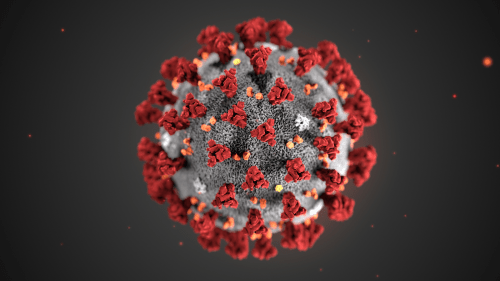
This illustration, created at the Centers for Disease Control and Prevention (CDC), reveals ultrastructural morphology exhibited by coronaviruses. Note the spikes that adorn the outer surface of the virus, which impart the look of a corona surrounding the virion, when viewed electron microscopically. A novel coronavirus virus was identified as the cause of an outbreak of respiratory illness first detected in Wuhan, China in 2019.
Image of newly mapped coronavirus protein, called Nsp15, which helps the virus replicate.
How UC is responding to the coronavirus (COVID-19)
The University of California is vigilantly monitoring and responding to new information about the coronavirus (COVID-19) outbreak, which has been declared a global health emergency.
The 3-D structure of a potential drug target in a newly mapped protein of COVID-19, or coronavirus, has been solved by a team of researchers from the University of California, Riverside, the University of Chicago, the U.S. Department of Energy’s Argonne National Laboratory, and Northwestern University.
The scientists said their findings suggest drugs previously developed to treat the earlier SARS outbreak could now be developed as effective drugs against COVID-19.
The initial genome analysis and design of constructs for protein synthesis were performed by the bioinformatic group of Adam Godzik, a professor of biomedical sciences at the UC Riverside School of Medicine.
The protein Nsp15 from Severe Acute Respiratory Syndrome Coronavirus 2, or SARS-CoV-2, is 89% identical to the protein from the earlier outbreak of SARS-CoV. SARS-CoV-2 is responsible for the current outbreak of COVID-19. Studies published in 2010 on SARS-CoV revealed inhibition of Nsp15 can slow viral replication.This suggests drugs designed to target Nsp15 could be developed as effective drugs against COVID-19.
Adam Godzik, UC Riverside professor of biomedical sciences Credit: Sanford Burnham Prebys Medical Discovery Institute
“While the SARS-CoV-19 virus is very similar to the SARS virus that caused epidemics in 2003, new structures shed light on the small, but potentially important differences between the two viruses that contribute to the different patterns in the spread and severity of the diseases they cause,” Godzik said.
The structure of Nsp15, which will be released to the scientific community on March 4, was solved by the group of Andrzej Joachimiak, a distinguished fellow at the Argonne National Laboratory, University of Chicago Professor, and Director of the Structural Biology Center at Argonne’s Advanced Photon Source, a Department of Energy Office of Science user facility.
“Nsp15 is conserved among coronaviruses and is essential in their lifecycle and virulence,” Joachimiak said. “Initially, Nsp15 was thought to directly participate in viral replication, but more recently, it was proposed to help the virus replicate possibly by interfering with the host’s immune response.”
Mapping a 3D protein structure of the virus, also called solving the structure, allows scientists to figure out how to interfere in the pathogen’s replication in human cells.
“The Nsp15 protein has been investigated in SARS as a novel target for new drug development, but that never went very far because the SARS epidemic went away, and all new drug development ended,” said Karla Satchell, a professor of microbiology-immunology at Northwestern, who leads the international team of scientists investigating the structure of the SARS CoV-2 virus to understand how to stop it from replicating. “Some inhibitors were identified but never developed into drugs. The inhibitors that were developed for SARS now could be tested against this protein.”
Rapid upsurge and proliferation of SARS-CoV-2 raised questions about how this virus could become so much more transmissible as compared to the SARS and MERS coronaviruses. The scientists are mapping the proteins to address this issue.
Over the past two months, COVID-19 infected more than 80,000 people and caused at least 2,700 deaths. Although currently mainly concentrated in China, the virus is spreading worldwide and has been found in 46 countries. Millions of people are being quarantined, and the epidemic has impacted the world economy. There is no existing drug for this disease, but various treatment options, such as utilizing medicines effective in other viral ailments, are being attempted.
Godzik, Satchell, and Joachimiak — along with the entire center team — will map the structure of some of the 28 proteins in the virus in order to see where drugs can throw a chemical monkey wrench into its machinery. The proteins are folded globular structures with precisely defined functions and their “active sites” can be targeted with chemical compounds.
The first step is to clone and express the genes of the virus proteins and grow them as protein crystals in miniature ice cube-like trays. The consortium includes nine labs across eight institutions that will participate in this effort.
Above is a modified version of the Northwestern University news release written by Marla Paul.




 2012pharmaceutical
 sjwilliamspa