Feeds:
Posts
Comments

Posts Tagged ‘Conditions and Diseases’

New Ecosystem of Cancer Research: Cross Institutional Team Science

Curator: Aviva Lev-Ari, PhD, RN

This image has an empty alt attribute; its file name is ArticleID-32.png

WordCloud Image Produced by Adam Tubman

SOURCE: Time Magazine, April 1, 2013: How to Cure Cancer by Bill Saporito

Key argument: Now the Cure for Cancer is possible thanks to the following innovations in the Division of Labor of the research process among institution.

1.  New Cancer Dream Teams deliver better results faster, better understand the metabolic changes of pancreatic cells.

Team Leader: Dan Von Hoff – A five phase parallel process of the Cancer Research endeavor: One tumor researched by FIVE Labs in parallel

  • Penn surgeon, Jeffrey Drebin removes tissue from a cancerous pancreas. Tissue is carried to Hospital Lab where it is prepared for analysis and frozen for preservation.
  • a piece will go to Princeton for metabolomic profiling, amino acids, sugar glutamine and up to 300 metabolites.
  • a piece will go to John Hopkins for DNA analysis by sequence analysis
  • a piece will go to Translational Genomics for chromosome analysis
  • a piece will go to Salk Institute for a look at the stellate (star shape. tissue repair function, also plays a role in cancer) cells – gene expression analysis Lab

Joint Lab work: Superior to any research ever known.

2. Drug agents in development for therapy targeting the genetic mutations

  • reactivate the body’s immune system
  • cut off a tumor’s blood or energy supply
  • restart apoptosis

3. New Biomarkers

  • Allows to identify, target and track cancer cells – PI3K mutation One pathway – three women’s Cancers: Ovarian, endometrial, Breast CA.
  • Dream Team led by

– Dr. Gordon Mills of MD Anderson, PI3K pathway investigator

Teams Science include:

– Women’s cancer specialist from MGH

– Dana Farber (Harvard)

– Vanderbilt University

– Columbia University

– BIDMC

– Memorial Sloan Kettering

Dream Teams results are better than Big Pharma: 95% failure rate for new oncology drugs 50% of Phase III trials – don’t cut it to FDA approval.

Dream Teams will launch Trial as soon as geneticists and biochemists match mutation to drug compound.

Big Targets: Pancreas, Breast Cancer, Lung Cancer

Example: Human trial at FIVE institutions (28-person team) with TWO unapproved drugs from TWO companies with one year of discovery

PARP inhibitor from AstraZeneca was combined with PI3K inhibitor from Novartis to combat BRCA1 gene mutation that develops ovarian cancer and triple negative Breast Cancer. Two unapproved drugs are combined. Result was without precedent.

4. Design and built of a smart chip device to trap circulating tumor cells (CTCs) in a blood sample – early identification of metastasis

5. Better chances of Five-year Survival Rates

  • 1975-1977 – 49%
  • 1978-1989 – 56%
  • 2002 – 2008 – 68%

6. More Americans who have a History of Cancer are alive today than in the past

[including Cancer-free and in-treatment]

  • 2004 – 10.8 millions
  • 2008 – 12 millions
  • 2012 – 13.7 millions

7. There are 94 millions ex-smokers in the US – elevated risk for lung Cancer. 175,00 new lung cancers diagnosed every year. MD Anderson is developing a simple blood test for protein marker that could detect lung cancer earlier than it is found, test to be used in combination with diagnostic imaging and risk models

8. Probability of developing some type of Cancer over one’s lifetime:

  • Men – 1 in 2
  • Women – 1 in 3

9. Funding of Dream Team Science by Stand Up to Cancer ( SU2C) Hollywood investment in Cancer Research

10. Cancer Statistics in the US

  • 2013: 580,350 will die of Cancer, NCI figures and 1.7 millions will be diagnosed, numbers will grow as population ages (1.4 millions in 2006)
  • 2013L Leading Types of Cancer: Prostate, Breast, Lung &Bronchus (~250,000 each type), colon (~100,000)
  • Cost of Cancer in 2008: Medical – $77.4 Billion, lost productivity – $124 Billion

11. Research at John Hopkins is focused on studying the the enzymatic on/off switches of gene expression including mutated genes that produce cancer cells.

12. Memorial Sloan Kettering Cancer Center – extensive research on Epigenetics, New epigenetic drugs can shrink tumors. Complete remission is experienced by patients treated with drugs that nudges T Cells.

Cancer is a complexed disease.

Read Full Post »

Imaging Guided Cancer-Therapy – a Discipline in Need of Guidance

 Author – Writer: Dror Nir, PhD

The use of imaging in cancer management is broadly established. During the past two decades, advancements in imaging; image quality, precision and reproducibility lead to introduction of localized, minimally invasive treatments of cancer lesions.

 A statement-paper, published online: 17 January 2013: Radiologists’ leading position in image-guided therapy, which presents the thoughts of the Image-Guided Therapy Working Group within the Research Committee of the European Society of Radiology, give hope that the policy-makers in the European radiology society are becoming aware of the need to guide this process.

Although the authors are addressing imaging guided therapy (IGT) in its broad sense, most of their examples are related to treatment of cancer. The main reason for provided for being concerned with what is happening in this domain is: “This means that the planning, performing and monitoring, as well as the control of the therapeutic procedure, are based and dependent on the “virtual reality” provided by imaging investigations.”

The most interesting points raised by the authors are:

 1. The realization that IGT is involving many “non-radiologist”, and this fact cannot be ignored: “This role is mainly driven by the sophisticated opportunities offered by medical computing and radiological image guidance with regard to precision and minimal invasiveness [2]. However, the impact of radiology on the regulatory medico-legal, technical and radioprotection issues in this field have not yet been defined. Since an increasing number of procedures will probably be performed by non-radiologists, several main questions have to be addressed:

  • How should the radiology training requirements for non-radiologists be provided?
  • How should the technical and radioprotection related responsibilities for radiological imaging systems used by non-radiologists be organised?
  • How should radiologists be involved in the practical routine use of non-radiological image-guided procedures in clinical practice?

Considering the almost pan-European medical reality with decreasing staff resources and increasing diversification and subspecialisation, radiologists have to stress the fact that within a cooperative, goal-oriented and multidisciplinary environment, the specialty-specific knowledge should confer upon radiologists a significant impact on the overall responsibility for all imaging-related processes in various non-radiological specialties (such as purchase, servicing, quality management, radiation protection and documentation). Furthermore, radiologists should take responsibility for the definition and compliance with the legal requirements regarding all radiological imaging, especially if non-radiologists have to be trained in the use of imaging technology for guidance of therapy.”

2. Quality assurance and service standards needs to be established; “Performing IGT necessitates specific quality management tools for establishing standards and maintaining levels of excellence…. A European task force group on IGT might be necessary to further develop certification guidelines and establish requirements for IGT practice according to known standards, focused on common recommendations and certification guidelines.”

3. Controlling the process of introducing new medical devices into this niche-market: “IGT research can be broadly divided into two categories, target specific research (e.g. the type of tumour or vascular lesion by imaging biomarkers) and technical research (e.g. evaluation of a new device or procedure). Understanding the efficacy and application of new and emerging technologies is a critical first step, which then leads to target-specific research. The focus of this research is aimed at understanding when, where and in whom the therapy can provide clear clinical benefit and how to use IGT in conjunction with, or as an alternative to, more established therapies. This also clearly includes research on the development and implementation of imaging biomarkers, defined as objectively measured indicators of normal biological processes, pathological changes, or responses to a therapeutic intervention [9]…..

4. An unusual remark is made in respect to the way new devices are introduced: “Clinical specialists who lack the knowledge and expertise required to champion IGT and who are often already over-committed in pursuing their own research goals often dominate committees in control of other funding streams….”

5. Clear recognition that “health-care costs” is of outmost importance: “Demonstration of the cost effectiveness of IGT methods of treatment and targeting with formal quantification of financial as well as patient benefit would encourage their wider adoption. In a broad perspective, health technology assessment (HTA) might be the way for the systematic evaluation of health-relevant IGT procedures and methods, the effectiveness, safety and economic viability of a health intervention, as well as its social, ethical, legal and organisational effects; and for providing a basis for decisions in the health system.”

 References

1.

Solomon SB, Silverman SG (2010) Imaging in interventional oncology. Radiology 257(3):624–40PubMedCrossRef

2.

Levy MA, Rubin DL (2011) Current and future trends in imaging informatics for oncology. Cancer J 17(4):203–10PubMedCrossRef

3.

Council Directive 97/43 Euratom, on health protection of individuals against the dangers of ionizing radiation in relation to medical exposure, and repealing Directive 84/466 Euratom, 1997

4.

DIMOND. Measures for optimising radiological information and dose in digital imaging and interventional radiology. European Commission. Fifth Framework Programme. 1998–2002

5.

SENTINEL. Safety and efficacy for new techniques and imaging using new equipment to support European legislation. European Coordination Action. 2005–2007

6.

http://www.sirweb.org/about-us/IRSocietiesAroundTheWorld.shtml

7.

UNSCEAR (2000) Sources and effects of ionising radiation. United Nations Scientific Committee on the Effects of Atomic Radiation Report to the General Assembly with Scientific Annexes

8.

The 2007 recommendations of the international commission on radiological protection

9.

European Society of Radiology (2010) White paper on imaging biomarkers. Insights Imaging 1(2):42–45CrossRef

Read Full Post »

Accurate Identification and Treatment of Emergent Cardiac Events

Accurate Identification and Treatment of Emergent Cardiac Events

Author: Larry H Bernstein, MD, FCAP
In the immediately preceding article, I discussed the difficulties in predicting long-term safety for developing drugs, and the cost of failure in early identification.

It is not the same scale of issue as for the patient emergently presenting to the ED. Despite enormous efforts to reduce the development of and the complications of acute ischemia related cardiac events, the accurate diagnosis of the patient presenting to the emergency room is still, as always, reliant on clinical history, physical examination, effective use of the laboratory, and increasingly helpful imaging technology. The main issue that we have a consensus agreement that PLAQUE RUPTURE is not the only basis for a cardiac ischemic event. The introduction of  high sensitivity troponin tests has made it no less difficult after throwing out the receiver-operator characteristic curve (ROC) and assuming that any amount of cardiac troponin released from the heart is pathognomonic of an acute ischemic event.  This has resulted in a consensus agreement that

  • ctn measurement at a coefficient of variant (CV) measurement in excess of 2 Std dev of the upper limit of normal is a “red flag”
  • signaling AMI? or other cardiomyopathic disorder

This is the catch.  The ROC curve established AMI in ctn(s) that were accurate for NSTEMI – (and probably not needed with STEMI or new Q-wave, not previously seen) –

  1. ST-depression
  2. T-wave inversion
    • in the presence of other findings
    • suspicious for AMI

Wouldn’t it be nice if it was like seeing a robin on your lawn after a harsh winter?  Life isn’t like that.  When acute illness hits the patient may well present with ambiguous findings.   We are accustomed to relying on

  1. clinical history
  2. family history
  3. co-morbidities, eg., diabetes, obesity, limited activity?, diet?
    1. stroke and/or peripheral vascular disease
    2. hypertension and/or renal vascular disease
    3. aortic atherosclerosis or valvular heart disease
      • these are evidence, and they make up syndromic classes
  4. Electrocardiogram – 12 lead EKG (as above)
  5. Laboratory tests
    1. isoenzyme MB of creatine kinase (CK)… which declines after 12-18 hours
    2. isoenzyme-1 of LD if the time of appearance is > day-1 after initial symptoms (no longer used)
    3. cardiac troponin cTnI or cTnT
      • genome testing
      • advanced analysis of EKG

This may result in more consults for cardiologists, but it lays the ground for better evaluation of the patient, in the long run.  When you look at the amount of information that has to be presented to the physician, there is serious need for improvement in the electronic medical record to benefit the patient and the caregivers.  Recently, we have a publication on a new test that has been evaluated, closely related to the C-reactive protein (CRP), a test that has generated much discussion over the effect of treatment for patients who have elevated CRP in the absence of increased LDL cholesterol, diabetes, or obvious atherosclerotic comorbidities.  The serum pentraxin 3 test is related to cell mediated immunity, and an evaluation has been published in the Journal of Investigative Medicine.

Journal of Investigative Medicine Feb 2013; 61 (2): 278–285.
http://dx.doi.org/10.231/JIM.0b013e31827c2971

Serum Pentraxin 3 Levels Are Associated With the Complexity and Severity of Coronary Artery Disease in Patients With Stable Angina Pectoris
Karakas, Mehmet Fatih MD*; Buyukkaya, Eyup MD*; Kurt, Mustafa MD*; et al.
From the Departments of Cardiology and,Clinical Biochemistry, Mustafa Kemal University, Tayfur Ata Sokmen Medical School, Hatay, Turkey.
Reprints: Mehmet Fatih Karakas, MD, Antakya 31005, Turkey. E-mail: mfkarakas@hotmail.com.

Abstract
Background: Atherosclerosis is a complex inflammatory process. Although pentraxin 3 (PTX-3), a newly identified inflammatory marker, was associated with adverse outcomes in stable angina pectoris,

  • an association between PTX-3 and the complexity of coronary artery disease (CAD) has not been reported.

The aim of the present study is to assess

  • the association between the level of PTX-3 and
  • the complexity and severity of CAD assessed with
  • SYNTAX and Gensini scores in patients with stable angina pectoris.

Methods: The study population is 2 groups:

  • 161 patients with anginal symptoms and evidence of ischemia
    • who underwent coronary angiography and
  • 50 age- and sex- matched control subjects without evidence of ischemia .

Patients were grouped into 3 groups according to the complexity and severity of coronary lesions

  • assessed by the SYNTAX score (30 patients with a SYNTAX score of 0 were excluded).

Serum PTX-3 and high-sensitivity C-reactive protein (hs-CRP) levels were measured in both groups.

Results: The PTX-3 levels demonstrated

  • an increase from low to high SYNTAX groups (r = 0.72, P < 0.001).

Whereas the low SYNTAX group had statistically significantly higher PTX-3 levels when compared with the control group (0.50 ± 0.01 vs 0.24 ± 0.01 ng/mL, P < 0.001),

  • the hs-CRP levels were not different (0.81 ± 0.42 vs 0.86 ± 0.53 mg/dL, P = 0.96).
  • but  the intermediate SYNTAX group had higher hs-CRP levels compared with the low SYNTAX group (1.3 ± 0.66 vs 0.86 ± 0.53 mg/dL, P = 0.002).

Serum PTX-3 levels and hs-CRP levels were both correlated with the SYNTAX scores and Gensini scores (for SYNTAX: r = 0.87 [P < 0.001] and r = 0.36 [P = 0.01]; for Gensini: r = 0.75 [P < 0.001] and r = 0.27 [P = 0.002], respectively), and

  • according to the results of univariate and multivariate analyses, for “intermediate and high” SYNTAX scores, age, diabetes mellitus, low-density lipoprotein cholesterol, hs-CRP, and PTX-3
  • were found to be independent predictors, whereas
  • for the presence of “high” SYNTAX score only PTX-3 was found to be an independent predictor.
  • The receiver operating characteristic curve analysis further revealed that the PTX-3 level was
    • a strong indicator of high SYNTAX score with an area under the curve of 0.91 (95% confidence interval, 0.86–0.96).

Conclusions: Pentraxin 3, a novel inflammatory marker, was more tightly associated with the complexity and severity of CAD than hs-CRP and

    • it was found to be an independent predictor for high SYNTAX score.

The association between atherosclerosis and inflammation has been more understood during recent years. Currently, atherosclerosis is considered as a complex inflammatory process in which

    • leukocytes and inflammatory markers are involved.1

Several inflammatory markers

  1.  high-sensitivity C-reactive protein (hs-CRP),
  2. fibrinogen, and
  3. complement C3…. are associated with cardiovascular events.1–5

Pentraxin 3 (PTX-3), that resembles CRP both in structure and function,1 is produced both by

  • hematopoietic cells such as macrophages, dendritic cells, neutrophils, and by
  • nonhematopoietic cells such as fibroblasts and vascular endothelial cells.2

Plasma PTX-3 levels may be elevated in patients with

  1. vasculitis,6
  2. acute myocardial infarction,7,8 and
  3. systemic inflammation or sepsis,9
  4. psoriasis,
  5. unstable angina pectoris, and
  6. heart failure.10–13

Dubin et al14 reported that PTX-3 levels are associated with with adverse outcomes in stable angina pectoris (SAP). Despite reports about the association of PTX-3 and coronary artery disease (CAD),

an association between the level of PTX-3 and the complexity and severity of CAD is not established.15,16 Thus, the aim of this study was

  • to assess the association between the level of PTX-3 and the complexity and severity of CAD assessed with SYNTAX and Gensini scores in SAP patients.

MATERIALS AND METHODS

Of 211 patients were prospectively recruited,  161 SAP patients with evidence of ischemia (positive treadmill or myocardial perfusion scan) underwent coronary angiography for suspected CAD, and 50 age- and sex- matched outpatient subjects with a negative treadmill or myocardial perfusion scan test were taken as the control group. Patients were excluded if they had

  •  acute coronary syndrome
  • history of previous myocardial infarction;
  • coronary artery bypass grafting or percutaneous coronary intervention;
  • secondary hypertension (HT);
  • renal failure;
  • hepatic failure;
  • chronic obstructive lung disease and/or
  • manifest heart disease, such as
    • cardiac failure (left ventricular ejection fraction <50%),
    • atrial fibrillation, and
    • moderate to severe cardiac valve disease; and
    • SYNTAX score of zero

Similarly, patients were excluded with

  • infection,
  • acute stress, or chronic systemic inflammatory disease and
  • those who had been receiving medications affecting the number of leukocytes .

Thirty patients were excluded from the study because the coronary angiograms revealed normal coronary arteries (SYNTAX score of 0). All the participants included in the study were informed about the study, and they voluntarily consented to participate. The Serum PTX-3 level was measured on blood samples collected after 12-hour fast just prior to coronary angiography and kept at −80°C until the assays were performed. PTX3 was measured by enzyme immunoassay (EIA) using quantitative kit (human PTX-3/TSG-14 immunoassay, DPTX30; R&D Systems, Inc, Minneapolis, MN). The intra-assay and interassay coefficients of variation ranged from 3.8% to 4.4% and 4.1% to 6.1%, respectively (minimum detectable concentration, 0.025 ng/mL). High-sensitivity CRP was measured in serum by EIA (Immage hs-CRP EIA Kit; Beckman Coulter Inc, Brea, CA). Transthoracic echocardiography was performed, and biplane Simpson’s ejection fraction (%) was calculated before coronary angiography. Hypertension was defined as having at least 2 blood pressure measurements greater than 140/90 mm Hg or using antihypertensive drugs, whereas diabetes mellitus (DM) was defined as having at least 2 fasting blood sugar measurements greater than 126 mg/dL or using antidiabetic drugs. Smoking was categorized into current smokers and nonsmokers. Nonsmokers included ex-smokers who had quit smoking for at least 6 months before the study. Body mass index (BMI) values were calculated based on the height and weight of each patient. Medications used before the coronary angiography were noted. The study was approved by the local ethics committee.
SYNTAX and Gensini Scores
To grade the complexity of CAD, the SYNTAX score was used. Each coronary lesion with a stenosis diameter of 50% or greater in vessels of 1.5 mm or greater was scored. Parameters used in the SYNTAX scoring are shown in Table 1. The latest online updated version (2.11) was used in the calculation of the SYNTAX scores (www.syntaxscore.com).17 The SYNTAX score was classified as follows:

  1. low SYNTAX score (≤22),
  2. intermediate SYNTAX score (23–32)
  3. high SYNTAX score (≥33).

Table 1   http://images.journals.lww.com/jinvestigativemed/LargeThumb.00042871-201302000-00007.TT1.jpeg

The severity of CAD was determined by the Gensini score, which

  • measures the extent of coronary stenosis according to degree and location.18

In the Gensini scoring system,

  • larger segments are more heavily weighted ranging from 0.5 to 5.0
    • left main coronary artery × 5;
    • proximal segment of the left anterior descending coronary artery [LAD] × 2.5;
    • proximal segment of the circumflex artery × 2.5;
    • midsegment of the LAD × 1.5;
    • right coronary artery distal segment of the LAD,
    • posterolateral artery, and obtuse marginal artery × 1;
    • and others × 0.5.

The narrowing of the coronary artery lumen is rated

  1. 2 for 0% to 25% stenosis,
  2. 4 for 26% to 50%,
  3. 8 for 51% to 75%,
  4. 16 for 76% to 90%,
  5. 32 for 91% to 99%,
  6. 64 for 100%.

The Gensini index is the sum of the total weights for each segment. All angiographic variables of the SYNTAX and Gensini score were computed by

  • 2 experienced cardiologists who were blinded to the procedural data and clinical outcomes.

The final decision was reached by consensus when a conflict occurred.The number of diseased vessels with

  • greater than 50% luminal stenosis was scored from 1 to 3 (namely, 1-, 2-, or 3-vessel disease), and
  • a lesion greater than 50% in the left main coronary artery was regarded as a 2-vessel disease.

Statistical Analyses

Statistical analyses were conducted with SPSS 17 (SPSS Inc, Chicago, IL) software package program.
Continuous variables were expressed as mean ± SD or median ± interquartile range values, whereas categorical variables were presented as percentages.
The differences between normally distributed numeric variables were evaluated by Student t test or 1-way analysis of variance, whereas

  • non–normally distributed variables were analyzed by Mann-Whitney U test or Kruskal-Wallis variance analysis as appropriate.

χ2 Test was used for the comparison of categorical variables. Pearson test was used for correlation analysis.
To determine the independent predictors of “intermediate and high” SYNTAX scores and only “high” SYNTAX scores,

  • 2 different sets of univariate and multivariate analyses were performed
    • (in the first model SYNTAX cutoff was 22, whereas
    • in the second model SYNTAX cutoff was 33).

The standardized parameters that were found to have a significance (P < 0.10) in the univariate analysis were evaluated by stepwise logistic regression analysis.
Ninety-five percent confidence interval (CI) and odds ratio (OR) per SD increase were presented together. Interobserver and intraobserver variability for SYNTAX scores

  • was done by Bland-Altman analysis.

An exploratory evaluation of additional cut points was performed using the receiver operating characteristic (ROC) curve analysis.
All the P values were 2-sided, and a P < 0.05 was considered as statistically significant.
RESULTS
Baseline Characteristics
In total, 181 patients (50.2 ± 6.5 years, 52.5% were composed of males) were included in the study. Baseline clinical, angiographic, and laboratory characteristics of the patients
relative to SYNTAX score groups are shown in Table 2. Age, sex, HT, DM, BMI, and medication were not different between the groups. Baseline clinical and laboratory characteristics
of patients according to PTX-3 quartiles are shown in Table 3. The Bland-Altman analysis revealed that the degrees of intraobserver and interobserver variability for SYNTAX score
and Gensini score readings were 5% and 6% for SYNTAX and 8% and 9% for Gensini,
respectively.
Table 2   http://images.journals.lww.com/jinvestigativemed/Original.00042871-201302000-00007.TT2.jpeg
Table 3   http://images.journals.lww.com/jinvestigativemed/Original.00042871-201302000-00007.TT3.jpeg

The PTX-3 levels demonstrated an increase from the low SYNTAX group to the high SYNTAX group (r = 0.87, P < 0.001).
The low SYNTAX group had statistically significantly higher PTX-3 levels when compared with the control group (0.50 ± 0.01 vs 0.24 ± 0.01 ng/mL, P < 0.001); similarly,
the PTX-3 levels were higher in the high SYNTAX group than in both

  • the intermediate SYNTAX group (0.84 ± 0.08 vs 0.55 ± 0.01 ng/mL, P < 0.001) and
  • the low SYNTAX group (0.84 ± 0.08 vs 0.50 ± 0.01 ng/mL, P < 0.001).
  • there was no difference in levels of PTX-3 between the low and the intermediate SYNTAX group (0.50 ± 0.01 vs 0.55 ± 0.01 ng/mL, P = 0.09).

On the other hand, there was no difference in levels of hs-CRP between the control and the low SYNTAX group (0.81 ± 0.42 vs 0.86 ± 0.53 mg/dL, P = 0.96).
The intermediate SYNTAX group had statistically significantly higher hs-CRP levels

  • compared with the low SYNTAX group (1.3 ± 0.66 vs 0.86 ± 0.53 mg/dL, P = 0.002);
  • the hs-CRP levels were not different between the high SYNTAX group
    • and the intermediate SYNTAX group. (1.3 ± 0.66 vs 1.3 ± 0.43 mg/dL, P = 0.99).

Univariate correlation analysis revealed a positive correlation between serum PTX-3 levels and hs-CRP levels with

  • the SYNTAX and Gensini scores
    • for SYNTAX: r = 0.87 [P < 0.001] and r = 0.36 [P = 0.01];
    • for Gensini: r = 0.75 [P < 0.001] and r = 0.27 [P = 0.002],  (Fig. 1).

In addition to that, the Gensini and SYNTAX scores are found to be well correlated with each other (r = 0.80, P < 0.001).
When the SYNTAX score was taken as continuous variable, multivariate linear regression analysis revealed that

  • the SYNTAX score was correlated with PTX-3 and hs-CRP (for PTX-3: β = 0.84 [P < 0.001]; hs-CRP: β =0.08 [P = 0.032]).

Figure 1   http://images.journals.lww.com/jinvestigativemed/Original.00042871-201302000-00007.FF1.jpeg

For determining the predictors of intermediate and high SYNTAX scores and only-high SYNTAX scores,

  • 2 different sets of univariate and multivariate analyses were performed among the patients who underwent coronary angiography.

For predicting the intermediate and high SYNTAX scores, the SYNTAX score was dichotomized into

  • high (score ≥22) and
  • low (<22) groups,

whereas for predicting the only-high SYNTAX scores, the SYNTAX score was dichotomized into

  • 2 groups with a score of 33 or greater and a score of less than 33.

In the first multivariate analysis (where SYNTAX cutoff was 22), the parameters showing significance in the univariate analysis

  • age,
  • sex,
  • HT,
  • DM,
  • low-density lipoprotein cholesterol [LDL-C],
  • hs-CRP,
  • PTX-3

were evaluated by multivariate analysis to determine the

  • independent predictors of intermediate and high SYNTAX scores.

In the univariate analysis, higher values of

  • age (OR, 1.5 [95% CI, 1.1–2.0]; P = 0.01),
  • LDL-C (OR, 1.3 [95% CI, 0.98–1.8]; P = 0.068),
  • hs-CRP (OR, 2.6 [95% CI, 1.8–3.8]; P < 0.001), and
  • PTX-3 (OR, 13.6 [95% CI, 6.4–28.9]; P < 0.001)
    • were associated with higher SYNTAX scores,
  • HT (OR, 0.44 [95% CI, 0.24–0.80]; P = 0.008) and
  • DM (OR, 0.48 [95% CI, 0.25–0.91]; P = 0.02)
    • were associated with lower SYNTAX scores.

In the multivariate analysis – age, DM, LDL-C, hs-CRP, and PTX-3 – were found to be

  • independent predictors of “intermediate to high” SYNTAX score (Table 4).

Increased

  • age (OR, 2.5 [95% CI, 1.3–4.8]; P = 0.007),
  • LDL-C (OR, 2.8 [95% CI, 1.5–5.2]; P = 0.001),
  • hs-CRP (OR, 3.3 [95% CI, 1.8–6.1]; P < 0.001), and
  • PTX-3 (OR, 35.4 [95% CI, 10.1–123.6]; P < 0.001)
    • were associated with increased SYNTAX scores,

whereas DM (OR, 0.08 [95% CI, 0.02–0.33]; P < 0.001) was associated with lower SYNTAX score (Table 4).

In the second univariate and multivariate analyses (where SYNTAX cutoff was 33),

  • the parameters that showed significance in the univariate analysis were age, LDL-C, glucose, hs-CRP, and PTX-3.
  • In the univariate analysis, increased
    • age (OR, 1.5 [95% CI, 1.0–2.3]; P = 0.05),
    • LDL-C (OR, 1.5 [95% CI, 0.97–2.2]; P = 0.07),
    • hs-CRP (OR, 1.4 [95% CI, 0.97–2.1]; P = 0.072), and
    • PTX-3 (OR, 18.5 [95% CI, 6.6–51.8]; P < 0.001)
      • were found to be associated with increased SYNTAX scores.

When these parameters were evaluated with multivariate analysis, only PTX-3 (OR, 18.4 [95% CI, 6.2–54.2]; P < 0.001)

    • was found to be an independent predictor for high SYNTAX score (Table 4).

Table 4   http://images.journals.lww.com/jinvestigativemed/Original.00042871-201302000-00007.TT4.jpeg

The ROC curve analysis further revealed that the PTX-3 level was a strong indicator of high SYNTAX score with

  • an area under the curve (AUC) of 0.91 (95% CI, 0.86–0.96) (Fig. 2).

The optimal cutoff of PTX-3 for the high SYNTAX score was 0.75 ng/mL.
Sensitivity, specificity, positive predictive value, and negative predictive value to identify high SYNTAX score for the PTX-3 level

  • were 90%, 84%, 97%, and 60%, respectively.
  • the ROC curve analysis of PTX-3 for intermediate-high SYNTAX score revealed that the AUC value was 0.82 (95% CI, 0.75–0.89).

The optimal threshold of PTX-3 level that

  • maximized the combined specificity and sensitivity to predict
    • intermediate to high SYNTAX score was 0.73 ng/mL.

For the cutoff value of 0.73 ng/mL, sensitivity, specificity, positive predictive value, and negative predictive value

  • to identify intermediate-high SYNTAX score were 56%, 98%, 97%, and 56%, respectively.

Figure 2   http://images.journals.lww.com/jinvestigativemed/Original.00042871-201302000-00007.FF2.jpeg

In the ROC analysis of hs-CRP for high SYNTAX scores, the AUC value was found to be 0.68 (95% CI, 0.59–0.77; P < 0.001).
The optimal threshold of hs-CRP that maximized the combined specificity and sensitivity to predict for high SYNTAX scores was 0.89 mg/dL.
Similarly, the ROC analysis of hs-CRP for the intermediate-high SYNTAX scores revealed an AUC of 0.74 (95% CI, 0.65–0.83; P = 0.001).
The cutoff value of hs-CRP to predict the intermediate-high SYNTAX scores with a maximized sensitivity and specificity was 0.66 mg/dL.
DISCUSSION
In this particular study, we investigated the relationship between the serum PTX-3 level and the severity of CAD

  • assessed by SYNTAX and Gensini scores in patients with SAP.

The PTX-3, was significantly higher than control group in the patients with CAD, and the serum PTX-3 levels

  • were associated with the SYNTAX and Gensini scores.

When compared with the hs-CRP, the PTX-3 was found to be more tightly associated with the complexity and severity of CAD in the patients with SAP.
Pentraxin 3, an acute-phase reactant that is functionally and structurally similar to CRP,1 is produced both by different kinds of cells such as

  • macrophages, dendritic cells, neutrophils, fibroblasts, and vascular endothelial cells.2
  • Pentraxin 3 is released following the inflammatory stimuli19; therefore, it may reflect the local inflammatory status in tissues.20

Serum PTX-3 levels were shown to be elevated in patients with

  • vasculitis,6 acute myocardial infarction,7,8 and systemic inflammation or sepsis,9 psoriasis, unstable angina pectoris, and heart failure.10–13

Higher PTX3 levels were reported to be associated with worse cardiovascular outcomes

  1. after acute coronary syndromes,8,21
  2. in the elderly people without known cardiovascular disease22 and
  3. associated with overall mortality in patients with stable coronary disease,
  4. independent of systemic inflammation.14

There are 2 reports investigating the association of PTX-3 level and the atherosclerotic burden.15,16 In one of these reports,

  • Knoflach et al.15 took B-mode ultrasonography as the atherosclerosis index.

They did not provide any information about coronary anatomy, and in the other report, Soeki et al.16 evaluated 40 patients who

  • underwent coronary angiography and measured their Gensini scores.

However, in none of the studies were the SYNTAX score and Gensini score used together to assess the degree of coronary atherosclerotic burden.
To our knowledge, this is the first report that showed the association of PTX-3 levels with the complexity and severity of CAD assessed by

  • SYNTAX and Gensini scores in patients with stable coronary disease.

Chronic low-grade inflammation has been thought to play a major role in the pathogenesis of atherosclerosis.23,24 Previous studies have reported that

  • levels of inflammatory markers such as hs-CRP, interleukin 6, and so on were increased in atherosclerosis.25

In the present study, both the SYNTAX and the Gensini scores were found to be correlated with serum PTX-3 and hs-CRP levels,

  • which in turn might reflect the degree of inflammation.

The SYNTAX score is an important tool in the classification of complex CAD26 and can give predictive information about short- and long-term outcomes

  • in patients with stable CAD who undergo percutaneous coronary intervention.27–30

Although the SYNTAX score is currently used for assessing the angiographic complexity of CAD rather than the severity of coronary atherosclerotic burden,

  • because more complex lesions tend to have more atherosclerotic burden,
  • the SYNTAX scores may also reflect the severity of coronary atherosclerotic burden.

The Gensini score, a well-known and widely used scoring system to evaluate the severity of CAD,18 was measured and

  • found to be well correlated with the SYNTAX score,
    • which supports the idea that angiographically more complex lesions tend to have more atherosclerotic burden.

When compared with the hs-CRP,

  • the PTX-3 seems to be more tightly associated with coronary disease burden (r = 0.36 vs r = 0.87).

We found out that the serum PTX-3 levels were higher than those in the control group, even in the low SYNTAX group.
On the other side, the serum hs-CRP levels were not different in the control and the low SYNTAX groups.
It was reported that the leukocytes mainly found in the coronary artery lumen are the neutrophils.31
It is also known that PTX-3 is stored in specific granules of neutrophils and released in response to inflammatory signals.32
The reason why serum PTX-3 levels seem more tightly associated with the coronary disease burden

  • when compared with serum hs-CRP levels may be the association of the
  • on-site presence of neutrophils and local inflammatory signal–triggered release of  PTX-3.

On the other hand, some human studies revealed that PTX-3 was produced more in areas of atherosclerosis and may contribute to its pathogenesis.31
Some other studies suggested that PTX-3 may be part of a protective mechanism in

  • vascular repair via inhibiting fibroblast growth factor 2 or some other growth factors responsible for smooth muscle proliferation.33,34

But still, the exact role of PTX-3 in the pathophysiology of atherosclerosis seems to be obscure for the time being. It is well established that atherosclerosis
has an inflammatory background in most of the cases. In addition to that, high blood CRP level is known as an indicator of future cardiovascular disease risk
even in healthy individuals.35 According to the results of univariate and multivariate analyses, for intermediate and high SYNTAX scores,

  1. age, DM, LDL-C, hs-CRP, and PTX-3 were found to be independent predictors, whereas for the presence of
  2. high SYNTAX score, only PTX-3 was found to be an independent predictor.

Because of the tighter association with atherosclerotic burden and the on-site vascular presence,

    • PTX-3 may be a promising candidate marker for vascular inflammation and future cardiovascular events.

LIMITATIONS
The major limitation of the current study is the number of patients included. It would be better to include more patients to increase the statistical power.

Besides, the SYNTAX and Gensini scores give us an idea about the complexity and severity of coronary atherosclerosis; however,
with coronary angiography alone, it is not possible to understand the extent of coronary plaque. In addition to that, the coronary anatomy of the
control group was not known, which was another limitation. Our selected population was free of other confounders of systemic inflammation, and
we did not have data about inflammatory markers other than hs-CRP, such as interleukin 6, tumor necrosis factor α, and so on, which may be accepted
as a limitation. Another limitation of the current study is that because there was no long-term follow-up of the patients, it did not provide any prognostic
data in terms of future cardiovascular events.
CONCLUSIONS
Pentraxin 3, a novel inflammatory marker, is associated with the complexity and severity of the CAD assessed by the SYNTAX and the Gensini scores in patients with SAP and seems to be more tightly associated with coronary atherosclerotic burden than hs-CRP.

REFERENCES

1. Hansson GK. Inflammation, atherosclerosis, and coronary artery disease. N Engl J Med. 2005; 352: 1685–1695.
2. Brown DW, Giles WH, Croft JB. White blood cell count: an independent predictor of coronary heart disease mortality among a national cohort. J Clin Epidemiol. 2001; 54: 316–322.
3. Kannel WB, Anderson K, Wilson PW. White blood cell count and cardiovascular disease. Insights from the Framingham Study. JAMA. 1992; 267: 1253–1256.
4. Muscari A, Bozzoli C, Puddu GM, et al.. Association of serum C3 levels with the risk of myocardial infarction. Am J Med. 1995; 98: 357–364.
5. Ridker PM, Cushman M, Stampfer MJ, et al.. Inflammation, aspirin, and the risk of cardiovascular disease in apparently healthy men. N Engl J Med. 1997; 336: 973–979.
6. Fazzini F, Peri G, Doni A, et al.. PTX3 in small-vessel vasculitides: an independent indicator of disease activity produced at sites of inflammation. Arthritis Rheum. 2001; 44: 2841–2850.
7. Peri G, Introna M, Corradi D, et al.. PTX3, A prototypical long pentraxin, is an early indicator of acute myocardial infarction in humans. Circulation. 2000; 102: 636–641.
8. Latini R, Maggioni AP, Peri G, et al.. Prognostic significance of the long pentraxin PTX3 in acute myocardial infarction. Circulation. 2004; 110: 2349–2354.
9. Muller B, Peri G, Doni A, et al.. Circulating levels of the long pentraxin PTX3 correlate with severity of infection in critically ill patients. Crit Care Med. 2001; 29: 1404–1407.
10. Bevelacqua V, Libra M, Mazzarino MC, et al.. Long pentraxin 3: a marker of inflammation in untreated psoriatic patients. Int J Mol Med. 2006; 18: 415–423.
11. Inoue K, Sugiyama A, Reid PC, et al.. Establishment of a high sensitivity plasma assay for human pentraxin3 as a marker for unstable angina pectoris. Arterioscler Thromb Vasc Biol. 2007; 27: 161–167.
12. Suzuki S, Takeishi Y, Niizeki T, et al.. Pentraxin 3, a new marker for vascular inflammation, predicts adverse clinical outcomes in patients with heart failure. Am Heart J. 2008; 155: 75–81.
13. Matsubara J, Sugiyama S, Nozaki T, et al.. Pentraxin 3 is a new inflammatory marker correlated with left ventricular diastolic dysfunction and heart failure with normal ejection fraction. J Am Coll Cardiol. 2011; 57: 861–869.
14. Dubin R, Li Y, Ix JH, et al.. Associations of pentraxin-3 with cardiovascular events, incident heart failure, and mortality among persons with coronary heart disease: data from the Heart and Soul Study. Am Heart J. 2012; 163: 274–279.
16. Soeki T, Niki T, Kusunose K, et al.. Elevated concentrations of pentraxin 3 are associated with coronary plaque vulnerability. J Cardiol. 2011; 58: 151–157.
17. SYNTAX working group. SYNTAX score calculator. Available at http://www.syntaxscore.com. Accessed May 20, 2012.
18. Gensini GG. A more meaningful scoring system for determining the severity of coronary heart disease. Am J Cardiol. 1983; 51: 606.
20. Mantovani A, Garlanda C, Bottazzi B, et al.. The long pentraxin PTX3 in vascular pathology. Vascul Pharmacol. 2006; 45: 326–330.
21. Matsui S, Ishii J, Kitagawa F, et al.. Pentraxin 3 in unstable angina and non-ST-segment elevation myocardial infarction. Atherosclerosis. 2010; 210: 220–225.
22. Jenny NS, Arnold AM, Kuller LH, et al.. Associations of pentraxin 3 with cardiovascular disease and all-cause death: the Cardiovascular Health Study. Arterioscler Thromb Vasc Biol. 2009; 29: 594–599.
26. Serruys PW, Morice MC, Kappetein AP, et al.. Percutaneous coronary intervention versus coronary-artery bypass grafting for severe coronary artery disease. N Engl J Med. 2009; 360: 961–972.
27. van Gaal WJ, Ponnuthurai FA, Selvanayagam J, et al.. The SYNTAX score predicts peri-procedural myocardial necrosis during percutaneous coronary intervention. Int J Cardiol. 2009; 135: 60–65.
28. Lemesle G, Bonello L, de Labriolle A, et al.. Prognostic value of the SYNTAX score in patients undergoing coronary artery bypass grafting for three-vessel coronary artery disease. Catheter Cardiovasc Interv. 2009; 73: 612–617.
29. Capodanno D, Di Salvo ME, Cincotta G, et al.. Usefulness of the SYNTAX score for predicting clinical outcome after percutaneous coronary intervention of unprotected left main coronary artery disease. Circ Cardiovasc Interv. 2009; 2: 302–308.
30. Kim YH, Park DW, Kim WJ, et al.. Validation of SYNTAX (Synergy between PCI with Taxus and Cardiac Surgery) score for prediction of outcomes after unprotected left main coronary revascularization. JACC Cardiovasc Interv. 2010; 3: 612–623.
32. Jaillon S, Peri G, Delneste Y, et al.. The humoral pattern recognition receptor PTX3 is stored in neutrophil granules and localizes in extracellular traps. J Exp Med. 2007; 204: 793–804.
33. Inforzato A, Baldock C, Jowitt TA, et al.. The angiogenic inhibitor long pentraxin PTX3 forms an asymmetric octamer with two binding sites for FGF2. J Biol Chem. 2010; 285: 17681–17692.
34. Camozzi M, Zacchigna S, Rusnati M, et al.. Pentraxin 3 inhibits fibroblast growth factor 2–dependent activation of smooth muscle cells in vitro and neointima formation in vivo. Arterioscler Thromb Vasc Biol. 2005; 25: 1837–1842.
35. Koenig W, Sund M, Frohlich M, et al.. C-Reactive protein, a sensitive marker of inflammation, predicts future risk of coronary heart disease in initially healthy middle-aged men: results from the MONICA (Monitoring Trends and Determinants in Cardiovascular Disease) Augsburg Cohort Study, 1984 to 1992. Circulation. 1999; 99: 237–242.
Keywords:  pentraxin 3; coronary artery disease; SYNTAX score; hs-CRP; inflammation

This is not the only recent finding that adds to the ability to evaluate these patients.  An as yet unpublished paper, expected to be published soon reports on

QRS fragmentation as a Prognostic test in Acute Coronary Syndrome,  and this reviewer expects the work to have a high impact.  The authors state that
QRS complex fragmentation is a promising bed-side test for assessment of prognosis in those patients.  Presence of fragmented QRS in surface ECG during ACS

  • represents myocardial scar or fibrosis and reflect severity of coronary lesions and a correlation between fQRS and depression of Lv function is established.

There are still other indicators that need to be considered, such as the mean arterial blood pressure.

There has been review and revisions of the guidelines for treatment of UA/NSTEMI within the last year, with differences being resolved among the Europeans and US.

Guidelines Updated for Unstable Angina/Non-ST Elevation Myocardial Infarction
According to the current study by Jneid and colleagues, new evidence is available on the management of unstable angina. This report replaces the 2007 American College of Cardiology Foundation/American Heart Association (ACC/AHA) Guidelines for the Management of Patients With Unstable Angina/Non–ST-Elevation Myocardial Infarction (UA/NSTEMI) that were updated by the 2011 guidelines.

This guideline was reviewed by

  • 2 official reviewers each nominated by the ACCF and the AHA, as well as
  • 1 or 2 reviewers each from the American College of Emergency Physicians; the Society for Cardiovascular Angiography and Interventions; and the Society of Thoracic Surgeons; and
  • 29 individual content reviewers, including members of the ACCF Interventional Scientific Council.

The recommendations in this focused update are considered current

  • until they are superseded in another focused update or the full-text guideline is revised, and are official policy of both the ACCF and the AHA.

STUDY SYNOPSIS AND PERSPECTIVE
American cardiology societies have caught up with the European Society of Cardiology by

  • issuing their second update to the UA/NSTEMI guidelines in 18 months,
  • with the 2012 focused update replacing the 2011 guidelines [1].

The new recommendations include ticagrelor (Brilinta) as one of the options for antiplatelet therapy alongside prasugrel (Effient) and clopidogrel, bringing them in line with European.
The European guidance, however, gave precedence to the new antiplatelets over clopidogrel, whereas the American update “places ticagrelor on an equal footing with the other two antiplatelets available
this is the main reason for the update,” lead author Dr Hani Jneid (Baylor College of Medicine, Houston, TX), told heartwire . “Doctors now have a choice for second-line therapy after aspirin, depending on

  • the patient’s clinical scenario,
  • physician preference, and cost,”
    • now that clopidogrel is available generically.

The US decision to recommend

  • first prasugrel–in its 2011 update to the UA/NSTEMI guidelines–and
  • now ticagrelor as equivalent antiplatelet therapy choices to clopidogrel after aspirin
    • puts it somewhat at odds with the Europeans,
    • who reserve clopidogrel use for those who cannot take the newer agents.

The reason for the Americans differing stance is that because while they are faster acting and more potent–

  • the cost-effectiveness of the new agents is not known.
  • it isn’t clear how the efficacy observed in pivotal clinical trials of these agents is going to translate into real-world benefit,
  • and issues such as bleeding with prasugrel and compliance with a twice-daily drug such as ticagrelor remain concerns.

Bulk of 2012 Update on How to Use Ticagrelor
The 2012 ACCF/AHA focused update for the management of UA/NSTEMI stresses that

  • all patients at medium/high risk should receive dual antiplatelet therapy on admission,
  • with aspirin being first-line, indefinite therapy.

The bulk of the update centers on how to use ticagrelor which–

  • like prasugrel or clopidogrel–
  • can be added to aspirin for up to 12 months (or longer, at the discretion of the treating clinician).

Jneid notes it’s important to remember that prasugrel can only be used in the cath lab

  • in patients undergoing percutaneous coronary intervention (PCI),
  • whereas ticagrelor, like clopidogrel, can be used in medically managed or PCI patients.

And he emphasizes that, in line with the FDA’s black-box warning on ticagrelor,

The 81-mg aspirin dose is also considered a reasonable option in preference to a higher maintenance dose of 325 mg in

  • any acute coronary syndrome (ACS) patient following PCI, he adds, as
  • this strategy is believed to result in equal efficacy and lower bleeding risk.

With regard to how long antiplatelet therapy should be stopped before planned cardiac surgery, the recommendation is

  • five days for ticagrelor–the same as that advised for clopidogrel.
  • and seven days prior to surgery for prasugrel.

Jneid also highlights other important recommendations from the 2011 focused update carried over to 2012:

It is “reasonable” to proceed with cardiac catheterization and revascularization within

  • 12–24 hours of admission in initially stable, very high-risk patients with ACS.

An invasive strategy is “reasonable” in patients with

  • mild and moderate chronic kidney disease.

In those with diabetes hospitalized with ACS, insulin use should target glucose levels <180 mg/dL,

  • a less-intensive reduction than previously recommended.

Platelet function or genotype testing for clopidogrel resistance are both considered “reasonable”

  • if clinicians think the results will alter management,
  • but Jneid acknowledged that “there is not much evidence to support these assays” .

Committee Encourages Participation in Registries
Jneid observes that unstable angina and NSTEMI are “very common” conditions that carry a high risk of death and recurrent heart attacks,

  • which is why “the AHA and ACCF constantly update their guidelines so that physicians can provide patients with
  • the most appropriate, aggressive therapy with the goal of improving health and survival.”

To this end, he notes that the writing panel encourages

  • clinicians and hospitals to participate in quality-of-care registries designed
  • to track and measure outcomes, complications, and
  • adherence to evidence-based medicines.

Conflicts of interest for the writing committee are listed in the paper.

References

Jneid H, Anderson JL, Wright SR, et al. 2012 ACCF/AHA focused update on the guideline for the management of patients with unstable angina/non-ST elevation myocardial infarction (Updating the 2007 guideline and replacing the 2011 focused update): A report of the ACCF/AHA.
Circulation 2012;      Available at: http://circ.ahajournals.org/  http://dx.doi.org/10.1161/CIR0b013e3182566fleo
source   http://www.medscape.org

Related articles
Obstructive Coronary Artery Disease diagnosed by RNA levels of 23 genes – CardioDx, a Pioneer in the Field of Cardiovascular Genomic Diagnostics
FDA Pending 510(k) for The Latest Cardiovascular Imaging Technology
New Definition of MI Unveiled, Fractional Flow Reserve (FFR)CT for Tagging Ischemia
Assessing Cardiovascular Disease with Biomarkers
Coronary CT Angiography versus Standard Evaluation in Acute Chest Pain
Dilated Cardiomyopathy: Decisions on implantable cardioverter-defibrillators (ICDs) using left ventricular ejection fraction (LVEF) and Midwall Fibrosis: Decisions on Replacement using late gadolinium enhancement cardiovascular MR (LGE-CMR)
The potential contribution of informatics to healthcare is more than currently estimated
PCI Outcomes, Increased Ischemic Risk associated with Elevated Plasma Fibrinogen not Platelet Reactivity
Amplifying Information Using S-Clustering and Relationship to Kullback-Liebler Distance: An Application to Myocardial Infarction
Percutaneous Endocardial Ablation of Scar-Related Ventricular Tachycardia
Vascular Medicine and Biology: CLASSIFICATION OF FAST ACTING THERAPY FOR PATIENTS AT HIGH RISK FOR MACROVASCULAR EVENTS Macrovascular Disease – Therapeutic Potential of cEPCs
Ablation Devices Market to 2016 – Global Market Forecast and Trends Analysis by Technology, Devices & Applications
Endothelial Dysfunction, Diminished Availability of cEPCs, Increasing CVD Risk for Macrovascular Disease – Therapeutic Potential of cEPCs
Positioning a Therapeutic Concept for Endogenous Augmentation of cEPCs — Therapeutic Indications for Macrovascular Disease: Coronary, Cerebrovascular and Peripheral
Cardiovascular Outcomes: Function of circulating Endothelial Progenitor Cells (cEPCs): Exploring Pharmaco-therapy targeted at Endogenous Augmentation of cEPCs
Competition in the Ecosystem of Medical Devices in Cardiac and Vascular Repair: Heart Valves, Stents, Catheterization Tools and Kits for Open Heart and Minimally Invasive Surgery (MIS)
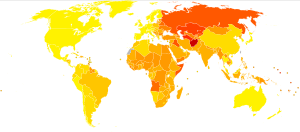
Age-standardised disability-adjusted life year...

Age-standardised disability-adjusted life year (DALY) rates from Cardiovascular diseases by country (per 100,000 inhabitants). (Photo credit: Wikipedia)

English: Cardiovascular disease: PAD therapy w...

English: Cardiovascular disease: PAD therapy with stenting Deutsch: PAVK Therapie: Kathetertherapie mit stenting (Photo credit: Wikipedia)
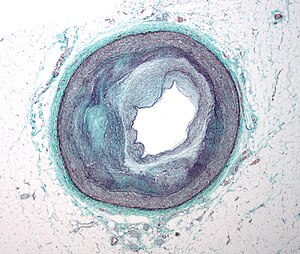
Micrograph of an artery that supplies the hear...

Micrograph of an artery that supplies the heart with significant atherosclerosis and marked luminal narrowing. Tissue has been stained using Masson’s trichrome. (Photo credit: Wikipedia)

Read Full Post »

Personalized Medicine: Clinical Aspiration of Microarrays

Reporter, Writer: Stephen J. Williams, Ph.D.

 In this month’s Science, Mike May (at http://www.sciencemag.org/site/products/lst_20130215.xhtml) describes some of the challenges and successes in introducing microarray analysis to the clinical setting.  Traditionally used for investigational research, microarray is now being developed, customized and used for biomarker analysis, prognostic and predictive value, in a disease-specific manner.

Challenges in data interpretation

      In an interview with Seth Crosby, director of the Genome Technology Access Center at Washington University School of Medicine in St. Louis, “the biggest challenge” in moving microarray to the clinical setting is data interpretation.  The current technology makes it possible to evaluate expression of thousands of genes from a patient’s sample however as Crosby describes is assigning clinical relevance to the data.  For example Crosby explains that Washington University had validated a panel of 45 oncology genes by next generation sequencing and are using these genes to develop diagnostic tests to screen patient tumors for the purpose of determining a personalized therapeutic strategy. Seth Crosby noted it took “hundreds of Ph.D. and M.D. hours” to sift through the hundreds of papers to determine which genes were relevant to a specific cancer type. However, he notes, that once we better understand which changes in the patient’s genome are related to a specific disease we will be able to narrow down the list and be able to produce both economical and more disease-relevant microarrays.

Is this aberration pathogenic or not?

     Microarrays are becoming an invaluable tool in cytogenetics, as eluded by Andy Last, executive vice president of the genetic analysis business unit at Affymetrix.  Certain diseases like Down syndrome have well characterized chromosomal alterations like additions or deletions of parts or entire chromosomes.  According to Affymetrix, the most common use of microarrays is for determining copy number variation.  However according to James Clough, vice president of clinical and genomic services at Oxford Gene Technology, given the hundreds of syndromes associated with chromosomal rearrangements, the challenge will be to determine if a small chromosomal aberration has pathologic significance, given that microarray affords much higher diagnostic yield and speed of analysis than traditional microscopic techniques.  To address this challenge, Oxford Gene Technologies, PerkinElmer, Affymetrix, and Agilent all have custom designed microarrays to evaluate disease specific copy number and SNP (single nucleotide polymorphism) microarrays.  For example PerkinElmer designed OncoChip™ to evaluate copy number variation in more than 1.800 cancer genes.  Agilent makes microarrays that evaluates both copy number variation such as its CGH (comparative genomic hybridization) plus SNP microarrays.  Patricia Barco, product manager for cytogenetics at Agilent, notes these arrays can be used in prenatal and postnatal research and cancer, and “can be customized from more than 28 million probes in our library”.

Custom Tools and Software to Handle the Onslaught of Big Data

     There is a need for FDA approved diagnostic tools based on microarrays. Pathwork Diagnostic’s has one such tool (the Pathwork Tissue of Origin test), which uses 2,000 transcript markers and a proprietary computational algorithm to determine from expression analysis, the tissue of origin of a patient’s tumor.  Pathwork also provides a fast, custom turn-around analytical service for pathologists who encounter difficult to interpret samples.  Illumina provides the Infinium HumanCore BeadChip family of microarrays, which can determine genetic variations for purposes of biological tissue banking.  This system uses a set of over 300,000 SNP probes plus 240,000 exome-based markers.

     Tools have also been developed to validate microarray results.  A common validation strategy is the use of quantitative real-time PCR to verify the expression changes seen on the microarray.  Life Technologies developed the TaqMan OpenArray Real Time PCR plates, which have 3,072 wells and can be custom-formatted using their library of eight million validated TaqMan assays.

Making Sense of the Big Data: Bridging the Knowledge Gap using Bioinformatics

          The use of microarray has spurned industries devoted to developing the bioinformatics software to analyze the massive amounts of data and provide clinical significance.  For example companies such as Expression Analysis use their bioinformatics software to provide pathway analysis for microarray data in order to translate the data into the biology.  Using such strategies can also validate the design of microarrays for various diseases.

Foundation Medicine, Inc., a molecular information company, provides cancer genomics test solutions. It offers FoundationOne, an informative genomic profile to identify a patient’s individual molecular alterations and match them with relevant targeted therapies and clinical trials. The company’s product enables physicians to recommend treatment options for patients based on the molecular subtype of their cancer.

The Canadian Bioinformatics Workshops series recently offered a course on using bioinformatic approaches to analyze clinical data generated from microarray approaches (http://bioinformatics.ca/workshops/2012/bioinformatics-cancer-genomics-bicg).   The course objectives are described below:

Course Objectives

Cancer research has rapidly embraced high throughput technologies into its research, using various microarray, tissue array, and next generation sequencing platforms. The result has been a rapid increase in cancer data output and data types. Now more than ever, having the bioinformatic skills and knowledge of available bioinformatic resources specific to cancer is critical. The CBW will host a 5-day workshop covering the key bioinformatics concepts and tools required to analyze cancer genomic data sets. Participants will gain experience in genomic data visualization tools which will be applied throughout the development of the skills required to analyze cancer -omic data for gene expression, genome rearrangement, somatic mutations and copy number variation. The workshop will conclude with analyzing and conducting pathway analysis on the resultant cancer gene list and integration of clinical data.

Successful Examples of Clinical Ventures Integrating Bioinformatics in Cancer Treatment Decision –Making

The University of Pavia, Italy developed a fully integrated oncology bioinformatics workflow as described on their website and at the ESMO 2012 Congress meeting:

http://abstracts.webges.com/viewing/view.php?congress=esmo2012&congress_id=370&publication_id=2530

ESMO

ONCO-I2B2 PROJECT: A BIOINFORMATICS TOOL INTEGRATING –OMICS AND CLINICAL DATA TO SUPPORT TRANSLATIONAL RESEARCH

Abstract:

2530

Congress:

ESMO 2012

Type:

Abstract

Topic:

Translational research

Authors:

A. Zambelli, D. Segagni, V. Tibollo, A. Dagliati, A. Malovini, V. Fotia, S. Manera, R. Bellazzi; Pavia/IT

  • Body

The ONCO-i2b2 project, supported by the University of Pavia and the Fondazione Salvatore Maugeri (FSM), aims at supporting translational research in oncology and exploits the software solutions implemented by the Informatics for Integrating Biology and the Bedside (i2b2) research centre, an initiative funded by the NIH Roadmap National Centres for Biomedical Computing. The ONCO-i2b2 software is designed to integrate the i2b2 infrastructure with the FSM hospital information system and the Bruno Boerci Biobank, in order to provide well-characterized cancer specimens along with an accurate patients clinical data-base. The i2b2 infrastructure provides a web-based access to all the electronic medical records of cancer patients, and allow researchers analyzing the vast amount of biological and clinical information, relying on a user-friendly interface. Data coming from multiple sources are integrated and jointly queried.

In 2011 at AIOM Meeting we reported the preliminary experience of the ONCO-i2b2 project, now we’re able to present the up and running platform and the extended data set. Currently, more than 4400 specimens are stored and more than 600 of breast cancer patients give the consent for the use of specimens in the context of clinical research, in addition, more than 5000 histological reports are stored in order to integrate clinical data.

Within the ONCO-i2b2 project is possible to query and merge data regarding:

• Anonymous patient personal data;

• Diagnosis and therapy ICD9-CM subset from the hospital information system;

• Histological data (tumour SNOMED and TNM codes) and receptor profile testing (Her2, Ki67) from anatomic pathology database;

• Specimen molecular characteristics (DNA, RNA, blood, plasma and cancer tissues) from the Bruno Boerci Biobank management system.

The research infrastructure will be completed by the development of new set of components designed to enhance the ability of an i2b2 hive to utilize data generated by NGS technology, providing a mechanism to apply custom genomic annotations. The translational tool created at FSM is a concrete example regarding how the integration of different information from heterogeneous sources could bring scientific research closer to understand the nature of disease itself and to create novel diagnostics through handy interfaces.

Disclosure

All authors have declared no conflicts of interest.

NCI has under-taken a similar effort under the Recovery Act (the full text of the latest report is taken from their website http://www.cancer.gov/aboutnci/recovery/recoveryfunding/investmentreports/bioinformatics:

Cancer Bioinformatics: Recovery Act Investment Report

November 2009

Public Health Burden of Cancer

Cancer is the second leading cause of death in the United States after heart disease. In 2009, it is estimated that nearly 1.5 million new cases of invasive cancer will be diagnosed in this country and more than 560,000 people will die of the disease.

To learn more, visit:

Cancer Bioinformatics Program Overview

Over the past five years, NCI’s Center for Biomedical Informatics and Information Technology (CBIIT) has led the effort to develop and deploy the cancer Biomedical Informatics Grid® (caBIG) in partnership with the broader cancer community.  The caBIG network is designed to enable the integration and exchange of data among researchers in the laboratory and the clinic, simplify collaboration, and realize the potential of information-based (personalized) medicine in improving patient outcomes. caBIG has connected major components of the cancer community, including NCI-designated Cancer Centers, participating institutions of the NCI Community Cancer Centers Program (NCCCP), and numerous large-scale scientific endeavors, as well as basic, translational, and clinical researchers at public and private institutions across the United States and around the world.  Beyond cancer research, caBIG capabilities—infrastructure, standards, and tools—provide a prototype for linking other disease communities and catalyzing a new 21st-century biomedical ecosystem that unifies research and care. ARRA funding will allow NCI to accelerate the ongoing development of the Cancer Knowledge Cloud and Oncology Electronic Health Records (EHRs) initiatives, thereby providing for continued job creation in the areas of biomedical informatics development and application as well as healthcare delivery.

The caBIG Cancer Knowledge Cloud: Extending the Research Infrastructure

The Cancer Knowledge Cloud is a virtual biomedical capability that utilizes caBIG tools, infrastructure, and security frameworks to integrate distributed individual and organizational data, software applications, and computational capacity throughout the broad cancer research and treatment community. The Cancer Knowledge Cloud connects, integrates, and facilitates sharing of the diverse primary data generated through basic and clinical research and care delivery to enable personalized medicine. The cloud includes information generated through large-scale research projects such as The Cancer Genome Atlas (TCGA), the cancer Human Biobank (caHUB) tissue acquisition network, the NCI Functional Biology Consortium, the NCI Patient Characterization Center, and the NCI Preclinical Development Pipeline, academic and industry counterparts to these projects, and clinical observations (from entities such as the NCCCP) captured in oncology-extended Electronic Health Records.  Through the use of the caBIG Data Sharing and Security Framework, the Cloud will support appropriate sharing of information, supporting in silico hypothesis generation and testing, and enabling a learning healthcare system.

A caBIG-Based Rapid-Learning Healthcare System: Incorporating Oncology-Extended Electronic Healthcare Records (EHRs)

The 21st-century Cancer Knowledge Cloud will connect individuals, organizations, institutions, and their associated information within an information technology-enabled cycle of discovery, development, and clinical care—the paradigm of a rapid-learning healthcare system. This will transform these disconnected sectors into a system that is personalized, preventive, pre-emptive, and patient-participatory.  To be realized, this model requires the adoption of standards-based EHRs. Presently, however, no certified oncology-based EHR exists, and fewer than 3 percent of oncologists with outpatient-based practices utilize EHRs. caBIG has recently established a collaboration with the American Society of Clinical Oncology (ASCO) to develop an oncology-specific EHR (caEHR) specification based on open standards already in use in the oncology community that will utilize caBIG standards for interoperability. NCI will implement an open-source version of this specification to validate the specification and to provide a free alternative to sites that choose not to purchase a commercial system. The launch customer for the caEHR will be NCCCP participating sites. NCI will work with appropriate entities to provide a mechanism for certifying that caEHR implementations are consistent with the NCI/ASCO specification.

Bards Cancer Institute has another clinical bioinformatics program to support their clinical efforts:

Clinical Bioinformatics Program in Oncology at Barts Cancer Institute at Barts and the London School of Medicine

http://www.bci.qmul.ac.uk/cancer-bioinformatics

BCI HomeCancer Bioinformatics

Bards

Why we focus on Cancer Bioinformatics

Bioinformatics is a new interdisciplinary area involving biological, statistical and computational sciences. Bioinformatics will enable cancer researchers not only to manage, analyze, mine and understand the currently accumulated, valuable, high-throughput data, but also to integrate these in their current research programs. The need for bioinformatics will become ever more important as new technologies increase the already exponential rate at which cancer data are generated.

What we do

  • We work alongside clinical and basic scientists to support the cancer projects within BCI.  This is an ideal partnership between scientific experts, who know the research questions that will be relevant from a cancer biologist or clinician’s perspective, and bioinformatics experts, who know how to develop the proposed methods to provide answers.
  • We also conduct independent bioinformatics research, focusing on the development of computational and integrative methods, algorithms, databases and tools to tackle the analysis of the high volumes of cancer data.
  • We also are actively involved in the development of bioinformatics educational courses at BCI. Our courses offer a unique opportunity for biologists to gain a basic understanding in the use of bioinformatics methods to access and harness large complicated high-throughput data and uncover meaningful information that could be used to understand molecular mechanisms and develop novel targeted therapeutics/diagnostic tools.

Developing Criteria for Genomic Profiling in Lung Cancer:

A Report from U.S. Cancer Centers

In a report by Pao et. al., a group of clinicians organized a meeting to standardize some protocols for the integration of microarray and genomic data from lung cancer patients into the clinical setting.[1]  There has been ample evidence that adenocarcinomas could be classified into “clinically relevant molecular subsets” based on distinct genomic changes.  For example EGFR (epidermal growth factor receptor) exon 19 deletions and exon 21 point mutations predict sensitivity to tyrosine kinase inhibitors (TKIs) like gefitinib, whereas exon 20 insertions predict primary resistance[2].

However, as the authors note, “mutational profiling has not been widely accepted or adopted into practice in thoracic oncology”.  

     Therefore, a multi-institutional workshop was held in 2009 among participants from Massachusetts General Hospital (MGH) Cancer Center, Memorial Sloan-Kettering Cancer Center (MSKCC), the Dana-Farber/Bingham & Women’s Cancer Center (DF/BWCC), the M.D. Anderson Cancer Center (VICC), and the Vanderbilt-Ingram Cancer Center (VICC) to discuss their institutes molecular profiling programs with emphasis on:

·         Organization/workflow

·         Mutation detection technologies

·         Clinical protocols and reporting

·         Patient consent

In addition to the aforementioned challenges, the panel discussed further issues for developing improved science-driven criteria for determining targeted therapies including:

1)      Including pathologists into criteria development as pathology departments are usually the main repositories for specimens

2)      Developing integrated informatics systems

3)      Standardizing new target validation methodology across cancer centers

 References

1.            Pao W, Kris MG, Iafrate AJ, Ladanyi M, Janne PA, Wistuba, II, Miake-Lye R, Herbst RS, Carbone DP, Johnson BE et al: Integration of molecular profiling into the lung cancer clinic. Clinical cancer research : an official journal of the American Association for Cancer Research 2009, 15(17):5317-5322.

2.            Wu JY, Wu SG, Yang CH, Gow CH, Chang YL, Yu CJ, Shih JY, Yang PC: Lung cancer with epidermal growth factor receptor exon 20 mutations is associated with poor gefitinib treatment response. Clinical cancer research : an official journal of the American Association for Cancer Research 2008, 14(15):4877-4882.

Other posts on this website on Cancer and Genomics include:

Read Full Post »

Melatonin and its effect on acetylcholinesterase activity in erythrocytes

Author: S. Chakravarty, PhD


Objective: The study was conducted to see the effect of melatonin on the activity of acetylcholinesterase in red blood cells.

Mammalian red blood cells contain membrane-bound acetylcholinesterase which acts as biomarkers of oxidative imbalance. Melatonin is a powerful free radical scavenger and upregulates several antioxidant enzymes to reduce oxidative stress. Being an effective antioxidant, it may initiate variation in erythrocyte acetylcholinesterase activity.

The study was carried out on twenty-nine subjects of both sexes who gave their informed consent for the use of their blood samples for the study (Chakravarty and Rizvi, 2011a). The red cells isolated from blood collected at two different timings of the day, viz., 10:00 a.m. and 10:00 p.m.,were subjected to in vitro treatment with melatonin in a dose-dependant manner followed by the assay of enzyme activity (Ellman et al., 1961).

Acetylcholinesterase (AChE) is also found on the red blood cell membranes, where it constitutes the Yt blood group of antigen, which is a blood-group determining protein. AChE has the features of a secreted rather than a transmembrane protein because it lacks long hydrophobic stretches, other than that which forms the signal peptide (Li et al., 1991). Besides, acetylcholinesterase activity in erythrocytes may be considered as a marker of central cholinergic status (Kaizer et al., 2008). AChE shows highest activity in the immature rat brain is at 6.00 a.m. and lowest after midnight, which undergoes a reversal after attaining maturity (Moudgil and Kanungo, 1973). The enzyme also exhibits annual changes in its activity (Lewandowski, 2008). Acetylcholinesterase activity has been used to for studying the activity pattern of human erythrocytes (Prall et al., 1998). Free radicals and increased oxidative stress have been found to reduce AChE activity (Molochkina et al., 2005). This indicates that melatonin may have some relation with the circadian rhythmicity of acetylcholinesterase activity.

The concentration-dependant assay of AChE activity in red cells bear close relation with the circadian rhythm in humans thus sharing a similar conclusion with that mentioned by Moudgil and Kanungo (Moudgil and Kanungo, 1973). The effect of melatonin on enzyme functions in erythrocytes follows rhythmic modulation with day/night cycle. The samples obtained in the morning exhibit significantly higher activity of acetylcholinesterase than those obtained during the night-time. The samples collected at two different timings of the day show different response to in vitro melatonin treatment. The rise in AChE activity is more pronounced at low doses of melatonin. Our results indicate significant increase in acetylcholinesterase activity in diurnal as well as nocturnal blood samples at different concentrations of exogenous melatonin (Rizvi and Chakravarty, 2011). At supraphysiological doses, the enzyme activity exhibits no significant change, owing to the prooxidative influence exerted by melatonin (Marchiafava and Longoni, 1999).

Acetylcholinesterase activity is affected by the hydrophobic environment of the cell membrane and depends on the plasma membrane fluidity and surface charge of the cell (Klajnert et al., 2004).  The activity of AChE depends largely on the biophysical features of membrane. Oxidative stress decreases the fluidity of membrane lipid bilayer, thus affecting its normal functions (Goi et al., 2005).  Such are the ill-effects of oxidative radicals that tend to increase with aging. The decrease in AChE correlates significantly with age-induced oxidative stress (Jha and Rizvi, 2009).  On the basis of our study we conclude that melatonin modulates acetylcholinesterase activity in erythrocytes. The rhythmicity observed in the activity of acetylcholinesterase in response to the melatonin confirms our opinion on the relationship between the enzyme function, pineal secretion and pharmacological dosage of the indole antioxidant.

References:

  1. Chakravarty S, Rizvi SI, Circadian modulation of sodium-potassium ATPase and sodium-proton exchanger in human erythrocytes: in vitro effect of melatonin. <a href=”80-6. “http://www.ncbi.nlm.nih.gov/pubmed/21366966
  2. Ellman GL, Courtney KD,      Andres Jr V, Featherstone RM, A new and rapid colorimeteric determination of acetylcholinesterase activity. Biochem Pharmacol 1961; 7(2): 88–95.
  3. Goi G, Cazzola R,      Tringali C, Massaccesi L, Volpe SR, Rondanelli M, Ferrari      E, Herrera      CJ, Cestaro      B, Lombardo      A, Venerando      B, Erythrocyte membrane alterations during      ageing affect beta-D-glucuronidase and neutral sialidase in elderly      healthy subjects. Exp Gerontol 2005; 40(3): 219-25.
  4. http://www.ncbi.nlm.nih.gov/pubmed/?term=alterations+during++++++ageing+affect+beta-D-glucuronidase+and+neutral+sialidase+in+elderly++++++healthy+subjects.
  5. Jha R, Rizvi SI, Age-dependant  decline in erythrocyte acetylcholinesterase activity: correlation with oxidative stress. Biomed Pap Med Fac Univ Palacky Olomouc Czech Repub 2009; 153(3):195–8.
  6. http://www.ncbi.nlm.nih.gov/pubmed/19851431
  7. Kaizer RR, Correa MC, Gris LR, Da Rosa CS, Bohrer D, Morsch VM, Schetinger MR, Effect of long-term exposure to aluminum on the acetylcholinesterase activity in the central nervous system and erythrocytes. Neurochem Res 2008; 33(11):2294-301.
  8. http://www.ncbi.nlm.nih.gov/pubmed/?term=Effect+of+long-term+exposure+to+aluminum+on+the+acetylcholinesterase+activity+in+the+central+nervous+system+and+erythrocytes.
  9. Klajnert B, Sadowska M,      Bryszewska M, The effect of polyamidoamine dendrimers on human erythrocyte membrane acetylcholinesterase activity. Bioelectrochem 2004; 65(1): 23-6.
  10. http://www.ncbi.nlm.nih.gov/pubmed/?term=The+effect+of+polyamidoamine+dendrimers+on+human+erythrocyte+membrane+acetylcholinesterase+activity.
  11. Lewandowski MH, Annual changes of circadian acetylcholinesterase activity in the brain stem compared to locomotor activity of the mouse under LD 12/12. J Interdisiplinary Cycle Res 1990; 21 (1): 25-32.
  12. http://www.tandfonline.com/doi/abs/10.1080/09291019009360023?journalCode=nbrr19
  13. Li Y, Camp      S, Rachinsky TL, Getman D, Taylor P, Gene structure of mammalian acetylcholinesterase. Alternative exons dictate tissue-specific expression. J Biol Chem 1991; 266(34): 23083–90.
  14. http://www.ncbi.nlm.nih.gov/pubmed/?term=Gene+structure+of+mammalian+acetylcholinesterase.+Alternative+exons+dictate+tissue-specific+expression
  15. Marchiafava PL, Longoni B, Melatonin as an antioxidant in retinal photoreceptors. J Pineal Res 1999; 26(3): 184-89.
  16. http://www.ncbi.nlm.nih.gov/pubmed/10231733
  17. Molochkina EM, Zorina OM, Fatkullina LD, Goloschapov AN, Burlakova EB, H2O2 modifies membrane structure and activity of acetylcholinesterase. Chem Biol Interact 2005; 157-158(1): 401-4.
  18. http://www.ncbi.nlm.nih.gov/pubmed/?term=H2O2+modifies+membrane+structure+and+activity+of+acetylcholinesterase.
  19. Moudgil VK, Kanungo MS, Effect of age on the circadian rhythm of acetylcholinesterase of the brain of the rat. Comp Gen Pharmacol 1973; 4(14):127-30.
  20. http://www.ncbi.nlm.nih.gov/pubmed/4770270
  21. Prall YG, Gambhir KK, Ampy FR, Acetylcholinesterase: an enzymatic marker of human red blood cell aging. Life Sci 1998; 63(3): 177-84.
  22. http://www.ncbi.nlm.nih.gov/pubmed/?term=Acetylcholinesterase%3A+an+enzymatic+marker+of+human+red+blood+cell+aging
  23. Rizvi SI, Chakravarty S, Modulation of acetylcholiesterase activity by melatonin in red blood cells. Acta Endocrinologica (Buc), 2011; 8(3): 311-16..


Read Full Post »

IRF-1 Deficiency Skews the Differentiation of Dendritic Cells

Reporter: Larry H Bernstein, MD, FCAP


IFN Regulatory Factor-1 Negatively Regulates CD4+CD25+ Regulatory T Cell Differentiation by Repressing Foxp3 Expression1


Alessandra Fragale*, Lucia Gabriele†, Emilia Stellacci*, Paola Borghi†,…. and Angela Battistini2,*
The Journal of Immunology   Aug 1, 2008; 181(3): 1673-1682

Regulatory T (Treg) cells are critical in inducing and maintaining tolerance. Despite progress in understanding the basis of immune tolerance,

  • mechanisms and molecules involved in the generation of Treg cells remain poorly understood.

IFN regulatory factor (IRF)-1 is a pleiotropic transcription factor implicated in the regulation of various immune processes. In this study, we report that IRF-1 negatively regulates CD4+CD25+ Treg cell

  • development and function by specifically repressing Foxp3 expression.

IRF-1-deficient (IRF-1−/−) mice showed a selective and marked increase of highly activated and differentiated CD4+CD25+Foxp3+ Treg cells in thymus and in all peripheral lymphoid organs. Furthermore,

  • IRF-1−/− CD4+CD25− T cells showed extremely high bent to differentiate into CD4+CD25+Foxp3+ Treg cells, whereas
  • restoring IRF-1 expression in IRF-1−/− CD4+CD25− T cells
    • impaired their differentiation into CD25+Foxp3+ cells.

Functionally, both isolated and TGF-β-induced CD4+CD25+ Treg cells from IRF-1−/− mice

  • exhibited more increased suppressive activity than wild-type Treg cells.

Such phenotype and functional characteristics were explained at a mechanistic level by the finding that

  • IRF-1 binds a highly conserved IRF consensus element sequence (IRF-E) in the foxp3 gene promoter in vivo and
  • negatively regulates its transcriptional activity.

We conclude that IRF-1 is a key negative regulator of CD4+CD25+ Treg cells

  • through direct repression of Foxp3 expression.
Introduction

Tolerance is critical for prevention of autoimmunity and maintenance of immune homeostasis by active suppression of inappropriate immune responses. Suppression has a dedicated population of  T cells that

  • control the responses of other T cells.

This cell population, referred to as regulatory T (Treg)3 cells, actually comprises several subsets, including naturally occurring CD4+CD25+ Treg cells that arise in thymus. Once generated,

  • thymic Treg cells are exported to peripheral tissues, and
  • comprise 5–10% of peripheral CD4+ T cells (1, 2, 3).

CD4+CD25+ Treg cells are characterized by

  • constitutive expression of IL-2Rα (CD25), CTLA-4, and glucocorticoid-induced TNFR family-related gene; moreover,
  • they express CD62 ligand (CD62L) and are mainly CD45RBlow (4).

In contrast to cell surface markers, which can be shared with other T cells populations,

  • the forkhead/winged-helix family transcriptional repressor Foxp3 is
  • specifically expressed in CD4+CD25+ Treg cells and
  • rigorously controls their development and function (5, 6, 7).

Functionally after TCR stimulation, CD4+CD25+ Treg cells can

  • mediate strong suppression of proliferation and
  • IL-2 production by CD4+ T cells both in vivo and in vitro (8).

Although mechanisms of suppression are not fully understood,

  • they appear to be cell contact-mediated, whereas
  • the relative contribution of soluble cytokines remains controversial
    • with differences between in vitro and in vivo results (1, 8, 9).

Indeed, the involvement of cytokines in the suppressor function of CD4+CD25+ Treg cells has been proposed in vivo,

  • where they are able to produce IL-10 and TGF-β (10, 11, 12), and
  • importantly, IL-10 activity has been recently associated with the function of TGF-β-induced CD4+CD25−CD45RBlow cells (13).

Beside naturally occurring CD4+CD25+ Treg cells, CD4+CD25+ Treg cells can also be

  • induced (inTreg) in vivo or in vitro after TCR stimulation and TGF-β treatment,
  • acquiring expression of CD25 and Foxp3 both in mice (14, 15, 16) and humans (17, 18, 19, 20),
    • although with characteristic functional differences (20).

Despite extensive studies on the role of Foxp3 in inducing and maintaining tolerance, little information on regulation of its expression is available. Transcription factors of the IFN regulatory factor (IRF) family participate in

  • the early host response to pathogens,
  • in immunomodulation and
  • hematopoietic differentiation (21).

Nine members of this family have been identified based on a unique helix-turn-helix DNA binding domain, located at

  • the N terminus that is responsible for binding to the IRF consensus element (IRF-E) (21).
The first member of the family, IRF-1, was originally identified as a protein that binds
  • the cis-acting DNA elements in the ifnβ gene promoter and the IRF-E (also referred to as the IFN-stimulated response element; ISRE),
  • in the promoters of IFN-αβ-stimulated genes (22).

IRF-1 is expressed at low basal levels in all cell types examined, but

  • accumulates in response to several stimuli and cytokines including IFN-γ, the strongest IRF-1 inducer (22).
Intensive functional analyses conducted on this transcription factor have revealed a remarkable functional diversity in the
  • regulation of cellular responses through the
  • modulation of different sets of genes,
  • depending on
    1. cell type,
    2. state of the cell, and/or
    3. nature of the stimuli (21).
We and others have shown that IRF-1 affects the differentiation of both lymphoid and myeloid lineages (22, 23, 24, 25, 26, 27, 28). In particular, studies in knockout (KO) mice have implicated IRF-1
in the regulation of various immune processes:
  1. impairment of CD8+ T cell and NK cell maturation,
  2. impaired IL-12 macrophage production,
  3. exclusive Th2 differentiation, and
  4. defective Th1 responses…………. have all been observed (22, 23, 24, 25, 26).
As a result, IRF-1−/− mice are highly susceptible to infections, for which effective host control
    • is associated with a Th1 immune response (24).
In contrast, these mice are characterized by
  • increased resistance to several autoimmune diseases such as
  1. collagen-induced arthritis,
  2. experimental autoimmune encephalomyelitis,
  3. Helicobacter pylori-induced gastritis,
  4. induced lymphocytic thyroiditis,
  5. insulitis, or
  6. diabetes (29, 30, 31, 32).
Recently, we reported that IRF-1−/− mice display a prevalence of
  • dendritic cell (DC) subsets with immature and tolerogenic features that were
    • unable to undergo full maturation after stimulation.
Moreover, IRF-1−/− DC conferred
    • increased suppressive activity to CD4+CD25+ Treg cells (33).
Because there is growing evidence that immature or partially matured DC can induce tolerance (34, 35), we hypothesized that IRF-1 could play a role in
  • Treg development and function.
In this study, we analyzed the CD4+CD25+ compartment in IRF-1−/− mice and
  • we found that in vivo IRF-1 deficiency resulted in a
  • selective and marked increase in highly differentiated and activated CD4+CD25+Foxp3+ Treg cells, whereas
reintroduction of IRF-1 by retrovirus transduction
    • impaired TGF-β-mediated differentiation of IRF-1−/− CD4+CD25− T cells into CD4+CD25+Foxp3+ Treg cells.
At molecular level, we show that IRF-1 plays a direct role in the generation and expansion of CD4+CD25+ Treg cells
    • specifically repressing Foxp3 transcriptional activity.
Our results, therefore, highlight a unique role for IRF-1 as regulator of Foxp3, thus pointing to IRF-1 as a specific tool to control altered tolerance.
Results
CD4+CD25+ Treg from IRF-1−/− mice are increased and functionally more suppressive than WT Treg cells
The distribution and the phenotype of CD4+CD25+Foxp3+ Treg in lymphoid organs of IRF-1−/− mice were determined by flow cytometry.
the number of ex vivo double positive CD4+CD25+ cells was significantly increased in spleens and skin draining and mesenteric lymph nodes (2.8-, 2.3-, and 2.1-fold increase, respectively), and to a lesser extent, in thymus (1.6-fold increase) of IRF-1−/− mice as compared with WT mice. Consistently with previous reports (23, 41), no differences in CD4+ T cell and total cell numbers in all lymphoid organs from WT or IRF-1−/− mice were found (data not shown). Strikingly, intracellular analysis of Foxp3 expression showed that this factor was increasingly expressed in CD4+CD25+ Treg cells from spleens as well as from other lymphoid organs of IRF-1−/− mice
FACS analysis of splenic magnetically sorted CD4+CD25+ Treg cells was performed to evaluate the expression of activation markers.  IRF-1−/− Treg cells were to a large extent characteristic of a marked activated and differentiated phenotype.
Because there is accumulating evidence that activity of CD4+CD25+ Treg cells in vivo involves some immunosuppressive cytokines (9, 10, 11, 12), we also compared the cytokine profile of IRF-1−/− CD4+CD25+ Treg cells with the profile of WT counterparts . Lower levels of proinflammatory cytokines, such as TNF-α and IFN-γ, whereas higher levels of IL-4 were expressed in CD4+CD25+ Treg cells as well as in CD4+CD25− T lymphocytes from KO as compared with WT cells. Notably, only IRF-1−/− Treg cells showed a clear-cut increase in the expression of IL-10. By contrast, TGF-β was expressed at similar levels in CD4+CD25+ Treg cells from both IRF-1−/− and WT mice. Accordingly with mRNA data, IL-10 secretion in supernatants of TCR-stimulated CD4+CD25+ cocultures from IRF-1−/− mice was significantly increased (3-fold), whereas
    • IFN-γ secretion was decreased (2.5-fold) compared with cocultures from WT mice (Fig. 2⇑C).
As the functional hallmark of Treg cells is their ability to suppress the expansion of effector T cells, we next evaluated this activity performing suppression assays (1, 2, 3, 8). Importantly, CD4+CD25+ Treg cells from IRF-1−/− mice were found significantly more efficient than WT Treg cells in suppressing the proliferation of syngeneic CD4+CD25− responder T cells in a dose-dependent fashion. Next, to verify whether IRF-1−/− Treg cells suppression ability was retained vs WT responder T cells, we performed suppression assays using IRF-1−/− Treg and WT responders and vice versa. The suppressive activity of IRF-1−/− Treg cells toward WT responders was dose-dependently increased, as well.
IRF-1−/− CD4+CD25− T cells show high bent to convert into CD4+CD25+ Treg cells
It has been reported in mice and human that TGF-β promotes the induction of peripheral CD4+CD25− T cells into CD4+CD25+ Treg cells (inTreg), that acquire Foxp3 expression and regulatory functions.
In presence of TGF-β, 44.2% of CD4+CD25+ inTreg cells were generated in the coculture of CD4+CD25− T cells from IRF-1−/− mice, whereas
  • only 24% of double positive cells were detected in the corresponding coculture from WT mice.
Notably, even in absence of TGF-β, 25.4% CD4+CD25+ inTreg were generated in the coculture of CD4+CD25− T cells from IRF-1−/− mice, as
  • compared with 16.5% of Treg cells generated in WT cocultures.
Importantly, an increased number of CD4+CD25+-gated Foxp3+ cells were observed in IRF-1−/− inTreg cells in the presence (4.5-fold increase) or in the absence (8-fold increase) of TGF-β compared with WT inTreg cells. Next, to evaluate quantitatively Foxp3 expression levels in TGF-β-induced Treg vs ex vivo freshly purified Treg cells, quantitative real-time PCR was performed. A clear-cut
induction of Foxp3 mRNA (4.5-fold increase) was detected in TGF-β-treated IRF-1−/− cells compared with WT cells. Of note, these levels were comparable with those present in freshly isolated IRF-1−/− CD4+CD25+ cells. Strikingly, also untreated IRF-1−/− T cells showed higher levels of Foxp3 mRNA than WT untreated cells (6-fold increase) and similar to levels present in freshly purified WT CD4+CD25+ Treg cells.
The functionality of CD4+CD25+Foxp3+ inTreg cells was then assessed by suppression assays. TGF-β-treated IRF-1−/− inTreg cells were significantly more effective than the WT counterpart cells
  • in suppressing proliferation of effector T cells in a dose-dependent way.
Interestingly, a saturating amount of anti-IL-10 m Abs neutralized the suppression ability of  inTreg cells from both IRF-1−/− and WT mice even though the effect was much more marked in IRF-1−/− inTreg cells. Control Abs did not exhibit any effect.
Restoring IRF-1 expression in IRF-1−/− CD4+CD25− T cells impairs their differentiation into CD4+CD25+Foxp3+ cells
To address the specificity of IRF-1 role in differentiation of CD4+CD25+ Treg cells from CD25− cells, we investigate whether
  • forced expression of IRF-1 in CD4+CD25− IRF-1−/− T cells could rescue the WT phenotype.
  • bicistronic retroviral vectors expressing murine IRF-1 and human CD8 protein as surface marker (MigR1 IRF-1-CD8) or CD8 alone (MigR1 EV-CD8) were generated.
Splenic CD4+CD25− cells from IRF-1−/− mice were stimulated with plate-bound anti-CD3 and anti-CD28 Abs and infected with either retrovirus.
  • 31.6% of MigR1 EV-CD8 CD4+ retrovirus-infected cells were CD25+, by contrast
  • only 17.7% of MigR1 IRF-1-CD8 retrovirus-infected cells were double positive.
Consistently, Foxp3 expression in CD8+-gated cells was significantly decreased in MigR1 IRF-1-CD8-infected cells as compared with
  • those infected with MigR1 EV-CD8 vectors,
  • strongly supporting the evidence that IRF-1 specifically impairs CD4+CD25+ cell differentiation.
IRF-1 binds an IRF-E on the Foxp3 core promoter and inhibits its transcriptional activity
To shed light on the molecular mechanisms responsible for the striking effect exerted by IRF-1 on the development and function of CD4+CD25+ Treg cells, we investigated whether IRF-1, which is a regulator of key immunomodulatory genes (21), could directly regulate the foxp3 gene promoter activity. The proximal promoter of human foxp3 gene has been recently characterized and localized at −511/+176 bp upstream of the 5′ untranslated region (38). By the Genomatix software, we analyzed this region and found an IRF-E spanning from −234 to −203 bp . This region has been found highly homologous to mouse and rat foxp3 promoter, and of note, the IRF-E is perfectly conserved between humans and these species (38). To determine whether IRF-1 could bind this sequence, DNA affinity purification assays were performed with cell extracts from Jurkat T cells, which display discrete basal levels of IRF-1, and from the same cells treated with IFN-γ to maximally stimulate IRF-1 expression. A total of 200 μg of nuclear extracts was incubated with oligonucleotides containing the WT or the a mutated version of IRF-E. The isolated complexes were then examined by immunoblotting against IRF-1. A specific binding of IRF-1 to Foxp3 oligonucleotide was evident. The binding was strongly stimulated by IFN-γ treatment and, interestingly, it was comparable to that obtained when the same extracts were incubated with a synthetic oligonucleotide corresponding to C13, the canonical IRF-1 consensus sequence (21). IRF-1 binding was highly specific because a mutated version of the Foxp3/IRF-E, or an unrelated oligonucleotide corresponding to the STAT binding site present on the β-casein gene promoter, did not retain any protein from the same extracts. To functionally characterize the specific binding of IRF-1 to the foxp3 gene promoter, we cloned the encompassing part of the proximal promoter containing the IRF-E from −296 to +7 bp of foxp3 gene promoter upstream the luciferase reporter gene. The effect of IRF-1 was evaluated in Jurkat T cells transiently cotransfected with the luciferase reporter gene and increasing doses of an IRF-1-expressing vector.
The results indicated that the basal transcriptional activity of the foxp3 gene promoter
    • was substantially reduced in the presence of IRF-1 and the effect was dose-dependent.
Conversely, the basal activity of the foxp3 gene promoter construct mutated in the IRF-E
    • was not affected by IRF-1 overexpression.
Interestingly, IRF-2, a repressor of IRF-1 transcriptional activity on most promoters (21), neither affected the promoter activity nor counteracted the inhibitory effect exerted by IRF-1.  IRF-1, IRF-2, as well as the IFN-γ treatment drastically reduced the transcriptional activity of the il4 gene promoter, whereas
  • the low molecular mass polypeptide lmp2 construct was stimulated by IRF-1 and by IFN-γ treatment, but it was not affected by IRF-2.

All together these results demonstrate the specificity and functional relevance of IRF-1 binding to the foxp3 proximal promoter.

Foxp3 is a direct target of IRF-1 in human and mouse primary CD4+CD25− T cells and CD4+CD25+ Treg cells
To assess the biological relevance of the the reported effects of IRF-1 on Treg development and on the regulation of Foxp3 expression, we performed experiments with primary cells. We first assessed by Western blot IRF-1 expression levels in CD4+CD25+ Treg cells vs CD4+CD25− T cells magnetically sorted from PBMC of healthy donors or from mice spleens. Strikingly, we found that IRF-1 was down-regulated in double positive cells as compared with CD4+CD25− T cells both in mouse and human primary cells. To determine whether IRF-1 binds the Foxp3 oligonucleotides in primary Treg cells, pull-down assays with the same extracts were then performed. IRF-1 binding to Foxp3 oligonucleotide was significantly decreased in primary CD4+CD25+ Treg cells compared with CD4+CD25− T cells from both species. Foxp3 staining of CD4+CD25− T cells and CD4+CD25+ human Treg cells confirmed that these cells expressed low and high levels of Foxp3, respectively, and
  • Foxp3 expression was further increased by IL-2 treatment.
To test whether IRF-1 expression was also down-modulated during the acquisition of Treg cell phenotype upon TGF-β treatment, freshly purified TCR-activated CD4+CD25− T cells from both species were cultured with TGF-β, or left untreated, for 3 days and Western blot analysis was performed. When cells were cultured in presence of TGF-β, IRF-1 expression was substantially decreased, as compared with untreated cells. Pull-down assays revealed that IRF-1 binding to Foxp3 oligonucleotide was decreased in TGF-β-treated primary cells compared with untreated cells, as well. Consistently, FACS analysis of these cultures indicated that ∼35% of TGF-β-treated CD4+ cells were Foxp3+ in human and ∼10% in mouse TGF-β treated cultures, respectively. By contrast, even though 46.3% of human untreated cells were CD25+ only 5% were Foxp3+.
Next, we assessed the in vivo IRF-1 binding to foxp3 gene in human and mouse primary magnetically sorted CD4+CD25− T cells and CD4+CD25+ Treg cells, using ChIP assay with anti-IRF-1 Abs. After DNA immunoprecipitation, subsequent real-time PCR amplification of the foxp3 gene surrounding the IRF-E site showed significant IRF-1 binding to Foxp3 promoter in CD4+CD25−Foxp3− T cells, and by contrast, a 5-fold decrease of IRF-1 binding in CD4+CD25+Foxp3high human Treg cells (Fig. 6⇑C). Similarly, the binding of IRF-1 to the Foxp3 promoter in the mouse Treg cells was decreased by ∼50%.
Finally, to assess the functionality of the in vivo IRF-1 binding, negatively selected primary human and mouse CD4+ T lymphocytes were nucleofected with the Foxp3 luciferase reporter gene along with expression vector for IRF-1. Fig. 6⇑E shows the results obtained with T cells from three different healthy donors and Fig. 6⇑F shows a representative experiment with mouse T cells from three independent experiments. In all samples, a discrete basal activity of foxp3 gene promoter was present and this activity was significantly repressed by IRF-1.
Discussion
The identification of molecules controlling Treg differentiation and function is important not only in understanding host immune responses in malignancy and autoimmunity but also in shaping immune response.
In this study, we have shown that IRF-1, a transcription factor involved in the IFN signaling, selectively affects CD4+CD25+ Treg cell development and function, unraveling a novel immunoregulatory function of IRF-1 in addition to its well-established role in balancing Th1 vs Th2 type immune responses. Several lines of evidence support this conclusion:
1) IRF-1−/− mice show a selective and marked increase in all lymphoid organs of CD4+CD25+Foxp3+ Treg cells; 2) CD4+CD25+ from IRF-1−/− mice are characterized by a highly activated and differentiated  phenotype and higher levels of Foxp3 that make them to be functionally more suppressive than WT Treg cells;
3) after TGF-β treatment, and importantly also in its absence, CD4+CD25− T cells from KO mice promptly converted into CD4+CD25+Foxp3+ Treg with a higher suppressive activity than WT cells;
4) forced retrovirus-mediated expression of IRF-1 in IRF-1−/− CD4+CD25− T cells impairs their differentiation into CD25+Foxp3+ cells; and 5) IRF-1 directly regulates transcriptional activity of the foxp3 gene promoter.
The phenotypical and functional characteristics of IRF-1−/− Treg cells strongly support the conclusion that IRF-1 can be considered a key negative regulator of CD4+CD25+ Treg cells.
The increased frequency of differentiated and activated CD4+CD25+ Treg cells characterized by an immunosuppressive cytokine profile described in this study
    • may provide a mechanistic base for the reduced incidence and severity of several autoimmune diseases characterizing IRF-1−/− mice .
In this regard, it has been recently shown that CD4+CD25+ Treg cells were increased in IRF-1−/− mice backcrossed with the MRL/lpr mice, which showed reduced glomerulonephritis.
The increased production of the immunosuppressive cytokine IL-10 by isolated Treg cells from IRF-1−/− mice and the reverted suppression ability of inTreg by anti-IL-10 Abs suggest that this cytokine could play a key role in their suppressor function. Consistently, IL-10 activity has been recently associated with the function of TGF-β-induced CD4+CD25−CD45RBlow cells because their suppressive activity was abrogated with anti-IL-10R Ab treatment (13). Moreover, several reports focused on the in vivo IL-10 role in peripheral CD4+CD25+ Treg cell function in various autoimmunity models (10, 11, 12), although IL-10 seems not required for the functions of thymically derived Treg cells (1). In contrast with the increased IL-10 production, T cells from IRF-1−/− mice failed to produce significant amounts of proinflammatory cytokines such as IFN-γ or TNF-α. Accordingly, an inverse relationship between in vivo IFN-γ administration and generation or activation of CD4+CD25+ Treg cells has been recently shown (45). Moreover, in humans, it has been reported that TNF-α inhibits the suppressive function of both naturally occurring CD4+CD25+ Treg and TGF-β-induced Treg cells, and an anti-TNF Ab therapy reversed their suppressive activity by down-modulating the expression of Foxp3 (46). These latter and our results are apparently in contrast with what was recently reported on the stimulating role of IFN-γ on Foxp3 induction and conversion of CD4+CD25− T cells to CD4+ Treg cells in the IFN-γ KO model (47). In this regard, it is noteworthy to underline that, as it has been also suggested, although knocking down genes involved in up-regulation of IFN-γ expression do not significantly influence autoimmunity, by contrast the absence of genes expressed in response to IFN-γ, including IRF-1, lead to greatly reduced autoimmunity (48). Thus, although the exact mechanism underlying IFN-γ and TNF-α interference with the elicitation of Treg cells remains to be defined, we can speculate that induction of IRF-1 expression, which is up-regulated by IFN-γ and TNF-α, may represent a mechanism through which proinflammatory cytokines negatively affect Foxp3 expression, thereby influencing generation or activation of CD4+CD25+ Treg cells.
It is well known that Foxp3 plays a pivotal role in the regulatory functions of CD4+CD25+ T cells both in humans and in animal models. Thus, the key question in the field of Treg biology is which are molecules and signals that govern Foxp3 transcription.
We identify Foxp3 as specific target of IRF-1 and we show
    • that it binds to foxp3 gene promoter in vitro and in vivo and represses its expression.
Structure of the human foxp3 gene promoter and elements necessary for its induction in T cells have been reported. We have identified an IRF-E sequence at 203 bp upstream of the transcriptional start site that is highly conserved. This element is bound by IRF-1 as proven by pull-down experiments and by ChIP analysis in intact cells, and IRF-1 binding resulted in a specific,
  • dose-dependent repression of the foxp3 proximal promoter.
Notably, treatments with IFN-γ, a major IRF-1 inducer, significantly inhibited foxp3 gene promoter transcriptional activity, whereas IRF-2 did not have any effects. It is noteworthy that the foxp3 gene is highly conserved between mouse and man species, and in particular, the core promoter and the IRF-E identified in this study are perfectly conserved between mouse and human. Such conservation underscores the importance of this motif as regulatory element and provides additional evidence for the role of IRF-1 in regulating foxp3 gene expression.  IRF-1 binds this sequence and negatively regulates its expression in both human and mouse cells. The molecular interactions enabling IRF-1 to inhibit Foxp3 are not yet identified, although our preliminary results show that IRF-1 may compete with c-Myb for the binding to the same overlapping consensus sequence on the foxp3 gene promoter.
In summary, the current study provides evidence that IRF-1 affects CD4+CD25+ development and function by Foxp3 repression. Thus, our data demonstrate a new important contribution by which IRF-1 affects T cell differentiation and provide new important insights into molecular mechanisms controlling immune homeostasis.


Th1-Th2-Th17-Treg origin

Th1-Th2-Th17-Treg origin (Photo credit: Wikipedia)


Read Full Post »

Breast Cancer and Mitochondrial Mutations

Author: Larry H Bernstein, MD, FCAP

Screen Shot 2021-07-19 at 7.22.43 PM

Word Cloud By Danielle Smolyar

How Aggressive Breast Tumors and Mitochondrial Mutations Are Linked

Feb 18, 2013  Brunhilde H. Felding, Ph.D., Scripps Research Institute (TSRI)
Mitochondrial complex I critically determines the energy output of cellular respiration. The Felding team discovered that the balance of key metabolic cofactors processed by complex I—specifically,
the form it takes after accepting a key electron in the energy production cycle—

The team altered genes tied to NAD+ production. The resulting shift again showed that

  • higher NADH levels meant more aggressive tumors,
  • while increased NAD+ had the opposite effect.
The scientists found that enhancing the NAD+/NADH balance through the nicotinamide treatment inhibited metastasis, and the mice lived longer.

Reduction and oxidation of the NAD. Created us...

Reduction and oxidation of the NAD. Created using ACD/ChemSketch 10.0 and . (Photo credit: Wikipedia)

Comparison of the absorbance spectra of NAD+ a...

Comparison of the absorbance spectra of NAD+ and NADH (Photo credit: Wikipedia)

English: By Richard Wheeler (Zephyris) 2006. T...

English: By Richard Wheeler (Zephyris) 2006. The structure of the peripheral domain of an NADH dehydrogenase (mitochondrial complex I) related protein; bacterial FMN dehygrogenase PDB 2FUG. (Photo credit: Wikipedia)

Related articles

Read Full Post »

Attitudes of Patients about Personalized Medicine

Curator: Larry H Bernstein, MD, FCAP

Attitudes of Patients With Cancer About Personalized Medicine

SW Gray, K Hicks-Courant, et al.

Personalized Medicine

Personalized Medicine (Photo credit: Wikipedia)

Related articles

Read Full Post »

Understanding the Role of Personalized Medicine

Reporter: Larry H. Bernstein, MD, FCAP


Do Patients Understand the Role of Cancer Genetic Testing?

Maurie Markman, MD

Personalized Medicine

Personalized Medicine (Photo credit: Wikipedia)


Read Full Post »

Reporter: Aviva Lev-Ari, PhD, RN

Somatic mutations in ATP1A1 and ATP2B3 lead to aldosterone-producing adenomas and secondary hypertension

Nature Genetics

Published online 17 February 2013
Mutations affecting a pair of related enzyme-coding genes can contribute to the 

risk of benign glandular tumors 

called adenomas and secondary hypertension, a new 

Nature Genetics

 study suggests. An international team led by investigators in Germany performed

exome sequencing

on matched tumor and normal samples from nine individuals with forms of adenoma that enhance aldosterone hormone production. This leads to a type of so-called aldosteronism that can bump up blood pressure and cause other adverse symptoms.

When researchers sorted through the exome sequence data, they saw ties between aldosterone-producing adenoma and mutations in two ATPase genes — ATP1A1 and ATP2B3 — that participate in sodium/potassium and calcium signaling, respectively. Somatic ATP1A1 mutations turned up in more than 5 percent of 308 aldosterone-producing adenoma samples screened subsequently, the team noted, while 1.6 percent of those tumors contained ATP2B3 alterations.

“[T]hese findings expand the spectrum of somatic alterations leading to [aldosterone-producing adenomas] to two members of the P-type ATPase pump family, extend knowledge of the molecular mechanism leading to [aldosterone-producing adenoma],” the Ludwig Maximilian University of Munich researcher Martin Reincke, the study’s corresponding author, and colleagues wrote, “and indicate new potential therapeutic targets for the most frequent secondary form of arterial hypertension.”

SOURCE:

http://www.genomeweb.com//node/1194476?hq_e=el&hq_m=1505701&hq_l=6&hq_v=6fcaf1aef4

Somatic mutations in ATP1A1 and ATP2B3 lead to aldosterone-producing adenomas and secondary hypertension

Primary aldosteronism is the most prevalent form of secondary hypertension. To explore molecular mechanisms of autonomous aldosterone secretion, we performed exome sequencing of aldosterone-producing adenomas (APAs). We identified somatic hotspot mutations in the ATP1A1 (encoding an Na+/K+ ATPase α subunit) and ATP2B3 (encoding a Ca2+ ATPase) genes in three and two of the nine APAs, respectively. These ATPases are expressed in adrenal cells and control sodium, potassium and calcium ion homeostasis. Functional in vitro studies of ATP1A1 mutants showed loss of pump activity and strongly reduced affinity for potassium. Electrophysiological ex vivo studies on primary adrenal adenoma cells provided further evidence for inappropriate depolarization of cells with ATPase alterations. In a collection of 308 APAs, we found 16 (5.2%) somatic mutations in ATP1A1 and 5 (1.6%) in ATP2B3.

Mutation-positive cases showed

  • male dominance,
  • increased plasma aldosterone concentrations and
  • lower potassium concentrations compared with mutation-negative cases.

In summary, dominant somatic alterations in two members of the ATPase gene family result in autonomous aldosterone secretion.

Author information

Primary authors

  1. These authors contributed equally to this work.

    • Maria-Christina Zennaro &
    • Tim M Strom

Affiliations

  1. Medizinische Klinik und Poliklinik IV, Ludwig-Maximilians-Universität München, Munich, Germany.

    • Felix Beuschlein,
    • Andrea Osswald,
    • Urs D Lichtenauer,
    • Evelyn Fischer &
    • Martin Reincke
  2. Institut National de la Santé et de la Recherche Médicale (INSERM), Unité Mixte de Recherche Scientifique (UMRS) 970, Paris Cardiovascular Research Center, Paris, France.

    • Sheerazed Boulkroun,
    • Laurence Amar,
    • Benoit Samson-Couterie,
    • Pierre-Francois Plouin,
    • Xavier Jeunemaitre &
    • Maria-Christina Zennaro
  3. Université Paris Descartes, Sorbonne Paris Cité, Paris, France.

    • Sheerazed Boulkroun,
    • Laurence Amar,
    • Benoit Samson-Couterie,
    • Pierre-Francois Plouin,
    • Xavier Jeunemaitre &
    • Maria-Christina Zennaro
  4. Institute of Human Genetics, Helmholtz Zentrum München, Neuherberg, Germany.

    • Thomas Wieland,
    • Anett Walther,
    • Thomas Schwarzmayr,
    • Susanne Diener,
    • Elisabeth Graf,
    • Thomas Meitinger &
    • Tim M Strom
  5. Department of Biomedicine, Aarhus University, Aarhus, Denmark.

    • Hang N Nielsen,
    • Vivien R Schack &
    • Bente Vilsen
  6. Medizinische Zellbiologie, Universität Regensburg, Regensburg, Germany.

    • David Penton,
    • Philipp Tauber &
    • Richard Warth
  7. Assistance Publique–Hôpitaux de Paris, Hôpital Européen Georges Pompidou, Paris, France.

    • Laurence Amar,
    • Pierre-Francois Plouin,
    • Xavier Jeunemaitre &
    • Maria-Christina Zennaro
  8. Department of Medicine I, Endocrine and Diabetes Unit, University Hospital Würzburg, Würzburg, Germany.

    • Bruno Allolio
  9. Centre National de la Recherche Scientifique (CNRS), Institut des Hautes Etudes Scientifiques, Bures sur Yvette, France.

    • Arndt Benecke
  10. Clinical Endocrinology, Campus Mitte, University Hospital Charité, Berlin, Germany.

    • Marcus Quinkler
  11. Department of Medicine, University of Padova, Padova, Italy.

    • Francesco Fallo
  12. Endocrine Unit, Department of Medicine, University of Padova, Padova, Italy.

    • Franco Mantero
  13. Institute of Human Genetics, Technische Universität München, Munich, Germany.

    • Thomas Meitinger &
    • Tim M Strom
  14. DZHK (German Centre for Cardiovascular Research), partner site Munich Heart Alliance, Munich, Germany.

    • Thomas Meitinger
  15. Department of Medical Sciences, Division of Internal Medicine and Hypertension, University of Torino, Turin, Italy.

    • Paolo Mulatero

Contributions

S.B., H.N.N., U.D.L., D.P., V.R.S., A.W., P.T., S.D. and B.S.-C. performed the experiments. A.O., T.W., L.A., E.F., T.S., T.M.S., E.G. and A.B. performed statistical analysis and analyzed the data. B.A., M.Q., F.F., P.-F.P., F.M. and P.M. contributed materials. F.B., T.M., X.J., R.W., B.V., M.-C.Z., T.M.S. and M.R. jointly supervised research, conceived and designed the experiments, analyzed the data, contributed reagents, materials and/or analysis tools and wrote the manuscript.

SOURCE:

http://www.nature.com/ng/journal/vaop/ncurrent/full/ng.2550.html

Read Full Post »

« Newer Posts - Older Posts »