Feeds:
Posts
Comments

Posts Tagged ‘Biochemistry and Molecular Biology’

Liver Endoplasmic Reticulum Stress and Hepatosteatosis

Larry H Bernstein, MD, FCAP


1. Absence of adipose triglyceride lipase protects from hepatic endoplasmic reticulum stress in mice.

Fuchs CD, Claudel T, Kumari P, Haemmerle G, et al.
LabExpMol Hepatology, Medical Univ of Graz, Austria.
Hepatology. 2012 Jul;56(1):270-80.   http://dx.doi.org/10.1002/hep.25601. Epub 2012 May 29.

Nonalcoholic fatty liver disease (NAFLD) is characterized by

  • triglyceride (TG) accumulation and
  • endoplasmic reticulum (ER) stress.

Fatty acids (FAs) may trigger ER stress, therefore,

  •  the absence of adipose triglyceride lipase (ATGL/PNPLA2)-
    • the main enzyme for intracellular lipolysis,
  • releasing FAs, and
  • closest homolog to adiponutrin (PNPLA3)

recently implicated in the pathogenesis of NAFLD-

  • could protect against hepatic ER stress.

Wild-type (WT) and ATGL knockout (KO) mice

  •  were challenged with tunicamycin (TM) to induce ER stress.

Markers of hepatic

  •  lipid metabolism,
  • ER stress, and
  • inflammation were explored
    • for gene expression by
    •  serum biochemistry,
    • hepatic TG and FA profiles,
    • liver histology,
    • cell-culture experiments were performed in Hepa1.6 cells
  • after the knockdown of ATGL before FA and TM treatment.

TM increased hepatic TG accumulation in ATGL KO, but not in WT mice. Lipogenesis and β-oxidation
were repressed at the gene-expression level
(sterol regulatory element-binding transcription factor 1c,
fatty acid synthase, acetyl coenzyme A carboxylase 2, and carnitine palmitoyltransferase 1 alpha) in
both WT and ATGL KO mice. Genes for very-low-density lipoprotein (VLDL) synthesis (microsomal
triglyceride transfer protein and apolipoprotein B)

  •  were down-regulated by TM in WT
  • and even more in ATGL KO mice,
  • which displayed strongly reduced serum VLDL cholesterol levels.

ER stress markers were induced exclusively in TM-treated WT, but not ATGL KO, mice:

  •  glucose-regulated protein,
  • C/EBP homolog protein,
  • spliced X-box-binding protein,
  • endoplasmic-reticulum-localized DnaJ homolog 4, and
  • inflammatory markers Tnfα and iNos.

Total hepatic FA profiling revealed a higher palmitic acid/oleic acid (PA/OA) ratio in WT mice.
Phosphoinositide-3-kinase inhibitor-

  • known to be involved in FA-derived ER stress and
  • blocked by OA-
  • was increased in TM-treated WT mice only.

In line with this, in vitro OA protected hepatocytes from TM-induced ER stress. Lack of ATGL may protect from
hepatic ER stress through alterations in FA composition. ATGL could constitute a new therapeutic strategy
to target ER stress in NAFLD.
PMID: 22271167 Diabetes Obes Metab. 2010 Oct;12 Suppl 2:83-92.
http://dx.doi.org/10.1111/j.1463-1326.2010.01275.x.

2. Hepatic steatosis: a role for de novo lipogenesis and the transcription factor SREBP-1c.
Ferré P, Foufelle F. INSERM, and Université Pierre et Marie Curie-Paris, Paris, France.    PMID: 21029304

Excessive availability of plasma fatty acids and lipid synthesis from glucose (lipogenesis) are important determinants of steatosis.
Lipogenesis is an insulin- and glucose-dependent process that is under the control of specific transcription factors,

Insulin induces the maturation of SREBP-1c in the endoplasmic reticulum (ER).

  • SREBP-1c in turn activates glycolytic gene expression,
    • allowing glucose metabolism, and
    • lipogenic genes in conjunction with ChREBP.

Lipogenesis activation in the liver of obese markedly insulin-resistant steatotic rodents is then paradoxical.
It appears the activation of SREBP-1c and thus of lipogenesis is

  •  secondary in the steatotic liver to an ER stress.

The ER stress activates the

  •  cleavage of SREBP-1c independent of insulin,
  • explaining the paradoxical stimulation of lipogenesis
  • in an insulin-resistant liver.

Inhibition of the ER stress in obese rodents

  •  decreases SREBP-1c activation and lipogenesis and
  • improves markedly hepatic steatosis and insulin sensitivity.
  • ER is thus worth considering as a potential therapeutic target for steatosis and metabolic syndrome.

3. SREBP-1c transcription factor and lipid homeostasis: clinical perspective
Ferré P, Foufelle F
Inserm, Centre de Recherches Biomédicales des Cordeliers, Paris, France.
Horm Res. 2007;68(2):72-82. Epub 2007 Mar 5. PMID:17344645

Insulin has long-term effects on glucose and lipid metabolism through its control on the expression of specific genes.
In insulin sensitive tissues and particularly in the liver,

  •  the transcription factor sterol regulatory element binding protein-1c (SREBP-1c) transduces the insulin signal, which is
  • synthetized as a precursor in the membranes of the endoplasmic reticulum
  • which requires post-translational modification to yield its transcriptionally active nuclear form.

Insulin activates the transcription and the proteolytic maturation of SREBP-1c, which induces the

  •  expression of a family of genes
  • involved in glucose utilization and fatty acid synthesis and
  • can be considered as a thrifty gene.

Since a high lipid availability is

  •  deleterious for insulin sensitivity and secretion,
  • a role for SREBP-1c in dyslipidaemia and type 2 diabetes
  • has been considered in genetic studies.

SREBP-1c could also participate in

  •  hepatic steatosis observed in humans
  • related to alcohol consumption and
  • hyperhomocysteinemia
  • concomitant with a ER-stress and
  • insulin-independent SREBP-1c activation.

4. Hepatic steatosis: a role for de novo lipogenesis and the transcription factor SREBP-1c
Ferré P, Foufelle F
INSERM, Centre de Recherches des Cordeliers and Université Pierre et Marie Curie-Paris, Paris, France.
Diabetes Obes Metab. 2010 Oct;12 Suppl 2:83-92. PMID: 21029304
http://dx.doiorg/10.1111/j.1463-1326.2010.01275.x.

Lipogenesis in liver steatosis is

  •  an insulin- and glucose-dependent process
  • under the control of specific transcription factors,
  • sterol regulatory element binding protein 1c (SREBP-1c),
  • activated by insulin and carbohydrate response element binding protein (ChREBP)

Insulin induces the maturation of SREBP-1c in the endoplasmic reticulum (ER).
SREBP-1c in turn activates glycolytic gene expression, allowing –

  •  glucose metabolism in conjunction with ChREBP.

activation of SREBP-1c and lipogenesis is secondary in the steatotic liver to ER stress, which

  •  activates the cleavage of SREBP-1c independent of insulin,
  • explaining the stimulation of lipogenesis in an insulin-resistant liver.
  • Inhibition of the ER stress in obese rodents decreases SREBP-1c activation and improves
  • hepatic steatosis and insulin sensitivity.

ER is thus a new partner in steatosis and metabolic syndrome

5. Pharmacologic ER stress induces non-alcoholic steatohepatitis in an animal model
Jin-Sook Leea, Ze Zhenga, R Mendeza, Seung-Wook Hac, et al.
Wayne State University SOM, Detroit, MI
Toxicology Letters 20 May 2012; 211(1):29–38      http://dx.doi.org/10.1016/j.toxlet.2012.02.017

Endoplasmic reticulum (ER) stress refers to a condition of

  •  accumulation of unfolded or misfolded proteins in the ER lumen, which is known to
  • activate an intracellular stress signaling termed
  • Unfolded Protein Response (UPR).

A number of pharmacologic reagents or pathophysiologic stimuli

  •  can induce ER stress and activation of the UPR signaling,
  • leading to alteration of cell physiology that is
  • associated with the initiation and progression of a variety of diseases.

Non-alcoholic steatohepatitis (NASH), characterized by hepatic steatosis and inflammation, has been considered the
precursor or the hepatic manifestation of metabolic disease. In this study, we delineated the

  • toxic effect and molecular basis
  • by which pharmacologic ER stress,
  • induced by a bacterial nucleoside antibiotic tunicamycin (TM),
  • promotes NASH in an animal model.

Mice of C57BL/6J strain background were challenged with pharmacologic ER stress by intraperitoneal injection of TM. Upon TM injection,

  •  mice exhibited a quick NASH state characterized by
  • hepatic steatosis and inflammation.

TM-treated mice exhibited an increase in –

  •  hepatic triglycerides (TG) and a –
  • decrease in plasma lipids, including
  • plasma TG,
  • plasma cholesterol,
  • high-density lipoprotein (HDL), and
  • low-density lipoprotein (LDL),

In response to TM challenge,

  •  cleavage of sterol responsive binding protein (SREBP)-1a and SREBP-1c,
  •  the key trans-activators for lipid and sterol biosynthesis,
  • was dramatically increased in the liver.

Consistent with the hepatic steatosis phenotype, expression of

  •  some key regulators and enzymes in de novo lipogenesis and lipid droplet formation was up-regulated,
  • while expression of those involved in lipolysis and fatty acid oxidation was down-regulated
  • in the liver of mice challenged with TM.

TM treatment also increased phosphorylation of NF-κB inhibitors (IκB),

  •  leading to the activation of NF-κB-mediated inflammatory pathway in the liver.

Our study not only confirmed that pharmacologic ER stress is a strong “hit” that triggers NASH, but also demonstrated

  •  crucial molecular links between ER stress,
  • lipid metabolism, and
  • inflammation in the liver in vivo.

Highlights
► Pharmacologic ER stress induced by tunicamycin (TM) induces a quick NASH state in vivo.
► TM leads to dramatic increase in cleavage of sterol regulatory element-binding protein in the liver.
► TM up-regulates lipogenic genes, but down-regulates the genes in lipolysis and FA oxidation.
► TM activates NF-κB and expression of genes encoding pro-inflammatory cytokines in the liver.
Abbreviations
ER, endoplasmic reticulum; TM, tunicamycin; NASH, non-alcoholic steatohepatitis; NAFLD,
non-alcoholic fatty liver disease; TG, triglycerides; SREBP, sterol responsive binding protein;
NF-κB, activation of nuclear factor-kappa B; IκB, NF-κB inhibitor
Keywords: ER stress; Non-alcoholic steatohepatitis; Tunicamycin; Lipid metabolism; Hepatic inflammation
Figures and tables from this article:

Fig. 1. TM challenge alters lipid profiles and causes hepatic steatosis in mice. (A) Quantitative real-time RT-PCR analysis of liver mRNA isolated from mice challenged with TM or vehicle control. Total liver mRNA was isolated at 8 h or 30 h after injection with vehicle or TM (2 μg/g body weight) for real-time RT-PCR analysis. Expression values were normalized to β-actin mRNA levels. Fold changes of mRNA are shown by comparing to one of the control mice. Each bar denotes the mean ± SEM (n = 4 mice per group); **P < 0.01. Edem1, ER degradation enhancing, mannosidase alpha-like 1. (B) Oil-red O staining of lipid droplets in the livers of the mice challenged with TM or vehicle control (magnification: 200×). (C) Levels of TG in the liver tissues of the mice challenged with TM or vehicle control. (D) Levels of plasma lipids in the mice challenged with TM or vehicle control. TG, triglycerides; TC, total plasma cholesterol; HDL, high-density lipoproteins; VLDL/LDL, very low and low density lipoproteins. For C and D, each bar denotes mean ± SEM (n = 4 mice per group); *P < 0.05; **P < 0.01.

 Fhttp://ars.els-cdn.com/content/image/1-s2.0-S0378427412000732-gr1.jpgigure options

Fig. 2. TM challenge leads to a quick NASH state in mice. (A) Histological examination of liver tissue sections of the mice challenged with TM (2 μg/g body weight) or vehicle control. Upper panel, hematoxylin–eosin (H&E) staining of liver tissue sections; the lower panel, Sirius staining of collagen deposition of liver tissue sections (magnification: 200×). (B) Histological scoring for NASH activities in the livers of the mice treated with TM or vehicle control. The grade scores were calculated based on the scores of steatosis, hepatocyte ballooning, lobular and portal inflammation, and Mallory bodies. The stage scores were based on the liver fibrosis. Number of mice examined is given in parentheses. Mean ± SEM values are shown. P-values were calculated by Mann–Whitney U-test.

 http://ars.els-cdn.com/content/image/1-s2.0-S0378427412000732-gr2.jpg

Fig. 3. TM challenge significantly increases levels of cleaved/activated forms of SREBP1a and SREBP1c in the liver. Western blot analysis of protein levels of SREBP1a (A) and SREBP1c (B) in the liver tissues from the mice challenged with TM (2 μg/g body weight) or vehicle control. Levels of GAPDH were included as internal controls. For A and B, the values below the gels represent the ratios of mature/cleaved SREBP signal intensities to that of SREBP precursors. The graph beside the images showed the ratios of mature/cleaved SREBP to precursor SREBP in the liver of mice challenged with TM or vehicle. The protein signal intensities shown by Western blot analysis were quantified by NIH imageJ software. Each bar represents the mean ± SEM (n = 3 mice per group); **P < 0.01. SREBP-p, SREBP precursor; SREBP-m, mature/cleaved SREBP.

 http://ars.els-cdn.com/content/image/1-s2.0-S0378427412000732-gr3.jpg

Fig. 4. TM challenge up-regulates expression of genes involved in lipogenesis but down-regulates expression of genes involved in lipolysis and FA oxidation. Quantitative real-time RT-PCR analysis of liver mRNAs isolated from the mice challenged with TM (2 μg/g body weight) or vehicle control, which encode regulators or enzymes in: (A) de novo lipogenesis: PGC1α, PGC1β, DGAT1 and DGAT2; (B) lipid droplet production: ADRP, FIT2, and FSP27; (C) lipolysis: ApoC2, Acox1, and LSR; and (D) FA oxidation: PPARα. Expression values were normalized to β-actin mRNA levels. Fold changes of mRNA are shown by comparing to one of the control mice. Each bar denotes the mean ± SEM (n = 4 mice per group); **P < 0.01. (E and F) Isotope tracing analysis of hepatic de novo lipogenesis. Huh7 cells were incubated with [1-14C] acetic acid for 6 h (E) or 12 h (F) in the presence or absence of TM (20 μg/ml). The rates of de novo lipogenesis were quantified by determining the amounts of [1-14C]-labeled acetic acid incorporated into total cellular lipids after normalization to cell numbers.

 http://ars.els-cdn.com/content/image/1-s2.0-S0378427412000732-gr4.jpg

Fig. 5. TM activates the inflammatory pathway through NF-κB, but not JNK, in the liver. Western blot analysis of phosphorylated Iκ-B, total Iκ-B, phosphorylated JNK, and total JNK in the liver tissues from the mice challenged with TM (2 μg/g body weight) or vehicle control. Levels of GAPDH were included as internal controls. The values below the gels represent the ratios of phosphorylated protein signal intensities to that of total proteins.

 http://ars.els-cdn.com/content/image/1-s2.0-S0378427412000732-gr5.jpg

Fig. 6. TM induces expression of pro-inflammatory cytokines and acute-phase responsive proteins in the liver. Quantitative real-time RT-PCR analyses of liver mRNAs isolated from the mice challenged with TM (2 μg/g body weight) or vehicle control, which encode: (A) pro-inflammatory cytokine TNFα and IL6; and (B) acute-phase protein SAP and SAA3. Expression values were normalized to β-actin mRNA levels. Fold changes of mRNA are shown by comparing to one of the control mice. (C–E) ELISA analyses of serum levels of TNFα, IL6, and SAP in the mice challenged with TM or vehicle control for 8 h ELISA. Each bar denotes the mean ± SEM (n = 4 mice per group); *P < 0.05, **P < 0.01.

http://ars.els-cdn.com/content/image/1-s2.0-S0378427412000732-gr6.jpg

Corresponding author at: Center for Molecular Medicine and Genetics, Wayne State University School of Medicine, 540 E. Canfield Avenue, Detroit, MI 48201, USA. Tel.: +1 313 577 2669; fax: +1 313 577 5218.

The SREBP regulatory pathway. Brown MS, Goldst...

The SREBP regulatory pathway. Brown MS, Goldstein JL (1997). “The SREBP pathway: regulation of cholesterol metabolism by proteolysis of a membrane-bound transcription factor”. Cell 89 (3) : 331–340. doi:10.1016/S0092-8674(00)80213-5. PMID 9150132. (Photo credit: Wikipedia)

English: Structure of the SREBF1 protein. Base...

English: Structure of the SREBF1 protein. Based on PyMOL rendering of PDB 1am9. (Photo credit: Wikipedia)

The SREBP regulatory pathway

The SREBP regulatory pathway (Photo credit: Wikipedia)

English: Diagram of rough endoplasmic reticulu...

English: Diagram of rough endoplasmic reticulum by Ruth Lawson, Otago Polytechnic. (Photo credit: Wikipedia)

Micrograph demonstrating marked (macrovesicula...

Micrograph demonstrating marked (macrovesicular) steatosis in non-alcoholic fatty liver disease. Masson’s trichrome stain. (Photo credit: Wikipedia)


Read Full Post »

Phosphatidyl-5-Inositol Signaling by Pin1


Reporter: Larry H Bernstein, MD, FCAP


Regulation of Phosphatidylinositol-5-Phosphate Signaling by Pin1 Determines Sensitivity to Oxidative Stress

Willem-Jan Keune et al.
Increasing the abundance of the phospholipid PtdIns5P protects cells from oxidative stress.
Science Signaling   27 nov 2012; 5:252.
  1. T cell receptor (TCR) and costimulatory molecule mediated signaling
  2. culminate in maximal cytokine mRNA production and stability.
The transcriptional responses to co-stimulatory T cell signaling involve calcineurin and NF-AT, which
    • can be antagonized by interference with the cis-trans peptidyl-prolyl isomerases (PPIase), cyclophilin A and FKBP.
Signaling molecules downstream of CD28
    • which are essential for the stabilization of cytokine mRNAs are largely unknown.

Pin1, a third member of the PPIase family

    • mediates the post-transcriptional regulation of Th1 cytokines by activated T cells.

Blockade of Pin1 by pharmacologic or genetic means

  • greatly attenuated IFN-γ, IL-2 and CXCL-10 mRNA
    • stability,
    • accumulation and
    • protein expression after cell activation.

In vivo, Pin1 blockade prevented

  • both the acute and chronic rejection of MHC mismatched, orthotopic rat lung transplants by
  • reducing the expression of IFN-γ and CXCL-10.

Combined transcriptional and post-transcriptional blockade with

    • cyclosporine A and the Pin1 inhibitor, juglone, was synergistic.

These data suggest Pin1 inhibitors should be explored for use as immunosuppressants and employed with available calcineurin inhibitors to reduce toxicity and enhance effectiveness.
Esnault S, Braun RK, Shen Z-J, Xiang Z, Heninger E, et al. (2007)
Pin1 Modulates the Type 1 Immune Response. PLoS ONE 2(2): e226.  http://dx. doi.org/10.1371/journal.pone.0000226

Mixed-lineage kinase 3 phosphorylates prolyl-isomerase Pin1 to regulate its nuclear translocation and cellular function
Velusamy Rangasamya,1, Rajakishore Mishraa,1, Gautam Sondarvaa, Subhasis Dasa, et al.
Loyola University Chicago, Maywood, IL 60153;  Beth Israel Deaconess Medical Center, Boston, MA 02115; University of Mississippi Medical Center, Jackson, MS 39216;
University of Wisconsin, Madison, WI 53705; Hines Veterans Affairs Medical Center, Hines, IL 60141; and College of Veterinary Medicine, Iowa State University, Ames, IA 50011
Edited* by Michael Karin, University of California, San Diego School of Medicine, La Jolla, CA, and approved April 11, 2012
Nuclear protein peptidyl-prolyl isomerase Pin1-mediated prolyl isomerization is

  • an essential and novel regulatory mechanism for protein phosphorylation.

Therefore, tight regulation of Pin1 localization and catalytic activity is

  • crucial for its normal nuclear functions.

Pin1 is commonly dysregulated during oncogenesis and likely contributes to these pathologies; The mechanism by which Pin1 catalytic activity and nuclear localization are increased is unknown.
Here we demonstrate that

  1. mixed-lineage kinase 3 (MLK3), a MAP3K family member,
  2. phosphorylates Pin1 on a Ser138 site
  3. to increase its catalytic activity and nuclear translocation.
This phosphorylation event

  1. drives the cell cycle and
  2. promotes cyclin D1 stability and centrosome amplification.

Pin1 pSer138 is significantly

  • up-regulated in breast tumors and
  • is localized in the nucleus.

These findings collectively suggest that the MLK3-Pin1 signaling cascade plays a critical role

  1. in regulating the cell cycle,
  2. centrosome numbers, and
  3. oncogenesis. breast cancer

JNK Peptidyl-prolyl isomerase Pin1 plays a critical role in

  • regulating cellular homeostasis by
  • isomerizing the prolyl bond preceded by
  • a phosphorylated Ser or Thr residue (pSer/Thr-Pro) (1).

This isomerization by Pin1 regulates the biological function of several target proteins, including

  • cell-cycle regulators,
  • protooncogenes,
  • tumor suppressors, and
  • transcription factors (2).
Due to its role in controlling the cell cycle, apoptosis, growth, and stress responses, Pin1 has been linked to the pathogenesis of human diseases, including
  • cancer (3, 4),
  • asthma (5),
  • Alzheimer’s disease (AD) (6), and
  • Parkinson disease (PD) (7).

It is thus quite likely that tight regulation of Pin1 catalytic activity or expression is important for normal physiology. It is reported that Pin1 is

  • overexpressed in most types of cancer (8), whereas
  • its expression is diminished in AD brains (2).

Accumulating evidence suggests that Pin1 isomerase activity

  • and thus function are regulated by posttranslational modifications (2).

Pin1 function is also dependent on its

  • predominant nuclear localization (2),
    • consistent with its substrates being involved in transcription and cell-cycle progression.

It was recently reported that Pin1 nuclear import is regulated by a novel nuclear localization sequence in the PPIase domain, composed of basic amino acids (9). Nonetheless, the detailed mechanism that regulates Pin1 nuclear translocation is still not known. It also remains unknown whether any posttranslational modification of Pin1 can regulate its nuclear translocation or catalytic activity, and therefore directly affect its function.

Stereospecific gating of functional motions in Pin1
Andrew T. Namanjaa, Xiaodong J. Wangb, Bailing Xub, et al.
University of Notre Dame, Notre Dame, IN 46556; Virginia Tech, Blacksburg, VA 24061
Edited by Peter E. Wright, The Scripps Research Institute, La Jolla, CA, and approved June 2, 2011
Pin1 is a modular enzyme that

  • accelerates the cis-trans isomerization of phosphorylated-Ser/Thr-Pro (pS/T-P) motifs
  • found in numerous signaling proteins regulating cell growth and neuronal survival.

We have used NMR to investigate the interaction of Pin1 with three related ligands that include

  1. a pS-P substrate peptide, and
  2. two pS-P substrate analogue inhibitors
    • locked in the cis and trans conformations.

We compared the

  • ligand binding modes and
  • binding-induced changes
    • in Pin1 side-chain flexibility.

The cis and trans binding modes differ, and

  • produce different mobility in Pin1.

The cis-locked inhibitor and substrate produced a

  • loss of side-chain flexibility
    • along an internal conduit of conserved hydrophobic residues,
    • connecting the domain interface with the isomerase active site.

The trans-locked inhibitor

  • produces a weaker conduit response.

Thus, the conduit response is stereoselective. We further show

  • interactions between the peptidyl-prolyl isomerase and
  • Trp-Trp (WW) domains
    • amplify the conduit response, and
    • alter binding properties at the remote peptidyl-prolyl isomerase active site.

These results suggest that

  • specific input conformations can gate dynamic changes that support intraprotein communication.

Such gating may help control the propagation of chemical signals by Pin1, and other modular signaling proteins.

allostery ∣ protein dynamics ∣ ligand dynamics ∣ protein evolution
Phospho-serine/threonine-proline (pS/T-P) motifs are
signaling motifs within
intrinsically disordered loops of cell cycle proteins (1).
The imide bond between the pS/T and P residues can adopt

  • either the cis or trans conformation.

These conformations differ

  • in their susceptibility to kinases and phosphatases

that propagate the chemical signals governing the cell cycle.
Accordingly, the cell must regulate the cis/trans populations of these pS/T-P motifs

  • to ensure proper signal routing.

In this context, the peptidyl-prolyl isomerase Pin1 has emerged as a critical regulator (2, 3). Pin1 is a reversible enzyme that

  • catalyzes the cis-trans isomerization of the pS/T-P imide linkages (2, 3) of other signaling proteins, such as
  1. CDC25C,
  2. p53,
  3. c-Myc,
  4. NF-kB,
  5. cyclin D1, and
  6. tau (3).

Pin1 engages when external events, such as

  • S/T (de)-phosphorylation, change the cis-trans equilibrium.

Pin1 then

  1. catalyzes the cis-trans isomerization, thereby
  2. accelerating the approach to the new equilibrium (1).

Pin1 is a modular protein of 163 residues consisting of a

  • WW domain (1–39) and a larger
  • peptidyl-prolyl isomerase (PPIase) domain (50–163) (Fig. 1).

A flexible linker connects the two domains.

  1. Both domains are specific for pS/T-P motifs (1).
  2. The WW domain serves as a docking module, whereas
  3. catalysis is the sole province of the PPIase domain.

Earlier structural studies of Pin1 revealed

  1. conformational changes upon substrate interaction, thus
  2. motivating flexibility-function studies of Pin1 (4–6).
Peptidyl-prolyl Isomerase Pin1 Controls Down-regulation of Conventional Protein Kinase C Isozymes
JBC Papers in Press, Feb 8, 2012.       http://dx.doi.org/10.1074/jbc.M112.349753

H Abrahamsen, AK O’Neill, N Kannan, N Kruse¶, et al.
From the University of California, San Diego, La Jolla, California 92093
Background: Conventional PKC isozymes have a putative Pin1

  • isomerization sequence at their turn motif phosphorylation site.
Results: Pin1 binds conventional PKCs and

    • promotes their activation-induced down-regulation.
Conclusion: Pin1 isomerizes the phosphorylated turn motif of conventional PKC isozymes,

    • priming them for subsequent down-regulation.
Significance: Pin1 provides a switch regulating the lifetime of conventional PKCs. The down-regulation or cellular depletion of protein kinase C (PKC)
  • attendant to prolonged activation by phorbol esters is a
  • widely described property of this key family of signaling enzymes.

However, neither the mechanism of down-regulation nor whether this mechanism occurs following stimulation by physiological agonists is known.
**the peptidylprolyl isomerase Pin1 provides a timer for the lifetime of conventional PKC isozymes,

  • converting the enzymes into a species that can be dephosphorylated and ubiquitinated
  • following activation induced by either phorbol esters or natural agonists.

The regulation by Pin1 requires both the catalytic activity of the isomerase and the presence of a Pro immediately following the phosphorylated Thr of
the turn motif phosphorylation site,

  • one of two C-terminal sites that is phosphorylated during the maturation of PKC isozymes.
  • the second C-terminal phosphorylation site, the hydrophobic motif, docks
    • Pin1 to PKC.

Our data are consistent with a model in which Pin1

  • binds the hydrophobic motif of conventional PKC isozymes to catalyze the isomerization of the phospho-Thr-Pro peptide bond at the turn motif, thus
  • converting these PKC  isozymes into species that can be efficiently down-regulated following activation.

The peptidyl-prolyl cis-trans isomerase Pin1 is emerging as an important regulator of signal transduction pathways (1).

Pin1-catalyzed isomerization plays a key role in the control of normal cellular functions, most notably proliferation where

    • Pin1 is essential for cell cycle progression (2).

Pin1 belongs to the Parvulin family of peptidyl-prolyl cis-trans isomerases and is the only member that

  • specifically isomerizes phospho-(Ser/Thr)-Pro ((Ser(P)/Thr(P))-Pro) motifs (3):
  1. the enzyme displays an 1000-fold selectivity for peptides phosphorylated on the
  2. Ser/Thr preceding the Pro compared with unphosphorylated peptides (3).
Pin1induced conformational changes in target proteins

  • affect a variety of protein properties from
    • folding to
    • regulation of activity and stability.

As a consequence, deregulation of phosphorylation steps and their attendant conformational changes often lead to disease (4). For example, Pin1 is
downregulated in degenerating neurons from Alzheimer disease patients, correlating with age-dependent neurodegeneration (5).
Pin1 has also been implicated in cancer progression:
levels of this protein are increased in many cancers, including those of the

    • breast,
    • prostate,
    • brain,
    • lung, and
    • colon (6–9).

Thus, Pin1 has been proposed to function as a catalyst for oncogenic pathways (10). The molecular mechanisms that lead to disease progression

  • most likely involve postphosphorylation conformational changes
    • catalyzed by Pin1
    • that are required for downstream effects.
Related articles
The human immunophilin protein FKBP12 colored ...

The human immunophilin protein FKBP12 colored by hydrophobicity (white = hydrophobic) with bound FK506, an immunosuppressant used in treating organ transplant patients to prevent rejection. FKBP also has unrelated prolyl isomerase activity. (Photo credit: Wikipedia)

The human immunophilin protein FKBP12 colored ...

The human immunophilin protein FKBP12 colored by secondary structure with bound FK506, an immunosuppressant used in treating organ transplant patients to prevent rejection. FKBP also has unrelated prolyl isomerase activity. (Photo credit: Wikipedia)


Read Full Post »

Lipoxin A4 Regulates Natural Killer Cell in Asthma

Reporter: Larry H Bernstein, MD, FCAP

Lipoxin A4 Regulates Natural Killer Cell and Type 2 Innate Lymphoid Cell Activation in Asthma
 C Barnig, M Cernadas, S Dutile,…BR Levy.
Sci Transl Med  27 Feb 2013. ; 5(174): p. 174ra26  SciTranslMed.             http://dx.doi.org/10.1126/scitranslmed.3004812
Asthma is a prevalent disease of chronic inflammation in which
  • endogenous counterregulatory signaling pathways are dysregulated.
Recent evidence suggests that innate lymphoid cells (ILCs), including
  • natural killer (NK) cells and
  • type 2 ILCs (ILC2s),
    • can participate in the regulation of allergic airway responses,
    • in particular airway mucosal inflammation.
Sci Transl Med 27 February 2013:  5(174) 174ra26        http://dx.doi.org/10.1126/scitranslmed.3004812
Both NK cells and ILC2s expressed
  • the pro-resolving ALX/FPR2 receptors.
Lipoxin A4, a natural pro-resolving ligand for ALX/FPR2 receptors, significantly
  • increased NK cell–mediated eosinophil apoptosis and
  • decreased IL-13 release by ILC2s.
Together, these findings indicate that ILCs are targets for lipoxin A4
  • to decrease airway inflammation and mediate the catabasis of eosinophilic inflammation

Molecular biology for formyl peptide receptors in human diseases
Yongsheng Li , 

Leukocytes accumulate at sites of inflammation and immunological reaction in response to locally existing chemotactic mediators. The first chemotactic factors structurally defined were N-formyl peptides. Subsequently, numerous ligands were identified

FPRs interact with this menagerie of structurally diverse pro- and anti-inflammatory ligands to possess important regulatory effects in multiple diseases, including

  1. inflammation,
  2. amyloidosis,
  3. Alzheimer’s disease,
  4. prion disease,
  5. acquired immunodeficiency syndrome,
  6. obesity,
  7. diabetes, and
  8. cancer.

How these receptors recognize diverse ligands and how they contribute to disease pathogenesis and host defense are basic questions currently under investigation that

    • would open up new avenues for the future management of inflammation-related diseases.

FPR2/ALX receptor expression and internalization are critical for lipoxin A4 and annexin-derived peptide-stimulated phagocytosis 
PMaderna, DC Cottell, T Toivonen, N Dufton, J Dalli, M Perretti and C Godson
The FASEB Journal Nov 2010; 24 (11): 4240-4249      Published online June 22, 2010, http://dx.doi.org/10.1096/fj.10-159913

Lipoxins (LXs) are endogenously produced eicosanoids with well-described anti-inflammatory and proresolution activities,

  • stimulating nonphlogistic phagocytosis of apoptotic cells by macrophages.

LXA4 and the glucocorticoid-derived annexin A1 peptide (Ac2–26) bind to a common G-protein-coupled receptor, termed FPR2/ALX. However, direct evidence of the involvement of FPR2/ALX in the anti-inflammatory and proresolution activity of LXA4 is still to be investigated. Here we describe FPR2/ALX trafficking in response to LXA4 and Ac2–26 stimulation. We have transfected cells with HA-tagged FPR2/ALX and studied receptor trafficking in unstimulated, LXA4 (1–10 nM)- and Ac2–26 (30 μM)-treated cells using multiple approaches that include immunofluorescent confocal microscopy, immunogold labeling of cryosections, and ELISA and investigated receptor trafficking in agonist-stimulated phagocytosis. We conclude that PKC-dependent internalization of FPR2/ALX is required for phagocytosis. Using bone marrow-derived macrophages (BMDMs) from mice in which the FPR2/ALX ortholog Fpr2 had been deleted, we observed

  • the nonredundant function for this receptor in LXA4 and Ac2–26 stimulated phagocytosis of apoptotic neutrophils.
  1. LXA4 stimulated phagocytosis 1.7-fold above basal (P<0.001) by BMDMs from wild-type mice, whereas no effect was found on BMDMs from Fpr2−/− mice.
  2. Ac2–26 stimulates phagocytosis by BMDMs from wild-type mice 1.5-fold above basal (P<0.05), but  Ac2–26 failed to stimulate phagocytosis by BMDMs isolated from Fpr2−/− mice.

These data reveal novel and complex mechanisms of the FPR2/ALX receptor trafficking and functionality in the resolution of inflammation.—
Maderna, P., Cottell, D. C., Toivonen, T., Dufton, N., Dalli, J., Perretti, M., Godson, C.
http://www.FASEB.j.org/FPR2/ALX receptor expression and internalization are critical for lipoxin A4 and annexin-derived peptide-stimulated phagocytosis.
We have transfected cells with HA-tagged FPR2/ALX and studied receptor trafficking in unstimulated, LXA4 (1–10 nM)- and Ac2–26 (30 μM)-treated cells using multiple approaches and conclude that PKC-dependent internalization of FPR2/ALX is required for phagocytosis. Using bone marrow-derived macrophages (BMDMs) from mice in which the FPR2/ALX ortholog Fpr2 had been deleted,

  • we observed the nonredundant function for this receptor in LXA4 and Ac2–26 stimulated phagocytosis of apoptotic neutrophils.

LXA4 stimulated phagocytosis 1.7-fold above basal (P<0.001) by BMDMs from wild-type mice,

  • whereas no effect was found on BMDMs from Fpr2−/− mice.

Ac2–26 stimulates phagocytosis by BMDMs from wild-type mice 1.5-fold above basal (P<0.05)

  •  Ac2–26 failed to stimulate phagocytosis by BMDMs isolated from Fpr2−/− mice relative to vehicle.

These data reveal novel and complex mechanisms of the FPR2/ALX receptor trafficking and functionality in the resolution of inflammation.
The lipoxin receptor ALX: potent ligand-specific and stereoselective actions in vivo.
Chiang, N., Serhan, CN, Dahlen, SE, Drazen, JM, Hay, DW, Rovati, GE, et al.
Pharmacol. Rev. 2006; 58, 463–487.      http://www.PharmacolRev.com/The_lipoxin_receptor_ALX:_potent_ligand_specific_and_stereoselective_actions_in_vivo/

Asthma Obstruction of the lumen of the bronchi...

Asthma Obstruction of the lumen of the bronchiole by mucoid exudate, goblet cell metaplasia, epithelial basement membrane thickening and severe inflammation of bronchiole. (Photo credit: Wikipedia)

Schematic diagram indicating the complementary...

Schematic diagram indicating the complementary activities of cytotoxic T-cells and NK cells. (Photo credit: Wikipedia)

Related articles


Read Full Post »

Targeted Nucleases

Curator: Larry H Bernstein, MD, FCAP

A REVIEW of 3 published works

Targeted nucleases: spreading the joy
Nature Methods 10, 179 (2013)   http://dx.doi.org/10.1038/nmeth.2402

Published online 27 February 2013
New RNA-guided endonucleases (RGENs) are directed to their target sites
  • by a complementary RNA molecule.
In contrast to previous tools,
  • zinc-finger nucleases (ZFNs) and
  • transcription activator–like effector nucleases (TALENs),
the RGEN nuclease component itself does not require re-engineering to
  • target a new sequence.
The ability to manipulate DNA has led to a new genetics.
Professor of Genetics at Washington University’s School of Medicine
Backgrounders – introduction to issues of current interest

Restriction Endonucleases

In 1980, geneticists used the relatively new technique of gene splicing, which we will describe in this chapter, to introduce
  • the human gene that encodes interferon into a bacterial cell’s genome.
Interferon is a rare blood protein that increases human resistance to viral infection, and medical scientists have been interested in its possible usefulness in cancer therapy. Purification of the large amounts of interferon required for clinical testing would have been prohibitively expensive at the time.   Introducing the gene responsible for its production into a bacterial cell made that possible. The cell that had
  • acquired the human interferon gene proceeded to produce interferon at a rapid rate, and to grow and divide.

The  millions of interferon-producing bacteria growing in the culture were all descendants of the cell that had originally received the human interferon gene.

The Advent of Genetic Engineering
The human insulin gene has also been cloned in bacteria, and now insulin can be manufactured at little expense. Furthermore, cloning and related molecular techniques are needed to provide basic information about how genes are put together and regulated.
The essence of genetic engineering is
  • the ability to cut DNA into recognizable pieces and rearrange those pieces in different ways.
In the interferon experiment,
  • a piece of DNA carrying the interferon gene was
  • inserted into a plasmid,which
    • carried the gene into a bacterial cell.
Most other genetic engineering approaches bring the gene of interest into the target cell by first incorporating it into a plasmid or an infective virus.
This cutting is performed
  • by enzymes that recognize and
  • cleave specific sequences of nucleotides in DNA.
Discovery of Restriction Endonucleases
Scientific discoveries often have their origins in seemingly unimportant observations that receive little attention by researchers before their general significance is appreciated. In the case of genetic engineering, the original observation was that bacteria use enzymes to defend themselves against viruses.
Most organisms eventually evolve means of defending themselves from predators and parasites, and bacteria are no exception. Among the natural enemies of bacteria are bacteriophages, viruses that infect bacteria and multiply within them. At some point, they cause the bacterial cells to burst, releasing thousands more viruses.
Some types of bacteria have acquired powerful weapons against these viruses: they contain enzymes called restriction endonucleases
  • that fragment the viral DNA as soon as it enters the bacterial cell.
Many restriction endonucleases recognize
  1. specific nucleotide sequences in a DNA strand,
  2. bind to the DNA at those sequences, and
  3. cleave the DNA at a particular place within the recognition sequence.
Why don’t restriction endonucleases cleave the bacterial cells’ own DNA as well as that of the viruses?
  • bacteria modify their own DNA, using other enzymes known as methylases to add methyl (CH3) groups
  • to some of the nucleotides in the bacterial DNA.
When nucleotides within a restriction endonuclease’s recognition sequence have been methylated,
  • the endonuclease cannot bind to that sequence.
  • the bacterial DNA is protected from being degraded at that site.
  • but viral DNA has not been methylated, and therefore
    • is not protected from enzymatic cleavage.
How Restriction Endonucleases Cut DNA
The sequences recognized by restriction endonucleases are
  • typically four to six nucleotides long, and
  • they are often palindromes.
    • the nucleotides at one end of the recognition sequence are complementary to those at the other end, so that
    • the two strands of the DNA duplex have the same nucleotide sequence running in opposite directions for the length of the recognition sequence.

Two important consequences arise from this arrangement of nucleotides to be discussed.

Biochemistry. 5th edition.
Berg JM, Tymoczko JL, Stryer L.
Section 9.3  Restriction Enzymes: Performing Highly Specific DNA-Cleavage Reactions
Bacteria and archaea have evolved mechanisms to protect themselves from viral infections so that viruses inject their DNA genomes into cells and the viral DNA hijacks the cell’s machinery A major protective strategy for the host is to use restriction endonucleases (restriction enzymes) to degrade the viral DNA. These  particular base sequences the enzymes recognize are called recognition sequences or recognition sites.
  • theycleave that DNA at defined positions.
  • The most well studied class are the so-called type II restriction enzymes.
Restriction endonucleases must show tremendous specificity at two levels.
  • First, they must cleave only DNA molecules that contain recognition sites (hereafter referred to as cognate DNA) without cleaving DNA molecules that lack these sites.
    •  endonucleases must cleave cognate DNA molecules much more than 5000 times as efficiently as they cleave nonspecific sites.
  • Second, restriction enzymes must not degrade the host DNA.

How do these enzymes manage to degrade viral DNA while sparing their own?

The restriction endonuclease EcoRV (from E. coli) cleaves double-stranded viral DNA molecules that contain the sequence 5′-GATATC-3′ but leaves intact host DNA containing hundreds of such sequences. The host DNA is protected by other enzymes called methylases, which methylate adenine bases within host recognition sequences (Figure 9.32). For each restriction endonuclease, the host cell produces a corresponding methylase that marks the host DNA and prevents its degradation.
  • These pairs of enzymes are referred to as restriction-modification systems.
Hydrolysis of a Phosphodiester Bond.
All restriction enzymes catalyze the hydrolysis of DNA phosphodiester bonds, leaving a phosphoryl group attached to the 5′ end. The bond that is cleaved is shown in red.
Mechanism Type 1 (covalent intermediate)
Mechanism Type 2 (direct hydrolysis)
Each postulates a different nucleophile to carry out the attack on the phosphorus. In either case, each reaction takes place by an in-line displacement path:
  • The incoming nucleophile attacks the phosphorus atom, and
  • a pentacoordinate transition state is formed.

This species has a trigonal bipyramidal geometry centered at the phosphorus atom, with

  • the incoming nucleophile at one apex of the two pyramids and the group that is displaced (the leaving group, L) at the other apex.
  • The two mechanisms differ in the number of times the displacement occurs in the course of the reaction.
The incoming nucleophile attacks the phosphorus atom, and
  • a pentacoordinate transition state is formed.
The analysis revealed that the stereochemical configuration at the phosphorus atom was inverted only once with cleavage. This result is consistent with a direct attack of water at phosphorus and
  • rules out the formation of any covalently bound intermediate (Figure 9.35).
Stereochemistry of Cleaved DNA.
Cleavage of DNA by EcoRV endonuclease results in overall inversion of the stereochemical configuration at the phosphorus atom.
9.3.2 Restriction Enzymes Require Magnesium for Catalytic Activity
Restriction endonucleases as well as many other enzymes that act on phosphate-containing substrates require Mg2+ or some other similar divalent cation for activity. What is the function of this metal?
It has been possible to examine the interactions of the magnesium ion when it is bound to the enzyme. Crystals have been produced of EcoRV endonuclease
  • bound to oligonucleotides that contain the appropriate recognition sequences.
These crystals are grown in the absence of magnesium to prevent cleavage; then,
  • when produced, the crystals are soaked in solutions containing the metal.
  • No cleavage takes place, allowing the location of the magnesium ion binding sites to be determined (Figure 9.36).
The magnesium ion was found to be bound to six ligands:
  1. three are water molecules,
  2. two are carboxylates of the enzyme’s aspartate residues, and
  3. one is an oxygen atom of the phosphoryl group at the site of cleavage.
The magnesium ion holds a water molecule in a position from which the water molecule can attack the phosphoryl group and,
  • in conjunction with the aspartate residues,
  • helps polarize the water molecule toward deprotonation.
Cleavage does not take place within these crystals. But a second magnesium ion must be present in an adjacent site for EcoRV endonuclease to cleave its substrate.
Magnesium Ion Binding Site in ECORV Endonuclease. The magnesium ion helps to activate a water molecule and positions it so that it can attack the phosphate.
9.3.3 The Complete Catalytic Apparatus Is Assembled Only Within Complexes of Cognate DNA Molecules, Ensuring Specificity
Specificityis the defining feature of restriction enzymes. The recognition sequences for most restriction endonucleases are inverted repeats.
This arrangement gives the three-dimensional structure of the recognition site
  • a twofold rotational symmetry (Figure 9.37).
The restriction enzymes display a corresponding symmetry to facilitate recognition:
they are dimers whose two subunits are related by twofold rotational symmetry.
  • The matching symmetry of the recognition sequence and the enzyme has been confirmed
  • by the determination of the structure of the complex between EcoRV endonuclease and DNA fragments containing its recognition sequence (Figure 9.38).

The enzyme surrounds the DNA in a tight embrace.

Structure of the Recognition Site of ECORV Endonuclease.
(A) The sequence of the recognition site, which is symmetric around the axis of rotation designated in green.
(B) The inverted repeat within the recognition sequence of EcoRV
 Structure of the ECORV – Cognate DNA Complex.
This view of the structure of EcoRV endonuclease bound to a cognate DNA fragment is down the helical axis of the DNA. The two protein subunits are in yellow and blue, and the DNA backbone is in red.
A unique set of interactions occurs between the enzyme and a cognate DNA sequence. Within the 5′-GATATC-3′ sequence,
the G and A bases at the 5′ end of each strand and their Watson-Crick partners directly contact the enzyme
  • by hydrogen bonding with residues that are located in two loops,
  • one projecting from the surface of each enzyme subunit (Figure 9.39).
The most striking feature of this complex is the distortion of the DNA, which is substantially kinked in the center (Figure 9.40). The central two TA base pairs in the recognition sequence play a key role in producing the kink. They do not make contact with the enzyme but appear to be required because of their ease of distortion. 5′-TA-3′ sequences are known to be among the most easily deformed base pairs.
The distortion of the DNA at this site has severe effects on the specificity of enzyme action.
Hydrogen Bonding Interactions between ECORV Endonuclease and Its DNA Substrate.
One of the DNA-binding loops (in green) of EcoRV endonuclease is shown interacting with the base pairs of its cognate DNA binding site. Key amino acid residues are shown.
Distortion of the Recognition Site.
The DNA is represented as a ball-and-stick model. The path of the DNA helical axis, shown in red, is substantially distorted on binding to the enzyme. For the B form of DNA, the axis is straight (not shown).
Specificity is often determined by an enzyme’s binding affinity for substrates. In regard to EcoRV endonuclease, however, binding studies performed in the absence of magnesium have demonstrated that
  • the enzyme binds to all sequences, both cognate and noncognate, with approximately equal affinity.
  • the structures of complexes formed with noncognate DNA fragments are strikingly different from those formed with cognate DNA:
    • the noncognate DNA conformation is not substantially distorted (Figure 9.41).

This lack of distortion has important consequences with regard to catalysis. No phosphate is positioned sufficiently close to the active-site aspartate residues to complete a magnesium ion binding site (see Figure 9.36). Hence, the nonspecific complexes do not bind the magnesium ion and

  • the complete catalytic apparatus is never assembled.
The distortion of the substrate and the subsequent binding of the magnesium ion account for
  • the catalytic specificity of more than 1,000,000-fold that is observed for EcoRV endonuclease
Nonspecific and Cognate DNA within ECORV Endonuclease.
A comparison of the positions of the nonspecific (orange) and the cognate DNA (red) within EcoRV reveals that,
  • in the nonspecific complex, the DNA backbone is too far from the enzyme
We can now see the role of binding energy in this strategy for attaining catalytic specificity.
In binding to the enzyme, the DNA is distorted in such a way that
  • additional contacts are made between the enzyme and the substrate, increasing the binding energy.
However, this increase is canceled by the energetic cost of distorting the DNA from its relaxed conformation (Figure 9.42). Thus, for EcoRV endonuclease,
there is little difference in binding affinity for cognate and nonspecific DNA fragments.
  • However, the distortion in the cognate complex dramatically affects catalysis by completing the magnesium ion binding site.
  • This example illustrates how enzymes can utilize available binding energy to deform substrates and poise them for chemical transformation.
  • Interactions that take place within the distorted substrate complex
    • stabilize the transition state leading to DNA hydrolysis.
Greater Binding Energy of EcoRV Endonuclease Bound to Cognate Versus Noncognate Dna.
The additional interactions between EcoRV endonuclease and cognate DNA increase the binding energy, which can be used to drive DNA distortions.
The distortion in the DNA explains how methylation blocks catalysis and protects host-cell DNA. When a methyl group is added to the amino group of the adenine nucleotide at the 5′ end of the recognition sequence,
  • the methyl group’s presence precludes the formation of a hydrogen bond between the amino group and the side-chain carbonyl group of asparagine 185 (Figure 9.43).
  • This asparagine residue is closely linked to the other amino acids that form specific contacts with the DNA.
  • The absence of the hydrogen bond disrupts other interactions between the enzyme and the DNA substrate, and
    • the distortion necessary for cleavage will not take place.
Methylation of Adenine.
The methylation of adenine blocks the formation of hydrogen bonds
  • between EcoRV endonuclease and cognate DNA molecules and
  • prevents their hydrolysis.
 9.3.4 Type II Restriction Enzymes Have a Catalytic Core in Common and Are Probably Related by Horizontal Gene Transfer
 Type II restriction enzymes are prevalent in Archaea and Eubacteria. What can we tell of the evolutionary history of these enzymes?
Comparison of the amino acid sequences of a variety of type II restriction endonucleases did not reveal significant sequence similarity between most pairs of enzymes. However, a careful examination of three-dimensional structures, taking into account the location of the active sites, revealed
  • the presence of a core structure conserved in the different enzymes.
  • This structure includes β strands that contain the aspartate (or, in some cases, glutamate) residues forming the magnesium ion binding sites (Figure 9.44).
 A Conserved Structural Core in Type II Restriction Enzymes.
Four conserved structural elements, including the active-site region (in blue), are highlighted in color in these models of a single monomer from each dimeric enzyme.
These observations indicate that many type II restriction enzymes are indeed evolutionary related. Analyses of the sequences in greater detail suggest that bacteria may have obtained genes encoding these enzymes 
  • from other species by horizontal gene transfer, the passing between species of pieces of DNA (such as plasmids) that provide
  • a selective advantage in a particular environment.
For example, EcoRI (from E. coli) and RsrI (from Rhodobacter sphaeroides) are 50% identical in sequence over 266 amino acids, clearly
  • indicative of a close evolutionary relationship.
  • these species of bacteria are not closely related,
  • as is known from sequence comparisons of other genes and other evidence.
Thus, it appears that these species obtained the gene for this restriction endonuclease from a common source
  • more recently than the time of their evolutionary divergence.
  • the gene encoding EcoRI endonuclease uses particular codons to specify given amino acids that are
  • strikingly different from the codons used by most E. coli genes, which
    • suggests that the gene did not originate in E. coli.
  • Horizontal gene transfer may be a relatively common event.
    • genes that inactivate antibiotics are often transferred, leading to the transmission of antibiotic resistance from one species to another.
For restriction-modification systems,
  • protection against viral infections may have favored horizontal gene transfer.
Biochemistry. 5th edition.
Berg JM, Tymoczko JL, Stryer L.
New York: W H Freeman; 2002.
  • Cleavage Is by In-Line Displacement of 3′ Oxygen from Phosphorus by Magnesium-Activated Water
  • Restriction Enzymes Require Magnesium for Catalytic Activity
  • The Complete Catalytic Apparatus Is Assembled Only Within Complexes of Cognate DNA Molecules, Ensuring Specificity
  • Type II Restriction Enzymes Have a Catalytic Core in Common and Are Probably Related by Horizontal Gene Transfer
By Richard Wheeler (Zephyris) 2007. Image of E...

By Richard Wheeler (Zephyris) 2007. Image of EcoRV homodimer in complex with a DNA substrate. From . (Photo credit: Wikipedia)

HindIII restriction endonuclease in complex wi...

HindIII restriction endonuclease in complex with cognate DNA (Photo credit: Wikipedia)

English: 3d surface model of HindIII dimer com...

English: 3d surface model of HindIII dimer complexed with a DNA fragment from PDB 2E52. Ref.: Watanabe, N., Sato, C., Takasaki, Y., Tanaka, I. Crystal structural analysis of HindIII restriction endonuclease in complex with cognate DNA at 2.0 angstrom resolution to be published (Photo credit: Wikipedia)

English: BglII active site containing residues...

English: BglII active site containing residues that coordinate to a metal ion and water molecules including the nucleophilic water that breaks the scissile phosphodiester bond at the recognition site. (Photo credit: Wikipedia)

Related articles


Read Full Post »

Unraveling Retrograde Signaling Pathways

Reporter: Larry H. Bernstein, MD, FCAP

Unraveling Retrograde Signaling

Image Source: Created by Noam Steiner Tomer 8/10/2020

Unraveling retrograde signaling pathways: finding candidate signaling molecules via metabolomics and systems biology driven approaches
C Caldana, AR Fernie, L Willmitzer and D Steinhauser
Front. Plant Sci. 2012; 3:267.                    http://dx.doi.org/10.3389/fpls.2012.00267

http://fpls.com/Unraveling retrograde signaling pathways: finding candidate signaling molecules via
metabolomics and systems biology driven approaches

signals can be generated within organelles, such as chloroplasts and mitochondria,

  • modulating the nuclear gene expression in a process called
    • retrograde signaling.

Recently, integrative genomics approaches, in which correlation analysis has been applied on transcript and metabolite profiling data
of Arabidopsis thaliana, revealed the identification of metabolites which are

  • putatively acting as mediators of nuclear gene expression.

http://fpls.com/unraveling_retrograde_signaling_pathways:_finding_candidate_signaling_molecules_
via_metabolomics_and_systems_biology_driven_approaches

English: Plant Pathology in Arabidopsis thaliana

English: Plant Pathology in Arabidopsis thaliana (Photo credit: Wikipedia)

B0004313 Gene expression in normal and cancer ...

B0004313 Gene expression in normal and cancer cells (Photo credit: wellcome images)

Related articles

Read Full Post »

From Molecular Biology to Translational Medicine: How Far Have We Come, and Where Does It Lead Us?

The Initiation and Growth of Molecular Biology and Genomics, Part I

Curator: Larry H Bernstein, MD, FCAP


Introduction and purpose

This material will cover the initiation phase of molecular biology, Part I; to be followed by the Human Genome Project, Part II; and concludes with Ubiquitin, it’s Role in Signaling and Regulatory Control, Part III.
This article is first a continuation of a previous discussion on the role of genomics in discovery of therapeutic targets titled Directions for genomics in personalized medicine http://pharmaceuticalintelligence.com/2013/01/27/directions-for-genomics-in-personalized-medicine/

The previous article focused on key drivers of cellular proliferation, stepwise mutational changes coinciding with cancer progression, and potential therapeutic targets for reversal of the process. It also covers the race to delineation of the Human Genome, discovery methods and fundamental genomic patterns that are ancient in both animal and plant speciation.

This article reviews the web-like connections between early and later discoveries, as significant finding has led to novel hypotheses and many more findings over the last 75 years. This largely post WWII revolution has driven our understanding of biological and medical processes at an exponential pace owing to successive discoveries of chemical structure, the basic building blocks of DNA and proteins, of nucleotide and protein-protein interactions, protein folding, allostericity, genomic structure, DNA replication, nuclear polyribosome interaction, and metabolic control. In addition, the emergence of methods for copying, removal and insertion, and improvements in structural analysis as well as developments in applied mathematics have transformed the research framework.

In the Beginning

During the Second World War we had the discoveries of physics and the emergence out of the Manhattan Project of radioactive nuclear probes from E.O. Lawrence University of California Berkeley Laboratory. The use of radioactive isotopes led to the development of biochemistry and isolation of nucleotides, nucleosides, enzymes, and filling in of details of pathways for photosynthesis, for biosynthesis, and for catabolism.
Perhaps a good start of the journey is a student of Neils Bohr named Max Delbruck (September 4, 1906 – March 9, 1981), who won the Nobel prize for discovering that bacteria become resistant to viruses (phages) as a result of genetic mutations, founded a new discipline called Molecular Biology, lifting the experimental work in Physiology to a systematic experimentation in biology with the rigor of Physics using radiation and virus probes on selected cells. In 1937 he turned to research on the genetics of Drosophila melanogaster at Caltech, and two years later he coauthored a paper, “The growth of bacteriophage”, reporting that the viruses replicate in one step, not exponentially. In 1942, he and Salvador Luria of Indiana University demonstrated that bacterial resistance to virus infection is mediated by random mutation. This research, known as the Luria-Delbrück experiment, notably applied mathematics to make quantitative predictions, and earned them the 1969 Nobel Prize in Physiology or Medicine, shared with Alfred Hershey. His inferences on genes’ susceptibility to mutation was relied on by physicist Erwin Schrödinger in his 1944 book, What Is Life?, which conjectured genes were an “aperiodic crystal” storing code-script and influenced Francis Crick and James D. Watson in their 1953 identification of cellular DNA’s molecular structure as a double helix.

Watson-Crick Double Helix Model

A new understanding of heredity and hereditary disease was possible once it was determined that DNA consists of two chains twisted around each other, or double helixes, of alternating phosphate and sugar groups, and that the two chains are held together by hydrogen bonds between pairs of organic bases—adenine (A) with thymine (T), and guanine (G) with cytosine (C). Modern biotechnology also has its basis in the structural knowledge of DNA—in this case the scientist’s ability to modify the DNA of host cells that will then produce a desired product, for example, insulin.
The background for the work of the four scientists was formed by several scientific breakthroughs:

  1. the progress made by X-ray crystallographers in studying organic macromolecules;
  2. the growing evidence supplied by geneticists that it was DNA, not protein, in chromosomes that was responsible for heredity;
  3. Erwin Chargaff’s experimental finding that there are equal numbers of A and T bases and of G and C bases in DNA;
  4. and Linus Pauling’s discovery that the molecules of some proteins have helical shapes.

In 1962 James Watson (b. 1928), Francis Crick (1916–2004), and Maurice Wilkins (1916–2004) jointly received the Nobel Prize in physiology or medicine for their 1953 determination of the structure of deoxyribonucleic acid (DNA), performed with a knowledge of Chargaff’s ratios of the bases in DNA and having  access to the X-ray crystallography of Maurice Wilkins and Rosalind Franklin at King’s College London. Because the Nobel Prize can be awarded only to the living, Wilkins’s colleague Rosalind Franklin (1920–1958), who died of cancer at the age of 37, could not be honored.
Of the four DNA researchers, only Rosalind Franklin had any degrees in chemistry. Franklin completed her degree in 1941 in the middle of World War II and undertook graduate work at Cambridge with Ronald Norrish, a future Nobel Prize winner. She returning to Cambridge after a year of war service, presented her work and received the PhD in physical chemistry. Franklin then learned the  X-ray crystallography in Paris and rapidly became a respected authority in this field. Returning to returned to England to King’s College London in 1951, her charge was to upgrade the X-ray crystallographic laboratory there for work with DNA.

bt2304  Rosalind Franklin, crystallographer

Cold Spring Harbor Laboratory

I digress to the beginnings of the Cold Spring Harbor Laboratory. A significant part of the Laboratory’s life revolved around education with its three-week-long Phage Course, taught first in 1945 by Max Delbruck, the German-born, theoretical-physicist-turned-biologist. James D Watson first came to Cold Spring Harbor Laboratory with his thesis advisor, Salvador Luria, in the summer of 1948. Over its more than 25-year history, the Phage Course was the training ground for many notable scientists. The Laboratory’s annual scientific Symposium, has provided a unique highly interactive education about the exciting field of “molecular” biology. The 1953 symposium featured Watson coming from England to give the first public presentation of the DNA double helix. When he became the Laboratory’s director in 1968 he was determined to make the Laboratory an important center for advancing molecular biology, and he focused his energy on bringing large donations to the enterprise CSHNL. It became a magnate for future discovery at which James D. Watson became the  Director in 1968, and later the Chancellor. This contribution has as great an importance as his Nobel Prize discovery.

Biochemistry and Molecular Probes comes into View

Moreover, at the same time, the experience of Nathan Kaplan and Martin Kamen at Berkeley working with radioactive probes was the beginning of an establishment of Lawrence-Livermore Laboratories role in metabolic studies, as reported in the previous paper. A collaboration between Sid Collowick, NO Kaplan and Elizabeth Neufeld at the McCollum Pratt Institute led to the transferase reaction between the two main pyridine nucleotides.  Neufeld received a PhD a few years later from the University of California, Berkeley, under William Zev Hassid for research on nucleotides and complex carbohydrates, and did postdoctoral studies on non-protein sulfhydryl compounds in mitosis. Her later work at the NIAMDG on mucopolysaccharidoses. The Lysosomal Storage Diseases opened a new chapter on human genetic diseases when she found that the defects in Hurler and Hunter syndromes were due to decreased degradation of the mucopolysaccharides. When an assay became available for α-L-iduronidase in 1972, Neufeld was able to show that the corrective factor for Hurler syndrome that accelerates degradation of stored sulfated mucopolysaccharides was α-L-iduronidase.

______________________________________________________

The Hurler Corrective Factor. Purification and Some Properties (Barton, R. W., and Neufeld, E. F. (1971) J. Biol. Chem. 246, 7773–7779)
The Sanfilippo A Corrective Factor. Purification and Mode of Action (Kresse, H., and Neufeld, E. F. (1972) J. Biol. Chem. 247, 2164–2170)
_______________________________________________________

I mention this for two reasons:
[1] We see a huge impetus for nucleic acids and nucleotides research growing in the 1950’s with a post WWII emergence of work on biological structure.
[2] At the same time, the importance of enzymes in cellular metabolic processes runs parallel to that of the genetic code.

In 1959 Arthur Kornberg was a recipient of the Nobel prize for Physiology or Medicine based on his discovery of “the mechanisms in the biological synthesis of deoxyribonucleic acid” (DNA polymerase) together with Dr. Severo Ochoa of New York University. In the next 20 years Stanford University Department of Biochemistry became a top rated graduate program in biochemistry. Today, the Pfeffer Lab is distinguished for research into how human cells put receptors in the right place through Rab GTPases that regulate all aspects of receptor trafficking. Steve Elledge (1984-1989) at Harvard University is one of  its graduates from the 1980s.

Transcription –RNA and the ribosome

In 2006, Roger Kornberg was awarded the Nobel Prize in Chemistry for identifying the role of RNA polymerase II and other proteins in transcribing DNA. He says that the process is something akin to a machine. “It has moving parts which function in synchrony, in appropriate sequence and in synchrony with one another”. The Kornbergs were the tenth family with closely-related Nobel laureates.  The 2009 Nobel Prize in Chemistry was awarded to Venki Ramakrishnan, Tom Steitz, and Ada Yonath for crystallographic studies of the ribosome. The atomic resolution structures of the ribosomal subunits provide an extraordinary context for understanding one of the most fundamental aspects of cellular function: protein synthesis. Research on protein synthesis began with studies of microsomes, and three papers were published on the atomic resolution structures of the 50S and 30S the atomic resolution of structures of ribosomal subnits in 2000. Perhaps the most remarkable and inexplicable feature of ribosome structure is that two-thirds of the mass is composed of large RNA molecules, the 5S, 16S, and 23S ribosomal RNAs, and the remaining third is distributed among ~50 relatively small and innocuous proteins. The first step on the road to solving the ribosome structure was determining the primary structure of the 16S and 23S RNAs in Harry Noller’s laboratory. The sequences were rapidly followed by secondary structure models for the folding of the two ribosomal RNAs, in collaboration with Carl Woese, bringing the ribosome structure into two dimensions. The RNA secondary structures are characterized by an elaborate series of helices and loops of unknown structure, but other than the insights offered by the structure of transfer RNA (tRNA), there was no way to think about folding these structures into three dimensions. The first three-dimensional images of the ribosome emerged from Jim Lake’s reconstructions from electron microscopy (EM) (Lake, 1976).

Ada Yonath reported the first crystals of the 50S ribosomal subunit in 1980, a crucial step that would require almost 20 years to bring to fruition (Yonath et al., 1980). Yonath’s group introduced the innovative use of ribosomes from extremophilic organisms. Peter Moore and Don Engelman applied neutron scattering techniques to determine the relative positions of ribosomal proteins in the 30S ribosomal subunit at the same time. Elegant chemical footprinting studies from the Noller laboratory provided a basis for intertwining the RNA among the ribosomal proteins, but there was still insufficient information to produce a high resolution structure, but Venki Ramakrishnan, in Peter Moore’s laboratory did it with deuterated ribosome reconstitutions. Then the Yale group was ramping up its work on the H. marismortui crystals of the 50S subunit. Peter Moore had recruited long-time colleague Tom Steitz to work on this problem and Steitz was about to complete the final event in the pentathlon of Crick’s dogma, having solved critical structures of DNA polymerases, the glutaminyl tRNA-tRNA synthetase complex, HIV reverse transcriptase, and T7 RNA polymerase. In 1999 Steitz, Ramakrishnan, and Yonath all presented electron density maps of subunits at approximately 5 Å resolution, and the Noller group presented 10 Å electron density maps of the Thermus 70S ribosome. Peter Moore aptly paraphrased Churchill, telling attendees that this was not the end, but the end of the beginning. Almost every nucleotide in the RNA is involved in multiple stabilizing interactions that form the monolithic tertiary structure at the heart of the ribosome.
Williamson J. The ribosome at atomic resolution. Cell 2009; 139:1041-1043.    http://dx.doi.org/10.1016/j.cell.2009.11.028/      http://www.sciencedirect.com/science/article/pii/S0092867409014536

This opened the door to new therapies.  For example, in 2010 it was reported that Numerous human genes display dual coding within alternatively spliced regions, which give rise to distinct protein products that include segments translated in more than one reading frame. To resolve the ensuing protein structural puzzle, we identified human genes with alternative splice variants comprising a dual coding region at least 75 nucleotides in length and analyzed the structural status of the protein segments they encode. The inspection of their amino acid composition and predictions by the IUPred and PONDR® VSL2 algorithms suggest a high propensity for structural disorder in dual-coding regions.
Kovacs E, Tompa P, liliom K, and Kalmar L. Dual coding in alternative reading frames correlates with intrinsic protein disorder. PNAS 2010.   http://www.jstor.org/stable/25664997   http://www.ncbi.nlm.nih.gov/pmc/articles/PMC2851785
http://www.pnas.org/content/107/12/5429.full.pdf


In 2012, it was shown that drug-bound ribosomes can synthesize a distinct subset of cellular polypeptides. The structure of a protein defines its ability to thread through the antibiotic-obstructed tunnel. Synthesis of certain polypeptides that initially bypass translational arrest can be stopped at later stages of elongation while translation of some proteins goes to completion. (Kannan K, Vasquez-Laslop N, and Mankin AS. Selective Protein Synthesis by Ribosomes with a Drug-Obstructed Exit Tunnel. Cell 2012; 151; 508-520.) http://dx.doi.org/10.1016/j.cell.2012.09.018     http://www.sciencedirect.com/science/article/pii/S0092867412011257

Mobility of genetic elements

Barbara McClintock received the Nobel Prize for Medicine for the discovery of the mobility of genetic elements, work that been done in that period. When transposons were demonstrated in bacteria, yeast and other organisms, Barbara rose to a stratospheric level in the general esteem of the scientific world, but she was uncomfortable about the honors. It was sufficient to have her work understood and acknowledged. Prof. Howard Green said of her, “There are scientists whose discoveries greatly transcend their personalities and their humanity. But those in the future who will know of Barbara only her discoveries will know only her shadow”.
“In Memoriam – Barbara McClintock”. Nobelprize.org. 5 Feb 2013   http://www.nobelprize.org/nobel_prizes/medicine/laureates/1983/mcclintock-article.html/

She introduced her Nobel Lecture in 1983 with the following observation: “An experiment conducted in the mid-nineteen forties prepared me to expect unusual responses of a genome to challenges for which the genome is unprepared to meet in an orderly, programmed manner. In most known instances of this kind, the types of response were not predictable in advance of initial observations of them. It was necessary to subject the genome repeatedly to the same challenge in order to observe and appreciate the nature of the changes it induces…a highly programmed sequence of events within the cell that serves to cushion the effects of the shock. Some sensing mechanism must be present in these instances to alert the cell to imminent danger, and to set in motion the orderly sequence of events that will mitigate this danger”. She goes on to consider “early studies that revealed programmed responses to threats that are initiated within the genome itself, as well as others similarly initiated, that lead to new and irreversible genomic modifications. These latter responses, now known to occur in many organisms, are significant for appreciating how a genome may reorganize itself when faced with a difficulty for which it is unprepared”.

An experiment with Zea conducted in the summer of 1944 alerted her to the mobility of specific components of genomes involved the entrance of a newly ruptured end of a chromosome into a telophase nucleus. This experiment commenced with the growing of approximately 450 plants in the summer of 1944, each of which had started its development with a zygote that had received from each parent a chromosome with a newly ruptured end of one of its arms. The design of the experiment required that each plant be self-pollinated to isolate from the self-pollinated progeny new mutants that were expected to appear, and confine them to locations within the ruptured arm of a chromosome. Each mutant was expected to reveal the phenotype produced by a minute homozygous deficiency. Their modes of origin could be projected from the known behavior of broken ends of chromosomes in successive mitoses. Forty kernels from each self-pollinated ear were sown in a seedling bench in the greenhouse during the winter of 1944-45.

Some seedling mutants of the type expected overshadowed by segregants exhibiting bizarre phenotypes. These were variegated for type and degree of expression of a gene. Those variegated expressions given by genes associated with chlorophyll development were startingly conspicuous. Within any one progeny chlorophyll intensities, and their pattern of distribution in the seedling leaves, were alike. Between progenies, however, both the type and the pattern differed widely.

The effect of X-rays on chromosomes

Initial studies of broken ends of chromosomes began in the summer of 1931. By 1931, means of studying the beads on a string hypothesis was provided by newly developed methods of examining the ten chromosomes of the maize complement in microsporocytes in meiosis. The ten bivalent chromosomes are elongated in comparison to their metaphase lengths. Each chromosome

  • is identifiable by its relative length,
  • by the location of its centromere, which is readily observed at the pachytene stage, and
  • by the individuality of the chromomeres strung along the length of each chromosome.

At that time maize provided the best material for locating known genes along a chromosome arm, and also for precisely determining the break points in chromosomes that had undergone various types of rearrangement, such as translocations, inversions, etc.
The recessive phenotypes in the examined plants arose from loss of a segment of a chromosome that carried the wild-type allele, and X-rays were responsible for inducing these deficiencies. A conclusion of basic significance could be drawn from these observations:

  1. broken ends of chromosomes will fuse, 2-by-2, and
  2. any broken end with any other broken end.

This principle has been amply proved in a series of experiments conducted over the years. In all such instances the break must sever both strands of the DNA double helix. This is a “double-strand break” in modern terminology. That two such broken ends entering a telophase nucleus will find each other and fuse, regardless of the initial distance that separates them, soon became apparent.

During the summer of 1931 she had seen plants in the maize field that showed variegation patterns resembling the one described for Nicotiana.  Dr. McClintock was interested in selecting the variegated plants to determine the presence of a ring chromosome in each, and in the summer of 1932 with Dr. Stadler’s generous cooperation from Missouri, she had the opportunity to examine such plants. Each plant had a ring chromosome, but It was the behavior of this ring that proved to be significant. It revealed several basic phenomena. The following was noted:

In the majority of mitoses

  • replication of the ring chromosome produced two chromatids completely free from each other
  • could separate without difficulty in the following anaphase.
  • sister strand exchanges do occur between replicated or replicating chromatids
  • the frequency of such events increases with increase in the size of the ring.
  • these exchanges produce a double-size ring with two centromeres.
  • Mechanical rupture occurs in each of the two chromatid bridges formed at anaphase by passage of the two centromeres on the double-size ring to opposite poles of the mitotic spindle.
  • The location of a break can be at any one position along any one bridge.
  • The broken ends entering a telophase nucleus then fuse.
  • The size and content of each newly constructed ring depend on the position of the rupture that had occurred in each bridge.
  1. The conclusion was that cells sense the presence in their nuclei of ruptured ends of chromosomes
  2. then activate a mechanism that will bring together and then unite these ends
  3. this will occur regardless of the initial distance in a telophase nucleus that separated the ruptured ends.

The ability of a cell to

  • sense these broken ends,
  • to direct them toward each other, and
  • then to unite them so that the union of the two DNA strands is correctly oriented,
  • is a particularly revealing example of the sensitivity of cells to all that is going on within them.

Evidence from gave unequivocal support for the conclusion that broken ends will find each other and fuse. The challenge is met by a programmed response. This may be necessary, as

  1. both accidental breaks and
  2. programmed breaks may be frequent.
  3. If not repaired, such breaks could lead to genomic deficiencies having serious consequences.

A cell capable of repairing a ruptured end of a chromosome must sense the presence of this end in its nucleus. This sensing

  • activates a mechanism that is required for replacing the ruptured end with a functional telomere.
  • that such a mechanism must exist was revealed by a mutant that arose in the stocks.
  • this mutant would not allow the repair mechanism to operate in the cells of the plant.

Entrance of a newly ruptured end of a chromosome into the zygote is followed by the chromatid type of breakage-fusion-bridge cycle throughout mitoses in the developing plant.
This suggested that the repair mechanism in the maize strains is repressed in cells producing

  • the male and female gametophytes and
  • also in the endosperm,
  • but is activated in the embryo.

The extent of trauma perceived by cells

  • whose nuclei receive a single newly ruptured end of a chromosome that the cell cannot repair,
  • and the speed with which this trauma is registered, was not appreciated until the winter of 1944-45.

By 1947 it was learned that the bizarre variegated phenotypes that segregated in many of the self-pollinated progenies grown on the seedling bench in the fall and winter of 1944-45, were due to the action of transposable elements. It seemed clear that

  • these elements must have been present in the genome,
  • and in a silent state previous to an event that activated one or another of them.

She concluded that some traumatic event was responsible for these activations. The unique event in the history of these plants relates to their origin. Both parents of the plants grown in 1944 had contributed a chromosome with a newly ruptured end to the zygote that gave rise to each of these plants.
Detection of silent elements is now made possible with the aid of DNA cloning method. Silent AC (Activator) elements, as well as modified derivatives of them, have already been detected in several strains of maize. When other transposable elements are cloned it will be possible to compare their structural and numerical differences among various strains of maize. In any one strain of maize the number of silent but potentially transposable elements, as well as other repetitious DNAs, may be observed to change, and most probably in response to challenges not yet recognized.
Telomeres are especially adapted to replicate free ends of chromosomes. When no telomere is present, attempts to replicate this uncapped end may be responsible for the apparent “fusions” of the replicated chromatids at the position of the previous break as well as for perpetuating the chromatid type of breakage-fusion-bridge cycle in successive mitoses.
In conclusion, a genome may react to conditions for which it is unprepared, but to which it responds in a totally unexpected manner. Among these is

  • the extraordinary response of the maize genome to entrance of a single ruptured end of a chromosome into a telophase nucleus.
  • It was this event that was responsible for activations of potentially transposable elements that are carried in a silent state in the maize genome.
  • The mobility of these activated elements allows them to enter different gene loci and to take over control of action of the gene wherever one may enter.

Because the broken end of a chromosome entering a telophase nucleus can initiate activations of a number of different potentially transposable elements,

  • the modifications these elements induce in the genome may be explored readily.

In addition to

modifying gene action, these elements can

  • restructure the genome at various levels,
  • from small changes involving a few nucleotides,
  • to gross modifications involving large segments of chromosomes, such as
  1. duplications,
  2. deficiencies,
  3. inversions,
  4. and other reorganizations.

In the future attention undoubtedly will be centered on the genome, and with greater appreciation of its significance as a highly sensitive organ of the cell,

  • monitoring genomic activities and correcting common errors,
  • sensing the unusual and unexpected events,
  • and responding to them,
  • often by restructuring the genome.

We know about the elements available for such restructuring. We know nothing, however, about

  • how the cell senses danger and instigates responses to it that often are truly remarkable.

Source: 1983 Nobel Lecture. Barbara McClintock. THE SIGNIFICANCE OF RESPONSES OF THE GENOME TO CHALLENGE.

In 2009 the Nobel Prize in Physiology or Medicine was awarded to Elizabeth Blackburn, Carol Greider and Jack Szoztak for the discovery of Telomerase. This recognition came less than a decade after the completion of the Human Genome Project previously discussed. Prof. Blackburn acknowledges a strong influence coming from the work of Barbara McClintock. The discovery is tied to the pond organism Tetrahymena thermophila, and studies of yeast cells. Blackburn was drawn to science after reading the biography of Marie Curie by her daughter, Irina, as a child. She recalls that her Master’s mentor while studying the metabolism of glutamine in the rat liver, thought that every experiment should have the beauty and simplicity of a Mozart sonata. She did her PhD at the distinguished Laboratory for Molecular Biology at Cambridge, the epicenter of molecular biology sequencing the regions of bacteriophage phiX 174, a single stranded DNA bacteriophage. Using Fred Sanger’s methods to piece together RNA sequences she showed the first sequence of a 48 nucleotide fragment to her mathematical-gifted Cambridge cousin, who pointed out repeats of DNA sequence patterns! She worked on the sequencing of the DNA at the terminal regions of  the short “minichromosomes” of the ciliated protozoan Tetrahymena thermophile at Yale in 1975. She continued her research begun at Yale at UCSF funded by the NIH based on an intriguing audiogram showing telomeric DNA in Tetrahymena.
I describe the work as follows:

  • Prof. Blackburn incorporated 32P isotope labelled deoxynucleoside residues into the rDNA molecules for DNA repair enzymatic reactions and found that
  • the end regions were selectively labeled by combinations of 32P isotope radiolabled nucleoside triphosphate, and by mid-year she had an audiogram of the depurination products.
  • The audiogram showed sequences of 4 cytosine residues flanked by either an adenosine or a guanosine residue.
  • In 1976 she had deduced a sequence consisting of a tandem array of CCCAA repeats, and subsequently separated the products on a denaturing gel electrophoresis that appeared as tiger stripes extending up the gel.
  • The size of each band was 6 bases more than the band below it.

Telomere must have a telomerase!

The discovery of the telomerase enzyme activity was done by the Prize co-awardee, Carol Greider. They were trying to decipher the structure right at the termini of telomeres of both cliliated protozoans and yeast plasmids. The view that in mammalian telomeres there is a long protruding G-rich strand does not take into account the clear evidence for the short C strand repeat oligonucleotides that she discovered. This was found for both the Tetrahymena rDNA minichromosome molecules and linear plasmids purified from yeast.
In contrast to nucleosomal regions of chromosomes, special regions of DNA, for example

  • promoters that must bind transcription initiation factors that control transcription, have proteins other than the histones on them.
  • The telomeric repeat tract turned out to be such a non-nucleosomal region.

They  found that by clipping up chromatin using an enzyme that cuts the linker between neighboring nucleosomes,

  • it cut up the bulk of the DNA into nucleosome-sized pieces
  • but left the telomeric DNA tract as a single protected chunk.

The resulting complex of the telomeric DNA tract plus its bound cargo of protective proteins behaved very differently, from nucleosomal chromatin, and concluded that it had no histones or nucleosomes.

Any evidence for a protein on the bulk of the rDNA molecule ends, such as their behavior in gel electrophoresis and the appearance of the rDNA molecules under the electron microscope, was conspicuously lacking. This was reassuring that there was no covalently attached protein at the very ends of this minichoromosome. Despite considerable work, she was unable to determine what protein(s) would co-purify with the telomeric repeat tract DNA of Tetrahymena. It was yeast genetics and approaches done by others that turned out to provide the next great leaps forward in understanding telomeric proteins. Carol Greider, her colleague, noticed the need to scale up the telomerase activity preparations and they used a very large glass column for preparative gel filtration chromatography.

Jack W Szostak at the Howard Hughes Medical Institue at Harvard shared in the 2009 Nobel Prize. He became interested in molecular biology taking a course on the frontiers of Molecular Biology and reading about the experiments of Meselson-Stahl barely a decade earlier, and learned how the genetic code had been unraveled. The fact that one could deduce, from measurements of the radioactivity in fractions from a centrifuge tube, the molecular details of DNA replication, transcription and translation was astonishing. A highlight of his time at McGill was the open-book, open-discussion final exam in this class, in which the questions required the intense collaboration of groups of students.

At Cornell, Ithaca, he collaborated with  John Stiles and they came up with a specific idea to chemically synthesize a DNA oligonucleotide of sufficient length that it would hybridize to a single sequence within the yeast genome, and then to use it as an mRNA and gene specific probe. At the time, there was only one short segment of the yeast genome for which the DNA sequence was known,

  • the region coding for the N-terminus of the iso-1 cytochrome c protein,

intensively studied by Fred Sherman
The Sherman lab, in a tour de force of genetics and protein chemistry, had isolated

  • double-frameshift mutants in which the N-terminal region of the protein was translated from out-of-frame codons.
  • Protein sequencing of the wild type and frame-shifted mutants allowed them to deduce 44 nucleotides of DNA sequence.

If they could prepare a synthetic oligonucleotide that was complementary to the coding sequence, they could use it to detect the cytochrome-c mRNA and gene. At the time, essentially all experiments on mRNA were done on total cellular mRNA. Ray Wu was already well known for determining the sequence of the sticky ends of phage lambda, the first ever DNA to be sequenced, and his lab was deeply involved in the study of enzymes that could be used to manipulate and sequence DNA more effectively, but would not take on a project from another laboratory. So John went to nearby Rochester to do postdoctoral work with Sherman, and he was able to transfer to Ray Wu’s laboratory. In order to carry out his work, Ray Wu sent him to Saran Narang’s lab in Ottawa, and he received training there under Keichi Itakura, who synthesized the Insulin gene. A few months later, he received several milligrams of our long sought 15-mer. In collaboration with John Stiles and Fred Sherman, who sent us RNA and DNA samples from appropriate yeast strains, they were able to use the labeled 15-mer as a probe to detect the cyc1 mRNA, and later the gene itself. He notes that one of the delights of the world of science is that it is filled with people of good will who are more than happy to assist a student or colleague by teaching a technique or discussing a problem. He remained in Ray’s lab after completion of the PhD upon the arrival of Rodney Rothstein from Sherman’s lab in Rochester, who introduced him to yeast genetics, and he was prepared for the next decade of work on yeast.

  • first in recombination studies, and
  • later in telomere studies and other aspects of yeast biology.

His studies of recombination in yeast were enabled by the discovery, in Gerry Fink’s lab at Cornell, of a way to introduce foreign DNA into yeast. These pioneering studies of yeast transformation showed that circular plasmid DNA molecules could on occasion become integrated into yeast chromosomal DNA by homologous recombination.

  • His studies of unequal sister chromatid exchange in rDNA locus resulted in his first publication in the field of recombination.

The idea that you could increase transformation frequency by cutting the input DNA was pleasingly counterintuitive and led us to continue our exploration of this phenomenon. He gained an appointment to the Sidney-Farber Cancer Institute due to the interest of Prof. Ruth Sager, who gathered together a great group of young investigators. In work spearheaded by his first graduate student, Terry Orr-Weaver, on

  • double-strand breaks in DNA
  • and their repair by recombination (and continuing interaction with Rod Rothstein),
  • they were attracted to what kinds of reactions occur at the DNA ends.

It was at a Gordon Conference that he was excited hearing a talk by Elizabeth Blackburn on her work on telomeres in Tetrahymena.

  • This led to a collaboration testing the ability of Tetrahymena telomers to function in yeast.
  • He performed the experiments himself, and experienced the thrill of being the first to know that our wild idea had worked.
  • It was clear from that point on that a door had been opened and that they were going to be able to learn a lot about telomere function from studies in yeast.
  • Within a short time he was able to clone bona fide yeast telomeres, and (in a continuation of the collaboration with Liz Blackburn’s lab)
  • they obtained the critical sequence information that led (them) to propose the existence of the key enzyme, telomerase.

A fanciful depiction evoking both telomere dynamics and telomere researchers, done by the artist Julie Newdoll in 2008, elicits the idea of a telomere as an ancient Sumarian temple-like hive, tended by a swarm of ancient Sumarian Bee-goddesses against a background of clay tablets inscribed with DNA sequencing gel-like bands.
Dr. Blackburn recalls owing much to Barbara McClintock for her scientific findings, but also, Barbara McClintock also gave her advice in a conversation with her in 1977, during which

  • she had unexpected findings with the rDNA end sequences.
  • Dr. McClintock urged her to trust in intuition about the scientific research results.

This advice was surprising then because intuitive thinking was not something that she accepted to be a valid aspect of being a biology researcher.
MLA style: “Elizabeth H. Blackburn – Biographical”. Nobelprize.org. 5 Feb 2013. http://www.nobelprize.org/nobel_prizes/medicine/laureates/2009/blackburn.html

Summary:

In this Part I of a series of 3, I have described the

  • emergence of Molecular Biology and
  • closely allied work on the mechanism of Cell Replication and
  • the dependence of metabolic processes on proteins and enzymatic conversions through a surge of
  • post WWII research that gave birth to centers for basic science research in biology and medicine in both US and in England, which was preceded by work in prewar Germany. This is to be followed by further developments related to the Human Genome Project.
  • Transcription initiation (Photo credit: Wikipedia)
  • Schematic relationship between biochemistry, genetics, and molecular biology (Photo credit: Wikipedia)
  • Central dogma of molecular biology (Photo credit: Wikipedia)


Transcription initiation

Transcription initiation (Photo credit: Wikipedia)

Schematic relationship between biochemistry, g...

Schematic relationship between biochemistry, genetics, and molecular biology (Photo credit: Wikipedia)

Central dogma of molecular biology

Central dogma of molecular biology (Photo credit: Wikipedia)


                        Nucleotides_1.svg


Related References on the Open Access On;ine Scientific Journal

Big Data in Genomic Medicine lhb
http://pharmaceuticalintelligence.com/2012/12/17/big-data-in-genomic-medicine/

BRCA1 a tumour suppressor in breast and ovarian cancer – functions in transcription, ubiquitination and DNA repair S Saha
http://pharmaceuticalintelligence.com/2012/12/04/brca1-a-tumour-suppressor-in-breast-and-ovarian-cancer-functions-in-transcription-ubiquitination-and-dna-repair/

Computational Genomics Center: New Unification of Computational Technologies at Stanford A Lev-Ari
http://pharmaceuticalintelligence.com/2012/12/03/computational-genomics-center-new-unification-of-computational-technologies-at-stanford/

Personalized medicine gearing up to tackle cancer ritu saxena
http://pharmaceuticalintelligence.com/2013/01/07/personalized-medicine-gearing-up-to-tackle-cancer/

Differentiation Therapy – Epigenetics Tackles Solid Tumors SJ Williams
http://pharmaceuticalintelligence.com/2013/01/03/differentiation-therapy-epigenetics-tackles-solid-tumors/

Mechanism involved in Breast Cancer Cell Growth: Function in Early Detection & Treatment A Lev-Ari
http://pharmaceuticalintelligence.com/2013/01/17/mechanism-involved-in-breast-cancer-cell-growth-function-in-early-detection-treatment/

The Molecular pathology of Breast Cancer Progression Tilde Barliya
http://pharmaceuticalintelligence.com/2013/01/10/the-molecular-pathology-of-breast-cancer-progression/

Gastric Cancer: Whole-genome reconstruction and mutational signatures A Lev-Ari
http://pharmaceuticalintelligence.com/2012/12/24/gastric-cancer-whole-genome-reconstruction-and-mutational-signatures-2/

Paradigm Shift in Human Genomics – Predictive Biomarkers and Personalized Medicine – Part 1 (pharmaceuticalintelligence.com) A Lev-Ari
http://pharmaceuticalintelligence.com/2013/01/13/paradigm-shift-in-human-genomics-predictive-biomarkers-and-personalized-medicine-part-1/

LEADERS in Genome Sequencing of Genetic Mutations for Therapeutic Drug Selection in Cancer Personalized Treatment: Part 2 A Lev-Ari
http://pharmaceuticalintelligence.com/2013/01/13/leaders-in-genome-sequencing-of-genetic-mutations-for-therapeutic-drug-selection-in-cancer-personalized-treatment-part-2/

Personalized Medicine: An Institute Profile – Coriell Institute for Medical Research: Part 3 A Lev-Ari
http://pharmaceuticalintelligence.com/2013/01/13/personalized-medicine-an-institute-profile-coriell-institute-for-medical-research-part-3/

Harnessing Personalized Medicine for Cancer Management, Prospects of Prevention and Cure: Opinions of Cancer Scientific Leaders @ http://pharmaceuticalintelligence.com ALA
http://pharmaceuticalintelligence.com/2013/01/13/7000/Harnessing Personalized Medicine for Cancer Management, Prospects of Prevention and Cure: Opinions of Cancer Scientific Leaders/
GSK for Personalized Medicine using Cancer Drugs needs Alacris systems biology model to determine the in silico effect of the inhibitor in its “virtual clinical trial” A Lev-Ari
http://pharmaceuticalintelligence.com/2012/11/14/gsk-for-personalized-medicine-using-cancer-drugs-needs-alacris-systems-biology-model-to-determine-the-in-silico-effect-of-the-inhibitor-in-its-virtual-clinical-trial/

Recurrent somatic mutations in chromatin-remodeling and ubiquitin ligase complex genes in serous endometrial tumors S Saha
http://pharmaceuticalintelligence.com/2012/11/19/recurrent-somatic-mutations-in-chromatin-remodeling-and-ubiquitin-ligase-complex-genes-in-serous-endometrial-tumors/

Human Variome Project: encyclopedic catalog of sequence variants indexed to the human genome sequence A Lev-Ari
http:///pharmaceuticalintelligence.com/2012/11/24/human-variome-project-encyclopedic-catalog-of-sequence-variants-indexed-to-the-human-genome-sequence/

Prostate Cancer Cells: Histone Deacetylase Inhibitors Induce Epithelial-to-Mesenchymal Transition sjwilliams
http://pharmaceuticalintelligence.com/2012/11/30/histone-deacetylase-inhibitors-induce-epithelial-to-mesenchymal-transition-in-prostate-cancer-cells/

Inspiration From Dr. Maureen Cronin’s Achievements in Applying Genomic Sequencing to Cancer Diagnostics A Lev-Ari
http://pharmaceuticalintelligence.com/2013/01/10/inspiration-from-dr-maureen-cronins-achievements-in-applying-genomic-sequencing-to-cancer-diagnostics/

The “Cancer establishments” examined by James Watson, co-discoverer of DNA w/Crick, 4/1953 A Lev-Ari
http://pharmaceuticalintelligence.com/2013/01/09/the-cancer-establishments-examined-by-james-watson-co-discover-of-dna-wcrick-41953/

Squeezing Ovarian Cancer Cells to Predict Metastatic Potential: Cell Stiffness as Possible Biomarker pkandala
http://pharmaceuticalintelligence.com/2012/12/08/squeezing-ovarian-cancer-cells-to-predict-metastatic-potential-cell-stiffness-as-possible-biomarker/

Hypothesis – following on James Watson lhb
http://pharmaceuticalintelligence.com/2013/01/27/novel-cancer-h…ts-are-harmful/

Otto Warburg, A Giant of Modern Cellular Biology lhb
http://pharmaceuticalintelligence.com/2012/11/02/otto-warburg-a-giant-of-modern-cellular-biology/

Is the Warburg Effect the cause or the effect of cancer: A 21st Century View? lhb
http://pharmaceuticalintelligence.com/2012/10/17/is-the-warburg-effect-the-cause-or-the-effect-of-cancer-a-21st-century-view/

Predicting Tumor Response, Progression, and Time to Recurrence lhb
http://pharmaceuticalintelligence.com/2012/12/20/predicting-tumor-response-progression-and-time-to-recurrence/

Directions for genomics in personalized medicine lhb
http://pharmaceuticalintelligence.com/2013/01/27/directions-for-genomics-in-personalized-medicine/

How mobile elements in “Junk” DNA promote cancer. Part 1: Transposon-mediated tumorigenesis. SJ Williams
http://pharmaceuticalintelligence.com/2012/10/31/how-mobile-elements-in-junk-dna-prote-cancer-part1-transposon-mediated-tumorigenesis/

Advances in Separations Technology for the “OMICs” and Clarification of Therapeutic Targets lhb ‎
http://pharmaceuticalintelligence.com/2012/10/22/advances-in-separations-technology-for-the-omics-and-clarification-of-therapeutic-targets/

Mitochondrial Damage and Repair under Oxidative Stress lhb
http://pharmaceuticalintelligence.com/2012/10/28/mitochondrial-damage-and-repair-under-oxidative-stress/

Mitochondria: More than just the “powerhouse of the cell” Ritu Saxena
http://pharmaceuticalintelligence.com/2012/07/09/mitochondria-more-than-just-the-powerhouse-of-the-cell/

Mitochondrial mutation analysis might be “1-step” away Ritu Saxena
http://pharmaceuticalintelligence.com/2012/08/14/mitochondrial-mutation-analysis-might-be-1-step-away/

RNA interference with cancer expression lhb
http://pharmaceuticalintelligence.com/2012/10/26/mrna-interference-with-cancer-expression/

What can we expect of tumor therapeutic response? lhb
http://pharmaceuticalintelligence.com/2012/12/05/what-can-we-expect-of-tumor-therapeutic-response/

Expanding the Genetic Alphabet and linking the genome to the metabolome
http://pharmaceuticalintelligence.com/2012/09/24/expanding-the-genetic-alphabet-and-linking-the-genome-to-the-metabolome/

Breast Cancer, drug resistance, and biopharmaceutical targets lhb
http://pharmaceuticalintelligence.com/2012/09/18/breast-cancer-drug-resistance-and-biopharmaceutical-targets/

Breast Cancer: Genomic profiling to predict Survival: Combination of Histopathology and Gene Expression Analysis A Lev-Ari
http://pharmaceuticalintelligence.com/2012/12/24/breast-cancer-genomic-profiling-to-predict-survival-combination-of-histopathology-and-gene-expression-analysis/

Gastric Cancer: Whole-genome reconstruction and mutational signatures A Lev-Ari
http://pharmaceuticalintelligence.com/2012/12/24/gastric-cancer-whole-genome-reconstruction-and-mutational-signatures-2/

Ubiquinin-Proteosome pathway, autophagy, the mitochondrion, proteolysis and cell apoptosis lhb
http://pharmaceuticalintelligence.com/2012/10/30/ubiquinin-proteosome-pathway-autophagy-the-mitochondrion-proteolysis-and-cell-apoptosis/

Identification of Biomarkers that are Related to the Actin Cytoskeleton lhb
http://pharmaceuticalintelligence.com/2012/12/10/identification-of-biomarkers-that-are-related-to-the-actin-cytoskeleton/

Genomic Analysis: FLUIDIGM Technology in the Life Science and Agricultural Biotechnology A Lev-Ari
http://pharmaceuticalintelligence.com/2012/08/22/genomic-analysis-fluidigm-technology-in-the-life-science-and-agricultural-biotechnology/

Interview with the co-discoverer of the structure of DNA: Watson on The Double Helix and his changing view of Rosalind Franklin A Lev-Ari
http://pharmaceuticalintelligence.com/2012/11/09/interview-with-the-co-discoverer-of-the-structure-of-dna-watson-on-the-double-helix-and-his-changing-view-of-rosalind-franklin/

Winning Over Cancer Progression: New Oncology Drugs to Suppress Passengers Mutations vs. Driver Mutations A Lev-Ari
http://pharmaceuticalintelligence.com/2013/02/05/winning-over-cancer-progression-new-oncology-drugs-to-suppress-driver-mutations-vs-passengers-mutations/

Read Full Post »

Peroxisome proliferator-activated receptor (PPAR-gamma) Receptors Activation: PPARγ transrepression for Angiogenesis in Cardiovascular Disease and PPARγ transactivation for Treatment of Diabetes

Peroxisome proliferator-activated receptor (PPAR-gamma) Receptors Activation: PPARγ transrepression  for Angiogenesis in Cardiovascular Disease and PPARγ transactivation for Treatment of Diabetes


UPDATED on 11/27/2018

A new combination drug therapy for CVD patients with co-morbidity of DM2 is presented in the following article, representing different mechanism of actions, pathways and a novel treatment proposed in 2018:

Cardiovascular (CV) Disease and Diabetes: New ACC Guidelines for use of two major new classes of diabetes drugs — sodium-glucose cotransporter type 2 (SGLT2) inhibitors and glucagon-like peptide 1 receptor agonists (GLP-1RAs) for reduction of adverse outcomes

https://pharmaceuticalintelligence.com/2018/11/27/cardiovascular-cv-disease-and-diabetes-new-acc-guidelines-for-use-of-two-major-new-classes-of-diabetes-drugs-sodium-glucose-cotransporter-type-2-sglt2-inhibitors-and-glucagon-like/

The title of this article

Peroxisome proliferator-activated receptor (PPAR-gamma) Receptors Activation: PPARγ transrepression  for Angiogenesis in Cardiovascular Disease and PPARγ transactivation for Treatment of Diabetes

represents an explanation for pathways and mechanism of actions of combination drug therapy novel in its conceptualization in 2013.


The research is presented in the following three parts. References for each part are at the end.


PART I:             Genetics and Biochemistry of Peroxisome proliferator-activated receptor

Reporter: Aviva Lev-Ari, PhD, RN

PART II:             Peroxisome proliferator-activated receptors as stimulants of angiogenesis in cardiovascular disease and diabetes

Reporter: Aviva Lev-Ari, PhD, RN

PART III:            PPAR-gamma Role in Activation of eNOS: The Cardiovascular Benefit

Author and Curator: Aviva Lev-Ari, PhD, RN


PART I:

Genetics and Biochemistry of Peroxisome proliferator-activated receptor

PPAR -alpha and -gamma pathways

In the field of molecular biology, the peroxisome proliferator-activated receptors (PPARs) are a group of nuclear receptor proteins that function as transcription factors regulating the expression of genes.[1] PPARs play essential roles in the regulation of cellular differentiation, development, and metabolism (carbohydrate, lipid, protein), and tumorigenesis[2] of higher organisms.[3][4]

Three types of PPARs have been identified: alpha, gamma, and delta (beta):[3]

Physiological function

All PPARs heterodimerize with the retinoid X receptor (RXR) and bind to specific regions on the DNA of target genes. These DNA sequences are termed PPREs (peroxisome proliferator hormone response elements). The DNA consensus sequence is AGGTCANAGGTCA, with N being a random nucleotide. In general, this sequence occurs in the promotor region of a gene, and, when the PPAR binds its ligand, transcription of target genes is increased or decreased, depending on the gene. The RXR also forms a heterodimer with a number of other receptors (e.g., vitamin D and thyroid hormone).

The function of PPARs is modified by the precise shape of their ligand-binding domain (see below) induced by ligand binding and by a number of coactivator and corepressor proteins, the presence of which can stimulate or inhibit receptor function, respectively.[9]

Endogenous ligands for the PPARs include free fatty acids and eicosanoids. PPARγ is activated by PGJ2 (a prostaglandin). In contrast, PPARα is activated by leukotriene B4. PPARγ activation by agonist RS5444 may inhibit anaplastic thyroid cancer growth.[10]

Peroxisome proliferator-activated receptor

Peroxisome proliferator-activated receptor (Photo credit: Wikipedia)

Genetics

The three main forms are transcribed from different genes:

  •                PPARα – chromosome 22q12-13.1 (OMIM 170998)
  •                PPARβ/δ – chromosome 6p21.2-21.1 (OMIM 600409)
  •                PPARγ – chromosome 3p25 (OMIM 601487).

Hereditary disorders of all PPARs have been described, generally leading to a loss in function and concomitant lipodystrophy, insulin resistance, and/or acanthosis nigricans.[11] Of PPARγ, a gain-of-function mutation has been described and studied (Pro12Ala) which decreased the risk of insulin resistance; it is quite prevalent (allele frequency 0.03 – 0.12 in some populations).[12] In contrast, pro115gln is associated with obesity. Some other polymorphisms have high incidence in populations with elevated body mass indexes.

SOURCE:

http://en.wikipedia.org/wiki/Peroxisome_proliferator-activated_receptor


Mechanism of action

Thiazolidinediones or TZDs act by activating PPARs (peroxisome proliferator-activated receptors), a group of nuclear receptors with greatest specificity for PPARγ (gamma). The endogenous ligands for these receptors are free fatty acids (FFAs) and eicosanoids. When activated, the receptor binds to DNA in complex with the retinoid X receptor (RXR), another nuclear receptor, increasing transcription of a number of specific genes and decreasing transcription of others.

PPARγ transactivation

Thiazolidinedione ligand dependent transactivation is responsible for the majority of anti-diabetic effects.

The activated PPAR/RXR dimer binds to peroxisome proliferator hormone response elements upstream of target genes in complex with a number of coactivators such as nuclear receptor coactivator 1 and CREB binding protein, this causes upregulation of genes (for a full list see PPARγ:

TZDs also increase the synthesis of certain proteins involved in fat and glucose metabolism, which reduces levels of certain types of lipids, and circulating free fatty acids. TZDs generally decrease triglycerides and increase high-density lipoprotein cholesterol (HDL-C) and low-density lipoprotein cholesterol (LDL-C). Although the increase in LDL-C may be more focused on the larger LDL particles, which may be less atherogenic, the clinical significance of this is currently unknown. Nonetheless, rosiglitazone, a certain glitazone, was suspended from allowed use by medical authorities in Europe, as it has been linked to an increased risk of heart attack and stroke.[3]

PPARγ transrepression

Thiazolidinedione ligand dependent transrepression mediates the majority of anti-inflammatory effects.

Binding of PPARγ to coactivators appears to reduce the levels of coactivators available for binding to pro-inflammatory transcription factors such as NF-κB, this causes a decrease in transcription of a number of pro inflammatory genes, including various interleukins and tumour necrosis factors.

SOURCE:

http://en.wikipedia.org/wiki/Thiazolidinedione

 1. Waki H, Yamauchi T, Kadowaki T (February 2010). “[Regulation of differentiation and hypertrophy of adipocytes and adipokine network by PPARgamma]” (in Japanese). Nippon Rinsho 68 (2): 210–6. PMID 20158086.

2. Panigrahy D, Singer S, Shen LQ, et al. (2002). “PPARγ ligands inhibit primary tumor growth and metastasis by inhibiting angiogenesis”. J. Clin. Invest. 110 (7): 923–32. doi:10.1172/JCI15634. PMC 151148. PMID 12370270.

3. NHS: Avandia diabetes drug suspended, Friday 24th September 2010


Members of the class

The chemical structure of thiazolidinedione

Chemically, the members of this class are derivatives of the parent compound thiazolidinedione, and include:

  •                Rosiglitazone (Avandia), which was put under selling restrictions in the US and withdrawn from the market in            Europe due to an increased risk of cardiovascular events.
  •                Pioglitazone (Actos), France and Germany have suspended the sale of the diabetes drug Actos after a study suggested the drug, also known as pioglitazone, could raise the risk of bladder cancer.[4]
  •                Troglitazone (Rezulin), which was withdrawn from the market due to an increased incidence of drug-induced hepatitis.

Experimental agents include netoglitazone, an antidiabetic agent, rivoglitazone, and the early non-marketed thiazolidinedione ciglitazone.

Replacing one oxygen atom in a thiazolidinedione with an atom of sulfur gives a rhodanine.

SOURCE:

http://en.wikipedia.org/wiki/Thiazolidinedione

PART II:

Peroxisome proliferator-activated receptors as Stimulants of Angiogenesis in Cardiovascular Disease and Diabetes

In 2009 in Diabetes Metab Syndr Obes a seminal paper was published on the topic by  Desouza, Rentschler and Fonseca. (2009). This work constitutes Part II. http://www.ncbi.nlm.nih.gov/pmc/articles/PMC3048019/

Mechanisms by which PPARs may stimulate angiogenesis

PPARs seem to have a protective role in ischemic tissues, including brain, cardiac and skin. A part of this may be by stimulating angiogenesis and improving blood supply. Hypoxia is a trigger for the development of angiogenesis. One of the key mediators in hypoxia-induced angiogenesis is hypoxia inducible factor (HIF-1), which is induced in hypoxic cells and binds to hypoxia response element (HRE). HIF-1 mediates the transcriptional activation of several genes that promote angiogenesis, including VEGF, angiopoeitin (Ang-1, Ang-2), and matrix metalloproteinases (MMP-2, MMP-9).55 15-deoxy-delta(12, 14)-prostaglandin J(2) (15d-PGJ(2)), a PPAR-γ agonist, has been shown to induce HIF-1 expression and thereby angiogenesis (Figure 1).34 However pioglitazone has been shown to suppress the induction of HIF-1.56 Conditions that influence the stimulation or suppression of HIF activation by PPAR-γ are largely unknown.

Several studies suggest that eNOS synthase activation is required for angiogenesis that may be protective under certain conditions.5759 In one study pioglitazone reduced the myocardial infarct size in part via activation of eNOS.60 PPAR-α activation has also been shown to protect the type 2 diabetic rat myocardium against ischemia-reperfusion injury via the activation of the NO pathway (Table 1, Figure 1).61 However, stimulation of the inducible nitric oxide (iNOS) pathway can lead to undesirable angiogenesis that may be contribute to pathological states such as proliferative retinopathy. PPARs in fact have been shown to suppress iNOS expression, thereby suppressing undesirable angiogenesis.62,63 Here again the factors that allow for activation of eNOS and suppression of iNOS is largely unknown.

The most studied pathway by which PPARs may stimulate angiogenesis is the VEGF pathway. VEGF can stimulate angiogenesis via stimulation of the ERK1/2 pathway. PPAR-β/δ activation has been shown to increase VEGF expression and thereby stimulate angiogenesis (Figure 1).26 In some studies PPAR-α and PPAR-γ have also been shown to increase VEGF expression.47,48 However the majority of studies still show that PPAR activation suppresses VEGF expression. The end result of whether PPAR activation suppresses or stimulates VEGF expression seems to lie in the pathological condition in which its actions are observed (Figure 1). It is likely that PPAR activation results in increased VEGF expression in conditions where new blood vessel formation is required, such as ischemic skin flaps, brain, or cardiac tissue ischemia. On the other hand, pathological angiogenesis such as in the eye or within an atherosclerotic plaque is suppressed by PPAR activation via a suppression of VEGF (Figure 1).

An external file that holds a picture, illustration, etc.<br /><br /><br /><br /><br /><br /><br /> Object name is dmso-2-165f1.jpg Object name is dmso-2-165f1.jpg

Mechanisms by which PPARs effect angiogenesis.

Table 1

Effect of PPARs on angiogenesis

Recently some studies indicate that PPARs may increase the expression and activation of the phosphatidylinositol-3-kinase (PI3K/AKT) pathway.61,64 The PI3K/AKT pathway stimulates angiogenesis.59,65 Again the majority of studies show that PPAR activation inhibits PI3K/AKT activation.

It is very likely that a large amount of variation found in different studies is due to the use of agonists and antagonists of the PPAR receptors that exhibit direct PPAR-independent effects. Most study designs do not distinguish between direct effects and indirect effects of various pharmacological agonists/antagonist used. Fibrates and TZDs have both been shown to have direct independent effects on inflammation, proliferation and angiogenesis. Hence it is difficult to conclude that all the pro and antiangiogenic effects seen in various studies are a result of PPAR activation exclusively.

Clinical significance and conclusions

Some compounds such as TZDs and fibrates are routinely used in patients with diabetes, dyslipidemia, and cardiovascular disease. Other compounds such as partial agonists or dual agonists of PPAR-α and PPAR-γ are in development. The effects of these newer compounds, on angiogenesis and cardiovascular disease are yet to be determined. Current evidence from clinical trials suggest a mixed picture. TZD treatment in patients with type 2 diabetes has been shown to be associated with macular edema. On the other hand, the FIELD study using fenofibrate showed a decrease in the need for laser treatments in patients with diabetic retinopathy. The PROACTIVE study showed that pioglitazone trended to decrease certain cardiovascular endpoints. In some studies, rosiglitazone increased the risk of cardiovascular events. In other studies such as ACCORD and VADT, TZD treatment was not associated with increased cardiovascular event risk. Several factors, including the study design, PPAR receptor affinity, and the PPAR-independent actions of these compounds, possibly play a role in the differences in results seen. The duration of the pathological state and the vasculature of the effected organ likely play a role in whether PPARs prove beneficial or harmful. In conclusion it may be prudent to summarize that at this point the evidence suggests that PPARs can either stimulate or inhibit angiogenesis, depending on the biological context and pathological process.

Clinical Trials: Controversial Research Results

Peroxisome proliferator-activated receptors (PPARs) are a group of nuclear hormone receptors that regulate lipid and glucose metabolism. PPAR-α agonists such as fenofibrate and PPAR-γ agonists such as the thiozolidinediones have been used to treat dyslipidemia and insulin resistance in diabetes. Over the past few years research has discovered the role of PPARs in the regulation of inflammation, proliferation, and angiogenesis. Clinical trials looking at the effect of PPAR agonists on cardiovascular outcomes have produced controversial results. Studies looking at angiogenesis and proliferation in various animal models and cell lines have shown a wide variation in results. This may be due to the differential effects of PPARs on proliferation and angiogenesis in various tissues and pathologic states. This review discusses the role of PPARs in stimulating angiogenesis. It also reviews the settings in which stimulation of angiogenesis may be either beneficial or harmful.

affect inflammation, proliferation, immune function and angiogenesis.3 There are three PPAR isotypes, PPAR-α, PPAR-β/δ, and PPAR-γ. They form heterodimers with the retinoid X receptors and bind to specific DNA sequences, called peroxisome proliferator response elements (PPRE), in the promoter regions of their target genes. PPARs exhibit isotype-specific tissue expression patterns. PPAR-α is primarily expressed in organs with significant fatty acid catabolism. PPAR-β/δ is expressed in nearly all cell types and the level of expression seems to depend on the amount of angiogenesis, cell proliferation, and differentiation occurring in that specific tissue.4 PPAR-γ is found in adipose tissue and at lower levels in immune cells vascular tissue and some organs. PPAR-γ exists in two protein isoforms, PPAR-γ1 and PPAR-γ2, with different lengths of the N-terminal. The PPAR-γ2 isoform is predominantly expressed in adipose tissue, whereas PPAR-γ1 is relatively widely expressed.5 Expression of each isoform is driven by a specific promoter that confers the distinct tissue expression patterns. There are also two other mRNA variants of PPAR-γ, proteins identical to PPAR-γ1: PPAR-γ3, which is restricted to macrophages, adipose tissue, and colon, and PPAR-γ4, the tissue distribution of which is unclear at this time.5 Human PPAR-γ plays a critical physiological role as a central transcriptional regulator of both adipogenic and lipogenic programs. Its transcriptional activity is induced by the binding of endogenous and synthetic lipophilic ligands, which has led to the determination of many roles for PPAR-γ in pathological states such as type 2 diabetes, atherosclerosis, inflammation, and cancer.

The role of PPARs has traditionally been recognized as antiproliferative and antiangiogenic in a large number of disease states including cancer and cardiovascular disease.4 These studies have led to clinical trials with PPAR agonists to evaluate their benefits in cancer and cardiovascular disease. The results of some of these trials especially in cardiovascular disease have been mixed and hence controversial.

The results obtained with a PPAR-γ agonist pioglitazone do suggest a better impact on the lipid profile compared to rosiglitazone (the former lowers triglyceride significantly and has less adverse effects on low-density lipoprotein [LDL] cholesterol), and at least a mixed result (the primary composite endpoint was not reduced significantly but myocardial infarction, stroke, and death were reduced by 16%), in an outcome trial – PROspective pioglitAzone Clinical Trial In macroVascular Events (PROACTIVE).6 Rosiglitazone on the other hand was found to increase cardiovascular events in a large restrospective analysis study.7

This has led to a lot of recent research into PPARs that is contrary to the traditional literature in their role as inhibitors of angiogenesis. This review will examine the role and evidence of PPARs as promoters of angiogenesis, the mechanisms involved, and the implications thereof.

SOURCE:

 Desouza, Rentschler and Fonseca. (2009).

Angiogenesis is described as the formation of new capillaries from the existing vasculature. This process involves the breakdown of the extracellular matrix and formation of an endothelial tube. Angiogenesis is an important physiologic process in the female reproductive cycle, wound healing, and bone formation. Angiogenesis is also a crucial step in several disease states including cancer, diabetic retinopathy, rheumatoid arthritis, stroke, and ischemic coronary artery disease.810 Neoangiogenesis has harmful as well as beneficial effects in the setting of type 2 diabetes and cardiovascular disease.10 In the setting of diabetes, there is abnormal regulation and signaling of vascular endothelial growth factor (VEGF) and its receptor Flk-1.11 This may lead to increased levels of circulating VEGF, resulting in increased permeability of vascular structures throughout the body. In the retina, this results in the formation of protein-rich exudates containing VEGF that induces a local inflammatory response resulting in capillary sprouting. A similar process might take place in the arterial wall, thereby promoting capillary sprouting and plaque destabilization.12 At the same time, the lack of Flk-1 activation in endothelial cells and abnormal VEGF-dependent activation of monocytes impair the arteriogenic response that requires monocyte recruitment, and monocyte and endothelial cell migration and proliferation.11 This could lead to a deficient angiogenic response in ischemic tissue. VEGF/Flk-1 signaling may also be required for bone marrow release of circulating endothelial progenitor cells that play a role in endothelial function and arteriogenesis.13 The abnormal release of endothelial progenitors could further reduce arteriogenic response. This has therapeutic implications in terms of vascularization and survival of skin grafts in patients with diabetes as well as vascularization of the ischemic myocardium. An important mechanism by which PPARs seem to regulate angiogenesis is via VEGF.11,12 It would therefore appear that PPARs have a role in regulating both beneficial and harmful effects of angiogenesis thereby leading to controversial results (Figure 1).

The other factor influencing the results of angiogenesis studies is the use of PPAR agonists that have pleotropic effects. PPAR-α agonists such as fibrates stimulate pathways that do not depend on PPAR-α.14 PPAR-γ agonists such as thiozolidinediones (TZDs) have PPARγ independent actions on proliferative and inflammatory pathways.14 Therefore to conclude that the effects of commonly used PPAR agonists on angiogenesis are specifically due to PPAR activation is at best controversial.15

Although the majority of studies point towards the antiproliferative, antiangiogenic properties of PPAR-α, this may be due to the use of fibrates as agonists in these experiments. A lot more research needs to be done using methods such as spontaneous PPAR-α activation, overexpression, silencing and knockout mice, rather than using chemical agonists and antagonists which might have pleotropic effects unrelated to PPAR-α.


PPAR-γ and angiogenesis

PPAR-γ is probably the most studied PPAR, likely due to the use and development of several PPAR-γ agonists such as thiozolidinediones in the treatment of type 2 diabetes. Endogenous ligands for PPAR-γ include long chain polyunsaturated fatty acids and their derivatives, 15-deoxy-Δ12, 14-prostaglandin J2 (15d-PGJ2).4 Other natural ligands include nitrolinoleic acids. 15d-PGJ2 has been found to upregulate the expression of PPAR-γ and also the DNA binding and transcriptional activity.34 Synthetic ligands include TZDs and various nonsteroidal anti-inflammatory drugs.35

Studies supporting antiproliferative properties of PPAR-γ

PPAR-γ has widespread effects involving, inflammation, atherosclerosis, obesity, diabetes, and cancer.36 PPAR-γ agonists directly inhibit tumor cell growth, induce cell differentiation, and apoptosis in various cancer types (Table 1).37 TZDs have been shown to decrease post angioplasty neointimal hyperplasia in both animals and humans (Table 1).38,39 PPAR-γ ligands have been shown to inhibit and stimulate angiogenesis (Table 1). Inhibition by PPAR-γ ligands can occur through direct effects on the endothelium or through indirect effects on the net balance of proangiogenic and antiangiogenic mediators.37 PPAR-γ expressed in choroidal endothelial cells inhibits the differentiation and proliferation of those cells.38,39 Rosiglitazone inhibited endothelial cell proliferation and migration and decreased VEGF-induced tubule formation in human umbilical vein endothelial cells.40,41 In another study PPAR-γ ligands stimulated endothelial cell caspase-mediated apoptosis.42 15d-PGJ2, an endogenous ligand of PPAR-γ, induces growth inhibition, differentiation, and apoptosis of tumor cells.43 PPAR-γ activation interrupts NF-kβ signaling with subsequent blockade of proinflammatory gene expression.43 Pioglitazone and rosiglitazone inhibit the effects of growth factors such as bFGF and VEGF. Endothelial cell migration is also inhibited by both compounds.44 Thus natural and synthetic ligands of PPAR-γ exhibit antiangiogenic properties under certain conditions.

Studies supporting proangiogenic role of PPAR-γ

However, PPAR- ligands have also been shown to stimulate the angiogenic pathway (Table 1). In bovine aortic endothelial cells, prolonged treatment with troglitazone increased VEGF and endothelial nitric oxide (NO) production with no change in endothelial nitric oxide synthase (eNOS) expression.45 In cultured rat myofibroblasts, activation of PPAR-γ by troglitazone and 15-dPGJ2 induced VEGF expression and augmented tubule formation.46 In mice treated with rosiglitazone, angiogenesis was stimulated in adipose tissue with increased expression of VEGF and angiopoeitin-4 (Ang-4). Ang-4 stimulated endothelial cell growth and tubule formation. 47 In rats with focal cerebral ischemia, rosiglitazone treatment enhanced neurologic improvement and reduced the infarct size by reducing caspase-3 activity, increasing the number of endothelial cells, and increasing eNOS expression.48 In the setting of diabetes, PPAR-γ agonists may promote revascularization of ischemic tissue. Diabetic mice with induced unilateral hind limb ischemia, when treated with pioglitazone showed normalization of VEGF, upregulation of eNOS activity, and partial restoration of blood flow recovery.49 In mice treated with pioglitazone, VEGR-receptor-2 positive EPCs were upregulated and migratory capacity was increased. In vivo angiogenesis was increased 2-fold.50 In an endothelial/interstitial cell co-culture assay, treatment with PPAR-γ agonists stimulated production of VEGF. In the same study, corneas treated with the same PPAR-γ agonists increased phosphorylation of eNOS.20

Few studies have evaluated angiogenesis in humans. Pioglitazone treatment has been shown to increase serum VEGF, IL-8, and angiogenin levels in patients with type 2 diabetes.51 In another study thiozolidinedione use in patients with type 2 diabetes was associated with diabetic macular edema.52

PGC-1α and angiogenesis

Peroxisome proliferator-activated receptor (PPAR)-gamma coactivator 1alpha (PGC-1α) is a nuclear transcriptional coactivator that regulates several important metabolic processes, including mitochondrial biogenesis, adaptive thermogenesis, respiration, insulin secretion and gluconeogenesis. 53 PGC-1α also co-activates PPAR-α, PPAR-β/δ, and PPAR-γ which are important transcription factors of genes regulating lipid and glucose metabolism.53 Recently Arany and colleagues have shown that PGC-1α stimulates angiogenesis in ischemic tissues. Using a combination of muscle cell assays and genetically modified mice that over or underexpess PGC-1α, they showed that PGC-1α is a powerful inducer of VEGF expression. PGC-1α did not involve HIF-1 but activated the nuclear receptor, estrogen-related receptor-α (ERR-α).33 PGC-1α−/− mice are viable, suggesting that PGC-1α is not essential in embryonic vascularization but they show a striking failure to reconstitute blood flow in a normal manner to the limb after an ischaemic insult.54 Transgenic expression of PGC-1α in skeletal muscle is protective against ischemic insults. This suggests that PGC-1α plays a more important role in a disease state rather than a physiologically healthy state.


PART III: PPAR-gamma Role in Activation of eNOS: The Cardiovascular Benefit

Author and Curator: Aviva Lev-Ari, PhD, RN


Mechanism of Action (MOA) for ElectEagle‘s component 3

Treatment Regime with PPAR-gamma agonists (TZDs)

For ElectEagle‘s component 1:


Lev-Ari, A., (2012 X). Clinical Trials Results for Endothelin System: Pathophysiological role in Chronic Heart Failure, Acute Coronary Syndromes and MI – Marker of Disease Severity or Genetic Determination?

http://pharmaceuticalintelligence.com/2012/10/19/clinical-trials-results-for-endothelin-system-pathophysiological-role-in-chronic-heart-failure-acute-coronary-syndromes-and-mi-marker-of-disease-severity-or-genetic-determination/


Lev-Ari, A., (2012W). Endothelin Receptors in Cardiovascular Diseases: The Role of eNOS Stimulation

http://pharmaceuticalintelligence.com/2012/10/04/endothelin-receptors-in-cardiovascular-diseases-the-role-of-enos-stimulation/


Lev-Ari, A., (2012V). Inhibition of ET-1, ETA and ETA-ETB, Induction of NO production, stimulation of eNOS and Treatment Regime with PPAR-gamma agonists (TZD): cEPCs Endogenous Augmentation for Cardiovascular Risk Reduction – A Bibliography

http://pharmaceuticalintelligence.com/2012/10/04/inhibition-of-et-1-eta-and-eta-etb-induction-of-no-production-and-stimulation-of-enos-and-treatment-regime-with-ppar-gamma-agonists-tzd-cepcs-endogenous-augmentation-for-cardiovascular-risk-reduc/

For ElectEagle‘s component 2:


Lev-Ari, A. (2012L).. Cardiovascular Disease (CVD) and the Role of agent alternatives in endothelial Nitric Oxide Synthase (eNOS) Activation and Nitric Oxide Production

http://pharmaceuticalintelligence.com/2012/07/19/cardiovascular-disease-cvd-and-the-role-of-agent-alternatives-in-endothelial-nitric-oxide-synthase-enos-activation-and-nitric-oxide-production/

Lev-Ari, A. (2012i). Bystolic’s generic Nebivolol – positive effect on circulating Endothelial Proginetor Cells endogenous augmentation

http://pharmaceuticalintelligence.com/2012/07/16/bystolics-generic-nebivolol-positive-effect-on-circulating-endothilial-progrnetor-cells-endogenous-augmentation/

Three indications for PPAR-gamma agonist (TZD): Experimental agents include netoglitazone, an antidiabetic agent, rivoglitazone, and the early non-marketed thiazolidinedione ciglitazone

  •                Antisclerosis, angiogenic progenitor cell differentiation and endogenous augmentation of cEPCs
  •                Stimulation of eNOS
  •                Decrease insulin resistance

Classic indication: action to decrease insulin resistance. PPAR-gamma receptors are complex and modulate the expression of the genes involved in lipid and glucose metabolism, insulin signal transduction and adipocyte and other tissue differentiation. TZDs have significant effects on vascular endothilium, the immune system, the ovaries, and tumor cells. Some of these responses may be independent of the PPAR-gamma pathway (Nolte and Karam, 2004). TZDs are ligands of PPAR-gamma receptors part of the steroid (estrogen receptor ligands) and thyroid superfamily of nuclear receptors found in muscle, liver and adipocytes. In the gold standard of all pharmacology books, the cardinal indication for TZDs is action to decrease insulin resistance (Nolte and Karam, 2004 in Katzung). However, the recent research has proposed two new indications for Rosiglitazone in addition to the original insulin sensitivity reduction indication.

As implied in Part I of the ElectEagle Project, TDZs were selected for a new indication in the domain of modulation of atherosclerosis (Verma and Szmitko, 2006), (Li et al., 2004)and facilitation of the differentiation of angiogenic progenitor cells, inhibition of vascular smooth muscle, proliferation and migration to improve endothelial function (Wang et al., 2004).

The following three seminal papers on the function of TDZs in modulation of vascular disease served as an inspiration for our extension of their new indication for TDZs in the anti-atherosclerosis domain into the cEPCs endogenous augmentation proposed treatment area.

Verma S, Szmitko, PE, (2006). The vascular biology of peroxisome proliferator-activated receptors: Modulation of atherosclerosis. Can J Cardiol, 22 (Suppl B):12B-17B.

Wang C-H, Ciliberti N, Li S-H, Szmitko PE, Weisel RD, Fedak PWM, Al-Omran M, Cherng W-J, Li R-K, Stanford WL, Verma S., (2004). Rosiglitazone facilitates angiogenic progenitor cell differentiation toward endothelial lineage: a new paradigm in glitazone pleiotropy. Circulation, 109:1392-1400.

Li AC, Binder CJ, Gutierrez A, Brown KK, Plotkin CR, Pattison JW, Valledor AF, Davis RA, Wilson TM, Wizttum JL, Palinski W, Glass CK., (2004). Differential inhibition of macrophage foam-cell formation and atherosclerosis in mice by PPAR alpha, beta/delta, and gamma. J. Clin. Invest., 114:1564-1576.

Namely, in the ElectEagleProject, a finely tuned interpretation is provided. We assume that TZDs may have a potential therapeutic effect on augmentation of cEPCs in a significant way should a combination drug therapy be designed to include Rosiglitazoneand two other drugsonewhich inhibits receptors ETA and ETA-ETB and the other which induces eNOS. TDZs were selected for a new indication related to anti-atherosclerosis, however, we extend and emphasize TZDs function in cell differentiation and cell migration of EPCs following encouraging results by Wang et al., (2004). Thus, we are shifting the indication from atherosclerosis and peripheral vascular disease to cardiovascular and CAD.

In 2005 a new indication for TZDs emerged from new finding about the PPAR-gamma receptors function in cell nitric oxide (NO) release without increasing the expression of endothelial nitric oxide synthase (eNOS) (Polikandriotis et al., 2005). This is an important finding for the drug combination components selected for ElectEagleProject. This subject is covered in the following section, Role of PPAR-gamma in eNOS stimulation.

Mechanism of action (MOA) for ElectEagle‘s components 2 & 3

Role of PPAR-gamma in eNOS stimulation

Polikandriotis et al. (2005), recently reported that the peroxisome proliferator-activated receptor gamma (PPARgamma) ligands 15-deoxy-Delta(12,14)-prostaglandin J2 (15d-PGJ2) and ciglitazone increased cultured endothelial cell nitric oxide (NO) release without increasing the expression of endothelial nitric oxide synthase (eNOS). Their study was designed to characterize further the molecular mechanisms underlying PPARgamma-ligand-stimulated increases in endothelial cell NO production.

Their methods and Results: Treating human umbilical vein endothelial cells (HUVEC) with PPARgamma ligands (10 micromol/L 15d-PGJ2, ciglitazone, or rosiglitazone) for 24 hours increased NOS activity and NO release. In selected studies, HUVEC were treated with PPARgamma ligands and with the PPARgamma antagonist GW9662 (2 micromol/L), which fully inhibited stimulation of a luciferase reporter gene, or with small interfering RNA to PPARgamma, which reduced HUVEC PPARgamma expression. Treatment with either small interfering RNA to PPARgamma or GW9662 inhibited 15d-PGJ2-, ciglitazone-, and rosiglitazone-induced increases in endothelial cell NO release. Rosiglitazone and 15d-PGJ2, but not ciglitazone, increased heat shock protein 90-eNOS interaction and eNOS ser1177 phosphorylation. The heat shock protein 90 inhibitor geldanamycin attenuated 15d-PGJ2- and rosiglitazone-stimulated NOS activity and NO production. Their Conclusion: These findings further clarify mechanisms involved in PPARgamma-stimulated endothelial cell NO release and emphasize that individual ligands exert their effects through distinct PPARgamma-dependent mechanisms

Originally, Rosiglitazone was indicated as an adjunct to diet and exercise to improve glycemic control in patients with type 2 diabetes mellitus who are already treated with combination rosiglitazone and metformin or who are not adequately controlled on metformin alone. As a result of the FDA drug recall of Rosiglitazone, we suggest here several alternatives: Experimental agents include netoglitazone, an antidiabetic agent, rivoglitazone, and the early non-marketed thiazolidinedione ciglitazone

In the ElectEagle project, Rosiglitazone was identified for a new indication – as a PPAR-gamma agonist implicated with efficacy for endogenous augmentation of cEPCs which serves as a biomarker for CVD risk reduction — an extension of the anti-atherosclerosis indication or the confinement to perileral vascular endothelium (Verma & Szmitko), (Wang et al., 2004), (Li et al., 2004).

Polikandriotis et al. (2005) is a very import publication for ElectEagle project for the following critical five reasons:

  •                Polikandriotis et al. (2005) clarify the mechanism of action of PPAR-gamma agonists at the protein level in a set of novel experiments, thus contributes to the understanding of the physiological process of the mechanism of action of PPAReceptor-gamma and its relations to L-arginine: NO pathway and its impact in many areas of research, notably vascular biology.
  •                Polikandriotis et al. (2005) compare two PPAR-gamma agonist agents and confirm Rosiglitazone to be the more potent among the two for the experiments described above
  •                Polikandriotis et al. (2005) identify Rosiglitazone capability to stimulate endothelial cell NO release, which is a third indication for Rosiglitazone.
  •                The combination drug therapy selected in May 2006, for the ElectEagle project involved three drugs. Two of which where a PPAR-gamma agonist, specifically, Rosiglitazone. The other drug was an eNOS agonist to stimulate NO production and reuptake. By identifying Rosiglitazone capability to stimulate endothelial cell NO release, Polikandriotis et al. (2005) offer reassurance for the selection of Rosiglitazone in the first place, and further more we became aware that it will exert synergies with the drug chosen as an eNOS agonist.
  •                In the ElectEagle project, a new experiment is called for following Polikandriotis et al. (2005) findings on Rosiglitazone impact on NO release. It will be needed to measure the incremental induction of NO release resulting from a combination therapy which includes an eNOS agonist and a PPAR-gamma agonist implicated in 2005 with stimulant effects on the release NO.

Moncada & Higgs, (2006) explain that the low concentrations of NO generated by eNOS protect against atherosclerosis by promoting vasodilatation, inhibiting leucocyte and platelet adhesion and/or aggregation and smooth muscle cell proliferation. However, higher concentrations of NO generated by iNOS promote atherosclerosis, either directly or via the formation of NO adducts, such as peroxynitrite. Such a paradox in the action of NO was apparent from their experiments some years ago, in which they found that the acute vascular injury in the ileum and colon following administration of lipopolysaccharide is aggravated by early treatment with a NO synthase inhibitor, whereas delayed administration of such a compound provides protection against the damage to the intestinal vasculature (Laszlo et al., 1994). A prominent example of this comes from experiments in Apo-Emutant mice in which the concomitant knocking out of eNOS leads to an increase in atherosclerosis, while the knocking out of iNOS reduces atherosclerosis (Moncada, 2005).

Research Goals in characterization of ElectEagle Version I


Provided rationale for agent selection for

ElectEagle Version I – Component 3: Treatment Regime with PPAR-gamma agonists (TZD)

agent selection: Rosiglitazone

As a result of the FDA drug recall of Rosiglitazone, we suggest here several alternatives: Experimental agents include netoglitazone, an antidiabetic agentrivoglitazone, and the early non-marketed thiazolidinedione ciglitazone


Retionale:            See discussion on TZDs MOA, above

a-priori postulates presented in Part I for Component 3: PPAR-gamma

  • dose concentration dependence on PPAReceptor-gamma – confirmed by a study for Rosiglitazone and a study for Ciglitazone
PPAReceptor-gamma agonists time concentration dependence manner dose concentration dependencemanner time and dose dose 
Rosiglitazone Polikandriotis et al., (2005) maximum recommended daily dose of 8 mg to 2,000 mg.
Ciglitazone   Polikandriotis et al., (2005)


Proposed integration plan for ElectEagle’s Version I with CVD patients current medication regimen for selective medical diagnoses

Blood Pressure Medicine:

Beta blockers, Verapamil (Calan), Reserpine (Hydropes), Clonidine (Catapres), Methyldopa (Aldomet)

Diuretics:

Thiazides, Spironolactone (Aldactone), Hydralazine

Antidepressants:

Prozac, Lithium, MOA’s, Tricyclics

Stomach Medicine:

Tagamet and Zantac, plus other compounds containing Cimetidine and Ranitidine or associated compounds in Anticholesterol Drugs

Antipsychotics:

Chlorpromazine (Thorazine), Pimozide (Orap), Thiothixine (Navane), Thiordazine (Mellaril), Sulpiride, Haloperidol (haldol), Fluphenazine (Modecate, Prolixin)

Heart Medicine:

Clofibrate (Atromid), Gemfibrozil, Diagoxin

Hormones:

Estrogen, Progesterone, Proscar, Casodex, Eulexin, Corticosteroids Gonadotropin releasing antagonists: Zoladex and Lupron

Cytotoxic agents:

Cyclophosphamide, Methotrexate, Roferon Non-steroidal anti-inflammatories

Others-

Alprazolam, Amoxapine, Chlordiazepoxide, Sertraline, Paroxetine, Clomipramine, Fluvoxamine, Fluoxetine, Imipramine, Doxepine, Desipramine, Clorprothixine, Bethanidine, Naproxen, Nortriptyline, Thioridazine, Tranylcypromine, Venlafaxine, Citalopram.

INTERACTIONS for Nebivolol – Component 2

Calcium Antagonists:

Caution should be exercised when administering beta-blockers with calcium antagonists of the verapamil or diltiazem type because of their negative effect on contractility and atrio-ventricular conduction. Exaggeration of these effects can occur particularly in patients with impaired ventricular function and/or SA or AV conduction abnormalities. Neither medicine should therefore be administered intravenously within 48 hours of discontinuing the other.

Anti-arrhythmics:

Caution should be exercised when administering beta-blockers with Class I anti-arrhythmic drugs and amiodarone as their effect on atrial conduction time and their negative inotropic effect may be potentiated. Such interactions can have life threatening consequences.

Clonidine:

Beta-blockers increase the risk of rebound hypertension after sudden withdrawal of chronic clonidine treatment.

Digitalis:

Digitalis glycosides associated with beta-blockers may increase atrio-ventricular conduction times. Nebivolol does not influence the kinetics of digoxin & clinical trials have not shown any evidence of an interaction.

Special note: Digitalisation of patients receiving long term beta-blocker therapy may be necessary if congestive cardiac failure is likely to develop. The combination can be considered despite the potentiation of the negative chronotropic effect of the two medicines. Careful control of dosages and of individual patient’s response (notably pulse rate) is essential in this situation.

Insulin & Oral Antidiabetic drugs:

Glucose levels are unaffected, however symptoms of hypoglycemia may be masked.

Anaesthetics:

Concomitant use of beta-blockers & anaesthetics e.g. ether, cyclopropane & trichloroethylene may attenuate reflex tachycardia & increase the risk of hypotension

Medical Diagnoses Current medication regiment ET-1, ETA and ETA-ETBinhibition eNOS agonistsproduction stimulation of NO PPAR-gamma agonist (TZD) PPAR-gamma agonist (TZD) as eNOS stimulant
CAD patients Beta blockers, ACEI, ARB, CCB, Diagoxin, Coumadin yes yes yes
Endothelial Dysfunction in DM patients with or without Erectile Dysfunction Insulin yes yes yes yes
Atherosclerosis patients: Arteries and or veins AntihypertensiveCoumadin yes yes yes yes
pre-stenting treatment phase Beta blockers, Verapamil (Calan), Reserpine (Hydropes), Clonidine (Catapres), Methyldopa (Aldomet) yes yes yes
post-stenting treatment phase Antiplatelets yes yes
if stent is a Bare Mesh stent (BMS) CoumadinBeta blockers yes yes
if stent is Drug Eluting stent (DES) antibiotics yes
if stent is EPC antibody coated yes yes
post CABG patients CoumadinBeta blockers, Verapamil(Calan), Reserpine (Hydropes), Clonidine (Catapres), Methyldopa (Aldomet) yes yes
CVD patients on blood thinner Coumadin yes yes yes

Conclusions

  •       Most favorable and unexpected to us was finding in the literature new indications for TDZs as stimulators of eNOS, in addition to the new indication for atherosclerosis besides the classic indication in pharmacology books, being in the reduction of insulin resistance. Reassuring our selection of Rosiglitazone. As a result of the FDA recoll, the drug substitute will be an Experimental agents include netoglitazone, an antidiabetic agentrivoglitazone, and the early non-marketed thiazolidinedione ciglitazone 
  •       Most favorable and unexpected to us was finding in the literature new indications for beta blockers as NO stimulant, nebivolol, a case in point, thus, fulfilling two indications in one drug along the direction of the study to identify eNOS agonists.
  •       The following combination of drugs was selected for ElectEagle Version I

Bosentan (Tracleer), Oral: 62.5 mg tablets

Nebivolol, Oral: 5mg once daily

Experimental agents include netoglitazone, an antidiabetic agent, rivoglitazone, and the early non-marketed thiazolidinedione ciglitazone

  •       We confirmed time and dose concentrations postulating apriori in most cases. Additional literature searches will benefit the project for the three drugs selected
  •       We have identified Inhibition of ET-1, ETA and ETA-ETB as one of the agent in the drug combination. The entire literature on cEPCs does not implicate Endothelin with impact on eEPCs while it is known that mechanical stress increase its secretion, this type of stress is implicated with hypertension. To leave out ET-1 from the cEPCs function in CVD risk equates to leaving out Thrombin from the coagulation cascade. ElectEagle Version I corrects that ommission.

REFERENCES for PART I:

1. Michalik L, Auwerx J, Berger JP, Chatterjee VK, Glass CK, Gonzalez FJ, Grimaldi PA, Kadowaki T, Lazar MA, O’Rahilly S, Palmer CN, Plutzky J, Reddy JK, Spiegelman BM, Staels B, Wahli W (2006). “International Union of Pharmacology. LXI. Peroxisome proliferator-activated receptors”. Pharmacol. Rev. 58 (4): 726–41. doi:10.1124/pr.58.4.5. PMID 17132851.

2. Belfiore A, Genua M, Malaguarnera R (2009). “PPAR-gamma Agonists and Their Effects on IGF-I Receptor Signaling: Implications for Cancer”. PPAR Res 2009: 830501. doi:10.1155/2009/830501. PMC 2709717. PMID 19609453.

3.a b Berger J, Moller DE (2002). “The mechanisms of action of PPARs”. Annu. Rev. Med. 53: 409–35. doi:10.1146/annurev.med.53.082901.104018. PMID 11818483.

4 Feige JN, Gelman L, Michalik L, Desvergne B, Wahli W (2006). “From molecular action to physiological outputs: peroxisome proliferator-activated receptors are nuclear receptors at the crossroads of key cellular functions”. Prog. Lipid Res. 45 (2): 120–59. doi:10.1016/j.plipres.2005.12.002. PMID 16476485.

5 Tyagi S, Gupta P, Saini AS, Kaushal C, Sharma S (October 2011). “The peroxisome proliferator-activated receptor: A family of nuclear receptors role in various diseases”. J Adv Pharm Technol Res 2 (4): 236–40. doi:10.4103/2231-4040.90879. PMC 3255347. PMID 22247890.

6 Dreyer C, Krey G, Keller H, Givel F, Helftenbein G, Wahli W (1992). “Control of the peroxisomal beta-oxidation pathway by a novel family of nuclear hormone receptors”. Cell 68 (5): 879–87. doi:10.1016/0092-8674(92)90031-7. PMID 1312391.

7 Issemann I, Green S (1990). “Activation of a member of the steroid hormone receptor superfamily by peroxisome proliferators”. Nature 347 (6294): 645–50. doi:10.1038/347645a0. PMID 2129546.

8 Schmidt A, Endo N, Rutledge SJ, Vogel R, Shinar D, Rodan GA (1992). “Identification of a new member of the steroid hormone receptor superfamily that is activated by a peroxisome proliferator and fatty acids”. Mol. Endocrinol. 6 (10): 1634–41. doi:10.1210/me.6.10.1634. PMID 1333051.

9 Yu S, Reddy JK (2007). “Transcription coactivators for peroxisome proliferator-activated receptors”. Biochim. Biophys. Acta 1771 (8): 936–51. doi:10.1016/j.bbalip.2007.01.008. PMID 17306620.

10 Marlow LA, Reynolds LA, Cleland AS, Cooper SJ, Gumz ML, Kurakata S, Fujiwara K, Zhang Y, Sebo T, Grant C, McIver B, Wadsworth JT, Radisky DC, Smallridge RC, Copland JA (February 2009). “Reactivation of suppressed RhoB is a critical step for the inhibition of anaplastic thyroid cancer growth”. Cancer Res. 69 (4): 1536–44. doi:10.1158/0008-5472.CAN-08-3718. PMC 2644344. PMID 19208833.

11 Meirhaeghe A, Amouyel P (2004). “Impact of genetic variation of PPARgamma in humans”. Mol. Genet. Metab. 83 (1-2): 93–102. doi:10.1016/j.ymgme.2004.08.014. PMID 15464424.

12 Buzzetti R, Petrone A, Ribaudo MC, Alemanno I, Zavarella S, Mein CA, Maiani F, Tiberti C, Baroni MG, Vecci E, Arca M, Leonetti F, Di Mario U (2004). “The common PPAR-gamma2 Pro12Ala variant is associated with greater insulin sensitivity”. Eur. J. Hum. Genet. 12 (12): 1050–4. doi:10.1038/sj.ejhg.5201283. PMID 15367918.

13 Zoete V, Grosdidier A, Michielin O (2007). “Peroxisome proliferator-activated receptor structures: ligand specificity, molecular switch and interactions with regulators”. Biochim. Biophys. Acta 1771 (8): 915–25. doi:10.1016/j.bbalip.2007.01.007. PMID 17317294.

REFERENCES for PART II:

Part II is based on the following:

Cyrus V Desouza, Lindsey Rentschler, and Vivian Fonseca

Peroxisome proliferator-activated receptors as stimulants of angiogenesis in cardiovascular disease and diabetes Diabetes Metab Syndr Obes. 2009; 2: 165–172. Published online 2009 September 25 PMCID: PMC3048019

http://www.ncbi.nlm.nih.gov/pmc/articles/PMC3048019/

1. Wee CC, Hamel MB, Huang A, Davis RB, Mittleman MA, McCarthy EP. Obesity and undiagnosed diabetes in the US. Diabetes Care. 2008;31:1813–1815. [PMC free article] [PubMed]

2. Westphal SA. Obesity, abdominal obesity, and insulin resistance. Clin Cornerstone. 2008;9:23–31. [PubMed]

3. Calkin AC, Thomas MC. PPAR agonists and cardiovascular disease in diabetes. PPAR Res. 2008;245410

4. Duan SZ, Ivashchenko CY, Usher MG, Mortensen RM. PPAR-gamma in the cardiovascular system. PPAR Res. 2008;745804

5. Knouff C, Auwerx J. Peroxisome proliferator-activated receptor-gamma calls for activation in moderation: lessons from genetics and pharmacology. Endocr Rev. 2004;25:899–918. [PubMed]

6. Erdmann E, Dormandy J, Wilcox R, Massi-Benedetti M, Charbonnel B. PROactive 07: pioglitazone in the treatment of type 2 diabetes: results of the PROactive study. Vasc Health Risk Manag. 2007;3:355–370. [PMC free article] [PubMed]

7. Nissen SE, Wolski K. Effect of rosiglitazone on the risk of myocardial infarction and death from cardiovascular causes. N Engl J Med. 2007;356:2457–2471. [PubMed]

8. Folkman J. Angiogenesis in cancer, vascular, rheumatoid and other disease. Nat Med. 1995;1:27–31. [PubMed]

9. Carmeliet P, Baes M. Metabolism and therapeutic angiogenesis. N Engl J Med. 2008;358:2511–2512. [PubMed]

10. Martin A, Komada MR, Sane DC. Abnormal angiogenesis in diabetes mellitus. Med Res Rev. 2003;23:117–145. [PubMed]

11. Simons M. Angiogenesis, arteriogenesis, and diabetes: paradigm reassessed? J Am Coll Cardiol. 2005;46:835–837. [PubMed]

12. Qaum T, Xu Q, Joussen AM, et al. VEGF-initiated blood-retinal barrier breakdown in early diabetes. Invest Ophthalmol Vis Sci. 2001;42:2408–2413. [PubMed]

13. Pitchford SC, Furze RC, Jones CP, Wengner AM, Rankin SM. Differential mobilization of subsets of progenitor cells from the bone marrow. Cell Stem Cell. 2009;4:62–72. [PubMed]

14. Jandeleit-Dahm KA, Calkin A, Tikellis C, Thomas M. Direct antiatherosclerotic effects of PPAR agonists. Curr Opin Lipidol. 2009;20:24–29. [PubMed]

15. Pozzi A, Ibanez MR, Gatica AE, et al. Peroxisomal proliferator-activated receptor-alpha-dependent inhibition of endothelial cell proliferation and tumorigenesis. J Biol Chem. 2007;282:17685–17695. [PubMed]

16. Grabacka M, Reiss K. Anticancer properties of PPARalpha – effects on cellular metabolism and inflammation. PPAR Res. 2008;930705

17. Scott R, O’Brien R, Fulcher G, et al. Effects of fenofibrate treatment on cardiovascular disease risk in 9,795 individuals with type 2 diabetes and various components of the metabolic syndrome: the Fenofibrate Intervention and Event Lowering in Diabetes (FIELD) study. Diabetes Care. 2009;32:493–498. [PMC free article] [PubMed]

18. Kasai T, Miyauchi K, Yokoyama T, Aihara K, Daida H. Efficacy of peroxisome proliferative activated receptor (PPAR)-alpha ligands, fenofibrate, on intimal hyperplasia and constrictive remodeling after coronary angioplasty in porcine models. Atherosclerosis. 2006;188:274–280. [PubMed]

19. Gizard F, Amant C, Barbier O, et al. PPAR alpha inhibits vascular smooth muscle cell proliferation underlying intimal hyperplasia by inducing the tumor suppressor p16INK4a. J Clin Invest. 2005;115:3228–3238. [PMC free article] [PubMed]

20. Biscetti F, Gaetani E, Flex A, et al. Selective activation of peroxisome proliferator-activated receptor (PPAR)alpha and PPAR gamma induces neoangiogenesis through a vascular endothelial growth factor-dependent mechanism. Diabetes. 2008;57:1394–1404. [PubMed]

21. Biscetti F, Gaetani E, Flex A, et al. Peroxisome proliferator-activated receptor alpha is crucial for iloprost-induced in vivo angiogenesis and vascular endothelial growth factor upregulation. J Vasc Res. 2009;46:103–108. [PubMed]

22. Fauconnet S, Lascombe I, Chabannes E, et al. Differential regulation of vascular endothelial growth factor expression by peroxisome proliferator-activated receptors in bladder cancer cells. J Biol Chem. 2002;277:23534–23543. [PubMed]

23. Wang N. PPAR-delta in Vascular Pathophysiology. PPAR Res. 2008;164163

24. Berry DC, Noy N. All-trans-retinoic acid represses obesity and insulin resistance by activating both PPAR{beta}/{delta} and RAR. Mol Cell Biol. 2009;29:3286–3296. [PMC free article] [PubMed]

25. Stephen RL, Gustafsson MC, Jarvis M, et al. Activation of peroxisome proliferator-activated receptor delta stimulates the proliferation of human breast and prostate cancer cell lines. Cancer Res. 2004;64:3162–3170. [PubMed]

26. Piqueras L, Reynolds AR, Hodivala-Dilke KM, et al. Activation of PPARbeta/delta induces endothelial cell proliferation and angiogenesis. Arterioscler Thromb Vasc Biol. 2007;27:63–69. [PubMed]

27. Gaudel C, Schwartz C, Giordano C, Abumrad NA, Grimaldi PA. Pharmacological activation of PPARbeta promotes rapid and calcineurin-dependent fiber remodeling and angiogenesis in mouse skeletal muscle. Am J Physiol Endocrinol Metab. 2008;295:E297–E304. [PubMed]

28. Yoshinaga M, Kitamura Y, Chaen T, et al. The simultaneous expression of peroxisome proliferator-activated receptor delta and cyclooxygenase-2 may enhance angiogenesis and tumor venous invasion in tissues of colorectal cancers. Dig Dis Sci. 2009;54:1108–1114. [PubMed]

29. He T, Lu T, d’Uscio LV, Lam CF, Lee HC, Katusic ZS. Angiogenic function of prostacyclin biosynthesis in human endothelial progenitor cells. Circ Res. 2008;103:80–88. [PMC free article] [PubMed]

30. Muller-Brusselbach S, Komhoff M, Rieck M, et al. Deregulation of tumor angiogenesis and blockade of tumor growth in PPARbeta-deficient mice. Embo J. 2007;26:3686–3698. [PMC free article] [PubMed]

31. Muller R, Komhoff M, Peters JM, Muller-Brusselbach S. A Role for PPARbeta/delta in Tumor Stroma and Tumorigenesis. PPAR Res. 2008;534294

32. Wang D, Wang H, Guo Y, et al. Crosstalk between peroxisome proliferator-activated receptor delta and VEGF stimulates cancer progression. Proc Natl Acad Sci U S A. 2006;103:19069–19074. [PMC free article] [PubMed]

33. Hollingshead HE, Killins RL, Borland MG, et al. Peroxisome proliferator-activated receptor-beta/delta (PPARbeta/delta) ligands do not potentiate growth of human cancer cell lines. Carcinogenesis. 2007;28:2641–2649. [PubMed]

34. Kim EH, Surh YJ. 15-deoxy-Delta12, 14-prostaglandin J2 as a potential endogenous regulator of redox-sensitive transcription factors. Biochem Pharmacol. 2006;72:1516–1528. [PubMed]

35. Lehmann JM, Lenhard JM, Oliver BB, Ringold GM, Kliewer SA. Peroxisome proliferator-activated receptors alpha and gamma are activated by indomethacin and other non-steroidal anti-inflammatory drugs. J Biol Chem. 1997;272:3406–3410. [PubMed]

36. Pershadsingh HA. Peroxisome proliferator-activated receptor-gamma: therapeutic target for diseases beyond diabetes: quo vadis? Expert Opin Investig Drugs. 2004;13:215–228.

37. Giaginis C, Tsantili-Kakoulidou A, Theocharis S. Peroxisome proliferator-activated receptor-gamma ligands: potential pharmacological agents for targeting the angiogenesis signaling cascade in cancer. PPAR Res. 2008;431763

38. Rosmarakis ES, Falagas ME. Effect of thiazolidinedione therapy on restenosis after coronary stent implantation: a meta-analysis of randomized controlled trials. Am Heart J. 2007;154:144–150. [PubMed]

39. Desouza CV, Gerety M, Hamel FG. Long-term effects of a PPAR-gamma agonist, pioglitazone, on neointimal hyperplasia and endothelial regrowth in insulin resistant rats. Vascul Pharmacol. 2007;46:188–194. [PubMed]

40. Panigrahy D, Singer S, Shen LQ, et al. PPARgamma ligands inhibit primary tumor growth and metastasis by inhibiting angiogenesis. J Clin Invest. 2002;110:923–932. [PMC free article] [PubMed]

41. Sheu WH, Ou HC, Chou FP, Lin TM, Yang CH. Rosiglitazone inhibits endothelial proliferation and angiogenesis. Life Sci. 2006;78:1520–1528. [PubMed]

42. Bishop-Bailey D, Hla T. Endothelial cell apoptosis induced by the peroxisome proliferator-activated receptor (PPAR) ligand 15-deoxy-Delta12, 14-prostaglandin J2. J Biol Chem. 1999;274:17042–17048. [PubMed]

43. Giri S, Rattan R, Singh AK, Singh I. The 15-deoxy-delta12,14-prostaglandin J2 inhibits the inflammatory response in primary rat astrocytes via down-regulating multiple steps in phosphatidylinositol 3-kinase-Akt-NF-kappaB- p300 pathway independent of peroxisome proliferator-activated receptor gamma. J Immunol. 2004;173:5196–5208. [PubMed]

44. Aljada A, O’Connor L, Fu YY, Mousa SA. PPAR gamma ligands, rosiglitazone and pioglitazone, inhibit bFGF- and VEGF-mediated angiogenesis. Angiogenesis. 2008;11:361–367. [PubMed]

45. Cho DH, Choi YJ, Jo SA, Jo I. Nitric oxide production and regulation of endothelial nitric-oxide synthase phosphorylation by prolonged treatment with troglitazone: evidence for involvement of peroxisome proliferator-activated receptor (PPAR) gamma-dependent and PPARgamma-independent signaling pathways. J Biol Chem. 2004;279:2499–2506. [PubMed]

46. Chintalgattu V, Harris GS, Akula SM, Katwa LC. PPAR-gamma agonists induce the expression of VEGF and its receptors in cultured cardiac myofibroblasts. Cardiovasc Res. 2007;74:140–150. [PubMed]

47. Gealekman O, Burkart A, Chouinard M, Nicoloro SM, Straubhaar J, Corvera S. Enhanced angiogenesis in obesity and in response to PPAR-gamma activators through adipocyte VEGF and ANGPTL4 production. Am J Physiol Endocrinol Metab. 2008;295:E1056–E1064. [PMC free article] [PubMed]

48. Chu K, Lee ST, Koo JS, et al. Peroxisome proliferator-activated receptor-gamma-agonist, rosiglitazone, promotes angiogenesis after focal cerebral ischemia. Brain Res. 2006;1093:208–218. [PubMed]

49. Huang PH, Sata M, Nishimatsu H, Sumi M, Hirata Y, Nagai R. Pioglitazone ameliorates endothelial dysfunction and restores ischemia-induced angiogenesis in diabetic mice. Biomed Pharmacother. 2008;62:46–52. [PubMed]

50. Gensch C, Clever YP, Werner C, Hanhoun M, Bohm M, Laufs U. The PPAR-gamma agonist pioglitazone increases neoangiogenesis and prevents apoptosis of endothelial progenitor cells. Atherosclerosis. 2007;192:67–74. [PubMed]

51. Vijay SK, Mishra M, Kumar H, Tripathi K. Effect of pioglitazone and rosiglitazone on mediators of endothelial dysfunction, markers of angiogenesis and inflammatory cytokines in type-2 diabetes. Acta Diabetol. 2009;46:27–33. [PubMed]

52. Fong DS, Contreras R. Glitazone use associated with diabetic macular edema. Am J Ophthalmol. 2009;147:583–586. e1. [PubMed]

53. Finck BN, Kelly DP. Peroxisome proliferator-activated receptor gamma coactivator-1 (PGC-1) regulatory cascade in cardiac physiology and disease. Circulation. 2007;115:2540–2548. [PubMed]

54. Arany Z, Foo SY, Ma Y, et al. HIF-independent regulation of VEGF and angiogenesis by the transcriptional coactivator PGC-1alpha. Nature. 2008;451:1008–1012. [PubMed]

55. Hickey MM, Simon MC. Regulation of angiogenesis by hypoxia and hypoxia-inducible factors. Curr Top Dev Biol. 2006;76:217–257. [PubMed]

56. Lee KS, Kim SR, Park SJ, et al. Peroxisome proliferator activated receptor-gamma modulates reactive oxygen species generation and activation of nuclear factor-kappaB and hypoxia-inducible factor 1alpha in allergic airway disease of mice. J Allergy Clin Immunol. 2006;118:120–127. [PubMed]

57. Chen J, Cui X, Zacharek A, Roberts C, Chopp M. eNOS mediates TO90317 treatment-induced angiogenesis and functional outcome after stroke in mice. Stroke. 2009;40:2532–2538. [PMC free article] [PubMed]

58. Howell K, Costello CM, Sands M, Dooley I, McLoughlin P. L-arginine promotes angiogenesis in the chronically hypoxic lung: a novel mechanism ameliorating pulmonary hypertension. Am J Physiol Lung Cell Mol Physiol. 2009;296:L1042–L1050. [PubMed]

59. Namkoong S, Kim CK, Cho YL, et al. Forskolin increases angiogenesis through the coordinated cross-talk of PKA-dependent VEGF expression and Epac-mediated PI3K/Akt/eNOS signaling. Cell Signal. 2009;21:906–915. [PubMed]

60. Yasuda S, Kobayashi H, Iwasa M, et al. Antidiabetic drug pioglitazone protects the heart via activation of PPAR-{gamma} receptors, PI3-kinase, Akt, and eNOS pathway in a rabbit model of myocardial infarction. Am J Physiol Heart Circ Physiol. 2009;296:H1558–H1565. [PubMed]

61. Bulhak AA, Jung C, Ostenson CG, Lundberg JO, Sjoquist PO, Pernow J. PPAR-alpha activation protects the type 2 diabetic myocardium against ischemia-reperfusion injury: involvement of the PI3-Kinase/Akt and NO pathway. Am J Physiol Heart Circ Physiol. 2009;296:H719–H727. [PubMed]

62. Cuzzocrea S, Pisano B, Dugo L, et al. Rosiglitazone, a ligand of the peroxisome proliferator-activated receptor-gamma, reduces acute inflammation. Eur J Pharmacol. 2004;483:79–93. [PubMed]

63. Tao L, Liu HR, Gao E, et al. Antioxidative, antinitrative, and vasculoprotective effects of a peroxisome proliferator-activated receptor-gamma agonist in hypercholesterolemia. Circulation. 2003;108:2805–2811. [PubMed]

64. Pedchenko TV, Gonzalez AL, Wang D, DuBois RN, Massion PP. Peroxisome proliferator-activated receptor beta/delta expression and activation in lung cancer. Am J Respir Cell Mol Biol. 2008;39:689–696. [PMC free article] [PubMed]

65. Ma J, Sawai H, Ochi N, et al. PTEN regulate angiogenesis through PI3K/Akt/VEGF signaling pathway in human pancreatic cancer cells. Mol Cell Biochem. 2009 May 13; Epub ahead of print.

66. Panigrahy D, Kaipainen A, Huang S, et al. PPARalpha agonist fenofibrate suppresses tumor growth through direct and indirect angiogenesis inhibition. Proc Natl Acad Sci U S A. 2008;105:985–990. [PMC free article] [PubMed]

67. Minutoli L, Antonuccio P, Polito F, et al. Peroxisome proliferator activated receptor beta/delta activation prevents extracellular regulated kinase 1/2 phosphorylation and protects the testis from ischemia and reperfusion injury. J Urol. 2009;181:1913–1921. [PubMed]

68. Lim HJ, Lee S, Park JH, et al. PPAR delta agonist L-165041 inhibits rat vascular smooth muscle cell proliferation and migration via inhibition of cell cycle. Atherosclerosis. 2009;202:446–454. [PubMed]

69. Borland MG, Foreman JE, Girroir EE, et al. Ligand activation of peroxisome proliferator-activated receptor-beta/delta inhibits cell proliferation in human HaCaT keratinocytes. Mol Pharmacol. 2008;74:1429–1442. [PMC free article] [PubMed]

70. Piqueras L, Sanz MJ, Perretti M, et al. Activation of PPAR{beta}/{delta} inhibits leukocyte recruitment, cell adhesion molecule expression, and chemokine release. J Leukoc Biol. 2009;86:115–122. [PubMed]

REFERENCES for PART III:


Inhibition of ET-1, ETA and ETA-ETB, Induction of NO production, stimulation of eNOS and Treatment Regime with PPAR-gamma agonists (TZD): cEPCs Endogenous Augmentation for Cardiovascular Risk Reduction – A Bibliography

http://pharmaceuticalintelligence.com/2012/10/04/inhibition-of-et-1-eta-and-eta-etb-induction-of-no-production-and-stimulation-of-enos-and-treatment-regime-with-ppar-gamma-agonists-tzd-cepcs-endogenous-augmentation-for-cardiovascular-risk-reduc/


Additional References to Studies on PPAR-Gamma


Repository on BioInfoBank Library on Peroxisome proliferator-activated receptor

http://lib.bioinfo.pl/paper:11030710


Repository on Science.gov on Peroxisome proliferator-activated receptor

http://www.science.gov/topicpages/e/exhibits+ppargamma+ligand.html


On this Open Access OnLine Scientific Journal, Dr. Lev-Ari’s research on Pharmaco-Therapy of Cardiovascular Diseases includes the following:


Lev-Ari, A., (2012 X). Clinical Trials Results for Endothelin System: Pathophysiological role in Chronic Heart Failure, Acute Coronary Syndromes and MI – Marker of Disease Severity or Genetic Determination?

http://pharmaceuticalintelligence.com/2012/10/19/clinical-trials-results-for-endothelin-system-pathophysiological-role-in-chronic-heart-failure-acute-coronary-syndromes-and-mi-marker-of-disease-severity-or-genetic-determination/


Lev-Ari, A., (2012W). Endothelin Receptors in Cardiovascular Diseases: The Role of eNOS Stimulation

http://pharmaceuticalintelligence.com/2012/10/04/endothelin-receptors-in-cardiovascular-diseases-the-role-of-enos-stimulation/


Lev-Ari, A., (2012V). Inhibition of ET-1, ETA and ETA-ETB, Induction of NO production, stimulation of eNOS and Treatment Regime with PPAR-gamma agonists (TZD): cEPCs Endogenous Augmentation for Cardiovascular Risk Reduction – A Bibliography

http://pharmaceuticalintelligence.com/2012/10/04/inhibition-of-et-1-eta-and-eta-etb-induction-of-no-production-and-stimulation-of-enos-and-treatment-regime-with-ppar-gamma-agonists-tzd-cepcs-endogenous-augmentation-for-cardiovascular-risk-reduc/


Lev-Ari, A., (2012U). Cardiovascular Outcomes: Function of circulating Endothelial Progenitor Cells (cEPCs): Exploring Pharmaco-therapy targeted at Endogenous Augmentation of cEPCs

http://pharmaceuticalintelligence.com/2012/08/28/cardiovascular-outcomes-function-of-circulating-endothelial-progenitor-cells-cepcs-exploring-pharmaco-therapy-targeted-at-endogenous-augmentation-of-cepcs/

Lev-Ari, A., (2012T). Endothelial Dysfunction, Diminished Availability of cEPCs, Increasing CVD Risk for Macrovascular Disease – Therapeutic Potential of cEPCs

http://pharmaceuticalintelligence.com/2012/08/27/endothelial-dysfunction-diminished-availability-of-cepcs-increasing-cvd-risk-for-macrovascular-disease-therapeutic-potential-of-cepcs/

Lev-Ari, A., (2012S). Vascular Medicine and Biology: CLASSIFICATION OF FAST ACTING THERAPY FOR PATIENTS AT HIGH RISK FOR MACROVASCULAR EVENTS Macrovascular Disease – Therapeutic Potential of cEPCs

http://pharmaceuticalintelligence.com/2012/08/24/vascular-medicine-and-biology-classification-of-fast-acting-therapy-for-patients-at-high-risk-for-macrovascular-events-macrovascular-disease-therapeutic-potential-of-cepcs/

Lev-Ari, A. (2012L).. Cardiovascular Disease (CVD) and the Role of agent alternatives in endothelial Nitric Oxide Synthase (eNOS) Activation and Nitric Oxide Production

http://pharmaceuticalintelligence.com/2012/07/19/cardiovascular-disease-cvd-and-the-role-of-agent-alternatives-in-endothelial-nitric-oxide-synthase-enos-activation-and-nitric-oxide-production/

Lev-Ari, A. (2012a). Resident-cell-based Therapy in Human Ischaemic Heart Disease: Evolution in the PROMISE of Thymosin beta4 for Cardiac Repair

http://pharmaceuticalintelligence.com/2012/04/30/93/

Lev-Ari, A. (2012b). Triple Antihypertensive Combination Therapy Significantly Lowers Blood Pressure in Hard-to-Treat Patients with Hypertension and Diabetes

http://pharmaceuticalintelligence.com/2012/05/29/445/

Lev-Ari, A. (2012h). Macrovascular Disease – Therapeutic Potential of cEPCs: Reduction Methods for CV Risk

http://pharmaceuticalintelligence.com/2012/07/02/macrovascular-disease-therapeutic-potential-of-cepcs-reduction-methods-for-cv-risk/

Lev-Ari, A. (2012j) Mitochondria Dysfunction and Cardiovascular Disease – Mitochondria: More than just the “powerhouse of the cell”

http://pharmaceuticalintelligence.com/2012/07/09/mitochondria-more-than-just-the-powerhouse-of-the-cell/

Lev-Ari, A. (2012i). Bystolic’s generic Nebivolol – positive effect on circulating Endothelial Proginetor Cells endogenous augmentation

http://pharmaceuticalintelligence.com/2012/07/16/bystolics-generic-nebivolol-positive-effect-on-circulating-endothilial-progrnetor-cells-endogenous-augmentation/


Electronic versions NOT available for:

Lev-Ari, A. & Abourjaily, P. (2006a) “An Investigation of the Potential of circulating Endothelial Progenitor Cells (cEPC) as a Therapeutic Target for Pharmacologic Therapy Design for Cardiovascular Risk Reduction.”Part I: Macrovascular Disease – Therapeutic Potential of cEPCs – Reduction methods for CV risk. Part II: (2006b) Therapeutic Strategy for cEPCs Endogenous Augmentation: A Concept-based Treatment Protocol for a Combined Three Drug Regimen. Part III: (2006c) Biomarker for Therapeutic Targets of Cardiovascular Risk Reduction by cEPCs Endogenous Augmentation using New Combination Drug Therapy of Three Drug Classes and Several Drug Indications. Northeastern University, Boston, MA 02115

Lev-Ari, A. (2007) Heart Vasculature Regeneration and Protection of Coronary Artery Endothelium and Smooth Muscle: A Concept-based Pharmacological Therapy of a Combined Three Drug Regimen. Bouve College of Health Sciences, Northeastern University, Boston, MA 02115


Read Full Post »

Ubiquinin-Proteosome pathway, autophagy, the mitochondrion, proteolysis and cell apoptosis

Original description - :Cartoon representation...

Original description – :Cartoon representation of ubiquitin protein, highlighting the secondary structure. α-helices are coloured in blue and the β-sheet in green. The normal attachment point for a further ubiquitin molecule in polyubiquitin chain formation, lysine 48, is shown in pink. :Image was created using PyMOL (Photo credit: Wikipedia)

Ubiquinin-Proteosome pathway, autophagy, the mitochondrion, proteolysis and cell apoptosis

Larry H Bernstein, MD, FACP, Curator, Reporter, AEW

The work reviewed follows a seminal contribution by two Israeli and an American molecular biologists who shared the Nobel Prize in Chemistry in 2004.

The Royal Swedish Academy of Sciences awarded the Nobel Prize in Chemistry for 2004 “for the discovery of ubiquitin-mediated protein degradation” jointly to Aaron Ciechanover Technion – Israel Institute of Technology, Haifa, Israel, Avram Hershko Technion – Israel Institute of Technology, Haifa, Israel and Irwin Rose – University of California, Irvine, USA.

Aaron Ciechanover, born 1947 (57 years) in Haifa, Israel (Israeli citizen) received a Doctor’s degree in medicine in 1975 at Hebrew University of Jerusalem, and in biology in 1982 at the Technion (Israel Institute of Technology), Haifa. He is a Distinguished Professor at the Center for Cancer and Vascular Biology, and the Rappaport Faculty of Medicine and Research Institute at the Technion, Haifa,
Israel.

Avram Hershko, born 1937 (67 years) in Karcag, Hungary (Israeli citizen) earned the Doctor’s degree in medicine in 1969 at the Hadassah and the Hebrew University Medical School, Jerusalem.  He is a Distinguished Professor at the Rappaport Family Institute for Research in Medical Sciences at the Technion (Israel Institute of Technology), Haifa, Israel.

Irwin Rose, born 1926 (78 years) in New York, USA (American citizen) achieved a Doctor’s degree in 1952 at the University of Chicago, USA. Specialist at the Department of Physiology and Biophysics, College of Medicine, University of California, Irvine, USA.

Proteins labelled for destruction
Proteins build up all living things: plants, animals and therefore us humans. In the past few decades biochemistry has come a long way towards explaining how the cell produces all its various proteins. But as to the breaking down of proteins, not so many researchers were interested. Aaron Ciechanover, Avram Hershko and Irwin Rose went against the stream and at the beginning of the 1980s discovered one of the cell’s most important cyclical processes, regulated protein degradation. For this, they are being rewarded
with the 2004 Nobel Prize in Chemistry.

The label consists of a molecule called ubiquitin. This fastens to the protein to be destroyed, accompanies it to the proteasome where it is recognised as the key in a lock, and signals that a protein is on the way for disassembly. Shortly before the protein is squeezed into the proteasome, its ubiquitin label is disconnected for re-use.

Aaron Ciechanover, Avram Hershko and Irwin Rose have brought us to realise that the cell functions as a highly-efficient checking station where proteins are built up and broken down at a furious rate. The degradation is not indiscriminate but takes place through a process that is controlled in detail so that the proteins to be broken down at any given moment are given a molecular label, a ‘kiss of death’, to be dramatic. The labelled proteins are then fed into the cells’ “waste disposers”, the so called proteasomes, where they are chopped into small pieces and destroyed.

Animation (Plug in requirement: Flash Player 6)

Thanks to the work of the three Laureates it is now possible to understand at  molecular level how the cell controls a number of central processes by breaking down certain proteins and not others. Examples of processes governed by ubiquitin-mediated protein degradation are cell division, DNA repair, quality control of newly-produced proteins, and important parts of the immune defence. When the degradation does not work correctly, we fall ill. Cervical cancer and cystic fibrosis are two examples. Knowledge of
ubiquitin-mediated protein degradation offers an opportunity to develop drugs against these diseases and others.

Aaron Ciechanover and Ronen Ben-Saadon. N-terminal ubiquitination: more protein substrates join in. TRENDS in Cell Biology 2004; 14 (3):103-106.

The ubiquitin–proteasome system (UPS) is involved in selective targeting of innumerable cellular proteins through a complex pathway that plays important roles in a broad array of processes. An important step in the proteolytic cascade is specific recognition of the substrate by one of many ubiquitin ligases, E3s, which is followed by generation of the polyubiquitin degradation signal. For most substrates, it is believed that the first ubiquitin moiety is conjugated, through its C-terminal Gly76 residue, to an 1-NH2 group of an internal Lys residue. Recent findings indicate that, for several proteins, the first ubiquitin moiety is fused linearly to the a-NH2 group of the N-terminal residue.

The ubiquitin–proteasome system (UPS). Ubiquitin is first activated to a high-energy intermediate by E1. It is then transferred to a member of the E2 family of enzymes. From E2 it can be transferred directly to the substrate (S, red) that is bound specifically to a member of the ubiquitin ligase family of proteins, E3

  • (a). This occurs when the E3 belongs to the RING finger family of ligases. In the case of a HECT-domain-containing ligase
  • (b), the activated ubiquitin is transferred first to the E3 before it is conjugated to the E3-bound substrate . Additional ubiquitin moieties are added successively to the previously conjugated moiety to generate a polyubiquitin chain.
  • The polyubiquitinated substrate binds to the 26S proteasome complex (comprising 19S and 20S sub-complexes): the substrate is degraded to short peptides, and free and reusable ubiquitin is released through the activity of de-ubiquitinating enzymes (DUBs).

Ubiquitination on an internal lysine and on the N-terminal residue of the target substrate.

  • (a) The first ubiquitin moiety is conjugated, through its C-terminal Gly76 residue, to the 1-NH2 group of an internal lysine residue of the target substrate (Kn).
  • (b) The first ubiquitin moiety is conjugated to a free a-NH2 group of the N-terminal residue, X.
  • In both cases, successive addition of activated ubiquitin moieties to internal Lys48 on the previously conjugated ubiquitin moiety leads to the synthesis of a  polyubiquitin chain that serves as the degradation signal for the 26S proteasome


A UPS Autophagy Review

Summary: This discussion is another in a series discussing mitochondrial metabolism, energetics and regulatory function, and dysfunction, and the process leading to apoptosis and a larger effect on disease, with a specific targeting of neurodegeneration. Why neurological and muscle damage are more sensitive than other organs is not explained easily, but recall in the article on mitochondrial oxidation-reduction reactions and repair that there are organ specific differences in the rates of organelle mutation errors and in the rates of repair. In addition, consider the effect of iron-binding in the function of the cell, and Ca2+ binding in the creation of the mechanic work or signal transmission carried out by the neuromuscular system. We target the previously mentioned role of ubiquitin-proteosome, and interaction with autophagy, mitophagy, and disease.

Keywords: autophagy, ubiquitin-proteosome, UPS, protein degradation, defective organelle removal, selective degradation, E3, neurodegenerative disease, mitochondria, mitophagy, proteolysis, ribosomes, apoptosis, Ca++, rapamycin, TORC1, atg1p kinase, ubiqitization, trafficking pathways, unfolded protein response (UPS), p52/sequestrome, IC3, nitrogen starvation, acetaldehyde dehydrogenase (Ald6p), Ut1hp, toxisomes, Pex3/14 proteins, Bax, E3 Ligase, TRAP1, TNF-a, NFkB.

Ubiquitin-Proteosome Pathway
Three recent papers, describing three apparently independent biological processes, highlight the role of the ubiquitin-proteasome system as a major, however selective, proteolytic and regulatory pathway. Using specific inhibitors to the proteasome, Rock et al. (1994) demonstrate a role for this protease in the degradation of the major bulk of cellular proteins. They also showed that antigen processing requires the ubiquitin-activating enzyme, El. This indicates that antigen processing is both ubiquitin dependent and proteasome dependent. Furthermore, inhibitors to the proteasome prevent tumor necrosis factor a (TNFa)-induced activation of mature NFKB and its entry into the nucleus. The two studies clearly demonstrate that the ubiquitin-proteasome system is involved not only in complete destruction of its protein substrates, but also in limited proteolysis and posttranslational processing in which biologically active peptides or fragments are generated. In addition, the unstable c-Jut but not the stable v-Jun, is multiubiquitinated and degraded. The escape of the oncogenic v-Jun from ubiquitin-dependent degradation suggests a novel route to malignant transformation. Presented here is a review of the components, mechanisms of action, and cellular physiology of the ubiquitin-proteasome pathway.

Experimental evidence implicates the ubiquitin system in the degradation of

  • mitotic cyclins,
  • oncoproteins,
  • the tumor suppressor protein p53,
  • several cell surface receptors,
  • transcriptional regulators, and
  • mutated and damaged proteins.

Some of the proteolytic processes occur throughout the cell cycle, whereas others are tightly programmed and occur following cell cycle-dependent posttranslational modifications of the components involved. Signaling and degradation of other proteins (cell surface receptors, for example) may occur only following structural changes or modification(s) in the target molecule that results from ligand binding. Cell cycle-and modification-dependent degradation, as well the ability of the system to destroy completely or only partially its protein substrates, reflects the complexity involved in regulated intracellular protein degradation.

Enzymes of the System
The reaction occurs in two distinct steps:

  1. signaling of the protein by covalent attachment of multiple ubiquitin molecules and
  2. degradation of the targeted protein with the release of free and reutilizable ubiquitin.

Conjugation of ubiquitin to proteins destined for degradation proceeds, in general, in a three-step mechanism.

  1. Initially, the C-terminal Gly of ubiquitin is activated by ATP to a high energy thiol ester intermediate in a reaction catalyzed by the ubiquitin-activating enzyme, El.
  2. Following activation, E2 (ubiquitin carrier protein or ubiquitin-conjugating enzyme [USC]) transfers ubiquitin from El to the substrate that is bound to a ubiquitin-protein ligase, E3.
  3. Here an isopeptide bond is formed between the activated C-terminal Gly of ubiquitin and an c-NH2 group of a Lys residue of the substrate.

As E3 enzymes specifically synthesized by processive transfer of ubiquitin moieties to Lys-48 of the previous (and already conjugated) ubiquitin molecule. In many cases, E2 transfers activated ubiquitin directly to the protein substrate. Thus, E2 enzymes also play an important role in substrate recognition, although, in most cases, this modification is of the monoubiquitin type.

The Ubiquitin-Mediated Proteolytic Pathway
(1) Activation of ubiquitin by El and E2.
(2) Binding of the protein substrate to E3.
(3) EP dependent but EM independent monoubiquitination.
(4) EP-dependent but EM independent polyubiquitination?
(5) Ed-dependent polyubiquitination.
(6) Degradation of ubiquitin-protein conjugate by the 26s protease.
(7) “Correction” function of C-terminal hydrolase(s).
(6) Release of ubiquitin from terminal proteolytic products by &terminal hydrolase(s).

It is essential for the system that ubiquitin recycles. This function is carried out by ubiquitin C-terminal hydrolases (isopeptidases). In protein degradation, hydrolase(s) is required to release ubiquitin from isopeptide linkage with Lys residues of the protein substrate at the final stage of the proteolytic process. A ubiquitin C-terminal hydrolytic activity is also required to disassemble polyubiquitin chains linked to the protein substrate, following or during the degradative process. A “proofreading” function has been proposed for hydrolases to release free protein from “incorrectly” ubiquitinated proteins. Another possibility is that ubiquitin C-terminal hydrolases are required for trimming polyubitin chains.

Hydrolases are probably required for the processing of biosynthetic precursors of ubiquitin, since most ubiquitin genes are arranged either in linear polyubiquitin arrays or are fused to ribosomal proteins. Yet another hydrolase may be required for the removal of extra amino acid residues that are encoded by certain genes at the C-termini of some polyubiquitin molecules. Ubiquitin C-terminal hydrolases may have other functions as well. High energy El-ubiquitin and E2-ubiquitin thiol esters may react with intracellular nucleophiles (such as glutathione or polyamines). Such reactions may lead to rapid depletion of free ubiquitin unless such side products are rapidly cleaved.

Recognition of Substrates
Short-lived proteins contain a region enriched with Pro, Glu, Ser, and Thr (PEST region). However, it has not been shown that this region indeed serves as a consensus proteolysis targeting signal. An interesting problem involves the evolution of the N-end rule pathway and its physiological roles. Proteins that are derived from processing of polyproteins (Sindbis virus RNA polymerase, for example) may contain destabilizing N-termini and thus are proteolyzed via the N-end rule pathway.

Using a “synthetic lethal” screen, Ota and Varshavsky attempted to isolate a mutant that requires the N-end rule pathway for viability. They characterized an extragenic suppressor of the mutation and found that it encodes a protein with a strong correlation to protein phosphotyrosine phosphatase. The target protein or the connection between dephosphorylation of phosphotyrosine and the N-end rule pathway is still obscure. In an additional study, these researchers have shown that a missense mutation in SLNI, a member of a two-component signal transduction system in yeast, is lethal in the absence, but not in the presence, of the N-end rule pathway. Further studies are required to isolate the target protein and identify the signal transduction pathway.

Two recent studies have shed light on the role of the ubiquitin system and the proteasome in the process. Michalek et al. (1993) have shown that a mutant cell that harbors a thermolabile El cannot present peptides derived from ovalbumin following inactivation of the enzyme. In contrast, presentation of a minigene-expressed antigene peptide or presentation of exogenous similar peptide was not perturbed at the nonpermissive temperature. The important conclusion of the researchers is that the processing of the protein to peptides requires the complete ubiquitin pathway. In a complementary study, Rock et al. (1994) have shown that inhibitors that block the chymotryptic activity of the proteasome also block antigen presentation, most probably by inhibiting proteolysis of the antigen (ovalbumin). Thus, it appears that processing of MHC restricted class I antigens requires both ubiquitination and subsequent degradation by the proteasome. It is likely that the proteasome catalyzes processing of these antigens as part of the 26s protease complex.
Ciechanover A. The Ubiquitin-Proteasome Proteolytic Pathway. Cell 1994; 79:13-21.
Regulation of autophagy
The protein content of the cell is determined by the balance between protein synthesis and protein degradation. At constant intracellular protein concentration, i.e. at steady state, rates of protein synthesis and degradation are equal. Although turnover of protein results in energy dissipation, regulation at the level of protein degradation effectively controls protein levels.
Intracellular proteins to be degraded in the lysosomes can get access to these organelles by the following processes:

  • macroautophagy,
  • microautophagy,
  • crinophagy and selective,
  • chaperonin mediated, direct uptake of proteins.

Overview of the involvement of signal transduction in the regulation of macroautophagic proteolysis by amino acids and cell swelling.

  1. Amino acids (AA) stimulate a protein kinase cascade via a plasma membrane receptor.
  2. Receptor activation results in activation of PtdIns 3-kinase (PI3K), possibly via a heterotrimeric Gái3 protein.
  3. followed by activation of PKC-æ, PKB/Akt, p70S6 kinase (p70S6k) and finally phosphorylation of ribosomal protein S6 (S6P).
  4. The GDP-bound form of Gái3 is required for autophagic sequestration, whereas the GTP-bound form is inhibitory.
  5. The constitutively formed phosphatidylinositol 3-phosphate (PI3P) is also required for autophagic sequestration. Therefore,

inhibition of PtdIns 3-kinase activity by

  • wortmannin (W),
  • LY294002 (LY) or
  • 3-methyladenine (3MA) prevents autophagic sequestration.

Activation of PKC-æ and PKB/Akt is mediated by the 3,4- and 3,4,5-phosphate forms of phosphatidylinositol (PI3,4P2 and PI3,4,5P3) that are produced upon activation of PtdIns 3-kinase.

As a result of this, the first step of the macroautophagic pathway is

  • inhibited by components of the cascade that are downstream of PtdIns 3-kinase.
  • inhibition of this downstream cascade by rapamycin (RAPA) accelerates autophagic sequestration.
  • cell swelling potentiates the effect of amino acids via a change in the receptor owing to membrane stretch.

Furthermore, the site of action of the different effectors of the cytoskeleton (okadaic acid, cytochalasin, nocodazole, vinblastin and colchicine) are indicated.

  • AVi,
  • initial autophagic vacuole;
  • AVd,
  • mature degradative autophagic vacuole,
  • ER, endoplasmic reticulum.

The rate of proteolysis , an important determinant of the intracellular protein content, and part of its degradation occurs in the lysosomes and is mediated by macroautophagy. In liver, macroautophagy is very active and almost completely accounts for starvation-induced proteolysis. Factors inhibiting this process include

  • amino acids,
  • cell swelling and
  • insulin.

In the mechanisms controlling macroautophagy, protein phosphorylation plays an important role.

  • Activation of a signal transduction pathway, ultimately
  • leading to phosphorylation of ribosomal protein S6,
  • accompanies Inhibition of macroautophagy.

Components of this pathway may include

  • a heterotrimeric Gi3-protein,
  • phosphatidylinositol 3-kinase and
  • p70S6 kinase.

Selectivity of Autophagy
It has been assumed for a long time that macroautophagy is a non-selective process, in which macromolecules are randomly degraded in the same ratio as they occur in the cytoplasm . However, recent observations strongly suggest that this may not always be the case, and that macroautophagy can be selective. Lysosomal protein degradation can selectively occur via ubiquitin-dependent and -independent pathways. In the perfused liver, although autophagic breakdown of protein and RNA (mainly ribosomal RNA) is sensitive to inhibition by amino acids and insulin, glucagon accelerates proteolysis but has no effect on RNA degradation.

Another example of selective autophagy is the degradation of superfluous peroxisomes in hepatocytes from clofibrate-treated rats. When hepatocytes from these rats, in which the number of peroxisomes is greatly increased, are incubated in the absence of amino acids to ensure maximal flux through the macroautophagic pathway, peroxisomes are degraded at a relative rate that exceeds that of any other component in the liver cell. The accelerated degradation of peroxisomes was sensitive to inhibition by 3-methyladenine, a specific autophagic sequestration inhibitor. Interestingly, the accelerated removal of peroxisomes was prevented by long-chain but not short-chain fatty acids. Since long-chain fatty acids are substrates for peroxisomal â-oxidation, this indicates that these organelles are removed by autophagy when they are functionally redundant.  Our hypothesis is that acylation (palmitoylation?) of a peroxisomal membrane protein protects the peroxisome against autophagic sequestration.

Under normal conditions macroautophagy may be largely unselective and serves, for example, to produce amino acids for gluconeogenesis and the synthesis of essential proteins in starvation. When cell structures are functionally redundant or when they become damaged, the autophagic system is able to recognize this and is able to degrade the structure concerned. As yet, nothing is known about the recognition signals. A possibility is that ubiquitination of membrane proteins is required to mark the structure to be degraded for autophagic sequestration.

Ubiquitin may be involved in macroautophagy
Ubiquitin not only contributes to extralysosomal proteolysis but is also involved in autophagic protein degradation. Thus, in fibroblasts ubiquitin–protein conjugates can be found in the lysosomes, as shown by immunohistochemistry and immunogold electron microscopy. Free ubiquitin can also be found inside lysosomes. Accumulations of ubiquitin–protein conjugates in filamentous, presumably lysosomal, structures are also found in a large number of neurodegenerative diseases. Mallory bodies in the liver of alcoholics also contain ubiquitin–protein conjugates.

This presence of ubiquitin–protein conjugates in filamentous inclusions in neurons and other cells can be caused by a defect in the extralysosomal ubiquitin-dependent proteolytic pathway. However, it is also possible that these filamentous inclusions represent an attempt of the cell to get rid of unwanted material (proteins, organelles) via autophagy. Direct evidence that ubiquitin may be involved in the control of macroautophagy came from experiments with CHO cells with a temperature-sensitive mutation in the ubiquitin-activating enzyme E1. Wild-type cells increased their rate of proteolysis in response to stress (amino acid depletion, increased temperature). This was prevented by the acidotropic agent ammonia or by the autophagic sequestration inhibitor 3-methyladenine, indicating that the accelerated proteolysis occurred by autophagy. In the mutant cells, there was no such increase in proteolysis in response to stress at the restrictive temperature.

Autophagy and carcinogenesis
In cancer development, cell growth is mainly induced by inhibition of protein degradation, since differences in the rate of protein synthesis between tumorigenic cells and their normal counterparts are rather small. A striking example of how reduced autophagic proteolysis can contribute to cell growth can be found in the development of liver carcinogenesis. This decrease in autophagic flux results from a decrease in the rate of autophagic sequestration and is already detectable in the early preneoplastic stage. Autophagic flux is then hardly inhibitable by amino acids nor is it inducible by catabolic stimuli
and declines in the more advanced stage of cancer development to a rate of less than 20% of that seen in normal hepatocytes. The fact that the addition of 3-methyladenine to hepatocytes from normal rats increased hepatocyte viability to the same level as observed for the tumour cells strongly suggests that the fall in autophagic proteolysis contributes to the rapid growth rate of these cells and gives them a selective advantage over the normal hepatocytes.

Underlying control mechanisms for autophagy are gradually being unravelled. It is perhaps not surprising that protein phosphorylation and signal transduction are key elements in these mechanisms. The discovery of an amino acid receptor in the plasma membrane of the hepatocyte with a signal transduction pathway coupled to it may have important repercussions, not only for the control of macroautophagy but also for the control of other pathways.

It remains to be seen whether the details of the mechanisms controlling the process in yeast are similar to those in mammalian cells. For example, it is not known whether amino acids are able to control the process as they do in mammalian cells.

Blommaart EFC, Luiken JJFP, Meijer AJ. Autophagic proteolysis: control and specificity. Histochemical Journal (1997); 29:365–385.
A Novel Type of Selective Autophagy
Eukaryotic cells use autophagy and the ubiquitin–proteasome system (UPS) as their major protein degradation pathways. Whereas the UPS is required for the rapid degradation of proteins when fast adaptation is needed, autophagy pathways selectively remove protein aggregates and damaged or excess organelles. However, little is known about the targets and mechanisms that provide specificity to this process. Here we show that mature ribosomes are rapidly degraded by autophagy upon nutrient starvation in Saccharomyces cerevisiae. Surprisingly, this degradation not only occurs by a nonselective mechanism, but also involves a novel type of selective autophagy, which we term ‘ribophagy’. A genetic screen revealed that selective degradation of ribosomes requires catalytic activity of the Ubp3p/Bre5p ubiquitin protease. Although Ubp3p and Bre5p cells strongly accumulate 60S ribosomal particles upon starvation, they are proficient in starvation sensing and in general trafficking and autophagy pathways. Moreover, ubiquitination of several ribosomal subunits and/or ribosome associated proteins was specifically enriched in Ubp3p cells, suggesting that the regulation of ribophagy by ubiquitination may be direct. Interestingly, Ubp3p cells are sensitive to rapamycin and nutrient starvation, implying that selective degradation of ribosomes is functionally important in vivo. Taken together, our results suggest a link between ubiquitination and the regulated degradation of mature ribosomes by autophagy.
Kraft C, Deplazes A, Sohrmann M,Peter M. Mature ribosomes are selectively degraded upon starvation by an autophagy pathway requiring the Ubp3p/Bre5p ubiquitin protease. Nature Cell Biology 2008; 10(5): 603-609. DOI: 10.1038/ncb1723.  www.nature.com/naturecellbiology

Mitochondrial Failure and Protein Degradation

Progressive mitochondrial failure is tightly associated with the the development of most age-related human diseases including neurodegenerative diseases, cancer, and type 2 diabetes.

This tight connection results from the double-edged sword of mitochondrial respiration, which is responsible for generating both ATP and ROS, as well as from risks that are inherent to mitochondrial biogenesis. To prevent and treat these diseases, a precise understanding of the mechanisms that maintain functional mitochondria is necessary. Mitochondrial protein quality control is one of the mechanisms that protect mitochondrial integrity, and increasing evidence implicates the cytosolic ubiquitin/proteasome system (UPS) as part of this surveillance network. In this review, we will discuss our current understanding of UPS-dependent mitochondrial protein degradation, its roles in diseases progression, and insights into future studies.

While mitochondria have their own genome, about 99% of the roughly 1000 mitochondrial proteins are encoded in the nuclear genome. Most mitochondrial proteins are therefore

  • synthesized in the cytoplasm,
  • unfolded,
  • transported across one or both mitochondrial membranes,
  • then refolded and/or assembled into complexes (Tatsuta, 2009).

Failure of this complex series of events generates unfolded or misfolded proteins within mitochondria, often disrupting critical functions.

Mitochondrial oxidative phosphorylation generates usable cellular energy in the form of ATP, but also produces reactive oxygen species (ROS) . ROS tend to react quickly, so their predominant sites of damage are mitochondrial macromolecules that are localized nearby the source of ROS production.

Exposure to oxidative stress facilitates misfolding and aggregation of these mitochondrial proteins, leading to disassembly of protein complexes and eventual loss of mitochondrial integrity.

The clearance of misfolded and aggregated proteins is constantly needed to maintain functional mitochondria.
There are several systems promoting this turnover.

  1. Mitophagy, a selective mitochondrial autophagy, mediates a bulk removal of damaged mitochondria.
  2. mitochondria intrinsically contain proteases in each of their compartments and these proteases recognize misfolded mitochondrial proteins and mediate their degradation.

Accumulating evidence shows that the ubiquitin proteasome system (UPS) plays an important role in mitochondrial protein degradation. At various cellular sites, the UPS is involved in protein degradation. With the help of ubiquitin E1–E2–E3 enzyme cascades, target proteins destined for destruction are marked by conjugation of K48-linked poly-ubiquitin chain. This poly-ubiquitinated protein is then targeted to the proteasome for degradation.

Cells treated with proteasome inhibitors exhibit elevated levels of ubiquitinated mitochondrial proteins, suggesting the potentially important roles of the proteasome on mitochondrial protein degradation. Studies have also identified mitochondrial substrates of the UPS.

  • Fzo1, an outer mitochondrial membrane (OMM) protein involved in mitochondrial fusion, is partially dependent on the proteasome for its degradation in yeast.
  • The F box protein Mdm30 mediates ubiquitination of Fzo1 by Skp1-Cullin-F-boxMdm30 ligase, which leads to proteasomal degradation.

The UPS has also been implicated in mitochondrial protein degradation in higher organisms. In mammals,

  • the OMM proteins mitofusin 1 and 2 (Mfn1/2; the mammalian orthologs of Fzo1) and Mcl1 are polyubiquitinated and degraded by the proteasome.
  • VDAC1, Tom20 and Tom70 were also suggested as targets of proteasomal degradation as they are stabilized by proteasome inhibition.
  •  inactivation of the proteasome also induces accumulation of intermembrane space (IMS) proteins and, consistent with this, the proteasome plays a role in degradation of the IMS protein, Endonuclease G.

Turnover of some inner mitochondrial membrane (IMM) proteins is also dependent upon the proteasome. Uncoupling proteins (UCPs) 2 and 3 exhibit an unusually short half-life compared with other IMM proteins, and Brand and colleagues showed that inactivation of the proteasome prevents their turnover in vivo and in a reconstituted in vitro system. Finally, mitochondrial matrix proteins can also be degraded by the proteasome.

Cdc48/p97 is involved in many cellular processes through its role in protein degradation and is targeted to different subcellular sites by adaptor proteins. For example, Cdc48/p97 is recruited to the endoplasmic reticulum with the help of two adaptor proteins, Npl4 and Ufd1. This implies the existence of specific adaptors that recruit Cdc48/p97 to mitochondria. Consistent with this notion, the authors recently identified a mitochondrial adaptor protein for Cdc48, which we named Vms1 (VCP/Cdc48-associated mitochondrial stress responsive 1). Vms1 interacts with Cdc48/p97 and Npl4, but not with Ufd1, which indicates that the Cdc48/p97–Npl4–Ufd1 complex functions in ER protein degradation while the Vms1–Cdc48/p97–Npl4 complex acts in mitochondria. In agreement with this notion, overexpression of Cdc48 or Npl4 rescues the Vms1 mutant phenotype while Ufd1 has no effect.

Normally, Vms1 is cytoplasmic. Upon mitochondrial stress, however, Vms1 recruits Cdc48 and Npl4 to mitochondria. In agreement with the role of Cdc48/p97 in OMM protein degradation, loss of the Vms1 system results in accumulation of ubiquitin-conjugated proteins in purified mitochondria as well as stabilization of Fzo1 under mitochondrial stress conditions. Accumulation of damaged and misfolded mitochondrial proteins disturbs the normal physiology of the mitochondria, leading to mitochondrial dysfunction. As expected, the Vms1 mutants progressively lose mitochondrial respiratory activity, eventually leading to cell death. The VMS1 gene is broadly conserved in eukaryotes, implying an important functional role in a wide range of organisms. The C. elegans Vms1 homolog exhibits a similar pattern of mitochondrial stress responsive translocation and is required for normal lifespan. Additionally, mammalian Vms1 also forms a stable complex with p97. Combining these observations, the authors conclude that Vms1 is a conserved component of the UPS-dependent mitochondrial protein quality control system.

The UPS regulates mitochondrial dynamics and initiation of mitophagy
The UPS regulates mitochondrial dynamics. Major proteins involved in mitochondrial fission or fusion (e.g. Mfn1/2, Drp1 and Fis1) are degraded by the UPS.  MITOL, a mitochondrial E3 ubiquitin ligase, is required for Drp1-dependent mitochondrial fission as depletion or inactivation of MITOL blocks mitochondrial fragmentation. Moreover, knockdown of USP30, an OMM-localized deubiquitinating enzyme, induces an elongated mitochondrial morphology, suggesting a defect in fission. Through this regulatory process, the UPS controls mitochondrial dynamics. Parkin, an E3 ligase involved in mitophagy, utilizes the UPS to enhance mitochondrial fission through degradation of components of the fusion machinery. By facilitating fragmentation of damaged mitochondria, which is essential for initiation of mitophagy, Parkin stimulates mitophagy. The underlying mechanisms linking the UPS to the regulation of mitochondrial dynamics remain unclear.

Accumulation of aberrant proteins and human diseases
In neurodegenerative diseases wherein aberrant pathological proteins accumulate throughout the cell, including sites in mitochondria. Amyloid precursor protein (APP), a protein associated with Alzheimer’s disease, accumulates within mitochondria and is implicated in blockade of mitochondrial protein import. A, a neurotoxic APP cleavage product, can also facilitate the formation of the mitochondrial permeability transition pore (mPTP) by binding to mPTP components VDAC1, CypD and ANT, which provokes cell death.
-Synuclein, a protein associated with the development of Parkinson’s disease, is targeted to the IMM where it binds to the mitochondrial respiratory complex I and impairs its function. -Synuclein interferes with mitochondrial dynamics as its unique interaction with the mitochondrial membrane disturbs the fusion process. Finally, in Huntington’s disease, increased association of the mutant huntingtin protein with mitochondria can impair mitochondrial trafficking. Moreover, accumulation of mutant huntingtin protein disrupts cristae structure and it facilitates mitochondrial fragmentation by activation of Drp1. These examples demonstrate the crucial importance of prompt removal of dysfunctional and/or aberrant proteins in maintaining functional mitochondria.

UPS-mediated mitochondrial protein degradation.
Misfolded and/or damaged mitochondrial proteins destined for proteasomal degradation in the cytosol are recruited to the outer mitochondrial membrane (OMM) from each mitochondrial compartment by unknown mechanisms. Upon reaching the OMM, these proteins are presented to the proteasome through a series of events. They are K48 polyubiquitinated by the cytoplasmic (e.g. Parkin) or mitochondrial ubiquitin E3 ligases. For proteasomal degradation, polyubiquitinated mitochondrial substrate proteins need to be retrotranslocated to the cytoplasm, probably, either by the proteasome per se or by the help of UPS components such as Vms1, Cdc48/p97 and Npl4. Following dislocation to the cytoplasm, these substrate proteins are degraded by the proteasome.

Treatment of diseases that arise from defects in protein quality control will depend on greater depth in our understanding of this process, which could contribute to the development of novel therapeutic approaches. For instance, both mutant SOD1, a misfolded mitochondrial protein associated with the onset of amyotrophic lateral sclerosis, and polyglutamine expanded ataxin-3, a pathogenic protein causing Machado-Joseph disease, are ubiquitinated by MITOL and then degraded by the proteasome. Facilitating the proteasomal degradation of these aberrant proteins might therefore efficiently control diseases progression and, eventually, cure the diseases. Answering these questions would partially unveil the mysterious physiology of mitochondria, which, in turn, would facilitate the development of therapeutics to prevent and cure devastating human diseases.

Heo JM, Rutter J. Ubiquitin-dependent mitochondrial protein degradation. The International Journal of Biochemistry & Cell Biology 2011; 43:1422– 1426. http://www.elsevier.com/locate/biocel
UPS Inhibitors and Apoptotic Machinery
Over the past decade, the promising results of UPSIs (UPS inhibitors) in eliciting apoptosis in various cancer cells, and the approval of the first UPSI (Bortezomib/Velcade/PS-341) for the treatment of multiple myeloma have raised interest in assessing the death program activated upon proteasomal blockage. Several reports indicate that UPSIs stimulate apoptosis in malignant cells by operating at multiple levels, possibly by inducing different types of cellular stress. Normally cellular stress signals converge on the core elements of the apoptotic machinery to trigger the cellular demise. In addition to eliciting multiple stresses, UPSIs can directly operate on the core elements of the apoptotic machinery to control their abundance. Alterations in the relative levels of anti and pro-apoptotic factors can render cancer cells more prone to die in response to other anti-cancer treatments. Aim of the present review is to discuss those core elements of the apoptotic machinery that are under the control of the UPS.

The UPS (Ubquitin-Proteasome System)
To fulfill the protein-degradation process two branches, operating at different levels, principally comprise the UPS.

  • The first branch is formed by the enzymatic activities responsible for delivering the substrate to the degradative machinery: the targeting branch.
  • The second branch is represented by the proteolytic machinery, which ultimately fragments the protein substrate into small oligopeptides.

Oligopeptides are further digested to single amino acids by cytosolic proteases.
It is important to remember that conjugation of ubiquitin to a specific protein is not sufficient to determine its degradation. In fact, mono-ubiquitination or poly-monoubiquitination and in certain cases also poly-ubiquitination of proteins are post-translational modifications related to various cellular functions including DNA repair or membrane trafficking . To deliver polypeptides for proteasomal degradation poly-ubiquitin chains of more than 4 ubiquitins must be assembled through lysine-48 linkages.

There are 3 catalytic sites for each polyubiquitin chain. These sites show specific requirements in terms of substrate specificities and catalytic activities, and they are identified as

  1. trypsin-like, which prefer to cleave after hydrophobic bonds, chymotrypsin-like, which cleave at basic residues and
  2. postglutamyl peptide hydrolase-like or
  3. caspase-like activities, which cut after acidic amino acid.

Each proteasome active site uses the side chain hydroxyl group of an NH2-terminal threonine as the catalytic nucleophile, a mechanism that distinguishes the proteasome from other cellular proteases. The presence of substrate proteolysis small size peptides ranging from 3 to 22 residues are generated. Alternative catalytic sites guarantees the efficient processing of several different substrates.

UPS Inhibitors
By UPS inhibitors (UPSI) we mean small molecules that share the ability to target and inhibit specific activities of the UPS, causing the accumulation of poly-ubiquitinated proteosomal substrates. UPSIs are heterogeneous compounds and among them bortezomib is the only one used in clinical practice.

PR-171, a modified peptide related to the natural product epoxomicin, is composed of two key elements:

  1. a peptide portion that selectively binds with high affinity in the substrate binding pocket(s) of the proteasome and
  2. an epoxyketone pharmacophore that stereospecifically interacts with the catalytic threonine residue and irreversibly inhibits enzyme activity.

In comparison to bortezomib, PR-171 exhibits equal potency, but greater selectivity, for the chymotrypsin-like activity of the proteasome. In cell culture PR-171 is more cytotoxic than bortezomib. In mice PR-171 is well tolerated and shows stronger anti-tumor activity when compared with bortezomib . Clinical studies are in progress to test the safety of PR-171 at different dose levels on some hematological cancers.

Cell Death by UPSI
In vitro experiments have unambiguously established that incubation of neoplastic cells with UPSIs including bortezomib triggers their death. Apoptosis or type I cell death relies on the timed activation of caspases, a group of cysteine proteases, which cleave selected cellular substrates after aspartic residues. Two main apoptotic pathways keep in check caspase activation.

The turnover of a large number of cellular proteins is under the control of the UPS. Thus in principle any proteosomal substrate could contribute directly or indirectly to the cell death phenotype. This is perfectly exemplified by two master regulators of cell life and death, p53 and NFkB.  UPSIs cause

  • NF-kB inhibition through reduced IkB degradation and,
  • in opposition; they promote stabilization and accumulation of p53.

c-FLIP is the most important element of the extrinsic pathway under the direct control of the UPS. Two different FLIP isoforms exist:

  1. c-FLIPL (Long) and
  2. c-FLIPS (Short).

c-FLIPL is highly homologus to caspase-8 and contains two tandem repeat Death Effector Domains (DED) and a catalytically inactive caspase-like domain. Both FLIPs can be degraded by the UPS; however they display distinct half-lives and the unique C terminus of c-FLIPS possesses a destabilizing function. The regulation of c-FLIP levels in response to UPSIs is rather controversial. Some reports indicate that UPSIs can reduce c-FLIP levels and in this manner synergize with TRAIL to promote apoptosis.

UPSIs activate multiple cellular responses and different stress signals that ultimately cause cell death. For this reason they represent broad inducers of apoptosis. In addition, since many of the available UPSIs alter the proteolytic activity of the proteasome, they represent non-specific modulators of the expression/activity of various components of the apoptotic machinery. Paradoxically they can simultaneously favor the accumulation of pro- and anti-apoptotic factors.
Brancolini C. Inhibitors of the Ubiquitin-Proteasome System and the Cell Death Machinery: How Many Pathways are Activated? Current Molecular Pharmacology, 2008; 1:24-37.

Mitochondrial Quality Control
The PINK1–Parkin pathway plays a critical role in mitochondrial quality control by selectively targeting damaged mitochondria for autophagy. The AAA-type ATPase p97 acts downstream of PINK1 and Parkin to segregate fusion-incompetent mitochondria for turnover. [Tanaka et al. (2010. J. Cell Biol. doi: 10.1083/jcb.201007013)]. p97 acts by targeting the mitochondrial fusion-promoting factor mitofusin for degradation through an endoplasmic reticulum–associated degradation (ERAD)-like mechanism.

Pallanck LJ. Culling sick mitochondria from the herd. J Cell Biol 2012;191(7):1225–1227. http://www.jcb.org/cgi/doi/10.1083/jcb.201011068

PINK1 and Parkin and Parkinson’s Disease

Studies of the familial Parkinson disease-related proteins PINK1 and Parkin have demonstrated that these factors promote the fragmentation and turnover of mitochondria following treatment of cultured cells with mitochondrial depolarizing agents. Whether PINK1 or Parkin influence mitochondrial quality control under normal physiological conditions in dopaminergic neurons, a principal cell type that degenerates in Parkinson disease, remains unclear. To address this matter, we developed a method to purify and characterize neural subtypes of interest from the adult Drosophila brain.

Using this method, we find that dopaminergic neurons from Drosophila parkin mutants accumulate enlarged, depolarized mitochondria, and that genetic perturbations that promote mitochondrial fragmentation and turnover rescue the mitochondrial depolarization and neurodegenerative phenotypes of parkin mutants. In contrast, cholinergic neurons from parkin mutants accumulate enlarged depolarized mitochondria to a lesser extent than dopaminergic neurons, suggesting that a higher rate of mitochondrial damage, or a deficiency in alternative mechanisms to repair or eliminate damaged mitochondria explains the selective vulnerability of dopaminergic neurons in Parkinson disease.

Our study validates key tenets of the model that PINK1 and Parkin promote the fragmentation and turnover of depolarized mitochondria in dopaminergic neurons. Moreover, our neural purification method provides a foundation to further explore the pathogenesis of Parkinson disease, and to address other neurobiological questions requiring the analysis of defined neural cell types.

Burmana JL, Yua S, Poole AC, Decala RB , Pallanck L. Analysis of neural subtypes reveals selective mitochondrial dysfunction in dopaminergic neurons from parkin mutants.

Autophagy in Parkinson’s Disease.
Parkinson’s disease is a common neurodegenerative disease in the elderly. To explore the specific role of autophagy and the ubiquitin-proteasome pathway in apoptosis, a specific proteasome inhibitor and macroautophagy inhibitor and stimulator were selected to investigate pheochromocytoma (PC12) cell lines transfected with human mutant (A30P) and wildtype (WT) -synuclein.

The apoptosis ratio was assessed by flow cytometry. LC3, heat shock protein 70 (hsp70) and caspase-3 expression in cell culture were determined by Western blot. The hallmarks of apoptosis and autophagy were assessed with transmission electron microscopy. Compared to the control group or the rapamycin (autophagy stimulator) group, the apoptosis ratio in A30P and WT cells was significantly higher after treatment with inhibitors of the proteasome and macroautophagy. The results of Western blots for caspase-3 expression were similar to those of flow cytometry; hsp70 protein was significantly higher in the proteasome inhibitor group than in control, but in the autophagy inhibitor and stimulator groups, hsp70 was similar to control. These findings show that inhibition of the proteasome and autophagy promotes apoptosis, and the macroautophagy stimulator rapamycin reduces the apoptosis ratio. And inhibiting or stimulating autophagy has less impact on hsp70 than the proteasome pathway.

In conclusion, either stimulation or inhibition of macroautophagy, has less impact on hsp70 than on the proteasome pathway. This study found that rapamycin decreased apoptotic cells in A30P cells independent of caspase-3 activity. Although several lines of evidence recently demonstrated crosstalk between autophagy and caspase-independent apoptosis, we could not confirm that autophagy activation protects cells from caspase-independent cell death. Undoubtedly, there are multiple connections between the apoptotic and autophagic processes.

Inhibition of autophagy may subvert the capacity of cells to remove damaged organelles or to remove misfolded proteins, which would favor apoptosis. However, proteasome inhibition activated macroautophagy and accelerated apoptosis. A likely explanation is inhibition of the proteasome favors oxidative reactions that trigger apoptosis, presumably through

1. a direct effect on mitochondria, and
2. the absence of NADPH2 and ATP

which may deinhibit the activation of caspase-2 or MOMP. Another possibility is that aggregated proteins induced by proteasome inhibition increase apoptosis.

Yang F, Yanga YP, Maoa CJ, Caoa BY, et al. Role of autophagy and proteasome degradation pathways in apoptosis of PC12 cells overexpressing human -synuclein. Neuroscience Letters 2009; 454:203–208. doi:10.1016/j.neulet.2009.03.027. http://www.elsevier.com/locate/neulet

Parkin-dependent Ubiquitination of Endogenous Bax 

Autosomal recessive loss-of-function mutations within the PARK2 gene functionally inactivate the E3 ubiquitin ligase parkin, resulting in neurodegeneration of catecholaminergic neurons and a familial form of Parkinson disease. Current evidence suggests both a mitochondrial function for parkin and a neuroprotective role, which may in fact be interrelated. The antiapoptotic effects of Parkin have been widely reported, and may involve fundamental changes in the threshold for apoptotic cytochrome c release, but the substrate(s) involved in Parkin dependent protection had not been identified. Here, we demonstrate the Parkin-dependent ubiquitination of endogenous Bax comparing primary cultured neurons from WT and Parkin KO mice and using multiple Parkin-overexpressing cell culture systems. The direct ubiquitination of purified Bax was also observed in vitro following incubation with recombinant parkin. The authors found that Parkin prevented basal and apoptotic stress induced translocation of Bax to the mitochondria. Moreover, an engineered ubiquitination-resistant form of Bax retained its apoptotic function, but Bax KO cells complemented with lysine-mutant Bax did not manifest the antiapoptotic effects of Parkin that were observed in cells expressing WT Bax. These data suggest that Bax is the primary substrate responsible for the antiapoptotic effects of Parkin, and provide mechanistic insight into at least a subset of the mitochondrial effects of Parkin.

Johnson BN, Berger AK, Cortese GP, and LaVoie MJ. The ubiquitin E3 ligase Parkin regulates the proapoptotic function of Bax. PNAS 2012, pp 6. http://www.pnas.org/cgi/doi/10.1073/pnas.1113248109
Parkin Promotes Mitochondrial Loss in Autophagy
Parkin, an E3 ubiquitin ligase implicated in Parkinson’s disease, promotes degradation of dysfunctional mitochondria by autophagy. Using proteomic and cellular approaches, we show that upon translocation to mitochondria, Parkin activates the ubiquitin–proteasome system (UPS) for widespread degradation of outer membrane proteins. This is evidenced by an increase in K48-linked polyubiquitin on mitochondria, recruitment of the 26S proteasome and rapid degradation of multiple outer membrane proteins. The degradation of proteins by the UPS occurs independently of the autophagy pathway, and inhibition of the 26S proteasome completely abrogates Parkin-mediated mitophagy in HeLa, SH-SY5Y and mouse cells. Although the mitofusins Mfn1 and Mfn2 are rapid degradation targets of Parkin, degradation of additional targets is essential for mitophagy. These results indicate that remodeling of the mitochondrial outer membrane proteome is important for mitophagy, and reveal a causal link between the UPS and autophagy, the major pathways for degradation of intracellular substrates.

Chan NC, Salazar AM, Pham AH, Sweredoski MJ, et al. Broad activation of the ubiquitin–proteasome system by Parkin is critical for mitophagy. Human Molecular Genetics 2011; 20(9): 1726–1737. doi:10.1093/hmg/ddr048.

TRAP1 and TBP7 Interaction in Refolding of Damaged Proteins
TRAP1 is a mitochondrial antiapoptotic heat shock protein. The information available on the TRAP1 pathway describes just a few well-characterized functions of this protein in mitochondria. However, our group’s use of mass spectrometry analysis identified TBP7, an AAA-ATPase of the 19S proteasomal subunit, as a putative TRAP1-interacting protein. Surprisingly, TRAP1 and TBP7 co-localize in the endoplasmic reticulum (ER), as demonstrated by biochemical and confocal/electron microscopy analyses, and directly interact, as confirmed by FRET analysis. This is the first demonstration of TRAP1 presence in this cellular compartment. TRAP1 silencing by shRNAs, in cells exposed to thapsigargin-induced ER stress, correlates with up-regulation of BiP/Grp78, thus suggesting a role of TRAP1 in the refolding of damaged proteins and in ER stress protection. Consistently, TRAP1 and/or TBP7 interference enhanced stress-induced cell death and increased intracellular protein ubiquitination. These experiments led us to hypothesize an involvement of TRAP1 in protein quality control for mistargeted/misfolded mitochondria-destined proteins, through interaction with the regulatory proteasome protein TBP7. Remarkably, the expression of specific mitochondrial proteins decreased upon TRAP1 interference as a consequence of increased ubiquitination. The proposed TRAP1 network has an impact in vivo, since it is conserved in human colorectal cancers, is controlled by ER-localized TRAP1 interacting with TBP7 and provides a novel model of ER-mitochondria crosstalk.

Amoroso MR, Matassa DS, Laudiero G, Egorova AV. TRAP1 AND THE PROTEASOME REGULATORY PARTICLE TBP7/Rpt3 INTERACT IN THE ENDOPLASMIC RETICULUM AND CONTROL CELLULAR UBIQUITINATION OF SPECIFIC MITOCHONDRIAL PROTEINS. Cell Death and Differentiation 2012; pp? DOI : 10.1038/cdd.2011.128

VMS1 and Mitochondrial Protein Degradation
We show that Ydr049 (renamed VCP/Cdc48-associated mitochondrial stress-responsive—Vms1), a member of an unstudied pan-eukaryotic protein family, translocates from the cytosol to mitochondria upon mitochondrial stress. Cells lacking Vms1 show progressive mitochondrial failure, hypersensitivity to oxidative stress, and decreased chronological life span. Both yeast and mammalian Vms1 stably interact with Cdc48/VCP/p97, a component of the ubiquitin/proteasome system with a well-defined role in endoplasmic reticulum-associated protein degradation (ERAD), wherein misfolded ER proteins are degraded in the cytosol. We show that oxidative stress triggers mitochondrial localization of Cdc48 and this is dependent on Vms1. When this system is impaired by mutation of Vms1,

  • ubiquitin-dependent mitochondrial protein degradation,
  • mitochondrial respiratory function,and
  • cell viability are compromised.

We demonstrate that Vms1 is a required component of an evolutionarily conserved system for mitochondrial protein degradation, which is
necessary to maintain

  • mitochondrial,
  • cellular, and
  • organismal viability.

Heo JM, Livnat-Levanon N, Taylor EB, Jones KT. A Stress-Responsive System
for Mitochondrial Protein Degradation. Molecular Cell 2010; 40:465–480.
DOI 10.1016/j.molcel.2010.10.021

Mitochondrial Protein Degradation
The biogenesis of mitochondria and the maintenance of mitochondrial functions depends on an autonomous proteolytic system in the organelle which is highly conserved throughout evolution. Components of this system include processing

  • peptidases and
  • ATP-dependent proteases, as well as
  • molecular chaperone proteins and
  • protein complexes with apparently regulatory functions.

While processing peptidases mediate maturation of nuclear-encoded mitochondrial preproteins, quality control within various subcompartments of mitochondria is ensured by ATP-dependent proteases which selectively remove non-assembled or misfolded polypeptides. Moreover, these proteases appear to control the activity- or steady-state levels of specific regulatory proteins and thereby ensure mitochondrial genome integrity, gene expression and protein assembly.

Kaser M and Langer T. Protein degradation in mitochondria. CELL & DEVELOPMENTAL BIOLOGY 2000; 11:181–190. doi: 10.1006/10.1006/scdb.2000.0166.

RING finger E3s

Ubiquitin-ligases or E3s are components of the ubiquitin proteasome system (UPS) that coordinate the transfer of ubiquitin to the target protein. A major class of ubiquitin-ligases consists of RING-finger domain proteins that include the substrate recognition sequences in the same polypeptide; these are known as single-subunit RING finger E3s. We are studying a particular family of RING finger E3s, named ATL, that contain a transmembrane domain and the RING-H2 finger domain; none of the member of the family contains any other previously described domain. Although the study of a few members in A. thaliana and O. sativa has been reported, the role of this family in the life cycle of a plant is still vague.

To provide tools to advance on the functional analysis of this family we have undertaken a phylogenetic analysis of ATLs in twenty-four plant genomes. ATLs were found in all the 24 plant species analyzed, in numbers ranging from 20–28 in two basal species to 162 in soybean. Analysis of ATLs arrayed in tandem indicates that sets of genes are expanding in a species-specific manner. To
get insights into the domain architecture of ATLs we generated 75 pHMM LOGOs from 1815 ATLs, and unraveled potential protein-protein interaction regions by means of yeast two-hybrid assays. Several ATLs were found to interact with DSK2a/ubiquilin through a region at the amino-terminal end, suggesting that this is a widespread interaction that may assist in the mode of action of ATLs; the region was traced to a distinct sequence LOGO. Our analysis provides significant observations on the evolution and expansion of the ATL family in addition to information on the domain structure of this class of ubiquitin-ligases that may be involved in plant adaptation to environmental stress.

Aguilar-Hernandez V, Aguilar-Henonin L, Guzman P. Diversity in the Architecture of ATLs, a Family of Plant Ubiquitin-Ligases, Leads to Recognition and Targeting of Substrates in Different Cellular Environments. PLoS ONE 2011; 6(8): e23934. doi:10.1371/journal.pone.0023934
UPS Proteolytic Function Inadequate in Proteinopathies
Proteinopathies are a family of human disease caused by toxic aggregation-prone proteins and featured by the presence of protein aggregates in the affected cells. The ubiquitin-proteasome system (UPS) and autophagy are two major intracellular protein degradation pathways. The UPS mediates the targeted degradation of most normal proteins after performing their normal functions as well as the removal of abnormal, soluble proteins. Autophagy is mainly responsible for degradation of defective organelles and the bulk degradation of cytoplasm during starvation. The collaboration between the UPS and autophagy appears to be essential to protein quality control in the cell.

UPS proteolytic function often becomes inadequate in proteinopathies which may lead to activation of autophagy, striving to remove abnormal proteins especially the aggregated forms. HADC6, p62, and FoxO3 may play an important role in mobilizing this proteolytic consortium. Benign measures to enhance proteasome function are currently lacking; however, enhancement of autophagy via pharmacological intervention and/or lifestyle change has shown great promise in alleviating bona fide proteinopathies in the cell and animal models. These pharmacological interventions are expected to be applied clinically to treat human proteinopathies in the near future.

Zheng Q, Li J, Wang X. Interplay between the ubiquitin-proteasome system and
autophagy in proteinopathies. Int J Physiol Pathophysiol Pharmacol 2009;1:127-142. http://www.ijppp.org/IJPPP904002

Ubiquitin-associated Protein-Protein Interactions

Applicability of in vitro biotinylated ubiquitin for evaluation of endogenous ubiquitin conjugation and analysis of ubiquitin-associated protein-protein interactions has been investigated. Incubation of rat brain mitochondria with biotinylated ubiquitin followed by affinity chromatography on avidin-agarose, intensive washing, tryptic digestion of proteins bound to the affinity sorbent and their mass spectrometry analysis resulted in reliable identification of 50 proteins belonging to mitochondrial and extramitochondrial compartments. Since all these proteins were bound to avidin-agarose only after preincubation of the mitochondrial fraction with biotinylated ubiquitin, they could therefore be referred to as specifically bound proteins. A search for specific
ubiquitination signature masses revealed several extramitochondrial and intramitochondrial ubiquitinated proteins representing about 20% of total number of proteins bound to avidin-agarose. The interactome analysis suggests that the identified non-ubiquitinated proteins obviously form tight complexes either with ubiquitinated proteins or with their partners and/or mitochondrial membrane components. Results of the present study demonstrate that the use of biotinylated ubiquitin may be considered as the method of choice for in vitro evaluation of endogenous ubiquitin-conjugating machinery in particular
subcellular organelles and changes in ubiquitin/organelle associated interactomes. This may be useful for evaluation of changes in interactomes induced by protein ubiquitination.

Buneeva OA, Medvedeva MV, Kopylov AT, Zgoda VG, Medvedev AE. Use of Biotinylated Ubiquitin for Analysis of Rat Brain Mitochondrial Proteome and Interactome. Int J Mol Sci 2012; 13: 11593-11609; doi:10.3390/ijms130911593
IL-6 regulation on mitochondrial remodeling/dysfunction

Muscle protein turnover regulation during cancer cachexia is being rapidly defined, and skeletal muscle mitochondria function appears coupled to processes regulating muscle wasting. Skeletal muscle oxidative capacity and the expression of proteins regulating mitochondrial biogenesis and dynamics are disrupted in severely cachectic ApcMin/+ mice. It has not been determined if these changes occur at the onset of cachexia and are necessary for the progression of muscle wasting. Exercise and anti-cytokine therapies have proven effective in preventing cachexia development in tumor bearing mice, while their effect on mitochondrial content, biogenesis and dynamics is not well understood.

The purposes of this study were to

1) determine IL-6 regulation on mitochondrial remodeling/dysfunction during the progression of cancer cachexia and
2) to determine if exercise training can attenuate mitochondrial dysfunction and the induction of proteolytic pathways during IL-6 induced cancer cachexia.

ApcMin/+ mice were examined during the progression of cachexia, after systemic interleukin (IL)-6r antibody treatment, or after IL-6 over-expression with or without exercise. Direct effects of IL-6 on mitochondrial remodeling were examined in cultured C2C12 myoblasts.

Mitochondrial content was not reduced during the initial development of cachexia, while muscle PGC-1α and fusion (Mfn1, Mfn2) protein expression was repressed.

With progressive weight loss mitochondrial content decreased, PGC-1α and fusion proteins were further suppressed, and fission protein (FIS1) was induced.

IL-6 receptor antibody administration after the onset of cachexia

  • improved mitochondrial content,
  • PGC-1α,
  • Mfn1/Mfn2 and
  • FIS1 protein expression.

IL-6 over-expression in pre-cachectic mice

  • accelerated body weight loss and muscle wasting, without reducing mitochondrial content,
  • while PGC-1α and Mfn1/Mfn2 protein expression was suppressed
  • and FIS1 protein expression induced.

Exercise normalized these IL-6 induced effects. C2C12 myotubes administered IL-6 had

  • increased FIS1 protein expression,
  • increased oxidative stress, and
  • reduced PGC-1α gene expression
  • without altered mitochondrial protein expression.

Altered expression of proteins regulating mitochondrial biogenesis and fusion are early events in the initiation of cachexia regulated by IL-6, which precede the loss of muscle mitochondrial content. Furthermore, IL-6 induced mitochondrial remodeling and proteolysis can be rescued with moderate exercise training even in the presence of high circulating IL-6 levels.

White JP, Puppa MJ, Sato S, Gao S. IL-6 regulation on skeletal muscle mitochondrial remodeling during cancer cachexia in the ApcMin/+ mouse. Skeletal Muscle 2012; 2:14-30.
http://www.skeletalmusclejournal.com/content/2/1/14

Starvation-induced Autophagy
Upon starvation cells undergo autophagy, a cellular degradation pathway important in the turnover of whole organelles and long lived proteins. Starvation-induced protein degradation has been regarded as an unspecific bulk degradation process. We studied global protein dynamics during amino acid starvation-induced autophagy by quantitative mass spectrometry and were able to record nearly 1500 protein profiles during 36 h of starvation. Cluster analysis of the recorded protein profiles revealed that cytosolic proteins were degraded rapidly, whereas proteins annotated to various complexes and organelles were degraded later at different time periods. Inhibition of protein degradation pathways identified the lysosomal/autophagosomal system as the main degradative route.

Thus, starvation induces degradation via autophagy, which appears to be selective and to degrade proteins in an ordered fashion and not completely arbitrarily as anticipated so far.

Kristensen AR, Schandorff S, Høyer-Hansen M, Nielsen MO, et al. Ordered Organelle Degradation during Starvation-induced Autophagy. Molecular & Cellular Proteomics 2008; 7:2419–2428.

Skeletal Muscle Macroautophagy
Skeletal muscles are the agent of motion and one of the most important tissues responsible for the control of metabolism. Coordinated movements are allowed by the highly organized structure of the cytosol of muscle fibers (or myofibers), the multinucleated and highly specialized cells of skeletal muscles involved in contraction. Contractile proteins are assembled into repetitive structures, the basal unit of which is the sarcomere, that are well packed into the myofiber cytosol. Myonuclei are located at the edge of the myofibers, whereas the various organelles such as mitochondria and sarcoplasmic reticulum are embedded among the myofibrils. Many different changes take place in the cytosol of myofibers during catabolic conditions:

  • proteins are mobilized
  • organelles networks are reorganized for energy needs
  • the setting of myonuclei can be modified.

Further,

  • strenuous physical activity,
  • improper dietary regimens and
  • aging

lead to mechanical and metabolic damages of myofiber organelles, especially mitochondria, and contractile proteins. During aging the protein turnover is slowed down, therefore it is easier to accumulate aggregates of dysfunctional proteins. Therefore, a highly dynamic tissue such as skeletal muscle requires a rapid and efficient system for the removal of altered organelles, the elimination of protein aggregates, and the disposal of toxic products.

The two major proteolytic systems in muscle are the ubiquitin-proteasome and the autophagy-lysosome pathways. The proteasome system requires

  • the transcription of the two ubiquitin ligases (atrogin-1 and MuRF1) and
  • the ubiquitination of the substrates.

Therefore, the ubiquitin-proteasome system can provide the rapid elimination of single proteins or small aggregates. Conversely, the autophagic system is able to degrade entire organelles and large proteins aggregates. In the autophagy-lysosome system, double-membrane vesicles named autophagosomes are able to engulf a portion of the cytosol and fuse with lysosomes, where their content is completely degraded by lytic enzymes.

The autophagy flux can be biochemicaly monitored following LC3 lipidation and p62 degradation. LC3 is the mammalian homolog of the yeast Atg8 gene, which is lipidated when recruited for the double-membrane commitment and growth. p62 (SQSTM-1) is a polyubiquitin-binding protein involved in the proteasome system and that can either reside free in the cytosol and nucleus or occur within autophagosomes and lysosomes. The GFP-LC3 transgenic mouse model allows easy detection of autophagosomes by simply monitoring the presence of bright GFP-positive puncta inside the myofibrils and beneath the plasma membrane of the myofibers, thus investigate the activation of autophagy in skeletal muscles with different contents of slow and fast-twitching myofibers and in response to stimuli such as fasting. For example, in the fast-twiching extensor digitorum longus muscle few GFP-LC3 dots were observed before starvation, while many small GFP-LC3 puncta appeared between myofibrils and in the perinuclear regions after 24 h starvation. Conversely, in the slow-twitching soleus muscle, autophagic puncta were almost absent in standard condition and scarcely induced after 24 h starvation.
Autophagy in Muscle Homeostasis
The autophagic flux was found to be increased during certain catabolic conditions, such as fasting, atrophy , and denervation , thus contributing to protein breakdown. Food deprivation is one of the strongest stimuli known to induce autophagy in muscle. Indeed skeletal muscle, after the liver, is the most responsive tissue to autophagy activation during food deprivation. Since muscles are the biggest reserve of amino acids in the body, during fasting autophagy has the vital role to maintain the amino acid pool by digesting muscular protein and organelles. In mammalian cells, mTORC1, which consists of

  • mTOR and
  • Raptor,

is the nutrient sensor that negatively regulates autophagy.

During atrophy, protein breakdown is mediated by atrogenes, which are under the forkhead box O (FoxO) transcription factors control, and activation of autophagy seems to aggravate muscle loss during atrophy. In vivo and in vitro studies demonstrated that several genes coding for components of the autophagic machinery, such as

  • LC3,
  • GABARAP,
  • Vps34,
  • Atg12 and
  • Bnip3,

are controlled by FoxO3 transcription factor. FoxO3 is able to regulate independently the ubiquitin-proteasome system and the autophagy-lysosome machinery in vivo and in vitro. Denervation is also able to induce autophagy in skeletal muscle, although at a slower rate than fasting. This effect is mediated by RUNX1, a transcription factor upregulated during autophagy; the lack of RUNX1 results in excessive autophagic flux in denervated muscle and leads to atrophy. The generation of Atg5 and Atg7 muscle-specific knockout mice have shown that with suppression of autophagy both models display muscle weakness and atrophy and a significant reduction of weight, which is correlated with the important loss of muscle tissue due to an atrophic condition. An unbalanced autophagy flux is highly detrimental for muscle, as too much induces atrophy whereas too little leads to muscle weakness and degeneration. Muscle wasting associated with autophagy inhibition becomes evident and symptomatic only after a number of altered proteins and dysfunctional organelles are accumulated, a condition that becomes evident after months or even years. On the other hand, the excessive increase of autophagy flux is able to induce a rapid loss of muscle mass (within days or weeks).
Alterations of autophagy are involved in the pathogenesis of several myopathies and dystrophies.

The maintenance of muscle homeostasis is finely regulated by the balance between catabolic and anabolic process. Macroautophagy (or autophagy) is a catabolic process that provides the degradation of protein aggregation and damaged organelles through the fusion between autophagosomes and lysosomes. Proper regulation of the autophagy flux is fundamental for the homeostasis of skeletal muscles during physiological situations and in response to stress. Defective as well as excessive autophagy is harmful for muscle health and has a pathogenic role in several forms of muscle diseases.
Grumati P, Bonaldo P. Autophagy in Skeletal Muscle Homeostasis and in Muscular Dystrophies. Cells 2012, 1, 325-345; doi:10.3390/cells1030325. ISSN 2073-4409. http://www.mdpi.com/journal/cells

Parkinson’s Disease Mutations
Mutations in parkin, a ubiquitin ligase, cause early-onset familial Parkinson’s disease (AR-JP). How Parkin suppresses Parkinsonism remains unknown. Parkin was recently shown to promote the clearance of impaired mitochondria by autophagy, termed mitophagy. Here, we show that Parkin promotes mitophagy by catalyzing mitochondrial ubiquitination, which in turn recruits ubiquitin-binding autophagic components, HDAC6 and p62, leading to mitochondrial clearance.

During the process, juxtanuclear mitochondrial aggregates resembling a protein aggregate-induced aggresome are formed. The formation of these “mito-aggresome” structures requires microtubule motor-dependent transport and is essential for efficient mitophagy. Importantly, we show that AR-JP–causing Parkin mutations are defective in supporting mitophagy due to distinct defects at

  • recognition,
  • transportation, or
  • ubiquitination of impaired mitochondria,

thereby implicating mitophagy defects in the development of Parkinsonism. Our results show that impaired mitochondria and protein aggregates are processed by common ubiquitin-selective autophagy machinery connected to the aggresomal pathway, thus identifying a mechanistic basis for the prevalence of these toxic entities in Parkinson’s disease.
Lee JY,Nagano Y, Taylor JP,Lim KL, and Yao TP. Disease-causing mutations in Parkin impair mitochondrial ubiquitination, aggregation, and HDAC6-dependent mitophagy. J Cell Biol 2010; 189(4):671-679. http://www.jcb.org/cgi/doi/10.1083/jcb.201001039

Drosophila Parkin Requires PINK1

Loss of the E3 ubiquitin ligase Parkin causes early onset Parkinson’s disease, a neurodegenerative disorder of unknown etiology. Parkin has been linked to multiple cellular processes including

  • protein degradation,
  • mitochondrial homeostasis, and
  • autophagy;

however, its precise role in pathogenesis is unclear. Recent evidence suggests that Parkin is recruited to damaged mitochondria, possibly affecting

  • mitochondrial fission and/or fusion,
  • to mediate their autophagic turnover.

The precise mechanism of recruitment and the ubiquitination target are unclear. Here we show in Drosophila cells that PINK1 is required to recruit Parkin to dysfunctional mitochondria and promote their degradation. Furthermore, PINK1 and Parkin mediate the ubiquitination of the profusion factor Mfn on the outer surface of mitochondria. Loss of Drosophila PINK1 or parkin causes an increase in Mfn abundance in vivo and concomitant elongation of mitochondria. These findings provide a molecular mechanism by which the PINK1/Parkin pathway affects mitochondrial fission/fusion as suggested by previous genetic interaction studies. We hypothesize that Mfn ubiquitination may provide a mechanism by which terminally damaged mitochondria are labeled and sequestered for degradation by autophagy.

Ziviani E, Tao RN, and Whitworth AJ. Drosophila Parkin requires PINK1 for mitochondrial translocation and ubiquitinates Mitofusin. PNAS 2010. Pp6 http://www.pnas.org/cgi/doi/10.1073/pnas.0913485107

Dynamin-related protein 1 (Drp1) in Parkinson’s
Mutations in Parkin, an E3 ubiquitin ligase that regulates protein turnover, represent one of the major causes of familial Parkinson’s disease (PD), a neurodegenerative disorder characterized by the loss of dopaminergic neurons and impaired mitochondrial functions. The underlying mechanism by which pathogenic parkin mutations induce mitochondrial abnormality is not fully understood. Here we demonstrate that Parkin interacts with and subsequently ubiquitinates dynamin-related protein 1 (Drp1), for promoting its proteasome-dependent degradation. Pathogenic mutation or knockdown of Parkin inhibits the ubiquitination and degradation of Drp1, leading to an increased level of Drp1 for mitochondrial fragmentation. These results identify Drp1 as a novel substrate of Parkin and suggest a potential mechanism linking abnormal Parkin expression to mitochondrial dysfunction in the pathogenesis of PD.

Wang H, Song P, Du L, Tian W. Parkin ubiquitinates Drp1 for proteasome-dependent degradation: implication of dysregulated mitochondrial dynamics in Parkinson’s disease.
JBC Papers in Press. Published on February 3, 2011 as Manuscript M110.144238. http://www.jbc.org/cgi/doi/10.1074/jbc.M110.144238

Pink1, Parkin, and DJ-1 Form a Complex
Mutations in the genes PTEN-induced putative kinase 1 (PINK1), PARKIN, and DJ-1 cause autosomal recessive forms of Parkinson disease (PD), and the Pink1/Parkin pathway regulates mitochondrial integrity and function. An important question is whether the proteins encoded by these genes function to regulate activities of other cellular compartments. A study in mice, reported by Xiong et al. in this issue of the JCI, demonstrates that Pink1, Parkin, and DJ-1 can form a complex in the cytoplasm, with Pink1 and DJ-1 promoting the E3 ubiquitin ligase activity of Parkin to degrade substrates via the proteasome (see the related article, doi:10.1172/ JCI37617).

This protein complex in the cytosol may or may not be related to the role of these proteins in regulating mitochondrial function or oxidative stress in vivo.
Three models for the role of the PPD complex. In this issue of the JCI, Xiong et al. report that Pink1, Parkin, and DJ-1 bind to each other and form a PPD E3 ligase complex in which Pink1 and DJ-1 modulate Parkin-dependent ubiquitination and subsequent degradation of substrates via the proteasome. Previous work suggests that the Pink1/Parkin pathway regulates mitochondrial integrity and promotes mitochondrial fission in Drosophila.

(A) Parkin and DJ-1 may be recruited to the mitochondrial outer membrane during stress and interact with Pink1. These interactions may facilitate the ligase activity of Parkin, thereby facilitating the turnover of molecules that regulate mitochondrial dynamics and mitophagy. The PPD complex may have other roles in the cytosol that result in degradative ubiquitination and/or relay information from mitochondria to other cellular compartments.
(B) Alternatively, Pink1 may be released from mitochondria after cleavage to interact with DJ-1 and Parkin in the cytosol.
A and B differ in the site of action of the PPD complex and the cleavage status of Pink1.
The complex forms on the mitochondrial outer membrane potentially containing full-length Pink1 in A, and in the cytosol with cleaved Pink1 in B.
Lack of DJ-1 function results in phenotypes that are distinct from the mitochondrial phenotypes observed in null mutants of Pink1 or Parkin in Drosophila. Thus, although the PPD complex is illustrated here as regulating mitochondrial fission, the role of DJ-1 in vivo remains to be clarified.
(C) It is also possible that the action occurs in the cytosol and is independent of the function of Pink1/Parkin in regulating mitochondrial integrity and function.

The Xiong et al. study offers an entry point for explorations of the role of Pink1, Parkin, and DJ-1 in the cytoplasm. It remains to be shown whether Parkin, in complex with Pink1 and DJ-1, carries out protein degradation in vivo.

Li H, and Guo M. Protein degradation in Parkinson disease revisited: it’s complex. commentaries. J Clin Invest.  doi:10.1172/JCI38619. http://www.jci.org

Xiong, H., et al. Parkin, PINK1, and DJ-1 form a ubiquitin E3 ligase complex promoting unfolded protein degradation. J. Clin. Invest. 2009; 119:650–660.

 Mitochondrial Ubiquitin Ligase, MITOL, protects neuronal cells

Nitric oxide (NO) is implicated in neuronal cell survival. However, excessive NO production mediates neuronal cell death, in part via mitochondrial dysfunction. Here, we report that the mitochondrial ubiquitin ligase, MITOL, protects neuronal cells from mitochondrial damage caused by accumulation of S-nitrosylated microtubule associated protein 1B-light chain 1 (LC1). S-nitrosylation of LC1 induces a conformational change that serves both to activate LC1 and to promote its ubiquination by MITOL, indicating that microtubule
stabilization by LC1 is regulated through its interaction with MITOL. Excessive NO production can inhibit MITOL, and MITOL inhibition resulted in accumulation of S-nitrosylated LC1 following stimulation of NO production by calcimycin and N-methyl-D-aspartate. LC1 accumulation under these conditions resulted in mitochondrial dysfunction and neuronal cell death. Thus, the balance between LC1 activation by S-nitrosylation and down-regulation by MITOL is critical for neuronal cell survival. Our findings may contribute significantly to an understanding of the mechanisms of neurological diseases caused by nitrosative stress-mediated mitochondrial dysfunction.

Yonashiro R, Kimijima Y, Shimura T, Kawaguchi K, et al. Mitochondrial ubiquitin ligase MITOL blocks S-nitrosylated MAP1B-light chain 1-mediated mitochondrial dysfunction and neuronal cell death. PNAS; 2012. pp 6. http://www.pnas.org/cgi/doi/10.1073/pnas.1114985109

Ubiquitin–Proteasome System in Neurodegeneration
A common histopathological hallmark of most neurodegenerative diseases is the presence of aberrant proteinaceous inclusions inside affected neurons. Because these protein aggregates are detected using antibodies against components of the ubiquitin–proteasome system (UPS), impairment of this machinery for regulated proteolysis has been suggested to be at the root of neurodegeneration. This hypothesis has been difficult to prove in vivo owing to the lack of appropriate tools. The recent report of transgenic mice with ubiquitous expression of a UPS-reporter protein should finally make it possible to test in vivo the role of the UPS in neurodegeneration.

Hernandez F, Dıaz-Hernandez M, Avila J and Lucas JJ. Testing the ubiquitin–proteasome hypothesis of neurodegeneration in vivo. TRENDS in Neurosciences 2004; 27(2): 66-68.

ALP in Parkinson’s
The ubiquitin-proteasome system (UPS) and autophagy-lysosome pathway (ALP) are the two most important mechanisms that normally repair or remove abnormal proteins. Alterations in the function of these systems to degrade misfolded and aggregated proteins are being increasingly recognized as playing a pivotal role in the pathogenesis of many neurodegenerative disorders such as Parkinson’s disease. Dysfunction of the UPS has been already strongly implicated in the pathogenesis of this disease and, more recently, growing interest has been shown in identifying the role of ALP in neurodegeneration. Mutations of a-synuclein and the increase of intracellular concentrations of non-mutant a-synuclein have been associated with Parkinson’s disease phenotype.

The demonstration that a-synuclein is degraded by both proteasome and autophagy indicates a possible linkage between the dysfunction of the UPS or ALP and the occurrence of this disorder.The fact that mutant a-synucleins inhibit ALP functioning by tightly binding to the receptor on the lysosomal membrane for autophagy pathway further supports the assumption that impairment of the ALP may be related to the development of Parkinson’s disease.

In this review, we summarize the recent findings related to this topic and discuss the unique role of the ALP in this neurogenerative disorder and the putative therapeutic potential through ALP enhancement.

Pan Y, Kondo S, Le W, Jankovic J. The role of autophagy-lysosome pathway in
neurodegeneration associated with Parkinson’s disease. Brain 2008; 131: 1969-1978. doi:10.1093/brain/awm318.

Ubiquitin-Proteasome System in Parkinson’s

There is growing evidence that dysfunction of the mitochondrial respiratory chain and failure of the cellular protein degradation machinery, specifically the ubiquitin-proteasome system, play an important role in the pathogenesis of Parkinson’s disease. We now show that the corresponding pathways of these two systems are linked at the transcriptomic level in Parkinsonian substantia nigra. We examined gene expression in medial and lateral substantia nigra (SN) as well as in frontal cortex using whole genome DNA oligonucleotide microarrays. In this study, we use a hypothesis-driven approach in analysing microarray data to describe the expression of mitochondrial and ubiquitin-proteasomal system (UPS) genes in Parkinson’s disease (PD).

Although a number of genes showed up-regulation, we found an overall decrease in expression affecting the majority of mitochondrial and UPS sequences. The down-regulated genes include genes that encode subunits of complex I and the Parkinson’s-disease-linked UCHL1. The observed changes in expression were very similar for both medial and lateral SN and also affected the PD cerebral cortex. As revealed by “gene shaving” clustering analysis, there was a very significant correlation between the transcriptomic profiles of both systems including in control brains.

Therefore, the mitochondria and the proteasome form a higher-order gene regulatory network that is severely perturbed in Parkinson’s disease. Our quantitative results also suggest that Parkinson’s disease is a disease of more than one cell class, i.e. that it goes beyond the catecholaminergic neuron and involves glia as well.

Duke DC, Moran LB, Kalaitzakis ME, Deprez M, et al. Transcriptome analysis reveals link between proteasomal and mitochondrial pathways in Parkinson’s disease. Neurogenetics 2006; 7:139-148.
Bax Degradation a Novel Mechanism for Survival in Bcl-2 overexpressed cancer cells
The authors previously reported that proteasome inhibitors were able to overcome Bcl-2-mediated protection from apoptosis, and now show that inhibition of the proteasome activity in Bcl-2-overexpressing cells accumulates the proapoptotic Bax protein to mitochondrial cytoplasm, where it interacts to Bcl-2 protein. This event was followed by release of mitochondrial cytochrome c into the cytosol and activation of caspase-mediated apoptosis. In contrast, proteasome inhibition did not induce any apparent changes in Bcl-2 protein levels. In addition, treatment with a proteasome inhibitor increased levels of ubiquitinated forms of Bax protein, without any effects on Bax mRNA expression. They also established a cell-free Bax degradation assay in which an in vitro-translated, 35S-labeled Bax protein can be degraded by a tumor cell protein extract, inhibitable by addition of a proteasome inhibitor or depletion of the proteasome or ATP. The Bax degradation activity can be reconstituted in the proteasome-depleted supernatant by addition of a purified 20S proteasome or proteasome-enriched fraction. Finally, by using tissue samples of human prostate adenocarcinoma, they demonstrated that increased levels of Bax degradation correlated well with decreased levels of Bax protein and increased Gleason scores of prostate cancer. These studies strongly suggest that ubiquitin-proteasome-mediated Bax degradation is a novel survival mechanism in human cancer cells and that selective targeting of this pathway should provide a unique approach for treatment of human cancers, especially those overexpressing Bcl-2.
In the current study, These investigators report that

  • (i) proteasome inhibition results in Bax accumulation before release of cytochrome c and induction of apoptosis, which is associated with the ability of proteasome inhibitors to overcome Bcl-2-mediated antiapoptotic function;
  • (ii) Bax is regulated by an ATP-ubiquitin-proteasome-dependent degradation pathway; and
  • (iii) decreased levels of Bax protein correlate with increased levels of Bax degradation in aggressive human prostate cancer.

Li B and Dou QP. Bax degradation by the ubiquitin-proteasome-dependent pathway: Involvement in tumor survival and progression. PNAS 2000; 97(8): 3851-3855. http://www.pnas.org

p97 and DBeQ, ATP-competitive p97 inhibitor
A major limitation to current studies on the biological functions of p97/Cdc48 is that there is no method to rapidly shut off its ATPase activity. Given the range of cellular processes in which Cdc48 participates, it is difficult to determine whether any particular phenotype observed in the existing mutants is due to a direct or indirect effect. Moreover, inhibition of p97 activity in animal cells by siRNA or expression of a dominant-negative version is challenged by its high abundance and is not suited to evaluating proximal phenotypic effects of p97 loss of function.

A specific small-molecule inhibitor of p97 would provide an important tool to investigate diverse functions of this essential ATPase associated with diverse cellular activities (AAA) ATPase and to evaluate its potential to be a therapeutic target in human disease. Cancer cells may be particularly sensitive to killing by suppression of protein degradation mechanisms, because they may exhibit a heightened dependency on these mechanisms to clear an elevated burden of quality-control substrates. For example, some cancers produce high levels of a specific protein that is a prominent quality-control substrate (e.g., Ig light chains in multiple myeloma) or produce high levels of reactive oxygen species, which can result in excessive protein damage via oxidation. Therefore, a specific p97 inhibitor would be a valuable research tool to investigate p97 function in cells.

We carried out a high-throughput screen to identify inhibitors of p97 ATPase activity. Dual-reporter cell lines that simultaneously express p97-dependent and p97-independent proteasome substrates were used to stratify inhibitors that emerged from the screen. N2,N4-dibenzylquinazoline-2,4-diamine (DBeQ) was identified as a selective,potent, reversible, and ATP-competitive p97 inhibitor.

DBeQ blocks multiple processes that have been shown by RNAi to depend on p97, including degradation of ubiquitin fusion degradation and endoplasmic reticulum-associated degradation pathway reporters, as well as autophagosome maturation. DBeQ also potently inhibits cancer cell growth and is more rapid than a proteasome inhibitor at mobilizing the executioner caspases-3 and -7.

Simultaneous inhibition of proteasome and histone deacetylase 6 (HDAC6) [which is required for autophagy results in synergistic killing of multiple myeloma cells]. Interestingly, more than one dozen human clinical trials (www.clinicaltrials.gov) combine bortezomib with the broad-spectrum HDAC inhibitor vorinostat, which is active toward HDAC6. Targeting p97
may provide an alternative route to achieving the same objective. Our results provide a rationale for targeting p97 in cancer therapy. Future work will provide molecular insight into how inhibition of p97 activity by DBeQ results in apoptosis and could strengthen the rationale for a p97-targeted cancer therapeutic.

Chou TF, Brown SJ, Minond D, Nordin BE, et al. Reversible inhibitor of p97, DBeQ, impairs both ubiquitin-dependent and autophagic protein clearance pathways. PNAS 2011; pp 6 http://www.pnas.org/cgi/doi/10.1073/pnas.1015312108

The causes of various neurodegenerative diseases, particularly sporadic cases, remain unknown, but increasing evidence suggests that these diseases may share similar molecular and cellular mechanisms of pathogenesis. One prominent feature common to most neurodegenerative diseases is the accumulation of misfolded proteins in the form of insoluble protein aggregates or inclusion bodies. Although these aggregates have different protein compositions, they all contain ubiquitin and proteasome subunits, implying a failure of the ubiquitin-proteasome system (UPS) in the removal of misfolded proteins.

A direct link between UPS dysfunction and neurodegeneration has been
provided by recent findings that genetic mutations in UPS components cause several rare, familial forms of neurodegenerative diseases. Furthermore, it is becoming increasingly clear that oxidative stress, which results from aging or exposure to environmental toxins, can directly damage UPS components, thereby contributing to the pathogenesis of sporadic forms of neurodegenerative diseases.

Aberrations in the UPS often result in defective proteasome-mediated protein degradation, leading to accumulation of toxic proteins and eventually to neuronal cell death. Interestingly, emerging evidence has begun to suggest that impairment in substrate-specific components of the UPS, such as E3 ubiquitin-protein ligases, may cause aberrant ubiquitination and neurodegeneration in a proteasome-independent manner. This provides an overview of the molecular components of the UPS and their impairment in familial and sporadic forms of neurodegenerative diseases, and summarizes present knowledge about the pathogenic mechanisms of UPS dysfunction in neurodegeneration.

Molecular mechanisms of protein ubiquitination and degradation by the UPS. Ubiquitination involves a highly specific enzyme cascade in which

  • ubiquitin (Ub) is first activated by the ubiquitinactivating enzyme (E1),
  • then transferred to an ubiquitin-conjugating enzyme (E2), and
  • finally covalently attached to the substrate by an ubiquitin-protein ligase (E3).

Ubiquitination is a reversible posttranslational modification in which the removal of Ub is mediated by a deubiquitinating enzyme (DUB).

  • Substrate proteins can be either monoubiquitinated or polyubiquitinated through successive conjugation of Ub moieties to an internal lysine residue in Ub.
  • K48-linked poly-Ub chains are recognized by the 26S proteasome, resulting in degradation of the substrate and recycling of Ub.
  • Monoubiquitination or K63-linked polyubiquitination plays a number of regulatory roles in cells that are proteasome-independent.

Parkin

Loss-of-function mutations in parkin, a 465-amino-acid RING-type E3 ligase, were first identified as the cause for autosomal recessive juvenile Parkinsonism (AR-JP) and subsequently found to account for ~50% of all recessively transmitted early-onset PD cases. Interestingly, patients with parkin mutations do not exhibit Lewy body pathology.

Possible pathogenic mechanisms by which impaired UPS components cause neurodegeneration. Genetic mutations or oxidative stress from aging and/or exposure to environmental toxins have been shown to impair the ubiquitination machinery (particularly E3 ubiquitin-protein ligases) and deubiquitinating enzymes (DUBs), resulting in abnormal ubiquitination. Depending on the type of ubiquitination affected, the impairment could cause neurodegeneration through two different mechanisms.

In the first model, aberrant K48-linked polyubiquitination resulting from impaired E3s or DUBs alters protein degradation by the proteasome, leading to accumulation of toxic proteins and subsequent neurodegeneration. The proteasomes could be directly damaged by oxidative stress or might be inhibited by protein aggregation, which exacerbates the neurotoxicity.

In the second model, aberrant monoubiquitination or K63-linked polyubiquitination resulting from impaired E3s or DUBs alters crucial non-proteasomal functions, such as gene transcription and protein trafficking, thereby causing neurodegeneration without protein aggregation.

These two models are not mutually exclusive because a single E3 or DUB enzyme, such as parkin or UCH-L1, could regulate more than one type of ubiquitination. In addition, abnormal ubiquitination and neurodegeneration could also result from mutation or oxidative stress-induced structural changes in the protein substrates that alter their recognition and degradation by the UPS.

Lian Li and Chin LS. IMPAIRMENT OF THE UBIQUITIN-PROTEASOME SYSTEM: A COMMON PATHOGENIC MECHANISM IN NEURODEGENERATIVE DISORDERS. In The Ubiquitin Proteasome System…Chapter 23. (Eds: Eds: Mario Di Napoli and Cezary Wojcik) 553-577 © 2007 Nova Science Publishers, Inc. ISBN 978-1-60021-749-4.
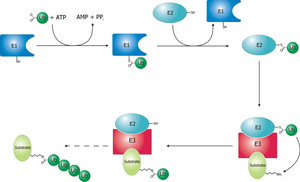
filedesc Schematic diagram of the ubiquitylati...

filedesc Schematic diagram of the ubiquitylation system. Created by Roger B. Dodd (Photo credit: Wikipedia)


Current Noteworthy Work

Nassif M and Hetz C.  Autophagy impairment: a crossroad between neurodegeneration and tauopathies.  BMC Biology 2012; 10:78. http://www.biomedcentral.com/1741-7007/10/78

Impairment of protein degradation pathways such as autophagy is emerging as a consistent and transversal pathological phenomenon in neurodegenerative diseases, including Alzheimer´s, Huntington´s, and Parkinson´s disease. Genetic inactivation of autophagy in mice has demonstrated a key role of the pathway in maintaining protein homeostasis in the brain, triggering massive neuronal loss and the accumulation of abnormal protein inclusions.  A paper in Molecular Neurodegeneration from Abeliovich´s group now suggests a role for phosphorylation of Tau and the activation of glycogen synthase kinase 3β (GSK3β) in driving neurodegeneration in autophagy-deficient neurons. We discuss the implications of this study for understanding the factors driving neurofibrillary tangle formation in Alzheimer´s disease and tauopathies.

Cajee UF, Hull R and Ntwasa M. Modification by Ubiquitin-Like Proteins: Significance in Apoptosis and Autophagy Pathways. Int. J. Mol. Sci. 2012, 13, 11804-11831; doi:10.3390/ijms130911804

Ubiquitin-like proteins (Ubls) confer diverse functions on their target proteins. The modified proteins are involved in various biological processes, including DNA replication, signal transduction, cell cycle control, embryogenesis, cytoskeletal regulation,
metabolism, stress response, homeostasis and mRNA processing. Modifiers such as SUMO, ATG12, ISG15, FAT10, URM1, and UFM have been shown to modify proteins thus conferring functions related to programmed cell death, autophagy and regulation of
the immune system. Putative modifiers such as Domain With No Name (DWNN) have been identified in recent times but not fully characterized. In this review, we focus on cellular processes involving human Ubls and their targets.

Aloy P. Shaping the future of interactome networks. (A report of the third Interactome Networks Conference, Hinxton, UK, 29 August-1 September 2007). Genome Biology 2007; 8:316 (doi:10.1186/gb-2007-8-10-316)

Complex systems are often networked, and biology is no exception. Following on from the genome sequencing projects,
experiments show that proteins in living organisms are highly connected, which helps to explain how such great complexity
can be achieved by a comparatively small set of gene products. At a recent conference on interactome networks held outside
Cambridge, UK, the most recent advances in research on cellular networks were discussed. This year’s conference focused on
identifying the strengths and weaknesses of currently resolved interaction networks and the techniques used to determine
them – reflecting the fact that the field of mapping interaction networks is maturing.

Peroutka RJ, Orcutt SJ, Strickler JE, and Butt TR. SUMO Fusion Technology for Enhanced Protein Expression and Purification in Prokaryotes and Eukaryotes. Chapter 2. in T.C. Evans, M.-Q. Xu (eds.), Heterologous Gene Expression in E. coli, Methods in Molecular Biology 705:15-29. DOI 10.1007/978-1-61737-967-3_2, © Springer Science+Business Media, LLC 2011

The preparation of sufficient amounts of high-quality protein samples is the major bottleneck for structural proteomics. The use of recombinant proteins has increased significantly during the past decades. The most commonly used host, Escherichia coli, presents many challenges including protein misfolding, protein degradation, and low solubility. A novel SUMO fusion technology appears to enhance protein expression and solubility (www.lifesensors.com). Efficient removal of the SUMO tag by SUMO protease in vitro facilitates the generation of target protein with a native N-terminus. In addition to its physiological relevance in eukaryotes, SUMO can be used as a powerful biotechnology tool for enhanced functional protein expression in prokaryotes and eukaryotes.

Juang YC, Landry MC, et al. OTUB1 Co-opts Lys48-Linked Ubiquitin Recognition to Suppress E2 Enzyme Function. Molecular Cell 2012; 45: 384–397. DOI 10.1016/j.molcel.2012.01.011

Ubiquitylation entails the concerted action of E1, E2, and E3 enzymes. We recently reported that OTUB1, a deubiquitylase, inhibits the DNA damage response independently of its isopeptidase activity. OTUB1 does so by blocking ubiquitin transfer by UBC13, the cognate E2 enzyme for RNF168. OTUB1 also inhibits E2s of the UBE2D and UBE2E families. Here we elucidate the structural mechanism by which OTUB1 binds E2s to inhibit ubiquitin transfer. OTUB1 recognizes ubiquitin-charged E2s through contacts with both donor ubiquitin and the E2 enzyme. Surprisingly, free ubiquitin associates with the canonical distal ubiquitin-binding site on OTUB1 to promote formation of the inhibited E2 complex. Lys48 of donor ubiquitin lies near the OTUB1 catalytic site and the C terminus of free ubiquitin, a configuration that mimics the products of Lys48-linked ubiquitin chain cleavage. OTUB1 therefore co-opts Lys48-linked ubiquitin chain recognition to suppress ubiquitin conjugation and the DNA damage response.

Hunter T. The Age of Crosstalk: Phosphorylation, Ubiquitination, and Beyond. Molecular Cell  2007; 28:730-738. DOI 10.1016/ j.molcel.2007.11.019.

Crosstalk between different types of posttranslational modification is an emerging theme in eukaryotic biology. Particularly prominent are the multiple connections between phosphorylation and ubiquitination, which act either positively or negatively in both directions to regulate these processes.

Tu Y, Chen C, et al. The Ubiquitin Proteasome Pathway (UPP) in the regulation of cell cycle control and DNA damage repair and its implication in tumorigenesis. Int J Clin Exp Pathol 2012;5(8):726-738. www.ijcep.com /ISSN:1936-2625/IJCEP1208018

Accumulated evidence supports that the ubiquitin proteasome pathway (UPP) plays a crucial role in protein
metabolism implicated in the regulation of many biological processes such as cell cycle control, DNA damage
response, apoptosis, and so on. Therefore, alterations for the ubiquitin proteasome signaling or functional impairments
for the ubiquitin proteasome components are involved in the etiology of many diseases, particularly in cancer
development.The authors discuss the ubiquitin proteasome pathway in the regulation of cell cycle control and DNA
damage response, the relevance for the altered regulation of these signaling pathways in tumorigenesis, and finally
assess and summarize the advancement for targeting the ubiquitin proteasome pathway in cancer therapy.

Cebollero E , Reggiori F  and Kraft C.  Ribophagy: Regulated Degradation of Protein Production Factories. Int J Cell Biol. 2012; 2012: 182834. doi:  10.1155/2012/182834 (online).

During autophagy, cytosol, protein aggregates, and organelles are sequestered into double-membrane vesicles called autophagosomes and delivered to the lysosome/vacuole for breakdown and recycling of their basic components. In all eukaryotes this pathway is important for adaptation to stress conditions such as nutrient deprivation, as well as to regulate intracellular homeostasis by adjusting organelle number and clearing damaged structures. For a long time, starvation-induced autophagy has been viewed as a nonselective transport pathway; however, recent studies have revealed that autophagy is able to selectively engulf specific structures, ranging from proteins to entire organelles. In this paper, we discuss recent findings on the mechanisms and physiological implications of two selective types of autophagy: ribophagy, the specific degradation of ribosomes, and reticulophagy, the selective elimination of portions of the ER.

Lee JH, Yu WH,…, Nixon RA.  Lysosomal Proteolysis and Autophagy Require Presenilin 1 and Are Disrupted by Alzheimer-Related PS1 Mutations. Cell 2010; 141, 1146–1158. DOI 10.1016/j.cell.2010.05.008.

Macroautophagy is a lysosomal degradative pathway essential for neuron survival. Here, we show that macroautophagy requires the Alzheimer’s disease (AD)-related protein presenilin-1 (PS1). In PS1 null blastocysts, neurons from mice hypomorphic for PS1 or
conditionally depleted of PS1, substrate proteolysis and autophagosome clearance during macroautophagy are prevented as a result of a selective impairment of autolysosome acidification and cathepsin activation. These deficits are caused by failed PS1-dependent
targeting of the v-ATPase V0a1 subunit to lysosomes. N-glycosylation of the V0a1 subunit, essential for its efficient ER-to-lysosome delivery, requires the selective binding of PS1 holoprotein to the unglycosylated subunit and the  sec61alpha/ oligosaccharyltransferase complex. PS1 mutations causing early-onset AD produce a similar lysosomal/autophagy phenotype in
fibroblasts from AD patients. PS1 is therefore essential for v-ATPase targeting to lysosomes, lysosome acidification, and proteolysis during autophagy. Defective lysosomal proteolysis represents a basis for pathogenic protein accumulations and neuronal cell death in AD and suggests previously unidentified therapeutic targets.

Pohl C and Jentsch S. Midbody ring disposal by autophagy is a post-abscission event of cytokinesis. nature cell biology 2009; 11 (1): 65-70.  DOI: 10.1038/ncb1813.

At the end of cytokinesis, the dividing cells are connected by an intercellular bridge, containing the midbody along with a single,
densely ubiquitylated, circular structure called the midbody ring (MR). Recent studies revealed that the MR serves as a target
site for membrane delivery and as a physical barrier between the prospective daughter cells. The MR materializes in telophase,
localizes to the intercellular bridge during cytokinesis, and moves asymmetrically into one cell after abscission. Daughter
cells rarely accumulate MRs of previous divisions, but how these large structures finally disappear remains unknown.
Here, we show that MRs are discarded by autophagy, which involves their sequestration into autophagosomes and delivery to
lysosomes for degradation. Notably, autophagy factors, such as the ubiquitin adaptor p62 and the ubiquitin-related protein Atg8 , associate with the MR during abscission, suggesting that autophagy is coupled to cytokinesis. Moreover, MRs accumulate in cells of patients with lysosomal storage disorders, indicating that defective MR disposal is characteristic of these diseases. Thus our findings suggest that autophagy has a broader role than previously assumed, and that cell renovation by clearing from superfluous large macromolecular assemblies, such as MRs, is an important autophagic function.


Hanai JI, Cao P, Tanksale P, Imamura S, et al. The muscle-specific ubiquitin ligase atrogin-1/MAFbx mediates statin-induced muscle toxicity. The Journal of Clinical Investigation  2007; 117(12):3930-3951.    http://www.jci.org

Statins inhibit HMG-CoA reductase, a key enzyme in cholesterol synthesis, and are widely used to treat hypercholesterolemia.
These drugs can lead to a number of side effects in muscle, including muscle fiber breakdown; however, the mechanisms of muscle injury by statins are poorly understood. We report that lovastatin induced the expression of atrogin-1, a key gene involved in skeletal muscle atrophy, in humans with statin myopathy, in zebrafish embryos, and in vitro in murine skeletal muscle cells. In cultured mouse myotubes, atrogin-1 induction following lovastatin treatment was accompanied by distinct morphological changes, largely absent in
atrogin-1 null cells. In zebrafish embryos, lovastatin promoted muscle fiber damage, an effect that was closely mimicked by knockdown of zebrafish HMG-CoA reductase. Moreover, atrogin-1 knockdown in zebrafish embryos prevented lovastatin-induced muscle injury. Finally, overexpression of PGC-1α, a transcriptional coactivator that induces mitochondrial biogenesis and protects against the development of muscle atrophy, dramatically prevented lovastatin-induced muscle damage and abrogated atrogin-1 induction both in fish and in cultured mouse myotubes. Collectively, our human, animal, and in vitro findings shed light on the molecular mechanism of statin-induced myopathy and suggest that atrogin-1 may be a critical mediator of the muscle
damage induced by statins.

Inami Y, Waguri S, Sakamoto A, Kouno T, et al.  Persistent activation of Nrf2 through p62 in hepatocellular carcinoma cells. J. Cell Biol. 2011; 193(2): 275–284. http://www.jcb.org/cgi/doi/10.1083/jcb.201102031

Macroautophagy (hereafter referred to as autophagy) is a cellular degradation system in which cytoplasmic components, including
organelles, are sequestered by double membrane structures called autophagosomes and the sequestered materials are
degraded by lysosomal hydrolases for supply of amino acids and for cellular homeostasis. Although autophagy has generally been considered nonselective, recent studies have shed light on another indispensable role for basal autophagy in cellular homeostasis, which is mediated by selective degradation of a specific substrate(s).  p62 is a ubiquitously expressed cellular protein that is conserved in metazoa but not in plants and fungi, and recently it has been known as one of the selective substrates for autophagy.
This protein is localized at the autophagosome formation site  and directly interacts with LC3, an autophagosome localizing protein . Subsequently, the p62 is incorporated into the autophagosome and then degraded. Therefore, impaired autophagy is accompanied by
accumulation of p62 followed by the formation of p62 and ubiquitinated protein aggregates because of the nature of both self- oligomerization and ubiquitin binding of p62.


Kima K, Khayrutdinov BI, Leeb CK, et al. Solution structure of the Zβ domain of human DNA-dependent activator of IFN-regulatory factors and its binding modes to B- and Z-DNAs. PNAS 2010; Early Edition ∣ pp 6. www.pnas.org/cgi/doi/10.1073/pnas.1014898107

The DNA-dependent activator of IFN-regulatory factors (DAI), also known as DLM-1/ZBP1, initiates an innate immune response by binding to foreign DNAs in the cytosol. For full activation of the immune response, three DNA binding domains at the N terminus are required: two Z-DNA binding domains (ZBDs), Zα and Zβ, and an adjacent putative B-DNA binding domain. The crystal structure of the Zβ domain of human DAI (hZβDAI) in complex with Z-DNA revealed structural features distinct from other known Z-DNA binding proteins, and it was classified as a group II ZBD. To gain structural insights into the DNA binding mechanism of hZβDAI, the solution structure of the free hZβDAI was solved, and its bindings to B- and Z-DNAs were analyzed by NMR spectroscopy. Compared to the Z-DNA–bound structure, the conformation of free hZβDAI has notable alterations in the α3 recognition helix, the “wing,” and Y145, which are critical in Z-DNA recognition. Unlike some other Zα domains, hZβDAI appears to have conformational flexibility, and structural adaptation is required for Z-DNA binding. Chemical-shift perturbation experiments revealed that hZβDAI also binds weakly to B-DNA via a different binding mode. The C-terminal domain of DAI is reported to undergo a conformational change on B-DNA binding; thus, it is possible that these changes are correlated. During the innate immune response, hZβDAI is likely to play an active role in binding to DNAs in both B and Z conformations in the recognition of foreign DNAs.


Epicrisis

This extensive review leaves little left unopened. We have seen the central role that the UPS system plays in normal organelle proteolysis in concert with autophagy. Impaired ubiquitination occurs from aging, and/or toxins, under oxidative stress involving E3s or DUBs.

This leads to altered gene transcripton, altered protein trafficking, and plays a role in neurodegenative disease, muscle malfunction, and cancer as well.

English: A cartoon representation of a lysine ...

English: A cartoon representation of a lysine 48-linked diubiquitin molecule. The two ubiquitin chains are shown as green cartoons with each chain labelled. The components of the linkage are indicated and shown as orange sticks. Image was created using PyMOL from PDB id 1aar. (Photo credit: Wikipedia)

Different forms of protein ubiquitylation

Different forms of protein ubiquitylation (Photo credit: Wikipedia)

Related articles

Read Full Post »


Reporter: Aviva Lev-Ari, PhD, RN

J Cardiovasc Transl Res. 2012 Sep 7. [Epub ahead of print]

Next Generation Diagnostics in Inherited Arrhythmia Syndromes : A Comparison of Two Approaches.

Ware JSJohn SRoberts AMBuchan RGong SPeters NSRobinson DOLucassen ABehr ERCook SA.

Source

MRC Clinical Sciences Centre, Imperial College London, London, UK, j.ware@imperial.ac.uk.

Abstract

Next-generation sequencing (NGS) provides an unprecedented opportunity to assess genetic variation underlying human disease. Here, we compared two NGS approaches for diagnostic sequencing in inherited arrhythmia syndromes. We compared PCR-based target enrichment and long-read sequencing (PCR-LR) with in-solution hybridization-based enrichment and short-read sequencing (Hyb-SR). The PCR-LR assay comprehensively assessed five long-QT genes routinely sequenced in diagnostic laboratories and “hot spots” in RYR2. The Hyb-SR assay targeted 49 genes, including those in the PCR-LR assay. The sensitivity for detection of control variants did not differ between approaches. In both assays, the major limitation was upstream target capture, particular in regions of extreme GC content. These initial experiences with NGS cardiovascular diagnostics achieved up to 89 % sensitivity at a fraction of current costs. In the next iteration of these assays we anticipate sensitivity above 97 % for all LQT genes. NGS assays will soon replace conventional sequencing for LQT diagnostics and molecular pathology.

PMID: 22956155 [PubMed]
Source: 
http://www.ncbi.nlm.nih.gov/pubmed/22956155

Researchers in the UK have compared a PCR-based and a capture hybridization-based assay for sequencing panels of inherited cardiovascular disease genes and have found both to be suitable for diagnostics in principle, though their sensitivity needs to be optimized.

According to James Ware, a clinical lecturer at Imperial College London, the purpose of the study, published online this month in the Journal of Cardiovascular Translational Research, was to evaluate different approaches for sequencing cardiovascular disease genes, both for molecular diagnosis and for large-scale resequencing research studies.

His group, in the National Institute for Health Research Royal Brompton Cardiovascular Biomedical Research Unit, is interested in a range of inherited heart disease types, including cardiomyopathies and inherited arrhythmia syndromes such as long QT syndrome.

For their study, they compared two next-gen sequencing assays: a PCR-based approach that uses Fluidigm’s Access Array to amplify 96 amplicons in five LQT genes and one other gene, followed by sequencing on the 454 GS Junior; and an in-solution hybridization approach that uses Agilent’s SureSelect to target 49 inherited arrhythmia genes and sequences them on Life Technologies’ SOLiD 4.

The study focused on the sensitivity of the assays, or how well they were able to capture their intended targets, rather than their specificity, or their ability to avoid false positives.

Ware said that at the time of the study, PCR and in-solution capture were the two main target selection methods available. The researchers are still using both approaches but are now employing “a wide range of sequencers” from various providers for both types of assays, including Illumina instruments and Life Tech’s Ion Torrent.

For their comparison, they analyzed 48 samples, of which they sequenced 33 with both approaches and 15 using either one or the other.

The samples included 19 known variants in three disease genes, of which the hybridization-SOLiD method detected 17 and the PCR-454 method 14. Undetected variants were generally in areas that were not well covered, either due to a failure in enrichment, sequencing, or because the alignment was not unique. One variant that was missed by both approaches fell in a very GC-rich region.

Consumables costs for both assays were considerably lower than with Sanger sequencing: While sequencing five genes by Sanger costs more than $700 in consumables, the five-gene PCR/454 assay cost about $55 and the 49-gene hybridization/SOLiD assay cost about $200, according to the study.

Turnaround time is the shortest for Sanger sequencing, which, according to the study, can be done in one day for five genes and 17 samples, not including sample prep. The PCR/454 assay takes about two days for target enrichment and sequencing 48 samples, and the hybridization/SOLiD assay takes about two weeks for sequencing alone, they wrote.

Overall, Ware said, both sequencing approaches performed “reasonably well” and are significantly cheaper than Sanger sequencing. He said that in the UK, molecular diagnosis for inherited cardiovascular disease has traditionally been performed by Sanger, at a cost of approximately £500 to £1,000 ($800 to $1,600) for several genes involved in a clinical condition. However, for cost reasons, not all relevant genes are usually sequenced.

Target selection was the performance-limiting step for both approaches, a result the researchers expected. “It sounds obvious, but not all genes are equally easy to target,” Ware said. For example, in the hybridization assay, the overall target coverage was about 98 percent, but for some genes, it was only 80 percent or 90 percent. The two most important genes in long QT syndrome, KCNQ1 and KCNH2, “proved to be the hardest to sequence.”

Thus, for diagnostic use of NGS gene panels, “it’s important to know not just how the system performs overall but really how it’s performing for the specific genes you’re interested in,” he said.

To use either approach in diagnostics, the target selection step would need to be optimized. Ware’s team has already improved both assays and is now trying them in a number of fully Sanger-sequenced samples to study both sensitivity and specificity.

Longer term, the sensitivity of next-gen sequencing could approach that of Sanger sequencing, he said. And even if it does not reach 100 percent, because NGS approaches can target so many more genes, “maybe you can afford a very slight tradeoff in the per-gene sensitivity if the overall diagnostic sensitivity of the panel goes up,” he said. “At the moment, because we don’t have that much experience in sequencing the less-common genes, we don’t exactly know where that tradeoff lies.” In addition, any gaps could be filled by Sanger sequencing, while the test would probably still be cost effective.

Each approach also has some features that make it more suitable for certain applications. The PCR-based method has a fast turnaround and an “extremely user-friendly workflow,” Ware said, but it can only accommodate a small number of genes at the moment. His team also found it to be easier to optimize and improve. Thus, in the short term, PCR and sequencing “is probably closer to providing a diagnostic solution,” he said, especially for conditions where only a few genes are causative.

The hybridization-based approach, on the other hand, has much greater capacity, and there are advantages in “having a single assay that covers everything,” he said. It might also be possible to detect copy number variants using this approach, but not the more limited PCR method, he added.

Ware and his colleagues are currently using the hybridization approach to study a large panel of genes in 2,000 well-phenotyped volunteers, both healthy individuals and heart disease patients.

They have also started to use the hybridization method to sequence the TTN gene, truncating mutations in which were recently found to be a common cause of dilated cardiomyopathy. They are running the TTN test routinely for patients consented for research diagnostic testing that is not available anywhere else. Because this gene is so large, it is “completely impractical to be sequenced by conventional Sanger,” Ware said.

Julia Karow tracks trends in next-generation sequencing for research and clinical applications for GenomeWeb’s In Sequenceand Clinical Sequencing News. E-mail her here or follow her GenomeWeb Twitter accounts at @InSequence and@ClinSeqNews.


Read Full Post »
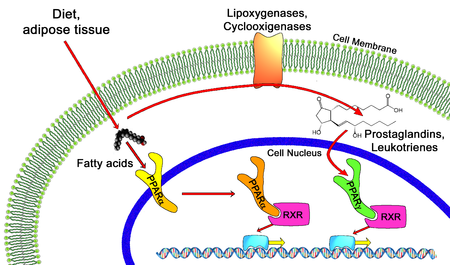
 

Molecular pathogen identification comes to the bedside

Reporter:  Larry H Bernstein, MD, FCAP

The developments in molecular diagnostics have been proceeding at a rapid pace.  Naturally it is not surprising that it would reach into clinical microbiology early.  Microbiology and virology have many methods for validation of type of pathogen, and the identification of new pathogens can require delay because of use of a State laboratory.  This will be less an issue with the consolidation of regional facilities and associated laboratories.

I present an example of point-of-care technology from the University of California, Davis developed by Gerald Kost and colleagues with UC Lawrence Livermore National Point-of-Care Technologies Center .

Tran NK, Wisner DH, Albertson TE, Cohen S, et al.  Multiplex polymerase chain reaction pathogen detection in patients with suspected septicemia after trauma, emergency, and burn surgery. Surgery 2012 Mar;151(3):456-63. Epub 2011 Oct 5.  nktran@ucdavis.edu

The goal of the study:  to determine the clinical value of multiplex polymerase chain reaction (PCR) study for enhancing pathogen detection in patients with suspected septicemia after trauma, emergency, and burn surgery.

Finding: PCR-based pathogen detection quickly reveals occult bloodstream infections in these high-risk patients and may accelerate the initiation of targeted antimicrobial therapy.

Type study: a prospective observational study

Population:  30 trauma and emergency surgery patients compared to 20 burn patients.

Method:  Whole- routine blood cultures (BCs) were tested using a new multiplex, PCR-based, pathogen detection system. PCR results were compared to culture data.

Arbitrated Case Review

Arbitrated case review was performed by a medical intensivist, 3 trauma surgeons, 3 burn surgeons, 1 microbiologist, and an infectious disease physician to determine antimicrobial adequacy based on paired PCR/BC results. The arbitrated case review process is adapted from a previous study. Physicians were first presented cases with only BC results. Cases were then represented with PCR results included.

Results:

  • PCR detected rapidly more pathogens than culture methods.
  • Acute Physiology and Chronic Health Evaluation II (APACHE II), Sequential Organ Failure Assessment (SOFA), and Multiple Organ Dysfunction (MODS) scores were greater in PCR-positive versus PCR-negative trauma and emergency surgery patients (P ≤ .033).
  • Negative PCR results (odds ratio, 0.194; 95% confidence interval, 0.045-0.840; P = .028) acted as an independent predictor of survival for the combined surgical patient population.

CONCLUSION:

  • PCR results were reported faster than blood culture results.
  • Severity scores were significantly greater in PCR-positive trauma and emergency surgery patients.
  • The lack of pathogen DNA as determined by PCR served as a significant predictor of survival in the combined patient population.
  • PCR testing independent of traditional prompts for culturing may have clinical value in burn patients.

NK Tran, et al.  Multiplex Polymerase Chain Reaction Pathogen Detection in Trauma, Emergency, and Burn Surgery Patients with Suspected Septicemia.  Surgery. 2012 March; 151(3): 456–463. PMID: 21975287 [PubMed – indexed for MEDLINE] PMCID: PMC3304499 On-line 2011 October 5.
doi:  10.1016/j.surg.2011.07.030
PMCID: PMC3304499.  NIHMSID: NIHMS288960

Plymerase chain reaction, PCR

Plymerase chain reaction, PCR (Photo credit: Wikipedia)


Read Full Post »

« Newer Posts - Older Posts »