Feeds:
Posts
Comments

Archive for the ‘ISO 10993 for Product Registration: FDA & CE Mark for Development of Medical Devices and Diagnostics’ Category

Emerging Clinical Applications for Cardiac CT: Plaque Characterization, SPECT Functionality, Angiogram’s and Non-Invasive FFR

Author, and Content Consultant to e-SERIES A: Cardiovascular Diseases: Justin Pearlman, MD, PhD, FACC

and

Article Curator: Aviva Lev-Ari, PhD, RN

Article ID #69: Emerging Clinical Applications for Cardiac CT: Plaque Characterization, SPECT Functionality, Angiogram’s and Non-Invasive FFR. Published on 7/17/2013

WordCloud Image Produced by Adam Tubman


UPDATED on 7/25, 2018

VIDEOS | CT ANGIOGRAPHY (CTA) | JULY 19, 2018

VIDEO: Using FFR-CT in Everyday Practice

Kavitha Chinnaiyan, M.D., FACC, FSCCT, associate professor, Oakland University, William Beaumont School of Medicine, Royal Oak, Mich. She presented at the Society of Cardiovascular Computed Tomography (SCCT) 2018 meeting.

VIEW VIDEO 

https://www.dicardiology.com/videos/video-using-ffr-ct-everyday-practice?eid=333021707&bid=2184627

Related FFR-CT Content:

Clinical Applications of FFR-CT

VIDEO: Implementation and the Science Behind FFR-CT — interview with James Min, M.D.

VIDEO: Early U.S. Experience With FFR-CT in Evaluating ED Chest Pain Presentation — interview with Simon Dixon, M.D.

VIDEO: Status of FFR-CT Adoption in the United States — interview with Campbell Rogers, M.D.

Clinical studies of coronary anatomy by computed tomography use equipment with various numbers of concurrent slices through the heart: 1, 4, 16, 32, 64, 128, and recently 256 or more. Like interventional catheterization, iodine is injected to make the inside of the coronary arteries opaque to xray transmission, to create contrast (otherwise the xray of the coronary tree would be like a photograph of a white polar bear in a snow storm; the contrast acts like spray paint). Computed tomographic angiography (CTA) uses a similar or higher dye load than catheterization, and provides generally lower imaging quality than catheterization but with 3-dimensional reconstruction instead of flat projection (hundreds of linear views at different angles versus one or two image planes at a time). The results from CTA are generally deemed qualitative: whther or not there are potentially flow-limiting lesions in the major branch arteries that supply the heart (with exception: the posterior descending artery to the inferior wall of the heart is not reliably seen). Catheter-based projection coronary angiography sees smaller branches with finer ability to measure the degree of lumen narrowing. However, other imaging methods show greater promise in identifying plaque character. The following examines initial enthusiasm for improvements in CTA which offer better results compared to current clinical CTA and hope to offer advantages over catheter-based methods beyond the avoidance of catheters.

I. Cardiac CT Challenging Functionality of SPECT and Angiogram

Noninvasive computed tomography (CT) perfusion imaging added to CT angiography accurately identifies flow-limiting coronary lesions that need to be treated, results of the CORE320 trial show.

Dr João AC Lima (Johns Hopkins University, Baltimore, MD) presented results of the 381-patient, 16-center trial, which showed that stress CT myocardial perfusion analysis (CTP) significantly improves the diagnostic power of rest CT angiography (CTA) alone. The study also showed that the CTA+CTP strategy has about the same power to identify patients who need revascularization within 30 days as the current standard strategy of invasive angiography plus a single photon-emission computed tomography (SPECT) myocardial perfusion imaging (MPI) test.

Lima explained that the potential advantage of the CT-based approach is that it can obtain information on myocardial perfusion and coronary flow in two scans about 10 minutes apart and is noninvasive.

All patients in the study had been referred for an invasive angiogram to investigate suspected or known coronary artery disease (CAD), but all patients underwent a rest CTA, stress CTP, and SPECT-MPI test in addition to the invasive angiogram. Invasive angiography alone identified apparently obstructive coronary disease in 59% of patients, but adding the SPECT-MPI information reduced that number to 38%.

The accuracy of the CTA+CTP approach was measured as the area under the receiver-operating-characteristic curve. When 50% greater stenosis on invasive angiography was set as the reference standard for a flow-limiting stenosis, the accuracy of the CTA+CTP approach for detecting flow-limiting CAD was 0.87 on a per-patient basis. When the standard was >70% stenosis, the accuracy of the CTA+CTP approach was 0.89.


 VIEW VIDEO on CORE320 with Dr João Lima
Flow Limiting Lesion (low perfusion) vs. Anatomic Stenosis Severity
SOURCES

II. FFR-CT

Results of the Diagnosis of Ischemia-Causing Stenoses Obtained via Noninvasive Fractional Flow Reserve (DISCOVER FLOW) study show that the coronary stenoses that cause ischemia can be identified noninvasively with computer analysis of coronary computed tomography angiograms (CCTAs) [1].

“I think it’s a potential game-changer, because for the first time you have the ability to look at coronary stenosis and ischemia simultaneously, [and] you have the ability to pinpoint the lesion that is causing the ischemia,” DISCOVER FLOW senior investigator Dr James Min (Cedars-Sinai Medical Center, Los Angeles, CA) told heartwire. “You can imagine a scenario where somebody has an abnormal stress test and then you go in and you do an angiogram and see four or five stenoses, but you don’t really know which one caused the ischemia.” But this new “virtual fractional flow reserve” process—or FFRCT—can quantify the fractional flow reserve for each lesion with the data taken from a CCTA, thereby revealing which stenoses are causing ischemia and ought to be treated, as well as which stenoses do not need to be treated. “We’ve never before had this one-stop shop to . . . pinpoint the lesions that cause the ischemia noninvasively.”

As reported by heartwire at EuroPCR 2011, in DISCOVER FLOW, Dr Bon-Kwon Koo (Seoul National University Hospital, Korea) and colleagues used computation of FFRCT to assess 159 vessels in 103 patients undergoing CCTA. Results of the study are published in the November 1, 2011 issue of the Journal of the American College of Cardiology.

All of the patients also underwent invasive CCTA and invasive catheter FFR imaging. Ischemia was defined as an FFR of <0.80 and anatomically obstructive coronary disease was defined as stenosis >50% as measured on the CCTA scan. The diagnostic performance of FFRCT and CCTA were assessed against invasive FFR as the reference standard. Of the patients in the study, 56% had at least one vessel with an FFR of <0.80.

Because only about half of stenoses over 50% actually cause ischemia, the specificity of traditional assessment of a stenosis by CCTA is below 50%. “The concern there is that you identify some high-grade stenoses that are angiographically confirmed, but the lesions don’t actually cause ischemia.” Fractional flow reserve measures how much of the blood flow is being blocked by a lesion, so it is about 25% more accurate than traditional CCTA at picking out lesions that cause ischemia, Min explained.

Per vessel diagnostic accuracy FFRCT and CCTA (reference for both was invasive FFR) 

Imaging technology Accuracy(%) Sensitivity(%) Specificity(%) Positive predictive value (%) Negative predictive value (%)
FFRCTa  84.3 87.9 82.2 73.9 92.2
CCTAb 58.5 91.4 39.6 46.5 88.9

a. Ischemic defined as <0.80

b. Ischemia defined as stenosis >50%

FFRCT can assess stenoses from any CCTA scan—prospectively gated or retrospectively gated—without any additional imaging techniques or changes to the acquisition parameters. Just as computational fluid dynamics can predict the behavior of an airplane wing under different environmental parameters, FFRCT can measure the flow of blood through a stenotic coronary based on the specific geometry of the patient’s coronaries and myocardium.

At the American Heart Association meeting in Orlando next month, Min will present results of a substudy from DISCOVER FLOW looking specifically at intermediate-grade stenoses (40%-69%), which present the most difficult treatment decisions. “If somebody sees a 90% stenosis or 10% stenosis, they are comfortable with what to do with that. But when you hit that 40% to 70% range—it’s possible that those lesions are ischemic, but you don’t know until you actually assess them,” Min said.

DISCOVER FLOW was designed to evaluate the accuracy of FFRCT on a per-vessel basis, but the more important demonstration of its value will be its ability to guide treatment decisions for each patient. TheDEFACTO trial, which finished enrollment at 17 centers about three weeks ago, is evaluating FFRCT per patient. “That’s the big one,” Min said. “DEFACTO will be the pivotal trial.” Specifically, the 285-patient DEFACTO trial is assessing the ability of CCTA plus FFRCT to determine the presence or absence of at least one hemodynamically significant coronary stenosis in each trial subject. Invasive catheter FFR is the reference standard. Min expects that study to be completed in the first quarter of 2012.

http://www.theheart.org/article/1299631.do

SOURCES

III. Ten Emerging Uses for Cardiac CT from SCCT 2013

July 11-14, 2013
Palais des congrès
Montréal, Québec, Canada

JULY 16, 2013  – heartwire

Dr Matthew Budoff (Los Angeles Biomedical Research Institute, CA), a longtime researcher in the use of cardiac CT, described what he believes to be the most important uses for CT today [1].

First, CT angiography is emerging as “a single tool that gives us [information about] function and anatomy,” he told the audience.

Second, it is now known that patients are more likely to have a cardiovascular event if they have low-attenuation plaque (soft plaque), positive remodeling, and spotty calcification, he explained. If a clinician were limited to looking only at plaque or stenosis, he would advise him or her to “just read the CTA for plaque and plaque characteristics and [don’t] read it for stenosis severity, and you’ll probably serve your patients better in predicting risk” of a cardiovascular event. “I think in future we’re going to be using plaque characterization in every case,” he added. “I certainly don’t advocate stenting these patients [who have vulnerable plaque] yet, but . . . I do treat these patients more aggressively.”

Third, coronary CT angiography is a noninvasive way to identify complex aortic-valve geometry and guide TAVR.

“With perfusion imaging, TAVR, and plaque assessment leading the way, the increased utilization of CTA is certain,” Budoff concluded. “However, more validation work is needed to ensure that industry and payers accept these applications.”

Speaking to heartwire, Budoff singled out TAVR as “an easy launching point for doctors to get familiar with” CT angiography. He also believes that using CT for “heart-failure assessment or even plaque assessment . . . will really add value to their practice.” CT also allows clinicians to “start getting a handle on what’s causing stenosis [in a patient], what it looks like, and . . . how severe the stenosis is.”

In a separate presentation [2], Dr James K Min (Cedars-Sinai, Los Angeles, CA) identified the same three clinical applications as Budoff in his “top 10 things to watch” in coronary CT in the coming year. He identified his “up-and-coming areas to watch” in the following order:

  • Dual-energy CT scanners. This hardware, when combined with new software, is producing enhanced image quality that allows, for example, a “plaque biopsy,” which provides detailed information about plaque characteristics.
  • Myocardial CT perfusion. “We’ve looked at this for seven years, and I think it’s starting to become ready for prime time,” said Min. In the next year, he expects investigators to figure out exactly how to use CT to look at coronary flow reserve.
  • Computational fluid dynamics. Exciting work is being done, for example, using a virtual stent to see how a real stent would potentially resolve a patient’s ischemia.
  • PlaqueCoronary CT can do more than identify how many vessels are blocked, he said, echoing Budoff’s words. It is enabling investigators to study the pathogenesis of atherosclerosis. “We’re going to be able to identify plaque characteristics beyond stenosis for the prediction of acute MI,” Min said.
  • Structural heart disease. CT is already being used to help guide TAVR to reduce postsurgery complications.
  • Radiation-dose reduction. Min weighed in and said, “I think it’s becoming a nonissue.” He noted that during the past year, investigators reported how coronary CT angiography can be used with radiation doses as low as 0.01 mSv, (should be 1mSv) whereas a screening mammogram exposes a woman to 0.05 mSv of radiation. (1/5 of mammography)
  • Contrast-agent reduction.”I think we will see improvements—we will get to the 10-cc scan,” Min predicted.
  • Appropriate-use criteria. Physicians are continuing to identify which patients benefit from cardiac CT, as the technology is advancing.
  • Two trialsAmong the many ongoing trials in the field, Min identified two to watch. The PROMISEstudy is comparing functional vs anatomic testing to identify heart disease. The Coronary Computed Tomographic Angiography for Selective Cardiac Catheterization (CONSERVE) trial is looking at using CT as a “gatekeeper” to the cath lab, to identify which patients should be sent for invasive coronary angiography and which ones have only have mild stenosis and could be sent home and treated with medical therapy .
  • Worldwide growth in CT. Collaboration with investigators around the world is growing, and the SCCT meetings next year in Hawaii and China will offer more opportunities for this.
Budoff has received research/grant support from HeartFlow, study funding from Wakunaga of America and GE Healthcare and has been a consultant and speaker for GE Healthcare. Min has received research/grant support fromGE Healthcare, Phillips Healthcare, and Vital Images and study funding from Astellas. He has been a consultant for GE Healthcare and Arineta and on the speaker’s bureau for GE Healthcare. He holds equity interest in TC3 and MDXX.

Sources

  1. Budoff MJ. Emerging Clinical applications for cardiac CT. Society of Cardiovascular Computed Tomography 2013 Annual Scientific Meeting; July 12, 2013; Montreal, QC.
  2. Min JK. The future of cardiac CT. What will the next 12 months bring? Society of Cardiovascular Computed Tomography 2013 Annual Scientific Meeting; July 12, 2013; Montreal, QC.

Related links

SOURCE

http://www.theheart.org/article/1561163.do?utm_medium=email&utm_source=20130717_heartwire&utm_campaign=newsletter

IV. Stress CT Perfusion matches SPECT for detecting Myocardial Ischemia

Montreal, QC – In stress testing using regadenoson (Lexiscan, Astellas), detection rates of myocardial ischemia were similar with less invasive computed-tomography (CT) perfusion imaging compared with the reference method, single-photon-emission CT (SPECT) imaging, in a phase 2 trial [1].

JULY 18, 2013 

Regadenoson, a selective adenosine-receptor agonist that produces coronary vasodilation in patients unable to undergo exercise stress testing, is the most common agent used to induce pharmaceutical stress in SPECT tests in the US; it was used off-label for the CT imaging.

Dr Ricardo C Cury (Baptist Hospital of Miami, FL) presented the trial results here at a late-breaking clinical-trials session at the Society of Cardiovascular Computed Tomography (SCCT) 2013 Scientific Meeting.

To heartwire, Cury noted that this trial established noninferiority of regadenoson stress CT perfusion to the reference method, regadenoson SPECT, to detect or exclude myocardial ischemia, which was the primary study outcome.

“This is the second multicenter trial validating [regadenoson] stress CT perfusion, which [builds on the accumulating supporting data from] many single-center studies,” he said, adding that it is still too early, however, to implement these findings into clinical practice.

To heartwire, session moderator Dr John Hoe (Parkway Health Radiology, Singapore) commented that “this is quite an important multicenter trial . . . and the results look very good.” Echoing Cury, he added that “this [research] is slowly [progressing] along the path to validate [regadenoson] CT perfusion as a technique to assess myocardial ischemia.”

In study, 39% of patients had suspected CAD

This was a crossover study conducted at 11 sites in the US, using six types of CT scanners, including 64-, 128-, 256-, and 320-slice machines.

A total of 124 individuals with known (39%) or suspected CAD were randomized to either rest and stress SPECT using regadenoson on day 1, followed by rest and combined stress CT perfusion using regadenoson and coronary CT angiography on day 2; or the same tests in the reverse order.

At baseline, the subjects had a mean age of about 62 and an average body-mass index (BMI) of close to 30. Their average heart rate increased from 64 to 84 beats per minute with the stress-CT perfusion test.

Myocardial ischemia was defined as having two or more reversible defects.

High agreement, specificity, and sensitivity

When it came to detecting myocardial ischemia, CT perfusion imaging agreed with the findings of the reference method, SPECT, 87% of the time (95% CI 0.77-0.97).

“This was well above the specified primary end point for the agreement rate between SPECT and CT perfusion for the detection of ischemia,” Cury said.

Stress CT perfusion imaging also had a high specificity (84%) and sensitivity (90%) for detecting or excluding myocardial ischemia.

Similarly, when it came to detecting the presence or absence of one or more fixed myocardial defects, CT perfusion imaging agreed with the results of the reference method, SPECT, 86% of the time (95% CI 0.74-0.98).

Again, stress CT perfusion imaging had a high specificity (95%) and sensitivity (77%) for detecting or excluding fixed defects.

Used alone, compared with the reference standard of SPECT, stress CT perfusion diagnosed or excluded ischemia accurately in 85% of cases, whereas CT angiography alone made the correct diagnosis in 69% of cases. Thus, “stress CT perfusion may add significant [diagnostic] value to CT angiography alone,” Cury noted.

Regadenoson was well tolerated, and the most common adverse events were flushing or headache.

The study was funded by Astellas. Cury is a consultant for Astellas and has received research grants from Astellas and GE Healthcare. Hoe has received grant and research support and travel funding from Toshiba Medical Systems and is on its speaker’s bureau. 

SOURCE

http://www.theheart.org/article/1561685.do

V. New Protocol Limits Use Of SPECT MPI For Angina

Article Date: 07 May 2013 – 1:00 PDT

A new stress test protocol that investigates reducing the use of perfusion imaging in low risk patients undergoing SPECT myocardial perfusion imaging for possible anginasymptoms was found to be diagnostically safe, revealed a US retrospective analysis. The study, reported as an abstract¹ at the International Conference on Nuclear Cardiology and Cardiac CT (ICNC11) May 5 to May 8 in Berlin, Germany, predicted that using exercise ECG stress testing alone in patients with high exercise capacity would have had no adverse effects on their prognosis at five years.

“Our results are reassuring in that there are few patients whose diagnosis of coronary artery disease (CAD) would be missed,” said Milena Henzlova, the first author of the study. “Not only would widespread adoption of this approach reduce radiation exposure, it would also save considerable amounts of time and money.”

Single-photon emission computed tomography (SPECT) myocardial perfusion imaging (MPI) has been used for over 30 years to detect ischemia in patients with suspected CAD. In SPECT MPI patients are injected with radioactive agents (such as Tc-99m or Thallium 201) whose passage through the heart is viewed with a SPECT camera. By comparing the heart’s blood flow at rest and during stress (patients exercise on a treadmill, cycle ergometers or undergo pharmacological stress with vasodilators or dobutamine), cardiologists can determine if the myocardium receives sufficient blood supply, as well as the location and extent of underlying CAD.

“Because it’s non invasive and many patients with a chest pain syndrome don’t have coronary disease, SPECT MPI is often viewed as a ‘gate keeper’ to coronary angiography,” explained Lane Duvall, an investigator in the study.

While SPECT MPI represents a well established technique, the main disadvantage is that patients are exposed to diagnostic levels of radiation. In recent years intensive efforts have been made to reduce ionizing radiation associated with cardiac imaging due to concerns that it damages DNA in cells and may ultimately give rise to cancer. Indeed, extrapolating data from the survivors of the Hiroshima and Nagasaki atomic bombs, Andrew Einstein, from Columbia University Medical Center, New York, has estimated that the low levels of radiation encountered during medical imaging might lead to a 2% excess relative risk for future cancers.

Other studies have suggested that exercise treadmill testing alone may be sufficient to predict CVD outcome without use of SPECT MPI in low risk patients. In 2011, Bourque and colleagues from the University of Virginia, Charlottesville, reported that patients who exercise at >10 metabolic equivalents (METS), [the unit used to estimate the amount of oxygen used by the body during physical activity] during stress testing had a very low prevalence of significant ischemia and very low rates of cardiac events during follow-up².

The advantage of exercise treadmill testing is that it offers a quicker study that involves no radiation exposure, with prognostic information provided via a variety of treadmill scores, most notably the Duke Treadmill score. “This has led to investigators questioning the added value of SPECT MPI over exercise testing alone. There’s growing recognition that patients need to be treated as individuals and that those in whom the CVD risks are considered negligible shouldn’t be undergoing the risks of radiation exposure,” said Duvall.

In the current abstract, Henzlova, Duvall and colleagues, from the Mount Sinai School of Medicine, New York, US, set out to investigate retrospectively if a provisional injection protocol in which patients where they met certain criteria were converted to exercise treadmill tests without imaging maintained diagnostic accuracy and prognostic ability. For the retrospective study, data was reviewed from a total of 24,689 patients who had undergone SPECT MPI between February 2004 and June 2010. After exclusion of patients older than 65 years of age, who had known CAD and uninterruptable resting ECGs, 5,352 subjects were identified for analysis.

Subjects were divided into those who would have met all the criteria for not undergoing SPECT MPI (the No injection group n= 1,561 [29.2%]) and those who met the criteria for undergoing SPECT MPI (the Yes injection group, n=3,791, [70.8%]). For the study the criteria laid down for patients considered eligible for not undergoing SPECT MPI included achieving a maximal predicted heart rate >85%, > 10 METs of exercise, no symptoms of chest pain or significant shortness of breath during stress, and no ECG changes (ST depression or arrhythmia). Outcomes for the two groups at five years were then compared based on their actual myocardial perfusion imaging results and all-cause mortality that had been retrospectively identified from the National Death Index.

At a mean follow-up of 60.6 months, 1.1% of patients had died in the No-injection cohort compared to 2.2% Yes injection cohort (P=.01). Furthermore perfusion results were abnormal in 5.9% of the No injection group compared to 14.4% in the Yes injection group (P<.0001). The risk adjusted survival at the end of the follow up was 98.8% in the No injection group compared to 97.2% for patients found to have normal perfusion in the Yes injection group (P=0.009).

“Withholding isotope injections in these selected patients was found to be diagnostically safe with a small percentage of ‘missed’ abnormal perfusion studies, a very low rate of significant stress perfusion defects and left ventricular ischemia, and a prognosis which was better than their counterparts who were injected with the isotope,” said Duvall.

Eliminating the need for imaging in 6% of the 9 million SPECT MPI studies performed annually in the US, the authors added, would result in significant cost savings and the total test time would be halved from three hours to roughly one hour. “There’s a need to accept that less can be more. By individualizing therapy we can reduce radiation exposure and costs without jeopardizing the quality, the diagnostic utility or missing something important,” said Henzlova. 

REFERENCES
1. M Henzlova, EJ Levine, S Moonthungal, et al. A protocol for the provisional use of perfusion imaging with exercise stress testing. Abstract no 70123.
2. Bourque JM, Charlton GT, Holland BH, et al. Prognosis in patients achieving >10 METS on exercise stress testing: was SPECT imaging useful? J Nucl Cardiol 2011, 2 230-7.
European Society of Cardiology
SOURCE

VI. Contemporary Stress Echo good for Risk Stratification in Chest-Pain Units

12/20/2012, Lisa Nainggolan

London, UK – Doctors in a London chest-pain unit have shown that employing contemporary stress echocardiography in patients with suspected acute coronary syndrome (ACS) but normal ECG and negative troponin is a successful approach for risk stratification [1].

Stress echo is feasible and safe and allows early triage and rapid discharge of patients, plus it is a good predictor of hard events, say Dr Benoy N Shah (Royal Brompton Hospital, London, UK) and colleagues in their paper published online December 18, 2012 in Circulation: Cardiovascular Imaging. Those with an abnormal stress echo had a 13- to15-fold increased risk of MI or death compared with those who had a normal stress echo, they report.

“Stress echo is a very effective gatekeeper for patients undergoing further risk stratification,” senior author Dr Roxy Senior (Royal Brompton Hospital) told heartwire. “It helps select patients for coronary angiography [those with a positive stress echo] and allows immediate discharge of those patients with a negative result.”

Stress echo is perceived to be a technique that is difficult, but that is a misconception.

But Senior says his chest-pain unit is the only one in the UK using this approach. “It is perceived to be a technique that is difficult, but that is a misconception. We have nine stress-echo operators, and it’s easy to train people. With contemporary techniques, which employ contrast in around 50% of cases, the images are quite clear and quick and easy to interpret. It’s very user-friendly. We want to show people around the world that it’s a very doable technique, so why don’t you use it?”

Stress echo also compares favorably with other tests used or proposed for risk stratification of such patients, he says. Exercise ECG is perhaps the most basic technique, “and we have shown that the downstream costs are lower with stress echo than with exercise ECG,” given that the latter provides such equivocal results [2], he explained. And with regard to other imaging modalities that have been employed in this way, computed tomography coronary angiography (CTCA) and single-photon-emission computed tomography (SPECT) require the use of ionizing radiation and have other drawbacks, he notes.

Nevertheless, he and his colleagues say that further, multicenter studies comparing stress echo with CTCA, SPECT, and other imaging techniques for this purpose “will help determine the most cost-effective means of investigating this acute patient population.”

Stress echo performed within 24 hours of admission

Shah and colleagues say that after they showed in 2007 that stress echo was more cost-effective than exercise ECG, they have been employing the former in day-to-day practice in their unit to assess patients who come in with severe chest pain, but whose troponin is negative at 12 hours and whose ECG is “nondiagnostic” (ie, does not suggest any abnormality or shows only minor changes).

The current study is a retrospective look at the patients they have seen so far and is the first evaluation of the clinical impact of incorporating stress echo in a real-world chest-pain unit for the assessment of both short- and long-term prediction of hard events, they say.

“This was sort of an audit; we wanted to know, ‘Is this right? Or are we overcalling it?’ ” Senior explains.

He says the stress echos are performed, for the most part, “within 24 hours” of admission to the chest-pain unit, from 9 am-5 pm Monday to Friday. Those admitted on a weekend will wait slightly longer for a stress echo, he acknowledged. The stress echo is performed on a treadmill if the patient is capable of exercise; if not, a pharmacological stress test is performed using dobutamine. Approximately 30% of the patients in this study performed the test on a treadmill, Senior noted.

Results of the stress echo are available quickly and, if negative, the patient is discharged immediately. If they are positive, the patient is investigated further.

Event rate much higher for those with a positive stress echo

In the study, 839 consecutive patients were assessed; 802 were available for follow-up. Approximately 75% of them had a normal stress echo and were discharged.

“The 30-day readmission rate for all patients was extremely low,” Senior notes, but for those with a negative stress echo it was exceedingly low (at 0.3% compared with 1.1% for those with an abnormal stress echo).

A normal stress echo carried a 99.7% event-free survival for death and 99.5% event-free survival for all hard events in the first year of follow-up; these event rates increased 15-fold and 13-fold respectively if the stress echo was abnormal.

There were 15 “hard” events, 0.5% in the normal stress echo group and 6.6% in the abnormal stress echo group in the first year. At two years, 2.3% of those in the normal stress echo group had died or had a nonfatal MI compared with 9.6% in the stress echo abnormal group, and at three years these figures were 5.1% and 21.1%, respectively. The median follow-up for the study was 27 months.

“For the patients who had a positive stress echo, the event rate was much higher,” Senior notes. Of these 184 patients, 98 had ischemia and most of these underwent coronary angiography, with 57 demonstrating flow-limiting coronary artery disease and 30 subsequently undergoing revascularization.

Among all prognostic variables, only abnormal stress echo (hazard ratio 4.08) and advancing age (HR 1.78) predicted hard events in multivariable regression analysis.

Stress echo should be much more widely used in chest-pain units

“This study demonstrates the excellent feasibility and safety of stress echo in a real-world chest-pain-unit setting, with rapid early triaging and discharge and accurate risk stratification,” the researchers say.

“The two most important outcomes for patients reassured and discharged from the emergency department are that they do not suffer early mortality or early readmission with the same complaint. Our study highlights the excellent negative predictive value of stress echo and very low 30-day readmission rate.”

In addition, the results show that stress echo “appropriately influences the use of coronary angiography and subsequent revascularization” and overall support the wider use of this technique in chest-pain units, they conclude.

Senior has previously received consultancy fees from Lantheus Medical. The coauthors report they have no conflicts of interest.
REFERENCES

Sources

  1. Shah BN, Balaji G, Alhajiri A, et al. The incremental diagnostic and prognostic value of contemporary stress echo in a chest pain unit: mortality and morbidity outcomes from a real-world setting. Circ Cardiovasc Imaging 2012; DOI:10.1161/CIRCIMAGING.112.980797. Available at: http://circimaging.ahajournals.org.
  2. Jeetley P, Burden L, Stoykova B, Senior R. Clinical and economic impact of stress echocardiography compared with exercise electrocardiography in patients with suspected acute coronary syndrome but negative troponin: a prospective randomized controlled study. Eur Heart J. 2007; 28:204-211.

http://www.theheart.org/article/1490677.do

VII. PET Perfusion Imaging Improves Risk Estimates

12/5/2012 Reed Miller

Boston, MA – New data from a large multicenter registry suggest that positron-emission-tomography (PET) myocardial perfusion imaging (MPI) can greatly improve the accuracy of risk estimation in coronary disease patients compared with a model based on traditional risk factors [1].

Only small single-center studies have demonstrated the prognostic value of PET MPI in predicting which patients are at greatest risk for coronary disease events. So Dr Sharmila Dorbala (Brigham and Women’s Hospital, Boston) and colleagues analyzed outcomes from 7061 patients from four centers who underwent a clinically indicated rest/stress rubidium-82 PET MPI test.

Results of the study are published online December 5, 2012 in the Journal of the American College of Cardiology. “The results of the current study are critical to advance the field and guide more effective use of PET MPI in clinical practice,” Dorbala et al state.

Median follow-up was 2.2 years. During follow-up, there were 169 cardiac arrests and 570 all-cause deaths. Net reclassification improvement and integrated discrimination analyses showed that the risk-adjusted hazard of cardiac death increases as the percentage of abnormal myocardium increases. A mildly abnormal stress test is associated with a 2.3 times greater risk of cardiac death than a normal test. The hazard ratio for a severely abnormal test is 4.9.

The addition of PET MPI measurements of myocardial ischemia and myocardial scarring to traditional clinical information improves the performance of a risk prediction model based on traditional risk factors (C statistic 0.805-0.839) as well as risk reclassification for cardiac death, with small improvements in risk assessments for all-cause death. The assessment of the magnitude of ischemia and scar added to the reclassification of risk for cardiac death in one in every nine patients who underwent clinical PET MPI in the study.

Unlike computed-tomography (CT) coronary angiography, perfusion imaging provides information about myocardial blood flow and accounts for underlying coronary disease, collateral flow, and myocardial adaptation to wall stress and can be used in patients with renal insufficiency, the authors point out. Compared with single-photon-emission computed tomography (SPECT) perfusion imaging, PET MPI offers better image quality, test specificity for the diagnosis of obstructive coronary disease, and identification of scar and ischemia, according to Dorbala et al, and PET MPI uses a lower effective radiation dose. However, while the prognostic value of SPECT MPI has been described in tens of thousands of patients, the prognostic value of PET MPI has been studied in only a few thousand patients.

Does more risk information help?

The value of the prognostic information offered by PET MPI is not yet clear, according to an accompanying editorial by Drs Paul Schoenhagen and Rory Hachamovitch (Cleveland Clinic, OH) [2]. “Rather than assessing whether a test yields improvement in risk assessment, the focus [should be] shifted to whether a test can identify which patients will gain a benefit from a specific therapeutic approach,” they write. “The role of testing [should be] defined in the context of a specific intervention and whether the effectiveness of the intervention is improved by the use of an imaging study to identify optimal candidates for treatment.

“However, this process is neither simple nor inexpensive and will require prospective randomized clinical trials, validating the results and hypotheses generated by observational data,” the editorialists conclude.

Commenting on the study, Dr Kavitha Chinnaiyan (William Beaumont Hospital, Royal Oak, MI) toldheartwire, “While the details of downstream management of these patients are unclear in this paper, the association of ischemia with mortality is clear, as is the reclassification of risk. The next step in terms of management of ischemic patients is really the question here.” She also pointed out that the ongoingISCHEMIA trial, comparing angiography and revascularization plus optimal medical therapy with optimal medical therapy only, may provide more insights on the best option for patients who show more than mild ischemia on stress studies.

Dorbala has received research grants from Astellas Pharma and Bracco Diagnostics; has served on advisory boards for Astellas Pharma; and has received honoraria from MedXcelDisclosures for the coauthors are listed in the paper.Schoenhagen and Hachamovitch report that they have no relationships relevant to the contents of this paper to discloseChinnaiyan has no relevant disclosures.

REFERENCES

  1. Dorbala S, Di Carli M, Beanlands RS, et al. Prognostic value of stress myocardial perfusion positron emission tomography. J Am Coll Cardiol 2013; DOI:10.1016/j.jacc.2012.09.044. Available at:http://content.onlinejacc.org.
  2. Schoenhagen P and Hachamovitch R. Evaluating the clinical impact of cardiovascular imaging: Is a risk-based stratification paradigm relevant. J Am Coll Cardiol 2013; DOI:10.1016/j.jacc.2012.09.044. Available at:http://content.onlinejacc.org.

SOURCE

Other related articles published on this Open Access Online Scientific Journal, include the following:

Fractional Flow Reserve (FFR) & Instantaneous wave-free ratio (iFR): An Evaluation of Catheterization Lab Tools for Ischemic Assessment

Justin D Pearlman, MD, PhD, FACC and Aviva Lev-Ari, PhD, RN

http://pharmaceuticalintelligence.com/2013/07/04/fractional-flow-reserve-ffr-instantaneous-wave-free-rario-ifr-an-evaluation-of-catheterization-lab-tools-for-ischemic-assessment/


CT Angiography (CCTA) Reduced Medical Resource Utilization compared to Standard Care reported in JACC

Aviva Lev-Ari, PhD, RN

http://pharmaceuticalintelligence.com/2013/05/16/ct-angiography-ccta-reduced-medical-resource-utilization-compared-to-standard-care-reported-in-jacc/


Acute Chest Pain/ER Admission: Three Emerging Alternatives to Angiography and PCI – Corus CAD, hs cTn, CCTA

Curator: Aviva Lev-Ari, PhD, RN

http://pharmaceuticalintelligence.com/2013/03/10/acute-chest-painer-admission-three-emerging-alternatives-to-angiography-and-pci/


Acute and Chronic Myocardial Infarction: Quantification of Myocardial Perfusion Viability – FDG-PET/MRI vs. MRI or PET alone

Justin D. Pearlman, MD, PhD and Aviva Lev-Ari, PhD, RN

http://pharmaceuticalintelligence.com/2013/05/22/acute-and-chronic-myocardial-infarction-quantification-of-myocardial-viability-fdg-petmri-vs-mri-or-pet-alone/

Read Full Post »

AHA, ACC Change in Requirement for Surgical Support for PCI Performance: Class IIb -> Class III, Level of Evidence A: Support Nonemergent PCI without Surgical Backup (Change of class IIb, Level of evidence B).

AHA, ACC Change in Requirement for Surgical Support:  Class IIb -> Class III, Level of Evidence A: Supports Nonemergent PCI without Surgical Backup (Change of class IIb, Level of Evidence B).

Larry H Bernstein, MD, FCAP, Author, Curator, Volumes 1,2,3,4,5,6 Co-Editor and Author, Volume Two & Five, Co-Editor and Justin Pearlman, MD, PhD, FACC, Content Consultant to Six-Volume e-SERIES A: Cardiovascular Diseases

Article ID #68: AHA, ACC Change in Requirement for Surgical Support for PCI Performance: Class IIb -> Class III, Level of Evidence A: Support Nonemergent PCI without Surgical Backup (Change of class IIb, Level of evidence B). Published on 7/17/2013

WordCloud Image Produced by Adam Tubman


Voice of content consultant: Justin Pearlman, MD, PhD, FACC

The American Heart Association (AHA) and the American College of Cardiology (ACC) have convened teams of experts to summarize evidence and opinion regarding a wide range of decisions relevant to cardiovascular disease. The system accounts for some of the short comings of “evidence based medicine” by allowing for expert opinion in areas where evidence is not sufficient. The main argument for evidence-based medicine is the existence of surprises, where a plausible decision does not actually appear to work as desired when it is tested. A major problem with adhesion to evidence based medicine is that it can impede adaptation to individual needs (we are all genetically and socially/environmentally unique) and impede innovation. Large studies carry statistical weight but do not necessary consider all relevant factors. Commonly, the AFFIRM trial is interpreted as support that rate control suffices for most atrial fibrillation (AFIB), but half of those randomized to rhythm control were taken off anticoagulation without teaching patients to check their pulse daily for recurrence of AFIB. Thus the endorsed “evidence” may have more to do with the benefits of anticoagulation for both persisting and recurring AFIB and rhythm control may yet prove better than rate control. However, with wide acceptance of a particular conclusion, randomizing to another treatment may be deemed unethical, or may simply not get a large trial due to lack of economic incentive, leaving only the large trial products as the endorsed options. A medication without patent protection, such as bismuth salts for H Pylori infection, lacks financial backing for large trials.

The American Heart Association Evidence-Based Scoring System
Classification of Recommendations

● Class I: Conditions for which there is evidence, general

agreement, or both that a given procedure or treatment is

useful and effective.

● Class II: Conditions for which there is conflicting evidence,

a divergence of opinion, or both about the usefulness/

efficacy of a procedure or treatment.

● Class IIa: Weight of evidence/opinion is in favor of

usefulness/efficacy.

● Class IIb: Usefulness/efficacy is less well established by

evidence/opinion.

● Class III: Conditions for which there is evidence, general

agreement, or both that the procedure/treatment is not useful/

effective and in some cases may be harmful.

Level of Evidence

● Level of Evidence A: Data derived from multiple randomized

clinical trials

● Level of Evidence B: Data derived from a single randomized

trial or nonrandomized studies

● Level of Evidence C: Consensus opinion of experts

Circulation 2006 114: 1761 – 1791.

Assessment of Coronary Artery Disease by Cardiac Computed Tomography

A Scientific Statement From the American Heart Association Committee on Cardiovascular Imaging and Intervention, Council on Cardiovascular Radiology and Intervention, and Committee on Cardiac Imaging, Council on Clinical Cardiology

Reported by Chris Kaiser, Cardiology Editor, MedPage  7/2013  


Action Points

  1. Patients with indications for nonemergency PCI who presented at hospitals without on-site cardiac surgery, were randomly assigned to undergo PCI at a hospital without on-site cardiac surgery or at a hospital with on-site cardiac surgery.
  2. The rates of death, myocardial infarction, repeat revascularization, and stroke did not differ significantly between the groups.
  3. Community hospitals without surgical services can safely perform percutaneous coronary intervention (PCI) in low-risk patients — and not refuse higher-risk patients either, the MASS COMM trial found.

Summary

  • The co-primary endpoint of major adverse cardiac events (MACE) at 30 days occurred at a rate of 9.5% in the 10 hospitals without surgical backup versus 9.4% in the seven hospitals with onsite surgery (P<0.001 for noninferiority), Alice K. Jacobs, MD, of Boston University School of Medicine, and colleagues found.
  • The other co-primary endpoint of MACE at 12 months was also significant, occurring in 17.3% of patients in hospitals without backup versus 17.8% in centers with surgical services (P<0.001 for non-inferiority), they reported in the study published online by the New England Journal of Medicine. The findings were also reported at the American College of Cardiology meeting.

Study Characteristics and Results

Primary Endpoints

  1. death
  2. myocardial infarction
  3. repeat revascularization
  4. stroke
no significant differences between the two groups at 30 days and at 12 months.

Rate of stent thrombosis at 30 days

similar in both groups (0.6% versus 0.8%) and at 12 months (1.1% versus 2.1%).
Jacobs and colleagues noted that the 2011 PCI guidelines lacked evidence to fully support nonemergent PCI without surgical backup (class IIb, level of evidence B).

CPORT – E trial

Even though those guidelines came out before the results of the CPORT-E trial were published, CPORT-E trial showed similar non-inferiority at 9 months between centers that perform PCI with or without surgical backup in a cohort of nearly 19,000 non-emergent patients. The CPORT-E results were published in the March 2012 issue of the New England Journal of Medicine, and in May three cardiology organizations published an update to cath lab standards allowing for PCI without surgical.

 MASS COMM study

To further the evidence, Jacobs and colleagues in 2006  had designed and carried out the Randomized Trial to Compare Percutaneous Coronary Intervention between Massachusetts Hospitals with Cardiac Surgery On-Site and Community Hospitals without Cardiac Surgery On-Site (MASS COMM) in collaboration with the Massachusetts Department of Public Health who collaborated to obtain “evidence on which to base regulatory policy decisions about performing non-emergent PCI in hospitals without on-site cardiac surgery.”

  • Hospitals without backup surgery were required to perform at least 300 diagnostic catheterizations per year, and operators were mandated to have performed a minimum of 75 PCI procedures per year.
  • The researchers randomized 3,691 patients to each arm in a 3:1 ratio (without/with backup). The median follow-up was about 1 year.
  • The median age of patients was 64, one-third were women, and 92% were white. Both groups had similar median ejection fractions at baseline (55%).
  • The mean number of vessels treated was 1.17 and most patients (84%) had one vessel treated. The mean number of lesions treated was 1.45 and most patients (67%) had one lesion treated.

The indications for PCI were:

1. ST-segment elevated MI (>72 hours before PCI of infarct-related or non–infarct-related artery — 19% and 17%
2. Unstable angina — 45% and 47%
3. Stable angina — 27% and 28%
4. Silent ischemia — 5% and 6%
5. Other — 2.5% and 2.8%
Regarding secondary endpoints, both groups had similar rates of emergency CABG and urgent or emergent PCI at 30 days. Results at 30 days and 12 months were similar for rates of ischemia-driven target-vessel revascularization and target-lesion revascularization. Other endpoints as well were similar at both time points, including
  • all-cause death
  • repeat revascularization
  • stroke
  • definite or probable stent thrombosis
  • major vascular complications
Researchers adjusted for a 1.3 greater chance of MACE occurring at a randomly selected hospital compared with another randomly selected hospital and found
  • the relative risks at 30 days and 12 months “were consistent with those of the primary results” (RR 1.02 and 0.98, respectively).

However, they cautioned that new sites perhaps should be monitored as they gain experience.

A prespecified angiographic review of 376 patients who were in the PCI-without-backup arm and 87 in the other arm showed no differences in
  1. rates of procedural success,
  2. proportion with complete revascularization, or
  3. the proportion of guideline-indicated appropriate lesions for PCI.
Such results show consistent practice patterns between the groups, they noted.
The study had several limitations including the
  • loss of data for 13% of patients, the
  • exclusion of some patients for certain clinical and anatomical features, and
  • not having the power to detect non-inferiority in the separate components of the primary endpoint, researchers wrote.

Cardio Notes: Score Predicts PCI Readmission

Published: Jul 15, 2013

By Chris Kaiser, Cardiology Editor, MedPage Today
  

A simple calculation of patient variables before PCI may help stem the tide of readmission within the first month. Also this week, two blood pressure drugs that benefit diabetics and imaging cardiac sympathetic innervation.

Pre-PCI Factors Predict Return Trip

A new 30-day readmission risk prediction model for patients undergoing percutaneous coronary intervention (PCI) showed it’s possible to predict risk using only variables known before PCI, according to a study published online in Circulation: Cardiovascular Quality and Outcomes.

After multivariable adjustment, the 10 pre-PCI variables that predicted 30-day readmission were older age (mean age 68 in this study), female sex, insurance type (Medicare, state, or unknown), GFR category (less than 30 and 30-60 mL/min per 1.73m2), current or history of heart failure, chronic lung disease, peripheral vascular disease, cardiogenic shock at presentation, admit source (acute and non-acute care facility or emergency department), and previous coronary artery bypass graft surgery.

Additional significant variables post-discharge that predicted 30-day readmission were beta-blocker prescribed at discharge, post-PCI vascular or bleeding complications, discharge location, African American race, diabetes status and modality of treatment, any drug-eluting stent during the index procedure, and extended length of stay.

A risk score calculator using the pre-PCI variables will be available online soon, according to Robert W. Yeh, MD, MSc, of Massachusetts General Hospital in Boston, and colleagues.

RELATED ARTICLES
English: Patient Positioning for a Left Anteri...

English: Patient Positioning for a Left Anterior Thoracotomy (Photo credit: Wikipedia)

A coronary angiogram that shows the LMCA, LAD ...

A coronary angiogram that shows the LMCA, LAD and LCX. (Photo credit: Wikipedia)

Read Full Post »

Improved Results for Treatment of Persistent type 2 Endoleak after Endovascular Aneurysm Repair: Onyx Glue Embolization

Writer, Curator: Larry H Bernstein, MD, FCAP

and

Curator: Aviva Lev-Ari, PhD, RN 


This report is an evaluation of onyx glue use in endovascular aneurysm repair. Onyx® is a non-adhesive liquid embolic agent used for the pre-surgical embolization of brain Arteriovenous malformations (bAVM).
Onyx is comprised of EVOH (ethylene vinyl alcohol) copolymer dissolved in DMSO (dimethyl sulfoxide), and suspended micronized tantalum powder to provide contrast for visualization under fluoroscopy.
A DMSO compatible delivery micro catheter that is indicated for use in the neuro vasculature (e.g. Marathon™, Rebar® or UltraFlow™ HPC catheters) is used to access the embolization site.
Onyx is available in two product formulations, Onyx 18 (6% EVOH) and Onyx 34 (8% EVOH).
ONYX glue

Improved results using Onyx glue for the treatment of persistent type 2 endoleak after endovascular aneurysm repair. 

Abularrage CJ, Patel VI, Conrad MF, Schneider EB, Cambria RP, Kwolek CJ
Division of Vascular and Endovascular Surgery, Massachusetts General Hospital and Harvard Medical School, Boston, Mass 02114, USA.
J Vasc Surg. 2012 Sep;56(3):630-6.  http://dx.doi.org/10.1016/j.jvs.2012.02.038.  Epub 2012 May 8.
Persistent type 2 (PT2) endoleaks (present ≥ 6 months) after endovascular aneurysm repair are associated with adverse outcomes, and
  • selective secondary intervention is indicated in those patients with an expanding aneurysm sac.

This study evaluated the outcomes of secondary intervention for PT2.

From 1999 to 2007, 136 patients who underwent endovascular aneurysm repair developed PT2 and comprised the study cohort. Primary end points included
  • PT2 resolution (secondary interventional success) and
  • survival
 both  were evaluated using multiple logistic regression and Kaplan-Meier analyses
Fifty-one patients underwent a total of 68 secondary interventions for PT2 with expanding aneurysm sacs
  • with a median postsecondary interventional follow-up of 13.7 months.

Secondary interventions included

  • 20 inferior mesenteric artery coil embolizations,
  • 17 Onyx glue embolizations,
  • 11 aneurysm sac coil embolizations,
  • 10 non-Onyx glue embolizations,
  • 7 lumbar artery coil embolizations,
  • 2 open lumbar ligations, and 1 graft explant.
The overall secondary interventional success rate was 43% (29 of 68). Onyx glue embolization was associated with
  • a greater success rate when used as the initial secondary intervention (odds ratio, 59.61; 95% confidence interval, 4.78-742.73; P < .001). 
There was no difference in success between the different techniques when multiple secondary interventions were required. Five-year survival was 72% ± 0.08% and
  • was unrelated to any of the secondary interventional techniques.
Secondary intervention for PT2 is associated with success in less than half of all cases. Onyx glue embolization was associated with greater long-term success
  • when used as the initial secondary intervention.
Competition in the Ecosystem of Medical Devices in Cardiac and Vascular Repair: Heart Valves, Stents, Catheterization Tools and Kits for Open Heart and Minimally Invasive Surgery (MIS)  (Aviva Lev-Ari)
Vascular Repair: Stents and Biologically Active Implants (larryhbern)
Drug Eluting Stents: On MIT’s Edelman Lab’s Contributions to Vascular Biology and its Pioneering Research on DES  (larryhbern)
Coronary Artery Disease – Medical Devices Solutions: From First-In-Man Stent Implantation, via Medical Ethical Dilemmas to Drug Eluting Stents  (Aviva Lev-Ari)
Trans-apical Transcatheter Aortic Valve Replacement in a Patient with Severe and Complex Left Main Coronary Artery Disease (LMCAD) (larryhbern)
Transcatheter Aortic Valve Replacement (TAVR): Postdilatation to Reduce Paravalvular Regurgitation During TAVR with a Balloon-expandable Valve  (larryhbern)
Svelte Medical Systems’ Drug-Eluting Stent: 0% Clinically-Driven Events Through 12-Months in First-In-Man Study  (Aviva Lev-Ari)
Acute and Chronic Myocardial Infarction: Quantification of Myocardial Perfusion Viability – FDG-PET/MRI vs. MRI or PET alone  (Justin Pearlman, Aviva Lev-Ari)
Biomaterials Technology: Models of Tissue Engineering for Reperfusion and Implantable Devices for Revascularization (larryhbern)
Revascularization: PCI, Prior History of PCI vs CABG  (A Lev-Ari)
The ACUITY-PCI score: Will it Replace Four Established Risk Scores — TIMI, GRACE, SYNTAX, and Clinical SYNTAX  (A Lev-Ari)
Absorb™ Bioresorbable Vascular Scaffold: An International Launch by Abbott Laboratories (Aviva Lev-Ari)
Carotid Stenting: Vascular surgeons have pointed to more minor strokes in the stenting group and cardiologists to more myocardial infarctions in the CEA cohort. (A Lev-Ari)
Endovascular repair of cerebral aneurysm.

Endovascular repair of cerebral aneurysm. (Photo credit: Wikipedia)

Read Full Post »

Carotid Endarterectomy (CEA) vs. Carotid Artery Stenting (CAS): Comparison of CMMS high-risk criteria on the Outcomes after Surgery:  Analysis of the Society for Vascular Surgery (SVS) Vascular Registry Data

Writer and Curator: Larry H. Bernstein, MD, FCAP

and

Curator: Aviva Lev-Ari, PhD, RN 

UPDATED on 1/30/2024

The Texas Heart Institute

WATCH Video

https://youtu.be/KobPZLWmLfQ?si=LUxy1gD9fCptj1E7

This week on Inside the Studio, both Dr. Joseph Rogers and Dr. Zvonimir Krajcer sit down with the 2024 Ray C. Fish Award Recipient Dr. Gary S. Roubin to discuss “Carotid Stenting: State of the Art.” Don’t miss out on our upcoming live talks, or catch up on previous recordings at https://www.texasheart.org/grandrounds.

Show the Transcript

UPDATED on 9/25/2021

1-Year Results From a Prospective Experience on CAS Using the CGuard Stent System: The IRONGUARD 2 Study

Peripheral

J Am Coll Cardiol Intv, 14 (17) 1917–1923

Abstract

Objectives

The aim of this study was to evaluate the 1-year safety and efficacy of a dual-layered stent (DLS) for carotid artery stenting (CAS) in a multicenter registry.

Background

DLS have been proved to be safe and efficient during short-term follow-up. Recent data have raised the concern that the benefit of CAS performed with using a DLS may be hampered by a higher restenosis rate at 1 year.

Methods

From January 2017 to June 2019, a physician-initiated, prospective, multispecialty registry enrolled 733 consecutive patients undergoing CAS using the CGuard embolic prevention system at 20 centers. The primary endpoint was the occurrence of death and stroke at 1 year. Secondary endpoints were 1-year rates of transient ischemic attack, acute myocardial infarction, internal carotid artery (ICA) restenosis, in-stent thrombosis, and external carotid artery occlusion.

Results

At 1 year, follow-up was available in 726 patients (99.04%). Beyond 30 days postprocedure, 1 minor stroke (0.13%), four transient ischemic attacks (0.55%), 2 fatal acute myocardial infarctions (0.27%), and 6 noncardiac deaths (1.10%) occurred. On duplex ultrasound examination, ICA restenosis was found in 6 patients (0.82%): 2 total occlusions and 4 in-stent restenoses. No predictors of target ICA restenosis and/or occlusion could be detected, and dual-antiplatelet therapy duration (90 days vs 30 days) was not found to be related to major adverse cardiovascular event or restenosis occurrence.

Conclusions

This real-world registry suggests that DLS use in clinical practice is safe and associated with minimal occurrence of adverse neurologic events up to 12-month follow-up.

SOURCE

UPDATED on 8/5/2020

USPSTF advises against carotid artery stenosis screening

By Theresa Pablos, AuntMinnie staff writer

August 5, 2020 — The U.S. Preventive Services Task Force (USPSTF) is poised to once again recommend against screening for asymptomatic carotid artery stenosis. The task force reaffirmed its D rating in a draft recommendation statement published on August 4.

The USPSTF last weighed in on the topic in 2014, concluding with moderate certainty that the harms of screening for carotid artery stenosis in the general population outweighed the benefits. In its new draft recommendation statement, the agency reaffirmed that position, stating there was not enough new evidence to change its previous recommendation against screening with either carotid duplex ultrasound, CT angiography, or MR angiography.

“The USPSTF found no new substantial evidence that could change its recommendation and therefore reaffirms its recommendation,” the task force wrote.

In theory, screening the general population for stenosis could lead to early detection of narrowed blood vessels, thus enabling medical professionals to conduct potentially life-saving interventions, such as carotid endarterectomy (CEA) and carotid artery stenting (CAS). But the USPSTF concluded that the evidence it reviewed didn’t readily support that hypothesis.

The task force has consistently found limited evidence in favor of asymptomatic carotid artery stenosis screening, especially when compared with other medical therapies, such as statins and antihypertensive agents. And the evidence has been particularly lacking since the USPSTF’s last review in 2014.

USPSTF draft recommendation rationale for asymptomatic carotid artery stenosis
Detection Ultrasonography has reasonable sensitivity and specificity for detecting clinically relevant carotid artery stenosis, but it also yields many false-positive results in the general population.
Scanning the neck for carotid bruits has poor accuracy for clinically relevant carotid artery stenosis.
Benefits Direct evidence does not indicate that screening for asymptomatic carotid artery stenosis can improve stroke, mortality, or other adverse health outcomes.
Carotid endarterectomy (CEA) or carotid artery angioplasty and stenting (CAS) provides little or no benefit for improving stroke, myocardial infarction, mortality, or other adverse outcomes compared with current medical therapy.
Harms While direct evidence does not show that screening for asymptomatic carotid artery stenosis can cause harm, there are known harms with confirmatory testing and interventions.
Direct evidence supports that treating asymptomatic patients with CEA or CAS could cause harms, including stroke or death.
Harms related to screening and treating asymptomatic carotid artery stenosis have small-to-moderate magnitude.

After searching the scientific literature, USPSTF investigators found no recent eligible studies that directly investigated the benefits or harms of asymptomatic carotid artery stenosis screening. The two studies that were conducted on the topic in the past six years were both prematurely terminated and produced mixed results.

When looking at the benefits and harms of CEA or CAS, the authors found an additional two national datasets and three surgical registries that met their inclusion criteria. Rates of 30-day postoperative stroke or death after CEA ranged from 1.4% to 3.5% depending on the registry or database. Similarly, 30-day stroke or death after CAS ranged from 2.6% to 5.1%.

Based on the evidence — or lack thereof — the investigators concluded there wasn’t enough new information to change the D rating for asymptomatic carotid artery stenosis screening. However, they pointed out that two clinical trials are currently underway, which may shed light on the topic in the future.

“There were few new trials, all with methodologic concerns, examining the important question of the comparative effectiveness and harms of revascularization plus best medical treatment compared with best medical treatment alone,” they wrote. “The ongoing CREST-2 and ECST-2 trials will be the largest trials to address this issue.”

The draft recommendation is available for public comment through August 31. After the comment period has ended, the task force will publish its final recommendation.

USPSTF opens review of carotid stenosis screening
The U.S. Preventive Services Task Force (USPSTF) has posted a draft research plan on screening for asymptomatic carotid artery stenosis, an exam that…
USPSTF still against US carotid artery stenosis screening
The U.S. Preventive Services Task Force (USPSTF) has finalized its draft recommendation advising against the use of widespread ultrasound screening for…
USPSTF advises against carotid artery screening
The U.S. Preventive Services Task Force (USPSTF) has issued a draft recommendation against ultrasound screening for asymptomatic carotid artery stenosis…
USPSTF to revisit carotid artery stenosis screening
The U.S. Preventive Services Task Force (USPSTF) plans to review its guidelines on the use of imaging to screen patients for asymptomatic carotid artery…

SOURCE

https://www.auntminnie.com/index.aspx?sec=sup&sub=ult&pag=dis&ItemID=129787

UPDATED on 8/20/2018

Transcarotid Artery Revascularization Shows Favorable Outcomes in Patients With Carotid Artery Disease

First large body of real-world clinical evidence showing benefits of TCAR versus surgery presented at SVS 2018 Annual Meeting

Transcarotid Artery Revascularization Shows Favorable Outcomes in Patients With Carotid Artery Disease

July 30, 2018 — Silk Road Medical Inc. recently announced the presentation of real-world data for the treatment of patients with carotid artery disease at risk for stroke at the Society for Vascular Surgery 2018 Vascular Annual Meeting (VAM), June 20-23 in Boston. In a headline presentation, Marc Schermerhorn, M.D., of Beth Israel Deaconess Medical Center (Boston) shared, for the first time, results from the ongoing TransCarotid Artery Revascularization (TCAR) Surveillance Project, a key initiative of the Society for Vascular Surgery’s Vascular Quality Initiative (VQI).

The trial evaluated patients over a two-year period, with 1,182 patients receiving TCAR compared to 10,797 patients receiving carotid endarterectomy (CEA).

“Our overall findings showed that while patients receiving TCAR were sicker and more likely to be symptomatic with a higher degree of stenosis, the stroke and death rate compared to CEA was the same,” Schermerhorn said. “With TCAR, there were significantly lower cranial nerve injuries, less time spent in the operating room and fewer patients with a prolonged length of stay. I believe that clinicians should more widely adopt the TCAR technology as it has demonstrated both safety and efficacy and is an excellent alternative to CEA.”

Significant findings from the study showed TCAR to have:

  • Comparable rates of in-hospital stroke or death to CEA (TCAR, 1.6 percent; CEA, 1.4 percent, p=.33);
  • Lower rates of acute cranial nerve injury (TCAR, 0.6 percent; CEA, 1.8 percent, p<.001);
  • Shorter operative times (TCAR, 78 min; CEA, 111 min, p<.001); and
  • Shorter hospital stays, despite patients being older and sicker (percent of hospitals stays longer than one night: TCAR, 27%; CEA, 30%, p=0.046).

TCAR is a clinically proven procedure combining surgical principles of neuroprotection with minimally invasive endovascular techniques to treat blockages in the carotid artery at risk of causing a stroke. The TCAR Surveillance Project is the largest single body of evidence reported since the launch of TCAR in 2016.

Additional TCAR presentations highlighted at SVS VAM 2018 demonstrated similar results:

“Vascular Live: Latest Stroke Prevention Data Signals Standard of Care Potential in Carotid Revascularization” provided an interim update on the ROADSTER 2 Per Protocol data set. The ROADSTER 2 trial is a post-market study intended to enroll a minimum of 600 patients and with at least 70 percent enrollment completed by newly trained operators. Peter Schneider, M.D., of Kaiser Permanente (Honolulu) and co-principal investigator for the ROADSTER 2 trial, presented interim results on 470 patients. Schneider highlighted a 30-day stroke rate of 0.6 percent and a stroke/death rate of 0.9 percent, consistent with the outcomes seen in the pivotal ROADSTER trial.

“A Multi-Institutional Analysis of Contemporary Outcomes after TransCarotid Artery Revascularization versus Carotid Endarterectomy” compared outcomes of TCAR to CEA across four institutions. Alex King of University Hospitals Cleveland Medical Center (Ohio) presented results showing that patients undergoing TCAR (n=292), had similar 30-day stroke rates (TCAR, 1 percent; CEA, 1.1 percent, p=1.00) compared with patients undergoing CEA (n=371), despite being more likely to have significant comorbidities. Acute (TCAR, 0.3 percent; CEA, 4.1 percent, p<.01) and six-month cranial nerve injury rates (TCAR, 0 percent; CEA: 1.9 percent, p=0.02) were shown to be lower with TCAR vs CEA.

The Enroute Transcarotid Stent is intended to be used in conjunction with the Enroute Transcarotid Neuroprotection System (NPS) during the TCAR procedure. The Enroute Transcarotid NPS is used to directly access the common carotid artery and initiate high rate temporary blood flow reversal to protect the brain from stroke while delivering and implanting the Enroute Transcarotid Stent.

For more information: www.silkroadmed.com

This is a review of the impact of the Centers for Medair and Medicaid Services on carotid artery endovascular outcomes carried out by the Division of Vascular and Endovascular Surgery at Harvard Medical School, Partners.

The impact of Centers for Medicare and Medicaid Services high-risk criteria on outcome after carotid endarterectomy and carotid artery stenting in the SVS Vascular Registry.

Schermerhorn ML, Fokkema M, Goodney P, Dillavou ED, Jim J, Kenwood CT, Siami FS, White RA; SVS Outcomes Committee.
 J Vasc Surg. 2013 May;57(5):1318-24.   http://dx.doi.org/10.1016/j.jvs.2012.10.107. Epub 2013 Feb 11.
The Centers for Medicare and Medicaid Services (CMS) require high-risk (HR) criteria for carotid artery stenting (CAS) reimbursement. The impact of these criteria on outcomes after carotid endarterectomy (CEA) and CAS remains uncertain. Additionally, if these HR criteria are associated with more adverse events after CAS, then existing comparative effectiveness analysis of CEA vs CAS may be biased. We sought to elucidate this using data from the SVS Vascular Registry.
We analyzed 10,107 patients undergoing CEA (6370) and CAS (3737), stratified by CMS HR criteria. The primary endpoint was composite death, stroke, and myocardial infarction (MI) (major adverse cardiovascular event [MACE]) at 30 days. We compared baseline characteristics and outcomes using univariate and multivariable analyses.
CAS patients were more likely than CEA to have
  • preoperative stroke (26% vs 21%) or
  • transient ischemic attack (23% vs 19%) .
Although age ≥ 80 years was similar, CAS patients were more likely to have all other HR criteria.
For CEA, HR patients had higher MACEs than normal risk in both
  • symptomatic (7.3% vs 4.6%; P < .01) and
  • asymptomatic patients (5% vs 2.2%; P < .0001).
For CAS, HR status was not associated with a significant increase in MACE for
  • symptomatic (9.1% vs 6.2%; P = .24) or
  • asymptomatic patients (5.4% vs 4.2%; P = .61).
All CAS patients had MACE rates similar to HR CEA. After multivariable risk adjustment, CAS had higher rates than CEA
  • for MACE (odds ratio [OR], 1.2; 95% confidence interval [CI], 1.0-1.5),
  • death (OR, 1.5; 95% CI, 1.0-2.2), and
  • stroke (OR, 1.3; 95% CI,1.0-1.7),
whereas there was no difference in MI (OR, 0.8; 95% CI, 0.6-1.3).
Among CEA patients, MACE was predicted by:
  • age ≥ 80 (OR, 1.4; 95% CI, 1.02-1.8),
  • congestive heart failure (OR, 1.7; 95% CI, 1.03-2.8),
  • EF <30% (OR, 3.5; 95% CI, 1.6-7.7),
  • angina (OR, 3.9; 95% CI, 1.6-9.9),
  • contralateral occlusion (OR, 3.2; 95% CI, 2.1-4.7), and
  • high anatomic lesion (OR, 2.7; 95% CI, 1.33-5.6).
Among CAS patients, recent MI (OR, 3.2; 95% CI, 1.5-7.0) was predictive, and
  • radiation (OR, 0.6; 95% CI, 0.4-0.8) and
  • restenosis (OR, 0.5; 95% CI, 0.3-0.96) …..were protective for MACE
Although CMS HR criteria can successfully discriminate a group of patients at HR for adverse events after CEA, certain CMS HR criteria are more important than others. However, CEA appears safer for the majority of patients with carotid disease. Among patients undergoing CAS, non-HR status may be limited to restenosis and radiation.
This study was preceded by another publication 5-years earlier involving ML Schermerhorn, of the study above.

Risk-adjusted 30-day outcomes of carotid stenting and endarterectomy: results from the SVS Vascular Registry.

Sidawy AN, Zwolak RM, White RA, Siami FS, Schermerhorn ML, Sicard GA; Outcomes Committee for the Society for Vascular Surgery.
Department of Surgery, Washington VA Medical Center, Washington, DC, USA.
J Vasc Surg. 2009 Jan;49(1):71-9. http:/dx.doi.org/10.1016/j.jvs.2008.08.039. Epub 2008 Nov 22.
As of December 26, 2007, 6403 procedures with discharge data were entered by 287 providers at 56 centers on 2763 CAS patients (1450 with 30-day outcomes, 52.5%) and 3259 CEA patients (1368 with 30-day outcomes, 42%).
Of the total cohort, 98% of CEA and 70.7% of CAS (P < .001) were performed for atherosclerotic disease.
  • Restenosis accounted for 22.3% and
  • post-radiation induced stenosis in 4.5% of CAS patients.
Preprocedure lateralizing neurologic symptoms were present in a greater proportion of – CAS patients (49.2%) than CEA patients (42.4%, P < .001).
CAS patients also had higher preprocedure prevalence of
  1. coronary artery disease (CAD),
  2. MI,
  3. congestive heart failure (CHF),
  4. chronic obstructive pulmonary disease (COPD), and
  5. cardiac arrhythmia.
For CAS, death/stroke/MI at 30 days was
  • 7.13% for symptomatic patients and 4.60% for asymptomatic patients (P = .04).
For CEA, death/stroke/MI at 30 days was
  • 3.75% in symptomatic patients and 1.97% in asymptomatic patients (P = .05).
After risk-adjustment for age, history of stroke, diabetes, and American Society of Anesthesiologists (ASA) grade (ie, factors found to be significant confounders in outcomes using backwards elimination),
logistic regression analysis suggested better outcomes following CEA.
When CAS and CEA were compared in the treatment of atherosclerotic disease only, the difference in outcomes between the two procedures was more pronounced, with
  • death/stroke/MI 6.42% after CAS vs 2.62% following CEA, P < .0001.
With continued enrollment and follow-up, analysis of SVS-VR will supplement randomized trials by providing real-world comparisons of CAS and CEA with sufficient numbers to serve as an outcome assessment tool of important patient subsets and across the spectrum of peripheral vascular procedures.
J Vasc Surg. 2012 May;55(5):1313-20; discussion 1321. doi: 10.1016/j.jvs.2011.11.128. Epub 2012 Mar 28.

Society for Vascular Surgery (SVS) Vascular Registry evaluation of comparative effectiveness of carotid revascularization procedures stratified by Medicare age.

Jim JRubin BGRicotta JJ 2ndKenwood CTSiami FSSicard GASVS Outcomes Committee.

Source

Washington University School of Medicine, St. Louis, Mo., USA.

Abstract

OBJECTIVE:

Recent randomized controlled trials have shown that age significantly affects the outcome of carotid revascularization procedures. This study used data from the Society for Vascular Surgery Vascular Registry (VR) to report the influence of age on the comparative effectiveness of carotid endarterectomy (CEA) and carotid artery stenting (CAS).

METHODS:

VR collects provider-reported data on patients using a Web-based database. Patients were stratified by age and symptoms. The primary end point was the composite outcome of death, stroke, or myocardial infarction (MI) at 30 days.

RESULTS:

As of December 7, 2010, there were 1347 CEA and 861 CAS patients aged < 65 years and 4169 CEA and 2536 CAS patients aged ≥ 65 years. CAS patients in both age groups were more likely to have a disease etiology of radiation or restenosis, be symptomatic, and have more cardiac comorbidities. In patients aged <65 years, the primary end point (5.23% CAS vs 3.56% CEA; P = .065) did not reach statistical significance. Subgroup analyses showed that CAS had a higher combined death/stroke/MI rate (4.44% vs 2.10%; P < .031) in asymptomatic patients but there was no difference in the symptomatic (6.00% vs 5.47%; P = .79) group. In patients aged ≥ 65 years, CEA had lower rates of death (0.91% vs 1.97%; P < .01), stroke (2.52% vs 4.89%; P < .01), and composite death/stroke/MI (4.27% vs 7.14%; P < .01). CEA in patients aged ≥ 65 years was associated with lower rates of the primary end point in symptomatic (5.27% vs 9.52%; P < .01) and asymptomatic (3.31% vs 5.27%; P < .01) subgroups. After risk adjustment, CAS patients aged ≥ 65 years were more likely to reach the primary end point.

CONCLUSIONS:

Compared with CEA, CAS resulted in inferior 30-day outcomes in symptomatic and asymptomatic patients aged ≥ 65 years. These findings do not support the widespread use of CAS in patients aged ≥ 65 years.

Related articles

Other related articles published in this Open Access Online Scientific Journal

Abdominal Aortic Aneurysm: Endovascular repair and open repair resulted in similar long-term survival  (Aviva Lev-Ari)
Competition in the Ecosystem of Medical Devices in Cardiac and Vascular Repair: Heart Valves, Stents, Catheterization Tools and Kits for Open Heart and Minimally Invasive Surgery (MIS)  (Aviva Lev-Ari)
Bioabsorbable Drug Coating Scaffolds, Stents and Dual Antiplatelet Therapy (Aviva Lev-Ari)
Vascular Repair: Stents and Biologically Active Implants (larryhbern)
Drug Eluting Stents: On MIT’s Edelman Lab’s Contributions to Vascular Biology and its Pioneering Research on DES  (larryhbern)
Transcatheter Aortic Valve Replacement (TAVR): Postdilatation to Reduce Paravalvular Regurgitation During TAVR with a Balloon-expandable Valve  (larryhbern)
Acute and Chronic Myocardial Infarction: Quantification of Myocardial Perfusion Viability – FDG-PET/MRI vs. MRI or PET alone  (Justin Pearlman, Aviva Lev-Ari)
Biomaterials Technology: Models of Tissue Engineering for Reperfusion and Implantable Devices for Revascularization (larryhbern)
Revascularization: PCI, Prior History of PCI vs CABG  (A Lev-Ari)
Accurate Identification and Treatment of Emergent Cardiac Events (larryhbern)
FDA Pending 510(k) for The Latest Cardiovascular Imaging Technology (A Lev-Ari)
The ACUITY-PCI score: Will it Replace Four Established Risk Scores — TIMI, GRACE, SYNTAX, and Clinical SYNTAX  (A Lev-Ari)
http://pharmaceuticalintelligence.com/2013/01/03/the-acuity-pci-score-will-it-replace-four-established-risk-scores-timi-grace-syntax-and-clinical-syntax/
Absorb™ Bioresorbable Vascular Scaffold: An International Launch by Abbott Laboratories (Aviva Lev-Ari)
Carotid Stenting: Vascular surgeons have pointed to more minor strokes in the stenting group and cardiologists to more myocardial infarctions in the CEA cohort. (A Lev-Ari)
Global Supplier Strategy for Market Penetration & Partnership Options (Niche Suppliers vs. National Leaders) in the Massachusetts Cardiology & Vascular Surgery Tools and Devices Market for Cardiac Operating Rooms and Angioplasty Suites (A Lev-Ari)
English: FIG. 513 – The internal carotid and v...

English: FIG. 513 – The internal carotid and vertebral arteries. Right side. Deutsch: Rechte Arteria carotis (Photo credit: Wikipedia)

Carotid Plaque Atherosclerotic plaque from a c...

Carotid Plaque Atherosclerotic plaque from a carotid endarterectomy specimen. This shows the bifurcation of the common into the internal and external carotid arteries. (Photo credit: Wikipedia)

Right common carotid artery - The Anatomy of t...

Right common carotid artery – The Anatomy of the Arteries Visual Guide, page 5 (of 57) (Photo credit: Rob Swatski)

Read Full Post »

Open Abdominal Aortic Aneurysm (AAA) repair (OAR) vs. Endovascular AAA Repair (EVAR) in Chronic Kidney Disease (CKD) Patients –  Comparison of Surgery Outcomes

Writer and Curator: Larry H. Bernstein, MD, FCAP

and

Curator: Aviva Lev-Ari, PhD, RN 

This is a review of the effects of CKD on increased morbidity and mortality of abdominal aortic aneurysm repair.   The abdominal aorta has branches to the superior mesenteric arteries proximally, and below that both renal arteries, which also supply the adrenals (suprarenal).
Severe atherosclerosis with plaque buildup and separation of the media from the endothelium, can migrate down the addominal aorta before frank rupture of an aneurysm.   Abdominal aortic aneurysm often extends from below the the renal arteries, to the internal spermatic vessels, or as far as the iliacs.

220px-Aortadiagramgray           Contrast-enhanced_CT_scan_demonstrating_abdominal_aortic_aneurysm

http://upload.wikimedia.org/wikipedia/commons/thumb/4/4a/Contrast-enhanced_CT_scan_demonstrating_abdominal_aortic_aneurysm.jpg/120px-Contrast-enhanced_CT_scan_demonstrating_abdominal_aortic_aneurysm.jpg

Of the visceral branches, the celiac artery and the superior and inferior mesenteric arteries are unpaired, while the suprarenals, renals, internal spermatics, and ovarian are paired. Of the parietal branches the inferior phrenics and lumbars are paired; the middle sacral is unpaired. The terminal branches are paired.
AAA is most common in men over age 65 years.  If it is expanding AAA causes sudden, severe, and constant low back, flank, abdominal, or groin pain (internal spermatic branch).  The presence of a pulsatile abdominal mass is virtually diagnostic but is found in less than half of all cases.  At least 65% of patients with a ruptured AAA die from sudden cardiovascular collapse before arriving at a hospital.
670px-RupturedAAA

EVAR for ruptured AAA

A study by Mehta et al assessed the effect of hemodynamic status on outcomes in 136 patients undergoing EVAR for ruptured AAAs.[1] The patients were divided into 2 groups:
(1) Hd-stable (systolic BP ≥80 mm Hg; n = 92 [68%]) and
(2) Hd-unstable (systolic BP < 80 mm Hg for >10 minutes; n = 44 [32%]).
The 30-day mortality, postoperative complications, need for secondary reinterventions, and midterm mortality were recorded. The 2 groups were found to be similar with respect to
  • comorbidities,
  • mean AAA maximum diameter (6.6 vs 6.4 cm),
  • need for on-the-table conversion to open repair (3% vs 7%), and
  • incidence of nonfatal complications (43% vs 38%) and secondary interventions (23% vs 25%).
  1. intraoperative need for aortic occlusion balloon,
  2.  mean estimated blood loss,
  3. incidence of developing abdominal compartment syndrome (ACS), and
  4. mortality
were all increased in the Hd-unstable group ([1]40% vs 6%, [2]744 vs 363 mL,[3] 29% vs 4%, and [4]33% vs 18%, respectively).

Open Surgery

Requires direct access to the aorta through an abdominal or retroperitoneal approach
Endovascular: Involves gaining access to the lumen of the abdominal aorta, usually via small incisions over the femoral vessels; an endograft, typically a cloth graft with a stent exoskeleton, is placed within the lumen of the AAA, extending distally into the iliac arteries.  Approximately 90% of abdominal aortic aneurysms are infrarenal.
The important surgical and endovascular anatomic considerations include associated renal and visceral artery involvement (either occlusive disease or involved in the aneurysm process) and the iliac artery (either occlusive disease or aneurysms). The length of the infrarenal aortic neck is important in helping determine the surgical approach (retroperitoneal vs transabdominal) and the location of the aortic cross clamp.

Endovascular Aneurysm Repair

Endovascular repair first became practical in the 1990s and although it is now an established alternative to open repair, its role is yet to be clearly defined. It is generally indicated in older, high-risk patients or patients unfit for open repair. However, endovascular repair is feasible for only a proportion of AAAs, depending on the morphology of the aneurysm. The main advantages over open repair are that there is less peri-operative mortality, less time in intensive care, less time in hospital overall and earlier return to normal activity. Disadvantages of endovascular repair include a requirement for more frequent ongoing hospital reviews, and a higher chance of further procedures being required.  According to the latest studies, the EVAR procedure does not offer any benefit for overall survival or health-related quality of life compared to open surgery, although aneurysm-related mortality is lower.

Aorta Anatomy and Pathology in AAA

The diameter of the aorta decreases in size from its thoracic portion to the abdominal and infrarenal portions. A normal aorta shows a reduction in medial elastin layers from the thoracic area to the abdominal portion. Elastin and collagen content are also reduced.  AAAs develop following degeneration of the media. The degeneration ultimately may lead to widening of the vessel lumen and loss of structural integrity.  
A multidisciplinary research program supported by the US National Heart, Lung, and Blood Institute identified proteolytic degradation of aortic wall connective tissue, inflammation and immune responses, biomechanical wall stress, and molecular genetics as mechanisms important in the development of AAA.  Similarly, surgical specimens of AAA reveal inflammation, with infiltration by lymphocytes and macrophages; thinning of the media; and marked loss of elastin.
Through gene microarray analysis, various genes involved in extracellular matrix degradation, inflammation, and other processes observed in AAA formation have been shown to be up-regulated, while others that may serve to prevent this occurrence are down-regulated. The combination of proteolytic degradation of aortic wall connective tissue, inflammation and immune responses, biomechanical wall stress, and molecular genetics represents a dynamic process that leads to aneurysmal deterioration of aortic tissue.
mortality caused by aortic aneurysm
1.  Mehta M, Paty PS, Byrne J, Roddy SP, Taggert JB, Sternbach Y, et al. The impact of hemodynamic status on outcomes of endovascular abdominal aortic aneurysm repair for rupture. J Vasc Surg. May 2013;57(5):1255-60. [Medline].
2.  Blanchard JF, Armenian HK, Friesen PP. Risk factors for abdominal aortic aneurysm: results of a case-control study. Am J Epidemiol. Mar 15 2000;151(6):575-83. [Medline].
3.  Lederle FA, Johnson GR, Wilson SE, Chute EP, Littooy FN, Bandyk D, et al. Prevalence and associations of abdominal aortic aneurysm detected through screening. Aneurysm Detection and Management (ADAM) Veterans Affairs Cooperative Study Group. Ann Intern Med. Mar 15 1997;126(6):441-9. [Medline].
4.   Wassef M, Baxter BT, Chisholm RL, Dalman RL, Fillinger MF, Heinecke J, et al. Pathogenesis of abdominal aortic aneurysms: a multidisciplinary research program supported by the National Heart, Lung, and Blood Institute. J Vasc Surg. Oct 2001;34(4):730-8. [Medline].
5.   [Guideline] U.S. Preventive Services Task Force. Screening for abdominal aortic aneurysm: recommendation statement. Ann Intern Med. Feb 1 2005;142(3):198-202. [Medline]. [Full Text].

Impact of chronic kidney disease on outcomes after abdominal aortic aneurysm repair

Patel VI, Lancaster RT, Mukhopadhyay S, Aranson NJ, Conrad MF, et al.
J Vasc Surg. 2012 Nov;56(5):1206-13.      http://dx.doi.org/10.1016/j.jvs.2012.04.037. Epub 2012 Aug 1.
Chronic kidney disease (CKD) is associated with increased morbidity and death after open abdominal aortic aneurysm (AAA) repair (OAR). This study highlights the effect of CKD on outcomes after endovascular AAA (EVAR) and OAR in contemporary practice.
The National Surgical Quality Improvement Program (NSQIP) Participant Use File (2005-2008) was queried by Current Procedural Terminology (American Medical Association, Chicago, Ill) code to identify EVAR or OAR patients, who were grouped by CKD class as having mild (CKD class 1 or 2), moderate (CKD class 3), or severe (CKD class 4 or 5) renal disease. Propensity score analysis was performed to match OAR and EVAR patients with mild CKD with those with moderate or severe CKD. Comparative analysis of mortality and clinical outcomes was performed based on CKD strata.
We identified 8701 patients who were treated with EVAR (n = 5811) or OAR (n = 2890) of intact AAAs. Mild, moderate, and severe CKD was present in 63%, 30%, and 7%, respectively. CKD increased (P < .01) overall mortality, with rates of 1.7% (mild), 5.3% (moderate), and 7.7% (severe) in unmatched patients undergoing EVAR or OAR. Operative mortality rates in patients with severe CKD were as high as 6.2% for EVAR and 10.3% for OAR.
Severity of CKD was associated with increasing frequency of risk factors; therefore, propensity matching to control for comorbidities was performed, resulting in similar baseline clinical and demographic features of patients with mild compared with those with moderate or severe disease.
In propensity-matched cohorts, moderate CKD increased the risk of 30-day mortality
  • for EVAR (1.9% mild vs 3.2% moderate; P = .013) and
  • OAR (3.1% mild vs 8.4% moderate; P < .0001).
Moderate CKD was also associated with increased morbidity in patients treated with
  • EVAR (8.3% mild vs 12.8% moderate; P < .0001) or
  • OAR (25.2% mild vs 32.4% moderate; P = .001).
Similarly, severe CKD increased the risk of 30-day mortality
  • for EVAR (2.6% mild vs 5.7% severe; P = .0081) and
  • OAR (4.1% mild vs 9.9% severe; P = .0057).
Severe CKD was also associated with increased morbidity in patients treated with
  • EVAR (10.6% mild vs 19.2% severe; P < .0001) or
  • OAR (31.1% mild vs 39.6% severe; P = .04).
The presence of moderate or severe CKD in patients considered for AAA repair is associated with significantly increased mortality and therefore should figure prominently in clinical decision making. The high mortality of AAA repair in patients with severe CKD is such that elective repair in such patients is not advised, except in extenuating clinical circumstances.

Related articles published on this Open Access Online Scientific Journal 

Effect of Hospital Characteristics on Outcomes of Endovascular Repair of Descending Aortic Aneurysms in US Medicare Population

Larry H. Bernstein, MD, FCAP 

http://pharmaceuticalintelligence.com/2013/06/27/effect-of-hospital-characteristics-on-outcomes-of-endovascular-repair-of-descending-aortic-aneurysms-in-us-medicare-population/

Abdominal Aortic Aneurysms (AAA): Albert Einstein’s Operation by Dr. Nissen
Aviva Lev-Ari, PhD, RN
No Early Symptoms – An Aortic Aneurysm Before It Ruptures – Is There A Way To Know If I Have it?
Justin D Pearlman, MD, PhD, FACC and Aviva Lev-Ari, PhD, RN
First-of-Its-Kind FDA Approval for ‘AUI’ Device with Endurant II AAA Stent Graft: Medtronic Expands in Endovascular Aortic Repair in the United States
Aviva Lev-Ari, PhD, RN
Abdominal Aortic Aneurysm: Endovascular repair and open repair resulted in similar long-term survival
Aviva Lev-Ari, PhD, RN
EUROPCR 2013, Paris 5/21-5/24, 2013 Conference for Cardiolovascular Intervention and Interventional Medicine
Aviva Lev-Ari, PhD, RN
Genomics & Genetics of Cardiovascular Disease Diagnoses: A Literature Survey of AHA’s Circulation Cardiovascular Genetics, 3/2010 – 3/2013
Aviva Lev-Ari, PhD, RN and Larry Bernstein, MD, FCAP
Competition in the Ecosystem of Medical Devices in Cardiac and Vascular Repair: Heart Valves, Stents, Catheterization Tools and Kits for Open Heart and Minimally Invasive Surgery (MIS)
Aviva Lev-Ari, PhD, RN
Bioabsorbable Drug Coating Scaffolds, Stents and Dual Antiplatelet Therapy
Aviva Lev-Ari, PhD, RN
Vascular Repair: Stents and Biologically Active Implants
Larry  Bernstein, MD, FCAP
Drug Eluting Stents: On MIT’s Edelman Lab’s Contributions to Vascular Biology and its Pioneering Research on DES
Larry H. Bernstein, MD, FCAP 
Coronary Artery Disease – Medical Devices Solutions: From First-In-Man Stent Implantation, via Medical Ethical Dilemmas to Drug Eluting Stents
Aviva Lev-Ari, PhD, RN
Survivals Comparison of Coronary Artery Bypass Graft (CABG) and Percutaneous Coronary Intervention (PCI) / Coronary Angioplasty
Larry Bernstein, MD, FCAP and Aviva Lev-Ari, PhD, RN
Trans-apical Transcatheter Aortic Valve Replacement in a Patient with Severe and Complex Left Main Coronary Artery Disease (LMCAD)
Larry Bernstein, MD, FCAP and Aviva Lev-Ari, PhD, RN
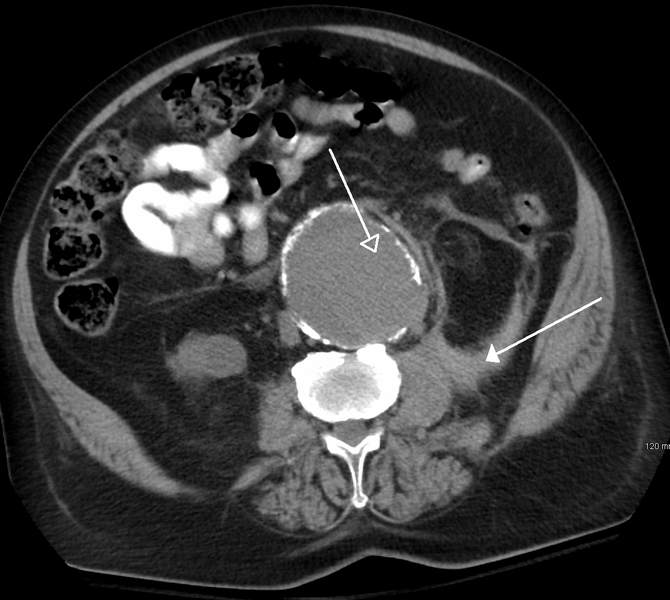
Transcatheter Aortic Valve Replacement (TAVR): Postdilatation to Reduce Paravalvular Regurgitation During TAVR with a Balloon-expandable Valve
Larry Bernstein, MD, FCAP and Aviva Lev-Ari, PhD, RN
Svelte Medical Systems’ Drug-Eluting Stent: 0% Clinically-Driven Events Through 12-Months in First-In-Man Study
Aviva Lev-Ari, PhD, RN
Acute and Chronic Myocardial Infarction: Quantification of Myocardial Perfusion Viability – FDG-PET/MRI vs. MRI or PET alone  (Justin Pearlman, Aviva Lev-Ari)
Biomaterials Technology: Models of Tissue Engineering for Reperfusion and Implantable Devices for Revascularization
Larry Bernstein, MD, FCAP and Aviva Lev-Ari, PhD, RN
Revascularization: PCI, Prior History of PCI vs CABG
Aviva Lev-Ari, PhD, RN
Accurate Identification and Treatment of Emergent Cardiac Events
Larry Bernstein, MD, FCAP
FDA Pending 510(k) for The Latest Cardiovascular Imaging Technology
Aviva Lev-Ari, PhD, RN
The ACUITY-PCI score: Will it Replace Four Established Risk Scores — TIMI, GRACE, SYNTAX, and Clinical SYNTAX
Aviva Lev-Ari, PhD, RN
Nitric Oxide and it’s impact on Cardiothoracic Surgery
Tilda Barliya, PhD
CABG or PCI: Patients with Diabetes – CABG Rein Supreme
Aviva Lev-Ari, PhD, RN
To Stent or Not? A Critical Decision
Aviva Lev-Ari, PhD, RN
Endothelin Receptors in Cardiovascular Diseases: The Role of eNOS Stimulation
Aviva Lev-Ari, PhD, RN
Absorb™ Bioresorbable Vascular Scaffold: An International Launch by Abbott Laboratories
Aviva Lev-Ari, PhD, RN
Carotid Stenting: Vascular surgeons have pointed to more minor strokes in the stenting group and cardiologists to more myocardial infarctions in the CEA cohort.
Aviva Lev-Ari, PhD, RN
New Drug-Eluting Stent Works Well in STEMI
Aviva Lev-Ari, PhD, RN
Global Supplier Strategy for Market Penetration & Partnership Options (Niche Suppliers vs. National Leaders) in the Massachusetts Cardiology & Vascular Surgery Tools and Devices Market for Cardiac Operating Rooms and Angioplasty Suites
Aviva Lev-Ari, PhD, RN
Abdominal Aortic Aneurysm in Computer Tomography

Abdominal Aortic Aneurysm in Computer Tomography (Photo credit: Wikipedia)

Read Full Post »

Effect of Hospital Characteristics on Outcomes of Endovascular Repair of Descending Aortic Aneurysms in US Medicare Population

Writer and Curator: Larry H. Bernstein, MD, FCAP 

and

Curator: Aviva Lev-Ari, PhD, RN 

Impact of hospital volume and type on outcomes of open and endovascular repair of descending thoracic aneurysms in the United States Medicare population.

Patel VI, Mukhopadhyay S, Ergul E, Aranson N, …., Cambria RP.
Journal of vascular surgery 2013;    http://dx.doi.org/10.1016/j.jvs.2013.01.035


Open surgery for thoracic aortic aneurysm has had success, but it carries complication risks.  In 2004, a much less invasive procedure, thoracic endovascular repair (TEVAR) was introduced. It eliminated a need for open surgery in many patients, but not all were suitable candidtes .  The advances in endovascular technology and procedural breakthroughs  since it was introduced has contributed to a dramatic transformation of the specialty of thoracic aortic surgery. The decision of which patients require open surgery is necessarily determined by the limitations of the procedure and the condition of the patient.
Thoracic endovascular aortic repair (TEVAR) is a minimally invasive alternative to conventional open surgical reconstruction for the treatment of thoracic aortic aneurysm. TEVAR procedures can be challenging and, at times, extraordinarily difficult.  Meticulous assessment of anatomy and preoperative procedure planning are absolutely paramount to produce optimal outcomes. The rapidly Increased use of TEVAR has produced favorable outcomes of TEVAR compared with open abdominal repair for descending thoracic aortic aneurysms (DTAs).   But the success of these procedure depends on requisite skills, and following guidelines intended for use in quality-improvement programs that assess the standard of care expected from all physicians who perform TEVAR procedures.
Currently, there is a diverse array of endografts that are commercially available to treat the thoracic aorta. Multiple studies have demonstrated excellent outcomes of thoracic endovascular aortic repair for the treatment of thoracic aortic aneurysms, with less reported perioperative morbidity and mortality in comparison with conventional open repair. Additionally, similar outcomes have been demonstrated for the treatment of type B dissections. However, the technology remains relatively novel, and larger studies with longer term outcomes are necessary to more fully evaluate the role of endovascular therapy for the treatment of thoracic aortic disease.
The MGH/Partners vascular surgeons evaluated the effect of case volume and hospital teaching status on clinical outcomes of intact DTA repair to gain an insight into whether there was a variability in DTAs outcomes based on hospital size, patient mix, number of procedures, staff characteristics, and teaching status.  This study was needed for establishing the type of procedure most suited to the type of patient, and to obtain the most accurate analysis of cost requirements based on resource allocation for reimbursement purposes.
The Medicare Provider Analysis and Review (MEDPAR) data set (2004 to 2007) was queried to identify open repair or TEVAR for DTA. Hospitals were stratified by DTA volume into high volume (HV; ≥8 cases/y) or low volume (LV; <8 cases/y) and teaching or nonteaching. The effect of hospital variables on the primary study end point of 30-day mortality and secondary end points of 30-day complications and long-term survival after open repair and TEVAR DTA repair were studied using univariate testing, multivariable regression modeling, Kaplan-Meier survival analysis, and Cox proportional hazards regression modeling.
They identified 763 hospitals performing 3554 open repairs and 3517 TEVARs. Overall DTA repair increased (P < .01) from 1375 in 2004 to 1987 in 2007. The proportion of hospitals performing open repair significantly decreased from 95% in 2004 to 57% in 2007 (P < .01), whereas
  • those performing TEVAR increased (P < .01) from 24% to 76%.
Overall repair type shifted from open (74% in 2004, the year before initial commercial availability of TEVAR) to TEVAR (39% open in 2007; P < .01). The fraction of open repairs at LV hospitals
  • decreased from 56% in 2004 to 44% in 2007 (P < .01), whereas
  • TEVAR increased from 24% in 2004 to 51% in 2007 (P < .01).
Overall mortality during the study interval for
  •  open repair was 15% at LV hospitals vs 11% at HV hospitals (P < .01), whereas
  • TEVAR mortality was similar, at 3.9% in LV vs 5.5% in HV hospitals (P = .43).
LV was independently associated with increased mortality after open repair (odds ratio, 1.4; 95% confidence interval, 1.1-1.8; P < .01) but not after TEVAR. There was no independent effect of hospital teaching status on mortality or complications after open repair or TEVAR repair.
The total number of DTA repairs significantly increased after the introduction of TEVAR for DTA. Operative mortality for TEVAR is independent of hospital volume and type, whereas
  • mortality after open surgery is lower at HV hospitals.
While the TEVAR mortality is significantly less than that of open surgery, the mortality in open surgery is higher for LV hospitals.  The data suggests that TEVAR can be safely performed across a spectrum of hospitals, whereas open surgery should be performed only at HV hospitals.
  1. Standard of Practice for the Endovascular Treatment of Thoracic Aortic Aneurysms and Type B Dissections. Fanelli F, and  Dake MD.  Cardiovasc Intervent Radiol. 2009 September; 32(5): 849–860.  http://dx.doi.org/10.1007/s00270-009-9668-6  PMCID: PMC2744786
  2. Thoracic aortic aneurysms and dissections: endovascular treatment. Baril DT, Cho JS, Chaer RA, Makaroun MS. Division of Vascular Surgery, University of Pittsburgh Medical Center, Pittsburgh, PAMt Sinai J Med. 2010 May-Jun;77(3):256-69.  http://dx.doi.org/10.1002/msj.20178.

Related Articles in Pharmaceuticval Intelligence

Abdominal Aortic Aneurysms (AAA): Albert Einstein’s Operation by Dr. Nissen   (Aviva Lev-Ari)
http://pharmaceuticalintelligence.com/2013/06/11/abdominal-aortic-aneurysms-aaa-albert-einsteins-operation-by-dr-nissen/

The Heart Surgery Specialty: heart transplant, lung transplant, heart-lung transplantation, aortic valve surgery, bypass surgery, minimally invasive cardiac surgery, heart valve surgery, removal of cardiac tumors, reoperation valve surgery  (Aviva Lev-Ari)
http://pharmaceuticalintelligence.com/?p=14092&preview=true

No Early Symptoms – An Aortic Aneurysm Before It Ruptures – Is There A Way To Know If I Have it?
(Aviva Lev-Ari)
http://pharmaceuticalintelligence.com/2013/06/10/no-early-symptoms-an-aortic-aneurysm-before-it-ruptures-is-there-a-way-to-know-if-i-have-it/

First-of-Its-Kind FDA Approval for ‘AUI’ Device with Endurant II AAA Stent Graft: Medtronic Expands in Endovascular Aortic Repair in the United States   (Aviva Lev-Ari)
http://pharmaceuticalintelligence.com/2013/05/30/first-of-its-kind-fda-approval-for-aui-device-with-endurant-ii-aaa-stent-graft-medtronic-expands-in-endovascular-aortic-repair-in-the-united-states/

Abdominal Aortic Aneurysm: Endovascular repair and open repair resulted in similar long-term survival
(Aviva Lev-Ari)
http://pharmaceuticalintelligence.com/2012/12/03/abdominal-aortic-aneurysm-endovascular-repair-and-open-repair-resulted-in-similar-long-term-survival/

EUROPCR 2013, Paris 5/21-5/24, 2013 Conference for Cardiolovascular Intervention and Interventional Medicine  (Aviva Lev-Ari)
http://pharmaceuticalintelligence.com/2013/05/29/europcr-2013-paris-521-524-2013-conference-for-cardiolovascular-intervention-and-interventional-medicine/

Genomics & Genetics of Cardiovascular Disease Diagnoses: A Literature Survey of AHA’s Circulation Cardiovascular Genetics, 3/2010 – 3/2013  (Aviva Lev-Ari)
http://pharmaceuticalintelligence.com/2013/03/07/genomics-genetics-of-cardiovascular-disease-diagnoses-a-literature-survey-of-ahas-circulation-cardiovascular-genetics-32010-32013/

Competition in the Ecosystem of Medical Devices in Cardiac and Vascular Repair: Heart Valves, Stents, Catheterization Tools and Kits for Open Heart and Minimally Invasive Surgery (MIS)  (Aviva Lev-Ari)
http://pharmaceuticalintelligence.com/2012/06/22/competition-in-the-ecosystem-of-medical-devices-in-cardiac-and-vascular-repair-heart-valves-stents-catheterization-tools-and-kits-for-open-heart-and-minimally-invasive-surgery-mis/

Bioabsorbable Drug Coating Scaffolds, Stents and Dual Antiplatelet Therapy (Aviva Lev-Ari)
http://pharmaceuticalintelligence.com/2013/05/29/bioabsorbable-drug-coating-scaffolds-stents-and-dual-antiplatelet-therapy/

Vascular Repair: Stents and Biologically Active Implants (larryhbern)
http://pharmaceuticalintelligence.com/2013/05/04/stents-biologically-active-implants-and-vascular-repair/

Drug Eluting Stents: On MIT’s Edelman Lab’s Contributions to Vascular Biology and its Pioneering Research on DES  (larryhbern)
http://pharmaceuticalintelligence.com/2013/04/25/contributions-to-vascular-biology/

Coronary Artery Disease – Medical Devices Solutions: From First-In-Man Stent Implantation, via Medical Ethical Dilemmas to Drug Eluting Stents  (Aviva Lev-Ari)
http://pharmaceuticalintelligence.com/2012/08/13/coronary-artery-disease-medical-devices-solutions-from-first-in-man-stent-implantation-via-medical-ethical-dilemmas-to-drug-eluting-stents/

Survivals Comparison of Coronary Artery Bypass Graft (CABG) and Percutaneous Coronary Intervention (PCI) / Coronary Angioplasty (larryhbern)
http://pharmaceuticalintelligence.com/2013/06/23/comparison-of-cardiothoracic-bypass-and-percutaneous-interventional-catheterization-survivals/

Trans-apical Transcatheter Aortic Valve Replacement in a Patient with Severe and Complex Left Main Coronary Artery Disease (LMCAD) (larryhbern)
http://pharmaceuticalintelligence.com/2013/06/17/management-of-difficult-trans-apical-transcatheter-aortic-valve-replacement-in-a-patient-with-severe-and-complex-arterial-disease/

Transcatheter Aortic Valve Replacement (TAVR): Postdilatation to Reduce Paravalvular Regurgitation During TAVR with a Balloon-expandable Valve  (larryhbern)
http://pharmaceuticalintelligence.com/2013/06/17/postdilatation-to-reduce-paravalvular-regurgitation-during-transcatheter-aortic-valve-replacement/

Svelte Medical Systems’ Drug-Eluting Stent: 0% Clinically-Driven Events Through 12-Months in First-In-Man Study  (Aviva Lev-Ari)
http://pharmaceuticalintelligence.com/2013/05/28/svelte-medical-systems-drug-eluting-stent-0-clinically-driven-events-through-12-months-in-first-in-man-study/

Acute and Chronic Myocardial Infarction: Quantification of Myocardial Perfusion Viability – FDG-PET/MRI vs. MRI or PET alone  (Justin Pearlman, Aviva Lev-Ari)
http://pharmaceuticalintelligence.com/2013/05/22/acute-and-chronic-myocardial-infarction-quantification-of-myocardial-viability-fdg-petmri-vs-mri-or-pet-alone/

Biomaterials Technology: Models of Tissue Engineering for Reperfusion and Implantable Devices for Revascularization (larryhbern)
http://pharmaceuticalintelligence.com/2013/05/05/bioengineering-of-vascular-and-tissue-models/

Revascularization: PCI, Prior History of PCI vs CABG  (A Lev-Ari)
http://pharmaceuticalintelligence.com/2013/04/25/revascularization-pci-prior-history-of-pci-vs-cabg/

Accurate Identification and Treatment of Emergent Cardiac Events (larryhbern)
http://pharmaceuticalintelligence.com/2013/03/15/accurate-identification-and-treatment-of-emergent-cardiac-events/

FDA Pending 510(k) for The Latest Cardiovascular Imaging Technology (A Lev-Ari)
http://pharmaceuticalintelligence.com/2013/01/28/fda-pending-510k-for-the-latest-cardiovascular-imaging-technology/

The ACUITY-PCI score: Will it Replace Four Established Risk Scores — TIMI, GRACE, SYNTAX, and Clinical SYNTAX  (A Lev-Ari)
http://pharmaceuticalintelligence.com/2013/01/03/the-acuity-pci-score-will-it-replace-four-established-risk-scores-timi-grace-syntax-and-clinical-syntax/

Nitric Oxide and it’s impact on Cardiothoracic Surgery  (tildabarliya)
http://pharmaceuticalintelligence.com/2012/12/15/nitric-oxide-and-its-impact-on-cardiothoracic-surgery/

CABG or PCI: Patients with Diabetes – CABG Rein Supreme (A Lev-Ari)
http://pharmaceuticalintelligence.com/2012/11/05/cabg-or-pci-patients-with-diabetes-cabg-rein-supreme/

To Stent or Not? A Critical Decision (A Lev-Ari)
http://pharmaceuticalintelligence.com/2012/10/23/to-stent-or-not-a-critical-decision/

Endothelin Receptors in Cardiovascular Diseases: The Role of eNOS Stimulation (A Lev-Ari)
http://pharmaceuticalintelligence.com/2012/10/04/endothelin-receptors-in-cardiovascular-diseases-the-role-of-enos-stimulation/

Absorb™ Bioresorbable Vascular Scaffold: An International Launch by Abbott Laboratories
(Aviva Lev-Ari)
http://pharmaceuticalintelligence.com/2012/09/29/absorb-bioresorbable-vascular-scaffold-an-international-launch-by-abbott-laboratories/

Carotid Stenting: Vascular surgeons have pointed to more minor strokes in the stenting group and cardiologists to more myocardial infarctions in the CEA cohort. (A Lev-Ari)
http://pharmaceuticalintelligence.com/2012/09/21/carotid-stenting-vascular-surgeons-have-pointed-to-more-minor-strokes-in-the-stenting-group-and-cardiologists-to-more-myocardial-infarctions-in-the-cea-cohort/

New Drug-Eluting Stent Works Well in STEMI (A Lev-Ari)
http://pharmaceuticalintelligence.com/2012/08/22/new-drug-eluting-stent-works-well-in-stemi/

lobal Supplier Strategy for Market Penetration & Partnership Options (Niche Suppliers vs. National Leaders) in the Massachusetts Cardiology & Vascular Surgery Tools and Devices Market for Cardiac Operating Rooms and Angioplasty Suites (A Lev-Ari)
http://pharmaceuticalintelligence.com/2012/06/22/global-supplier-strategy-for-market-penetration-partnership-options-niche-suppliers-vs-national-leaders-in-the-massachusetts-cardiology-vascular-surgery-tools-and-devices-market-for-car/

Histopathological image of dissecting aneurysm...

Histopathological image of dissecting aneurysm of thoracic aorta in a patient without evidence of Marfan syndrome. The damaged aorta was surgically removed and replaced by artificial vessel. Victoria blue & HE stain. (Photo credit: Wikipedia)

Diagram of aortic aneurysm Figure A shows a no...

Diagram of aortic aneurysm Figure A shows a normal aorta. Figure B shows a thoracic aortic aneurysm (which is located behind the heart). Figure C shows an abdominal aortic aneurysm located below the arteries that supply blood to the kidneys. (Photo credit: Wikipedia)

Thoracic aorta

Thoracic aorta (Photo credit: Wikipedia)

Open Heart Surgery

Open Heart Surgery (Photo credit: Wikipedia)

Read Full Post »

Survivals Comparison of Coronary Artery Bypass Graft (CABG) and Percutaneous Coronary Intervention (PCI) / Coronary Angioplasty

Larry H. Bernstein, MD, Writer
And
Aviva Lev-Ari, PhD, RN, Curator


This is a summary of several studies, mostly reviewing one decade of work at Texas Heart Institute, Houston, TX.

Seminal treatments of the evolving methods, leading to a recent review of options for

  • Survival comparison of CABD vs PCI
  • Mitral valve repair or mitral valve replacement for the treatment of ischemic mitral regurgitation. This might further consolidate a series of articles in these chapters.

SOURCES

1. Bypass, Angioplasty Similar in Survival 10 Years After Heart Procedures, Survival Rates Differ Little. K Doheny. WebMD Health News   Oct. 15, 2007
3. Will Stent Revascularization Replace Coronary Artery Bypass Grafting? JM Wilson Tex Heart Inst J. 2012; 39(6): 856–859
4. Coronary Artery Bypass Surgery versus Coronary Stenting. Risk-Adjusted Survival Rates in 5,619 Patients. RP Villlareal,V-V Lee, MA Elayda, JM Wilson.  Tex Heart Inst J. 2002; 29(1): 3–9.
5. Should all ischemic mitral regurgitation be repaired? When should we replace?  DJ LaPar, IL Kron. Curr Opin Cardiol. 2011 March; 26(2): 113–117
6. Hybrid Cath Lab Combines Nonsurgical, Surgical Treatments

Bypass, Angioplasty Similar in Survival 10 Years After Heart Procedures

The survival rates 10 years after coronary artery bypass surgery and angioplasty are similar, according to a new analysis of nearly 10,000 heart patients. Five years after the procedures, 90.7% of the bypass patients and 89.7% of the angioplasty patients were still alive, says  Mark A. Hlatky, MD, senior author of the analysis and a professor of health research and policy and professor of medicine at Stanford University School of Medicine in Palo Alto.

Hlatky and colleagues stress that their analysis only applies to a select group of heart patients: those for whom either procedure would be considered a reasonable choice. For patients who are eligible for either heart intervention, “either is feasible,” Hlatky tells WebMD. The report is released early online and will be published in the Nov. 20 issue of the Annals of Internal Medicine.

CABG vs. Angioplasty

The researchers evaluated the results of 23 clinical trials in which 5,019 patients (average age 61 years; 73% men) were randomly assigned to get angioplasty with or without stents (PCI), and 4,944 were assigned to get coronary artery bypass graft surgery (CABG) In angioplasty, interventional cardiologists push a balloon-like device into the coronary arteries and inflate the balloon to widen the vessel. An expandable wire mesh tube called a stent may be inserted to keep the vessel open. Some stents are coated with drugs meant to help prevent the artery from clogging up. In 2005, about 645,000 angioplasty procedures were done in the U.S. In bypass surgery, cardiac surgeons harvest a segment of a healthy blood vessel from another part of the body and use it to bypass the clogged artery or arteries, rerouting the blood to improve blood flow to the heart. About 261,000 bypass procedures were done in the U.S. in 2005.

Findings

Besides similar survival rates overall, the researchers found no significant survival differences between the two procedures for patients with diabetes, although earlier research had seemed to favor bypass surgery. Similar numbers of patients suffered heart attacks within five years of the procedures. While 11.9 of those who got angioplasty had a heart attack within five years, 10.9% of those who got bypass did. Repeat procedures were more common in angioplasty patients. While 46.1% of angioplasty patients who didn’t get a stent needed repeat procedures, 40.1% of those who got a stent did. But just 9.8% of surgery patients needed another procedure.  The study didn’t include information on drug-coated stents.

Second Opinions

The new analysis is “very complete,” says Kim A. Eagle, MD, director of the Cardiovascular Center and Albion Walter Hewlett Professor of Internal Medicine at the University of Michigan, Ann Arbor. The study shows, he says, that if either procedure is considered appropriate for an individual patient, the decision can rest on patient attitudes and preferences. Patients preferences might be based on lower need to repeat in favor of surgery, or on avoidance of surgery in favor of angioplasty. But it is important to note, acoording to Curtis Hunter at Santa-Monica-UCLA, that the studies cover the least sick with heart disease, so the two procedures are shown to be equal in a very small subset of the patients.

Coronary Artery Bypass Surgery versus Coronary Stenting – Risk-Adjusted Survival Rates in 5,619 Patients  THIJ. 2002

We used the Texas Heart Institute Cardiovascular Research Database to retrospectively identify patients who had undergone their 1st revascularization procedure with coronary artery bypass surgery (CABG; n=2,826) or coronary stenting (n=2,793) between January 1995 and December 1999. Patients were classified into 8 anatomic groups according to the number of diseased vessels and presence or absence of proximal left anterior descending coronary artery disease. Mortality rates were adjusted with proportional hazards methods to correct for baseline differences in severity of disease and comorbidity.
We found that in-hospital mortality was significantly greater in patients undergoing CABG than in those undergoing stenting (3.6% vs 0.75%; adjusted OR 8.4; P <0.0001). At a mean 2.5-year follow-up, risk-adjusted survival was equivalent (CABG 91%, stenting 95%; adjusted OR 1.26; P = 0.06). When subgroups matched for severity of disease were compared, no differences in risk-adjusted survival were seen. A survival advantage of stenting was noted in 3 categories of patients: those >65 years of age (OR 1.33, P = 0.049), those with non-insulin-requiring diabetes (OR 2.06, P = 0.002), and those with any noncoronary vascular disease (OR 1.59, P = 0.009).
In this nonrandomized observational study, CABG had a higher periprocedural mortality rate than did percutaneous stenting. At 2.5 years, however, the survival advantage of stenting was no longer evident. These data suggest that there is no intermediate-term survival advantage of CABG over stenting in patients who have multivessel disease with lesions that can be treated percutaneously. (Tex Heart Inst J 2002;29:3–9)

Fig. 1 Adjusted and unadjusted survival rates in all patients treated with CABG or PCI-stenting
http://www.ncbi.nlm.nih.gov/pmc/articles/PMC101260/table/t3-2/?report=previmg

survival rates  of CABG or PCI-stenting

TABLE III. Multivariate Correlates of Intermediate-Term (2.5-Year) Mortality
http://www.ncbi.nlm.nih.gov/pmc/articles/PMC101260/table/t3-2/?report=previmg

Fig. 2 Adjusted odds ratios comparing the results of CABG and PCI-stenting in the 8 anatomic subgroups.
http://www.ncbi.nlm.nih.gov/pmc/articles/PMC101260/bin/2FF2.jpg

Adjusted odds ratios comparing the results of CABG and PCI-stenting in the 8 anatomic subgroups

TABLE IV. Intermediate-Term (2.5-Year) Survival According to Treatment in Each of the 8 Anatomic Groups
http://www.ncbi.nlm.nih.gov/pmc/articles/PMC101260/bin/2TT4.jpg

Intermediate-Term (2.5-Year) Survival According to Treatment in Each of the 8 Anatomic Groups

Fig. 3 Adjusted odds ratios comparing the results of CABG and PCI-stenting in the various prespecified subsets.
http://www.ncbi.nlm.nih.gov/pmc/articles/PMC101260/bin/2FF3.gif

Adjusted odds ratios comparing the results of CABG and PCI-stenting in the various prespecified subsets.

Will Drug-Eluting Stents Replace Coronary Artery Bypass Surgery?

Abstract

Introduction
The growth of the PCI industry and the consequent decline in the number of patients referred for CABG has produced much speculation about the future role of each type of intervention. Because the new drug-eluting stents allow PCI to be performed with lower rates of early restenosis than do bare-metal stents or percutaneous transluminal coronary angioplasty (PTCA) alone, 2–8 some have predicted that surgical revascularization will soon be obsolete.

CABG vs Pharmaco-Therapy

Randomized clinical trials performed during the 1970s and early 1980s clearly established the advantages of CABG over medical therapy in patients with triple-vessel CAD, left main coronary artery stenosis, double-vessel CAD with proximal left anterior descending (LAD) coronary artery stenosis, or left ventricular dysfunction. Problems arose subsequently because of the limitations built into the trial so that the results were biased in favor of medical therapy.  These were:
  • stringent exclusion criteria that eliminated a large percentage of potential participants
  • left main CAD and an ejection fraction of less than 0.40, eliminated patients for whom CABG would have been beneficial
  • the high rate of crossover from the medical to the surgical groups

The numerous technical and technological advances made since these trials were completed limit the degree to which their results resemble those of the CAD treatments used today. The maximal medical therapy used during the trials did not routinely include lipid-lowering agents, β-blockers, angiotensin-converting enzyme (ACE) inhibitors, clopidogrel, or some of the other drugs currently used for CAD. Nor did the CABG groups benefit from advances that were subsequently made in preoperative imaging, perfusion and myocardial protection, anesthesia, and perioperative and intensive care practices. CABG did not then include the use of left internal mammary artery (LIMA) grafts, much less other arterial conduits. Finally, PCIs, including balloon angioplasty and stenting, were not included in these trials.

CABG vs PTCA

Randomized trials comparing PTCA with CABG revealed dramatically higher re-intervention rates in the PTCA groups and better angina relief in the CABG groups, although there were no significant differences in death or myocardial infarction rates. The Duke database study. 9 showed better survival rates with PTCA than with CABG in patients with single-vessel CAD, whereas CABG produced better survival than did PTCA in patients with severe, triple-vessel CAD.
These results are not necessarily representative of the results obtainable today with PTCA and CABG, for several reasons.
1.  stents were not used in the PTCA patients in these trials
2.  operative mortality rates for the CABG groups were higher than the rates currently found in the Society of Thoracic Surgeons (STS) database
3.  the inclusion/exclusion criteria of these studies eliminated a high percentage of those patients who might have benefited more from CABG than from PTCA

CABG vs Stents

The introduction of coronary artery stenting resulted in better outcomes than those produced by balloon angioplasty or by other adjuncts, including rotational atherectomy, brachytherapy, and laser angioplasty.  Since then, stent designs and delivery techniques have advanced considerably. The use of coronary stents has greatly decreased the necessity of emergent CABG for technical failure of PCI and for dissection or rupture of coronary arteries during PCI. Another major advance in the application of PCI is the use of the antiplatelet agent clopidogrel in addition to aspirin after PCI, as well as the use of glycoprotein (GP) IIb/IIIa receptor inhibitors during the procedure. These adjuncts have significantly reduced the incidence of acute and subacute thrombosis after PTCA with stenting.
Randomized trials comparing PTCA plus stenting with PTCA alone have shown that stenting significantly reduces rates of restenosis and re-intervention, as well as the frequency of emergent CABG.  On the other hand, randomized trials of stenting versus surgery have produced less conclusive results regarding the mid-term survival and freedom from adverse events.  For example, the Stent or Surgery (SOS) trial reported a greater need for repeat revascularization in the stent group (21%) than in the CABG group (6%) and a survival advantage in the CABG group (hazard ratio, 2.91; 95% CI, 1.29–6.53; P = 0.01) during the 3-year follow-up period. Additionally, angina and the use of anti-angina medications were less common in the CABG group at 1-year follow-up.
The ARTS and ERACI trials also reported an increased need for revascularization in the stent groups but did not show a survival advantage in the CABG groups. This was due in part to a higher operative mortality rate in the CABG group than reported in the STS database. Like the PCI versus CABG trials mentioned previously, these randomized trials involved a select group of patients with relatively low expected mortality rates and relatively high expected technical success with PCI.
Observational data in retrospective analyses of large patient databases comparing CABG with PCI plus stenting does indicate that, because of the greater invasiveness of surgical revascularization, CABG produces greater operative mortality than does PCI. However, in patients with multivessel CAD, the risk-adjusted survival rates at 2.5 years of follow-up are no better for PCI than for CABG, and 3 recent risk-adjusted observational studies showed that the CABG patients had a significant survival advantage at 3- to 8-year follow-up.   The CABG patients had significantly more preoperative risk factors than did the PCI patients in each study, so that unadjusted, the CABG groups in each study included significantly more patients with triple-vessel disease and fewer patients with double-vessel disease than did the PCI groups. Again, we have a moving target with recent advances in both surgery and PCI technology.

Disadvantages of Stenting

The Achilles’ heel of PCI is restenosis and the need for repeat revascularization. Stents have decreased the rate of acute and subacute  periprocedural thrombosis. The newer, drug-eluting stents (DESs) have improved in-stent restenosis rates, especially in the carefully selected patient populations studied in the early DES trials. In the RAVEL trial, the early reports of zero in-stent restenosis compared favorably with the 27% in-stent restenosis rates in the bare-metal stent control group at 6-month follow-up. However, the RAVEL trial excluded patients with lesions longer than 18 mm, ostial targets, calcified or thrombosed targets, or target arteries less than 2.5 mm in diameter.
The media frenzy that followed the release of these findings created a public demand for these new “miracle” stents that apparently did not re-occlude. Stories of CAD patients refusing conventional PCI and CABG —instead, adding their names to the list of patients waiting for U.S. Food and Drug Administration (FDA) approval of DESs—appeared to change the practice patterns of cardiologists and cardiac surgeons overnight.  And then there were the calls for class-action lawsuits and recall of various DES models. After the FDA approved the Cordis Cypher™ DES (Cordis Corporation, a Johnson & Johnson company; Miami Lakes, Fla), a few reports of subacute thrombosis and hypersensitivity reactions prompted the FDA to release a public health notification on 29 October 2003.
The SIRIUS trial had slightly less strict exclusion criteria than did the RAVEL trial, admitting patients with target lesions 2.5 to 3.5 mm in diameter and 15 to 30 mm long, as well as patients with diabetes mellitus (who constituted 26% of the total group).  The SIRIUS trial also differed from the RAVEL trial in that the reported end-point was in-segment restenosis, rather than in-stent restenosis. The results showed a significant advantage of DESs over bare-metal stents for preventing in-segment restenosis (9.2% vs 32.3%) and target failures (10.5% vs 19.5%), but major adverse cardiac events were more frequent in the DES group than in the bare-metal stent group (3.7% vs 1.0%). Interestingly, the 6-month restenosis rates of the bare-metal stents in the RAVEL and SIRIUS control groups were much higher than the 19% 12-month restenosis rate associated with bare-metal stents in an earlier study comparing bare-metal stents with PTCA. In fact, the restenosis rates in the RAVEL and SIRIUS control groups more closely resembled the 40% restenosis rate reported for the PTCA control group in the earlier study.
The practical advantages of DESs over bare-metal stents are evident; nonetheless, we still do not have sufficient mid-term or long-term clinical data to argue that PTCA with DESs is preferable to CABG in “real-world” patients who require revascularization. Although DESs will likely provide better outcomes than bare-metal stents for many patients for whom stenting is indicated, a general extrapolation of existing data to justify the use of DESs in patients for whom CABG is currently indicated is unknown, perhaps undeterminable because the lesion and patient characteristics that lead to the failure of PCI are multifactorial, and the size of the population with lesions having unfavorable characteristics , such as,
  • longer
  • total occlusion
  • branch
  • small-diameter
  • calcified
  • multiple
  • left main
  • ostial, and
  • diffuse lesions
are being treated with PCI more often, as well as diabetics, multiple lesions, and patients with multiple comorbidities.

Advantages of CABG

Over the last 4 decades, surgical coronary artery revascularization techniques and technology have advanced significantly. As a result, despite an increasingly older and sicker patient population, CABG outcomes continue to improve. Observed operative mortality rates have decreased because advances in preoperative evaluation, including more precise coronary artery and myocardial imaging and diagnostic techniques, have allowed more appropriate patient selection and surgical planning. In addition, preoperative, intraoperative, and postoperative monitoring and therapeutic interventions have made CABG safer, even for critically ill and high-risk patients. Improvements in cardiopulmonary perfusion and careful myocardial protection, as well as the use of off-pump and on-pump beating- heart techniques in selected patients, have also decreased perioperative morbidity and mortality rates.

LIMA-to-LAD Long-Term Patency

The long-term benefits of CABG with regard to survival and quality of life are dependent on prolonged graft patency. The LIMA-to-LAD bypass, which is now performed in more than 90% of CABG procedures, shows excellent patency in 10- to 20-year angiographic follow-up studies, setting the gold standard with which other revascularization strategies should be compared. Tatoulis et al. reported that LIMA-to-LAD grafts had a 97.1% patency rate in patients who underwent angiography for cardiac symptoms. Those authors also found high patency rates at 5-year (98%), 10-year (95%), and 15-year (88%) follow-up. However, there are not yet long-term data on bare-metal stents or DESs, and by the time 10- or 20-year data are available, DESs probably will have been replaced by a newer, more advanced technology.
Because of the reported success of the LIMA-to-LAD bypass, other types of arterial conduits are also being used much more frequently. Conduit selection has become an area of great interest to cardiac surgeons, and conduit studies are expanding our understanding of the mechanisms of graft failure and ways to improve bypass graft patency. For example, studies have shown that patients who undergo CABG with both LIMA and right internal mammary artery (RIMA) conduits have better results than those who undergo CABG with one IMA and one or more saphenous vein grafts.

Techniques to Improve Conduit Patency

To maximize the odds of long-term graft patency, surgeons carefully harvest the graft as a pedicled or skeletonized conduit using “no touch” techniques. Using careful anastomotic technique to avoid excessive turbulence at the anastomosis site will prolong graft patency, and the quality of the conduit is crucial. Long-term graft patency depends not only on the conduit chosen but also on the target artery and the degree of stenosis proximal to the anastomosis. Maintaining flow patterns in the native artery, including residual flow (that is, competitive flow) and outflow, is important to avoid stasis in the graft, turbulence at the anastomosis, and vasospasm, especially in arterial conduits. Studies have shown an inverse relationship between the degree of proximal stenosis and graft patency. Targeting the LAD produces the highest patency rates. The characteristics of the target artery also determine graft patency, including –
1. the diameter of the target artery,
2. the presence or absence of diffuse disease within the artery,
3. whether or not the artery requires endarterectomy
Surgeons can avoid atheroembolic events by handling the aorta carefully or not at all. They can also improve safety by
1. using aggressive myocardial protection techniques;
2. avoiding the induction of inflammatory mediators; and
3. carefully controlling
  • blood pressure,
  • body temperature, and
  • electrolyte and glucose levels.
Although there have been major innovations that have enabled surgeons to perform cardiac surgery (including CABG) less invasively, minimally invasive surgical procedures are useful only if they are at least as efficacious as conventional surgery. New technology is being developed to enhance the evolving field of minimally invasive coronary bypass surgery.

Hybrid Coronary Revascularization

As PCI technology improves and techniques of LIMA-to-LAD grafting become less invasive, hybrid coronary revascularization is becoming a distinct possibility. For example, a minimally invasive, off-pump, direct LIMA-to-LAD anastomosis can be combined with DES placement in a focal mid-right-coronary-artery lesion in a patient with complex proximal LAD lesions. Hybrid coronary revascularization procedures are currently being performed, with promising early results. A few centers now have hybrid operating rooms with cardiac surgical and coronary angiographic capabilities that make it possible to perform simultaneous hybrid coronary revascularizations.

Although coronary artery bypass grafting (CABG) remains the treatment of choice for certain types of coronary artery disease (CAD), percutaneous coronary intervention (PCI)—particularly coronary angioplasty with stenting—has become the most popular nonmedical treatment approach to CAD. Some have speculated that, with the advent of drug-eluting stents (DESs), PCI will replace CABG entirely. However, the complete disappearance of CABG is both unlikely and unwarranted, for several reasons. Published randomized trials of CABG, PCI, and medical approaches to CAD compared only highly selected subgroups of patients because of strict exclusion criteria that often favored the PCI cohorts. Therefore, their results do not constitute sufficient evidence for the superiority of PCI over CABG in all CAD patients requiring revascularization. As PCI indications broaden to include more complex lesions and more high-risk patients, outcomes will not remain as favorable. In addition, although PCI is less invasive than surgery, CABG offers more complete revascularization and better freedom from repeat revascularization. Furthermore, no long-term patency data on DESs yet exist, whereas excellent 10- and 20-year patency rates have been reported for the left internal mammary artery-to-left anterior descending artery graft used in most CABG procedures. While PCI has been changing, CABG has not been stagnant; recently, advances in many aspects of the CABG procedure have improved short- and long-term outcomes in CABG patients. Both CABG and PCI technologies will continue to advance, not necessarily exclusive of one another, but no data yet exist to suggest that DESs will render CABG obsolete any time soon. 

Will Stent Revascularization Replace Coronary Artery Bypass Grafting?

When we discuss revascularization outcomes, we are talking about 3 major endpoints: death, myocardial infarction, and symptom control. With respect to death, we know that revascularization benefits patients who have severe multivessel disease and left ventricular dysfunction or other physiologic indicators of high risk. 2-vessel disease with proximal left anterior descending coronary artery (LAD) stenosis has been accepted as an indication for revascularization, even though the supporting data come from a small subgroup in a single trial. There has been no success in proving that endovascular treatment has a positive impact on stable CAD, but it is relevant because we leave the native arteries relatively intact. Attempts to improve graft performance beyond the relatively spectacular performance of the pedicled internal mammary artery (IMA) graft to the LAD have been disappointing.

Fig. 1 Graph of graft patency shows deterioration rates over 10 years and the comparative superiority of using the internal mammary artery (IMA) instead of the saphenous vein (SVG).http://www.ncbi.nlm.nih.gov/pmc/articles/PMC3528239/bin/25FF1.gif

graft patency of IMA vs SVG

Percutaneous Transluminal Coronary Angioplasty

When angioplasty was introduced, the hope was for a method of revascularization that would rival coronary artery bypass grafting. However, the results were mixed. Angioplasty worked well in patients with no major risk factors, such as diabetes mellitus, but failed miserably in diabetic patients. In fact, the Bypass Angioplasty Revascularization Investigation (BARI)  taught us this: if revascularization is needed, regardless of physiologic markers of high risk, the use of percutaneous coronary intervention (PCI) is potentially harmful in comparison with an IMA bypass for the LAD.

Stents and Short-Term Outcomes

The use of stents drastically reduced the probability of emergent surgery after attempted; however, the probability of new lesion formation or restenosis after intervention did not decrease.

Fig. 2 Diagrams  show the calculated success (after percutaneous revascularization) of A) percutaneous transluminal coronary angioplasty (PTCA), and B) bare-metal and C) drug-eluting stenting in patients with 3-vessel coronary artery disease (CAD).
http://www.ncbi.nlm.nih.gov/pmc/articles/PMC3528239/bin/25FF2.gif

At the same time, surgeons got better. Myocardial preservation techniques improved, and the use of the pedicled IMA graft changed the game. As a result, successful revascularization, meaning long-term success, became the domain of the surgeon. We at the Texas Heart Institute/St. Luke’s Episcopal Hospital (THI/SLEH) examined our long-term outcomes after stenting or surgery, and we initially reported that stenting was just as beneficial as surgery. This was in accord with the results of several trials: whenever placing a stent was feasible, stent therapy and surgery had the same outcome.

http://www.ncbi.nlm.nih.gov/pmc/articles/PMC3528239/bin/25TT1.jpg

success after PTCA vs bare-metal and drug-eluting stents

Stents and Long-Term Outcomes

Later, when we looked at longer-term follow-up data and the effects of multiple procedures, this picture began to change. Stented patients underwent more procedures. When the risk of one surgical procedure was compared with that of multiple endovascular procedures, the outcomes became more similar, especially in patients with bifurcation lesions or lesions with severe calcification. Drug-eluting stents, with their promise of no restenosis, substantially increased interventional cardiologists’ reach, but not their grasp. In patients with multivessel disease and high-risk lesions, DES placement was almost as risky as surgery and did not yield the same long-term benefit.

Nevertheless, we found locally that the introduction of the DES, with its lower risk of restenosis, was treated as a blessing to proceed with stenting (Table I). This did not follow the data, but cardiologists continued anyway, given the promise of less restenosis. Early risk was discounted, glycoprotein IIb/IIIa inhibitor use declined overnight, and the rate of endovascular procedural complications rose to meet that of surgery without the promise of an IMA graft in our future.

Table I. Independent Predictors of 30-Day Major Adverse Cardiac Events and 3-Year Survival after Drug-Eluting Stent Placement
http://www.ncbi.nlm.nih.gov/pmc/articles/PMC3528239/bin/25TT1.jpg

Comparing Stenting and Surgery

For decades, methods have been sought to quantify lesion complexity in order to compare the early and late risks associated with stenting versus surgery. Although no perfect system has been devised, the SYNTAX was an important step forward. The SYNTAX score is a simple, computer-based tool for evaluating the risk of complications or failure after PCI. And there are other tools for estimating the same complications after surgery. These estimates enable cardiologists to give patients objective advice regarding the revascularization method that has the best short- and long-term probability of success.
In the patient with non-life-threatening disease (that is, not left main or severe multivessel CAD with left ventricular dysfunction or severely impaired function), stent revascularization has become a reasonable, although not ideal, alternative to surgical revascularization. However, this is true only if stenting is confined to patients whose anatomy and physiology are suited to it—considerations that are well quantified in the SYNTAX score. Whenever questions arise as to the most appropriate therapy, the SYNTAX score should be weighed against clinical characteristics that affect surgical risk. This will guide discussions between the cardiologist, cardiovascular surgeon, patient, and treating physician.
I think that our THI risk is more useful than the other available scores. It uses simple clinical data and can be easily calibrated to the geographic location of its use. Other scores require data that might not be available at the time of clinical decision-making or at all—making such predictions hazardous, at best.

Conclusion

With regard to the chosen mode of revascularization, it is perhaps safe to say that the decision goes beyond the individual physician and must become collective. When a patient has multivessel disease, a reasoned approach must be taken, using these predictive tools and considering the patient’s wishes. Treatment decisions should include all interested parties: the patient, cardiologist, cardiovascular surgeon, and anesthesiologist. The time of ad hoc angioplasty for the patient with multivessel CAD has passed.

Should all ischemic mitral regurgitation be repaired? When should we replace?   Curr Opin Cardiol. 2011

Abstract

Purpose of review

Ischemic mitral regurgitation (IMR) is a major source of morbidity and mortality. Although mitral valve repair has become recently popularized for the treatment of IMR, select patients may derive benefits from replacement. The purpose of this review is to describe current surgical options for IMR and to discuss when mitral valve replacement (MVR) may be favored over mitral valve repair.

Recent findings

Current surgical options for the treatment of IMR include surgical revascularization alone, mitral valve repair, or MVR. Although surgical revascularization alone may benefit patients with mild–moderate IMR, most surgeons advocate the performance of revascularization in combination with either mitral valve repair or replacement. In the current era, mitral valve repair has proven to offer improved short-term and long-term survival, decreased valve-related morbidity, and improved left ventricular function compared with MVR. However, MVR should be considered for high-risk patients and those with specific underlying mechanisms of IMR.

Summary

In the absence of level one evidence, mitral valve repair offers an effective and durable surgical approach to the treatment of mitral insufficiency and remains the operation of choice for IMR. MVR, however, is preferred for select patients. Future randomized, prospective clinical trials are needed to directly compare these surgical techniques.

Introduction

Ischemic mitral regurgitation (IMR) describes insufficiency of the mitral valve in the setting of myocardial ischemia, resulting from coronary artery disease. Although IMR may present in the acute setting, usually as a papillary rupture (Carpentier type II), it is usually a consequence of chronic myocardial ischemia that typically presents weeks following a complete infarction. IMR describes mitral insufficiency in the absence of degenerative (structural) mitral valve disease. The underlying pathophysiologic mechanisms of IMR are often complex, resulting from several different structural changes involving left ventricular geometry, the mitral annulus, and the valvular/subvalvular apparatus. Although changes to any one component may result in detectable mitral valve insufficiency, moderate-to-severe IMR requiring surgical correction often involves the complex interplay of several co-existent anatomic changes. These underlying mechanisms result in clinically significant valve incompetence due to the combined effects of decreased ventricular function and restricted motion of the valve itself due to tethering.
IMR is a major source of patient morbidity and mortality. Although the frequency of IMR differs based upon imaging modality, estimates have suggested that nearly 20–30% of patients experience mitral insufficiency following myocardial infarction. Furthermore, its intimate association with heart failure and poor outcomes for suboptimal medical management further complicates the management of clinically significant IMR. Recent evidence suggests that moderate or severe mitral regurgitation may be associated with a three-fold increase in the adjusted risk of heart failure and a 1.6-fold increase in risk-adjusted mortality at 5-year follow-up. In addition, unfavorable patient profiles and co-existing comorbid disease, including renal failure, chronic obstructive pulmonary disease, diabetes, and impaired left ventricular function, further complicate the clinical picture for those with IMR. Consequently, surgical correction of this condition is often required.
The purpose of this review is to analyze published results for the surgical correction of IMR and to provide current opinion regarding the selection of mitral valve procedure in the setting of myocardial ischemia. Herein, we review current surgical options for IMR and discuss when MVR may be favored over mitral valve repair.

Surgical options for ischemic mitral regurgitation: surgical revascularization alone

Surgical revascularization alone with CABG may be beneficial for some patients. Although CABG alone may be performed in cases of mild-to-moderate IMR, for the treatment of severe IMR, evidence supports performance of CABG with a mitral valve. In fact, a lack of evidence exists to support the performance of CABG alone for severe IMR. In one retrospective review of propensity-matched cohorts, Diodato et al. suggested that addition of a mitral valve procedure to patients undergoing CABG for moderately severe to severe IMR did not increase mortality or improve survival over the performance of CABG alone. This study, however, was limited by small sample sizes (51 CABG + mitral valve repair vs. 51 CABG alone) and 3-year follow-up. To the contrary, substantial evidence exists to support the performance of surgical revascularization alone in cases of mild-to-moderate IMR.
A study by Aklog et al. investigated the role of CABG alone in the correction of moderate IMR. In their series of 136 patients with moderate IMR, they demonstrated that performance of revascularization alone conferred improvement of mitral regurgitation in 51% of patients with complete resolution in an additional 9%. Despite these results, 40% of patients remained with 3–4+ mitral regurgitation, leading the authors to conclude that CABG alone may not be the optimal therapy for most patients and suggest that concomitant mitral annuloplasty may improve results. Other series similarly suggest that complete resolution of functional IMR is uncommon following revascularization alone. Despite the presence of residual mitral regurgitation following revascularization, the impact of performance of CABG without a valve procedure on long-term survival remains ill defined. Currently, on-going prospective evaluation may help to define the potential role of revascularization alone for patients with moderate IMR. Until the completion of these trials, however, evidence supports the performance of surgical revascularization combined with a mitral valve procedure for moderate-to-severe mitral regurgitation.

Surgical revascularization with a mitral valve procedure

The majority of patients with moderate-to-severe IMR require surgical revascularization with a concomitant mitral valve procedure (MVR or mitral valve repair). Historically, these procedures have been associated with high morbidity and mortality as well as poor long-term. However, improved surgical techniques and postoperative management have improved contemporary outcomes. Those favoring mitral valve repair promote its beneficial effects on survival, preserved ventricular function, and the avoidance of long-term anticoagulation, whereas those favoring MVR argue that it ensures long-term freedom from recurrent mitral insufficiency.

Mitral valve replacement vs. mitral valve repair

The use of MVR for IMR eliminates the possibility of recurrent IMR. In addition, previous literature suggests improvements in surgical technique for MVR 29–32. For patients with IMR, MVR with preservation of the subvalvular apparatus using a chordal sparing technique has been shown to be beneficial 33. David and Ho 33 demonstrated a significant survival benefit for patients undergoing MVR with preservation of chordae tendineae (89%) compared with complete excision of the mitral valves (59%) in a cohort of 51 patients with IMR. In addition, Cohn et al. suggested disproportionate survival benefits favoring MVR in a cohort of 150 patients with both functional and structural IMR, concluding that survival following performance of mitral valve procedures for IMR was more dependent on underlying pathophysiology rather than surgical technique. More recently, series have suggested equivalent results for the MVR and mitral valve repair. Mantovani et al. report that prosthetic MVR and mitral valve repair offer very similar results for chronic IMR, demonstrating similar operative mortality and 5-year actuarial survival for both techniques. In a similar report, Magne et al.•• compared short-term and long-term outcomes for 370 patients undergoing mitral valve repair (n = 186) and MVR (n = 184) for IMR. Although operative mortality was lower for mitral valve repair compared with MVR (9.7 vs. 17.4%, P = 0.03), 6-year survival was similar for both operations (73 ± 4 vs. 67 ± 4%, P = 0.17). Type of procedure was also not an independent predictor of mortality following risk adjustment. As a result, the authors suggest that mitral valve repair is not superior to MVR for patients with IMR.
In contrast, other series favor the performance of mitral valve repair for functional IMR. Although several repair techniques exist, restrictive annuloplasty remains the most commonly performed operation 37• and has been shown to be beneficial in both functional and chronic IMR 38•. The purported benefits of improved survival, decreased valve-related morbidity, and improved left ventricular function have been previously established, and several series have reported lower hospital mortality with mitral valve repair compared with MVR.
The Cleveland Clinic published a landmark review of 482 patients undergoing mitral valve procedures for IMR to study the influence of mitral valve procedure type on survival 1. In this series, propensity-matched cohorts were compared: mitral valve repair (n = 397) vs. MVR (n = 85). Concomitant CABG was performed in 95% of operations, and annuloplasty for repair occurred in 98% of cases. After matching, patients were risk stratified into five quintiles. Group 1 represented the highest-risk patients with higher degrees of heart failure and emergent operations, and group 5 represented the lowest-risk patients. Subsequent survival analysis revealed that overall 5-year survival was poor for patients with IMR (58% mitral valve repair vs. 36% MVR, P = 0.08). Moreover, within matched quintiles, the highest-risk patients (quintile 1) had the worst survival, but survival was similar (P = 0.4) despite mitral valve procedure type. In contrast, survival favored mitral valve repair over replacement for quintiles III–V (P = 0.003).
In the absence of published randomized trials, two recently published meta-analyses provide more robust comparisons of the influence of surgical mitral valve repair or replacement. Shuhaiber and Anderson  compared outcomes of 29 studies, including over 10 000 patients. Study groups were stratified based upon mitral valve etiology into ischemic, degenerative/myxomatous, rheumatic, and mixed groups. Summary analyses indicated worse overall survival for MVR (early mortality odds ratio = 2.24 and total survival hazard ratio = 1.58) compared with repair. Mitral valve repair was also associated with lower rates of thromboembolism. Moreover, a nonsignificant trend toward lower 30-day mortality favored mitral valve repair for those with IMR. The most recent meta-analysis to date compared short-term and long-term survival of mitral valve repair vs. replacement specifically for IMR ••. In this analysis, nine studies were included based upon stringent exclusion criteria to ensure direct comparisons of survival for mitral valve procedures exclusively performed for IMR. Interestingly, in this series, although patients undergoing MVR were older, those undergoing repair often had higher rates of hypertension and diabetes with lower ejection fractions. Further, the proportion of patients with severe ventricular dysfunction was similar between procedure groups. These findings conflict with a common assumption that an inherent selection bias exists within published studies for the performance of mitral valve repair in healthier patients. Nevertheless, MVR was associated with worse short-term mortality (odds ratio = 2.667) and long-term mortality (hazard ratio = 1.35) compared with mitral valve repair, and the authors advocate that choice in mitral procedure should be based upon individual patient profile.

When not to repair ischemic mitral regurgitation?

Within the context of published literature and current dogma among practicing surgeons, the fundamental question of when not to repair an ischemic mitral valve remains. For several years, accumulated evidence supports the performance of mitral valve repair over replacement for the surgical treatment of functional IMR. The aforementioned benefits of repair include improved long-term survival, durability and efficacy, improved ventricular function, and avoidance of chronic anticoagulation therapy. Nevertheless, MVR still plays a select role in the treatment of IMR.
With respect to the performance of MVR, the use of bioprosthetic valves and the avoidance of mechanical valve replacement are preferred. This choice is largely driven by the avoidance of complications due to long-term anticoagulation use as well as by the belief that it is unlikely that the majority of patients requiring MVR are likely to encounter bioprosthetic deterioration in their lifetime. In addition, MVR with techniques to preserve the subvalvular apparatus should be performed when possible.

Summary

Undoubtedly, the debate regarding when to perform repair or replacement for IMR remains unsettled. In the recent era, mitral valve repair has proven efficacious and remains the preferred surgical strategy for most cases of IMR. MVR should be considered for severe tethering, complex or uncertain mechanisms of mitral insufficiency, regurgitation due to papillary muscle rupture, and perhaps for the sickest and highest-risk patients.
The present review was supported by Award Number 2T32HL007849-11A1 (D.J.L.) from the National Heart, Lung, and Blood Institute. The content is solely the responsibility of the authors.
Hybrid Cath Lab Combines Nonsurgical, Surgical Treatments  2008
A new cardiac treatment facility that couples the benefits of interventional cardiology with cardiothoracic surgery for critically ill newborns, children and adults has opened at Rush University Medical Center, Chicago.  Toshiba’s new biplane hybrid cardiac suite, which is one of only three facilities of its kind in the U.S., is equipped with the latest in continuous, real-time imaging technology and radio frequency identification (RFID) technology which allows “all-in-one-room” care. The suite allows collaboration between the surgeon and interventional cardiologist on complex heart problems. For example, fixing a very large hole in the heart can be done by inserting a catheter through a small incision in the chest rather than relying on major surgery to open the chest to reach the heart. “Now, interventional cardiologists and cardiothoracic surgeons working together in this suite will reduce the amount of time required to correct complex heart problems and reduce the emotional and physical stress placed on a patient and their family – which translates into less pain, less scarring and a faster recovery time,” Ziyad Hijazi, M.D., director of the new Rush Center for Congenital and Structural Heart Disease. The hybrid suite is equipped with the latest technology for minimally invasive interventional cardiology that involves the use of a catheter and an image-guidance system to thread tiny instruments through blood vessels to repair the heart. Through these special catheters, physicians at Rush can implant stents, artificial heart valves and insert patches for holes in the heart. In many complex cardiac cases, patients who would otherwise have no other option but to undergo open-heart bypass surgery can now have minimally invasive procedures that would otherwise not be available to them. “We can now communicate with colleagues and obtain their expertise in real time for very complex situations,” said Dr. Hijazi. “If physicians decide another procedure is needed, even surgery, the suite can be converted into an operating room and the surgical team can be assembled in the new suite ”Patients at Rush will stay in one place in the new hybrid cardiac suite where all the imaging technology and implantable devices that might be needed are stored and located. The additional ability it gives us to provide surgical treatments allows us to provide the most comprehensive care in the most sensitive manner for patients with often extremely fragile conditions.”  The new hybrid cardiac catheterization suite has the most advanced imaging technologies and can still get a precise, optimal image of any region of the heart regardless of the size or complexity of congenital heart disease. The imaging system also features eight-inch cardiac flat panel detectors designed to deliver distortion-free images. The suite also includes intravascular ultrasound machines, which takes real-time images to allow physicians to see the progress of the procedure taking place inside the patient’s body. A high-tech, automated clinical resource management system located in the suite stores and tracks the medication, surgical tools, medical devices, and implantable devices and supplies using the latest RFID enabled technology.

Hybrid Cath Lab/ORs Are the Way of the Future

Recent developments in cardiac surgery and interventional cardiology with new percutaneous alternatives for aneurysm repair, valve replacements, shunt closure devices and aortic arch reconstruction have led to the creation of integrated, hybrid cath lab/operating rooms (OR) that allow both surgical and intravascular procedures. These rooms offer both surgical equipment and high-end angiographic equipment. Creating such rooms requires special planning and design from both surgical and interventional cardiologists working closely together. Cath labs have high-quality fluoroscopy equipment, but generally are smaller rooms and lack the sterile requirements and equipment needed for surgical procedures. ORs tend to use lower quality mobile C-arms, which are not ideal for interventional procedures. The hybrids aim to provide the best of both worlds. The trend toward hybrid labs has been reinforced by digital angiography manufacturers partnering with surgical equipment companies to create easy-to-integrate hybrid room solutions with coordinated installation. Philips partners with both Skytron and Steris. Toshiba partners with MAQUET. GE Healthcare, Siemens and Toshiba also offer hybrid installations. Philips said while some hospitals want to combine interventional procedures with minimally invasive surgeries, they also want a properly equipped room in case emergency surgery is needed.
Philips said hybrids also allow hospitals with lower PCI numbers to get a bigger bang for their buck by allowing the same room to serve the needs of surgeons. Penn Presbyterian Medical Center in Philadelphia, PA, created a hybrid lab with help from Siemens, which opened in November. Wilson Szeto, M.D., cardio-thoracic surgeon, and William Matthai, M.D., interventionalist, both from Penn Presbyterian said hybrid labs are ideally suited for procedures that require both percutaneous and surgical interventions, percutaneous valve replacements, deploying percutaneous septal occluders or installing aortic stent grafts. Interventionalists can also be called in after cardiac surgery to perform a completion angiography.

Key References:

1. Davis KB, Alderman EL, Kosinski AS, Passamani E, Kennedy JW. Early mortality of acute myocardial infarction in patients with and without prior coronary revascularization surgery. A Coronary Artery Surgery Study Registry Study. Circulation 1992;85(6):2100–9. [PubMed]
2. Peduzzi P, Detre K, Murphy ML, Thomsen J, Hultgren H, Takaro T. Ten-year incidence of myocardial infarction and prognosis after infarction. Department of Veterans Affairs Cooperative Study of Coronary Artery Bypass Surgery. Circulation 1991;83(3):747–55. [PubMed]
3. Myocardial infarction and mortality in the coronary artery surgery study (CASS) randomized trial. N Engl J Med 1984; 310(12):750–8. [PubMed]
4. Long-term results of prospective randomised study of coronary artery bypass surgery in stable angina pectoris. European Coronary Surgery Study Group. Lancet 1982;2(8309):1173–80. [PubMed]
5. Frimerman A, Rechavia E, Eigler N, Payton MR, Makkar R, Litvack F. Long-term follow-up of a high risk cohort after stent implantation in saphenous vein grafts. J Am Coll Cardiol 1997;30(5):1277–83. [PubMed]
6. Comparison of coronary bypass surgery with angioplasty in patients with multivessel disease. The Bypass Angioplasty Revascularization Investigation (BARI) Investigators [published erratum appears in N Engl J Med 1997;336(2):147]. N Engl J Med 1996;335(4):217–25. [PubMed]
7. Coronary angioplasty versus coronary artery bypass surgery: the Randomized Intervention Treatment of Angina (RITA) trial. Lancet 1993;341:573–80. [PubMed]
8. Rodriguez A, Boullon F, Perez-Balino N, Paviotti C, Liprandi MI, Palacios IF. Argentine randomized trial of percutaneous transluminal coronary angioplasty versus coronary artery bypass surgery in multivessel disease (ERACI): in-hospital results and 1-year follow-up. ERACI Group. J Am Coll Cardiol 1993;22:1060–7. [PubMed]
9. Hamm CW, Reimers J, Ischinger T, Rupprecht HJ, Berger J, Bleifeld W. A randomized study of coronary angioplasty compared with bypass surgery in patients with symptomatic multivessel coronary disease. German Angioplasty Bypass Surgery Investigation (GABI). N Engl J Med 1994;331: 1037–43. [PubMed]
10. King SB 3rd, Lembo NJ, Weintraub WS, Kosinski AS, Barnhart HX, Kutner MH, et al. A randomized trial comparing coronary angioplasty with coronary bypass surgery. Emory Angioplasty versus Surgery Trial (EAST). N Engl J Med 1994;331:1044–50. [PubMed]
11 First-year results of CABRI (Coronary Angioplasty versus Bypass Revascularisation Investigation). CABRI Trial Participants. Lancet 1995;346:1179–84. [PubMed]
12. Carrie D, Elbaz M, Puel J, Fourcade J, Karouny E, Fournial G, Galinier M. Five-year outcome after coronary angioplasty versus bypass surgery in multivessel coronary artery disease: results from the French Monocentric Study. Circulation 1997; 96(9 Suppl):II-1–6. [PubMed]
13. Altmann DB, Racz M, Battleman DS, Bergman G, Spokojny A, Hannan EL, Sanborn TA. Reduction in angioplasty complications after the introduction of coronary stents: results from a consecutive series of 2242 patients. Am Heart J 1996;132:503–7. [PubMed]
14. Rankin JM, Spinelli JJ, Carere RG, Ricci DR, Penn IM, Hilton JD, et al. Improved clinical outcome after widespread use of coronary-artery stenting in Canada. N Engl J Med 1999;341:1957–65. [PubMed]
15. Jones RH, Kesler K, Phillips HR 3rd, Mark DB, Smith PK, Nelson CL, et al. Long-term survival benefits of coronary artery bypass grafting and percutaneous transluminal angioplasty in patients with coronary artery disease. J Thorac Cardiovasc Surg 1996;111:1013–25. [PubMed]
16. Hannan EL, Racz MJ, McCallister BD, Ryan TJ, Arani DT, Isom OW, Jones RH. A comparison of three-year survival after coronary artery bypass graft surgery and percutaneous transluminal coronary angioplasty. J Am Coll Cardiol 1999; 33:63–72. [PubMed]
17. Topol EJ, Mark DB, Lincoff AM, Cohne E, Burton J, Kleiman N, et al. Outcomes at 1 year and economic implications of platelet glycoprotein IIb/IIIa blockade in patients undergoing coronary stenting: results from a multicentre randomised trial. EPISTENT Investigators. Evaluation of Platelet IIb/IIIa Inhibitor for Stenting [published erratum appears in Lancet 2000;355:1104]. Lancet 1999;354:2019–24. [PubMed]
18. Serruys PW, de Jaegere P, Kiemeneij F, Macaya C, Rutsch W, Heyndrickx G, et al. A comparison of balloon-expandable-stent implantation with balloon angioplasty in patients with coronary artery disease. Benestent Study Group. N Engl J Med 1994;331:489–95. [PubMed]
19. Fischman DL, Leon MB, Baim DS, Schatz RA, Savage MP, Penn I, et al. A randomized comparison of coronary-stent placement and balloon angioplasty in the treatment of coronary artery disease. Stent Restenosis Study Investigators. N Engl J Med 1994;331:496–501. [PubMed]
20. Coronary-artery bypass surgery in stable angina pectoris: survival at two years. European Coronary Surgery Study Group. Lancet 1979;1:889–93. [PubMed]
21.  Coronary artery surgery study (CASS): a randomized trial of coronary artery bypass surgery: quality of life in patients randomly assigned to treatment groups. Circulation 1983; 68:951–60. [PubMed]
22. Takaro T, Hultgren HN, Lipton MJ, Detre KM. The VA cooperative randomized study of surgery for coronary arterial occlusive disease II. Subgroup with significant left main lesions. Circulation 1976;54:III107–17. [PubMed]
23. Hueb WA, Bellotti G, de Oliveira SA, Arie S, de Albuquerque CP, Jatene AD, et al. The Medicine, Angioplasty or Surgery Study (MASS): a prospective, randomized trial of medical therapy, balloon angioplasty or bypass surgery for single proximal left anterior descending artery stenoses. J Am Coll Cardiol 1995;26:1600–5. [PubMed]
24. Nordmann AJ, Hengstler P, Leimenstoll BM, Harr T, Young J, Bucher HC. Clinical outcomes of stents versus balloon angioplasty in non-acute coronary artery disease: a meta-analysis of randomized controlled trials. Eur Heart J 2004;25:69–80. [PubMed]
25. Versaci F, Gaspardone A, Tomai F, Crea F, Chiariello L, Gioffre PA. A comparison of coronary-artery stenting with angioplasty for isolated stenosis of the proximal left anterior descending coronary artery. N Engl J Med 1997;336:817–22. [PubMed]
26. Krumholz HM, Cohen DJ, Williams C, Baim DS, Brinker J, Cabin HS, et al. Health after coronary stenting or balloon angioplasty: results from the Stent Restenosis Study. Am Heart J 1997;134:337–44. [PubMed]
27. Villareal RP, Lee VV, Elayda MA, Wilson JM. Coronary artery bypass surgery versus coronary stenting: risk-adjusted survival rates in 5,619 patients. Tex Heart Inst J 2002;29:3–9. [PMC free article] [PubMed]
28. van Domburg RT, Takkenberg JJ, Noordzij LJ, Saia F, van Herwerden LA, Serruys PW, et al. Late outcome after stenting or coronary artery bypass surgery for the treatment of multivessel disease: a single-center matched-propensity controlled cohort study. Ann Thorac Surg 2005;79:1563–9. [PubMed]
29. Brener SJ, Lytle BW, Casserly IP, Schneider JP, Topol EJ, Lauer MS. Propensity analysis of long-term survival after surgical or percutaneous revascularization in patients with multivessel coronary artery disease and high-risk features. Circulation 2004;109:2290–5. [PubMed]
30. Al-Ruzzeh S, Ambler G, Asimakopoulos G, Omar RZ, Hasan R, Fabri B, et al. Off-pump coronary artery bypass (OPCAB) surgery reduces risk-stratified morbidity and mortality: a United Kingdom multi-center comparative analysis of early clinical outcome. Circulation 2003;108 Suppl 1:II1–8. [PubMed]
31. Puskas JD, Williams WH, Mahoney EM, Huber PR, Block PC, Duke PG, et al. Off-pump vs conventional coronary artery bypass grafting: early and 1-year graft patency, cost, and quality-of-life outcomes: a randomized trial. JAMA 2004;291:1841–9. [PubMed]
32. Goldman S, Zadina K, Moritz T, Ovitt T, Sethi G, Copeland JG, et al. Long-term patency of saphenous vein and left internal mammary artery grafts after coronary artery bypass surgery: results from a Department of Veterans Affairs Cooperative Study. J Am Coll Cardiol 2004;44:2149–56. [PubMed]
33. Shah PJ, Durairaj M, Gordon I, Fuller J, Rosalion A, Seevanayagam S, et al. Factors affecting patency of internal thoracic artery graft: clinical and angiographic study in 1434 symptomatic patients operated between 1982 and 2002. Eur J Cardiothorac Surg 2004;26:118–24. [PubMed]
34. Arima M, Kanoh T, Suzuki T, Kuremoto K, Tanimoto K, Oigawa T, et al. Serial angiographic follow-up beyond 10 years after coronary artery bypass grafting. Circ J 2005;69: 896–902. [PubMed]
35. Tatoulis J, Buxton BF, Fuller JA. Patencies of 2127 arterial to coronary conduits over 15 years. Ann Thorac Surg 2004; 77:93–101. [PubMed]
36. Beauford RB, Saunders CR, Lunceford TA, Niemeier LA, Shah S, Karanam R, et al. Multivessel off-pump revascularization in patients with significant left main coronary artery stenosis: early and midterm outcome analysis. J Card Surg 2005;20:112–8. [PubMed]
37. Banning AP, Westaby S, Morice MC, Kappetein AP, Mohr FW, Berti S, et al. Diabetic and nondiabetic patients with left main and/or 3-vessel coronary artery disease: comparison of outcomes with cardiac surgery and paclitaxel-eluting stents. J Am Coll Cardiol 2010;55(11):1067–75. [PubMed]
38. Laham RJ, Carrozza JP, Berger C, Cohen DJ, Kuntz RE, Baim DS. Long-term (4- to 6-year) outcome of Palmaz-Schatz stenting: paucity of late clinical stent-related problems. J Am Coll Cardiol 1996;28(4):820–6. [PubMed]
39. Rodriguez A, Bernardi V, Navia J, Baldi J, Grinfeld L, Martinez J, et al. Argentine Randomized Study: Coronary Angioplasty with Stenting versus Coronary Bypass Surgery in patients with Multiple-Vessel Disease (ERACI II): 30-day and one-year follow-up results. ERACI II Investigators [published erratum appears in J Am Coll Cardiol 2001;37(3):973–4]. J Am Coll Cardiol 2001;37(1):51–8. [PubMed]
40. Serruys PW, Unger F, Sousa JE, Jatene A, Bonnier HJ, Schonberger JP, et al. Comparison of coronary-artery bypass surgery and stenting for the treatment of multivessel disease. N Engl J Med 2001;344(15):1117–24. [PubMed]
41. Goy JJ, Kaufmann U, Goy-Eggenberger D, Garachemani A, Hurni M, Carrel T, et al. A prospective randomized trial comparing stenting to internal mammary artery grafting for proximal, isolated de novo left anterior coronary artery stenosis: the SIMA trial. Stenting vs Internal Mammary Artery. Mayo Clin Proc 2000;75(11):1116–23. [PubMed]
42. SoS Investigators. Coronary artery bypass surgery versus percutaneous coronary intervention with stent implantation in patients with multivessel coronary artery disease (the Stent or Surgery trial): a randomised controlled trial. Lancet 2002;360 (9338):965–70. [PubMed]
43. Reul RM. Will drug-eluting stents replace coronary artery bypass surgery? Tex Heart Inst J 2005;32(3):323–30. [PMC free article] [PubMed]
44. Sianos G, Morel MA, Kappetein AP, Morice MC, Colombo A, Dawkins K, et al. The SYNTAX Score: an angiographic tool grading the complexity of coronary artery disease. EuroIntervention 2005;1(2):219–27. [PubMed]
45. Madan P, Elayda MA, Lee VV, Wilson JM. Predicting major adverse cardiac events after percutaneous coronary intervention: the Texas Heart Institute risk score. Am Heart J 2008; 155(6):1068–74. [PubMed]
46. Gillinov AM, Wierup PN, Blackstone EH, et al. Is repair preferable to replacement for ischemic mitral regurgitation? J Thorac Cardiovasc Surg. 2001;122:1125–1141. [PubMed]
47. Grigioni F, Enriquez-Sarano M, Zehr KJ, et al. Ischemic mitral regurgitation: long-term outcome and prognostic implications with quantitative Doppler assessment. Circulation. 2001;103:1759–1764. [PubMed]
48. Lamas GA, Mitchell GF, Flaker GC, et al. Clinical significance of mitral regurgitation after acute myocardial infarction. Survival and Ventricular Enlargement Investigators. Circulation. 1997;96:827–833. [PubMed]
49. Bursi F, Enriquez-Sarano M, Nkomo VT, et al. Heart failure and death after myocardial infarction in the community: the emerging role of mitral regurgitation. Circulation. 2005;111:295–301. [PubMed]
50. Adams DH, Filsoufi F, Aklog L. Surgical treatment of the ischemic mitral valve. J Heart Valve Dis. 2002;11 (Suppl 1):S21–S25. [PubMed]
51. Filsoufi F, Salzberg SP, Adams DH. Current management of ischemic mitral regurgitation. Mt Sinai J Med. 2005;72:105–115. [PubMed]
52. Micovic S, Milacic P, Otasevic P, et al. Comparison of valve annuloplasty and replacement for ischemic mitral valve incompetence. Heart Surg Forum. 2008;11:E340–E345. [PubMed]
53. Aklog L, Filsoufi F, Flores KQ, et al. Does coronary artery bypass grafting alone correct moderate ischemic mitral regurgitation? Circulation. 2001;104 (12 Suppl 1):I68–I75. [PubMed]
54. Lam BK, Gillinov AM, Blackstone EH, et al. Importance of moderate ischemic mitral regurgitation. Ann Thorac Surg. 2005;79:462–470. discussion 462–470. [PubMed]
55. Ryden T, Bech-Hanssen O, Brandrup-Wognsen G, et al. The importance of grade 2 ischemic mitral regurgitation in coronary artery bypass grafting. Eur J Cardiothorac Surg. 2001;20:276–281. [PubMed]
56•. Goland S, Czer LS, Siegel RJ, et al. Coronary revascularization alone or with mitral valve repair: outcomes in patients with moderate ischemic mitral regurgitation. Tex Heart Inst J. 2009;36:416–424. This series documents current outcomes for the performance of CABG alone with/without concomitant mitral valve repair for ischemic mitral regurgitation. The authors report similar 5-year survival rates for both techniques; however, revascularization with repair resulted in significantly reduced mitral regurgitation grade, improved left ventricular function, and functional class compared with revascularization alone. This study provides an important comparison of these two techniques in the current surgical era. [PMC free article] [PubMed]
57••. Magne J, Girerd N, Senechal M, et al. Mitral repair versus replacement for ischemic mitral regurgitation: comparison of short-term and long-term survival. Circulation. 2009;120(11 Suppl):S104–S111. In this study, the authors compare postoperative outcomes for mitral valve repair and replacement for ischemic mitral regurgitation. Despite lower operative mortality following mitral valve repair, long-term survival was equivalent between surgical groups. This study adds important long-term comparisons of mitral valve procedures to accumulating data examining surgical treatments for ischemic mitral regurgitation. [PubMed]
58. Silberman S, Klutstein MW, Sabag T, et al. Repair of ischemic mitral regurgitation: comparison between flexible and rigid annuloplasty rings. Ann Thorac Surg. 2009;87:1721–1726. discussion 1726–1727. This study provides a contemporary comparison between the use of flexible and rigid annuloplasty rings for the surgical treatment of IMR. The authors report significantly improved clinical and hemodynamic results for rigid mitral annuloplasty rings compared with flexible rings. [PubMed]
59•. Tekumit H, Cenal AR, Uzun K, et al. Ring annuloplasty in chronic ischemic mitral regurgitation: encouraging early and midterm results. Tex Heart Inst J. 2009;36:287–292. This study reports early and midterm results for the use of flexible annuloplasty rings for the surgical treatment of chronic IMR. The authors demonstrate that use of flexible mitral valve annuloplasty conferred a reduction in left ventricular diameter with improved New York Heart Association functional class. This study reports current, encouraging results and provides a context for future investigations comparing flexible and rigid annuloplasty rings for chronic IMR. [PMC free article] [PubMed]
60. Shuhaiber J, Anderson RJ. Meta-analysis of clinical outcomes following surgical mitral valve repair or replacement. Eur J Cardiothorac Surg. 2007;31:267–275. [PubMed]
61••. Vassileva CM, Boley T, Markwell S, Hazelrigg S. Meta-analysis of short-term and long-term survival following repair versus replacement for ischemic mitral regurgitation. Eur J Cardiothorac Surg. 2010 [Epub ahead of print] This meta-analysis provides a comparison of nine published series specifically addressing the performance of mitral valve repair vs. replacement for IMR. The authors demonstrate worse short-term and long-term mortality for MVR. Their analysis offers an up-to-date and robust comparison of these two surgical techniques. [PubMed]

Other Related articles  published on this Open Access Online Scientific Journal, include the following:

Cardiac Surgery Theatre in China vs. in the US: Cardiac Repair Procedures, Medical Devices in Use, Technology in Hospitals, Surgeons’ Training and Cardiac Disease Severity”    http://pharmaceuticalintelligence.com/2013/01/08/cardiac-surgery-theatre-in-china-vs-in-the-us-cardiac-repair-procedures-medical-devices-in-use-technology-in-hospitals-surgeons-training-and-cardiac-disease-severity/

Heart Remodeling by Design – Implantable Synchronized Cardiac Assist Device: Abiomed’s Symphony                                                                                     http://pharmaceuticalintelligence.com/2012/07/23/heart-remodeling-by-design-implantable-synchronized-cardiac-assist-device-abiomeds-symphony/
Acute Chest Pain/ER Admission: Three Emerging Alternatives to Angiography and PCI    http://pharmaceuticalintelligence.com/2013/03/10/acute-chest-painer-admission-three-emerging-alternatives-to-angiography-and-pci/
Dilated Cardiomyopathy: Decisions on implantable cardioverter-defibrillators (ICDs) using left ventricular ejection fraction (LVEF) and Midwall Fibrosis: Decisions on Replacement using late gadolinium enhancement cardiovascular MR (LGE-CMR)
Clinical Trials on transcatheter aortic valve replacement (TAVR) to be conducted by American College of Cardiology and the Society of Thoracic Surgeons
FDA Pending 510(k) for The Latest Cardiovascular Imaging Technology
PCI Outcomes, Increased Ischemic Risk associated with Elevated Plasma Fibrinogen not Platelet Reactivity
The ACUITY-PCI score: Will it Replace Four Established Risk Scores — TIMI, GRACE, SYNTAX, and Clinical SYNTAX
Coronary artery disease in symptomatic patients referred for coronary angiography: Predicted by Serum Protein Profiles
Ablation Devices Market to 2016 – Global Market Forecast and Trends Analysis by Technology, Devices & Applications
Heart Renewal by pre-existing Cardiomyocytes: Source of New Heart Cell Growth Discovered
Cardiovascular Risk Inflammatory Marker: Risk Assessment for Coronary Heart Disease and Ischemic Stroke – Atherosclerosis.
To Stent or Not? A Critical Decision
Endothelin Receptors in Cardiovascular Diseases: The Role of eNOS Stimulation
Transcatheter Aortic-Valve Replacement for Inoperable Severe Aortic Stenosis
Imbalance of Autonomic Tone: The Promise of Intravascular Stimulation of Autonomics
New Definition of MI Unveiled, Fractional Flow Reserve (FFR)CT for Tagging Ischemia
Ethical Considerations in Studying Drug Safety — The Institute of Medicine Report
New Drug-Eluting Stent Works Well in STEMI
Expected New Trends in Cardiology and Cardiovascular Medical Devices
Minimally Invasive Structural CVD Repairs: FDA grants 510(k) Clearance to Philips’ EchoNavigator – X-ray and 3-D Ultrasound Image Fused.
Drug Eluting Stents: On MIT’s Edelman Lab’s Contributions to Vascular Biology and its Pioneering Research on DES
http://pharmaceuticalintelligence.com/2013/04/25/contributions-to-vascular-biology/

Related articles

Diagram of coronary angioplasty and stent plac...

Diagram of coronary angioplasty and stent placement (Photo credit: Wikipedia)

Denton A. Cooley, MD

Denton A. Cooley, MD (Photo credit: Wikipedia)

English: A thoracic surgeon performs a mitral ...

English: A thoracic surgeon performs a mitral valve replacement at the Fitzsimons Army Medical Center. Slovenščina: Kirurgi med operacijo. (Photo credit: Wikipedia)

Read Full Post »

First case in the US: Valve-in-Valve (Aortic and  Mitral) Replacements with Transapical Transcatheter Implants – The Use of Transfemoral Devices

Writer: Larry H Bernstein, MD, FCAP

and

Curator: Aviva Lev-Ari, PhD, RN


UPDATED on 9/24/2018

TCT: Long-Term Data Reassuring for Valve-in-Valve TAVR

New valve performs well through 3 years

by Nicole Lou, Contributing Writer, MedPage Today

Transcatheter valve-in-valve replacement had lasting benefits in a high-risk patient population requiring valve reintervention, registry data showed.

Starting with 365 patients who got valve-in-valve transcatheter aortic valve replacement (TAVR), death took its toll in 12.1%, 22.2%, and 32.7% by 12, 24, and 36 months, respectively. Stroke and repeat valve replacement had plateaued to 5.1% and 0.6% over 24 months, rising to 6.2% and 1.9% at the 36-month mark.

Valve performance was sustained the whole time, as effective orifice area had a significant boost from baseline to discharge, staying stable thereafter out to 3 years; mean gradient dropped after the procedure and similarly stayed unchanged over time, according to John Webb, MD, of St. Paul’s Hospital in Vancouver, at the Transcatheter Cardiovascular Therapeutics (TCT) conference.

Among survivors, early improvements in functional status were also maintained over the 3-year period, Webb said. Most patients started off in New York Heart Association class 3 and 4 and were reclassified as class 1 and 2 after TAVR. Quality of life also was better, as shown in improved Kansas City Cardiomyopathy Questionnaire overall summary scores: 43.1 at baseline to 70.8 at 30 days (P<0.0001), and staying stable out to 3 years.

The results were not influenced by surgical valve size, failure mode, approach, or residual gradient.

These data are “certainly reassuring out 2-3 years” but the concern lies in anticipation of lower-risk and younger patients who are expected to start getting TAVR in the future, commented Stephan Windecker, MD, of the University of Bern in Switzerland, who was a panelist at the TCT late-breaker trial session.

There are some concerns regarding coronary obstruction, Webb acknowledged. “This is true in surgical valves and it would be every bit as true in transcatheter valves, if not more so.”

Primary Source

Transcatheter Cardiovascular Therapeutics

Source Reference: Webb JG “Late follow-up from the PARTNER aortic valve-in-valve registry” TCT 2018.

SOURCE

https://www.medpagetoday.com/meetingcoverage/tct/75261?xid=nl_mpt_ACC_Reporter_2018-09-23&eun=g5099207d2r


UPDATED on 4/13/2014

Replacement of the Mitral Valve: Using the Edwards’ Sapien Aortic Valve Device

http://pharmaceuticalintelligence.com/2014/04/10/replacement-of-the-mitral-valve-using-the-edwards-sapien-aortic-valve-device/


June 23, 2013

The following is a report of the first case in the US of both aortic and mitral valve transcatheter replacements using transfemoral devices via the transapical approach. 

It is part of a series on the cardiovascular team at the Columbia Univarsity Medical Center/New York Presbyterian Hospital and the Cardiovascular Research Foundation in the Partner trial.

Concomitant Transcatheter Aortic and  Mitral Valve-in-Valve Replacements Using Transfemoral Devices Via the Transapical Approach

Paradis J-M, Kodali SK, Hahn RT, George I, Daneault B, et al.
ColumbiaUniversityMedicalCenter/NewYork-Presbyterian Hospital, New York, NY fJACC:CARDIOVASCULARINTERVENTIONS  2013;6(1):94-96
http://dx.doi.org/10.1016/j.jcin.2012.07.018

Case Presentation

This is an 85 year old man with congestive heart failure (CHF) NYHA class III/IV and hemolytic anemia. He had a previous history of S. viridans bacterial endocarditis that caused severe aortic and mitral regurgitations. Both aortic and mitral valves were replaced in 2002.  A recenttTransesophageal echocardiogram (TEE) showed the left ventricular ejection fraction (LVEF) was 55%.    This was related to severe mitral regurgitation caused by a flail leaflet, and its internal diameters measured 21-23.8 mm.  There was, in addition, severe stenosis of the Carpentir-Edwards valve in the aortic position with an aortic valve area (AVA) of only 0.9 cm, which was 24 mm internal diameter measured by 3-D TEE.

Action Taken

The patient was felt to require reoperative aortic and mitral valve replacements, but he was deemed inoperable by 2 cardiothoracic surgeons.  Therefore they decided to proceed with transapical transcatheter double valve-in-valve implantation using 2 commercially available RetroFlex 3 transfemoral devices (Edwards Lifesciences, Irvine, CA).  A 26-mm Edwards SAPIEN transcatheter heart valve (THV) was placed within the Carpentier-Edwards valve in the aortic position without pre-dilatation under rapid ventricular pacing.  An Edwards SAPIEN 26-mm THV was then deployed within the Hancock modified bioprosthesis in the mitral position with a 2-step inflation technique.  TEE after deplonment of both valves showed excellent function.  The new aortic prosthetic valve had an AVA of 2.08 cm, peak and mean gradients of 12 and 6 mm Hg, respectively, and no aortic insufficiency.  The mitral valve area was 1.65 cm, and there was only trace mitral regurgitation.

Figure 1.TEE Showing the Mitral Bioprosthetic Valve

Transesophageal echocardiogram (TEE) demonstrating (A) color Doppler through the mitral bioprosthetic  valve. Severe intraprosthetic  mitral regurgitation caused by a flail leaflet generates an eccentric regurgitant jet (see Online Video1).The effective regurgitant orifice was calculated  to be 0.42cm. (B) Measurements of the internal dimensions of the mitral bioprosthesis using 3-dimensional reconstruction imaging.

Concomitant Transcatheter Aortic and Mitral Valve-in-Valve Repla

Figure 2.TEE Showing  the Aortic Bioprosthetic Valve.

Transesophageal echocardiogram (TEE) showing (A) planimetry of the orifice and (B) measurement of the internal diameter of the aortic bioprosthesis.

Concomitant Transcatheter Aortic and Mitral Valve-in-Valve Repla

Figure 3.The 4 Prosthetic Heart Valves.

Final fluoroscopic images showing the 4 prosthetic heart valves (Hancock modified,Carpentier-Edwards, and 2 Edwards SAPIEN transcatheter heart valves) in different angulations

Concomitant Transcatheter Aortic and Mitral Valve-in-Valve Repla

Related articles in Pharma Intelligence

Implantable Synchronized Cardiac Assist Device Designed for Heart Remodeling: Abiomed’s Symphony

Aviva Lev-Ari, PhD, RN, 7/11/2012

http://pharmaceuticalintelligence.com/2012/07/11/implantable-synchronized-cardiac-assist-device-designed-for-heart-remodeling-abiomeds-symphony/

Biomaterials Technology: Models of Tissue Engineering for Reperfusion and Implantable Devices for Revascularization

Larry H Bernstein, MD, FCAP and Aviva Lev-Ari, PhD, RN

http://pharmaceuticalintelligence.com/5_04_2013/bernstein_lev-ari/Bioengineering_of_Vascular_and_Tissue_Models

Foreseen changes in Guideline of Treatment of Cardiogenic Shock with Intra-aortic Balloon counterPulsation (IABP)

Evidence for Overturning the Guidelines in Cardiogenic Shock

Clinical Indications for Use of Inhaled Nitric Oxide (iNO) in the Adult Patient Market: Clinical Outcomes after Use, Therapy Demand and Cost of Care

Aviva Lev-Ari, PhD, RN, 6/3/2013

Aviral Vatsa PhD MBBS, 1/4/2013

Clinical Trials Results for Endothelin System: Pathophysiological role in Chronic Heart Failure, Acute Coronary Syndromes and MI – Marker of Disease Severity or Genetic Determination?

Aviva Lev-Ari, PhD, RN, 10/19/2013

http://pharmaceuticalintelligence.com/2012/10/19/clinical-trials-results-for-endothelin-system-pathophysiological-role-in-chronic-heart-failure-acute-coronary-syndromes-and-mi-marker-of-disease-severity-or-genetic-determination/

Diagnosis of Cardiovascular Disease, Treatment and Prevention: Current & Predicted Cost of Care and the Promise of Individualized Medicine Using Clinical Decision Support Systems

Justin Pearlman MD ME PhD MA FACC, Larry H Bernstein, MD, FCAP and Aviva Lev-Ari, PhD, RN

http://pharmaceuticalintelligence.com/2013/05/15/diagnosis-of-cardiovascular-disease-treatment-and-prevention-current-predicted-cost-of-care-and-the-promise-of-individualized-medicine-using-clinical-decision-support-systems-2/

This image was selected as a picture of the we...

This image was selected as a picture of the week on the Farsi Wikipedia for the 46th week, 2010. (Photo credit: Wikipedia)

legend for transesophageal echocardiogram of m...

legend for transesophageal echocardiogram of mitral valve prolapse (Photo credit: Wikipedia)

Diagram of the human heart 1. Superior Vena Ca...

Diagram of the human heart 1. Superior Vena Cava 2. Pulmonary Artery 3. Pulmonary Vein 4. Mitral Valve 5. Aortic Valve 6. Left Ventricle 7. Right Ventricle 8. Left Atrium 9. Right Atrium 10. Aorta 11. Pulmonary Valve 12. Tricuspid Valve 13. Inferior Vena Cava (Photo credit: Wikipedia)

An artificial heart valve may be used to surgi...

An artificial heart valve may be used to surgically replace a patient’s damaged valve. (Photo credit: Wikipedia)

Mitral valve prolapse 2

Mitral valve prolapse 2 (Photo credit: Wikipedia)

Read Full Post »

Combining Nanotube Technology and Genetically Engineered Antibodies to Detect Prostate Cancer Biomarkers

Writer, Curator: Stephen J. Williams, Ph.D.

Article ID #61: Combining Nanotube Technology and Genetically Engineered Antibodies to Detect Prostate Cancer Biomarkers. Published on 6/13/2013

WordCloud Image Produced by Adam Tubman

acs nanoFigure of  Carbon Nanotube Transistor design with functionalized antibodies for biomarker detection.  From paper of A.T. Johnson; used with permission from A.T. Johnson)

In a literature review of the current status of the breast cancer biomarker field[2], author Dr. Michael Duffy, from University College Dublin, pondered the clinical utility of breast cancer serum markers and suggested that due to lack of sensitivity and specificity none of available markers is of value for detection of early breast cancer however these biomarkers have been shown useful in monitoring patients with advanced disease. For instance high preoperative CA15-3 is indicative of adverse patient outcome.  According to American Society of Clinical Oncology Expert Panel, however CA 15-3 may lack the sensitivity and disease specificity for breast cancer as a prognostic marker.  For panel suggestions please click on the link below:

http://www.asco.org/sites/www.asco.org/files/breast_tm_2007_changes-final.pdf

The same panel also concurred on the lack of prognostic value of other markers (for example CEA for colon cancer) but did agree that 66-73% of patients with advanced disease, who responded to therapy, showed reduction in these serum markers.  Indeed, CA125, long associated as a biomarker for ovarian cancer, does not have the sensitivity and especially the disease specificity to be a stand-alone prognostic marker[3].  Therefore, although “omics” strategies have suggested multiple possible biomarkers  for various cancers, a major issue in translating a putative biomarker to either:

1)      a clinically validated (panel) of disease-relevant biomarkers or

2)      biomarkers useful for therapeutic monitoring

is obtaining the specificity and sensitivity for detection in bio-specimens.   As discussed below, this is being achieved with the merger of nanotechnology-based sensors and bioengineering of biomolecule.

For ASCO panel suggestions of biomarkers useful in Prostate cancer please see the link below:

http://jco.ascopubs.org/site/misc/specialarticles.xhtml#GENITOURINARY_CANCER

As a side note, since 2010, ASCO has focused on reviewing and producing new guidelines for cancer biomarkers including genome sequencing:

http://www.medscape.com/viewarticle/723349

Osteopontin (OPN) and prostate cancer

Osteopontin is a phosphorylated glycoprotein secreted by activated macrophages, leukocytes, activated T lymphocytes and is present at sites of inflammation (for a review of OPN see [4]).  Osteopontin interacts with several integrins and CD44 (a putative cancer stem cell marker).  Binding of OPN to cell integrins mediates cell-matrix and cell-cell communication, stimulating adhesion, migration (through interaction with urokinase plasminogen activator {uPA}) and cell signaling pathways such as the HGF-Met pathway.  Overexpression is found on a variety of cancers including breast, lung, colorectal, ovarian and melanoma[5].  And although OPN is detected in normal tissue, it is known that OPN over-expression can alter the malignant potential of tumor cells.

Roles of osteopontin in cancer include:

  • Binding to CD44
  • Increase in growth factor signaling (HGF/Met pathway)
  • Increase uPA activity- increase invasiveness
  • Angiogenesis thru binding with αvβ3 integrin and increased VEGF expression
  • Protection against apoptosis: OPN activates nuclear factor Κβ

Some researchers have suggested it could be a prognostic marker for breast and lung cancer while there have been conflicting reports as to whether OPN expression is correlated to malignant potential in prostate cancer[6].  Osteopontin is found on tumor infiltrating macrophages, which may contribute to OPN as a prognostic marker. Breast cancer patients (disseminated carcinomas) have 4-10 times higher serum levels of OPN than found in healthy patients, although there is no difference in pre- or post-menopausal women[7].

Piezoelectric sensors have been used by the same group at Fox Chase Cancer Center to detect serum levels of the HER2 protein in breast cancer patients, for the purpose of therapeutic monitoring after anti-HER2 antibody trastuzumab (Herceptin™) therapy.  Lina Loo, in the laboratory of Dr. Gregory Adams showed the utility of using (scFv) to trastuzumab (anti-HER2) with pizo-electric nanotubes to accurately and reproducibly determine levels of serum HER2[8].  This method improved the sensitivity of serum HER2 detection over other methods such as:

  • ELISA {enzyme-linked immunoassay}
  • Luminex platforms

Please watch the following video interview concerning genetically engineered scFV antibody fragments and their use in cancer detection and treatment (with Dr. Matt Robinson and Dr. Greg Adams, from Fox Chase Cancer Center)

PLEASE WATCH VIDEO

However the advent of nanotechnology-based detection system combined with engineered affinity-based biomolecules has increased both the sensitivity and specificity of biomarker detection from complex fluids such as plasma and urine.  The advent of multiple types of biosensors, including

has given the ability to measure, with enhanced sensitivity and specificity,  putative biomarkers of disease in minute volumes of precious bio-samples.

The basic design of a biosensor is made of three components:

  1. A recognition element (I.e. antibodies, nucleic acids, enzymes)
  2. A signal transducer (electrochemical, optical, piezoelectric)
  3. Signal processor (relays and displays)

In the journal ACS Nano Mitchel Lerner from Dr. Charlie Johnson’s laboratory at University of Pennsylvania in collaboration with Fox Chase Cancer researchers in the laboratory of Dr. Matthew Robinson, describe a piezoelectric detection system for quantifying levels of osteopontin (OPN), a putative biomarker for prostate cancer[1].  In this paper Dr. Robinson’s group at Fox Chase, genetically engineered a single chain variable fragment (scFv) protein {the binding portion of the antibody} which had high affinity for OPN.  This scFv was attached to a carbon nanotube field-effect transistor (NT-FET), designed by Dr. Johnson’s group, using a chemical process called chemical functionalization {a process using diazonium salts to covalently attach scFV to NT-FET.

functionalization

Figure. Functionalization scheme for OPN attachment to carbon nanotubes. As figure 1 legend in paper states: “First, sp8 hybridized-sites are created o the nanotube sidewall by incubation in a diazonium salt solution.  The carboxylic acid group is then activated by EDC and stabilized with NHS.ScFv antibody displaces the NHS and forms an amide bond.  OPN epitope is shown in yellow and the C and N-terminuses are in orange and green respectively.” (used by permision for A.T. Charlie Johnson)

This system was then used to determine the selectivity and sensitivity of OPN from complex solutions.

Methods: 

Nanotube (NT) design

  • Grown by catalytic vapor deposition
  • Electrical contacts patterned using photo-lithography
  • Atomic Force microscopy was used to verify structure of nanotube

Chemical Linking of scFv to nanotube

  • Diazonium treatment resulted in activation and subsequent stabilization of amino (NHS) side chain
  • Amine group on lysine of scFV displaced NHS group => covalent attachment of scFV to NT
  • Atomic Force Spectroscopy used to verify linkage of scFv to nanotube

Results showed there was

  • minimal non-specific binding of OPN to the scFv
  • system allowed for detection limit of 1 pg/ml OPN (pictogram/milliliter) or 30 fM (fentomolar) in a phosphate buffered saline solution.
  •  Only a minute volume (10 µl) of sample is needed
  • Sensor able to measure million-fold  range of OPN concentrations ( from 10-3 to 103 ng/mL OPN)

Two experiments were conducted to determine the specificity of OPN to the antibody-detection system.

1st experiment

–          scFv functionalized  sensor was incubated in a solution of high concentration of BSA (450 mg/ml) to approximate nonspecific proteins in patient samples

–           minimal signal was detected

        2nd experiment

–          Functionalized NT-FET devices with a scFv based on the HER2 therapeutic antibody trastuzumab

–          There was no binding of OPN to anti-HER2 devices

–          Therefore anti OPN (23C3) scFv-functionalized carbon nanotube sensors exhibit high levels of specificity to OPN

The authors conclude “the functionalization procedure described here is expected to be generalizable to any antibody containing an accessible amine group, and to result in biosensors appropriate for detection of corresponding complementary proteins at fM concentrations”.

I had the opportunity to speak with co-author Dr. Matthew Robinson, Assistant Professor in the Developmental Therapeutics Program at Fox Chase Cancer Center about the next steps for this work.  Dr. Robinson mentioned that “at this point we have not looked in patient samples yet but our plan is to move in that direction. We need to establish sensitivity/specificity in increasingly complex samples (e.g. spiked normal serum and retrospectively in patient serum with known levels of biomarkers).” 

Cancer patients often present a complex metabolic profile.  The paper notes that OPN has a pI (isoelectric point) of 4.2, which would result in a negative charge at physiologically normal pH of 7.6. I asked Dr. Robinson about if changes in metabolic profile could hinder OPN binding to the NT-FET system would require some preprocessing of blood samples.  Dr. Robinson  agreed “that confounding variables such as additional diseases but even things like diet (i.e. is fasting necessary) need to be addressed before this platform is ready for use in clinical setting.
It is likely that sample prep will be needed to remove albumin, lower salt concentrations, etc. This could end up being problematic for biomarkers that are unstable and would degrade over the time necessary for sample prep. It is also possible that sample prep to remove albumin and other background factors could result in loss of biomarkers. This will need to be determined on a case-by-case basis with validated testing methods.”
One useful advantage of this system is the possibility of measuring multiple biomarkers, clinically important as studies has suggested that

multiple markers result in the higher sensitivity/specificity for many infrequent cancers, such as ovarian. Dr. Robinson agrees “that panels of biomarkers are likely to be better at early detection and diagnosis. In principle the platform that we describe can be set up to allow for detection of  multiple biomarkers at a time. From the biology end of things we have built antibodies against 3 different prostate cancer biomarkers for that purpose.”

Dr. Johnson  commented on the ability of the platform allowed for the simultaneous detection of multiple biomarkers, noting that ”the platform is compatible with the measurement of multiple biomarkers through the use of multiple devices, each functionalized with their own antibody.”

ASCO guidelines Expert Panel on Tumor Biomarkers 2007 Update for Breast Cancer:

http://www.asco.org/sites/www.asco.org/files/breast_tm_2007_changes-final.pdf 

ASCO Guidelines for Genitourinary Cancer:

Screening for Prostate Cancer With Prostate-Specific Antigen Testing: American Society of Clinical Oncology Provisional Clinical Opinion

Published in JCO, Vol. 30, Issue 24 (August 20), 2012: 3020-3025

American Society of Clinical Oncology Clinical Practice Guideline on Uses of Serum Tumor Markers in Adult Males With Germ Cell Tumors

Published in JCO, Vol 28, Issue 20 (July 10), 2010: 3388-3404

American Society of Clinical Oncology Endorsement of the Cancer Care Ontario Practice Guideline on Nonhormonal Therapy for Men With Metastatic Hormone-Refractory (castration-resistant) Prostate Cancer

Published in JCO, Vol 25, Issue 33 (November 20), 2007: 5313-5318

Initial Hormonal Management of Androgen-Sensitive Metastatic, Recurrent, or Progressive Prostate Cancer: 2006 Update of an American Society of Clinical Oncology Practice Guideline

Published in JCO, Vol. 25, Issue 12 (April 20), 2007: 1596-1605

References:

1.            Lerner MB, D’Souza J, Pazina T, Dailey J, Goldsmith BR, Robinson MK, Johnson AT: Hybrids of a genetically engineered antibody and a carbon nanotube transistor for detection of prostate cancer biomarkers. ACS nano 2012, 6(6):5143-5149.

2.            Duffy MJ: Serum tumor markers in breast cancer: are they of clinical value? Clinical chemistry 2006, 52(3):345-351.

3.            Meyer T, Rustin GJ: Role of tumour markers in monitoring epithelial ovarian cancer. British journal of cancer 2000, 82(9):1535-1538.

4.            Rodrigues LR, Teixeira JA, Schmitt FL, Paulsson M, Lindmark-Mansson H: The role of osteopontin in tumor progression and metastasis in breast cancer. Cancer epidemiology, biomarkers & prevention : a publication of the American Association for Cancer Research, cosponsored by the American Society of Preventive Oncology 2007, 16(6):1087-1097.

5.            Brown LF, Berse B, Van de Water L, Papadopoulos-Sergiou A, Perruzzi CA, Manseau EJ, Dvorak HF, Senger DR: Expression and distribution of osteopontin in human tissues: widespread association with luminal epithelial surfaces. Molecular biology of the cell 1992, 3(10):1169-1180.

6.            Thoms JW, Dal Pra A, Anborgh PH, Christensen E, Fleshner N, Menard C, Chadwick K, Milosevic M, Catton C, Pintilie M et al: Plasma osteopontin as a biomarker of prostate cancer aggression: relationship to risk category and treatment response. British journal of cancer 2012, 107(5):840-846.

7.            Brown LF, Papadopoulos-Sergiou A, Berse B, Manseau EJ, Tognazzi K, Perruzzi CA, Dvorak HF, Senger DR: Osteopontin expression and distribution in human carcinomas. The American journal of pathology 1994, 145(3):610-623.

8.            Loo L, Capobianco JA, Wu W, Gao X, Shih WY, Shih WH, Pourrezaei K, Robinson MK, Adams GP: Highly sensitive detection of HER2 extracellular domain in the serum of breast cancer patients by piezoelectric microcantilevers. Analytical chemistry 2011, 83(9):3392-3397.

Other posts from this site on Biomarkers, Cancer, and Nanotechnology include:

Stanniocalcin: A Cancer Biomarker.

Mesothelin: An early detection biomarker for cancer (By Jack Andraka)

Squeezing Ovarian Cancer Cells to Predict Metastatic Potential: Cell Stiffness as Possible Biomarker

PIK3CA mutation in Colorectal Cancer may serve as a Predictive Molecular Biomarker for adjuvant Aspirin therapy

Biomarker tool development for Early Diagnosis of Pancreatic Cancer: Van Andel Institute and Emory University

Early Biomarker for Pancreatic Cancer Identified

In Search of Clarity on Prostate Cancer Screening, Post-Surgical Followup, and Prediction of Long Term Remission

Prostate Cancer Molecular Diagnostic Market – the Players are: SRI Int’l, Genomic Health w/Cleveland Clinic, Myriad Genetics w/UCSF, GenomeDx and BioTheranostics

Early Detection of Prostate Cancer: American Urological Association (AUA) Guideline

A Blood Test to Identify Aggressive Prostate Cancer: a Discovery @ SRI International, Menlo Park, CA

Prostate Cancer Cells: Histone Deacetylase Inhibitors Induce Epithelial-to-Mesenchymal Transition

Prostate Cancer and Nanotecnology


Read Full Post »

Accurate Identification and Treatment of Emergent Cardiac Events

Accurate Identification and Treatment of Emergent Cardiac Events

Author: Larry H Bernstein, MD, FCAP
In the immediately preceding article, I discussed the difficulties in predicting long-term safety for developing drugs, and the cost of failure in early identification.

It is not the same scale of issue as for the patient emergently presenting to the ED. Despite enormous efforts to reduce the development of and the complications of acute ischemia related cardiac events, the accurate diagnosis of the patient presenting to the emergency room is still, as always, reliant on clinical history, physical examination, effective use of the laboratory, and increasingly helpful imaging technology. The main issue that we have a consensus agreement that PLAQUE RUPTURE is not the only basis for a cardiac ischemic event. The introduction of  high sensitivity troponin tests has made it no less difficult after throwing out the receiver-operator characteristic curve (ROC) and assuming that any amount of cardiac troponin released from the heart is pathognomonic of an acute ischemic event.  This has resulted in a consensus agreement that

  • ctn measurement at a coefficient of variant (CV) measurement in excess of 2 Std dev of the upper limit of normal is a “red flag”
  • signaling AMI? or other cardiomyopathic disorder

This is the catch.  The ROC curve established AMI in ctn(s) that were accurate for NSTEMI – (and probably not needed with STEMI or new Q-wave, not previously seen) –

  1. ST-depression
  2. T-wave inversion
    • in the presence of other findings
    • suspicious for AMI

Wouldn’t it be nice if it was like seeing a robin on your lawn after a harsh winter?  Life isn’t like that.  When acute illness hits the patient may well present with ambiguous findings.   We are accustomed to relying on

  1. clinical history
  2. family history
  3. co-morbidities, eg., diabetes, obesity, limited activity?, diet?
    1. stroke and/or peripheral vascular disease
    2. hypertension and/or renal vascular disease
    3. aortic atherosclerosis or valvular heart disease
      • these are evidence, and they make up syndromic classes
  4. Electrocardiogram – 12 lead EKG (as above)
  5. Laboratory tests
    1. isoenzyme MB of creatine kinase (CK)… which declines after 12-18 hours
    2. isoenzyme-1 of LD if the time of appearance is > day-1 after initial symptoms (no longer used)
    3. cardiac troponin cTnI or cTnT
      • genome testing
      • advanced analysis of EKG

This may result in more consults for cardiologists, but it lays the ground for better evaluation of the patient, in the long run.  When you look at the amount of information that has to be presented to the physician, there is serious need for improvement in the electronic medical record to benefit the patient and the caregivers.  Recently, we have a publication on a new test that has been evaluated, closely related to the C-reactive protein (CRP), a test that has generated much discussion over the effect of treatment for patients who have elevated CRP in the absence of increased LDL cholesterol, diabetes, or obvious atherosclerotic comorbidities.  The serum pentraxin 3 test is related to cell mediated immunity, and an evaluation has been published in the Journal of Investigative Medicine.

Journal of Investigative Medicine Feb 2013; 61 (2): 278–285.
http://dx.doi.org/10.231/JIM.0b013e31827c2971

Serum Pentraxin 3 Levels Are Associated With the Complexity and Severity of Coronary Artery Disease in Patients With Stable Angina Pectoris
Karakas, Mehmet Fatih MD*; Buyukkaya, Eyup MD*; Kurt, Mustafa MD*; et al.
From the Departments of Cardiology and,Clinical Biochemistry, Mustafa Kemal University, Tayfur Ata Sokmen Medical School, Hatay, Turkey.
Reprints: Mehmet Fatih Karakas, MD, Antakya 31005, Turkey. E-mail: mfkarakas@hotmail.com.

Abstract
Background: Atherosclerosis is a complex inflammatory process. Although pentraxin 3 (PTX-3), a newly identified inflammatory marker, was associated with adverse outcomes in stable angina pectoris,

  • an association between PTX-3 and the complexity of coronary artery disease (CAD) has not been reported.

The aim of the present study is to assess

  • the association between the level of PTX-3 and
  • the complexity and severity of CAD assessed with
  • SYNTAX and Gensini scores in patients with stable angina pectoris.

Methods: The study population is 2 groups:

  • 161 patients with anginal symptoms and evidence of ischemia
    • who underwent coronary angiography and
  • 50 age- and sex- matched control subjects without evidence of ischemia .

Patients were grouped into 3 groups according to the complexity and severity of coronary lesions

  • assessed by the SYNTAX score (30 patients with a SYNTAX score of 0 were excluded).

Serum PTX-3 and high-sensitivity C-reactive protein (hs-CRP) levels were measured in both groups.

Results: The PTX-3 levels demonstrated

  • an increase from low to high SYNTAX groups (r = 0.72, P < 0.001).

Whereas the low SYNTAX group had statistically significantly higher PTX-3 levels when compared with the control group (0.50 ± 0.01 vs 0.24 ± 0.01 ng/mL, P < 0.001),

  • the hs-CRP levels were not different (0.81 ± 0.42 vs 0.86 ± 0.53 mg/dL, P = 0.96).
  • but  the intermediate SYNTAX group had higher hs-CRP levels compared with the low SYNTAX group (1.3 ± 0.66 vs 0.86 ± 0.53 mg/dL, P = 0.002).

Serum PTX-3 levels and hs-CRP levels were both correlated with the SYNTAX scores and Gensini scores (for SYNTAX: r = 0.87 [P < 0.001] and r = 0.36 [P = 0.01]; for Gensini: r = 0.75 [P < 0.001] and r = 0.27 [P = 0.002], respectively), and

  • according to the results of univariate and multivariate analyses, for “intermediate and high” SYNTAX scores, age, diabetes mellitus, low-density lipoprotein cholesterol, hs-CRP, and PTX-3
  • were found to be independent predictors, whereas
  • for the presence of “high” SYNTAX score only PTX-3 was found to be an independent predictor.
  • The receiver operating characteristic curve analysis further revealed that the PTX-3 level was
    • a strong indicator of high SYNTAX score with an area under the curve of 0.91 (95% confidence interval, 0.86–0.96).

Conclusions: Pentraxin 3, a novel inflammatory marker, was more tightly associated with the complexity and severity of CAD than hs-CRP and

    • it was found to be an independent predictor for high SYNTAX score.

The association between atherosclerosis and inflammation has been more understood during recent years. Currently, atherosclerosis is considered as a complex inflammatory process in which

    • leukocytes and inflammatory markers are involved.1

Several inflammatory markers

  1.  high-sensitivity C-reactive protein (hs-CRP),
  2. fibrinogen, and
  3. complement C3…. are associated with cardiovascular events.1–5

Pentraxin 3 (PTX-3), that resembles CRP both in structure and function,1 is produced both by

  • hematopoietic cells such as macrophages, dendritic cells, neutrophils, and by
  • nonhematopoietic cells such as fibroblasts and vascular endothelial cells.2

Plasma PTX-3 levels may be elevated in patients with

  1. vasculitis,6
  2. acute myocardial infarction,7,8 and
  3. systemic inflammation or sepsis,9
  4. psoriasis,
  5. unstable angina pectoris, and
  6. heart failure.10–13

Dubin et al14 reported that PTX-3 levels are associated with with adverse outcomes in stable angina pectoris (SAP). Despite reports about the association of PTX-3 and coronary artery disease (CAD),

an association between the level of PTX-3 and the complexity and severity of CAD is not established.15,16 Thus, the aim of this study was

  • to assess the association between the level of PTX-3 and the complexity and severity of CAD assessed with SYNTAX and Gensini scores in SAP patients.

MATERIALS AND METHODS

Of 211 patients were prospectively recruited,  161 SAP patients with evidence of ischemia (positive treadmill or myocardial perfusion scan) underwent coronary angiography for suspected CAD, and 50 age- and sex- matched outpatient subjects with a negative treadmill or myocardial perfusion scan test were taken as the control group. Patients were excluded if they had

  •  acute coronary syndrome
  • history of previous myocardial infarction;
  • coronary artery bypass grafting or percutaneous coronary intervention;
  • secondary hypertension (HT);
  • renal failure;
  • hepatic failure;
  • chronic obstructive lung disease and/or
  • manifest heart disease, such as
    • cardiac failure (left ventricular ejection fraction <50%),
    • atrial fibrillation, and
    • moderate to severe cardiac valve disease; and
    • SYNTAX score of zero

Similarly, patients were excluded with

  • infection,
  • acute stress, or chronic systemic inflammatory disease and
  • those who had been receiving medications affecting the number of leukocytes .

Thirty patients were excluded from the study because the coronary angiograms revealed normal coronary arteries (SYNTAX score of 0). All the participants included in the study were informed about the study, and they voluntarily consented to participate. The Serum PTX-3 level was measured on blood samples collected after 12-hour fast just prior to coronary angiography and kept at −80°C until the assays were performed. PTX3 was measured by enzyme immunoassay (EIA) using quantitative kit (human PTX-3/TSG-14 immunoassay, DPTX30; R&D Systems, Inc, Minneapolis, MN). The intra-assay and interassay coefficients of variation ranged from 3.8% to 4.4% and 4.1% to 6.1%, respectively (minimum detectable concentration, 0.025 ng/mL). High-sensitivity CRP was measured in serum by EIA (Immage hs-CRP EIA Kit; Beckman Coulter Inc, Brea, CA). Transthoracic echocardiography was performed, and biplane Simpson’s ejection fraction (%) was calculated before coronary angiography. Hypertension was defined as having at least 2 blood pressure measurements greater than 140/90 mm Hg or using antihypertensive drugs, whereas diabetes mellitus (DM) was defined as having at least 2 fasting blood sugar measurements greater than 126 mg/dL or using antidiabetic drugs. Smoking was categorized into current smokers and nonsmokers. Nonsmokers included ex-smokers who had quit smoking for at least 6 months before the study. Body mass index (BMI) values were calculated based on the height and weight of each patient. Medications used before the coronary angiography were noted. The study was approved by the local ethics committee.
SYNTAX and Gensini Scores
To grade the complexity of CAD, the SYNTAX score was used. Each coronary lesion with a stenosis diameter of 50% or greater in vessels of 1.5 mm or greater was scored. Parameters used in the SYNTAX scoring are shown in Table 1. The latest online updated version (2.11) was used in the calculation of the SYNTAX scores (www.syntaxscore.com).17 The SYNTAX score was classified as follows:

  1. low SYNTAX score (≤22),
  2. intermediate SYNTAX score (23–32)
  3. high SYNTAX score (≥33).

Table 1   http://images.journals.lww.com/jinvestigativemed/LargeThumb.00042871-201302000-00007.TT1.jpeg

The severity of CAD was determined by the Gensini score, which

  • measures the extent of coronary stenosis according to degree and location.18

In the Gensini scoring system,

  • larger segments are more heavily weighted ranging from 0.5 to 5.0
    • left main coronary artery × 5;
    • proximal segment of the left anterior descending coronary artery [LAD] × 2.5;
    • proximal segment of the circumflex artery × 2.5;
    • midsegment of the LAD × 1.5;
    • right coronary artery distal segment of the LAD,
    • posterolateral artery, and obtuse marginal artery × 1;
    • and others × 0.5.

The narrowing of the coronary artery lumen is rated

  1. 2 for 0% to 25% stenosis,
  2. 4 for 26% to 50%,
  3. 8 for 51% to 75%,
  4. 16 for 76% to 90%,
  5. 32 for 91% to 99%,
  6. 64 for 100%.

The Gensini index is the sum of the total weights for each segment. All angiographic variables of the SYNTAX and Gensini score were computed by

  • 2 experienced cardiologists who were blinded to the procedural data and clinical outcomes.

The final decision was reached by consensus when a conflict occurred.The number of diseased vessels with

  • greater than 50% luminal stenosis was scored from 1 to 3 (namely, 1-, 2-, or 3-vessel disease), and
  • a lesion greater than 50% in the left main coronary artery was regarded as a 2-vessel disease.

Statistical Analyses

Statistical analyses were conducted with SPSS 17 (SPSS Inc, Chicago, IL) software package program.
Continuous variables were expressed as mean ± SD or median ± interquartile range values, whereas categorical variables were presented as percentages.
The differences between normally distributed numeric variables were evaluated by Student t test or 1-way analysis of variance, whereas

  • non–normally distributed variables were analyzed by Mann-Whitney U test or Kruskal-Wallis variance analysis as appropriate.

χ2 Test was used for the comparison of categorical variables. Pearson test was used for correlation analysis.
To determine the independent predictors of “intermediate and high” SYNTAX scores and only “high” SYNTAX scores,

  • 2 different sets of univariate and multivariate analyses were performed
    • (in the first model SYNTAX cutoff was 22, whereas
    • in the second model SYNTAX cutoff was 33).

The standardized parameters that were found to have a significance (P < 0.10) in the univariate analysis were evaluated by stepwise logistic regression analysis.
Ninety-five percent confidence interval (CI) and odds ratio (OR) per SD increase were presented together. Interobserver and intraobserver variability for SYNTAX scores

  • was done by Bland-Altman analysis.

An exploratory evaluation of additional cut points was performed using the receiver operating characteristic (ROC) curve analysis.
All the P values were 2-sided, and a P < 0.05 was considered as statistically significant.
RESULTS
Baseline Characteristics
In total, 181 patients (50.2 ± 6.5 years, 52.5% were composed of males) were included in the study. Baseline clinical, angiographic, and laboratory characteristics of the patients
relative to SYNTAX score groups are shown in Table 2. Age, sex, HT, DM, BMI, and medication were not different between the groups. Baseline clinical and laboratory characteristics
of patients according to PTX-3 quartiles are shown in Table 3. The Bland-Altman analysis revealed that the degrees of intraobserver and interobserver variability for SYNTAX score
and Gensini score readings were 5% and 6% for SYNTAX and 8% and 9% for Gensini,
respectively.
Table 2   http://images.journals.lww.com/jinvestigativemed/Original.00042871-201302000-00007.TT2.jpeg
Table 3   http://images.journals.lww.com/jinvestigativemed/Original.00042871-201302000-00007.TT3.jpeg

The PTX-3 levels demonstrated an increase from the low SYNTAX group to the high SYNTAX group (r = 0.87, P < 0.001).
The low SYNTAX group had statistically significantly higher PTX-3 levels when compared with the control group (0.50 ± 0.01 vs 0.24 ± 0.01 ng/mL, P < 0.001); similarly,
the PTX-3 levels were higher in the high SYNTAX group than in both

  • the intermediate SYNTAX group (0.84 ± 0.08 vs 0.55 ± 0.01 ng/mL, P < 0.001) and
  • the low SYNTAX group (0.84 ± 0.08 vs 0.50 ± 0.01 ng/mL, P < 0.001).
  • there was no difference in levels of PTX-3 between the low and the intermediate SYNTAX group (0.50 ± 0.01 vs 0.55 ± 0.01 ng/mL, P = 0.09).

On the other hand, there was no difference in levels of hs-CRP between the control and the low SYNTAX group (0.81 ± 0.42 vs 0.86 ± 0.53 mg/dL, P = 0.96).
The intermediate SYNTAX group had statistically significantly higher hs-CRP levels

  • compared with the low SYNTAX group (1.3 ± 0.66 vs 0.86 ± 0.53 mg/dL, P = 0.002);
  • the hs-CRP levels were not different between the high SYNTAX group
    • and the intermediate SYNTAX group. (1.3 ± 0.66 vs 1.3 ± 0.43 mg/dL, P = 0.99).

Univariate correlation analysis revealed a positive correlation between serum PTX-3 levels and hs-CRP levels with

  • the SYNTAX and Gensini scores
    • for SYNTAX: r = 0.87 [P < 0.001] and r = 0.36 [P = 0.01];
    • for Gensini: r = 0.75 [P < 0.001] and r = 0.27 [P = 0.002],  (Fig. 1).

In addition to that, the Gensini and SYNTAX scores are found to be well correlated with each other (r = 0.80, P < 0.001).
When the SYNTAX score was taken as continuous variable, multivariate linear regression analysis revealed that

  • the SYNTAX score was correlated with PTX-3 and hs-CRP (for PTX-3: β = 0.84 [P < 0.001]; hs-CRP: β =0.08 [P = 0.032]).

Figure 1   http://images.journals.lww.com/jinvestigativemed/Original.00042871-201302000-00007.FF1.jpeg

For determining the predictors of intermediate and high SYNTAX scores and only-high SYNTAX scores,

  • 2 different sets of univariate and multivariate analyses were performed among the patients who underwent coronary angiography.

For predicting the intermediate and high SYNTAX scores, the SYNTAX score was dichotomized into

  • high (score ≥22) and
  • low (<22) groups,

whereas for predicting the only-high SYNTAX scores, the SYNTAX score was dichotomized into

  • 2 groups with a score of 33 or greater and a score of less than 33.

In the first multivariate analysis (where SYNTAX cutoff was 22), the parameters showing significance in the univariate analysis

  • age,
  • sex,
  • HT,
  • DM,
  • low-density lipoprotein cholesterol [LDL-C],
  • hs-CRP,
  • PTX-3

were evaluated by multivariate analysis to determine the

  • independent predictors of intermediate and high SYNTAX scores.

In the univariate analysis, higher values of

  • age (OR, 1.5 [95% CI, 1.1–2.0]; P = 0.01),
  • LDL-C (OR, 1.3 [95% CI, 0.98–1.8]; P = 0.068),
  • hs-CRP (OR, 2.6 [95% CI, 1.8–3.8]; P < 0.001), and
  • PTX-3 (OR, 13.6 [95% CI, 6.4–28.9]; P < 0.001)
    • were associated with higher SYNTAX scores,
  • HT (OR, 0.44 [95% CI, 0.24–0.80]; P = 0.008) and
  • DM (OR, 0.48 [95% CI, 0.25–0.91]; P = 0.02)
    • were associated with lower SYNTAX scores.

In the multivariate analysis – age, DM, LDL-C, hs-CRP, and PTX-3 – were found to be

  • independent predictors of “intermediate to high” SYNTAX score (Table 4).

Increased

  • age (OR, 2.5 [95% CI, 1.3–4.8]; P = 0.007),
  • LDL-C (OR, 2.8 [95% CI, 1.5–5.2]; P = 0.001),
  • hs-CRP (OR, 3.3 [95% CI, 1.8–6.1]; P < 0.001), and
  • PTX-3 (OR, 35.4 [95% CI, 10.1–123.6]; P < 0.001)
    • were associated with increased SYNTAX scores,

whereas DM (OR, 0.08 [95% CI, 0.02–0.33]; P < 0.001) was associated with lower SYNTAX score (Table 4).

In the second univariate and multivariate analyses (where SYNTAX cutoff was 33),

  • the parameters that showed significance in the univariate analysis were age, LDL-C, glucose, hs-CRP, and PTX-3.
  • In the univariate analysis, increased
    • age (OR, 1.5 [95% CI, 1.0–2.3]; P = 0.05),
    • LDL-C (OR, 1.5 [95% CI, 0.97–2.2]; P = 0.07),
    • hs-CRP (OR, 1.4 [95% CI, 0.97–2.1]; P = 0.072), and
    • PTX-3 (OR, 18.5 [95% CI, 6.6–51.8]; P < 0.001)
      • were found to be associated with increased SYNTAX scores.

When these parameters were evaluated with multivariate analysis, only PTX-3 (OR, 18.4 [95% CI, 6.2–54.2]; P < 0.001)

    • was found to be an independent predictor for high SYNTAX score (Table 4).

Table 4   http://images.journals.lww.com/jinvestigativemed/Original.00042871-201302000-00007.TT4.jpeg

The ROC curve analysis further revealed that the PTX-3 level was a strong indicator of high SYNTAX score with

  • an area under the curve (AUC) of 0.91 (95% CI, 0.86–0.96) (Fig. 2).

The optimal cutoff of PTX-3 for the high SYNTAX score was 0.75 ng/mL.
Sensitivity, specificity, positive predictive value, and negative predictive value to identify high SYNTAX score for the PTX-3 level

  • were 90%, 84%, 97%, and 60%, respectively.
  • the ROC curve analysis of PTX-3 for intermediate-high SYNTAX score revealed that the AUC value was 0.82 (95% CI, 0.75–0.89).

The optimal threshold of PTX-3 level that

  • maximized the combined specificity and sensitivity to predict
    • intermediate to high SYNTAX score was 0.73 ng/mL.

For the cutoff value of 0.73 ng/mL, sensitivity, specificity, positive predictive value, and negative predictive value

  • to identify intermediate-high SYNTAX score were 56%, 98%, 97%, and 56%, respectively.

Figure 2   http://images.journals.lww.com/jinvestigativemed/Original.00042871-201302000-00007.FF2.jpeg

In the ROC analysis of hs-CRP for high SYNTAX scores, the AUC value was found to be 0.68 (95% CI, 0.59–0.77; P < 0.001).
The optimal threshold of hs-CRP that maximized the combined specificity and sensitivity to predict for high SYNTAX scores was 0.89 mg/dL.
Similarly, the ROC analysis of hs-CRP for the intermediate-high SYNTAX scores revealed an AUC of 0.74 (95% CI, 0.65–0.83; P = 0.001).
The cutoff value of hs-CRP to predict the intermediate-high SYNTAX scores with a maximized sensitivity and specificity was 0.66 mg/dL.
DISCUSSION
In this particular study, we investigated the relationship between the serum PTX-3 level and the severity of CAD

  • assessed by SYNTAX and Gensini scores in patients with SAP.

The PTX-3, was significantly higher than control group in the patients with CAD, and the serum PTX-3 levels

  • were associated with the SYNTAX and Gensini scores.

When compared with the hs-CRP, the PTX-3 was found to be more tightly associated with the complexity and severity of CAD in the patients with SAP.
Pentraxin 3, an acute-phase reactant that is functionally and structurally similar to CRP,1 is produced both by different kinds of cells such as

  • macrophages, dendritic cells, neutrophils, fibroblasts, and vascular endothelial cells.2
  • Pentraxin 3 is released following the inflammatory stimuli19; therefore, it may reflect the local inflammatory status in tissues.20

Serum PTX-3 levels were shown to be elevated in patients with

  • vasculitis,6 acute myocardial infarction,7,8 and systemic inflammation or sepsis,9 psoriasis, unstable angina pectoris, and heart failure.10–13

Higher PTX3 levels were reported to be associated with worse cardiovascular outcomes

  1. after acute coronary syndromes,8,21
  2. in the elderly people without known cardiovascular disease22 and
  3. associated with overall mortality in patients with stable coronary disease,
  4. independent of systemic inflammation.14

There are 2 reports investigating the association of PTX-3 level and the atherosclerotic burden.15,16 In one of these reports,

  • Knoflach et al.15 took B-mode ultrasonography as the atherosclerosis index.

They did not provide any information about coronary anatomy, and in the other report, Soeki et al.16 evaluated 40 patients who

  • underwent coronary angiography and measured their Gensini scores.

However, in none of the studies were the SYNTAX score and Gensini score used together to assess the degree of coronary atherosclerotic burden.
To our knowledge, this is the first report that showed the association of PTX-3 levels with the complexity and severity of CAD assessed by

  • SYNTAX and Gensini scores in patients with stable coronary disease.

Chronic low-grade inflammation has been thought to play a major role in the pathogenesis of atherosclerosis.23,24 Previous studies have reported that

  • levels of inflammatory markers such as hs-CRP, interleukin 6, and so on were increased in atherosclerosis.25

In the present study, both the SYNTAX and the Gensini scores were found to be correlated with serum PTX-3 and hs-CRP levels,

  • which in turn might reflect the degree of inflammation.

The SYNTAX score is an important tool in the classification of complex CAD26 and can give predictive information about short- and long-term outcomes

  • in patients with stable CAD who undergo percutaneous coronary intervention.27–30

Although the SYNTAX score is currently used for assessing the angiographic complexity of CAD rather than the severity of coronary atherosclerotic burden,

  • because more complex lesions tend to have more atherosclerotic burden,
  • the SYNTAX scores may also reflect the severity of coronary atherosclerotic burden.

The Gensini score, a well-known and widely used scoring system to evaluate the severity of CAD,18 was measured and

  • found to be well correlated with the SYNTAX score,
    • which supports the idea that angiographically more complex lesions tend to have more atherosclerotic burden.

When compared with the hs-CRP,

  • the PTX-3 seems to be more tightly associated with coronary disease burden (r = 0.36 vs r = 0.87).

We found out that the serum PTX-3 levels were higher than those in the control group, even in the low SYNTAX group.
On the other side, the serum hs-CRP levels were not different in the control and the low SYNTAX groups.
It was reported that the leukocytes mainly found in the coronary artery lumen are the neutrophils.31
It is also known that PTX-3 is stored in specific granules of neutrophils and released in response to inflammatory signals.32
The reason why serum PTX-3 levels seem more tightly associated with the coronary disease burden

  • when compared with serum hs-CRP levels may be the association of the
  • on-site presence of neutrophils and local inflammatory signal–triggered release of  PTX-3.

On the other hand, some human studies revealed that PTX-3 was produced more in areas of atherosclerosis and may contribute to its pathogenesis.31
Some other studies suggested that PTX-3 may be part of a protective mechanism in

  • vascular repair via inhibiting fibroblast growth factor 2 or some other growth factors responsible for smooth muscle proliferation.33,34

But still, the exact role of PTX-3 in the pathophysiology of atherosclerosis seems to be obscure for the time being. It is well established that atherosclerosis
has an inflammatory background in most of the cases. In addition to that, high blood CRP level is known as an indicator of future cardiovascular disease risk
even in healthy individuals.35 According to the results of univariate and multivariate analyses, for intermediate and high SYNTAX scores,

  1. age, DM, LDL-C, hs-CRP, and PTX-3 were found to be independent predictors, whereas for the presence of
  2. high SYNTAX score, only PTX-3 was found to be an independent predictor.

Because of the tighter association with atherosclerotic burden and the on-site vascular presence,

    • PTX-3 may be a promising candidate marker for vascular inflammation and future cardiovascular events.

LIMITATIONS
The major limitation of the current study is the number of patients included. It would be better to include more patients to increase the statistical power.

Besides, the SYNTAX and Gensini scores give us an idea about the complexity and severity of coronary atherosclerosis; however,
with coronary angiography alone, it is not possible to understand the extent of coronary plaque. In addition to that, the coronary anatomy of the
control group was not known, which was another limitation. Our selected population was free of other confounders of systemic inflammation, and
we did not have data about inflammatory markers other than hs-CRP, such as interleukin 6, tumor necrosis factor α, and so on, which may be accepted
as a limitation. Another limitation of the current study is that because there was no long-term follow-up of the patients, it did not provide any prognostic
data in terms of future cardiovascular events.
CONCLUSIONS
Pentraxin 3, a novel inflammatory marker, is associated with the complexity and severity of the CAD assessed by the SYNTAX and the Gensini scores in patients with SAP and seems to be more tightly associated with coronary atherosclerotic burden than hs-CRP.

REFERENCES

1. Hansson GK. Inflammation, atherosclerosis, and coronary artery disease. N Engl J Med. 2005; 352: 1685–1695.
2. Brown DW, Giles WH, Croft JB. White blood cell count: an independent predictor of coronary heart disease mortality among a national cohort. J Clin Epidemiol. 2001; 54: 316–322.
3. Kannel WB, Anderson K, Wilson PW. White blood cell count and cardiovascular disease. Insights from the Framingham Study. JAMA. 1992; 267: 1253–1256.
4. Muscari A, Bozzoli C, Puddu GM, et al.. Association of serum C3 levels with the risk of myocardial infarction. Am J Med. 1995; 98: 357–364.
5. Ridker PM, Cushman M, Stampfer MJ, et al.. Inflammation, aspirin, and the risk of cardiovascular disease in apparently healthy men. N Engl J Med. 1997; 336: 973–979.
6. Fazzini F, Peri G, Doni A, et al.. PTX3 in small-vessel vasculitides: an independent indicator of disease activity produced at sites of inflammation. Arthritis Rheum. 2001; 44: 2841–2850.
7. Peri G, Introna M, Corradi D, et al.. PTX3, A prototypical long pentraxin, is an early indicator of acute myocardial infarction in humans. Circulation. 2000; 102: 636–641.
8. Latini R, Maggioni AP, Peri G, et al.. Prognostic significance of the long pentraxin PTX3 in acute myocardial infarction. Circulation. 2004; 110: 2349–2354.
9. Muller B, Peri G, Doni A, et al.. Circulating levels of the long pentraxin PTX3 correlate with severity of infection in critically ill patients. Crit Care Med. 2001; 29: 1404–1407.
10. Bevelacqua V, Libra M, Mazzarino MC, et al.. Long pentraxin 3: a marker of inflammation in untreated psoriatic patients. Int J Mol Med. 2006; 18: 415–423.
11. Inoue K, Sugiyama A, Reid PC, et al.. Establishment of a high sensitivity plasma assay for human pentraxin3 as a marker for unstable angina pectoris. Arterioscler Thromb Vasc Biol. 2007; 27: 161–167.
12. Suzuki S, Takeishi Y, Niizeki T, et al.. Pentraxin 3, a new marker for vascular inflammation, predicts adverse clinical outcomes in patients with heart failure. Am Heart J. 2008; 155: 75–81.
13. Matsubara J, Sugiyama S, Nozaki T, et al.. Pentraxin 3 is a new inflammatory marker correlated with left ventricular diastolic dysfunction and heart failure with normal ejection fraction. J Am Coll Cardiol. 2011; 57: 861–869.
14. Dubin R, Li Y, Ix JH, et al.. Associations of pentraxin-3 with cardiovascular events, incident heart failure, and mortality among persons with coronary heart disease: data from the Heart and Soul Study. Am Heart J. 2012; 163: 274–279.
16. Soeki T, Niki T, Kusunose K, et al.. Elevated concentrations of pentraxin 3 are associated with coronary plaque vulnerability. J Cardiol. 2011; 58: 151–157.
17. SYNTAX working group. SYNTAX score calculator. Available at http://www.syntaxscore.com. Accessed May 20, 2012.
18. Gensini GG. A more meaningful scoring system for determining the severity of coronary heart disease. Am J Cardiol. 1983; 51: 606.
20. Mantovani A, Garlanda C, Bottazzi B, et al.. The long pentraxin PTX3 in vascular pathology. Vascul Pharmacol. 2006; 45: 326–330.
21. Matsui S, Ishii J, Kitagawa F, et al.. Pentraxin 3 in unstable angina and non-ST-segment elevation myocardial infarction. Atherosclerosis. 2010; 210: 220–225.
22. Jenny NS, Arnold AM, Kuller LH, et al.. Associations of pentraxin 3 with cardiovascular disease and all-cause death: the Cardiovascular Health Study. Arterioscler Thromb Vasc Biol. 2009; 29: 594–599.
26. Serruys PW, Morice MC, Kappetein AP, et al.. Percutaneous coronary intervention versus coronary-artery bypass grafting for severe coronary artery disease. N Engl J Med. 2009; 360: 961–972.
27. van Gaal WJ, Ponnuthurai FA, Selvanayagam J, et al.. The SYNTAX score predicts peri-procedural myocardial necrosis during percutaneous coronary intervention. Int J Cardiol. 2009; 135: 60–65.
28. Lemesle G, Bonello L, de Labriolle A, et al.. Prognostic value of the SYNTAX score in patients undergoing coronary artery bypass grafting for three-vessel coronary artery disease. Catheter Cardiovasc Interv. 2009; 73: 612–617.
29. Capodanno D, Di Salvo ME, Cincotta G, et al.. Usefulness of the SYNTAX score for predicting clinical outcome after percutaneous coronary intervention of unprotected left main coronary artery disease. Circ Cardiovasc Interv. 2009; 2: 302–308.
30. Kim YH, Park DW, Kim WJ, et al.. Validation of SYNTAX (Synergy between PCI with Taxus and Cardiac Surgery) score for prediction of outcomes after unprotected left main coronary revascularization. JACC Cardiovasc Interv. 2010; 3: 612–623.
32. Jaillon S, Peri G, Delneste Y, et al.. The humoral pattern recognition receptor PTX3 is stored in neutrophil granules and localizes in extracellular traps. J Exp Med. 2007; 204: 793–804.
33. Inforzato A, Baldock C, Jowitt TA, et al.. The angiogenic inhibitor long pentraxin PTX3 forms an asymmetric octamer with two binding sites for FGF2. J Biol Chem. 2010; 285: 17681–17692.
34. Camozzi M, Zacchigna S, Rusnati M, et al.. Pentraxin 3 inhibits fibroblast growth factor 2–dependent activation of smooth muscle cells in vitro and neointima formation in vivo. Arterioscler Thromb Vasc Biol. 2005; 25: 1837–1842.
35. Koenig W, Sund M, Frohlich M, et al.. C-Reactive protein, a sensitive marker of inflammation, predicts future risk of coronary heart disease in initially healthy middle-aged men: results from the MONICA (Monitoring Trends and Determinants in Cardiovascular Disease) Augsburg Cohort Study, 1984 to 1992. Circulation. 1999; 99: 237–242.
Keywords:  pentraxin 3; coronary artery disease; SYNTAX score; hs-CRP; inflammation

This is not the only recent finding that adds to the ability to evaluate these patients.  An as yet unpublished paper, expected to be published soon reports on

QRS fragmentation as a Prognostic test in Acute Coronary Syndrome,  and this reviewer expects the work to have a high impact.  The authors state that
QRS complex fragmentation is a promising bed-side test for assessment of prognosis in those patients.  Presence of fragmented QRS in surface ECG during ACS

  • represents myocardial scar or fibrosis and reflect severity of coronary lesions and a correlation between fQRS and depression of Lv function is established.

There are still other indicators that need to be considered, such as the mean arterial blood pressure.

There has been review and revisions of the guidelines for treatment of UA/NSTEMI within the last year, with differences being resolved among the Europeans and US.

Guidelines Updated for Unstable Angina/Non-ST Elevation Myocardial Infarction
According to the current study by Jneid and colleagues, new evidence is available on the management of unstable angina. This report replaces the 2007 American College of Cardiology Foundation/American Heart Association (ACC/AHA) Guidelines for the Management of Patients With Unstable Angina/Non–ST-Elevation Myocardial Infarction (UA/NSTEMI) that were updated by the 2011 guidelines.

This guideline was reviewed by

  • 2 official reviewers each nominated by the ACCF and the AHA, as well as
  • 1 or 2 reviewers each from the American College of Emergency Physicians; the Society for Cardiovascular Angiography and Interventions; and the Society of Thoracic Surgeons; and
  • 29 individual content reviewers, including members of the ACCF Interventional Scientific Council.

The recommendations in this focused update are considered current

  • until they are superseded in another focused update or the full-text guideline is revised, and are official policy of both the ACCF and the AHA.

STUDY SYNOPSIS AND PERSPECTIVE
American cardiology societies have caught up with the European Society of Cardiology by

  • issuing their second update to the UA/NSTEMI guidelines in 18 months,
  • with the 2012 focused update replacing the 2011 guidelines [1].

The new recommendations include ticagrelor (Brilinta) as one of the options for antiplatelet therapy alongside prasugrel (Effient) and clopidogrel, bringing them in line with European.
The European guidance, however, gave precedence to the new antiplatelets over clopidogrel, whereas the American update “places ticagrelor on an equal footing with the other two antiplatelets available
this is the main reason for the update,” lead author Dr Hani Jneid (Baylor College of Medicine, Houston, TX), told heartwire . “Doctors now have a choice for second-line therapy after aspirin, depending on

  • the patient’s clinical scenario,
  • physician preference, and cost,”
    • now that clopidogrel is available generically.

The US decision to recommend

  • first prasugrel–in its 2011 update to the UA/NSTEMI guidelines–and
  • now ticagrelor as equivalent antiplatelet therapy choices to clopidogrel after aspirin
    • puts it somewhat at odds with the Europeans,
    • who reserve clopidogrel use for those who cannot take the newer agents.

The reason for the Americans differing stance is that because while they are faster acting and more potent–

  • the cost-effectiveness of the new agents is not known.
  • it isn’t clear how the efficacy observed in pivotal clinical trials of these agents is going to translate into real-world benefit,
  • and issues such as bleeding with prasugrel and compliance with a twice-daily drug such as ticagrelor remain concerns.

Bulk of 2012 Update on How to Use Ticagrelor
The 2012 ACCF/AHA focused update for the management of UA/NSTEMI stresses that

  • all patients at medium/high risk should receive dual antiplatelet therapy on admission,
  • with aspirin being first-line, indefinite therapy.

The bulk of the update centers on how to use ticagrelor which–

  • like prasugrel or clopidogrel–
  • can be added to aspirin for up to 12 months (or longer, at the discretion of the treating clinician).

Jneid notes it’s important to remember that prasugrel can only be used in the cath lab

  • in patients undergoing percutaneous coronary intervention (PCI),
  • whereas ticagrelor, like clopidogrel, can be used in medically managed or PCI patients.

And he emphasizes that, in line with the FDA’s black-box warning on ticagrelor,

The 81-mg aspirin dose is also considered a reasonable option in preference to a higher maintenance dose of 325 mg in

  • any acute coronary syndrome (ACS) patient following PCI, he adds, as
  • this strategy is believed to result in equal efficacy and lower bleeding risk.

With regard to how long antiplatelet therapy should be stopped before planned cardiac surgery, the recommendation is

  • five days for ticagrelor–the same as that advised for clopidogrel.
  • and seven days prior to surgery for prasugrel.

Jneid also highlights other important recommendations from the 2011 focused update carried over to 2012:

It is “reasonable” to proceed with cardiac catheterization and revascularization within

  • 12–24 hours of admission in initially stable, very high-risk patients with ACS.

An invasive strategy is “reasonable” in patients with

  • mild and moderate chronic kidney disease.

In those with diabetes hospitalized with ACS, insulin use should target glucose levels <180 mg/dL,

  • a less-intensive reduction than previously recommended.

Platelet function or genotype testing for clopidogrel resistance are both considered “reasonable”

  • if clinicians think the results will alter management,
  • but Jneid acknowledged that “there is not much evidence to support these assays” .

Committee Encourages Participation in Registries
Jneid observes that unstable angina and NSTEMI are “very common” conditions that carry a high risk of death and recurrent heart attacks,

  • which is why “the AHA and ACCF constantly update their guidelines so that physicians can provide patients with
  • the most appropriate, aggressive therapy with the goal of improving health and survival.”

To this end, he notes that the writing panel encourages

  • clinicians and hospitals to participate in quality-of-care registries designed
  • to track and measure outcomes, complications, and
  • adherence to evidence-based medicines.

Conflicts of interest for the writing committee are listed in the paper.

References

Jneid H, Anderson JL, Wright SR, et al. 2012 ACCF/AHA focused update on the guideline for the management of patients with unstable angina/non-ST elevation myocardial infarction (Updating the 2007 guideline and replacing the 2011 focused update): A report of the ACCF/AHA.
Circulation 2012;      Available at: http://circ.ahajournals.org/  http://dx.doi.org/10.1161/CIR0b013e3182566fleo
source   http://www.medscape.org

Related articles
Obstructive Coronary Artery Disease diagnosed by RNA levels of 23 genes – CardioDx, a Pioneer in the Field of Cardiovascular Genomic Diagnostics
FDA Pending 510(k) for The Latest Cardiovascular Imaging Technology
New Definition of MI Unveiled, Fractional Flow Reserve (FFR)CT for Tagging Ischemia
Assessing Cardiovascular Disease with Biomarkers
Coronary CT Angiography versus Standard Evaluation in Acute Chest Pain
Dilated Cardiomyopathy: Decisions on implantable cardioverter-defibrillators (ICDs) using left ventricular ejection fraction (LVEF) and Midwall Fibrosis: Decisions on Replacement using late gadolinium enhancement cardiovascular MR (LGE-CMR)
The potential contribution of informatics to healthcare is more than currently estimated
PCI Outcomes, Increased Ischemic Risk associated with Elevated Plasma Fibrinogen not Platelet Reactivity
Amplifying Information Using S-Clustering and Relationship to Kullback-Liebler Distance: An Application to Myocardial Infarction
Percutaneous Endocardial Ablation of Scar-Related Ventricular Tachycardia
Vascular Medicine and Biology: CLASSIFICATION OF FAST ACTING THERAPY FOR PATIENTS AT HIGH RISK FOR MACROVASCULAR EVENTS Macrovascular Disease – Therapeutic Potential of cEPCs
Ablation Devices Market to 2016 – Global Market Forecast and Trends Analysis by Technology, Devices & Applications
Endothelial Dysfunction, Diminished Availability of cEPCs, Increasing CVD Risk for Macrovascular Disease – Therapeutic Potential of cEPCs
Positioning a Therapeutic Concept for Endogenous Augmentation of cEPCs — Therapeutic Indications for Macrovascular Disease: Coronary, Cerebrovascular and Peripheral
Cardiovascular Outcomes: Function of circulating Endothelial Progenitor Cells (cEPCs): Exploring Pharmaco-therapy targeted at Endogenous Augmentation of cEPCs
Competition in the Ecosystem of Medical Devices in Cardiac and Vascular Repair: Heart Valves, Stents, Catheterization Tools and Kits for Open Heart and Minimally Invasive Surgery (MIS)

Age-standardised disability-adjusted life year...

Age-standardised disability-adjusted life year (DALY) rates from Cardiovascular diseases by country (per 100,000 inhabitants). (Photo credit: Wikipedia)

English: Cardiovascular disease: PAD therapy w...

English: Cardiovascular disease: PAD therapy with stenting Deutsch: PAVK Therapie: Kathetertherapie mit stenting (Photo credit: Wikipedia)

Micrograph of an artery that supplies the hear...

Micrograph of an artery that supplies the heart with significant atherosclerosis and marked luminal narrowing. Tissue has been stained using Masson’s trichrome. (Photo credit: Wikipedia)

Read Full Post »

« Newer Posts