• Home
  • >>>>>>>>>>>>> 2026 & BEYOND MASTER PLAN >>>>>>>>>>>>>>>>
  • TRAINABLE DATA ASSETS IN CORPORATE LEGACY & ORGANIZATION’s STRATEGIC MEMORY (2012 – 2025)
  • 2.0 LPBI Executive Summary
  • 1.0 LPBI Executive Summary
  • Founder’s Vision
  • Portfolio of IP Assets
  • Knowledge PORTALS System (KPS)
  • 1.0 LPBI – 2012-2020 VISTA
  • LPBI Group’s History
  • 2.0 LPBI – 2021-2025 VISION
  • BioMed e-Series
  • Press Coverage
  • Investor Relations
  • Our TEAM
  • Founder’s Bio
  • Funding, Deals & Partnerships
  • 1.0 LPBI Group News
  • 1.0 LPBI CALENDAR
  • 2.0 LPBI Group News
  • Testimonials about LPBI
  • DrugDiscovery @LPBI Group
  • Medical 3D Printing
  • e-VOICES Podcasting
  • LPBI Newsletters
  • Customer Surveys
  • Health Care INVESTOR’s Corner ($)
  • 2021 Summer Internship Portal
  • 2021-2025 Medical Text Analysis (NLP)
  • Artificial Intelligence: Genomics & Cancer
  • Blockchain Transactions Network Ecosystem
  • 1.0 LPBI Brochure
  • 2.0 LPBI Brochure
  • 2.0 LPBI – Calendar of Zooms
  • Coronavirus, SARS-CoV-2 Portal
  • LPBI India
  • SOP Web STAT
  • Synthetic Biology in Drug Discovery
  • Certificate One Year
  • NFT: Redefined Format of IP Assets
  • Audio English-Spanish: BioMed e-Series
  • Five Bilingual BioMed e-Series
  • Press Releases
  • Intangibles CIM
  • BioMed Audio Podcast Library @LPBI Group
  • Medical School Education: Use of LPBI Group’s Contents
  • ChatGPT + Wolfram PlugIn
  • Medicine with GPT-4 & ChatGPT
  • AGI, generativeAI, Grok, DeepSeek & Expert Models in Healthcare
  • Multimodal Healthcare Foundation Model
  • Cell Therapy in Regenerative Medicine, 2026 and Beyond
  • Contact Us

Leaders in Pharmaceutical Business Intelligence Group, LLC, Doing Business As LPBI Group, Newton, MA

Healthcare analytics, AI solutions for biological big data, providing an AI platform for the biotech, life sciences, medical and pharmaceutical industries, as well as for related technological approaches, i.e., curation and text analysis with machine learning and other activities related to AI applications to these industries.

Feeds:
Posts
Comments

Archive for the ‘Artificial Intelligence – Breakthroughs in Theories and Technologies’ Category

Live Notes, Real Time Conference Coverage @AACR #AACR20: Tuesday June 23, 2020 3:00 PM-5:30 PM Educational Sessions

Posted in Artificial Intelligence - Breakthroughs in Theories and Technologies, Artificial Intelligence - General, Artificial Intelligence Applications in Health Care, Artificial Intelligence in CANCER, Artificial Intelligence in Health Care - Tools & Innovations, Artificial Intelligence in Medicine - Application for Diagnosis, Artificial Intelligence in Medicine - Applications in Therapeutics, Big Data, BioIT: BioInformatics, Biological Engineering, Biological Networks, Biological Networks, Gene Regulation and Evolution, Breast Cancer - impalpable breast lesions, CANCER BIOLOGY & Innovations in Cancer Therapy, Cancer Genomics, cancer metabolism, Deep Learning in Pathology, Genomic Expression, Glioblastoma, Inflammasome, Intelligent Information Systems, Personalized and Precision Medicine & Genomic Research, Prostate Cancer: Monitoring vs Treatment, REAL TIME Conference Coverage Twitter's Hashtags and Handles per Presentation/session, Single Cell Genomics, Single-cell sequencing, tumor microenvironment, tagged #AACR20, AACR, Artificial intelligence, Cancer Genomics, functional proteomics, Machine Learning, mass spectrometry, natural language processing, Proteomics, tumor microenvironment on June 24, 2020| Leave a Comment »

Live Notes, Real Time Conference Coverage AACR 2020: Tuesday June 23, 2020 3:00 PM-5:30 PM Educational Sessions

Reporter: Stephen J. Williams, PhD

Follow Live in Real Time using

#AACR20

@pharma_BI

@AACR

Register for FREE at https://www.aacr.org/

uesday, June 23

3:00 PM – 5:00 PM EDT

Virtual Educational Session
Tumor Biology, Bioinformatics and Systems Biology

The Clinical Proteomic Tumor Analysis Consortium: Resources and Data Dissemination

This session will provide information regarding methodologic and computational aspects of proteogenomic analysis of tumor samples, particularly in the context of clinical trials. Availability of comprehensive proteomic and matching genomic data for tumor samples characterized by the National Cancer Institute’s Clinical Proteomic Tumor Analysis Consortium (CPTAC) and The Cancer Genome Atlas (TCGA) program will be described, including data access procedures and informatic tools under development. Recent advances on mass spectrometry-based targeted assays for inclusion in clinical trials will also be discussed.

Amanda G Paulovich, Shankha Satpathy, Meenakshi Anurag, Bing Zhang, Steven A Carr

Methods and tools for comprehensive proteogenomic characterization of bulk tumor to needle core biopsies

Shankha Satpathy
  • TCGA has 11,000 cancers with >20,000 somatic alterations but only 128 proteins as proteomics was still young field
  • CPTAC is NCI proteomic effort
  • Chemical labeling approach now method of choice for quantitative proteomics
  • Looked at ovarian and breast cancers: to measure PTM like phosphorylated the sample preparation is critical


Data access and informatics tools for proteogenomics analysis

Bing Zhang
  • Raw and processed data (raw MS data) with linked clinical data can be extracted in CPTAC
  • Python scripts are available for bioinformatic programming


Pathways to clinical translation of mass spectrometry-based assays

Meenakshi Anurag

·         Using kinase inhibitor pulldown (KIP) assay to identify unique kinome profiles

·         Found single strand break repair defects in endometrial luminal cases, especially with immune checkpoint prognostic tumors

·         Paper: JNCI 2019 analyzed 20,000 genes correlated with ET resistant in luminal B cases (selected for a list of 30 genes)

·         Validated in METABRIC dataset

·         KIP assay uses magnetic beads to pull out kinases to determine druggable kinases

·         Looked in xenografts and was able to pull out differential kinomes

·         Matched with PDX data so good clinical correlation

·         Were able to detect ESR1 fusion correlated with ER+ tumors

Tuesday, June 23

3:00 PM – 5:00 PM EDT

Virtual Educational Session
Survivorship

Artificial Intelligence and Machine Learning from Research to the Cancer Clinic

The adoption of omic technologies in the cancer clinic is giving rise to an increasing number of large-scale high-dimensional datasets recording multiple aspects of the disease. This creates the need for frameworks for translatable discovery and learning from such data. Like artificial intelligence (AI) and machine learning (ML) for the cancer lab, methods for the clinic need to (i) compare and integrate different data types; (ii) scale with data sizes; (iii) prove interpretable in terms of the known biology and batch effects underlying the data; and (iv) predict previously unknown experimentally verifiable mechanisms. Methods for the clinic, beyond the lab, also need to (v) produce accurate actionable recommendations; (vi) prove relevant to patient populations based upon small cohorts; and (vii) be validated in clinical trials. In this educational session we will present recent studies that demonstrate AI and ML translated to the cancer clinic, from prognosis and diagnosis to therapy.
NOTE: Dr. Fish’s talk is not eligible for CME credit to permit the free flow of information of the commercial interest employee participating.

Ron C. Anafi, Rick L. Stevens, Orly Alter, Guy Fish

Overview of AI approaches in cancer research and patient care

Rick L. Stevens
  • Deep learning is less likely to saturate as data increases
  • Deep learning attempts to learn multiple layers of information
  • The ultimate goal is prediction but this will be the greatest challenge for ML
  • ML models can integrate data validation and cross database validation
  • What limits the performance of cross validation is the internal noise of data (reproducibility)
  • Learning curves: not the more data but more reproducible data is important
  • Neural networks can outperform classical methods
  • Important to measure validation accuracy in training set. Class weighting can assist in development of data set for training set especially for unbalanced data sets

Discovering genome-scale predictors of survival and response to treatment with multi-tensor decompositions

Orly Alter
  • Finding patterns using SVD component analysis. Gene and SVD patterns match 1:1
  • Comparative spectral decompositions can be used for global datasets
  • Validation of CNV data using this strategy
  • Found Ras, Shh and Notch pathways with altered CNV in glioblastoma which correlated with prognosis
  • These predictors was significantly better than independent prognostic indicator like age of diagnosis


Identifying targets for cancer chronotherapy with unsupervised machine learning

Ron C. Anafi
  • Many clinicians have noticed that some patients do better when chemo is given at certain times of the day and felt there may be a circadian rhythm or chronotherapeutic effect with respect to side effects or with outcomes
  • ML used to determine if there is indeed this chronotherapy effect or can we use unstructured data to determine molecular rhythms?
  • Found a circadian transcription in human lung
  • Most dataset in cancer from one clinical trial so there might need to be more trials conducted to take into consideration circadian rhythms

Stratifying patients by live-cell biomarkers with random-forest decision trees

Stratifying patients by live-cell biomarkers with random-forest decision trees

Guy Fish CEO Cellanyx Diagnostics
  • Some clinicians feel we may be overdiagnosing and overtreating certain cancers, especially the indolent disease
  • Platform published in 2018 paper (Clinical Proof-of-concept of a Novel Platform Utilizing Biopsy-derived Live Single Cells, Phenotypic Biomarkers, and Machine Learning Toward a Precision Risk Stratification Test for Prostate Cancer Grade Groups 1 and 2 (Gleason 3 + 3 and 3 + 4)
  • Problem: their information knowledgebase based on cultured cells
  • Their platform first used to stratify prostate cancer


Tuesday, June 23

3:00 PM – 5:00 PM EDT

Virtual Educational Session
Tumor Biology, Molecular and Cellular Biology/Genetics, Bioinformatics and Systems Biology, Prevention Research

The Wound Healing that Never Heals: The Tumor Microenvironment (TME) in Cancer Progression

This educational session focuses on the chronic wound healing, fibrosis, and cancer “triad.” It emphasizes the similarities and differences seen in these conditions and attempts to clarify why sustained fibrosis commonly supports tumorigenesis. Importance will be placed on cancer-associated fibroblasts (CAFs), vascularity, extracellular matrix (ECM), and chronic conditions like aging. Dr. Dvorak will provide an historical insight into the triad field focusing on the importance of vascular permeability. Dr. Stewart will explain how chronic inflammatory conditions, such as the aging tumor microenvironment (TME), drive cancer progression. The session will close with a review by Dr. Cukierman of the roles that CAFs and self-produced ECMs play in enabling the signaling reciprocity observed between fibrosis and cancer in solid epithelial cancers, such as pancreatic ductal adenocarcinoma.

Harold F Dvorak, Sheila A Stewart, Edna Cukierman


The importance of vascular permeability in tumor stroma generation and wound healing

Harold F Dvorak

Aging in the driver’s seat: Tumor progression and beyond

Sheila A Stewart

Why won’t CAFs stay normal?

Edna Cukierman


Tuesday, June 23

3:00 PM – 5:00 PM EDT


Other Articles on this Open Access  Online Journal on Cancer Conferences and Conference Coverage in Real Time Include

Press Coverage
Live Notes, Real Time Conference Coverage 2020 AACR Virtual Meeting April 28, 2020 Symposium: New Drugs on the Horizon Part 3 12:30-1:25 PM
Live Notes, Real Time Conference Coverage 2020 AACR Virtual Meeting April 28, 2020 Session on NCI Activities: COVID-19 and Cancer Research 5:20 PM
Live Notes, Real Time Conference Coverage 2020 AACR Virtual Meeting April 28, 2020 Session on Evaluating Cancer Genomics from Normal Tissues Through Metastatic Disease 3:50 PM
Live Notes, Real Time Conference Coverage 2020 AACR Virtual Meeting April 28, 2020 Session on Novel Targets and Therapies 2:35 PM

Share this:

  • Share on X (Opens in new window) X
  • Share on LinkedIn (Opens in new window) LinkedIn
  • Share on Facebook (Opens in new window) Facebook
  • Print (Opens in new window) Print
  • Email a link to a friend (Opens in new window) Email

Like this:

Like Loading…

Read Full Post »

Live Notes, Real Time Conference Coverage AACR 2020 #AACR20: Tuesday June 23, 2020 Noon-2:45 Educational Sessions

Posted in AI-assisted Cardiac MRI, Anaerobic Glycolysis, Artificial Intelligence - Breakthroughs in Theories and Technologies, Artificial Intelligence - General, Artificial Intelligence Applications in Health Care, Big Data, Big Data & Analytics, BioBanking, Biochemical pathways, Biological Networks, Gene Regulation and Evolution, Breast Cancer - impalpable breast lesions, Cancer - General, Cancer and Current Therapeutics, CANCER BIOLOGY & Innovations in Cancer Therapy, Cancer Genomics, Cancer Informatics, cancer metabolism, Cancer Prevention: Research & Programs, Curation, Data Science, Deep Learning in Pathology, Intelligent Information Systems, Metabolic Immuno-Oncology, Metabolism, Oxidative phosphorylation, Phosphorylation, REAL TIME Conference Coverage Twitter's Hashtags and Handles per Presentation/session, Scientific & Biotech Conferences: Press Coverage, Scientific Publishing, Scientist: Career considerations, Signaling, Transformative Technologies in Healthcare, tumor microenvironment, tagged #AACR20, AACR, AI, Artificial intelligence, breast cancer, cancer conference, Cancer Genomics, Cancer immunology, cancer immunotherapeutics, cancer metabolic pathways, cancer metabolism, cancer metastasis, Cancer research, cancer researcy funding, cancerinformatics, checkpoint inhibitors, Conference Coverage with Social Media, deep learning, deep learning in drug discovery, Digital pathology, early onset cancer, health disparities, immune checkpoint, Natural killer cell, real time conference coverage, RNASeq, RNASeq Data Analysis on June 23, 2020| Leave a Comment »

Live Notes, Real Time Conference Coverage AACR 2020: Tuesday June 23, 2020 Noon-2:45 Educational Sessions

Reporter: Stephen J. Williams, PhD

Follow Live in Real Time using

#AACR20

@pharma_BI

@AACR

Register for FREE at https://www.aacr.org/


Presidential Address

Elaine R Mardis, William N Hait

DETAILS

Welcome and introduction

William N Hait


Improving diagnostic yield in pediatric cancer precision medicine

Elaine R Mardis
  • Advent of genomics have revolutionized how we diagnose and treat lung cancer
  • We are currently needing to understand the driver mutations and variants where we can personalize therapy
  • PD-L1 and other checkpoint therapy have not really been used in pediatric cancers even though CAR-T have been successful
  • The incidence rates and mortality rates of pediatric cancers are rising
  • Large scale study of over 700 pediatric cancers show cancers driven by epigenetic drivers or fusion proteins. Need for transcriptomics.  Also study demonstrated that we have underestimated germ line mutations and hereditary factors.
  • They put together a database to nominate patients on their IGM Cancer protocol. Involves genetic counseling and obtaining germ line samples to determine hereditary factors.  RNA and protein are evaluated as well as exome sequencing. RNASeq and Archer Dx test to identify driver fusions
  • PECAN curated database from St. Jude used to determine driver mutations. They use multiple databases and overlap within these databases and knowledge base to determine or weed out false positives
  • They have used these studies to understand the immune infiltrate into recurrent cancers (CytoCure)
  • They found 40 germline cancer predisposition genes, 47 driver somatic fusion proteins, 81 potential actionable targets, 106 CNV, 196 meaningful somatic driver mutations


Tuesday, June 23

12:00 PM – 12:30 PM EDT

Awards and Lectures

NCI Director’s Address

Norman E Sharpless, Elaine R Mardis

DETAILS

Introduction: Elaine Mardis


NCI Director Address: Norman E Sharpless
  • They are functioning well at NCI with respect to grant reviews, research, and general functions in spite of the COVID pandemic and the massive demonstrations on also focusing on the disparities which occur in cancer research field and cancer care
  • There are ongoing efforts at NCI to make a positive difference in racial injustice, diversity in the cancer workforce, and for patients as well
  • Need a diverse workforce across the cancer research and care spectrum
  • Data show that areas where the clinicians are successful in putting African Americans on clinical trials are areas (geographic and site specific) where health disparities are narrowing
  • Grants through NCI new SeroNet for COVID-19 serologic testing funded by two RFAs through NIAD (RFA-CA-30-038 and RFA-CA-20-039) and will close on July 22, 2020


Tuesday, June 23

12:45 PM – 1:46 PM EDT

Virtual Educational Session

Immunology, Tumor Biology, Experimental and Molecular Therapeutics, Molecular and Cellular Biology/Genetics

Tumor Immunology and Immunotherapy for Nonimmunologists: Innovation and Discovery in Immune-Oncology

This educational session will update cancer researchers and clinicians about the latest developments in the detailed understanding of the types and roles of immune cells in tumors. It will summarize current knowledge about the types of T cells, natural killer cells, B cells, and myeloid cells in tumors and discuss current knowledge about the roles these cells play in the antitumor immune response. The session will feature some of the most promising up-and-coming cancer immunologists who will inform about their latest strategies to harness the immune system to promote more effective therapies.

Judith A Varner, Yuliya Pylayeva-Gupta


Introduction

Judith A Varner
New techniques reveal critical roles of myeloid cells in tumor development and progression
  • Different type of cells are becoming targets for immune checkpoint like myeloid cells
  • In T cell excluded or desert tumors T cells are held at periphery so myeloid cells can infiltrate though so macrophages might be effective in these immune t cell naïve tumors, macrophages are most abundant types of immune cells in tumors
  • CXCLs are potential targets
  • PI3K delta inhibitors,
  • Reduce the infiltrate of myeloid tumor suppressor cells like macrophages
  • When should we give myeloid or T cell therapy is the issue
Judith A Varner
Novel strategies to harness T-cell biology for cancer therapy
Positive and negative roles of B cells in cancer
Yuliya Pylayeva-Gupta
New approaches in cancer immunotherapy: Programming bacteria to induce systemic antitumor immunity


Tuesday, June 23

12:45 PM – 1:46 PM EDT

Virtual Educational Session

Cancer Chemistry

Chemistry to the Clinic: Part 2: Irreversible Inhibitors as Potential Anticancer Agents

There are numerous examples of highly successful covalent drugs such as aspirin and penicillin that have been in use for a long period of time. Despite historical success, there was a period of reluctance among many to purse covalent drugs based on concerns about toxicity. With advances in understanding features of a well-designed covalent drug, new techniques to discover and characterize covalent inhibitors, and clinical success of new covalent cancer drugs in recent years, there is renewed interest in covalent compounds. This session will provide a broad look at covalent probe compounds and drug development, including a historical perspective, examination of warheads and electrophilic amino acids, the role of chemoproteomics, and case studies.

Benjamin F Cravatt, Richard A. Ward, Sara J Buhrlage


Discovering and optimizing covalent small-molecule ligands by chemical proteomics

Benjamin F Cravatt
  • Multiple approaches are being investigated to find new covalent inhibitors such as: 1) cysteine reactivity mapping, 2) mapping cysteine ligandability, 3) and functional screening in phenotypic assays for electrophilic compounds
  • Using fluorescent activity probes in proteomic screens; have broad useability in the proteome but can be specific
  • They screened quiescent versus stimulated T cells to determine reactive cysteines in a phenotypic screen and analyzed by MS proteomics (cysteine reactivity profiling); can quantitate 15000 to 20,000 reactive cysteines
  • Isocitrate dehydrogenase 1 and adapter protein LCP-1 are two examples of changes in reactive cysteines they have seen using this method
  • They use scout molecules to target ligands or proteins with reactive cysteines
  • For phenotypic screens they first use a cytotoxic assay to screen out toxic compounds which just kill cells without causing T cell activation (like IL10 secretion)
  • INTERESTINGLY coupling these MS reactive cysteine screens with phenotypic screens you can find NONCANONICAL mechanisms of many of these target proteins (many of the compounds found targets which were not predicted or known)

Electrophilic warheads and nucleophilic amino acids: A chemical and computational perspective on covalent modifier

The covalent targeting of cysteine residues in drug discovery and its application to the discovery of Osimertinib

Richard A. Ward
  • Cysteine activation: thiolate form of cysteine is a strong nucleophile
  • Thiolate form preferred in polar environment
  • Activation can be assisted by neighboring residues; pKA will have an effect on deprotonation
  • pKas of cysteine vary in EGFR
  • cysteine that are too reactive give toxicity while not reactive enough are ineffective


Accelerating drug discovery with lysine-targeted covalent probes


Tuesday, June 23

12:45 PM – 2:15 PM EDT

Virtual Educational Session

Molecular and Cellular Biology/Genetics

Virtual Educational Session

Tumor Biology, Immunology

Metabolism and Tumor Microenvironment

This Educational Session aims to guide discussion on the heterogeneous cells and metabolism in the tumor microenvironment. It is now clear that the diversity of cells in tumors each require distinct metabolic programs to survive and proliferate. Tumors, however, are genetically programmed for high rates of metabolism and can present a metabolically hostile environment in which nutrient competition and hypoxia can limit antitumor immunity.

Jeffrey C Rathmell, Lydia Lynch, Mara H Sherman, Greg M Delgoffe


T-cell metabolism and metabolic reprogramming antitumor immunity

Jeffrey C Rathmell

Introduction

Jeffrey C Rathmell

Metabolic functions of cancer-associated fibroblasts

Mara H Sherman

Tumor microenvironment metabolism and its effects on antitumor immunity and immunotherapeutic response

Greg M Delgoffe
  • Multiple metabolites, reactive oxygen species within the tumor microenvironment; is there heterogeneity within the TME metabolome which can predict their ability to be immunosensitive
  • Took melanoma cells and looked at metabolism using Seahorse (glycolysis): and there was vast heterogeneity in melanoma tumor cells; some just do oxphos and no glycolytic metabolism (inverse Warburg)
  • As they profiled whole tumors they could separate out the metabolism of each cell type within the tumor and could look at T cells versus stromal CAFs or tumor cells and characterized cells as indolent or metabolic
  • T cells from hyerglycolytic tumors were fine but from high glycolysis the T cells were more indolent
  • When knock down glucose transporter the cells become more glycolytic
  • If patient had high oxidative metabolism had low PDL1 sensitivity
  • Showed this result in head and neck cancer as well
  • Metformin a complex 1 inhibitor which is not as toxic as most mito oxphos inhibitors the T cells have less hypoxia and can remodel the TME and stimulate the immune response
  • Metformin now in clinical trials
  • T cells though seem metabolically restricted; T cells that infiltrate tumors are low mitochondrial phosph cells
  • T cells from tumors have defective mitochondria or little respiratory capacity
  • They have some preliminary findings that metabolic inhibitors may help with CAR-T therapy

Obesity, lipids and suppression of anti-tumor immunity

Lydia Lynch
  • Hypothesis: obesity causes issues with anti tumor immunity
  • Less NK cells in obese people; also produce less IFN gamma
  • RNASeq on NOD mice; granzymes and perforins at top of list of obese downregulated
  • Upregulated genes that were upregulated involved in lipid metabolism
  • All were PPAR target genes
  • NK cells from obese patients takes up palmitate and this reduces their glycolysis but OXPHOS also reduced; they think increased FFA basically overloads mitochondria
  • PPAR alpha gamma activation mimics obesity


Tuesday, June 23

12:45 PM – 2:45 PM EDT

Virtual Educational Session

Clinical Research Excluding Trials

The Evolving Role of the Pathologist in Cancer Research

Long recognized for their role in cancer diagnosis and prognostication, pathologists are beginning to leverage a variety of digital imaging technologies and computational tools to improve both clinical practice and cancer research. Remarkably, the emergence of artificial intelligence (AI) and machine learning algorithms for analyzing pathology specimens is poised to not only augment the resolution and accuracy of clinical diagnosis, but also fundamentally transform the role of the pathologist in cancer science and precision oncology. This session will discuss what pathologists are currently able to achieve with these new technologies, present their challenges and barriers, and overview their future possibilities in cancer diagnosis and research. The session will also include discussions of what is practical and doable in the clinic for diagnostic and clinical oncology in comparison to technologies and approaches primarily utilized to accelerate cancer research.


Jorge S Reis-Filho, Thomas J Fuchs, David L Rimm, Jayanta Debnath

DETAILS

Tuesday, June 23

12:45 PM – 2:45 PM EDT


High-dimensional imaging technologies in cancer research

David L Rimm

  • Using old methods and new methods; so cell counting you use to find the cells then phenotype; with quantification like with Aqua use densitometry of positive signal to determine a threshold to determine presence of a cell for counting
  • Hiplex versus multiplex imaging where you have ten channels to measure by cycling of flour on antibody (can get up to 20plex)
  • Hiplex can be coupled with Mass spectrometry (Imaging Mass spectrometry, based on heavy metal tags on mAbs)
  • However it will still take a trained pathologist to define regions of interest or field of desired view


Introduction

Jayanta Debnath

Challenges and barriers of implementing AI tools for cancer diagnostics

Jorge S Reis-Filho

Implementing robust digital pathology workflows into clinical practice and cancer research

Jayanta Debnath

Invited Speaker

Thomas J Fuchs
  • Founder of spinout of Memorial Sloan Kettering
  • Separates AI from computational algothimic
  • Dealing with not just machines but integrating human intelligence
  • Making decision for the patients must involve human decision making as well
  • How do we get experts to do these decisions faster
  • AI in pathology: what is difficult? =è sandbox scenarios where machines are great,; curated datasets; human decision support systems or maps; or try to predict nature
  • 1) learn rules made by humans; human to human scenario 2)constrained nature 3)unconstrained nature like images and or behavior 4) predict nature response to nature response to itself
  • In sandbox scenario the rules are set in stone and machines are great like chess playing
  • In second scenario can train computer to predict what a human would predict
  • So third scenario is like driving cars
  • System on constrained nature or constrained dataset will take a long time for commuter to get to decision
  • Fourth category is long term data collection project
  • He is finding it is still finding it is still is difficult to predict nature so going from clinical finding to prognosis still does not have good predictability with AI alone; need for human involvement
  • End to end partnering (EPL) is a new way where humans can get more involved with the algorithm and assist with the problem of constrained data
  • An example of a workflow for pathology would be as follows from Campanella et al 2019 Nature Medicine: obtain digital images (they digitized a million slides), train a massive data set with highthroughput computing (needed a lot of time and big software developing effort), and then train it using input be the best expert pathologists (nature to human and unconstrained because no data curation done)
  • Led to first clinically grade machine learning system (Camelyon16 was the challenge for detecting metastatic cells in lymph tissue; tested on 12,000 patients from 45 countries)
  • The first big hurdle was moving from manually annotated slides (which was a big bottleneck) to automatically extracted data from path reports).
  • Now problem is in prediction: How can we bridge the gap from predicting humans to predicting nature?
  • With an AI system pathologist drastically improved the ability to detect very small lesions


Virtual Educational Session

Epidemiology

Cancer Increases in Younger Populations: Where Are They Coming from?

Incidence rates of several cancers (e.g., colorectal, pancreatic, and breast cancers) are rising in younger populations, which contrasts with either declining or more slowly rising incidence in older populations. Early-onset cancers are also more aggressive and have different tumor characteristics than those in older populations. Evidence on risk factors and contributors to early-onset cancers is emerging. In this Educational Session, the trends and burden, potential causes, risk factors, and tumor characteristics of early-onset cancers will be covered. Presenters will focus on colorectal and breast cancer, which are among the most common causes of cancer deaths in younger people. Potential mechanisms of early-onset cancers and racial/ethnic differences will also be discussed.

Stacey A. Fedewa, Xavier Llor, Pepper Jo Schedin, Yin Cao

Cancers that are and are not increasing in younger populations

Stacey A. Fedewa


  • Early onset cancers, pediatric cancers and colon cancers are increasing in younger adults
  • Younger people are more likely to be uninsured and these are there most productive years so it is a horrible life event for a young adult to be diagnosed with cancer. They will have more financial hardship and most (70%) of the young adults with cancer have had financial difficulties.  It is very hard for women as they are on their childbearing years so additional stress
  • Types of early onset cancer varies by age as well as geographic locations. For example in 20s thyroid cancer is more common but in 30s it is breast cancer.  Colorectal and testicular most common in US.
  • SCC is decreasing by adenocarcinoma of the cervix is increasing in women’s 40s, potentially due to changing sexual behaviors
  • Breast cancer is increasing in younger women: maybe etiologic distinct like triple negative and larger racial disparities in younger African American women
  • Increased obesity among younger people is becoming a factor in this increasing incidence of early onset cancers


Other Articles on this Open Access  Online Journal on Cancer Conferences and Conference Coverage in Real Time Include

Press Coverage

Live Notes, Real Time Conference Coverage 2020 AACR Virtual Meeting April 28, 2020 Symposium: New Drugs on the Horizon Part 3 12:30-1:25 PM

Live Notes, Real Time Conference Coverage 2020 AACR Virtual Meeting April 28, 2020 Session on NCI Activities: COVID-19 and Cancer Research 5:20 PM

Live Notes, Real Time Conference Coverage 2020 AACR Virtual Meeting April 28, 2020 Session on Evaluating Cancer Genomics from Normal Tissues Through Metastatic Disease 3:50 PM

Live Notes, Real Time Conference Coverage 2020 AACR Virtual Meeting April 28, 2020 Session on Novel Targets and Therapies 2:35 PM


Share this:

  • Share on X (Opens in new window) X
  • Share on LinkedIn (Opens in new window) LinkedIn
  • Share on Facebook (Opens in new window) Facebook
  • Print (Opens in new window) Print
  • Email a link to a friend (Opens in new window) Email

Like this:

Like Loading…

Read Full Post »

Expert moderators guiding discussions: 2020 World Medical Innovation Forum – COVID-19, AI and the Future of Medicine, Featuring Harvard and Industry Leader Insights – MGH & BWH, Virtual Event: Monday, May 11, 8:15 a.m. – 5:15 p.m. ET

Posted in AI-assisted Cardiac MRI, Artificial Intelligence - Breakthroughs in Theories and Technologies, Artificial Intelligence - General, Artificial intelligence applications for cardiology, Artificial Intelligence Applications in Health Care, Artificial Intelligence in CANCER, Artificial Intelligence in Medicine - Application for Diagnosis, Artificial Intelligence in Medicine - Applications in Therapeutics, Conference Coverage with Social Media, COVID-19, Deep Learning in Pathology, Population Health Management, SARS-CoV-2, Scientific & Biotech Conferences: Press Coverage, Serology tests for coronavirus antibodies, Virus Infective Acute Respiratory Syndrome: SARS-CoV on May 12, 2020| Leave a Comment »

2020 World Medical Innovation Forum – COVID-19, AI and the Future of Medicine, Featuring Harvard and Industry Leader Insights – MGH & BWH, Virtual Event: Monday, May 11, 8:15 a.m. – 5:15 p.m. ET

Dialogue among principals is a World Forum’s signature. Expert moderators guiding discussion and questions in audience friendly exchanges. No slides – shared perspectives facilitated by Harvard faculty, leading journalists and Mass General Brigham executives.

Jeffrey Golden, MD

Chair, Department of Pathology, BH; Ramzi S. Cotran Professor of Pathology, Harvard Medical School

Hadine Joffe, MD

Vice Chair, Psychiatry, Executive Director, Mary Horrigan Connors Center for Women’s Health and Gender Biology, BH; Paula A. Johnson Professor, Women’s Health, Harvard Medical School

Thomas Sequist, MD

Chief Patient Experience and Equity Officer, Mass General Brigham; Professor of Medicine and Health Care Policy, Harvard Medical School

Erica Shenoy, MD, PhD

Associate Chief, Infection Control Unit, MGH; Assistant Professor, Harvard Medical School

Gregg Meyer, MD

Chief Clinical Officer, Mass General Brigham; Interim President, NWH; Professor, Harvard Medical School

Ravi Thadhani, MD

CAO, Mass General Brigham; Professor and Faculty Dean for Academic Programs, Harvard Medical School

Ann Prestipino

SVP; Incident Commander, MGH

Roger Kitterman

VP, Venture and Managing Partner, Partners Innovation Fund, Mass General Brigham

David Louis, MD

Pathologist-in-Chief, MGH; Benjamin Castleman Professor of Pathology, Harvard Medical School

Janet Wu

Bloomberg

Ron Walls, MD

EVP and Chief Operating Officer, BH; Neskey Family Professor of Emergency Medicine, Harvard Medical School

Alice Park

Senior Writer, TIME


Jeffrey Golden, MD

Chair, Department of Pathology, BH; Ramzi S. Cotran Professor of Pathology, Harvard Medical School

Hadine Joffe, MD

Vice Chair, Psychiatry, Executive Director, Mary Horrigan Connors Center for Women’s Health and Gender Biology, BH; Paula A. Johnson Professor, Women’s Health, Harvard Medical School

Thomas Sequist, MD

Chief Patient Experience and Equity Officer, Mass General Brigham; Professor of Medicine and Health Care Policy, Harvard Medical School

Erica Shenoy, MD, PhD

Associate Chief, Infection Control Unit, MGH; Assistant Professor, Harvard Medical School

Gregg Meyer, MD

Chief Clinical Officer, Mass General Brigham; Interim President, NWH; Professor, Harvard Medical School

Ravi Thadhani, MD

CAO, Mass General Brigham; Professor and Faculty Dean for Academic Programs, Harvard Medical School

Ann Prestipino

SVP; Incident Commander, MGH

Roger Kitterman

VP, Venture and Managing Partner, Partners Innovation Fund, Mass General Brigham

David Louis, MD

Pathologist-in-Chief, MGH; Benjamin Castleman Professor of Pathology, Harvard Medical School

Janet Wu

Bloomberg

Ron Walls, MD

EVP and Chief Operating Officer, BH; Neskey Family Professor of Emergency Medicine, Harvard Medical School

Alice Park

Senior Writer, TIME


VIEW VIDEOS from the event

https://www.youtube.com/channel/UCauKpbsS_hUqQaPp8EVGYOg


From: “Coburn, Christopher Mark” <CMCOBURN@PARTNERS.ORG>

Date: Tuesday, May 12, 2020 at 6:48 AM

To: “Coburn, Christopher Mark” <CMCOBURN@PARTNERS.ORG>

Subject: REGISTRANT RECAP | World Medical Innovation Forum  


Dear World Forum Attendee, 

On behalf of Mass General Brigham CEO Anne Klibanski MD and Forum co-Chairs Gregg Meyer MD and Ravi Thadhani MD, many thanks for being among the nearly 11,000 registrants representing 93 countries, 46 states and 3200 organizations yesterday. A community was established around many pressing topics that  will continue long into the future. We hope you have a chance to examine the attached survey results. There are several revealing items that should be the basis for ongoing discussion. We expect to be in touch regularly during the year. Among the plans is a “First Look” video series highlighting top Mass General Brigham Harvard faculty as well as emerging Harvard investigators.  As promised, we  wanted to also share visual Forum session summaries.  You will be able to access the recordings on the Forum’s YouTube page . The first set will go up this morning

We hope you will join us for the 2021 Forum!  

Thanks again, Chris

e-Proceedings 2020 World Medical Innovation Forum – COVID-19, AI and the Future of Medicine, Featuring Harvard and Industry Leader Insights – MGH & BWH, Virtual Event: Monday, May 11, 8:15 a.m. – 5:15 p.m. ET

https://pharmaceuticalintelligence.com/2020/04/22/world-medical-innovation-forum-covid-19-ai-and-the-future-of-medicine-featuring-harvard-and-industry-leader-insights-mgh-bwh-virtual-event-monday-may-11-815-a-m-515-p-m-et/

Tweets & Retweets 2020 World Medical Innovation Forum – COVID-19, AI and the Future of Medicine, Featuring Harvard and Industry Leader Insights – MGH & BWH, Virtual Event: Monday, May 11, 8:15 a.m. – 5:15 p.m. ET

https://pharmaceuticalintelligence.com/2020/05/11/tweets-retweets-2020-world-medical-innovation-forum-covid-19-ai-and-the-future-of-medicine-featuring-harvard-and-industry-leader-insights-mgh-bwh-virtual-event-mond/

Share this:

  • Share on X (Opens in new window) X
  • Share on LinkedIn (Opens in new window) LinkedIn
  • Share on Facebook (Opens in new window) Facebook
  • Print (Opens in new window) Print
  • Email a link to a friend (Opens in new window) Email

Like this:

Like Loading…

Read Full Post »

e-Proceedings 2020 World Medical Innovation Forum – COVID-19, AI and the Future of Medicine, Featuring Harvard and Industry Leader Insights – MGH & BWH Virtual Event: Monday, May 11, 8:15 a.m. – 5:15 p.m. ET

Posted in AI-assisted Cardiac MRI, An executive's guide to AI, Artificial Intelligence - Breakthroughs in Theories and Technologies, Artificial intelligence applications for cardiology, Artificial Intelligence Applications in Health Care, Artificial Intelligence in CANCER, Artificial Intelligence in Health Care - Tools & Innovations, Artificial Intelligence in Medicine - Application for Diagnosis, Artificial Intelligence in Medicine - Applications in Therapeutics, Artificial Intelligence in Psychiatry, Conference Coverage with Social Media, coronavirus, COVID-19, Population Health Management, Population Health Management, Genetics & Pharmaceutical, SARS-CoV-2, Serology tests for coronavirus antibodies, Virus Infective Acute Respiratory Syndrome: SARS-CoV on April 22, 2020| Leave a Comment »

e-Proceedings 2020 World Medical Innovation Forum – COVID-19, AI and the Future of Medicine, Featuring Harvard and Industry Leader Insights – MGH & BWH, Virtual Event: Monday, May 11, 8:15 a.m. – 5:15 p.m. ET


Featuring Clinical, Scientific, Tech, AI and Venture Experts

https://worldmedicalinnovation.org/

7:50NOW PLAYING

2020 WMIF | Welcome

34 views1 hour ago

5:31NOW PLAYING

2020 WMIF | Disruptive Dozen #1

122 views1 day ago

3:27NOW PLAYING

2020 WMIF | Salute to Our Caregivers

12 views1 day ago

1:18NOW PLAYING

2021 World Medical Innovation Forum | Gene and Cell Therapy

564 views1 day ago

3:56NOW PLAYING

2020 WMIF | Disruptive Dozen #4

57 views2 days ago

SOURCE

https://www.youtube.com/channel/UCauKpbsS_hUqQaPp8EVGYOg


THIS IS THE EVENT I COVERED on 5/11/2020  BY INVITATION AS MEDIA for Mass General Brigham


From: “Coburn, Christopher Mark” <CMCOBURN@PARTNERS.ORG>

Date: Tuesday, May 12, 2020 at 6:48 AM

To: “Coburn, Christopher Mark” <CMCOBURN@PARTNERS.ORG>

Subject: REGISTRANT RECAP | World Medical Innovation Forum  


Dear World Forum Attendee, 

On behalf of Mass General Brigham CEO Anne Klibanski MD and Forum co-Chairs Gregg Meyer MD and Ravi Thadhani MD, many thanks for being among the nearly 11,000 registrants representing 93 countries, 46 states and 3200 organizations yesterday. A community was established around many pressing topics that  will continue long into the future. We hope you have a chance to examine the attached survey results. There are several revealing items that should be the basis for ongoing discussion. We expect to be in touch regularly during the year. Among the plans is a “First Look” video series highlighting top Mass General Brigham Harvard faculty as well as emerging Harvard investigators.  As promised, we  wanted to also share visual Forum session summaries.  You will be able to access the recordings on the Forum’s YouTube page . The first set will go up this morning

We hope you will join us for the 2021 Forum!  

Thanks again, Chris


Mass General Brigham (formerly Partners Healthcare) is pleased to invite media to attend the World Medical Innovation Forum (WMIF) virtual event on Monday, May 11. Our day-long interactive web event features expert discussions of COVID-related infectious disease innovation and the pandemic’s impact on transforming medicine, plus insights on how care may be radically transformed post-COVID. The agenda features nearly 70 executive speakers from the healthcare industry, venture, start-ups, consumer health and the front lines of COVID care, including many of our Harvard Medical School-affiliated researchers and clinicians. The event replaces our annual in-person conference, which we plan to resume in 2021.


Aviva Lev-Ari, PhD, RN, Editor-in Chief, Leaders in Pharmaceutical Business Intelligence (LPBI) Group, Boston will cover the event in Real Time as MEDIA for our Coronavirus Portal

CORONAVIRUS, SARS-CoV-2 PORTAL @LPBI

http://lnkd.in/ePwTDxm

Launched on 3/14/2020

8:15 – 8:25 AM
Opening Remarks

Dr. Klibanski will welcome participants to the 2020 World Medical Innovation Forum, a global — and this year, virtual — gathering of more than 5,000 senior health care leaders. This annual event was established to respond to the intensifying transformation of health care and its impact on innovation. The Forum is rooted in the belief that no matter the magnitude of that change, the center of health care needs to be a shared, fundamental commitment to collaborative innovation – industry and academia working together to improve patient lives. No collaborative endeavor is more pressing than responding to the COVID-19 pandemic.

Introduction:
Scott Sperling, Co-President, Thomas H. Lee Partners; Chairman of the Board of Directors, Mass General Brigham

  • Introducing Anne Klibanski – Leadership at its best for breakthroughs in the entire system when return to normalcy

Anne Klibanski, MD, President & CEO, Mass General Brigham

  • Collaborative innovation between Industry and Hospitals and Government
  • Expediting innovations: Prophylactic, Diagnostics, research and care delivery
  • COVID caregivers contribution to this battle, patient experience and outcome

Add Panel to Calendar

8:25 – 8:50 AM
Care in the Next 18 Months – Routine, Elective, Remote

Hospital chief executives reflect on how health care will evolve over the next 18 months in the face of COVID-19. What will routine health care look like? What about elective surgeries and other interventions? And will care-at-a-distance continue to be an essential component? Simply put, how will we provide manage, and pay for health care in a world forever changed by COVID-19?

Moderator:
Gregg Meyer, MD, Chief Clinical Officer, Mass General Brigham; Interim President, NWH; Professor of Medicine, HMS

John Fernandez,  President, Mass Eye and Ear and Mass General Brigham Ambulatory Care

  • Out patients decrease in volume now social distancing enabled by using parking lot as waiting rooms
  • Pre visit and post visit websites will become places of touch – patients accessing via website

Elizabeth Nabel, MD, President, Brigham Health; Professor of Medicine, HMS

  • Support to frontline care
  • Old normal will not be the new normal
  • Telehealth and digital health, work force, healthcare experience, improve access
  • lower medical expense
  • Patients were afraid
  • deferred cancer operation and treatment
  • Cath Lab less 50% occupied
  • Hospitals are safe and patients must come back for procedures
  • COVID-19 only 20% of all patients
  • ICU and OR Scheduling rethink procedure digital care delivers procedures
  • deploy workforce work across repurposed units hybrids, talent acquisition new strategy
  • COVID-19 will have distinct areas
  • BWH – Patient-Nurse-Doctor relations in healing Healthcare team became the Family of the Patients

Peter Slavin, MD, President, MGH; Professor, Health Care Policy, HMS

  • Reemerging more complicated
  • In patients and Out patient realigned with care for COVID-19
  • Telemedicine 85% of outpatients visits at MGH
  • virtual care will dominate the future of care
  • disadvantaged populations suffered more in the pandemic Communities in Chelsea and Revere household received kits social determinants of illness

Add Panel to Calendar

8:50 – 9:15 AM
COVID-19: Technology Solutions Now and in the Future

Experts leading large teams at the epicenter of the coronavirus outbreak discuss how technology is shaping the pandemic response today and in the coming years. What technology categories are most important? What tools are healthcare organizations, biopharmaceutical companies, and other organizations leveraging to battle this crisis? How will those tools evolve? And, importantly, how can technology inform the medical response to future pandemics? What were the biggest technology surprises in the current response?

Moderator:
Alice Park, Senior Writer, Time

Stephane Bancel, CEO, Moderna

  • mRNA synthetic RNA of Spike protein injected to stir immune response
  • Phase II working with FDA starting Phase III early Summer
  • 15 mcg dose available in 2020
  • using own capital to invest to scale up manufacturing no help from Gov’t Grant for clinical trial not for manufacturing

Paul Biddinger, MD, Medical Director for Emergency Preparedness, MGH; Associate Professor of Emergency Medicine, HMS

  • Sharing information across the system aggregate data technologies
  • ML as Guidance in resource coordination

David Kaufman, MD, PhD, Head of Translational Development, Bill & Melinda Gates Medical Research Institute

  • drug development, clinical operations remote monitoring
  • repurpose compounds usinf libraries
  • scalability and Global vaccine cheap and available globally
  • complexity is in coordinations – toolset  biology tool RNA mapping viral screening primaru cells and organoids
  • Outcomes: Aging and co-morbidities
  • Discovery effort using tools infrastructure maintained between pandemics

Rochelle Walensky, MD, Chief, Infectious Disease, Steve and Deborah Gorlin MGH Research Scholar, MGH; Professor of Medicine, HMS

  • shared photos important for Public health, using iPhone distribution Demedicalize Testic – not only at clinics but at many placed contact tracing and diagnosis in 24 hours – iPhone is invaluable GPS capability – privacy issues
  • detect patients with high risk and existing infection monitoring
  • Public Health – Thermometer given to Patients – data collected centrally any spike and pulse oximeter given to home – remote
  • Anxiety in opening the economy requires a bit of giving up on privacy
  • TeleHealth and monitoring remotely
  • Pharmacy and workplace as points to start Testing vs Order and a nurse call

Add Panel to Calendar

9:15 – 9:40 AM
Digital Health Becomes a Pillar: Tools, Payment, Data

Deployed in the crucible of the coronavirus pandemic, digital health has now become an essential pillar in the delivery of care. Why is that significant? How and why did it happen? What are the essential tools and components? How is the electronic health record and other health data contributing to this digital movement?

Are there novel use cases for telehealth that arose during the first phase of the COVID-19 pandemic? How can digital technologies help enable a full return to work. Thinking ahead to the fall and a possible second wave, are there things we should be doing today to ensure this technology to better detect and profile a resurgence and enhance the patient benefit.

Moderator:
David Louis, MD, Pathologist-in-Chief, MGH; Benjamin Castleman Professor of Pathology, HMS

  • DIgitsl technologies – boostong and innovating
  • upscale activity
  • risk of upscaling on Providers
  • Adaptations of innovation

Alistair Erskine, MD, Chief Digital Health Officer, Mass General Brigham

Adam Landman, MD, VP, Chief Information and Digital Innovation Officer, BH; Associate Professor of Emergency Medicine, HMS

  • COVID-19 call center across Partners, Chat bots automated screening tools, Microsoft assisted 60,000 users of chat bots triaging by screening calls of the Hotline
  • TeleHealth transformation may be lost due to reimbursement which may not be reimburse after the emergency is over Insurers to incentivize use of of TeleHealth
  • In person care: Redesign and how to provide In care for the staff and for the Patients

Brooke LeVasseur, CEO, AristaMD

  • Access problem due to care shortage of specialty care
  • technology better allocate resources
  • Industry and Hospital Institutions populations they serve
  • innovations needs a sustainable economic model for reimbursement
  • Inequity issues How Telehealth can benefit all of Society, potential for future solutions

Lee Schwamm, MD, Director, Center for TeleHealth and Exec Vice Chair, Neurology, MGH; Vice President, Virtual Care/Digital Health, Mass General Brigham; Professor, Neurology, HMS

  • Surge capabilities
  • generate insight
  • Research and Innovation needs embedding in the enterprise
  • technical gap in maintenance
  • supply chain disrupted

Add Panel to Calendar

9:40 – 9:45 AM
BREAK
9:45 – 10:05 AM
FIRESIDE CHAT
Bayer Pharma Reflections on Innovation: Creating, Collaborating, and Accelerating Discovery During and After a Pandemic

Dr. Moeller will reflect on how Bayer is weathering the organizational challenges posed by the COVID-19 pandemic. How does a global pharmaceutical company continue to drive drug development when its labs are shut down? What are the critical elements needed to keep the engines of innovation firing even in the face of a global public health crisis? How does a global r&d enterprise plan for an uncertain fall 2020 given a potential return of the virus.

Introduction:
John Fish, CEO, Suffolk; Chairman of Board Trustees, Brigham Health

  • COPD

Moderator:
Janet Wu, Bloomberg

Joerg Moeller, MD, PhD, Head of Research & Development, Pharmaceuticals Division, Bayer AG

  • led team of 9 products
  • Unprecedented is COVID-19: effect on work, travel, life
  • Anti-Malaria vs COVID-19: In China testing early chloroquine approved for RA and anti Malaria Government in China experimental and Bayer supports Clinical Trials by Bill & Melinda Foundation
  • In 8 weeks most Scientist work from home – amazed what was accomplished by 80% of Bayer working from home
  • production is kept ongoing anti-infective for Pneumonia
  • focus on most critical and keep experiment critical and push out studies run Globally – No pre-maturely study was interrupted completely
  • Great collaboration Flexibility with regulatory agencies in Europe and with FDA – levels not seen before
  • R&D in Pharma – when out different point than when we started: Opportunities- Compound libraries OPEN after the COVID Pandemic, speed of decision making, team spirit outstanding – levels not seen before
  • Partnerships: Bayer testing machines and ventilators shared, accelerate mechanisms for new drug development
  • evidence for repurposing drugs: Chloroquine
  • Solidarity – everyone are in it TOGETHER, keep that after the Pandemic is over – levels not seen before

Add Panel to Calendar

10:05 – 10:30 AM
The Patient Experience During the Pandemic

The coronavirus outbreak is not only testing health care staff and resources, it is also having an overwhelming impact on patients. This panel will focus on the approach and technologies providers are using to address the patient experience along the continuum of care.

Moderator:
Thomas Sequist, MD, Chief Patient Experience and Equity Officer, Mass General Brigham; Professor of Medicine and Health Care Policy, HMS

Anjali Kataria, CEO, Mytonomy

  • Video overcome illiteracy and provide personal engagement without the negative
  • Home health will be the shift – a human component will not go away – sensor technology in car, bathroom
  • COVID-19 accelerated user adoption of Telehealth
  • Digital technologies as an equailizer Hispanic patients consumed for information with the new technologies

Daniel Kuritzkes, MD, Chief, Division of Infectious Diseases, BH; Harriet Ryan Albee Professor of Medicine, HMS

  • conserve PPE impacted Physicians ability to see Patients, Nurses meet patients vs Physicians that delivered care remotely – laying on hands was missing in the care
  • Masks will not come off but in a while, can’t allow the infection to surge and curtail hospitals from functioning, use mask for the foreseable future


Peter Lee, PhD, Corporate Vice President, Microsoft Research and Incubation

  • Interactive Chat bots 1 out of 500 hospitals around the Globe adopted the Chat Bot for Patient Intake
  • Scaling telemetry with feedback loop
  • iPad at bedside, platform orchestration, new workflows for COVID-19 patients in the backend guiding Patients in the Process was new infrastructure was in the front line
  • preparing for a game change in Medicine: Patients demanding new experience
  • Historical context for physicians contribution to care and bridge the digital divide

Jag Singh, MD, PhD, Cardiologist & Founding Director, Resynchronization and Advanced Cardiac Therapeutics Program, MGH; Professor of Medicine, HMS

  • Isolation is unbearable
  • Predictive analytics
  • no going back to before Pandemic
  • COVID-19 only severe go to hospital
  • Human contact enhanced interaction with families and Docs

Add Panel to Calendar

10:30 – 10:55 AM
The Role of AI and Big Data in Fighting COVID-19 and the Next Global Crisis – Successes and Aspirations

AI is a key weapon used to fight COVID-19. What are the biggest successes so far? Which applications show the most promise for the future? Can it help a return to work? Can AI help predict and even prevent the next global health care crisis?

Moderator:
Alice Park, Senior Writer, Time

Mike Devoy, MD, EVP, Medical Affairs & Pharmacovigilance and CMO, Bayer AG

  • AI allows speeding up Genome of Spike Proteins sequencing
  • Partnership with Academia help focus effort
  • openness and willingness to collaborate and take risk in Therapeutics

Karen DeSalvo, MD,  Chief Health Officer, Google Health

  • Partnership with Apple on Contact Tracing System – BLE – only for Health applications
  • Public Health as driver as consumer Privacy preserving
  • Individual level data collection for AI applications, privacy giving up for public good
  • Trust component – in sharing data

Keith Dreyer, DO, PhD, Chief Data Science Officer, Mass General Brigham; Vice Chairman, Radiology, MGH; Associate Professor, Radiology, HMS

  • COVID allowed data on contact tracing
  • AI in image capturing for Public health – target Imaging use data to be equivalent to Human Testing at Home va in ER 1 in 10, 000 vs all populations
  • Data to AI application SW providers are stewards Open source , no conflict of interest and no discussion on profits
  • Each country will have own lessens

Add Panel to Calendar

10:55 – 11:20 AM
Designing for Infection Prevention: Innovation and Investment in Personal Protective Equipment and Facility Design

As with many pathogens, prevention is the best defense against SARS-CoV2, the virus that causes COVID-19. Panelists will discuss the insights, design strategies, technologies, and practices that are emerging to guard against infection and how those innovations are being applied to protect health care providers and their patients.
Based on what was learned during the spring of 2020, are there specific changes that will lessen morbidity and mortality in a potential a second wave?

Moderator:
Erica Shenoy, MD, PhD, Associate Chief, Infection Control Unit, MGH; Assistant Professor, HMS

Shelly Anderson, SVP, Strategic Initiatives and Partnerships, & Chief Strategy Officer, BH

  • How to establish the New normal
  • Surveillence for new sources of infection
  • Operations under uncertainty
  • learned to be effective with data monitoring, training, facility adaptation to new roles
  • Investments in new materials to stabilize the supply chain: Additional suppliers,
  • Extend internal supply work with R&D on alternative materials

Michele Holcomb, PhD, EVP, Strategy and Corporate Development, Cardinal Health

  • Optimize toward lower cost vs availability of supply
  • Diverting supply chain to manufacturing not in PPE business


Guillermo Tearney, MD, PhD, Remondi Family Endowed MGH Research Institute Chair, Mike and Sue Hazard MGH Research Scholar, MGH; Professor, Pathology, HMS

  • 3D Printing innovations for filtration capacity of particles, respirators decontaminated, prevention of patient transmission
  • Negative pressure applied on materials as second line of protection beyond PPE
  • CPAP to be used
  • weaning from Ventilators to CPAP
  • Environment to be protected from air born pathogens

Teresa Wilson, Director/Architect, Colliers Project Leaders

  • Physical Design of the facility and rooms – use design to minimize Hospital infections principals of location of clean vs dirty functions
  • room kept cleaned, how long it takes to clean, where is the sink, hands free, modular construction plug & play design of rooms functions

Add Panel to Calendar

11:20 – 11:25 AM
BREAK
11:25 – 11:45 AM
FIRESIDE CHAT
Preparing for Fall 2020 and Beyond: Production, Innovation, Optimization

How does a global medical technology and life sciences company respond to the health challenges posed by COVID-19? Mr. Murphy will reflect on how his organization is working to meet the unprecedented demand for life-saving medical equipment for diagnosing, treating, and managing coronavirus patients. How does a large manufacturer make adjustments to FDA regulated products and supply chains in time to help lessen the impact of a second wave of COVID-19 infections.

Introduction:
Jonathan Kraft, President, The Kraft Group; Chair, Mass General Hospital Board of Trustees

  • 90 countries around the Globe – collaborative innovations partnership with GE Health – all assets around the World
  • Academic with GE Health AI, Diagnostics, data set for ML for Health care

Moderator:
Timothy Ferris, MD, CEO, MGPO; Professor, HMS

Kieran Murphy, CEO, GE Healthcare

  • Partnership GE Health & MGH
  • COVID-19 Innovations and Customers needs: Ventilators and
  • ICU Cloud application with Microsoft to save PPE and Labor, monitor several ICU rooms at once by technology
  • Quadruple the production and enter new contracts, crisis exposed weaknesses in supply chain of many products
  • Shortage of PPE was not expected, flexibility and trusted relations with GE Health Suppliers
  • CT in a BOX – 42 Slices in a container – no exposure to radiation in prefabricated rooms in field hospital requiring no contact with clinicians and rapid response
  • Command control center with John Hopkins University
  • Manufacturing facilities in China communicate the situation of the business and the customers needs buyers in the Health care industry
  • Future for Biotech industry: Modular systems deploy rapidly, test vaccine, SPEED is everything productivity & Speed
  • Productivity will increase collaboration and speed like partnership with FORD and MIcrosoft

Add Panel to Calendar

11:45 AM – 12:10 PM
Big Tech and Digital Health

Tech giants are dedicating their vast resources to aid in the global response to the coronavirus. This panel will highlight how the big data and computational power of major tech companies is being deployed to help contain the current pandemic through new technologies and services, enable return to work, and how it could help prevent future ones.

Moderator:
Natasha Singer, Reporter, New York Times

Amanda Goltz, Principal, Business Development, Alexa Health & Wellness, Amazon

Michael Mina, MD, PhD, Associate Medical Director, Molecular Virology, BH; Assistant Professor, Epidemiology, Immunology and Infectious Diseases, Harvard Chan School

  • Limitations on Viral Testing
  • Shortage of Swabs for testing
  • Tech giant: Amazon, Walmart – global reach in supply chain
  • new collaborations formed on super charge
  • Antigen test for home administration consumerization of the Testing
  • Walmart can be positioned for blood tests
  • Not only Physicians can order tests
  • Microsoft and Amazon can help in interpretation of the Test using Alexa

Marcus Osborne, VP, Walmart Health, Walmart

Jim Weinstein, MD, SVP, Microsoft

Add Panel to Calendar

12:10 – 12:35 PM
LUNCH BREAK
12:35 – 12:55PM
FIRESIDE CHAT
Insights on Pandemics and Health Care from the National Security Community

General Alexander, a renowned expert on national security as well as pandemics and health care, will reflect on how AI can help identify and predict future global disease outbreaks and enable fully reopening commerce. He will also discuss what health care systems can learn from the response to COVID-19 to ensure preparedness for the next infectious disease challenge.

Moderator:
Gregg Meyer, MD, Chief Clinical Officer, Mass General Brigham; Interim President, NWH; Professor of Medicine, HMS

General (Ret) Keith Alexander, Co-CEO, IronNet Cybersecurity

Add Panel to Calendar

12:55 – 1:20 PM
Calibrating Innovation Opportunity and Urgency: Medical and Social

The social and medical needs of patients are deeply intertwined, yet there are significant gaps in the tools and technologies being developed to help address those needs. These are especially apparent in the non-uniform impact of COVID-19. Harnessing opportunities, particularly for patients whose needs fall into the low medical complexity/high social complexity category — a group often overlooked by health care innovators.

Moderator:
Natasha Singer, Reporter, New York Times

Giles Boland, MD, Chair, Department of Radiology, BH; Philip H. Cook Professor of Radiology, HMS

  • Boston Hope: 1400 patients were treated at Boston Convention Center, 700 COVID -19 patients and 700 post acute after release from ICUs
  • Policy makers to address social determinants of Health

Amit Phadnis, Chief Digital Officer and GE Company Officer, GE Healthcare

  • Crisis will go away the innovations will stay and develop
  • Population Health to benefit from iPhone in Africa and in India mapping hotspots in populations
  • Multi channels TV, Phones and other devices – social disparities – no app to address social inequality

Krishna Yeshwant, MD, General Partner, GV; Instructor in Medicine, BH

  • communities most affected by social determinants of Health like in Chelsea in MA, a hotspot for COVID-19
  • Google Ventures – social issues are most complex invest in underprivileged

Add Panel to Calendar

1:20 – 1:45 PM
FDA Role in Managing Crisis and Anticipating the Next

The FDA and other regulatory bodies have played a key role in managing the coronavirus pandemic. How will the agency’s priorities shift in the coming months as community transmission (ideally) slows? What is the FDA’s role in return to work? What is the FDA doing to anticipate future health crises? How will these drive new tools and effect that rate of innovation?

Moderator:
Ravi Thadhani, MD, CAO, Mass General Brigham; Professor of Medicine and Faculty Dean for Academic Programs, HMS

Amy Abernethy, MD, PhD, Principal Deputy Commissioner & Acting CIO, FDA

  • Future – common tools, more efficient studies study protocols and study design evaluation
  • Learned what need to be put in place to move fast learn what is not in place
  • post pandemic regulatories lessons for being ready for the next one

Lindsey Baden, MD, Director, Clinical Research, Division of Infectious Diseases, BH; Associate Professor, HMS

  • Identify diagnostics for clinical definition of a virus unknown
  • treatment to be developed
  • Sick patients in need for treatment, researchers and clinicians need the best available FDA and the hospitals are flexible in responding
  • Spread globally like a respiratory virus
  • IRB – fast than ever before FDA and Pharma, DSMB – speed

Add Panel to Calendar

1:45– 2:05 PM
FIRESIDE CHAT
Keeping Priority on the Biggest Diseases

Biogen CEO Michel Vounatsos will discuss how Biogen is tackling some of society’s most devastating neurological and neurodegenerative disorders, and share his perspective on the impact the global COVID-19 pandemic is having on the biopharmaceutical industry.

Moderator:
Jean-François Formela, MD, Partner, Atlas Venture

  • Testing programs – lack of government cooordination

Michel Vounatsos, CEO, Biogen

  • Venture community supportive
  • to be on the safe side
  • employees tested every evenings to prevent rebound of the pandemic
  • Pandemic is acceleration progress that was only dreamt about
  • Opportunities in technologies new drugs,
  • Biogen will lead the new model
  • ALS – rare genetic expression Phase I encouraging
  • Neuro-immunology – MS phase III Parkinson drug
  • Lessons from COVID-19: Delay in clinical trials because Patients are fearing Hospital admission – Stroke patient did not go to Hospital
  • Biogen is joining the fight against COVID
  • Neuroimmunology is the strength – remain focus


Add Panel to Calendar

2:05 – 2:30 PM
Building the Plane While Flying: The Experience of Real-Time Innovation from the Front Line

The COVID-19 crisis has required continuous, real time innovation, impacting the way care is delivered on the front lines and across care continuum. This panel will present the perspective, innovations and experiences of care givers interacting directly with patients across the continuum of care – acute, post-acute, rehab and home care.

Moderator:
Ann Prestipino, SVP; Incident Commander, MGH; Teaching Associate, HMS

  • coming out of crisis
  • the New normal will be diferent

Theresa Gallivan, RN, Associate Chief Nurse, MGH

  • Ambulatory procedures
  • 700 nurses were deployed
  • 164 ICU beds increase of 90%
  • Health care demand will change in the future
  • focussed problem alarms from ventilators were not coordinated till biomed engineers arrives to device a solution


Karen Reilly, DNP, RN, Associate Chief Nursing Officer, Critical Care, Cardiovascular and Surgical Services, BH

  • Collaborate and move forward
  • Interdisciplinary team: Physical therapy help quickly
  • tech to communicate with families
  • Ready – I wish I had information to stay ahead of the curve
  • New normal ability to expand and contract

Ross Zafonte, DO, SVP, Research Education and Medical Affairs, SRN; Earle P. and Ida S. Charlton Professor of Physical Medicine and Rehabilitation, HMS

  • Rehabilitation in Cambridge Spaulding Brighton
  • Off loading to rehab from other units
  • Flexibility MGH Brigham – learn to be a new organization
  • Hotspots optimal mapping
  • Right person at right challenge
  • Stay ready for catastrophies
  • Telecare and Tele rehabilitation – greater benefit on TeleHealth or not who will not benefit from Rehab

Add Panel to Calendar

2:30 – 2:55 PM
CEO Roundtable: Will the Innovation Model Remain as It Was

As we envision a post-COVID-19 world, how will the model for biomedical innovation change? What lessons have been learned? Was this pandemic a once-in-a-lifetime event or should organizations begin to weave pandemic planning into their business and operations strategies? Panelists will discuss these and other related questions.

Moderator:
Janet Wu, Bloomberg

Mike Mahoney, CEO, Boston Scientific

  • China 6% of Sales
  • Employees – 148 Counties
  • support hospitals – 57% of volume
  • Resilience for liquidity Variable cost needed be removes partially
  • How will the company come out stronger
  • Innovations by business model innovations – Remote physicians in Japan by European experts in OR
  • Next week 10% of Product management and Quality are priority to come back
  • working remotely works very well except for R&S who needs Labs

Bernd Montag, PhD, CEO, Siemens Healthineers

  • Keep present business and the emerging needs for technologies
  • Serology Test
  • Antibody Test genomic testing
  • Company is Global but Health care is local

Add Panel to Calendar

2:55 – 3:05 PM
BREAK
3:05 – 3:30 PM
Emergency and Urgent Care: How COVID-19 Vulnerabilities and Solutions Will Change the Model

How are the roles of emergency medicine and urgent care changing in light of the COVID-19 pandemic? Panelists will discuss this topic as well as how current and anticipated new technologies can aid in the delivery of community, urgent, and emergency care now and in the future.

Given a false negative at the point of care has consequences well beyond the patient being treated, does this change what can be offered in the various patient care settings?

Moderator:
Ron Walls, MD, EVP and Chief Operating Officer, BH; Neskey Family Professor of Emergency Medicine, HMS

Troyen Brennan, MD, EVP and CMO, CVS Health

  • Labs – Quest Diagnostics
  • Point of care – Tests will move to Home will replace Labs
  • Pandemic heated hard people of color and comorbidities

David Brown, MD, Chair, Department of Emergency Medicine, MGH; MGH Trustees Professor of Emergency Medicine, HMS

  • Tele Urgent care
  • EMS Providers using TeleHealth
  • Scaled up capability needed administered by Governmental agency
  • new surges of some disease after Re-opening
  • Sensitivity of test for ill patient
  • Demand for Urgent Care will decline higher acuity will increase

Julie Lankiewicz, Head, Clinical Affairs & Health Economics Outcomes Research, Bose Health

  • Management of care with VRE other microbial agents
  • Vulnerable populations EKG between patients no more
  • mitigation of care – Brand new prescriptions for Anxiety and burnout
  • Digital solution to replace medications – audio content to avoid pharmacology by other methods of relaxation
  • Herd immunity  – Digital transformation

Michael VanRooyen, MD, Chairman, Department of Emergency Medicine, BH; Director, Humanitarian Initiative, Harvard University; Professor, HMS

  •  Separate Patients from Providers
  • Infection threat – Intubation – Tent for airsolize – trap air in the hood
  • manage Emergence Health OUT side of EM at Hospital
  • Rapid testing will continue to be central in Emergency Care

Add Panel to Calendar

3:30 – 3:55 PM
Accelerating Diagnostics – Maintaining the Priority: Lab, Home and Digital

COVID-19 diagnostics, a linchpin in controlling viral spread — what caused testing in the U.S. to fall so far behind and how can those missteps be prevented in the future? How do the diagnostics industry, and academic medicine, develop the tests that enable group activities including businesses sports, and community? What is the profile of diagnostic tests coming online in the coming months and into next year? What lessons can be learned to guide the global health community in future disease outbreaks? Given the biological complexity, required performance standards, and immense volume is a simple DTC assays possible on a greatly accelerated timeline.

Moderator:
Jeffrey Golden, MD, Chair, Department of Pathology, BH; Ramzi S. Cotran Professor of Pathology, HMS

James Brink, MD, Chief, Department of Radiology, MGH; Juan M. Taveras Professor of Radiology, HMS

  • social determinant of care – communities not able to social distance, multiple languages
  • Radiology: Rapid evolution of pandemic
  • MGB – Standardizations

John Iafrate, MD, PhD, Vice Chair, Academic Affairs, MGH; Professor, Pathology, HMS

  • Ability for Rapid testing was not in existence in the US
  • CDC Test deployed
  • BD and Roche diagnostics will
  • recipients and donors of antibodies

Celine Roger-Dalbert, VP Diagnostic Assays R&D – Integrated Diagnostic Solutions, BD Life Sciences

  • Telemedicine collection of samples outside the hospital
  • Testing if a patient had – serology – antibody – past exposure after day 14
  • Testing if a patient has – PCR after 10 days the virus is not infectious but it is present
  • antigen detection testing
  • molecular test

Matt Sause, President and CEO, Roche Diagnostics Corporation

  • Serology – more people become infected
  • active infection
  • Partnership between FDA and the manufactures
  • In the US scaling – infrastructure in place is a must


Add Panel to Calendar

3:55 – 4:15 PM
FIRESIDE CHAT
Return to Work: Understanding the Technologies and Strategies

Diagnostic testing is a linchpin of the worldwide response to the coronavirus. How does a global leader pivot to develop molecular diagnostics for a novel global pathogen? How does it scale, including managing international supply chains, to provide unprecedented levels of products and services. What are the expectations for return to work and a possible disease spike in fall 2020 or beyond. How will the diagnostics industry be permanently changed.

Moderator:
Peter Markell, EVP, Finance and Administration, CFO & Treasurer, Mass General Brigham

Marc Casper, Chairman, President and CEO, Thermo Fisher Scientific

  • Re-opening the economy requires Testing for certification of health
  • Testing bringing confidence
  • PCR – have or have not viral proteins: 5Millions a week, June 10 million tests
  • antibody testing will also become available in massive scale
  • Supply chain, more preparedness, robustness of the supply chain
  • Buying supply in China vs US based
  • stockpiling by governments not only at the Hospital level vs JIT shocks to the system
  • Work from home – productivity is good, work from home not ideal environment
  • Transportation and elevators – social distancing – impossible
  • Global change enormous Telemedicine ramp up Academic center Telemedicine will prevail
  • more resilient Health care system dialogue and communications across countries technology will play a role it will improve Health care every where

Add Panel to Calendar

4:15 – 4:40 PM
Digital Therapeutics: Current and Future Opportunities

Digital therapeutics (DTx) represents an emerging class of therapies that is poised for significant growth. Yet already, these software-driven, evidence-based tools for the prevention, management, and/or treatment of disease are already changing patients’ lives. This panel will address how existing DTx are having an early impact — in the COVID-19 pandemic and — and where current development efforts are headed in the coming years especially if there is a aggressive return of the virus in the fall 2020 or later.

Moderator:
Hadine Joffe, MD, Vice Chair for Research, Department of Psychiatry, Executive Director, Mary Horrigan Connors Center for Women’s Health and Gender Biology, BH; Paula A. Johnson Professor, Women’s Health, HMS

Priya Abani, CEO, AliveCor

  • Medical grade EKG devices
  • Telemedicine on the rise

Julia Hu, CEO, Lark Health

  • AI 24×7 counseling data streaming in data
  • TeleHealth
  • VirtualHealth Provider – working hard to scale
  • Patients @Home work at their schedule 9PM – midnight text messaging
  • 70% in employment reported stress experienced by employees

Dawn Sugarman, PhD, Assistant Psychologist, Division of Alcohol, Drugs, and Addiction, McLean; Assistant Professor, Psychiatry, HMS

  • Opioid & substance abuse
  • Treatment gap for women – gender specific Programs online gender specific  treatment

Add Panel to Calendar

4:40 – 5:05 PM
Investing During and After the Coronavirus Crisis

The investment environment in life sciences and health care overall was at record levels for most of the last decade. What will this environment look like in the wake of the COVID-19 pandemic – especially over the near to mid-term? Will investor priorities and enthusiasm shift? What is the investor role in developing new coronavisurs tests, vaccines, and therapeutics?

Moderator:
Roger Kitterman, VP, Venture and Managing Partner, Partners Innovation Fund, Mass General Brigham

Jan Garfinkle, Founder & Manager Partner, Arboretum Ventures

  • Can you close a deal with out meeting management team
  • Known funds will prevail vs new funds Parma adjacencies vs medical devices
  • Telehealth is of interest GI, Cardiovascular
  • Mental health with TeleHealth

Phillip Gross, Managing Director, Adage Capital Management

  • Clinical Trial issues
  • Inflating value of Biotech because therapeutic related to COVID gives a boost
  • 90 programs in clinical trials on Vaccine

Christopher Viehbacher, Managing Partner, Gurnet Point Capital

  • Health care was great investment because prople will get sick.
  • deal making switch to zoom meeting, no site visit, banking is adapting
  • relationship with people you do not know will be very hard
  • early stage if the cloud exist
  • Medical profession: Healthcare system is hurting revenue loss new technologies
  • clinical trials will be changing like for COVID
  • Sharing data will accelerate science

Add Panel to Calendar

5:05 – 5:10 PM
Closing Remarks
Gregg Meyer, MD, Chief Clinical Officer, Mass General Brigham; Interim President, NWH; Professor of Medicine, HMS
Ravi Thadhani, MD, CAO, Mass General Brigham; Professor of Medicine and Faculty Dean for Academic Programs, HMS

Mass General Brigham (formerly Partners Healthcare) is pleased to invite media to attend the World Medical Innovation Forum (WMIF) virtual event on Monday, May 11. Our day-long interactive web event features expert discussions of COVID-related infectious disease innovation and the pandemic’s impact on transforming medicine, plus insights on how care may be radically transformed post-COVID. The agenda features nearly 70 executive speakers from the healthcare industry, venture, start-ups, consumer health and the front lines of COVID care, including many of our Harvard Medical School-affiliated researchers and clinicians. The event replaces our annual in-person conference, which we plan to resume in 2021.

Share this:

  • Share on X (Opens in new window) X
  • Share on LinkedIn (Opens in new window) LinkedIn
  • Share on Facebook (Opens in new window) Facebook
  • Print (Opens in new window) Print
  • Email a link to a friend (Opens in new window) Email

Like this:

Like Loading…

Read Full Post »
Tweets and Retweets @ COVID-19 and AI: A Virtual Conference – Human-Centered Artificial Intelligence Institute, Stanford University, 4/1/2020, 9AM PST – 3:30PM PST @StanfordHAI  BY @pharma_BI and @AVIVA1950

Posted in Artificial Intelligence - Breakthroughs in Theories and Technologies, Artificial Intelligence - General, Artificial Intelligence Applications in Health Care, Artificial Intelligence in Health Care - Tools & Innovations, Artificial Intelligence in Medicine - Application for Diagnosis, Artificial Intelligence in Medicine - Applications in Therapeutics, COVID-19, Population Health Management, Genetics & Pharmaceutical, SARS-CoV-2, Virus Infective Acute Respiratory Syndrome: SARS-CoV on April 2, 2020| Leave a Comment »

Tweets and Retweets @ COVID-19 and AI: A Virtual Conference – Human-Centered Artificial Intelligence Institute, Stanford University, 4/1/2020, 9AM PST – 3:30PM PST @StanfordHAI  BY @pharma_BI and @AVIVA1950

COVID-19 and AI: A Virtual Conference – Human-Centered Artificial Intelligence Institute, Stanford University, 4/1/2020, 9AM PST – 3:30PM PST @StanfordHAI @pharma_BI @AVIVA1950

Real Time coverage: Aviva Lev-Ari, PhD, RN

https://pharmaceuticalintelligence.com/2020/04/01/covid-19-and-ai-a-virtual-conference-human-centered-artificial-intelligence-stanford-university-4-1-2020-9am-pst-330pm-pst/

Aviva Lev-Ari
@AVIVA1950
·

15m

@StephenJWillia2
Quote Tweet

Aviva Lev-Ari
@AVIVA1950
· Apr 1
@StanfordHAI @pharma_BI @AVIVA1950 https://pharmaceuticalintelligence.com/coronavirus-portal/… Fei-Fei Li AGE Fatality rate and infection rate of the aged Interaction between Acute Infection and Chronic Disease Safety of home – AI sensors at home Sensors data on secure systems clinically data recognized detection

Aviva Lev-Ari
@AVIVA1950
·

15m

@StephenJWillia2
Quote Tweet

Aviva Lev-Ari
@AVIVA1950
· Apr 1
@StanfordHAI @pharma_BI @AVIVA1950 https://pharmaceuticalintelligence.com/coronavirus-portal/… Identifying COVID-19 Vaccine Candidates with ML Binbin Chen, MD and Ph.D. Student, Department of Genetics, Stanford University Immunogenic component of vaccine for COVID-19 spike protein bind epitome

Aviva Lev-Ari
@AVIVA1950
·

15m

@StephenJWillia2
Quote Tweet

Aviva Lev-Ari
@AVIVA1950
· Apr 1
@StanfordHAI @pharma_BI @AVIVA1950 https://pharmaceuticalintelligence.com/coronavirus-portal/… Repurposing Existing Drugs to Fight COVID-19 Stefano Rensi #NLP Mine the literature for Proteins: Genomes genes proteins Biophysics #docking simulations for energy of 18 molecules as inhibitors  Selection of candidate

Aviva Lev-Ari
@AVIVA1950
·

16m

@StephenJWillia2
Quote Tweet

Aviva Lev-Ari
@AVIVA1950
· Apr 1
@StanfordHAI @pharma_BI @AVIVA1950 https://pharmaceuticalintelligence.com/coronavirus-portal/… #ML can be helpful in critical care navigate complexity by automating processes vaccine mutations in the spike protein binding ACE2

Aviva Lev-Ari
@AVIVA1950
·

16m

@StephenJWillia2
Quote Tweet

Aviva Lev-Ari
@AVIVA1950
· Apr 1
@StanfordHAI @pharma_BI @AVIVA1950 https://pharmaceuticalintelligence.com/coronavirus-portal/… Mining article on sample size domain ares expert add to the challenges vs CS expertise alone

Aviva Lev-Ari
@AVIVA1950
·

16m

@StephenJWillia2
Quote Tweet

Aviva Lev-Ari
@AVIVA1950
· Apr 1
@StanfordHAI @pharma_BI @AVIVA1950 https://pharmaceuticalintelligence.com/coronavirus-portal/… #Virtual #informed #consent of #patient to accelerate ##clinical #trials

Aviva Lev-Ari
@AVIVA1950
·

Apr 1

@StanfordHAI
@pharma_BI
@AVIVA1950

https://pharmaceuticalintelligence.com/coronavirus-portal/… Xavier Amatriain Lack accessibility to health care systems HC Accessibility and Scalability AI based HC IT System PDA – Personalized Diagnostics Assessment – for self reporting AI Automations + Physicians home testing

Coronavirus Portal
CORONAVIRUS PORTAL @LPBI   Launched on 3/14/2020 OPEN TO GUEST AUTHORS on Seven Selected Topics & Lead Curator for Contact:   Development of Medical Counter-measures for 2019-nCoV, Co…
pharmaceuticalintelligence.com

Aviva Lev-Ari
@AVIVA1950
·

Apr 1

@StanfordHAI
@pharma_BI
@AVIVA1950

https://pharmaceuticalintelligence.com/coronavirus-portal/… Tina White, Ph.D. Candidate, Department of Mechanical Engineering, Stanford University China death toll >1000 China launched App to monitor quarantine early 1/2020 GPS based new App for contact tracing regulation on data

Coronavirus Portal
CORONAVIRUS PORTAL @LPBI   Launched on 3/14/2020 OPEN TO GUEST AUTHORS on Seven Selected Topics & Lead Curator for Contact:   Development of Medical Counter-measures for 2019-nCoV, Co…
pharmaceuticalintelligence.com

Aviva Lev-Ari
@AVIVA1950
·

Apr 1

@StanfordHAI
@pharma_BI
@AVIVA1950

https://pharmaceuticalintelligence.com/coronavirus-portal/… John Brownstein Late December 2019 collecting dat a HealthMap – public domain Baidu – has movement information connected with cases Temperature Data published Buoy data base customized to collect MA data on Temperature

Coronavirus Portal
CORONAVIRUS PORTAL @LPBI   Launched on 3/14/2020 OPEN TO GUEST AUTHORS on Seven Selected Topics & Lead Curator for Contact:   Development of Medical Counter-measures for 2019-nCoV, Co…
pharmaceuticalintelligence.com

Aviva Lev-Ari
@AVIVA1950
·

Apr 1

@StanfordHAI
@pharma_BI
@AVIVA1950

https://pharmaceuticalintelligence.com/coronavirus-portal/… Jason Wang commend center in December 2019 All flight entering the country – Level 3 alert country: China Huhan, Hubei Quarantine all arriving from Level 3 alert country National STOKE PILES Activated x5 mask production

Coronavirus Portal
CORONAVIRUS PORTAL @LPBI   Launched on 3/14/2020 OPEN TO GUEST AUTHORS on Seven Selected Topics & Lead Curator for Contact:   Development of Medical Counter-measures for 2019-nCoV, Co…
pharmaceuticalintelligence.com

Aviva Lev-Ari
@AVIVA1950
·

Apr 1

@StanfordHAI
@Sanford

#AI

@pharma_BI
@AVIVA1950

https://pharmaceuticalintelligence.com/coronavirus-portal/… Jason Wang Since 2003 Taiwan is preparing for a Pangemic JAMA paper on the topic is beebn reported  Location of patient Taiwan National Epidemic Center 100 persons 24×7 in the Command Center Taiwan activated

Coronavirus Portal
CORONAVIRUS PORTAL @LPBI   Launched on 3/14/2020 OPEN TO GUEST AUTHORS on Seven Selected Topics & Lead Curator for Contact:   Development of Medical Counter-measures for 2019-nCoV, Co…
pharmaceuticalintelligence.com

Aviva Lev-Ari
@AVIVA1950
·

Apr 1

@StanfordHAI
@pharma_BI
@AVIVA1950

https://pharmaceuticalintelligence.com/coronavirus-portal/… Michele Barry,TRACE together – Bluetooth tool on distance among people CHINA – contact racing surveillence scanning temp strict social distancing Hong Kong – tracing bracelets for quarantine Street locations of infected

Coronavirus Portal
CORONAVIRUS PORTAL @LPBI   Launched on 3/14/2020 OPEN TO GUEST AUTHORS on Seven Selected Topics & Lead Curator for Contact:   Development of Medical Counter-measures for 2019-nCoV, Co…
pharmaceuticalintelligence.com

Aviva Lev-Ari
@AVIVA1950
·

Apr 1

@StanfordHAI
@pharma_BI
@AVIVA1950

https://pharmaceuticalintelligence.com/coronavirus-portal/… Michele Barry 5Million people travel out of Huhan Singapore – Free testing 1st country Temp testing stay at home, text phone from Authorities, show picture they are in quarantine for 5 days if negative  TRACE together

Coronavirus Portal
CORONAVIRUS PORTAL @LPBI   Launched on 3/14/2020 OPEN TO GUEST AUTHORS on Seven Selected Topics & Lead Curator for Contact:   Development of Medical Counter-measures for 2019-nCoV, Co…
pharmaceuticalintelligence.com

Aviva Lev-Ari
@AVIVA1950
·

Apr 1

@StanfordHAI
@pharma_BI
@AVIVA1950

https://pharmaceuticalintelligence.com/coronavirus-portal/… Seema Yasmin March 7, 2020 Italy news quarantine of 16 million lockdown large movement of people moving out of lockeddown areas, this movement based on information lead to spread of the viral spread

Coronavirus Portal
CORONAVIRUS PORTAL @LPBI   Launched on 3/14/2020 OPEN TO GUEST AUTHORS on Seven Selected Topics & Lead Curator for Contact:   Development of Medical Counter-measures for 2019-nCoV, Co…
pharmaceuticalintelligence.com

Aviva Lev-Ari
@AVIVA1950
·

Apr 1

@StanfordHAI
@pharma_BI
@AVIVA1950

https://pharmaceuticalintelligence.com/coronavirus-portal/… Nigam Shah,  Operational Planning – Utilization – Resource planning Clinical – who to test Research Questions – ACE2 receptors

Coronavirus Portal
CORONAVIRUS PORTAL @LPBI   Launched on 3/14/2020 OPEN TO GUEST AUTHORS on Seven Selected Topics & Lead Curator for Contact:   Development of Medical Counter-measures for 2019-nCoV, Co…
pharmaceuticalintelligence.com

Aviva Lev-Ari
@AVIVA1950
·

Apr 1

@StanfordHAI
@pharma_BI
@AVIVA1950

https://pharmaceuticalintelligence.com/coronavirus-portal/… Congressman Ami Bera #Serological #testing represents ##diffusion in the #community and #immunity in communities #availability testing

@AbbottNews

contain #clusters #Diagnostics #positive #negative Immunity #Serological

Coronavirus Portal
CORONAVIRUS PORTAL @LPBI   Launched on 3/14/2020 OPEN TO GUEST AUTHORS on Seven Selected Topics & Lead Curator for Contact:   Development of Medical Counter-measures for 2019-nCoV, Co…
pharmaceuticalintelligence.com

Aviva Lev-Ari
@AVIVA1950
·

Apr 1

I am at

@StanfordHAI

TODAY

@AVIVA1950
@StephenJWillia2
@GailThornt

for our Portal @

Coronavirus Portal
CORONAVIRUS PORTAL @LPBI   Launched on 3/14/2020 OPEN TO GUEST AUTHORS on Seven Selected Topics & Lead Curator for Contact:   Development of Medical Counter-measures for 2019-nCoV, Co…
pharmaceuticalintelligence.com
3

Aviva Lev-Ari
@AVIVA1950
·

Apr 1

covering in real time Stanford HAI – COVID-19 and AI: A Virtual Conference https://youtu.be/z4105Exe23Q via

@YouTube
@StanfordHAI
@pharma_BI
@AVIVA1950

Stanford HAI – COVID-19 and AI: A Virtual Conference
COVID-19 and AI: A Virtual Conference will address a developing public health crisis. Sponsored by the Stanford Institute for Human-Centered Artificial Intel…
youtube.com
Michelle Kondrich and 9 others
3
43
92

Aviva Lev-Ari
@AVIVA1950
·

Apr 1

I am at

@StanfordHAI

TODAY

@AVIVA1950
@StephenJWillia2
@GailThornt

for our Portal @

Coronavirus Portal
CORONAVIRUS PORTAL @LPBI   Launched on 3/14/2020 OPEN TO GUEST AUTHORS on Seven Selected Topics & Lead Curator for Contact:   Development of Medical Counter-measures for 2019-nCoV, Co…
pharmaceuticalintelligence.com
3

Aviva Lev-Ari
@AVIVA1950
·

Apr 1

covering in real time Stanford HAI – COVID-19 and AI: A Virtual Conference https://youtu.be/z4105Exe23Q via

@YouTube
@StanfordHAI
@pharma_BI
@AVIVA1950

Stanford HAI – COVID-19 and AI: A Virtual Conference
COVID-19 and AI: A Virtual Conference will address a developing public health crisis. Sponsored by the Stanford Institute for Human-Centered Artificial Intel…
youtube.com

Aviva Lev-Ari
@AVIVA1950
·

Apr 1

I am at

@StanfordHAI

TODAY

@AVIVA1950
@StephenJWillia2
@GailThornt

for our Portal @

Coronavirus Portal
CORONAVIRUS PORTAL @LPBI   Launched on 3/14/2020 OPEN TO GUEST AUTHORS on Seven Selected Topics & Lead Curator for Contact:   Development of Medical Counter-measures for 2019-nCoV, Co…
pharmaceuticalintelligence.com
3

Aviva Lev-Ari
@AVIVA1950
·

Apr 1

covering in real time Stanford HAI – COVID-19 and AI: A Virtual Conference https://youtu.be/z4105Exe23Q via

@YouTube
@StanfordHAI
@pharma_BI
@AVIVA1950

Stanford HAI – COVID-19 and AI: A Virtual Conference
COVID-19 and AI: A Virtual Conference will address a developing public health crisis. Sponsored by the Stanford Institute for Human-Centered Artificial Intel…
youtube.com
1

Aviva Lev-Ari
@AVIVA1950
·

Apr 1

@StanfordHAI
@pharma_BI
@AVIVA1950

https://pharmaceuticalintelligence.com/coronavirus-portal/… Stanford Institute for Human-Centered Artificial Intelligence (HAI) Conference on COVID-19 and AI: A Virtual Conference on April 1, 2020 beginning at 9:00am (PDT). event covered in real time

Coronavirus Portal
CORONAVIRUS PORTAL @LPBI   Launched on 3/14/2020 OPEN TO GUEST AUTHORS on Seven Selected Topics & Lead Curator for Contact:   Development of Medical Counter-measures for 2019-nCoV, Co…
pharmaceuticalintelligence.com


You Retweeted

Stanford HAI
@StanfordHAI
·

57m

Using data science and design thinking,

@ronlivs

is building workflows enabled by machine learning to help hospitals care for their most critically ill patients. https://stanford.io/39zaGO2

Image

11
11
You Retweeted

Stanford HAI
@StanfordHAI
·

46m

Seniors are the age group most vulnerable to COVID-19.

@drfeifei

shares one way AI can help them stay safe. https://stanford.io/2UOjg64

0:23
541 views
12
18
You Retweeted

Stanford HAI
@StanfordHAI
·

42m

Vaccines are one of the most powerful tools to curb a pandemic and prevent its recurrence,

@DrBinSquared

says. He discusses how AI tools built upon immunology knowledge and data can increase the chances of finding an effective vaccine. https://stanford.io/3aBidgh

Image

1
8
21
You Retweeted

Stanford HAI
@StanfordHAI
·

38m

Treatments for COVID-19 are urgently needed. “The fastest way to develop drugs is to repurpose existing drugs already on the market or in clinical trials.” – Stefano Rensi (

@TheRightStef

) https://stanford.io/3bIyJLF

Image


You Retweeted

Alvin
@alvie_barr
·

Mar 31

Important Read! Ventilator vs Respirator? Quarantine vs Isolation?

Right pointing backhand index

A comprehensive guide to the #COVIDー19 pandemic’s associated terms Read More: https://vox.com/science-and-health/2020/3/27/21190774/ventilator-respirator-quarantine-isolation-definitions-covid-19-pandemic-terms…

@B_resnick
@voxdotcom
@Vaccinologist
@bethlinas
@V2019N
@meganranney

#COVID_19 #COVID19 #FlattenTheCurve

Image

Michelle Kondrich and 9 others
3
42
89

Aviva Lev-Ari
@AVIVA1950
·

6h

I am at

@StanfordHAI

TODAY

@AVIVA1950
@StephenJWillia2
@GailThornt

for our Portal @

Coronavirus Portal
CORONAVIRUS PORTAL @LPBI   Launched on 3/14/2020 OPEN TO GUEST AUTHORS on Seven Selected Topics & Lead Curator for Contact:   Development of Medical Counter-measures for 2019-nCoV, Co…
pharmaceuticalintelligence.com
2

Aviva Lev-Ari
@AVIVA1950
·

6h

covering in real time Stanford HAI – COVID-19 and AI: A Virtual Conference https://youtu.be/z4105Exe23Q via

@YouTube
@StanfordHAI
@pharma_BI
@AVIVA1950

Stanford HAI – COVID-19 and AI: A Virtual Conference
COVID-19 and AI: A Virtual Conference will address a developing public health crisis. Sponsored by the Stanford Institute for Human-Centered Artificial Intel…
youtube.com
1

Aviva Lev-Ari
@AVIVA1950
·

9h

You Retweeted

Aviva Lev-Ari
@AVIVA1950
·

6h

I am at

@StanfordHAI

TODAY

@AVIVA1950
@StephenJWillia2
@GailThornt

for our Portal @

Coronavirus Portal
CORONAVIRUS PORTAL @LPBI   Launched on 3/14/2020 OPEN TO GUEST AUTHORS on Seven Selected Topics & Lead Curator for Contact:   Development of Medical Counter-measures for 2019-nCoV, Co…
pharmaceuticalintelligence.com
2

Aviva Lev-Ari
@AVIVA1950
·

6h

covering in real time Stanford HAI – COVID-19 and AI: A Virtual Conference https://youtu.be/z4105Exe23Q via

@YouTube
@StanfordHAI
@pharma_BI
@AVIVA1950

Stanford HAI – COVID-19 and AI: A Virtual Conference
COVID-19 and AI: A Virtual Conference will address a developing public health crisis. Sponsored by the Stanford Institute for Human-Centered Artificial Intel…
youtube.com
1

Aviva Lev-Ari
@AVIVA1950
·

7h

@StanfordHAI
@pharma_BI
@AVIVA1950

https://pharmaceuticalintelligence.com/coronavirus-portal/… Stanford Institute for Human-Centered Artificial Intelligence (HAI) Conference on COVID-19 and AI: A Virtual Conference on April 1, 2020 beginning at 9:00am (PDT). event covered in real time

Coronavirus Portal
CORONAVIRUS PORTAL @LPBI   Launched on 3/14/2020 OPEN TO GUEST AUTHORS on Seven Selected Topics & Lead Curator for Contact:   Development of Medical Counter-measures for 2019-nCoV, Co…
pharmaceuticalintelligence.com

Share this:

  • Share on X (Opens in new window) X
  • Share on LinkedIn (Opens in new window) LinkedIn
  • Share on Facebook (Opens in new window) Facebook
  • Print (Opens in new window) Print
  • Email a link to a friend (Opens in new window) Email

Like this:

Like Loading…

Read Full Post »

e-Proceedings 19th Annual Bio-IT World 2020 Conference, October 6-8, 2020 in Boston

Posted in Advanced Computing Platform, Artificial Intelligence - Breakthroughs in Theories and Technologies, Artificial Intelligence - General, Artificial Intelligence in Medicine - Applications in Therapeutics, BioIT: BioInformatics, BioIT: BioInformatics, NGS, Clinical & Translational, Pharmaceutical R&D Informatics, Clinical Genomics, Cancer Informatics, Conference Coverage with Social Media on March 26, 2020| Leave a Comment »

e-Proceedings 19th Annual Bio-IT World 2020 Conference, October 6-8, 2020 Boston

https://bio-itworld.pathable.co/meetings/virtual/3T3SuWw9J2Bceei9s

 Virtual Conference coverage in Real Time: Aviva Lev-Ari, PhD, RN


Tweets & Retweets by @pharma_BI and @AVIVA1950 at #BioIT20, 19th Annual Bio-IT World 2020 Conference, October 6-8, 2020 in Boston

Virtual Conference coverage in Real Time: Aviva Lev-Ari, PhD, RN

https://pharmaceuticalintelligence.com/2020/10/08/tweets-retweets-by-pharma_bi-and-aviva1950-for-bioit20-19th-annual-bio-it-world-2020-conference-october-6-8-2020-in-boston/

October 6, 2020

PLENARY KEYNOTE –

10:15 am ET – NIH’s Strategic Vision for Data Science

  • Susan Gregurick

    NIH

    Associate Director for Data Science

  • Connected Data Ecosystem – Project is FAIR
  • Data shareable
  • NIH – agenda on data: diverse sets of data: Images of MRI, cells, of organs, of communities,
  • Share images and link it to tables
  • METADATA 34PB enable search – moving Data to clouds for Large-Scalable Analysis
  • Sequence Read Archive (SRA) – DNA seq.
  • COVID-19 from around the World SRA in Cloud Partnerships enabled
  • Open Science – enhance SW tools for making research cloud-ready
  • NIH has 12 Centers: Genomics, Neuro-imaging
  • SCH – Smart & Connected Health
  • IT, Sensor system hardware, effective usability, medical interpretation, Transformative data Science
  • Cancer, Alzheimer’s, Genomics, Medical Imaging, Brain circuits,
  • Coding it Forward: Students come to NIH Virtually from home to join CIVIL DIGITAL FELLOWSHIP
  • COVID-19: repositories of data for researches:
  1. Treatment for Interventions
  2. Long term Sequelae
  3. Clinical platforms: BigData Catalyst, Allow US, ADSO, National COVID Cohort
  4. Across platforms: workflow after RAS August Deploy: Passport for researchers to access data faster, Privacy-Preserving Tokens, Interoperability across clinical COVID data bases
  5. Metadata super rich to link to other new data sources is a challenging issue to solve across studies

Scott Parker

Sinequa Corp

Director of Product Marketing

  • Disconnect between R&D & IT
  • Intelligence search Applications for sensitive information: Sinequa is a leader
  • shares one index cost for document go down & productivity increases

Rebecca Baker

NIH OD

Dir HEAL Initiative

  • END ADDICTION Project – NIH HEAL Initiative: 20 NIH collaborating on Studies
  • National Overdose Deaths overdose opioid drugs – synthetic Fentanyl
  • Heroin, Cocaine, Methamphetamine
  • During COVID Overdose increased during the pandemic
  • Increase in drug use overall and 67% of Fentanyl
  • Chronic Pain: Daily severe pain: can’t go to work – 25 Million
  • $500 Million/year Sustained Research Investment 25+ HEAL Research Programs
  • HEAL Initiative: Pain management, Translating research, New presention, enhance outcomes for affected newborns, novel medications options Pre-clinical translational research in Pain management
  • Improving treatments for opioid misuse & addiction
  • Opioid disorder people do not receive treatment: justice community, collaborative, ER, pregnant mothers
  • Medication-based treatment – do not stay long enough to achieve long-term recovery
  • People experience Pain differently: Muscular, neurological, : Biomarkers, endpoints, signatures, test non-addictive treatments for specific pains
  • Pain control balance of risks of long-term opioid therapy
  • HEAL Research – infant born after exposure to opioids in utero affect brain growth, born with withdrawal syndromes
  • Diversity of Data under HEAL Initiative –>> Harmonize the data
  • Common Data Elements in HEAL Clinical Research in Pain Management
  • CORE CDE & Supplemental CDE
  • Making HEAL Data FAIR: Findable, Accessible, Interpretable, Reusable
  • LINK HEAL data with communities studies, predict behaviours
  • Data sharing made available to the public
  • HEAL Data Lifecycle
  • effect of change due to change in dosage used – if dat is not collected – then we are not able to explore the relationships
  • Use the data to advance research beyond the current understanding of the problem
  • #NIHhealthInitiative


Ari Berman

BioTeam Inc

Chief Executive Officer

  • Distributed Questions from the Audience to the speakers

10:00 AM – 11:25 AM EDT on Tuesday, October 6

How to Hold on to Your Knowledge in an Agile World

Etzard Stolte

Roche Pharma

Global Head

October 7, 2020

The Chicagoland COVID-19 Commons: A Regional Data Commons Powering Research to Support Public Health Efforts

  • Matthew Trunnell

    VP & Chief Data Officer

9:00 AM – 9:20 AM EDT on Wednesday, October 7

  • Seattle & COVID – samples from Seattle Flu Study
  • Public Health Practice vs Research – Data from Human Subjects: Avoid delute the control
  • Chicagoland COVID-19 Data Commons – in Chicago
  1. Neighborhood level in Chicago
  2. common data model
  3. power efforts Predictive modeling : Case rate Total confirmed cases, Death cases
  4. Legal agreement of the Consortium
  5. https://chicagoland.pandemic
  • Commons – resources held in commons non-for profit
  • Data Commons: cloud based SW platforms that are co-located data, computing infrastructure and applications
  • Level 1: Basic, Level 2: Repeatable, Level 3: Governance Level4: Interoperability Level 5: Sustainable
  • COVID-19 Data Common: Public health authorities collects data – nor available to Research community
  • Research community need access to Public health authorities
  • Regional COVID-19 Data Commons: Reasons: Public health decision is LOCAL but specific to the Region
  • Fund raising in the communities
  • Data 1: Clinical Data for Health care Summary of incidence – Signals of ethnic dependencies and co-morbidities
  1. Safe harbor: removal of 18 identifiers
  2. Expert Determination
  • Data 2: Public Data: Environmental,
  • Data 3: Resident-Reported Data on iPhones: multiple languages supported early reports of people feeling unwell

CompBio: An Augmented Intelligence System for Comprehensive Interpretation of Biological Data

Richard Head

Washington Univ

Prof & Dir Genome Technology Access Ctr

9:20 AM – 9:40 AM EDT on Wednesday, October 7

  • Formating, data scrubbing,
  • Replace data fabric with simplified version
  • create “Memory Model” Machine learning does classification of patterns
  • dimensions are the variables
  • “Hyper-dimensional – ingestions of abstracts and articles
  • Example; IL^: Aggregate Memories to create a NORMALIZED Aggregate Memory
  • Relationships explored
  • Complex Knowledge Patterns Generated by the PCMM: Compared Utilization
  • Augmented AI System: Combination PCMM with AI
  • Literature mining CompBio
  • Evidence of Utility: PCMM – Accepted or Published Research Leveraging PCMM Applications
  • Example 1: Cell Metabolism CompBio – A person formulate hypothesis
  • Example 2: Analysis of RNA-Seq a rare mutational subtype of GBM
  1. Hypothesis –>> BioExplorer –>> Multiple relations revealed
  2. Example 3: Animal Models to Human Disease: CompBio – Crohn’s Assertion Engine

Summary – Augmented AI Platform for Biological DIscovery

  • PCMM – Memory modle – hyperdimensional
  • AAI Infrastructure
  • Knowledge map libraries
  • In development Medical Discoveries

PercayAI Team – commercial Development

Kingdom Capital


Precision Cancer Medicine

  • Jeffrey Rosenfeld

    Rutgers Univ

    Asst Prof

9:40 AM – 10:00 AM EDT on Wednesday, October 7

  • Cancer Classification: Shift from Anatomy/History of Molecular Etiology
  • Chronic Myeloenous Leukemia  – Gleevec
  • Type cancer seq:


  1. Hereditary cancer sequencing – BRCA
  2. Tumor cancer sequencing
  • Panel Sizes – 500-1000x – the bigger the panel – more computational time more data need be investigated
  1. Hotspot Panels,
  2. Gene Panels,
  3. Exomes
  • Cell free DNA Testing – Liquid biopsy
  1. Apoptosis
  2. Necrosis
  • FoundationONE
  • Patient Results: ALL mutations found, Mutation Burden,
  • Gene EGFR – no mutation
  • For every Mutation what Therapy is recommended for approved drugs
  • Clinical Trials for the mutations
  • VARIANTS of unknown significance
  • WORKFLOW: many MDs send sample get 38pps report
  • Genomic Classification and Prognosis in AML: Mutations subset and therapies available
  • Paradigm Shift in Classification
  1. 2013 – Lung Adenocarcinoma <<<- –
  2. 2011 – another cancer


mTOR System: A Database for Systems-Level Biomarker Discovery in Cancer

  • Iman Tavassoly – CANCELLED

    C2i Genomics

    Physician Scientist

10:20 AM – 10:40 AM EDT on Wednesday, October 7
Add to Calendar

mTOR system is a database I have designed for exploring biomarkers and systems-level data related to mTOR pathway in cancer. This database consists of different layers of molecular markers and quantitative parameters assigned to them through a current mathematical model. This database is an example of merging systems-level data with mathematical models for precision oncology.

FAIR and the (Tr)end of Data Lakes

  • Kees Van Bochove

    The Hyve

    Founder & Owner

10:20 AM – 10:40 AM EDT on Wednesday, October 7

Normalizing Regulatory Data Using Natural Language Processing (NLP)

  • Qais Hatim, Dr.

    FDA CDER

    Visiting Assoc

David Milward

Linguamatics

Senior Director, NLP Technology

10:40 AM – 11:00 AM EDT on Wednesday, October 7

  • ML focus on Disease
  • NLP – different words have same meanings, different expression same meaning, grammer & Meaning
  • Normalizes output
  1. Disease
  2. Genes
  3. Dates
  4. Mutations
  • Transform Unstructured into structured
  • Identifying Gaps in adverse events Labelling: Pain and Opioids
  • Improve drug safety
  • ChemAxon

Supplemental Approval Letters

Coding for Adverse events: “derived values of possible interest”

  • Use of Prominent Terminologies used at the FDA: UNII – Translation into ANSI tesaurus standard
  • Matching to the Variation found within Real Text: synonyms
  • Using ML for Normalization in Disease Context
  • Deep Learning PRE-TRAINING APPROACH for annotated date = supervised learning
  • A set of rules to handle overlapping entities
  • normalized the amp extracted from concepts
  • BERN and Terminologies: BioBERN, PubMed Central, PubMed Articles
  • NER – Named Entity Recognition
  • Evaluation of the Approach

Conclusions

NLP, ML, Hybrid methods, Terminology +ML methods

Building an Artificial Intelligence-Based Vaccine Discovery System: Applications in Infectious Diseases & Personalized Neoantigen-Related Immunotherapy for Treatment of Cancers

  • Kamal Rawal

    Amity Univ

    Assoc Prof

10:40 AM – 11:00 AM EDT on Wednesday, October 7

  • Classification of proteins
  • Data Collection
  • Feature Selection – Most important from 1447 features
  • Deep learning Model: Vaxi-DL: Layers, compilation
  • Overfitting Model strategy
  • Balancing Imbalanced
  • Hyper parameter tuning: Internal parameter of the model
  • Stratified K-Fold Training and Validation
  • Ensembling Approach: many weak classifier to create a STRONG Classifier
  • ROC Curve: Ensemble by Consensus
  • Before and after calibration
  • Benchmarking the system: Vaxi-DL Ensemble by Average vs by Consensus
  • SYSTEM developed: Type protein – find results
  • Rare disease CHARGE Syndrome was used for validation
  • Application to COVID-19 – Methodology
  • Application on Cancer: Which peptide can be used as antigen for prediction of immunogenic peptides


Using GPU Computing to Evaluate Variant Calling Strategies

  • George Vacek

    NVIDIA Corp

    Sequencing Strategic Development

  • Eriks Sasha Paegle

    Dell EMC

    Senior Business Development Manager

11:15 AM – 11:30 AM EDT on Wednesday, October 7

  • Navidia: 100 Genomes Cohort generated at NY Genome Center  NHGRI
  • Navidia Parabricks mentioned AZURE
  • Dell EMC: Test environment: Dell Technology Cloud Storage for Multi-Cloud: resources across GCU, AWS, Azure in Northern Virginia regions
  • Multi-Cloud ease of use: without Multi-cloud vs with Faction multi-clouds
  • Ease of use
  • Deep Averaging Network (DAN)
  • NVIDIA CLARA PARABRICK TOOLKIT: Short & Long read, Deep learning, Data Analytics, ML
  • Reference applications – host of customized applications, 3rd Party App, Libraries
  • GPU (Genomics PUs) – Drop in tools for Somatic Pipelines : Clara Parabricks v3.5
  • Partnership of NVIDIA and Petagene announced at BioIT20 – NGS Data compretion
  • Petagene technology allows lossless compression reduce storage costs
  • Project with Sanger Institute – Optimizing Muto-graph Identification
  • completed run in 24 hours instead 31 days
  • Parabricks is a joint project Dell/EMC and NVIDIA

PLENARY KEYNOTE: Game On: How AI, Citizen Science, and Human Computation Are Facilitating the Next Leap Forward

12:30 PM – 1:55 PM EDT on Wednesday, October 7

  • Allison Proffitt

    BioIT World & Diagnostics World

    Editorial Dir

Seth Cooper

Northeastern Univ

Asst Prof

  • Foldit – Scientific discovery using video games in the domain of protein structures and folding
  • Combine Human with machine
  • Score based on competition among players for higher score and collaboration in groups
  • Problem: Chemistry give input.
  • Puzzle available for one week on the Internet, games ongoing,
  • Solution analysis – continually IMPROVE the structure of Protein folding
  • Foldit Tutorials offered online
  • Player accomplishments: Articles by scientists ,
  • development of algorithms discovery
  • Electron Density fitting
  • Enzyme re-design
  • de novo Protein Design – named authors on a paper – scientific process
  • Future Work: Coronovirus Spike protein
  • Small molecule design
  • narrative
  • virtual reality – 3D protein structure for manipulation
  • htp://Fold.it/Educator Mode
  • htp://Fold.it/standalone
  • http://fold.it/
  • seth.cooper@gmail.com

Lee Lancashire, CIO

Cohen Veterans Bioscience – not for profit – advancing Brain health

  • Biotyping and stratification
  • Biomarkers
  • Omics data
  • All meet in the Common – Brain Commons: Clinician, Geneticist, Scientist, Bioinformatician, R Studio, Python, Jupyterhub
  • Multidimensional Biomarkers in Multiple Sclerosis


Pietro Michelucci

Human Computation Institute

Director

  • Why machine can’t tackle AI on their own and AI can’t do Precision Medicine on their own
  • young people more than others N of 1 – Precision Mediicne
  • Scandinavians and Russians are immune
  • AI & Precision Medicine: can’t solve the complexity of messy data vs big data
  • Messy data: heterogeneous multidimensional, to many combinations to explore, select which combination to explore vs let the machine generate all the combination and do analysis on all and discover PATTERN
  • Causal vs spurious
  • Logical reasoning, right brain abstract and short cuts – Human brain does routinely
  • Human do better on context: Not all info is in pixels such as context
  • #ADS – SBIR suspected the hypothesis to be tested
  • improving crowd wisdom methods: 20 input by different people PLUS machine
  • combine crowd answers with machine faster and improved accuracy
  • Machine has no intuition – machine bias of Human and of machine is similar
  • Wisdom of Crowd: Bootstrapping hybrid Intelligence: CIVIUM
  • bit.ly/civiumintro


Jerome Waldispuehl

McGill Univ

Assoc Prof

  • visualization of nucleotide – tools for
  • http://phylo.cs.mcgill.ca
  • GAME: Phylo DNA Puzzles: Goal 202, Score, Top Score
  • Whole-genome multiple
  • Phylo: 350,000 participants, 1MM solutions Improve 40 to 95% computer alignments
  • education & science outreach – reach out to the Public
  • Borderlands Science + game designers: 1MM participants 50MM solutions
  • Joint initiative with a major science project
  • Improvement of 16S rRNA
  • MMOS company in Science games

Towards AI-Guided Cell Profiling of Drugs with Automated High-Content Imaging

Ola Spjuth

Uppsala Univ

Professor

2:10 PM – 2:30 PM EDT on Wednesday, October 7

  • Accelerate drug discovering using AI automation in collaboration with AstraZeneca
  • Closed-loop (autonomous) experimentation
  • collect the best data at the minimal cost
  • Active learning: query active learning model
  • Exploitation [best predictions from given data] vs Exploration
  • Automation in Life Science: micro-plate, stack of micro-plates
  • Robot scientist: come out with hypothesis and conduct research
  • high-throughput biology: Robots vs Disease
  • Cell painting: Imaging with multiplexed dyes: genetic or chemical perturbations
  • classify images into biological mechanisms
  • combinations of toxicants
  • A discovery engine: Toxicity, Efficacy, mechanisms combinations
  • Automating our cell-based lab: fixed setup
  • Open source lab automation suite: Github https://github.com/pharmbio/imagedb
  • Dealing with large scale data [TensorFlow]
  • STACKn.com – AI modeling Life cycle
  • HASTE: Hierarchical analysis of Spacial and Temporal
  • https://pharmb.io

Advanced Imaging and AI Technologies Providing New Image and Data Analysis Challenges and Opportunities

Richard Goodwin

AstraZeneca

Dir & Head of Imaging & AI

2:30 PM – 2:50 PM EDT on Wednesday, October 7

AstraZeneca is empowering its scientists to see the complexity of a disease in unprecedented detail to enable effective development and selection of new medicines. This is enabled though the use of an extensive range of cutting-edge imaging technologies that support studies into the efficacy and safety of drugs through the R&D pipeline. This presentation will introduce the range of novel in vivo and ex vivo imaging technologies employed, describe the data challenges associated with scaling up the use of molecular imaging technologies, and address the new data integration and mining challenges. Novel computational methods are required for large cohort imaging studies that involve tissue based multi-omics analysis, which integrate spatial relationships in unprecedented detail.

  • Small molecule – not suitable for complex diseases
  • focus on quality vs quantity
  • compound for commercial value
  • right safety
  • Imaging supports R&D: Molecular, medical, big data and AI
  • convergence of ML for decision making
  • Spatial imaging: morphology
  • Multiplex imaging like MRI
  • Multimodal analysis: tissue data and invivo holistic understanding of drug delivery
  • spacial transcriptomics proteomics: imaging platforms in R&D
  • AZ invest in imaging technologies already impacting projects: AI-empowered imaging delivering subcellular resolution
  • Mass Spec Imaging (MSI) – ex-vivo imaging techniques- spatial distribution of molecular
  • cartography of cancer: Drug metabolite distribution – NEW understanding of disease and drug distribution in tissue
  • DATA: digitization, integration, analysis, exploration
  • Digital pathology and beyond – AI Image Analysis – AI outperform pathololigst and radiologists
  • Data volume and dimensionality challenge and opportunity
  • Data volume and dimensionality: complete image
  • AZ Oncology – disease is understood for drug discovery using Imaging technology

PANEL: Framework and Approach to Unlock the Potential of Quantum Computing in Drug Discovery

  • Brian Martin

    AbbVie Inc

    Research Fellow & Head

Philipp Harbach

Merck KGaA

Head of In Silico Research in Germany

  • chemistry and manufacturing with QC – end user in Pharmaceutical
  • VC at Merck ask expert in Merck to guide investment of Merck in QC
  • 50 people across Merck [three areas at Merck [Pharmaceutics, Animal Health, Diagnostics]

Celia Merzbacher

SRI Intl

Assoc Dir Quantum Economic Dev Consortium (QEDC)

  • Methodology from Pistoia to be used in QC
  • QC R&D developed in parallel
  • Simulation of all the components is possible

John Wise

Pistoia Alliance Inc (2007)

We are a global, not-for-profit members’ organization working to lower barriers to innovation in life science and healthcare R&D through pre-competitive collaboration.

Consultant

  • How Pharmaceutical Industry can benefit from quantum computing
  • 9 of 10 big Pharma are members of the Pistoia Alliance
  • IP created on specifications


Zahid Tharia

Pistoia Alliance Inc

Consultant

  • Barriers to adoption of quantum computing (QC) in Pharma is training of staff and skills in the IT aspects of QC

3:10 PM – 4:00 PM EDT on Wednesday, October 7

In 2019, major life sciences companies mobilized to form a pre-competitive, collaborative quantum computing working group (QuPharm) and delineate a framework and approach to accelerate realizing the potential of quantum acceleration in drug discovery. Learn from industry thought leaders on how to valuate and map problems into quantum algorithms, set up organizations to enable and scale quantum computing pilots and establish effective cross-industry, tech, and start-up collaborations.

TRACK 11: BIOINFORMATICSTRACK 12: PHARMACEUTICAL R&D INFORMATICS

Session Wrap-Up Panel Discussion

Etzard Stolte, PhD

Roche Pharma

Global Head

  • no official policy
  • 2020 it become important to be mentioned by management as a potential use in automation
  • continual updates needed – it is manual and a disillusion without a business case
  • Roche try to commodatized tools in AI as Classifiers, automation,

Samiul Hasan

GlaxoSmithKline

Scientific Analytics and Visualization Director

  • AI is perceived as having potential to take off on its own
  • POC – demonstrate the vlaue
  • Proof of Concept – Semantic report – a story vs one off
  • demonstration of value is needed and is continuous


Bin Li

Millennium The Takeda Oncology Co

Dir Computational Biology & Translational Medicine

  • ML community at Takeda
  • Positive to have, how successful not much yet – not used much yet
  • some models are pretty good do not need improvement

Jens Hoefkens

Accenture

Industry Principal Director

  • Future of AI as support to the Human intuition vs replacement of humans
  • automation like pathology classification
  • Machine and Human working together – not as maker of decisions in clinical settings
  • POC cycle prevent production conversion
  • where is the highest value for production and deploy with scale
  • AI Assisted to sift Genomics data
  • BERT term extraction from Google technology to make sense of data assist the user
  • ML
  • RPA – Robotic concept extraction – 80% accuracy needed by scientists

4:00 PM – 4:20 PM EDT on Wednesday, October 7

  • PANEL

October 8, 2020

Trends from the Trenches

Kevin Davies, PhD

CRISPR Journal

Exec VP & Exec Editor

Timothy Cutts

Wellcome Sanger Institute

Head

  • Collaborations with scientists in subSahara
  • pay for data analysis – ownership issues
  • in UK 6 Labs for the entire countries: all send the data to Wellcome Sanger Institute for analysis
  • Metadata is the problem – coordination of each of the 6 labs to send the metadata created problems


  • Cindy Crowninshield

    Cambridge Healthtech Institute

    Executive Event Director

Vivien Bonazzi

Deloitte Consulting LLP

Managing Dir & Chief Biomedical Data Scientist

  • How organizations use bioscience data
  • Data Ecosystem: Hardware and software: Cloud and other options
  • Operationalize the two trends:
  1. Platforms: End to end solutions resulting in SILOS, systems are native: data ingestions
  2. Data Commons: Open arch, open source – integration and interdependence issues
  • Biomedical Agencies in NIH various Organizations in the Private sector: Sharing data must be more effective
  • IT, Data Science, Management – COVID – reduced barriers
  • Leadership: Different voices from different people
  • Data strategies & Governance not the whole but small pieces , incentives to share data

Chris Dagdigian

BioTeam Inc

Sr Dir

  • 10th Anniversary to Trends from the Trenches
  • IT infrastructure changes
  • Research IT:
  1. Genomics & BioInformatics
  2. Image-based data acquisition and analysis: CryoEM, 3D microscopy, fMRI image analysis
  3. ML and AI – GPU FPGAs, neural processors: Drive in organizations: bottom up
  4. Chemistry & Molecular Dynamics
  5. Storage and exploitation of data for insights
  6. 2020 Hype vs Reality
  7. Scientific Data: managing and understanding, data movement, federated/access
  8. Big Data: data storage, management & governance standards vs human curated data
  9. IT needs guidance and decisions from Science Team
  10. Culture change for joint management by Science & IT: data fidelity, attribution, allocation top down
  11. NERSC File System quotas & Purging overviewSilos & So
  12. Petabytes of open access data, collaborative research resources: Data rich environments
  13. Data Lakes: Gen3 Data Commons
  14. Data hygiene:metadata is Science side vs IT
  15. Biased Data: Model & Data Bias
  • Failed Predictions:
  1. Compilers matter again – not True
  2. CPU benchmarking is back – WRONG
  3. AMD vs Inter arm64 vs both
  4. Policy driven auto-tiering storage – wrong, USER self-service for tiering, movement and archive decision. Let researchers tier/move/archive based on Project, Experiment or Group
  5. Single storage namespace – Wrong: Data intensive science: scientists must do some IT jobs themselves

Kjiersten Fagnan

Lawrence Berkeley Natl Lab

CIO

  • Genome Project of DOE
  • Data management with other agencies
  • COVID: Collaborations, breaking down barriers, small labs and big labs ALL generate data and sharing
  • that collaboration is needed regardless of COVID – not happen
  • If twoo big one lab can’t handle it all
  • Funding and training does not support the Collaborations because next round of funding depend on individual publications – which requires silos
  • Data cleaning and data management:Standards are annoying and painful – not needed for publishing the results as soon as possible – just that someone else will be able to use it
  • Facebook have hundred of curators – the curation of scientific data requires same hunsrands od curators that are SCIENTISTS and Data scientists

Matthew Trunnell

Pandemic Response Commons, Seattle

VP & Chief Data Officer

  • Data commons for intra- and inter-mural data sharing
  • ML is needed for Data commons
  • Progress in FAIRness, NIH efforts driven by Susan Gregory across NIH all centers
  • Large amount of B-to-B Data sharing UBER sharing with a jurisdiction they operate
  • SNOWFLAKES – new cloud technology
  • COVID – plays an accelerator
  • Cancer vs COVID – transfer knowledge from COVID to Cancer

9:00 AM – 10:40 AM EDT on Thursday, October 8

The “Trends from the Trenches” will celebrate its 10th Anniversary at Bio-IT! Since 2010, the “Trends from the Trenches” presentation, given by Chris Dagdigian, has been one of the most popular annual traditions on the Bio-IT Program. The intent of the talk is to deliver a candid (and occasionally blunt) assessment of the best, the worthwhile, and the most overhyped information technologies (IT) for life sciences. The presentation has helped scientists, leadership, and IT professionals understand the basic topics related to computing, storage, data transfer, networks, and cloud that are involved in supporting data-intensive science. In 2020, Chris will give the “Trends from the Trenches” presentation in its original “state-of-the-state address” followed by guest speakers giving podium talks on relevant topics. An interactive Q&A moderated discussion with the audience follows. Come prepared with your questions and commentary for this informative and lively session.

  • PLENARY
  • PANEL

Q&A

  • Project vs enterprise – Sequencing for internal research vs for clients’ data
  • Tension in governmental agencies – no robust solutions: IT, Science, Management
  • different Use cases need different infrastructure: HW & SW: Storage and data exploration
  • Data Lakes: rule base, enterprising – training is an issue in organizations
  • Management, Scientists, IT in enterprises – terra byte of storage, budgets issues, conversation on the limits that IT can ofer putting more burden on the Scientists for triage and quotas – business and scientific value
  • New capabilities in organizations: hands on in data management tactical of data management not IT bur data engineering
  • Citizen Science: privacy vs plants and microbes – no privacy issues
  • Incentives need be changed for Data Citations in addition to Papers
  • Curation Citations as Authorship citation
  • Data sharing in Cancer: GEN3 – NCI Data Commons, Data Governance and Data Permission (Access) – NCI does work in data commons – much data outside this space
  • EBI – in UK Sanger Institute has the infrastructure in one place
  • Migrating Project based Data structure: that involves scientist decisions that should not be a quota (storage is full)  in the IT space
  • Human to Human communications vs tools for data migration
  • Which Organizations get the data curation and annotation well: Subject matter from day 1 – hard to teach vs data engineering skills; TEAM as a solving is critical in Biomedical space no incentives
  • BBC – Meta tagging system is outstanding
  • NCAST TRANSLATOR – across organizations
  • Changing incentives – MORE organizations will do that task better
  • Common metadata across domains with predict uses of data in the Future – collaboration of CS to create in the science organization tagging like in BBC

TRACK 16: OPEN ACCESS AND COLLABORATIONSTRACK 15: CANCER INFORMATICSTRACK 13: GENOME INFORMATICS

Session Wrap-Up Panel Discussion

  • Chris Anderson

    Clinical OMICs

    Editor in Chief

Ian Fore

NIH NCI

Sr Biomedical Informatics Program Mgr

  • NCI – Cancer Data Commons – concierge services to organization on data services

Ravi Madduri – CVD large cohort

Univ of Chicago

Scientist


  • Lara Mangravite

    Sage Bionetworks

    President

  • Kees Van Bochove

    The Hyve

    Founder & Owner

11:10 AM – 11:30 AM EDT on Thursday, October 8


BREAKOUT: Driving Scientific Discovery with Data / Digitization

  • Timothy Gardner

    Riffyn Inc

    CEO

11:35 AM – 12:00 PM EDT on Thursday, October 8


PLENARY KEYNOTE – 12:00 PM – 1:25 PM EDT on Thursday, October 8

Robert Green

Brigham & Womens Hospital

Co-founder of Genome Medicine

Prof & Dir G2P Research

  • Combining data to rapidly analyze COVID-19 Patients –
  • identify BIOMARKERS for vulnerability
  • Preventive Genomics – Angelina Jolly’s musectomy as a preventive clinical condition
  • Patients access to own genomics data
  • Population screening – to predict risks
  • Genetic Testing to Consumer: Preventive Genomics: conflated genotyping/sequencing and labs/care providers
  • Genetic Testing to Consumer: COST & Benefits – UNCLEAR
  1. diagnosis of unsuspected genetic disease
  2. stratification for surveillance
  3. which pieces of the puzzle need to be brought to bear in patient care
  4. Categories and Reporting criteria: Gene-Disease validity vs Variant Pathogenicity –>> Clinic
  5. MedSeq Project: 10MM randomized study – all genome info shared with Patient, other arm only selective genome data shared with patient: 100 patients 20% carry monogenic condition: Polygenic risk scores:
  6. CAD – high Cholesterol biomarker, A-FIb, DM2, 52% Women 48% Men
  7. No high risk error by PCP discussing and disclosing the results of the sequence
  8. Filtering the results: Indication -based testing vs Screening
  9. BabySeq Project: INFANTS sequencing to prevent disease: 11% carry a mutation in a monogenic gene for a monogenic condition -like abnormal narrowed aorta
  10. MDR – Monogenic Disease Risk
  11. MilSeq Project: US Air Force – Military active duty
  12. 5,8,10 – are all Polygenic studies
  13. Polygenic Risk Scores – High risk
  14. Classification need to be repeated every few years (2 years – re-sequence) due to changes in health and to efficiencies in new discovery in curated data which is improving as on-going
  • Risk benefit – UTILITY – Partners Biobank Return of Genomic Results
  • No interest on knowing by the Public NCCN criteria on chart review 20%
  • Brigham Preventive Genomics via telemedicine – First in the country
  • APC mutation after colonoscopy – obstruction diagnosed
    www.genomes2people.org 
  • @robertgreen


Juergen Klenk

Deloitte Consulting LLP

Principal

  • Bradykinin hypothesis for COVID-19
  • liberate the data: People , Data Risk


Natalija Jovanovic

Sanofi

Chief Digital Officer

  • AI in Pharma
  • Vaccine preventable diseases – produce 1Billion vaccines a year
  1. reduction of incidence: Pertusis – 92% eradication
  • manage risk profile
  • Science mechanism translatable to machines
  1. high automated ingestible data for AI
  2. Digital is about people: Good data Good algorithms Good GUI

Vivien Bonazzi

Deloitte Consulting LLP

Managing Dir & Chief Biomedical Data Scientist

12:00 PM – 1:25 PM EDT on Thursday, October 8
Add to Calendar

12:00 Organizer’s Remarks

Cindy Crowninshield, RDN, LDN, Executive Event Director, Cambridge Healthtech Institute

12:05 Keynote Introduction

Juergen A. Klenk, PhD, Principal, Deloitte Consulting LLP

12:15 Toward Preventive Genomics: Lessons from MedSeq and BabySeq

Robert Green, MD, MPH, Professor of Medicine (Genetics) and Director, G2P Research Program/Preventive Genomics Clinic, Brigham & Women’s Hospital, Broad Institute, and Harvard Medical School

12:40 AI in Pharma: Where We Are Today and How We Will Succeed in the Future

Natalija Jovanovic, PhD, Chief Digital Officer, Sanofi Pasteur

1:05 LIVE Q&A: Session Wrap-Up Panel Discussion

PANEL MODERATORS:

Juergen A. Klenk, PhD, Principal, Deloitte Consulting LLP

Vivien R. Bonazzi, PhD, Managing Director & Chief Biomedical Data Scientist, Deloitte Consulting LLP

  • PLENARY

Below are included sessions that are NOT included above. I covered ONLY the above sessions.

Session Availability

1. PLENARY KEYNOTE PRESENTATION

10:15 am ET – NIH’s Strategic Vision for Data Science

Susan K. Gregurick, PhD, Associate Director, Data Science (ADDS) and Director, Office of Data Science Strategy (ODSS), National Institutes of Health

Rebecca Baker, PhD, Director, HEAL (Helping to End Addiction Long-term) Initiative, Office of the Director, National Institutes of Health

2. WORKSHOPS

11:55 am ET – W1: Data Management for Biologics: Registration and Beyond

Monica Wang, PhD, Principal Technology Lead, Scientific Informatics, Takeda

Sebastian Schlicker, Head, Biologics Business Operations, Genedata AG

11:55 am ET – W2: A Crash Course in AI: 0-60 in Three

Peter V. Henstock, PhD, Machine Learning & AI Lead, Software Engineering & Statistics & Visualization, Pfizer Inc.

11:55 am ET – W3: Data Science Driving Better Informed Decisions

Meghan Raman, Director, R&D Data Lake & Analytics, Bristol Myers Squibb Co.

Nigel Greene, PhD, Director & Head Data Science & Artificial Intelligence, Drug Safety & Metabolism, AstraZeneca Pharmaceuticals

2:15 pm ET – W4: Digital Biomarkers and Wearables in Pharma R&D and Clinical Trials

Danielle Bradnan, MS, Research Associate, Digital Health and Wellness, Lux Research

Graham Jones, PhD, Director, Innovation, Technical Research and Development, Novartis

Ariel Dowling, PhD, Director of Digital Strategy, Data Sciences Institute, Research and Development, Takeda Pharmaceuticals

2:15 pm ET – W5: AI-Celerating R&D: Foundational Approaches to How Emerging Technologies Can Create Value

Brian Martin, Head of AI, R&D Information Research, Senior Principal Data Scientist, AbbVie

2:15 pm ET – W6: Dealing with Instrument Data at Scale: Challenges and Solutions

Rachana Ananthakrishnan, Executive Director, Globus, University of Chicago

Michael A. Cianfrocco, PhD, Assistant Professor, Department of Biological Chemistry and Research Assistant Professor, Life Sciences Institute, University of Michigan

Brigitte E. Raumann, Product Manager, Globus, University of Chicago

3. Connect with peers from across the industry during these dedicated networking times.

9:25 am ET – Virtual Exhibit Hall Open

1:00 pm ET – Speed Networking

Looking to meet fellow attendees and have meaningful conversations – just as you would at an in- person event? This is the perfect way to achieve just that. Get to know your fellow attendees by joining this interactive speed networking event. To participate, each attendee will be paired at random with another fellow attendee and given a chance to interact for 7 minutes in a private zoom room. Once the 7 minutes are up, you will move on to meet with another selected attendee. Maximize your networking at the meeting and join in.

2:00 pm ET – Stretch Break

Take a minute to revitalize and join our friends from VOS Fitness for a stretch break. The professional trainer from VOS will bring you through some easy moves that will help with screen fatigue and ease your muscles after a long day of sitting at the computer. All moves can be done right at your desk and is appropriate for all fitness levels.

4. Game On!

Earn points by completing the activities listed on our Game tab. Some activities will only award points once, but others will award you every time you do it – so the more involved you are in the virtual event, the more points you will earn! You can start earning points one week before the event – so get ready to start sending meeting invitations, exploring our virtual expo and planning your schedule.

Attendees in the top 5% of points earned when the game closes at the end of the conference will be eligible to win a gift card worth $200 USD!

5. Take part in 1-on-1 networking with an easy-to-navigate profile search and scheduling platform.

  • Check out your recommended connections flagged as “Want to Meet” in the People Tab. These connections were chosen based on your similar roles, companies and conference program interests.
  • Take a moment to add relevant interest tags to your profile. Then search and connect with participants who have the same interests.
  • Engage with technology leaders in their booths and view relevant videos and demos.
  • Take part in live Q&A with speakers and participants following each educational session.
  • Create and join in ad hoc group discussions throughout the event.
  • Watch Our Quick Tutorial on how to Maximize Networking Opportunities: CII’s Virtual Event Platform – Networking

10:00 AM – 11:25 AM EDT on Tuesday, October 6
Add to Calendar

SPONSORED BY:

10:00 Welcome Remarks

Cindy Crowninshield, RDN, LDN, Executive Event Director, Cambridge Healthtech Institute

10:05 Keynote Introduction

Scott Parker, Director of Product Marketing, Marketing, Sinequa

10:15 PLENARY KEYNOTE PRESENTATION: NIH’s Strategic Vision for Data Science

Susan K. Gregurick, PhD, Associate Director, Data Science (ADDS) and Director, Office of Data Science Strategy (ODSS), National Institutes of Health

Rebecca Baker, PhD, Director, HEAL (Helping to End Addiction Long-term) Initiative, Office of the Director, National Institutes of Health

11:05 LIVE Q&A: Session Wrap-Up Panel Discussion

PANEL MODERATOR:

Ari E Berman, PhD, CEO, BioTeam Inc

  • PLENARY

Session Availability

  • ON DEMAND
  • LIVE
  • OPEN TO ALL

Wednesday, October 7

9:00 AM EDT
  • TRACK 7: AI FOR DRUG DISCOVERY

    The Emergence of the AI-Augmented Drug Discoverer

    9:00 AM – 9:20 AM EDT
    PRESENTATIONON DEMANDRECORDEDSESSION PASS

    Mark Davies

    BenevolentAI

9:20 AM EDT
  • TRACK 7: AI FOR DRUG DISCOVERY

    Generative Chemistry and Generative Biology for AI-Powered Drug Discovery

    9:20 AM – 9:40 AM EDT
    PRESENTATIONON DEMANDRECORDEDSESSION PASS

    Alex Zhavoronkov

    Insilico Medicine

9:40 AM EDT
  • TRACK 7: AI FOR DRUG DISCOVERY

    Talk Title to be Announced

    9:40 AM – 11:00 AM EDT
    PRESENTATIONON DEMANDRECORDEDSESSION PASS

    Grace Wenjia You

    EMD Serono

11:00 AM EDT
  • TRACK 7: AI FOR DRUG DISCOVERY

    Coupling AI and Network Biology to Generate Insights for Disease Understanding and Target ID

    11:00 AM – 11:30 AM EDT
    Cortellis, A Clarivate Analytics Solution logo
    PRESENTATIONON DEMANDRECORDEDSESSION PASS

    Alexander Ivliev

    Clarivate

11:30 AM EDT
  • TRACK 7: AI FOR DRUG DISCOVERY

    Session Wrap-Up Panel Discussion

    11:30 AM – 11:50 AM EDT
    PANELON DEMANDLIVESESSION PASS


@@@@@

OLD Material

http://www.giiconference.com/chi909998/

Welcome to Bio-IT World 2020

In the spirit of open collaboration, the world’s premier bio-IT conference will bring together the community to focus on how we are using technologies and analytic approaches to solve problems, accelerate science, and drive the future of precision medicine. With a focus on AI, data science and other “data-driven” technologies that are advancing biomedical research, drug discovery and healthcare, the Bio-IT World Conference & Expo ’20 will bring together more than 3,000 participants to the Seaport World Trade Center in Boston from October 6-8, 2020.

The participants will have the chance to meet and share research/ideas with leading life sciences, pharmaceutical, clinical, healthcare, informatics and technology experts.

BROCHURE

http://www.giiconference.com/chi909998/catalog.pdf?20200122

2020 CONFERENCE PROGRAMS VIEW

TRACK 1 Data Storage and Transport VIEW

TRACK 2 Data and Metadata Management VIEW

TRACK 3 Data Science and Analytics Technologies VIEW

TRACK 4 Software Applications and Services VIEW

TRACK 5 Data Security and Compliance VIEW

TRACK 6 Cloud Computing VIEW

TRACK 7 AI for Drug Discovery VIEW

TRACK 8 Emerging AI Technologies VIEW

TRACK 9 AI: Business Value Outcomes VIEW

TRACK 10 Data Visualization Tools VIEW

TRACK 11 Bioinformatics VIEW

TRACK 12 Pharmaceutical R&D Informatics VIEW

TRACK 13 Genome Informatics VIEW

TRACK 14 Clinical Research and Translational Informatics VIEW

TRACK 15 Cancer Informatics VIEW

TRACK 16 Open Access and Collaborations


2020 Plenary Keynote Speakers

Rebecca Baker, PhD

Director, HEAL (Helping to End Addiction Long-term) Initiative, Office of the Director, National Institutes of Health

Vivien Bonazzi, PhD

Chief Biomedical Data Scientist, Managing Director, Deloitte

Tim Cutts, PhD

Head, Scientific Computing, Wellcome Trust Sanger Institute

Chris Dagdigian

Co-Founder and Senior Director, Infrastructure, BioTeam, Inc

Kevin Davies, PhD

Executive Editor, The CRISPR Journal, Mary Ann Liebert, Inc.

Kjiersten Fagnan, PhD

Chief Informatics Officer, Data Science and Informatics Leader, DOE Joint Genome Institute, Lawrence Berkeley National Laboratory

Robert Green, MD, MPH

Professor of Medicine (Genetics) and Director, G2P Research Program/Preventive Genomics Clinic, Brigham & Women’s Hospital, Broad Institute, and Harvard Medical School

Susan K. Gregurick, PhD

Associate Director, Data Science (ADDS) and Director, Office of Data Science Strategy (ODSS), National Institutes of Health

Natalija Jovanovic, PhD

Chief Digital Officer, Sanofi Pasteur

Pietro Michelucci, PhD

Director, Human Computation Institute

Matthew Trunnell

Vice President and Chief Data Officer, Fred Hutchinson Cancer Research Center

3,200+
Industry
Professionals
160+
Sponsors &
Exhibitors
250+
Scientific
Presentations
16
Diverse
Conference Tracks

Share this:

  • Share on X (Opens in new window) X
  • Share on LinkedIn (Opens in new window) LinkedIn
  • Share on Facebook (Opens in new window) Facebook
  • Print (Opens in new window) Print
  • Email a link to a friend (Opens in new window) Email

Like this:

Like Loading…

Read Full Post »

Artificial Intelligence in Medicine – Part 3 in https://www.amazon.com/dp/B08385KF87

Posted in AI-assisted Cardiac MRI, An executive's guide to AI, Artificial Intelligence - Breakthroughs in Theories and Technologies, Artificial Intelligence - General, Artificial intelligence applications for cardiology, Artificial Intelligence Applications in Health Care, Artificial Intelligence in CANCER, Artificial Intelligence in Health Care - Tools & Innovations, Artificial Intelligence in Medicine - Application for Diagnosis, Artificial Intelligence in Medicine - Applications in Therapeutics, Deep Learning in Pathology on January 30, 2020| Leave a Comment »

Artificial Intelligence in Medicine – Part 3: in Latest in Genomics Methodologies for Therapeutics: Gene Editing, NGS & BioInformatics, Simulations and the Genome Ontology


Updated on 2/10/2020

Eric Topol
@EricTopol
·

Feb 8, 2020

There have only been 5 randomized clinical trials of #AI in medicine to date. Here’s the summary: 4 in gastroenterology (2 @LancetGastroHep, 2 @Gut_BMJ) 1 in ophthalmology (@EClinicalMed) All were conducted in China (None in radiology, pathology, dermatology or other specialties)

People in this conversation

Eric Topol
@EricTopol
Following
physician-scientist, author, editor. My new book is #DeepMedicine https://drerictopol.com

The Lancet Gastroenterology & Hepatology
@LancetGastroHep
Follow
The Lancet Gastroenterology & Hepatology publishes high-quality peer-reviewed research and reviews, comment, and news #gastroenterology #hepatology. IF=12.856

Gut Journal
@Gut_BMJ
Follow
Leading international journal in gastroenterology with an established reputation for publishing 1st class research. Find us on Facebook: https://facebook.com/Gut.BMJ

EClinicalMedicine – Published by The Lancet
@EClinicalMed
Follow
A new open access clinical journal, published by 

@TheLancet

, influencing clinical practice and strengthening health systems

Image

Eric Topol
@EricTopol
Replying to

@EricTopol
@LancetGastroHep and 2 others
While there are now hundreds of in silico, retrospective dataset reports, the number of prospective (non-randomized) trials in a real clinical environment testing #AI performance is limited. I only know of 11. Let me know if I’m missing any.

Image


Curators: Stephen J. Williams, PhD, Dror Nir, PhD and Aviva Lev-Ari, PhD, RN


Series B: Frontiers in Genomics Research


Series Content Consultant:

Larry H. Bernstein, MD, FCAP, Emeritus CSO, LPBI Group


Volume Content Consultant:

Prof. Marcus W. Feldman

https://www.youtube.com/watch?v=aT-Jb0lKVT8

BURNET C. AND MILDRED FINLEY WOHLFORD PROFESSOR IN THE SCHOOL OF HUMANITIES AND SCIENCES

Stanford University, Co-Director, Center for Computational, Evolutionary and Human Genetics (2012 – Present)

Latest in Genomics Methodologies for Therapeutics:

Gene Editing, NGS & BioInformatics,

Simulations and the Genome Ontology

2019

Volume Two

https://www.amazon.com/dp/B08385KF87

Product details

  • File Size:3138 KB
  • Print Length:217 pages
  • Publisher:Leaders in Pharmaceutical Business Intelligence (LPBI) Group, Boston; 1 edition (December 28, 2019)
  • Publication Date:December 28, 2019
  • Sold by:Amazon Digital Services LLC
  • Language:English
  • ASIN:B08385KF87
  • Text-to-Speech: Enabled 
  • X-Ray:

Not Enabled 

  • Word Wise:Not Enabled
  • Lending:Enabled
  • Enhanced Typesetting:Enabled 

Prof. Marcus W. Feldman, PhD, Editor

Prof. Stephen J. Williams, PhD, Editor

and

Aviva Lev-Ari, PhD, RN, Editor

Introduction to Part 3: AI in Medicine – Voice of Aviva Lev-Ari & Professor Williams  


There is a current consensus that of all specialties in Medicine, Artificial Intelligence technologies will benefit the most the specialty of Radiology.

What AI can do

Of course, there is still a lot AI can do for radiologists. Soonmee Cha, MD, neuroradiologist, has served as a program director at the University of California San Francisco since 2012 and currently oversees 100 radiology trainees, said at RSNA 2019 in Chicago

“we can see a future where AI is improving image quality, decreasing acquisition times, eliminating artifacts, improving patient communication and even decreasing radiation dose.

“If AI can detect when machines are being set up incorrectly and alert us, it’s a win for us and for patients,” she said.

https://www.aiin.healthcare/topics/medical-imaging/rsna-ai-imaging-healthcare-costs-radiology-trainees?utm_source=newsletter&utm_medium=ai_news

Radiology societies team up for new statement on ethics of AI

Michael Walter | October 01, 2019 | Artificial Intelligence

Numerous imaging societies, including the American College of Radiology (ACR) and RSNA, have published a new statement on the ethical use of AI in radiology.

The European Society of Radiology, Society for Imaging Informatics in Medicine, European Society of Medical Imaging Informatics (EuSoMII), Canadian Association of Radiologists and American Association of Physicists in Medicine all also co-authored the statement which is focused on three key areas of AI development: data, algorithms and practice. A condensed summary was shared in the Journal of the American College of Radiology, Radiology, Insights into Imaging and the Canadian Association of Radiologists Journal.

“Radiologists remain ultimately responsible for patient care and will need to acquire new skills to do their best for patients in the new AI ecosystem,” J. Raymond Geis, MD, ACR Data Science Institute senior scientist and one of the document’s leading contributors, said in a prepared statement. “The radiology community needs an ethical framework to help steer technological development, influence how different stakeholders respond to and use AI, and implement these tools to make the best decisions for—and increasingly with—patients.”

“The application of AI tools in radiological practice lies in the hand of the radiologists, which also means that they have to be well-informed not only about the advantages they can offer to improve their services to patients, but also about the potential risks and pitfalls that might occur when implementing them,” Erik R. Ranschaert, MD, PhD, president of EuSoMII. “This paper is therefore an excellent basis to improve their awareness about the potential issues that might arise, and should stimulate them in thinking proactively on how to answer the existing questions.”

Back in September, the Royal Australian and New Zealand College of Radiologists (RANZCR) published its own guidelines on the ethical application of AI in healthcare. The document, “Ethical Principles for Artificial Intelligence in Medicine,” is available on the RANZCR website.

https://www.radiologybusiness.com/topics/artificial-intelligence/radiology-societies-ethics-ai

Selective examples of applications of AI in the specialty of Radiology include the following:

  • RSNA 2019, the world’s largest radiology conference, kicks off at Chicago’s McCormick Place on Sunday, Dec. 1, 2019, and promises to include more AI content than ever before. There will be an expanded AI Showcase this year, giving attendees access to more than 100 vendors in one location.
  1. “Artificial Intelligence and Precision Education: How AI Can Revolutionize Training in Radiology” | Monday, Dec. 2 | 8:30 – 10 a.m. | Room: E450A
  2. “Learning AI from the Experts: Becoming an AI Leader in Global Radiology (Without Needing a Computer Science Degree)” | Tuesday, Dec. 3 | 4:30-6 p.m. | Room: S406B
  3. “Deep Learning in Radiology: How Do We Do It?” | Wednesday, Dec. 4 | 8:30-10 a.m. | Room: S406B

https://www.aiin.healthcare/topics/medical-imaging/rsna-2019-preview-3-ai-sessions-radiology-imaging?utm_source=newsletter&utm_medium=ai_news


  • Interview with George Shih, MD, a radiologist at Weill Cornell Medicine and NewYork-Presbyterian and the co-founder of the healthcare startup MD.ai

An academic gold rush, where people are working to apply the latest AI techniques to both existing problems and brand new problems, and it’s all been really great for the field of radiology.

We’re also holding another machine learning competition this year hosted on Kaggle. In previous years, we’ve annotated existing public data that was used for our competition, but this year, we were actually able to acquire high-quality data—more than 25,000 CT examinations that nobody has used or seen before—from four different institutions. The top 10 winning algorithms will also be made public to anyone in the world, which is an amazing way to advance the use of AI in radiology. I think that’s one of the biggest contributions RSNA is making to the academic community this year.

The other exciting part is that our new and improved AI Showcase will include more vendors—more than 100—than any previous year, which shows just how much the market continues to focus on these technologies.

https://www.aiin.healthcare/topics/medical-imaging/radiologist-rsna-2019-ai-radiology-imaging?utm_source=newsletter&utm_medium=ai_news


  • AI model could help radiologists diagnose lung cancer

Michael Walter | November 27, 2019 | Medical Imaging

https://www.aiin.healthcare/topics/medical-imaging/ai-model-radiologists-diagnose-lung-cancer-imaging


  • AI a hot topic for radiology researchers in 2019

Michael Walter | November 26, 2019 | Medical Imaging

https://www.aiin.healthcare/topics/medical-imaging/ai-radiology-researchers-rsna-citations-downloads?utm_source=newsletter&utm_medium=ai_news


  • GE Healthcare launches new program to simplify AI development, implementation

Michael Walter | November 26, 2019 | Business Intelligence

https://www.aiin.healthcare/topics/business-intelligence/ge-healthcare-new-program-simplify-ai-development?utm_source=newsletter&utm_medium=ai_news


  • How teleradiologists are helping underserved regions all over the world

Michael Walter | Medical Imaging Review

Sponsored by vRad, a MEDNAX Company

https://www.radiologybusiness.com/sponsored/1065/topics/medical-imaging-review/qa-how-teleradiologists-are-helping-underserved?utm_source=newsletter&utm_medium=ai_news

AI in Healthcare 2020 Leadership Survey Report: 7 Key Findings

Mary C. Tierney, MS | AI in Healthcare 2020 Leadership Survey Report

Artificial and augmented intelligence are already helping healthcare improve clinically, operationally and financially—and there is extraordinary room for growth. Success starts with leadership, vision and investment and leaders tell us they have all of the above. Here are the top 7 survey findings.

01 C-level healthcare leaders are leading the charge to AI. AI has earned the attention of the C-suite, with 40% of survey respondents saying their strategy is coming from the top down. Chief information officers are most often managing AI across the healthcare enterprise (27%).

02 AI has moved into the mainstream. The future is now. It’s here. Health systems are hiring data scientists and spending on AI and infrastructure. Some 40% of respondents are using AI, with 50% using between one and 10 apps.

03 Health systems are committed to investing in AI. 93% of respondents agree AI is absolutely essential, very important or important to their strategy. There is great willingness to take advantage of intelligent technology and leverage machine intelligence to enhance human intelligence. Administration holds financial responsibility for AI at 43% of facilities, with IT paying the bill at 26% of sites.

04 Fortifying infrastructure is top of mind. 93% of respondents agree AI is absolutely essential, very important or important to their strategy. There is great willingness to take advantage of intelligent technology and leverage machine
intelligence to enhance human intelligence. Administration holds financial responsibility for AI at 43% of facilities, with IT paying the bill at 26% of sites.

05 Improving care is AI’s greatest benefit. Improving accuracy, efficiency and workflow are the top benefits leaders see coming from AI. AI helps to highlight key findings from the depths of the EMR, identify declines in patient conditions earlier and improve chronic disease management. Cancer, heart disease and stroke are the disease states survey respondents see AI holding the greatest promise—the 2nd, 1st and 5th leading killer of Americans.

06 Health systems are both buying and developing AI apps. Some 50% of respondents tell us they are both buying and developing AI apps. About 38% are exclusively opting to purchase commercially developed apps while 13% are developing everything in-house.

07 Radiology is blazing the AI trail. AI apps for imaging outnumber all other categories of FDA-approved apps to date. It’s no surprise then that respondents tell us that rad apps top the list of tools they’re using to enhance breast, chest and cardiovascular imaging.

SOURCE

https://www.aiin.healthcare/sponsored/9667/topics/ai-healthcare-2020-leadership-survey-report/ai-healthcare-2020-leadership-1


WATCH VIDEO

https://www.dropbox.com/s/xayeu7ss7f7cahp/AI%20Launch%20v2.mp4?dl=0


Like in the past, Dr. Eric Topol is a Tour de Force, again

Deep Medicine: How Artificial Intelligence Can Make Healthcare Human Again 1st Edition

by Eric Topol  (Author)

https://www.amazon.com/gp/product/1541644638/ref=as_li_qf_asin_il_tl?ie=UTF8&tag=wwwsamharris03-20&creative=9325&linkCode=as2&creativeASIN=1541644638&linkId=e8e2d5410e9b5921f1e21883a9c84cff

Dr Mike Warner

5.0 out of 5 starsCrystal Ball for the Next Era of Healthcare

March 13, 2019

Format: HardcoverVerified Purchase

Dr. Topol’s new book, Deep Medicine – How Artificial Intelligence Can Make Healthcare Human Again, is an encyclopedia of the emerging Fourth Industrial Age; a crystal ball in what is about happen in the next era of healthcare. I’m impressed by the detailed references and touching personal and family stories.

Centers for Medicare & Medicaid Services (CMS) policy modifications in the past 10 months reveal sweeping changes that fortify Dr. Topol’s vision: May 2018 medical students can document for attending physicians in the health record (MLN MM10412), 2019 ancillary staff members and patients can document the History/medical interview into the health record, 2021 medical providers can document based only on Medical Decision Making or Time (Federal Register Nov, 23, 2018).

Part of making healthcare human is also making it fun. The joy of practicing medicine is about to return to the healthcare delivery as computers will be used to empower humanistic traits, not overburden medical professionals with clerical tasks. For patients, you will be heard, understood and personally treated. Deep Medicine is not a vision of what will happen in 50 years as much will start to reveal within the next 5!

Bravo Dr. Topol!
Michael Warner, DO, CPC, CPCO, CPMA, AAPC Fellow

https://www.amazon.com/gp/product/1541644638/ref=as_li_qf_asin_il_tl?ie=UTF8&tag=wwwsamharris03-20&creative=9325&linkCode=as2&creativeASIN=1541644638&linkId=e8e2d5410e9b5921f1e21883a9c84cff#customerReviews


AUDIT PODCASTS

  • The perspective of what it truly means to be an AI company and AI platform.

  • How MaxQ AI is reinventing the diagnostic process with AI in time sensitive, life threatening environments.

  • How EnvoyAI is working towards a zero-click approach for physicians to feel confident in their findings.

  • Recognizing the right questions to ask when training algorithms for more accurate results.

  • The value of having a powerful world-class image processing algorithm running on an extensible interoperable platform.

Join Jeff, Gene, and Kevin next time as they continue the conversation on the future of artificial intelligence in healthcare.

https://www.terarecon.com/blog/beyond-the-screen-episode-6-next-generation-ai-companies-providing-physicians-a-starting-point-in-ai?utm_campaign=AuntMinnie%20June%202019&utm_medium=email&utm_source=hs_email

Academic Gallup Poll: The Artificial Intelligence Age, June 2019.

New Northeastern-Gallup poll: People in the US, UK, and Canada want to keep up in the artificial intelligence age. They say employers, educators, and governments are letting them down. – News @ Northeastern

https://news.northeastern.edu/2019/06/27/new-northeastern-gallup-poll-people-in-the-us-uk-and-canada-want-to-keep-up-in-the-artificial-intelligence-age-they-say-employers-educators-and-governments-are-letting-them-down/


Dense Map of Artificial Intelligence Start ups in Israel


Image Source: https://www.startuphub.ai/multinational-corporations-with-artificial-intelligence-research-and-development-centers-in-israel/

(See here for an interactive version of the infographic above).

https://www.forbes.com/sites/gilpress/2018/09/24/the-thriving-ai-landscape-in-israel-and-what-it-means-for-global-ai-competition/#577a107330c5

https://hackernoon.com/israels-artificial-intelligence-landscape-2018-83cdd4f04281

3.1 The Science

VIEW VIDEO

Max Tegmark lecture on Life 3.0 – Being Human in the age of Artificial Intelligence

https://www.youtube.com/watch?v=1MqukDzhlqA


3.1.1   World Medical Innovation Forum, Partners Innovations, ARTIFICIAL INTELLIGENCE | APRIL 8–10, 2019 | Westin, BOSTON

https://worldmedicalinnovation.org/agenda/

Reporter: Aviva Lev-Ari, PhD, RN

https://pharmaceuticalintelligence.com/2019/02/14/world-medical-innovation-forum-partners-innovations-artificial-intelligence-april-8-10-2019-westin-boston/


3.1.2   LIVE Day Three – World Medical Innovation Forum ARTIFICIAL INTELLIGENCE, Boston, MA USA, Monday, April 10, 2019

Real Time Coverage: Curator: Aviva Lev-Ari, PhD, RN

https://pharmaceuticalintelligence.com/2019/04/10/live-day-three-world-medical-innovation-forum-artificial-intelligence-boston-ma-usa-monday-april-10-2019/


3.1.3   LIVE Day Two – World Medical Innovation Forum ARTIFICIAL INTELLIGENCE, Boston, MA USA, Monday, April 9, 2019

Real Time Coverage: Curator: Aviva Lev-Ari, PhD, RN

https://pharmaceuticalintelligence.com/2019/04/09/live-day-two-world-medical-innovation-forum-artificial-intelligence-boston-ma-usa-monday-april-9-2019/


3.1.4   LIVE Day One – World Medical Innovation Forum ARTIFICIAL INTELLIGENCE, Boston, MA USA, Monday, April 8, 2019

Real Time Coverage: Curator: Aviva Lev-Ari, PhD, RN

https://pharmaceuticalintelligence.com/2019/04/08/live-day-one-world-medical-innovation-forum-artificial-intelligence-westin-copley-place-boston-ma-usa-monday-april-8-2019/


3.1.5   2018 Annual World Medical Innovation Forum Artificial Intelligence April 23–25, 2018 Boston, Massachusetts  | Westin Copley Place https://worldmedicalinnovation.org/

Real Time Coverage: Curator: Aviva Lev-Ari, PhD, RN

https://pharmaceuticalintelligence.com/2018/01/18/2018-annual-world-medical-innovation-forum-artificial-intelligence-april-23-25-2018-boston-massachusetts-westin-copley-place/


3.1.6   Synopsis Days 1,2,3: 2018 Annual World Medical Innovation Forum Artificial Intelligence April 23–25, 2018 Boston, Massachusetts  | Westin Copley Place

Real Time Coverage: Curator: Aviva Lev-Ari, PhD, RN

https://pharmaceuticalintelligence.com/2018/04/26/synopsis-days-123-2018-annual-world-medical-innovation-forum-artificial-intelligence-april-23-25-2018-boston-massachusetts-westin-copley-place/


3.1.7   Interview with Systems Immunology Expert Prof. Shai Shen-Orr

Reporter: Aviva Lev-Ari, PhD, RN

https://tmrwedition.com/2018/07/19/interview-with-systems-immunology-expert-prof-shai-shen-orr/


3.1.8   Unique immune-focused AI model creates largest library of inter-cellular communications at CytoReason. Used  to predict 335 novel cell-cytokine interactions, new clues for drug development.

Reporter: Aviva Lev-Ari, PhD, RN

  • CYTOREASON. CytoReason features in hashtag #DeepKnowledgeVentures‘s detailed Report on AI in hashtag #drugdevelopment report https://lnkd.in/dKV2BB6

https://www.eurekalert.org/pub_releases/2018-06/c-uia061818.php

3.2 Technologies and Methodologies


3.2.1   R&D for Artificial Intelligence Tools & Applications: Google’s Research Efforts in 2018

Reporter: Aviva Lev-Ari, PhD, RN

https://pharmaceuticalintelligence.com/2019/01/16/rd-for-artificial-intelligence-tools-applications-googles-research-efforts-in-2018/


3.2.2   Can Blockchain Technology and Artificial Intelligence Cure What Ails Biomedical Research and Healthcare

Curator: Stephen J. Williams, Ph.D.

https://pharmaceuticalintelligence.com/2018/12/10/can-blockchain-technology-and-artificial-intelligence-cure-what-ails-biomedical-research-and-healthcare/


3.2.3   N3xt generation carbon nanotubes

Curator: Larry H. Bernstein, MD, FCAP

https://pharmaceuticalintelligence.com/2015/12/14/n3xt-generation-carbon-nanotubes/


3.2.4   Mindful Discoveries

Curator: Larry H. Bernstein, MD, FCAP

https://pharmaceuticalintelligence.com/2016/01/28/mindful-discoveries/


3.2.5   Novel Discoveries in Molecular Biology and Biomedical Science

Curator: Larry H. Bernstein, MD, FCAP

https://pharmaceuticalintelligence.com/2016/05/30/novel-discoveries-in-molecular-biology-and-biomedical-science/


3.2.6   Imaging of Cancer Cells

Curator: Larry H. Bernstein, MD, FCAP

https://pharmaceuticalintelligence.com/2016/04/20/imaging-of-cancer-cells/


3.2.7   Retrospect on HistoScanning: an AI routinely used in diagnostic imaging for over a decade

Author and Curator: Dror Nir, PhD

https://pharmaceuticalintelligence.com/2019/06/22/retrospect-on-histoscanning-an-ai-routinely-used-in-diagnostic-imaging-for-over-a-decade/


3.2.8    Prediction of Cardiovascular Risk by Machine Learning (ML) Algorithm: Best performing algorithm by predictive capacity had area under the ROC curve (AUC) scores: 1st, quadratic discriminant analysis; 2nd, NaiveBayes and 3rd, neural networks, far exceeding the conventional risk-scaling methods in Clinical Use

Reporter: Aviva Lev-Ari, PhD, RN

https://pharmaceuticalintelligence.com/2019/07/04/prediction-of-cardiovascular-risk-by-machine-learning-ml-algorithm-best-performing-algorithm-by-predictive-capacity-had-area-under-the-roc-curve-auc-scores-1st-quadratic-discriminant-analysis/


3.2.9   An Intelligent DNA Nanorobot to Fight Cancer by Targeting HER2 Expression

Reporter and Curator: Dr. Sudipta Saha, Ph.D.

https://pharmaceuticalintelligence.com/2019/07/24/an-intelligent-dna-nanorobot-to-fight-cancer-by-targeting-her2-expression/

3.3   Clinical Aspects


Is AI ready for Medical Applications? – The Debate in August 2019 in Nature


Eric Topol (@EricTopol)

8/18/19, 2:17 PM

Why I’ve been writing #AI for medicine is long on promise, short of proof

nature.com/articles/s4159… ⁦@NatureMedicine⁩

status update in this schematic, among many mismatches pic.twitter.com/mpifYFwlp8


The “inconvenient truth” about AI in healthcare

  • Trishan Panch,
  • Heather Mattie &
  • Leo Anthony Celi

npj Digital Medicine volume 2, Article number: 77 (2019) | Download Citation


However, “the inconvenient truth” is that at present the algorithms that feature prominently in research literature are in fact not, for the most part, executable at the frontlines of clinical practice. This is for two reasons: first, these AI innovations by themselves do not re-engineer the incentives that support existing ways of working.2 A complex web of ingrained political and economic factors as well as the proximal influence of medical practice norms and commercial interests determine the way healthcare is delivered. Simply adding AI applications to a fragmented system will not create sustainable change. Second, most healthcare organizations lack the data infrastructure required to collect the data needed to optimally train algorithms to (a) “fit” the local population and/or the local practice patterns, a requirement prior to deployment that is rarely highlighted by current AI publications, and (b) interrogate them for bias to guarantee that the algorithms perform consistently across patient cohorts, especially those who may not have been adequately represented in the training cohort.9 For example, an algorithm trained on mostly Caucasian patients is not expected to have the same accuracy when applied to minorities.10 In addition, such rigorous evaluation and re-calibration must continue after implementation to track and capture those patient demographics and practice patterns which inevitably change over time.11 Some of these issues can be addressed through external validation, the importance of which is not unique to AI, and it is timely that existing standards for prediction model reporting are being updated specifically to incorporate standards applicable to this end.12 In the United States, there are islands of aggregated healthcare data in the ICU,13 and in the Veterans Administration.14 These aggregated data sets have predictably catalyzed an acceleration in AI development; but without broader development of data infrastructure outside these islands it will not be possible to generalize these innovations.

https://www.nature.com/articles/s41746-019-0155-4

3.3.1   9 AI-based initiatives catalyzing immunotherapy in 2018

By Tanima Bose

https://www.prescouter.com/2018/07/9-ai-based-initiatives-catalyzing-immunotherapy-in-2018/


3.3.2   mRNA Data Survival Analysis

Curators: Larry H. Bernstein, MD, FCAP and Aviva Lev-Ari, PhD, RN

https://pharmaceuticalintelligence.com/2016/06/18/mrna-data-survival-analysis/


3.3.3   Medcity Converge 2018 Philadelphia: Live Coverage @pharma_BI

Reporter: Stephen J. Williams

https://pharmaceuticalintelligence.com/2018/07/11/medcity-converge-2018-philadelphia-live-coverage-pharma_bi/


3.3.4   Live Coverage: MedCity Converge 2018 Philadelphia: AI in Cancer and Keynote Address

Reporter: Stephen J. Williams, PhD

https://pharmaceuticalintelligence.com/2018/07/11/live-coverage-medcity-converge-2018-philadelphia-ai-in-cancer-and-keynote-address/


3.3.5   VIDEOS: Artificial Intelligence Applications for Cardiology

Reporter: Aviva Lev-Ari, PhD, RN

https://pharmaceuticalintelligence.com/2019/03/11/videos-artificial-intelligence-applications-for-cardiology/


3.3.6   Artificial Intelligence in Health Care and in Medicine: Diagnosis & Therapeutics

Reporter: Aviva Lev-Ari, PhD, RN

https://pharmaceuticalintelligence.com/2019/01/21/artificial-intelligence-in-health-care-and-in-medicine-diagnosis-therapeutics/


3.3.7   Digital Therapeutics: A Threat or Opportunity to Pharmaceuticals

Reporter and Curator: Dr. Sudipta Saha, Ph.D.

https://pharmaceuticalintelligence.com/2019/03/18/digital-therapeutics-a-threat-or-opportunity-to-pharmaceuticals/


3.3.8   The 3rd STATONC Annual Symposium, April 25-27, 2019, Hilton Hartford, CT, 315 Trumbull St., Hartford, CT 06103

Reporter: Stephen J. Williams, Ph.D.

https://pharmaceuticalintelligence.com/2019/02/26/the-3rd-stat4onc-annual-symposium-april-25-27-2019-hilton-hartford-connecticut/


3.3.9   2019 Biotechnology Sector and Artificial Intelligence in Healthcare

Reporter: Aviva Lev-Ari, PhD, RN

https://pharmaceuticalintelligence.com/2019/05/10/2019-biotechnology-sector-and-artificial-intelligence-in-healthcare/


3.3.10   Artificial intelligence can be a useful tool to predict Alzheimer

Reporter: Irina Robu, PhD

https://pharmaceuticalintelligence.com/2019/01/26/artificial-intelligence-can-be-a-useful-tool-to-predict-alzheimer/


3.3.11   Unlocking the Microbiome

Curator: Larry H. Bernstein, MD, FCAP

https://pharmaceuticalintelligence.com/2016/02/07/unlocking-the-microbiome/


3.3.12   Biomarker Development

Curator: Larry H. Bernstein, MD, FCAP

https://pharmaceuticalintelligence.com/2015/11/16/biomarker-development/


3.3.13   AI System Used to Detect Lung Cancer

Reporter: Irina Robu, PhD

https://pharmaceuticalintelligence.com/2019/06/28/ai-system-used-to-detect-lung-cancer/


3.3.14   AI App for People with Digestive Disorders

Reporter: Irina Robu, PhD

https://pharmaceuticalintelligence.com/2019/06/24/ai-app-for-people-with-digestive-disorders/


3.3.15   Sepsis Detection using an Algorithm More Efficient than Standard Methods

Reporter: Irina Robu, PhD

https://pharmaceuticalintelligence.com/2019/06/25/sepsis-detection-using-an-algorithm-more-efficient-than-standard-methods/


3.3.16   How Might Sleep Apnea Lead to Serious Health Concerns like Cardiac and Cancer?

Author: Larry H Bernstein, MD, FCAP

https://pharmaceuticalintelligence.com/2013/03/20/how-might-sleep-apnea-lead-to-serious-health-concerns-like-cardiac-and-cancers/


3.3.17   An Intelligent DNA Nanorobot to Fight Cancer by Targeting HER2 Expression

Reporter and Curator: Dr. Sudipta Saha, Ph.D.

https://pharmaceuticalintelligence.com/2019/07/24/an-intelligent-dna-nanorobot-to-fight-cancer-by-targeting-her2-expression/


3.3.18   Artificial Intelligence and Cardiovascular Disease

Reporter and Curator: Dr. Sudipta Saha, Ph.D.

https://pharmaceuticalintelligence.com/2019/07/26/artificial-intelligence-and-cardiovascular-disease/


3.3.19   Using A.I. to Detect Lung Cancer gets an A!

Reporter: Irina Robu, PhD

https://pharmaceuticalintelligence.com/2019/08/04/using-a-i-to-detect-lung-cancer-gets-an-a/


3.3.20   Complex rearrangements and oncogene amplification revealed by long-read DNA and RNA sequencing of a breast cancer cell line

Reporter: Stephen J. Williams, PhD

https://pharmaceuticalintelligence.com/2019/08/14/complex-rearrangements-and-oncogene-amplification-revealed-by-long-read-dna-and-rna-sequencing-of-a-breast-cancer-cell-line/


3.3.21   Multiple Barriers Identified Which May Hamper Use of Artificial Intelligence in the Clinical Setting

Reporter: Stephen J. Williams, PhD.

https://pharmaceuticalintelligence.com/2019/07/21/multiple-barriers-identified-which-may-hamper-use-of-artificial-intelligence-in-the-clinical-setting/


3.3.22   Deep Learning–Assisted Diagnosis of Cerebral Aneurysms

Author and Curator: Dror Nir, PhD

https://pharmaceuticalintelligence.com/2019/06/09/deep-learning-assisted-diagnosis-of-cerebral-aneurysms/


3.3.23   Artificial Intelligence Innovations in Cardiac Imaging

Reporter: Aviva Lev-Ari, PhD, RN

https://pharmaceuticalintelligence.com/2019/12/17/artificial-intelligence-innovations-in-cardiac-imaging/


3.4 Business and Legal

Image Source: https://www.linkedin.com/pulse/resources-artificial-intelligence-health-care-note-lev-ari-phd-rn/


3.4.1   McKinsey Top Ten Articles on Artificial Intelligence: 2018’s most popular articles – An executive’s guide to AI

Reporter: Aviva Lev-Ari, PhD, RN

https://pharmaceuticalintelligence.com/2019/01/21/mckinsey-top-ten-articles-on-artificial-intelligence-2018s-most-popular-articles-an-executives-guide-to-ai/


3.4.2   HOTTEST Artificial Intelligence Hub: Israel’s High Tech Industry – Why?

Reporter: Aviva Lev-Ari, PhD, RN

https://pharmaceuticalintelligence.com/2018/09/30/hottest-artificial-intelligence-hub-israels-high-tech-industry-why/


3.4.3   The Regulatory challenge in adopting AI

Author and Curator: Dror Nir, PhD

https://pharmaceuticalintelligence.com/2019/04/07/the-regulatory-challenge-in-adopting-ai/


3.4.4   HealthCare focused AI Startups from the 100 Companies Leading the Way in A.I. Globally

Reporter: Aviva Lev-Ari, PhD, RN

https://pharmaceuticalintelligence.com/2018/01/18/healthcare-focused-ai-startups-from-the-100-companies-leading-the-way-in-a-i-globally/


3.4.5   IBM’s Watson Health division – How will the Future look like?

Reporter: Aviva Lev-Ari, PhD, RN

https://pharmaceuticalintelligence.com/2019/04/24/ibms-watson-health-division-how-will-the-future-look-like/


3.4.6   HUBweek 2018, October 8-14, 2018, Greater Boston – “We The Future” – coming together, of breaking down barriers, of convening across disciplinary lines to shape our future

Reporter: Aviva Lev-Ari, PhD, RN

https://pharmaceuticalintelligence.com/2018/10/08/hubweek-2018-october-8-14-2018-greater-boston-we-the-future-coming-together-of-breaking-down-barriers-of-convening-across-disciplinary-lines-to-shape-our-future/


3.4.7   Role of Informatics in Precision Medicine: Notes from Boston Healthcare Webinar: Can It Drive the Next Cost Efficiencies in Oncology Care?

Reporter: Stephen J. Williams, Ph.D.

https://pharmaceuticalintelligence.com/2019/01/03/role-of-informatics-in-precision-medicine-can-it-drive-the-next-cost-efficiencies-in-oncology-care/


3.4.8   Healthcare conglomeration to access Big Data and lower costs

Curator: Larry H. Bernstein, MD, FCAP

https://pharmaceuticalintelligence.com/2016/01/13/healthcare-conglomeration-to-access-big-data-and-lower-costs/


3.4.9   Linguamatics announces the official launch of its AI self-service text-mining solution for researchers.

Reporter: Aviva Lev-Ari, PhD, RN

https://pharmaceuticalintelligence.com/2018/05/10/linguamatics-announces-the-official-launch-of-its-ai-self-service-text-mining-solution-for-researchers/


3.4.10   Future of Big Data for Societal Transformation

Curator: Larry H. Bernstein, MD, FCAP

https://pharmaceuticalintelligence.com/2015/12/14/future-of-big-data-for-societal-transformation/


3.4.11   Deloitte Analysis 2019 Global Life Sciences Outlook

https://www2.deloitte.com/global/en/pages/life-sciences-and-healthcare/articles/global-life-sciences-sector-outlook.html

https://www.cioapplications.com/news/making-a-breakthrough-in-drug-discovery-with-ai-nid-3114.html

https://healthcare.cioapplications.com/cioviewpoint/leveraging-technologies-to-better-position-the-business-nid-1060.html


3.4.12   OpenAI: $1 Billion to Create Artificial Intelligence Without Profit Motive by Who is Who in the Silicon Valley

Reporter: Aviva Lev-Ari, PhD, RN

https://pharmaceuticalintelligence.com/2015/12/26/openai-1-billion-to-create-artificial-intelligence-without-profit-motive-by-who-is-who-in-the-silicon-valley/


3.4.13   The Health Care Benefits of Combining Wearables and AI

Reporter: Gail S. Thornton, M.A.

https://pharmaceuticalintelligence.com/2019/07/02/the-health-care-benefits-of-combining-wearables-and-ai/


3.4.14   These twelve artificial intelligence innovations are expected to start impacting clinical care by the end of the decade.

Reporter: Gail S. Thornton, M.A.

https://pharmaceuticalintelligence.com/2019/07/02/top-12-artificial-intelligence-innovations-disrupting-healthcare-by-2020/


3.4.15   Forbes Opinion: 13 Industries Soon To Be Revolutionized By Artificial Intelligence

Reporter: Aviva Lev-Ari, PhD, RN

https://pharmaceuticalintelligence.com/2019/07/31/forbes-opinion-13-industries-soon-to-be-revolutionized-by-artificial-intelligence/


3.4.16   AI Acquisitions by Big Tech Firms Are Happening at a Blistering Pace: 2019 Recent Data by CBI Insights

Reporter: Stephen J. Williams, Ph.D.

https://pharmaceuticalintelligence.com/2019/12/11/ai-acquisitions-by-big-tech-firms-are-happening-at-a-blistering-pace-2019-recent-data-by-cbiinsights/


3.5 Machine Learning (ML) Algorithms harnessed for Medical Diagnosis: Pattern Recognition & Prediction of Disease Onset

Introduction by Dr. Dror Nir


Icahn School of Medicine at Mount Sinai to Establish World Class Center for Artificial Intelligence – Hamilton and Amabel James Center for Artificial Intelligence and Human Health

First center in New York to seamlessly integrate artificial intelligence, data science and genomic screening to advance clinical practice and patient outcomes.

Integrative Omics and Multi-Scale Disease Modeling— Artificial intelligence and machine learning approaches developed at the Icahn Institute have been extensively used for identification of novel pathways, drug targets, and therapies for complex human diseases such as cancer, Alzheimer’s, schizophrenia, obesity, diabetes, inflammatory bowel disease, and cardiovascular disease. Researchers will combine insights in genomics—including state-of-the-art single-cell genomic data—with ‘omics,’ such as epigenomics, pharmacogenomics, and exposomics, and integrate this information with patient health records and data originating from wearable devices in order to model the molecular, cellular, and circuit networks that facilitate disease progression. “Novel data-driven predictions will be tightly integrated with high-throughput experiments to validate the therapeutic potential of each prediction,” said Adam Margolin, PhD, Professor and Chair of the Department of Genetics and Genomic Sciences and Senior Associate Dean of Precision Medicine at Mount Sinai. “Clinical experts in key disease areas will work side-by-side with data scientists to translate the most promising therapies to benefit patients. We have the potential to transform the way care givers deliver cost-effective, high quality health care to their patients, far beyond providing simple diagnoses. Mount Sinai wants to be on the frontlines of discovery.”

Precision Imaging—Researchers will use artificial intelligence to enhance the diagnostic power of imaging technologies—X-ray, MRI, CT, and PET—and molecular imaging, and accelerate the development of therapies. “We see a huge potential in using algorithms to automate the image interpretation and to acquire images much more quickly at high resolution – so that we can better detect disease and make it less burdensome for the patient,” said Zahi Fayad, PhD, Director of the Translational and Molecular Imaging Institute, and Vice Chair for Research for the Department of Radiology, at Mount Sinai. Dr. Fayad plans to broaden the scope of the Translational and Molecular Imaging Institute by recruiting more engineers and scientists who will create new methods to aid in the diagnosis and early detection of disease, treatment protocol development, drug development, and personalized medicine. Dr. Fayad added, “In addition to AI, we envision advance capabilities in two important areas: computer vision and augmented reality, and next generation medical technology enabling development of new medical devices, sensors and robotics.”

https://www.mountsinai.org/about/newsroom/2019/icahn-school-of-medicine-at-mount-sinai-to-establish-world-class-center-for-artificial-intelligence-hamilton-and-amabel-james-center-for-artificial-intelligence-and-human-health


A comprehensive overview of ML algorithms applied in health care is presented in the following article:

Survey of Machine Learning Algorithms for Disease Diagnostic

https://www.scirp.org/journal/PaperInformation.aspx?PaperID=73781


3.5.1 Cases in Pathology 


3.5.1.1   Deep Learning extracts Histopathological Patterns and accurately discriminates 28 Cancer and 14 Normal Tissue Types: Pan-cancer Computational Histopathology Analysis

Reporter: Aviva Lev-Ari, PhD, RN

https://pharmaceuticalintelligence.com/2019/10/28/deep-learning-extracts-histopathological-patterns-and-accurately-discriminates-28-cancer-and-14-normal-tissue-types-pan-cancer-computational-histopathology-analysis/


3.5.2 Cases in Radiology


3.5.2.1   Cardiac MRI Imaging Breakthrough: The First AI-assisted Cardiac MRI Scan Solution, HeartVista Receives FDA 510(k) Clearance for One Click™ Cardiac MRI Package

Reporter: Aviva Lev-Ari, PhD, RN

https://pharmaceuticalintelligence.com/2019/10/29/cardiac-mri-imaging-breakthrough-the-first-ai-assisted-cardiac-mri-scan-solution-heartvista-receives-fda-510k-clearance-for-one-click-cardiac-mri-package/


3.5.2.2   Disentangling molecular alterations from water-content changes in the aging human brain using quantitative MRI

Reporter: Dror Nir, PhD

https://pharmaceuticalintelligence.com/2019/08/01/disentangling-molecular-alterations-from-water-content-changes-in-the-aging-human-brain-using-quantitative-mri/


3.5.2.3   Showcase: How Deep Learning could help radiologists spend their time more efficiently

Reporter and Curator: Dror Nir, PhD

https://pharmaceuticalintelligence.com/2019/08/22/showcase-how-deep-learning-could-help-radiologists-spend-their-time-more-efficiently/


3.5.2.4   CancerBase.org – The Global HUB for Diagnoses, Genomes, Pathology Images: A Real-time Diagnosis and Therapy Mapping Service for Cancer Patients – Anonymized Medical Records accessible to anyone on Earth

Reporter: Aviva Lev-Ari, PhD, RN

https://pharmaceuticalintelligence.com/2016/07/28/cancerbase-org-the-global-hub-for-diagnoses-genomes-pathology-images-a-real-time-diagnosis-and-therapy-mapping-service-for-cancer-patients-anonymized-medical-records-accessible-to/


3.5.2.5   Applying AI to Improve Interpretation of Medical Imaging

Author and Curator: Dror Nir, PhD

https://pharmaceuticalintelligence.com/2019/05/28/applying-ai-to-improve-interpretation-of-medical-imaging/


3.5.2.6   Imaging: seeing or imagining? (Part 2)

Author and Curator: Dror Nir, PhD

https://pharmaceuticalintelligence.com/2019/04/07/imaging-seeing-or-imagining-part-2-2/


3.5.3 Cases in Prediction Cancer Onset


3.5.3.1  A Deep Learning Mammography-based Model for Improved Breast Cancer Risk Prediction

Adam Yala
Constance Lehman
Tal Schuster
Tally Portnoi

Regina Barzilay

Author Affiliations
Published Online: May 7 2019 RadiologyVol. 292, No. 1 https://doi.org/10.1148/radiol.2019182716


3.5.3.2   Comparison of a Deep Learning Risk Score and Standard Mammographic Density Score for Breast Cancer Risk Prediction

Karin Dembrower , Yue Liu, Hossein Azizpour, Martin Eklund, Kevin Smith, Peter Lindholm, Fredrik Strand

Author Affiliations

Published Online: Dec 17 2019 https://doi.org/10.1148/radiol.2019190872

See editorial by Manisha Bahl


Results

A total of 2283 women, 278 of whom were later diagnosed with breast cancer, were evaluated. The age at mammography (mean, 55.7 years vs 54.6 years; P < .001), the dense area (mean, 38.2 cm2 vs 34.2 cm2; P < .001), and the percentage density (mean, 25.6% vs 24.0%; P < .001) were higher among women diagnosed with breast cancer than in those without a breast cancer diagnosis. The odds ratios and areas under the receiver operating characteristic curve (AUCs) were higher for age-adjusted DL risk score than for dense area and percentage density: 1.56 (95% confidence interval [CI]: 1.48, 1.64; AUC, 0.65), 1.31 (95% CI: 1.24, 1.38; AUC, 0.60), and 1.18 (95% CI: 1.11, 1.25; AUC, 0.57), respectively (P < .001 for AUC). The false-negative rate was lower: 31% (95% CI: 29%, 34%), 36% (95% CI: 33%, 39%; P = .006), and 39% (95% CI: 37%, 42%; P < .001); this difference was most pronounced for more aggressive cancers.

Conclusion

Compared with density-based models, a deep neural network can more accurately predict which women are at risk for future breast cancer, with a lower false-negative rate for more aggressive cancers.

Related articles

  • Harnessing the Power of Deep Learning to Assess Breast Cancer Risk

Radiology2019

Volume: 0Issue: 0

  • Artificial Intelligence for Mammography and Digital Breast Tomosynthesis: Current Concepts and Future Perspectives

Radiology2019

Volume: 293Issue: 2pp. 246-259

  • Digital 2D versus Tomosynthesis Screening Mammography among Women Aged 65 and Older in the United States

Radiology2019

Volume: 291Issue: 3pp. 582-590


Summary of ML in Medicine by Dr. Dror Nir

See Introduction to 3.5, above


Part 3: Summary – AI in Medicine – Voice of Aviva Lev-Ari & Professor Williams  

AI applications in healthcare

The potential of AI to improve the healthcare delivery system is limitless. It offers a unique opportunity to make sense out of clinical data to enable fully integrated healthcare that is more predictive and precise. Getting all aspects of AI-enabled solutions right requires extensive collaboration between clinicians, data scientists, interaction designers, and other experts. Here are four applications of artificial intelligence to transform healthcare delivery:

1. Improve operational efficiency and performance

On a departmental and enterprise level, the ability of AI to sift through large amounts of data can help hospital administrators to optimize performance, drive productivity, and improve the use of existing resources, generating time and cost savings. For example, in a radiology department, AI could make a difference in the management of referrals, patient scheduling, and exam preparations. Improvements here can help to enhance patient experience and will allow a more effective and efficient use of the facilities at examination sites.

2. Aiding clinical decision support

AI-enabled solutions can help to combine large amounts of clinical data to generate a more holistic view of patients. This supports healthcare providers in their decision making, leading to better patient outcomes and improved population health. “The need for insights and for those insights to lead to clinical operations support is tremendous,” says Dr. Smythe. “Whether that is the accuracy of interventions or the effective use of manpower – these are things that physicians struggle with. That is the imperative.”

3. Enabling population health management

Combining clinical decision support systems with patient self-management, population health management can also benefit from AI. Using predictive analytics with patient populations, healthcare providers will be able to take preventative action, reduce health risk, and save unnecessary costs.

As the population ages, so does a desire to age in place when possible, and to maximize not only disease management, but quality of life as we do so. The possibility of aggregating, analyzing and activating health data from millions of consumers will enable hospitals to see how socio-economic, behavioral, genetic and clinical factors correlate and can offer more targeted, preventative healthcare outside the four walls of the hospital.

4. Empowering consumers, improving patient care

As recently as 2015 patients reported physically carrying x-rays, test results, and other critical health data from one healthcare provider’s office to another3. The burden of multiple referrals, explaining symptoms to new physicians and finding out that their medical history has gaps in it were all too real. Patients now are demanding more personalized, sophisticated and convenient healthcare services.

The great motivation behind AI in healthcare is that increasingly, as patients become more engaged with their own healthcare and better understand their own needs, healthcare will have to take steps towards them and meet them where they are, providing them with health services when they need them, not just when they are ill.

SOURCE

https://www.usa.philips.com/healthcare/nobounds/four-applications-of-ai-in-healthcare?origin=1_us_en_auntminnie_aicommunity


Our Summary for AI in Medicine presents to the eReader the results of the 2020 Survey on that topic, all the live links will take the eReader to the report itself. We provided the reference, below

  • AI in Healthcare 2020 Leadership Survey Report: About the Survey

Mary C. Tierney, MS | AI in Healthcare 2020 Leadership Survey Report

The AI in Healthcare team embarked on this survey to gain a deeper understanding of the current state of artificial and augmented intelligence in use and being planned across healthcare in the next few years. We polled readers of AI in Healthcare, AIin.Healthcare and sister brand HealthExec.com over 2 months. All data is presented in this report in aggregate, with individual responses remaining anonymous.

The content in this report reflects the input of 1,238 physicians, executives, IT and administrative leaders in healthcare, medical devices and IT and software development from across the globe, with 75 percent based in the United States. The report focuses on the responses of providers and professionals at the helm of healthcare systems, integrated delivery networks, academic medical centers, hospitals, imaging centers and physician groups across the U.S. For a deeper dive into survey demographics, click here.

Some respondents chose to share more specific demographics that help us better get to know our survey base. Those 165 healthcare leaders work for 38 unique health systems, hospitals, physician groups and imaging or surgery centers, across 39 states and the District of Columbia. They are large, small and mid-sized, for profit, not for profit, academic and government owned. Respondents, too, herald from all levels of leadership. Here are some of the interesting titles who chimed in—and we are thankful they did: CEO, CFO, CMO, CIO, chief innovation officer, chief data officer, chief administrative officer, medical director of quality, senior VP of quality and innovation officer, system director of transformation, VP of service line development, and plenty of physicians, directors of ICU, imaging, cath lab and surgery, nurses and technologists.

In this report we unpack current trends in AI and machine learning, drill into data from various perspectives such as the C-suite and the physician leader, and learn how healthcare systems are using and planning to use AI. Turn the page and see where we are and where we’re going.

.

Author: Mary C. Tierney, MS, Chief Content Officer, AI in Healthcare magazine and AIin.Healthcare


AI in Healthcare 2020 Leadership Survey Report

  • Table of Contents

  • Leveraging Intelligence to Enhance Care and Processes

  • Survey at a Glance

  • 7 Key Findings

  • 01 C-level healthcare leaders are leading the charge to AI

  • 02 AI has moved into the mainstream

  • 03 Health systems are committed to investing in AI

  • 04 Fortifying infrastructure is top of mind

  • 05 Improving care is AI’s greatest benefit

  • 06 Health systems are both buying and developing AI apps

  • 07 Radiology is blazing the AI trail

  • Drill Down by Facility Type

  • The Doctor Says

  • The Early Adopters

  • Through the Eyes of the CIO

  • From the C-Suite

  • Meet the Survey Respondents

SOURCE

https://www.aiin.healthcare/sponsored/9667/topics/ai-healthcare-2020-leadership-survey-report/ai-healthcare-2020-leadership-3

Share this:

  • Share on X (Opens in new window) X
  • Share on LinkedIn (Opens in new window) LinkedIn
  • Share on Facebook (Opens in new window) Facebook
  • Print (Opens in new window) Print
  • Email a link to a friend (Opens in new window) Email

Like this:

Like Loading…

Read Full Post »

The Future of Synthetic Biology

Posted in Artificial Intelligence - Breakthroughs in Theories and Technologies, Artificial Intelligence - General, Artificial Intelligence Applications in Health Care, Biological Engineering, tagged Artificial intelligence, Global Market, Materials, Synthetic biology on December 25, 2019| Leave a Comment »

The Future of Synthetic Biology

Reporter: Irina Robu, PhD

With an estimated global evaluation of around $14 billion US, synthetic biology is a rapidly accelerating market. Nonetheless while the growth of the market has been remarkable, the ttrue impact has not yet been seen. The era of AI will quickly increase the pace of discovery, and produce materials not seen in nature, through extrapolation and generative design. The extraordinary is now possible: producing spider silk without spiders, egg proteins without chickens and fragrances without flowers.

Synthetic biology companies are associating with fashion designers as well as forming ‘organism foundries. Rapidly, AI will utilize its learning of the natural world to make guided inferences which produce entirely new materials. From a technology perspective, we’re experiencing an explosion of capability that will be invasive in the next 3-5 years. Language models have come a long way, to the point where full models are being kept private so as not to endanger the public.

Already today, the average person has the ability to start their own commercial space venture for less than the cost of a juice franchise. PwC Australia’s Charmaine Green believes secret trends can hide among obvious ones. She outlines three trends leading to her hypothesis that Australia is well placed to become the global creative hub for video game development.

Economies like Australia are situated to capitalize on this trend, and video game development can become a permanent and substantial part of the economy. In Australia, Green argues, we have all the basic elements needed: high ingenuity, creative risk taking, and the freedom and flexibility that comes with the country’s small-to-mid studios.

SOURCE

https://www.digitalpulse.pwc.com.au/top-tech-trends-debate-2019/

Share this:

  • Share on X (Opens in new window) X
  • Share on LinkedIn (Opens in new window) LinkedIn
  • Share on Facebook (Opens in new window) Facebook
  • Print (Opens in new window) Print
  • Email a link to a friend (Opens in new window) Email

Like this:

Like Loading…

Read Full Post »
Artificial Intelligence Innovations in Cardiac Imaging

Posted in AI-assisted Cardiac MRI, Artificial Intelligence - Breakthroughs in Theories and Technologies, Artificial Intelligence - General, Artificial intelligence applications for cardiology, Artificial Intelligence Applications in Health Care, Artificial Intelligence in Health Care - Tools & Innovations, Artificial Intelligence in Medicine - Application for Diagnosis, Circumferential-Intravascular-Radioluminescence-Photoacoustic-Imaging (CIRPI), Image Processing/Computing, Medical Imaging Technology, Medical Imaging Technology, Image Processing/Computing, MRI, CT, Nuclear Medicine, Ultra Sound, MRI, Noninvasive Diagnostic Fractional Flow Reserve (FFR) CT, Ultra Sound on December 17, 2019| Leave a Comment »

Artificial Intelligence Innovations in Cardiac Imaging

Reporter: Aviva Lev-Ari, PhD, RN

3.3.23

3.3.23   Artificial Intelligence Innovations in Cardiac Imaging, Volume 2 (Volume Two: Latest in Genomics Methodologies for Therapeutics: Gene Editing, NGS and BioInformatics, Simulations and the Genome Ontology), Part 2: CRISPR for Gene Editing and DNA Repair

‘CTA-for-All’ fast-tracks intervention, improves LVO detection in stroke patients

Anicka Slachta | November 15, 2019 | Cardiovascular Imaging

A “CTA-for-All” stroke imaging policy improved large vessel occlusion (LVO) detection, fast-tracked intervention and improved outcomes in a recent study of patients with acute ischemic stroke (AIS), researchers reported in Stroke.

“Combined noncontrast computed tomography (NCCT) and CT angiography (CTA) have been championed as the new minimum standard for initial imaging of disabling stroke,” Mayer, a neurologist at Henry Ford Hospital in Detroit, and co-authors wrote in their paper. “Patient selection criteria that impose arbitrary limits on time from last known well (LKW) or baseline National Institutes of Health Stroke Scale (NIHSS) score may delay CTA and the diagnosis of LVO.”

“These findings suggest that a uniform CTA-for-All imaging policy for stroke patients presenting within 24 hours is feasible and safe, improves LVO detection, speeds intervention and can improve outcomes,” the authors wrote. “The benefit appears to primarily affect patients presenting within six hours of symptom onset.”

SOURCE

https://www.cardiovascularbusiness.com/topics/cardiovascular-imaging/cta-all-fast-tracks-intervention-improves-lvo-detection-stroke?utm_source=newsletter&utm_medium=cvb_cardio_imaging

How to integrate AI into the cardiac imaging pipeline

Anicka Slachta | December 05, 2019 | Cardiovascular Imaging

Hsiao said physicians can expect “a little bit of generalization” from neural networks, meaning they’ll work okay on data that they’ve never seen, but they’re not going to produce perfect results the first time around. If a model was trained on 3T MRI data, for example, and someone inputs 1.5T MRI data, it might not be able to analyze that information comprehensively. If some 1.5T data were fed into the model’s training algorithm, though, that could change.

According to Hsiao, all of this knowledge means little without clinical validation. He said he and his colleagues are working to integrate algorithms into the clinical environment such that a radiologist could hit a button and AI could auto-prescribe a set of images. Even better, he said, would be the ability to open up a series and have it auto-prescribe itself.

“That’s where we’re moving next, so you don’t have to hit any buttons at all,” he said.

SOURCE

https://www.cardiovascularbusiness.com/topics/cardiovascular-imaging/how-integrate-ai-cardiac-imaging-pipeline?utm_source=newsletter&utm_medium=cvb_cardio_imaging

DiA Imaging, IBM pair to take the subjectivity out of cardiac image analysis

Anicka Slachta | December 05, 2019 | Cardiovascular Imaging

IBM Watson Health is adding startup DiA Imaging Analysis to its AI Marketplace in an effort to offer clinicians access to more objective and accurate ultrasound analysis, the company announced Dec. 1.

DiA, an IBM Alpha Zone Accelerator Alumni Startup, has developed AI-powered cardiac ultrasound software that’s already been cleared by the FDA. According to a release, the software was designed to help physicians analyze cardiac ultrasound images automatically and more objectively, since image interpretation is inherently a somewhat subjective process.

“Our collaboration with IBM Watson Health demonstrates the implementation of DiA’s vision to make the analysis of ultrasound images smarter and accessible to clinicians with various levels of experience on any platform,” DiA CEO and co-founder Hila Goldman-Aslan said in a statement.

IBM will focus specifically on DiA’s LVivo EF solution, an application with an AI-based quantification solution that provides clinicians with automated clinical data like ejection fraction and global longitudinal strain.

“IBM Watson Health is proud to announce a collaboration with DiA Imaging,” Anne Le Grand, general manager of imaging, life sciences and oncology at IBM, said. “DiA’s innovative AI-powered offerings can provide our clients with the ability to analyze images with advanced AI-based solutions which can support IBM Watson Health’s mission to help build smarter ecosystems.”

SOURCE

https://www.cardiovascularbusiness.com/topics/cardiovascular-imaging/dia-imaging-ibm-partner-cardiac-image-analysis?utm_source=newsletter&utm_medium=cvb_cardio_imaging

FDA clears Ultromics’ AI-based CV image analysis system

Anicka Slachta | November 18, 2019 | Cardiovascular Imaging

U.K.-based health tech firm Ultromics has secured 510(K) FDA clearance for its EchoGo Core image analysis system, the company announced Nov. 14.

EchoGo leverages artificial intelligence to calculate left ventricular ejection fraction, LV volumes and automated cardiac strain on ultrasound-based heart scans. The idea, founder and CEO Ross Upton said, is to automate the analysis and quantification of echos so cardiologists can make more informed decisions about care delivery.

“This is an incredibly exciting step toward the future of healthcare,” Upton, a Forbes “30 Under 30” honoree this year, said in a statement, calling the 510(K) clearance “truly a watershed moment” for his company.

Notably, the FDA’s choice to clear Ultromics’ technology means it will be available to a wider population of patients and providers. Based in the U.K., the company has only been independent of the University of Oxford for two years.

Upton said the EchoGo system will make Ultromics the first tech company to use AI for automated strain analysis, which is applicable to some 60 million scans per year and will be reimbursable in the U.S. starting in January. He said EchoGo could be a useful tool for physicians of all experience levels looking to learn more about strain calculations and improve their interpretation of echocardiograms.

The company is already looking ahead to next year, when Upton and his team plan to launch the EchoGo Pro—something they’re promising will be “the first AI system able to predict cardiac disease from echocardiography.”

“We are also planning to expand into other geographic regions, including Europe and Asia,” Upton said. “Our goal is to improve patient outcomes through earlier detection of cardiac disease.”

SOURCE
https://www.cardiovascularbusiness.com/topics/cardiovascular-imaging/fda-clears-ai-based-cv-image-analysis-system?utm_source=newsletter&utm_medium=cvb_cardio_imaging

Smartphone app accurately finds, identifies CV implants—and fast

Anicka Slachta | October 07, 2019 | Cardiovascular Imaging

According to the study, the finalized model achieved 95% sensitivity and 98% specificity.

Ferrick et al. said that since their training sample size was somewhat small and limited to a single institution, it would be valuable to validate the model externally. Still, their neural network was able to accurately identify CIEDs on chest radiographs and translate that ability into a phone app.

“Rather than the conventional ‘bench-to-bedside’ approach of translational research, we demonstrated the feasibility of ‘big data-to-bedside’ endeavors,” the team said. “This research has the potential to facilitate device identification in urgent scenarios in medical settings with limited resources.”

SOURCE

https://www.cardiovascularbusiness.com/topics/cardiovascular-imaging/smartphone-app-accurately-finds-identifies-cv-implants?utm_source=newsletter&utm_medium=cvb_cardio_imaging

Machine learning cuts cardiac MRI analysis from minutes to seconds

Anicka Slachta | September 24, 2019 | Cardiovascular Imaging

“Cardiovascular MRI offers unparalleled image quality for assessing heart structure and function; however, current manual analysis remains basic and outdated,” Manisty said in a statement. “Automated machine learning techniques offer the potential to change this and radically improve efficiency, and we look forward to further research that could validate its superiority to human analysis.”

It’s estimated that around 150,000 cardiac MRIs are performed in the U.K. each year, she said, and based on that number, her team thinks using AI to read scans could mean saving 54 clinician-days per year at every health center in the country.

“Our dataset of patients with a range of heart diseases who received scans enabled us to demonstrate that the greatest sources of measurement error arise from human factors,” Manisty said. “This indicates that automated techniques are at least as good as humans, with the potential soon to be ‘superhuman’—transforming clinical and research measurement precision.”

SOURCE

https://www.cardiovascularbusiness.com/topics/cardiovascular-imaging/machine-learning-speeds-cardiac-mri-analysis?utm_source=newsletter&utm_medium=cvb_cardio_imaging

General SOURCE

From: Cardiovascular Business <news@mail.cardiovascularbusiness.com>

Reply-To: Cardiovascular Business <news@mail.cardiovascularbusiness.com>

Date: Tuesday, December 17, 2019 at 9:31 AM

To: Aviva Lev-Ari <AvivaLev-Ari@alum.berkeley.edu>

Subject: Cardiovascular Imaging | December 2019

Share this:

  • Share on X (Opens in new window) X
  • Share on LinkedIn (Opens in new window) LinkedIn
  • Share on Facebook (Opens in new window) Facebook
  • Print (Opens in new window) Print
  • Email a link to a friend (Opens in new window) Email

Like this:

Like Loading…

Read Full Post »

AI Acquisitions by Big Tech Firms Are Happening at a Blistering Pace: 2019 Recent Data by CBIInsights

Posted in An executive's guide to AI, Artificial Intelligence - Breakthroughs in Theories and Technologies, Artificial Intelligence - General, Artificial Intelligence Applications in Health Care, Artificial Intelligence in Medicine - Applications in Therapeutics, Big Data, Intelligent Information Systems, Transformative Technologies in Healthcare, tagged AI, Amazon, Apple, Artificial intelligence, Big data, big tech, early ventures, Facebook, Google, Machine Learning, Mergers and acquisitions, microsoft, startup on December 11, 2019| Leave a Comment »

AI Acquisitions by Big Tech Firms Are Happening at a Blistering Pace: 2019 Recent Data by CBI Insights

Reporter: Stephen J. Williams, Ph.D.

3.4.16

3.4.16   AI Acquisitions by Big Tech Firms Are Happening at a Blistering Pace: 2019 Recent Data by CBI Insights, Volume 2 (Volume Two: Latest in Genomics Methodologies for Therapeutics: Gene Editing, NGS and BioInformatics, Simulations and the Genome Ontology), Part 3: AI in Medicine

Recent report from CBI Insights shows the rapid pace at which the biggest tech firms (Google, Apple, Microsoft, Facebook, and Amazon) are acquiring artificial intelligence (AI) startups, potentially confounding the AI talent shortage that exists.

The link to the report and free download is given here at https://www.cbinsights.com/research/top-acquirers-ai-startups-ma-timeline/

Part of the report:

TECH GIANTS LEAD IN AI ACQUISITIONS

The usual suspects are leading the race for AI: tech giants like Facebook, Amazon, Microsoft, Google, & Apple (FAMGA) have all been aggressively acquiring AI startups in the last decade.

Among the FAMGA companies, Apple leads the way, making 20 total AI acquisitions since 2010. It is followed by Google (the frontrunner from 2012 to 2016) with 14 acquisitions and Microsoft with 10.

Apple’s AI acquisition spree, which has helped it overtake Google in recent years, was essential to the development of new iPhone features. For example, FaceID, the technology that allows users to unlock their iPhone X just by looking at it, stems from Apple’s M&A moves in chips and computer vision, including the acquisition of AI company RealFace.

In fact, many of FAMGA’s prominent products and services came out of acquisitions of AI companies — such as Apple’s Siri, or Google’s contributions to healthcare through DeepMind.

That said, tech giants are far from the only companies snatching up AI startups.

Since 2010, there have been 635 AI acquisitions, as companies aim to build out their AI capabilities and capture sought-after talent (as of 8/31/2019).

The pace of these acquisitions has also been increasing. AI acquisitions saw a more than 6x uptick from 2013 to 2018, including last year’s record of 166 AI acquisitions — up 38% year-over-year.

In 2019, there have already been 140+ acquisitions (as of August), putting the year on track to beat the 2018 record at the current run rate.

Part of this increase in the pace of AI acquisitions can be attributed to a growing diversity in acquirers. Where once AI was the exclusive territory of major tech companies, today, smaller AI startups are becoming acquisition targets for traditional insurance, retail, and healthcare incumbents.

For example, in February 2018, Roche Holding acquired New York-based cancer startup Flatiron Health for $1.9B — one of the largest M&A deals in artificial intelligence. This year, Nike acquired AI-powered inventory management startup Celect, Uber acquired computer vision company Mighty AI, and McDonald’s acquired personalization platform Dynamic Yield.

Despite the increased number of acquirers, however, tech giants are still leading the charge. Acquisitive tech giants have emerged as powerful global corporations with a competitive advantage in artificial intelligence, and startups have played a pivotal role in helping these companies scale their AI initiatives.

Apple, Google, Microsoft, Facebook, Intel, and Amazon are the most active acquirers of AI startups, each acquiring 7+ companies.

To read more on recent Acquisitions in the AI space please see the following articles on this Open Access Online Journal

Diversification and Acquisitions, 2001 – 2015: Trail known as “Google Acquisitions” – Understanding Alphabet’s Acquisitions: A Sector-By-Sector Analysis

Clarivate Analytics expanded IP data leadership by new acquisition of the leading provider of intellectual property case law and analytics Darts-ip

2019 Biotechnology Sector and Artificial Intelligence in Healthcare

Forbes Opinion: 13 Industries Soon To Be Revolutionized By Artificial Intelligence

Artificial Intelligence and Cardiovascular Disease

Multiple Barriers Identified Which May Hamper Use of Artificial Intelligence in the Clinical Setting

Top 12 Artificial Intelligence Innovations Disrupting Healthcare by 2020

The launch of SCAI – Interview with Gérard Biau, director of the Sorbonne Center for Artificial Intelligence (SCAI).

Share this:

  • Share on X (Opens in new window) X
  • Share on LinkedIn (Opens in new window) LinkedIn
  • Share on Facebook (Opens in new window) Facebook
  • Print (Opens in new window) Print
  • Email a link to a friend (Opens in new window) Email

Like this:

Like Loading…

Read Full Post »
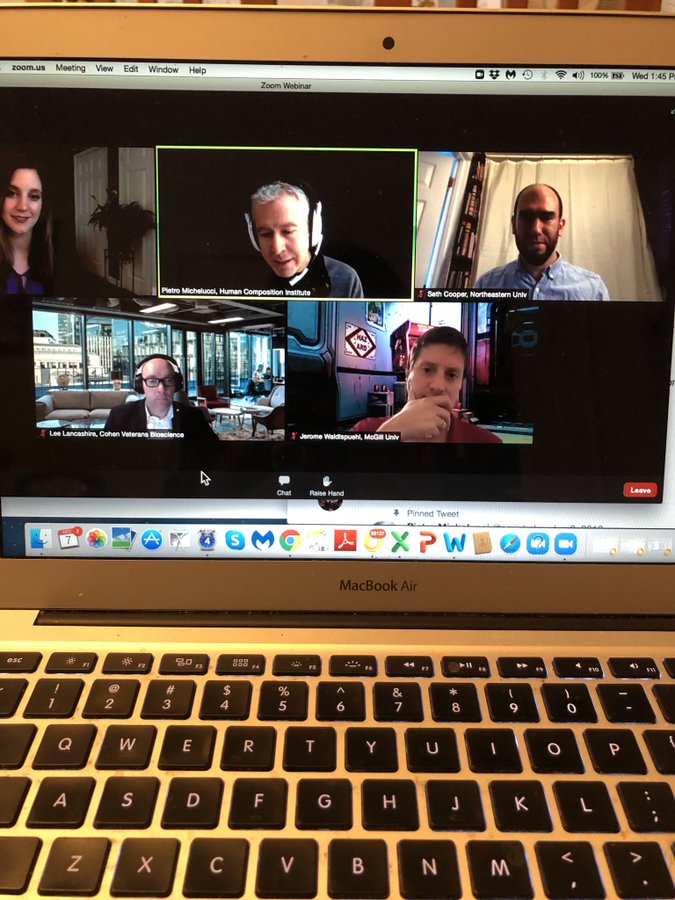
« Newer Posts - Older Posts »

  • Follow Blog via Email

    Enter your email address to follow this blog and receive notifications of new posts by email.

    Join 2,056 other subscribers
  • Recent Posts

    • Grok thinks like PhDs – Hybrid Model for Autonomous Update of Doctoral Dissertations with Original PhD Student Author editing and acceptance of Grok’s updated output. 3rd Joint article, a pilot study for Validation of an Autonomous Journal Articles Updating System (AJAUS) tested on Autonomous Update of Aviva Lev-Ari, PhD, RN Doctoral Thesis, UC, Berkeley, 1983. January 31, 2026
    • 2026 World Economic Forum, 1/19 – 1/23/2026, Davos, Switzerland, LPBI Group’s KOLs interpretation of AI in Health Videos January 24, 2026
    • Evolving LPBI Group’s Portfolio of Intellectual Properties (IP): From 2021 Vision to 2026 Reality January 12, 2026
    • Aviva Lev-Ari, PhD, RN – Biography ->> Grokepedia Entry January 11, 2026
    • List of Articles included in the Article SELECTION from Collection of Aviva Lev-Ari, PhD, RN Scientific Articles on PULSE on LinkedIn.com for Training Small Language Models (SLMs) in Domain-aware Content of Medical, Pharmaceutical, Life Sciences and Healthcare by 15 Subjects Matter January 10, 2026
    • Article SELECTION from Collection of Aviva Lev-Ari, PhD, RN Scientific Articles on PULSE on LinkedIn.com for Training Small Language Models (SLMs) in Domain-aware Content of Medical, Pharmaceutical, Life Sciences and Healthcare by 15 Subjects Matter January 10, 2026
    • Collection of Aviva Lev-Ari, PhD, RN Scientific Articles on PULSE on LinkedIn.com January 10, 2026
    • The youngest leader in AI in Health: Tanishq Mathew Abraham, Ph.D. (@iScienceLuvr) January 8, 2026
    • 2026 Grok Multimodal Causal Reasoning on Proprietary Cariovascular Corpus: From 2021 Wolfram NLP Baseline to Thousands of Novel Relationships – A Second Head-to-Head Validation of LPBI’s Domain-Aware Training Advantage January 6, 2026
    • Workflow for Dynamic Linkage and Transition between two Authoring Systems: LPBI Group’s WordPress.com Multi-Authors Authoring System and Microsoft PowerPoint product for Slide show presentation – Part 10.1 in Composition of Methods January 6, 2026
  • Archives

  • Categories

  • Meta

    • Log in
    • Entries feed
    • Comments feed
    • WordPress.org
    • 1 2012pharmaceutical
    • 1 sjwilliamspa

Powered by WordPress.com.

WPThemes.


Loading Comments...

    %d