Feeds:
Posts
Comments

Posts Tagged ‘Food and Drug Administration’


Reporter: Aviva Lev-Ari, PhD, RN

Ten Biotech Powerhouses Such as Abbott Laboratories (ABT),AstraZeneca PLC (AZN) Unite to Form TransCelerate BioPharma Inc. to Accelerate the Development of New Meds

TransCelerate – New Non-Profit Organization to Speed Pharmaceutical R&D,  headquartered in Philadelphia

“This initiative is complementary to efforts of CTTI, and we look forward to working with TransCelerate BioPharma to improve the conduct of clinical trials.”
As shared solutions in clinical research and other areas are developed, TransCelerate will involve industry alliances including:

9/19/2012 9:29:28 AM

PHILADELPHIA, Sept. 19, 2012 /PRNewswire/ — Ten leading biopharmaceutical companies announced today that they have formed a non-profit organization to accelerate the development of new medicines. Abbott, AstraZeneca, Boehringer Ingelheim, Bristol-Myers Squibb, Eli Lilly and Company, GlaxoSmithKline, Johnson & Johnson, Pfizer, Genentech a member of the Roche Group, and Sanofi launched TransCelerate BioPharma Inc. (“TransCelerate”), the largest ever initiative of its kind, to identify and solve common drug development challenges with the end goals of improving the quality of clinical studies and bringing new medicines to patients faster.


Through participation in TransCelerate, each of the ten founding companies will combine financial and other resources, including personnel, to solve industry-wide challenges in a collaborative environment. Together, member companies have agreed to specific outcome-oriented objectives and established guidelines for sharing meaningful information and expertise to advance collaboration.

“There is widespread alignment among the heads of R&D at major pharmaceutical companies that there is a critical need to substantially increase the number of innovative new medicines, while eliminating inefficiencies that drive up R&D costs,” said newly appointed acting CEO of TransCelerate BioPharma, Garry Neil, MD, Partner at Apple Tree Partners and formerly Corporate Vice President, Science & Technology, Johnson & Johnson. “Our mission at TransCelerate BioPharma is to work together across the global research and development community and share research and solutions that will simplify and accelerate the delivery of exciting new medicines for patients.”

Members of TransCelerate have identified clinical study execution as the initiative’s initial area of focus. Five projects have been selected by the group for funding and development, including: development of a shared user interface for investigator site portals, mutual recognition of study site qualification and training, development of risk-based site monitoring approach and standards, development of clinical data standards, and establishment of a comparator drug supply model.

As shared solutions in clinical research and other areas are developed, TransCelerate will involve industry alliances including Clinical Data Interchange Standards Consortium (CDISC), Critical-Path Institute (C-Path), Clinical Trials Transformation Initiative (CTTI), Innovative Medicines Initiative (IMI), regulatory bodies including the US Food and Drug Administration (FDA) and European Medicines Agency (EMA), and Contract Research Organizations (CROs).

Janet Woodcock, MD, director of FDA’s Center for Drug Evaluation and Research, said, “We applaud the companies in TransCelerate BioPharma for joining forces to address a series of longstanding challenges in new drug development. This collaborative approach in the pre-competitive arena, utilizing the collective experience and resources of 10 leading drug companies and others to follow, has the promise to lead to new paradigms and cost savings in drug development, all of which would strengthen the industry and its ability to develop innovative and much-needed therapies for patients.”

“These leading pharmaceutical companies are in a position to significantly influence changes in the way that clinical trials are done, so that better answers about the benefits and risks of drugs and other therapies are provided in a more efficient manner,” said Robert Califf, MD, Co-Chair of CTTI and Director of the Duke Translational Medicine Institute. “This initiative is complementary to efforts of CTTI, and we look forward to working with TransCelerate BioPharma to improve the conduct of clinical trials.”

TransCelerate BioPharma evolved from relationships fostered via the Hever Group, a forum for executive R&D leadership to discuss relevant issues facing the industry and solutions for addressing common challenges. TransCelerate was incorporated in early August 2012 and will file for non-profit status this fall. The Board of Directors includes R&D heads of ten member companies. Membership in TransCelerate is open to all pharmaceutical and biotechnology companies who can contribute to and benefit from these shared solutions. TransCelerate’s headquarters will be located in Philadelphia, PA.

http://news.bms.com/press-release/rd-news/ten-pharmaceutical-companies-unite-accelerate-development-new-medicines-0&t=634836499683795253


Read Full Post »

Reporter: Prabodh Kandala, PhD

As part of an ongoing and proactive effort to monitor food safety and address contaminants in food, the U.S. Food and Drug Administration today released preliminary data on arsenic levels in certain rice and rice products. The data are part of a larger FDA data collection and analysis about arsenic levels in rice and is based on the first set of approximately 200 samples of rice and rice products collected in the U.S. marketplace.

The FDA is in the process of collecting and analyzing a total of approximately 1,200 samples to examine the issue thoroughly. This data collection will be completed by the end of 2012. Once the data collection is completed, FDA will analyze these results and determine whether or not to issue additional recommendations.

Based on the currently available data and scientific literature the FDA does not have an adequate scientific basis to recommend changes by consumers regarding their consumption of rice and rice products.

“We understand that consumers are concerned about this matter. That’s why the FDA has prioritized analyzing arsenic levels in rice. The FDA is committed to ensuring that we understand the extent to which substances such as arsenic are present in our foods, what risks they may pose, whether these risks can be minimized, and to sharing what we know,” said FDA Commissioner Margaret A. Hamburg, M.D. “Our advice right now is that consumers should continue to eat a balanced diet that includes a wide variety of grains – not only for good nutrition but also to minimize any potential consequences from consuming any one particular food.”

There are two types of arsenic compounds found in water, food, air, and soil: organic and inorganic. Together, the two types are referred to as total arsenic.

The new data show how much inorganic arsenic the FDA found in its initial samples, which include various brands of rice (non-Basmati), Basmati rice, brown rice, rice cereals (puffed, non-puffed, hot cereal, and infant cereals), rice cakes, and rice milk.

The FDA’s analysis of these initial samples found average levels of inorganic arsenic for the various rice and rice products of 3.5 to 6.7 micrograms of inorganic arsenic per serving. Serving sizes varied depending on the rice product (for example, one serving of non-Basmati rice was equal to one cup cooked). A summary of the initial 200 sample findings can be found at www.fda.gov4.

While the FDA data is consistent with results that Consumer Reports published today, the initial data collection is a first step in the agency’s ongoing more thorough data analysis. There are many different types of rice and rice products that are grown in different areas and under different conditions. Further analysis is needed to assess how these variations may affect the results.

“It is critical to not get ahead of the science,” said FDA Deputy Commissioner for Foods Michael Taylor. “The FDA’s ongoing data collection and other assessments will give us a solid scientific basis for determining what action levels and/or other steps are needed to reduce exposure to arsenic in rice and rice products.”

Ref:

http://www.fda.gov/NewsEvents/Newsroom/PressAnnouncements/ucm319972.htm

Read Full Post »

Reporter: Aviva Lev-Ari, PhD, RN

During Investor Day, Roche Highlights Personalized Medicine as Key Area for Future Growth

September 12, 2012

As regulators and payors around the world are demanding more evidence that healthcare products improve patient outcomes and save money, Roche this week attempted to reassure investors that its strategy to develop innovative products — with a strong focus on molecularly guided personalized medicines — will place it ahead of competitors.

Through several presentations during an investor day in London, Roche officials highlighted a number of drugs for cancer, neuropsychiatric conditions, and autoimmune diseases for which the company is investigating biomarkers that can help target treatment to specific groups of patients. The company said that more than 60 percent of the compounds in its drug pipeline are currently paired with a companion diagnostic and that it has more than 200 companion diagnostic projects underway across its pharma and diagnostic business groups.

Personalized medicines are not only a major part of Roche’s plan for future growth, but they also represent a way for the company to differentiate its products from competitors. By setting its drugs apart from other me-too treatments in the marketplace, the company is hoping that its products won’t be as heavily affected by the pricing pressures currently plaguing the pharma and biotech sectors.

“Yes, regulators are very stringent. But if I look back at our most recent launches, particularly in the US, if you have true medical innovation, then regulators are very willing to bring those medicines and novel diagnostics to the market,” Roche CEO Severin Schwan said during the investor conference. He highlighted that the US Food and Drug Administration reviewed and approved the BRAF inhibitor Zelboraf for metastatic melanoma and its companion diagnostic in record time and that the recent approval of the HER2-targeted breast cancer drug Perjeta also occurred ahead of schedule (PGx Reporter 8/17/2011 and 6/13/2012).

“Likewise, if you look at the payors, there is cost pressure,” Schwan reflected, but he noted that the “innovative nature” of its portfolio helps it to “negotiate better prices with payors.”

Despite this optimistic forecast, Roche has experienced some pushback from cost-conscious national payors in Europe. For example, in June the UK’s National Institute for Health and Clinical Excellence deemed Zelboraf, which costs more than $82,000 for a seven-month treatment, too pricey. Zelboraf, which Roche launched in the US market last year and in European countries earlier this year, netted the company around $97 million in revenue for the six months ended June 30.

In an effort to battle pushback from national payors, Roche is in discussions with European governments about value-based pricing schemes for several of its products. In this regard, high priced personalized medicine drugs are well suited to these types of arrangements. David Loew, chief marketing officer at Roche, told investors that governments are increasingly developing registries to track how individual patients are doing on various treatments. This information will help governments move from a volume-based pricing model for drugs to paying for them based on the drug’s indication.

He noted that in Germany, for example, Roche has developed a payment scheme where in colorectal cancer, patients pay a certain amount for up to 10 grams of the oncologic Avastin, receive it for free for up to 12 months, and then the scheme repeats. For personalized medicines, such as Herceptin, Perjeta, T-DM1, and Zelboraf, “we will have to think about different ways of pricing those new combinations,” Loew said.

Schwan highlighted that one of the major advantages for Roche in this difficult environment is that it has both drug and diagnostic capabilities in house. This, according to Schwan, enables Roche to have significant internal capabilities in early-phase research, and makes the company attractive for partnerships, as well. Roche currently has more than 70 new molecular entities in clinical development and since 2011 there have been 25 late-stage clinical trials that have yielded positive results. The firm plans to bring three more products into late-stage clinical trials by the end of the year and would like to move 10 products into late-stage development in 2013.

On the diagnostics side, newly hired chief operating officer Roland Diggelmann said that Roche is aiming to grow its presence in the testing market by becoming “the partner of choice” for developing companion assays and collaborating internally with Roche pharma to advance personalized medicine.

“We need to make sure that science translates into great medicines by designing trials that take smart risk into account, that really focus on ensuring that the molecules are being developed in the right diseases; to make sure we have the right dose; to make sure, whenever possible, we have the … companion diagnostic strategies,” Chief Medical Officer Hal Barron said at the meeting. “This whole strategy needs to result in a higher probability of success so that the return on investment is above the cost of capital and an important driver for our business.”

While Roche plans on identifying new product opportunities through a mix of its internal capabilities and external collaborations, growth through large mergers and acquisitions – a strategy that other large pharmaceutical companies have readily utilized to expand product portfolios – doesn’t seem to be a priority at the company. Noting that there may be opportunities for smaller M&A deals, Alan Hippe, chief financial and information technology officer, noted that at Roche, “we are not big fans of big mergers and big M&A.”

Targeting Cancer

A large portion of Roche’s personalized medicine strategy will be directed toward oncology, where the company has allocated 50 percent of its research and development budget.

In June, the FDA approved Perjeta in combination with Herceptin and decetaxel chemotherapy as a treatment for metastatic breast cancer patients whose tumors overexpress the HER2 protein. The agency simultaneously also approved two companion tests that can help doctors discern best responders to the treatment (PGx Reporter 6/13/2012).

Herceptin (trastuzumab), approved in 1998, still comprises a big chunk of Roche’s therapeutics business, contributing 11 percent of the $18.2 billion the firm netted in overall drug sales in the first half of the year. Roche is hoping to preserve earnings from this blockbuster drug — often hailed as the first personalized medicine success story — by combining it with Perjeta and linking it with a derivative of the chemotherapy maytansine, DM1.

Recently, Roche announced data from a late-stage clinical trial called EMILIA that showed that advanced breast cancer patients receiving the antibody drug conjugate trastuzumab emtansine, or T-DM1, lived “significantly” longer than those treated with a combination of Genentech’s Xeloda (capecitabine) and GlaxoSmithKline’s Tykerb (lapatinib). The patients in EMILIA had to have progressed after initial treatment with Herceptin and taxane chemotherapy.

According to Loew, the company is currently conducting a study looking at T-DM1 as a potential option for first-line metastatic breast cancer patients. In addition, Roche is also studying T-DM1 as an adjuvant treatment in early-stage breast cancer patients with residual disease; comparing T-DM1 plus Perjeta against Herceptin plus Perjeta in the adjuvant early-stage breast cancer setting; and looking at T-DM1-based chemotherapy in the neoadjuvant setting.

“So if we are successfully delivering those results, I think the HER2-positive breast cancer space has been completely changed and redefined,” Loew told investors.

At the end of the year, another study, called the Protocol of Herceptin Adjuvant with Reduced Exposure, or PHARE, is slated to report results, and the outcome could have a negative impact on Herceptin sales. PHARE is comparing whether patients given Herceptin for 12 months, which is currently the standard of care in the US, fare better than those given the drug for six months.

Industry observers have projected that Perjeta and T-DM1 could be a sufficient buffer against a scenario in which six months of Herceptin is found to be non-inferior to a year of the drug.

Barron noted that Roche is readily applying the strategy behind antibody-drug conjugates such as T-DM1 – where antibodies to attach to antigens on the surface of cancer cells to localize chemotherapy delivery and reduce adverse reactions – in 25 projects across its portfolio. He added that antibody-drug conjugates offer a promising mechanism for personalizing treatments.

In non-small cell lung cancer, Roche is studying MetMab (onartuzumab) in combination with Tarceva in patients with tumors that overexpress the Met protein. Data from this Phase III trial, called METLUNG, is expected in 2014. Data from a Phase II study looking at MetMab and Tarceva as a second-line NSCLC treatment yielded negative results when all comers were considered. However, the subgroup of patients who over-expressed Met had a “doubling” of progression-free survival and a “pronounced” effect on overall survival compared to the low-Met group.

Roche is also investigating MetMab in metastatic gastric cancer (Phase III), triple-negative breast cancer, (Phase II), metastatic colorectal cancer (Phase II), glioblastoma (Phase II), as well as in combination with Avastin in various cancer indications.

Other Areas of Personalization

Outside of oncology, Roche is exploring biomarker strategies to personalize drugs for Alzheimer’s disease and schizophrenia. Phase I data from a study involving gantenerumab, a IgG1 monoclonal antibody, suggest that the drug could potentially reduce amyloid plaque in Alzheimer’s patients’ brains.

Investigational drugs targeting beta-amyloid, which many researchers believe to be involved in the pathogenesis of Alzheimer’s disease, haven’t fared well in clinical trials. Most recently, Johnson & Johnson/Pfizer’s drug bapineuzumab, which also targeted the β-amyloid protein, failed to benefit Alzheimer’s patients who were non-carriers of APOE4 gene variations.

Wall Street analysts are hoping that Roche’s biomarker-driven strategy for gantenerumab will help it avoid a similar fate. The company is currently conducting a 770-patient trial called Scarlet Road, in which researchers will measure Tau/Aβ levels in study participants’ spinal fluid to identify early onset or prodormal Alzheimer’s patients and treat them with gantenerumab. Roche is developing a companion test to gauge Tau/Aβ levels in trial participants. Results from Scarlet Road are expected in 2015.

Roche subsidiary Genentech is testing another compound, crenezumab, to see if it can prevent Alzheimer’s in a population genetically predisposed to getting the disease. Genentech, in collaboration with Banner Alzheimer’s Institute and the National Institutes of Health, is conducting a Phase II trial investigating crenezumab in the residents of Medellin, Colombia, where people share a common ancestor and have a high prevalence of mutations in the presenelin 1 gene. Those harboring the dominant gene mutation will start to lose their memory in their mid-40s and their cognitive functions will deteriorate by age 50.

The five-year study will involve approximately 300 participants, of whom approximately 100 mutation carriers will receive crenezumab and another 100 mutation carriers will receive a placebo. In a third arm, approximately 100 participants who don’t carry the mutations will receive a placebo. Study investigators will begin recruiting patients for this study next year.

In schizophrenia, Roche is exploring bitopertin, a glycine reuptake inhibitor, in six Phase III studies slated for completion next year. Three of these studies are looking at the drug’s ability to control negative symptoms in schizophrenia, while the other three trials are studying the drug’s impact on sub-optimally controlled disease symptoms. “A companion diagnostics assay is in development to validate the hypothesis for an exploratory biomarker predicting response to therapy with bitopertin,” Roche said in a statement.

For lupus, Roche is conducting a proof of concept Phase II trial involving rontalizumab, an anti-interferon-alpha antibody, in which researchers are using a biomarker to identify patients most likely to respond to the drug. Data from this trial will be presented at a medical conference later this year.

Growing Role of Diagnostics

Daniel O’Day, who served as CEO of Roche Molecular Diagnostics until last week when he was appointed chief operating officer of the company’s pharma division, valued the worldwide diagnostics market at $53 billion. “We represent 20 percent of that, or around 10 billion Swiss francs ($11 billion),” he said in his investor day presentation.

While molecular diagnostics promise to be a growing part of Roche’s business in the coming years, these products currently only represent a single-digit percent of Roche’s overall diagnostics business. For the first half of this year, molecular diagnostics comprised around 6 percent of Roche’s diagnostics sales of $5.3 billion.

Roche’s Ventana Medical Systems subsidiary will likely play a large role in advancing Roche’s presence in the companion diagnostics space. This year, Ventana announced it was developing companion tests for a number of drug makers, including Aeterna Zentaris, Syndax Pharmaceuticals, Pfizer, and Bayer (PGx Reporter 1/18/2012).

In addition to these external collaborations, Roche officials highlighted the company’s internal diagnostics capabilities as particularly advantageous for expanding its presence in the personalized medicine space. For example, Roche developed the BRAF companion test for Zelboraf. The company is also developing a companion EGFR-mutation test for its non-small cell lung cancer drug Tarceva in the first-line setting, and a test to gauge so-called “super-responders” to the investigational asthma drug lebrikizumab being developed by Genentech.

In terms of molecular diagnostics, O’Day highlighted a test that gauges the overexpression of the p16 gene in cervical Pap test samples to gauge whether women have precancerous lesions.

Additionally, the FDA this year approved the use of Ventana’s INFORM HER2 Dual ISH DNA Probe cocktail on the BenchMark ULTRA automated slide staining platform, which allows labs to analyze fluorescent in situ hybridization and immunohistochemistry samples in one assay. According to O’Day, this test has been more successful than standard FISH tests in identifying HER2 status in difficult-to-diagnose patients. The company will be publishing data on this test soon, showing that it can “identify about 4 percent more [HER2-postiive patients] than FISH alone.”

When it comes to molecular technologies, Roche, like other pharma and biotech players, appear to be sticking to tried and tested technologies, such as IHC, FISH, and PCR, and reserving whole-genome sequencing for research use. “Today, sequencing is predominantly a research tool. And it’s a very valuable research tool in the future,” O’Day said, estimating that sequencing-based tests will “go into the clinic” in the next half decade.

Turna Ray is the editor of GenomeWeb’s Pharmacogenomics Reporter. She covers pharmacogenomics, personalized medicine, and companion diagnostics. E-mail her here or follow her GenomeWeb Twitter account at @PGxReporter.

Related Stories

SOURCE


Read Full Post »

Reporter: Aviva Lev-Ari, PhD, RN

Medical Education Firm Launches Online Tool to Help Docs Guide Personalized Rx Decisions in NSCLC

September 12, 2012
Clinical Care Options, a developer of continuing education and medical decision support resources, has launched a web-based tool to help oncologists figure out which lung cancer patients may benefit from molecularly guided personalized treatments.

The online decision-support tool provides oncologists with expert recommendations on first-line and maintenance treatment options for non-small cell lung cancer patients based on their patients’ medical information and tumor features, including oncogenic markers.

Clinical Care Options developed the online tool based on the treatment choices made by five US experts who were presented 96 cases with specific variables regarding patients’ medical history, such as tumor histology, genomic mutations, age, and smoking history.

In order to use the tool, oncologists select their patients’ medical information and desires and select their treatment of choice. The tool then displays how the five experts would treat this patient. The program then surveys users about how the expert recommendations impacted their treatment decisions.

The firm presented the results of this survey in a poster at the Chicago Multidisciplinary Symposium in Thoracic Oncology this week. The tool has been used by approximately 1,000 physicians around the world, according to Jim Mortimer, senior director of oncology programs and partnership development at Clinical Care Options. Overall, approximately 23 percent of clinicians who used the tool have said it helped change their decisions, while 50 percent indicated the tool helped confirm their initial treatment strategy.

Specifically, with regard to genomically guided personalized NSCLC treatments, all five of the experts selected Pfizer’s Xalkori (crizotinib) whenever a patient case involved the ALK fusion gene. However, out of 80 cases entered by oncologists involving this marker, only around 40 percent selected Xalkori. And although in NSCLC cases with mutated EGFR the experts selected Genentech’s Tarceva (erlotinib), only 60 percent of the 100 such cases entered by clinicians into the tool chose the drug.

The data collected by Clinical Care Options suggest that its decision-support tool may be a useful resource when oncologists want to assess how their peers would prescribe a genomically targeted personalized treatment. These drugs, compared to standard treatments, are relatively new to the market and expensive. Pfizer’s Xalkori was approved by the US Food and Drug Administration last year while Genentech is in the process of getting approval for Tarceva in the US as a first-line treatment for NSCLC patients who have EGFR mutations. Last year, the European Commission approved the use of Tarceva as a first-line treatment for NSCLC in patients with EGFR mutations (PGx Reporter 9/7/2011).

Clinical Care Options said launched the online tool because it noticed that physicians often look for advice beyond broad treatment guidelines when it comes to making decisions for specific patients.

“The tool recommendations align very well with the treatment guidelines but the advantage of the tool is the granularity of the case specifics. Users of the tool can quickly enter in details of a case and see the results for what five experts would recommend,” Mortimer told PGx Reporter. “This contrasts with guidelines that apply to broad groups and provide lists of suitable treatments.”

Mortimer noted that some of the experts’ recommendations included in the tool are outside of the exact indication of a particular drug. However, because the experts’ treatment decisions were evidence based, they “did not indicate any issues with reimbursement.”

Clinical Care Options has developed a continuing medical education-certified program that includes the tool with educational grants from Genentech and Pfizer.

Read Full Post »


Reporter: Prabodh Kandala, PhD

The U.S. Food and Drug Administration today approved the production and use of Choline C 11 Injection, a Positron Emission Tomography (PET) imaging agent used to help detect recurrent prostate cancer.

Choline C 11 Injection is administered intravenously to produce an image that helps to locate specific body sites for follow-up tissue sampling and testing in men with recurrent prostate cancer.

PET imaging with Choline C 11 Injection is performed in patients whose blood prostate specific antigen (PSA) levels are increasing after earlier treatment for prostate cancer. An elevated PSA result suggests that prostate cancer may have returned, even though conventional imaging tests, such as computerized tomography (CT), have not shown any signs of cancer. PET imaging is not a replacement for tissue sampling and testing.

Choline C 11 Injection must be produced in a specialized facility and administered to patients shortly after its production. While PET imaging with Choline C 11 Injection has been performed at a few facilities over the past several years, none of these facilities were approved by the FDA to manufacture the agent. The Food and Drug Administration Modernization Act directed the agency to establish appropriate approval procedures and current good manufacturing practice requirements for all PET products marketed and used in the United States. The Mayo Clinic is now the first FDA-approved facility to produce Choline C 11 Injection.

“Choline C 11 Injection provides an important imaging method to help detect the location of prostate cancer in patients whose blood tests suggest recurrent cancer when other imaging tests are negative,” said Charles Ganley, M.D., director of the Office of Drug Evaluation IV in FDA’s Center for Drug Evaluation and Research. “The FDA’s approval of Choline C 11 Injection at the Mayo Clinic provides assurance to patients and health care professionals they are using a product that is safe, effective, and produced according to current good manufacturing practices.”

The safety and effectiveness of Choline C 11 Injection were verified by a systematic review of published study reports. Four independent studies examined a total of 98 patients with elevated blood PSA levels but no sign of recurrent prostate cancer on conventional imaging. After PET imaging with Choline C 11, the patients underwent tissue sampling of the abnormalities detected on the PET scans.

In each of the four studies, at least half the patients who had abnormalities detected on PET scans also had recurrent prostate cancer confirmed by tissue sampling of the abnormal areas. PET scan errors also were reported. Depending on the study, falsely positive PET scans were observed in 15 percent to 47 percent of the patients. These findings underscore the need for confirmatory tissue sampling of abnormalities detected with Choline C 11 Injection PET scans.

Aside from an uncommon, mild skin reaction at the injection site, no side effects to Choline C 11 Injection were reported.

Choline C 11 Injection is manufactured and distributed by the Mayo Clinic PET Radiochemistry Facility in Rochester, Minn

Ref: http://www.fda.gov/NewsEvents/Newsroom/PressAnnouncements/ucm319201.htm


Read Full Post »

Imaging: seeing or imagining? (Part 1)

Author and Curator: Dror Nir, PhD

That is the question…

We are all used to clichés such as “seeing is believing”, “seeing is knowing”, “don’t be blind” and so on. Out of our seven (natural and supernatural) senses we tend to use and trust our eyes the most. Especially, when it comes to learning, accumulation of experience and acceptance of information as correct. On the other hand, we are taught from childhood to be aware of illusions and not to judge according to looks but rather according to matter. The problem is, does one recognise the substance inside an image? To answer this, a wide-ranging discipline of image interpretation was developed alongside with imaging technology. In order not to fatigue the innocent reader, I’ll review the state of the art of imaging in medicine in subsequent posts, each dedicated to a specific modality. This post is dedicated to…

Current main trends in ultrasound imaging in cancer patients’ management;

The most used imaging modality in medicine is ultrasound. This is due to the fact that it is noninvasive, practically harmless, relatively inexpensive and fairly accessible; i.e. everyone can operate it, even a layman! No formal training or certification is required!

Interesting enough, ultrasound is labeled by the regulatory agencies, FDA and CE, as a diagnostic medical device! This is real demonstration of the aforementioned tendency to believe our eyes, even if these eyes do not see well or the brain behind them is lacking the experience required for ultrasound image interpretation.

Since “ultrasound imaging in medicine” is the subject of many text books and articles I found it  appropriate, for the sake of this post, simply  to refer the reader to Wikipedia’s page (http://en.wikipedia.org/wiki/Medical_ultrasonography) on ultrasound in medicine: “Diagnostic Sonography (ultrasonography) is an ultrasound-based diagnostic imaging technique used for visualizing subcutaneous body structures including tendonsmuscles, joints, vessels and internal organs for possible pathology or lesionsObstetric sonography is commonly used during pregnancy and is widely recognized by the public. In physics, the term “ultrasound” applies to all sound waves with a frequency above the audible range of normal human hearing, about 20 kHz. The frequencies used in diagnostic ultrasound are typically between 2 and 18 MHz.”

When it comes to cancer patients’ management, ultrasound provides real-time imaging of body organs at a relatively cost effective workflow. However, it suffers from lack of sensitivity and specificity, especially if the investigator is still fairly inex­perienced. Therefore, no diagnosis is confirmed without biopsy of the suspected lesion discovered during the ultrasound scan. As mentioned in my previous post; identification of suspicious lesions in the prostate during TRUS is so inconclusive that in order to reach diagnosis biopsies are taken randomly.

Did we hit the target?

To improve prostate cancer detection, various biopsy strategies to increase the diagnostic yield of prostate biopsy have been devised: sampling of visually abnormal areas; more lateral placement of biopsies; anterior biop­sies; and obtaining an increased number of cores, with up to 45 biopsy cores [1-5].

In recent years, new features such as 3D and contrast-enhanced sonography, elastography and HistoScanning were added to the basic video image in order to improve the quality of ultrasound based investiga­tion of cancer patients.

3-D Sonography.

3-D ultrasound allows si­multaneous biplanar imaging of the organ with com­puter reconstructions providing a coronal plane as well as a rendered 3-D image. This promises to improve the detection and pre-clinical grading of cancer lesions. Still, the interpretation is very much “image quality” and “user experience” dependent.

3D imaging of breast using ABUS by Siemens; using the coronal view to better investigate a lesion.


3D imaging of breast using Voluson 730 by GE; three planes are presented for review by the radiologist.


 Contrast-Enhanced Sonography.

Using intravenous micro-bubble agents in combination with color and pow­er Doppler imaging contributes to increase in the signal obtained in areas of increased vascularity. The underlying assumption is that vascularization in the tumor’s area will be more pronounced than in normal tissue. Hot off the press: The UK National Institute for Health and Clinical Excellence (NICE) has published guidance that supports the use of contrast-enhanced ultrasound with Bracco’s SonoVue ultrasound contrast agent for the diagnosis of liver cancer [6].  The main use of contrast-enhanced ultrasound is directing biopsies to the “most suspicious” areas; i.e. those who presents higher vascularity. Never­theless, in reported clinical studies [7] targeted biopsies’ sensitivity on contrast-enhanced ultrasound was only 68%.


Elastography.

Elastography is an imaging technique that evaluates the elasticity of the tissue. The underlying assumption is that tumors present greater stiffness than normal tissue and therefore will be characterized by limited compressibility. The first person to introduce this concept was  Professor Jonathan Ophir, University of Huston, Texas [http://www.uth.tmc.edu/schools/med/rad/elasto/]:
Estimation of differences in lesions’ stiffness relies  on computing the level of correlation between consecutive imaging frames while the tissue that is being imaged is subjected to changing compression, usually applied by the sonographer who manipulates the ultrasound probe. Since malignant and benign lesions exhibit similar elasticity, elastography is not suitable for lesion characterisation. Therefore, as in the previous example, elastography’s main use is identifying suspicious areas in which to take biopsies [8, 9].  Furthermore, users’ experiences related to elastography reveal a lot of controversy.  For example, according to Prof. Bruno Fornage of MD. Anderson [http://www.auntminnie.com/index.aspx?sec=sup&sub=wom&pag=dis&ItemID=99028]; “current commercially available scanners are confounded by a lack of intraobserver reliability, so that it’s not unusual to produce an opposite result on repeat testing a few seconds later”. “There are very few evidence-based non-industry sponsored studies reporting substantial superiority [of elastography] over standard grayscale ultrasound,” he said. “In fact, a sensitivity of 82% in the diagnosis of breast cancer has been reported for elastography, versus 94% for conventional grayscale ultrasound. More disturbing is that even if the technology of elastography worked flawlessly, the huge overlap in breast pathology between very firm solid benign lesions and less firm malignancies gives this technology no practical place in the differential diagnosis of solid breast masses.”


HistoScanning.

HistoScanning™ is a novel ultrasound-based software technology that utilizes advanced tissue characterization algorithms to address the clinical requirements for tissue characterization. It visualizes the position and extent of tissue suspected of being malignant in the target organ. In this respect its design is unique and superior to other ultrasound based-technologies [10, 11]. HistoScanning’s first clinically available application (since 2009) is in the management of prostate cancer patients.


HistoScanning indicating suspicious lesions superimposed on 3-D ultrasound of the prostate. The three imaging plans and 3D reconstruction of the segmented prostate are presented.


 To conclude; if we are looking to improve the current state of the art in ultrasound-based cancer patients’ management we should strive to introduce systems which will enable the medical practitioners to rule in or rule out suspicious lesions at imaging before they biopsy them. Using ultrasound just as a tool for directing biopsies as done today is not enough. Indeed, this requires capability of ultrasound-based tissue characterisation in addition to detection of ultrasound-based abnormality (i.e. circumstantial evidence for cancer). To-date, the only available system that bears the promise to provide such improvement is HistoScanning. Obviously, the level of confidence in the Negative Predictive Value of HistoScanning and future systems alike must be built to become high enough to provide the medical practitioner the reassurance and comfort that he is not missing any significant cancer by not taking a biopsy. Such confidence can only be built by subjecting these systems (i.e. HistoScanning and alike) to properly designed clinical studies and, not less important, by reporting the experience of early adopters who will test them in a controlled routine use.


References

  1. Flanigan RC, Catalona WJ, Richie JP, Ah-mann FR, Hudson MA, Scardino PT, de-Kernion JB, Ratliff TL, Kavoussi LR, Dalkin BL: Accuracy of digital rectal examination and transrectal ultrasonography in localiz­ing prostate cancer: results of a multicenter clinical trial of 6,630 men. J Urol 1994; 152: 1506–1509.
  2. Eichler K, Hempel S, Wilby J, Myers L, Bach­mann LM, Kleijnen J: Diagnostic value of systematic biopsy methods in the investiga­tion of prostate cancer: a systematic review. J Urol 2006; 175: 1605–1612.
  3. Delongchamps NB, de la Roza G, Jones R, Jumbelic M, Haas GP: Saturation biopsies on autopsied prostates for detecting and charac­terizing prostate cancer. BJU Int 2009; 10: 49–54.
  4. Rifkin MD, Dähnert W, Kurtz AB: State of the art: endorectal sonography of prostate gland. AJR Am J Roentgenol 1990; 154: 691– 700.
  5. Chrouser KL, Lieber MM: Extended and sat­uration needle biopsy. Curr Urol Rep 2004; 5: 226–230.
  6. http://www.auntminnieeurope.com/index.aspx?sec=nws&sub=rad&pag=dis&ItemID=607068&wf=284
  7. Yi A, Kim JK, Park SH, Kim KW, Kim HS, Kim JH, Eun HW, Cho KS: Contrast-en­hanced sonography for prostate cancer de­tection in patients with indeterminate clini­cal findings. Am J Roentgenol 2006; 186: 1431–1435.
  8. König K, Scheipers U, Pesavento A, Lorenz A, Ermert H, Senge T: Initial experiences with real-time elastography guided biopsies of the prostate. J Urol 2005; 174: 115–117.
  9. 32 Pallwein L, Mitterberger M, Struve P, Hor-ninger W, Aigner F, Bartsch G, Gradl J, Schurich M, Pedross F, Frauscher F: Com­parison of sonoelastography guided biopsy with systematic biopsy: impact on prostate cancer detection. Eur Radiol 2007; 17: 2278– 2285.
  10. SALOMON (G.), SPETHMANN (J.), BECKMANN (A.), AUTIER (P.), MOORE (C.), DURNER (L.), SANDMANN (M.), HASE (A.), SCHLOMM (T.), MICHL (U.), HEINZER (H.), GRAFEN (M.), STEUBER (T.).Accuracy of HistoScanning for the prediction of a negative surgical margin in patients undergoing radical prostatectomy. Published online in British Journal of Urology International (BJUI). 09/08/2012.
  11. SIMMONS (L.A.M.), AUTIER (P.), ZATURA (F.), BRAECKMAN (J.G.), PELTIER (A.), ROMICS (I.), STENZL (A.), TREURNICHT (K.), WALKER (T.), NM (D.), MOORE (C.M.), EMBERTON (M.).  Detection, localisation and characterisation of prostate cancer by Prostate Hist°Scanning; Published in British Journal of Urology International (BJUI). Issue 1 (July). Vol 110, P 28-35.


 Written by Dror Nir

Read Full Post »

Today’s fundamental challenge in Prostate cancer screening

Author and Curator: Dror Nir, PhD

The management of men with prostate cancer is becoming one of the most challenging public health issues in the Western world. It is characterized by: over-diagnosis; over-treatment; low treatment efficacy; treatment related toxicity; escalating cost; and unsustainability [Bangma et al, 2007; Esserman et al, 2009]. How come? Well, everyone accepts that most prostate cancers are clinically insignificant. It is well known that all men above 65 harbor some sort of prostate cancer. Due to the current aggressive PSA-based screening, one in six men will be diagnosed with prostate cancer. Yet, the lifetime risk of dying of prostate cancer is only 3%. The problem is that, once diagnosed with prostate cancer, there is no accurate tool to identify those men that will die of the disease (in my previous post I mentioned 1:37). Currently, screening practices for prostate cancer are relying on the very unspecific prostate-specific-antigen (PSA) bio-marker test to determine which men are at higher risk of harboring prostate cancer and therefore need a biopsy. The existing diagnostic test is a transrectal ultrasound (TRUS) guided prostate biopsy aimed at extracting representative tissue from areas where cancer usually resides. This procedure suffers from several obvious faults:

1. Since the imaging tool used (B-mode ultrasound) is poor at detecting malignancies in the prostate, the probability of hitting a clinically significant cancer or missing a clinically insignificant cancer is subject to random error.

2. TRUS biopsy is also subjected to systematic error as it misses large parts of the prostate which might harbor cancer (e.g. apex and anterior zones).
3. TRUS guided biopsies are often unrepresentative of the true burden of cancer as either the volume or grade of cancer can be underestimated.

In the last ten years I was leading the development of an innovative ultrasound-based technology, HistoScanningTM, aimed at improving the aforementioned faults;

Among the other most popular imaging modalities aimed at better prostate cancer detection in routine use are: MRIElastography, Contrast Enhanced Ultrasound etc…

In my future posts I will go into more detail on how these imaging modalities fit into routine workflow, how much they stay within budget constraints and what level of promise they bear for promoting personalized medicine. Stay tuned… Footnote: According to the final report by an advisory panel to the USA government: Doctors should no longer offer the PSA prostate cancer screening test to healthy men because they’re more likely to be harmed by the blood draw, and the chain of medical interventions that often follows than be helped; (http://www.usatoday.com/news/health/story/2012-05-21/prostate-cancer-screening-test-harmful/55118036/1) But then; what should be offered instead?

Other posts on this Scientific Website addressing Prostate Cancer

Prostate Cancers Plunged After USPSTF Guidance, Will It Happen Again?

http://pharmaceuticalintelligence.com/2012/07/31/prostate-cancers-plunged-after-uspstf-guidance-will-it-happen-again/

New Prostate Cancer Screening Guidelines Face a Tough Sell, Study Suggests

http://pharmaceuticalintelligence.com/2012/05/27/new-prostate-cancer-screening-guidelines-face-a-tough-sell-study-suggests/

ROLE OF VIRAL INFECTION IN PROSTATE CANCER

http://pharmaceuticalintelligence.com/2012/09/01/role-of-viral-infection-in-prostate-cancer/

Read Full Post »

Reported by: Dr. Venkat S Karra, Ph.D.

Leg compressions may enhance stroke recovery:

Successive, vigorous bouts of leg compression s following a stroke appear to trigger natural protective mechanisms that reduce damage. Make use of the blood pressure cuff in the emergencies for the same.

Compressing then releasing the leg for several five-minute intervals used in conjunction with the clot-buster tPA, essentially doubles efficacy, said Dr. David Hess, a stroke specialist who chairs the Medical College of Georgia Department of Neurology at Georgia Health Sciences University. “This is potentially a very cheap, usable and safe – other than the temporary discomfort – therapy for stroke,” said Hess, an author of the study in the journal Stroke. The compressions can be administered with a blood pressure cuff in the emergency room during preparation for tPA, or tissue plasminogen activator, currently the only Food and Drug Administration-approved stroke therapy.

“Much like preparation to run a marathon, you are getting yourself ready, you are conditioning your body to survive a stroke,” Hess said of a technique that could also be used in an ambulance or at a small, rural hospital. For the studies Dr. Nasrul Hoda, an MCG research scientist and the study’s corresponding author, developed an animal model with a clot in the internal carotid artery, the most common cause of stroke. The compression technique called remote ischemic perconditioning – “per” meaning “during” –reduced stroke size in the animals by 25.7 percent, slightly better than tPA’s results. Together, the therapies reduced stroke size by 50 percent and expanded the treatment window during which tPA is safe and effective.

Next steps include looking for biomarkers that will enable researchers to easily measure effectiveness in humans, Hess said. One marker may be increased blood flow to the brain, which occurred in the treated animals.

The first clinical trial likely will include putting a blood pressure cuff on the legs of a small number of stroke patients to see if the finding holds. The researchers also have plans to analyze the blood of healthy individuals, before and after compression, seeking mediators that stand out as clear markers of change. They also want to go back to the animal model to see if applying the technique after giving tPA works even better. Clinical evidence already suggests that remote ischemic perconditioning can aid heart attack recovery, including a 2010 study in the journal Lancet in which the technique, used in conjunction with angioplasty to intervene in a heart attack, reduced heart damage. Nature seems to support it as well since people who experience short periods of inadequate blood flow – angina in the case of heart disease and transient ischemic attacks in the brain – before having a major event tend to recover better than patients who have a full-blown stroke or heart attack out of the blue.

“Small episodes of ischemia seem to protect our organs – not just our brains – from major ischemia,” said Hess, although the researchers are just starting to learn why. Theories include that leg muscles, in response to the temporary loss of blood and oxygen, somehow stimulate nerves to protect the brain and/or that the muscles themselves release the protection.

They also suspect the vagus nerve, which delivers information to the brain about how other organs are doing and helps regulate inflammation, is a player.

Read more at: http://medicalxpress.com/news/2012-08-leg-compressions-recovery.html#jCp

Read Full Post »

Reported & Curated by: Dr. Venkat S. Karra, Ph.D.

Predicting Potential Cardiac Events

One of the leading causes of drug attrition during development is cardiac toxicity, which has a serious impact on cost and can impact getting new drugs to patients. Detecting cardiovascular safety issues earlier in the drug development program would produce significant benefits for pharmaceutical companies and, ultimately, public health.

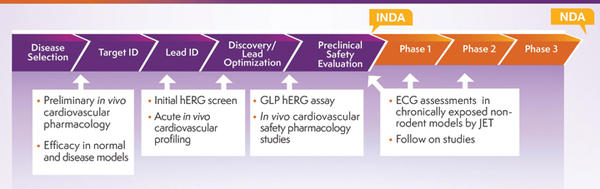
Comprehensive cardiovascular and electrophysiology assessments are routinely conducted in vivo and in vitro early in the preclinical or lead optimization phases of drug development. For example, the isolated perfused guinea pig heart preparation (classically called the Langendorff preparation) can be used to screen a series of related new chemical entities (NCE) in the lead optimization phase for preliminary information on the relative effects on contractility and rhythm. Additionally, intact animal non-GLP studies—generally conducted in anesthetized, non-recovery models—are designed to assess effects of NCEs on a range of acute hemodynamic and cardiac parameters such as heart rate, blood pressure, electrocardiogram (ECG), ventricular contractility, vascular resistance, cardiac output, etc. These studies employ small numbers of animals, but by allowing scientists to terminate research into NCEs with obvious cardiovascular side effects, they can eliminate the need for larger animal studies later in the development process. These preparations also provide information on the involvement of the autonomic nervous system in the cardiovascular responses of the NCE. Such effects can be important determinants in the total cardiovascular response to an NCE, and this information cannot be obtained with any known in vitro method.

The ICH S7A and ICH S7B guidelines provide guidance on important physiological systems and assessment of pharmaceuticals on ventricular repolarization and proarrhythmic risk. The guidelines were designed to protect patients from potential adverse effects of pharmaceuticals. Since these guidelines were issued in 2000 and 2005, respectively, cardiac safety study designs have been realigned to identify potential concerns prior to administering the first dose to humans. It is now routine for all NCEs to be evaluated using an in vitro Ikr assay such as the hERG voltage patch clamp assay to assess for the potential for QT interval prolongation. Systems have evolved to screen large numbers of compounds using automated high-throughput patch clamp systems early in the lead optimization/drug discovery phase. This is a cost effective method for determining an initial go/no-go gate. Once a compound has progressed to the development phase, it can once again be assessed with the hERG assay utilizing the gold standard manual patch clamp assay.

If the NCE under investigation is a cardiovascular therapy, then pharmacological characterization should also occur early in the lead development process. In addition to some of the techniques already discussed, a variety of disease models are available to help determine if the NCE will be efficacious in a clinical setting. However sound the in vitro data used in screening and selection process (e.g., receptor-binding studies), NCEs that have been shown to be active in at least one in vivo model (e.g,. salt-sensitive Dahl rat model) have a higher likelihood of clinical success. Once a lead is identified, it should still go through the generalized safety characterization discussed earlier.

The in vivo study designs for NCEs reaching the development phase to support the Investigational New Drug (IND) application (just prior to the first human dose) require acquisition of heart rate, blood pressure, and ECG data using an appropriate species at and above clinically relevant doses.

The trend in the industry for these regulatory-driven studies has been to utilize animals surgically instrumented with telemetry devices that can acquire the required parameters. The advantage of using instrumented animals over anesthetized animals is that data can be acquired from freely moving animals over greater periods of time without anesthetic in the test system, which has the potential to confound and perturb results interpretation. Appropriate dose selection relative to those used in the clinic provides valuable information about potential acute cardiac events and how they may impact trial participants.

Animal studies
Telemetry-instrumented animals can be used as screening tools earlier in the drug selection phase. Colonies of animals that can be reused, following a suitable wash-out period, provide an excellent resource for screening compounds to detect unwanted side effects. The use of these animals coupled with recent advances in software-analysis systems allow for rapid data turnaround, which enables scientists to quickly determine if there are any potentially unwanted signals. If any effects are detected on, for example, blood pressure or QT interval, then the decision to either shelve the drug or conduct additional studies can be made before advancing any further in the developmental phase.

Interestingly, the experience that has been acquired since the approval of the ICH guidelines has allowed pharmaceutical companies to temper their response to finding a potentially unwanted signal. Rather than permanently shelve libraries of compounds that, for example, were found to be positive in the hERG assay—common practice when the 2005 guidelines came into being—companies can now determine a risk potential based on knowledge gained with the intact animal studies.

Similarly, if changes in hemodynamic parameters are detected, there are follow-up experiments employing anesthetized or telemetry models that include additional measurements like left ventricular pressure. These experiments can be utilized to further assess their potential clinical impact by examining effects on myocardial contractility, relaxation, and conduction velocity.

These techniques primarily address acute effects: those following a single exposure. Chronic effects—those seen with long-term administration of the NCE to an intact organism—are difficult to obtain in early development, but are routinely monitored during safety studies, which are conducted non-clinically during Phase 1 and 2 of the development process. ECGs typically are collected to evaluate the chronic cardiac effects in non-rodent species during these studies. While traditional ECGs can be taken, it is recommended that JET (jacketed external telemetry) techniques, which permit the recording of ECG’s—but not blood pressure—in freely moving animals, be applied. If chronic effects are discovered, follow-up experiments can be conducted with any of the techniques mentioned in this article.

As the focus on cardiac safety has matured over the last 10 years, the Safety Pharmacology Society has led efforts to establish an approach to determine best practices for conducting key preclinical cardiovascular assessments in drug development. From this, the hope is to provide sensitive preclinical assays that can detect high-probability safety concerns. Parallel efforts have been made to more accurately assess the translation of preclinical cardiovascular data into clinical outcomes and to encourage collaborations between preclinical and clinical scientists involved in cardiac safety assessment.

This has been conducted under the umbrella of the International Life Science Institute–Health and Environmental Services Institute (ILSI-HESI) consortium, which has bought together industrial, academic, and government scientists to discuss and determine what steps are necessary to establish an integrated cardiovascular safety assessment program. The goal is to provide better ways of predicting potential adverse events, allowing for earlier detection of cardiovascular safety issues and reducing the number of clinical trial failures.

http://www.dddmag.com/articles/2012/08/predicting-potential-cardiac-events?et_cid=2816494&et_rid=45527476&linkid=http%3a%2f%2fwww.dddmag.com%2farticles%2f2012%2f08%2fpredicting-potential-cardiac-events.

Another possibility is genetic testing to determine the likelihood of stroke, for example Corus CAD is a shoebox-size kit that uses a simple blood draw to measure the RNA levels of 23 genes. Using an algorithm, it then creates a score that determines the likelihood that a patient has obstructive coronary artery disease.

“By providing Medicare beneficiaries access to Corus CAD, this coverage decision enables patients to avoid unnecessary procedures and risks associated with cardiac imaging and elective invasive angiography, while helping payers address an area of significant healthcare spending,” CardioDx President and CEO David Levison said in a press release.

http://pharmaceuticalintelligence.com/wp-admin/post.php?post=2272&action=edit

Read Full Post »

Reporter: Aviva Lev-Ari, PhD, RN


HEALTH LAW, ETHICS, AND HUMAN RIGHTS

Ethical Considerations in Studying Drug Safety — The Institute of Medicine Report

Michelle M. Mello, J.D., Ph.D., Steven N. Goodman, M.D., M.H.S., Ph.D., and Ruth R. Faden, Ph.D., M.P.H.

August 22, 2012 (10.1056/NEJMhle1207160)

The tumult arising from revelations of serious safety risks associated with widely prescribed drugs, including rosiglitazone (Avandia, GlaxoSmithKline), rofecoxib (Vioxx, Merck), and celecoxib (Celebrex, Pfizer), has led to widespread recognition that improvement is needed in our national system of ensuring drug safety. Notwithstanding federal legislation in 2007 that strengthened the authority of the Food and Drug Administration (FDA) in the postmarketing period,1 critical weaknesses in the national system persist.

Central to these weaknesses are dilemmas surrounding not only the science but also the ethics of drug-safety research,2 many of which came to the fore in the heated public debate about the Thiazolidinedione Intervention with Vitamin D Evaluation (TIDE) trial, which compared the cardiovascular outcomes of long-term treatment with rosiglitazone with those of pioglitazone (Actos, Takeda) in patients with type 2 diabetes.3 At the request of the FDA, an Institute of Medicine (IOM) committee, on which we served, was convened to examine the ethics and science of FDA-required postmarketing safety research. In this article, we review the key ethics findings from the committee’s May 1, 2012, report4 and offer some reflections on the challenges ahead.

LESSONS FROM THE TIDE TRIAL

In May 2008, the FDA ordered the manufacturer of rosiglitazone, GlaxoSmithKline, to conduct a trial in response to evidence from meta-analyses that rosiglitazone was associated with a higher risk of myocardial infarction and death from cardiovascular causes than placebo or medications that were not based on nonthiazolidinedione comparators.5,6 Other studies suggested that pioglitazone, an alternative thiazolidinedione, was not associated with such risks.7,8 Before enrollment began, some argued that the evidence of the inferior safety of rosiglitazone was strong enough to make the trial ethically unjustifiable. Two FDA epidemiologists wrote in a 2008 memorandum that a head-to-head trial “would be unethical and exploitative” and that even a robust informed-consent process could not overcome the problem.9 This was not the consensus FDA view, which was that the uncertainty regarding the cardiovascular risks associated with rosiglitazone, as well as those associated with pioglitazone, was sufficient to justify a trial.10

These concerns triggered a February 2010 letter from members of Congress to the FDA demanding a justification for the trial and alleging that the consent form did not provide adequate risk information.11 In response, FDA Commissioner Margaret Hamburg expanded the FDA investigation of the safety of rosiglitazone, obtained advice from an FDA advisory committee, and asked the IOM to convene our committee.6 Although the FDA advisory committee recommended that the TIDE trial be continued if rosiglitazone was permitted to remain on the market, in September 2010, the FDA halted the trial and placed stringent new restrictions on the availability of rosiglitazone.12,13

The TIDE experience made the FDA appreciate the need for greater attention to the ethics of postmarketing research. First, it posed questions about what standard of evidence about drug risk justifies a decision by the FDA to require postmarketing research, particularly randomized trials, as well as what evidence could render such trials unacceptable. Second, it raised questions about what ethical obligations the FDA has to patients who participate in these studies. Finally, it highlighted a potential FDA role in ensuring that institutional review boards (IRBs) are completely informed in their efforts to protect study participants. Although major deficiencies with the TIDE consent form were identified by some FDA scientists and, later, by the IOM committee (Table 1TABLE 1Major Deficiencies in the Informed-Consent Form for the TIDE Trial.),4,9 the TIDE investigators countered that it had been approved by “480 ethics committees and IRBs.”14 However, the language of the consent form, the trial design, and the materials supporting the justification of the trial raised a question for the IOM committee about whether these bodies adequately understood the nature of the evidence that gave rise to the trial. The IOM committee proposed a framework for evaluating the ethics of FDA-required postmarketing research15 and made a number of ethics findings and recommendations.4

Ethical Responsibilities of the FDA

The IOM committee began by noting that the public health mission of the FDA gives rise to potentially competing ethical obligations “to protect the public’s health by having strong science on which to base regulatory decisions” and “to protect participants in research that it requires.”4Requiring a postmarketing study is an ethical decision, reflecting a weighing of these values.

The committee described the conditions that must be present to justify a decision to require a postmarketing study. The FDA should require postmarketing research only when, first, the uncertainty about the benefit–risk balance of a drug is so great that a responsible decision about its regulatory status cannot be made on the basis of existing evidence; second, the research will reduce this uncertainty; third, the FDA will use the research results expeditiously to make a regulatory decision; and fourth, sufficient protections for research participants can be ensured.

The committee argued that when the FDA requires a postmarketing study, it assumes a measure of ethical responsibility for the welfare of the study participants; exercise of that responsibility cannot be handed off to contractors or the industry sponsor. The responsibility is particularly strong when the patients’ treatment is determined by the study, such as in a randomized trial, linking any adverse outcomes directly to a regulatory decision to require a study of that type. This determination led to one of the most important recommendations from the IOM committee: the responsibilities of the FDA to research participants mean that it should mandate a randomized design only if the FDA “has concluded that an observational study could not provide the necessary information [to help answer the important public health question at issue], that an RCT [randomized, controlled trial] is likely to generate the information within the necessary timeframe, and that the necessary RCT is ethically acceptable.” This recommendation comports with but adds some further conditions to the current legal authority of the FDA under the FDA Amendments Act of 2007, which empowers the agency to require a randomized trial if it cannot obtain the data it needs from an observational study.1

In light of the critiques of the TIDE trial as inherently unethical, the committee addressed the justifiability of trials in which participants may encounter a net increase in risk, as compared with ordinary clinical care, but no realistic prospect of personal benefit. It argued that such trials can be justified only if they are necessary to answer a critically important public health question, if the potential risk is acceptable and minimized, and if special safeguards are in place, including a highly explicit informed-consent process to ensure that patients understand that they are potentially shouldering additional risk solely to contribute to the public good.

Specific actions that the FDA should take to meet its ethical obligations include specifying the study design, title, end points, and primary analyses; identifying design features that it views as ethically and scientifically indispensable; and, for clinical trials, specifying a safety-monitoring scheme. The committee recommended that the FDA routinely communicate with IRBs about required postmarketing studies — for example, by issuing a letter to accompany IRB applications that conveys information that is material to the IRB’s determination of the ethics of the research, as well as providing additional communications over the life of the study as warranted by new information about the drug or by changes in professional practice. The committee also believed that the FDA was ethically obligated to actually use the findings from required studies to make timely regulatory decisions.

The IOM committee emphasized that the adequacy of the informed-consent process is only one element in the ethics of FDA-required postmarketing research. Other central, and indeed prior, features include ensuring that the selection of participants is equitable and that the level of risk to which they are exposed is acceptable. The committee also recognized, however, that there are challenges to achieving meaningful informed consent in postmarketing trials of drugs for which there is a signal indicating the possibility of drug-related harm. In such cases, there is a suspicion that the benefits of the drug may not justify its risks and often that it may have a worse benefit–risk profile than alternative drugs available to treat the same condition. The committee concluded that for postmarketing trials of such drugs, there are “heightened obligations to ensure that potential research participants understand the risks posed by study enrollment.”4 This was of particular importance for rosiglitazone, because the cardiovascular problem it appeared to cause was the same outcome that good diabetic control was supposed to improve — in other words, if this elevation in risk were real, there could be little offsetting benefit.

The committee recommended several measures to strengthen the consent process in order to maximize patients’ understanding of the context in which the trial is being conducted, including what is already known about the risks associated with the drug. The report discussed both specific disclosures in the informed-consent form and special efforts that could be made to ensure adequate comprehension of complex information regarding risks (Table 2TABLE 2Mechanisms for Strengthening the Informed-Consent Process for Postmarketing Drug-Safety Studies.). To assist IRBs, the committee recommended that the FDA issue guidance interpreting current informed-consent regulatory requirements in the context of required postmarketing studies.

STRENGTHENING POSTMARKETING RESEARCH AND ITS GOVERNANCE

Because a true picture of the benefit–risk profile of a drug only emerges over time, two different IOM committees have stressed the need for the FDA to fully embrace a “life-cycle approach” to drug regulation, in which its obligations to protect public health are taken as seriously once a drug is on the market as they are before approval is granted.4,16 Postmarketing regulatory oversight is assuming heightened importance as the FDA accrues additional authority to fast-track drugs for approval on the basis of more limited evidence than was previously required in order to address unmet medical needs and accelerate innovation.17-19 This changing landscape raises several challenges for ensuring the ethical conduct of research with approved drugs and balancing societal interests in drug innovation and drug safety. We highlight two of these challenges here.

First, not all postmarketing research is ethically equivalent. The TIDE trial represented an iconic kind of postmarketing study: an FDA-required randomized trial to study a drug whose benefit–risk profile was under a cloud of suspicion and at a time when alternative treatments were available, albeit not all well studied. The risks to patients of participating in the trial probably outweighed the prospect of direct benefit. By contrast, when the FDA requires an observational study that uses previously collected data, the clinical experience of the participants is unaffected, the risks incurred are not at the behest of the FDA, and ethical concerns are largely confined to confidentiality and the right to control one’s medical information.

Both of these scenarios can be distinguished from the context in which a phase 4 trial is required as a condition of an accelerated drug approval and is initiated soon thereafter. Here, the trial requirement is not imposed because of a newly emerging concern about a drug already in clinical use but because additional evidence is needed to confirm the initial judgment that the benefits of a new drug are likely to outweigh its risks. Often, this initial judgment is based on the use of a surrogate end point for drug benefit, not on the clinical outcomes that matter most. Especially when the new drug targets an unmet medical need, it may be in the patients’ best interest to take it, pending further timely research. The ensuing trial is undertaken to confirm the improvement in clinical outcomes predicted by the surrogate — a different epistemic and ethical situation than that in which substantial evidence suggests that the surrogate is misleading or that other harms might offset a known clinical benefit.

The volume of phase 4 and other research with FDA-approved drugs is increasing, not only because of the expanded authority of the FDA to require such research but also because of the growing volume of comparative-effectiveness research. In some cases, there may be no or little ethical difference between FDA-required postmarketing research and comparative-effectiveness research initiated by academic investigators. By contrast, a comparative-effectiveness study of two widely used drugs that is not occasioned by heightened concern about the risks of one drug relative to the other is markedly different, ethically, from a study required by the FDA to pursue a safety signal that is already of such concern that practice patterns are shifting, even if both studies use randomized designs.

These differences highlight the need for IRBs to be sensitive to the place where a study falls within the life cycle of a drug and to the reason for the research. Depending on who is initiating the research, for what reasons, and when, the same study design may have very different ramifications for the benefit–risk balance of the study and what patients need to know in order to provide meaningful informed consent. Trials that may be regarded as unethical late in the life cycle because of accumulated evidence can be much easier to initiate earlier if the need for additional research is anticipated and planned at the time of initial approval. In the case of rosiglitazone, this need could have been anticipated from preapproval data showing an adverse effect on serum lipids as well as the use of a surrogate end point (glycemic control) for a first-in-class drug.5,20

Second, the experience with rosiglitazone underscored the fragility of our current system of discovering risks associated with drugs. This system relies heavily on drug sponsors and FDA scientists to conduct safety analyses on the basis of data from clinical trials, some or all of which are not publicly available, and to release findings to the public. It has been shown repeatedly that the published record can misrepresent evidence known to the FDA.21,22 In the case of rosiglitazone, scientists from GlaxoSmithKline and the FDA had information from 42 clinical trials, of which only 7 were published and the others were inaccessible. Triggered by concerns expressed by the World Health Organization in 2006, GlaxoSmithKline conducted and shared with the FDA a meta-analysis of the safety of rosiglitazone that used these data, confirming a possibly elevated risk of ischemic events, but neither these results nor the primary trial results were shared with the public until an unrelated court settlement forced GlaxoSmithKline to release its complete clinical-trial data.23 This access led to the published meta-analysis by independent researchers that made these data and concerns public in 2007.5

It is often the work of independent scientists that has highlighted critical safety problems with approved drugs.5,24-29 Yet currently, data from premarketing studies that are submitted as part of a new drug application or a supplemental new drug application are largely shielded from release to external scientists and the public owing to concerns about a competitive disadvantage to drug sponsors.30,31 The IOM committee stopped short of calling on the FDA to increase public access to such data but recommended that the agency initiate a process to determine ways to “appropriately balance public health, privacy, and proprietary interests to facilitate disclosure” of relevant data.4 Greater transparency would better equip independent scientists to investigate early safety signals.31 Consideration should be given to making drug-safety data from clinical trials available to the public on request once the FDA has reached a decision regarding a new drug application or a supplemental new drug application or once the manufacturer has abandoned the application, unless the manufacturer can articulate a persuasive reason why it would result in competitive harm and the FDA determines that this harm outweighs the public health benefits of releasing the information.

CONCLUSIONS

The experience with rosiglitazone and the TIDE trial offers a lesson in how our current approach to the oversight of drug-safety and postmarketing research can fail both the public and the research participants. Although terminating the TIDE trial was justifiable, it left regulators with highly suggestive but nondefinitive data on the relative safety of rosiglitazone and the closest clinical alternative, pioglitazone.32

Reactive policymaking is tempting but problematic. The history of regulation of human subjects research suggests that rules that are “born in scandal and reared in protectionism”33 often fall short of providing meaningful protections to research participants and that, once adopted, regulations can ossify and become difficult to dislodge. Nevertheless, the IOM committee’s report makes a number of actionable recommendations that the FDA can implement under its existing authority.34 In addition, appointment of an independent ethics advisory board would strengthen the decision making of the FDA as it confronts emerging ethical challenges — both those arising from required postmarketing trials and those stemming from powerful new drug surveillance systems, such as the FDA’s Sentinel Initiative. As the pace of the translation of discoveries from bench to bedside continues to intensify, so too does the imperative for thoughtful ethical governance throughout the life cycle of a drug.

The views expressed in this article are those of the authors and, except where noted, do not represent the official position of the Institute of Medicine or of the committee that produced the report discussed in this article.

Drs. Faden and Goodman chaired, and Dr. Mello was a member of, the Institute of Medicine committee that produced the report discussed in this article.

Disclosure forms provided by the authors are available with the full text of this article at NEJM.org.

This article was published on August 22, 2012, at NEJM.org.

We thank the other IOM committee members for contributing to some of the ideas discussed.

SOURCE INFORMATION

From the Department of Health Policy and Management, Harvard School of Public Health, Boston (M.M.M.); the Departments of Medicine and Health Research and Policy, Stanford University School of Medicine, Stanford, CA (S.N.G.); and the Berman Institute of Bioethics, Johns Hopkins University, Baltimore (R.R.F.).

REFERENCES

    1. 1Food and Drug Amendments Act of 2007, Pub. L. No. 110-85, 121 Stat. 823. (2007).

    1. 2London AJ, Kimmelman J, Carlisle B. Research ethics: rethinking research ethics: the case of postmarketing trials. Science 2012;336:544-545
      CrossRef | Web of Science

    1. 3ClinicalTrials.gov. Thiazolidinedione Intervention with Vitamin D Evaluation (TIDE). 2011 (http://clinicaltrials.gov/ct2/show/NCT00879970?term=NCT00879970&rank=1).

    1. 4Committee on Ethical and Scientific Issues in Studying the Safety of Approved Drugs, Institute of Medicine. Ethical and scientific issues in studying the safety of approved drugs. Washington, DC: National Academies Press, 2012 (http://www.iom.edu/Reports/2012/Ethical-and-Scientific-Issues-in-Studying-the-Safety-of-Approved-Drugs.aspx).

    1. 5Nissen SE, Wolski K. Effect of rosiglitazone on the risk of myocardial infarction and death from cardiovascular causes. N Engl J Med 2007;356:2457-2471[Erratum, N Engl J Med 2007;357:100.]
      Full Text | Web of Science | Medline

    1. 6Hamburg M. Letter to the honorable Charles E. Grassley. March 30, 2010 (http://online.wsj.com/public/resources/documents/Grassley.pdf).

    1. 7Lincoff AM, Wolski K, Nicholls SJ, Nissen SE. Pioglitazone and risk of cardiovascular events in patients with type 2 diabetes mellitus: a meta-analysis of randomized trials.JAMA 2007;298:1180-1188
      CrossRef | Web of Science | Medline

    1. 8Dormandy JA, Charbonnel B, Eckland DJ, et al. Secondary prevention of macrovascular events in patients with type 2 diabetes in the PROactive Study (PROspective pioglitAzone Clinical Trial In macroVascular Events): a randomised controlled trial. Lancet2005;366:1279-1289
      CrossRef | Web of Science | Medline

    1. 9Graham D, Gelperin K. Memorandum to Mary Parks, re: benefit-risk assessment of rosiglitazone vs. pioglitazone. October 7, 2008 (http://www.finance.senate.gov/newsroom/chairman/release/?id=bc56b552-efc5-4706-968d-f7032d5cd2e4).

    1. 10Mahoney K. Advisory committee clinical briefing document: preliminary endocrine medical officer review of the RECORD (Rosiglitazone Evaluated for Cardiac Outcomes and Regulation of Glycemia in Diabetes) Trial, and update on cardiovascular safety information from large clinical trials of rosiglitazone. 2010 (http://www.fda.gov/downloads/AdvisoryCommittees/CommitteesMeetingMaterials/Drugs/EndocrinologicandMetabolicDrugsAdvisoryCommittee/UCM218493.pdf).

    1. 11Baucus M, Grassley C. Letter to the honorable Margaret A. Hamburg, MD. February 18, 2010 (http://www.finance.senate.gov/newsroom/chairman/release/?id=bc56b552-efc5-4706-968d-f7032d5cd2e4).

    1. 12Woodcock J. Decision on continued marketing of rosiglitazone (Avandia, Avandamet, Avandaryl). 2010 (memorandum) (http://www.fda.gov/downloads/Drugs/DrugSafety/PostmarketDrugSafetyInformationforPatientsandProviders/UCM226959.pdf).

    1. 13Woodcock J, Sharfstein JM, Hamburg M. Regulatory action on rosiglitazone by the U.S. Food and Drug Administration. N Engl J Med 2010;363:1489-1491
      Full Text | Web of Science | Medline

    1. 14Food and Drug Administration, Center for Drug Evaluation and Research. Joint meeting of the Endocrinologic and Metabolic Drugs Advisory Committee and Drug Safety and Risk Management Advisory Committee. July 14, 2010 (transcript) (http://www.fda.gov/downloads/AdvisoryCommittees/CommitteesMeetingMaterials/Drugs/EndocrinologicandMetabolicDrugsAdvisoryCommittee/UCM222629.pdf).

    1. 15Committee on Ethical and Scientific Issues in Studying the Safety of Approved Drugs, Institute of Medicine. Ethical issues in studying the safety of approved drugs: a letter report. Washington, DC: National Academies Press, July 2010 (http://www.nap.edu/catalog.php?record_id=12948).

    1. 16Committee on the Assessment of the U.S. Drug Safety System, Institute of Medicine. The future of drug safety: promoting and protecting the health of the public. Washington, DC: National Academies Press, 2007 (http://www.iom.edu/Reports/2006/The-Future-of-Drug-Safety-Promoting-and-Protecting-the-Health-of-the-Public.aspx).

    1. 17U.S. Senate. Health, Education, Labor and Pension Committee. Food and Drug Administration Safety and Innovation Act (discussion draft), 112th Cong., 2d Sess. 2012 (http://www.help.senate.gov/imo/media/audio/KER12172.pdf).

    1. 18Chen JY, Carter M. Bioethics and post-approval research in translational science. Am J Bioeth 2010;10:35-37
      Web of Science

    1. 19Psaty BM, Meslin EM, Breckenridge A. A lifecycle approach to the evaluation of FDA approval methods and regulatory actions: opportunities provided by a new IOM report. JAMA 2012 May 4 (Epub ahead of print).

    1. 20Misbin RI. Lessons from the Avandia controversy: a new paradigm for the development of drugs to treat type 2 diabetes. Diabetes Care 2007;30:3141-3144
      CrossRef | Web of Science

    1. 21Doshi P, Jefferson T, Del Mar C. The imperative to share clinical study reports: recommendations from the Tamiflu experience. PLoS Med 2012;9:e1001201-e1001201
      CrossRef | Web of Science

    1. 22Rising K, Bacchetti P, Bero L. Reporting bias in drug trials submitted to the Food and Drug Administration: review of publication and presentation. PLoS Med 2008;5:e217-e217[Erratum, PloS Med 2009;6(1):e17.]
      CrossRef | Web of Science | Medline

    1. 23Nissen SE. The rise and fall of rosiglitazone. Eur Heart J 2010;31:773-776
      CrossRef | Web of Science

    1. 24Sackner-Bernstein JD, Kowalski M, Fox M, Aaronson K. Short-term risk of death after treatment with nesiritide for decompensated heart failure: a pooled analysis of randomized controlled trials. JAMA 2005;293:1900-1905
      CrossRef | Web of Science | Medline

    1. 25Sackner-Bernstein JD, Skopicki HA, Aaronson KD. Risk of worsening renal function with nesiritide in patients with acutely decompensated heart failure. Circulation 2005;111:1487-1491[Erratum, Circulation 2005;111:2274.]
      CrossRef | Web of Science | Medline

    1. 26Nissen SE, Wolski K, Topol EJ. Effect of muraglitazar on death and major adverse cardiovascular events in patients with type 2 diabetes mellitus. JAMA 2005;294:2581-2586
      CrossRef | Web of Science | Medline

    1. 27Solomon DH. Selective cyclooxygenase 2 inhibitors and cardiovascular events. Arthritis Rheum 2005;52:1968-1978
      CrossRef | Web of Science

    1. 28Curfman GD, Morrissey S, Drazen JM. Expression of concern: Bombardier et al., “Comparison of upper gastrointestinal toxicity of rofecoxib and naproxen in patients with rheumatoid arthritis,” N Engl J Med 2000;343:1520-8. N Engl J Med 2005;353:2813-2814
      Full Text | Web of Science | Medline

    1. 29Nissen SE, Wolski K. Rosiglitazone revisited: an updated meta-analysis of risk for myocardial infarction and cardiovascular mortality. Arch Intern Med 2010;170:1191-1201
      CrossRef | Web of Science

    1. 30Kesselheim AS, Mello MM. Confidentiality laws and secrecy in medical research: improving public access to data on drug safety. Health Aff (Millwood) 2007;26:483-491
      CrossRef | Web of Science | Medline

    1. 31Krumholz H. The FDA is faster: now let’s make it safer. Outcomes. Forbes.com. May 16, 2012 (http://blogs.forbes.com/harlankrumholz).

    1. 32Punthakee Z, Bosch J, Dagenais G, et al. Design, history and results of the Thiazolidinedione Intervention with vitamin D Evaluation (TIDE) randomised controlled trial.Diabetologia 2012;55:36-45
      CrossRef | Web of Science

    1. 33Levine C. Has AIDS changed the ethics of human subjects research? Law Med Health Care 1988;16:167-173
      Medline

      34

      Food and Drug Administration. Guidance for industry: postmarketing studies and clinical trials — implementation of section 505(o)(3) of the federal Food, Drug, and Cosmetic Act. April 2011 (http://www.fda.gov/downloads/Drugs/GuidanceComplianceRegulatoryInformation/Guidances/UCM172001.pdf).

      http://www.nejm.org/doi/full/10.1056/NEJMhle1207160?query=TOC

Read Full Post »

« Newer Posts - Older Posts »