Feeds:
Posts
Comments

Posts Tagged ‘Food and Drug Administration’

The Bioscience Crowdfunding Environment: Will Crowdfunding be the Bigger, New VC

Reporter: Stephen J. Williams, Ph.D.

Article ID #136: The Bioscience Crowdfunding Environment: The Bigger Better VC?. Published on 5/14/2014

WordCloud Image Produced by Adam Tubman


Pharmaceutical Consulting Consortium International Inc. (PCCI) recently presented their 7th annual Roundtable “CROWDFUNDING FOR LIFE SCIENCES: A BRIDGE OVER TROUBLED WATERS?”, a panel discussion on how this new funding mechanism applies to early stage life science companies and changes the funding landscape.

A major provision in the recently passed JOBS Act resulted in Securities & Exchange Commission (SEC) rule changes revolutionizing the way companies can raise capital, with some figures in the range of $11 trillion dollars. Companies, startups, and entrepreneurs can, in a manner, now go directly to the individual investor and raise capital. This method is generally referred to as CROWDFUNDING.

As explained by Mark Roderick, moderator for the meeting, there are two main types of approved crowdfunding:

  • Donation-based Crowdfunding – Popularized by the crowdfunding platform Kickstarter, this method of raising capital can accept small donations from anyone for an idea/project to be completed. The donor may either get a free token of appreciation or access to enjoy the fruits of the project, for example, a watching a movie funded by the donor. Some scientific researchers have used Kickstarter as a method to fund their research.
  • Investor-based Crowdfunding– This type of crowdfunding involves the actual transfer of securities, and investors must qualify according to rules set by the SEC and go thru brokers, or portals, like the bioscience and healthcare internet portal Poliwogg.

Investor-based crowdfundingwas discussed at the meeting.  There are five different mechanisms with this type of funding: Title II (Rule 506c), Title II, Title IV, Existing Regulation A, and Rule 504. The main focus of the meeting was on Title II as, according to Mr. Roderick, involves the mechanism most suited for biotech startups, while rules for Title III still need to be finalized.

Title II crowdfunding requires that “accredited” or “qualified” investors (those who make at least $200,000/year or net worth $1 million US) go through licensed dealer internet nodes (or Portals) like Poliwog. The Portal will have lists of startups they deem legitimate which investors can choose from. For instance the Epilepsy Foundation uses Poliwog to fund certain projects.

The panelists discussed matters including:

  • How crowdfunding is different than other mechanisms like venture capital
  • What are the regulations and financial responsibilities for both biotech and crowdfunder
  • Liabilities
  • Due-diligence issues

The panelists included:

  1. Mark Roderick, moderator. Mark is an attorney at Flaster/Greenberg PC (@CrowdfundAttny on Twitter) and has developed great experience and expertise in the details of crowdfunding. He maintains a Crowdfunding blog www.crowdfundattny.com, which contains information and links about the JOBS Act and crowdfunding.
  2. Barbara Schiberg, Managing Director at BioAdvance, a Mid-Atlantic bioangel investment community.
  3. Samuel Wertheimer, PhD, CIO Poliwogg, a crowdfunding internet portal.
  4. Darrick Mix, Partner, Duane Morris LLP, corporate lawyer with experience in the JOBS act
  5. Donlon Skerret, PCCI President and CEO of NanoScan Imaging and serial entrepreneur

The Opportunity


 crowdcrowdingoutVC


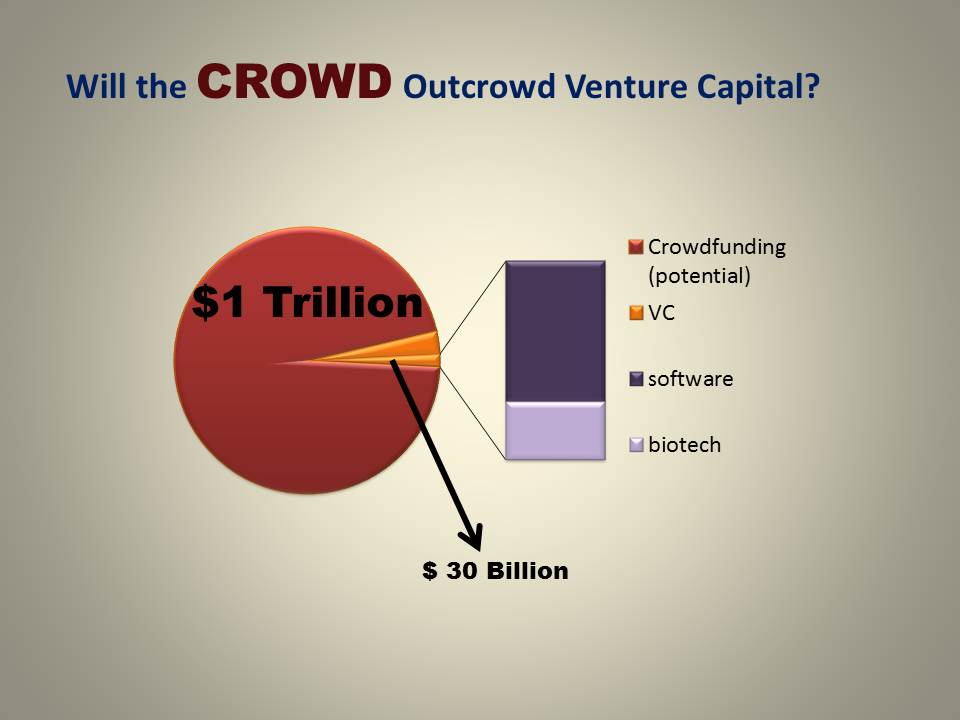
Recent estimates place Title II Crowdfunding capacity to $1 Trillion.

Venture Capital (VC) had estimated only $5 Billion bio-investment in 2013.

Where does the rest go?


Mr. Skerret noted that bioangels can only take you so far but thinks that crowdfunding may fill this “valley of death”.

Liabilities


Crowdfunding is SELLING SECURITIESso there is liability, disclosure and nondisclosure issues.

Title II contains 580 pages of regulations and SEC needs a licensed intermediary.


Due-Diligence


Barbara Schiberg also noted that with VCs or bioangels groups you also get s support network, basically their rolodex of contacts and KOL’s and experts. With Crowdfunding like Poliwog they just handle linking investors with entrepreneur. Any contact is done through social media and the crowd.


BioAdvance hires experts – may take months to years to get expert opinion


Poliwog only has responsibility to investor to make sure company is legitimate. They don’t do extensive due diligence like bioangels. Most crowdfunding do not have extensive networks of professionals.


To obtain a video recording of this meeting and get more information please go to PCCI’s web site at http://www.rxpcci.com/meetings.htm.


Other posts on this site related to FUNDING and Bio Investing include:


PCCI’s 7th Annual Roundtable “Crowdfunding for Life Sciences: A Bridge Over Troubled Waters?” May 12 2014 Embassy Suites Hotel, Chesterbrook PA 6:00-9:30 PM

10 heart-focused apps & devices are crowdfunding for American Heart Association’s open innovation challenge

Importance of Funding Replication Studies: NIH on Credibility of Basic Biomedical Studies

Partnerships & Funding

Updated: Investing and Inventing: Is the Tango of Mars and Venus Still on

Transforming Biotech & Pharma: LinkedIn is the Quiet Force by Timmerman

Technion-Cornell Innovation Institute in NYC: Postdocs keep exclusive license to their IP and take a fixed dollar amount of Equity if the researchers create a Spinoff company


Read Full Post »

Abdominal Aortic Aneurysm: Matrix Metalloproteinase-9 Genotype as a Potential Genetic Marker

Reporter: Aviva Lev-Ari, PhD, RN


Matrix Metalloproteinase-9 Genotype as a Potential Genetic Marker for Abdominal Aortic Aneurysm

Tyler Duellman, BS, Christopher L. Warren, PhD, Peggy Peissig, PhD, Martha Wynn, MD and Jay Yang, MD, PhD

Author Affiliations

From the Molecular and Cellular Pharmacology Graduate Program (T.D., J.Y.) and Department of Anesthesiology (M.W., J.Y.), University of Wisconsin School of Medicine and Public Health, Madison; Illumavista Biosciences LLC, Madison, WI (C.L.W.); and Biomedical Informatics Research Center, Marshfield Clinics Research Foundation, Marshfield, WI (P.P.).

Correspondence to Jay Yang, MD, PhD, Department of Anesthesiology, University of Wisconsin SMPH, SMI 301, 1300 University Ave, Madison, WI 53706. E-mailJyang75@wisc.edu

Abstract

Background—Degradation of extracellular matrix support in the large abdominal arteries contribute to abnormal dilation of aorta, leading to abdominal aortic aneurysms, and matrix metalloproteinase-9 (MMP-9) is the predominant enzyme targeting elastin and collagen present in the walls of the abdominal aorta. Previous studies have suggested a potential association between MMP-9 genotype and abdominal aortic aneurysm, but these studies have been limited only to the p-1562 and (CA) dinucleotide repeat microsatellite polymorphisms in the promoter region of the MMP-9 gene. We determined the functional alterations caused by 15 MMP-9 single-nucleotide polymorphisms (SNPs) reported to be relatively abundant in the human genome through Western blots, gelatinase, and promoter–reporter assays and incorporated this information to perform a logistic-regression analysis of MMP-9 SNPs in 336 human abdominal aortic aneurysm cases and controls.

Methods and Results—Significant functional alterations were observed for 6 exon SNPs and 4 promoter SNPs. Genotype analysis of frequency-matched (age, sex, history of hypertension, hypercholesterolemia, and smoking) cases and controls revealed significant genetic heterogeneity exceeding 20% observed for 6 SNPs in our population of mostly white subjects from Northern Wisconsin. A step-wise logistic-regression analysis with 6 functional SNPs, where weakly contributing confounds were eliminated using Akaike information criteria, gave a final 2 SNP (D165N and p-2502) model with an overall odds ratio of 2.45 (95% confidence interval, 1.06–5.70).

Conclusions—The combined approach of direct experimental confirmation of the functional alterations of MMP-9 SNPs and logistic-regression analysis revealed significant association between MMP-9 genotype and abdominal aortic aneurysm.

SOURCE:

Circulation: Cardiovascular Genetics.2012; 5: 529-537

Published online before print August 31, 2012,

doi: 10.1161/ CIRCGENETICS.112.963082


Read Full Post »


Lemtrada (alemtuzumab) for the treatment of relapsing forms of multiple sclerosis – Biologics License Application: FDA – Not ready for approval!

Reporter: Aviva Lev-Ari, PhD, RN


Genzyme Receives Complete Response Letter from FDA on LemtradaTM (alemtuzumab) Application 

Paris, France – December 30, 2013 – Sanofi (EURONEXT: SAN and NYSE: SNY) and its subsidiary Genzyme announced today that it has received a Complete Response Letter from the U.S. Food and Drug Administration (FDA) for its supplemental Biologics License Application seeking approval of Lemtrada (alemtuzumab) for the treatment of relapsing forms of multiple sclerosis.

A Complete Response Letter informs companies that an application is not ready for approval. FDA has taken the position that Genzyme has not submitted evidence from adequate and well-controlled studies that demonstrate the benefits of Lemtrada outweigh its serious adverse effects. Genzyme understands that the conclusion is related to the design of the completed Phase 3 active comparator studies of Lemtrada in relapsing-remitting MS patients. FDA has also taken the position that one or more additional active comparator clinical trials of different design and execution are needed prior to the approval of Lemtrada.

Genzyme strongly disagrees with the FDA’s conclusions and plans to appeal the agency’s decision.

“We are extremely disappointed with the outcome of the review and the implications for patients in the U.S. suffering with multiple sclerosis who remain in need of alternative therapies to manage a devastating disease,” said Genzyme President and CEO, David Meeker, M.D. “We strongly believe that the clinical development program, which was designed to demonstrate how Lemtrada compares against an active comparator as opposed to placebo, provides robust evidence of efficacy and a favorable benefit-risk profile. This evidence was also the basis for the approvals of Lemtrada by other regulatory agencies around the world.”

Lemtrada is approved in the European Union, Canada, and Australia, and additional marketing applications for Lemtrada are under review by regulatory agencies around the world.

Sanofi does not anticipate that the CVR milestone of U.S. approval of Lemtrada by March 31, 2014 will be met.

About Lemtrada™ (alemtuzumab) 

The Lemtrada clinical development program included two pivotal randomized Phase III studies comparing treatment with Lemtrada to Rebif® (high-dose subcutaneous interferon beta-1a) in patients with RRMS who had active disease and were either new to treatment (CARE-MS I) or who had relapsed while on prior therapy (CARE-MS II), as well as an ongoing extension study. In CARE-MS I, Lemtrada was significantly more effective than Rebif at reducing annualized relapse rates; the difference observed in slowing disability progression did not reach statistical significance. In CARE-MS II, Lemtrada was significantly more effective than interferon beta-1a at reducing annualized relapse rates, and accumulation of disability was significantly slowed in patients given Lemtrada vs. interferon beta-1a.

The most common side effects of Lemtrada are infusion associated reactions, infections (upper respiratory tract and urinary tract), lymphopenia and leukopenia. Serious autoimmune conditions can occur in patients receiving Lemtrada. A comprehensive risk management program will support early detection and management of these autoimmune events. 2/3


Alemtuzumab is a monoclonal antibody that selectively targets CD52, a protein abundant on T and B cells. Treatment with alemtuzumab results in the depletion of circulating T and B cells thought to be responsible for the damaging inflammatory process in MS. Alemtuzumab has minimal impact on other immune cells. The acute anti-inflammatory effect of alemtuzumab is immediately followed by the onset of a distinctive pattern of T and B cell repopulation that continues over time, rebalancing the immune system in a way that potentially reduces MS disease activity.

Genzyme holds the worldwide rights to alemtuzumab and has primary responsibility for its development and commercialization in multiple sclerosis. Bayer HealthCare holds the right to co-promote alemtuzumab in MS in the United States. Upon commercialization, Bayer will receive contingent payments based on global sales revenue.

About Genzyme, a Sanofi Company 

Genzyme has pioneered the development and delivery of transformative therapies for patients affected by rare and debilitating diseases for over 30 years. We accomplish our goals through world-class research and with the compassion and commitment of our employees. With a focus on rare diseases and multiple sclerosis, we are dedicated to making a positive impact on the lives of the patients and families we serve. That goal guides and inspires us every day. Genzyme’s portfolio of transformative therapies, which are marketed in countries around the world, represents groundbreaking and life-saving advances in medicine. As a Sanofi company, Genzyme benefits from the reach and resources of one of the world’s largest pharmaceutical companies, with a shared commitment to improving the lives of patients. Learn more at http://www.genzyme.com.

About Sanofi 

Sanofi, an integrated global healthcare leader, discovers, develops and distributes therapeutic solutions focused on patients’ needs. Sanofi has core strengths in the field of healthcare with seven growth platforms: diabetes solutions, human vaccines, innovative drugs, consumer healthcare, emerging markets, animal health and the new Genzyme. Sanofi is listed in Paris (EURONEXT: SAN) and in New York (NYSE: SNY).

Genzyme® is a registered trademark and LemtradaTM is a trademark of Genzyme Corporation. Rebif® is a registered trademark of EMD Serono, Inc.

Sanofi Forward Looking Statements 

This press release contains forward-looking statements as defined in the Private Securities Litigation Reform Act of 1995, as amended. Forward-looking statements are statements that are not historical facts. These statements include projections and estimates and their underlying assumptions, statements regarding plans, objectives, intentions and expectations with respect to future financial results, events, operations, services, product development and potential, and statements regarding future performance. Forward-looking statements are generally identified by the words “expects”, “anticipates”, “believes”, “intends”, “estimates”, “plans” and similar expressions. Although Sanofi’s management believes that the expectations reflected in such forward-looking statements are reasonable, investors are cautioned that forward-looking information and statements are subject to various risks and uncertainties, many of which are difficult to predict and generally beyond the control of Sanofi, that could cause actual results and developments to differ materially from those expressed in, or implied or projected by, the forward-looking information and statements. These risks and uncertainties include among other things, the uncertainties inherent in research and development, future clinical data and analysis, including post marketing, decisions by regulatory authorities, such as the FDA or the EMA, regarding whether and when to approve any drug, device or biological application that may be filed for any such product candidates as well as their decisions regarding labeling and other matters that could affect the availability or commercial potential of such product candidates, the absence of guarantee that the product candidates if approved will be commercially successful, the future approval and commercial success of therapeutic alternatives, the Group’s ability to benefit from external growth opportunities, trends in exchange rates and prevailing interest rates, the impact of cost containment policies and subsequent changes thereto, the average number of shares outstanding as well as those discussed or identified in the public filings with the SEC and the AMF made by Sanofi, including those listed under “Risk Factors” and “Cautionary Statement Regarding Forward-Looking Statements” in Sanofi’s annual report on Form 20-F for the year ended December 31, 2012. Other than as required by applicable law, Sanofi does not undertake any obligation to update or revise any forward-looking information or statements. 

SOURCE

http://en.sanofi.com/Images/35285_20131230_Lemtrada_en.pdf


Read Full Post »

2013 – Personal Perspectives on Revolutionizing Medicine and Top Stories in Cardiology

Reporter: Aviva Lev-Ari, PhD, RN

Article ID #94: 2013 as A Year of Revolutionizing Medicine and Top 11 Cardiology Stories. Published on 12/24/2013

WordCloud Image Produced by Adam Tubman

Topol Reviews 2013: A Year of Revolutionizing Medicine

 Medscape > Eric Topol on Medscape

Director, Scripps Translational Science Institute; Chief Academic Officer, Scripps Health; Professor of Genomics, The Scripps Research Institute, La Jolla, California; Editor-in-Chief, Medscape

Disclosure: Eric J. Topol, MD, has disclosed the following relevant financial relationships:
Serve(d) as a director, officer, partner, employee, advisor, consultant, or trustee for: AltheaDX; Biological Dynamics; Cypher Genomics (Co-founder); Dexcom; Genapsys; Gilead Sciences, Inc.; Portola Pharmaceuticals; Quest Diagnostics; Sotera Wireless; Volcano. Received research grant from: National Institutes of Health; Qualcomm Foundation

December 11, 2013

Practice Changers: Lab Innovations and Genetic Testing

It was almost a year ago that I signed on as Editor-in-Chief of Medscape, and I’m extremely grateful for the opportunity and for the extensive input so many of you have provided. In my last monthly newsletter for the year, I would like to expound on why I think this is the most exciting time ever in the history of medicine and how it will be imminently practice-changing.

Looking at the Laboratory

Let me first turn to laboratories, a big part of how we practice. We send our patients to the clinic or hospital lab, or a central facility, to get their blood drawn. Typically, multiple tubes of blood are obtained; the costs are not transparent; and perhaps even worse, the results are not easily or routinely accessible for most patients. Last month, I highlighted a new entity on the scene — Theranos — and interviewed Elizabeth Holmes, the young CEO.

Theranos will be in all Walgreens stores before long, leveraging microfluidic technology to do hundreds of assays with a droplet of blood, with a fully transparent cost list, and ultimately with results directly going to both the patient and doctor. After 60 years of unchanged laboratory medicine practice, this new, innovative model will help drive disruption — just the kind of shake-up that we have needed.

Second, while touching on labs, recently there has been a big flap between 23andMe, a direct-to-consumer genomics company, and the US Food and Drug Administration (FDA).[1]This was probably attributable to a prolonged lapse of communication on the part of the company, concurrent with aggressive marketing of the product. 23andMe has temporarily stopped providing health-related genetic testing, such as disease susceptibility, carrier state, and pharmacogenomics. Their intention is to work things out with the FDA and get their full $99 panel back up in the months ahead. Why is this an important issue? A Nature editorial[2] posited, “so even if regulators or doctors want to, they will not be able to stand between ordinary people and their DNA for very long.”

Genetic Tests and the “Angelina Effect”

In May of this year, Angelina Jolie published her “My Medical Choice” op-ed,[3] signaling her decision to not only get her BRCA 1,2 genes sequenced but to also undergo bilateral mastectomy.The impact of the so-called “Angelina effect” has been felt worldwide, with a large spike in BRCA testing driven by consumers, and challenges to prevailing cultural norms in places such as Israel, where there is a very high rate of pathogenic BRCA mutations but close to the lowest rate of preventive surgery.[4]

The issue at hand is the availability of genetic tests to patients, which didn’t exist before. Pregnant women can now, in their first trimester, have a single tube of blood drawn to screen for multiple chromosomal aberrations. Amniocentesis is quickly becoming a bygone procedure.[5] The power of genetic testing in practice is just starting to be felt and will be increasingly transformative in the years ahead.

Restructuring and Digitizing Medicine

The Out-of-Hospital Experience

Third, the structural icons of medicine are undergoing reassessment. What do we do with hospitals and clinics in a digital medicine world? George Halvorson, the outgoing CEO of Kaiser Permanente, has weighed in on this by saying that we should start delivering healthcare “farther and farther” from the hospital setting and “even out of doctors’ offices.”[6]

Cisco did a large consumer survey and found that over 70% of patients would prefer a virtual rather than a physical office visit.[7] A tweet that I put out in response to a Fast Company article[8] that said “the idea of going down to your doctor’s office is going to feel as foreign as going to the video store” attracted considerable attention.

Just this week, a large Intel poll of 12,000 consumers found that most believe that hospitals as we know them today will be “obsolete in the near future.”[9] The fact that we are even now questioning what to do with our hospitals and clinics is telling in itself and reflects the profound forthcoming changes in medicine.

Tracking the Human Body 

What Made Medical News in 2013?

Fourth and finally, the explosion of sensors is especially worth noting. This year, the FDA approval of smartphone ECGs and digitized pills heralded the beginning of many more novel digital ways that we will be tracking patients in the future. A watch that passively and continuously captures blood pressure from every heartbeat is just around the corner. We don’t even know what “normal” blood pressure is when it can be assessed 24/7, throughout the night, and during any time of stress, and this is representative of what the era of wireless sensor tracking will bring.

I hope that I have convinced you, with just a few examples, that this is an extraordinary time in medicine. We are all lucky to be a part of it, to see it go through its major reconfiguration and refinement. I will continue to post the links to anything that I think is particularly interesting on a daily basis via Twitter, and you are welcome to follow me @EricTopol.

Wishing you and your family all the best in the New Year. Despite some counterforces, let’s hope that 2014 takes medicine to new heights, with ever more palpable changes and improvements in the way that we render healthcare for our patients.

Eric J. Topol, MD

Editor-in-Chief, Medscape

References

  1. The FDA and thee. The Wall Street Journal. November 25, 2013.http://online.wsj.com/news/articles/SB10001424052702304465604579220003539640102 Accessed December 10, 2013.
  2. The FDA and me. Nature. December 3, 2013. http://www.nature.com/news/the-fda-and-me-1.14289 Accessed December 10, 2013.
  3. Jolie A. My medical choice. The New York Times. May 14, 2013.http://www.nytimes.com/2013/05/14/opinion/my-medical-choice.html Accessed December 10, 2013.
  4. Rabin RC. In Israel, a push to screen for cancer gene leaves many conflicted. The New York Times. November 26, 2013. http://www.nytimes.com/2013/11/27/health/in-israel-a-push-to-screen-for-cancer-gene-leaves-many-conflicted.html Accessed December 10, 2013.
  5. Topol EJ. Topol predicts genomic screening will replace amniocentesis. Medscape. November 11, 2013.http://www.medscape.com/viewarticle/814052 Accessed December 10, 2013.
  6. Friedman B. The future of healthcare: virtual physician visits & bedless hospitals. Lab Soft News. April 1, 2013.http://labsoftnews.typepad.com/lab_soft_news/2013/04/the-future-of-healthcare-less-emphasis-on-hospital-visits.html Accessed December 10, 2013.
  7. Cisco. Cisco study reveals 74 percent of consumers open to virtual doctor visit. March 4, 2013.http://newsroom.cisco.com/release/1148539/Cisco-Study-Reveals-74-Percent-of-Consumers-Open-to-Virtual-Doctor-Visit Accessed December 11, 2013.
  8. Fast Company. Could ePatient networks become the superdoctors of the future?http://www.fastcoexist.com/1680617/could-epatient-networks-become-the-superdoctors-of-the-future
  9. Fisher N. Global study finds majority believe traditional hospitals will be obsolete in the near future. Forbes. December 9, 2013. http://www.forbes.com/sites/theapothecary/2013/12/09/global-study-finds-majority-believe-traditional-hospitals-will-be-obsolete-in-the-near-future/ Accessed December 10, 2013.

SOURCE

http://www.medscape.com/viewarticle/817648_1

John Mandrola’s Top 11 Cardiology Stories of 2013

by John M. Mandrola, MD

Clinical Electrophysiologist, Baptist Medical Associates, Louisville, Kentucky

Disclosure: John M. Mandrola, MD, has disclosed the following relevant financial relationships:
Served as a speaker or member of a speakers bureau for: Biosense/Webster

In Medscape Cardiology, December 20, 2013


1. Obamacare/Affordable Care Act

The reforms that sweep in with the tidal waves of Obamacare will transform the landscape of cardiology. Things look differently already, but even more change is coming. Optimism is healthier than pessimism, so my assessment is: Obamacare will be associated with better heart disease outcomes.

Here’s why: What single factor limits improvement of outcomes in heart disease? It’s surely not a lack of access to echocardiograms, or new antiplatelet drugs, or LAA occlusion devices. Rather, it’s the lack of patients’ adherence to healthy lifestyles choices. Cardiologists have reached a therapeutic threshold. Gains in the treatment of heart disease have become and will likely stay incremental. The next big jump in heart disease outcomes will require patients’ actions — not doctors’.

The chief strength of Obamacare is that it ushers in the era of cost-shifting to patients. People will pay more for care. This, I believe, will favor the adoption of healthy lifestyles. Skin in the game, will, on the whole, do great things for heart health. The car analogy: We get our oil changed in our car because preventative maintenance is cost-effective. If you never had to pay for a new car, there’d be little incentive not to trash your current one.

I can hear the naysayers. Placing more of the costs on patients will keep them from getting care. Yes, in isolated cases, which will surely be amplified — this might be true. But overall, 3 arguments refute this thinking: First is that in the past decade, both deaths from heart disease and number of cardiology procedures have declined. Patients are doing better while we do less. Second is the observation that countries that do far fewer procedures boast better CV outcomes. Third, you don’t really believe that doctors control outcomes, do you?

2. The George Bush Stent Case

More than 2 decades ago, a mentor at Indiana taught me that squishing a high-grade coronary lesion did not reduce the risk for heart attack or death. I still remember where I was when I heard that. It was that counterintuitive. The notion that the vulnerable plaque is not the one that looks like a baddie on an angiogram has been proven time and time again. What’s truly remarkable is the resistance of the cardiology community to accept it. Perchance, our visceral reactions to angiograms have clouded our interpretation of science.

Cynics would believe that the overuse of stents — in the face of contrary clinical evidence — is due to financial incentives. They point to examples of outrageous behavior on the part of a tiny few outliers behaving very badly. I can’t deny that incentives don’t play a role, but I think this story has more to do with the cognitive bias stemming from the success of acute primary angioplasty. It’s tempting to merge the stunning benefits of intervening in an acute MI situation to the nonacute situations.

The George Bush story is big because the media attention forced us to look again at the science of the COURAGE trial.[1] What’s more, this story gave strength to those who question the entrenched paradigm of ischemia-guided revascularization. Imagine the implications for cardiology if there was little reason to look for asymptomatic ischemia.

3. Cholesterol Guidelines: Who Decides the “Need” for a Statin?

The cholesterol guidelines[2] had some obvious practice-changing revelations: (1) the end of nonstatin cholesterol-lowering drugs; (2) cessation of treating to numbers; (3) the notion of using statins as cardiovascular risk reducers, rather than cholesterol-lowering drugs; (4) the fight over where CV risk warrants statin intervention.

These are big issues, but I don’t see them as the biggest part of the 2013 cholesterol guideline story. I think what makes this a tipping point in clinical cardiology is the notion that the ultimate decision to take a statin falls with the patient.

Writing to patients in Forbes, Dr. Harlan Krumholz says:

It is your decision. Your doctors can guide you, but you deserve to be informed about the decision and make the choice that feels most comfortable to you. You do not know if you will be the person who avoids a heart attack or will suffer a side effect. You should have the information about what you are likely to gain by taking the medication — and what risks you are incurring. The decision to take the drug should mean that you believe that you are more likely to benefit from the drug than to be harmed by it. And even if a drug has a benefit for you, you have a right to decide whether it is right for you.

This is huge because it brings patient-centered, shared decision-making to the mainstream. Before the cholesterol guidelines, shared decision-making was something you read about in academic journals. But now, across doctors’ offices throughout the United States, low-risk patients will have to decide whether their 1-in-100 chance of preventing a heart attack is worth the 1-in-100 chance of developing diabetes or other statin side effects. Getting patients to see tradeoffs, NNTs, and aligning care with their goals isn’t just a story of 2013; it’s a story of the decade.

JNC-8, Obesity and AF, and NOACs

4. High Blood Pressure Guidelines

I often tell this story to patients: When I was a younger doctor, I would take my 94-year-old grandfather around to see the best doctors in town. We both held to the fantasy that doctors could “fix” him. Mostly he had age-related problems. He did, however, own one shining beacon of good health: He had perfect blood pressure, without medication. My message to patients is that my grandfather lived to 94 because of those BP readings.

What I learned from my grandfather’s case, which has now been borne out in the new JNC 8 guidelines,[3] is that it matters how one achieves good blood pressure. The new guidelines, chaired by a family medicine professor (how cool is that?), continues to disrupt the concept that more drug treatment leads to better outcomes.

It is indeed striking what can be found when one looks carefully and systematically at absolute benefits of treatments from randomized clinical trials. Truthfully, did you know that there was essentially no evidence that treating mild high blood pressure in patients younger than 60 improves outcomes? I didn’t.

Here the affect heuristic looms large. I find great pleasure in the idea that the medical establishment is now poised to embrace common sense. Namely, that modifying a single risk factor with a chemical that surely has multiple system-wide effects does not necessarily improve outcomes.

5. In Electrophysiology, Treat the Underlying Cause of AF

There are a few landmark studies I keep around the exam room for show-and-tell. 2013 brought another keeper. Dr. Prashanthan Sanders and colleagues (from Adelaide, Australia) are authors of the most impactful study in all of cardiology in 2013.[4]

Here is the story: Atrial fibrillation is increasing exponentially. Electrophysiologists see patients at the end of the disease spectrum. Rate control, rhythm control, and anticoagulation are each important treatment strategies, but they don’t address the root cause of AF. In previous work in animal models, this group of researchers showed that obesity increases the susceptibility to AF.

The hypothesis was that weight loss (and aggressive attention to other cardiometabolic risk factors) would reduce AF burden. They randomly assigned patients on their waiting list for AF ablation to 2 groups: (1) a physician-led aggressive program that targeted primarily weight loss, but also hypertension, sleep apnea, glucose control, and alcohol reduction; or (2) standard care with lifestyle counseling.

The findings were striking. Compared with the group of patients receiving standard care, patients in the physician-directed program lost weight, reported less AF symptoms, and had fewer AF episodes recorded. Most impressive were the structural effects noted on echocardiograms. Patients in the intervention group had regression of left ventricular hypertrophy and reduction in left atrial size.

Though this is a small trial, it is practice-changing for cardiology. It shows that treating modifiable risk factors remodels the heart and in so doing reduces the burden of AF. In an interview in JAMA, Dr. Sanders says aggressive risk factor treatment should be a standard of care. I agree. Right now, AF ablation is too often thought of in terms of a supraventricular tachycardia ablation — a fix for a fluke of nature. It’s not that way. In the majority of AF cases, the same excesses that cause atherosclerosis also cause AF. Rather than make 50 burns in the atria, it makes much more sense to address the root cause.

NOACs

6. Novel Anticoagulants Face Value-Based Headwinds

Tell me you haven’t been in this situation: You are making rounds on a patient with newly diagnosed AF, admitted the night before. She has multiple risk factors for stroke. Her heart rate has been controlled and her symptoms improved. There are now 2 choices for anticoagulation: (1) Start warfarin, and while waiting for an adequate INR, cover with IV-heparin (days in hospital) or low-molecular-weight heparin (teaching- and dollar-intensive); or (2) Begin a novel oral anticoagulant (NOAC) and discharge the patient that day. It’s so much easier to use NOAC drugs.

But then what happens when the “starter” kits run out and the patient faces a massive bill at the pharmacy, or her third-party payer denies payment? Now our patient has a problem. She is in AF and has risk factors for stroke. A gap in anticoagulation is not desirable.

At the heart of this issue is the value and superiority of NOAC drugs compared with warfarin. At the 2013 American Heart Association Sessions, the ENGAGE-AF trial showed that the newest NOAC drug, edoxaban, compared favorably to warfarin.[5] All 4 clinical trials of NOAC drugs vs warfarin looked strikingly similar — namely, that in absolute benefits (stroke reduction) and harm (bleeding), NOAC drugs and warfarin performed similarly, within 1% of each other. In the cost-conscious, evidence-based climate of 2013, NOAC drugs are increasingly recognized as overvalued. Warfarin, with all its imperfections, remains steady.

Transparency, End-of-Life Care, and TACT

7. The Sunshine Act

Cardiology is a drug- and device-intensive field. Collaboration with industry is necessary. Skillful use of stents, ICDs, ablation, and pharmaceutical agents has enhanced and saved the lives of millions of patients. Yet, there is clear evidence of overuse and misuse of expensive technology. Look no further than studies that show huge geographic practice variation,[6] which I wrote about here.

The 2013 Sunshine Act has changed the landscape of cardiology education and influence. The upside of transparency is that knowing the financial relationships of investigators is an important part of judging science. Perhaps more important, though, is the possibility that the Sunshine Act will help remove those with financial relationships from guideline writing. Given the influence of guidelines, it’s important that writers be free of conflicts.

The potential downsides of too much Sunshine are noteworthy. After being interviewed in the Wall Street Journal this August,[7] I wrote the following on my blog:

Doctors are a conservative lot. Concern over perception will surely decrease physicians’ interactions with industry, both the useful and not so useful ones. The effect on physician education might suffer. Though the Ben Goldacres of the world rightly emphasize bias when industry entwines itself with medical education, I can attest to have learned a lot from industry-sponsored programs. And this too: one thing that happens when industry sponsors a learning session is that doctors come to it. They talk; they share cases; they come together face-to-face. Such interactions are critical. Will the disappearance of sponsored sessions decrease the amount of face-to-face learning?

We shall soon learn whether all this sunshine enhances health or causes burns.

8. Compassionate Care of the Elderly

Cardiologists are programmed to see death as the enemy. This is a very good thing when treating diseases like STEMI. But a side effect of improving life-prolonging interventions is that patients live long enough to develop other problems. Cardiologists are increasingly asked to treat the elderly and the frail. And this is a challenge because in these patients, treating death as if it’s avoidable is perilous. Delaying death is not the same as prolonging life. Treating a disease is not the same as treating a person.

It’s possible that 2013 will be the year in which things changed for the better in the care of the elderly. And if it is, we will have Katy Butler, an author and investigative journalist, to thank. Ms. Butler’s 2013 book, Knocking on Heaven’s Door, poignantly chronicles the difficulties that both her parents struggled with as they approached the end of life.[8] In both cases, suffering occurred because of disconnect with cardiologists who behaved as if death were optional.

Writing in the Wall Street Journal this September, Ms. Butler describes her mother’s decision to forego aggressive intervention for valvular heart disease.[9] Despite being cared for in one of the nation’s elite heart hospitals, Mrs. Butler’s mother was forced to fight hard for her right to self-determination. Perhaps she mustered the strength to fight for a good death because of the lessons she learned as a caregiver for her chronically ill husband, whose death was tragically prolonged at the hands of paternalistic cardiologists. In Ms. Butler’s father’s case, which she describes in this award-winning New York Times Magazine essay, cardiologists implanted an unnecessary pacemaker and then refused to deactivate it, against the family’s wishes.[10]

As the American College of Cardiology begins an awareness campaign for aortic stenosis, and transcutaneous approaches to valvular disease begin their long road to clinical utility, no topic could be timelier than compassionate patient-centered care for the elderly. 2013 is the year that the oath of Maimonides — “Oh, God, Thou has appointed me to watch over the life and death of Thy creatures” — becomes even more relevant to cardiologists, the guardians of technology.

9. Chelation Therapy

Nothing has become more virtuous in the practice of medicine than clinical evidence. We have set out the rules: The scientific method will determine the best treatments for our patients. One group gets treatment A and the other treatment B. Then we measure outcomes — the simpler the better. These are the rules of the game; they can’t be changed when we don’t like how the game turns.

The TACT investigators have followed the rules. They compared 322 diabetic patients with coronary heart disease who were treated with chelation vs 311 similarly matched patients treated with placebo infusions.[11] The primary endpoint, a composite of death, MI, stroke, revascularization, and hospitalization for angina, occurred in 80 of 322 (25%) treated with chelation and 117 (38%) on placebo. That’s an absolute — not relative — reduction of 13%, and an astounding NNT of 7. For comparison, statin drugs for primary prevention, or NOAC drugs vs warfarin in patients with AF, have NNTs greater than 100.

What makes chelation in diabetics a top story of the year is more than just the data. By the authors’ own account, these findings need to be replicated. What’s really big here is the voracity of opposition from the establishment. I re-read what I said in my opinion piece from November. I’m sticking to it: “It would be a huge mistake to dismiss this science because chelation does not conform to preconceived notions or because it is practiced outside the mainstream of medicine. Let’s not forget about the patients with this terrible disease. It’s not as if we have good treatments for them.”

EMRs and the Blogosphere

10. EMR and the Danger It Poses to the Patient-Doctor Connection

Among Mr. Obama’s broken promises (if you like your insurance plan…) was that the efficiency inherent in electronic medical records (EMRs) would solve the growing cost of healthcare.

In 2013, nearly every doctor is being forced to adopt an EMR. Medicine is replete with examples of good ideas gone awry. There is no better example of this than medical EMR systems. The list is long: EMRs interface poorly with users (doctors). Completing a medical record on an encounter for a common heart rhythm ailment requires me to click more than 25 times. (Fact: EMRs either decrease the number of patients one can see, or worse, they cause a doctor to spend less face time with each patient.) EMRs don’t talk to each other — and in their current form, never will. There is not a shred of evidence that they improve real outcomes. EMRs function more as a billing invoice than a useful medical record.

Doctors are the end-users but not the customers of EMR companies, so our feedback carries little weight. EMR companies effectively answer to no one. And talk about conflict of interest: Anointed EMR companies have become immensely profitable. Even the New York Times took notice.[12]

None of this is the worst part. The worst aspect of EMR systems (in their current form) is that they threaten to remove the humanity from something that at its heart should be human: the patient-doctor connection. In 2013, EMR is one of the many forces that threaten the patient-doctor relationship. If this situation improves in 2014, I’ll report it; but I’m not optimistic. (Full disclosure: I love computers.)

11. Social Media

The American College of Cardiology, the Heart Rhythm Society, the BMJ, and the New England Journal of Medicine are all actively engaged in social media and blogging. I gave a talk at an Indiana University medical student leadership conference this year. Nearly every medical student was on Twitter. So is the president of the ACC and SCAI, as are millions of patients.

The democracy of information on social media enhances patient involvement in medical decision-making. When patients have information, decisions improve. AF patient Mellanie True Hills has made her Website, StopAfib, a go-to resource for patients, a place where influential academic leaders in electrophysiology have taken the time to be interviewed. Social media empowers patient advocates.

Social media is also transforming influence. In the past, the only influencers in cardiology were academic leaders — those who have access to medical journals. That is changing. Look at me: I am a nobody in the academic world, yet Dr. Rich Fogel, the former president of the Heart Rhythm Society (HRS), put me on the same stage with Dr. Douglas Zipes, Dr. Brian Olshansky, and Dr. Anne Curtis at the 2013 HRS sessions to speak about ICDs.

Finally, this is speculative, but I believe that social media has the power to transform medical education. This year, the biggest electrophysiology story from the 2013 European Society of Cardiology Congress was the Echo-CRT trial.[13] This was a practice changer because it put a stop to implanting CRT devices in patients destined to be nonresponders. Dr. Jay Schloss (Christ Hospital, Cincinnati, Ohio), writing on his personal blog, provided clear and useful coverage for free, without the need for registration. Another example: I think IV-diltiazem is overused and misused. In the academic literature, you cannot find a contemporary piece to support this view. But you can on social media.

This is my top 11 for 2013. I invite you to use the comments section to share your top cardiology picks.

 SOURCE

http://www.medscape.com/viewarticle/818115_1


Read Full Post »

St. Jude’s CEO is still betting on EnligHTN IV Study Renal Denervation System, despite Medtronic’s setback related to SYMPLICITY Phase IV

Reporter: Aviva Lev-Ari, PhD, RN

Article ID #92: St. Jude’s CEO is still betting on EnligHTN IV Study Renal Denervation System, despite Medtronic’s setback related to SYMPLICITY Phase IV. Published on 12/10/2013

WordCloud Image Produced by Adam Tubman

UPDATED on 1/14/2014

This is in continuation to our 1/9/2014 article:

Market Impact on Global Suppliers of Renal Denervation Systems by Pivotal US Trial: Metronics’ Symplicity Renal Denervation System FAILURE at Efficacy Endpoint

http://pharmaceuticalintelligence.com/2014/01/09/market-impact-on-global-suppliers-of-renal-denervation-systems-by-pivotal-us-trial-metronics-symplicity-renal-denervation-system-failure-at-efficacy-endpoint/

In the short term, the company, St. Jude suspended enrollment in three other related trials and announced plans to gather an independent panel of experts to plot a future course. 

St. Jude Medical won a CE mark for its next-gen EnligHTN IV renal denervation system over the summer, but halted its own U.S. trial in December. Minnesota-based St. Jude said it had struggled to recruit viable candidates for the 590-patient trial, and was concerned that Medtronic’s Symplicity might siphon off viable patients needed for its own study. At the time, St. Jude said it would work to develop a new protocol to address trial enrollment challenges.

According to Mark Hollmer:

Symplicity’s setbacks may make that job much easier for St. Jude. They also create new opportunities for other rivals focused on developing similar technology, such as Boston Scientific ($BSX) and Covidien ($COV).

Curator of this article has expressed a different view in 

http://pharmaceuticalintelligence.com/2014/01/09/market-impact-on-global-suppliers-of-renal-denervation-systems-by-pivotal-us-trial-metronics-symplicity-renal-denervation-system-failure-at-efficacy-endpoint/

St. Jude’s CEO is still betting on renal denervation, despite Medtronic’s setback

By Mark Hollmer

Medtronic’s Symplicity renal denervation device

If Medtronic’s ($MDT) recent U.S. clinical trial failure for its Symplicity renal denervation device throws the door wide open for its competitors, St. Jude Medical ($STJ) will likely waste no time walking through.

As MassDevice reported, St. Jude CEO Daniel Starks told an audience at the JPMorgan Healthcare conference in San Francisco that the company plans to keep plowing ahead with the development of its own technology.

“The fact that we had and that there have been favorable early clinical results in numerous other experiences is still valid,” MassDevice quoted Starks as saying. “There is open surgical data dating back several decades that was favorable to the impact of surgical renal denervation to treat hypertension.

That said, he also expressed genuine surprise about Medtronic’s trial setback.

“This was unexpected for us, to have a negative result from Medtronic’s trial, and it’s too soon for us to know what to make of that,” Starks said in the story.

Medtronic’s Symplicity device, which has a CE mark and is a market leader, had done well in previous trials in patients with different forms of hypertension and was on track to win FDA approval in 2015–potentially the first renal denervation device to reach that point.

The Minnesota device giant announced a few days ago that Symplicity proved safe in a 535-patient trial but failed to significantly lower blood pressure for drug-resistant hypertension.

This was a trial that mattered, designed to help fuel FDA approval.

Related Articles:

Medtronic’s flunked trial throws its hypertension program into doubt

St. Jude Medical will try again another day for a U.S. renal denervation study

St. Jude bags EU approval for next-gen renal denervation

 SOURCE

From: FierceMedicalDevices <editors@fiercemedicaldevices.com>
Date: Tue, 14 Jan 2014 18:14:06 +0000 (GMT)
To: <avivalev-ari@alum.berkeley.edu>

Renal Denervation: EnligHTN IV Study Called Off and Potential Novel Indications – Diastolic Heart Failure

Reporter: Aviva Lev-Ari, PhD, RN

This Open Access Scientific Journal has covered all the major developments reported on Renal Denervation since its inception

The Archive for Renal denervation

http://pharmaceuticalintelligence.com/category/cardiac-and-cardiovascular-surgical-procedures/renal-denervation/

Search Results for Renal Denervation

http://pharmaceuticalintelligence.com/?s=Renal+denervation

Heartwire Reported on December 09, 2013

EnligHTN IV Renal Denervation Study Called Off

ST PAUL, MN – The EnligHTN IV study (St Jude Medical, St Paul, MN), testing the multielectrode renal-denervation system in patients with resistant hypertension, has been stopped almost before it even began. The trial, which was announced in June and began enrolling a small number of patients this fall, was canceled because of concerns about slow enrollment.

To heartwire ,

Denise Perkins-Landry, a spokesperson for St Jude Medical, said the decision to discontinue the study was based on “anticipated recruitment challenges” and is not the result of any safety or efficacy issues with the device. “A US clinical trial for EnligHTN remains a very high priority for St Jude Medical, and we will be working with the FDA to develop a new protocol that will address anticipated enrollment challenges,” she stated in an email.

The full results of the SYMPLICITY HTN-3 trial, a study similar to the EnligHTN IV study, which is sponsored by Medtronic (Minneapolis, MN), are expected in early 2014. While neither device is approved for clinical use in the US, it is expected that the Medtronic renal-denervation system will be first. As a result, it might be difficult to enroll patients to a sham procedure if there is another commercially available system for treating resistant hypertension, according to St Jude.

EnligHTN IV was to be a randomized, single-blind, controlled study with patients randomized from as many as 80 clinical centers in the US and Canada. It was intended to show the safety and effectiveness of the renal-denervation system in the reduction of systolic blood pressure in 590 patients with an office blood pressure >160 mm Hg despite taking three or more antihypertensive medications, including a diuretic.

Abrupt Decision to Stop the Study

Dr William White (University of Connecticut Medical Center, Farmington), one of the cochairs of the EnligHTN IV steering committee, told heartwire the decision to cancel the study was made just last week. In fact, there were clinical centers already up and running in terms of enrollment, although these were pilot centers where any “bugs could be worked out.” The meeting for training investigators participating in the trial was scheduled for Saturday in Chicago, IL, although that is now off.

“In the grander scheme of things, I can tell you that the decision was not made because of any problem with the catheter or any safety issues,” said White. “Outside the US, the development is continuing as planned, but the biggest concern is that it might be very difficult, if not impossible, to continue doing a sham-controlled study a year from now if there were a commercially available renal-denervation catheter in the US, which there very well could be with Medtronic.”

Still, White said that it’s not even known if the SYMPLICITY HTN-3 study is positive or if the FDA will be satisfied with the trial and its outcomes. He said a lot of assumptions are being made by St Jude Medical in stopping the trial, and it could turn out to be a bad decision. In addition, reimbursement remains an open question.

“Commercially available doesn’t mean there’s going to be a payer,” White told heartwire . “If that happens, it will be doubly unfortunate for the patients that are out there because they might be willing and able to go into a clinical trial but they won’t have that opportunity.”

As a scientist, White said that he would have preferred the trial be pursued, regardless of what happens with Medtronic. He believes the EnligHTN catheter is “outstanding,” as it has multiple electrodes to enable physicians to thoroughly ablate the renal arteries within a couple of minutes. “The clinical scientist in me would have preferred that we go ahead as planned,” he said. “I think we would have gained a great deal of knowledge. And just because one study shows a p value of 0.05 doesn’t mean a second study will.”

The Medtronic SYMPLICITY renal-denervation system was launched in 2010 and is available in parts of Europe, Asia, Africa, and South America. The first-generation EnligHTN device has had CE Mark approval in Europe since 2012 while the updated second-generation system with multiple electrodes received European approval this past summer.

News of the halting of EnligHTN IV was first reported by Wells Fargo analyst Larry Biegelsen.

SOURCE

http://www.medscape.com/viewarticle/817482?nlid=41903_2105&src=wnl_edit_medp_card&uac=93761AJ&spon=2

On December 06, 2013 Marlene Busko reported to Heartwire on

Renal Denervation’s Structural, Functional Heart Benefits May Be Independent of BP

HAMBURG, GERMANY — In a small study of patients undergoing renal denervation for resistant hypertension, left-ventricular hypertrophy and diastolic function improved independently of changes in blood pressure and heart rate [1].

“The novelty of our findings is the independence of morphologic improvements [regression of LV hypertrophy] from hemodynamic changes (reduction of blood pressure and heart rate),” Dr Stephan H Schirmer (University of Saarland, Hamburg, Germany) told heartwire in an email. “If this is confirmed in larger trials, it might open up novel indications for the use of renal denervation, for example, in [diastolic] heart-failure patients, independent of blood pressure.”

Dr Deepak L Bhatt (Harvard Medical School, Boston, MA) told heartwire that the study observations are “provocative” and “exciting” but stressed that they need to be confirmed in a blinded, larger, multicenter study before they could be accepted into clinical practice. Bhatt and Dr George Bakris (University of Chicago, IL) are co–principal investigators for the ongoing SYMPLICITY HTN-3 trial of bilateral renal denervation in patients with uncontrolled hypertension.

The study was published online December 4, 2013 in the Journal of the American College of Cardiology.

Are Renal Denervation Effects Always Tied to BP Change?

Renal denervation reduces heart rate and blood pressure in patients with resistant hypertension, and as reported by heartwire , a recent small study suggested that the procedure also reduces left-ventricular mass and improves diastolic function in such patients, Schirmer and colleagues write.

They hypothesized that renal denervation might affect cardiac structure and function, independent of the effect on blood pressure.

They enrolled 66 consecutive patients who underwent renal denervation using the Flex catheter system (Medtronic) at their center during 2010 and 2011 for treatment of resistant hypertension (office systolic blood pressure >140 mm Hg). Patients had a mean age of 64 years, and 55% were men. They were on a mean of 4.3 antihypertensive drugs. All were taking a diuretic, 89% were taking a beta-blocker, and 55% were taking an angiotensin-receptor blocker.

Six months after renal denervation,

  • Mean blood pressure decreased from 172.9/92.5 to 151.3/85.5 mm Hg, confirmed by 24-hour ambulatory monitoring, if available (n=50).
  • Mean heart rate decreased from 67.7 to 60.5 bpm.
  • Mean left-ventricular mass index decreased from 61.5 to 53.4 g/m2.
  • Measures of diastolic function also improved.

The changes in cardiac function and ventricular size were not tied to the magnitude of the blood-pressure reduction, which “suggest[s] a direct effect of the sympathetic nervous system on myocardial morphology and function,” Schirmer and colleagues write. They call for further research to investigate functional cardiovascular benefits of renal denervation beyond blood-pressure reduction.

Promising Early Benefit, Needs Confirmation

In an accompanying editorial [2], Bakris and Dr Sandeep Nathan (University of Chicago) commend Schirmer and colleagues “for providing promising early benefit of catheter-based renal denervation and for highlighting a possible blood-pressure–independent facet of this technique.” However, they caution that although the findings are “intriguing,” the study’s limitations include that it was

  • relatively small,
  • conducted at a single center,
  • lacked a sham control, and
  • relied on echocardiography rather than magnetic resonance imaging.

Therefore, “these observations need confirmation before acceptance in clinical practice . . . and can only be applied to those with inclusion criteria used in their study,” the editorialists conclude.

“It’s an exciting, provocative result, and there’s a good chance that it will stand the test of time, but I still think in general, it’s best to be cautious about new technologies and relatively small studies, because time typically shows that they provide an overestimate of what the true effects will be,” Bhatt commented when interviewed.

“Whether the reduction in left-ventricular mass is beyond what would be anticipated with blood-pressure and heart-rate reduction—certainly this analysis suggests that is a possibility—needs to be confirmed in larger studies,” he added, echoing the authors and editorialists.

Potentially referring physicians, in the United States where the procedure is investigational, and even in Europe where it’s approved, appear to be waiting for the results of SYMPLICITY HTN-3, Bhatt said. This blinded, randomized, multicenter trial will provide a clearer picture of what sort of blood-pressure reductions are achievable in patients with resistant hypertension who undergo renal denervation. Results are expected by mid-2014.

References

  1. Schirmer SH, Sayed M, Reil J-C, et al. Improvements of left-ventricular hypertrophy and diastolic function following renal denervation – Effects beyond blood pressure and heart rate reduction. J Am Coll Cardiol 2013; DOI:10.1016/j.jacc.2013.10.073. Abstract
  2. Bakris G, Nathan S. Renal denervation and left ventricular mass regression: A benefit beyond blood pressure reduction? J Am Coll Cardiol 2013; DOI:10.1016/j.jacc.2013.11.015. Editorial

SOURCE

This Open Access Scientific Journal has covered all the major developments reported on Renal Denervation since its inception

The Archive for Renal denervation

http://pharmaceuticalintelligence.com/category/cardiac-and-cardiovascular-surgical-procedures/renal-denervation/

Search Results for Renal Denervation

http://pharmaceuticalintelligence.com/?s=Renal+denervation

For the ORIGINAL work on 

Renal Sympathetic Denervation: Updates on the State of Medicine

the Readers is called to go to the ORIGINAL SOURCES listed below:

Intravascular Stimulation of Autonomics: A Letter from Dr. Michael Scherlag

http://pharmaceuticalintelligence.com/2012/09/02/intravascular-stimulation-of-autonomics-a-letter-from-dr-michael-scherlag/

Imbalance of Autonomic Tone: The Promise of Intravascular Stimulation of Autonomics

http://pharmaceuticalintelligence.com/2012/09/02/imbalance-of-autonomic-tone-the-promise-of-intravascular-stimulation-of-autonomics/

Interaction of Nitric Oxide and Prostacyclin in Vascular Endothelium

http://pharmaceuticalintelligence.com/2012/09/14/interaction-of-nitric-oxide-and-prostacyclin-in-vascular-endothelium/

Absorb™ Bioresorbable Vascular Scaffold: An International Launch by Abbott Laboratories

http://pharmaceuticalintelligence.com/2012/09/29/absorb-bioresorbable-vascular-scaffold-an-international-launch-by-abbott-laboratories/

The Molecular Biology of Renal Disorders: Nitric Oxide – Part III

http://pharmaceuticalintelligence.com/2012/11/26/the-molecular-biology-of-renal-disorders/

Treatment of Refractory Hypertension via Percutaneous Renal Denervation

http://pharmaceuticalintelligence.com/2012/06/13/treatment-of-refractory-hypertension-via-percutaneous-renal-denervation/

Renal Denervation Technology of Vessix Vascular, Inc. been acquired by Boston Scientific Corporation (BSX) to pay up to $425 Million

http://pharmaceuticalintelligence.com/2012/11/08/renal-denervation-technology-of-vessix-vascular-inc-been-acquired-by-boston-scientific-corporation-bsx-to-pay-up-to-425-million/

Read Full Post »

Coronary Atherectomy New System approved by FDA for Coronary Lesions: Market Size – $1.5 billion

Reporter: Aviva Lev-Ari, PhD, RN

With FDA nod, Cardiovascular Systems targets $1.5B market

October 22, 2013 | By 

Cardiovascular Solutions won FDA approval for its Diamondback 360 system.–Courtesy of Cardiovascular Solutions

Cardiovascular Systems ($CSII) has won FDA approval to sell its Diamondback 360 device for patients with calcified coronary arteries, a long-awaited signoff that gives the company a chance to serve a large unmet need and significantly expand the market for its technology.

Diamondback 360 is an orbital atherectomy system designed to get rid of arterial calcium buildups in vessels before stenting, improving outcomes for patients and slashing rates of major adverse cardiac events, the company said. The device has been FDA-cleared to treat calcified plaque in arterial vessels throughout the leg and heart since 2007, and now approval for coronary lesions exposes Cardiovascular Systems to a $1.5 billion market dominated by last-generation technologies, CEO David Martin said.

“FDA approval of our Diamondback 360 Coronary OAS allows us to bring to market the first new coronary atherectomy system in more than two decades,” Martin said in a statement. “Severe coronary arterial calcium is an underestimated problem in medicine, with limited options for treatment.”

This 200-page book takes an in-depth look at the biotech industry and the science that drives it. Although the industry itself is constantly changing, these fundamental concepts upon which it is built will remain important for years to come – and decision-makers who understand these fundamentals will be better able to evaluate and predict new trends. Click here to buy today!

In its pivotal trial, Diamondback 360 exceeded its two primary endpoints, charting a procedural success rate of 89.1% and leaving 89.8% of patients free of major adverse cardiac events.

The company has poured millions into the device’s development, and despite growing revenue 26% to $103.9 million last fiscal year, Cardiovascular Systems has yet to turn a profit. Now, with FDA approval in hand for an in-demand technology, Martin and his team have their work cut out for them.

Cardiovascular Systems said it’s planning a phased rollout of the device, targeting the country’s top medical centers over the next few quarters and in the meantime running postmarket studies to affirm Diamondback 360’s value in coronary atherectomy.

– read the announcement

Related Articles:
Cardiovascular Systems’ Q3 revenue grows
Cardiovascular Systems addresses U.S. govt. info request in insider trader investigation
Cardiovascular Systems pursues $33M public offering


SOURCE

http://www.fiercemedicaldevices.com/story/fda-nod-cardiovascular-systems-targets-15b-market/2013-10-22?utm_medium=nl&utm_source=internal


Read Full Post »

Liver Toxicity halts Clinical Trial of IAP Antagonist for Advanced Solid Tumors

Curator: Stephen J. Williams, Ph.D.

UPDATED 8/12/2022

Athough not related to IAP Antagonists this update does report 2 deaths from IDILI or idiosynchratic drug induced liver injury from a gene therapy trial using an AAV (adeno associated virus) targeting the disease spinal muscular atrophy.  Please see below after reading about IDILI.


A recent press release on FierceBiotech reported the FDA had put a halt on a phase 1 study for advanced refractory solid tumors and lymphomas of Curis Inc. oral inhibitor of apoptosis (IAP) antagonist CUDC-427.  The FDA placed the trial on partial clinical hold following reports of a death of a patient from severe liver failure.  The single-agent, dose escalation Phase 1 study was designed to determine the maximum tolerated dose and recommended doses for a Phase 2 trial. The press release can be found at:

http://www.fiercebiotech.com/press-releases/curis-reports-third-quarter-2013-financial-results-and-provides-cudc-427-de.

According to the report one patient with breast cancer that had metastasized to liver, lungs, bone, and ovaries developed severe hepatotoxicity as evidenced by elevated serum transaminase activities (AST and ALT) and hyper-billirubinemia.  Serum liver enzyme activities did not attenuate upon discontinuation of CUDC-427.  This was unlike prior experience to the CUDC-427 drug, in which decreased hepatic function was reversed upon drug discontinuation.  The patient died from liver failure one month after discontinuation of CUDC-427.

It was noted that no other patient had experienced such a serious, irreversible liver dysfunction.

Although any incidence of hepatotoxicity can be cause for concern, the incidence of IDIOSYNCRATIC IRREVERSIBLE HEPATOTOXICITY warrants a higher scrutiny.

Four general concepts can explain toxicity profiles and divergences between individuals:

  1. Toxicogenomics: Small differences in the genetic makeup between individuals (such as polymorphisms (SNP) could result in differences in toxicity profile for a drug.  This ais a serious possibility as only one patient presented with such irreversible liver damage
  2. Toxicodynamics:  The toxicologic effect is an extension of the pharmacologic mechanism of action (or  lack thereof: could there have been alternate signaling pathways activated in this patient or noncanonical mechanism)
  3. Toxicokinetic:  The differences in toxicological response due to differences in absorption, distribution, metabolism, excretion etc. (kinetic parameters)
  4. Idiosyncratic: etiology is unknown; usually a minority of adverse effects


Since there is not enough information to investigate toxicogenomic or toxicokinetic mechanisms for this compound, the rest of this post will investigate the possible mechanisms of hepatotoxicity due to IAP antagonists and clues from other clinical trials which might shed light on a mechanism of toxicity (toxicodynamic) or idiosyncratic events.

Therefore this post curates the current understanding of drug-induced liver injury (DILI), especially focusing on a type of liver injury referred to as idiosyncratic drug-induced liver injury (IDILI) in the context of:

  1. Targeted and newer chemotherapies such as IAP antagonists
  2. Current concepts of mechanisms of IDILI including:

i)        Inflammatory responses provoked by presence of disease

ii)      Cellular stresses, provoked by disease, uncovering NONCANONICAL toxicity pathways

iii)    Pharmacogenomics risk factors of IDILI

Eventually this post aims to stimulate the discussion: 

  • Given inflammation, genetic risk factors, and cellular stresses (seen in clinical setting) have been implicated in idiosyncratic drug-induced liver injury from targeted therapies, should preclinical hepatotoxicity studies also be conducted in the presence of the metastatic disease?
  • Does inflammation and cellular stress from clinical disease unmask NONCANONICAL pharmacologic and/or toxicological mechanisms of action?

Classification of types of Cellular Liver injury:  A listing of types of cellular injury is given for review

I.     Hepatic damage after Acute Exposure

A. Cytotoxic (Necrotic):  irreversible cell death characterized by loss of cell membrane integrity, intracellular swelling, nuclear shrinkage (pyknosis) and eventual cytoplasmic breakdown of nuclear DNA (either by a process known as karyolysis or karyorhexus) localized inflammation as a result of release of cellular constituents.  Intracellular ATP levels are commonly seen in necrotic death.  Necrosis, unlike apoptosis, does not require a source of ATP.  A nice review by Yoshihide Tsujimoto describing and showing (by microscopy) the  differences between apoptosis and necrosis can be found here.

B. Cholestatic:  hepatobiliary dysfunction with bile stasis and accumulation of bile salts.  Cholestatic injury can result in lipid (particularly cholesterol) accumulation in cannicular membranes resulting in decreased permeability of the membrane, hyperbillirubinemia and is generally thought to result in metabolic defects.

C. Lipid Peroxidation: free radical generation producing peroxide of cellular lipids, generally resulting in a cytotoxic cell death

II.     Hepatic damage after Chronic Exposure

A. Chirrotic: Chronic morphologic alteration of the liver characterized by the presence of septae of collagen distributed throughout the major portion of the liver; Forms fibrous sheaths altering hepatic blood flow, resulting in a necrotic process with scar tissue; Alteration of hepatic metabolic systems.

B. Carcinogenesis

III. Idiosyncratic Drug Induced Liver Injury

The aforementioned mechanisms of hepatotoxicity are commonly referred to as the “intrinsic” (or end target-organ) toxicity mechanisms.  Idiosyncratic drug-induced liver injury (IDILI) is not well understood but can be separated into allergic and nonallergic reactions.  Although the risk of acute liver failure associated with idiosyncratic hepatotoxins is low (about 1 in ten thousand patients) there are more than 1,000 drugs and herbal products associated with this type of toxic reaction. Idiosyncratic drug induced liver failure usually gets a black box warning from the FDA. Idiosyncratic drug-induced liver injury differs from “intrinsic” toxicity in that IDILI:

  • Happens in a minority of patients (susceptible patients)
  • Not reproducible in animal models
  • Not dose-dependent
  • Variable time of onset
  • Variable liver pathology (not distinctive lesions)
  • Not related to drug’s pharmacologic mechanism of action (trovafloxacin IDILI vs. levofloxacin)

A great review in Perspectives in Pharmacology written by Robert Roth and Patricia Ganey at Michigan State University explains these differences between intrinsic and idiosyncratic drug-induced hepatotoxicity[1] (however authors do note that there are many similarities between the two mechanisms).    It is felt that drug sensitivity (allergic) and inflammatory responses (nonallergic) may contribute to the occurrence of IDILI.  For instance lipopolysaccharide (LPS) form bacteria can potentiate acetaminophen toxicity.  In fact animal models of IDILI have been somewhat successful:

  • co-treatment of rats and mice with nontoxic doses of trovafloxacin (casues IDILI in humans) and LPS resulted in marked hepatotoxicity while no hepatotoxicity seen with levofloxacin plus LPS[2]
  • correlates well with incidence of human IDILI (adapted from a review Inflammatory Stress and Idiosyncratic Hepatotoxicity: Hints from Animal Models (in Pharmacology Reviews)[3].  Idiosyncratic injury damage has been reported for diclofenac, halothane, and sulinac.  These drugs also show hepatotoxicity in the LPS model for IDILI.
  • Roth and Ganey suggest the reason why idiosyncratic hepatotoxicity is not seen  in most acute animal toxicity studies is that, in absence of stress/inflammation  IDILI occurrence is masked by lethality but stress/inflammation shifts increases sensitivity to liver injury at a point before lethality is seen

IDILdosestressrossmantheory

Figure.  Idiosyncratic toxic responses of the liver.    In the absence of stress and/or genetic factors, drug exposure may result in an idiosyncratic liver injury (IDILI) at a point (or dose) beyond the therapeutic range and lethal exposure for that drug.  Preclinical studies, usually conducted at sublethal doses, would not detect DILI .  Stress and/or genetic factors sensitize the liver to toxic effects of the drug (synergism) and DILI is detected at exposure levels closer to therapeutic range.  Note IDILI is not necessarily dose-dependent but cellular stress (like ROS or inflammation) may expose NONCANONICAL mechanisms of drug action or toxicity which result in IDILI. Model adapted from Roth and Ganey.

What Stress factors contribute to IDILI?

Various stresses including inflammation from bacterial, viral infections ,inflammatory cytokines  and stress from reactive oxygen (ROS) have been suggested as mechanisms for IDILI.

  1. Inflammation/Cytokines (also discussed in other sections of this post):  Inflammation has long been associated with human cases of DILI.    Many cytokines and inflammatory mediators have been implicated including TNFα, IL7, TGFβ, and IFNϒ (viral infection) leading some to conclude that serum measurement of cytokines could be a potential biomarker for DILI[4].  In addition, ROS (see below) is generated from inflammation and also considered a risk factor for DILI[5].
  2. Reactive Oxygen (ROS)/Reactive Metabolites: Oxidative stress, either generated from reactive drug metabolites or from mitochondrial sources, has been shown to be involved in apoptotic and necrotic cell death.  Both alterations in the enzymes involved in the generation of and protection from ROS have been implicated in increased risk to DILI including (as discussed further) alterations in mitochondrial superoxide dismutase 2 (SOD2) and glutathione S-transferases.  Both ROS and inflammatory cytokines can promote JNK signaling, which has been implicated in DILI[6].

Dr. Neil Kaplowitz suggested that we:

“develop a unifying hypothesis that involves underlying genetic or acquired mitochondrial abnormalities as a major determinant of susceptibility for a number of drugs that target mitochondria and cause DILI. The mitochondrial hypothesis, implying gradually accumulating and initially silent mitochondrial injury in heteroplasmic cells which reaches a critical threshold and abruptly triggers liver injury, is consistent with the findings that typically idiosyncratic DILI is delayed (by weeks or months), that increasing age and female gender are risk factors and that these drugs are targeted to the liver and clearly exhibit a mitochondrial hazard in vitro and in vivo. New animal models (e.g., the Sod2(+/-) mouse) provide supporting evidence for this concept. However, genetic analyses of DILI patient samples are needed to ultimately provide the proof-of-concept”[7].

Clin Infect Dis. 2004 Mar 38(Supplement 2) S44-8, Figure 1

Clin Infect Dis. 2004 Mar 38(Supplement 2) S44-8, Figure 3

Figures. Mechanisms of Drug-Induced Liver Injury and Factors related to the occurrence of  DILI (used with permission from Oxford Press; reference [7])

To this end, Dr. Brett Howell and other colleagues at the Hamner-UNC Institute for Drug Safety Sciences (IDSS) developed an in-silico model of DILI ( the DILISym™ model)which is based on  depletion of cellular ATP and reactive metabolite formation as indices of DILI.

Have there been Genetic Risk Factors identified for DILI?

Candidate-gene-associated studies (CGAS) have been able to identify several genetic risk factors for DILI including:

  1. Uridine Diphosphate Glucuronosyltransferase 2B7 (UGT2B7): variant increased susceptibility to diclofenac-induced DILI
  2. Adenosine triphosphate-binding cassette C2 (ABCC2) variant ABCC-24CT increased susceptibility to diclofenac-induced DILI
  3. Glutathione S-transferase (GSTT1): patients with a double GSTT1-GSTM1 null genotype had a significant 2.7 fold increased risk of DILI from nonsteroidal anti-inlammatory agents, troglitazone and tacrine.  GSTs are involved in the detoxification of phase 1 metabolites and also protect against cellular ROS.

Although these CGAS confirmed these genetic risk factors,  Stefan Russman suggests a priori genome-wide association studies (GWAS) might provide a more complete picture of genetic risk factors for DILI as CGAS is limited due to

  1. Candidate genes are selected based on current mechanisms and knowledge of DILI so genetic variants with no known knowledge of or mechanistic information would not be detected
  2. Many CGAS rely on analysis of a limited number of SNP and did not consider intronic regions which may control gene expression

A priori GWAS have the advantage of being hypothesis-free, and although they may produce a high number of false-positives, new studies of genetic risk factors of ximelagatran, flucioxaciliin and diclofenac-induced liver injury are using a hybrid approach which combines the whole genome and unbiased benefits of GWAS with the confirmatory and rational design of CGAS[8-10].

Even though idiosyncratic DILI is rare, the severity, unpredictable onset, and unknown etiology and risk factors have prompted investigators such as Stefan Russmann from University Hospital Zurich and Ignazio Grattagliano from University of Bari to suggest:

Identification of risk factors for rare idiosyncratic hepatotoxicity requires special networks that contribute to data collection and subsequent identification of environmental as well as genetic risk factors for clinical cases of idiosyncratic DILI[11].

Therefore, a DILI network project (DILIN) had been developed to collect samples and detailed genetic and clinical data on IDILI cases from multiple medical centers.  The project aims to identify the upstream and downstream genetic risk factors for IDILI[12].  Please see a SlideShare presentation here of the goals of the DILI network project.

Drs Colin Spraggs and Christine Hunt had reviewed possible genetic risk factors of DILI seen with various tyrosine kinase inhibitors (TKIs) including Lapatinib (Tykerb/Tyverb©, a dual inhibitor of  HER2/EGFR heterodimer) and paopanib (Votrient©; a TKI that targets VEGFR1,2,3 and PDGFRs)[13].

From a compilation of studies:

  • Elevation in serum bilirubin during treatment with lapatinib and pazopanib are associated with UGT1A1 polymorphism related to Gilbert’s syndrome (a clinically benign syndrome)
  • Anecdotal evidence shows that polymorphisms of lapatinib and pazopanib metabolizing enzymes may contribute to differences seen in onset of DILI
  • Pazopanib-induced elevations of ALT correlate with HFE variants, suggesting alterations in iron transport may predispose to DILI
  • Strong correlations between lapatinib-induced DILI and class II HLA locus suggest inflammatory stress response important in DILI

Note that these clinical findings were not evident from the preclinical tox studies. According to the European Medicines Agency assessment report for Tykerb states: “the major findings in repeat dose toxicity studies were attributed to lapatinib pharmacology (epithelial effect in skin and GI system.  The toxic events occurred at exposures close to the human exposure at the recommended dose.  Repeat-dose toxicity studies did not reveal important safety concerns than what would be expected from the mode of action”.

However, it should be noted that in high dose repeat studies in mice and rats, severe lethality was seen with hematologic, gastrointestinal toxicities in combination with altered blood chemistry parameters and yellowing of internal organs.

IAP Antagonists, Mechanism of Action, and Clinical Trials:

A few IAP antagonists which are in early stage development include:

  • Norvatis IAP Inhibitor LCL161: at 2012 San Antonia Breast Cancer Symposium, a phase 1 trial in triple negative breast cancer showed promising results when given in combination with paclitaxel.
  • Ascenta Therapeutics IAP inhibitor AT-406 in phase 1 in collaboration with Debiopharm S.A. showed antitumor efficacy in xenograft models of breast, pancreatic, prostate and lung cancer. The development of this compound is described in a paper by Cai et. al.

National Cancer Institute sponsored trials using antagonists of IAPs include

  • Phase II Study of Birinapant for Advanced Ovarian, Fallopian Tube, and Peritoneal Cancer (NCI-12-C-0191). Principle Investigator: Dr. Christina Annunziata. See the protocol summary. More open trials for this drug are located here.  Closed trials including safety studies can be found here.
  • A Phase 1 non-randomized dose escalation study to determine maximum tolerated dose (MTD) and characterize the safety for the TetraLogic compound TL32711 had just been completed. Results have not been published yet.
  • Closed Clinical trials with the IAP antagonist HGS1029 in advanced solid tumors determined that weekly i.v. administration of HGS1029 reported a safety issue for primary outcome measures

A great review on IAP proteins and their role as regulators of apoptosis and potential targets for cancer therapy [14] can be found as a part of a Special Issue in Experimental Oncology “Apoptosis: Four Decades Later”.  Human IAPs (inhibitors of apoptosis) consist of eight proteins involved in cell death, immunity, inflammation, cell cycle, and migration including:

In general, IAP proteins are directly involved in inhibiting apoptosis by binding and directly inhibiting the effector cysteine protease caspases (caspase 3/7) ultimately responsible for the apoptotic process [15].  IAPs were actually first identified in baculoviral genomes because of their ability to suppress host-cell death responses during viral infection [16]. IAP proteins are often overexpressed in cancers [17].

Apoptosis is separated into two pathways, defined by the initial stress or death signal and the caspases involved:

  1. Extrinsic pathway: initiated by TNFα and death ligand FasLigand;  involves caspase-8; process inhibited by IAP1/2
  2. Intrinsic pathway: initiated by DNA damage, irradiation, chemotherapeutics; mitochondrial pathway involving caspase 9 and cytochrome c release from mitochondria; mitochondria also releases SMAC/DIABLO, which binds and inhibits XIAP (XIAP inhibits the Intrinsic apoptotic pathway.

 intrinsicextrinsicapoptosiswikidot


Intrinsic and Extrinsic pathways of apoptosis. Figure photocredit (wikidot.com)

The Curis IAP antagonist (and others) is a SMAC small molecule mimetic. It is interesting to note [18, 19] that IAP antagonists can result in death by

  • Apoptosis: an IAP antagonist in presence of competent TNFα signaling
  • Necrosis: seen with IAP inhibitors in cells with altered TNFα signaling or with presence of caspase inhibitors

IAPs are also involved in the regulation of signaling pathways such as:

NF-ΚB signaling pathway

NF-ΚB is a “rapid-acting” transcription factor which has been found to be overexpressed in various cancers.  Under most circumstances NF-ΚB translocation to the nucleus results in transcription of genes related to cell proliferation and survival.  NF-ΚB signaling is broken down in two pathways

  1. Canonical:  Canonical pathway can be initiated (for example in inflammation) when TNF-α binds its receptors activating  death domains (TRADD)
  2. Noncanonical: since requires new protein synthesis takes longer than canonical signaling.  Can be initiated by other TNF like ligands like CD40

IAP1/2 is a negative regulator of the noncanonical NF-ΚB signaling pathway by promoting proteosomal degradation of the TRAF signaling complex. A wonderfully annotated list of NF-ΚB target genes can be found on the Thomas Gilmore lab site at Boston University at http://www.bu.edu/nf-kb/gene-resources/target-genes/ .

NF-ΚB has been considered a possible target for chemotherapeutic development however Drs. Veronique Baud and Michael Karin have pondered the utility of IAP antagonists as a good target in their review: Is NF-ΚB a good target for cancer therapy?: Hopes and pitfalls [20].  The authors discuss issues such that IAP antagonism induced both the classical and noncanonical NF-ΚB pathway thru NIK stabilization, resulting in stabilization of NF-ΚB signaling and thereby undoing any chemotherapeutic effect which would be desired.

AKT signaling

IAPs have been shown to interact with other proteins including a report that SIAP regulates AKT activity and caspase-3-dependent cleavage during cisplatin-induced apoptosis in human ovarian cancer cells and could be another mechanism involved in cisplatin resistance[21].   In addition there have been reports that IAPs can regulate JNK and MAPK signaling.

Therefore, IAPs are involved in CANONICAL and NONCANONICAL pathways.

IAPs can Regulate Pro-Inflammatory Cytokines

A recent 2013 JBC paper [22]showed that IAPs and their antagonists can regulate spontaneous and TNF-induced proinflammatory cytokine and chemokine production and release

  • IAP required for production of multiple TNF-induced proinflammatory mediators
  • IAP antagonism decreased TNF-mediated production of chemokines and cytokines
  • But increased spontaneous release of chemokines

In addition Rume Damgaard and Mads Gynd-Hansen have suggested that IAP antagonists may be useful in treating inflammatory diseases like Crohn’s disease as IAPs regulate innate and acquired immune responses[23].

Toxicity profiles of IAP antagonists

NOTE: In a paper in Toxicological Science from 2012[24], Rebecca Ida Erickson form Genentech reported on the toxicity profile of the IAP antagonist GDC-0152 from a study performed in dogs and rats. A dose-dependent toxicity profile from i.v. administration was consistent with TNFα-mediated toxicity with

  • Elevated plasma cytokines and an inflammatory leukogram
  • Increased serum transaminases
  • Inflammatory infiltrate and apoptosis/necrosis in multiple tissues

In a related note, a similar type of fatal idiosyncratic hepatotoxicity was reported in a 62 year-old man treated with the Raf kinase inhibitor sorafenib for renal cell carcinoma[25]: Fatal case of sorafenib-associated idiosyncratic hepatotoxicity in the adjuvant treatment of a patient with renal cell carcinoma; Case Report  in BMC Cancer.

At week four after initiation of sorafenib treatment, the patient noticed increasing fatigue, malaise, gastrointestinal discomfort and abdominal rash.  Although treatment was discontinued, jaundice developed and blood test revealed an acute hepatitis with

  • Elevated serum ALT
  • Elevated serum alkaline phosphatase
  • Increased prothrombin time
  • Increased LDH

…elevated levels seen in the case with the aforementioned IAP antagonist.  Autopsy revealed

  • Lobular hepatitis
  • Mononuclear cell infiltrate
  • Hepatocyte necrosis

These findings are in line with a drug-induced inflammation and IDILI. In addition to hepatotoxicity, renal insufficiency developed in this patient. The authors had suggested the death was probably due to “an idiosyncratic allergic reaction to sorafenib manifesting as hepatotoxicity with associated renal impairment”.  The authors also noted that genome wide association studies of idiosyncratic drug-induced liver injury support involvement of major histocompatibility complex (MHC) polymorphisms[26].  MHC involvement has also been associated with lapatanib and pazopanib hepatotoxicity [27, 28].

Curis has been involved in another novel oncology therapeutic, a first in class.

Last year Roche and Genentech had won approval for a Hedgehog pathway inhibitor vismodegib for treatment of advanced basal cell carcinoma (reported at FierceBiotech©). Vismodegib was initially developed in collaboration with Curis, Inc.  The hedgehog signaling pathway, which controls the function of Gli factors (involved in stem cell differentiation), is overactive in advanced basal cell carcinoma as well as other cancer types.

As an additional reference, the FDA National Center for Toxicological Research has developed THE LIVER TOXICITY KNOWLEDGE BASE (LTKB).

“The LTKB is a project designed to study drug-induced liver injury (DILI). Liver toxicity is the most common cause for the discontinuation of clinical trials on a drug, as well as the most common reason for an approved drug’s withdrawal from the marketplace. Because of this, DILI has been identified by the FDA’s Critical Path Initiatives as a key area of focus in a concerted effort to broaden the agency’s knowledge for better evaluation tools and safety biomarkers.”

A nice SlideShow of Toxicity of Targeted Therapies can be found here: http://www.slideshare.net/RashaHaggag/toxicities-of-targeted-therapies

Also please note that ALL GENES in this article are linked to their GENECARD 

UPDATED 8/12/2022


Zolgensma Gene Therapy Linked to 2 Deaths in SMA Patients, Novartis Reports

The 2 deaths, due to acute liver failure, occurred in patients treated in Kazakhstan and Russia.

Two children with spinal muscular atrophy (SMA) have died after being treated with onasemnogene abeparvovec (Zolgensma; Novartis) from acute liver failure, a known safety risk of the therapy.1

Novartis has updated the FDA and other regulatory agencies in countries that Zolgensma is approved in, including Russia and Kazakhstan, where the deaths occurred. The company will also update the labeling of Zolgensma to include the deaths.

“While this is important safety information, it is not a new safety signal and we firmly believe in the overall favorable risk/benefit profile of Zolgensma, which to date has been used to treat more than 2300 patients worldwide across clinical trials, managed access programs, and in the commercial setting,” Novartis said in an emailed statement to BioPharma Dive.2

Zolgensma’s labeling includes the risk of liver injury and instructs clinicians to assess liver function before treatment and to manage liver enzyme counts with steroid treatment. The 2 deaths occurred 5 to 6 weeks after the one-time infusion and 1 to 10 days after corticosteroid treatment was tapered, according to an initial report from Stat News.1

READ MORE: Zolgensma Shows Efficacy in SMA With 3 SMN2 Copies

An FDA advisory committee meeting that took place last fall identified risks of adeno associated virus (AAV) gene therapies including, specifically, Zolgensma.2 The committee recommended caution, but nothing that would hinder gene therapy development.

Zolgensma, which was approved in the US in May 2019, just recently demonstrated further positive data from SPR1NT (NCT03505099), a phase 3 multicenter, single-arm trial on its effect in presymptomatic children with SMA in 2 articles published in Nature Medicine.3,4

All children in both the type 1 and type 2 cohorts achieved the ability to independently sit and most achieved other age-appropriate milestones including standing and walking. None of the children in the study required respiratory support or nutritional support, and there were no serious treatment-related adverse events observed.

“The robust data from both the 2- and 3-copy SPR1NT cohorts are being published together for the first time, further supporting the significant and clinically meaningful benefit of Zolgensma in presymptomatic babies with SMA,” Shephard Mpofu, MD, SVP, chief medical officer, Novartis Gene Therapies, said in a previous statement.5 “When treated with Zolgensma prior to the onset of symptoms, not only did all 29 patients enrolled in SPR1NT survive, but were thriving—breathing and eating on their own, with most even sitting, standing, and walking without assistance.”

REFERENCE

1. Silverman E. Novartis reports two children died from acute liver failure after treatment with Zolgensma gene therapy. STAT. August 11, 2022. https://www.statnews.com/pharmalot/2022/08/11/novartis-zolgensma-liver-failure-gene-therapy-death/

2. Pagliarulo N. Novartis reports deaths of two patients treated with Zolgensma gene therapy. BioPharma Dive. August 12, 2022. https://www.biopharmadive.com/news/novartis-zolgensma-patient-death-liver-injury/629542/

3. Strauss KA, Farrar MA, Muntoni F, et al. Onasemnogeneabeparvovec for presymptomatic infants with two copies of SMN2 at risk for spinal muscular atrophy type 1: the Phase III SPR1NT trial. Nat Med. Published online June 17, 2022. doi:10.1038/s41591-022-01866-42

4. Strauss KA, Farrar MA, Muntoni F, et al. Onasemnogeneabeparvovec for presymptomatic infants with three copies of SMN2 at risk for spinal muscular atrophy: the Phase III SPR1NT trial. Nat Med. Published online June 17, 2022.doi: 10.1038/s41591-022-01867-3

5. Novartis announces Nature Medicine publication of Zolgensma data demonstrating age-appropriate milestones when treating children with SMA presymptomatically. News release. Novartis. June 17, 2022. https://firstwordpharma.com/story/5597735


REFERENCES

1.            Roth RA, Ganey PE: Intrinsic versus idiosyncratic drug-induced hepatotoxicity–two villains or one? The Journal of pharmacology and experimental therapeutics 2010, 332(3):692-697.

2.            Waring JF, Liguori MJ, Luyendyk JP, Maddox JF, Ganey PE, Stachlewitz RF, North C, Blomme EA, Roth RA: Microarray analysis of lipopolysaccharide potentiation of trovafloxacin-induced liver injury in rats suggests a role for proinflammatory chemokines and neutrophils. The Journal of pharmacology and experimental therapeutics 2006, 316(3):1080-1087.

3.            Deng X, Luyendyk JP, Ganey PE, Roth RA: Inflammatory stress and idiosyncratic hepatotoxicity: hints from animal models. Pharmacological reviews 2009, 61(3):262-282.

4.            Laverty HG, Antoine DJ, Benson C, Chaponda M, Williams D, Kevin Park B: The potential of cytokines as safety biomarkers for drug-induced liver injury. European journal of clinical pharmacology 2010, 66(10):961-976.

5.            Schwabe RF, Brenner DA: Mechanisms of Liver Injury. I. TNF-alpha-induced liver injury: role of IKK, JNK, and ROS pathways. American journal of physiology Gastrointestinal and liver physiology 2006, 290(4):G583-589.

6.            Seki E, Brenner DA, Karin M: A liver full of JNK: signaling in regulation of cell function and disease pathogenesis, and clinical approaches. Gastroenterology 2012, 143(2):307-320.

7.            Kaplowitz N: Drug-induced liver injury. Clinical infectious diseases : an official publication of the Infectious Diseases Society of America 2004, 38 Suppl 2:S44-48.

8.            Kindmark A, Jawaid A, Harbron CG, Barratt BJ, Bengtsson OF, Andersson TB, Carlsson S, Cederbrant KE, Gibson NJ, Armstrong M et al: Genome-wide pharmacogenetic investigation of a hepatic adverse event without clinical signs of immunopathology suggests an underlying immune pathogenesis. The pharmacogenomics journal 2008, 8(3):186-195.

9.            Aithal GP, Ramsay L, Daly AK, Sonchit N, Leathart JB, Alexander G, Kenna JG, Caldwell J, Day CP: Hepatic adducts, circulating antibodies, and cytokine polymorphisms in patients with diclofenac hepatotoxicity. Hepatology 2004, 39(5):1430-1440.

10.          Daly AK, Aithal GP, Leathart JB, Swainsbury RA, Dang TS, Day CP: Genetic susceptibility to diclofenac-induced hepatotoxicity: contribution of UGT2B7, CYP2C8, and ABCC2 genotypes. Gastroenterology 2007, 132(1):272-281.

11.          Russmann S, Kullak-Ublick GA, Grattagliano I: Current concepts of mechanisms in drug-induced hepatotoxicity. Current medicinal chemistry 2009, 16(23):3041-3053.

12.          Fontana RJ, Watkins PB, Bonkovsky HL, Chalasani N, Davern T, Serrano J, Rochon J: Drug-Induced Liver Injury Network (DILIN) prospective study: rationale, design and conduct. Drug safety : an international journal of medical toxicology and drug experience 2009, 32(1):55-68.

13.          Spraggs CF, Xu CF, Hunt CM: Genetic characterization to improve interpretation and clinical management of hepatotoxicity caused by tyrosine kinase inhibitors. Pharmacogenomics 2013, 14(5):541-554.

14.          de Almagro MC, Vucic D: The inhibitor of apoptosis (IAP) proteins are critical regulators of signaling pathways and targets for anti-cancer therapy. Experimental oncology 2012, 34(3):200-211.

15.          Deveraux QL, Takahashi R, Salvesen GS, Reed JC: X-linked IAP is a direct inhibitor of cell-death proteases. Nature 1997, 388(6639):300-304.

16.          Crook NE, Clem RJ, Miller LK: An apoptosis-inhibiting baculovirus gene with a zinc finger-like motif. Journal of virology 1993, 67(4):2168-2174.

17.          Tamm I, Kornblau SM, Segall H, Krajewski S, Welsh K, Kitada S, Scudiero DA, Tudor G, Qui YH, Monks A et al: Expression and prognostic significance of IAP-family genes in human cancers and myeloid leukemias. Clinical cancer research : an official journal of the American Association for Cancer Research 2000, 6(5):1796-1803.

18.          Laukens B, Jennewein C, Schenk B, Vanlangenakker N, Schier A, Cristofanon S, Zobel K, Deshayes K, Vucic D, Jeremias I et al: Smac mimetic bypasses apoptosis resistance in FADD- or caspase-8-deficient cells by priming for tumor necrosis factor alpha-induced necroptosis. Neoplasia 2011, 13(10):971-979.

19.          He S, Wang L, Miao L, Wang T, Du F, Zhao L, Wang X: Receptor interacting protein kinase-3 determines cellular necrotic response to TNF-alpha. Cell 2009, 137(6):1100-1111.

20.          Baud V, Karin M: Is NF-kappaB a good target for cancer therapy? Hopes and pitfalls. Nature reviews Drug discovery 2009, 8(1):33-40.

21.          Asselin E, Mills GB, Tsang BK: XIAP regulates Akt activity and caspase-3-dependent cleavage during cisplatin-induced apoptosis in human ovarian epithelial cancer cells. Cancer research 2001, 61(5):1862-1868.

22.          Kearney CJ, Sheridan C, Cullen SP, Tynan GA, Logue SE, Afonina IS, Vucic D, Lavelle EC, Martin SJ: Inhibitor of apoptosis proteins (IAPs) and their antagonists regulate spontaneous and tumor necrosis factor (TNF)-induced proinflammatory cytokine and chemokine production. The Journal of biological chemistry 2013, 288(7):4878-4890.

23.          Damgaard RB, Gyrd-Hansen M: Inhibitor of apoptosis (IAP) proteins in regulation of inflammation and innate immunity. Discovery medicine 2011, 11(58):221-231.

24.          Erickson RI, Tarrant J, Cain G, Lewin-Koh SC, Dybdal N, Wong H, Blackwood E, West K, Steigerwalt R, Mamounas M et al: Toxicity profile of small-molecule IAP antagonist GDC-0152 is linked to TNF-alpha pharmacology. Toxicological sciences : an official journal of the Society of Toxicology 2013, 131(1):247-258.

25.          Fairfax BP, Pratap S, Roberts IS, Collier J, Kaplan R, Meade AM, Ritchie AW, Eisen T, Macaulay VM, Protheroe A: Fatal case of sorafenib-associated idiosyncratic hepatotoxicity in the adjuvant treatment of a patient with renal cell carcinoma. BMC cancer 2012, 12:590.

26.          Daly AK: Drug-induced liver injury: past, present and future. Pharmacogenomics 2010, 11(5):607-611.

27.          Spraggs CF, Budde LR, Briley LP, Bing N, Cox CJ, King KS, Whittaker JC, Mooser VE, Preston AJ, Stein SH et al: HLA-DQA1*02:01 is a major risk factor for lapatinib-induced hepatotoxicity in women with advanced breast cancer. Journal of clinical oncology : official journal of the American Society of Clinical Oncology 2011, 29(6):667-673.

28.          Xu CF, Reck BH, Goodman VL, Xue Z, Huang L, Barnes MR, Koshy B, Spraggs CF, Mooser VE, Cardon LR et al: Association of the hemochromatosis gene with pazopanib-induced transaminase elevation in renal cell carcinoma. Journal of hepatology 2011, 54(6):1237-1243.

Other articles on the site about Toxicology and Pharmacology of New Classes of Cancer Chemotherapy include:

FDA Guidelines For Developmental and Reproductive Toxicology (DART) Studies for Small Molecules

Gamma Linolenic Acid (GLA) as a Therapeutic tool in the Management of Glioblastoma

DNA Methultransferases – Implications to Epigenetic Regulation and Cancer Therapy Targeting: James Shen, PhD

Molecular Profiling in Cancer Immunotherapy: Debraj GuhaThakurta, PhD

AT13148 – A Novel Oral Multi-AGC Kinase Inhibitor Has Potent Antitumor Activity

Targeting Mitochondrial-bound Hexokinase for Cancer Therapy

Breast Cancer, drug resistance, and biopharmaceutical targets

Ubiquitin-Proteosome pathway, Autophagy, the Mitochondrion, Proteolysis and Cell Apoptosis: Part III

Ubiquinin-Proteosome pathway, autophagy, the mitochondrion, proteolysis and cell apoptosis

Read Full Post »

FDA Issues Warning on Regadenoson, Adenosine

Reporter: Aviva Lev-Ari, PhD, RN

Safety Announcement

[11-20-2013]  The U.S. Food and Drug Administration (FDA) is warning health care professionals of the rare but serious risk of heart attack and death with use of the cardiac nuclear stress test agents Lexiscan (regadenoson) and Adenoscan (adenosine).  We have approved changes to the drug labels to reflect these serious events and updated our recommendations for use of these agents.  Health care professionals should avoid using these drugs in patients with signs or symptoms of unstable angina or cardiovascular instability, as these patients may be at greater risk for serious cardiovascular adverse reactions.

Lexiscan and Adenoscan are FDA approved for use during cardiac nuclear stress tests in patients who cannot exercise adequately. Lexiscan and Adenoscan help identify coronary artery disease. They do this by dilating the arteries of the heart and increasing blood flow to help identify blocks or obstructions in the heart’s arteries. Lexiscan and Adenoscan cause blood to flow preferentially to the healthier, unblocked or unobstructed arteries, which can reduce blood flow in the obstructed artery. In some cases, this reduced blood flow can lead to a heart attack, which can be fatal.

The Warnings & Precautions section of the Lexiscan and Adenoscan labels previously contained information about the possible risk of heart attack and death with use of these drugs.  However, recent reports of serious adverse events in the FDA Adverse Event Reporting System (FAERS) database and the medical literature1,2 (see Data Summary) prompted us to approve changes to the drug labels to include updated recommendations for use.  Some events occurred in patients with signs or symptoms of acute myocardial ischemia, such as unstable angina or cardiovascular instability.  Cardiac resuscitation equipment and trained staff should be available before administering Lexiscan or Adenoscan.  At this time, data limitations prevent us from determining if there is a difference in risk of heart attack or death between Lexiscan and Adenoscan.

We recommend that health care professionals and their patients discuss any questions or concerns.


Contact FDA

1-800-332-1088
1-800-FDA-0178 Fax
Report a Serious Problem

MedWatch Online

Regular Mail: Use postage-paid FDA Form 3500

Mail to: MedWatch 5600 Fishers Lane

Rockville, MD 20857

SOURCE

DisclosuresNovember 20, 2013

Clinicians should avoid using the imaging agents regadenoson (Lexiscan, Astellas Pharma US) and adenosine (Adenoscan, Astellas Pharma US) for cardiac nuclear stress tests of patients with signs or symptoms of unstable angina or cardiovascular instability because the drugs may increase their risk for a fatal heart attack, the US Food and Drug Administration (FDA) announced today.

The recommendation will appear on updated labels for both drugs.

The agency approved adenosine in 1995 and regadenoson in 2008 for radionuclide myocardial perfusion imaging in patients who cannot undergo exercise stress testing. Both agents dilate coronary arteries and increase blood flow to help spot blockages.

The FDA placed regadenoson on its quarterly list of drugs to monitor in September after it received reports possibly linking the drug to myocardial infarctions (MI) and death during the second quarter of 2013 through its FDA Adverse Event Reporting System (FAERS) database. The labels for both regadenoson and adenosine had previously warned of the risk for MI.

An FDA review of the FAERS database found 26 MI cases and 29 deaths that occurred after the administration of regadenoson since its approval. Six MI cases and 27 deaths turned up for adenosine following that drug’s debut.

The most common adverse events associated in fatal cases of regadenoson use included cardiac arrest, MI, loss of consciousness, and respiratory arrest. For adenosine, common adverse events linked to death were cardiorespiratory arrest, dyspnea, cardiac arrest, respiratory arrest, and ventricular tachycardia.

“At this time, data limitations prevent us from determining if there is a difference in risk of heart attack or death between Lexiscan and Adenoscan,” the FDA stated in a news release.

The agency advised clinicians to do the following:

  • Screen all candidates for nuclear stress tests to determine their cardiovascular fitness for the 2 drugs.
  • Ensure that cardiac resuscitation equipment and trained staff are available before administering adenosine or regadenoson.
  • Consider 2 other nuclear stress test agents — intravenous dipyridamole, which is FDA-approved for this use, and dobutamine, which is not FDA-approved.

More information on today’s announcement is available on the FDA Web site.

To report problems with regadenoson or adenosine, contact MedWatch, the FDA’s safety information and adverse event reporting program, by telephone at 1-800-FDA-1088; by fax at 1-800-FDA-0178; online athttps://www.accessdata.fda.gov/scripts/medwatch/medwatch-online.htm; with postage-paid FDA form 3500, available at http://www.fda.gov/MedWatch/getforms.htm; or by mail to MedWatch, 5600 Fishers Lane, Rockville, Maryland 20852-9787.

SOURCE

http://www.medscape.com/viewarticle/814727?nlid=39483_1984&src=wnl_edit_medn_card&uac=93761AJ&spon=2


Read Full Post »


The SCID Pig:  How Pigs are becoming a Great Alternate Model for Cancer Research[1]

Author/Writer: Stephen J. Williams, Phd

Article ID #80: The SCID Pig: How Pigs are becoming a Great Alternate Model for Cancer Research. Published on 10/10/2013

WordCloud Image Produced by Adam Tubman

UPDATED 3/14/2020

The need for alternate models of human cancer

Many worldwide regulatory bodies are in agreement that proper choice of animal model is necessary for adequate extrapolation of toxicity and efficacy data from animal to human, considering the varied classes of therapeutics now being developed for oncology.  The inability of screens, reliant on human xenografts grown in immunocompromised mice to evaluate host-immune and species-dependent effects, has made development of alternative animal-models a priority.   This is evident in the fact that ninety percent of new anticancer drugs which showed anti-tumor efficacy in mouse preclinical models failed in human clinical studies. A recently developed “humanized” mouse model may assist in testing the metabolism of cancer drugs but still relies on older “immunosuppression” mouse models (http://stehlin.org/mouse-model-development/). This inadequacy of older, accepted models is clearly evident when evaluating safety and efficacy of adenoviral based gene therapies such as oncolytic conditionally-replicative adenovirus (CRAd).  Although new-generation CRAds present with a relative safe profile[2, 3], adenoviral particles, especially the Ad5 based virus used for most CRAds, have the tendency to replicate in non-tumor tissue, such as liver and lung, resulting in tissue-specific toxicities[4-7].  The manifestation of these toxicities is only evident in species permissive for viral replication, such as the pig. Indeed, one of the first clinical trials with older adenovirus gene therapy, resulting in severe hepatic toxicity and fatality, may have been prevented if more appropriate preclinical screens were conducted.  Thereafter, strict regulatory guidelines for adenoviral-based clinical trials have been issued, with particular emphasis on vector dosage, safety and toxicity[8]. Indeed, at Schering-Plough, a toxicology program was initiated to evaluate SCH 58500, and adenoviral gene therapy directed against p53, which involved use of non-immunogenic rats compared with testing in Yorkshire pigs made immunoreactive to the vector[9, 10].  In fact, data from the pig study revealed a faster clearance of virus as well as toxicities not seen in non-immunogenic, non-permissive hosts such as rat and mouse.

Therefore, development of a porcine model of cancer would permit both testing of both the efficacy and safety of these therapies in the same animal.

Development of large animal models of cancer

To date, large animal tumor models have been used for studying spontaneously formed tumors in dogs and cats [11](Vail, 2000, Cancer Invest), the most common being canine [12] and feline non-Hodgkin’s lymphoma [13]. The advantages of these companion models are the outbred nature of the animals, comparable size and kinetics to human tumors [14-18], and high incidence rates. Allografts of the outbred-canine transplanted venereal tumor have been used to test the ability to detect tumors using X-ray computed tomography and MRI with the ultimate goal of imaging-guided intervention. Researchers have recently utilized the spontaneously arising canine and feline soft tissue sarcomas to study effects of hyperthermia on chemotherapy pharmocokinetics, development of hypoxic cell markers, and cancer imaging techniques [15, 19-26]

Although it appears that, for a select number of tumor types, spontaneously arising tumors in large outbred animals can be useful to model the human disease, it is disappointing these spontaneous arising tumors are limited to discrete tumor types. However, due to recent advances in sequencing of several domestic animal genomes and the development of new cloning strategies, it is now very feasible to utilize other animal models more relevant to human disease, notably the miniature pig.

gottingen minipigThe Gottingen mini-pig

Large animals in medical research: Advantages of the minipig

Due to recent advances in sequencing of several domestic animal genomes [27, 28] and the development of new organism cloning technologies [29-31], it is now very feasible to utilize other species to model human disease, notably the pig. The development of porcine models of human disease has gained much interest lately. Advantages include the resemblance in anatomy, physiology, and genetic makeup with the human, as well as new methods to manipulate the pig genome [32, 33]. To date, porcine models of human metabolic syndrome [34] and diabetes [35], aortic aneurism [36], infectious disease resistance [32, 37], seizure [38], neurologic syndromes [33], and pancreatitis [39] have been developed. Recently, a genetically-engineered porcine model of cystic fibrosis was produced in collaboration with investigators at University of Iowa and Exemplar Genetics [40-42]. Additionally, Cho et al. successfully transplanted spontaneously transformed leukemic and lymphatic tumor cells in a major histocompatibility complex (MHC)-defined inbred miniature swine model [43], suggesting feasibility of an ex vivo strategy to develop a porcine tumor model. Porcine models have, also, been used to develop, test and refine surgical [44, 45] and laparoscopic techniques [46, 47], radio- and cryoablation protocols of tissues [48-52] and robotic surgery using the da Vinci Surgical SystemÒ [53, 54].  In addition, because of the size of porcine organs and their resemblance to the human (in genetics) the minipig is very useful and abundant of a source to isolate specific cell types for in vitro studies.  Below is a figure showing the comparable size of human and porcine ovaries to the mouse and  ability to purify  porcine ovarian epithelial cells and their similarity to human and mouse ovarian epithelial cells.

newslidemousehumanpigovarysizejpeg

Figure 1.  The human and pig ovary have similar size and can yield a greater number of isolated cells than one can get from a mouse ovary.

posehosemosepicforpostjpg

Figure 2.  Isolation and morphology of ovarian epithelial cells from three sources:

A) Devonshire/Yorkshire pig

B) normal human ovary

c) SV129/BL6  mouse

note cobblestone epithelial morphology from all three sources©

To date, there has been no allograft or xenograft model of cancer in pigs. The consensus amongst many surgeons suggests development of a minipig tumor model would be an invaluable tool for developing surgical skills. 

A recent advancement in porcine tumor modeling was made by collaboration between researchers from the laboratories of Dr. Stefan Bossmann and Deryl Troyer at Kansas State and Iowa State, respectively[1].  The joint collaboration resulted in the development of the first severe combined immunodeficient pig line (SCID pig) which was shown to be able to accept human tumor xenografts.  The line of immunodeficient pig was discovered when Yorkshire pigs were bred for increased feed efficiency and a line of pigs exhibited SCID-like symptoms including:

  • Decreased levels of circulating lymphocytes
  • Atrophied thymus and lymph nodes

The SCID phenotype in mice have been ascribed to defects in a DNA-dependent protein kinase gene which prevents variable-diversity-joining [V(D)J] gene region recombination[55].  There have been multiple genetic defects found in humans resulting in SCID, including defects in adenylate kinase2, Janus kinase 3, the IL2 receptor, and the IL-7 receptor[56]. The SCID phenotype in this pig line has a simple autosomal recessive inheritance pattern which, as described below in an interview with the authors, allows for the propagation of this porcine line.

An important feature of SCID models is the ability of these animals to act as a recipient of human tumorigenic cell lines.  In fact, growth of cell lines in SCID mice is a common test for tumorigenicity.  Therefore, to test if these pigs could act as recipients for human cancer cell lines, the authors inoculated the SCID Yorkshire pigs with 4 million A3755M human melanoma cells or PANC1 human pancreatic carcinoma cells subcutaneously in the left and right ears respectively of three pigs.  Some features of the results include:

  • All injection sites showed evidence (either histologic or palpable) of tumor growth
  • Tumors showed characteristic histologic features of malignant neoplasm including
  1. Bizarre and atypical mitotic figures
  2. Anisocytosis (different cell sizes and shapes; feature of malignancy)
  3. Anisokaryosis (different size and shape of nucleus)
  • tumors stained with anti-human mitochondrial antibody (a marker of epithelial cancer cells) showed strong cytoplasmic staining of neoplastic cells
  • interestingly no necrotic regions in the tumor


scidpigfig1Figure 3. Visual evidence of human tumor cells growing in SCID pig ear (day 20). B) Same picture as A) but circle outlines growth.  From reference 1. Basel et al., used with permission from Mary Liebert.

It is interesting to note that these tumors only grew roughly 10 x 5.5 mm, which is genrally large enough to do preclinical studies but may be too expensive to be of use for xenograft studies.  However it would be very feasible to conduct allograft studies in these SCID pigs.

Dr. Jack Dekkers, C.F. Curtiss Distinguished Professor and Section Leader of Animal Breeding and Genetics at Iowa State University, was kind to answer a few questions about the SCID pig model.

Question: You had mentioned this line was identified after breeding Yorkshire pigs for increased feed efficiency.  Have you identified or hypothesize which altered pathway or molecular defect which results in a SCID phenotype?  Is this SCID phenotype a result of a metabolic syndrome these pigs could have?

Dr. Dekkers: We indeed identified the SCID phenotype in a line of pigs that we had selected for increased feed efficiency. However, I don’t think this phenotype has anything to do with the selection we practiced; it was either already present in the founders of the line or it was a random mutation that occurred in the line, independent of the selection for feed efficiency. We have narrowed the mutation that causes the SCID in our pigs down to a chromosomal region and have a very strong candidate gene in that region that we are currently pursuing.

Question: In your opinion, is it possible to produce a highly inbred immunocompromised strain of pig such as a Gottingen minipig?

Dr. Dekkers: We are working on breeding the SCID mutation into mini pigs. But in the meantime, we have used bone marrow transfer to create a male that is homozygous SCID (it’s an autosomal recessive) and reproducing. This allows us to produce litters that are 50% SCID and 50% normal (carriers) by mating him to carrier females.

REFERENCES

1.         Basel MT, Balivada S, Beck AP, Kerrigan MA, Pyle MM, Dekkers JC, Wyatt CR, Rowland RR, Anderson DE, Bossmann SH et al: Human xenografts are not rejected in a naturally occurring immunodeficient porcine line: a human tumor model in pigs. BioResearch open access 2012, 1(2):63-68.

2.         Dobbelstein M: Replicating adenoviruses in cancer therapy. Curr Top Microbiol Immunol 2004, 273:291-334.

3.         Lichtenstein DL, Wold WS: Experimental infections of humans with wild-type adenoviruses and with replication-competent adenovirus vectors: replication, safety, and transmission. Cancer Gene Ther 2004, 11(12):819-829.

4.         Volpers C, Kochanek S: Adenoviral vectors for gene transfer and therapy. J Gene Med 2004, 6 Suppl 1:S164-171.

5.         Brand K, Arnold W, Bartels T, Lieber A, Kay MA, Strauss M, Dorken B: Liver-associated toxicity of the HSV-tk/GCV approach and adenoviral vectors. Cancer Gene Ther 1997, 4(1):9-16.

6.         Lieber A, He CY, Meuse L, Schowalter D, Kirillova I, Winther B, Kay MA: The role of Kupffer cell activation and viral gene expression in early liver toxicity after infusion of recombinant adenovirus vectors. J Virol 1997, 71(11):8798-8807.

7.         Keedy V, Wang W, Schiller J, Chada S, Slovis B, Coffee K, Worrell J, Thet LA, Johnson DH, Carbone DP: Phase I study of adenovirus p53 administered by bronchoalveolar lavage in patients with bronchioloalveolar cell lung carcinoma: ECOG 6597. J Clin Oncol 2008, 26(25):4166-4171.

8.         Assessment of adenoviral vector safety and toxicity: report of the National Institutes of Health Recombinant DNA Advisory Committee. Hum Gene Ther 2002, 13(1):3-13.

9.         Morrissey RE, Horvath C, Snyder EA, Patrick J, Collins N, Evans E, MacDonald JS: Porcine toxicology studies of SCH 58500, an adenoviral vector for the p53 gene. Toxicol Sci 2002, 65(2):256-265.

10.       Morrissey RE, Horvath C, Snyder EA, Patrick J, MacDonald JS: Rodent nonclinical safety evaluation studies of SCH 58500, an adenoviral vector for the p53 gene. Toxicol Sci 2002, 65(2):266-275.

11.       Vail DM, MacEwen EG: Spontaneously occurring tumors of companion animals as models for human cancer. Cancer Invest 2000, 18(8):781-792.

12.       Leifer CE, Matus RE: Canine lymphoma: clinical considerations. Semin Vet Med Surg (Small Anim) 1986, 1(1):43-50.

13.       MacEwen EG: Spontaneous tumors in dogs and cats: models for the study of cancer biology and treatment. Cancer Metastasis Rev 1990, 9(2):125-136.

14.       Schwyn U, Crompton NE, Blattmann H, Hauser B, Klink B, Parvis A, Ruslander D, Kaser-Hotz B: Potential tumour doubling time: determination of Tpot for various canine and feline tumours. Vet Res Commun 1998, 22(4):233-247.

15.       Zeman EM, Calkins DP, Cline JM, Thrall DE, Raleigh JA: The relationship between proliferative and oxygenation status in spontaneous canine tumors. Int J Radiat Oncol Biol Phys 1993, 27(4):891-898.

16.       LaRue SM, Fox MH, Withrow SJ, Powers BE, Straw RC, Cote IM, Gillette EL: Impact of heterogeneity in the predictive value of kinetic parameters in canine osteosarcoma. Cancer Res 1994, 54(14):3916-3921.

17.       Vail DM, Kisseberth WC, Obradovich JE, Moore FM, London CA, MacEwen EG, Ritter MA: Assessment of potential doubling time (Tpot), argyrophilic nucleolar organizer regions (AgNOR), and proliferating cell nuclear antigen (PCNA) as predictors of therapy response in canine non-Hodgkin’s lymphoma. Exp Hematol 1996, 24(7):807-815.

18.       Guglielmino R, Canese MG, Miniscalco B, Geuna M: Comparison of clinical, morphological, immunophenotypical and cytochemical characteristics of LGL leukemia/lymphoma in dog, cat and human. Eur J Histochem 1997, 41 Suppl 2:23-24.

19.       Cline JM, Thrall DE, Rosner GL, Raleigh JA: Distribution of the hypoxia marker CCI-103F in canine tumors. Int J Radiat Oncol Biol Phys 1994, 28(4):921-933.

20.       Thrall DE, McEntee MC, Cline JM, Raleigh JA: ELISA quantification of CCI-103F binding in canine tumors prior to and during irradiation. Int J Radiat Oncol Biol Phys 1994, 28(3):649-659.

21.       Raleigh JA, La Dine JK, Cline JM, Thrall DE: An enzyme-linked immunosorbent assay for hypoxia marker binding in tumours. Br J Cancer 1994, 69(1):66-71.

22.       Thrall DE, Larue SM, Pruitt AF, Case B, Dewhirst MW: Changes in tumour oxygenation during fractionated hyperthermia and radiation therapy in spontaneous canine sarcomas. Int J Hyperthermia 2006, 22(5):365-373.

23.       Siddiqui F, Li CY, Larue SM, Poulson JM, Avery PR, Pruitt AF, Zhang X, Ullrich RL, Thrall DE, Dewhirst MW et al: A phase I trial of hyperthermia-induced interleukin-12 gene therapy in spontaneously arising feline soft tissue sarcomas. Mol Cancer Ther 2007, 6(1):380-389.

24.       Sostman HD, Prescott DM, Dewhirst MW, Dodge RK, Thrall DE, Page RL, Tucker JA, Harrelson JM, Reece G, Leopold KA et al: MR imaging and spectroscopy for prognostic evaluation in soft-tissue sarcomas. Radiology 1994, 190(1):269-275.

25.       Dennis R: Imaging features of orbital myxosarcoma in dogs. Vet Radiol Ultrasound 2008, 49(3):256-263.

26.       Mueller F, Fuchs B, Kaser-Hotz B: Comparative biology of human and canine osteosarcoma. Anticancer Res 2007, 27(1A):155-164.

27.       Cockett NE: Current status of the ovine genome map. Cytogenet Genome Res 2003, 102(1-4):76-78.

28.       Schook LB, Beever JE, Rogers J, Humphray S, Archibald A, Chardon P, Milan D, Rohrer G, Eversole K: Swine Genome Sequencing Consortium (SGSC): A Strategic Roadmap for Sequencing The Pig Genome. Comp Funct Genomics 2005, 6(4):251-255.

29.       Wilmut I, Schnieke AE, McWhir J, Kind AJ, Campbell KH: Viable offspring derived from fetal and adult mammalian cells. Nature 1997, 385(6619):810-813.

30.       Cibelli JB, Stice SL, Golueke PJ, Kane JJ, Jerry J, Blackwell C, Ponce de Leon FA, Robl JM: Cloned transgenic calves produced from nonquiescent fetal fibroblasts. Science 1998, 280(5367):1256-1258.

31.       Polejaeva IA, Chen SH, Vaught TD, Page RL, Mullins J, Ball S, Dai Y, Boone J, Walker S, Ayares DL et al: Cloned pigs produced by nuclear transfer from adult somatic cells. Nature 2000, 407(6800):86-90.

32.       Lunney JK: Advances in swine biomedical model genomics. Int J Biol Sci 2007, 3(3):179-184.

33.       Schook LB, Kuzmuk K, Adam S, Rund L, Chen K, Rogatcheva M, Mazur M, Pollock C, Counter C: DNA-based animal models of human disease: from genotype to phenotype. Dev Biol (Basel) 2008, 132:15-25.

34.       Spurlock ME, Gabler NK: The development of porcine models of obesity and the metabolic syndrome. J Nutr 2008, 138(2):397-402.

35.       Palin MF, Labrecque B, Beaudry D, Mayhue M, Bordignon V, Murphy BD: Visfatin expression is not associated with adipose tissue abundance in the porcine model. Domest Anim Endocrinol 2008, 35(1):58-73.

36.       Sadek M, Hynecek RL, Goldenberg S, Kent KC, Marin ML, Faries PL: Gene expression analysis of a porcine native abdominal aortic aneurysm model. Surgery 2008, 144(2):252-258.

37.       Saetre T, Hoiby EA, Aspelin T, Lermark G, Lyberg T: Acute serogroup A streptococcal shock: A porcine model. J Infect Dis 2000, 182(1):133-141.

38.       Marchi N, Angelov L, Masaryk T, Fazio V, Granata T, Hernandez N, Hallene K, Diglaw T, Franic L, Najm I et al: Seizure-promoting effect of blood-brain barrier disruption. Epilepsia 2007, 48(4):732-742.

39.       Tao J, Gong D, Ji D, Xu B, Liu Z, Li L: Improvement of monocyte secretion function in a porcine pancreatitis model by continuous dose dependent veno-venous hemofiltration. Int J Artif Organs 2008, 31(8):716-721.

40.       Rogers CS, Abraham WM, Brogden KA, Engelhardt JF, Fisher JT, McCray PB, Jr., McLennan G, Meyerholz DK, Namati E, Ostedgaard LS et al: The porcine lung as a potential model for cystic fibrosis. Am J Physiol Lung Cell Mol Physiol 2008, 295(2):L240-263.

41.       Rogers CS, Stoltz DA, Meyerholz DK, Ostedgaard LS, Rokhlina T, Taft PJ, Rogan MP, Pezzulo AA, Karp PH, Itani OA et al: Disruption of the CFTR gene produces a model of cystic fibrosis in newborn pigs. Science 2008, 321(5897):1837-1841.

42.       Rogers CS, Hao Y, Rokhlina T, Samuel M, Stoltz DA, Li Y, Petroff E, Vermeer DW, Kabel AC, Yan Z et al: Production of CFTR-null and CFTR-DeltaF508 heterozygous pigs by adeno-associated virus-mediated gene targeting and somatic cell nuclear transfer. J Clin Invest 2008, 118(4):1571-1577.

43.       Cho PS, Lo DP, Wikiel KJ, Rowland HC, Coburn RC, McMorrow IM, Goodrich JG, Arn JS, Billiter RA, Houser SL et al: Establishment of transplantable porcine tumor cell lines derived from MHC-inbred miniature swine. Blood 2007, 110(12):3996-4004.

44.       Hammond I, Taylor J, Obermair A, McMenamin P: The anatomy of complications workshop: an educational strategy to improve the training and performance of fellows in gynecologic oncology. Gynecol Oncol 2004, 94(3):769-773.

45.       Schneider C, Jung A, Reymond MA, Tannapfel A, Balli J, Franklin ME, Hohenberger W, Kockerling F: Efficacy of surgical measures in preventing port-site recurrences in a porcine model. Surg Endosc 2001, 15(2):121-125.

46.       Rassweiler JJ, Henkel TO, Potempa DM, Frede T, Stock C, Gunther M, Alken P: [Laparoscopic training in urology. An essential principle of laparoscopic interventions in the retroperitoneum]. Urologe A 1993, 32(5):393-402.

47.       Orvieto MA, Zorn KC, Lyon MB, Tolhurst SR, Rapp DE, Seip R, Sanghvi N, Shalhav A: High intensity focused ultrasound renal tissue ablation: a laparoscopic porcine model. J Urol 2009, 181(2):861-866.

48.       Ng KK, Lam CM, Poon RT, Shek TW, To JY, Wo YH, Ho DW, Fan ST: Comparison of systemic responses of radiofrequency ablation, cryotherapy, and surgical resection in a porcine liver model. Ann Surg Oncol 2004, 11(7):650-657.

49.       Alemany R, Balague C, Curiel DT: Replicative adenoviruses for cancer therapy. Nat Biotechnol 2000, 18(7):723-727.

50.       Kahlenberg MS, Volpe C, Klippenstein DL, Penetrante RB, Petrelli NJ, Rodriguez-Bigas MA: Clinicopathologic effects of cryotherapy on hepatic vessels and bile ducts in a porcine model. Ann Surg Oncol 1998, 5(8):713-718.

51.       Long JP, Faller GT: Percutaneous cryoablation of the kidney in a porcine model. Cryobiology 1999, 38(1):89-93.

52.       Scott DM, Young WN, Watumull LM, Lindberg G, Fleming JB, Rege RV, Brown RJ, Jones DB: Development of an in vivo tumor-mimic model for learning radiofrequency ablation. J Gastrointest Surg 2000, 4(6):620-625.

53.       Molpus KL, Wedergren JS, Carlson MA: Robotically assisted endoscopic ovarian transposition. Jsls 2003, 7(1):59-62.

54.       Hanly EJ, Marohn MR, Bachman SL, Talamini MA, Hacker SO, Howard RS, Schenkman NS: Multiservice laparoscopic surgical training using the daVinci surgical system. Am J Surg 2004, 187(2):309-315.

55.       Finnie NJ, Gottlieb TM, Blunt T, Jeggo PA, Jackson SP: DNA-dependent protein kinase defects are linked to deficiencies in DNA repair and V(D)J recombination. Philosophical transactions of the Royal Society of London Series B, Biological sciences 1996, 351(1336):173-179.

56.       Notarangelo LD: Primary immunodeficiencies. The Journal of allergy and clinical immunology 2010, 125(2 Suppl 2):S182-194.

UPDATED 3/14/2020

A recent Research Article and Research Article Summary in Science discusses, by the primary author of her study that describes the utility of the pig as an excellent surrogate model of the human brain and human brain function.  The study, by Dr. Evelina Sjostdedt et al., was an integrative analysis of porcine, mouse, and human transcriptomic, genomic, and proteomic data from discrete anatomical regions of the brain.  The global analysis suggested that there is similar regional organization and expression patterns among the three mammalian species.  The authors found interspecies variability with respect for many neurotransmitter receptors.

However, for some regions of the brain, such as the cerebellum and hypothalamus, the human global expression profile is closer to that of the pig than of the mouse, suggesting that the pig might be considered a preferred animal model to study many brain processes.

In addition, interestingly, the authors found that many signature genes canonically thought to only be expressed in certain brain cells (astrocytes, microglia, oligodendrocytes) are expressed in higher levels in peripheral organs as well as immune cells.

Please go to the full article in Science,

An atlas of the protein-coding genes in the human, pig, and mouse brain, 

Science  06 Mar 2020:
Vol. 367, Issue 6482, eaay5947
DOI: 10.1126/science.aay5947

to access the data used in this study, which includes high resolution images and metadata have also been made publicly available in the open-access Human Protein Atlas (HPA) Brain Atlas. at www.proteinatlas.org.

Other articles on this site pertaining to Alternate Animal Models and Cancer and Disease include:

Guidelines for the welfare and use of animals in cancer research

Demythologizing sharks, cancer, and shark fins

Predicting Drug Toxicity for Acute Cardiac Events

FDA Guidelines For Developmental and Reproductive Toxicology (DART) Studies for Small Molecules

Read Full Post »

Do Novel Anticoagulants Affect the PT/INR? The Cases of  XARELTO (rivaroxaban) or PRADAXA (dabigatran)

Curators: Vivek Lal, MBBS, MD, FCIR, Justin D Pearlman, MD, PhD, FACC

and

Article Curator: Aviva Lev-Ari, PhD, RN

WC 3

WordCloud by Zach Day; Article Title: Do Novel Anticoagulants Affect the PT/INR? The Cases of XARELTO (rivaroxaban) and PRADAXA (dabigatran)

UPDATED on 7/16/2019

More of Xarelto’s scripts came from Medicare Part D patients in Q2 of this year compared with last, according to J&J’s earnings presentation. And J&J was on the hook for a bigger share of patient costs in Medicare Part D’s donut hole. Congress implemented the donut hole change last year, forcing drugmakers to pay more to move patients out of the coverage gap.

Once J&J gets a few quarters ahead of those changes, Xarelto should start turning in more impressive growth percentages, Duato said. How? J&J plans to grow Xarelto’s market share and volume in existing uses, plus focus on launches in new indications, Duato said, though he didn’t specify exactly how it’ll pump up that volume.

Bristol-Myers Squibb and Pfizer’s rival drug Eliquis is surely facing some of the same issues—the donut hole provision, for instance—but its sales look much healthier. While BMS hasn’t yet released second-quarter results, it did report a 36% boost to U.S. Eliquis sales in the first quarter, to $1.2 billion. For comparison, J&J’s Xarelto posted a 6.3% decrease to $542 million for the same period in the U.S.

SOURCE

J&J execs have plenty to brag about in pharma. Why downplay Xarelto, Zytiga woes?

https://www.fiercepharma.com/pharma/j-j-strives-for-above-market-growth-despite-challenges-for-zytiga-xarelto?mkt_tok=eyJpIjoiWldFNE1EY3dNemhoWWpOaiIsInQiOiJcL1BuSDVXcWZmMDd6NE9YQjV0S2ZRSTVKMnpWb3dZXC9NS3Q3NWlyb3BWUlBpZEF3SjZpUWdtTWRvemhIQ0hBa0lxa0h4WEdSc1p4XC9oTTQ2cmVpSG10dGJSTmp3cmJOMWNlb2xPNXVFeExVZ3d6cHJFdkFDc052NkUxMWozWitEaiJ9&mrkid=993697

UPDATED ON 7/21/2016

Xarelto Lawsuits

The blood-thinner Xarelto can cause uncontrolled bleeding — a dangerous and possibly fatal side effect for which there is no antidote. Plaintiffs who say they were harmed by the drug and family members who lost loved ones to severe bleeding filed lawsuits against Bayer, the drug’s maker. They claim Bayer failed to warn them and manufactured a faulty drug.

SOURCE

https://www.drugwatch.com/xarelto/lawsuit/

UPDATED on 8/4/2014

A cost-analysis model for anticoagulant treatment in the hospital setting

Journal of Medical Economics

July 2014, Vol. 17, No. 7 , Pages 492-498 (doi:10.3111/13696998.2014.914032)

aJanssen Scientific Affairs, LLC,

Raritan, NJ

USA

bAnalysis Group, Inc.,

Boston, MA

USA

cGroupe d’analyse, Ltée,

Montréal, Québec

Canada

dJanssen Scientific Affairs, LLC,

Raritan, NJ

USA

Address for correspondence: 

Lynn Huynh, Associate

Analysis Group, Inc.,

111 Huntington Ave. Tenth Floor, Boston, MA 02199

USA. Tel.: 617-425-8189; Fax: 617-425-8001


Abstract

Background:

Rivaroxaban is the first oral factor Xa inhibitor approved in the US to reduce the risk of stroke and blood clots among people with non-valvular atrial fibrillation, treat deep vein thrombosis (DVT), treat pulmonary embolism (PE), reduce the risk of recurrence of DVT and PE, and prevent DVT and PE after knee or hip replacement surgery. The objective of this study was to evaluate the costs from a hospital perspective of treating patients with rivaroxaban vs other anticoagulant agents across these five populations.

Methods:

An economic model was developed using treatment regimens from the ROCKET-AF, EINSTEIN-DVT and PE, and RECORD1-3 randomized clinical trials. The distribution of hospital admissions used in the model across the different populations was derived from the 2010 Healthcare Cost and Utilization Project database. The model compared total costs of anticoagulant treatment, monitoring, inpatient stay, and administration for patients receiving rivaroxaban vs other anticoagulant agents. The length of inpatient stay (LOS) was determined from the literature.

Results:

Across all populations, rivaroxaban was associated with an overall mean cost savings of $1520 per patient. The largest cost savings associated with rivaroxaban was observed in patients with DVT or PE ($6205 and $2742 per patient, respectively). The main driver of the cost savings resulted from the reduction in LOS associated with rivaroxaban, contributing to ∼90% of the total savings. Furthermore, the overall mean anticoagulant treatment cost was lower for rivaroxaban vs the reference groups.

Limitations:

The distribution of patients across indications used in the model may not be generalizable to all hospitals, where practice patterns may vary, and average LOS cost may not reflect the actual reimbursements that hospitals received.

Conclusion:

From a hospital perspective, the use of rivaroxaban may be associated with cost savings when compared to other anticoagulant treatments due to lower drug cost and shorter LOS associated with rivaroxaban.

SOURCE

http://informahealthcare.com/doi/abs/10.3111/13696998.2014.914032

Introduction

Justin D Pearlman, MD, PhD, FACC

The classic medication for chronic anti-coagulation is coumadin, but it is problematic. Coumadin impedes the production of coagulation proteins that depend on vitamin K (factors 7, 9, 10, and 2, in order of half-lifes, which range 2-72 hours). Consequently, a change in dose today does not have full impact for 2-3 days. Physicians and pharmacists have difficulties adjusting the dose to its target effect on the biomarker test International Normalized Ratio (INR). The therapeutic range is very narrow. A change in intake of leafy green vegetables can have profound impact (by changing intake of vitamin K). A change in virtually any medication or vitamin that can bind to albumin can also profoundly change the INR to a life-threatening level, because 80% of coumadin is inactivated by binding to albumin, and displacement of coumadin by other agents can boost the effective circulating amount. Those limitations, and the need for testing each month and each medication change have stimulated the development of alternatives. For example, rivaroxaban is a new anticogulant that focuses on factor 10 (factor X), deemed as good as coumadin without the need for the blood tests. In fact, INR test for rivaroxaban is misleading, as values may range as high at 7 (“DANGER”) at normal therapeutic dosing. The following reviews some of the data on that unexpected issue. Physicians not aware of this “false positive” have demanded stoppage of therapy due to the inapplicable spuriously high INR values.

UPDATED on 9/25

Dabigatran versus Warfarin in Patients with Mechanical Heart Valves

Dabigatran is an oral direct thrombin inhibitor that has been shown to be an effective alternative to warfarin in patients with atrial fibrillation. We evaluated the use of dabigatran in patients with mechanical heart valves.

RESULTS

The trial was terminated prematurely after the enrollment of 252 patients because of an excess of thromboembolic and bleeding events among patients in the dabigatran group. In the as-treated analysis, dose adjustment or discontinuation of dabigatran was required in 52 of 162 patients (32%). Ischemic or unspecified stroke occurred in 9 patients (5%) in the dabigatran group and in no patients in the warfarin group; major bleeding occurred in 7 patients (4%) and 2 patients (2%), respectively. All patients with major bleeding had pericardial bleeding.

CONCLUSIONS

The use of dabigatran in patients with mechanical heart valves was associated with increased rates of thromboembolic and bleeding complications, as compared with warfarin, thus showing no benefit and an excess risk. (Funded by Boehringer Ingelheim; ClinicalTrials.gov numbers, NCT01452347 and NCT01505881.)

SOURCE

N Engl J Med 2013; 369:1206-1214 September 26, 2013 DOI: 10.1056/NEJMoa1300615

UPDATED on 9/23

ESC: Edoxaban Bests Warfarin on Safety in VTE

By Peggy Peck, Editor-in-Chief, MedPage Today
Reviewed by Robert Jasmer, MD; Associate Clinical Professor of Medicine, University of California, San Francisco and Dorothy Caputo, MA, BSN, RN, Nurse Planner
Action Points

AMSTERDAM — Edoxaban, a novel factor Xa inhibitor, met its primary endpoints in a trial that pitted it against warfarin for treatment of symptomatic venous thromboembolism (VTE).

Among more than 8,000 patients with deep-vein thrombosis (DVT) or pulmonary embolism (PE), 130 (3.2%) of the patients treated with edoxaban had a recurrent, symptomatic VTE versus 146 (3.5%) warfarin-treated patients, a hazard ratio of 0.89 (95% CI 0.70-1.13, P<0.004 for non-inferiority), Harry R. Büller, MD, of the Academic Medical Center, Amsterdam, reported in a Hot Line session at theEuropean Society of Cardiology meeting here.

The safety endpoint was bleeding (major or clinically relevant non-major bleeding), and in that analysis edoxaban was superior to warfarin, as 8.5% of the edoxaban patients had bleeding events versus 10.3% of the patients in the warfarin group (P=0.004 for superiority).

Moreover, edoxaban appeared to work best in the highest-risk patients — 938 patients with pulmonary embolism and right ventricular dysfunction assessed by N-terminal pro-brain natriuretic peptide levels. In those patients, the recurrent VTE rate was 3.3% in the edoxaban group versus 6.2% in the warfarin group, Büller said.

Based on the results in that very high risk population, Büller predicted that clinicians treating those patients will consider that efficacy profile when selecting an oral Factor Xa inhibitor.

The study, from the Hokusai VTE Investigators, was simultaneously published online by the New England Journal of Medicine.

In the highly competitive oral anticoagulant group, those numbers look good, but at first blush the two already approved Factor Xa inhibitors, rivaroxaban (Xarelto) and apixaban (Eliquis) looked better when they were studied in VTE.

In EINSTEIN-VTE, rivaroxaban had a recurrent symptomatic VTE rate of 2.1%, and 8.1% of patients met the safety endpoint.

Likewise, in another VTE trial — AMPLIFY-EXT — apixaban (2.5 mg or 5 mg twice a day) had a recurrent or VTE-related death rate of 1.7%, and 3.2% of the patients who received low-dose apixaban reached the safety endpoint, as did 4.3% of patients treated with 5 mg of apixaban.

Patrick T. O’Gara, MD, American College of Cardiology president-elect, praised the design of the trial, but he agreed that “for mortality benefit, apixaban does appear to have the edge.”

That apixaban benefit, O’Gara said, is militated by the fact that patients need to take the drug twice daily, while “edoxaban is once a day, as is rivaroxaban.”

Asked if there was a specific population that might benefit from edoxaban versus rivaroxaban or apixaban, O’Gara, who is director of clinical cardiology at Brigham and Women’s Hospital and a professor at Harvard Medical School, said the findings from the Hokusai researchers did not provide that answer.

The attempt at a cross-trial comparison drew harsh criticism from Elliott Antman, MD, principal investigator in a trial of edoxaban for prevention of stroke in patients with atrial fibrillation (ENGAGE-AF).

Antman, who like O’Gara is a Harvard professor, said that comparing the edoxaban VTE results to EINSTEIN-VTE or AMPLIFY-EXT would only lead to false conclusions. “You could repeat the rivaroxaban trial 100 times and still not achieve data that can be compared.”

Stavros V. Konstantinides MD, PhD, of the Medical University in Mainz, Germany, who was the ESC discussant for the paper, said that, despite the advantage of once-daily dosing of edoxaban, “apixaban has the best safety profile so far.”

Moreover, unlike the VTE studies of apixaban and rivaroxaban, all patients in the Hokusai trial received heparin for 5 days. After that heparin run-in, patients were randomized to edoxaban or to warfarin. The median duration of heparin after randomization was 7 days.

Antman said that design best replicated real-world clinical practice, in which heparin is usually started before warfarin.

Buller noted that he was an investigator for the EINSTEIN-VTE study, “and after that the thinking was maybe we don’t need low molecular weight heparin, but now I think we need to reconsider that assumption.”

The Hokusai-VTE trial recruited 4,921 patients with DVT and 3,319 patients with PE. Patients initially were treated with heparin, and then were randomized to edoxaban (60 mg or 30 mg) or warfarin. There was an overlap of the heparin therapy when warfarin was started.

During a press conference, Keith Fox, MBChB, chair of the ESC scientific program, asked Buller if that overlap could have increased bleeding risk in the warfarin arm, thus introducing bias, but Buller said the overlap merely allowed warfarin to reach therapeutic range.

The edoxaban regimen “may be less handy, especially for early-discharge patients… [though] some doctors may feel more comfortable starting with low molecular weight heparin and then switching to edoxaban for the one-third of patients with severe PE,” Konstantinides said.

He added, “The NOACs [new oral anticoagulants] have shown efficacy and safety. Now, the test under real life conditions begins. They have to prove efficacy and safety there. I expect that. And they now must justify the high cost by showing … an improvement in patient treatment satisfaction and quality of life and, hopefully, a reduction in healthcare costs … with lower hospitalizations.”

The average age of patients in the Hokusai study was 56-57, and just over half were men.

Patients were enrolled from January 2011 through October 2012 at 439 centers in 37 countries.

About 40% of patients were treated for a year, and 80% of the edoxaban group was adherent to study treatment. Among the warfarin patients, average time in therapeutic range was 63.5%.

The study was supported by Daiichi-Sankyo, which is developing edoxaban.

Buller reported personal fees from Daichi Sankyo during the study, as well as grant support and personal fees from Bayer Health Care and Pfizer. He also received personnal fees from Boehringer Ingelheim, Bristol-Myers Squibb, Isis Pharmaceuticals, and ThromboGenics outside the submitted work.

Antman has a research grant from Daiichi-Sankyo through Brigham and Women’s Hospital. O’Gara said he had no financial disclosures.

SOURCE

http://www.medpagetoday.com/MeetingCoverage/ESC/41301?isalert=1#!

END of UPDATE

Introduction

Author: Vivek Lal, MBBS, MD, FCIR

Pathological thromboembolism, as seen in Myocardial Infarction or stroke, led to the use of low dose aspirin as an-antiplatelet drug, as a prophylaxis for subsequent intravascular thrombotic episodes.  Aspirin, an irreversible Cyclo-oxygenase inhibitor, resulted in a reduction of the production of Thromboxane A2, which in itself is a powerful vaso-constrictor and a platelet aggregator.   Certain limitation with the use of aspirin necessitated the search for newer anti-platelet drugs, with a quicker onset of action, quick termination of action on cessation of treatment, and minimal side effects like bleeding.  ADP inhibitors like Clopidogrel, which inhibits the ADP dependent activation of Glycoprotein IIb/IIIa receptors, was the next in the armamentarium of these drugs.  Later, oral anti-coagulants like coumadin (warfarin sodium) were added to anti-platelet approach, to tackle the overactive coagulation cascade in pathological intravascular thrombosis.  Warfarin is a drug which counters the effects of Vit-K on the synthesis of coagulation factors in the liver.  Thus, all green leafy vegetables, which contain high amounts of Vit-K, will interfere with the action of Warfarin.   Moreover, warfarin is extremely prone to drug interations, owing to its biotransformation by hepatic microsomal enzymes, which are also metabolizing many other drugs.  Thus, a therapeutic drug monitoring of warfarin action is mandatory, which, is a big limitation to its use.  The quest for pharmacologically superior oral anticoagulants, as compared to Warfarin, reached an important milestone with the discovery of two major drugs, Dabigatran and Rivaroxaban.  Both these drugs are Direct Thrombin Inhibitors, though the indications and adverse events are somewhat different.  This post will discuss Rivaroxaban pharmacology in brief, and address certain clinical issues.

Question: Does rivaroxaban or dabigatran affect the PT or INR? Can either be monitored using the PT or INR?

Response from Jenny A. Van Amburgh, PharmD, CDE

Assistant Dean of Academic Affairs and Associate Clinical Professor, School of Pharmacy, Northeastern University; Director of the Clinical Pharmacy Team and Residency Program Director, Harbor Health Services, Inc., Boston, Massachusetts

Warfarin is the most commonly used anticoagulant for the prevention of thrombosis or stroke. Because of a narrow therapeutic window, it requires regular coagulation monitoring of the prothrombin time (PT)/international normalized ratio (INR).[1] As such, the inconvenience of frequent blood draws remains a major burden. For the first time in over 50 years, 2 new oral anticoagulants, dabigatran, a direct thrombin inhibitor, and rivaroxaban, a factor Xa inhibitor, were approved by the US Food and Drug Administration. While these anticoagulants carry similar side effects to warfarin, such as risk for gastrointestinal bleeding and intracranial hemorrhage, INR and PT monitoring are not required. How then are providers to gauge the safety and efficacy of the medication in a patient? Can clinicians monitor these medications with the conventional coagulation assays, or are they rendered useless?[1]

The effect of both dabigatran and rivaroxaban on commonly used coagulation assays has been evaluated in the literature, both in vitro and in vivo. The usefulness of these tests relates directly to the medications’ mechanisms of action. For both agents, the use of an INR to determine the effectiveness and safety is meaningless because INR is calibrated for use with vitamin K antagonists (such as warfarin) only.[1] Although use may be associated with an increase in INR, this increase does not relate to the effectiveness of therapy or provide a linear correlation of concentration and effect that is seen when measuring warfarin levels.[2,3] In some instances, point-of-care INR measurements have been drawn on patients using dabigatran; however, the results have failed to correlate to appropriateness in therapy and have varied greatly case by case.[4]

As dabigatran directly inhibits thrombin, PT measures lack the sensitivity to detect therapeutic levels.[1,5] Often, if this assay is measured in patients taking dabigatran, a subtherapeutic level is noted, regardless of concentration of dabigatran.[6] More appropriate assays for dabigatran may be activated partial thromboplastin time (aPTT), diluted thrombin time (TT), or ecarin clotting time (ECT). These tests are better able to capture changes throughout the clotting cascade. Using aPTT may underestimate high levels and could be used more as a qualitative assessment of activity instead of a quantitative assessment.[7] Where available and if desired, monitoring via the diluted TT or ECT has proved a more useful measure for dabigatran.[1]

There’s never been a better time to take advantage of accredited nursing degree programs designed to fit your busy schedule.
Information from Industry

Unlike dabigatran, studies have demonstrated a correlation between the levels of rivaroxaban and PT through inhibition of factor Xa, but not to the same extent as warfarin.[8] In some instances, the use of PT monitoring for this medication may be useful. A linear response between PT and rivaroxaban can be seen; however, the accuracy of the test improves when concentrations of rivaroxaban are higher. Additionally, the use of PT for monitoring rivaroxaban can be difficult because the measurement differs greatly depending on the reagent used to determine PT. Calibrating PT assays to assess rivaroxaban appropriately is an option currently being evaluated.[8]

In conclusion, the INR is not a viable option when assessing the use of dabigatran or rivaroxaban. Additionally, PT is not a viable option when monitoring a patient on dabigatran. However, PT may be an option for monitoring select patients on rivaroxaban until more reliable standardized tests are developed. Methods of measuring the effectiveness of these agents are currently being developed and tested; however, until they are made available, the existing tests may be adapted to be used in a more effective manner.

The author wishes to acknowledge the assistance of Jacqueline M. Kraft, PharmD, Ngoc Diem Nguyen, PharmD, and Phillipa Scheele, PharmD, PGY1 Residents, and Michael P. Conley, PharmD, and Nga T. Pham, PharmD, CDE, AE-C, Assistant Clinical Professors at Northeastern University — School of Pharmacy and Harbor Health Services, Inc., Boston, Massachusetts.

References

  1. Favaloro EJ, Lippi G. The new oral anticoagulants and the future of haemostasis laboratory testing. Biochem Med (Zagreb). 2012;22:329-341.
  2. Dager WE, Gosselin RC, Kitchen S, Dwyre D. Dabigatran effects on the international normalized ratio, activated partial thromboplastin time, thrombin time, and fibrinogen: a multicenter, in vitro study. Ann Pharmacother. 2012;46:1627-1636. Abstract
  3. Samama MM, Martinoli JL, LeFlem L, et al. Assessment of laboratory assays to measure rivaroxaban — an oral, direct factor Xa inhibitor. Thromb Haemost. 2010;103:815-825. Abstract
  4. O’Riordan M. Falsely elevated point-of-care INR values in dabigatran-treated patients. Heartwire. July 7, 2011.http://www.theheart.org/article/1251461.do. Accessed January 11, 2013.
  5. Halbmayer WM, Weigel G, Quehenberger P, et al. Interference of the new oral anticoagulant dabigatran with frequently used coagulation tests. Clin Chem Lab Med. 2012;50:1601-1605. Abstract
  6. Lindahl TL, Baghaei F, Blixter IF, et al. Effects of the oral, direct thrombin inhibitor dabigatran on five common coagulation assays. Thromb Haemost. 2011;105:371-378. Abstract
  7. Freyburger G, Macouillard G, Labrouche S, Sztark F. Coagulation parameters in patients receiving dabigatran etexilate or rivaroxaban: two observational studies in patients undergoing total hip or total knee replacement. Thromb Res. 2011;127:457-465. Abstract
  8. Hillarp A, Baghaei F, Fagerberg Blixter I, et al. Effects of the oral, direct factor Xa inhibitor rivaroxaban on commonly used coagulation assays. J Thromb Haemost. 2011;9:133-139. Abstract

SOURCE

http://www.medscape.com/viewarticle/778063

PRADAXA (dabigatran)

COMPARE TO WARFARIN FOR AFIB NOT CAUSED BY A HEART VALVE PROBLEM

PRADAXA represents progress in helping to reduce the risk of stroke due to atrial fibrillation (AFib) not caused by a heart valve problem.

Review the chart below to compare PRADAXA and warfarin (also known as Coumadin® or Jantoven®). And find out why your doctor may choose PRADAXA. Remember, only your doctor can decide which treatment may be right for you.

Medication type:
Both PRADAXA and warfarin are anticoagulants. These blood-thinning medicines help to stop clots by targeting factors your blood needs to form clots.PRADAXA and warfarin work differently to help reduce the risk of stroke due to AFib not caused by a heart valve problem.
PRADAXA is a direct thrombin inhibitor that helps to stop clots from forming by working directly on thrombin.PRADAXA is not for use in people with artificial (prosthetic) heart valves Warfarin is a vitamin K antagonist that helps to stop clots from forming by interfering with vitamin K—a vitamin your body needs to form clots.
Stroke risk reduction:
PRADAXA and warfarin help to stop clots by targeting factors your blood needs to form clots.
In a clinical trial of more than 18,000 people, PRADAXA 150 mg capsules was proven superior to warfarin at reducing the risk of stroke. Warfarin has been extensively studied and prescribed by doctors to help reduce the risk of stroke in people with AFib since 1954.
How you take the medication: PRADAXA is taken by mouth 2 times each day. Warfarin is taken by mouth once every day.
Dosing options: PRADAXA comes in 75 mg and 150 mg strengths.Your doctor will decide which dose is right for you based on a simple kidney function test. Warfarin comes in 1 mg, 2 mg, 2-1/2 mg, 3 mg, 4 mg, 5 mg, 6 mg, 7-1/2 mg, and 10 mg strengths.Your doctor will decide which dose is right for you. He or she will adjust your dose based on the results ofregular blood tests.Based on these tests, your doctor will determine your dose and adjust it, if necessary.
Monitoring: No need for regular blood tests.PRADAXA has been clinically proven to help reduce the risk of stroke in people with AFib not caused by a heart valve problem. And, unlike warfarin, there is no need for regular blood tests to see if your blood-thinning level is in the right range.
Learn more 
Requires regular blood test.Warfarin has also been proven to be an effective blood thinner. When you take warfarin, you need to have a regular blood test to measure International Normalized Ratio (INR) to determine the time it takes for your blood to clot.
Dietary restrictions: No dietary restrictionsPRADAXA requires no changes to your diet. Dietary restrictions requiredWhen you take warfarin, you need to limit foods high in vitamin K, such as large amounts of leafy green vegetables and some vegetable oils. This is because Vitamin K can affect the way warfarin works in your body.You may also need to limit alcohol, cranberry juice, and products containing cranberries.

SOURCE

https://www.pradaxa.com/compare-warfarin.jsp

 XARELTO (rivaroxaban)

WHAT IS XARELTO®?

XARELTO® is a prescription medicine used to reduce the risk of stroke and blood clots in people with atrial fibrillation, not caused by a heart valve problem. For patients currently well managed on warfarin, there is limited information on how XARELTO® and warfarin compare in reducing the risk of stroke.

XARELTO® is also a prescription medicine used to treat deep vein thrombosis and pulmonary embolism, and to help reduce the risk of these conditions occurring again.

XARELTO® is also a prescription medicine used to reduce the risk of forming a blood clot in the legs and lungs of people who have just had knee or hip replacement surgery.

IMPORTANT SAFETY INFORMATION

WHAT IS THE MOST IMPORTANT INFORMATION I SHOULD KNOW ABOUT XARELTO®?

  • For people taking XARELTO® for atrial fibrillation:
  • People with atrial fibrillation (an irregular heart beat) are at an increased risk of forming a blood clot in the heart, which can travel to the brain, causing a stroke, or to other parts of the body. XARELTO® lowers your chance of having a stroke by helping to prevent clots from forming. If you stop taking XARELTO®, you may have increased risk of forming a clot in your blood.
  • Do not stop taking XARELTO® without talking to the doctor who prescribes it for you. Stopping XARELTO® increases your risk of having a stroke.
  • If you have to stop taking XARELTO®, your doctor may prescribe another blood thinner medicine to prevent a blood clot from forming.
  • XARELTO® can cause bleeding, which can be serious, and rarely may lead to death. This is because XARELTO® is a blood thinner medicine that reduces blood clotting. While you take XARELTO® you are likely to bruise more easily and it may take longer for bleeding to stop.

You may have a higher risk of bleeding if you take XARELTO® and take other medicines that increase your risk of bleeding, including:

  • Aspirin or aspirin-containing products
  • Non-steroidal anti-inflammatory drugs (NSAIDs)
  • Warfarin sodium (Coumadin®, Jantoven®)
  • Any medicine that contains heparin
  • Clopidogrel (Plavix®)
  • Other medicines to prevent or treat blood clots

Tell your doctor if you take any of these medicines. Ask your doctor or pharmacist if you are not sure if your medicine is one listed above.

Call your doctor or get medical help right away if you develop any of these signs or symptoms of bleeding:

  • Unexpected bleeding or bleeding that lasts a long time, such as:
    • Nosebleeds that happen often
    • Unusual bleeding from gums
    • Menstrual bleeding that is heavier than normal, or vaginal bleeding
  • Bleeding that is severe or that you cannot control
  • Red, pink, or brown urine
  • Bright red or black stools (looks like tar)
  • Cough up blood or blood clots
  • Vomit blood or your vomit looks like “coffee grounds”
  • Headaches, feeling dizzy or weak
  • Pain, swelling, or new drainage at wound sites

Spinal or epidural blood clots (hematoma): People who take a blood thinner medicine (anticoagulant) like XARELTO®, and have medicine injected into their spinal and epidural area, or have a spinal puncture, have a risk of forming a blood clot that can cause long-term or permanent loss of the ability to move (paralysis). Your risk of developing a spinal or epidural blood clot is higher if:

  • A thin tube called an epidural catheter is placed in your back to give you certain medicine
  • You take NSAIDs or a medicine to prevent blood from clotting
  • You have a history of difficult or repeated epidural or spinal punctures
  • You have a history of problems with your spine or have had surgery on your spine

If you take XARELTO® and receive spinal anesthesia or have a spinal puncture, your doctor should watch you closely for symptoms of spinal or epidural blood clots. Tell your doctor right away if you have tingling, numbness, or muscle weakness, especially in your legs and feet.

XARELTO® is not for patients with artificial heart valves.

WHO SHOULD NOT TAKE XARELTO®?

Do not take XARELTO® if you:

  • Currently have certain types of abnormal bleeding. Talk to your doctor before taking XARELTO® if you currently have unusual bleeding.
  • Are allergic to rivaroxaban or any of the ingredients of XARELTO®.

WHAT SHOULD I TELL MY DOCTOR BEFORE OR WHILE TAKING XARELTO®?

Before taking XARELTO®, tell your doctor if you:

  • Have ever had bleeding problems
  • Have liver or kidney problems
  • Have any other medical condition
  • Are pregnant or plan to become pregnant. It is not known if XARELTO® will harm your unborn baby. Tell your doctor right away if you become pregnant while taking XARELTO®. If you take XARELTO® during pregnancy, tell your doctor right away if you have bleeding or symptoms of blood loss.
  • Are breastfeeding or plan to breastfeed. It is not known if XARELTO® passes into your breast milk. You and your doctor should decide if you will take XARELTO® or breastfeed.

Tell all of your doctors and dentists that you are taking XARELTO®. They should talk to the doctor who prescribed XARELTO® for you before you have any surgery, medical or dental procedure.

Tell your doctor about all the medicines you take, including prescription and nonprescription medicines, vitamins, and herbal supplements. Some of your other medicines may affect the way XARELTO® works. Certain medicines may increase your risk of bleeding. See “What is the most important information I should know about XARELTO®?”

Especially tell your doctor if you take:

  • Ketoconazole (Nizoral®)
  • Itraconazole (Onmel™, Sporanox®)
  • Ritonavir (Norvir®)
  • Lopinavir/ritonavir (Kaletra®)
  • Indinavir (Crixivan®)
  • Carbamazepine (Carbatrol®, Equetro®, Tegretol®, Tegretol®-XR, Teril™, Epitol®)
  • Phenytoin (Dilantin-125®, Dilantin®)
  • Phenobarbital (Solfoton™)
  • Rifampin (Rifater®, Rifamate®, Rimactane®, Rifadin®)
  • St. John’s wort (Hypericum perforatum)

Ask your doctor if you are not sure if your medicine is one listed above. Know the medicines you take. Keep a list of them to show your doctor and pharmacist when you get a new medicine.

HOW SHOULD I TAKE XARELTO®?

Take XARELTO® exactly as prescribed by your doctor.

Do not change your dose or stop taking XARELTO® unless your doctor tells you to.

    • Your doctor will tell you how much XARELTO® to take and when to take it.
    • Your doctor may change your dose if needed.

If you take XARELTO® for:

    • Atrial Fibrillation: Take XARELTO® 1 time a day with your evening meal. If you miss a dose of XARELTO®, take it as soon as you remember on the same day. Take your next dose at your regularly scheduled time.
    • Blood clots in the veins of your legs or lungs:
      • Take XARELTO® once or twice a day as prescribed by your doctor.
      • Take XARELTO® with food at the same time each day.
      • If you miss a dose of XARELTO®:
        • and take XARELTO® 2 times a day: Take XARELTO® as soon as you remember on the same day. You may take 2 doses at the same time to make up for the missed dose. Take your next dose at your regularly scheduled time.
        • and take XARELTO® 1 time a day: Take XARELTO® as soon as you remember on the same day. Take your next dose at your regularly scheduled time.
    • Hip or knee replacement surgery: Take XARELTO® 1 time a day with or without food. If you miss a dose of XARELTO®, take it as soon as you remember on the same day. Take your next dose at your regularly scheduled time.
  • If you have difficulty swallowing the tablet whole, talk to your doctor about other ways to take XARELTO®.
  • Your doctor will decide how long you should take XARELTO®. Do not stop taking XARELTO® without talking to your doctor first.
  • Your doctor may stop XARELTO® for a short time before any surgery, medical or dental procedure. Your doctor will tell you when to start taking XARELTO®again after your surgery or procedure.
  • Do not run out of XARELTO®. Refill your prescription for XARELTO® before you run out. When leaving the hospital following a hip or knee replacement, be sure that you have XARELTO® available to avoid missing any doses.
  • If you take too much XARELTO®, go to the nearest hospital emergency room or call your doctor right away.

WHAT ARE THE POSSIBLE SIDE EFFECTS OF XARELTO®?

Please see “What is the most important information I should know about XARELTO®?”

Tell your doctor if you have any side effect that bothers you or that does not go away.

Call your doctor for medical advice about side effects. You are also encouraged to report side effects to the FDA: visit http://www.fda.gov/medwatch or call 1-800-FDA-1088. You may also report side effects to Janssen Pharmaceuticals, Inc., at 1-800-JANSSEN (1-800-526-7736).

Please see full Prescribing Information, including Boxed Warnings, and Medication Guide.

SOURCE

http://www.xarelto-us.com/?utm_source=google&utm_medium=cpc&utm_campaign=Branded+-+2013&utm_term=rivaroxaban&utm_content=Rivaroxaban|mkwid|soKteU2bx_dc|pcrid|29821628975

Figure-1 : Targets for anti-coagulant drugs in the coagulation cascade

Targets for anticoagulant drugs in the coagulation cascade

Pharmacology of Rivaroxaban 

Rivaroxaban, chemically an oxazolidinone derivative, is a directly acting Coagulation factor Xa inhibitor, acting on both free Factor Xa as well as that bound to the Prothrombinase complex.  It has a good oral bioavailability (~ 80-100%) and a rapid onset of action, with peak plasma concentrations being achieved in about 2-4 hours of oral intake.  It is about 95% plasma protein bound, with an aVd of about 50L.  It is partly metabolized in liver and excreted both unchanged as well as inactive metabolites in the urine, so also in the feces.  Strong CYP3A4 inhibitors like Ketoconazole, Ritonavir, Clarithromycin, Conivaptan etc can increase the pharmacodynamic effects of Rivaroxaban by a gross reduction in its metabolism.   Weaker CYP3A4 inhibitors like Amiodarone, Azithromycin, Diltiazem, Dronaderone, Erythromycin, Felodipine, Quinidine, Ranolazine, Verapamil maybe used with Rivaroxaban except in renal impairment.  Similarly, enzyme inducers like Rifampicin can decrease the plasma concentrations of Rivaroxaban.

Indications : Prophylaxis of stroke and systemic embolism in patients of atrial fibrillation, treatment and prevention of Deep Vein Thrombosis (DVT) and Pulmonary Embolism (PE).

Dosage : 10-20 mg with or without food, depending on the indication.

Adverse Effects : As with any other anticoagulant, an increased risk of bleeding. An increased risk of stroke after discontinuation of the drug in atrial fibrillation, and spinal and epidural hematomas.

Therapeutic monitoring : Both Dabigatran and Rivaroxaban do not mandate a therapeutic monitoring clinically, as in the case of Warfarin.  Moreover, both Prothrombin Time (PT) as well as the International Normalized Ratio (INR) are not suitable to measure the pharmacodynamic profile of Rivaroxaban for various reasons1.  Development of novel methods of assays, for instance Anti Factor Xa assay which utilizes rivaroxaban containing plasma calibrators, may provide optimal therapeutic monitoring modalities for Rivaroxaban in the future.

Figure – 2 : PT and aPTT dependent on plasma concentration of anticoagulant drugs.

(A) rivaroxaban (experimental data from internal studies);

(B) DX-9065a (experimental data from the literature, and

(C) ximelagatran (experimental data for PT and aPTT from the literature. aPTT, activated partial thromboplastin time; INR, international normalized ratio; PT, prothrombin time.

PT

Riva

There is some concern regarding a spurious rise in the INR values if a patient stabilized on warfarin is switched over to Rivaroxaban.  This concern is ill-founded since it is already mentioned above that INR is not a suitable  investigation to give an indication of Rivaroxaban pharmacodynamics.   Moreover, no suitable litrerature is available which can explain the rise in INR values on Rivaroxaban administration.  It may require some additional clinical studies to throw some light on this clinical anomaly.

Figure-3 : Annualized Incidence of Complications of Rivaroxaban

complic

REFERENCE

  1. Lindhoff-Last et al. Assays for measuring Rivaroxaban : Their suitability and Limitations. Ther Drug Monitoring Dec 2010 (32, Issue 6): 673-79.

RESOURCES

Burghaus R, Coboeken K, Gaub T, Kuepfer L, et al. (2011) Evaluation of the Efficacy and Safety of Rivaroxaban Using a Computer Model for Blood Coagulation. PLoS ONE 6(4): e17626. doi:10.1371/journal.pone.0017626

http://www.plosone.org/article/info:doi/10.1371/journal.pone.0017626


Coumadin

Copyright © McGraw-Hill Education, LLC.  All rights reserved.
Hurst’s The Heart
 > Part 6. Rhythm and Conduction Disorders > Chapter 40. Atrial Fibrillation, Atrial Flutter, and Atrial Tachycardia > Atrial Fibrillation > Treatment > Anticoagulation > Antithrombotic Agents >

Rivaroxaban

Burghaus R, Coboeken K, Gaub T, Kuepfer L, et al. (2011) Evaluation of the Efficacy and Safety of Rivaroxaban Using a Computer Model for Blood Coagulation. PLoS ONE 6(4): e17626. doi:10.1371/journal.pone.0017626

http://www.plosone.org/article/info:doi/10.1371/journal.pone.0017626

Other articles published on this Open Access Online Scientific Journal include the following:

Xarelto (Rivaroxaban): Anticoagulant Therapy gains FDA New Indications and Risk Reduction for: (DVT) and (PE), while in use for Atrial fibrillation increase in Gastrointestinal (GI) Bleeding Reported

Read Full Post »

« Newer Posts - Older Posts »