Feeds:
Posts
Comments

Archive for the ‘Regulated Clinical Trials: Design, Methods, Components and IRB related issues’ Category

Stem-Cell Therapy for Ischemic Heart Failure: Clinical Trial MSC Demonstrates Efficacy

Reporter: Aviva Lev-Ari, PhD, RN

Medscape Medical News from the

This coverage is not sanctioned by, nor a part of, the American College of Cardiology.

MSC Trial: Stem-Cell Therapy for Ischemic HF Inches Forward

April 04, 2014

Receive an email from Medscape whenever new articles on this topic are available.

 WASHINGTON, DC — It was with heavier hearts that ischemic heart-failure patients concluded therapy in a recent randomized trial. More precisely, it was with greater end-systolic myocardial mass and perhaps less myocardial scar.

They had been assigned to receive intramyocardial injections of autologous mesenchymal stromal cells (MSC), a kind of stem cell, for their ischemic heart disease. After six months, their proportion of functional heart muscle had gone up along with LV end-systolic volumes, stroke volume, and LVEF, compared with control patients who had received similar intramyocardial injections of saline.

Those gains, however, failed to translate into clinical benefit as measured by NYHA class and six-minute-walk distance. Interestingly, those measures did improve significantly for patients who received the cell therapy, but also for patients in the control group.

The MSC-HF trial, which entered 59 patients with chronic ischemic heart failure despite maximal medications for whom coronary revascularization wasn’t an option, was reported here this week by Dr Anders Bruun Mathiasen (Rigshospitalet University Hospital Copenhagen, Denmark) at the American College of Cardiology 2014 Scientific Sessions . Those with LVEF <45% and in NYHA functional class 2 to 3 were eligible; the group’s average LVEF was 28%.

At a briefing for media, Dr James B Hermiller (St Vincent Hospital, Indianapolis, IN) said that the trial showed “very dramatic improvements in metrics of heart performance,” but that what might have been functional improvements seemed to be lost in a marked placebo effect among controls. Hermiller wasn’t part of the MSC trial.

The 59 patients had been randomized 2:1 to cell therapy or placebo; MSCs were obtained from all patients, their numbers amplified in the laboratory, and then injected into ischemic viable myocardial regions guided by the NOGA XP (Cordis) catheter-based navigation system.

Of the randomized patients, 37 of the 39 getting cell therapy and 18 of the 20 controls were available for a six-month follow-up. At that time, mean LV end-systolic volume, LVEF, stroke volume, and end-systolic myocardial mass had improved significantly in the MSC-therapy group, both with respect to baseline levels and vs the control group.

Changes in Cardiac Measures Six Months after Mesenchymal Stromal Cell (MSC) Therapy or Placebo in MSC-FH

End points at 6 mo MSC group (p vs baseline) Placebo p (MSC vs placebo)
LV end-systolic volume* (mL) -8.2 (0.001) +6.0 0.001
LVEF (percentage points) +5 (<0.0001) -1.4 <0.0001
Stroke volume (mL) +17.4 (<0.002) -3.1 <0.0001
End-systolic myocardial mass (g) +10.1 (<0.0001) -2.1 <0.0001
Scar-tissue mass (g) -4.4 (<0.017) -0.5 NS

*By MRI or CT, primary end point

There were no such differences in LV end-diastolic volume or LV end-diastolic myocardial mass. The MSC group showed significant improvements vs baseline in NYHA class (p<0.0001), six-minute-walk distance (p=0.001), and overall score on the Kansas City Cardiomyopathy Questionnaire (p=0.0001). But then so did the control group (p=0.001, 0.0004, and 0.003, respectively).

There were no significant differences in severe adverse events, including MI, stroke, HF worsening, syncope, need for revascularization, arrhythmias, or need for implantable defibrillators or biventricular pacemakers.

Sponsored
A review of studies on angiotensin-converting enzyme inhibitors (ACEIs), angiotensin II receptor blockers (ARBs), and a direct renin inhibitor (DRI).

Dr William O’Neill (Henry Ford Hospital, Detroit, MI), speaking from the panel following Mathiasen’s presentation of the study, noted that it continues a longtime trend in trials of cell therapyfor cardiomyopathy in having a small sample size. “We still aren’t even close to having this as an accepted mainstay therapy. And I think the challenge for you is to prove that there’s actually clinical benefit by a five-percentage-point increase in ejection fraction when the patients feel equally well in both groups. I wonder how is it that this field is going to progress if we do see some modest benefit in LV function but no other clinical correlates.”

Mathiasen replied, “We are going to follow this study up with a phase 3 trial that will run across six centers in Europe and will treat 140 patients also randomized in a 2:1 pattern. These patients will receive injections of either placebo or allogeneic MSAs from adipose tissue.” And “it will be powered for the same end points as this trial.”

Mathiasen had no disclosures. Hermiller discloses receiving consulting fees or honoraria from St Jude Medical, Abbott Vascular, Boston Scientific, and Medtronic. O’Neill discloses receiving consulting fees or honoraria from Medtronic and Edwards Lifesciences, being an officer or director for Neovasc, and having an ownership stake in or being a partner or other principal with Accumed Systems and Syntheon Cardiology.


SOURCE

http://www.medscape.com/viewarticle/823123?nlid=53983_2562&src=wnl_edit_medp_card&uac=93761AJ&spon=2

Read Full Post »

Clinical Trials on Bivalirudin: Questions on Bleeding and Outcomes

Reporter: Aviva Lev-Ari, PhD, RN


UPDATED on 1/24/2018

Baxter Announces FDA Approval of Ready-to-Use Cardiovascular Medication Bivalirudin

Approval marks first presentation of bivalirudin in frozen, premixed, ready-to-use formulation

https://www.dicardiology.com/product/baxter-announces-fda-approval-ready-use-cardiovascular-medication-bivalirudin?eid=333021707&bid=1983307


UPDATED on 2/16/2015


Maybe those early stent thrombosis rates with bivalirudin (Angiomax) aren’t so high after all, the Swedish Coronary Angiography and Angioplasty Register suggested.

SOURCE

http://www.medpagetoday.com/Cardiology/Strokes/50048?isalert=1&uun=g99985d3527R5099207u&utm_source=breaking-news&utm_medium=email&utm_campaign=breaking-news&xid=NL_breakingnews_2015-02-16


UPDATED on 4/15/2014

Listen to AUDIO: Dr. Harrington, Stanford Medical Center and Dr. Ohman, Duke Medical Center

http://www.medscape.com/viewarticle/823352?nlid=54703_2562&src=wnl_edit_medp_card&uac=93761AJ&spon=2

Medscape Medical News from the

This coverage is not sanctioned by, nor a part of, the American College of Cardiology.

Bivalirudin Bleeding? More Questions: NAPLES III, BRAVE 4, and BRIGHT

April 04, 2014

WASHINGTON, DC — There are mounting questions over whether bivalirudin (Angiomax, the Medicines Company) does indeed reduce major bleeding in the setting of contemporary primary PCI, compared with unfractionated heparin (UFH), without routine GPIIb/IIIa inhibition and when newer antiplatelet drugs are used. Presented at the American College of Cardiology 2014 Scientific Sessions earlier this week, controversial results from the large, single-center, randomized HEAT-PPCI trial showed no differences in bleeding but an increase in stent thrombosis with bivalirudin compared with heparin, when GPIIb/IIIa inhibitors were used just for bailout in both arms.

Two other trials, also presented at ACC 2014, appear to support those controversial findings: NAPLES III and BRAVE 4. A third trial, BRIGHTpresented in China, however, went in the other direction.

BRAVE 4 Results

BRAVE 4, like HEAT-PPCI, was a primary-PCI trial, designed to demonstrate that the “synergistic effects” of prasugrel (Effient, Lily/Daiichi-Sankyo) plus bivalirudin on ischemic events and bleeding complications would be superior to clopidogrel plus UFH in STEMI patients. Senior author Dr Stefanie Schulz(Deutsches Herzzentrum, Munich, Germany) and coauthors (the results were presented by Dr Gert Richardt [Herzzentrum Bad Segeberg, Germany]) chose an end point of net clinical outcome (defined as all-cause death, recurrent MI, unplanned revascularization of the infarct-related artery, definite stent thrombosis, stroke, or major bleeding at 30 days, using theHORIZONS-AMI definition). In one arm, a 60-mg loading dose of prasugrel plus an IV bolus of bivalirudin 0.75 mg/kg was followed by an infusion of 1.75 mg/kg. In the other, clopidogrel was given at 600 mg, then heparin was given as a 70- to 100-IU/kg bolus.

The investigator-initiated trial, conducted at three German centers, was originally designed to enroll over 1200 patients; the trial was stopped early, however, due to slow recruitment, with just 548 patients enrolled. As with HEAT-PPCI, GPIIb/IIIa inhibitors were used only when an operator decided they were needed with either drug. All but one patient underwent a transfemoral PCI.

At 30 days, there were no differences in the rate of primary composite end point. The secondary ischemic end point and secondary bleeding end point were also no different.

“We were not able to demonstrate a difference in net clinical outcome between prasugrel plus bivalirudin and clopidogrel plus heparin in STEMI patients,” Richardt concluded. “Neither the composite of ischemic complications nor bleeding were favorably affected by prasugrel plus bivalirudin. The results, however, must be interpreted [cautiously] in view of the premature termination of the trial.”

To heartwire , study coauthor Dr Robert Byrne noted that the actual event rate in the study was higher than the predicted event rate used for the power calculations in the study design, although these don’t fully compensate for the low patient numbers.

Given the premature discontinuation of the study, “the message we took was that when we use a primary composite end point, we didn’t see any difference between a newer antithrombotic approach with prasugrel and bivalirudin and an older combination, clopidogrel and heparin.”

NAPLES III: Results

In NAPLES III, Dr Carlo Briguori (Clinica Mediterranea, Naples, Italy) and colleagues compared bivalirudin with UFH in 830 elective transfemoral-PCI patients deemed to be at a high risk of bleeding (risk score >10). UFH was given in a bolus of 70 U/kg IV prior to the start of the PCI, followed by 20 U/kg if activated clotting times (ACTs) dropped below 250. Bivalirudin was given at 0.75 mg/kg IV prior to the procedure, followed by an infusion of 1.75 mg/kg per hour for the procedure duration, with additional 0.3 mg/kg if ACTs dropped below 250.

For the primary end point of in-hospital major bleeding (defined according to REPLACE 2 criteria) there were no differences between groups, including no differences by entry-site or non–entry-site bleeds, and no differences using different bleeding definitions. Major and minor bleeds combined were also no different between groups. For a range of secondary end points, including MI, stent thrombosis, and revascularization at both 30 days and one year, no differences emerged.

“In patients at high risk of bleeding undergoing elective PCI through the femoral approach, the use of bivalirudin does not reduce the rate of in-hospital major bleeding compared with UFH,” Briguori concluded.

Entry-site bleeding—seen in two and seven UFH and bivalirudin-treated patients, respectively “still represents an important issue,” he added. “A radial approach should be routinely used in this subgroup of patients.”

BRIGHTer News From China

Speaking with heartwire earlier this week about HEAT-PPCI,Dr Gregg Stone (Columbia University, New York, NY) emphasized that he did not think the results of any single-center randomized trial should inform the guidelines. “They should just be hypothesis-generating,” he said.

“There have been three large multicenter trials testing bivalirudin against heparin or heparin and GPIIb/IIIa inhibitors,” and these have all supported a lower risk of bleeding with bivalirudin.

Stone also flagged another large, “high-quality study” that he only learned about the previous week, while chairing a session at the China Interventional Therapeutics meeting in Shanghai.

According to a copy of the slide set obtained by heartwire , BRIGHT trial enrolled 2194 patients at 82 sites, comparing bivalirudin with heparin alone or heparin plus GPIIb/IIIa inhibitors. At 30 days, net adverse cardiovascular results were significantly reduced in the bivalirudin vs UFH/GPIIb/IIIa-inhibitor arms and narrowly missed being statistically significantly reduced in the bivalirudin vs UFH-monotherapy arms. A similar pattern was seen for all bleeding events, with 50% to 60% reductions in the bivalirudin-treated patients vs the heparin monotherapy and heparin/GPIIb/IIIa-inhibitor groups (p of 0.041 and 0.001, respectively).

The reductions in bleeding compared with both heparin arms are much more “consistent with what we’ve seen in EuroMAX HORIZONS-AMI , and the registry series,” Stone said.

Why the Bleeds?

Stone, to heartwire , emphasized a point he also made during the HEAT-PPCI trial, that he did not believe the bivalirudin-treated patients were adequately dosed and questioned whether that dose was adjusted for renal insufficiency. One indicator of suboptimal dosing, he said, was the high use of bailout GPIIb/IIIa-inhibitors in HEAT: 13.5% in the bivalirudin-treated patients and 15.5% in the heparin-treated group.

By way of comparison, bailout GPIIb/IIIa inhibitor use was 3% in the prasugrel/bivalirudin group and 6% in the clopidogrel/heparin group in BRAVE 4. It was just 0.5% and 1.3% for the bivalirudin and UFH groups, respectively, in NAPLES III, although that lower use is to be expected in an elective-angioplasty population.

To heartwire , Byrne agreed that the ACC trials have raised questions about the bleeding advantage of bivalirudin in the contemporary PCI setting but stressed that it’s important with all of these trials to focus on the primary outcomes.

That said, “When you look at bleeding in BRAVE 4, as a secondary end point, we also didn’t see a difference.” One explanation, aside from the discretionary use of GPIIb/IIIa inhibitors, may be the use of more potent ADP-receptor antagonists, prasugrel and ticagrelor (Brilinta, AstraZeneca), which may “cancel out the bleeding benefit” of bivalirudin in modern-day PCI. Of note, clopidogrel was used in almost 100% of patients in BRIGHT.

Byrne says most operators at his institution are primarily using heparin, not bivalirudin, although they’ve only just stopped randomizing patients into BRAVE 4. “We are more comfortable with the lower doses of heparin based on ISAR REACT 3A ,” he noted. Byrne and his colleagues are also already enrolling patients into ISAR-REACT 5 , a 4000-patient trial randomizing ACS patients to heparin plus either ticagrelor or prasugrel. This is another investigator-initiated trial that Byrne notes neither drug maker was interested in funding.

Byrne, Richardt, and Briguori all disclosed having no conflicts of interest in their presentations. Stone was the PI for HORIZONS-AMI, for which he disclosed consulting fees and grant support from the Medicines Company, and ACUITY, for which he disclosed both consulting and lecturing fees. He currently discloses consulting fees/honoraria from Reva, Guided Delivery Systems, Velomedix, Osprey, Inspire MD, Miracor, CSI, Eli Lilly/Daiichi Sankyo, and Boston Scientific; holding a partnership/principal in Access Closure, Biostar I and II funds, Micardia, VNT, Medfocus I, II, and Accelerati funds, Arstasis, and Caliber; and research grants from InfraReDx and TherOx.


SOURCE

http://www.medscape.com/viewarticle/823119?nlid=53983_2562&src=wnl_edit_medp_card&uac=93761AJ&spon=2

Read Full Post »

Methodology for Conference Coverage using Social Media: 2014 MassBio Annual Meeting 4/3 – 4/4 2014, Royal Sonesta Hotel, Cambridge, MA

Methodology for Conference Coverage using Social Media:

2014 MassBio Annual Meeting 4/3 – 4/4 2014, Royal Sonesta Hotel, Cambridge, MA

Curator: Aviva Lev-Ari, PhD, RN

e-mail: avivalev-ari@alum.berkeley.edu

Article ID #126: Methodology for Conference Coverage using Social Media: 2014 MassBio Annual Meeting 4/3 – 4/4 2014, Royal Sonesta Hotel, Cambridge, MA. Published on 4/7/2014

WordCloud Image Produced by Adam Tubman


This article has three Parts:


Part One: Conference Agenda: Intellectual Property of MassBio

https://twitter.com/search?q=%40massbio&src=rela

https://twitter.com/search?q=%23Impact2020&src=hash

https://twitter.com/search?q=%23AM2014&src=hash

http://www.massbio.org/events/calendar/2534-around_the_world_in_120_days_europe_101-/event_detail

Part Two: Conference Content Acquisition in REALTIME 

  • Content: Spoken Words – IP of the Speakers
  • Electronic Recording of the Curation of the Spoken Words – IP of Leaders in Pharmaceutical Business Intelligence

Part Three: Social Media in Use of Information Dissemination

3.1 Our Tweets @ pharma_BI on www.twitter.com

3.2 REALTIME Posting to 53 LinkedIn BioTech Groups

3.3 FaceBook Coverage of the Event

https://www.facebook.com/LeadersInPharmaceuticalBusinessIntelligence

3.4 Our Open Access Online Scientific JOURNAL @ http://pharmaceuticalintelligence.com

3.5  GENOMICS related articles in the JOURNAL  @ http://pharmaceuticalintelligence.com

3.6  e-Books on Genomics  our BioMed e-Series


Part One

CONFERENCE AGENDA

MassBio Annual Meeting 2014
Thursday, April 3 – Friday, April 4 2014

Royal Sonesta Hotel, 40 Edwin Land Blvd, Cambridge, MA

FEATURING REMARKS FROM

  • Senator Elizabeth Warren
  • Margaret Hamburg, Commissioner, Food & Drug Administration
  • Dr. Flemming Ornskov, President & CEO, Shire
  • Dr. George Scangos, CEO, Biogen Idec
  • Brad Margus, CEO, Genome Bridge

Thursday, April 3

8:00 am – 9:00 am Breakfast and Poster Presentation

9:00 am – 9:30 am Welcome Remarks, Overview of Meeting, and MassBio Board Elections

9:30 am – 10:15 am Opening Keynote: Brad Margus, CEO of Genome Bridge

10:15 am – 10:30 am Coffee Break

10:30 am – 11:30 am Breakout Sessions

Business Track: The Image Problem of the BioPharma Industry

Panelists:

Lisa Adler, Vice President, Corporate Communications, Millennium: The Takeda Oncology Company
Maria Cantor, Senior Vice President, Corporate Affairs and Human Resources, ARIAD
Karen Carolonza, Principal, Strategy, Green Room Communications
Lori Gorski, Director, Corporate Communications, Genzyme

Moderator:

Luke Timmerman, Biotechnology Journalist

Science Track: Clinical Trial Trends

Panelists:

Neil Bodick, Chief Medical Officer & Co-Founder, Flexion Therapeutics
Marc Foster, Co-Founder & COO, Transparency Life Sciences
Amy O’Donnell, Executive Medical Director, Medical and Scientific Affairs, inVentiv Health Clinical
Richard Peters, Vice President & Division Medical Officer, Sanofi Oncology

Moderator:

Mark de Rosch, Vice President of Regulatory Drugs/Biologics and Head of US Operations, Voisin Consulting Life Sciences
11:45 am – 1:30 pm Awards Luncheon

11:45 am – 12:00 pm Awards Luncheon: Lunch is served

12:00 pm – 12:20 pm Leading Impact Award

12:20 pm – 12:45pm 2013 Joshua Boger Innovative School of the Year Award

12:45 pm – 1:30 pm Henri A. Termeer Innovative Leadership Award

1:30 pm – 2:15 pm Conference Wide Panel: Impact 2020 Overview

Panelists:

Glenn Batchelder, Founder & Board Member, Civitas Therapeutics
Katrine Bosley, Entrepreneur-in-residence, Broad Institute
Skip Irving, Partner and Managing Director, Health Advances
Terry McGuire, Co-Founder & General Partner, Polaris Partners

Moderator:

Rob Weisman, Healthcare Business Writer, The Boston Globe

2:15 pm – 3:15 pm Breakout Sessions

Business Track: Beg, Borrow & Crowdsource? Innovative Ways to Fund Your Early Stage Company

Panelists:

Alex Fair, Co-Founder and CEO, MedStartR
Barbara Fox, CEO & Founder, Avaxia Biologlics, Inc.
Dan Lilly, Government Sales Advisor, Massachusetts Small Business Development Center
Andrew Lo, Professor and Director, MIT Laboratory for Financial Engineering
Brock Reeve, Portfolio Manager, Poliwogg

Moderator:

Margaret Anderson, Executive Director, FasterCures

Science Track: Challenges to Managing Big Data

Panelists:

Bill Crown, Chief Scientific Officer, Optum Labs
Anil Jain, Chief Medical Information Officer, Explorys, Inc.
Iya Khalil, Executive Vice President and Co-Founder, GNS Healthcare
Peter Neumann, Director, Center for the Evaluation of Value and Risk in Health at the Institute for Clinical Research and Health Policy Studies at Tufts Medical Center

Moderator:

Jeff Elton, Managing Director of Life Sciences, Accenture

3:15 pm – 3:30 pm Afternoon Break

3:30 pm – 4:30 pm Breakout Sessions

Business Track: Winning Strategies in Business and Corporate Development:

What are They and How Can We Learn From Them?

Panelists:

Tariq Kassum, Vice President, Business Development and Strategy, Millennium: The Takeda Oncology Company
Tomas Landh, Director, Strategy and Innovation Sourcing, Diabetes, Novo Nordisk
Jason Rhodes, President & CFO, Epizyme

Moderator:

Jay Mohr, Managing Director and Co-Founder, Locust Walk Partners

Science Track: The Second Coming of Molecular Therapies

Panelists:

Philip Astley-Sparke, President US, uniQure
Stéphane Bancel, President and Founding Chief Executive Officer, Moderna
Kevin Bitterman, Interim CEO, Editas Medicine and Principal, Polaris Partners
Nick Leschly, chief bluebird, bluebird bio

Moderator:

Fred Ledley, Professor and Director at Center for Integration of Science and Industry, Bentley University

4:30 – 6:30 pm Reception


Friday, April 4

8:00am – 8:30 am Breakfast

8:30 – 9:30 am Breakout Sessions

Business Track: Addressing Opportunity Cost When We Focus on Rare Disease

Panelists:

Cristina Csimma, CEO, Cydan Development
Laurence Reid, Senior Vice President and Chief Business Officer, Alnylam
Rajeev Shah, Partner, RA Capital Management
Andre Turenne, Vice President & Head of Strategy and Business Development, Genzyme

Moderator:

Barry Werth, Author

Science Track: Mobile Technology and 3D Printing: Technologies Gaining Traction in Biotech and Pharma

Panelists:

Scott DeFelice, President, Oxford Performance Materials
David Kolesky, PhD Candidate, Lewis Research Group, Harvard University
Jacques Kpodonu, Cardiac Surgeon, Beth Israel Deaconess Medical Center
Ravi Kuppuraj, CTO & Co-Founder, InfoBionic

Moderator:

Navjot Singh, Director, McKinsey & Company
9:45 am – 10:45 am Breakout Sessions

Business Track: Converging Relationships Among Biotech, Pharma, Investors, and Academia

Panelists:

Jane Amara, Director (interim),Technology & Innovation Development Office, Boston Children’s Hospital
Kathy Bowdish, Vice President Global R&D and Head of Sunrise
Judith Dunn, Global Head of pRED Clinical Development, Hoffmann-La Roche
Ben Thorner, Associate Vice President, Head of Business Development and Licensing, Boston Innovation Hub, Merck Research Laboratories
James Tobin, Vice President, Cardiovascular and Scientific Innovation, Johnson & Johnson

Moderator:

Jonathan Gertler, Managing Partner and CEO, Back Bay Life Sciences Advisors

Science Track: New Approaches to Treatments for Neurological Disease

Panelists:

Zaven Kaprielian, Director of Neuroscience Research, Amgen
Jeffrey Nye, Vice President Neuroscience Innovation and Scientific Partnership Strategy, Janssen Research and Development, LLC, Johnson and Johnson Innovation
Mark Perrin, CEO, InVivo Therapeutics

Moderator:

Dennis Selkoe, Co-Director, Center for Neurologic Diseases, Brigham and Women’s Hospital at the Harvard Institutes of Medicine

10:45 am – 11:00 am Coffee Break

11:00 am – 12:00 pm Conference Wide Panel: Value Cost Effectiveness: Implications of the Changing Landscape in Reimbursement and Regulations

Panelists:

Chris Coburn, Vice President, Innovation, Partners HealthCare
Geoff MacKay,President & CEO, Organogenesis
Christina Severin, President & CEO, Beth Israel Deaconess Care Organization

12:00 pm – 12:30pm Remarks by FDA Commissioner Margaret Hamburg

Introduction by Senator Elizabeth Warren

12:30 pm – 12:45 pm Lunch is Served

12:45 pm – 1:30 pm Closing Keynote: Flemming Ornskov, CEO of Shire

1:30 pm – 2:00 pm Dessert Buffet in the Ballroom Foyer

 SOURCE

http://www.massbio.org/events/calendar/2302-massbio_annual_meeting_2014/event_detail/544

Part Two:

Conference Content Acquisition in REALTIME

  • Content: Spoken Words – IP of the Speakers

  • Electronic Recording of the Curation of the Spoken Words – IP of Leaders in Pharmaceutical Business Intelligence

TODAY – 9:30 am – 10:15 am Opening Keynote: Brad Margus, CEO of Genome Bridge – MassBio Annual Meeting 2014, Royal Sonesta Hotel, Cambridge, MA

http://pharmaceuticalintelligence.com/2014/04/03/today-930-am-1015-am-opening-keynote-brad-margus-ceo-of-genome-bridge-massbio-annual-meeting-2014-royal-sonesta-hotel-cambridge-ma/


TODAY – 10:30 am – 11:30 am Business Track: The Image Problem of the BioPharma Industry – MassBio Annual Meeting 2014, Royal Sonesta Hotel, Cambridge, MA

http://pharmaceuticalintelligence.com/2014/04/03/today-1030-am-1130-am-business-track-the-image-problem-of-the-biopharma-industry-bridge-massbio-annual-meeting-2014-royal-sonesta-hotel-cambridge-ma/


TODAY – 11:45 am – 1:30 pm Awards Luncheon – MassBio Annual Meeting 2014, Royal Sonesta Hotel, Cambridge, MA

http://pharmaceuticalintelligence.com/2014/04/03/today-1145-am-130-pm-awards-luncheon-massbio-annual-meeting-2014-royal-sonesta-hotel-cambridge-ma/


TODAY –1:30 pm –2:15 pm Conference Wide Panel: Impact 2020 Overview – MassBio Annual Meeting 2014, Royal Sonesta Hotel, Cambridge, MA

http://pharmaceuticalintelligence.com/2014/04/03/today-130-pm-215-pm-conference-wide-panel-impact-2020-overview-massbio-annual-meeting-2014-royal-sonesta-hotel-cambridge-ma/


TODAY – 2:15 pm –3:15 pm Science Track: Challenges to Managing Big Data – MassBio Annual Meeting 2014, Royal Sonesta Hotel, Cambridge, MA

http://pharmaceuticalintelligence.com/2014/04/03/today-215-pm-315-pm-science-track-challenges-to-managing-big-data-massbio-annual-meeting-2014-royal-sonesta-hotel-cambridge-ma/


TODAY – 3:30 pm –4:30 pm Business Track: Winning Strategies in Business and Corporate Development: What are They and How Can We Learn From Them? – MassBio Annual Meeting 2014, Royal Sonesta Hotel, Cambridge, MA

http://pharmaceuticalintelligence.com/2014/04/03/today-330-pm-430-pm-business-track-winning-strategies-in-business-and-corporate-development-what-are-they-and-how-can-we-learn-from-them-massbio-annual-meeting-2014-royal-so/


Friday, April 4 8:30 am – 9:30 am Science Track: Mobile Technology and 3D Printing: Technologies Gaining Traction in Biotech and Pharma – MassBio Annual Meeting 2014, Royal Sonesta Hotel, Cambridge, MA

http://pharmaceuticalintelligence.com/2014/04/04/friday-april-4-830-am-930-am-science-track-mobile-technology-and-3d-printing-technologies-gaining-traction-in-biotech-and-pharma-massbio-annual-meeting-2014-royal-sonesta-hotel-cambridge-ma/


Friday, April 4 9:45 am – 10:45 am Business Track: Converging Relationships Among Biotech, Pharma, Investors, and Academia- MassBio Annual Meeting 2014, Royal Sonesta Hotel, Cambridge, MA

http://pharmaceuticalintelligence.com/2014/04/04/friday-april-4-945-am-1045-am-business-track-converging-relationships-among-biotech-pharma-investors-and-academia-massbio-annual-meeting-2014-royal-sonesta-hotel-cambridge-ma/


Friday, 11:00 am – 12:00 pm Conference Wide Panel: Value Cost Effectiveness: Implications of the Changing Landscape in Reimbursement and Regulations – MassBio Annual Meeting 2014, Royal Sonesta Hotel, Cambridge, MA

http://pharmaceuticalintelligence.com/2014/04/04/friday-1100-am-1200-pm-conference-wide-panel-value-cost-effectiveness-implications-of-the-changing-landscape-in-reimbursement-and-regulations-massbio-annual-meeting-2014-royal-sonesta/


Friday, April 4, 12:45 pm – 1:30 pm Closing Keynote: Flemming Ornskov, CEO of Shire – MassBio Annual Meeting 2014, Royal Sonesta Hotel, Cambridge, MA

http://pharmaceuticalintelligence.com/2014/04/04/friday-april-4-1245-pm-130-pm-closing-keynote-flemming-ornskov-ceo-of-shire-massbio-annual-meeting-2014-royal-sonesta-hotel-cambridge-ma/


Part Three:

Social Media in Use of Information Dissemination

3.1 Our Tweets

  • Friday, April 4, 12:45 pm – 1:30 pm Closing Keynote: Flemming Ornskov, CEO of Shire – MassBio Annual Meeting 2014, R…

3.3 FaceBook Coverage of the Event

https://www.facebook.com/LeadersInPharmaceuticalBusinessIntelligence

3.4 Our Open Access Online Scientific Journal

http://pharmaceuticalintelligence.com


3.5  GENOMICS related articles in the JOURNAL

  • Cardiovascular Pharmacogenomics – 134 articles
  • Genomic Endocrinology, Preimplantation Genetic Diagnosis and Reproductive Genomics – 55 articles
  • Nutrigenomics – 43 articles
  • Pharmacogenomics – 88 articles
  • Genomic Testing: Methodology for Diagnosis – 241 articles
  • Personalized Medicine & Genomic Research – 390 articles
  • Genome Biology – 421 articles


Series B: Frontiers in Genomics Research

Content Consultant: Larry H Bernstein, MD, FCAP

Genomics Orientations for Individualized Medicine

Volume One

genomicsebook31
Image Collage by SJ WIlliams, PhD, Google Images in Assembly

Larry H Bernstein, MD, FCAP, Senior Editor

Triplex Medical Science, Trumbull, CT

Larry.bernstein@gmail.com

and
Stephen J. Williams, PhD, Editor

Leaders in Pharmaceutical Business Intelligence, Philadelphia

sjwilliamspa@comcast.net

and

Aviva Lev-Ari, PhD, RN, Editor

Editor-in-Chief BioMed E-Book Series

Leaders in Pharmaceutical Business Intelligence, Boston

avivalev-ari@alum.berkeley.edu

Volume Two:
Genomics Methodologies: NGS, BioInformatics & Simulations and the Genome Ontology

2015

Volume Three:
Five Leading Genomics Research Centers in the US

2015

Read Full Post »

Improving imaging based assessment of tumours’ response to treatment

Writer: Dror Nir, PhD.

The protocol for imaging-based assessment of cancer patients’ response to oncological drugs is known as the RECIST 1.1 criteria; The Role of Medical Imaging in Personalized Medicine . RECIST is mainly relying on morphological evaluation of tumors’ size . I recently participated to a webinar organised by Oncodesign which presented the potential use of more advanced imaging techniques as tools to improve the assessment of cancer patients’ response during oncological clinical trials.

It’s first part, describes a methodology developed based on the original approach of the DITEP* at the “Institut Gustave Roussy”. A method that takes into account kinetics of tumor growth at the pre-treatment phase and along the entire treatment sequence. The conclusion is that adding Tumor Growth Rate (TGR) assessment in Phase I and Phase III clinical trials is simple and provides clinically relevant information: (i) It allows for an early and precise assessment of the tumor growth, (ii) It reveals drug-specific profiles, suggesting its potential use for the early assessment of drug activity, (iii)TGR is independently associated with prognosis both in early clinical trials and in phase III setting.

The second part  presents two functional imaging modalities based on MRI: diffusion-weighted imaging (Dw-MRI) and Dynamic Contrast-Enhanced MRI (DCE-MRI). Dw-MRI gives measures of tissue architecture at the cellular level, whereas DCE-MRI provides information on the vascular status of tumors. Both methods have been standardized and used extensively as early PD biomarkers of the efficacy of anticancer therapies. The presentation goes through preclinical and clinical case studies illustrating how these two techniques can be used to evaluate the activity of novel drug candidates.

I recommend watching a recording of this webinar on YouTube . Note, the voice recording is not so good but, the effort is worthwhile….

Read Full Post »

Predictions on Biotech Sector’s Two-year Boom

Curator: Aviva Lev-Ari, PhD, RN


This article has the following FOUR parts:

  • New Trends in Organization of Pharmaceutical & Genomics R&D
  • The Top 5 Dividend-Paying Pharmaceutical Stocks
  • How 2014 Business Climate will Impact Biotech Companies?
  • New Trends in BioTechnology & Medicine


In Forbes, 3/27/2014, Matthew Herper concluded: “investors should avoid thinking that the drug business has undergone a fundamental change in the past few years. It hasn’t.”

http://www.forbes.com/sites/matthewherper/2014/03/27/three-misplaced-assumptions-that-could-end-the-biotech-boom/

New Trends in Organization of Pharmaceutical & Genomics R&D


At Sachs Associates Conference in NYC on 3/19, these very changes were discussed as the following article presents the EXCHANGE among Biotech CEOs, Venture Capitalists, Big Pharma, Private and Public Universities, Govermental Agencies, For Profit Foundations and Not for Profit Foundations. 

REAL TIME Cancer Conference Coverage: A Novel Methodology for Authentic Reporting on Presentations and Discussions launched via Twitter.com @ The 2nd ANNUAL Sachs Cancer Bio Partnering & Investment Forum in Drug Development, 19th March 2014 • New York Academy of Sciences • USA

The Business Climate change is occurring as Big Pharma companies realize that it is a MUST to collaborate on R&D with agents of innovations representing “Not-invented-Here-Technologies.”  

In the coming years the further emerging changes in the landscape of Big Pharma and Biotech R&D, Translational Medicine and Commercialization of innovation aka Transfer of technologies will intensity and will involve multiple agencies, such as the emergence of a SEAMLESS lab development reality and new types of scientific interactions cross institutional and among multiple contributing independent entities i.e., Big Pharma, Private and Public Universities, Govermental Agencies, For Profit Foundations and Not for Profit Foundations. 

The Top 5 Dividend-Paying Pharmaceutical Stocks


For decades, buying shares of such franchise players as Coca-Cola, Johnson & Johnson, Altria and General Electric have been great dividend-paying stock plays.

In the current market, I like pharmaceutical stocks because the largest have become virtual cash machines. The dividends offer a protection against dramatic drops in share price. In addition to Pfizer…

  • Johnson & Johnson (NYSE: JNJ) yields 2.6%
  • Novartis (NYSE: NVS) yields 2.6%
  • Glaxosmithkline (NYSE: GSK) yields 4.4%
  • And Eli Lilly (NYSE: LLY) yields 4.0%.

All these are outstanding yields for growing firms. Pfizer grew revenue 9.4% last quarter. JNJ grew 8.7%, Novartis grew 14.7%, Glaxo grew 3.5% and Lilly grew 11.20% in the last quarter.

While a number of these drug firms have been under pressure from market perceptions of slow growth, shallow pipelines of new drugs and patent expirations, these negatives are already priced into the shares.

SOURCE

http://www.investmentu.com/article/detail/3099/dividend-paying-stocks-2#.UzRrbBy7Rwg

How 2014 Business Climate will Impact Biotech Companies?


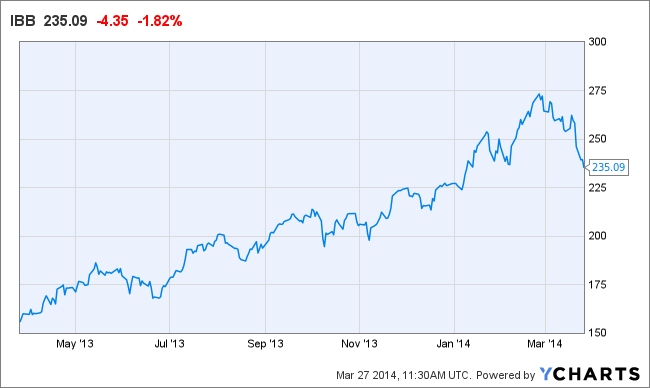
This week’s 10% drop in the Nasdaq iShares’ Biotechnology Index — not to mention the fact that biotech stocks, after a torrid two years, are up less than 4% year-to-date — has investors worrying that the sector’s two-year boom is over.

Investors should avoid thinking that the drug business has undergone a fundamental change in the past few years. It hasn’t, said Matthew Herper, below.

BioTech Sector

The Nasdaq iShares Biotechnology Index, by YCharts

Matthew Herper in his Forbes article Biotech Stocks: Seeing Rainbows, Missing The Rain  presents

a critical view regarding the Optimism expressed about the Biotech Sector in the follwoing Three points:

1. We have not reversed the decline in R&D productivity. We probably haven’t even slowed it.

Celgene’s success has come through drugs derived from its original success, repurposing thalidomide as a treatment for multiple myeloma and from Abraxane, an improved version of the 1990s cancer drug Taxol. Biogen’s big hit, Tecfidera for multiple sclerosis, is a new formulation of a drug that had been used to treat psoriasis in Germany. 

Porges points out that Celgene is now betting on a new first-in-class molecule, sotatercept. And Biogen’s big event this year will be data for its anti-LINGO program, which is a brand new way to treat multiple sclerosis. He says Alexion and Vertex are likely facing longer odds than they have in the past. Drug research: it’s really, really hard.

2. The FDA is not fundamentally friendlier to companies than it was in the past.

Novo Nordisk found itself years behind competitors because the FDA insists on a heart safety study of its new insulin. Amarin and Omthera, both makers of fish oil pills, both told investors the FDA said it would allow them to market their products to a broader population if they started big studies to prove the pills prevent heart attacks and strokes; then the FDA apparently changed its mind.FDA’s goal was to “avoid accountability for its role in the Avandia tragedy.” – Avandia got back on the Market.

3. Pricing Power May Not Last Forever

Matthew Herper writes: “Fears surrounding Congressional noise about the high price of Gilead’s Sovaldi for hepatitis C seem to have started the current drop in stock prices.”

Cystic Fibrosis drug Kalydeco, saying it won’t pay the full price of $307,000 per patient per year.

Joseph Jimenez, the CEO of Novartis,foresees governments become much tougher negotiators, forcing drug companies to become much more focused of providing services along with their medicines.

http://www.forbes.com/sites/matthewherper/2014/03/27/three-misplaced-assumptions-that-could-end-the-biotech-boom/

The Well Positioned Biotech Companies

Regeneron and partner Sanofi have several potential blockbusters in their shared pipeline, including not only their PCSK9 cholesterol drug but medicines for rheumatoid arthritis and asthma.

Gilead’s Sovaldi has a medicine that seems likely to have some of the best annual sales ever,  has got to be worth something

Vertex’s combination therapy for cystic fibrosis could show positive results later this year.

New Trends in BioTechnology & Medicine

1. Genomics Research

Lev-Ari, A. 3/25/2014. Evaluate your Cas9 Gene Editing Vectors: CRISPR/Cas Mediated Genome Engineering – Is your CRISPR gRNA optimized for your cell lines?

http://pharmaceuticalintelligence.com/2014/03/25/evaluate-your-cas9-gene-editing-vectors-crisprcas-mediated-genome-engineering-is-your-crispr-grna-optimized-for-your-cell-lines/

Genomics Orientations for Individualized Medicine. Volume One in Series B: Frontiers in Genomics Research

http://pharmaceuticalintelligence.com/biomed-e-books/genomics-orientations-for-personalized-medicine/

2. Cancer Research

Cancer Biology and Genomics for Disease Diagnosis. Volume One in Series C: e-Books on Cancer & Oncology

http://pharmaceuticalintelligence.com/biomed-e-books/series-c-e-books-on-cancer-oncology/cancer-biology-and-genomics-for-disease-diagnosis/

Bernstein, H Larry, 3/26/2014. A Synthesis of the Beauty and Complexity of How We View Cancer

http://pharmaceuticalintelligence.com/2014/03/26/a-synthesis-of-the-beauty-and-complexity-of-how-we-view-cancer/

3. Alzheimers’ Disease

2014 Seven Laureates of Dan David Prize – 1Million US$ each for Outstanding Scientific, Technological, Cultural, or Social Achievements Having an Impact on Our World

http://pharmaceuticalintelligence.com/2014/03/26/2014-seven-laureates-of-dan-david-prize-1million-us-each-for-outstanding-scientific-technological-cultural-or-social-achievements-having-an-impact-on-our-world/

3. Cardiovascular

Etiologies of Cardiovascular Diseases: Epigenetics, Genetics and Genomics. Volume Three in Series A: e-Books on Cardiovascular Diseases

http://pharmaceuticalintelligence.com/biomed-e-books/series-a-e-books-on-cardiovascular-diseases/volume-three-etiologies-of-cardiovascular-diseases-epigenetics-genetics-genomics/

4. Biologicals

Lev-Ari, A. 4/3/2013 Fight against Atherosclerotic Cardiovascular Disease: A Biologics not a Small Molecule – Recombinant Human lecithin-cholesterol acyltransferase (rhLCAT) attracted AstraZeneca to acquire AlphaCore

http://pharmaceuticalintelligence.com/2013/04/03/fight-against-atherosclerotic-cardiovascular-disease-a-biologics-not-a-small-molecule-recombinant-human-lecithin-cholesterol-acyltransferase-rhlcat-attracted-astrazeneca-to-acquire-alphacore/

Lev-Ari, A. 7/30/2012 Biosimilars: Intellectual Property Creation and Protection by Pioneer and by Biosimilar Manufacturers

http://pharmaceuticalintelligence.com/2012/07/30/biosimilars-intellectual-property-creation-and-protection-by-pioneer-and-by-biosimilar-manufacturers/

Lev-Ari, A. 7/29/2012 Biosimilars: Financials 2012 vs. 2008

http://pharmaceuticalintelligence.com/2012/07/30/biosimilars-financials-2012-vs-2008/

Lev-Ari, A. 7/29/2012 Biosimilars: CMC Issues and Regulatory Requirements

http://pharmaceuticalintelligence.com/2012/07/29/biosimilars-cmc-issues-and-regulatory-requirements/


Read Full Post »

Three-parent Baby-making: Practice of Modifying Oocytes for use in In-vitro Fertilization: FDA Hearing

Reporter: Aviva Lev-Ari, PhD, RN

Article ID #116: Three-parent Baby-making: Practice of Modifying Oocytes for use in In-vitro Fertilization: FDA Hearing. Published on 2/26/2014

WordCloud Image Produced by Adam Tubman


The US Food and Drug Administration wants to find out if the practice of modifying oocytes for use in in vitro fertilization is safe and scientifically sound, and held a hearing this week to launch a review of the process. Although it is sometimes referred to as three-parent baby-making, the procedure is not as kinky as it sounds, nor is it a likely set-up for a situation comedy, as very little DNA is contributed by the donor, but it has triggered some scientific, safety, and ethical concerns.

Specifically, the FDA’s Cellular, Tissue, and Gene Therapies Advisory Committee held a two-day meeting to hear about the use of cytoplasmic transfer, which enables women with inherited forms of mitochondrial disease to have healthy children by combining a healthy donor egg with nuclear genetic material from the mother before the IVF procedure.

The UK is already moving forward with permitting three-person IVF, but the procedure is not allowed in the US.

FDA is leaving the ethical questions and controversies about oocyte modification aside for now and seeking input on future clinical trials and the scientific, technological, and clinical issues involved and how they may affect the health of the mother and child.

In the New York Times, Sabrina Tavernise notes that although the treatments in question here are not what is generally thought of as genetic engineering, research into this area in general spurs fears in the US about how far science will go in human engineering.

“Every time we get a little closer to genetic tinkering to promote health — that’s exciting and scary,” Alan Copperman, director of the division of reproductive endocrinology and infertility at Mount Sinai Medical Center in New York, tells theTimes. “People are afraid it will turn into a dystopian brave new world.”

At the FDA meeting this week, Oregon Health Sciences University researcher Shoukrat Mitalipov, who has performed the procedure in monkeys in the US and contends that it is ready to be used in humans, took questions from the panel about the procedures he has used and the specifics of his experiments.

FDA for now plans to consider the science as it is, how it may be used, and whether it may be ready for expanded studies in humans.

“We haven’t made any decision about whether clinical trials will be allowed to proceed,” FDA’s Celia Witten tells the Times.

Marcy Darnovsky of the Center for Genetics and Society in a Times op-ed this weeksays these technologies are not ready, and crystallizes the angst many feel about human genetic tinkering.

She says, though, that they may have value, and that avoiding mitochondrial disease or helping women conceive are worthy goals.

“But these procedures are deeply problematic in terms of their medical risks and societal implications. Will the child be born healthy, or will the cellular disruptions created by this eggs-as-Lego pieces approach lead to problems later on? What about subsequent generations? And how far will we go in our efforts to engineer humans?” Darnovsky adds.

SOURCE

Read Full Post »

“Sudden Cardiac Death,” SudD is in Ferrer inCode’s Suite of Cardiovascular Genetic Tests to be Commercialized in the US

“Sudden Cardiac Death,” SudD is in Ferrer inCode’s Suite of Cardiovascular Genetic Tests to be Commercialized in the US

Curator: Aviva Lev-Ari, PhD, RN

Article ID #111: “Sudden Cardiac Death,” SudD is in Ferrer inCode’s Suite of Cardiovascular Genetic Tests to be Commercialized in the US. Published on 2/10/2014

WordCloud Image Produced by Adam Tubman

Uncertainty around reimbursement for targeted NGS tests is faced by Molecular Diagnostic and Genomics Services companies

VIEW VIDEO

Democratization of Genomic Medicine: Michael Bolick @ TEDxTalks

Ferrer inCode’s Suite of Cardiovascular Genetic Tests included the following tests: 

  • SudD inCode (Sudden Cardiac Death)
  • Cardio inCode,
  • Thrombo inCode, and
  • Nutri inCode

Selah Genomics, Ferrer inCode to Offer NGS-based Cardiovascular Test in US

2014/02/06

Selah Genomics, a Greenville, S.C.-based molecular diagnostic and genomics services company, has partnered with Spanish pharmaceutical company Ferrer inCode to commercialize Ferrer inCode’s suite of cardiovascular genetic tests in the US.

Selah will first validate Ferrer’s next-generation sequencing-based test for sudden cardiac death, SudD inCode, on Illumina’s MiSeq system to run out of its CLIA-certified laboratory.

Meantime, Selah plans to validate three other Ferrer inCode PCR-based cardiovascular tests — Cardio inCode, Thrombo inCode, and Nutri inCode — in its own lab using PCR, but may eventually combine the tests into one comprehensive panel to run on an NGS system, Selah CEO Michael Bolick told Clinical Sequencing News.

Selah already offers its PrecisionPath targeted Cancer Test in collaboration with the Greenville Health System’s Institute for Translational Oncology Research. All consenting cancer patients at ITOR receive the PrecisionPath test, which runs on Life Technologies’ Ion Torrent PGM and uses the Ion AmpliSeq technology.

Currently, Selah receives between 10 and 20 samples per week for PrecisionPath, and it plans to roll the test out nationwide later this year.

Bolick said that the company is also developing Hepatitis C and HIV assays for the MiSeq, and that the firm will likely purchase Illumina’s MiSeqDx, which recently received clearance from the US Food and Drug Administration.

Selah also collaborates with pharmaceutical companies to develop companion diagnostic tests. Bolick anticipates that the firm will use the MiSeqDx for those tests since they will “ultimately need [pre-market approval].” Having an FDA-cleared platform on which to develop the tests will be helpful in gaining a PMA designation, he said.

Selah also offers Exome Sequencing Services on the Ion Proton for research use only. In addition, it has a

  • Pacific Biosciences RS II and
  • Roche’s 454 GS FLX in house.

Bolick said that the company is currently using the PacBio machine for discovery work in infectious disease.

Ferrer inCode’s SudD inCode Test

currently assesses 55 genes related to structural heart problems that cause sudden cardiac arrest, Robert Jenkins, who manages Ferrer inCode’s UK and Americas groups, told CSN. However, the company is planning to

  • expand the test to 104 genes and also to include
  • genes related to conductive myopathy,
  • sudden infant death, and
  • aneurysms.

While the test sequences the entire genes, only well-known causative variants are reported, Jenkins said. However, the firm has been collecting all the sequenced variants, so it could potentially add content to the test if enough evidence is gathered to validate any of those variants as clinically significant.

Ferrer inCode currently runs SudD inCode on the MiSeq as an LDT, which is how Selah will validate and market the test in the US.

Jenkins said that for now, Ferrer plans to keep the Cardio, Nutri, and Thrombo inCode tests PCR-based.

  • Cardio inCode looks at around 125 variants involved in genetic risk for cardiac disease.

When it is used with traditional markers such as

  • lipid profiling, an individual’s
  • smoking and drinking habits, and
  • body mass index,

Jenkins said the genetic test helps to reclassify around 20 percent to 25 percent of individuals deemed in the intermediate risk category as either high or low risk.

Thrombo inCode Test

is an approximately 20-variant thrombosis test for individuals that have had a thrombotic event or who have had a history of unsuccessful pregnancies. Often, the cause of thrombosis can go unexplained via testing from serological workups, Jenkins said.

Nutri inCode Test

is a nutrigenomics test that looks at around 90 SNPs. In combination with lifestyle factors, it helps individuals develop a tailored genetics-based plan to reduce obesity, Jenkins said.

Bolick said that while Selah will validate and develop each of these tests individually out of its laboratory, it is also deciding whether to combine the tests into one next-gen sequencing-based test.

Jeremy Stuart, Selah’s VP of genomic services, told CSN that one option would be to incorporate the individual SNPs assessed in the Thrombo, Cardio, and Nutri tests into the SudD test.

Bolick said that the company is now in discussions with third party payors about reimbursement for the tests and is readying a regional pilot program to offer the sequencing-based cardiovascular test as part of a corporate wellness program. The pilot will help Selah figure out a pricing structure and will also demonstrate a “return on investment to the corporation, by allowing for better determination of risk of heart disease,” Bolick said.

Currently, Selah’s other NGS test, PrecisionPath, is being paid for by ITOR. However, Bolick said that initial conversations with third party payors about launching the assay outside of the Greenville Health System have been positive.

Reimbursement success will play a role in determining how the company expands beyond its current tests. For instance, while Selah is interested in moving into

  • clinical exome sequencing,

Stuart said that right now there is a “lot of uncertainty around reimbursement for targeted NGS tests, let alone exome sequencing.” Selah will first “establish reimbursement for those and then may expand into what’s possible for exome sequencing,” Stuart said. But currently, the exome market is research use only.

SOURCE

http://www.ferrerincode.com/en/node/98

Selah Genomics

SELAH GENOMICS: HARNESS THE POWER OF PRECISION FOR MORE PERSONALIZED TREATMENT

Selah Genomics is a clinical diagnostic specialist supporting healthcare providers and the pharmaceutical industry with advanced molecular and genomic diagnostic services. Selah’s services add value to early stage drug development, clinical trials and regulatory processes in the pharmaceutical industry and helps clinicians and healthcare providers treat and monitor patients, thereby improving patient outcomes.

With the Power of Precision, Selah Genomics provides the best in molecular diagnostic testing, assay validation and genomic profiling that all leads to one common goal: to provide better outcomes for patients.

Michael Bolick, CEO

Michael is a serial entrepreneur with 25 years of experience in the life science and healthcare industries. Most recently, he led a management buyout of Lab21 Ltd’s US-based operations to form Selah Genomics Inc. Prior to co-founding Selah Genomics, Michael served as President of Lab21 Inc which was formed following Lab21 Ltd’s acquisition of his prior company, Selah Technologies LLC. He founded Selah Technologies LLC to commercialize nanotechnologies licensed from Clemson University. Selah focused these nanotechnologies to enable doctors to see cancer during surgery. Prior to founding Selah Technologies, Michael’s career included roles of increasing responsibility in the pharmaceutical sector.

Michael is a Fellow in the Liberty Fellowship Class of 2011. Liberty Fellowship is a program designed specifically for emerging state leaders to reinforce values necessary to lead an exemplary life both personally and professionally. Michael serves as Immediate Past Chair of SCBIO, South Carolina’s Life Sciences Industry Association. Michael earned his bachelor’s degree in Chemical Engineering from North Carolina State University.

  • Selah Genomics specializes in supporting healthcare providers and the pharmaceutical industry with advanced molecular and genomic diagnostic services.

    read more »

    Latest News

    Find out what the buzz is about

    • Greenville Health System, Roswell Park Adopt Targeted Sequencing in Cancer Treatment

      8 May 2013

    • Selah, GHS expand personalized medicine

      2 May 2013

    • The Democratization of Genomic Medicine: Michael Bolick at TEDxGreenville

      21 Apr 2013

    • Greenville Magazine features Selah Genomics

      1 Apr 2013

    • Upstate Biotech Firm Expands to Columbia

      14 Mar 2013

    • Genetic Engineering and Biotechnology News; “Selah Genomics Establishes Second Clinical Genomics Center”

      20 Feb 2013

    • Selah Genomics Forms Second Clinical Genomic Center

      19 Feb 2013

  • Clinical Laboratory

    Helping physicians by applying our scientific expertise and skills in advanced molecular diagnostic assay development in a CLIA-certified laboratory.

    read more »

  • PrecisionPath™

    Genomic profiling of solid tumors, identifying actionable targets today and enabling the discovery of clinically relevant genes for tomorrow.

    read more »

  • Genomic Services


    Selah Genomics provides a suite of services focused on support of molecular biomarker discovery, assay validation and prospective/retrospective clinical trial testing in support of companion diagnostic development and commercialization.

    read more »

 SOURCE

THE FAST-TRACK TO DISCOVERY AND CLINICAL UTILIZATION

Selah Genomics provides a suite of services focused on support of molecular biomarker discovery, assay validation and prospective/retrospective clinical trial testing in support of companion diagnostic development and commercialization. Selah operates NGS platforms from Life Technologies, Illumina, Roche and PacBio as well as an array of real time PCR and other supporting instrumentation systems. We help you select the best platform for each Project in support of your particular goals. Our prime focus – to help fast-track the clinical utilization and commercialization of your biomarker.

Selah enjoys a key corporate relationship with the Greenville Health System’s (GHS) Institute of Translational Oncology Research (ITOR) conducting multiple clinical trials and identification of new oncology biomarkers.

GHS is the 13th largest public hospital in the United States and ITOR has the largest Phase 1 clinical trial program in South Carolina, including a track record of 16 first-in-human trials. The close relationship with ITOR is an enormous asset for Selah. Not only does it allow Selah to provide state-of-the-art molecular diagnostics support for ITOR clinical studies but it leads to first-hand daily interaction with cancer physicians. This interaction stimulates early identification and development of new biomarker panels.

Selah’s Clinical Genomics Center at ITOR is physically located within GHS & ITOR. In addition, Selah operates a Clinical Genomics Center at Innovista on the campus of the University of South Carolina.

SOURCE

http://selahgenomics.com/genomic-services/

Read Full Post »

TEVA’s New Formulation of COPAXONE® Offers Patients and Their Physicians Ability to Dose Less Frequently

 Reporter: Aviva Lev-Ari, PhD, RN
UPDATED on 2/3/2018

Pfizer’s manufacturing fix clears path for Momenta’s Copaxone generic

https://www.biopharmadive.com/news/pfizers-manufacturing-fix-clears-path-for-momentas-copaxone-generic/515942/


UPDATED on 2/1/2017

Teva’s $1bn Copaxone Blow

Feb. 1, 2017 11:03 AM ET


|

About: Teva Pharmaceutical Industries Limited (TEVA), Includes: GSK, HKMPF, HKMPY, MNTA, MYL, NVS, RDY, VEGPF

EP Vantage

Newsletter provider, biotech, healthcare

Teva’s (NYSE:TEVA) efforts to extend the life cycle of its multiple sclerosis therapy Copaxone have finally run out of steam. Yesterday’s US district court ruling means that a generic version of the 40mg formulation could be on the market as soon as February, several months earlier than expected.

The worst-case scenario for Teva now looks likely; it previously said Copaxone sales could fall by $1-1.2bn if two generic 40mg competitors emerged next month, and there are already several waiting in the wings. Teva had better news in the shape of approval of its generic version of GlaxoSmithKline’s (NYSE:GSK) Advair, but this was not enough to stop its shares opening down 6% on the New York stock exchange this morning.

Copaxone copycats

Among the generic Copaxone pack are Novartis (NYSE:NVS) and Momenta (NASDAQ:MNTA), whose version of the 40mg dose is under FDA review. The companies launched a 20mg version, called Glatopa, in 2015, and their 40mg product is the only one so far to show bioequivalence to Copaxone’s active ingredient, Leerink analysts said.

Meanwhile, Mylan (NASDAQ:MYL) said it was one of the first companies to challenge Teva’s patents with its ANDA; if its claim holds up it could get 180 days of market exclusivity on approval.

The Leerink analysts forecast a three-horse race between Momenta/Novartis, “another generic competitor and a Teva-authorized generic”. Others with a 40mg product include Dr. Reddy’s Laboratories (NYSE:RDY) and Amneal Pharmaceuticals.

Teva’s top five products in 2022
Estimated sales ($m)
Product Indication Status 2016 2022
SD-809 Huntington’s disease Filed 1,019
Copaxone Multiple sclerosis Marketed 3,958 1,006
TEV-48125 Migraine Phase III 1,003
DuoResp Spiromax Asthma/COPD Marketed 98 494
QVAR Asthma/COPD Marketed 470 478
Source: EvaluatePharma.
SOURCE
Press Release

JERUSALEM–(BUSINESS WIRE)–Jan. 28, 2014– Teva Pharmaceutical Industries Ltd. (NYSE: TEVA) announced today that the U.S. Food and Drug Administration (FDA) has approved the Company’s supplemental new drug application (sNDA) for three-times-a-week COPAXONE® 40mg/mL, a new dose of COPAXONE®. This new formulation will allow for a less frequent dosing regimen administered subcutaneously for patients with relapsing forms of multiple sclerosis (MS). In addition to the newly approved dose, daily COPAXONE® 20 mg/mL will continue to be available. The daily subcutaneous injection was approved in 1996.

“The availability of three-times-a-week COPAXONE® 40 mg/mL is a significant advancement for patients as they now have the option of effective and safe treatment with COPAXONE®, while reducing the number of injections by 60 percent,” said Omar Khan, M.D., Professor of Neurology and Chair of the Department of Neurology, Wayne State University School of Medicine, Detroit, MI. “Patients in the U.S. can now benefit from an improved dosing regimen without compromising the known benefits of COPAXONE®.”

The FDA approval is based on data from the Phase III Glatiramer Acetate Low-Frequency Administration (GALA) study of more than 1400 patients, which showed that a 40 mg/mL dose of COPAXONE® administered subcutaneously three-times-a-week significantly reduced relapse rates at 12 months and demonstrated a favorable safety and tolerability profile in patients with relapsing-remitting MS.

“For more than 20 years, Teva has pursued its multiple sclerosis research with the goal of providing effective, safe and tolerable therapies for MS patients,” said Larry Downey, President, North America Specialty Medicines. “We have progressively invested in the innovation of COPAXONE® in an effort to understand the needs and to ease the burden of patients who live with relapsing forms of MS every day. Today we are proud to continue to deliver on that investment by offering the freedom to dose three-times-a-week with COPAXONE® 40 mg/mL.”

Three-times-a-week COPAXONE® 40mg/mL is available for shipping to distribution outlets immediately, and will be available to patients within days. Teva’s Shared Solutions® patient support center has been scaled to support current patients as they transition to the new, three-times-a-week 40mg/mL formulation. Patients may call their doctors or Teva’s Shared Solutions® (1-800-887-8100) and make a request. In addition, Shared Solutions® provides 24/7 nurse support, financial and benefits investigation as well as identification of pharmacy distribution options to enable financial and physical access to COPAXONE®. Shared Solutions also provides free injection training as well as ongoing compliance and adherence support services.

About COPAXONE®

COPAXONE® (glatiramer acetate injection) is indicated for the treatment of patients with relapsing forms of multiple sclerosis. The most common side effects of COPAXONE® are redness, pain, swelling, itching, or a lump at the site of injection, flushing, rash, shortness of breath, and chest pain. See additional important information at: www.CopaxonePrescribingInformation.com. For hardcopy releases, please see enclosed full prescribing information. COPAXONE® is now approved in more than 50 countries worldwide, including the United States, Russia, Canada, Mexico, Australia, Israel, and all European countries.

Important Safety Information about COPAXONE®

Patients allergic to glatiramer acetate or mannitol should not take COPAXONE®. Some patients report a short-term reaction right after injecting COPAXONE®. This reaction can involve flushing (feeling of warmth and/or redness), chest tightness or pain with heart palpitations, anxiety, and trouble breathing. These symptoms generally appear within minutes of an injection, last about 15 minutes, and go away by themselves without further problems. During the postmarketing period, there have been reports of patients with similar symptoms who received emergency medical care. If symptoms become severe, patients should call the emergency phone number in their area. Patients should call their doctor right away if they develop hives, skin rash with irritation, dizziness, sweating, chest pain, trouble breathing, or severe pain at the injection site. If any of the above occurs, patients should not give themselves any more injections until their doctor tells them to begin again. Chest pain may occur either as part of the immediate postinjection reaction or on its own. This pain should only last a few minutes. Patients may experience more than one such episode, usually beginning at least one month after starting treatment. Patients should tell their doctor if they experience chest pain that lasts for a long time or feels very intense. A permanent indentation under the skin (lipoatrophy or, rarely, necrosis) at the injection site may occur, due to local destruction of fat tissue. Patients should follow proper injection technique and inform their doctor of any skin changes. The most common side effects of COPAXONE® are redness, pain, swelling, itching, or a lump at the site of injection, flushing, rash, shortness of breath, and chest pain. These are not all of the possible side effects of COPAXONE®. For a complete list, patients should ask their doctor or pharmacist. Patients should tell their doctor about any side effects they have while taking COPAXONE®.

Patients are encouraged to report negative side effects of prescription drugs to the FDA. Visit www.fda.gov/medwatch or call 1-800-FDA-1088.

About Teva

Teva Pharmaceutical Industries Ltd. (NYSE: TEVA) is a leading global pharmaceutical company, committed to increasing access to high-quality healthcare by developing, producing and marketing affordable generic drugs as well as innovative and specialty pharmaceuticals and active pharmaceutical ingredients. Headquartered in Israel, Teva is the world’s leading generic drug maker, with a global product portfolio of more than 1,000 molecules and a direct presence in about 60 countries. Teva’s branded businesses focus on CNS, oncology, pain, respiratory and women’s health therapeutic areas as well as biologics. Teva currently employs approximately 46,000 people around the world and reached $20.3 billion in net revenues in 2012.

Teva’s Safe Harbor Statement under the U. S. Private Securities Litigation Reform Act of 1995: The following presentation contains forward-looking statements, which express the current beliefs and expectations of management. Such statements involve a number of known and unknown risks and uncertainties that could cause our future results, performance or achievements to differ significantly from the results, performance or achievements expressed or implied by such forward-looking statements. Important factors that could cause or contribute to such differences include risks relating to: our ability to develop and commercialize additional pharmaceutical products, competition for our innovative medicines, especially Copaxone® (including competition from innovative orally-administered alternatives, as well as from potential purported generic equivalents), competition for our generic products (including from other pharmaceutical companies and as a result of increased governmental pricing pressures), competition for our specialty pharmaceutical businesses, our ability to achieve expected results through our specialty, including innovative, R&D efforts, the effectiveness of our patents and other protections for innovative products, decreasing opportunities to obtain U.S. market exclusivity for significant new generic products, our ability to identify, consummate and successfully integrate acquisitions and license products, our ability to reduce operating expenses to the extent and during the timeframe intended by our cost restructuring program, uncertainties relating to the replacement of and transition to a new President & Chief Executive Officer, the effects of increased leverage as a result of recent acquisitions, the extent to which any manufacturing or quality control problems damage our reputation for high quality production and require costly remediation, our potential exposure to product liability claims to the extent not covered by insurance, increased government scrutiny in both the U.S. and Europe of our settlement agreements with brand companies and liabilities arising from class action litigation and other third-party claims relating to such agreements, potential liability for sales of generic medicines prior to a final resolution of outstanding patent litigation, our exposure to currency fluctuations and restrictions as well as credit risks, the effects of reforms in healthcare regulation and pharmaceutical pricing and reimbursement, any failures to comply with complex Medicare and Medicaid reporting and payment obligations, governmental investigations into sales and marketing practices ,particularly for our specialty medicines (and our ongoing FCPA investigations and related matters), uncertainties surrounding the legislative and regulatory pathways for the registration and approval of biotechnology-based medicines, adverse effects of political or economic instability, corruption, major hostilities or acts of terrorism on our significant worldwide operations, interruptions in our supply chain or problems with our information technology systems that adversely affect our complex manufacturing processes, any failure to retain key personnel or to attract additional executive and managerial talent, the impact of continuing consolidation of our distributors and customers, variations in patent laws that may adversely affect our ability to manufacture our products in the most efficient manner, potentially significant impairments of intangible assets and goodwill, potential increases in tax liabilities resulting from challenges to our intercompany arrangements, the termination or expiration of governmental programs or tax benefits, environmental risks, and other factors that are discussed in our Annual Report on Form 20-F for the year ended December 31, 2012 and in our other filings with the U.S. Securities and Exchange Commission. Forward-looking statements speak only as of the date on which they are made and the Company undertakes no obligation to update or revise any forward looking statement, whether as a result of new information, future events or otherwise.

Source: Teva Pharmaceutical Industries Ltd.

Teva Pharmaceutical Industries Ltd.
IR Contacts:
United States
Kevin C. Mannix, (215) 591-8912
Ran Meir, (215) 591-3033
Israel
Tomer Amitai, 972 (3) 926-7656
or
PR Contacts:
Israel
Iris Beck Codner, 972 (3) 926-7687
United States
Denise Bradley, (215) 591-8974
Nancy Leone, (215) 284-0213

New Formulation of COPAXONE® Offers Patients and Their Physicians Ability to Dose Less Frequently – FiercePharma http://www.fiercepharma.com/press-releases/new-formulation-copaxone-offers-patients-and-their-physicians-ability-dose#ixzz2rpdTjqo9

UPDATED: Corks are a-popping at Teva with FDA nod for its new Copaxone formula

January 28, 2014 | By 

UPDATED: Corks are a-popping at Teva with FDA nod for its new Copaxone formula – FiercePharma http://www.fiercepharma.com/story/corks-are-popping-teva-fda-nod-its-new-copaxone-formula/2014-01-28#ixzz2rpf9XuTM

Teva Pharmaceutical Industries hit the finish line in its long race to develop a longer-acting formulation of its multiple sclerosis treatment Copaxone. Tuesday evening, Teva ($TEVA) said the FDA had approved the three-times-weekly formula, and not a moment too soon. The Israel-based drugmaker now has till mid-May to convert as many patients as possible to the latest and greatest version, before the original drug’s patent expires.


Teva executives predict that 45% of current Copaxone patients will convert to the long-acting formulation. It needs as many conversions as it can get; the original is Teva’s biggest seller, with about 20% of its revenue and 50% of its profits. In 2012, the drug brought in $3 billion in the U.S. alone.


There’s no word yet on pricing for the longer-acting dose, and Teva’s full-year 2013 figures aren’t yet out, so there’s no way to guesstimate how much a 45% conversion would be worth, dollar-wise. We’ll leave that number crunching to the analysts; their consensus estimates are for $4.2 billion in global Copaxone sales for 2013.


Suffice it to say that Teva should be thrilled if its conversions keep ahead of generic erosion once copycat rivals hit the market. With patent protection till 2030 on this model, it could pay off for many years to come. But that’s not a given; new formula or old, Copaxone does face competition from other brands, including the Novartis ($NVS) pill Gilenya, Sanofi’s ($SNY) Aubagio, and Biogen Idec’s ($BIIB) new-and-hot Tecfidera.


The new formula is shipping immediately and will be available to patients “within days,” the company said in a statement. Teva has staffed up at its patient support center–Shared Solutions–to help current patients move to the thrice-weekly formulation. That means help navigating insurance coverage, finding the right pharmacy, and for some, financial assistance. Patients can even call the hotline directly to ask to switch. Of course they can also call their doctors, and DTC ads will no doubt soon urge them to do so. And Teva reps have been gearing up for some time to spread the word to physicians.


The company thought it would have 18 more months to persuade patients to make the Copaxone switch, but a U.S. appeals court last year invalidated a patent that expired next November. Now, the fuse runs out in May. Teva hasn’t given up on the original formula, though. Last week, the company asked the U.S. Supreme Court to take up its patent case. And it’s still arguing for stepped-up FDA scrutiny for any would-be Copaxone copycats. Meanwhile, Teva continues to cut costs and lay off workers in a worldwide restructuring designed to save $2 billion.


Related Articles:

Teva appeals to Supreme Court for help thwarting Copaxone rivals

Teva braces for a $550M hit from Copaxone generics

CHMP recommendation adds to Teva’s financial turmoil

Teva plots 5,000 more job cuts in $2B savings drive
New Formulation of COPAXONE® Offers Patients and Their Physicians Ability to Dose Less Frequently – FiercePharma http://www.fiercepharma.com/press-releases/new-formulation-copaxone-offers-patients-and-their-physicians-ability-dose#ixzz2rpZ3IkD9

Read Full Post »

inVentiv Clinical Trial Recruitment Solutions (iCTRS) in Partnership with ViS Research: Efficiencies Gains in Clinical Trial Feasibility Studies

Reporter: Aviva Lev-Ari, PhD, RN

For Immediate Release

ViS Research Contact:

James Rosenstein

+1 917 715 2820

james.rosenstein@visresearch.com


inVentiv Contact:

Danielle DeForge

Office: +1 781 425 4624

Mobile: +1 202 210 5992

danielle.deforge@inventivhealth.com


INVENTIV HEALTH LEVERAGES ADVANCED DIGITAL TECHNOLOGY TO SLASH THE TIME REQUIRED TO CONDUCT FEASIBILITY STUDIES


Partnership with ViS Research Has the Potential to Cut in Half the Time Needed to Conduct Clinical Trial Feasibility Studies Through Process Innovation


BURLINGTON, Mass. (January 23, 2014) – inVentiv Clinical Trial Recruitment Solutions (iCTRS), an inVentiv Health company leading the biopharmaceutical sector in reducing the time to the start of  clinical trials, announced today that the process innovations offered by its partnership with ViS could cut in half the time required to conduct feasibility studies.


The most recent report issued this month by the Tufts Center for the Study of Drug Development noted that the drug development model had not fundamentally changed in years, and that the future success of pharmaceutical companies will depend in part on their ability to adopt greater efficiencies and best practices.


One area ripe for improvement is clinical site feasibility in the planning for a trial. Even though the selection of sites capable of enrolling patients is a critical step to ensuring the smooth operation of a clinical trial, site selection is fraught with inefficiencies. An estimated $10 billion a year is wasted because of poor site selection.


The use of technology is critical to process improvement in feasibility. To demonstrate the potential for savings, iCTRS took data from 100 feasibility studies conducted by inVentiv, and analyzed the time required to perform each of the individual tasks involved in such studies. The company then looked at how much time the application of ViS technology could save for each task. Cumulatively, the efficiencies offered by ViS cut the total feasibility study hours by 54% — while delivering better quality.  Additional time savings potentially could be realized by applying other technologies in the iCTRS portfolio.


ViS Research, creator of the world’s first comprehensive online feasibility platform, gives trial planners better, real-time data for the efficient evaluations of locations, sites, investigators, and networks for possible inclusion in clinical trials. The ViS global map of clinical research infrastructure, assembled over a decade of research, includes detailed and vetted information on more than 400,000 disease-specific centers.


Research centers and investigators can efficiently share their capabilities by uploading a profile on the digital platform where the information can be stored and updated regularly, eliminating redundant paper questionnaires. Up until now, many investigators chose to not participate in feasibility because it was so difficult.  Instead of answering the same questions multiple times, investigators can now build upon the existing profile and focus on answering protocol-specific questions that will help differentiate their site from other sites being considered.


For trial sponsors, the ViS profile provides answers to 85% of the routine questions they normally ask.  Sponsors can review the profiles, use the platform to contact investigators and gather additional information. High-quality analytics and visualization tools allow sponsors to quickly and easily compare sites and feasibility data for accelerated selection of sites that are properly equipped, staffed, and ready to be activated for study participation.


“At the end of the day, this is all about doing feasibility studies better, faster and getting drugs and devices into quality clinical trials at an accelerated rate,” said Ramita Tandon, senior vice president and general manager for iCTRS. “In the next phase of development on the ViS platform we’ll accelerate processes even more.”

iCTRS this month launched its own proprietary network on the ViS platform, using the social media functions that enable far easier networking.  iCTRS is the only service provider with rights to use the ViS database for building its own social network. Investigators will have access to information on new trial opportunities posted by iCTRS, while sponsors can share information on upcoming trials and more closely interact and collaborate with investigators.

iCTRS and ViS are developing additional, exclusive functionality, including automating the workflow process for confidential disclosure agreements (CDA) and the onboarding of clinical trial investigators. Streamlining and simplifying processes will help attract and retain more high-quality investigators who can enroll patients, conduct efficient trials and move the start-up phases of the drug development process into the 21st century.


iCTRS was specifically created to integrate a game-changing set of global capabilities specifically to accelerate trials in a predictable and cost-efficient way.  “It’s all about hitting timelines, and it starts with feasibility.  This is the first place we challenge assumptions about old ways of doing trials and find efficiencies through technology to do things better,” Tandon said.


About inVentiv Health

Our broad range of services and our global scale, represented by approximately 12,000 employees supporting clients in more than 70 countries, allow us to serve as a critical strategic partner for pharmaceutical, biotechnology, medical device and diagnostics, and healthcare companies in their dynamic and rapidly changing regulatory and commercial environments. We serve more than 550 client organizations, including all 20 of the largest global pharmaceutical companies. For more information, visit http://www.inVentivHealth.com.


About ViS Research (ViS)

The ViS online feasibility platform is the first to integrate analytics about investigators, sites, networks, and trial locations, while enabling engagement between trial planners and sites.  Trial planners use interactive visualizations to navigate the intricate, disease-specific decision matrix to immediately gather feasibility information from 400,000+ disease-specific research sites and 360,000+ investigators. ViS helps these investigative sites by decreasing their administrative burden related to feasibility questionnaires, while enabling them to efficiently display their disease-specific capabilities, at no cost. The end result is that optimal decisions can be reached using a small fraction of the time and cost incurred through conventional methods. ViS Research was created as a global enterprise in 2010, with trial planning experts in four continents. More information at http://www.visresearch.com.


This press release contains forward-looking statements within the meaning of the Private Securities Litigation Reform Act of 1995. Such forward-looking statements involve known and unknown risks that may cause our performance to differ materially. These forward-looking statements reflect our current views about future events and are subject to risks, uncertainties and assumptions. We wish to caution readers that certain important factors may have affected and could in the future affect our actual results and could cause actual results to differ significantly from those expressed in any forward-looking statement. Such factors include, without limitation: the impact of our substantial level of indebtedness on our ability to generate sufficient cash to fulfill our obligations under our existing debt instruments or our ability to incur additional indebtedness; the impact of customer project delays and cancellations and our ability to sufficiently increase our revenues and manage expenses and capital expenditures to permit us to fund our operations; the impact of the consummation of our acquisition of Catalina Health Resource, LLC and any future acquisitions; the impact of any change in our current credit ratings and the ratings of our debt securities on our relationships with customers, vendors and other third parties;  the impact of any additional leverage we may incur on our ratings and the ratings of our debt securities; our ability to continue to comply with the covenants and terms of our senior secured credit facilities and to access sufficient capital under our credit agreement or from other sources of debt or equity financing to fund our operations; the impact of any default by any of our credit providers; our ability to accurately forecast costs to be incurred in providing services under fixed price contracts; our ability to accurately forecast insurance claims within our self- insured programs; the potential impact on pharmaceutical manufacturers, including pricing pressures, from healthcare reform initiatives or from changes in the reimbursement policies of third-party payers; our ability to grow our existing client relationships, obtain new clients and cross-sell our services; the potential impact of financial, economic, political and other risks, including interest rate and exchange rate risks, related to conducting business internationally; our ability to successfully operate new lines of business; our ability to manage our infrastructure and resources to support our growth, including through outsourced service providers; our ability to successfully identify new businesses to acquire, conclude acquisition negotiations and integrate the acquired businesses into our operation, and achieve the resulting synergies; any disruptions, impairments, or malfunctions affecting software as well as excessive costs or delays that may adversely impact our continued investment in and development of software; the potential impact of government regulation on us and on our client base, including the impact of the final HIPAA Privacy Rule on the willingness of pharmaceutical manufacturers to sponsor patient adherence programs; our ability to comply with all applicable laws as well as our ability to successfully adapt to any changes in applicable laws on a timely and cost effective basis; our ability to recruit, motivate and retain qualified personnel; any potential impairment of goodwill or intangible assets; consolidation in the pharmaceutical industry; changes in trends in the healthcare and pharmaceutical industries or in pharmaceutical outsourcing, including

initiatives by our clients to perform services we offer internally; our ability to convert backlog into revenue; the potential liability associated with injury to clinical trial participants; the actual impact of the adoption of certain accounting standards; and our ability to maintain technological advantages in a variety of functional areas, including sales force automation, electronic claims surveillance and patient compliance. Holders of our debt instruments are referred to reports provided to investors from time to time and the offering memoranda provided in connection with the issuance of our notes for further discussion of these risks and other factors. 

# # # #

SOURCE

From: James Rosenstein <james.rosenstein@visresearch.com>
Date: Thu, 23 Jan 2014 15:44:58 +0000
To: Aviva Lev-Ari <AvivaLev-Ari@alum.berkeley.edu>
Conversation: press release

Read Full Post »

Voice from the Cleveland Clinic: On the New Lipid Guidelines and On the ACC/AHA Risk Calculator

Reporter: Aviva Lev-Ari, PhD, RN

Article ID #107: Voices from the Cleveland Clinic: On the New Lipid Guidelines and On the ACC/AHA Risk Calculator. Published on 1/21/2014

WordCloud Image Produced by Adam Tubman

This article covers the following related topics:

I. Voices from Cleveland Clinic: Love ‘Em or Leave ‘Em: Experts on Both Sides Debate the New Lipid Guidelines

http://www.medscape.com/viewarticle/819288?nlid=45683_2562&src=wnl_edit_medp_card&uac=93761AJ&spon=2

II.  JAMA Weighs In on CVD Guidance, Statins in Primary Prevention

http://www.medscape.com/viewarticle/814960

III.  How Good Is the New ACC/AHA Risk Calculator?

http://www.medscape.com/viewarticle/814579

IV.  New Cholesterol Guidelines Abandon LDL Targets

http://www.medscape.com/viewarticle/814152

V. New CV Risk-Assessment Guidance Counts Stroke With CHD Risk

http://www.medscape.com/viewarticle/814206

VI.  NIH Says ATP 4, JNC 8 Guidance Out ‘in a Matter of Months’ (With a Twist)

http://www.medscape.com/viewarticle/806563

VII.  New European Hypertension Guidelines Released: Goal Is Less Than 140 mm Hg for All

http://www.medscape.com/viewarticle/806367

VIII.  New guidelines on primary stroke prevention from AHA/ASA

http://www.medscape.com/viewarticle/790766

IX.  New ACC/AHA/NHLBI Guidance on Lifestyle for CVD Prevention

http://www.medscape.com/viewarticle/814139

X. New Obesity Guidelines: Authoritative ‘Roadmap’ to Treatment

http://www.medscape.com/viewarticle/814202

XI.  USPSTF Updates Adult Obesity-Overweight Screening Guidelines

http://www.medscape.com/viewarticle/766342

Voices from the Cleveland Clinic: On the New Lipid Guidelines and On the ACC/AHA Risk Calculator

Love ‘Em or Leave ‘Em: Experts on Both Sides Debate the New Lipid Guidelines

January 20, 2014

DALLAS, TX and WASHINGTON, DC — It has been two months since the new clinical guidelines for the treatment of cholesterol were published[1], and feedback is starting to slowly emerge as clinicians begin incorporating the recommendations into clinical practice.

The American College of Cardiology (ACC) and American Heart Association (AHA) guidelines, which were developed in conjunction with the National Heart, Lung, and Blood Institute (NHLBI), were a radical departure from previous iterations, most notably in their abandonment of LDL-cholesterol targets. In the past, clinicians were advised to treat patients with cardiovascular disease to less than 100 mg/dL or the optional goal of less than 70 mg/dL.

As reported by heartwire  at the time, the expert panel stated there was simply no evidence from randomized, controlled clinical trials to support treatment to a specific target. As a result, the new guidelines make no recommendations for specific LDL-cholesterol or non-HDL targets for the primary and secondary prevention of atherosclerotic cardiovascular disease.

Dr Stanley Hazen

For one clinician, Dr Stanley Hazen (Cleveland Clinic, OH), the strict adherence to only clinical-trial data is a limitation and not a strength of the new guidelines.

“First, it ignores a wealth of information on the pathophysiology of the disease process. Second, it presumes that the reason trials are designed is to answer guideline questions,” he told heartwire . “They aren’t. Trials are designed by pharmaceutical companies trying to get claims issued on their drugs. More important, the absence of randomized clinical-trial data does not justify inaction if LDL cholesterol remains elevated.”

Accelerating Vascular Age

In his commentary published January 8, 2014 in the Cleveland Clinic Journal of Medicine, Hazen, along with first author Dr Chad Raymond (Cleveland Clinic, OH), lay out their concerns with the clinical guidelines and highlight some of the shortcoming with the new recommendations[2].

For Hazen, there are multiple reasons that physicians should continue to treat to specific LDL-cholesterol targets, the first and foremost being that patients are different and no single treatment fits such a large and heterogeneous patient population at risk for cardiovascular disease and stroke. The guidelines simply call for a moderate- or high-dose statin in high-risk patients depending on the clinical scenario and no subsequent assessment of LDL cholesterol.

“In the very highest-risk patients, the ones with extraordinarily high levels of cholesterol, those who get maximally tolerated statins, if there is still a substantial LDL-cholesterol burden, they are going to have substantial residual risk,” he said. “The preponderance of data in aggregate shows that there is higher residual risk proportionate to the LDL level that’s remaining. The new guidelines completely ignore the pathophysiology of the disease process—a disease that takes decades to develop.”

The clinical guidelines are unique among documents past in that the emphasis is strictly on statin therapy rather than LDL-cholesterol-lowering medications more generally. In individuals with atherosclerotic cardiovascular disease, high-intensity statin therapy—such as rosuvastatin (Crestor, AstraZeneca) 20 to 40 mg or atorvastatin 40 to 80 mg—should be used to achieve at least a 50% reduction in LDL cholesterol unless otherwise contraindicated or when statin-associated adverse events are present. In that case, doctors should use a moderate-intensity statin. Similarly, for those with LDL-cholesterol levels >190 mg/dL, a high-intensity statin should be used with the goal of achieving at least a 50% reduction in LDL-cholesterol levels.

For Hazen, the new clinical guidelines “turn back the clock on cardiovascular disease prevention” and have the potential to both overtreat older low-risk patients and undertreat those who are young yet are at higher lifetime risk.

For example, he cites a 25-year-old man who presents because his 45-year-old father just died from a heart attack. He has a fasting total cholesterol level of 310 mg/dL, HDL cholesterol of 50 mg/dL, triglyceride level of 400 mg/dL, and LDL cholesterol of 180 mg/dL. Even with the strong family history of premature coronary disease, because of his young age, the current guidelines do not suggest treatment because they do not apply to those less than 40 years old. However, even if his age were 40, his calculated 10-year risk would be <7.5% based on a new and controversial risk calculator published alongside the guidelines.

“I can’t imagine there is a lipidology expert or cardiologist out there who would think that this patient does not deserve aggressive preventive efforts and intervention,” said Hazen. “It is lifetime risk and lifetime exposure to higher LDL cholesterol that contributes to the disease process. Ignoring that scientific fact in a document whose focus is on treating cholesterol to prevent cardiovascular disease is simply illogical.”

A Massive Paradigm Shift

Speaking with heartwire Dr James de Lemos (University of Texas Southwestern Medical Center, Dallas) suspects there remains some hesitancy on the part of practicing primary-care physicians to adopt the guidelines, mainly because they are a “massive paradigm shift that dramatically changes the approach to disease.” He said while there are always early adopters, there have been some questions as to which major journals and cardiology organizations would line up behind them (and nearly all have, with the exception of the American Association of Clinical Endocrinologists ).

For cardiologists, on the other hand, the shift to focus on four specific types of patients is not so dramatic, because these are patients they routinely see in clinical practice. For de Lemos, it is reasonable to focus on at-risk patients and treat according to that level of risk. He still incorporates measuring LDL-cholesterol levels, however, noting that the measurement can provide some reassurance or concern depending on the threshold achieved with treatment, dietary changes, and exercise.

Dr Mariel Jessup

To heartwire Dr Mariel Jessup (University of Pennsylvania, Philadelphia), the president of the AHA, said that immediately following their publication many of her colleagues began implementing the guidelines and using the new calculator for risk assessment. In doing so, they identified patients on statins who did not require the lipid-lowering drugs as well as patients who weren’t on them but should be.

“In the first week, we were all coming to terms with what contributes to risk,” said Jessup. She added that she hasn’t heard a great deal of criticism about the guidelines and believes most physicians are getting on board with the new changes.

She noted that a member of the Penn faculty recently delivered medical grand rounds on the new lipid guidelines and while it was mostly positive, one criticism that arose was the emphasis on randomized, controlled clinical-trial data. Jessup said that even though the new guidelines focus on clinical-trial data, this does not negate findings from observational or epidemiological studies.

Dr Roger Blumenthal

Dr Roger Blumenthal (Johns Hopkins Ciccarone Preventive Cardiology Center, Baltimore, MD), on the other hand, predicts a return to LDL treatment goals in the not-so-distant future.

“I think the guidelines will revert back to the way they were once we get a positive study showing that adding another agent to a statin reduces risk,” Blumenthal said. He predicts positive results with anacetrapib (Merck, Whitehouse Station, NJ), the novel cholesteryl ester transfer protein (CETP) inhibitor, or one of the investigational proprotein convertase subtilisin/kexin type 9 (PCSK9) inhibitors, when given on top of statins. “When that happens, the new randomized controlled trial data would support going lower than what would be achieved with giving just 40 mg or 80 mg of atorvastatin.”

In very selected patients, Blumenthal still aggressively targets to low LDL levels, even if this requires adding a second agent. For example, in patients treated with a statin, LDL cholesterol might be reduced to 80 mg or so, but triglyceride levels remain high or HDL cholesterol is low. He notes that the ACCORD study with fenofibrate was borderline nonsignificant in patients with low HDL cholesterol and high triglyceride levels. Beyond fibrates, he notes there have been angiographic studies published in support of the “lower-is-better” hypothesis.

Jessup said that most physicians understand why the LDL targets were eliminated, but many institutions used the thresholds as a performance measure. Penn Health, for example, used the number of patients treated to the old LDL-cholesterol targets as an internal marker of performance for physicians in internal medicine and general practice. “As you struggle to come up with an easily defined target that you can use to talk about quality in a large practice, and not just among cardiologists, that’s one less target you can use,” said Jessup.

Concerns Among Clinicians as Well

Dr Rita Redberg

Dr Rita Redberg (University of California, San Francisco) also has significantconcerns about the new guidelines, albeit for entirely different reasons. An outspoken critic when the guidelines were presented, her views have not changed, telling heartwire that she is already looking forward to the next version of the cholesterol guidelines. When they were first published and presented, Redberg, along with Dr John Abramson (Harvard Medical School, Boston, MA), argued that statins were beneficial for individuals with heart disease but do not reduce the risk of death in individuals with a 10-year risk of cardiovascular disease of less than 20%.

“I have not been implementing these guidelines because I don’t think they’re in the best interests of my patients, and I really do look forward to the revisions,” she said. “I’m all for looking at risk, and I’m all for targeting prevention strategies on the basis of risk, so I think this is a strong point of the new guidelines. However, that is really undermined by the risk calculator, in which anybody over age 65 basically needs to be on a statin. I don’t think the data support this.”

The new cholesterol guidelines weathered a rough roll-out their first week when Drs Paul Ridker and Nancy Cook (Brigham and Women’s Hospital, Boston, MA) calculated the 10-year risk of cardiovascular events in three large-scale primary prevention cohorts—the Women’s Health Study(WHS), the Physicians’ Health Study (PHS), and the Women’s Health Initiative Observational Study (WHI-OS)—and found the new algorithm overestimated the risk by 75% to 150%.

Dr James de Lemos

To de Lemos, the controversial aspect of the new guidelines remains in the primary-prevention population. For those without cardiovascular disease but who have LDL-cholesterol levels ranging from 70 mg/dL to 189 mg/dL and a 10-year risk of cardiovascular disease >7.5%, physicians can initiate treatment with a statin. Given the controversy surrounding the risk calculator, there have been suggestions that people who don’t need statins will receive treatment.

“It doesn’t mean the concept is flawed,” de Lemos told heartwire , “but it just might not be ready to implement widely.” As a result, he suspects that physicians might be keeping the risk calculator at arm’s length until it is studied and debated further. As for his own use, de Lemos said he doesn’t calculate 10-year risk in every patient, even though he is fairly aggressive with initiating statin therapy, and that his decisions are more intuitive and empirical, something which he doesn’t see changing.

Jessup said the risk calculator, as well as the clinical guidelines, will be updated as new information emerges. While she was not able to speak to specifics, Jessup is aware of researchers testing the predictive strength of the risk calculator in different cohorts to see how well it performs. In general, she said the calculator performs reasonably well.

Some Docs Finding the Calculator Helpful

Dr Sekar Kathiresan

Dr Sekar Kathiresan (Brigham and Women’s Hospital, Boston, MA), who runs a primary-prevention clinic, does use the new clinical guidelines and the new risk calculator to inform his decisions about whether or not to start patients with a moderate- or high-dose statin. He said Ridker and Cook raise a valid scientific point in terms of how well it is calibrated, but this should be put in perspective, given that physicians for the past 20 years or so have used the Framingham Risk Score, a score derived from a few thousand white individuals from one town in the US. The new risk equation increases the population sampled, includes different ethnicities, and is derived from more than one geographic area.

“Is the pooled-cohort equation perfect?” he asked. “No, it won’t be perfect, because it’s an attempt to estimate risk on a sample of 25 000 people.”

Blumenthal made similar comments, telling heartwire that the risk calculator is a better way to estimate risk in women and African Americans, for example. Given that the risk calculator might overestimate risk, he expands his definition of intermediate risk to include patients with a 5% to 15% 10-year risk of cardiovascular disease. In doing so, even if the risk calculator overestimates by a factor of two, they have some wiggle room in discussing care with the patient.

In addition, Blumenthal said the guidelines emphasize a discussion with the patient about care in those with a 10-year risk exceeding 7.5%, just as would be done with an intermediate-risk patient. The discussion can lead to further refinement of risk by taking family history into account or by performing a computed tomography (CT) scan to assess coronary artery calcium (CAC).

To Kathiresan, moving away from LDL-cholesterol targets will require some time before they become readily accepted, mainly because physicians have gotten used to the targets. For the most part, though, he views the changes to the guidelines as more of a “tweak.”

“I don’t find them as radical as some people do,” Kathiresan told heartwire . “I actually think the major thing that was accomplished was taking the focus away from using medications to change lab tests and to now focus on medication proven to reduce the risk of disease. This is a huge plus for the new guidelines.”

In cardiology, the evidence base is very rich, with many trials and millions of dollars spent to evaluate whether specific medicines work to reduce disease risk in specific clinical situations, he added. This is the evidence that should be used to inform clinical practice. For this reason, he entirely agrees with the new focus on statins and not simply lipid-lowering agents.

“There is an incredible amount of inappropriate use of both niacin and fibrates in the US, all based on the fact that they change lab tests,” said Kathiresan. “The clinical-trial evidence for those two medicines is disappointingly poor.”

Hazen is a coinventor on pending and issued patents held by the Cleveland Clinic relating to cardiovascular diagnostics and therapeutics. He is a paid consultant to the Cleveland Heart Lab, Esperion, Liposciences, Merck, Pfizer, and Procter & Gamble. He has received research funds from Abbott, Astra Zeneca, Cleveland Heart Lab, Esperion, Liposciences, Procter & Gamble, and Takeda. In addition, he is entitled to royalty payments for inventions/discoveries related to cardiovascular diagnostics and therapeutics from Abbott Laboratories, Cleveland Heart Lab, Esperion, Frantz Biomarkers, and Liposciences 

de Lemos acknowledges grant support from Roche Diagnostics and Abbott Diagnostics and has consulted for Diadexus. 

Kathiresan reports serving as a consultant to Merck, Pfizer, Celera, and Alnylam.

Jessup, Blumenthal, and Redberg report no conflicts of interest.

REFERENCES

  1. Stone NJ, Robinson J, Lichtenstein AH, et al. 2013 ACC/AHA guideline on the treatment of blood cholesterol to reduce atherosclerotic cardiovascular risk in adults: A report of the American College of Cardiology/American Heart Association. J Am Coll Cardiol 2013. ArticleCirculation 2013. Article.
  2. Raymond C, Cho L, Rocco M, Hazen SL. New cholesterol guidelines: Worth the wait? Cleve Clin J Med 2014; DOI: 10.3949/ccjm.81a.13161. Article

SOURCE

http://www.medscape.com/viewarticle/819288#1

Read Full Post »

« Newer Posts - Older Posts »