Healthcare analytics, AI solutions for biological big data, providing an AI platform for the biotech, life sciences, medical and pharmaceutical industries, as well as for related technological approaches, i.e., curation and text analysis with machine learning and other activities related to AI applications to these industries.
Leaders in Pharmaceutical Business Intelligence (LPBI) Group, Newsletter #1 – February 2020
Welcome to the premier issue of LPBI Group News, where readers can find relevant news and updates about science, business and medical innovation. This newsletter is distributed as a service for our readers.
The Conference Forum Highlights Immuno-Oncology 360° in New York
The Conference Forum is hosting Immuno-Oncology 360°, which reports on current data and developments of immuno-oncology in the science and business communities. The summit takes place on February 26-28 at the Crowne Plaza Times Square in New York.
Please visit www.io360summit.com to register and use code LPBI20 for a 20% discount.
e-Proceedings of 15th Annual Personalized Medicine Conference at Harvard Medical School
The 15th Annual Personalized Medicine Conference at Harvard Medical School, Boston last year [November 13-14, 2019], entitled The Paradigm Evolves, explored the science, business and policy issues facing personalized medicine. In today’s world, scientists need to understand how molecular diagnostics augmented by artificial intelligence, data analytics and digital health empowers physicians and patients in their health care decisions.
Please visit for LPBI Group coverage of the meeting, including social media activities at the conference:
3D Medical BioPrinting Technology Featured in Podcast
LPBI Group leaders, Aviva Lev-Ari, Ph.D., R.N., Stephen Williams, Ph.D., and Irina Robu, Ph.D., spoke with Partners in Health and Biz, a half-hour audio podcast that reaches 40,000 listeners, about the topic of 3D Medical BioPrinting Technology: A Revolution in Medicine.
The 3D BioPrinting technology is being used to develop advanced medical practices that will help with previously difficult processes, such as delivering drugs via micro-robots, targeting specific cancer cells and even assisting in difficult eye operations.
The table of contents in this book includes: Chapter 1: 3D Bioprinting: Latest Innovations in a Forty year-old Technology. Chapter 2: LPBI Initiative on 3D BioPrinting, Chapter 3: Cardiovascular BioPrinting, Chapter 4: Medical and Surgical Repairs – Advances in R&D Research, Chapter 5: Organ on a Chip, Chapter 6: FDA Regulatory Technology Issues, Chapter 7: DNA Origami, Chapter 8: Aptamers and 3D Scaffold Binding, Chapter 9: Advances and Future Prospects, Chapter 10: BioInks and MEMS, Chapter 11: BioMedical MEMS, Chapter 12: 3D Solid Organ Printing and Chapter 13: Medical 3D Printing: Sources and Trade Groups – List of Secondary Material.
New e-Book: Latest in Genomics Methodologies for Therapeutics: Gene Editing, NGS & BioInformatics, Simulations and the Genome Ontology
LPBI Group’s latest e-book entitled, Latest in Genomics Methodologies for Therapeutics: Gene Editing, NGS &BioInformatics, Simulations and the Genome Ontology, offers the reader content curation with embedded videos and audio podcasts, real-time conference e-Proceedings by LPBI’s scientists and professors and archived tweets of quotes from speakers at leading biotechnology conferences.
The book integrates in a single volume four distinct perspectives: basic science, technologies and methodologies, clinical aspects and business and legal aspects of genomics research. “The materials in this book represents the scientific frontier in Biological Sciences and Medicine related to the genomics aspects of disease onset,” said Aviva Lev-Ari, Ph.D., R.N., and founder of LPBI Group.
The book addresses:
aspects of life: the Cell, the Organ, the Human Body and Human Populations;
methodologies of genomic data analysis: Next Generation Sequencing, Gene Editing, AI, Single Cell Genomics, Evolution Biology Genomics, Simulation Modeling in Genomics, Genotypes and Phenotypes Modeling, measurement of Epigenomics effects on disease, and developments in Pharmaco-Genomics.
Additionally, artificial Intelligence in medicine is covered in Part 3 of the e-Book, which represents the frontier in this emerging field, with topics, such as the science, technologies and methodologies, clinical aspects, business and legal implications as well as the latest machine learning algorithms harnessed for medical diagnosis.
This e-book is significant because it:
contains 326 articles on topics, such as gene editing, bioinformatics and genome ontology;
incorporates 74e-Proceedings created in real time by the Book’s authors and editors
includes four collectionsof Tweets representing quotes from speakers at global leading conferences on Genomics
has 13 locationsof Videos and Audio Podcasts that serve to enrich the e-Reader’s experience.
Parkinson’s Disease (PD), characterized by both motor and non-motor system pathology, is a common neurodegenerative disorder affecting about 1% of the population over age 60. Its prevalence presents an increasing social burden as the population ages. Since its introduction in the 1960’s, dopamine (DA)-replacement therapy (e.g., L-DOPA) has remained the gold standard treatment. While improving PD patients’ quality of life, the effects of treatment fade with disease progression and prolonged usage of these medications often (>80%) results in side effects including dyskinesias and motor fluctuations. Since the selective degeneration of A9 mDA neurons (mDANs) in the substantia nigra (SN) is a key pathological feature of the disease and is directly associated with the cardinal motor symptoms, dopaminergic cell transplantation has been proposed as a therapeutic strategy.
Researchers showed that mammalian fibroblasts can be converted into embryonic stem cell (ESC)-like induced pluripotent stem cells (iPSCs) by introducing four transcription factors i.e., Oct4, Sox2, Klf4, and c-Myc. This was then accomplished with human somatic cells, reprogramming them into human iPSCs (hiPSCs), offering the possibility of generating patient-specific stem cells. There are several major barriers to implementation of hiPSC-based cell therapy for PD. First, probably due to the limited understanding of the reprogramming process, wide variability exists between the differentiation potential of individual hiPSC lines. Second, the safety of hiPSC-based cell therapy has yet to be fully established. In particular, since any hiPSCs that remain undifferentiated or bear sub-clonal tumorigenic mutations have neoplastic potential, it is critical to eliminate completely such cells from a therapeutic product.
In the present study the researchers established human induced pluripotent stem cell (hiPSC)-based autologous cell therapy. Researchers reported a platform of core techniques for the production of mDA progenitors as a safe and effective therapeutic product. First, by combining metabolism-regulating microRNAs with reprogramming factors, a method was developed to more efficiently generate clinical grade iPSCs, as evidenced by genomic integrity and unbiased pluripotent potential. Second, a “spotting”-based in vitro differentiation methodology was established to generate functional and healthy mDA cells in a scalable manner. Third, a chemical method was developed that safely eliminates undifferentiated cells from the final product. Dopaminergic cells thus produced can express high levels of characteristic mDA markers, produce and secrete dopamine, and exhibit electrophysiological features typical of mDA cells. Transplantation of these cells into rodent models of PD robustly restored motor dysfunction and reinnervated host brain, while showing no evidence of tumor formation or redistribution of the implanted cells.
Together these results supported the promise of these techniques to provide clinically applicable personalized autologous cell therapy for PD. It was recognized by researchers that this methodology is likely to be more costly in dollars and manpower than techniques using off-the-shelf methods and allogenic cell lines. Nevertheless, the cost for autologous cell therapy may be expected to decrease steadily with technological refinement and automation. Given the significant advantages inherent in a cell source free of ethical concerns and with the potential to obviate the need for immunosuppression, with its attendant costs and dangers, it was proposed that this platform is suitable for the successful implementation of human personalized autologous cell therapy for PD.
Tweets and Retweets by @AVIVA1950 and by @pharma_BI for 15th Annual Personalized Medicine Conference at Harvard Medical School – THE PARADIGM EVOLVES, November 13 – 14, 2019 • Harvard Medical School, Boston, MA
Curator: Aviva Lev-Ari, PhD, RN
Tweets and Retweets by @AVIVA1950 and by @pharma_BI for 15th Annual Personalized Medicine Conference at Harvard Medical School – THE PARADIGM EVOLVES, November 13 – 14, 2019 • Harvard Medical School, Boston, MA, Volume 2 (Volume Two: Latest in Genomics Methodologies for Therapeutics: Gene Editing, NGS and BioInformatics, Simulations and the Genome Ontology), Part 1: Next Generation Sequencing (NGS)
Tweets and Retweets by @AVIVA1950 and by @pharma_BI for 15th Annual Personalized Medicine Conference at Harvard Medical School – THE PARADIGM EVOLVES, November 13 – 14, 2019 • Harvard Medical School, Boston, MA
Real Time Press Coverage: Aviva Lev-Ari, PhD, RN
see also,
eProceedings 15th Annual Personalized Medicine Conference at Harvard Medical School – THE PARADIGM EVOLVES, November 13 – 14, 2019 • Harvard Medical School, Boston, MA
Donald L. Siegel, Ph.D., M.D., Director, Division of Transfusion Medicine & Therapeutic Biology, Director, Clinical Cell and Vaccine Production Facility, UPenn’s Perelman School of Medicine no relations explored between Immune T cells and microbiome
Paul Stoffels, M.D., Vice Chairman, Executive Committee, Chief Scientific Officer, Johnson & Johnson Impact of Mirobiome it plays a key role in many diseases difficult to develop therapeutics derived from microbiome data
Harpreet Singh, Ph.D., CEO, Immatics T Cell peptide started 15 years ago Peptonomics, tumors of solid cancer – cell therapies selected from libraries off the shelf cells from health donors Biologics bridges tumor cells and solid cells
Donald L. Siegel, Ph.D., M.D., Director, Division of Transfusion Medicine & Therapeutic Biology, Director, Clinical Cell and Vaccine Production Facility, UPenn’s Medicine CAR-T therapy started the Transfusion Medicine & Therapeutic Biology industry
Paul Stoffels, M.D., Vice Chairman, Executive Committee, Chief Scientific Officer, Johnson & Johnson Combination therapy emerges, MOA partnerships: cell therapy can transform cancer treatment INFECTIOUS disease had Global impact need stop the virus
Platforms are established, every 20-30 another one emergences access to data – critical platform AI for diagnostics and decision making biomarkers J&J try to learn on every disease: Lungs and GI Diagnosis HIV Vaccine
Paul Stoffels, M.D., Vice Chairman, Executive Committee, Chief Scientific Officer, Johnson & Johnson Goals of medicine in 2019 early detection Vaccines in disease prevention Longevity
Michael J. Pellini, MD Diagnostics Pain management Patients can fight more broadly F for sharing data and data exchange 80% patients do not access Academic Centers for treatment
Michael J. Pellini, MD surgery, chemo, radiation – cost, harmful, INEFFECTIVE, Dr. Reza Columbia Medical School Oncologist 35 years How are we doing with technology? Very remarkable Clinical Utility to the Payer Regulatory – a super star in ten years
Stephen L. Eck, Carl June, UPenn Beyond Cancer: Chronic diseases have systemic of specific immune or autoimmune components: CNS, neurodegenerative and Diabetes, Sickle cell anemia – treatment by cell therapy microphages
Stephen L. Eck, Carl June, UPenn Cost of cell transfection therapy: Cost of Goods, Cost of Labor – pay for performance, Manufacture in NJ shipped to Europe – not effective
Stephen L. Eck, Carl June, UPenn Similarity between Transfusion Medicine industry and Cell therapy – Transfection of cells therapy Manufacturing of Cells for transfection: Over regulation like in small molecules vs too little regulation
Stephen L. Eck, Carl June, UPenn engineering T cells life farming – innovation is the driver, FDA is evolving in handling patents involved in Cell engineering Regulatory science needs to evolve in light of gene therapy in Human cell line in China
Stephen L. Eck, Carl June, UPenn Children vs Adults 2011 reported better results in Adults, children’s immune system is evolving In 2019 – 13 biotech companies in CAR-T cell therapies, Gene therapy is growing FDA, drug cycle T cells vs stem cells
15th Annual meeting is at a historic moment in Boston where Prof. Church launched the Human Genome Project and Eric Launder at MIT and the Cancer Genome Project. Genzyme conceived gene therapy sold to Sanofi for $ Billion Foundation Medicine
Edward Abrahams, Ph.D., President, PMC 170 drugs with biomarkers, up 15% from 2000 in Biomarker strategy Gene therapy started in 2005, today personalized medicine is becoming standard of care. Science & Technology need additional friendly environment
Kenna R. Mills Shaw, Ph.D., MD Anderson Institute does not sequence genome of each patient unlike Dana Farber clinicians need to access information for decision making when disease progresses – what new test to order data sharing inside the institute
Daryl Pritchard, Ph.D., Senior Vice President, Science Policy, PMC Genomic sequencing for a single test that covers many biomarkers Improve treatment efficiency Growing recognition of the need to demonstrate value, evidence for Payers to pay
Ammar Qadan, Vice President, Global Head of Market Access, Illumina Illumina is building evidence for Harvard Pilgrim on theirs patient data on risk pregnancies Illumina is expanding building evidence for ALL rare diseases for all Test diagnostics
Roy J. Gandolfi, M.D., Medical Director, SelectHealth, UT is the Payer of Intermountain Healthcare, UT Regional approach vs National perspective medical policies requires experts for Payer to approve a treatment Consumer in the health plan
Lincoln Nadauld, M.D., Ph.D., Chief, Precision Health, Intermountain Healthcare, UT Precision Oncology Program: Need, study, analysis outcome, publish dataPharmacogenetics testing will be covered for all employees & Neonatal
Peter J. Neumann, Sc.D., Tufts Medical Center clinical utility evidence of value: saving by diagnostics cost for quality cost of diagnostics cost effectiveness – characterize utility cost effectiveness – study Value to families value of knowledge
Ammar Qadan, Vice President, Global Head of Market Access, Illumina Illumina is partnering with providers and Payer Illumina & Blue Cross Blue Shield 150 Million are covered for genomics 2500 genomics test done Under utilization educate physician
Mark P. Stevenson, COO Thermo Fisher Scientific Context: Therapy selection in personalized medicine navigate diagnostics in use and policies when implementations is considered Physicians need precise testing now Payers evidence of utility is needed
Mark P. Stevenson, Executive Vice President, Chief Operating Officer, Thermo Fisher Scientific Patient Outcome – Data analytics, ML, AI for genomics, proteomics, metabolomics, Tests must be precise and inform the diagnosis by diagnostics Solutions
Paul Stoffels, M.D., Vice Chairman, Executive Committee, Chief Scientific Officer, Johnson & Johnson Passion of Scientists pharmaceutics development is based on insights looking into the future – important goal to solve
best conference on Personalized Medicine in 15 years eProceedings 15th Annual Personalized Medicine Conference at Harvard Medical School – THE PARADIGM EVOLVES, November 13 – 14, 2019 • Harvard Medical School, Boston, MA
eProceedings 15th Annual Personalized Medicine Conference at Harvard Medical School – THE PARADIGM…
eProceedings 15th Annual Personalized Medicine Conference at Harvard Medical School – THE PARADIGM EVOLVES, November 13 – 14, 2019 • Harvard Medical School, Boston, MA The 15th Annual …
pharmaceuticalintelligence.com
Aviva Lev-Ari
@AVIVA1950
·
Your synopsis of the best Personalized Medicine Conference organized to date #PMConf
#PMConf@pharma_BI@AVIVA1950 best conference on Personalized Medicine in 15 years eProceedings 15th Annual Personalized Medicine Conference at Harvard Medical School – THE PARADIGM EVOLVES, November 13 – 14, 2019 • Harvard Medical School, Boston, MA https://pharmaceuticalintelligence.com/2019/07/19/15th-annual-personalized-medicine-conference-at-harvard-medical-school-the-paradigm-evolves-november-13-14-2019-%e2%80%a2-harvard-medical-school-boston-ma/
Retweet by @AVIVA1950
Aviva Lev-Ari
@AVIVA1950
·
A true leader in Pharmaceutical domain, also Member of the National Academy of Art and Sciences #PMConf
Introducing the amazing @ScottGottliebMD was a highlight of #pmconf. His vision for balanced regulatory and coverage policies is desperately needed now to support the future of #personalizedmedicine@permedcoalition
This year’s #PMConf case study on the @TheDDFund puts a spotlight on what one can do to combine modern entrepreneurial finance approaches to tackle a very complex problem such as Alzheimer’s Disease. @RHamermesh@HarvardHBS#PMConf
Edward Abrahams, Ph.D., President, PMC 170 drugs with biomarkers, up 15% from 2000 in Biomarker strategy Gene therapy started in 2005, today personalized medicine is becoming standard of care. Science & Technology need additional friendly environment
We’re proud to announce Steve Shak is the recipient of the Leadership in Personalized Medicine Award at the 15th Annual Personalized Medicine Conference: The Paradigm Evolves. Please come and see him speak at the conference. https://bit.ly/2lMAteZ#PMConf
“For the first time, I think, in the biopharma industry, patent duration won’t matter,” @carlhjune says at #PMConf. @FoleyandLardner‘s Antoinette F. Konski weighs in. #precisionmedicine#drugpatentshttps://news.bloomberglaw.com/pharma-and-life-sciences/gene-therapies-could-disrupt-drug-company-patent-strategy…
Aviva Lev-Ari
@AVIVA1950
·
Agree, knowledge transfer across indication will increase the economic value of R&D in Pharma #PMConf
Paul Stoffels shares “data has become a critical platform for any company that wants to be successful.” Better understanding and interpretation of data is the pathway to harnessing the success of personalized medicine in other therapy areas #PMConf
Aviva Lev-Ari
@AVIVA1950
·
I liked the questioned asked by the Panel Moderator #PMConf
Donald Siegel of UPenn on alternative concept for CAR-T treatments: “Universal CAR-T cells” that include say a yeast peptide CAR that doesn’t target human cells but then combine these T cells with various antibodies to treat various cancers such as lymphoma. #pmconf
.@ScottGottliebMD at #PMConf: If we make the wrong decisions in policy, it can lead to change in risk taking. The nature of innovation will change. Would be a shame to lose the big bets we’re making on health innovation. @permedcoalition
Congratulations to Steve Shak for being awarded the 15th Annual Leadership in Personalized Medicine Award at The 15th Annual Personalized Medicine Conference: The Paradigm Evolves #PMConf@permedcoalition
Platforms are established, every 20-30 another one emergences access to data – critical platform AI for diagnostics and decision making biomarkers J&J try to learn on every disease: Lungs and GI Diagnosis HIV Vaccine
Paul Stoffels, M.D., Vice Chairman, Executive Committee, Chief Scientific Officer, Johnson & Johnson Goals of medicine in 2019 early detection Vaccines in disease prevention Longevity
Paul Stoffels, M.D., Vice Chairman, Executive Committee, Chief Scientific Officer, Johnson & Johnson Passion of Scientists pharmaceutics development id based on insights looking into the future – important goal to solve
Honored to be formally inducted tonight into the National Academy of Medicine and to have the opportunity to join this esteemed group of international clinical and health leaders #NAMmtg@theNAMedicine
said on FDA’s move to standardized templates that shifts to a cloud-based data collection system. “A lot of you have been doing this for years.”#PMConf
Validation, automation needed to drive down costs & scale cell therapies – Carl June keynote discussion #PMConf#PrecisionMedicine
2
2
Aviva Lev-Ari
@AVIVA1950
·
Kathy Giusti survivor and activist, my hero
Quote Tweet
Kathy Giusti
@KathyGiusti
·
@carlhjune notes harmonization across the US, Europe and China will be important to advance #CARTcell safely. Regulatory and manufacturing need to keep pace with innovation. Great start to the @harvardmed#PMConf
is asked “how do you manage risk” for something that has only been made once? #PMConf; he reminds us that 1st class actions were borne in Philly, but at least this is N of 1 so no class action here;potentially lower liability here due to unique nature of intervention
PMC President Edward Abrahams kicks off the 15th Annual #PMConf where industry, government & academic leaders are gathered to discuss the impact & future of #precisionmedicine
#PersonalizedMedicine pioneer, Raju Kucherlapati of @HarvardMed, highlights the key factor needed to continue to propel #precisionmedicine forward for patients: Collaboration b/w scientists, business, industry and policymakers.#PMConf
Edward Abrahams, Ph.D., President, PMC 170 drugs with biomarkers, up 15% from 2000 in Biomarker strategy Gene therapy started in 2005, today personalized medicine is becoming standard of care. Science & Technology need additional friendly environment
We’re proud to announce Steve Shak is the recipient of the Leadership in Personalized Medicine Award at the 15th Annual Personalized Medicine Conference: The Paradigm Evolves. Please come and see him speak at the conference. https://bit.ly/2lMAteZ#PMConf
An Intelligent DNA Nanorobot to Fight Cancer by Targeting HER2 Expression
Reporter and Curator: Dr. Sudipta Saha, Ph.D.
3.2.9 An Intelligent DNA Nanorobot to Fight Cancer by Targeting HER2 Expression, Volume 2 (Volume Two: Latest in Genomics Methodologies for Therapeutics: Gene Editing, NGS and BioInformatics, Simulations and the Genome Ontology), Part 2: CRISPR for Gene Editing and DNA Repair
HER2 is an important prognostic biomarker for 20–30% of breast cancers, which is the most common cancer in women. Overexpression of the HER2 receptor stimulates breast cells to proliferate and differentiate uncontrollably, thereby enhancing the malignancy of breast cancer and resulting in a poor prognosis for affected individuals. Current therapies to suppress the overexpression of HER2 in breast cancer mainly involve treatment with HER2-specific monoclonal antibodies. However, these monoclonal anti-HER2 antibodies have severe side effects in clinical trials, such as diarrhea, abnormal liver function, and drug resistance. Removing HER2 from the plasma membrane or inhibiting the gene expression of HER2 is a promising alternative that could limit the malignancy of HER2-positive cancer cells.
DNA origami is an emerging field of DNA-based nanotechnology and intelligent DNA nanorobots show great promise in working as a drug delivery system in healthcare. Different DNA-based nanorobots have been developed as affordable and facile therapeutic drugs. In particular, many studies reported that a tetrahedral framework nucleic acid (tFNA) could serve as a promising DNA nanocarrier for many antitumor drugs, owing to its high biocompatibility and biosecurity. For example, tFNA was reported to effectively deliver paclitaxel or doxorubicin to cancer cells for reversing drug resistance, small interfering RNAs (siRNAs) have been modified into tFNA for targeted drug delivery. Moreover, the production and storage of tFNA are not complicated, and they can be quickly degraded in lysosomes by cells. Since both free HApt and tFNA can be diverted into lysosomes, so, combining the HApt and tFNA as a novel DNA nanorobot (namely, HApt-tFNA) can be an effective strategy to improve its delivery and therapeutic efficacy in treating HER2-positive breast cancer.
Researchers reported that a DNA framework-based intelligent DNA nanorobot for selective lysosomal degradation of tumor-specific proteins on cancer cells. An anti-HER2 aptamer (HApt) was site-specifically anchored on a tetrahedral framework nucleic acid (tFNA). This DNA nanorobot (HApt-tFNA) could target HER2-positive breast cancer cells and specifically induce the lysosomal degradation of the membrane protein HER2. An injection of the DNA nanorobot into a mouse model revealed that the presence of tFNA enhanced the stability and prolonged the blood circulation time of HApt, and HApt-tFNA could therefore drive HER2 into lysosomal degradation with a higher efficiency. The formation of the HER2-HApt-tFNA complexes resulted in the HER2-mediated endocytosis and digestion in lysosomes, which effectively reduced the amount of HER2 on the cell surfaces. An increased HER2 digestion through HApt-tFNA further induced cell apoptosis and arrested cell growth. Hence, this novel DNA nanorobot sheds new light on targeted protein degradation for precision breast cancer therapy.
It was previously reported that tFNA was degraded by lysosomes and could enhance cell autophagy. Results indicated that free Cy5-HApt and Cy5-HApt-tFNA could enter the lysosomes; thus, tFNA can be regarded as an efficient nanocarrier to transmit HApt into the target organelle. The DNA nanorobot composed of HApt and tFNA showed a higher stability and a more effective performance than free HApt against HER2-positive breast cancer cells. The PI3K/AKT pathway was inhibited when membrane-bound HER2 decreased in SK-BR-3 cells under the action of HApt-tFNA. The research findings suggest that tFNA can enhance the anticancer effects of HApt on SK-BR-3 cells; while HApt-tFNA can bind to HER2 specifically, the compounded HER2-HApt-tFNA complexes can then be transferred and degraded in lysosomes. After these processes, the accumulation of HER2 in the plasma membrane would decrease, which could also influence the downstream PI3K/AKT signaling pathway that is associated with cell growth and death.
However, some limitations need to be noted when interpreting the findings: (i) the cytotoxicity of the nanorobot on HER2-positive cancer cells was weak, and the anticancer effects between conventional monoclonal antibodies and HApt-tFNA was not compared; (ii) the differences in delivery efficiency between tFNA and other nanocarriers need to be confirmed; and (iii) the confirmation of anticancer effects of HApt-tFNA on tumors within animals remains challenging. Despite these limitations, the present study provided novel evidence of the biological effects of tFNA when combined with HApt. Although the stability and the anticancer effects of HApt-tFNA may require further improvement before clinical application, this study initiates a promising step toward the development of nanomedicines with novel and intelligent DNA nanorobots for tumor treatment.
Single-cell RNA-seq helps in finding intra-tumoral heterogeneity in pancreatic cancer
Reporter and Curator: Dr. Sudipta Saha, Ph.D.
4.3.6 Single-cell RNA-seq helps in finding intra-tumoral heterogeneity in pancreatic cancer, Volume 2 (Volume Two: Latest in Genomics Methodologies for Therapeutics: Gene Editing, NGS and BioInformatics, Simulations and the Genome Ontology), Part 4: Single Cell Genomics
Pancreatic cancer is a significant cause of cancer mortality; therefore, the development of early diagnostic strategies and effective treatment is essential. Improvements in imaging technology, as well as use of biomarkers are changing the way that pancreas cancer is diagnosed and staged. Although progress in treatment for pancreas cancer has been incremental, development of combination therapies involving both chemotherapeutic and biologic agents is ongoing.
Cancer is an evolutionary disease, containing the hallmarks of an asexually reproducing unicellular organism subject to evolutionary paradigms. Pancreatic ductal adenocarcinoma (PDAC) is a particularly robust example of this phenomenon. Genomic features indicate that pancreatic cancer cells are selected for fitness advantages when encountering the geographic and resource-depleted constraints of the microenvironment. Phenotypic adaptations to these pressures help disseminated cells to survive in secondary sites, a major clinical problem for patients with this disease.
The immune system varies in cell types, states, and locations. The complex networks, interactions, and responses of immune cells produce diverse cellular ecosystems composed of multiple cell types, accompanied by genetic diversity in antigen receptors. Within this ecosystem, innate and adaptive immune cells maintain and protect tissue function, integrity, and homeostasis upon changes in functional demands and diverse insults. Characterizing this inherent complexity requires studies at single-cell resolution. Recent advances such as massively parallel single-cell RNA sequencing and sophisticated computational methods are catalyzing a revolution in our understanding of immunology.
PDAC is the most common type of pancreatic cancer featured with high intra-tumoral heterogeneity and poor prognosis. In the present study to comprehensively delineate the PDAC intra-tumoral heterogeneity and the underlying mechanism for PDAC progression, single-cell RNA-seq (scRNA-seq) was employed to acquire the transcriptomic atlas of 57,530 individual pancreatic cells from primary PDAC tumors and control pancreases. The diverse malignant and stromal cell types, including two ductal subtypes with abnormal and malignant gene expression profiles respectively, were identified in PDAC.
The researchers found that the heterogenous malignant subtype was composed of several subpopulations with differential proliferative and migratory potentials. Cell trajectory analysis revealed that components of multiple tumor-related pathways and transcription factors (TFs) were differentially expressed along PDAC progression. Furthermore, it was found a subset of ductal cells with unique proliferative features were associated with an inactivation state in tumor-infiltrating T cells, providing novel markers for the prediction of antitumor immune response. Together, the findings provided a valuable resource for deciphering the intra-tumoral heterogeneity in PDAC and uncover a connection between tumor intrinsic transcriptional state and T cell activation, suggesting potential biomarkers for anticancer treatment such as targeted therapy and immunotherapy.
eProceedings 15th Annual Personalized Medicine Conference at Harvard Medical School – THE PARADIGM EVOLVES, November 13 – 14, 2019 • Harvard Medical School, Boston, MA, Volume 2 (Volume Two: Latest in Genomics Methodologies for Therapeutics: Gene Editing, NGS and BioInformatics, Simulations and the Genome Ontology), Part 1: Next Generation Sequencing (NGS)
eProceedings 15th Annual Personalized Medicine Conference at Harvard Medical School – THE PARADIGM EVOLVES, November 13 – 14, 2019 • Harvard Medical School, Boston, MA
The 15th Annual Personalized Medicine Conference at Harvard Medical School will explore the science, business, and policy issues facing personalized medicine as scientists refine their understanding of how groundbreaking molecular diagnostics augmented by artificial intelligence, advanced data analytics, and digital health applications can empower both physicians and patients with information about how an expanded set of biological characteristics — including those found in the proteome and microbiome — may influence their health and their responses to increasingly impactful therapies.
WELCOME RECEPTION – NOVEMBER 13, 2019 – 6:15 P.M.
at the Isabella Stewart Gardner Museum, 25 Evans Way, Boston, MA 02115
Use the link to access videos of the keynote sessions
featuring Scott Gottlieb, M.D., of the American Enterprise
Institute; Carl June, M.D., of the University of Pennsylvania;
Steven Shak, M.D., of Genomic Health; and Paul Stoffels,
M.D., of Johnson & Johnson.
As senior leaders from the GO2 Foundation for Lung Cancer, Harvard Pilgrim Health Care, the Institute for Clinical and Economic Review, M2Gen, and Novartis walked off the stage after the 15th Annual Personalized Medicine Conference at Harvard Medical School‘s final session, which was titled “Toward a Shared Value Proposition in Health Care,” Natasha Loder, Health Policy Editor, The Economist, told me it was “remarkable” to “see all of these people discuss the issues together” as she prepares to write a feature story on personalized medicine.
Her comments capture the spirit of this year’s conference and speak to PMC’s approach to advancing personalized medicine.
Joseph B. Martin Conference Center at Harvard Medical School 77 Avenue Louis Pasteur, Boston, MA 02115
8:50 a.m.
Opening Remarks
SPEAKER | Edward Abrahams, Ph.D., President, Personalized Medicine Coalition
170 drugs with biomarkers, up 15% from 2000 in Biomarker strategy
Gene therapy started in 2005, today personalized medicine is becoming standard of care.
Science & Technology need additional friendly environment for market penetration into care delivery
8:55 a.m.
Welcoming Remarks
SPEAKER | Raju Kucherlapati, Ph.D., Paul C. Cabot Professor of Genetics, Harvard Medical School
15th Annual meeting is at a historic moment in Boston where Prof. Church launched the Human Genome Project and Eric Launder at MIT and the Cancer Genome Project.
Genzyme conceived gene therapy sold to Sanofi for $ Billion
Foundation Medicine acquired by Roche for $ Billion
Cystic Fibrosis – therapy discovery in Boston
MGH, Dana Farber, Lung Cancer discovery in 2004 theraphy PD-1
BWH, Dana Farber, sequence every patient at DF and treatment is guided by the genomic profile
1993 was Millianum start, today Takeda – genetics in disease, initiated PMC
Promote Personalized Medicine by the Annual conference, now 15th in a row – promotion of PM is continuing in MA and beyond
Case studies at HBS – Kraft Center for Personalized Medicine
9:00 a.m.
The Era of the ‘Living Drug:’ A Keynote Conversation With Dr. Carl June, Pioneer of CAR T-cell Therapy
During this opening keynote session, the University of Pennsylvania’s Dr. Carl June, the discoverer of the chimeric antigen receptor (CAR) T-cell therapies that are unlocking a new era of personalized cancer care, will join Immatics US Chief Medical Officer Dr. Stephen L. Eck for a wide-ranging conversation about the future of personalized medicine, touching on issues including but not limited to access and affordability, regulation and manufacturing, and T-cell therapies beyond cancer. » Read More
MODERATOR | Stephen L. Eck, M.D., Ph.D., Chief Medical Officer, Immatics US
Carl June, M.D., Richard W. Vague Professor in Immunotherapy, University of Pennsylvania
1997 first patient treated – 15 years follow up CAR-T cells survived, 3 patient were infused, 2 out of 3 leukemia cell free.
Children vs Adults 2011 reported better results in Adults, children’s immune system is evolving
In 2019 – 13 biotech companies in CAR-T cell therapies, Gene therapy is growing
FDA, drug cycle T cells vs stem cells: engineering T cells life farming – innovation is the driver, FDA is evolving in handling patents involved in Cell engineering
Regulatory science needs to evolve in light of gene therapy in Human cell line in China has investments government and VC backed,
Similarity between Transfusion Medicine industry and Cell therapy – Transfection of cells therapy
Manufacturing of Cells for transfection: Over regulation like in small molecules vs too little regulation
Cost of cell transfection therapy: Cost of Goods, Cost of Labor – pay for performance,
Manufacture in NJ shipped to Europe – not effective
Beyond Cancer: Chronic diseases have systemic of specific immune or autoimmune components: CNS, neurodegenerative and Diabetes, Sickle cell anemia – treatment by cell therapy microphages
Liability of a product that everyone wants: Class action law suit,
N of 1,
China ahead of US, Europe is behind US
How to fund and how to transfer from University Hospitals to community Hospital.
9:45 a.m.
Transformative Technologies: Previewing the Value Proposition and Outlook for Disruptive Tools Designed to Enable Personalized Medicine
Emerging personalized medicine technologies may help facilitate earlier interventions that eliminate the need for expensive treatment of advanced diseases that have devastating consequences for patients. They can also help target treatments to only those patients who will benefit. But the success of these technologies depends on whether they can be integrated into a health system that has historically focused on treating diseases after symptoms have intensified, usually based on the assumption that every patient taking a given medication will respond to the treatment in a similar way.
During this session, Section 32 Managing Partner Dr. Michael J. Pellini will moderate a discussion between industry representatives and a payer about the value proposition and outlook for disruptive technologies that are designed to support more informed disease prevention and treatment plans. The conversation will focus on how developments in areas including but not limited to artificial intelligence, data analytics, genomic sequencing, liquid biopsies, and proteomics may impact the prevention, diagnosis, and treatment of diseases including cancer, cardiovascular diseases, and diabetes. » Read More
MODERATOR | Michael J. Pellini, M.D., Managing Partner, Section 32
surgery, chemo, radiation – cost, harmful, INEFFECTIVE, Dr. Reza Columbia Medical School Oncologist 35 years
How are we doing with technology? Very remarkable
Clinical Utility to the Payer
Regulatory – a super star in ten years, Dr. Gottlieb
Diagnostics
Pain management
Patients can fight more broadly
F for sharing data and data exchange
80% patients do not access Academic Centers for treatment
Challenge: Not each Payer needs to partner – need for a “coalition” of Payers
Standards: Will Payers welcome Government to provide guides – SHARING DATA is a guideline from the Government, i.e., Cystic Fibrosis where data was shared the most – success achieved faster
Steven J. Kafka, Ph.D., Partner, Third Rock Ventures; Executive Chairman, Thrive Earlier Detection
ex-Millenium, ex-Foundations,
Earlier detection of multiple cancers in Healthy individuals, Blood test – developed at John Hopkins, negative vs positive survival curve, early vs late stage
genetic profiling genotype used with the Blood test
Nancy Mendelsohn, M.D., Chief Medical Officer, Special Needs Initiative, UnitedHealth Group
Pediatrician
2years with UniterHealthCare
Better outcome from more expensive treatment is justified
How to make effective treatment to rural areas, populations without access
Eric Schadt, Ph.D., CEO, Sema4
Spun off Mount Sinai 2 years ago, transfer of innovations to patients is slow, deriving insight is not easy
COmplications of pregnancy
Roy Smythe, M.D., CEO, SomaLogic
Access to technology and equity is an issue, delivery of care was pure,
SomaLogic, measurement of protein expression, applied to predict risk for future disease
Many Omics companies, Payers will bet on whom?
Standards
10:45 a.m.
Networking Break
11:15 a.m.
Developing Diagnostics — Opportunities and Challenges in Personalized Medicine: A Two-Part Discussion
Diagnostic test developers are working to make personalized medicine possible by giving physicians tools that help them select the optimal treatment for every patient. Doing so requires that they navigate a complex business and policy landscape while being mindful of the day-to-day needs of payers and health care providers.
In this context, Mr. Mark P. Stevenson, Executive Vice President, Chief Operating Officer, Thermo Fisher Scientific, will take 10 minutes to introduce this two-part discussion titled “Developing Diagnostics — Opportunities and Challenges in Personalized Medicine.”
INTRODUCTION | Mark P. Stevenson, Executive Vice President, Chief Operating Officer, Thermo Fisher Scientific
Context: Therapy selection in personalized medicine navigate diagnostics in use and policies when implementations is considered
Physicians need precise testing now
Payers – evidence of utility is needed
Patient Outcome – Data analytics, ML, AI for genomics, proteomics, metabolomics,
Tests must be precise and inform the diagnosis by diagnostics
Solutions are
Chemical testing
Immune therapy testing
test utilization
test coverage
scaling
Standardization of care in each Hospital, medical education
Diagnostics & Pharma
Discussion Part 1
Developing Diagnostics — From Concept to the Clinic: Perspectives on the Landscape for Developing and Integrating Personalized Medicine Diagnostics into Health Systems
To kick off the “Developing Diagnostics” discussion, Moffitt Cancer Center’s DeBartolo Family Personalized Medicine Institute Medical Director Dr. Howard McLeod will moderate a conversation among leaders from the clinical, diagnostics, IT, and pharmaceutical communities about the landscape for developing and integrating personalized medicine diagnostics into health systems. » Read More
MODERATOR | Howard McLeod, Pharm.D., Medical Director, DeBartolo Family Personalized Medicine Institute at Moffitt Cancer Center
Assaf Halevy, Founder, CEO, 2bPrecise
challenge – which genetic test id relevant for which patient
genomic signature available to match
close the loop with the physician from testing, research to therapy
Bridge needed to assist physicians to select medications within a class: SSRI based on genomics profile
Kris Joshi, Ph.D., Executive Vice President, President, Network Solutions, Change Healthcare is the Largest IT Healthcare in the US
Use of Data
Personalized Diagnostics: Education of patients and patient taking charge because OUT OF POCKET cost till deductible is reached is very high $800 for cancer diagnostics before diagnosis is been established
Patients access of own medical records by 2 million patients in the US
Molecular diagnostics
Genomics data management
Peter Maag, Ph.D., CEO, CareDx
Transplantation patients – prolong survival of populations using markers vs negative longevity of one patient
Diagnostics tied to registry to demonstrate efficacy of treatment
94% survival after 1 year — no one survive 5 years
Data sharing is long term view
Consortium of 27 competing organization sharing data
Hakan Sakul, Ph.D., Vice President, Head of Diagnostics, Worldwide R & D and Medical, Pfizer
Responsive to drug and drug efficacy is determined by diagnostics test
Regulatory oversight
consistency across countries using same drugs and same diagnostics
Kenna R. Mills Shaw, Ph.D., Executive Director, MD Anderson Institute for Personalized Cancer Therapy
MD Anderson Institute does not sequence genome of each patient unlike Dana Farber
clinicians need to access information for decision making when disease progresses – what new test to order
data sharing inside the institution is not complete HOW data can be shared across institution
Discussion Part 2 Developing Diagnostics — The Role of Research: A Closer Look at Efforts to Encourage the Clinical Adoption of Personalized Medicine Diagnostics by Studying the Clinical and Economic Utility of Genomic Sequencing
During the second portion of the “Developing Diagnostics” session, a health care provider, a health economist, an industry leader, and a payer representative will join moderator and Personalized Medicine Coalition Senior Vice President for Science Policy Dr. Daryl Pritchard to examine the impact of emerging research on the clinical and economic utility of genomic sequencing for patients with diseases including but not limited to cancer and suspected rare diseases. » Read More
MODERATOR | Daryl Pritchard, Ph.D., Senior Vice President, Science Policy, Personalized Medicine Coalition
Genomic sequencing for a single test that covers many biomarkers
Improve treatment efficiency
Growing recognizion of the need to demonstrate value, evidence for Payers to pay
barriers for adoption of genomic sequencing
Roy J. Gandolfi, M.D., Medical Director, SelectHealth, UT is the Payer of Intermountain Healthcare, UT
Regional approach vs National perspective
medical policies requires experts for Payer to approve a treatment
Consumer in the health plan – they buy insurance, self insure, safety, quality care, keep premium to affort care insurance
Lincoln Nadauld, M.D., Ph.D., Chief, Precision Health, Intermountain Healthcare, UT
Precision Oncology Program: Need, study, analysis outcome, publish data
Pharmacogenetics testing will be covered for all employees
Neonatal, genomic sequence of all neonatal patients
500,000 people to be sequenced: Genomic information of every medical chart and measure clinical and economic outcomes
Peter J. Neumann, Sc.D., Director, Center for the Evaluation of Value and Risk in Health at the Institute for Clinical Research and Health Policy Studies, Tufts Medical Center
clinical utility
evidence of value: saving by diagnostics
cost for quality
cost of diagnostics
cost effectiveness – characterize utility
cost effectiveness – study
Value to families
value of knowledge
externalities
Ammar Qadan, Vice President, Global Head of Market Access, Illumina
Illumina is partnering with providers and Payer
Illumina & Blue Cross Blue Shield – 150 Million are covered for genomics 2500 genomics test done
Under utilization – education of physician needed
Illumina is building evidence for Harvard Pilgrim on theirs patient data on risk pregnancies
Illimina is expanding building evidence for ALL rare diseases for all Test diagnostics developers
12:55 p.m.
Seated Luncheon
2:10 p.m.
Overcoming Opioids: Considering the Potential of Personalized Medicine to Address the Opioid Crisis in the US
Emerging technologies present new opportunities to study the genetic, biological, and environmental factors that drive public health crises, with an eye toward developing personalized medicine health care strategies that can mitigate their devastating consequences.
During this session, Dr. Alissa M. Resch, Chief Scientific Officer, Coriell Institute for Medical Research, will explore the significance of Coriell’s ongoing effort to inform interventions that may help prevent opioid addiction by identifying with more precision which patients are most likely to develop dependency on this class of drugs. » Read More
SPEAKER | Alissa M. Resch, Ph.D., Chief Scientific Officer, Coriell Institute for Medical Research
CORI – Camden Opioid Reseach Initiative Camden County, NJ – 3 years longitudinal study funded by State of NJ: COriell Institute, Cooper Medical School, NJ Health, Cooper University HC
Prescriptions per 100 persons
overdose death pwe 100,000 persons
US, NJ, Camden, County, NJ
2010 – increase in Prescription
2013 – Synthetic Opioid
2017 – Public health epidemic
THREE ARMS Opiod USE continuum: Exposure __>>> Addiction __>>> Overdose death
OPTIN – Treatment to Pain chronic
GOALS 0 Genomics of Opiod Addiction treatment aptients
BIOBANK – biological samples from deceased aptients: who died of ipiod-related dealth : Saliva, blood, tissue – cellular function & DNA and Stem cells
A. Identify patients at risk
B. Epigenetics
C. drug-drug interaction (combination of drugs – toxicology contribuion to mortality rates
D. Can genetic information be used to study heritability of opioid use disorder
2:30 p.m.
Assessing Progress Toward the Clinical Integration of Personalized Medicine: A Landscape Analysis
Case studies and anecdotal reports suggest that leading academic medical centers and pioneering community health systems have begun to integrate personalized medicine approaches into their clinical work streams. The extent to which health care providers more generally have begun to adopt personalized medicine strategies that go beyond the ordering of genomic sequencing, however, remains unclear.
During this session, Gary Gustavsen, Partner, Managing Director, Health Advances, will share preliminary findings from a PMC-commissioned survey that examined the landscape for the clinical integration of personalized medicine in the U.S. based on a multi-factorial definition of the field. Survey respondents included a geographically diverse set of academic medical centers and community health systems. » Read More
SPEAKER | Gary Gustavsen, Partner, Managing Director, Health Advances
Across community hospital systems and Academic, across geographies, across therapeutics areas, across levels of adoption
Part I: Profiling select community health systems
Part II
III
IV Testing Guidance and Data accessibility
V Utilization of Data
VI Data sharing – Inter-institutional not cross institutions
VII Funding
Interviewees were across all functions
ADOPTION ASSESSMENT of Personalized Medicine
Collection of genomics data
Physician ordering Genomics Testing
2:50 p.m.
The 15th Annual Leadership in Personalized Medicine Award
After accepting the 15th Annual Leadership in Personalized Medicine Award, Genomic Health Chief Scientific Officer Dr. Steven Shak will share his vision for the future of the field with conference attendees. » Read More
INTRODUCTION | Kimberly Popovits, Chairman of the Board, CEO, President, Genomic Health
ex-Genetech: Herceptin, CF therapy
Genomic Health – 130 studies
AWARDEE | Steven Shak, M.D., Co-Founder, Chief Scientific Officer, Genomic Health
1986 – Joined Genetech to work on big goals and big ideas
TPA – clinical trials
CF cases – Enzyme clone DNA – tube od sputum inside enzyme – first drug to CF approved in 1997, 30 years a go gene clones
Heceptin – 90% of Breast cancer is treated by – one injected antibody on solid tumor, metastatic BR CA
2000 – Genomic Health was launched 4 out of 100 benefited from chemotherapy
Oncotype – can improve care and reduce cost
NCI Trial breast cancer 10,000 – 2018 concluded
Chemo therapy was transform to a targeted drug – molecular insights
Academia, Industry Govenment – no walls – optimally innovate
More precision Teamwork, Precision Leadership — NEEDED
Fragmented care
Four request: End in mind, few target truth seeking, experiment and continue to learn, be honest with yourself,
evemy of innovation is illusion the answer is known
loose key changes
communitive: inspire others, challenge self and others,
Clinical Trials: learn from enrolees
3:20 p.m.
Networking Break
4:00 p.m.
Wellness in the Workplace: Understanding the Opportunities and Challenges Associated With Employer-Sponsored Genetic Testing Programs for Healthy Patients
Reasoning that genetic testing may encourage healthy lifestyles by providing information about an employee’s relative risk of developing various diseases, employers seeking to improve patients’ lives and mitigate downstream health care costs have begun to sponsor genetic testing for healthy employees by partnering with various genetic testing companies, some of which sell the tests directly to consumers.
This session, moderated by Quest Diagnostics Chief Medical Officer Dr. Jay G. Wohlgemuth, who is responsible for overseeing health care benefits for Quest’s employees, will spotlight two employer-sponsored genetic testing partnerships and explore the relevant issues. The panel discussion will focus on the significance of information generated from genetic testing, the differences between various genetic testing business models, and the privacy risks associated with the collection of genetic data. » Read More
MODERATOR | Jay G. Wohlgemuth, M.D., Chief Medical Officer, Senior Vice President, Quest Diagnostics
Employers employ Pharmacogenetics, select by polypharmacy
Mental Health engagement through employer is problematic
Jane Cheshire Gilbert, C.P.A., Director, Retiree Health Care, Teachers’ Retirement System of Kentucky
average 74, 15 prescriptions on average, 65% are 84 years old
contain cost for retirees teachers in KY – pool of $$ for medications covered
72% women 28% male
36,000 retirees
64% drug changes due to review following genetic testing 80% of change Medication recommended by Pharmacist was accepted by physicians
Michael Doney, M.D., Ph.D., M.S., Head of Medical Affairs, Color
Genetic counseling
Karen E. Knudsen, M.B.A., Ph.D., Executive Vice President, Oncology Services, Jefferson Health; Enterprise Director, Sidney Kimmel Cancer Center at Thomas Jefferson University
36,000 employees all enrolled in
Scott Megill, President, CEO, Coriell Life Sciences
Pharmacogenomics
provide consultation to patient and physicians
Pharmacy team provide services to populations, delivery of medication plan
5:00 p.m.
Preparing Policies: A Keynote Address on the Policy Landscape for Personalized Medicine by Dr. Scott Gottlieb, Resident Fellow, American Enterprise Institute
During this keynote address, former U.S. Food and Drug Administration (FDA) commissioner Dr. Scott Gottlieb will share his thoughts on the evolving policy landscape for personalized medicine. » Read More
INTRODUCTION | Cynthia A. Bens, Senior Vice President, Public Policy, Personalized Medicine Coalition
SPEAKER | Scott Gottlieb, M.D., Resident Fellow, American Enterprise Institute
create incentives in clinical trial
personalized care
improve delivery of care
Create a new framework for clinical trials
cell based therapy to get approval advanced the frameworkCommon molecular features of a cancer enabling – common backbone change only pathways without the need to recreate the backbone again for another clinical trial
site licenses vs individual investigator in need for site license
4 concorsium on this topic
innovations on data: data network for post market surveillance
Insights on drug safety drug efficacy – model simulation team 35 persons – adoption faster
standardize Drug Review: Standard Template vs collections of Drug application process
O&D Report tobe standardized
legislative solution for diagnostics – laboratory tests and lab-developed tests
Digital health tools – slow adoption in context of drug approval drug label put tool into promotional material
Taking less risk will affect negatively innovations done by policy in place: Like Gene editing and regenerative medicine vs a small molecule that the biology is well understood
Design Part D – premium came lower, specialty drugs, incentives to encorage NEW drugs development like alternative to statins
Value delivered to consumers: FDA determination for expeditious approval than coverage need to follow easier to get investment in the development process
CMS is setting the ceiling not the floor and its coverage is followed by the entire market size wise
DNA data set was EKG on AppleWatch NGS and AI Medical Devices – same approach taken
5:45 p.m.
Closing Remarks
SPEAKER | Edward Abrahams, Ph.D., President, Personalized Medicine Coalition
6:00 p.m.
Welcome Reception at the Isabella Stewart Gardner Museum
Joseph B. Martin Conference Center at Harvard Medical School 77 Avenue Louis Pasteur, Boston, MA 02115
8:50 a.m.
Opening Remarks
SPEAKER | Stephen L. Eck, M.D., Ph.D., Chief Medical Officer, Immatics US
8:55 a.m.
Welcoming Remarks
SPEAKER | Joseph B. Martin, M.D., Ph.D., Dean Emeritus, Harvard Medical School
Personal story of familial heritage from Europe to Alberta, CA
9:00 a.m.
Going Global: Learning From Governmental Efforts to Advance Personalized Medicine Around the World
Global leaders are working to accelerate an era of personalized medicine around the world by encouraging innovation, modernizing policies, and reforming health systems to speed the clinical adoption of personalized medicine products and services.
During this panel discussion, four governmental representatives will share their visions for the future of personalized medicine and elaborate on their efforts to accelerate progress in the field. » Read More
MODERATOR | Antonio L. Andreu, M.D., Ph.D., Scientific Director, EATRIS (European Infrastructure for Translational Medicine)
Education of the Medical community on genomics and its use in therapy
Japan and Denmark are building national sequencing centers
Wadha Al Muftah, M.D., Ph.D., Manager, Clinical Initiatives, Qatar Genome Program
2011BioBank launched as national resource, 20,000 Quataris 3,000 foreigners recruited
Interest in the population to understand their Genome for future health
Rare disease identified
Training & Education in schools about the Genome using comics, Education of Healthcare professionals about Genomics
At the University level – Genetic counseling by professionals that understand the culture of patients
Precision medicine education for physicians
Centralized genomics implementation because the health system is centralized
A Pilot study on Cardiovascular Genomics
–>>>>>>>>>> Not attended —<<<<<<<<< Noella Bigirimana, Strategic Advisor, Rwanda Biomedical Center, Ministry of Health, Government of Rwanda; Government Fellow, World Economic Forum
Erja Heikkinen, Ph.D., Deputy Director, General Ministry of Education and Culture, Finland
Helsinki – leading cancer research academic center
Infrastructure investment in data management and representation of all pharma companies in Finland, all big pharma have offices in Finland
English is the language of communication in the research community
Three political parties and three ministries
Center for Research in Genomic is centralized and is in construction — Research will be following a distributed system of research centers in multiple locations
National investment in Genomics like in to other time in the past in any other discipline in Medicine
Raquel Yotti, M.D., Ph.D., General Director, Instituto de Salud Carlos III (Spain)
Universal coverage centralized national healthcare system
research is national and ministry of Health funds research and integrate it with the health system
interaction of clinical application and research studies
pharmaco-genomics, genomics testing,
challenge – therapies based on genetics and access to all the populations, safety and quality
PCPs are a source in the system, network used for systemic change and involve the clinical community including the PCP community
International organization under the umbrella of International Personalized medicine – the purpose of Research vs practicing Medicine
Government and industry manufacturing cell lines
Distribute results of genomics sequencing
10:00 a.m.
Networking Break
10:15 a.m.
Innovation in the Era of Personalized Medicine: A Keynote Conversation With Dr. Paul Stoffels, Chief Scientific Officer, Johnson & Johnson
During this fireside chat with CNBC Reporter Ms. Meg Tirrell, Johnson & Johnson Chief Scientific Officer Dr. Paul Stoffels will help frame the second half of the conference program by sharing the pharmaceutical industry’s perspective on the emerging issues in health care, touching on topics including costs, prices, and access. » Read More
MODERATOR | Meg Tirrell, Reporter, CNBC
Paul Stoffels, M.D., Vice Chairman, Executive Committee, Chief Scientific Officer, Johnson & Johnson
Goals of medicine in 2019
early detection
Vaccines in disease prevention
Longevity
Challenges
Platforms are established, every 20-30 another one emergences
access to data – critical platform
AI for diagnostics and decision making,
biomarkers
J&J try to learn on every disease: Lungs and GI
Diagnosis, Medical devices,
Genomics testing done with diagnosis
HIV Vaccine – long development cycle
Passion of Scientists
pharmaceutics development is based on insights looking into the future – important goal to solve
Combination therapy emerges, MOA
partnerships: cell therapy can transform cancer treatment
10:45 a.m.
Prospecting the Pipeline: Exploring the Implications of a Biopharmaceutical Pipeline Dominated by Personalized Treatments
As researchers develop an enhanced understanding of the molecular causes that underpin various diseases, many biopharmaceutical companies have begun to develop therapies that are targeted to patient subgroups and even personalized to individual patients. In oncology, for example, there are reportedly more than 900 personalized “immunotherapy” treatments being tested in the clinic, with more than 1,000 in preclinical development. The challenging scientific questions and systemic implications associated with these new therapies do not always fit neatly into existing regulatory, payment, and care delivery frameworks.
During this session, CNBC Reporter Ms. Meg Tirrell will moderate a panel discussion that explores the scientific, regulatory, reimbursement, and other systemic issues associated with future gene editing treatments, gene therapies, immunotherapies, and targeted therapies. The panelists, who include industry representatives, a researcher, and an academic leader, will also consider a new approach to immunotherapy for cancer patients in which a unique product is developed for every patient treated. » Read More
MODERATOR | Meg Tirrell, Reporter, CNBC
Donald L. Siegel, Ph.D., M.D., Director, Division of Transfusion Medicine & Therapeutic Biology, Director, Clinical Cell and Vaccine Production Facility, University of Pennsylvania’s Perelman School of Medicine
CAR-T therapy started the Transfusion Medicine & Therapeutic Biology industry
no relations explored between Immune T cells and microbiome
Cost of CAR-T therapy – use of off the shelf CAR=T cells will lower the proce while it will scale up if no rejection
DOGS USED WITH CAR-T TREATMENT OF CANCER IN DOG
Harpreet Singh, Ph.D., CEO, Immatics
T Cell peptide started 15 years ago Peptonomics,
tumors of solid cancer – cell therapies selected from libraries
off the shelf cells from health donors
Biologics bridges tumor cells and solid cells
Paul Stoffels, M.D., Vice Chairman, Executive Committee, Chief Scientific Officer, Johnson & Johnson
Impact of Mirobiome it plays a key role in many diseases
difficult to develop therapeutics derived from microbiome data
Price of Drug support innovations that are transformational need to be valued by society
Alex Vadas, Ph.D., Managing Director, Partner, LEK Consulting
TECHNOLOGY TO SELECT COMBINATION THERAPIES
11:45 a.m.
Bag Lunch
12:45 p.m.
Balancing Business and Social Objectives to Advance Personalized Medicine: A Case Study of the Dementia Discovery Fund
This interactive case study discussion will explore how and why a group of government agencies, nonprofit organizations, and pharmaceutical companies came together to support the Dementia Discovery Fund, focusing on whether a disease-specific venture that seeks to create meaningful new medicines in part by capitalizing on the evolving science underpinning personalized medicine can successfully balance social and business objectives. » Read More
MODERATOR | Richard Hamermesh, D.B.A., Co-Faculty Chair, Harvard Business School Kraft Precision Medicine Accelerator
1:45 p.m.
Toward a Shared Value Proposition in Health Care: Pursuing Value-Based Solutions in Research, Regulation, Reimbursement, and Clinical Adoption
To advance the principles of personalized medicine, the field’s proponents will need to align representatives from multiple sectors of the health system on a shared value proposition that recognizes the importance of addressing the shortcomings of one-size-fits-all medicine.
During this session, M2Gen Executive Chairman Dr. William S. Dalton will convene a commercial payer, an industry representative, a patient, and a value assessment framework developer to explore research, regulatory, clinical adoption, and especially reimbursement solutions that will, in the interest of patients, advance the principles of personalized medicine. » Read More
MODERATOR | William S. Dalton, Ph.D., M.D., Executive Chairman, M2Gen
Bonnie J. Addario, Co-Founder, Chair, GO2 Foundation for Lung Cancer
Sarah K. Emond, Executive Vice President, Chief Operating Officer, Institute for Clinical and Economic Review
Anne-Marie Martin, Ph.D., Senior Vice President, Global Head of Precision Medicine, Novartis Pharmaceuticals Corporation
Michael Sherman, M.D., Chief Medical Officer, Senior Vice President, Harvard Pilgrim Health Care
2:45 p.m.
Closing Remarks
SPEAKER | Edward Abrahams, Ph.D., President, Personalized Medicine Coalition
scPopCorn: A New Computational Method for Subpopulation Detection and their Comparative Analysis Across Single-Cell Experiments
Reporter and Curator: Dr. Sudipta Saha, Ph.D.
4.2.5 scPopCorn: A New Computational Method for Subpopulation Detection and their Comparative Analysis Across Single-Cell Experiments, Volume 2 (Volume Two: Latest in Genomics Methodologies for Therapeutics: Gene Editing, NGS and BioInformatics, Simulations and the Genome Ontology), Part 4: Single Cell Genomics
Present day technological advances have facilitated unprecedented opportunities for studying biological systems at single-cell level resolution. For example, single-cell RNA sequencing (scRNA-seq) enables the measurement of transcriptomic information of thousands of individual cells in one experiment. Analyses of such data provide information that was not accessible using bulk sequencing, which can only assess average properties of cell populations. Single-cell measurements, however, can capture the heterogeneity of a population of cells. In particular, single-cell studies allow for the identification of novel cell types, states, and dynamics.
One of the most prominent uses of the scRNA-seq technology is the identification of subpopulations of cells present in a sample and comparing such subpopulations across samples. Such information is crucial for understanding the heterogeneity of cells in a sample and for comparative analysis of samples from different conditions, tissues, and species. A frequently used approach is to cluster every dataset separately, inspect marker genes for each cluster, and compare these clusters in an attempt to determine which cell types were shared between samples. This approach, however, relies on the existence of predefined or clearly identifiable marker genes and their consistent measurement across subpopulations.
Although the aligned data can then be clustered to reveal subpopulations and their correspondence, solving the subpopulation-mapping problem by performing global alignment first and clustering second overlooks the original information about subpopulations existing in each experiment. In contrast, an approach addressing this problem directly might represent a more suitable solution. So, keeping this in mind the researchers developed a computational method, single-cell subpopulations comparison (scPopCorn), that allows for comparative analysis of two or more single-cell populations.
The performance of scPopCorn was tested in three distinct settings. First, its potential was demonstrated in identifying and aligning subpopulations from single-cell data from human and mouse pancreatic single-cell data. Next, scPopCorn was applied to the task of aligning biological replicates of mouse kidney single-cell data. scPopCorn achieved the best performance over the previously published tools. Finally, it was applied to compare populations of cells from cancer and healthy brain tissues, revealing the relation of neoplastic cells to neural cells and astrocytes. Consequently, as a result of this integrative approach, scPopCorn provides a powerful tool for comparative analysis of single-cell populations.
This scPopCorn is basically a computational method for the identification of subpopulations of cells present within individual single-cell experiments and mapping of these subpopulations across these experiments. Different from other approaches, scPopCorn performs the tasks of population identification and mapping simultaneously by optimizing a function that combines both objectives. When applied to complex biological data, scPopCorn outperforms previous methods. However, it should be kept in mind that scPopCorn assumes the input single-cell data to consist of separable subpopulations and it is not designed to perform a comparative analysis of single cell trajectories datasets that do not fulfill this constraint.
Several innovations developed in this work contributed to the performance of scPopCorn. First, unifying the above-mentioned tasks into a single problem statement allowed for integrating the signal from different experiments while identifying subpopulations within each experiment. Such an incorporation aids the reduction of biological and experimental noise. The researchers believe that the ideas introduced in scPopCorn not only enabled the design of a highly accurate identification of subpopulations and mapping approach, but can also provide a stepping stone for other tools to interrogate the relationships between single cell experiments.
First Cost-Effectiveness Study of Multi-Gene Panel Sequencing in Advanced Non-Small Cell Lung Cancer Shows Moderate Cost-Effectiveness, Exposes Crucial Practice Gap, Volume 2 (Volume Two: Latest in Genomics Methodologies for Therapeutics: Gene Editing, NGS and BioInformatics, Simulations and the Genome Ontology), Part 1: Next Generation Sequencing (NGS)
First Cost-Effectiveness Study of Multi-Gene Panel Sequencing in Advanced Non-Small Cell Lung Cancer Shows Moderate Cost-Effectiveness, Exposes Crucial Practice Gap
WASHINGTON (June 27, 2019) — The results of the first economic modeling study to estimate the cost-effectiveness of “multi-gene panel sequencing” (MGPS) as compared to standard-of-care, single-gene tests for patients with advanced non-small cell lung cancer (aNSCLC) show that the MGPS tests are moderately cost-effective but could deliver more value if patients with test results identifying actionable genetic mutations consistently received genetically guided treatments. The results of the study, which was commissioned by the Personalized Medicine Coalition (PMC), underline the need to align clinical practices with an era of personalized medicine in which physicians can use diagnostic tests to identify specific biological markers that inform targeted prevention and treatment plans.
The study, which was published yesterday in JCO Clinical Cancer Informatics, analyzed the clinical and economic value of using MGPS testing to identify patients with tumors that over-express genetic mutations that could be targeted by available therapies designed to inhibit the function of those genes — a mainstay of modern care for aNSCLC patients. Using data provided by Flatiron Health, researchers examined clinical and cost information associated with the care of 5,688 patients with aNSCLC treated between 2011 – 2016, separating them into cohorts who received MGPS tests that assess at least 30 genetic mutations at once and those who received only “single-marker genetic testing” (SMGT) of less than 30 genes.
Compared to SMGT, the MGPS testing strategy, including downstream treatment and monitoring of disease, incurred costs equal to $148,478 for each year of life that it facilitated, a level suggesting that MGPS is moderately cost-effective compared to commonly cited thresholds in the U.S., which range from $50,000 to $200,000 per life year (LY) gained.
The authors of the study point out, however, that physicians only prescribed a targeted therapy to some of the patients whose MGPS test results revealed actionable mutations. MGPS tests can only improve downstream patient outcomes if actionable results are used to put the patient on a targeted treatment regimen that is more effective than the therapy they would otherwise have been prescribed. It is therefore impossible for the cost of an MGPS test to translate into additional LYs if actionable results do not result in the selection of a targeted treatment regimen.
Although MGPS testing revealed actionable mutations in 30.1 percent of the patients in the study cohort, only 21.4 percent of patients who underwent MGPS testing received a targeted treatment.
The study’s authors calculated that if all MGPS-tested patients with actionable mutations had received a targeted therapy, MGPS testing would deliver measurably better value ($110,000 per LY gained).
“This research underlines the importance of ensuring that clinical practices keep pace with scientific progress in personalized medicine so that we can maximize the benefits of diagnostic tests that can improve patient care and make the health system more efficient by ensuring that safe and effective targeted therapies are prescribed to those patients who will benefit,” said PMC President Edward Abrahams.
The study’s authors include Dr. Lotte Steuten, Vice President and Head of Consulting, The Office of Health Economics, London, U.K., and Affiliate Associate Faculty Member, Hutchinson Institute for Cancer Outcomes Research, Fred Hutchinson Cancer Research Center; Dr. Bernardo Goulart, Associate Faculty Member, Hutchinson Institute for Cancer Outcomes Research, Fred Hutchinson Cancer Research Center; Dr. Neal Meropol, Vice President, Research Oncology, Flatiron Health; Dr. Daryl Pritchard, Senior Vice President, Science Policy, Personalized Medicine Coalition; and Dr. Scott Ramsey, Director, Hutchinson Institute for Cancer Outcomes Research, Fred Hutchinson Cancer Research Center.
###
About the Personalized Medicine Coalition:
The Personalized Medicine Coalition, representing innovators, scientists, patients, providers and payers, promotes the understanding and adoption of personalized medicine concepts, services and products to benefit patients and the health system. For more information, please visit www.personalizedmedicinecoalition.org.
The role of the patient has evolved dramatically over the past decade. Not only are patients increasingly more involved in their healthcare decision making, they are also passionate advocates who work tirelessly to advance drug development research and development and secure a public policy environment that is patient-centric. Join a discussion with patient advocates as they discuss their journeys to diagnosis and their viewpoints on our healthcare system. They will share their perspectives on what it means to be a patient and how they are advocating in their own unique ways to achieve a common goal: bringing new treatments to patients.
Christopher Anselmo: affected by MS but did not understand why he should be involved in a study at the time or share your story but he saw others who benefited from both of these and now is fervent patient advocate. Each patient is worth their weight in gold as needed for other patient support. The why needs to be asked of oneself before go out to other patients or into new trials. Might not see through to end if don’t have that discussion of why doing this.
Eve Bukowski: she had stomach aches, went to hospital, and diagnosed with constipation, but had stage III colon cancer. She was campaigning for Hillary Clinton but then started to campaign for her life. She wound up having multiple therapies and even many I/O trials. Fighting cancer is a mental challenge. She has been fighting for eleven years but has an amazing strength and will.
Emily Kramer: cystic fibrosis patient. Advocates for research as she has a mutant allele (nonsense mut) that is not targeted by the current new therapy against known mutants of CFTR. So started Emily’s Entourage for this orphan of an orphan disease. Funded $4 million in grants and helped develop a new startup and get early seed funding. Noticed that the infrastructure to get these drugs to market was broken and also is investing to shore up these breaks in drug pipeline infrastructure for orphan diseases. For progressive diseases she would like drug developers to shift the timelines or speed with which they get to take a chance and try that new possibility. As a patient advocacy org, they want to partner every step of the way with biotech/pharma, they understand co’s and stakeholders can only do so much but let’s break out of convention.
Julie: many patient advocacy groups go person to person and make a support network.
PEER-REVIEWED MEDICAL JOURNAL PUBLISHES LANDMARK STUDY ON EFFICACY AND SAFETY OF FDgard® (COLM-SST), DEMONSTRATING RAPID REDUCTION OF FUNCTIONAL DYSPEPSIA (FD OR RECURRING, MEAL-TRIGGERED INDIGESTION) SYMPTOMS WITHIN 24 HOURS
FDgard® (COLM-SST), a solid-state microsphere formulation of caraway oil and
l-Menthol, taken daily and proactively 30-60 minutes before meals, showed
statistically significant, rapid reduction of Functional Dyspepsia (FD)
symptoms within 24 hours and, additionally, relief of severe FD symptoms.
FDREST™ clinical trial with FDgard
represents an important medical advance, as no previous trials have shown rapid
relief of FD symptoms. There are no approved products for this highly prevalent
condition.
In FDREST, patients
received greater and more durable benefits with the addition of FDgard taken
daily and proactively to their typical medical regimen.
FDREST is the first
clinical trial in FD to use patented, Site
Specific Targeting (SST®) technology to deliver the FDgard
formulation to the upper belly (duodenum), the primary site of disturbance in
FD.
FDgard represents an
effective, safe and well-tolerated option to address the unmet medical needs of
millions of adults with FD.
Reporter: Gail S. Thornton
Boca Raton Fl., – (April 30, 2019) – IM HealthScience today announced that Clinical and Translational Gastroenterology (CTG), a peer-reviewed medical journal, has published the U.S. results of a landmark, double-blind, placebo-controlled study, FDREST™ (Functional Dyspepsia Reduction Evaluation and Safety Trial), which showed statistically significant, rapid reduction of Functional Dyspepsia (FD or recurring, meal-triggered indigestion) symptoms within 24 hours and, additionally, relief of severe FD symptoms.
The
FDREST study demonstrated that patients who took COLM-SST (FDgard®) on a daily
and proactive basis, 30 to 60 minutes before meals, along with commonly used
off-label FD medications versus patients who took placebo along with commonly
used off-label FD medications, experienced a statistically significant, rapid
reduction of FD symptoms within 24 hours across the FD study population.
This
study had a higher hurdle than previous studies on a similar combination of
ingredients. Firstly, concomitant medications for FD symptoms were allowed in
order to assess FDgard in a real-world setting. Second, only a subgroup of
patients in FDREST was categorized into the high-symptom burden, while they
constituted the entire groups in previous studies. Among this subgroup of
patients with the high-symptom burden, FDgard showed efficacy at 24 hours. In
spite of the polypharmacy and use of rescue medications for FD, after 48 hours
of first dose, FDgard helped further improve symptoms at 4 weeks, especially in
those high-symptom burden patients. In all cases, FDgard was safe and well-tolerated.
The
study results of FDREST were first presented at Digestive Disease Week (DDW),
the largest gathering of gastroenterologists, in May 2017.
Study Commentary
Commenting on the study, lead author William Chey, M.D., FACG, Director in the Division of Gastroenterology, Michigan Medicine Gastroenterology Clinic, Ann Arbor, said, “This landmark study was designed to answer a very important scientific question about the effectiveness, safety, and tolerability of a novel and innovative formulation of caraway oil and l-Menthol designed as solid state, enteric coated microspheres for targeted duodenal release for FD. In patients taking their usual medications for FD, FDgard was found to be effective, safe and well tolerated in rapidly reducing symptoms and in relieving severe symptoms.” Chey continued, “The positive finding at 24 hours is clinically important as symptoms are often triggered by a meal and patients are looking for rapid relief of those symptoms.”
The
study authors also cited the importance of utilizing the microsphere-based
site-specific targeting of FDgard (caraway oil and l-Menthol, the active
ingredient in peppermint oil) to the duodenum. They wrote, “This site
(duodenum) was targeted primarily due to mounting evidence that gastroduodenal
mucosal integrity and low-grade inflammation play a role in FD. Furthermore,
studies have shown that caraway oil and peppermint oil act on the duodenum to
induce smooth muscle relaxation, and that l-Menthol has anti-inflammatory
effects.” This may help normalize motility effects.
About FDREST™
FDREST™ (Functional Dyspepsia Reduction and Evaluation Safety Trial) was a multi-centered, post-marketing, parallel group,
U.S-based study conducted at seven university-based or gastroenterology
research-based centers (study period July 1, 2015, to September 14, 2016). The
study was designed to compare the efficacy, safety and tolerability of FDgard
plus commonly used, off-label medications for FD vs. a control group of placebo
plus commonly used, off-label medications prescribed for FD.
Ninety-five patients were enrolled
(mean age = 43.4 years; 75.8 percent women). At 24 hours, the active arm
reported a statistically significant reduction in Postprandial Distress Syndrome
(PDS) symptoms (P = 0.039), and a
nonsignificant trend toward benefit of Epigastric Pain Syndrome (EPS) symptoms
(P = 0.074). In patients with more
severe symptoms, approximately three-quarters showed substantial global
improvement (i.e., clinical global impressions) after 4 weeks of treatment vs.
half in the control arm. These differences were statistically significant for
patients with EPS symptoms (epigastric pain or discomfort and burning) (P = 0.046), and trending toward
significance for patients with PDS symptoms (early satiety, abdominal
heaviness, pressure and fullness) (P
= 0.091). There were no statistically significant differences between groups
for Global Overall Symptom scores for the overall population at 2 and 4 weeks.
Dr. Chey said, “The results of this
high-quality study highlight an advance in the management of FD, as current
off-label medications such as PPIs, H2RAs and antidepressants offer only a
modest level of therapeutic gain over placebo and may be associated with
adverse events, especially with continued use. FDgard addresses a significant
unmet medical need for a product to help manage symptoms in the 1 in 6 adults
suffering from this common disorder.”
About Functional
Dyspepsia (FD)
Functional
dyspepsia is a very common disorder affecting 11 percent – 29.2 percent of the
world’s population1, making it comparable in prevalence to IBS. However,
unlike IBS, there is no FDA approved product to treat FD. Sufferers are often
treated off-label with prescribed proton pump inhibitors (PPIs), histamine
type-2 receptor antagonists (H2RAs), antidepressants, and prokinetics. While
offering relief to a portion of FD patients, some of these have been associated
with adverse events. Functional dyspepsia can have a negative effect on
workplace attendance and productivity, with associated costs estimated in
excess of $18 billion annually.2
In
FD, which is typically recurring, meal-triggered indigestion with no known
organic cause, the normal digestive processes are disrupted along with
digestion and absorption of food nutrients. FD is accompanied by symptoms such
as epigastric pain or discomfort, epigastric burning, postprandial fullness,
inability to finish a normal sized meal, heaviness, pressure, bloating in the
upper abdomen, nausea, and belching. When doctors diagnose FD, they often
identify patients as those who have these symptoms for at least three months,
with symptom onset six months previously.
About FDgard®
FDgard® is a
nonprescription medical food designed to address the unmet medical need for
products to help manage Functional Dyspepsia (FD or recurring, meal-triggered
indigestion) and its accompanying symptoms. FDgard capsules contain
caraway oil and l-Menthol, the primary component in peppermint oil, for the
dietary management of FD. These two main ingredients are specially formulated
to be available in a solid state. With
patented Site Specific Targeting (SST®) technology pioneered by IM
HealthScience, FDgard capsules release individually triple-coated, solid-state
microspheres of caraway oil and l-Menthol quickly and reliably where they are
needed most in FD — the duodenum or upper belly. The l-Menthol helps with
smooth muscle relaxation and provides analgesic and anti-inflammatory
activities.3–5 Caraway oil helps mitigate the effect of gastric acid on
the stomach wall and also helps to normalize gallbladder function and may help
to normalize motility in the small intestine (primarily the duodenum) and in
the stomach.6,7 In addition to caraway oil and l-Menthol, FDgard also
provides fiber and amino acids (from gelatin protein). These ingredients have
additional positive effects on the gut wall and thus help toward normalizing
digestion and absorption.
Caraway
oil and peppermint oil have a history of working in FD. In multiple clinical
studies, the combination of caraway oil and peppermint oil has been shown to
manage FD and its accompanying symptoms, such as reducing the intensity of
epigastric pain, pain frequency, dyspeptic discomfort, and the intensity of
sensations of pressure, abdominal heaviness and fullness significantly better
than control.8,9 Cisapride, no longer an FDA-approved pro-motility drug
after its removal from the market in 2000 due to cardiovascular side effects,
was shown to have efficacy similar to a caraway oil/peppermint oil formulation10.
Complete
and final results from a real-world, observational study of 600 patients who
took FDgard, called FDACT™ (Functional Dyspepsia Adherence and Compliance Trial), were selected after peer
review and presented by William D. Chey, M.D., FACG, at the World Congress of
Gastroenterology at ACG 2017 in Orlando, Florida. The data showed there was a
consistently high level of patient satisfaction and rapid improvement of FD
symptoms with the product. A majority of patients (95 percent) reported major
or moderate improvement in their overall FD symptoms, while many patients (86.4
percent) indicated experiencing relief from symptoms within 2 hours after
taking FDgard. The findings from FDACT
substantiate the data reported in FDREST.
The usual adult dose of
FDgard is 2 capsules, as needed, up to two times a day, not to exceed six
capsules per day. Many physicians are now recommending taking FDgard daily and
proactively 30-60 minutes before a meal, as this enables the supportive effect
of FDgard to start as early as possible. While FDgard does not require a
prescription and is available in retail outlets and online, it is a medical
food that should be used under medical supervision.
About IM HealthScience®
IM
HealthScience® (IMH) is the innovator of IBgard®and
FDgard®for the dietary management of Irritable Bowel Syndrome
(IBS) and Functional Dyspepsia (FD or recurring, meal-triggered indigestion),
respectively. In 2017, IMH added Fiber Choice®, a line of prebiotic
fibers, to its product line via an acquisition. The sister subsidiary of IMH,
Physician’s Seal®, also provides REMfresh®,
a
well-known continuous release and absorption melatonin
(CRA-melatonin™) supplement for sleep.
IMH is a privately held company based in Boca
Raton, Florida. It was founded in 2010 by a team of highly experienced
pharmaceutical research and development and management executives. The company
is dedicated to developing products to address overall health and wellness,
especially in digestive health conditions with a high unmet medical need. The
IM HealthScience advantage comes from developing products based on its
patented, targeted-delivery technologies called Site Specific Targeting (SST).
For more information, visit www.imhealthscience.com to learn about
the company, or www.IBgard.com,
1. Mahadeva S, Goh KL. Epidemiology of
functional dyspepsia. A global perspective. World J Gastroenterol. 2006.
doi:10.3748/wjg.v12.i17.2661.
2. Lacy BE, Weiser KT, Kennedy AT, Crowell
MD, Talley NJ. Functional dyspepsia: the economic impact to patients. Aliment
Pharmacol Ther. 2013;38(May):170-177. doi:10.1111/apt.12355.
3. Amato A, Liotta R, Mulè F. Effects of
menthol on circular smooth muscle of human colon: Analysis of the mechanism of
action. Eur J Pharmacol. 2014. doi:10.1016/j.ejphar.2014.07.018.
4. Liu B, Fan L, Balakrishna S, Sui A, Moris
JB, Jordt S-E. TRPM8 is the Principal Mediator of Menthol-induced Analgesia of
Acute and Inflammatory Pain. Pain. 2013;154(10):2169-2177.
doi:10.1016/j.pain.2013.06.043.TRPM8.
5. Juergens U, Stober M, Vetter H. The
anti-inflammatory activity of L-menthol compared to mint oil in human monocytes
in vitro: a novel perspective for its therapeutic use in inflammatory diseases.
Eur J Med Res. 1998;3(12):539-545.
6. Alhaider A, Al-Mofleh I, Mossa J,
Al-Sohaibani M, Rafatullah S, Qureshi S. Effect of Carum carvi on
experimentally induced gastric mucosal damage in Wistar albino rats. Int J
Pharmacol. 2006;2(3):309-315.
7. Micklefield G, Jung O, Greving I, May B.
Effects of intraduodenal application of peppermint oil (WS 1340) and caraway
oil (WS 1520) on gastroduodenal motility in healthy volunteers. Phyther Res.
2003;17:135-140. doi:10.1002/ptr.1089.
8. May B, Köhler S, Schneider B. Efficacy
and tolerability of a fixed combination of peppermint oil and caraway oil in
patients suffering from functional dyspepsia. Aliment Pharmacol Ther.
2000;14:1671-1677. doi:10.1046/j.1365-2036.2000.00873.x.
9. Rich G, Shah A, Koloski N, et al. A
randomized placebo-controlled trial on the effects of Menthacarin, a
proprietary peppermint- and caraway-oil-preparation, on symptoms and quality of
life in patients with functional dyspepsia. Neurogastroenterol Motil.
2017;29(May):e13132. doi:10.1111/nmo.13132.
10. Madisch A, Heydenreich C, Wieland V,
Hufnagel R, Hotz J. Treatment of Functional Dyspepsia with a Fixed Peppermint
Oil and Caraway Oil Combination Preparation as Compared to Cisapride – A
multicenter, reference-controlled double-blind equivalence study. Arzneimittelforsch
Drug Res. 1999;49(II):925-932.
This information is for educational purposes only and is not meant to be a substitute for the advice of a physician or other health care professional. This information should not be used for diagnosing a health problem or disease. While medical foods do not require prior approval by the FDA for marketing, they must comply with regulations. It should not be assumed that medical foods are alternatives for FDA-approved drugs. Only doctors can definitively diagnose functional dyspepsia. Use under medical supervision. The company will strive to keep information current and consistent but may not be able to do so at any specific time. Generally, the most current information can be found on www.fdgard.com. Individual results may vary.
Other related articles were published in this Open Access Online Scientific Journal include the following:







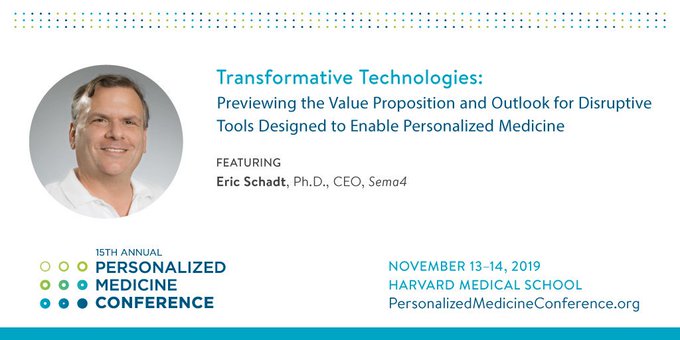


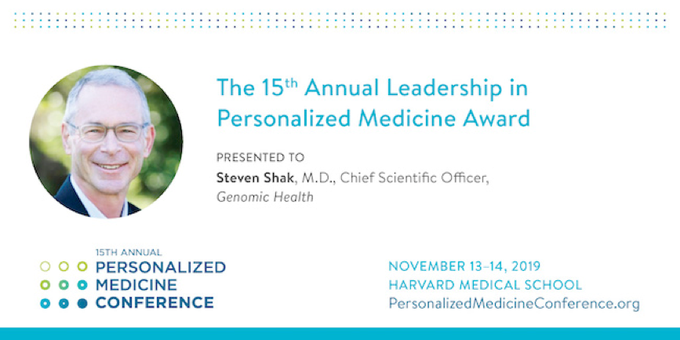


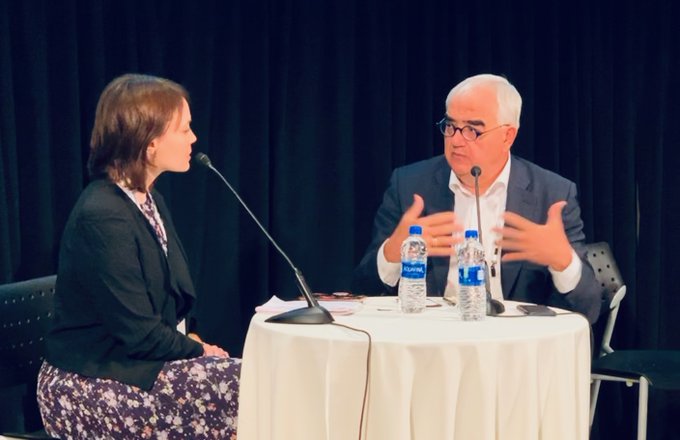

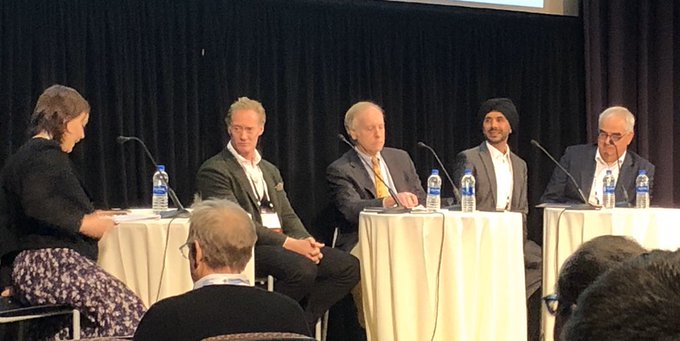


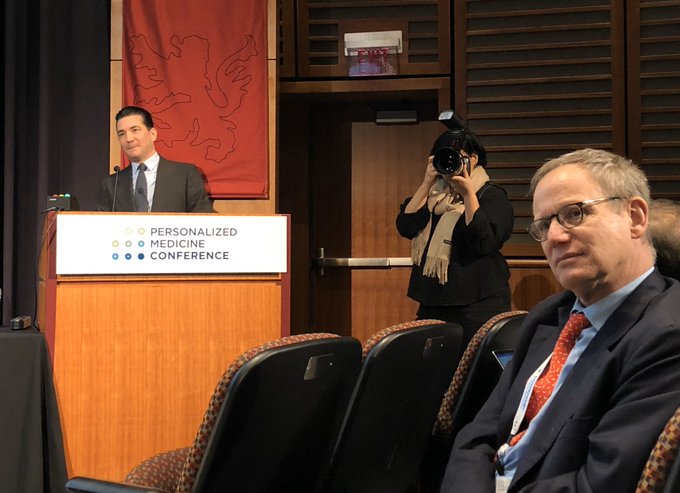


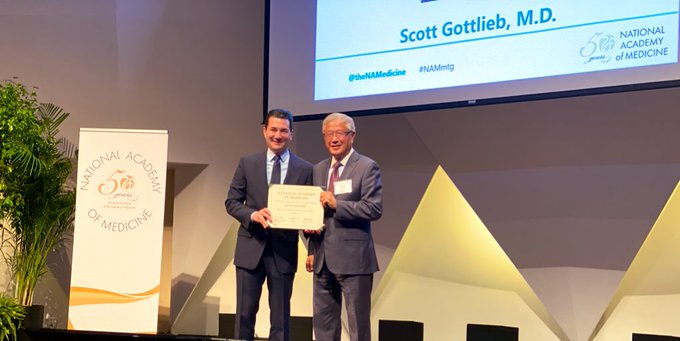

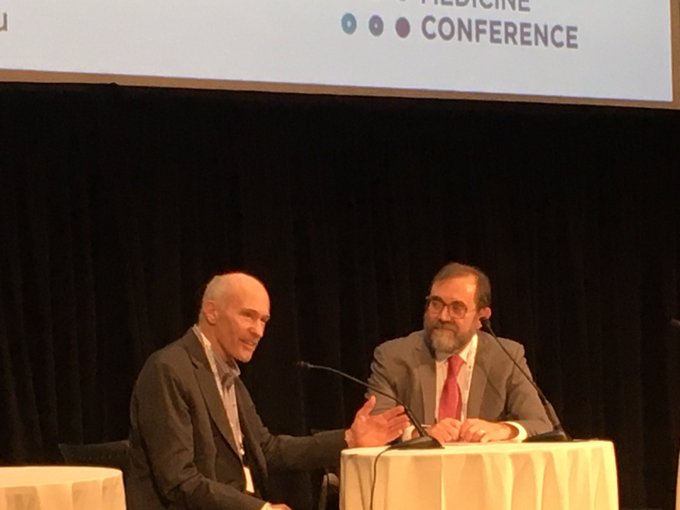


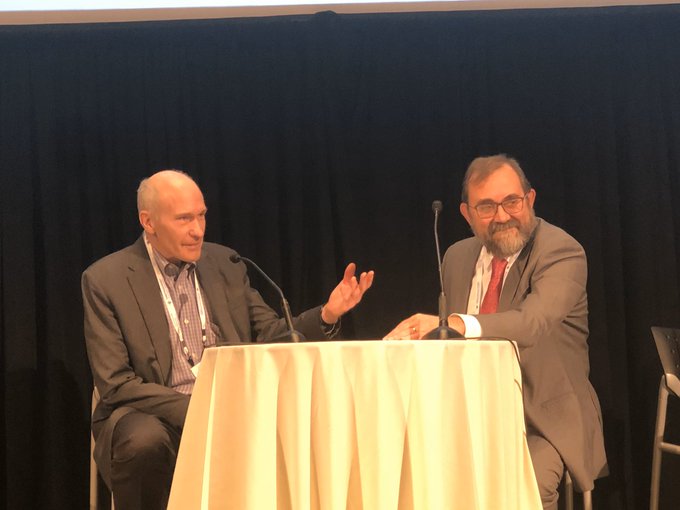





 2012pharmaceutical
 sjwilliamspa