Feeds:
Posts
Comments

Archive for the ‘Origins of Cardiovascular Disease’ Category

“Minerals in Medicine” –  40 Minerals that are crucial to Human Health and Biomedicine: Exhibit by NIH Clinical Center and The Smithsonian Institution National Museum of Natural History

Reporter: Aviva Lev-Ari, PhD, RN


Friday, September 9, 2016

NIH Clinical Center and The Smithsonian Institution partner to launch Minerals in Medicine Exhibition

What

The National Institutes of Health Clinical Center, in partnership with The Smithsonian Institution National Museum of Natural History, will open a special exhibition of more than 40 minerals that are crucial to human health and biomedicine. “Minerals in Medicine” is designed to enthrall and enlighten NIH Clinical Center’s patients, their loved ones, and the NIH community. Media are invited into America’s Research Hospital, the NIH Clinical Center, to experience this unique exhibition during a ribbon cutting ceremony on Monday September 12 at 4pm.

Beyond taking in the minerals’ arresting beauty, spectators can learn about their important role in keeping the human body healthy, and in enabling the creation of life-saving medicines and cutting edge medical equipment that is used in the NIH Clinical Center and healthcare facilities worldwide. The exhibition, which is on an eighteen-month loan from the National Museum of Natural History, includes specimens that were handpicked from the museum’s vast collection by NIH physicians in partnership with Smithsonian Institution geologists. Some of the minerals on display were obtained regionally as they are part of the Maryland and Virginia landscape.

Who

  • John I. Gallin, M.D., Director of the NIH Clinical Center
  • Jeffrey E. Post, Ph.D., Smithsonian Institution National Museum of Natural History, Chair of the Department of Mineral Sciences and Curator of the National Gem and Mineral Collection

When

Monday, September 12, 2016, 4:00 – 5:00 p.m.

Where

NIH Clinical Center (Building 10), 10 Center Drive, Bethesda, MD, 20892; 1st Floor near Admissions

How

RSVP encouraged, but not required, to attend in person. NIH Visitors Map: http://www.ors.od.nih.gov/maps/Pages/NIH-Visitor-Map.aspx

About the NIH Clinical Center: The NIH Clinical Center is the clinical research hospital for the National Institutes of Health. Through clinical research, clinician-investigators translate laboratory discoveries into better treatments, therapies and interventions to improve the nation’s health. More information: http://clinicalcenter.nih.gov.

About the National Institutes of Health (NIH): NIH, the nation’s medical research agency, includes 27 Institutes and Centers and is a component of the U.S. Department of Health and Human Services. NIH is the primary federal agency conducting and supporting basic, clinical, and translational medical research, and is investigating the causes, treatments, and cures for both common and rare diseases. For more information about NIH and its programs, visit www.nih.gov.

SOURCE

https://www.nih.gov/news-events/news-releases/nih-clinical-center-smithsonian-institution-partner-launch-minerals-medicine-exhibition

Read Full Post »

Etiologies of Cardiovascular Diseases: Epigenetics, Genetics and Genomics: Request for Book Review Writing on Amazon.com, Volume 2 (Volume Two: Latest in Genomics Methodologies for Therapeutics: Gene Editing, NGS and BioInformatics, Simulations and the Genome Ontology), Part 1: Next Generation Sequencing (NGS)

cvd-series-a-volume-iii


Series A: e-Books on Cardiovascular Diseases
 

Series A Content Consultant: Justin D Pearlman, MD, PhD, FACC

VOLUME THREE

Etiologies of Cardiovascular Diseases:

Epigenetics, Genetics and Genomics

http://www.amazon.com/dp/B018PNHJ84


by  

Larry H Bernstein, MD, FCAP, Senior Editor, Author and Curator

and

Aviva Lev-Ari, PhD, RN, Editor and Curator

Introduction to Volume Three 

PART 1
Genomics and Medicine

1.1  Genomics and Medicine: The Physician’s View

1.2  Ribozymes and RNA Machines – Work of Jennifer A. Doudna

1.3  Genomics and Medicine: Contributions of Genetics and Genomics to Cardiovascular Disease Diagnoses

1.4 Genomics Orientations for Individualized Medicine, Volume One

1.4.1 CVD Epidemiology, Ethnic subtypes Classification, and Medication Response Variability: Cardiology, Genomics and Individualized Heart Care: Framingham Heart Study (65 y-o study) & Jackson Heart Study (15 y-o study)

1.4.2 What comes after finishing the Euchromatic Sequence of the Human Genome?

1.5  Genomics in Medicine – Establishing a Patient-Centric View of Genomic Data


PART 2
Epigenetics – Modifiable Factors Causing Cardiovascular Diseases

2.1 Diseases Etiology

2.1.1 Environmental Contributors Implicated as Causing Cardiovascular Diseases

2.1.2 Diet: Solids, Fluid Intake and Nutraceuticals

2.1.3 Physical Activity and Prevention of Cardiovascular Diseases

2.1.4 Psychological Stress and Mental Health: Risk for Cardiovascular Diseases

2.1.5 Correlation between Cancer and Cardiovascular Diseases

2.1.6 Medical Etiologies for Cardiovascular Diseases: Evidence-based Medicine – Leading DIAGNOSES of Cardiovascular Diseases, Risk Biomarkers and Therapies

2.1.7 Signaling Pathways

2.1.8 Proteomics and Metabolomics

2.1.9 Sleep and Cardiovascular Diseases

2.2 Assessing Cardiovascular Disease with Biomarkers

2.2.1 Issues in Genomics of Cardiovascular Diseases

2.2.2 Endothelium, Angiogenesis, and Disordered Coagulation

2.2.3 Hypertension BioMarkers

2.2.4 Inflammatory, Atherosclerotic and Heart Failure Markers

2.2.5 Myocardial Markers

2.3  Therapeutic Implications: Focus on Ca(2+) signaling, platelets, endothelium

2.3.1 The Centrality of Ca(2+) Signaling and Cytoskeleton Involving Calmodulin Kinases and Ryanodine Receptors in Cardiac Failure, Arterial Smooth Muscle, Post-ischemic Arrhythmia, Similarities and Differences, and Pharmaceutical Targets

2.3.2 EMRE in the Mitochondrial Calcium Uniporter Complex

2.3.3 Platelets in Translational Research ­ 2: Discovery of Potential Anti-platelet Targets

2.3.4 The Final Considerations of the Role of Platelets and Platelet Endothelial Reactions in Atherosclerosis and Novel Treatments

2.3.5 Nitric Oxide Synthase Inhibitors (NOS-I)

2.3.6 Resistance to Receptor of Tyrosine Kinase

2.3.7 Oxidized Calcium Calmodulin Kinase and Atrial Fibrillation

2.3.8 Advanced Topics in Sepsis and the Cardiovascular System at its End Stage

2.4 Comorbidity of Diabetes and Aging

2.4.1 Heart and Aging Research in Genomic Epidemiology: 1700 MIs and 2300 coronary heart disease events among about 29 000 eligible patients

2.4.2 Pathophysiological Effects of Diabetes on Ischemic-Cardiovascular Disease and on Chronic Obstructive Pulmonary Disease (COPD)

2.4.3 Risks of Hypoglycemia in Diabetics with Chronic Kidney Disease (CKD)

2.4.4  Mitochondrial Mechanisms of Disease in Diabetes Mellitus

2.4.5 Mitochondria: More than just the “powerhouse of the cell”

2.4.6  Pathophysiology of GLP-1 in Type 2 Diabetes

2.4.7 Developments in the Genomics and Proteomics of Type 2 Diabetes Mellitus and Treatment Targets

2.4.8 CaKMII Inhibition in Obese, Diabetic Mice leads to Lower Blood Glucose Levels

2.4.9 Protein Target for Controlling Diabetes, Fractalkine: Mediator cell-to-cell Adhesion though CX3CR1 Receptor, Released from cells Stimulate Insulin Secretion

2.4.10 Peroxisome proliferator-activated receptor (PPAR-gamma) Receptors Activation: PPARγ transrepression for Angiogenesis in Cardiovascular Disease and PPARγ transactivation for Treatment of Diabetes

2.4.11 CABG or PCI: Patients with Diabetes – CABG Rein Supreme

2.4.12 Reversal of Cardiac Mitochondrial Dysfunction

2.4.13  BARI 2D Trial Outcomes

2.4.14 Overview of new strategy for treatment of T2DM: SGLT2 inhibiting oral antidiabetic agents

2.5 Drug Toxicity and Cardiovascular Diseases

2.5.1 Predicting Drug Toxicity for Acute Cardiac Events

2.5.2 Cardiotoxicity and Cardiomyopathy Related to Drugs Adverse Effects

2.5.3 Decoding myocardial Ca2+ signals across multiple spatial scales: A role for sensitivity analysis

2.5.4. Leveraging Mathematical Models to Understand Population Variability in Response to Cardiac Drugs: Eric Sobie, PhD

2.5.5 Exploiting mathematical models to illuminate electrophysiological variability between individuals.

2.5.6 Clinical Effects and Cardiac Complications of Recreational Drug Use: Blood pressure changes, Myocardial ischemia and infarction, Aortic dissection, Valvular damage, and Endocarditis, Cardiomyopathy, Pulmonary edema and Pulmonary hypertension, Arrhythmias, Pneumothorax and Pneumopericardium


2.6 Male and Female Hormonal Replacement Therapy: The Benefits and the Deleterious Effects on Cardiovascular Diseases

2.6.1  Testosterone Therapy for Idiopathic Hypogonadotrophic Hypogonadism has Beneficial and Deleterious Effects on Cardiovascular Risk Factors

2.6.2 Heart Risks and Hormones (HRT) in Menopause: Contradiction or Clarification?

2.6.3 Calcium Dependent NOS Induction by Sex Hormones: Estrogen

2.6.4 Role of Progesterone in Breast Cancer Progression

PART 3
Determinants of Cardiovascular Diseases Genetics, Heredity and Genomics Discoveries

Introduction

3.1 Why cancer cells contain abnormal numbers of chromosomes (Aneuploidy)

3.1.1 Aneuploidy and Carcinogenesis

3.2 Functional Characterization of Cardiovascular Genomics: Disease Case Studies @ 2013 ASHG

3.3 Leading DIAGNOSES of Cardiovascular Diseases covered in Circulation: Cardiovascular Genetics, 3/2010 – 3/2013

3.3.1: Heredity of Cardiovascular Disorders

3.3.2: Myocardial Damage

3.3.3: Hypertention and Atherosclerosis

3.3.4: Ethnic Variation in Cardiac Structure and Systolic Function

3.3.5: Aging: Heart and Genetics

3.3.6: Genetics of Heart Rhythm

3.3.7: Hyperlipidemia, Hyper Cholesterolemia, Metabolic Syndrome

3.3.8: Stroke and Ischemic Stroke

3.3.9: Genetics and Vascular Pathologies and Platelet Aggregation, Cardiac Troponin T in Serum

3.3.10: Genomics and Valvular Disease

3.4  Commentary on Biomarkers for Genetics and Genomics of Cardiovascular Disease

PART 4
Individualized Medicine Guided by Genetics and Genomics Discoveries

4.1 Preventive Medicine: Cardiovascular Diseases

4.1.1 Personal Genomics for Preventive Cardiology Randomized Trial Design and Challenges

4.2 Gene-Therapy for Cardiovascular Diseases

4.2.1 Genetic Basis of Cardiomyopathy

4.3 Congenital Heart Disease/Defects

4.4 Cardiac Repair: Regenerative Medicine

4.4.1 A Powerful Tool For Repairing Damaged Hearts

4.4.2 Modified RNA Induces Vascular Regeneration After a Heart

4.5 Pharmacogenomics for Cardiovascular Diseases

4.5.1 Blood Pressure Response to Antihypertensives: Hypertension Susceptibility Loci Study

4.5.2 Statin-Induced Low-Density Lipoprotein Cholesterol Reduction: Genetic Determinants in the Response to Rosuvastatin

4.5.3 SNPs in apoE are found to influence statin response significantly. Less frequent variants in PCSK9 and smaller effect sizes in SNPs in HMGCR

4.5.4 Voltage-Gated Calcium Channel and Pharmacogenetic Association with Adverse Cardiovascular Outcomes: Hypertension Treatment with Verapamil SR (CCB) vs Atenolol (BB) or Trandolapril (ACE)

4.5.5 Response to Rosuvastatin in Patients With Acute Myocardial Infarction: Hepatic Metabolism and Transporter Gene Variants Effect

4.5.6 Helping Physicians identify Gene-Drug Interactions for Treatment Decisions: New ‘CLIPMERGE’ program – Personalized Medicine @ The Mount Sinai Medical Center

4.5.7 Is Pharmacogenetic-based Dosing of Warfarin Superior for Anticoagulation Control?

Summary & Epilogue to Volume Three


Read Full Post »

Pathophysiology in Hypertension: Opposing Roles of Human Adaptive Immunity

Reporter: Aviva Lev-Ari, PhD, RN

T regulatory lymphocytes counteract hypertensive effects by suppressing innate and adaptive immune responses and T effector lymphocytes promote differentiation towards pro-inflammatory T helper cells


Dual opposing roles of adaptive immunity in hypertension


, , ,

DOI: http://dx.doi.org/10.1093/eurheartj/ehu119 1238-1244 First published online: 30 March 2014

Abstract

Hypertension involves remodelling and inflammation of the arterial wall. Interactions between vascular and inflammatory cells play a critical role in disease initiation and progression. T effector and regulatory lymphocytes, members of the adaptive immune system, play contrasting roles in hypertension. Signals from the central nervous system and the innate immune system antigen-presenting cells activate T effector lymphocytes and promote their differentiation towards pro-inflammatory T helper (Th) 1 and Th17 phenotypes. Th1 and Th17 effector cells, via production of pro-inflammatory mediators, participate in the low-grade inflammation that leads to blood pressure elevation and end-organ damage. T regulatory lymphocytes, on the other hand, counteract hypertensive effects by suppressing innate and adaptive immune responses. The present review summarizes and discusses the adaptive immune mechanisms that participate in the pathophysiology in hypertension.

  • Blood pressure
  • Adaptive immunity
  • Inflammation
  • T effector lymphocytes
  • T regulatory lymphocytes
  • Cytokines

Conclusion

Experimental and clinical evidence discussed in this review strongly suggests that adaptive immunity, represented by T effector and regulatory lymphocyte subsets, plays a dual role in hypertension (Figure 2). Increased sympathetic outflow as a consequence of stimulation of the CNS by hypertensive stimuli may result in mild blood pressure elevation, causing tissue injury and formation of neoantigens2 and/or damage-associated molecular patterns (DAMPs).80 Activation of innate APCs by DAMPs, or by pathogen-associated molecular patterns (PAMPs) generated in response to low-grade infection,80,81 and direct stimulation by CNS, may be the cause of activation of CD4+, and perhaps CD8+, T effector lymphocytes, and differentiation of CD4+ T cells towards pro-inflammatory Th1/Th17 phenotypes.41 Th1/Th17 effector lymphocytes contribute to the progression of hypertension by producing pro-inflammatory mediators, including ROS, IFN-γ, TNF-α, and IL-17, to promote low-grade inflammation.24,41,42,51,52 T regulatory lymphocytes, on the other hand, counteract hypertensive abnormalities by suppressing innate and adaptive immune responses, perhaps by secreting IL-10.65–71 As such, circulating levels of Tregs or their immune-suppressive activity may be affected in hypertension.

 SOURCE

http://eurheartj.oxfordjournals.org/content/35/19/1238

Idris-Khodja et al. (2014) Dual opposing roles of adaptive immunity in hypertension. European Heart Journal (doi: 10.1093/eurheartj/ehu119)


Adaptive Immunity

Figure 1

Differentiation of naïve T lymphocytes into various subsets in a normal immune response. Antigen-presenting cells (dendritic cells and monocyte/macrophages) present antigens on major histocompatibility complex (MHC)-II to naïve T cells (Th0) in secondary lymphoid tissues, leading to T-cell clonal expansion and differentiation into effector T cells, such as T helper (Th)1, Th2, and Th17 or T regulatory (Treg) cells according to combined stimulation by different cytokines. Th effector lymphocytes and Tregs migrate into tissues such as the vasculature, particularly at the level of the adventitia and perivascular fat. The effector lymphocytes (Th1 and Th17) cells activate other immune cells and participate in inflammation by producing pro-inflammatory cytokines such as interferon-γ, interleukin (IL)-6, and IL-17. T regulatory lymphocytes suppress innate and adaptive responses via production of anti-inflammatory cytokines IL-10 and transforming growth factor-β. CD, cluster of differentiation; DC, dendritic cell; MΦ, macrophage; NK cell, natural killer cell; Tc, cytotoxic T cell; TCR, T-cell receptor.

IMAGE SOURCE

http://eurheartj.oxfordjournals.org/content/35/19/1238


Hypertention


IMAGE SOURCE

http://eurheartj.oxfordjournals.org/content/35/19/1238

Figure 2

Proposed role of T effector and regulatory lymphocytes in hypertension. Slight elevation in blood pressure (BP) in response to hypertensive stimuli (angiotensin II, aldosterone, endothelin-1, salt and genetic susceptibility) occurs due to increased central signalling, perhaps causing mild tissue injury and formation of damage-associated molecular patterns (DAMPs) and neoantigens. This may lead to activation of innate antigen-presenting cells (APCs) and, subsequently, activation and polarization of naïve CD4+ T effector lymphocytes (Th0) towards pro-inflammatory T helper (Th)1/Th17 phenotypes. Th1/Th17 may contribute to vascular and kidney damage via production of reactive oxygen species (ROS), interferon (IFN)-γ and interleukin (IL)-17 and lead to maintenance of hypertension and progression of end-organ damage. T regulatory lymphocytes counteract hypertension and associated injury by producing IL-10 or by other mechanisms, and suppression of innate and adaptive immune responses. CD, cluster of differentiation; CNS, central nervous system; MHC-II, major histocompatibility complex-II; PAMPs, pathogen-associated molecular patterns; TCR, T-cell receptor.

Read Full Post »

PCSK9 inhibitors: Reducing annual drug prices from more than $14 000 to $4536 would be necessary to meet a $100 000 per QALY threshold per JAMA

Curator: Aviva Lev-Ari, PhD, RN


UPDATED on 6/21/2017

When Cholesterol Drugs Cost $14,000, an Insurance Tug-of-War – PCSK9 inhibitors

https://www.wsj.com/articles/when-cholesterol-drugs-cost-14-000-an-insurance-tug-of-war-1497889667


Our team has researched PCSK9 inhibitors as a class of drugs in the following articles:


Efficacy and Tolerability of PCSK9 Inhibitors by Patients with Muscle-related Statin Intolerance – New Cleveland Clinic study published in JAMA 4/2016

Curators: Larry H. Bernstein, MD, FCAP and Aviva Lev-Ari, PhD, RN

https://pharmaceuticalintelligence.com/2016/04/03/efficacy-and-tolerability-of-pcsk9-inhibitors-by-patients-with-muscle-related-statin-intolerance-new-cleveland-clinic-study-published-in-jama-42016/


FDA ask Regeneron and Sanofi to assess potential Neurocognitive Side Effects of Alirocumab, PCSK9 inhibitors Class Designed to Block a Protein causing Persistence of “bad” LDL Cholesterol in the Bloodstream

Reporter & Curator: Aviva Lev-Ari, PhD, RN

https://pharmaceuticalintelligence.com/2014/03/07/fda-ask-regeneron-and-sanofi-to-assess-potential-neurocognitive-side-effects-of-alirocumab-pcsk9-inhibitors-class-designed-to-block-a-protein-causing-persistence-of-bad-ldl-cholesterol-in-the-blo/


SNPs in apoE are found to influence statin response significantly. Less frequent variants in PCSK9 and smaller effect sizes in SNPs in HMGCR

Reporter: Aviva Lev-Ari, PhD, RN

https://pharmaceuticalintelligence.com/2014/01/02/snps-in-apoe-are-found-to-influence-statin-response-significantly-less-frequent-variants-in-pcsk9-and-smaller-effect-sizes-in-snps-in-hmgcr/


Two Mutations, in the PCSK9 Gene: Eliminates a Protein involved in Controlling LDL Cholesterol

Reporter: Aviva Lev-Ari, PhD, RN

https://pharmaceuticalintelligence.com/2013/04/15/two-mutations-in-a-pcsk9-gene-eliminates-a-protein-involve-in-controlling-ldl-cholesterol/


Targeting Cardio-Metabolic Diseases and Metabolomics in Drug Discovery – CHI’s 14th Annual Discovery On Target September 19-22, 2016 | Westin Boston Waterfront — Boston, MA

Reporter: Aviva Lev-Ari, PhD, RN

https://pharmaceuticalintelligence.com/2016/06/13/targeting-cardio-metabolic-diseases-and-metabolomics-in-drug-discovery-chis-14th-annual-discovery-on-target-september-19-22-2016-westin-boston-waterfront-boston-ma/

Triglycerides: Is it a Risk Factor or a Risk Marker for Atherosclerosis and Cardiovascular Disease ? The Impact of Genetic Mutations on (ANGPTL4) Gene, encoder of (angiopoietin-like 4) Protein, inhibitor of Lipoprotein Lipase

Reporters, Curators and Authors: Aviva Lev-Ari, PhD, RN and Larry H. Bernstein, MD, FCAP

https://pharmaceuticalintelligence.com/2016/03/13/triglycerides-is-it-a-risk-factor-or-a-risk-marker-for-atherosclerosis-and-cardiovascular-disease-the-impact-of-genetic-mutations-on-angptl4-gene-encoder-of-angiopoietin-like-4-protein-that-in/


New study in JAMA demonstrates lack of cost effectiveness and extra burden on Health Care Costs associated with PCSK9 Inhibitor Therapy


Original Investigation |

Cost-effectiveness of PCSK9 Inhibitor Therapy in Patients With Heterozygous Familial Hypercholesterolemia or Atherosclerotic Cardiovascular Disease

Dhruv S. Kazi, MD, MSc, MS1,2,3,4,5; Andrew E. Moran, MD, MPH6,7; Pamela G. Coxson, PhD1,2,8; Joanne Penko, MS, MPH1,2; Daniel A. Ollendorf, PhD9; Steven D. Pearson, MD, MSc9; Jeffrey A. Tice, MD2; David Guzman, MSPH1; Kirsten Bibbins-Domingo, PhD, MD, MAS1,2,3,8
ABSTRACT

Importance  Proprotein convertase subtilisin/kexin type 9 (PCSK9) inhibitors were recently approved for lowering low-density lipoprotein cholesterol in heterozygous familial hypercholesterolemia (FH) or atherosclerotic cardiovascular disease (ASCVD) and have potential for broad ASCVD prevention. Their long-term cost-effectiveness and effect on total health care spending are uncertain.

Objective  To estimate the cost-effectiveness of PCSK9 inhibitors and their potential effect on US health care spending.

Design, Setting, and Participants  The Cardiovascular Disease Policy Model, a simulation model of US adults aged 35 to 94 years, was used to evaluate cost-effectiveness of PCSK9 inhibitors or ezetimibe in heterozygous FH or ASCVD. The model incorporated 2015 annual PCSK9 inhibitor costs of $14 350 (based on mean wholesale acquisition costs of evolocumab and alirocumab); adopted a health-system perspective, lifetime horizon; and included probabilistic sensitivity analyses to explore uncertainty.

Exposures  Statin therapy compared with addition of ezetimibe or PCSK9 inhibitors.

Main Outcomes and Measures  Lifetime major adverse cardiovascular events (MACE: cardiovascular death, nonfatal myocardial infarction, or stroke), incremental cost per quality-adjusted life-year (QALY), and total effect on US health care spending over 5 years.

Results  Adding PCSK9 inhibitors to statins in heterozygous FH was estimated to prevent 316 300 MACE at a cost of $503 000 per QALY gained compared with adding ezetimibe to statins (80% uncertainty interval [UI], $493 000-$1 737 000). In ASCVD, adding PCSK9 inhibitors to statins was estimated to prevent 4.3 million MACE compared with adding ezetimibe at $414 000 per QALY (80% UI, $277 000-$1 539 000). Reducing annual drug costs to $4536 per patient or less would be needed for PCSK9 inhibitors to be cost-effective at less than $100 000 per QALY. At 2015 prices, PCSK9 inhibitor use in all eligible patients was estimated to reduce cardiovascular care costs by $29 billion over 5 years, but drug costs increased by an estimated $592 billion (a 38% increase over 2015 prescription drug expenditures). In contrast, initiating statins in these high-risk populations in all statin-tolerant individuals who are not currently using statins was estimated to save $12 billion.

Conclusions and Relevance  Assuming 2015 prices, PCSK9 inhibitor use in patients with heterozygous FH or ASCVD did not meet generally acceptable incremental cost-effectiveness thresholds and was estimated to increase US health care costs substantially. Reducing annual drug prices from more than $14 000 to $4536 would be necessary to meet a $100 000 per QALY threshold.

Read Full Post »

The presence of any Valvular Heart Disease (VHD) did not influence the comparison of Dabigatran [Pradaxa, Boehringer Ingelheim] with Warfarin

Reporter: Aviva Lev-Ari, PhD, RN


UPDATED on 10/22/2018

Dabigatran (Pradaxa) was no better than aspirin for prevention of recurrent stroke among patients with an embolic stroke of undetermined source in the RE-SPECT ESUS trial reported at the World Stroke Congress.


Pradaxa® (dabigatran etexilate)
Clinical experience of Pradaxa® equates to over 9 million patient-years in all licensed indications worldwide. Pradaxa® has been in the market for more than ten years and is approved in over 100 countries.15
Currently approved indications for Pradaxa® are:16,17
  • Prevention of stroke and systemic embolism in patients with non-valvular atrial fibrillation and a risk factor for stroke
  • Primary prevention of venous thromboembolic events in patients undergoing elective total hip replacement surgery or total knee replacement surgery
  • Treatment of deep vein thrombosis (DVT) and pulmonary embolism (PE) and the prevention of recurrent DVT and recurrent PE in adults
Dabigatran, a direct thrombin inhibitor (DTI), was the first widely approved drug in a new generation of direct oral anticoagulants, available to target a high unmet medical need in the prevention and treatment of acute and chronic thromboembolic diseases.18,19,20
REFERENCES

SOURCE

https://www.boehringer-ingelheim.com/press-release/Results-from-two-Pradaxa-trials-to-be-presented-at-WSC


Event Rate and Outcome Risk, With vs Without Valvular Heart Disease

Outcome Valvular heart disease, event rate/y, % No valvular heart disease, event rate/y, % HR (95% CI)* P
Stroke, systemic embolic event 1.61 1.41 1.09 (0.88–1.33) 0.43
Major bleeding 4.36 2.84 1.32 (1.16–1.33) <0.001
Intracranial hemorrhage 0.51 0.41 1.20 (0.83–1.74) 0.32
All-cause mortality 4.45 3.67 1.09 (0.96–1.23) 0.18
*Adjusted using propensity scores

ORIGINAL RESEARCH ARTICLE

Comparison of Dabigatran versus Warfarin in Patients with Atrial Fibrillation and Valvular Heart Disease: The RE-LY Trial

Michael D. Ezekowitz, Rangadham Nagarakanti, Herbert Noack, Martina Brueckmann, Claire Litherland, Mark Jacobs, Andreas Clemens,Paul A. Reilly, Stuart J. Connolly, Salim Yusuf and Lars Wallentin

 http://dx.doi.org/10.1161/CIRCULATIONAHA.115.020950


Results—There were 3950 patients with any VHD:

  • 3101 had mitral regurgitation,
  • 1179 tricuspid regurgitation,
  • 817 aortic regurgitations,
  • 471 aortic stenosis and
  • 193 mild mitral stenosis.

At baseline patients with any VHD had more

  • heart failure,
  • coronary disease,
  • renal impairment and
  • persistent atrial fibrillation.

Patients with any VHD had higher rates of

  • major bleeds (HR 1.32; 95% CI 1.16-1.5)

but similar

  • stroke or systemic embolism (SEE) rates (HR 1.09; 95% CI 0.88-1.33).

For D110 patients, major bleed rates were lower than warfarin (HR 0.73; 95% CI 0.56-0.95 with and HR 0.84; 95% CI 0.71-0.99 without VHD) and

For D150 similar to warfarin in patients with (HR 0.82; 95% CI 0.64-1.06) or without VHD (HR 0.98; 95% CI 0.83-1.15).

For D150 patients stroke/SEE rates were lower versus warfarin with (HR 0.59; 95% CI 0.37-0.93) and without VHD (HR 0.67; 95% CI 0.52-0.86) and similar to warfarin for D110 irrespective of presence of VHD (HR 0.97 CI 0.65-1.45 and 0.85 CI 0.70-1.10).

For intracranial bleeds and death rates for D150 and D110 were lower vs warfarin independent of presence of VHD.

Conclusions—The presence of any VHD did not influence the comparison of dabigatran with warfarin.

Clinical Trial Registration—URL: http://clinicaltrials.gov. Unique Identifier: NCT00262600.

SOURCES

http://circ.ahajournals.org/content/early/2016/08/05/CIRCULATIONAHA.115.020950

http://www.medscape.com/viewarticle/867482?nlid=108872_3866&src=WNL_mdplsfeat_160816_mscpedit_card&uac=93761AJ&spon=2&impID=1179558&faf=1


Read Full Post »

Resveratrol, an antioxidant found in red wine presented since 2003 presented for its potential to lower risk for cardiovascular disease and neurodegeneration by increasing cell survival and slowing aging: 2014 Study – Diet rich in resveratrol offers no health boost

Reporter: Aviva Lev-Ari, PhD, RN

Related to this study are other articles published in this Open Access Online Journal, including:

Novel Cancer Hypothesis Suggests Antioxidants Are Harmful

Reporter: Larry H Bernstein, MD, FCAP

https://pharmaceuticalintelligence.com/2013/01/27/novel-cancer-hypothesis-suggests-antioxidants-are-harmful/


Biology, Physiology and Pathophysiology of Heat Shock Proteins

Curation: Larry H. Bernstein, MD, FCAP

https://pharmaceuticalintelligence.com/2016/04/16/biology-physiology-and-pathophysiology-of-heat-shock-proteins/


Nature 425, 191-196 (11 September 2003) | doi:10.1038/nature01960; Received 13 June 2003; Accepted 31 July 2003; Published online 24 August 2003

Small molecule activators of sirtuins extend Saccharomyces cerevisiae lifespan

See associated Correspondence: Corder et al. , Nature 426, 119 (November 2003)

Konrad T. Howitz1, Kevin J. Bitterman2, Haim Y. Cohen2, Dudley W. Lamming2, Siva Lavu2, Jason G. Wood2, Robert E. Zipkin1, Phuong Chung1, Anne Kisielewski1, Li-Li Zhang1, Brandy Scherer1 & David A. Sinclair2

  1. BIOMOL Research Laboratories, Inc., 5120 Butler Pike, Plymouth Meeting, Pennsylvania 19462, USA
  2. Department of Pathology, Harvard Medical School, 200 Longwood Avenue, Boston, Masachusetts 02115, USA
  3. In PubMed:

Correspondence to: David A. Sinclair2Email: david_sinclair@hms.harvard.edu

In diverse organisms, calorie restriction slows the pace of ageing and increases maximum lifespan. In the budding yeastSaccharomyces cerevisiae, calorie restriction extends lifespan by increasing the activity of Sir2 (ref. 1), a member of the conserved sirtuin family of NAD+-dependent protein deacetylases2, 3, 4, 5, 6. Included in this family are SIR-2.1, a Caenorhabditis elegansenzyme that regulates lifespan7, and SIRT1, a human deacetylase that promotes cell survival by negatively regulating the p53 tumour suppressor8, 9, 10. Here we report the discovery of three classes of small molecules that activate sirtuins. We show that the potent activator resveratrol, a polyphenol found in red wine, lowers the Michaelis constant of SIRT1 for both the acetylated substrate and NAD+, and increases cell survival by stimulating SIRT1-dependent deacetylation of p53. In yeast, resveratrol mimics calorie restriction by stimulating Sir2, increasing DNA stability and extending lifespan by 70%. We discuss possible evolutionary origins of this phenomenon and suggest new lines of research into the therapeutic use of sirtuin activators.

SOURCE

Dr. David Sinclair, now a professor of genetics at Harvard Medical School. He and his colleagues discovered in 2003 that resveratrol could increase cell survival and slow aging in yeast (and later in mice) by activating a “longevity” gene known as SIRT1. Since then, we’ve learned that resveratrol can help

  • prevent skin cancer in mice;
  • protect against high blood pressure, heart failure, and heart disease in mice;
  • improve insulin sensitivity, reduce blood sugar, and blunt obesity induced by a high-fat diet in rodents;
  • protect nerves and the brain in various lab animals.

But the dose of resveratrol administered in experiments is always much higher than you’d normally consume in a daily diet. “You would need to drink a hundred to a thousand glasses of red wine to equal the doses that improve health in mice,” says Dr. Sinclair, who was named one of this year’s Time magazine 100 Most Influential People for his anti-aging research. He wasn’t surprised about the results in the JAMA Archives study.

Still, the disappointing results don’t mean that resveratrol and other molecules like it won’t help extend the lifespan or protect against the development of aging-related diseases. Dr. Sinclair points out that drug companies have now created thousands of new synthetic molecules, “that are up to a thousand times better than resveratrol. They prevent cardiovascular disease and neurodegeneration. They also extend lifespan in mice.”

The molecules don’t have catchy names yet—with current such as SRT1720 and SRT2104—but they’re showing promising results in mice. Dr. Sinclair is again helping to pioneer much of this research.

SOURCE

http://www.health.harvard.edu/blog/diet-rich-resveratrol-offers-health-boost-201405157153


Original Investigation |

Resveratrol Levels and All-Cause Mortality in Older Community-Dwelling Adults

Richard D. Semba, MD, MPH1; Luigi Ferrucci, MD, PhD2; Benedetta Bartali, PhD3; Mireia Urpí-Sarda, PhD4,5; Raul Zamora-Ros, PhD4,5; Kai Sun, MS1; Antonio Cherubini, MD, PhD6; Stefania Bandinelli, MD7; Cristina Andres-Lacueva, PhD4,5
ABSTRACT

Importance  Resveratrol, a polyphenol found in grapes, red wine, chocolate, and certain berries and roots, is considered to have antioxidant, anti-inflammatory, and anticancer effects in humans and is related to longevity in some lower organisms.

Objective  To determine whether resveratrol levels achieved with diet are associated with inflammation, cancer, cardiovascular disease, and mortality in humans.

Design  Prospective cohort study, the Invecchiare in Chianti (InCHIANTI) Study (“Aging in the Chianti Region”), 1998 to 2009 conducted in 2 villages in the Chianti area in a population-based sample of 783 community-dwelling men and women 65 years or older.

Exposures  Twenty-four–hour urinary resveratrol metabolites.

Main Outcomes and Measures  Primary outcome measure was all-cause mortality. Secondary outcomes were markers of inflammation (serum C-reactive protein [CRP], interleukin [IL]-6, IL-1β, and tumor necrosis factor [TNF]) and prevalent and incident cancer and cardiovascular disease.

Results  Mean (95% CI) log total urinary resveratrol metabolite concentrations were 7.08 (6.69-7.48) nmol/g of creatinine. During 9 years of follow-up, 268 (34.3%) of the participants died. From the lowest to the highest quartile of baseline total urinary resveratrol metabolites, the proportion of participants who died from all causes was 34.4%, 31.6%, 33.5%, and 37.4%, respectively (P = .67). Participants in the lowest quartile had a hazards ratio for mortality of 0.80 (95% CI, 0.54-1.17) compared with those in the highest quartile of total urinary resveratrol in a multivariable Cox proportional hazards model that adjusted for potential confounders. Resveratrol levels were not significantly associated with serum CRP, IL-6, IL-1β, TNF, prevalent or incident cardiovascular disease, or cancer.

Conclusions and Relevance  In older community-dwelling adults, total urinary resveratrol metabolite concentration was not associated with inflammatory markers, cardiovascular disease, or cancer or predictive of all-cause mortality. Resveratrol levels achieved with a Western diet did not have a substantial influence on health status and mortality risk of the population in this study.

SOURCE

http://archinte.jamanetwork.com/article.aspx?articleid=1868537

Read Full Post »

Thriving Three Groups on LinkedIn

Reporter: Aviva Lev-Ari, PhD, RN

Article ID #206: Thriving Three Groups on LinkedIn. Published on 7/20/2016

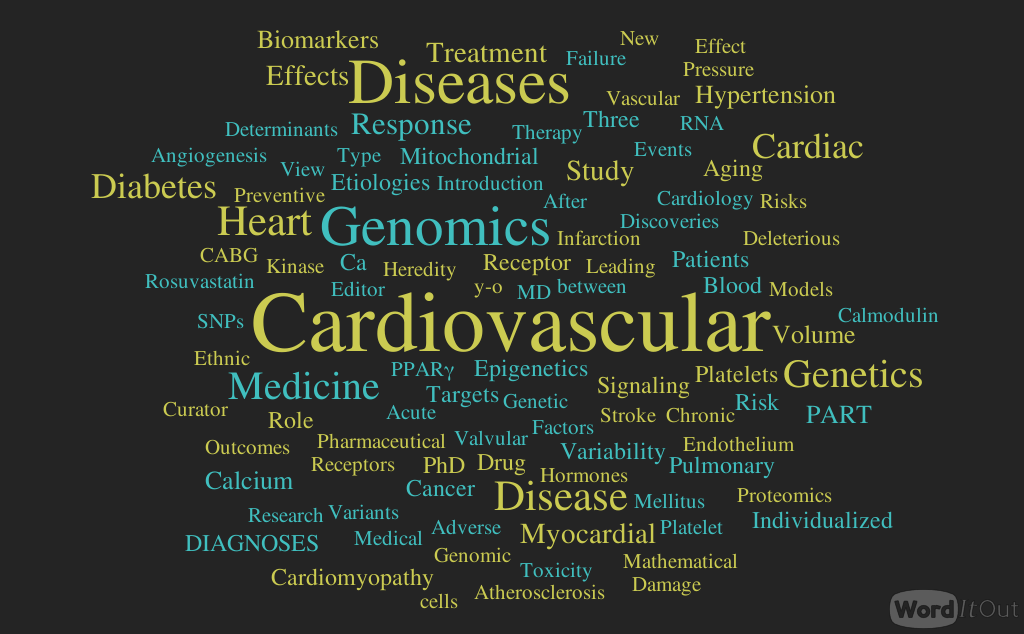
WordCloud Image Produced by Adam Tubman

Groups Launcher and Group Manager: Aviva Lev-Ari, PhD, RN

Cardiovascular Biotech & Pharma UK & US Networking Group

954 members

https://www.linkedin.com/groups/4357927

Leaders in Pharmaceutical Business Intelligence

350 members

https://www.linkedin.com/groups/4346921

Innovation in Israel

205 members

https://www.linkedin.com/groups/2987122

Read Full Post »

Lysyl Oxidase (LOX) gene missense mutation causes Thoracic Aortic Aneurysm and Dissection (TAAD) in Humans because of inadequate cross-linking of collagen and elastin in the aortic wall

Mutation carriers may be predisposed to vascular diseases because of weakened vessel walls under stress conditions.

Reporter: Aviva Lev-Ari, PhD, RN

2.1.3.7

2.1.3.7   Lysyl Oxidase (LOX) gene missense mutation causes Thoracic Aortic Aneurysm and Dissection (TAAD) in Humans because of inadequate cross-linking of collagen and elastin in the aortic wall – Mutation carriers may be predisposed to vascular diseases because of weakened vessel walls under stress conditions, Volume 2 (Volume Two: Latest in Genomics Methodologies for Therapeutics: Gene Editing, NGS and BioInformatics, Simulations and the Genome Ontology), Part 2: CRISPR for Gene Editing and DNA Repair

Loss of function mutation in LOX causes thoracic aortic aneurysm and dissection in humans

  1. Vivian S. Leea,
  2. Carmen M. Halabia,b,
  3. Erin P. Hoffmanc,1,
  4. Nikkola Carmichaelc,d,
  5. Ignaty Leshchinerc,d,
  6. Christine G. Liand,e,
  7. Andrew J. Bierhalsf,
  8. Dana Vuzmanc,d,
  9. Brigham Genomic Medicine2,
  10. Robert P. Mechama,
  11. Natasha Y. Frankc,d,g,3, and
  12. Nathan O. Stitzielh,i,j,3

Edited by J. G. Seidman, Harvard Medical School, Boston, MA, and approved June 7, 2016 (received for review January 27, 2016)

  • Author contributions: V.S.L., R.P.M., N.Y.F., and N.O.S. designed research; V.S.L., C.M.H., and N.O.S. performed research; E.P.H., N.C., C.G.L., D.V., B.G.M.P., R.P.M., and N.Y.F. contributed new reagents/analytic tools; V.S.L., C.M.

Significance

The mechanical integrity of the arterial wall is dependent on a properly structured ECM. Elastin and collagen are key structural components of the ECM, contributing to the stability and elasticity of normal arteries. Lysyl oxidase (LOX) normally cross-links collagen and elastin molecules in the process of forming proper collagen fibers and elastic lamellae. Here, using whole-genome sequencing in humans and genome engineering in mice, we show that a missense mutation in LOX causes aortic aneurysm and dissection because of insufficient elastin and collagen cross-linking in the aortic wall. These findings confirm mutations in LOX as a cause of aortic disease in humans and identify LOX as a diagnostic and potentially therapeutic target.

Abstract

Thoracic aortic aneurysms and dissections (TAAD) represent a substantial cause of morbidity and mortality worldwide. Many individuals presenting with an inherited form of TAAD do not have causal mutations in the set of genes known to underlie disease. Using whole-genome sequencing in two first cousins with TAAD, we identified a missense mutation in the lysyl oxidase (LOX) gene (c.893T > G encoding p.Met298Arg) that cosegregated with disease in the family. Using clustered regularly interspaced short palindromic repeats (CRISPR)/clustered regularly interspaced short palindromic repeats-associated protein-9 nuclease (Cas9) genome engineering tools, we introduced the human mutation into the homologous position in the mouse genome, creating mice that were heterozygous and homozygous for the human allele. Mutant mice that were heterozygous for the human allele displayed disorganized ultrastructural properties of the aortic wall characterized by fragmented elastic lamellae, whereas mice homozygous for the human allele died shortly after parturition from ascending aortic aneurysm and spontaneous hemorrhage. These data suggest that a missense mutation in LOX is associated with aortic disease in humans, likely through insufficient cross-linking of elastin and collagen in the aortic wall. Mutation carriers may be predisposed to vascular diseases because of weakened vessel walls under stress conditions. LOX sequencing for clinical TAAD may identify additional mutation carriers in the future. Additional studies using our mouse model of LOX-associated TAAD have the potential to clarify the mechanism of disease and identify novel therapeutics specific to this genetic cause.

SOURCE

http://www.pnas.org/content/early/2016/07/15/1601442113.abstract

Missense LOX Mutation Linked to Aortic Rupture, Aneurysm

NEW YORK (GenomeWeb) – Researchers from Washington University School of Medicine have linked a LOX gene variant with aortic rupture and aneurysm.

As they reported in the online early edition of the Proceedings of the National Academy of Sciences yesterday, the researchers sequenced two first cousins from a family with a history of aortic ruptures and aneurysms to uncover a missense mutation in the lysyl oxidase (LOX) gene, which encodes a protein that cross-links elastin and collagen. When they used CRISPR/Cas9 genome engineering to introduce the mutation into a mouse model, mice heterogeneous for the mutation had disorganized aortic walls, while mice homozygous for the mutation died shortly after birth of ascending aneurysm and spontaneous hemorrhage, suggesting that the LOX variant might be causal.

Read more @ the Source

SOURCE

https://www.genomeweb.com/sequencing/missense-lox-mutation-linked-aortic-rupture-aneurysm

Read Full Post »

Amgen’s Corlanor® can help Reduce the Risk of Hospitalization for Patients with worsening Heart Failure


Reporter: Aviva Lev-Ari, PhD, RN


The hypothetical Heart Failure patients

  • Patients with stable, symptomatic chronic heart failure,
  • with left ventricular ejection fraction ≤ 35%, who are in
  • sinus rhythm with resting heart rate ≥ 70 beats per minute, and either are
  • on maximally tolerated doses of beta-blockers or have a contraindication to beta-blocker use
  1. MAX-TOLERATED BETA-BLOCKER DOSE

    Carvedilol 3.125 mg 2x/day(recently reduced to a lower dose)

  2.  

    REASONS FOR NOT RECEIVING GUIDELINE-RECOMMENDED DOSE

    • Hypotension
    • Erectile dysfunction

INDICATION

Corlanor® (ivabradine) is indicated to reduce the risk of hospitalization for worsening heart failure in patients with stable, symptomatic chronic heart failure with left ventricular ejection fraction ≤ 35%, who are in sinus rhythm with resting heart rate ≥ 70 beats per minute and either are on maximally tolerated doses of beta-blockers or have a contraindication to beta-blocker use.

IMPORTANT SAFETY INFORMATION

•  

Contraindications: Corlanor® is contraindicated in patients with acute decompensated heart failure, blood pressure < 90/50 mmHg, sick sinus syndrome, sinoatrial block, 3rd degree atrioventricular block (unless a functioning demand pacemaker is present), a resting heart rate < 60 bpm prior to treatment, severe hepatic impairment, pacemaker dependence (heart rate maintained exclusively by the pacemaker), and concomitant use of strong cytochrome P450 3A4 (CYP3A4) inhibitors.

•  

Fetal Toxicity: Corlanor® may cause fetal toxicity when administered to a pregnant woman based on embryo-fetal toxicity and cardiac teratogenic effects observed in animal studies. Advise females to use effective contraception when taking Corlanor®.

•  

Atrial Fibrillation: Corlanor® increases the risk of atrial fibrillation. The rate of atrial fibrillation in patients treated with Corlanor® compared to placebo was 5% vs. 3.9% per patient-year, respectively. Regularly monitor cardiac rhythm. Discontinue Corlanor® if atrial fibrillation develops.

•  

Bradycardia and Conduction Disturbances: Bradycardia, sinus arrest and heart block have occurred with Corlanor®. The rate of bradycardia in patients treated with Corlanor® compared to placebo was 6% (2.7% symptomatic; 3.4% asymptomatic) vs. 1.3% per patient-year, respectively. Risk factors for bradycardia include sinus node dysfunction, conduction defects, ventricular dyssynchrony, and use of other negative chronotropes. Concurrent use of verapamil or diltiazem also increases Corlanor® exposure, contributes to heart rate lowering, and should be avoided. Avoid use of Corlanor® in patients with 2nd degree atrioventricular block unless a functioning demand pacemaker is present.

•  

Adverse Reactions: The most common adverse drug reactions reported at least 1% more frequently with Corlanor® than placebo and that occurred in more than 1% of patients treated with Corlanor® were bradycardia (10% vs. 2.2%), hypertension or increased blood pressure (8.9% vs. 7.8%), atrial fibrillation (8.3% vs. 6.6%), and luminous phenomena (phosphenes) or visual brightness (2.8% vs. 0.5%).

Please see full Prescribing Information and Medication Guide.

BPM = beats per minute; HF = heart failure; LVEF = left ventricular ejection fraction.

Reference:

1. Corlanor® (ivabradine) Prescribing Information, Amgen.

SOURCES

www.amgen.com

From: WebMD Professional Clinical Update <Clinical_Update@mail.webmdprofessional.com>

Reply-To: WebMD Professional <reply-fe9415707d60067476-100_HTML-1821998-7000930-1@mail.webmdprofessional.com>

Date: Wednesday, May 4, 2016 at 8:11 AM

To: Aviva Lev-Ari <AvivaLev-Ari@alum.berkeley.edu>

Subject: Concerned about hospitalization in your patients with chronic HF?

Read Full Post »

New e-Book TITLES forthcoming on Amazon.com in 2017-2018 from LPBI Group’s BioMed e-Series – Forthcoming COVER PAGES

Editor-in-Chief, Aviva Lev-Ari, PhD, RN


BioMed e-Series

https://pharmaceuticalintelligence.com/biomed-e-books/

BioMed e-Series

WE ARE ON AMAZON.COM

http://www.amazon.com/dp/B00DINFFYC

http://www.amazon.com/dp/B018Q5MCN8

http://www.amazon.com/dp/B018PNHJ84

http://www.amazon.com/dp/B018DHBUO6

http://www.amazon.com/dp/B013RVYR2K

http://www.amazon.com/dp/B012BB0ZF0

http://www.amazon.com/dp/B019UM909A

http://www.amazon.com/dp/B019VH97LU

https://www.amazon.com/dp/B075CXHY1B

https://www.amazon.com/dp/B076HGB6MZ

https://www.amazon.com/dp/B078313281

Slide4

FORTHCOMING

CANCER – Volume Two on Amazon.com

http://www.amazon.com/dp/B019VH97LU

GENOMICS – Volume Two – 2018

flyer3forApril2016BioWorld

flyer2forApril2016BioWorld

 cover volume 6 Series Acover volume 5 Series A
final series E covers volumes 1_4-vol4final series E covers volumes 1_4-vol1final series E covers volumes 1_4-vol2

BioMedical e-Books e-Series:

Cardiovascular, Genomics, Cancer, BioMed, Patient Centered Medicine

https://pharmaceuticalintelligence.com/biomed-e-books/

2013 e-Book on Amazon.com

  • Perspectives on Nitric Oxide in Disease Mechanisms, on Amazon since 6/2/12013

http://www.amazon.com/dp/B00DINFFYC

2015 e-Book on Amazon.com


http://www.amazon.com/dp/B012BB0ZF0

  • Cancer Biology & Genomics for Disease Diagnosis, on Amazon since 8/11/2015

http://www.amazon.com/dp/B013RVYR2K

  • Genomics Orientations for Personalized Medicine, on Amazon since 11/23/2015

http://www.amazon.com/dp/B018DHBUO6

  • Milestones in Physiology: Discoveries in Medicine, Genomics and Therapeutics, on Amazon.com since 12/27/2015

http://www.amazon.com/dp/B019VH97LU

  • Cardiovascular, Volume Two: Cardiovascular Original Research: Cases in Methodology Design for Content Co-Curation, on Amazon since 11/30/2015

http://www.amazon.com/dp/B018Q5MCN8

  • Cardiovascular Diseases, Volume Three: Etiologies of Cardiovascular Diseases: Epigenetics, Genetics and Genomics, on Amazon since 11/29/2015

http://www.amazon.com/dp/B018PNHJ84

  • Cardiovascular Diseases, Volume Four: Regenerative and Translational Medicine: The Therapeutics Promise for Cardiovascular Diseases, on Amazon since 12/26/2015

http://www.amazon.com/dp/B019UM909A

2017 e-Book on Amazon.com

  • Cancer Therapies: Metabolic, Genomics, Interventional, Immunotherapy and Nanotechnology in Therapy Delivery (Series C Book 2) – on Amazon since 5/18/2017

http://www.amazon.com/dp/B071VQ6YYK

  • The Immune System, Stress Signaling, Infectious Diseases and Therapeutic Implications: VOLUME 2: Infectious Diseases and Therapeutics and VOLUME 3: The Immune System and Therapeutics (Series D: BioMedicine & Immunology) Kindle Edition – on Amazon.com since September 4, 2017

https://www.amazon.com/dp/B075CXHY1B

  • The VOICES of Patients, Hospitals CEOs, Health Care Providers, Caregivers and Families: Personal Experience with Critical Care and Invasive Medical Procedures – on Amazon.com since 10/16/2017

https://www.amazon.com/dp/B076HGB6MZ

  • Medical Scientific Discoveries for the 21st Century & Interviews with Scientific Leaders – Available on Kindle Store @ Amazon.com since 12/9/2017

https://www.amazon.com/dp/B078313281


Series E: Patient-centered Medicine

Content Consultant: Larry H Bernstein, MD, FCAP

Volume 1: The VOICES of Patients, HealthCare Providers, Care Givers and Families: Personal Experience with Critical Care and Invasive Medical Procedures – COMPLETED

Author, Curator and Editor: Larry H Bernstein, MD, FCAP and Gail Thornton, PhD(c)

https://www.amazon.com/dp/B076HGB6MZ


Volume 2: Medical Scientific Discoveries for the 21st Century & Interviews with Scientific Leaders – 

Author, Curator and Editor: Larry H Bernstein, MD, FCAP

Available on Kindle Store @ Amazon.com since 12/9/2017

https://www.amazon.com/dp/B078313281


Volume 3: Milestones in Physiology & Discoveries in Medicine and Genomics, on Amazon.com since 12/27/2015

Author, Curator and Editor: Larry H Bernstein, MD, FCAP

http://www.amazon.com/dp/B019VH97LU


Volume 4:  Medical 3D BioPrinting – The Revolution in Medicine – Format Conversion Satge

Editors:  Dr. Larry H. Bernstein, MD, FCAP and Aviva Lev-Ari, PhD, RN

Scheduled for publication in 2017

Forthcoming COVER PAGES

Series A: Volume 5: Pharmacology-Therapy of Cardiovascular Diseases 

cover volume 5 Series A

Series A: Volume 6: Interventional Cardiology and Cardiac Surgery for Disease Diagnosis and Guidance of Treatment

cover volume 6 Series A


Series B: Volume 2: Latest in Genomics Methodologies for Therapeutics: Gene Editing, NGS & BioInformatics, Simulations and the Genome Ontology

genomicsinpersonalizedmedvol1and2Apr2016-page2


Series E:


Volume 4:  Medical 3D BioPrinting – The Revolution in Medicine

final series E covers volumes 1_4-vol4


Read Full Post »

« Newer Posts - Older Posts »