Feeds:
Posts
Comments

Archive for the ‘Phosphorylase’ Category

Metabolomics, Metabonomics and Functional Nutrition: the next step in nutritional metabolism and biotherapeutics

Metabolomics, Metabonomics and Functional Nutrition: the next step in nutritional metabolism and biotherapeutics

Reviewer and Curator: Larry H. Bernstein, MD, FCAP 


The human genome is estimated to encode over 30,000 genes, and to be responsible for generating more than 100,000 functionally distinct proteins. Understanding the interrelationships among

  1. genes,
  2. gene products, and
  3. dietary habits

is fundamental to identifying those who will benefit most from or be placed at risk by intervention strategies.

Unraveling the multitude of

  • nutrigenomic,
  • proteomic, and
  • metabolomic patterns

that arise from the ingestion of foods or their

  • bioactive food components

will not be simple but is likely to provide insights into a tailored approach to diet and health. The use of new and innovative technologies, such as

  • microarrays,
  • RNA interference, and
  • nanotechnologies,

will provide needed insights into molecular targets for specific bioactive food components and

  • how they harmonize to influence individual phenotypes(1).

Nutrigenetics asks the question how individual genetic disposition, manifesting as

  • single nucleotide polymorphisms,
  • copy-number polymorphisms and
  • epigenetic phenomena,

affects susceptibility to diet.

Nutrigenomics addresses the inverse relationship, that is how diet influences

  • gene transcription,
  • protein expression and
  • metabolism.

A major methodological challenge and first pre-requisite of nutrigenomics is integrating

  • genomics (gene analysis),
  • transcriptomics (gene expression analysis),
  • proteomics (protein expression analysis) and
  • metabonomics (metabolite profiling)

to define a “healthy” phenotype. The long-term deliverable of nutrigenomics is personalised nutrition (2).

Science is beginning to understand how genetic variation and epigenetic events

  • alter requirements for, and responses to, nutrients (nutrigenomics).

At the same time, methods for profiling almost all of the products of metabolism in a single sample of blood or urine are being developed (metabolomics). Relations between

  • diet and nutrigenomic and metabolomic profiles and
  • between those profiles and health

have become important components of research that could change clinical practice in nutrition.

Most nutrition studies assume that all persons have average dietary requirements, and the studies often

  • do not plan for a large subset of subjects who differ in requirements for a nutrient.

Large variances in responses that occur when such a population exists

  • can result in statistical analyses that argue for a null effect.

If nutrition studies could better identify responders and differentiate them from nonresponders on the basis of nutrigenomic or metabolomic profiles,

  • the sensitivity to detect differences between groups could be greatly increased, and
  • the resulting dietary recommendations could be appropriately targeted (3).

In recent years, nutrition research has moved from classical epidemiology and physiology to molecular biology and genetics. Following this trend,

  • Nutrigenomics has emerged as a novel and multidisciplinary research field in nutritional science that
  • aims to elucidate how diet can influence human health.

It is already well known that bioactive food compounds can interact with genes affecting

  • transcription factors,
  • protein expression and
  • metabolite production.

The study of these complex interactions requires the development of

  • advanced analytical approaches combined with bioinformatics.

Thus, to carry out these studies

  • Transcriptomics,
  • Proteomics and
  • Metabolomics

approaches are employed together with an adequate integration of the information that they provide(4).

Metabonomics is a diagnostic tool for metabolic classification of individuals with the asset of quantitative, non-invasive analysis of easily accessible human body fluids such as urine, blood and saliva. This feature also applies to some extent to Proteomics, with the constraint that

  • the latter discipline is more complex in terms of composition and dynamic range of the sample.

Apart from addressing the most complex “Ome”, Proteomics represents

  • the only platform that delivers not only markers for disposition and efficacy
  • but also targets of intervention.

Application of integrated Omic technologies will drive the understanding of

  • interrelated pathways in healthy and pathological conditions and
  • will help to define molecular ‘switchboards’,
  • necessary to develop disease related biomarkers.

This will contribute to the development of new preventive and therapeutic strategies for both pharmacological and nutritional interventions (5).

Human health is affected by many factors. Diet and inherited genes play an important role. Food constituents,

  • including secondary metabolites of fruits and vegetables, may
  • interact directly with DNA via methylation and changes in expression profiles (mRNA, proteins)
  • which results in metabolite content changes.

Many studies have shown that

  • food constituents may affect human health and
  • the exact knowledge of genotypes and food constituent interactions with
  • both genes and proteins may delay or prevent the onset of diseases.

Many high throughput methods have been employed to get some insight into the whole process and several examples of successful research, namely in the field of genomics and transcriptomics, exist. Studies on epigenetics and RNome significance have been launched. Proteomics and metabolomics need to encompass large numbers of experiments and linked data. Due to the nature of the proteins, as well as due to the properties of various metabolites, experimental approaches require the use of

  • comprehensive high throughput methods and a sufficiency of analysed tissue or body fluids (6).

New experimental tools that investigate gene function at the subcellular, cellular, organ, organismal, and ecosystem level need to be developed. New bioinformatics tools to analyze and extract meaning

  • from increasingly systems-based datasets will need to be developed.

These will require, in part, creation of entirely new tools. An important and revolutionary aspect of “The 2010 Project”  is that it implicitly endorses

  • the allocation of resources to attempts to assign function to genes that have no known function.

This represents a significant departure from the common practice of defining and justifying a scientific goal based on the biological phenomena. The rationale for endorsing this radical change is that

  • for the first time it is feasible to envision a whole-systems approach to gene and protein function.

This whole-systems approach promises to be orders of magnitude more efficient than the conventional approach (7).

The Institute of Medicine recently convened a workshop to review the state of the various domains of nutritional genomics research and policy and to provide guidance for further development and translation of this knowledge into nutrition practice and policy (8). Nutritional genomics holds the promise to revolutionize both clinical and public health nutrition practice and facilitate the establishment of

(a) genome-informed nutrient and food-based dietary guidelines for disease prevention and healthful aging,

(b) individualized medical nutrition therapy for disease management, and

(c) better targeted public health nutrition interventions (including micronutrient fortification and supplementation) that

  • maximize benefit and minimize adverse outcomes within genetically diverse human populations.

As the field of nutritional genomics matures, which will include filling fundamental gaps in

  • knowledge of nutrient-genome interactions in health and disease and
  • demonstrating the potential benefits of customizing nutrition prescriptions based on genetics,
  • registered dietitians will be faced with the opportunity of making genetically driven dietary recommendations aimed at improving human health.

The new era of nutrition research translates empirical knowledge to evidence-based molecular science (9). Modern nutrition research focuses on

  • promoting health,
  • preventing or delaying the onset of disease,
  • optimizing performance, and
  • assessing risk.

Personalized nutrition is a conceptual analogue to personalized medicine and means adapting food to individual needs. Nutrigenomics and nutrigenetics

  • build the science foundation for understanding human variability in
  • preferences, requirements, and responses to diet and
  • may become the future tools for consumer assessment

motivated by personalized nutritional counseling for health maintenance and disease prevention.

The primary aim of ―omic‖ technologies is

  • the non-targeted identification of all gene products (transcripts, proteins, and metabolites) present in a specific biological sample.

By their nature, these technologies reveal unexpected properties of biological systems.

A second and more challenging aspect of ―omic‖ technologies is

  • the refined analysis of quantitative dynamics in biological systems (10).

For metabolomics, gas and liquid chromatography coupled to mass spectrometry are well suited for coping with

  • high sample numbers in reliable measurement times with respect to
  • both technical accuracy and the identification and quantitation of small-molecular-weight metabolites.

This potential is a prerequisite for the analysis of dynamic systems. Thus, metabolomics is a key technology for systems biology.

In modern nutrition research, mass spectrometry has developed into a tool

  • to assess health, sensory as well as quality and safety aspects of food.

In this review, we focus on health-related benefits of food components and, accordingly,

  • on biomarkers of exposure (bioavailability) and bioefficacy.

Current nutrition research focuses on unraveling the link between

  • dietary patterns,
  • individual foods or
  • food constituents and

the physiological effects at cellular, tissue and whole body level

  • after acute and chronic uptake.

The bioavailability of bioactive food constituents as well as dose-effect correlations are key information to understand

  • the impact of food on defined health outcomes.

Both strongly depend on appropriate analytical tools

  • to identify and quantify minute amounts of individual compounds in highly complex matrices–food or biological fluids–and
  • to monitor molecular changes in the body in a highly specific and sensitive manner.

Based on these requirements,

  • mass spectrometry has become the analytical method of choice
  • with broad applications throughout all areas of nutrition research (11).

Recent advances in high data-density analytical techniques offer unrivaled promise for improved medical diagnostics in the coming decade. Genomics, proteomics and metabonomics (as well as a whole slew of less well known ―omics‖ technologies) provide a detailed descriptor of each individual. Relating the large quantity of data on many different individuals to their current (and possibly even future) phenotype is a task not well suited to classical multivariate statistics. The datasets generated by ―omics‖ techniques very often violate the requirements for multiple regression. However, another statistical approach exists, which is already well established in areas such as medicinal chemistry and process control, but which is new to medical diagnostics, that can overcome these problems. This approach, called megavariate analysis (MVA),

  • has the potential to revolutionise medical diagnostics in a broad range of diseases.

It opens up the possibility of expert systems that can diagnose the presence of many different diseases simultaneously, and

  • even make exacting predictions about the future diseases an individual is likely to suffer from (12).

Cardiovascular diseases

Cardiovascular diseases are the leading cause of morbidity and mortality in Western countries. Although coronary thrombosis is the final event in acute coronary syndromes,

  • there is increasing evidence that inflammation also plays a role in development of atherosclerosis and its clinical manifestations, such as
  • myocardial infarction, stroke, and peripheral vascular disease.

The beneficial cardiovascular health effects of

  • diets rich in fruits and vegetables are in part mediated by their flavanol content.

This concept is supported by findings from small-scale intervention studies with surrogate endpoints including

  1. endothelium-dependent vasodilation,
  2. blood pressure,
  3. platelet function, and
  4. glucose tolerance.

Mechanistically, short term effects on endothelium-dependent vasodilation

  • following the consumption of flavanol-rich foods, as well as purified flavanols,
  • have been linked to an increased nitric oxide bioactivity.

The critical biological target(s) for flavanols have yet to be identified (13), but we are beginning to see over the horizon.

Nutritional sciences

Nutrition sciences apply

  1. transcriptomics,
  2. proteomics and
  3. metabolomics

to molecularly assess nutritional adaptations.

Transcriptomics can generate a

  • holistic overview on molecular changes to dietary interventions.

Proteomics is most challenging because of the higher complexity of proteomes as compared to transcriptomes and metabolomes. However, it delivers

  • not only markers but also
  • targets of intervention, such as
  • enzymes or transporters, and
  • it is the platform of choice for discovering bioactive food proteins and peptides.

Metabolomics is a tool for metabolic characterization of individuals and

  • can deliver metabolic endpoints possibly related to health or disease.

Omics in nutrition should be deployed in an integrated fashion to elucidate biomarkers

  • for defining an individual’s susceptibility to diet in nutritional interventions and
  • for assessing food ingredient efficacy (14).

The more elaborate tools offered by metabolomics opened the door to exploring an active role played by adipose tissue that is affected by diet, race, sex, and probably age and activity. When the multifactorial is brought into play, and the effect of changes in diet and activities studied we leave the study of metabolomics and enter the world of ―metabonomics‖. Adiponectin and adipokines arrive (15-22). We shall discuss ―adiposity‖ later.

Potential Applications of Metabolomics

Either individually or grouped as a profile, metabolites are detected by either

  • nuclear magnetic resonance spectroscopy or mass spectrometry.

There is potential for a multitude of uses of metabolome research, including

  1. the early detection and diagnosis of cancer and as
  2. both a predictive and pharmacodynamic marker of drug effect.

However, the knowledge regarding metabolomics, its technical challenges, and clinical applications is unappreciated

  • even though when used as a translational research tool,
  • it can provide a link between the laboratory and clinic.

Precise numbers of human metabolites is unknown, with estimates ranging from the thousands to tens of thousands. Metabolomics is a term that encompasses several types of analyses, including

(a) metabolic fingerprinting, which measures a subset of the whole profile with little differentiation or quantitation of metabolites;

(b) metabolic profiling, the quantitative study of a group of metabolites, known or unknown, within or associated with a particular metabolic pathway; and

(c) target isotope-based analysis, which focuses on a particular segment of the metabolome by analyzing

  • only a few selected metabolites that comprise a specific biochemical pathway.


Dynamic Construct of the –Omics

Dynamic Construct of the –Omics


Dynamic Construct of the –Omics


Iron metabolism – Anemia

Hepcidin is a key hormone governing mammalian iron homeostasis and may be directly or indirectly involved in the development of most iron deficiency/overload and inflammation-induced anemia. The anemia of chronic disease (ACD) is characterized by macrophage iron retention induced by cytokines and hepcidin regulation. Hepcidin controls cellular iron efflux on binding to the iron export protein ferroportin. While patients present with both ACD and iron deficiency anemia (ACD/IDA), the latter results from chronic blood loss. Iron retention during inflammation occurs in macrophages and the spleen, but not in the liver. In ACD, serum hepcidin concentrations are elevated, which is related to reduced duodenal and macrophage expression of ferroportin. Individuals with ACD/IDA have significantly lower hepcidin levels than ACD subjects. ACD/IDA patients, in contrast to ACD subjects, were able to absorb dietary iron from the gut and to mobilize iron from macrophages. Hepcidin elevation may affect iron transport in ACD and ACD/IDA and it is more responsive to iron demand with IDA than to inflammation. Hepcidin determination may aid in selecting appropriate therapy for these patients (23).

There is correlation between serum hepcidin, iron and inflammatory indicators associated with anemia of chronic disease (ACD), ACD, ACD concomitant iron-deficiency anemia (ACD/IDA), pure IDA and acute inflammation (AcI) patients. Hepcidin levels in anemia types were statistically different, from high to low: ACD, AcI > ACD/IDA > the control > IDA. Serum ferritin levels were significantly increased in ACD and AcI patients but were decreased significantly in ACD/IDA and IDA. Elevated serum EPO concentrations were found in ACD, ACD/IDA and IDA patients but not in AcI patients and the controls. A positive correlation exists between hepcidin and IL-6 levels only in ACD/IDA, AcI and the control groups. A positive correlation between hepcidin and ferritin was marked in the control group, while a negative correlation between hepcidin and ferritin was noted in IDA. The significant negative correlation between hepcidin expression and reticulocyte count was marked in both ACD/IDA and IDA groups. If the hepcidin role in pathogenesis of ACD, ACD/IDA and IDA, it could be a potential marker for detection and differentiation of these anemias (24).

Cancer

Because cancer cells are known to possess a highly unique metabolic phenotype, development of specific biomarkers in oncology is possible and might be used in identifying fingerprints, profiles, or signatures to detect the presence of cancer, determine prognosis, and/or assess the pharmacodynamic effects of therapy (25).

HDM2, a negative regulator of the tumor suppressor p53, is over-expressed in many cancers that retain wild-type p53. Consequently, the effectiveness of chemotherapies that induce p53 might be limited, and inhibitors of the HDM2–p53 interaction are being sought as tumor-selective drugs. A binding site within HDM2 has been dentified which can be blocked with peptides inducing p53 transcriptional activity. A recent report demonstrates the principle using drug-like small molecules that target HDM2 (26).

Obesity, CRP, interleukins, and chronic inflammatory disease

Elevated CRP levels and clinically raised CRP levels were present in 27.6% and 6.7% of the population, respectively. Both overweight (body mass index [BMI], 25-29.9 kg/m2) and obese (BMI, 30 kg/m2) persons were more likely to have elevated CRP levels than their normal-weight counterparts (BMI, <25 kg/m2). After adjusting for potential confounders, the odds ratio (OR) for elevated CRP was 2.13 for obese men and 6.21 for obese women. In addition, BMI was associated with clinically raised CRP levels in women, with an OR of 4.76 (95% CI, 3.42-6.61) for obese women. Waist-to-hip ratio was positively associated with both elevated and clinically raised CRP levels, independent of BMI. Restricting the analyses to young adults (aged 17-39 years) and excluding smokers, persons with inflammatory disease, cardiovascular disease, or diabetes mellitus and estrogen users did not change the main findings (27).

A study of C-reactive protein and interleukin-6 with measures of obesity and of chronic infection as their putative determinants related levels of C-reactive protein and interleukin-6 to markers of the insulin resistance syndrome and of endothelial dysfunction. Levels of C-reactive protein were significantly related to those of interleukin-6 (r=0.37, P<0.0005) and tumor necrosis factor-a (r=0.46, P<0.0001), and concentrations of C-reactive protein were related to insulin resistance as calculated from the homoeostasis model and to markers of endothelial dysfunction (plasma levels of von Willebrand factor, tissue plasminogen activator, and cellular fibronectin). A mean standard deviation score of levels of acute phase markers correlated closely with a similar score of insulin resistance syndrome variables (r=0.59, P<0.00005) and the data suggested that adipose tissue is an important determinant of a low level, chronic inflammatory state as reflected by levels of interleukin-6, tumor necrosis factor-a, and C-reactive protein (28).

A number of other studies have indicated the inflammatory ties of visceral obesity to adipose tissue metabolic profiles, suggesting a role in ―metabolic syndrome‖. There is now a concept of altered liver metabolism in ―non-alcoholic‖ fatty liver disease (NAFLD) progressing from steatosis to steatohepatitis (NASH) (31,32).

These unifying concepts were incomprehensible 50 years ago. It was only known that insulin is anabolic and that insulin deficiency (or resistance) would have consequences in the point of entry into the citric acid cycle, which generates 16 ATPs. In fat catabolism, triglycerides are hydrolyzed to break them into fatty acids and glycerol. In the liver the glycerol can be converted into glucose via dihydroxyacetone phosphate and glyceraldehyde-3-phosphate by way of gluconeogenesis. In the case of this cycle there is a tie in with both catabolism and anabolism.


TCA_reactions

TCA_reactions

 http://www.newworldencyclopedia.org/entry/Image:TCA_reactions.gif


For bypass of the Pyruvate Kinase reaction of Glycolysis, cleavage of 2 ~P bonds is required. The free energy change associated with cleavage of one ~P bond of ATP is insufficient to drive synthesis of phosphoenolpyruvate (PEP), since PEP has a higher negative G of phosphate hydrolysis than ATP.

The two enzymes that catalyze the reactions for bypass of the Pyruvate Kinase reaction are the following:

(a) Pyruvate Carboxylase (Gluconeogenesis) catalyzes:

pyruvate + HCO3 + ATP — oxaloacetate + ADP + Pi

(b) PEP Carboxykinase (Gluconeogenesis) catalyzes:

oxaloacetate + GTP — phosphoenolpyruvate + GDP + CO2

The concept of anomalies in the pathways with respect to diabetes was sketchy then, and there was much to be filled in. This has been substantially done, and is by no means complete. However, one can see how this comes into play with diabetic ketoacidosis accompanied by gluconeogenesis and in severe injury or sepsis with peripheral proteolysis to provide gluconeogenic precursors. The reprioritization of liver synthetic processes is also brought into play with the conundrum of protein-energy malnutrition.

The picture began to be filled in with the improvements in technology that emerged at the end of the 1980s with the ability to profile tissue and body fluids by NMR and by MS. There was already a good inkling of a relationship of type 2 diabetes to major indicators of CVD (29,30). And a long suspected relationship between obesity and type 2 diabetes was evident. But how did it tie together?

End Stage Renal Disease and Cardiovascular Risk

Mortality is markedly elevated in patients with end-stage renal disease. The leading cause of death is cardiovascular disease.

As renal function declines,

  • the prevalence of both malnutrition and cardiovascular disease increase.

Malnutrition and vascular disease correlate with the levels of

  • markers of inflammation in patients treated with dialysis and in those not yet on dialysis.

The causes of inflammation are likely to be multifactorial. CRP levels are associated with cardio-vascular risk in the general population.

The changes in endothelial cell function,

  • in plasma proteins, and
  • in lpiids in inflammation

are likely to be atherogenic.

That cardiovascular risk is inversely correlated with serum cholesterol in dialysis patients, suggests that

  • hyperlipidemia plays a minor role in the incidence of cardiovascular disease.

Hypoalbuminemia, ascribed to malnutrition, has been one of the most powerful risk factors that predict all-cause and cardiovascular mortality in dialysis patients. The presence of inflammation, as evidenced by increased levels of specific cytokines (interleukin-6 and tumor necrosis factor a) or acute-phase proteins (C-reactive protein and serum amyloid A), however, has been found to be associated with vascular disease in the general population as well as in dialysis patients. Patients have

  • loss of muscle mass and changes in plasma composition—decreases in serum albumin, prealbumin, and transferrin levels, also associated with malnutrition.

Inflammation alters

  • lipoprotein structure and function as well as
  • endothelial structure and function

to favor atherogenesis and increases

  • the concentration of atherogenic proteins in serum.

In addition, proinflammatory compounds, such as

  • advanced glycation end products, accumulate in renal failure, and
  • defense mechanisms against oxidative injury are reduced,

contributing to inflammation and to its effect on the vascular endothelium (33,34).

Endogenous copper can play an important role in postischemic reperfusion injury, a condition associated with endothelial cell activation and increased interleukin 8 (IL-8) production. Excessive endothelial IL-8 secreted during trauma, major surgery, and sepsis may contribute to the development of systemic inflammatory response syndrome (SIRS), adult respiratory distress syndrome (ARDS), and multiple organ failure (MOF). No previous reports have indicated that copper has a direct role in stimulating human endothelial IL-8 secretion. Copper did not stimulate secretion of other cytokines. Cu(II) appeared to be the primary copper ion responsible for the observed increase in IL-8 because a specific high-affinity Cu(II)-binding peptide, d-Asp-d-Ala-d-Hisd-Lys (d-DAHK), completely abolished this effect in a dose-dependent manner. These results suggest that Cu(II) may induce endothelial IL-8 by a mechanism independent of known Cu(I) generation of reactive oxygen species (35).

Blood coagulation plays a key role among numerous mediating systems that are activated in inflammation. Receptors of the PAR family serve as sensors of serine proteinases of the blood clotting system in the target cells involved in inflammation. Activation of PAR_1 by thrombin and of PAR_2 by factor Xa leads to a rapid expression and exposure on the membrane of endothelial cells of both adhesive proteins that mediate an acute inflammatory reaction and of the tissue factor that initiates the blood coagulation cascade. Other receptors that can modulate responses of the cells activated by proteinases through PAR receptors are also involved in the association of coagulation and inflammation together with the receptors of the PAR family. The presence of PAR receptors on mast cells is responsible for their reactivity to thrombin and factor Xa , essential to the inflammation and blood clotting processes (36).

The understanding of regulation of the inflammatory process in chronic inflammatory diseases is advancing.

Evidence consistently indicates that T-cells play a key role in initiating and perpetuating inflammation, not only via the production of soluble mediators but also via cell/cell contact interactions with a variety of cell types through membrane receptors and their ligands. Signalling through CD40 and CD40 ligand is a versatile pathway that is potently involved in all these processes. Many inflammatory genes relevant to atherosclerosis are influenced by the transcriptional regulator nuclear factor κ B (NFκB). In these events T-cells become activated by dendritic cells or inflammatory cytokines, and these T-cells activate, in turn, monocytes / macrophages, endothelial cells, smooth muscle cells and fibroblasts to produce pro-inflammatory cytokines, chemokines, the coagulation cascade in vivo, and finally matrix metalloproteinases, responsible for tissue destruction. Moreover, CD40 ligand at inflammatory sites stimulates fibroblasts and tissue monocyte/macrophage production of VEGF, leading to angiogenesis, which promotes and maintains the chronic inflammatory process.

NFκB plays a pivotal role in co-ordinating the expression of genes involved in the immune and inflammatory response, evoking tumor necrosis factor α (TNFα), chemokines such as monocyte chemoattractant protein-1 (MCP-1) and interleukin (IL)-8, matrix metalloproteinase enzymes (MMP), and genes involved in cell survival. A complex array of mechanisms, including T cell activation, leukocyte extravasation, tissue factor expression, MMP expression and activation, as well induction of cytokines and chemokines, implicated in atherosclerosis, are regulated by NFκB.

Expression of NFκB in the atherosclerotic milieu may have a number of potentially harmful consequences. IL-1 activates NFκB upregulating expression of MMP-1, -3, and -9. Oxidized LDL increases macrophage MMP-9, associated with increased nuclear binding of NFκB and AP-1. Expression of tissue factor, initiating the coagulation cascade, is regulated by NFκB. In atherosclerotic plaque cells, tissue factor antigen and activity were inhibited following over-expression of IκBα and dominant-negative IKK-2, but not by dominant negative IKK-1 or NIK. Tis supports the concept that activation of the ―canonical‖ pathway upregulates pro-thrombotic mediators involved in disease. Many of the cytokines and chemokines which have been detected in human atherosclerotic plaques are also regulated by NFκB. Over-expression of IκBα inhibits release of TNFα, IL-1, IL-6, and IL-8 in macrophages stimulated with LPS and CD40 ligand (CD40L). This report describes how NFκB activation upregulates major pro-inflammatory and pro-thrombotic mediators of atherosclerosis (37-41).

This review is both focused and comprehensive. The details of evolving methods are avoided in order to build the argument that a very rapid expansion of discovery has been evolving depicting disease, disease mechanisms, disease associations, metabolic biomarkers, study of effects of diet and diet modification, and opportunities for targeted drug development. The extent of future success will depend on the duration and strength of the developed interventions, and possibly the avoidance of dead end interventions that are unexpectedly bypassed. I anticipate the prospects for the interplay between genomics, metabolomics, metabonomics, and personalized medicine may be realized for several of the most common conditions worldwide within a few decades (42-44).

References

  1. Trujillo E, Davis C, Milner J. Nutrigenomics, proteomics, metabolomics, and the practice of dietetics. J Am Diet Assoc. 2006;106(3):403-13.
  2. Kussmann M, Raymond F, Affolter M. OMICS-driven biomarker discovery in nutrition and health. J Biotechnol. 2006;124(4):758-87.
  3. (Zeisel SH. Nutrigenomics and metabolomics will change clinical nutrition and public health practice: insights from studies on dietary requirements for choline. Am J Clin Nutr. 2007;86(3):542-8.
  4. García-Cañas V, Simó C, León C, Cifuentes A. Advances in Nutrigenomics research: novel and future analytical approaches to investigate the biological activity of natural compounds and food functions. J Pharm Biomed Anal. 2010;51(2):290-304.
  5. Kussmann M, Blum S. OMICS-derived targets for inflammatory gut disorders: opportunities for the development of nutrition related biomarkers. Endocr Metab Immune Disord Drug Targets. 2007;7(4):271-87.
  6. Ovesná J, Slabý O, Toussaint O, Kodícek M, et al. High throughput ‘omics’ approaches to assess the effects of phytochemicals in human health studies. Br J Nutr. 2008;99 E Suppl 1:ES127-34.
  7. Workshop Report: ―The 2010 Project‖. Chory J, Ecker JR, Briggs S, et al. A Blueprint for Understanding How Plants Are Built and How to Improve Them. Plant Physiology 2000;123:423–425, http://www.plantphysiol.org.
  8. Stover PJ, Caudill MA. Genetic and epigenetic contributions to human nutrition and health: managing genome-diet interactions. J Am Diet Assoc. 2008 Sep;108(9):1480-7.
  9. Kussmann M, Panchaud A, Affolter M.. Proteomics in nutrition: status quo and outlook for biomarkers and bioactives. J Proteome Res. 201;9(10):4876-87.
  10. Wolfram Weckwerth. Metabolomics in Systems Biology. Annual Review of Plant Biology 2003; 54: 669-689.
  11. Kussmann M, Affolter M, Nagy K, Holst B, Fay LB. Mass spectrometry in nutrition: understanding dietary health effects at the molecular level. Mass Spectrom Rev. 2007;26(6):727-50.
  12. Grainger DJ. Megavariate Statistics meets High Data-density Analytical Methods: The Future of Medical Diagnostics? IRTL Reviews 2003;1:1-6.
  13. Heiss; C, Keen CL, Kelm M. Flavanols and Cardiovascular Disease Prevention. European Heart Journal 2010;31(21):2583-2592.
  14. Kussmann M, Rezzi S, Daniel H. Profiling techniques in nutrition and health research. Curr Opin Biotechnol. 2008;19 (2):83-99.
  15. Ohashi N, Ito C, Fujikawa R, Yamamoto H, et al. The impact of visceral adipose tissue and high-molecular weight adiponectin on cardia-ankle vascular index in asymptomatic Japanese subjects. Metabolism 2009; 58:1023-9. [CAVI and VAT and HMW adiponectin levels];
  1. Zha JM, Di WJ, Zhu T, Xie T, et al. Comparison of gene transcription between subcutaneous and visceral adipose tissue in chinese adults. Endocr J 2009;56:934-44. [TLR4 signaling, 11 beta-HSD1 and GR levels in VAT];
  2. Albert L, Girola A, Gilardini L, Conti A, et al. Type 2 diabetes and metabolic syndrome are associated with increased expression of 11 beta-hydroxysteroid dehydrogenase 1 in obese subjects. Int J Obesity (Lond) 2007;31:1826-31;
  3. Fabbrini E, Markos F, Mohammed BS, Pietka T, et al. Intrahepatic fat, not visceral fat, is linked with metabolic complications of obesity. PNAS 2009;106:15430-5;
  4. Tong J, Boyko EJ, Utzschneider KM, McNeely MJ, et al. Intraabdominal fat accumulation predicts the development of the metabolic syndrome in non-diabetic Japanese-Americans. Diabetologia 2007;50:1156-60;
  5. Kim K, Valentine RJ, Shin Y, Gong K. Association of visceral adiposity and exercise participation with C- reactive protein, insulin resistance, and endothelial dysfunction in Korean healthy adults. Metabolism 2008;57:1181-9. [(VAT-EC exhibits a marked angiogenic and proinflammatory state];
  6. Villaret A, Galitzky J, Decaunes P, Exteve D, et al. Adipose tisue endothelial cells from obese human subjects: differences among depots in angiogenic, metabolic, and inflammatory gene expression and cellular senescence. Diabetes 2010;59:2755-63;
  7. van Dijk -, Feskens EJ, Bos MB, Hoelen DW, et al. A saturated fatty acid-rich diet induces an obesity-linked proinflammatory gene expression profile in adipose tissue of subjects at risk of metabolic syndrome. Am J Clin Nutr 2009;90:1656-64.[MUFA in LDL lowering].
  8. Theurl I, Aigner E, Theurl M, Nairz M, et al. Regulation of iron homeostasis in anemia of chronic disease and iron deficiency anemia: diagnostic and therapeutic implications. Blood. 2009;113(21):5277-86
  9. Cheng PP, Jiao XY, Wang XH, Lin JH, Cai YM. Hepcidin expression in anemia of chronic disease and concomitant iron-deficiency anemia. Clin Exp Med. 2010 May 25. [Epub ahead of print].
  10. Spratlin JL, Serkova NJ, and Eckhardt SG. Clinical Applications of Metabolomics in Oncology: A Review. Clin Cancer Res. 2009 ;15; 15(2): 431–440.
  11. Fischer PM, Lane DP. Small molecule inhibitors of thep53 suppressor HDM2: have protein-protein interactions come of age as drug targets? Trends in Pharm Sci 2004;25(7):343-346.
  12. Visser M, Bouter LM, McQuillan GM, Wener HM. Elevated C-Reactive Protein Levels in Overweight and Obese Adults. JAMA. 1999;282:2131-2135.
  13. Yudkin JS, Stehouwer CDA, Emeis JJ, Coppack SW. C-Reactive Protein in Healthy Subjects: Associations With Obesity, Insulin Resistance, and Endothelial Dysfunction : A Potential Role for Cytokines Originating From Adipose Tissue? Arterioscler. Thromb. Vasc. Biol. 1999; 19:972-978.
  14. Visvikis-Siest S, Siest G. The STANISLAS cohort: a 10-year followup of supposed healthy families. Gene-environment interactions, reference values and evaluation of biomarkers in prevention of cardiovascular diseases. Clin Chem Lab Med 2008;46:733-47.
  15. Schmidt MI, Duncan BB. Diabesity: an inflammatory metabolic condition. Clin Chem Lab Med 2003;41:1120-1130.
  16. Fenkci S, Rota S, Sabir N, Akdag B. Ultrasonographic and biochemical evaluation of visceral obesity in obese women with non-alcoholic fatty liver disease. Eur J Med Res 2007;12:68-73. (VAT, HOMA)
  17. Lee JW, Lee HR, Shim JY, Im JA, et al. Viscerally obese women with normal body weight have greater brachial-ankle pulse wave velocity than non viscerally obese women with excessive body weight. Clin Endocrinol (Oxf) 2007;66:572-8. [visceral obesity – high trigly, high baPWV, greater SFA and thigh SFA].
  18. Kaysen GE. The Microinflammatory State in Uremia: Causes and Potential Consequences. J Am Soc Nephrol 2001;12:1549–1557.
  19. Kaysen GE. Role of Inflammation and Its Treatment in ESRD Patients. Blood Purif 2002;20:70–80.
  20. Bar-Or D, Thomas GW, Yukl RL, Rael LT, et al. Copper stimulates the synthesis and release of interleukin-8 in human endothelial cells: a possible early role in systemic inflammatory responses. Shock 2003;20(2):154–158.
  21. Dugina TN, Kiseleva EV, Chistov IV, Umarova BA, and Strukova SM. Receptors of the PAR Family as a Link between Blood Coagulation and Inflammation. Biochemistry (Moscow), 2002; 67(1):65-74. [Translated from Biokhimiya 2002;67(1):77-87].
  22. Monaco C, Andreakos E, Kiriakidis S, Feldmann M, and and Ewa Paleolog. T-Cell-Mediated Signalling in Immune, Inflammatory and Angiogenic Processes: The Cascade of Events Leading to Inflammatory Diseases. Current Drug Targets – Inflammation & Allergy, 2004, 3, 35-42.
  23. Monaco C, Grosjean J, and Paleolog E. The role of the NFκB pathway in atherosclerosis. [E-mail: e.paleolog@imperial.ac.uk]
  24. Libby P, Ridker PM, and Maseri A. Inflammation and atherosclerosis. Circulation 2002;105:1135-43.
  25. Karin M, Yamamoto Y, Wang QM. The IKK NF-kappa B system: a treasure trove for drug development. Nat Rev Drug Discov 2004;3:17-26.
  26. Karin M, Ben-Neriah Y. Phosphorylation meets ubiquitination: the control of NF-[kappa]B activity. Annu Rev Immunol 2000;18:621-63.
  27. Lee DY, Bowen BP, and Northen TR. Mass spectrometry–based metabolomics, analysis of metabolite-protein interactions, and imaging. BioTechniques 2010;49:557-565.
  28. Faca V, Krasnoselsky A, and Hanash S. Innovative proteomic approaches for cancer biomarker discove.
  29. Sharp, P, and MIT faculty. ‘Convergence’ offers potential for revolutionary advance in biomedicine. The Third Revolution: Convergence of the Life Sciences, Physical Sciences and Engineering. White paper. Reported in Biotechnology Jan 5, 2011. [Convergence is a new paradigm that can yield critical advances in a broad array of sectors]


Read Full Post »

Pentose Shunt, Electron Transfer, Galactose, more Lipids in brief

Pentose Shunt, Electron Transfer, Galactose, more Lipids in brief

Reviewer and Curator: Larry H. Bernstein, MD, FCAP

Pentose Shunt, Electron Transfer, Galactose, and other Lipids in brief

This is a continuation of the series of articles that spans the horizon of the genetic
code and the progression in complexity from genomics to proteomics, which must
be completed before proceeding to metabolomics and multi-omics.  At this point
we have covered genomics, transcriptomics, signaling, and carbohydrate metabolism
with considerable detail.In carbohydrates. There are two topics that need some attention –
(1) pentose phosphate shunt;
(2) H+ transfer
(3) galactose.
(4) more lipids
Then we are to move on to proteins and proteomics.

Summary of this series:

The outline of what I am presenting in series is as follows:

  1. Signaling and Signaling Pathways
    http://pharmaceuticalintelligence.com/2014/08/12/signaling-and-signaling-pathways/
  2. Signaling transduction tutorial.
    http://pharmaceuticalintelligence.com/2014/08/12/signaling-transduction-tutorial/
  3. Carbohydrate metabolism
    http://pharmaceuticalintelligence.com/2014/08/13/carbohydrate-metabolism/

Selected References to Signaling and Metabolic Pathways published in this Open Access Online Scientific Journal, include the following: 

http://pharmaceuticalintelligence.com/2014/08/14/selected-references-to-signaling-
and-metabolic-pathways-in-leaders-in-pharmaceutical-intelligence/

  1. Lipid metabolism

4.1  Studies of respiration lead to Acetyl CoA
http://pharmaceuticalintelligence.com/2014/08/18/studies-of-respiration-lead-to-acetyl-coa/

4.2 The multi-step transfer of phosphate bond and hydrogen exchange energy
http://pharmaceuticalintelligence.com/2014/08/19/the-multi-step-transfer-of-phosphate-
bond-and-hydrogen-exchange-energy/

5.Pentose shunt, electron transfers, galactose, and other lipids in brief

6. Protein synthesis and degradation

7.  Subcellular structure

8. Impairments in pathological states: endocrine disorders; stress
hypermetabolism; cancer.

Section I. Pentose Shunt

Bernard L. Horecker’s Contributions to Elucidating the Pentose Phosphate Pathway

Nicole Kresge,     Robert D. Simoni and     Robert L. Hill

The Enzymatic Conversion of 6-Phosphogluconate to Ribulose-5-Phosphate
and Ribose-5-Phosphate (Horecker, B. L., Smyrniotis, P. Z., and Seegmiller,
J. E.      J. Biol. Chem. 1951; 193: 383–396

Bernard Horecker

Bernard Leonard Horecker (1914) began his training in enzymology in 1936 as a
graduate student at the University of Chicago in the laboratory of T. R. Hogness.
His initial project involved studying succinic dehydrogenase from beef heart using
the Warburg manometric apparatus. However, when Erwin Hass arrived from Otto
Warburg’s laboratory he asked Horecker to join him in the search for an enzyme
that would catalyze the reduction of cytochrome c by reduced NADP. This marked
the beginning of Horecker’s lifelong involvement with the pentose phosphate pathway.

During World War II, Horecker left Chicago and got a job at the National Institutes of
Health (NIH) in Frederick S. Brackett’s laboratory in the Division of Industrial Hygiene.
As part of the wartime effort, Horecker was assigned the task of developing a method
to determine the carbon monoxide hemoglobin content of the blood of Navy pilots
returning from combat missions. When the war ended, Horecker returned to research
in enzymology and began studying the reduction of cytochrome c by the succinic
dehydrogenase system.

Shortly after he began these investigation changes, Horecker was approached by
future Nobel laureate Arthur Kornberg, who was convinced that enzymes were the
key to understanding intracellular biochemical processes
. Kornberg suggested
they collaborate, and the two began to study the effect of cyanide on the succinic
dehydrogenase system. Cyanide had previously been found to inhibit enzymes
containing a heme group, with the exception of cytochrome c. However, Horecker
and Kornberg found that

  • cyanide did in fact react with cytochrome c and concluded that
  • previous groups had failed to perceive this interaction because
    • the shift in the absorption maximum was too small to be detected by
      visual examination.

Two years later, Kornberg invited Horecker and Leon Heppel to join him in setting up
a new Section on Enzymes in the Laboratory of Physiology at the NIH. Their Section on Enzymes eventually became part of the new Experimental Biology and Medicine
Institute and was later renamed the National Institute of Arthritis and Metabolic
Diseases.

Horecker and Kornberg continued to collaborate, this time on

  • the isolation of DPN and TPN.

By 1948 they had amassed a huge supply of the coenzymes and were able to
present Otto Warburg, the discoverer of TPN, with a gift of 25 mg of the enzyme
when he came to visit. Horecker also collaborated with Heppel on 

  • the isolation of cytochrome c reductase from yeast and 
  • eventually accomplished the first isolation of the flavoprotein from
    mammalian liver.

Along with his lab technician Pauline Smyrniotis, Horecker began to study

  • the enzymes involved in the oxidation of 6-phosphogluconate and the
    metabolic intermediates formed in the pentose phosphate pathway.

Joined by Horecker’s first postdoctoral student, J. E. Seegmiller, they worked
out a new method for the preparation of glucose 6-phosphate and 6-phosphogluconate, 
both of which were not yet commercially available.
As reported in the Journal of Biological Chemistry (JBC) Classic reprinted here, they

  • purified 6-phosphogluconate dehydrogenase from brewer’s yeast (1), and 
  • by coupling the reduction of TPN to its reoxidation by pyruvate in
    the presence of lactic dehydrogenase
    ,
  • they were able to show that the first product of 6-phosphogluconate oxidation,
  • in addition to carbon dioxide, was ribulose 5-phosphte.
  • This pentose ester was then converted to ribose 5-phosphate by a
    pentose-phosphate isomerase.

They were able to separate ribulose 5-phosphate from ribose 5- phosphate and demonstrate their interconversion using a recently developed nucleotide separation
technique called ion-exchange chromatography. Horecker and Seegmiller later
showed that 6-phosphogluconate metabolism by enzymes from mammalian
tissues also produced the same products
.8

Bernard Horecker

Bernard Horecker

http://www.jbc.org/content/280/29/e26/F1.small.gif

Over the next several years, Horecker played a key role in elucidating the

  • remaining steps of the pentose phosphate pathway.

His total contributions included the discovery of three new sugar phosphate esters,
ribulose 5-phosphate, sedoheptulose 7-phosphate, and erythrose 4-phosphate, and
three new enzymes, transketolase, transaldolase, and pentose-phosphate 3-epimerase.
The outline of the complete pentose phosphate cycle was published in 1955
(2). Horecker’s personal account of his work on the pentose phosphate pathway can
be found in his JBC Reflection (3).1

Horecker’s contributions to science were recognized with many awards and honors
including the Washington Academy of Sciences Award for Scientific Achievement in
Biological Sciences (1954) and his election to the National Academy of Sciences in
1961. Horecker also served as president of the American Society of Biological
Chemists (now the American Society for Biochemistry and Molecular Biology) in 1968.

Footnotes

  • 1 All biographical information on Bernard L. Horecker was taken from Ref. 3.
  • The American Society for Biochemistry and Molecular Biology, Inc.

References

  1. ↵Horecker, B. L., and Smyrniotis, P. Z. (1951) Phosphogluconic acid dehydrogenase
    from yeast. J. Biol. Chem. 193, 371–381FREE Full Text
  2. Gunsalus, I. C., Horecker, B. L., and Wood, W. A. (1955) Pathways of carbohydrate
    metabolism in microorganisms. Bacteriol. Rev. 19, 79–128  FREE Full Text
  3. Horecker, B. L. (2002) The pentose phosphate pathway. J. Biol. Chem. 277, 47965–
    47971 FREE Full Text

The Pentose Phosphate Pathway (also called Phosphogluconate Pathway, or Hexose
Monophosphate Shunt) is depicted with structures of intermediates in Fig. 23-25
p. 863 of Biochemistry, by Voet & Voet, 3rd Edition. The linear portion of the pathway
carries out oxidation and decarboxylation of glucose-6-phosphate, producing the
5-C sugar ribulose-5-phosphate.

Glucose-6-phosphate Dehydrogenase catalyzes oxidation of the aldehyde
(hemiacetal), at C1 of glucose-6-phosphate, to a carboxylic acid in ester linkage
(lactone). NADPserves as electron acceptor.

6-Phosphogluconolactonase catalyzes hydrolysis of the ester linkage (lactone)
resulting in ring opening. The product is 6-phosphogluconate. Although ring opening
occurs in the absence of a catalyst, 6-Phosphogluconolactonase speeds up the
reaction, decreasing the lifetime of the highly reactive, and thus potentially
toxic, 6-phosphogluconolactone.

Phosphogluconate Dehydrogenase catalyzes oxidative decarboxylation of
6-phosphogluconate, to yield the 5-C ketose ribulose-5-phosphate. The
hydroxyl at C(C2 of the product) is oxidized to a ketone. This promotes loss
of the carboxyl at C1 as CO2.  NADP+ again serves as oxidant (electron acceptor).

pglucose hd

pglucose hd

https://www.rpi.edu/dept/bcbp/molbiochem/MBWeb/mb2/part1/images/pglucd.gif

Reduction of NADP+ (as with NAD+) involves transfer of 2e- plus 1H+ to the
nicotinamide moiety.

nadp

NADPH, a product of the Pentose Phosphate Pathway, functions as a reductant in
various synthetic (anabolic) pathways, including fatty acid synthesis.

NAD+ serves as electron acceptor in catabolic pathways in which metabolites are
oxidized. The resultant NADH is reoxidized by the respiratory chain, producing ATP.

nadnadp

https://www.rpi.edu/dept/bcbp/molbiochem/MBWeb/mb2/part1/images/nadnadp.gif

Regulation: 
Glucose-6-phosphate Dehydrogenase is the committed step of the Pentose
Phosphate Pathway. This enzyme is regulated by availability of the substrate NADP+.
As NADPH is utilized in reductive synthetic pathways, the increasing concentration of
NADP+ stimulates the Pentose Phosphate Pathway, to replenish NADPH.

The remainder of the Pentose Phosphate Pathway accomplishes conversion of the
5-C ribulose-5-phosphate to the 5-C product ribose-5-phosphate, or to the 3-C
glyceraldehyde -3-phosphate and the 6-C fructose-6-phosphate (reactions 4 to 8
p. 863).

Transketolase utilizes as prosthetic group thiamine pyrophosphate (TPP), a
derivative of vitamin B1.

tpp

tpp

https://www.rpi.edu/dept/bcbp/molbiochem/MBWeb/mb2/part1/images/tpp.gif

Thiamine pyrophosphate binds at the active sites of enzymes in a “V” conformation.The amino group of the aminopyrimidine moiety is close to the dissociable proton,
and serves as the proton acceptor. This proton transfer is promoted by a glutamate
residue adjacent to the pyrimidine ring.

The positively charged N in the thiazole ring acts as an electron sink, promoting
C-C bond cleavage. The 3-C aldose glyceraldehyde-3-phosphate is released.
2-C fragment remains on TPP.

FASEB J. 1996 Mar;10(4):461-70.   http://www.ncbi.nlm.nih.gov/pubmed/8647345

Reviewer

The importance of this pathway can easily be underestimated.  The main source for
energy in respiration was considered to be tied to the

  • high energy phosphate bond in phosphorylation and utilizes NADPH, converting it to NADP+.

glycolysis n skeletal muscle in short term, dependent on muscle glycogen conversion
to glucose, and there is a buildup of lactic acid – used as fuel by the heart.  This
pathway accounts for roughly 5% of metabolic needs, varying between tissues,
depending on there priority for synthetic functions, such as endocrine or nucleic
acid production.

The mature erythrocyte and the ocular lens both are enucleate.  85% of their
metabolic energy needs are by anaerobic glycolysis.  Consider the erythrocyte
somewhat different than the lens because it has iron-based hemoglobin, which
exchanges O2 and CO2 in the pulmonary alveoli, and in that role, is a rapid
regulator of H+ and pH in the circulation (carbonic anhydrase reaction), and also to
a lesser extent in the kidney cortex, where H+ is removed  from the circulation to
the urine, making the blood less acidic, except when there is a reciprocal loss of K+.
This is how we need a nomogram to determine respiratory vs renal acidosis or
alkalosis.  In the case of chronic renal disease, there is substantial loss of
functioning nephrons, loss of countercurrent multiplier, and a reduced capacity to
remove H+.  So there is both a metabolic acidosis and a hyperkalemia, with increased
serum creatinine, but the creatinine is only from muscle mass – not accurately
reflecting total body mass, which includes visceral organs.  The only accurate
measure of lean body mass would be in the linear relationship between circulating
hepatic produced transthyretin (TTR).

The pentose phosphate shunt is essential for

  • the generation of nucleic acids, in regeneration of red cells and lens – requiring NADPH.

Insofar as the red blood cell is engaged in O2 exchange, the lactic dehydrogenase
isoenzyme composition is the same as the heart. What about the lens of and cornea the eye, and platelets?  The explanation does appear to be more complex than
has been proposed and is not discussed here.

Section II. Mitochondrial NADH – NADP+ Transhydrogenase Reaction

There is also another consideration for the balance of di- and tri- phospopyridine
nucleotides in their oxidized and reduced forms.  I have brought this into the
discussion because of the centrality of hydride tranfer to mitochondrial oxidative
phosphorylation and the energetics – for catabolism and synthesis.

The role of transhydrogenase in the energy-linked reduction of TPN 

Fritz HommesRonald W. Estabrook∗∗

The Wenner-Gren Institute, University of Stockholm
Stockholm, Sweden
Biochemical and Biophysical Research Communications 11, (1), 2 Apr 1963, Pp 1–6
http://dx.doi.org:/10.1016/0006-291X(63)90017-2

In 1959, Klingenberg and Slenczka (1) made the important observation that incubation of isolated

  • liver mitochondria with DPN-specific substrates or succinate in the absence of phosphate
    acceptor resulted in a rapid and almost complete reduction of the intramitochondrial TPN.

These and related findings led Klingenberg and co-workers (1-3) to postulate

  • the occurrence of an ATP-controlled transhydrogenase reaction catalyzing the reduction of
    mitochondrial TPN by DPNH. A similar conclusion was reached by Estabrook and Nissley (4).

The present paper describes the demonstration and some properties of an

  • energy-dependent reduction of TPN by DPNH, catalyzed by submitochondrial particles.

Preliminary reports of some of these results have already appeared (5, 6 ) , and a
complete account is being published elsewhere (7).We have studied the energy- dependent reduction of TPN by PNH with submitochondrial particles from both
rat liver and beef heart. Rat liver particles were prepared essentially according to
the method of Kielley and Bronk (8), and beef heart particles by the method of
Low and Vallin (9).

PYRIDINE NUCLEOTIDE TRANSHYDROGENASE  II. DIRECT EVIDENCE FOR
AND MECHANISM OF THE
 TRANSHYDROGENASE REACTION*

BY  NATHAN 0. KAPLAN, SIDNEY P. COLOWICK, AND ELIZABETH F. NEUFELD
(From the McCollum-Pratt Institute, The Johns Hopkins University, Baltimore,
Maryland)  J. Biol. Chem. 1952, 195:107-119.
http://www.jbc.org/content/195/1/107.citation

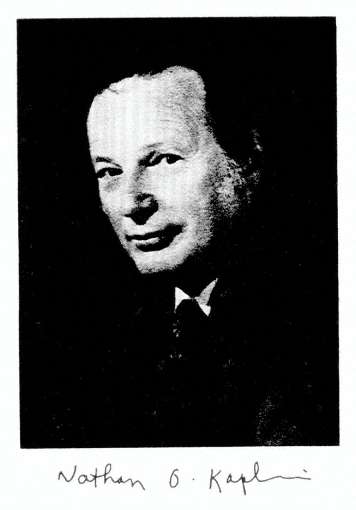
NO Kaplan

NO Kaplan

Sidney Colowick

Sidney Colowick

Elizabeth Neufeld

Elizabeth Neufeld

Kaplan studied carbohydrate metabolism in the liver under David M. Greenberg at the
University of California, Berkeley medical school. He earned his Ph.D. in 1943. From
1942 to 1944, Kaplan participated in the Manhattan Project. From 1945 to 1949,
Kaplan worked with Fritz Lipmann at Massachusetts General Hospital to study
coenzyme A. He worked at the McCollum-Pratt Institute of Johns Hopkins University
from 1950 to 957. In 1957, he was recruited to head a new graduate program in
biochemistry at Brandeis University. In 1968, Kaplan moved to the University of
California, San Diego
, where he studied the role of lactate dehydrogenase in cancer. He also founded a colony of nude mice, a strain of laboratory mice useful in the study
of cancer and other diseases. [1] He was a member of the National Academy of
Sciences.One of Kaplan’s students at the University of California was genomic
researcher Craig Venter.[2]3]  He was, with Sidney Colowick, a founding editor of the scientific book series Methods
in Enzymology
.[1]

http://books.nap.edu/books/0309049768/xhtml/images/img00009.jpg

Colowick became Carl Cori’s first graduate student and earned his Ph.D. at
Washington University St. Louis in 1942, continuing to work with the Coris (Nobel
Prize jointly) for 10 years. At the age of 21, he published his first paper on the
classical studies of glucose 1-phosphate (2), and a year later he was the sole author on a paper on the synthesis of mannose 1-phosphate and galactose 1-phosphate (3). Both papers were published in the JBC. During his time in the Cori lab,

Colowick was involved in many projects. Along with Herman Kalckar he discovered
myokinase (distinguished from adenylate kinase from liver), which is now known as
adenyl kinase. This discovery proved to be important in understanding transphos-phorylation reactions in yeast and animal cells. Colowick’s interest then turned to
the conversion of glucose to polysaccharides, and he and Earl Sutherland (who
will be featured in an upcoming JBC Classic) published an important paper on the
formation of glycogen from glucose using purified enzymes (4). In 1951, Colowick
and Nathan Kaplan were approached by Kurt Jacoby of Academic Press to do a
series comparable to Methodem der Ferment Forschung. Colowick and Kaplan
planned and edited the first 6 volumes of Methods in Enzymology, launching in 1955
what became a series of well known and useful handbooks. He continued as
Editor of the series until his death in 1985.

http://bioenergetics.jbc.org/highwire/filestream/9/field_highwire_fragment_image_s/0/F1.small.gif

The Structure of NADH: the Work of Sidney P. Colowick

Nicole KresgeRobert D. Simoni and Robert L. Hill

On the Structure of Reduced Diphosphopyridine Nucleotide

(Pullman, M. E., San Pietro, A., and Colowick, S. P. (1954)

J. Biol. Chem. 206, 129–141)

Elizabeth Neufeld
·  Born: September 27, 1928 (age 85), Paris, France
·  EducationQueens College, City University of New YorkUniversity of California,
Berkeley

http://fdb5.ctrl.ucla.edu/biological-chemistry/institution/photo?personnel%5fid=45290&max_width=155&max_height=225

In Paper I (l), indirect evidence was presented for the following transhydrogenase
reaction, catalyzed by an enzyme present in extracts of Pseudomonas
fluorescens:

TPNHz + DPN -+ TPN + DPNHz

The evidence was obtained by coupling TPN-specific dehydrogenases with the
transhydrogenase and observing the reduction of large amounts of diphosphopyridine nucleotide (DPN) in the presence of catalytic amounts of triphosphopyridine
nucleotide (TPN).

In this paper, data will be reported showing the direct

  • interaction between TPNHz and DPN, in thepresence of transhydrogenase alone,
  • to yield products having the propertiesof TPN and DPNHZ.

Information will be given indicating that the reaction involves

  • a transfer of electrons (or hydrogen) rather than a phosphate 

Experiments dealing with the kinetics and reversibility of the reaction, and with the
nature of the products, suggest that the reaction is a complex one, not fully described
by the above formulation.

Materials and Methods [edited]

The TPN and DPN used in these studies were preparations of approximately 75
percent purity and were prepared from sheep liver by the chromatographic procedure
of Kornberg and Horecker (unpublished). Reduced DPN was prepared enzymatically with alcohol dehydrogenase as described elsewhere (2). Reduced TPN was prepared by treating TPN with hydrosulfite. This treated mixture contained 2 pM of TPNHz per ml.
The preparations of desamino DPN and reduced desamino DPN have been
described previously (2, 3). Phosphogluconate was a barium salt which was kindly
supplied by Dr. B. F. Horecker. Cytochrome c was obtained from the Sigma Chemical Company.

Transhydrogenase preparations with an activity of 250 to 7000 units per mg. were
used in these studies. The DPNase was a purified enzyme, which was obtained
from zinc-deficient Neurospora and had an activity of 5500 units per mg. (4). The
alcohol dehydrogenase was a crystalline preparation isolated from yeast according to the procedure of Racker (5).

Phosphogluconate dehydrogenase from yeast and a 10 per cent pure preparation of the TPN-specific cytochrome c reductase from liver (6) were gifts of Dr. B. F.
Horecker.

DPN was assayed with alcohol and crystalline yeast alcohol dehydrogenase. TPN was determined By the specific phosphogluconic acid dehydrogenase from yeast and also by the specific isocitric dehydrogenase from pig heart. Reduced DPN was
determined by the use of acetaldehyde and the yeast alcohol dehydrogenase.
All of the above assays were based on the measurement of optical density changes
at 340 rnp. TPNHz was determined with the TPN-specific cytochrome c reductase system. The assay of the reaction followed increase in optical density at 550 rnp  as a measure of the reduction of the cytochrome c after cytochrome c
reductase was added to initiate the reaction. The changes at 550 rnp are plotted for different concentrations of TPNHz in Fig. 3, a. The method is an extremely sensitive and accurate assay for reduced TPN.

Results
[No Figures or Table shown]

Formation of DPNHz from TPNHz and DPN-Fig. 1, a illustrates the direct reaction between TPNHz and DPN to form DPNHZ. The reaction was carried out by incubating TPNHz with DPN in the presence of the
transhydrogenase, yeast alcohol dehydrogenase, and acetaldehyde. Since the yeast dehydrogenase is specific for DPN,

  • a decrease in absorption at340 rnp can only be due to the formation of reduced DPN. It can
    be seen from the curves in Fig. 1, a that a decrease in optical density occurs only in the
    presence of the complete system.

The Pseudomonas enzyme is essential for the formation of DPNH2. It is noteworthy
that, under the conditions of reaction in Fig. 1, a,

  • approximately 40 per cent of theTPNH, reacted with the DPN.

Fig. 1, a also indicates that magnesium is not required for transhydrogenase activity.  The reaction between TPNHz and DPN takes place in the absence of alcohol
dehydrogenase and acetaldehyde
. This can be demonstrated by incubating the
two pyridine nucleotides with the transhydrogenase for 4 8 12 16 20 24 28 32 36
minutes

FIG. 1. Evidence for enzymatic reaction of TPNHt with DPN.

  • Rate offormation of DPNH2.

(b) DPN disappearance and TPN formation.

(c) Identification of desamino DPNHz as product of reaction of TPNHz with desamino DPN.  (assaying for reduced DPN by the yeast alcohol dehydrogenase technique.

Table I (Experiment 1) summarizes the results of such experiments in which TPNHz was added with varying amounts of DPN.

  • In the absence of DPN, no DPNHz was formed. This eliminates the possibility that TPNH 2 is
    converted to DPNHz
  • by removal ofthe monoester phosphate grouping.

The data also show that the extent of the reaction is

  • dependent on the concentration of DPN.

Even with a large excess of DPN, only approximately 40 per cent of the TPNHzreacts to form reduced DPN. It is of importance to emphasize that in the above
experiments, which were carried out in phosphate buffer, the extent of  the reaction

  • is the same in the presence or absence of acetaldehyde andalcohol dehydrogenase.

With an excess of DPN and different  levels of TPNHZ,

  • the amount of reduced DPN which is formed is
  • dependent on the concentration of TPNHz(Table I, Experiment 2).
  • In all cases, the amount of DPNHz formed is approximately
    40 per cent of the added reduced TPN.

Formation of TPN-The reaction between TPNHz and DPN should yield TPN as well as DPNHz.
The formation of TPN is demonstrated in Table 1. in Fig. 1, b. In this experiment,
TPNHz was allowed to react with DPN in the presence of the transhydrogenase
(PS.), and then alcohol and alcohol dehydrogenase were added . This
would result in reduction of the residual DPN, and the sample incubated with the
transhydrogenase contained less DPN. After the completion of the alcohol
dehydrogenase reaction, phosphogluconate and phosphogluconic dehydrogenase (PGAD) were added to reduce the TPN. The addition of this TPN-specific
dehydrogenase results in an

  • increase inoptical density in the enzymatically treated sample.
  • This change represents the amount of TPN formed.

It is of interest to point out that, after addition of both dehydrogenases,

  • the total optical density change is the same in both

Therefore it is evident that

  • for every mole of DPN disappearing  a mole of TPN appears.

Balance of All Components of Reaction

Table II (Experiment 1) shows that,

  • if measurements for all components of the reaction are made, one can demonstrate
    that there is
  • a mole for mole disappearance of TPNH, and DPN, and
  • a stoichiometric appearance of TPN and DPNH2.
  1. The oxidized forms of the nucleotides were assayed as described
  2. the reduced form of TPN was determined by the TPNHz-specific cytochrome c reductase,
  3. the DPNHz by means of yeast alcohol dehydrogenase plus

This stoichiometric balance is true, however,

  • only when the analyses for the oxidized forms are determined directly on the reaction

When analyses are made after acidification of the incubated reaction mixture,

  • the values found forDPN and TPN are much lower than those obtained by direct analysis.

This discrepancy in the balance when analyses for the oxidized nucleotides are
carried out in acid is indicated in Table II (Experiment 2). The results, when
compared with the findings in Experiment 1, are quite striking.

Reaction of TPNHz with Desamino DPN

Desamino DPN

  • reacts with the transhydrogenase system at the same rate as does DPN (2).

This was of value in establishing the fact that

  • the transhydrogenase catalyzesa transfer of hydrogen rather than a phosphate transfer reaction.

The reaction between desamino DPN and TPNHz can be written in two ways.

TPN f desamino DPNHz

TPNH, + desamino DPN

DPNH2 + desamino TPN

If the reaction involved an electron transfer,

  • desamino DPNHz would be
  • Phosphate transfer would result in the production of reduced

Desamino DPNHz can be distinguished from DPNHz by its

  • slowerrate of reaction with yeast alcohol dehydrogenase (2, 3).

Fig. 1, c illustrates that, when desamino DPN reacts with TPNH2, 

  • the product of the reaction is desamino DPNHZ.

This is indicated by the slow rate of oxidation of the product by yeast alcohol
dehydrogenase and acetaldehyde.

From the above evidence phosphate transfer 

  • has been ruled out as a possible mechanism for the transhydrogenase reaction.

Inhibition by TPN

As mentioned in Paper I and as will be discussed later in this paper,

  • the transhydrogenase reaction does not appear to be readily reversible.

This is surprising, particularly since only approximately 

  • 40 per cent of the TPNHz undergoes reaction with DPN
    under the conditions described above. It was therefore thought that
  • the TPN formed might inhibit further transfer of electrons from TPNH2.

Table III summarizes data showing the

  • strong inhibitory effect of TPN on thereaction between TPNHz and DPN.

It is evident from the data that

  • TPN concentration is a factor in determining the extent of the reaction.

Effect of Removal of TPN on Extent of Reaction

A purified DPNase from Neurospora has been found

  • to cleave the nicotinamide riboside linkagesof the oxidized forms of both TPN and DPN
  • without acting on thereduced forms of both nucleotides (4).

It has been found, however, that

  • the DPNase hydrolyzes desamino DPN at a very slow rate (3).

In the reaction between TPNHz and desamino DPN, TPN and desamino DPNH:,

  • TPNis the only component of this reaction attacked by the Neurospora enzyme
    at an appreciable rate

It was  thought that addition of the DPNase to the TPNHZ-desamino DPN trans-
hydrogenase reaction mixture

  • would split the TPN formed andpermit the reaction to go to completion.

This, indeed, proved to be the case, as indicated in Table IV, where addition of
the DPNase with desamino DPN results in almost

  • a stoichiometric formation of desamino DPNHz
  • and a complete disappearance of TPNH2.

Extent of Reaction in Buffers Other Than Phosphate

All the reactions described above were carried out in phosphate buffer of pH 7.5.
If the transhydrogenase reaction between TPNHz and DPN is run at the same pH
in tris(hydroxymethyl)aminomethane buffer (TRIS buffer)

  • with acetaldehydeand alcohol dehydrogenase present,
  • the reaction proceeds muchfurther toward completion 
  • than is the case under the same conditions ina phosphate medium (Fig. 2, a).

The importance of phosphate concentration in governing the extent of the reaction
is illustrated in Fig. 2, b.

In the presence of TRIS the transfer reaction

  • seems to go further toward completion in the presence of acetaldehyde
    and 
    alcohol dehydrogenase
  • than when these two components are absent.

This is not true of the reaction in phosphate,

  • in which the extent is independent of the alcoholdehydrogenase system.

Removal of one of the products of the reaction (DPNHp) in TRIS thus

  • appears to permit the reaction to approach completion,whereas
  • in phosphate this removal is without effect on the finalcourse of the reaction.

The extent of the reaction in TRIS in the absence of alcohol dehydrogenase
and acetaldehyde
 is

  • somewhat greater than when the reaction is run in phosphate.

TPN also inhibits the reaction of TPNHz with DPN in TRIS medium, but the inhibition

  • is not as marked as when the reaction is carried out in phosphate buffer.

Reversibility of Transhydrogenase Reaction;

Reaction between DPNHz and TPN

In Paper I, it was mentioned that no reversal of the reaction could be achieved in a system containing alcohol, alcohol dehydrogenase, TPN, and catalytic amounts of
DPN.

When DPNH, and TPN are incubated with the purified transhydrogenase, there is
also

  • no evidence for reversibility.

This is indicated in Table V which shows that

  • there is no disappearance of DPNHz in such a system.

It was thought that removal of the TPNHz, which might be formed in the reaction,
could promote the reversal of the reaction. Hence,

  • by using the TPNHe-specific cytochrome c reductase, one could
  1. not only accomplishthe removal of any reduced TPN,
  2. but also follow the course of the reaction.

A system containing DPNH2, TPN, the transhydrogenase, the cytochrome c
reductase, and cytochrome c, however, gives

  • no reduction of the cytochrome

This is true for either TRIS or phosphate buffers.2

Some positive evidence for the reversibility has been obtained by using a system
containing

  • DPNH2, TPNH2, cytochrome c, and the cytochrome creductase in TRIS buffer.

In this case, there is, of course, reduction of cytochrome c by TPNHZ, but,

  • when the transhydrogenase is present.,there is
  • additional reduction over and above that due to the added TPNH2.

This additional reduction suggests that some reversibility of the reaction occurred
under these conditions. Fig. 3, b shows

  • the necessity of DPNHzfor this additional reduction.

Interaction of DPNHz with Desamino DPN-

If desamino DPN and DPNHz are incubated with the purified Pseudomonas enzyme,
there appears

  • to be a transfer of electrons to form desamino DPNHz.

This is illustrated in Fig. 4, a, which shows the

  • decreased rate of oxidation by thealcohol dehydrogenase system
  • after incubation with the transhydrogenase.
  • Incubation of desamino DPNHz with DPN results in the formation of DPNH2,
  • which is detected by the faster rate of oxidation by the alcohol dehydrogenase system
  • after reaction of the pyridine nucleotides with thetranshydrogenase (Fig. 4, b).

It is evident from the above experiments that

the transhydrogenase catalyzes an exchange of hydrogens between

  • the adenylic and inosinic pyridine nucleotides.

However, it is difficult to obtain any quantitative information on the rate or extent of
the reaction by the method used, because

  • desamino DPNHz also reacts with the alcohol dehydrogenase system,
  • although at a much slower rate than does DPNH2.

DISCUSSION

The results of the balance experiments seem to offer convincing evidence that
the transhydrogenase catalyzes the following reaction.

TPNHz + DPN -+ DPNHz + TPN

Since desamino DPNHz is formed from TPNHz and desamino DPN,

  • thereaction appears to involve an electron (or hydrogen) transfer
  • rather thana transfer of the monoester phosphate grouping of TPN.

A number of the findings reported in this paper are not readily understandable in
terms of the above simple formulation of the reaction. It is difficult to understand
the greater extent of the reaction in TRIS than in phosphate when acetaldehyde
and alcohol dehydrogenase are present.

One possibility is that an intermediate may be involved which is more easily converted
to reduced DPN in the TRIS medium. The existence of such an intermediate is also
suggested by the discrepancies noted in balance experiments, in which

  • analyses of the oxidized nucleotides after acidification showed
  • much lower values than those found by direct analysis.

These findings suggest that the reaction may involve

  • a 1 electron ratherthan a 2 electron transfer with
  • the formation of acid-labile free radicals as intermediates.

The transfer of hydrogens from DPNHz to desamino DPN

  • to yield desamino DPNHz and DPN and the reversal of this transfer
  • indicate the unique role of the transhydrogenase
  • in promoting electron exchange between the pyridine nucleotides.

In this connection, it is of interest that alcohol dehydrogenase and lactic
dehydrogenase cannot duplicate this exchange  between the DPN and
the desamino systems.3  If one assumes that desamino DPN behaves
like DPN,

  • one might predict that the transhydrogenase would catalyze an
    exchange of electrons (or hydrogen) 3.

Since alcohol dehydrogenase alone

  • does not catalyze an exchange of electrons between the adenylic
    and inosinic pyridine nucleotides, this rules out the possibility
  • that the dehydrogenase is converted to a reduced intermediate
  • during electron between DPNHz and added DPN.

It is hoped to investigate this possibility with isotopically labeled DPN.
Experiments to test the interaction between TPN and desamino TPN are
also now in progress.

It seems likely that the transhydrogenase will prove capable of

  • catalyzingan exchange between TPN and TPNH2, as well as between DPN and

The observed inhibition by TPN of the reaction between TPNHz and DPN may
therefore

  • be due to a competition between DPN and TPNfor the TPNH2.

SUMMARY

  1. Direct evidence for the following transhydrogenase reaction. catalyzedby an
    enzyme from Pseudomonas fluorescens, is presented.

TPNHz + DPN -+ TPN + DPNHz

Balance experiments have shown that for every mole of TPNHz disappearing
1 mole of TPN appears and that for each mole of DPNHz generated 1 mole of
DPN disappears. The oxidized nucleotides found at the end of the reaction,
however, show anomalous lability toward acid.

  1. The transhydrogenase also promotes the following reaction.

TPNHz + desamino DPN -+ TPN + desamino DPNH,

This rules out the possibility that the transhydrogenase reaction involves a
phosphate transfer and indicates that the

  • enzyme catalyzes a shift of electrons (or hydrogen atoms).

The reaction of TPNHz with DPN in 0.1 M phosphate buffer is strongly
inhibited by TPN; thus

  • it proceeds only to the extent of about40 per cent or less, even
  • when DPNHz is removed continuously by meansof acetaldehyde
    and alcohol dehydrogenase.
  • In other buffers, in whichTPN is less inhibitory, the reaction proceeds
    much further toward completion under these conditions.
  • The reaction in phosphate buffer proceedsto completion when TPN
    is removed as it is formed.
  1. DPNHz does not react with TPN to form TPNHz and DPN in the presence
    of transhydrogenase. Some evidence, however, has been obtained for
    the reversibility by using the following system:
  • DPNHZ, TPNHZ, cytochromec, the TPNHz-specific cytochrome c reductase,
    and the transhydrogenase.
  1. Evidence is cited for the following reversible reaction, which is catalyzed
    by the transhydrogenase.

DPNHz + desamino DPN fi DPN + desamino DPNHz

  1. The results are discussed with respect to the possibility that the
    transhydrogenase reaction may
  • involve a 1 electron transfer with theformation of free radicals as intermediates.


BIBLIOGRAPHY

  1. Coiowick, S. P., Kaplan, N. O., Neufeld, E. F., and Ciotti, M. M., J. Biol. Chem.,196, 95 (1952).
  2. Pullman, 111. E., Colowick, S. P., and Kaplan, N. O., J. Biol. Chem., 194, 593(1952).
  3. Kaplan, N. O., Colowick, S. P., and Ciotti, M. M., J. Biol. Chem., 194, 579 (1952).
  4. Kaplan, N. O., Colowick, S. P., and Nason, A., J. Biol. Chem., 191, 473 (1951).
  5. Racker, E., J. Biol. Chem., 184, 313 (1950).
  6. Horecker, B. F., J. Biol. Chem., 183, 593 (1950).

Section !II. 

Luis_Federico_Leloir_-_young

The Leloir pathway: a mechanistic imperative for three enzymes to change
the stereochemical configuration of a single carbon in galactose.

Frey PA.
FASEB J. 1996 Mar;10(4):461-70.    http://www.fasebj.org/content/10/4/461.full.pdf
PMID:8647345

The biological interconversion of galactose and glucose takes place only by way of
the Leloir pathway and requires the three enzymes galactokinase, galactose-1-P
uridylyltransferase, and UDP-galactose 4-epimerase.
The only biological importance of these enzymes appears to be to

  • provide for the interconversion of galactosyl and glucosyl groups.

Galactose mutarotase also participates by producing the galactokinase substrate
alpha-D-galactose from its beta-anomer. The galacto/gluco configurational change takes place at the level of the nucleotide sugar by an oxidation/reduction
mechanism in the active site of the epimerase NAD+ complex. The nucleotide portion
of UDP-galactose and UDP-glucose participates in the epimerization process in two ways:

1) by serving as a binding anchor that allows epimerization to take place at glycosyl-C-4 through weak binding of the sugar, and

2) by inducing a conformational change in the epimerase that destabilizes NAD+ and
increases its reactivity toward substrates.

Reversible hydride transfer is thereby facilitated between NAD+ and carbon-4
of the weakly bound sugars.

The structure of the enzyme reveals many details of the binding of NAD+ and
inhibitors at the active site
.

The essential roles of the kinase and transferase are to attach the UDP group
to galactose, allowing for its participation in catalysis by the epimerase. The
transferase is a Zn/Fe metalloprotein
, in which the metal ions stabilize the
structure rather than participating in catalysis. The structure is interesting
in that

  • it consists of single beta-sheet with 13 antiparallel strands and 1 parallel strand
    connected by 6 helices.

The mechanism of UMP attachment at the active site of the transferase is a double
displacement
, with the participation of a covalent UMP-His 166-enzyme intermediate
in the Escherichia coli enzyme. The evolution of this mechanism appears to have
been guided by the principle of economy in the evolution of binding sites.

PMID: 8647345 Free full text

Section IV.

More on Lipids – Role of lipids – classification

  • Energy
  • Energy Storage
  • Hormones
  • Vitamins
  • Digestion
  • Insulation
  • Membrane structure: Hydrophobic properties

Lipid types

lipid types

lipid types

nat occuring FAs in mammals

nat occuring FAs in mammals

Read Full Post »

« Newer Posts