Healthcare analytics, AI solutions for biological big data, providing an AI platform for the biotech, life sciences, medical and pharmaceutical industries, as well as for related technological approaches, i.e., curation and text analysis with machine learning and other activities related to AI applications to these industries.
Health Care Policy Analysis derived from the Farewell remarks from AMA President Jack Resneck Jr., MD | AMA 2023 Annual Meeting
Curators: Aviva Lev-Ari, PhD, RN, Stephen J. Williams, PhD and Prof. Marcus W. Feldman
Article ID #301: Health Care Policy Analysis derived from the Farewell remarks from AMA President Jack Resneck Jr., MD | AMA 2023 Annual Meeting. Published on 6/10/23
WordCloud Image Produced by Adam Tubman
Bot Name: ChatGPT, GPT-4
Date of Update: 07/03/2023 Programmer’s Name: Frason K. Human Verifier: Aviva Lev-Ari & Dr. Stephen J. Williams
On June 10, 2023, I watched the video, below which represents the delivery of the Farewell remarks from AMA by the AMA President, Jack Resneck Jr., MD at the AMA 2023 Annual Meeting on 6/10/2023.
Upon completion of watching this video, I concluded that I should include it as an embedded video in this article as a new Audio Podcast in our Library of 300 “Interviews with Scientific Leaders” same title of a research category in the ontology of LPBI Group’s PharmaceuticalIntelligence.com Journal.
The context for the decision made in favor of embedding the video of AMA President, Jack Resneck Jr., MD, Farewell remarks from AMA at the AMA 2023 Annual Meeting on 6/10/2023 is one of Policy Analysis of the Health Care system in the US in 2023.
Aligned with this decision was to qualify Dr. Resneck Jr, MD speech to be an equivalent to an “Interview with a Scientific Leader in the domain of Health Policy” to be included in LPBI Group’s Library of 300 audio podcast Interviews planned to be published in July 2023.
Key points made by Dr. Resneck Jr, MD in the video
growing number of states and courts forcing themselves into the most intimate and difficult conversations patients and physicians
The challenges facing the medical profession and delivery of care by Providers:
A dysfunctional health care environment, and
The climate of anti-science aggression
In his own words: Dr. Resneck Jr, MD
We need to fix what’s broken in health care, and it’s NOT the doctor.
The Wisconsin Supreme Court agreed with us that patients and judges can’t force physicians to administer substandard care.
Courts have invalidated parts of No Surprises Act rules that plainly ignored Congressional intent and put a thumb on the scale to favor insurance companies… thank you Texas Medical Association and AMA!
The 5th Circuit Court is staying- for now – an egregious ruling that would have stripped patients of the right to access preventive care service with no out-of-pocket costs, a key piece of the Affordable Care Act.
The U.S. Supreme Court is delaying attempts by a single district judge with no scientific or medical training to take mifepristone off the market nationally and upend our entire FDA drug regulatory process.
We’ve helped shift the national conversation about protecting patient data and making sure digital health and AI tools are proven BEFORE being deployed.
We’ve broadened and intensified our work to embed equity and racial justice, and to push upstream to affect structural and social drivers of health inequities.
The AMA doesn’t win every battle. But we are more resolute in our work because of the threats to our profession and our patients.
I’m still appalled by the Medicare cuts. What on earth was Congress thinking? Practices are on the brink. Our workforce is at risk. Access to care stands in the balance
Physician burnout
One in five physicians plans to leave their practice within two years, while one in three is reducing hours.
Only 57 percent of doctors today would choose medicine again if they were just starting their careers.
two in five physicians go beyond mere daydreams of another career to wishing they had never chosen this path in the first place
And shame on political leaders, fueling fear and sowing division by making enemies of public health officials, of transgender adolescents, of physicians doing anti-racism work, and of women making personal decisions about their pregnancies.
The burnout and the moral injury are real … I’ve felt it myself. I hear this concern in the voices of medical students, residents, and even young physicians when they ask me … “Am I going to be okay?” “Have I made the right career choice?”
Medicare payment reform for “a dilapidated Medicare payment system”
fighting for long overdue fixes to a broken Medicare payment system, and obnoxious prior auth abuses, even when policymakers have neglected the problems for decades.
We absolutely must tie future Medicare payments to inflation, and we’re readying a major national campaign to finally achieve Congressional action.
Linking physician payment to inflation is an absolute top priority, an existential must to keep practices afloat, and pillar #1 of our plan. An important step on that path was the recent introduction of a bipartisan bill to finally align the Medicare fee schedule with MEI.
key role in legislation to extend Medicare Telehealth coverage.
State after state is making progress to constrain prior authorization, and CMS issued rules to do the same in Medicare Advantage plans.
Medicaid work requirements that conflict with AMA policy were kept out of the debt ceiling bill.
Scope of practice expansions
In partnership with states and specialties, our advocacy has helped protect patients from outrageous and broad scope expansions more than 50 times so far this year.
defending against broad scope expansions that put patients at risk, even when it requires gearing up again and again, in state after state.
When politicians force their way into our exam rooms Interfering with the sacred patient-doctor relationship is about CONTROL. : battling in state legislatures and courthouses for the very soul of our nation and our profession – to protect patients from those outside influences wanting to dictate the terms of their care … …telling them what medical treatments their physicians can provide … …what FDA-approved medicines we can prescribe…. …even what words we can use …
I loved traveling to Mississippi and witnessing their progress from startling COVID inequities to achieving one of the nation’s top vaccination rates among Black residents.
And we have been instrumental in helping create confidential wellness programs for physicians and removing outdated questions from past impairment from licensing and credentialing forms.
Gun Violence Victims – Preventable and needless homicides and suicides continue, and the political inaction is atrocious.
But solid majorities of Americans believe in commonsense gun reforms in line with our AMA recommendations.
You wouldn’t know it from 20 state legislatures racing to criminalize abortion and rob women of access to reproductive health care… But most people in this country support our policies and the fundamental rights of patients to make their own decisions about their health.
>> Insurance impact on delivery of care by providers
m health insurers still bullying us with prior auth delays and denying care …
We’ve joined others in suing Cigna for shortchanging doctors and patients.
The Voice of Dr. Stephen J. Williams
The outgoing president of the AMA, Dr. Jack Resneck, gives an impassioned speech about his concerns for the present and future of medicine, his profession, and the issues which will face future physicians, and all involved in healthcare. These issues have been building up for decades now in the U.S. and his remarks hopefully will be taken more to heart by those who can enact change, instead of wafting in the ongoing partisan debates in Washington. He eventually outlines the actions which could be taken but ultimately laments the inaction of many parties involved, including business, the political class, and his own physician profession. Dr. Resneck rightly states that the AMA must carry the burden of equitable and sustainable healthcare into the future and must continue the fight in this regard. He likens this fight for equitable and sustainable medicine like a marathon, where there is no defined end, no finish tape for medical professionals except to persevere in their task.
However, there are more extraneous issues to the profession where the physician has to
get back up, shake the dust off, and keep running
He notes some of the problems occurring not in direct control of the profession are
the constant onslaught and tiresome battle against disinformation
large insurers
a political class that has jeapardized the physician/patient relationship with either their action and inaction
the financial burdens placed on the small physician practice of rising third party “inflators” like higher rents, increased drug prices, higher operating costs
These laments have been felt by many parallel professions where the standards and practice to the profession have been subjugated and hijacked by other outside interests (middle men). And when the ultimate decisions of conduct are not governed by the constituents or stakeholders of the profession but by a cadre of business people, profiteers or social engineers problems like this result. As such, Dr. Resneck sees the draconian Medicare cuts as such an onslaught. This has been voiced in an earlier posting describing how these problems have crept in the biomedicine and biotech field as well as in medical care in Can the Public Benefit Company Structure Save US Healthcare?
One must consider then, as Dr. Resneck had, is it time to reinvent the healthcare structure in this country to allow more equitable, sustainable delivery of healthcare and to stave off a potential crisis in the number of physicians staying in the profession? As such he had suggested the AMA move forward with their “revival plan” in order to force legislation to reform Medicare as well as individual regulatory reform. To date there has been some success by the AMA to this effect, but as he eluded to, these efforts have been rather piecemeal instead of an overall reform.
The Voice of Aviva Lev-Ari, PhD, RN
Gun Violence, all should not have to happen and burden the care delivery system designed to deal with chronic and acute diagnoses.
As Supervisor of a Long Term Acute Hospital in Waltham, MA in 2010:
I became familiar with care plans of patients victims of gun violence and the life long disabilities cause by ONE gun shot to the brain or to the spine. Accidents that are preventable and needless.
I found Dr. Resneck’s address to be a call for continuation of a long term fight the AMA is involved in, with all the constituents of the Medical profession. They are very many and very powerful:
Big Pharma,
FDA,
State and Federal legislators,
HMOs,
Health Insurers,
For-profit, and
not-for-profit institutions
all having interests that are private and public and often conflicting ones, chiefly are the following:
Gun reforms made impossible by The National Rifle Association (NRA)’s supporters linking the defense to bear arms with the Constitution
20 state legislatures racing to criminalize abortion and rob women of access to reproductive health care…
Drug pricing and Insurance denying coverage
Need for redesign of the Curriculum of in Medical School to include the rapid change in technology, medical devices, knowledge base in life sciences and more
Dr Resneck’s talk has three components: two are rather pessimistic and concern Medicine as a profession and Health-care as a goal of medicine. The positive part, which was quite brief, concerned the continuing work of the AMA in its advocacy for better conditions for physicians and for a more equitable distribution of health care.
Medicine as a part of science continues to be assailed by anti-science political groups. 57% of doctors surveyed said they would not choose Medicine as a profession if given the chance to relive their lives. Part of this is the failure of Medicare and other insurance mechanisms to properly compensate physicians. Part is due to attacks on the profession by anti-science anti education social media and state legislatures. Whereas Medicine was once the profession of choice for the best students, universities are seeing the premed majors overtaken by computer-related fields. Dr. Resneck also referred to the importance of maintaining high standards of medical ethics, which is increasingly difficult in today’s political and economic climate.
With respect to the specifics of health care, Dr. Resneck stressed the attack on the medical professions by laws and regulations that outlaw people rights to their own bodies, manifest in anti-abortion and anti-gender affirming procedures, anti-education book banning, political opposition to measures, supported by the majority of Americans, that would reduce gun violence, and the difficulty of achieving improvements in government procedures for reimbursement of health care services. The AMA is involved in trying to elicit medically sound decisions on these.
Dr Resneck was positive, if not very optimistic about the AMA’s important role in advocacy for reform of Medicare and the Health-Care system, reform that is essential for the sustainability of Medicine as a profession.
We recommend AMA to add to their Library resources from LPBI Group:
Can the Public Benefit Company Structure Save US Healthcare?
Curator: Stephen J. Williams, Ph.D.
UPDATED 11/05/2023
Public Benefit Corporation structure in healthcare has actually been around since the 1970s in New Yourk State, when New York City’s new Health and Hospitals Corporation took over the city Department of Hospitals and today runs 11 hospitals and four long-term care facitlites in the city. The following link to an article describes however the problems occuring with Nassau and Westchester hosptial systems, which were converted to New York PBC status in the 1990s. As the article states the financial problems in 2004 which these hospitals encountered
do not stem from their unusual status as public benefit corporations, and might have been even worse off had they not converted
The New York Times article of 2004 “At 2 Hospitals, Fiscal Troubles in the Glare of Public View” highlight in fact the growing problem that all hospitals are encountering, especially on the fiscal side. But it does highlight how to better structure these entities and why full commitment to the PBC structure is necessary.
In 2003 New York State had a record closure of hospitals, and in 2004 Nassau and WestChester were having such fiscal problems it threatened the bond status of those counties. Despite the regular problems hospitals had, critics had said there were two major contributing factors to their woes
the two agencies had not completed their transition from government operations to fully competitve hospitals
as a PBC they bear a costly mission of serving the uninsured
As a PBC the structure allows one to shed cumbersome government rules, giving them the flexibility to conduct business like other hospitals.
In addition they are no longer dependent, in fact now forced, to forgo dependence on public funding and look for independent means of investment. With their semi-independence from government the agencies also are more insulted from political pressure.
However this seemed to be the problem. These agencies were still to dependent on their local government and there was still local political influence on their boards.
UPDATED 3/15/2023
According to Centers for Medicare and Medicare Services (CMS.gov) healthcare spending per capita has reached 17.7percent of GDP with, according to CMS data:
From 1960 through 2013, health spending rose from $147 per person to $9,255 per person, an average annual increase of 8.1 percent.
the National Health Expenditure Accounts (NHEA) are the official estimates of total health care spending in the United States. Dating back to 1960, the NHEA measures annual U.S. expenditures for health care goods and services, public health activities, government administration, the net cost of health insurance, and investment related to health care. The data are presented by type of service, sources of funding, and type of sponsor.
Graph: US National Healthcare Expenditures as a percent of Gross Domestic Product from 1960 to current. Recession periods are shown in bars. Note that the general trend has been increasing healthcare expenditures with only small times of decrease for example 2020 in year of COVID19 pandemic. In addition most of the years have been inflationary with almost no deflationary periods, either according to CPI or healthcare costs, specifically.
U.S. health care spending grew 4.6 percent in 2019, reaching $3.8 trillion or $11,582 per person. As a share of the nation’s Gross Domestic Product, health spending accounted for 17.7 percent.
And as this spending grew (demand for health care services) associated costs also rose but as the statistical analyses shows there was little improvement in many health outcome metrics during the same time.
Graph of the Growth of National Health Expenditures (NHE) versus the growth of GDP. Note most years from 1960 growth rate of NHE has always been higher than GDP, resulting in a seemingly hyperinflationary effect of healthcare. Also note how there are years when this disconnect is even greater, as there were years when NHE grew while there were recessionary periods in the general economy.
It appears that US healthcare may be on the precipice of a transformational shift, but what will this shift look like? The following post examines if the corporate structure of US healthcare needs to be changed and what role does a Public Benefit Company have in this much needed transformation.
Hippocratic Oath
I swear by Apollo the physician, and Asclepius, and Hygieia and Panacea and all the gods and goddesses as my witnesses, that, according to my ability and judgement, I will keep this Oath and this contract:
To hold him who taught me this art equally dear to me as my parents, to be a partner in life with him, and to fulfill his needs when required; to look upon his offspring as equals to my own siblings, and to teach them this art, if they shall wish to learn it, without fee or contract; and that by the set rules, lectures, and every other mode of instruction, I will impart a knowledge of the art to my own sons, and those of my teachers, and to students bound by this contract and having sworn this Oath to the law of medicine, but to no others.
I will use those dietary regimens which will benefit my patients according to my greatest ability and judgement, and I will do no harm or injustice to them.
I will not give a lethal drug to anyone if I am asked, nor will I advise such a plan; and similarly I will not give a woman a pessary to cause an abortion.
In purity and according to divine law will I carry out my life and my art.
I will not use the knife, even upon those suffering from stones, but I will leave this to those who are trained in this craft.
Into whatever homes I go, I will enter them for the benefit of the sick, avoiding any voluntary act of impropriety or corruption, including the seduction of women or men, whether they are free men or slaves.
Whatever I see or hear in the lives of my patients, whether in connection with my professional practice or not, which ought not to be spoken of outside, I will keep secret, as considering all such things to be private.
So long as I maintain this Oath faithfully and without corruption, may it be granted to me to partake of life fully and the practice of my art, gaining the respect of all men for all time. However, should I transgress this Oath and violate it, may the opposite be my fate.
Translated by Michael North, National Library of Medicine, 2002.
Much of the following information can be found on the Health AffairsBlog in a post entitled
Limitations of For Profit and Non-Profit Hospitals
For profit represent ~ 25% of US hospitals and are owned and governed by shareholders, and can raise equity through stock and bond markets.
According to most annual reports, the CEOs incorrectly assume they are legally bound as fiduciaries to maximize shareholder value. This was a paradigm shift in priorities of companies which started around the mid 1980s,aphenomenon discussed below.
A by-product of this business goal, to maximize shareholder value, is that CEO pay and compensation is naturally tied to equity markets. A means for this is promoting cost efficiencies, even in the midst of financial hardships.
A clear example of the failure of this system can be seen during the 2020- current COVID19 pandemic in the US. According to the Medicare Payment Advisory Commission, four large US hospitals were able to decrease their operating expenses by $2.3 billion just in Q2 2020. This amounted to 65% of their revenue; in comparison three large NONPROFIT hospitals reduced their operating expense by an aggregate $13 million (only 1% of their revenue), evident that in lean times for-profit will resort to drastic cost cutting at expense of service, even in times of critical demands for healthcare.
Because of their tax structure and perceived fiduciary responsibilities, for-profit organizations (unlike non-profit and public benefit corporations) are not legally required to conduct community health need assessments, establish financial assistance policies, nor limit hospital charges for those eligible for financial assistance. In addition to the difference in tax liability, for-profit, unlike their non-profit counterparts, at least with hospitals, are not funded in part by state or local government. As we will see, a large part of operating revenue for non-profit university based hospitals is state and city funding.
Therefore risk for financial responsibility is usually assumed by the patient, and in worst case, by the marginalized patient populations on to the public sector.
Tax Structure Considerations of for-profit healthcare
Financials of major for-profit healthcare entities (2020 annual)
Non-profit Healthcare systems
Nonprofits represent about half of all hospitals in the US. Most of these exist as a university structure, so retain the benefits of being private health systems and retaining the funding and tax benefits attributed to most systems of higher education. And these nonprofits can be very profitable. After taking in consideration the state, local, and federal tax exemptions these nonprofits enjoy, as well as tax-free donations from contributors (including large personal trust funds), a nonprofit can accumulate a large amount of revenue after expenses. In fact 82 nonprofit hospitals had $33 billion of net asset increase year-over-year (20% increase) from 2016 to 2017. The caveat is that this revenue over expenses is usually spent on research or increased patient services (this may mean expanding the physical infrastructure of the hospital or disseminating internal grant money to clinical investigators, expanding the hospital/university research assets which could result in securing even larger amount of external funding from government sources.
And although this model may work well for intercity university/healthcare systems, it is usually a struggle for the rural nonprofit hospitals. In 2020, ten out of 17 rural hospitals that went under were nonprofits. And this is not just true in the tough pandemic year. Over the past two decades multitude of nonprofit rural hospitals had to sell and be taken over by larger for-profit entities.
Hospital consolidation has led to a worse patient experience and no real significant changes in readmission or mortality data. (The article below is how over 130 rural hospitals have closed since 2010, creating a medical emergency in rural US healthcare)
And according to the article below it is only to get worse
The authors of the Health Affairs blog feel a major disadvantage of both the for-profit and non-profit healthcare systems is “that both face limited accountability with respect to anticompettive mergers and acquisitions.”
More hospital consolidation is expected post-pandemic
Hospital deal volume is likely to accelerate due to the financial damage inflicted by the coronavirus pandemic.
The anticipated increase in volume did not show up in the latest quarter, when deals were sharply down.
The pandemic may have given hospitals leverage in coming policy fights over billing and the creation of “public option” health plans.
Hospital consolidation is likely to increase after the COVID-19 pandemic, say both critics and supporters of the merger-and-acquisition (M&A) trend.
The financial effects of the coronavirus pandemic are expected to drive more consolidation between and among hospitals and physician practices, a group of policy professionals told a recent Washington, D.C.-based web briefing sponsored by the Alliance for Health Policy.
“There is a real danger that this could lead to more consolidation, which if we’re not careful could lead to higher prices,” said Karyn Schwartz, a senior fellow at the Kaiser Family Foundation (KFF).
Schwartz cited a recent KFF analysis of available research that concluded “provider consolidation leads to higher health care prices for private insurance; this is true for both horizontal and vertical consolidation.”
Kenneth Kaufman, managing director and chair of Kaufman Hall, noted that crises tend to push financially struggling organizations “further behind.”
“I wouldn’t be surprised at all if that happens,” Kaufman said. “That will lead to further consolidation in the provider market.”
The initial rounds of federal assistance from the CARES Act, which were based first on Medicare revenue and then on net patient revenue, may fuel consolidation, said Mark Miller, PhD, executive vice president of healthcare for Arnold Ventures. That’s because the funding formulas favored organizations that already had higher revenues, he said, and provided less assistance to low-revenue organizations.
HHS has distributed $116.2 billion from the $175 billion in provider funding available through the CARES Act and the Paycheck Protection Program and Health Care Enhancement Act. The largest distributions used the two revenue formulas cited by Miller.
No surge in M&A yet
The expected burst in hospital M&A activity has yet to occur. Kaufman Hall identified 14 transactions in the second quarter of 2020, far fewer than in the same quarter in any of the four preceding years, when second-quarter transactions totaled between 19 and 31. The latest deals were not focused on small hospitals, with average seller revenue of more than $800 million — far larger than the previous second-quarter high of $409 million in 2018.
Six of the 14 announced transactions were divestitures by major for-profit health systems, including Community Health Systems, Quorum and HCA.
Kaufman Hall’s analysis of the recent deals identified another pandemic-related factor that may fuel hospital M&A: closer ties between hospitals. The analysis cited the example of Lifespan and Care New England, which had suspended merger talks in 2019. More recently, in a joint announcement, the CEOs of the two systems noted that because of the COVID-19 crisis, the two systems “have been working together in unprecedented ways” and “have agreed to enter into an exploration process to understand the pros and cons of what a formal continuation of this collaboration could look like in the future.”
The M&A outlook for rural hospitals
The pandemic has had less of a negative effect on the finances of rural hospitals that previously joined larger health systems, said Suzie Desai, senior director of not-for-profit healthcare for S&P Global.
A CEO of a health system with a large rural network told Kaufman the federal grants that the system received for its rural hospitals were much larger than the grants paid through the general provider fund.
“If that was true across the board, then the federal government recognized that many rural hospitals could be at risk of not being able to make payroll; actually running out of money,” Kaufman said. “And they seem to have bent over backwards to make sure that didn’t happen.”
Other CARES Act funding distributed to providers included:
$12.8 billion for 959 safety net hospitals
$11 billion to almost 4,000 rural healthcare providers and hospitals in urban areas that have certain special rural designations in Medicare
Telehealth has helped rural hospitals but has not been sufficient to address the financial losses inflicted by the pandemic, Desai said.
Other coming trends include a sharper cost focus
Desai expects an increasing focus “over the next couple years” on hospital costs because of the rising share of revenue received from Medicare and Medicaid. She expects increased efforts to use technology and data to lower costs.
Billy Wynne, JD, chairman of Wynne Health Group, expects telehealth restrictions to remain relaxed after the pandemic.
Also, the perceptions of the public and politicians about the financial health of hospitals are likely to give those organizations leverage in coming policy fights over changes such as banning surprise billing and creating so-called public-option health plans, Wynne said. As an example, he cited the Colorado legislature’s suspension of the launch of a public option “in part because of sensitivities around hospital finances in the COVID pandemic.”
“Once the dust settles, it’ll be interesting to see if their leverage has increased or decreased due to what we’ve been through,” Wynne said.
About the Author
Rich Daly, HFMA Senior Writer and Editor,
is based in the Washington, D.C., office. Follow Rich on Twitter: @rdalyhealthcare
The quality of care at hospitals acquired during a recent wave of consolidations has gotten worse or stayed the same, according to a study led by Harvard Medical School scientists published Jan. 2 in NEJM.
The findings deal a blow to the often-cited arguments that hospital consolidation would improve care. A flurry of earlier studies showed that mergers increase prices. Now after analyzing patient outcomes after hundreds of hospital mergers, the new research also dashes the hopes that this more expensive care might be of higher quality.
Get more HMS news here
“Our findings call into question claims that hospital mergers are good for patients—and beg the question of what we are getting from higher hospital prices,” said study senior author J. Michael McWilliams, the Warren Alpert Foundation Professor of Health Care Policy in the Blavatnik Institute at HMS and an HMS professor of medicine and a practicing general internist at Brigham and Women’s Hospital.
McWilliams noted that rising hospital prices have been one of the leading drivers of unsustainable growth in U.S. health spending.
To examine the impact of hospital mergers on quality of care, researchers from HMS and Harvard Business School examined patient outcomes from nearly 250 hospital mergers that took place between 2009 and 2013. Using data collected by the Centers for Medicare and Medicaid Services, they analyzed variables such as 30-day readmission and mortality rates among patients discharged from a hospital, as well as clinical measures such as timely antibiotic treatment of patients with bacterial pneumonia. The researchers also factored in patient experiences, such as whether those who received care at a given hospital would recommend it to others. For their analysis, the team compared trends in these indicators between 246 hospitals acquired in merger transactions and unaffected hospitals.
The verdict? Consolidation did not improve hospital performance, and patient-experience scores deteriorated somewhat after the mergers.
The study was not designed to examine the reasons behind the worsening in patient experience. Weakening of competition due to hospital mergers could have contributed, the researchers said, but deeper exploration suggested other potential mechanisms. Notably, the analysis found the decline in patient-experience scores occurred mainly in hospitals acquired by hospitals that already had a poor patient-experience score—a finding that suggests acquisitions facilitate the spread of low quality care but not of high quality care.
The researchers caution that isolated, individual mergers may have still yielded positive results—something that an aggregate analysis is not powered to capture. And the researchers could only examine measurable aspects of quality. The trend in hospital performance on these standard measures, however, appears to point to a net effect of overall decline, the team said.
“Since our study estimated the average effects of mergers, we can’t rule out the possibility that some mergers are good for patient care,” said first author Nancy Beaulieu, research associate in health care policy at HMS. “But this evidence should give us pause when considering arguments for hospitals mergers.”
The work was supported by the Agency for Healthcare Research and Quality (grant no. U19HS024072).
Co-investigators included Bruce Landon and Jesse Dalton from HMS, Ifedayo Kuye, from the University of California, San Francisco, and Leemore Dafny from Harvard Business School and the National Bureau of Economic Research.
Public benefit corporations (versus Benefit Corporate status, which is more of a pledge) are separate legal entities which exist as a hybrid, for-profit/nonprofit company but is mandated to
Pursue a general or specific public benefit
Consider the non-financial interests of its shareholders and other STAKEHOLDERS when making decision
report how well it is achieving its overall public benefit objectives
Have limited fiduciary responsibility to investors that remains IN SCOPE of public benefit goal
In essence, the public benefit corporations executives are mandated to run the company for the benefit of STAKEHOLDERS first, if those STAKEHOLDERS are the public beneficiary of the company’s goals. This in essence moves the needle away from the traditional C-Corp overvaluing the needs of shareholders and brings back the mission of the company and in the case of healthcare, the needs of its stakeholders, the consumers of healthcare.
PBCs are legal entities recognized by states rather than by the federal government. So far, in 2020 about 37 states allow companies to incorporate as a PBC. Stipulations of the charter include semiannual reporting of the public benefits bestowed by the company and how well it is achieving its public benefit mandate. There are about 3,000 US PBCs. Some companies have felt it was in their company mission and financial interest to change incorporation as a PBC.
Some well known PBCs include
Ben and Jerry’s Ice Cream
American Red Cross
Susan B. Komen Foundation
Allbirds (a shoe startup valued at $1.7 billion when made switch)
Bombas (the sock company that donates extra socks when you buy a pair)
Lemonade (a publicly traded insurance PBC that has beneficiaries select a nonprofit that the company will donate to)
Although the number of PBCs in the healthcare arena is increasing
Not many PBCs are in the area of healthcare delivery
Noone is quite sure what the economic model would look like for a healthcare delivery PBC
Some example of hospital PBC include NYC Health + Hospitals and Community First Medical Center in Chicago.
Benefits of moving a hospital to PBC Status
PBCs are held legally accountable to a predefined public benefit. For hospitals this could be delivering cost-effective quality of care and affordable to a local citizenry or an economically disadvantaged population. PBCs must produce at least an annual report on the public benefits it has achieved contrasted against a third party standard. For example a hospital could include data of Medicaid related mortality risks, data neither the C-corp nor the nonprofit 501c would have to report on. Most nonprofits and charities report their taxes on a schedule H or Form 990, which only has to report the officer’s compensation as well as monies given to charitable organizations, or other 501 organizations. The nonprofit would show a balance of zero as the donated money for that year would be allocated out for various purposes. Hospitals, even as nonprofits, are not required to submit all this data. Right now in US the ACA just requires any hospital that receives government or ACA insurance payments to report certain outcome statistics. Although varying state by state, a PBC should have a “benefit officer” to make sure the mandate is being met. In some cases a PBC benefit officer could sue the board for putting shareholder interest over the public benefit mandate.
A PBC can include community stakeholders in the articles of incorporation thus giving a voice to local community members. This would be especially beneficial for a hospital serving, say, a rural community.
PBCs do have advantages of the for-profit companies as they are not limited to non-equity forms of investment. A PBC can raise money in the equity markets or take on debt and finance it. These financial instruments are unavailable to the non-profit. Yet one interesting aspect is that PBCs require a HIGHER voting threshold by shareholders than a traditional for profit company in the ability to change their public benefit or convert their PBC back to a for-profit.
Limitations of the PBC
Little incentive financially for current and future hospitals to incorporate as a PBC. Herein lies a huge roadblock given the state of our reimbursement structure in this country. Although there may be an incentive with regard to hiring and retention of staff drawn to the organization’s social purpose. There have been, in the past, suggestions to allow hospitals that incorporate at PBC to receive some tax benefit, but this legislation has not gone through either at state or federal level. (put link to tax article).
In order for there to be value to constituents (patients) there must be strong accountability measures. This will require the utmost in ethical behavior by a board and executives. We have witnessed, through M&A by large health groups, anticompetitive and near monopoly behavior.
There are no federal guidelines but varying guidelines from state to state. There must be some federal recognition of the PBC status when it comes to healthcare, such as that the government is one of the biggest payers of US healthcare.
This is a great interview with ArcHealth, a PBC healthcare system.
Arc Health PBC is a public benefit corporation, a mission-driven for-profit company that utilizes a market-driven approach to achieving our short and long-term social goals. As a public benefit corporation, Arc Health is also a social enterprise working to further our mission of providing healthcare to rural, underserved, and indigenous communities through business practices that improve the recruitment and retention of quality healthcare providers.
What is a Social Enterprise?
While there is no one exact definition, according to the Social Enterprise Alliance, a social enterprise is an “organization that addresses a basic unmet need or solves a social or environmental problem through a market-driven approach.” A social enterprise is not a distinct legal entity, but instead, an “ideological spectrum marrying commercial approaches with social good.” Social enterprises foster a dual-bottom-line – simultaneously seeking profits and social impact. Arc Health, like many social enterprises, seeks to be self–sustainable.
Two primary structures fall under the social enterprise umbrella: nonprofits and for-profit organizations. There are also related entities within both structures that could be considered social enterprises. Any of these listed structures can be regarded as a social enterprise depending on if and how involved they are with socially beneficial programs.
What is a Public Benefit Corporation?
Public Benefit Corporations (PBCs), also known as benefit corporations, are “for-profit companies that balance maximizing value to stakeholders with a legally binding commitment to a social or environmental mission.” PBCs operate as for-profit entities with no tax advantages or exemptions. Still, they must have a “purpose of creating general public benefit,” such as promoting the arts or science, preserving the environment, or providing benefits to underserved communities. PBCs must attain a higher degree of corporate purpose, expanded accountability, and expected transparency.
There are now over 3,000 registered PBCs, comprising approximately 0.1% of American businesses.
As a PBC, Arc Health expects to access capital through individual investors who seek financial returns, rather than through donations. Arc Health’s investors make investments with a clear understanding of the balance the company must strike between financial returns (I.e., profitability) and social purpose. Therefore, investors expect the company to be operationally profitable to ensure a financial return on their investments, while also making clear to all stakeholders and the public that generating social impact is the priority.
What is the difference between a Social Enterprise and PBC?
Social enterprises and PBCs emulate similar ideals that value the importance and need to invoke social change vis-a-vis working in a market-driven industry. Public benefit corporations fall under the social enterprise umbrella. An organization may choose to use a social enterprise model and incorporate itself as either a not-for-profit, C-Corp, PBC, or other corporate structure.
How did Arc Health Become a Public Benefit Corporation?
Arc Health was initially formed as a C-Corp. In 2019, Arc Health’s CEO and Co-Founder, Dave Shaffer, guided the conversion from a C-Corp to a PBC, incorporated in Delaware. Today, Arc Health follows guidelines and expectations for PBCs, including adhering to the State of Delaware’s requirements for PBCs.
Why is Arc Health a Social Enterprise and Public Benefit Corporation?
Arc Health believes it is essential to commit ourselves to our mission and demonstrate our dedication through our actions. We work to adhere to the core values of accountability, transparency, and purpose. As a registered public benefit company and a social enterprise, we execute our drive to achieve health equity in tangible and effective ways that the communities we work with, our stakeholders, and our providers expect of us.
90% of Americans say that companies must not only say a product or service is beneficial, but they also need to prove its benefit.
When we partner with health clinics and hospitals, we aim to provide services that enact lasting change. For example, we work with healthcare providers who desire to contribute both clinical and non-clinical skills. In 2020, Arc Health clinicians developed COVID-19 response protocols and educational materials about the vaccines. They participated in pain management working groups. They identified and followed up with kids in the community who were overdue for a well-child check. Arc Health providers should be driven by a desire to develop a long-term relationship with a healthcare service provider and participate in its successes and challenges.
Paradigm Shift in the 1980’s: Companies Start to Emphasize Shareholders Over Stakeholders
So earlier in this post we had mentioned about a shift in philosophy at the corporate boardroom that affected how comparate thought, value, and responsibility: Companies in the 1980s started to shift their focus and value only the needs of corporate ShAREHOLDERS at the expense of their traditional STAKEHOLDERS (customers, clients). Many movies and books have been written on this and debatable if deliberate or a by-product of M&A, hostile takeovers, and the stock market in general but the effect was that the consumer was relegated as having less value, even though marketing budgets are very high. The fiduciary responsibility of the executive was now defined in terms of satisfying shareholders, who were now big huge and powerful brokerage houses, private equity, and hedge funds. A good explanation by Medium.com Tyler Lasicki is given below.
In a famous 1970 New York Times Article, Milton Friedman postulated that the CEO, as an employee of the shareholder, must strive to provide the highest possible return for all shareholders. Since that article, the United States has embraced this idea as the fundamental philosophy supporting the ultimate purpose of businesses — The Shareholders Come First.
In August of 2019, the Business Roundtable, a group made up of the most influential U.S CEOs, published a letter shifting their stance on the purpose of a corporation. Regardless of whether this piece of paper will actually result in any systematic changes has yet to be seen, however this newly stated purpose of business is a dramatic shift from the position Milton Friedman took in 1970. According to the statement, these corporations will no longer prioritize maximizing profits for shareholders, but instead turn their focus to benefiting all stakeholders — including citizens, customers, suppliers, employees, on par with shareholders.
Now the social responsibility of a company and the CEO was to maxiimize the profits even at the expense of any previous social responsibility they once had.
Small sample of the 181 Signatures attached to the Business Roundtable’s letter
What has happened over the past 50 years that has led to such a fundamental change in ideology? What has happened to make the CEO’s of America’s largest corporations suddenly change their stance on such a foundational principle of what it means to be an American business?
Since diving into this subject, I have come to find that the “American fundamental principle” of putting shareholders first is one that is actually not all that fundamental. In fact, for a large portion of our nation’s history this ideology was actually seen as the unpopular position.
Key ideological shifts in U.S. history
This post dives into a brief history of these two contrasting ideological viewpoints in an attempt to contextualize the forces behind both sides — specifically, the most recent shift (1970–2019). This basic idea of what is most important; the stakeholder or the shareholder, is the underlying reason as to why many things are the way they are today. A corporation’s priority of shareholder or stakeholder ultimately impacts employee salaries, benefits, quality of life within communities, environmental conditions, even the access to education children can receive. It affects our lives in a breadth and depth of ways and now that corporations may be changing positions (yet again) to focus on a model that prioritizes the stakeholder, it is important to understand why.
Looking forward, if stakeholder priority ends up being the popular position among American businesses, how long will it last for? What could lead to its downfall? And what will managers do to ensure a long term stakeholder-friendly business model?
It is clear to me the reasons that have led to these shifts in ideology are rather nuanced, however I want to highlight a few trends that have had a major impact on businesses changing their priorities while also providing context as to why things have shifted.
The Ascendancy of Shareholder Value
Following the 1929 stock market crash and the Great Depression, stakeholder primacy became the popular perspective within corporate America. Stakeholder primacy is the idea that corporations are to consider a wider group of interested parties (not just shareholders) whose positions need to be taken into consideration by corporate governance. According to this point of view, rather than solely being an agent for shareholders, management’s responsibilities were to be dispersed among all of its constituencies, even if it meant a reduction in shareholder value. This ideology lasted as the dominant position for roughly 40 years, in part due to public opinion and strong views on corporate responsibility, but also through state adoption of stakeholder laws.
By the mid-1970s, falling corporate profitability and stagnant share prices had been the norm for a decade. This poor economic performance influenced a growing concern in the U.S. regarding the perceived divergence between manager and shareholder interest. Many held the position that profits and share prices were suffering as a result of corporation’s increased attention on stakeholder groups.
This noticeable divergence in interests sparked many academics to focus their research on corporate management’s motivations in decision making regarding their allocation of resources. This branch of research would later be known as agency theory, which focused on the relationship between principals (shareholders) and their agents (management). Research at the time outlined how over the previous decades corporate management had pursued strategies that were not likely to optimize resources from a shareholder’s perspective. These findings were part of a seismic shift of corporate philosophy, changing priority from the stakeholders of a business to the shareholders.
By 1982, the U.S. economy started to recover from a prolonged period of high inflation and low economic growth. This recovery acted as a catalyst for change in many industries, leaving many corporate management teams to struggle in response to these changes. Their business performance suffered as a result. These distressed businesses became targets for a group of new investors…private equity firms.
Now the paradigm shift had its biggest backer…. private equity! And private equity care about ONE thing….. THEIR OWN SHARE VALUE and subsequently meaning corporate profit, which became the most important directive for the CEO.
So it is all hopeless now? Can there be a shift back to the good ‘ol days?
Well some changes are taking place at top corporate levels which may help the stakeholders to have a voice at the table, as the following IRMagazine article states.
And once again this is being led by the Business Roundtable, the same Business Roundtable that proposed the shift back in the 1970s.
n a major corporate shift, shareholder value is no longer the main objective of the US’ top company CEOs, according to the Business Roundtable, which instead emphasizes the ‘purpose of a corporation’ and a stakeholder-focused model.
The influential body – a group of chief executive officers from major US corporations – has stressed the idea of a corporation dropping the age-old notion that corporations function first and foremost to serve their shareholders and maximize profits.
Rather, the focus should be on investing in employees, delivering value to customers, dealing ethically with suppliers and supporting outside communities as the vanguard of American business, according to a Business Roundtable statement.
‘While each of our individual companies serves its own corporate purpose, we share a fundamental commitment to all of our stakeholders,’ reads the statement, signed by 181 CEOs. ‘We commit to deliver value to all of them, for the future success of our companies, our communities and our country.’
Gary LaBranche, president and CEO of NIRI, tells IR Magazine that this is part of a wider trend: ‘The redefinition of purpose from shareholder-focused to stakeholder-focused is not new to NIRI members. For example, a 2014 IR Update article by the late Professor Lynn Stout urges a more inclusive way of thinking about corporate purpose.’
NIRI has also addressed this concept at many venues, including the senior roundtable annual meeting and the NIRI Annual Conference, adds LaBranche. This trend was further seen in the NIRI policy statement on ESG disclosure, released in January this year.
Analyzing the meaning of this change in more detail, LaBranche adds: ‘The statement is a revolutionary break with the Business Roundtable’s previous position that the purpose of the corporation is to create value for shareholders, which was a long-held position championed by Milton Friedman.
‘The challenge is that Friedman’s thought leadership helped to inspire the legal and regulatory regime that places wealth creation for shareholders as the ‘prime directive’ for corporate executives.
‘Thus, commentators like Mike Allen of Axios are quick to point out that some shareholders may actually use the new statement to accuse CEOs of worrying about things beyond increasing the value of their shares, which, Allen reminds us, is the CEOs’ fiduciary responsibility.
‘So while the new Business Roundtable statement reflects a much-needed rebalancing and modernization that speaks to the comprehensive responsibilities of corporate citizens, we can expect that some shareholders will push back on this more inclusive view of who should benefit from corporate efforts and the capital that makes it happen. The new statement may not mark the dawn of a new day, but it perhaps signals the twilight of the Friedman era.’
In a similarly reflective way, Jamie Dimon, chairman and CEO of JPMorgan Chase & Co and chairman of the Business Roundtable, says: ‘The American dream is alive, but fraying. Major employers are investing in their workers and communities because they know it is the only way to be successful over the long term. These modernized principles reflect the business community’s unwavering commitment to continue to push for an economy that serves all Americans.’
Note: Mr Dimon has been very vocal for many years on corporate social responsibility, especially since the financial troubles of 2009.
Impact of New Regulatory Trends in M&A Deals
The following podcast from Pricewaterhouse Cooper Health Research Institute (called Next in Health) discusses some of the trends in healthcare M&A and is a great listen. However from 6:30 on the podcast discusses a new trend which is occuring in the healthcare company boardroom, which is this new focus on integrating companies that have proven ESG (or environmental, social, governance) functions within their organzations. As stated, doing an M&A deal with a company with strong ESG is looked favorably among regulators now.
Please click on the following link to hear a Google Podcast Next in Health episode
Heather shows the feasability of this model with multiple biotech and healthtech startups, including one founded by Mark Cuban.
Health tech unicorn Aledade recently announced that it made the strategic decision to become a public benefit corporation (PBC).
The company joins just a handful of others in healthcare that are structured this way.
So what exactly is a PBC, and why does it matter?
PBCs are a type of for-profit corporate entity that has also adopted a public benefit purpose and is currently authorized by 35 states and the District of Columbia. A PBC must consider the nonfinancial interests of its shareholders and other stakeholders when making decisions. As a public benefit corporation, companies have to weigh their social/environmental objectives alongside maximizing value for shareholders.
While PBC and B Corp. are often used interchangeably, they are not the same. A B Corp. is a certification provided to eligible companies by the nonprofit, B Lab. A PBC is an actual legal entity that bakes into its certificate of incorporation a “public benefit,” according to Rubicon Law Group.
“I don’t think that there is a trade-off between either you do things that are good for society or you make profits in your business.” —Farzad Mostashari, M.D.
PBCs also are required to provide a report to shareholders every two years that detail how well the company is achieving its overall public benefit objectives. In some states, the report must be assessed against a third-party standard and be made publicly available. Delaware PBCs are not required to report publicly or against a third-party standard.
Aledade launched in 2014 and uses data analytics to help independent doctors’ offices transition to value-based care models. The company currently partners with more than 1,000 independent primary care practices comprising over 11,000 physicians and has nearly 150 contracts covering more than 1.7 million patients and $17 billion in total healthcare spending. Last June, the company raised $123 million in a series E round, boosting its valuation to $3.1 billion.
In a blog post, Aledade CEO and co-founder Farzad Mostashari, M.D., explained the company’s reasoning behind the move and said the corporate structure of a PBC is “well suited to mission-oriented companies where alignment with stakeholders is a key driver of the business model.”
“Aledade’s public benefit purpose means that we must weigh the interests of our primary care practice partners, their patients, our employees, and those who bear the burden of rising health care costs, alongside those of our shareholders, when we make decisions,” Mostashari said in an interview. This duty extends to all significant board decisions, including decisions on whether to go public, to make acquisitions or to sell the company, he noted.
The PBC structure helps create alignment among stakeholders and build trust, he said. “I don’t think that there is a trade-off between either you do things that are good for society or you make profits in your business. That might be true for fee-for-service businesses. It’s not true for Aledade,” he said.
He added, “For businesses that are built on trust and alignment, not considering stakeholder benefits gets you neither social good nor profits. If you’re in a business like our business where it’s actually really important that everybody have faith and belief that you are doing what’s best for patients, that you are actually in it for the long-term for practices, that’s what makes us successful as a business.”
Mark Cuban Cost Plus Drugs, which launched in January 2022 to offer low-cost rivals to overpriced generic drugs, also is structured as a public benefit corporation. The company’s founder and CEO Alexander Oshmyansky started the company in 2015 as a nonprofit, according to a feature story in D Magazine. Through Y Combinator, investors told Oshmyansky that the nonprofit model wouldn’t be able to raise the needed funds. He then reworked the business model to a PBC and launched Osh’s Affordable Pharmaceuticals in 2018.
Some other companies that are biotech drug development companies that operate under the PBC model include
Even a traditional for-profit C corporation can work toward a public mission without becoming a PBC. But, in an industry like healthcare, too often the duty to maximize financial returns for shareholders or investors can be in conflict with what is best for patients, executives say.
“With a startup, it might limit the ability to sell their business to a larger company in the future because there might be some limitations on what the larger company could do with the organization.”—Jodi Daniel, a partner in Crowell & Moring’s Health Care Group
According to some healthcare experts, PBCs offer a promising alternative as a business model for healthcare companies by providing a “North Star” by which a company can navigate critical business decisions.
“I think it really helps to drive accountability,” Huang, Osmind’s chief executive, said. “I think that’s important, especially in healthcare where it’s easy sometimes to get misaligned with all the different stakeholders that are involved in the industry. We wanted to make sure we had something to be accountable to. Second, it’s ingrained in the culture. The third element of why it was so helpful for us from the beginning is just on focus and alignment. I think we can be much more clear and transparent about what we’re focused on, our values, how we try to use that transparently to influence our decisions and how we can build a business that really ties all of that together.”
In a Health Affairs article, medical researchers at Stanford, including Jimmy Qian, a co-founder of Osmind, laid out the case for why PBCs may simultaneously improve individual patient outcomes and collective benefit without sacrificing institutions’ financial stability.
PBCs are held legally accountable to a predefined public benefit, which, for hospitals, could involve delivering high-quality, affordable care to local populations. PBCs are required to produce annual benefits reports that are assessed against a third-party standard. “These reports could be used by regulatory agencies such as the Centers for Medicare and Medicaid Services (CMS) or local health authorities to evaluate whether the PBC is making progress toward its stated mission and respond accordingly,” the researchers wrote.
But are there any trade-offs?
Having a public benefit obligation could potentially “tie the hands” of board members who can’t just focus on profits and must focus on those dual responsibilities, noted Jodi Daniel, a partner in Crowell & Moring’s Health Care Group.
“Companies that transition to being a public benefit corporation are intentionally trying to ensure that that the company’s mission doesn’t get diminished over time because it’s in their charter. So it helps [the mission] to endure. But there are pros and cons to that. It is somewhat binding the future board members and executives to follow that mission,” she said.
Daniel said she has spoken with several healthcare companies recently that are weighing the possibility of transitioning to a PBC. “Companies often don’t want to necessarily limit their options in their decision-making in the future. With a startup, it might limit the ability to sell their business to a larger company in the future because there might be some limitations on what the larger company could do with the organization,” she said in an interview.
By making decisions based on interests outside of financial ones, organizations may put themselves at a margin disadvantage as compared to pure for-profit players in the space, wrote Hospitalogy founder Blake Madden.
Faddis with Veeva said the company hasn’t seen any financial or performance trade-off as a result of operating as a PBC. He noted that the move has been good for recruiting, spurred more long-term conversations with customers and has been a source of new ideas.
“Prior to the conversion, you had employees who were thinking of new products or new functionality with the mindset of getting to be commercially successful,” Faddis said. “Now, you also have people thinking about it from the angle of, ‘Does it further one of our PBC purposes and then maybe it’s also going to be commercially successful?'”
Converting to a PBC also can be a tactic to build trust, Daniel noted, especially in healthcare, and that holds the potential to drive business.
One factor that isn’t clear is whether there is sufficient oversight to hold these companies accountable to their stated public mission. Who checks to make sure companies are making progress toward their objectives to improve healthcare?
Osmind publishes its benefit corporation report on its website to make it available to the public even though it is not required to do so. “I think that really highlights the accountability piece of you need to tell the world or at least tell your shareholders how you’re really trying to uphold your public benefit,” Huang said.
Other related articles published on this Open Access Online Scientific Journal on Healthcare Issues include the following:
Developing Machine Learning Models for Prediction of Onset of Type-2 Diabetes
Reporter: Amandeep Kaur, B.Sc., M.Sc.
A recent study reports the development of an advanced AI algorithm which predicts up to five years in advance the starting of type 2 diabetes by utilizing regularly collected medical data. Researchers described their AI model as notable and distinctive based on the specific design which perform assessments at the population level.
The first author Mathieu Ravaut, M.Sc. of the University of Toronto and other team members stated that “The main purpose of our model was to inform population health planning and management for the prevention of diabetes that incorporates health equity. It was not our goal for this model to be applied in the context of individual patient care.”
Research group collected data from 2006 to 2016 of approximately 2.1 million patients treated at the same healthcare system in Ontario, Canada. Even though the patients were belonged to the same area, the authors highlighted that Ontario encompasses a diverse and large population.
The newly developed algorithm was instructed with data of approximately 1.6 million patients, validated with data of about 243,000 patients and evaluated with more than 236,000 patient’s data. The data used to improve the algorithm included the medical history of each patient from previous two years- prescriptions, medications, lab tests and demographic information.
When predicting the onset of type 2 diabetes within five years, the algorithm model reached a test area under the ROC curve of 80.26.
The authors reported that “Our model showed consistent calibration across sex, immigration status, racial/ethnic and material deprivation, and a low to moderate number of events in the health care history of the patient. The cohort was representative of the whole population of Ontario, which is itself among the most diverse in the world. The model was well calibrated, and its discrimination, although with a slightly different end goal, was competitive with results reported in the literature for other machine learning–based studies that used more granular clinical data from electronic medical records without any modifications to the original test set distribution.”
This model could potentially improve the healthcare system of countries equipped with thorough administrative databases and aim towards specific cohorts that may encounter the faulty outcomes.
Research group stated that “Because our machine learning model included social determinants of health that are known to contribute to diabetes risk, our population-wide approach to risk assessment may represent a tool for addressing health disparities.”
Ravaut M, Harish V, Sadeghi H, et al. Development and Validation of a Machine Learning Model Using Administrative Health Data to Predict Onset of Type 2 Diabetes. JAMA Netw Open. 2021;4(5):e2111315. doi:10.1001/jamanetworkopen.2021.11315 https://jamanetwork.com/journals/jamanetworkopen/fullarticle/2780137
Other related articles were published in this Open Access Online Scientific Journal, including the following:
AI in Drug Discovery: Data Science and Core Biology @Merck &Co, Inc., @GNS Healthcare, @QuartzBio, @Benevolent AI and Nuritas
Reporters: Aviva Lev-Ari, PhD, RN and Irina Robu, PhD
Personalized Medicine, Omics, and Health Disparities in Cancer: Can Personalized Medicine Help Reduce the Disparity Problem?
Curator: Stephen J. Williams, PhD
In a Science Perspectives article by Timothy Rebbeck, health disparities, specifically cancer disparities existing in the sub-Saharan African (SSA) nations, highlighting the cancer incidence disparities which exist compared with cancer incidence in high income areas of the world [1]. The sub-Saharan African nations display a much higher incidence of prostate, breast, and cervix cancer and these cancers are predicted to double within the next twenty years, according to IARC[2]. Most importantly,
the histopathologic and demographic features of these tumors differ from those in high-income countries
meaning that the differences seen in incidence may reflect a true health disparity as increases rates in these cancers are not seen in high income countries (HIC).
Most frequent male cancers in SSA include prostate, lung, liver, leukemia, non-Hodgkin’s lymphoma, and Kaposi’s sarcoma (a cancer frequently seen in HIV infected patients [3]). In SSA women, breast and cervical cancer are the most common and these display higher rates than seen in high income countries. In fact, liver cancer is seen in SSA females at twice the rate, and in SSA males almost three times the rate as in high income countries.
Reasons for cancer disparity in SSA
Patients with cancer are often diagnosed at a late stage in SSA countries. This contrasts with patients from high income countries, which have their cancers usually diagnosed at an earlier stage, and with many cancers, like breast[4], ovarian[5, 6], and colon, detecting the tumor in the early stages is critical for a favorable outcome and prognosis[7-10]. In addition, late diagnosis also limits many therapeutic options for the cancer patient and diseases at later stages are much harder to manage, especially with respect to unresponsiveness and/or resistance of many therapies. In addition, treatments have to be performed in low-resource settings in SSA, and availability of clinical lab work and imaging technologies may be limited.
Molecular differences in SSA versus HIC cancers which may account for disparities
Emerging evidence suggests that there are distinct molecular signatures with SSA tumors with respect to histotype and pathology. For example Dr. Rebbeck mentions that Nigerian breast cancers were defined by increased mutational signatures associated with deficiency of the homologous recombination DNA repair pathway, pervasive mutations in the tumor suppressor gene TP53, mutations in GATA binding protein 3 (GATA3), and greater mutational burden, compared with breast tumors from African Americans or Caucasians[11]. However more research will be required to understand the etiology and causal factors related to this molecular distinction in mutational spectra.
It is believed that there is a higher rate of hereditary cancers in SSA. And many SSA cancers exhibit the more aggressive phenotype than in other parts of the world. For example breast tumors in SSA black cases are twice as likely than SSA Caucasian cases to be of the triple negative phenotype, which is generally more aggressive and tougher to detect and treat, as triple negative cancers are HER2 negative and therefore are not a candidate for Herceptin. Also BRCA1/2 mutations are more frequent in black SSA cases than in Caucasian SSA cases [12, 13].
Initiatives to Combat Health Disparities in SSA
Multiple initiatives are being proposed or in action to bring personalized medicine to the sub-Saharan African nations. These include:
H3Africa empowers African researchers to be competitive in genomic sciences, establishes and nurtures effective collaborations among African researchers on the African continent, and generates unique data that could be used to improve both African and global health.
There is currently a global effort to apply genomic science and associated technologies to further the understanding of health and disease in diverse populations. These efforts work to identify individuals and populations who are at risk for developing specific diseases, and to better understand underlying genetic and environmental contributions to that risk. Given the large amount of genetic diversity on the African continent, there exists an enormous opportunity to utilize such approaches to benefit African populations and to inform global health.
The Human Heredity and Health in Africa (H3Africa) consortium facilitates fundamental research into diseases on the African continent while also developing infrastructure, resources, training, and ethical guidelines to support a sustainable African research enterprise – led by African scientists, for the African people. The initiative consists of 51 African projects that include population-based genomic studies of common, non-communicable disorders such as heart and renal disease, as well as communicable diseases such as tuberculosis. These studies are led by African scientists and use genetic, clinical, and epidemiologic methods to identify hereditary and environmental contributions to health and disease. To establish a foundation for African scientists to continue this essential work into the future work, the consortium also supports many crucial capacity building elements, such as: ethical, legal, and social implications research; training and capacity building for bioinformatics; capacity for biobanking; and coordination and networking.
Advancing precision medicine in a way that is equitable and beneficial to society means ensuring that healthcare systems can adopt the most scientifically and technologically appropriate approaches to a more targeted and personalized way of diagnosing and treating disease. In certain instances, countries or institutions may be able to bypass, or “leapfrog”, legacy systems or approaches that prevail in developed country contexts.
The World Economic Forum’s Leapfrogging with Precision Medicine project will develop a set of tools and case studies demonstrating how a precision medicine approach in countries with greenfield policy spaces can potentially transform their healthcare delivery and outcomes. Policies and governance mechanisms that enable leapfrogging will be iterated and scaled up to other projects.
Successes in personalized genomic research in SSA
As Dr. Rebbeck states:
Because of the underlying genetic and genomic relationships between Africans and members of the African diaspora (primarily in North America and Europe), knowledge gained from research in SSA can be used to address health disparities that are prevalent in members of the African diaspora.
For example members of the West African heritage and genomic ancestry has been reported to confer the highest genomic risk for prostate cancer in any worldwide population [14].
Science 03 Jan 2020:
Vol. 367, Issue 6473, pp. 27-28
DOI: 10.1126/science.aay474
Summary/Abstract
Cancer is an increasing global public health burden. This is especially the case in sub-Saharan Africa (SSA); high rates of cancer—particularly of the prostate, breast, and cervix—characterize cancer in most countries in SSA. The number of these cancers in SSA is predicted to more than double in the next 20 years (1). Both the explanations for these increasing rates and the solutions to address this cancer epidemic require SSA-specific data and approaches. The histopathologic and demographic features of these tumors differ from those in high-income countries (HICs). Basic knowledge of the epidemiology, clinical features, and molecular characteristics of cancers in SSA is needed to build prevention and treatment tools that will address the future cancer burden. The distinct distribution and determinants of cancer in SSA provide an opportunity to generate knowledge about cancer risk factors, genomics, and opportunities for prevention and treatment globally, not only in Africa.
Parkin DM, Ferlay J, Jemal A, Borok M, Manraj S, N’Da G, Ogunbiyi F, Liu B, Bray F: Cancer in Sub-Saharan Africa: International Agency for Research on Cancer; 2018.
Chinula L, Moses A, Gopal S: HIV-associated malignancies in sub-Saharan Africa: progress, challenges, and opportunities. Current opinion in HIV and AIDS 2017, 12(1):89-95.
Colditz GA: Epidemiology of breast cancer. Findings from the nurses’ health study. Cancer 1993, 71(4 Suppl):1480-1489.
Hamilton TC, Penault-Llorca F, Dauplat J: [Natural history of ovarian adenocarcinomas: from epidemiology to experimentation]. Contracept Fertil Sex 1998, 26(11):800-804.
Garner EI: Advances in the early detection of ovarian carcinoma. J Reprod Med 2005, 50(6):447-453.
Brockbank EC, Harry V, Kolomainen D, Mukhopadhyay D, Sohaib A, Bridges JE, Nobbenhuis MA, Shepherd JH, Ind TE, Barton DP: Laparoscopic staging for apparent early stage ovarian or fallopian tube cancer. First case series from a UK cancer centre and systematic literature review. European journal of surgical oncology : the journal of the European Society of Surgical Oncology and the British Association of Surgical Oncology 2013, 39(8):912-917.
Kolligs FT: Diagnostics and Epidemiology of Colorectal Cancer. Visceral medicine 2016, 32(3):158-164.
Rocken C, Neumann U, Ebert MP: [New approaches to early detection, estimation of prognosis and therapy for malignant tumours of the gastrointestinal tract]. Zeitschrift fur Gastroenterologie 2008, 46(2):216-222.
Srivastava S, Verma M, Henson DE: Biomarkers for early detection of colon cancer. Clinical cancer research : an official journal of the American Association for Cancer Research 2001, 7(5):1118-1126.
Pitt JJ, Riester M, Zheng Y, Yoshimatsu TF, Sanni A, Oluwasola O, Veloso A, Labrot E, Wang S, Odetunde A et al: Characterization of Nigerian breast cancer reveals prevalent homologous recombination deficiency and aggressive molecular features. Nature communications 2018, 9(1):4181.
Zheng Y, Walsh T, Gulsuner S, Casadei S, Lee MK, Ogundiran TO, Ademola A, Falusi AG, Adebamowo CA, Oluwasola AO et al: Inherited Breast Cancer in Nigerian Women. Journal of clinical oncology : official journal of the American Society of Clinical Oncology 2018, 36(28):2820-2825.
Rebbeck TR, Friebel TM, Friedman E, Hamann U, Huo D, Kwong A, Olah E, Olopade OI, Solano AR, Teo SH et al: Mutational spectrum in a worldwide study of 29,700 families with BRCA1 or BRCA2 mutations. Human mutation 2018, 39(5):593-620.
Lachance J, Berens AJ, Hansen MEB, Teng AK, Tishkoff SA, Rebbeck TR: Genetic Hitchhiking and Population Bottlenecks Contribute to Prostate Cancer Disparities in Men of African Descent. Cancer research 2018, 78(9):2432-2443.
Other articles on Cancer Health Disparities and Genomics on this Online Open Access Journal Include:
Real Time Coverage @BIOConvention #BIO2019: After Trump’s Drug Pricing Blueprint: What Happens Next? A View from Washington; June 3 2019 1:00 PM Philadelphia PA
Dan Todd is the Principal of Todd Strategy, LLC, a consulting firm founded in 2014 and based in Washington, DC. He provides legislative and regulatory strategic guidance and advocacy for healthcare stakeholders impacted by federal healthcare programs.
Prior to Todd Strategy, Mr. Todd was a Senior Healthcare Counsel for the Republican staff of the Senate Finance Committee, the Committee of jurisdiction for the Medicare and Medicaid programs. His areas of responsibility for the committee included the Medicare Part B and Part D programs, which includes physician, medical device, diagnostic and biopharmaceutical issues.
Before joining the Finance Committee, Mr. Todd spent several years in the biotechnology industry, where he led policy development and government affairs strategy. He also represented his companies’ interests with major trade associations such as PhRMA and BIO before federal and state representatives, as well as with key stakeholders such as physician and patient advocacy organizations.
Dan also served as a Special Assistant in the Office of the Administrator at the Centers for Medicare & Medicaid Services (CMS), the federal agency charged with the operation of the Medicare and Medicaid programs. While at CMS, Dan worked on Medicare Part B and Part D issues during the implementation of the Medicare Modernization Act from 2003 to 2005.
Cost efficiencies were never measured.
Removing drug rebates would cost 180 billion over 10 years. CBO came up with similar estimate. Not sure what Congress will do. It appears they will keep the rebates in.
House Dems are really going after PBMs; anytime the Administration makes a proposal goes right into CBO baseline estimates; negotiations appear to be in very early stages and estimates are up in the air
WH close to meet a budget cap but then broke down in next day; total confusion in DC on budget; healthcare is now held up, especially the REBATE rule; : is a shame as panel agrees cost savings would be huge
they had initiated a study to tie the costs of PartB to international drug prices; meant to get at disparity on international drug prices; they currently are only mulling the international price index; other option is to reform Part B; the proposed models were brought out near 2016 elections so not much done; unified agenda;
most of the response of Congress relatively publicly muted; a flat fee program on biologics will have big effect on how physicians and health systems paid; very cat and mouse game in DC around drug pricing
administration is thinking of a PartB “inflation cap”; committees are looking at it seriously; not a rebate; discussion of tiering of physician payments
Ways and Means Cmmtte: proposing in budget to alleve some stresses on PartB deductable amounts;
PartD: looking at ways to shore it up; insurers 80% taxpayers 20% responsible; insurers think it will increase premiums but others think will reduce catastrophic costs; big part of shift in spending in Part D has been this increase in catastrophic costs
this week they may actually move through committees on this issue; Administration trying to use the budgetary process to drive this bargain; however there will have to be offsets so there may be delays in process
Follow or Tweet on Twitter using the following @ and # (hashtags)
CMS Takes Action to Lower Prescription Drug Costs by Modernizing Medicare Proposed regulation for Medicare Parts C & D would strengthen negotiations with prescription drug manufacturers to lower costs and increase transparency for patients
Today, the Centers for Medicare & Medicaid Services (CMS) proposed polices for 2020 to strengthen and modernize the Medicare Part C and D programs. The proposal would ensure that Medicare Advantage and Part D plans have more tools to negotiate lower drug prices, and the agency is also considering a policy that would require pharmacy rebates to be passed on to seniors to lower their drug costs at the pharmacy counter.
“President Trump is following through on his promise to bring tougher negotiation to Medicare and bring down drug costs for patients, without restricting patient access or choice,” said HHS Secretary Alex Azar. “By bringing the latest tools from the private sector to Medicare Part D, we can save money for taxpayers and seniors, improve access to expensive drugs many seniors need, and expand their choice of plans. The Part D proposals complement efforts to bring down costs in Medicare Advantage and in Medicare Part B through negotiation, all part of the President’s plan to put American patients first by bringing down prescription-drug prices and out-of-pocket costs.”
In the twelve years since the Part D program was launched, many of the tools outlined in today’s proposal have been developed in the commercial health insurance marketplace, and the result has been lower costs for patients. Seniors in Medicare also deserve to benefit from these approaches to reducing costs, so today CMS is proposing to modernize the Medicare Advantage and Part D programs and remove barriers that keep plans from leveraging these tools.
“In designing today’s proposal, foremost in the agency’s mind was the impact on patients, and the proposal is yet another action CMS has taken to deliver on President Trump and Secretary Azar’s commitment on drug prices,” said CMS Administrator Seema Verma. “Today’s changes will provide seniors with more plan options featuring lower costs for prescription drugs, and seniors will remain in the driver’s seat as they can choose the plan that works best for them. The result will be increasing access to the medicines that seniors depend on by lowering their out-of-pocket costs.”
Private plan options for receiving Medicare benefits are increasing in popularity, with almost 37 percent of Medicare beneficiaries expected to enroll in Medicare Advantage in 2019, and Part D enrollment increasing year-over-year as well. The programs are driven by market competition; plans compete for beneficiaries’ business, and each enrollee chooses the plan that best meets his or her needs. Consumer choice puts pressure on plans to improve quality and lower costs. Premiums in both Medicare Advantage and Part D are projected to decline next year.
Today’s proposed changes include:
Providing Part D plans with greater flexibility to negotiate discounts for drugs in “protected” therapeutic classes, so beneficiaries who need these drugs will see lower costs;
Requiring Part D plans to increase transparency and provide enrollees and their doctors with a patient’s out-of-pocket cost obligations for prescription drugs when a prescription is written;
Codifying a policy similar to the one implemented for 2019 to allow “step therapy” in Medicare Advantage for Part B drugs, encouraging access to high-value products including biosimilars; and
Implementing a statutory requirement, recently signed by President Trump, that prohibits pharmacy gag clauses in Part D.
CMS is also considering for a future plan year, which may be as early as 2020, a policy that would ensure that enrollees pay the lowest cost for the prescription drugs they pick up at a pharmacy, after taking into account back-end payments from pharmacies to plans.
Medicare Advantage and Part D will continue to protect patient access, as both programs are embedded with robust beneficiary protections. These include CMS’s review of Part D plan formularies, an expedited appeals process, and a requirement for plans to cover two drugs in every therapeutic class.
CMS looks forward to receiving comments on these proposals and other policies under consideration.
PCI, CABG, CHF, AMI – Two Payment Methods: Bundled payments (hospitalization costs, up to 90 days of post-acute care, nursing home care, complications, and rehospitalizations) vs Diagnosis-related groupings cover only what happens in the hospital.
Reporter: Aviva Lev-Ari, PhD, RN
UPDATED on 8/17/2018
Certain risk factors make survivors of an acute MI more likely to suffer major cardiovascular events within a year, researchers said.
A model with 19 factors (comprising 15 unique variables) was created for the identification of high-risk patients; the strongest factors in the training sample (n=2,113) were found to be:
Age 85 years and older: HR 6.73 (95% CI 2.83-15.96)
Prior angina: HR 2.05 (95% CI 1.17-3.58)
Prior ventricular tachycardia or fibrillation: HR 2.15 (95% CI 0.99-4.70)
Ejection fraction under 40%: HR 2.86 (95% CI 1.89-4.34)
White blood cell count greater than 12,000 per μL: HR 2.65 (95% CI 1.53-4.61)
Heart rate faster than 90 beats per minute: HR 2.02 (95% CI 1.43-2.84)
With the tool, 11.3%, 81.0%, and 7.7% of patients were stratified to high-, average-, and low-risk groups, with respective probabilities of 0.32, 0.06, and 0.01 for 1-year events. Moreover, the model showed predictive ranges of 1.2%-33.9%, 1.2%-37.9%, and 1.3%-34.3% in these groups.
“This may aid clinicians in identifying high-risk patients who would benefit most from intensive follow-up and aggressive risk factor reduction,” the researchers wrote, noting that past efforts to identify risk factors have focused on the period immediately after initial hospitalization for acute MI.
PCI, CABG, CHF, AMI – Two Payment Methods: Bundled payments (hospitalization costs, up to 90 days of post-acute care, nursing home care, complications, and rehospitalizations) vs Diagnosis-related groupings cover only what happens in the hospital.
Bundled payments (hospitalization costs, up to 90 days of post-acute care, nursing home care, complications, and rehospitalizations) vs Diagnosis-related groupings cover only what happens in the hospital.
A retrospective, cross-sectional comparison of the BPCI model 2 bundles for percutaneous coronary intervention (PCI), coronary artery bypass grafting (CABG), congestive heart failure (CHF), and acute myocardial infarction (AMI).
The bundled payments covered hospitalization costs and, in most cases, up to 90 days of post-acute care, including nursing home care, complications, and rehospitalizations. Diagnosis-related groupings cover only what happens in the hospital, while bundled payments cover the entire 90-day episode in most cases.
A Good, Not Simple Idea
Blumenthal and Joynt Maddox agree that the idea of using financial incentives to drive quality improvement is a good one, but one that requires careful consideration and input from clinicians.
“I think policymakers think that it’s easier than it really is and, to be fair, why would a lawyer in DC understand how to make good health policy? I think we really need more clinicians and people with clinical knowledge involved in policymaking,” Joynt Maddox said.
“The idea is to build the bridge between inpatient and outpatient care, by coordinating care better, coordinating transitions better, reducing unnecessary care, and avoiding complications and readmissions,” she added.
An example might be to switch from automatically sending certain patients from the hospital to a nursing home for 30 days. “Maybe they only need 10 days or 1 week, or maybe they can just go home,” she said, but to allow better transitions and lower costs, there needs to be “someone to strategically approach the issue, and a lot of hospitals don’t have that ability.”
“You could argue that all hospitals should have the ability, and I totally agree that we should be doing a better job of organizing across settings, but the problem is that realistically these voluntary programs aren’t going to attract under-resourced hospitals, so this pilot will tell us what is possible in a well-resourced hospital but not much more,” said Joynt Maddox.
To date, the only outcomes reported on the new payment models have been a few evaluations from the federal government. Joynt Maddox recently reported some preliminary outcomes showing a lack of “clinically meaningful changes in access, utilization, or clinical outcomes” with episode-based payment for AMI, CHF, and pneumonia. Her final findings will be published soon.
Question Are hospitals participating in Medicare’s Bundled Payments for Care Improvement initiative for cardiac bundles different from nonparticipating hospitals in ways that could limit the generalizability of program outcomes to all US acute care hospitals?
Findings In this cross-sectional study, participation in Bundled Payments for Care Improvement model 2 bundled payments for acute myocardial infarction, congestive heart failure, coronary artery bypass graft surgery, and percutaneous coronary intervention was associated with larger hospital size, non–safety net hospital status, and access to cardiac catheterization laboratories.
Meaning Outcomes of cardiac bundled payments included in Bundled Payments for Care Improvement may have limited external validity, particularly among small and safety net hospitals with more limited cardiac capabilities.
Abstract
Importance Medicare’s Bundled Payments for Care Improvement (BPCI) is a voluntary pilot program evaluating bundled payments for several common cardiovascular conditions. Evaluating the external validity of this program is important for understanding the effects of bundled payments on cardiovascular care.
Objective To determine whether participants in BPCI cardiovascular bundles are representative of US acute care hospitals and identify factors associated with participation.
Design, Setting, and Participants Retrospective cross-sectional study of hospitals participating in BPCI model 2 bundles for acute myocardial infarction (AMI), congestive heart failure (CHF), coronary artery bypass graft, and percutaneous coronary intervention and nonparticipating control hospitals (October 2013 to January 2017). The BPCI participants were identified using data from the Centers for Medicare and Medicaid Services, and controls were identified using the 2013 American Hospital Association’s Survey of US Hospitals. Hospital structural characteristics and clinical performance data were obtained from the American Heart Association survey and Centers for Medicare and Medicaid Services. One hundred fifty-nine hospitals participating in BPCI model 2 cardiac bundles and 1240 nonparticipating control hospitals were compared, and a multivariable logistic regression was estimated to identify predictors of BPCI participation.
Exposures Bundled payments.
Main Outcomes and Measures Hospital-level structural characteristics and 30-day risk-adjusted readmission and mortality rates for AMI and CHF.
Results Compared with nonparticipants, BPCI participants were larger, more likely to be privately owned or teaching hospitals, had lower Medicaid bed day ratios (ratio of Medicaid inpatient days to total inpatient days: 17.0 vs 19.3; P < .001), and were less likely to be safety net hospitals (2.5% vs 12.3%; P < .001). The BPCI participants had higher AMI and CHF discharge volumes, were more likely to have cardiac intensive care units and catheterization laboratories, and had lower risk-standardized 30-day mortality rates for AMI (13.7% vs 16.6%; P = .001) and CHF (11.3 vs 12.4; P = .005). In multivariable analysis, larger hospital size and access to a cardiac catheterization laboratory were positively associated with participation. Being a safety net hospital was negatively associated with participation (odds ratio, 0.3; 95% CI, 0.1-0.7; P = .001).
Conclusions and Relevance Hospitals participating in BPCI model 2 cardiac bundles differed in significant ways from nonparticipating hospitals. The BPCI outcomes may therefore have limited external validity, particularly among small and safety net hospitals with limited clinical cardiac services.
In response to a Wall Street Journal op-ed and request for information about innovative ways to pay for and deliver health care in the U.S., the Personalized Medicine Coalition has encouraged the Centers for Medicare & Medicaid Services (CMS) to spearhead models that empower physicians to move away from the current standard of care when patient outcomes can be improved by tailoring care to a patient’s genetics and other factors:
In keeping with PMC’s mission to underline the significance of personalized medicine to patients and the health system, the Coalition’s comment letter contends that personalized medicine products and services can increase the overall value of dollars spent by improving health outcomes.
CMS’ previous efforts to advance new payment models, the letter notes, were met with resistance largely because they focused on reducing overall health care costs without adequately considering whether those reductions would result in a disproportionate decrease in the outcomes that matter to patients.
PMC indicates in the letter that the guiding principles put forth in CMS’ request for information provide “reasonable assurance” that the agency plans to proceed at “a more measured pace” going forward.
“We believe that personalized medicine has the potential to help CMS deliver on its goal of [affordable, accessible health care] if [the agency] focuses on maximizing individual patient outcomes, if new models are fully evaluated before large-scale implementation, if payment is not rooted in current standard of care, and if physicians have the flexibility to tailor care based on a patient’s genetics and other factors,” the letter reads.




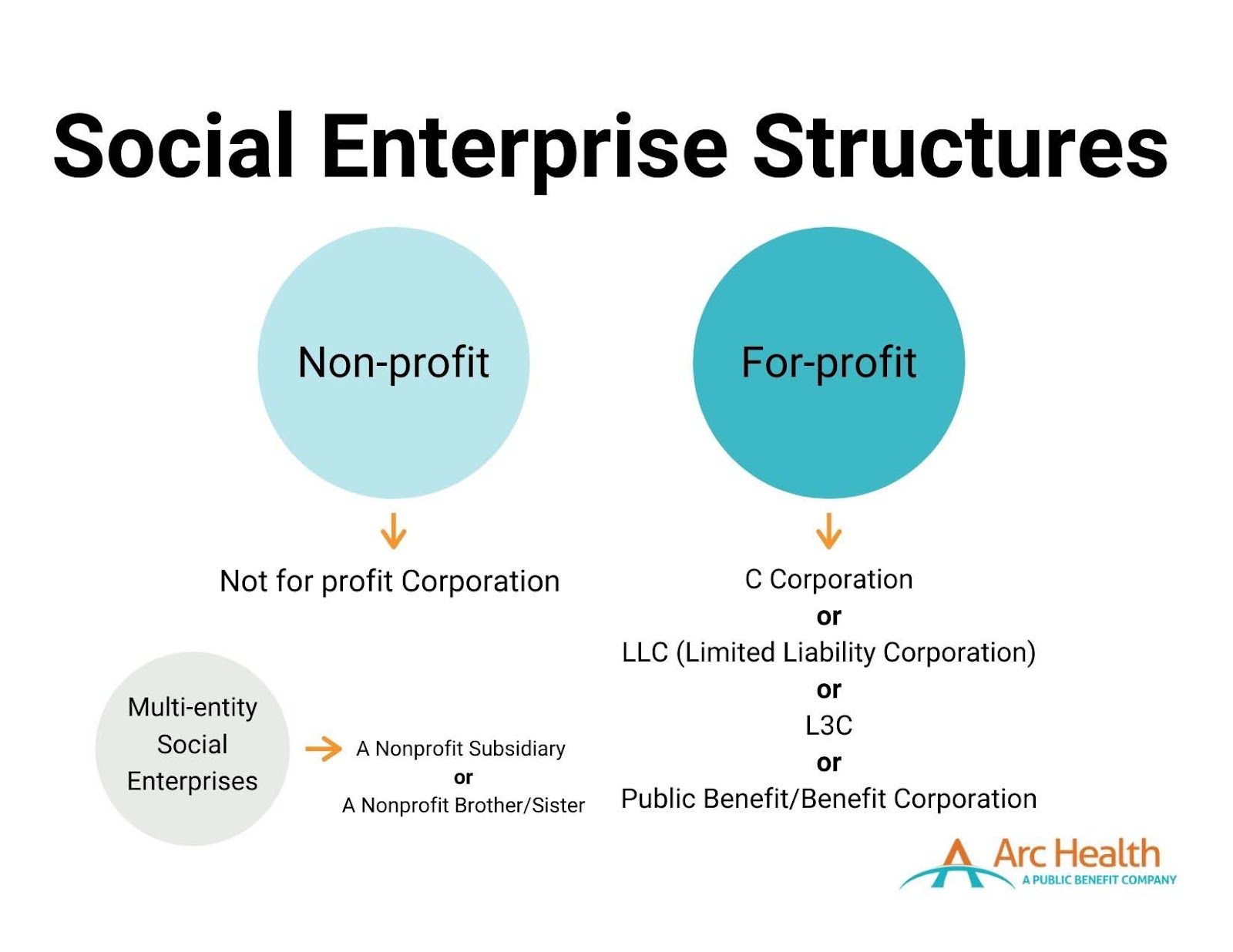



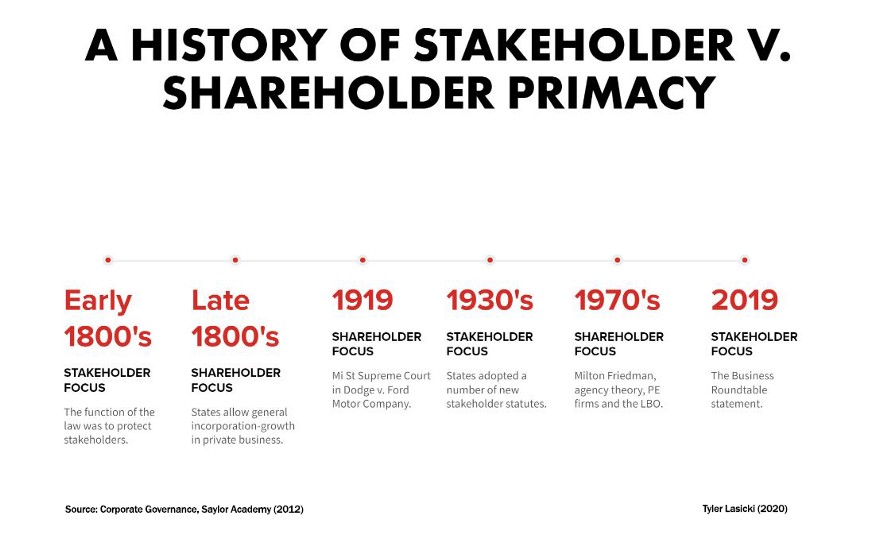




 2012pharmaceutical
 sjwilliamspa