Healthcare analytics, AI solutions for biological big data, providing an AI platform for the biotech, life sciences, medical and pharmaceutical industries, as well as for related technological approaches, i.e., curation and text analysis with machine learning and other activities related to AI applications to these industries.
we need to turn these immuno-cold tumors into immuno ‘hot’ tumors so immunotherapy will be effective and recognize them
however each immunotherapies have their own toxicities
immunocheck points inhibitors: 50% of patients get very rough adverse events and have to stop therapy and give immunosuppressives
60 yo female with urothelial carcinoma with chemo induced rash given pembrolizumab but got worse rash… had Steven Johnson Syndrome… fatal outcome from one cycle of PD-L1 inhibitor
so now we are giving these immune checkpoints earlier before even surgery… the overall survival better but there are certain personalized toxicities
up to 35% patients with cancer have chronic immuno related adverse events and dose limiting toxicities
50% have low grade multiple toxicities (and they treat these AEs with steroids)
we have no biomarkers for these PD/PDL1 inhibitor adverse events
2:10-2:30
Implementing Molecular Profiling in Early Phase Clinical Trials: Precision from Bench to Bedside
power of biomarkers: BRCA2 null women with ovarian cancer success with olaparib even though at time was not approved except the biomarker known
every week they discuss with internal tumor board and consult with Foundation Medicine; however a mutational panel is great but need to understand the underlying effect on tumor biology
there are a handful of tumor agnostic targeted agents: based on biomarkers
she thinks digital twins will be helpful in determining cohort selection for clinical trails
she would like multiomics to be performed on every patient but how would this be done, especially in the ecosystem of the USA
from attendee question to speaker panel (from Indai): they have been running tmolecular boards but problem is when new targets or fusion proteins become known without a priori knowledge of them and no combination know what to do?
Eric Heil, MBA, Managing Partner, Medical Excellence Capital
started a venture fund and then a 501(c) to give small grants
in venture philanthropy it is not traditional grant writing but more of a personal relationship; he says find other companies they have backed and ask them
all about networking
looked at 1400 deals but only invested in 13
back years ago his company biotech got ten million after 2009 from TAP but now it seems smaller bridge money
John Lehr, President & CEO, Parkinson’s Foundation
runs venture philanthropy which is more like a mix of venture fund and granting agency
most run a for profit venture but mix model with 501c to fund small grants
Dr. Blaine Robinson, PhD, Vice President of the Therapy Acceleration Program (TAP), Blood Cancer United
runs Blood Cancer United that offers grants for blood based research
they run three pillars: venture biotech funding, clinical trial funding, and academic research but most they take equity in biotechs
so venture philanthropy is more of equity investing and using those funds to fund younger companies like bridge between first round and series C
Blood Cancer United looking for million and above investment “first in class’; was early with Kite and UPenn (where are they now… are they still with them?)
lung cancer has seemed to be ahead with respect to biomarkers and precision therapies
at least with NCCN guidelines they are up to 14 therapeutic biomarkers not diagnostic biomarkers so very ahead on the clinical decision making on actionable mutations for lung cancer
so most of the testing is genomic mutational spectrum for oncogenic drivers
there are three protein based biomarkers: Met, PDL1,
FISH is still used for some fusions
NGS is more sensitive test but takes 2-4 weeks
the number of detected EGFR variants are increasing so it is affecting the drug specificity
recently NRG1 fusions have been approved as a heregulin HER3 biomarker;
15% which were detected as negative for fusions the patients actually responded because fusions were hard to detect; many false positives
76% did not meet MET eligbility but only 13% were high enough for MET marker but was enough for FDA approval
some drugs beneficial for mutated version and some good for over expressed like MET or HER2 but where the mutation or exon skipping is important for therapy choice
we need better biobanking because we need more tissue; we loose more tissue during sectioning and not splitting blocks into two (one for diagnostic one for therapeutic)
liquid biopsy will find some mutations but other ones not very sensitivity in liquid biopsy like MET mutations (mutations may be assay specific)
some muts in bone marrow may just be in aging progenitor cells and sometimes in oncogene like BRAF but not cancer but dlonal homatopoesis (increased risk for myeloproliferative diseases but not solid tumors like melanoma)
clonal homatopoesis actually common so watch out when just relying on liquid biopsy
China is Making Large Inroads into Biotech: Is Investment Money Following? Is US Investment Money Following the China Biotech Boom?
Curator:Stephen J. Williams, Ph.D.
A common route for raising capital or exit strategy for many US biotechs has been strategic transfer or sale of intellectual property (IP) or strategic partnership with large pharmaceutical companies looking to acquire new biotechnologies or expand their own pipelines. Most US based biotechs had enjoyed a favorable (although not fully exclusive) deal-making environment with US pharmaceutical companies with some competition from international biotech companies. US government agencies such as FINRA, CFIUS, and the SEC closely monitored such international deals and the regulatory environment for such international deal making in the biotechnology space was tight.
Smaller Chinese biotechs have operated in the United States (at various biotech hubs around the country) and have usually set up as either service entities to the biotech industry as contract research organizations (Wuxi AppTech), developing research reagents for biotech (Sino Biological) or conducting research for purposes of transferring IP to a parent company in China. Most likely Chinese biotechs set up research operations because of the overabundance of biotech hubs in the United States, with a dearth of these innovation hubs in the China mainland.
However, as highlighted in the Next in Health Podcast Series from PriceWaterHouseCoopers (PwC), China has been rapidly been developing innovation hubs as well as biotech hubs. And Chinese biotech companies are staying home in mainly China and exporting their IP to major US pharmaceutical companies. As PwC notes this deal making between Chinese biotech in China and US pharmaceutical companies have rapidly expanded recently.
The following are notes from PriceWaterHouseCoopers (PwC) podcast entitled: Strategic Shifts: Navigating China’s Biotech Boom and Its Impact on US Pharma:
Tune in as Glenn Hunzinger, PwC’s Health Industries Leader and Roel van den Akker, PwC’s Pharma and Life Sciences Deals Leader discuss the rapid rise of China’s biotech industry and what it means for U.S. pharmaceutical companies. They discuss the evolving role of Chinese biotech in the global innovation landscape and share perspectives on how U.S. pharmaceutical companies can thoughtfully assess opportunities, manage cross-border complexities, and build effective partnering and diligence strategies.
Discussion highlights:
China’s biotech industry is growing fast and becoming a global player, with U.S. companies increasingly looking to partner with Chinese firms on cutting-edge science
U.S. pharma leaders are encouraged to move beyond skepticism and stay curious by building relationships, learning from local innovation, and exploring new partnership opportunities
Successfully partnering with Chinese biotech firms requires a careful and well-structured approach that accounts for global complexity, protects data and IP, and uses creative deal structures like new company formations to manage risk and stay flexible
U.S. companies need to be proactive in order to stay competitive by actively exploring global innovation, understanding the risks, and having a clear strategy to bring high-potential science to U.S. patients
In 2019 there were zero in licensing deals from China to US pharma…. Today one in five come from China.
China evolved into a expanding economy because China invested in biotech companies
Lots of skilled people
Built centers that rivaled biotech innovation centers in places like Boston, California Bay Area, and Philadelphia
China has gone from low cost manufacturing country to an innovative economy with great science coming out of it. US pharma boardrooms need to understand this
The analysts at PWC suggest to look at Data integrity, IP protection and risks before bringing China biotech IP in US. It is imperative that companies do ample due diligence.
China’s rise as a biotech innovation hub: 4 key strategic questions for US biopharma executives
May 08, 2025
Roel van den Akker; Partner, Pharmaceutical & Life Science Deals Leader, PwC
China’s biotech sector is evolving at breakneck speed — and the implications for US pharma are too significant to ignore. Over the past five years, China has transitioned from being a nice to watch market to a central pillar of global biopharma innovation. Today, one-third of in-licensed molecules at US pharma multinationals originate from China, up from virtually zero in 2019.
China’s biotech sector, however, is not monolithic or uniform. The ecosystem spans high-quality, globally competitive biotech hubs in cities like Hangzhou and Suzhou — home to companies producing first-in-class and novel innovations in ophthalmology, cardiovascular, and immunology — as well as a long tail of undercapitalized players where execution and capability gaps remain profound.
And now, Washington is paying attention, too. A recent report from the US National Security Commission on Emerging Biotechnology (NSCEB) highlighted China’s ambitions to dominate biotech as a “strategic priority” with dual-use implications across health and security. The report urges the US government and private sector to reassess dependencies and increase scrutiny of biotechnology partnerships abroad. For the US biopharma industry, this isn’t just a supply chain concern — it is a boardroom issue.
With the licensing market still skewed toward buyers, venture funding remaining depressed in China and IPO windows in Hong Kong slowly reopening, there is a compelling window for US companies to secure differentiated assets at relatively attractive terms. Speedy deal execution is increasingly important as the highest quality assets are being quickly scooped up. But navigating this terrain can require more than opportunism. It calls for deliberate strategy, structured governance and a nuanced geopolitical risk framework.
Here are four questions every US biopharma executive should be asking:
1. What is our posture toward preclinical and clinical science from China?
Are we approaching Chinese innovation with a default posture of skepticism or strategic curiosity? Many top-tier Chinese biotechs are now generating US-caliber data at the speed of light, particularly in therapeutic modalities such as mAbs, ADCs and T-cell engagers, but plenty still have execution gaps. Those that elect to lean in will likely need a deliberate eco-system approach geared towards being the partner of choice and local brand building.
2. What does our China diligence playbook look like?
In light of national security concerns, companies need a China-specific diligence framework — one that goes beyond the science. This includes scrutiny around data integrity, IP protection, export controls, and cross border data sharing.
3. What is our plan post-licensing or acquisition?
Ownership is just the start. US companies need a clear strategy for globalizing China-origin assets — from IND transfers to FDA filing to commercial launch. In some cases, that may require reworking the preclinical package or rebuilding the CMC infrastructure entirely. Increasingly, US (or Europe)-based “Newcos” may serve as geopolitical firewalls.
4. How can we preserve agility amid regulatory and political volatility?
With rising US-China tensions and new export control proposals under review, companies must future-proof deal structures. This could include regional carveouts, US-only development rights, or milestone-gated commitments. The NSCEB report makes clear: passive engagement is no longer tenable.
Innovation strategy meets national interest
The trendlines are clear: China is not just a manufacturing hub — it is an increasingly important source of global biotech innovation. But sourcing innovation from China now sits at the intersection of science, strategy and security. US pharma and biopharma companies can no longer afford to treat China engagement as tactical. Those who adopt a deliberate, resilient and agile China strategy — grounded in scientific rigor and geopolitical realism — likely lead in tomorrow’s innovation race.
A researcher prepares medicine at a laboratory in Nanjing University in Nanjing, Jiangsu province, April 29, 2011. REUTERS/Aly Song/File Photo Purchase Licensing Rights
U.S. drugmakers turn to Chinese companies as they face patent expirations
Licensing deals accelerate while traditional mergers decline
Chinese biotechs are challenging Western peers, analysts say
June 16 (Reuters) – U.S. drugmakers are licensing molecules from China for potential new medicines at an accelerating pace, according to new data, betting they can turn upfront payments of as little as $80 million into multibillion-dollar treatments.
Through June, U.S. drugmakers have signed 14 deals potentially worth $18.3 billion to license drugs from China-based companies. That compares with just two such deals in the year-earlier period, according to data from GlobalData provided exclusively to Reuters.
How to stop the shift of drug discovery from the U.S. to China. The FDA must make it easier to do such work in the U.S.
Scott GottliebMay 6, 2025
Five years ago, U.S. pharmaceutical companies didn’t license any new drugs from China. By 2024, one-third of their new compounds were coming from Chinese biotechnology firms.
Why are U.S. drugmakers sending their business to China? As in many other industries, it’s so much cheaper to synthesize new compounds inside Chinese biotechnology firms once a novel biological target has been discovered in American laboratories.
Yet the costs of developing new drugs in the U.S. needn’t be so high. They are driven up, in part, by increasing regulatory requirements that burden early-stage drug discovery in America. That’s especially true for Phase I clinical trials, in which drugs are tested in people for the first time.
Newsletter
The smartest thinkers in life sciences on what’s happening — and what’s to come
This shift of discovery work to China is going to accelerate if we don’t take deliberate steps to make it easier to do such work here in America. Yet the imperative to modernize early-stage drug development — to ensure that groundbreaking drug discovery remains in the U.S. rather than migrating to China — is colliding head-on with an impulse to slash the very government workforce capable of spearheading these reforms. These conflicting impulses have created a paradoxical tension: on one hand, the desire to stay competitive with China in biotechnology innovation, and on the other, a parallel campaign to reduce and in some cases dismantle the investments and institutions essential to achieving that goal.
In most cases, Chinese firms are not discovering new biological targets, nor are they crafting genuinely novel compounds to engage these targets through homegrown Chinese research. Instead, they piggyback on Western innovations by scouring U.S. patents, zeroing in on biological targets that are initially uncovered in American labs, and then developing “me too” drugs that replicate American-made compounds with only superficial tweaks, or producing “fast follower” drugs that capitalize on the original breakthroughs while refining key features to try to surpass U.S. innovation. Facing fewer regulations, the Chinese drugmakers can move more quickly than U.S. biotechnology companies — synthesizing copy-cat drugs based on our biological advances and then promptly moving these Chinese-made compounds into early-stage clinical trials, outpacing their American counterparts.
According to the investment bank Jefferies, large American drug companies spent more than $4.2 billion over the past year licensing or acquiring new compounds originally synthesized by Chinese firms. Many comprised advanced compounds such as antibody drugs and cell therapies — underscoring Chinese companies’ growing sophistication in adopting the latest American technologies. The cost of licensing these compounds from China, rather than synthesizing them in American labs, can be significantly lower. At a time when research funding in the U.S. is being cut, and research budgets are becoming painfully stretched, companies are looking to lower the cost of building their pipelines. In a fast-moving field such as oncology, this shift toward Chinese-synthesized compounds is particularly striking: I am told by someone inside the FDA process that nearly three-quarters of new small molecule cancer drugs submitted to the Food and Drug Administration for permission to begin U.S.-based clinical trials are initially made in China.
Usually, only a few months elapse between the moment a U.S. research team publishes a patent identifying a new biological target and when a biotechnology firm in China creates the corresponding drug that capitalizes on these findings. Because Chinese firms can synthesize new molecules at a fraction of the cost incurred by U.S. biotechnology companies — owing to a large and skilled but much cheaper workforce — they find the most intriguing biological targets pursued by Western researchers, rapidly churning out potent yet less expensive copycat molecules that they then market to Western companies.
A major challenge for U.S. firms is the long and costly process of obtaining FDA approval for Phase I studies, in which drugmakers test a new drug’s safety and tolerability in a small group of human volunteers. In China, launching this initial phase of clinical trials is far simpler, giving Chinese biotechnology companies a competitive advantage: By swiftly advancing their molecules into early-stage patient testing, Chinese firms can more readily determine which compounds hit their biological targets and show the greatest therapeutic promise. This allows the Chinese firms to quickly refine their molecules and then leapfrog their American counterparts, who are slowed by more cautious regulatory processes. While China’s regulatory process doesn’t uphold the patient safeguards that Americans rightly insist upon, the U.S. FDA could still streamline its path into early-stage drug development, bolstering America’s competitive edge without compromising patient safety.
In the U.S., one of the costliest early hurdles is the exhaustive animal testing that the FDA requires before a drug can be advanced into Phase I studies. These “pre-clinical” studies help safeguard patients, but the agency also uses this testing to weed out potential failures before a drug requires more intensive FDA scrutiny in later trials.
Over time, this regulatory framework has frontloaded a significant share of costs to the earliest phases of drug development, when biotechnology startups are often running on shoestring budgets, lack clinical data to attract investors, and can least afford delays. One measure of the increasing difficulty in securing the FDA’s permission for Phase I trials is the growing number of U.S. drugmakers who take compounds discovered on American soil and conduct these clinical trials in other Western markets, where they can obtain data more quickly and inexpensively before bringing it back to the FDA. One popular locale is Australia, where costs run about 60% lower than U.S.-based clinical trials, largely because the Australian government offers tax incentives to attract this kind of biomedical investment.
Many animal studies address esoteric questions about a drug’s long-term effects on parameters that may not be relevant to its eventual use — for example, at doses and durations of use that may be far beyond how patients will ultimately use the drug. The FDA’s preclinical testing protocols sometimes require American researchers to administer new compounds to animals at levels up to 500 times higher than any intended dose for patients, aiming for maximum animal exposure before human trials can begin. Where the FDA needs to screen for certain remote risks, many animal studies could be safely deferred until human trials confirm that a drug may benefit patients. At that point, it becomes easier for biotechnology companies to raise capital to fund these pro forma testing efforts.
To modernize the process, the FDA could tap into the wealth of data from existing drugs to establish a more phased approach to these requirements, where the amount of initial animal testing is more closely matched to a drug’s novelty and a better estimation of its perceived risks. It’s a prime opportunity to employ artificial intelligence — mining current data and extrapolating known information to newly discovered molecules. For new molecules that share structural similarities with established drugs, where a robust body of safety information already exists (and the likelihood of uncovering novel risks is judged to be minimal), some animal studies might simply be unnecessary. To establish a graduated approach to the scope of pre-clinical toxicology studies that the FDA requires for new molecules, Congress could revise the agency’s statutory framework, explicitly empowering it to adopt such flexible standards. It would also require targeted investments, enabling the FDA to craft the necessary tools and protocols to implement these refined methodologies.
Mice and even primates are often poor proxies for many of the remote toxicities the FDA is trying to test for, anyway. The agency can also make a more concerted effort to adopt advanced technologies, like pieces of human organs embedded in chips that can be used to test for remote dangers a drug may pose to specific organs like the heart and liver. These tools can reliably screen for risks at a fraction of the time and cost. FDA Commissioner Marty Makary recently announced his intention to pursue a plan that would phase out animal studies in the preclinical evaluation of antibody drugs, shifting instead toward innovative technologies that assess toxicology without relying on live animals. This positive step requires the FDA to invest in new capabilities, and scientific staff that possess expertise in these novel domains.
But right now, that investment seems unlikely. The size and scientific scope of the FDA staff responsible for reviewing early-stage drug development — and evaluating data collected from animal studies — has failed to keep up with the increasing complexity and sheer volume of applications flooding into the agency to launch Phase I clinical trials. Now, the FDA has made deep staffing cuts, prompted by DOGE, that have specifically targeted scientific teams that would lead these essential reforms.
Adding to these woes, morale at the FDA has declined so markedly that many foresee a wave of voluntary resignations among clinical reviewers. By thinning the ranks of experts who tackle novel scientific questions and resolve issues that span across different drug development programs — especially the elimination of the policy office within the FDA’s Office of New Drugs, which adjudicated these kinds of cross-cutting scientific questions — the government has impeded the early dialogue with drug developers that often results in streamlining requirements for Phase I studies. Even more challenging, it weakens the staff’s ability to develop new guidance documents and put better review practices into place — reforms essential for lasting improvements to the preclinical review process.
Instead of strengthening America’s biotechnology ecosystem, such measures risk accelerating the migration of discovery activities to China, undermining innovation at home. When U.S. drugmakers license compounds from China, they divert funds that might otherwise bolster innovation hubs such as Boston’s Kendall Square or North Carolina’s Research Triangle. The U.S. biotechnology industry was the world’s envy, but if we’re not careful, every drug could be made in China.
Scott Gottlieb, M.D., is a senior fellow at the American Enterprise Institute and served as commissioner of the Food and Drug Administration from 2017 to 2019. He is a partner at the venture capital firm New Enterprise Associates and serves on the boards of directors of Pfizer Inc. and Illumina.
From FierceBiotech: US Biotech Companies are finding that foreign investments may put them in a precarious position for government funding
The Department of Health and Human Services is allegedly denying clinical trial funding for biotechs based on their ties to certain foreign investors, Fierce Biotech has learned.
At the BIO conference in Boston this week, Fierce spoke with a biotech executive who had their grant pulled, as well as an industry thought leader who backed up the claims about a change in the HHS’ funding approach.
“We’re in a situation where some of the companies are confused about their ability to take foreign investment,” said John Stanford, founder and executive director of Incubate, a nonprofit organization of biotech venture capital firms and patient advocacy groups designed to educate policymakers on life science investment and innovation.
“We’ve been hearing about SBIR grants canceled,” Stanford told Fierce in a separate interview at BIO. “Anecdotally, we’ve also heard it’s a lot more than China and it’s countries—Canada, Norway, the EU—that traditionally we think of as allies.”
“Again, that’s anecdotal,” he stressed. “But we would be very concerned [about] the idea that we won’t take Canadian investments or Japanese investments or EU-based investments.”
“We want foreign investors coming to U.S.-based companies to develop drugs for the world,” Stanford said. “That is a win-win-win.”
Back in February, President Donald Trump issued a memorandum titled the “America First Investment Policy” that aims to restrict both inbound and outbound investments related to “foreign adversaries” in certain strategic industries. The document lacks specifics but puts China front and center while mentioning both healthcare and biotech among the sectors it will regulate.
And the investment analysis firm Jeffries noted that
Looking at financial data from FactSet, Jefferies analysts found biotech funding in May 2025 was down 57%, to just over $2.7 billion, compared to the same time last year. That sum was only slightly better than the nearly $2.6 billion raised in April — the worst haul in three years — and was also 44% lower than the average seen across the past 12 months.
Today, total capital remains relatively steady, but it’s flowing differently.
Fewer companies are commanding a greater share of investment, and a new global map of biotech leadership is emerging—one where Israel, Italy, Korea, Saudi Arabia, and NAME are not just participants but strategic innovators and investors in the space.
While some correction was inevitable after the pandemic’s urgency subsided, the sector’s foundation had already changed.
CROs didn’t scale down; they doubled down, offering sponsors the flexibility to develop therapies without taking on the full weight of manufacturing and trials in-house.
This shift underpinned a new era of capital efficiency and strategic outsourcing, which is strongly influenced by new smart technologies that generate code and content at a blink of an eye and refine research protocols.
Selective but Strong: The New Capital Math
After the surge of 2020–2021, a funding correction began in late 2022.
According to Jefferies, biotech funding in May 2025 was down 57 per cent year-over-year, dropping to roughly $2.7 billion.
Public markets also cooled. In 2023, biotech IPOs hit their lowest numbers in a decade, and follow-on offerings became increasingly rare.
This deceleration prompted talk of a “biotech winter.” Yet key indicators suggest a market in transition rather than decline. Private equity and venture capital remain active but are more selective.
While early-stage companies face greater hurdles, late-stage biotechs and those with de-risked clinical programs continue to attract significant funding.
Follow the Late-Stage Money
A recent GlobalData report underscores this trend: late-stage biotech companies now receive nearly double the capital of their earlier-stage counterparts.
Median venture rounds for Phase III companies have climbed to $62.5 million, as investors increasingly prioritise assets with regulatory clarity and near-term commercialisation potential.
The post-COVID period has revealed an important funding shift: fewer biotech companies are securing a larger percentage of available capital.
In an environment of macroeconomic uncertainty, geopolitical risk, and rising interest rates, investors are retreating from speculative bets and doubling down on known quantities.
From Gemini: Is US biotech investment going overseas in 2025? Plot in a bar graph the US biotech investment versus worldwide biotech investment by country
Is US biotech investment going overseas in 2025? Plot in a bar graph the US biotech investment versus worldwide biotech investment by country
Yes the US has many more venture capital firms focused on Biotech investment but it is appearing that investment is not staying in the US.
The global biotech funding landscape in 2023: U.S. leads while Europe and China make strides
In 2023, the U.S. continued to demonstrate its position as the biotech funding leader, commanding over one-third, 35%, of the global investment in the sector. Overall, U.S. biotech firms attracted $56.79 billion in funding, according to a survey of Crunchbase data. Next in line was China, which contributed about 12.7% to the global funding pool, or $20.61 billion. Up next was Europe, which secured more than $11.46 billion and representing more than 7% of the worldwide funding.
While U.S. leads in total biotech funding, Chinese biotech companies, on average, saw larger funding rounds than either Europe or the U.S. The average funding size per company in China was roughly three times larger than that in the U.S. and six times larger than the average in Europe.
But while China-based companies had larger hauls, they were comparatively few. Chinese biotech secured in cumulative $20.61 billion among just 69 firms, with roughly $299 million in funding per company on average. Meanwhile, the 229 European biotech firms that won funding in the past year attracted $11.46 billion in funding, averaging $50 million each. In comparison, the 583 U.S. biotech companies with recent funding attracted $56.79 billion, averaging $97 million per company.
The map below represents the total biotech funding amount in USD across the globe. Funding amounts are shaded based on companies’ cumulative funding totals and density. Darker shades indicate higher funding amounts and density, with the U.S. hubs on the East and West Coasts showing the darkest shade, reflecting the combination of total funding and density.
Size of the US Biotech Market is expected to grow from half a billion in 2023 to 1.7 trillion in 2033. Source novaoneadvisor.com
Biotech investment trends in the US for 2025 present a complex picture. While some reports indicate a general slowdown in venture funding for biotech startups and concerns about tariff impacts, other sources suggest resilience within the sector, with strong revenue growth for public biotech companies in both the US and Europe in 2024, expected to continue into 2025. Additionally, there are calls for significant investment within the US to maintain its leadership in biotechnology. Therefore, it is not definitively clear that US biotech investment is predominantly going overseas in 2025, but rather navigating a challenging and evolving landscape.
Regarding US biotech investment versus worldwide biotech investment by country, here is a bar graph of key biotech investment moves in 2025 based on available data. Please note that this data reflects “key moves” in biotech funding for 2025 as reported by Labiotech, and a comprehensive worldwide investment breakdown for all countries was not available.
From Franklin Templeton: China is Emerging as a Global Biotechnology Player
The combined value of China’s outside licensing deals reached around US$46 billion in 2024, up from US$38 billion in 2023 and US$28 billion in 2022, according to data provider NextPharma. Meanwhile, the number of global companies licensing into China has decreased across the same period. These tailwinds have helped China expand its share of global drug development to nearly 30% compared to 48% for the United States, according to data provider Citeline. Strong IP protection has positioned China to receive global investment, with a 2024 policy encouraging more IP collaboration between global and Chinese companies. US investment bank Stifel projects that molecules licensed by large pharmaceutical firms from China will increase to 37% in 2025. This shift has been largely driven by US companies seeking cheaper drug development alternatives and has led to R&D spending in China outpacing that of the United States.
A Closer Look at the Financials and Comparison between China and US Biotech Investment Trends
This rapid growth of Chinese biopharma was predictable back in 2018 as this article from an investment newsletter suggests:
November 10, 2022Posted by China BriefingWritten by Yi WuReading Time: 5 minutes
Biopharma, short for biopharmaceuticals, are medical products produced using biotechnology (or biotech). Typical biopharma products include pharmaceuticals generated from living organisms, vaccines, gene therapy, etc.
An important subsector of biotech, China’s biopharma industry has much attention home and abroad, especially after Chinese companies developed multiple COVID-19 vaccines now in wide circulation. Market capitalization of Chinese biopharma companies grew to over US$200 billion in 2020 from US$1 billion in 2016.
With China’s rapidly aging population and a growing affluent middle-class, the country’s biopharma industry presents challenging but compelling opportunities to investors.
In this article, we discuss the market size, growth drivers, and global competition facing China’s biopharma industry and suggest potential investment paths.
How big is China’s biopharma market?
Biopharmaceuticals in China is a lucrative business, with significant domestic demand due to an aging population and expanding household budgets for quality products and services as people’s living standards improve.
China’s healthcare market is predicted to expand from around US$900 billion (RMB 6.47 trillion) in 2019 to US$2.3 trillion (RMB 16.53 trillion) in 2030, and its market size is second to only the US. China’s total expenditure on healthcare as a component of its GDP increased to 5.35 percent in 2019 from 4.23 percent in 2010.
What are the growth drivers for China’s biopharma industry?
The broader biotech sector is a main focus of the Chinese government’s “Made in China 2025” strategy. The country needs a steady biopharmaceutical industry to address its healthcare needs and to build an internationally competitive and innovative pharmaceutical industry as part of wider economic restructuring. Under the same momentum, on January 30, 2022, nine agencies jointly issued the “14th Five-year Plan for the Development of the Pharmaceuticals Industry” as a guiding document that clarifies the goals and directions for China’s pharmaceutical industry development in the next five years.
Now let’s compare the size of the US biotech market: You can see the US biotech valuation is now similar to the estimated market capitalization of the China market.
The U.S. biotechnology market size was valued at USD 621.55 billion in 2024 and is projected to reach USD 1,794.11 billion by 2033, registering a CAGR of 12.5% from 2024 to 2033. Ongoing government initiatives are the key factors driving the growth of the market. Also, improving approval processes coupled with the favorable reimbursement policies can fuel market growth further.
Key Takeaways:
DNA sequencing dominated this market and held the highest revenue market share of 18% in 2023
The others’ segment is anticipated to grow at the fastest CAGR of 28.1% during the forecast period.
The health segment dominated the market and accounted for the largest revenue market share of 44.13% in 2023.
Bioinformatics is expected to witness the fastest growth, with a CAGR of 17.2% during the forecast period.
The U.S. biotechnology market is witnessing major growth contributed by the increasing adoption and applications of biotechnology in many industries like pharmaceuticals, agriculture, food production, environmental conservation, and energy. In addition, market players in the industry are increasingly focusing on innovations across many fields such as energy, medicine, and materials science using biological processes to overcome challenges and fuel technological advancements. Also, in recent years there has been a notable surge in the utilization of biotechnological methods including DNA fingerprinting, stem cell technology, and genetic engineering propelling the market expansion soon.
‘The bar has risen’: China’s biotech gains push US companies to adapt
A fast-improving pipeline of drugs invented in China is attracting pharma dealmakers, putting pressure on U.S. biotechs and the VC firms that back them.
Soon after starting a new biotechnology company, David Li realized he needed to rethink his strategy.
Li had been conducting the competitive research biotech entrepreneurs typically undertake before soliciting investment. He drew up a list of drug targets that his startup, Meliora Therapeutics, could pursue and checked them against the potential competition.
Li quickly found that biotechs in China were already working on many of the targets he had on his list. Curious, he visited Shanghai and Suzhou and witnessed a buzzing scene of startups set frenetically to task.
“They’re not really thinking about the U.S. at all. They’re just trying to create more value and stay alive to differentiate themselves from the next guy in China,” he said. “They’re moving quick. There are a lot of them and they’re just quite competitive.”
Li’s experience is illustrative of a trend that could pressure biotech companies in the U.S. and alter their drug development strategies. More and more, large pharmaceutical companies are licensing experimental drugs from China. Venture companies are testing similar tactics by launching new U.S. startups around compounds sourced from China’s laboratories. This shift has been sudden, with licensing deals ramping rapidly over the past two years. And it is occurring even as the shadow of U.S.-China competition within biotech grows longer.
Executives and investors interviewed by BioPharma Dive at the J.P. Morgan Healthcare Conference this week share Li’s outlook. They expect such deals will accelerate and, in the process, force U.S. biotechs to work harder to stand out.
“We’ve been warning people for a while, we’re losing our edge,” said Paul Hastings, CEO of cell therapy maker Nkarta and former chair of the U.S. lobbying group the Biotechnology Innovation Organization. “Innovation is now showing up on our doorstep.”
There’s perhaps no clearer example of this than ivonescimab, a drug developed by China-based Akeso Therapeutics and licensed by U.S.-based Summit Therapeutics. Recent results from a lung cancer study run in China showed ivonescimab outperformed Keytruda, Merck’s dominant immunotherapy and currently the pharmaceutical industry’s most lucrative single product.
The finding “put a huge focus on what’s happening in China,” said Boris Zaïtra, head of business development at Roche, which sells a rival to Keytruda.
Fast-moving research
Today’s deal boom has roots in efforts by the Chinese government to upgrade the country’s biotech capabilities by upping investment in technological innovation. In the life sciences, the initiative provided funding, discounted or even free laboratory space and grants to support what Li described as a “robust ecosystem” of biotechs.
The results are clear. Places like Shanghai and Suzhou are home to a skilled workforce of scientists and hundreds of homegrown companies that employ them. Science parks akin to the U.S. biotech hubs of Cambridge, Massachusetts and San Francisco have sprouted up.
Chinese companies generally can move faster, and at a lower cost, than their U.S. counterparts. Startups can go from launch to clinical trials in 18 months or less, compared to a few years in the U.S., Li estimated. Clinical trial enrollment is speedy, while staffing and supply chain costs are lower, helping companies move drugs along more cost effectively.
“If you’re a national company within China running a trial, just by virtue of the networks that you work within, you pay a fraction of what we pay, and the access to patients is enough that you can go really fast,” said Andy Plump, head of research at Takeda Pharmaceutical. “All of those are enablers.”
And what they’ve enabled is a large and growing stockpile of drug prospects, many of which are designed as “me too better” versions of existing medicines, analysts at the investment bank Jefferies wrote in a December report. Initially focused in oncology, China-based companies are now churning out high-quality compounds across multiple therapeutic areas, including autoimmune conditions and obesity.
“There was a huge boom of investment in China, cost of capital was very low, and all these companies blew out huge pipelines,” said Alexis Borisy, a biotech investor and founder of venture capital firm Curie.Bio. ”Anything that anybody was doing in the biotech and pharmaceutical industry, you could probably find 10 to 50 versions of it across the China ecosystem.”
Me-toos become me-betters
For years now, Western biopharma executives have scouted the pipelines of China’s biotech laboratories — exploration that yielded a smattering of licensing deals and research collaborations. Borisy was among them, starting in 2020 a company called EQRx that sought to bring Chinese versions of already-approved drugs to the U.S. and sell them for less. EQRx’s plan backfired amid scrutiny by the U.S. Food and Drug Administration of medicines tested only in people from a single country.
Now, however, the pace of deals has accelerated rapidly. There are a few reasons for this. According to Plump, one is the improving quality of the drug compounds being developed. The “me toos” are becoming “me betters” that could surpass available therapies and earn significant revenue for companies — like BeiGene’s blood cancer drug Brukinsa, which, in new prescriptions for the treatment of leukemia, overtook two established medicines of the same type last year.
Another reason, Plump said, is that China-based companies are becoming more innovative, studying drug targets that might not have yet yielded marketed medicines, or for which the most advanced competition is in early testing. Li notes how Chinese companies are going after harder “engineering problems,” like making complex, multifunctional antibody drugs, or antibody-drug conjugates.
“There are so many [companies] that the new assets are going to keep coming,” Li said.
Much as in the U.S., China-based biotechs are also fighting for funding, pushing them to consider licensing deals with multinational pharma companies. At the same time, these pharmas are hunting for cheap medicines they can plug into their pipelines ahead of looming patent cliffs. The two trends are “colliding,” said Kristina Burow, a managing director with Arch Venture Partners. “I don’t see an end to that.”
The statistics bear Burow’s view out. According to Jefferies, the number and average value of deals for China-developed drugs reached record levels last year. Another report, from Stifel’s Tim Opler, showed that pharma companies now source about one-third of their in-licensed molecules from China, up from around 10% to 12% between 2020 and 2022.
“I see huge opportunities for us to partner and work together with Chinese companies,” said Plump, of Takeda.
“There’s been a lot of really good, high quality molecules and data that have emerged from China over the last couple of years,” said Robert Plenge, the head of research at Bristol Myers Squibb. “It’s also no longer just simply repeating what’s been done with the exact same type of molecule.”
Geopolitical risks
These deals are happening against an uncertain backdrop. The U.S. Congress has spent the last year or so kicking around iterations of the Biosecure Act, a bill that would restrict U.S. biotechs from working with certain China-based drug contractors. A committee in the House of Representatives is calling for new limits on clinical trials that involve Chinese military hospitals. And the incoming Trump administration has threatened tariffs that could ripple across industrial sectors.
“We don’t know what this new administration is going to do,” said Jon Norris, a managing director at HSBC Innovation Banking.
The Biosecure Act “keeps going sideways,” added Hastings, who believes that any impact from the legislation, if passed, would be minimal. Instead, Hastings wonders if future tariffs may be more problematic. “There will be tariffs on other goods coming from China. Does that include raw materials and innovation? It’s hard to imagine that it won’t,” he said.
But executives and investors expect deals to continue, meaning U.S. biotechs will have to do more to compete.
“U.S. companies will need to figure out what it is they’re able to bring to the table that others can’t,” said Burow, of Arch.
Borisy said startups working on first-of-their-kind drugs need to be more secretive than ever. “Do not publish. Do not present at a scientific meeting. Do not put out a poster. Try to make your initial patent filing as obtuse as possible,” he cautioned.
“The second that paper comes out, or poster at any scientific meeting, or talk or patent, assume it has launched a thousand ships.”
Those that are further along should assume companies in China will be quick on their heels with potentially superior drugs. “The day when you could come out with a bad molecule and open up a field is over,” he said.
Greater competition isn’t necessarily a bad thing, according to Neil Kumar, CEO of BridgeBio Pharma. Drug development could become more efficient as pharmas acquire medicines from a “cheaper” starting point and advance them more quickly.
Venture dollars could be directed towards newer ideas, rather than standing up a host of similar companies.“If all of a sudden this makes us less ‘lemming-like,’” Kumar said, “I have no problem with that.”
Li similarly argues that, going forward, U.S. companies need to focus on “novelty and innovation.” At his own company, Li is now working on things “we felt others were not able to access.”
“The game has always been the same. Bring something super differentiated to market,” he said. But “the bar has risen.”
Gwendolyn Wu and Jacob Bell contributed reporting.
Is Chinese Biotechs just Producing Me-Too Drugs or are they Innovating New Molecular Entities?
The following articles explain the areas in which Chinese Biotech is expanding and focused on.
However the sort answer and summary to the aforementioned question is: Definately Chinese Biotechs are innovating at a rapid pace, and new molecular entities and new classes of drugs are outpacing any copycat or mee-too generic drug development.
This article by Joe Renny on LinkedIn focuses on the degree of innovation in Chinese biotech companies. I put the article in mostly its entirety because Joe did an excellent analysis of China’s biotech industry.
Joe Renny: Strategic Growth Leader | Driving M&A, Pharma Partnerships & Innovation | Unlocking the Commercial Potential of Science | Biotech & Pharmaceuticals
China’s biotech sector is in the midst of a stunning surge – its stocks have skyrocketed over 60% this year (outpacing even China’s high-flying tech sector), and the country now has over 1,250 innovative drugs in development, nearly catching up with the U.S. pipeline of ~1,440. Once known mainly for generic manufacturing, China is rapidly emerging as a source of differentiated innovation. Global pharma giants have taken notice: major licensing deals are proliferating as Western drugmakers snap up Chinese-born therapies in fields like oncology, metabolic diseases (obesity/diabetes), and immunology. The excitement is palpable – but a critical question looms beneath the optimism: Can this wave of innovation meaningfully improve the pharmaceutical industry’s return on investment (ROI)? In other words, will China’s biotech boom fix the underlying economics of drug development, or are the same old ROI challenges here to stay?
From Copycats to Cutting-Edge: China’s Rapid Ascent in Biotech
In the past decade, China’s pharma landscape has transformed from copycat chemistry to cutting-edge biotech. The sheer scale of innovation is unprecedented. A recent analysis found China had over 1,250 novel drug candidates enter development in 2024, far surpassing the EU and nearly reaching U.S. levels. This is a remarkable jump from just a few years ago – back in 2015, China contributed only ~160 compounds globally. Reforms to streamline drug approvals and massive R&D investments (spurred by initiatives like Made in China 2025) have unleashed a boom led by returnee scientists and ambitious startups.
Importantly, the quality of Chinese innovation has leapt upward alongside quantity. Drugs originating in China are increasingly clearing high bars of efficacy and safety. The world’s strictest regulators, including the U.S. FDA and European EMA, have begun fast-tracking more Chinese-developed drugs with priority reviews and “breakthrough” designations. For example, a cell therapy for blood cancer developed by China’s Legend Biotech won FDA approval (marketed by Johnson & Johnson) and is considered superior to a rival U.S. therapy. Another China-origin drug – Akeso Inc.’s novel cancer antibody that outperformed Merck’s Keytruda in trials – triggered a global wave of interest and a $500 million licensing deal in 2022. In short, China is no longer just a low-cost manufacturing base; it’s producing world-class treatments that Big Pharma is eager to get its hands on.
This trend is also evident in the stock markets. After a four-year slump, Chinese biotech stocks have roared back, becoming one of Asia’s best-performing sectors in 2025. The Hang Seng Biotech Index in Hong Kong is up over 60% since January, vastly outperforming broader tech indices. Investors are excited by signals that China is becoming a true global hub for biopharma innovation. According to one analyst, “China biotech is now a disruptive force reshaping global drug innovation… The science is real, the economics are compelling, and the pipeline is starting to deliver”. All of this represents a fundamental shift in the industry’s centre of gravity – and perhaps a new source of competitive pressure on Western incumbents.
Western Pharma’s Response: Licensing Deals and Partnerships Accelerate
Global pharmaceutical companies aren’t standing on the sidelines – they’re rushing to collaborate with and invest in Chinese biotechs. In fact, U.S. and European drugmakers have dramatically stepped up licensing deals to tap China’s innovations. Through the first half of 2025 alone, U.S. companies signed 14 licensing agreements worth up to $18.3 billion for Chinese-origin drugs, a huge jump from just 2 such deals in the same period a year earlier. Many of these partnerships involve potential blockbusters in cancer, metabolic disorders, and other areas where Chinese R&D is making leaps.
Oncology: China has become a hotbed for cancer drug innovation, especially with advanced biologics like bispecific antibodies. In May 2025, Pfizer paid a record $1.25 billion upfront to license a PD-1/VEGF bispecific antibody from China’s 3SBio (a deal worth up to $6 billion with milestones). Weeks later, Bristol Myers Squibb struck an $11.5 billion alliance for a similar immunotherapy developed in China. Virtually every active clinical trial for certain cutting-edge cancer combos (like PD-1/VEGF drugs) now originates in China, making it a goldmine for Western firms seeking the next breakthrough. AstraZeneca, Merck, Novartis, and others have all scooped up Chinese cancer therapies in recent years as they cast their nets wider for innovation.
Metabolic & Obesity Drugs: Western pharma is also eyeing China’s contributions in metabolic diseases. Notably, Merck licensed a Chinese-developed GLP-1 oral drug (for diabetes/obesity) from Hansoh Pharma in late 2022 for up to $1.7 billion. And in 2025, Regeneron paid $80 million upfront (in a deal worth up to $2 billion) for rights to an experimental obesity drug from Hansoh. These deals underscore that Chinese labs are producing competitive candidates in the red-hot obesity/diabetes arena – an area of huge global market potential.
Autoimmune & Other Areas: While oncology leads, Chinese biotechs are also advancing novel therapies in immunology and autoimmune diseases. For example, multiple deals in 2024–25 have focused on inflammatory conditions and neurology, indicating breadth in China’s pipeline. As one industry banker observed, roughly one-third of all new assets licensed by large pharmas in 2024 originated from China, and this could rise to 40–50% in coming years. In other words, nearly half of Big Pharma’s in-licensed pipeline may soon be sourced from China – a radical change from a decade ago.
Underpinning this deal frenzy is a stark reversal of roles: China has shifted from mostly importing therapies to now exporting its homegrown innovations. Back in 2015, Chinese companies mainly signed “license-in” deals to bring foreign drugs to China. But by 2024, nearly half of China’s transactions were license-out deals, with Chinese firms granting global rights to their own drugs. In 2024 alone, Chinese biotechs out-licensed 94 novel projects to overseas partners, often at early clinical stages. This boom in outbound deals – especially for high-value cancer therapies (like ADCs and bispecific antibodies) – highlights China’s maturation as an innovation engine.
In a scientific paper published by Yan et al, the authors provided a comparative analysis between the US, EU, and China of new approved drugs from the years 2019- 2023.
Yan Y, Guo X, Li Z, Shi W, Long M, Yue X, Kong F, Zhao Z. New Drug Approvals in China: An International Comparative Analysis, 2019-2023. Drug Des Devel Ther. 2025 Apr 3;19:2629-2639. doi: 10.2147/DDDT.S514132.
In the paper, the authors retrieved approval data from from the National Medical Products Administration (NMPA), Food and Drug Administration (FDA), European Medicines Agency (EMA), and Pharmaceuticals and Medical Devices Agency (PMDA), including information on the generic name, trade name, applicants, target, approval date, drug type, approved indications, therapeutic area, the highest R&D status in China, and special approval status. The approval time gaps between China and other regions were calculated.
Results: Interestingly, China led with 256 new drug approvals, followed by the US (243 approvals), the EU (191 approvals), and Japan (187 approvals). Oncology, hematology, and infectiology were identified as the leading therapeutic areas globally and in China. Notably, PD-1 and EGFR inhibitors saw substantial approval, with 8 drugs each approved by the NMPA. China significantly reduced the approval timeline gap with the US and the EU since 2021, approving 15 first-in-class drugs during the study period.
The authors concluded, that despite the COVID-19 years, Chinese biotech has rapidly innovated in the biotech space and made up for the time gaps with increased research productivity.
Number of drug approvals by regulatory agency. Source: Yan Y, Guo X, Li Z, Shi W, Long M, Yue X, Kong F, Zhao Z. New Drug Approvals in China: An International Comparative Analysis, 2019-2023. Drug Des Devel Ther. 2025 Apr 3;19:2629-2639. doi: 10.2147/DDDT.S514132.
A comparison of drug approvals in US and China, as percentage of clinical use in various disease states. Source: Yan Y, Guo X, Li Z, Shi W, Long M, Yue X, Kong F, Zhao Z. New Drug Approvals in China: An International Comparative Analysis, 2019-2023. Drug Des Devel Ther. 2025 Apr 3;19:2629-2639. doi: 10.2147/DDDT.S514132.
China Biotech Innovation Hubs
The following was generated by Google AI
China has several prominent biotech innovation hubs, with the Yangtze River Delta region (including Shanghai, Suzhou, and Hangzhou) and Beijing being particularly strong. These regions leverage strong academic and research institutions, high R&D expenditures, and significant investment to foster a vibrant biotech ecosystem.
Here’s a closer look at some key hubs:
Yangtze River Delta:
Shanghai: A major hub with a focus on oncology, cell and gene therapy, and a strong track record of biotech IPOs. It’s home to the Zhangjiang Biotech and Pharmaceutical Base, known as China’s “Medicine Valley”.
Suzhou: Known for the BioBay industrial park, which houses numerous biotechnology and technology companies.
Hangzhou: Features a growing biotech sector, with companies like Hangzhou DAC Biotech.
Wuhan: Wuhan Biolake is a key player in areas like biomedicine, bio-agriculture, and bio-manufacturing.
Shenzhen: Features an innovation hub that supports synthetic biology startups and accelerates the commercialization of new biotech materials.
Key Factors Driving Growth:
Strong government support and investment: China has been actively promoting the growth of its biotech sector through various initiatives and funding programs.
High R&D expenditures: China is investing heavily in research and development, particularly in the tech, manufacturing, and biotech sectors.
Increasingly strong talent pool: China is producing a growing number of STEM graduates and globally recognized researchers.
AI and technology integration: AI is being applied to drug design and discovery, accelerating innovation.
Focus on specific areas: Different hubs are specializing in areas like oncology, regenerative medicine, and medical devices.
Overall, China’s biotech sector is experiencing rapid growth and is becoming a significant player in the global landscape, with these hubs leading the way.
Articles of Interest on International Biotech Venture Investment on the Open Access Scientific Journal Include:
The Advancing Precision Medicine (APM) Annual Conference 2024 will take place at the Pennsylvania Convention Center in Philadelphia, November 1-2, 2024. Located in the heart of the biopharma ecosystem and with easy access to some of the most renowned academic and research institutions in the world, the APM Annual Conference 2024 will attract all segments of the precision medicine landscape.
The event will consist of two parallel tracks composed of keynote addresses, panel discussions and fireside chats which will encourage audience participation. Over the course of the two-day event leaders from industry, healthcare, regulatory bodies, academia and other pertinent stakeholders will share an intriguing and broad scope of content.
his event will consist of three immersive tracks, each crafted to explore the multifaceted dimensions of precision medicine. Delve into Precision Oncology, where groundbreaking advancements are reshaping the landscape of cancer diagnosis and treatment. Traverse the boundaries of Precision Medicine Outside of Oncology, as we probe into the intricate interplay of genetics, lifestyle, and environment across a spectrum of diseases and conditions including rare disease, cardiology, ophthalmology, and neurodegenerative disease. Immerse yourself in AI for Precision Medicine, where cutting-edge technologies are revolutionizing diagnostics, therapeutics, and patient care. Additionally, explore the emerging frontiers of Spatial Biology and Mult-Omics, where integrated approaches are unraveling the complexities of biological systems with unprecedented depth and precision.
Whether you are a seasoned researcher, a dedicated clinician, or a visionary industry professional, this conference serves as a vibrant hub of knowledge exchange, collaboration, and innovation. Elevate your expertise, expand your network, and chart the course of your career trajectory amidst a community of like-minded individuals. Join us as we embark on this transformative journey, where the possibilities are as limitless as the potential of precision medicine itself.
The Vibrant Philly Biotech Scene: Recent Happenings & Deals
Curator: Stephen J. Williams, Ph.D.
As the office and retail commercial real estate market has been drying up since the COVID pandemic, commercial real estate developers in the Philadelphia area have been turning to the health science industry to suit their lab space needs. This includes refurbishing old office space as well as new construction.
Gattuso secures $290M construction loan for life sciences building on Drexel campus
By Ryan Mulligan – Reporter, Philadelphia Business Journal
Dec 19, 2022
Gattuso Development Partners and Vigilant Holdings of New York have secured a $290 million construction loan for a major life sciences building set to be developed on Drexel University’s campus.
The funding comes from Houston-based Corebridge Financial, with an additional equity commitment from Boston-based Baupost Group, which is also a partner on the project. JLL’s Capital Markets group arranged the loan.
Plans for the University City project at 3201 Cuthbert St. carry a price tag of $400 million. The 11-story building will total some 520,000 square feet, making it the largest life sciences research and lab space in the city when it comes online.
The building at 3201 Cuthbert will rise on what had served as a recreation field used by Drexel and is located next to the Armory. Gattuso Development, which will lease the parcel from Drexel, expects to to complete the project by fall 2024. Robert A.M. Stern Architects designed the building.
A rendering of a $400 million lab and research facility Drexel University and Gattuso Development Partners plan to build at 3201 Cuthbert St. in Philadelphia.
The building is 45% leased by Drexel and SmartLabs, an operator of life sciences labs. Drexel plans to occupy about 60,000 square feet, while SmartLabs will lease two floors totaling 117,000 square feet.
“We believe the project validates Philadelphia’s emergence as a global hub for life sciences research, and we are excited to begin construction,” said John Gattuso, the co-founder and president of Philadelphia-based Gattuso Development.
Ryan Ade, Brett Segal and Christopher Peck of JLL arranged the financing.
Tmunity CEO Usman Azam departing to lead ‘stealth’ NYC biotech firm
By John George – Senior Reporter, Philadelphia Business Journal
Feb 7, 2022
The CEO of one of Philadelphia’s oldest cell therapy companies is departing to take a new job in the New York City area.
Usman “Oz” Azam, who has been CEO of Tmunity Therapeutics since 2016, will lead an unnamed biotechnology company currently operating in stealth mode.
In a posting on his LinkedIn page, Azam said, “After a decade immersed in cell therapies and immuno-oncology, I am now turning my attention to a new opportunity, and will be going back to where I started my life sciences career in neurosciences.”
Tmunity, a University of Pennsylvania spinout, is looking to apply CAR T-cell therapy, which has proved to be successful in treating liquid cancers, for the treatment of solid tumors.
Last summer, Tmunity suspended clinical testing of its lead cell therapy candidate targeting prostate cancer after two patients in the study died. Azam, in an interview with the Business Journal in June, said the company, which had grown to about 50 employees since its launch in 2015, laid off an undisclosed number of employees as a result of the setback.
Azam said on LinkedIn he is still a big believer in CAR T-cell therapy, noting Tmunity co-founder Dr. Carl June and his colleagues at Penn just published in Nature the 10-year landmark clinical outcomes study with the first CD19 CAR-T patients and programs.
“It’s just the beginning,” he stated. “I’m excited about the prospect of so many new cell- and gene-based therapies emerging in the next five to 10 years to tackle many solid and liquid tumors, and I hope we all continue to see the remarkable impact this makes on patients and families around the world.”
Azam could not be reached for comment Monday. Tmunity has engaged a search firm to identify his successor.
Tmunity, which is based in Philadelphia, has its own manufacturing operations in East Norriton. Tmunity’s founders include June and fellow Penn cell therapy pioneer Bruce Levine, who led the development of a CAR T-cell therapy now marketed by Novartis as Kymriah, a treatment for certain types of blood cancers.
In therapy using CAR-T cells, a patient’s T cells — part of their immune system — are removed and genetically modified in the laboratory. After they are re-injected into a patient, the T cells are better able to attack and destroy tumors. CAR is an acronym for chimeric antigen receptor. Chimeric antigen receptors are receptor proteins that have been engineered to give T cells their improved ability to target tumors.
Jodie Harris is a Philadelphia native who has spent the last 15 years in the U.S. Department of Treasury.
By Ryan Mulligan – Reporter, Philadelphia Business Journal
The Philadelphia Industrial Development Corp. has tapped U.S. Department of Treasury veteran Jodie Harris to be its next president.
Harris succeeds Anne Bovaird Nevins, who spent 15 years in the organization and took over as president in January 2020 before stepping down at the end of last year. Executive Vice President Sam Rhoads has been interim president.
Harris, a Philadelphia native who currently serves as director of the Community Development Financial Institutions Fund for the Department of Treasury, was picked after a regional and national search and will begin her tenure as president on June 1. She becomes the 12th head of PIDC and the first African-American woman to lead the organization.
PIDC is a public-private economic development corporation founded by the city and the Chamber of Commerce for Greater Philadelphia in 1958. It mainly uses industrial and commercial real estate projects to attract jobs, foster business opportunities and spur overall community growth. The organization has spurred over $18.5 billion in financing across its 65 years.
In a statement, Harris said that it is “a critical time for Philadelphia’s economy.”
“I’m especially excited for the opportunity to lead such an important and impactful organization in my hometown of Philadelphia,” Harris said. “As head of the CDFI Fund, I know first-hand what it takes to drive meaningful, sustainable, and equitable economic growth, especially in historically underserved communities.”
Harris is a graduate of the University of Maryland and received an MBA and master of public administration from New York University. In the Treasury Department, Harris’ most recent work aligns with PIDC’s economic development mission. At the Community Development Financial Institutions Fund, she oversaw a $331 million budget, mainly comprised of grant and administrative funding for various economic programs. Under Harris’ watch, the fund distributed over $3 billion in pandemic recovery funding, its highest level of appropriated grants ever.
Harris has been a part of the Treasury Department for 15 years, including as director of community and economic development policy.
In addition to government work, Harris has previously spent time in the private, academia and nonprofit sectors. In the beginning of her career, Harris worked at Meridian Bank and Accenture before turning to become a social and education policy researcher at New York University. She also spent two years as president of the Urban Business Assistance Corporation in New York.
Mayor Jim Kenney said that Philadelphia is “poised for long-term growth” and Harris will help drive it.
Real estate company SkyREM plans to spend $250 million converting the historic Quartermaster site in South Philadelphia to a life sciences campus with restaurants and a hotel.
The redevelopment would feature wet and dry lab space for research, development and bio-manufacturing.
The renamed Quartermaster Science + Technology Park is near the southwest corner of Oregon Avenue and South 20th Street in the city’s Girard Estates neighborhood. It’s east of the Quartermaster Plaza retail center, which sold last year for $100 million.
The 24-acre campus is planned to have six acres of green space, an Aldi grocery store opening by March and already is the headquarters for Indego, the bicycle share program in Philadelphia.
Six buildings totaling 1 million square feet of space would be used for research and development labs. There’s 500,000 square feet of vacant space available for life sciences and high technology companies with availabilities as small as 1,000 square feet up to 250,000 square feet contiguous. There’s also 150,000 square feet of retail space available.
The office park has 200,000 square feet already occupied by tenants. The Philadelphia Job Corps Center and Delaware Valley Intelligence Center are tenants at the site.
A rendering shows part of the Quartermaster Science + Technology Park as a redeveloped mixed-use life science campus.
QUARTERMASTER / PROVIDED BY FIFTEEN
The campus was previously used by the military as a place to produce clothing, footwear and personal equipment during World War I and II. The clothing factory closed in 1994. The Philadelphia Quartermaster Depot was listed on the National Register of Historic Places in 2010.
“We had a vision to preserve the legacy of this built-to-last historic Philadelphia landmark and transform it to create a vibrant space where the best and brightest want to innovate, collaborate, and work,” SkyREM CEO and Founder Alex Dembitzer said in a statement.
SkyREM, a real estate investor and developer, has corporate offices in New York and Philadelphia. The company acquired the site in 2001.
Vered Nohi, SkyREM’s regional executive director of new business development, called the redevelopment “transformational” for Philadelphia.
SkyREM announced the redevelopment of the Quartermaster campus in South Philadelphia into a life sciences campus with restaurants and a hotel. This rendering looks across Oregon Avenue toward the southwest corner of Oregon and 21st Street.
QUARTERMASTER / PROVIDED BY FIFTEEN
Quartermaster would join a wave of new life sciences projects being developed in the surrounding area and across the region.
The site is near both interstates 76 and 95 and is about 2 miles north of the Philadelphia Navy Yard, which has undergone a similar transformation from a military hub to a major life sciences and mixed-use redevelopment project. The Philadelphia Industrial Development Corp. is also in the process of selecting a developer to create a massive cell and gene therapy manufacturing complex across two sites totaling about 40 acres on Southwest Philadelphia’s Lower Schuylkill riverfront.
A rendering shows part of the future Quartermaster Science and Technology Park in South Philadelphia. The 24-acre campus is planned to have six buildings with 1 million square feet of life science space.
QUARTERMASTER / PROVIDED BY FIFTEEN
SkyREM is working with Maryland real estate firm Scheer Partners to lease the science and technology space. Philadelphia’s MPN Realty will handle leasing of the retail space. Architecture firm Fifteen is working on the project’s design.
Scheer Partners Senior Vice President Tim Conrey said the Quartermaster conversion will help companies solve for “speed to market” as demand for life science space in the region has been strong.
Brandywine Realty Trust originally planned to redevelop a Radnor medical office into lab and office space, split 50-50 between the two uses.
After changes in demand for lab and office space, Brandywine (NYSE: BDN) recently completed the 168,000-square-foot, four-story building at 250 King of Prussia Road in Radnor fully for life sciences.
“The pipeline is now 100% life sciences, which, while requiring more capital, is also generating longer term leases at a higher return on cost,” Brandywine CEO Jerry Sweeney of the project said during the company’s fourth-quarter earnings call on Thursday.
At the same time, Brandywine is holding off on developing new office buildings unless it has a tenant lined up in advance.
The shift reflects how Philadelphia-based Brandywine continues to lean into — and bet big — on life sciences.
Brandywine is the city’s largest owner of trophy office buildings and has several major development projects in the works. The company is planning to eventually develop 3 million square feet of life sciences space. For now, 800,000 square feet of life sciences space is under development, including a 12-story, 417,000-square-foot life sciences building at 3151 Market St. and a 29-story building with 200,000 square feet of life sciences space at 3025 John F. Kennedy Blvd. Both are part of the multi-phase Schuylkill Yards project underway near 30th Street Station in University City.
Once its existing projects are completed, Brandywine would have 800,000 square feet of life sciences space, making up 8% of its portfolio.Sweeney said the company wants to grow that figure to 21%.
Brandywine is developing a 145,000-square-foot, build-to-suit office building at 155 King of Prussia Road in Radnor for Arkema, a France-based global supplier of specialty materials. The building will be Arkema’s North American headquarters. Construction began in January and is scheduled to be completed in late 2024.
Brandywine reported that since November it raised over $705 million through fourth-quarter asset sales, an unsecured bond transaction and a secured loan. The company has “complete availability” on its $600 million unsecured line of credit, Sweeney said.
Brandywine sold a 95% leased, 86,000-square-foot office building at 200 Barr Harbor Drive in West Conshohocken for $30.5 million. The company also sold its 50% ownership interest in the 1919 Market joint venture for $83.2 million to an undisclosed buyer. 1919 Market St. is a 29-story building with apartments, office and commercial space. Brandywine co-developed the property with LCOR and the California State Teacher’s Retirement System.
Brandywine declined to comment and LCOR could not be reached.
Brandywine’s core portfolio is 91% leased.
The project at 250 King of Prussia Road cost $103.7 million and was recently completed. The renovation included 12-foot high floor-to-ceiling glass on the second floor, a new roof, lobby, elevator core, common area with a skylight and an added structured parking deck.
Located in the Radnor Life Science Center, a new campus with nearly 1 million square feet of lab, research and office space, Sweeney said it’s a “magnet” for biotech companies. Avantor, a global manufacturer and distributor of life sciences products, is headquartered in the complex.
Sweeney said Brandywine is “very confident” demand will stay strong for life sciences in Radnor. The building at 250 King of Prussia Road is projected to be fully leased by early 2024.
“Larger users we’re talking to, they just tend to take a little bit more time than we would like as they go through technical requirements and space planning requirements,” Sweeney said.
While Brandywine is aiming to increase its life sciences footprint, the company is being selective about what it builds next. The company may steer away from developments other than life sciences. The Schuylkill Yards project, for example, features a significant life sciences portion in University City.
“Other than fully leased build-to-suit opportunities, our future development starts are on hold,” Sweeney said, “pending more leasing on the existing joint venture pipeline and more clarity on the cost of debt capital and cap rates.”
Brandywine said about 70% to 75%of suburban tenants have returned to offices while that number has been around 50% in Philadelphia. At this point, though, it hasn’t yet affected demand when leasing space. Some tenants, for example, have moved out of the city while others have moved in.
In the fourth quarter, Brandywine had $55.7 million funds from operations, or 32 cents per share. That’s down from $60.4 million, or 35 cents per share, in the fourth quarter of 2021. Brandywine generated $129 million in revenue in the fourth quarter, up slightly from $125.5 in the year-ago period.
Brandywine stock is up 6.4% since the start of the year to $6.70 per share on Monday afternoon.
Many of Brandywine’s properties are in desirable locations, which have seen demand remain strong despite challenges facing offices, on par with industry trends.
Brandywine’s 12-story, 417,000-square-foot building at 3151 Market St. is on budget for $308 million and on schedule to be completed in the second quarter of 2024. Sweeney said Brandywine anticipates entering a construction loan in the second half of 2023, which would help complete the project. The building, being developed along with a global institutional investor,would be used for life sciences, innovation and office space as part of the larger Schuylkill Yards development in University City.
The company’s 29-story building at 3025 John F. Kennedy Blvd. with 200,000 square feet of life sciences space and 326 luxury apartments, is also on budget, costing $287.3 million, and on time, eyeing completion in the third quarter of this year.
For a sample of 396 exited US unicorns, it takes an average (median) of about 9 (8) years since founding to exit, where exit means going public, acquisition, or liquidation/bankruptcy.
A couple weeks ago, I posted results of my research on the countries of birth of over a thousand founders of 500 US-based unicorns on LinkedIn. Almost half of unicorn founders, for whom my team and I were able to identify country of birth, were born outside the US. This generated a lot of interest and the list of top countries (India, Israel, Canada, UK, China, etc.) was shared widely.
As a follow up, have a look at all the countries that my team and I identified.
65 countries from all over the world have “produced” at least one founder of a US unicorn.
Takeaway: Immigrants from many countries contribute to the innovation ecosystem in the US.
European countries include Belgium (9 founders), Spain (9), Netherlands (7), Romania (5), Denmark (5), Italy (5), and Poland (5).
Asian countries include Iran (9), Lebanon (4), Japan (3), Pakistan (3), and Turkey (2).
African countries include South Africa (5) and Zimbabwe (2).
Latin America includes Brazil (9), Argentina (4), and Guatemala (2).
Australasia is represented by Australia (8) and New Zealand (6).
Important note: This list includes only founders of US-based unicorns.
For a sample of 531 US unicorns, 396 had exited (went public, were acquired, or closed) as of January 2022. At exit time, an average (median) unicorn was valued at $4 billion ($1.6 billion). Half had a valuation of less than $2 billion.
31 unicorns, or 8%, were in the “decacorn” range at time of exit, or over $10 billion. Uber was valued at about $68 billion, Meta at $65 billion, and Coinbase at $48 billion.
Takeaway: There is huge variation in unicorn valuations at exit time.
This research has been done with the support of Stanford University Graduate School of Business Venture Capital Initiative. NB: For public companies, I used net IPO valuation; for acquired/closed companies, I used gross valuation.
Greylock Partners has raised $500 million to invest exclusively in seed-stage startups. The announcement comes a year after the firm raised $1 billion for its 16th flagship fund to invest in early- and growth-stage tech startups.
Guo and general partner Saam Motamedi said in an interview the fund is part of an expansion of a $1.1 billion fund, which we reported last year, to $1.6 billion, The Information reported. The funding is among the industry’s largest devoted to seed investments, which often represent a startup’s first outside capital.
The pool of funds will give the 56-year-old venture capital firm the ability to write large checks at “lean-in valuations” and emphasize its commitment to early-stage investing, said general partner Sarah Guo. In a thread post on Twitter, Greylock said, “We at @GreylockVC are excited to announce we’ve raised $500M dedicated to seed investing. This is the industry’s largest pool of venture capital dedicated to backing founders at day one.”
Developing Machine Learning Models for Prediction of Onset of Type-2 Diabetes
Reporter: Amandeep Kaur, B.Sc., M.Sc.
A recent study reports the development of an advanced AI algorithm which predicts up to five years in advance the starting of type 2 diabetes by utilizing regularly collected medical data. Researchers described their AI model as notable and distinctive based on the specific design which perform assessments at the population level.
The first author Mathieu Ravaut, M.Sc. of the University of Toronto and other team members stated that “The main purpose of our model was to inform population health planning and management for the prevention of diabetes that incorporates health equity. It was not our goal for this model to be applied in the context of individual patient care.”
Research group collected data from 2006 to 2016 of approximately 2.1 million patients treated at the same healthcare system in Ontario, Canada. Even though the patients were belonged to the same area, the authors highlighted that Ontario encompasses a diverse and large population.
The newly developed algorithm was instructed with data of approximately 1.6 million patients, validated with data of about 243,000 patients and evaluated with more than 236,000 patient’s data. The data used to improve the algorithm included the medical history of each patient from previous two years- prescriptions, medications, lab tests and demographic information.
When predicting the onset of type 2 diabetes within five years, the algorithm model reached a test area under the ROC curve of 80.26.
The authors reported that “Our model showed consistent calibration across sex, immigration status, racial/ethnic and material deprivation, and a low to moderate number of events in the health care history of the patient. The cohort was representative of the whole population of Ontario, which is itself among the most diverse in the world. The model was well calibrated, and its discrimination, although with a slightly different end goal, was competitive with results reported in the literature for other machine learning–based studies that used more granular clinical data from electronic medical records without any modifications to the original test set distribution.”
This model could potentially improve the healthcare system of countries equipped with thorough administrative databases and aim towards specific cohorts that may encounter the faulty outcomes.
Research group stated that “Because our machine learning model included social determinants of health that are known to contribute to diabetes risk, our population-wide approach to risk assessment may represent a tool for addressing health disparities.”
Ravaut M, Harish V, Sadeghi H, et al. Development and Validation of a Machine Learning Model Using Administrative Health Data to Predict Onset of Type 2 Diabetes. JAMA Netw Open. 2021;4(5):e2111315. doi:10.1001/jamanetworkopen.2021.11315 https://jamanetwork.com/journals/jamanetworkopen/fullarticle/2780137
Other related articles were published in this Open Access Online Scientific Journal, including the following:
AI in Drug Discovery: Data Science and Core Biology @Merck &Co, Inc., @GNS Healthcare, @QuartzBio, @Benevolent AI and Nuritas
Reporters: Aviva Lev-Ari, PhD, RN and Irina Robu, PhD
National Resilience, Inc. is a first-of-its-kind manufacturing and technology company dedicated to broadening access to complex medicines and protecting biopharmaceutical supply chains against disruption – the Acquisition of Two Premier Biologics Manufacturing Facilities: Boston and in Ontario, Canada
Reporter: Aviva Lev-Ari, PhD, RN
Resilience’s new facility, located at 500 Soldiers Field Rd., Boston, MA. (Photo: Business Wire) – The Genzyme-Sanofi Building
SAN DIEGO & BOSTON–(BUSINESS WIRE)–Resilience (National Resilience, Inc.), a new company building the world’s most advanced biopharmaceutical manufacturing ecosystem, announced it has acquired two premier commercial manufacturing facilities in North America, joining other facilities already in Resilience’s network to boost total capacity under management to more than 750,000 square feet.
“These locations will serve as hubs for the future of biopharma manufacturing, leading the way and shaping the future of Resilience.”
The acquired facilities include a 310,000-square-foot plant in Boston, MA, purchased from Sanofi; and in a separate transaction,
a 136,000-square-foot plant in Mississauga, Ontario, Canada.
Both facilities, which currently produce commercial, marketed products, will see significant investments as Resilience adds capacity and capabilities to produce new therapies at these locations. In addition, the company has offered employment to the existing plant staff and intends to add more jobs at each facility.
“We have big plans for these facilities including investing in new capacity, applying new manufacturing technologies, creating jobs and bringing in new customers,” said Rahul Singhvi, Sc.D, Chief Executive Officer of Resilience. “These locations will serve as hubs for the future of biopharma manufacturing, leading the way and shaping the future of Resilience.”
As part of its agreement with Sanofi, Resilience will continue to manufacture a marketed product at the Boston location. The facility plan includes a build out to facilitate multi-modality manufacturing and state-of-the-art quality laboratories to ensure safe, reliable supply to patients. The facility itself is certified ISO 14001 (Environmental management system), OSHAS 18001 (Health & safety management system) and ISO 50001 (Energy management system).
This is currently the largest of several facilities in Resilience’s growing biologics and advanced therapeutics manufacturing network, with plans to acquire and develop other sites in the U.S. this year. The facility offers 24/7/365 production, multiple 2000L bioreactors capacity and multiple downstream processing trains, with investment in additional capabilities to come.
Our state-of-the-art flexible facility in Mississauga, Ontario, provides upstream, downstream and aseptic fill finish, and is designed to comply with cGMP. The plant has been inspected and approved by multiple regulatory bodies, and handles development and commercialized products.
About Resilience
Resilience (National Resilience, Inc.) is a first-of-its-kind manufacturing and technology company dedicated to broadening access to complex medicines and protecting biopharmaceutical supply chains against disruption. Founded in 2020, the company is building a sustainable network of high-tech, end-to-end manufacturing solutions to ensure the medicines of today and tomorrow can be made quickly, safely, and at scale. Resilience offers the highest quality and regulatory capabilities, and flexible and adaptive facilities to serve partners of all sizes. By continuously advancing the science of biopharmaceutical manufacturing and development, Resilience frees partners to focus on the discoveries that improve patients’ lives.
EPISODE #5: WILLIAM MCQUILLAN, FOUNDING PARTNER OF A VENTURE FIRM FOR GLOBALLY AMBITIOUS B2B COMPANIES
William is a founding partner of Frontline Ventures. Prior to starting Frontline, he was a founding employee at Ondra, an award-winning investment boutique that went from a 4 person team to 70+ employees in only 18 months. When Frontline was founded, William was 27 years old, making him the youngest VC ever to have raised a fund at that time (2012). Shortly after recording this episode William announced Frontline Fund III.
In this episode you will learn:
– How William has built a truly differentiated investment thesis for Frontline’s two funds.
– What William looks for in seed stage startups and why he believes integrity is all important and money cannot be the founder’s main driver.
– How William perceives the effects of Brexit and its implications for their investment strategy and work with startups.
– Why William is a supporter of founders taking a small bit of secondaries.
EPISODE #4: SHOMIT GHOSE, GP OF A SILICON VALLEY FIRM WITH 7 FUNDS UNDER ITS BELT
This episode runs contrary to what the European VC stands for and features an American VC from the Valley. However, the focus is on looking from the outside in, as well as carving out lessons learned from decades of collaboration across the Atlantic. Shomit Ghose is a General Partner of ONSET Ventures, a leading early stage venture firm operating out of Sand Hill Road, in Silicon Valley. With more than 130 startups and 7 funds under its belt, ONSET Ventures is a highly respected firm in the Valley. Shomit is a seasoned VC with multiple IPOs under his belt – both as an investor and as an entrepreneur.
In this episode you will learn:
– How the European and American VC landscapes differ and what we can learn from both.
– How to increase your presence and establish collaborations between US and European VCs.
– How to approach building a country-agnostic fund and the role of VCs, LPs and Institutions.
EPISODE #3 MICHAEL HANSEN, CEO OF A LEADING BUSINESS ANGEL ASSOCIATION IN EUROPE
Michael Hansen is the CEO of DanBAN, Denmark’s leading Business Angel Association. DanBAN consist of more than 200 active Angels who collectively invest in more than 30 M€ on an annual basis. Prior to joining DanBAN, Michael was the chief architect behind the sprawling investment environment around the Danish Robotics Cluster which is broadly recognized as one of the very strongest clusters for Robotics companies in Europe, if not the world.
In this episode, you will learn from a true investment cluster builder
– The importance of politicians making brave strategic decisions in promoting cluster development.
– The story of the Danish Robotics Cluster in which the first collaborative robots were hatched, counting with two acquisitions at a valuation of almost 1 billion EUR.
– How to work with national clusters to generate deal flow and fast track deals.
– Collaboration models between Business Angels and VCs.
EPISODE #2 STEPHAN MORAIS, FOUNDER AND MANAGING PARTNER OF A LEADING EARLY-STAGE DEEP TECH VC FIRM
Stephan Morais is the founder and Managing Partner of Indico Capital Partners, a leading early-stage deep tech VC firm. With a diversified background as an investment banker, consultant, entrepreneur and CEO, he has lived in 8 countries and 4 continents over the last 24 years, and acted as and advisor to politicians and European institutions. Prior to founding Indico, Stephan was an Executive Board Member at Caixa Capital, where he led investment rounds of many Portuguese global tech success stories.
In this episode, you’ll learn
– How Stephan tackled raising a VC fund and what to should look for in LPs
– How European VCs can push for policy developments that allow for more capital to be deployed into the industry
– What Europe can learn from other countries and regions
– What learnings Stephan has drawn from running an iberian fund
EPISODE #1 MARC LOHRMANN, MANAGING PARTNER OF A 120 M€ LIFE SCIENCE FUND
Marc Lohrmann is the Managing Partner of Vesalius Biocapital III, a 120 €M venture capital fund investing in late-stage companies in drug development, medical devices, diagnostics and eHealth, across Europe. Prior to joining Vesalius, Marc started eight life sciences companies, worked as an investment manager at a leading corporate VC and worked with several corporate finance boutiques focused on life sciences M&A transactions.
In this episode, you’ll learn
– How VBC III works as a country-agnostic VC fund and the main barriers to more funds investing across Europe.
– How investors without a natural sciences background can create value for Life Sciences companies and why founders find these investors a refreshing element in the board room.
– What Marc would love to change about European VC, what’s important when investing across Europe and what’s next for Marc.




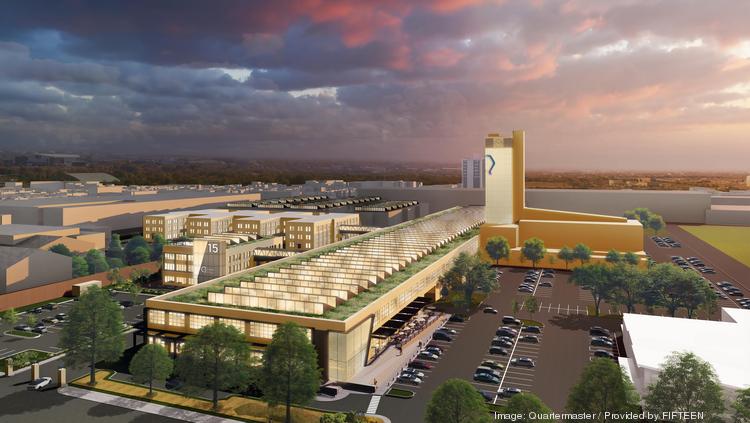



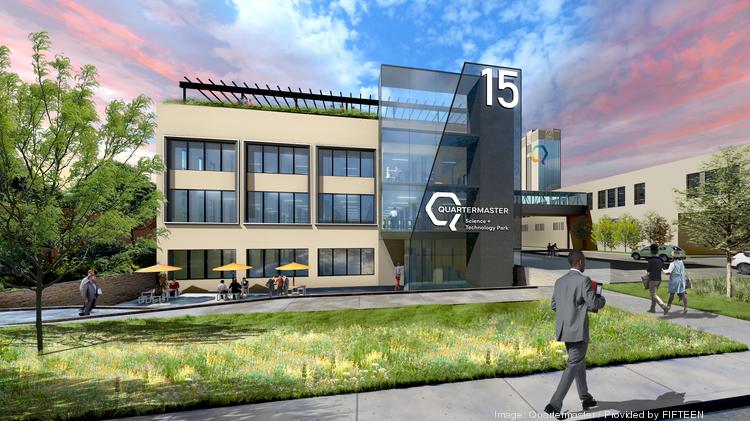
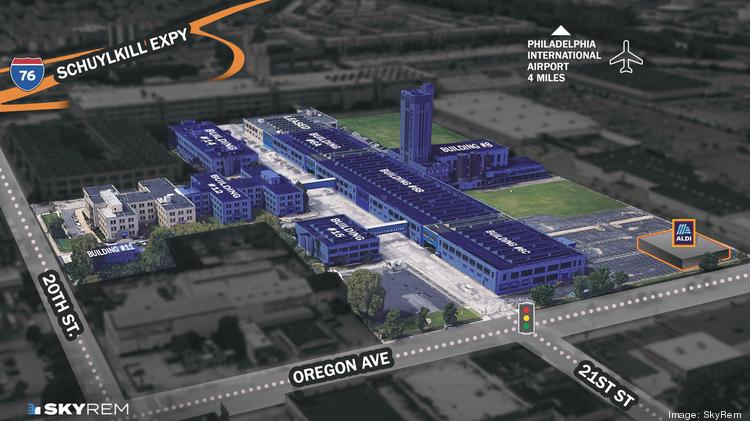
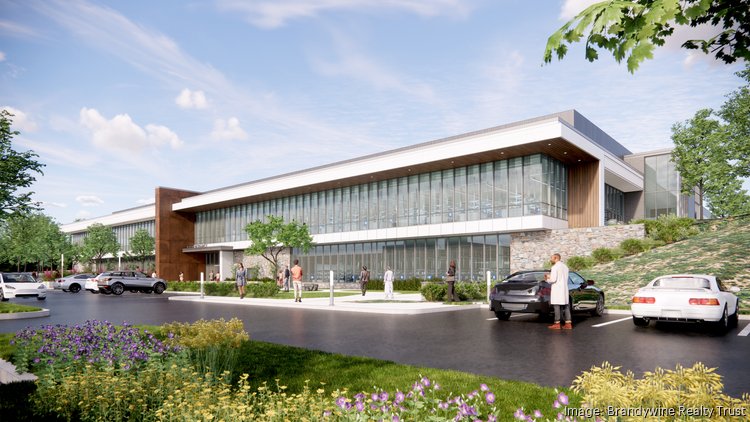



 2012pharmaceutical
 sjwilliamspa