Feeds:
Posts
Comments

Posts Tagged ‘Prostate cancer’

A Blood Test to Identify Aggressive Prostate Cancer: a Discovery @ SRI International, Menlo Park, CA

Reporter: Aviva Lev-Ari, PhD, RN

Article ID #51: A Blood Test to Identify Aggressive Prostate Cancer: a Discovery @ SRI International, Menlo Park, CA. Published on 5/16/2013

WordCloud Image Produced by Adam Tubman

Dr. Lev-Ari was Director @ SRI International in the mid 1980s.

Denong Wang

Distinguished Scientist and Senior Program Director, Tumor Glycomics Laboratory, Center for Cancer and Metabolism
 
Denong Wang

Denong Wang, Ph.D., is an SRI distinguished scientist and senior program director of the Tumor Glycome Laboratoryin the Center for Cancer and Metabolism in SRI Biosciences. Wang’s long-term research interest is in the carbohydrate moieties that are critical for self/non-self recognition and induction of antibody responses.

Wang’s team has established multiple platforms of carbohydrate microarrays and introduced these glycomics tools to explore the structural and antigenic diversities of the glycome. The main research focus of his lab is in the immunogenic sugar moieties. In the past few years, his group has contributed to the identification of immunologically potent glycan markers of SARS-CoV, Bacillus anthracis exosporium, and a number of human cancers.

Wang received his Ph.D. in immunology and glycobiology with the late Professor Elvin A. Kabat at Columbia University in 1993. After that, he entered the developing field of post-genomics research. Before joining SRI in 2010, he served as head of the Functional Genomics Division at Columbia University’s Genome Center from 1998 to 2003 and was director of Stanford University’s Tumor Glycome Laboratory from 2007 to 2010.


SRI International

SRI Blog


A Blood Test to Identify Aggressive Prostate Cancer

By Denong Wang at 9:15 AM PDT, Wed May 8, 2013

tumor glycomicsProstate cancer is the second most common cancer in American men, killing nearly 30,000 per year. In 2004, I attended a conference where one of the nation’s leading researchers in the field declared that the gold-standard test for this disease was not successful at identifying dangerous invasive tumors. That triggered my interest in how to address the challenge of developing a blood test to detect the deadly form of prostate cancer.

After nearly a decade, my collaborators and I have found the first marker that specifically identifies the approximately six to eight percent of prostate cancers that are considered “aggressive,” meaning they will migrate to other parts of the body, at which point they are very difficult to treat. Although we have confirmed this marker, there is much to be done before a clinical application can be developed.

If further study confirms that the test is clinically reliable, it can provide a much-needed tool to differentiate between aggressive cancer and the majority of cases, which are slow-growing tumors with a low probability of migrating to other parts of the body (and thus don’t require special treatment, such as radical prostatectomy).

The current standard test looks at elevated blood prostate-specific antigen (PSA) levels, known as the PSA test. Dr. Thomas Stamey, an emeritus faculty member and urologist at the Stanford University School of Medicine, published his original findings in 1987 linking elevated blood PSA levels to prostate cancer. In 2004, Dr. Stamey declared that the PSA test was no longer useful for the diagnosis of prostate cancer. Rather, an elevated PSA level is now known to reflect the volume increase of a prostate, which could either be associated with a harmless increase in prostate size called benign prostatic hyperplasia (BPH), or be caused by cancer.

I began collaborating with Dr. Stamey and his Stanford colleague Dr. Donna Peehl to look for a new prostate cancer marker, hopefully one that would indicate the presence of aggressive prostate cancer through a blood test.  This is a very active area of research, with scientists exploring the idea from (1) a genomics perspective, (2) a proteomics perspective, and (3) a glycomics perspective, the latter of which entails using carbohydrate-based markers to identify cancer. My focus is the third area, where we are concentrating on how the immune system recognizes changes in the carbohydrates found on the surface of cancer cells compared with those on the surface of normal cells.  

SRI’s Tumor Glycome Laboratory has discovered a marker that appears to be associated with aggressive prostate cancer. The marker is an antibody that is produced against a carbohydrate molecule on the surface of aggressive prostate cancer cells, and is expressed in increasing levels that correlate with cancer severity. We call it a “cryptic” biomarker, since it only becomes an immunological target if something goes awry in the cell, such as a viral infection or the malignant transformation of normal cells to cancer.

This biomarker has the potential, with further development, to be used as a test to help diagnose aggressive prostate cancer. It is rewarding to have reached this point in our understanding of prostate cancer and toward a diagnostic test that ultimately could save lives.

Our research findings were published last year in the Journal of Proteomics & Bioinformatics (5:090-095, DOI:10.4172/jpb.1000218). Our latest study, published in Drug Development Research, lays the foundation for predicting which prostate cancer patients may develop more aggressive forms of the disease and directs the future design of more effective treatments [14(2):65-80, DOI: 10.1002/ddr.21063].

Anti‐Oligomannose Antibodies as Potential Serum Biomarkers of Aggressive Prostate Cancer

Abstract

This study bridges a carbohydrate microarray discovery and a large‐scale serological validation of anti‐oligomannose antibodies as novel serum biomarkers of aggressive prostate cancer (PCa). Experimentally, a Man9‐cluster‐specific enzyme‐linked immunosorbent assay was established to enable sensitive detection of anti‐Man9 antibodies in human sera. A large‐cohort of men with PCa or benign prostatic hyperplasia (BPH) whose sera were banked at Stanford University was characterized using this assay. Subjects included patients with 100% Gleason grade 3 cancer (n = 84), with Gleason grades 4 and/or 5 cancer (n = 204), and BPH controls (n = 135). Radical prostatectomy Gleason grades and biochemical (PSA) recurrence served as key parameters for serum biomarker evaluation. It was found that IgGMan9 and IgMMan9 were widely present in the sera of men with BPH, as well as those with cancer. However, these antibody reactivities were significantly increased in the subjects with the largest volumes of high grade cancer. Detection of serum IgGMan9 and IgMMan9 significantly predicted the clinical outcome of PCa post‐radical prostatectomy. Given these results, we suggest that IgGMan9 and IgMMan9 are novel serum biomarkers for monitoring aggressive progression of PCa. The potential of oligomannosyl antigens as targets for PCa subtyping and targeted immunotherapy is yet to be explored.

Authors:   Denong Wang, Laila Dafik, Rosalie Nolley, Wei Huang, Russell D. Wolfinger, Lai‐Xi Wang, Donna M. Peehl
Journal:   Drug Development Research
Year:   2013
Pages:   n/a
DOI:   10.1002/ddr.21063
Publication date:   11-02-2013
 

Proteomics & Bioinformatics

N-glycan Cryptic Antigens as Active Immunological Targets in Prostate

Cancer Patients

Denong Wang*

Tumor Glycomics Laboratory, Center for Cancer Research, Biosciences Division, SRI International, 333 Ravenswood Avenue, Menlo Park, CA 94025, USA

*Corresponding author: Dr. Denong Wang, Tumor Glycomics Laboratory,

Biosciences Division, SRI International, 333 Ravenswood Avenue, Menlo

Park, CA 94025, USA, Tel: +1 650 859-2789; Fax: +1 650 859-3153; E-mail:

denong.wang@sri.com

Received March 07, 2012; Accepted April 13, 2012; Published April 30, 2012

Citation: Wang D (2012) N-glycan Cryptic Antigens as Active Immunological

Targets in Prostate Cancer Patients. J Proteomics Bioinform 5: 090-095.

doi:10.4172/jpb.1000218

Copyright: © 2012 Wang D.

Abstract

Although tumor-associated abnormal glycosylation has been recognized for decades, information regarding host recognition of the evolving tumor glycome remains elusive. We report here a carbohydrate microarray analysis of a number of tumor-associated carbohydrates for their serum antibody reactivities and potential immunogenicity in humans. These are the precursors, cores and internal sequences of N-glycans. They are usually masked by other sugar moieties and belong to a class of glyco-antigens that are normally “cryptic”. However, viral expression of these carbohydrates may trigger host immune responses. For examples, HIV-1 and SARS-CoV display Man9 clusters and tri- or multi-antennary type II (Galβ1→4GlcNAc) chains (Tri/m-II), respectively; viral neutralizing antibodies often target these sugar moieties. We asked, therefore, whether prostate tumor expression of corresponding carbohydrates triggers antibody responses in vivo. Using carbohydrate microarrays, we analyzed a panel of human sera, including 17 samples from prostate cancer patients and 12 from men with Benign Prostatic Hyperplasia (BPH).

We observed that IgG antibodies targeting the Man9- or Tri-/m-II-autoantigens are readily detectable in the sera of men with BPH, as well as those with cancer. Importantly, these antibody activities were selectively increased in prostate cancer patients. Thus, human immune systems actively recognize these N-glycan cryptic carbohydrates and produce targeting antibodies. This finding shads a light on a class of previously less studied immunological targets of human cancers. Identifying the diagnostic, prognostic and therapeutic values of these targets will require further investigation.

http://www.omicsonline.org/0974-276X/JPB-05-090.pdf


Read Full Post »

From AUA2013: “Histoscanning”- aided template biopsies for patients with previous negative TRUS biopsies

Reporter: Dror Nir, PhD

This year’s AUA takes place in San Diego, USA.

Wednesday, May 08, 2013 10:30 AM-12:30 PM
SDCC: Room 8
Prostate Cancer: Detection & Screening (V)
Moderated Poster
Funding: none
2209: “Histoscanning”- aided template biopsies for patients with previous negative TRUS biopsies.
Oleg Apolikhin; Andrey Sivkov; Gennady Efremov; Nikolay Keshishev; Oleg Zhukov; Andrey Koryakin

Abstract: 2209
Introduction and Objectives
One of the biggest problems in the diagnosis of prostate cancer (PCa), which distinguishes it from many other solid tumors, is the difficulty of tumor imaging by means of standard visualization techniques. A transrectal ultrasound (TRUS) biopsy is mostly performed on the basis of risen PSA and is often blind – tissue specimens are taken from standard zones. Biopsy under MRI control is technically and logistically complicated and expensive, while TRUS can`t always differentiate the suspicious areas. A TRUS-based innovative technique, “Histoscanningâ€� is used in our centre for PCa identification and targeted biopsy.

Methods
Prior to template biopsy we have performed Histoscanning to 31 patients, with previous one to six negative TRUS biopsies and persistent clinical suspicion of PCa (elevated PSA, high-grade prostatic intraepithelial neoplasia (HPIN) in 4 cores or suspicious TRUS findings). Age range was 51 – 75, with PSA values 3,8 – 14,3 ng/ml. Prostate size range 22-67cc. Most of the patients (n-26) from this group received therapy with 5α-reductase inhibitors for 6 months or more. Depending on the gland size, 10-14 standardized cores were taken + 4 additional cores from the suspicious zones marked on Histoscanning report.

Results
Histopathology identified PCa in 13 out of 31 patients , adenocarcinomas with Gleason score ranging 6-8. In 11 patients with no signs of PCa we found HPIN or low-grade PIN. Comparing histology reports with Histoscanning mapping, in 8 PCa cases we found high correlation of this method with histopathological study on the amount and location of tumor lesions and in 5 cases Histoscanning showed greater spread of lesions, with good correlation of the tumor location.

Conclusions
Due to the effectiveness, ease of use and the short time required for data processing, Histoscanning is a promising method for more effective targeted biopsy of the prostate.

As a result of ongoing research, we aim to evaluate sensitivity and specificity of the method, fuse it with MRI, to create a 3D model for biopsy or surgery. In the future, this data could be used for decision making on the nerve-sparing prostatectomy and minimally invasive focal treatments such as cryoablation, high-intensity focused ultrasound, radiofrequency or laser ablation.

Date & Time: May 8, 2013 10:30 AM
Session Title: Prostate Cancer: Detection & Screening (V)
Sources of Funding: none

Personal note:

On the authors’ intention to fuse HistoScanning with MRI: The authors report a very compelling clinical benefit just from using HistoScanning for guiding their biopsies. HistoScanning itself results in a 3D mapping of the prostate and the suspicious locations inside.

3D mapping of the prostate by HistoScanning analysis following motorised TRUS. the colored locations represents tissue suspicious for being cancer.

3D mapping of the prostate by HistoScanning analysis following motorised TRUS. the colored locations represents tissue suspicious for being cancer.

Fusing ultrasound & MRI images is prone to image-registration errors (e.g. due to differences in the prostate’s shape-distortion by the probe) which are larger than the accuracy sought for when performing biopsy or nerve-sparing surgery. I recommend anyone who wishes to guide biopsies and treatment based on MRI and therefore is in need for good level of localized-MRI interpretation, to rely on dedicated MRI interpretation applications and not intra-modalities image fusion.

In addition, major benefits of using HistoScanning for managing prostate cancer patients are the accessibility; A urologist can perform himself, at any time he chooses and at any place, simplicity; it only requires routine TRUS, patient-friendly; it lasts less than a minute and does not require anesthesia and low-cost; it’s ultrasound! Mixing HistoScanning with MRI will certainly eliminate these.

Read Full Post »

2013 – YEAR OF THE ULTRASOUND

Author – Writer: Dror Nir, PhD

To those of you who did not know, 2013 is the year of the ultrasound: http://www.ultrasound2013.org/. This initiative was launched by AIUM and its objectives:

  • Raise awareness of the value and benefits of ultrasound among patients, health care providers, and insurers
  • Provide ultrasound education and evidence-based guidelines for health care providers
  • Educate insurers about the cost savings and patient benefits associated with performing an ultrasound study when scientific evidence supports its potential effectiveness compared to other imaging modalities
  • Educate patients about the benefits of ultrasound as the appropriate imaging modality for their care
  • Encourage the incorporation of ultrasound into medical education

 Quoting from the ultrasound first web-site:

The initiative is designed to call attention to the safe, effective, and affordable advantages of ultrasound as an alternative to other imaging modalities that are more costly and/or emit radiation. For a growing number of clinical conditions, ultrasound has been shown to be equally effective in its diagnostic capability, with a distinct advantage in safety and cost over computed tomography and magnetic resonance imaging. Despite this advantage, evidence suggests that ultrasound is vastly underutilized. Ultrasound First focuses on educating health care workers, medical educators, insurers, and patients of the benefits of ultrasound in medical care. “There is growing support and public awareness for the need to reduce and carefully monitor patients’ exposure to radiation during medical imaging. The use of ultrasound as an alternative imaging modality will help achieve that goal while reducing cost,” states AIUM President Alfred Abuhamad, MD. “Many health care workers and insurers are unacquainted with the range of conditions for which ultrasound has been shown to have superior diagnostic capabilities. Disseminating this knowledge to health care workers and incorporating ultrasound in medical protocols where scientific evidence has shown its diagnostic efficacy will undoubtedly improve patient safety and reduce cost. The time to act is now.”

 A primary component of Ultrasound First is providing clinical evidence for the use of ultrasound. To that aim, the Journal of Ultrasound in Medicine has launched a special feature, the Sound Judgment Series, consisting of invited articles highlighting the clinical value of using ultrasound first in specific clinical diagnoses where ultrasound has shown comparative or superior value. Clinical conditions that will be addressed in the series include postmenopausal bleeding, right lower quadrant pain, pelvic pain, right upper quadrant pain, and shoulder pain, among others. This series will serve as an important educational resource for health care workers and educators.  On the clinical evidence page one can find reasoning for why ultrasound first. Not much related to cancer diagnosis and management. The only interesting claim is:Ultrasound-guided surgery: Its use to remove tumors from women who have palpable breast cancer is much more successful than standard surgery in excising all the cancerous tissue while sparing as much healthy tissue as possible.”

In support of this initiative The Journal of Ultrasound in Medicine has launched a special series, Sound Judgment, comprised of invited articles highlighting the clinical value of using ultrasound first in specific clinical diagnoses where ultrasound has shown comparative or superior value. So far it includes only two items related to management of cancer: Sonography of Facial Cutaneous Basal Cell Carcinoma, A First-line Imaging Technique; by Ximena Wortsman, MD, and Quantitative Assessment of Tumor Blood Flow Changes in a Murine Breast Cancer Model After Adriamycin Chemotherapy Using Contrast-Enhanced Destruction-Replenishment Sonography; by Jian-Wei Wang, MD et. al. The devoted readers of our Open Access Scientific Journal might find the article by Dr. Wortsman, MD bringing complementary information to a previous post of mine: Virtual Biopsy – is it possible?. Qouting from this article: “Cutaneous basal cell carcinoma is the most common cancer in human beings, and the face is its most frequent location. Basal cell carcinoma is rarely lethal but can generate a high degree of disfigurement. Of all imaging techniques, sonography has proven to support the diagnosis and provide detailed anatomic data on extension in all axes, the exact location, vascularity, and deeper involvement. This information can be used for improving management and the cosmetic results of patients.”

 The article gives clear presentation of the problem and includes demonstrative pictures:

f1

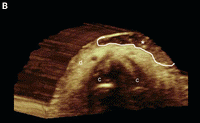
Figure: Basal cell carcinoma with dermal involvement (transverse view, nasal tip). Grayscale sonography (A) and 3-dimensional reconstruction (B, 5- to 8-second sweep) show a 10.1-mm (wide) × 1.4-mm (deep) well-defined hypoechoic oval lesion (between markers in A and outlined in B) that affects the dermis (d) of the left nasal wing. Notice the hyperechoic spots (arrowheads) within the lesion. The nasal cartilage (c) is unremarkable; asterisk indicates basal cell carcinoma.

Basal cell carcinoma with dermal and subcutaneous involvement (transverse view, frontal region). A, Grayscale sonography shows a 11.4-mm (wide) × 6.6-mm (deep) well-defined oval hypoechoic lesion that involves the dermis (d) and subcutaneous tissue (st). There are hyperechoic spots (arrowheads) within the tumor. B, Color Doppler sonography shows increased vascularity within the tumor (asterisk). C, Three-dimensional sonographic reconstruction (5- to 8-second sweep) highlights the lesion (asterisk, outlined); b indicates bony margin of the skull.

Basal cell carcinoma with dermal and subcutaneous involvement (transverse view, frontal region). A, Grayscale sonography shows a 11.4-mm (wide) × 6.6-mm (deep) well-defined oval hypoechoic lesion that involves the dermis (d) and subcutaneous tissue (st). There are hyperechoic spots (arrowheads) within the tumor. B, Color Doppler sonography shows increased vascularity within the tumor (asterisk). C, Three-dimensional sonographic reconstruction (5- to 8-second sweep) highlights the lesion (asterisk, outlined); b indicates bony margin of the skull.

f3

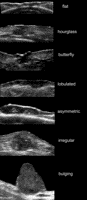
Figure: Pleomorphic presentations of basal cell carcinoma lesions on grayscale sonography (transverse views). Notice the variable shapes of the tumors.

f4

Figure: Frequently, blood flow can be detected within the tumor and its periphery, with slow-flow arteries or veins. The latter vascular data can orient the clinician about the distribution and amount of blood flow that he or she will face during surgery. Despite the fact that basal cell carcinomas usually do not present high vascularity, it should be kept in mind that many of basal cell carcinoma operations are performed in the offices of clinicians and not in the main operating rooms of large hospitals. Nevertheless, the finding of high vascularity within a clinically diagnosed basal cell carcinoma may suggest another type of skin cancer that could occasionally mimic basal cell carcinoma, such as squamous cell carcinoma, Merkel cell carcinoma, or a metastatic tumor. The above figure presents variable degrees of vascularity in basal cell carcinoma lesions going from hypovascular to hypervascular on color and power Doppler sonography (transverse views)

f5

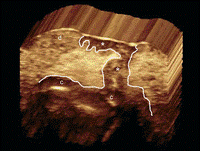
Figure: The depth correlation between sonography (variable frequency) and histologic analysis in facial basal cell carcinoma has been reported to be excellent. Thus, the intraclass correlation coefficient for comparing thickness for the two methods (sonography and histologic analysis) that has been described in literature is 0.9 (intraclass correlation coefficient values ≥0.9 are very good; 0.70–0.89 are good; 0.50–0.69 are moderate; 0.30–049 are mediocre; and ≤0.29 are bad). Two rare sonographic artifacts have been described in basal cell carcinoma. One is the “angled border” that is produced by an inflammatory giant cell reaction underlying the tumor, which may falsely increase the apparent size of the tumor. The other is the “blurry border,” which is produced by large hypertrophy of the sebaceous glands surrounding the lesion. According to the literature, both artifacts can be recognized by a well-trained operator. The figure above presents the sonographic involvement of deeper layers such as the nasal cartilage and orbicularis muscles in the face is of critical importance and may change the decision about the type of surgery. Basal cell carcinoma with nasal cartilage involvement (3-dimensional reconstruction, 5- to 8-second sweep, transverse view, left nasal wing). Notice the extension of the tumor (asterisk, outlined) to the nasal cartilage region (c); d indicates dermis.

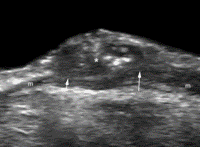
Basal cell carcinoma with involvement of the orbicularis muscle of the eyelid (m). Grayscale sonography (transverse view, right lower eyelid) shows that the tumor (asterisk) affects the muscle layer (arrows).

Basal cell carcinoma with involvement of the orbicularis muscle of the eyelid (m). Grayscale sonography (transverse view, right lower eyelid) shows that the tumor (asterisk) affects the muscle layer (arrows).

Read Full Post »

On the road to improve prostate biopsy

Author and Curator: Dror Nir, PhD

Urologists are in constant search for a method that will improve the outcome of prostate biopsy, particularly when it comes to ruling-in and ruling-out clinically significant prostate cancer. As stated in my recent post – State of the art in oncologic imaging of Prostate; “The disease’s staging and related prognosis are determined during diagnosis based on PSA level and the Gleason score of biopsy’s samples. Although prostate-specific antigen (PSA) screening resulted in the diagnosis of prostate cancer at earlier stages and with lower Gleason scores, it has also contributed to concerns about over-diagnosis, overtreatment of clinically insignificant disease, associated treatment-related toxicity, and escalating costs”. I already reported in the past on research conduc ted in this area; New clinical results supports Imaging-guidance for targeted prostate biopsy and Knowing the tumor’s size and location, could we target treatment to THE ROI by applying imaging-guided intervention? Today I report on recent publication presenting the advantage of using targeted trans-perineal biopsy following HistoScanning imaging instead of systematic TRUS biopsies: Computer-aided (HistoScanning) Biopsies Versus Conventional Transrectal Ultrasound-guided Prostate Biopsies: Do Targeted Biopsy Schemes Improve the Cancer Detection Rate? (Moritz F. Hamann, Claudius Hamann, Eckhard Schenk, Amr Al-Najar, Carsten M. Naumann, and Klaus-Peter Jünemann, Urology, Volume 81, Issue 2, February 2013, Pages 370-375

I have mentioned HistoScanning (ultrasound-based tissue characterization technology which I have invented and developed to a medical device) in many of my previous posts. HistoScanning for prostate is a specific HistoScanning application that is applied to the ultrasound’s raw signal (not the image) following a comprehensive scan of the prostate capturing its entire volume. The whole process takes about ten minutes and the output is a digital 3D map of the prostate gland where locations suspicious of presenting with prostate cancer are indicated.

HistoScanning report with 2, bilateral, basal lesions.

HistoScanning report with 2, bilateral, basal lesions.


The urologist translates such map into a “prostate regional biopsy scheme” when planning his biopsies and direct the needle, under ultrasound guidance, to these predefined suspicious locations.

 The systematic biopsy patterns targeted 7 sectors bilaterally: transition zone, apex, center, and base, each medially and laterally.

The systematic biopsy patterns targeted 7 sectors bilaterally: transition zone, apex, center, and base, each medially and laterally.

In that sense, the workflow is similar to using MRI for tumor detection and creating a tumor map for targeting the biopsy.

As reasoning for conducting the study the investigators argue that: “Exact staging of prostate cancer before treatment is essential for relevant therapeutic decision making. Current procedures, such as nerve-sparing prostatectomy and brachytherapy, as well as active surveillance and future focal treatment options, depend on the reliable identification of cancerous lesions within the prostate. Systematic prostate biopsies with at least 10 to 12 cores are the current standard method to detect and locate significant prostate cancer, as scientific evidence during the last decades has shown. Nevertheless, there are no homogeneous data concerning the required number of cores and the technical approach of prostate biopsy procedures. The unstable histologic results on active surveillance and the well-known discrepancy between transrectal diagnostics and radical prostatectomy specimens underline the neces­sity to develop reliable diagnostic tools for precise detection and localization of prostate cancer. Recent data on HistoScanning computer-aided ultra-sonography have shown favorable results. To generate a greater diagnostic yield than systematic needle biopsies, we integrated HistoScanning-guided targeted biopsies in our general prostate biopsy regimen. We report the cancer detection rate in a prospective series of 80 patients.”

The study’s objective was: “To define potential improvement in prostate cancer detection by application of a computer-aided, targeted, biopsy regimen using HistoScanning.”

Materials and Methods: “The data were collected prospectively from 80 men who consecutively underwent a systematic 14-core prostate biopsy supplemented by targeted transrectal and perineal ultrasound-guided biopsies. All biopsies were performed between March 2011 and September 2011. Indications for prostate biopsy were suspicious findings at the digital rectal examination (DRE), or serum prostate-specific antigen (PSA) level >10 ng/mL, or both. In case of elevated serum PSA levels >4 ng/mL a PSA-velocity of >0.75 ng/mL p.a. and free-to-total PSA ratio <15% were seen as the indication for prostate biopsies. Thirty-six patients had undergone a previous transrectal prostate biopsy. All patients were informed of the mode of the extended prostate biopsy scheme and its potential complications. All patients provided written informed consent for the procedure.After indication and before starting the biopsy procedure, all patients underwent a standardized 3-dimensional (3D) transrectal ultrasound (TRUS) with an end-fire array of a BK 8818 probe. Computer-aided analysis of the raw (radio-frequency) back-scatter data was performed by using the Conformite Europeene-marked and commercially available HistoScanning device, admitted for medical use in the Euro­pean Union (software version 2.1, Advanced Medical Diag­nostics, Belgium).”

“Each patient was diagnosed preoperatively by HistoScanning, defining a maximum of 3 suspicious areas. These areas were biopsied, both transrectally and via the perineum, with a maximum of 3 cores per location.”

Results: “We detected prostatitis in 30 patients (37.5%), premalignant lesions in 10 (12.5%), and prostate cancer in 28 (35%). The transrectal technique was used to detect 78.6% of all cancers using 14 cores by systematic biopsy. With a maximum of 9 targeted cores, 82.1% of all cancers were detected with the targeted perineal approach and 53.6% were detected with the targeted transrectal approach. Although our data did not show significant difference in the performance of targeted transperineal compared with systematic transrectal biopsies, the detection rate of targeted transrectal biopsies was significantly lower.”

 table

Conclusion: “The presented targeted biopsy scheme achieved an overall detection rate of 85% of prostate-specific antigen–relevant pathologic lesions within the prostate. Thus, the presented procedure shows an improved detection rate compared with standard systematic prostate biopsies, and the number of cores required is reduced. Furthermore, the perineal HistoScanning-aided approach seems to be superior to the transrectal approach with respect to the prostate cancer detection rate. The presented procedure might be a step toward reliable ultrasound-based tissue characterization and toward fulfilling the requirements of novel therapeutic strategies.”


The authors’ included an elaborated discussion on the background to their study and its results. This discussion is important for understanding the limitation of the study results and for putting the authors conclusion into balanced context: “When other solid-organ cancer guidelines are compared with prostate cancer guidelines, the common methods of prostate cancer detection are unmasked as an outmoded concept because cancer detection is based on chance as a result of a blinded, subjective examination. A systematic biopsy with at least 10 to 12 cores is considered the standard procedure in prostate cancer diagnostics to date. 1,2 The continuous increase in the number of biopsy cores taken over the last years has predictably improved the detection rate, but several studies report detection rates of only 30% to 40% even in repeated biopsies. 5,9 It is noteworthy that the recommendations must be seen as a compromise bbetween the cancer detection rate and the invasiveness of the surgical procedure. Modern diagnostic procedures, including magnetic resonance imaging, elastography, computerized analysis of TRUS/artificial neuronal network analysis, and HistoScanning, try to overcome this principle of approach.7,10,11 The current therapeutic concepts and further currently evolving therapy strategies depend on sophisticated prostate cancer diagnostics. It is more important than ever to look for ways to detect and locate the cancer before subjecting patients to more or less invasive procedures as the indication for surgical treatment or prostate-preserving (focal) tumor therapy. The results of magnetic resonance imaging for prostate cancer detection are very promising so far and show a sensitivity of up to 80%. Elastography has also shown promising capabilities for cancer detection, with a recent review article reporting that several studies show 74% to 75% sensitivity.11 HistoScanning has shown 93% sensitivity in detecting and locating prostate cancer. 12 As a matter of principle, our study is unable to report on the accuracy or sensitivity of prostate cancer detection because the exact number of cancer lesions in our patients collective remains incomputable. Integration of HistoScanning for guided, targeted biopsies helped us achieve a prostate cancer detection rate of 35%. These data are lower than results from current publications on initial prostate biopsies but higher than those of repeated biopsy protocols.4,5,13 Given that tumors looked for during initial biopsies are usually large and easy to detect, we believe that this finding is caused by the smaller overall risk of cancer in a repeated biopsy setting, as was the case in 37.5% of our patients (0.61 biopsies per patient). Overall, HistoScanning seems to improve selective targeting of suspicious prostate lesions. Taking into account all malignant, premalignant, and atypical histologic findings, including prostate cancer, atypical small acinar proliferations, and high-grade prostatic intraepithelial  eoplasia, the detection rate of relevant prostatic lesions by specimens from perineal-targeted biopsies rises to 47.5% and 85%, including prostatitis, respectively. Apart from the high quality of the HistoScanning tissue analysis, we believe in a significant effect of the technical approach used to perform the biopsy. As our data show, prostate cancer detection rates from specimens obtained from perineal-targeted biopsies differed significantly from the transrectal-targeted biopsy regimen, a difference that occurred independently from previous tissue analysis because both targeted approaches are aligned to the same scanning process. Compared with the transrectal approach, the perineal biopsy technique might reduce variables that can influence the needle placement. Furthermore, longitudinal biopsy punches following the axis of the prostate seem to allow more accurate sampling of the anterior part. Theoretically, because previous studies reported inhomogeneous results comparing transrectal and transperineal prostate biopsies.3,4,13 The use of a 14-gauge needle in perineal biopsies might be responsible for a systematic bias because it possibly yields more tissue than transrectal cores. Despite this potential advantage, systematic transrectal biopsies do not reflect a significant difference in the detection rate. Nevertheless, due to the individual setting, our study is unable to report standardized results on the accuracy of comparing transrectal and transperineal needle placement. Template-guided mapping biopsies have recently attracted attention because of the high rate of cancer detection as initial (75%) and even repeat biopsy procedures (46%). 14 It notably increases the ability to locate and differentiate cancer foci within the prostatic gland, implicating mapping biopsies for active surveillance or focal treatment purposes regardless of the considerable surgical trauma generated by the use of extended biopsy protocols. A reduction of tissue trauma by generating a greater diagnostic yield would be a favorable methodologic aspect as initiated by our study. Regarding cancer detection, the presented data show no significant differences between the perineal-targeted and transrectal-targeted systematic biopsy regimen, but even though considerably fewer tissue samples (14 vs 9 cores; -35%) were taken from selected prostate areas, we detected no significant limitations by the perineal approach. These data are even more encouraging when bearing in mind that the number of samples represents a crucial factor in prostate cancer detection rates, as recently reported. A critical issue in the present study is in the implementation of the modified biopsy procedures. Although the surgeons at our center are experienced in using TRUS, our data show a learning curve during the first 80 procedures. In addition, the overlaying of the HistoScanning image analysis to the B-mode grey-scale live ultrasound picture is done by the surgeon performing the biopsy. This process implies a bias in individual interpretation of the TRUS picture and manual needle guidance. The online fusion of HistoScanning with the ultrasound image presumably would increase the handling accuracy. Further methodologic limitations lie in the heterogeneous and small collective of patients that were included in the study. With regard to the reasonably high number of previous negative biopsy specimens, patient selection can affect the hit rate of positive biopsy specimens. This circumstance might make the cancer detection frequency with HistoScanning look relatively small in this particular study compared with other diagnostic methods in patients undergoing an initial biopsy, but this is due to the daily routine in an academic referral center.

For completeness of this reporting and before stating my own conclusion I bring here below two comments that were made, one by Dr. Stephen Jones of Glickman Urological and Kidney Institute, Cleveland, Ohio and the reply by the first author:

COMMENT

The promise of image-guided diagnosis and management of prostate cancer has been frustratingly elusive. Early pioneers of prostate ultrasound imaging reported that hyperechoic lesionswere indicative of malignancy, but it rapidly became clear that the opposite was actually more realistic. Even so, these hypoechoic lesions were soon shown to be poor indicators of prostate cancer. Thus, the value of visual abnormalities on grey-scale prostate ultrasound imaging remains essentially negligible with current technology. As a result, a number of alternative imaging modalities have been developed and introduced with great excitement. Typically, images in the publications showcase an apparently obvious cancer standing out in contrast to adjacent benign tissues. Unfortunately, the data still reveal minimal value from most of these technologies, and those reported in this article are similarly disappointing. HistoScanning demonstrated interesting color images, but coupled with a transperineal-targeted biopsy found exactly one more case of prostate cancer than did the current standard of care—the 14-core extended transrectal biopsy. This “difference” is actually statistically identical (P >.99). Exactly the same number of patients (n¼ 4) was found exclusively by both transperineal HistoScan-targeted biopsy as with standard transrectal biopsy, and when targeted using the transrectal approach, the technology actually missed almost half of the cancers that were identified overall. Furthermore, these data do not support the suggestion that 9 cores are less morbid or traumatic than 14 cores, and the literature is replete with reports demonstrating this is simply not true. This is especially misleading when those 9 cores come at the cost, morbidity, time, and complexity of an operation such as this performed under general anesthesia. So the real question remains whether HistoScanning or any emerging technology to image the prostate—improves visualization of prostate cancer. Although magnetic resonance imaging is beginning to show notable promise, the clinical value of most other modalities remains mostly anecdotal. As one whose desire for a solution remains frustratingly unfulfilled, I hope that some imaging technique will demonstrate clinical value during my career. J. Stephen Jones, M.D., Department of Regional Urology, Glickman Urological and Kidney Institute, Cleveland Clinic Foundation, Cleveland, Ohio

REPLY

In accordance with your comprehensive notes, we have to search for diagnostic improvement and underline the need further investigations in the field of prostate cancer diagnostics and staging. Minimally invasive techniques, focal and targeted therapy modalities, and low-risk cancer surveillance probably are future treatment modalities for prostate malignancies that progressively challenge common diagnostic pathways. Sophisticated therapy strategies will require reliable staging results. The constant increase of cores taken during systematic prostate biopsy apparently will not overcome the well-known diagnostic uncertainties. Consequently, imaging techniques and methods of biopsy targeting will gain in importance. Clearly, the presented data do not show significant improvement in the overall detection rate of prostate cancer in our patient cohort. Further, the maximum number of 9 biopsy cores must be attributed to the initial study design and will undergo further investigation; however, the results rather support the study approach than reduce its validity. Considering the indeterminate number of cancers, the proof of superiority remains incomputable. Compared with the current standard of care of 12 to 14 cores, we detected no significant limitations, although perineal-targeted biopsies took significantly fewer cores (3-9 cores [35%]). Maintaining the detection rate unchanged and focusing on 1 to 3 preselected suspicious index lesions display a proof of principle rather than disappointing results. In line with future treatment options mentioned above, any less invasive, focused diagnostic procedure represents an encouraging advance compared with the common and recommended practice of a nonselective, systematic biopsy of the prostate to harbor cancerous tissue. Moritz F. Hamann, M.D., Department of Urology and Pediatric Urology, University of SchleswigeHolstein, Campus Kiel, Kiel, Germany

As mentioned by the authors, further improvement of the outcome of HistoScanning-based targeted biopsies of prostate is expected when an implementation of image-fusion application between the “off-line” generated 3D tumor map and the real-time ultrasound guiding the needle will be available; similar to the results presented already when using ultrasound-MRI image fusion applications for prostate biopsy. Of course, the ultimate biopsy workflow (which I am currently engaged in developing) that urologist are asking for is the one comprised of real-time ultrasound-based tissue characterization and real-time ultrasound guidance of the needle to the lesion.

References

1. Heidenreich A, Bellmunt J, Bolla M, et al. EAU guidelines on prostate cancer. Part 1: screening, diagnosis, and treatment of clinically localised disease. Eur Urol. 2011;59:61-71.

2. National Comprehensive Cancer Network. Clinical Practice Guidelines in Oncology: Prostate Cancer Early Detection. Available at http://www.nccn.org 2011 Accessed May 2011.

3. Abdollah F, Novara G, Briganti A, et al. Trans-rectal versus transperineal saturation re-biopsy of the prostate: is there a difference in cancer detection rate? Urology. 2011;77:921-925.

4. Hara R, Yoshimasa J, Tomohiro F, et al. Optimal approach for prostate cancer detection as initial biopsy: prospective randomized study comparing transperineal versus transrectal systematic 12-core biopsy. Urology. 2008;71:191-195.

5. Patel AR, Jones JS. Optimal biopsy strategies for the diagnosis and staging of prostate cancer. Curr Opin Urol. 2009;19:232-237.

6. Al Otaibi M, Ross P, Fahmy N, et al. Role of repeated biopsy of the prostate in predicting disease progression in patients with prostate cancer on active surveillance. Cancer. 2008;113:286-292.

7. Braeckman J, Autier P, Garbar C, et al. Computer-aided ultrasonography (HistoScanning): a novel technology for locating and characterizing prostate cancer. BJU Int. 2008;101:293-298.

8. Braeckman J, Autier P, Soviany C, et al. The accuracy of transrectal ultrasonography supplemented with computer-aided ultrasonography for detecting small prostate cancers. BJU Int. 2008;102:1560-1565.

9. Presti JC Jr, O’Dowd G, Miller C, et al. Extended peripheral zone biopsy schemes increase cancer detection rates and minimize variance in prostate specific antigen and age related cancer rates: results of a community multi-practice study. J Urol. 2003;169:125-129.

10. Turkbey B, Mani H, Shah V, et al. Multiparametric 3T prostate magnetic resonance imaging to detect cancer: histopathological correlation using prostatectomy specimens processed in customized magnetic resonance imaging based molds. J Urol. 2011;186: 1818-1824.

11. Trabulsi EJ, Sackett D, Gomella L, et al. Enhanced transrectal ultrasound modalities in the diagnosis of prostate cancer. Urology. 2010;76:1025-1033.

12. Simmons LA, Autier P, Zat_ura F, et al. Detection, localisation and characterisation of prostate cancer by Prostate HistoScanning. BJU Int. 2012;110:28-35.

13. Emiliozzi P, Corsetti A, Tassi B, et al. Best approach for prostate cancer detection: a prospective study on transperineal versus transrectal six-core prostate biopsy. Urology. 2003;61:961-966.

14. Taira AV, Merrick GS, Galbreath RW, et al. Performance of transperineal template-guided mapping biopsy in detecting prostate cancer in the initial and repeat biopsy setting. Prostate Cancer Prostatic Dis. 2010;13:71-77.


Other research papers related to the management of Prostate cancer were published on this Scientific Web site:


Prostate Cancer: Androgen-driven “Pathomechanism” in Early-onset Forms of the Disease

Prostate Cancer and Nanotecnology

Prostate Cancer Cells: Histone Deacetylase Inhibitors Induce Epithelial-to-Mesenchymal Transition

Imaging agent to detect Prostate cancer-now a reality

Scientists use natural agents for prostate cancer bone metastasis treatment

ROLE OF VIRAL INFECTION IN PROSTATE CANCER

Prostate Cancers Plunged After USPSTF Guidance, Will It Happen Again?

Imaging agent to detect Prostate cancer-now a reality

Scientists use natural agents for prostate cancer bone metastasis treatment

Today’s fundamental challenge in Prostate cancer screening

ROLE OF VIRAL INFECTION IN PROSTATE CANCER

Men With Prostate Cancer More Likely to Die from Other Causes

New Prostate Cancer Screening Guidelines Face a Tough Sell, Study Suggests

New clinical results supports Imaging-guidance for targeted prostate biopsy


Read Full Post »

Curator: Aviva Lev-Ari, PhD, RN

Screen Shot 2021-07-19 at 7.16.18 PM

Word Cloud By Danielle Smolyar

A new etiology for Prostate Cancer based on Integrative Genomic Analyses reveals difference in Pathomechanism between Early onset and and Non-Early onset  was reported this week in Cancer CellVolume 23, Issue 2, 159-170, 11 February 2013

Early Onset: Androgen-Driven Somatic Alteration Landscape in Early-Onset Prostate Cancer

Median age of 47: EO-PCAs harbored a prevalence of balanced SRs, with a specific abundance of androgen-regulated ETS gene fusions including TMPRSS2:ERG

Non Early onset:

Around 65 years of age at onset:  elderly-onset PCAs displayed primarily non-androgen-associated structural rearrangement (SR) formations.

Treatment Comparison for Clinically Localized Primary Prostate Cancer Therapies

Treatment

Description

Selected Risks

Recovery

Selected Outcomes

HIFU – (high intensity focused ultrasound) Minimally invasive use of focused ultrasound waves
to ablate diseased tissue
Incontinence: 0-10% 1-3
Impotence: 8-50%4,5
Rectal Injury: <3% 4-6
Catheter worn for
approximately 2-3 weeks; can
return to normal activities
within a few days
55-95% biochemical
disease-free survival rate at 5 years; 55-98% negative biopsy1-9
Cryotherapy Minimally invasive
procedure using
controlled freeze and thaw cycles to destroy the prostate
Incontinence: 3-10% 10
Impotence: 40-100% 10
Rectal Injury: 0-3% 10
2-3 hour procedure with possible overnight stay; return to normal activities within a few days 50-92% biochemical
disease-free survival at 5 years; 87-98% negative biopsy 11,12
Radical Prostatectomy Surgery to remove
prostate, open or
laparoscopic
Incontinence: 9-20% 13
Impotence: 4-85%13
Rectal Injury:0-5%14
2-3 day hospital stay, catheter for 2-3 weeks for open surgery; shorter
hospitalization and fewer postoperative complications for laparoscopic procedure
68–98% biochemical
disease-free survival15,16
External Beam Radiation 6-8 week treatment;
external machine
concentrating radiation
beams to the prostate
Incontinence: 4-15% 17
Impotence: 41-62% 17
Rectal Injury: 15%17
Five treatments per week for 6-8 weeks, up to 2 months fatigue after full course of treatment 55–86% biochemical
disease-free survival18-19
Brachytherapy Minimally invasive implants of radiation seeds in the prostate Incontinence: 3-18% 20
Impotence: 14-82% 20
Rectal Injury: 3%21
1-2 hour procedure with
possible overnight stay
78–89% biochemical
disease-free survival22

Data presented are for clinically localized, low-high risk primary prostate cancer. The information provided in the chart is therapy and not device specific and may not include all potential risks, recovery and outcome information. For further information please see references.

The Sonablate® 500 is approved for investigational use within the U.S. and is being studied for the treatment of prostate cancer in clinical trials in the U.S. The FDA has made no decision as to the safety or efficacy of the Sonablate® 500 for the treatment of prostate cancer. Currently, the device is available for the treatment of prostate cancer outside the U.S. in more than 30 countries.

http://www.internationalhifu.com/treatment-options/treatment-comparison.html?kmas=1&kmkw=prostate%20cancer%20treatment&gclid=CJbo37P0trUCFQdU4AodWhkAxQ

http://www.internationalhifu.com/treatment-options/treatment-comparison.html?kmas=1&kmkw=prostate%20cancer%20treatment&gclid=CJbo37P0trUCFQdU4AodWhkAxQ#ixzz2KuxByzdV

Prostate Cancer and Nanotecnology

Dr. T. Barlyia summaried:

Early detection of prostate cancer increased dramatically the five-year survival of patients. “This study demonstrates for the first time that it is possible to generate medicines with both targeted and programmable properties that can concentrate the therapeutic effect directly at the site of disease, potentially revolutionizing how complex diseases such as cancer are treated”. The Phase I clinical trial is still ongoing and continued dose escalation is underway; BIND Biosciences is now planning Phase II trials, which will further investigate the treatment’s effectiveness in a larger number of patients.

http://pharmaceuticalintelligence.com/2013/02/07/prostate-cancer-and-nanotecnology/

BIND-014 is a programmable nanomedicine that combines a targeting ligandand a therapeutic nanoparticle.  BIND-014 contains docetaxel, a proven cancer drug which is approved in major cancer indications including breast, prostate and lung, encapsulated in FDA-approved biocompatible and biodegradable polymers. BIND-014 is targeted to prostate specific membrane antigen (PSMA), a cell surface antigen abundantly expressed on the surface of cancer cells and on new blood vessels that feed a wide array of solid tumors.  In preclinical cancer models, BIND-014 was shown to deliver up to ten-fold more docetaxel to tumors than an equivalent dose of conventional docetaxel.  The increased accumulation of docetaxel at the site of disease translated to marked improvements in antitumor activity and tolerability.  BIND-014 is currently in Phase 1 human clinical testing in cancer patients with advanced or metastatic solid tumor cancers (NCT01300533). The early development of BIND-014 was funded in part by the National Cancer Institute and the U.S. National Institutes of Standards and Technology (NIST) under its Advanced Technology Program (ATP).

State of the art in oncologic imaging of Prostate

Dr. D. Nir summarizes:

In regards to treatment choice: “active surveillance, focal therapy, radical prostatectomy, and radiation therapy represent a range of treatments with varying degrees of invasiveness for men with different disease grades and stages. Active surveillance and focal therapy, which are relatively new options, are promising but are complicated by uncertainties in risk stratification that affect treatment decision-making, as well as by uncertainties regarding the definition of appropriate outcome measures. Biopsy, which leaves the possibility of under sampling, is not sufficient to resolve these uncertainties. Novel biomarkers and modern imaging are expected to play increasingly important roles in facilitating broader acceptance of both active surveillance and focal therapy. Further research, particularly involving prospective validation, is needed to facilitate standardization and establish the roles of advanced imaging tools in routine prostate cancer management.”

My summary: Prostate cancer is a disease managed by urologists, not radiologists. This disease’s multi-choice of pathways is “craving” for tissue characterization. Nothing could fit the urologist’s work-flow better than ultrasound-based tissue characterization!

Age-related differences in structural rearrangement (SR) formation became evident, suggesting distinct disease pathomechanisms. 

Early Onset:

Median age of 47: EO-PCAs harbored a prevalence of balanced SRs, with a specific abundance of androgen-regulated ETS gene fusions including TMPRSS2:ERG,

Non Early onset:

Around 65 years of age at onset:  elderly-onset PCAs displayed primarily non-androgen-associated SRs.

Integrative Genomic Analyses Reveal an Androgen-Driven Somatic Alteration Landscape in Early-Onset Prostate Cancer

  • Genome sequencing revealed age-related genetic alterations in PCA
  • Early-onset PCAs display a specific abundance of androgen-driven rearrangements
  • These age-linked alterations coincide with activity levels of the androgen receptor
  • This is an observation of age-specific DNA alterations in a common cancer

Summary

Early-onset prostate cancer (EO-PCA) represents the earliest clinical manifestation of prostate cancer. To compare the genomic alteration landscapes of EO-PCA with “classical” (elderly-onset) PCA, we performed deep sequencing-based genomics analyses in 11 tumors diagnosed at young age, and pursued comparative assessments with seven elderly-onset PCA genomes. Remarkable age-related differences in structural rearrangement (SR) formation became evident, suggesting distinct disease pathomechanisms. Whereas EO-PCAs harbored a prevalence of balanced SRs, with a specific abundance of androgen-regulated ETS gene fusions includingTMPRSS2:ERG, elderly-onset PCAs displayed primarily non-androgen-associated SRs. Data from a validation cohort of > 10,000 patients showed age-dependent androgen receptor levels and a prevalence of SRs affecting androgen-regulated genes, further substantiating the activity of a characteristic “androgen-type” pathomechanism in EO-PCA.


Early onset prostate cancer tumors tend to have a propensity for containing balanced structural rearrangements, particularly involving genes regulated by the androgen hormone, according to a study in Cancer Cell. As part of the International Cancer Genome Project’s Early-Onset Prostate Cancer project, researchers from Germany and the UK performed whole-genome sequencing on tumor and matched normal samples from 11 individuals who were surgically treated for prostate cancer at a median age of 47 years old. The tumors were also subjected to transcriptome and methylome sequencing.

When they compared sequences from these tumors with sequences from a previously described set of samples taken from seven individuals diagnosed with prostate cancer at around 65 years of age, investigators saw a rise in gene fusion-producing structural changes in the early onset samples.

Those fusions often affected ETS family genes and other genes prone to androgen-related regulation, researchers reported. In contrast, tumors from individuals whose prostate cancer appeared later in life were more apt to contain structural rearrangements affecting genes without any androgen ties.

Follow-up tests using samples from more than 10,000 other patients seemed to support this link between age at prostate cancer diagnosis and androgen receptor rearrangement, study authors said, pointing to a distinct, androgen-driven “pathomechanism” in early-onset forms of the disease.

SOURCE:

http://www.genomeweb.com//node/1191311?hq_e=el&hq_m=1498692&hq_l=5&hq_v=5f2bf80408

Cancer Cell, Volume 23, Issue 2, 159-170, 11 February 2013
Copyright © 2013 Elsevier Inc. All rights reserved.
10.1016/j.ccr.2013.01.002

http://www.internationalhifu.com/treatment-options/treatment-comparison.html?kmas=1&kmkw=prostate%20cancer%20treatment&gclid=CJbo37P0trUCFQdU4AodWhkAxQ#ixzz2KuxrkZbB

REFERENCES

  1. Uchida T, Ohkusa H, Nagata Y, Hyodo T, Satoh T, Irie A. Treatment of localized prostate cancer using high-intensity focused ultrasound. BJU international 2006;97:56-61.
  2. Uchida T, Ohkusa H, Yamashita H, et al. Five years experience of transrectal high-intensity focused ultrasound using the Sonablate device in the treatment of localized prostate cancer. International journal of urology : official journal of the Japanese Urological Association 2006;13:228-33.
  3. Muto S, Yoshii T, Saito K, Kamiyama Y, Ide H, Horie S. Focal therapy with high-intensity-focused ultrasound in the treatment of localized prostate cancer. Japanese journal of clinical oncology 2008;38:192-9.
  4. Ahmed HU, Zacharakis E, Dudderidge T, et al. High-intensity-focused ultrasound in the treatment of primary prostate cancer: the first UK series. British journal of cancer 2009;101:19-26.
  5. Inoue Y, Goto K, Hayashi T, Hayashi M. Transrectal high-intensity focused ultrasound for treatment of localized prostate cancer. International journal of urology : official journal of the Japanese Urological Association 2011;18:358-62.
  6. Uchida T, Shoji S, Nakano M, et al. Transrectal high-intensity focused ultrasound for the treatment of localized prostate cancer: eight-year experience. International journal of urology : official journal of the Japanese Urological Association 2009;16:881-6.
  7. Sumitomo M, Hayashi M, Watanabe T, et al. Efficacy of short-term androgen deprivation with high-intensity focused ultrasound in the treatment of prostate cancer in Japan. Urology 2008;72:1335-40.
  8. Sumitomo M, Asakuma J, Yoshii H, et al. Anterior perirectal fat tissue thickness is a strong predictor of recurrence after high-intensity focused ultrasound for prostate cancer. International journal of urology : official journal of the Japanese Urological Association 2010;17:776-82.
  9. Dudderidge T, Ahmed H, Emberton M. High-intensity focused ultrasound for localized prostate cancer: initial experience with a 2-year follow-up. BJU international 2009;104:1170-1; author reply 1.
  10. Shelley M, Wilt TJ, Coles B, Mason MD. Cryotherapy for localised prostate cancer. Cochrane Database Syst Rev 2007:CD005010.
  11. Cheetham P, Truesdale M, Chaudhury S, Wenske S, Hruby GW, Katz A. Long-term cancer-specific and overall survival for men followed more than 10 years after primary and salvage cryoablation of the prostate. Journal of endourology / Endourological Society 2010;24:1123-9.
  12. Jones JS, Rewcastle JC, Donnelly BJ, Lugnani FM, Pisters LL, Katz AE. Whole gland primary prostate cryoablation: initial results from the cryo on-line data registry. The Journal of urology 2008;180:554-8.
  13. Hu JC, Gu X, Lipsitz SR, et al. Comparative effectiveness of minimally invasive vs open radical prostatectomy. JAMA : the journal of the American Medical Association 2009;302:1557-64.
  14. Williams SB, Prasad SM, Weinberg AC, et al. Trends in the care of radical prostatectomy in the United States from 2003 to 2006. BJU international 2011;108:49-55.
  15. Mullins JK, Feng Z, Trock BJ, Epstein JI, Walsh PC, Loeb S. The impact of anatomical radical retropubic prostatectomy on cancer control: the 30-year anniversary. The Journal of urology 2012;188:2219-24.
  16. Loeb S, Zhu X, Schroder FH, Roobol MJ. Long-term radical prostatectomy outcomes among participants from the European Randomized Study of Screening for Prostate Cancer (ERSPC) Rotterdam. BJU international 2012.
  17. Budaus L, Bolla M, Bossi A, et al. Functional outcomes and complications following radiation therapy for prostate cancer: a critical analysis of the literature. European urology 2012;61:112-27.
  18. Grimm P, Billiet I, Bostwick D, et al. Comparative analysis of prostate-specific antigen free survival outcomes for patients with low, intermediate and high risk prostate cancer treatment by radical therapy. Results from the Prostate Cancer Results Study Group. BJU international 2012;109 Suppl 1:22-9.
  19. Wilt TJ, MacDonald R, Rutks I, Shamliyan TA, Taylor BC, Kane RL. Systematic review: comparative effectiveness and harms of treatments for clinically localized prostate cancer. Annals of internal medicine 2008;148:435-48.
  20. Buckstein M, Kerns S, Forysthe K, Stone NN, Stock RG. Temporal patterns of selected late toxicities in patients treated with brachytherapy or brachytherapy plus external beam radiation for prostate adenocarcinoma. BJU international 2012.
  21. Orio PF, 3rd, Merrick GS, Galbreath RW, Butler WM, Lief J, Wallner KE. Patient-reported long-term rectal function after permanent interstitial brachytherapy for clinically localized prostate cancer. Brachytherapy 2012;11:341-7.
  22. Critz FA, Benton JB, Shrake P, Merlin ML. 25 year disease free survival rate after irradiation of prostate cancer calculated with the prostate specific antigen definition of recurrence used for radical prostatectomy. The Journal of urology 2012.

http://www.internationalhifu.com/treatment-options/treatment-comparison.html?kmas=1&kmkw=prostate%20cancer%20treatment&gclid=CJbo37P0trUCFQdU4AodWhkAxQ#ixzz2KuxrkZbB

Other research papers related to the management of Prostate cancer were published on this One Access Online Scientific Journal

Imaging agent to detect Prostate cancer-now a reality

Scientists use natural agents for prostate cancer bone metastasis treatment

Today’s fundamental challenge in Prostate cancer screening

ROLE OF VIRAL INFECTION IN PROSTATE CANCER

Men With Prostate Cancer More Likely to Die from Other Causes

New Prostate Cancer Screening Guidelines Face a Tough Sell, Study Suggests

New clinical results supports Imaging-guidance for targeted prostate biopsy

Prostate Cancer and Nanotecnology

http://pharmaceuticalintelligence.com/2013/02/07/prostate-cancer-and-nanotecnology/

State of the art in oncologic imaging of Prostate

http://pharmaceuticalintelligence.com/2013/01/28/state-of-the-art-in-oncologic-imaging-of-prostate/

Genomically Guided Treatment after CLIA Approval: to be offered by Weill Cornell Precision Medicine Institute
http://pharmaceuticalintelligence.com/2013/02/06/genomically-guided-treatment-after-clia-approval-to-be-offered-by-weill-cornell-precision-medicine-institute/

Read Full Post »

Prostate Cancer and Nanotechnology

Author, Curator: Tilda Barliya, PhD

Prostate cancer  is common and a frequent cause of cancer death. In the United States, prostate cancer is the most commonly diagnosed visceral cancer. In 2012, there were expected to be about 242,000 new prostate cancer diagnoses and about 28,000 prostate cancer deaths. Prostate cancer is second only to nonmelanoma skin cancer and lung cancer as the leading cause of cancer and cancer death, respectively, in US men. Worldwide, in 2008 there were estimated to be 903,000 new cases of prostate cancer and 258,000 prostate cancer deaths making it the second most commonly diagnosed cancer in men and the sixth leading cause of male cancer death (1).

Prostate cancer survival is related to many factors, especially the extent of tumor at the time of diagnosis. The five-year relative survival among men with cancer confined to the prostate (localized) or with just regional spread is 100 percent compared with 31.9 percent among those diagnosed with distant metastases . While men with advanced stage disease may benefit from palliative treatment, their tumors are generally not curable

Prostate-specific antigen (PSA) testing revolutionized prostate cancer screening. Although PSA was originally introduced as a tumor marker to detect cancer recurrence or disease progression following treatment, it became widely adopted for cancer screening by the early 1990s. Subsequently, professional societies issued guidelines supporting prostate cancer screening with PSA. PSA testing led to a dramatic increase in the incidence of prostate cancer, the majority of these newly-diagnosed cancers were clinically localized which led to an increase in radical prostatectomy and radiation therapy, aggressive treatments intended to cure these early-stage cancers (2). However, PSA is also elevated in a number of benign conditions, particularly benign prostatic hyperplasia (BPH) and prostatitis

So what is PSA?

PROSTATE SPECIFIC ANTIGEN (PSA) — PSA is a glycoprotein produced by prostate epithelial cells. PSA levels may be elevated in men with prostate cancer because PSA production is increased and because tissue barriers between the prostate gland lumen and the capillary are disrupted, releasing more PSA into the serum.

A research team led by Prof. Langer and Prof. Farokhzad from MIT and and Brigham and Women’s Hospital in Boston have developed a nanotechnology strategies adopted for the management of prostate cancer. In particular, the combination of targeted and controlled-release polymer nanotechnologies has recently resulted in the clinical development of BIND-14, a promising targeted Docetaxel-loaded nanoprototype, which can be validated for use in the prostate cancer therapy and entered clinical trials in January 2011

The BIND-014 nanoparticles have three components: one that carries the drug (docetaxel), one that targets PSMA, and one that helps evade macrophages and other immune-system cells.

Clinical results

The Phase I clinical trial involved 17 patients with advanced or metastatic tumors who had already gone through traditional chemotherapy. In Phase I trials, researchers evaluate a potential drug’s safety and study its effects in the body. To determine safe dosages, patients were given escalating doses of the nanoparticles. So far, doses of BIND-014 have reached the amount of docetaxel usually given without nanoparticles, with no new side effects. The known side effects of docetaxel have also been milder.

In the 48 hours after treatment, the researchers found that docetaxel concentration in the patients’ blood was 100 times higher with the nanoparticles as compared to docetaxel administered in its conventional form. Higher blood concentration of BIND-014 facilitated tumor targeting resulting in tumor shrinkage in patients, in some cases with doses of BIND-014 that correspond to as low as 20 percent of the amount of docetaxel normally given. The nanoparticles were also effective in cancers in which docetaxel usually has little activity, including cervical cancer and cancer of the bile ducts.

Summary:

Early detection of prostate cancer increased dramatically the five-year survival of patients. “This study demonstrates for the first time that it is possible to generate medicines with both targeted and programmable properties that can concentrate the therapeutic effect directly at the site of disease, potentially revolutionizing how complex diseases such as cancer are treated”. The Phase I clinical trial is still ongoing and continued dose escalation is underway; BIND Biosciences is now planning Phase II trials, which will further investigate the treatment’s effectiveness in a larger number of patients.

REFERENCES

1. Richard M Hoffman. Screening for prostate cancer. http://www.uptodate.com/contents/screening-for-prostate-cancer

2. http://web.mit.edu/newsoffice/2012/cancer-particle-0404.html

3. http://www.bindbio.com/content/pages/news/news_detail.jsp/q/news-id/70

4. State of the art in oncologic imaging of Prostate

http://pharmaceuticalintelligence.com/2013/01/28/state-of-the-art-in-oncologic-imaging-of-prostate/


Read Full Post »

Differentiation Therapy – Epigenetics Tackles Solid Tumors

Author-Writer: Stephen J. Williams, Ph.D.

Updated 4/27/2021

Screen Shot 2021-07-19 at 7.04.21 PM

Word Cloud By Danielle Smolyar

Genetic and epigenetic events within a cell which promote a block in normal development or differentiation coupled with unregulated proliferation are hallmarks of neoplastic transformation.  Differentiation therapy is a chemotherapeutic strategy directed at re-activating endogenous cellular differentiation programs in a tumor cell therefore driving the cancerous cell to a state closer resembling the normal or preneoplastic cell and therefore incurring loss of the tumorigenic phenotype.

This post will deal with:

  • Agents such as histone deacetylase inhibitors (HDACi), retinoids, and PPARϒ agonists which have been shown to reactivate terminal differentiation programs in solid tumors
  • Clinical trials in solid tumors
  • Issues regarding the use of differentiation therapy in solid tumors

This post is a follow-up post to Histone Deacetylase Inhibitors Induce Epithelial-to-Mesenchymal Transition in Prostate Cancer Cells

To put the need for alternate chemotherapeutic strategies in perspective, one is referred to the National Cancer Statistics from http://www.cancer.gov show that 33% of cancer patients, treated with standard cytolytic chemotherapy, will still die within five years (i.e. one in three will die within 5 years).  However the addition of the differentiation agent retinoic acid to standard chemotherapy regimen for treatment of acute promyelocytic leukemia (APML) had improved 5 year survival rates from a range of 50-80% up to near 90% complete remission rates while 75% become disease free, an astonishing success story.  For a review of APML please be referred to http://en.wikipedia.org/wiki/Acute_promyelocytic_leukemia.  Briefly, APML is predominantly a result of the chromosomal translocation producing a fusion gene between the promyelocytic leukemia (PML) and RARα receptor genes.  The PML-RARα fusion protein recruits transcriptional repressors, histone deacetylases (HDACs), and DNA methyltransferases.  Treatment with pharmacologic doses of retinoic acid dissociates the PML-RARα from HDACs and results in degradation of PML-RARα, eventually resulting in the differentiation of the myeloid cells in APML.

Dr. Igor Matushansky of Columbia University believes such differentiation therapy could be useful in soft tissue sarcomas, due to the existence of a connective tissue (mesenchymal) stem cell,  in vitro methods which can differentiate these cells into mature tissues, and, from a gene clustering analysis his group had performed, correlation of expression signatures of each liposarcoma subtype throughout the adipocytic differentiation spectrum, including early differentiated to more mature differentiated cells(1).   A parallel study by Riester and colleagues had been able to classify breast tumors and liposarcomas along a phylogenetic tree showing solid tumors can be reclassified based on cell of origin via expression patterns(2).  In addition, other solid tumors, such as ovarian cancer are easily classified, based both on pathologic, histologic, and expression analysis into well and poorly differentiated tumors, correlating differentiation status with prognosis.

Compound Classes which have potential in

differentiation therapy for solid tumors

A. Histone Deacetylase Inhibitors (HDACi)

In eukaryotes, epigenetic post-translational modification of histones is critical for regulation of chromatin structure and gene expression.  Histone deacetylation leads to chromatin compaction and is associated with transcriptional repression of tumor suppressors, cell growth and differentiation.  Therefore, HDACi are promising anti-tumor agents as they may affect the cell cycle, inhibit proliferation, stimulate differentiation and induce apoptotic cell death (3). In a review by Kniptein and Gore, entinostat was found to be a well-tolerated HDACi that demonstrates promising therapeutic potential in both solid and hematologic malignancies(4). The path to the discovery of suberoylanilide hydroxamic acid (SAHA, vorinostat) began over three decades ago with our studies designed to understand why dimethylsulfoxide causes terminal differentiation of the virus-transformed cells, murine erythroleukemia cells. SAHA can cause growth arrest and death of a broad variety of transformed cells both in vitro and in vivo at concentrations that have little or no toxic effects on normal cells (for references see (5). In fact, treatment of MCF-7 breast carcinoma cells with SAHA resulted in morphologic changes resembling epithelial mammary differentiation(6).

HDAC inhibitors

Figure.  Structures of some HDACi used in clinical trials for cancer (see section below)

hdacwithsaha

Figure.  HDAC with SAHA

B. Retinoids

Vitamin A and retinoids play significant roles in basic physiological processes such as vision, reproduction, growth, development, hematopoiesis and immunity (7). Retinoids are the natural derivatives and synthetic analogs of vitamin A. They have been shown to prevent mammary carcinogenesis in rodents (8), to inhibit the growth of human cancer cells in vitro  (9,10) and be effective chemopreventive and chemotherapeutic agents in a variety of human epithelial and hematopoietic tumors (11-14).

Retinoids cannot be synthesized de novo by higher animals and consequently must be consumed in the diet. The two sources of retinoids are animal products that contain retinol and retinyl esters, and plant-derived carotenoids (provitamin A). b-carotene is the most potent vitamin A precursor and has been shown to be an active inhibitor of both tumor initiation and promotion (15).

A major function of retinol, relevant to cancer, is its function as an antioxidant. The antioxidant properties of vitamin A have been shown both in vitro and in vivo (16,17). Retinol deficiency causes oxidative damage to liver mitochondria in rats that can be reversed by vitamin A supplementation (18). A caveat to this is in vitro and in vivo evidence of chronic hypervitaminosis A inducing oxidative DNA damage, as well (19-21). Therefore, it is evident that maintaining the vitamin A concentration within a physiological range is critical to normal cell function because either a deficiency or an excess of vitamin A induces oxidative stress (22). Retinoic acids (RA) (all-trans, 9-cis and 13-cis) are the major biologically active retinoids and exert their effects by regulation of gene expression by binding two families of ligand-activated nuclear retinoid receptors (23). Retinoic acid receptors (RARs) and retinoid X receptors (RXRs) regulate the transcription of a large number of target genes that contain retinoic acid response elements (RAREs) in their promoters. Many of these genes are involved in cancer (13,24) and differentiation (24-26).

Several lines of evidence suggest involvement of defects in retinol signaling in cancer, from the observation that a vitamin A-deficient (VAD) diet leads to an increase in the number of spontaneous and chemically induced tumors in animals (27-29) to the observation that RA itself can induce  differentiation and inhibit the growth of many tumor cells (30-32), as well as the identification that components of the RA signaling pathway are absent in cancer cells (33). Vitamin A and its metabolites have been proposed to have a dual effect in cancer prevention, as antioxidants (16,17,19,34) and differentiating agents (35-37). as it is well accepted that retinoid signaling is integral in maintaining the differentiated state of many cell types (13,38). Additionally, current rationale for chemoprevention with retinoids is based, in part, on the hypothesis that some tumors, may arise due to loss of normal somatic differentiation during tissue repair.

C. PPARϒ Agonists

Peroxisome proliferator-activated receptor ϒ (PPARϒ) is a member of the steroid hormone receptor superfamily that responds to changes in lipid and glucose homeostasis but has increasing roles in differentiation and tumorigenesis. The first PPAR (PPARα) was discovered during the search of a molecular target for a group of agents then referred to as peroxisome proliferators, as they increased peroxisomal numbers in rodent liver tissue, apart from improving insulin sensitivity.  One of the first agents, developed in the early 80’s for treatment of hyperlipidemia and hperlipoproteinemia, was clofibrate.  All PPAR subtypes heterodimerize with the retinoid-x-receptor (RXR) and, upon binding of ATRA, activate target genes.

PPARϒ agonists have shown potential as a therapeutic in a variety of cancer types including bladder cancer (39), colon cancer(40),  breast cancer(41), prostate cancer(42).  There are numerous studies showing that PPARϒ agonists have anti-tumorigenic activity via anti-proliferative, pro-differentiation and anti-angiogenic mechanisms of action(43). For example, Papi et al. observed that agonists for the retinoid X receptor (6-OH-11-O-hydroxyphenanthrene), retinoic acid receptor (all-trans retinoic acid (RA)) and peroxisome proliferator-activated receptor (PPAR)-γ (pioglitazone (PGZ)), reduce the survival of MS generated from breast cancer tissues and MCF7 cells, but not from normal mammary gland or MCF10 cells(44) with concomitant upregulation of differentiation markers.

A great website for further information on PPAR is Dr. Jack Vanden Heuvel, Professor of Toxicology at Penn State University at http://ppar.cas.psu.edu/general_information.html.

D. Trabectedin

Trabectedin (ecteinascidin-743 (ET-743); Yondelis) is derived from the Caribbean tunicate Ecteinascidia turbinacta has antitumor activity by binding to the DNA minor groove thus disrupting binding of transcription factors and inhibiting DNA synthesis.  However, it has also been shown, in myxoid liposarcoma (MLS) cells, to cause dissociation of transcription factor TLS-CHOP from promoter sequences resulting in downregulation of target genes such as CHOP, PTX3 and FN1 and induces an adipogenic differentiation program by enhancing activation of CAAT/enhancer binding protein (C/EBP) family of genes.  In MLS, TLS-CHOP sequesters C/EBPβ resulting in block of differentiation programs while trabectedin disrupts this association freeing up C/EBPβ to act as transcriptional activator of genes related to differentiation.

Ongoing Cancer Clinical Trials with HDAC Inhibitors

The following is a listing of some clinical trials using histone deacetylase inhibitors in combination with approved chemotherapeutics in various tumors.  This data was taken from the New Medicine Oncology Knowledge Base ( at http://www.nmok.net).

hdactrial1 hdactrial2

Issues and Future of Differentiation-based Therapy

In the review by Filemon Dela Cruz and Igor Matushansky(1), the authors suggest that, like days of old of cytotoxic monotherapy, differentiation therapy would not evolve as a simplistic one-size-fits –all but mirror an extremely complicated process.  Therefore they suggest three theoretical mechanisms in which differentiation therapy may occur:

  1. Cancer directed differentiation: differentiation pathways are activated without correcting the underlying oncogenic mechanisms which produced the initial differentiation block
  2. Cancer reverted differentiation: correction of the underlying oncogenic mechanism results in restoration of endogenous differentiation pathways
  3. Cancer diverted differentiation: cancer cell is redirected to an earlier stage of differentiation

Finally the authors suggest that “the potential for reversion of the malignant cancer phenotype to a more benign, or at the very least a lower grade of biological aggressiveness, may serve as a critical clinical and biologic transition of a uniformly fatal cancer into one more amenable to management or to treatment using conventional therapeutic approaches.”

References:

1.            Cruz, F. D., and Matushansky, I. (2012) Oncotarget 3, 559-567

2.            Riester, M., Stephan-Otto Attolini, C., Downey, R. J., Singer, S., and Michor, F. (2010) PLoS computational biology 6, e1000777

3.            Seidel, C., Schnekenburger, M., Dicato, M., and Diederich, M. (2012) Genes & nutrition 7, 357-367

4.            Knipstein, J., and Gore, L. (2011) Expert opinion on investigational drugs 20, 1455-1467

5.            Marks, P. A. (2007) Oncogene 26, 1351-1356

6.            Munster, P. N., Troso-Sandoval, T., Rosen, N., Rifkind, R., Marks, P. A., and Richon, V. M. (2001) Cancer research 61, 8492-8497

7.            Napoli, J. L. (1999) Biochim Biophys Acta 1440, 139-162

8.            Moon, R., Metha, R., and Rao, K. (1994) Retinoids and cancer in experimental animals. in The Retinoids: Biology, Chemistry, and Medicine (Sporn, M., Roberts, A., and Goodman, D. eds.), 2 Ed., Raven Press, New York. pp 573-596

9.            De Luca, L. M. (1991) Faseb J 5, 2924-2933

10.          Gudas, L. J. (1992) Cell Growth Differ 3, 655-662

11.          Degos, L., and Parkinson, D. (1995) Retinoids in Oncology, Springer-Verlag, Berlin

12.          Lotan, R. (1996) Faseb J 10, 1031-1039

13.          Zhang, D., Holmes, W. F., Wu, S., Soprano, D. R., and Soprano, K. J. (2000) J Cell Physiol 185, 1-20

14.          Fontana, J. A., and Rishi, A. K. (2002) Leukemia 16, 463-472

15.          Suda, D., Schwartz, J., and Shklar, G. (1986) Carcinogenesis 7, 711-715

16.          Ciaccio, M., Valenza, M., Tesoriere, L., Bongiorno, A., Albiero, R., and Livrea, M. A. (1993) Arch Biochem Biophys 302, 103-108

17.          Palacios, A., Piergiacomi, V. A., and Catala, A. (1996) Mol Cell Biochem 154, 77-82

18.          Barber, T., Borras, E., Torres, L., Garcia, C., Cabezuelo, F., Lloret, A., Pallardo, F. V., and Vina, J. R. (2000) Free Radic Biol Med 29, 1-7

19.          Borras, E., Zaragoza, R., Morante, M., Garcia, C., Gimeno, A., Lopez-Rodas, G., Barber, T., Miralles, V. J., Vina, J. R., and Torres, L. (2003) Eur J Biochem 270, 1493-1501

20.          Omenn, G. S., Goodman, G. E., Thornquist, M. D., Balmes, J., Cullen, M. R., Glass, A., Keogh, J. P., Meyskens, F. L., Jr., Valanis, B., Williams, J. H., Jr., Barnhart, S., Cherniack, M. G., Brodkin, C. A., and Hammar, S. (1996) J Natl Cancer Inst 88, 1550-1559

21.          Murata, M., and Kawanishi, S. (2000) J Biol Chem 275, 2003-2008

22.          Schwartz, J. L. (1996) J Nutr 126, 1221S-1227S

23.          Chambon, P. (1996) Faseb J 10, 940-954

24.          Freemantle, S. J., Kerley, J. S., Olsen, S. L., Gross, R. H., and Spinella, M. J. (2002) Oncogene 21, 2880-2889

25.          Collins, S. J., Robertson, K. A., and Mueller, L. (1990) Mol Cell Biol 10, 2154-2163

26.          Grunt, T. W., Somay, C., Oeller, H., Dittrich, E., and Dittrich, C. (1992) J Cell Sci 103 ( Pt 2), 501-509

27.          Lasnitzki, I. (1955) Br J Cancer 9, 434-441

28.          Moore, T. (1965) Proc Nutr Soc 24, 129-135

29.          Saffiotti, U., Montesano, R., Sellakumar, A. R., and Borg, S. A. (1967) Cancer 20, 857-864

30.          Strickland, S., and Mahdavi, V. (1978) Cell 15, 393-403

31.          Breitman, T. R., Selonick, S. E., and Collins, S. J. (1980) Proc Natl Acad Sci U S A 77, 2936-2940

32.          Breitman, T. R., Collins, S. J., and Keene, B. R. (1981) Blood 57, 1000-1004

33.          Niles, R. M. (2000) Nutrition 16, 573-576

34.          Monagham, B., and Schmitt, F. (1932) J Biol Chem 96, 387-395

35.          Miller, W. H., Jr. (1998) Cancer 83, 1471-1482

36.          Miyauchi, J. (1999) Leuk Lymphoma 33, 267-280

37.          Reynolds, C. P. (2000) Curr Oncol Rep 2, 511-518

38.          Ortiz, M. A., Bayon, Y., Lopez-Hernandez, F. J., and Piedrafita, F. J. (2002) Drug Resist Updat 5, 162-175

39.          Mansure, J. J., Nassim, R., and Kassouf, W. (2009) Cancer biology & therapy 8, 6-15

40.          Osawa, E., Nakajima, A., Wada, K., Ishimine, S., Fujisawa, N., Kawamori, T., Matsuhashi, N., Kadowaki, T., Ochiai, M., Sekihara, H., and Nakagama, H. (2003) Gastroenterology 124, 361-367

41.          Stoll, B. A. (2002) Eur J Cancer Prev 11, 319-325

42.          Smith, M. R., and Kantoff, P. W. (2002) Investigational new drugs 20, 195-200

43.          Rumi, M. A., Ishihara, S., Kazumori, H., Kadowaki, Y., and Kinoshita, Y. (2004) Current medicinal chemistry. Anti-cancer agents 4, 465-477

44.          Papi, A., Guarnieri, T., Storci, G., Santini, D., Ceccarelli, C., Taffurelli, M., De Carolis, S., Avenia, N., Sanguinetti, A., Sidoni, A., Orlandi, M., and Bonafe, M. (2012) Cell death and differentiation 19, 1208-1219

Updated 4/27/2021

Epizyme’s EZH2 blocker boosts immuno-oncology response in prostate cancer models

Source: https://www.fiercebiotech.com/research/epizyme-s-ezh2-blocker-boosts-immuno-oncology-response-prostate-cancer-models

cancer cell surrounded by killer T cells
Inhibiting EZH2 either genetically or with a chemical inhibitor signaled the immune system to respond to PD-1 inhibition in prostate cancer. (NIH)

The protein EZH2 has long been known as a major driver of prostate cancer because of its ability to inactivate genes that would normally suppress tumor growth. Now, a team at Cedars-Sinai Cancer has shown in preclinical models of the disease that blocking EZH2 reduces resistance to immune-boosting checkpoint inhibitors—and they did it with the help of Epizyme, which won FDA approval for the first EZH2 blocker last year.

The Cedars-Sinai team inhibited EZH2 in preclinical prostate cancer models, activating interferon-stimulated genes in the immune system. The interferons then boosted the immune response and reversed resistance to drugs that inhibit the checkpoint PD-1, they reported in the journal Nature Cancer.

By inhibiting EZH2 either genetically or with a chemical inhibitor donated by Epizyme, the researchers used a technique called “viral mimicry” to “reopen” parts of the genome that are typically inactive, they explained in a statement. That signaled the immune system to respond to PD-1 inhibition.

Checkpoint inhibitors have been approved to treat several cancer types, but they’ve been largely disappointing in prostate cancer. Hence several research groups have been exploring combination strategies. They include the University of Texas MD Anderson Cancer Center, which published research in 2019 showing early evidence that combining checkpoint inhibition with anti-TGF-beta drug could be effective in prostate cancer.

More recently, bispecific antibodies have shown early promise in prostate cancer. Last September, Amgen presented data from a phase 1 study of AMG 160, a bispecific targeting PSMA and CD3 on T cells. The company said that 68.6% of patients experienced a decline in PSA, and eight out of 15 patients evaluated showed stable disease.

Regeneron is also developing a bispecific antibody for prostate cancer, targeting PSMA and CD28. The drug is being tested as a solo therapy and in combination with Regeneron’s PD-1 inhibitor Libtayo in a phase 1/2 clinical trial enrolling men with metastatic castration-resistant prostate cancer.

As for Epizyme’s EZH2 inhibitor, Tazverik, its path to market hasn’t been perfectly smooth. An advisory committee to the FDA questioned its efficacy and safety in its initial indication, metastatic or locally advanced epithelioid sarcoma. Still, the company got the go-ahead to market the drug in adult patients with the rare cancer last January. Then the FDA added follicular lymphoma to the label in June. The drug’s takeoff has been slower than expected, however, largely because the pandemic has prevented face-to-face interactions between the sales force and physicians.

The company is currently testing Tazverik in several other cancer types, including as a combination with standard-of-care treatments in castration-resistant prostate cancer.

Other research papers on Cancer and Cancer Therapeutics were published on this Scientific Web site as follows:

Histone Deacetylase Inhibitors Induce Epithelial-to-Mesenchymal Transition in Prostate Cancer Cells

PIK3CA mutation in Colorectal Cancer may serve as a Predictive Molecular Biomarker for adjuvant Aspirin therapy

Nanotechnology Tackles Brain Cancer

Response to Multiple Cancer Drugs through Regulation of TGF-β Receptor Signaling: a MED12 Control

Personalized medicine-based cure for cancer might not be far away

GSK for Personalized Medicine using Cancer Drugs needs Alacris systems biology model to determine the in silico effect of the inhibitor in its “virtual clinical trial”

Lung Cancer (NSCLC), drug administration and nanotechnology

Non-small Cell Lung Cancer drugs – where does the Future lie?

Cancer Innovations from across the Web

arrayMap: Genomic Feature Mining of Cancer Entities of Copy Number Abnormalities (CNAs) Data

How mobile elements in “Junk” DNA promote cancer. Part 1: Transposon-mediated tumorigenesis.

Cancer Genomics – Leading the Way by Cancer Genomics Program at UC Santa Cruz

Closing the gap towards real-time, imaging-guided treatment of cancer patients.

Closing the gap towards real-time, imaging-guided treatment of cancer patients.

mRNA interference with cancer expression

Search Results for ‘cancer’ on this web site

How mobile elements in “Junk” DNA promote cancer. Part 1: Transposon-mediated tumorigenesis.

Cancer Genomics – Leading the Way by Cancer Genomics Program at UC Santa Cruz

Closing the gap towards real-time, imaging-guided treatment of cancer patients.

Lipid Profile, Saturated Fats, Raman Spectrosopy, Cancer Cytology

mRNA interference with cancer expression

Pancreatic cancer genomes: Axon guidance pathway genes – aberrations revealed

Biomarker tool development for Early Diagnosis of Pancreatic Cancer: Van Andel Institute and Emory University

Is the Warburg Effect the cause or the effect of cancer: A 21st Century View?

Crucial role of Nitric Oxide in Cancer

Targeting Glucose Deprived Network Along with Targeted Cancer Therapy Can be a Possible Method of Treatment

Read Full Post »

New clinical results supports Imaging-guidance for targeted prostate biopsy

Author and Curator: Dror Nir, PhD

Last week, I came across an interesting abstract related to work that is carried-out in UCLA for several years now by Prof. Lenny Marks. Lenny participated to the development of “Artemis”. Artemis is a system that is adjunct to ultrasound and performs 3D Imaging and Navigation for Prostate Biopsy by Eigen. I thought that this deserves a complementary post to Imaging-guided biopsies: Is there a preferred strategy to choose? which I posted few weeks ago

Artemis

When men present with risk parameters for harboring prostate cancer, they are advised to undergo a transrectal ultrasound guided prostate biopsy (TRUS biopsy). Over one million biopsies are carried out in the USA ever year.

The indications for a prostate biopsy in the USA are:

·         Raised PSA above 2.5ng/ml

·         Raised age-specific PSA

·         Family history of prostate cancer

·         High PSA density > 0.15ng/ml/cc

·         High PSA velocity> 0.75 ng/ml/year or doubling time <3 years

·         Abnormal digital rectal examination

Overall, men undergoing systematic trans-rectal ultrasound (TRUS) guided biopsy of 12 cores of prostatic tissue have approximately 1 in 4 probability of being diagnosed with prostate cancer. Of these, about half are diagnosed with low risk disease. A known problem with the current practice of TRUS biopsy, is that it is performed blind – the operator does not know where the cancer is. Therefore, many low risk cancers that do not need treating are detected and many high risk cancers are missed or incorrectly classified.

The abstract below is reporting the results of a clinical study, aimed to evaluate the potential added value in using Artemis and ultrasound-MRI image fusion when performing TRUS biopsies, as a method and system to allow urologists to progress from blind biopsies to biopsies, which are mapped, targeted and tracked.

Image fusion is the process of combining multiple images from various sources into a single representative image. Ultrasound is the imaging modality used to guide Artemis in performing the biopsies. In this study MRI is used to overcome the “blindness” regarding tumor location. More on MRI’s cancer detection reliability  can be found in my posts Imaging-guided biopsies: Is there a preferred strategy to choose? and Today’s fundamental challenge in Prostate cancer screening.

Source

Curr Opin Urol. 2013 Jan;23(1):43-50. doi: 10.1097/MOU.0b013e32835ad3ee.

MRI-ultrasound fusion for guidance of targeted prostate biopsy.

Marks LYoung SNatarajan S.  Department of Urology, David Geffen School of Medicine bCenter for Advanced Surgical and Interventional Technology, University of California, Los Angeles, Los Angeles, California, USA.


Abstract

PURPOSE OF REVIEW:

Prostate cancer (CaP) may be detected on MRI. Fusion of MRI with ultrasound allows urologists to progress from blind, systematic biopsies to biopsies, which are mapped, targeted and tracked. We herein review the current status of prostate biopsy via MRI/ultrasound fusion.

RECENT FINDINGS:

Three methods of fusing MRI for targeted biopsy have been recently described: MRI-ultrasound fusion, MRI-MRI fusion (‘in-bore’ biopsy) and cognitive fusion. Supportive data are emerging for the fusion devices, two of which received US Food and Drug Administration approval in the past 5 years: Artemis (Eigen, USA) and Urostation (Koelis, France). Working with the Artemis device in more than 600 individuals, we found that targeted biopsies are two to three times more sensitive for detection of CaP than nontargeted systematic biopsies; nearly 40% of men with Gleason score of at least 7 CaP are diagnosed only by targeted biopsy; nearly 100% of men with highly suspicious MRI lesions are diagnosed with CaP; ability to return to a prior biopsy site is highly accurate (within 1.2 ± 1.1 mm); and targeted and systematic biopsies are twice as accurate as systematic biopsies alone in predicting whole-organ disease.

SUMMARY:

In the future, MRI-ultrasound fusion for lesion targeting is likely to result in fewer and more accurate prostate biopsies than the present use of systematic biopsies with ultrasound guidance alone.

Written by: Dror Nir, PhD.

Read Full Post »

Tumor Imaging and Targeting: Predicting Tumor Response to Treatment: Where we stand?

Author and curator: Ritu Saxena, Ph.D.

Article ID #9: Tumor Imaging and Targeting: Predicting Tumor Response to Treatment: Where we stand?. Published on 12/13/2012

WordCloud Image Produced by Adam Tubman


This post attempts to integrate three posts and to embed all comments made to all three papers, allowing the reader a critically thought compilation of evidence-based medicine and scientific discourse.

Dr. Dror Nir authored a post on October 16th titled “Knowing the tumor’s size and location, could we target treatment to THE ROI by applying imaging-guided intervention?” The article attracted over 20 comments from readers including researchers and oncologists debating the following issues:

  • imaging technologies in cancer
  • tumor size, and
  • tumor response to treatment.

The debate lead to several new posts authored by:

This post is a compilation of the views of authors representing different specialties including research and medicine. In medicine: Pathology, Oncology Surgery and Medical Imaging, are represented.

Dr. Nir’s post talked about an advanced technique developed by the researchers at Sunnybrook Health Sciences Centre, University of Toronto, Canada for cancer lesions’ detection and image-guided cancer treatment in the specific Region of Interest (ROI). The group was successfully able to show the feasibility and safety of magnetic resonance imaging (MRI) – controlled transurethral ultrasound therapy for prostate cancer in eight patients.

The dilemma of defining the Region of Interest for imaging-based therapy

Dr. Bernstein, one of the authors at Pharmaceuticalintelligence.com, a Fellow of the American College of Pathology, reiterated the objective of the study stating that “Their study’s objective was to prove that using real-time MRI guidance of HIFU treatment is possible and it guarantees that the location of ablated tissue indeed corresponds to the locations planned for treatment.” He expressed his opinion about the study by bringing into focus a very important issue i.e., given the fact that the part surrounding the cancer tissue is in the transition state, challenge in defining a ROI that could be approached by imaging-based therapy. Regarding the study discussed, he states – “This is a method demonstration, but not a proof of concept by any means.  It adds to the cacophany of approaches, and in a much larger study would prove to be beneficial in treatment, but not a cure for serious prostate cancer because it is unlikely that it can get beyond the margin, and also because there is overtreatment at the cutoff of PSA at 4.0. I think that the pathologist has to see the tissue, and the standard in pathology now is for any result that is cancer, two pathologists or a group sitting together should see it. It’s not an easy diagnosis.”

“The crux of the matter in terms of capability is that the cancer tissue, adjacent tissue, and the fibrous matrix are all in transition to the cancerous state. It is taught to resect leaving “free margin”, which is better aesthetically, and has had success in breast surgery. The dilemma is that the patient may return, but how soon?” concludes Dr. Larry.

Dr. Nir responded, “The philosophy behind lumpectomy is preserving quality of life. It was Prof. Veronesi (IEO) who introduced this method 30 years ago noticing that in the majority of cases; the patient will die from something else before presenting recurrence of breast cancer. It is well established that when the resection margins are declared by a pathologist (as good as he/she could be) as “free of cancer”, the probability of recurrence is much lower than otherwise. He explains further, “The worst enemy of finding solutions is doing nothing while using the excuse of looking for the “ultimate solution.” Personally, I believe in combining methods and improving clinical assessment based on information fusion. Being able to predict, and then timely track the response to treatment is a major issue that affects survival and costs!

In this discussion my view is expressed, below.

  • The paper that discusses imaging technique had the objective of finding out whether real-time MRI guidance of treatment was even possible and if yes, whether the treatment could be performed in accurate location of the ROI? The data reveals they were pretty successful in accomplishing their objective and of course that gives hope to the imaging-based targeted therapies.
  • Whether the ROI is defined properly and if it accounts for the real tumor cure, is a different question. Role of pathologists and the histological analysis and what they bring to the table cannot be ruled out, and the absence of a defined line between the tumor and the stromal region in the vicinity is well documented. However, that cannot rule out the value and scope of imaging-based detection and targeted therapy. After all, it is seminal in guiding minimally invasive surgery.
  • As another arm of personalized medicine-based cure for cancer, molecular biologists at MD Anderson have suggested molecular and genetic profiling of the tumor to determine genetic aberrations on the basis of which matched-therapy could be recommended to patients.
  • When phase I trial was conducted, the results were encouraging and the survival rate was better in matched-therapy patients compared to unmatched patients. Therefore, every time there is more to consider when treating a cancer patient and who knows a combination of views of oncologists, pathologists, molecular biologists, geneticists, surgeons would device improvised protocols for diagnosis and treatment. It is always going to be complicated and generalizations would never give an answer. Smart interpretations of therapies – imaging-based or others would always be required!

To read additional comments, including those from Dr. Williams, Dr. Lev-Ari, refers to:

Knowing the tumor’s size and location, could we target treatment to THE ROI by applying imaging-guided intervention? Author and Reporter: Dror Nir, Ph.D.

Dr. Lev-Ari in her paper linked three fields that bear weight in the determination of Tumor Response to Therapy:

  • Personalized Medicine
  • Cancer Cell Biology, and
  • Minimally Invasive Surgery (MIS)

Her objectives were to address research methodology, the heterogeneity innate to Cancer Cell Biology and Treatment choice in the Operating Room — all are related to the topic at hand: How to deliver optimal care with least invasive intervention course.

Any attempt aimed at approaching this desirable result, called Personalized Medicine,  involves engagement in three strategies:

  • prediction of Patient’s reaction to Drug induction
  • design of Clinical Trials to validate drug efficacy on small subset of patients predicted to react favorable to drug regimen, increasing validity and reliability
  • Genetical identification of patients at no need to have a drug administered if non sensitivity to the drug has been predicted

These method are to be applied to a list of 56 leading Cancer types.

While the executive task of the clinician remains to assess the differentiation in Tumor Response to Treatment, pursuit of  individualized histopathology, as well as tumor molecular, genetic and functional characteristics has to take into consideration the “total” individual patients’ characteristics: age, co-morbidities, secondary risks and allergies to drugs.

In Dr. Lev-Ari’s paper Minimally Invasive Treatment (MIT) is compared with Minimally Invasive Surgery (MIS) applied for tumor resection.  In many cases MIS is not the right surgical decision, yet, it is applied for a corollary of patient-centered care considerations. At present, facing the unknown of the future behavior of the tumor as its response to therapeutics bearing uncertainty related to therapy outcomes.

Forget me not – says the ‘Stroma’

Dr. Brücher, the author of review on tumor response criteria, expressed his views on the topic. He remembers that 10 years ago, every cancer researcher stated – “look at the tumor cells only – forget the stroma”. However, the times have changed, “now, everyone knows that it is a system we are looking at, and viewing and analyzing only tumor cells is really not enough.”

He went on to state “if we would be honest, we would have to declare that all data, which had been produced 8-13 years ago, dealing with laser capture microdissection, would need a rescrutinization, because the influence of the stroma was ‘forgotten’.”

He added, “the surgeon looks at the ‘free margin’ in a kind of reductionable model, the pathologist is more the control instance. I personally see the pathologist as ‘the control instance’ of surgical quality. Therefore, not the wish of the surgeon is important, the objective way of looking into problems or challenges. Can a pathologist always state if a R0-resection had been performed?”

What is the real RO-resection?

There have been many surrogate marker analysis, says Dr. Brücher, and that a substantially well thought through structured analysis has never been done: mm by mm and afterwards analyzing that by a ROC analysis. For information on genetic markers on cancer, refer to the following post by Dr. Lev-Ari’s: Personalized Medicine: Cancer Cell Biology and Minimally Invasive Surgery (MIS)

He also stated that there is no gold standard to compare the statistical ROC analysis to. Often it is just declared and stated but it is still not clear what the real RO-resection is?

He added, “in some organs it is very difficult and we all (surgeons, pathologists, clinicians) that we always get to the limit, if we try interpreting the R-classification within the 3rd dimension.”

Dr. Brücher explains regarding resectability classification, “If lymph nodes are negative it does not mean, lymph nodes are really negative. For example, up to 38% upper GI cancers have histological negative lymph nodes, but immunohistochemical positive lymph nodes. And, Stojadinovic et al have also shown similar observations at el in colorectal cancer. So the 4th dimension of cancer – the lymph nodes / the lymphatic vessel invasion are much more important than just a TNM classification, which unfortunately does often not reflect real tumor biology.”

The discussion regarding the transition state of the tumor surrounding tissue and the ‘free margin’ led to a bigger issue, the heterogeneity of tumors.

Dr. Bernstein quoted a few lines from the review article titled “Tumor response criteria: are they appropriate?, authored by Dr Björn LDM Brücher et al published in Future Oncology in 2012.

  • Tumor heterogeneity is a ubiquitous phemomenon. In particular, there are important differences among the various types of gastrointestinal (GI) cancers in terms of tumor biology, treatment response and prognosis.
  • This forms the principal basis for targeted therapy directed by tumor-specific testing at either the gene or protein level. Despite rapid advances in our understanding of targeted therapy for GI cancers, the impact on cancer survival has been marginal.
  • Can tumor response to therapy be predicted, thereby improving the selection of patients for cancer treatment?
  • In 2000, the NCI with the European Association for Research and Treatment of Cancer, proposed a replacement of 2D measurement with a decrease in the largest tumor diameter by 30% in one dimension. Tumor response as defined would translate into a 50% decrease for a spherical lesion
  • We must rethink how we may better determine treatment response in a reliable, reproducible way that is aimed at individualizing the therapy of cancer patients.
  • We must change the tools we use to assess tumor response. The new modality should be based on empirical evidence that translates into relevant and meaningful clinical outcome data.
  • This becomes a conundrum of sorts in an era of ‘minimally invasive treatment’.
  • Integrated multidisciplinary panel of international experts – not sure that that will do it.

Dr. Bernstein followed up by authoring a separate post on tumor response. His views on tumor response criteria have been quoted in the following paragraphs:

Can tumor response to therapy be predicted?

The goal is not just complete response. Histopathological response seems to be related post-treatment histopathological assessment but it is not free from the challenge of accurately determining treatment response, as this method cannot delineate whether or not there are residual cancer cells. Functional imaging to assess metabolic response by 18-fluorodeoxyglucose PET also has its limits, as the results are impacted significantly by several variables:

• tumor type
• sizing
• doubling time
• anaplasia?
• extent of tumor necrosis
• type of antitumor therapy and the time when response was determined.

The new modality should be based on individualized histopathology as well as tumor molecular, genetic and functional characteristics, and individual patients’ characteristics, a greater challenge in an era of ‘minimally invasive treatment’.

This listing suggests that for every cancer the following data has to be collected (except doubling time). If there were five variables, the classification based on these alone would calculate to be very sizable based on Eugene Rypka’s feature extraction and classification.

But looking forward, time to remission and disease free survival are additionally important. Treatment for cure is not the endpoint, but the best that can be done is to extend the time of survival to a realistic long term goal and retain a quality of life.

For detailed discussion on the topic of tumor response and comments refer to the following posts:

What can we expect of tumor therapeutic response?

Author: Larry H. Bernstein, MD, FCAP

Judging ‘Tumor response’-there is more food for thought

Reporter: Ritu Saxena, Ph.D.

Additional Sources:

Research articles:

Brücher BLDM  et al. Tumor response criteria: are they appropriate? Future Oncol. August Vol. 8, No. 8, Pages 903-906 (2012).

Brücher BLDM, Piso P, Verwaal V et al. Peritoneal carcinomatosis: overview and basics. Cancer Invest.30(3),209–224 (2012).


Brücher BLDM, Swisher S, Königsrainer A et al. Response to preoperative therapy in upper gastrointestinal cancers. Ann. Surg. Oncol.16(4),878–886 (2009).


Miller AB, Hoogstraten B, Staquet M, Winkler A. Reporting results of cancer treatment. Cancer47(1),207–214 (1981).


Therasse P, Arbuck SG, Eisenhauer EA et al. New guidelines to evaluate the response to treatment in solid tumors. European Organization for Research and Treatment of Cancer, National Cancer Institute of the United States, National Cancer Institute of Canada. J. Natl Cancer Inst.92(3),205–216 (2000).


Brücher BLDM, Becker K, Lordick F et al. The clinical impact of histopathological response assessment by residual tumor cell quantification in esophageal squamous cell carcinomas. Cancer106(10),2119–2127 (2006).

Read Full Post »

Histone Deacetylase Inhibitors Induce Epithelial-to-Mesenchymal Transition in Prostate Cancer Cells(1)

Screen Shot 2021-07-19 at 7.44.44 PM

Word Cloud By Danielle Smolyar

Authors: Dejuan Kong, Aamir Ahmad, Bin Bao, Yiwei Li, Sanjeev Banarjee, Fazlul H. Sarkar, Wayne State University School of Medicine

Reporter-Curator: Stephen J. Williams, Ph.D.

Clinically, there has not been much success in treating solid tumors with histone deacetylase inhibitors (HDACi). Histone acetylation and deacetylation play an important role in transcriptional regulation of genes and increased activity is associated with many cancers, therefore it was thought that HDAC inhibition might be fruitful as a therapy.  There have been several phase I and II clinical trials using HDACi for treatment of various malignancies, including hematological and solid malignancies(2), with most success seen in hematologic malignancies such as cutaneous T-cell lymphoma and peripheral T-cell lymphoma and little or no positive outcome with solid tumors.  Many mechanisms of resistance to HDACi in solid tumors have been described, most of which are seen with other chemotherapeutics such as increased multidrug resistance gene MDR1, increased anti-apoptotic proteins and activation of cell survival pathways(3).

A report in PLOS One by Dr. Dejuan Kong, Dr. Fazlul Sarkar, and colleagues from Wayne State University School of Medicine, demonstrate another possible mechanism of resistance to HDACi in prostate cancer, by induction of the epithelial-to-mesenchymal transition (EMT), which has been associated with the development of resistance to chemotherapies in other malignancies of epithelial origin(4,5).

EMT is an important differentiation process in embryogenesis and felt to be important in progression of cancer.  Epithelial cells will acquire a mesenchymal morphology (on plastic this looks like a cuboidal epithelial cell gaining a more flattened, elongated, tri-corner morphology; see paper Figure 1) and down-regulate epithelial markers such as cytokeratin, up-regulation of mesenchymal markers, increased migration and invasiveness in standard assays, and increased resistance to chemotherapeutics, and similarity to cancer stem cells(6-10).

ImageFigure 1. HDACis led to the induction of EMT phemotype. (A and B) PC3 cells treated with TSA and SAHA for 24 h at indicated doses.  The photomicrographs of PC3 cells treated with TSA and SAHA exhibited a fibroblastic-type phenotype, while cells treated with DMAO control displayed rounded epithelial cell morphology (original magnification, x 100). (C) Treated PC3 cells show increased mesenchymal markers vimentin and ZEB1 and F-actin reorganization.  Figure taken from Kong, D., Ahmad, A., Bao, B., Li, Y., Banerjee, S., and Sarkar, F. H. (2012) PloS one 7, e45045

In this study the authors found that treatment of prostate carcinoma cells with two different HDACis (trichostatin A (TSA) and suberoylanilide hydroxamic acid (SAHA)) induced EMT phenotype mediated through up-regulation of transcription factors ZEB1, ZEB2 and Slug, increased expression of mesenchymal markers vimentin, N-cadherin and fibronectin by promoting histone 3 acetylation on gene promoters.  In addition TSA increased the stem cell markers Sox2 and Nanog with concomitant EMT morphology and increased cell motility.

Below is the abstract of this paper(1):

ABSTRACT

Clinical experience of histone deacetylase inhibitors (HDACIs) in patients with solid tumors has been disappointing; however, the molecular mechanism of treatment failure is not known. Therefore, we sought to investigate the molecular mechanism of treatment failure of HDACIs in the present study. We found that HDACIs Trichostatin A (TSA) and Suberoylanilide hydroxamic acid (SAHA) could induce epithelial-to-mesenchymal transition (EMT) phenotype in prostate cancer (PCa) cells, which was associated with changes in cellular morphology consistent with increased expression of transcription factors ZEB1, ZEB2 and Slug, and mesenchymal markers such as vimentin, N-cadherin and Fibronectin. CHIP assay showed acetylation of histone 3 on proximal promoters of selected genes, which was in part responsible for increased expression of EMT markers. Moreover, TSA treatment led to further increase in the expression of Sox2 and Nanog in PCa cells with EMT phenotype, which was associated with cancer stem-like cell (CSLC) characteristics consistent with increased cell motility. Our results suggest that HDACIs alone would lead to tumor aggressiveness, and thus strategies for reverting EMT-phenotype to mesenchymal-to-epithelial transition (MET) phenotype or the reversal of CSLC characteristics prior to the use of HDACIs would be beneficial to realize the value of HDACIs for the treatment of solid tumors especially PCa.

Highlights of the research include:

  • TSA and SAHA induce morphologic changes  in prostate carcinoma LNCaP and PC3 cells related to EMT by microscopy as well as accumulation of mesenchymal markers ZEB1, vimentin, and F-actin reorganization shown by immunofluorescence microscopy and increased expression of these markers shown by real-time PCR
  • Western blotting showed TSA treatment resulted in hyperacetyulation of histone 3 whi8le CHIP analysis revealed increased histone 3 acetylation on the promoters of vimentin, ZEB2, Slug, and MMP2
  • Western analysis revealed that HDACi not only induced EMT but increased the expression of cancer stem cell markers associated with increased motility such as Sox2 and Nanog.  Increased cell migration was measured by Transwell migration assays and increased cell motility was measured via cell detachment assays

1.            Kong, D., Ahmad, A., Bao, B., Li, Y., Banerjee, S., and Sarkar, F. H. (2012) PloS one 7, e45045

2.            Bertino, E. M., and Otterson, G. A. (2011) Expert opinion on investigational drugs 20, 1151-1158

3.            Robey, R. W., Chakraborty, A. R., Basseville, A., Luchenko, V., Bahr, J., Zhan, Z., and Bates, S. E. (2011) Molecular pharmaceutics 8, 2021-2031

4.            Wang, Z., Li, Y., Kong, D., Banerjee, S., Ahmad, A., Azmi, A. S., Ali, S., Abbruzzese, J. L., Gallick, G. E., and Sarkar, F. H. (2009) Cancer research 69, 2400-2407

5.            Wang, Z., Li, Y., Ahmad, A., Azmi, A. S., Kong, D., Banerjee, S., and Sarkar, F. H. (2010) Drug resistance updates : reviews and commentaries in antimicrobial and anticancer chemotherapy 13, 109-118

6.            Hugo, H., Ackland, M. L., Blick, T., Lawrence, M. G., Clements, J. A., Williams, E. D., and Thompson, E. W. (2007) Journal of cellular physiology 213, 374-383

7.            Thiery, J. P. (2002) Nature reviews. Cancer 2, 442-454

8.            Kong, D., Banerjee, S., Ahmad, A., Li, Y., Wang, Z., Sethi, S., and Sarkar, F. H. (2010) PloS one 5, e12445

9.            Kong, D., Li, Y., Wang, Z., and Sarkar, F. H. (2011) Cancers 3, 716-729

10.          Bao, B., Wang, Z., Ali, S., Kong, D., Li, Y., Ahmad, A., Banerjee, S., Azmi, A. S., Miele, L., and Sarkar, F. H. (2011) Cancer letters 307, 26-36

Other research papers on Cancer and Cancer Therapeutics were published on this Scientific Web site as follows:

PIK3CA mutation in Colorectal Cancer may serve as a Predictive Molecular Biomarker for adjuvant Aspirin therapy

Nanotechnology Tackles Brain Cancer

Response to Multiple Cancer Drugs through Regulation of TGF-β Receptor Signaling: a MED12 Control

Personalized medicine-based cure for cancer might not be far away

GSK for Personalized Medicine using Cancer Drugs needs Alacris systems biology model to determine the in silico effect of the inhibitor in its “virtual clinical trial”

Lung Cancer (NSCLC), drug administration and nanotechnology

Non-small Cell Lung Cancer drugs – where does the Future lie?

Cancer Innovations from across the Web

arrayMap: Genomic Feature Mining of Cancer Entities of Copy Number Abnormalities (CNAs) Data

How mobile elements in “Junk” DNA promote cancer. Part 1: Transposon-mediated tumorigenesis.

Cancer Genomics – Leading the Way by Cancer Genomics Program at UC Santa Cruz

Closing the gap towards real-time, imaging-guided treatment of cancer patients.

Closing the gap towards real-time, imaging-guided treatment of cancer patients.

mRNA interference with cancer expression

Search Results for ‘cancer’ on this web site

How mobile elements in “Junk” DNA promote cancer. Part 1: Transposon-mediated tumorigenesis.

Cancer Genomics – Leading the Way by Cancer Genomics Program at UC Santa Cruz

Closing the gap towards real-time, imaging-guided treatment of cancer patients.

Lipid Profile, Saturated Fats, Raman Spectrosopy, Cancer Cytology

mRNA interference with cancer expression

Pancreatic cancer genomes: Axon guidance pathway genes – aberrations revealed

Biomarker tool development for Early Diagnosis of Pancreatic Cancer: Van Andel Institute and Emory University

Is the Warburg Effect the cause or the effect of cancer: A 21st Century View?

Crucial role of Nitric Oxide in Cancer

Targeting Glucose Deprived Network Along with Targeted Cancer Therapy Can be a Possible Method of Treatment

Read Full Post »

« Newer Posts - Older Posts »