Feeds:
Posts
Comments

Posts Tagged ‘myocardial infarction’

AHA, ACC Change in Requirement for Surgical Support for PCI Performance: Class IIb -> Class III, Level of Evidence A: Support Nonemergent PCI without Surgical Backup (Change of class IIb, Level of evidence B).

AHA, ACC Change in Requirement for Surgical Support:  Class IIb -> Class III, Level of Evidence A: Supports Nonemergent PCI without Surgical Backup (Change of class IIb, Level of Evidence B).

Larry H Bernstein, MD, FCAP, Author, Curator, Volumes 1,2,3,4,5,6 Co-Editor and Author, Volume Two & Five, Co-Editor and Justin Pearlman, MD, PhD, FACC, Content Consultant to Six-Volume e-SERIES A: Cardiovascular Diseases

Article ID #68: AHA, ACC Change in Requirement for Surgical Support for PCI Performance: Class IIb -> Class III, Level of Evidence A: Support Nonemergent PCI without Surgical Backup (Change of class IIb, Level of evidence B). Published on 7/17/2013

WordCloud Image Produced by Adam Tubman


Voice of content consultant: Justin Pearlman, MD, PhD, FACC

The American Heart Association (AHA) and the American College of Cardiology (ACC) have convened teams of experts to summarize evidence and opinion regarding a wide range of decisions relevant to cardiovascular disease. The system accounts for some of the short comings of “evidence based medicine” by allowing for expert opinion in areas where evidence is not sufficient. The main argument for evidence-based medicine is the existence of surprises, where a plausible decision does not actually appear to work as desired when it is tested. A major problem with adhesion to evidence based medicine is that it can impede adaptation to individual needs (we are all genetically and socially/environmentally unique) and impede innovation. Large studies carry statistical weight but do not necessary consider all relevant factors. Commonly, the AFFIRM trial is interpreted as support that rate control suffices for most atrial fibrillation (AFIB), but half of those randomized to rhythm control were taken off anticoagulation without teaching patients to check their pulse daily for recurrence of AFIB. Thus the endorsed “evidence” may have more to do with the benefits of anticoagulation for both persisting and recurring AFIB and rhythm control may yet prove better than rate control. However, with wide acceptance of a particular conclusion, randomizing to another treatment may be deemed unethical, or may simply not get a large trial due to lack of economic incentive, leaving only the large trial products as the endorsed options. A medication without patent protection, such as bismuth salts for H Pylori infection, lacks financial backing for large trials.

The American Heart Association Evidence-Based Scoring System
Classification of Recommendations

● Class I: Conditions for which there is evidence, general

agreement, or both that a given procedure or treatment is

useful and effective.

● Class II: Conditions for which there is conflicting evidence,

a divergence of opinion, or both about the usefulness/

efficacy of a procedure or treatment.

● Class IIa: Weight of evidence/opinion is in favor of

usefulness/efficacy.

● Class IIb: Usefulness/efficacy is less well established by

evidence/opinion.

● Class III: Conditions for which there is evidence, general

agreement, or both that the procedure/treatment is not useful/

effective and in some cases may be harmful.

Level of Evidence

● Level of Evidence A: Data derived from multiple randomized

clinical trials

● Level of Evidence B: Data derived from a single randomized

trial or nonrandomized studies

● Level of Evidence C: Consensus opinion of experts

Circulation 2006 114: 1761 – 1791.

Assessment of Coronary Artery Disease by Cardiac Computed Tomography

A Scientific Statement From the American Heart Association Committee on Cardiovascular Imaging and Intervention, Council on Cardiovascular Radiology and Intervention, and Committee on Cardiac Imaging, Council on Clinical Cardiology

Reported by Chris Kaiser, Cardiology Editor, MedPage  7/2013  


Action Points

  1. Patients with indications for nonemergency PCI who presented at hospitals without on-site cardiac surgery, were randomly assigned to undergo PCI at a hospital without on-site cardiac surgery or at a hospital with on-site cardiac surgery.
  2. The rates of death, myocardial infarction, repeat revascularization, and stroke did not differ significantly between the groups.
  3. Community hospitals without surgical services can safely perform percutaneous coronary intervention (PCI) in low-risk patients — and not refuse higher-risk patients either, the MASS COMM trial found.

Summary

  • The co-primary endpoint of major adverse cardiac events (MACE) at 30 days occurred at a rate of 9.5% in the 10 hospitals without surgical backup versus 9.4% in the seven hospitals with onsite surgery (P<0.001 for noninferiority), Alice K. Jacobs, MD, of Boston University School of Medicine, and colleagues found.
  • The other co-primary endpoint of MACE at 12 months was also significant, occurring in 17.3% of patients in hospitals without backup versus 17.8% in centers with surgical services (P<0.001 for non-inferiority), they reported in the study published online by the New England Journal of Medicine. The findings were also reported at the American College of Cardiology meeting.

Study Characteristics and Results

Primary Endpoints

  1. death
  2. myocardial infarction
  3. repeat revascularization
  4. stroke
no significant differences between the two groups at 30 days and at 12 months.

Rate of stent thrombosis at 30 days

similar in both groups (0.6% versus 0.8%) and at 12 months (1.1% versus 2.1%).
Jacobs and colleagues noted that the 2011 PCI guidelines lacked evidence to fully support nonemergent PCI without surgical backup (class IIb, level of evidence B).

CPORT – E trial

Even though those guidelines came out before the results of the CPORT-E trial were published, CPORT-E trial showed similar non-inferiority at 9 months between centers that perform PCI with or without surgical backup in a cohort of nearly 19,000 non-emergent patients. The CPORT-E results were published in the March 2012 issue of the New England Journal of Medicine, and in May three cardiology organizations published an update to cath lab standards allowing for PCI without surgical.

 MASS COMM study

To further the evidence, Jacobs and colleagues in 2006  had designed and carried out the Randomized Trial to Compare Percutaneous Coronary Intervention between Massachusetts Hospitals with Cardiac Surgery On-Site and Community Hospitals without Cardiac Surgery On-Site (MASS COMM) in collaboration with the Massachusetts Department of Public Health who collaborated to obtain “evidence on which to base regulatory policy decisions about performing non-emergent PCI in hospitals without on-site cardiac surgery.”

  • Hospitals without backup surgery were required to perform at least 300 diagnostic catheterizations per year, and operators were mandated to have performed a minimum of 75 PCI procedures per year.
  • The researchers randomized 3,691 patients to each arm in a 3:1 ratio (without/with backup). The median follow-up was about 1 year.
  • The median age of patients was 64, one-third were women, and 92% were white. Both groups had similar median ejection fractions at baseline (55%).
  • The mean number of vessels treated was 1.17 and most patients (84%) had one vessel treated. The mean number of lesions treated was 1.45 and most patients (67%) had one lesion treated.

The indications for PCI were:

1. ST-segment elevated MI (>72 hours before PCI of infarct-related or non–infarct-related artery — 19% and 17%
2. Unstable angina — 45% and 47%
3. Stable angina — 27% and 28%
4. Silent ischemia — 5% and 6%
5. Other — 2.5% and 2.8%
Regarding secondary endpoints, both groups had similar rates of emergency CABG and urgent or emergent PCI at 30 days. Results at 30 days and 12 months were similar for rates of ischemia-driven target-vessel revascularization and target-lesion revascularization. Other endpoints as well were similar at both time points, including
  • all-cause death
  • repeat revascularization
  • stroke
  • definite or probable stent thrombosis
  • major vascular complications
Researchers adjusted for a 1.3 greater chance of MACE occurring at a randomly selected hospital compared with another randomly selected hospital and found
  • the relative risks at 30 days and 12 months “were consistent with those of the primary results” (RR 1.02 and 0.98, respectively).

However, they cautioned that new sites perhaps should be monitored as they gain experience.

A prespecified angiographic review of 376 patients who were in the PCI-without-backup arm and 87 in the other arm showed no differences in
  1. rates of procedural success,
  2. proportion with complete revascularization, or
  3. the proportion of guideline-indicated appropriate lesions for PCI.
Such results show consistent practice patterns between the groups, they noted.
The study had several limitations including the
  • loss of data for 13% of patients, the
  • exclusion of some patients for certain clinical and anatomical features, and
  • not having the power to detect non-inferiority in the separate components of the primary endpoint, researchers wrote.

Cardio Notes: Score Predicts PCI Readmission

Published: Jul 15, 2013

By Chris Kaiser, Cardiology Editor, MedPage Today
  

A simple calculation of patient variables before PCI may help stem the tide of readmission within the first month. Also this week, two blood pressure drugs that benefit diabetics and imaging cardiac sympathetic innervation.

Pre-PCI Factors Predict Return Trip

A new 30-day readmission risk prediction model for patients undergoing percutaneous coronary intervention (PCI) showed it’s possible to predict risk using only variables known before PCI, according to a study published online in Circulation: Cardiovascular Quality and Outcomes.

After multivariable adjustment, the 10 pre-PCI variables that predicted 30-day readmission were older age (mean age 68 in this study), female sex, insurance type (Medicare, state, or unknown), GFR category (less than 30 and 30-60 mL/min per 1.73m2), current or history of heart failure, chronic lung disease, peripheral vascular disease, cardiogenic shock at presentation, admit source (acute and non-acute care facility or emergency department), and previous coronary artery bypass graft surgery.

Additional significant variables post-discharge that predicted 30-day readmission were beta-blocker prescribed at discharge, post-PCI vascular or bleeding complications, discharge location, African American race, diabetes status and modality of treatment, any drug-eluting stent during the index procedure, and extended length of stay.

A risk score calculator using the pre-PCI variables will be available online soon, according to Robert W. Yeh, MD, MSc, of Massachusetts General Hospital in Boston, and colleagues.

RELATED ARTICLES
English: Patient Positioning for a Left Anteri...

English: Patient Positioning for a Left Anterior Thoracotomy (Photo credit: Wikipedia)

A coronary angiogram that shows the LMCA, LAD ...

A coronary angiogram that shows the LMCA, LAD and LCX. (Photo credit: Wikipedia)

Read Full Post »

After Cardiac Transplantation: Sirolimus acts as immunosuppressant Attenuates Allograft Vasculopathy

Writer and Curator: Larry H Bernstein, MD, FCAP

and

Curator: Aviva Lev-Ari, PhD, RN 


Sirolimus as primary immunosuppression attenuates allograft vasculopathy with improved late survival and decreased cardiac events after cardiac transplantation

Topilsky Y, Hasin T, Raichlin E, Boilson BA, Schirger JA, et al.
Circulation. 2012 Feb 7;125(5):708-20.    http://dx.doi.org/10.1161/CIRCULATIONAHA.111.040360. Epub 2011 Dec 29

BACKGROUND: We retrospectively analyzed the potential of sirolimus as a primary immunosuppressant

  1. in the long-term attenuation of cardiac allograft vasculopathy progression and
  2. the effects on cardiac-related morbidity and mortality.
METHODS:  Forty-five cardiac transplant recipients were converted to sirolimus 1.2 years (0.2, 4.0) after transplantation with complete calcineurin inhibitor withdrawal. Fifty-eight control subjects 2.0 years (0.2, 6.5 years) from transplantation were maintained on calcineurin inhibitors.
  • Age,
  • sex,
  • ejection fraction, and
  • time from transplantation to baseline intravascular ultrasound study were not different (P>0.2 for all) between the groups;
  • neither were secondary immunosuppressants and
  • use of steroids.

Three-dimensional intravascular ultrasound studies were performed at baseline and 3.1 years (1.3, 4.6 years) later.

RESULTS:  Plaque index progression (plaque volume/vessel volume) was attenuated in the sirolimus group (0.7±10.5% versus 9.3±10.8%; P=0.0003) owing to
  1. reduced plaque volume in patients converted to sirolimus early (<2 years) after transplantation (P=0.05) and
  2. improved positive vascular remodeling (P=0.01) in patients analyzed late (>2 years) after transplantation.
Outcome analysis in 160 consecutive patients maintained on 1 therapy was performed regardless of performance of intravascular ultrasound examinations.
  1. Five-year survival was improved with sirolimus (97.4±1.8% versus 81.8±4.9%; P=0.006),
  2. There was freedom from cardiac-related events (93.6±3.2% versus 76.9±5.5%; P=0.002).
CONCLUSIONS:  Substituting calcineurin inhibitor with sirolimus as primary immunosuppressant
  1. attenuates long-term cardiac allograft vasculopathy progression and
  2. may improve long-term allograft survival owing to favorable coronary remodeling.
Because of the lack of randomization and retrospective nature of our analysis, the differences in outcome should be interpreted cautiously, and prospective clinical trials are required.

Related articles

Other related articles published on this Open Access Online Scientific Journal include the following:

Svelte Drug-Eluting Stent Utilizing New Class of Bioabsorbable Drug Coating Attains 0% Clinically-Driven Events Through 12-Months in First-In-Man Study
Aviva Lev-Ari, PhD, RN
Biomaterials Technology: Models of Tissue Engineering for Reperfusion and Implantable Devices for Revascularization
Larry h Benstein, MD, FCAP
Vascular Repair: Stents and Biologically Active Implants
Larry h Benstein, MD, FCAP
New Drug-Eluting Stent Works Well in STEMI
Aviva Lev-Ari, PhD, RN
Coronary Artery DiseaseMedical Devices Solutions: From First-In-Man Stent Implantation, via Medical Ethical Dilemmas to Drug Eluting Stents
Aviva Lev-Ari, PhD, RN
Table 1 Illustration

Table 1 Illustration (Photo credit: Libertas Academica)

Photograph of the Taxus drug-eluting stent, fr...

Photograph of the Taxus drug-eluting stent, from the web site of the U.S. Food and Drug Administration. (Photo credit: Wikipedia)

Read Full Post »

Ventricular Assist Device (VAD): A Recommended Approach to the Treatment of Intractable Cardiogenic Shock

Writer: Larry H Bernstein, MD, FCAP

 and

Curator: Aviva Lev-Ari, PhD, RN

A ventricular assist device (VAD) is an implantable mechanical pump that helps pump blood from the lower chambers of your heart (the ventricles) to the rest of your body. VADs are used in people who have weakened hearts or heart failure. Although VADs can be placed in the left, right or both ventricles of your heart, they are most frequently used in the left ventricle. When placed in the left ventricle they are called left ventricular assist devices (LVADs).

You may have a VAD implanted while you wait for a heart transplant or for your heart to become strong enough to effectively pump blood on its own. Your doctor may also recommend having a VAD implanted as a long-term treatment if you have heart failure and you’re not a good candidate for a heart transplant.

The procedure to implant a VAD requires open-heart surgery and has serious risks. However, a VAD can be lifesaving if you have severe heart failure.

http://www.mayoclinic.com/health/lvad/MY01077

This is an assessment of the development and progression of cardiogenic shock  and review of the use of ventricular assist devices in that setting.  It is another piece of the chapter on cardiothoracic surgical management at Columbia University Medical Center, New York, NY.

A stepwise progression in the treatment of cardiogenic shock.

Pollack AUriel NGeorge IKodali STakayama HNaka YJorde U.

Source

Department of Medicine, New York Presbyterian Hospital/Columbia University Medical Center, New York, New York, USA.

Abstract

Cardiogenic shock remains a deadly complication of acute myocardial infarction (MI). Early revascularization, inotropic support, and intraaortic balloon counterpulsation are the mainstays of treatment, but these are not always sufficient. New mechanical approaches, both percutaneous and surgical, are available in this high-risk population. We present a case of a young woman with a massive anterior wall MI and subsequent cardiogenic shock who was treated with advanced mechanical circulatory support. This case serves as an illustration of the stepwise escalation of mechanical support that can be applied in a patient with an acute MI complicated by refractory cardiogenic shock. We also review the literature with regard to the use of percutaneous left ventricular assist devices in the setting of cardiogenic shock.

Copyright © 2012 Elsevier Inc. All rights reserved.

PMID: 22608034

Care of the Critically Ill:  A Stepwise Progression in the Treatment of Cardiogenic Shock.

Pollack A, Uriel N, George I, Kodali S, Takayama H, Naka Y, Jorde U
J Heart & Lung 2012; 41:500-504.

Initial Presentation

 A 21-year-old woman with a history of migraine headaches was admitted to the hospital with nonradiating substernal chest pain onset that morning. When she presented to another hospital she had a normal electrocardiogram (EKG) and was discharged. When the patient’s chest discomfort became crushing  she presented again to the same hospital where her EKG revealed ST-segment elevations in an anterolateral distribution. Her peak (hs) troponin was 229 ng/mL and peak creatinine kinase was 6900 U/L.  This was an elevation of CK far out of proportion to the troponin increase (suggestive of decreased peripheral circulation with massive release of CK from muscle). There was no family history of early myocardial infarction (MI), sudden cardiac death, clotting disorders, or hypercholesterolemia. She had been taking amitriptyline for migraines and oral contraceptives for 3 years.  The patient developed significant hypotension, after she was given metoprolol and morphine, for which dobutamine and dopamine were administered. Medication was switched to norepinephrine because of excessive tachycardia. Cardiac catheterization was performed emergently approximately 12 hours after the onset of the patient’s chest pain.
Thrombectomy of an angiographically identified clot in the proximal portion of the left anterior descending artery was performed, followed by placement of a bare metal stent with no residual occlusion. An intraaortic balloon bump (IABP) was placed. The initial transthoracic echocardiogram revealed an ejection fraction of 25% and global hypokinesis with regional wall motion abnormalities, worst in the anterior, apical, and lateral walls. She was intubated and required significant hemodynamic support with norepinephrine. Her antiplatelet regimen consisted of oral aspirin, clopidogrel, and intravenous eptifibatide. The patient was transferred to the New York Presbyterian Hospital/Columbia University Medical Center approximately 12 hours after revascularization.

Transfer to  NY Presbyteran Columbia Hospital

On arrival, the patient was intubated and sedated. Her blood pressure was 80/51mmHg, pulse rate was 140 beats/min, and oral temperature was 101F. On examination, she was tachycardic with warm extremities. The jugular veins were not distended. Her lactate was 7.0 mmol/L. (If she was so severely hypotensive with lactic acidemia, possibly from impaired liver and/or muscle circulation with aerobic glycolysis, then why was the temperature 101 deg F?)  The patient was not tested for procalcitonin (Brahms, BioMerieux), but sepsis is now considered bacterial or abacterial.  Whether there was release of bacterial endotoxin secondary to poor decreased circulation in the superior mesenteric artery is not known, which complicates the situation more.  In a study of acute phase changes in liver proteins by Bernstein and associates [Transthyretin as a marker to predict outcome in critically ill patients. Devakonda A, George L, Raoof S, Esan A, Saleh A, Bernstein LH.   Clin Biochem 2008; 41(14-15):1126-1130. ICID: 939927], and another on  procalcitonin and sepsis [The role of procalcitonin in the diagnosis of sepsis and patient assignment to medical intensive care. Bernstein LH, Devakonda A, Engelman E, Pancer G,  Ferrar J, Rucinski J, Raoof S,  George L, Melniker L.  J Clin Ligand Assay] there was a notable case of negative bacterial culture in a patient with highly elevated procalcitonin, considered a reliable early indicator of sepsis.sepsis classification with PCT and MAP
Procalcitonin (PCT) is a sensitive and specific inflammation marker, which can be used to detect both inflammatory infections and noninflammatory complications in postsurgical monitoring of patients after cardiac surgery using extracorporeal circulation. The optimum cut-off value for PCT levels, as a predictor of postoperative complications, appears to be 1.2 ng/mL with a sensitivity of 80% and a specificity of 90%. PCT may be used to monitor response to therapy because blood concentrations increase in an inflammatory disease relapse. Importance of procalcitonin in post-cardiosurgical patients. Topolcan O, Bartunek L, Holubec Jr L,  Polivkova V, eta al. Journal of Clinical Ligand Assay 2008; 31(1-4): 57-60.]This might be expected to be associated with a CRP increase over 50-70 mg/ml.  In addition, the hemogram would have been of some interest, perhaps raising the question of whether the cardiovascular impairment triggered other events [Validation and Calibration of the Relationship between Granulocyte Maturation and the Septic State. Bernstein LH and Rucinski J.  Clin Chem Lab Med 2011; 49. Walter de Gruyter . http://dx.doi.org/10.1515cclm.2011.688Converting Hematology Based Data into an Inferential Interpretation. Bernstein LH, David G, Rucinski J and Coifman RR.  In Hematology – Science and Practice, 2012. Chapter 22, pp 541-552. InTech Open Access Publ. Croatia]. 
A chest radiograph showed pulmonary edema. Her EKG revealed sinus tachycardia at 121 beats/min with ST-segment elevation of 3 mm in leads V1 to V4 and poor R-wave progression throughout the precordial leads with pathologic Q waves in V1 to V6, I, and aVL. Eptifibatide (Integrilin, Merck & Co., Inc., Whitehouse Station, NJ) was stopped, and norepinephrine was continued at 20 mg/min. Dobutamine 2.5 mg/min and broad-spectrum antibiotics were administered. During the next 4 hours, the patient’s mean arterial pressure fluctuated between 60 and 70 mm Hg with a heart rate between 120 and 140 beats/min on 20 mg/min of norepinephrine, 2.5 mg/min of dobutamine, and the IABP. Rapid escalation of mechanical support with a left ventricular assist device (LVAD) was deemed necessary.  Right-sided heart catheterization after placement of an Impella 2.5 assist device (ABIOMED, Inc.) revealed a cardiac output of 3.3 L/min and a cardiac index (CI) of 2.1 L/min/m2, despite addition of 3 ug/min and 4 U/h of vassopressin.

Day 2

On the second day after transfer she was severely hyponatremic, but her plasma sodium stabilized at 131 to 138 mmol/L after discontinuing the vasopressin. She also developed significant bleeding at the site of the Impella and hemolysis requiring several blood transfusions. Her hemoglobin on transfer was 10.4 g/dL, which trended down to 7.8 g/dL after Impella placement. The patient’s lactate dehydrogenase was 1980 U/L (probably reflecting poor liver perfusion), and total bilirubin was 2.6 mg/dL on day 2 of her hospitalization compared with 1.1 mg/dL on transfer.

Day 3

After the Impella device was removed on day 3 because of persistent bleeding, the patient’s hemoglobin, bilirubin, and platelet count stabilized, but while the patient was able to maintain end-organ perfusion initially as manifested by a normal creatinine, as the day progressed, the patient’s systemic blood pressure trended downward and urine output decreased, and she could not tolerate discontinuation of the vasoactive agents being administered. Pulmonary hypertension developed with a rate-dependent cardiac output as manifested by persistent tachycardia, and had an ejection fraction of 20% with severe hypokinesis of all segments except the basal inferior and inferolateral walls. As a consequence of the enduring cardiogenic shock and the low likelihood for recovery of left ventricular function, it was evident the patient required long-term mechanical support. A continuous flow LVAD (HeartMate II; Thoratec Corporation) was implanted as a rescue therapy, and the patient was emergently listed for transplantation.

Recovery

A comprehensive heart failure regimen was introduced, and the patient was discharged with warfarin 25 days after her transfer. A comprehensive hypercoagulability workup performed while the patient was receiving anticoagulation with negative results. Aside from oral contraceptive use, no other obvious risk factor for an acute arterial thrombosis could be identified, which is not surprising given that up to 40% of all thrombotic events occur in patients without a recognizable risk factor. Early revascularization, inotropic support, and intraaortic balloon counterpulsation are the mainstays of treatment, but these are not always sufficient.  New mechanical approaches, both percutaneous and surgical, are available in this high-risk population. This case serves as an illustration of the stepwise escalation of mechanical support that can be applied in a patient with an acute MI complicated by refractory cardiogenic shock. We also review the literature with regard to the use of percutaneous left ventricular assist devices in the setting of cardiogenic shock.

Recommendation

The authors recommend the following protocol for patients with cardiogenic shock superimposed on acute MI.    Treatment of cardiogenic shock.  PCI, percutaneous coronary intervention; IABP, intraaortic balloon pump; VAD, ventricular assist device; VA-ECMO, venoarterial extracorporeal membrane oxygenation; OHT, orthotopic heart transplantation; pVAD, percutaneous ventricular assist device. It is important to note that it includes immediate revascularization in conjunction with IABP placement. In patients with refractory cardiogenic shock who are unable to be weaned from the IABP, mechanical circulatory support using a percutaneous or surgical device is the next essential measure to be taken. The type of mechanical support to be used depends on many factors, including the reversibility of the shock state, chances of ventricular recovery, and risk of bleeding. Mechanical circulatory support with left ventricular assists devices can improve cardiac performance and reduce myocardial ischemic injury. Principle mechanisms include unloading of the left ventricle, thereby decreasing myocardial oxygen demand and improvement of systemic hypotension, thus increasing coronary perfusion.
Although there were complications related to the use of the device, its deployment resulted in the improvement of the patient’s surgical candidacy by virtue of maintaining her end-organ function.  After the removal of the Impella device, we thought the left ventricle in this patient would not recover, and for this reason, we chose a definitive surgical procedure as opposed to alternative temporary support device.  Clinical studies focusing on the use of VA-ECMO in refractory cardiogenic shock after an acute MI are limited. Observational and retrospective series have thus far demonstrated a high mortality rate in these patients.  However, a recent retrospective study of 33 patients who received ECMO support for advanced refractory cardiogenic shock after an acute MI demonstrated a mortality rate of 46% and 52% at 30 days and 1 year, respectively. In addition to mny complications with VA-ECMO, the procedure also can lead to increased afterload from the retrograde flow of peripheral cannulation., which may to lead to increased left ventricular pressure and wall stress, thereby compromising myocardial recovery and worsening pulmonary edema, both of which were major concerns
in this patient.

Conclusions

This case demonstrates that a sequential approach using percutaneous mechanical support as a bridge to surgical mechanical support is feasible in this high-risk population (Figure ). Advantages of percutaneous mechanical support include its rapid and straightforward placement. Disadvantages include its limited cardiac output and bleeding. Future technology should focus on a device that is capable of providing significant cardiac output and that can be easily placed, like the Impella. Such a device could alter the natural history of intractable cardiogenic shock.

Other related articles published on this Open Access Online Scientific Journal include the following:

Implantable Synchronized Cardiac Assist Device Designed for Heart Remodeling: Abiomed’s Symphony

Aviva Lev-Ari, PhD, RN, 7/11/2012

http://pharmaceuticalintelligence.com/2012/07/11/implantable-synchronized-cardiac-assist-device-designed-for-heart-remodeling-abiomeds-symphony/

Biomaterials Technology: Models of Tissue Engineering for Reperfusion and Implantable Devices for Revascularization

Larry H Bernstein, MD, FCAP and Aviva Lev-Ari, PhD, RN

http://pharmaceuticalintelligence.com/5_04_2013/bernstein_lev-ari/Bioengineering_of_Vascular_and_Tissue_Models

Foreseen changes in Guideline of Treatment of Cardiogenic Shock with Intra-aortic Balloon counterPulsation (IABP)

Evidence for Overturning the Guidelines in Cardiogenic Shock

Clinical Indications for Use of Inhaled Nitric Oxide (iNO) in the Adult Patient Market: Clinical Outcomes after Use, Therapy Demand and Cost of Care

Aviva Lev-Ari, PhD, RN, 6/3/2013

English: Ventricular assist device

English: Ventricular assist device (Photo credit: Wikipedia)

English: Simulation of a wave pump human ventr...

English: Simulation of a wave pump human ventricular assist device (Photo credit: Wikipedia)

myocardial infarction - Myokardinfarkt - scheme

myocardial infarction – Myokardinfarkt – scheme (Photo credit: Wikipedia)

English: Graphic presentation of an LVAD, left...

English: Graphic presentation of an LVAD, left ventricular assist device. (Photo credit: Wikipedia)

Read Full Post »

Acute and Chronic Myocardial Infarction: Quantification of Myocardial Perfusion Viability – FDG-PET/MRI vs. MRI or PET alone

Author, and Content Consultant to e-SERIES A: Cardiovascular Diseases: Justin Pearlman, MD, PhD, FACC

and

Reporter: Aviva Lev-Ari, PhD, RN

The Voice of  Justin Pearlman, MD, PhD, FACC

While working on angiogenesis imaging support at Harvard, the author discovered that injured heart muscle retains gadolinium-based contrast used for perfusion testing (1992). Whereas the gadolinium passes through normal tissue in less than 20 minutes and redistributes mostly to body fat, it stays where cell membranes are damaged, even if the damage is old. The gadolinium then “lights up” the damaged zone when normal heart muscle tissues appear dark by magnetic resonance imaging (MRI). Thus “scar mapping” was born. Prior to that discovery, the standard test for “viability” was a positron emission tomography (PET) scan reporting the presents of absence of normal sugar metabolism in damaged or ischemic heart muscle. PET relies on detection of a pair of gamma rays emitted by a radioactive label in a metabolite. The pair are emitted simultaneously at nearly 180 degrees apart, with a small angulation offset from the momentum of the emitter. The emission event requires a positron finds an electron, so it does not occur precisely where the metabolite sits, and thus has inherently a poor “resolution” (minimal distance where two distinct sources are identifiable as distinct).  The protocol for PET assessment of heart muscle viability utilized by the author and other investigators required intravenous infusion of glucose, insulin, and potassium, to assure good delivery of sugar to the healthy viable heart muscle, coupled to repeat blood tests to make sure the blood sugar and serum potassium levels were adequately maintained (otherwise the patient could suffer from low sugar or a potassium-related arrhythmia). Numerous investigatores followed up on this discovery, and determined that a gadolinium demarcated defect less than half the heart wall thickness corresponded clinically to viable myocardium (meaning one could expect improved function after revascularization of a blocked blood supply) whereas a defect more than half the wall thickness corresponded clinically to non-viable myocardium (no expected significant functional gain from revascularizing that region). Subsequently, a third option for assessment of viability was developed: combined PET and MRI.

PET/MRI device produced “high-quality cardiac MR imaging acquisitions,” overcoming any technical issues of having the PET detector within the MRI’s 3-tesla magnet field, Nensa and colleagues concluded.

“No negative side effects from the integrated imaging system design were observed,” they noted.

The researchers were able to show “a close match” between FDG-PET and MRI in assessing myocardial viability and infarct quantification among patients with acute and chronic myocardial infarction.

“These findings demonstrate the feasibility of clinical cardiac MR imaging with an integrated PET/MRI device,” they added. “However, to prove that the integrated design does not interfere with the performance of the device, a systematic intraindividual comparison with a comparable 3-tesla MRI system and identical sequence parameters is still needed.”

Future studies should investigate whether hybrid FDG-PET/MRI of myocardial infarction can provide additional information compared with MRI or PET alone, according to the authors.

http://www.auntminnie.com/index.aspx?sec=sup&sub=mri&pag=dis&ItemID=103390&wf=1236

Study shows feasibility of cardiac PET/MRI — with caveats

By Wayne Forrest, AuntMinnie.com staff writer
May 9, 2013

Cardiac FDG-PET/MRI is feasible on an integrated whole-body PET/MRI system, but the hybrid modality still must prove it adds clinical relevance to cases of ischemic heart disease, according to a study published online May 7 in Radiology.

The study from University Hospital Essen in Germany found good concordance with the simultaneous acquisition of FDG-PET and MR images regarding both cine and late gadolinium-enhanced imaging in patients with myocardial infarction.

However, despite the simultaneous MRI and PET acquisition, “consolidated cardiac PET/MRI protocols need to be established, as long examination times associated with fasting seem to compromise patient compliance” with the exams, wrote lead author Dr. Felix Nensa, from the department of diagnostic and interventional radiology and neuroradiology, and colleaguesRadiology, May 7, 2013).

Cardiac feasibility study

The purpose of the study was to determine the feasibility of simultaneous acquisition of cardiac images on an integrated 3-tesla PET/MRI system, and to determine if the placement of the PET detector within the MRI’s field of magnet strength would adversely affect clinical results.

The researchers evaluated 20 consecutive patients with ischemic heart disease who were referred for FDG-PET/MRI between May and December 2012. Among the 20 patients, 14 had confirmed acute ST-elevation myocardial infarction within four to 15 days after interventional revascularization, one had suspected non-ST-elevation myocardial infarction, and five had chronic myocardial infarction.

Ten of the 20 patients underwent additional cardiac PET/CT before their PET/MRI scan.

Individuals with contraindications for gadolinium-based contrast agents and general MRI conditions, such as claustrophobia, were excluded from the study. All patients were asked to detail any personal discomfort or side effects that occurred during the PET/MRI exam.

All imaging studies were performed with an integrated whole-body PET/MRI system with 3-tesla field strength (Biograph mMR, Siemens Healthcare) and the PET insert inside the MRI scanner. All MRI sequences were performed with phased-array body surface coils designed for the PET/MRI system.

For late gadolinium-enhanced qualitative imaging, patients received gadobutrol (GadovistBayer HealthCare Pharmaceuticals) based on a dosage of 0.2 mmol/kg of body weight.

FDG-PET/MRI studies were performed after a fasting period of at least six hours, with FDG administered one hour before imaging with a mean of 202 (± 21) MBq. The scans began at a mean of 129 (± 41) minutes after FDG injection and included an electrocardiographically gated cardiac PET scan with one bed position and 3D image reconstruction.

For the FDG-PET/CT scans, an electrocardiographically gated cardiac PET/CT study was performed with a 128-slice CT unit (Biograph mCT, Siemens). PET scans began approximately 70 (± 12) minutes after FDG injection, with a mean of 211 (± 55) MBq.

Image comparisons

To compare the identification and characteristics of the infarcts between the two hybrid modalities, the researchers mapped the left ventricle with a 17-segment model, as recommended by the American Heart Association. Two-point scoring systems were used to assess myocardial tracer uptake, myocardial wall motion, and myocardial late enhancement in each segment.

In addition, the researchers measured the size of a patient’s infarct zone by drawing regions on the late gadolinium-enhanced MR images and PET images, and it was expressed as a percentage of the entire left ventricular myocardium.

Nensa and colleagues were able to complete 19 of 20 cardiac PET/MRI scans. One patient with ST-elevation myocardial infarction did not finish due to claustrophobia. Total PET/MRI scan time without patient preparation and positioning was 53 (± 3) minutes, and all cardiac MR images were rated as diagnostic in quality.

The analysis of FDG-PET and MRI with the 17-segment model found “good concordance” of the left ventricle with both cine imaging and late gadolinium-enhanced imaging in 18 of the 19 patients.

Of the 306 segments evaluated, 97 (32%) were rated as infarcted on PET images, compared with 93 (30%) rated as infarcted on late gadolinium-enhanced images and 90 (29%) on cine images.

Two-chamber views show “stunned myocardium” in a 66-year-old patient with ST-elevation myocardial infarction and acute occlusion of the left anterior descending artery. Cardiac PET/MRI was performed seven days after intervention. Late gadolinium-enhanced image (top left) shows no infarction zone. Fused late gadolinium-enhanced and PET images (top right) show that tracer uptake was reduced in segments 13-15 and 17. T2-weighted MR image (bottom left) shows myocardial edema (arrows) that corresponded well with the area of reduced tracer uptake on the bottom right image. All images courtesy of Radiology.

The size of the infarct zones averaged 22% of the entire left ventricular myocardium on PET images, compared with an average of 20% on late gadolinium-enhanced images.

Among the subgroup of 10 patients with an additional PET/CT scan, no significant difference in myocardial tracer uptake between PET/CT and PET/MR images was found.

In patient exit interviews, 16 patients cited long examination times (including patient preparation) as a source of discomfort. In addition, 11 patients cited the PET/MRI exam itself, i.e., noise, narrowness, and immobility, while 15 patients did not like having to fast.

Final conclusions

In summary, the PET/MRI device produced “high-quality cardiac MR imaging acquisitions,” overcoming any technical issues of having the PET detector within the MRI’s 3-tesla magnet field, Nensa and colleagues concluded.

“No negative side effects from the integrated imaging system design were observed,” they noted.

The researchers were able to show “a close match” between FDG-PET and MRI in assessing myocardial viability and infarct quantification among patients with acute and chronic myocardial infarction.

“These findings demonstrate the feasibility of clinical cardiac MR imaging with an integrated PET/MRI device,” they added. “However, to prove that the integrated design does not interfere with the performance of the device, a systematic intraindividual comparison with a comparable 3-tesla MRI system and identical sequence parameters is still needed.”

Future studies should investigate whether hybrid FDG-PET/MRI of myocardial infarction can provide additional information compared with MRI or PET alone, according to the authors.

Related Reading

MRI motion correction improves PET/MR image quality, July 6, 2012

SNM: PET/MRI for myocardial perfusion feasible but challenging, June 11, 2012

SNM: Hybrid PET/MRI study among top 5 research papers, June 7, 2011

Copyright © 2013 AuntMinnie.com

SOURCE:

http://www.auntminnie.com/index.aspx?sec=sup&sub=mri&pag=dis&ItemID=103390&wf=1236

SNM: Hybrid PET/MRI study among top 5 research papers

By Wayne Forrest, AuntMinnie.com staff writer

June 7, 2011 — SAN ANTONIO – The first-ever study on the clinical use of PET/MRI and a breakthrough on the use of FDG-PET to detect fevers of unknown origin were among the top research papers outlined Monday at this week’s Society of Nuclear Medicine (SNM) annual meeting.

More than 1,000 papers were submitted for consideration and presentation at this year’s meeting, with many studies showing how molecular imaging is gaining influence in the early detection of Alzheimer’s disease. Other submissions included a first-of-its-kind study on the use of near-infrared fluorescence and a new synthesized imaging agent to discover hidden blood clots in veins and arteries.

Hybrid PET/MRI

Early results from the clinical use of PET/MRI indicate that the hybrid modality can provide important diagnostic information about soft tissues and physiological functions throughout a patient’s body. The technology’s ability to find suspicious lesions and potential cancer already appears comparable to that of conventional molecular imaging methods.

In a German study, 11 patients with cancer underwent single-injection PET/CT followed by PET/MRI (Biograph mMR, Siemens Healthcare). Simultaneous PET/MRI acquisition was feasible and offered good-quality PET and MRI diagnostic data.

The analysis found that all 13 lesions detected at PET/CT were also identified by PET/MRI, with no significant difference between PET/CT and PET/MRI regarding the uptake ratios.

The study “demonstrates for the first time that newly introduced integrated whole-body MR/PET technology allows simultaneous acquisition of high-quality MR and PET data in a clinical setting within an acceptable time frame,” wrote lead study author Dr. Alexander Drzezga from TU München.

The hybrid technology could result in the development of new imaging agents that combine the diagnostic prowess of PET and MRI, Drzezga said. With the ability to image physiologic and pathophysiologic processes at the same time, the technology could open a new imaging discipline within nuclear medicine.

Carcinoma is compared in a patient who received a PET/CT scan 80 minutes after contrast injection (above), followed by a PET/MRI scan 160 minutes after contrast injection (below). All images courtesy of SNM.

FDG-PET and fever of unknown origin

Japanese researchers broke new ground in their study, which concluded that FDG-PET provided additional diagnostic information in cases of fever of unknown origin. The use of FDG-PET also had a high clinical impact, especially among patients with infectious diseases.

The retrospective study evaluated 81 consecutive patients with fever of unknown origin. They underwent FDG-PET at six Japanese institutions between July 2006 and December 2007.

Results were divided into four groups for final diagnoses: infection, arthritis/vasculitis/autoimmune/collagen disease, tumor/granuloma, and other/unknown.

The analysis found that sensitivity was highest in the tumor/granuloma group at 100% (seven of seven cases), followed by infection at 89% (24 of 27 cases) and arthritis/vasculitis/autoimmune/collagen disease at 65% (11 of 17 cases). Sensitivity was 0% (zero of one case) in the other/unknown category. Overall sensitivity was 81% and overall specificity was 75%.

Additional information provided by FDG-PET was highest in the infection group, at 76% of the cases (22 of 29), followed by tumor/granuloma at 75% (six of eight), arthritis/vasculitis/autoimmune/collagen disease at 43% (nine of 21), and other/unknown at 23% (five of 22).

The other/unknown group showed a high specificity of 84% (16 of 19 cases) and accurately excluded active focal inflammatory diseases and malignancy.

Lead study author Dr. Kozuo Kubota, PhD, chief of nuclear medicine at the National Center for Global Health and Medicine in Tokyo, said that until now, conventional modalities have produced low imaging resolution and very poor detectability for the fever’s cause.

“If the CT scan, ultrasound, or other conventional imaging technique fails, it is very difficult to find ways to find the focus of the fever,” Kubota said. “If we use FDG-PET, we can scan from head to thigh in only one scan to detect where the truly active lesion is. FDG is very sensitive both for inflammation and the tumor.”

With the addition of FDG-PET, physicians discovered a graft infection in a 50-year-old male with kidney failure and fever of unknown origin, with high FDG uptake illustrating the malady.

“I view this [study] as extraordinary,” said Dr. Michael Graham, PhD, director of nuclear medicine at the University of Iowa, who announced the top five papers. “This is in a setting where modern medicine is unable to come up with the answer, even after weeks. In about an hour-and-a-half, an FDG-PET scan came up with the answer with excellent sensitivity. We don’t get it every single time, but if it weren’t done, it would be mysterious what the patient had. It would be treated with antibiotics and hope for the best.”

“This is a huge step forward and I think it will change how we approach this problem,” he said.

PET and Alzheimer’s detection

Three studies presented at SNM 2011 added to the growing evidence that PET is an effective method to detect Alzheimer’s disease in its early stages, and that it provides a pathway to future clinical screening and treatments.

One lead study author, Dr. Kevin Ong, research scientist at Austin Hospital in Heidelberg, Australia, said that amyloid imaging with PET scans can help ascertain the likelihood that individuals will deteriorate cognitively within a few years, enabling more efficient channeling of healthcare resources.

Molecular imaging of Alzheimer’s disease has focused on detecting and analyzing the formation of the protein beta amyloid in the brain, which researchers say is directly involved in the pathology of Alzheimer’s. The presence of significant amyloid buildup is also linked to more rapid memory decline and brain atrophy.

Increased amyloid is bad for cognition even in the healthy elderly, noted lead study author Michael Devous Sr., PhD, director of neuroimaging for the Alzheimer’s Disease Center at the University of Texas Southwestern Medical Center.

The three ongoing studies involve several years of research based on hundreds of participants ranging widely in age, cognitive ability, and stage of disease.

Collective results showed that amyloid plaques build up at an estimated rate of 2% to 3% per year, and they often are already present in healthy older individuals. Amyloid plaque was present in 12% of people in their 60s, 30% of those in their 70s, and 55% of those older than 80.

In one study, approximately 25% of subjects older than 60 had amyloid plaques.

For individuals who have already developed a measurable memory decline, a positive scan for amyloid is the most accurate predictor of progression to Alzheimer’s disease, said Dr. Christopher Rowe, a lead investigator for the Australian Imaging, Biomarkers, and Lifestyle study of aging and professor of nuclear medicine at Austin Hospital.

Amyloid imaging with PET scans, he added, will be an important new tool in the assessment of cognitive decline.

Several studies have used carbon-11-labeled Pittsburgh Compound B (C-11 PIB), a PET imaging agent that binds to beta amyloid in brain tissue, but two of the current studies are assessing the benefit of F-18 florbetaben and F-18 florbetapir, which are designed for routine clinical use.

Both F-18 florbetaben and F-18 florbetapir are showing promise as reliable predictors of progression to Alzheimer’s disease, and F-18 amyloid imaging agents are considered most likely to move into clinical practice in the near future, perhaps as soon as next year.

NIRF for blood clot detection

In another novel study at SNM 2011, researchers from Massachusetts General Hospital are using near-infrared fluorescence (NIRF) and a new synthesized imaging agent to detect blood clots inside elusive veins, often within the deep tissues of the thighs and pelvis.

The agent uses a biomarker that seeks out a peptide — called fibrin — that is actively involved in the formation of blood clots. Combined with NIRF, which uses light energy to gather information from cells and tissues, the technique could also be used for coronary arteries. The fibrin peptide agent (EP-2104R) has already been tested in phase II clinical trials.

Lead study author Dr. Tetsuya Hara, PhD, noted that the availability of a high-resolution fibrin sensor is important for two reasons: intravascular NIRF imaging of coronary-sized arteries is now possible, and coupling the fibrin peptide with this technique may allow researchers to study coronary artery plaques and stents, which could potentially help identify patients at increased risk of heart attack.

The researchers were able to successfully detect fibrin-rich deep vein thrombosis with both intravital fluorescence microscopy and noninvasive fluorescence molecular tomography, allowing information to be acquired about tissues by analyzing how light is absorbed and scattered.

By coupling the fibrin peptide agent with intravascular NIRF imaging, researchers can now study microthrombi on coronary artery plaques and coronary stents that are at high risk for thrombosis and vessel occlusion.

This advance could help clinicians predict potential heart attacks and other major cardiovascular events, potentially saving more patients’ lives.

Related Reading

SNM exceeds fundraising goal, June 6, 2011

SNM: PET/MRI must prove its worth to ensure clinical adoption, June 6, 2011

PET/CT with NaF bone agent takes SNM’s Image of the Year, June 6, 2011

SNM proposes name change, May 3, 2011

SNM’s Clinical Trials Network: Progress despite growing pains, April 29, 2011

SOURCE:

http://www.auntminnie.com/index.aspx?sec=sup&sub=mol&pag=dis&ItemID=95494

Copyright © 2011 AuntMinnie.com

Other related articles published on this Open Access Online Scientific Journal, Include the following:

Sudden Cardiac Death invisible at Autopsy: Forensic Power of Postmortem MRI

Aviva Lev-Ari, PhD, RN 4/18/2013

http://pharmaceuticalintelligence.com/2013/04/18/sudden-cardiac-death-invisible-at-autopsy-forensic-power-of-postmortem-mri/

Hypervascular Hepatocellular Carcinoma: Important clues from Gadoxetic acid-based MRI imaging

Ritu Saxena, PhD 4/10/2013

http://pharmaceuticalintelligence.com/2013/04/10/hypervascular-hepatocellular-carcinoma-important-clues-from-gadoxetic-acid-based-mri-imaging/

Nanotechnology and MRI imaging

Tilda Barliya PhD 10/17/2012

http://pharmaceuticalintelligence.com/2012/10/17/nanotechnology-and-mri-imaging/

MRI Cortical Thickness Biomarker Predicts AD-like CSF and Cognitive Decline in Normal Adults

Aviva Lev-Ari, PhD, RN 7/18/2012

http://pharmaceuticalintelligence.com/2012/07/18/mri-cortical-thickness-biomarker-predicts-ad-like-csf-and-cognitive-decline-in-normal-adults/

Early Detection of Prostate Cancer: American Urological Association (AUA) Guideline

Dror Nir, PhD 5/21/2013

http://pharmaceuticalintelligence.com/2013/05/21/early-detection-of-prostate-cancer-aua-guideline/

 Whole-body imaging as cancer screening tool; answering an unmet clinical need?

Dror Nir, PhD 1/3/2013

http://pharmaceuticalintelligence.com/2013/01/03/whole-body-imaging-as-cancer-screening-tool-answering-an-unmet-clinical-need/

Read Full Post »

Dealing with the Use of the High Sensitivity Troponin (hs cTn) Assays: Preparing the United States for High-Sensitivity Cardiac Troponin Assays

Author and Curator: Larry H Bernstein, MD, FCAP
Author and Curator: Aviva Lev-Ari, PhD, RD

In this article we shall address the two following papers:
  1. Acute Chest Pain/ER Admission: Three Emerging Alternatives to Angiography and PCI – Corus CAD, hs cTn, CCTA
  2. Frederick K. Korley, MD, Allan S. Jaffe, MD in Journal of the American College of Cardiology  J Am Coll Cardiol. 2013; 61(17):1753-1758.

In a previous posting I commented on the problem of hs cTn use and the on site ED performance of cardiac treadmill (done in Europe)

  • prior to a decision of CT scan (not done in US).

Acute Chest Pain/ER Admission: Three Emerging Alternatives to Angiography and PCI – Corus CAD, hs cTn, CCTA

We examine the emergence of Alternatives to Angiography and PCI as most common strategy for ER admission with listed cause of Acute Chest Pain. The Goal is to use methods that will improve the process to identify for an Interventional procedure only the patients that a PCI is a must to have.

Alternative #1: Corus®  CAD

Alternative #2: High-Sensitivity Cardiac Troponins in Acute Cardiac Care

Alternative #3: Coronary CT Angiography for Acute Chest Pain
After presenting the the Three alternatives, the Editorial by R.F. Redberg, Division of Cardiology, UCSF, will be analyzed.
  • Alternative #1:  First-Line Test to Help Clinicians Exclude Obstructive CAD as a Cause of the Patient’s Symptoms

Corus®  CAD, a blood-based  gene expression test, demonstrated high accuracy with both a high negative predictive value (96 percent) and high sensitivity (89 percent) for assessing  obstructive coronary artery disease  (CAD) in a population of patients referred for stress testing with myocardial perfusion imaging (MPI).

COMPASS enrolled stable patients with symptoms suggestive of CAD who had been referred for MPI at 19 U.S. sites.  A blood sample was obtained in all 431 patients prior to MPI and Corus CAD gene expression testing was performed with study investigators blinded to Corus CAD test results.Following MPI, patients underwent either invasive coronary angiography orcoronary CT angiography, gold-standard anatomical tests for the diagnosis of coronary artery disease.

A Blood Based Gene Expression Test for Obstructive Coronary Artery Disease Tested in Symptomatic Non-Diabetic Patients Referred for Myocardial Perfusion Imaging: The COMPASS Study

http://pharmaceuticalintelligence.com/2012/08/14/obstructive-coronary-artery-disease-diagnosed-by-rna-levels-of-23-genes-cardiodx-heart-disease-test-wins-medicare-coverage/

  • Alternative #2: High-Sensitivity Cardiac Troponins in Acute Cardiac Care

Recommendations for the use of cardiac troponin (cTn) measurement in acute cardiac care have recently been published.[1] Subsequently, a high-sensitivity (hs) cTn T assay was introduced into routine clinical practice.[2] This assay, as others, called highly sensitive, permits measurement of cTn concentrations in significant numbers of apparently illness-free individuals. These assays can measure cTn in the single digit range of nanograms per litre (=picograms per millilitre) and some research assays even allow detection of concentrations <1 ng/L.[2–4] Thus, they provide a more precise calculation of the 99th percentile of cTn concentration in reference subjects (the recommended upper reference limit [URL]). These assays measure the URL with a coefficient of variation (CV) <10%.[2–4]The high precision of hs-cTn assays increases their ability to determine small differences in cTn over time. Many assays currently in use have a CV >10% at the 99th percentile URL limiting that ability.[5–7] However, the less precise cTn assays do not cause clinically relevant false-positive diagnosis of acute myocardial infarction (AMI) and a CV <20% at the 99th percentile URL is still considered acceptable.[8]

We believe that hs-cTn assays, if used appropriately, will improve clinical care. We propose criteria for the clinical interpretation of test results based on the limited evidence available at this time.

References

1. Thygesen K, Mair J, Katus H, Plebani M, Venge P, Collinson P, Lindahl B, Giannitsis E, Hasin Y, Galvani M, Tubaro M, Alpert JS, Biasucci LM, Koenig W, Mueller C, Huber K, Hamm C, Jaffe AS; Study Group on Biomarkers in Cardiology  of the ESC Working Group on Acute Cardiac Care. Recommendations  for the use of cardiac troponin measurement in acute cardiac care. Eur Heart J 2010;31:2197–2204.

2. Saenger AK, Beyrau R, Braun S, Cooray R, Dolci A, Freidank H, Giannitsis E, Gustafson S, Handy B, Katus H, Melanson SE, Panteghini M, Venge P, Zorn M, Jarolim P, Bruton D, Jarausch J, Jaffe AS. Multicenter analytical evaluation of a high sensitivity troponin T assay. Clin Chim Acta 2011;412:748–754.

3. Zaninotto M, Mion MM, Novello E, Moretti M, Delprete E, Rocchi MB, Sisti D, Plebani M. Precision performance at low levels and 99th percentile concentration of the Access AccuTnI assay on two different platforms. Clin Chem Lab Med 2009; 47:367–371.

4. Todd J, Freese B, Lu A, Held D, Morey J, Livingston R, Goix P. Ultrasensitive flow based immunoassays using single-molecule counting. Clin Chem 2007; 53:1990–1995.

5. van de Kerkhof D, Peters B, Scharnhorst V. Performance of Advia Centaur second-generation troponin assay TnI-Ultra compared with the first-generation cTnI assay. Ann Clin Biochem 2008; 45:316–317.

6. Lam Q, Black M, Youdell O, Spilsbury H, Schneider HG. Performance evaluation and subsequent clinical experience with the Abbott automated Architect STAT Troponin-I assay. Clin Chem 2006; 52:298–300.

7. Tate JR, Ferguson W, Bais R, Kostner K, Marwick T, Carter A. The determination of the 99th percentile level for troponin assays in an Australian reference population. Ann Clin Biochem 2008; 45:275–288.

8. Jaffe AS, Apple FS, Morrow DA, Lindahl B, Katus HA. Being rational about (im)-precision: a statement from the Biochemistry Subcommittee of the Joint European Society of Cardiology/American College of Cardiology Foundation/American Heart Association/World Heart Federation Task Force for the definition of myocardial infarction. Clin Chem 2010; 56:921–943.

To the Editor:

Hoffmann et al. (July 26 issue)1 conclude that, among patients with low-to-intermediate-risk acute coronary syndromes, the incorporation of coronary computed tomographic angiography (CCTA) improves the standard evaluation strategy.2 However, it may be difficult to generalize their results, owing to different situations on the two sides of the Atlantic and the availability of high-sensitivity troponin T assays in Europe. In the United States, the Food and Drug Administration has still not approved a high-sensitivity troponin test, and patients in the Rule Out Myocardial Infarction/Ischemia Using Computer Assisted Tomography (ROMICAT-II) trial only underwent testing with the conventional troponin T test. As we found in the biomarker substudy in the ROMICAT-I trial, a single high-sensitivity troponin T test at the time of CCTA accurately ruled out acute myocardial infarction (negative predictive value, 100%) (Table 1TABLE 1Results of High-Sensitivity Troponin T Testing for the Diagnosis of Acute Coronary Syndromes in ROMICAT-I.).3 In addition, patients with acute myocardial infarction can be reliably identified, with up to 100% sensitivity, with the use of two high-sensitivity measurements of troponin T within 3 hours after admission.4,5

It seems plausible to assume that the incorporation of high-sensitivity troponin T assays in this trial would have outperformed CCTA. Therefore, it is important to assess the performance of such testing and compare it with routine CCTA testing in terms of length of stay in the hospital and secondary end points, especially cumulative costs and major adverse coronary events at 28 days.

Mahir Karakas, M.D.
Wolfgang Koenig, M.D.
University of Ulm Medical Center, Ulm, Germany
wolfgang.koenig@uniklinik-ulm.de

References

  1. Hoffmann U, Truong QA, Schoenfeld DA, et al. Coronary CT angiography versus standard evaluation in acute chest pain. N Engl J Med 2012;367:299-308

  2. Redberg RF. Coronary CT angiography for acute chest pain. N Engl J Med 2012;367:375-376

  3. Januzzi JL Jr, Bamberg F, Lee H, et al. High-sensitivity troponin T concentrations in acute chest pain patients evaluated with cardiac computed tomography. Circulation2010;121:1227-1234

  4. Keller T, Zeller T, Ojeda F, et al. Serial changes in highly sensitive troponin I assay and early diagnosis of myocardial infarction. JAMA 2011;306:2684-2693

  5. Thygesen K, Mair J, Giannitsis E, et al. How to use high-sensitivity cardiac troponins in acute cardiac care. Eur Heart J 2012;33:2252-2257

Author/Editor Response

In response to Karakas and Koenig: we agree that high-sensitivity troponin T assays may permit more efficient care of low-risk patients presenting to the emergency department with acute chest pain1 and may also have the potential to identify patients with unstable angina because cardiac troponin T levels are associated with the degree and severity of coronary artery disease.2 Hence, high-sensitivity troponin T assays performed early may constitute an efficient and safe gatekeeper for imaging. CCTA, however, may be useful for ruling out coronary artery disease in patients who have cardiac troponin T levels above the 99th percentile but below levels that are diagnostic for myocardial infarction. The hypothesis that high-sensitivity troponin T testing followed by CCTA, as compared with other strategies, may enable safe and more efficient treatment of patients in the emergency department who are at low-to-moderate risk warrants further assessment. The generalizability of our data to clinical settings outside the United States may also be limited because of differences in the risk profile of emergency-department populations and the use of nuclear stress imaging.3

Udo Hoffmann, M.D., M.P.H.
Massachusetts General Hospital, Boston, MA
uhoffmann@partners.org

W. Frank Peacock, M.D.
Baylor College of Medicine, Houston, TX

James E. Udelson, M.D.
Tufts Medical Center, Boston, MA

Since publication of their article, the authors report no further potential conflict of interest.

References

  1. Than M, Cullen L, Reid CM, et al. A 2-h diagnostic protocol to assess patients with chest pain symptoms in the Asia-Pacific region (ASPECT): a prospective observational validation study. Lancet 2011;377:1077-1084

  2. Januzzi JL Jr, Bamberg F, Lee H, et al. High-sensitivity troponin T concentrations in acute chest pain patients evaluated with cardiac computed tomography. Circulation2010;121:1227-1234

  3. Peacock WF. The value of nothing: the consequence of a negative troponin test. J Am Coll Cardiol 2011;58:1340-1342

  • Alternative #3: Coronary CT Angiography for Acute Chest Pain

The Study concluded:

There was increased diagnostic testing and higher radiation exposure in the CCTA group, with no overall reduction in the cost of care. 

Coronary CT Angiography versus Standard Evaluation in Acute Chest Pain

Udo Hoffmann, M.D., M.P.H., Quynh A. Truong, M.D., M.P.H., David A. Schoenfeld, Ph.D., Eric T. Chou, M.D., Pamela K. Woodard, M.D., John T. Nagurney, M.D., M.P.H., J. Hector Pope, M.D., Thomas H. Hauser, M.D., M.P.H., Charles S. White, M.D., Scott G. Weiner, M.D., M.P.H., Shant Kalanjian, M.D., Michael E. Mullins, M.D., Issam Mikati, M.D., W. Frank Peacock, M.D., Pearl Zakroysky, B.A., Douglas Hayden, Ph.D., Alexander Goehler, M.D., Ph.D., Hang Lee, Ph.D., G. Scott Gazelle, M.D., M.P.H., Ph.D., Stephen D. Wiviott, M.D., Jerome L. Fleg, M.D., and James E. Udelson, M.D. for the ROMICAT-II Investigators

N Engl J Med 2012; 367:299-308 July 26, 2012  http://dx.doi.org/10.1056/NEJMoa1201161

BACKGROUND

It is unclear whether an evaluation incorporating coronary computed tomographic angiography (CCTA) is more effective than standard evaluation in the emergency department in patients with symptoms suggestive of acute coronary syndromes.

METHODS

In this multicenter trial, we randomly assigned patients 40 to 74 years of age with symptoms suggestive of acute coronary syndromes but without ischemic electrocardiographic changes or an initial positive troponin test to early CCTA or to standard evaluation in the emergency department on weekdays during daylight hours between April 2010 and January 2012. The primary end point was length of stay in the hospital. Secondary end points included rates of discharge from the emergency department, major adverse cardiovascular events at 28 days, and cumulative costs. Safety end points were undetected acute coronary syndromes.

RESULTS

The rate of acute coronary syndromes among 1000 patients with a mean (±SD) age of 54±8 years (47% women) was 8%. After early CCTA, as compared with standard evaluation, the mean length of stay in the hospital was reduced by 7.6 hours (P<0.001) and more patients were discharged directly from the emergency department (47% vs. 12%, P<0.001). There were no undetected acute coronary syndromes and no significant differences in major adverse cardiovascular events at 28 days. After CCTA, there was more downstream testing and higher radiation exposure. The cumulative mean cost of care was similar in the CCTA group and the standard-evaluation group ($4,289 and $4,060, respectively; P=0.65).

CONCLUSIONS

In patients in the emergency department with symptoms suggestive of acute coronary syndromes, incorporating CCTA into a triage strategy improved the efficiency of clinical decision making, as compared with a standard evaluation in the emergency department, but it resulted in an increase in downstream testing and radiation exposure with no decrease in the overall costs of care. (Funded by the National Heart, Lung, and Blood Institute; ROMICAT-II ClinicalTrials.gov number, NCT01084239.)

http://www.nejm.org/doi/full/10.1056/NEJMoa1201161#t=abstract

REFERENCES

  1. Roe MT, Harrington RA, Prosper DM, et al. Clinical and therapeutic profile of patients presenting with acute coronary syndromes who do not have significant coronary artery disease. Circulation 2000;102:1101-1106

  2. Miller JM, Rochitte CE, Dewey M, et al. Diagnostic performance of coronary angiography by 64-row CT. N Engl J Med 2008;359:2324-2336

  3. Budoff MJ, Dowe D, Jollis JG, et al. Diagnostic performance of 64-multidetector row coronary computed tomographic angiography for evaluation of coronary artery stenosis in individuals without known coronary artery disease: results from the prospective multicenter ACCURACY (Assessment by Coronary Computed Tomographic Angiography of Individuals Undergoing Invasive Coronary Angiography) trial. J Am Coll Cardiol 2008;52:1724-1732

  4. Marano R, De Cobelli F, Floriani I, et al. Italian multicenter, prospective study to evaluate the negative predictive value of 16- and 64-slice MDCT imaging in patients scheduled for coronary angiography (NIMISCAD-Non Invasive Multicenter Italian Study for Coronary Artery Disease). Eur Radiol 2009;19:1114-1123
  5. Meijboom WB, Meijs MF, Schuijf JD, et al. Diagnostic accuracy of 64-slice computed tomography coronary angiography: a prospective, multicenter, multivendor study. J Am Coll Cardiol 2008;52:2135-2144
  6. Hoffmann U, Bamberg F, Chae CU, et al. Coronary computed tomography angiography for early triage of patients with acute chest pain: the ROMICAT (Rule Out Myocardial Infarction using Computer Assisted Tomography) trial. J Am Coll Cardiol 2009;53:1642-1650

  7. Hollander JE, Chang AM, Shofer FS, et al. One-year outcomes following coronary computerized tomographic angiography for evaluation of emergency department patients with potential acute coronary syndrome. Acad Emerg Med 2009;16:693-698

  8. Rubinshtein R, Halon DA, Gaspar T, et al. Usefulness of 64-slice cardiac computed tomographic angiography for diagnosing acute coronary syndromes and predicting clinical outcome in emergency department patients with chest pain of uncertain origin. Circulation2007;115:1762-1768

  9. Schlett CL, Banerji D, Siegel E, et al. Prognostic value of CT angiography for major adverse cardiac events in patients with acute chest pain from the emergency department: 2-year outcomes of the ROMICAT trial. JACC Cardiovasc Imaging 2011;4:481-491

  10. Goldstein JA, Chinnaiyan KM, Abidov A, et al. The CT-STAT (Coronary Computed Tomographic Angiography for Systematic Triage of Acute Chest Pain Patients to Treatment) trial. J Am Coll Cardiol 2011;58:1414-1422

  11. Litt HI, Gatsonis C, Snyder B, et al. CT angiography for safe discharge of patients with possible acute coronary syndromes. N Engl J Med 2012;366:1393-1403

  12. Shreibati JB, Baker LC, Hlatky MA. Association of coronary CT angiography or stress testing with subsequent utilization and spending among Medicare beneficiaries. JAMA2011;306:2128-2136

  13. Hoffmann U, Truong QA, Fleg JL, et al. Design of the Rule Out Myocardial Ischemia/Infarction Using Computer Assisted Tomography: a multicenter randomized comparative effectiveness trial of cardiac computed tomography versus alternative triage strategies in patients with acute chest pain in the emergency department. Am Heart J2012;163:330-338

  14. Abbara S, Arbab-Zadeh A, Callister TQ, et al. SCCT guidelines for performance of coronary computed tomographic angiography: a report of the Society of Cardiovascular Computed Tomography Guidelines Committee. J Cardiovasc Comput Tomogr 2009;3:190-204

  15. Gerber TC, Carr JJ, Arai AE, et al. Ionizing radiation in cardiac imaging: a science advisory from the American Heart Association Committee on Cardiac Imaging of the Council on Clinical Cardiology and Committee on Cardiovascular Imaging and Intervention of the Council on Cardiovascular Radiology and Intervention. Circulation 2009;119:1056-1065

  16. von Ballmoos MW, Haring B, Juillerat P, Alkadhi H. Meta-analysis: diagnostic performance of low-radiation-dose coronary computed tomography angiography. Ann Intern Med2011;154:413-420[Erratum, Ann Intern Med 2011;154:848.]

  17. Achenbach S, Marwan M, Ropers D, et al. Coronary computed tomography angiography with a consistent dose below 1 mSv using prospectively electrocardiogram-triggered high-pitch spiral acquisition. Eur Heart J 2010;31:340-346

  18. Than M, Cullen L, Reid CM, et al. A 2-h diagnostic protocol to assess patients with chest pain symptoms in the Asia-Pacific region (ASPECT): a prospective observational validation study. Lancet 2011;377:1077-1084

In the EDITORIAL by Redberg RF. Dr. Redberg, Cardiology Division, UCSF made the following points in:

Coronary CT angiography for acute chest pain. N Engl J Med 2012;367:375-376

  • Six million people present to ER annually with Acute Chest Pain, most have other diseases that Heart.
  • Current diagnostic methods lead to admission to the hospital, unnecessary stays and over-treatment – improvement of outcomes is needed.
  • Rule Out Myocardial Infarction Using Computer Assisted Tomography II (ROMICAT-II) 100 patients were randomly assigned to CCTA group or Standard Diagnosis Procedures Group in the ER which involved Stress Test in 74%.

CRITIQUE and Study FLAWS in MGH Study:

  • ROMICAT-II enrolled patients only during “weekday daytime hours, no weekend or nights when the costs are higher.
  • Assumption that a diagnostic test must be done before discharge for low-to-intermediate-risk patients is unproven and probably unwarranted.. No evidence that the tests performed let to improved outcomes.
  • Events rate for patient underwent CCTA, Stress test or no testing at al were less that 1% to have an MI, no one died. Thus, it is impossible to assign a benefit to the CCTA Group. So very low rates were observed in other studies
  • CCTA patients were exposed to substantial dose of Radiation, , contrast die,
  • Patients underwent ECG and Negative Troponin, no evidence that additional testing further reduced the risk.
  • Average age of patients: 54, 47% women.Demographic Characteristics with low incidence of CAD, NEJM, 1979; 300:1350-8
  • Risk of Cancer from radiation in younger population is higher, same in women.
  • Hoffmann’s Study: Radiation burden was clinically significant: Standard Evaluation Group: (4.7+-8.4 mSv), CCTA: (13.9+-10.4 mSv), exposure of 10 mSv have been projected to lead to 1 death from Cancer per 2000 persons, Arch Intern Med 2009; 169:2071-7
  • Middle Age women, increased risk of Breast Cancer from radiation, Arch Intern Med 2012 June 11 (ePub ahead of Print)
  • ROMICAT-II study: discharge diagnosis Acute Coronary Syndrome – less than 10%
  • CCTA Group: more tests, more radiation, more interventions tht the standard-evaluation group.
  • Choose Wisely Campaign – order test only when the benefit will exceed the risks

Dr. Redberd advocates ECG and Troponin, if NORMAL, no further testing.

Epicrisis on Part 1

Redberg’s conclusions are correct for the initial screening. The issue has been whether to do further testing for low or intermediate risk patients.

The most intriguing finding that is not at all surprising is that the CCTA added very little in the suspect group with small or moderate risk. My original studies using a receiver operator characteristic curve were very good, although some patients with CRF or ESRD had extremely high values. The ultra sensitive troponin threw the Area Under the ROC out the window, under the assumption that a perfect assay would exclude AMI, or any injury to the heart. The improved assay does pick up minor elevations of troponin in the absence of MI as a result of plaque rupture. It is possible that 50% of these elevations need medical attention, but then the question is an out of hospital referral or admission and further workup. I have discussed this at some length on several occasions with Dr. Jaffe at Mayo Clinic.

Many of those with minor or intermediate elevation have significant renal insufficiency, but they might also be in CKD Class 3 and not 1 or 2. The coexistence of Type 2 diabetes would go into the standard assessment, but is not mentioned in the study with respect to immediate admission or outcome 28 days after discharge.

The hs troponin I has been in daily use on the Ortho J&J (formerly Kodak) for about 2 years, and the QC standards are very high. I expected the Roche hs-TnT assay to be in use in US as well, but there may have been delays.  Januzzi , Jaffe, and Fred Aplle would be involved in the evaluation in the US, but Paul Collinson in UK, Katus and Mair in Germany, and other Europena centers certainly have been using the Roche Assay.

The biggest problem in these studies is as my mentor called my attention to – the frontrunners aren’t going to support a nose-to-nose up front study. Given that a diagnosis requires more information at minimal cost, especially when diagnosis of the heart that are not MI have to be evaluated as well, it is incomprehensibe to me that such information as

  1. mean arterial blood pressure,
  2. natriuretic peptides,
  3. the calculated EGFR are not used in the evaluation.

It is quite impossible to clear the deck when you have patients who don’t have

  1. ST elevation,
  2. depression, or
  3. T-wave inversion who are seen for vague

(not to mention long QT abnormalities).

  • predordial tightness or shortness of breath
  • pain that resembles gall bladder.

Is this an indication of the obsolescence of the RCT.

A Retrospective Quality and Cost Driven Audit on Effect of hs cTn Assay with On-Site CT Followup. (No treadmill availability)

A retrospective multisite study showed that doing the hs cTn followed by CT on-site was a good choice for US.

I also considered  the selective release of

  • low- moderate-risk patients cardiology followup in a timely manner.

This report is an excellent analysis of my point by Korley and Jaffe in Medscape, and satisfies some several years discussion

I have had with Dr. Jaffe, at Mayo Clinic.  He pointed out the importance of

  • Type 1 and Type 2 AMI

at a discussion with Dr. Fred Apple at a meeting of the Amer Assn for Clinical Chemistry that he fully elaborates on here.
It is really a refinement of other proposals that are being discussed.  It is also timely because hs cTnI is already being used
widely in the US, while there might be a holdup on the hs cTnT.

Highlights

  1. Need for a Universally Accepted Nomenclature
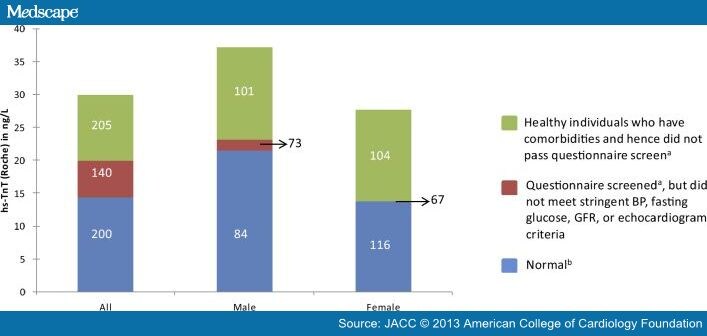
  2. Defining Uniform Criteria for Reference Populations
  3. Discriminating Between Acute and Nonacute Causes of hs-cTn Elevations
  4. Distinguishing Between Type 1 and Type 2 AMI
  5. Analytical Imprecision in Cardiac Troponin Assays
  6. Ruling Out AMI
  7. Investigating the Causes of Positive Troponin Values in Non-AMI Patients
  8. Risk Stratifying Patients With Nonacute Coronary Syndrome Conditions
  9. Conclusions

Abstract

It is only a matter of time before the use of high-sensitivity cardiac
troponin assays (hs-cTn) becomes common throughout the United
States. In preparation  for this inevitability, this article raises a number
of important issues regarding  these assays that deserve consideration.

These include: the need for

  • the adoption  of a universal nomenclature; the importance
  • of defining uniform criteria for reference populations;
  • the challenge of discriminating between acute and nonacute
    causes of hs-cTn elevations, and
  • between type 1 and type 2 acute myocardial infarction (AMI);

factors influencing the analytical precision of hs-cTn;

  • ascertaining the optimal duration  of the rule-out period for AMI;
  • the need for further evaluation to determine the causes
    of a positive hs-cTn in non-AMI patients; and
  • the use of hs-cTn to risk-stratify patients with disease conditions
    other than AMI.

This review elaborates on these critical issues  as a means of
educating clinicians and researchers about them.

Introduction

Recently, clinicians have begun to use the recommended cut-off values
for current generation cardiac troponin (cTn) assays:

  • the 99th percentile upper reference limit (URL).

Previously, there was reluctance to use these cut-off values because

  • of  cTn elevations from non-acute ischemic heart disease conditions.

Thus, there was a tendency to use cut-off values for troponin that equated with the

  • prior gold standard diagnosis developed with less sensitive markers
    • creatinine kinase-MB isoenzyme (CK-MB) or
    • the lowest value at which assay achieved a 10%
      coefficient of variation (CV),

which would reduce false-positive elevations (without plaque rupture).

The use of the 99th percentile URL increases the ability of these assays to detect both

  •   acute myocardial infarction (AMI) and
  •   structural cardiac morbidities.[1]

This change in practice should not be confused with

  •   newer-generation high-sensitivity assays.

Improvements in the analytic performance of cTn assays have resulted in

  •   superior sensitivity and precision.

Improved sensitivity occurs because of

  •   more sensitive antigen binding and detection antibodies,
  •   increases in the concentration of the detection probes on the tag antibodies,
  •   increases in sample volume, and buffer optimization.[2]

Assays now are able to measure

  •   10-fold lower concentrations with high precision

(a CV <10% at the 99th percentile  of the URL).

The high-sensitivity cardiac troponin T (hs-cTnT) assay is already in clinical use
throughout most of the world. It is only a matter of time before high- sensitivity
assays are approved for use in the United States. In preparation for this, as well as

  •   using the 99th percentile URL with contemporary assays,

there are a number of important issues that deserve consideration. Key concepts are included in (Table 1).

Table 1: Key ConceptsThere is a need to develop a universal nomenclature for troponin assays.There is a need for uniform criteria for selecting reference populations.The optimal delta criteria for distinguishing between acute and chronic cardiac injury remain unclear and are likely to be assay-specific.Distinguishing between type 1 and type 2 AMI is challenging, and
more type 2 AMIs will be detected with hsTn assays.Factors affecting the analytical precision of troponin assays (including how we collect samples) will become more important with the use of hs-cTn assays.The optimal duration for ruling out AMI remains unclear;

  • novel approaches to this issue are being developed.

Elevated hs-cTn, regardless of the cause, has important

  • prognostic implications and deserves additional evaluation; 

Many cases of chronic elevations can be evaluated in an outpatient setting.

Hs-cTn can be used to

  • risk-stratify patients with non-ACS cardiovascular comorbidities.

Need for a Universally Accepted Nomenclature

The literature is replete with terms used to refer to cTn assays.
We advocate the use of the term “high-sensitivity cardiac troponin assays”  (hs-cTn) for

  • cTn assays that v   measure cardiac troponin values in
  • in  at least 50% of a reference population.[2,3]

This policy has now been embraced by the journal Clinical Chemistry. High-sensitivity
assays can be further categorized as well (Table 2) with respect to generations of cTn.

Table 2.  Classification of High-Sensitivity Cardiac Troponin Assays 

Category

Description

First Generation                                   Able to measure cTn in
50%–75% of                                       a reference population
Second Generation                              Able to measure cTn in
75%–95% of                                       a reference population
Third Generation                                 Able to measure cTn in
> 95%                                               a reference population
Adapted from Apple and Collinson (3)
  • Ideally, assays should have a CV of <10% at the 99th percentile value.

Assays that do not achieve this level are less sensitive which protects against
false-positive results, and they can be used.[4]

Defining Uniform Criteria for Reference Populations
There is a lack of consistency in the types and numbers of subjects that constitute a reference
population.[2] Often, participants are included after simple screening by check list but without a

  • physical examination,
  • electrocardiogram, or
  • laboratory testing.

At other times, a

  • normal creatinine and/or a normal natriuretic peptide value is required.
  • Imaging to detect structural heart disease is rarely used. 

Because it is known that

  • gender,
  • age,
  • race,
  • renal function,
  • heart failure, and
  • structural heart disease, including
  • increased left ventricular (LV) mass

are associated with increased cTn concentrations,[5,6,7] An assay’s 99th percentile value depends on the composition of the reference group. Thus, the more criteria used, the lower the reference values (Figure 1).[5]

http://img.medscape.com/article/803/159/803159-fig1.jpg

Have no history of

  • vascular disease or diabetes, and
  • not taking cardioactive drugs,
    • based on questionnaire.
Normal defined as those individuals who had
  • no history of vascular or cardiovascular disease,
  • diabetes mellitus,
  • hypertension, or
  • heavy alcohol intake and who were
  • receiving no cardiac medication AND
  • had blood pressure ≤140/90 mmHg;
  • fasting glucose  <110 mg/dL;
  • eGFR >60mL/min;
  • LVEF > 50%; normal lung function; and no significant
  • valvular heart disease,
  • LVH,
  • diastolic HF, or
  • regional wall-motion abnormalities on ECHO.

The appropriate reference value to use clinically also is far from a settled issue.
It might be argued that

  • using a higher 99th percentile value for the elderly
  • allows comparison of the patient to his or her peers, but

in raising the cut-off value, if the increases are caused by comorbidities,

  • those who are particularly healthy will be disadvantaged.[8]

Gender and ethnicity are not comorbidities, and we would urge that those should be taken into account.
Regardless of the assay, there will need to be

  • 99th percentile values for men that are different for women.[2]

The reference population for assay validation studies should ideally be based on  –
demographic characteristics that mirror the U.S. population and include subjects whose

  • blood pressure,
  • serum glucose, and
  • creatinine and
  • natriuretic peptide values are
  • within the normal reference range and
  • who take no cardiac  medications.

These subjects should be

  • free from structural heart disease,
  • documented by echocardiography,
  • cardiac magnetic resonance imaging (MRI) or
  • computed tomography (CT) angiography.

Meeting these criteria will be a major challenge, especially for older individuals.
A conjoint pool of samples collected with manufacturers’ support so that all methods were derived from an

  • identical patient population for their reference ranges would be ideal.

[However, the method of collection and possible freeze-thaw effects is unavoidable].

One large national effort might be advantageous over multiple efforts.

 Discriminating Between Acute and Nonacute Causes of hs-cTn Elevations

With the ability to precisely measure small concentrations of cTn,

  • clinicians will be faced with the challenge of distinguishing patients
    • who have acute problems from those with chronic elevations from other causes.

Using the fourth-generation cTnT assay, approximately 0.7% of patients in
the general population have modest elevations >99th percentile URL.[11]

In the same population, this number was 2% with the hs-cTnT assay.[6]  Only

  • half of them had documentation (even with imaging) of cardiac abnormalities.

If the prevalence of a positive cTnT is 2% in the general population,

  • it will likely be 10% or 20% in the emergency department (ED)
  • and even higher in hospitalized patients, as
  • these patients often have cardiac comorbidities.

Measurement of changes in hs-cTn over time (δ hs-cTn)

  • improves the specificity of hs-cTn for the diagnosis of acute cardiac injury.[12,13]

However, it does so at the cost of sensitivity. With contemporary assays, differences

  • in analytical variation have been used to define an increasing pattern.

At elevated values, CV for most assays is in the range of 5% to 7%, so

  • a change of 20% ensures that a given change is not caused

by analytical variation alone.[10]

At values near the 99th percentile URL, higher change values are necessary.[13]  The situation with hs-cTn assays is much more complex, as follows:

1. Change criteria are unique for each assay.
2. It will be easy to misclassify patients with coronary artery disease who may present with a noncardiac cause of chest pain

  • but have elevated values.

They could be having unstable ischemia or elevations caused by structural cardiac abnormalities and noncardiac discomfort.

If hs-cTn is rising significantly, the issue is easy but

  • if the values are not rising, a diagnosis of AMI still might be made.
  • If so, some patients may be included as having AMI without a changing pattern.
  • This occurred in 14% patients studied by Hammarsten et al.[14]

If patients with elevated hs-cTn without a changing pattern are not called AMI,

  • should they be called patients with “unstable angina and cardiac injury” or patients with structural heart disease and noncardiac chest pain?

Perhaps both exist?

3. The release of biomarkers is flow-dependent.Thus, there may not always be rapid access to the circulation. An area of injury distal to a totally occluded vessel (when collateral channels close) may be different in terms of the dynAMIcs of

  • hs-cTn change than an intermittently occluded coronary artery.
4. Conjoint biological and analytical variation can be measured.

  • They are assay-dependent, and the reference change values range from 35% to 85%.[2]

The use of criteria less than that (which may be what is needed clinically) will thus
likely include individuals with changes caused by

  • conjoint biological and analytical variation alone.

This has been shown to be the case in

  • many patients with nonacute cardiovascular diagnoses.[14,15]
5. Most evaluations have attempted to define the optimal delta, often with receiver operator curve analysis. Such an approach is based on the concept that sensitivity and specificity deserve equivalent weight.[But higher deltas improve specificity more and lower ones improve sensitivity and it is not clear that all physicians want the same tradeoffs in this regard.]ED physicians often prefer high-sensitivity so that their miss rate is low (<1%),[16] whereas hospital clinicians want increased specificity. This tension will need to be addressed in defining the optimal delta.
6. The delta associated with AMI may be different from that associated with other cardiac injury.[14] In addition, women have less marked elevations of cTn in response to coronary artery disease[17] and in earlier studies were less apt to have elevated values.[18] Given their pathology is at times different,

  • it may be that different metrics may be necessary based on gender
7. Some groups have assumed that if a change is of a given magnitude over 6 hours, it can be divided by 6 and the 1-h values can be used.

  • This approach is not data driven, and biomarker release is more likely to be discontinuous rather than continuous.[19]

In addition, the values obtained with this approach are too small to be distinguished from a lack of change with most assays.

These issues pose a major challenge even for defining the ideal delta change value and provide the reasons why

  • the use of this approach will reduce sensitivity[20,21] (Figure 2).

http://img.medscape.com/article/803/159/803159-fig2.jpg

Defining the Optimal Delta: Tension Between Sensitivity and Specificity

There is a reciprocal relationship between sensitivity and specificity. With marked percentage changes,

  • specificity is improved at the expense of sensitivity, and
  • at lower values, the opposite occurs.

In addition, there is controversy in regard to the metrics that should be used with high-sensitivity assays.
The Australian-New Zealand group proposed

  • a 50% change for hs-cTnT for values below 53 ng/l and
  • a 20% change above that value.[22]
  • The 20% change is much less than conjoint biological and analytical variation.

A number of publications have suggested the superiority of

  • absolute δ cTn compared to relative δ cTn in discriminating between AMI and non-AMI causes of elevated cTn.[23,24,25]
  • The utility of the absolute or relative δ cTn appears to depend on the initial cTn concentration, and
  • the major benefit may be at higher values.[23]

A recent publication by Apple et al.[26] calculates deltas in several different ways with a contemporary assay and

  • provides a template for how to do such studies optimally.[26]

If all studies were carried out in a similar fashion, it would help immensely. In the long run, institutions will need to
define the approach they wish to take. We believe this discussion is a critical one and should include

  • laboratory,
  • ED, and
  • cardiology professionals.

Distinguishing Between Type 1 and Type 2 AMI

Although δ cTn is helpful in distinguishing between AMI and nonacute causes of Tn release,

  • it may or may not be useful in discerning type 1 from type 2 AMI.

As assay sensitivity increases, it appears that the frequency of type 2 AMI increases.
Making this distinction is not easy.

Type 1 AMI is caused by a primary coronary event, usually plaque rupture.

  • It is managed acutely with aggressive anticoagulation and
  • revascularization (percutaneous coronary intervention or coronary artery bypass).[10]

Type 2 AMI typically evolves secondary to ischemia from an oxygen demand/supply mismatch

  • severe tachycardia and
  • hypo- or hypertension and the like,
  • with or without a coronary abnormality.

These events usually are treated by addressing the underlying abnormalities.

They are particularly common in patients who are

  • critically ill and those who
  • are postoperative.[27]

However, autopsy studies from patients with postoperative AMI often manifest plaque rupture.[28]
Thus, the more important events, even if less common, may be type 1 AMIs. Type 2 events
seem more common in women,  who tend to have

  • more endothelial dysfunction,
  • more plaque erosion, and
  • less fixed coronary artery disease.[28-30]

Additional studies are needed to determine how best to make this clinical distinction.
For now, clinical judgment is recommended.

Analytical Imprecision in Cardiac Troponin Assays

All analytical problems will be more critical with hs-cTn assays. Cardiac troponin I (cTnI) and cardiac troponin T (cTnT) are measured using enzyme linked immune- sorbent assays.

  •   quantification of hs-cTn can be influenced by interference by reagent antibodies to analyte (cTn), leading to false- positive or negative results.[31]
  •   Autoantibodies to cTnI or cTnT are found in 5% to 20% of individuals and can reduce detection of cTn.[32,33]
  •   Additionally, fetal cTn isoforms can be re-expressed in diseased skeletal muscle and detected by the cTnT assays, resulting in false-positive values.[34]

Several strategies, including the use of

  •   blocking reagents,
  •  assay redesign, and use of
  •  antibody fragments,

have been used to reduce interference.[35–36]

There are differences in measured cTn values based on specimen type (serum versus heparinized plasma versus EDTA plasma).
In addition, hemolysis may affect the accuracy of cTn measurement,[37] and with blood draws from peripheral IV lines, common in ICU.

Ruling Out AMI

Studies evaluating the diagnostic performance of hs-cTn assays for the early diagnosis of AMI usually define AMI on

  • the basis of a rising and/or falling pattern of current generation cTn values.[21,38]

However, defining AMI on the basis of the less sensitive current generation assay results in an underestimation of the true prevalence of AMI and

  • an overestimation of negative predictive value of the experimental assay.
  • shortens the time it takes to rule in all the AMIs and
  • to definitively exclude AMI as it
  • ignores the new AMIs more sensitively detected by the hs-cTn assay.

Thus, in the study by Hammarsten et al.,[14]

  • the time to exclude all AMIs was 8.5 hours when all of the AMIs detected
    with the high-sensitivity assay were included, whereas
  • others that do not include these additional events report this can be done
    in 3 to 4 hours.[21,29,38]

In our view, Hammarsten is correct.

This does not mean that hs-cTn cannot help in excluding AMI. Body et al.[39] reported that patients who present with undetectable values (less than the LOB of the hs-cTnT assay) were unlikely to have adverse events during follow-up. If that group of patients is added to those who present later than 6 hours, then perhaps a significant proportion of patients


  • with possible acute coronary syndrome (ACS) could
  • have that diagnosis excluded with the initial value.[40]
    • studies need to continue to evaluate cTn values for at least 6 h
      to define the frequency of additional AMIs detected in that manner.

Using follow-up evaluations of patients with small event rates

  • who are likely to have additional care during the follow-up period are likely to be underpowered.

It may be that better initial risk stratification may help with this, as recently reported.[16,41]
Low-risk patients who have good follow-up after an ED visit

  • may be a group that can be released as early as 2 h after presentation.[16]

Investigating the Causes of Positive Troponin Values in Non-AMI Patients

Elevated Tn values (including those obtained with high-sensitivity assays) are associated with

  • a 2-fold higher risk for longer-term all-cause mortality and
  • cardiovascular death than a negative troponin values.[6,42-44]

This association is dose-dependent.

  • If values are rising, they are indicative of acute cardiac injury.

Those patients should be admitted because the risk is often short-term. However,

  • if the values are stable, assuming the timing of any acute event would
    allow detection of a changing pattern,
  • the risk, although substantive, in our view, often plays out in the longer term.[44]
  • Many of these individuals, assuming they are doing well clinically, can be
    evaluated outside of the hospital, in our view.
  • However, because such elevations are an indicator of a subclinical
    cardiovascular injury,  such evaluations should be early and aggressive.

Data from several studies suggest that there may well be risk far below the 99th percentile URL value.
Thus, it may evolve that patients in the upper ranges of the normal range also require some degree of cardiovascular evaluation.

Risk Stratifying Patients With Nonacute Coronary Syndrome
Conditions

Patients who have a rising pattern of values have a higher risk of mortality than those with negative values regardless of the cause.
Investigations are ongoing to determine how well results from hs-cTn testing help to risk-stratify patients with

  • pulmonary embolism,[45]
  • congestive heart failure,[46]
  • sepsis,[47]
  • hypertensive emergency,[48] and
  • chronic obstructive pulmonary disease.[49]

Presently, the studies suggest that cTn values classify patients into clinically relevant  risk subgroups. Studies are needed

  • to evaluate the incremental prognostic benefit of hs-cTn.

Conclusions

Routine use of hs-cTn assays in the United States is inevitable. These assays hold
the promise of

  • improving the sensitivity of AMI diagnoses,
  • shortening the duration of AMI evaluation and
  • improving the risk stratification of other noncardiac diagnoses.

However, to be able to fully realize their potential, additional studies are needed to address the

  • knowledge gaps we have identified. In the interim, clinicians need to
    • learn how to use the 99th% URL and
    • the concept of changing values

John Adan, MD, FACC

In 2008 CMS commissioned Yale University to analyze 30 days mortality after myocardial infarction in their hospitals.

The study has been based on review of medical records. Consensus criteria for diagnosis of myocardial infarction include

  • clinical symptoms,
  • EKG,
  • troponins,
  • CK MB,
  • ECHO,
  • cath,
  • histopathology, etc.

How the reviewed hospitals performed diagnostic coding is unknown. In clinical practice we are bombarded by consults

  • for elevated troponins due to causes other than myocardial infarction, like
    • pneumonia,
    • accelerated hypertension,
    • arrhythmias,
    • renal failure, etc.

The metric started out over 19%. Now it is below 15%, on average.

CT Angiography (CCTA) Reduced Medical Resource Utilization compared to Standard Care reported in JACC
Aviva Lev-Ari, PhD, RN
http://pharmaceuticalintelligence.com/2013/05/16/ct-angiography-ccta-reduced-medical-resource-utilization-compared-
to-standard-care-reported-in-jacc/?goback=%2Egde_4346921_member_241569351

typical changes in CK-MB and cardiac troponin ...

typical changes in CK-MB and cardiac troponin in Acute Myocardial Infarction (Photo credit: Wikipedia)

Phosphotungstic acid-haematoxylin staining dem...

Phosphotungstic acid-haematoxylin staining demonstrating contraction band necrosis in an individual that had a myocardial infarction (heart attack). (Photo credit: Wikipedia)

English: Troponin(SVG Version) 日本語: トロポニン(SVG修正版)

English: Troponin(SVG Version) 日本語: トロポニン(SVG修正版) (Photo credit: Wikipedia)

Read Full Post »

Importance of Omega-3 Fatty Acids in Reducing Cardiovascular Disease

Reporter and Curator: Dr. Sudipta Saha, Ph.D.


UPDATED on 7/24/2018

Omega-3 fats Supplements Effect on Cardiovascular Health: EPA and DHA has little or no effect on Mortality or Cardiovascular Health

Reporter: Aviva Lev-Ari, PhD, RN

https://pharmaceuticalintelligence.com/2018/07/24/omega-3-fats-supplements-effect-on-cardiovascular-health-epa-and-dha-has-little-or-no-effect-on-mortality-or-cardiovascular-health/


The available evidence for cardiovascular effects of n-3 polyunsaturated fatty acid (PUFA) consumption has been reviewed here, focusing on long chain (seafood) n-3 PUFA, including their principal dietary sources, effects on physiological risk factors, potential molecular pathways and bioactive metabolites, effects on specific clinical endpoints, and existing dietary guidelines. Major dietary sources include fatty fish and other seafood. n-3 PUFA consumption lowers plasma triglycerides, resting heart rate, and blood pressure and might also improve myocardial filling and efficiency, lower inflammation, and improve vascular function. Experimental studies demonstrate direct anti-arrhythmic effects, which have been challenging to document in humans. n-3 PUFA affect a myriad of molecular pathways, including alteration of physical and chemical properties of cellular membranes, direct interaction with and modulation of membrane channels and proteins, regulation of gene expression via nuclear receptors and transcription factors, changes in eicosanoid profiles, and conversion of n-3 PUFA to bioactive metabolites. In prospective observational studies and adequately powered randomized clinical trials, benefits of n-3 PUFA seem most consistent for coronary heart disease mortality and sudden cardiac death. Potential effects on other cardiovascular outcomes are less-well-established, including conflicting evidence from observational studies and/or randomized trials for effects on nonfatal myocardial infarction, ischemic stroke, atrial fibrillation, recurrent ventricular arrhythmias, and heart failure. Research gaps include the relative importance of different physiological and molecular mechanisms, precise dose-responses of physiological and clinical effects, whether fish oil provides all the benefits of fish consumption, and clinical effects of plant-derived n-3 PUFA. Overall, current data provide strong concordant evidence that n-3 PUFA are bioactive compounds that reduce risk of cardiac death. National and international guidelines have converged on consistent recommendations for the general population to consume at least 250 mg/day of long-chain n-3 PUFA or at least 2 servings / week of oily fish.

Source References:

http://content.onlinejacc.org/article.aspx?articleid=1146941

http://www.ncbi.nlm.nih.gov/pubmed/17047219

http://www.ncbi.nlm.nih.gov/pubmed/18614744

http://www.ncbi.nlm.nih.gov/pubmed/19364995

http://www.ncbi.nlm.nih.gov/pubmed/16172267

Other articles related to this topic were published on this Open Access Online Scientific Journal, including the following:

Reversal of Cardiac mitochondrial dysfunction

Larry H Bernstein, MD, FACP, RN 04/14/2013

http://pharmaceuticalintelligence.com/2013/04/14/reversal-of-cardiac-mitochondrial-dysfunction/

Can resolvins suppress acute lung injury?

Larry H Bernstein, MD, FACB, RN 03/06/2013

http://pharmaceuticalintelligence.com/2013/03/06/can-resolvins-suppress-acute-lung-injury/

Calcium (Ca) supplementation (>1400 mg/day): Higher Death Rates from all Causes and Cardiovascular Disease in Women

Aviva Lev-Ari, PhD., RN 02/19/2013

http://pharmaceuticalintelligence.com/2013/02/19/calcium-ca-supplementation-1400-mgday-higher-death-rates-from-all-causes-and-cardiovascular-disease-in-women/

Endothelial Function and Cardiovascular Disease

Larry H Bernstein, MD, FCAP, Pathologist, Contributor, RN 10/25/2012

http://pharmaceuticalintelligence.com/2012/10/25/endothelial-function-and-cardiovascular-disease/

Mediterranean Diet is BEST for patients with established Heart Disorders

Aviva Lev-Ari, PhD, RN 10/15/2012

http://pharmaceuticalintelligence.com/2012/10/15/mediterranean-diet-is-best-for-patients-with-established-heart-disorders/

Read Full Post »

Revascularization: PCI, Prior History of PCI vs CABG

Curator: Aviva Lev-Ari, PhD, RN


UPDATED 9/25/2013

Table. Comparison of Surgical Therapy and Coronary Angioplasty (Open Table in a new window)

Endpoint Pocock et al* Pocock et al BARI Study
CABG(N=358) PTCA(N=374) CABG(N=1303) PTCA(N=1336) CABG(N=914) PTCA(N=915)
Death (%) 0.3 1.9 2.8 3.1 10.7 13.7
Death or MI 4.5 7.2 8.5 8.1 11.7 10.9
Repeat CABG 1.4 16.0§ 0.8 18.3§ 0.7 20.5§
Repeat CABG or PTCA 3.6 30.5§ 3.2 34.5§ 8.0 54.0§
More than mild angina 6.5 14.6§ 12.1 17.8§
*Meta-analysis of results of 3 trials at 1 year. Patients with single-vessel disease were studied.[22] †Meta-analysis of results of 3 trials at 1 year. Patients with multivessel disease were studied.[22] 

‡Reported results are for 5-year follow-up. Patients with multivessel disease were studied.[21] 

§ P < .05.

BARI = Bypass Angioplasty Revascularization Investigation; CABG = coronary artery bypass grafting; MI = myocardial infarction; PTCA = percutaneous transluminal coronary angioplasty.

SOURCE

http://emedicine.medscape.com/article/161446-overview#aw2aab6b2b5

Percutaneous coronary intervention (PCI), also known as coronary angioplasty, is a nonsurgical technique for treating multiple conditions, including unstable angina, acute myocardial infarction (MI), and multivessel coronary artery disease (CAD).

Essential update: Cangrelor decreases periprocedural complications of PCI

According to a pooled analysis of 3 CHAMPION trials—CHAMPION-PCI , CHAMPION-PLATFORM , and CHAMPION-PHOENIX—cangrelor can reduce the risk of periprocedural thrombotic complications of PCI.[1, 2, 3] The 3 trials included patients with ST-elevation MI (STEMI), non-STEMI, and stable CAD who were randomly assigned to receive either cangrelor or control therapy consisting of either clopidogrel or placebo.

The primary outcome in this analysis was a composite of death, MI, ischemia-driven revascularization, or stent thrombosis at 48 hours.[2] The frequency of this outcome was significantly lower in cangrelor-treated patients than in control subjects (absolute difference, 1.9%; relative risk reduction [RRR], 19%). Stent thrombosis was also reduced in the cangrelor-treated group (absolute difference, 0.3%; RRR, 41%). Primary safety outcomes were comparable in the 2 groups, but cangrelor-treated patients had a higher rate of mild bleeding.

Indications and contraindications

Clinical indications for PCI include the following:

In an asymptomatic or mildly symptomatic patient, objective evidence of a moderate-sized to large area of viable myocardium or moderate to severe ischemia on noninvasive testing is an indication for PCI. Angiographic indications include hemodynamically significant lesions in vessels serving viable myocardium (vessel diameter >1.5 mm).

Clinical contraindications for PCI include the presence of any significant comorbid conditions (this is a relative contraindication). Angiographic contraindications include the following:

  • Left main stenosis in a patient who is a surgical candidate (except in carefully selected patients[4] )
  • Diffusely diseased small-caliber artery or vein graft
  • Other coronary anatomy not amenable to PCI

In patients with stable angina, medical therapy is recommended as first-line therapy unless one or more of the following indications for cardiac catheterization and PCI or CABG are present:

  • A change in symptom severity
  • Failed medical therapy
  • High-risk coronary anatomy
  • Worsening left ventricular (LV) dysfunction

American College of Cardiology Foundation/American Heart Association (ACCF/AHA) guidelines on the management of unstable angina/non-STEMI recommend that an early invasive approach (angiography and revascularization within 24 hours) should be used to treat patients presenting with the following high-risk features[5] :

  • Recurrent angina at rest or low level of activity
  • Elevated cardiac biomarkers
  • PCI in the past 6 months or prior CABG
  • New ST-segment depression
  • Elevated cardiac biomarkers
  • High-risk findings on noninvasive testing
  • Signs or symptoms of heart failure or new or worsening mitral regurgitation
  • Hemodynamic instability
  • Sustained ventricular tachycardia
  • LV systolic function < 40%
  • High risk score (eg, Thrombolysis in Myocardial Infarction [TIMI] score >2) (see the TIMI Score for Unstable Angina Non ST Elevation Myocardial Infarction calculator)

See Overview for more detail.

Equipment

Balloon catheters for PCI have the following features:

  • A steerable guide wire precedes the balloon into the artery and permits navigation through the coronary tree
  • Inflation of the balloon compresses and axially redistributes atheromatous plaque and stretches the vessel wall
  • The balloon catheter also serves as an adjunctive device for many other interventional therapies

Atherectomy devices have the following features:

  • These devices are designed to physically remove coronary atheroma, calcium, and excess cellular material
  • Rotational atherectomy, which relies on plaque abrasion and pulverization, is used mostly for fibrotic or heavily calcified lesions that can be wired but not crossed or dilated by a balloon catheter
  • Atherectomy devices may be used to facilitate stent delivery in complex lesions
  • Directional coronary atherectomy (DCA) has been used to debulk coronary plaques
  • Laser atherectomy is not widely used at present
  • Atherectomy is typically followed by balloon dilation and stenting

Intracoronary stents have the following features:

  • Stents differ with respect to composition (eg, stainless steel, cobalt chromium, or nickel chromium), architectural design, and delivery system
  • Drug-eluting stents have demonstrated significant reductions in restenosis and target-lesion revascularization rates
  • In the United States, stents are available that elute the following drugs: sirolimus (Cypher), paclitaxel (Taxus), zotarolimus (Endeavor), and everolimus (Xience V)
  • Stents are conventionally placed after balloon predilation, but in selected coronary lesions, direct stenting may lead to better outcomes

Other devices used for PCI include the following:

  • Thrombus aspiration limits the adverse effects that prolonged time to treatment has on myocardial reperfusion[6]
  • Distal embolic protection during saphenous vein graft intervention has become the standard of care

See Periprocedural Care and Devices for more detail.

Technique

Intravascular ultrasonography (IVUS) is used in PCI as follows:

  • Provide information about the plaque, the vessel wall, and the degree of luminal narrowing
  • Assessment of indeterminate lesions
  • Evaluation of adequate stent deployment

Intracoronary Doppler pressure wires are used in PCI as follows:

  • To characterize coronary lesion physiology and estimate lesion severity
  • Comparison of pressure distal to a lesion with aortic pressure enables determination of fractional flow reserve (FFR)
  • An FFR measurement below 0.75-0.80 during maximal hyperemia (induced via administration of adenosine) is consistent with a hemodynamically significant lesion

Antithrombotic therapy

  • Aspirin and heparin have been the traditional adjunctive medical therapies
  • Direct thrombin inhibitors (ie, hirudin, bivalirudin) are slightly better than heparin in preventing ischemic complications during balloon angioplasty but do not affect restenosis rates
  • Low-molecular-weight heparins (LMWHs) are substituted for standard heparin at some centers

Antiplatelet therapy

Patients receiving stents are treated with a combination of aspirin and clopidogrel. Duration of therapy is as follows:

  • Bare-metal stents: A minimum of 4 weeks
  • Drug-eluting stents: A minimum of 12 months

Use of proton pump inhibitors is appropriate in patients with multiple risk factors for GI bleeding who require antiplatelet therapy.

Glycoprotein inhibitor therapy

  • Abciximab, tirofiban, and eptifibatide have all been shown to reduce ischemic complications in patients undergoing balloon angioplasty and coronary stenting
  • In primary PCI, GPIIb/IIIa receptor inhibitors have also been shown to improve flow and perfusion and to reduce adverse events
  • Abciximab may improve outcomes in patients when given before arrival in the catheterization lab for primary PCI[7]

See Technique and Medication for more detail.

SOURCE & References for the UPDATE, in

http://emedicine.medscape.com/article/161446-overview#aw2aab6b2b5

Outcomes comparison between PCI and CABG was explored in the past by authors on this Open Access Online Scientific Journal, in the following articles:

CABG or PCI: Patients with Diabetes – CABG Rein Supreme

http://pharmaceuticalintelligence.com/2012/11/05/cabg-or-pci-patients-with-diabetes-cabg-rein-supreme/

To Stent or Not? A Critical Decision

http://pharmaceuticalintelligence.com/2012/10/23/to-stent-or-not-a-critical-decision/

PCI Outcomes, Increased Ischemic Risk associated with Elevated Plasma Fibrinogen not Platelet Reactivity

http://pharmaceuticalintelligence.com/2013/01/10/pci-outcomes-increased-ischemic-risk-associated-with-elevated-plasma-fibrinogen-not-platelet-reactivity/

New Definition of MI Unveiled, Fractional Flow Reserve (FFR)CT for Tagging Ischemia

http://pharmaceuticalintelligence.com/2012/08/27/new-definition-of-mi-unveiled-fractional-flow-reserve-ffrct-for-tagging-ischemia/

Age-Dependent Depression in Circulating Endothelial Progenitor Cells in Coronary Artery Bypass Grafting Patients

http://pharmaceuticalintelligence.com/2012/08/17/age-dependent-depression-in-circulating-endothelial-progenitor-cells-in-coronary-artery-bypass-grafting-patients/

Now we are reporting  an Original Contribution on this subject which includes also Prior History of PCI, a factor NOT included in the other studies. The major conclusions are the following three:

  1. In a contemporary cohort of STEMI patients undergoing primary PCI, a history of prior CABG was found to be an independent predictor of in-hospital mortality.
  2. In contrast, despite more comorbidities at the time of STEMI, patients with prior PCI had no significant difference in the rates of death, stroke, or periprocedural MI when compared to a STEMI population without prior coronary revascularization.
  3. Thus, only prior surgical — and not percutaneousrevascularization should be considered a significant risk factor in the setting of primary PCI.

Number 1, above is related to patient medical history of cardiovascular disease SEVERITY prior to CABG

Number 2, above indicates that patients can tolerate and benefit several cycles of PCI and stent implantation rather than PCI being a determinant predictor of future prognosis

Number 3, above is as well related to patient medical history of cardiovascular disease SEVERITY prior to CABG

The Original Contribution on this subject is present, below.

The Impact of Previous Revascularization on Clinical Outcomes in Patients Undergoing Primary Percutaneous Coronary Intervention

Travis J. Bench, MD1, Puja B. Parikh, MD1, Allen Jeremias, MD1, Sorin J. Brener, MD2, Srihari S. Naidu, MD3,

Richard A. Shlofmitz, MD4, Thomas Pappas, MD4, Kevin P. Marzo, MD3, Luis Gruberg, MD1

Authors Affiliations:

1Division of Cardiovascular Medicine, Stony Brook University Medical Center, Stony Brook, New York,

2Department of Cardiology, Methodist Hospital, Brooklyn, New York,

3Division of Cardiology, Winthrop University Hospital, Mineola,

New York, and

4The Heart Center, St Francis Hospital, Roslyn, New York.

The authors report no conflicts of interest regarding the content herein.

Manuscript submitted October 10, 2012, provisional acceptance given October 20, 2012, final version accepted November 28, 2012.

Address for correspondence: 

Luis Gruberg, MD, FACC, Department of Medicine, Division of Cardiology, Health Sciences Center, T16-080, Stony Brook, NY 11794- 8160. Email: luis.gruberg@stonybrook.edu


Abstract : While the impact of prior coronary artery bypass graft surgery (CABG) on in-hospital outcomes in patients with STelevation myocardial infarction (STEMI) has been described, data are limited on patients with prior percutaneous coronary intervention (PCI) undergoing primary PCI in the setting of an STEMI. The aim of the present study was to assess the effect of previous revascularization on in-hospital outcomes in STEMI patients undergoing primary PCI. Between January 2004 and December 2007, a total of 1649 patients underwent primary PCI for STEMI at four New York State hospitals. Baseline clinical and angiographic characteristics and in-hospital outcomes were prospectively collected as part of the New York State PCI Reporting System (PCIRS). Patients with prior surgical or percutaneous coronary revascularization were compared to those without prior coronary revascularization. Of the 1649 patients presenting with STEMI, a total of 93 (5.6%) had prior CABG, 258 (15.7%) had prior PCI, and 1298 (78.7%) had no history of prior coronary revascularization. Patients with prior CABG were significantly older and had higher rates of peripheral vascular disease, diabetes mellitus, congestive heart failure, and prior stroke. Additionally, compared with those patients with a history of prior PCI as well as those without prior coronary revascularization, patients with previous CABG had more left main interventions (24% vs 2% and 2%; P<.001), but were less often treated with drug-eluting stents (47% vs 61% and 72%; P<.001).

Despite a low incidence of adverse in-hospital events, prior CABG was associated with higher all-cause in-hospital mortality (6.5% vs 2.2%; P=.012), and as a result, higher overall MACE (6.5% vs 2.7%; P=.039). By multivariate analysis, prior CABG (odds ratio, 3.40; 95% confidence interval, 1.15-10.00) was independently associated with in-hospital mortality. In contrast, patients with prior PCI had similar rates of MACE (4.3% vs 2.7%; P=.18) and inhospital mortality (3.1% vs 2.2%; P=.4) when compared to the de novo population. Patients with a prior history of CABG, but not prior PCI, undergoing primary PCI in the setting of STEMI have significantly worse in-hospital outcomes when compared with patients who had no prior history of coronary artery revascularization. Thus, only prior surgical — and not percutaneous — revascularization should be considered a significant risk factor in the setting of primary PCI.

J INVASIVE CARDIOL 2013;25(4):166-169

Key words: PCI risk factor, CABG

Demographics and Angiographic Characteristics

Between 2004 and 2007, a total of 25,025 patients underwent PCI at these medical institutions, and their data were prospectively collected and submitted as required by the New York State Department of Health. Of these patients, a total of 1649 underwent primary PCI in the setting of an STEMI and constituted our study population. In this group, a total

No Prior Revascularization (n = 1298)

Prior PCI (n = 258)

Prior CABG (n = 93)

Demographics

Age (years) 61 ± 13 62 ± 12 67 ± 12 <.001

Male gender 956 (73.6%) 194 (75.2%) 76 (81.7%) .21

White 1165 (89.8%) 231 (89.5%) 87 (93.5%) .51

African-American 78 (6%) 18 (7%) 1 (1.1%) .51

Hispanic 91 (7%) 11 (4.3%) 4 (4.3%) .51

Medical history

Ejection fraction (%) 43 ± 12 44 ± 13 45 ± 11 .079

Diabetes mellitus 196 (15.1%) 69 (26.7%) 27 (29%) <.001

Peripheral vascular disease 53 (4.1%) 25 (9.7%) 12 (12.9%) <.001

Chronic lung disease 47 (3.6%) 17 (6.6%) 4 (4.3%) .09

Congestive heart failure 74 (5.7%) 25 (9.7%) 10 (10.8%) .02

Prior myocardial infarction 3 (0.2%) 1 (0.4%) 1 (1.1%) .35

Prior cerebrovascular event 56 (4.3%) 9 (3.5%) 10 (11%) .01

Chronic dialysis 6 (0.5%) 6 (2.3%) 0 (0%) .004

Creatinine (mg/dL) 1.1 ± 0.8 1.3 ± 1.4 1.3 ± 1.1 .002

Glomerular filtration rate (mL/min/1.73 m2) 79 ± 26 75 ± 28 71 ± 27 .002

Angiographic characteristics

Left main 19 (1.5%) 5 (1.9%) 22 (23.7%) <.001

Left anterior descending 942 (72.6%) 178 (69%) 69 (74.2%) .45

Left circumflex 579 (44.6%) 122 (47.3%) 70 (75.3%) <.001

Right coronary 806 (62.1%) 187 (72.5%) 67 (72%) .002

Graft (arterial or venous) n/a n/a 20 (21.5%)

Stent type

Bare-metal stent 241 (18.6%) 52 (20.2%) 23 (24.7%) .31

Drug-eluting stent 928 (71.5%) 158 (61.2%) 44 (47.3%) <.001

of 1298 patients (78.7%) had no prior history of revascularization,

while 93 patients (5.6%) had a history of previous

CABG and 258 (15.7%) had a history of previous PCI. Considerable

differences in baseline clinical and procedural characteristics were noted among these groups (Table 1).

Discussion

While STEMI patients with prior CABG are well known to have worse clinical outcomes than those without prior revascularization, a direct comparison between patients who underwent primary PCI in the setting of prior CABG or prior PCI has not yet been reported. The principal findings from the present analysis suggest that in a contemporary, unrestricted patient population presenting with STEMI and undergoing primary PCI, patients with a prior history of CABG are:

(1) usually older and have multiple comorbidities, including peripheral vascular disease, diabetes, and chronic obstructive lung disease;

(2) are more likely to undergo intervention on a native vessel and not a bypass graft;

(3) are more likely to be treated with bare-metal stents; and (4) have higher rates of in-hospital mortality without a significant increase in stroke or MI rates, when compared with patients with a prior history of PCI or patients with no previous history of coronary artery revascularization. Interestingly, these outcomes did not apply to patients with a history of prior PCI in this analysis. Instead, this cohort of patients had no significant difference in the rate of death, stroke, or periprocedural infarction when compared to a STEMI population without prior coronary revascularization, despite a significantly higher burden of comorbidities than those with no prior revascularization.

Our findings concur with previous studies that have shown higher mortality rates among patients with prior surgical bypass presenting with acute MI.7,9,14 Despite changes in revascularization strategies over the past 30 years, invasive therapies to treat acute coronary syndromes in patients with prior bypass surgery appear to have yielded less robust results than in other populations. In fact, Stone and colleagues already described in the Primary Angioplasty in Myocardial Infarction (PAMI-2) study that patients with a previous CABG undergoing primary PCI in the setting of an acute MI had significantly greater in-hospital mortality than patients without previous CABG, especially if the infarct-related vessel was a bypass conduit. However, by logistic regression analysis, only advanced age (P=.004), triple-vessel disease (P=.004), and Killip class ≥2 (P=.02) were independent predictors of in-hospital mortality in that study.13 In a more contemporary study of 128 STEMI patients with prior CABG, who were enrolled in the Assessment of PEXelizumab in Acute

Figure 1. In-hospital major adverse cardiac and cerebrovascular events (MACCE), mortality, and stroke rates for patients without prior history of coronary revascularization (light grey bars), prior percutaneous coronary revascularization (PCI) (dark grey bars), and prior coronary artery bypass graft (CABG) (black bars). Vol. 25, No. 4, April 2013 169

STEMI and Prior Revascularization Myocardial Infarction (APEX-AMI) trial, Welsh and colleagues reported that post-CABG patients are less likely to undergo acute reperfusion (only 79% underwent primary PCI), have worse angiographic outcomes following primary PCI, and have higher 90-day mortality rates (19.0% vs 5.7%; P=.05). This difference was even more apparent when the infarct-related artery was a bypass graft that was not successfully reperfused (23.1% vs 8.5%; P=.03).3 These results are similar to our current analysis, where in-hospital mortality rates for patients who underwent primary PCI of a graft were numerically roughly 4 times as high as those undergoing PCI of a native vessel. Likewise, Gurfinkel et al reported a significant reduction in hard endpoints, such as all-cause death and MI at 6 months in patients treated with an invasive approach in the Global Registry of Acute Coronary Events (GRACE).15 In this large, multinational, observational study of 3853 patients with prior bypass surgery presenting with an acute coronary syndrome, only 497 (12.9%) were managed invasively and the rest were treated medically.

Despite significant differences in baseline characteristics, including a higher rate of STEMI in patients treated invasively (14% vs 27%; P<.001), in-hospital mortality was similar in both groups (3.4% vs 3.2%; P=.86). However, at 6-month follow-up, mortality was significantly higher in those patients treated medically (6.5% vs 3.4%; P<.02) as was the combined endpoint of death or MI (11% vs 5.8%; P<.01).

Whether these results apply to patients with a prior history of PCI has not been well defined. By the nature of vascular disease, patients with prior PCI are more likely to have more comorbidities than those without prior revascularization, a finding confirmed in our study. Despite considerable differences in baseline characteristics, however, these differences did not translate into a differential risk after STEMI. In fact, the cohort of patients presenting with STEMI who had a history of prior PCI had no statistically significant difference in in-hospital mortality or overall MACCE when compared to a population of patients presenting with STEMI in the absence of any prior revascularization.

Study limitations. The database utilized was derived from four New York State teaching hospitals and was designed to track quality of care and clinical outcomes. As all studies involving multicenter databases and registries, there is potential error in data entry and availability. Potential confounding comorbidities, including smoking status and family history of coronary artery disease, were not collected in this database, and information regarding long-term follow-up is not available, all of which are important limitations of this analysis. As such, deficiencies such as these limit the conclusions that can be drawn from our multivariate analysis. Additionally, there is no audit of data quality, and the low overall event rates limit effective statistical comparison.

Conclusions

In a contemporary cohort of STEMI patients undergoing primary PCI, a history of prior CABG was found to be an independent predictor of in-hospital mortality. In contrast, despite more comorbidities at the time of STEMI, patients with prior PCI had no significant difference in the rates of death, stroke, or periprocedural MI when compared to a STEMI population without prior coronary revascularization. Thus, only prior surgical — and not percutaneous — revascularization should be considered a significant risk factor in the setting of primary PCI.

REFERENCES

1. Kushner FG, Hand M, Smith SC Jr, et al. 2009 focused updates: ACC/AHA guidelines for the management of patients with ST-elevation myocardial infarction (updating the 2004 guideline and 2007 focused update) and ACC/AHA/SCAI guidelines on percutaneous coronary intervention (updating the 2005 guideline and 2007 focused update): a report of the American College of Cardiology Foundation/American Heart Association Task Force on Practice Guidelines. Catheter Cardiovasc Interv. 2009;74(7):E25-E68.

2. Keeley EC, Boura JA, Grines CL. Primary angioplasty versus intravenous thrombolytic therapy for acute myocardial infarction: a quantitative review of 23 randomised trials. Lancet. 2003;361(9351):13-20.

3. Welsh RC, Granger CB, Westerhout CM, et al. Prior coronary artery bypass graft patients with ST-segment elevation myocardial infarction treated with primary percutaneous coronary intervention. JACC Cardiovasc Interv. 2010;3(3):343-351.

4. Mathew V, Gersh B, Barron H, et al. In-hospital outcome of acute myocardial infarction in patients with prior coronary artery bypass surgery. Am Heart J. 2002;144(3):463-469.

5. Lee KL, Woodlief LH, Topol EJ, et al. Predictors of 30-day mortality in the era of reperfusion for acute myocardial infarction. Results from an international trial of 41,021 patients. GUSTO-I Investigators. Circulation. 1995;91(6):1659-1668.

6. Dittrich HC, Gilpin E, Nicod P, et al. Outcome after acute myocardial infarction in patients with prior coronary artery bypass surgery. Am J Cardiol. 1993;72(7):507-513.

7. Berry C, Pieper KS, White HD, et al. Patients with prior coronary artery bypass grafting have a poor outcome after myocardial infarction: an analysis of the VALsartan in acute myocardial iNfarcTion trial (VALIANT). Eur Heart J. 2009;30(12):1450-1456.

8. Grines CL, Booth DC, Nissen SE, et al. Mechanism of acute myocardial infarction in patients with prior coronary artery bypass grafting and therapeutic implications. Am J Cardiol. 1990;65(20):1292-1296.

9. Labinaz M, Sketch MH Jr, Ellis SG, et al. Outcome of acute ST-segment elevation myocardial infarction in patients with prior coronary artery bypass surgery receiving thrombolytic therapy. Am Heart J. 2001;141(3):469-477.

10. Peterson LR, Chandra NC, French WJ, Rogers WJ, Weaver WD, Tiefenbrunn AJ. Reperfusion therapy in patients with acute myocardial infarction and prior coronary artery bypass graft surgery (National Registry of Myocardial Infarction-2). Am J Cardiol. 1999;84(11):1287-1291.

11. Nguyen TT, O’Neill WW, Grines CL, et al. One-year survival in patients with acute myocardial infarction and a saphenous vein graft culprit treated with primary angioplasty. Am J Cardiol. 2003;91(10):1250-1254.

12. Al Suwaidi J, Velianou JL, Berger PB, et al. Primary percutaneous coronary interventions in patients with acute myocardial infarction and prior coronary artery bypass grafting, Am Heart J. 2001;142(3):452-459.

13. Stone GW, Brodie BR, Griffin JJ, et al. Clinical and angiographic outcomes in patients with previous coronary artery bypass graft surgery treated with primary balloon angioplasty for acute myocardial infarction. Second Primary Angioplasty in Myocardial Infarction Trial (PAMI-2) Investigators. J Am Coll Cardiol. 2000;35(3):605-611.

14. Labinaz M, Kilaru R, Pieper K, et al. Outcomes of patients with acute coronary syndromes and prior coronary artery bypass grafting: results from the platelet glycoprotein IIb/IIIa in unstable angina: receptor suppression using integrilin therapy (PURSUIT) trial. Circulation. 2002;105(3):322-327.

15. Gurfinkel EP, Perez de la Hoz R, Brito VM, et al. Invasive vs non-invasive treatment in acute coronary syndromes and prior bypass surgery. Int J Cardiol. 2007;119(1):65-72.


Other related studies on this subject published on this Open Access Online Scientific Journal include the following:

Lev-Ari, A. 2/12/2013 Clinical Trials on transcatheter aortic valve replacement (TAVR) to be conducted by American College of Cardiology and the Society of Thoracic Surgeons

http://pharmaceuticalintelligence.com/2013/02/12/american-college-of-cardiologys-and-the-society-of-thoracic-surgeons-entrance-into-clinical-trials-is-noteworthy-read-more-two-medical-societies-jump-into-clinical-trial-effort-for-tavr-tech-f/


Lev-Ari, A. 12/31/2012 Renal Sympathetic Denervation: Updates on the State of Medicine

http://pharmaceuticalintelligence.com/2012/12/31/renal-sympathetic-denervation-updates-on-the-state-of-medicine/


Lev-Ari, A. 9/2/2012 Imbalance of Autonomic Tone: The Promise of Intravascular Stimulation of Autonomics

http://pharmaceuticalintelligence.com/2012/09/02/imbalance-of-autonomic-tone-the-promise-of-intravascular-stimulation-of-autonomics/

Lev-Ari, A. 8/13/2012 Coronary Artery Disease – Medical Devices Solutions: From First-In-Man Stent Implantation, via Medical Ethical Dilemmas to Drug Eluting Stents http://pharmaceuticalintelligence.com/2012/08/13/coronary-artery-disease-medical-devices-solutions-from-first-in-man-stent-implantation-via-medical-ethical-dilemmas-to-drug-eluting-stents/


Lev-Ari, A. 7/18/2012 Percutaneous Endocardial Ablation of Scar-Related Ventricular Tachycardia

http://pharmaceuticalintelligence.com/2012/07/18/percutaneous-endocardial-ablation-of-scar-related-ventricular-tachycardia/


Lev-Ari, A. 6/13/2012 Treatment of Refractory Hypertension via Percutaneous Renal Denervation

http://pharmaceuticalintelligence.com/2012/06/13/treatment-of-refractory-hypertension-via-percutaneous-renal-denervation/

Lev-Ari, A. 6/22/2012 Competition in the Ecosystem of Medical Devices in Cardiac and Vascular Repair: Heart Valves, Stents, Catheterization Tools and Kits for Open Heart and Minimally Invasive Surgery (MIS)

http://pharmaceuticalintelligence.com/2012/06/22/competition-in-the-ecosystem-of-medical-devices-in-cardiac-and-vascular-repair-heart-valves-stents-catheterization-tools-and-kits-for-open-heart-and-minimally-invasive-surgery-mis/

Lev-Ari, A. 6/19/2012 Executive Compensation and Comparator Group Definition in the Cardiac and Vascular Medical Devices Sector: A Bright Future for Edwards Lifesciences Corporation in the Transcatheter Heart Valve Replacement Market

http://pharmaceuticalintelligence.com/2012/06/19/executive-compensation-and-comparator-group-definition-in-the-cardiac-and-vascular-medical-devices-sector-a-bright-future-for-edwards-lifesciences-corporation-in-the-transcatheter-heart-valve-replace/


Lev-Ari, A. 6/22/2012 Global Supplier Strategy for Market Penetration & Partnership Options (Niche Suppliers vs. National Leaders) in the Massachusetts Cardiology & Vascular Surgery Tools and Devices Market for Cardiac Operating Rooms and Angioplasty Suites

http://pharmaceuticalintelligence.com/2012/06/22/global-supplier-strategy-for-market-penetration-partnership-options-niche-suppliers-vs-national-leaders-in-the-massachusetts-cardiology-vascular-surgery-tools-and-devices-market-for-car/


Lev-Ari, A. 7/23/2012 Heart Remodeling by Design: Implantable Synchronized Cardiac Assist Device: Abiomed’s Symphony

http://pharmaceuticalintelligence.com/2012/07/23/heart-remodeling-by-design-implantable-synchronized-cardiac-assist-device-abiomeds-symphony/


Lev-Ari, A. (2006b). First-In-Man Stent Implantation Clinical Trials & Medical Ethical Dilemmas. Bouve College of Health Sciences, Northeastern University, Boston, MA 02115


Read Full Post »

Reporter: Aviva Lev-Ari, PhD, RN


Postmortem MRI shows sudden cardiac death invisible at autopsy

By Eric Barnes, AuntMinnie.com staff writer
April 17, 2013

In results that add substantial forensic power to identifying the cause of death, postmortem cardiac 3-tesla MRI has been found to identify sudden cardiac death in cases that are invisible at conventional autopsy, according to new research published online in the Journal of the American College of Cardiology.

In 76 cases, unenhanced MRI was able to visualize and discriminate 124 myocardial lesions, and there was excellent correlation among autopsy findings on chronic, subacute, and acute cases at MRI, the study authors said.

Thus, 3-tesla MRI can visualize chronic, subacute, and acute myocardial infarction in situ, and shows a possible source for sudden cardiac death in peracute infarction, wrote Dr. Christian Jackowski from the University of Bern in Switzerland, along with colleagues from the University of Lausanne in Switzerland and Linköping University in Sweden.

In particular, peracute infarction findings cannot be replicated in a physical autopsy; therefore, the study findings supports the use of forensic autopsy by permitting targeted histology, the group reported. Thus, MRI may serve as an alternative postmortem examination technique to traditional autopsy, Jackowski and colleagues wrote (JACC, April 3, 2013).

“In forensics, the cases can be solved better and more convincingly,” Jackowski wrote in an email to AuntMinnie.com. “The second impact I see is for clinical pathology, which has suffered from declining autopsy rates for decades now. I don’t expect the clinical autopsy numbers to increase again, so postmortem MRI can provide information about the cause of death, especially in patients that do not undergo a clinical autopsy anymore.”

Most cardiac deaths remain unsolved

Considering that cardiac events account for most deaths, postmortem MRI’s ability to demonstrate the cause of death in the heart has an enormous potential benefit, the group wrote, noting that “tissue alterations occurring during and after myocardial ischemia” are the most important — yet the least understood — issue with regard to conventional autopsy.

In previous small studies, acute, subacute, and chronic infarction have been differentiated based on signal behavior in T1- and T2-weighted images. Previous research has also suggested that unenhanced T2-weighted images without a hyperintense margin may represent acute ischemic lesions, which are aged between about 15 minutes and one hour, the group noted. Generally, though, cases of sudden cardiac death without myocardial findings of fresh thrombus have puzzled examiners and pathologists for decades.

The study sought to validate previous findings using postmortem MRI at 1.5 tesla, and also sought to use a larger study population. A secondary goal was to link the MRI finding of T2-weighted myocardial hypointensity to the possible myocardial appearance of sudden death to the patient’s coronary status at autopsy. The group used 3-tesla MRI to examine 136 corpses whose case histories showed chronic or acute cardiac anamnesis, or death from circumstances suggesting a cardiac origin.

All cases were examined with MRI using acquired short-axis and horizontal long-axis imaging on a 3-tesla MRI system (Achieva, Philips Healthcare) using a 16-channel torso coil.

Peracute myocardial infarction in postmortem MRI

Peracute myocardial infarction in postmortem MRI (death within one hour). A T2-weighted short-axis image presents with a local hypointensity within the lateral wall without hyperintense edematous margin. Autopsy of the specimen showed no visible alteration within the affected myocardium (not shown). Histology also failed to demonstrate ischemic alterations (not shown). Dissection of the coronary artery system revealed a fresh soft-plaque rupture with intimal hemorrhage within the circumflex coronary artery (not shown). Image courtesy of Dr. Christian Jackowski.

A total of 76 cases (62 men, 14 women; mean age at death 57.8 ± 16.7) presented with cardiac findings at postmortem MRI were investigated further.

Findings of cloudy hypointense myocardial areas in T2-weighted images without any hyperintense marginal edematous reaction were diagnosed as peracute ischemic lesions, and were not visible at autopsy, Jackowski and colleagues wrote.

Among the 76 cases, postmortem analysis identified 124 myocardial lesions (chronic = 25, subacute = 16, acute = 30, and peracute = 53), the team wrote. They found excellent correlation among myocardial findings at autopsy and chronic, subacute, and acute infarction cases. Peracute infarction areas detected at postmortem MRI were verified by histology in 62.3% of cases, and could be related to a matching coronary finding in 84.9%, they wrote.

In 15.1% of peracute lesions seen at MRI, the researchers found no matching coronary finding. But these patients presented severe myocardial hypertrophy or cocaine intoxication that “facilitated a finding of cardiac death without a verifiable coronary stenosis,” they noted.

Postmortem 3-tesla MRI revealed chronic, subacute, and myocardial infarction, the authors concluded, and in cases of peracute infarction, MRI pinpoints the possible source of sudden cardiac death, demonstrating affected myocardial areas at autopsy, Jackowski and colleagues wrote.

More precision in defining cardiac death

The study is the first to amass a large number of cases presenting with hypointense T2-weighted lesions that are well-correlated to coronary events; among the 42 cases, there were 53 hypointense T2-weighted lesions that remained invisible at macroscopic dissection, the authors wrote.

“Knowing about the postmortem MR finding allowed for a targeted histological examination that showed early ischemic alterations in 62.3% of lesions,” they wrote. “Based on the present study, it is … expected that ischemic alterations would have not been detected in a routine histological examination without having the MR finding in advance.”

At MRI, no histological alteration could be seen within the affected myocardium in 37.7% of the cases, the authors cautioned. On the other hand, a comparison of hypointensity in MRI to coronary status at autopsy showed findings that were able to explain an ischemic situation within the myocardium in 84.9% of the cases, demonstrating solid value for the postmortem imaging technique. In daily practice, this suggests that MRI could explain the majority of unsatisfactory autopsy cases thought to be sudden cardiac death but without verifiable myocardial changes.

Among the study limitations cited by the authors, the design did not permit the use of a control group, and the researchers were not blinded to the results, they stated, adding that the gold standard, autopsy, has several known limitations that hamper comparison with imaging.

Postmortem cardiac imaging comes with the disadvantage of no late enhancement. But it may be more than compensated for by the lack of cardiac motion or breathing artifacts.

Before this study, “we have seen hearts that presented with older or no ischemic lesions and may have three-vessel disease, but no fresh lesion that could explain why the heart stopped working exactly at that time,” Jackowski told AuntMinnie.com. “We then speak about sudden death, meaning that an arrhythmic event might have caused the death. However, what causes the arrhythmia often remains unclear. With postmortem MRI, we do see myocardial areas that the arrhythmia possibly originates from, areas that remain hidden for the human eye at autopsy. In forensics, the cases can be solved better and more convincingly.”

Related Reading

Advances in forensic imaging bring new opportunities for radiology, March 10, 2013

Elsevier launches forensic radiology journal, February 11, 2013

New society represents forensic radiology, November 29, 2011

High-field MRI appropriate for fetal autopsy, August 18, 2009
Copyright © 2013 AuntMinnie.com

http://www.auntminnie.com/index.aspx?sec=sup&sub=mri&pag=dis&ItemID=103139&wf=5397


Read Full Post »

Accurate Identification and Treatment of Emergent Cardiac Events

Accurate Identification and Treatment of Emergent Cardiac Events

Author: Larry H Bernstein, MD, FCAP
In the immediately preceding article, I discussed the difficulties in predicting long-term safety for developing drugs, and the cost of failure in early identification.

It is not the same scale of issue as for the patient emergently presenting to the ED. Despite enormous efforts to reduce the development of and the complications of acute ischemia related cardiac events, the accurate diagnosis of the patient presenting to the emergency room is still, as always, reliant on clinical history, physical examination, effective use of the laboratory, and increasingly helpful imaging technology. The main issue that we have a consensus agreement that PLAQUE RUPTURE is not the only basis for a cardiac ischemic event. The introduction of  high sensitivity troponin tests has made it no less difficult after throwing out the receiver-operator characteristic curve (ROC) and assuming that any amount of cardiac troponin released from the heart is pathognomonic of an acute ischemic event.  This has resulted in a consensus agreement that

  • ctn measurement at a coefficient of variant (CV) measurement in excess of 2 Std dev of the upper limit of normal is a “red flag”
  • signaling AMI? or other cardiomyopathic disorder

This is the catch.  The ROC curve established AMI in ctn(s) that were accurate for NSTEMI – (and probably not needed with STEMI or new Q-wave, not previously seen) –

  1. ST-depression
  2. T-wave inversion
    • in the presence of other findings
    • suspicious for AMI

Wouldn’t it be nice if it was like seeing a robin on your lawn after a harsh winter?  Life isn’t like that.  When acute illness hits the patient may well present with ambiguous findings.   We are accustomed to relying on

  1. clinical history
  2. family history
  3. co-morbidities, eg., diabetes, obesity, limited activity?, diet?
    1. stroke and/or peripheral vascular disease
    2. hypertension and/or renal vascular disease
    3. aortic atherosclerosis or valvular heart disease
      • these are evidence, and they make up syndromic classes
  4. Electrocardiogram – 12 lead EKG (as above)
  5. Laboratory tests
    1. isoenzyme MB of creatine kinase (CK)… which declines after 12-18 hours
    2. isoenzyme-1 of LD if the time of appearance is > day-1 after initial symptoms (no longer used)
    3. cardiac troponin cTnI or cTnT
      • genome testing
      • advanced analysis of EKG

This may result in more consults for cardiologists, but it lays the ground for better evaluation of the patient, in the long run.  When you look at the amount of information that has to be presented to the physician, there is serious need for improvement in the electronic medical record to benefit the patient and the caregivers.  Recently, we have a publication on a new test that has been evaluated, closely related to the C-reactive protein (CRP), a test that has generated much discussion over the effect of treatment for patients who have elevated CRP in the absence of increased LDL cholesterol, diabetes, or obvious atherosclerotic comorbidities.  The serum pentraxin 3 test is related to cell mediated immunity, and an evaluation has been published in the Journal of Investigative Medicine.

Journal of Investigative Medicine Feb 2013; 61 (2): 278–285.
http://dx.doi.org/10.231/JIM.0b013e31827c2971

Serum Pentraxin 3 Levels Are Associated With the Complexity and Severity of Coronary Artery Disease in Patients With Stable Angina Pectoris
Karakas, Mehmet Fatih MD*; Buyukkaya, Eyup MD*; Kurt, Mustafa MD*; et al.
From the Departments of Cardiology and,Clinical Biochemistry, Mustafa Kemal University, Tayfur Ata Sokmen Medical School, Hatay, Turkey.
Reprints: Mehmet Fatih Karakas, MD, Antakya 31005, Turkey. E-mail: mfkarakas@hotmail.com.

Abstract
Background: Atherosclerosis is a complex inflammatory process. Although pentraxin 3 (PTX-3), a newly identified inflammatory marker, was associated with adverse outcomes in stable angina pectoris,

  • an association between PTX-3 and the complexity of coronary artery disease (CAD) has not been reported.

The aim of the present study is to assess

  • the association between the level of PTX-3 and
  • the complexity and severity of CAD assessed with
  • SYNTAX and Gensini scores in patients with stable angina pectoris.

Methods: The study population is 2 groups:

  • 161 patients with anginal symptoms and evidence of ischemia
    • who underwent coronary angiography and
  • 50 age- and sex- matched control subjects without evidence of ischemia .

Patients were grouped into 3 groups according to the complexity and severity of coronary lesions

  • assessed by the SYNTAX score (30 patients with a SYNTAX score of 0 were excluded).

Serum PTX-3 and high-sensitivity C-reactive protein (hs-CRP) levels were measured in both groups.

Results: The PTX-3 levels demonstrated

  • an increase from low to high SYNTAX groups (r = 0.72, P < 0.001).

Whereas the low SYNTAX group had statistically significantly higher PTX-3 levels when compared with the control group (0.50 ± 0.01 vs 0.24 ± 0.01 ng/mL, P < 0.001),

  • the hs-CRP levels were not different (0.81 ± 0.42 vs 0.86 ± 0.53 mg/dL, P = 0.96).
  • but  the intermediate SYNTAX group had higher hs-CRP levels compared with the low SYNTAX group (1.3 ± 0.66 vs 0.86 ± 0.53 mg/dL, P = 0.002).

Serum PTX-3 levels and hs-CRP levels were both correlated with the SYNTAX scores and Gensini scores (for SYNTAX: r = 0.87 [P < 0.001] and r = 0.36 [P = 0.01]; for Gensini: r = 0.75 [P < 0.001] and r = 0.27 [P = 0.002], respectively), and

  • according to the results of univariate and multivariate analyses, for “intermediate and high” SYNTAX scores, age, diabetes mellitus, low-density lipoprotein cholesterol, hs-CRP, and PTX-3
  • were found to be independent predictors, whereas
  • for the presence of “high” SYNTAX score only PTX-3 was found to be an independent predictor.
  • The receiver operating characteristic curve analysis further revealed that the PTX-3 level was
    • a strong indicator of high SYNTAX score with an area under the curve of 0.91 (95% confidence interval, 0.86–0.96).

Conclusions: Pentraxin 3, a novel inflammatory marker, was more tightly associated with the complexity and severity of CAD than hs-CRP and

    • it was found to be an independent predictor for high SYNTAX score.

The association between atherosclerosis and inflammation has been more understood during recent years. Currently, atherosclerosis is considered as a complex inflammatory process in which

    • leukocytes and inflammatory markers are involved.1

Several inflammatory markers

  1.  high-sensitivity C-reactive protein (hs-CRP),
  2. fibrinogen, and
  3. complement C3…. are associated with cardiovascular events.1–5

Pentraxin 3 (PTX-3), that resembles CRP both in structure and function,1 is produced both by

  • hematopoietic cells such as macrophages, dendritic cells, neutrophils, and by
  • nonhematopoietic cells such as fibroblasts and vascular endothelial cells.2

Plasma PTX-3 levels may be elevated in patients with

  1. vasculitis,6
  2. acute myocardial infarction,7,8 and
  3. systemic inflammation or sepsis,9
  4. psoriasis,
  5. unstable angina pectoris, and
  6. heart failure.10–13

Dubin et al14 reported that PTX-3 levels are associated with with adverse outcomes in stable angina pectoris (SAP). Despite reports about the association of PTX-3 and coronary artery disease (CAD),

an association between the level of PTX-3 and the complexity and severity of CAD is not established.15,16 Thus, the aim of this study was

  • to assess the association between the level of PTX-3 and the complexity and severity of CAD assessed with SYNTAX and Gensini scores in SAP patients.

MATERIALS AND METHODS

Of 211 patients were prospectively recruited,  161 SAP patients with evidence of ischemia (positive treadmill or myocardial perfusion scan) underwent coronary angiography for suspected CAD, and 50 age- and sex- matched outpatient subjects with a negative treadmill or myocardial perfusion scan test were taken as the control group. Patients were excluded if they had

  •  acute coronary syndrome
  • history of previous myocardial infarction;
  • coronary artery bypass grafting or percutaneous coronary intervention;
  • secondary hypertension (HT);
  • renal failure;
  • hepatic failure;
  • chronic obstructive lung disease and/or
  • manifest heart disease, such as
    • cardiac failure (left ventricular ejection fraction <50%),
    • atrial fibrillation, and
    • moderate to severe cardiac valve disease; and
    • SYNTAX score of zero

Similarly, patients were excluded with

  • infection,
  • acute stress, or chronic systemic inflammatory disease and
  • those who had been receiving medications affecting the number of leukocytes .

Thirty patients were excluded from the study because the coronary angiograms revealed normal coronary arteries (SYNTAX score of 0). All the participants included in the study were informed about the study, and they voluntarily consented to participate. The Serum PTX-3 level was measured on blood samples collected after 12-hour fast just prior to coronary angiography and kept at −80°C until the assays were performed. PTX3 was measured by enzyme immunoassay (EIA) using quantitative kit (human PTX-3/TSG-14 immunoassay, DPTX30; R&D Systems, Inc, Minneapolis, MN). The intra-assay and interassay coefficients of variation ranged from 3.8% to 4.4% and 4.1% to 6.1%, respectively (minimum detectable concentration, 0.025 ng/mL). High-sensitivity CRP was measured in serum by EIA (Immage hs-CRP EIA Kit; Beckman Coulter Inc, Brea, CA). Transthoracic echocardiography was performed, and biplane Simpson’s ejection fraction (%) was calculated before coronary angiography. Hypertension was defined as having at least 2 blood pressure measurements greater than 140/90 mm Hg or using antihypertensive drugs, whereas diabetes mellitus (DM) was defined as having at least 2 fasting blood sugar measurements greater than 126 mg/dL or using antidiabetic drugs. Smoking was categorized into current smokers and nonsmokers. Nonsmokers included ex-smokers who had quit smoking for at least 6 months before the study. Body mass index (BMI) values were calculated based on the height and weight of each patient. Medications used before the coronary angiography were noted. The study was approved by the local ethics committee.
SYNTAX and Gensini Scores
To grade the complexity of CAD, the SYNTAX score was used. Each coronary lesion with a stenosis diameter of 50% or greater in vessels of 1.5 mm or greater was scored. Parameters used in the SYNTAX scoring are shown in Table 1. The latest online updated version (2.11) was used in the calculation of the SYNTAX scores (www.syntaxscore.com).17 The SYNTAX score was classified as follows:

  1. low SYNTAX score (≤22),
  2. intermediate SYNTAX score (23–32)
  3. high SYNTAX score (≥33).

Table 1   http://images.journals.lww.com/jinvestigativemed/LargeThumb.00042871-201302000-00007.TT1.jpeg

The severity of CAD was determined by the Gensini score, which

  • measures the extent of coronary stenosis according to degree and location.18

In the Gensini scoring system,

  • larger segments are more heavily weighted ranging from 0.5 to 5.0
    • left main coronary artery × 5;
    • proximal segment of the left anterior descending coronary artery [LAD] × 2.5;
    • proximal segment of the circumflex artery × 2.5;
    • midsegment of the LAD × 1.5;
    • right coronary artery distal segment of the LAD,
    • posterolateral artery, and obtuse marginal artery × 1;
    • and others × 0.5.

The narrowing of the coronary artery lumen is rated

  1. 2 for 0% to 25% stenosis,
  2. 4 for 26% to 50%,
  3. 8 for 51% to 75%,
  4. 16 for 76% to 90%,
  5. 32 for 91% to 99%,
  6. 64 for 100%.

The Gensini index is the sum of the total weights for each segment. All angiographic variables of the SYNTAX and Gensini score were computed by

  • 2 experienced cardiologists who were blinded to the procedural data and clinical outcomes.

The final decision was reached by consensus when a conflict occurred.The number of diseased vessels with

  • greater than 50% luminal stenosis was scored from 1 to 3 (namely, 1-, 2-, or 3-vessel disease), and
  • a lesion greater than 50% in the left main coronary artery was regarded as a 2-vessel disease.

Statistical Analyses

Statistical analyses were conducted with SPSS 17 (SPSS Inc, Chicago, IL) software package program.
Continuous variables were expressed as mean ± SD or median ± interquartile range values, whereas categorical variables were presented as percentages.
The differences between normally distributed numeric variables were evaluated by Student t test or 1-way analysis of variance, whereas

  • non–normally distributed variables were analyzed by Mann-Whitney U test or Kruskal-Wallis variance analysis as appropriate.

χ2 Test was used for the comparison of categorical variables. Pearson test was used for correlation analysis.
To determine the independent predictors of “intermediate and high” SYNTAX scores and only “high” SYNTAX scores,

  • 2 different sets of univariate and multivariate analyses were performed
    • (in the first model SYNTAX cutoff was 22, whereas
    • in the second model SYNTAX cutoff was 33).

The standardized parameters that were found to have a significance (P < 0.10) in the univariate analysis were evaluated by stepwise logistic regression analysis.
Ninety-five percent confidence interval (CI) and odds ratio (OR) per SD increase were presented together. Interobserver and intraobserver variability for SYNTAX scores

  • was done by Bland-Altman analysis.

An exploratory evaluation of additional cut points was performed using the receiver operating characteristic (ROC) curve analysis.
All the P values were 2-sided, and a P < 0.05 was considered as statistically significant.
RESULTS
Baseline Characteristics
In total, 181 patients (50.2 ± 6.5 years, 52.5% were composed of males) were included in the study. Baseline clinical, angiographic, and laboratory characteristics of the patients
relative to SYNTAX score groups are shown in Table 2. Age, sex, HT, DM, BMI, and medication were not different between the groups. Baseline clinical and laboratory characteristics
of patients according to PTX-3 quartiles are shown in Table 3. The Bland-Altman analysis revealed that the degrees of intraobserver and interobserver variability for SYNTAX score
and Gensini score readings were 5% and 6% for SYNTAX and 8% and 9% for Gensini,
respectively.
Table 2   http://images.journals.lww.com/jinvestigativemed/Original.00042871-201302000-00007.TT2.jpeg
Table 3   http://images.journals.lww.com/jinvestigativemed/Original.00042871-201302000-00007.TT3.jpeg

The PTX-3 levels demonstrated an increase from the low SYNTAX group to the high SYNTAX group (r = 0.87, P < 0.001).
The low SYNTAX group had statistically significantly higher PTX-3 levels when compared with the control group (0.50 ± 0.01 vs 0.24 ± 0.01 ng/mL, P < 0.001); similarly,
the PTX-3 levels were higher in the high SYNTAX group than in both

  • the intermediate SYNTAX group (0.84 ± 0.08 vs 0.55 ± 0.01 ng/mL, P < 0.001) and
  • the low SYNTAX group (0.84 ± 0.08 vs 0.50 ± 0.01 ng/mL, P < 0.001).
  • there was no difference in levels of PTX-3 between the low and the intermediate SYNTAX group (0.50 ± 0.01 vs 0.55 ± 0.01 ng/mL, P = 0.09).

On the other hand, there was no difference in levels of hs-CRP between the control and the low SYNTAX group (0.81 ± 0.42 vs 0.86 ± 0.53 mg/dL, P = 0.96).
The intermediate SYNTAX group had statistically significantly higher hs-CRP levels

  • compared with the low SYNTAX group (1.3 ± 0.66 vs 0.86 ± 0.53 mg/dL, P = 0.002);
  • the hs-CRP levels were not different between the high SYNTAX group
    • and the intermediate SYNTAX group. (1.3 ± 0.66 vs 1.3 ± 0.43 mg/dL, P = 0.99).

Univariate correlation analysis revealed a positive correlation between serum PTX-3 levels and hs-CRP levels with

  • the SYNTAX and Gensini scores
    • for SYNTAX: r = 0.87 [P < 0.001] and r = 0.36 [P = 0.01];
    • for Gensini: r = 0.75 [P < 0.001] and r = 0.27 [P = 0.002],  (Fig. 1).

In addition to that, the Gensini and SYNTAX scores are found to be well correlated with each other (r = 0.80, P < 0.001).
When the SYNTAX score was taken as continuous variable, multivariate linear regression analysis revealed that

  • the SYNTAX score was correlated with PTX-3 and hs-CRP (for PTX-3: β = 0.84 [P < 0.001]; hs-CRP: β =0.08 [P = 0.032]).

Figure 1   http://images.journals.lww.com/jinvestigativemed/Original.00042871-201302000-00007.FF1.jpeg

For determining the predictors of intermediate and high SYNTAX scores and only-high SYNTAX scores,

  • 2 different sets of univariate and multivariate analyses were performed among the patients who underwent coronary angiography.

For predicting the intermediate and high SYNTAX scores, the SYNTAX score was dichotomized into

  • high (score ≥22) and
  • low (<22) groups,

whereas for predicting the only-high SYNTAX scores, the SYNTAX score was dichotomized into

  • 2 groups with a score of 33 or greater and a score of less than 33.

In the first multivariate analysis (where SYNTAX cutoff was 22), the parameters showing significance in the univariate analysis

  • age,
  • sex,
  • HT,
  • DM,
  • low-density lipoprotein cholesterol [LDL-C],
  • hs-CRP,
  • PTX-3

were evaluated by multivariate analysis to determine the

  • independent predictors of intermediate and high SYNTAX scores.

In the univariate analysis, higher values of

  • age (OR, 1.5 [95% CI, 1.1–2.0]; P = 0.01),
  • LDL-C (OR, 1.3 [95% CI, 0.98–1.8]; P = 0.068),
  • hs-CRP (OR, 2.6 [95% CI, 1.8–3.8]; P < 0.001), and
  • PTX-3 (OR, 13.6 [95% CI, 6.4–28.9]; P < 0.001)
    • were associated with higher SYNTAX scores,
  • HT (OR, 0.44 [95% CI, 0.24–0.80]; P = 0.008) and
  • DM (OR, 0.48 [95% CI, 0.25–0.91]; P = 0.02)
    • were associated with lower SYNTAX scores.

In the multivariate analysis – age, DM, LDL-C, hs-CRP, and PTX-3 – were found to be

  • independent predictors of “intermediate to high” SYNTAX score (Table 4).

Increased

  • age (OR, 2.5 [95% CI, 1.3–4.8]; P = 0.007),
  • LDL-C (OR, 2.8 [95% CI, 1.5–5.2]; P = 0.001),
  • hs-CRP (OR, 3.3 [95% CI, 1.8–6.1]; P < 0.001), and
  • PTX-3 (OR, 35.4 [95% CI, 10.1–123.6]; P < 0.001)
    • were associated with increased SYNTAX scores,

whereas DM (OR, 0.08 [95% CI, 0.02–0.33]; P < 0.001) was associated with lower SYNTAX score (Table 4).

In the second univariate and multivariate analyses (where SYNTAX cutoff was 33),

  • the parameters that showed significance in the univariate analysis were age, LDL-C, glucose, hs-CRP, and PTX-3.
  • In the univariate analysis, increased
    • age (OR, 1.5 [95% CI, 1.0–2.3]; P = 0.05),
    • LDL-C (OR, 1.5 [95% CI, 0.97–2.2]; P = 0.07),
    • hs-CRP (OR, 1.4 [95% CI, 0.97–2.1]; P = 0.072), and
    • PTX-3 (OR, 18.5 [95% CI, 6.6–51.8]; P < 0.001)
      • were found to be associated with increased SYNTAX scores.

When these parameters were evaluated with multivariate analysis, only PTX-3 (OR, 18.4 [95% CI, 6.2–54.2]; P < 0.001)

    • was found to be an independent predictor for high SYNTAX score (Table 4).

Table 4   http://images.journals.lww.com/jinvestigativemed/Original.00042871-201302000-00007.TT4.jpeg

The ROC curve analysis further revealed that the PTX-3 level was a strong indicator of high SYNTAX score with

  • an area under the curve (AUC) of 0.91 (95% CI, 0.86–0.96) (Fig. 2).

The optimal cutoff of PTX-3 for the high SYNTAX score was 0.75 ng/mL.
Sensitivity, specificity, positive predictive value, and negative predictive value to identify high SYNTAX score for the PTX-3 level

  • were 90%, 84%, 97%, and 60%, respectively.
  • the ROC curve analysis of PTX-3 for intermediate-high SYNTAX score revealed that the AUC value was 0.82 (95% CI, 0.75–0.89).

The optimal threshold of PTX-3 level that

  • maximized the combined specificity and sensitivity to predict
    • intermediate to high SYNTAX score was 0.73 ng/mL.

For the cutoff value of 0.73 ng/mL, sensitivity, specificity, positive predictive value, and negative predictive value

  • to identify intermediate-high SYNTAX score were 56%, 98%, 97%, and 56%, respectively.

Figure 2   http://images.journals.lww.com/jinvestigativemed/Original.00042871-201302000-00007.FF2.jpeg

In the ROC analysis of hs-CRP for high SYNTAX scores, the AUC value was found to be 0.68 (95% CI, 0.59–0.77; P < 0.001).
The optimal threshold of hs-CRP that maximized the combined specificity and sensitivity to predict for high SYNTAX scores was 0.89 mg/dL.
Similarly, the ROC analysis of hs-CRP for the intermediate-high SYNTAX scores revealed an AUC of 0.74 (95% CI, 0.65–0.83; P = 0.001).
The cutoff value of hs-CRP to predict the intermediate-high SYNTAX scores with a maximized sensitivity and specificity was 0.66 mg/dL.
DISCUSSION
In this particular study, we investigated the relationship between the serum PTX-3 level and the severity of CAD

  • assessed by SYNTAX and Gensini scores in patients with SAP.

The PTX-3, was significantly higher than control group in the patients with CAD, and the serum PTX-3 levels

  • were associated with the SYNTAX and Gensini scores.

When compared with the hs-CRP, the PTX-3 was found to be more tightly associated with the complexity and severity of CAD in the patients with SAP.
Pentraxin 3, an acute-phase reactant that is functionally and structurally similar to CRP,1 is produced both by different kinds of cells such as

  • macrophages, dendritic cells, neutrophils, fibroblasts, and vascular endothelial cells.2
  • Pentraxin 3 is released following the inflammatory stimuli19; therefore, it may reflect the local inflammatory status in tissues.20

Serum PTX-3 levels were shown to be elevated in patients with

  • vasculitis,6 acute myocardial infarction,7,8 and systemic inflammation or sepsis,9 psoriasis, unstable angina pectoris, and heart failure.10–13

Higher PTX3 levels were reported to be associated with worse cardiovascular outcomes

  1. after acute coronary syndromes,8,21
  2. in the elderly people without known cardiovascular disease22 and
  3. associated with overall mortality in patients with stable coronary disease,
  4. independent of systemic inflammation.14

There are 2 reports investigating the association of PTX-3 level and the atherosclerotic burden.15,16 In one of these reports,

  • Knoflach et al.15 took B-mode ultrasonography as the atherosclerosis index.

They did not provide any information about coronary anatomy, and in the other report, Soeki et al.16 evaluated 40 patients who

  • underwent coronary angiography and measured their Gensini scores.

However, in none of the studies were the SYNTAX score and Gensini score used together to assess the degree of coronary atherosclerotic burden.
To our knowledge, this is the first report that showed the association of PTX-3 levels with the complexity and severity of CAD assessed by

  • SYNTAX and Gensini scores in patients with stable coronary disease.

Chronic low-grade inflammation has been thought to play a major role in the pathogenesis of atherosclerosis.23,24 Previous studies have reported that

  • levels of inflammatory markers such as hs-CRP, interleukin 6, and so on were increased in atherosclerosis.25

In the present study, both the SYNTAX and the Gensini scores were found to be correlated with serum PTX-3 and hs-CRP levels,

  • which in turn might reflect the degree of inflammation.

The SYNTAX score is an important tool in the classification of complex CAD26 and can give predictive information about short- and long-term outcomes

  • in patients with stable CAD who undergo percutaneous coronary intervention.27–30

Although the SYNTAX score is currently used for assessing the angiographic complexity of CAD rather than the severity of coronary atherosclerotic burden,

  • because more complex lesions tend to have more atherosclerotic burden,
  • the SYNTAX scores may also reflect the severity of coronary atherosclerotic burden.

The Gensini score, a well-known and widely used scoring system to evaluate the severity of CAD,18 was measured and

  • found to be well correlated with the SYNTAX score,
    • which supports the idea that angiographically more complex lesions tend to have more atherosclerotic burden.

When compared with the hs-CRP,

  • the PTX-3 seems to be more tightly associated with coronary disease burden (r = 0.36 vs r = 0.87).

We found out that the serum PTX-3 levels were higher than those in the control group, even in the low SYNTAX group.
On the other side, the serum hs-CRP levels were not different in the control and the low SYNTAX groups.
It was reported that the leukocytes mainly found in the coronary artery lumen are the neutrophils.31
It is also known that PTX-3 is stored in specific granules of neutrophils and released in response to inflammatory signals.32
The reason why serum PTX-3 levels seem more tightly associated with the coronary disease burden

  • when compared with serum hs-CRP levels may be the association of the
  • on-site presence of neutrophils and local inflammatory signal–triggered release of  PTX-3.

On the other hand, some human studies revealed that PTX-3 was produced more in areas of atherosclerosis and may contribute to its pathogenesis.31
Some other studies suggested that PTX-3 may be part of a protective mechanism in

  • vascular repair via inhibiting fibroblast growth factor 2 or some other growth factors responsible for smooth muscle proliferation.33,34

But still, the exact role of PTX-3 in the pathophysiology of atherosclerosis seems to be obscure for the time being. It is well established that atherosclerosis
has an inflammatory background in most of the cases. In addition to that, high blood CRP level is known as an indicator of future cardiovascular disease risk
even in healthy individuals.35 According to the results of univariate and multivariate analyses, for intermediate and high SYNTAX scores,

  1. age, DM, LDL-C, hs-CRP, and PTX-3 were found to be independent predictors, whereas for the presence of
  2. high SYNTAX score, only PTX-3 was found to be an independent predictor.

Because of the tighter association with atherosclerotic burden and the on-site vascular presence,

    • PTX-3 may be a promising candidate marker for vascular inflammation and future cardiovascular events.

LIMITATIONS
The major limitation of the current study is the number of patients included. It would be better to include more patients to increase the statistical power.

Besides, the SYNTAX and Gensini scores give us an idea about the complexity and severity of coronary atherosclerosis; however,
with coronary angiography alone, it is not possible to understand the extent of coronary plaque. In addition to that, the coronary anatomy of the
control group was not known, which was another limitation. Our selected population was free of other confounders of systemic inflammation, and
we did not have data about inflammatory markers other than hs-CRP, such as interleukin 6, tumor necrosis factor α, and so on, which may be accepted
as a limitation. Another limitation of the current study is that because there was no long-term follow-up of the patients, it did not provide any prognostic
data in terms of future cardiovascular events.
CONCLUSIONS
Pentraxin 3, a novel inflammatory marker, is associated with the complexity and severity of the CAD assessed by the SYNTAX and the Gensini scores in patients with SAP and seems to be more tightly associated with coronary atherosclerotic burden than hs-CRP.

REFERENCES

1. Hansson GK. Inflammation, atherosclerosis, and coronary artery disease. N Engl J Med. 2005; 352: 1685–1695.
2. Brown DW, Giles WH, Croft JB. White blood cell count: an independent predictor of coronary heart disease mortality among a national cohort. J Clin Epidemiol. 2001; 54: 316–322.
3. Kannel WB, Anderson K, Wilson PW. White blood cell count and cardiovascular disease. Insights from the Framingham Study. JAMA. 1992; 267: 1253–1256.
4. Muscari A, Bozzoli C, Puddu GM, et al.. Association of serum C3 levels with the risk of myocardial infarction. Am J Med. 1995; 98: 357–364.
5. Ridker PM, Cushman M, Stampfer MJ, et al.. Inflammation, aspirin, and the risk of cardiovascular disease in apparently healthy men. N Engl J Med. 1997; 336: 973–979.
6. Fazzini F, Peri G, Doni A, et al.. PTX3 in small-vessel vasculitides: an independent indicator of disease activity produced at sites of inflammation. Arthritis Rheum. 2001; 44: 2841–2850.
7. Peri G, Introna M, Corradi D, et al.. PTX3, A prototypical long pentraxin, is an early indicator of acute myocardial infarction in humans. Circulation. 2000; 102: 636–641.
8. Latini R, Maggioni AP, Peri G, et al.. Prognostic significance of the long pentraxin PTX3 in acute myocardial infarction. Circulation. 2004; 110: 2349–2354.
9. Muller B, Peri G, Doni A, et al.. Circulating levels of the long pentraxin PTX3 correlate with severity of infection in critically ill patients. Crit Care Med. 2001; 29: 1404–1407.
10. Bevelacqua V, Libra M, Mazzarino MC, et al.. Long pentraxin 3: a marker of inflammation in untreated psoriatic patients. Int J Mol Med. 2006; 18: 415–423.
11. Inoue K, Sugiyama A, Reid PC, et al.. Establishment of a high sensitivity plasma assay for human pentraxin3 as a marker for unstable angina pectoris. Arterioscler Thromb Vasc Biol. 2007; 27: 161–167.
12. Suzuki S, Takeishi Y, Niizeki T, et al.. Pentraxin 3, a new marker for vascular inflammation, predicts adverse clinical outcomes in patients with heart failure. Am Heart J. 2008; 155: 75–81.
13. Matsubara J, Sugiyama S, Nozaki T, et al.. Pentraxin 3 is a new inflammatory marker correlated with left ventricular diastolic dysfunction and heart failure with normal ejection fraction. J Am Coll Cardiol. 2011; 57: 861–869.
14. Dubin R, Li Y, Ix JH, et al.. Associations of pentraxin-3 with cardiovascular events, incident heart failure, and mortality among persons with coronary heart disease: data from the Heart and Soul Study. Am Heart J. 2012; 163: 274–279.
16. Soeki T, Niki T, Kusunose K, et al.. Elevated concentrations of pentraxin 3 are associated with coronary plaque vulnerability. J Cardiol. 2011; 58: 151–157.
17. SYNTAX working group. SYNTAX score calculator. Available at http://www.syntaxscore.com. Accessed May 20, 2012.
18. Gensini GG. A more meaningful scoring system for determining the severity of coronary heart disease. Am J Cardiol. 1983; 51: 606.
20. Mantovani A, Garlanda C, Bottazzi B, et al.. The long pentraxin PTX3 in vascular pathology. Vascul Pharmacol. 2006; 45: 326–330.
21. Matsui S, Ishii J, Kitagawa F, et al.. Pentraxin 3 in unstable angina and non-ST-segment elevation myocardial infarction. Atherosclerosis. 2010; 210: 220–225.
22. Jenny NS, Arnold AM, Kuller LH, et al.. Associations of pentraxin 3 with cardiovascular disease and all-cause death: the Cardiovascular Health Study. Arterioscler Thromb Vasc Biol. 2009; 29: 594–599.
26. Serruys PW, Morice MC, Kappetein AP, et al.. Percutaneous coronary intervention versus coronary-artery bypass grafting for severe coronary artery disease. N Engl J Med. 2009; 360: 961–972.
27. van Gaal WJ, Ponnuthurai FA, Selvanayagam J, et al.. The SYNTAX score predicts peri-procedural myocardial necrosis during percutaneous coronary intervention. Int J Cardiol. 2009; 135: 60–65.
28. Lemesle G, Bonello L, de Labriolle A, et al.. Prognostic value of the SYNTAX score in patients undergoing coronary artery bypass grafting for three-vessel coronary artery disease. Catheter Cardiovasc Interv. 2009; 73: 612–617.
29. Capodanno D, Di Salvo ME, Cincotta G, et al.. Usefulness of the SYNTAX score for predicting clinical outcome after percutaneous coronary intervention of unprotected left main coronary artery disease. Circ Cardiovasc Interv. 2009; 2: 302–308.
30. Kim YH, Park DW, Kim WJ, et al.. Validation of SYNTAX (Synergy between PCI with Taxus and Cardiac Surgery) score for prediction of outcomes after unprotected left main coronary revascularization. JACC Cardiovasc Interv. 2010; 3: 612–623.
32. Jaillon S, Peri G, Delneste Y, et al.. The humoral pattern recognition receptor PTX3 is stored in neutrophil granules and localizes in extracellular traps. J Exp Med. 2007; 204: 793–804.
33. Inforzato A, Baldock C, Jowitt TA, et al.. The angiogenic inhibitor long pentraxin PTX3 forms an asymmetric octamer with two binding sites for FGF2. J Biol Chem. 2010; 285: 17681–17692.
34. Camozzi M, Zacchigna S, Rusnati M, et al.. Pentraxin 3 inhibits fibroblast growth factor 2–dependent activation of smooth muscle cells in vitro and neointima formation in vivo. Arterioscler Thromb Vasc Biol. 2005; 25: 1837–1842.
35. Koenig W, Sund M, Frohlich M, et al.. C-Reactive protein, a sensitive marker of inflammation, predicts future risk of coronary heart disease in initially healthy middle-aged men: results from the MONICA (Monitoring Trends and Determinants in Cardiovascular Disease) Augsburg Cohort Study, 1984 to 1992. Circulation. 1999; 99: 237–242.
Keywords:  pentraxin 3; coronary artery disease; SYNTAX score; hs-CRP; inflammation

This is not the only recent finding that adds to the ability to evaluate these patients.  An as yet unpublished paper, expected to be published soon reports on

QRS fragmentation as a Prognostic test in Acute Coronary Syndrome,  and this reviewer expects the work to have a high impact.  The authors state that
QRS complex fragmentation is a promising bed-side test for assessment of prognosis in those patients.  Presence of fragmented QRS in surface ECG during ACS

  • represents myocardial scar or fibrosis and reflect severity of coronary lesions and a correlation between fQRS and depression of Lv function is established.

There are still other indicators that need to be considered, such as the mean arterial blood pressure.

There has been review and revisions of the guidelines for treatment of UA/NSTEMI within the last year, with differences being resolved among the Europeans and US.

Guidelines Updated for Unstable Angina/Non-ST Elevation Myocardial Infarction
According to the current study by Jneid and colleagues, new evidence is available on the management of unstable angina. This report replaces the 2007 American College of Cardiology Foundation/American Heart Association (ACC/AHA) Guidelines for the Management of Patients With Unstable Angina/Non–ST-Elevation Myocardial Infarction (UA/NSTEMI) that were updated by the 2011 guidelines.

This guideline was reviewed by

  • 2 official reviewers each nominated by the ACCF and the AHA, as well as
  • 1 or 2 reviewers each from the American College of Emergency Physicians; the Society for Cardiovascular Angiography and Interventions; and the Society of Thoracic Surgeons; and
  • 29 individual content reviewers, including members of the ACCF Interventional Scientific Council.

The recommendations in this focused update are considered current

  • until they are superseded in another focused update or the full-text guideline is revised, and are official policy of both the ACCF and the AHA.

STUDY SYNOPSIS AND PERSPECTIVE
American cardiology societies have caught up with the European Society of Cardiology by

  • issuing their second update to the UA/NSTEMI guidelines in 18 months,
  • with the 2012 focused update replacing the 2011 guidelines [1].

The new recommendations include ticagrelor (Brilinta) as one of the options for antiplatelet therapy alongside prasugrel (Effient) and clopidogrel, bringing them in line with European.
The European guidance, however, gave precedence to the new antiplatelets over clopidogrel, whereas the American update “places ticagrelor on an equal footing with the other two antiplatelets available
this is the main reason for the update,” lead author Dr Hani Jneid (Baylor College of Medicine, Houston, TX), told heartwire . “Doctors now have a choice for second-line therapy after aspirin, depending on

  • the patient’s clinical scenario,
  • physician preference, and cost,”
    • now that clopidogrel is available generically.

The US decision to recommend

  • first prasugrel–in its 2011 update to the UA/NSTEMI guidelines–and
  • now ticagrelor as equivalent antiplatelet therapy choices to clopidogrel after aspirin
    • puts it somewhat at odds with the Europeans,
    • who reserve clopidogrel use for those who cannot take the newer agents.

The reason for the Americans differing stance is that because while they are faster acting and more potent–

  • the cost-effectiveness of the new agents is not known.
  • it isn’t clear how the efficacy observed in pivotal clinical trials of these agents is going to translate into real-world benefit,
  • and issues such as bleeding with prasugrel and compliance with a twice-daily drug such as ticagrelor remain concerns.

Bulk of 2012 Update on How to Use Ticagrelor
The 2012 ACCF/AHA focused update for the management of UA/NSTEMI stresses that

  • all patients at medium/high risk should receive dual antiplatelet therapy on admission,
  • with aspirin being first-line, indefinite therapy.

The bulk of the update centers on how to use ticagrelor which–

  • like prasugrel or clopidogrel–
  • can be added to aspirin for up to 12 months (or longer, at the discretion of the treating clinician).

Jneid notes it’s important to remember that prasugrel can only be used in the cath lab

  • in patients undergoing percutaneous coronary intervention (PCI),
  • whereas ticagrelor, like clopidogrel, can be used in medically managed or PCI patients.

And he emphasizes that, in line with the FDA’s black-box warning on ticagrelor,

The 81-mg aspirin dose is also considered a reasonable option in preference to a higher maintenance dose of 325 mg in

  • any acute coronary syndrome (ACS) patient following PCI, he adds, as
  • this strategy is believed to result in equal efficacy and lower bleeding risk.

With regard to how long antiplatelet therapy should be stopped before planned cardiac surgery, the recommendation is

  • five days for ticagrelor–the same as that advised for clopidogrel.
  • and seven days prior to surgery for prasugrel.

Jneid also highlights other important recommendations from the 2011 focused update carried over to 2012:

It is “reasonable” to proceed with cardiac catheterization and revascularization within

  • 12–24 hours of admission in initially stable, very high-risk patients with ACS.

An invasive strategy is “reasonable” in patients with

  • mild and moderate chronic kidney disease.

In those with diabetes hospitalized with ACS, insulin use should target glucose levels <180 mg/dL,

  • a less-intensive reduction than previously recommended.

Platelet function or genotype testing for clopidogrel resistance are both considered “reasonable”

  • if clinicians think the results will alter management,
  • but Jneid acknowledged that “there is not much evidence to support these assays” .

Committee Encourages Participation in Registries
Jneid observes that unstable angina and NSTEMI are “very common” conditions that carry a high risk of death and recurrent heart attacks,

  • which is why “the AHA and ACCF constantly update their guidelines so that physicians can provide patients with
  • the most appropriate, aggressive therapy with the goal of improving health and survival.”

To this end, he notes that the writing panel encourages

  • clinicians and hospitals to participate in quality-of-care registries designed
  • to track and measure outcomes, complications, and
  • adherence to evidence-based medicines.

Conflicts of interest for the writing committee are listed in the paper.

References

Jneid H, Anderson JL, Wright SR, et al. 2012 ACCF/AHA focused update on the guideline for the management of patients with unstable angina/non-ST elevation myocardial infarction (Updating the 2007 guideline and replacing the 2011 focused update): A report of the ACCF/AHA.
Circulation 2012;      Available at: http://circ.ahajournals.org/  http://dx.doi.org/10.1161/CIR0b013e3182566fleo
source   http://www.medscape.org

Related articles
Obstructive Coronary Artery Disease diagnosed by RNA levels of 23 genes – CardioDx, a Pioneer in the Field of Cardiovascular Genomic Diagnostics
FDA Pending 510(k) for The Latest Cardiovascular Imaging Technology
New Definition of MI Unveiled, Fractional Flow Reserve (FFR)CT for Tagging Ischemia
Assessing Cardiovascular Disease with Biomarkers
Coronary CT Angiography versus Standard Evaluation in Acute Chest Pain
Dilated Cardiomyopathy: Decisions on implantable cardioverter-defibrillators (ICDs) using left ventricular ejection fraction (LVEF) and Midwall Fibrosis: Decisions on Replacement using late gadolinium enhancement cardiovascular MR (LGE-CMR)
The potential contribution of informatics to healthcare is more than currently estimated
PCI Outcomes, Increased Ischemic Risk associated with Elevated Plasma Fibrinogen not Platelet Reactivity
Amplifying Information Using S-Clustering and Relationship to Kullback-Liebler Distance: An Application to Myocardial Infarction
Percutaneous Endocardial Ablation of Scar-Related Ventricular Tachycardia
Vascular Medicine and Biology: CLASSIFICATION OF FAST ACTING THERAPY FOR PATIENTS AT HIGH RISK FOR MACROVASCULAR EVENTS Macrovascular Disease – Therapeutic Potential of cEPCs
Ablation Devices Market to 2016 – Global Market Forecast and Trends Analysis by Technology, Devices & Applications
Endothelial Dysfunction, Diminished Availability of cEPCs, Increasing CVD Risk for Macrovascular Disease – Therapeutic Potential of cEPCs
Positioning a Therapeutic Concept for Endogenous Augmentation of cEPCs — Therapeutic Indications for Macrovascular Disease: Coronary, Cerebrovascular and Peripheral
Cardiovascular Outcomes: Function of circulating Endothelial Progenitor Cells (cEPCs): Exploring Pharmaco-therapy targeted at Endogenous Augmentation of cEPCs
Competition in the Ecosystem of Medical Devices in Cardiac and Vascular Repair: Heart Valves, Stents, Catheterization Tools and Kits for Open Heart and Minimally Invasive Surgery (MIS)
Age-standardised disability-adjusted life year...

Age-standardised disability-adjusted life year (DALY) rates from Cardiovascular diseases by country (per 100,000 inhabitants). (Photo credit: Wikipedia)

English: Cardiovascular disease: PAD therapy w...

English: Cardiovascular disease: PAD therapy with stenting Deutsch: PAVK Therapie: Kathetertherapie mit stenting (Photo credit: Wikipedia)

Micrograph of an artery that supplies the hear...

Micrograph of an artery that supplies the heart with significant atherosclerosis and marked luminal narrowing. Tissue has been stained using Masson’s trichrome. (Photo credit: Wikipedia)

Read Full Post »

Acute Chest Pain/ER Admission: Three Emerging Alternatives to Angiography and PCI – Corus CAD, hs cTn, CCTA

Curator: Aviva Lev-Ari, PhD, RN

We examine the emergence of Alternatives to Angiography and PCI as most common strategy for ER admission with listed cause of Acute Chest Pain. The Goal is to use methods that will improve the process to identify for an Interventional procedure only the patients that a PCI is a must to have.

Alternative #1: Corus®  CAD

Alternative #2: High-Sensitivity Cardiac Troponins in Acute Cardiac Care

Alternative #3: Coronary CT Angiography for Acute Chest Pain


After presenting the Three alternatives, the Editorial by R.F. Redberg, Division of Cardiology, UCSF, will be analyzed.
  • Alternative #1:  First-Line Test to Help Clinicians Exclude Obstructive CAD as a Cause of the Patient’s Symptoms

Corus®  CAD, a blood-based  gene expression test, demonstrated high accuracy with both a high negative predictive value (96 percent) and high sensitivity (89 percent) for assessing  obstructive coronary artery disease  (CAD) in a population of patients referred for stress testing with myocardial perfusion imaging (MPI).

COMPASS enrolled stable patients with symptoms suggestive of CAD who had been referred for MPI at 19 U.S. sites.  A blood sample was obtained in all 431 patients prior to MPI and Corus CAD gene expression testing was performed with study investigators blinded to Corus CAD test results.Following MPI, patients underwent either invasive coronary angiography orcoronary CT angiography, gold-standard anatomical tests for the diagnosis of coronary artery disease.

A Blood Based Gene Expression Test for Obstructive Coronary Artery Disease Tested in Symptomatic Non-Diabetic Patients Referred for Myocardial Perfusion Imaging: The COMPASS Study

http://pharmaceuticalintelligence.com/2012/08/14/obstructive-coronary-artery-disease-diagnosed-by-rna-levels-of-23-genes-cardiodx-heart-disease-test-wins-medicare-coverage/

  • Alternative #2: High-Sensitivity Cardiac Troponins in Acute Cardiac Care

Recommendations for the use of cardiac troponin (cTn) measurement in acute cardiac care have recently been published.[1] Subsequently, a high-sensitivity (hs) cTn T assay was introduced into routine clinical practice.[2] This assay, as others, called highly sensitive, permits measurement of cTn concentrations in significant numbers of apparently illness-free individuals. These assays can measure cTn in the single digit range of nanograms per litre (=picograms per millilitre) and some research assays even allow detection of concentrations <1 ng/L.[2–4] Thus, they provide a more precise calculation of the 99th percentile of cTn concentration in reference subjects (the recommended upper reference limit [URL]). These assays measure the URL with a coefficient of variation (CV) <10%.[2–4]The high precision of hs-cTn assays increases their ability to determine small differences in cTn over time. Many assays currently in use have a CV >10% at the 99th percentile URL limiting that ability.[5–7] However, the less precise cTn assays do not cause clinically relevant false-positive diagnosis of acute myocardial infarction (AMI) and a CV <20% at the 99th percentile URL is still considered acceptable.[8]

We believe that hs-cTn assays, if used appropriately, will improve clinical care. We propose criteria for the clinical interpretation of test results based on the limited evidence available at this time.

References

1. Thygesen K, Mair J, Katus H, Plebani M, Venge P, Collinson P, Lindahl B,

Giannitsis E, Hasin Y, Galvani M, Tubaro M, Alpert JS, Biasucci LM, Koenig W,

Mueller C, Huber K, Hamm C, Jaffe AS; Study Group on Biomarkers in Cardiology

of the ESC Working Group on Acute Cardiac Care. Recommendations

for the use of cardiac troponin measurement in acute cardiac care. Eur Heart J

2010;31:2197–2204.

2. Saenger AK, Beyrau R, Braun S, Cooray R, Dolci A, Freidank H, Giannitsis E,

Gustafson S, Handy B, Katus H, Melanson SE, Panteghini M, Venge P, Zorn M,

Jarolim P, Bruton D, Jarausch J, Jaffe AS. Multicenter analytical evaluation of a highsensitivity

troponin T assay. Clin Chim Acta 2011;412:748–754.

3. Zaninotto M, Mion MM, Novello E, Moretti M, Delprete E, Rocchi MB, Sisti D,

Plebani M. Precision performance at low levels and 99th percentile concentration

of the Access AccuTnI assay on two different platforms. Clin Chem Lab Med 2009;

47:367–371.

4. Todd J, Freese B, Lu A, Held D, Morey J, Livingston R, Goix P. Ultrasensitive flowbased

immunoassays using single-molecule counting. Clin Chem 2007;53:

1990–1995.

5. van de Kerkhof D, Peters B, Scharnhorst V. Performance of Advia Centaur

second-generation troponin assay TnI-Ultra compared with the first-generation

cTnI assay. Ann Clin Biochem 2008;45:316–317.

6. Lam Q, Black M, Youdell O, Spilsbury H, Schneider HG. Performance evaluation

and subsequent clinical experience with the Abbott automated Architect STAT

Troponin-I assay. Clin Chem 2006;52:298–300.

7. Tate JR, Ferguson W, Bais R, Kostner K, Marwick T, Carter A. The determination

of the 99th percentile level for troponin assays in an Australian reference population.

Ann Clin Biochem 2008;45:275–288.

8. Jaffe AS, Apple FS, Morrow DA, Lindahl B, Katus HA. Being rational about (im)-

precision: a statement from the Biochemistry Subcommittee of the Joint European

Society of Cardiology/American College of Cardiology Foundation/

American Heart Association/World Heart Federation Task Force for the definition of myocardial infarction. Clin Chem 2010;56:921–943.

To the Editor:

Hoffmann et al. (July 26 issue)1 conclude that, among patients with low-to-intermediate-risk acute coronary syndromes, the incorporation of coronary computed tomographic angiography (CCTA) improves the standard evaluation strategy.2 However, it may be difficult to generalize their results, owing to different situations on the two sides of the Atlantic and the availability of high-sensitivity troponin T assays in Europe. In the United States, the Food and Drug Administration has still not approved a high-sensitivity troponin test, and patients in the Rule Out Myocardial Infarction/Ischemia Using Computer Assisted Tomography (ROMICAT-II) trial only underwent testing with the conventional troponin T test. As we found in the biomarker substudy in the ROMICAT-I trial, a single high-sensitivity troponin T test at the time of CCTA accurately ruled out acute myocardial infarction (negative predictive value, 100%) (Table 1TABLE 1Results of High-Sensitivity Troponin T Testing for the Diagnosis of Acute Coronary Syndromes in ROMICAT-I.).3 In addition, patients with acute myocardial infarction can be reliably identified, with up to 100% sensitivity, with the use of two high-sensitivity measurements of troponin T within 3 hours after admission.4,5

It seems plausible to assume that the incorporation of high-sensitivity troponin T assays in this trial would have outperformed CCTA. Therefore, it is important to assess the performance of such testing and compare it with routine CCTA testing in terms of length of stay in the hospital and secondary end points, especially cumulative costs and major adverse coronary events at 28 days.

Mahir Karakas, M.D.
Wolfgang Koenig, M.D.
University of Ulm Medical Center, Ulm, Germany
wolfgang.koenig@uniklinik-ulm.de

References

  1. Hoffmann U, Truong QA, Schoenfeld DA, et al. Coronary CT angiography versus standard evaluation in acute chest pain. N Engl J Med 2012;367:299-308

  2. Redberg RF. Coronary CT angiography for acute chest pain. N Engl J Med 2012;367:375-376

  3. Januzzi JL Jr, Bamberg F, Lee H, et al. High-sensitivity troponin T concentrations in acute chest pain patients evaluated with cardiac computed tomography. Circulation2010;121:1227-1234

  4. Keller T, Zeller T, Ojeda F, et al. Serial changes in highly sensitive troponin I assay and early diagnosis of myocardial infarction. JAMA 2011;306:2684-2693

  5. Thygesen K, Mair J, Giannitsis E, et al. How to use high-sensitivity cardiac troponins in acute cardiac care. Eur Heart J 2012;33:2252-2257

Author/Editor Response

In response to Karakas and Koenig: we agree that high-sensitivity troponin T assays may permit more efficient care of low-risk patients presenting to the emergency department with acute chest pain1 and may also have the potential to identify patients with unstable angina because cardiac troponin T levels are associated with the degree and severity of coronary artery disease.2 Hence, high-sensitivity troponin T assays performed early may constitute an efficient and safe gatekeeper for imaging. CCTA, however, may be useful for ruling out coronary artery disease in patients who have cardiac troponin T levels above the 99th percentile but below levels that are diagnostic for myocardial infarction. The hypothesis that high-sensitivity troponin T testing followed by CCTA, as compared with other strategies, may enable safe and more efficient treatment of patients in the emergency department who are at low-to-moderate risk warrants further assessment. The generalizability of our data to clinical settings outside the United States may also be limited because of differences in the risk profile of emergency-department populations and the use of nuclear stress imaging.3

Udo Hoffmann, M.D., M.P.H.
Massachusetts General Hospital, Boston, MA
uhoffmann@partners.org

W. Frank Peacock, M.D.
Baylor College of Medicine, Houston, TX

James E. Udelson, M.D.
Tufts Medical Center, Boston, MA

Since publication of their article, the authors report no further potential conflict of interest.

References

  1. Than M, Cullen L, Reid CM, et al. A 2-h diagnostic protocol to assess patients with chest pain symptoms in the Asia-Pacific region (ASPECT): a prospective observational validation study. Lancet 2011;377:1077-1084

  2. Januzzi JL Jr, Bamberg F, Lee H, et al. High-sensitivity troponin T concentrations in acute chest pain patients evaluated with cardiac computed tomography. Circulation2010;121:1227-1234

  3. Peacock WF. The value of nothing: the consequence of a negative troponin test. J Am Coll Cardiol 2011;58:1340-1342

  • Alternative #3: Coronary CT Angiography for Acute Chest Pain

The Study concluded:

There was increased diagnostic testing and higher radiation exposure in the CCTA group, with no overall reduction in the cost of care. 

Coronary CT Angiography versus Standard Evaluation in Acute Chest Pain

Udo Hoffmann, M.D., M.P.H., Quynh A. Truong, M.D., M.P.H., David A. Schoenfeld, Ph.D., Eric T. Chou, M.D., Pamela K. Woodard, M.D., John T. Nagurney, M.D., M.P.H., J. Hector Pope, M.D., Thomas H. Hauser, M.D., M.P.H., Charles S. White, M.D., Scott G. Weiner, M.D., M.P.H., Shant Kalanjian, M.D., Michael E. Mullins, M.D., Issam Mikati, M.D., W. Frank Peacock, M.D., Pearl Zakroysky, B.A., Douglas Hayden, Ph.D., Alexander Goehler, M.D., Ph.D., Hang Lee, Ph.D., G. Scott Gazelle, M.D., M.P.H., Ph.D., Stephen D. Wiviott, M.D., Jerome L. Fleg, M.D., and James E. Udelson, M.D. for the ROMICAT-II Investigators

N Engl J Med 2012; 367:299-308 July 26, 2012DOI: 10.1056/NEJMoa1201161

BACKGROUND

It is unclear whether an evaluation incorporating coronary computed tomographic angiography (CCTA) is more effective than standard evaluation in the emergency department in patients with symptoms suggestive of acute coronary syndromes.

METHODS

In this multicenter trial, we randomly assigned patients 40 to 74 years of age with symptoms suggestive of acute coronary syndromes but without ischemic electrocardiographic changes or an initial positive troponin test to early CCTA or to standard evaluation in the emergency department on weekdays during daylight hours between April 2010 and January 2012. The primary end point was length of stay in the hospital. Secondary end points included rates of discharge from the emergency department, major adverse cardiovascular events at 28 days, and cumulative costs. Safety end points were undetected acute coronary syndromes.

RESULTS

The rate of acute coronary syndromes among 1000 patients with a mean (±SD) age of 54±8 years (47% women) was 8%. After early CCTA, as compared with standard evaluation, the mean length of stay in the hospital was reduced by 7.6 hours (P<0.001) and more patients were discharged directly from the emergency department (47% vs. 12%, P<0.001). There were no undetected acute coronary syndromes and no significant differences in major adverse cardiovascular events at 28 days. After CCTA, there was more downstream testing and higher radiation exposure. The cumulative mean cost of care was similar in the CCTA group and the standard-evaluation group ($4,289 and $4,060, respectively; P=0.65).

CONCLUSIONS

In patients in the emergency department with symptoms suggestive of acute coronary syndromes, incorporating CCTA into a triage strategy improved the efficiency of clinical decision making, as compared with a standard evaluation in the emergency department, but it resulted in an increase in downstream testing and radiation exposure with no decrease in the overall costs of care. (Funded by the National Heart, Lung, and Blood Institute; ROMICAT-II ClinicalTrials.gov number, NCT01084239.)

http://www.nejm.org/doi/full/10.1056/NEJMoa1201161#t=abstract

REFERENCES

  1. Roe MT, Harrington RA, Prosper DM, et al. Clinical and therapeutic profile of patients presenting with acute coronary syndromes who do not have significant coronary artery disease. Circulation 2000;102:1101-1106

  2. Miller JM, Rochitte CE, Dewey M, et al. Diagnostic performance of coronary angiography by 64-row CT. N Engl J Med 2008;359:2324-2336

  3. Budoff MJ, Dowe D, Jollis JG, et al. Diagnostic performance of 64-multidetector row coronary computed tomographic angiography for evaluation of coronary artery stenosis in individuals without known coronary artery disease: results from the prospective multicenter ACCURACY (Assessment by Coronary Computed Tomographic Angiography of Individuals Undergoing Invasive Coronary Angiography) trial. J Am Coll Cardiol 2008;52:1724-1732

  4. Marano R, De Cobelli F, Floriani I, et al. Italian multicenter, prospective study to evaluate the negative predictive value of 16- and 64-slice MDCT imaging in patients scheduled for coronary angiography (NIMISCAD-Non Invasive Multicenter Italian Study for Coronary Artery Disease). Eur Radiol 2009;19:1114-1123
  5. Meijboom WB, Meijs MF, Schuijf JD, et al. Diagnostic accuracy of 64-slice computed tomography coronary angiography: a prospective, multicenter, multivendor study. J Am Coll Cardiol 2008;52:2135-2144
  6. Hoffmann U, Bamberg F, Chae CU, et al. Coronary computed tomography angiography for early triage of patients with acute chest pain: the ROMICAT (Rule Out Myocardial Infarction using Computer Assisted Tomography) trial. J Am Coll Cardiol 2009;53:1642-1650

  7. Hollander JE, Chang AM, Shofer FS, et al. One-year outcomes following coronary computerized tomographic angiography for evaluation of emergency department patients with potential acute coronary syndrome. Acad Emerg Med 2009;16:693-698

  8. Rubinshtein R, Halon DA, Gaspar T, et al. Usefulness of 64-slice cardiac computed tomographic angiography for diagnosing acute coronary syndromes and predicting clinical outcome in emergency department patients with chest pain of uncertain origin. Circulation2007;115:1762-1768

  9. Schlett CL, Banerji D, Siegel E, et al. Prognostic value of CT angiography for major adverse cardiac events in patients with acute chest pain from the emergency department: 2-year outcomes of the ROMICAT trial. JACC Cardiovasc Imaging 2011;4:481-491

  10. Goldstein JA, Chinnaiyan KM, Abidov A, et al. The CT-STAT (Coronary Computed Tomographic Angiography for Systematic Triage of Acute Chest Pain Patients to Treatment) trial. J Am Coll Cardiol 2011;58:1414-1422

  11. Litt HI, Gatsonis C, Snyder B, et al. CT angiography for safe discharge of patients with possible acute coronary syndromes. N Engl J Med 2012;366:1393-1403

  12. Shreibati JB, Baker LC, Hlatky MA. Association of coronary CT angiography or stress testing with subsequent utilization and spending among Medicare beneficiaries. JAMA2011;306:2128-2136

  13. Hoffmann U, Truong QA, Fleg JL, et al. Design of the Rule Out Myocardial Ischemia/Infarction Using Computer Assisted Tomography: a multicenter randomized comparative effectiveness trial of cardiac computed tomography versus alternative triage strategies in patients with acute chest pain in the emergency department. Am Heart J2012;163:330-338

  14. Abbara S, Arbab-Zadeh A, Callister TQ, et al. SCCT guidelines for performance of coronary computed tomographic angiography: a report of the Society of Cardiovascular Computed Tomography Guidelines Committee. J Cardiovasc Comput Tomogr 2009;3:190-204

  15. Gerber TC, Carr JJ, Arai AE, et al. Ionizing radiation in cardiac imaging: a science advisory from the American Heart Association Committee on Cardiac Imaging of the Council on Clinical Cardiology and Committee on Cardiovascular Imaging and Intervention of the Council on Cardiovascular Radiology and Intervention. Circulation 2009;119:1056-1065

  16. von Ballmoos MW, Haring B, Juillerat P, Alkadhi H. Meta-analysis: diagnostic performance of low-radiation-dose coronary computed tomography angiography. Ann Intern Med2011;154:413-420[Erratum, Ann Intern Med 2011;154:848.]

  17. Achenbach S, Marwan M, Ropers D, et al. Coronary computed tomography angiography with a consistent dose below 1 mSv using prospectively electrocardiogram-triggered high-pitch spiral acquisition. Eur Heart J 2010;31:340-346

  18. Than M, Cullen L, Reid CM, et al. A 2-h diagnostic protocol to assess patients with chest pain symptoms in the Asia-Pacific region (ASPECT): a prospective observational validation study. Lancet 2011;377:1077-1084

In the EDITORIAL by Redberg RF. Dr. Redberg, Cardiology Division, UCSF made the following points in:

Coronary CT angiography for acute chest pain. N Engl J Med 2012;367:375-376

  • Six million people present to ER annually with Acute Chest Pain, most have other diseases that Heart.
  • Current diagnostic methods lead to admission to the hospital, unnecessary stays and over-treatment – improvement of outcomes is needed.
  • Rule Out Myocardial Infarction Using Computer Assisted Tomography II (ROMICAT-II) 100 patients were randomly assigned to CCTA group or Standard Diagnosis Procedures Group in the ER which involved Stress Test in 74%.

CRITIQUE and Study FLAWS in MGH Study:

  • ROMICAT-II enrolled patients only during “weekday daytime hours, no weekend or nights when the costs are higher.
  • Assumption that a diagnostic test must be done before discharge for low-to-intermediate-risk patients is unproven and probably unwarranted.. No evidence that the tests performed let to improved outcomes.
  • Events rate for patient underwent CCTA, Stress test or no testing at al were less that 1% to have an MI, no one died. Thus, it is impossible to assign a benefit to the CCTA Group. So very low rates were observed in other studies
  • CCTA patients were exposed to substantial dose of Radiation, , contrast die,
  • Patients underwent ECG and Negative Troponin, no evidence that additional testing further reduced the risk.
  • Average age of patients: 54, 47% women.Demographic Characteristics with low incidence of CAD, NEJM, 1979; 300:1350-8
  • Risk of Cancer from radiation in younger population is higher, same in women.
  • Hoffmann’s Study: Radiation burden was clinically significant: Standard Evaluation Group: (4.7+-8.4 mSv), CCTA: (13.9+-10.4 mSv), exposure of 10 mSv have been projected to lead to 1 death from Cancer per 2000 persons, Arch Intern Med 2009; 169:2071-7
  • Middle Age women, increased risk of Breast Cancer from radiation, Arch Intern Med 2012 June 11 (ePub ahead of Print)
  • ROMICAT-II study: discharge diagnosis Acute Coronary Syndrome – less than 10%
  • CCTA Group: more tests, more radiation, more interventions tht the standard-evaluation group.
  • Choose Wisely Campaign – order test only when the benefit will exceed the risks

Dr. Redberd advocates ECG and Troponin, if NORMAL, no further testing.

Read Full Post »

« Newer Posts - Older Posts »