Feeds:
Posts
Comments

Posts Tagged ‘myocardial infarction’

Intracoronary Transplantation of Progenitor Cells after Acute MI

Curators: Larry H. Bernstein, MD, FCAP and Aviva Lev-Ari, PhD, RN


Transcoronary Transplantation of Progenitor Cells after Myocardial Infarction

Birgit Assmus, M.D., Jörg Honold, M.D., Volker Schächinger, M.D., Martina B. Britten, M.D., Ulrich Fischer-Rasokat, M.D., et al.
From the Division of Cardiology and Mo­lecular Cardiology, Department of Medi­cine III (B.A., J.H., V.S., M.B.B., U.F.-R., R.L., C.T., K.P., S.D., A.M.Z.), Division of He­matology, Department of Medicine II (H.M.), and the Department of Diagnos­tic and Interventional Radiology (N.D.A.), Johann Wolfgang Goethe University; and the Institute for Transfusion Medicine and Immunohematology, Red Cross Blood Donor Service, Baden–Württem-berg–Hessen (T.T.) — both in Frankfurt, Germany.

N Engl J Med 2006;355:1222-32.

Background

Pilot studies suggest that intracoronary transplantation of progenitor cells derived from bone marrow (BMC) or circulating blood (CPC) may improve left ventricular function after acute myocardial infarction. The effects of cell transplantation in patients with healed myocardial infarction are unknown.

METHODS

After an initial pilot trial involving 17 patients, we randomly assigned, in a controlled crossover study, 75 patients with stable ischemic heart disease who had had a myo­cardial infarction at least 3 months previously to receive either no cell infusion (23 patients) or infusion of CPC (24 patients) or BMC (28 patients) into the patent coro­nary artery supplying the most dyskinetic left ventricular area. The patients in the control group were

  • subsequently randomly assigned to receive CPC or BMC, and
  • the patients who initially received BMC or CPC crossed over to receive CPC or BMC, respectively, at 3 months’ follow-up.

RESULTS

The absolute change in left ventricular ejection fraction was significantly greater among patients receiving BMC (+2.9 percentage points) than among those receiving CPC (−0.4 percentage point, P = 0.003) or no infusion (−1.2 percentage points, P<0.001). The increase in global cardiac function was related to significantly

  • en­hanced regional contractility in the area targeted by intracoronary infusion of BMC.

The crossover phase of the study revealed that intracoronary infusion of BMC was associated with a significant increase in global and regional left ventricular func­tion, regardless of whether patients crossed over from control to BMC or from CPC to BMC.

CONCLUSIONS

Intracoronary infusion of progenitor cells is safe and feasible in patients with healed myocardial infarction. Transplantation of BMC is associated with moderate but significant improvement in the left ventricular ejection fraction after 3 months. (ClinicalTrials.gov number, NCT00289822.)

Introduction

HRONIC HEART FAILURE IS COMMON, and its prevalence continues to increase.1 Ischemic heart disease is the principal cause of heart failure.2 Although myocardial salvage due to early reperfusion therapy has significantly re­duced early mortality rates,3

  • postinfarction heart failure resulting from ventricular remodeling re­mains a problem.4

One possible approach to re­versing postinfarction heart failure is

  • enhance­ment of the regeneration of cardiac myocytes as well as
  • stimulation of neovascularization within the infarcted area.

Initial clinical pilot studies have suggested that

  • intracoronary infusion of pro­genitor cells is feasible and may
  • beneficially af­fect postinfarction remodeling processes in pa­tients with acute myocardial infarction.5-9

However, it is currently unknown whether such a treatment strategy may also be associated with

  • improvements in cardiac function in patients with persistent left ventricular dysfunction due to healed myocardial infarction with established scar formation.

Therefore, in the prospective TOPCARE-CHD (Transplantation of Progenitor Cells and Recovery of LV [Left Ventricular] Function in Patients with Chronic Ischemic Heart Disease) trial, we inves­tigated

  • whether intracoronary infusion of pro­genitor cells into the infarct-related artery at least 3 months after myocardial infarction improves global and regional left ventricular function.

Patient Outcome Criteria

The primary end point of the study was the absolute change in global left ventricular ejection fraction (LVEF) as measured by quantitative left ventricular angiography 3 months after cell infu­sion. Secondary end points included quantitative variables relating to the regional left ventricular function of the target area, as well as left ven­tricular volumes derived from serial left ventric­ular angiograms. In addition, functional status was assessed by NYHA classification. Finally, event-free survival was defined as freedom from death, myocardial infarction, stroke, or rehospi­talization for worsening heart failure. Causes of rehospitalization during follow-up were verified by review of the discharge letters or charts of hospital stays.

DETECTION OF VIABLE MYOCARDIUM

All patients underwent low-dose dobutamine stress echocardiography, combined thallium sin­gle-photon-emission computed tomography and [18F]fluorodeoxyglucose positron-emission tomog­raphy, or both, as previously described.6 It was pos­sible to analyze regional left ventricular viability in 80 patients (87%).

RESULTS

BASELINE CHARACTERISTICS OF THE PATIENTS

A total of 92 patients were enrolled in the study. Of these, 35 patients received BMC as their ini­tial treatment (in phases 1 and 2 of the trial), 34 patients received CPC (in phases 1 and 2), and 23 patients received no intracoronary cell infu­sion (in phase 2, as the control group). Table 1 illustrates that the three groups of patients were well matched.

EFFECTS OF PROGENITOR-CELL INFUSION

Quantitative Characteristics of Left Ventricular Function

Patients with an adverse clinical event (six), sub­total stenosis of the target vessel at follow-up (three), an intraventricular thrombus precluding performance of left ventricular angiography (one), or atrial flutter or fibrillation at follow-up (one) were excluded from the exploratory analysis. In addition, of the 81 eligible patients, left ventricu­lar angiograms could not be quantitatively ana­lyzed in 4 because of inadequate contrast opaci-fication, in 1 because of ventricular extrasystoles, and in 4 because of the patients’ refusal to un­dergo invasive follow-up. Thus, a total of 72 of 81 serial paired left ventricular angiograms were available for quantitative analysis (28 in the BMC group, 26 in the CPC group, and 18 in the control group).

Table 2 summarizes the angiographic charac­teristics of the 75 patients included in the ran­domized phase of the study. At baseline, the three groups did not differ with respect to global LVEF, the extent or magnitude of regional left ventricu­lar dysfunction, left ventricular volumes, or stroke volumes.

The absolute change in global LVEF from base­line to 3 months did significantly differ among the three groups of patients. Patients receiving BMC had a significantly larger change in LVEF than patients receiving CPC (P = 0.003) and those in the control group (P<0.001). Similar results were ob­tained when patients from the first two phases of the study (the pilot phase and the randomized phase) were pooled. The results did not differ when patients without evidence of viable myo­cardium before inclusion were analyzed sepa­rately. The change in LVEF was −0.3±3.4 percent­age points in the control group (9 patients), +0.4±3.0 percentage points in the CPC group (18 patients), and +3.7±4.0 percentage points in the BMC group (18 patients) (P = 0.02 for the com­parison with the control group and P = 0.02 for the comparison with the CPC group).

In the subgroup of 35 patients who underwent serial assessment of left ventricular function by MRI, MRI-derived global LVEF increased signifi­cantly, by 4.8±6.0% (P = 0.03) among those receiv­ing BMC (11 patients) and by 2.8±5.2% (P = 0.02) among those receiving CPC (20 patients), where­as no change was observed in 4 control patients (P = 0.14). Thus, MRI-derived assessment of left ventricular function further corroborated the re­sults obtained from the total patient population.

Analysis of regional left ventricular function revealed that BMC treatment significantly in­creased contractility in the center of the left ven­tricular target area (Table 2). Likewise, MRI-derived regional analysis of left ventricular function re­vealed that the number of hypocontractile seg­ments was significantly reduced, from 10.1±3.6 to 8.7±3.6 segments (P = 0.02), and the number of normocontractile segments significantly in­creased, from 3.8±4.5 to 5.4±4.6 segments (P = 0.01), in the BMC group, whereas no significant changes were observed in the CPC group. MRI-derived infarct size, as measured by late enhance­ment volume normalized to left ventricular mass, remained constant both in the CPC group (25± 18% at baseline and 23±14% at 3 months,13 patients) and in the BMC group (20±10% at both time points, 9 patients). Thus, taken together, the data suggest that intracoronary infusion of BMC is associated with significant improvements in global and regional left ventricular contractile function among patients with persistent left ven­tricular dysfunction due to prior myocardial in­farction.

To identify independent predictors of improved global LVEF, a stepwise multivariate regression analysis was performed; it included classic deter­minants of LVEF as well as various baseline characteristics of the three groups (Table 3). The multivariate analysis identified the type of pro­genitor cell infused and the baseline stroke vol­ume as the only statistically significant indepen­dent predictors of LVEF recovery.

Functional Status

The functional status of the patients, as assessed by NYHA classification, improved significantly in the BMC group (from 2.23±0.6 to 1.97±0.7, P = 0.005). It did not improve significantly either in the CPC group (class, 2.16±0.8 at baseline and 1.93±0.8 at 3 months; P = 0.13) or in the control group (class, 1.91±0.7 and 2.09±0.9, respectively; P = 0.27).

RANDOMIZED CROSSOVER PHASE

Of the 24 patients who initially were randomly assigned to CPC infusion, 21 received BMC at the time of their first follow-up examination. Likewise, of the 28 patients who initially were randomly assigned to BMC infusion,

  • 24 received CPC after 3 months.

Of the 23 patients of the control group, 10 patients received CPC and 11 received BMC at their reexamination at 3 months (Fig. 1). As illustrated in Figure 2, regardless of whether patients received BMC as initial treatment, as crossover treatment after CPC infusion, or as crossover treatment after no cell infusion,

  • glob­al LVEF increased significantly after infusion of BMC. In contrast,
  • CPC treatment did not significantly alter LVEF when given either before or after BMC.

Thus, the intrapatient comparison of the dif­ferent treatment strategies not only documents the superiority of intracoronary infusion of BMC over the infusion of CPC for improving global left ventricular function, but also corroborates our findings in the analysis of data according to initial treatment assignment. The

  • preserved im­provement in cardiac function observed among patients who initially received BMC treatment and
  • then crossed over to CPC treatment demon­strates that the initially achieved differences in cardiac function persisted for at least 6 months after intracoronary infusion of BMC.
 Table 1. Baseline Characteristics of the Patients.* (not copied)  

Table 2. Quantitative Variables Pertaining to Left Ventricular Function, as Assessed by Left Ventricular Angiography.*

copy protected

Figure 2. Absolute Change in Quantitative Global Left Ventricular Ejection Fraction (LVEF) during the Crossover Phase of the Trial.

Data at 3 and 6 months are shown for all patients crossing over from BMC to CPC infusion (18 patients), from CPC to BMC infusion
(18 patients), and from no cell infusion to either CPC infusion (10 patients) or BMC infusion (11 patients). I bars represent standard
errors.

Table 3. Stepwise Linear Regression Analysis for Predictors of Improvement in Global Left Ventricular Ejection Fraction.*

Variable Nonstandardized Coefficient B

95% CI for B

P Value

Treatment group

1.49

0.53 to 2.46

0.003
Baseline stroke volume

−0.13

−0.22 to –0.05

0.002
No. of cardiovascular risk factors 0.76
Time since most recent MI 0.48
Concomitant PCI 0.60
Age 0.82
Baseline ejection fraction 0.72
Baseline end-diastolic volume 0.88

* Values are shown only for significant differences. MI denotes myocardial infarc­tion, and PCI percutaneous coronary intervention. For the overall model, the ad­justed R2 was 0.29; P<0.001 by analysis of variance.


DISCUSSION

Intrapatient comparison in the crossover phase of the trial rules out the possibility that differences in the patient populations studied may have affected outcomes. However, the mechanisms involved in mediating improved contractile function after intracoronary progenitor-cell infusion are not well understood.

Experimentally, although there is no definitive proof that cardiac myocytes may be regenerated, BMC were shown to contribute to functional re­covery of left ventricular contraction when in­jected into freshly infarcted hearts,13-15 whereas CPC profoundly stimulated ischemia-induced neovascularization.16,17 Both cell types were shown to prevent cardiomyocyte apoptosis and reduce the development of myocardial fibrosis and there­by improve cardiac function after acute myocar­dial infarction.18,19 Indeed, in our TOPCARE-AMI (Transplantation of Progenitor Cells and Regen­eration Enhancement in Acute Myocardial Infarc­tion) studies,6,7,9 intracoronary infusion of CPC was associated with functional improvements similar to those found with the use of BMC im­mediately after myocardial infarction. In the cur­rent study, however, which involved patients who had had a myocardial infarction at least 3 months before therapy,

  • transcoronary adminis­tration of CPC was significantly inferior to administration of BMC in altering global left ven­tricular function.

CPC obtained from patients with chronic ischemic heart disease show pro­found functional impairments,20,21 which might limit their recruitment, after intracoronary infu­sion, into chronically reperfused scar tissue many months or years after myocardial infarction. Thus, additional studies in which larger numbers of functionally enhanced CPC are used will be re­quired to increase the response to intracoronary infusion of CPC.

The magnitude of the improvement after in-tracoronary infusion of BMC, with absolute increases in global LVEF of approximately 2.9 percentage points according to left ventricular angiography and 4.8 percentage points accord­ing to MRI, was modest. However, it should be noted that the improvement in LVEF occurred in the setting of full conventional pharmacologic treatment: more than 90% of the patients were receiving beta-blocker and angiotensin-convert-ing–enzyme inhibitor treatment. Moreover, results from trials of contemporary reperfusion for the treatment of acute myocardial infarction, which is regarded as the most effective treatment strat­egy for improving left ventricular contractile per­formance after ischemic injury, have reported in­creases in global LVEF of 2.8% (in the CADILLAC [Controlled Abciximab and Device Investigation to Lower Late Angioplasty Complications] trial) and 4.1% (in the ADMIRAL [Abciximab before Direct Angioplasty and Stenting in Myocardial Infarction Regarding Acute and Long-Term Fol­low-up] trial).22,23

The number of patients, as well as the dura­tion of follow-up, is not sufficient to address the question of whether the moderate improvement in LVEF associated with one-time intracoronary BMC infusion is associated with reduced mortal­ity and morbidity among patients with heart fail­ure secondary to previous myocardial infarction. We conclude that intracoronary infusion of BMC is associated with persistent improvements in regional and global left ventricular function and improved functional status among patients who have had a myocardial infarction at least 3 months previously. Given the reasonable short-term safety profile of this therapeutic ap­proach, studies on a larger scale are warranted to examine its potential effects on morbidity and mortality among patients with postinfarction heart failure.

REFERENCES (1-8/23)

  1. 2001 Heart and stroke statistical up­date. Dallas: American Heart Association, 2000.
  2. Braunwald E. Cardiovascular medicine at the turn of the millennium: triumphs, concerns, and opportunities. N Engl J Med 1997;337:1360-9.
  3. Lange RA, Hillis LD. Reperfusion ther­apy in acute myocardial infarction. N Engl J Med 2002;346:954-5.
  4. Sutton MG, Sharpe N. Left ventricular remodeling after myocardial infarction: pathophysiology and therapy. Circulation 2000;101:2981-8.
  5. Strauer BE, Brehm M, Zeus T, et al. Re­pair of infarcted myocardium by autologous intracoronary mononuclear bone marrow cell transplantation in humans. Circula­tion 2002;106:1913-8.
  6. Assmus B, Schachinger V, Teupe C, et al. Transplantation of Progenitor Cells and Regeneration Enhancement in Acute Myo­cardial Infarction (TOPCARE-AMI). Circu­lation 2002;106:3009-17.
  7. Britten MB, Abolmaali ND, Assmus B, et al. Infarct remodeling after intra-coronary progenitor cell treatment in pa­tients with acute myocardial infarction (TOPCARE-AMI): mechanistic insights from serial contrast-enhanced magnetic resonance imaging. Circulation 2003;108: 2212-8.
  8. Wollert KC, Meyer GP, Lotz J, et al. In-tracoronary autologous bone-marrow cell transfer after myocardial infarction: the BOOST randomised controlled clinical trial. Lancet 2004;364:141-8.


Read Full Post »

Three-Dimensional Fibroblast Matrix Improves Left Ventricular Function post MI

Curators: Larry H. Bernstein, MD. FCAP and Aviva Lev-Ari, PhD, RN

Implantation of a Three-Dimensional Fibroblast Matrix Improves Left Ventricular Function and Blood Flow After Acute Myocardial Infarction

Hoang M. Thai*, Elizabeth Juneman*, Jordan Lancaster*, Tracy Hagerty*, Rose Do*, Lisa Castellano*, Robert Kellar†, Stuart Williams†, Gulshan Sethi*, Monika Schmelz*, Mohamed Gaballa*,†, and Steven Goldman*
*Section of Cardiology, Department of Medicine and Pathology, Southern Arizona VA Health Care System, Sarver Heart Center, University of Arizona, Tucson, AZ,  †Theregen Inc., San Francisco, CA

Cell Transplant. 2009 ; 18(3): 283–295.  http://dx.doi.org/10.3727/096368909788535004

Abstract

This study was designed to determine if a viable biodegradable three-dimensional fibroblast construct (3DFC) patch implanted on the left ventricle after myocardial infarction (MI) improves left ventricular (LV) function and blood flow. We ligated the left coronary artery of adult male Sprague-Dawley rats and implanted the 3DFC at the time of the infarct. Three weeks after MI, the 3DFC improved LV systolic function by increasing (p < 0.05) ejection fraction (37 ± 3% to 62 ± 5%), increasing regional systolic displacement of the infarcted wall (0.04 ± 0.02 to 0.11 ± 0.03 cm), and shifting the passive LV diastolic pressure volume relationship toward the pressure axis. The 3FDC improved LV remodeling by decreasing (p < 0.05) LV end-systolic and end-diastolic diameters with no change in LV systolic pressure. The 3DFC did not change LV end-diastolic pressure (LV EDP; 25 ± 2 vs. 23 ± 2 mmHg) but the addition of captopril (2mg/L drinking water) lowered (p < 0.05) LV EDP to 12.9 ± 2.5 mmHg and shifted the pressure–volume relationship toward the pressure axis and decreased (p < 0.05) the LV operating end-diastolic volume from 0.49 ± 0.02 to 0.34 ± 0.03 ml. The 3DFC increased myocardial blood flow to the infarcted anterior wall after MI over threefold (p < 0.05). This biodegradable 3DFC patch improves LV function and myocardial blood flow 3 weeks after MI. This is a potentially new approach to cell-based therapy for heart failure after MI.

Three-Dimensional Fibroblast Patch

Our hypothesis is that the lack of survival of new cells directly injected into the heart is related, in part, to an inadequate blood supply and inadequate matrix support for the new cells. The injected cells are fragile, resulting in cell aggregation due to lack of physical support for the cells to attach to the tissue extracellular matrix. This three-dimensional scaffold offers a potential solution to the problem of an inadequate support structure. While injection of passive materials has been proposed to improve EF potentially by decreasing wall stress (11,35), the 3DFC provides a viable cell matrix that supports new blood vessel growth (15,16). This viable cellular matrix is important because in addition to providing a new support structure for the damaged heart, we also need to create a mature blood supply such that new viable cardiac muscle can be organized in parallel forming physical and neural connections that will conduct electrical signals and create synchronized contractions. Investigators have proposed that the ideal scaffold structure for the heart would consist mainly of highly interconnected pores with a diameter of at least 200 µm, the average size of a capillary, to permit blood vessel penetration and cell interactions (5).

The 3DFC is a viable construct composed of a matrix embedded with human newborn dermal fibroblasts cultured in vitro onto a bioabsorbable mesh to produce living, metabolically active tissue (15,16) (see Fig. 1 and Fig 2). As the fibroblasts proliferate across the mesh, they secrete human dermal collagen, fibronectin, and glycosaminoglycans (GAGs), embedding themselves in a self-produced dermal matrix. The fibroblast cells produce angiogenic growth factors: vascular endothelial growth factor (VEGF), hepatocyte growth factor (HGF), basic fibroblast growth factor (bFGF), and angiopoietin-1. The construct is grown in medium supplemented with serum and ascorbate; at harvest, the medium is replaced with a 10% DMSO-based cryoprotectant, the tissue is frozen and stored at −70°C. This cryopreservation and rewarming technique has been extensively studied to ensure viability of the patch. Although the mechanisms of action of the 3DFC are not completely understood, new blood vessel growth has been documented previously in SCID mice (15).

Previous work using the 3DFC as a patch for the infarcted heart in SCID mice showed histological evidence of new blood vessel growth and improvements in global LV function using a conductance catheter (16). Our data show increases in myocardial blood flow in the infarcted heart, confirming that these blood vessels are functional and that they connect to the native myocardium. We used echocardiography to document improvements in global and regional LV function. The improvements in regional LV function are important because recent work suggests that the injection of passive materials alone may be enough to reduce wall stress and increase global EF (35). In order to prove that cell-based therapy is affecting more than a passive response, the point has been made that it is necessary to be able to define regional changes in the area of the infarcted myocardium (11). We have done this using echocardiography to document that the 3DFC increases systolic displacement of the infarcted regional anterior wall (Fig. 5). Although the mechanism of action of the 3DFC has not been completely delineated, the viable fibroblasts secrete a number of growth factors, thus providing a paracrine effect to stimulate new blood vessel growth. The vicryl mesh is biodegradable such that, with dissolution, the new blood vessel growth is in the previously damaged myocardium. The most likely explanation for the improvements in regional systolic displacement of the anterior wall is that the increases in myocardial blood flow in the border zone results in recruitment of hibernating or stunned cardiac myocytes.

The fact that the 3DFC is viable with fibroblasts implanted on a mesh is important. There are data showing that inert biodegradable patches are beneficial in treating heart failure. In our laboratory we have shown that an inert biodegradable collagen patch placed on the rat heart after a nontransmural MI improves LV function and prevents adverse LV remodeling (10). There are clinical trials with a collagen type 1 matrix seeded with autologous bone marrow cells in patients undergoing coronary artery bypass surgery (4). The best known implanted mechanical constraint device is the Acorn Corp Cap device; it decreases LV size but does not cause constrictive physiology (22). There are no blood flow studies with the Acorn device. There is a recent report using an inert biodegradable polyester urethane cardiac patch applied to rats 2 weeks after coronary ligation where the LV cavity size does not change but fractional area change increases and compliance improves; there are no blood flow data in this report (6).

Application of a Patch as an Alternative to Direct Cell Injection

The use of a biodegradable patch that provides a support structure allowing new cells to attach and grow in a damaged heart is a possible alternative to the current approach of direct cell injection for cell-based therapy. Not only are the results from current clinical trials of cell-based therapy disappointing, the approach used in these trials is cumbersome, requiring harvesting bone marrow and a repeat cardiac catheterization with infarct artery reocclusion to reinject purified autologous mononuclear cells into the coronary arteries. Another problem is the recent report that intracoronary delivery of bone marrow cells results in damage to the coronary artery with luminal loss in the infarct related artery (20). These data suggest that we need new options for cell-based therapy for heart failure.

The translational aspect of this work is important; there is potential for clinical application of this 3DFC patch. At present there are two ongoing phase I clinical trials using the 3DFC; the first is a pilot trial in patients applying the 3DFC patch at the time of coronary artery bypass surgery when the surgeon cannot place a graft to a area of viable myocardium. This trial is designed to determine if the 3DFC increases myocardial perfusion to an area that the surgeon could not graft. While in this clinical study the 3DFC patch is placed with the chest open, two cases have been done with a minimally invasive approach using a modified video-assisted thorascopic surgery VATS procedure. The second trial is in patients getting a left ventricular assist device (LVAD). The 3DFC is applied at the time of LVAD placement and, upon LVAD removal, histology is done on the area of 3DFC placement in order to examine for evidence of angiogenesis.

Summary

We report improvements in myocardial blood flow, regional and global LV function, and partial reversal of LV remodeling using a viable three-dimensional fibroblast patch implanted in rats at the time of an acute MI. This patch provides a support structure that allows cells to grow into the damaged heart and creates new blood vessel growth, resulting in improved blood flow. With the limited success of direct cell injection into the heart, the 3DFC represents a new approach to cell-based therapy for heart failure.

Figures

Figure 1. Scanning electron micrograph of the 3DFC patch

Figure 1. Scanning electron micrograph of the 3DFC patch.

The vicryl fibers are “tube-like” structures. The fibroblasts look like irregular structures with long appendages that span from one vicryl fiber to another.

Figure 2. Three-dimensional fibroblast culture (3DFC)

Figure 2.

(A) Three-dimensional fibroblast culture (3DFC) prior to implantation; the suture in the middle of the patch is used to attach the 3DFC to the left ventricle. (B) 3DFC at the time of implantation on the infarcted left ventricle. (C) 3DFC at 3 weeks after myocardial infarction. Note that the 3DFC is well integrated and attached to the infarcted wall. (D) 3DFC in a perfused heart preparation at 3 weeks after myocardial infarction. As note above, the 3DFC is well integrated into the infarcted wall and the suture is easily visible.

Figure 3. Echocardiographic measured ejection fraction (EF)

Figure 3.

Echocardiographic measured ejection fraction (EF) in sham, myocardial infarction (MI), MI + 3DFC, MI + 3DFC/Cap (captopril), and MI + 3DFC/NV (nonviable). Note that the viable 3DFC increased the EF. The EF remained increased with the addition of captopril to the viable 3DFC; the nonviable 3DFC did not improve EF. Values are mean ± SE. Sham (N = 5); MI (N = 8); MI + 3DFC/cap (N = 10); MI + 3DFC (N = 14); MI + 3DFC (nonviable) (N = 5). *p < 0.05 sham versus all groups; **p < 0.05 MI and MI + 3DFC/NV versus MI + 3DFC/cap and MI + 3DFC.

Figure 4.

Echocardiographic measured systolic displacement of the infarcted anterior wall in sham, myocardial infarction (MI), and MI + 3DFC. Note that the 3DFC improved EF back toward the normal value. Values are mean ± SE. Sham (N = 6); MI (N = 12); MI + 3DFC (N = 15); MI + NV 3DFC (N = 12). *p < 0.05 versus MI; **p < 0.05 versus MI.

Figure 5. A. Echocardiographic measured LV end-diastolic and end-systolic diameters

Figure 5. B. Echocardiographic measured LV end-diastolic and end-systolic diameters

Figure 5.

Echocardiographic measured LV end-diastolic and end-systolic diameters in sham, myocardial infarction (MI), and MI + 3DFC. Note that both the LV end-diastolic diameter and end-systolic diameters decrease with the 3 DFC. Values are mean ± SE. Sham (N=6); MI (N=12); MI + 3DFC (N=15); MI + NV 3DFC, (N=12). *p < 0.05 versus sham; **p < 0.05 versus MI.

Figure 6. Pressure–volume (PV) loops

Figure 6.

Pressure–volume (PV) loops in sham, myocardial infarction (MI), MI + 3DFC, and MI + 3DFC/ captopril. Note that the major shift in the PV loop was with the addition of captopril where the operating LV end-diastolic volume decreased.

Figure 7.

Anterior wall myocardial blood flow in sham (N = 11), at the time of acute myocardial infarction (MI, N = 7), MI at 3 weeks (N = 4), and MI at 3 weeks with 3DFC (N = 4). Note that the 3DFC improved blood flow in the infarcted wall. Values are mean ± SE; *p < 0.05 versus baseline and MI (3w) + 3DFC.

Figure 8

Vessel density defined by Factor VIII staining. Note the increase in vessel density in the area with the 3DFC compared to the untreated myocardial infarction (MI). MI (N = 9), MI + 3DFC (N = 8). Values are mean ± SE. *p < 0.05 versus MI.

Figure 9. Histopathology

Figure 9.

Histopathology sections of Factor VIII staining in MI + 3DFC (A–C) and MI alone (4× and 40×). Note the increased in Factor VIII staining and vessel density with the 3DFC.


Read Full Post »

Neoangiogenic Effect of Grafting an Acellular 3-Dimensional Collagen Scaffold Onto Myocardium

Author: Larry H. Bernstein, MD, FCAP

and

Curator: Aviva Lev-Ari, PhD, RN


This is Part 3 of a series of contributions on cardiac regeneration after myocardial infarct with stem cells.

Progenitor Cell Transplant for MI and Cardiogenesis (Part 1)
Larry H. Bernstein, MD, FCAP, and Aviva Lev-Ari, PhD, RN
http://pharmaceuticalintelligence.com/2013-10-27/larryhbern/Progenitor-Cell-Transplant-for-MI,-and-cardiogenesis/

Source of Stem Cells to Ameliorate Damage Myocardium (Part 2)
Larry H. Bernstein, MD, FCAP and Aviva Lev-Ari, PhD, RN
http://pharmaceuticalintelligence.com/2013-10-29/larryhbern/Source_of_Stem_Cells_to_Ameliorate_ Damaged_Myocardium/

An Acellular 3-Dimensional Collagen Scaffold  Induces Neo-angiogenesis (Part 3)
Larry H. Bernstein, MD, FCAP, and Aviva Lev-Ari, PhD, RN
http://pharmaceuticalintelligence.com/2013-10-29/larryhbern/An_Acellular_3-Dimensional_Collagen_Scaffold _Induces_Neo-angiogenesis/

This series of articles discusses the difficulties we have encountered in adopting stem cell research to clinical therapeutics in regeneration of cardiac tissue damaged post myocardial infarct.  Enormous problems have been encountered in the selection of progenitor cells, the growth into compatible and functional myocardial tissue, and the survival of the myocardium.  Part I went into some detail on a method of obtaining suitable cells, growing them in sheets, and transferring the sheets to the surface for regeneration and repair, which is now going into clinical trials.  Part I will be confined to the importance of source of progenitor cells, whether adult stem cells or umbilical cord blood.

These are issues that need to be considered

  • Adult stem cells
  • Umbilical cord tissue sourced cells
  • Sheets of stem cells
  • Available arterial supply at the margins
  • Infarct diameter
  • Depth of ischemic necrosis
  • Distribution of stroke pressure
  • Stroke volume
  • Mean Arterial Pressure (MAP)
  • Location of infarct
  • Ratio of myocytes to fibrocytes
  • Coexisting heart disease and, or
  • Comorbidities predisposing to cardiovascular disease, hypertension
  • Inflammatory reaction against the graft

Despite successes in pre-clinical animal models with stem cells, a problem arises with respect to the biology of the transplanted progenitor cells.  In Part II, we discovered that neo-angiogenesis occurs without evidence of myocyte generation.  That is the topic we discuss here.

Grafting an Acellular 3-Dimensional Collagen Scaffold Onto a Non-transmural Infarcted Myocardium Induces Neo-angiogenesis and Reduces Cardiac Remodeling

MA Gaballa,a JNE Sunkomat,a H Thai,a,b E Morkin,a G Ewy,a and S Goldman,a,b
From the aSection of Cardiology, University of Arizona Sarver Heart Center, Tucson, Arizona and bSouthern Arizona Veterans Administration Health Care System, Tucson, Arizona.
J Heart Lung Transplant 2006; 25: 946–54.

Background: This study was designed to determine whether tissue engineering could be used to reduce ventricular remodeling in a rat model of non-transmural, non–ST-elevation myocardial infarction.

Methods: We grafted an acellular 3-dimensional (3D) collagen type 1 scaffold (solid porous foam) onto infarcted myocardium in rats. Three weeks after grafting, the scaffold was integrated into the myocardium and retarded cardiac remodeling by reducing left ventricular (LV) dilation. The LV inner and outer diameters, measured at the equator at zero LV pressure, decreased (p < 0.05) from 11,040 ± 212 to 9,144 ± 135 pm, and 13,469 ± 187 to 11,673 ± 104 pm (N = 12), after scaffold transplantation onto infarcted myocardium. The scaffold also shifted the LV pressure–volume curve to the left toward control and induced neo-angiogenesis (700 ± 25 vs 75 ± 11 neo-vessels/cm2, N = 5, p < 0.05). These vessels (75 ± 11%) ranged in diameter from 25 to 100 pm and connected to the native coronary vasculature. Systemic treatment with granulocyte-colony stimulating factor (G-CSF), 50 pg/kg/day for 5 days immediately after myocardial injury, increased (p < 0.05) neo-vascular density from 700 ± 25 to 978 ± 57 neo-vessels/cm2.

Conclusions: A 3D collagen type 1 scaffold grafted onto an injured myocardium induced neo-vessel formation and reduced LV remodeling. Treatment with G-CSF further increased the number of vessels in the myocardium, possibly due to mobilization of bone marrow cells.

Introduction

Despite advances in the treatment of heart failure after myocardial infarction, the incidence and prevalence of this disease is increasing steadily. This is due in part to recent advances in treatment of the acute ischemic event; however, even when patients survive a large myocardial infarction, they are left with damaged ventricles, often leading to heart failure without another ischemic event. Cardiomyocytes may not possess sufficient regenerative capacity after birth because loss of these cells in the acute setting results in a fibrous scar and associated regional contractile dysfunction. Transplantation of exogenous cardiac or stem/progenitor cells has been proposed as treatment for heart failure.1,2 Despite the apparent success of stem-cell therapy, there are conflicting reports about the fate of these cells and their effects on cardiac function.3–6 Previous studies in tissue engineering show that grafting an alginate or collagen scaffold seeded with either fetal cardiomyocytes or fibroblasts on injured myocardium induces neovascularization, but the morphology of these new vessels is abnormal.7–9 Our hypothesis is that grafting of a biodegradable 3D collagen type 1 scaffold onto infarcted rat myocardium would provide temporary mechanical support for the ventricular wall, induce neovascularization, and reduce cardiac remodeling.

We used the cryoinjury approach to create a model of a non–ST-elevation myocardial infarction (NON-STEMI). Our model of a relatively small non-transmural injury is similar to what is seen clinically in patients with acute ischemic injury. We speculate that the scaffold provides an initial mechanical support to retard myocardial dila¬tion after acute MI and a later collateralization between native viable blood vessels in the injured myocardium and the newly formed vessels within the scaffold. Because mobilization of progenitor/stem cells using granulocyte-colony stimulating factor (G-CSF) has been reported to increase vascularization and improve car diac function after MI,10 G-CSF treatment is performed at the time of grafting to further enhance neo-vascular-ization in our model. This study was designed as a “proof of concept” with the ultimate clinical goal to surgically graft a matrix onto the heart in patients with acute MI. This could be done using a minimally invasive approach, such as video-assisted thoracic surgery (VATS) with or without robotics.

METHODS

Six-month-old adult male Fisher 344 rats (inbred strain) were used in this study.6 Fifty infarcted and 10 non-injured rats were used. Six groups of rats were studied:
(1) sham (n = 5);
(2) cryoinjury (n = 14);
(3) sham scaffold (n = 5);
(4) infarction scaffold (n = 12);
(5) infarction G-CSF (n = 12); and
(6) infarction scaffold G-CSF (n = 12).

Scaffolds were grafted immediately after cryoinjury. Six weeks after grafting –

  • hemodynamics,
  • LV pressure–volume,
  • vascular density,
  • immunohistochemistry and
  • LV remodeling measurements were performed.

The experimental protocol was carried out as described in what follows.

Experimental Myocardial Infarction Model

Myocardial infarction was produced as previously de-scribed.11 In brief, after anesthesia with ketamine, xylazine, acepromazine and atropine, a left lateral thoracotomy was performed through the third and fourth intercostal space. A 4-mm stainless-steel probe was submersed in liquid nitrogen and placed on the LV free-wall for 10 seconds. The heart was assessed visibly for viability, and the injury procedure was repeated once at the same site. Before closing the chest, the collagen scaffold was engrafted onto the injured myocardium as described in what follows. The lungs were inflated, the chest was closed, and the animal was allowed to recover. In the sham rats the chest was opened but the cold probe was not placed on the myocardium.

Grafting of 3D Collagen Type 1 Scaffold

Immediately after infarction, while the chest was still open, the scaffold was sutured to the injured myocardium at four different points along the outer boundary of the scaffold. The scaffold, a circular collagen type 1 foam disk 5 mm in diameter and 0.5 mm in thickness (Suwelack Co., Billerback, Germany), was prepared from porcine skin collagen. The scaffold is highly flexible with a porosity of 70% and an average pore diameter of 30 to 60 m as determined by scanning electron microscopy. Di-isocyanate was used to elimi-nate toxic residue after cross-linking, which is common with the use of glutaraldhyde polymers. Before engrafting, the scaffold was washed with distilled water, allowed to dry overnight, treated with rat serum, and again allowed to dry overnight.

Cytokine Treatment

Immediately after scaffold grafting, rats in Groups 5 and 6 received subcutaneous injection of G-CSF (50 g/kg/ day; Amgen Biologicals) for 5 days. Control rats and Groups 2 and 4 were treated with saline. Rats were studied 6 weeks after grafting.

All of the following measurements were performed at 6 weeks after grafting and in all groups, unless otherwise specified.

Hemodynamics

Six weeks after grafting, rats were anesthetized with inactin (100 mg/kg intraperitoneal injection) and placed on a specially equipped operating table with a heating pad to maintain constant body temperature. After endotracheal intubation and placement on a rodent ventilator (Harvard Instruments), a 2F solid-state micromanometer-tipped catheter with two pressure sensors (Millar) was inserted via the right femoral artery, with one sensor located in the left ventricle and another in the ascending aorta. The pressure sensor was equilibrated in 37°C saline before obtaining baseline pressure measurements. After a period of stabilization, LV and aortic pressures and heart rate were recorded and digitized at a rate of 1,000 Hz using a PC equipped with an analog-to-digital converter and customized soft-ware. From these data, LV dP/dt was calculated.

Left Ventricular Pressure–Volume Relationships

Six weeks after grafting and after completing the hemodynamic measurements, LV pressure–volume relations were measured in four randomly selected rats from each group as outlined in our previous publications.12 In brief, a catheter, consisting of PE-90 tubing with telescoped PE-10 tubing inside and a water-filled bal-loon attached, was inserted in the left ventricle via the left atrial appendage. Previous testing of the balloon showed essentially infinite compliance up to 0.68 ml of volume; thus, all LV infusions were kept at 0.68 ml. One end of the double-lumen LV catheter was con-nected to a volume infusion pump (Harvard Apparatus) while the other end was connected to a pressure transducer zeroed at the level of the heart. A drainage tube was also placed in the LV cavity, and the right ventricle was partially incised to prevent loading on the LV. After 2 minutes of perfusion with phosphate-buffered saline (PBS), the LV was filled (0.6 ml/min) and unfilled while pressure was recorded onto a physiologic recorder (Gould). Volume infused is a function of filling rate. The ventricle was infused to 60 mm Hg for all experiments and recordings were done in triplicate.

Communication Between the Newly Formed Vessels Within the Scaffold and Native Vessels in Surviving Myocardium

To determine whether the newly formed vessels within the scaffold were connected to the native circulation in the surviving myocardium, isolated hearts were perfused with Evans blue at the aortic root. In brief, the hearts were perfused at 100 mm Hg with PBS just to clear the blood from the coronary circulation. The hearts were then perfused at 100 mm Hg with 4 mg/ml Evans blue in PBS for 30 seconds. Standard 35-mm photographs were taken within the first 1 to 1.5 minutes after starting Evans blue perfusion. The hearts were than washed with PBS and used for morphologic and histologic analysis as described in what follows.

Morphology, Histology and Immunohistochemistry

LV remodeling (morphology).
After completing all the aforementioned measurements, the hearts were per-fused-fixed with glutaraldhyde at 100 mm Hg via the coronary circulation at zero LV pressure. In the in-farcted group, the lesion area, which is slightly larger than the steel-probe cross-sectional area, was visually measured using standard techniques developed in our laboratory to measure infarct size.13,14 However, in the infarction scaffold groups, it was difficult to measure the lesion area 6 weeks after grafting because the scaffolds were absorbed by the heart tissue and it was difficult to distinguish between the scaffold tissue and the scarred area. Each heart was cut in the short axis to five segments from the apex to the base. The inner and outer diameters were measured in the segment located at the short-axis equator using a computer attached to a digital camera.14
Vascular density within the scaffold.
The perfused-fixed hearts were dehydrated and embedded in paraffin. Five-micron-thick transverse sections, which included the scaffold, were processed for hematoxylin–eosin staining. Selected sections were stained using Factor VIII–like antigen (von Willebrand factor) to identify the endothelial cells. Sections were re-hydrated and antigen retrieval was accomplished by incubation twice in 10 mmol/liter citric acid (pH 6.0) at 95°C for 5 minutes. Endogenous peroxidase activities were removed by incubation for 10 minutes in a PBS solution containing 0.6% H2O2. Slides were incubated with primary antibody and biotinylated rabbit anti-rat IgG (Dako) as secondary antibody. After rinsing with PBS, 0.05% diaminobenzidine tetrahydrochloride and 0.01% hydrogen peroxide were applied for 5 minutes and washed with water. Muscle sections were examined for positive (brown color) staining. Vascular density was measured by light microscopy at x40 magnification. The number of cross-section vessels per field was counted. Average measurements from six different fields were recorded for each value. Knowing the area of the optical field, data were reported as number of vessels/mm2.
Vascular smooth muscle cells.
Vascular smooth muscle cells were detected by immunohistochemical (IHC) analysis in selected myocardial sections, using antibody directed against -smooth-muscle actin (M0951, Dako).15 Tissue fixation and antibody incubation and detection were performed as described earlier for the vascular density measurements.

Cardiac myocytes.

To determine whether the cells that migrated into the scaffold exhibit a cardiomyocyte-like phenotype, myocardial sections including the scaffold were incubated with mouse monoclonal IgGs primary antibody against either sarcomeric myosin heavy chain, MF20 (1:100 dilution, hybridoma supernatant; Hybrid-oma Bank, University of Iowa) or cardiac troponin T-C (Santa Cruz Biotechnology). Immunostaining on deparaffinized sections was performed using peroxidase standard protocols (as described earlier).

Statistical Analysis

Data are presented as mean +/- SD.  p  < 0.05 indicates statistical significance. For Groups 1, 2, 3 and 4, a 2-way analysis of variance (ANOVA; injury and scaffold-graft¬ing as the 2 factors) was performed, followed by multiple comparisons using Student–Newman–Keuls test. A second 2-way ANOVA (scaffold grafting and G-CSF treatment as the 2 factors), followed by multiple comparisons using Student–Newman–Keuls test, was performed on Groups 2, 4, 5 and 6.

RESULTS

A total of 50 infarcted and 10 non-infarcted rats were used in this study. Immediately after injury, the 3D collagen type 1 scaffold was grafted onto the infarcted myocardium. All major findings of this study were obtained at 6 weeks after scaffold grafting. In a small sub-set of animals, the scaffold was examined at 3 weeks after grafting and was found to be integrated (i.e., attached to the underlying myocardium), not only at the four suture points along the perimeter of the scaffold, but also in the middle section of the scaffold (n =2). Six weeks after grafting, when all subsequent measurements were obtained, the scaffold was mostly absorbed by the underlying myocardial tissue and the distinction between the scaffold tissue and the underlying scar became difficult to identify (n = 36).

Hemodynamics and LV Remodeling After Scaffold Grafting

Non-transmural injury resulted in LV dilation. Six weeks after infarction the LV lumen and the outer diameters, measured at the equator at zero LV pressure, were increased (p < 0.05) from 8,726 ± 189 to 11,041 ± 212 um, and 12,006 ± 99 to 13,469 ± 189 um, respectively (N = 12). Six weeks after scaffold transplantation onto infarcted myocardium, reduced myocardial dilation was detected. The LV inner lumen diameter (Di) and the outer diameter (Do) measured at the short-axis equator at zero LV pressure were decreased from 11,041 ± 212 to 9,144 ± 135 um (N = 12, p < 0.05) and from 13,469 ± 187 to 11,673 ± 104 um (N = 12, p < 0.05), respectively. The scaffold also improved cardiac remodeling by shifting of the LV pressure–volume curve to the left toward the sham (control) curve (Figure 1). In this study, the extent of damage by cryoinjury was small, with no changes in hemodynamic parameters in the injured rats with or without the scaffold at 6 weeks after grafting. Specifically, there were no changes  (nopt shown)

  • in LV end-diastolic pressure,
  • mean arterial pressure or
  • LV dP/dt (Table 1).

Figure 1. Pressure–volume curves for the four groups

Figure 1. Pressure–volume curves for the four groups. Solid line: treatment group (infarcted rats with collagen scaffold); dashed line: untreated sham and sham treated with collagen scaffold; dotted line: untreated infarcted groups (cryoinjury). The curve for sham with collagen scaffold is superimposed upon the untreated sham curve. Note that, 6 weeks after transplantation, the P-V curve is shifted to the left. N = 4 for each group. *p < 0.05.

Induction of Large Vessel Formation 6 Weeks After 3D Collagen Type 1 Scaffold Transplantation

Six weeks after grafting the collagen scaffold onto the infarcted myocardium, large vessels within the graft were observed (Figure 2A). These vessels differed from the typical angiogenesis achieved during wound heal¬ing, which is characterized by thin-walled, leaky vessels (Figure 2B). Vascular density was measured by counting the number of Factor VIII positively stained cells (Figure 3). This microscopic evaluation was carried out by a histologist without knowledge of the intervention. The scaffold induced neo-angiogenesis (700 ± 25 vs 75 ± 11 neo-vessels/cm2, N = 5). These vessels (75 ± 11%) ranged in diameter from 25 to 100 um. Note the presence of mural cells within the vessel wall, which were positive for a-smooth-muscle actin (Figure 4). Finally, the scaffold transplantation onto infarcted hearts decreased (p < 0.05) the scar area (12 ± 3% vs 21 ± 8%, N = 8) compared with infarction alone. However, it was difficult to distinguish the scar tissue from the scaffold at 6 weeks after grafting.

Figure 2. Engrafted scaffold showing vessels

Figure 2. (A) High magnification (original magnification 40) of the H&E stain of the engrafted scaffold showing large vessel (arrows). These vessels are thick-walled and have multiple cell layers. (B) Same magnification as (A) of the H&E staining of infarcted myocardium without the scaffold. Note that the ischemia-induced vascularization is characterized by thin-walled vessels.

Figure 3.  Neovascularization in scaffold

Figure 3. (A) A typical Factor VII staining for endothelial cells in cryoinjured heart with scaffold shows neo-vascularization in the scaffold (top) at 6 weeks after grating onto native myocardium (bottom). (B) A different field from the same section.

Figure 4. Smooth muscle actin staining

Figure 4. Vascular a-smooth-muscle actin staining. (A) Native (non-injured) myocardium (control). (B) Scaffold. Brown staining within the neo-vessels indicates the presence of mural cells 6 weeks after grafting.

Effects of Cytokine Treatment on Vessel Formation 6 Weeks After Scaffold Engraftment

Comparing infarcted + scaffold to infarcted + scaffold + G-CSF rats, systemic treatment with G-CSF 50 ug/kg/ day for 5 days started immediately after cryoinjury increased (p < 0.05) neo-vascular density within the scaffold from 700 ± 25 to 978 ± 57 neo-vessels/mm2 (Figure 5). No effects were observed for systemic treatment with G-CSF in LV remodeling or pressure– volume (P-V) curves when infarcted + scaffold + G-CSF were compared with untreated infarcted + scaffold rats.

Figure 5. Effects of scaffold grafting with and without G-CSF

Figure 5. Effects of scaffold grafting, with and without G-CSF administration, on vascular density. Vascular density increased by 8-fold with the scaffold alone and by 40% with scaffold and G-CSF treatment. *p < 0.05 infarcted scaffold compared with infarcted alone. **p < 0.05 infarcted scaffold G-CSF compared with infarcted scaffold. N  = 5 for each group.

Communication Between Newly Formed Vessels Within the Scaffold and Native Coronary Circulation

In both infarcted + scaffold and cryoinjured + scaffold + G-CSF groups, 6 weeks after grafting, isolated hearts, perfused with Evans blue at the aortic root, showed that the newly formed vessels within the scaffold were connected to the native vessels in the surviving myo-cardium, as indicated by the presence of blue dye within the scaffold (Figure 6B). To confirm if the newly formed vessels within the scaffold are connected to the native coronary circulation, hearts perfused with Evans blue were sectioned (5 um), hematoxylin–eosin (H&E)-stained, and examined under a fluorescence micros-copy. Evans blue showed red under fluorescence (white arrows, Figure 7).

Figure 6. coronary artery prfusion of isolated hearts

Figure 6. Coronary artery perfusion of isolated hearts with Evans blue. (A) Infarcted heart without scaffold (control). (B) Infarcted heart with scaffold. Note the neovasculature within the scaffold that perfuses blue, indicating a connection to the coronary arteries.

not shown

Figure 7. Micrographs showing Evans blue within myocardial vessels (white arrows, red color). H&E myocardial sections examined under fluorescence microscopy (original magnification 40). (A) Non-infarcted myocardium. (B) 3D scaffold.

Induction of Myofibril-like Tissue Within the Scaffold 6 Weeks After Scaffold Engraftment

Six weeks after collagen scaffold grafting onto infarcted myocardium and after treatment with G-CSF for 5 days, there was some evidence of a limited number of myofibril-like cells identified within the scaffold (Figure 8A). These myofibril-like cells were positive for the sarcomeric myosin heavy chain antibody (Figure 8A), MF20 (Hybridoma Bank, University of Iowa) and car-diac troponin T-C (sc-8121, Santa Cruz Biotechnology; Figure 8B). In that section, where these myofibril-like cells are found, there was < 0.01% per field.

Figure 8. cardiac myofibril bundle in scaffold

Figure 8. (A) Detection of cardiac myofibril bundle within the scaffold (left) by MF20 (A) and cardiac troponin T (B) immunohistochemical staining (brown, arrows) in the infarcted scaffold groups. Native myocardium is shown on the right. (C) Control staining for sham rats (uninjured myocardium).

DISCUSSION

In the present study we have shown that, in the presence of a non-transmural MI:

(1) grafting of a 3D extracellular matrix scaffold onto injured myocardium results in neo-vascularization and reduces cardiac re-modeling;

(2) mobilization of bone marrow cells using cytokine treatment further increases this neo-vascularization; and

(3) the resulting vasculature consists of large vessels, which are connected to the native coronary circulation in the surviving myocardium.

The further increase in neo-vascularization by G-CSF treatment suggests that bone marrow cells may contribute to this process. This report shows that, as a “proof of principle,” it is possible to graft a biodegradable scaffold matrix onto an injured heart to promote neo-vascularization and to possibly provide a stable platform in which circulating and/or resident progenitor cells can flourish.
We used an infarcted non-transmural MI model to examine neovascularization at the early stages of an ischemic injury that occurs without severe hemodynamic insult. The clinical correlate of our model is the non–ST-elevation MI (NON-STEMI). Interestingly, similar to our experimental model, in this clinical infarction model

  • there is LV remodeling with chamber dilation without changes in hemodynamics.

The finding that the collagen scaffold prevents this remodeling suggests that this type of approach may have a role in the treatment of early stages of ischemic injury.
Our extracellular matrix scaffold

  • induced large vessels containing vascular smooth muscle cells as evidenced by α-smooth-muscle actin (α-SMA)-positive staining.

These data differ from a previous report, which showed that grafting a scaffold based on a 3D human fibroblast patch on infarcted myocardium induced thin-walled vessels.8 The difference between these two approaches may be due in part to the scaffold itself. The scaffold we used is highly flexible with a moderate pore size (30 to 60 m) and high porosity (70%), thus allowing for cell attachment, migration, delivery of nutrients and waste removal. It also has the advantage that cells and/or growth factors can be delivered in a controlled setting before grafting. More importantly, cyclic stretch applied to the scaffold in vivo, during the cardiac cycle, may help explain the induction of large vessels within the scaffold.
In our NON-STEMI model, adverse remodeling occurs without major hemodynamic insult. The grafted scaffold

  • prevents LV dilation and thinning of the infarcted myocardium.

Preservation of LV geometry may be the main mechanism of the improved P-V relationship after grafting. The scaffold may act as a temporary mechanical support for the injured ventricular wall. Theoretically, the scaffold could also act as a homing site for the injury-mobilized cells that may reduce cardiac remodeling by induction of neovascularization. This is consistent with a previous report in which neovascularization has been suggested to improve cardiac remodeling and function.16
Several different types of myocyte preparations have been directly injected into the myocardium, such as

  • smooth muscle cells,
  • skeletal muscle cells and
  • satellite skeletal muscle cells,

all of which have been shown to enhance cardiac function.

  1. autologous transplantation of skeletal muscle has been shown to reverse LV remodeling.17–19
    1. this approach has been complicated by the induction of arrhythmias that may be due to the lack of electromechanical coupling between the injected skeletal muscle cells and the native myocardium.20
    2. repopulate the infarcted myocardium by direct injection with the patient’s own bone marrow progenitor cells.2,21–23

While these reports have even led to preliminary clinical trials,23 the fate of exogenously delivered cells directly into the myocardium is still unclear.5,6 It is beyond the scope of this report to reconcile this debate. Recently, intramyocardial transplantation of a pouch containing a mixture of collagen type 1 gel and embryonic stem cells was reported to restore infarcted myocardium.24 The approach outlined here for the heart is analogous to the reports of bone marrow cells contributing to the endothelialization of vascular autografts.25
In the present study, we grafted a 3D collagen type 1 scaffold onto the myocardium immediately after cryoinjury. This model was purposely chosen over infarction by coronary artery ligation because cryoinjury with our technique creates a well-defined, non-transmural, reproducible, similarly sized scar every time, as opposed to the coronary ligation model, in which the infarct size is transmural and variable depending upon how proximal the ligature is on the coronary artery. Cryoinjury also results in a non-transmural necrosis, potentially

  • allowing the still-viable native circulation in the surviving myocardium underneath the scar to connect to the newly formed vessels within the scaffold.

The scaffold was applied soon after infarction because we believe that injury is a strong stimulus for recruiting cells into the scaffold in vivo. After acute MI, mRNA expressions of cytokines, such as vascular endothelial growth factor (VEGF), flk-1 and flt-1, are elevated initially throughout the entire heart.27 Our finding of increased density of neo-vessels in the infarcted myocardium with the scaffold is consistent with data showing that the number of circulating endothelial progenitor cells increases after myocardial injury.28
The fact that we could increase the level of neovascularization with G-CSF suggests that mobilization of bone marrow cells and possible migration to the injured myocardium may be responsible for the increase in neovascularization. Although this relationship has not been directly tested in the current study, it is consistent with previous studies demonstrating that exogenous administration of cytokines such as VEGF, stromal cell–derived factor (SDF-1) and fibroblast growth factor (FGF-1)

  1. increase the number of circulating endothelial progenitor cells,
  2. their recruitment to sites of active inflammation, and
  3. induction of angiogenesis.29,30

Taken together, this study has shown that a 3D collagen type 1 scaffold immediately grafted onto an acutely injured myocardium

  • integrates with the tissue;
  • allows for cell population,
  • growth and differentiation;
  • induces large-vessel formation within the graft; and
  • retards LV remodeling.

The further increase in neovascularization after cytokine treatment with G-CSF suggests that mobilized bone marrow cells contribute to this process. Several pre-clinical and clinical trials reported beneficial effects of cell-based therapy after MI. However, due to lack of standardization (i.e., different cell type, cell number, route of administration, etc.) in both clinical and pre-clinical studies, the efficacy of these trials is still unclear. We have shown that grafting of a biodegradable scaffold may be an effective approach for cardiac re-vascularization. Our scaffold could provide a supporting structure with the appropriate milieu for new blood vessel growth.

REFERENCES

1. Sunkomat JN, Gaballa MA. Stem cell therapy in ischemic heart disease. Cardiovasc Drug Rev 2003;21:327–42.

2. Orlic D, Kajstura J, Chimenti S, et al. Bone marrow cells regenerate infarcted myocardium. Nature 2001;410:701–5.

3. Murry CE, Soonpaa MH, Reinecke H, et al. Haematopoi-etic stem cells do not transdifferentiate into cardiac myocytes in myocardial infarcts. Nature 2004;428:664–8.

4. Balsam LB, Wagers AJ, Christensen JL, et al. Haematopoi-etic stem cells adopt mature haematopoietic fates in ischaemic myocardium. Nature 2004;428:668–73.

5. Zhang M, Methot D, Poppa V, Fujio Y, Walsh K, Murry CE. Cardiomyocyte grafting for cardiac repair: graft cell death and anti-death strategies. J Mol Cell Cardiol 2001;33:907–21.

6. Kajstura J, Rota M, Whang B, et al. Bone marrow cells differentiate in cardiac cell lineages after infarction inde-pendently of cell fusion. Circ Res 2005;96:127–37.

7. Leo J, Aboulafia-Etzion S, Dar A, et al. Bioengineered cardiac grafts: a new approach to repair the infarcted myocardium? Circulation 2000;102(suppl III):III-56–61.

8. Kellar RS, Landeen LK, Shepherd BR, Naughtom GK, Ratcliffe A, Willams SK. Scaffold-based 3-D human fibro¬blast culture provides a structural matrix that support angiogenesis in infarcted heart tissue. Circulation 2001; 104:2063–8.

9. Nugent HM, Edelman ER. Tissue engineering therapy for cardiovascular disease. Circ Res 2003;92:1068–78.

10. Orlic D, Kajstura J, Chimenti S, et al. Mobilized bone marrow cells repair the infarcted heart, improving function and survival. Proc Natl Acad Sci USA 2001;98:10344–9.

11. Li RK, Jia ZQ, Weisel RD, et al. Cardiomyocyte transplan¬tation improves heart function. Ann Thorac Surg 1996; 62:654–61.

12. Raya TE, Gaballa M, Anderson P, Goldman S. Left ventric¬ular function and remodeling after myocardial infarction in aging rats. Am J Physiol 1997;273:H2652–8.

13. Gaballa MA, Raya TE, Goldman S. Large artery remodeling after myocardial infarction. Am J Physiol 1995;268: H2092–3.


Read Full Post »

Source of Stem Cells to Ameliorate Damaged Myocardium (Part 2)

Author and Curator: Larry H. Bernstein, MD, FCAP

and

Curator: Aviva Lev-Ari, PhD, RN


This is Part 2 of a 3 part series of perspectives on stem cell applications to regenerating damaged myocardium.

Progenitor Cell Transplant for MI and Cardiogenesis  (Part 1)
Larry H. Bernstein, MD, FCAP and Aviva Lev-Ari, PhD, RN
http://pharmaceuticalintelligence.com/2013-10-27/larryhbern/Progenitor-Cell-Transplant-for-MI,-and-cardiogenesis/

Source of Stem Cells to Ameliorate Damage Myocardium (Part 2)
Larry H. Bernstein, MD, FCAP and Aviva Lev-Ari, PhD, RN
http://pharmaceuticalintelligence.com/2013-10-29/larryhbern/Source_of_Stem_Cells_to_Ameliorate_ Damaged_Myocardium/

An Acellular 3-Dimensional Collagen Scaffold  Induces Neo-angiogenesis (Part 3)
Larry H. Bernstein, MD, FCAP and Aviva Lev-Ari, PhD, RN
http://pharmaceuticalintelligence.com/2013-10-29/larryhbern/An_Acellular_3-Dimensional_Collagen_Scaffold _Induces_Neo-angiogenesis/

This series of articles discusses the difficulties we have encountered in adopting stem cell research to clinical therapeutics in regeneration of cardiac tissue damaged post myocardial infarct.  Enormous problems have been encountered in the selection of progenitor cells, the growth into compatible and functional myocardial tissue, and the survival of the myocardium.  Part I went into some detail on a method of obtaining suitable cells, growing them in sheets, and transferring the sheets to the surface for regeneration and repair, which is now going into clinical trials.  Part I will be confined to the importance of source of progenitor cells, whether adult stem cells or umbilical cord blood.

Do Adult Stem Cells Ameliorate the Damaged Myocardium? Human Cord Blood as a Potential Source of Stem Cells

Elise M.K. Furfaro and Mohamed A. Gaballa
Dept Internal Med, Sarver Heart Center, University of Arizona, College of Medicine, Tucson, AZ
Current Vascular Pharmacology, 2007, 5, 27-44  © 2007 Bentham Science Publishers Ltd.

Abstract: The heart does not mend itself after infarction. Cell-based strategies have promising therapeutic potential. Recent clinical and pre-clinical studies demonstrate varying degrees of improvement in cardiac function using different adult stem cell types such as bone marrow (BM)-derived progenitor cells and skeletal myoblasts. However, the efficacy of cell therapy after myocardial infarction (MI) is inconclusive and the cellular source with the highest potential for regeneration is unclear. Clinically, BM and skeletal muscle are the most commonly used sources of autologous stem cells. One major pitfall of using autologous stem cells is that the number of functional cells is generally depleted in the elderly and chronically ill. Therefore, there is an urgent need for a new source of adult stem cells. Human umbilical cord blood (CB) is a candidate and appears to have several key advantages. CB is a viable and practical source of progenitor cells. The cells are naïve and what’s more, CB contains a higher number of immature stem/progenitor cells than BM.

We review recent clinical experience with adult stem cells and explore the potential of CB as a source of cells for cardiac repair following MI. We conclude that there is a conspicuous absence of clinical studies utilizing CB-derived cells and there is a pressing need for large randomized double-blinded clinical trials to assess the overall efficacy of cell-based therapy.

Keywords: Umbilical cord blood, adult stem cell, myocardial infarction, congestive heart failure, human bone marrow, skeletal muscle, angiogenesis

 INTRODUCTION

There is an urgent need for new and effective therapy for congestive heart failure (CHF). Heart cells may have a limited capacity to regenerate after myocardial infarction (MI), therefore the use of stem cells for cardiac repair is a logical option. In the past three years, clinical and pre-clinical stud-ies examined the potential of a variety of adult stem cells from different sources as therapy for cardiac disease [1-40]. Adult stem cells are typically chosen in clinical studies be-cause their use avoids the ethical problems associated with embryonic cells. Furthermore, adult stem cells were reported to be pluripotent, capable of differentiating to different cell types [41-45]. Bone marrow-derived hematopoietic stem cells, for example, appear to differentiate into brain cells, skeletal muscle cells, liver cells and cardiomyocytes [42-45]. However, the conclusions of the studies have been recently challenged [10-21, 45].

Regardless of the source, stem cells are difficult to iden-tify because they are hard to distinguish from other cells. No techniques are available to reliably identify stem cells other than surface markers. However, cell surface markers are fickle in that none of them appear to be unique to stem cells. For example, stem and progenitor cells of a varying degree of maturity all express the CD34+ surface marker.. Stem cells are typically recovered by isolation of mononuclear cells (MNCs) and subsequent enrichment for a subset of cells that express certain surface markers such as CD34+ or CD133+, etc. These precursors are commonly sorted using the fluores-cence activated sorting system [1-45].

Direct intramyocardial injection of stem cells into the myocardium is the common route of delivery during surgical intervention. This technique of local delivery of stem/ pro-genitor cells to the myocardium has been shown to be feasi-ble and safe in patients with heart disease [1-4, 10-12, 13, 20, 22, 28]. Other than open-heart surgery, the intra-coronary route appears to be the preferred approach in clinical studies because the stem cells are delivered directly to the affected area without traumatizing the myocardium or submitting the body to the systemic side effects of stem cell mobilization [5-9, 14-19, 21]. A complementary approach to increase the efficiency of progenitor cell transplantation is to enhance cell recruitment and retention in the infarcted heart. For example, stromal cell-derived factor (SDF-1α) has recently been shown to play a critical role in stem cell recruitment to the heart after MI [46].

Although there are other sources of adult stem cells such as adipose tissue [47, 48] and cardiac tissue [49, 50], this review briefly discusses clinical trials using BM stem cells and skeletal muscle myoblasts and pre-clinical studies that used cord blood (CB) cells for heart repair carried out during the past three years. This time period was chosen due to the plethora of excellent published reviews that serve as a foun-dation for this work [51-54]. In addition, the reader may re-fer to several recently published reviews [55-63]. Current clinical experience purports the safety and feasibility of BM stem cells and skeletal muscle myoblasts as autologous cell-therapy for cardiac disease [1-20, 22-30]. However, these cell sources have limitations. For example, recovering sufficient numbers of functional BM progenitor cells is a problem in the elderly and ill [64]. Cardiovascular diseases such as diabetes are associated with BM cell dysfunction [64]. Cardiac calcifications were reported in patients following BM stem cell transplantation [64]. Bone marrow-derived mesenchymal cells (MSCs) have been suggested to play a role in myocardial scarring [64]. Skeletal myoblasts have been associated with arrhythmias and have failed to establish gap junctions with native myocardial cells [64]. Furthermore, the efficacy of these cells in repairing damaged myocardium in clinical settings is still not clear partially due to the lack of protocol standardization as well as the use of adjunct treatment. Different diseases, cell types, cell numbers, routes of cell delivery, end point measurements, and the small number of patients included in these studies make it difficult to draw conclusions about the efficacy of stem cell therapy. Larger clinical trials are now underway to assess the risks and benefits of cell-transplantation using stem cells from BM and skeletal muscle [65].

Another emerging source of stem cells is human umbilical CB. CB has the advantage of being readily available. Numerous CB banks already exist and their number is on the rise [64, 66]. CB is obtained by a non-invasive procedure, and contains a larger portion of immature and non-committed cells than BM. Stem cells derived from CB are expandable ex vivo, appear to be more resistant to apoptosis and the risk of transmission of infection is low [64, 67]. In addition, transplantation of CB cells is associated with a lower incidence and risk of graft-versus-host disease [68, 69]. Similar to previous studies that reported beneficial effects of stem cells isolated from BM and skeletal muscle, CB stem cells also show promise for cardiac repair [1, 3-9, 10¬12, 14, 15, 17-23, 25, 27-29]. Over four thousand CB transplants worldwide have been performed for the treatment of other diseases such as leukemia and immune deficiencies [70]. In contrast, to date, no clinical trials using CB-derived stem cells for transplant after MI have been reported.

The following is an update on recent clinical trials that used BM and skeletal muscle stem cells and preclinical studies that used CB cells to repair the injured myocardium. The emphasis is to evaluate CB as a potential and practical source of stem cells for heart repair after MI.

SKELETAL STEM CELLS

Being the first cell type used clinically, it seems logical to start by discussing the use of skeletal myoblasts, or skeletal muscle satellite cells, as cell therapy after MI. The advantages of these cells are that they are readily available from muscle biopsies, they are contractile cells, and they can be expanded ex vivo before delivery into the myocardium. Moreover, they appear to have an increased resistance to ischemia [55, 71]. Cell transplantation was usually performed concomitant to revascularization or in patients with previous revascularization [1, 2, 4-6]. Most of the studies used direct injection as the delivery route [1-4]. The number of patients in each study ranged from five to 30 and patients were followed up from 68 days to four years. Except for one study, transplantation of satellite cells was shown to improve left ventricular ejection fraction (LVEF) in all recent clinical studies [1, 3-6].
Several of these studies showed improvement in New York Heart Association (NYHA) class. Interestingly, Pagani et al. showed enhanced angiogenesis after cell transplantation, but they did not measure cardiac function or ventricular remodeling. Unfortunately, it appears that the incidence of arrhythmia and ventricular tachycardia, necessitating the implementation of prophylactic amiodarone or implanted cardioverter defibrillator as an adjunct treatment, is commonplace among these trials [2-6]. Further undermining the clinical use of skeletal myoblasts is the reported lack of cardiomyogenesis and electrical coupling with native cardiac cells that would be necessary to maintain a healthy and functioning heart [55, 72]. Detailed descriptions of these most recent clinical studies using skeletal muscle satellite cells are included in Table 1 (not shown).

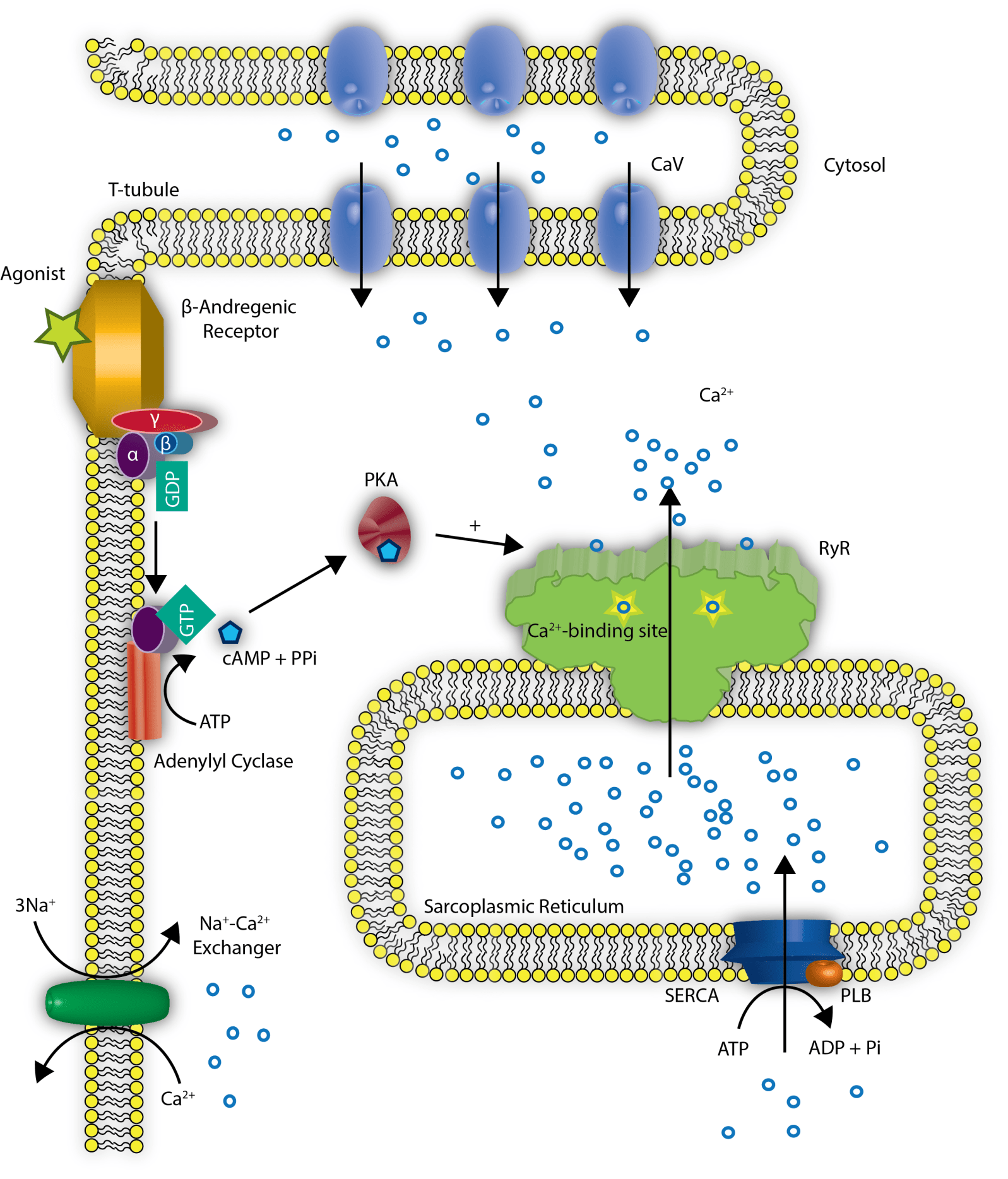
[It is not surprising to this reader that the inadequacy of skeletal muscle donor cells is found to be inadequate for maintaining normal cardiac contractility.  Even though contraction of skeletal muscle, smooth muscle, and heart muscle share a basic motif involving CaMKII, the generation of a calcium spark triggering contraction involves a specific relationship between CaMKIIδ and the RyR2 receptor.   CaMKIIδ is specific to the cardiomyocyte.  The other consideration is that the heart is a syncytium, and it has a relationship to neurohumoral control, distinctly different than that in skeletal muscle  This is perhaps the most telling observation in the observed lack of cardiomyogenesis and electrical coupling with native cardiac cells that would be necessary to maintain a healthy and functioning heart [55, 72]].

BM CLINICAL TRIALS

To date, only small-scale clinical trials, including five to 69 patients, have been performed using bone marrow-derived stem cells (BM-SCs) for transplantation. Three different types of BM-SCs are typically used in recent clinical trials, namely un-fractionated MNCs, CD34+ cells and MSCs. These cells were proposed to treat acute or old MI as well as heart failure [7-21]. Intracoronary injection is the delivery route of choice for these cells [7-9, 14-21]. Revascularization with percutaneous coronary intervention (PCI) or coronary artery bypass graft (CABG) is commonly used concomitant to cell treatment [13, 15, 16, 18-21]. Several recent trials purported improvement in cardiac function and/or ventricular remodeling three to 12 months after cell treatment [7-11, 15, 17, 18-21]. Some of these studies reported additional enhancement in clinical parameters such as

  • end diastolic (EDV),
  • end systolic volume (ESV)
  • and/or myocardial perfusion [7-9, 10, 17-20].

A small number of studies reported no benefits from BM transplantation [12-14, 16]. In one study, bone marrow transplantation was complicated by coronary artery re-occlusion [21]. The primary endpoint of most of these trials was to assess the safety and feasibility of BM-SC transplantation as a treatment for ischemic heart disease, however these studies are underpowered. In addition, the efficacy of bone marrow cell therapy is difficult to ascertain from clinical studies, at least in part, due to common utilization of adjunct therapy such as revascularization. More detailed descriptions of bone marrow clinical studies are found in Tables 2-5 (not shown).

MOBILIZATION OF BM-DERIVED CELLS

Since transplantation of autologous BM-SCs leads to improvement in cardiac function, mobilization of BM-SCs using cytokines to increase the number of circulating cells was utilized in succeeding studies. Granulocyte colony stimulating factor (G-CSF) is the most common cytokine used to mobilize BM-SCs in clinical studies [22-31]. The feasibility and safety of G-CSF has been reported by several investigators. The number of patients in the G-CSF studies ranged from five to 114 and they were followed for up to 52 weeks. Clinical studies in the last three years have shown that cardiac function improved in about half of the trials using G-CSF to mobilize BM-SCs [22, 23, 27-29]. The remaining half of G-CSF studies reported no effects on cardiac function [24-26, 30, 31]. In one study, an unexpected reduction in LVEF was reported [31]. Adverse effects of G-CSF treatment were reported in almost all the recent clinical studies [22, 24-27, 29, 31]. Detailed descriptions of G-CSF stud¬ies are shown in Tables 6-7.

HUMAN UMBILICAL CORD BLOOD: NO LONGER A WASTE PRODUCT

Amidst the flurry of clinical studies utilizing BM and skeletal muscle SCs, it is a wonder why no trials are reported using CB cell transplantation in humans. However, several pre-clinical studies using various animal models demonstrated the potential use of CB stem cells for cardiac repair after MI [32-40]. Conserved commonalities of cardiac function improvement exist in these studies despite dissimilarity of protocols used [32-40]. The following is a description of the pre-clinical studies which used different subsets of CB-derived stem cells to treat MI. In this review, the pre-clinical studies are categorized according to the type of stem cell administered.

We first start with studies that used CB-derived MNCs. Ma et al. reported that intravenous injection of six million CB-MNCs into non-obese diabetic severe combined immunodeficiency (NOD/SCID) mice 24 h post-MI resulted in an increase in capillary density and decrease in both infarct size and collagen deposition three weeks after treatment [38]. No myogenesis was observed. Human DNA was identified in 10 out of the 19 mice that underwent induction of MI. Direct myocardial injection of one-sixth of the amount of cells used in the above study in rats also reduced infarct size and increased both ventricular wall thickness and LVdP/dt and ejection fraction up to six months after treatment [34].

Similar to CB-MNCs, transplantation of two hundred thousand CD34+ cells, a subset of MNCs, within 20 min after MI

  • increased vascular density,
  • reduced LV dilation, and
  • improved cardiac function four weeks after treatment [35].

However, only about one percent of the injected cells were incorporated into the vessels of the rat myocardium, which suggests that angiogenic factors released by these cells may contribute to the observed angiogenesis [35]. A subset of CD34+, CD34+ KDR+ cell fraction, was proposed to be the subset of cells responsible for angiogenesis induction and improvement in cardiac function after treatment with either MNCs or CD34+ cells [32]. Two hundred thousand of either CD34+ or MNCs, or two thousand of either CD34+ KDR+ or CD34+ KDR- cells were injected in a NOD/SCID mouse model of MI. Compared to transplantation of MNCs or PBS, CD34+ cells

  • increased LVdP/dt,
  • decreased LV end diastolic pressure and
  • infarct size up to five months after MI.

Treatment with two thousand CD34+KDR+ cells, which is two log less than the number of CD34+ cells, resulted in more
angiogenesis compared to either MNC or CD34+ [32].

An immature subset of CB-MNCs, CD133+ cells, were also reported to improve cardiac function after transplantation into MI mice [37]. One to two million CD133+ cells were intravenously injected into athymic nude rats seven days after MI. Four weeks after transplantation,

  • reduction in both scar thinning and
  • LV systolic dilation, and
  • increase in LV fractional shortening were observed.

In contrast to other studies, vessel density did not differ between the cell-treated and control rats [37]. Similarly, transplantation of a subset of these immature CD133+ cells, CD34+ CD133+ cells, into a mouse model of hindlimb ischemia resulted in angiogenesis induction [40]. Transplantation of one hundred thousand CD34+ CD133+ cells into ischemic limbs of immunosup-pressed mice increased both vessel and muscle fiber densities fourteen days after injection. In contrast, administration of CD34+ cells resulted in increased vessel density only. Neither of these findings was observed after administration of CD34- cells [40].

An alternative subset of progenitor cells, called endothelial progenitor cells (EPCs) from either CB or adult peripheral blood (PB), was also shown to induce angiogenesis in ischemic hindlimb [39]. EPCs were derived from MNC CD34+ cells and identified in culture as attaching cells that exhibit spindle-shape. These cells

  1. incorporated acetylated-low density lipoprotein,
  2. released nitric oxide, and
  3. expressed KDR, VE-cadherin, CD31, and vW factor and CD45-.

Not only were the CB-derived EPCs more abundant (10 fold increase) than those derived from PB, they also further in-creased capillary density when injected into ischemic tissue [39].

Finally, another CB-derived cell subset, denoted as human unrestricted somatic stem cells (USSCs), was shown to engraft in the infarcted heart and improve cardiac perfusion [36]. USSCs were defined as negative for the following surface markers:

  • CD14, CD31, CD33, CD34, CD45, CD56, CD133 and human leukocyte antigen class II and
  • positive for CD13, CD29, CD44, and CD49e.

In a porcine model of MI, one hundred million USSCs were directly injected into the infarcted heart four weeks after MI.

  1. Regional perfusion,
  2. LVEF,
  3. scar thickness, and
  4. wall motion increased four weeks after transplantation [36].

In addition to cell transplantation alone, the combination of gene and cell therapy was shown to be a potential treatment for MI [33]. For example,

CD34+ cells transduced with the adeno associated viral vector that encoded either human angiopieotin-1 or vascular endothelial growth factor (VEGF) were intramyocardially injected in a mouse model of MI. Improved cardiac function and increased capillary density were observed with CD34+ cells alone.

However, exaggerated improvements were obtained with the combined therapy of CD34+ cells transfected with Angiopieotin-1 and or VEGF. Compared with CD34+ treatment alone,

  • the combined therapy further increased capillary density and decreased infarct size [33].

Taken together, based on the pre-clinical studies, a common feature of transplantation of human CB-derived cells is

  • induction of angiogenesis and cardiac function improvement in animal models of ischemia.

Myogenesis does not seem to be a mechanism of the beneficial effects of CB transplantation.

Compared with adult stem cells, CB cell treatment has limitations. The practical and crucial difference between stem cells obtained from adult human donors and from CB is quantitatively, not qualitatively based. It is uncommon that more than several million stem cells can be isolated from CB. That amount may be too small for transplantation to an adult. Children appear to be ideal recipients when utilizing this source of stem cells since they are smaller patients and require fewer cells per kilogram of body weight [71]. However, ex vivo expansion of these cells may overcome this limitation [73, 74]. There is another concern that the use of CB for transplantation presents a higher risk of transmitting opportunistic infections [75]. The human herpes viruses are common pathogens found in transplant recipients. Currently, it is routine to test for the presence of anti-cytomegalovirus immunoglobin M. However, screening prospective CB donors for these pathogens reduces the risk of transmission of infection [75].

(Tables from published document are to be viewed in that document.)

CONCLUSIONS

Although early clinical studies suggest that bone marrow and skeletal myoblast transplantation into the infarcted heart improves cardiac perfusion and function, there is an urgent need for large randomized double-blinded clinical trials that assess the overall efficacy of cell-based therapy. In addition, little is known about the mechanisms by which stem cells render their positive effects. Cardiac regeneration by bone marrow cells is an obvious mechanism. However, a small number of experimental studies have purported the occurrence of myocardial regeneration by bone marrow cells. Furthermore, substantial evidence demonstrates that cell types other than cardiomyocytes improve cardiac function, suggesting that the beneficial effects of cell therapy may be independent of cardiac regeneration [76-89]. Enhanced vascularization, on the other hand, is a common finding after bone marrow cell transplantation. Cell engrafment to the vascular wall as well as angiogenic factors released by transplanted cells may be responsible for the enhanced vascularization. Obviously, there remain a considerable number of unanswered questions that must be addressed in basic science laboratories before stem cell therapy becomes standard practice. For example, what are the mechanisms of improvement in cardiac function? Which cell type is best-suited for transplantation? What is the optimal cell concentration that should be used for transplant and what is the most effective route of delivery?

The target patient population which would draw clinical benefit from cell-based therapy must also be defined and the optimal time of injection after the onset of infarction has to be determined. Currently, it is difficult to assess the efficacy of stem cell treatment of MI. This is in part due to lack of standardization among clinical as well as pre-clinical studies. Therefore, in order to accomplish these objectives, there is great need for communication among the various research groups concerned with stem cells and clinical studies.

Here we add yet another source of stem cells, namely the umbilical CB. This source of stem cells had many advantages mentioned in the preceding sections. In addition, pre-clinical studies indicate the efficacy of CB cells in myocardial repair. However, the fate and benefits of these cells need to be tested in clinical settings.

REFERENCES

[1]  Herreros J, Prosper F, Perez A, Gavira JJ, Garcia-Velloso MJ, Barba J, et al. Autologous intramyocardial injection of cultured skeletal muscle-derived stem cells in patients with non-acute myocardial infarction. Eur Heart J 2003; 24: 2012-20.

[2]  Pagani FD, DerSimonian H, Zawadzka A, Wetzel K, Edge AS, Jacoby DB, et al. Autologous skeletal myoblasts transplanted to ischemia-damaged myocardium in humans. Histological analysis of cell survival and differentiation. J Am Coll Cardiol 2003; 41: 879-88.

[3]  Smits PC, van Geuns RJ, Poldermans D, Bountioukos M, Onder-water EE, Lee CH, et al. Catheter-based intramyocardial injection of autologous skeletal myoblasts as a primary treatment of ischemic heart failure: clinical experience with six-month follow-up. J Am Coll Cardiol 2003; 42: 2063-9.

[4]  Dib N, Michler RE, Pagani FD, Wright S, Kereiakes DJ, Lengerich R, et al. Safety and feasibility of autologous myoblast transplantation in patients with ischemic cardiomyopathy: four-year follow-up. Circulation 2005; 112: 1748-55.

[5]  Siminiak T, Kalawski R, Fiszer D, Jerzykowska O, Rzezniczak J, Rozwadowska N, et al. Autologous skeletal myoblast transplantation for the treatment of postinfarction myocardial injury: phase I clinical study with 12 months of follow-up. Am Heart J 2004; 148: 531-7.

[6]  Siminiak T, Fiszer D, Jerzykowska O, Grygielska B, Rozwadowska N, Kalmucki P, et al. Percutaneous trans-coronary-venous trans-plantation of autologous skeletal myoblasts in the treatment of post-infarction myocardial contractility impairment: the POZNAN trial. Eur Heart J 2005; 26: 1188-95.

[7]  Assmus B, Schachinger V, Teupe C, Britten M, Lehmann R, Dobert N, et al. Transplantation of Progenitor Cells and Regeneration Enhancement in Acute Myocardial Infarction (TOPCARE-AMI). Circulation 2002; 106: 3009-17.

[8]  Schachinger V, Assmus B, Britten MB, Honold J, Lehmann R, Teupe C, et al. Transplantation of progenitor cells and regeneration enhancement in acute myocardial infarction: final one-year results of the TOPCARE-AMI Trial. J Am Coll Cardiol 2004; 44: 1690-9.

[9]  Britten MB, Abolmaali ND, Assmus B, Lehmann R, Honold J, Schmitt J, et al. Infarct remodeling after intracoronary progenitor cell treatment in patients with acute myocardial infarction (TOPCARE-AMI): mechanistic insights from serial contrast-enhanced magnetic resonance imaging. Circulation 2003; 108: 2212-8.

[10]  Perin EC, Dohmann HFR, Borojevic R, Silva SA, Sousa ALS, Mesquita CT, et al. Transendocardial, autologous bone marrow cell transplantation for severe, chronic ischemic heart failure. Circulation 2003; 107: 2294–302.

Human umbilical cord blood stem cells, myocardial infarction (and stroke)

Nathan Copeland, David Harris and Mohamed A Gaballa
Nathan Copeland, Research Associate and Medical Student, University of Arizona Medical School, Tucson, Arizona; David Harris, Professor of Microbiology and Immunology, University of Arizona, Tucson, Arizona; Mohamed A Gaballa, Director, Center for Cardiovascular Research, Sun Health Research Institute, Sun City, Arizona; Section Chief of Basic Science, Cardiology Section, Banner GoodSam Medical Center, Phoenix, Arizona
Clinical Medicine 2009, Vol 9, No 4: 342–5

ABSTRACT – Myocardial infarction (MI) and stroke are the first and third leading causes of death in the USA accounting for more than 1 in 3 deaths per annum. Despite interventional and pharmaceutical advances, the number of people diagnosed with heart disease is on the rise. Therefore, new clinical strategies are needed. Cell-based therapy holds great promise for treatment of these diseases and is currently under extensive preclinical as well as clinical trials. The source and types of stem cells for these clinical applications are questions of great interest. Human umbilical cord blood (hUCB) appears to be a logical candidate as a source of cells. hUCB is readily available, and presents little ethical challenges. Stem cells derived from hUCB are multipotent and immunologically naive. Here is a critical literature review of the beneficial effects of hUCB cell therapy in preclinical trials.
KEY WORDS: animal models, cerebral infarction, myocardial infarction, stem cells, umbilical cord blood

Introduction

The study of stem cell therapies to address some of the most daunting medical challenges, including heart disease and stroke, has advanced steadily over the last three years. The majority of preclinical studies of stem cells as a potential therapy for either myocardial or cerebral ischaemia were positive on average. Small clinical trials, however, show either no or modest improvement in cardiac function after myocardial infarction (MI). Currently, there are two major types of autologous cells that are clinically used for MI and stroke. The first is skeletal myoblasts, harvested from skeletal muscle. These cells can be expanded in culture. Positive outcomes were recently reported in a phase 1 clinical trial using catheter-based injection of myoblasts to the endocardium (CAUSMIC, American Heart Association (AHA) Scientific Sessions 2007). The second is bone marrow cells (BMCs). Intracoronary injection of BMCs improve global left ventricular function (IC-BMC, AHA Scientific Sessions 2007). However, direct injection of BMC administration into scarred myocardium does not alter cardiac contractility of the injured area (IC/IM-BMC, AHA Scientific Sessions 2007). The effects of stem cell therapy can only be addressed using clinical trials that:

•             are randomised, blinded, placebo controlled and adequately sized

•             use standardisation of autologous stem cell processing protocols

•             use robust endpoints of efficacy and safety

•             ensure that follow-up is complete and of adequate duration.

It is becoming clear that realisation of the full potential of the therapeutic benefit of stem cells will require understanding the biology of these undifferentiated cells. A successful therapy will require a source with plentiful supply of multipotent stem cells with minimal or no immune rejection. Several sources of stem cells were explored such as

  • adipose tissue,1–3
  • cardiac tissue,4
  • skeletal muscle biopsies,5,6 and
  • hUCB.

Whether these subpopulations of cells are best suited to treat a disease is still unanswered.

Currently, the only confirmed source for totipotential cells is embryonic. However, there are ethical and scientific obstacles to unbridled use of such cells. For clinical application, autologous adult stem cells are the obvious choice. To date, only adult stem cells derived from a patient’s own bone marrow are being used in clinical trials.

Autologous BMC therapy is not without problems. The majority of instances of MI and cerebral ischaemia (CI) occur in the elderly. Since the quantity and function of BMCs decrease with age, an allogeneic younger donor may be used to source BMCs. This may hinder the efficiency of such a treatment and suffer rejection, therefore another source of stem cells is needed.

Cryopreserved stem cells derived from human leukocyte antigen (HLA)-matched and unmatched unrelated donor hUCB were realised as a sufficient source of transplantable hematopoietic stem cells with high donor-derived engraftment and low risk of refractory acute graft-versus-host disease. However, the use of hUCB cells as treatment for either MI or CI has only been recently investigated in preclinical models.

There are several outstanding review articles on stem cells derived from cord blood in MI7–11 and stroke.12–17 This article adds depth to the debate by providing an updated review as well as presenting an integrated overview of studies involving MI and CI cell-based therapy. In the preparation of this review, every effort was made to include all relevant publications since 2005. Due to space limitations, the number of articles cited has been limited.

Cardiovascular disease

Since 2005, several studies have explored the use of various sub-populations of hUCB stem cells for regenerative therapy. Five types of UCB-derived stem cells were investigated: umbilical cord derived stem (UCDS), unrestricted somatic stem cells (USSC), mononuclear progenitor cells (MNCs), CD133+ and CD34+ subpopulations. The experimental parameters of the studies varied. The majority of studies, however, were performed using the rat animal model and utilising the left antero-lateral descending (LAD) coronary artery ligation model of MI with intramyocardial injection of the stem cells. The laboratory used a similar model to determine the efficacy of stem cell derived from hUCB to improve cardiac function after ischemia and reperfusion. The data indicated that intracoronary administration of mononuclear or CD34+ cells derived from hUCB improved cardiac function after MI by inducing neovascularisation and retarding left ventricular (LV) remodelling.37

The majority of reported studies using hUCB cells showed improvement in the outcomes.18–25 Cardiac functional improvements were almost universally reported as evaluated by:

  • increased ejection fraction;
  • improved wall motion;
  • lowered LV end-diastolic pressure; and
  • increased cardiac contraction as determined by the maximum slope of LV pressure.18–21,23–25

There were conflicting reports on the effects of stem cells on LV fractional shorting. One study reported improved shortening while another reported that BM but not UCB cells produced improved shortening.22,23 Improvements in

  • myocardial perfusion, evaluated by increased capillary density, were repeatedly demonstrated as were
  • reductions in infarct size and the number of apoptotic cells.18–25

Retardation or reduction in LV remodelling were also reported.18,21,22 Although the vast majority of studies showed positive outcomes, HLA matching and further study are still needed before UCB stem cell therapies can become safe and effective treatments in humans. A prime example of the need for further elucidation of these emerging therapies can be illustrated by the findings in a study by Moelker.26 This study used intracoronary administration of unrestricted somatic stem cells (USSCs) in a balloon left circumflex artery (LCX) occlusion ischaemia-reperfusion porcine model of MI. They found that treatment did not improve outcome and actually increased infarct size. Their histological analysis revealed that the injected cells worsened the infarct by obstructing vessels downstream.

Furthermore, the mechanisms of the observed benefits of UCB stem cell therapy in MI are under investigation:

  • improved myocardial perfusion,
  • attenuation of cardiac remodelling,
  • reduction of inflammatory responses by
    • limiting expression of TNF-a, MCP-1, MIP and INF–y, and cardiac regeneration.18–5

Tissue regeneration may be mediated by incorporation of delivered cells in the target tissue.18–21,23 An in vitro study confirmed that mononuclear cells were migrated toward homogenised infarcted myocardium and that the greatest migration occurred at two and 24 hours post-MI.20 Paracrine effect, ie the delivered cells release factors that promote neovascularisation, was also reported. Indeed, the study laboratory has shown that hUCB cells release angiogenic factors in vitro under hypoxic conditions. The data are consistent with a previous report that showed

  • increased expression of VEGF 164 and 188 accompanied by
  • angiogenesis and improved remodelling after administration of hUCB mononuclear cells into the myocardium.21

Identifying subpopulations of progenitor cells with the highest potential for tissue repair is another unanswered ques¬tion prior to widespread application of this therapy in clinical settings. Previous studies showed that UCB-derived endothe¬lial progenitor cells (EPC) to be a promising subset of stem cells for treatment of MI; however their number may be insufficient to treat adult patients. This problem can be addressed by expanding these cells in culture prior to transplant. Techniques are being developed to culture clinically significant quantities (60 population doublings) of EPCs from UBC CD.25 Transplantation of these expanded cells improved ejection fraction (EF) and vascular density in vivo, demonstrating that such a culture method may be a viable option to produce EPCs for future use in humans. Another study evaluated the use of gene therapies in conjunction with UCB stem cell therapy.24 CD34+ cells were transfected with AAV-Ang1 and/or AAV-VEGF 165. The gene-modified stem cells resulted in greater increases in capillary density and cardiac performance along with larger reduction in infarct size compared to CD34+ cell therapy alone.

References

1 Valina C, Pinkernell K, Song YH et al. Intracoronary administration of autologous adipose tissue-derived stem cells improves left ventricular function, perfusion, and remodelling after acute myocardial infarction. Eur Heart J 2007;28:2667–77.

2 Zhang DZ, Gai LY, Liu HW et al. Transplantation of autologous adipose-derived stem cells ameliorates cardiac function in rabbits with myocardial infarction. Chin Med J (Engl) 2007;120:300–7.

4 Hoogduijn MJ, Crop MJ, Peeters AM et al. Human heart, spleen, and perirenal fat-derived mesenchymal stem cells have immunomodulatory capacities. Stem Cells Dev 2007;16:597–604.

5 Payne TR, Oshima H, Okada M et al. A relationship between vascular endothelial growth factor, angiogenesis, and cardiac repair after muscle stem cell transplantation into ischemic hearts. J Am Coll Cardiol 2007;50:1677–84.

6 Herreros J, Prósper F, Perez A et al. Autologous intramyocardial injection of cultured skeletal muscle-derived stem cells in patients with non-acute myocardial infarction. Eur Heart J 2003;24:2012–20.

7 Goldberg JL, Laughlin MJ, Pompili VJ. Umbilical cord blood stem cells: implications for cardiovascular regenerative medicine. J Mol Cell Cardiol 2007;42:912–20.

8  Wu KH, Yang SG, Zhou B et al. Human umbilical cord derived stem cells for the injured heart. Med Hypotheses 2007;68:94–7.

9 Zhang L, Yang R, Han ZC. Transplantation of umbilical cord blood-derived endothelial progenitor cells: a promising method of therapeutic revascularisation. Eur J Haematol 2006;76:1–8.

18 Wu KH, Zhou B, Yu CT et al. Therapeutic potential of human umbil¬ical cord derived stem cells in a rat myocardial infarction model. Ann Thorac Surg 2007;83:1491–8.

19 Kim BO, Tian H, Prasongsukarn K et al. Cell transplantation improves ventricular function after a myocardial infarction: a preclinical study of human unrestricted somatic stem cells in a porcine model. Circulation 2005;112:I96–104.

20 Henning RJ, Burgos JD, Ondrovic L et al. Human umbilical cord blood progenitor cells are attracted to infarcted myocardium and sig-nificantly reduce myocardial infarction size. Cell Transplant 2006;15:647–58.

21 Hu CH, Wu GF, Wang XQ et al. Transplanted human umbilical cord blood mononuclear cells improve left ventricular function through angiogenesis in myocardial infarction. Chin Med J (Engl)  2006;119:1499–506.

22 Ma N, Ladilov Y, Moebius JM et al. Intramyocardial delivery of human CD133+ cells in a SCID mouse cryoinjury model: Bone marrow vs. cord blood-derived cells. Cardiovasc Res 2006;71:158–69.

23 Leor J, Guetta E, Feinberg MS et al. Human umbilical cord blood-derived CD133+ cells enhance function and repair of the infarcted myocardium. Stem Cells 2006;24:772–80.

24 Chen HK, Hung HF, Shyu KG et al. Combined cord blood stem cells and gene therapy enhances angiogenesis and improves cardiac perfor-mance in mouse after acute myocardial infarction. Eur J Clin Invest 2005;35:677–86.


Read Full Post »

Progenitor Cell Transplant for MI and Cardiogenesis  (Part 1

Author and Curator: Larry H. Bernstein, MD, FCAP
and
Curator: Aviva Lev-Ari, PhD, RN
This article is Part I of a review of three perspectives on stem cell transplantation onto a substantial size of infarcted myocardium to generate cardiogenesis in tissue that is composed of both repair fibroblasts and cardiomyocytes, after essentially nontransmural myocardial infarct.

Progenitor Cell Transplant for MI and Cardiogenesis (Part 1)

Larry H. Bernstein, MD, FCAP and Aviva Lev-Ari, PhD, RN

http://pharmaceuticalintelligence.com/2013/10/28/progenitor-cell-transplant-for-mi-and-cardiogenesis/

Source of Stem Cells to Ameliorate Damage Myocardium (Part 2)

Larry H. Bernstein, MD, FCAP and Aviva Lev-Ari, PhD, RN

http://pharmaceuticalintelligence.com/2013-10-29/larryhbern/Source_of_Stem_Cells_to_Ameliorate_ Damaged_Myocardium/

An Acellular 3-Dimensional Collagen Scaffold Induces Neo-angiogenesis
 (Part 3)

Larry H. Bernstein, MD, FCAP and Aviva Lev-Ari, PhD, RN

http://pharmaceuticalintelligence.com/2013-10-29/larryhbern/An_Acellular_3-Dimensional_Collagen_Scaffold _Induces_Neo-angiogenesis/

The same approach is considered for stroke in one of these studies.  These are issues that need to be considered
  1. Adult stem cells
  2. Umbilical cord tissue sourced cells
  3. Sheets of stem cells
  4. Available arterial supply at the margins
  5. Infarct diameter
  6. Depth of ischemic necrosis
  7. Distribution of stroke pressure
  8. Stroke volume
  9. Mean Arterial Pressure (MAP)
  10. Location of infarct
  11. Ratio of myocytes to fibrocytes
  12. Coexisting heart disease and, or
  13. Comorbidities predisposing to cardiovascular disease, hypertension
  14. Inflammatory reaction against the graft

Transplantation of cardiac progenitor cell sheet onto infarcted heart promotes cardiogenesis and improves function

L Zakharova1, D Mastroeni1, N Mutlu1, M Molina1, S Goldman2,3, E Diethrich4, and MA Gaballa1*
1Center for Cardiovascular Research, Banner Sun Health Research Institute, Sun City, AZ; 2Cardiology Section, Southern Arizona VA Health Care System, and 3Department of Internal Medicine, The University of Arizona, Tucson, AZ; and 4Arizona Heart Institute, Phoenix, AZ
Cardiovascular Research (2010) 87, 40–49   http://dx.doi.org/10.1093/cvr/cvq027

Abstract

Aims

Cell-based therapy for myocardial infarction (MI) holds great promise; however, the ideal cell type and delivery system have not been established. Obstacles in the field are the massive cell death after direct injection and the small percentage of surviving cells differentiating into cardiomyocytes. To overcome these challenges we designed a novel study to deliver cardiac progenitor cells as a cell sheet.

Methods and results

Cell sheets composed of rat or human cardiac progenitor cells (cardiospheres), and cardiac stromal cells were transplanted onto the infarcted myocardium after coronary artery ligation in rats. Three weeks later, transplanted cells survived, proliferated, and differentiated into cardiomyocytes (14.6 ± 4.7%). Cell sheet transplantation suppressed cardiac wall thinning and increased capillary density (194 ± 20 vs. 97 ± 24 per mm2, P < 0.05) compared with the untreated MI. Cell migration from the sheet was observed along the necrotic trails within the infarcted area. The migrated cells were located in the vicinity of stromal-derived factor (SDF-1) released from the injured myocardium, and about 20% of these cells expressed CXCR4, suggesting that the SDF-1/CXCR4 axis plays, at least, a role in cell migration. Transplantation of cell sheets resulted in a preservation of cardiac contractile function after MI, as was shown by a greater ejection fraction and lower left ventricular end diastolic pressure compared with untreated MI.

Conclusion

The scaffold-free cardiosphere-derived cell sheet approach seeks to efficiently deliver cells and increase cell survival.These transplanted cells effectively rescue myocardium function after infarction by promoting not only neovascular-ization but also inducing a significant level of cardiomyogenesis
Keywords  Myocardial infarction • Cardiac progenitor cells • Cardiospheres • Cardiac regeneration • Contractility

Introduction

Despite advances in cardiac treatment after myocardial infarction (MI), congestive heart failure remains the number one killer world-wide. MI results in an irreversible loss of functional cardiomyocytes followed by scar tissue formation. To date, heart transplant remains the gold standard for treatment of end-stage heart failure, a procedure which will always be limited by the availability of a donor heart. Hence, developing a new form of therapy is vital.
A number of adult non-cardiac progenitor cells have been tested for myocardial regeneration, including skeletal myoblasts,1 bone-marrow2, and endothelial progenitor cells.3,4 In addition, several cardiac resident stem cell populations have been characterized based on the expression of stem cell marker proteins.5–8 Among these, the c-Kit+ population has been reported to promote myocardial repair.5,9 Recently, an ex vivo method to expand cardiac-derived progenitor cells from human myocardial biopsies and murine hearts was developed.10 Using this approach, undifferentiated cells (or cardiospheres) grow as self-adherent clusters from postnatal atrium or ventricular biopsy specimens.11
To date, the most common technique for cell delivery is direct injection into the infarcted myocardium.12 This approach is inefficient because more than 90% of the delivered cells die by apoptosis and only a small number of the survived cells differentiated into cardiomyocytes.13 An alternative approach to cell delivery is a biodegradable scaffold-based engineered tissue.14,15 This approach has the clear advantage in creating tissue patches of different shapes and sizes and in creating a beating heart by decellularization technology.16 Advances are being made to overcome the issue of small patch thickness and to minimize possible toxicity of the degraded substances from the scaffold.15 Recently, scaffold-free cell sheets were created from fibroblasts, mesenchymal cells, or neonatal myocytes.17,18 Transplantation of these sheets resulted in a limited improvement in cardiac function due to induced neovascularization and angiogenesis through secretion of angiogenic factors.17–19 However, few of those progenitor cells have differentiated into cardiomyocytes.17 The need to improve cardiac contractile function suggests focusing on cells with higher potential to differentiate to cardiomyocytes with an improved delivery method.
In the present study, we report a cell-based therapeutic strategy that surpasses limitation inherent in previously used methodologies. We have created a scaffold-free sheet composed of cardiac progenitor cells (cardiospheres) incorporated into a layer of cardiac stromal cells. The progenitor cells survived when transplanted as a cell sheet onto the infarcted area, improved cardiac contractile functions, and supported recovery of damaged myocardium by promoting not only vascularization but also a significant level of cardiomyogenesis. We also showed that cells from a sheet can be recruited to the site of injury driven, at least partially, by the stromal-derived factor (SDF-1) gradient.

Methods

Detailed methods are provided in the Supplementary Methods

Animals

Three-month-old Sprague Dawley male rats were used. Rats were randomly placed into four groups:
(1) sham-operated rats, n = 12;
(2) MI, n = 12;
(3) MI treated with rat sheet, n = 10; and
(4) MI treated with human sheet, n = 10.

Myocardial infarction

MI was created by the ligation of the left coronary artery.20 Animals were intubated and ventilated using a small animal ventilator (Harvard Apparatus). A left thoracotomy was performed via the third intercostal rib, and the left coronary artery was ligated. The extent of infarct was verified by measuring the area at risk: heart was perfused with PBS containing 4 mg/mL Evans Blue as previously described by our laboratory.20 The area at risk was estimated by recording the size of the under-perfused (pale-colored) area of myocardium (see Supplementary material online, Figure S1). Only animals with an area at risk >30% were used in the present study. Post-mortem infarct size was measured using triphenyl tetrazolium chloride staining as previously described by our laboratory.20

Isolation of cardiosphere-forming cells

Cardiospheres were generated as described10 from atrial tissues obtained from:
(1) human atrial resection samples obtained from patients (aged from 53 to 73 years old) undergoing cardiac bypass surgery at Arizonam Heart Hospital (Phoenix, AZ) in compliance with Institutional Review Board protocol (n = 10),
(2) 3-month-old SD rats (n = 10). Briefly, tissues were cut into 1–2 mm3 pieces and tissue fragments were cultured ‘as explants’ in a complete explants medium for 4 weeks (Supplementary Methods).
Cell sheet preparation, labelling, handling, and transplantation
Cardiosphere-forming cells (CFCs) combined with cardiac stromal cells were seeded on double-coated plates (poly-L-lysine and collagen type IV from human placenta) in cardiosphere growing medium (Supplementary Methods). The sheets created from the same cell donors were divided into two groups,
one for transplantation and the other for characterization by immunostaining and RT–PCR (Supplementary Methods).
Prior to transplantation, rat cell sheets were labelled with 2 mM 1,1-dioctadecyl-3,3,3,3-tetramethylindocarbocyanine, DiI, for tracking transplanted cells in rat host myocardium (Molecular Probes, Eugene, OR). Sheets created using human cells were transplanted unlabelled. Sheets were gently peeled off the collagen-coated plate and folded twice to form four layers. The entire sheet with 200 ml of media was
  • gently aspirated into the pipette tip,
  • transferred to the supporting polycarbonate filter (Costar) and
  • spread off by adding media drops on the sheet (Figure 2A).
Polycarbonate filter was used as a flexible mechanical support for cell sheet to facilitate handling during the transplantation. Immediately after LAD occlusion, the cell sheet was transplanted onto the infarcted area, allowed to adhere to the ventricle for 5–7 min, and the filter was removed before closing the chest (Figure 2A).

Cardiac function

Three weeks after MI, closed-chest in vivo cardiac function was measured using a Millar pressure conductance catheter system (Millar Instruments, Houston, TX) (Supplementary Methods).

Cell sheet survival, engraftment, and cell migration

Rat host myocardium and cell sheet composition after transplantation were characterized by immunostaining (Supplementary Methods). Rat-originated cells were traced by DiI, while human-originated cells were identified by immunostaining with anti-human nuclei or human lamin antibodies.
  1. To assess sheet-originated cardiomyocytes within the host myocardium, the number of cells positive for both human nuclei and myosin heavy chain (MHC) (human sheet); or both DiI and MHC (rat sheet) were counted.
  2. To assess sheet-originated capillaries within the rat host myocardium, the number of cells positive for both human nuclei and von Willebrand factor (vWf) (human sheet); or both DiI and vWf (rat sheet) were counted. Cells were counted in five microscopic fields within cell sheet and area of infarct (n = 5). The number of cells expressing specific markers was normalized to the total number of cells determined by 40,6-diamidino-2-phenylindole staining of the nuclei DNA.
  3. To assess the survival of transplanted cells, sections were stained with Ki-67 antibody followed by fluorescent detection and caspase 3 primary antibodies followed by DAB detection (Supplementary Methods).
  4. To evaluate human sheet engraftment, sections were stained with human lamin antibody followed by fluorescent detection (Supplementary Methods).
  5. Rat host inflammatory response to the transplanted human cell sheet 21 days after transplantation was evaluated by counting tissue mononuclear phagocytes and neutrophils (Supplementary Methods).

Imaging

Images were captured using Olympus IX70 confocal microscope (Olympus Corp, Tokyo, Japan) equipped with argon and krypton lasers or Olympus IX-51 epifluorescence microscope using excitation/emission maximum filters: 490/520 nm, 570 /595 nm, and 355 /465 nm. Images were processed using DP2-BSW software (Olympus Corp).

Statistics

All data are represented as mean ± SE Significance (P < 0.05) was deter-mined using ANOVA (StatView).

Results

Generation of cardiospheres

Cardiospheres were generated from atrial tissue explants. After 7–14 days in culture, a layer of stromal cells arose from the attached explants (Supplementary material online, Figure S2a). CFCs, small phase-bright single cells, emerged from explants and bedded down on the stromal cell layer (Supplementary material online, Figure S2b).
  • After 4 weeks, single CFCs, as well as cardiospheres (spherical colonies generated from CFCs) were observed (Supplementary material online, Figure S2c).
Cellular characteristics of cardiospheres in vitro
Immunocytochemical analysis of dissociated cardiospheres revealed that
  • 30% of cells were c-Kitþ indicating that the CFCs maintain multi-potency. About
  • 22 and 28% of cells expressed a, b-MHC and cardiac troponin I, respectively.
These cells represent an immature cardiomyocyte population because they were smaller (10–15 pm in length vs. 60–80 pm for mature cardiomyocytes) and no organized structure of MHC was detected. Furthermore
  • 17% of the cells expressed a-smooth muscle actin (SMA) and
  • 6% were positive for vimentin,
    • both are mesenchymal cell markers (Supplementary material online, Figure S3a and b).
  • Less then 5% of cells were positive for endothelial cell marker; vWf.
Cell characteristics of human cardiospheres are similar to those from rat tissues (Supplementary material online, Figure S3c).
Cardiospheres were further characterized based on the expression of c-Kit antigen. RT–PCR analysis was performed on both c-Kitþ and c-Kit2 subsets isolated from re-suspended cardiospheres. KDR, kinase domain protein receptor, was recently identified as a marker for cardiovascular lineage progenitors in differentiating embryonic stem cells.21 Here, we found that
  • the c-Kitþ cells were also Nkx2.5 and GATA4-positive, but were low or negative for KDR (Supplementary material online, Figure S3d). In contrast,
  • c-Kit2 cells strongly expressed KDR and GATA4, but were negative for Nkx2.5.
  • Both c-Kitþ and c-Kit2 subsets did not express Isl1, a marker for multipotent secondary heart field progenitors.22
Characteristics of cell sheet prior to transplantation
The cell sheet is a layer of cardiac stromal cells in which the cardiospheres were incorporated at a frequency of 21 ± 0.5 spheres per 100,000 viable cells (Figure 1A). The average diameter of cardiospheres within a sheet was 0.13 ± 0.02 mm and their average area was 0.2 ± 0.06 mm2 (Figure 1A). After sheets were peeled off the plate, it exhibited a heterogeneous thickness ranging from 0.05– 0.1 mm (n 1/4 10), H&E staining (Figure1B) and Masson’s Trichrome staining (Figure 1C) of the sheet sections revealed tissue-like organized structures composed of muscle tissue intertwined with streaks of collagen with no necrotic core. Based on the immunostaining results, sheet compiled of several cell types including
  • SMAþ cardiac stromal cells (50%),
  • MHCþ cardiomyocytes (20%), and
  • vWfþ endothelial cells (10%) (Figure 1D and E).
  • 15% of the sheet-forming cells were c-Kitþ suggesting the cells multipotency (Figure 1E).
  • Cells within the sheet expressed gap-junction protein C43, an indicator of electromechanical coupling between cells (Figure 1D).
  • 40% of cells were positive for the proliferation marker Ki-67 suggesting an active cell cycle state (Figure 1D, middle panel).
Human sheet expressed genes
  1. known to be upregulated in undifferentiated cardiovascular progenitors such as c-Kit and KDR;
  2. cardiac transcription factors Nkx2.5 and GATA4; genes related to adhesion, cell homing, and
  3. migration such as ICAM (intercellular adhesion molecule), CXCR4 (receptor for SDF-1), and
  4. matrix metalloprotease 2 (MMP2).
No expression of Isl1 was detected in human sheet (Figure 1F).
sheet transplant on MI_Image_2
Figure 1 Cell sheet characteristics. (A) Fully formed cell sheet. Arrow indicates integrated cardiosphere. (B) H&E staining; pink colour (arrowhead) indicates cytosol and blue (arrows) indicates nuclear stain. Note that there is no necrotic core within the cell sheet. (C) Masson’s Trichrome staining of sheet section. Arrowhead indicates collagen deposition within the sheet. (D and E) Sheet sections were labelled with antibodies against following markers: (D) vWf (green), Ki-67 (green), C43 (green); (E) c-Kit (green), MHC (red), SMA (red) as indicated on top of each panel. Nuclei were labelled with blue fluorescence of 40,6-diamidino-2-phenylindole (DAPI). (F) Gene expression analysis of the cell sheet. Scale bars, 200 pm (A) or 50 pm (B–E).

Cell sheet survival and proliferation

Two approaches were used to track transplanted cells in the host myocardium.
  • rat cell sheets were labelled with red fluorescent dye, DiI, prior to the transplantation.
  • the sheet created from human cells (human sheet) were identified in rat host myocardium by immunostaining with human nuclei antibodies.
DiI-labelling together with trichrome staining showed engraftment of the cardiosphere-derived cell sheet to the infarcted myocardium (Figure 2B–D). In vivo sheets grew into a stratum with heterogeneous thickness ranging from 0.1–0.5 mm over native tissue. The percentage of Ki-67þ cells within the sheet was 37.5 ± 6.5 (Figure 2F) whereas host tissue was mostly negative (except for the vasculature).
To assess the viability of transplanted cells, the heart sections were stained with the apoptosis marker, caspase 3. A low level of caspase 3 was detected within the sheet, suggesting that the majority of transplanted cells survived after transplantation (Figure 2G).
sheet transplant on MI_Image_3
Figure 2 Transplantation and growth of cell sheet after transplantation.
(A) Sheet transplantation onto infarcted heart. Detached cell sheet on six-well plate (left); cell sheet folded on filter (middle); and transplanted onto left ventricle (right). Scale bar 2 mm. DiI-labelled cell sheets grafted above MI area at day 3
(B) and day 21
(C) after transplantation.
(D) LV section of untreated MI rat at day 21 showing no significant red fluorescence background.
Bottom row (B–D) demonstrates the enlargement of box-selected area of corresponding top panels.
(E) Similar sections stained with Masson’s Trichrome. Section of rat (F) or human (G) sheet treated rat at day 21 after MI.
(F) Section was stained with antibody against Ki-67 (green). Cell sheet was pre-labelled with DiI (red). Nuclei stained with blue fluorescence of DAPI.
(G) Section was double stained with human nuclei (blue) and caspase 3 (brown, arrows) antibodies and counterstained with eosin.
Asterisks (**) indicate cell sheet area. Scale bars 200 mm (B–D, top row), 100 mm (B–D, bottom row, and E) or 50 mm (F, G).
Identification of inflammatory response
Twenty-one days after transplantation of human cell sheet, inflammatory response of rat host was examined. Transplantation of human sheet on infarcted rats reduced the number of mononuclear phagocytes (ED1-like positive cells) compared with untreated MI control (Supplementary material online, Figure S4a–e and l). In addition, the number of neutrophils was similar in both control untreated MI and sheet-treated sections (Supplementary material online, Figure S4f–k and m). These data suggest that at 21 days post transplantation, human cell sheet was not associated with significant infiltration of host immune cells.

Cell sheet engraftment and migration

Development of new vasculature was determined in cardiac tissue sections by co-localization of DiI labelling and vWf staining (Figure 3C). Three weeks after transplantation, the capillary density of ischaemic myocardium in the sheet-treated group significantly increased compared with MI animals (194 ± 20 vs. 97 ± 24 per mm2, P < 0.05, Figure 3A and B). The capillaries originated from the sheet ranged in diameter from 10 to 40 jim (n 1/4 30). A gradient in capillary density was observed with higher density in the sheet area which was decreased towards underlying infarcted myocardium. Mature blood vessels were identified within the sheet area and in the underlying myocardium in close proximity to the sheet evident by vWf and SMA double staining (Figure 3D).
sheet transplant on MI_Image_4
Figure 3 Neovascularization of infarcted wall. (A) Frozen tissue sections stained with vWf antibody (green). LV section of control (sham), infarcted (MI), and MI treated with cell sheet (sheet) rats. Scale bar, 100 jim. (B) Capillary density decreased in the MI compared with sham (*P < 0.05) and improved after cell sheet treatment (#P < 0.05). (C) Neovascularization within cell sheet area was recognized by co-localization of DiI- (red) and vWf (green) staining. Scale bar 100 jim. (D) Mature blood vessels (arrows) were identified by co-localization of SMA (red) and vWf (green) staining. Scale bar 50 jim.
Furthermore, 3 weeks after transplantation, a large number of labelled human nuclei positive or DiI-labelled cells were detected deep within the infarcted area indicating cell migration from the epicardial surface to the infarct (Figure 4A, B, and D). Minor or no migration was detected when the cell sheet was transplanted onto non-infarcted myocardium, sham control (Figure 4C). To evaluate engraftment of sheet-originated cells, sections were labelled with anti-human nuclear lamin antibody. Quantification of engraftment was performed using two approaches: fluorescence intensity and cell counting. Fluorescence intensity of the signal was analysed and compared for different areas of myocardium (Figure 4E–J). Since the transplanted sheets are created by human cells and are stained with human nuclear lamin-labelled with green fluorescence, the signal intensity of the sheet is set to 100% (100% of cells are lamin-positive). Myocardial area with no or limited number of labelled cells had the lowest level of fluorescence signal (13%, or 3.2 ± 1.4% of total number of cells), while
  1. the area where the cell migrated from the sheet to the infarcted myocardium had higher signal intensity (47%, or 11.9 ± 1.7% of total number of cells), indicating a higher number of sheet-originated cells are engrafted in the infarcted area.) (Figure 4K and L).
  2. Migrated cells were positive for KDR (Supplementary material online, Figure S5).
sheet transplant on MI_Image_5
Figure 4 Engraftment quantification of cells migrated from the sheet into the infarcted area of MI. Animals were treated with rat (A) or human (B–F) sheets. Cardiomyocytes were labelled with MHC antibody (A, green or B, red). Rat sheet-originated cells were identified with DiI-labelling, red (A). Arrows indicate the track of migrating cells. Human sheet-originated cells were identified by immunostaining with human nuclei antibody followed by secondary antibodies conjugated with either Alexa 488 (B, E and F, green) or AP (C, D, blue). No migration was detected when the cell sheet was transplanted onto non-infarcted myocardium (C). Heart sections were counterstained with eosin, pink (C–D). Higher magnification of area selected in the box is presented (D, right). Immunofluorescence of sheet (green) grafted to the myocardium surface (E) or cells migrated to the infarction area (F). Fluorescence profiles acrossthe cell sheet itself(G, box 1), area underlying cell sheet (I, box 2) and infarction areawith migrated cells (F, box 3). Mean fluorescence intensityofthe grafted human (K) cells was determined by outlining the region of interest (ROI) and subtracting the background fluorescence for the same region. Fluorescence intensity was normalized to the area of ROI (ii 1/4 6). (L) Percent engraftment was defined as number of lamin-positive cells divided by total number of cells per ROI. ‘M’, myocardium,’S’ sheet, ‘I’ infarction. Scale bars 100 mm (A–C, D, left, E and F), or 50 mm (D, right).
To elucidate a possible mechanism of cell migration, sections were stained to detect SDF1 and its unique receptor CXCR4. The migration patterns of cells from the sheet coincided with SDF-1 expression. Within 3 days after MI, SDF-1 was expressed in the injured myocardium (Figure 5A). At 3 weeks after MI and sheet transplantation, SDF-1 was co-localized with the migrated labelled cells (Figure 5B). PCR analysis revealed CXCR4 expression in cell sheet before transplantation (Figure 1F). However, after transplantation only a fraction of migrated cells expressed CXCR4 (Figure 5C).
sheet transplant on MI_Image_6
Figure 5 Migration of sheet-originated cells into the infarcted area. Confocal images of MI animals treated with sheets from rats (A and B) or human (C). SDF1 (green) was detected at border zone of the infarct at day 3 (A) and day 21 (B). Rat sheet-originated cells were identified with DiI-labelling (red). Note co-localization of DiI-positive sheet-originated cells with SDF1 at 21 days after MI (B). Human cells were identified by immunostaining with human nuclei antibody, red, (C). Note human cells that migrated to the area of infarct express CXCR4 (green) (C). Scale bar, 200 mm (A, B) or 50 mm (C). ‘M’, myocardium, ‘S’ sheet, ‘I’ infarct.

3.7 Cardiac regeneration

The differentiation of migrating cells into cardiomyocytes was evident by the co-localization of MHC staining with either human nuclei (Figure 6A) or DiI (Figure 6B and C). In contrast to the immature cardiomyocyte-like cells within the pre-transplanted cell sheet, the migrated and newly differentiated cells within the myocardium were about 30–50 mm in size and co-expressed C43 (see Supplementary material online, Figure S6). Cardiomyogenesis within the infarcted myocardium was observed in the sheets created from either rat or human cells.
sheet transplant on MI_Image_6
Figure 6 Cardiac regeneration. Sections of MI animals treated with human (A) or rat (B, C) sheets. Human sheet was identified by immunostaining with human nuclei antibody (green). Section was double-stained with MHC (red) antibody. Newly formed cardiomyocytes was identified by co-localization of human nuclei and MHC (yellow, arrow). (B) Rat sheet-originated cells were identified by DiI labelling (red). Section was double-stained with MHC (green) antibody. Newly formed cardiomyocytes were detected by co-localization of DiI with MHC (yellow, arrows). (C) Higher magnification of area selected in the boxes (B). Scale bars 200 mm (B), or 20 mm (A, C). ‘M’, myocardium, ‘S’ sheet, ‘I’ infarct.

Cell sheet improved cardiac contractile function and retarded LV remodelling after MI

Closed-chest in vivo cardiac function was derived from left ventricle (LV) pressure–volume loops (PV loops), which were measured using a solid-state Millar conductance catheter system. MI resulted in a characteristic decline in LV systolic parameters and an increase in diastolic parameters (Table 1). Cell sheet treatment improved both systolic and diastolic parameters (Table 1). Specifically, load-dependent parameters of systolic function: ejection fraction (EF), dP/dTmax, and cardiac index (CI) were decreased in MI rats and increased towards sham control with the cell sheet treatment (Table 1). Diastolic function parameters, dP/dTmin, relaxation constant (Tau), EDV, and EDP were increased in the MI rats and returned towards sham control parameters after sheet treatment (Table 1). However, load-independent systolic function, Emax, was decreased after MI. Treatment with human sheet improved Emax, while treatment with rat sheet had no effect (Table 1). Treatment with either rat or human sheets retarded LV remodelling; as such that it increased the ratio of anteriolateral wall thickness/LV inner diameter (t/Di) and wall thickness/LV outer diameter (t/Do) (see Supplementary material online, Table S3). However, human sheets appear to further improve LV remodelling compared with rat sheets as indicated by increased ratio of wall thickness to ventricular diameter and decreased both EDV and EDP (Table 1 and see Supplementary material online, Table S3).
Table 1 Hemodynamic parameters
Table 1. hemodynamic parameters

Discussion

The majority of the cardiac progenitor cells delivered using our scaffold-free cell sheet survived after transplantation onto the infarcted heart. A significant percentage of transplanted cells migrated from the cell sheet to the site of infarction and differentiated into car-diomyocytes and vasculature leading to improving cardiac contractile function and retarding LV remodelling. Thus, delivery of cardiac progenitor cells together with cardiac mesenchymal cells in a form of scaffold-free cell sheet is an effective approach for cardiac regeneration after MI.
Consistent with previous studies,5,11 here we showed that cardio-spheres are composed of multipotent precursors, which have the capacity to differentiate to cardiomyocytes and other cardiac cell types. When we fractioned cardiospheres based on c-Kit expression, we identified two subsets: Kitþ /KDR2/low/Nkx2.5þ and Kit2/KDRþ/ Nkx2.52(Supplementary material online, Figure S3d), which are likely reflecting cardiac and vascular progenitors.20
In the present study, delivery of cardiac progenitor cells as a cell sheet facilitates cell survival after transplantation. Necrotic cores, commonly observed in tissue engineered patches,23,24 are absent in cardiosphere sheets prior to transplantation (Figure 1B and C). Poor cell survival is caused by multiple processes such as: ischemia from the lack of vasculature and anoikis due to cell detachment from sub-strate.25 A possible mechanism of cell survival within the sheet is the induction of neo-vessels soon after transplantation due to the presence of endothelial cells within the sheet before transplantation (Figure 10). The cell sheet continued to grow in vivo (Figure 2B and C), suppressed cardiac wall thinning, and prevented LV remodelling at 21 days after transplantation (see Supplementary material online, Table S3). This maybe due to the induction of neovascularization (Figure 3), which may prevents ischemia-induced cell death (Figure 2G). Another likely mechanism of cell survival is that the cells within the scaffold-free sheet maintained cell-to-cell adhesion16 as shown by ICAM expression (Figure 1F). The cells also exhibit C43-positive junctions (Figure 10, see Supplementary material online, Figure S6), which may facilitate electromechanical coupling between the transplanted cells and the native myocardium.
We observed cell migration from the sheet to the infarcted myocardium (Figure 4A and B, E and F), which may be facilitated by the strong expression of MMP2 in the cell sheet (Figure 1F). Although, the mechanism of cardiac progenitor cell migration remains unclear, previous observations showed that SDF-1 is upregulated after MI and plays a role in bone-marrow and cardiac stem cell migration.26,27 Our data suggest that SDF-1-CXCR4 axis plays, at least in part, a role in cardiac progenitor cell migration from cell sheet to the infarcted myocardium. This conclusion is based on the following observations: (1) cell sheet expresses CXCR4 prior to transplantation (Figure 1F), (2) migrated cells are located in the vicinity of SDF-1 release (Figure 5A and B), and (3) about 20% of migrated cells expressed CXCR4. Note, not all the migrated cells expressed CXCR4 suggesting other mechanisms are involved in cell migration (Figure 5C).
Here we report that implanting cardiosphere-generated cell sheet onto infarcted myocardium not only improved vascularization but also promoted cardiogenesis within the infarcted area (Figure 6). A larger number of newly formed cardiomyocytes were found deep within the infarct compared with the cell sheet periphery. Notably the transplantation of the cell sheet resulted in a significant improvement of the cardiac contractile function after MI, as was shown by an increase of EF and decrease of LV end diastolic pressure (Table 1).
The beneficial effect of cell sheet is, in part, due to the presence of a large number of activated cardiac mesenchymal stromal cells (myofibroblasts) within the sheet. Myofibroblasts are known to provide a mechanical support for grafted cells, facilitating contraction28 and to induce neovascularization through the release of cytokines.17 In addition, mesenchymal cells are uniquely immunotolerant. In xenograft models unmatched mesenchymal cells transplanted to the heart of immunocompetent rats were shown to suppress host immune response29 presumably due to inhibition of T-cell activation.30 Consistently with previous study from our laboratory,31 here, we demonstrated host tolerance to the cell sheet 21 days after MI. Finally, phase II and III clinical trials are currently undergoing in which allogeneic MSCs are used to treat MI in patients (Osiris Therapeutic, Inc.).
In summary, our results show that cardiac progenitor cells can be delivered as a cell sheet, composed of a layer of cardiac stromal cells impregnated with cardiospheres. After transplantation, cells from the cell sheet migrated to the infarct, partially driven by SDF-1 gradient, and differentiated into cardiomyocytes and vasculature. Transplantation of cell sheet was associated with prevention of LV remodelling, reconstitution of cardiac mass, reversal of wall thinning, and significant improvement in cardiac contractile function after MI. Our data also suggest that strategies, which utilize undigested cells, intact cell–cell interactions, and combined cell types such as our scaffold-free cell sheet should be considered in designing effective cell therapy.

References

Fuchs JR, Nasseri BA, Vacanti JP, Fauza DO. Postnatal myocardial augmentation with skeletal myoblast-based fetal tissue engineering. Surgery 2006;140:100–107.
Orlic D, Kajstura J, Chimenti S, Bodine DM, Leri A, Anversa P. Bone marrow stem cells regenerate infarcted myocardium. Pediatr Transplant 2003;7(Suppl. 3):86–88.
Kawamoto A, Tkebuchava T, Yamaguchi J, Nishimura H, Yoon YS, Milliken C et al. Intramyocardial transplantation of autologous endothelial progenitor cells for therapeutic neovascularization of myocardial ischemia. Circulation 2003;107:461–468.
Iwasaki H, Kawamoto A, Ishikawa M, Oyamada A, Nakamori S, Nishimura H et al. Dose-dependent contribution of CD34-positive cell transplantation to concurrent vasculogenesis and cardiomyogenesis for functional regenerative recovery after myocardial infarction. Circulation 2006;113:1311–1325.
Beltrami AP, Barlucchi L, Torella D, Baker M, Limana F, Chimenti S et al. Adult cardiac stem cells are multipotent and support myocardial regeneration. Cell 2003;114: 763–776.
Oh H, Bradfute SB, Gallardo TD, Nakamura T, Gaussin V, Mishina Y et al. Cardiac progenitor cells from adult myocardium: homing, differentiation, and fusion after infarction. Proc Natl Acad Sci USA 2003;100:12313–12318.
Laugwitz KL, Moretti A, Lam J, Gruber P, Chen Y, Woodard S et al. Postnatal isl1+ cardioblasts enter fully differentiated cardiomyocyte lineages. Nature 2005;433: 647–653.
Pfister O, Mouquet F, Jain M, Summer R, Helmes M, Fine A et al. CD31- but Not CD31+ cardiac side population cells exhibit functional cardiomyogenic differentiation. Circ Res 2005;97:52–61.
Dawn B, Stein AB, Urbanek K, Rota M, Whang B, Rastaldo R et al. Cardiac stem cells delivered intravascularly traverse the vessel barrier, regenerate infarcted myocardium, and improve cardiac function. Proc Natl Acad Sci USA 2005;102:3766–3771.


Read Full Post »

Myocardial Infarction: The New Definition After Revascularization

Reporter: Aviva Lev-Ari, PhD, RN


UPDATED on 7/31/2014

Myocardial Ischemia Symptoms

Reporter: Aviva Lev-Ari, PhD, RN

http://pharmaceuticalintelligence.com/2014/07/29/myocardial-ischemia-symptoms/


VIEW VIDEO

Gregg Stone, MD

Co-DIrector, Medical Research & Education Division Cardiovascular Research Foundation

http://www.medpagetoday.com/Cardiology/MyocardialInfarction/42256?xid=nl_mpt_DHE_2013-10-15&goback=%2Egmr_4346921%2Egde_4346921_member_5795830612724035588#%21

Primary source: Journal of the American College of Cardiology
Source reference: Moussa I, et al “Consideration of a new definition of clinically relevant myocardial infarction after coronary revascularization: an expert consensus document from the Society for Cardiovascular Angiography and Interventions (SCAI)” J Am Coll Cardiol2013; 62: 1563-1570.

Additional source: Journal of the American College of Cardiology
Source reference:White H “Avatar of the universal definition of periprocedural myocardial infarction” J Am Coll Cardiol 2013; 62: 1571-1574.

Moussa reported that he had no conflicts of interest.

Stone is a consultant for Boston Scientific, Eli Lilly, Daiichi Sankyo, and AstraZeneca. The other authors reported relationships with Guerbet, The Medicines Company, Bristol-Myers Squibb/Sanofi, Merck, Maya Medical, AstraZeneca, Abbott Vascular, Regado Biosciences, Janssen Pharma, Lilly/Daiichi Sankyo, St. Jude Medical, Medtronic, Terumo, Bridgepoint/Boston Scientific, Gilead, Boston Scientific, Eli Lilly, and Daiichi Sankyo.

White is co-chairman for the Task Force for the Universal Definiton of Myocardial Infarction; has received research grants from sanofi-aventis, Eli Lilly, The Medicines Company, the NIH, Pfizer, Roche, Johnson & Johnson, Schering-Plough, Merck Sharpe & Dohme, AstraZeneca, GlaxoSmithKline, Daiichi Sankyo Pharma Development, and Bristol-Myers Squibb; and has served on advisory boards for AstraZeneca, Merck Sharpe & Dohme, Roche, and Regado Biosciences.

WASHINGTON, DC — A “clinically meaningful” definition of MI following PCI or CABG is urgently needed to replace the arbitrarily chosen “universal definition” proposed in recent years that has no relevance to patients and may be muddying clinical-trial results. Those are the conclusions of a new expert consensus document released Monday by the Society of Cardiovascular Angiography and Interventions (SCAI)[1].

The notion of a “universal definition of MI” was first proposed in 2000 and updated in 2007 and 2012. The 2012 document defines a PCI-related MI as an increase in cardiac troponin (cTn) of more than five times the upper limit of normal (ULN) during the first 48 hours postprocedure plus specific clinical or ECG features. Post-CABG, the definition is a cTn increase of >10 times the ULN, plus different clinical or ECG features.

The problem, lead author Dr Issam Moussa (Mayo Clinic, Jacksonville, FL) told heartwire , is that these cutoffs were arbitrarily chosen and not based on any hard evidence that these biomarker levels spelled a poor prognosis. Moreover, “overnight, the rate of MI went from 5% following these procedures to 20% to 30%!” he said.

The SCAI committee, in its new document, focuses on post-PCI procedures and highlights the importance of acquiring baseline cardiac biomarkers and differentiating between patients with elevated baseline CK-MB (or cTn) in whom biomarker levels are stable or falling, as well as those in whom it hasn’t been established whether biomarkers are changing.

SCAI’s Proposed Clinically Meaningful MI Definitions

Group Definition
Normal baseline CK-MB CK-MB rise of >10x ULN or >5x ULN with new pathologic Q-waves in at least 2 contiguous leads or new persistent left bundle branch block
OR
In the absence of baseline CK-MB, a cTn rise of >70x ULN or a rise of>35 ULN plus new pathologic Q-waves in at least 2 contiguous leads or new persistent left bundle branch block
Elevated baseline biomarkers that are stable or falling A CK-MB or cTn rise that is equal (by an absolute increment) to the definitions described for patients with normal CK-MB at baseline.
Elevated baseline biomarkers that have not been shown to be stable or falling A CK-MB or cTn rise that is equal (by an absolute increment) to the definitions described for patients with normal CK-MB at baseline
Plus
New ST-segment elevation or depression
Plus
New-onset or worsening heart failure or sustained hypotension or other signs of a clinically relevant MI.

Moussa is quick to emphasize that these new clinically meaningful definitions have limited evidence to support them—and most of what exists supports CK-MB definitions, not cTn—but that the new document is based on the best scientific evidence available.

“We don’t want to come out with a definitive statement” saying this is the final word on MI definitions,” he stressed. “There is more science that needs to be done and there remains more uncertainty. We framed this to be inclusive and also to open the field for discussion.”

His hope is that this will lead to important changes in how patients are managed and money is spent. Currently, patients with clinically meaningless biomarker elevations may become unnecessarily panicked over news that they’ve had a “heart attack,” while hospital stays may be extended and further tests ordered on the basis of these results.

Moussa et al’s proposal also has important implications for clinical trials, he continued. Currently, for studies that include periprocedural MIs as an individual end point or as part of a composite end point, the very high number of biomarker-defined “MIs” collected in the trial could potentially overwhelm the true impact of any given therapy. “You are really using an end point that is truly not relevant to patients. . . . This could really affect the whole hypothesis.”

He’s expecting some push-back from cardiologists and academics, particularly those who championed the need for the universal definition in the first place, but believes most people will welcome a clinically meaningful definition.

“I think many in the medical community will accept this because they have not really been using the universal definition in their day-to-day practice anyhow.” What’s more, the National Cardiovascular Data Registry (NCDR) does not include the reporting of MI postangiography, in part because of concerns that the universal definition of MI overestimates the true incidence of this problem. “I think many in the community will look at this definition as more reflective of the true incidence of MI after angioplasty, and if it’s accepted, they are more likely to report it to databases like NCDR and use it to reflect quality-of-care processes.”

http://www.medscape.com/viewarticle/812533?nlid=35983_2105&src=wnl_edit_medp_card&uac=93761AJ&spon=2

  • ESC/ACCF/AHA/WHF Expert Consensus Document

Circulation.2012; 126: 2020-2035  Published online before print August 24, 2012,doi: 10.1161/​CIR.0b013e31826e1058

Third Universal Definition of Myocardial Infarction

  1. Kristian Thygesen;
  2. Joseph S. Alpert;
  3. Allan S. Jaffe;
  4. Maarten L. Simoons;
  5. Bernard R. Chaitman;
  6. Harvey D. White
  7. the Writing Group on behalf of the Joint ESC/ACCF/AHA/WHF Task Force for the Universal Definition of Myocardial Infarction
  1. *Corresponding authors/co-chairpersons: Professor Kristian Thygesen, Department of Cardiology, Aarhus University Hospital, Tage-Hansens Gade 2, DK-8000 Aarhus C, Denmark. Tel: +45 7846-7614; fax: +45 7846-7619: E-mail: kristhyg@rm.dk. Professor Joseph S. Alpert, Department of Medicine, Univ. of Arizona College of Medicine, 1501 N. Campbell Ave., P.O. Box 245037, Tucson AZ 85724, USA, Tel: +1 520 626 2763, Fax: +1 520 626 0967, E-mail: jalpert@email.arizona.edu. Professor Harvey D. White, Green Lane Cardiovascular Service, Auckland City Hospital, Private Bag 92024, 1030 Auckland, New Zealand. Tel: +64 9 630 9992, Fax: +64 9 630 9915, E-mail: harveyw@adhb.govt.nz.

Table of Contents

  • Abbreviations and Acronyms. . . . . . . . . . . . . . . . . . . .2021

  • Definition of Myocardial Infarction. . . . . . . . . . . . . . .2022

  • Criteria for Acute Myocardial Infarction. . . . . . . . . . . .2022

  • Criteria for Prior Myocardial Infarction. . . . . . . . . . . .2022

  • Introduction. . . . . . . . . . . . . . . . . . . . . . . . . . . . . . . . . .2022

  • Pathological Characteristics of Myocardial Ischaemia and Infarction. . . . . . . . . . . . . . . . . . . . . . . . . . . . . . . .2023

  • Biomarker Detection of Myocardial Injury With Necrosis. . .2023

  • Clinical Features of Myocardial Ischaemia and Infarction. . .2024

  • Clinical Classification of Myocardial Infarction. . . .2024
    • Spontaneous Myocardial Infarction (MI Type 1). . . .2024

    • Myocardial Infarction Secondary to an Ischaemic Imbalance (MI Type 2). . . . . . . . . . . . . . . . . . . . . . . .2024

    • Cardiac Death Due to Myocardial Infarction (MI Type 3). .2025

    • Myocardial Infarction Associated With Revascularization Procedures (MI Types 4 and 5). . . . . . . . . . . . . . . . . . …

New Definition for MI After Revascularization

Published: Oct 14, 2013 | Updated: Oct 15, 2013

By Todd Neale, Senior Staff Writer, MedPage Today
Reviewed by Zalman S. Agus, MD; Emeritus Professor, Perelman School of Medicine at the University of Pennsylvania and Dorothy Caputo, MA, BSN, RN, Nurse Planner

The Society for Cardiovascular Angiography and Interventions (SCAI) has released a new definition for myocardial infarction (MI) following coronary revascularization aimed at identifying only those events likely to be related to poorer patient outcomes.

In the new criteria — published as an expert consensus document inCatheterization and Cardiovascular Interventions and the Journal of the American College of Cardiology — creatine kinase-myocardial band (CK-MB) is the preferred cardiac biomarker over troponin, and much greater elevations are required to define a clinically relevant MI compared with the universal definition of MI proposed in 2007 and revised in 2012.

Also, the new definition uses the same biomarker elevation thresholds to identify MIs following both percutaneous coronary intervention (PCI) and coronary artery bypass grafting (CABG), whereas the universal definition has different thresholds for events following the two procedures.

“What we’ve really tried to emphasize in this classification scheme is the primary link between biomarker elevations and prognosis,” according to Gregg Stone, MD, of Columbia University Medical Center and the Cardiovascular Research Foundation in New York City, one of the authors of the document.

“In the universal definition of MI, they even acknowledged that their criteria were arbitrary,” Stone said in an interview. “We’ve tried to reduce the arbitrariness of the cutoff values that we selected so that the researcher, academician, clinician, hospital administrator, etc., can be confident that these levels that we’re recommending are the ones that are associated with a worse prognosis for patients suffering periprocedural complications.”

The Change

The existing universal definition for MI defines events following PCI according to an increase in cardiac troponin to greater than five times the 99th percentile upper reference limit (URL) within 48 hours when baseline levels are normal, with confirmation by electrocardiogram (ECG), imaging, or symptoms.

For CABG-related MI, the increase must be more than 10 times the 99th percentile URL within 48 hours when baseline levels are normal, with confirmation by ECG, angiography, or imaging.

But, Stone and colleagues wrote, the relationship between that degree of troponin elevation after a revascularization procedure and prognosis is not as strong as the association between a CK-MB elevation and patient outcomes.

Using a small elevation in troponin to define a post-procedure MI could find myocardial necrosis that is unlikely to be associated with poor clinical outcomes, which could have far-reaching implications, they wrote.

“Widespread adoption of an MI definition not clearly linked to subsequent adverse events such as mortality or heart failure may have serious consequences for the appropriate assessment of devices and therapies, may affect clinical care pathways, and may result in misinterpretation of physician competence,” they wrote.

To address that issue, the expert panel convened by SCAI sought to define clinically relevant MI after PCI or CABG.

A clinically relevant MI is defined in the new document based on an increase of at least 10 times the upper limit of normal in the level of CK-MB within 48 hours after a revascularization procedure when baseline levels are normal.

When the CK-MB level is not available, then an increase in troponin I or T of at least 70 times the upper limit of normal can be used to define a clinically relevant MI, according to the authors.

However, if an ECG shows new pathologic Q-waves in at least two contiguous leads or a new persistent left bundle branch block, then the thresholds can be lowered to at least five times and at least 35 times the upper limit of normal for CK-MB and troponin, respectively.

Further guidance is provided for identifying clinically relevant post-procedure MIs when the cardiac biomarker levels are elevated at baseline.

Dueling Definitions

Co-chairman of the Task Force for the Universal Definition of Myocardial Infarction, Harvey White, DSc, of Auckland City Hospital in Auckland, New Zealand, noted some limitations of the new definition, including the lack of a requirement for ischemic symptoms.

“Ischemic symptoms have always been a basic tenet of the diagnosis of MI, and it should be no different for a [PCI-related] MI,” he wrote in an accompanying editorial.

In addition, with the use of such large elevations in biomarker levels in the new definition, “there will be very few PCI-related events identified, and an opportunity to improve patient outcomes may be lost,” he wrote.

Troponin should remain the preferred biomarker over CK-MB, White argued, pointing to variability in and analytical issues with CK-MB assays, the need for sex-specific cutoffs for CK-MB levels, the need for higher thresholds of CK-MB to determine abnormalities because all individuals have circulating levels of the biomarker, and the reduced sensitivity and specificity of CK-MB.

Also, he said, CK-MB is becoming increasingly unavailable at medical centers.

“With CK-MB becoming obsolete, troponin will become the gold standard, and CK-MB will no longer have a role in defining PCI injury and infarction in clinical practice,” White wrote.

Stone admitted that troponin ultimately might be preferable to CK-MB because of its greater specificity, although the evidence does not yet support it.

“I think there’s a general desirability to move to troponins, although when you look at the data that’s out there it’s much stronger correlating CK-MB elevations to subsequent prognosis,” he said. “I think a lot of the troponin elevations are just noise or troponins are just too sensitive.”

Room for Both?

White noted in his editorial that “the rationale for the SCAI definition has been well articulated by its authors and may be appropriate in an individual trial, but it should not supplant the universal definition of MI,” he wrote.

When asked whether the new definition would replace the universal definition, Stone said there is a place for both sets of criteria.

“We would propose the clinically relevant definition be the one that is used to make most substantial decisions right now, [such as] trade-offs between efficacy and safety for new drugs and devices, in judging hospital systems and physicians, etc.,” he said. “But I do think there’s value in both, and they will both continue to evolve over time as new data becomes evident.”

http://www.medpagetoday.com/Cardiology/MyocardialInfarction/42256?xid=nl_mpt_DHE_2013-10-15&goback=%2Egmr_4346921%2Egde_4346921_member_5795830612724035588#%21 

Articles citing 

Third Universal Definition of Myocardial Infarction

  • Improved long-term clinical outcomes in patients with ST-elevation myocardial infarction undergoing remote ischaemic conditioning as an adjunct to primary percutaneous coronary interventionEur Heart J. 2013;0:eht369v1-eht369

  • The role of myeloperoxidase (MPO) for prognostic evaluation in sensitive cardiac troponin I negative chest pain patients in the emergency departmentEuropean Heart Journal: Acute Cardiovascular Care. 2013;2:203-210,
  • Coronary artery bypass grafting or percutaneous revascularization in acute myocardial infarction?Interact CardioVasc Thorac Surg. 2013;0:ivt381v1-ivt381,
  • Ischemic Conditioning as an Adjunct to Percutaneous Coronary InterventionCirc Cardiovasc Interv. 2013;6:484-492,
  • High sensitivity cardiac troponin in patients with chest painBMJ. 2013;347:f4222,
  • Chest Pain and Palpitations: Taking a Closer LookCirculation. 2013;128:271-277,
  • An Updated Definition of Stroke for the 21st Century: A Statement for Healthcare Professionals From the American Heart Association/American Stroke AssociationStroke. 2013;44:2064-2089,
  • Factors Influencing the 99th Percentile of Cardiac Troponin I Evaluated in Community-Dwelling Individuals at 70 and 75 Years of AgeClin. Chem.. 2013;59:1068-1073,
  • Detection and management of asymptomatic myocardial injury after noncardiac surgeryEuropean Journal of Preventive Cardiology.2013;0:2047487313494294v1-2047487313494294,
  • Postoperative Troponin Screening: A Cardiac Cassandra?Circulation. 2013;127:2253-2256,
  • Remote Ischemic Preconditioning Improves Outcome at 6 Years After Elective Percutaneous Coronary Intervention: The CRISP Stent Trial Long-term Follow-upCirc Cardiovasc Interv. 2013;6:246-251,
  • Outcomes for Clinical Studies Assessing Drug and Revascularization Therapies for Claudication and Critical Limb Ischemia in Peripheral Artery DiseaseCirculation. 2013;127:1241-1250,
  • Prevalence, Incidence, and Implications of Silent Myocardial Infarctions in Patients With Diabetes MellitusCirculation. 2013;127:965-967,
  • 2013 ACCF/AHA Key Data Elements and Definitions for Measuring the Clinical Management and Outcomes of Patients With Acute Coronary Syndromes and Coronary Artery Disease: A Report of the American College of Cardiology Foundation/American Heart Association Task Force on Clinical Data Standards (Writing Committee to Develop Acute Coronary Syndromes and Coronary Artery Disease Clinical Data Standards)Circulation. 2013;127:1052-1089,
  • Clin. Chem.. 2013;59:574-576,
  • Percutaneous Coronary Intervention Versus Optimal Medical Therapy for Prevention of Spontaneous Myocardial Infarction in Subjects With Stable Ischemic Heart DiseaseCirculation. 2013;127:769-781,
  • Frequency of Myocardial Infarction and Its Relationship to Angiographic Collateral Flow in Territories Supplied by Chronically Occluded Coronary ArteriesCirculation. 2013;127:703-709,
  • The Power of More Than OneCirculation. 2013;127:665-667,
  • The curious life of the biomarkerJournal of the American Dental Association. 2013;144:126-128,
  • Persistent Increases in Cardiac Troponin Concentrations As Measured with High-Sensitivity Assays after Acute Myocardial InfarctionClin. Chem.. 2013;59:443-445,
  • 2013 ACCF/AHA Guideline for the Management of ST-Elevation Myocardial Infarction: A Report of the American College of Cardiology Foundation/American Heart Association Task Force on Practice GuidelinesCirculation. 2013;127:e362-e425,

Read Full Post »

Landscape of Cardiac Biomarkers for Improved Clinical Utilization

Curator and Author: Larry H Bernstein, MD, FCAP

Curation

This reviewer has been engaged in the development, the application, and the validation of cardiac biomarkers for over 30 years. There has been a nonlinear introduction of new biomarkers in that period, with an explosion of methods discovery and large studies to validate them in concert with clinical trials. The improvement of interventional methods, imaging methods, and the unraveling of patient characteristics associated with emerging cardiovascular disease is both cause for alarm (technology costs) and for raised expectations for both prevention, risk reduction, and treatment. What is strikingly missing is the kind of data analyses on the population database that could alleviate the burden of physician overload. It is an urgent requirement for the EHR, and it needs to be put in place to facilitate patient care.

Introduction

This is a journey through the current status of biochemical markers in cardiac evaluation. 

In the traditional use of cardiac biomarkers, the is a timed blood sampling from the decubital fossa. This was the case with alanine aminotransferase (AST, then SGOT), creatine kinase (CK) or its isoenzyme MB, and lactic dehydrogenase (or the isoenzyme-1). The time of sampling was based on time to appearance from time of damage, and the release of the biomarker is a stochastic process. The earliest studies of CK-MB appearance, peak height, and disappearance was by Burton Sobel and associates related to measuring the extent of damage, and determined that reperfusion had an effect. A significant reason for using a combination of CK-MB and LD-1 was that a patient who is a late arrival might have a CK-MB on the decline (peak at 18 h) while the LD-1 is rising (peak at 48 h).

The introduction of the troponins was accompanied by a serial 4 h measurement, usually for 4 draws (0, 4, 8, 12 h). The computational power of laboratory information systems was limited until recently, so it is somewhat surprising, given what we have seen – in addition to published work in the 1980’s – that this capability is not in use today, when regression and nonparametric classification algorithms are now so advanced that would enable much improved and effective communication to the physician needing the information.

J Adan, LH Bernstein, J Babb. Can peak CK-MB segregate patients with acute myocardial infarction into different outcome classes? Clin Chem 1985; 31(2):996-997. ICID: 844986.

RA Rudolph, LH Bernstein, J Babb. Information induction for predicting acute myocardial infarction. Clin Chem 1988; 34(10):2031-2038. ICID: 825568.

LH Bernstein, IJ Good, GI Holtzman, ML Deaton, J Babb. Diagnosis of acute myocardial infarction from two measurements of creatine kinase isoenzyme MB with use of nonparametric probability estimation. Clin Chem 1989; 35(3):444-447. ICID: 825570.

L H Bernstein, A Qamar, C McPherson, S Zarich, R Rudolph. Diagnosis of myocardial infarction: integration of serum markers and clinical descriptors using information theory. Clin Chem 1999; 72(1):5-13. ICID: 825618

Vermunt, J.K. & Magidson, J. (2000a). “Latent Class Cluster Analysis”, chapter 3 in J.A. Hagenaars and A.L. McCutcheon (eds.), Advances in Latent Class AnalysisCambridge University Press.

Vermunt, J.K. & Magidson, J. (2000b). Latent GOLD 2.0 User’s Guide. Belmont, MA: Statistical Innovations Inc.

LH Bernstein, A Qamar, C McPherson, S Zarich. Evaluating a new graphical ordinal logit method (GOLDminer) in the diagnosis of myocardial infarction utilizing clinical features and laboratory data. Yale J Biol Med. 1999; 72(4):259-268. ICID: 825617.

L Bernstein, K Bradley, S Zarich. GOLDmineR: improving models for classifying patients with chest pain.
Yale J Biol Med. 2002; 75(4):183-198. ICID: 825624

SA Haq, M Tavakol, LH Bernstein, J Kneifati-Hayek, M Schlefer, et al. The ACC/ESC Recommendation for 99th Percentile of the Reference NormalTroponin I Overestimates the Risk of an Acute Myocardial Infarction: a novel enhancement in the diagnostic performance of troponins. “6th Scientific Forum on Quality of Care and Outcomes Research in Cardiovascular Disease and Stroke.” Circulation 2005; 111(20):e313-313. ICID: 939931.

LH Bernstein, MY Zions, SA Haq, S Zarich, J Rucinski, B Seamonds, …., John F Heitner. Effect of renal function loss on NT-proBNP level variations. Clin Biochem 2009; 42(10-11):1091-1098. ICID: 937529

SA Haq, M Tavakol, S Silber, L Bernstein, J Kneifati-Hayek, et al. Enhancing the diagnostic performance of troponins in the acute care setting. J Emerg Med 2008; ICID: 937619

Gil David, LarryH Bernstein, Ronald Coifman. Generating Evidence Based Interpretation of Hematology Screens via Anomaly Characterization. OCCJ 2011; 4(1):10-16. ICID: 939928

The use and limitations of high-sensitivity cardiac troponin and natriuretic peptide concentrations in at risk populations

Background: High-sensitivity cardiac troponin (hs-cTn) assays are now available that can detect measurable troponin in significantly more individuals in the general population than conventional assays. The clinical use of these hs-cTn assays depends on the development of proper reference values. However, even with a univariate biomarker for risk and/or severity of ischemic heart disease, a single reference value for the cardiac biomarker does not discriminate the probabilities between 2 or 3 different cardiac disorders, or identify any combination of these, such as, heart failure or renal disease > stage 2 and acute coronary syndrome. True, the physician has a knowledge of the history and presentation as a guide. Do we know how adequate the information is in a patient who has an atypical presentation? Again, the same problem arises with the use of the natriuretic peptides, but the value of these tests is improved over the previous generation tests. Let us parse through the components of this diagnostic problem, which is critical for reaching the best decisions under the circumstances.

Issue 1. The use of the clinical information, such as, patient age, gender, past medical history, known medical illness, CHEST PAIN, ECG, medications, are the basis of longstanding clinical practice. These may be sufficient in a patient who presents with acute coronary syndrome and a Q-wave not previously seen, or with ST-elevation, ST-depression, T-wave inversion, or rhythm abnormality. Many patients don’t present that way.

Issue 2. The use of a single ‘decision-value’ for critical situations decribed, leaves us with a yes-no answer. If you use a receiver-operator characteristic curve, all of the patients used to construct the sensitivity/specificity analysis have to be decisively known for identification. Otherwise, one might just take the median of a very large population, and the median represents the best value for a data set that is not normal distribution. However, the ROC method may inform about an acute event, if that is the purpose, but with a single value for a single variable, it can’t identify a likelihood of an event in the next six months.

Issue 3. There are several quantitative biomarkers that are considerably better than were available 15 years prior to this discussion. These can be used alone, but preferably in combination for diagnostic evaluation, for predictiong prognosis, and for therapeutic decision-making. What is now available was unimagined 20 years ago, both in test selection and in treatment selection.

Cardiac troponin assays were recently reviewed in Clin Chem by Fred Apple and Amy Seenger. (The State of Cardiac Troponin Assays: Looking Bright and Moving in the Right Direction).

Cardiac troponin assays have evolved substantially over 20 years, owing to the efforts of manufacturers to make them more precise and sensitive. These enhancements have led to high-sensitivity cardiac troponin assays, which ideally would give measureable values above the limit of detection (LoD) for 100% of healthy individuals and demonstrate an imprecision (CV) of ≤10% at the 99th percentile.

As laboratorians, we wish to comment on the recently published “ACCF 2012 Expert Consensus Document on Practical Clinical Considerations in the Implementation of Troponin Elevations”. Our purpose is to address 8 analytical issues that we believe have the potential to cause confusion and that therefore deserve clarification.

Since the initial publications by the National Academy of Clinical Biochemistry (NACB) in 1999 and by the European Society of Cardiology/American College of Cardiology in 2000, when both organizations endorsed cardiac troponin I (cTnI) or cTnT as the preferred biomarker for the detection of myocardial infaction, numerous other organizations have followed suit and promoted the sole use of cardiac troponin in this clinical application. The American College of Cardiology Foundation (ACCF) 2012 Expert Consensus Document summarizes the recently published 2012 Third Universal Definition of Myocardial Infarction by the Global Task Force, thus providing some practical recommendations on the use and interpretation of cardiac troponin in clinical practice.

This commentator has already expressed the view that there is no ‘silver bullet’, and the potential for confusion is not yet going to be resolved. The potential for greater accuracy in diagnosis is bolstered by currently available imaging.

Current strength of cardiac biomarker opportunities:

A recent study measured hs-tnI in 1716 (93%) of the community-based study cohort and 499 (88%) of the healthy reference cohort. Parameters that significantly contributed to higher hs-cTnI concentrations in the healthy reference cohort included age, male sex, systolic blood pressure, and left ventricular mass. Glomerular filtration rate and body mass index were not independently associated with hs-cTnI in the healthy reference cohort. Individuals with diastolic and systolic dysfunction, hypertension, and coronary artery disease (but not impaired renal function) had significantly higher hs-cTnI values than the healthy reference cohort.

The authors concluded that hs-cTnI assay with the aid of echocardiographic imaging in a large, well-characterized community-based cohort demonstrated hs-cTnI to be remarkably sensitive in the general population, and there are important sex and age differences among healthy reference individuals. Even though the results have important implications for defining hs-cTnI reference values and identifying disease, the reference value is not presented, and the question remains about how many subjects in the 88% (499) healthy reference consort had elevated systolic blood pressure or left ventricular hypertrophy (LVH) measured by imaging. Furthermore, while impaired renal function dropped out as an independent predictor of associated hs-cTnI, one would expect it to have a strong association with LVH.

Defining High-Sensitivity Cardiac Troponin Concentrations in the Community.
PM McKie, DM Heublein, CG. Scott, ML Gantzer, …and AS Jaffe.
Depart Med & Lab Med and Pathology, Mayo Clinic and Foundation, Rochester, MN; Siemens Diagnostics, Newark, DE. Clin Chem 2013.

hsTnI with NSTEMI

Another study looks at the prognostic performance of hs-TnI assay with non-STEMI. High-sensitivity assays for cardiac troponin enable more precise measurement of very low concentrations and improved diagnostic accuracy. However, the prognostic value of these measurements, particularly at low concentrations, is less well defined. (This is the sensitivity vs specificity dilemma raised with regard to the impoved hs-cTn assays.) But the value of low measured values is a matter for prognostic evaluation, based on the hypothesis that any cTnI that is measured in serum is leaked from cardiomyocytes. This assay evaluation used the Abbott ARCHITECT. The data were 4695 patients with non–ST-segment elevation acute coronary syndromes (NSTE-ACS) from the EARLY-ACS (Early Glycoprotein IIb/IIIa Inhibition in NSTE-ACS) and SEPIA-ACS1-TIMI 42 (Otamixaban for the Treatment of Patients with NSTE-ACS–Thrombolysis in Myocardial Infarction 42) trials. The primary endpoint was cardiovascular death or new myocardial infarction (MI) at 30 days. Baseline cardiac troponin was categorized at the 99th percentile reference limit (26 ng/L for hs-cTnI; 10 ng/L for cTnT) and at sex-specific 99th percentiles for hs-cTnI.

All patients at baseline had detectable hs-cTnI compared with 94.5% with detectable cTnT. With adjustment for all other elements of the TIMI risk score, patients with hs-cTnI ≥99th percentile had a 3.7-fold higher adjusted risk of cardiovascular death or MI at 30 days relative to patients with hs-cTnI <99th percentile (9.7% vs 3.0%; odds ratio, 3.7; 95% CI, 2.3–5.7; P < 0.001). Similarly, when stratified by categories of hs-cTnI, very low concentrations demonstrated a graded association with cardiovascular death or MI (P-trend < 0.001). Thus, Application of this hs-cTnI assay identified a clinically relevant higher risk of recurrent events among patients with NSTE-ACS, even at very low troponin concentrations.

Prognostic Performance of a High-Sensitivity Cardiac Troponin I Assay in Patients with Non–ST-Elevation Acute Coronary Syndrome. EA Bohula May, MP Bonaca, P Jarolim, EM Antman, …and DA Morrow. Clin Chem 2013.

Combination test with cTnI and a troponin

The next study looks at the value of a combination of cTnT and N-Terminal pro-B-type-natriuretic-peptide (NT proBNP) to predict heart failure risk. Recall that NT proBNP has been a stabd-alone biomarker for CHF. The study was done with the consideration that heart failure (HF) is projected to have the largest increases in incidence over the coming decades. Therefore, would cardiac troponin T (cTnT) measured with a high-sensitivity assay and N-terminal pro-B–type natriuretic peptide (NT-proBNP), biomarkers strongly associated with incident HF, improve HF risk prediction in the Atherosclerosis Risk in Communities (ARIC) study?

Using sex-specific models, we added cTnT and NT-proBNP to age and race (“laboratory report” model) and to the ARIC HF model (includes age, race, systolic blood pressure, antihypertensive medication use, current/former smoking, diabetes, body mass index, prevalent coronary heart disease, and heart rate) in 9868 participants without prevalent HF; area under the receiver operating characteristic curve (AUC), integrated discrimination improvement, net reclassification improvement (NRI), and model fit were described.

Over a mean follow-up of 10.4 years, 970 participants developed incident HF. Adding cTnT and NT-proBNP to the ARIC HF model significantly improved all statistical parameters (AUCs increased by 0.040 and 0.057; the continuous NRIs were 50.7% and 54.7% in women and men, respectively). Interestingly, the simpler laboratory report model was statistically no different than the ARIC HF model.

Troponin T and N-Terminal Pro-B–Type Natriuretic Peptide: A Biomarker Approach to Predict Heart Failure Risk: The Atherosclerosis Risk in Communities Study. V Nambi, X Liu, LE Chambless, JA de Lemos, SS Virani, et al.
Clin Chem 2013.

BCM Researchers Discover Simpler, Improved Biomarkers to Predict Heart Failure As Accurate As Complex Models     Posted by: Anna Ishibashi Sep 17, 2013

Biomarkers for heart failure Researchers at the Baylor College of Medicine and the Michael E. DeBakey Veterans Affairs hospital discovered two improved biomarkers in the bloodstream that predict who is at higher risk of having heart failure in 10 years. The study was published in the journal Clinical Chemistry.

In the Atherosclerosis Risk in Communities (ARIC) clinical study, researchers measured the blood concentration of troponin T and N-terminal-pro-B-type natriuretic peptide (NT-proBNP) in the models, while also collecting age and race data. The important point taken from the study was that researchers did not find any difference in the accuracy of heart failure risk prediction statistically between this simpler test and the traditional, more complex one, which includes information of age, race, systolic blood pressure, antihypertensive medication use, smoking status, diabetes, body-mass index, prevalent coronary heart disease and heart rate.

Troponin T is an indicator of damaged heart muscle and can be detected in low levels even in individuals with no symptoms through this simpler, improved testing method. Similarly, NT-proBNP is a by-product of brain natriuretic peptide (BNP), which is a small neuropeptide hormone that has been shown to be effective in diagnosing congestive heart failure.

The critical issues that we must now address is what lifestyle and drug therapies can prevent the development of heart failures for individuals who are at high risk – according to Dr. Christie Ballantyne, professor of medicine and section chief of cardiology and cardiovascular research at BCM and the Houston Methodist Center for Cardiovascular Disease Prevention.

Although chest pain is widely considered a key symptom in the diagnosis of myocardial infarction (MI), not all patients with MI present with chest pain. This study was done the frequency with which patients with MI present without chest pain and to examine their subsequent management and outcome. A total of 434,877 patients with confirmed MI enrolled June 1994 to March 1998 in the National Registry of Myocardial Infarction, which includes 1674 hospitals in the United States. Outcome measures were prevalence of presentation without chest pain; clinical characteristics, treatment, and mortality among MI patients without chest pain vs those with chest pain.

Of all patients diagnosed as having MI, 142,445 (33%) did not have chest pain on presentation to the hospital. This group of MI patients was, on average, 7 years older than those with chest pain (74.2 vs 66.9 years), with a higher proportion of women (49.0% vs 38.0%) and patients with diabetes mellitus (32.6% vs 25.4%) or prior heart failure (26.4% vs 12.3%). Also, MI patients without chest pain had a longer delay before hospital presentation (mean, 7.9 vs 5.3 hours), were less likely to be diagnosed as having confirmed MI at the time of admission (22.2% vs 50.3%), and were less likely to receive thrombolysis or primary angioplasty (25.3% vs 74.0%), aspirin (60.4% vs 84.5%), β-blockers (28.0% vs 48.0%), or heparin (53.4% vs 83.2%). Myocardial infarction patients without chest pain had a 23.3% in-hospital mortality rate compared with 9.3% among patients with chest pain (adjusted odds ratio for mortality, 2.21 [95% confidence interval, 2.17-2.26]).

We tested the hypotheses that MI patients without chest pain compared with those with chest pain would present later for medical attention, would be less likely to be diagnosed as having acute MI on initial evaluation, and would receive fewer appropriate medical treatments within the first 24 hours. We also evaluated the association between the presence of atypical presenting symptoms and hospital mortality related to MI.

Our results suggest that patients without chest pain on presentation represent a large segment of the MI population and are at increased risk for delays in seeking medical attention, less aggressive treatments, and in-hospital mortality.

Prevalence, Clinical Characteristics, and Mortality Among Patients With Myocardial Infarction Presenting Without Chest Pain. JG Canto, MG Shlipak, WJ Rogers, JA Malmgren, PD Frederick, et al. JAMA 2013; 283(24):3223-3229. http://dx.doi.org/10.1001/jama.283.24.3223

cTnT degraded forms in circulation

This recent study questions whether degraded cTnT forms circulate in the patient’s blood. Separation of cTnT forms by gel filtration chromatography (GFC) was performed in sera from 13 AMI patients to examine cTnT degradation. The GFC eluates were subjected to Western blot analysis with the original antibodies from the Roche immunoassay used to mimic the clinical cTnT assay. GFC analysis of AMI patients’ sera revealed 2 cTnT peaks with retention volumes of 5 and 21 mL. Western blot analysis identified these peaks as cTnT fragments of 29 and 14–18 kDa, respectively. Furthermore, the performance of direct Western blots on standardized serum samples demonstrated a time-dependent degradation pattern of cTnT, with fragments ranging between 14 and 40 kDa. Intact cTnT (40 kDa) was present in only 3 patients within the first 8 h after hospital admission.

Time-Dependent Degradation Pattern of Cardiac Troponin T Following Myocardial Infarction. EPM Cardinaels, AMA Mingels T van Rooij, PO Collinson, FW Prinzen and MP van Dieijen-Visser. Clin Chem 2013.

Older patients with higher cTNI

One of the problems of interpretation of cTnI is the age relationship to the 99th percentile of the elderly. cTnI was measured using a high-sensitivity assay (Abbott Diagnostics) in 814 community-dwelling individuals at both 70 and 75 years of age. The cTnI 99th percentiles were determined separately using nonparametric methods in the total sample, in men and women, and in individuals with and without CVD.

The cTnI 99th percentile at baseline was 55.2 ng/L for the total cohort. Higher 99th percentiles were noted in men (69.3 ng/L) and individuals with CVD (74.5 ng/L). The cTnI 99th percentile in individuals free from CVD at baseline (n = 498) increased by 51% from 38.4 to 58.0 ng/L during the 5-year observation period. Relative increases ranging from 44% to 83% were noted across all subgroups. Male sex [odds ratio, 5.3 (95% CI, 1.5–18.3)], log-transformed N-terminal pro-B-type natriuretic peptide [odds ratio, 1.9 (95% CI, 1.2–3.0)], and left-ventricular mass index [odds ratio, 1.3 (95% CI, 1.1–1.5)] predicted increases in cTnI concentrations from below the 99th percentile (i.e., 38.4 ng/L) at baseline to concentrations above the 99th percentile at the age of 75 years.

cTnI concentration and its 99th percentile threshold depend strongly on the characteristics of the population being assessed. Among elderly community dwellers, higher concentrations were seen in men and individuals with prevalent CVD. Aging contributes to increasing concentrations, given the pronounced changes seen with increasing age across all subgroups. These findings should be taken into consideration when applying cTnI decision thresholds in clinical settings.

KM Eggers, Lars Lind, Per Venge and Bertil Lindahl. Factors Influencing the 99th Percentile of Cardiac Troponin I Evaluated in Community-Dwelling Individuals at 70 and 75 Years of Age/. Clin Chem 2013.

Background: Atrial natriuretic peptide (ANP) has antihypertrophic and antifibrotic properties that are relevant to AF substrates. The −G664C and rs5065 ANP single nucleotide polymorphisms (SNP) have been described in association with clinical phenotypes, including hypertension and left ventricular hypertrophy. A recent study assessed the association of early AF and rs5065 SNPs in low-risk subjects. In a Caucasian population with moderate-to-high cardiovascular risk profile and structural AF, we conducted a case-control study to assess whether the ANP −G664C and rs5065 SNP associate with nonfamilial structural AF.
Methods: 168 patients with nonfamilial structural AF and 168 age- and sex-matched controls were recruited. The rs5065 and −G664C ANP SNPs were genotyped.
Results: The study population had a moderate-to-high cardiovascular risk profile with 86% having hypertension, 23% diabetes, 26% previous myocardial infarction, and 23% left ventricular systolic dysfunction. Patients with AF had greater left atrial diameter (44 ± 7 vs. 39 ± 5 mm; P , 0.001) and higher plasma NTproANP levels (6240 ± 5317 vs. 3649 ± 2946 pmol/mL; P , 0.01). Odds ratios (ORs) for rs5065 and −G664C gene variants were 1.1 (95% confidence interval [CI], 0.7–1.8; P = 0.71) and 1.2 (95% CI, 0.3–3.2; P = 0.79), respectively, indicating no association with AF. There were no differences in baseline clinical characteristics among carriers and noncarriers of the −664C and rs5065 minor allele variants.
Conclusions: We report lack of association between the rs5065 and −G664C ANP gene SNPs and AF in a Caucasian population of patients with structural AF. Further studies will clarify whether these or other ANP gene variants affect the risk of different subphenotypes of AF driven by distinct pathophysiological mechanisms.

P Francia, A Ricotta, A Frattari, R Stanzione, A Modestino, et al.
Atrial Natriuretic Peptide Single Nucleotide Polymorphisms in Patients with Nonfamilial Structural Atrial Fibrillation.
Clinical Medicine Insights: Cardiology 2013:7 153–159   http://dx.doi.org/10.4137/CMC.S12239  http://www.la-press.com/atrial-natriuretic-peptide-single-nucleotide-polymorphisms-in-patients-article-a3882

Cystatin C and eGFR predict AMI or CVD mortality

BACKGROUND: The estimated glomerular filtration rate (eGFR) independently predicts cardiovascular death or myocardial infarction (MI) and can be estimated by creatinine and cystatin C concentrations. We evaluated 2 different cystatin C assays, alone or combined with creatinine, in patients with acute coronary syndrome.
METHODS: We analyzed plasma cystatin C, measured with assays from Gentian and Roche, and serum creatinine in 16 279 patients from the PLATelet Inhibition and Patient Outcomes (PLATO) trial. We evaluated Pearson correlation and agreement (Bland–Altman) between methods, as well as prognostic value in relation to cardiovascular death or MI during 1 year of follow up by multivariable logistic regression analysis including clinical variables, biomarkers, c-statistics, and relative integrated discrimination improvement (IDI).
RESULTS: Median cystatin C concentrations (interquartile intervals) were 0.83 (0.68–1.01) mg/L (Gentian) and 0.94 (0.80–1.14) mg/L (Roche). Overall correlation was 0.86 (95% CI 0.85–0.86). The level of agreement was within 0.39 mg/L (2 SD) (n = 16 279).
The areas under the curve (AUCs) in the multivariable risk prediction model with cystatin C (Gentian, Roche) or Chronic Kidney Disease Epidemiology Collaboration eGFR (CKD-EPI) added were 0.6914, 0.6913, and 0.6932. Corresponding relative IDI values were 2.96%, 3.86%, and 4.68% (n = 13 050). Addition of eGFR by the combined creatinine–cystatin C equation yielded AUCs of 0.6923 (Gentian) and 0.6924 (Roche) with relative IDI values of 3.54% and 3.24%.
CONCLUSIONS: Despite differences in cystatin C concentrations, overall correlation between the Gentian and Roche assays was good, while agreement was moderate. The combined creatinine–cystatin C equation did not outperform risk prediction by CKD-EPI.
A Åkerblom, L Wallentin, A Larsson, A Siegbahn, et al.
Cystatin C– and Creatinine-Based Estimates of Renal Function and Their Value for Risk Prediction in Patients with Acute Coronary Syndrome: Results from the PLATelet Inhibition and Patient Outcomes (PLATO) Study.
 

T2Dm has many subphenotypes in the prediabetic phase

For decades, glucose, hemoglobin A1c, insulin, and C peptide have been the laboratory tests of choice to detect and monitor diabetes. However, these tests do not identify individuals at risk for developing type 2 diabetes (T2Dm) (so-called prediabetic individuals and the subphenotypes therein), which would be a prerequisite for individualized prevention. Nor are these parameters suitable to identify T2Dm subphenotypes, a prerequisite for individualized therapeutic interventions. The oral glucose tolerance test (oGTT) is still the only means for the early and reliable identification of people in the prediabetic phase with impaired glucose tolerance (IGT). This procedure, however, is very time-consuming and expensive and is unsuitable as a screening method in a doctor′s office. Hence, there is an urgent need for innovative laboratory tests to simplify the early detection of alterations in glucose metabolism.
The search for diabetic risk genes was the first and most intensively pursued approach for individualized diabetes prevention and treatment. Over the last 20 years cohorts of tens of thousands of people have been analyzed, and more than 70 susceptibility loci associated with T2Dm and related metabolic traits have been identified. But despite extensive replication, no susceptibility loci or combinations of loci have proven suitable for diagnostic purposes.
Why did the genomic studies fail? One reason might be that T2Dm is a polygenetic disease, but there is another more important reason. The large diabetes cohorts investigated in these studies were very heterogeneous, consisting of poorly characterized individuals who were usually selected because they had an increase in blood glucose. Subsequently it has become clear that many different subphenotypes already exist in the prediabetic phase.
Metabolomics represents a new potential approach to move the diagnosis of diabetes beyond the application of the classical diabetic laboratory tests.
Rainer Lehmann. Diabetes Subphenotypes and Metabolomics: The Key to Discovering Laboratory Markers for Personalized Medicine?
 

Ca2+/calmodulin-dependent protein kinase II (CaMKII) has recently emerged as a ROS activated proarrhythmic signal

Background—Atrial fibrillation is a growing public health problem without adequate therapies. Angiotensin II (Ang II) and reactive oxygen species (ROS) are validated risk factors for atrial fibrillation (AF) in patients, but the molecular pathway(s) connecting ROS and AF is unknown. The Ca2+/calmodulin-dependent protein kinase II (CaMKII) has recently emerged as a ROS activated proarrhythmic signal, so we hypothesized that oxidized CaMKII􀄯(ox-CaMKII) could contribute to AF.
Methods and Results—We found ox-CaMKII was increased in atria from AF patients compared to patients in sinus rhythm and from mice infused with Ang II compared with saline. Ang II treated mice had increased susceptibility to AF compared to saline treated WT mice, establishing Ang II as a risk factor for AF in mice. Knock in mice lacking critical oxidation sites in CaMKII􀄯 (MM-VV) and mice with myocardial-restricted transgenic over-expression of methionine sulfoxide reductase A (MsrA TG), an enzyme that reduces ox-CaMKII, were resistant to AF induction after Ang II infusion.
 
RyR and Ca+ release from SR
 
ANS-   autonomic innervation of heart
 
 
mongillo_fig1  regulation of cardiac Ca++ cycling by ANS
 
jce561317.fig3    cardiac contraction


serum levels of MAA differentiated stable CAD from MI. For IgM antibodies to MAA, results were consistent with IgGantibodies to MAA


Conclusions—Our studies suggest that CaMKII is a molecular signal that couples increased ROS with AF and that therapeutic strategies to decrease ox-CaMKII may prevent or reduce AF.
Key words: atrial fibrillation, calcium/calmodulin-dependent protein kinase II, angiotensin II, reactive oxygen species, arrhythmia (mechanisms)
A Purohit, AG Rokita, X Guan, B Chen, et al.  Oxidized CaMKII Triggers Atrial Fibrillation.  Circulation. Sep 12, 2013;
 

Microparticles (MP)s give clues about vascular endothelial injury

BACKGROUND: Endothelial dysfunction is an early event in the development and progression of a wide range of cardiovascular diseases. Various human studies have identified that measures of endothelial dysfunction may offer prognostic information with respect to vascular events. Microparticles (MPs) are a heterogeneous population of small membrane fragments shed from various cell types. The endothelium is one of the primary targets of circulating MPs, and MPs isolated from blood have been considered biomarkers of vascular injury and inflammation.
CONTENT: This review summarizes current knowledge of the potential functional role of circulating MPs in promoting endothelial dysfunction. Cells exposed to different stimuli such as shear stress, physiological agonists, proapoptotic stimulation, or damage release MPs, which contribute to endothelial dysfunction and the development of cardiovascular diseases. Numerous studies indicate that MPs may trigger endothelial dysfunction by disrupting production of nitric oxide release from vascular endothelial cells and subsequently modifying vascular tone. Circulating MPs affect both proinflammatory and proatherosclerotic processes in endothelial cells. In addition, MPs can promote coagulation and inflammation or alter angiogenesis and apoptosis in endothelial cells.
SUMMARY: MPs play an important role in promoting endothelial dysfunction and may prove to be true biomarkers of disease state and progression.
Fina Lovren and Subodh Verma.  Evolving Role of Microparticles in the Pathophysiology of Endothelial Dysfunction.
 
Outcomes of STEMI and NSTEMI different predicted by NPs after MI
Patients with increased blood concentrations of natriuretic peptides (NPs) have poor cardiovascular outcomes after myocardial infarction (MI). Data from 41 683 patients with non–ST-segment elevation MI (NSTEMI) and 27 860 patients with ST-segment elevation MI (STEMI) at 309 US hospitals were collected as part of the ACTION Registry®–GWTG™ (Acute Coronary Treatment and Intervention Outcomes Network Registry–Get with the Guidelines) (AR-G) between July 2008 and September 2009.

B-type natriuretic peptide (BNP) or N-terminal pro-BNP (NT-proBNP) was measured in 19 528 (47%) of NSTEMI and 9220 (33%) of STEMI patients. Patients in whom NPs were measured were older and had more comorbidities, including prior heart failure or MI. There was a stepwise increase in the risk of in-hospital mortality with increasing BNP quartiles for both NSTEMI (1.3% vs 3.2% vs 5.8% vs 11.1%) and STEMI (1.9% vs 3.9% vs 8.2% vs 17.9%). The addition of BNP to the AR-G clinical model improved the C statistic from 0.796 to 0.807 (P < 0.001) for NSTEMI and from 0.848 to 0.855 (P = 0.003) for STEMI. The relationship between NPs and mortality was similar in patients without a history of heart failure or cardiogenic shock on presentation and in patients with preserved left ventricular function.

NPs are measured in almost 50% of patients in the US admitted with MI and appear to be used in patients with more comorbidities. Higher NP concentrations were strongly and independently associated with in-hospital mortality in the almost 30 000 patients in whom NPs were assessed, including patients without heart failure.

BM Scirica, MB Kadakia, JA de Lemos, MT Roe, DA Morrow, et al. Association between Natriuretic Peptides and Mortality among Patients Admitted with Myocardial Infarction: A Report from the ACTION Registry®–GWTG™.

Predictive value of processed forms of BNP in circulation

B-type natriuretic peptide (BNP) is secreted in response to pathologic stress from the heart. Its use as a biomarker of heart failure is well known; however, its diagnostic potential in ischemic heart disease is less explored. Recently, it has been reported that processed forms of BNP exist in the circulation. We characterized processed forms of BNP by a newly developed mass spectrometry–based detection method combined with immunocapture using commercial anti-BNP antibodies.

Measurements of processed forms of BNP by this assay were found to be strongly associated with presence of restenosis. Reduced concentrations of the amino-terminal processed peptide BNP(5–32) relative to BNP(3–32) [as the index parameter BNP(5–32)/BNP(3–32) ratio] were seen in patients with restenosis [median (interquartile range) 1.19 (1.11–1.34), n = 22] vs without restenosis [1.43 (1.22–1.61), n = 83; P < 0.001] in a cross-sectional study of 105 patients undergoing follow-up coronary angiography. A sensitivity of 100% to rule out the presence of restenosis was attained at a ratio of 1.52. Processed forms of BNP may serve as viable potential biomarkers to rule out restenosis.

H Fujimoto, T Suzuki, K Aizawa, D Sawaki, J Ishida, et al. Processed B-Type Natriuretic Peptide Is a Biomarker of Postinterventional Restenosis in Ischemic Heart Disease. Clin Chem 2013.

Circulating proteins from patients requiring revascularization

More than a million diagnostic cardiac catheterizations are performed annually in the US for evaluation of coronary artery anatomy and the presence of atherosclerosis. Nearly half of these patients have no significant coronary lesions or do not require mechanical or surgical revascularization. Consequently, the ability to rule out clinically significant coronary artery disease (CAD) using low cost, low risk tests of serum biomarkers in even a small percentage of patients with normal coronary arteries could be highly beneficial. METHODS: Serum from 359 symptomatic subjects referred for catheterization was interrogated for proteins involved in atherogenesis, atherosclerosis, and plaque vulnerability. Coronary angiography classified 150 patients without flow-limiting CAD who did not require percutaneous intervention (PCI) while 209 required coronary revascularization (stents, angioplasty, or coronary artery bypass graft surgery). Continuous variables were compared across the two patient groups for each analyte including calculation of false discovery rate (FDR [less than or equal to]1%) and Q value (P value for statistical significance adjusted to [less than or equal to]0.01).

Significant differences were detected in circulating proteins from patients requiring revascularization including increased apolipoprotein B100 (APO-B100), C-reactive protein (CRP), fibrinogen, vascular cell adhesion molecule 1 (VCAM-1), myeloperoxidase (MPO), resistin, osteopontin, interleukin (IL)-1beta, IL-6, IL-10 and N-terminal fragment protein precursor brain natriuretic peptide (NT-pBNP) and decreased apolipoprotein A1 (APO-A1). Biomarker classification signatures comprising up to 5 analytes were identified using a tunable scoring function trained against 239 samples and validated with 120 additional samples. A total of 14 overlapping signatures classified patients without significant coronary disease (38% to 59% specificity) while maintaining 95% sensitivity for patients requiring revascularization. Osteopontin (14 times) and resistin (10 times) were most frequently represented among these diagnostic signatures. The most efficacious protein signature in validation studies comprised osteopontin (OPN), resistin, matrix metalloproteinase 7 (MMP7) and interferon gamma (IFNgamma) as a four-marker panel while the addition of either CRP or adiponectin (ACRP-30) yielded comparable results in five protein signatures.

Proteins in the serum of CAD patients predominantly reflected

  1. a positive acute phase, inflammatory response and

  2. alterations in lipid metabolism, transport, peroxidation and accumulation.

    There were surprisingly few indicators of growth factor activation or extracellular matrix remodeling in the serum of CAD patients except for elevated OPN. These data suggest that many symptomatic patients without significant CAD could be identified by a targeted multiplex serum protein test without cardiac catheterization thereby eliminating exposure to ionizing radiation and decreasing the economic burden of angiographic testing for these patients.

WA Laframboise, R Dhir, LA Kelly, P Petrosko, JM Krill-Burger, et al. Serum protein profiles predict coronary artery disease in symptomatic patients referred for coronary angiography.
BMC Medicine (impact factor: 6.03). 12/2012; 10(1):157. http://dx.doi.org/10.1186/1741-7015-10-157

miRNAs in CAD

MicroRNAs are small RNAs that control gene expression. Besides their cell intrinsic function, recent studies reported that microRNAs are released by cultured cells and can be detected in the blood. To address the regulation of circulating microRNAs in patients with stable coronary artery disease. To determine the regulation of microRNAs, we performed a microRNA profile using RNA isolated from n=8 healthy volunteers and n=8 patients with stable coronary artery disease that received state-of-the-art pharmacological treatment. Interestingly, most of the highly expressed microRNAs that were lower in the blood of patients with coronary artery disease are known to be expressed in endothelial cells (eg, miR-126 and members of the miR-17 approximately 92 cluster). To prospectively confirm these data, we detected selected microRNAs in plasma of 36 patients with coronary artery disease and 17 healthy volunteers by quantitative PCR. Consistent with the data obtained by the profile, circulating levels of miR-126, miR-17, miR-92a, and the inflammation-associated miR-155 were significantly reduced in patients with coronary artery disease compared with healthy controls. Likewise, the smooth muscle-enriched miR-145 was significantly reduced. In contrast, cardiac muscle-enriched microRNAs (miR-133a, miR-208a) tend to be higher in patients with coronary artery disease. These results were validated in a second cohort of 31 patients with documented coronary artery disease and 14 controls. Circulating levels of vascular and inflammation-associated microRNAs are significantly downregulated in patients with coronary artery disease.

S Fichtlscherer, S De Rosa, H Fox, T Schwietz, A Fischer, et al. Circulating microRNAs in patients with coronary artery disease. Circulation Research 09/2010; 107(5):677-84.

Imaging modalities compared

This review compares the noninvasive anatomical imaging modalities of coronary artery calcium scoring and coronary CT angiography to the functional assessment modality of MPI in the diagnosis and prognostication of significant CAD in symptomatic patients. A large number of studies investigating this subject are analyzed with a critical look on the evidence, underlying the strengths and limitations. Although the overall findings of the presented studies are favoring the use of CT-based anatomical imaging modalities over MPI in the diagnosis and prognosticating of CAD, the lack of a high number of large- scale, multicenter randomized controlled studies limits the generalizability of this early evidence. Further studies comparing the short- and long-term clinical outcomes and cost-effectiveness of these tests are required to determine their optimal role in the management of symptomatic patients with suspected CAD.

Y Hacioglu, M Gupta, Matthew J Budoff. Noninvasive anatomical coronary artery imaging versus myocardial perfusion imaging: which confers superior diagnostic and prognostic information?
Journal of computer assisted tomography 34(5):637-44.

Three Dimensional In-Room Imaging (3DCA) in PCI

Introduction: Coronary angiography is a two-dimensional (2D) imaging modality and thus is limited in its ability to represent complex three-dimensional (3D) vascular anatomy. Lesion length, bifurcation angles/lesions, and tortuosity are often inadequately assessed using 2D angiography due to vessel overlap and foreshortening. 3D Rotational Angiography (3DRA) with subsequent reconstruction generates models of the coronary vasculature from which lesion length measurements and Optimal View Maps (OVM) defining the amount of vessel foreshortening for each gantry angle can be derived. This study sought to determine if 3DRA-assisted percutaneous coronary interventions resulted in improved procedural results by minimizing foreshortening and optimizing stent selection.
 Rotational angiographic acquisitions were performed and a 3D model was generated from two images greater than 30° apart. An optimal view map identifying the least amount of vessel foreshortening and overlap was derived from the 3D model.
The clinical validation of in-room image-processing tools such as 3DCA and optimal view maps is important since FDA approval of these tools does not require the presentation of any data on clinical experience and impact on clinical outcomes. While the technology of 3DRA and optimal view calculations has been well validated by the work of Chen and colleagues, this study is important in demonstrating how clinical care may be impacted [4,5,7]. This study was biased toward minimizing the impact of these tools on clinical decision-making since the study site, cardiologists, and staff have extensive experience in rotational angiography, 3-D modeling and reconstruction, and the impact of foreshortening on the assessment of lesion length and choice of stent size.
3DRA assistance significantly reduced target vessel foreshortening when compared to operator’s choice of working view for PCI (2.99% ± 2.96 vs. 9.48% ± 7.56, p=0.0001). The operators concluded that 3DRA recommended better optimal view selection for PCI in 14 of 26 (54%) total cases. In 9 (35%) of 26 cases 3DRA assistance facilitated stent positioning. 3DRA based imaging prompted stent length changes in 4/26 patients (15%).
MH. Eng, PA Hudson, AJ Klein, SYJ Chen, … , JA Garcia. Impact of Three Dimensional In-Room Imaging (3DCA) in the Facilitation of Percutaneous Coronary Interventions. J Cardio Vasc Med 2013; 1: 1-5.


Related References from PharmaceuticalIntelligence.com:

Genomics & Genetics of Cardiovascular Disease Diagnoses: A Literature Survey of AHA’s Circulation Cardiovascular Genetics, 3/2010 – 3/2013
Curators: Aviva Lev-Ari, PhD, RN and Larry H. Bernstein, MD, FCAP
http://pharmaceuticalintelligence.com/2013/03/07/genomics-genet…cs-32010-32013/
http://wp.me/p2kEDv-2Jp

Prognostic Marker Importance of Troponin I in Acute Decompensated Heart Failure (ADHF)
Larry H Bernstein and  Aviva Lev-Ari
http://pharmaceuticalintelligence.com/2013/06/30/troponin-i-in-…-heart-failure
http://wp.me/p2kEDv-41S

A Changing expectation from cardiac biomarkers.
Larry H Bernstein
http://pharmaceuticalintelligence.com/2012/12/25/assessing-card…ith-biomarkers/
http://wp.me/p2kEDv-1DN

Dealing with the Use of the High Sensitivity Troponin (hs cTn) Assays
Larry H Bernstein and Aviva Lev-Ari
http://pharmaceuticalintelligence.com/2013/05/18/dealing-with-t…-hs-ctn-assays/
http://pharmaceuticalintelligence.com/wp-admin/post.php?post=13255
http://wp.me/p2kEDv-3rN

For Disruption of Calcium Homeostasis in Cardiomyocyte Cells, see

Part VI: Calcium Cycling (ATPase Pump) in Cardiac Gene Therapy: Inhalable Gene Therapy for Pulmonary Arterial Hypertension and Percutaneous Intra-coronary Artery Infusion for Heart Failure: Contributions by Roger J. Hajjar, MD

Aviva Lev-Ari, PhD, RN

http://pharmaceuticalintelligence.com/2013/08/01/calcium-molecule-in-cardiac-gene-therapy-inhalable-gene-therapy-for-pulmonary-arterial-hypertension-and-percutaneous-intra-coronary-artery-infusion-for-heart-failure-contributions-by-roger-j-hajjar/

Part VII: Cardiac Contractility & Myocardium Performance: Ventricular Arrhythmias and Non-ischemic Heart Failure – Therapeutic Implications for Cardiomyocyte Ryanopathy (Calcium Release-related Contractile Dysfunction) and Catecholamine Responses

Justin Pearlman, MD, PhD, FACC, Larry H Bernstein, MD, FCAP and Aviva Lev-Ari, PhD, RN

http://pharmaceuticalintelligence.com/2013/08/28/cardiac-contractility-myocardium-performance-ventricular-arrhythmias-and-non-ischemic-heart-failure-therapeutic-implications-for-cardiomyocyte-ryanopathy-calcium-release-related-contractile/

Part VIII: Disruption of Calcium Homeostasis: Cardiomyocytes and Vascular Smooth Muscle Cells: The Cardiac and Cardiovascular Calcium Signaling Mechanism

Justin Pearlman, MD, PhD, FACC, Larry H Bernstein, MD, FCAP and Aviva Lev-Ari, PhD, RN

http://pharmaceuticalintelligence.com/2013/09/12/disruption-of-calcium-homeostasis-cardiomyocytes-and-vascular-smooth-muscle-cells-the-cardiac-and-cardiovascular-calcium-signaling-mechanism/

Read Full Post »

Coronary Circulation Combined Assessment: Optical Coherence Tomography (OCT), Near-Infrared Spectroscopy (NIRS) and Intravascular Ultrasound (IVUS) – Detection of Lipid-Rich Plaque and Prevention of Acute Coronary Syndrome (ACS)

Author, and Content Consultant to e-SERIES A: Cardiovascular Diseases: Justin Pearlman, MD, PhD, FACC

and

Article Curator: Aviva Lev-Ari, PhD, RN

The clinical motivations for coronary artery imaging include identifying and characterizing obstructive lesions, analyzing suitability for various feasible interventions, and assessing comparative risk with and without interventions. With improvements in non-invasive detection of fixed obstructions in the coronary arteries, it should not be surprising that half of the lesions that cause heart attacks (myocardial infarction) among those who had recent imaging consisted of unstable plaques that were less than 50% obstructive. Therefore there is growing interest not only in more reliable detection of lesions that exceed 50% obstruction, but also improved characterization of lesions that are not obstructive but may be unstable.

By way of analogy, think of impaired blood supply to the heart as a traffic jam in a roadway. The best time to check for a traffic jam is during rush hour. The corresponding clinical scenario is stress testing. There are three major roadways in the heart: left anterior, left circumflex, and right, each with branches (forks). The two left major vessels stem from a short but treacherous left main (“widow maker”). A temporary traffic jam results in symptoms of impaired delivery (angina, from hunger due to late delivery of food). Alternatively, a prolonged traffic disruption can result in suicidal tissue destruction (starvation). A fixed obstruction consists of potholes and landslides resulting in a persisting shutdown of half or more of the lanes in the highway. An unstable plaque consists of a less severe abnormality that can cause accidents (plaque rupture, local hemorrhage, sudden occlusion). A road may shutdown not only from progressive road damage, but also a truck can flip over and shutdown a relatively clean roadway.

Among patients who had recent coronary imaging prior to the onset of a heart attack, half do not have occlusive lesions. Instead of slow progressive reduction in vessel diameter leading to a critically severe flow reduction, the mechanism in the cases of no severe narrowing is attributed to unstable plaque, meaning plaque with thin fibrous caps that rupture, causing sudden thrombosis. Stress tests focus on detection of fixed obstructions and do not warn who has unstable plaque. Thus the next great frontier for coronary imaging is not just to identify flow reducing lesions, but also to identify unstable plaque even if it is not currently flow limiting. This article presents candidate imaging methods and their current capabilities.

Coronary imaging methods include:

  • intra-coronary ultrasound (IVUS)
  • optical coherence imaging (fiberoptic)
  • computed tomographic xray angiography (CTA)
  • magnetic resonance angiography (MRA)
  • near infra-red spectroscopic imaging (NIRS)

    NIRS-IVUS Imaging To Characterize the Composition and Structure of Coronary Plaques 

    David Rizik, MD1 and James, A. Goldstein, MD2

    1. Scottsdale Healthcare Hospital, Scottsdale, AZ

    2. Department Cardiovascular Medicine, William Beaumont Hospital, Royal Oak, MI

    This supplement,

    http://www.invasivecardiology.com/files/Infraredx_FINALPDF.pdf

    authored by highly experienced interventional cardiologists expert in the field of coronary plaque characterization, contains a detailed description of the new NIRS-IVUS combination catheter, and the clinical information obtained during its use in over 90 hospitals in over 10 countries. Case vignettes, cohort outcomes, reviews, and plans for future studies are also presented. It is our hope that this information will be useful in the near term to those seeking to improve PCI. For the longer term, we believe that the NIRS-IVUS system is an excellent candidate for evaluation as a detector of vulnerable plaque. Success in the prospective studies that are planned will make it possible to detect vulnerable plaques and thereby enhance efforts to prevent coronary events.

    Imaging Methods for Detection of Intravascular Plaque – Direct, Robust and/or Validated

    Cap Thickness – OCT

    Expansive Remodeling – IVUS & NIRS-IVUS [Combination TVC System & TVC Insight Catheter]

    Plaque Volume – IVUSNIRS-IVUS

    Calcification – Angiography, IVUS & NIRS-IVUS

    Thrombus – Angioscopy & OCT

    Inflammation Macrophages – Indirect by OCT

    Lipid Core – IVUS & NIRS-IVUS

    Requires Blood-Free FOV – Angioscopy & OCT

    based on Table 1 p.5

    http://www.invasivecardiology.com/files/Infraredx_FINALPDF.pdf

    Comparative Intravascular Imaging for Lipid Core Plaque: VH-IVUS vs OCT vs NIRS

    Eric Fuh, MD and Emmanouil S. Brilakis, MD, PhD

    VA North Texas Healthcare System, Dallas, TX and Division of Cardiology, Dept of Medicine, UT Southwestern Medical Center, Dallas, TX

    Conclusions

    VH-IVUS, OCT, and NIRS can assist in the detection and evaluation of lipid core plaque. Comparative studies have shown important differences between modalities, but are all limited from lack of comparison with the gold standard of histology. Given the different strengths and weaknesses of each modality, combination imaging will likely provide the best results.41 Further refinement of the clinical implications of LCP detection and its impact on optimizing treatment strategy selection will stimulate advances in LCP detection imaging.

    OCT and NIRS can image through calcified lesions, whereas IVUS cannot. LCPs are often accompanied by neovascularization, which can only be visualized by OCT. VH-IVUS may classify stents, which usually appear white (misclassified as “calcium”) surrounded by red (misclassified as “necrotic core”), although this does not appear to be a limitation for NIRS and OCT.54

    Reference 41:

    Bourantas CV, Gracia-Gracia HM, Naka KK, et al. Hybrid intravascular imaging: current applications and prospective potential in the study of coronary atherosclerosis, JACC 2013;61:1369-1378

    Abstract

    The miniaturization of medical devices and the progress in image processing have allowed the development of a multitude of intravascular imaging modalities that permit more meticulous examination of coronary pathology. However, these techniques have significant inherent limitations that do not allow a complete and thorough assessment of coronary anatomy. To overcome these drawbacks, fusion of different invasive and noninvasive imaging modalities has been proposed. This integration has provided models that give a more detailed understanding of coronary artery pathology and have proved useful in the study of the atherosclerotic process. In this review, the authors describe the currently available hybrid imaging approaches, discuss the technological innovations and efficient algorithms that have been developed to integrate information provided by different invasive techniques, and stress the advantages of the obtained models and their potential in the study of coronary atherosclerosis.

    http://content.onlinejacc.org/article.aspx?articleid=1671094

    Reference 54

    Kim SW, Mintz GS, Hong YJ, et al. The virtual histology intravascular ultrasound appearance of newly placed drug-eluting stents. Am J Cardiol. 2008;102:1182-1186.

    American Journal of Cardiology
    Volume 102, Issue 9 , Pages 1182-1186, 1 November 2008

    The Virtual Histology Intravascular Ultrasound Appearance of Newly Placed Drug-Eluting Stents

    Received 17 January 2008; received in revised form 17 March 2008; accepted 17 March 2008. published online 13 June 2008.

    Intravascular ultrasound (IVUS) is used before and after intervention and at follow-up to assess the quality of the acute result as well as the long-term effects of stent implantation. Virtual histology (VH) IVUS classifies tissue into fibrous and fibrofatty plaque, dense calcium, and necrotic core. Although most interventional procedures include stent implantation, VH IVUS classification of stent metal has not been validated. In this study, the VH IVUS appearance of acutely implanted stents was assessed in 27 patients (30 lesions). Most stent struts (80%) appeared white (misclassified as “calcium”) surrounded by red (misclassified as “necrotic core”); 2% appeared just white, and 17% were not detectable (compared with grayscale IVUS because of the software-imposed gray medial stripe). The rate of “white surrounded by red” was similar over the lengths of the stents; however, undetectable struts were mostly at the distal edges (31%). Quantitatively, including the struts within the regions of interest increased the amount of “calcium” from 0.23 ± 0.35 to 1.07 ± 0.66 mm2 (p <0.0001) and the amount of “necrotic core” from 0.59 ± 0.65 to 1.31 ± 0.87 mm2 (p <0.0001). Most important, because this appearance occurs acutely, it is an artifact, and the red appearance should not be interpreted as peristrut inflammation or necrotic core when it is seen at follow-up. In conclusion, acutely implanted stents have an appearance that can be misclassified by VH IVUS as “calcium with or without necrotic core.” It is important not to overinterpret VH IVUS studies of chronically implanted stents when this appearance is observed at follow-up. A separate classification for stent struts is necessary to avoid these misconceptions and misclassifications.

    Table 2. Comparison of three intravascular imaging modalities for the detection of coronary lipid core plaque.

    Intravascular Imaging Modalities for Detecting LCP

    Vol. 25, Supplement A, 2013

    13A

     VH-IVUS (20 MHz)                        OCT                          NIRS-IVUS (40 MHz)

    Hybrid intravascular imaging  No No Yes

    Axial resolution, μm 200 10 100

    Imaging through blood ++ – ++

    Need for blood column clearance during image acquisition No Yes No

    Imaging through stents No Yes Yes

    Imaging through calcium No Yes Yes for NIRS – No for IVUS

    Imaging neovascularization No Yes No

    Detection of non-superficial LCPs Yes No No

    Evaluation of LCP cap thickness + ++ *

    Detection of thrombus – + *

    Expansive remodeling ++ – ++

    Need for manual image processing for LCP detection Yes Yes No

    ++ = excellent; + = good; ± = possible; – = impossible; * = potential under investigation

    VH-IVUS = virtual histology intravascular ultrasound; OCT = optical coherence tomogra-phy; NIRS = near-infrared spectroscopy; LCP = lipid core plaque 

    The Search for Vulnerable Plaque — The Pace Quickens


    Ryan D. Madder, MD1, Gregg W. Stone, MD2, David Erlinge, MD3, James E. Muller, MD4

    Affiliations

    1Frederik Meijer Heart & Vascular Institute, Spectrum Health, Grand Rapids, Michigan;

    2New York Presbyterian Hospital, Columbia University and Car-diovascular Research Foundation, New York, New York;

    3Department of Cardiology, Lund University, Lund, Sweden;

    4Infraredx, Inc., Burlington, Massachusetts

    Disclosure: Drs. Madder and Erlinge report no financial relationships or conflicts of interest regarding the content herein.

    Dr. Stone is a consultant for Infraredx, Inc., Volcano Corp., Medtronic, and Boston Scientific, and is a member of the scientific advisory boards for Boston Scientific and Abbott Vascular.

    Dr. Muller is a full-time employee of Infraredx, Inc from which he receives salary and equity.

    Address for Correspondence: Email: ryan.madder@spectrumhealth.org

    The search for the vulnerable plaque has been a lengthy endeavor requiring the work of multiple individuals and institutions over many years. It is disappointing that in more than 2 decades since the “vulnerable plaque” concept was formulated, over 40 million coronary events have occurred. However, it is encouraging that positive answers are now available for most of the questions related to a vulnerable plaque detection and treatment strategy. As shown in Table 1, most of the essential preconditions of a successful vulnerable plaque strategy are present. This positive information has accelerated the pace of work in this area. The pathophysiology of coronary events is well-understood; powerful imaging methods are available; and therapies, both existing and novel, may well be effective (although appropriately powered randomized trials are required to demonstrate their safety and effectiveness). The time is approaching for the conduct of prospective outcome trials to determine the value of a vulnerable plaque strategy for more effective prevention of coronary events.

    Table 1. Essential Components of a Strategy to Prevent Coronary Events by the Detection and Treatment of Vulnerable Plaques

     
    Essential Components Evidencefrom  Published Research
    Pathophysiology of Coronary Events
    Are the causes of coronary events known? Yes Constantinides and others have shown that most coronary events are caused by rupture of a thin-capped LRP with subsequent formation of an occlusive thrombus.1-5
    Are LRPs focal? Yes Cheruvu et al demonstrated that ruptures and TCFA occupy less than 4% of the length of arteries studied at autopsy.8
    Are LRPs stable over time? Yes Kubo et al demonstrated that most fibroatheromas by radiofrequency IVUS remain fibroatheromas over time.39
    Detection of Suspected Vulnerable Plaque by Invasive Imaging (For Secondary Prevention)
    Can invasive imaging safely detect LRP? Yes Waxman et al, Ino et al, and many others have demonstrated the safety of detecting LRP in patients.40
    Do cross-sectional studies show increased LRP concentrated at culprit sites? Yes Madder et al, Erlinge et al, Ino et al have shown LRP concentrated at the culprit site across the spectrum of ACS.14,16,41
    Do prospective studies show that suspected vulnerable plaque can be detected in advance? Yes PROSPECT, VIVA, PREDICTION established the principle by proving that increased plaque burden predicted events but prediction lacked specificity.23-25
    Is more specific detection of vulnerable plaque possible? ? NIRS-IVUS and OCT may provide more specific detection of VP, but have not yet been tested in a prospective study.
    Can Vulnerable Plaques be Treated?
    Is systemic treatment of LRPs possible with current agents? Yes YELLOW study showed a reduction in LRP with rosuvastatin.33
    Is focal treatment of LRPs possible with current methods? Yes Ruptured LRPs are routinely stented in ACS in clinical practice with good outcomes.
    Can systemic treatment be enhanced with new agents? ? PCSK9 inhibitors, Apo A1 Milano, other agents in development may be more effective than statins, but more costly.35,36
    Can focal treatments be enhanced with new methods? ? Bioresorbable vascular scaffolds and/or drug-coated balloons may be useful for VP.
    Primary Prevention
    Can demographic and serum biomarkers be used as a first step in a screening strategy? Yes Framingham Risk Score, improved serum biomarkers, and genetic markers can identify individuals at increased risk.
    Can non-invasive imaging with CTA detect LRP and increased risk? Yes Motoyama et al have identified CTA markers associated with future events.26
    Cost-Effectiveness
    Will a strategy of detection and treatment of vulnerable plaque, if proven to be successful, be cost-effective for secondary prevention? Probably Bosch et al demonstrated that for patients already undergoing invasive imaging, the added costs of detection and treatment of VP are likely to be less than the cost of second events, leading to a cost-saving approach that also improves health.38
    Will a strategy of detection and treatment of vulnerable plaque, if proven to be successful, be cost-effective for primary prevention? ? Bosch et al: For primary prevention the cost of screening would be greater than for secondary prevention. Cost-effectiveness would depend upon cost, the accuracy of detection, and effectiveness of therapy.38
    ACS = acute coronary syndrome; CTA = coronary computed tomographic angiography; LRP = lipid-rich plaque; TCFA = thin-capped fibroatheroma; 

    References

    1. Constantinides P. Plaque fissures in human coronary thrombosis. J Atheroscler Res. 1966;6:1-17.

    2. Friedman M, Van den Bovenkamp GJ. The pathogenesis of a coronary thrombus. Am J Pathol. 1966;48:19-44.

    3. Burke AP, Farb A, Malcom GT, et al. Coronary risk factors and plaque morphology in men with coronary disease who died suddenly. N Engl J Med. 1997;336:1276-1282.

    4. Farb A, Tang AL, Burke AP, et al. Sudden coronary death. Frequency of active coronary lesions, inactive coronary lesions, and myocardial infarction. Circulation. 1995;92:1701-1709.

    5. Virmani R, Kolodgie FD, Burke AP, Farb A, Schwartz SM. Lessons from sudden coronary death: a comprehensive morphological classification scheme for atherosclerotic lesions. Arterioscler Thromb Vasc Biol. 2000;20:1262-1275.

    6. Waksman R, Serruys PW. Handbook of the Vulnerable Plaque. Martin Dunitz: London, England, 2004.

    7. Libby P, Ridker PM, Hansson GK. Progress and challenges in translating the biology of atherosclerosis. Nature. 2011;473:317-325.

    8. Cheruvu P, Finn A, Gardner C, et al. Frequency and distribution of thin-cap fibroatheroma and ruptured plaques in human coronary arteries – a pathologic study. J Am Coll Cardiol. 2007;50:940-949.

    9. Hong M, Mintz GS, Lee CW, et al. Comparison of coronary plaque rupture between stable angina and acute myocardial infarction: a three-vessel intravascular ultrasound study in 235 patients. Circulation. 2004;110:928-933.

    10. Fujii K, Kobayashi Y, Mintz GS, et al. Intravascular ultrasound assessment of ulcerated ruptured plaques. A comparison of culprit and non-culprit lesions of patients with acute coronary syndromes and lesions in patients without acute coronary syndromes. Circulation. 2003;108:2473-2478.

    11. Ehara S, Kobayashi Y, Yoshiyama M, et al. Spotty calcification typifies the culprit plaque in patients with acute myocardial infarction. An intravascular ultrasound study. Circulation. 2004;110:3424-3429.

    12. Lee SY, Mintz GS, Kim SY, et al. Attenuated plaque detected by intravascular ultrasound: clinical, angiographic, and morphologic features and post-percutaneous coronary intervention complications in patients with acute coronary syndromes. J Am Coll Cardiol Intv. 2009;2:65-72.

    13. Asakura M, Ueda Y, Yamaguchi O, et al. Extensive development of vulnerable plaques as a pan-coronary process in patients with myocardial infarction: an angioscopic study. J Am Coll Cardiol. 2001;37:1284-1288.

    14. Ino Y, Kubo T, Tanaka A, et al. Difference of culprit lesion morphologies between ST-segment elevation myocardial infarction and non-ST-segment elevation acute coronary syndrome. J Am Coll Cardiol Intv. 2011;4:76-82.

    15. Madder RD, Smith JL, Dixon SR, Goldstein JA. Composition of target lesions by near-infrared spectroscopy in patients with acute coronary syndrome versus stable angina. Circ Cardiovasc Interv. 2012;5:55-61.

    16. Madder RD, Goldstein JA, Madden SP, et al. Detection by near-infrared spectroscopy of large lipid core plaques at culprit sites in patients with acute ST-segment elevation myocardial infarction. J Am Coll Cardiol Intv. In press, 2013.

    17. Hoffmann U, Moselewski F, Nieman K, et al. Noninvasive assessment of plaque morphology and composition in culprit and stable lesions in acute coronary syndrome and stable lesions in stable angina by mulitdetector computed tomography. J Am Coll Cardiol. 2006;47:1655-1662.

    18. Motoyama S, Kondo T, Sarai M, et al. Multislice computed tomographic characteristics of coronary lesions in acute coronary syndromes. J Am Coll Cardiol. 2007;50:319-326.

    19. Madder RD, Chinnaiyan KM, Marandici AM, Goldstein JA. Features of disrupted plaques by coronary computed tomographic angiography: correlates with invasively proven complex lesions. Circ Cardiovasc Imaging. 2011;4:105-113.

    20. Muller JE, Tofler GH, Stone PH. Circadian variation and triggers of onset of acute cardiovascular disease. Circulation. 1989;79;733-743.

    21. Kolodgie FD, Burke AP, Farb A, et al. The thin-cap fibroatheroma: a type of vulnerable plaque: the major precursor lesion to acute coronary syndromes. Curr Opin Cardiol. 2001;16:285-292.

    22. Yamagishi M, Terashima M, Awano K, et al. Morphology of vulnerable coronary plaque: insights from follow-up of patients examined by intravascular ultrasound before an acute coronary syndrome. J Am Coll Cardiol. 2000;35:106-111.

    23. Stone GW, Maehara A, Lansky A, et al. A prospective natural-history study of coronary atherosclerosis. N Engl J Med. 2011;364:226-235.

    24. Calvert PA, Obaid DR, O’Sullivan M, et al. Association between IVUS findings and adverse outcomes in patients with coronary artery disease: the VIVA (VH-IVUS in Vulnerable Atherosclerosis) study. J Am Coll Cardiol Imaging. 2011;4:894-901.

    25. Stone PH, Saito S, Takahashi S, et al. Prediction of progression of coronary artery disease and clinical outcomes using vascular profiling of endothelial shear stress and arterial plaque characteristics: the PREDICTION study. Circulation. 2012;126:172-181.

    26. Motoyama S, Sarai M, Harigaya H, et al. Computed tomographic angiography characteristics of atherosclerotic plaques subsequently resulting in acute coronary syndrome. J Am Coll Cardiol. 2009;54:49-57.

    27. Stone GW, Maehara A, Mintz GS. The reality of vulnerable plaque detection. J Am Coll Cardiol Imaging. 2011;4:902-904.

    28. Madder RD, Steinberg DH, Anderson RD. Multimodality direct coronary imaging with combined near-infrared spectroscopy and intravascular ultrasound: Initial US experience. Catheter Cardiovasc Interv. 2013;81:551-7.

    29. Kume T, Akasaka T, Kawamoto T, et al. Measurement of the thickness of the fibrous cap by optical coherence tomography. Am Heart J. 2006;152:755.e1-4.

    30. Nissen SE, Tuzcu EM, Schoenhagen P, et al. Effect of intensive compared with moderate lipid-lowering therapy on progression of coronary atherosclerosis: a randomized controlled trial. JAMA. 2004;291:1071-1080.

    31. Nissen SE, Nicholls SJ, Sipahi I, et al. Effect of very high-intensity statin therapy on regression of coronary atherosclerosis: the ASTEROID trial. JAMA. 2006;295:1556-1565.

    32. Nicholls SJ, Ballantyne CM, Barter PJ, et al. Effect of two intensive statin regimens on progression of coronary disease. N Engl J Med. 2011;365:2078-2087.

    33. Kini AS, Baber U, Kovacic JC, et al. Changes in plaque lipid content after short-term, intensive versus standard statin therapy: the YELLOW trial. J Am Coll Cardiol. 2013 (In press).

    34. Takarada S, Imanishi T, Kubo T, et al. Effect of statin therapy on coronary fibrous-cap thickness in patients with acute coronary syndrome: assessment by optical coherence tomography study. Atherosclerosis. 2009;202:491-497.

    35. Stein EA, Gipe D, Bergeron J, et al. Effect of a monoclonal antibody to PCSK9, REGN727/SAR236553, to reduce low-density lipoprotein cholesterol in patients with heterozygous familial hypercholesterolaemia on stable statin dose with or without ezetimibe therapy: a phase 2 randomised controlled trial. Lancet. 2012;380:29-36.

    36. Nissen SE, Tsunoda T, Tuzcu EM, et al. Effect of recombinant ApoA-I Milano on coronary atherosclerosis in patients with acute coronary syndromes: a randomized controlled trial. JAMA. 2003;290:2292-2300.

    37. Braunwald, E. Epilogue: What do clinicians expect from imagers? J Am Coll Cardiol. 2006;47:C101-C103.

    38. Bosch JL, Beinfeld MT, Muller JE, Brady T, Gazelle GS. A cost-effectiveness analysis of a hypothetical catheter-based strategy for the detection and treatment of vulnerable coronary plaques with drug-eluting stents. J Interv Cardiol. 2005;18:339-349.

    39. Kubo T, Maehara A, Mintz GS, et al. The dynamic nature of coronary artery lesion morphology assessed by serial virtual histology intravascular ultrasound tissue characterization. J Am Coll Cardiol. 2010;55:1590-1597.

    40. Waxman S, Dixon SR, L’Allier P, et al. In vivo validation of a catheter-based near-infrared spectroscopy system for detection of lipid core coronary plaques: initial results and exploratory analysis of the SPECTroscopic Assessment of Coronary Lipid (SPECTACL) multicenter study. J Am Coll Cardiol Imaging. 2009;2:858-868.

    41. Erlinge D, Muller JE, Puri R, et al. Validation of a near-infrared spectroscopic signature of lipid located at culprit lesions in ST-segment elevation myocardial infarction. European Atherosclerosis Society. June 2013 (abstract).

    http://www.invasivecardiology.com/files/Infraredx_FINALPDF.pdf

    Proposed Algorithm for Vulnerable Plaque Screening and Treatment 

    SOURCE

    Page 31A in

    http://www.invasivecardiology.com/files/Infraredx_FINALPDF.pdf

    Long-term Consequences of a Lipid Core Plaque

    Christos V. Bourantas, MD, PhD1, Hector M. Garcia, MD, PhD1, Roberto Diletti, MD1, Carlos A.M. Campos, MD1, Yaojun Zhang, MD, PhD1, Scot Garg, MRCP, PhD2, Patrick W. Serruys, MD, PhD1

    1Department of Interventional Cardiology, Erasmus University Medical Centre, Thoraxcenter, Rotterdam, The Netherlands and 2Department of Cardiology, East Lancashire NHS Trust, Haslingden Road, Blackburn, Lancashire, United Kingdom.

    Disclosures: The authors report no financial relationships or conflicts of interest regarding the content herein.

    Address for correspondence:  Email: p.w.j.c.serruys@erasmusmc.nl

    The advent of intravascular imaging in the 1980s allowed us to study in vivo plaque morphology and its prognostic implications.

    • Angioscopy and intravascular ultrasound (IVUS) were the first imaging techniques that provided information about the composition of plaque and allowed detection of its lipid component.7,8

    However, the first applications of these modalities in the clinical setting not only underscored their potential value in the study of atherosclerosis but also highlighted their limitations in characterizing atheroma.9-11 Therefore an effort was made over the last few years to develop advanced techniques that would allow more reliable assessment of a plaque’s composition. Today several modalities are available for this purpose including:

    • the radiofrequency analysis of the IVUS backscatter signal (RF-IVUS),
    • near-infrared spectroscopy (NIRS),
    • optical coherence tomography (OCT),
    • magnetic resonance spectroscopy,
    • intravascular magnetic resonance imaging,
    • Raman spectroscopy,
    • photoacoustic imaging, and
    • time resolved spectroscopic imaging (Figure 1).

    Some of these modalities are still in their infancy, while others have already been used in the clinical setting providing robust evidence about the prognostic implications of the differing compositions of the plaque. The aim of this review article is to present the most recent evidence about the long-term consequences of the atheroma’s phenotype. 

    Current Evidence from NIRS-based Clinical Studies

    NIRS relies on the principle that different organic molecules absorb and scatter NIRS light to different degrees and wavelengths. Recent advances in device technology enabled the development of a catheter suitable for assessing the plaque in human coronaries that is able to emit NIR light and acquire the scattered signal. Spectral analysis of the obtained signal provides a color-coded display, called a chemogram (Figure 1C), which provides the probability that lipid core is present in the superficial plaque (studied depth approximately: 1 mm). Several studies have examined the reliability of this technique using histology as the gold standard and demonstrated a high overall accuracy in detecting lipid-rich plaques while others demonstrated its feasibility in the clinical setting.19-20

    The European Collaborative Project on Inflammation and Vascular Wall Remodeling in Atherosclerosis (NCT01789411) – NIRS sub-study was the first prospective trial designed to evaluate the prognostic implications of an increased lipid component, as detected by NIRS, in coronary plaques. Two hundred three patients that underwent X-ray angiography, and PCI if it was indicated, had NIRS in a non-culprit coronary segment and were followed-up for 1 year. Twenty-eight patients sustained a MACE during the follow-up period; 21 of these events were non-culprit lesion related. Lipid plaque burden index appeared to be an independent predictor of MACE (hazard ratio: 4.04, 95% confidence interval: 1.33-12.29; P=0.01). 

    Currently, the Chemometric Observation of Lipid Rich Plaque of Interest in Native Coronary Arteries (COLOR, NCT00831116) registry is recruiting patients. This study is planning to recruit 2000 patients that will be investigated with NIRS imaging, and aims to examine the association between the presence of a necrotic core in the atheroma and subsequent coronary events. Preliminary results indicate that the absence of lipid-rich plaques is related with better outcomes (www.infraredx.com/the-color-registry). 

    Current Evidence From OCT-based Clinical Studies

    OCT imaging with its high resolution appears able to provide detailed assessment of the superficial plaque and visualize structures that are unseen by other techniques such as the presence of micro calculations of thin-capped fibroatheroma (TCFA). However, a significant limitation of this technique is its poor penetration (1-2 mm), which does not permit through visualization of plaque burden, as well as its low capacity in differentiating lipid from calcific tissue when these are deeply embedded in the vessel wall.21

    In this analysis, 53 patients who underwent PCI had OCT imaging in non-obstructive lesion sat baseline and repeat angiography at 7 months follow-up. They found that plaques with a TCFA phenotype, exhibiting vessel walldiscontinuities, macrophages, neo-vessels, and thrombi were morelikely to progress and cause significant angiographic obstructions.22

    Future Perspective in Plaque Imaging – Conclusions

    Cumulative data derived from intravascular imaging studies have provided robust evidence about the prognostic implications of plaque’s composition and burden, and demonstrated a strong association between the presence of lipid-rich plaques and future cardiovascular events. Plaque pathology and quantification of lipid components is done by hybrid catheters able to acquire different intravascular imaging data.23

    References on page 26A in

     http://www.invasivecardiology.com/files/Infraredx_FINALPDF.pdf

    1.Kragel AH, Reddy SG, Wittes JT, Roberts WC. Morphometric analysis of the composition ofatherosclerotic plaques in the four major epicardial coronary arteries in acute myocardial infarctionand in sudden coronary death. Circulation. 1989;80:1747-1756.

    2.ᆳacteristics of coronary atherosclerotic plaques underlying fatal occlusive thrombi. Br Heart J.1983;50:127-134.

    3.Clark E, Graef I, Chasis H. Thrombosis of the aorta and coronary arteries. Archives of Pathology.1936;22:183-212.

    4.Virmani R, Kolodgie FD, Burke AP, Farb A, Schwartz SM. Lessons from sudden coronary death:a comprehensive morphological classification scheme for atherosclerotic lesions. ArteriosclerThromb Vasc Biol. 2000;20:1262-1275.

    5.Stary HC, Chandler AB, Glagov S, et al. A definition of initial, fatty streak, and intermediatelesions of atherosclerosis. A report from the Committee on Vascular Lesions of the Council onArteriosclerosis, American Heart Association. Circulation. 1994;89:2462-2478.

    6.ᆳrotic lesions and a histological classification of atherosclerosis. A report from the Committee onVascular Lesions of the Council on Arteriosclerosis, American Heart Association. Circulation.1995;92:1355-1374.

    7.Di Mario C, The SH, Madretsma S, et al. Detection and characterization of vascular lesionsby intravascular ultrasound: an in vitro study correlated with histology. J Am Soc Echocardiogr. 1992;5:135-146.

    8.ᆳdation by histomorphologic analysis and association with stable and unstable coronary syndromes.J Am Coll Cardiol. 1996;28:1-6.

    9.Hiro T, Leung CY, Russo RJ, et al. Variability in tissue characterization of atherosclerotic plaqueby intravascular ultrasound: a comparison of four intravascular ultrasound systems. Am J CardImaging. 1996;10:209-218.

    10.ᆳdial infarction: ability of optical coherence tomography compared with intravascular ultrasoundand coronary angioscopy. J Am Coll Cardiol. 2007;50:933-939.

    11.ᆳated with future risk of acute coronary syndrome: detection of vulnerable patients by angioscopy.J Am Coll Cardiol. 2006;47:2194-2200.

    12.ᆳnary syndrome using integrated backscatter intravascular ultrasound. J Am Coll Cardiol.2006;47:734-741.

    13.Amano T, Matsubara T, Uetani T, et al. Lipid-rich plaques predict non-target-lesion ischemicevents in patients undergoing percutaneous coronary intervention. Circ J. 2011;75:157-166.

    14.ᆳsclerosis. N Engl J Med. 2011;364:226-235.

    15.Calvert PA, Obaid DR, O’Sullivan M, et al. Association between IVUS findings and adverseᆳsclerosis) Study. JACC Cardiovasc Imaging. 2011;4:894-901.

    16.Granada JF, Wallace-Bradley D, Win HK, et al. In vivo plaque characterization using intravascularultrasound-virtual histology in a porcine model of complex coronary lesions. Arterioscler ThrombVasc Biol. 2007;27:387-393.

    17.Sales FJ, Falcao BA, Falcao JL, et al. Evaluation of plaque composition by intravascular ultrasound“virtual histology”: the impact of dense calcium on the measurement of necrotic tissue. ᆳvention. 2010;6:394-399.

    18.ᆳtual histology intravascular ultrasound in porcine coronary artery disease. Circ Cardiovasc Imaging. 2010;3:384-391.

    19.ᆳmens with a novel catheter-based near-infrared spectroscopy system. JACC Cardiovasc Imaging. 2008;1:638-648.

    20.Waxman S, Dixon SR, L’Allier P, et al. In vivo validation of a catheter-based near-infrared spectrosᆳcopy system for detection of lipid core coronary plaques: initial results of the SPECTACL study.JACC Cardiovasc Imaging. 2009;2:858-868.

    21.Manfrini O, Mont E, Leone O, et al. Sources of error and interpretation of plaque morphology byoptical coherence tomography. Am J Cardiol. 2006;98:156-159.

    22.Uemura S, Ishigami K, Soeda T, et al. Thin-cap fibroatheroma and microchannel findings inoptical coherence tomography correlate with subsequent progression of coronary atheromatousplaques. Eur Heart J. 2012;33:78-85.

    23.ᆳplications and prospective potential in the study of coronary atherosclerosis. J Am Coll Cardiol.2013;61:1369-378.

    24.ᆳtroscopy and intra-vascular ultrasound catheter to identify composition and structure of coronaryplaque. EuroIntervention. 2010;5:755-756.

    25.ᆳᆳgrated Biomarker and Imaging Study-3 (IBIS-3). EuroIntervention. 2012;8:235-241.

     http://www.invasivecardiology.com/files/Infraredx_FINALPDF.pdf

    NIRS-IVUS Imaging Identifies Lesions at High Risk of Peri-Procedural Myocardial Infarction

    James A. Goldstein, MD, Simon R. Dixon, MBChB*, Gregg W. Stone, MD

    From the Department of Cardiovascular Medicine, William Beaumont Hospital, Royal Oak, MI.

    Address for correspondence: James A. Goldstein, MD, FACC, Department of Cardiovascular Medicine, William Beaumont Hospital, 3601 West 13 Mile Road, Royal Oak, Michigan 48073. Email: jgoldstein@beaumont.edu

    Disclosures: Dr. Goldstein is a consultant for and owns equity in Infraredx, Inc. Dr. Stone is a consultant for Infraredx, Inc., Volcano Corp., Medtronic, and Boston Scientific, and is a member of the scientific advisory boards for Boston Scientific and Abbott Vascular. Dr. Dixon reports no financial relationships or conflicts

    Abstract:

    Percutaneous coronary intervention (PCI) is associated with distal embolization complications, including peri-procedural myocardial infarction (PPMI), including no-reflow, in 3%-15% of cases. These complications are predominantly related to distal embolization of lipid core plaque (LCP) components. Catheter-based near-infrared spectroscopy (NIRS) provides rapid, automated detection of LCPs, the magnitude of which appears associated with a high-risk of PPMI. Employing this technique may facilitate development of preventive measures such as embolic protection devices (EPDs).

    J INVASIVE CARDIOL 2013;25 (Suppl A):14A-16A

    Key words: Distal embolization, lipid core plaque, near-infrared spectroscopy, peri-procedural myocardial infarction

    Figures 1. A 62-year-old man with stable angina underwent coronary angiography, which demonstrated a complex hazy ulcerated culprit lesion in the mid-right coronary artery (Figure 1A, solid arrow). Neither the angiogram nor an intravascular ultrasound image indicated the presence of thrombus. NIRS demonstrated a large yellow signal spanning the circumference of the culprit site (Figure 1B, white rectangle), indicating the presence of a napkin-ring LCP; a smaller LCP was evident distally (Figure 1, open arrow).

    Figure 2. Balloon angioplasty was performed (Figure 2A, arrow), which led to prompt no-reflow (Figure 2B, arrow) associated with severe bradyarrhythmia and profound hypotension (Figure 2C). After brief cardiopulmonary resuscitation and pharmacological support with atropine and dopamine, physiologic rhythm and blood pressure were restored and stenting resulted in excellent angiographic outcome. However, the patient developed a peri-stenting non-transmural infarction (peak creatine kinase of 512 ng/mL) and required an additional day of hospital care in an intensive care unit. (Goldstein JA, et al. JACC Cardiovasc Imaging. 2009;2(12):1420-1424. Reproduced with permission.)

    On Page 14A in

    http://www.invasivecardiology.com/files/Infraredx_FINALPDF.pdf

    Pharmacological Therapy of Lipid Core Plaque

    Jason C. Kovacic, MD, PhD, Annpoorna Kini, MD, MRCP

    From The Zena and Michael A. Wiener Cardiovascular Institute, Mount Sinai School of Medicine, New York, New York.

    Address for correspondence: Dr. Annapoorna Kini, Mount Sinai School of Medicine, One Gustave L. Levy Place, Box 1030, New York, NY, 10029. Email: annapoorna.kini@mountsinai.org

    Disclosures: Dr. Kovacic is supported by National Institutes of Health Grant K08HL111330 and has received research support from AstraZeneca. Dr. Kini acknowledges honoraria from Medscape and has received research grant support from InfraReDx.

    A new group of terms is slowly creeping in to the atherosclerotic disease lexicon: “Lipid Arc,” “Lipid Core Plaque,” “Lipid-Rich Plaque,” “Lipid Core Burden Index” and other similar phrases. While clinicians and researchers have long been aware of the central importance of lipid in the biology of atherosclerosis, the growing use of these terms is driven by the recent widespread use of novel imaging modalities that provide accurate detection, and even quantification, of the extent of lipid that is contained within the core of an atherosclerotic plaque. Our ability to detect and quantify lipid in plaques is opening up new therapeutic opportunities for modifying the atherosclerotic disease process, which may ultimately be of benefit to patients.

    At the present time there are 3 methods that are commonly used to measure the extent of lipid in atherosclerotic plaques. Perhaps most familiar of these is coronary computer tomographic (CT) scanning. While more commonly used to quantitate calcification or luminal stenosis, CT scanning is readily able to quantitate the extent of lipid associated with an atherosclerotic lesion. However, while several studies have reported various Hounsfield Unit (HU)-based criteria to distinguish lipid-rich from fibrous plaques, the HU cut-off points have so far been inconsistent. The use of CT for detecting lipid-rich plaque is further limited by its relatively low spatial resolution and the fact that the HU values for distinguishing between fibrous and lipid-rich plaques are overlapping.1 In contrast, optical coherence tomography (OCT) offers perhaps the greatest spatial resolution of all clinically available coronary imaging devices. OCT can offer exquisite detail of abluminal coronary artery anatomy, including detection of lipid core plaque. However, while automated systems are being developed, at the present time the quantitation of lipid by OCT is a somewhat specialized process that typically involves detailed off-line analysis.

    A specific intra-coronary imaging catheter for the quantitation of coronary artery lipid content is now available and FDA approved: diffuse reflectance near-infrared spectroscopy (NIRS). The application of NIRS to identify lipid deposition within coronary arteries has been validated ex vivo2-5 and in vivo.6,7 Although NIRS itself is essentially only able to detect and quantitate lipid, design changes and technological advances to this catheter have now made it possible to combine intravascular ultrasound (IVUS) and NIRS technology on a single instrument. In one of the few clinical studies published to date using this device, NIRS has already shown that a high lipid burden in a target lesion undergoing percutaneous coronary intervention (PCI) is associated with an increased likelihood of peri-procedural myocardial infarction.7

    It is well known that the reduction of cholesterol levels by statin therapy is associated with significant decreases in plaque burden. REVERSAL,8 ASTEROID,9 and more recently the SATURN II10 trial showed that in patients with coronary artery disease (CAD), lipid lowering with high-dose statin therapy reduced progression of plaque atheroma burden, even causing plaque regression of some lesions. However, while reduction in atheroma burden and plaque size are important anatomical endpoints, a major unresolved question had been the mechanism of action of statins and the unanswered question of whether they reduce plaque lipid content. Indeed, a high burden of plaque lipid is one of the cardinal features of a rupture-prone vulnerable lesion.11 Therefore, the ability to reduce plaque lipid content may have important effects on lesion stability and therefore, might impact clinical endpoints.

    The advent of sensitive imaging tools for the evaluation of plaque lipid content has paved the way for the investigation of potential pharmacological therapies for lipid core plaque. In particular, the ability of NIRS to provide an automated quantitation of plaque lipid provides a ready-made platform for this task. We recently completed the YELLOW study of high-dose statin therapy for the potential reduction of coronary artery lipid content as assessed by NIRS. We randomized 87 patients with multivessel CAD undergoing elective PCI to rosuvastatin 40 mg daily vs conventional statin therapy. Following PCI of the culprit lesion, non-culprit lesions with a fractional flow reserve (FFR) <0.8 were interrogated using IVUS and NIRS. Changes in plaque composition were assessed after 6-12 weeks during follow-up angiography. The core finding of this study was that high-dose statin therapy was associated with significant reductions in the lipid content of coronary atherosclerotic plaques. Interestingly, despite reduced plaque lipid content, in this relatively short time period concordant changes in gross lesion characteristics such as total atheroma volume or % plaque burden were not observed.12 In short, the YELLOW study identified that even before gross atheroma regression occurs, lipid removal from plaques is an early event upon initiation of high-dose statin therapy. Furthermore, the results of the YELLOW study are concordant with the known acute benefits of statin therapy in patients presenting with acute coronary syndromes, where the early introduction of these agents is known to be of clinical benefit.13 While the YELLOW study was the first of this nature and the results remain to be replicated in a larger trial, these findings have revived interest in the concept of the “vulnerable plaque” because it appears possible that by causing lipid core reduction over a just few weeks, high-dose statin therapy may have rapid plaque stabilizing effects. We are now embarking on the YELLOW II study, where we will further explore the utility of high-dose rosuvastatin for the early reduction of plaque lipid content and potential mechanistic pathways.

    What other agents might have therapeutic efficacy for lipid core reduction? This question is perhaps more complex than it might first appear, because at the present time we do not know the specific mechanism whereby high-dose rosuvastatin causes lipid reduction in plaques. Theoretically it may be due to reduced LDL, increased HDL, other mechanisms or a combination of these effects. Potentially, other agents that are already available such as bile acid sequestrants, ezetimibe, and fibrates may have a weak lipid core reducing effect. However, we would underscore the fact that at the present time the utility of these agents is speculative, and no other agent (apart from high-dose rosuvastatin in the YELLOW study) has been shown to reduce lipid content in vivo in human plaques. Furthermore, given the fact that these other agents are far less potent in their overall effect than rosuvastatin 40 mg/day, it may be clinically challenging to determine if they have efficacy for lipid core reduction beyond that of statins.

    In addition to pharmacotherapy, it must be remembered that we have several non-pharmacological treatments in our armamentarium that may impact lipid core reduction. For example, exercise is known to be associated with reduced plaque lipid content,14 and proper adherence to current guidelines with respect to lifestyle and diet are of paramount importance in any patient in whom it is considered desirable to reduce plaque lipid content.

    Looking ahead, there are several emerging and investigational agents that may hold promise for lipid core reduction. Microsomal triglyceride transfer protein (MTP) is expressed in the liver, intestine, and the heart and is required for the proper assembly of VLDL and chylomicrons. In animals, treatment with an MTP inhibitor leads to a rapid reduction in plasma lipid levels, with a significant decrease in lipid content and monocyte-derived (CD68+) cells in atherosclerotic plaques.15 On December 21, 2012, the first of the MTP inhibitors was approved for clinical use. Lomitapide (marketed as Juxtapid) was approved by the FDA as an adjunct to a low fat diet and other lipid-lowering treatments for patients with homozygous familial hypercholesterolemia. However, concerns have been raised due to hepatic side effects and liver toxicity. As a result, lomitapide will carry a boxed warning and will only be available through a restricted program.16 Another new drug that was recently given restricted approval in the US for homozygous familial hypercholesterolemia is mipomersen. This agent is an antisense therapeutic that targets messenger RNA for apolipoprotein B, leading to reduced apoB protein and LDL levels. While showing efficacy for lowering LDL,17 safety concerns have thus far prohibited this agent from gaining approval for use in Europe. PCSK9 inhibitors are yet another novel class of agents that may hold promise for reducing lipid core plaque. PCSK9 is involved in the degradation of the LDL receptor (LDLR), and by inhibiting PCSK9 it is believed that this permits more LDL receptors to remain active and participate in LDL removal from the blood, thereby reducing plasma LDL and cholesterol levels. Denis et al18 recently demonstrated that gene inactivation of PCSK9 in mice reduced aortic cholesterol accumulation and atherosclerotic lesion development in atherosclerosis-prone mice. Based on their powerful LDL lowering effect, intense efforts are currently underway to develop clinically efficacious PCSK9 inhibitors with several agents already moving to phase II/III human studies.19 While all of these new and emerging therapies are cause for optimism, the recent experience with CETP-inhibitors and the overall failure of this class so far to stand up to rigorous testing as HDL raising agents in phase III studies20,21 serves to remind us that not all “promising future therapies” survive through the arduous clinical testing pipeline.

    In conclusion, there is renewed interest in the concept of “plaque regression” and pharmacological therapy for “lipid core reduction.” This has been driven by our increasing ability to image and quantify these phenomena, and more recently by the provocative findings that high-dose statin therapy may achieve both of these clinical endpoints. Further studies are now required to evaluate novel agents, define mechanisms of action and, most importantly, to confirm that atherosclerotic lipid core reduction is associated with plaque stabilization and fewer clinical endpoints.

    References, pp. 27A-28A in the Supplement

    1. Kristanto W, van Ooijen PM, Greuter MJ, et al. Non-calcified coronary atherosclerotic plaque visualization on CT: effects of contrast-enhancement and lipid-content fractions. Int J Cardiovasc Imaging. 2013; online ahead of print.

    2. Cassis LA, Lodder RA. Near-IR imaging of atheromas in living arterial tissue. Anal Chem. 1993;65:1247-1256.

    3. Jaross W, Neumeister V, Lattke P, et al. Determination of cholesterol in atherosclerotic plaques using near infrared diffuse reflection spectroscopy. Atherosclerosis. 1999;147:327-337.

    4. Moreno PR, Lodder RA, Purushothaman KR, et al. Detection of lipid pool, thin fibrous cap, and inflammatory cells in human aortic atherosclerotic plaques by near-infrared spectroscopy. Circulation. 2002;105:923-927.

    5. Wang J, Geng YJ, Guo B, et al. Near-infrared spectroscopic characterization of human advanced atherosclerotic plaques. J Am Coll Cardiol. 2002;39:1305-1313.

    6. Waxman S, Dixon SR, L’Allier P, et al. In vivo validation of a catheter-based near-infrared spectroscopy system for detection of lipid core coronary plaques: initial results of the SPECTACL study. JACC Cardiovasc Imaging. 2009;2:858-868.

    7. Goldstein JA, Maini B, Dixon SR, et al. Detection of lipid-core plaques by intracoronary near-infrared spectroscopy identifies high risk of periprocedural myocardial infarction. Circ Cardiovasc Interv. 2011;4:429-437.

    8. Nissen SE, Tuzcu EM, Schoenhagen P, et al. Statin therapy, LDL cholesterol, C-reactive protein, and coronary artery disease. N Engl J Med. 2005;352:29-38.

    9. Nissen SE, Nicholls SJ, Sipahi I, et al. Effect of very high-intensity statin therapy on regression of coronary atherosclerosis: the ASTEROID trial. JAMA. 2006;295:1556-1565.

    10. Nicholls SJ, Ballantyne CM, Barter PJ, et al. Effect of two intensive statin regimens on progression of coronary disease. N Engl J Med. 2011;365:2078-2087.

    11. Varnava AM, Mills PG, Davies MJ. Relationship between coronary artery remodeling and plaque vulnerability. Circulation. 2002;105:939-943.

    12. Kini AS, Baber U, Kovacic JC, et al. Changes in plaque lipid content after short-term, intensive versus standard statin therapy: The YELLOW Trial. J Am Coll Cardiol. 2013;62:21-29.

    13. Hulten E, Jackson JL, Douglas K, et al. The effect of early, intensive statin therapy on acute coronary syndrome: a meta-analysis of randomized controlled trials. Arch Intern Med. 2006;166:1814-1821.

    14. Yoshikawa D, Ishii H, Kurebayashi N, et al. Association of cardiorespiratory fitness with characteristics of coronary plaque: assessment using integrated backscatter intravascular ultrasound and optical coherence tomography. Int J Cardiol. 2013;162:123-128.

    15. Hewing B, Parathath S, Mai CK, et al. Rapid regression of atherosclerosis with MTP inhibitor treatment. Atherosclerosis. 2013;227:125-129.

    16. Cuchel M, Bloedon LT, Szapary PO, et al. Inhibition of microsomal triglyceride transfer protein in familial hypercholesterolemia. N Engl J Med. 2007;356:148-156.

    17. Raal FJ, Santos RD, Blom DJ, et al. Mipomersen, an apolipoprotein B synthesis inhibitor, for lowering of LDL cholesterol concentrations in patients with homozygous familial hypercholesterolaemia: a randomised, double-blind, placebo-controlled trial. Lancet. 2010;375:998-1006.

    18. Denis M, Marcinkiewicz J, Zaid A, et al. Gene inactivation of proprotein convertase subtilisin/kexin type 9 reduces atherosclerosis in mice. Circulation. 2012;125:894-901.

    19. Roth EM, McKenney JM, Hanotin C, et al. Atorvastatin with or without an antibody to PCSK9 in primary hypercholesterolemia. N Engl J Med. 2012;367:1891-1900.

    20. Schwartz GG, Olsson AG, Abt M, et al. Effects of dalcetrapib in patients with a recent acute coronary syndrome. N Engl J Med. 2012;367:2089-2099.

    21. Kovacic JC, Fuster V. From Treating Complex Coronary Artery Disease to Promoting Cardiovascular Health: Therapeutic Transitions and Challenges, 2010-2020. Clin Pharmacol Ther. 2011;90:509-518.

    KOVACIC and KINI

    28A

    The Journal of Invasive Cardiology®

    KEY SOURCE for this Article

    Journal of Invasive Cardiology, August 2013, Vol 25/Supplement A

    Print ISSN 1042-3931 / Electronic ISSN 1557-2501

    Introduction 

    NIRS-IVUS Imaging To Characterize the Composition and Structure of Coronary Plaques

    D. RIZIK AND J.A. GOLDSTEIN……………………………………..2A

    Background 

    Imaging of Plaque Composition and Structure with the TVC Imaging System™ and TVC Insight™ Catheter

    B. SHYDO, ET AL…………………………………………………………5A

    Comparative Intravascular Imaging for Lipid Core Plaque: NIRS vs VH-IVUS vs OCT

    E. FUH AND E.S. BRILAKIS……………………………………………9A

    Plaque Characterization and PCI Procedural Outcomes

    NIRS-IVUS Imaging Identifies Lesions at High Risk of

    Peri-Procedural Myocardial Infarction

    J.A. GOLDSTEIN, ET AL……………………………………………..14A

    Case Vignettes:

    Multiple Plaque Ruptures in a Patient with ST-Segment Elevation Myocardial Infarction: Does Infrared Spectroscopy Evidence Explain a Significant Change in the Angiogram?

    M.J. LIM AND J.M. STOLKER……………………………………….16A

    Missing the Culprit Yellow Plaque

    D. ERLINGE…………………………………………………………….18A

    The Use of Near-Infrared Spectroscopy to Optimize Stent Length

    G.A. STOUFFER ………………………………………………………19A

    Employing NIRS-IVUS to Guide Optimal Lesion Coverage—Avoidance of Geographic Miss

    I. HANSON, ET AL……………………………………………………..20A

    Peri-Procedural Myocardial Injury Unraveled: Combined

    Assessment by Optical Coherence Tomography, Near-Infrared

    Spectroscopy, and IVUS

    A. KARANASOS, ET AL………………………………………………..22A

    Plaque Characterization and Long-Term 

    Clinical Outcomes

    Long-term Consequences of a Lipid Core Plaque

    C.V. BOURANTAS, ET AL…………………………………………….24A

    Pharmacological Therapy of Lipid Core Plaque

    J.C. KOVACIC AND A. KINI………………………………………….27A

    The Search for Vulnerable Plaque — The Pace Quickens

    R.D. MADDER, ET AL…………………………………………………29A

    Case Vignettes:

    Observations from Intracoronary Near-Infrared Spectroscopy in Patients with ST-Segment Elevation Myocardial Infarction

    R.D. MADDER…………………………………………………………34A

    NIRS Imaging of Cardiac Allograft Vasculopathy

    G. WEISZ ……………………………………………………………….35A

Read Full Post »

Affordable Care Act became law in 2010, Cardiologists’ Practice Management Decisions Unclear

Reporter: Aviva Lev-Ari, PhD, RN

Washington-Watch

ACA Delays Decisions in Cardiology

Published: Jun 28, 2013

By Chris Kaiser, Cardiology Editor, MedPage Today
Since the Affordable Care Act became law in 2010, cardiologists have been mired in a fog of uncertainty, leading to delays in making important practice management decisions.

“When I get together with colleagues at national meetings, I get the sense that nobody really understands the future,” said Cam Patterson, MD, MBA, chief of the division of cardiology at the University of North Carolina at Chapel Hill.

That uncertainty “throws a wrench into the planning process,” including recruitment and benchmark setting, he told MedPage Today.

“It’s a major sea change,” added Thomas Tu, MD, director of the cardiac catheterization lab for the Louisville Cardiology Group in Louisville, Ky., who notes that physicians are “struggling” to find ways they can be influential in the new environment.

Patterson noted the plight of young cardiologists seeking jobs in a healthcare market unsure of how or when to make its next move.

“It’s challenging to hire new recruits when budgetary and human resources decisions are essentially on hold until there is a better understanding of what the ACA will bring,” he commented.

Regarding setting benchmarks, Patterson said the days of merely imagining your quality is as good as the next practice or hospital are gone.

Cold, hard data are the new norm, but which data and how best to collect and analyze them, as well as apply the results in a robust and meaningful way, are being worked out slowly.

“As with everyone else, we are scrambling to get a grip on what our quality measures are,” Patterson said.

Education and Prevention Will Be Key

Hospitalists, as well as advanced nurse practitioners and physician assistants, can help ease the workload due to the shortage of primary care providers, a shortage that is particularly acute in California, according to C. Noel Bairey Merz, MD, director of the Barbra Streisand Women’s Heart Center at Cedars-Sinai Medical Center in Los Angeles.

“If the reform happens the way it is intended, we should have an integrated healthcare system where primary prevention — management of hypertension, dyslipidemia, diabetes, smoking cessation counseling, and therapeutic lifestyle changes — is handled at the primary care level,” she said.

The truth of the matter, however, is that it takes twice as long to train the average general physician as it does an average nurse practitioner, and four times as long as the average physician assistant.

“It’s a lot to expect of physician extenders to practice primary care medicine,” Merz toldMedPage Today.

“A better system is the medical home model, with physician team leaders and physician extenders who work on protocols. The physician extenders would be licensed and would be able to work autonomously within a protocol,” she said.

Five years ago, the cardiology department at Geisinger Health Center in Danville, Pa., employed four nurse practitioners or clinical nurse specialists. Today, there are 12 and the department is seeking three more, according to James Blankenship, MD, vice president of the Society for Cardiovascular Angiography and Interventions, as well as an interventional cardiologist at Geisinger.

Blankenship also said that acknowledging the need for more primary care providers is to miss half of the equation. “We will need more specialists, as well.”

Given the newly insured patients coming into the system, as well as the aging Medicare population, cardiologists will be stretched pretty thin. But the field of cardiology has been instrumental in advocating teamwork among the different specialties for years, he said. “That’s a train that’s already on the tracks.”

Merz noted an expectation to see more cardiovascular care teams in response to the ACA. Such teams typically consist of a physician leader, nurse practitioners, pharmacists, behavioral experts, rehab professionals, and others.

These teams are vital for the care of high-risk patients such as survivors of angioplasty, bypass surgery, and heart failure, she said, especially since there aren’t enough cardiologists to do it all.

Echoing Blankenship, Merz said that cardiologists will probably be busier than ever as heart disease remains the leading killer among men and women as the population ages. She noted a decline in the most severe type of heart attack — ST-segment elevation MI, or STEMI — in the Medicare population, a decline that is likely multifactorial, but two reasons stand out as attributable to the decline — the use of low-dose aspirin and statin therapy for primary and secondary prevention, she said.

“At whatever level these medications are prescribed and managed — primary care physician, nurse practitioner, cardiologist — one thing is clear: they work and they should continue to be utilized at the front line of heart disease management,” Merz said.

Patients with chronic diseases already consume a great deal of healthcare resources. The other side of that coin is prevention, noted Kathy Berra, MSN, ANP, president of the Preventive Cardiovascular Nurses Association and a nurse at Stanford Prevention Research Center in Stanford, Calif.

“Prevention is a family affair. It’s been shown that when women take care of themselves, the health of the family improves.”

Emerging as one of the more important gatekeepers for women’s health — including cardiovascular health — are ob/gyns, Berra said.

Gynecologists have increased their efforts to quiz women about heart disease risk factors such as hypertension, high cholesterol, and diabetes. If red flags are apparent, patients can be referred to primary care providers, internal medicine physicians, or cardiologists.

“Ob/gyns are on the front line of women’s health. Perhaps under the ACA model, these specialists will have a closer relationship with cardiologists,” Berra told MedPage Today.

Regarding nurses and other care providers in hospitals, they need to be able to educate patients about how to take care of themselves post-discharge, how to understand the importance of their medications, and how to best re-connect with their nonhospital environment.

Readmission is at epidemic proportions and it can be reined in by patient education at the hospital level. Even pharmacists are getting more involved in patient education.

Scott & White Hospital in Temple, Texas, has a program that encourages adherence by waiving drug copays following an education session, according to James Rohack, MD, director of the Center for Healthcare Policy at Scott & White.

Patients on Seniorcare who are on five medications or more are asked if they want to participate in the program. If they agree, they meet with a pharmacist once a month for 15 to 30 minutes. The pharmacist goes over everything about the patient’s medication, listens to any concerns, and sends him or her home with new medications, waiving the copay.

“Having no copay is a great benefit for patients on fixed incomes, but it goes beyond that. A little bit of education goes a long way and if patients can be reminded once a month about the importance of taking their medications, we will have fewer hospitalizations,” Rohack said.

Accountable Care Organizations

The development of ACOs is probably one of the biggest challenges under the ACA, said Geisinger’s Blankenship.

The promise of ACOs is to have better integrated care, less fragmented care among various providers. Part of this integrated care involves incentives to minimize procedures that are either unnecessary or could be replaced with a less costly treatment.

“Having been under a fee-for-service model for a long time, some in cardiology might find the new paradigm challenging,” Blankenship suggested.

ACOs are supposed to help take the sting out of moving away from the fee-for-service model by providing the opportunity for better coordinated care — which should translate into a higher quality of care.

However, ACOs can be difficult to set up, especially from scratch, as they have a large startup cost, he said.

One of the most important aspects of an ACO is to have a solid network of primary care doctors. Patterson, at UNC Chapel Hill, said the uncertainty of whether his state will expand Medicaid has led to the “very aggressive acquisition of primary care practices.”

“The goal is to have enough physicians and patients so that we will have a low-cost ACO when we are ready to implement that model. We are going to need about 1 million patients to have an efficient ACO,” he said.

But there are also fears that the ACA will deluge cardiologists with paperwork.

“In the clinic, I spend as much time with paperwork as I do with patients — particularly with Medicare and Medicaid patients,” noted John Day, MD, director of Heart Rhythm Services at Intermountain Medical Center in Salt Lake City, Utah. “Many of us are worried we haven’t even seen the beginning of the deluge.”

The intrusion of paperwork and other government regulations tends to erode the time physicians get to spend with patients — “one of the primary reasons I wanted to be a doctor,” Day said.

In addition, Day said that he and many of his colleagues are disappointed that the ACA did not address malpractice concerns. “Perhaps it’s not so much what’s in the bill as what is not in the bill,” he said.

“Malpractice concerns are real; they scare me every day; it affects how you practice medicine. I don’t see how you can rein in costs without addressing the malpractice quagmire,” Day told MedPage Today.

Shifting Sands

“For those of us working in the trenches, we have a vague concept of the changes coming down the road,” said James A. de Lemos, MD, director of the coronary care unit at Parkland Memorial Hospital in Dallas.

“We seem to be too busy to think about the changes, which leads to one of my biggest worries — that I won’t have prepared my troops well enough,” he said.

From a clinical perspective, it’s business as usual, with de Lemos and colleagues focused on growth and the development of referrals and procedure services.

“We are concerned, however, that the entire paradigm is going to shift and what we’re building today might not be financially sound in the ACO model,” de Lemos told MedPage Today.

De Lemos, who is active in cardiovascular biomarker research, suggested that biomarkers will become more important in the ACA era of healthcare.

“It will no longer be prudent to send everyone with a complaint to a cardiologist,” he commented. “Biomarker screening may play a role as a triage method to separate out those who merit a trip to the cardiologist from those who can be treated by primary care doctors.”

Rohack made these suggestions for getting ready for the changes associated with the ACA:

  • Make sure you are actively aware of your quality measures, your individual quality measures.
  • When caring for uninsured adults, make sure you are aware of the potential benefits with health insurance exchanges, because they may qualify.
  • Make sure you are aware of impending deadlines regarding the implementation of certain aspects associated with electronic medical records because penalties can be assessed for missing deadlines.


Who Takes the Lead?

There are a lot of moving pieces that will contribute to finding success in the new era of healthcare and leaders must emerge to help forge pathways that others can follow. Hospitalists will be among those leaders, says Jeffrey H. Barsuk, MD, MS, a hospitalist and director of Simulation and Patient Safety for Graduate Medical Education at Northwestern University Feinberg School of Medicine in Chicago.

“At our hospital, we are probably the largest group of physicians involved in healthcare safety, quality, and reform,” he said.

The ACA, he told MedPage Today, is starting to have more of an impact on how he and his colleagues position themselves for the future.

In particular, the new bundled payment and fee-per-encounter models are ideal scenarios where hospitalists can make a difference by bridging gaps in the continuity of care and helping to shorten the length of stay without compromising quality.

Hospitalists can, for example, provide smoking cessation counseling for heart patients, discuss the importance of medication adherence, and check to ensure there are no contraindications to the medications or no potential for drug-drug adverse interactions.

Ultimately, though, clinicians at all levels, primary care practitioners and specialists, will need to work closely together because, as interventionalist Tu noted, government intervention that is not well thought out can backfire. The ACA might save money in the short run, Tu said, but in the long term, there is a great potential “to damage the care of patients and harm the profession of medicine. Already many good people don’t want to be in the field anymore.”

http://www.medpagetoday.com/Washington-Watch/Reform/40164?xid=nl_mpt_DHE_2013-06-29&utm_content=&utm_medium=email&utm_campaign=DailyHeadlines&utm_source=WC&eun=g406134d0r&userid=406134&email=serbangg@gmail.com&mu_id=5783576 

Read Full Post »

Curator: Aviva Lev-Ari, PhD, RN

The history of gold nanoparticles in the use of advanced Medicine is about 15 years old. Dr. Barliya wrote on Diagnosing lung cancer in exhaled breath using gold  in 12/2012.nanoparticles

Alchemia commented on an MIT NEWS article on “New cardiac patch uses gold nanowires to enhance electrical signaling between cells” 9/26, 2011

I would respectfully point out that the use of almost nano sized gold particles carrying a positive electrical charge have been developed and used as ultrafine colloidal gold for over ten years and used as a treatment helping to maintain the heart’s natural rhythm, as well as for helping calm the effects of brain related limb tremors.

This ultrafine colloidal gold has also been used successfully to help calm and control the entire neural system and relieve stress related neural pain over the same past ten year period using Ultrafine Colloidal Gold by Alchemedica Intl.

It is in the light of your brilliant nano technology breakthrough, that we feel our own pioneering efforts developing and pushing the boundery in the field of ultrafine colloidal gold, silver, copper and zinc vindicated.

I salute your unorthodox approach and its successful conclusion”

http://web.mit.edu/newsoffice/2011/gold-nanowire-heart-0926.html

As an Introduction to the Genetics of Conduction Disease, we selected the following article which represents the MOST comprehensive review of the Human Cardiac Conduction System presented to date:

I. The Cardiac Conduction System

  1. David S. Park, MD, PhD;
  2. Glenn I. Fishman, MD

Circulation.2011; 123: 904-915 doi: 10.1161/​CIRCULATIONAHA.110.942284

II.  On the Genetics of the Human Conduction System

Genetics of Conduction Disease: Atrioventricular (AV) Conduction Disease (block): Gene Mutations – Transcription, Excitability, and Energy Homeostasis

III. A Promise for the MI Patient: A new cardiac patch uses Gold Nanowires to enhance Electrical Signaling between heart cells

Key term: 

Colloidal gold is a suspension (or colloid) of sub-micrometre-sized particles of gold in a fluid – usually water. The liquid is usually either an intense red colour (for particles less than 100 nm), or blue/purple (for larger particles).[1][2][3] Due to theunique optical, electronic, and molecular-recognition properties of gold nanoparticles, they are the subject of substantial research, with applications in a wide variety of areas, including electron microscopyelectronicsnanotechnology,[4][5] andmaterials science.

Properties and applications of colloidal gold nanoparticles strongly depend upon their size and shape.[6] For example, rodlike particles have both transverse and longitudinal absorption peak, and anisotropy of the shape affects their self-assembly.[7]

SOURCE and References for the Key term

http://en.wikipedia.org/wiki/Colloidal_gold

A heart of gold

New cardiac patch uses gold nanowires to enhance electrical signaling between cells, a promising step toward better treatment for heart-attack patients.
Emily Finn, MIT News Office 7/25/2013
March 20, 2013
A heart of gold

A scanning electron microscope (SEM) image of nanowire-alginate composite scaffolds. Star-shaped clusters of nanowires can be seen in these images.
IMAGE COURTESY OF THE DISEASE BIOPHYSICS GROUP, HARVARD UNIVERSITY
September 26, 2011
A team of researchers at MIT and Children’s Hospital Boston has built cardiac patches studded with tiny gold wires that could be used to create pieces of tissue whose cells all beat in time, mimicking the dynamics of natural heart muscle. The development could someday help people who have suffered heart attacks.The study, reported this week in Nature Nanotechnology, promises to improve on existing cardiac patches, which have difficulty achieving the level of conductivity necessary to ensure a smooth, continuous “beat” throughout a large piece of tissue.“The heart is an electrically quite sophisticated piece of machinery,” says Daniel Kohane, a professor in the Harvard-MIT Division of Health Sciences and Technology (HST) and senior author of the paper. “It is important that the cells beat together, or the tissue won’t function properly.”

The unique new approach uses gold nanowires scattered among cardiac cells as they’re grown in vitro, a technique that “markedly enhances the performance of the cardiac patch,” Kohane says. The researchers believe the technology may eventually result in implantable patches to replace tissue that’s been damaged in a heart attack.

Co-first authors of the study are MIT postdoc Brian Timko and former MIT postdoc Tal Dvir, now at Tel Aviv University in Israel; other authors are their colleagues from HST, Children’s Hospital Boston and MIT’s Department of Chemical Engineering, including Robert Langer, the David H. Koch Institute Professor.

Ka-thump, ka-thump

To build new tissue, biological engineers typically use miniature scaffolds resembling porous sponges to organize cells into functional shapes as they grow. Traditionally, however, these scaffolds have been made from materials with poor electrical conductivity — and for cardiac cells, which rely on electrical signals to coordinate their contraction, that’s a big problem.

“In the case of cardiac myocytes in particular, you need a good junction between the cells to get signal conduction,” Timko says. But the scaffold acts as an insulator, blocking signals from traveling much beyond a cell’s immediate neighbors, and making it nearly impossible to get all the cells in the tissue to beat together as a unit.

VIEW VIDEO
Video courtesy of the Disease Biophysics Group, Harvard University
Video courtesy of Youtube.com
To solve the problem, Timko and Dvir took advantage of their complementary backgrounds — Timko’s in semiconducting nanowires, Dvir’s in cardiac-tissue engineering — to design a brand-new scaffold material that would allow electrical signals to pass through.“We started brainstorming, and it occurred to me that it’s actually fairly easy to grow gold nanoconductors, which of course are very conductive,” Timko says. “You can grow them to be a couple microns long, which is more than enough to pass through the walls of the scaffold.”

From micrometers to millimeters

The team took as their base material alginate, an organic gum-like substance that is often used for tissue scaffolds. They mixed the alginate with a solution containing gold nanowires to create a composite scaffold with billions of the tiny metal structures running through it.

Then, they seeded cardiac cells onto the gold-alginate composite, testing the conductivity of tissue grown on the composite compared to tissue grown on pure alginate. Because signals are conducted by calcium ions in and among the cells, the researchers could check how far signals travel by observing the amount of calcium present in different areas of the tissue.

“Basically, calcium is how cardiac cells talk to each other, so we labeled the cells with a calcium indicator and put the scaffold under the microscope,” Timko says. There, they observed a dramatic improvement among cells grown on the composite scaffold: The range of signals conduction improved by about three orders of magnitude.

“In healthy, native heart tissue, you’re talking about conduction over centimeters,” Timko says. Previously, tissue grown on pure alginate showed conduction over only a few hundred micrometers, or thousandths of a millimeter. But the combination of alginate and gold nanowires achieved signal conduction over a scale of “many millimeters,” Timko says.

“It’s really night and day. The performance that the scaffolds have with these nanomaterials is just much, much better,” Kohane says.

“It’s very beautiful work,” says Charles Lieber, a professor of chemistry at Harvard University. “I think the results are quite unambiguous, and very exciting — both in showing fundamentally that they’ve improved the conductivity of these scaffolds, and then how that clearly makes a difference in enhancing the collective firing of the cardiac tissue.”

The researchers plan to pursue studies in vivo to determine how the composite-grown tissue functions when implanted into live hearts. Aside from implications for heart-attack patients, Kohane adds that the successful experiment “opens up a bunch of doors” for engineering other types of tissues; Lieber agrees.

“I think other people can take advantage of this idea for other systems: In other muscle cells, other vascular constructs, perhaps even in neural systems, this is a simple way to have a big impact on the collective communication of cells,” Lieber says. “A lot of people are going to be jumping on this.”


Read Full Post »

« Newer Posts - Older Posts »