Feeds:
Posts
Comments

Posts Tagged ‘Larry H. Bernstein’

Calcium-Channel Blocker, Calcium Release-related Contractile Dysfunction (Ryanopathy) and Calcium as Neurotransmitter Sensor

Author, and Content Consultant to e-SERIES A: Cardiovascular Diseases: Justin Pearlman, MD, PhD, FACC

Author and Curator: Larry H Bernstein, MD, FCAP

and Article Curator: Aviva Lev-Ari, PhD, RN
Article IX Calcium-Channel Blocker, Calcium Release-related Contractile Dysfunction (Ryanopathy) and Calcium as Neurotransmitter Sensor
Image created by Adina Hazan 06/30/2021

Introduction

Author: Larry H Bernstein, MD, FACC  

This Chapter is one of a series of articles on calcium activation, in this case, in the signaling of smooth muscle cells by the interacting neural innervation.    The process occurs by calcium triggering neurotransmitter release by initiating synaptic vesicle fusion.   The mechanism by which this occurs is addressed in detail, and involves the interaction of soluble N-acetylmaleimide-sensitive factor (SNARE) and SM proteins, and in addition, the discovery of a calcium-dependsent Syt1 (C) domain of protein- kinase C isoenzyme, which binds to phospholipids.
The 2013 Lasker Prize was awarded to Richard Schell (Genentech) and Thomas Sudolf (Stanford University) for their discoveries concerning the molecular machinery and regulatory mechanism that underlie the rapid release of neurotransmitters, a process that underlies all of the brain’s activities. They identified and isolated many of this reaction’s key elements, unraveled central aspects of its fundamental mechanism, and deciphered how cells govern it with extreme precision. These advances have provided a molecular framework for understanding some of the most devastating disorders that afflict humans as well as normal functions such as learning and memory, explaining unresolved hypotheses derived from the earlier work in the 1950sof the late Bernard Katz.  We also see that the work clarifies the debates initiated by the Nobelist Santiago Ramon y Cajal (1891) concerning the development of neural networks.  A biological relay system achieves these feats. Neurotransmission kicks off with an electrical pulse that runs down a nerve cell, or neuron. When that signal reaches the tip, calcium enters the cell. In response, the neuron liberates chemical messengers—neurotransmitters.
In the 1950s, the late Bernard Katz figured out that cells eject neurotransmitters in fixed amounts.  Balloon-like containers—vesicles—each hold set quantities of the chemicals. Calcium incites these lipid-bound sacs to fuse with the membrane that encases the cell, and their contents spill out. The picture that emerges from the later work is that synaptic vesicle exocytosis operates by a general mechanism of membrane fusion that revealed itself to be a model for all membrane fusion, but that is uniquely regulated by a calcium-sensor protein called synaptotagmin. The general membrane-fusion mechanism thus identified is mediated by SNARE- (for soluble NSF-receptors) and SM-proteins (for Sec1/Munc18-like proteins), largely discovered at the synapse, with synaptotagmin acting together with a molecular assistant called complexin as a clamp and activator of the membrane fusion mediated by the SNARE- and SM-proteins. Strikingly, the biochemical properties of synaptotagmin were found to precisely correspond to the extraordinary calcium-triggering properties of release, and to account for a regulatory pathway that also applies to other types of calcium-triggered fusion, for example fusion observed in hormone secretion and fertilization. At the synapse, finally, these interdependent machines — the fusion apparatus and its synaptotagmin-dependent control mechanism — are embedded in a proteinaceous active zone that links them to calcium channels, and regulates the docking and priming of synaptic vesicles for subsequent calcium-triggered fusion. Thus, work on neurotransmitter release revealed a hierarchy of molecular machines that mediate the fusion of synaptic vesicles, the calcium-control of this fusion, and the embedding of calcium-controlled fusion in the context of the presynaptic terminal at the synapse.
This portion of the discussion deals with the interaction of the neuronal endings interwoven into smooth muscle.   The calcium triggering of smooth muscle contractions is similar with respect to airways and arteries, urinary bladder, uterine contraction, and gastrointestinl tract.
The basic mechanism that underlie this MOTIF taken as variations of that described above are well described  by Michael J. Berridge in ‘Smooth muscle cell calcium activation mechanisms’. (J Physiol. 2008 Nov 1;586(Pt 21):5047-61.
http://dx.doi.org/10.1113/jphysiol.2008.160440.  Epub 2008 Sep 11.)
This is illustrated in his graphical examples.
Figure 1. The three main mechanisms responsible for generating the Ca2+ transients that trigger smooth muscle cell (SMC) contraction. From: Smooth muscle cell calcium activation mechanisms.
 Fig 1 Ca2+
A, receptor-operated channels (ROCs) or a membrane oscillator induces the membrane depolarization (ΔV) that triggers Ca2+ entry and contraction.
B, a cytosolic Ca2+ oscillator induces the Ca2+ signal that drives contraction.
C, a cytosolic Ca2+ oscillator in interstitial cells of Cajal (ICCs) or atypical SMCs induces the membrane depolarization that spreads through the gap junctions to activate neighbouring SMCs. Reproduced from Berridge (2008), with permission.
Michael J Berridge. J Physiol. 2008 November 1;586(Pt 21):5047-5061.  http://www.ncbi.nlm.nih.gov/pmc/articles/instance/2652144/bin/tjp0586-5047-f1.jpg

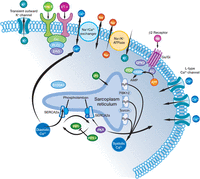
Figure 5. Vascular or airway SMCs are driven by a cytosolic oscillator that generates a periodic release of Ca2+ from the endoplasmic reticulum that usually appears as a propagating Ca2+ wave. From: Smooth muscle cell calcium activation mechanisms.

tjp0586-5047-f5   Vascular or airway SMCs are driven by a cytosolic oscillator that generates a periodic release of Ca2+ from the endoplasmic reticulum

The oscillator is induced/modulated by neurotransmitters such as acetylcholine (ACh), 5-hydroxytryptamine (5-HT), noradrenaline (NA) and endothelin-1 (ET-1), which act through inositol 1,4,5-trisphosphate (InsP3) that initiates the oscillatory mechanism. The sequence of steps 1–9 is described in the text. Reproduced from Berridge (2008), with permission.
Michael J Berridge. J Physiol. 2008 November 1;586(Pt 21):5047-5061.    http://www.ncbi.nlm.nih.gov/pmc/articles/instance/2652144/bin/tjp0586-5047-f5.jpg

Figure 7. The cytosolic Ca2+ oscillator responsible for pacemaker activity in interstitial cells of Cajal releases periodic pulses of Ca2+ that form a Ca2+ wave. From: Smooth muscle cell calcium activation mechanisms.

tjp0586-5047-f7 The cytosolic Ca2+ oscillator responsible for pacemaker activity in interstitial cells of Cajal releases periodic pulses of Ca2+ that form a Ca2+ wave.

The increase in Ca2+ activates Cl− channels (CLCA) to give the spontaneous transient inward currents (STICs) that sum to form the spontaneous transient depolarizations (STD) resulting in the slow waves of membrane depolarization (see inset). Current flow through gap junctions allows these waves to spread into neighbouring smooth muscle cells to activate contraction. See text for a description of the oscillator that drives this activation process. Reproduced from Berridge (2008), with permission.
Michael J Berridge. J Physiol. 2008 November 1;586(Pt 21):5047-5061.  http://www.ncbi.nlm.nih.gov/pmc/articles/instance/2652144/bin/tjp0586-5047-f7.gif

This article is the Part IX in a series of articles on Activation and Dysfunction of the Calcium Release Mechanisms in Cardiomyocytes and Vascular Smooth Muscle Cells.

The Series consists of the following articles:

Part I: Identification of Biomarkers that are Related to the Actin Cytoskeleton

Larry H Bernstein, MD, FCAP

http://pharmaceuticalintelligence.com/2012/12/10/identification-of-biomarkers-that-are-related-to-the-actin-cytoskeleton/

Part II: Role of Calcium, the Actin Skeleton, and Lipid Structures in Signaling and Cell Motility

Larry H. Bernstein, MD, FCAP, Stephen Williams, PhD and Aviva Lev-Ari, PhD, RN

http://pharmaceuticalintelligence.com/2013/08/26/role-of-calcium-the-actin-skeleton-and-lipid-structures-in-signaling-and-cell-motility/

Part III: Renal Distal Tubular Ca2+ Exchange Mechanism in Health and Disease

Larry H. Bernstein, MD, FCAP, Stephen J. Williams, PhD
 and Aviva Lev-Ari, PhD, RN

http://pharmaceuticalintelligence.com/2013/09/02/renal-distal-tubular-ca2-exchange-mechanism-in-health-and-disease/

Part IV: The Centrality of Ca(2+) Signaling and Cytoskeleton Involving Calmodulin Kinases and Ryanodine Receptors in Cardiac Failure, Arterial Smooth Muscle, Post-ischemic Arrhythmia, Similarities and Differences, and Pharmaceutical Targets

Larry H Bernstein, MD, FCAP, Justin Pearlman, MD, PhD, FACC and Aviva Lev-Ari, PhD, RN

http://pharmaceuticalintelligence.com/2013/09/08/the-centrality-of-ca2-signaling-and-cytoskeleton-involving-calmodulin-kinases-and-ryanodine-receptors-in-cardiac-failure-arterial-smooth-muscle-post-ischemic-arrhythmia-similarities-and-differen/

Part V: Ca2+-Stimulated Exocytosis:  The Role of Calmodulin and Protein Kinase C in Ca2+ Regulation of Hormone and Neurotransmitter

Larry H Bernstein, MD, FCAP
and
Aviva Lev-Ari, PhD, RN

http://pharmaceuticalintelligence.com/2013/12/23/calmodulin-and-protein-kinase-c-drive-the-ca2-regulation-of-hormone-and-neurotransmitter-release-that-triggers-ca2-stimulated-exocytosis/

Part VI: Calcium Cycling (ATPase Pump) in Cardiac Gene Therapy: Inhalable Gene Therapy for Pulmonary Arterial Hypertension and Percutaneous Intra-coronary Artery Infusion for Heart Failure: Contributions by Roger J. Hajjar, MD

Aviva Lev-Ari, PhD, RN

http://pharmaceuticalintelligence.com/2013/08/01/calcium-molecule-in-cardiac-gene-therapy-inhalable-gene-therapy-for-pulmonary-arterial-hypertension-and-percutaneous-intra-coronary-artery-infusion-for-heart-failure-contributions-by-roger-j-hajjar/

Part VII: Cardiac Contractility & Myocardium Performance: Ventricular Arrhythmiasand Non-ischemic Heart Failure – Therapeutic Implications for Cardiomyocyte Ryanopathy (Calcium Release-related Contractile Dysfunction) and Catecholamine Responses

Justin Pearlman, MD, PhD, FACC, Larry H Bernstein, MD, FCAP and Aviva Lev-Ari, PhD, RN

http://pharmaceuticalintelligence.com/2013/08/28/cardiac-contractility-myocardium-performance-ventricular-arrhythmias-and-non-ischemic-heart-failure-therapeutic-implications-for-cardiomyocyte-ryanopathy-calcium-release-related-contractile/

Part VIII: Disruption of Calcium Homeostasis: Cardiomyocytes and Vascular Smooth Muscle Cells: The Cardiac and Cardiovascular Calcium Signaling Mechanism

Justin Pearlman, MD, PhD, FACC, Larry H Bernstein, MD, FCAP and Aviva Lev-Ari, PhD, RN

http://pharmaceuticalintelligence.com/2013/09/12/disruption-of-calcium-homeostasis-cardiomyocytes-and-vascular-smooth-muscle-cells-the-cardiac-and-cardiovascular-calcium-signaling-mechanism/

Part IX: Calcium-Channel Blockers, Calcium Release-related Contractile Dysfunction (Ryanopathy) and Calcium as Neurotransmitter Sensor

Justin Pearlman, MD, PhD, FACC, Larry H Bernstein, MD, FCAP and Aviva Lev-Ari, PhD, RN

Part X: Synaptotagmin functions as a Calcium Sensor: How Calcium Ions Regulate the fusion of vesicles with cell membranes during Neurotransmission

Larry H Bernstein, MD, FCAP and Aviva Lev-Ari, PhD, RN

http://pharmaceuticalintelligence.com/2013/09/10/synaptotagmin-functions-as-a-calcium-sensor-how-calcium-ions-regulate-the-fusion-of-vesicles-with-cell-membranes-during-neurotransmission/

Part XI: Sensors and Signaling in Oxidative Stress

Larry H. Bernstein, MD, FCAP

http://pharmaceuticalintelligence.com/2013/11/01/sensors-and-signaling-in-oxidative-stress/

Part XII: Atherosclerosis Independence: Genetic Polymorphisms of Ion Channels Role in the Pathogenesis of Coronary Microvascular Dysfunction and Myocardial Ischemia (Coronary Artery Disease (CAD))

Larry H Bernstein, MD, FCAP and Aviva Lev-Ari, PhD, RN

http://pharmaceuticalintelligence.com/2013/12/21/genetic-polymorphisms-of-ion-channels-have-a-role-in-the-pathogenesis-of-coronary-microvascular-dysfunction-and-ischemic-heart-disease/

This article has FIVE Sections:

Section One

Innovations in Combination Drug Therapy: Calcium-Channel Blocker –  Amlodipine (Norvasc) in single-pill combinations (SPCs) of drugs

Section Two

Calcium-Channel Blockers: Drug Class and Indications

Section Three

Brand and Generic Calcium Channel Blocking Agents

Section Four

Dysfunction of the Calcium Release Mechanism

Section Five

The Calcium Sensor: How Calcium Ions Regulate the fusion of vesicles with cell membranes during Neurotransmission

 Section One

Innovations in Combination Drug Therapy:

Calcium-Channel Blocker, Amlodipine (Norvasc) in Single-Pill Combinations (SPCs) of Drugs

Latest development on Cardiovascular Pharmacotherapy relates to the development of a Duo Combination Therapy to include a leading  Calcium-Channel Blocker, Amlodipine (Norvasc), as one of the two drug classes in one pill:The research investigated the therapeutic efficacy achieved via a comparison of a two single-pill combinations (SPCs) of drugs:

  • telmisartan/amlodipine (T/A) [ARB/CCB]

and

  • telmisartan/hydrochlorothiazide (T/H) [ARB/Diuterics]
Drug classes:
ARB – telmisartan
CCB – amlodipine
Diuretics – hydrochlorothiazide

A review of the benefits of early treatment initiation with single-pill combinations of telmisartan with amlodipine or hydrochlorothiazide

Authors: Segura J, Ruilope LM

Published Date September 2013 Volume 2013:9 Pages 521 – 528

http://www.dovepress.com/articles.php?article_id=14373

Published: 16 September 2013, Dovepress Journal: Vascular Health and Risk Management

Julian Segura, Luis Miguel Ruilope

Department of Nephrology, Hospital 12 de Octubre, Madrid, Spain

Abstract:

This review discusses the rationale for earlier use of single-pill combinations (SPCs) of antihypertensive drugs, with a focus on telmisartan/amlodipine (T/A) and telmisartan/hydrochlorothiazide (T/H) SPCs.
  • Compared with the respective monotherapies, the once-daily T/A and T/H SPCs have been shown to result in significantly higher blood pressure (BP) reductions, BP goal rates, and response rates in patients at all stages of hypertension.
  • As expected, BP reductions are highest with the highest dose (T80/A10 and T80/H25) SPCs. Subgroup analyses of the telmisartan trials have reported the efficacy of both SPCs to be consistent, regardless of the patients’ age, race, and coexisting diabetes, obesity, or renal impairment.
  • In patients with mild-to-moderate hypertension, the T/A combination provides superior 24-hour BP-lowering efficacy compared with either treatment administered as monotherapy.
  • Similarly, the T/H SPC treatment provides superior 24-hour BP-lowering efficacy, especially in the last 6 hours relative to other renin–angiotensin system inhibitor-based SPCs.
  • The T/A SPC is associated with a lower incidence of edema than amlodipine monotherapy, and
  • The T/H SPC with a lower incidence of hypokalemia than hydrochlorothiazide monotherapy
  • Existing evidence supports the use of the T/A SPC for the treatment of hypertensive patients with prediabetes, diabetes, or metabolic syndrome, due to the metabolic neutrality of both component drugs, and the use of the T/H SPC for those patients with edema or in need of volume reduction.
Keywords: angiotensin receptor blockers, or ARBs, calcium-channel blocker, or CCBs, essential hypertension, diuretic, , renin-angiotensin system inhibitor, or ACEI
http://www.dovepress.com/articles.php?article_id=14373
We reported on 5/29/2012

Triple Combination Therapy: ARB and Calcium Channel Blocker and Diuretics

In July 2010, a triple combination drug for hypertension was approved by the US Food and Drug Administration. Tribenzor contains olmesartan medoxomil, amlodipine and hydrochlorothiazide, according to Monthly Prescribing Reference.

TRIBENZOR is a Daiichi Sankyo’s product- ARB and Calcium Channel Blocker and Diuretic

How TRIBENZOR work

Tribenzor contains olmesartan medoxomil, amlodipine and hydrochlorothiazide. High blood pressure makes the heart work harder to pump blood through the body and causes damage to blood vessels. TRIBENZOR can help your blood vessels relax and reduce the amount of fluid in your blood. This can make your blood pressure lower. Medicines that lower blood pressure may lower your chance of having a stroke or a heart attack.

Some people may need more than 1—or even more than 2—medicines to help control their blood pressure. TRIBENZOR combines 3 effective medicines in 1 convenient pill. Read the following chart to learn how each medicine works in its own way to help lower blood pressure.

TRIBENZOR: 3 effective medicines in 1 pill

The medicine in TRIBENZOR How it works What it does
Angiotensin II receptor blocker Blocks a natural chemical in your body that causes blood vessels to narrow.

Lowers

Yours

blood

pressure

Calcium channel blocker Blocks the narrowing effect of calcium on your blood vessels. This helps your blood vessels relax.
Diuretic (water pill) Helps your kidneys flush extra fluid and salt from your body. This lowers the amount of fluid in your blood.

http://www.tribenzor.com/how_works.html

            Effectively lower blood pressure. People taking the 3 medicines in TRIBENZOR had greater reductions in blood pressure than did people taking any 2 of the medicines combined

            Start to work quickly. People taking TRIBENZOR saw results in as little as 2 weeks

AZOR is a Daiichi Sankyo’s product- ARB and Calcium Channel Blocker

How AZOR work

AZOR relaxes and widens blood vessels to help lower blood pressure.

You may have already tried another blood pressure medicine that works a certain way to lower blood pressure. But 1 blood pressure medicine may not be enough for you. You may find the help you need with the 2 effective medicines in AZOR.

AZOR combines 2 effective medicines in 1 convenient pill.

Learn how each medicine in AZOR works in its own way to help lower blood pressure.

The medicine in AZOR How it works What it does
Angiotensin II receptor blocker (ARB) Blocks a natural chemical in your body that causes blood vessels to narrow. This helps your blood vessels relax and widen.

Lowers

Your

Blood

pressure

Calcium channel blocker Blocks the narrowing effect of calcium on your blood vessels. This helps your blood vessels relax.

http://www.AZOR.com/how_works.html

Section Two

Calcium-Channel Blockers: Drug Class and Indications

In Sudhof’s Lasker Award presentation he refers to the biochemical properties of synaptotagmin were found to precisely correspond to the extraordinary calcium-triggering properties of release, and to account for a regulatory pathway that also applies to other types of calcium-triggered fusion, for example fusion observed in hormone secretion.  A CCB would have to block the calcium-triggering properties of release, and consequently, would block the release of neurohormones.  This is because the fusion apparatus and its synaptotagmin-dependent control mechanism linked to the calcium channels, docking and priming synaptic vesicles, being blocked, disables the calcium-control of the vesicle fusion that is necessary for neurotransmitter release. Consequently, the end result would be increased vascular flow from the inhibition.

What are calcium channel blockers and how do they work?

In order to pump blood, the heart needs oxygen. The harder the heart works, the more oxygen it requires. Angina (heart pain) occurs when the supply of oxygen to the heart is inadequate for the amount of work the heart must do. By dilating the arteries, CCBs reduce the pressure in the arteries. This makes it easier for the heart to pump blood, and, as a result, the heart needs less oxygen. By reducing the heart’s need for oxygen, CCBs relieve or prevent angina. CCBs also are used for treating high blood pressure because of their blood pressure-lowering effects. CCBs also slow the rate at which the heart beats and are therefore used for treating certain types of abnormally rapid heart rhythms.

For what conditions are calcium channel blockers used?

CCBs are used for treating high blood pressure, angina, and abnormal heart rhythms (for example, atrial fibrillationparoxysmal supraventricular tachycardia).

They also may be used after a heart attack, particularly among patients who cannot tolerate beta-blocking drugs, have atrial fibrillation, or require treatment for their angina.

Unlike beta blockers, CCBs have not been shown to reduce mortality or additional heart attacks after a heart attack.

CCBs are as effective as ACE inhibitors in reducing blood pressure, but they may not be as effective as ACE inhibitors in preventing the kidney failure caused by high blood pressure or diabetes.

They also are used for treating:

CCBs are also used in the prevention of migraine headaches.

Are there any differences among calcium channel blockers?

CCBs differ in their duration of action, the process by which they are eliminated from the body, and, most importantly, in their ability to affect heart rate and contraction. Some CCBs [for example, amlodipine (Norvasc)] have very little effect on heart rate and contraction so they are safer to use in individuals who have heart failure or bradycardia (a slow heart rate). Verapamil (Calan, Isoptin) and diltiazem (Cardizem) have the greatest effects on the heart and reduce the strength and rate of contraction. Therefore, they are used in reducing heart rate when the heart is beating too fast.

What are the side effects of calcium channel blockers?

  • The most common side effects of CCBs are constipationnausea,headacherashedema (swelling of the legs with fluid), low blood pressure, drowsiness, and dizziness.
  • Liver dysfunction and over growth of gums may also occur. When diltiazem (Cardizem) or verapamil (Calan, Isoptin) are given to individuals with heart failure, symptoms of heart failure may worsen because these drugs reduce the ability of the heart to pump blood.
  • Like other blood pressure medications, CCBs are associated with sexual dysfunction.

http://www.medicinenet.com/calcium_channel_blockers/article.htm

Section Three

Brand and Generic Calcium Channel Blocking Agents

A drug may be classified by the chemical type of the active ingredient or by the way it is used to treat a particular condition. Each drug can be classified into one or more drug classes.

Calcium channel blockers block voltage gated calcium channels and inhibits the influx of calcium ions into cardiac and smooth muscle cells. The decrease in intracellular calcium reduces the strength of heart muscle contraction, reduces conduction of impulses in the heart, and causes vasodilatation.

Decrease in intracellular calcium in the heart decreases cardiac contractility. Decreased calcium in the vascular smooth muscle reduces its contraction and therefore causes vasodilatation.

Decrease in cardiac contractility decreases cardiac output and vasodilatation decreases total peripheral resistance, both of which cause a drop in blood pressure.

Calcium channel blocking agents are used to treat hypertension.

Filter by: — all conditions –AnginaAngina Pectoris ProphylaxisArrhythmiaAtrial FibrillationAtrial FlutterBipolar DisorderCluster HeadachesCoronary Artery DiseaseHeart FailureHigh Blood PressureHypertensive EmergencyHypertrophic CardiomyopathyIdiopathic Hypertrophic Subaortic StenosisIschemic StrokeMigraine PreventionNocturnal Leg CrampsPremature LaborRaynaud’s SyndromeSubarachnoid HemorrhageSupraventricular Tachycardia

Drug Name ( View by: Brand | Generic )
Afeditab CR (Pro, More…)generic name: nifedipine
Diltia XT (Pro, More…)generic name: diltiazem
Diltiazem Hydrochloride SR (More…)generic name: diltiazem
Nimotop (Pro, More…)generic name: nimodipine
Verelan PM (Pro, More…)generic name: verapamil
Cartia XT (Pro, More…)generic name: diltiazem
Adalat (More…)generic name: nifedipine
Calan SR (Pro, More…)generic name: verapamil
Cardizem (Pro, More…)generic name: diltiazem
Diltiazem Hydrochloride CD (More…)generic name: diltiazem
Isoptin SR (Pro, More…)generic name: verapamil
Nifediac CC (Pro, More…)generic name: nifedipine
Tiazac (Pro, More…)generic name: diltiazem
Procardia (Pro, More…)generic name: nifedipine
Adalat CC (Pro, More…)generic name: nifedipine
Cardizem LA (Pro, More…)generic name: diltiazem
Calan (Pro, More…)generic name: verapamil
Procardia XL (Pro, More…)generic name: nifedipine
Isoptin (More…)generic name: verapamil
Nifedical XL (Pro, More…)generic name: nifedipine
Plendil (Pro, More…)generic name: felodipine
Taztia XT (Pro, More…)generic name: diltiazem
Cardizem CD (Pro, More…)generic name: diltiazem
Norvasc (Pro, More…)generic name: amlodipine
Verelan (Pro, More…)generic name: verapamil
Cardene SR (Pro, More…)generic name: nicardipine
DynaCirc CR (Pro, More…)generic name: isradipine
Sular (Pro, More…)generic name: nisoldipine
Cardene (Pro, More…)generic name: nicardipine
Cardene IV (Pro, More…)generic name: nicardipine
Cleviprex (Pro, More…)generic name: clevidipine
Covera-HS (Pro, More…)generic name: verapamil
Dilacor XR (Pro, More…)generic name: diltiazem
Dilt-XR (Pro, More…)generic name: diltiazem
Diltiazem Hydrochloride XR (More…)generic name: diltiazem
Diltiazem Hydrochloride XT (More…)generic name: diltiazem
Diltzac (Pro, More…)generic name: diltiazem
Dynacirc (Pro, More…)generic name: isradipine
Matzim LA (Pro, More…)generic name: diltiazem
Nymalize (Pro, More…)generic name: nimodipine
Vascor (More…)generic name: bepridil

Section Four

Dysfunction of the Calcium Release Mechanism

For Disruption of Calcium Homeostasis in Vascular Smooth Muscle Cells, see

Part IV: The Centrality of Ca(2+) Signaling and Cytoskeleton Involving Calmodulin Kinases and Ryanodine Receptors in Cardiac Failure, Arterial Smooth Muscle, Post-ischemic Arrhythmia, Similarities and Differences, and Pharmaceutical Targets

Larry H Bernstein, MD, FCAP, Justin Pearlman, MD, PhD, FACC and Aviva Lev-Ari, PhD, RN

http://pharmaceuticalintelligence.com/2013/09/08/the-centrality-of-ca2-signaling-and-cytoskeleton-involving-calmodulin-kinases-and-ryanodine-receptors-in-cardiac-failure-arterial-smooth-muscle-post-ischemic-arrhythmia-similarities-and-differen/

Part V: Heart, Vascular Smooth Muscle, Excitation-Contraction Coupling (E-CC), Cytoskeleton, Cellular Dynamics and Ca2 Signaling

Larry H Bernstein, MD, FCAP, Justin Pearlman, MD, PhD, FACC and Aviva Lev-Ari, PhD, RN

http://pharmaceuticalintelligence.com/2013/08/26/heart-smooth-muscle-excitation-contraction-coupling-cytoskeleton-cellular-dynamics-and-ca2-signaling/

For Disruption of Calcium Homeostasis in Cardiomyocyte Cells, see

Part VI: Calcium Cycling (ATPase Pump) in Cardiac Gene Therapy: Inhalable Gene Therapy for Pulmonary Arterial Hypertension and Percutaneous Intra-coronary Artery Infusion for Heart Failure: Contributions by Roger J. Hajjar, MD

Aviva Lev-Ari, PhD, RN

http://pharmaceuticalintelligence.com/2013/08/01/calcium-molecule-in-cardiac-gene-therapy-inhalable-gene-therapy-for-pulmonary-arterial-hypertension-and-percutaneous-intra-coronary-artery-infusion-for-heart-failure-contributions-by-roger-j-hajjar/

Part VII: Cardiac Contractility & Myocardium Performance: Ventricular Arrhythmias and Non-ischemic Heart Failure – Therapeutic Implications for Cardiomyocyte Ryanopathy (Calcium Release-related Contractile Dysfunction) and Catecholamine Responses

Justin Pearlman, MD, PhD, FACC, Larry H Bernstein, MD, FCAP and Aviva Lev-Ari, PhD, RN

http://pharmaceuticalintelligence.com/2013/08/28/cardiac-contractility-myocardium-performance-ventricular-arrhythmias-and-non-ischemic-heart-failure-therapeutic-implications-for-cardiomyocyte-ryanopathy-calcium-release-related-contractile/

Part VIII: Disruption of Calcium Homeostasis: Cardiomyocytes and Vascular Smooth Muscle Cells: The Cardiac and Cardiovascular Calcium Signaling Mechanism

Justin Pearlman, MD, PhD, FACC, Larry H Bernstein, MD, FCAP and Aviva Lev-Ari, PhD, RN

http://pharmaceuticalintelligence.com/2013/09/12/disruption-of-calcium-homeostasis-cardiomyocytes-and-vascular-smooth-muscle-cells-the-cardiac-and-cardiovascular-calcium-signaling-mechanism/

Section Five

The Calcium Sensor: How Calcium Ions Regulate the fusion of vesicles with cell membranes during Neurotransmission

This topic is covered in

Synaptotagmin functions as a Calcium Sensor: How Calcium Ions Regulate the fusion of vesicles with cell membranes during Neurotransmission

Larry H Bernstein, MD, FCAP and Aviva Lev-Ari, PhD, RN

http://pharmaceuticalintelligence.com/2013/09/10/synaptotagmin-functions-as-a-calcium-sensor-how-calcium-ions-regulate-the-fusion-of-vesicles-with-cell-membranes-during-neurotransmission/

Part V: Heart, Vascular Smooth Muscle, Excitation-Contraction Coupling (E-CC), Cytoskeleton, Cellular Dynamics and Ca2 Signaling

Larry H Bernstein, MD, FCAP, Justin Pearlman, MD, PhD, FACC and Aviva Lev-Ari, PhD, RN

http://pharmaceuticalintelligence.com/2013/08/26/heart-smooth-muscle-excitation-contraction-coupling-cytoskeleton-cellular-dynamics-and-ca2-signaling/

Summary

Work on neurotransmitter release revealed a hierarchy of molecular machines that mediate the fusion of synaptic vesicles, the calcium-control of this fusion, and the embedding of calcium-controlled fusion in the context of the presynaptic terminal at the synapse. The neural transmission is described as a biological relay system. Neurotransmission kicks off with an electrical pulse that runs down a nerve cell, or neuron. When that signal reaches the tip, calcium enters the cell. In response, the neuron liberates chemical messengers—neurotransmitters.  When the calcium-controlled fusion at the presynaptic junction is blocked, as with a CCB, neurotransmitters are not released.  The activity of the neurotransmitters would be to cause smaooth muscle contraction of the vessel.  The CCB would cause relaxation and flow.

http://www.nature.com/focus/Lasker/2013/pdf/ES-Lasker13-Sudhof.pdf

Part IX of this series of articles discussed the mechanism of the signaling of smooth muscle cells by the interacting parasympathetic neural innervation that occurs by calcium triggering neurotransmitter release by initiating synaptic vesicle fusion. It involves the interaction of soluble N-acetylmaleimide-sensitive factor (SNARE) and SM proteins, and in addition, the discovery of a calcium-dependent Syt1 (C) domain of protein- kinase C isoenzyme, which binds to phospholipids. It is reasonable to consider that it differs from motor neuron activation of skeletal muscles, mainly because the innervation is in the involuntary domain. The cranial nerve rooted innervation has evolved comes from the spinal ganglia at the corresponding level of the spinal cord. It is in this specific neural function that we find a mechanistic interaction with adrenergic hormonal function, a concept intimated by the late Richard Bing. Only recently has there been a plausible concept that brings this into serious consideration. Moreover, the review of therapeutic drugs that are used in blocking adrenergic receptors are closely related to the calcium-channels. Interesting too is the participation of a phospholipid bound protein-kinase isoenzyme C calcium-dependent domain Syt1. The neurohormonal connection lies in the observation by Katz in the 1950’s that the vesicles of the neurons hold and eject fixed amounts of neurotransmitters.  The mechanism of this action will be futher discussed in Part X.

Read Full Post »

Disruption of Calcium Homeostasis: Cardiomyocytes and Vascular Smooth Muscle Cells: The Cardiac and Cardiovascular Calcium Signaling Mechanism


Author, Introduction: Larry H Bernstein, MD, FCAP

Author, Summary: Justin Pearlman, MD, PhD, FACC 

and

Article Curator: Aviva Lev-Ari, PhD, RN

Article VIII Disruption of Calcium Homeostasis Cardiomyocytes and Vascular Smooth Muscle Cells The Cardiac and Cardiovascular Calcium Signaling Mechanism

Image created by Adina Hazan 06/30/2021

This article is the Part VIII in a series of articles on Activation and Dysfunction of the Calcium Release Mechanisms in Cardiomyocytes and Vascular Smooth Muscle Cells. Calcium has a storage and release cycle that flags activation of important cellular activities that include in particular the cycle activation of muscle contraction both to circulate blood and control its pressure and distribution. Homeostasis – the maintenance of status – requires controlled release of calcium from storage and return of calcium to storage. Such controls are critical both within cells, and for the entire biologic system. Thus the role of kidneys in maintaining the correct total body load of available calcium is just as vital as the subcellular systems of calcium handling in heart muscle and in the muscles that line arteries to control blood flow. The practical side to this knowledge includes not only identifying abnormalities at the cellular as well as system levels, but also identifying better opportunities to characterize disease and to intervene.

The Series consists of the following articles:

Part I: Identification of Biomarkers that are Related to the Actin Cytoskeleton

Larry H Bernstein, MD, FCAP

http://pharmaceuticalintelligence.com/2012/12/10/identification-of-biomarkers-that-are-related-to-the-actin-cytoskeleton/

Part II: Role of Calcium, the Actin Skeleton, and Lipid Structures in Signaling and Cell Motility

Larry H. Bernstein, MD, FCAP, Stephen Williams, PhD and Aviva Lev-Ari, PhD, RN

http://pharmaceuticalintelligence.com/2013/08/26/role-of-calcium-the-actin-skeleton-and-lipid-structures-in-signaling-and-cell-motility/

Part III: Renal Distal Tubular Ca2+ Exchange Mechanism in Health and Disease

Larry H. Bernstein, MD, FCAP, Stephen J. Williams, PhD
 and Aviva Lev-Ari, PhD, RN

http://pharmaceuticalintelligence.com/2013/09/02/renal-distal-tubular-ca2-exchange-mechanism-in-health-and-disease/

Part IV: The Centrality of Ca(2+) Signaling and Cytoskeleton Involving Calmodulin Kinases and Ryanodine Receptors in Cardiac Failure, Arterial Smooth Muscle, Post-ischemic Arrhythmia, Similarities and Differences, and Pharmaceutical Targets

Larry H Bernstein, MD, FCAP, Justin Pearlman, MD, PhD, FACC and Aviva Lev-Ari, PhD, RN

http://pharmaceuticalintelligence.com/2013/09/08/the-centrality-of-ca2-signaling-and-cytoskeleton-involving-calmodulin-kinases-and-ryanodine-receptors-in-cardiac-failure-arterial-smooth-muscle-post-ischemic-arrhythmia-similarities-and-differences/

Part V: Ca2+-Stimulated Exocytosis:  The Role of Calmodulin and Protein Kinase C in Ca2+ Regulation of Hormone and Neurotransmitter

Larry H Bernstein, MD, FCAP
and
Aviva Lev-Ari, PhD, RN

http://pharmaceuticalintelligence.com/2013/12/23/calmodulin-and-protein-kinase-c-drive-the-ca2-regulation-of-hormone-and-neurotransmitter-release-that-triggers-ca2-stimulated-exocytosis/

Part VI: Calcium Cycling (ATPase Pump) in Cardiac Gene Therapy: Inhalable Gene Therapy for Pulmonary Arterial Hypertension and Percutaneous Intra-coronary Artery Infusion for Heart Failure: Contributions by Roger J. Hajjar, MD

Aviva Lev-Ari, PhD, RN

http://pharmaceuticalintelligence.com/2013/08/01/calcium-molecule-in-cardiac-gene-therapy-inhalable-gene-therapy-for-pulmonary-arterial-hypertension-and-percutaneous-intra-coronary-artery-infusion-for-heart-failure-contributions-by-roger-j-hajjar/

Part VII: Cardiac Contractility & Myocardium Performance: Ventricular Arrhythmias and Non-ischemic Heart Failure – Therapeutic Implications for Cardiomyocyte Ryanopathy (Calcium Release-related Contractile Dysfunction) and Catecholamine Responses

Justin Pearlman, MD, PhD, FACC, Larry H Bernstein, MD, FCAP and Aviva Lev-Ari, PhD, RN

http://pharmaceuticalintelligence.com/2013/08/28/cardiac-contractility-myocardium-performance-ventricular-arrhythmias-and-non-ischemic-heart-failure-therapeutic-implications-for-cardiomyocyte-ryanopathy-calcium-release-related-contractile/

Part VIII: Disruption of Calcium Homeostasis: Cardiomyocytes and Vascular Smooth Muscle Cells: The Cardiac and Cardiovascular Calcium Signaling Mechanism

Justin Pearlman, MD, PhD, FACC, Larry H Bernstein, MD, FCAP and Aviva Lev-Ari, PhD, RN

http://pharmaceuticalintelligence.com/2013/09/12/disruption-of-calcium-homeostasis-cardiomyocytes-and-vascular-smooth-muscle-cells-the-cardiac-and-cardiovascular-calcium-signaling-mechanism/

Part IXCalcium-Channel Blockers, Calcium Release-related Contractile Dysfunction (Ryanopathy) and Calcium as Neurotransmitter Sensor

Justin Pearlman, MD, PhD, FACC, Larry H Bernstein, MD, FCAP and Aviva Lev-Ari, PhD, RN

Part X: Synaptotagmin functions as a Calcium Sensor: How Calcium Ions Regulate the fusion of vesicles with cell membranes during Neurotransmission

Larry H Bernstein, MD, FCAP and Aviva Lev-Ari, PhD, RN

http://pharmaceuticalintelligence.com/2013/09/10/synaptotagmin-functions-as-a-calcium-sensor-how-calcium-ions-regulate-the-fusion-of-vesicles-with-cell-membranes-during-neurotransmission/

Part XI: Sensors and Signaling in Oxidative Stress

Larry H. Bernstein, MD, FCAP

http://pharmaceuticalintelligence.com/2013/11/01/sensors-and-signaling-in-oxidative-stress/

Part XII: Atherosclerosis Independence: Genetic Polymorphisms of Ion Channels Role in the Pathogenesis of Coronary Microvascular Dysfunction and Myocardial Ischemia (Coronary Artery Disease (CAD))

Larry H Bernstein, MD, FCAP and Aviva Lev-Ari, PhD, RN

http://pharmaceuticalintelligence.com/2013/12/21/genetic-polymorphisms-of-ion-channels-have-a-role-in-the-pathogenesis-of-coronary-microvascular-dysfunction-and-ischemic-heart-disease/

This article has three Sections:

Section One:

Vascular Smooth Muscle Cells: The Cardiovascular Calcium Signaling Mechanism

Section Two:

Cardiomyocytes Cells: The Cardiac Calcium Signaling Mechanism

Section Three:

The Calcium Sensor: How Calcium Ions Regulate the fusion of vesicles with cell membranes during Neurotransmission

Introduction

by Larry H Bernstein, MD, FACC   

Introduction

This discussion in two Sections brings to a conclusion the two main aspects of calcium signaling and transient current induction in the cardiovascular system – involving vascular smooth muscle and cardiomyocyte.  In this first Section, it extends the view of smooth muscle beyond the vascular smooth muscle to contraction events in gastrointestinal tract, urinary bladder, and uterus, but by inference, to ductal structures (gallbladder, parotid gland, etc.).  This discussion also reinforces the ECONOMY of the evolutionary development of these functional MOTIFS, as a common thread is used again, and again, in specific contexts.  The main elements of this mechanistic framework are:

  • the endoplasmic (sarcoplasmic) reticulum as a strorage depot for calcium needed in E-C coupling
  • the release of Ca(2+) into the cytoplasm
  • the generation of a voltage and current with contraction of the muscle cell unit
  • the coordination of smooth muscle cell contractions (in waves)
    • this appears to be related to the Rho/Rho kinase pathway
  • there is also a membrane depolarization inherent in the activation mechanism
  • whether there is an ordered relationship between the calcium release and the membrane polarization, and why this would be so, in not clear
  • three different models of calcium release are shown from the MJ Berridge classification article below in Figure 1.
  • Model C is of special interest because of the focus on cytosolic (Ca+) ion transfers involving the interstitial cells of Cajal (Ramin e’ Cajal) through gap junctions

Santiago Ramón y Cajal  (Spanish: [sanˈtjaɣo raˈmon i kaˈxal]; 1 May 1852 – 18 October 1934) was a Spanish pathologist, histologist and neuroscientist. He was awarded  the Nobel Prize in Physiology or Medicine in 1906 together with Italian Camillo Golgi “in recognition of their work on the structure of the nervous system”.  Relevant to this discussion, he discovered a new type of cell, to be named after him: the interstitial cell of Cajal (ICC). This cell is found interleaved among neurons embedded within the smooth muscles lining the gut, serving as the generator and pacemaker of the slow waves of contraction that move material along the gastrointestine, vitally mediating neurotransmission from motor nerves to smooth muscle cells . Cajal also described in 1891 slender horizontal bipolar cells in the developing marginal zone of lagomorphs.(See the Cajal’s original drawing of the cells) , considered by Retzius as homologues to the cells he found in humans and in other mammals (Retzius, 1893, 1894).  The term Cajal–Retzius cell is applied to reelin-producing neurons of the human embryonic marginal zone.  

240px-Cajal-Retzius_cell_drawing_by_Cajal_1891

Section One

Vascular Smooth Muscle Cells: The Cardiovascular Calcium Signaling Mechanism

Smooth Muscle Cell Calcium Activation Mechanisms

Michael J. Berridge

J Physiol 586.21 (2008) pp 5047–5061

http://jp.physoc.org/content/586/21/5047.full.pdf

Classification of Smooth Muscle Ca2+ Activation Mechanisms

Excitation–contraction coupling in SMCs occurs through two main mechanisms. Many SMCs are activated by Ca2+ signalling cascades (Haddock & Hill, 2005; Wray et al.  2005).  In addition, there is a Rho/Rho kinase signaling pathway that acts by altering the Ca2+ sensitivity of the contractile system (Somlyo & Somlyo, 2003). Since the latter appears to have more of a modulatory function,most attention will focus on how Ca2+ signalling is activated.  Since membrane depolarization is a key element for the activation of many SMCs,much attention will focus on the mechanisms responsible for depolarizing the membrane.  However, there are other SMCs where activation depends on the periodic release of Ca2+ from internal stores. These different Ca2+ activation mechanisms fall into the following three main groups (Fig. 1).


Fig 1 Ca2+

Figure 1. The three main mechanisms responsible for generating the Ca2+ transients that trigger smooth

muscle cell (SMC) contraction

A, receptor-operated channels (ROCs) or a membrane oscillator induces the membrane depolarization (_V) that

triggers Ca2+ entry and contraction.

B, a cytosolic Ca2+ oscillator induces the Ca2+ signal that drives contraction.

C, a cytosolic Ca2+ oscillator in interstitial cells of Cajal (ICCs) or atypical SMCs induces the membrane depolarization

that spreads through the gap junctions to activate neighbouring SMCs. Reproduced from Berridge (2008), with permission

SOURCE for Figure 1: J Physiol 586.21 M. J. Berridge Smooth muscle cell calcium activation mechanisms 5048

http://jp.physoc.org/content/586/21/5047.full.pdf

Mechanism A.

Many SMCs are activated by membrane depolarization (_V) that opens L-type voltage-operated channels (VOCs) allowing external Ca2+ to flood into the cell to trigger contraction. This depolarization is induced either by ionotropic receptors (vas deferens) or a membrane oscillator (bladder and uterus). Themembrane oscillator, which resides in the plasma membrane, generates the periodic pacemaker depolarizations responsible for the action potentials that drive contraction. The depolarizing signal that activates gastrointestinal, urethral and ureter SMCs is described in mechanism C.

Mechanism B.

The rhythmical contractions of vascular, lymphatic, airway and corpus cavernosum SMCs depend on an endogenous pacemaker driven by a cytosolic Ca2+ oscillator that is responsible for the periodic release of Ca2+  from the endoplasmic reticulum. The periodic pulses of Ca2+ often cause membrane depolarization, but this is not part of the primary activation mechanism but has a secondary role to synchronize and amplify the oscillatory mechanism. Neurotransmitters and hormones act by modulating the frequency of the cytosolic oscillator.

Mechanism C.

A number of SMCs are activated by pacemaker cells such as the interstitial cells of Cajal (ICCs)  (gastrointestinal and urethral SMCs) or atypical SMCs (ureter). These pacemaker cells have a cytosolic oscillator that generates the repetitive Ca2+  transients that activate inward currents that spread through the gap junctions to provide the depolarizing signal (_V) that triggers contraction through mechanism A.  In the following sections, some selected SMC types will illustrate how these signalling mechanisms have been adapted to control different contractile functions with particular emphasis on how Ca2+ signals are activated.

Vascular, Lymphatic and Airway Smooth Muscle Cells

Vascular, lymphatic and airway smooth muscle, which generate rhythmical contractions over an extended period of time, have an endogenous pacemaker mechanism driven by a cytosolic Ca2+ oscillator. In addition, these SMCs also respond to neurotransmitters released from the neural innervation. In the case of mesenteric arteries, the perivascular nerves release both ATP and noradrenaline  (NA). The ATP acts first to produce a small initial contraction that is then followed by a much larger contraction when NA initiates a series of Ca2+ transients (Lamont et al. 2003). Such agonist-induced Ca2+ oscillations are a characteristic feature of the activation mechanisms of vascular (Iino et al. 1994; Lee et al.  2001; Peng et al. 2001; Perez & Sanderson, 2005b; Shaw et al. 2004) and airway SMCs (Kuo et al. 2003; Perez & Sanderson, 2005a; Sanderson et al. 2008). In some blood vessels, a specific tone is maintained by the spatial averaging of asynchronous oscillations. However, there are some vessels where the oscillations in groups of cells are synchronized resulting in the pulsatile contractions known as vasomotion (Mauban et al. 2001; Peng et al.  2001; Lamboley et al. 2003; Haddock & Hill, 2005).  Such vasomotion is also a feature of lymphatic vessels (Imtiaz et al. 2007). Another feature of this oscillatory activity is that variations in transmitter concentration are translated into a change in contractile tone through a mechanism of frequency modulation (Iino et al.  1994; Kuo et al. 2003; Perez & Sanderson, 2005a,b).  Frequency modulation is one of the mechanisms used for encoding and decoding signalling information through Ca2+ oscillations (Berridge, 2007).

The periodic pulses of Ca2+ that drive these rhythmical SMCs are derived from the internal stores through the operation of a cytosolic Ca2+  oscillator (Haddock & Hill, 2005; Imtiaz et al. 2007;  Sanderson et al. 2008). The following general model, which applies to vascular, lymphatic, airway and perhaps also to corpus cavernosum SMCs, attempts to describe the nature of this oscillator and how it can be induced or modulated by neurotransmitters. A luminal loading Ca2+ oscillation mechanism (Berridge & Dupont, 1994; Berridge, 2007)  forms the basis of this cytosolic oscillator model that depends upon the following sequential series of events  (Fig. 5).

 Fig 2 Ca2+

Figure 5. Vascular or airway SMCs are driven by a cytosolic oscillator that generates a periodic release

of Ca2+ from the endoplasmic reticulum that usually appears as a propagating Ca2+ wave

The oscillator is induced/modulated by neurotransmitters such as acetylcholine (ACh), 5-hydroxytryptamine (5-HT),

noradrenaline (NA) and endothelin-1 (ET-1), which act through inositol 1,4,5-trisphosphate (InsP3) that initiates

the oscillatory mechanism. The sequence of steps 1–9 is described in the text. Reproduced from Berridge (2008),

with permission.

SOURCE for Figure 5: J Physiol 586.21 M. J. Berridge Smooth muscle cell calcium activation mechanisms 5053

http://jp.physoc.org/content/586/21/5047.full.pdf

For Disruption of Calcium Homeostasis in Vascular Smooth Muscle Cells, see

Part IV: The Centrality of Ca(2+) Signaling and Cytoskeleton Involving Calmodulin Kinases and Ryanodine Receptors in Cardiac Failure, Arterial Smooth Muscle, Post-ischemic Arrhythmia, Similarities and Differences, and Pharmaceutical Targets

Larry H Bernstein, MD, FCAP, Justin Pearlman, MD, PhD, FACC and Aviva Lev-Ari, PhD, RN

http://pharmaceuticalintelligence.com/2013/09/08/the-centrality-of-ca2-signaling-and-cytoskeleton-involving-calmodulin-kinases-and-ryanodine-receptors-in-cardiac-failure-arterial-smooth-muscle-post-ischemic-arrhythmia-similarities-and-differen/

Part V: Heart, Vascular Smooth Muscle, Excitation-Contraction Coupling (E-CC), Cytoskeleton, Cellular Dynamics and Ca2 Signaling

Larry H Bernstein, MD, FCAP, Justin Pearlman, MD, PhD, FACC and Aviva Lev-Ari, PhD, RN

http://pharmaceuticalintelligence.com/2013/08/26/heart-smooth-muscle-excitation-contraction-coupling-cytoskeleton-cellular-dynamics-and-ca2-signaling/


Section Two

Cardiomyocytes Cells: The Cardiac Calcium Signaling Mechanism

Cardiomyocytes and Ca2+ Channels

Published August 8, 2011 // JCB vol. 194 no. 3 355-365 
The Rockefeller University Press, doi: 10.1083/jcb.201101100

Cellular mechanisms of cardiomyopathy
  1. Pamela A. Harvey and
  2. Leslie A. Leinwand

+Author Affiliations


  1. Department of Molecular, Cellular, and Developmental Biology, University of Colorado at Boulder, Boulder, CO 80309
  1. Correspondence to Leslie Leinwand: leslie.leinwand@colorado.edu

Abbreviations

DCM dilated cardiomyopathy

HCM hypertrophic cardiomyopathy

MyH Cmyosin heavy chain

RCM restrictive cardiomyopathy

Introduction

The heart relies on a complex network of cells to maintain appropriate function. Cardiomyocytes, the contracting cells in the heart, exist in a three-dimensional network of endothelial cells, vascular smooth muscle, and an abundance of fibroblasts as well as transient populations of immune cells. Gap junctions electrochemically coordinate the contraction of individual cardiomyocytes, and their connection to the extracellular matrix (ECM) transduces force and coordinates the overall contraction of the heart. Intracellularly, repeating units of actin and myosin form the backbone of sarcomere structure, the basic functional unit of the cardiomyocyte (Fig. 1). The sarcomere itself consists of ∼20 proteins; however, more than 20 other proteins form connections between the myocytes and the ECM and regulate muscle contraction (Fig. 1 B). Given the complexity of the coordinated efforts of the many proteins that exist in multimeric complexes, dysfunction occurs when these interactions are disrupted.

Figure 1.

View larger version:

Figure 1. Anatomy of the cardiac sarcomere(A) Diagram of the basic organization of the sarcomere. The sarcomere forms the basic contractile unit in the cardiomyocytes of the heart. Thin filaments composed of actin are anchored at the Z line and form transient sliding interactions with thick filaments composed of myosin molecules. The M Line, I Band, and A Band are anatomical features defined by their components (actin, myosin, and cytoskeletal proteins) and appearance in polarized light. Titin connects the Z line with the M line and contributes to the elastic properties and force production of the sarcomere through its extensible region in the I Band. Coordinated shortening of the sarcomere creates contraction of the cardiomyocyte. (B) Representation of the major proteins of the cardiac sarcomere. Attachment to the ECM is mediated by costameres composed of the dystroglycan–glycoprotein complex and the integrin complex. Force transduction and intracellular signaling are coordinated through the costamere. The unique roles of each of these proteins are critical to appropriate function of the heart. T-cap, titin cap; MyBP-C, myosin-binding protein C; NOS, nitric oxide synthase.

Although the heart may functionally tolerate a variety of pathological insults, adaptive responses that aim to maintain function eventually fail, resulting in a wide range of functional deficits or cardiomyopathy. Although a multitude of intrinsic and extrinsic stimuli promote cardiomyopathies, the best described causes are the >900 mutations in genes expressed in the cardiomyocyte (Fig. 1 BWang et al., 2010). Mutations in most of these genes cause a diverse range of cardiomyopathies, many with overlapping clinical phenotypes. Mutations in sarcomeric genes are usually inherited in an autosomal-dominant manner and are missense mutations that are incorporated into sarcomeres (Seidman and Seidman, 2001). Thus far >400 mutations in 13 sarcomeric proteins including β-myosin heavy chain (β-MyHC), α-cardiac actin, tropomyosin, and troponin have been associated with cardiomyopathy (www.cardiogenomics.med.harvard.edu). Table I summarizes these mutated proteins.

Ca2+ regulation and calcineurin signaling

Ca2+ concentrations inside the cardiomyocyte are critically important to actin–myosin interactions. Ca2+ is sequestered within the sarcoplasmic reticulum and the sarcomere itself, which serves as an intracellular reserve that is released in response to electrical stimulation of the cardiomyocyte. After contraction, sarco/endoplasmic reticulum Ca2+-ATPase sequesters the Ca2+ back into the sarcoplasmic reticulum to restore Ca2+balance. There is a clear correlation between force production and perturbation of Ca2+regulation, alterations of which might directly induce pathological, anatomical, and functional alterations that lead to heart failure via activation of GPCRs (Minamisawa et al., 1999).

Ca2+ in the cytosol can be increased to modulate sarcomere contractility by signaling through Gαq recruitment and activation of PLCβ. Ca2+ released from the sarcoplasmic reticulum activates calmodulin, which phosphorylates calcineurin, a serine/threonine phosphatase. Upon activation, calcineurin interacts with and dephosphorylates nuclear factor of activated T cells (NFAT), which then translocates into the nucleus. Calcineurin activation exacerbates hypertrophic signals and expedites the transition to a decompensatory state. Indeed, cardiac-specific overexpression of calcineurin or NFAT leads to significant cardiac hypertrophy that progresses rapidly to heart failure (Molkentin et al., 1998). Administration of antagonists of calcineurin attenuates the hypertrophic response of neonatal rat ventricular myocytes to stimuli such as phenylephrine (PE) and angiotensin II (Taigen et al., 2000).

Mechanotransduction and signaling in the cardiomyocyte

The responses of cardiomyocytes to systemic stress or genetic abnormalities are modulated by mechanosensitive mechanisms within the cardiomyocyte (Molkentin and Dorn, 2001Seidman and Seidman, 2001Frey and Olson, 2003). A complex network of proteins that connects the sarcomere to the ECM forms the basis of the mechanotransduction apparatus. For example, components of the costamere complex, which form the connection between the sarcomere and the ECM via integrins, initiate intracellular signaling and subsequently alter contractile properties and transcriptional regulation in response to membrane distortion. Mechanosensitive ion channels are also implicated in signal initiation in response to systemic stress (Le Guennec et al., 1990;Zhang et al., 2000de Jonge et al., 2002). These channels are likely responsible for acute changes that might initiate other longer-term responses in the heart but are nonetheless important to consider when examining possible transducers of systemic and tissue alterations to the cardiomyocyte.

Changes in wall stress induce signaling pathways that are associated with the development of cardiac pathology. The many intracellular signaling pathways that mediate responses to increased demand on the heart have been extensively reviewed elsewhere (Force et al., 1999Molkentin and Dorn, 2001Heineke and Molkentin, 2006). Here, we focus on pathways that are intimately involved in pathogenesis (Fig. 4). Although their effects in compensatory responses early in pathology initially increase function by promoting growth and contractility, persistent responses eventually compromise function.

Figure 4.

View larger version:

Figure 4. Signaling pathways associated with cardiac hypertrophy.

Although many pathways are associated with cardiomyopathy, up-regulation of transcription and induction of apoptosis are major mediators of pathogenic responses in the heart. The GPCR-associated pathway (dark red) can be activated by ET-1 and AngII, which are released in response to reduced contractility, and mediates contractile adaptation through increased calcium release from the sarcoplasmic reticulum. Increased intracellular calcium activates calmodulin and induces activation of the transcription factor MEF2. Incorporation into the sarcomere of mutant proteins that exhibit reduced ATP efficiency inhibits the sequestration of calcium from the cytosol and further enhances increases in intracellular calcium concentration. GPCR signaling is also associated with activation of the Akt signaling pathway (light green) that induces fetal gene expression and the cardiac hypertrophic response through inhibition of GSK3β. Apoptotic pathways (light blue) are induced by cytochrome c (CytC) release from mitochondria and activation of death receptors (like FasR) by cytokines such as TNF. Calcium overload and myocyte loss significantly contribute to reduced contractility in many forms of cardiomyopathy. ET-1, endothelin-1; HDAC, histone deacetylase; NFAT, nuclear factor of activated T cells; MEF-2, myocyte enhancer factor 2; SERCA, sarco/endoplasmic reticulum calcium-ATPase; cFLIP, cellular FLICE-inhibitory protein; AngII, angiotensin II; FasR, Fas receptor.

http://jcb.rupress.org/content/194/3/355.full

For Disruption of Calcium Homeostasis in Cardiomyocyte Cells, see

Part VI: Calcium Cycling (ATPase Pump) in Cardiac Gene Therapy: Inhalable Gene Therapy for Pulmonary Arterial Hypertension and Percutaneous Intra-coronary Artery Infusion for Heart Failure: Contributions by Roger J. Hajjar, MD

Aviva Lev-Ari, PhD, RN

http://pharmaceuticalintelligence.com/2013/08/01/calcium-molecule-in-cardiac-gene-therapy-inhalable-gene-therapy-for-pulmonary-arterial-hypertension-and-percutaneous-intra-coronary-artery-infusion-for-heart-failure-contributions-by-roger-j-hajjar/

Part VII: Cardiac Contractility & Myocardium Performance: Ventricular Arrhythmias and Non-ischemic Heart Failure – Therapeutic Implications for Cardiomyocyte Ryanopathy (Calcium Release-related Contractile Dysfunction) and Catecholamine Responses

Justin Pearlman, MD, PhD, FACC, Larry H Bernstein, MD, FCAP and Aviva Lev-Ari, PhD, RN

http://pharmaceuticalintelligence.com/2013/08/28/cardiac-contractility-myocardium-performance-ventricular-arrhythmias-and-non-ischemic-heart-failure-therapeutic-implications-for-cardiomyocyte-ryanopathy-calcium-release-related-contractile/

Section Three

The Calcium Sensor: How Calcium Ions Regulate the fusion of vesicles with cell membranes during Neurotransmission

This topic is covered in

Synaptotagmin functions as a Calcium Sensor: How Calcium Ions Regulate the fusion of vesicles with cell membranes during Neurotransmission

Larry H Bernstein, MD, FCAP and Aviva Lev-Ari, PhD, RN

http://pharmaceuticalintelligence.com/2013/09/10/synaptotagmin-functions-as-a-calcium-sensor-how-calcium-ions-regulate-the-fusion-of-vesicles-with-cell-membranes-during-neurotransmission/

Summary

Justin D Pearlman, MD, PhD, FACC  PENDING

REFERENCES

Vascular Smooth Muscle Cells

References in http://jp.physoc.org/content/586/21/5047.full.pdf

Amberg GC, Navedo MF, Nieves-Cintr ´on M, Molkentin JD &

Santana LF (2007). Calcium sparklets regulate local and

global calcium in murine arterial smooth muscle. J Physiol

579, 187–201.

Aoyama M, Yamada A,Wang J, Ohya S, Furuzono S, Goto T,

Hotta S, Ito Y, Matsubara T, Shimokata K, Chen SRW,

Imaizumi Y & Nakayama S (2004). Requirement of

ryanodine receptors for pacemaker Ca2+ activity in ICC and

HEK293 cells. J Cell Sci 117, 2813–2825.

Berridge MJ (2007). Inositol trisphosphate and calcium

oscillations. Biochem Soc Symp 74, 1–7.

Berridge MJ (2008). Cell Signalling Biology. Portland Press

Limited (www.cellsignallingbiology.org).

Berridge MJ, Bootman MD & Roderick HL (2003). Calcium

signalling: Dynamics, homeostasis and remodelling. Nat Rev

Mol Cell Biol 4, 517–529.

Berridge MJ & Dupont G (1994). Spatial and temporal

signalling by calcium. Curr Opin Cell Biol 6, 267–274.

Blanks AM, Zhao Z-H, Shmygol A, Bru-Mercier G, Astle S &

Thornton S (2007). Characterization of the molecular and

electrophysiological properties of the T-type calcium

channel in human myometrium. J Physiol 581, 915–926.

Bradley KN, Currie S, MacMillan D, Muir TC & McCarron JG

(2003). Cyclic ADP-ribose inceases Ca2+ removal in smooth

muscle. J Cell Sci 116, 4291–4306.

Bradley E, HollywoodMA, Johnston L, Large RJ, Matsuda T,

Baba A, McHale NG, Thornbury KD & Sergeant GP (2006).

Contribution of reverse Na+–Ca2+ exchange to spontaneous

activity in interstitial cells of Cajal in the rabbit urethra.

J Physiol 574, 651–661.

Brain KL, Cuprian AM,Williams DJ & Cunnane TC (2003).

The sources and sequestration of Ca2+ transients in the

mouse vas deferens. J Physiol 553, 627–635.

Brain KL, Jackson MJ, Trout SJ & Cunnane TC (2002).

Intermittent ATP release from nerve terminals elicits focal

smooth muscle Ca2+ transients in mouse vas deferens.

J Physiol 541, 849–862.

Brown A, Cornwell T, Korniyenko I, Solodushko V, Bond CT,

Adelman JP & Taylor MS (2007). Myometrial expression of

small conductance Ca2+-activated K+ channels depresses

phasic uterine contractions. Am J Physiol Cell Physiol 292,

C832–C840.

Burdyga T &Wray S (2005). Action potential refractory period

in ureter smooth muscle is set by Ca sparks and BK channels.

Nature 436, 559–562.

Collier ML, Ji G,Wang Y-X & Kotlikoff MI (2000).

Calcium-induced calcium release in smooth muscle. Loose

coupling between the action potential and calcium release.

J Gen Physiol 115, 653–662.

Craven M, Sergeant GP, Hollywood MA, McHale NG &

Thornbury KD (2004). Modulation of spontaneous

Ca2+-activated Cl− currents in the rabbit corpus cavernosum

by the nitric oxide-cGMP pathway. J Physiol 556, 495–506.

Dai JM, Kuo K-H, Leo JM, van Breemen C & Lee C-H (2006).

Mechanism of ACh-induced asynchronous calcium waves

and tonic contraction in porcine tracheal muscle bundle.

Am J Physiol Lung Cell Mol Physiol 290, L459–L469.

Deshpande DA,White TA, Dogan S,Walseth TF, Panettieri RA

& Kanna MS (2005). CD38/cyclic ADP-ribose signalling: role

in the regulation of calcium homeostasis in airway smooth

muscle. Am J Physiol Lung Cell Mol Physiol 288, L733–L788.

Essin K,Welling A, Hofmann F, Luft FC, Gollasch M &

Moosmang S (2007). Indirect coupling between CaV1.2

channels and ryanodine receptors to generate Ca2+ sparks in

murine arterial smooth muscle cells. J Physiol 584, 205–219.

Haddock RE & Hill CE (2002). Differential activation of ion

channels by inositol 1,4,5-trisphosphate (IP3)- and

ryanodine-sensitive calcium stores in rat basilar artery

vasomotion. J Physiol 545, 615–627.

C2008 The Author. Journal compilation C 2008 The Physiological Society

Downloaded from J Physiol (jp.physoc.org) by guest on September 12, 2013

5060 M. J. Berridge J Physiol 586.21

Haddock RE & Hill CE (2005). Rhythmicity in arterial smooth

muscle. J Physiol 566, 645–656.

Hashitani H, Fukuta H, Takano H, Klemm MF & Suzuki H

(2001). Origin and propagation of spontaneous excitation in

smooth muscle of the guinea-pig urinary bladder. J Physiol

530, 273–286.

Hashitani H (2006). Interaction between interstitial cells and

smooth muscles in the lower urinary tract and penis.

J Physiol 576, 707–714.

Hashitani H & Brading AF (2003a). Electrical properties of

detrusor smooth muscles from the pig and human urinary

bladder. Br J Pharmacol 140, 146–158.

Hashitani H & Brading AF (2003b). Ionic basis for the

regulation of spontaneous excitation in detrusor smooth

muscle cells of the guinea-pig urinary bladder.

Br J Pharmacol 140, 159–169.

Hashitani H, Brading AF & Suzuki H (2004). Correlation

between spontaneous electrical, calcium and mechanical

activity of detrusor smooth muscle of the guinea-pig

bladder. Br J Pharmacol 141, 183–193.

Hashitani H, Bramich NJ & Hirst GDS (2000). Mechanisms of

excitatory neuromuscular transmission in the guinea-pig

urinary bladder. J Physiol 524, 565–579.

Hashitani H & Suzuki H (2007). Properties of spontaneous

Ca2+ transients recorded from interstitial cells of Cajal-like

cells of the rabbit urethra in situ. J Physiol 583, 505–519.

Hashitani H, Yanai Y, Shirasawa N, Soji T, Tomita A, Kohri K &

Suzuki H (2005). Interaction between spontaneous and

neurally mediated regulation of smooth muscle cell tone in

the rabbit corpus cavernosum. J Physiol 569, 723–735.

Heppner TJ, Bonev AD & Nelson MT (2005). Elementary

purinergic Ca2+ transients evoked by nerve stimulation in

rat urinary bladder smooth muscle. J Physiol 564, 201–212.

Hirst GDS &Ward SM (2003). Interstitial cells: involvement in

rhythmicity and neural control of gut smooth muscle.

J Physiol 550, 337–346.

Hotta S, Morimura K, Ohya S, Muraki K, Takeshima H &

Imaizumi Y (2007). Ryanodine receptor type 2 deficiency

changes excitation–contraction coupling and membrane

potential in urinary bladder smooth muscle. J Physiol 582,

489–506.

Iino M, Kasai H & Yamazawa T (1994). Visualization of neural

control of intracellular Ca2+ concentration in single vascular

smooth muscle cells in situ. EMBO J 13, 5026–5031.

Imtiaz MS, Katnik CP, Smith DW& van Helden DF (2006).

Role of voltage-dependent modulation of store Ca2+ release

in synchronization of Ca2+ oscillations. Biophys J 90, 1–23.

Imtiaz MS, Zhao J, Hosaka K, von derWeid P-Y, Crowe M &

van Helden DF (2007). Pacemaking through Ca2+ stores

interacting as coupled oscillators via membrane

depolarization. Biophys J 92, 3843–3861.

Johnstone L, Sergeant GP, Hollywood MA, Thornbury KD &

McHale NG (2005). Calcium oscillations in interstitial cells

of the rabbit urethra. J Physiol 565, 449–461.

Kim YC, Koh SD & Sanders KM (2002). Voltage-dependent

inward currents of intestinal cells of Cajal from murine colon

and small intestine. J Physiol 541, 797–810.

Kito Y & Suzuki H (2003). Properties of pacemaker potentials

recorded from myenteric interstitial cells of Cajal distributed

in the mouse small intestine. J Physiol 553, 803–818.

Kito Y,Ward SM & Sanders KM (2005). Pacemaker potentials

generated by interstitial cells of Cajal in the murine intestine.

Am J Physiol Cell Physiol 288, C710–C720.

Komuro T (2006). Structure and organization of interstitial

cells of Cajal in the gastrointestinal tract. J Physiol 576,

653–658.

Kuo K-H, Dai J, Seow CY, Lee C-H & van Breemen C (2003).

Relationship between asynchronous Ca2+ waves and force

development in intact smooth muscle bundles of the porcine

trachea. Am J Physiol Lung Cell Mol Physiol 285,

L1345–L1353.

Kupittayanant S, Luckas MJM &Wray S (2002). Effect of

inhibiting the sarcoplasmic reticulum on spontaneous and

oxytocin-induced contractions of human myometrium.

Br J Obstet Gynaec 109, 289–296.

Lamboley M, Schuster A, B´eny J-L & Meister J-J (2003).

Recruitment of smooth muscle cells and arterial vasomotion.

Am J Physiol Heart Circ Physiol 285, H562–H569.

Lamont C, Vainorius E &WierWG (2003). Purinergic and

adrenergic Ca2+ transients during neurogenic contractions

of rat mesenteric small arteries. J Physiol 549, 801–808.

Lamont C &WierWG (2002). Evoked and spontaneous

purinergic junctional Ca2+ transients (jCaTs) in rat small

arteries. Circ Res 91, 454–456.

Lang RJ, Hashitani H, Tonta MA, Parkington HC & Suzuki H

(2007). Spontaneous electrical and Ca2+ signals in typical

and atypical smooth muscle cells and interstitial cell of

Cajal-like cells of mouse renal pelvis. J Physiol 583,

1049–1068.

Lee C-H, Poburko D, Sahota P, Sandhu J, Ruehlmann DO &

van Breemen C (2001). The mechanism of

phenylephrine-mediated [Ca2+]i oscillations underlying

tonic contraction in the rabbit inferior vena cava. J Physiol

534, 641–650.

Liu X & Farley JM (1996). Acetylcholine-induced chloride

current oscillations in swine tracheal smooth muscle cells.

J Pharmacol Exp Ther 276, 178–186.

McCarron JG, MacMillan D, Bradley KN, Chalmers S & Muir

TC (2004). Origin and mechanisms of Ca2+ waves in smooth

muscle as revealed by localized photolysis of caged inositol

1,4,5-trisphosphate. J Biol Chem 279, 8417–8427.

McHale NG, Hollywood MA, Sergeant GP, Shafei M,

Thornbury KT &Ward SM (2006). Organization and

function of ICC in the urinary tract. J Physiol 576, 689–694.

Mauban JRH, Lamont C, Balke CW&WierWG (2001).

Adrenergic stimulation of rat resistance arteries affects Ca2+

sparks, Ca2+ waves, and Ca2+ oscillations. Am J Physiol Heart

Circ Physiol 280, H2399–H2405.

Meredith AL, Thorneloe KS,WernerME, Nelson MT & Aldrich

RW(2004). Overactive bladder and incontinence in the

absence of the BK large conductance Ca2+-activated K+

channel. J Biol Chem 279, 36746–36752.

Morimura K, Ohi Y, Yamamura H, Ohya S, Muraki K &

Imaizumi Y (2005). Two-step Ca2+ intracellular release

underlies excitation-contraction coupling in mouse urinary

bladder myocytes. Am J Physiol Cell Physiol 290, C388–C403.

Mulryan K, Gitterman DP, Lewis CJ, Vial C, Leckie BJ, Cobb

AL, Brown JE, Conley EC, Buell G, Pritchard CA & Evans RJ

(2000). Reduced vas deferens contraction and male

infertility in mice lacking P2X1 receptors. Nature 403, 86–89.

C2008 The Author. Journal compilation C 2008 The Physiological Society

Downloaded from J Physiol (jp.physoc.org) by guest on September 12, 2013

J Physiol 586.21 Smooth muscle cell calcium activation mechanisms 5061

Nakao K, Inoue Y, Okabe K, Kawarabayashi T & Kitamura K

(1997). Oxytocin enhances action potentials in pregnant

human myometrium – a study with microelectrodes.

Am J Obstet Gynecol 177, 222–228.

Ohi Y, Yamamura H, Nagano N, Ohya S, Muraki K,Watanabe

M & Imaizumi Y (2001). Local Ca2+ transients and

distribution of BK channels and ryanodine receptors in

smooth muscle cells of guinea-pig vas deferens and urinary

bladder. J Physiol 534, 313–326.

Park KJ, Hennig GW, Lee H-T, Spencer NJ,Ward SM, Sith TK

& Sanders KM (2006). Spatial and temporal mapping of

pacemaker activity in interstitial cells of Cajal in mouse

ileum in situ. Am J Physiol Cell Physiol 290,

C1411–C1427.

Peng H, Matchkov V, Ivarsen A, Aalkjaer C & Nilsson H

(2001). Hypothesis for the initiation of vasomotion. Circ Res

88, 810–815.

Peppiatt-Wildman CM, Albert AP, Saleh SN & LargeWA

(2007). Endothelin-1 activates a Ca2+-permeable cation

channel with TRPC3 and TRPC7 properties in rabbit

coronary artery myocytes. J Physiol 580,

755–764.

Perez JF & Sanderson MJ (2005a). The frequency of calcium

oscillations induced by 5-HT, ACH, and KCl determine the

contraction of smooth muscle cells of intrapulmonary

bronchioles. J Gen Physiol 125, 535–553.

Perez JF & Sanderson MJ (2005b). The contraction of smooth

muscle cells of intrapulmonary arterioles is determined by

the frequency of Ca2+ oscillations induced by 5-HT and KCl.

J Gen Physiol 125, 555–567.

Rebolledo A, Speroni F, Raingo J, Salemme SV, Tanzi F, Munin

V, A˜n´on MC & Milesi V (2006). The Na+/Ca2+ exchanger is

active and working in the reverse mode in human umbilical

artery smooth muscle. Biochem Biophys Res Commun 339,

840–845.

Saleh SN, Albert AP, Peppiatt-Wildman CM & LargeWA

(2008). Diverse properties of store-operated TRPC channels

activated by protein kinase C in vascular myocytes. J Physiol

586, 2463–2476.

Sanders KM, Koy SD &Ward SM (2006). Interstitial cells of

Cajal as pacemakers in the gastrointestinal tract. Annu Rev

Physiol 68, 307–343.

Sanderson MJ, Delmotte P, Bai Y & Perez-Zogbhi JF (2008).

Regulation of airway SMC contractility by Ca2+ signaling

and sensitivity. Proc Am Thorac Soc 5, 23–31.

Sergeant GP, Hollywood MA, McCloskey KD, Thornbury KD

& McHale NG (2000). Specialised pacemaking cells in the

rabbit urethra. J Physiol 526, 359–366.

Sergeant GP, Hollywood MA, McHale NG & Thornbury KD

(2006a). Ca2+ signalling in urethral interstitial cells of Cajal.

J Physiol 576, 715–720.

Sergeant GP, Johnston L, McHale NG, Thornbury KD &

Hollywood MA (2006b). Activation of the cGMP/PKG

pathway inhibits electrical activity in rabbit urethral

interstitial cells of Cajal by reducing the spatial spread of

Ca2+ waves. J Physiol 574, 167–181.

Shaw L, O’Neill S, Jones CJP, Austin C & Taggart MJ (2004).

Comparison of U46619-, endothelin-1- or

phenylephrine-induced changes in cellular Ca2+ profiles and

Ca2+ sensitization of constriction of pressurised rat

resistance arteries. Br J Pharm 141, 678–688.

Shmygol A, Blanks AM, Bru-Mercier G, Gullam JE & Thornton

S (2007). Control of uterine Ca2+ by membrane voltage:

Toward understanding the excitation-contraction coupling

in human myometrium. Ann N Y Acad Sci 1101, 97–109.

Somlyo AP & Somlyo AV (2003). Ca2+ sensitivity of smooth

muscle and nonmuscle myosin II: modulated by G proteins,

kinases, and myosin phosphatase. Physiol Rev 83, 1325–1358.

van Helden DF & Imtiaz MS (2003). Ca2+ phase waves: a basis

for cellular pacemaking and long-range synchronicity in the

guinea-pig gastric pylorus. J Physiol 548, 271–296.

Wang H, Eto M, SteersWD, Somlyo AP & Somlyo AV (2002).

RhoA-mediated Ca2+ sensitization in erectile function. J Biol

Chem 277, 30614–30621.

Ward SM & Sanders KM (2006). Involvement of intramuscular

interstitial cells of Cajal in neuroeffector transmission in the

gastrointestinal tract. J Physiol 576, 675–682.

White C & McGeown JG (2003). Inositol 1,4,5-trisphosphate

receptors modulate Ca2+ sparks and Ca2+ store content in

vas deferens myocytes. Am J Physiol Cell Physiol 285,

C195–C204.

Wray S (2007). Insights into the uterus. Exp Physiol 92,

621–631.

Wray S, Burdyga T & Noble K (2005). Calcium signalling in

smooth muscle. Cell Calcium 38, 397–407.

Wray S & Noble K (2008). Sex hormones and excitationcontraction

coupling in the uterus: The effects of oestrus and

hormones. J Neuroendocrinol 20, 451–461.

Wray S & Shmygol A (2007). Role of the calcium store in

uterine contractility. Semin Cell Dev Biol 18, 315–320.

Yamazawa T & Iino M (2002). Simultaneous imaging of Ca2+

signals in interstitial cells of Cajal and longitudinal smooth

muscle cells during rhythmic activity in mouse ileum.

J Physiol 538, 823–835.

Young RC (2007). Myocytes, myometrium, and uterine

contraction. Ann N Y Acad Sci 1101, 72–84.

C2008 The Author. Journal compilation C 2008 The Physiological Society

Downloaded from JCB

Cardiomyocytes Cells

References in http://jcb.rupress.org/content/194/3/355.full

.         Adams, J.W., D.S. Migita, M.K. Yu, R. Young, M.S. Hellickson, F.E. Castro-Vargas, J.D. Domingo, P.H. Lee, J.S. Bui, S.A. Henderson. 1996. Prostaglandin F2 alpha stimulates hypertrophic growth of cultured neonatal rat ventricular myocytes. J. Biol. Chem. 271:1179–1186. doi:10.1074/jbc.271.2.1179 Abstract/FREE Full Text

.         Akyürek, O., N. Akyürek, T. Sayin, I. Dinçer, B. Berkalp, G. Akyol, M. Ozenci, D. Oral. 2001. Association between the severity of heart failure and the susceptibility of myocytes to apoptosis in patients with idiopathic dilated cardiomyopathy. Int. J. Cardiol. 80:29–36. doi:10.1016/S0167-5273(01)00451-X CrossRefMedline

.         Ashrafian, H., M.P. Frenneaux. 2007. Metabolic modulation in heart failure: the coming of age. Cardiovasc. Drugs Ther. 21:5–7. doi:10.1007/s10557-007-6000-z CrossRefMedline

.         Basso, C., D. Corrado, F.I. Marcus, A. Nava, G. Thiene. 2009. Arrhythmogenic right ventricular cardiomyopathy. Lancet. 373:1289–1300. doi:10.1016/S0140-6736(09)60256-7 CrossRefMedline

.         Berko, B.A., M. Swift. 1987. X-linked dilated cardiomyopathy. N. Engl. J. Med. 316:1186–1191. doi:10.1056/NEJM198705073161904 Medline

.         Buvoli, M., M. Hamady, L.A. Leinwand, R. Knight. 2008. Bioinformatics assessment of beta-myosin mutations reveals myosin’s high sensitivity to mutations. Trends Cardiovasc. Med. 18:141–149. doi:10.1016/j.tcm.2008.04.001 CrossRefMedline

.         Bybee, K.A., T. Kara, A. Prasad, A. Lerman, G.W. Barsness, R.S. Wright, C.S. Rihal. 2004. Systematic review: transient left ventricular apical ballooning: a syndrome that mimics ST-segment elevation myocardial infarction. Ann. Intern. Med. 141:858–865. Abstract/FREE Full Text

.         Chin, T.K., J.K. Perloff, R.G. Williams, K. Jue, R. Mohrmann. 1990. Isolated noncompaction of left ventricular myocardium. A study of eight cases. Circulation. 82:507–513. doi:10.1161/01.CIR.82.2.507 Abstract/FREE Full Text

.         Communal, C., K. Singh, D.R. Pimentel, W.S. Colucci. 1998. Norepinephrine stimulates apoptosis in adult rat ventricular myocytes by activation of the beta-adrenergic pathway. Circulation. 98:1329–1334. Abstract/FREE Full Text

.         Corrado, D., C. Basso, G. Thiene, W.J. McKenna, M.J. Davies, F. Fontaliran, A. Nava, F. Silvestri, C. Blomstrom-Lundqvist, E.K. Wlodarska, et al. 1997. Spectrum of clinicopathologic manifestations of arrhythmogenic right ventricular cardiomyopathy/dysplasia: a multicenter study. J. Am. Coll. Cardiol. 30:1512–1520. doi:10.1016/S0735-1097(97)00332-X Abstract

.         Cregler, L.L. 1989. Progression from hypertrophic cardiomyopathy to dilated cardiomyopathy. J. Natl. Med. Assoc. 81:820: 824–826. Search Google Scholar

.         D’Angelo, D.D., Y. Sakata, J.N. Lorenz, G.P. Boivin, R.A. Walsh, S.B. Liggett, G.W. Dorn II. 1997. Transgenic Galphaq overexpression induces cardiac contractile failure in mice. Proc. Natl. Acad. Sci. USA. 94:8121–8126. doi:10.1073/pnas.94.15.8121 Abstract/FREE Full Text

.         Dávila-Román, V.G., G. Vedala, P. Herrero, L. de las Fuentes, J.G. Rogers, D.P. Kelly, R.J. Gropler. 2002. Altered myocardial fatty acid and glucose metabolism in idiopathic dilated cardiomyopathy. J. Am. Coll. Cardiol. 40:271–277. doi:10.1016/S0735-1097(02)01967-8 Abstract/FREE Full Text

.         Davis, J., H. Wen, T. Edwards, J.M. Metzger. 2007. Thin filament disinhibition by restrictive cardiomyopathy mutant R193H troponin I induces Ca2+-independent mechanical tone and acute myocyte remodeling. Circ. Res. 100:1494–1502. doi:10.1161/01.RES.0000268412.34364.50 Abstract/FREE Full Text

.         de Jonge, H.W., D.H. Dekkers, B.C. Tilly, J.M. Lamers. 2002. Cyclic stretch and endothelin-1 mediated activation of chloride channels in cultured neonatal rat ventricular myocytes. Clin. Sci. 103(Suppl 48):148S–151S. Medline

.         Deinum, J., J.M. van Gool, M.J. Kofflard, F.J. ten Cate, A.H. Danser. 2001. Angiotensin II type 2 receptors and cardiac hypertrophy in women with hypertrophic cardiomyopathy. Hypertension. 38:1278–1281. doi:10.1161/hy1101.096114 Abstract/FREE Full Text

.         Dobrin, J.S., D. Lebeche. 2010. Diabetic cardiomyopathy: signaling defects and therapeutic approaches. Expert Rev. Cardiovasc. Ther. 8:373–391. doi:10.1586/erc.10.17 CrossRefMedline

.         Dolci, A., R. Dominici, D. Cardinale, M.T. Sandri, M. Panteghini. 2008. Biochemical markers for prediction of chemotherapy-induced cardiotoxicity: systematic review of the literature and recommendations for use. Am. J. Clin. Pathol. 130:688–695. doi:10.1309/AJCPB66LRIIVMQDR Abstract/FREE Full Text

.         Edwards, B.S., R.S. Zimmerman, T.R. Schwab, D.M. Heublein, J.C. Burnett Jr. 1988. Atrial stretch, not pressure, is the principal determinant controlling the acute release of atrial natriuretic factor. Circ. Res. 62:191–195. Abstract/FREE Full Text

.         Esposito, G., S.V. Prasad, A. Rapacciuolo, L. Mao, W.J. Koch, H.A. Rockman. 2001. Cardiac overexpression of a G(q) inhibitor blocks induction of extracellular signal-regulated kinase and c-Jun NH(2)-terminal kinase activity in in vivo pressure overload. Circulation. 103:1453–1458. Abstract/FREE Full Text

.         Flavigny, J., M. Souchet, P. Sébillon, I. Berrebi-Bertrand, B. Hainque, A. Mallet, A. Bril, K. Schwartz, L. Carrier. 1999. COOH-terminal truncated cardiac myosin-binding protein C mutants resulting from familial hypertrophic cardiomyopathy mutations exhibit altered expression and/or incorporation in fetal rat cardiomyocytes. J. Mol. Biol. 294:443–456. doi:10.1006/jmbi.1999.3276 CrossRefMedline

.         Force, T., R. Hajjar, F. Del Monte, A. Rosenzweig, G. Choukroun. 1999. Signaling pathways mediating the response to hypertrophic stress in the heart. Gene Expr. 7:337–348. Medline

.         Freedom, R.M., S.J. Yoo, D. Perrin, G. Taylor, S. Petersen, R.H. Anderson. 2005. The morphological spectrum of ventricular noncompaction. Cardiol. Young. 15:345–364. doi:10.1017/S1047951105000752 CrossRefMedline

.         Frey, N., E.N. Olson. 2003. Cardiac hypertrophy: the good, the bad, and the ugly. Annu. Rev. Physiol. 65:45–79. doi:10.1146/annurev.physiol.65.092101.142243 CrossRefMedline

.         Geng, Y.J., Y. Ishikawa, D.E. Vatner, T.E. Wagner, S.P. Bishop, S.F. Vatner, C.J. Homcy. 1999. Apoptosis of cardiac myocytes in Gsalpha transgenic mice. Circ. Res. 84:34–42. Abstract/FREE Full Text

.         Gill, C., R. Mestril, A. Samali. 2002. Losing heart: the role of apoptosis in heart disease—a novel therapeutic target? FASEB J. 16:135–146. doi:10.1096/fj.01-0629com Abstract/FREE Full Text

.         Grogan, M., M.M. Redfield, K.R. Bailey, G.S. Reeder, B.J. Gersh, W.D. Edwards, R.J. Rodeheffer. 1995. Long-term outcome of patients with biopsy-proved myocarditis: comparison with idiopathic dilated cardiomyopathy. J. Am. Coll. Cardiol. 26:80–84. doi:10.1016/0735-1097(95)00148-S Abstract

.         Gupta, A., N.S. Aberle II, J. Ren, A.C. Sharma. 2005. Endothelin-converting enzyme-1-mediated signaling in adult rat ventricular myocyte contractility and apoptosis during sepsis. J. Mol. Cell. Cardiol. 38:527–537. doi:10.1016/j.yjmcc.2005.01.002 CrossRefMedline

.         Haq, S., G. Choukroun, Z.B. Kang, H. Ranu, T. Matsui, A. Rosenzweig, J.D. Molkentin, A. Alessandrini, J. Woodgett, R. Hajjar, et al. 2000. Glycogen synthase kinase-3beta is a negative regulator of cardiomyocyte hypertrophy. J. Cell Biol. 151:117–130. doi:10.1083/jcb.151.1.117 Abstract/FREE Full Text

.         Heineke, J., J.D. Molkentin. 2006. Regulation of cardiac hypertrophy by intracellular signalling pathways. Nat. Rev. Mol. Cell Biol. 7:589–600. doi:10.1038/nrm1983 CrossRefMedline

.         Herron, T.J., K.S. McDonald. 2002. Small amounts of alpha-myosin heavy chain isoform expression significantly increase power output of rat cardiac myocyte fragments. Circ. Res. 90:1150–1152. doi:10.1161/01.RES.0000022879.57270.11 Abstract/FREE Full Text

.         Herron, T.J., R. Vandenboom, E. Fomicheva, L. Mundada, T. Edwards, J.M. Metzger. 2007. Calcium-independent negative inotropy by beta-myosin heavy chain gene transfer in cardiac myocytes. Circ. Res. 100:1182–1190. doi:10.1161/01.RES.0000264102.00706.4e Abstract/FREE Full Text

.         Hoogerwaard, E.M., P.A. van der Wouw, A.A. Wilde, E. Bakker, P.F. Ippel, J.C. Oosterwijk, D.F. Majoor-Krakauer, A.J. van Essen, N.J. Leschot, M. de Visser. 1999. Cardiac involvement in carriers of Duchenne and Becker muscular dystrophy. Neuromuscul. Disord. 9:347–351. doi:10.1016/S0960-8966(99)00018-8 CrossRefMedline

.         Huang, X.P., J.F. Du. 2004. Troponin I, cardiac diastolic dysfunction and restrictive cardiomyopathy. Acta Pharmacol. Sin. 25:1569–1575. Medline

.         Huang, Y., R.P. Hickey, J.L. Yeh, D. Liu, A. Dadak, L.H. Young, R.S. Johnson, F.J. Giordano. 2004. Cardiac myocyte-specific HIF-1alpha deletion alters vascularization, energy availability, calcium flux, and contractility in the normoxic heart. FASEB J. 18:1138–1140. doi:10.1096/fj.03-1377com Abstract/FREE Full Text

.         Iacovoni, A., R. De Maria, A. Gavazzi. 2010. Alcoholic cardiomyopathy. J. Cardiovasc. Med. (Hagerstown). 11:884–892. doi:10.2459/JCM.0b013e32833833a3 CrossRefMedline

.         Ingwall, J.S., R.G. Weiss. 2004. Is the failing heart energy starved? On using chemical energy to support cardiac function. Circ. Res. 95:135–145. doi:10.1161/01.RES.0000137170.41939.d9 Abstract/FREE Full Text

.         Iwai-Kanai, E., K. Hasegawa, M. Araki, T. Kakita, T. Morimoto, S. Sasayama. 1999. alpha- and beta-adrenergic pathways differentially regulate cell type-specific apoptosis in rat cardiac myocytes. Circulation. 100:305–311. Abstract/FREE Full Text

.         Kalsi, K.K., R.T. Smolenski, R.D. Pritchard, A. Khaghani, A.M. Seymour, M.H. Yacoub. 1999. Energetics and function of the failing human heart with dilated or hypertrophic cardiomyopathy. Eur. J. Clin. Invest. 29:469–477. doi:10.1046/j.1365-2362.1999.00468.x CrossRefMedline

.         Kamisago, M., S.D. Sharma, S.R. DePalma, S. Solomon, P. Sharma, B. McDonough, L. Smoot, M.P. Mullen, P.K. Woolf, E.D. Wigle, et al. 2000. Mutations in sarcomere protein genes as a cause of dilated cardiomyopathy. N. Engl. J. Med. 343:1688–1696. doi:10.1056/NEJM200012073432304 CrossRefMedline

.         Kaneda, T., C. Naruse, A. Kawashima, N. Fujino, T. Oshima, M. Namura, S. Nunoda, S. Mori, T. Konno, H. Ino, et al. 2008. A novel beta-myosin heavy chain gene mutation, p.Met531Arg, identified in isolated left ventricular non-compaction in humans, results in left ventricular hypertrophy that progresses to dilation in a mouse model. Clin. Sci. 114:431–440. doi:10.1042/CS20070179 CrossRefMedline

.         Kantor, P.F., M.A. Robertson, J.Y. Coe, G.D. Lopaschuk. 1999. Volume overload hypertrophy of the newborn heart slows the maturation of enzymes involved in the regulation of fatty acid metabolism. J. Am. Coll. Cardiol. 33:1724–1734. doi:10.1016/S0735-1097(99)00063-7 Abstract/FREE Full Text

.         Karam, S., M.J. Raboisson, C. Ducreux, L. Chalabreysse, G. Millat, A. Bozio, P. Bouvagnet. 2008. A de novo mutation of the beta cardiac myosin heavy chain gene in an infantile restrictive cardiomyopathy. Congenit. Heart Dis. 3:138–143. doi:10.1111/j.1747-0803.2008.00165.x CrossRefMedline

.         Katritsis, D., P.T. Wilmshurst, J.A. Wendon, M.J. Davies, M.M. Webb-Peploe. 1991. Primary restrictive cardiomyopathy: clinical and pathologic characteristics. J. Am. Coll. Cardiol. 18:1230–1235. doi:10.1016/0735-1097(91)90540-P Abstract

.         Keeling, P.J., Y. Gang, G. Smith, H. Seo, S.E. Bent, V. Murday, A.L. Caforio, W.J. McKenna. 1995. Familial dilated cardiomyopathy in the United Kingdom. Br. Heart J. 73:417–421. doi:10.1136/hrt.73.5.417 Abstract/FREE Full Text

.         Kinnunen, P., O. Vuolteenaho, H. Ruskoaho. 1993. Mechanisms of atrial and brain natriuretic peptide release from rat ventricular myocardium: effect of stretching. Endocrinology. 132:1961–1970. doi:10.1210/en.132.5.1961 Abstract/FREE Full Text

.         Knowlton, K.U., M.C. Michel, M. Itani, H.E. Shubeita, K. Ishihara, J.H. Brown, K.R. Chien. 1993. The alpha 1A-adrenergic receptor subtype mediates biochemical, molecular, and morphologic features of cultured myocardial cell hypertrophy. J. Biol. Chem. 268:15374–15380. Abstract/FREE Full Text

.         Kojima, M., I. Shiojima, T. Yamazaki, I. Komuro, Z. Zou, Y. Wang, T. Mizuno, K. Ueki, K. Tobe, T. Kadowaki, et al. 1994. Angiotensin II receptor antagonist TCV-116 induces regression of hypertensive left ventricular hypertrophy in vivo and inhibits the intracellular signaling pathway of stretch-mediated cardiomyocyte hypertrophy in vitro. Circulation. 89:2204–2211. Abstract/FREE Full Text

.         Krown, K.A., M.T. Page, C. Nguyen, D. Zechner, V. Gutierrez, K.L. Comstock, C.C. Glembotski, P.J. Quintana, R.A. Sabbadini. 1996. Tumor necrosis factor alpha-induced apoptosis in cardiac myocytes. Involvement of the sphingolipid signaling cascade in cardiac cell death. J. Clin. Invest. 98:2854–2865. doi:10.1172/JCI119114 Medline

.         Kuwahara, K., Y. Saito, M. Takano, Y. Arai, S. Yasuno, Y. Nakagawa, N. Takahashi, Y. Adachi, G. Takemura, M. Horie, et al. 2003. NRSF regulates the fetal cardiac gene program and maintains normal cardiac structure and function. EMBO J. 22:6310–6321. doi:10.1093/emboj/cdg601 CrossRefMedline

.         Le Guennec, J.Y., N. Peineau, J.A. Argibay, K.G. Mongo, D. Garnier. 1990. A new method of attachment of isolated mammalian ventricular myocytes for tension recording: length dependence of passive and active tension. J. Mol. Cell. Cardiol. 22:1083–1093. doi:10.1016/0022-2828(90)90072-A CrossRefMedline

.         Lopaschuk, G.D., M.A. Spafford, D.R. Marsh. 1991. Glycolysis is predominant source of myocardial ATP production immediately after birth. Am. J. Physiol. 261:H1698–H1705. Medline

.         Lowes, B.D., W. Minobe, W.T. Abraham, M.N. Rizeq, T.J. Bohlmeyer, R.A. Quaife, R.L. Roden, D.L. Dutcher, A.D. Robertson, N.F. Voelkel, et al. 1997. Changes in gene expression in the intact human heart. Downregulation of alpha-myosin heavy chain in hypertrophied, failing ventricular myocardium. J. Clin. Invest. 100:2315–2324. doi:10.1172/JCI119770 Medline

.         Luckey, S.W., L.A. Walker, T. Smyth, J. Mansoori, A. Messmer-Kratzsch, A. Rosenzweig, E.N. Olson, L.A. Leinwand. 2009. The role of Akt/GSK-3beta signaling in familial hypertrophic cardiomyopathy. J. Mol. Cell. Cardiol. 46:739–747. doi:10.1016/j.yjmcc.2009.02.010 CrossRefMedline

.         Maass, A.H., M. Buvoli. 2007. Cardiomyocyte preparation, culture, and gene transfer. Methods Mol. Biol. 366:321–330. doi:10.1007/978-1-59745-030-0_18 CrossRefMedline

.         Marian, A.J. 2000. Pathogenesis of diverse clinical and pathological phenotypes in hypertrophic cardiomyopathy. Lancet. 355:58–60. doi:10.1016/S0140-6736(99)06187-5 CrossRefMedline

.         Maron, B.J., A. Pelliccia. 2006. The heart of trained athletes: cardiac remodeling and the risks of sports, including sudden death. Circulation. 114:1633–1644. doi:10.1161/CIRCULATIONAHA.106.613562 FREE Full Text

.         Maron, B.J., P.F. Nichols III, L.W. Pickle, Y.E. Wesley, J.J. Mulvihill. 1984. Patterns of inheritance in hypertrophic cardiomyopathy: assessment by M-mode and two-dimensional echocardiography. Am. J. Cardiol. 53:1087–1094. doi:10.1016/0002-9149(84)90643-X CrossRefMedline

.         Maron, B.J., J.M. Gardin, J.M. Flack, S.S. Gidding, T.T. Kurosaki, D.E. Bild. 1995. Prevalence of hypertrophic cardiomyopathy in a general population of young adults. Echocardiographic analysis of 4111 subjects in the CARDIA Study. Coronary Artery Risk Development in (Young) Adults. Circulation. 92:785–789. Abstract/FREE Full Text

.         Matsui, T., L. Li, J.C. Wu, S.A. Cook, T. Nagoshi, M.H. Picard, R. Liao, A. Rosenzweig. 2002. Phenotypic spectrum caused by transgenic overexpression of activated Akt in the heart. J. Biol. Chem. 277:22896–22901. doi:10.1074/jbc.M200347200 Abstract/FREE Full Text

.         Menon, S.C., B.W. Eidem, J.A. Dearani, S.R. Ommen, M.J. Ackerman, D. Miller. 2009. Diastolic dysfunction and its histopathological correlation in obstructive hypertrophic cardiomyopathy in children and adolescents. J. Am. Soc. Echocardiogr. 22:1327–1334. doi:10.1016/j.echo.2009.08.014 CrossRefMedline

.         Mestroni, L., C. Rocco, D. Gregori, G. Sinagra, A. Di Lenarda, S. Miocic, M. Vatta, B. Pinamonti, F. Muntoni, A.L. Caforio, et al.; Heart Muscle Disease Study Group. 1999. Familial dilated cardiomyopathy: evidence for genetic and phenotypic heterogeneity. J. Am. Coll. Cardiol. 34:181–190. doi:10.1016/S0735-1097(99)00172-2 Abstract/FREE Full Text

.         Michael, A., S. Haq, X. Chen, E. Hsich, L. Cui, B. Walters, Z. Shao, K. Bhattacharya, H. Kilter, G. Huggins, et al. 2004. Glycogen synthase kinase-3beta regulates growth, calcium homeostasis, and diastolic function in the heart. J. Biol. Chem. 279:21383–21393. doi:10.1074/jbc.M401413200 Abstract/FREE Full Text

.         Michels, V.V., P.P. Moll, F.A. Miller, A.J. Tajik, J.S. Chu, D.J. Driscoll, J.C. Burnett, R.J. Rodeheffer, J.H. Chesebro, H.D. Tazelaar. 1992. The frequency of familial dilated cardiomyopathy in a series of patients with idiopathic dilated cardiomyopathy. N. Engl. J. Med. 326:77–82. doi:10.1056/NEJM199201093260201 Medline

.         Minamisawa, S., M. Hoshijima, G. Chu, C.A. Ward, K. Frank, Y. Gu, M.E. Martone, Y. Wang, J. Ross Jr, E.G. Kranias, et al. 1999. Chronic phospholamban-sarcoplasmic reticulum calcium ATPase interaction is the critical calcium cycling defect in dilated cardiomyopathy. Cell. 99:313–322. doi:10.1016/S0092-8674(00)81662-1 CrossRefMedline

.         Miyata, S., W. Minobe, M.R. Bristow, L.A. Leinwand. 2000. Myosin heavy chain isoform expression in the failing and nonfailing human heart. Circ. Res. 86:386–390. Abstract/FREE Full Text

.         Mogensen, J., T. Kubo, M. Duque, W. Uribe, A. Shaw, R. Murphy, J.R. Gimeno, P. Elliott, W.J. McKenna. 2003. Idiopathic restrictive cardiomyopathy is part of the clinical expression of cardiac troponin I mutations. J. Clin. Invest. 111:209–216. CrossRefMedline

.         Molkentin, J.D., G.W. Dorn II. 2001. Cytoplasmic signaling pathways that regulate cardiac hypertrophy. Annu. Rev. Physiol. 63:391–426. doi:10.1146/annurev.physiol.63.1.391 CrossRefMedline

.         Molkentin, J.D., J.R. Lu, C.L. Antos, B. Markham, J. Richardson, J. Robbins, S.R. Grant, E.N. Olson. 1998. A calcineurin-dependent transcriptional pathway for cardiac hypertrophy. Cell. 93:215–228. doi:10.1016/S0092-8674(00)81573-1 CrossRefMedline

.         Nagata, K., R. Liao, F.R. Eberli, N. Satoh, B. Chevalier, C.S. Apstein, T.M. Suter. 1998. Early changes in excitation-contraction coupling: transition from compensated hypertrophy to failure in Dahl salt-sensitive rat myocytes. Cardiovasc. Res. 37:467–477. doi:10.1016/S0008-6363(97)00278-2 Abstract/FREE Full Text

.         Narula, J., N. Haider, R. Virmani, T.G. DiSalvo, F.D. Kolodgie, R.J. Hajjar, U. Schmidt, M.J. Semigran, G.W. Dec, B.A. Khaw. 1996. Apoptosis in myocytes in end-stage heart failure. N. Engl. J. Med. 335:1182–1189. doi:10.1056/NEJM199610173351603 CrossRefMedline

.         Narula, J., P. Pandey, E. Arbustini, N. Haider, N. Narula, F.D. Kolodgie, B. Dal Bello, M.J. Semigran, A. Bielsa-Masdeu, G.W. Dec, et al. 1999. Apoptosis in heart failure: release of cytochrome c from mitochondria and activation of caspase-3 in human cardiomyopathy. Proc. Natl. Acad. Sci. USA. 96:8144–8149. doi:10.1073/pnas.96.14.8144 Abstract/FREE Full Text

.         Neubauer, S. 2007. The failing heart—an engine out of fuel. N. Engl. J. Med. 356:1140–1151. doi:10.1056/NEJMra063052 CrossRefMedline

.         O’Neill, B.T., E.D. Abel. 2005. Akt1 in the cardiovascular system: friend or foe? J. Clin. Invest. 115:2059–2064. doi:10.1172/JCI25900 CrossRefMedline

.         Ohler, A., J. Weisser-Thomas, V. Piacentino, S.R. Houser, G.F. Tomaselli, B. O’Rourke. 2009. Two-photon laser scanning microscopy of the transverse-axial tubule system in ventricular cardiomyocytes from failing and non-failing human hearts. Cardiol. Res. Pract. 2009:802373. Medline

.         Olivetti, G., R. Abbi, F. Quaini, J. Kajstura, W. Cheng, J.A. Nitahara, E. Quaini, C. Di Loreto, C.A. Beltrami, S. Krajewski, et al. 1997. Apoptosis in the failing human heart. N. Engl. J. Med. 336:1131–1141. doi:10.1056/NEJM199704173361603 CrossRefMedline

.         Palmiter, K.A., M.J. Tyska, D.E. Dupuis, N.R. Alpert, D.M. Warshaw. 1999. Kinetic differences at the single molecule level account for the functional diversity of rabbit cardiac myosin isoforms. J. Physiol. 519:669–678. doi:10.1111/j.1469-7793.1999.0669n.x Abstract/FREE Full Text

.         Parvatiyar, M.S., J.R. Pinto, D. Dweck, J.D. Potter. 2010. Cardiac troponin mutations and restrictive cardiomyopathy. J. Biomed. Biotechnol. 2010:350706. doi:10.1155/2010/350706 Medline

.         Peddy, S.B., L.A. Vricella, J.E. Crosson, G.L. Oswald, R.D. Cohn, D.E. Cameron, D. Valle, B.L. Loeys. 2006. Infantile restrictive cardiomyopathy resulting from a mutation in the cardiac troponin T gene. Pediatrics. 117:1830–1833. doi:10.1542/peds.2005-2301 Abstract/FREE Full Text

.         Ritter, M., E. Oechslin, G. Sütsch, C. Attenhofer, J. Schneider, R. Jenni. 1997. Isolated noncompaction of the myocardium in adults. Mayo Clin. Proc. 72:26–31. doi:10.4065/72.1.26 Abstract/FREE Full Text

.         Ro, A., W.H. Frishman. 2006. Peripartum cardiomyopathy. Cardiol. Rev. 14:35–42. doi:10.1097/01.crd.0000174805.68081.f7 CrossRefMedline

.         Rodeheffer, R.J., I. Tanaka, T. Imada, A.S. Hollister, D. Robertson, T. Inagami. 1986. Atrial pressure and secretion of atrial natriuretic factor into the human central circulation. J. Am. Coll. Cardiol. 8:18–26. doi:10.1016/S0735-1097(86)80086-9 Abstract

.         Rose, E.A., A.C. Gelijns, A.J. Moskowitz, D.F. Heitjan, L.W. Stevenson, W. Dembitsky, J.W. Long, D.D. Ascheim, A.R. Tierney, R.G. Levitan, et al.; Randomized Evaluation of Mechanical Assistance for the Treatment of Congestive Heart Failure (REMATCH) Study Group. 2001. Long-term use of a left ventricular assist device for end-stage heart failure. N. Engl. J. Med. 345:1435–1443. doi:10.1056/NEJMoa012175 CrossRefMedline

.         Sack, M.N., T.A. Rader, S. Park, J. Bastin, S.A. McCune, D.P. Kelly. 1996. Fatty acid oxidation enzyme gene expression is downregulated in the failing heart. Circulation. 94:2837–2842. Abstract/FREE Full Text

.         Sadoshima, J., S. Izumo. 1993. Mechanical stretch rapidly activates multiple signal transduction pathways in cardiac myocytes: potential involvement of an autocrine/paracrine mechanism. EMBO J. 12:1681–1692. Medline

.         Sakata, Y., B.D. Hoit, S.B. Liggett, R.A. Walsh, G.W. Dorn II. 1998. Decompensation of pressure-overload hypertrophy in G alpha q-overexpressing mice. Circulation. 97:1488–1495. Abstract/FREE Full Text

.         Sasse-Klaassen, S., B. Gerull, E. Oechslin, R. Jenni, L. Thierfelder. 2003. Isolated noncompaction of the left ventricular myocardium in the adult is an autosomal dominant disorder in the majority of patients. Am. J. Med. Genet. A. 119A:162–167. doi:10.1002/ajmg.a.20075 Medline

.         Schram, K., S. De Girolamo, S. Madani, D. Munoz, F. Thong, G. Sweeney. 2010. Leptin regulates MMP-2, TIMP-1 and collagen synthesis via p38 MAPK in HL-1 murine cardiomyocytes. Cell. Mol. Biol. Lett. 15:551–563. doi:10.2478/s11658-010-0027-z CrossRefMedline

.         Schwartz, K., Y. Lecarpentier, J.L. Martin, A.M. Lompré, J.J. Mercadier, B. Swynghedauw. 1981. Myosin isoenzymic distribution correlates with speed of myocardial contraction. J. Mol. Cell. Cardiol. 13:1071–1075. doi:10.1016/0022-2828(81)90297-2 CrossRefMedline

.         Seidman, J.G., C. Seidman. 2001. The genetic basis for cardiomyopathy: from mutation identification to mechanistic paradigms. Cell. 104:557–567. doi:10.1016/S0092-8674(01)00242-2 CrossRefMedline

.         Semsarian, C., M.J. Healey, D. Fatkin, M. Giewat, C. Duffy, C.E. Seidman, J.G. Seidman. 2001. A polymorphic modifier gene alters the hypertrophic response in a murine model of familial hypertrophic cardiomyopathy. J. Mol. Cell. Cardiol. 33:2055–2060. doi:10.1006/jmcc.2001.1466 CrossRefMedline

.         Shen, W.K., W.D. Edwards, S.C. Hammill, K.R. Bailey, D.J. Ballard, B.J. Gersh. 1995. Sudden unexpected nontraumatic death in 54 young adults: a 30-year population-based study. Am. J. Cardiol. 76:148–152. doi:10.1016/S0002-9149(99)80047-2 CrossRefMedline

.         Shiojima, I., K. Sato, Y. Izumiya, S. Schiekofer, M. Ito, R. Liao, W.S. Colucci, K. Walsh. 2005. Disruption of coordinated cardiac hypertrophy and angiogenesis contributes to the transition to heart failure. J. Clin. Invest. 115:2108–2118. doi:10.1172/JCI24682 CrossRefMedline

.         Silberbach, M., T. Gorenc, R.E. Hershberger, P.J. Stork, P.S. Steyger, C.T. Roberts Jr. 1999. Extracellular signal-regulated protein kinase activation is required for the anti-hypertrophic effect of atrial natriuretic factor in neonatal rat ventricular myocytes. J. Biol. Chem. 274:24858–24864. doi:10.1074/jbc.274.35.24858 Abstract/FREE Full Text

.         Simpson, P., A. McGrath, S. Savion. 1982. Myocyte hypertrophy in neonatal rat heart cultures and its regulation by serum and by catecholamines. Circ. Res. 51:787–801. Abstract/FREE Full Text

.         Smith, C.S., P.A. Bottomley, S.P. Schulman, G. Gerstenblith, R.G. Weiss. 2006. Altered creatine kinase adenosine triphosphate kinetics in failing hypertrophied human myocardium. Circulation. 114:1151–1158. doi:10.1161/CIRCULATIONAHA.106.613646 Abstract/FREE Full Text

.         Stanley, W.C., G.D. Lopaschuk, J.G. McCormack. 1997. Regulation of energy substrate metabolism in the diabetic heart. Cardiovasc. Res. 34:25–33. doi:10.1016/S0008-6363(97)00047-3 FREE Full Text

.         Stauffer, B.L., J.P. Konhilas, E.D. Luczak, L.A. Leinwand. 2006. Soy diet worsens heart disease in mice. J. Clin. Invest. 116:209–216. doi:10.1172/JCI24676 CrossRefMedline

.         Taigen, T., L.J. De Windt, H.W. Lim, J.D. Molkentin. 2000. Targeted inhibition of calcineurin prevents agonist-induced cardiomyocyte hypertrophy. Proc. Natl. Acad. Sci. USA. 97:1196–1201. doi:10.1073/pnas.97.3.1196 Abstract/FREE Full Text

.         Teekakirikul, P., S. Eminaga, O. Toka, R. Alcalai, L. Wang, H. Wakimoto, M. Nayor, T. Konno, J.M. Gorham, C.M. Wolf, et al. 2010. Cardiac fibrosis in mice with hypertrophic cardiomyopathy is mediated by non-myocyte proliferation and requires Tgf-β. J. Clin. Invest. 120:3520–3529. doi:10.1172/JCI42028 CrossRefMedline

.         Torre-Amione, G., S. Kapadia, J. Lee, J.B. Durand, R.D. Bies, J.B. Young, D.L. Mann. 1996. Tumor necrosis factor-alpha and tumor necrosis factor receptors in the failing human heart. Circulation. 93:704–711. Abstract/FREE Full Text

.         Vikstrom, K.L., S.M. Factor, L.A. Leinwand. 1996. Mice expressing mutant myosin heavy chains are a model for familial hypertrophic cardiomyopathy. Mol. Med. 2:556–567. Medline

.         Wang, L., J.G. Seidman, C.E. Seidman. 2010. Narrative review: harnessing molecular genetics for the diagnosis and management of hypertrophic cardiomyopathy. Ann. Intern. Med. 152:513–520: W181. Abstract/FREE Full Text

.         Weiford, B.C., V.D. Subbarao, K.M. Mulhern. 2004. Noncompaction of the ventricular myocardium. Circulation. 109:2965–2971. doi:10.1161/01.CIR.0000132478.60674.D0 FREE Full Text

.         Yamaji, K., S. Fujimoto, Y. Ikeda, K. Masuda, S. Nakamura, Y. Saito, C. Yutani. 2005. Apoptotic myocardial cell death in the setting of arrhythmogenic right ventricular cardiomyopathy. Acta Cardiol. 60:465–470. doi:10.2143/AC.60.5.2004965 CrossRefMedline

.         Yang, Z., N.E. Bowles, S.E. Scherer, M.D. Taylor, D.L. Kearney, S. Ge, V.V. Nadvoretskiy, G. DeFreitas, B. Carabello, L.I. Brandon, et al. 2006. Desmosomal dysfunction due to mutations in desmoplakin causes arrhythmogenic right ventricular dysplasia/cardiomyopathy. Circ. Res. 99:646–655. doi:10.1161/01.RES.0000241482.19382.c6 Abstract/FREE Full Text

.         Yousef, Z.R., P.W. Foley, K. Khadjooi, S. Chalil, H. Sandman, N.U. Mohammed, F. Leyva. 2009. Left ventricular non-compaction: clinical features and cardiovascular magnetic resonance imaging. BMC Cardiovasc. Disord. 9:37. doi:10.1186/1471-2261-9-37 CrossRefMedline

         .         Zhang, Y.H., J.B. Youm, H.K. Sung, S.H. Lee, S.Y. Ryu, W.K. Ho, Y.E. Earm. 2000. Stretch-activated and background non-selective cation channels in rat atrial myocytes. J. Physiol. 523:607–619. doi:10.1111/j.1469-7793.2000.00607.x Abstract/FREE Full Text

Read Full Post »

Synaptotagmin functions as a Calcium Sensor: How Calcium Ions Regulate the fusion of vesicles with cell membranes during Neurotransmission

Reporters: Larry H Bernstein, MD, FCAP and Aviva Lev-Ari, PhD, RN

Article X Synaptotagmin functions as a Calcium Sensor How Calcium Ions Regulate the fusion of vesicles with cell membranes during Neurotransmission

Image created by Adina Hazan 06/30/2021

This article is the Part X in a series of articles on Activation and Dysfunction of the Calcium Release Mechanisms in Cardiomyocytes and Vascular Smooth Muscle Cells.

The Series consists of the following articles:

Part I: Identification of Biomarkers that are Related to the Actin Cytoskeleton

Larry H Bernstein, MD, FCAP

http://pharmaceuticalintelligence.com/2012/12/10/identification-of-biomarkers-that-are-related-to-the-actin-cytoskeleton/

Part II: Role of Calcium, the Actin Skeleton, and Lipid Structures in Signaling and Cell Motility

Larry H. Bernstein, MD, FCAP, Stephen Williams, PhD and Aviva Lev-Ari, PhD, RN

http://pharmaceuticalintelligence.com/2013/08/26/role-of-calcium-the-actin-skeleton-and-lipid-structures-in-signaling-and-cell-motility/

Part III: Renal Distal Tubular Ca2+ Exchange Mechanism in Health and Disease

Larry H. Bernstein, MD, FCAP, Stephen J. Williams, PhD
 and Aviva Lev-Ari, PhD, RN

http://pharmaceuticalintelligence.com/2013/09/02/renal-distal-tubular-ca2-exchange-mechanism-in-health-and-disease/

Part IV: The Centrality of Ca(2+) Signaling and Cytoskeleton Involving Calmodulin Kinases and Ryanodine Receptors in Cardiac Failure, Arterial Smooth Muscle, Post-ischemic Arrhythmia, Similarities and Differences, and Pharmaceutical Targets

Larry H Bernstein, MD, FCAP, Justin Pearlman, MD, PhD, FACC and Aviva Lev-Ari, PhD, RN

http://pharmaceuticalintelligence.com/2013/09/08/the-centrality-of-ca2-signaling-and-cytoskeleton-involving-calmodulin-kinases-and-ryanodine-receptors-in-cardiac-failure-arterial-smooth-muscle-post-ischemic-arrhythmia-similarities-and-differen/

Part V: Ca2+-Stimulated Exocytosis:  The Role of Calmodulin and Protein Kinase C in Ca2+ Regulation of Hormone and Neurotransmitter

Larry H Bernstein, MD, FCAP
and
Aviva Lev-Ari, PhD, RN

http://pharmaceuticalintelligence.com/2013/12/23/calmodulin-and-protein-kinase-c-drive-the-ca2-regulation-of-hormone-and-neurotransmitter-release-that-triggers-ca2-stimulated-exocytosis/

Part VI: Calcium Cycling (ATPase Pump) in Cardiac Gene Therapy: Inhalable Gene Therapy for Pulmonary Arterial Hypertension and Percutaneous Intra-coronary Artery Infusion for Heart Failure: Contributions by Roger J. Hajjar, MD

Aviva Lev-Ari, PhD, RN

http://pharmaceuticalintelligence.com/2013/08/01/calcium-molecule-in-cardiac-gene-therapy-inhalable-gene-therapy-for-pulmonary-arterial-hypertension-and-percutaneous-intra-coronary-artery-infusion-for-heart-failure-contributions-by-roger-j-hajjar/

Part VII: Cardiac Contractility & Myocardium Performance: Ventricular Arrhythmiasand Non-ischemic Heart Failure – Therapeutic Implications for Cardiomyocyte Ryanopathy (Calcium Release-related Contractile Dysfunction) and Catecholamine Responses

Justin Pearlman, MD, PhD, FACC, Larry H Bernstein, MD, FCAP and Aviva Lev-Ari, PhD, RN

http://pharmaceuticalintelligence.com/2013/08/28/cardiac-contractility-myocardium-performance-ventricular-arrhythmias-and-non-ischemic-heart-failure-therapeutic-implications-for-cardiomyocyte-ryanopathy-calcium-release-related-contractile/

Part VIII: Disruption of Calcium Homeostasis: Cardiomyocytes and Vascular Smooth Muscle Cells: The Cardiac and Cardiovascular Calcium Signaling Mechanism

Justin Pearlman, MD, PhD, FACC, Larry H Bernstein, MD, FCAP and Aviva Lev-Ari, PhD, RN

http://pharmaceuticalintelligence.com/2013/09/12/disruption-of-calcium-homeostasis-cardiomyocytes-and-vascular-smooth-muscle-cells-the-cardiac-and-cardiovascular-calcium-signaling-mechanism/

Part IX: Calcium-Channel Blockers, Calcium Release-related Contractile Dysfunction (Ryanopathy) and Calcium as Neurotransmitter Sensor

Justin Pearlman, MD, PhD, FACC, Larry H Bernstein, MD, FCAP and Aviva Lev-Ari, PhD, RN

Part X: Synaptotagmin functions as a Calcium Sensor: How Calcium Ions Regulate the fusion of vesicles with cell membranes during Neurotransmission

Larry H Bernstein, MD, FCAP and Aviva Lev-Ari, PhD, RN

http://pharmaceuticalintelligence.com/2013/09/10/synaptotagmin-functions-as-a-calcium-sensor-how-calcium-ions-regulate-the-fusion-of-vesicles-with-cell-membranes-during-neurotransmission/

Part XI: Sensors and Signaling in Oxidative Stress

Larry H. Bernstein, MD, FCAP

http://pharmaceuticalintelligence.com/2013/11/01/sensors-and-signaling-in-oxidative-stress/

Part XII: Atherosclerosis Independence: Genetic Polymorphisms of Ion Channels Role in the Pathogenesis of Coronary Microvascular Dysfunction and Myocardial Ischemia (Coronary Artery Disease (CAD))

Larry H Bernstein, MD, FCAP and Aviva Lev-Ari, PhD, RN

http://pharmaceuticalintelligence.com/2013/12/21/genetic-polymorphisms-of-ion-channels-have-a-role-in-the-pathogenesis-of-coronary-microvascular-dysfunction-and-ischemic-heart-disease/

Introduction

Author: Larry H Bernstein, MD, FCAP 

This introduction is based on two sources:

#1:

Michael J. Berridge, Smooth muscle cell calcium activation mechanisms

The Babraham Institute, Babraham, Cambridge CB22 4AT, UK

J Physiol 586.21 (2008) pp 5047–5061

http://jp.physoc.org/content/586/21/5047.full.pdf

and

#2

Thomas C Südhof, A molecular machine for neurotransmitter release: synaptotagmin and beyond

http://www.nature.com/focus/Lasker/2013/pdf/ES-Lasker13-Sudhof.pdf

Part IX of this series of articles discussed the mechanism of the signaling of smooth muscle cells by the interacting parasympathetic neural innervation that occurs by calcium triggering neurotransmitter release by initiating synaptic vesicle fusion.   It involves the interaction of soluble N-acetylmaleimide-sensitive factor (SNARE) and SM proteins, and in addition, the discovery of a calcium-dependsent Syt1 (C) domain of protein- kinase C isoenzyme, which binds to phospholipids.  It is reasonable to consider that it differs from motor neuron activation of skeletal muscles, mainly because the innervation is in the involuntary domain.   The cranial nerve rooted innervation has evolved comes from the spinal ganglia at the corresponding level of the spinal cord.  It is in this specific neural function that we find a mechanistic interaction with adrenergic hormonal function, a concept intimated by the late Richard Bing.  Only recently has there been a plausible concept that brings this into serious consideration.  Moreover, the review of therapeutic drugs that are used in blocking adrenergic receptors are closely related to the calcium-channels.  Interesting too is the participation of a phospholipid bound protein-kinase isoenzyme C calcium-dependent domain Syt1.  The neurohormonal connection lies in the observation by Katz in the 1950’s that the vesicles of the neurons hold and eject fixed amounts of neurotransmitters.

In Sudhof’s Lasker Award presentation he refers to the biochemical properties of synaptotagmin were found to precisely correspond to the extraordinary calcium-triggering properties of release, and to account for a regulatory pathway that also applies to other types of calcium-triggered fusion, for example fusion observed in hormone secretion and fertilization. At the synapse, finally, these interdependent machines — the fusion apparatus and its synaptotagmin-dependent control mechanism — are embedded in a proteinaceous active zone that links them to calcium channels, and regulates the docking and priming of synaptic vesicles for subsequent calcium-triggered fusion. Thus, work on neurotransmitter release revealed a hierarchy of molecular machines that mediate the fusion of synaptic vesicles, the calcium-control of this fusion, and the embedding of calcium-controlled fusion in the context of the presynaptic terminal at the synapse.  The neural transmission is described as a biological relay system. Neurotransmission kicks off with an electrical pulse that runs down a nerve cell, or neuron. When that signal reaches the tip, calcium enters the cell. In response, the neuron liberates chemical messengers—neurotransmitters—which travel to the next neuron and thus pass the baton.

He further stipulates that synaptic vesicle exocytosis operates by a general mechanism of membrane fusion that revealed itself to be a model for all membrane fusion, but that is uniquely regulated by a calcium-sensor protein called synaptotagmin.  Neurotransmission is thus a combination of electrical signal and chemical transport.

http://www.nature.com/focus/Lasker/2013/pdf/ES-Lasker13-Sudhof.pdf

Several SMC types illustrate how signaling mechanisms have been adapted to control different contractile functions with particular emphasis on how Ca2+ signals are activated.

[1] Neural activation of vas deferens smooth muscle cells

Noradrenaline (NA) acts by stimulating α1-adrenoreceptors to produce InsP3, which then releases Ca2+ that may induce an intracellular Ca2+ wave similar to that triggered by the ATP-dependent entry of external Ca2+. In addition, the α1-adrenoreceptors also activate the smooth muscle Rho/Rho kinase signalling pathway that serves to increase the Ca2+ sensitivity of the contractile machinery.

[2] Detrusor smooth muscle cells

The bladder, which functions to store and expel urine, is surrounded by layers of detrusor SMCs. The latter have two operational modes: during bladder filling they remain relaxed but contract vigorously to expel urine during micturition. The switch from relaxation to contraction, which is triggered by neurotransmitters released from parasympathetic nerves, depends on the acceleration of an endogenous membrane oscillator that produces the repetitive trains of action potentials that drive contraction.

This mechanism of activation is also shared by [1], and uterine contraction.  SMCs are activated by membrane depolarization (ΔV) that opens L-type voltage-operated channels (VOCs) allowing external Ca2+ to flood into the cell to trigger contraction. This depolarization is induced either by ionotropic receptors (vas deferens) or a membrane oscillator (bladder and uterus). The membrane oscillator, which resides in the plasma membrane, generates the periodic pacemaker depolarizations responsible for the action potentials that drive contraction.

The main components of the membrane oscillator are the Ca2+ and K+ channels that sequentially depolarize and hyperpolarize the membrane, respectively. This oscillator generates the periodic pacemaker depolarizations that trigger each action potential. The resulting Ca2+ signal lags behind the action potential because it spreads into the cell as a slower Ca2+ wave mediated by the type 2 RYRs.

Neurotransmitters such as ATP and acetylcholine (ACh), which are released from parasympathetic axonal varicosities that innervate the bladder, activate or accelerate the oscillator by inducing membrane depolarization (ΔV).

[3]  The depolarizing signal that activates gastrointestinal, urethral and ureter SMCs is as follows:

A number of SMCs are activated by pacemaker cells such as the interstitial cells of Cajal (ICCs) (gastrointestinal and urethral SMCs) or atypical SMCs (ureter). These pacemaker cells have a cytosolic oscillator that generates the repetitive Ca2+ transients that activate inward currents that spread through the gap junctions to provide the depolarizing signal (ΔV) that triggers contraction.

[4]  Our greatest interest has been in this mechanism.  The rhythmical contractions of vascular, lymphatic, airway and corpus cavernosum SMCs depend on an endogenous pacemaker driven by a cytosolic Ca2+ oscillator that is responsible for the periodic release of Ca2+ from the endoplasmic reticulum. The periodic pulses of Ca2+ often cause membrane depolarization, but this is not part of the primary activation mechanism but has a secondary role to synchronize and amplify the oscillatory mechanism. Neurotransmitters and hormones act by modulating the frequency of the cytosolic oscillator.

Vascular or airway SMCs are driven by a cytosolic oscillator that generates a periodic release of Ca2+ from the endoplasmic reticulum that usually appears as a propagating Ca2+ wave.

Step 1. The initiation and/or modulation of this oscillator depends upon the action of transmitters and hormones such as ACh, 5-HT, NA and endothelin-1 (ET-1) that increase the formation of InsP3 and diacylglycerol (DAG), both of which promote oscillatory activity.

Step 2. The oscillator is very dependent on Ca2+ entry to provide the Ca2+ necessary to charge up the stores for each oscillatory cycle. The nature of these entry mechanisms vary between cell types.

Step 3. The entry of external Ca2+ charges up the ER to sensitize the RYRs and InsP3 receptors prior to the next phase of release. An important determinant of this sensitivity is the luminal concentration of Ca2+ and as this builds up the release channels become sensitive to Ca2+ and can participate in the process of Ca2+-induced Ca2+ release (CICR), which is responsible for orchestrating the regenerative release of Ca2+ from the ER. The proposed role of cyclic ADP-ribose (cADPR) in airway SMCs is consistent with this aspect of the model on the basis of its proposed action of stimulating the SERCA pump to enhance store loading and such a mechanism has been described in colonic SMCs.

Step 4. The mechanism responsible for initiating Ca2+ release may depend either on the RYRs or the InsP3 receptors (I). RYR channels are sensitive to store loading and the InsP3 receptors will be sensitized by the agonist-dependent formation of InsP3.

Step 5. This initial release of Ca2+ is then amplified by regenerative Ca2+ release by either the RYRs or InsP3 receptors, depending on the cell type.

Step 6. The global Ca2+ signal then activates contraction.

Step 7. The recovery phase depends on the sarco-endoplasmic reticulum Ca2+-ATPase (SERCA), that pumps some of the Ca2+ back into the ER, and the plasma membrane Ca2+-ATPase (PMCA), that pumps Ca2+ out of the cell.

Step 8. One of the effects of the released Ca2+ is to stimulate Ca2+-sensitive K+ channels such as the BK and SK channels that will lead to membrane hyperpolarization. The BK channels are activated by Ca2+ sparks resulting from the opening of RYRs.

Step 9.  Another action of Ca2+ is to stimulate Ca2+-sensitive chloride channels (CLCA) (Liu & Farley, 1996; Haddock & Hill, 2002), which result in membrane depolarization to activate the CaV1.2 channels that introduce Ca2+ into the cell resulting in further membrane depolarization (ΔV).

Step 10. This depolarization can spread to neighbouring cells by current flow through the gap junctions to provide a synchronization mechanism in those cases where the oscillators are coupled together to provide vasomotion.

SOURCE

Smooth muscle cell calcium activation mechanisms. Berridge MJ.
J Physiol. 2008; 586(Pt 21):5047-61.   http://dx.doi.org/10.1113/jphysiol.2008.160440

Synaptotagmin functions as a Calcium Sensor

Thomas C. Südhof is at the Department of Molecular and Cellular Physiology and the Howard Hughes Medical Institute, Stanford University School of Medicine, Palo Alto, California, USA

Prof.  Thomas C. Südhof explains:

Fifty years ago, Bernard Katz’s seminal work revealed that calcium triggers neurotransmitter release by stimulating ultrafast synaptic vesicle fusion. But how a presynaptic terminal achieves the speed and precision of calcium-triggered fusion remained unknown. My colleagues and I set out to study this fundamental problem more than two decades ago.

How do the synaptic vesicle and the plasma membrane fuse during transmitter release? How does calcium trigger synaptic vesicle fusion? How is calcium influx localized to release sites in order to enable the fast coupling of an action potential to transmitter release? Together with contributions made by other scientists, most prominently James Rothman, Reinhard Jahn and Richard Scheller, and assisted by luck and good fortune, we have addressed these questions over the last decades.

As he described below, we now know of a general mechanism of membrane fusion that operates by the interaction of SNAREs (for soluble N-ethylmaleimide–sensitive factor (NSF)-attachment protein receptors) and SM proteins (for Sec1/Munc18-like proteins). We also have now a general mechanism of calcium-triggered fusion that operates by calcium binding to synaptotagmins, plus a general mechanism of vesicle positioning adjacent to calcium channels, which involves the interaction of the so-called RIM proteins with these channels and synaptic vesicles. Thus, a molecular framework that accounts for the astounding speed and precision of neurotransmitter release has emerged. In describing this framework, I have been asked to describe primarily my own work. I apologize for the many omissions of citations to work of others; please consult a recent review for additional references1.

http://www.nature.com/focus/Lasker/2013/pdf/ES-Lasker13-Sudhof.pdf

Outlook

Our work, together with that of other researchers, uncovered a plausible mechanism explaining how membranes undergo rapid fusion during transmitter release, how such fusion is regulated by calcium and how the calcium-controlled fusion of synaptic vesicles is spatially organized in the presynaptic terminal. Nevertheless, many new questions now arise that are not just details but of great importance. For example, what are the precise physicochemical mechanisms underlying fusion, and what is the role of the fusion mechanism we outlined in brain diseases? Much remains to be done in this field.

How calcium controls membrane fusion

The above discussion describes the major progress that was made in determining the mechanism of membrane fusion. At the same time, my laboratory was focusing on a question crucial for neuronal function: how is this process triggered in microseconds when calcium enters the presynaptic terminal?

While examining the fusion machinery, we wondered how it could possibly be controlled so tightly by calcium. Starting with the description of synaptotagmin-1 (Syt1)5, we worked over two decades to show that calcium-dependent exocytosis is mediated by synaptotagmins as calcium sensors.

Synaptotagmins are evolutionarily conserved transmembrane proteins with two cytoplasmic C2 domains (Fig. 3a)5,6. When we cloned Syt1, nothing was known about C2 domains except that they represented the ‘second constant sequence’ in protein-kinase C isozymes. Because protein kinase C had been shown to interact with phospholipids by an unknown mechanism, we speculated that Syt1 C2 domains may bind phospholipids, which we indeed found to be the case5. We also found that this interaction is calcium dependent6,7 and that a single C2 domain mediates calcium-dependent phospholipid binding (Fig. 3b)8. In addition, the Syt1 C2 domains also bind syntaxin-1 and the SNARE complex6,9. All of these observations were first made for Syt1 C2 domains, but they have since been generalized to other C2 domains.

As calcium-binding modules, C2 domains were unlike any other calcium-binding protein known at the time. Beginning in 1995, we obtained atomic structures of calcium-free and calcium-bound Syt1 C2 domains10 in collaboration with structural biologists, primarily Jose Rizo (Fig. 3c). These structures provided the first insights into how C2 domains bind calcium and allowed us to test the role of Syt1 calcium binding in transmitter release11.

The biochemical properties of Syt1 suggested that it constituted Katz’s long-sought calcium sensor for neurotransmitter release. Initial experiments in C. elegans and Drosophila, however, disappointingly indicated otherwise. The ‘synaptotagmin calcium-sensor hypothesis’ seemed unlikely until our electrophysiological analyses of Syt1 knockout mice revealed that Syt1 is required for all fast synchronous synaptic fusion in forebrain neurons but is dispensable for other types of fusion (Fig. 4)12. These experiments established that Syt1 is essential for fast calcium-triggered release, but not for fusion as such.

Although the Syt1 knockout analysis supported the synaptotagmin calcium-sensor hypothesis, it did not exclude the possibility that Syt1 positions vesicles next to voltage-gated calcium channels (a function now known to be mediated by RIMs and RIM-BPs; see below),

with calcium binding to Syt1 performing a role unrelated to calcium sensing and transmitter release. To directly test whether calcium binding to Syt1 triggers release, we introduced a point mutation into the endogenous mouse Syt1 gene locus. This mutation decreased the Syt1 calcium-binding affinity by about twofold11. Electrophysiological recordings revealed that this mutation also decreased the calcium affinity of neurotransmitter release approximately twofold, formally proving that Syt1 is the calcium sensor for release (Fig. 5). In addition to mediating calcium triggering of release, Syt1 controls (‘clamps’) the rate of spontaneous release occurring in the absence of action potentials, thus serving as an essential mediator of the speed and precision of release by association with SNARE complexes and phospholipids (Fig. 6a,b).

It was initially surprising that the Syt1 knockout produced a marked phenotype because the brain expresses multiple synaptotagmins6. However, we found that only three synaptotagmins—Syt1, Syt2 and Syt9—mediate fast synaptic vesicle exocytosis13. Syt2 triggers release faster, and Syt9 slower, than Syt1. Most forebrain neurons express only Syt1, but not Syt2 or Syt9, accounting for the profound Syt1 knockout phenotype. Syt2 is the predominant calcium sensor of very fast synapses in the brainstem14, whereas Syt9 is primarily present in the limbic system13. Thus, the kinetic properties of Syt1, Syt2 and Syt9 correspond to the functional needs of the synapses that contain them.

Parallel experiments in neuroendocrine cells revealed that, in addition to Syt1, Syt7 functions as a calcium sensor for hormone exocytosis. Moreover, experiments in olfactory neurons uncovered a role for Syt10 as a calcium sensor for insulin-like growth factor-1 exocytosis15, showing that, even in a single neuron, different synaptotagmins act as calcium sensors for distinct fusion reactions. Viewed together with results by other groups, these observations indicated that calcium-triggered exocytosis generally depends on synaptotagmin calcium sensors and that different synaptotagmins confer specificity onto exocytosis pathways.

We had originally identified complexin as a small protein bound to SNARE complexes (Fig. 6b)16. Analysis of complexin-deficient neurons showed that complexin represents a cofactor for synaptotagmin that functions both as a clamp and as an activator of calcium-triggered fusion17. Complexin-deficient neurons exhibit a phenotype milder than that of Syt1-deficient neurons, with a selective suppression of fast synchronous exocytosis and an increase in spontaneous exocytosis, which suggests that complexin and synaptotagmins are functionally interdependent.

How does a small molecule like complexin, composed of only ~130 amino acid residues, act to activate and clamp synaptic vesicles for synaptotagmin action? Atomic structures revealed that, when bound to assembled SNARE complexes, complexin contains two short a-helices flanked by flexible sequences (Fig. 6c). One of the a-helices is bound to the SNARE complex and is essential for all complexin function18. The second a-helix is required only for the clamping, and not for the activating function of complexin17. The flexible N-terminal sequence of complexin, conversely, mediates only the activating, but not the clamping, function of the protein. Our current model is that complexin binding to SNAREs activates the SNARE–SM protein complex and that at least part of complexin competes with synaptotagmin for SNARE complex binding. Calcium-activated synaptotagmin displaces this part of complexin, thereby triggering fusion-pore opening (Fig. 6a)1,18.

REFERENCES

1. Südhof, T.C. & Rothman, J.E. Membrane fusion: grappling with SNARE and SM proteins. Science 323, 474–477 (2009).

2. Hata, Y., Slaughter, C.A. & Südhof, T.C. Synaptic vesicle fusion complex contains unc-18 homologue bound to syntaxin. Nature 366, 347–351 (1993).

3. Burré, J. et al. a-synuclein promotes SNARE-complex assembly in vivo and in vitro. Science 329, 1663–1667 (2010).

4. Khvotchev, M. et al. Dual modes of Munc18–1/SNARE interactions are coupled by functionally critical binding to syntaxin-1 N-terminus. J. Neurosci. 27, 12147–12155 (2007).

5. Perin, M.S., Fried, V.A., Mignery, G.A., Jahn, R. & Südhof, T.C. Phospholipid binding by a synaptic vesicle protein homologous to the regulatory region of protein kinase C. Nature 345, 260–263 (1990).

6. Li, C. et al. Ca2+-dependent and Ca2+-independent activities of neural and nonneural synaptotagmins. Nature 375, 594–599 (1995).

7. Brose, N., Petrenko, A.G., Südhof, T.C. & Jahn, R. Synaptotagmin: a Ca2+ sensor on the synaptic vesicle surface. Science 256, 1021–1025 (1992).

8. Davletov, B.A. & Südhof, T.C. A single C2-domain from synaptotagmin I is sufficient for high affinity Ca2+/phospholipid-binding. J. Biol. Chem. 268, 26386–26390 (1993).

9. Pang, Z.P., Shin, O.-H., Meyer, A.C., Rosenmund, C. & Südhof, T.C. A gain-of-function mutation in synaptotagmin-1 reveals a critical role of Ca2+-dependent SNARE-complex binding in synaptic exocytosis. J. Neurosci. 26, 12556–12565 (2006).

10. Sutton, R.B., Davletov, B.A., Berghuis, A.M., Südhof, T.C. & Sprang, S.R. Structure of the first C2-domain of synaptotagmin I: a novel Ca2+/phospholipid binding fold. Cell 80, 929–938 (1995).

11. Fernández-Chacón, R. et al. Synaptotagmin I functions as a Ca2+-regulator of release probability. Nature 410, 41–49 (2001).

12. Geppert, M. et al. Synaptotagmin I: a major Ca2+ sensor for transmitter release at a central synapse. Cell 79, 717–727 (1994).

13. Xu, J., Mashimo, T. & Südhof, T.C. Synaptotagmin-1, -2, and -9: Ca2+-sensors for fast release that specify distinct presynaptic properties in subsets of neurons. Neuron 54, 567–581 (2007).

14. Sun, J. et al. A dual Ca2+-sensor model for neuro-transmitter release in a central synapse. Nature 450, 676–682 (2007).

15. Cao, P., Maximov, A. & Südhof, T.C. Activity-dependent IGF-1 exocytosis is controlled by the Ca2+-sensor synaptotagmin-10. Cell 145, 300–311 (2011).

16. McMahon, H.T., Missler, M., Li, C. & Südhof, T.C. Complexins: cytosolic proteins that regulate SNAP-receptor function. Cell 83, 111–119 (1995).

17. Maximov, A., Tang, J., Yang, X., Pang, Z. & Südhof, T.C. Complexin controls the force transfer from SNARE complexes to membranes in fusion. Science 323, 516–521 (2009).

18. Tang, J. et al. Complexin/synaptotagmin-1 switch controls fast synaptic vesicle exocytosis. Cell 126, 1175–1187 (2006).

19. Wang, Y., Okamoto, M., Schmitz, F., Hofman, K. & Südhof, T.C. RIM: a putative Rab3-effector in regulating synaptic vesicle fusion. Nature 388, 593–598 (1997).

20. Kaeser, P.S. et al. RIM proteins tether Ca2+-channels to presynaptic active zones via a direct PDZ-domain interaction. Cell 144, 282–295 (2011).

21. Schoch, S. et al. RIM1a forms a protein scaffold for regulating neurotransmitter release at the active zone. Nature 415, 321–326 (2002).

22. Verhage, M. et al. Synaptic assembly of the brain in the absence of neurotransmitter secretion. Science 287, 864–869 (2000).


SOURCE

http://www.nature.com/focus/Lasker/2013/pdf/ES-Lasker13-Sudhof.pdf

NATURE MEDICINE | SPOONFUL OF MEDICINE

Lasker Awards go to rapid neurotransmitter release and modern cochlear implant

09 Sep 2013 | 13:38 EDT | Posted by Roxanne Khamsi | Category: 

Lasker_logo 2Posted on behalf of Arielle Duhaime-RossA very brainy area of research has scooped up one of this year’s $250,000 Lasker prizes, announced today: The Albert Lasker Basic Medical Research Award has gone to two researchers who shed light on the molecular mechanisms behind the rapid release of neurotransmitters—findings that have implications for understanding the biology of mental illnesses such as schizophrenia, as well the cellular functions underlying learning and memory formation.By systematically analyzing proteins capable of quickly releasing chemicals in the brain, Genentech’s Richard Scheller and Stanford University’s Thomas Südhofadvanced our understanding of how calcium ions regulate the fusion of vesicles with cell membranes during neurotransmission. Among Scheller’s achievements is the identification of three proteins—SNAP-25, syntaxin and VAMP/synaptobrevin—that have a vital role in neurotransmission and molecular machinery recycling. Moreover, Südhof’s observations elucidated how a protein called synaptotagmin functions as a calcium sensor, allowing these ions to enter the cell. Thanks to these discoveries, scientists were later able to understand how abnormalities in the function of these proteins contribute to some of the world’s most destructive neurological illnesses. (For an essay by Südhof on synaptotagmin, click here.)The Lasker-DeBakey Clinical Medical Research Award went to three researchers whose work led to the development of the modern cochlear implant, which allows the profoundly deaf to perceive sound. During the 1960s and 1970s Greame Clark of the University of Melbourne and Ingeborg Hochmair, CEO of cochlear implant manufacturer MED-EL, independently designed implant components that, when combined, transformed acoustical information into electrical signals capable of exciting the auditory nerve. Duke University’s Blake Wilson later contributed his “continuous interleaved sampling” system, which gave the majority of cochlear implant wearers the ability to understand speech clearly without visual cues. (For a viewpoint by Graeme addressing the evolving science of cochlear implants, click here.)Bill and Melinda Gates were also honored this year with the Lasker-Bloomberg Public Service Award. Through their foundation, the couple has made large investments in helping people living in developing countries gain access to vaccines and drugs. The Seattle-based Bill & Melinda Gates Foundation also runs programs to educate women about proper nutrition for their families and themselves. The organization has a broad mandate in public health; one of its most well known projects is the development of a low-cost toilet that will have the ability to operate without water.The full collection of Lasker essays, as well as a Q&A between Lasker president Claire Pomeroy and the Gateses, can be found here.

Summary

Author: Larry H Bernstein, MD, FCAP

Chapter IX focused on VSM of the artery and related the action of calcium-channel blockers (CCMs) to the presynaptic interruption of synaptic-vesicle fusion necessary for CA+ release that leads to neurotransmitter secretion.  Under the circumstance neurotransmitter activation, the is VSM contraction (associated with tone).  The effect of CCB action on neurotransmitter action, there is a resultant vascular dilation facilitating flow.    In this section, we extend the mechanism to other smooth muscle related action in various organs.

[1] Neural activation of vas deferens smooth muscle cells

Noradrenaline (NA) acts by stimulating α1-adrenoreceptors to produce InsP3, which then releases Ca2+ that may induce an intracellular Ca2+ wave similar to that triggered by the ATP-dependent entry of external Ca2+. In addition, the α1-adrenoreceptors also activate the smooth muscle Rho/Rho kinase signaling pathway that serves to increase the Ca2+ sensitivity of the contractile machinery.

[2]  Urinary bladder and micturition

The bladder, which functions to store and expel urine, is surrounded by layers of detrusor SMCs. The latter have two operational modes: during bladder filling they remain relaxed but contract vigorously to expel urine during micturition. The switch from relaxation to contraction, which is triggered by neurotransmitters released from parasympathetic nerves, depends on the acceleration of an endogenous membrane oscillator that produces the repetitive trains of action potentials that drive contraction.

SMCs are activated by membrane depolarization (ΔV) that opens L-type voltage-operated channels

This mechanism of activation is also shared by [1], and uterine contraction. SMCs are activated by membrane depolarization (ΔV) that opens L-type voltage-operated channels (VOCs) allowing external Ca2+ to flood into the cell to trigger contraction. This depolarization is induced either by ionotropic receptors (vas deferens) or a membrane oscillator (bladder and uterus). The membrane oscillator, which resides in the plasma membrane,  generates the periodic pacemaker depolarizations responsible for the action potentials that drive contraction.

The main components of the membrane oscillator are the Ca2+ and K+ channels that sequentially depolarize and hyperpolarize the membrane, respectively. This oscillator generates the periodic pacemaker   depolarizations that trigger each action potential. The resulting Ca2+ signal lags behind the action potential because it spreads into the cell as a slower Ca2+ wave mediated by the type 2 RYRs.   Neurotransmitters such as ATP and acetylcholine (ACh), which are released from parasympathetic axonal varicosities that innervate the bladder, activate or accelerate the oscillator by inducing membrane depolarization (ΔV).

[3] The depolarizing signal that activates gastrointestinal, urethral and ureter SMCs is as follows:

A number of SMCs are activated by pacemaker cells such as the interstitial cells of Cajal (ICCs) (gastrointestinal and urethral SMCs) or atypical SMCs (ureter). These pacemaker cells have a cytosolic oscillator that generates the repetitive Ca2+ transients that activate inward currents that spread through the gap junctions to provide the depolarizing signal (ΔV) that triggers contraction. Our greatest interest has been in this mechanism. The rhythmical contractions of vascular, lymphatic, airway and corpus cavernosum SMCs depend on an endogenous pacemaker driven by a cytosolic Ca2+ oscillator that is responsible for the periodic release of Ca2+ from the endoplasmic reticulum. The periodic pulses of Ca2+ often cause membrane depolarization, but this is not part of the primary activation mechanism but has a secondary role to synchronize and amplify the oscillatory mechanism. Neurotransmitters and hormones act by modulating the frequency of the cytosolic oscillator.

Vascular or airway SMCs are driven by a cytosolic oscillator that generates a periodic release of Ca2+ from the endoplasmic reticulum that usually appears as a propagating Ca2+ wave.

The following points are repeated:

Step 1. The initiation and/or modulation of this oscillator depends upon the action of transmitters and hormones such as ACh, 5-HT, NA and endothelin-1 (ET-1) that increase the formation of InsP3 and diacylglycerol (DAG), both of which promote oscillatory activity.

Step 2. The oscillator is very dependent on Ca2+ entry to provide the Ca2+ necessary to charge up the stores for each oscillatory cycle. The nature of these entry mechanisms vary between cell types.

Step 3. The entry of external Ca2+ charges up the ER to sensitize the RYRs and InsP3 receptors prior to the next phase of release.

The proposed role of cyclic ADP-ribose (cADPR) in airway SMCs is consistent with this aspect of the model on the basis of its proposed action of stimulating the SERCA pump to enhance store loading and such a mechanism has been described in colonic SMCs.

Step 4. The mechanism responsible for initiating Ca2+ release may depend either on the RYRs or the InsP3 receptors (I). RYR channels are sensitive to store loading and the InsP3 receptors will be sensitized by the agonist-dependent formation of InsP3.

The global Ca2+ signal then activates contraction

Smooth muscle cell calcium activation mechanisms. Berridge MJ.
J Physiol. 2008; 586(Pt 21):5047-61. http://dx.doi.org/10.1113/jphysiol.2008.160440

Read Full Post »

Heart, Vascular Smooth Muscle, Excitation-Contraction Coupling (E-CC), Cytoskeleton, Cellular Dynamics and Ca2 Signaling

Heart, Vascular Smooth Muscle, Excitation-Contraction Coupling (E-CC), Cytoskeleton, Cellular Dynamics and Ca2 Signaling

Author and Curator: Larry H Bernstein, MD, FCAP

Author and Cardiovascular Three-volume Series, Editor: Justin Pearlman, MD, PhD, FACC, and

Curator: Aviva Lev-Ari, PhD, RN

Article V Heart, Vascular Smooth Muscle, Excitation-Contraction Coupling (E-CC), Cytoskeleton, Cellular Dynamics and Ca2 Signaling

Image created by Adina Hazan 06/30/2021

Abbreviations

AP, action potential; ARVD2, arrhythmogenic right ventricular cardiomyopathy type 2; CaMKII, Ca2+/calmodulim-dependent protein kinase II; CICR, Ca2+ induced Ca2+ release;CM, calmodulin; CPVT, catecholaminergic polymorphic ventricular tachycardia;  ECC, excitation–contraction coupling; FKBP12/12.6, FK506 binding protein; HF, heart failure; LCC, L-type Ca2+ channel;  P-1 or P-2, phosphatase inhibitor type-1 or type-2; PKA, protein kinase A; PLB, phosphoplamban; PP1, protein phosphatase 1; PP2A, protein phosphatase 2A; RyR1/2, ryanodine receptor type-1/type-2; SCD, sudden cardiac death; SERCA, sarcoplasmic reticulum Ca2+ ATPase; SL, sarcolemma; SR, sarcoplasmic reticulum.

This is Part V of a series on the cytoskeleton and structural shared thematics in cellular movement and cellular dynamics.

The Series consists of the following articles:

Part I: Identification of Biomarkers that are Related to the Actin Cytoskeleton

Larry H Bernstein, MD, FCAP

http://pharmaceuticalintelligence.com/2012/12/10/identification-of-biomarkers-that-are-related-to-the-actin-cytoskeleton/

Part II: Role of Calcium, the Actin Skeleton, and Lipid Structures in Signaling and Cell Motility

Larry H. Bernstein, MD, FCAP, Stephen Williams, PhD and Aviva Lev-Ari, PhD, RN

http://pharmaceuticalintelligence.com/2013/08/26/role-of-calcium-the-actin-skeleton-and-lipid-structures-in-signaling-and-cell-motility/

Part III: Renal Distal Tubular Ca2+ Exchange Mechanism in Health and Disease

Larry H. Bernstein, MD, FCAP, Stephen J. Williams, PhD
 and Aviva Lev-Ari, PhD, RN

http://pharmaceuticalintelligence.com/2013/09/02/renal-distal-tubular-ca2-exchange-mechanism-in-health-and-disease/

Part IV: The Centrality of Ca(2+) Signaling and Cytoskeleton Involving Calmodulin Kinases and Ryanodine Receptors in Cardiac Failure, Arterial Smooth Muscle, Post-ischemic Arrhythmia, Similarities and Differences, and Pharmaceutical Targets


Larry H Bernstein, MD, FCAP, Justin Pearlman, MD, PhD, FACC and Aviva Lev-Ari, PhD, RN

http://pharmaceuticalintelligence.com/2013/09/08/the-centrality-of-ca2-signaling-and-cytoskeleton-involving-calmodulin-kinases-and-ryanodine-receptors-in-cardiac-failure-arterial-smooth-muscle-post-ischemic-arrhythmia-similarities-and-differen/

Part V: Heart, Vascular Smooth Muscle, Excitation-Contraction Coupling (E-CC), Cytoskeleton, Cellular Dynamics and Ca2 Signaling

Larry H Bernstein, MD, FCAP, Justin Pearlman, MD, PhD, FACC and Aviva Lev-Ari, PhD, RN

http://pharmaceuticalintelligence.com/2013/08/26/heart-smooth-muscle-excitation-contraction-coupling-cytoskeleton-cellular-dynamics-and-ca2-signaling/

Part VI: Calcium Cycling (ATPase Pump) in Cardiac Gene Therapy: Inhalable Gene Therapy for Pulmonary Arterial Hypertension and Percutaneous Intra-coronary Artery Infusion for Heart Failure: Contributions by Roger J. Hajjar, MD

Aviva Lev-Ari, PhD, RN

http://pharmaceuticalintelligence.com/2013/08/01/calcium-molecule-in-cardiac-gene-therapy-inhalable-gene-therapy-for-pulmonary-arterial-hypertension-and-percutaneous-intra-coronary-artery-infusion-for-heart-failure-contributions-by-roger-j-hajjar/

Part VII: Cardiac Contractility & Myocardium Performance: Ventricular Arrhythmias and Non-ischemic Heart Failure – Therapeutic Implications for Cardiomyocyte Ryanopathy (Calcium Release-related Contractile Dysfunction) and Catecholamine Responses

Justin Pearlman, MD, PhD, FACC, Larry H Bernstein, MD, FCAP and Aviva Lev-Ari, PhD, RN

http://pharmaceuticalintelligence.com/2013/08/28/cardiac-contractility-myocardium-performance-ventricular-arrhythmias-and-non-ischemic-heart-failure-therapeutic-implications-for-cardiomyocyte-ryanopathy-calcium-release-related-contractile/

In the first part, we discussed common MOTIFs across cell-types that are essential for cell division, embryogenesis, cancer metastasis, osteogenesis, musculoskeletal function, vascular compliance, and cardiac contractility.   This second article concentrates on specific functionalities for cardiac contractility based on Ca++ signaling in excitation-contraction coupling.  The modifications discussed apply specifically to cardiac muscle and not to skeletal muscle.  Considering the observations described might raise additional questions specifically address to the unique requirements of smooth muscle, abundant in the GI tract and responsible for motility in organ function, and in blood vessel compliance or rigidity. Due to the distinctly different aspects of the cardiac contractility and contraction force, and the interactions with potential pharmaceutical targets, there are two separate articles on calcium signaling and cardiac arrhythmias or heart failure (Part 2 and Part 3).  Part 2 focuses on the RYANODINE role in cardiac Ca(2+) signaling and its effect in heart failure.  Part 3 takes up other aspects of heart failure and calcium signaling with respect to phosporylation/dephosphorylation. I add a single review and classification of genetic cardiac disorders of the same cardiac Ca(2+) signaling and the initiation and force of contraction. Keep in mind that the heart is a syncytium, and this makes a huge difference compared with skeletal muscle dynamics. In Part 1 there was some discussion of the importance of Ca2+ signaling on innate immune system, and the immunology will be further expanded in a fourth of the series.

SUMMARY:

This second article on the cardiomyocyte and the Ca(2+) cycling between the sarcomere and the cytoplasm, takes a little distance from the discussion of the ryanodine that precedes it.  In this discussion we found that there is a critical phosphorylation/dephosphorylation balance that exists between Ca(+) ion displacement and it occurs at a specific amino acid residue on the CaMKIId, specific for myocardium, and there is a 4-fold increase in contraction and calcium release associated with this CAM kinase (ser 2809) dependent exchange.  These events are discussed in depth, and the research holds promise for therapeutic application. We also learn that Ca(2+) ion channels are critically involved in the generation of arrhythmia as well as dilated and hypertrophic cardiomyopathy.  In the case of arrhythmiagenesis, there are two possible manners by which this occurs.  One trigger is Ca(2+) efflux instability.  The other is based on the finding that when the cellular instability is voltage driven, the steady-state wave­length (separation of nodes in space) depends on electrotonic coupling between cells and the steepness of APD and CV restitution. The last article is an in depth review of the genetic mutations that occur in cardiac diseases.  It is an attempt at classifying them into reasonable groupings. What are the therapeutic implications of this? We see that the molecular mechanism of cardiac function has been substantially elucidated, although there are contradictions in experimental findings that are unexplained.  However, for the first time, it appears that personalized medicine is on a course that will improve health in the population, and the findings will allow specific targets designed for the individual with a treatable impairment in cardiac function that is identifiable early in the course of illness. This article is a continuation to the following articles on tightly related topics: Part I: Identification of Biomarkers that are Related to the Actin Cytoskeleton     Larry H Bernstein, MD, FCAP http://pharmaceuticalintelligence.com/2012/12/10/identification-of-biomarkers-that-are-related-to-the-actin-cytoskeleton/ Part II:  Role of Calcium, the Actin Skeleton, and Lipid Structures in Signaling and Cell Motility    Larry H. Bernstein, MD, FCAP, Stephen Williams, PhD and Aviva Lev-Ari, PhD, RN  http://pharmaceuticalintelligence.com/2013/08/26/role-of-calcium-the-actin-skeleton-and-lipid-structures-in-signaling-and-cell-motility/ Part III: Renal Distal Tubular Ca2+ Exchange Mechanism in Health and Disease    Larry H. Bernstein, MD, FCAP, Stephen J. Williams, PhD
 and  Aviva Lev-Ari, PhD, RN http://pharmaceuticalintelligence.com/2013/09/02/renal-distal-tubular-ca2-exchange-mechanism-in-health-and-disease/ Part  IV:  The Centrality of Ca(2+) Signaling and Cytoskeleton Involving Calmodulin Kinases and Ryanodine Receptors in Cardiac Failure, Arterial Smooth Muscle, Post-ischemic Arrhythmia, Similarities and Differences, and Pharmaceutical Targets Larry H Bernstein, MD, FCAP, Justin Pearlman, MD, PhD, FACC and Aviva Lev-Ari, PhD, RN  http:/pharmaceuticalintelligence.com/2013.09.089/lhbern/The Centrality of Ca(2+) Signaling and Cytoskeleton Involving Calmodulin Kinases and Ryanodine Receptors in Cardiac Failure, Arterial Smooth Muscle, Post-ischemic Arrhythmia, Similarities and Differences, and Pharmaceutical Targets

Part V:  Heart Smooth Muscle and Cardiomyocyte Cells: Excitation-Contraction Coupling & Ryanodine Receptor (RyR) type-1/type-2 in Cytoskeleton Cellular Dynamics and Ca2+ Signaling

Larry H Bernstein, MD, FCAP, Justin Pearlman, MD, PhD, FACC and Aviva Lev-Ari, PhD, RN http://pharmaceuticalintelligence.com/2013/08/26/heart-smooth-muscle-excitation-contraction-coupling-cytoskeleton-cellular-dynamics-and-ca2-signaling/ Part VI:  Calcium Cycling (ATPase Pump) in Cardiac Gene Therapy: Inhalable Gene Therapy for Pulmonary Arterial Hypertension and Percutaneous Intra-coronary Artery Infusion for Heart Failure: Contributions by Roger J. Hajjar, MD Curator: Aviva Lev-Ari, PhD, RN http://pharmaceuticalintelligence.com/2013/08/01/calcium-molecule-in-cardiac-gene-therapy-inhalable-gene-therapy-for-pulmonary-arterial-hypertension-and-percutaneous-intra-coronary-artery-infusion-for-heart-failure-contributions-by-roger-j-hajjar/ and Advanced Topics in Sepsis and the Cardiovascular System at its End Stage Larry H Bernstein, MD, FCAP  http://pharmaceuticalintelligence.com/2013/08/18/advanced-topics-in-sepsis-and-the-cardiovascular-system-at-its-end-stage/

The Role of Protein Kinases and Protein Phosphatases in the Regulation of Cardiac Sarcoplasmic Reticulum Function

EG Kranias, RC Gupta, G Jakab, HW Kim, NAE Steenaart, ST Rapundalo Molecular and Cellular Biochemistry 06/1988; 82(1):37-44. · 2.06 Impact Factor http://www.researchgate.net/publication/6420466_Protein_phosphatases_decrease_sarcoplasmic_reticulum_calcium_content_by_stimulating_calcium_release_in_cardiac_myocytes Canine cardiac sarcoplasmic reticulum is phosphorylated by

  • adenosine 3,5-monophosphate (cAMP)-dependent and
  • calcium calmodulin-dependent protein kinases on
  • a proteolipid, called phospholamban.

Both types of phosphorylation are associated with

  •  an increase in the initial rates of Ca(2+) transport by SR vesicles
  • which reflects an increased turnover of elementary steps of the calcium ATPase reaction sequence.

The stimulatory effects of the protein kinases on the calcium pump may be reversed by an endogenous protein phosphatase, which

  • can dephosphorylate both the CAMP-dependent and the calcium calmodulin-dependent sites on phospholamban.

Thus, the calcium pump in cardiac sarcoplasmic reticulum appears to be under reversible regulation mediated by protein kinases and protein phosphatases. calcium release calmodulin + ER Ca(2+) and contraction

Regulation of the Cardiac Ryanodine Receptor Channel by Luminal Ca2+ involves Luminal Ca2+ Sensing Sites

I Györke, S Györke.   Biophysical Journal 01/1999; 75(6):2801-10. · 3.65 Impact factor  http:// www.researchgate.net/publication/13459335/Regulation_of_the_cardiac_ryanodine_receptor_channel_by_luminal_Ca2_involves_luminal_Ca2_sensing_sites The mechanism of activation of the cardiac calcium release channel/ryanodine receptor (RyR) by luminal Ca(2+) was investigated in native canine cardiac RyRs incorporated into lipid bilayers in the presence of 0.01 microM to 2 mM Ca(2+) (free) and 3 mM ATP (total) on the cytosolic (cis) side and 20 microM to 20 mM Ca(2+) on the luminal (trans) side of the channel and with Cs+ as the charge carrier. Under conditions of low [trans Ca(2+)] (20 microM), increasing [cis Ca(2+)] from 0.1 to 10 microM caused a gradual increase in channel open probability (Po). Elevating [cis Ca(2+)] [cytosolic] above 100 microM resulted in a gradual decrease in Po. Elevating trans [Ca(2+)] [luminal] enhanced channel activity (EC50 approximately 2.5 mM at 1 microM cis Ca2+) primarily by increasing the frequency of channel openings. The dependency of Po on trans [Ca2+] [luminal] was similar at negative and positive holding potentials and was not influenced by high cytosolic concentrations of the fast Ca(2+) chelator, 1,2-bis(2-aminophenoxy)ethane-N,N,N, N-tetraacetic acid. Elevated luminal Ca(2+)

  1. enhanced the sensitivity of the channel to activating cytosolic Ca(2+), and it
  2. essentially reversed the inhibition of the channel by high cytosolic Ca(2+).

Potentiation of Po by increased luminal Ca(2+) occurred irrespective of whether the electrochemical gradient for Ca(2+) supported a cytosolic-to-luminal or a luminal-to-cytosolic flow of Ca(2+) through the channel. These results rule out the possibility that under our experimental conditions, luminal Ca(2+) acts by interacting with the cytosolic activation site of the channel and suggest that the effects of luminal Ca2+ are mediated by distinct Ca(2+)-sensitive site(s) at the luminal face of the channel or associated protein. F1.large  calcium movement and RyR2 receptor

Protein phosphatases Decrease Sarcoplasmic Reticulum Calcium Content by Stimulating Calcium Release in Cardiac Myocytes

D Terentyev, S Viatchenko-Karpinski, I Gyorke, R Terentyeva and S Gyorke Texas Tech University Health Sciences Center, Lubbock, TX J Physiol 2003; 552(1), pp. 109–118.  http://dx.doi.org/10.1113/jphysiol.2003.046367 Phosphorylation/dephosphorylation of Ca2+ transport proteins by cellular kinases and phosphatases plays an important role in regulation of cardiac excitation–contraction coupling; furthermore,

  • abnormal protein kinase and phosphatase activities have been implicated in heart failure.

However, the precise mechanisms of action of these enzymes on intracellular Ca2+ handling in normal and diseased hearts remains poorly understood. We have investigated

  •   the effects of protein phosphatases PP1 and PP2A on spontaneous Ca(2+) sparks and SR Ca(2+) load in myocytes permeabilized with saponin.

Exposure of myocytes to PP1 or PP2A caused a dramatic increase in frequency of Ca(2+) sparks followed by a nearly complete disappearance of events, which were accompanied by depletion of the SR Ca(2+) stores, as determined by application of caffeine. These changes in

  •  Ca(2+) release and
  • SR Ca(2+) load

could be prevented by the inhibitors of PP1 and PP2A phosphatase activities okadaic acid and calyculin A. At the single channel level, PP1 increased the open probability of RyRs incorporated into lipid bilayers. PP1-medited RyR dephosphorylation in our permeabilized myocytes preparations was confirmed biochemically by quantitative immunoblotting using a phosphospecific anti-RyR antibody. Our results suggest that

  •  increased intracellular phosphatase activity stimulates
  • RyR mediated SR Ca(2+) release
    • leading to depleted SR Ca(2+) stores in cardiac myocytes.

In heart muscle cells, the process of excitation–contraction (EC) coupling is mediated by

  •  Ca(2+) influx through sarcolemmal L-type Ca(2+) channels
  • activating Ca(2+) release channels (ryanodine receptors, RyRs) in the sarcoplasmic reticulum (SR).

Once activated, the RyR channels allow Ca(2+) to be released from the SR into the cytosol to induce contraction. This mechanism is known as Ca(2+)-induced calcium release (CICR) (Fabiato, 1985; Bers, 2002).  During relaxation, most of the Ca(2+) is resequestered into the SR by the Ca(2+)-ATPase. The amount of Ca(2+) released and the force of contraction depend on

  •  the magnitude of the Ca(2+) trigger signal,
  • the functional state of the RyRs and
  • the amount of Ca(2+) stored in the SR.

F1.large  calcium movement and RyR2 receptor Ca(2+) and contraction calcium release calmodulin + ER Reversible phosphorylation of proteins composing the EC coupling machinery plays an important role in regulation of cardiac contractility (Bers, 2002). Thus, during stimulation of the b-adrenergic pathway, phosphorylation of several target proteins, including

  • the L-type Ca(2+) channels,
  • RyRs and
  • phospholamban,

by protein kinase A (PKA) leads to an overall increase in SR Ca2+ release and contractile force in heart cells (Callewaert et al. 1988, Spurgeon et al. 1990; Hussain & Orchard, 1997; Zhou et al. 1999; Song et al. 2001; Viatchenko-Karpinski & Gyorke, 2001). PKA-dependent phosphorylation of the L-type Ca(2+) channels increases the Ca2+ current (ICa), increasing both

  • the Ca2+ trigger for SR Ca2+ release and
  • the SR Ca(2+) content

(Callewaert et al. 1988; Hussain & Orchard, 1997; Del Principe et al. 2001). Phosphorylation of phospholamban (PLB) relieves the tonic inhibition dephosphorylated PLB exerts on the SR Ca(2+)-ATPase (SERCA) resulting in enhanced SR Ca(2+) accumulation and enlarged Ca(2+) release (Kranias et al. 1985; Simmermann & Jones, 1998). With regard to the RyR, despite clear demonstration of phosphorylation of the channel in biochemical studies (Takasago et al. 1989; Yoshida et al. 1992), the consequences of this reaction to channel function have not been clearly defined. RyR phosphorylation by PKA and Ca(2+)–calmodulin dependent protein kinase (CaMKII) has been reported to increase RyR activity in lipid bilayers (Hain et al. 1995; Marx et al. 2000; Uehara et al. 2002). Moreover, it has been reported that in heart failure (HF), hyperphosphorylation of RyR causes

  •  the release of FK-506 binding protein (FKBP12.6) from the RyR,
    • rendering the channel excessively leaky for Ca(2+) (Marx et al. 2000).

However, other studies have reported no functional effects (Li et al. 2002) or even found phosphorylation to reduce RyR channel steady-state open probability (Valdivia et al. 1995; Lokuta et al. 1995).  The action of protein kinases is opposed by dephosphorylating phosphatases. Three types of protein phosphatases (PPs), referred to as PP1, PP2A and PP2B (calcineurin), have been shown to influence cardiac performance (Neumann et al. 1993; Rusnak & Mertz, 2000). Overall, according to most studies phosphatases appear to downregulate SR Ca(2+) release and contractile performance (Neumann et al. 1993; duBell et al. 1996, 2002; Carr et al. 2002; Santana et al. 2002). Furthermore, PP1 and PP2A activities appear to be increased in heart failure (Neumann, 2002; Carr et al. 2002). However, again the precise mode of action of these enzymes on intracellular Ca(2+) handling in normal and diseased hearts remains poorly understood.  In the present study, we have investigated the effects of protein phosphatases PP1 and PP2A on local Ca(2+) release events, Ca(2+) sparks, in cardiac cells. Our results show that

  •  phosphatases activate RyR mediated SR Ca(2+) release
    • leading to depletion of SR Ca(2+) stores.

These results provide novel insights into the mechanisms and potential role of protein phosphorylation/dephosphorylation in regulation of Ca(2+) signaling in normal and diseased hearts. F2.large   RyR and calcium

RESULTS

Effects of PP1 and PP2A on Ca2+ sparks and SR Ca(2+) content.

[1]  PP1 caused an early transient potentiation of Ca2+ spark frequency followed by a delayed inhibition of event occurrence. [2]  PP1 produced similar biphasic effects on the magnitude and spatio-temporal characteristics of Ca(2+) sparks Specifically, during the potentiatory phase (1 min after addition of the enzyme), PP1 significantly increased

  • the amplitude,
  • rise-time,
  • duration and
  • width of Ca(2+) sparks;

during the inhibitory phase (5 min after addition of the enzyme),

  •  all these parameters were significantly suppressed by PP1.

The SR Ca(2+) content decreased by 35 % or 69 % following the exposure of myocytes to either 0.5 or 2Uml_1 PP1, respectively (Fig. 1C). Qualitatively similar results were obtained with phosphatase PP2A. Similar to the effects of PP1, PP2A (5Uml_1) produced a transient increase in Ca(2+) spark frequency (~4-fold) followed by a depression of event occurrence and decreased SR Ca(2+) content (by 82 % and 65 %, respectively). Also similar to the action of PP1, PP2A increased

  •  the amplitude and
  • spatio-temporal spread (i.e. rise-time, duration and width) of Ca(2+) sparks at 1 min
  • and suppressed the same parameters at 5 min of exposure to the enzyme (Table 1).

Together, these results suggest that phosphatases enhance spark-mediated SR Ca2+ release, leading to decreased SR Ca(2+) content. Preventive effects of calyculin A and okadaic acid Preventive effects of ryanodine

PP1-mediated RyR dephosphorylation

F3.large  cardiomyocyte SR F3.large  cardiomyocyte SR F2.large   RyR and calcium coupled receptors coupled receptors The cardiac RyR is phosphorylated at Ser-2809 (in the rabbit sequence) by both PKA and CAMKII (Witcher et al. 1991; Marx et al. 2000). Although additional phosphorylation sites may exist on the RyR (Rodriguez et al. 2003), but Ser-2809 is believed to be the only site that is phosphorylated by PKA, and RyR hyperphosphorylation at this site has been reported in heart failure (Marx et al. 2000).  To test whether indeed phosphatases dephosphorylated the RyR in our permeabilized myocyte experiments we performed quantitative immunoblotting using an antibody that specifically recognizes the phosphorylated form of the RyR at Ser-2809 (Rodriguez et al. 2003). Myocytes exhibited a significant level of phosphorylation under baseline conditions. Maximal phosphorylation was 201 % of control. When exposed to 2Uml_1 PP1, RyR phosphorylation was 58 % of the control basal condition. Exposing to a higher PP1 concentration (10Uml_1) further reduced RyR phosphorylation to 22% of control. Thus, consistent with the results of our functional measurements,

  •  PP1 decreased RyR phosphorylation in cardiac myocytes.

Figure 1. Effects of PP1 on properties of Ca(2+) sparks and SR Ca(2+) content in rat permeabilized myocytes    see .  http://dx.doi.org/10.1113/jphysiol.2003.046367 A, spontaneous Ca(2+) spark images recorded under reference conditions, and 1 or 5 min after exposure of the cell to 2Uml_1 PP1. Traces below the images are Ca(2+) transients induced by application of 10 mM caffeine immediately following the acquisition of sparks before (3 min) and after (5 min) application of PP1 in the same cell. The Ca(2+) transients were elicited by a whole bath application of 10 mM caffeine. B, averaged spark frequency at early (1 min) and late (5 min) times following the addition of either 0.5 or 2Uml_1 of PP1 to the bathing solution. C, averaged SR Ca(2+) content for 0.5 or 2Uml_1 of PP1 measured before and 5 min after exposure to the enzyme. Data are presented as means ± S.E.M. of 6 experiments in different cells. Figure 2. Effects of PP2A on properties of Ca2+ sparks and SR Ca2+ content in rat permeabilized myocytes   see .  http://dx.doi.org/10.1113/jphysiol.2003.046367 A, spontaneous Ca(2+) spark images recorded under reference conditions, and 1 or 5 min after exposure of the cell to 5Uml_1 PP2A. Traces below the images are Ca(2+) transients induced by application of 10 mM caffeine immediately following the acquisition of sparks before (3 min) and after (5 min) application of PP2A in the same cell. B and C, averaged spark frequency (B) and SR Ca(2+) content (C) for the same conditions as in A. Data are presented as means ± S.E.M. of 6 experiments in different cells.

 DISCUSSION

In the present study, we have investigated the impact of physiologically relevant exogenous protein phosphatases PP1 and PP2A on RyR-mediated SR Ca(2+) release (measured as Ca(2+) sparks) in permeabilized heart cells. Our principal finding is that

  • phosphatases stimulated RyR channels lead to depleted SR Ca(2+) stores.

These results have important ramifications for understanding the mechanisms and role of protein phosphorylation/dephosphorylation in

  •  modulation of Ca(2+) handling in normal and diseased heart.

Modulation of SR Ca2+ release by protein phosphorylation/dephophorylation

Since protein dephosphorylation clearly resulted in increased functional activity of the Ca(+)release channel, our results imply that a reverse, phosphorylation reaction should reduce RyR activity. If indeed such effects take place, why do they not manifest in inhibition of Ca(+)sparks? One possibility is that enhanced Ca(+) uptake by SERCA

  •  masks or overcomes the effects phosphorylation may have on RyRs.

In addition, the potential inhibitory influence of protein phosphorylation on RyR activity in myocytes could be countered by feedback mechanisms  involving changes in luminal Ca(2+)(Trafford et al. 2002; Gyorke et al. 2002). In particular, reduced open probability of RyRs would be expected to lead to

  •  increased Ca2+ accumulation in the SR;
  • and increased intra-SR [Ca(2+)], in turn would
  • increase activity of RyRs at their luminal Ca(2+) regulatory sites

as demonstrated for the RyR channel inhibitor tetracaine (Gyorke et al. 1997; Overend et al. 1997). Thus

  • potentiation of SERCA
  • combined with the intrinsic capacity of the release mechanism to self-regulate

could explain at least in part why PKA-mediated protein phoshorylation results in maintained potentiation of Ca(2+) sparks despite a potential initial decrease in RyR activity.

Role of altered RyR Phosphorylation in Heart Failure

Marx et al. (2000) have proposed that  enhanced levels of circulating catecholamines lead to increased phosphorylation of RyR in heart failure.  Based on biochemical observations as well as on studying properties of single RyRs incorporated into artificial lipid bilayers, these investigators have hypothesized that

  •  hyperphosphorylation of RyRs contributes to pathogenesis of heart failure
    • by making the channel excessively leaky due to dissociation of FKBP12.6 from the channel.

We show that the mode of modulation of RyRs by phosphatases does not support this hypothesis as

  • dephosphorylation caused activation instead of

Interestingly, our results provide the basis for a different possibility in which

  •  dephophosphorylation of RyR rather than its phosphorylation causes depletion of SR Ca(2+) stores by stimulating RyRs in failing hearts.

It has been reported that PP1 and PP2 activities are increased in heart failure (Huang et al. 1999; Neumann et al. 1997; Neuman, 2002). Furthermore,  overexpression of PP1 or ablation of the endogenous PP1 inhibitor, l-1, results in

  • depressed contractile performance and heart failure (Carr et al. 2002).

Our finding that PP1 causes depletion of SR Ca(2+) stores by activating RyRs could account for, or contribute to, these results.

References

1 DelPrincipe F, Egger M, Pignier C & Niggli E (2001). Enhanced E-C coupling efficiency after beta-stimulation of cardiac myocytes. Biophys J 80, 64a. 2 Gyorke I & Gyorke S (1998). Regulation of the cardiac ryanodine receptor channel by luminal Ca2+ involves luminal Ca2+ sensing sites. Biophys J 75, 2801–2810. 3 Gyorke S, Gyorke I, Lukyanenko V, Terentyev D, Viatchenko-Karpinski S & Wiesner TF (2002). Regulation of sarcoplasmic reticulum calcium release by luminal calcium in cardiac muscle. Front Biosci 7, d1454–d1463. 4 Gyorke I, Lukyanenko V & Gyorke S (1997). Dual effects of tetracaine on spontaneous calcium release in rat ventricular myocytes. J Physiol 500, 297–309. 5 MacDougall LK, Jones LR & Cohen P (1991). Identification of the major protein phosphatases in mammalian cardiac muscle which dephosphorylate phospholamban. Eur J Biochem 196, 725–734. 6 Marx SO, Reiken S, Hisamatsu Y, Jayaraman T, Burkhoff D, Rosemblit N & Marks AR (2000). PKA phosphorylation dissociates FKBP12.6 from the calcium release channel (ryanodine receptor): defective regulation in failing hearts. Cell 101, 365–376. 7 Rodriguez P, Bhogal MS & Colyer J (2003). Stoichiometric phosphorylation of cardiac ryanodine receptor on serine-2809 by calmodulin-dependent kinase II and protein kinase A. J Biol Chem (in press).

The δC Isoform of CaMKII Is Activated in Cardiac Hypertrophy and Induces Dilated Cardiomyopathy and Heart Failure

T Zhang, LS Maier, ND Dalton, S Miyamoto, J Ross, DM Bers, JH Brown.  University of California, San Diego, La Jolla, Calif; and Loyola University, Chicago, Ill. Circ Res. 2003;92:912-919.    http://dx.doi.org/10.1161/01.RES.0000069686.31472.C5 Recent studies have demonstrated that transgenic (TG) expression of either Ca(2+)/calmodulin-dependent protein kinase IV (CaMKIV) or CaMKIIδB, both of which localize to the nucleus, induces cardiac hypertrophy. However,

  •  CaMKIV is not present in heart, and
  • cardiomyocytes express not only the nuclear CaMKIIδB
    • but also a cytoplasmic isoform, CaMKII δC.

In the present study, we demonstrate that

  1.  expression of the δC isoform of CaMKII is selectively increased and
  2. its phosphorylation elevated as early as 2 days and continuously for up to 7 days after pressure overload.

To determine whether enhanced activity of this cytoplasmic δC isoform of CaMKII can lead to phosphorylation of Ca(2+) regulatory proteins and induce hypertrophy, we generated TG mice that expressed the δC isoform of CaMKII.  Immunocytochemical staining demonstrated that the expressed transgene is confined to the cytoplasm of cardiomyocytes isolated from these mice. These mice develop a dilated cardiomyopathy with up to a 65% decrease in fractional shortening and die prematurely. Isolated myocytes are enlarged and exhibit reduced contractility and altered Ca2(2+) handling. Phosphorylation of the ryanodine receptor (RyR) at a CaMKII site is increased even before development of heart failure, and

  • CaMKII is found associated with the RyR  from the CaMKII TG mice.
  • Phosphorylation of phospholamban is increased specifically at the CaMKII but not at the PKA phosphorylation site.

These findings are the first to demonstrate that CaMKIIδC can mediate phosphorylation of Ca(2+) regulatory proteins in vivo and provide evidence for the involvement of CaMKIIδC activation in the pathogenesis of dilated cardiomyopathy and heart failure.  Multifunctional Ca(2+)/calmodulin-dependent protein kinases (CaM kinases or CaMKs) are transducers of Ca2+ signals that phosphorylate a wide range of substrates and thereby affect Ca(2+)-mediated cellular responses.1 The family includes CaMKI and CaMKIV, monomeric enzymes activated by CaM kinase kinase,2,3 and CaMKII, a multimer of 6 to 12 subunits activated by autophosphorylation.1 The CaMKII subunits α, β, γ, and δ show different tissue distributions,1 with

  • the δ isoform predominating in the heart.4–7
  • Splice variants of the δ isoform, characterized by the presence of a second variable domain,4,7 include δB, which contains a nuclear localization signal (NLS), and
  • δC, which does not. CaMKII composed of δB subunits localizes to the nucleus, whereas CaMKIIδC localizes to the cytoplasm.4,8,9

CaMKII has been implicated in several key aspects of acute cellular Ca(2+) regulation related to cardiac excitation-contraction (E-C) coupling. CaMKII

  • phosphorylates sarcoplasmic reticulum (SR) proteins including the ryanodine receptors (RyR2) and
  • phospholamban (PLB).10–14

Phosphorylation of RyR has been suggested to alter the channel open probability,14,15 whereas phosphorylation of PLB has been suggested to regulate SR Ca(2+) uptake.14 It is also likely that CaMKII phosphorylates the L-type Ca(2+) channel complex or an associated regulatory protein and thus

  1. mediates Ca(2+) current (ICa) facilitation.16-18 and
  2. the development of early after-depolarizations and arrhythmias.19

Thus, CaMKII has significant effects on E-C coupling and cellular Ca(2 +) regulation. Nothing is known about the CaMKII isoforms regulating these responses.  Contractile dysfunction develops with hypertrophy, characterizes heart failure, and is associated with changes in cardiomyocyte (Ca2+) homeostasis.20  CaMKII expression and activity are altered in the myocardium of rat models of hypertensive cardiac hypertrophy21,22 and heart failure,23 and

  • in cardiac tissue from patients with dilated cardiomyopathy.24,25

Several transgenic mouse models have confirmed a role for CaMK in the development of cardiac hypertrophy, as originally suggested by studies in isolated neonatal rat ventricular myocytes.9,26–28 Hypertrophy develops in transgenic mice that overexpress CaMKIV,27 but this isoform is not detectable in the heart,4,29 and CaMKIV knockout mice still develop hypertrophy after transverse aortic constriction (TAC).29  Transgenic mice overexpressing calmodulin developed severe cardiac hypertrophy,30 later shown to be associated with an increase in activated CaMKII31; the isoform of CaMKII involved in hypertrophy could not be determined from these studies. We recently reported that transgenic mice that overexpress CaMKIIδB, which is highly concentrated in cardiomyocyte nuclei, develop hypertrophy and dilated cardiomyopathy.32 To determine whether

  • in vivo expression of the cytoplasmic CaMKIIδC can phosphorylate cytoplasmic Ca(2+) regulatory proteins and
  • induce hypertrophy or heart failure,

we generated transgenic (TG) mice that expressed the δC isoform of CaMKII under the control of the cardiac specific α-myosin heavy chain (MHC) promoter. Our findings implicate CaMKIIδC in the pathogenesis of dilated cardiomyopathy and heart failure and suggest that

  • this occurs at least in part via alterations in Ca(2+) handling proteins.33

Ca(2+) and contraction RyR yuan_image3  Ca++ exchange yuan_image3  Ca++ exchange

Results

 Expression and Activation of CaMKIIδC Isoform After TAC

To determine whether CaMKII was regulated in pressure overload–induced hypertrophy, CaMKIIδ expression and phosphorylation were examined by Western blot analysis using left ventricular samples obtained at various times after TAC.  A selective increase (1.6-fold) in the lower band of CaMKIIδwas observed as early as 1 day and continuously for 4 days (2.3-fold) and 7 days (2-fold) after TAC (Figure 1A).  To confirm that CaMKIIδC was increased and determine whether this occurred at the transcriptional level, we performed semiquantitative RT-PCR using primers specific for the CaMKIIδC isoform. These experiments revealed that

  • mRNA levels for CaMKIIδC were increased 1 to 7 days after TAC (Figure 1B).

In addition to examining CaMKII expression, the activation state of CaMKII was monitored by its autophosphorylation, which confers Ca2-independent activity.

Figure 1. Expression and activation of CaMKII δC isoform after TAC.

see http://dx.doi.org/10.1161/01.RES.0000069686.31472.C5 A, Western blot analysis of total CaMKII in left ventricular (LV) homogenates obtained at indicated times after TAC. Cardiomyocytes transfected with CaMKIIδB and δC (right) served as positive controls and molecular markers. Top band (58 kDa) represents CaMKIIδB plus δ9, and the bottom band (56 kDa) corresponds to CaMKIIδC. *P0.05 vs control. B, Semiquantitative RT-PCR using primers specific for CaMKIIδC isoform (24 cycles) and GAPDH (19 cycles) using total RNA isolated from the same LV samples. C, Western blot analysis of phospho-CaMKII in LV homogenates obtained at various times after TAC. Three bands seen for each sample represent CaMKIIγ subunit (uppermost), CaMKIIδB plus δ9 (58 kDa), and CaMKIIδC (56 kDa). Quantitation is based on the sum of all of the bands. *P0.05 vs control.

 Figure 2. Expression and activation of CaMKII in CaMKIIδC transgenic mice.

see  http://dx.doi.org/10.1161/01.RES.0000069686.31472.C5 A, Transgene copy number based on Southern blots using genomic DNA isolated from mouse tails (digested with EcoRI). Probe (a 32P-labeled 1.7-kb EcoRI-SalI -MHC fragment) was hybridized to a 2.3-kb endogenous fragment (En) and a 3.9-kb transgenic fragment (TG). Transgene copy number was determined from the ratio of the 3.9-kb/2.3-kb multiplied by 2. B, Immunocytochemical staining of ventricular myocytes isolated from WT and CaMKIIδTG mice. Myocytes were cultured on laminin-coated slides overnight. Transgene was detected by indirect immunofluorescence staining using rabbit anti-HA antibody (1:100 dilution) followed by FITC-conjugated goat antirabbit IgG antibody (1:100 dilution). CaMKIIδB localization to the nucleus in CaMKIIδB TG mice (see Reference 32) is shown here for comparative purpose. C, Quantitation of the fold increase in CaMKIIδprotein expression in TGL and TGM lines. Different amounts of ventricular protein (numbers) from WT control, TG () and their littermates () were immunoblotted with an anti-CaMKIIδ antibody. Standard curve from the WT control was used to calculate fold increases in protein expression in TGL and TGM lines. D, Phosphorylated CaMKII in ventricular homogenates was measured by Western blot analysis (n5 for each group). **P0.01 vs WT.

 Generation and Identification of CaMKIIδC Transgenic Mice

TG mice expressing HA-tagged rat wild-type CaMKIIδC under the control of the cardiac-specific α-MHC promoter were generated as described in Materials and Methods. By Southern blot analysis, 3 independent TG founder lines carrying 3, 5, and 15 copies of the transgene were identified. They were designated as TGL (low copy number), TGM (medium copy number), and TGH (high copy number), The founder mice from the TGH line died at 5 weeks of age with marked cardiac enlargement.  The other two lines showed germline transmission of the transgene. The transgene was expressed only in the heart. Although CaMKII protein levels in TGL and TGM hearts were increased 12- and 17-fold over wild-type (WT) controls (Figure 2C), the amount of activated CaMKII was only increased 1.7- and 3-fold in TGL and TGM hearts (Figure 2D). The relatively small increase in CaMKII activity in the TG lines probably reflects the fact that the enzyme is not constitutively activated and that the availability of Ca2/CaM, necessary for activation of the overexpressed CaMKII, is limited. Importantly,

  • the extent of increase in active CaMKII in the TG lines was similar to that elicited by TAC.

 Cardiac Overexpression of CaMKIIδC Induces Cardiac Hypertrophy and Dilated Cardiomyopathy

There was significant enlargement of hearts from CaMKIIδC TGM mice by 8 to 10 weeks [see  http://dx.doi.org/10.1161/01.RES.0000069686.31472.C5%5D  (Figure 3A) and from TGL mice by 12 to 16 weeks. Histological analysis showed ventricular dilation (Figure 3B), cardiomyocyte enlargement (Figure 3C), and mild fibrosis (Figure 3D) in CaMKIIδC TG mice. Quantitative analysis of cardiomyocyte cell volume from 12-week-old TGM mice gave values of 54.7 + 0.1 pL for TGM (n = 96) versus 28.6 + 0.1 pL for WT littermates (n=94; P0.001). Ventricular dilation and cardiac dysfunction developed over time in proportion to the extent of transgene expression. Left ventricular end diastolic diameter (LVEDD) was increased by 35% to 45%, left ventricular posterior wall thickness (LVPW) decreased by 26% to 29% and fractional shortening decreased by 50% to 60% at 8 weeks for TGM and at 16 weeks for TGL. None of these parameters were significantly altered at 4 weeks in TGM or up to 11 weeks in TGL mice, indicating that heart failure had not yet developed.  Contractile function was significantly decreased. Figure 6. Dilated cardiomyopathy and dysfunction in CaMKIIδC TG mice at both whole heart and single cell levels.  [see Fig 6:  http://dx.doi.org/10.1161/01.RES.0000069686.31472.C5] C, Decreased contractile function in ventricular myocytes isolated from 12-week old TGM and WT controls presented as percent change of resting cell length (RCL) stimulated at 0.5 Hz. Representative trace and mean values are shown. *P0.05 vs WT. Figure 7. Phosphorylation of PLB in CaMKIIδC TG mice.  [see Fig 7: http://dx.doi.org/10.1161/01.RES.0000069686.31472.C5] Thr17 and Ser16 phosphorylated PLB was measured by Western blots using specific anti-phospho antibodies. Ventricular homogenates were from 12- to 14-week-old WT and TGM mice (A) or 4 to 5-week-old WT and TGM mice (B). Data were normalized to total PLB examined by Western blots (data not shown here). n = 6 to 8 mice per group; *P0.05 vs WT.

 Cardiac Overexpression of CaMKIIδC Results in Changes in the Phosphorylation of Ca2 Handling Proteins

To assess the possible involvement of phosphorylation of Ca2cycling proteins in the phenotypic changes observed in the CaMKIIC TG mice, we first compared PLB phosphorylation state in homogenates from 12- to 14-week-old TGM and WT littermates. Western blots using antibodies specific for phosphorylated PLB showed a 2.3-fold increase in phosphorylation of Thr17 (the CaMKII site) in hearts from TGM versus WT (Figure 7A). Phosphorylation of PLB at the CaMKII site was also increased 2-fold in 4- to 5-week-old TGM mice (Figure 7B). Significantly, phosphorylation of the PKA site (Ser16) was unchanged in either the older or the younger TGM mice (Figures 7A and 7B). (see  http://dx.doi.org/10.1161/01.RES.0000069686.31472.C5)  To demonstrate that the RyR2 phosphorylation changes observed in the CaMKII transgenic mice are not secondary to development of heart failure, we performed biochemical studies examining RyR2 phosphorylation in 4- to 5-week-old TGM mice. At this age, most mice showed no signs of hypertrophy or heart failure (see Figure 6B) and there was no significant increase in myocyte size (21.3 + 1.3 versus 27.7 + 4.6 pL; P0.14). Also, twitch Ca2 transient amplitude was not yet significantly depressed, and mean δ [Ca2+]i (1 Hz) was only 20% lower (192 + 36 versus 156 + 13 nmol/L; P0.47) versus 50% lower in TGM at 13 weeks.33  The in vivo phosphorylation of RyR2, determined by back phosphorylation, was significantly (2.10.3-fold; P0.05) increased in these 4- to 5-week-old TGM animals (Figure 8C), an increase equivalent to that seen in 12- to 14-week-old mice. We also performed the RyR2 back-phosphorylation assay using purified CaMKII rather than PKA. RyR2 phosphorylation at the CaMKII site was also significantly increased (2.2 + 0.3-fold; P0.05) in 4- to 5-week-old TGM mice (Figure 8C).  (http://dx.doi.org/10.1161/01.RES.0000069686.31472.C5) The association of CaMKII with the RyR2 is consistent with a physical interaction between this protein kinase and its substrate. The catalytic subunit of PKA and the phosphatases PP1 and PP2A were also present in the RyR2 immunoprecipitates, but not different in WT versus TG mouse hearts (Figure 8D). These data provide further evidence that

  • the increase in RyR2 phosphorylation, which precedes development of failure in the 4- to 5-week-old CaMKIIδC TG hearts, can be attributed to the increased activity of CaMKII.

 Discussion

  1. CaMKII is involved in the dynamic modulation of cellular
  2. Ca2 regulation and has been implicated in the development of cardiac hypertrophy and heart failure.14
  3. Published data from CaMK-expressing TG mice demonstrate that forced expression of CaMK can induce cardiac hypertrophy and lead to heart failure.27,32

However, the CaMK genes expressed in these mice are neither the endogenous isoforms of the enzyme nor the isoforms likely to regulate cytoplasmic Ca(2+) handling, because they localize to the nucleus.

  1.  the cytoplasmic cardiac isoform of CaMKII is upregulated at the expression level and is in the active state (based on autophosphorylation) after pressure overload induced by TAC.
  2.  two cytoplasmic CaMKII substrates (PLB and RyR) are phosphorylated in vivo when CaMKII is overexpressed and its activity increased to an extent seen under pathophysiological conditions.
  3. CaMKIIδ is found to associate physically with the RyR in the heart.
  4.  heart failure can result from activation of the cytoplasmic form of CaMKII and this may be due to altered Ca(2+) handling.

 Differential Regulation of CaMKIIδ Isoforms in Cardiac Hypertrophy

  1.  The isoform of CaMKII that predominates in the heart is the δ isoform.4–7 Neither the α nor the β isoforms are expressed and there is only a low level of expression of the γ isoforms.39
  2. Both δB and δC splice variants of CaMKIIδ are present in the adult mammalian myocardium36,40 and expressed in distinct cellular compartments.4,8,9

We suggest that the CaMKIIδ isoforms are differentially regulated in pressure-overload–induced hypertrophy, because the expression of CaMKIIδC is selectively increased as early as 1 day after TAC. Studies using RT-PCR confirm that

  • CaMKIIδC is regulated at the transcriptional level in response to TAC. In addition,
  • activation of both CaMKIIδB and CaMKIIδC, as indexed by autophosphorylation, increases as early as 2 days after TAC.
  • Activation of CaMKIIδB by TAC is relevant to our previous work indicating its role in hypertrophy.9,32
  • The increased expression, as well as activation of the CaMKIIδC isoform, suggests that it could also play a critical role in both the acute and longer responses to pressure overload.

In conclusion, we demonstrate here that CaMKIIδC can phosphorylate RyR2 and PLB when expressed in vivo at levels leading to 2- to 3-fold increases in its activity. Similar increases in CaMKII activity occur with TAC or in heart failure. Data presented in this study and in the accompanying article33 suggest that altered phosphorylation of Ca(2+) cycling proteins is a major component of the observed decrease in contractile function in CaMKIIδC TG mice. The occurrence of increased CaMKII activity after TAC, and of RyR and PLB phosphorylation in the CaMKIIδC TG mice suggest that

  • CaMKIIδC plays an important role in the pathogenesis of dilated cardiomyopathy and heart failure.

These results have major implications for considering CaMKII and its isoforms in exploring new treatment strategies for heart failure.

Cardiac Electrophysiological Dynamics From the Cellular Level to the Organ Level

Daisuke Sato and Colleen E. Clancy Department of Pharmacology, University of California – Davis, Davis, CA. Biomedical Engineering and Computational Biology 2013:5: 69–75 http://www.la-press.com.   http://dx.doi.org/10.4137/BECB.S10960 Abstract: Cardiac alternans describes contraction of the ventricles in a strong-weak-strong-weak sequence at a constant pacing fre­quency. Clinically, alternans manifests as alternation of the T-wave on the ECG and predisposes individuals to arrhythmia and sudden cardiac death. In this review, we focus on the fundamental dynamical mechanisms of alternans and show how alternans at the cellular level underlies alternans in the tissue and on the ECG. A clear picture of dynamical mechanisms underlying alternans is important to allow development of effective anti-arrhythmic strategies. The cardiac action potential is the single cellular level electrical signal that triggers contraction of the heart.1 Under normal conditions, the originating activation signal comes from a small bundle of tissue in the right atrium called the sinoatrial node (SAN). The action potentials generated by the SAN initiate an excitatory wave that, in healthy tissue, propagates smoothly through a well-defined path and causes excitation and contraction in the ventricles. In disease states, the normal excitation pathway is disrupted and a variety of abnormal rhythms can occur, including cardiac alternans, a well-known precursor to sudden cardiac death. Cardiac alternans was initially documented in 1872 by a German physician, Ludwig Traube.2 He observed contraction of the ventricles in a strong-weak-strong-weak sequence even though the pacing frequency was constant. Clinically, alternans mani­fests as alternation of the T-wave on the ECG, typi­cally in the microvolt range. It is well established that individuals with microvolt T-wave alternans are at much higher risk for arrhythmia and sudden cardiac death. A clear picture of physio­logical mechanisms underlying alternans is important to allow development of effective anti-arrhythmic drugs. It is also important to understand dynamical mechanisms because while the cardiac action poten­tial is composed of multiple currents, each of which confers specific properties, revelation of dynamical mechanisms provides a unified fundamental view of the emergent phenomena that holds independently of specific current interactions. The ventricular myocyte is an excitable cell pro­viding the cellular level electrical activity that under­lies cardiac contraction. Under resting conditions, the membrane potential is about -80 mV. When the cell is stimulated, sodium (Na) channels open and the membrane potential goes above 0 mV. Then, a few ms later, the inward current L-type calcium (Ca) current activates and maintains depolarization of the mem­brane potential. During this action potential plateau, several types of outward current potassium (K) chan­nels also activate. Depending on the balance between inward and outward currents, the action potential duration (APD) is determined.The diastolic interval (DI) that follows cellular repolarization describes the duration the cell resides in the resting state until the next excitation. During the DI, channels recover with kinetics determined by intrinsic time constants. APD restitution defines the relationship between the APD and the previous DI (Fig. 1 top panel). In most cases1, the APD becomes longer as the previous DI becomes longer due to recovery of the L-type Ca channel (Fig. 1, bottom panel), and thus the APD restitution curve has a positive slope. Figure 1. (Top): APD and DI. (Bottom): The physiological mechanism of APD alternans involves recovery from inactivation of ICaL.  [see  http://dx.doi.org/10.4137/BECB.S10960]

 Action Potential Duration Restitution

In 1968 Nolasco and Dahlen showed graphically that APD alternans occurs when the slope of the APD res­titution curve exceeds unity. Why is the steepness of the slope important? As shown graphically in Figure 2, APD alternans amplitude is multiplied by the slope of the APD restitution curve in each cycle. When the slope is larger than one, then the alternans amplitude will be amplified until the average slope reaches 1 or the cell shows a 2:1 stimulus to response ratio.  The one-dimensional mapping between APD and DI fails to explain quasi-periodic oscillation of the APD. Figure 2. APD restitution and dynamical mechanism of APD alternans.   [see  http://dx.doi.org/10.4137/BECB.S10960]

Calcium Driven Alternans

A strong-weak-strong-weak oscillation in contrac­tion implies that the Ca transient (CaT) is alternating. Until 1999 it was assumed that if the APD is alternat­ing then the CaT alternates because the CaT follows APD changes. However, Chudin et al showed that CaT can alternate even when APD is kept constant during pacing with a periodic AP clamp waveform.14 This implies that the intracellular Ca cycling has intrinsic nonlinear dynamics. A critical component in this process is the sarcoplasmic reticulum (SR), a subcellular organelle that stores Ca inside the cell. When Ca enters a cell through the L-type Ca channel (or reverse mode Na-Ca exchanger (NCX) ryanodine receptors open and large Ca releases occur from the SR (Ca induced Ca release). The amount of Ca release steeply depends on SR Ca load. This steep relation between Ca release and SR Ca load is the key to induce CaT alternans.  A one-dimensional map between Ca release and SR calcium load can be constructed to describe the relationship21 similar to the map used in APD restitution.

 Subcellular Alternans

A number of experimental and computational stud­ies have been undertaken to identify molecular mechanisms of CaT alternans by identifying the specific components in the calcium cycling process critical to formation of CaT alternans. These compo­nents include SR Ca leak and load, Ca spark frequency and amplitude, and rate of SR refilling. For example, experiments have shown that alternation in diastolic SR Ca is not required for CaT alternans.24 In addition, stochastic openings of ryanodine receptors (RyR) lead to Ca sparks that occur randomly, not in an alternating sequence that would be expected to underlie Ca altern-ans. So, how do local random sparks and constant dia­stolic SR calcium load lead to global CaT alternans? Mathematical models with detailed representations of subcellular Ca cycling have been developed in order to elucidate the underlying mechanisms. Model­ing studies have shown that even when SR Ca load is not changing, RyRs, which are analogous to ICaL in APD alternans, recover gradually from refractoriness. As RyR availability increases (for example during a long diastolic interval) a single Ca spark from a RyR will be larger in amplitude and recruit neighboring Ca release units to generate more sparks. The large resultant CaT causes depletion of the SR and when complete recovery of RyRs does not occur prior to the arrival of the next stimulus, the subsequent CaT will be small. This process results in an alternans of CaT amplitude from beat-to-beat.

 Coupling Between the Membrane Potential and Subcellular Calcium Dynamics

Importantly, the membrane voltage and intracellu­lar Ca cycling are coupled via Ca sensitive channels such as the L-type Ca channel and the sodium-calcium exchanger (NCX). The membrane voltage dynamics and the intracellular Ca dynamics are bi-directionally coupled. One direction is from voltage to Ca. As the DI becomes longer, the CaT usually becomes larger since the recovery time for the L-type Ca channel in increased and the SR Ca release becomes larger. The other direction is from Ca to voltage. Here we consider two major currents, NCX and ICaL. As the CaT becomes larger, forward mode NCX becomes larger and pro­longs APD. On the other hand, as the CaT becomes larger, ICaL becomes smaller due to Ca-induced inacti­vation, and thus, larger CaT shortens the APD. There­fore, depending on which current dominates, larger CaT can prolong or shorten APD. If a larger CaT pro­longs (shortens) the APD, then the coupling is positive (negative). The coupled dynamics of the membrane voltage and the intracellular Ca cycling can be cate­gorized by the instability of membrane voltage (steep APD restitution), instability of the intracellular Ca cycling (steep relation between Ca release versus SR Ca load), and the coupling (positive or negative). If the coupling is positive, alternans is electromechani­cally concordant (long-short-long-short APD cor­responds to large-small-large-small CaT sequence) regardless of the underlying instability mechanism. On the other hand, if the coupling is negative, alternans is electromechanically concordant in a voltage-driven regime. However, if alternans is Ca driven, alternans becomes electromechanically discordant (long-short-long-short APD corresponds to small-large-small-large CaT sequence). It is also possible to induce quasi- periodic oscillation of APD and CaT when volt­age and Ca instabilities contribute equally.

 Alternans in Higher Dimensions

Tissue level alternans in APD and CaT also occur and here we describe how the dynamical mechanism of alternans at the single cell level determines the phenomena in tissue. Spatially discordant alternans (SDA) where APDs in different regions of tissue alternate out-of-phase, is more arrhythmogenic since it causes large gradients of refractoriness and wave-break, which can initiate ventricular tachycardia and ventricular fibrillation. How is SDA induced? As the APD is a function of the previous DI, con­duction velocity (CV) is also function of the previ­ous DI (CV restitution) since the action potential propagation speed depends on the availability of the sodium channel. As the DI becomes shorter, sodium channels have less time to recover. Therefore, in general, as the DI becomes shorter, the CV becomes slower. When tissue is paced rapidly, action poten­tials propagate slowly near the stimulus, and thenac-celerate downstream as the DI becomes longer. This causes heterogeneity in APD (APD is shorter near the stimulus). During the following tissue excitation, APD becomes longer and the CV becomes faster at the pacing site then gradually APD becomes shorter and the CV becomes slower. The interaction between steep APD restitution and steep CV restitution creates SDA. This mechanism applies only when the cel­lular instability is voltage driven. When the cellular instability is Ca driven, the mechanism of SDA formation is different. If the volt­age-Ca coupling is negative, SDA can form without steep APD and CV restitution. The mechanism can be understood as follows. First, when cells are uncou­pled, alternans of APD and Ca are electromechanically discordant. If two cells are alternating in opposite phases, once these cells are coupled by voltage, due to electrotonic coupling, the membrane voltage of both cells is synchronized and thus APD becomes the same. This synchronization of APD amplifies the difference of CaT between two cells (Fig. 5 in). In other words it desynchronizes CaT. This instability mechanism is also found in subcellular SDA. In the case where the instability is Ca driven and the coupling is positive, there are several interest­ing distinctive phenomena that can occur. First, the profile of SDA of Ca contains a much steeper gra­dient at the node (point in space where no alternans occurs–cells downstream of the node are alternating out of phase with those upstream of the node) com­pared to the case of voltage driven SDA. Thus, the cellular mechanism of instability can be identified by evaluating the steepness of the alternans amplitude gradient in space around the node. When the cellular instability is voltage driven, the steady-state wave­length (separation of nodes in space) depends on electrotonic coupling between cells and the steepness of APD and CV restitution, regardless of the initial conditions. However, if the cellular instability is Ca driven, the location of nodes depends on the pacing history, which includes pacing cycle length and other parameters affected by pacing frequency. In this case, once the node is formed, the location of the node may be fixed, especially when Ca instability is strong. Such an explanation may apply to recent experimen­tal results. Summary In this review, we described how the origin of alternans at the cellular level (voltage driven, Ca drive, coupling between voltage and Ca) affects the formation of spatially discordant alternans at the tissue level. Cardiac alternans is a multi-scale emergent phenomenon. Channel properties determine the instability mechanism at the cellular level. Alternans mechanisms at cellular level determine SDA patterns at the tissue level. In order to understand alternans and develop anti-arrhythmic drug and therapy, multi-scale modeling of the heart is useful, which is increasingly enabled by emerging technologies such as general-purpose computing on graphics processing units (GPGPU) and cloud computing.

English: Diagram of contraction of smooth musc...

English: Diagram of contraction of smooth muscle fiber (Photo credit: Wikipedia)

Schematic representation of Calcium Cycling in Contractile and Proliferating VSMCs receptors voltage gated Ca(2) channel Marks-Wehrens Model and multiphosphorylation  site model ncpcardio0419-f4   calcium leak

Read Full Post »

The Centrality of Ca(2+) Signaling and Cytoskeleton Involving Calmodulin Kinases and Ryanodine Receptors in Cardiac Failure, Arterial Smooth Muscle, Post-ischemic Arrhythmia, Similarities and Differences, and Pharmaceutical Targets

Author and Curator: Larry H Bernstein, MD, FCAP

Author, and Content Consultant to e-SERIES A: Cardiovascular Diseases: Justin Pearlman, MD, PhD, FACC

and

Curator: Aviva Lev-Ari, PhD, RN

Article IV The Centrality of Ca(2+) Signaling and Cytoskeleton Involving Calmodulin Kinases and Ryanodine Receptors in Cardiac Failure, ArterialSmooth Muscle, Post-ischemic Arrhythmi

Image generated by Adina Hazan, 06/30/2021

Abbreviations:

TAC – Transverse Aortic Constriction, AP, action potential; ARVD2, arrhythmogenic right ventricular cardiomyopathy type 2; CaMKII, Ca2+/calmodulim-dependent protein kinase II; CICR, Ca2+ induced Ca2+ release;CM, calmodulin; CPVT, catecholaminergic polymorphic ventricular tachycardia;  ECC, excitation–contraction coupling; FKBP12/12.6, FK506 binding protein; HF, heart failure; LCC, L-type Ca2+ channel;  P-1 or P-2, phosphatase inhibitor type-1 or type-2; PKA, protein kinase A; PLB, phosphoplamban; PP1, protein phosphatase 1; PP2A, protein phosphatase 2A; RyR1/2, ryanodine receptor type-1/type-2; SCD, sudden cardiac death; SERCA, sarcoplasmic reticulum Ca2+ ATPase; SL, sarcolemma; SR, sarcoplasmic reticulum.

This is the Part IV of a series on the cytoskeleton and structural shared thematics in cellular movement and cellular dynamics. The last two are specific to the heart, and the third was renal tubular caicium exchange and the effects of Na+ and hormones.

In Part I, Identification of Biomarkers that are Related to the Actin Cytoskeleton

http://pharmaceuticalintelligence.com/2012/12/10/identification-of-biomarkers-that-are-related-to-the-actin-cytoskeleton/

The prior articles discussed common management motifs across cell-types that are essential for cell division, embryogenesis, cancer metastasis, osteogenesis, musculoskeletal function, vascular compliance, and cardiac contractility.   This second article concentrates on specific functionalities for cardiac contractility based on Ca++ signaling in excitation-contraction coupling, addressing modifications specific to cardiac muscle and not to skeletal muscle.  In Part I there was discussion of the importance of Ca2+ signaling on innate immune system, and the roles of calcium in immunology will be further expanded in a third article of the series.

The Series consists of the following articles:

Part I: Identification of Biomarkers that are Related to the Actin Cytoskeleton

Larry H Bernstein, MD, FCAP

http://pharmaceuticalintelligence.com/2012/12/10/identification-of-biomarkers-that-are-related-to-the-actin-cytoskeleton/

Part II: Role of Calcium, the Actin Skeleton, and Lipid Structures in Signaling and Cell Motility

Larry H. Bernstein, MD, FCAP, Stephen Williams, PhD and Aviva Lev-Ari, PhD, RN

http://pharmaceuticalintelligence.com/2013/08/26/role-of-calcium-the-actin-skeleton-and-lipid-structures-in-signaling-and-cell-motility/

Part III: Renal Distal Tubular Ca2+ Exchange Mechanism in Health and Disease

Larry H. Bernstein, MD, FCAP, Stephen J. Williams, PhD
 and Aviva Lev-Ari, PhD, RN

http://pharmaceuticalintelligence.com/2013/09/02/renal-distal-tubular-ca2-exchange-mechanism-in-health-and-disease/

Part IV: The Centrality of Ca(2+) Signaling and Cytoskeleton Involving Calmodulin Kinases and Ryanodine Receptors in Cardiac Failure, Arterial Smooth Muscle, Post-ischemic Arrhythmia, Similarities and Differences, and Pharmaceutical Targets

Larry H Bernstein, MD, FCAP, Justin Pearlman, MD, PhD, FACC and Aviva Lev-Ari, PhD, RN

http://pharmaceuticalintelligence.com/2013/09/08/the-centrality-of-ca2-signaling-and-cytoskeleton-involving-calmodulin-kinases-and-ryanodine-receptors-in-cardiac-failure-arterial-smooth-muscle-post-ischemic-arrhythmia-similarities-and-differen/

Part V: Ca2+-Stimulated Exocytosis:  The Role of Calmodulin and Protein Kinase C in Ca2+ Regulation of Hormone and Neurotransmitter

Larry H Bernstein, MD, FCAP
and
Aviva Lev-Ari, PhD, RN

http://pharmaceuticalintelligence.com/2013/12/23/calmodulin-and-protein-kinase-c-drive-the-ca2-regulation-of-hormone-and-neurotransmitter-release-that-triggers-ca2-stimulated-exocytosis/

Part VI: Calcium Cycling (ATPase Pump) in Cardiac Gene Therapy: Inhalable Gene Therapy for Pulmonary Arterial Hypertension and Percutaneous Intra-coronary Artery Infusion for Heart Failure: Contributions by Roger J. Hajjar, MD

Aviva Lev-Ari, PhD, RN

http://pharmaceuticalintelligence.com/2013/08/01/calcium-molecule-in-cardiac-gene-therapy-inhalable-gene-therapy-for-pulmonary-arterial-hypertension-and-percutaneous-intra-coronary-artery-infusion-for-heart-failure-contributions-by-roger-j-hajjar/

Part VII: Cardiac Contractility & Myocardium Performance: Ventricular Arrhythmias and Non-ischemic Heart Failure – Therapeutic Implications for Cardiomyocyte Ryanopathy (Calcium Release-related Contractile Dysfunction) and Catecholamine Responses

Justin Pearlman, MD, PhD, FACC, Larry H Bernstein, MD, FCAP and Aviva Lev-Ari, PhD, RN

http://pharmaceuticalintelligence.com/2013/08/28/cardiac-contractility-myocardium-performance-ventricular-arrhythmias-and-non-ischemic-heart-failure-therapeutic-implications-for-cardiomyocyte-ryanopathy-calcium-release-related-contractile/

Part VIII: Disruption of Calcium Homeostasis: Cardiomyocytes and Vascular Smooth Muscle Cells: The Cardiac and Cardiovascular Calcium Signaling Mechanism

Justin Pearlman, MD, PhD, FACC, Larry H Bernstein, MD, FCAP and Aviva Lev-Ari, PhD, RN

http://pharmaceuticalintelligence.com/2013/09/12/disruption-of-calcium-homeostasis-cardiomyocytes-and-vascular-smooth-muscle-cells-the-cardiac-and-cardiovascular-calcium-signaling-mechanism/

Part IXCalcium-Channel Blockers, Calcium Release-related Contractile Dysfunction (Ryanopathy) and Calcium as Neurotransmitter Sensor

Justin Pearlman, MD, PhD, FACC, Larry H Bernstein, MD, FCAP and Aviva Lev-Ari, PhD, RN

Part X: Synaptotagmin functions as a Calcium Sensor: How Calcium Ions Regulate the fusion of vesicles with cell membranes during Neurotransmission

Larry H Bernstein, MD, FCAP and Aviva Lev-Ari, PhD, RN

http://pharmaceuticalintelligence.com/2013/09/10/synaptotagmin-functions-as-a-calcium-sensor-how-calcium-ions-regulate-the-fusion-of-vesicles-with-cell-membranes-during-neurotransmission/

Part XI: Sensors and Signaling in Oxidative Stress

Larry H. Bernstein, MD, FCAP

http://pharmaceuticalintelligence.com/2013/11/01/sensors-and-signaling-in-oxidative-stress/

Part XII: Atherosclerosis Independence: Genetic Polymorphisms of Ion Channels Role in the Pathogenesis of Coronary Microvascular Dysfunction and Myocardial Ischemia (Coronary Artery Disease (CAD))

Larry H Bernstein, MD, FCAP and Aviva Lev-Ari, PhD, RN

http://pharmaceuticalintelligence.com/2013/12/21/genetic-polymorphisms-of-ion-channels-have-a-role-in-the-pathogenesis-of-coronary-microvascular-dysfunction-and-ischemic-heart-disease/

Observations of Tissues Dependent on Electrical Impulses and Differences in Calcium-Efflux Mechanisms

Voice of Justin Pearlman

Skeletal muscles are named for muscle bundles attached to skeleton elements, including head and neck,  thorax, and the long bones of limbs, but the same structural and neuronally controlled muscle type is also in the abdomenal wall and the scalp, face, and eyes (for eye motion), each serving the function of movement on demand. The skeletal element these muscles attach to are tendons (fibrous tissue), often anchored to bone before and after an articulation (joint). There are several features that distinguish skeletal muscle from smooth muscle and from myocardium (heart muscle). Skeletal muscles are striated. They have fast-twitch and slow-twitch fibers in various proportions. They are under voluntary neural control, not autonomic (involuntary).

In distinction, smooth muscles line arterial blood vessels, lymphatics, the urinary bladder, the gastrointestinal tract, the respiratory tract, and also the uterus, the pili of the skin (goose bumps), and are in the eyes to control pupil diameter and lens focus. They are controlled by autonomic innervation.

The myocardium, or heart muscle, is distinct in many ways. The heart muscle has a unique architecture with Z-bands. The heart muscle a syncytium of cardiac muscle made of cardiomyocytes, which means instead of a bundle of separate cells each distinctly bounded by a cell membrane, the entire heart muscle can be viewed as a single multinucleated cell (or merger of cells). Skeletal muscle has multinucleated cells also from the merger of multiple blast cells, but unlike the heart there are distinct cell boundaries between skeletal myocytes, known as myofibers. The heart has fiber layers with different orientations (spiral clockwise and counterclockwise arrangement of muscle fibers) that result in multiple types of motion, but technically all of the heart muscle fibers are part of a single conglomerate cell.   The motions of the heart include: translation, tilting, shortening, thickening, narrowing, twisting, rotating, lengthening and widening. The heart cell contracts and has innervation  to the AV node and the SA node, with both sympathetic and parasymptathetic innervation.

All three types of muscle apply a basic Motif of proteins that change length in response to a calcium signal. The calcium is stored is sacks called the sarcoplasmic reticulum. The calcium is released into the main fluid of the cell (the cytoplasm), where it controls different functions. Even in skeletal muscle there is a difference between thigh and thorax, and we know from comparative ornithology that the enzymology and energy metabolism of  the wings of birds that soar, hawks and eagles, differs from the chicken, or the turkey.

Key features are illustrated below.

Figure 1….. skeletal muscle vs heart  calcium channels.

receptors voltage gated Ca(2) channel

receptors voltage gated Ca(2) channel

We see in Figure 1 that both the skeletal muscle and the cardiomyocyte have a Ryanodyne receptor that is the flow device for carrying the Ca(2+) ions from the sarcoplasm into the cytoplasm.  In the skeletal muscle there is a dihydropyridine receptor.   The heart muscle is voltage gated.  The interaction with calmodulin (not shown) via Calcium/calmodulin-dependent  Protein Kinase Type II delta = CaMKI, II – IV.  CaMKII has isoforms a, b, c, d – and CaMKIId has two splice variants (cytoplasmic and nuclear).  These will be discussed fully in the fifth of the series.   Take note of the fact the CaMKII isoform is found only in the heart.  So we have here molecules with similar structure, but not completely homologous.  Structure and function have made small, requiring significant adaptations.

Figure 2.   A cardiomycyte structure with the sarcomere and calcium efflux into the cytoplasn, and with the mitochondrion available for Ca(2+) exchange with the cytoplasm, and with Ca(2+), Na(+) and K(+) channels contiguous with the extracellular space.

RyR

RyR

The arterial endothelium is functionally protected by eNOS converting arginine to citrulline.  This does not occur with adult form of urea cycle (Krebs Henseleit) disorder, as there is no substrate.  iNOS, a nitric oxide isoform present in macrophages that invade through intercellular spaces into the underlying matrix. A large study presented at the European Society of Cardiology (ESC) 2013 Congress has indicated that there is not a relationship of tight control of type 2 diabetes and cardiovascular events, even though we know that there is a relationship between diabetes and

  1. insulin resistance
  2. endothelial activation
  3. inflammatory markers
  4. homocysteine

Adipokines interact in type 2 diabetes with inflammatory cytokines for development of insulin resistance, and these are markers of arterial vascular disease.  But the association of diabetes with heart disease, long considered valid, has come into some dispute.  Recently, saxagliptin was associated with a significant 27% increased risk of hospitalizations for heart failure in the  Saxagliptin Assessment of Vascular Outcomes Recorded in Patients with Diabetes Mellitus (SAVOR-TIMI 53) study, a component of the prespecified secondary end point. In the Examination of Cardiovascular Outcomes with Alogliptin versus Standard of Care in Patients with Type 2 Diabetes Mellitus and Acute Coronary Syndrome (EXAMINE) study, there was no increased risk of heart failure with alogliptin.  While saxagliptin and alogliptin significantly reduced glycated hemoglobin levels, there was some debate about the role of the drugs, which are dipeptidyl peptidase-4 (DPP-4) inhibitors, in clinical practice.  There is some disappointment with respect to the diabetes issue, but that might be remedied by improvement based on the appropriate combination of biomarkers for prediction asnd monitoring at the earliest onset.  Dr William White said alogliptin lowers the glycemic index significantly, and such reductions can reduce the risk of microvascular complications. We know from the prior literature that it might take five years-plus before we determine a microvascular benefit.  A serious problem in the validity of the results was that statistically, saxagliptin met the primary end point of noninferiority, with the drug no worse than placebo. Glycated hemoglobin levels were reduced with saxagliptin, down from 8.0% at baseline to 7.7% at the end of the trial (p<0.001 vs placebo). In addition, more patients in the saxagliptin arm had glycated hemoglobin levels reduced to less than 7.0%.  The relevant question is what the effect was for patients who achieved a glycated Hb of < 7.7%, which makes the p-value meaningless for an 0.3% change overall.

Implications of ca(2+) handling dysfunction

A. if the dysfuction is in smooth muscle  – effect on arterial elasticity

B. if the dysfunction is in cardiomyocytes – Ventricular contractility & arrhythmias

We now review the calcium cycling of smooth muscle based on extracted work at MIT and Harvard Medical School, and at the University of Iowa.   The work focuses on the disordered Ca(2+) signaling that plays a large role in the development of “arterial stiffness”, not disregarding the competing roles of endothelial nitric oxide and the inflammatory cell mediated oxidative stress related iNOS in the arterial circulation, and the preference for stress points at the junction of arteries.   Disordered Ca(2+) in vascular smooth muscle leads to ischemic arterial disease, vascular rigidity from loss of flexibility, which can lead to ischemic myocardial damage.

Calcium Cycling in Synthetic and Contractile Phasic or Tonic Vascular Smooth Muscle Cells

L Lipskaia, I Limon, R Bobe and R Hajjar.

Chapter 2.  Intech Open. @2012.  http://dx.doi.org/10.5772/48240

Calcium ions (Ca2+) are present in low concentrations in the cytosol (~100 nM) and in high concentrations (in mM range) in both the extracellular medium and intracellular stores (mainly sarco/endo/plasmic reticulum, SR). This differential allows the calcium ion to be a ubiquitous 2nd messenger that carries information essential for cellular functions as diverse as contraction, metabolism, apoptosis, proliferation and/or hypertrophic growth. The mechanisms responsible for generating a Ca2+ signal greatly differ from one cell type to another. In the different types of vascular smooth muscle cells (VSMC), enormous variations do exist with regard to the mechanisms responsible for generating Ca2+ signal. In each VSMC phenotype (synthetic/proliferating1 and contractile2 [1], tonic or phasic), the Ca2+ signaling system is adapted to its particular function and is due to the specific patterns of expression and regulation of Ca2+ handling molecules (Figure 1).

1Synthetic VSMCs have a fibroblast appearance, proliferate readily, and synthesize increased levels of various extracellular matrix components, particularly fibronectin, collagen types I and III, and tropoelastin [1].

2Contractile VSMCs have a muscle-like or spindle-shaped appearance and well-developed contractile apparatus resulting from the expression and intracellular accumulation of thick and thin muscle filaments [1].

in contractile VSMCs, the initiation of contractile events is driven by membrane depolarization; and the principal entry-point for extracellular Ca2+ is the voltage-operated L-type calcium channel (LTCC). In contrast, in synthetic/proliferating VSMCs, the principal way-in for extracellular Ca2+ is the store-operated calcium (SOC) channel. Whatever the cell type, the calcium signal consists of limited elevations of cytosolic free calcium ions in time and space. The calcium pump, sarco/endoplasmic reticulum Ca2+ ATPase (SERCA), has a critical role in determining the frequency of SR Ca2+ release by controlling the velocity of Ca2+ upload into the sarcoplasmic reticulum (SR) and the Ca2+ sensitivity of SR calcium channels, Ryanodin Receptor, RyR and Inositol tri-Phosphate Receptor, IP3R.

Figure 1. Schematic representation of Calcium Cycling in Contractile and Proliferating VSMCs.

Schematic representation of Calcium Cycling in Contractile and Proliferating VSMCs

Schematic representation of Calcium Cycling in Contractile and Proliferating VSMCs

Left panel: schematic representation of calcium cycling in quiescent /contractile VSMCs. Contractile response is initiated by extracellular Ca2* influx due to activation of Receptor Operated Ca2* channels (through phosphoinositol-coupled receptor) or to activation of L-Type Calcium channels (through an increase in luminal pressure). Small increase of cytosolic due IP3 binding to IP3R (puff) or RyR activation by LTCC or ROC-dependent Ca2* influx leads to large SR Ca2* release due to the activation of IP3R or RyR clusters (“Ca2*-induced Ca2*release” phenomenon). Cytosolic Ca2* is rapidly reduced by SR calcium pumps (both SERCA2a and SERCA2b are expressed in quiescent VSMCs), maintaining high concentration of cytosolic Ca2* and setting the sensitivity of RyR or IP3R for the next spike. Contraction of VSMCs occurs during oscillatory Ca2* transient. Middle panel: schematic representation of atherosclerotic vessel wall. Contractile VSMC are located in the media layer, synthetic VSMC are located in sub-endothelial intima. Right panel: schematic representation of calcium cycling in quiescent /contractile VSMCs. Agonist binding to phosphoinositol-coupled receptor leads to the activation of IP3R resulting in large increase in cytosolic Ca2*. Calcium is weakly reduced by SR calcium pumps (only SERCA2b, having low turnover and low affinity to Ca2* is expressed). Store depletion leads to translocation of SR Ca2* sensor STIM1 towards PM, resulting in extracellular Ca2* influx though opening of Store Operated Channel (CRAC). Resulted steady state Ca2* transient is critical for activation of proliferation-related transcription factors ‘NFAT). Abbreviations: PLC – phospholipase C; PM – plasma membrane; PP2B – Ca2*/calmodulin-activated protein phosphatase 2B (calcineurin); ROC- receptor activated channel; IP3 – inositol-1,4,5-trisphosphate, IP3R – inositol-1,4,5-trisphosphate receptor; RyR – ryanodine receptor; NFAT – nuclear factor of activated T-lymphocytes; VSMC – vascular smooth muscle cells; SERCA – sarco(endo)plasmic reticulum Ca2* ATPase; SR – sarcoplasmic reticulum.

General aspects of calcium cycling and signaling in vascular smooth muscle cells

Besides maintaining vascular tone in mature vessels, VSMCs also preserve blood vessel integrity. VSMCs are instrumental for vascular remodeling and repair via proliferation and migration. Interestingly, Ca2* plays a central role in both physiological processes. In VSMCs, calcium signaling involves a cross-regulation of Ca2* influx, sarcolemmal membrane signaling molecules and Ca2* release and uptake from the sarco/endo/plasmic reticulum and mitochondria, which plays a central role in both vascular tone and integrity.

Calcium handling by the plasma membrane’s calcium channels and pumps

Membrane depolarization is believed to be a key process for the activation of calcium events in mature VSMCs. Thus, much attention has been given to uncovering the various mechanisms responsible for triggering this depolarization. Increased intra-vascular pressure of resistance arteries stimulates gradual membrane depolarization in VSMCs, increasing the probability of opening L-type high voltage-gated Ca2* channels (Cav1.2) (LTCC). Alternatively, the calcium-dependent contractile response can be induced through the activation of specific membrane receptors coupled to phospholipase C (PLC) isoforms3. The various isoforms of transient receptor potential (TRP) ion channel family, particularly TRPC3, TRPC6 and TRPC7 possibly activated directly by diacyl glycerol (DAG), can also contribute to initial plasma membrane Ca2* influx and subsequent membrane depolarization.

Among voltage-insensitive calcium influx pathways, the store-operated Ca2* channels (SOC), maintain a long-term cellular Ca2* signal. They are activated upon a decrease of internal store Ca2* concentration resulting from a Ca2* release via the opening of SR Ca2* release channels.   SOC has two essential regulatory components, the SR/ER located Ca2* sensor STIM1 (stromal interaction molecule) and the Ca2* channels Orai. Upon decrease of [Ca2*] in the reticulum (<500µM), Ca2* dissociates from STIM1; then STIM1 molecules oligomerize and translocate to specialized cortical reticulum compartments adjacent to the plasma membrane. There, the STIM1 cytosolic activating domains bind to and cluster the Orai proteins into an opened archaic Ca2* channel known as Ca2*-release activated Ca2* channel (CRAC).

  • All isoforms of PLC, catalyze the hydrolysis of phosphatidylinositol4,5-biphosphate (PIP2) to produce the intracellular messengers IP3 increase and diacylglycerol (DAG); both of which promote cytosolic Ca2* rise through activation of plasma membrane or sarcoplasmic reticulum calcium channels.
  •  The CRAC is responsible for the “2h cytosolic Ca2* increase” required to induce VSMCs proliferation.

The calcium signal is terminated by membrane hyper-polarization and cytosolic Ca2+ removal. First, calcium sparks resulting from the opening of sub-plasmalemmal clusters of RyR activate large-conductance Ca2+ sensitive K+ (BK) channels. Then, the resulting spontaneous transient outward currents (STOC) hyperpolarize the membrane and decrease the open probability of L-type Ca2+ channels. Cytosolic calcium is extruded at the level of plasma membrane by plasma membrane Ca2+ ATPase (PMCA) and the Na+/Ca2+ exchanger (NCX). The principal amount of cytosolic Ca2+ (> 70%) is re-uploaded to the internal store.

Calcium handling by the sarco/endoplasmic reticulum’s calcium channels and pumps

The initial entry of Ca2+ through plasma membrane channels triggers large Ca2+ release from the internal store via the process of Ca2+-induced Ca2+-release (CICR). The mechanism responsible for initiating Ca2+ release depends on Ca2+ sensitive SR calcium channels, the ryanodin receptor (RyR)5 or the IP3 receptor (IP3R). Indeed, IP3R and RyR are highly sensitive to cytosolic Ca2+ concentrations and when cytosolic Ca2+ concentration ranges from nM to µM, they open up. On the contrary, a higher cytosolic Ca2+ concentration (from µM to mM) closes them. In other words, cytosolic Ca2+ increase first exerts a positive feedback and facilitates SR channels opening whereas a further increase has an opposite effect and actually inhibits the SR channels opening. Importantly enough to be mentioned, RyR phosphorylation by the second messenger cyclic ADP ribose (cADPR) and protein kinase A (PKA) enhances Ca2+ sensitivity, the phosphorylation induced by the protein kinase C (PKC) decreases RyR sensitivity to Ca2+.

Sarco/Endoplasmic Ca2+ATPases (SERCA), the only calcium transporters expressed within sarco/endoplasmic reticulum (SR), serve to actively return calcium into this organelle. In mammals, three SERCA genes ATP2A1, ATP2A2 and ATP2A3 coding for SERCA1, SERCA2 and SERCA3 isoforms respectively have been identified [35]. Each gene gives rise to a different SERCA isoform through alternative splicing (Figure 2); they all have discrete tissue distributions and unique regulatory properties, providing a potential focal point within the cell for the integration of diverse stimuli to adjust and fine-tune calcium homeostasis in the SR/ER. In VSMCs, SERCA2a and the ubiquitous SERCA2b isoforms are expressed; besides vascular smooth muscle, SERCA2a is preferentially expressed in cardiac and skeletal muscles. SERCA2b differs from SERCA2a by an extension of 46 amino acids.  Diversity of SERCA isoforms in the same cell suggests that each of them could be responsible for controlling unique cell functions.

  • RyR are structurally and functionally analogous to IP3R, although they are approximately twice as large and have twice the conductance of IP3R [27]; RyR channels are sensitive to store loading and IP3R channels are sensitized by the agonist-dependent formation of IP3.

SERCA2’s activity depends on its interaction with phospholamban and is inhibitory in its de-phosphorylated form. PKA phosphorylation of phospholamban results in its dissociation from SERCA2, thus activating the Ca2+ pumps. Cyclic ADP-ribose was also reported to stimulate SERCA pump activity.

As previously mentioned, SR Ca2+ content controls the sensitivity of SR Ca2+ channels, RyR and IP3R, as well as functioning of SOC-mediated Ca2+ entry, thereby determining the type of intracellular calcium transient. Since SOCs opening depends on Ca2+ content of the store, one may suggest that SERCA participates to its regulation. Consistent with this, SOCs open up when the leak of Ca2+ from intracellular stores is not compensated with SERCA activity; SERCA inhibitors such as thapsigargin which prevent Ca2+ uptake are commonly used to chemically induce SOC currents; several works have established that SERCA can cluster with STIM1 and Orai1 in various cellular types.

Mechanisms of cytosolic Ca2+ oscillations in VSMC

Ca2+ oscillations are one of the ways that VSMCs respond to agonists. These Ca2+ oscillations are maintained during receptor occupancy and are driven by an endogenous pacemaker mechanism, called the cellular Ca2+ oscillator. Ca2+ oscillators were classified into two main types, the membrane oscillators and the cytosolic oscillators.

Membrane oscillators are those which generate oscillations at the cell membrane by successive membrane depolarization. In most small resistance arteries, inhibitors of plasma membrane voltage-dependent channels reduce or even abolish the membrane potential oscillations which precede rhythmical contractions. This suggests that rhythmic extracellular Ca2+ influx can be required for calcium oscillatory transient. Besides, membrane oscillators greatly depend on Ca2+ entry in order to provide enough Ca2+ to charge up the intracellular stores for each oscillatory cycle.

Cytosolic oscillators do not depend on the cell membrane to generate oscillations. Instead, they arise from intracellular store membrane instability. The pacemaker mechanism of cytosolic Ca2+ oscillator is based on the velocity of luminal Ca2+ loading and luminal Ca2+ content. The mechanism responsible for initiating Ca2+ release depends either on RyRs or IP3R activation. As soon as stores are sufficiently charged with Ca2+, the SR Ca2+ channels become sensitive to cytosolic Ca2+ and can participate to the process of Ca2+-induced Ca2+-release, which is responsible for orchestrating the regenerative release of Ca2+ from the SR/ER. Importantly, extracellular Ca2+ influx is not required for cytosolic oscillator function. Indeed, the Ca2+ oscillations can be observed in the absence of extracellular Ca2+.

In mature vessels, VSMCs mainly exhibit a tonic or phasic contractile phenotype. In contractile VSMCs extracellular calcium influx predominantly takes place through the voltage-dependent L-type calcium channel, LTCC9 (Figure 3). Extracellular Ca2* influx causes a small increase of cytosolic Ca2* generated by the opening of IP3R clusters, called puff and/or RyR2 clusters, called spark. These local rises of cytosolic Ca2* generate a larger SR Ca2* release through the Ca2*-induced Ca2* release phenomenon. Elevation of free cytosolic calcium triggers VSMC contraction.

  • In contractile VSMCs, NFAT can be activated by sustained Ca2* influx (persistent Ca2* sparklets) mediated by clusters of L-type Ca2* channels operating in a high open probability mode

Steady state increase in cytosolic Ca2* triggers tonic contraction; oscillatory type of Ca2* transient triggers phasic contraction. It is worth mentioning that accumulating evidence indicate that SR Ca2*ATPase functioning/location within the cell (which greatly influences the velocity of calcium upload) determines the mode of Ca2* transient in VSMCs. Consistent with this, i) “phasic” VSMCs display a greater number of peripherally located SR than “tonic” VSMCs; indeed “tonic” VSMCs exhibit centrally located SR; (rev in [61, 77]); ii) drugs which interfere with the IP3 pathway or intracellular stores abolish spontaneous vaso-motion; iii) blocking SERCA strongly inhibits the Ca2* oscillations, demonstrating that they are induced by SR Ca2* release; this latter argument is further supported by the fact that oscillations are present even in the absence of extracellular Ca2*

SERCA2a has a higher catalytic turnover when compared to SERCA2b due to a higher rate of de-phosphorylation and a lower affinity for Ca2+; ii) SER-CA2a is absent in synthetic VSMCs, which only exhibit tonic contraction, iii) transferring the SERCA2a gene to synthetic cultured VSMCs modifies the agonist-induced calcium transient from steady-state to oscillatory mode. Therefore, one might suggest that the physiological role of SERCA2a in VSMCs consists of controlling the “cytosolic oscillator”, thereby determining phasic vs tonic type of smooth muscle contraction.

SERCA2a as a potential target for treating vascular proliferative diseases

Abundant proliferation of VSMCs is an important component of the chronic inflammatory response associated to atherosclerosis and related vascular occlusive diseases (intra-stent restenosis, transplant vasculopathy, and vessel bypass graft failure). Great efforts have been made to prevent/reduce trans-differentiation and proliferation of synthetic VSMCs. Anti-proliferative therapies including the use of pharmacological agents and gene therapy approaches are, until now, considered as a suitable approach in the treatment of these disorders. Indeed, coronary stenting is the only procedure that has been proven to reduce the incidence of late restenosis after percutaneous transluminal coronary angioplasty. Nevertheless, post-interventional intra-stent restenosis, characterized by the re-narrowing of the arteries caused by VSMC proliferation, occurs in 10 to 20 % of patients. These disorders remain the major limitation of revascularization by percutaneous transluminal angioplasty and artery bypass surgery. The use of drug-eluting stents (stent eluting anti-proliferative drug) significantly reduces restenosis but impairs the re-endothelialization process and subsequently often induces late thrombosis. In human, trans-differentiation of contractile VSMCs towards a synthetic/proliferating inflammatory/migratory phenotype after percutaneous transluminal angioplasty appears to be a fundamental process of vascularproliferative disease.

Concluding remarks

Over the last decade, great progress has been made in the understanding of the various intracellular molecular mechanisms in VSMCs which control calcium cycling and excitation/contraction or excitation/transcription coupling. VSMCs employ a great variety of Ca2+ signaling systems that are adapted to control their different contractile functions. Alterations in the expressions of Ca2+ handling molecules are closely associated with VSMC phenotype modulation. Furthermore, these changes in expression are inter-connected and each acquired or lost Ca2+ signaling molecule represents a component of signaling module functioning as a single unit.

In non-excitable synthetic VSMCs, calcium cycling results from the protein module ROC/IP3R/STIM1/ORAI1 which controls SOC influx. Agonist stimulation of synthetic VSMCs translates into a sustained increase in cytosolic Ca2+. This increase is required for the activation of NFAT downstream cellular signaling pathways inducing proliferation, migration and possibly an inflammatory response. Calcium cycling in excitable contractile VSMCs is governed by the protein module composed of ROC/LTCC/RyR2/SERCA2a and controls the contractile response.

Author details
Larissa Lipskaia
Mount Sinai School of Medicine, Department of Cardiology, New York, NY, USA

Isabelle Limon
Univ Paris 6, UR4 stress inflammation and aging, Paris, France

Abbreviations

BK – large-conductance Ca2+ sensitive K+ channel; cADPR – cyclic Adenosine Diphosphate Ribose; CICR – Ca2+- Induced Ca2+ Release; CRAC – Ca2+- Release Activated Ca2+ Channels; DAG – Diacyl Glycerol; IP3R – sarco/endoplasmic reticulum Ca2+ channel Inositol tri-Phosphate Receptor; LTCC – voltage-dependent L-type Ca2+ channels; NCX – Na+/Ca2+ exchanger; PKA – Protein Kinase A (activated by cAMP, cyclic adenosine monophosphate); PLC – Phospholipase C; PMCA – Plasmic Membrane Ca2+ ATPase; RyR – sarco/endoplasmic reticulum Ca2+ channel Ryanodin Receptor

B.  cardiomyocyte or smooth muscle.  Let’s look a little further.

CaM kinase  and disordering of intracellular calcium homeostasis , molecular link to arrhythmias

Mark E. Anderson, MD, PhD, Professor of Medicine and Pharmacology, University of Iowa, Iowa City, IADr. Anderson has presented a large body of work done at Vanderbilt University and University of Iowa Medical Schools for over a decade.  The major hypothesis is that in the aftermath of a heart attack, the structural and electrical remodeling renders the heart prone to arrhythmias .  The signaling molecule called calmodulin (CaM) kinase is a key and the work suggests that drugs that block CaM kinase activity might make good anti-arrhythmic medications.  CaM kinase is a molecule that is intricately involved in calcium signaling and regulation.  CaM kinase regulates calcium entry into the cell and calcium storage and release inside the cell.

Calcium enters heart cells through proteins called L-type calcium channels, donut-like pores in the cell membrane that open and close. If these channels stay open and let too much calcium into the cell, the risk of arrhythmia increases. Studies have shown that CaM kinase activity is increased in animal models and human heart disease.  Dr. Anderson poses the question – does CaM kinase — which we know is elevated in heart disease — drive arrhythmias?  The question is driven by their findings that the addition of activated CaM kinase allowed more calcium than normal to flow into isolated heart cells. The investigators measured the opening and closing of single calcium channels using a technique called patch-clamp electrophysiology. Then they added an already-activated form of CaM kinase to the preparation.  When we added the activated CaM kinase, the calcium channels opened like crazy,” Anderson said. “In fact, they were more likely to open and stay open for long periods of time.

They also showed that cardiac cells with added CaM kinase had electrical changes called early afterdepolarizations (EADs). EADs are believed to be the triggering cause of arrhythmias in cardiomyopathy, hypertrophy, and long QT syndrome.  The investigators implanted tiny telemeters into the mice and recorded electrocardiograms (ECGs) , which revealed not only the electrical changes expected in diseased hearts, Anderson said, but also an increased tendency for arrhythmias.  Next, they treated the mice  with a drug that blocks CaM kinase activity significantly suppressed the arrhythmias.  They also found that cardiac cells isolated from the mice and found spontaneous EADs, which disappeared when the cells were treated with the CaM kinase-blocking drug. The evidence all points to CaM kinase driving arrhythmias.

They have demonstrated that CaM kinase is also important for calcium-activated gene expression and that it may be involved in the changes that occur in association with cardiac hypertrophy and heart failure.  Anderson suggests that CaM kinase could be the link to explain why calcium channels open more frequently in heart failure, why people in heart failure have arrhythmias.  He postulates that it would good to have a target that addresses both phenotypic disorders — the arrhythmia phenotype and the heart failure phenotype — and CaM kinase may be that target.  Further, he observes that with the exception of so-called beta blockers, none of the current anti-arrhythmic drugs have been shown to reduce the mortality rate.  More recent work in Iowa has identified a new link – a link between the inflammation in heart muscle following a heart attack and the enzyme calcium/calmodulin-dependent protein kinase II or CaM kinase II.

CaM kinase II, a pivotal enzyme that registers changes in calcium levels and oxidative stress and translates these signals into cellular effects, including changes in heart rate, cell proliferation and cell death. CaM kinase II also regulates gene expression — which genes are turned on or off at any given time. We have seen how Inhibition of CaM kinase II in mice protects the animals’ hearts against some of the damaging effects of a heart attack.  A study compared a large number of genes that were expressed in the protected mice compared to the non-protected control mice. A particularly interesting finding was that a cluster of inflammatory genes was differently expressed depending on whether CaM kinase II was active or inhibited. Specifically, the research showed that heart attack triggered increased expression of a set of pro-inflammatory genes, and inhibition of CaM kinase II substantially reduced this effect.

The main research themes pursued by the Anderson laboratory are

  1. Oxidative activation of CaMKII;
  2. CaMKII signaling to ion channels;
  3. The role of CaMKII in inflammation;
  4. The role of CaMKII in cardiac pacemaker cells;
  5. The role of CaMKII in cell survival.

Keywords:  Calcium-Calmodulin-Dependent Protein Kinase Type 2, Calcium, Calcium-Calmodulin-Dependent Protein Kinases, Calcium Channels, L-Type, Calmodulin, Arrhythmia, Ion channel, Hypertrophy, Cell Signaling, Signal Transduction

Regulation of cardiac ATP-sensitive potassium channel surface expression by calcium/calmodulin-dependent protein kinase II.
Ana Sierra; Asipu Sivaprasadarao; Peter M Snyder; Ekaterina Subbotina; Michel Vivaudou; Zhiyong Zhu; Leonid V Zingman; et al.

Differential regulated interactions of calcium/calmodulin-dependent protein kinase II with isoforms of voltage-gated calcium channel beta subunits.
Grueter, CE, Abiria, SA, Wu, Y, Anderson, ME, Colbran, RJ.
Biochemistry, 47(6), 1760-7, 2008.

Differential effects of phospholamban and Ca2+/calmodulin-dependent kinase II on [Ca2+]i transients in cardiac myocytes at physiological stimulation frequencies.
Werdich, AA, Lima, EA, Dzhura, I, Singh, MV, Li, J, Anderson, ME, Baudenbacher, FJ.
Am J Physiol Heart Circ Physiol, 294(5), H2352-62, 2008.

Conserved Regulation of Cardiac Calcium Uptake by Peptides Encoded in Small Open Reading Frames

Emile G. Magny1, Jose Ignacio Pueyo1, Frances M.G. Pearl1,2, MA Cespedes1, et al.
1 School of Life Sciences, University of Sussex, Falmer, Brighton, East Sussex, UK.
2 Institute of Cancer Research, Sutton, Surrey SM2 5NG, UK Science
http:/dx.doi.org/10.1126/science.1238802

Small Open Reading Frames (smORFs) are short DNA sequences able to encode small peptides of less than 100 amino acids. Study of these elements has been neglected despite thousands existing in our genomes. We and others showed previously that peptides as short as 11 amino acids are translated and provide essential functions during insect development. Here, we describe two peptides of less than 30 amino acids regulating calcium transport in the Drosophila heart influencing regular muscle contraction. These peptides seem conserved for more than 550 million years in a range of species from flies to humans, where they have been implicated in cardiac pathologies. Such conservation suggests that the mechanisms for heart regulation are ancient and that smORFs may be a fundamental genome component that should be studied systematically.

Excitation-contraction coupling in the heart: the state of the question.

MD Stern, EG Lakatta
Laboratory of Cardiovascular Science, National Institute on Aging, NIH, Baltimore, Md.
The FASEB Journal (impact factor: 5.71). 10/1992; 6(12):3092-100.
Source: PubMed
www.researchgate.net/publication/21829642_Excitation-contraction_coupling_in_the_heart_the_state_of_the_question

Recent developments have led to great progress toward determining the mechanism by which calcium is released from the sarcoplasmic reticulum in the heart. The data support the notion of calcium-induced calcium release via a calcium-sensitive release channel. Calcium release channels have been isolated and cloned. This situation creates a paradox, as it has also been found that calcium release is smoothly graded and closely responsive to sarcolemmal membrane potential, properties that would not be expected of calcium-induced calcium release, which has intrinsic positive feedback. There is, therefore, no quantitative understanding of how the properties of the calcium release channel can lead to the macroscopic physiology of the whole cell. This problem could, in principle, be solved by various schemes involving heterogeneity at the ultrastructural level. The simplest of these require only that the sarcolemmal calcium channel be located in close proximity to one or more sarcoplasmic reticulum release channels. Theoretical modeling shows that such arrangements can, in fact, resolve the positive feedback paradox. An agenda is proposed for future studies required in order to reach a specific, quantitative understanding of the functioning of calcium-induced calcium release.

The role of protein kinases and protein phosphatases in the regulation of cardiac sarcoplasmic reticulum function

EG Kranias, RC Gupta, G Jakab, HW Kim, NAE Steenaart, ST Rapundalo
Molecular and Cellular Biochemistry 06/1988; 82(1):37-44. · 2.06 Impact Factor
www.researchgate.net/publication/6420466_Protein_phosphatases_decrease_sarcoplasmic_reticulum_calcium_content_by_stimulating_calcium_release_in_cardiac_myocytes

Canine cardiac sarcoplasmic reticulum is phosphorylated by adenosine 3,5-monophosphate (cAMP)-dependent and by calcium calmodulin-dependent protein kinases on a 27 000 proteolipid, called phospholamban. Both types of phosphorylation are associated with an increase in the initial rates of Ca(2+) transport by SR vesicles which reflects an increased turnover of elementary steps of the calcium ATPase reaction sequence. The stimulatory effects of the protein kinases on the calcium pump may be reversed by an endogenous protein phosphatase, which can dephosphorylate both the CAMP-dependent and the calcium calmodulin-dependent sites on phospholamban. Thus, the calcium pump in cardiac sarcoplasmic reticulum appears to be under reversible regulation mediated by protein kinases and protein phosphatases.

Regulation of the cardiac ryanodine receptor channel by luminal Ca2+ involves luminal Ca2+ sensing sites

I Györke, S Györke
Biophysical Journal 01/1999; 75(6):2801-10. · 3.65 Impact Factor
www.researchgate.net/publication/13459335_Regulation_of_the_cardiac_ryanodine_receptor_channel_by_luminal_Ca2_involves_luminal_Ca2_sensing_sites

The mechanism of activation of the cardiac calcium release channel/ryanodine receptor (RyR) by luminal Ca(2+) was investigated in native canine cardiac RyRs incorporated into lipid bilayers in the presence of 0.01 microM to 2 mM Ca(2+) (free) and 3 mM ATP (total) on the cytosolic (cis) side and 20 microM to 20 mM Ca(2+) on the luminal (trans) side of the channel and with Cs+ as the charge carrier. Under conditions of low [trans Ca(2+)] (20 microM), increasing [cis Ca(2+)] from 0.1 to 10 microM caused a gradual increase in channel open probability (Po). Elevating [cis Ca(2+)] above 100 microM resulted in a gradual decrease in Po. Elevating trans [Ca(2+)] enhanced channel activity (EC50 approximately 2.5 mM at 1 microM cis Ca2+) primarily by increasing the frequency of channel openings. The dependency of Po on trans [Ca2+] was similar at negative and positive holding potentials and was not influenced by high cytosolic concentrations of the fast Ca(2+) chelator, 1,2-bis(2-aminophenoxy)ethane-N,N,N, N-tetraacetic acid. Elevated luminal Ca(2+) enhanced the sensitivity of the channel to activating cytosolic Ca(2+), and it essentially reversed the inhibition of the channel by high cytosolic Ca(2+). Potentiation of Po by increased luminal Ca(2+) occurred irrespective of whether the electrochemical gradient for Ca(2+) supported a cytosolic-to-luminal or a luminal-to-cytosolic flow of Ca(2+) through the channel. These results rule out the possibility that under our experimental conditions, luminal Ca(2+) acts by interacting with the cytosolic activation site of the channel and suggest that the effects of luminal Ca2+ are mediated by distinct Ca(2+)-sensitive site(s) at the luminal face of the channel or associated protein.

Contemporary Definitions and Classification of the Cardiomyopathies

AHA Scientific Statement: Council on Clin. Cardiol.; HF and Transplant. Committee; Quality of Care and Outcomes Res. and Functional Genomics and Translational Biology Interdisciplinary Working Groups; and Council on Epidemiology and Prevention
BJ Maron, Chair; JA Towbin; G Thiene; C Antzelevitch; D Corrado; D Arnett; AJ Moss; et al.
Circulation. 2006; 113: 1807-1816    http://dx.doi.org/10.1161/CIRCULATIONAHA.106.174287

Classifications of heart muscle diseases have proved to be exceedingly complex and in many respects contradictory. Indeed, the precise language used to describe these diseases is profoundly important. A new contemporary and rigorous classification of cardiomyopathies (with definitions) is proposed here. This reference document affords an important framework and measure of clarity to this heterogeneous group of diseases. Of particular note, the present classification scheme recognizes the rapid evolution of molecular genetics in cardiology, as well as the introduction of several recently described diseases, and is unique in that it incorporates ion channelopathies as a primary cardiomyopathy.

Ryanopathy: causes and manifestations of RyR2 dysfunction in heart failure

Belevych AE, Radwański PB, Carnes CA, Györke S.
College of Medicine, The Ohio State University, Columbus, OH.
Cardiovasc Res. 2013; 98(2):240-7.   http://dx.doi.org/10.1093/cvr/cvt024.
Epub 2013 Feb 12.  PMID: 23408344 PMCID: PMC3633158 [Available on 2014/5/1]

The cardiac ryanodine receptor (RyR2), a Ca(2+) release channel on the membrane of the sarcoplasmic reticulum (SR), plays a key role in determining the strength of the heartbeat by supplying Ca(2+) required for contractile activation. Abnormal RyR2 function is recognized as an important part of the pathophysiology of heart failure (HF). While in the normal heart, the balance between the cytosolic and intra-SR Ca(2+) regulation of RyR2 function maintains the contraction-relaxation cycle, in HF, this behaviour is compromised by excessive post-translational modifications of the RyR2. Such modification of the Ca(2+) release channel impairs the ability of the RyR2 to properly deactivate leading to a spectrum of Ca(2+)-dependent pathologies that include cardiac systolic and diastolic dysfunction, arrhythmias, and structural remodeling. In this article, we present an overview of recent advances in our understanding of the underlying causes and pathological consequences of abnormal RyR2 function in the failing heart. We also discuss the implications of these findings for HF therapy.

Up-regulation of Sarcoplasmic Reticulum Ca(2+) Uptake Leads to Cardiac Hypertrophy, Contractile Dysfunction and Early Mortality in mice deficient in CASQ2

Kalyanasundaram A, Lacombe VA, Belevych AE, Brunello L, Carnes CA, Janssen PM, … Gyørke S.
Department of Physiology and Cell Biology, College of Medicine, Ohio State University, Columbus, OH.
Cardiovasc Res. May 2013; 98(2):297-306.   http://dx.doi.org/10.1093/cvr/cvs334.  Epub 2012 Nov 6.

Aberrant Ca(2+) release (i.e. Ca(2+) ‘leak’) from the sarcoplasmic reticulum (SR) through cardiac ryanodine receptors (RyR2) is linked to heart failure (HF). Does SR-derived Ca(2+) can actually cause HF? We ask whether and by what mechanism combining dysregulated RyR2 function with facilitated Ca(2+) uptake into SR exacerbates abnormal SR Ca(2+) release and induces HF.

We crossbred mice deficient in expression of cardiac calsequestrin (CASQ2) with mice overexpressing the skeletal muscle isoform of SR Ca(2+)ATPase (SERCA1a). The new double-mutant strains displayed early mortality, congestive HF with left ventricular dilated hypertrophy, and decreased ejection fraction. Intact right ventricular muscle preparations from double-mutant mice preserved normal systolic contractile force but were susceptible to spontaneous contractions. Double-mutant cardiomyocytes while preserving normal amplitude of systolic Ca(2+) transients displayed marked disturbances in diastolic Ca(2+) handling in the form of multiple, periodic Ca(2+) waves and wavelets. Dysregulated myocyte Ca(2+) handling and structural and functional cardiac pathology in double-mutant mice were associated with increased rate of apoptotic cell death. Qualitatively similar results were obtained in a hybrid strain created by crossing CASQ2 knockout mice with mice deficient in phospholamban.

We demonstrate that enhanced SR Ca(2+) uptake combined with dysregulated RyR2s results in sustained diastolic Ca(2+) release causing apoptosis, dilated cardiomyopathy, and early mortality. Further, up-regulation of SERCA activity must be advocated with caution as a therapy for HF in the context of abnormal RyR2 function.

Comment in

Mind the store: modulating Ca(2+) reuptake with a leaky sarcoplasmic reticulum. [Cardiovasc Res. 2013] PMID: 23135969 [PubMed – in process] PMCID: PMC3633154 [Available on 2014/5/1]

Myocardial Delivery of Stromal Cell-Derived Factor 1 in Patients With Ischemic Heart Disease: Safe and Promising    Circ. Res.. 2013;112:746-747

Circulation Research Thematic Synopsis: Cardiovascular Genetics Circ. Res.2013;112:e34-e50,

Ryanodine Receptor Phosphorylation and Heart Failure: Phasing Out S2808 and ³Criminalizing² S2814 ,

Héctor H Valdivia
Center for Arrhythmia Research, University of Michigan, Ann Arbor, MI.
Circ. Res.. 2012;110:1398-1402   http://dx.doi.org/10.1161/CIRCRESAHA.112.270876 (IF: 9.49).

By the time the heart reaches the pathological state clinically recognized as heart failure (HF), it has undergone profound and often irreversible alterations in structure and function at the molecular, cellular and organ level. Although the etiologies of HF are diverse:

  • hypertension,
  • myocardial infarction,
  • atherosclerosis,
  • valvular insufficiency,
  • mutations in genes encoding sarcomeric proteins

Some alterations are commonly found in most forms of HF, and they may account for the maladaptive structural remodeling and systolic dysfunction that characterize this syndrome.

At the cellular level, there are well documented changes in

  • ionic channel density and function (electrical remodeling),
  • increased ROS production,
  • mitochondrial dysfunction,
  • imbalanced energy intake and consumption,
  • genetic reprogramming,
  • altered excitation-contraction coupling,

and in general, dysregulation of a multitude of other processes and pathways that are essential for proper cardiac function. Combined, this myriad of alterations leads to

  1. loss in contractility and
  2. loss ejection fraction,
  3. ventricular wall remodeling,
  4. increased vascular resistance, and
  5. dysregulated fluid homeostasis.

In this issue of Circulation Research, Respress et al.2 report that preventing phosphorylation of cardiac ryanodine receptors (RyR2) at a single residue, S2814, is sufficient to avert many of these alterations and improve cardiac function in HF. The results presented here follow a string of papers that touch on the delicate and controversial subject of ryanodine receptor phosphorylation and HF. They offer a new twist to a contentious story and attempt to reconcile many apparently contradicting results, but key issues remain.

Calcium “Leak” in HF

It appears that suppressing the dysfunction of a select group of biological and molecular signaling pathways may substantially improve or even reverse the cardiac deterioration observed in HF. For example, correcting the characteristically depressed sarcoplasmic reticulum (SR) calcium content of failing cardiomyocytes is a target of HF gene therapy. SR calcium “leak”, an operational term that indicates increased and untimely calcium release by RyR2s, also appears common to several models of HF. Therefore, stemming off calcium “leak” may prevent the progression of cardiac malfunction in HF patients. However, a rationalized therapy towards this aim must be founded on the precise knowledge of the mechanisms leading to calcium leak. Marks group, in a landmark publication in 2000 (ref. 6) and later in multiple other high-impact factor papers (many of them co-authored by Wehrens 7-10) postulated that RyR2 “hyperphosphorylation” at S2808 by PKA was the primary mechanism leading to increased calcium “leak” in HF. This idea was initially appealing and fueled intensive research in the subject, but many groups failed to reproduce central tenets of this hypothesis. (11 and 12)  The controversies surrounding the Marks-Wehrens hypothesis of increased calcium leak by hyperphosphorylation of RyR2-S2808 have been recently and comprehensibly reviewed by Bers.13  Here I will focus on the modifications to this hypothesis as derived from the new findings of Respress et al.2 Emerging points from these new findings will be the demotion of S2808, to intervene not as universal player in HF but only in selective forms of this syndrome, and the role of S2814 as pre-eminent generator of calcium leak that leads to arrhythmias and exacerbates other forms of HF. The “criminalization” of S2814 has begun in earnest.

CaMKII Effect on Calcium Leak and the Role of S2808 and S2814

Many studies have provided evidence that persistent CaMKII activity can lead to cardiac arrhythmias and promote HF.14-16 Animals and patients with congestive HF display increased levels of CaMKII,17,18 and overexpression of AC3-I, a peptide inhibitor of CaMKII, delays the onset of HF in mice.19 There is also good agreement4,20 (although not universal21) that CaMKII, and not PKA, increases calcium leak, and therefore, it is likely that the arrhythmogenic and deleterious activity of CaMKII in HF may be associated with this effect. Obviously, if PKA does not cause calcium leak directly, this by itself imposes insurmountable constraints on the Marks-Wehrens hypothesis that posits that PKA phosphorylation of RyR2-S2808 is responsible for the high calcium leak of HF. With the focus now on CaMKII, the obligated question is then, by what mechanisms CaMKII increases calcium leak from the SR? To increase calcium leak, the cell must either increase SR calcium content, and/or increase the activity of the RyR2 (albeit the latter alone would have only transient effects due to autoregulatory mechanisms22). Since both PKA and CaMKII increase SR calcium load by phosphorylating phospholamban (but at different residues) and relieving the inhibition it exerts on SERCA2a, the differential effect of these kinases must result from the regulation they exert on RyR2s. Wehrens group offers here2 at least a partial explanation of this complex mechanism and, along with previous papers co- authored with Marks, these groups set specific roles for S2808 and S2814 on regulation of RyR2 activity and their protective effect (or lack thereof) in HF. In their view, PKA exclusively phosphorylates S2808 and dissociates FKBP12.6, which destabilizes the closed state of the channel and increases RyR2 activity, whereas CaMKII (almost) exclusively phosphorylates S2814, has no effect on FKBP12.6 binding, and equally activates RyR2s. In this issue, Respress et al.2 report that preventing phosphorylation of S2814 (by genetic substitution of Ser by Ala, S2814A) protects against non-ischemic (pressure overload) HF but has no effect on ischemic HF; conversely, and against other data by the same groups, S2808 phosphorylation was not significantly different in non-ischemic HF, implying that it is relevant only in ischemic HF. This clean targeting of RyR2 phospho-epitopes by PKA and CaMKII and their nice “division of labor” for pathogenicity in distinct forms of HF would really simplify phosphorylation schemes and reconcile apparent contradictions. However, as is generally the case, the proposal appears oversimplified and almost too good to be true. Let’s discuss each of the premises on which the Respress et al.2 results have been interpreted and the problems associated with these premises.

One kinase = one site = one effect. Is it really that simple?

The RyR2 is a huge protein. It is assembled as a tetrameric complex of ~2 million Da, with each subunit composed of ~5,000 amino acids.

Using canonical phosphorylation consensus and high confidence values, the RyR2 may be phosphorylated in silico at more than 100 sites by the combined action of PKA,

  • CaMKII,
  • PKG, and
  • PKC, to name a few.11

Granted, a “potential” phosphorylation site is very different than a demonstrated, physiologically-relevant phosphorylation site and it is possible that many of the predicted residues are not phosphorylated in vivo. Even then, several groups have demonstrated that CaMKII phosphorylates RyR2 with stoichiometry of at least 3 or 4 to 1 with respect to PKA.23-26 This fact is by itself compelling evidence that there are multiple phosphorylation sites in RyR2. Now, let’s make the optimistic assumption that all the PKA sites have already been mapped, and that S2808 and S2030 (ref. 27) are the only PKA sites. Taking into account the CaMKII:PKA phosphorylation ratio (3:1 or 4:1), this would then yield a minimum of ~6 – 8 CaMKII phosphorylation sites (per channel subunit!). In this perspective, it is almost disingenuous to label S2808 as “the” PKA site, and we may purposely deceive ourselves when we label S2814 “the” CaMKII site. Against this sense of pessimism and intractability, let’s not forget that S2808 was actually discovered as a CaMKII site.24 It is possible then that the number of CaMKII sites is smaller if only S2030 remains as a bona fide PKA site. Still, neither scheme supports one CaMKII site per channel subunit.

But let’s go along for a moment with the possibility, however unlikely, that PKA phosphorylates S2808 only, and CaMKII phosphorylates S2814 only. When calling these sites by their distinctive numbers, it is easy to forget that these phospho-sites are only 6 residues apart, that is, a minuscule proportion (~0.000003%) in the context of the whole channel protein. How can the same reaction (phosphorylation) that occurs at sites so close to one another be differentially transmitted to the very distant gating domains of the channel? If these residues were lining the pore of the channel, where critical differences emerge by substituting one residue but not the neighboring one, then it would be easier to understand how S2808 and S2814 could transmit distinct signals. But both are part of a “phosphorylation hot spot”, a cytoplasmic loop that contains additional potential phospho-sites11 and that has been mapped to the external surface of the channel.28 Marks and Wehrens groups have shown that phosphorylation of S2808A by CaMKII or of S2814A by PKA fully activate the channel.7,9 At face value, this means that knocking out one phospho-residue does not cripple this “hot spot” and that phosphorylation of at least one residue in this external loop enables it to transmit conformational changes to the gating domains of the channel. Seen in this structural context in which the “hot spot” works in unison upon phosphorylation of at least one residue, it is very difficult (but not impossible) to accommodate the notion that phosphorylation of S2808 or S2814 alone dictates the differential response of the RyR2 to PKA and CaMKII.

An Alternative Model to explain Differential PKA and CaMKII Effects

An alternative model to explain the differential effect of PKA and CaMKII to elicit calcium leak from RyR2 that takes into account other phospho-sites is needed. Before formulating it, let’s consider some important points. First, it is not difficult to assume that the role of the “phosphorylation hot spot” is to readily pick up signals from different kinases. The multi-valence of this “hot spot” is demonstrated so far by the fact that S2808 may be phosphorylated by CaMKII24,25,26 and by PKA,6,25,26 and its eagerness to undergo phosphorylation by the fact that S2808 is at least ~50% phosphorylated even at basal state25-27,29,30 and phospho-signals from these sites may be readily detected upon β-adrenergic stimulation of the heart.30,31Second, if we accept the Shannon and Bers results that CaMKII, and not PKA, elicits calcium leak from the SR,4,20 this obligatorily means that PKA phosphorylation of S2808 is not responsible for eliciting calcium leak (in direct conflict with the Marks-Wehrens hypothesis). In support of this notion, studies by the Houser and Valdivia groups have provided evidence that preventing S2808 phosphorylation has negligible impact on the β-adrenergic response of the heart and on the progression of non-ischemic and ischemic HF.30-32 Third, another PKA site, S2030, largely ignored in the Marks-Wehrens scheme, has been mapped and shown to activate channel openings27 and although its place in the larger context of RyR2 phosphorylation has not been determined yet, I think it is illogical to assume that its existence is futile and that it contributes nothing to regulation of the channel. Thus, according to the preceding discussion, it is almost unsustainable to postulate that the differential effects of CaMKII and PKA to elicit calcium leak stems from their effects on the RyR2 “phosphorylation hot spot” alone. Instead, I would like to posit an alternative model that integrates findings by many of the above-referenced groups (Fig. 1). In this model, the surface domain of the RyR2 comprising residues 2804-2814 (mouse nomenclature) is an eager target for phosphorylation by PKA, CaMKII and probably other kinases (4 Ser/Thr).11,24-26,29 Phosphorylation of this “hot spot” by either PKA or CaMKII (or both) “primes” the RyR2 for subsequent signals and is probably responsible for the coordinated openings in response to fast calcium stimuli detected in single channel recordings33 and in cellular settings34 (but this has yet to be demonstrated). The differential effect of PKA and CaMKII on RyR2 activity would then depend on the integrated response of the phosphorylated “hot spot” and of additional phosphorylation sites. For example, phosphorylation of S2808 and S2030 by PKA could coordinate channel openings in response to fast calcium stimuli, and phosphorylation of S2814 and other CaMKII site(s) could open RyR2s at diastolic [Ca2+], which would translate in calcium leak. Examples of proteins acting as molecular switchboards in response to various degrees of phosphorylation are not unprecedented.35 In fact, RyR2s are activated by phosphorylation and dephosphorylation as well36,37 and their relative degree of phosphorylation determines a final functional output.38 It is therefore conceivable that the complex response of RyR2s to any type of phosphorylation and the variable results obtained by investigators apparently using the same experimental conditions may be due to the variable degree of phosphorylation in which the RyR2s were found. Of course, until the 3D structure of the RyR2 is solved and we understand the mechanism by which the “phosphorylation hot spot” and other phospho-sites “talk” to the channel’s gating domains this structurally-based model will remain speculative, but it at least takes into consideration compelling evidence on the existence of various phosphorylation sites and departs substantially from the simplified notion of one kinase = one site = one effect.

Fig. 1  Models of RyR2 modulation by phosphorylation

Marks-Wehrens Model and multiphosphorylation  site model

See –  Ryanodine Receptor Phosphorylation and Heart Failure – Phasing Out S2808 and “Criminalizing” S2814.  Héctor H. Valdiviahttp://circres.ahajournals.org/content/110/11/1398.full  www.ncbi.nlm.nih.gov/pmc/articles/PMC3386797

Models of RyR2 modulation by phosphorylation. In the Marks-Wehrens model (A), S2808 is the only site phosphorylated by PKA, and S2814 by CaMKII. PKA phosphorylation of S2808 dissociates FKBP12.6, which destabilizes the closed state of the channel and induces subconductance states, eliciting calcium leak. Calcium leak from the SR then causes deleterious effects such as arrhythmias and worsening of (ischemic) HF. CaMKII phosphorylation of S2814 does not dissociate FKBP12.6 but also causes calcium leak. This leak is also arrhythmogenic but is not relevant in ischemic HF, only in nonischemic HF. In the multiphosphorylation site model (B), S2808 and S2814 are part of a “phosphorylation hot spot” that is located in a protruding part of the channel, is targeted by several kinases, and may contain other phospho-epitopes not yet characterized. Phosphorylation of individual residues within this “hot spot” may be undistinguishable by the channel’s gating domains; instead, the differential regulation of PKA and CaMKII on channel gating may come about by the combined effect of each kinase on phospho-residues of the “hot spot” and other phosphorylation sites.

see- Is ryanodine receptor phosphorylation key to the fight or flight response and heart failure? Thomas Eschenhagen.  JCI 210; 120(12): 4197-4203.   http://www.ncbi.nlm.nih.gov/pmc/articles/PMC2994341/

In situations of stress the heart beats faster and stronger. According to Marks and colleagues, this response is, to a large extent, the consequence of facilitated Ca2+ release from intracellular Ca2+ stores via ryanodine receptor 2 (RyR2), thought to be due to catecholamine-induced increases in RyR2 phosphorylation at serine 2808 (S2808). If catecholamine stimulation is sustained (for example, as occurs in heart failure), RyR2 becomes hyperphosphorylated and “leaky,” leading to arrhythmias and other pathology. This “leaky RyR2 hypothesis” is highly controversial. In this issue of the JCI, Marks and colleagues report on two new mouse lines with mutations in S2808 that provide strong evidence supporting their theory.

http://www.ncbi.nlm.nih.gov/pmc/articles/PMC2994341/bin/JCI45251.f1.jpg

JCI45251.f1  classical view of cardiomyocyte excit-contraction coupling and nregulation by beta adrenergic receptors

In the signalling scheme outlined in  ​Figure1 of this commentary, which prevailed until the end of the last century, the two major determinants of intracellular Ca2+  transients and thereby the contractile force of the heart were (a) the size of the Ca2+ current entering via the LTCC (well exemplified by the negative inotropic effects of LTCC blockers) and (b) the activity of SERCA and thus the Ca2+ load of the SR. The critical role of the latter was convincingly demonstrated by the fact that Plb–/– mice, which have maximal SERCA activity, exhibit higher basal force and reduced inotropic response to isoprenaline (1).

See also Table 1

http://www.ncbi.nlm.nih.gov/pmc/articles/PMC2994341/table/T1/?report=thumb

T1  hyperphosphorylation of RyR2 in heart failure and effect of beta adrenergic stimulation of FKBP12.6 binding

In the Marks-Wehrens model, S2808 is the only site phosphorylated by PKA, and S2814 by CaMKII. PKA phosphorylation of S2808 dissociates FKBP12.6, which destabilizes the closed state of the channel and induces subconductance states, eliciting calcium leak. Calcium leak from the SR then causes deleterious effects such as arrhythmias and worsening of (ischemic) HF. CaMKII phosphorylation of S2814 does not dissociate FKBP12.6 but also causes calcium leak. This leak is also arrhythmogenic, but is not relevant in ischemic HF, only in non-ischemic HF. In the multi-phosphorylation site model, S2808 and S2814 are part of a “phosphorylation hot spot” that is located in a protruding part of the channel, is targeted by several kinases, and may contain other phospho-epitopes not yet characterized. Phosphorylation of individual residues within this “hot spot” may be undistinguishable by the channel’s gating domains; instead, the differential regulation of PKA and CaMKII on channel gating may come about by the combined effect of each kinase on phospho-residues of the “hot spot” and other phosphorylation sites.

F1.large  calcium movement and RyR2 receptor F1.large   RyR unzipping ncpcardio0419-f4   calcium leak

Appealing as Marks’ theory is, the concept has been challenged and remains controversial  ​(Tables1 and ​2). On the one hand, some theoretical considerations argue against it. For example, it seems counterintuitive that phosphorylation at a single residue in a protein of more than 5,000 amino acids could profoundly affect channel open probability. Second, S2808, the proposed site of phosphorylation by PKA, is located in an area distant from the FKBP12.6/RyR2 interaction site (3), making it somewhat unlikely that phosphorylation affects FKPB12.6 binding. Third, it seems unlikely and to contradict experimental results (4) that an isolated increase in RyR2 open probability has more than a transient consequence on Ca2+ handling, because an isolated increase in Ca2+release from the RyR2 will automatically lead to reduced Ca2+ load in the SR and therefore fast normalization of Ca2+ transients (autoregulation).

More concerning than theoretical considerations are numerous reports that failed to reproduce important aspects of the data that support the leaky RyR2 hypothesis and the critical importance of S2808 (Tables ​(Tables11and ​and2).2). (a) Phosphorylation of RyR2 at S2808 has been found by others to be either not altered in heart failure at all or to be only moderately increased (58). Others have reported that 75% of the available RyR2 S2808 sites are phosphorylated under normal conditions, making a 9-fold change in chronic heart failure somewhat unlikely (9). (b) Whereas general consensus exists that β-adrenergic stimulation increases spontaneous Ca2+ release (the “Ca2+ leak”) from the SR, the role of RyR2 phosphorylation and FKBP12.6 dissociation remains controversial. Importantly, PKA had no effect on Ca2+release in permeabilized Plb–/– mouse myocytes, i.e., cells in which the SR is maximally loaded with Ca2+ and one would have expected a particularly strong effect of increasing RyR2 open probability.

http://www.ncbi.nlm.nih.gov/pmc/articles/PMC2994341

Now, let’s go back to the results of Respress et al.2 and consider them in this light. They found that preventing phosphorylation of S2814 alone mitigates non-ischemic HF induced by transverse aortic constriction (TAC) in mice. This implies that other CaMKII sites are not necessary to mitigate the CaMKII-induced calcium leak that they propose is responsible for the deleterious effect in WT mice subjected to TAC. If phosphorylation of the “hot spot” is compulsory to prime the RyR2 to process and discriminate other phosphorylation signals, then other residues in that “hot spot” must have been phosphorylated to fulfill this need. Surprisingly, S2808 was not significantly phosphorylated in this setting. This leaves a very difficult conundrum: if S2808 was not phosphorylated significantly and the other CaMKII sites are not necessary to stop calcium leak, how then can we explain the results of Respress et al.2? Of course there are always alternatives, and we would be inconsistent if we rigidly adhere to one model and fell into the dogmatism we are criticizing. The conclusions of Respress et al.2 are in line with their findings, but at this point the numbers do not add up and it’s obvious that the great complexity of this process (RyR2 phosphorylation) precludes simplified and neatly organized schemes. As a clear example of this, in the landmark paper by Marks group,6 S2808 was found substantially hyperphosphorylated in tachypacing-induced failing dogs, also a non-ischemic model of HF. This does not fit well in the current scheme of Wehrens where S2808A protects against ischemic HF, but has no prominent role in non-ischemic HF.

Marks-Wehrens Model and multiphosphorylation  site model

In summary, CaMKII and PKA may have specific roles in calcium leak and, since they both increase SR calcium load, their differential effect likely resides on their effect on RyR2s. However, the effect of PKA- or CaMKII-phosphorylation of RyR2s does not appear solved yet. Starting in 2000 and up to the present day, Marks and Wehrens have provided high-quality data in prominent journals aggressively pursuing the notion that PKA phosphorylates S2808 only, that CaMKII phosphorylates S2814 only, and that these sites alone integrate multiple signals to open RyR2s. Many key aspects of their general hypothesis including dissociation of FKBP12.6 by PKA phosphorylation of S2808, subconductance states as hallmarks of phosphorylation, and the prominent role of S2808 as promoter of arrhythmias and HF have not been confirmed by several groups. The present paper by the Wehrens group modifies slightly the original claim that S2808 was involved in ischemic and non-ischemic forms of HF and continues to shift the lion’s share of pathogenicity to S2814. However, as discussed above, the Marks-Wehrens model largely ignores compelling data on the presence of multiple phosphorylation sites and the complexity they add to the finely graded response of RyR2s to phosphorylation.

2. Respress JL, van Oort RJ, Li N, Rolim N, Dixit S, Dealmeida A, Voigt N, Lawrence WS, Skapura DG, Skårdal K, Wisloff U, Wieland T, Ai X, Pogwizd SM, Dobrev D, Wehrens XH. Role of RyR2 Phosphorylation at S2814 During Heart Failure Progression. Circ Res. 2012;xx:xx–xx. [in the issue; printer, please update] [PMC free article] [PubMed]

6. Marx SO, Reiken S, Hisamatsu Y, Jayaraman T, Burkhoff D, Rosemblit N, Marks AR. PKA phosphorylation dissociates FKBP12.6 from the calcium release channel (ryanodine receptor): defective regulation in failing hearts. Cell. 2000;101(4):365–376. [PubMed]

7. Wehrens XH, Lehnart SE, Reiken S, Vest JA, Wronska A, Marks AR. Ryanodine receptor/calcium release channel PKA phosphorylation: a critical mediator of heart failure progression. Proc Natl Acad Sci U S A. 2006;103:511–518. [PMC free article] [PubMed]

36. Lokuta AJ, Rogers TB, Lederer WJ, Valdivia HH. Modulation of cardiac ryanodine receptors of swine and rabbit by a phosphorylation-dephosphorylation mechanism. J Physiol. 1995;487:609–622. [PMC free article] [PubMed]

37. Terentyev D, Viatchenko-Karpinski S, Gyorke I, Terentyeva R, Gyorke S. Protein phosphatases decrease sarcoplasmic reticulum calcium content by stimulating calcium release in cardiac myocytes. J Physiol. 2003;552(Pt 1):109–118. [PMC free article] [PubMed]

38. Carter S, Colyer J, Sitsapesan R. Maximum phosphorylation of the cardiac ryanodine receptor at Ser-2809 by protein kinase A produces unique modifications to channel gating and conductance not observed at lower levels of phosphorylation. Circ Res. 2006; 98:1506–1513. [PubMed]

The Cardiac Ryanodine Receptor (calcium release channel) – Emerging role in Heart Failure and Arrhythmia Pathogenesis

Cardiovasc Res (2002) 56 (3): 359-372.    http://dx.doi.org/10.1016/S0008-6363(02)00574-6

The cardiac sarcoplasmic reticulum calcium release channel, commonly referred to as the ryanodine receptor, is a key component in cardiac excitation–contraction coupling, where it is responsible for the release of calcium from the sarcoplasmic reticulum. As our knowledge of the ryanodine receptor has advanced an appreciation that this key E–C coupling component may have a role in the pathogenesis of human cardiac disease has emerged. Heart failure and arrhythmia generation are both pathophysiological states that can result from deranged excitation–contraction coupling. Evidence is now emerging that hyperphosphorylation of the cardiac ryanodine receptor is an important event in chronic heart failure, contributing to impaired contraction and the generation of triggered ventricular arrhythmias.

Furthermore the therapeutic benefits of β blockers in heart failure appear to be partly explained through a reversal of this phenomenon. Two rare inherited arrhythmogenic conditions, which can cause sudden death in children, have also been shown to result from mutations in the cardiac ryanodine receptor. These conditions,

  1. catecholaminergic polymorphic ventricular tachycardia and
  2. arrhythmogenic right ventricular cardiomyopathy (subtype 2),

further implicate the ryanodine receptor as a potentially arrhythmogenic substrate and suggest this channel may offer a new therapeutic target in the treatment of both cardiac arrhythmias and heart failure.

Protein phosphatases decrease sarcoplasmic reticulum calcium content by stimulating calcium release in cardiac myocytes

D Terentyev, S Viatchenko-Karpinski, I Gyorke, R Terentyeva and S Gyorke
Texas Tech University Health Sciences Center, Lubbock, TX
J Physiol 2003; 552(1), pp. 109–118.    http:/dx.doi.org/10.1113/jphysiol.2003.046367

Phosphorylation/dephosphorylation of Ca2+ transport proteins by cellular kinases and phosphatases plays an important role in regulation of cardiac excitation–contraction coupling; furthermore, abnormal protein kinase and phosphatase activities have been implicated in heart failure. However, the precise mechanisms of action of these enzymes on intracellular Ca2+ handling in normal and diseased hearts remains poorly understood. We have investigated the effects of protein phosphatases PP1 and PP2A on spontaneous Ca(2+) sparks and SR Ca(2+) load in myocytes permeabilized with saponin. Exposure of myocytes to PP1 or PP2A caused a dramatic increase in frequency of Ca(2+) sparks followed by a nearly complete disappearance of events. These effects were accompanied by depletion of the SR Ca(2+) stores, as determined by application of caffeine. These changes in Ca(2+) release and SR Ca(2+) load could be prevented by the inhibitors of PP1 and PP2A phosphatase activities okadaic acid and calyculin A. At the single channel level, PP1 increased the open probability of RyRs incorporated into lipid bilayers. PP1-medited RyR dephosphorylation in our permeabilized myocytes preparations was confirmed biochemically by quantitative immunoblotting using a phosphospecific anti-RyR antibody. Our results suggest that increased intracellular phosphatase activity stimulates RyR mediated SR Ca(2+) release leading to depleted SR Ca(2+) stores in cardiac myocytes.

In heart muscle cells, the process of excitation–contraction (EC) coupling is mediated by Ca(2+) influx through sarcolemmal L-type Ca(2+) channels activating Ca(2+) release channels (ryanodine receptors, RyRs) in the sarcoplasmicreticulum (SR). Once activated, the RyR channels allow Ca(2+) to be released from the SR into the cytosol to induce contraction. This mechanism is known as Ca(2+)-induced calcium release (CICR) (Fabiato, 1985; Bers, 2002).

During relaxation, most of the Ca(2+) is resequestered into the SR by the Ca(2+)-ATPase. The amount of Ca(2+) released and the force of contraction depend on the magnitude of the Ca(2+) trigger signal, the functional state of the RyRs and the amount of Ca(2+) stored in the SR. Reversible phosphorylation of proteins composing the EC coupling machinery plays an important role in regulation of cardiac contractility (Bers, 2002). Thus, during stimulation of the b-adrenergic pathway, phosphorylation of several target proteins, including the L-type Ca(2+) channels, RyRs and phospholamban, by protein kinase A (PKA) leads to an overall increase in SR Ca2+ release and contractile force in heart cells (Callewaert et al. 1988, Spurgeon et al. 1990; Hussain & Orchard, 1997; Zhou et al. 1999; Song et al. 2001; Viatchenko-Karpinski & Gyorke, 2001). PKA-dependent phosphorylation of the L-type Ca(2+) channels increases the Ca2+ current (ICa), increasing both the Ca2+ trigger for SR Ca2+ release and the SR Ca(2+) content (Callewaert et al. 1988; Hussain & Orchard, 1997; Del Principe et al. 2001). Phosphorylation of phospholamban (PLB) relieves the tonic inhibition dephosphorylated PLB exerts on the SR Ca(2+)-ATPase (SERCA) resulting in enhanced SR Ca(2+) accumulation and enlarged Ca(2+) release (Kranias et al. 1985; Simmermann & Jones, 1998). With regard to the RyR, despite clear demonstration of phosphorylation of the channel in biochemical studies (Takasago et al. 1989; Yoshida et al. 1992), the consequences of this reaction to channel function have not been clearly defined. RyR phosphorylation by PKA and Ca(2+)–calmodulin dependent protein kinase (CaMKII) has been reported to increase RyR activity in lipid bilayers (Hain et al. 1995; Marx et al. 2000; Uehara et al. 2002). Moreover, it has been reported that in heart failure (HF), hyperphosphorylation of RyR causes the release of FK-506 binding protein (FKBP12.6) from the RyR, rendering the channel excessively leaky for Ca(2+) (Marx et al. 2000). However, other studies have reported no functional effects (Li et al. 2002) or even found phosphorylation to reduce RyR channel steady-state open probability (Valdivia et al. 1995; Lokuta et al. 1995).

The Action of Protein Kinases is Opposed by Dephosphorylating Phosphatases.

Three types of protein: phosphatases (PPs), referred to as

  1. PP1,
  2. PP2A and
  3. PP2B (calcineurin),

have been shown to influence cardiac performance (Neumann et al. 1993; Rusnak & Mertz, 2000). Overall, according to most studies phosphatases appear to downregulate SR Ca(2+) release and contractile performance (Neumann et al. 1993; duBell et al. 1996, 2002; Carr et al. 2002; Santana et al. 2002). Furthermore, PP1 and PP2A activities appear to be increased in heart failure (Neumann, 2002; Carr et al. 2002). However, again the precise mode of action of these enzymes on intracellular Ca(2+) handling in normal and diseased hearts remains poorly understood. In the present study, we have investigated the effects of protein phosphatases PP1 and PP2A on local Ca(2+) release events, Ca(2+) sparks, in cardiac cells. Our results show that phosphatases activate RyR mediated SR Ca(2+) release leading to depletion of SR Ca(2+) stores. These results provide novel insights into the mechanisms and potential role of protein phosphorylation/dephosphorylation in regulation of Ca(2+) signaling in normal and diseased hearts.

RESULTS

Effects of PP1 and PP2A on Ca2+ Sparks and SR Ca(2+) Content.

  • PP1 caused an early transient potentiation of Ca2+ spark frequency followed by a delayed inhibition of event occurrence.
  • PP1 produced similar biphasic effects on the magnitude and spatio-temporal characteristics of Ca(2+) sparks

Specifically, during the potentiatory phase (1 min after addition of the enzyme), PP1 significantly increased the amplitude, rise-time, duration and width of Ca(2+) sparks; during the inhibitory phase (5 min after addition of the enzyme), all these parameters were significantly suppressed by PP1.

  • The SR Ca(2+) content decreased by 35 % or 69 % following the exposure of myocytes to either 0.5 or 2Uml_1 PP1, respectively (Fig. 1C).

Qualitatively similar results were obtained with phosphatase PP2A. Similar to the effects of PP1, PP2A (5Uml_1) produced a transient increase in Ca(2+) spark frequency (~4-fold) followed by a depression of event occurrence and decreased SR Ca(2+) content (by 82 % and 65 %, respectively). Also similar to the action of PP1, PP2A increased the amplitude and spatio-temporal spread (i.e. rise-time, duration and width) of Ca(2+) sparks at 1 min and suppressed the same parameters at 5 min of exposure to the enzyme (Table 1).  Together, these results suggest that phosphatases enhance spark-mediated SR Ca2+ release, leading to decreased SR Ca(2+) content.

  • Preventive effects of calyculin A and okadaic acid
  • Preventive effects of ryanodine

PP1-mediated RyR dephosphorylation

The cardiac RyR is phosphorylated at Ser-2809 (in the rabbit sequence) by both PKA and CAMKII (Witcher et al. 1991; Marx et al. 2000). Although additional phosphorylation sites may exist on the RyR (Rodriguez et al. 2003), Ser-2809 is believed to be the only site that is phosphorylated by PKA, and RyR hyperphosphorylation at this site has been reported in heart failure (Marx et al. 2000). To test whether indeed phosphatases dephosphorylated the RyR in our permeabilized myocyte experiments we performed quantitative immunoblotting using an antibody that specifically recognizes the phosphorylated form of the RyR at Ser-2809 (Rodriguez et al. 2003). Myocytes exhibited a significant level of phosphorylation under baseline conditions. Maximal phosphorylation was 201 % of control. When exposed to 2Uml_1 PP1, RyR phosphorylation was 58 % of the control basal condition. Exposing to a higher PP1 concentration (10Uml_1) further reduced RyR phosphorylation to 22% of control. Thus, consistent with the results of our functional measurements, PP1 decreased RyR phosphorylation in cardiac myocytes.

Figure 1. Effects of PP1 on properties of Ca(2+) sparks and SR Ca(2+) content in rat permeabilized myocytes
 http://dx.doi.org/10.1113/jphysiol.2003.046367

A, spontaneous Ca(2+) spark images recorded under reference conditions, and 1 or 5 min after exposure of the cell to 2Uml_1 PP1. Traces below the images are Ca(2+) transients induced by application of 10 mM caffeine immediately following the acquisition of sparks before (3 min) and after (5 min) application of PP1 in the same cell. The Ca(2+) transients were elicited by a whole bath application of 10 mM caffeine. B, averaged spark frequency at early (1 min) and late (5 min) times following the addition of either 0.5 or 2Uml_1 of PP1 to the bathing solution. C, averaged SR Ca(2+) content for 0.5 or 2Uml_1 of PP1 measured before and 5 min after exposure to the enzyme. Data are presented as means ± S.E.M. of 6 experiments in different cells.

Figure 2. Effects of PP2A on properties of Ca2+ sparks and SR Ca2+ content in rat permeabilized myocytes
http://dx.doi.org/10.1113/jphysiol.2003.046367

A, spontaneous Ca(2+) spark images recorded under reference conditions, and 1 or 5 min after exposure of the cell to 5Uml_1 PP2A. Traces below the images are Ca(2+) transients induced by application of 10 mM caffeine immediately following the acquisition of sparks before (3 min) and after (5 min) application of PP2A in the same cell. B and C, averaged spark frequency (B) and SR Ca(2+) content (C) for the same conditions as in A. Data are presented as means ± S.E.M. of 6 experiments in different cells.

coupled receptors

DISCUSSION

In the present study, we have investigated the impact of physiologically relevant exogenous protein phosphatases PP1 and PP2A on RyR-mediated SR Ca(2+) release (measured as Ca(2+) sparks) in permeabilized heart cells. Our principal finding is that phosphatases stimulated RyR channels leading to depleted SR Ca(2+) stores. These results have important ramifications for understanding the mechanisms and role of protein phosphorylation/dephosphorylation in modulation of Ca(2+) handling in normal and diseased heart.

Ca(2+) and contraction


Modulation of SR Ca2+ release by Protein Phosphorylation/Dephophorylation

Since protein dephosphorylation clearly resulted in increased functional activity of the Ca(+)release channel, our results imply that a reverse, phosphorylation reaction should reduce RyR activity. If indeed such effects take place, why do they not manifest in inhibition of Ca(+)sparks? One possibility is that enhanced Ca(+) uptake by SERCA masks or overcomes the effects phosphorylation may have on RyRs. In

addition, the potential inhibitory influence of protein phosphorylation on RyR activity in myocytes could be countered by feedback mechanisms involving changes in luminal Ca(+)(Trafford et al. 2002; Gyorke et al. 2002). In particular, reduced open probability of RyRs would be expected to lead to increased Ca2+ accumulation in the SR; increased intra-SR [Ca(2+)] in turn would increase activity of RyRs at their luminal Ca(2+) regulatory sites as demonstrated for the RyR channel inhibitor tetracaine (Gyorke et al. 1997; Overend et al. 1997). Thus potentiation of SERCA combined with the intrinsic capacity of the release mechanism to self-regulate could explain at least in part why PKA-mediated protein phoshorylation results in maintained potentiation of Ca(2+) sparks despite a potential initial decrease in RyR activity.

F2.large   RyR and calcium

Role of altered RyR Phosphorylation in Heart Failure

Marx et al. (2000) have proposed that enhanced levels of circulating catecholamines lead to increased phosphorylation of RyR in heart failure. Based on biochemical observations as well as on studying properties of single RyRs incorporated into artificial lipid bilayers, these investigators have hypothesized that hyperphosphorylation of RyRs contributes to pathogenesis of heart failure by making the channel excessively leaky due to dissociation of FKBP12.6 from the channel. We show that the mode of modulation of RyRs by phosphatases does not support this hypothesis as dephosphorylation caused activation instead of inhibition of activity of RyR channels in a relatively intact setting. Interestingly, our results provide the basis for a different possibility in which dephophosphorylation of RyR rather than its phosphorylation causes depletion of SR Ca(2+) stores by stimulating RyRs in failing hearts. It has been reported that PP1 and PP2 activities are increased in heart failure (Huang et al. 1999; Neumann et al. 1997; Neuman, 2002). Furthermore, overexpression of PP1 or ablation of the endogenous PP1 inhibitor, l-1, results in depressed contractile performance and heart failure (Carr et al. 2002). Our finding that PP1 causes depletion of SR Ca(2+) stores by activating RyRs could account for, or contribute to, these results.

DelPrincipe F, Egger M, Pignier C & Niggli E (2001). Enhanced E-C coupling efficiency after beta-stimulation of cardiac myocytes. Biophys J 80, 64a.

Gyorke I & Gyorke S (1998). Regulation of the cardiac ryanodine receptor channel by luminal Ca2+ involves luminal Ca2+ sensing sites. Biophys J 75, 2801–2810.

Gyorke S, Gyorke I, Lukyanenko V, Terentyev D, Viatchenko-Karpinski S & Wiesner TF (2002). Regulation of sarcoplasmic reticulum calcium release by luminal calcium in cardiac muscle. Front Biosci 7, d1454–d1463.

Gyorke I, Lukyanenko V & Gyorke S (1997). Dual effects of tetracaine on spontaneous calcium release in rat ventricular myocytes. J Physiol 500, 297–309.

MacDougall LK, Jones LR & Cohen P (1991). Identification of the major protein phosphatases in mammalian cardiac muscle which dephosphorylate phospholamban. Eur J Biochem 196, 725–734.

Marx SO, Reiken S, Hisamatsu Y, Jayaraman T, Burkhoff D, Rosemblit N & Marks AR (2000). PKA phosphorylation dissociates FKBP12.6 from the calcium release channel (ryanodine receptor): defective regulation in failing hearts. Cell 101, 365–376.

Rodriguez P, Bhogal MS & Colyer J (2003). Stoichiometric phosphorylation of cardiac ryanodine receptor on serine-2809 by calmodulin-dependent kinase II and protein kinase A. J Biol Chem (in press).

Proc Natl Acad Sci U S A. 2010 August 3; 107(31): E124.
Published online 2010 July 21. doi:  10.1073/pnas.1009086107
PMCID: PMC2922260

Reply to Eisner et al.: CaMKII phosphorylation of RyR2 increases cardiac contractility


The ryanodine receptor/calcium-release channel (RyR2) on the sarcoplasmic reticulum (SR) is the source of Ca2+ required for myocardial excitation–contraction (EC) coupling. During stress (i.e., exercise), contractility of the cardiac muscle is increased largely because of phosphorylation and activation of key proteins that regulate SR Ca2+ release. These include the voltage-gated calcium channel (Cav1.2) on the plasma membrane through which Ca2+ enters the cardiomyocyte, the sarco/endoplasmic reticulum calcium ATPase (SERCA2a)/phospholamban complex that pumps Ca2+ into the SR, and the RyR2 channel that releases Ca2+ from the SR, all of which are activated by phosphorylation.

For the past 10 y, Eisner et al. (1) have advanced the idea that activation of the RyR2 channel (e.g., by phosphorylation) cannot play a role in regulating systolic Ca2+ release and cardiac contractility. They base their position on an experiment in which they used caffeine to activate the RyR2 channel and showed that Ca2+ release was increased but after a few beats, returned to baseline (1). However, their experiment is not a good model for the physiological response to stress in which the three key regulators of EC coupling are all activated by the same signal (i.e., phosphorylation) such that there is increased Ca2+ influx, increased SR Ca2+ uptake, and increased SR Ca2+ release.

In the Eisner caffeine experiment, RyR2 was activated, but the Cav1.2 and SERCA2a were not. Selective activation of RyR2 is not physiological, and the outcome of their experiment was predictable. Caffeine-induced activation of RyR2 resulted in a transient increase in SR Ca2+ release, but because there was no concomitant increase in Ca2+ influx or SR Ca2+ uptake, the increase in SR Ca2+ release could not be sustained. However, on the basis of this experiment, Eisner et al. (1) concluded that activation of RyR2 plays no role in stress-induced increased cardiac contractility.

We have shown that, during stress, the increased heart rate results in a rate-dependent activation of CaMKII that phosphorylates and activates RyR2. We showed the essential role of this rate-dependent activation of RyR2 by CaMKII by showing that genetically engineered mice, lacking the CaMKII phosphorylation site on RyR2 (RyR2-S2814A), exhibit blunted increases in systolic Ca2+-transient amplitudes and contractile responses as heart rate increases (2). We also showed that a reduction in the amount of CaMKII in the RyR2 complex in failing hearts results in defective regulation of the channel, which could explain the loss of the rate-dependent increase in contractility in heart failure.

Eisner et al. (3) challenge all of our findings based on their caffeine experiment. However, our experiments have been conducted under physiological conditions in which all three components involved in Ca2+signaling during muscle contraction are activated, not just one. The only perturbation that we have introduced is to ablate the CaMKII phosphorylation site on RyR2 using a single amino acid substitution. This results in a blunted contractile response, leading us to conclude that CaMKII phosphorylation of RyR2 does indeed play a key role in enhancing contractility as the heart rate increases.

Cardiac Ryanodine Receptor Function and Regulation in Heart Disease

SE LEHNART, AHT WEHRENS, A KUSHNIR, AR MARKS*
Annals NY Acad Sci JAN 2006    http://dx.doi.org/10.1196/annals.1302.012

Cardiac Engineering: From Genes and Cells to Structure and Function  2004; 1015(1), pp 144–159

The cardiac ryanodine receptor (RyR2) located on the sarcoplasmic reticulum (SR) controls intracellular Ca2+ release and muscle contraction in the heart. Ca2+ release via RyR2 is regulated by several physiological mediators. Protein kinase (PKA) phosphorylation dissociates the stabilizing FKBP12.6 subunit (calstabin2) from the RyR2 complex, resulting in increased contractility and cardiac output. Congestive heart failure is associated with

  • elevated plasma catecholamine levels, and
  • chronic stimulation of β-adrenergic receptors
  • leads to PKA hyperphosphorylation of RyR2 in failing hearts.
  • PKA hyperphosphorylation results in calstabin2-depleted RyR2 that displays altered channel gating and
    • may cause aberrant SR Ca2+ release,
    • depletion of SR Ca2+ stores, and
    • reduced myocardial contractility in heart failure.

Calstabin2-depleted RyR2 may also trigger cardiac arrhythmias that cause sudden cardiac death. In patients with catecholaminergic polymorphic ventricular tachycardia (CPVT), RyR2 missense mutations cause reduced calstabin2 binding to RyR2. Increased RyR2 phosphorylation and pathologically increased calstabin2 dissociation during exercise results in aberrant diastolic calcium release, which may trigger ventricular arrhythmias and sudden cardiac death. In conclusion, heart failure and exercise-induced sudden cardiac death have been linked to defects in RyR2-calstabin2 regulation, and this may represent a novel target for the prevention and treatment of these forms of heart disease

F3.large  cardiomyocyte SR

The δC Isoform of CaMKII Is Activated in Cardiac Hypertrophy and Induces Dilated Cardiomyopathy and Heart Failure

T Zhang, LS Maier, ND Dalton, S Miyamoto, J Ross, DM Bers, JH Brown
University of California, San Diego, La Jolla, Calif; and Loyola University, Chicago, Ill.
Circ Res. 2003;92:912-919.      http://dx.doi.org/10.1161/01.RES.0000069686.31472.C5

Recent studies have demonstrated that transgenic (TG) expression of either Ca(2+)/calmodulin-dependent protein kinase IV (CaMKIV) or CaMKIIδB, both of which localize to the nucleus, induces cardiac hypertrophy. However, CaMKIV is not present in heart, and cardiomyocytes express not only the nuclear CaMKIIδB but also a cytoplasmic isoform, CaMKII δC. In the present study, we demonstrate that expression of the δC isoform of CaMKII is selectively increased and its phosphorylation elevated as early as 2 days and continuously for up to 7 days after pressure overload. To determine whether enhanced activity of this cytoplasmic δC isoform of CaMKII can lead to phosphorylation of Ca(2+) regulatory proteins and induce hypertrophy, we generated TG mice that expressed the δC isoform of CaMKII.  Immunocytochemical staining demonstrated that the expressed transgene is confined to the cytoplasm of cardiomyocytes isolated from these mice. These mice develop a dilated cardiomyopathy with up to a 65% decrease in fractional shortening and die prematurely. Isolated myocytes are enlarged and exhibit reduced contractility and altered Ca2(2+) handling. Phosphorylation of the ryanodine receptor (RyR) at a CaMKII site is increased even before development of heart failure, and CaMKII is found associated with the RyR in immunoprecipitates from the CaMKII TG mice. Phosphorylation of phospholamban is also increased specifically at the CaMKII but not at the PKA phosphorylation site. These findings are the first to demonstrate that CaMKIIδC can mediate phosphorylation of Ca(2+) regulatory proteins in vivo and provide evidence for the involvement of CaMKIIδC activation in the pathogenesis of dilated cardiomyopathy and heart failure.

Multifunctional Ca(2+)/calmodulin-dependent protein kinases (CaM kinases or CaMKs) are transducers of Ca2+ signals that phosphorylate a wide range of substrates and thereby affect Ca(2+)-mediated cellular responses.1 The family includes CaMKI and CaMKIV, monomeric enzymes activated by CaM kinase kinase,2,3 and CaMKII, a multimer of 6 to 12 subunits activated by autophosphorylation.1 The CaMKII subunits α, β, γ, and δ show different tissue distributions,1 with the δisoform predominating in the heart.4–7 Splice variants of the δisoform, characterized by the presence of a second variable domain,4,7 include δB, which contains a nuclear localization signal (NLS), and δC, which does not. CaMKII composed of δB subunits localizes to the nucleus, whereas CaMKIIδC localizes to the cytoplasm.4,8,9

CaMKII has been implicated in several key aspects of acute cellular Ca(2+) regulation related to cardiac excitation-contraction (E-C) coupling. CaMKII phosphorylates sarcoplasmic reticulum (SR) proteins including the ryanodine receptors (RyR2) and phospholamban (PLB).10–14 Phosphorylation of RyR has been suggested to alter the channel open probability,14,15 whereas phosphorylation of PLB has been suggested to regulate SR Ca(2+) uptake.14 It is also likely that CaMKII phosphorylates the L-type Ca2 channel complex or an associated regulatory protein and thus mediates Ca2 current (ICa) facilitation.16-18 and the development of early after-depolarizations and arrhythmias.19 Thus, CaMKII has significant effects on E-C coupling and cellular Ca2 regulation. Nothing is known about the CaMKII isoforms regulating these responses.

Contractile dysfunction develops with hypertrophy, characterizes heart failure, and is associated with changes in cardiomyocyte Ca2homeostasis.20 CaMKII expression and activity are altered in the myocardium of rat models of hypertensive cardiac hypertrophy21,22 and heart failure,23 and in cardiac tissue from patients with dilated cardiomyopathy.24,25

Several transgenic mouse models have confirmed a role for CaMK in the development of cardiac hypertrophy, as originally suggested by studies in isolated neonatal rat ventricular myocytes.9,26–28 Hypertrophy develops in transgenic mice that overexpress CaMKIV,27 but this isoform is not detectable in the heart,4,29 and CaMKIV knockout mice still develop hypertrophy after transverse aortic constriction (TAC).29

Transgenic mice overexpressing calmodulin developed severe cardiac hypertrophy,30 later shown to be associated with an increase in activated CaMKII31; the isoform of CaMKII involved in hypertrophy could not be determined from these studies. We recently reported that transgenic mice that overexpress CaMKIIδB, which is highly concentrated in cardiomyocyte nuclei, develop hypertrophy and dilated cardiomyopathy.32 To determine whether in vivo expression of the cytoplasmic CaMKIIδC can phosphorylate cytoplasmic Ca2regulatory proteins and induce hypertrophy or heart failure, we generated transgenic (TG) mice that expressed the δC isoform of CaMKII under the control of the cardiac specific α-myosin heavy chain (MHC) promoter. Our findings implicate CaMKIIδC in the pathogenesis of dilated cardiomyopathy and heart failure and suggest that this occurs at least in part via alterations in Ca2handling proteins.33

Results

Expression and Activation of CaMKIIδC Isoform After TAC

To determine whether CaMKII was regulated in pressureoverload–induced hypertrophy, CaMKIIδ expression and phosphorylation were examined by Western blot analysis using left ventricular samples obtained at various times after TAC. A selective increase (1.6-fold) in the lower band of CaMKIIδwas observed as early as 1 day and continuously for 4 days (2.3-fold) and 7 days (2-fold) after TAC (Figure 1A).  To confirm that CaMKIIδC was increased and determine whether this occurred at the transcriptional level, we performed semiquantitative RT-PCR using primers specific for the CaMKIIδC isoform. These experiments revealed that mRNA levels for CaMKIIδC were increased 1 to 7 days after TAC (Figure 1B). In addition to examining CaMKII expression, the activation state of CaMKII was monitored by its autophosphorylation, which confers Ca2-independent activity.

Figure 1. Expression and activation of CaMKII δC isoform after TAC.
see http://dx.doi.org/10.1161/01.RES.0000069686.31472.C5

A, Western blot analysis of total CaMKII in left ventricular (LV) homogenates obtained at indicated times after TAC. Cardiomyocytes transfected with CaMKIIδB and δC (right) served as positive controls and molecular markers. Top band (58 kDa) represents CaMKIIδB plus δ9, and the bottom band (56 kDa) corresponds to CaMKIIδC. *P0.05 vs control. B, Semiquantitative RT-PCR using primers specific for CaMKIIδC isoform (24 cycles) and GAPDH (19 cycles) using total RNA isolated from the same LV samples. C, Western blot analysis of phospho-CaMKII in LV homogenates obtained at various times after TAC. Three bands seen for each sample represent CaMKIIγ subunit (uppermost), CaMKIIδB plus δ9 (58 kDa), and CaMKIIδC (56 kDa). Quantitation is based on the sum of all of the bands. *P0.05 vs control.

Figure 2. Expression and activation of CaMKII in CaMKIIδC transgenic mice.
see  http://dx.doi.org/10.1161/01.RES.0000069686.31472.C5

A, Transgene copy number based on Southern blots using genomic DNA isolated from mouse tails (digested with EcoRI). Probe (a 32P-labeled 1.7-kb EcoRI-SalI -MHC fragment) was hybridized to a 2.3-kb endogenous fragment (En) and a 3.9-kb transgenic fragment (TG). Transgene copy number was determined from the ratio of the 3.9-kb/2.3-kb multiplied by 2. B, Immunocytochemical staining of ventricular myocytes isolated from WT and CaMKIIδTG mice. Myocytes were cultured on laminin-coated slides overnight. Transgene was detected by indirect immunofluorescence staining using rabbit anti-HA antibody (1:100 dilution) followed by FITC-conjugated goat antirabbit IgG antibody (1:100 dilution). CaMKIIδB localization to the nucleus in CaMKIIδB TG mice (see Reference 32) is shown here for comparative purpose. C, Quantitation of the fold increase in CaMKIIδprotein expression in TGL and TGM lines. Different amounts of ventricular protein (numbers) from WT control, TG () and their littermates () were immunoblotted with an anti-CaMKIIδ antibody. Standard curve from the WT control was used to calculate fold increases in protein expression in TGL and TGM lines. D, Phosphorylated CaMKII in ventricular homogenates was measured by Western blot analysis (n5 for each group). **P0.01 vs WT.

Generation and Identification of CaMKIIδC Transgenic Mice

TG mice expressing HA-tagged rat wild-type CaMKIIδC under the control of the cardiac-specific α-MHC promoter were generated as described in Materials and Methods. By Southern blot analysis, 3 independent TG founder lines carrying 3, 5, and 15 copies of the transgene were identified. They were designated as TGL (low copy number), TGM (medium copy number), and TGH (high copy number),

The founder mice from the TGH line died at 5 weeks of age with marked cardiac enlargement.  The other two lines showed germline transmission of the transgene. The transgene was expressed only in the heart.

Although CaMKII protein levels in TGL and TGM hearts were increased 12- and 17-fold over wild-type (WT) controls

(Figure 2C), the amount of activated CaMKII was only increased 1.7- and 3-fold in TGL and TGM hearts (Figure 2D). The relatively small increase in CaMKII activity in the TG lines probably reflects the fact that the enzyme is not constitutively activated and that the availability of Ca2/CaM, necessary for activation of the overexpressed CaMKII, is limited. Importantly, the extent of increase in active CaMKII in the TG lines was similar to that elicited by TAC.

Cardiac Overexpression of CaMKIIδC Induces Cardiac Hypertrophy and Dilated Cardiomyopathy

There was significant enlargement of hearts from CaMKIIδC TGM mice by 8 to 10 weeks (Figure 3A) and from TGL mice by 12 to 16 weeks. Histological analysis showed ventricular dilation (Figure 3B), cardiomyocyte enlargement (Figure 3C), and mild fibrosis (Figure 3D) in CaMKIIδC TG mice. Quantitative analysis of cardiomyocyte cell volume from 12-week-old TGM mice gave values of 54.7 +­ 0.1 pL for TGM (n = 96) versus 28.6 + 0.1 pL for WT littermates (n=94; P0.001).

Ventricular dilation and cardiac dysfunction developed over time in proportion to the extent of transgene expression. Left ventricular end diastolic diameter (LVEDD) was increased by 35% to 45%, left ventricular posterior wall thickness (LVPW) decreased by 26% to 29% and fractional shortening decreased by 50% to 60% at 8 weeks for TGM and at 16 weeks for TGL. None of these parameters were significantly altered at 4 weeks in TGM or up to 11 weeks in TGL mice, indicating that heart failure had not yet developed.  Contractile function was significantly decreased.

Figure 6. Dilated cardiomyopathy and dysfunction in CaMKIIδC TG mice at both whole heart and single cell levels.
see Fig 6  http://dx.doi.org/10.1161/01.RES.0000069686.31472.C5

C, Decreased contractile function in ventricular myocytes isolated from 12-week old TGM and WT controls presented as percent change of resting cell length (RCL) stimulated at 0.5 Hz. Representative trace and mean values are shown. *P0.05 vs WT.

Figure 7. Phosphorylation of PLB in CaMKIIδC TG mice.

see Fig 7: http://dx.doi.org/10.1161/01.RES.0000069686.31472.C5

(Figures 7A and 7B). (see  http://dx.doi.org/10.1161/01.RES.0000069686.31472.C6

(Figure 8C).  (http://dx.doi.org/10.1161/01.RES.0000069686.31472.C5

Thr17 and Ser16 phosphorylated PLB was measured by Western blots using specific anti-phospho antibodies. Ventricular homogenates were from 12- to 14-week-old WT and TGM mice (A) or 4 to 5-week-old WT and TGM mice (B). Data were normalized to total PLB examined by Western blots (data not shown here). n = 6 to 8 mice per group; *P0.05 vs WT.

Cardiac Overexpression of CaMKIIδC Results in Changes in the Phosphorylation of Ca2 Handling Proteins

To assess the possible involvement of phosphorylation of Ca2cycling proteins in the phenotypic changes observed in the CaMKIIC TG mice, we first compared PLB phosphorylation state in homogenates from 12- to 14-week-old TGM and WT littermates. Western blots using antibodies specific for phosphorylated PLB showed a 2.3-fold increase in phosphorylation of Thr17 (the CaMKII site) in hearts from TGM versus WT (Figure 7A). Phosphorylation of PLB at the CaMKII site was also increased 2-fold in 4- to 5-week-old TGM mice (Figure 7B). Significantly, phosphorylation of the PKA site (Ser16) was unchanged in either the older or the younger TGM mice (Figures 7A and 7B).

To demonstrate that the RyR2 phosphorylation changes observed in the CaMKII transgenic mice are not secondary to development of heart failure, we performed biochemical studies examining RyR2 phosphorylation in 4- to 5-week-old TGM mice. At this age, most mice showed no signs of hypertrophy or heart failure (see Figure 6B) and there was no significant increase in myocyte size (21.3 + 1.3 versus 27.7 + 4.6 pL; P0.14). Also, twitch Ca2 transient amplitude was not yet significantly depressed, and mean δ   [Ca2+]i (1 Hz) was only 20% lower (192 + 36 versus 156 + 13 nmol/L; P0.47) versus 50% lower in TGM at 13 weeks.33

The in vivo phosphorylation of RyR2, determined by back phosphorylation, was significantly (2.10.3-fold; P0.05) increased in these 4- to 5-week-old TGM animals (Figure 8C), an increase equivalent to that seen in 12- to 14-week-old mice. We also performed the RyR2 back-phosphorylation assay using purified CaMKII rather than PKA. RyR2 phosphorylation at the CaMKII site was also significantly increased (2.2 + 0.3-fold; P0.05) in 4- to 5-week-old TGM mice (Figure 8C).

The association of CaMKII with the RyR2 is consistent with a physical interaction between this protein kinase and its substrate. The catalytic subunit of PKA and the phosphatases PP1 and PP2A were also present in the RyR2 immunoprecipitates, but not different in WT versus TG mouse hearts (Figure 8D). These data provide further evidence that the increase in RyR2 phosphorylation, which precedes development of failure in the 4- to 5-week-old CaMKIIδC TG hearts, can be attributed to the increased activity of CaMKII.

Discussion

CaMKII is involved in the dynamic modulation of cellular Ca2 regulation and has been implicated in the development of cardiac hypertrophy and heart failure.14 Published data from CaMK-expressing TG mice demonstrate that forced expression of CaMK can induce cardiac hypertrophy and lead to heart failure.27,32 However, the CaMK genes expressed in these mice are neither the endogenous isoforms of the enzyme nor the isoforms likely to regulate cytoplasmic Ca(2+) handling, because they localize to the nucleus.

First, we demonstrate that the cytoplasmic cardiac isoform of CaMKII is upregulated at the expression level and is in the active state (based on autophosphorylation) after pressure overload induced by TAC. Second, we demonstrate that two cytoplasmic CaMKII substrates (PLB and RyR) are phosphorylated in vivo when CaMKII is overexpressed and its activity increased to an extent seen under pathophysiological conditions. Moreover, CaMKIIδis found to associate physically with the RyR in the heart. Finally, our data indicate that heart failure can result from activation of the cytoplasmic form of CaMKII and this may be due to altered Ca(2+) handling.

Differential Regulation of CaMKIIδ Isoforms in Cardiac Hypertrophy

The isoform of CaMKII that predominates in the heart is the δ isoform.4–7 Neither the α nor the β isoforms are expressed and there is only a low level of expression of the γ isoforms.39 Both δB and δC splice variants of CaMKIIδ are present in the adult mammalian myocardium36,40 and expressed in distinct cellular compartments.4,8,9

We suggest that the CaMKIIδisoforms are differentially regulated in pressure-overload–induced hypertrophy, because the expression of CaMKIIδC is selectively increased as early as 1 day after TAC. Studies using RT-PCR confirm that CaMKIIδC is regulated at the transcriptional level in response to

TAC. In addition, activation of both CaMKIIδB and CaMKIIδC, as indexed by autophosphorylation, increases as early as 2 days after TAC. Activation of CaMKIIδB by TAC is relevant to our previous work indicating its role in hypertrophy.9,32 The increased expression, as well as activation of the CaMKIIδC isoform, suggests that it could also play a critical role in both the acute and longer responses to pressure overload.

In conclusion, we demonstrate here that CaMKIIδC can phosphorylate RyR2 and PLB when expressed in vivo at levels leading to 2- to 3-fold increases in its activity. Similar increases in CaMKII activity occur with TAC or in heart failure. Data presented in this study and in the accompanying article33 suggest that altered phosphorylation of Ca(2+) cycling proteins is a major component of the observed decrease in contractile function in CaMKIIδC TG mice. The early occurrence of increased CaMKII activity after TAC, and of RyR and PLB phosphorylation in the CaMKIIδC TG mice suggest that CaMKIIδC plays an important role in the pathogenesis of dilated cardiomyopathy and heart failure. These results have major implications for considering CaMKII and its isoforms in exploring new treatment strategies for heart failure.

Unique phosphorylation site on the cardiac ryanodine receptor regulates calcium channel activity.

DR Witcher, RJ Kovacs, H Schulman, DC Cefali, LR Jones
Krannert Institute of Cardiology and the Indiana University School of Medicine, Indianapolis,
Stanford University School of Medicine, Stanford.
Journal of Biological Chemistry 07/1991; 266(17):11144-52. · 4.77 Impact
http://www.jbc.org/content/266/17/11144.full.pdf

Ryanodine receptors have recently been shown to be the Ca2+ release channels of sarcoplasmic reticulum in both cardiac muscle and skeletal muscle. Several regulatory sites are postulated to exist on these receptors, but to date, none have been definitively identified. In the work described here, we localize one of these sites by showing that the cardiac isoform of the ryanodine receptor is a preferred substrate for multifunctional Ca2+/calmodulin-dependent protein kinase (CaM kinase). Phosphorylation by CaM kinase occurs at a single site encompassing serine 2809. Antibodies generated to this site react only with the cardiac isoform of the ryanodine receptor, and immunoprecipitate only cardiac [3H]ryanodine-binding sites. When cardiac junctional sarcoplasmic reticulum vesicles or partially purified ryanodine receptors are fused with planar bilayers, phosphorylation at this site activates the Ca2+ channel. In tissues expressing the cardiac isoform of the ryanodine receptor, such as heart and brain, phosphorylation of the Ca(2+) release channel by CaM kinase may provide a unique mechanism for regulating intracellular (Ca2+) release.

The Ca(2+) release from the SR causes an increase in Ca(2+) concentration which leads to muscle contraction (1). Recently, the sites of Ca(2+) release have been identified and purified from both cardiac (2-4) and skeletal muscle SR (5- 7) and shown to be the same as the ryanodine receptors or high molecular weight proteins. The structures attach the transverse tubules to the junctional SR both in intact tissues and isolated membrane fractions (1, 8-10). Although the Ca(2+) release channels from cardiac and skeletal muscle show many similarities such as nearly identical

  • myoplasmic 3- EGTA,
  • Ca2+ conductances (2-7),
  • protease sensitivities (11, E ) ,
  • calmodulin-binding capabilities (ll), and
  • modulation by allosteric regulators such as Ca2+, Mg2+, ATP, and calmodulin (13-15),

they also exhibit several differences in protein structure and function. Quantitative differences have been noted on the effects of modulators on ryanodine binding to the two proteins (16-18), as well as on Ca(2+) channel kinetics. In addition, the cardiac ryanodine smaller apparent molecular weight than the skeletal muscle receptor on SDS-PAGE (ll), and monoclonal antibodies can be made which react with the cardiac receptor but not the skeletal receptor (16).

Recent work on characterization receptors has culminated in elucidation of structures of the proteins by sequencing of their cDNAs (19-21). Consistent with the differences between the two protein iso- forms noted above, the cardiac and skeletal muscle receptors have been found to be the products of different genes, with overall amino acid identities of 66% (21). Both protein isoforms are very large, containing approximately 5,000 amino acids and exhibiting predicted molecular weights of 564,711 for the cardiac protein (21) and 565,223 (19) or 563,584 (20) for the skeletal muscle protein. In the native state, ryanodine receptors are arranged as tetramers (1-7). In an earlier study (22), we demonstrated that the canine cardiac high molecular weight protein (or ryanodine receptor; Ref. 3) was an excellent substrate CaM kinase (23,24) endogenous to junctional SR membranes. In the work described here, we show that phosphorylation of the cardiac receptor by CaM kinase occurs at a single site, which is not substantially phosphorylated in the skeletal muscle receptor, and that phosphorylation ryanodine receptor at this site activates the Ca2+ channel.

Our data are the first to support the hypothesis (21), that the modulator-binding sites of the cardiac ryanodine receptor are contained within residues 2619-3016. (13, 14). The ryanodine receptor is compared with the primary structure for the multifunctional of the cardiac model of Otsu et al. (21).

Experimental Procedures.

See Figs 1-6    http://www.jbc.org/content/266/17/11144.full.pdf

RESULTS AND DISCUSSION.

Preferential Phosphorylation Receptor-(Fig. 1, arrowheads) is phosphorylated in junctional vesicles by an endogenous calmodulin-requiring proteinase and this phosphorylation is stimulated several fold when exogenous CaM kinase is added. In contrast, the ryanodine receptor in canine fast and vesicles, which migrates with weight on SDS-PAGE (2, 11, 16), is not significantly phosphorylated by either endogenous or exogenous protein kinase (Fig. 1, small arrows).

Similar results were obtained with rabbit skeletal muscle SR vesicles. The identity of the skeletal muscle ryanodine receptor in these studies (Fig. 1, small arrow) was confirmed by immunoblotting with a skeletal muscle isoform-specific antibody (supplied by K. Campbell, University of Iowa). We did detect a low level of phosphorylation of a protein in slow skeletal muscle samples migrating slightly faster than the cardiac receptor, but this protein did not cross-react with skeletal muscle (or cardiac, see below) antibodies, suggesting that it is unrelated to the ryanodine receptor.  CaM kinase-catalyzed phosphorylation of the cardiac ryanodine receptor was always at least 10-fold greater than skeletal receptor phosphorylation. These results demonstrate that the skeletal muscle ryanodine receptor phosphorylation is insignificant compared to cardiac protein phosphorylation. Consistent with our results, Otsu et al. (21) have recently shown that, the cardiac isoform receptor is absent from fast and slow skeletal muscle. Phosphorylation of the cardiac ryanodine receptor by cAMP kinase also occurs, but phosphorylation by added cAMP kinase is no greater than that achieved with endogenous CaM kinase. (Fig. 2). In contrast, the amount of exogenous CaM kinase increases receptor phosphorylation 4-fold, to a maximal level of 26 pmol of P/mg of SR protein (Fig. 2). We observed no significant phosphorylation of canine fast and slow or rabbit skeletal muscle ryanodine. Maximal ryanodine binding (3) in these preparations ranged between 5 and 6 pmol/mg of protein, a value nearly identical to the level of receptor phosphorylation achieved with exogenous cAMP kinase (see CaM kinase), but one-fourth the value achieved with added CaM kinase. Since the functional unit release channel contains only one high affinity ryanodine- binding site/tetramer (4), our results suggest that the endogenous CaM kinase is capable of phosphorylating only one-fourth of the available sites, whereas the exogenous kinase can fully phosphorylate the receptor (below) of the Cardiac Ryanodine. The canine Slow skeletal muscle SR receptor of the ryanodine it was recently reported is phosphorylated 1/20th by the of the CaM kinase.

TABLE 1

Immunoprecipitation of Ryanodine receptors from CHAPS-solubilized canine SR membranes. Values are expressed for aliquots of the following fractions: S, solubilized receptors after treatment of membranes with 2% CHAPS; B, bound fraction, containing ryanodine receptors immunoprecipitated from CHAPS superna- tant; F, free fraction, containing ryanodine receptors not immunoprecipitated. Total binding was measured using 20 nM [3H]ryanodine. For nonspecific binding, 10 PM cold ryanodine was added. FIG. 7.

Effect of ATP and calmodulin on the cardiac Ca(2+) release channel. Holding potential was 0 mV, with upward current deflections representing movement of Ba(2+) from the trans to the cis chamber. Gaussian distributions were fit to the peaks of activity in the histograms. Signals were filtered at 300 Hz (low pass Bessel) and digitized at 1 KHz (Axotape, Axon Instruments) for * off-line analysis. In the control (A), p(open) was 0.26. Addition of 1 mM ATP (B) produced prolonged openings of the channel, increasing p(0pen) to 0.81. Subsequent addition of calmodulin (C) decreased p(open) to 0.12, producing long closures and brief aborted openings.

Sequencing of the Cardiac Phosphorylation Site.  In order to sequence the phosphorylation site of the cardiac ryanodine receptor, we phosphorylated junctional SR membranes on large scale with added CaM kinase and purified the phosphorylated denatured ryanodine receptor to homogeneity in one step using SDS-gel filtration chromatography (Fig. 3). The purified cardiac ryanodine receptor was digested with trypsin, and the radioactive peptides recovered using Fe(3+) affinity chromatography (30,37). 90% of the loaded radioactivity was recovered in the pH 8.6 and 10 eluates from the Fe column (Fig. 4). These fractions were then combined and subjected to reverse-phase chromatography, yielding a single major radioactive peptide peak eluting at approximately 24% acetonitrile (Fig. 4, inset).

http://www.jbc.org/content/266/17/11144.full.pdf

Gas-phase sequencing of the radioactive tryptic peptide gave a single sequence of 18 consecutive residues, which corresponded exactly to residues 2807-2824 reported for the rabbit cardiac ryanodine receptor from cDNA cloning (Fig. 5) (21). When CNBr and endoproteinase Lys-C were used to cleave the receptor, another “P-labeled peptide was isolated and sequenced, which matched with residues 2800-2811 of the rabbit cardiac ryanodine receptor (Fig. 5).

Serine 2809 within the phosphorylated tryptic peptide is situated on the carboxyl-terminal side of 2 arginine residues. The fact that R-R-X-S and R-X-X-S/T are minimal consensus phosphorylation sequences (38,39) for CAMP kinase and CaM kinase, respectively, makes this residue the likely phosphorylation site. Consistent with this, the ratio threitol-serine to phenylthiohydantoin-serine recovered dur- ing cycle 3 of sequencing of this peptide was 10 times greater than that recovered during cycles 6 and 9. It is known that dithiothreitol-serine is the predominant breakdown product of phosphoserine (40, 41). Phosphoamino acid analysis revealed that this peptide contained only phosphoserine; more- over, >90% of the 3’Pi was released from the peptide by cycle 10 (40, 42), demonstrating that no serine residue downstream of this region was significantly labeled.

Based on these results, we conclude that serine 2809 is the amino acid phosphorylated by CaM kinase. When only endogenous CaM kinase was used to phosphorylate the cardiac ryanodine receptor, the same labeled tryptic peptide was recovered and sequenced in four separate runs. Thus, although exogenously added kinase gives a 4-fold stimulation of receptor phosphorylation (Fig. 2), no new sites are phosphorylated. The reason for the low level of phosphorylation obtained with endogenous CaM kinase remains undefined.

Cardiac Electrophysiological Dynamics From the Cellular Level to the Organ Level

Daisuke Sato and Colleen E. Clancy
Department of Pharmacology, University of California – Davis, Davis, CA.
Biomedical Engineering and Computational Biology 2013:5: 69–75

http://www.la-press.com.   http://dx.doi.org/10.4137/BECB.S10960

Figure 1. (Top): APD and DI. (Bottom): The physiological mechanism of APD alternans involves recovery from inactivation of ICaL.  [see  http://dx.doi.org/10.4137/BECB.S10960]

Figure 2. APD restitution and dynamical mechanism of APD alternans.   [see  http://dx.doi.org/10.4137/BECB.S10960]
Review Series.  Genetic Causes of Human Heart Failure

Hiroyuki Morita, Jonathan Seidman and Christine E. Seidman
Harvard Medical School, Brigham and Women’s Hospital, Howard Hughes Medical Institute, Boston, MA
J Clin Invest. 2005;115(3):518–526.    http://dx.doi.org/10.1172/JCI24351.

Correspondence to: Christine E. Seidman, Department of Genetics, Harvard Medical School, Boston, MA. Ph: (617) 432-7871; E-mail: cseidman@genetics.med.harvard.edu

Factors that render patients with cardiovascular disease at high risk for heart failure remain incompletely defined. Recent insights into molecular genetic causes of myocardial diseases have highlighted the importance of single-gene defects in the pathogenesis of heart failure. Through analyses of the mechanisms by which a mutation selectively perturbs one component of cardiac physiology and triggers cell and molecular responses, studies of human gene mutations provide a window into the complex processes of cardiac remodeling and heart failure. Knowledge gleaned from these studies shows promise for defining novel therapeutic targets for genetic and acquired causes of heart failure.

Introduction

Heart failure currently affects 4.8 million Americans, and each year over 500,000 new cases are diagnosed. In 2003 heart failure contributed to over 280,000 deaths and accounted for 17.8 billion health care dollars (1).

Heart failure almost universally arises in the context of antecedent cardiovascular disease:

  • atherosclerosis,
  • cardiomyopathy,
  • myocarditis,
  • congenital malformations, or
  • valvular disease.

The study of single-gene mutations that trigger heart failure provides an opportunity for defining important molecules involved in these processes. Although these monogenic disorders account for only a small subset of overall heart failure cases, insights into the responses triggered by gene mutations are likely to also be relevant to more common etiologies of heart failure.

Early Manifestation – Heart Failure – Ventricular Remodeling.

One of 2 distinct morphologies occurs: left ventricular hypertrophy (increased wall thickness without chamber expansion) or dilation (normal or thinned walls with enlarged chamber volumes).

Each is associated with specific hemodynamic changes. Systolic function is normal, but diastolic relaxation is impaired in hypertrophic remodeling; diminished systolic function characterizes dilated remodeling. Clinical recognition of these cardiac findings usually prompts diagnosis of hypertrophic cardiomyopathy (HCM) or dilated cardiomyopathy (DCM). There is now considerable evidence that many different gene mutations can cause these pathologies (Figure 1), and with these discoveries has come recognition of distinct histopathologic features that further delineate several subtypes of remodeling. The current compendia of genes that remodel the heart already suggest a multiplicity of pathways by which the human heart can fail.

To facilitate a discussion, we have grouped known cardiomyopathy genes according to the probable functional consequences of mutations on

  • force generation and transmission,
  • metabolism,
  • calcium homeostasis, or
  • transcriptional control.

Gene mutations in one functional category inevitably have an impact on multiple myocyte processes, and, the eventual delineation of signals between functional groups may be critical to understanding cardiac decompensation and heart failure development.

Figure 1.  see  http:/dx.doi.org/10.1172/JCI24351

Human gene mutations can cause cardiac hypertrophy (blue), dilation (yellow), or both (green). In addition to these two patterns of remodeling, particular gene defects produce hypertrophic remodeling with glycogen accumulation (pink) or dilated remodeling with fibrofatty degeneration of the myocardium (orange). Sarcomere proteins denote β-myosin heavy chain, cardiac troponin T, cardiac troponin I, α-tropomyosin, cardiac actin, and titin. Metabolic/storage proteins denote AMP-activated protein kinase γ subunit, LAMP2, lysosomal acid α 1,4–glucosidase, and lysosomal hydrolase α-galactosidase A. Z-disc proteins denote MLP and telethonin. Dystrophin-complex proteins denote δ-sarcoglycan, β-sarcoglycan, and dystrophin. Ca2+ cycling proteins denote PLN and RyR2. Desmosome proteins denote plakoglobin, desmoplakin, and plakophilin-2.

Force generation and propagation. Generation of contractile force by the sarcomere and its transmission to the extracellular matrix are the fundamental functions of heart cells. Inadequate performance in either component prompts cardiac remodeling (hypertrophy or dilation), produces symptoms, and leads to heart failure. Given the importance of these processes for normal heart function and overt clinical manifestations of deficits in either force generation or transmission, it is not surprising that more single-gene mutations have been identified in molecules involved in these critical processes than in those of other functional classes.

Figure 2  see http:/dx.doi.org/10.1172/JCI24351

Human mutations affecting contractile and Z-disc proteins. The schematic depicts one sarcomere,

the fundamental unit of contraction encompassing the protein segment between flanking Z discs. Sarcomere thin filament proteins are composed of actin and troponins C, T, and I. Sarcomere thick filament proteins include myosin heavy chain, myosin essential and regulatory light chains, myosin-binding protein-C and titin. The sarcomere is anchored through titin and actin interactions with Z disc proteins α-actinin, calsarcin-1, MLP, telethonin (T-cap), and ZASP. Human mutations (orange text) in contractile proteins and Z-disc proteins can cause HCM or DCM.

Sarcomere protein mutations. Human mutations in the genes encoding protein components of the sarcomere cause either HCM or DCM. While progression to heart failure occurs with both patterns of remodeling, the histopathology, hemodynamic profiles, and biophysical consequences of HCM or DCM mutations suggest that distinct molecular processes are involved.

Over 300 dominant mutations in genes encoding β-cardiac myosin heavy chain (MYH7), cardiac myosin-binding protein-C (MYBPC3), cardiac troponin T (TNNT2), cardiac troponin I (TNNI3), essential myosin light chain (MYL3), regulatory myosin light chain (MYL2), α-tropomyosin (TPM1), cardiac actin (ACTC), and titin (TTN) have been reported to cause HCM (Figure 2) (2, 3). Recent reports of comprehensive sequencing of sarcomere protein genes in diverse patient populations indicate that MYBPC3 and MYH7 mutations are most frequent (4, 5). Sarcomere gene mutations that cause HCM produce a shared histopathology with enlarged myocytes that are disorganized and die prematurely, which results in increased cardiac fibrosis.

The severity and pattern of ventricular hypertrophy,

  • age at onset of clinical manifestations, and
  • progression to heart failure

are, in part, dependent on the precise sarcomere protein gene mutation. For example, TNNT2 mutations are generally associated with a high incidence of sudden death despite only mild left ventricular hypertrophy (6, 7). While only a small subset (10–15%) of HCM patients develop heart failure, this end-stage phenotype has a markedly poor prognosis and often necessitates cardiac transplantation. Accelerated clinical deterioration has been observed with MYH7 Arg719Trp, TNNT2 Lys273Glu, TNNI3 Lys183del, and TPM1 Glu180Val mutations (8–11).

Most HCM mutations encode defective polypeptides containing missense residues or small deletions; these are likely to be stably incorporated into cardiac myofilaments and to produce hypertrophy because normal sarcomere function is disturbed. Many HCM mutations in MYBPC3 fall within carboxyl domains that interact with titin and myosin; however, the exact biophysical properties altered by these defects remain unknown (Figure 2). HCM mutations in myosin are found in virtually every functional domain, which suggests that the biophysical consequences of these defects may vary. Genetic engineering of some human myosin mutations into mice has indicated more consistent sequelae. Isolated single-mutant myosin molecules containing different HCM mutations

  • had increased actin-activated ATPase activity and
  • showed greater force production and
  • faster actin-filament sliding,

biophysical properties that may account for hyperdynamic contractile performance observed in HCM hearts and that suggest a mechanism for premature myocyte death in HCM (12–14). Uncoordinated contraction due to

  • heterogeneity of mutant and normal sarcomere proteins,
  • increased energy consumption, and
  • changes in Ca2+ homeostasis

could diminish myocyte survival and trigger replacement fibrosis. With insidious myocyte loss and increased fibrosis, the HCM heart transitions from hypertrophy to failure.

Mice that are engineered to carry a sarcomere mutation replicate the genetics of human disease; heterozygous mutations cause HCM. One exception is a deletion of proximal myosin-binding protein-C sequences; heterozygous mutant mice exhibited normal heart structure while homozygous mutant mice developed hypertrophy (15). Remarkably, while most heterozygous mouse models with a mutation in myosin heavy chain, myosin-binding protein-C, or troponin T developed HCM (16–18), homozygous mutant mice (19, 20) developed DCM with fulminant heart failure and, in some cases, premature death. These mouse studies might indicate that HCM, DCM, and heart failure reflect gradations of a single molecular pathway. Alternatively, significant myocyte death caused by homozygous sarcomere mutations may result in heart failure. Human data suggest a more complicated scenario. The clinical phenotype of rare individuals who carry homozygous sarcomere mutations in either MYH7 (21) or in TNNT2 (22) is severe hypertrophy, not DCM. Furthermore, individuals with compound heterozygous sarcomere mutations exhibit HCM, not DCM. The absence of ventricular dilation in human hearts with 2 copies of mutant sarcomere proteins is consistent with distinct cellular signaling programs that remodel the heart into hypertrophic or dilated morphologies.

DCM sarcomere protein gene mutations affect distinct amino acids from HCM-causing mutations, although the proximity of altered residues is remarkable. The histopathology of sarcomere DCM mutations is quite different from those causing HCM, and is remarkably nonspecific. Degenerating myocytes with increased interstitial fibrosis are present, but myocyte disarray is notably absent. There are 2 mechanisms by which sarcomere mutations may cause DCM and heart failure: deficits of force production and deficits of force transmission. Diminished force may occur in myosin mutations (e.g., MYH7 Ser532Pro) that alter actin-binding residues involved in initiating the power stroke of contraction. Impaired contractile force may also occur in DCM troponin mutations (TNNT2 ΔLys210, ref. 23; and TNNI3 Ala2Val, ref. 24) that alter residues implicated in tight binary troponin interactions. Because troponin molecules modulate calcium-stimulated actomyosin ATPase activity, these defects may cause inefficient ATP hydrolysis and therein decrease contractile power.

Other DCM sarcomere mutations are more likely to impair force transmission (Figure 2). For example, a myosin mutation (at residue 764) located within the flexible fulcrum that transmits movement from the head of myosin to the thick filament is likely to render ineffectual the force generated by actomyosin interactions (23). DCM TPM1 mutations (25) are predicted to destabilize actin interactions and compromise force transmission to neighboring sarcomere. Likewise, ACTC mutations (26) that impair binding of actin to Z-disc may compromise force propagation. TTN mutations provide quintessential evidence that deficits in force transmission cause DCM and heart failure. By spanning the sarcomere from Z-disc to M-line, this giant muscle protein assembles contractile filaments and provides elasticity through serial spring elements. Titin interacts with α-actinin and telethonin (T-cap) at the Z-disc, with calpain3 and obscurin at the I-band (the extensible thin filament regions flanking Z-discs), and with myosin-binding protein-C, calmodulin, and calpain3 at the M-line region. Human mutations identified in

  • the Z-disc–I-band transition zone (27),
  • in the telethonin and α-actinin–binding domain, and
  • in the cardiac-specific N2B domain (an I-band subregion; ref. 28) each cause DCM and heart failure.

Intermediate filaments and dystrophin-associated glycoprotein mutations. Intermediate filaments function as cytoskeletal proteins linking the Z-disc to the sarcolemma. Desmin is a type III intermediate filament protein, which, when mutated, causes skeletal and cardiac muscle disease (Figure 3). The hearts of mice deficient in desmin (29) are more susceptible to mechanical stress, which is consistent with the function of intermediate proteins in force transmission.

Figure 3

Human mutations (orange text) in components of myocyte cytoarchitecture cause DCM and heart failure. Force produced by sarcomeric actin-myosin interactions is propagated through the actin cytoskeleton and dystrophin to the dystrophin-associated glycoprotein complex (composed of α- and β-dystroglycans, α-, β-, γ- and δ-sarcoglycans, caveolin-3, syntrophin, and dystrobrevin). Desmosome proteins plakoglobin, desmoplakin, and plakophilin-2, provide functional and structural contacts between adjacent cells and are linked through intermediate filament proteins, including desmin, to the nuclear membrane, where lamin A/C is localized. (Adapted from ref. 96.)

Through dystrophin and actin interactions, the dystrophin-associated glycoprotein complex (composed of α- and β-dystroglycans, α-, β-, γ- and δ-sarcoglycans, caveolin-3, syntrophin, and dystrobrevin) provides stability to the sarcomere and transmits force to the extracellular matrix. Human mutations in these proteins cause muscular dystrophy with associated DCM and heart failure (Figure 3). Skeletal muscle manifestations can be minimal in female carriers of X-linked dystrophin defects, and some individuals present primarily with heart failure (30). In the mouse experiment, coxsackievirus B3–encoded protease2A, which can cleave dystrophin, was shown to produce sarcolemmal disruption and cause DCM, which suggests that dystrophin is also involved in the pathologic mechanism of DCM and heart failure that follow viral myocarditis (31).

While deficiencies of proteins that link the sarcomere to the extracellular matrix are likely to impair force transmission, recent studies of mice engineered to carry mutations in these molecules indicate other mechanisms for heart failure. A model of desmin-related cardiomyopathies (32) uncovered striking intracellular aggresomes, electron dense accumulations of heat shock and chaperone protein, α-B-crystalline, desmin, and amyloid in association with sarcomeres. While particularly abundant in the amyloid heart, aggresomes were also found in some DCM and HCM specimens, which suggests that excessive degenerative processing induced by myocyte stress or gene mutation may be toxic to sarcomere function.

Analyses of δ-sarcoglycan null mice (33) also yielded unexpected disease mechanisms, primary coronary vasospasm and myocardial ischemia. Selective restoration of δ-sarcoglycan to the cardiac myocytes extinguished this pathology, thereby implicating chronic ischemia as a contributing factor to heart failure development in patients with sarcoglycan mutations.

Mutations in intercalated and Z-disc proteins. To generate contraction, one end of each actin thin filament must be immobilized. The Z-disc defines the lateral boundary of the sarcomere, where actin filaments, titin, and nebulette filaments are anchored. Metavinculin provides attachment of thin filaments to the plasma membrane and plays a key role in productive force transmission. Two metavinculin gene mutations cause DCM by disruption of disc structure and actin-filament organization (34).

Other Z-disc protein constituents may also function as mechano-stretch receptors (35). Critical components include α-actinin, which aligns actin and titin from neighboring sarcomeres and interacts with muscle LIM protein (MLP encoded by CSRP3), telethonin (encoded by TCAP), which interacts with titin and MLP to subserve overall sarcomere function, and Cypher/Z-band alternatively spliced PDZ-motif protein (Cypher/ZASP), a striated muscle-restricted protein that interacts with α-actinin–2 through a PDZ domain and couples to PKC-mediated signaling via its LIM domains (Figure 2). Mutations in these molecules cause either DCM (35, 36) or HCM (37, 38) and predispose the affected individuals to heart failure. Genetically engineered mice with MLP deficiency (39) help to model the mechanism by which mutations in distinct proteins cause disease. Without MLP, telethonin is destabilized and gradually lost from the Z-disc; as a consequence, MLP-deficient cardiac papillary muscle shows an impairment in tension generation following the delivery of a 10% increase in passive stretch of the muscle and a loss of stretch-dependent induction of molecular markers (e.g., brain natriuretic peptide), which suggests that an MLP-telethonin–titin complex is an essential component of the cardiac muscle mechanical stretch sensor machinery. An important question is how signaling proteins (e.g., Cyper/ZASP) within the Z-disc translate mechanosensing into activation of survival or cell death pathways.

Lamin A/C mutations. The inner nuclear-membrane protein complex contains emerin and lamin A/C. Defects in emerin cause X-linked Emery-Dreifuss muscular dystrophy, joint contractures, conduction system disease, and DCM. Dominant lamin A/C mutations exhibit a more cardiac-restricted phenotype with fibrofatty degeneration of the myocardium and conducting cells, although subclinical involvement of skeletal muscles and contractures are sometimes apparent. The remarkable electrophysiologic deficits (progressive atrioventricular block and atrial arrhythmias) observed in mutations of lamin A/C and emerin indicate the particular importance of these proteins in electrophysiologic cells. A recent study of lamin A/C mutant mice showed evidence of marked nuclear deformation, fragmentation of heterochromatin, and defects in mechanotransduction (40, 41), all of which likely contribute to reduced myocyte viability. The similarities of cardiac histopathology (fibrofatty degeneration) observed in mutations of the nuclear envelope and desmosomes raise the possibility that these structures may both function as important mechanosensors in myocytes (Figure 3).

Desmosome protein mutations. Arrhythmogenic right ventricular cardiomyopathy (ARVD) identifies an unusual group of cardiomyopathies characterized by progressive fibrofatty degeneration of the myocardium, electrical instability, and sudden death (42). While right ventricular dysplasia predominates, involvement of the left ventricle also occurs. Progressive myocardial dysfunction is seen late in the course of disease, often with right-sided heart failure. ARVD occurs in isolation or in the context of Naxos syndrome, an inherited syndrome characterized by prominent skin (palmar-plantar keratosis), hair, and cardiac manifestations. Mutations in protein components of the desmosomes (Figure 3) (plakoglobin, ref. 43; desmoplakin, refs. 44, 45; and plakophilin-2, ref. 46) and in the cardiac ryanodine receptor (RyR2) (ref. 47; discussed below) cause syndromic and nonsydromic ARVD. Desmosomes are organized cell membrane structures that provide functional and structural contacts between adjacent cells and that may be involved in signaling processes. Whether mutations in the desmosomal proteins render cells of the heart (and skin) inappropriately sensitive to normal mechanical stress or cause dysplasia via another mechanism is unknown.

Energy production and regulation

Mitochondrial mutations. Five critical multiprotein complexes, located within the mitochondria, synthesize ATP by oxidative phosphorylation. While many of the protein components of these complexes are encoded by the nuclear genome, 13 are encoded by the mitochondrial genome. Unlike nuclear gene mutations, mitochondrial gene mutations exhibit matrilineal inheritance. In addition, the mitochondrial genome is present in multiple copies, and mutations are often heteroplasmic, affecting some but not all copies. These complexities, coupled with the dependence of virtually all tissues on mitochondrial-derived energy supplies, account for the considerable clinical diversity of mitochondrial gene mutations (Figure 4). While most defects cause either dilated or hypertrophic cardiac remodeling in the context of mitochondrial syndromes such as Kearns-Sayre syndrome, ocular myopathy, mitochondrial encephalomyopathy with lactic-acidosis and stroke-like episodes (MELAS), and myoclonus epilepsy with ragged-red fibers (MERFF) (48), there is some evidence that particular mitochondrial mutations can produce predominant or exclusive cardiac disease (49, 50). An association between heteroplasmic mitochondrial mutations and DCM has been recognized (51).

Figure 4

Human gene mutations affecting cardiac energetics and metabolism. Energy substrate utilization is directed by critical metabolic sensors in myocytes, including AMP-activated protein kinase (AMPK), which, in response to increased AMP/ATP levels, phosphorylates target proteins and thereby regulates glycogen and fatty acid metabolism, critical energy sources for the heart. Glycogen metabolism involves a large number of proteins including α-galactosidase A (mutated in Fabry disease) and LAMP2 (mutated in Danon disease). Glycogen and fatty acids are substrates for multiprotein complexes located within the mitochondria for the synthesis of ATP. KATP channels composed of an enzyme complex and a potassium pore participate in decoding metabolic signals to maximize cellular functions during stress adaptation. Human mutations (orange text) that cause cardiomyopathies have been identified in the regulatory SUR2A subunit of KATP, the γ2 subunit of AMPK, mitochondrial proteins, α-galactosidase A, and LAMP2.

Nuclear-encoded metabolic mutations. Nuclear gene mutations affecting key regulators of cardiac metabolism are emerging as recognized causes of hypertrophic cardiac remodeling and heart failure (Figure 4). Mutations in genes encoding the γ2 subunit of AMP-activated protein kinase (PRKAG2), α-galactosidase A (GLA), and lysosome-associated membrane protein-2 (LAMP2) can cause profound myocardial hypertrophy in association with electrophysiologic defects (52). AMP-activated protein kinase functions as a metabolic-stress sensor in all cells. This heterotrimeric enzyme complex becomes activated during energy-deficiency states (low ATP, high ADP) and modulates (by phosphorylation) a large number of proteins involved in cell metabolism and energy (53). Most GLA mutations can cause multisystem classic Fabry disease (angiokeratoma, corneal dystrophy, renal insufficiency, acroparesthesia, and cardiac hypertrophy), but some defects produce primarily cardiomyopathy. LAMP2 mutations can also produce either multisystem Danon disease (with skeletal muscle, neurologic, and hepatic manifestations) or a more restricted cardiac phenotype.

Cardiac histopathology reveals that, unlike sarcomere gene mutations, which cause hypertrophic remodeling, the mutations in PRKAG2, LAMP2, and GLA accumulate glycogen in complexes with protein and/or lipids, thereby defining these pathologies as storage cardiomyopathies. Progression from hypertrophy to heart failure is particularly common and occurs earlier with LAMP2 mutations than with other gene mutations that cause metabolic cardiomyopathies. Since both GLA and LAMP2 are encoded on chromosome X, disease expression is more severe in men, but heterozygous mutations in women are not entirely benign, perhaps due to X-inactivation that equally extinguishes a normal or mutant allele. The cellular and molecular pathways that produce either profound hypertrophy or progression to heart failure from PRKAG2, GLA, or LAMP2 mutations are incompletely understood. While accumulated byproducts are likely to produce toxicity, animal models indicate that mutant proteins cause far more profound consequences by changing cardiac metabolism and altering cell signaling. This is particularly evident in PRKAG2 mutations that increase glucose uptake by stimulating translocation of the glucose transporter GLUT-4 to the plasma membrane, increase hexokinase activity, and alter expression of signaling cascades (54).

The cooccurrence of electrophysiologic defects in metabolic mutations raises the possibility that pathologic cardiac conduction and arrhythmias contribute to cardiac remodeling and heart failure in these gene mutations. One mechanism for electrophysiologic defects appears to be the direct consequence of storage: transgenic mice that express a human PRKAG2 mutation (55) developed ventricular pre-excitation due to pathologic atrioventricular connections by glycogen-filled myocytes that ruptured the annulus fibrosis (the normal anatomic insulator which separates atrial and ventricular myocytes). A second and unknown mechanism may be that these gene defects are particularly deleterious to specialized cells of the conduction system. Little is known about the metabolism of these cells, although historical histopathologic data indicate glycogen to be particularly more abundant in the conduction system than in the working myocardium (56–58).

Ca2+ Cycling

Considerable evidence indicates the presence of abnormalities in myocyte calcium homeostasis to be a prevalent and important mechanism for heart failure. Protein and RNA levels of key calcium modulators are altered in acquired and inherited forms of heart failure, and human mutations in molecules directly involved in calcium cycling have been found in several cardiomyopathies (Figure 5).

Figure 5

Human mutations affecting Ca2+ cycling proteins. Intracellular Ca2+ handling is the central coordinator of cardiac contraction and relaxation. Ca2+ entering through L-type channels (LTCC) triggers Ca2+ release (CICR) from the SR via the RyR2, and sarcomere contraction is initiated. Relaxation occurs with SR Ca2+ reuptake through the SERCA2a. Calstabin2 coordinates excitation and contraction by modulating RyR2 release of Ca2+. PLN, an SR transmembrane inhibitor of SERCA2a modulates Ca2+ reuptake. Dynamic regulation of these molecules is effected by PKA-mediated phosphorylation. Ca2+ may further function as a universal signaling molecule, stimulating Ca2+-calmodulin and other molecular cascades. Human mutations (orange text) in molecules involved in calcium cycling cause cardiac remodeling and heart failure. NCX, sodium/calcium exchanger.

Calcium enters the myocyte through voltage-gated L-type Ca2+ channels; this triggers release of calcium from the sarcoplasmic reticulum (SR) via the RyR2. Emerging data define FK506-binding protein (FKBP12.6; calstabin2) as a critical stabilizer of RyR2 function (59), preventing aberrant calcium release during the relaxation phase of the cardiac cycle (Figure 5). Stimuli that phosphorylate RyR2 (such as exercise) by protein kinase A (PKA) dissociate calstabin2 from the receptor, thereby increasing calcium release and enhancing contractility. At low concentrations of intracellular calcium, troponin I and actin interactions block actomyosin ATPase activity; increasing levels foster calcium binding to troponin C, which releases troponin I inhibition and stimulates contraction. Cardiac relaxation occurs when calcium dissociates from troponin C, and intracellular concentrations decline as calcium reuptake into the SR occurs through the cardiac sarcoplasmic reticulum Ca2+-ATPase pump (SERCA2a). Calcium reuptake into SR is regulated by phospholamban (PLN), an inhibitor of SERCA2a activity that when phosphorylated dissociates from SERCA2a and accelerates ventricular relaxation.

RyR2 mutations. While some mutations in the RyR2 are reported to cause ARVD (47) (see discussion of desmosome mutations), defects in this calcium channel are more often associated with catecholaminergic polymorphic ventricular tachycardia (60, 61), a rare inherited arrhythmic disorder characterized by normal heart structure and sudden cardiac death during physical or emotional stress. Mutations in calsequestrin2, an SR calcium-binding protein that interacts with RyR2, also cause catecholaminergic polymorphic ventricular tachycardia (62, 63). Whether the effect of calsequestrin2 mutations directly or indirectly alters RyR2 function is unknown (Figure 5).

While RyR2 mutations affect residues in multiple functional domains of the calcium channel, those affecting residues involved in calstabin2-binding provide mechanistic insights into the substantial arrhythmias found in affected individuals. Mutations that impair calstabin2-binding may foster calcium leak from the SR and trigger depolarization. Diastolic calcium leak can also affect excitation-contraction coupling and impair systolic contractility.

Studies of mice deficient in FKBP12.6 (64) confirmed the relevance of SR calcium leak from RyR2 to clinically important arrhythmias. RyR2 channel activity in FKBP12.6-null mice was significantly increased compared with that of wild-type mice, consistent with a diastolic Ca2+ leak. Mutant myocytes demonstrated delayed after-depolarizations, and exercise-induced syncope, ventricular arrhythmias, and sudden death were observed in FKBP12.6-null mice.

Calcium dysregulation is also a component of hypertrophic remodeling that occurs in sarcomere gene mutations. Calcium cycling is abnormal early in the pathogenesis of murine HCM (65, 66): SR calcium stores are decreased and calcium-binding proteins and RyR2 levels are diminished. Whether calcium changes contribute to ventricular arrhythmias in mouse and human HCM remains an intriguing question.

Related mechanisms may contribute to ventricular dysfunction and arrhythmias in acquired forms of heart failure, in which chronic phosphorylation of RyR2 reduces calstabin2 levels in the channel macromolecular complex and increases calcium loss from SR stores. These data indicate the potential benefit of therapeutics that improve calstabin2-mediated stabilization of RyR2 (67, 68); such agents may both improve ventricular contractility and suppress arrhythmias in heart failure.

PLN mutations. Rare human PLN mutations cause familial DCM and heart failure (69, 70). The pathogenetic mechanism of one mutation (PLN Arg9Cys) was elucidated through biochemical studies, which indicated unusual PKA interactions that inhibited phosphorylation of mutant and wild-type PLN. The functional consequence of the mutation was predicted to be constitutive inhibition of SERCA2a, a result confirmed in transgenic mice expressing mutant, but not wild-type, PLN protein. In mutant transgenic mice, calcium transients were markedly prolonged, myocyte relaxation was delayed, and these abnormalities were unresponsive to β-adrenergic stimulation. Profound biventricular cardiac dilation and heart failure developed in mutant mice, providing clear evidence of the detrimental effects of protracted SERCA2a inhibition due to excess PLN activity.

The biophysical consequences accounting for DCM in humans who are homozygous for a PLN null mutation (Leu39stop; ref. 70) are less clear. PLN-deficient mice show increased calcium reuptake into the SR and enhanced basal contractility (71). Indeed, these effects on calcium cycling appear to account for the mechanism by which PLN ablation rescues DCM in MLP-null mice (72). However, normal responsiveness to β-adrenergic stimulation is blunted in PLN-deficient myocytes, and cells are less able to recover from acidosis that accompanies vigorous contraction or pathologic states, such as ischemia (73). The collective lesson from human PLN mutations appears to be that too little or too much PLN activity is bad for long-term heart function.

Acquired causes of heart failure are also characterized by a relative decrease in SERCA2a function due to excessive PLN inhibition. Downregulation of β-adrenergic responsiveness attenuates PLN phosphorylation, which compromises calcium reuptake and depletes SR calcium levels, which may impair contractile force and enhance arrhythmias. Heterozygote SERCA2 null mice are a good model of this phenotype and exhibit impaired restoration of SR calcium with deficits in systolic and diastolic function (74).

Cardiac ATP-sensitive potassium channel mutations. In response to stress such as hypoxia and ischemia, myocardial cells undergo considerable changes in metabolism and membrane excitability. Cardiac ATP-sensitive potassium channels (KATP channels) contain a potassium pore and an enzyme complex that participate in decoding metabolic signals to maximize cellular functions during stress adaptation (Figure 4) (75). KATP channels are multimeric proteins containing the inwardly rectifying potassium channel pore (Kir6.2) and the regulatory SUR2A subunit, an ATPase-harboring, ATP-binding cassette protein. Recently, human mutations in the regulatory SUR2A subunit (encoded by ABCC9) were identified as a cause of DCM and heart failure (76). These mutations reduced ATP hydrolytic activities, rendered the channels insensitive to ADP-induced conformations, and affected channel opening and closure. Since KATP-null mouse hearts have impaired response to stress and are susceptible to calcium overload (75), some of the pathophysiology of human KATP mutations (DCM and arrhythmias) may reflect calcium increases triggered by myocyte stress.

Transcriptional Regulators

Investigation of the molecular controls of cardiac gene transcription has led to the identification of many key molecules that orchestrate physiologic expression of proteins involved in force production and transmission, metabolism, and calcium cycling. Given that mutation in the structural proteins involved in these complex processes is sufficient to cause cardiac remodeling, it is surprising that defects in transcriptional regulation of these same proteins have not also been identified as primary causes of heart failure. Several possible explanations may account for this. Transcription factor gene mutations may be lethal or may at least substantially impair reproductive fitness so as to be rapidly lost. The consequences of transcription factor gene mutations may be so pleiotropic that these cause systemic rather than single-organ disease. Changes in protein function (produced by a structural protein mutation) may be more potent for remodeling than changes in levels of structural protein (produced by transcription factor mutation). While many other explanations may be relevant, the few human defects discovered in transcriptional regulators that cause heart failure provide an important opportunity to understand molecular mechanisms for heart failure.

Nkx2.5 mutations. The homeodomain-containing transcription factor Nkx2.5, a vertebrate homolog of the Drosophila homeobox gene tinman, is one of the earliest markers of mesoderm. When Nkx2.5 is deleted in the fly, cardiac development is lost (77). Targeted disruption of Nkx2.5 in mice (Nkx2.5–/–) causes embryonic lethality due to the arrested looping morphogenesis of the heart tube and growth retardation (78, 79). Multiple human dominant Nkx2.5 mutations have been identified as causing primarily structural malformations (atrial and ventricular septation defects) accompanied by atrioventricular conduction delay, although cardiac hypertrophic remodeling has also been observed (80). Although the mechanism for ventricular hypertrophy in humans with Nkx2.5 mutations is not fully understood, the pathology is unlike that found in HCM, which perhaps indicates that cardiac hypertrophy is a compensatory event. Several human Nkx2.5 mutations have been shown to abrogate DNA binding (81), which suggests that the level of functional transcription factor is the principle determinant of structural phenotypes. Heterozygous Nkx2.5+/– mice exhibit only congenital malformations with atrioventricular conduction delay (82, 83). Remarkably, however, transgenic mice expressing Nkx2.5 mutations develop profound cardiac conduction disease and heart failure (84) and exhibit increased sensitivity to doxorubicin-induced apoptosis (85), which suggests that this transcription factor plays an important role in postnatal heart function and stress response.

Insights into transcriptional regulation from mouse genetics. Dissection of the combinatorial mechanisms that activate or repress cardiac gene transcription has led to the identification of several key molecules that directly or indirectly lead to cardiac remodeling. While human mutations in these genes have not been identified, these molecules are excellent candidates for triggering cell responses to structural protein gene mutations.

Hypertrophic remodeling is associated with reexpression of cardiac fetal genes. Molecules that activate this program may also regulate genes that directly cause hypertrophy. Activation of calcineurin (Ca2+/calmodulin-dependent serine/threonine phosphatase) results in dephosphorylation and nuclear translocation of nuclear factor of activated T cells 3 (NFAT3), which, in association with the zinc finger transcription factor GATA4, induces cardiac fetal gene expression. Transgenic mice that express activated calcineurin or NFAT3 in the heart develop profound hypertrophy and progressive decompensation to heart failure (86), responses that were prevented by pharmacologic inhibition of calcineurin. Although these data implicated NFAT signaling in hypertrophic heart failure, pharmacologic inhibition of this pathway fails to prevent hypertrophy caused by sarcomere gene mutations in mice and even accelerates disease progression to heart failure (65). Mice lacking calsarcin-1, which is localized with calcineurin to the Z-disc, showed an increase in Z-disc width, marked activation of the fetal gene program, and exaggerated hypertrophy in response to calcineurin activation or mechanical stress, which suggests that calsarcin-1 plays a critical role in linking mechanical stretch sensor machinery to the calcineurin-dependent hypertrophic pathway (87).

Histone deacetylases (HDACs) are emerging as important regulators of cardiac gene transcription. Class II HDACs (4/5/7/9) bind to the cardiac gene transcription factor MEF2 and inhibit MEF2-target gene expression. Stress-responsive HDAC kinases continue to be identified but may include an important calcium-responsive cardiac protein, calmodulin kinase. Kinase-induced phosphorylation of class II HDACs causes nuclear exit, thereby releasing MEF2 for association with histone acetyltransferase proteins (p300/CBP) and activation of hypertrophic genes. Mice deficient in HDAC9 are sensitized to hypertrophic signals and exhibit stress-dependent cardiac hypertrophy. The discovery that HDAC kinase is stimulated by calcineurin (88) implicates crosstalk between these hypertrophic signaling pathways.

Recent attention has also been focused on Hop, an atypical homeodomain-only protein that lacks DNA-binding activity. Hop is expressed in the developing heart, downstream of Nkx2-5. While its functions are not fully elucidated, Hop can repress serum response factor–mediated (SRF-mediated) transcription. Mice with Hop gene ablation have complex phenotypes. Approximately half of Hop-null embryos succumb during mid-gestation with poorly developed myocardium; some have myocardial rupture and pericardial effusion. Other Hop-null embryos survive to adulthood with apparently normal heart structure and function. Cardiac transgenic overexpression of epitope-tagged Hop causes hypertrophy, possibly by recruitment of class I HDACs that may inhibit anti-hypertrophic gene expression (89–92).

PPARα plays important roles in transcriptional control of metabolic genes, particularly those involved in cardiac fatty acid uptake and oxidation. Mice with cardiac-restricted overexpression of PPARα replicate the phenotype of diabetic cardiomyopathy: hypertrophy, fetal gene activation, and systolic ventricular dysfunction (93). Heterozygous PPARγ-deficient mice, when subjected to pressure overload, developed greater hypertrophic remodeling than wild-type controls, implicating the PPARγ-pathway as a protective mechanism for hypertrophy and heart failure (94).

Retinoid X receptor α (RXRα) is a retinoid-dependent transcriptional regulator that binds DNA as an RXR/retinoic acid receptor (RXR/RAR) heterodimer. RXRα-null mice die during embryogenesis with hypoplasia of the ventricular myocardium. In contrast, overexpression of RXRα in the heart does not rescue myocardial hypoplasia but causes DCM (95).

Integrating Functional and Molecular Signals

Study of human gene mutations that cause HCM and DCM provides information about functional triggers of cardiac remodeling. In parallel with evolving information about molecular-signaling cascades that influence cardiac gene expression, there is considerable opportunity to define precise pathways that cause the heart to fail. To understand the integration of functional triggers with molecular responses, a comprehensive data set of the transcriptional and proteomic profiles associated with precise gene mutations is needed. Despite the plethora of information associated with such studies, bioinformatic assembly of data and deduction of pathways should be feasible and productive for defining shared or distinct responses to signals that cause cardiac remodeling and heart failure. Accrual of this data set in humans is a desirable goal, although confounding clinical variables and tissue acquisition pose considerable difficulties that can be more readily addressed by study of animal models with heart disease. With more knowledge about the pathways involved in HCM and DCM, strategies may emerge to attenuate hypertrophy, reduce myocyte death, and diminish myocardial fibrosis, processes that ultimately cause the heart to fail.

CardioGenomics. Genomics of Cardiovascular Development, Adaptation, and Remodeling.

NHLBI program for genomic applications. Harvard Medical School. http://cardiogenomics.med.harvard.edu

Morita, H, et al. Molecular epidemiology of hypertrophic cardiomyopathy. Cold Spring Harb. Symp. Quant. Biol. 2002. 67:383-388.

Richard, P, et al. Hypertrophic cardiomyopathy: distribution of disease genes, spectrum of mutations, and implications for a molecular diagnosis strategy. Circulation. 2003. 107:2227-2232

Palmer, BM, et al. Effect of cardiac myosin binding protein-C on mechanoenergetics in mouse myocardium. Circ. Res. 2004. 94:1615-1622.

Harris, SP, et al. Hypertrophic cardiomyopathy in cardiac myosin binding protein-C knockout mice. Circ. Res. 2002. 90:594-601.

Kamisago, M, et al. Mutations in sarcomere protein genes as a cause of dilated cardiomyopathy. N. Engl. J. Med. 2000. 343:1688-1696.

Itoh-Satoh, M, et al. Titin mutations as the molecular basis for dilated cardiomyopathy. Biochem. Biophys. Res. Commun. 2002. 291:385-393.

Gerull, B, et al. Mutations in the desmosomal protein plakophilin-2 are common in arrhythmogenic right ventricular cardiomyopathy. Nat. Genet. 2004. 36:1162-1164.

Tiso, N, et al. Identification of mutations in the cardiac ryanodine receptor gene in families affected with arrhythmogenic right ventricular cardiomyopathy type 2 (ARVD2). Hum. Mol. Genet. 2001. 10:189-194.

Anan, R, et al. Cardiac involvement in mitochondrial diseases. A study on 17 patients with documented mitochondrial DNA defects. Circulation. 1995. 91:955-961.

Cardiovascular Autonomic Dysfunction and  Predicting Outcomes in Diabetes

Marlene Busko  Aug 27, 2013   http://www.medscape.com/viewarticle/810063?src=wnl_edit_tpal&uac=62859DN

Autonomic Dysfunction and Risk of a CV Event   In patients with CAD and type 2 diabetes, autonomic dysfunction is common, but its prognostic value is unknown.

A.
data  a substudy of patients enrolled in the ARTEMIS trial

,530 patients with CAD and diabetes matched with 530 patients with CAD without diabetes. The patients had a mean age of 67, and 69% were males

patients performed a test on an exercise bicycle, which allowed the researchers to determine their heart-rate recovery, defined as the drop in heart rate from the rate at maximal exercise to the rate one minute after stopping the exercise  In univariate analysis, among patients with CAD and type 2 diabetes, those who had a blunted heart-rate recovery after exercise–defined as a drop in heart rate of less than 21 beats per minute–had a 1.69-fold greater risk having a cardiovascular event than their peers.  Similarly, those with blunted heart-rate turbulence (<3.4 ms/R-R interval) had a 2.08-fold increased risk of an event, and those with low heart-rate variability (<110 ms) had a 1.96-fold greater risk of having a cardiovascular event.  After multivariate analysis, C-reactive protein (CRP), but none of the three measures of autonomic function, still predicted an increased risk of having a cardiovascular event during this short follow-up.

During a two-year follow-up, 127 patients (13%) reached the composite end point of a cardiovascular event, which included

  • cardiovascular death (2%),
  • acute coronary event (8%),
  • stroke (3%), or
  • hospitalization for heart failure (2%).

B. Autonomic Dysfunction and Risk of Severe Hypoglycemia

Dr Seung-Hyun Ko (Catholic University of Korea, Gyeonggi-do, South Korea

data  894 consecutive patients with type 2 diabetes, aged 25 to 75

heart-rate variability measured at three times: during a Valsalva maneuver, deep breathing, and going from lying down to standing.   During close to 10 years of  follow-up, 77 episodes of severe hypoglycemia occurred among 62 patients (9.9%). About 16% of patients were diagnosed with early autonomic dysfunction and another 15% were diagnosed with definite autonomic dysfunction.  Patients with type 2 diabetes and definite autonomic dysfunction were more than twice as likely to have an episode of severe hypoglycemia as those with normal autonomic function (HR 2.43).

patient education concerning hypoglycemia is essential for patients with definite [cardiovascular autonomic neuropathy] to prevent [severe hypoglycemia] and related mortality

Measurement of heart-rate turbulence (HRT), an ECG phenomenon that reflects hemodynamic responses to premature ventricular contractions (PVCs), can risk-stratify patients in the post-MI setting and may be similarly useful in heart failure or other heart disease, according to a state-of-the-art review in the October 21, 2008 issue of the Journal of the American College of Cardiology [1]. “Several large-scale retrospective and prospective studies have established beyond any doubt that HRT is one of the strongest independent risk predictors after MI. It thus appears that the stage has now been reached when HRT might be used in large prospective intervention studies,” according to the authors, led by Dr Axel Bauer (Deutsches Herzzentrum, Munich, Germany). The group had been asked to write the review by the International Society for Holter and Noninvasive Electrophysiology (ISHNE), it states. HRT, first published as a potential CV risk stratifier in 1999 [2], and other measures of autonomic function aren’t as well established or even studied as much as some other prognostic markers based on electrocardiography, such as T-wave alternans. As the authors note, it’s usually measured from an average of multiple PVCs on 24-hour Holter monitoring.

The strongest support for the parameter’s risk-stratification role comes from “six large-scale studies and from two prospective studies, both of which have been specifically designed to validate the prognostic value of HRT in post-MI patients receiving state-of-the-art treatment,” the report states.

Other evidence suggests a role for HRT evaluation after PCI to assess the strength of perfusion from the treated coronary artery. “Persistent impairment of HRT after PCI in patients with incomplete reperfusion implies prolonged baroreflex impairment and is consistent with poor prognosis,” write Bauer et al. “Thus, early assessment of HRT may be detecting pathological loss of reflex autonomic response due to incomplete reperfusion or severe microvascular dysfunction after PCI.  In heart failure, according to the authors, patients “are known to have significantly impaired baroreflex sensitivity as well as reduced heart-rate variability. . . . This may suggest the possibility of guiding pharmacological therapy [according to HRT responses] in heart-failure patients.” They also note that the prognostic power of HRT in heart failure appears limited to patients with ischemic cardiomyopathy.

Bauer A, Malik M, Schmidt G, et al. Heart rate turbulence: Standards of measurement, physiological interpretation, and clinical use. International Society for Holter and Noninvasive Electrophysiology consensus. J Am Coll Cardiol 2008; 52:1353–1365.
http://dx.doi.org/10.1016/j.jacc.2008.07.041

Schmidt G, Malik M, Barthel P, et al. Heart-rate turbulence after ventricular premature beats as a predictor of mortality after acute myocardial infarction. Lancet 1999; 353:1390–1396. Abstract
http://www.medscape.com/viewarticle/582091

Read Full Post »

Renal Distal Tubular Ca2+ Exchange Mechanism in Health and Disease

Author and Curator: Larry H. Bernstein, MD, FCAP

Curator:  Stephen J. Williams, PhD
and

Curator: Aviva Lev-Ari, PhD, RN

Article III Renal Distal Tubular Ca2+ Exchange Mechanism in Health and Disease

Image generated by Adina Hazan, 06/30/2021

This is Part III in a series of articles on the role of Calcium Release Mechanism in cell biology and physiology.

The Series consists of the following articles:

Part I: Identification of Biomarkers that are Related to the Actin Cytoskeleton

Larry H Bernstein, MD, FCAP

http://pharmaceuticalintelligence.com/2012/12/10/identification-of-biomarkers-that-are-related-to-the-actin-cytoskeleton/

Part II: Role of Calcium, the Actin Skeleton, and Lipid Structures in Signaling and Cell Motility

Larry H. Bernstein, MD, FCAP, Stephen Williams, PhD and Aviva Lev-Ari, PhD, RN

http://pharmaceuticalintelligence.com/2013/08/26/role-of-calcium-the-actin-skeleton-and-lipid-structures-in-signaling-and-cell-motility/

Part III: Renal Distal Tubular Ca2+ Exchange Mechanism in Health and Disease

Larry H. Bernstein, MD, FCAP, Stephen J. Williams, PhD
 and Aviva Lev-Ari, PhD, RN

http://pharmaceuticalintelligence.com/2013/09/02/renal-distal-tubular-ca2-exchange-mechanism-in-health-and-disease/

Part IV: The Centrality of Ca(2+) Signaling and Cytoskeleton Involving Calmodulin Kinases and Ryanodine Receptors in Cardiac Failure, Arterial Smooth Muscle, Post-ischemic Arrhythmia, Similarities and Differences, and Pharmaceutical Targets

Larry H Bernstein, MD, FCAP, Justin Pearlman, MD, PhD, FACC and Aviva Lev-Ari, PhD, RN

http://pharmaceuticalintelligence.com/2013/09/08/the-centrality-of-ca2-signaling-and-cytoskeleton-involving-calmodulin-kinases-and-ryanodine-receptors-in-cardiac-failure-arterial-smooth-muscle-post-ischemic-arrhythmia-similarities-and-differen/

Part V: Ca2+-Stimulated Exocytosis:  The Role of Calmodulin and Protein Kinase C in Ca2+ Regulation of Hormone and Neurotransmitter

Larry H Bernstein, MD, FCAP
and
Aviva Lev-Ari, PhD, RN

http://pharmaceuticalintelligence.com/2013/12/23/calmodulin-and-protein-kinase-c-drive-the-ca2-regulation-of-hormone-and-neurotransmitter-release-that-triggers-ca2-stimulated-exocytosis/

Part VI: Calcium Cycling (ATPase Pump) in Cardiac Gene Therapy: Inhalable Gene Therapy for Pulmonary Arterial Hypertension and Percutaneous Intra-coronary Artery Infusion for Heart Failure: Contributions by Roger J. Hajjar, MD

Aviva Lev-Ari, PhD, RN

http://pharmaceuticalintelligence.com/2013/08/01/calcium-molecule-in-cardiac-gene-therapy-inhalable-gene-therapy-for-pulmonary-arterial-hypertension-and-percutaneous-intra-coronary-artery-infusion-for-heart-failure-contributions-by-roger-j-hajjar/

Part VII: Cardiac Contractility & Myocardium Performance: Ventricular Arrhythmias and Non-ischemic Heart Failure – Therapeutic Implications for Cardiomyocyte Ryanopathy (Calcium Release-related Contractile Dysfunction) and Catecholamine Responses

Justin Pearlman, MD, PhD, FACC, Larry H Bernstein, MD, FCAP and Aviva Lev-Ari, PhD, RN

http://pharmaceuticalintelligence.com/2013/08/28/cardiac-contractility-myocardium-performance-ventricular-arrhythmias-and-non-ischemic-heart-failure-therapeutic-implications-for-cardiomyocyte-ryanopathy-calcium-release-related-contractile/

Part VIII: Disruption of Calcium Homeostasis: Cardiomyocytes and Vascular Smooth Muscle Cells: The Cardiac and Cardiovascular Calcium Signaling Mechanism

Justin Pearlman, MD, PhD, FACC, Larry H Bernstein, MD, FCAP and Aviva Lev-Ari, PhD, RN

http://pharmaceuticalintelligence.com/2013/09/12/disruption-of-calcium-homeostasis-cardiomyocytes-and-vascular-smooth-muscle-cells-the-cardiac-and-cardiovascular-calcium-signaling-mechanism/

Part IX: Calcium-Channel Blockers, Calcium Release-related Contractile Dysfunction (Ryanopathy) and Calcium as Neurotransmitter Sensor

Justin Pearlman, MD, PhD, FACC, Larry H Bernstein, MD, FCAP and Aviva Lev-Ari, PhD, RN

Part X: Synaptotagmin functions as a Calcium Sensor: How Calcium Ions Regulate the fusion of vesicles with cell membranes during Neurotransmission

Larry H Bernstein, MD, FCAP and Aviva Lev-Ari, PhD, RN

http://pharmaceuticalintelligence.com/2013/09/10/synaptotagmin-functions-as-a-calcium-sensor-how-calcium-ions-regulate-the-fusion-of-vesicles-with-cell-membranes-during-neurotransmission/

Part XI: Sensors and Signaling in Oxidative Stress

Larry H. Bernstein, MD, FCAP

http://pharmaceuticalintelligence.com/2013/11/01/sensors-and-signaling-in-oxidative-stress/

Part XII: Atherosclerosis Independence: Genetic Polymorphisms of Ion Channels Role in the Pathogenesis of Coronary Microvascular Dysfunction and Myocardial Ischemia (Coronary Artery Disease (CAD))

Larry H Bernstein, MD, FCAP and Aviva Lev-Ari, PhD, RN

http://pharmaceuticalintelligence.com/2013/12/21/genetic-polymorphisms-of-ion-channels-have-a-role-in-the-pathogenesis-of-coronary-microvascular-dysfunction-and-ischemic-heart-disease/

Renal Distal Tubular Ca2+ Exchange Mechanism

This is the Third article of a multipart series covering Ca(2+) signaling and the cytoskeleton, and two on Ca2+ in cardiac contractility governed by the activations involving a ryanodine (RyR2) receptor and a specific calmodulin protein CaKIIδ with B and C splice variants.  In all of these discussions, Ca(2+) has a crucial role in many cellular events, not all of which are detailed, and its importance to cardiac function and function disorders is critical.   We shall next undertake the difficult examination of Ca(2+) movements in the kidney, which has a special relationship to vitamin D and bone mineral metabolism that is not of interest here.   Nor will we go into any depth on the importance of the kidney to maintenance of plasma H+ and K+ balance and metabolic acidosis.   Whereas the lung has a large role in pH maintenance by the respiratory rate (under sympathetic control), it maintains the balance through the expiration of CO2, with H+ tied up in water via the carbonic anhydrase reaction.

Key words, abbreviations:

calcium, magnesium, phosphate, renal calcium transport, calcium channels, diltiazem, mibefradil, ω-conotoxin. FGF23, Parathyroid hormone (PTH), Thick Ascending Loop (TAL), cTAL, proximal tubule, distal convoluted tubule (DCL), chronic kidney disease, Ca2+-ATPase, Ca2+-stimulated adenosine triphosphatase, Na++K-E-ATPase: (Na++K+)-stimulated adenosine triphosphatase, Na+-K+-2Cl cotransporter (NKCC@),TRPV6, calbindin- D9K, Ca2+ – ATPase, 4-(2-hydroxyethyl)-1-piperazine-ethanesulphonic acid, Non-hypertensive uremic, de novo cardiomyopathy, renal transplantation, karyotypes, isoform, Angiotensin converting enzyme (ACE), Basic fibroblast growth factor (BFGF), Extracellular signal regulated kinase (ERK), Friend leukemia integration-1 transcription factor (Fli-1), Growth hormone (GSH),  oxidative stress, Nitric oxide (NO),  Protein kinase C (PKC),angiotensin II,  Renin-angiotensin system (RAS), Transforming growth factor-beta (TGF-b), Vascular endothelial growth factor (VEGF), 22-oxacalcitriol (OCT), Calcium-sensing receptor (CaSR),  Claudin14, Claudin 16, bradykinin,  bradykinin B2 receptor antagonists, inosine,  marino-bufagenin (MBG),  ramipril, nifedipine or moxonidine, calcitriol, Vitamin D receptor (VDR), Alpha-Kloth and FGf23

The first part in the Series, excludes calcium related heart failure and  arrhythmias of calcium  and includes the following:

(Part I) Identification of Biomarkers that are Related to the Actin Cytoskeleton
Curator: Larry H Bernstein, MD, FCAP

http://pharmaceuticalintelligence.com/2012/12/10/identification-of-biomarkers-that-are-related-to-the-actin-cytoskeleton/

(Part II) Role of Calcium, the Actin Skeleton, and Lipid Structures in Signaling and Cell Motility  
Larry H. Bernstein, MD, FCAP, Stephen Williams, PhD and Aviva Lev-Ari, PhD, RN

http://pharmaceuticalintelligence.com/2013/08/26/role-of-calcium-the-actin-skeleton-and-lipid-structures-in-signaling-and-cell-motility/

(Part III) Renal Distal Tubular Ca2+ Exchange Mechanism in Health and Disease Larry H. Bernstein, MD, FCAP, Stephen J. Williams, PhD
 and

Aviva Lev-Ari, PhD, RN

http://pharmaceuticalintelligence.com/2013/09/02/renal-distal-tubular-ca2-exchange-mechanism-in-health-and-disease/ 

This article is a continuation to the following article series on tightly related topics:

Part I: Identification of Biomarkers that are Related to the Actin Cytoskeleton

Larry H Bernstein, MD, FCAP

http://pharmaceuticalintelligence.com/2012/12/10/identification-of-biomarkers-that-are-related-to-the-actin-cytoskeleton/

(Part II) Role of Calcium, the Actin Skeleton, and Lipid Structures in Signaling and Cell Motility  
Larry H. Bernstein, MD, FCAP, Stephen Williams, PhD and Aviva Lev-Ari, PhD, RN

http://pharmaceuticalintelligence.com/2013/08/26/role-of-calcium-the-actin-skeleton-and-lipid-structures-in-signaling-and-cell-motility/

 (Part III) Renal Distal Tubular Ca2+ Exchange Mechanism in Health and Disease

Larry H. Bernstein, MD, FCAP, Stephen J. Williams, PhD
 and Aviva Lev-Ari, PhD, RN

http://pharmaceuticalintelligence.com/2013/09/02/renal-distal-tubular-ca2-exchange-mechanism-in-health-and-disease/ 

(Part IV) The Centrality of Ca(2+) Signaling and Cytoskeleton Involving Calmodulin Kinases and Ryanodine Receptors in Cardiac Failure, Arterial Smooth Muscle, Post-ischemic Arrhythmia, Similarities and Differences, and Pharmaceutical Targets

Larry H Bernstein, MD, FCAP, Justin Pearlman, MD, PhD, FACC and Aviva Lev-Ari, PhD, RN

http:/pharmaceuticalintelligence.com/2013.09.089/lhbern/The Centrality of Ca(2+) Signaling and Cytoskeleton Involving Calmodulin Kinases and Ryanodine Receptors in Cardiac Failure, Arterial Smooth Muscle, Post-ischemic Arrhythmia, Similarities and Differences, and Pharmaceutical Targets

Part V:  Heart Failure and Arrhythmia: Potential for Targeted Intervention — The Effects of Ca 2+ -calmodulin (Ca-CaM) phosphorylation/dephosphorylation/hyperphosphorylation

Larry H Bernstein, MD, FCAP, Justin Pearlman, MD, PhD, FACC and Aviva Lev-Ari, PhD, RN

http://pharmaceuticalintelligence.com/2013/08/29/ryanodine-receptor-ryr2-subunits-in-heart-failure-and-arrhythmia-potential-for-targeted-intervention-the-effects-of-ca-2-calmodulin-ca-cam-phosphorylationdephosphorylationhyperphosphoryla/

(VI) Calcium Cycling (ATPase Pump) in Cardiac Gene Therapy: Inhalable Gene Therapy for Pulmonary Arterial Hypertension and Percutaneous Intra-coronary Artery Infusion for Heart Failure: Contributions by Roger J. Hajjar, MD
Curator: Aviva Lev-Ari, PhD, RN
http://pharmaceuticalintelligence.com/2013/08/01/calcium-molecule-in-cardiac-gene-therapy-inhalable-gene-therapy-for-pulmonary-arterial-hypertension-and-percutaneous-intra-coronary-artery-infusion-for-heart-failure-contributions-by-roger-j-hajjar/

Cardiac Contractility & Myocardium Performance: Ventricular Arrhythmias and Non-ischemic Heart Failure – Therapeutic Implications for Cardiomyocyte Ryanopathy (Calcium Release-related Contractile Dysfunction) and Catecholamine Responses in the Human Heart

Justin Pearlman, MD, PhD, FACC, Larry H Bernstein, MD, FCAP and Aviva Lev-Ari, PhD, RN
http://pharmaceuticalintelligence.com/2013/08/28/cardiac-contractility-myocardium-performance-ventricular-arrhythmias-and-non-ischemic-heart-failure-therapeutic-implications-for-cardiomyocyte-ryanopathy-calcium-release-related-contractile/

Calcium Ion Transport across Plasma Membranes

Basal-lateral-plasma-membrane vesicles and brush-border-membrane vesicles were isolated from rat kidney cortex by differential centrifugation followed by free-flow electrophoresis. Ca2+ uptake into these vesicles was investigated by a rapid filtration method. Both membranes show a considerable binding of Ca2+ to the vesicle interior, making the analysis of passive fluxes in uptake experiments difficult. Only the basal-lateral-plasma-membrane vesicles exhibit an ATP-dependent pump activity which can be distinguished from the activity in mitochondrial and endoplasmic reticulum by virtue of the different distribution during free-flow electrophoresis and its lack of sensitivity to oligomycin. The basal-lateral plasma membranes contain in addition a Na+/Ca2+-exchange system which mediates a probably rheogenic counter-transport of Ca2+ and Na+ across the basal cell border. The latter system is probably involved in the secondary active Na+-dependent and ouabain-inhibitable Ca2+ reabsorption in the proximal tubule, the ATP-driven system is probably more important for the maintenance of a low concentration of intracellular Ca2+.

In recent micropuncture studies using simultaneously tubular and capillary perfusion it could be demonstrated that in the rat kidney proximal tubule Ca2+ reabsorption is dependent on the presence of Na+- ions and sensitive to ouabain (Ullrich et al., 1976). On the other hand cell-fractionation studies on the distribution of plasma-membrane-bound enzymes in rat proximal tubular epithelial cells revealed a contraluminal localization of a Ca2+-stimulated ATPase (Kinne-Saffran & Kinne, 1974). These results suggested that both Na+-driven and ATP-driven Ca2+ transport systems might be involved in proximal tubular transepithelial Ca2+ transport. Considering the low concentration of intracellular Ca2+ one could expect that these active steps in Ca2+ reabsorption are located at the basal cell pole.

To our knowledge there have been two attempts to study the role of ATP in the Ca2+ transport of renal membranes. In one study increase in Ca2+ uptake by rabbit kidney membranes was observed, but this increase was attributed to a phosphorylation of the membranes and a concomitant binding of Ca2+ to the negative charges newly generated at the membrane surface. Moore et al. (1974) observed an ATP-dependent Ca2+ uptake distinct from that of the mitochondria in a crude fraction of renal plasma membranes as well as in rat renal microsomes. The two uptake systems differed in their capacity, their sensitivity to Na+ and their apparent Km values for Mg2+-ATP.

Experiments are described on the Ca2+ transport into brush-border-membrane vesicles and basal-lateral plasma-membrane vesicles isolated from rat renal cortex. The results show that a primary active ATP-driven Ca2+ pump and an Na+/Ca2+-exchange system are present in the basal-lateral plasma membranes, but not in the brush-border membrane.

These findings indicate that trans-epithelial Ca2+ transport in rat proximal tubule can be

  1. primarily active via the ATP-driven system as well as
  2. secondarily active if the Na+/Ca2+ exchange system is involved.

It appears that the Na+/Ca2+ exchange system

  • is responsible for the bulk flow of Ca2+ across the epithelium, whereas
  • the ATP-driven system might be involved in the fine regulation of the concentration of intracellular Ca2+.

(Gmaj P, Murer  H, and Kinne R. 1979)

The Renal Na+/Ca2+ Exchange System of the Nephron

The movement of Ca2+ across the basolateral plasma membrane was studied from rabbit proximal and distal convoluted tubules and ATP-dependent Ca2+ uptake was found in both. But the activity was higher distal.  The distal tubular membranes had a very active Na+/Ca2+ exchange system, which was absent in the proximal segment. The ATP-dependent Ca2+ uptake in the distal tubular membrane preparations was gradually inhibited by Na+ outside the vesicles, and was a function of the imposed Na+ gradient.  The results indicate that an active Na+/Ca2+ exchange system is absent in the proximal tubule. Ramachandram & Brunette, 1989).  Parathyroid hormone (PTH) and calcitonin increase Ca2+ uptake by purified distal tubular luminal membranes (DTLM), and both hormone stimulate adenylate cyclase and phospholipase C.  Therefore, distal tubules were incubated with dibutyryl cAMP (dbcAMP) and the result was that dbcAMP increased the Ca2+ transport by luminal membranes, but phorbol 12-myristate 13 acetate (PMA) had no such effect. But when PMA was added to low concentrations of dbcAMP the uptake significantly increased. Protein kinase C inhibitors prevented the effect. This indicated that in the distal tubule Ca2+ transport required both the combined effect of PK  A and C involves both components of the transport kinetics.  (Hila, Claveau, Laclerc, Brunette, 1997)

In the rabbit, calcitonin enhances Ca2+ reabsorption in the distal tubule.  Tubules were incubated with or in the absence of calcitonin, and the luminal or basolateral membranes were purified and Ca2+ transport was measured through the vesicles.  The results were compared with those obtained from proximal tubule membranes, and the results were no effect of calcitonin on Ca2+ uptake in the proximal tubules.  In the distal tubules there was the expected uptake, but the presence of Na+ in the suspension decreased the Ca2+ uptake.  The uptake was partially restored by preincubation with calcitonin.  Recall the experiment demonstrating a requirement for PK A and C in Ca2+ uptake indicating a dual kinetics of Ca2+ uptake by the distal luminal membranes.  Calcitonin enhanced Ca2+ transport by the low affinity component, increasing the Vmax and leaving the K(m) unchanged. Renal calcitonin receptors usually couple to both adenylate cyclase and phospholipase C.  Calcitonin stimulates cAMP and IP3 release. Incubation of the distal tubules with 10(-7) M calcitonin significantly increased both messengers. In contrast, calcitonin did not influence the IP3 nor the cAMP content of proximal tubules.  Incubation of distal tubule suspensions with dbcAMP significantly increased Ca2+ uptake by the luminal membranes. However, incubation of these tubules with various concentrations of PMA (10 nM, 100 nM and 1 microM) had no effect on this uptake.  Calcitonin also influenced Ca2+ transport by the distal basolateral membrane. Incubation of distal tubule suspensions with 10(-7) M calcitonin activated the Na+/Ca2+ exchanger activity, almost doubling the Na+ dependent Ca2+ uptake. Here again this action was mimicked by cAMP. The researchers concluded that calcitonin increases Ca2+ transport by the distal tubule through two mechanisms:

  1. the opening of low affinity Ca2+ channels in the luminal membrane and
  2. the stimulation of the Na+/Ca2+ exchanger in the basolateral membrane, both actions depending on the activation of adenylate cyclase.
    (Zuo Q, Claveau D, Hilal G, Leclerc M, Brunette MG. 1997)

Calcium (Ca2+) filtered in the glomerulus is reabsorbed by the luminal membrane of the proximal and distal nephron. Ca2+ enters cells across apical plasma membranes along a steep electrochemical gradient, through Ca2+ channels. Regulation by hormones requires

  1. binding of these hormones to the basolateral membrane,
  2. interaction with G proteins,
  3. liberation of messengers,
  4. activation of kinases
  5. opening of the channels at the opposite pole of the cells.

It follows that if the Ca2+ entry through the luminal membranes of proximal and distal tubules is a membrane-limited process, then G proteins have a regulatory role. Luminal membranes were purified from rabbit proximal and distal tubule suspensions, and their vesicles were loaded with GTPγs or the carrier. Then, the 45Ca2+ uptake by these membrane vesicles was measured in the presence and absence of 100 mM NaCl. In the absence of Na+, intravesicular GTPγs significantly enhanced 0.5 mM Ca2+ uptake by the proximal membrane vesicles (p < 0.05). In the presence of Na+, however, this effect disappeared. In the distal tubules, intravesicular GTPγs increased 0.5 mM Ca2+ uptake in the absence (p < 0.02) and in the presence (p < 0.02) of Na+. The action of GTPγs, when present, was dose dependent. The distal luminal membrane is the site of two Ca2+ channels with different kinetics parameters. GTPγs increased the Vmax value of the low-affinity component exclusively, in the presence as in the absence of Na+. Finally, Ca2+ uptake by the membranes of the two segments was differently influenced by toxins: cholera toxin slightly stimulated transport by the proximal membrane, but had no influence on the distal membrane, whereas pertussis toxin decreased the cation uptake by the distal tubule membrane exclusively. We conclude that the nature of Ca2+ channels differs in the proximal and distal luminal membranes: Ca2+ channels present in the proximal tubule and the low-affinity Ca2+ channels present in the distal tubule membranes are directly regulated by Gs and Gi proteins respectively, whereas the high-affinity Ca2+ channel in the distal tubule membrane is insensitive to any of them.
(Brunette MG, Hilal G, Mailloux J, Leclerc M. 2000)

We previously reported a dual kinetics of Ca2+ transport by the distal tubule luminal membrane of the kidney, suggesting the presence of several types of channels. We, therefore, examined the effects of specific inhibitors (i.e., diltiazem, an L-type channel; ω-conotoxin MVIIC, a P/Q-type channel; and mibefradil, a T-type channel antagonist) on Ca2+ uptake by rabbit nephron luminal membranes. None of these inhibitors influenced Ca2+ uptake by the proximal tubule membranes. In contrast, in the absence of sodium (Na+), the three channel antagonists decreased Ca2+ transport by the distal membranes, and their action depended on the substrate concentrations: (P < 0.05) without influencing 0.5 mM Ca2+ transport, whereas ω-conotoxin MVIIC decreased 0.5 mM Ca2+ (P < 0.02) and 1 µM mibefradil decreased it (P < 0.05); the latter two inhibitors [P/Q type, T-type] left 0.1 mM Ca2+ transport unchanged. Diltiazem [L-type] decreased the Vmax of the high-channels, whereas ω-conotoxin MVIIC and mibefradil influenced exclusively the Vmax of the low-affinity channels. These results not only confirm that the distal luminal membrane is the site of Ca2+ channels, but they suggest that these channels belong to the L, P/Q, and T types. (M G Brunette, M Leclerc, D Couchourel, J Mailloux, Y Bourgeois. 2000)

Calcium (Ca2+) transport by the distal tubule (DT) luminal membrane

Calcium (Ca2+) transport by the distal tubule (DT) luminal membrane is regulated by

  • the parathyroid hormone (PTH) and calcitonin (CT) through the action of messengers,
  • protein kinases, and
  • ATP as the phosphate donor.

Could ATP itself, when directly applied to the cytosolic surface of the membrane influence the Ca2+ channels previously detected in this membrane. We purified the luminal membranes of rabbit proximal (PT) and DT separately and measured Ca2+ uptake by these vesicles loaded with ATP or the carrier. The presence of 100 μM ATP in the DT membrane vesicles significantly enhanced 0.5 mM Ca2+ uptake           in the absence of Na+ (P < 0.01) and in the presence of 100 mM Na+ (P < 0.01). This effect was dose dependent with an EC50 value of approximately 40 μM. ATP action involved the high-affinity component of Ca2+ transport, decreasing the Km from 0.08 ± 0.01 to 0.04 ± 0.01 mM (P< 0.02). Replacement of the nucleotide by the nonhydrolyzable ATPγs abolished this action. Because ATP has been reported to be necessary for cytoskeleton integrity, they investigated the effect of intravesicular cytochalasin on Ca2+ transport. Cytochalasin B decreased 0.5 mM Ca2+ uptake (P< 0.01). However, when both ATP and cytochalasin were present in the vesicles, the uptake was not different from that observed with ATP alone. Neither ATP nor cytochalasin had any influence on Ca2+ uptake by the PT luminal membrane. They conclude from this that the high-affinity Ca2+ channel of the DT luminal membrane is regulated by ATP and that ATP plays a crucial role in the integrity of the cytoskeleton which is also involved in the control of Ca2+ channels within this membrane. (MG. Brunette*, J Mailloux, G Hilal. 1999)

Proximal tubular sodium-calcium exchanger

The functional expression of the renal sodium-calcium exchanger has been amply documented in studies on renal cortical basolateral membranes. In perfused renal tubules, other investigators have shown sodium-calcium exchange activity in the

  • proximal convolution
  • in the distal convolution,
  • the connecting tubule, and
  • the collecting tubule of the rabbit.

In rat proximal tubules, we found that the sodium-calcium exchanger is an important determinant of cytosolic calcium homeostasis, since

  • inhibition of sodium-dependent calcium efflux mode caused a large accumulation of tubular calcium.

In membranes from rat proximal tubules sodium-calcium activity was high, and in intact proximal tubules,

  • the tubular sodium-calcium exchanger exhibited a high affinity for cytosolic calcium

and had a substantial transport capacity, which may be absolute requirements for the maintenance of stable cytosolic calcium in proximal tubules. (Dominguez JH, Juhaszova M, Feister HA. 1992.)

Proximal tubule Na(+)-Ca2+ exchanger protein is same as the cardiac protein

The activity of the Na(+)-Ca2+ exchanger, a membrane transporter that mediates Ca2+ efflux, has been described in amphibian and mammalian renal proximal tubules. However, demonstration of cell-specific

  • expression of the Na(+)-Ca2+ exchanger in proximal renal tubules has been restricted to functional assays.

In this work, Na(+)-Ca2+ exchanger gene expression in rat proximal tubules was characterized by three additional criteria:

  1. functional assay of transport activity in membrane vesicles derived from proximal tubules, expression of
  2. specific Na(+)-Ca2+ exchanger protein detected on Western blots, and
  3. determination of specific mRNA encoding Na(+)-Ca2+ exchanger protein on Northern blots.

A new transport activity assay showed that proximal tubule membranes

  • contained the highest Na(+)-Ca2+ exchanger transport activity reported in renal tissues.

In dog renal proximal tubules and sarcolemma, a specific protein of approximately 70 kDa was detected, whereas in rat proximal tubules and sarcolemma, the specific protein approximated 65 kDa and was localized to the basolateral membrane. On Northern blots, a single 7-kb transcript isolated from rat

  • proximal tubules,
  • whole kidney, and
  • heart

hybridized with rat heart cDNA.

These data indicate that Na(+)-Ca2+ exchanger protein expressed in rat proximal tubule is similar, if not identical, to the cardiac protein. We suggest that the tubular Na(+)-Ca2+ exchanger characterized herein represents the Na(+)-Ca2+ exchanger described in functional assays of renal proximal tubules. (Dominguez JH, Juhaszova M, Kleiboeker SB, Hale CC, Feister HA. 1992.)

Calcium reabsorption regulated by the distal tubules

Extracellular calcium homeostasis involves coordinated calcium absorption by

  1. the intestine,
  2. calcium resorption from bone, and
  3. calcium reabsorption by the kidney.

This review addresses the mechanism and regulation of renal calcium transport. Calcium reabsorption occurs throughout the nephron. However, distal tubules are the nephron site at which calcium reabsorption is regulated by

  1. parathyroid hormone,
  2. calcitonin, and
  3. 1 alpha,25-dihydroxyvitamin D3 and

where the magnitude of net reabsorption is largely determined. These and related observations underscore the view that distal tubules are highly specialized

  • to permit fine regulation of calcium excretion in response to
  • alterations in extracellular calcium levels.

Progress in understanding the mechanism and regulation of calcium transport has emerged from application of

  • single cell fluorescence,
  • patch clamp, and
  • molecular biological approaches.

These techniques permit the examination of

  1. ion transport at the cellular level and
  2.  its regulation at subcellular and molecular levels.

This editorial review focuses on recent and emerging observations and attempts to integrate them into models of cellular calcium transport. (Friedman PA , Gesek FA.  1993)

Calcium-Sensing Receptor (CSR)

Renal tubular calcium reabsorption is a critical determinant of extracellular fluid (ECF) calcium concentration; for the need of constancy of ECF calcium concentration,

  • the renal tubular handling of calcium is tightly controlled
  • in order to match renal calcium excretion to the net amount of calcium entering the ECF.

Both parathyroid hormone (PTH) and vitamin D metabolites are involved in

  1. the control of renal tubular calcium reabsorption and
  2. ECF calcium concentration [1].

Besides this hormonal control, it has been recognized recently that

  • ECF calcium is able to regulate its own reabsorption by the mammalian tubule.

Indeed, a large body of evidence supports the view that ECF calcium exerts this action

  • by activating the calcium/polyvalent cation-sensing receptor (CaSR)
  • located in the plasma membrane of many tubular cell types.

First, increasing ECF calcium concentration

  • elicits a marked increase in urinary calcium (and magnesium) excretion [2,3] and
  • this occurs independently of any change in the calcium-regulating hormones [2,3].

Second, the inhibitory effect of ECF calcium on its own reabsorption is shared by other CaSR agonists, e.g. magnesium [4].

Third, the relationship between ECF calcium and urinary calcium excretion

is altered in patients bearing mutations of the CASR gene: renal tubular calcium reabsorption

  • is enhanced in patients with inactivating mutations [5,6]
  • and decreased in patients with activating mutations.

Therefore, there is abundant evidence that renal tubular CaSR plays a role

  • in the control of divalent cations reabsorption under
  • both normal and pathological conditions.

Localization of the extracellular CaSR

Transcripts of the CASR gene are expressed in many nephron segments of rat kidney, extending from glomeruli to the inner medullary collecting duct (IMCD) [7]. The CaSR protein is expressed in

  • the proximal tubule,
  • medullary and cortical thick ascending limb (TAL) segments,
  • macula densa cells,
  • distal convoluted tubule (DCT) and
  • type-A intercalated cells in the distal tubule and cortical collecting duct [8]
  • and in inner medullary collecting duct cells [9].

The polarity of expression varies from segment to segment, the protein being expressed in

  • the apical membrane of proximal tubule and
  • IMCD cells and
  • in the basolateral membrane of TAL and DCT cells [8,9].

Interestingly, the highest density of protein expression has been observed in the cortical TAL (cTAL),

  • known to reabsorb calcium and magnesium in a regulated manner.

CaSR under physiological conditions

Consistent with its polarized plasma membrane localization,

  • CaSR has been shown to be involved in the control of thick ascending limb (TAL) calcium and magnesium reabsorption.

In the mouse and rat TAL,

  • both calcium and magnesium are reabsorbed selectively in the cortical portion (cTAL) [10]
  • and this reabsorption is passive along an electrical gradient

through the paracellular pathway [10,11]. The electrical gradient is related to

  • transcellular NaCl reabsorption.

The first step is NaCl entry into the cell via

  • the electroneutral apical Na- K-2Cl co-transporter BSC1 (NKCC2).

Subsequently, most of the potassium recycles back to the lumen, through an apical potassium channel,

  • necessary to maintain NaCl absorption via BSC1 (NKCC2).

In the absence of recycling, NaCl absorption is inhibited because of

  • the low availability of potassium in luminal fluid.

In addition, potassium recycling hyperpolarizes the apical membrane.

Chloride exits the cell

  • across the basolateral membrane
  • mainly via the CLC-Kb channel,
  • which depolarizes the basolateral membrane.

The overall consequence is a lumen-positive transepithelial voltage that

  • drives calcium, magnesium and also sodium through the paracellular pathway.

The pathway permeability for calcium and magnesium requires the presence of a specific protein,

  • paracellin-1 (also known as claudin-16),
  • co-expressed with occludin
    • in the tight junctions of thick ascending limb (TAL) [12].

Inactivating mutations of the paracellin-1 gene cause a specific

  1. decrease in cTAL calcium and magnesium reabsorption and
  2. renal loss of both cations without renal sodium loss,

which is the landmark of an inherited disease referred to as hypercalciuric hypomagnesaemia with nephrocalcinosis [4].

Calcium and magnesium reabsorption in the cTAL is tightly regulated. Micropuncture studies have shown that peptide hormones, such as

  • PTH,
  • arginine vasopressin,
  • calcitonin and
  • glucagon,

stimulate NaCl as well as calcium and magnesium reabsorption in the loop of Henle and decrease their excretion in final urine. PTH, the most important peptide hormone for the stimulation of renal calcium transport, elicits an increase in calcium and magnesium reabsorption cTAL.
Wittner et al. [14] demonstrated that PTH stimulation of calcium and magnesium transport

  • involves an increase in paracellular pathway permeability.

The activation of CaSR also affects a number of intracellular events in TAL cells and

  • modulates transport processes along the cTAL epithelium.

Activating CaSR increases intracellular free calcium concentration in

  • cTAL,
  • DCT and
  • cortical as well as
  • outer medullary collecting duct.

This also decreases hormone-dependent cAMP accumulation in cTAL by

  • inhibition of type-6 adenylyl cyclase [20],
  • increases inositol phosphate formation [21] and
  • elicits an increase in phospholipase A2 activity and
  • in intracellular cellular production of 20-hydroxyeicosatetraenoic acid [22].   ….

In conclusion, a large body of evidence supports the view that CaSR is

  • a major regulator of calcium and magnesium reabsorption in the cTAL and,
  • of overall tubular divalent cation handling.

However, several issues remain unresolved. It is still unclear whether CaSR activation in the cTAL decreases NaCl reabsorption in this segment or not. The mechanism through which CaSR activation could alter the function of paracellin-1 and the paracellular pathway permeability also remains unsettled. Finally, the role of CaSR in the medullary part of TAL should be investigated: a CaSR-dependent inhibition of NaCl reabsorption could explain at least part of the polyuria that accompanies hypercalcaemic states.   (P Houillier and M Paillar. 2003)

Alpha-Kloth and FGf23

Recent advances that have given rise to marked progress in clarifying actions of alpha(α)-Klotho (alpha-Kl) and FGf23 can be summarized as follows ;

(i) α-Kl binds to Na(+), K(+)-ATPase, and Na(+), K(+)-ATPase is recruited to the plasma membrane by a novel α-Kl dependent pathway in correlation with cleavage and secretion of α-Kl in response to extracellular Ca(2+) fluctuation.

(ii) The increased Na(+) gradient created by Na(+), K(+)-ATPase activity drives the transepithelial transport of Ca(2+) in the choroid plexus and the kidney, this is defective in α-kl(-/-) mice.

(iii) The regulated PTH secretion in the parathyroid glands is triggered via recruitment of Na(+), K(+)-ATPase to the cell surface in response to extracellular Ca(2+) concentrations.

(iv) α-Kl, in combination with FGF23, regulates the production of 1,25 (OH) (2)D in the kidney. In this pathway, α-Kl binds to FGF23, and α-Kl converts the canonical FGF receptor 1c to a specific receptor for FGF23, enabling the high affinity binding of FGF23 to the cell surface of the distal convoluted tubule where α-Kl is expressed.

(v) FGF23 signal down-regulates serum phosphate levels, due to decreased NaPi-IIa abundance in the apical membrane of the kidney proximal tubule cells.

(vi) α-Kl in urine increases TRPV5 channel abundance at the luminal cell surface by hydrolyzing the N-linked extracellular sugar residues of TRPV5, resulting in increased Ca(2+) influx from the lumen.

These findings revealed a comprehensive regulatory scheme of mineral homeostasis that is illustrated by the mutually regulated positive/negative feedback actions of α-Kl, FGF23, PTH and 1,25 (OH) (2)D. In this regard, α-Kl and FGF23 might play pivotal roles in mineral metabolism as regulators that integrate calcium and phosphate homeostasis, although this concept requires further verification in the light of related findings. Here, the unveiling of the molecular functions of α-Klotho and FGF23 has recently given new insight into the field of calcium and phosphate homeostasis. Unveiled molecular functions of α-Kl and FGF23 provided answers for several important questions regarding the mechanisms of calcium and phosphate homeostasis that remained to be solved, such as :

(i) what is the non-hormonal regulatory system that directly responds to the fluctuation of extracellular Ca(2+),
(ii) how is Na(+), K(+)-ATPase activity enhanced in response to low calcium stimuli in the parathyroid glands,
(iii) what is the exact role of FGF23 in calcium and phosphorus metabolism,
(iv) how is Ca(2+) influx through TRPV5 controlled in the DCT nephron, and finally
(v) how is calcium homeostasis regulated in cerebrospinal fluid. However, several critical questions still remain to be solved. So far reported,

  • α-Kl binds to Na(+),
  • K(+)-ATPase,
  • FGF receptors and FGF23, and
  • α-Kl hydrolyzes the sugar moieties of TRPV5.

The following questions are unresolved:

Does alpha-Kl recognize these proteins directly or indirectly?
Is there any common mechanism?
How can we reconcile such diverse functions of alpha-Kl?What is the Ca(2+) sensor machinery and how can we isolate it?
How do hypervitaminosis D and the subsequently altered mineral-ion balance lead to the multiple phenotypes?
What is the phosphate sensor machinery and how can we isolate it?
How does the Fgf23/α-Kl system regulate phosphorus homeostasis?
How are serum concentrations of Ca(2+) and phosphate mutually regulated?
(Nabeshima Y. 2008)

Cilium and Calcium Signal

We tested the hypothesis that the primary cilium of renal epithelia is mechanically sensitive and serves as a flow sensor in MDCK cells using differential interference contrast and fluorescence microscopy. Bending the cilium, either by suction with a micropipette or by increasing the flow rate of perfusate, causes intracellular calcium to substantially increase as indicated by the fluorescent indicator, Fluo-4. This calcium signal is initiated by Ca2+-influx through mechanically sensitive channels that probably reside in the cilium or its base. The influx is followed by calcium release from IP3-sensitive stores. The calcium signal then spreads as a wave from the perturbed cell to its neighbors by diffusion of a second messenger through gap junctions. This spreading of the calcium wave points to flow sensing as a coordinated event within the tissue, rather than an isolated phenomenon in a single cell. Measurement of the membrane potential difference by microelectrode during perfusate flow reveals a profound hyperpolarization during the period of elevated intracellular calcium. We conclude that the primary cilium in MDCK cells is mechanically sensitive and responds to flow by greatly increasing intracellular calcium.  (Praetorius HA, Spring KR. 2001)

Fgf23 regulation in chronic renal disease

The mechanism of FGF23 action in calcium/phosphorus metabolism of patients with chronic kidney disease (CKD) was studied using a mathematical model and clinical data in a public domain. We have previously built a physiological model that describes interactions of PTH, calcitriol, and FGF23 in mineral metabolism encompassing organs such as bone, intestine, kidney, and parathyroid glands. Since an elevated FGF23 level in serum is a characteristic symptom of CKD patients, we evaluate herein potential metabolic alterations in response to administration of a neutralizing antibody against FGF23. Using the parameters identified from available clinical data, we observed that a transient decrease in the FGF23 level elevated the serum concentrations of PTH, calcitriol, and phosphorus. The model also predicted that the administration reduced a urinary output of phosphorous. This model-based prediction indicated that the therapeutic reduction of FGF23 by the neutralizing antibody did not reduce phosphorus burden of CKD patients and decreased the urinary phosphorous excretion. Thus, the high FGF23 level in CKD patients was predicted to be a failure of FGF23-mediated phosphorous excretion. The results herein indicate that it is necessary to understand the mechanism in CKD in which the level of FGF23 is elevated without effectively regulating phosphorus.

A traditional, physiological model with PTH and calcitriol needs to be rebuilt in accordance with the emerging role of FGF23 and its interacting molecules. To understand probable interactions among FGF23, PTH and calcitriol, we previously developed a minimum physiological model of calcium/phosphorus metabolism and investigated potential influences of FGF23 on the observable state variables such as the serum concentrations of PTH, calcitriol, calcium (Ca), and phosphorous (P), as well as the urinary excretion of Ca and P.3 In this study, we extended the model and evaluated the mechanism of FGF23-mediated regulation in chronic kidney diseases (CKD).

The FGF23 gene was identified by its mutations associated with autosomal dominant hypophosphatemic rickets (ADHR), which is an inherited phosphate wasting disorder.4 Thereafter, a variety of disorders resulting from gain or loss of FGF23 bioactivity have been reported.5 These disorders, which are caused by mutations in the genes that directly or indirectly interact with FGF23, include hyperphosphatemic familial tumoral calcinosis (HFTC), hereditary hypo-phosphatemic rickets with hypercalciuria (HHRH), autosomal recessive hypophosphatemic rickets (ARHR), and X-linked dominant hypophosphatemic rickets (XLH, HYP). CKD patients who need dialysis have very high levels of FGF23 in serum that are linked with increased rates of death.6
We examined the effect of reduction of FGF23 by neutralizing antibody would modulate phosphorus balance of CKD patients. We evaluated the levels of physiological variables such as the levels of PTH, calcitriol, FGF23, Ca, and P in serum as well as urinary outputs of Ca and P using clinical data. Since a glomerular filtration rate (GFR) is a good indicator of severity of CKD, data were processed as a function of GFR. We then employed the previously developed mathematical model for mineral metabolism, and conducted numerical simulations in response to the modulation of FGF23 by neutralizing antibody.

Estimation of the relationship of the FGF23 level to other physiological variables

The FGF23 concentrations, reported in literature, considerably varied among available datasets, presumably caused by differential baseline levels or sensitivity variations among individual assays. To predict a quantitative relationship among the FGF23 level and other physiological variables, the reported FGF23 level was linearly modified:

[FGF23]AB = {[FGF23]-A}/B         (1)

in which [FGF23] = reported FGF23 level, [FGF23]AB = linearly modified FGF23 level, and A and B = two correction factors. Note that these correction factors are constant and they were chosen independently for each of the physiological variables such as the serum level of PTH and the urinary output of P. The “+” and “-” values of the factor B indicate positive and negative correlations to the FGF23 level, respectively. We applied the described modification in analyzing clinical data since the observed FGF23 variation was larger than others. Without this procedure, it was difficult to estimate a quantitative relationship of its concentrations to other variables.  [With the significant variation around the linear fit, it might well have been warranted to use the log transform of the modified level, LHB].

Mathematical model and prediction of effects of FGF23 antibody

We previously developed a pair of metabolism models of calcium and phosphorus with and without including the predicted action of FGF23.3,20 In this study we considered an additional state variable, GFRf, as a multiplicative term pertaining to the calcium and phosphorus renal thresholds and the kidney production of calcitriol:

GFRf = (GFR/GFR0)k       (2)

in which GFR0 and GFR = glomerular filtration rates in the control state and at any given degree of renal failure, respectively, and a factor k (>0) was chosen so as to fit the clinical data as described previously.7

To predict the effects of intravenous administration of a neutralizing antibody against FGF23, we numerically examined 5 different dosages for i.v. administration at 0.003, 0.01, 0.03, 0.1 and 0.3 mg/kg (dosage levels 1–5). These dosages corresponded to a clinical trial study being proposed for a dose-escalation study of KRN23 (Kyowa Hakko Kirin Pharma Inc.). A primary outcome measure of this Phase I clinical trial is a change in a serum phosphate level, and a single dose by intravenous or subcutaneous administration is planned. The initial target is X-linked hypophosphatemia but no clinical data regarding efficacy and side effects are available. To simulate a probable injection procedure, we assumed a form of a single, smoothed-out pulse. The rise in the antibody concentration was modeled using a Gaussian type diffusion profile with a period dependent on the distribution volume and cardiac output.

Glomerular filtration rate (GFR) as an indicator in cKD patients

We plotted physiological variables of CKD patients as a function of GFR in ml/min/1.73 m2. Figure 1 illustrated the levels of PTH (pg/ml), calcitriol (pg/ml), Ca (mg/dl), and P (mg/dl) in serum as well as urinary outputs of Ca and P expressed as a fraction of the glomerular loads. The numbers in the brackets in Figure 1 were the numbers of patients. The average and SEM values were obtained in each of the sampling bins. As GFR was normal above 90, the levels of PTH and P in serum as well as the fractions of urinary Ca and P outputs were lowered. On the contrary, the level of calcitriol in serum was higher as GFR increased.

Estimation of FGF23 levels in serum in cKD patients

The relationships of the linearly modified FGF23 concentration in serum, [FGF23]AB, to the selected physiological variables in CKD patients were illustrated in Figure 2. First, a strong correlation was observed between log.e(GFR) and a negative form of log.e[FGF23]AB, indicating that the FGF23 level was sharply elevated in CKD patients with reduction in GFR. Second, an increase in [FGF23]AB was correlated to the levels of PTH, calcitriol, P in serum, and the renal threshold for P. Note that a positive correlation (i.e. B > 0) was observed for the levels of PTH and P in serum, while a negative correlation (i.e. B < 0) for the serum level of calcitriol and the renal threshold for P. Note that a majority of data points had the PTH level above 50 pg/ml, indicating a poor balance of mineral metabolism in CKD patients.

 Linkage of FGF23 and P levels in serum

In all groups, a positive correction was observed between the level of P and the modified level of FGF23 in serum. Note that CKD data in Figure 2D showed the elevated P level up to 6 mg/dl, while the higher bound of the P level was ∼2 mg/dl (Tumor Induced Osteomalacia), 3.5 ∼4 mg/dl (Fibrous Dysplasia and XLH), and 4.5 mg/dl (healthy populations).

Predicted effects of the antibody specific to FGF23

Although the observed increase of FGF23 in CKD is apparently a physiological response to hyperphos-phatemia, the use of FGF23 antibody is suggested for transplanted hypophosphatemic patients of CKD with a high level of FGF23.21 In response to intravenous administration of the antibody specific to FGF23, we evaluated the predicted changes in the serum levels of PTH, calcitriol, and P as well as a normalized urinary output of P.  The results were positive.
(Yokota H, Pires A, Raposa JF, Ferreira HG. 2010.)

Overview of renal Ca2+ handling

About 50% of plasma calcium (ionized and complexed form; ultrafilterable fraction, excluding the protein bound form) is freely filtered through the renal glomerulus, and 99% of the filtered calcium is actually reabsorbed along renal tubules (Table 1- see Fig below on right)). The excreted calcium in the final urine is about 200 mg per day in an adult person with an average diet. Several factors are involved in the regulation of calcium in renal tubules. PTH and activated vitamin D enhance calcium reabsorption in the thick ascending limb (TAL), distal convoluted tubule (DCT) and/or connecting tubule (CNT).

Acidosis contributes to hypercalciuria by reducing calcium reabsorption in the proximal tubule (PT) and DCT, and alkalosis vice versa3). Diuretics like thiazide and furosemide also alter calcium absorption in the renal tubules; thiazide promotes calcium reabsorption and furosemide inhibits it. Plasma calcium itself also controls renal calcium absorption through altered PTH secretion as well as via binding to the calcium sensing receptor (CaSR) in the TAL.

To facilitate Ca2+ reabsorption along renal tubules;

(i) voltage difference between the lumen and blood compartment should be favorable for Ca2+ passage, i.e., a positive voltage in the lumen;
(ii) concentration difference should be favorable for Ca2+ passage with a higher Ca2+ concentration in the lumen;
(iii) an active transporter should exist if the voltage or concentration difference is not favorable for Ca2+ reabsorption. Each renal tubular segment has a different Ca2+ concentration difference or voltage environment for its unique mechanism for calcium re-absorption.

Calcium handling along the tubules

Fifty to sixty percent of filtered calcium is absorbed in parallel with sodium and water in the PT, suggesting that the passive pathway is the main route of Ca2+ absorption in this segment. Claudin-2 is especially concentrated in the tight junction and also expressed in the basolateral membrane of the PT as the candidate for paracellular Ca2+ channel in the PT. There is no evidence that Ca2+ reabsorption occurs in the thin descending and ascending limb. In the TAL, 15% of filtered calcium is absorbed, and the passive absorption through paracellular space is known as the main mechanism (Fig. 1). Paracellin-1 (claudin-16) is exclusively expressed in the tight junction of TAL and has been known as the important magnesium channel in the TAL. Paracellin-1 mutation caused hypercalciuria and nephrocalcinosis in addition to hypomagnesemia. This finding supports that paracellin-1 is not only the main Mg2+ channel, but also works as the paracellular Ca2+ channel in the TAL. There are some evidences that active transport occurs in the TAL, but no specific channel has yet been identified). The CaSR is a member of G protein-coupled receptors and suppresses PTH secretion by sensing high plasma Ca2+ level in the parathyroid glands). In the kidney, the CaSR is most highly expressed in the TAL..
Although only 10-15% of filtered Ca2+ is absorbed in the DCT and CNT, these are the main sites in which the fine regulation of Ca2+ excretion and the major action of PTH and activated vitamin D occur. In the DCT and CNT, the luminal voltage is negative and Ca2+ concentration in the lumen is lower than that of plasma. Thus, active transport mechanism against voltage and concentration gradient should exist in these segments. Several Ca2+ transporting proteins are involved in this active transmembrane transport of Ca2+ in the DCT and CNT. Transcellular Ca2+ re-absorption can occur by three steps;
(i) entry of Ca2+ through the calcium channels (TRPV5, TRPV6) in the apical membrane,
(ii) binding of Ca2+ with calcium-binding protein (calbindin) and diffusion in the cytoplasm (which enables no significant change in the intracellular i[Ca2+], and
(iii) Ca2+ extrusion via an ATP-dependent plasma membrane Ca2+-ATPase (PMCA1b) and an Na2+/Ca2+ exchanger (NCX1) in the basolateral membrane (see Fig below on right).
  • In the collecting duct (CD), there is no evidence that Ca2+ reabsorption occurs even though calcium channel (TRPV6) was documented to be expressed in CD cells.
  • Each renal tubule has a unique environment and plays a different role in Ca2+ reabsorption.
  • The coordinated play of different renal tubules could maintain harmony of renal Ca2+ handling.

Transient receptor potential (TRP) channel is a super-family of ion channels permeable to monovalent and/or divalent cations with six-transmembrane domains. The mammalian TRP family consists of six subfamilies like TRPC (canonical), TRPV (vanilloid), TRPM (melastatin), TRPP (polycystin), TRPML (mucolipin), and TRPA (ankyrin). TRPV is one of them and consists of six members in mammalians; TRPV1 to TRPV6. TRPV5 (previously known as ECaC1) and TRPV6 (ECaC2), both cloned in 1999, have characteristics distinguished from other TRPV channels; (i) constitutively active at low intracellular Ca2+ concentration, and (ii) exclusively selective for Ca2+ (PCa/PNa >100)9). TRPV5 and TRPV6 have the highest sequence homology (~730 amino acids, amino-terminal ankyrin repeats, TM5 and TM6 each forming the pore-region composed with tetramer, on human chromosome 7q34-35) (Fig. 3a). TRPV5 is exclusively expressed in the DCT and CNT in the kidney10) (Fig. 3b). On the contrary, TRPV6 is more ubiquitously distributed, especially in the intestine, and also found from the DCT to the CD in the kidney11) (Fig. 3b). Both TRPV5 and TRPV6 are located in the apical plasma membrane of the tubular epithelium, and serve as the entrance of Ca2+ from the lumen into the cytoplasm. TRPV5 knockout mice exhibited severe hypercalciuria (more than 6 times of wild type mouse) and low bone densities, but without hypocalcemia due to the compensatory elevation of activated vitamin D, clearly demonstrating that TRPV5 plays a crucial role in renal calcium reabsorption12). TRPV6 knockout mice also showed significant hypercalciuria and bone disease13). Even though TRPV5 and TRPV6 knockout mice showed congenital hypercalciuria, the mutation of the proteins has not been found in the human. Until now, TRPV5 is known
as the main entry of Ca2+ in renal tubular epithelial cells in the DCT and CNT, and TRPV6 is also known to contribute to renal Ca2+ reabsorption in the distal nephron.
Several factors (PTH, 1,25(OH)2D3, calcitonin, estrogen, i[Ca2+], acid-base status, klotho, diuretics, and im-munosuppressive drugs, etc) are involved in the regulation of both TRPV5 and TRPV610) (Table 2). Alteration of TRPV5 and TRPV6 by these factors contributes in disturbance of calcium metabolism: dyscalcemia, hypo- and hypercalciuria. 1,25(OH)2D3-depleted rats showed decreased expression of TRPV5 and calbindin-D28K mRNA and protein, and repletion of the hormone restored the expression of them.

TRPV

Transient receptor potential (TRP) channel is a super-family of ion channels permeable to monovalent and/or divalent cations with six-transmembrane domains. The mammalian TRP family consists of six subfamilies like TRPC (canonical), TRPV (vanilloid), TRPM (melastatin), TRPP (polycystin), TRPML (mucolipin), and TRPA (ankyrin). TRPV is one of them and consists of six members in mammalians; TRPV1 to TRPV6. TRPV5 (previously known as ECaC1) and TRPV6 (ECaC2), both cloned in 1999, have characteristics distinguished from other TRPV channels;
(i) constitutively active at low intracellular Ca2+ concentration, and
(ii) exclusively selective for Ca2+ (PCa/PNa >100)9). TRPV5 and TRPV6 have the highest sequence homology (~730 amino acids, amino-terminal ankyrin repeats, TM5 and TM6 each forming the pore-region composed with tetramer, on human chromosome 7q34-35). TRPV5 is exclusively expressed in the DCT and CNT in the kidney.
  • On the contrary, TRPV6 is more ubiquitously distributed, especially in the intestine, and also found from the DCT to the CD in the kidney
  • Both TRPV5 and TRPV6 are located in the apical plasma membrane of the tubular epithelium, and serve as the entrance of Ca2+ from the lumen into the cytoplasm.
TRPV5 knockout mice exhibited severe hypercalciuria (more than 6 times of wild type mouse) and low bone densities, but without hypocalcemia due to the compensatory elevation of activated vitamin D, clearly demonstrating that TRPV5 plays a crucial role in renal calcium reabsorption. TRPV6 knockout mice also showed significant hypercalciuria and bone disease. Even though TRPV5 and TRPV6 knockout mice showed congenital hypercalciuria, the mutation of the proteins has not been found in the human. Until now, TRPV5 is known as the main entry of Ca2+ in renal tubular epithelial cells in the DCT and CNT, and TRPV6 is also known to contribute to renal Ca2+ reabsorption in the distal nephron.
Several factors (PTH, 1,25(OH)2D3, calcitonin, estrogen, i[Ca2+], acid-base status, klotho, diuretics, and im-munosuppressive drugs, etc) are involved in the regulation of both TRPV5 and TRPV6. Alteration of TRPV5 and TRPV6 by these factors contributes in disturbance of calcium metabolism: dyscalcemia, hypo- and hypercalciuria. 1,25(OH)2D3-depleted rats showed decreased expression of TRPV5 and calbindin-D28K mRNA and protein, and repletion of the hormone restored the expression of them.
Table . The regulation of calcium transporting proteins in the DCT and CNT
Factors TRPV5  TRPV6  Calbindin- Mechanisms

D28K

PTH + NC + transcription
Vit D + + + transcription
Estrogen + + + transcription
Low Ca2+ diet + + NC transcription
Acidosis ND transcription
Thiazide C ND C transcription
Furosemide + + + transcription
Tacrolimus ND transcription
[Ca2+] Channel activity
Calbindin-D28K + NC Channel activity
Klotho + + ND trafficking

FGF23

FGF23, a member of the FGF family (type I trans-membrane phosphotyrosine kinase receptors), is a 30 kDa secreted protein and inactivated by cleavage into two smaller fragments (N-terminal 18 kDa fragment and C-terminal 12 kDa fragment) by a pro-convertase enzyme, furin . It was first cloned as the candidate gene for autosomal dominant hypophosphatemic rickets (ADHR). FGF23 is primarily expressed in the osteoblasts and osteocytes. Because Fgf23 knockout mice showed very similar phenotype to Klotho knockout mice including severe hyperphophatemia and osteoporosis, and gain of function mutation of Fgf23 gene was observed in ADHR patients. The main studies about the role of FGF23 in the kidney have focused on phosphate metabolism rather than calcium metabolism.

It is unknown how the FGF23:klotho complex from the DCT acts in the PT because the main action site of FGF23 in the kidney is the PT, whereas the FGF23:klotho complex is most abundant in the DCT. Both overexpression and deficiency of FGF23 cause several clinical diseases including ADHR and HFTC (hyperphosphatemic familial tumorial calcino-sis). Recently, FGF23 was suggested as a potential bio-marker for management of phosphate balance in chronic kidney disease (CKD) patients because the circulating FGF23 level was higher in CKD patients than healthy controls and the increased FGF23 level was an independent risk factor for higher mortality among dialysis patients26). FGF23 also plays some roles in the parathyroid glands and other organs like the choroid plexus, pituitary gland, and bone. However, further studies are needed to clarify the roles and the mechanisms.

Conclusion

The kidney has been known as the central organ for calcium homeostasis through fine regulation of renal calcium excretion. For the past decade, there has been big progress in the understanding of the roles of the kidney in calcium homeostasis. The identification of calcium transport proteins and the molecular approach to the regulatory mechanisms achieved a major contribution to this progress. TRPV5, TRPV6, calbindin-D28K, NCX1, and PMCA1b have been identified as the main calcium transport proteins in the distal nephron. PTH, vitamin D, i[Ca2+], CaSR, and other various conditions control renal calcium excretion through the regulation of these transport proteins. Klotho and FGF23 emerged as new players in calcium metabolism in the kidney. Thus, the role of the klotho-FGF23 axis in the regulatory mechanisms of calcium transport needs to be addressed.

Disorders of Calcium, Phosphorus and Magnesium Metabolism

Infrequently patients might present in the outpatient settings with non-specific symptoms that might be due to abnormalities of divalent cation (magnesium, calcium) or phosphorous metabolism. Several inherited disorders have been identified that result in renal or intestinal wasting of these elements. Physicians need to have a thorough understanding of the mechanism of calcium, magnesium and phosphorous metabolism and diagnoses disorders due to excess or deficiency of these elements. Prompt identification and treatment of the underlying disorders result in prevention of serious morbidity and mortality.

Maintenance of serum calcium in the extra cellular fluid space (ECF) is tightly regulated. Most calcium (around 99%) is bound and complexed in the bones. Calcium in the ECF is found in three fractions, of which 45% is in biological ionized fraction, 45% is protein bound and not filterable in the kidney and 10% is complexed with anions such as bicarbonate, citrate, phosphate, and lactate (Fig. 1 ). Most of the protein bound calcium is complexed with albumin, and a smaller amount to globulin. Each 1 g/dL of albumin binds 0.8 mg/dL (0.2 mmol/L) calcium. Hence, for each 1g/ dl decrease in serum albumin below normal value of 4.0 g/dl, one needs to add 0.8 mg/ dl to the measured serum calcium. Levels of calcium are also influenced by acid-base status, with acidosis increasing serum calcium while alkalosis decreases serum calcium levels.

Maintenance of normal calcium in ECF is dependent on fluxes of calcium between the intestine, kidneys and bone. The regulation of calcium in serum is regulated by calcium itself, through a calcium sensing receptor (Ca RG) and hormones like parathormone (PTH) and 1, 25-dihydroxyvitamin D3.

Calcium transport across the intestine occurs in two directions, absorption and secretion. The factors that influence calcium absorption in the intestine include daily amount of calcium that is ingested and 1, 25-dihydroxyvitamin D3 that binds to and activates the Vitamin D receptor (VDR) and induces the expression of calcium channel TRPV6, calbindin- D9K, and Ca2+ – ATPase. Other hormones like PTH, estrogen, prolactin and growth hormone may play a minor role in calcium absorption. Conditions that result in decreased intestinal calcium transport include high vegetable fiber and fat content of food, corticosteroid deficiency, estrogen deficiency, advanced age, gastrectomy, intestinal malabsorption, diabetes mellitus, renal failure and low Ca2+ phosphate ratio in the food.

PTH and 1, 25- dihydroxyvitamin D3 stimulate osteoclasts in bones and promote release of calcium in ECF. PTH promotes hydroxylation of 25(OH) D3 to 1, 25(OH) D3 and distal tubular calcium reabsorption.

Hypocalcaemia occurs when the loss of calcium from the ECF via renal excretion is greater than influx of Ca 2+ from intestine or bones. One of the commonest cause of low calcium is hypoalbuminemia, though the level of ionized Ca2+ is normal. The causes of hypocalcaemia is summarized in Table 1 . Acute hypocalcaemia is often seen in acute respiratory alkalosis due to hyperventilation. Idiopathic or acquired (post surgery, radiotherapy) hypoparathyroid states are usually accompanied with elevated phosphate level. Pseudo hypoparathyroidism is characterized by short neck, round face and short metacarpal and results from end-organ resistance to PTH. Chronic kidney disease and massive phosphate administration can result in hypocalcaemia with high serum phosphate levels. Familial hypocalcaemia is linked with activating mutation of Ca RG.  Hypocalcaemia with low phosphate levels occur in Vitamin D deficiency, resistance to calcitriol (Type 2 vitamin D- dependent rickets) acute pancreatitis and magnesium deficiency.

Table 1 : Causes of Hypocalcemia
Idiopathic Hypoparathyroidism
Post parathyroidectomy (Hungry bones syndrome)
Pseudo-hypoparathyroidism
Familial hypocalcemia
Rapid correction of severe acidosis with dialysis
Acute respiratory and metabolic alkalosis
Acute pancreatitis
Rhabdomyolysis
Hypomagnesemia
Septic shock
Ethylene glycol toxicity
Vitamin D deficiency
Chronic kidney disease
Massive transfusion- Citrate toxicity

Hypercalcemia occurs when in influx of calcium into the ECF exceeds the efflux of calcium from intestine and kidneys. The normal calcium level ranges from 8.9- 10.1 mg/ dL. The range of serum calcium levels in mild hypercalcemia is (10.1- 12.0 mg/dL), moderate hypercalcemia (12.0 – 14.0 mg/dl) and severe hypercalcemia > 14.0 mg/ dL respectively. The various causes of hypercalcemia is depicted in Table 2. Mutation of the gene for Ca RG results in hypercalcemia in few cases.

Table 2. : Causes of hypercalcemia
Parathormone             Primary hyperparathyroidism
(PTH) mediated           Lithium induced
Familial hypocalciuric hypercalcemia
Tertiary hyperparathyroidism
Cancer                          Multiple myeloma
PTHrp mediated-Breast, lung,
Exogenous Vitamin D
Dialysis patients (exogenous Vit D)
Other causes               Vitamin A toxicity
Thyrotoxicosis
Paget’s disease
Adrenal insufficiency
Thiazide use

Deficiency of calcium, magnesium and phosphorous are common in general practice. A thorough understanding of pathophysiology of these elements, common dietary sources of these elements and pharmacological measures that might be necessary to correct these deficiencies could guide the physician to make an accurate diagnosis, initiate appropriate treatment and prevent future recurrences.  (Ghosh AK*, Joshi SR. 2008.)

Renal Disease and the Cardiovascular System

Cardiovascular disease is a leading cause of death among patients with end stage renal failure. Animal models have played a crucial role in teasing apart the complex pathological processes involved. In addition to the anatomical and histological characteristics humans share with other species, human diseases can be reproduced in these species using pharmacological, surgical or genetic manipulation. Experimentation still provides the best evidence for disease causation, and only with this evidence can clinical science proceed to developing treatments. However, experimentation is often not possible or ethical in human subjects, and thus without these animal models the advancement in knowledge of the patho-physiology of disease would come to a standstill.

The way in which kidneys succumb to disease and the development of renal failure involves complex interactions between numerous different systems, mediated by a multitude of chemicals. Current understanding of renal disease is merely the tip of the metaphorical iceberg. The history of renal pathology is plagued by controversy, and nowhere is this more evident than in the development of cardiovascular disease in patients with chronic renal failure. Impairment of renal function increases the risk of cardiac disease to 15-20 times that of individuals with normal renal function. The result is that cardiac disease causes 40% of deaths in patients on dialysis.

This review discusses the principles of using animal models, the history of their use in the study of renal hypertension, the controversies arising from experimental models of non-hypertensive uraemic cardiomyopathy and the lessons learned from these models, and highlights important areas of future research in this field, including de novo cardiomyopathy secondary to renal transplantation.

Myocardial Interstitial Fibrosis, Cardiac Compliance and Vascular Architecture

Using subtotally nephrectomised Sprague-Dawley rats, Mall et al. showed that the increase in total heart weight demonstrated by Rambausek et al. after 21 days of uremia (as well as an increase in both right and left ventricular weight) was secondary to an increase in true interstitial volume, both cellular and non-cellular, with increased deposition of collagen. This was associated with activated interstitial cells, and a reduced capillary cross-sectional area. In 1992, this latter point was confirmed using stereological techniques to analyse perfusion-fixed hearts of subtotally nephrectomised Sprague-Dawley rats. Uremia resulted in increased blood pressure and reduced capillary length per unit myocardial volume, as well as reduced capillary luminal surface density and volume density, compared to control rats. The same group found a blood pressure-independent increase in the wall to lumen ratio of intramyocardial arteries, and in the aorta media thickness of subtotally nephrectomised rats. The intramyocardial arterial wall thickening has been found to be due to hypertrophy rather than hyperplasia, independent of blood pressure.  These architectural changes were reported again in 1996. In that experiment, nephrectomised Sprague-Dawley rats were given ramipril, nifedipine or moxonidine to normalise blood pressure; these drugs had differential effects on the above architectural changes, and also acted to prevent these changes.  The different changes in interstitial and capillary density in uremic cardiomyopathy have not yet been explained, but the role of growth factors such as basic fibroblast growth factor (BFGF) and vascular endothelial growth factor (VEGF) has been proposed.

Cardiac Function and Energetics in Uremia

The above experiments provided some insight into the structural changes seen in uraemic hearts. They were followed by a study using the subtotal (5/6) nephrectomy model on Wistar rats, in which the authors focused on the mechanical effects of these structural changes in vitro, thereby removing neurohormonal influences on cardiac contractility. Four weeks after surgery, isolated perfusing working heart preparations demonstrated reduced cardiac output. However, blood pressure was not controlled during the four weeks post-operatively, and could have contributed to the effects. An increased susceptibility to ischemic damage was also shown via decreased phosphocreatine content, and an increased release of inosine (a marker of ischaemic damage). These hearts failed in response to increases in calcium; the authors proposed that impaired cytosolic calcium control played a role in the relationship between renal failure and impaired cardiac function.

This in vitro experiment demonstrated the fact that impaired cardiac function was independent of circulating urea and creatinine, as the hearts were perfused with physiological saline, with no effect from the addition of urea and creatinine. The opposite has been shown in spontaneously beating mouse cardiac myocytes, in response to sera from patients on haemodialysis for chronic renal failure. Urea, creatinine, and combinations of the two reduced the cardiac inotropy and resulted in arrhythmias and asynchronies.

These experiments make a good case for uremic cardiomyopathy to be a distinct entity from hypertensive cardiac dysfunction and atherosclerotic cardiac disease secondary to the risk factors common to both heart and kidney disease. The cause of this phenomenon is still controversial, with parathyroid hormone (PTH), angiotensin II, marino-bufagenin (MBG), oxidative stress, and growth hormone.

The Role of Calcium in Uremic Cardiomyopathy

Calcium ions play a crucial role in cardiac physiology, particularly in myocardial excitation-contraction coupling. Therefore, PTH was one of the first culprits to be suspected of playing a role in the pathophysiology of uremic cardiomyopathy; this was as early as 1984. As reviewed by Rostand and Drüeke, there are numerous theories pertaining to the mechanisms whereby PTH could act as an intermediary between renal impairment and cardiomyopathy. These include

  • direct trophic effects on myocytes
  • interstitial fibroblasts,
  • indirect effects via anaemia or large and small vessel changes.

Rostand and Drüeke suggest an increase in blood pressure via hypercalcemia, but the effects on the heart appear to be independent of blood pressure.

Rambausek et al. noted increased cardiac calcium content in experimental rats, and that an increase in heart weight still occurred after parathyroidectomy with calcium supplementation. This was followed in the 1990s by in vitro experiments that demonstrated; an increased cytosolic calcium concentration in isolated rat myocytes in response to PTH, a reduced expression of PTH-related peptide receptor mRNA in rat hearts secondary to hyperparathyroidism due to chronic renal failure, and increased force and frequency of contraction of isolated, beating rat cardiomyocytes.

Subsequent to “chance observations” in the laboratory, Amann et al. argued for the role of PTH in the wall thickening of intramyocardial arterioles and for fibroblast activation and subsequent cardiac fibrosis. Abolishing hyperparathyroidism prevented the cardiac fibrosis and capillary changes normally seen in nephrectomised rats, which was independent of blood pressure.

The Renin-Angiotensin System (RAS) and Endothelin

Many studies have highlighted the importance of the RAS in the development of uremic cardiomyopathy. Tornig et al. showed that in nephrectomised rats, ramipril, an ACE inhibitor, prevented the increased wall thickness of the intramyocardial arterioles, as well as the expansion of nonvascular cardiac interstitial volume and the aortic wall and lumen changes, but not the reduced capillary length density. The same group subsequently repeated these observations, and demonstrated that the beneficial effects of ramipril were prevented by the use of specific bradykinin B2 receptor antagonists, suggesting a role for increased bradykinin as a mediator for the effects of ramipril.

CONCLUSIONS

Experimental models have played a crucial role in the study of the complex interplay between the heart and the kidney in chronic renal disease. In view of the numerous differences in animal and human anatomy, physiology and pathology, the results of these experiments should be interpreted with caution, but in some areas, these studies have led directly to advances in therapeutics.
(RC Grossman. 2010.)

Deficiency of the Calcium-Sensing Receptor

Rare loss-of-function mutations in the calcium-sensing receptor (Casr) gene lead to decreased urinary calcium excretion in the context of parathyroid hormone (PTH)–dependent hypercalcemia, but the role of Casr in the kidney is unknown. Using animals expressing Cre recombinase driven by the Six2 promoter, we generated mice that appeared grossly normal but had undetectable levels of Casr mRNA and protein in the kidney. Baseline serum calcium, phosphorus, magnesium, and PTH levels were similar to control mice. When challenged with dietary calcium supplementation, however, these mice had significantly lower urinary calcium excretion than controls (urinary calcium to creatinine, 0.31±0.03 versus 0.63±0.14; P=0.001). Western blot analysis on whole-kidney lysates suggested an approximately four-fold increase in activated Na+-K+-2Cl cotransporter (NKCC2). In addition, experimental animals exhibited significant downregulation of Claudin14, a negative regulator of paracellular cation permeability in the thick ascending limb, and small but significant upregulation of Claudin16, a positive regulator of paracellular cation permeability. Taken together, these data suggest that renal Casr regulates calcium reabsorption in the thick ascending limb, independent of any change in PTH, by increasing the lumen-positive driving force for paracellular Ca2+ transport.
(Toka HR, Al-Romaih K, Koshy JM, DiBartolo, III S, et al. 2012)

References:

The renal sodium-calcium exchanger.
Dominguez JH, Juhaszova M, Feister HA.
J Lab Clin Med. 1992 Jun;119(6):640-9.
http://www.ncbi.nlm.nih.gov/pubmed/1593210

Na(+)-Ca2+ exchanger of rat proximal tubule: gene expression and subcellular localization.
Dominguez JH, Juhaszova M, Kleiboeker SB, Hale CC, Feister HA.
Am J Physiol. 1992 Nov;263(5 Pt 2):F945-50.
http://www.ncbi.nlm.nih.gov/pubmed/1443182

Calcium transport in renal epithelial cells
PA Friedman, FA Gesek
Am J Physiol – Renal Physiology 1993; 264(F181-F198)
http://ajprenal.physiology.org/content/264/2/F181

Effect of calcitonin on calcium transport by the luminal and basolateral membranes of the rabbit nephron.
Zuo Q, Claveau D, Hilal G, Leclerc M, Brunette MG.
Kidney Int. 1997; 51(6):1991-9.
http://www.ncbi.nlm.nih.gov/pubmed/9186893

Ca2+ transport by the luminal membrane of the distal nephron: action and interaction of protein kinases A and C.
Hilal G, Claveau D, Leclerc M, Brunette MG.
Biochem J. 1997 Dec 1;328 ( Pt 2):371-5
http://www.ncbi.nlm.nih.gov/pubmed/9371690

Calcium-sensing receptor and renal cation handling
Pascal Houillier and Michel Paillar
Nephrol. Dial. Transplant. (2003) 18 (12): 2467-2470. http://ndt.oxfordjournals.org/content/18/12/2467.full
http://dx.doi.org/10.1093/ndt/gfg420

Patch-clamp evidence for calcium channels in apical membranes of rabbit kidney connecting tubules.
S Tan and K Lau
J Clin Invest. 1993; 92(6): 2731–2736
http://www.ncbi.nlm.nih.gov/pmc/articles/PMC288471/
http://dx.doi.org/10.1172/JCI116890

Bending the MDCK Cell Primary Cilium Increases Intracellular Calcium
H.A. Praetorius, K.R. Spring
J Membrane Biol 2001; 184(1), pp 71-7
http://link.springer.com/article/10.1007/s00232-001-0075-4

Branching points of renal resistance arteries are enriched in L-type calcium channels and initiate vasoconstriction.
M S Goligorsky, D Colflesh, D Gordienko, L C Moore
Am J Physiol 03/1995; 268(2 Pt 2):F251-7.
http://www.ncbi.nlm.nih.gov/pmc/articles/PMC9186893/

G proteins regulate calcium channels in the luminal membranes of the rabbit nephron
Brunette MG, Hilal G, Mailloux J, Leclerc M.
Nephron. 2000 Jul;85(3):238-47.
http://www.ncbi.nlm.nih.gov/pmc/articles/PMC10867539/

Characterization of three types of calcium channel in the luminal membrane of the distal nephron
MG Brunette, M Leclerc, D Couchourel, J Mailloux, Y Bourgeois
Can J Phy Pharma 2004; 82(1): 30-37     http://dx.doi.org/10.1139/y03-127

ATP directly enhances calcium channels in the luminal membrane of the distal nephron
MG Brunette, J Mailloux, G Hilal
J Cell Phys 1999; 181(3), pp 416–423
http://dx.doi.org/10.1002/(SICI)1097-4652(199912)181:3<416::AID-JCP5>3.0.CO;2-X

Discovery of alpha-Klotho and FGF23 unveiled new insight into calcium and phosphate homeostasis
Nabeshima Y.
Clin Calcium. 2008;18(7):923-34. http://dx.doi.org/CliCa0807923934

Deficiency of the calcium-sensing receptor in the kidney causes parathyroid hormone-independent hypocalciuria
Toka HR, Al-Romaih K, Koshy JM, DiBartolo S, III, Kos, CH, et al.
J Am Soc Nephrol 2012; 23: 1879-1890.   http://dx.doi.org/10.1681/ASN.2012030323

The renal Na+/Ca2+ exchange system is located exclusively in the distal tubule
Ramachandram C, Brunette MG.
Biochem J 1989;257:259-264

Calcium ion transport across plasma membranes isolated from rat kidney cortex
Gmaj P, Murer H, Kinne R
Biochem J 1979; 178:549-557

Model-based analysis of Fgf23 regulation in chronic renal disease
Yokota H, Pires A, Raposo JF, Ferreira HG.
Gene Reg and Systems Biol 2010; 4: 53-60

Kidney and Calcium Homeostasis
Un Sil Jeon
Electrolyte & Blood Pressure  2008; 6:68-76

Related Articles including Pharma Intel

The Amazing Structure and Adaptive Functioning of the Kidneys: Nitric Oxide – Part I
http://pharmaceuticalintelligence.com/2012/11/26/the-amazing-structure-and-adaptive-functioning-of-the-kidneys/

Nitric Oxide and iNOS have Key Roles in Kidney Diseases – Part II  Larry H Bernstein, writer and curator
http://pharmaceuticalintelligence.com/2012/11/26/nitric-oxide-and-inos-have-key-roles-in-kidney-diseases/

The Molecular Biology of Renal Disorders: Nitric Oxide- Part III.
Curator and Author: Larry H. Bernstein, MD, FCAP
https://pharmaceuticalintelligence.com/wp-admin/post.php?post=5009&action=edit

New Insights on Nitric Oxide donors- Part IV.
Curator and Author: Larry H. Bernstein, MD, FCAP
https://pharmaceuticalintelligence.com/wp-admin/post.php?post=5043&action=edit

The Essential Role of Nitric Oxide and Therapeutic NO Donor Targets in Renal Pharmacotherapy- Part V.
Curator and Author: Larry H. Bernstein, MD, FCAP
https://pharmaceuticalintelligence.com/wp-admin/post.php?post=5060&action=edit

Prostacyclin and Nitric Oxide: Adventures in vascular biology –  a tale of two mediators
Reporter: Aviva Lev-Ari, PhD, RN
https://pharmaceuticalintelligence.com/wp-admin/post.php?post=12604&action=edit

Nitric Oxide and it’s impact on Cardiothoracic Surgery
Author, curator: Tilda Barliya PhD
https://pharmaceuticalintelligence.com/wp-admin/post.php?post=5908&action=edit

Advanced Topics in Sepsis and the Cardiovascular System at its End Stage   Larry H Bernstein, writer and curator
http://pharmaceuticalintelligence.com/2013/08/18/advanced-topics-in-sepsis-and-the-cardiovascular-system-at-its-end-stage/

The Cardio-Renal Syndrome (CRS) in Heart Failure (HF)  Larry H Bernstein, writer and curator
http://pharmaceuticalintelligence.com/2013/06/30/the-cardiorenal-syndrome-in-heart-failure/

Hypertension and Vascular Compliance: 2013 Thought Frontier – An Arterial Elasticity Focus
Curator: Aviva Lev-Ari, PhD, RN
http://pharmaceuticalintelligence.com/2013/05/11/arterial-elasticity-in-quest-for-a-drug-stabilizer-isolated-systolic-hypertension-caused-by-arterial-stiffening-ineffectively-treated-by-vasodilatation-antihypertensives/

Inhaled Nitric Oxide in Adults: Clinical Trials and Meta Analysis Studies – Recent Findings
Curator: Aviva Lev-Ari, PhD, RN
https://pharmaceuticalintelligence.com/wp-admin/post.php?post=13840&action=edit

Low Bioavailability of Nitric Oxide due to Misbalance in Cell Free Hemoglobin in Sickle Cell Disease – A Computational Model
Author and Reporter: Anamika Sarkar, Ph.D.
https://pharmaceuticalintelligence.com/wp-admin/post.php?post=4655&action=edit

Differential Distribution of Nitric Oxide – A 3-D Mathematical Model
Author and Reporter: Anamika Sarkar, Ph.D.
https://pharmaceuticalintelligence.com/wp-admin/post.php?post=4268&action=edit

68-76.hwp

1 Ca2+ absorption in the thick ascending limb of Henle (TAL).
 The schematic view of Ca2+ reabsorption in the TAL.
Paracellin-1 (claudin-16) is located in the tight junction of
TAL  and serves as the paracellular route for divalent cations.
The mechanism of Ca2+ absorption in the renal epithelium.  Transcellular Ca2+

reabsorption in the distal convoluted tubule (DCT) and connecting tubule (CNT)
occurs by three steps;
(i) entry of Ca2+ through the calcium channels [transient receptor potential
vanilloid (TRPV) 5, TRPV6] in the apical membrane,
(ii) binding of Ca2+ with calcium-binding protein (calbindin) and diffusion in the
cytoplasm (without significant change in the intracellular i[Ca2+]), and
(iii) Ca2+ extrusion via an ATP-dependent Ca2+-ATPase (PMCA1b) or an
Na2+/Ca2+ exchanger (NCX1) in the basolateral membrane.

Read Full Post »

Cardiac Contractility & Myocardial Performance: Therapeutic Implications of Ryanopathy (Calcium Release-related Contractile Dysfunction) and Catecholamine Responses

Author, and Content Consultant to e-SERIES A: Cardiovascular Diseases: Justin Pearlman, MD, PhD, FACC

Author and Curator: Larry H Bernstein, MD, FCAP

and Article Curator: Aviva Lev-Ari, PhD, RN
Article VII Cardiac Contractility &amp; Myocardium Performance Ventricular Arrhythmias and Non-ischemic Heart Failure
Image created by Adina Hazan 06/30/2021
Voice of Justin Pearlman, MD, PhD, FACC

Catechols refer to the stress hormones that control our response to fright, flight and fight, e.g., epinephrine, also known as adrenaline. Sudden elevation of catechols increases heart rate and also the strength of heart contraction (contractility). In the short term, that provides a boost that supports special demands to run faster, work harder. Like the healthcare system, it is not sustainable in high gear. Excess catechol push causes heart failure (catechol toxicity). Race horses routinely develop pulmonary edema by the end of a race – those pretreated for that with the diuretic LASIX have an L next to their entry in the race ticket.  The same issues occur as a whole-body system and at the subcellular level. Catechols increase amount and speed of the release of calcium which in turn triggers heart muscle contraction. However, the failing heart has elevated levels of calcium that impair oxygen utilization. The following discussions address the linkages between catechols and calcium traffic, including both the catechol and calcium stimulation of speed and strength, and their detrimental effects over time.

This article is Part VII in a continuation to the following article series on tightly related topics of the Calcium Release Mechanism.

 The Series consists of the following articles:

Part I: Identification of Biomarkers that are Related to the Actin Cytoskeleton

Larry H Bernstein, MD, FCAP

http://pharmaceuticalintelligence.com/2012/12/10/identification-of-biomarkers-that-are-related-to-the-actin-cytoskeleton/

Part II: Role of Calcium, the Actin Skeleton, and Lipid Structures in Signaling and Cell Motility

Larry H. Bernstein, MD, FCAP, Stephen Williams, PhD and Aviva Lev-Ari, PhD, RN

http://pharmaceuticalintelligence.com/2013/08/26/role-of-calcium-the-actin-skeleton-and-lipid-structures-in-signaling-and-cell-motility/

Part III: Renal Distal Tubular Ca2+ Exchange Mechanism in Health and Disease

Larry H. Bernstein, MD, FCAP, Stephen J. Williams, PhD
 and Aviva Lev-Ari, PhD, RN

http://pharmaceuticalintelligence.com/2013/09/02/renal-distal-tubular-ca2-exchange-mechanism-in-health-and-disease/

Part IV: The Centrality of Ca(2+) Signaling and Cytoskeleton Involving Calmodulin Kinases and Ryanodine Receptors in Cardiac Failure, Arterial Smooth Muscle, Post-ischemic Arrhythmia, Similarities and Differences, and Pharmaceutical Targets

Larry H Bernstein, MD, FCAP, Justin Pearlman, MD, PhD, FACC and Aviva Lev-Ari, PhD, RN

http://pharmaceuticalintelligence.com/2013/09/08/the-centrality-of-ca2-signaling-and-cytoskeleton-involving-calmodulin-kinases-and-ryanodine-receptors-in-cardiac-failure-arterial-smooth-muscle-post-ischemic-arrhythmia-similarities-and-differences/

Part V: Ca2+-Stimulated Exocytosis:  The Role of Calmodulin and Protein Kinase C in Ca2+ Regulation of Hormone and Neurotransmitter

Larry H Bernstein, MD, FCAP
and
Aviva Lev-Ari, PhD, RN

http://pharmaceuticalintelligence.com/2013/12/23/calmodulin-and-protein-kinase-c-drive-the-ca2-regulation-of-hormone-and-neurotransmitter-release-that-triggers-ca2-stimulated-exocytosis/

Part VI: Calcium Cycling (ATPase Pump) in Cardiac Gene Therapy: Inhalable Gene Therapy for Pulmonary Arterial Hypertension and Percutaneous Intra-coronary Artery Infusion for Heart Failure: Contributions by Roger J. Hajjar, MD

Aviva Lev-Ari, PhD, RN

http://pharmaceuticalintelligence.com/2013/08/01/calcium-molecule-in-cardiac-gene-therapy-inhalable-gene-therapy-for-pulmonary-arterial-hypertension-and-percutaneous-intra-coronary-artery-infusion-for-heart-failure-contributions-by-roger-j-hajjar/

Part VII: Cardiac Contractility & Myocardium Performance: Ventricular Arrhythmias and Non-ischemic Heart Failure – Therapeutic Implications for Cardiomyocyte Ryanopathy (Calcium Release-related Contractile Dysfunction) and Catecholamine Responses

Justin Pearlman, MD, PhD, FACC, Larry H Bernstein, MD, FCAP and Aviva Lev-Ari, PhD, RN

http://pharmaceuticalintelligence.com/2013/08/28/cardiac-contractility-myocardium-performance-ventricular-arrhythmias-and-non-ischemic-heart-failure-therapeutic-implications-for-cardiomyocyte-ryanopathy-calcium-release-related-contractile/

Part VIII: Disruption of Calcium Homeostasis: Cardiomyocytes and Vascular Smooth Muscle Cells: The Cardiac and Cardiovascular Calcium Signaling Mechanism

Justin Pearlman, MD, PhD, FACC, Larry H Bernstein, MD, FCAP and Aviva Lev-Ari, PhD, RN

http://pharmaceuticalintelligence.com/2013/09/12/disruption-of-calcium-homeostasis-cardiomyocytes-and-vascular-smooth-muscle-cells-the-cardiac-and-cardiovascular-calcium-signaling-mechanism/

Part IXCalcium-Channel Blockers, Calcium Release-related Contractile Dysfunction (Ryanopathy) and Calcium as Neurotransmitter Sensor

Justin Pearlman, MD, PhD, FACC, Larry H Bernstein, MD, FCAP and Aviva Lev-Ari, PhD, RN

Part X: Synaptotagmin functions as a Calcium Sensor: How Calcium Ions Regulate the fusion of vesicles with cell membranes during Neurotransmission

Larry H Bernstein, MD, FCAP and Aviva Lev-Ari, PhD, RN

http://pharmaceuticalintelligence.com/2013/09/10/synaptotagmin-functions-as-a-calcium-sensor-how-calcium-ions-regulate-the-fusion-of-vesicles-with-cell-membranes-during-neurotransmission/

Part XI: Sensors and Signaling in Oxidative Stress

Larry H. Bernstein, MD, FCAP

http://pharmaceuticalintelligence.com/2013/11/01/sensors-and-signaling-in-oxidative-stress/

Part XII: Atherosclerosis Independence: Genetic Polymorphisms of Ion Channels Role in the Pathogenesis of Coronary Microvascular Dysfunction and Myocardial Ischemia (Coronary Artery Disease (CAD))

Larry H Bernstein, MD, FCAP and Aviva Lev-Ari, PhD, RN

http://pharmaceuticalintelligence.com/2013/12/21/genetic-polymorphisms-of-ion-channels-have-a-role-in-the-pathogenesis-of-coronary-microvascular-dysfunction-and-ischemic-heart-disease/

and
Advanced Topics in Sepsis and the Cardiovascular System at its End Stage
Larry H Bernstein, MD, FCAP
Pharmacol Ther. 2009 August; 123(2): 151–177.
PMCID: PMC2704947

Ryanodine receptor-mediated arrhythmias and sudden cardiac death

This article has the following sections:

Introduction to Calcium Release Mechanism in Vascular Smooth Muscle and in Cardiomyocytes

Author: Justin D Pearlman, MD, PhD, FACC PENDING

I. Cellular Contractility Capacity — Actin, Cellular Dynamics and Calcium Efflux: Emergence of the Calcium Release-related Contractile Dysfunction

Author: Justin D Pearlman, MD, PhD, FACC

II. Integration and Interpretation of Research Results in Two Labs: Mark E Anderson’s and Roger Hajjar’s Lab

Author: Justin D Pearlman, MD, PhD, FACC PENDING

Mark Anderson’s Laboratory at the University of Iowa Carver College of Medicine recently summarized the critical roles of calcium in heart failure and arrhythmia in an article in Circulation Research. That laboratory elucidated critical facts, such as the controlling role of phosphorylation of ryanodine receptors among other details of the control and impact of Ca²⁺ homeostatic and structural proteins, ion channels, and enzymes. Their review focuses on the molecular mechanisms of defective Ca²⁺ cycling in heart failure and knowledge of those pathways may translate into new innovative therapies. The highly conserved Ca2+/calmodulin-dependent protein kinase II (CaMKII)plays an essential role in cardiac myocytes. Electrichemical activation of the cariac contraction cycle triggers a transient increase in the intracellular Ca2+ concentration ([Ca2+]i) which activates CaMKII activated through the binding of Ca2+-bound calmodulin (CaM). The activated CaMKII molecules phosphorylate many intracellular target proteins, including the sarcolemmal L-type Ca2+ channel, the ryanodine receptor, and the Ca2+ pump on the sarcoplasmic reticulum. Intersubunit autophosphorylation (positive feedback) promotes accumulation of the active CaMKII. Phosphorylated CaMKII maintains its catalytic activity until it is inactivated by constitutive phosphatase activity.

Roger J. Hajjar MD is the Director of the Cardiovascular Research Center, a cutting-edge translational research laboratory at Mt Sinai Medical Center. He is the Arthur & Janet C. Ross Professor of Medicine, Professor of Gene & Cell Medicine, Director of the Cardiology Fellowship Program, and Co-Director of the Transatlantic Cardiovascular Research Center, which combines Mount Sinai Cardiology Laboratories with those of the Universite de Paris – Madame Curie. He earned a bachelors of science degree in Biomedical Engineering at Johns Hopkins University and a medical degree from Harvard Medical School and the Harvard-MIT Division of Health Sciences and Technology. He completed his fellowship in cardiology at Massachusetts General Hospital in Boston, then became a staff cardiologist in the Heart Failure & Cardiac Transplantation Center, followed by Director of the Cardiovascular Laboratory of Integrative Physiology and Imaging, before moving to Mt. Sinai.

Roger J. Hajjar, MD and his team of investigators translate scientific findings into therapies for cardiovascular diseases. Dr. Hajjar’s team pioneered a potential gene therapy for heart failure, AAV1.SERCA2a, which can revive malfunctioning myocardium. His laboratory has completed Phase 1 and Phase 2 First-in-Man clinical trials of SERCA2a gene transfer in patients with advanced heart failure, and Phase 3 validation began in 2011. His laboratory also studies how to block signaling pathways in cardiac hypertrophy, aging, apoptosis, and diastolic failure.

Calcium Cycling (ATPase Pump) in Cardiac Gene Therapy: Inhalable Gene Therapy for Pulmonary Arterial Hypertension and Percutaneous Intra-coronary Artery Infusion for Heart Failure: Contributions by Roger J. Hajjar, MD

Aviva Lev-Ari, PhD, RN

Calcium Cycling (ATPase Pump) in Cardiac Gene Therapy: Inhalable Gene Therapy for Pulmonary Arterial Hypertension and Percutaneous Intra-coronary Artery Infusion for Heart Failure: Contributions by Roger J. Hajjar, MD

Anderson Publications (2006-2013)

2013
•He BJ, Anderson ME. Aldosterone and Cardiovascular Disease: the heart of the matter. Trends in Endocrinology & Metabolism 24(1):21-30, 2013. [PMID: 23040074]
•Luo M, Anderson ME, Mechanisms of altered Ca2+ handling in heart failure. Circ Res 113(6):690-708. 2013 [PMID: 23989713]
•Anderson ME. Why has it taken so long to learn what we still don’t know? Circ Res 113(7):840-2. 2013 [PMID: 24030016]
•Thomas C, Anderson ME. In memoriam: John B. Stokes, MD. Semin Nephrol. 33(3):207-8, 2013. [PMID: 23953797]
•Gyorke S, Ho HT, Anderson ME, et al. Ryanodine receptor phosphorylation by oxidized CaMKII contributes to the cardiotoxic effects of cardiac glycosides. Cardiovas Res [PMID: Accepted for publication]
•Kline J, Anderson ME, et al, βIV-spectrin and CaMKII facilitate Kir6.2 regulation in pancreatic beta cells. Proc Natl Acad Sci. [PMID: Accepted for publication]
•Maier LS, Sag C, Anderson ME, Ionizing Radiation Regulates Cardiac Ca handling via increased ROS and activated CaMKII. Bas Res in Card [PMID: Accepted for publication]
•Chen B, Guo A, Zhang C, Chen R, Zhu Y, Hong J, Kutschke W, Zimmerman K, Weiss RM, Zingman L, Anderson ME, Wehrens XH, Song LS. Critical roles of Junctophilin-2 T-tubule and excitation-contraction coupling maturation during postnatal development. Cardiovas Res 2013 Oct 1; 100(1):54-62. [PMID: 23860812] [PMC3778961]
•Purohit A, Rokita AG, Xiaoqun G, Biyi C, Koval OM, Voigt N, Neef S, Sowa T, Gao Z, Luczak E, Stefansdottir H, Behunin AC, Li N, El-Accaoui RN, Yang B, Swaminathan PD, Weiss RM, Wehrens XH, Song LS, Dobrev D, Maier LS, Anderson ME. Oxidized CaMKII Triggers Atrial Fibrillation. Circulation 2013 Sep 12 [Epub ahead of print] [PMID: 24030498]
•Yoshida-Moriguchi T, Willer T, Anderson ME, Venzke D, Whyte T, Muntoni F, Lee H, Nelson SF, Yu L, Campbell, KP. SGK196 is a glycosylation-specific O-mannose kinase required for dystroglycan function. Science 2013 Aug 23; 341(6148): 896-9. [PMID:23929950]
•Scott JA, Klutho PJ, El Accaoui R, Nguyen E, Venema AN, Xie L, Jiang S, Dibbern M, Scroggins S, Prasad AM, Luczak ED, Davis MK, Li W, Guan X, Backs J, Schlueter AJ, Weiss RM, Miller FJ, Anderson ME, Grumbach IM. The Multifunctional Ca2+/Calmodulin-Dependent Kinase IIδ (CaMKIIδ) Regulates Arteriogenesis in a Mouse Model of Flow-Mediated Remodeling. PLoS One 2013 Aug 8; 8(8):e71550. [PMID: 23951185] [PMC3738514]
•Scholten A, Preisinger C, Corradini E, Bourgonje VJ, Hennrick ML, van Veen TA, Swaminathan PD, Joiner ML, Vos MA, Anderson ME, Heck AJ. A Phosphoproteomics Study Based on In Vivo Inhibition Reveals Sites of Calmodulin Dependent Protein Kinase II Regulation in the Heart. J Am Heart Assoc 2013 Aug 7; 2(4):e000318. [PMID: 23926118]
•Prasad AM, Nuno DW, Koval OM, Ketsawatsomkron P, Li W, Li H, Shen Y, Joiner ML, Kutschke W, Weiss RM, Sigmund CD, Anderson ME, Lamping KG, Grumbach IM. Differential Control of Calcium Homeostatis and Vascular Reactivity by Ca2+/Calmodulin-Dependent Kinase II. Hypertension 2013 Aug; 62(2):434-41.[PMID:23753415]
•Sanders PN, Koval OM, Jaffer OA, Prasad AM, Businga TR, Scott JA, Hayden PJ, Luczak ED, Dickey DD, Allamargot C, Olivier AK, Meyerholz DK, Robison AJ, Winder DG, Blackwell TS, Dworski R, Sammut D, Wagner BA, Buettner GR, Pope MR, Miller FJ, Dibbern ME, Haitchi HM, Mohler PJ, Howarth PH, Zabner J, Kline JN, Grumbach IM, Anderson ME. CaMKII is Essential for the Proasthmatic Effects of Oxidation. Sci Trans Med 2013 Jul 24; 5(195):195 ra97. [PMID: 23884469] Chosen as a “From the Cover” article in STM and with a commentary in JAMA. 310(9):894. doi: 10.1001/jama.2013.277035
•Wolf RM, Glynn P, Hashemi S, Zarei K, Mitchell CC, Anderson ME, Mohler PJ, Hund TJ. Atrial fibrillation and sinus node dysfunction in human ankyrin-B syndrome: A computational analysis. Am J Physiol Heart and Circ Physiol 2013 May; 304(9):H1253-66. [PMID: 23436330] [PMC3652094]
•Ather S, Wang W, Wang Q, Li N, Anderson ME, Wehrens XH. Inhibition of CaMKII Phosphorylation of RyR2 Prevents Inducible Ventricular Arrhythmias in Mice with Duchenne Muscular Dystrophy. Heart Rhythm 2013 Apr; (10)4:592-9 [PMID: 23246599] [PMC3605194]
•Yang J, Maity B, Huang J, Gao Z, Stewart A, Weiss RM, Anderson ME, Fisher RA. G- protein inactivator RGS6 mediates myocardial cell apoptosis and cardiomyopathy caused by doxorubicin. Cancer Res 2013 Mar 15; 73(6): 1662-7. [PMID: 23338613] [PMC3602152]
•Luo M, Guan X, Luczak ED, Di L, Kutschke W, Gao Z, Yang J, Glynn P , Sossalla S, Swaminathan PD, Weiss RM, Yang B, Rokita AG,5, Maier LS, Efimov I, Hund TJ, Anderson ME. Diabetes increases mortality after myocardial infarction by oxidizing CaMKII. J Clin Invest 2013 Mar 1; 123(3):1262-74. [PMID: 23426181] [ PMC3673230]
•Sierra A, Zhu Z, Sapay N, Sharotri V, Kline CF, Luczak ED, Subbotina E, Sivaprasadarao A, Snyder PM, Mohler PJ, Anderson ME, Vivaudou M, Zingman LV, Hodgson-Zingman DM. Regulation of cardiac ATP-sensitive potassium channel surface expression by calcium/calmodulin-dependent protein kinase II. J Biol Chem 2013 Jan 18; 288(3):1568-81. [PMID: 23223335] [PMC3548467]
•Gao Z, Rasmussen TP, Li Y , Kutschke W , Koval OM, Wu Y, Wu Y, Hall DD, Joiner ML, Wu XQ, Swaminathan PD, Purohit A, Zimmerman KA, Weiss RM, Philipson K , Song LS, Hund TJ, Anderson ME. Genetic inhibition of Na+-Ca2+ exchanger current disables fight or flight sinoatrial node activity without affecting resting heart rate. Circ Res 2013 Jan 18;112(2):309-17. [PMID: 23192947][Epub: e157-e179] [PMC3562595]
•Degrande ST, Little S, Nixon DJ, Wright P, Snyder J, Dun W, Murphy N, Kilic A, Higgins R, Binkley PF, Boyden PA, Carnes CA, Anderson ME, Hund TJ, Mohler PJ. Molecular mechanisms underlying cardiac protein phosphatase 2A regulation in heart. J Biol Chem 2013 Jan 11; 288(2):1032-46. [PMID: 23204520] [PMC3542989]
•He BJ, Anderson ME. Aldosterone and Cardiovascular Disease: the heart of the matter. Trends in Endocrinology & Metabolism 24(1):21-30, 2013. [PMID: 23040074]
• Luo M, Anderson ME, Mechanisms of altered Ca2+ handling in heart failure. Circ Res 113(6):690-708. 2013 [PMID: 23989713]
•Anderson ME. Why has it taken so long to learn what we still don’t know? Circ Res 113(7):840-2. 2013 [PMID: 24030016]
• Thomas C, Anderson ME. In memoriam: John B. Stokes, MD. Semin Nephrol. 33(3):207-8, 2013. [PMID: 23953797]

2012
•Wang Y and Anderson ME. Chapter 22: Intracellular Signaling Pathways in Cardiac Remodeling. Muscle: Fundamental Biology and Mechanisms of Disease. J. Hill and E. Olson (Eds), Elsevier, pp 299-308, 2012.
• Ather S, Wang W, Wang Q, Li N, Anderson ME, Wehrens XH. Inhibition of CaMKII Phosphorylation of RyR2 Prevents Inducible Ventricular Arrhythmiasin Mice with Duchenne Muscular Dystrophy. Heart Rhythm. 2012 Dec 11. doi:pii: S1547-5271(12)01450-6. 10.1016/j.hrthm.2012.12.016. PubMed PMID: 23246599.
• Sierra A, Zhu Z, Sapay N, Sharotri V, Kline CF, Luczak ED, Subbotina E, Sivaprasadarao A, Snyder PM, Mohler PJ, Anderson ME, Vivaudou M, Zingman LV, Hodgson-Zingman DM. Regulation of cardiac ATP-sensitive potassium channel surface expression by calcium/calmodulin-dependent protein kinase II. J Biol Chem. 2012 Dec 6. [Epub ahead of print] PubMed PMID: 23223335.
• Degrande S, Nixon D, Koval O, Curran JW, Wright P, Wang Q, Kashef F, Chiang D, Li N, Wehrens XH, Anderson ME, Hund TJ, Mohler PJ. CaMKII inhibition rescues proarrhythmic phenotypes in the model of human ankyrin-B syndrome. Heart Rhythm. 2012 Dec;9(12):2034-41. doi: 10.1016/j.hrthm.2012.08.026. Epub 2012 Aug 28. PubMed PMID: 23059182.
• Degrande ST, Little S, Nixon DJ, Wright P, Snyder J, Dun W, Murphy N, Kilic A, Higgins R, Binkley PF, Boyden PA, Carnes CA, Anderson ME, Hund TJ, Mohler PJ. Molecular mechanisms underlying cardiac protein phosphatase 2A regulation in heart. J Biol Chem. 2012 Nov 30. [Epub ahead of print] PubMed PMID: 23204520.
• Gao Z, Rasmussen TP, Li Y, Kutschke W, Koval OM, Wu Y, Wu Y, Hall DD, Joiner ML, Wu X, Dominic Swaminathan P, Purohit A, Zimmerman KA, Weiss RM, Philipson K, Song LS, Hund TJ, Anderson ME. Genetic Inhibition of Na+-Ca2+ Exchanger Current Disables Fight or Flight Sinoatrial Node Activity Without Affecting Resting Heart Rate. Circ Res. 2012 Nov 27. PubMed PMID: 23192947
• Joiner ML, Koval OM, Li J, He BJ, Allamargot C, Gao Z, Luczak ED, Hall DD, Fink BD, Chen B, Yang J, Moore SA, Scholz TD, Strack S, Mohler PJ, Sivitz WI, Song LS, Anderson ME. CaMKII determines mitochondrial stress responses in heart. Nature. 2012 Nov 8;491(7423):269-73. doi: 10.1038/nature11444. Epub 2012 Oct 10. PubMed PMID: 23051746; PubMed Central PMCID: PMC3471377.
• Rokita AG, Anderson ME. New therapeutic targets in cardiology: arrhythmias and Ca2+/calmodulin-dependent kinase II (CaMKII). Circulation. 2012 Oct 23;126(17):2125-39. doi: 10.1161/CIRCULATIONAHA.112.124990. Review. PubMed PMID: 23091085; PubMed Central PMCID: PMC3532717.
• Koval OM, Snyder JS, Wolf RM, Pavlovicz RE, Glynn P, Curran J, Leymaster ND, Dun W, Wright PJ, Cardona N, Qian L, Mitchell CC, Boyden PA, Binkley PF, Li C, Anderson ME, Mohler PJ, Hund TJ. Ca2+/calmodulin-dependent protein kinase II-based regulation of voltage-gated Na+ channel in cardiac disease. Circulation. 2012 Oct 23;126(17):2084-94. doi: 10.1161/CIRCULATIONAHA.112.105320. Epub 2012Sep 24. PubMed PMID: 23008441.
• Wagner S, Rokita AG, Anderson ME, Maier LS. Redox Regulation of Sodium and Calcium Handling. Antioxid Redox Signal. 2012 Oct 3. [Epub ahead of print] PubMed PMID: 22900788.
• Wu Y, Luczak ED, Lee EJ, Hidalgo C, Yang J, Gao Z, Li J, Wehrens XH, Granzier H, Anderson ME. CaMKII effects on inotropic but not lusitropic force frequency responses require phospholamban. J Mol Cell Cardiol. 2012 Sep;53(3):429-36. doi: 10.1016/j.yjmcc.2012.06.019. Epub 2012 Jul 11. PubMed PMID: 22796260.
• Majumdar S, Anderson ME, Xu CR, Yakovleva TV, Gu LC, Malefyt TR, Siahaan TJ. Methotrexate (MTX)-cIBR conjugate for targeting MTX to leukocytes: conjugate stability and in vivo efficacy in suppressing rheumatoid arthritis. J Pharm Sci. 2012 Sep;101(9):3275-91. doi: 10.1002/jps.23164. Epub 2012 Apr 26. PubMed PMID: 22539217.
• Kashef F, Li J, Wright P, Snyder J, Suliman F, Kilic A, Higgins RS, Anderson ME, Binkley PF, Hund TJ, Mohler PJ. Ankyrin-B protein in heart failure: identification of a new component of metazoan cardioprotection. J Biol Chem. 2012 Aug 31;287(36):30268-81. doi: 10.1074/jbc.M112.368415. Epub 2012 Jul 9. PubMed PMID: 22778271; PubMed Central PMCID: PMC3436279.
• Chen B, Guo A, Gao Z, Wei S, Xie YP, Chen SR, Anderson ME, Song LS. In situ confocal imaging in intact heart reveals stress-induced Ca(2+) release variability in a murine catecholaminergic polymorphic ventricular tachycardia model of type 2 ryanodine receptor(R4496C+/-) mutation. Circ Arrhythm Electrophysiol. 2012 Aug 1;5(4):841-9. doi: 10.1161/CIRCEP.111.969733. Epub 2012 Jun 21. PubMed PMID: 22722659; PubMed Central PMCID: PMC3421047.
• Swaminathan PD, Purohit A, Hund TJ, Anderson ME. Calmodulin-dependent protein kinase II: linking heart failure and arrhythmias. Circ Res. 2012 Jun 8;110(12):1661-77. doi: 10.1161/CIRCRESAHA.111.243956. Review. PubMed PMID: 22679140.
• Chen B, Li Y, Jiang S, Xie YP, Guo A, Kutschke W, Zimmerman K, Weiss RM, Miller FJ, Anderson ME, Song LS. β-Adrenergic receptor antagonists ameliorate myocyte T-tubule remodeling following myocardial infarction. FASEB J. 2012 Jun;26(6):2531-7. doi: 10.1096/fj.11-199505. Epub 2012 Feb 28. PubMed PMID: 22375019; PubMed Central PMCID: PMC3360148.
• Scott JA, Xie L, Li H, Li W, He JB, Sanders PN, Carter AB, Backs J, Anderson ME, Grumbach IM. The multifunctional Ca2+/calmodulin-dependent kinase II regulates vascular smooth muscle migration through matrix metalloproteinase 9. Am J Physiol Heart Circ Physiol. 2012 May 15;302(10):H1953-64. doi: 10.1152/ajpheart.00978.2011. Epub 2012 Mar 16. PubMed PMID: 22427508; PubMed Central PMCID: PMC3362103.
• Gudmundsson H, Curran J, Kashef F, Snyder JS, Smith SA, Vargas-Pinto P, Bonilla IM, Weiss RM, Anderson ME, Binkley P, Felder RB, Carnes CA, Band H, Hund TJ, Mohler PJ. Differential regulation of EHD3 in human and mammalian heart failure. J Mol Cell Cardiol. 2012 May;52(5):1183-90. doi: 10.1016/j.yjmcc.2012.02.008. Epub 2012 Mar 3. PubMed PMID: 22406195; PubMed Central PMCID: PMC3360944.
• Singh MV, Swaminathan PD, Luczak ED, Kutschke W, Weiss RM, Anderson ME. MyD88 mediated inflammatory signaling leads to CaMKII oxidation, cardiac hypertrophy and death after myocardial infarction. J Mol Cell Cardiol. 2012 May;52(5):1135-44. doi: 10.1016/j.yjmcc.2012.01.021. Epub 2012 Feb 3. PubMed PMID: 22326848; PubMed Central PMCID: PMC3327770.
• Qian H, Matt L, Zhang M, Nguyen M, Patriarchi T, Koval OM, Anderson ME, He K, Lee HK, Hell JW. β2-Adrenergic receptor supports prolonged theta tetanus-induced LTP. J Neurophysiol. 2012 May;107(10):2703-12. doi: 10.1152/jn.00374.2011. Epub 2012 Feb 15. PubMed PMID: 22338020; PubMed Central PMCID: PMC3362273.

2011
• Xie YP, Chen B, Sanders P, Guo A, Li Y, Zimmerman K, Wang LC, Weiss RM, Grumbach IM, Anderson ME, Song LS. Sildenafil Prevents and Reverses Transverse-Tubule Remodeling and Ca2+ Handling Dysfunction in Right Ventricle Failure Induced by Pulmonary Artery Hypertension. Hypertension. 2011 Dec 27.[Epub ahead of print] PubMed PMID: 22203744.
•He BJ, Joiner ML, Singh MV, Luczak ED, Swaminathan PD, Koval OM, Kutschke W, Allamargot C, Yang J, Guan X, Zimmerman K, Grumbach IM, Weiss RM, Spitz DR, Sigmund CD, Blankesteijn WM, Heymans S, Mohler PJ, Anderson ME. Oxidation of CaMKII determines the cardiotoxic effects of aldosterone. Nat Med. 2011 Nov 13;17(12):1610-8. doi: 10.1038/nm.2506. PubMed PMID: 22081025.
• Zhu Z, Burnett CM, Maksymov G, Stepniak E, Sierra A, Subbotina E, Anderson ME, Coetzee WA, Hodgson-Zingman DM, Zingman LV. Reduction in number of sarcolemmal KATP channels slows cardiac action potential duration shortening under hypoxia. Biochem Biophys Res Commun. 2011 Dec 2;415(4):637-41. Epub 2011 Nov 3. PubMed PMID: 22079630; PubMed Central PMCID: PMC3230708.
•Albert CM, Chen PS, Anderson ME, Cain ME, Fishman GI, Narayan SM, Olgin JE, Spooner PM, Stevenson WG, Van Wagoner DR, Packer DL; Heart Rhythm Society Research Task Force. Full report from the first annual Heart Rhythm Society Research Forum: a vision for our research future, “dream, discover, develop, deliver”. Heart Rhythm. 2011 Dec;8(12):e1-12. Epub 2011 Nov 7. PubMed PMID: 22079558.
•Cunha SR, Hund TJ, Hashemi S, Voigt N, Li N, Wright P, Koval O, Li J, Gudmundsson H, Gumina RJ, Karck M, Schott JJ, Probst V, Le Marec H, Anderson ME, Dobrev D, Wehrens XH, Mohler PJ. Defects in ankyrin-based membrane protein targeting pathways underlie atrial fibrillation. Circulation. 2011 Sep 13;124(11):1212-22. Epub 2011 Aug 22. PubMed PMID: 21859974; PubMed Central PMCID: PMC3211046.
•Sag CM, Köhler AC, Anderson ME, Backs J, Maier LS. CaMKII-dependent SR Ca leak contributes to doxorubicin-induced impaired Ca handling in isolated cardiac myocytes. J Mol Cell Cardiol. 2011 Nov;51(5):749-59. Epub 2011 Jul 26. PubMed PMID: 21819992; PubMed Central PMCID: PMC3226826.
•Swaminathan PD, Purohit A, Soni S, Voigt N, Singh MV, Glukhov AV, Gao Z, He BJ, Luczak ED, Joiner ML, Kutschke W, Yang J, Donahue JK, Weiss RM, Grumbach IM, Ogawa M, Chen PS, Efimov I, Dobrev D, Mohler PJ, Hund TJ, Anderson ME. Oxidized CaMKII causes cardiac sinus node dysfunction in mice. J Clin Invest. 2011 Aug 1;121(8):3277-88. doi: 10.1172/JCI57833. Epub 2011 Jul 25. PubMed PMID: 21785215; PubMed Central PMCID: PMC3223923.
•Erickson JR, He BJ, Grumbach IM, Anderson ME. CaMKII in the cardiovascular system: sensing redox states. Physiol Rev. 2011 Jul;91(3):889-915. Review. PubMed PMID: 21742790.
•Anderson ME. Pathways for CaMKII activation in disease. Heart Rhythm. 2011 Sep;8(9):1501-3. Epub 2011 May 3. PubMed PMID: 21699838; PubMed Central PMCID: PMC3163819.
•Swaminathan PD, Anderson ME. CaMKII inhibition: breaking the cycle of electrical storm? Circulation. 2011 May 24;123(20):2183-6. Epub 2011 May 9. PubMed PMID: 21555705.
•Schulman H, Anderson ME. Ca/Calmodulin-dependent Protein Kinase II in Heart Failure. Drug Discov Today Dis Mech. 2010 Summer;7(2):e117-e122. PubMed PMID: 21503275; PubMed Central PMCID: PMC3077766.
•Zingman LV, Zhu Z, Sierra A, Stepniak E, Burnett CM, Maksymov G, Anderson ME, Coetzee WA, Hodgson-Zingman DM. Exercise-induced expression of cardiacATP-sensitive potassium channels promotes action potential shortening and energy conservation. J Mol Cell Cardiol. 2011 Jul;51(1):72-81. Epub 2011 Mar 23. PubMed PMID: 21439969; PubMed Central PMCID: PMC3103621.
•Gao Z, Singh MV, Hall DD, Koval OM, Luczak ED, Joiner ML, Chen B, Wu Y, Chaudhary AK, Martins JB, Hund TJ, Mohler PJ, Song LS, Anderson ME. Catecholamine-independent heart rate increases require Ca2+/calmodulin-dependent protein kinase II. Circ Arrhythm Electrophysiol. 2011 Jun 1;4(3):379-87. Epub 2011 Mar 15. PubMed PMID: 21406683; PubMed Central PMCID: PMC3116039.
•Singh MV, Anderson ME. Is CaMKII a link between inflammation and hypertrophy in heart? J Mol Med (Berl). 2011 Jun;89(6):537-43. Epub 2011 Jan 29. Review. PubMed PMID: 21279501.
•Anderson ME, Brown JH, Bers DM. CaMKII in myocardial hypertrophy and heart failure. J Mol Cell Cardiol. 2011 Oct;51(4):468-73. Epub 2011 Jan 27. Review. PubMed PMID: 21276796; PubMed Central PMCID: PMC3158288.
•Wagner S, Ruff HM, Weber SL, Bellmann S, Sowa T, Schulte T, Anderson ME, Grandi E, Bers DM, Backs J, Belardinelli L, Maier LS. Reactive oxygen species-activated Ca/calmodulin kinase IIδ is required for late I(Na) augmentation leading to cellular Na and Ca overload. Circ Res. 2011 Mar 4;108(5):555-65. Epub 2011 Jan 20. PubMed PMID: 21252154; PubMed Central PMCID:PMC3065330.

2010
•Hund TJ, Koval OM, Li J, Wright PJ, Qian L, Snyder JS, Gudmundsson H, Kline CF, Davidson NP, Cardona N, Rasband MN, Anderson ME, Mohler PJ. A β(IV)-spectrin/CaMKII signaling complex is essential for membrane excitability in mice. J Clin Invest. 2010 Oct 1;120(10):3508-19
•Yang J, Huang J, Maity B, Gao Z, Lõrca R, Gudmundsson H, Li J, Stewart A, Swaminathan PD, Ibeawuchi SR, Shepherd A, Chen CK, Kutschke W, Mohler PJ, Mohapatra DP, Anderson ME, Fisher RA. RGS6, a Modulator of Parasympathetic Activation in Heart. Circ Res. 2010 Sep 23. [Epub ahead of print]
•Li J, Kline CF, Hund TJ, Anderson ME, Mohler PJ. Ankyrin-B regulates Kir6.2 membrane expression and function in heart J Biol Chem. 2010 Sep 10;285(37):28723-30.
•Wei S, Guo A, Chen B, Kutschke W, Xie YP, Zimmerman K, Weiss RM, Anderson ME, Cheng H, Song LS. T-tubule remodeling during transition from hypertrophy to heart failure. Circ Res. 2010 Aug 20;107(4):520-31.
•Glukhov AV, Fedorov VV, Anderson ME, Mohler PJ, Efimov IR. Functional anatomy of the murine sinus node: high-resolution optical mapping of ankyrin-B heterozygous mice.Am J Physiol Heart Circ Physiol. 2010 Aug;299(2):H482-91.
•Gudmundsson H, Hund TJ, Wright PJ, Kline CF, Snyder JS, Qian L, Koval OM, Cunha SR, George M, Rainey MA, Kashef FE, Dun W, Boyden PA, Anderson ME, Band H, Mohler PJ. EH domain proteins regulate cardiac membrane protein targeting. Circ Res. 2010 Jul 9;107(1):84-95.
•Gao Z, Chen B, Joiner ML, Wu Y, Guan X, Koval OM, Chaudhary AK, Cunha SR, Mohler PJ, Martins JB, Song LS, Anderson ME .I(f) and SR Ca(2+) release both contribute to pacemaker activity in canine sinoatrial node cells. J Mol Cell Cardiol. 2010 Jul;49(1):33-40.
•Witczak CA, Jessen N, Warro DM, Toyoda T, Fujii N, Anderson ME, Hirshman MF, Goodyear LJ. CaMKII regulates contraction- but not insulin-induced glucose uptake in mouse skeletal muscle. Am J Physiol Endocrinol Metab. 2010 Jun;298(6):E1150-60.
•Koval OM, Guan X, Wu Y, Joiner ML, Gao Z, Chen B, Grumbach IM, Luczak ED, Colbran RJ, Song LS, Hund TJ, Mohler PJ, Anderson ME. CaV1.2 beta-subunit coordinates CaMKII-triggered cardiomyocyte death and afterdepolarizations. Proc Natl Acad Sci U S A. 2010 Mar 16;107(11):4996-5000.
•Li H, Li W, Gupta AK, Mohler PJ, Anderson ME, Grumbach IM. Calmodulin kinase II is required for angiotensin II-mediated vascular smooth muscle hypertrophy. Am J Physiol Heart Circ Physiol. 2010 Feb;298(2):H688-98.

2009
• Singh, M.V., Kapoun, A., Higgins, L., Kutschke, W., Thurman, J.M., Singh, M., Yang, J., Guan, X., Lowe, J., Weiss, R.M., Zimmerman, K., Zhang, R., Yull, F.E., Blackwell, T.S., Mohler, P.J., Anderson, M.E. Ca2+/calmodulin-dependent kinase II triggers cell membrane injury by inducing complement factor B gene expression in the mouse heart. J. Clin. Invest. 119(4):986-996, 2009. (Commentary in Nat Med 15:375, 2009)
• Wu Y, Gao Z, Chen B, Koval O, Singh M, Guan X, Hund T, Kutschke WJ, Sarma S, Grumbach I, Wehrens X, Mohler P, Song L, Anderson M.E. Calmodulin kinase II is required for fight or flight sinoatrial node physiology. Proc. Natl. Acad. Sci. 106:5972-5977, 2009. (Commentary in Sci Signaling, 2:ec130, 2009)
• Chelu M, Sarma S, Sood S, Wang S, Oort V, Jeroen R, Skapura D, Li N, Santonastasi M, Mueller F, Schotten U, Anderson ME, Valderrabano M, Dobrev D, Wehrens XHT. Calmodulin kinase II mediated sarcoplasmic reticulum calcium leak promotes atrial fibrillation. J. Clin. Invest. 119(7): 1940-1951, 2009.
• Timmins J, Ozcan L, Seimon TA, Li G, Malagelada C, Backs J, Backs T, Bassel-Duby R, Olson EN, Anderson ME, and Tabas I. Calcium/calmodulin-dependent protein kinase II links endoplasmic reticulum stress with Fas and mitochondrial apoptosis pathways.J. Clin. Invest. 119(10):2925-2941, 2009.
• Chen B, Wu Y, Mohler PJ, Anderson ME, Song L-S. Local control of Ca2+-induced Ca2+ release in mouse sinoatrial node cells. J. Mol. Cell. Cardiol. 47(5):706-715, 2009.
• Kline CF, Kurata HT, Hund TJ, Cunha SR, Koval OM, Wright PJ, Christensen M, Anderson ME, Nichols CG, Mohler PJ. Dual Role of K ATP channel C-terminal motif in membrane targeting and metabolic regulation. Proc. Natl. Acad. Sci. 106 (39):16669-74, 2009.
• Christensen MD, Dun W, Boyden PA, Anderson ME, Mohler PJ, and Hund TJ. Oxidized calmodulin kinase II regulates conduction following myocardial infarction: A computational analysis. PLoS Comput Biol. 2009. (Accepted).

2008
•Erickson JR, Anderson ME. CaMKII and its role in cardiac arrhythmia. JCardiovasc Electrophysiol. 2008 Dec;19(12):1332-6. Epub 2008 Sep 17. PubMed PMID:18803570.
•Thiel WH, Chen B, Hund TJ, Koval OM, Purohit A, Song LS, Mohler PJ, Anderson ME. Proarrhythmic defects in Timothy syndrome require calmodulin kinase II. Circulation. 2008 Nov 25;118(22):2225-34. Epub 2008 Nov 10. PubMed PMID:19001023.
•Le Scouarnec S, Bhasin N, Vieyres C, Hund TJ, Cunha SR, Koval O, Marionneau C, Chen B, Wu Y, Demolombe S, Song LS, Le Marec H, Probst V, Schott JJ, Anderson ME, Mohler PJ. Dysfunction in ankyrin-B-dependent ion channel and transporter targeting causes human sinus node disease. Proc Natl Acad Sci U S A. 2008 Oct7;105(40):15617-22. Epub 2008 Oct 1. PubMed PMID: 18832177; PubMed Central PMCID: PMC2563133.
•Couchonnal LF, Anderson ME. The role of calmodulin kinase II in myocardial physiology and disease. Physiology (Bethesda). 2008 Jun;23:151-9. Review. PubMed PMID: 18556468.
•Erickson JR, Joiner ML, Guan X, Kutschke W, Yang J, Oddis CV, Bartlett RK, Lowe JS, O’Donnell SE, Aykin-Burns N, Zimmerman MC, Zimmerman K, Ham AJ, Weiss RM, Spitz DR, Shea MA, Colbran RJ, Mohler PJ, Anderson ME. A dynamic pathway for calcium-independent activation of CaMKII by methionine oxidation. Cell. 2008 May 2;133(3):462-74. PubMed PMID: 18455987; PubMed Central PMCID: PMC2435269.
•Werdich AA, Lima EA, Dzhura I, Singh MV, Li J, Anderson ME, Baudenbacher FJ. Differential effects of phospholamban and Ca2+/calmodulin-dependent kinase II on [Ca2+]i transients in cardiac myocytes at physiological stimulation frequencies. Am J Physiol Heart Circ Physiol. 2008 May;294(5):H2352-62. Epub 2008 Mar 21. PubMed PMID: 18359893.
•Mohler PJ, Anderson ME. New insights into genetic causes of sinus node disease and atrial fibrillation. J Cardiovasc Electrophysiol. 2008 May;19(5):516-8. Epub 2008 Feb 21. PubMed PMID: 18298510.
•Grueter CE, Abiria SA, Wu Y, Anderson ME, Colbran RJ. Differential regulated interactions of calcium/calmodulin-dependent protein kinase II with isoforms of voltage-gated calcium channel beta subunits. Biochemistry. 2008 Feb12;47(6):1760-7. Epub 2008 Jan 19.
PubMed PMID: 18205403; PubMed Central PMCID: PMC2814322.
•Khoo MS, Grueter CE, Eren M, Yang J, Zhang R, Bass MA, Lwin ST, Mendes LA, Vaughan DE, Colbran RJ, Anderson ME. Calmodulin kinase II inhibition disrupts cardiomyopathic effects of enhanced green fluorescent protein. J Mol Cell Cardiol. 2008 Feb;44(2):405-10.
Epub 2007 Nov 28. PubMed PMID: 18048055; PubMed Central PMCID: PMC2695824.
•Lowe JS, Palygin O, Bhasin N, Hund TJ, Boyden PA, Shibata E, Anderson ME, Mohler PJ. Voltage-gated Nav channel targeting in the heart requires an ankyrin-G dependent cellular pathway. J Cell Biol. 2008 Jan 14;180(1):173-86. Epub 2008 Jan7. PubMed PMID: 18180363; PubMed Central PMCID: PMC2213608.

2007
•Khoo MS, Grueter CE, Eren M, Yang J, Zhang R, Bass MA, Lwin ST, Mendes LA, Vaughan DE, Colbran RJ, Anderson ME. Calmodulin kinase II inhibition disrupts cardiomyopathic effects of enhanced green fluorescent protein. J Mol Cell Cardiol. 2008 Feb;44(2):405-10.
Epub 2007 Nov 28. PubMed PMID: 18048055; PubMed Central PMCID: PMC2695824.
•Li J, Marionneau C, Koval O, Zingman L, Mohler PJ, Nerbonne JM, Anderson ME. Calmodulin kinase II inhibition enhances ischemic preconditioning by augmenting ATP-sensitive K+ current. Channels (Austin). 2007 Sep-Oct;1(5):387-94. Epub 2007 Dec 17. PubMed PMID: 18690039.
•Werdich AA, Baudenbacher F, Dzhura I, Jeyakumar LH, Kannankeril PJ, Fleischer S, LeGrone A, Milatovic D, Aschner M, Strauss AW, Anderson ME, Exil VJ. Polymorphic ventricular tachycardia and abnormal Ca2+ handling in very-long-chain acyl-CoA dehydrogenase null mice. Am J Physiol Heart Circ Physiol. 2007
May;292(5):H2202-11. Epub 2007 Jan 5. PubMed PMID: 17209005. Anderson ME, Mohler PJ. MicroRNA may have macro effect on sudden death. Nat Med. 2007 Apr;13(4):410-1. PubMed PMID: 17415373.
•Anderson ME. Multiple downstream proarrhythmic targets for calmodulin kinase II: moving beyond an ion channel-centric focus. Cardiovasc Res. 2007 Mar 1;73(4):657-66. Epub 2006 Dec 12. Review. PubMed PMID: 17254559.
•Grimm M, El-Armouche A, Zhang R, Anderson ME, Eschenhagen T. Reduced contractile response to alpha1-adrenergic stimulation in atria from mice with chronic cardiac calmodulin kinase II inhibition. J Mol Cell Cardiol. 2007 Mar;42(3):643-52. Epub 2006 Dec 28. PubMed PMID: 17292391.
•Grueter CE, Colbran RJ, Anderson ME. CaMKII, an emerging molecular driver for calcium homeostasis, arrhythmias, and cardiac dysfunction. J Mol Med. 2007 Jan;85(1):5-14. Epub 2006 Nov 21. Review. PubMed PMID: 17119905.

2006
• Wu Y, Shintani A, Greuter C, Zhang R, Yang J, Kranias EG, Colbran RJ, Anderson ME. Calmodulin kinase II determines dynamic Ca2+ responses in heart. J Mol Cell Cardiol 2006; 40:213-23.
• Yang Y, Zhu WZ, Joiner M-L, Zhang R, Oddis CV, Hou Y, Yang J, Price EE jr, Gleaves L, Erin M, Ni G, Vaughn DE, Xiao R-P, Anderson ME. Calmodulin kinase inhibition protects against myocardial apoptosis in vivo. Am J Physiol 2006; 291:H3065-H3075.
•Kannankeril PJ, Mitchell BM, Goonasekera SA, Chelu MG, Zhang W, Sood S, Kearney DL, Danila CI, De Biasi M, Pautler RG, Roden DM, Taffet GE, Dirksen RT, Anderson ME, Hamilton SL. Mice with the R176Q cardiac ryanodine receptor mutation exhibit catecholamine-induced ventricular tachycardia and mild cardiomyopathy. Proc Natl Acad Sci 2006; 103:12179-12184.
• Khoo MSC, Zhang R, Ni G, Greuter C, Yang Y, Zhang W, Mendes L, Olson EN, Colbran RJ, Anderson ME. Death, cardiac dysfunction and arrhythmias due to up-regulation of calmodulin kinase II in calcineurin-induced cardiomyopathy. Circulation 2006; 114:1352-1359. Published with an accompanying editorial.
• Grueter CE, Abiria SA, Dzhura I, Wu Y, Hamm A-J, Mohler PJ, Anderson ME, Colbran RJ. Molecular basis for facilitation of native Ca2+ channels by CaMKII. Mol Cell 2006; 23:641-650. Selected as a recommended citation by the Faculty of 1000 Biology.
• Li J, Shah V, Hell J, Nerbonne JM, Anderson ME. Calmodulin kinase II inhibition shortens action potential duration by up-regulation of K+ currents. Circ Res 2006; 99:1092-1099. PMID: 17038644. Published with an accompanying editorial.
•Anderson ME, Higgins, LS, Schulman H. Disease mechanisms and emerging therapies: Protein kinases and their inhibitors in myocardial disease. Nature Clin Prac 2006; 3:437-445.

III. Therapeutic Implications of Pharmacological Agents for Cardiac  Contractility Dysfunction: “The Fire From Within The Biggest Ca2+ Channel Erupts and Dribbles” by Anderson, ME

Author: Justin D Pearlman, MD, PhD, FACC PENDING – 

Therapeutic Implications of these physiological research discoveries

JDP: RECOMMEND SPLIT TO TWO: a. contractility b. arrhythmia

IV. Selective Research Contributions on Calcium Release-related Contractile Dysfunction

Curator: Aviva Lev-Ari, PhD, RN

Summary

Author: Justin D Pearlman, MD, PhD, FACC

PENDING

Author: Larry H Bernstein, MD, FCAP

 PENDING

V. Bibliography on Calcium Release Mechanisms in Vascular Smooth Muscle, in Cardiomyocytes and the Role in Heart Failure

Curator: Aviva Lev-Ari, PhD, RN

  • Anderson ME, General Hospital Iowa City and University of Iowa
  • Wilson S. Colucci, MD, Heart Failure Lab at BMC
  • William Gregory Stevenson, M.D. Heart Failure Lab at BWH

Introduction to Calcium Release Mechanism in Vascular Smooth Muscle and in Cardiomyocytes

Author: Justin D Pearlman, MD, PhD, FACC
PENDING

I. Cellular Contractility Capacity — Actin, Cellular Dynamics and Calcium Efflux: Emergence of  the Calcium Release-related Contractile Dysfunction

Author: Justin D Pearlman, MD, PhD, FACC

The pumping action of the heart is mediated by repeated cycles of the release and re-uptake of calcium stored within cardiac myocytes. Similar to skeletal muscle function, the protein complex of actinomycin creates mechanical motion when calcium interacts with the threads of the protein strand tropomyosin which are wound around an actin protein filament  with the third protein troponin strung out like beads along the string. Calcium (Ca++) released from the storage space (sarcoplasmic reticulum) combines with troponin to actuate a shift in the tropomyosin threads, exposing myosin binding sites to adenosinetriphosphate (ATP, the energy source), which, in turn, consume the high-energy bond of ATP and concommitantly break and make cross-bridges resulting in shifted position (filament sliding, contraction). The spiral layers of these filaments within the heart result in a reduction of chamber size. Normally the two atrial chambers contract first, to boost the load of blood in the ventricles, then the ventricles contract, relying on one-way valves to impose a forward direction to the blood ejected from the heart.
Calcium and Myosin in Muscle Contraction
There is barely enough ATP around to complete a single heart beat, so ATP is replenished from a higher energy storage form, phosphocreatine (PCr, aka creatinephosphate), which in turn in reconstituted during the relaxation phase of the heart (low pressure) when oxygenated blood, glucose, and fatty acids are delivered to local mitochondria to restock energy stores. Thus the contraction cycle, unlike a continual pump, provides low pressure respite after each high pressure contraction, which facilitates delivery of oxygenated nutrient blood to the heart muscle to replenish its energy for the action. When switching to a mechanical total heart replacement, it is not necessary to preserve the pulsatile pattern, which primarily serves to facilitate energizing the biologic pump.
The volume of blood ejected by the left ventricle from a single heart beat is called the stroke volume (SV). The amount of blood in the left ventricle just before the heart beat is called the end-diastolic volume (EDV), and just after, the end-systolic volume (ESV), so SV=EDV-ESV. The portion of the filled left ventricle that gets pumped forward through the aortic valve by a single heart beat is called the ejection fraction (EF). Thus EF = SV/EDV, expressed as a percentage. The cardiac output (CO) in liters/minute is simply the product of stroke volume and heart rate (HR): CO = SV x HR.
Heart failure has three clinical forms: high output failure, systolic failure and diastolic heart failure. With high output failure (elevated SV x HR), the demands of the body are elevated beyond the normal capacity of the heart to supply cardiac output. With systolic failure (low EF) the pumping action of the heart is insufficient to meet the needs of fresh blood delivery to the various organs of the body (including in particular the heart, brain, liver, and kidneys). Note that the heart does not draw any significant nutrients or oxygen from the blood in its chambers – rather, it is first in line after the oxygenated blood is pumped out through the aortic valve to tax 10% of the cardiac output via the coronary arteries. In diastolic failure, the LV resists filling (stiff LV) so the back pressure to the lungs is elevated, resulting in pulmonary congestion. Many textbooks incorrectly describe diastolic heart failure as heart failure with a normal EF; however, that would imply that diastolic heart failure (stiff LV) can be “cured” by a myocardial infarction (heart attack) so that the EF drops. Contrary to that mistaken description, the addition of reduced EF to a patient with diastolic heart failure results in combined systolic and diastolic heart failure. Inadequate delivery of blood from low EF has been called “forward failure” and pulmonary congestion from a stiff LV “backward failure” but those terms are not synonymous with systolic and diastolic failure, as low EF also contributes to congestive heart failure, and stiff LV can impede adequate filling, so each has components for forward and backward failure.
One can plot a curve relating stroke volume to the end diastolic volume, called the “Frank-Starling curve” whereby an increase in EDV is generally accommodated by an increase in SV.  That adaptive feature is achieved by a stimulation of calcium-mediated increase in contractility (speed and strength of contraction) .  In heart failure, the usual amounts of calcium stores are not adequate to meet the demands. Consequently, remodeling occurs, which includes reversion towards a fetal phenotype in which the sarcoplasmic reticulum stores and releases a greater amount of calcium. While this does result in some augmentation of contractility, it occurs at a cost. The higher levels of calcium can interfere with mitochondrial function and reduce the energy efficiency of oxygen replenishment of phosphocreatine and ATP. In research by the author of this section (JDP), the timing of oxygen uptake and utilization is adversely affected by this remodeling, as demonstrated by oxygen uptake sensitive dynamic cardiac MRI.
Thus strategies to genetically re-engineer cardiac function by modifying calcium uptake and release to elevate contractility at a given workload have potentially harmful consequences in terms of lowering the energy efficiency of the heart. If the blood supply of the heart is good (non-ischemic heart failure), one can expect opportunities for benefit. However, if the blood supply to the heart is limited (ischemic heart failure), such changes may be detrimental. Furthermore, the impediments to mitochondrial function may contribute to other adverse effects of remodeling, including in particular activation of fibrosis (adverse remodeling promoting worsened diastolic failure).

II. Integration and Interpretation of Research Results in Two Labs: Mark E Anderson’s and Roger Hajjar’s Lab

Author: Justin D Pearlman, MD, PhD, FACC

PENDING


III. Therapeutic Implications of Pharmacological Agents for Cardiac Contractility Dysfunction: “The Fire From Within The Biggest Ca2+ Channel Erupts and Dribbles” by Anderson, ME

Treatment Selection

Author: Justin D Pearlman, MD, PhD, FACC

PENDING

Positive inotropic agents

Positive inotropic agents increase myocardial contractility, and are used to support cardiac function in conditions such as decompensated congestive heart failurecardiogenic shockseptic shockmyocardial infarction,cardiomyopathy, etc. Examples of positive inotropic agents include:

Negative inotropic agents

Negative inotropic agents decrease myocardial contractility, and are used to decrease cardiac workload in conditions such as angina. While negative inotropism may precipitate or exacerbate heart failure, certain beta blockers (e.g. carvedilolbisoprolol and metoprolol) have been believed to reduce morbidity and mortality in congestive heart failure. Quite recently, however, the effectiveness of beta blockers has come under renewed critical scientific scrutiny.

Class IA antiarrhythmics such as

Class IC antiarrhythmics such as

and

Therapeutic Implications

1. Arrhythmias

2. Heart Failure

Author: Justin D Pearlman, MD, PhD, FACC

 PENDING

Therapeutic Implications

Author: Larry H Bernstein, MD, FCAP

The above list of inotropic agents consists of agents developed to increase the contractile force of the heart and have had a long history of use.  Even though they have been proved valid, they are not part of the specific advances that we are seeing that justifies a cardiology specialty in cardiac electrophysiology, the disorders, and the treatments.  The developments we now witness were unknown and perhaps unexpected a quarter of a century ago.  The methods required to understand the myocardiocyte were not yet developed.  Our understanding is now based on a refined knowledge of the Ca(2+) release mechanism between the sarcomere and the myocyte cytoplasm, the Ca(2+) transport, the ion pores, the role of RyR2 and the phosphorylation of the Ca(2+) release mechanism.  This and more will lead to far better therapeutic advances in the next few years based on earlier detection of changes preceding heart failure, and the possibility of treatments for potential life-threatening arrhythmias will be averted.  


IV. Selective Research Contributions on Calcium Release-related Contractile Dysfunction

Curator: Aviva Lev-Ari, PhD, RN

Heart Fail Monit. 2001;1(4):122-5.

Ischemic versus non-ischemic heart failure: should the etiology be determined?

Source

Department of Medicine, University Hospital Zurich, Switzerland.

Abstract

In epidemiological surveys and in large-scale therapeutic trials, the prognosis of patients with ischemic heart failure is worse than in patients with a non-ischemic etiology. Even heart transplant candidates may respond better to intensified therapy if they have non-ischemic heart failure. The term ‘non-ischemic heart failure’ includes various subgroups such as hypertensive heart disease, myocarditis, alcoholic cardiomyopathy and cardiac dysfunction due to rapid atrial fibrillation. Some of these causes are reversible. The therapeutic effect of essential drugs such as angiotensin-converting enzyme inhibitors, beta-blockers and diuretics does not, in general, significantly differ between ischemic and non-ischemic heart failure. However, in some trials, response to certain drugs (digoxin, tumor necrosis factor-alpha, inhibition with pentoxifylline, growth hormone and amiodarone) was found to be better in non-ischemic patients. Patients with ischemic heart failure and non-contracting ischemic viable myocardium may, on the other hand, considerably improve following revascularization. In view of prognostic and possible therapeutic differences, the etiology of heart failure should be determined routinely in all patients. http://www.ncbi.nlm.nih.gov/pubmed/12634896

Upregulation of β3-Adrenoceptors and Altered Contractile Response to Inotropic Amines in Human Failing Myocardium

  1. Stéphane Moniotte, MD;
  2. Lester Kobzik, MD;
  3. Olivier Feron, PhD;
  4. Jean-Noël Trochu, MD;
  5. Chantal Gauthier, PhD;
  6. Jean-Luc Balligand, MD, PhD

+Author Affiliations


  1. From the Department of Medicine, Unit of Pharmacology and Therapeutics, University of Louvain Medical School (S.M., O.F., J.-L.B.), Brussels, Belgium; INSERM U533, Physiopathologie et Pharmacologie Cellulaires et Moléculaires (J.-N.T., C.G.) and Faculté des Sciences et Techniques (C.G.), Nantes, France; and Department of Pathology, Brigham and Women’s Hospital, and Physiology Program, Harvard School of Public Health (L.K.), Boston, Mass.
  1. Correspondence to Jean-Luc Balligand, Department of Medicine, Unit of Pharmacology and Therapeutics, FATH 5349, University of Louvain Medical School, 53 avenue Mounier, B1200 Brussels, Belgium, e-mail Balligand@mint.ucl.ac.be; or Chantal Gauthier, INSERM U533, Physiopathologie et Pharmacologie Cellulaires et Moléculaires, 44093 Nantes, France,

Abstract

Background—Contrary to β1– and β2-adrenoceptors, β3-adrenoceptors mediate a negative inotropic effect in human ventricular muscle. To assess their functional role in heart failure, our purpose was to compare the expression and contractile effect of β3-adrenoceptors in nonfailing and failing human hearts.

Methods and Results—We analyzed left ventricular samples from 29 failing (16 ischemic and 13 dilated cardiomyopathic) hearts (ejection fraction 18.6±2%) and 25 nonfailing (including 12 innervated) explanted hearts (ejection fraction 64.2±3%). β3-Adrenoceptor proteins were identified by immunohistochemistry in ventricular cardiomyocytes from nonfailing and failing hearts. Contrary to β1-adrenoceptor mRNA, Western blot analysis of β3-adrenoceptor proteins showed a 2- to 3-fold increase in failing compared with nonfailing hearts. A similar increase was observed for Gαi-2 proteins that couple β3-adrenoceptors to their negative inotropic effect. Contractile tension was measured in electrically stimulated myocardial samples ex vivo. In failing hearts, the positive inotropic effect of the nonspecific amine isoprenaline was reduced by 75% compared with that observed in nonfailing hearts. By contrast, the negative inotropic effect of β3-preferential agonists was only mildly reduced.

Conclusions—Opposite changes occur in β1– and β3-adrenoceptor abundance in the failing left ventricle, with an imbalance between their inotropic influences that may underlie the functional degradation of the human failing heart.

Key Words:

http://circ.ahajournals.org/content/103/12/1649.short

Increased beta-receptor density and improved hemodynamic response to catecholamine stimulation during long-term metoprolol therapy in heart failure from dilated cardiomyopathy.

  1. S M Heilbrunn;
  2. P Shah;
  3. M R Bristow;
  4. H A Valantine;
  5. R Ginsburg;
  6. M B Fowler

+Author Affiliations


  1. Cardiology Division, Stanford University School of Medicine, CA.
Abstract

Severe heart failure is associated with a reduction in myocardial beta-adrenergic receptor density and an impaired contractile response to catecholamine stimulation. Metoprolol was administered during a 6-month period to 14 patients with dilated cardiomyopathy to examine its effects on these abnormalities. The mean daily dose of metoprolol for the group was 105 mg (range, 75-150 mg). Myocardial beta-receptor density, resting hemodynamic output, and peak left ventricular dP/dt response to dobutamine infusions were compared in 9, 14, and 7 patients, respectively, before and after 6 months of metoprolol therapy while the patients were on therapy. The second hemodynamic study was performed 1-2 hours after the morning dose of metoprolol had been given. Myocardial beta-receptor density increased from 39 +/- 7 to 80 +/- 12 fmol/mg (p less than 0.05). Resting hemodynamic output showed a rise in stroke work index from 27 +/- 4 to 43 +/- 3 g/m/m2, p less than 0.05, and ejection fraction rose from 0.26 +/- 0.03 to 0.39 +/- 0.03 after 6 months of metoprolol therapy, p less than 0.05. Before metoprolol therapy, dobutamine caused a 21 +/- 4% increase in peak positive left ventricular dP/dt; during metoprolol therapy, the same dobutamine infusion rate increased peak positive dP/dt by 74 +/- 18% (p less than 0.05). Thus, long-term metoprolol therapy is associated with an increase in myocardial beta-receptor density, significant improvement in resting hemodynamic output, and improved contractile response to catecholamine stimulation. These changes indicate a restoration of beta-adrenergic sensitivity associated with metoprolol therapy, possibly related to the observed up-regulation of beta-adrenergic receptors.

http://circ.ahajournals.org/content/79/3/483.short

Ryanopathy: causes and manifestations of RyR2 dysfunction in heart failure

Belevych AE, Radwański PB, Carnes CA, Györke S. College of Medicine, The Ohio State University, Columbus, OH. Cardiovasc Res. 2013; 98(2):240-7. doi: 10.1093/cvr/cvt024. Epub 2013 Feb 12. PMID: 23408344 PMCID: PMC3633158 [Available on 2014/5/1] The cardiac ryanodine receptor (RyR2), a Ca(2+) release channel on the membrane of the sarcoplasmic reticulum (SR), plays a key role in determining the strength of the heartbeat by supplying Ca(2+) required for contractile activation. Abnormal RyR2 function is recognized as an important part of the pathophysiology of heart failure (HF). While in the normal heart, the balance between the cytosolic and intra-SR Ca(2+) regulation of RyR2 function maintains the contraction-relaxation cycle, in HF, this behaviour is compromised by excessive post-translational modifications of the RyR2. Such modification of the Ca(2+) release channel impairs the ability of the RyR2 to properly deactivate leading to a spectrum of Ca(2+)-dependent pathologies that include cardiac systolic and diastolic dysfunction, arrhythmias, and structural remodeling. In this article, we present an overview of recent advances in our understanding of the underlying causes and pathological consequences of abnormal RyR2 function in the failing heart. We also discuss the implications of these findings for HF therapy.

Circ Res. 2005 Dec 9;97(12):1314-22. Epub 2005 Nov 3.

Ca2+/calmodulin-dependent protein kinase modulates cardiac ryanodine receptor phosphorylation and sarcoplasmic reticulum Ca2+ leak in heart failure.

Source

Department of Medicine, University of Illinois at Chicago, IL 60612, USA.

Abstract

Abnormal release of Ca from sarcoplasmic reticulum (SR) via the cardiac ryanodine receptor (RyR2) may contribute to contractile dysfunction and arrhythmogenesis in heart failure (HF). We previously demonstrated decreased Ca transient amplitude and SR Ca load associated with increased Na/Ca exchanger expression and enhanced diastolic SR Ca leak in an arrhythmogenic rabbit model of nonischemic HF. Here we assessed expression and phosphorylation status of key Ca handling proteins and measured SR Ca leak in control and HF rabbit myocytes. With HF, expression of RyR2 and FK-506 binding protein 12.6 (FKBP12.6) were reduced, whereas inositol trisphosphate receptor (type 2) and Ca/calmodulin-dependent protein kinase II (CaMKII) expression were increased 50% to 100%. The RyR2 complex included more CaMKII (which was more activated) but less calmodulin, FKBP12.6, and phosphatases 1 and 2A. The RyR2 was more highly phosphorylated by both protein kinase A (PKA) and CaMKII. Total phospholamban phosphorylation was unaltered, although it was reduced at the PKA site and increased at the CaMKII site. SR Ca leak in intact HF myocytes (which is higher than in control) was reduced by inhibition of CaMKII but was unaltered by PKA inhibition. CaMKII inhibition also increased SR Ca content in HF myocytes. Our results suggest that CaMKII-dependent phosphorylation of RyR2 is involved in enhanced SR diastolic Ca leak and reduced SR Ca load in HF, and may thus contribute to arrhythmias and contractile dysfunction in HF.

Editorial Comment on the above article abstract made by Anderson, ME

http://www.ncbi.nlm.nih.gov/pubmed/16269653

The Fire From Within – The Biggest Ca2+ Channel Erupts and Dribbles

  1. Mark E. Anderson

+Author Affiliations


  1. From the University of Iowa, Carver College of Medicine, Iowa City.
  1. Correspondence to Mark E. Anderson, MD, PhD, University of Iowa, Carver College ofMedicine, 200 Hawkins Drive, Room E 315 GH, Iowa City, IA 53342-1081. E-mail mark-e-anderson@uiowa.edu

Key Words:

See related article, pages 1314–1322

CaMKII Is a Pluripotent Signaling Molecule in Heart

The multifunctional Ca2+ and calmodulin (CaM)-dependent protein kinase II (CaMKII) is a serine threonine kinase that is abundant in heart where it phosphorylates Ca2+ihomeostatic proteins. It seems likely that CaMKII plays an important role in cardiac physiology because these target proteins significantly overlap with the more extensively studied serine threonine kinase, protein kinase A (PKA), which is a key arbiter of catecholamine responses in heart. However, the physiological functions of CaMKII remain poorly understood, whereas the potential role of CaMKII in signaling myocardial dysfunction and arrhythmias has become an area of intense focus. CaMKII activity and expression are upregulated in failing human hearts and in many animal models of structural heart disease.1 CaMKII inhibitory drugs can prevent cardiac arrhythmias2,3 and suppress afterdepolarizations4 that are a probable proximate focal cause of arrhythmias in heart failure. CaMKII inhibition in mice reduces left ventricular dilation and prevents disordered intracellular Ca2+ (Ca2+i) homeostasis after myocardial infarction.5 CaMKII overexpression in mouse heart causes severe cardiac hypertrophy, dysfunction, and sudden death that is heralded by increased SR Ca2+ leak6; these findings go a long way to making a case for CaMKII as a causative signal in heart disease and arrhythmias but do not identify critical molecular targets or test the potential role of CaMKII in a large non-rodent animal model. The work by Ai et al in this issue of Circulation Research makes an important contribution by demonstrating CaMKII upregulation causes increased Ca2+ leak from ryanodine receptor (RyR) Ca2+ release channels in a clinically-relevant model of structural heart disease.7

Ryanodine Receptors Are Central

Ca2+i release controls cardiac contraction, and most of the Ca2+i for contraction is released from the intracellular sarcoplasmic reticulum (SR) through ryanodine receptors (RyR). RyRs are huge proteins (565 kDa) that assemble with a fourfold symmetry to form a functional Ca2+ release channel. Approximately 90% of the RyR is not directly required to form the pore but instead protrudes into the cytoplasm where it binds numerous proteins, including PKA, CaMKII, CaM, and FK12.6 (calstabin). Cardiac contraction is initiated when Ca2+ current (ICa), through sarcolemmal L-type Ca2+ channels (LTCC), triggers RyR opening by a Ca2+-induced Ca2+ release (CICR) mechanism. LTCCs “face off” with RyRs across a highly ordered cytoplasmic cleft that delineates a kind of Ca2+furnace during each CICR-initiated heart beat (Figure). CICR has an obvious need to function reliably, so it is astounding to consider how this feed forward process is intrinsically unstable. The increased instability of CICR in heart failure is directly relevant to arrhythmias initiated by afterdepolarizations. RyRs partly rely on a collaboration of Ca2+-sensing proteins in the SR lumen to grade their opening probability and the amount of SR Ca2+ release to a given ICa stimulus. Thus the SR Ca2+ content is an important parameter for setting the inotropic state, and heart failure is generally a condition of reduced SR Ca2+ content and diminished myocardial contraction.

Ca2+-induced Ca2+ release (CICR) in health and disease. Each heart beat is initiated by cell membrane depolarization that opens Ca2+channels. The Ca2+ current (ICa) induces ryanodine receptor (RyR) opening that allows release of myofilament activating Ca2+ for contraction. In healthy CICR, RyRs close during diastole while Ca2+ is removed from the cytoplasm by uptake into the sarcoplasmic reticulum (SR). In heart failure the SR has reduced Ca2+ content so that the amount of Ca2+ released to the myofilaments is smaller than in health. RyR hyperphosphorylation by CaMKII promotes repetitive RyR openings leading to a Ca2+ leak in diastole. This leak contributes to the reduction in SR Ca2+ content and can engage the electrogenic Na+-Ca2+ exchanger to trigger afterdepolarizations and arrhythmias.

Kinases Facilitate Communication Between LTCCs and RyRs

LTCCs and RyRs form the protein machinery for initiating contraction in cardiac and skeletal muscle, but in cardiac muscle communication between these proteins occurs without a requirement for physical contact. PKA is preassociated with LTCCs and RyRs, and PKA-dependent phosphorylation increases LTCC8 and RyR9opening. The resultant increase in Ca2+i is an important reason for the positive inotropic response to cathecholamines. The multifunctional Ca2+/calmodulin-dependent protein kinase II (CaMKII) is activated by increased Ca2+I, and so catecholamine stimulation activates CaMKII in addition to PKA.5 In contrast to PKA, which is tightly linked to inotropy, CaMKII inhibition does not cause a reduction in fractional shortening during acute catecholamine stimulation in mice.5 Prolonged catecholamine exposure does reduce contractile function by uncertain mechanisms that require CaMKII.10 CaMKII colocalizes with LTCCs11 and RyRs,12 and CaMKII can also increase LTCC13 and RyR12 opening probability in cardiac myocytes. The ultrastructural environment of LTCCs and RyRs is well-suited for a Ca2+i-responsive kinase to serve as a coordinating signal between LTCCs and RyRs during CICR. The recently identified role of CaMKII in heart failure suggests the possibility that excessive CaMKII activity could cause or contribute to CICR defects present in heart failure

Heart Failure Is a Disease of Disordered Ca2+i Homeostasis

The key clinical phenotypes of contractile dysfunction and electrical instability in heart failure involve problems with Ca2+i homeostasis. Broad changes in Ca2+I-handling proteins can occur in various heart failure models, but in general heart failure is marked by a reduction in the capacity for SR Ca2+ uptake, enhanced activity of the sarcolemmal Na+-Ca2+ exchanger, and reduction in CICR-coordinated SR Ca2+ release. On the other hand, the opening probability of individual LTCCs is increased in human heart failure,14suggesting that posttranslational modifications may also be mechanistically important for understanding these Ca2+i disturbances at Ca2+ homeostatic proteins.

Is Heart Failure a Disease of Enzymatic Over-Activity?

Heart failure is marked by hyper-adrenergic tone, and beta adrenergic receptor antagonist drugs (beta blockers) are a mainstay of therapy for reducing mortality in heart failure patients. The Marks group pioneered the concept that RyRs are hyperphosphorylated by PKA in patients with heart failure and showed that successful therapies, ranging from beta blockers to left ventricular assist devices, reduce RyR phosphorylation in step with improved mechanical function. They have developed a large body of evidence in patients and in animal models that PKA phosphorylation of Ser2809 on cardiac RyRs destabilizes binding of FK12.6 to RyRs and promotes increased RyR opening that causes an insidious Ca2+ leak. This leak is potentially problematic because it can reduce SR Ca2+ content (to depress inotropy), engage pathological Ca2+-dependent transcriptional programs (to promote myocyte hypertrophy), and activate arrhythmia-initiating afterdepolarizations (to cause sudden death). Indeed, RyR hyperphosphorylation can produce arrhythmias as well as mechanical dysfunction, whereas a drug that prevents FK12.6 dissociation from RyR also reduces or prevents arrhythmias.15 Taken together these findings make a strong case that RyR hyperphosphorylation (a result of net excess kinase activity) is a central event in heart failure and sudden death.

Not all findings point to hyperphosphorylation of RyR by PKA and subsequent FK12.6 dissociation as critical determinants of heart failure16 and arrhythmias.17 For example, studies in isolated and permeabilized ventricular myocytes failed to show an increase in RyR openings, called sparks, which are monitored by photoemission of a Ca2+-sensitive fluorescent dye.18 FKBP12.6 dissociation is not universally reported to follow RyR phosphorylation by PKA.19 Furthermore, FKBP12.6 binding to RyR is not affected during catecholamine stimulation that results in arrhythmias in a mouse model of catecholamine-induced ventricular tachycardia,20,21 a genetic disorder of hypersensitive RyR Ca2+release. These findings challenge the PKA hypothesis and make room, conceptually, to consider the role of additional signals for modulating RyR activity in heart disease.

Both PKA and CaMKII may phosphorylate Ser2809, but recently CaMKII was found to exclusively phosphorylate Ser2815 and this phosphorylation caused increased RyR opening.12 However, the PKA and CaMKII responses may be mechanistically distinct because CaMKII evoked increased RyR opening in the absence of FK12.6 dissociation. These findings together with the fact that CaMKII activity is recruited under conditions of increased PKA activity suggest that CaMKII might also be important in regulating RyRs in heart failure.

The article by Ai et al shows that expression of a CaMKII splice variant that is resident in cytoplasm (CaMKIIδc) was increased, and there was enhanced phosphorylation of the recently identified CaMKII site (Ser2815) on RyR. Both Ser2815 and the PKA site (Ser2809) were hyperphosphorylated in failing hearts, but phosphorylation of the CaMKII site was greater than the PKA site. Because both Ser2809 and Ser2815 can increase RyR openings, it seemed likely that PKA and CaMKII would work together to increase Ca2+leak. Surprisingly, CaMKII inhibition but not PKA inhibition suppressed the leak. These experiments were performed with meticulous attention to matching SR Ca2+ load, a technically difficult accomplishment that is not performed by most groups evaluating SR Ca2+ release. Thus, differences in the SR intraluminal Ca2+ could not account for these findings. Although these experiments were carefully controlled, one potential limitation is that the experiments relied exclusively on CaMKII and PKA inhibitor drugs that are notorious for nonspecific actions at ion channel proteins. They also showed that the ratio of inositol tris phosphate receptors (IP3R) to RyRs was increased in failing left ventricular myocytes. IP3R are important for regulating Ca2+i in many cells types, including atrial myocytes, but their role in ventricle remains uncertain. The finding that the IP3R are increased at the expense of RyR suggests that Ca2+i release sites are fundamentally reordered in heart failure but leaves the impact of this change untested. IP3R are also a target for CaMKII, so interesting questions remain about the potential role for this channel and CaMKII in heart failure, at least in this model.

What We Learned and What We Need to Know

CaMKII activity seems to be part and parcel of the adrenergic signaling seen in structural heart disease. This work shows us that CaMKII can contribute directly to increased SR Ca2+ leak in a clinically relevant model of heart failure that is marked by arrhythmias and sudden death.22 Acute experiments with CaMKII inhibitory drugs strongly suggest that SR Ca2+ leak is principally linked to CaMKII rather than PKA activity. Excessive SR Ca2+ release can activate inward (forward mode) Na+-Ca2+ exchanger current to cause delayed afterdepolarizations and arrhythmias and CaMKII inhibition can prevent these inward Na+-Ca2+ exchanger currents.23 An important next step toward translating these findings will be to evaluate the effects of chronic CaMKII inhibition in this model to see whether it reverses cardiac dysfunction, arrhythmias, and whether chronic CaMKII inhibitor therapy can stop the RyR leak to refill the SR. It will be necessary to have improved pharmacological agents with fewer nonspecific effects to convincingly perform these experiments. These future experiments will tell us whether CaMKII inhibition is a potentially viable therapy for structural heart disease and arrhythmias in a non-genetic non-mouse model. We need to know whether CaMKII inhibition is really a highly-specific form of beta blockade that can preserve inotropic responses to catecholamines while preventing the adverse consequences of catecholamines in heart failure.5

Acknowledgments

This work was supported in part by grants from the National Institutes of Health (HL070250, HL62494, and HL046681). Dr Anderson is an Established Investigator of the American Heart Association.

Footnotes

  • The opinions expressed in this editorial are not necessarily those of the editors or of the American Heart Association

References

  1. Zhang T, Brown JH. Role of Ca2+/calmodulin-dependent protein kinase II in cardiac hypertrophy and heart failure. Cardiovasc Res2004; 63: 476–486.
  2. Mazur A, Roden DM, Anderson ME. Systemic administration of calmodulin antagonist W-7 or protein kinase A inhibitor H-8 prevents torsade de pointes in rabbits. Circulation1999; 100: 2437–2442.
  3. Wu Y, Temple J, Zhang R, Dzhura I, Zhang W, Trimble RW, Roden DM, Passier R, Olson EN, Colbran RJ, Anderson ME. Calmodulin kinase II and arrhythmias in a mouse model of cardiac hypertrophy. Circulation2002; 106: 1288–1293.
  4. Anderson ME, Braun AP, Wu Y, Lu T, Schulman H, Sung RJ. KN-93, an inhibitor of multifunctional Ca++/calmodulin-dependent protein kinase, decreases early afterdepolarizations in rabbit heart. J Pharm Exp Ther1998; 287: 996–1006.
  5. Zhang R, Khoo MS, Wu Y, Yang Y, Grueter CE, Ni G, Price EE, Thiel W, Guatimosim S, Song LS, Madu EC, Shah AN, Vishnivetskaya TA, Atkinson JB, Gurevich VV, Salama G, Lederer WJ, Colbran RJ, Anderson ME. Calmodulin kinase II inhibition protects against structural heart disease. Nature Med2005; 11:409–417.
  6. Maier LS, Zhang T, Chen L, DeSantiago J, Brown JH, Bers DM. Transgenic CaMKIIdeltaC overexpression uniquely alters cardiac myocyte Ca2+ handling: reduced SR Ca2+ load and activated SR Ca2+ release. Circ Res2003; 92: 904–911.
  7. Ai X, Curran JW, Shannon TR, Bers DM, Pogwizd SM Ca2+/-calmodulin-dependent protein kinase modulates cardiac RyR2 phosphorylation and SR Ca2+leak in heart failure. Circ Res2005; 97: 1314–1322.
  8. Yue DT, Herzig S, Marban E. Beta-adrenergic stimulation of calcium channels occurs by potentiation of high-activity gating modes. Proc Nat Acad Sci U S A.1990; 87: 753–757.
  9. Marx SO, Reiken S, Hisamatsu Y, Jayaraman T, Burkhoff D, Rosemblit N, Marks AR. PKA phosphorylation dissociates FKBP12.6 from the calcium release channel (ryanodine receptor): Defective regulation in failing hearts. Cell2000; 101:365–376.
  10. Wang W, Zhu W, Wang S, Yang D, Crow MT, Xiao RP, Cheng H. Sustained beta1-adrenergic stimulation modulates cardiac contractility by Ca2+/calmodulin kinase signaling pathway. Circ Res2004; 95: 798–806.
  11. Dzhura I, Wu Y, Colbran RJ, Corbin JD, Balser JR, Anderson ME. Cytoskeletal disrupting agents prevent calmodulin kinase, IQ domain and voltage-dependent facilitation of L-type Ca2+ channels. J Physiol2002; 545: 399–406.
  12. Wehrens XH, Lehnart SE, Reiken SR, Marks AR. Ca2+/calmodulin-dependent protein kinase II phosphorylation regulates the cardiac ryanodine receptor. Circ Res.2004; 94: e61–e70.
  13. Dzhura I, Wu Y, Colbran RJ, Balser JR, Anderson ME. Calmodulin kinase determines calcium-dependent facilitation of L-type calcium channels. Nature Cell Biol2000; 2: 173–177.
  14. Schroder F, Handrock R, Beuckelmann DJ, Hirt S, Hullin R, Priebe L, Schwinger RH, Weil J, Herzig S. Increased availability and open probability of single L-type calcium channels from failing compared with nonfailing human ventricle. Circulation.1998; 98: 969–976.
  15. Wehrens XH, Lehnart SE, Reiken SR, Deng SX, Vest JA, Cervantes D, Coromilas J, Landry DW, Marks AR. Protection from cardiac arrhythmia through ryanodine receptor-stabilizing protein calstabin2. Science2004; 304: 292–296.
  16. Bers DM, Eisner DA, Valdivia HH. Sarcoplasmic reticulum Ca2+ and heart failure: Roles of diastolic leak and Ca2+ transport. Circ Res2003; 93: 487–490.
  17. Houser SR. Can novel therapies for arrhythmias caused by spontaneous sarcoplasmic reticulum Ca2+ release be developed using mouse models? Circ Res.2005; 96: 1031–1032.
  18. Li Y, Kranias EG, Mignery GA, Bers DM. Protein kinase A phosphorylation of the ryanodine receptor does not affect calcium sparks in mouse ventricular myocytes.Circ Res2002; 90: 309–316.
  19. Xiao B, Sutherland C, Walsh MP, Chen SR. Protein kinase A phosphorylation at serine-2808 of the cardiac Ca2+-release channel (ryanodine receptor) does not dissociate 12.6-kDa FK506-binding protein (FKBP12.6). Circ Res2004; 94: 487–495.
  20. Cerrone M, Colombi B, Santoro M, di Barletta MR, Scelsi M, Villani L, Napolitano C, Priori SG. Bidirectional ventricular tachycardia and fibrillation elicited in a knock-in mouse model carrier of a mutation in the cardiac ryanodine receptor. Circ Res2005;96: e77–e82.
  21. George CH, Higgs GV, Lai FA. Ryanodine receptor mutations associated with stress-induced ventricular tachycardia mediate increased calcium release in stimulated cardiomyocytes. Circ Res2003; 93: 531–540.
  22. Pogwizd SM, Schlotthauer K, Li L, Yuan W, Bers DM. Arrhythmogenesis and contractile dysfunction in heart failure: Roles of sodium-calcium exchange, inward rectifier potassium current, and residual beta-adrenergic responsiveness. Circ Res.2001; 88: 1159–1167.
  23. Wu Y, Roden DM, Anderson ME. Calmodulin kinase inhibition prevents development of the arrhythmogenic transient inward current. Circ Res1999; 84:906–912.

 SOURCE

Other tightly related articles by Prof. Anderson, ME

http://www.atgcchecker.com/pubmed/16339492

Summary

Author: Justin D Pearlman, MD, PhD, FACC

PENDING

Author: Larry H Bernstein, MD, FCAP

 PENDING

V. Bibliography on Calcium Release Mechanisms in Vascular Smooth Muscle, in Cardiomyocytes and the Role in Heart Failure 

Curator: Aviva Lev-Ari, PhD, RN

  • Anderson ME, General Hospital Iowa City and University of Iowa
  • Wilson S. Colucci, MD, Heart Failure Lab at BMC
  • William Gregory Stevenson, M.D. Heart Failure Lab at BWH

Anderson ME, General Hospital Iowa City and University of Iowa

Latest 20 Publications by Prof. Anderson ME on Heart Failure, Calcium and Calmodulin-dependent protein kinase II: linking heart failure and arrhythmias.

Mark E. Anderson, MD, PhD

Clinical Profile Head, Department of Internal Medicine Director, Cardiovascular Research Center Professor of Internal Medicine  – Cardiovascular Medicine Professor of Molecular Physiology and Biophysics

Contact Information

Primary Office: SE308 GH General Hospital Iowa City, IA 52242 Lab: 2270C CBRB Iowa City, IA 52242 Email: mark-e-anderson@uiowa.edu Web: Dr. Anderson’s Laboratory Web: Transatlantic CaMKII Alliance website (Fondation Leducq)

Dr. Anderson is clinically trained as a cardiac electrophysiologist. His research is focused on cellular signaling and ionic mechanisms that cause heart failure and sudden cardiac death. The multifunctional Ca2+/calmodulin dependent protein kinase II (CaMKII) is upregulated in heart disease and arrhythmias. Work in the Anderson laboratory implicates CaMKII as a signal that drives myocardial hypertrophy, apoptosis, mechanical dysfunction and electrical instability. The laboratory work ranges from molecular structure activity analysis of CaMKII to systems physiology using genetically modified mice to dissect cellular mechanisms of CaMKII signaling in heart. http://www.medicine.uiowa.edu/dept_primary_apr.aspx?appointment=Internal%20Medicine&id=andersonmar

Results: 1 to 20 of 419

Li J, Marionneau C, Zhang R, Shah V, Hell JW, Nerbonne JM, Anderson ME. Circ Res. 2006 Nov 10;99(10):1092-9. Epub 2006 Oct 12.
PMID:

17038644 [PubMed – indexed for MEDLINE] Free Article

Related citations

Select item 186900392.
Calmodulin kinase II inhibition enhances ischemic preconditioning by augmenting ATP-sensitive K+ current.

Li J, Marionneau C, Koval O, Zingman L, Mohler PJ, Nerbonne JM, Anderson ME. Channels (Austin). 2007 Sep-Oct;1(5):387-94. Epub 2007 Dec 17.
PMID:

18690039 [PubMed – indexed for MEDLINE] Free Article

Related citations

Select item 122088073.
Calmodulin kinase II and arrhythmias in a mouse model of cardiac hypertrophy.

Wu Y, Temple J, Zhang R, Dzhura I, Zhang W, Trimble R, Roden DM, Passier R, Olson EN, Colbran RJ, Anderson ME. Circulation. 2002 Sep 3;106(10):1288-93.
PMID:

12208807 [PubMed – indexed for MEDLINE] Free Article

Related citations

Select item 164135754.
Suppression of dynamic Ca(2+) transient responses to pacing in ventricular myocytes from mice with genetic calmodulin kinase II inhibition.

Wu Y, Shintani A, Grueter C, Zhang R, Hou Y, Yang J, Kranias EG, Colbran RJ, Anderson ME. J Mol Cell Cardiol. 2006 Feb;40(2):213-23. Epub 2006 Jan 18.
PMID:

16413575 [PubMed – indexed for MEDLINE]

Related citations

Select item 159222735.
Calmodulin kinase II activity is required for normal atrioventricular nodal conduction.

Khoo MS, Kannankeril PJ, Li J, Zhang R, Kupershmidt S, Zhang W, Atkinson JB, Colbran RJ, Roden DM, Anderson ME. Heart Rhythm. 2005 Jun;2(6):634-40.
PMID:

15922273 [PubMed – indexed for MEDLINE]

Related citations

Select item 169829376.
Death, cardiac dysfunction, and arrhythmias are increased by calmodulin kinase II in calcineurin cardiomyopathy.

Khoo MS, Li J, Singh MV, Yang Y, Kannankeril P, Wu Y, Grueter CE, Guan X, Oddis CV, Zhang R, Mendes L, Ni G, Madu EC, Yang J, Bass M, Gomez RJ, Wadzinski BE, Olson EN, Colbran RJ, Anderson ME. Circulation. 2006 Sep 26;114(13):1352-9. Epub 2006 Sep 18.
PMID:

16982937 [PubMed – indexed for MEDLINE] Free Article

Related citations

Select item 208646737.
RGS6, a modulator of parasympathetic activation in heart.

Yang J, Huang J, Maity B, Gao Z, Lorca RA, Gudmundsson H, Li J, Stewart A, Swaminathan PD, Ibeawuchi SR, Shepherd A, Chen CK, Kutschke W, Mohler PJ, Mohapatra DP, Anderson ME, Fisher RA. Circ Res. 2010 Nov 26;107(11):1345-9. doi: 10.1161/CIRCRESAHA.110.224220. Epub 2010 Sep 23.
PMID:

20864673 [PubMed – indexed for MEDLINE] Free PMC Article

Related citations

Select item 180480558.
Calmodulin kinase II inhibition disrupts cardiomyopathic effects of enhanced green fluorescent protein.

Khoo MS, Grueter CE, Eren M, Yang J, Zhang R, Bass MA, Lwin ST, Mendes LA, Vaughan DE, Colbran RJ, Anderson ME. J Mol Cell Cardiol. 2008 Feb;44(2):405-10. Epub 2007 Nov 28.
PMID:

18048055 [PubMed – indexed for MEDLINE] Free PMC Article

Related citations

Select item 192739099.
Ca2+/calmodulin-dependent kinase II triggers cell membrane injury by inducing complement factor B gene expression in the mouse heart.

Singh MV, Kapoun A, Higgins L, Kutschke W, Thurman JM, Zhang R, Singh M, Yang J, Guan X, Lowe JS, Weiss RM, Zimmermann K, Yull FE, Blackwell TS, Mohler PJ, Anderson ME. J Clin Invest. 2009 Apr;119(4):986-96. doi: 10.1172/JCI35814. Epub 2009 Mar 9.
PMID:

19273909 [PubMed – indexed for MEDLINE] Free PMC Article

Related citations

Select item 2279626010.
CaMKII effects on inotropic but not lusitropic force frequency responses require phospholamban.

Wu Y, Luczak ED, Lee EJ, Hidalgo C, Yang J, Gao Z, Li J, Wehrens XH, Granzier H, Anderson ME. J Mol Cell Cardiol. 2012 Sep;53(3):429-36. doi: 10.1016/j.yjmcc.2012.06.019. Epub 2012 Jul 11.
PMID:

22796260 [PubMed – indexed for MEDLINE]

Related citations

Select item 1280798611.
C terminus L-type Ca2+ channel calmodulin-binding domains are ‘auto-agonist’ ligands in rabbit ventricular myocytes.

Dzhura I, Wu Y, Zhang R, Colbran RJ, Hamilton SL, Anderson ME. J Physiol. 2003 Aug 1;550(Pt 3):731-8. Epub 2003 Jun 13.
PMID:

12807986 [PubMed – indexed for MEDLINE] Free PMC Article

Related citations

Select item 2061038012.
Ankyrin-B regulates Kir6.2 membrane expression and function in heart.

Li J, Kline CF, Hund TJ, Anderson ME, Mohler PJ. J Biol Chem. 2010 Sep 10;285(37):28723-30. doi: 10.1074/jbc.M110.147868. Epub 2010 Jul 7.
PMID:

20610380 [PubMed – indexed for MEDLINE] Free PMC Article

Related citations

Select item 2087700913.
A β(IV)-spectrin/CaMKII signaling complex is essential for membrane excitability in mice.

Hund TJ, Koval OM, Li J, Wright PJ, Qian L, Snyder JS, Gudmundsson H, Kline CF, Davidson NP, Cardona N, Rasband MN, Anderson ME, Mohler PJ. J Clin Invest. 2010 Oct;120(10):3508-19. doi: 10.1172/JCI43621. Epub 2010 Sep 27.
PMID:

20877009 [PubMed – indexed for MEDLINE] Free PMC Article

Related citations

Select item 1686169714.
Calmodulin kinase II inhibition protects against myocardial cell apoptosis in vivo.

Yang Y, Zhu WZ, Joiner ML, Zhang R, Oddis CV, Hou Y, Yang J, Price EE, Gleaves L, Eren M, Ni G, Vaughan DE, Xiao RP, Anderson ME. Am J Physiol Heart Circ Physiol. 2006 Dec;291(6):H3065-75. Epub 2006 Jul 21.
PMID:

16861697 [PubMed – indexed for MEDLINE] Free Article

Related citations

Select item 2305174615.
CaMKII determines mitochondrial stress responses in heart.

Joiner ML, Koval OM, Li J, He BJ, Allamargot C, Gao Z, Luczak ED, Hall DD, Fink BD, Chen B, Yang J, Moore SA, Scholz TD, Strack S, Mohler PJ, Sivitz WI, Song LS, Anderson ME. Nature. 2012 Nov 8;491(7423):269-73. doi: 10.1038/nature11444. Epub 2012 Oct 10.
PMID:

23051746 [PubMed – indexed for MEDLINE] Free PMC Article

Related citations

Select item 2267914016.
Calmodulin-dependent protein kinase II: linking heart failure and arrhythmias.

Swaminathan PD, Purohit A, Hund TJ, Anderson ME. Circ Res. 2012 Jun 8;110(12):1661-77. doi: 10.1161/CIRCRESAHA.111.243956. Review.
PMID:

22679140 [PubMed – indexed for MEDLINE] Free Article

Related citations

Select item 1729239117.
Reduced contractile response to alpha1-adrenergic stimulation in atria from mice with chronic cardiac calmodulin kinase II inhibition.

Grimm M, El-Armouche A, Zhang R, Anderson ME, Eschenhagen T. J Mol Cell Cardiol. 2007 Mar;42(3):643-52. Epub 2006 Dec 28.
PMID:

17292391 [PubMed – indexed for MEDLINE]

Related citations

Select item 1579358218.
Calmodulin kinase II inhibition protects against structural heart disease.

Zhang R, Khoo MS, Wu Y, Yang Y, Grueter CE, Ni G, Price EE Jr, Thiel W, Guatimosim S, Song LS, Madu EC, Shah AN, Vishnivetskaya TA, Atkinson JB, Gurevich VV, Salama G, Lederer WJ, Colbran RJ, Anderson ME. Nat Med. 2005 Apr;11(4):409-17. Epub 2005 Mar 27.
PMID:

15793582 [PubMed – indexed for MEDLINE]

Related citations

Select item 1835989319.
Differential effects of phospholamban and Ca2+/calmodulin-dependent kinase II on [Ca2+]i transients in cardiac myocytes at physiological stimulation frequencies.

Werdich AA, Lima EA, Dzhura I, Singh MV, Li J, Anderson ME, Baudenbacher FJ. Am J Physiol Heart Circ Physiol. 2008 May;294(5):H2352-62. doi: 10.1152/ajpheart.01398.2006. Epub 2008 Mar 21.
PMID:

18359893 [PubMed – indexed for MEDLINE] Free Article

Related citations

Select item 2233802020.
β2-Adrenergic receptor supports prolonged theta tetanus-induced LTP.

Qian H, Matt L, Zhang M, Nguyen M, Patriarchi T, Koval OM, Anderson ME, He K, Lee HK, Hell JW. J Neurophysiol. 2012 May;107(10):2703-12. doi: 10.1152/jn.00374.2011. Epub 2012 Feb 15.

Publications by Prof. Wilson S. Colucci, MD on Heart Failure

Wilson S. Colucci, MD
Title Professor
Institution Boston University School of Medicine
Department Medicine
Division Cardiovascular Medicine
Address 75 E. Newton St Boston, MA 02118
Telephone (617) 638-8706
Title Chief – Section of Medicine, Cardiovascular Medicine
Institution Boston University School of Medicine
Department Medicine
Division Cardiovascular Medicine
1. Qin F, Siwik DA, Lancel S, Zhang J, Kuster GM, Luptak I, Wang L, Tong X, Kang YJ, Cohen RA, Colucci WS. Hydrogen Peroxide-Mediated SERCA Cysteine 674 Oxidation Contributes to Impaired Cardiac Myocyte Relaxation in Senescent Mouse Heart. J Am Heart Assoc. 2013; 2(4):e000184.
View in: PubMed
2. Gopal DM, Kommineni M, Ayalon N, Koelbl C, Ayalon R, Biolo A, Dember LM, Downing J, Siwik DA, Liang CS, Colucci WS. Relationship of plasma galectin-3 to renal function in patients with heart failure: effects of clinical status, pathophysiology of heart failure, and presence or absence of heart failure. J Am Heart Assoc. 2012 Oct; 1(5):e000760.
View in: PubMed
3. Calamaras TD, Lee C, Lan F, Ido Y, Siwik DA, Colucci WS. Post-translational Modification of Serine/Threonine Kinase LKB1 via Adduction of the Reactive Lipid Species 4-Hydroxy-trans-2-nonenal (HNE) at Lysine Residue 97 Directly Inhibits Kinase Activity. J Biol Chem. 2012 Dec 7; 287(50):42400-6.
View in: PubMed
4. Kivikko M, Nieminen MS, Pollesello P, Pohjanjousi P, Colucci WS, Teerlink JR, Mebazaa A. The clinical effects of levosimendan are not attenuated by sulfonylureas. Scand Cardiovasc J. 2012 Dec; 46(6):330-8.
View in: PubMed
5. Kumar V, Calamaras TD, Haeussler DJ, Colucci W, Cohen RA, McComb ME, Pimental DR, Bachschmid MM. Cardiovascular Redox and Ox Stress Proteomics. Antioxid Redox Signal. 2012 May 18.
View in: PubMed
6. Qin F, Siwik DA, Luptak I, Hou X, Wang L, Higuchi A, Weisbrod RM, Ouchi N, Tu VH, Calamaras TD, Miller EJ, Verbeuren TJ, Walsh K, Cohen RA, Colucci WS. The polyphenols resveratrol and s17834 prevent the structural and functional sequelae of diet-induced metabolic heart disease in mice. Circulation. 2012 Apr 10; 125(14):1757-64.
View in: PubMed
7. Mazzini M, Tadros T, Siwik D, Joseph L, Bristow M, Qin F, Cohen R, Monahan K, Klein M, Colucci W. Primary carnitine deficiency and sudden death: in vivo evidence of myocardial lipid peroxidation and sulfonylation of sarcoendoplasmic reticulum calcium ATPase 2. Cardiology. 2011; 120(1):52-8.
View in: PubMed
8. Schulze PC, Biolo A, Gopal D, Shahzad K, Balog J, Fish M, Siwik D, Colucci WS. Dynamics in insulin resistance and plasma levels of adipokines in patients with acute decompensated and chronic stable heart failure. J Card Fail. 2011 Dec; 17(12):1004-11.
View in: PubMed
9. Liesa M, Luptak I, Qin F, Hyde BB, Sahin E, Siwik DA, Zhu Z, Pimentel DR, Xu XJ, Ruderman NB, Huffman KD, Doctrow SR, Richey L, Colucci WS, Shirihai OS. Mitochondrial transporter ATP binding cassette mitochondrial erythroid is a novel gene required for cardiac recovery after ischemia/reperfusion. Circulation. 2011 Aug 16; 124(7):806-13.
View in: PubMed
10. Jessup M, Greenberg B, Mancini D, Cappola T, Pauly DF, Jaski B, Yaroshinsky A, Zsebo KM, Dittrich H, Hajjar RJ. Calcium Upregulation by Percutaneous Administration of Gene Therapy in Cardiac Disease (CUPID): a phase 2 trial of intracoronary gene therapy of sarcoplasmic reticulum Ca2+-ATPase in patients with advanced heart failure. Circulation. 2011 Jul 19; 124(3):304-13.
View in: PubMed
11. Papanicolaou KN, Khairallah RJ, Ngoh GA, Chikando A, Luptak I, O’Shea KM, Riley DD, Lugus JJ, Colucci WS, Lederer WJ, Stanley WC, Walsh K. Mitofusin-2 maintains mitochondrial structure and contributes to stress-induced permeability transition in cardiac myocytes. Mol Cell Biol. 2011 Mar; 31(6):1309-28.
View in: PubMed
12. Kivikko M, Sundberg S, Karlsson MO, Pohjanjousi P, Colucci WS. Acetylation status does not affect levosimendan’s hemodynamic effects in heart failure patients. Scand Cardiovasc J. 2011 Apr; 45(2):86-90.
View in: PubMed
13. Zannad F, McMurray JJ, Krum H, van Veldhuisen DJ, Swedberg K, Shi H, Vincent J, Pocock SJ, Pitt B. Eplerenone in patients with systolic heart failure and mild symptoms. N Engl J Med. 2011 Jan 6; 364(1):11-21.
View in: PubMed
14. Velagaleti RS, Gona P, Sundström J, Larson MG, Siwik D, Colucci WS, Benjamin EJ, Vasan RS. Relations of biomarkers of extracellular matrix remodeling to incident cardiovascular events and mortality. Arterioscler Thromb Vasc Biol. 2010 Nov; 30(11):2283-8.
View in: PubMed
15. Lancel S, Qin F, Lennon SL, Zhang J, Tong X, Mazzini MJ, Kang YJ, Siwik DA, Cohen RA, Colucci WS. Oxidative posttranslational modifications mediate decreased SERCA activity and myocyte dysfunction in Galphaq-overexpressing mice. Circ Res. 2010 Jul 23; 107(2):228-32.
View in: PubMed
16. Jeong MY, Walker JS, Brown RD, Moore RL, Vinson CS, Colucci WS, Long CS. AFos inhibits phenylephrine-mediated contractile dysfunction by altering phospholamban phosphorylation. Am J Physiol Heart Circ Physiol. 2010 Jun; 298(6):H1719-26.
View in: PubMed
17. Kuster GM, Lancel S, Zhang J, Communal C, Trucillo MP, Lim CC, Pfister O, Weinberg EO, Cohen RA, Liao R, Siwik DA, Colucci WS. Redox-mediated reciprocal regulation of SERCA and Na+-Ca2+ exchanger contributes to sarcoplasmic reticulum Ca2+ depletion in cardiac myocytes. Free Radic Biol Med. 2010 May 1; 48(9):1182-7.
View in: PubMed
18. Qin F, Lennon-Edwards S, Lancel S, Biolo A, Siwik DA, Pimentel DR, Dorn GW, Kang YJ, Colucci WS. Cardiac-specific overexpression of catalase identifies hydrogen peroxide-dependent and -independent phases of myocardial remodeling and prevents the progression to overt heart failure in G(alpha)q-overexpressing transgenic mice. Circ Heart Fail. 2010 Mar; 3(2):306-13.
View in: PubMed
19. Biolo A, Fisch M, Balog J, Chao T, Schulze PC, Ooi H, Siwik D, Colucci WS. Episodes of acute heart failure syndrome are associated with increased levels of troponin and extracellular matrix markers. Circ Heart Fail. 2010 Jan; 3(1):44-50.
View in: PubMed
20. Lazar HL, Bao Y, Siwik D, Frame J, Mateo CS, Colucci WS. Nesiritide enhances myocardial protection during the revascularization of acutely ischemic myocardium. J Card Surg. 2009 Sep-Oct; 24(5):600-5.
View in: PubMed
21. Lancel S, Zhang J, Evangelista A, Trucillo MP, Tong X, Siwik DA, Cohen RA, Colucci WS. Nitroxyl activates SERCA in cardiac myocytes via glutathiolation of cysteine 674. Circ Res. 2009 Mar 27; 104(6):720-3.
View in: PubMed
22. Dhingra R, Pencina MJ, Schrader P, Wang TJ, Levy D, Pencina K, Siwik DA, Colucci WS, Benjamin EJ, Vasan RS. Relations of matrix remodeling biomarkers to blood pressure progression and incidence of hypertension in the community. Circulation. 2009 Mar 3; 119(8):1101-7.
View in: PubMed
23. Biolo A, Greferath R, Siwik DA, Qin F, Valsky E, Fylaktakidou KC, Pothukanuri S, Duarte CD, Schwarz RP, Lehn JM, Nicolau C, Colucci WS. Enhanced exercise capacity in mice with severe heart failure treated with an allosteric effector of hemoglobin, myo-inositol trispyrophosphate. Proc Natl Acad Sci U S A. 2009 Feb 10; 106(6):1926-9.
View in: PubMed
24. Brooks WW, Conrad CH, Robinson KG, Colucci WS, Bing OH. L-arginine fails to prevent ventricular remodeling and heart failure in the spontaneously hypertensive rat. Am J Hypertens. 2009 Feb; 22(2):228-34.
View in: PubMed
25. Holubarsch CJ, Colucci WS, Meinertz T, Gaus W, Tendera M. The efficacy and safety of Crataegus extract WS 1442 in patients with heart failure: the SPICE trial. Eur J Heart Fail. 2008 Dec; 10(12):1255-63.
View in: PubMed
26. Olshansky B, Sabbah HN, Hauptman PJ, Colucci WS. Parasympathetic nervous system and heart failure: pathophysiology and potential implications for therapy. Circulation. 2008 Aug 19; 118(8):863-71.
View in: PubMed
27. Hare JM, Mangal B, Brown J, Fisher C, Freudenberger R, Colucci WS, Mann DL, Liu P, Givertz MM, Schwarz RP. Impact of oxypurinol in patients with symptomatic heart failure. Results of the OPT-CHF study. J Am Coll Cardiol. 2008 Jun 17; 51(24):2301-9.
View in: PubMed
28. Torre-Amione G, Anker SD, Bourge RC, Colucci WS, Greenberg BH, Hildebrandt P, Keren A, Motro M, Moyé LA, Otterstad JE, Pratt CM, Ponikowski P, Rouleau JL, Sestier F, Winkelmann BR, Young JB. Results of a non-specific immunomodulation therapy in chronic heart failure (ACCLAIM trial): a placebo-controlled randomised trial. Lancet. 2008 Jan 19; 371(9608):228-36.
View in: PubMed
29. Fonarow GC, Lukas MA, Robertson M, Colucci WS, Dargie HJ. Effects of carvedilol early after myocardial infarction: analysis of the first 30 days in Carvedilol Post-Infarct Survival Control in Left Ventricular Dysfunction (CAPRICORN). Am Heart J. 2007 Oct; 154(4):637-44.
View in: PubMed
30. Wang TJ, Larson MG, Benjamin EJ, Siwik DA, Safa R, Guo CY, Corey D, Sundstrom J, Sawyer DB, Colucci WS, Vasan RS. Clinical and echocardiographic correlates of plasma procollagen type III amino-terminal peptide levels in the community. Am Heart J. 2007 Aug; 154(2):291-7.
View in: PubMed
31. Colucci WS, Kolias TJ, Adams KF, Armstrong WF, Ghali JK, Gottlieb SS, Greenberg B, Klibaner MI, Kukin ML, Sugg JE. Metoprolol reverses left ventricular remodeling in patients with asymptomatic systolic dysfunction: the REversal of VEntricular Remodeling with Toprol-XL (REVERT) trial. Circulation. 2007 Jul 3; 116(1):49-56.
View in: PubMed
32. Torre-Amione G, Bourge RC, Colucci WS, Greenberg B, Pratt C, Rouleau JL, Sestier F, Moyé LA, Geddes JA, Nemet AJ, Young JB. A study to assess the effects of a broad-spectrum immune modulatory therapy on mortality and morbidity in patients with chronic heart failure: the ACCLAIM trial rationale and design. Can J Cardiol. 2007 Apr; 23(5):369-76.
View in: PubMed
33. Shibata R, Izumiya Y, Sato K, Papanicolaou K, Kihara S, Colucci WS, Sam F, Ouchi N, Walsh K. Adiponectin protects against the development of systolic dysfunction following myocardial infarction. J Mol Cell Cardiol. 2007 Jun; 42(6):1065-74.
View in: PubMed
34. Givertz MM, Andreou C, Conrad CH, Colucci WS. Direct myocardial effects of levosimendan in humans with left ventricular dysfunction: alteration of force-frequency and relaxation-frequency relationships. Circulation. 2007 Mar 13; 115(10):1218-24.
View in: PubMed
35. Louhelainen M, Vahtola E, Kaheinen P, Leskinen H, Merasto S, Kytö V, Finckenberg P, Colucci WS, Levijoki J, Pollesello P, Haikala H, Mervaala EM. Effects of levosimendan on cardiac remodeling and cardiomyocyte apoptosis in hypertensive Dahl/Rapp rats. Br J Pharmacol. 2007 Apr; 150(7):851-61.
View in: PubMed
36. Kuster GM, Siwik DA, Pimentel DR, Colucci WS. Role of reversible, thioredoxin-sensitive oxidative protein modifications in cardiac myocytes. Antioxid Redox Signal. 2006 Nov-Dec; 8(11-12):2153-9.
View in: PubMed
37. Arnlöv J, Evans JC, Benjamin EJ, Larson MG, Levy D, Sutherland P, Siwik DA, Wang TJ, Colucci WS, Vasan RS. Clinical and echocardiographic correlates of plasma osteopontin in the community: the Framingham Heart Study. Heart. 2006 Oct; 92(10):1514-5.
View in: PubMed
38. Pimentel DR, Adachi T, Ido Y, Heibeck T, Jiang B, Lee Y, Melendez JA, Cohen RA, Colucci WS. Strain-stimulated hypertrophy in cardiac myocytes is mediated by reactive oxygen species-dependent Ras S-glutathiolation. J Mol Cell Cardiol. 2006 Oct; 41(4):613-22.
View in: PubMed
39. Gheorghiade M, van Veldhuisen DJ, Colucci WS. Contemporary use of digoxin in the management of cardiovascular disorders. Circulation. 2006 May 30; 113(21):2556-64.
View in: PubMed
40. De Luca L, Colucci WS, Nieminen MS, Massie BM, Gheorghiade M. Evidence-based use of levosimendan in different clinical settings. Eur Heart J. 2006 Aug; 27(16):1908-20.
View in: PubMed
41. Cohn JN, Colucci W. Cardiovascular effects of aldosterone and post-acute myocardial infarction pathophysiology. Am J Cardiol. 2006 May 22; 97(10A):4F-12F.
View in: PubMed
42. Izumiya Y, Shiojima I, Sato K, Sawyer DB, Colucci WS, Walsh K. Vascular endothelial growth factor blockade promotes the transition from compensatory cardiac hypertrophy to failure in response to pressure overload. Hypertension. 2006 May; 47(5):887-93.
View in: PubMed
43. Kotlyar E, Vita JA, Winter MR, Awtry EH, Siwik DA, Keaney JF, Sawyer DB, Cupples LA, Colucci WS, Sam F. The relationship between aldosterone, oxidative stress, and inflammation in chronic, stable human heart failure. J Card Fail. 2006 Mar; 12(2):122-7.
View in: PubMed
44. Ahmed A, Rich MW, Love TE, Lloyd-Jones DM, Aban IB, Colucci WS, Adams KF, Gheorghiade M. Digoxin and reduction in mortality and hospitalization in heart failure: a comprehensive post hoc analysis of the DIG trial. Eur Heart J. 2006 Jan; 27(2):178-86.
View in: PubMed
45. Bianchi P, Kunduzova O, Masini E, Cambon C, Bani D, Raimondi L, Seguelas MH, Nistri S, Colucci W, Leducq N, Parini A. Oxidative stress by monoamine oxidase mediates receptor-independent cardiomyocyte apoptosis by serotonin and postischemic myocardial injury. Circulation. 2005 Nov 22; 112(21):3297-305.
View in: PubMed
46. Maytin M, Colucci WS. Cardioprotection: a new paradigm in the management of acute heart failure syndromes. Am J Cardiol. 2005 Sep 19; 96(6A):26G-31G.
View in: PubMed
47. Shiojima I, Sato K, Izumiya Y, Schiekofer S, Ito M, Liao R, Colucci WS, Walsh K. Disruption of coordinated cardiac hypertrophy and angiogenesis contributes to the transition to heart failure. J Clin Invest. 2005 Aug; 115(8):2108-18.
View in: PubMed
48. Sam F, Kerstetter DL, Pimental DR, Mulukutla S, Tabaee A, Bristow MR, Colucci WS, Sawyer DB. Increased reactive oxygen species production and functional alterations in antioxidant enzymes in human failing myocardium. J Card Fail. 2005 Aug; 11(6):473-80.
View in: PubMed
49. Rude MK, Duhaney TA, Kuster GM, Judge S, Heo J, Colucci WS, Siwik DA, Sam F. Aldosterone stimulates matrix metalloproteinases and reactive oxygen species in adult rat ventricular cardiomyocytes. Hypertension. 2005 Sep; 46(3):555-61.
View in: PubMed
50. Pfister O, Mouquet F, Jain M, Summer R, Helmes M, Fine A, Colucci WS, Liao R. CD31- but Not CD31+ cardiac side population cells exhibit functional cardiomyogenic differentiation. Circ Res. 2005 Jul 8; 97(1):52-61.
View in: PubMed
51. Communal C, Colucci WS. The control of cardiomyocyte apoptosis via the beta-adrenergic signaling pathways. Arch Mal Coeur Vaiss. 2005 Mar; 98(3):236-41.
View in: PubMed
52. Kuster GM, Pimentel DR, Adachi T, Ido Y, Brenner DA, Cohen RA, Liao R, Siwik DA, Colucci WS. Alpha-adrenergic receptor-stimulated hypertrophy in adult rat ventricular myocytes is mediated via thioredoxin-1-sensitive oxidative modification of thiols on Ras. Circulation. 2005 Mar 8; 111(9):1192-8.
View in: PubMed
53. McMurray J, Køber L, Robertson M, Dargie H, Colucci W, Lopez-Sendon J, Remme W, Sharpe DN, Ford I. Antiarrhythmic effect of carvedilol after acute myocardial infarction: results of the Carvedilol Post-Infarct Survival Control in Left Ventricular Dysfunction (CAPRICORN) trial. J Am Coll Cardiol. 2005 Feb 15; 45(4):525-30.
View in: PubMed
54. Bianchi P, Pimentel DR, Murphy MP, Colucci WS, Parini A. A new hypertrophic mechanism of serotonin in cardiac myocytes: receptor-independent ROS generation. FASEB J. 2005 Apr; 19(6):641-3.
View in: PubMed
55. Kuster GM, Kotlyar E, Rude MK, Siwik DA, Liao R, Colucci WS, Sam F. Mineralocorticoid receptor inhibition ameliorates the transition to myocardial failure and decreases oxidative stress and inflammation in mice with chronic pressure overload. Circulation. 2005 Feb 1; 111(4):420-7.
View in: PubMed
56. Taniyama Y, Ito M, Sato K, Kuester C, Veit K, Tremp G, Liao R, Colucci WS, Ivashchenko Y, Walsh K, Shiojima I. Akt3 overexpression in the heart results in progression from adaptive to maladaptive hypertrophy. J Mol Cell Cardiol. 2005 Feb; 38(2):375-85.
View in: PubMed
57. Colucci WS (Editor): Atlas of Heart Failure – Cardiac Function and Dysfunction, Fourth Edition, Braunwald E (Series Editor). Current Medicine. 2005.
58. Shibata R, Ouchi N, Ito M, Kihara S, Shiojima I, Pimentel DR, Kumada M, Sato K, Schiekofer S, Ohashi K, Funahashi T, Colucci WS, Walsh K. Adiponectin-mediated modulation of hypertrophic signals in the heart. Nat Med. 2004 Dec; 10(12):1384-9.
View in: PubMed
59. Freudenberger RS, Schwarz RP, Brown J, Moore A, Mann D, Givertz MM, Colucci WS, Hare JM. Rationale, design and organisation of an efficacy and safety study of oxypurinol added to standard therapy in patients with NYHA class III – IV congestive heart failure. Expert Opin Investig Drugs. 2004 Nov; 13(11):1509-16.
View in: PubMed
60. Trueblood NA, Inscore PR, Brenner D, Lugassy D, Apstein CS, Sawyer DB, Colucci WS. Biphasic temporal pattern in exercise capacity after myocardial infarction in the rat: relationship to left ventricular remodeling. Am J Physiol Heart Circ Physiol. 2005 Jan; 288(1):H244-9.
View in: PubMed
61. Sundström J, Evans JC, Benjamin EJ, Levy D, Larson MG, Sawyer DB, Siwik DA, Colucci WS, Wilson PW, Vasan RS. Relations of plasma total TIMP-1 levels to cardiovascular risk factors and echocardiographic measures: the Framingham heart study. Eur Heart J. 2004 Sep; 25(17):1509-16.
View in: PubMed
62. Ito M, Adachi T, Pimentel DR, Ido Y, Colucci WS. Statins inhibit beta-adrenergic receptor-stimulated apoptosis in adult rat ventricular myocytes via a Rac1-dependent mechanism. Circulation. 2004 Jul 27; 110(4):412-8.
View in: PubMed
63. Gheorghiade M, Adams KF, Colucci WS. Digoxin in the management of cardiovascular disorders. Circulation. 2004 Jun 22; 109(24):2959-64.
View in: PubMed
64. Sundström J, Evans JC, Benjamin EJ, Levy D, Larson MG, Sawyer DB, Siwik DA, Colucci WS, Sutherland P, Wilson PW, Vasan RS. Relations of plasma matrix metalloproteinase-9 to clinical cardiovascular risk factors and echocardiographic left ventricular measures: the Framingham Heart Study. Circulation. 2004 Jun 15; 109(23):2850-6.
View in: PubMed
65. Colucci WS. Landmark study: the Carvedilol Post-Infarct Survival Control in Left Ventricular Dysfunction Study (CAPRICORN). Am J Cardiol. 2004 May 6; 93(9A):13B-6B.
View in: PubMed
66. Mann DL, McMurray JJ, Packer M, Swedberg K, Borer JS, Colucci WS, Djian J, Drexler H, Feldman A, Kober L, Krum H, Liu P, Nieminen M, Tavazzi L, van Veldhuisen DJ, Waldenstrom A, Warren M, Westheim A, Zannad F, Fleming T. Targeted anticytokine therapy in patients with chronic heart failure: results of the Randomized Etanercept Worldwide Evaluation (RENEWAL). Circulation. 2004 Apr 6; 109(13):1594-602.
View in: PubMed
67. Vasan RS, Evans JC, Benjamin EJ, Levy D, Larson MG, Sundstrom J, Murabito JM, Sam F, Colucci WS, Wilson PW. Relations of serum aldosterone to cardiac structure: gender-related differences in the Framingham Heart Study. Hypertension. 2004 May; 43(5):957-62.
View in: PubMed
68. Maytin M, Siwik DA, Ito M, Xiao L, Sawyer DB, Liao R, Colucci WS. Pressure overload-induced myocardial hypertrophy in mice does not require gp91phox. Circulation. 2004 Mar 9; 109(9):1168-71.
View in: PubMed
69. Sam F, Xie Z, Ooi H, Kerstetter DL, Colucci WS, Singh M, Singh K. Mice lacking osteopontin exhibit increased left ventricular dilation and reduced fibrosis after aldosterone infusion. Am J Hypertens. 2004 Feb; 17(2):188-93.
View in: PubMed
70. Giles TD, Chatterjee K, Cohn JN, Colucci WS, Feldman AM, Ferrans VJ, Roberts R. Definition, classification, and staging of the adult cardiomyopathies: a proposal for revision. J Card Fail. 2004 Feb; 10(1):6-8.
View in: PubMed
71. Siwik DA, Colucci WS. Regulation of matrix metalloproteinases by cytokines and reactive oxygen/nitrogen species in the myocardium. Heart Fail Rev. 2004 Jan; 9(1):43-51.
View in: PubMed
72. Sawyer DB, Colucci WS. Oxidative stress in heart failure; (Chapter 12). In: Mann DL (ed) Heart Failure: A Companion to Braunwald’s Heart Disease. Saunders. 2004; 181-92.
73. Maytin M, Sawyer DB and Colucci WS. Role of reactive oxygen species in the regulation of cardiac myocyte phenotype. In: Pathophysiology of Cardiovascular Disease. Dhalla NS, Rupp H, Angel A and Pierce GN (eds). 51-7:Kluwer Academic Publishers . 2004.
74. Kuramochi Y, Lim CC, Guo X, Colucci WS, Liao R, Sawyer DB. Myocyte contractile activity modulates norepinephrine cytotoxicity and survival effects of neuregulin-1beta. Am J Physiol Cell Physiol. 2004 Feb; 286(2):C222-9.
View in: PubMed
75. Torre-Amione G, Young JB, Colucci WS, Lewis BS, Pratt C, Cotter G, Stangl K, Elkayam U, Teerlink JR, Frey A, Rainisio M, Kobrin I. Hemodynamic and clinical effects of tezosentan, an intravenous dual endothelin receptor antagonist, in patients hospitalized for acute decompensated heart failure. J Am Coll Cardiol. 2003 Jul 2; 42(1):140-7.
View in: PubMed
76. Kwon SH, Pimentel DR, Remondino A, Sawyer DB, Colucci WS. H(2)O(2) regulates cardiac myocyte phenotype via concentration-dependent activation of distinct kinase pathways. J Mol Cell Cardiol. 2003 Jun; 35(6):615-21.
View in: PubMed
77. Communal C, Singh M, Menon B, Xie Z, Colucci WS, Singh K. beta1 integrins expression in adult rat ventricular myocytes and its role in the regulation of beta-adrenergic receptor-stimulated apoptosis. J Cell Biochem. 2003 May 15; 89(2):381-8.
View in: PubMed
78. Gheorghiade M, Colucci WS, Swedberg K. Beta-blockers in chronic heart failure. Circulation. 2003 Apr 1; 107(12):1570-5.
View in: PubMed
79. Remondino A, Kwon SH, Communal C, Pimentel DR, Sawyer DB, Singh K, Colucci WS. Beta-adrenergic receptor-stimulated apoptosis in cardiac myocytes is mediated by reactive oxygen species/c-Jun NH2-terminal kinase-dependent activation of the mitochondrial pathway. Circ Res. 2003 Feb 7; 92(2):136-8.
View in: PubMed
80. Kivikko M, Lehtonen L, Colucci WS. Sustained hemodynamic effects of intravenous levosimendan. Circulation. 2003 Jan 7; 107(1):81-6.
View in: PubMed
81. Sam F, Sawyer DB and Colucci WS. Myocardial nitric oxide in cardiac remodeling. In: Inflammation and Cardiac Diseases. Feuerstein GZ, Libby P and Mann DL (eds). Birkhäuser. 2003; 155-170.
82. Siwik DA, Pimentel DR, Xiao L, Singh K, Sawyer DB, and Colucci WS. Adrenergic and mechanical regulation of oxidative stress in the myocardium. In: Kukin ML, Fuster V (eds). Oxidative Stress and Cardiac Failure. Armonk, NY:Futura Publishing Co., Inc.. 2003; 153-171.
83. Ooi H, Colucci WS, Givertz MM. Endothelin mediates increased pulmonary vascular tone in patients with heart failure: demonstration by direct intrapulmonary infusion of sitaxsentan. Circulation. 2002 Sep 24; 106(13):1618-21.
View in: PubMed
84. Hare JM, Nguyen GC, Massaro AF, Drazen JM, Stevenson LW, Colucci WS, Fang JC, Johnson W, Givertz MM, Lucas C. Exhaled nitric oxide: a marker of pulmonary hemodynamics in heart failure. J Am Coll Cardiol. 2002 Sep 18; 40(6):1114-9.
View in: PubMed
85. Maytin M, Colucci WS. Molecular and cellular mechanisms of myocardial remodeling. J Nucl Cardiol. 2002 May-Jun; 9(3):319-27.
View in: PubMed
86. Xiao L, Pimentel DR, Wang J, Singh K, Colucci WS, Sawyer DB. Role of reactive oxygen species and NAD(P)H oxidase in alpha(1)-adrenoceptor signaling in adult rat cardiac myocytes. Am J Physiol Cell Physiol. 2002 Apr; 282(4):C926-34.
View in: PubMed
87. Sawyer DB, Siwik DA, Xiao L, Pimentel DR, Singh K, Colucci WS. Role of oxidative stress in myocardial hypertrophy and failure. J Mol Cell Cardiol. 2002 Apr; 34(4):379-88.
View in: PubMed
88. Communal C, Colucci WS, Remondino A, Sawyer DB, Port JD, Wichman SE, Bristow MR, Singh K. Reciprocal modulation of mitogen-activated protein kinases and mitogen-activated protein kinase phosphatase 1 and 2 in failing human myocardium. J Card Fail. 2002 Apr; 8(2):86-92.
View in: PubMed
89. Cuffe MS, Califf RM, Adams KF, Benza R, Bourge R, Colucci WS, Massie BM, O’Connor CM, Pina I, Quigg R, Silver MA, Gheorghiade M. Short-term intravenous milrinone for acute exacerbation of chronic heart failure: a randomized controlled trial. JAMA. 2002 Mar 27; 287(12):1541-7.
View in: PubMed
90. Leier CV, Silver MA, Rich MW, Eichhorn EJ, Fowler MB, Giles TD, Johnstone DE, Le Jemtel TH, Lachmann JS, Levine TB, Armstrong PW, Dec WG, Jessup M, Howlett J, Hershberger RE, Cohn JN, Adams KF, Colucci WS, Warner-Stevenson L, Hosenpud JD, Bristow MR, Pina I, Baughman KL, Binkley PF, Ventura HO, Francis GS, White M, Miller LW, Berry B, Missov E. Nuggets, pearls, and vignettes of master heart failure clinicians. Part 4–treatment. Congest Heart Fail. 2002 Mar-Apr; 8(2):98-124.
View in: PubMed
91. Colucci WS (Section Editor, “Heart Failure”): In: Cardiovascular Therapeutics, Antman E (Editor-in-Chief) Philadelphia: Saunders, 2002. . Colucci WS (Section Editor, “Heart Failure”). In: Cardiovascular Therapeutics, Antman E (Editor-in-Chief). Saunders. 2002.
92. Sawyer DB, Colucci WS. Molecular and cellular events in myocardial hypertrophy and failure. In: “Heart Failure: Cardiac Function and Dysfunction”, Colucci WS (ed): In: Atlas of Heart Diseases, Third Edition, Braunwald E (Editor-in-Chief). Philadelphia:Current Medicine. 2002.
93. Givertz MM, Colucci WS. Beta-Blockers. In: “Heart Failure: Cardiac Function and Dysfunction”, Colucci WS (ed): In: Atlas of Heart Diseases, Third Edition, Braunwald E (Editor-in-Chief). Philadelphia:Current Medicine. 2002.
94. Givertz MM, Colucci WS. Treatment of heart failure: New approaches. In: “Heart Failure: Cardiac Function and Dysfunction”, Colucci WS (ed): In: Atlas of Heart Diseases, Third Edition, Braunwald E (Editor-in-Chief). Philadelphia:Current Medicine. 2002.
95. Colucci WS (Editor): Atlas of Heart Failure – Cardiac Function and Dysfunction, Third Edition, Braunwald E (Series Editor). Philadelphia:Current Medicine. 2002.
96. Singh K, Xiao L, Remondino A, Sawyer DB, Colucci WS. Adrenergic regulation of cardiac myocyte apoptosis. J Cell Physiol. 2001 Dec; 189(3):257-65.
View in: PubMed
97. Pimentel DR, Amin JK, Xiao L, Miller T, Viereck J, Oliver-Krasinski J, Baliga R, Wang J, Siwik DA, Singh K, Pagano P, Colucci WS, Sawyer DB. Reactive oxygen species mediate amplitude-dependent hypertrophic and apoptotic responses to mechanical stretch in cardiac myocytes. Circ Res. 2001 Aug 31; 89(5):453-60.
View in: PubMed
98. Sam F, Sawyer DB, Xie Z, Chang DL, Ngoy S, Brenner DA, Siwik DA, Singh K, Apstein CS, Colucci WS. Mice lacking inducible nitric oxide synthase have improved left ventricular contractile function and reduced apoptotic cell death late after myocardial infarction. Circ Res. 2001 Aug 17; 89(4):351-6.
View in: PubMed
99. Xie Z, Pimental DR, Lohan S, Vasertriger A, Pligavko C, Colucci WS, Singh K. Regulation of angiotensin II-stimulated osteopontin expression in cardiac microvascular endothelial cells: role of p42/44 mitogen-activated protein kinase and reactive oxygen species. J Cell Physiol. 2001 Jul; 188(1):132-8.
View in: PubMed
100. Loh E, Elkayam U, Cody R, Bristow M, Jaski B, Colucci WS. A randomized multicenter study comparing the efficacy and safety of intravenous milrinone and intravenous nitroglycerin in patients with advanced heart failure. J Card Fail. 2001 Jun; 7(2):114-21.
View in: PubMed
101. Trueblood NA, Xie Z, Communal C, Sam F, Ngoy S, Liaw L, Jenkins AW, Wang J, Sawyer DB, Bing OH, Apstein CS, Colucci WS, Singh K. Exaggerated left ventricular dilation and reduced collagen deposition after myocardial infarction in mice lacking osteopontin. Circ Res. 2001 May 25; 88(10):1080-7.
View in: PubMed
102. Givertz MM, Slawsky MT, Moraes DL, McIntyre KM, Colucci WS. Noninvasive determination of pulmonary artery wedge pressure in patients with chronic heart failure. Am J Cardiol. 2001 May 15; 87(10):1213-5; A7.
View in: PubMed
103. Yancy CW, Fowler MB, Colucci WS, Gilbert EM, Bristow MR, Cohn JN, Lukas MA, Young ST, Packer M. Race and the response to adrenergic blockade with carvedilol in patients with chronic heart failure. N Engl J Med. 2001 May 3; 344(18):1358-65.
View in: PubMed
104. Fowler MB, Vera-Llonch M, Oster G, Bristow MR, Cohn JN, Colucci WS, Gilbert EM, Lukas MA, Lacey MJ, Richner R, Young ST, Packer M. Influence of carvedilol on hospitalizations in heart failure: incidence, resource utilization and costs. U.S. Carvedilol Heart Failure Study Group. J Am Coll Cardiol. 2001 May; 37(6):1692-9.
View in: PubMed
105. Jain M, DerSimonian H, Brenner DA, Ngoy S, Teller P, Edge AS, Zawadzka A, Wetzel K, Sawyer DB, Colucci WS, Apstein CS, Liao R. Cell therapy attenuates deleterious ventricular remodeling and improves cardiac performance after myocardial infarction. Circulation. 2001 Apr 10; 103(14):1920-7.
View in: PubMed
106. Xiao L, Pimental DR, Amin JK, Singh K, Sawyer DB, Colucci WS. MEK1/2-ERK1/2 mediates alpha1-adrenergic receptor-stimulated hypertrophy in adult rat ventricular myocytes. J Mol Cell Cardiol. 2001 Apr; 33(4):779-87.
View in: PubMed
107. Podesser BK, Siwik DA, Eberli FR, Sam F, Ngoy S, Lambert J, Ngo K, Apstein CS, Colucci WS. ET(A)-receptor blockade prevents matrix metalloproteinase activation late postmyocardial infarction in the rat. Am J Physiol Heart Circ Physiol. 2001 Mar; 280(3):H984-91.
View in: PubMed
108. Colucci WS. Nesiritide for the treatment of decompensated heart failure. J Card Fail. 2001 Mar; 7(1):92-100.
View in: PubMed
109. Givertz MM, Sawyer DB, Colucci WS. Antioxidants and myocardial contractility: illuminating the “Dark Side” of beta-adrenergic receptor activation? Circulation. 2001 Feb 13; 103(6):782-3.
View in: PubMed
110. Siwik DA, Pagano PJ, Colucci WS. Oxidative stress regulates collagen synthesis and matrix metalloproteinase activity in cardiac fibroblasts. Am J Physiol Cell Physiol. 2001 Jan; 280(1):C53-60.
View in: PubMed
111. Amin JK, Xiao L, Pimental DR, Pagano PJ, Singh K, Sawyer DB, Colucci WS. Reactive oxygen species mediate alpha-adrenergic receptor-stimulated hypertrophy in adult rat ventricular myocytes. J Mol Cell Cardiol. 2001 Jan; 33(1):131-9.
View in: PubMed
112. Ooi H and Colucci WS. Pharmacological Treatment of Heart Failure; (Chapter 34). In: Hardman JG, Limbird LE and Gilman AG (eds): Goodman & Gilman’s The Pharmacological Basis of Therapeutics, 10th Edition, McGraw Hill. McGraw Hill. 2001; 901-932.
113. Colucci WS and Braunwald E. Pathophysiology of Heart Failure, (Chapter 16). In: Braunwald E (ed): Heart Disease. 6th Edition. Philadelphia:WB Saunders Co. 2001; 503-533.
114. Colucci WS and Schoen FJ. Primary Tumors of the Heart; (Chapter 49). In: Braunwald E. (ed): Heart Disease. 6th Edition. Philadelphia:WB Saunders Co. 2001; 1807-22.
115. Ooi H and Colucci WS. Congestive Heart Failure. In: Rakel & Bope: Conn’s Current Therapy. Philadelphia:WB Saunders Co. 2001; pp. 310-14.
116. Colucci WS. Heart Failure. In: Essential Atlas of Heart Diseases, Second Edition, Braunwald E (Editor–in-Chief). Philadelphia:Current Medicine. 2001.
117. Holubarsch CJ, Colucci WS, Meinertz T, Gaus W, Tendera M. Survival and prognosis: investigation of Crataegus extract WS 1442 in congestive heart failure (SPICE)–rationale, study design and study protocol. Eur J Heart Fail. 2000 Dec; 2(4):431-7.
View in: PubMed
118. Lim CC, Apstein CS, Colucci WS, Liao R. Impaired cell shortening and relengthening with increased pacing frequency are intrinsic to the senescent mouse cardiomyocyte. J Mol Cell Cardiol. 2000 Nov; 32(11):2075-82.
View in: PubMed
119. Nagata K, Communal C, Lim CC, Jain M, Suter TM, Eberli FR, Satoh N, Colucci WS, Apstein CS, Liao R. Altered beta-adrenergic signal transduction in nonfailing hypertrophied myocytes from Dahl salt-sensitive rats. Am J Physiol Heart Circ Physiol. 2000 Nov; 279(5):H2502-8.
View in: PubMed
120. Slawsky MT, Colucci WS, Gottlieb SS, Greenberg BH, Haeusslein E, Hare J, Hutchins S, Leier CV, LeJemtel TH, Loh E, Nicklas J, Ogilby D, Singh BN, Smith W. Acute hemodynamic and clinical effects of levosimendan in patients with severe heart failure. Study Investigators. Circulation. 2000 Oct 31; 102(18):2222-7.
View in: PubMed
121. Satoh N, Suter TM, Liao R, Colucci WS. Chronic alpha-adrenergic receptor stimulation modulates the contractile phenotype of cardiac myocytes in vitro. Circulation. 2000 Oct 31; 102(18):2249-54.
View in: PubMed
122. Moraes DL, Colucci WS, Givertz MM. Secondary pulmonary hypertension in chronic heart failure: the role of the endothelium in pathophysiology and management. Circulation. 2000 Oct 3; 102(14):1718-23.
View in: PubMed
123. Singh K, Communal C, Colucci WS. Inhibition of protein phosphatase 1 induces apoptosis in neonatal rat cardiac myocytes: role of adrenergic receptor stimulation. Basic Res Cardiol. 2000 Oct; 95(5):389-96.
View in: PubMed
124. Colucci WS, Elkayam U, Horton DP, Abraham WT, Bourge RC, Johnson AD, Wagoner LE, Givertz MM, Liang CS, Neibaur M, Haught WH, LeJemtel TH. Intravenous nesiritide, a natriuretic peptide, in the treatment of decompensated congestive heart failure. Nesiritide Study Group. N Engl J Med. 2000 Jul 27; 343(4):246-53.
View in: PubMed
125. Sam F, Sawyer DB, Chang DL, Eberli FR, Ngoy S, Jain M, Amin J, Apstein CS, Colucci WS. Progressive left ventricular remodeling and apoptosis late after myocardial infarction in mouse heart. Am J Physiol Heart Circ Physiol. 2000 Jul; 279(1):H422-8.
View in: PubMed
126. Givertz MM, Colucci WS, LeJemtel TH, Gottlieb SS, Hare JM, Slawsky MT, Leier CV, Loh E, Nicklas JM, Lewis BE. Acute endothelin A receptor blockade causes selective pulmonary vasodilation in patients with chronic heart failure. Circulation. 2000 Jun 27; 101(25):2922-7.
View in: PubMed
127. Siwik DA, Chang DL, Colucci WS. Interleukin-1beta and tumor necrosis factor-alpha decrease collagen synthesis and increase matrix metalloproteinase activity in cardiac fibroblasts in vitro. Circ Res. 2000 Jun 23; 86(12):1259-65.
View in: PubMed
128. Communal C, Colucci WS, Singh K. p38 mitogen-activated protein kinase pathway protects adult rat ventricular myocytes against beta -adrenergic receptor-stimulated apoptosis. Evidence for Gi-dependent activation. J Biol Chem. 2000 Jun 23; 275(25):19395-400.
View in: PubMed
129. Brooks WW, Bing OH, Boluyt MO, Malhotra A, Morgan JP, Satoh N, Colucci WS, Conrad CH. Altered inotropic responsiveness and gene expression of hypertrophied myocardium with captopril. Hypertension. 2000 Jun; 35(6):1203-9.
View in: PubMed
130. Sanders GP, Mendes LA, Colucci WS, Givertz MM. Noninvasive methods for detecting elevated left-sided cardiac filling pressure. J Card Fail. 2000 Jun; 6(2):157-64.
View in: PubMed
131. Colucci WS, Sawyer DB, Singh K, Communal C. Adrenergic overload and apoptosis in heart failure: implications for therapy. J Card Fail. 2000 Jun; 6(2 Suppl 1):1-7.
View in: PubMed
132. Bisognano JD, Weinberger HD, Bohlmeyer TJ, Pende A, Raynolds MV, Sastravaha A, Roden R, Asano K, Blaxall BC, Wu SC, Communal C, Singh K, Colucci W, Bristow MR, Port DJ. Myocardial-directed overexpression of the human beta(1)-adrenergic receptor in transgenic mice. J Mol Cell Cardiol. 2000 May; 32(5):817-30.
View in: PubMed
133. Sawyer DB, Colucci WS. Mitochondrial oxidative stress in heart failure: “oxygen wastage” revisited. Circ Res. 2000 Feb 4; 86(2):119-20.
View in: PubMed
134. Singh K, Communal C, Sawyer DB, Colucci WS. Adrenergic regulation of myocardial apoptosis. Cardiovasc Res. 2000 Feb; 45(3):713-9.
View in: PubMed
135. Cuffe MS, Califf RM, Adams KF, Bourge RC, Colucci W, Massie B, O’Connor CM, Pina I, Quigg R, Silver M, Robinson LA, Leimberger JD, Gheorghiade M. Rationale and design of the OPTIME CHF trial: outcomes of a prospective trial of intravenous milrinone for exacerbations of chronic heart failure. Am Heart J. 2000 Jan; 139(1 Pt 1):15-22.
View in: PubMed
136. Sawyer DB, Colucci, WS. Myocardial Nitric Oxide in Heart Failure. In: Loscalzo J and Vita JA, (ed): Contemporary Cardiology: Nitric Oxide and the Cardiovascular System. Totowa, NJ:Humana Press Inc. 2000; pp. 309-19.
137. Sawyer DB, Colucci WS. Role of oxidative stress, cytokines and apoptosis in myocardial dysfunction. In: Tardiff J-C and Bourassa MG, ed. Antioxidants and Cardiovascular Disease. Dordrecht:Kluwar. 2000.
138. Communal C, Singh K, Sawyer DB, Colucci WS. Opposing effects of beta(1)- and beta(2)-adrenergic receptors on cardiac myocyte apoptosis : role of a pertussis toxin-sensitive G protein. Circulation. 1999 Nov 30; 100(22):2210-2.
View in: PubMed
139. Sam F, Colucci WS. Role of endothelin-1 in myocardial failure. Proc Assoc Am Physicians. 1999 Sep-Oct; 111(5):417-22.
View in: PubMed
140. Siwik DA, Tzortzis JD, Pimental DR, Chang DL, Pagano PJ, Singh K, Sawyer DB, Colucci WS. Inhibition of copper-zinc superoxide dismutase induces cell growth, hypertrophic phenotype, and apoptosis in neonatal rat cardiac myocytes in vitro. Circ Res. 1999 Jul 23; 85(2):147-53.
View in: PubMed
141. Singh K, Sirokman G, Communal C, Robinson KG, Conrad CH, Brooks WW, Bing OH, Colucci WS. Myocardial osteopontin expression coincides with the development of heart failure. Hypertension. 1999 Feb; 33(2):663-70.
View in: PubMed
142. Givertz MM, Colucci WS. Treatment of heart failure: New approaches. In: “Heart Failure: Cardiac Function and Dysfunction”, Colucci WS (ed): In: Atlas of Heart Diseases, Second Edition, Braunwald E (Editor-in-Chief). Philadelphia:Current Medicine. 1999.
143. Colucci WS (Editor): Atlas of Heart Failure – Cardiac Function and Dysfunction, Second Edition, Braunwald E (Series Editor). Philadelphia:Current Medicine. 1999.
144. Sawyer DB, Colucci WS. Molecular and cellular events in myocardial hypertrophy and failure. In: “Heart Failure: Cardiac Function and Dysfunction”, Colucci WS (ed): In: Atlas of Heart Diseases, Second Edition, Braunwald E (Editor-in-Chief). Philadelphia:Current Medicine. 1999.
145. Colucci WS. The effects of norepinephrine on myocardial biology: implications for the therapy of heart failure. Clin Cardiol. 1998 Dec; 21(12 Suppl 1):I20-4.
View in: PubMed
146. Sawyer DB, Colucci WS. Nitric oxide in the failing myocardium. Cardiol Clin. 1998 Nov; 16(4):657-64, viii.
View in: PubMed
147. Communal C, Singh K, Pimentel DR, Colucci WS. Norepinephrine stimulates apoptosis in adult rat ventricular myocytes by activation of the beta-adrenergic pathway. Circulation. 1998 Sep 29; 98(13):1329-34.
View in: PubMed
148. Sam F, Colucci WS. Endothelin-1 in heart failure: does it play a role? Cardiologia. 1998 Sep; 43(9):889-92.
View in: PubMed
149. Pagano PJ, Chanock SJ, Siwik DA, Colucci WS, Clark JK. Angiotensin II induces p67phox mRNA expression and NADPH oxidase superoxide generation in rabbit aortic adventitial fibroblasts. Hypertension. 1998 Aug; 32(2):331-7.
View in: PubMed
150. Givertz MM, Colucci WS. New targets for heart-failure therapy: endothelin, inflammatory cytokines, and oxidative stress. Lancet. 1998 Aug; 352 Suppl 1:SI34-8.
View in: PubMed
151. Eberli FR, Sam F, Ngoy S, Apstein CS, Colucci WS. Left-ventricular structural and functional remodeling in the mouse after myocardial infarction: assessment with the isovolumetrically-contracting Langendorff heart. J Mol Cell Cardiol. 1998 Jul; 30(7):1443-7.
View in: PubMed
152. Lo MW, Toh J, Emmert SE, Ritter MA, Furtek CI, Lu H, Colucci WS, Uretsky BF, Rucinska E. Pharmacokinetics of intravenous and oral losartan in patients with heart failure. J Clin Pharmacol. 1998 Jun; 38(6):525-32.
View in: PubMed
153. Calderone A, Thaik CM, Takahashi N, Chang DL, Colucci WS. Nitric oxide, atrial natriuretic peptide, and cyclic GMP inhibit the growth-promoting effects of norepinephrine in cardiac myocytes and fibroblasts. J Clin Invest. 1998 Feb 15; 101(4):812-8.
View in: PubMed
154. Hare JM, Givertz MM, Creager MA, Colucci WS. Increased sensitivity to nitric oxide synthase inhibition in patients with heart failure: potentiation of beta-adrenergic inotropic responsiveness. Circulation. 1998 Jan 20; 97(2):161-6.
View in: PubMed
155. Colucci WS. Molecular and cellular mechanisms of myocardial failure. Am J Cardiol. 1997 Dec 4; 80(11A):15L-25L.
View in: PubMed
156. Cohn JN, Fowler MB, Bristow MR, Colucci WS, Gilbert EM, Kinhal V, Krueger SK, Lejemtel T, Narahara KA, Packer M, Young ST, Holcslaw TL, Lukas MA. Safety and efficacy of carvedilol in severe heart failure. The U.S. Carvedilol Heart Failure Study Group. J Card Fail. 1997 Sep; 3(3):173-9.
View in: PubMed
157. Givertz MM, Hartley LH, Colucci WS. Long-term sequential changes in exercise capacity and chronotropic responsiveness after cardiac transplantation. Circulation. 1997 Jul 1; 96(1):232-7.
View in: PubMed
158. Hare JM, Shernan SK, Body SC, Graydon E, Colucci WS, Couper GS. Influence of inhaled nitric oxide on systemic flow and ventricular filling pressure in patients receiving mechanical circulatory assistance. Circulation. 1997 May 6; 95(9):2250-3.
View in: PubMed
159. Cohn JN, Bristow MR, Chien KR, Colucci WS, Frazier OH, Leinwand LA, Lorell BH, Moss AJ, Sonnenblick EH, Walsh RA, Mockrin SC, Reinlib L. Report of the National Heart, Lung, and Blood Institute Special Emphasis Panel on Heart Failure Research. Circulation. 1997 Feb 18; 95(4):766-70.
View in: PubMed
160. Colucci WS, Braunwald E. Cardiac tumors, cardiac manifestations of systemic diseases, and traumatic cardiac injury, Chapter 241. In: Fauci AS, Braunwald E, Isselbacher KJ, Wilson JD, Martin JB, Kasper DL, Hauser SL, Longo DL, eds. Harrison’s Principles of Internal Medicine, 14th Edition. New York:McGraw-Hill. 1997; pp 1341-4.
161. Colucci WS, Schoen FJ, Braunwald E. Primary tumors of the heart, Chapter 42. In: Braunwald E, ed. Heart Disease, 5th Edition. Philadelphia:WB Saunders Co. 1997; pp 1464-77.
162. Colucci WS, Braunwald E. Pathophysiology of heart failure, Chapter 13. In: Braunwald E, ed. Heart Disease, 5th Edition. Philadelphia:WB Saunders Co. 1997; pp 394-420.
163. Colucci WS. Heart Failure. In: Essential Atlas of Heart Diseases, First Edition, Braunwald E (Editor–in-Chief). Philadelphia:Current Medicine. 1997.
164. Braunwald E, Colucci WS, Grossman W. Clinical aspects of heart failure, Chapter 15. In: Braunwald E, ed. Heart Disease, 5th Edition. Philadelphia:WB Saunders Co.. 1997; pp 445-70.
165. Newton GE, Parker AB, Landzberg JS, Colucci WS, Parker JD. Muscarinic receptor modulation of basal and beta-adrenergic stimulated function of the failing human left ventricle. J Clin Invest. 1996 Dec 15; 98(12):2756-63.
View in: PubMed
166. Keaney JF, Hare JM, Balligand JL, Loscalzo J, Smith TW, Colucci WS. Inhibition of nitric oxide synthase augments myocardial contractile responses to beta-adrenergic stimulation. Am J Physiol. 1996 Dec; 271(6 Pt 2):H2646-52.
View in: PubMed
167. Faggiano P, Colucci WS. The force-frequency relation in normal and failing heart. Cardiologia. 1996 Dec; 41(12):1155-64.
View in: PubMed
168. Packer M, Colucci WS, Sackner-Bernstein JD, Liang CS, Goldscher DA, Freeman I, Kukin ML, Kinhal V, Udelson JE, Klapholz M, Gottlieb SS, Pearle D, Cody RJ, Gregory JJ, Kantrowitz NE, LeJemtel TH, Young ST, Lukas MA, Shusterman NH. Double-blind, placebo-controlled study of the effects of carvedilol in patients with moderate to severe heart failure. The PRECISE Trial. Prospective Randomized Evaluation of Carvedilol on Symptoms and Exercise. Circulation. 1996 Dec 1; 94(11):2793-9.
View in: PubMed
169. Colucci WS, Packer M, Bristow MR, Gilbert EM, Cohn JN, Fowler MB, Krueger SK, Hershberger R, Uretsky BF, Bowers JA, Sackner-Bernstein JD, Young ST, Holcslaw TL, Lukas MA. Carvedilol inhibits clinical progression in patients with mild symptoms of heart failure. US Carvedilol Heart Failure Study Group. Circulation. 1996 Dec 1; 94(11):2800-6.
View in: PubMed
170. Givertz MM, Hare JM, Loh E, Gauthier DF, Colucci WS. Effect of bolus milrinone on hemodynamic variables and pulmonary vascular resistance in patients with severe left ventricular dysfunction: a rapid test for reversibility of pulmonary hypertension. J Am Coll Cardiol. 1996 Dec; 28(7):1775-80.
View in: PubMed
171. Colucci WS. Apoptosis in the heart. N Engl J Med. 1996 Oct 17; 335(16):1224-6.
View in: PubMed
172. Snider GL, Colucci WS, Sawin CT. A trial of increased access to primary care. N Engl J Med. 1996 Sep 19; 335(12):896; author reply 897-8.
View in: PubMed
173. Packer M, Bristow MR, Cohn JN, Colucci WS, Fowler MB, Gilbert EM, Shusterman NH. The effect of carvedilol on morbidity and mortality in patients with chronic heart failure. U.S. Carvedilol Heart Failure Study Group. N Engl J Med. 1996 May 23; 334(21):1349-55.
View in: PubMed
174. Colucci WS. Myocardial endothelin. Does it play a role in myocardial failure? Circulation. 1996 Mar 15; 93(6):1069-72.
View in: PubMed
175. Maki T, Gruver EJ, Davidoff AJ, Izzo N, Toupin D, Colucci W, Marks AR, Marsh JD. Regulation of calcium channel expression in neonatal myocytes by catecholamines. J Clin Invest. 1996 Feb 1; 97(3):656-63.
View in: PubMed
176. Colucci WS. Pathophysiologic and clinical considerations in the treatment of heart failure: An overview. Chapter 8. In: Cardiovascular Therapeutics, Smith TW (Editor-in-Chief). Philadelphia:WB Saunders. 1996; pp 171-175.
177. Stevenson LW, Colucci WS. Management of patients hospitalized with heart failure, Chapter 10. In Cardiovascular Therapeutics, Smith TW (Editor-in-Chief). Philadelphia:WB Saunders. 1996; pp 199-209.
178. Colucci WS. Principles and practice of inotropic therapy, Chapter 126. In: Messerli FH, ed. Cardiovascular Drug Therapy, 2nd Edition. Philadelphia:WB Saunders Co. 1996; pp 1146-1150.
179. Colucci WS (Section Editor, “Heart Failure”). In: Cardiovascular Therapeutics, Smith TW (Editor-in-Chief). Philadelphia:Saunders. 1996.
180. Calderone A, Takahashi N, Izzo NJ, Thaik CM, Colucci WS. Pressure- and volume-induced left ventricular hypertrophies are associated with distinct myocyte phenotypes and differential induction of peptide growth factor mRNAs. Circulation. 1995 Nov 1; 92(9):2385-90.
View in: PubMed
181. Hare JM, Loh E, Creager MA, Colucci WS. Nitric oxide inhibits the positive inotropic response to beta-adrenergic stimulation in humans with left ventricular dysfunction. Circulation. 1995 Oct 15; 92(8):2198-203.
View in: PubMed
182. Parker JD, Newton GE, Landzberg JS, Floras JS, Colucci WS. Functional significance of presynaptic alpha-adrenergic receptors in failing and nonfailing human left ventricle. Circulation. 1995 Oct 1; 92(7):1793-800.
View in: PubMed
183. Hare JM, Colucci WS. Role of nitric oxide in the regulation of myocardial function. Prog Cardiovasc Dis. 1995 Sep-Oct; 38(2):155-66.
View in: PubMed
184. Thaik CM, Calderone A, Takahashi N, Colucci WS. Interleukin-1 beta modulates the growth and phenotype of neonatal rat cardiac myocytes. J Clin Invest. 1995 Aug; 96(2):1093-9.
View in: PubMed
185. Levy AP, Levy NS, Loscalzo J, Calderone A, Takahashi N, Yeo KT, Koren G, Colucci WS, Goldberg MA. Regulation of vascular endothelial growth factor in cardiac myocytes. Circ Res. 1995 May; 76(5):758-66.
View in: PubMed
186. Loh E, Barnett JV, Feldman AM, Couper GS, Vatner DE, Colucci WS, Galper JB. Decreased adenylate cyclase activity and expression of Gs alpha in human myocardium after orthotopic cardiac transplantation. Circ Res. 1995 May; 76(5):852-60.
View in: PubMed
187. Hare JM, Keaney JF, Balligand JL, Loscalzo J, Smith TW, Colucci WS. Role of nitric oxide in parasympathetic modulation of beta-adrenergic myocardial contractility in normal dogs. J Clin Invest. 1995 Jan; 95(1):360-6.
View in: PubMed
188. Colucci WS (Editor): Atlas of Heart Failure – Cardiac Function and Dysfunction, First Edition, Braunwald E (Series Editor). Philadelphia:Current Medicine. 1995.
189. Colucci WS. Treatment of stable heart failure: New approaches. In “Heart Failure: Cardiac Function and Dysfunction”, Colucci WS (ed): In: Atlas of Heart Diseases, Braunwald E (Editor-in-Chief). Philadelphia:Current Medicine. 1995.
190. Thaik C, Colucci WS. Molecular and cellular abnormalities in hypertrophied and failing myocardium. In “Heart Failure: Cardiac Function and Dysfunction”, Colucci WS (ed): In: Atlas of Heart Diseases, Braunwald E (Editor-in-Chief). Philadelphia:Current Medicine. 1995.
191. Colucci WS. Secondary molecular alterations in failing human myocardium. In: Molecular Interventions and Local Drug Delivery in Cardiovascular Disease, Edelman ER (ed). London:WB Saunders. 1995.
192. Loh E, Stamler JS, Hare JM, Loscalzo J, Colucci WS. Cardiovascular effects of inhaled nitric oxide in patients with left ventricular dysfunction. Circulation. 1994 Dec; 90(6):2780-5.
View in: PubMed
193. Takahashi N, Calderone A, Izzo NJ, Mäki TM, Marsh JD, Colucci WS. Hypertrophic stimuli induce transforming growth factor-beta 1 expression in rat ventricular myocytes. J Clin Invest. 1994 Oct; 94(4):1470-6.
View in: PubMed
194. Izzo NJ, Colucci WS. Regulation of alpha 1B-adrenergic receptor half-life: protein synthesis dependence and effect of norepinephrine. Am J Physiol. 1994 Mar; 266(3 Pt 1):C771-5.
View in: PubMed
195. Izzo NJ, Tulenko TN, Colucci WS. Phorbol esters and norepinephrine destabilize alpha 1B-adrenergic receptor mRNA in vascular smooth muscle cells. J Biol Chem. 1994 Jan 21; 269(3):1705-10.
View in: PubMed
196. Landzberg JS, Parker JD, Gauthier DF, Colucci WS. Effects of intracoronary acetylcholine and atropine on basal and dobutamine-stimulated left ventricular contractility. Circulation. 1994 Jan; 89(1):164-8.
View in: PubMed
197. Matoba Y, Colucci WS, Fields BN, Smith TW. The reovirus M1 gene determines the relative capacity of growth of reovirus in cultured bovine aortic endothelial cells. J Clin Invest. 1993 Dec; 92(6):2883-8.
View in: PubMed
198. Colucci WS, Sonnenblick EH, Adams KF, Berk M, Brozena SC, Cowley AJ, Grabicki JM, Kubo SA, LeJemtel T, Littler WA, et al. Efficacy of phosphodiesterase inhibition with milrinone in combination with converting enzyme inhibitors in patients with heart failure. The Milrinone Multicenter Trials Investigators. J Am Coll Cardiol. 1993 Oct; 22(4 Suppl A):113A-118A.
View in: PubMed
199. Schmidt TA, Allen PD, Colucci WS, Marsh JD, Kjeldsen K. No adaptation to digitalization as evaluated by digitalis receptor (Na,K-ATPase) quantification in explanted hearts from donors without heart disease and from digitalized recipients with end-stage heart failure. Am J Cardiol. 1993 Jan 1; 71(1):110-4.
View in: PubMed
200. Packer M, Narahara KA, Elkayam U, Sullivan JM, Pearle DL, Massie BM, Creager MA, and the Principal Investigators of the Reflect Study. Double-blind, placebo-controlled study of the efficacy of flosequinan in patients with chronic heart failure. J Am Coll Cardiol. 1993; 22:65-72.
201. Colucci WS. In situ assessment of – and -Adrenergic responses in failing human myocardium. Circulation. 1993; 87(Suppl VII):63-7.
202. Feldman AM, Bristow MR, Parmley WW, Carson PE, Pepine CJ, Gilbert EM, Strobeck JE, Hendrix GH, Powers ER, Bain RP, White BH, for the Vesnarinone Study Group. Effects of vesnarinone on morbidity and mortality in patients with heart failure. N Engl J Med. 1993; 329:149-55.
203. Bialecki RA, Kulik TJ, Colucci WS. Stretching increases calcium influx and efflux in cultured pulmonary arterial smooth muscle cells. Am J Physiol. 1992 Nov; 263(5 Pt 1):L602-6.
View in: PubMed
204. Sen L, Bialecki RA, Smith E, Smith TW, Colucci WS. Cholesterol increases the L-type voltage-sensitive calcium channel current in arterial smooth muscle cells. Circ Res. 1992 Oct; 71(4):1008-14.
View in: PubMed
205. Willich SN, Tofler GH, Brezinski DA, Schafer AI, Muller JE, Michel T, Colucci WS. Platelet alpha 2 adrenoceptor characteristics during the morning increase in platelet aggregability. Eur Heart J. 1992 Apr; 13(4):550-5.
View in: PubMed
206. Bialecki RA, Tulenko TN, Colucci WS. Cholesterol enrichment increases basal and agonist-stimulated calcium influx in rat vascular smooth muscle cells. J Clin Invest. 1991 Dec; 88(6):1894-900.
View in: PubMed
207. Kulik TJ, Bialecki RA, Colucci WS, Rothman A, Glennon ET, Underwood RH. Stretch increases inositol trisphosphate and inositol tetrakisphosphate in cultured pulmonary vascular smooth muscle cells. Biochem Biophys Res Commun. 1991 Oct 31; 180(2):982-7.
View in: PubMed
208. Landzberg JS, Parker JD, Gauthier DF, Colucci WS. Effects of myocardial alpha 1-adrenergic receptor stimulation and blockade on contractility in humans. Circulation. 1991 Oct; 84(4):1608-14.
View in: PubMed
209. Parker JD, Landzberg JS, Bittl JA, Mirsky I, Colucci WS. Effects of beta-adrenergic stimulation with dobutamine on isovolumic relaxation in the normal and failing human left ventricle. Circulation. 1991 Sep; 84(3):1040-8.
View in: PubMed
210. Creager MA, Quigg RJ, Ren CJ, Roddy MA, Colucci WS. Limb vascular responsiveness to beta-adrenergic receptor stimulation in patients with congestive heart failure. Circulation. 1991 Jun; 83(6):1873-9.
View in: PubMed
211. Colucci WS. Cardiovascular effects of milrinone. Am Heart J. 1991 Jun; 121(6 Pt 2):1945-7.
View in: PubMed
212. Sperti G, Colucci WS. Calcium influx modulates DNA synthesis and proliferation in A7r5 vascular smooth muscle cells. Eur J Pharmacol. 1991 Apr 25; 206(4):279-84.
View in: PubMed
213. Sen L, Liang BT, Colucci WS, Smith TW. Enhanced alpha 1-adrenergic responsiveness in cardiomyopathic hamster cardiac myocytes. Relation to the expression of pertussis toxin-sensitive G protein and alpha 1-adrenergic receptors. Circ Res. 1990 Nov; 67(5):1182-92.
View in: PubMed
214. Colucci WS. In vivo studies of myocardial beta-adrenergic receptor pharmacology in patients with congestive heart failure. Circulation. 1990 Aug; 82(2 Suppl):I44-51.
View in: PubMed
215. Izzo NJ, Seidman CE, Collins S, Colucci WS. Alpha 1-adrenergic receptor mRNA level is regulated by norepinephrine in rabbit aortic smooth muscle cells. Proc Natl Acad Sci U S A. 1990 Aug; 87(16):6268-71.
View in: PubMed
216. Arnold JM, Ribeiro JP, Colucci WS. Muscle blood flow during forearm exercise in patients with severe heart failure. Circulation. 1990 Aug; 82(2):465-72.
View in: PubMed
217. Creager MA, Hirsch AT, Dzau VJ, Nabel EG, Cutler SS, Colucci WS. Baroreflex regulation of regional blood flow in congestive heart failure. Am J Physiol. 1990 May; 258(5 Pt 2):H1409-14.
View in: PubMed
218. Treasure CB, Vita JA, Cox DA, Fish RD, Gordon JB, Mudge GH, Colucci WS, Sutton MG, Selwyn AP, Alexander RW, et al. Endothelium-dependent dilation of the coronary microvasculature is impaired in dilated cardiomyopathy. Circulation. 1990 Mar; 81(3):772-9.
View in: PubMed
219. Ribeiro JP, White HD, Hartley LH, Colucci WS. Acute increase in exercise capacity with milrinone: lack of correlation with resting hemodynamic responses. Braz J Med Biol Res. 1990; 23(11):1069-78.
View in: PubMed
220. Bialecki RA, Izzo NJ, Colucci WS. Endothelin-1 increases intracellular calcium mobilization but not calcium uptake in rabbit vascular smooth muscle cells. Biochem Biophys Res Commun. 1989 Oct 16; 164(1):474-9.
View in: PubMed
221. Colucci WS. Myocardial and vascular actions of milrinone. Eur Heart J. 1989 Aug; 10 Suppl C:32-8.
View in: PubMed
222. Quigg RJ, Rocco MB, Gauthier DF, Creager MA, Hartley LH, Colucci WS. Mechanism of the attenuated peak heart rate response to exercise after orthotopic cardiac transplantation. J Am Coll Cardiol. 1989 Aug; 14(2):338-44.
View in: PubMed
223. Colucci WS, Ribeiro JP, Rocco MB, Quigg RJ, Creager MA, Marsh JD, Gauthier DF, Hartley LH. Impaired chronotropic response to exercise in patients with congestive heart failure. Role of postsynaptic beta-adrenergic desensitization. Circulation. 1989 Aug; 80(2):314-23.
View in: PubMed
224. Denniss AR, Colucci WS, Allen PD, Marsh JD. Distribution and function of human ventricular beta adrenergic receptors in congestive heart failure. J Mol Cell Cardiol. 1989 Jul; 21(7):651-60.
View in: PubMed
225. Denniss AR, Marsh JD, Quigg RJ, Gordon JB, Colucci WS. Beta-adrenergic receptor number and adenylate cyclase function in denervated transplanted and cardiomyopathic human hearts. Circulation. 1989 May; 79(5):1028-34.
View in: PubMed
226. Colucci WS. Positive inotropic/vasodilator agents. Cardiol Clin. 1989 Feb; 7(1):131-44.
View in: PubMed
227. Colucci WS. Observations on the intracoronary administration of milrinone and dobutamine to patients with congestive heart failure. Am J Cardiol. 1989 Jan 3; 63(2):17A-22A.
View in: PubMed
228. Arai Y, Saul JP, Albrecht P, Hartley LH, Lilly LS, Cohen RJ, Colucci WS. Modulation of cardiac autonomic activity during and immediately after exercise. Am J Physiol. 1989 Jan; 256(1 Pt 2):H132-41.
View in: PubMed
229. Colucci WS, Parker JD. Effects of beta-adrenergic agents on systolic and diastolic myocardial function in patients with and without heart failure. J Cardiovasc Pharmacol. 1989; 14 Suppl 5:S28-37.
View in: PubMed
230. Leatherman GF, Shook TL, Leatherman SM, Colucci WS. Use of a conductance catheter to detect increased left ventricular inotropic state by end-systolic pressure-volume analysis. Basic Res Cardiol. 1989; 84 Suppl 1:247-56.
View in: PubMed
231. Colucci WS, Akers M, Wise GM. Differential effects of norepinephrine and phorbol ester on alpha-1 adrenergic receptor number and surface-accessibility in DDT1 MF-2 cells. Biochem Biophys Res Commun. 1988 Oct 31; 156(2):924-30.
View in: PubMed
232. Colucci WS. Do positive inotropic agents adversely affect the survival of patients with chronic congestive heart failure? III. Antagonist’s viewpoint. J Am Coll Cardiol. 1988 Aug; 12(2):566-9.
View in: PubMed
233. Creager MA, Hirsch AT, Nabel EG, Cutler SS, Colucci WS, Dzau VJ. Responsiveness of atrial natriuretic factor to reduction in right atrial pressure in patients with chronic congestive heart failure. J Am Coll Cardiol. 1988 Jun; 11(6):1191-8.
View in: PubMed
234. Saul JP, Arai Y, Berger RD, Lilly LS, Colucci WS, Cohen RJ. Assessment of autonomic regulation in chronic congestive heart failure by heart rate spectral analysis. Am J Cardiol. 1988 Jun 1; 61(15):1292-9.
View in: PubMed
235. Lee RT, Mudge GH, Colucci WS. Coronary artery fistula after mitral valve surgery. Am Heart J. 1988 May; 115(5):1128-30.
View in: PubMed
236. Fish RD, Sperti G, Colucci WS, Clapham DE. Phorbol ester increases the dihydropyridine-sensitive calcium conductance in a vascular smooth muscle cell line. Circ Res. 1988 May; 62(5):1049-54.
View in: PubMed
237. Colucci WS, Denniss AR, Leatherman GF, Quigg RJ, Ludmer PL, Marsh JD, Gauthier DF. Intracoronary infusion of dobutamine to patients with and without severe congestive heart failure. Dose-response relationships, correlation with circulating catecholamines, and effect of phosphodiesterase inhibition. J Clin Invest. 1988 Apr; 81(4):1103-10.
View in: PubMed
238. Givertz MM, Colucci WS. Inotropic and vasoactive agents in the cardiac intensive care unit, Chapter 45. In: Brown DL, ed. Cardiac Intensive Care. Philadelphia:WB Saunders Co. 1988; pp. 545-54.
239. Colucci WS, Leatherman GF, Ludmer PL, Gauthier DF. Beta-adrenergic inotropic responsiveness of patients with heart failure: studies with intracoronary dobutamine infusion. Circ Res. 1987 Oct; 61(4 Pt 2):I82-6.
View in: PubMed
240. Nabel EG, Colucci WS, Lilly LS, Cutler SS, Majzoub JA, St John Sutton MG, Dzau VJ, Creager MA. Relationship of cardiac chamber volume to baroreflex activity in normal humans. J Clin Endocrinol Metab. 1987 Sep; 65(3):475-81.
View in: PubMed
241. Ribeiro JP, Knutzen A, Rocco MB, Hartley LH, Colucci WS. Periodic breathing during exercise in severe heart failure. Reversal with milrinone or cardiac transplantation. Chest. 1987 Sep; 92(3):555-6.
View in: PubMed
242. Ludmer PL, Baim DS, Antman EM, Gauthier DF, Rocco MB, Friedman PL, Colucci WS. Effects of milrinone on complex ventricular arrhythmias in congestive heart failure secondary to ischemic or idiopathic dilated cardiomyopathy. Am J Cardiol. 1987 Jun 1; 59(15):1351-5.
View in: PubMed
243. Colucci WS. Usefulness of calcium antagonists for congestive heart failure. Am J Cardiol. 1987 Jan 30; 59(3):52B-58B.
View in: PubMed
244. Ribeiro JP, White HD, Arnold JM, Hartley LH, Colucci WS. Exercise responses before and after long-term treatment with oral milrinone in patients with severe heart failure. Am J Med. 1986 Nov; 81(5):759-64.
View in: PubMed
245. Arnold JM, Ludmer PL, Wright RF, Ganz P, Braunwald E, Colucci WS. Role of reflex sympathetic withdrawal in the hemodynamic response to an increased inotropic state in patients with severe heart failure. J Am Coll Cardiol. 1986 Aug; 8(2):413-8.
View in: PubMed
246. Baim DS, Colucci WS, Monrad ES, Smith HS, Wright RF, Lanoue A, Gauthier DF, Ransil BJ, Grossman W, Braunwald E. Survival of patients with severe congestive heart failure treated with oral milrinone. J Am Coll Cardiol. 1986 Mar; 7(3):661-70.
View in: PubMed
247. Colucci WS, Wright RF, Jaski BE, Fifer MA, Braunwald E. Milrinone and dobutamine in severe heart failure: differing hemodynamic effects and individual patient responsiveness. Circulation. 1986 Mar; 73(3 Pt 2):III175-83.
View in: PubMed
248. Colucci WS, Alexander RW. Norepinephrine-induced alteration in the coupling of alpha 1-adrenergic receptor occupancy to calcium efflux in rabbit aortic smooth muscle cells. Proc Natl Acad Sci U S A. 1986 Mar; 83(6):1743-6.
View in: PubMed
249. Colucci WS, Gimbrone MA, Alexander RW. Phorbol diester modulates alpha-adrenergic receptor-coupled calcium efflux and alpha-adrenergic receptor number in cultured vascular smooth muscle cells. Circ Res. 1986 Mar; 58(3):393-8.
View in: PubMed
250. Colucci WS, Wright RF, Braunwald E. New positive inotropic agents in the treatment of congestive heart failure. Mechanisms of action and recent clinical developments. 2. N Engl J Med. 1986 Feb 6; 314(6):349-58.
View in: PubMed
251. Colucci WS. Adenosine 3′,5′-cyclic-monophosphate-dependent regulation of alpha 1-adrenergic receptor number in rabbit aortic smooth muscle cells. Circ Res. 1986 Feb; 58(2):292-7.
View in: PubMed
252. Colucci WS, Wright RF, Braunwald E. New positive inotropic agents in the treatment of congestive heart failure. Mechanisms of action and recent clinical developments. 1. N Engl J Med. 1986 Jan 30; 314(5):290-9.
View in: PubMed
253. Ludmer PL, Wright RF, Arnold JM, Ganz P, Braunwald E, Colucci WS. Separation of the direct myocardial and vasodilator actions of milrinone administered by an intracoronary infusion technique. Circulation. 1986 Jan; 73(1):130-7.
View in: PubMed
254. Powers RE, Colucci WS. An increase in putative voltage dependent calcium channel number following reserpine treatment. Biochem Biophys Res Commun. 1985 Oct 30; 132(2):844-9.
View in: PubMed
255. White HD, Ribeiro JP, Hartley LH, Colucci WS. Immediate effects of milrinone on metabolic and sympathetic responses to exercise in severe congestive heart failure. Am J Cardiol. 1985 Jul 1; 56(1):93-8.
View in: PubMed
256. Colucci WS, Brock TA, Gimbrone MA, Alexander RW. Nonlinear relationship between alpha 1-adrenergic receptor occupancy and norepinephrine-stimulated calcium flux in cultured vascular smooth muscle cells. Mol Pharmacol. 1985 May; 27(5):517-24.
View in: PubMed
257. Kern MJ, Horowitz JD, Ganz P, Gaspar J, Colucci WS, Lorell BH, Barry WH, Mudge GH. Attenuation of coronary vascular resistance by selective alpha 1-adrenergic blockade in patients with coronary artery disease. J Am Coll Cardiol. 1985 Apr; 5(4):840-6.
View in: PubMed
258. Fifer MA, Colucci WS, Lorell BH, Jaski BE, Barry WH. Inotropic, vascular and neuroendocrine effects of nifedipine in heart failure: comparison with nitroprusside. J Am Coll Cardiol. 1985 Mar; 5(3):731-7.
View in: PubMed
259. Colucci WS, Fifer MA, Lorell BH, Wynne J. Calcium channel blockers in congestive heart failure: theoretic considerations and clinical experience. Am J Med. 1985 Feb 22; 78(2B):9-17.
View in: PubMed
260. Jaski BE, Fifer MA, Wright RF, Braunwald E, Colucci WS. Positive inotropic and vasodilator actions of milrinone in patients with severe congestive heart failure. Dose-response relationships and comparison to nitroprusside. J Clin Invest. 1985 Feb; 75(2):643-9.
View in: PubMed
261. Colucci WS, Ludmer PL, Wright RF, Arnold JM, Ganz P, Braunwald E. Myocardial and vascular effects of intracoronary versus intravenous milrinone. Trans Assoc Am Physicians. 1985; 98:136-45.
View in: PubMed
262. Colucci WS, Brock TA, Atkinson WJ, Alexander RW, Gimbrone MA. Cultured vascular smooth muscle cells: an in vitro system for study of alpha-adrenergic receptor coupling and regulation. J Cardiovasc Pharmacol. 1985; 7 Suppl 6:S79-86.
View in: PubMed
263. Monrad ES, McKay RG, Baim DS, Colucci WS, Fifer MA, Heller GV, Royal HD, Grossman W. Improvement in indexes of diastolic performance in patients with congestive heart failure treated with milrinone. Circulation. 1984 Dec; 70(6):1030-7.
View in: PubMed
264. Colucci WS, Gimbrone MA, Alexander RW. Regulation of myocardial and vascular alpha-adrenergic receptor affinity. Effects of guanine nucleotides, cations, estrogen, and catecholamine depletion. Circ Res. 1984 Jul; 55(1):78-88.
View in: PubMed
265. Braunwald E, Colucci WS. Evaluating the efficacy of new inotropic agents. J Am Coll Cardiol. 1984 Jun; 3(6):1570-4.
View in: PubMed
266. Ganz P, Gaspar J, Colucci WS, Barry WH, Mudge GH, Alexander RW. Effects of prostacyclin on coronary hemodynamics at rest and in response to cold pressor testing in patients with angina pectoris. Am J Cardiol. 1984 Jun 1; 53(11):1500-4.
View in: PubMed
267. Colucci WS, Brock TA, Gimbrone MA, Alexander RW. Regulation of alpha 1-adrenergic receptor-coupled calcium flux in cultured vascular smooth muscle cells. Hypertension. 1984 Mar-Apr; 6(2 Pt 2):I19-24.
View in: PubMed
268. Braunwald E, Colucci WS. Vasodilator therapy of heart failure. Has the promissory note been paid? N Engl J Med. 1984 Feb 16; 310(7):459-61.
View in: PubMed
269. Colucci WS, Braunwald E. Adrenergic receptors: new concepts and implications for cardiovascular therapeutics. Cardiovasc Clin. 1984; 14(3):39-59.
View in: PubMed
270. Colucci WS, Jaski BE, Fifer MA, Wright RF, Braunwald E. Milrinone: a positive inotropic vasodilator. Trans Assoc Am Physicians. 1984; 97:124-33.
View in: PubMed
271. Polak JF, Holman BL, Wynne J, Colucci WS. Right ventricular ejection fraction: an indicator of increased mortality in patients with congestive heart failure associated with coronary artery disease. J Am Coll Cardiol. 1983 Aug; 2(2):217-24.
View in: PubMed
272. Colucci WS. New developments in alpha-adrenergic receptor pharmacology: implications for the initial treatment of hypertension. Am J Cardiol. 1983 Feb 24; 51(4):639-43.
View in: PubMed
273. Colucci WS, Lorell BH, Schoen FJ, Warhol MJ, Grossman W. Hypertrophic obstructive cardiomyopathy due to Fabry’s disease. N Engl J Med. 1982 Oct 7; 307(15):926-8.
View in: PubMed
274. Colucci WS. Alpha-adrenergic receptor blockade with prazosin. Consideration of hypertension, heart failure, and potential new applications. Ann Intern Med. 1982 Jul; 97(1):67-77.
View in: PubMed
275. Colucci WS, Gimbrone MA, McLaughlin MK, Halpern W, Alexander RW. Increased vascular catecholamine sensitivity and alpha-adrenergic receptor affinity in female and estrogen-treated male rats. Circ Res. 1982 Jun; 50(6):805-11.
View in: PubMed
276. Rude RE, Grossman W, Colucci WS, Benotti JR, Carabello BA, Wynne J, Malacoff R, Braunwald E. Problems in assessment of new pharmacologic agents for the heart failure patient. Am Heart J. 1981 Sep; 102(3 Pt 2):584-90.
View in: PubMed
277. Colucci WS, Alexander RW, Mudge GH, Rude RE, Holman BL, Wynne J, Grossman W, Braunwald E. Acute and chronic effects of pirbuterol on left ventricular ejection fraction and clinical status in severe congestive heart failure. Am Heart J. 1981 Sep; 102(3 Pt 2):564-8.
View in: PubMed
278. Colucci WS, Williams GH, Braunwald E. Clinical, hemodynamic, and neuroendocrine effects of chronic prazosin therapy for congestive heart failure. Am Heart J. 1981 Sep; 102(3 Pt 2):615-21.
View in: PubMed
279. Colucci WS, Alexander RW, Williams GH, Rude RE, Holman BL, Konstam MA, Wynne J, Mudge GH, Braunwald E. Decreased lymphocyte beta-adrenergic-receptor density in patients with heart failure and tolerance to the beta-adrenergic agonist pirbuterol. N Engl J Med. 1981 Jul 23; 305(4):185-90.
View in: PubMed
280. Colucci WS, Holman BL, Wynne J, Carabello B, Malacoff R, Grossman W, Braunwald E. Improved right ventricular function and reduced pulmonary vascular resistance during prazosin therapy of congestive heart failure. Am J Med. 1981 Jul; 71(1):75-80.
View in: PubMed
281. Colucci WS, Williams GH, Alexander RW, Braunwald E. Mechanisms and implications of vasodilator tolerance in the treatment of congestive heart failure. Am J Med. 1981 Jul; 71(1):89-99.
View in: PubMed
282. Rude RE, Turi Z, Brown EJ, Lorell BH, Colucci WS, Mudge GH, Taylor CR, Grossman W. Acute effects of oral pirbuterol on myocardial oxygen metabolism and systemic hemodynamics in chronic congestive heart failure. Circulation. 1981 Jul; 64(1):139-45.
View in: PubMed
283. Dzau VJ, Colucci WS, Hollenberg NK, Williams GH. Relation of the renin-angiotensin-aldosterone system to clinical state in congestive heart failure. Circulation. 1981 Mar; 63(3):645-51.
View in: PubMed
284. Colucci WS, Gimbrone MA, Alexander RW. Regulation of the postsynaptic alpha-adrenergic receptor in rat mesenteric artery. Effects of chemical sympathectomy and epinephrine treatment. Circ Res. 1981 Jan; 48(1):104-11.
View in: PubMed
285. Colucci WS, Williams GH, Braunwald E. Increased plasma norepinephrine levels during prazosin therapy for severe congestive heart failure. Ann Intern Med. 1980 Sep; 93(3):452-3.
View in: PubMed
286. Dzau VJ, Colucci WS, Williams GH, Curfman G, Meggs L, Hollenberg NK. Sustained effectiveness of converting-enzyme inhibition in patients with severe congestive heart failure. N Engl J Med. 1980 Jun 19; 302(25):1373-9.
View in: PubMed
287. Colucci WS, Gimbrone MA, Alexander RW. Characterization of postsynaptic alpha-adrenergic receptors by [3H]-dihydroergocryptine binding in muscular arteries from the rat mesentery. Hypertension. 1980 Mar-Apr; 2(2):149-55.
View in: PubMed
288. Colucci WS, Wynne J, Holman BL, Braunwald E. Long-term therapy of heart failure with prazosin: a randomized double blind trial. Am J Cardiol. 1980 Feb; 45(2):337-44.
View in: PubMed
289. Poole-Wilson PA, Colucci WS, Chatterjee K, Coats AJS, Massie BM (Editors). Heart Failure. New York:Churchill Livingstone. 1977.

Publications on Heart Failure by Prof. William Gregory Stevenson, M.D.

Title Professor of Medicine
Institution Brigham and Women’s Hospital
Department Medicine
Address Brigham and Women’s Hospital Cardiovascular 75 Francis St Boston MA 02115
Phone 617/732-7535
Fax 617/732-7134
  1. Givertz MM, Teerlink JR, Albert NM, Westlake Canary CA, Collins SP, Colvin-Adams M, Ezekowitz JA, Fang JC, Hernandez AF, Katz SD, Krishnamani R, Stough WG, Walsh MN, Butler J, Carson PE, Dimarco JP, Hershberger RE, Rogers JG, Spertus JA, Stevenson WG, Sweitzer NK, Tang WH, Starling RC. Acute decompensated heart failure: update on new and emerging evidence and directions for future research. J Card Fail. 2013 Jun; 19(6):371-89.
    View in: PubMed
  2. Tokuda M, Kojodjojo P, Tung S, Tedrow UB, Nof E, Inada K, Koplan BA, Michaud GF, John RM, Epstein LM, Stevenson WG. Acute failure of catheter ablation for ventricular tachycardia due to structural heart disease: causes and significance. J Am Heart Assoc. 2013; 2(3):e000072.
    View in: PubMed
  3. Ng J, Barbhaiya C, Chopra N, Reichlin T, Nof E, Tadros T, Stevenson WG, John RM. Automatic external defibrillators-friend or foe? Am J Emerg Med. 2013 Aug; 31(8):1292.e1-2.
    View in: PubMed
  4. Steven D, Sultan A, Reddy V, Luker J, Altenburg M, Hoffmann B, Rostock T, Servatius H, Stevenson WG, Willems S, Michaud GF. Benefit of pulmonary vein isolation guided by loss of pace capture on the ablation line: results from a prospective 2-center randomized trial. J Am Coll Cardiol. 2013 Jul 2; 62(1):44-50.
    View in: PubMed
  5. Kojodjojo P, Tokuda M, Bohnen M, Michaud GF, Koplan BA, Epstein LM, Albert CM, John RM, Stevenson WG, Tedrow UB. Electrocardiographic left ventricular scar burden predicts clinical outcomes following infarct-related ventricular tachycardia ablation. Heart Rhythm. 2013 Aug; 10(8):1119-24.
    View in: PubMed
  6. Nof E, Stevenson WG, Epstein LM, Tedrow UB, Koplan BA. Catheter Ablation of Atrial Arrhythmias After Cardiac Transplantation: Findings at EP Study Utility of 3-D Mapping and Outcomes. J Cardiovasc Electrophysiol. 2013 May; 24(5):498-502.
    View in: PubMed
  7. Michaud GF, Stevenson WG. Feeling a little loopy? J Cardiovasc Electrophysiol. 2013 May; 24(5):553-5.
    View in: PubMed
  8. Epstein AE, Dimarco JP, Ellenbogen KA, Estes NA, Freedman RA, Gettes LS, Gillinov AM, Gregoratos G, Hammill SC, Hayes DL, Hlatky MA, Newby LK, Page RL, Schoenfeld MH, Silka MJ, Stevenson LW, Sweeney MO, Tracy CM, Epstein AE, Darbar D, Dimarco JP, Dunbar SB, Estes NA, Ferguson TB, Hammill SC, Karasik PE, Link MS, Marine JE, Schoenfeld MH, Shanker AJ, Silka MJ, Stevenson LW, Stevenson WG, Varosy PD, Anderson JL, Jacobs AK, Halperin JL, Albert NM, Creager MA, Demets D, Ettinger SM, Guyton RA, Hochman JS, Kushner FG, Ohman EM, Stevenson W, Yancy CW. 2012 ACCF/AHA/HRS Focused Update Incorporated Into the ACCF/AHA/HRS 2008 Guidelines for Device-Based Therapy of Cardiac Rhythm Abnormalities: A Report of the American College of Cardiology Foundation/American Heart Association Task Force on Practice Guidelines and the Heart Rhythm Society. Circulation. 2013 Jan 22; 127(3):e283-352.
    View in: PubMed
  9. Tracy CM, Epstein AE, Darbar D, Dimarco JP, Dunbar SB, Mark Estes NA, Ferguson TB, Hammill SC, Karasik PE, Link MS, Marine JE, Schoenfeld MH, Shanker AJ, Silka MJ, Stevenson LW, Stevenson WG, Varosy PD, Epstein AE, Dimarco JP, Ellenbogen KA, Mark Estes NA, Freedman RA, Gettes LS, Marc Gillinov A, Gregoratos G, Hammill SC, Hayes DL, Hlatky MA, Kristin Newby L, Page RL, Schoenfeld MH, Silka MJ, Warner Stevenson L, Sweeney MO, Anderson JL, Jacobs AK, Halperin JL, Albert NM, Creager MA, Demets D, Ettinger SM, Guyton RA, Hochman JS, Kushner FG, Ohman EM, Stevenson W, Yancy CW. 2012 ACCF/AHA/HRS focused update of the 2008 guidelines for device-based therapy of cardiac rhythm abnormalities: A report of the American College of Cardiology Foundation/American Heart Association Task Force on Practice Guidelines. J Thorac Cardiovasc Surg. 2012 Dec; 144(6):e127-45.
    View in: PubMed
  10. John RM, Tedrow UB, Koplan BA, Albert CM, Epstein LM, Sweeney MO, Miller AL, Michaud GF, Stevenson WG. Ventricular arrhythmias and sudden cardiac death. Lancet. 2012 Oct 27; 380(9852):1520-9.
    View in: PubMed
  11. Tracy CM, Epstein AE, Darbar D, DiMarco JP, Dunbar SB, Estes NA, Ferguson TB, Hammill SC, Karasik PE, Link MS, Marine JE, Schoenfeld MH, Shanker AJ, Silka MJ, Stevenson LW, Stevenson WG, Varosy PD, Ellenbogen KA, Freedman RA, Gettes LS, Gillinov AM, Gregoratos G, Hayes DL, Page RL, Stevenson LW, Sweeney MO. 2012 ACCF/AHA/HRS focused update of the 2008 guidelines for device-based therapy of cardiac rhythm abnormalities: a report of the American College of Cardiology Foundation/American Heart Association Task Force on Practice Guidelines. Circulation. 2012 Oct 2; 126(14):1784-800.
    View in: PubMed
  12. Tracy CM, Epstein AE, Darbar D, Dimarco JP, Dunbar SB, Estes NA, Ferguson TB, Hammill SC, Karasik PE, Link MS, Marine JE, Schoenfeld MH, Shanker AJ, Silka MJ, Stevenson LW, Stevenson WG, Varosy PD. 2012 ACCF/AHA/HRS Focused Update of the 2008 Guidelines for Device-Based Therapy of Cardiac Rhythm Abnormalities: a report of the American College of Cardiology Foundation/American Heart Association Task Force on Practice Guidelines. Heart Rhythm. 2012 Oct; 9(10):1737-53.
    View in: PubMed
  13. Tokuda M, Tedrow UB, Kojodjojo P, Inada K, Koplan BA, Michaud GF, John RM, Epstein LM, Stevenson WG. Catheter ablation of ventricular tachycardia in nonischemic heart disease. Circ Arrhythm Electrophysiol. 2012 Oct 1; 5(5):992-1000.
    View in: PubMed
  14. John RM, Stevenson WG. Ventricular arrhythmias in patients with implanted cardioverter defibrillators. Trends Cardiovasc Med. 2012 Oct; 22(7):169-73.
    View in: PubMed
  15. Waldo AL, Wilber DJ, Marchlinski FE, Stevenson WG, Aker B, Boo LM, Jackman WM. Safety of the open-irrigated ablation catheter for radiofrequency ablation: safety analysis from six clinical studies. Pacing Clin Electrophysiol. 2012 Sep; 35(9):1081-9.
    View in: PubMed
  16. Tedrow UB, Sobieszczyk P, Stevenson WG. Transvenous ethanol ablation of ventricular tachycardia. Heart Rhythm. 2012 Oct; 9(10):1640-1.
    View in: PubMed
  17. Stevenson WG, Tedrow UB. Ablation for ventricular tachycardia during stable sinus rhythm. Circulation. 2012 May 8; 125(18):2175-7.
    View in: PubMed
  18. Wissner E, Stevenson WG, Kuck KH. Catheter ablation of ventricular tachycardia in ischaemic and non-ischaemic cardiomyopathy: where are we today? A clinical review. Eur Heart J. 2012 Jun; 33(12):1440-50.
    View in: PubMed
  19. Vollmann D, Stevenson WG, Lüthje L, Sohns C, John RM, Zabel M, Michaud GF. Misleading long post-pacing interval after entrainment of typical atrial flutter from the cavotricuspid isthmus. J Am Coll Cardiol. 2012 Feb 28; 59(9):819-24.
    View in: PubMed
  20. Stevenson WG, Hernandez AF, Carson PE, Fang JC, Katz SD, Spertus JA, Sweitzer NK, Tang WH, Albert NM, Butler J, Westlake Canary CA, Collins SP, Colvin-Adams M, Ezekowitz JA, Givertz MM, Hershberger RE, Rogers JG, Teerlink JR, Walsh MN, Stough WG, Starling RC. Indications for cardiac resynchronization therapy: 2011 update from the Heart Failure Society of America Guideline Committee. J Card Fail. 2012 Feb; 18(2):94-106.
    View in: PubMed
  21. Inada K, Tokuda M, Roberts-Thomson KC, Steven D, Seiler J, Tedrow UB, Stevenson WG. Relation of high-pass filtered unipolar electrograms to bipolar electrograms during ventricular mapping. Pacing Clin Electrophysiol. 2012 Feb; 35(2):157-63.
    View in: PubMed
  22. Albert CM, Chen PS, Anderson ME, Cain ME, Fishman GI, Narayan SM, Olgin JE, Spooner PM, Stevenson WG, Van Wagoner DR, Packer DL. Full report from the first annual Heart Rhythm Society Research Forum: a vision for our research future, “dream, discover, develop, deliver”. Heart Rhythm. 2011 Dec; 8(12):e1-12.
    View in: PubMed
  23. Stevenson WG, John RM. Ventricular arrhythmias in patients with implanted defibrillators. Circulation. 2011 Oct 18; 124(16):e411-4.
    View in: PubMed
  24. Tokuda M, Sobieszczyk P, Eisenhauer AC, Kojodjojo P, Inada K, Koplan BA, Michaud GF, John RM, Epstein LM, Sacher F, Stevenson WG, Tedrow UB. Transcoronary ethanol ablation for recurrent ventricular tachycardia after failed catheter ablation: an update. Circ Arrhythm Electrophysiol. 2011 Dec; 4(6):889-96.
    View in: PubMed
  25. John RM, Stevenson WG. Catheter-based ablation for ventricular arrhythmias. Curr Cardiol Rep. 2011 Oct; 13(5):399-406.
    View in: PubMed
  26. Martinek M, Stevenson WG, Inada K, Tokuda M, Tedrow UB. QRS characteristics fail to reliably identify ventricular tachycardias that require epicardial ablation in ischemic heart disease. J Cardiovasc Electrophysiol. 2012 Feb; 23(2):188-93.
    View in: PubMed
  27. Asimaki A, Tandri H, Duffy ER, Winterfield JR, Mackey-Bojack S, Picken MM, Cooper LT, Wilber DJ, Marcus FI, Basso C, Thiene G, Tsatsopoulou A, Protonotarios N, Stevenson WG, McKenna WJ, Gautam S, Remick DG, Calkins H, Saffitz JE. Altered desmosomal proteins in granulomatous myocarditis and potential pathogenic links to arrhythmogenic right ventricular cardiomyopathy. Circ Arrhythm Electrophysiol. 2011 Oct; 4(5):743-52.
    View in: PubMed
  28. Wijnmaalen AP, Roberts-Thomson KC, Steven D, Klautz RJ, Willems S, Schalij MJ, Stevenson WG, Zeppenfeld K. Catheter ablation of ventricular tachycardia after left ventricular reconstructive surgery for ischemic cardiomyopathy. Heart Rhythm. 2012 Jan; 9(1):10-7.
    View in: PubMed
  29. Stevenson WG, Couper GS. A surgical option for ventricular tachycardia caused by nonischemic cardiomyopathy. Circ Arrhythm Electrophysiol. 2011 Aug; 4(4):429-31.
    View in: PubMed
  30. Tokuda M, Kojodjojo P, Epstein LM, Koplan BA, Michaud GF, Tedrow UB, Stevenson WG, John RM. Outcomes of cardiac perforation complicating catheter ablation of ventricular arrhythmias. Circ Arrhythm Electrophysiol. 2011 Oct; 4(5):660-6.
    View in: PubMed
  31. Kosmidou I, Inada K, Seiler J, Koplan B, Stevenson WG, Tedrow UB. Role of repeat procedures for catheter ablation of postinfarction ventricular tachycardia. Heart Rhythm. 2011 Oct; 8(10):1516-22.
    View in: PubMed
  32. Bohnen M, Stevenson WG, Tedrow UB, Michaud GF, John RM, Epstein LM, Albert CM, Koplan BA. Incidence and predictors of major complications from contemporary catheter ablation to treat cardiac arrhythmias. Heart Rhythm. 2011 Nov; 8(11):1661-6.
    View in: PubMed
  33. Wijnmaalen AP, Stevenson WG, Schalij MJ, Field ME, Stephenson K, Tedrow UB, Koplan BA, Putter H, Epstein LM, Zeppenfeld K. ECG identification of scar-related ventricular tachycardia with a left bundle-branch block configuration. Circ Arrhythm Electrophysiol. 2011 Aug; 4(4):486-93.
    View in: PubMed
  34. Steven D, Roberts-Thomson KC, Inada K, Seiler J, Koplan BA, Tedrow UB, Sweeney MO, Epstein LE, Stevenson WG. Long-term follow-up in patients with presumptive Brugada syndrome treated with implanted defibrillators. J Cardiovasc Electrophysiol. 2011 Oct; 22(10):1115-9.
    View in: PubMed
  35. Bohnen M, Shea JB, Michaud GF, John R, Stevenson WG, Epstein LM, Tedrow UB, Albert C, Koplan BA. Quality of life with atrial fibrillation: do the spouses suffer as much as the patients? Pacing Clin Electrophysiol. 2011 Jul; 34(7):804-9.
    View in: PubMed
  36. Fuster V, Rydén LE, Cannom DS, Crijns HJ, Curtis AB, Ellenbogen KA, Halperin JL, Kay GN, Le Huezey JY, Lowe JE, Olsson SB, Prystowsky EN, Tamargo JL, Wann LS, Smith SC, Priori SG, Estes NA, Ezekowitz MD, Jackman WM, January CT, Lowe JE, Page RL, Slotwiner DJ, Stevenson WG, Tracy CM, Jacobs AK, Anderson JL, Albert N, Buller CE, Creager MA, Ettinger SM, Guyton RA, Halperin JL, Hochman JS, Kushner FG, Ohman EM, Stevenson WG, Tarkington LG, Yancy CW. 2011 ACCF/AHA/HRS focused updates incorporated into the ACC/AHA/ESC 2006 guidelines for the management of patients with atrial fibrillation: a report of the American College of Cardiology Foundation/American Heart Association Task Force on practice guidelines. Circulation. 2011 Mar 15; 123(10):e269-367.
    View in: PubMed
  37. Wann LS, Curtis AB, Ellenbogen KA, Estes NA, Ezekowitz MD, Jackman WM, January CT, Lowe JE, Page RL, Slotwiner DJ, Stevenson WG, Tracy CM, Fuster V, Rydén LE, Cannom DS, Crijns HJ, Curtis AB, Ellenbogen KA, Halperin JL, Kay GN, Le Heuzey JY, Lowe JE, Olsson SB, Prystowsky EN, Tamargo JL, Wann LS, Jacobs AK, Anderson JL, Albert N, Creager MA, Ettinger SM, Guyton RA, Halperin JL, Hochman JS, Kushner FG, Ohman EM, Stevenson WG, Yancy CW. 2011 ACCF/AHA/HRS focused update on the management of patients with atrial fibrillation (update on Dabigatran): a report of the American College of Cardiology Foundation/American Heart Association Task Force on practice guidelines. Circulation. 2011 Mar 15; 123(10):1144-50.
    View in: PubMed
  38. Wann LS, Curtis AB, Ellenbogen KA, Estes NA, Ezekowitz MD, Jackman WM, January CT, Lowe JE, Page RL, Slotwiner DJ, Stevenson WG, Tracy CM. 2011 ACCF/AHA/HRS focused update on the management of patients with atrial fibrillation (update on dabigatran): a report of the American College of Cardiology Foundation/American Heart Association Task Force on practice guidelines. J Am Coll Cardiol. 2011 Mar 15; 57(11):1330-7.
    View in: PubMed
  39. Wann LS, Curtis AB, Ellenbogen KA, Estes NA, Ezekowitz MD, Jackman WM, January CT, Lowe JE, Page RL, Slotwiner DJ, Stevenson WG, Tracy CM, Fuster V, Rydén LE, Cannom DS, Crijns HJ, Curtis AB, Ellenbogen KA, Halperin JL, Kay GN, Le Heuzey JY, Lowe JE, Olsson SB, Prystowsky EN, Tamargo JL, Wann LS, Jacobs AK, Anderson JL, Albert N, Creager MA, Ettinger SM, Guyton RA, Halperin JL, Hochman JS, Kushner FG, Ohman EM, Stevenson WG, Yancy CW. 2011 ACCF/AHA/HRS focused update on the management of patients with atrial fibrillation (update on dabigatran). A report of the American College of Cardiology Foundation/American Heart Association Task Force on Practice Guidelines. Heart Rhythm. 2011 Mar; 8(3):e1-8.
    View in: PubMed
  40. Dukkipati SR, d’Avila A, Soejima K, Bala R, Inada K, Singh S, Stevenson WG, Marchlinski FE, Reddy VY. Long-term outcomes of combined epicardial and endocardial ablation of monomorphic ventricular tachycardia related to hypertrophic cardiomyopathy. Circ Arrhythm Electrophysiol. 2011 Apr; 4(2):185-94.
    View in: PubMed
  41. Tedrow UB, Stevenson WG. Recording and interpreting unipolar electrograms to guide catheter ablation. Heart Rhythm. 2011 May; 8(5):791-6.
    View in: PubMed
  42. Wann LS, Curtis AB, January CT, Ellenbogen KA, Lowe JE, Estes NA, Page RL, Ezekowitz MD, Slotwiner DJ, Jackman WM, Stevenson WG, Tracy CM, Fuster V, Rydén LE, Cannom DS, Le Heuzey JY, Crijns HJ, Lowe JE, Curtis AB, Olsson SB, Ellenbogen KA, Prystowsky EN, Halperin JL, Tamargo JL, Kay GN, Wann LS, Jacobs AK, Anderson JL, Albert N, Hochman JS, Buller CE, Kushner FG, Creager MA, Ohman EM, Ettinger SM, Stevenson WG, Guyton RA, Tarkington LG, Halperin JL, Yancy CW. 2011 ACCF/AHA/HRS focused update on the management of patients with atrial fibrillation (Updating the 2006 Guideline): a report of the American College of Cardiology Foundation/American Heart Association Task Force on Practice Guidelines. J Am Coll Cardiol. 2011 Jan 11; 57(2):223-42.
    View in: PubMed
  43. Wann LS, Curtis AB, January CT, Ellenbogen KA, Lowe JE, Estes NA, Page RL, Ezekowitz MD, Slotwiner DJ, Jackman WM, Stevenson WG, Tracy CM, Fuster V, Rydén LE, Cannom DS, Le Heuzey JY, Crijns HJ, Lowe JE, Curtis AB, Olsson S, Ellenbogen KA, Prystowsky EN, Halperin JL, Tamargo JL, Kay GN, Wann LS, Jacobs AK, Anderson JL, Albert N, Hochman JS, Buller CE, Kushner FG, Creager MA, Ohman EM, Ettinger SM, Stevenson WG, Guyton RA, Tarkington LG, Halperin JL, Yancy CW. 2011 ACCF/AHA/HRS focused update on the management of patients with atrial fibrillation (Updating the 2006 Guideline): a report of the American College of Cardiology Foundation/American Heart Association Task Force on Practice Guidelines. Heart Rhythm. 2011 Jan; 8(1):157-76.
    View in: PubMed
  44. Wann LS, Curtis AB, January CT, Ellenbogen KA, Lowe JE, Estes NA, Page RL, Ezekowitz MD, Slotwiner DJ, Jackman WM, Stevenson WG, Tracy CM, Fuster V, Rydén LE, Cannom DS, Le Heuzey JY, Crijns HJ, Lowe JE, Curtis AB, Olsson S, Ellenbogen KA, Prystowsky EN, Halperin JL, Tamargo JL, Kay GN, Wann L, Jacobs AK, Anderson JL, Albert N, Hochman JS, Buller CE, Kushner FG, Creager MA, Ohman EM, Ettinger SM, Stevenson WG, Guyton RA, Tarkington LG, Halperin JL, Yancy CW. 2011 ACCF/AHA/HRS focused update on the management of patients with atrial fibrillation (updating the 2006 guideline): a report of the American College of Cardiology Foundation/American Heart Association Task Force on Practice Guidelines. Circulation. 2011 Jan 4; 123(1):104-23.
    View in: PubMed
  45. Stevenson WG, Asirvatham SJ. Teaching rounds in cardiac electrophysiology. Circ Arrhythm Electrophysiol. 2010 Dec; 3(6):563.
    View in: PubMed
  46. Rosman JZ, John RM, Stevenson WG, Epstein LM, Tedrow UB, Koplan BA, Albert CM, Michaud GF. Resetting criteria during ventricular overdrive pacing successfully differentiate orthodromic reentrant tachycardia from atrioventricular nodal reentrant tachycardia despite interobserver disagreement concerning QRS fusion. Heart Rhythm. 2011 Jan; 8(1):2-7.
    View in: PubMed
  47. Gautam S, John RM, Stevenson WG, Jain R, Epstein LM, Tedrow U, Koplan BA, McClennen S, Michaud GF. Effect of therapeutic INR on activated clotting times, heparin dosage, and bleeding risk during ablation of atrial fibrillation. J Cardiovasc Electrophysiol. 2011 Mar; 22(3):248-54.
    View in: PubMed
  48. Inada K, Seiler J, Roberts-Thomson KC, Steven D, Rosman J, John RM, Sobieszczyk P, Stevenson WG, Tedrow UB. Substrate characterization and catheter ablation for monomorphic ventricular tachycardia in patients with apical hypertrophic cardiomyopathy. J Cardiovasc Electrophysiol. 2011 Jan; 22(1):41-8.
    View in: PubMed
  49. Sacher F, Roberts-Thomson K, Maury P, Tedrow U, Nault I, Steven D, Hocini M, Koplan B, Leroux L, Derval N, Seiler J, Wright MJ, Epstein L, Haissaguerre M, Jais P, Stevenson WG. Epicardial ventricular tachycardia ablation a multicenter safety study. J Am Coll Cardiol. 2010 May 25; 55(21):2366-72.
    View in: PubMed
  50. Britton KA, Stevenson WG, Levy BD, Katz JT, Loscalzo J. Clinical problem-solving. The beat goes on. N Engl J Med. 2010 May 6; 362(18):1721-6.
    View in: PubMed
  51. Ross JJ, Britton KA, Desai AS, Stevenson WG. Interactive medical case. The beat goes on. N Engl J Med. 2010 Apr 15; 362(15):e53.
    View in: PubMed
  52. Tedrow UB, Stevenson WG. Arrhythmias: Catheter ablation for prevention of ventricular tachycardia. Nat Rev Cardiol. 2010 Apr; 7(4):181-2.
    View in: PubMed
  53. Sacher F, Wright M, Tedrow UB, O’Neill MD, Jais P, Hocini M, Macdonald R, Davies DW, Kanagaratnam P, Derval N, Epstein L, Peters NS, Stevenson WG, Haissaguerre M. Wolff-Parkinson-White ablation after a prior failure: a 7-year multicentre experience. Europace. 2010 Jun; 12(6):835-41.
    View in: PubMed
  54. Inada K, Roberts-Thomson KC, Seiler J, Steven D, Tedrow UB, Koplan BA, Stevenson WG. Mortality and safety of catheter ablation for antiarrhythmic drug-refractory ventricular tachycardia in elderly patients with coronary artery disease. Heart Rhythm. 2010 Jun; 7(6):740-4.
    View in: PubMed
  55. Steven D, Seiler J, Roberts-Thomson KC, Inada K, Stevenson WG. Mapping of atrial tachycardias after catheter ablation for atrial fibrillation: use of bi-atrial activation patterns to facilitate recognition of origin. Heart Rhythm. 2010 May; 7(5):664-72.
    View in: PubMed
  56. Stevenson WG, Tedrow U. Preventing ventricular tachycardia with catheter ablation. Lancet. 2010 Jan 2; 375(9708):4-6.
    View in: PubMed
  57. Al-Khatib SM, Calkins H, Eloff BC, Packer DL, Ellenbogen KA, Hammill SC, Natale A, Page RL, Prystowsky E, Jackman WM, Stevenson WG, Waldo AL, Wilber D, Kowey P, Yaross MS, Mark DB, Reiffel J, Finkle JK, Marinac-Dabic D, Pinnow E, Sager P, Sedrakyan A, Canos D, Gross T, Berliner E, Krucoff MW. Planning the Safety of Atrial Fibrillation Ablation Registry Initiative (SAFARI) as a Collaborative Pan-Stakeholder Critical Path Registry Model: a Cardiac Safety Research Consortium “Incubator” Think Tank. Am Heart J. 2010 Jan; 159(1):17-24.
    View in: PubMed
  58. Seiler J, Stevenson WG. Atrial fibrillation in congestive heart failure. Cardiol Rev. 2010 Jan-Feb; 18(1):38-50.
    View in: PubMed
  59. Steven D, Roberts-Thomson KC, Seiler J, Inada K, Tedrow UB, Mitchell RN, Sobieszczyk PS, Eisenhauer AC, Couper GS, Stevenson WG. Ventricular tachycardia arising from the aortomitral continuity in structural heart disease: characteristics and therapeutic considerations for an anatomically challenging area of origin. Circ Arrhythm Electrophysiol. 2009 Dec; 2(6):660-6.
    View in: PubMed
  60. Roberts-Thomson KC, Seiler J, Steven D, Inada K, Michaud GF, John RM, Koplan BA, Epstein LM, Stevenson WG, Tedrow UB. Percutaneous access of the epicardial space for mapping ventricular and supraventricular arrhythmias in patients with and without prior cardiac surgery. J Cardiovasc Electrophysiol. 2010 Apr; 21(4):406-11.
    View in: PubMed
  61. Steven D, Reddy VY, Inada K, Roberts-Thomson KC, Seiler J, Stevenson WG, Michaud GF. Loss of pace capture on the ablation line: a new marker for complete radiofrequency lesions to achieve pulmonary vein isolation. Heart Rhythm. 2010 Mar; 7(3):323-30.
    View in: PubMed
  62. Roberts-Thomson KC, Steven D, Seiler J, Inada K, Koplan BA, Tedrow UB, Epstein LM, Stevenson WG. Coronary artery injury due to catheter ablation in adults: presentations and outcomes. Circulation. 2009 Oct 13; 120(15):1465-73.
    View in: PubMed
  63. See VY, Roberts-Thomson KC, Stevenson WG, Camp PC, Koplan BA. Atrial arrhythmias after lung transplantation: epidemiology, mechanisms at electrophysiology study, and outcomes. Circ Arrhythm Electrophysiol. 2009 Oct; 2(5):504-10.
    View in: PubMed
  64. Stevenson WG, Saltzman JR. Gastroesophageal reflux and atrial-esophageal fistula. Heart Rhythm. 2009 Oct; 6(10):1463-4.
    View in: PubMed
  65. Aliot EM, Stevenson WG, Almendral-Garrote JM, Bogun F, Calkins CH, Delacretaz E, Della Bella P, Hindricks G, Jaïs P, Josephson ME, Kautzner J, Kay GN, Kuck KH, Lerman BB, Marchlinski F, Reddy V, Schalij MJ, Schilling R, Soejima K, Wilber D. EHRA/HRS Expert Consensus on Catheter Ablation of Ventricular Arrhythmias: developed in a partnership with the European Heart Rhythm Association (EHRA), a Registered Branch of the European Society of Cardiology (ESC), and the Heart Rhythm Society (HRS); in collaboration with the American College of Cardiology (ACC) and the American Heart Association (AHA). Heart Rhythm. 2009 Jun; 6(6):886-933.
    View in: PubMed
  66. Aliot EM, Stevenson WG, Almendral-Garrote JM, Bogun F, Calkins CH, Delacretaz E, Bella PD, Hindricks G, Jaïs P, Josephson ME, Kautzner J, Kay GN, Kuck KH, Lerman BB, Marchlinski F, Reddy V, Schalij MJ, Schilling R, Soejima K, Wilber D. EHRA/HRS Expert Consensus on Catheter Ablation of Ventricular Arrhythmias: developed in a partnership with the European Heart Rhythm Association (EHRA), a Registered Branch of the European Society of Cardiology (ESC), and the Heart Rhythm Society (HRS); in collaboration with the American College of Cardiology (ACC) and the American Heart Association (AHA). Europace. 2009 Jun; 11(6):771-817.
    View in: PubMed
  67. Raymond JM, Sacher F, Winslow R, Tedrow U, Stevenson WG. Catheter ablation for scar-related ventricular tachycardias. Curr Probl Cardiol. 2009 May; 34(5):225-70.
    View in: PubMed
  68. Lee JC, Steven D, Roberts-Thomson KC, Raymond JM, Stevenson WG, Tedrow UB. Atrial tachycardias adjacent to the phrenic nerve: recognition, potential problems, and solutions. Heart Rhythm. 2009 Aug; 6(8):1186-91.
    View in: PubMed
  69. Steven D, Roberts-Thomson KC, Seiler J, Michaud GF, John RM, Stevenson WG. Fibrillation in the superior vena cava mimicking atrial tachycardia. Circ Arrhythm Electrophysiol. 2009 Apr; 2(2):e4-7.
    View in: PubMed
  70. Roberts-Thomson KC, Seiler J, Steven D, Inada K, John R, Michaud G, Stevenson WG. Short AV response to atrial extrastimuli during narrow complex tachycardia: what is the mechanism? J Cardiovasc Electrophysiol. 2009 Aug; 20(8):946-8.
    View in: PubMed
  71. Koplan BA, Stevenson WG. Ventricular tachycardia and sudden cardiac death. Mayo Clin Proc. 2009 Mar; 84(3):289-97.
    View in: PubMed
  72. Khairy P, Stevenson WG. Catheter ablation in tetralogy of Fallot. Heart Rhythm. 2009 Jul; 6(7):1069-74.
    View in: PubMed
  73. Stevenson WG, Tedrow UB, Koplan BA. Management of ventricular tachycardia complicating cardiac surgery. Heart Rhythm. 2009 Aug; 6(8 Suppl):S66-9.
    View in: PubMed
  74. Lee JC, Epstein LM, Huffer LL, Stevenson WG, Koplan BA, Tedrow UB. ICD lead proarrhythmia cured by lead extraction. Heart Rhythm. 2009 May; 6(5):613-8.
    View in: PubMed
  75. Tedrow U, Stevenson WG. Strategies for epicardial mapping and ablation of ventricular tachycardia. J Cardiovasc Electrophysiol. 2009 Jun; 20(6):710-3.
    View in: PubMed
  76. Stevenson WG. Ventricular scars and ventricular tachycardia. Trans Am Clin Climatol Assoc. 2009; 120:403-12.
    View in: PubMed
  77. Stevenson WG, Wilber DJ, Natale A, Jackman WM, Marchlinski FE, Talbert T, Gonzalez MD, Worley SJ, Daoud EG, Hwang C, Schuger C, Bump TE, Jazayeri M, Tomassoni GF, Kopelman HA, Soejima K, Nakagawa H. Irrigated radiofrequency catheter ablation guided by electroanatomic mapping for recurrent ventricular tachycardia after myocardial infarction: the multicenter thermocool ventricular tachycardia ablation trial. Circulation. 2008 Dec 16; 118(25):2773-82.
    View in: PubMed
  78. Seiler J, Lee JC, Roberts-Thomson KC, Stevenson WG. Intracardiac echocardiography guided catheter ablation of incessant ventricular tachycardia from the posterior papillary muscle causing tachycardia–mediated cardiomyopathy. Heart Rhythm. 2009 Mar; 6(3):389-92.
    View in: PubMed
  79. Eckart RE, Field ME, Hruczkowski TW, Forman DE, Dorbala S, Di Carli MF, Albert CE, Maisel WH, Epstein LM, Stevenson WG. Association of electrocardiographic morphology of exercise-induced ventricular arrhythmia with mortality. Ann Intern Med. 2008 Oct 7; 149(7):451-60, W82.
    View in: PubMed
  80. Goldberger JJ, Cain ME, Hohnloser SH, Kadish AH, Knight BP, Lauer MS, Maron BJ, Page RL, Passman RS, Siscovick D, Stevenson WG, Zipes DP. American Heart Association/american College of Cardiology Foundation/heart Rhythm Society scientific statement on noninvasive risk stratification techniques for identifying patients at risk for sudden cardiac death: a scientific statement from the American Heart Association Council on Clinical Cardiology Committee on Electrocardiography and Arrhythmias and Council on Epidemiology and Prevention. Heart Rhythm. 2008 Oct; 5(10):e1-21.
    View in: PubMed
  81. Goldberger JJ, Cain ME, Hohnloser SH, Kadish AH, Knight BP, Lauer MS, Maron BJ, Page RL, Passman RS, Siscovick D, Siscovick D, Stevenson WG, Zipes DP. American Heart Association/American College of Cardiology Foundation/Heart Rhythm Society scientific statement on noninvasive risk stratification techniques for identifying patients at risk for sudden cardiac death: a scientific statement from the American Heart Association Council on Clinical Cardiology Committee on Electrocardiography and Arrhythmias and Council on Epidemiology and Prevention. Circulation. 2008 Sep 30; 118(14):1497-1518.
    View in: PubMed
  82. Goldberger JJ, Cain ME, Hohnloser SH, Kadish AH, Knight BP, Lauer MS, Maron BJ, Page RL, Passman RS, Siscovick D, Stevenson WG, Zipes DP. American Heart Association/American College of Cardiology Foundation/Heart Rhythm Society Scientific Statement on Noninvasive Risk Stratification Techniques for Identifying Patients at Risk for Sudden Cardiac Death. A scientific statement from the American Heart Association Council on Clinical Cardiology Committee on Electrocardiography and Arrhythmias and Council on Epidemiology and Prevention. J Am Coll Cardiol. 2008 Sep 30; 52(14):1179-99.
    View in: PubMed
  83. Seiler J, Roberts-Thomson KC, Raymond JM, Vest J, Delacretaz E, Stevenson WG. Steam pops during irrigated radiofrequency ablation: feasibility of impedance monitoring for prevention. Heart Rhythm. 2008 Oct; 5(10):1411-6.
    View in: PubMed
  84. Roy D, Talajic M, Nattel S, Wyse DG, Dorian P, Lee KL, Bourassa MG, Arnold JM, Buxton AE, Camm AJ, Connolly SJ, Dubuc M, Ducharme A, Guerra PG, Hohnloser SH, Lambert J, Le Heuzey JY, O’Hara G, Pedersen OD, Rouleau JL, Singh BN, Stevenson LW, Stevenson WG, Thibault B, Waldo AL. Rhythm control versus rate control for atrial fibrillation and heart failure. N Engl J Med. 2008 Jun 19; 358(25):2667-77.
    View in: PubMed
  85. Sacher F, Tedrow UB, Field ME, Raymond JM, Koplan BA, Epstein LM, Stevenson WG. Ventricular tachycardia ablation: evolution of patients and procedures over 8 years. Circ Arrhythm Electrophysiol. 2008 Aug; 1(3):153-61.
    View in: PubMed
  86. Vest JA, Seiler J, Stevenson WG. Clinical use of cooled radiofrequency ablation. J Cardiovasc Electrophysiol. 2008 Jul; 19(7):769-73.
    View in: PubMed
  87. Stevenson WG, Berul CI. Arrhythmia and Electrophysiology: the eagle can land. Circ Arrhythm Electrophysiol. 2008 Apr; 1(1):1.
    View in: PubMed
  88. Roberts-Thomson KC, Seiler J, Raymond JM, Stevenson WG. Exercise induced tachycardia with atrioventricular dissociation: what is the mechanism? Heart Rhythm. 2009 Mar; 6(3):426-8.
    View in: PubMed
  89. Zeppenfeld K, Stevenson WG. Ablation of ventricular tachycardia in patients with structural heart disease. Pacing Clin Electrophysiol. 2008 Mar; 31(3):358-74.
    View in: PubMed
  90. Cooper JM, Sapp JL, Robinson D, Epstein LM, Stevenson WG. A rewarming maneuver demonstrates the contribution of blood flow to electrode cooling during internally irrigated RF ablation. J Cardiovasc Electrophysiol. 2008 Apr; 19(4):409-14.
    View in: PubMed
  91. Zeppenfeld K, Schalij MJ, Bartelings MM, Tedrow UB, Koplan BA, Soejima K, Stevenson WG. Catheter ablation of ventricular tachycardia after repair of congenital heart disease: electroanatomic identification of the critical right ventricular isthmus. Circulation. 2007 Nov 13; 116(20):2241-52.
    View in: PubMed
  92. Eckart RE, Hruczkowski TW, Tedrow UB, Koplan BA, Epstein LM, Stevenson WG. Sustained ventricular tachycardia associated with corrective valve surgery. Circulation. 2007 Oct 30; 116(18):2005-11.
    View in: PubMed
  93. Sacher F, Sobieszczyk P, Tedrow U, Eisenhauer AC, Field ME, Selwyn A, Raymond JM, Koplan B, Epstein LM, Stevenson WG. Transcoronary ethanol ventricular tachycardia ablation in the modern electrophysiology era. Heart Rhythm. 2008 Jan; 5(1):62-8.
    View in: PubMed
  94. Sacher F, Vest J, Raymond JM, Stevenson WG. Incessant donor-to-recipient atrial tachycardia after bilateral lung transplantation. Heart Rhythm. 2008 Jan; 5(1):149-51.
    View in: PubMed
  95. Sacher F, Vest J, Raymond JM, Stevenson WG. Atrial pacing inducing narrow QRS tachycardia followed by wide complex tachycardia. J Cardiovasc Electrophysiol. 2007 Nov; 18(11):1213-5.
    View in: PubMed
  96. Stevenson WG, Soejima K. Catheter ablation for ventricular tachycardia. Circulation. 2007 May 29; 115(21):2750-60.
    View in: PubMed
  97. Koplan BA, Stevenson WG. Sudden arrhythmic death syndrome. Heart. 2007 May; 93(5):547-8.
    View in: PubMed
  98. Parkash R, Stevenson WG. Atrial fibrillation and clinical events in chronic heart failure. J Am Coll Cardiol. 2007 Jan 23; 49(3):376; author reply 376-7.
    View in: PubMed
  99. Sacher F, Jais P, Stephenson K, O’Neill MD, Hocini M, Clementy J, Stevenson WG, Haissaguerre M. Phrenic nerve injury after catheter ablation of atrial fibrillation. Indian Pacing Electrophysiol J. 2007; 7(1):1-6.
    View in: PubMed
  100. Tedrow UB, Stevenson WG, Wood MA, Shepard RK, Hall K, Pellegrini CP, Ellenbogen KA. Activation sequence modification during cardiac resynchronization by manipulation of left ventricular epicardial pacing stimulus strength. Pacing Clin Electrophysiol. 2007 Jan; 30(1):65-9.
    View in: PubMed
  101. Dzau VJ, Antman EM, Black HR, Hayes DL, Manson JE, Plutzky J, Popma JJ, Stevenson W. The cardiovascular disease continuum validated: clinical evidence of improved patient outcomes: part I: Pathophysiology and clinical trial evidence (risk factors through stable coronary artery disease). Circulation. 2006 Dec 19; 114(25):2850-70.
    View in: PubMed
  102. Dzau VJ, Antman EM, Black HR, Hayes DL, Manson JE, Plutzky J, Popma JJ, Stevenson W. The cardiovascular disease continuum validated: clinical evidence of improved patient outcomes: part II: Clinical trial evidence (acute coronary syndromes through renal disease) and future directions. Circulation. 2006 Dec 19; 114(25):2871-91.
    View in: PubMed
  103. Stevenson WG, Tedrow U. Management of atrial fibrillation in patients with heart failure. Heart Rhythm. 2007 Mar; 4(3 Suppl):S28-30.
    View in: PubMed
  104. Tedrow U, Stevenson WG. Substrate mapping and the aging atrium. Heart Rhythm. 2007 Feb; 4(2):145-6.
    View in: PubMed
  105. Eckart RE, Hruczkowski TW, Stevenson WG, Epstein LM. Myopotentials leading to ventricular fibrillation detection after advisory defibrillator generator replacement. Pacing Clin Electrophysiol. 2006 Nov; 29(11):1273-6.
    View in: PubMed
  106. Perloff JK, Middlekauf HR, Child JS, Stevenson WG, Miner PD, Goldberg GD. Usefulness of post-ventriculotomy signal averaged electrocardiograms in congenital heart disease. Am J Cardiol. 2006 Dec 15; 98(12):1646-51.
    View in: PubMed
  107. Koplan BA, Epstein LM, Albert CM, Stevenson WG. Survival in octogenarians receiving implantable defibrillators. Am Heart J. 2006 Oct; 152(4):714-9.
    View in: PubMed
  108. Veenhuyzen GD, Hruczkowski T, Dhir SK, Stevenson WG. Another way to prove the presence and participation of an accessory pathway in supraventricular tachycardia? J Cardiovasc Electrophysiol. 2006 Oct; 17(10):1147-9.
    View in: PubMed
  109. Yan AT, Shayne AJ, Brown KA, Gupta SN, Chan CW, Luu TM, Di Carli MF, Reynolds HG, Stevenson WG, Kwong RY. Characterization of the peri-infarct zone by contrast-enhanced cardiac magnetic resonance imaging is a powerful predictor of post-myocardial infarction mortality. Circulation. 2006 Jul 4; 114(1):32-9.
    View in: PubMed
  110. Sapp JL, Cooper JM, Zei P, Stevenson WG. Large radiofrequency ablation lesions can be created with a retractable infusion-needle catheter. J Cardiovasc Electrophysiol. 2006 Jun; 17(6):657-61.
    View in: PubMed
  111. Field ME, Miyazaki H, Epstein LM, Stevenson WG. Narrow complex tachycardia after slow pathway ablation: continue ablating? J Cardiovasc Electrophysiol. 2006 May; 17(5):557-9.
    View in: PubMed
  112. Tedrow UB, Kramer DB, Stevenson LW, Stevenson WG, Baughman KL, Epstein LM, Lewis EF. Relation of right ventricular peak systolic pressure to major adverse events in patients undergoing cardiac resynchronization therapy. Am J Cardiol. 2006 Jun 15; 97(12):1737-40.
    View in: PubMed
  113. Ames A, Stevenson WG. Cardiology patient page. Catheter ablation of atrial fibrillation. Circulation. 2006 Apr 4; 113(13):e666-8.
    View in: PubMed
  114. Koplan BA, Soejima K, Baughman K, Epstein LM, Stevenson WG. Refractory ventricular tachycardia secondary to cardiac sarcoid: electrophysiologic characteristics, mapping, and ablation. Heart Rhythm. 2006 Aug; 3(8):924-9.
    View in: PubMed
  115. Zei PC, Stevenson WG. Epicardial catheter mapping and ablation of ventricular tachycardia. Heart Rhythm. 2006 Mar; 3(3):360-3.
    View in: PubMed
  116. Miyazaki H, Stevenson WG, Stephenson K, Soejima K, Epstein LM. Entrainment mapping for rapid distinction of left and right atrial tachycardias. Heart Rhythm. 2006 May; 3(5):516-23.
    View in: PubMed
  117. Parkash R, Stevenson WG, Epstein LM, Maisel WH. Predicting early mortality after implantable defibrillator implantation: a clinical risk score for optimal patient selection. Am Heart J. 2006 Feb; 151(2):397-403.
    View in: PubMed
  118. Stevenson WG, Epstein LM. Endpoints for ablation of atrial fibrillation. Heart Rhythm. 2006 Feb; 3(2):146-7.
    View in: PubMed
  119. Stevenson LW, Stevenson WG. Cost-effectiveness of ICDs. N Engl J Med. 2006 Jan 12; 354(2):205-7; author reply 205-7.
    View in: PubMed
  120. Nazarian S, Maisel WH, Miles JS, Tsang S, Stevenson LW, Stevenson WG. Impact of implantable cardioverter defibrillators on survival and recurrent hospitalization in advanced heart failure. Am Heart J. 2005 Nov; 150(5):955-60.
    View in: PubMed
  121. Intini A, Goldstein RN, Jia P, Ramanathan C, Ryu K, Giannattasio B, Gilkeson R, Stambler BS, Brugada P, Stevenson WG, Rudy Y, Waldo AL. Electrocardiographic imaging (ECGI), a novel diagnostic modality used for mapping of focal left ventricular tachycardia in a young athlete. Heart Rhythm. 2005 Nov; 2(11):1250-2.
    View in: PubMed
  122. Parkash R, Maisel WH, Toca FM, Stevenson WG. Atrial fibrillation in heart failure: high mortality risk even if ventricular function is preserved. Am Heart J. 2005 Oct; 150(4):701-6.
    View in: PubMed
  123. Reynolds DW, Chen PS, Deal BJ, Donahue JK, Ellenbogen KA, Epstein AE, Friedman PA, Hammill SC, Hohnloser SH, Kanter RJ, Lindsay BD, Natale A, Saffitz J, Stevenson WG. Highlights of Heart Rhythm 2005, the Annual Scientific Sessions of the Heart Rhythm Society, May 4-7, 2005, New Orleans, Louisiana. Heart Rhythm. 2005 Sep; 2(9):1025-33.
    View in: PubMed
  124. Stevenson WG, Soejima K. Recording techniques for clinical electrophysiology. J Cardiovasc Electrophysiol. 2005 Sep; 16(9):1017-22.
    View in: PubMed
  125. Tedrow U, Stevenson WG, Benzaquen LR. Apical left ventricular aneurysm presenting with malignant ventricular tachycardia responsive to aneurysmectomy. Heart. 2005 May; 91(5):623.
    View in: PubMed
  126. Brunckhorst CB, Delacretaz E, Soejima K, Maisel WH, Friedman PL, Stevenson WG. Impact of changing activation sequence on bipolar electrogram amplitude for voltage mapping of left ventricular infarcts causing ventricular tachycardia. J Interv Card Electrophysiol. 2005 Mar; 12(2):137-41.
    View in: PubMed
  127. Stevenson WG. Catheter ablation of monomorphic ventricular tachycardia. Curr Opin Cardiol. 2005 Jan; 20(1):42-7.
    View in: PubMed
  128. Stevenson WG. To freeze or burn the epicardium? Heart Rhythm. 2005 Jan; 2(1):91-2.
    View in: PubMed
  129. Stevenson WG, Chaitman BR, Ellenbogen KA, Epstein AE, Gross WL, Hayes DL, Strickberger SA, Sweeney MO. Clinical assessment and management of patients with implanted cardioverter-defibrillators presenting to nonelectrophysiologists. Circulation. 2004 Dec 21; 110(25):3866-9.
    View in: PubMed
  130. Tedrow U, Maisel WH, Epstein LM, Soejima K, Stevenson WG. Feasibility of adjusting paced left ventricular activation by manipulating stimulus strength. J Am Coll Cardiol. 2004 Dec 7; 44(11):2249-52.
    View in: PubMed
  131. Stevenson WG, Stevenson LW. Atrial fibrillation and heart failure–five more years. N Engl J Med. 2004 Dec 2; 351(23):2437-40.
    View in: PubMed
  132. Brunckhorst CB, Delacretaz E, Soejima K, Jackman WM, Nakagawa H, Kuck KH, Ben-Haim SA, Seifert B, Stevenson WG. Ventricular mapping during atrial and right ventricular pacing: relation of electrogram parameters to ventricular tachycardia reentry circuits after myocardial infarction. J Interv Card Electrophysiol. 2004 Dec; 11(3):183-91.
    View in: PubMed
  133. Curtis AB, Abraham WT, Chen PS, Ellenbogen KA, Epstein AE, Friedman PA, Hohnloser SH, Kanter RJ, Stevenson WG. Highlights of Heart Rhythm 2004, the Annual Scientific Sessions of the Heart Rhythm Society: May 19 to 22, 2004, in San Francisco, California. J Am Coll Cardiol. 2004 Oct 19; 44(8):1550-6.
    View in: PubMed
  134. Stevenson WG, Cooper J, Sapp J. Optimizing RF output for cooled RF ablation. J Cardiovasc Electrophysiol. 2004 Oct; 15(10 Suppl):S24-7.
    View in: PubMed
  135. Soejima K, Stevenson WG. Athens, athletes, and arrhythmias: the cardiologist’s dilemma. J Am Coll Cardiol. 2004 Sep 1; 44(5):1059-61.
    View in: PubMed
  136. Cooper JM, Sapp JL, Tedrow U, Pellegrini CP, Robinson D, Epstein LM, Stevenson WG. Ablation with an internally irrigated radiofrequency catheter: learning how to avoid steam pops. Heart Rhythm. 2004 Sep; 1(3):329-33.
    View in: PubMed
  137. Soejima K, Couper G, Cooper JM, Sapp JL, Epstein LM, Stevenson WG. Subxiphoid surgical approach for epicardial catheter-based mapping and ablation in patients with prior cardiac surgery or difficult pericardial access. Circulation. 2004 Sep 7; 110(10):1197-201.
    View in: PubMed
  138. Brunckhorst CB, Delacretaz E, Soejima K, Maisel WH, Friedman PL, Stevenson WG. Identification of the ventricular tachycardia isthmus after infarction by pace mapping. Circulation. 2004 Aug 10; 110(6):652-9.
    View in: PubMed
  139. Friedman PL, Dubuc M, Green MS, Jackman WM, Keane DT, Marinchak RA, Nazari J, Packer DL, Skanes A, Steinberg JS, Stevenson WG, Tchou PJ, Wilber DJ, Worley SJ. Catheter cryoablation of supraventricular tachycardia: results of the multicenter prospective “frosty” trial. Heart Rhythm. 2004 Jul; 1(2):129-38.
    View in: PubMed
  140. Sapp JL, Soejima K, Cooper JM, Epstein LM, Stevenson WG. Ablation lesion size correlates with pacing threshold: a physiological basis for use of pacing to assess ablation lesions. Pacing Clin Electrophysiol. 2004 Jul; 27(7):933-7.
    View in: PubMed
  141. Soejima K, Stevenson WG, Sapp JL, Selwyn AP, Couper G, Epstein LM. Endocardial and epicardial radiofrequency ablation of ventricular tachycardia associated with dilated cardiomyopathy: the importance of low-voltage scars. J Am Coll Cardiol. 2004 May 19; 43(10):1834-42.
    View in: PubMed
  142. Tedrow U, Sweeney MO, Stevenson WG. Physiology of cardiac resynchronization. Curr Cardiol Rep. 2004 May; 6(3):189-93.
    View in: PubMed
  143. Sapp JL, Cooper JM, Soejima K, Sorrell T, Lopera G, Satti SD, Koplan BA, Epstein LM, Edelman E, Rogers C, Stevenson WG. Deep myocardial ablation lesions can be created with a retractable needle-tipped catheter. Pacing Clin Electrophysiol. 2004 May; 27(5):594-9.
    View in: PubMed
  144. Stevenson WG, Sweeney MO. Single site left ventricular pacing for cardiac resynchronization. Circulation. 2004 Apr 13; 109(14):1694-6.
    View in: PubMed
  145. Koplan BA, Parkash R, Couper G, Stevenson WG. Combined epicardial-endocardial approach to ablation of inappropriate sinus tachycardia. J Cardiovasc Electrophysiol. 2004 Feb; 15(2):237-40.
    View in: PubMed
  146. Lopera G, Stevenson WG, Soejima K, Maisel WH, Koplan B, Sapp JL, Satti SD, Epstein LM. Identification and ablation of three types of ventricular tachycardia involving the his-purkinje system in patients with heart disease. J Cardiovasc Electrophysiol. 2004 Jan; 15(1):52-8.
    View in: PubMed
  147. Blomström-Lundqvist C, Scheinman MM, Aliot EM, Alpert JS, Calkins H, Camm AJ, Campbell WB, Haines DE, Kuck KH, Lerman BB, Miller DD, Shaeffer CW, Stevenson WG, Tomaselli GF, Antman EM, Smith SC, Alpert JS, Faxon DP, Fuster V, Gibbons RJ, Gregoratos G, Hiratzka LF, Hunt SA, Jacobs AK, Russell RO, Priori SG, Blanc JJ, Budaj A, Burgos EF, Cowie M, Deckers JW, Garcia MA, Klein WW, Lekakis J, Lindahl B, Mazzotta G, Morais JC, Oto A, Smiseth O, Trappe HJ. ACC/AHA/ESC guidelines for the management of patients with supraventricular arrhythmias–executive summary. a report of the American college of cardiology/American heart association task force on practice guidelines and the European society of cardiology committee for practice guidelines (writing committee to develop guidelines for the management of patients with supraventricular arrhythmias) developed in collaboration with NASPE-Heart Rhythm Society. J Am Coll Cardiol. 2003 Oct 15; 42(8):1493-531.
    View in: PubMed
  148. Blomström-Lundqvist C, Scheinman MM, Aliot EM, Alpert JS, Calkins H, Camm AJ, Campbell WB, Haines DE, Kuck KH, Lerman BB, Miller DD, Shaeffer CW, Stevenson WG, Tomaselli GF, Antman EM, Smith SC, Alpert JS, Faxon DP, Fuster V, Gibbons RJ, Gregoratos G, Hiratzka LF, Hunt SA, Jacobs AK, Russell RO, Priori SG, Blanc JJ, Budaj A, Burgos EF, Cowie M, Deckers JW, Garcia MA, Klein WW, Lekakis J, Lindahl B, Mazzotta G, Morais JC, Oto A, Smiseth O, Trappe HJ. ACC/AHA/ESC guidelines for the management of patients with supraventricular arrhythmias–executive summary: a report of the American College of Cardiology/American Heart Association Task Force on Practice Guidelines and the European Society of Cardiology Committee for Practice Guidelines (Writing Committee to Develop Guidelines for the Management of Patients With Supraventricular Arrhythmias). Circulation. 2003 Oct 14; 108(15):1871-909.
    View in: PubMed
  149. Delacretaz E, Soejima K, Brunckhorst CB, Maisel WH, Friedman PL, Stevenson WG. Assessment of radiofrequency ablation effect from unipolar pacing threshold. Pacing Clin Electrophysiol. 2003 Oct; 26(10):1993-6.
    View in: PubMed
  150. Soejima K, Stevenson WG. Catheter ablation of ventricular tachycardia in patients with ischemic heart disease. Curr Cardiol Rep. 2003 Sep; 5(5):364-8.
    View in: PubMed
  151. Tung S, Soejima K, Maisel WH, Suzuki M, Epstein L, Stevenson WG. Recognition of far-field electrograms during entrainment mapping of ventricular tachycardia. J Am Coll Cardiol. 2003 Jul 2; 42(1):110-5.
    View in: PubMed
  152. Stevenson WG, Soejima K. Inside or out? Another option for incessant ventricular tachycardia. J Am Coll Cardiol. 2003 Jun 4; 41(11):2044-5.
    View in: PubMed
  153. Brunckhorst CB, Stevenson WG, Soejima K, Maisel WH, Delacretaz E, Friedman PL, Ben-Haim SA. Relationship of slow conduction detected by pace-mapping to ventricular tachycardia re-entry circuit sites after infarction. J Am Coll Cardiol. 2003 Mar 5; 41(5):802-9.
    View in: PubMed
  154. Koplan BA, Stevenson WG, Epstein LM, Aranki SF, Maisel WH. Development and validation of a simple risk score to predict the need for permanent pacing after cardiac valve surgery. J Am Coll Cardiol. 2003 Mar 5; 41(5):795-801.
    View in: PubMed
  155. Ellison KE, Stevenson WG, Sweeney MO, Epstein LM, Maisel WH. Management of arrhythmias in heart failure. Congest Heart Fail. 2003 Mar-Apr; 9(2):91-9.
    View in: PubMed
  156. Stevenson WG, Epstein LM. Predicting sudden death risk for heart failure patients in the implantable cardioverter-defibrillator age. Circulation. 2003 Feb 4; 107(4):514-6.
    View in: PubMed
  157. Maisel WH, Stevenson WG, Epstein LM. Changing trends in pacemaker and implantable cardioverter defibrillator generator advisories. Pacing Clin Electrophysiol. 2002 Dec; 25(12):1670-8.
    View in: PubMed
  158. Khan HH, Maisel WH, Ho C, Suzuki M, Soejima K, Solomon S, Stevenson WG. Effect of radiofrequency catheter ablation of ventricular tachycardia on left ventricular function in patients with prior myocardial infarction. J Interv Card Electrophysiol. 2002 Dec; 7(3):243-7.
    View in: PubMed
  159. Fenelon G, Stambler BS, Huvelle E, Brugada P, Stevenson WG. Left ventricular dysfunction is associated with prolonged average ventricular fibrillation cycle length in patients with implantable cardioverter defibrillators. J Interv Card Electrophysiol. 2002 Dec; 7(3):249-54.
    View in: PubMed
  160. Soejima K, Stevenson WG, Maisel WH, Sapp JL, Epstein LM. Electrically unexcitable scar mapping based on pacing threshold for identification of the reentry circuit isthmus: feasibility for guiding ventricular tachycardia ablation. Circulation. 2002 Sep 24; 106(13):1678-83.
    View in: PubMed
  161. Maisel WH, Stevenson WG. Syncope–getting to the heart of the matter. N Engl J Med. 2002 Sep 19; 347(12):931-3.
    View in: PubMed
  162. Maisel WH, Stevenson WG, Epstein LM. Reduced atrial blood flow in patients with coronary artery disease. Coron Artery Dis. 2002 Aug; 13(5):283-90.
    View in: PubMed
  163. Soejima K, Stevenson WG. Ventricular tachycardia associated with myocardial infarct scar: a spectrum of therapies for a single patient. Circulation. 2002 Jul 9; 106(2):176-9.
    View in: PubMed
  164. Brunckhorst CB, Stevenson WG, Jackman WM, Kuck KH, Soejima K, Nakagawa H, Cappato R, Ben-Haim SA. Ventricular mapping during atrial and ventricular pacing. Relationship of multipotential electrograms to ventricular tachycardia reentry circuits after myocardial infarction. Eur Heart J. 2002 Jul; 23(14):1131-8.
    View in: PubMed
  165. Friedman RA, Walsh EP, Silka MJ, Calkins H, Stevenson WG, Rhodes LA, Deal BJ, Wolff GS, Demaso DR, Hanisch D, Van Hare GF. NASPE Expert Consensus Conference: Radiofrequency catheter ablation in children with and without congenital heart disease. Report of the writing committee. North American Society of Pacing and Electrophysiology. Pacing Clin Electrophysiol. 2002 Jun; 25(6):1000-17.
    View in: PubMed
  166. Stevenson WG, Ellison KE, Sweeney MO, Epstein LM, Maisel WH. Management of arrhythmias in heart failure. Cardiol Rev. 2002 Jan-Feb; 10(1):8-14.
    View in: PubMed
  167. Maisel WH, Rawn JD, Stevenson WG. Atrial fibrillation after cardiac surgery. Ann Intern Med. 2001 Dec 18; 135(12):1061-73.
    View in: PubMed
  168. Sapp J, Soejima K, Couper GS, Stevenson WG. Electrophysiology and anatomic characterization of an epicardial accessory pathway. J Cardiovasc Electrophysiol. 2001 Dec; 12(12):1411-4.
    View in: PubMed
  169. Sweeney MO, Ellison KE, Stevenson WG. Implantable cardioverter defibrillators in heart failure. Cardiol Clin. 2001 Nov; 19(4):653-67.
    View in: PubMed
  170. Maisel WH, Stevenson WG, Tung S, Blier LE, Brunckhorst CB. Less is more: 4:2:1 block. Circulation. 2001 Sep 4; 104(10):E50.
    View in: PubMed
  171. Delacrétaz E, Stevenson WG. Catheter ablation of ventricular tachycardia in patients with coronary heart disease. Part II: Clinical aspects, limitations, and recent developments. Pacing Clin Electrophysiol. 2001 Sep; 24(9 Pt 1):1403-11.
    View in: PubMed
  172. Maisel WH, Sweeney MO, Stevenson WG, Ellison KE, Epstein LM. Recalls and safety alerts involving pacemakers and implantable cardioverter-defibrillator generators. JAMA. 2001 Aug 15; 286(7):793-9.
    View in: PubMed
  173. Soejima K, Suzuki M, Maisel WH, Brunckhorst CB, Delacretaz E, Blier L, Tung S, Khan H, Stevenson WG. Catheter ablation in patients with multiple and unstable ventricular tachycardias after myocardial infarction: short ablation lines guided by reentry circuit isthmuses and sinus rhythm mapping. Circulation. 2001 Aug 7; 104(6):664-9.
    View in: PubMed
  174. Delacretaz E, Stevenson WG. Catheter ablation of ventricular tachycardia in patients with coronary heart disease: part I: Mapping. Pacing Clin Electrophysiol. 2001 Aug; 24(8 Pt 1):1261-77.
    View in: PubMed
  175. Delacretaz E, Ganz LI, Soejima K, Friedman PL, Walsh EP, Triedman JK, Sloss LJ, Landzberg MJ, Stevenson WG. Multi atrial maco-re-entry circuits in adults with repaired congenital heart disease: entrainment mapping combined with three-dimensional electroanatomic mapping. J Am Coll Cardiol. 2001 May; 37(6):1665-76.
    View in: PubMed
  176. Soejima K, Delacretaz E, Suzuki M, Brunckhorst CB, Maisel WH, Friedman PL, Stevenson WG. Saline-cooled versus standard radiofrequency catheter ablation for infarct-related ventricular tachycardias. Circulation. 2001 Apr 10; 103(14):1858-62.
    View in: PubMed
  177. Soejima K, Stevenson WG, Maisel WH, Delacretaz E, Brunckhorst CB, Ellison KE, Friedman PL. The N + 1 difference: a new measure for entrainment mapping. J Am Coll Cardiol. 2001 Apr; 37(5):1386-94.
    View in: PubMed
  178. Delacretaz E, Soejima K, Gottipaty VK, Brunckhorst CB, Friedman PL, Stevenson WG. Single catheter determination of local electrogram prematurity using simultaneous unipolar and bipolar recordings to replace the surface ECG as a timing reference. Pacing Clin Electrophysiol. 2001 Apr; 24(4 Pt 1):441-9.
    View in: PubMed
  179. Stevenson WG, Maisel WH. Electrocardiography artifact: what you do not know, you do not recognize. Am J Med. 2001 Apr 1; 110(5):402-3.
    View in: PubMed
  180. Stevenson WG, Soejima K. Knowing where to look. J Cardiovasc Electrophysiol. 2001 Mar; 12(3):367-8.
    View in: PubMed
  181. Stevenson WG, Stevenson LW. Prevention of sudden death in heart failure. J Cardiovasc Electrophysiol. 2001 Jan; 12(1):112-4.
    View in: PubMed
  182. Stevenson WG, Delacretaz E. Radiofrequency catheter ablation of ventricular tachycardia. Heart. 2000 Nov; 84(5):553-9.
    View in: PubMed
  183. Stevenson WG, Delacretaz E. Strategies for catheter ablation of scar-related ventricular tachycardia. Curr Cardiol Rep. 2000 Nov; 2(6):537-44.
    View in: PubMed
  184. Soejima K, Stevenson WG, Delacretaz E, Brunckhorst CB, Maisel WH, Friedman PL. Identification of left atrial origin of ectopic tachycardia during right atrial mapping: analysis of double potentials at the posteromedial right atrium. J Cardiovasc Electrophysiol. 2000 Sep; 11(9):975-80.
    View in: PubMed
  185. Weinfeld MS, Drazner MH, Stevenson WG, Stevenson LW. Early outcome of initiating amiodarone for atrial fibrillation in advanced heart failure. J Heart Lung Transplant. 2000 Jul; 19(7):638-43.
    View in: PubMed
  186. Maisel WH, Stevenson WG. Sudden death and the electrophysiological effects of angiotensin-converting enzyme inhibitors. J Card Fail. 2000 Jun; 6(2):80-2.
    View in: PubMed
  187. Ellison KE, Stevenson WG, Sweeney MO, Lefroy DC, Delacretaz E, Friedman PL. Catheter ablation for hemodynamically unstable monomorphic ventricular tachycardia. J Cardiovasc Electrophysiol. 2000 Jan; 11(1):41-4.
    View in: PubMed
  188. Delacretaz E, Stevenson WG, Ellison KE, Maisel WH, Friedman PL. Mapping and radiofrequency catheter ablation of the three types of sustained monomorphic ventricular tachycardia in nonischemic heart disease. J Cardiovasc Electrophysiol. 2000 Jan; 11(1):11-7.
    View in: PubMed
  189. Delacretaz E, Soejima K, Stevenson WG, Friedman PL. Short ventriculoatrial intervals during orthodromic atrioventricular reciprocating tachycardia: what is the mechanism? J Cardiovasc Electrophysiol. 2000 Jan; 11(1):121-4.
    View in: PubMed
  190. Soejima K, Delacretaz E, Stevenson WG, Friedman PL. DDD-pacing-induced cardiomyopathy following AV node ablation for persistent atrial tachycardia. J Interv Card Electrophysiol. 1999 Dec; 3(4):321-3.
    View in: PubMed
  191. Stevenson WG, Stevenson LW. Atrial fibrillation in heart failure. N Engl J Med. 1999 Sep 16; 341(12):910-1.
    View in: PubMed
  192. Kocovic DZ, Harada T, Friedman PL, Stevenson WG. Characteristics of electrograms recorded at reentry circuit sites and bystanders during ventricular tachycardia after myocardial infarction. J Am Coll Cardiol. 1999 Aug; 34(2):381-8.
    View in: PubMed
  193. Delacretaz E, Stevenson WG, Winters GL, Mitchell RN, Stewart S, Lynch K, Friedman PL. Ablation of ventricular tachycardia with a saline-cooled radiofrequency catheter: anatomic and histologic characteristics of the lesions in humans. J Cardiovasc Electrophysiol. 1999 Jun; 10(6):860-5.
    View in: PubMed
  194. Delacretaz E, Stevenson WG, Winters GL, Friedman PL. Radiofrequency ablation of atrial flutter. Circulation. 1999 Apr 13; 99(14):E1-2.
    View in: PubMed
  195. Friedman PL, Stevenson WG. Proarrhythmia. Am J Cardiol. 1998 Oct 16; 82(8A):50N-58N.
    View in: PubMed
  196. Ellison KE, Friedman PL, Ganz LI, Stevenson WG. Entrainment mapping and radiofrequency catheter ablation of ventricular tachycardia in right ventricular dysplasia. J Am Coll Cardiol. 1998 Sep; 32(3):724-8.
    View in: PubMed
  197. Lefroy DC, Fang JC, Stevenson LW, Hartley LH, Friedman PL, Stevenson WG. Recipient-to-donor atrioatrial conduction after orthotopic heart transplantation: surface electrocardiographic features and estimated prevalence. Am J Cardiol. 1998 Aug 15; 82(4):444-50.
    View in: PubMed
  198. Stevenson WG, Friedman PL, Kocovic D, Sager PT, Saxon LA, Pavri B. Radiofrequency catheter ablation of ventricular tachycardia after myocardial infarction. Circulation. 1998 Jul 28; 98(4):308-14.
    View in: PubMed
  199. Stevenson WG, Delacretaz E, Friedman PL, Ellison KE. Identification and ablation of macroreentrant ventricular tachycardia with the CARTO electroanatomical mapping system. Pacing Clin Electrophysiol. 1998 Jul; 21(7):1448-56.
    View in: PubMed
  200. Lefroy DC, Ellison KE, Friedman PL, Stevenson WG. Arrhythmia of the month: shortening of ventriculoatrial conduction time during radiofrequency catheter ablation of a concealed accessory pathway. J Cardiovasc Electrophysiol. 1998 Apr; 9(4):445-7.
    View in: PubMed
  201. Ganz LI, Couper GS, Friedman PL, Stevenson WG, Ellison K. Use of telemetered permanent pacemaker intracardiac electrograms to diagnose ventricular tachycardia. Am J Cardiol. 1997 Dec 1; 80(11):1511-3.
    View in: PubMed
  202. stevenson WG, Friedman PL, Ganz LI. Radiofrequency catheter ablation of ventricular tachycardia late after myocardial infarction. J Cardiovasc Electrophysiol. 1997 Nov; 8(11):1309-19.
    View in: PubMed
  203. Stevenson WG, Ellison KE, Lefroy DC, Friedman PL. Ablation therapy for cardiac arrhythmias. Am J Cardiol. 1997 Oct 23; 80(8A):56G-66G.
    View in: PubMed
  204. Ellison KE, Stevenson WG, Couper GS, Friedman PL. Ablation of ventricular tachycardia due to a postinfarct ventricular septal defect: identification and transection of a broad reentry loop. J Cardiovasc Electrophysiol. 1997 Oct; 8(10):1163-6.
    View in: PubMed
  205. Harada T, Stevenson WG, Kocovic DZ, Friedman PL. Catheter ablation of ventricular tachycardia after myocardial infarction: relation of endocardial sinus rhythm late potentials to the reentry circuit. J Am Coll Cardiol. 1997 Oct; 30(4):1015-23.
    View in: PubMed
  206. Stevenson WG, Sweeney MO. Arrhythmias and sudden death in heart failure. Jpn Circ J. 1997 Sep; 61(9):727-40.
    View in: PubMed
  207. Maisel WH, Kuntz KM, Reimold SC, Lee TH, Antman EM, Friedman PL, Stevenson WG. Risk of initiating antiarrhythmic drug therapy for atrial fibrillation in patients admitted to a university hospital. Ann Intern Med. 1997 Aug 15; 127(4):281-4.
    View in: PubMed
  208. Stevenson WG, Sweeney MO. Pharmacologic and nonpharmacologic treatment of ventricular arrhythmias in heart failure. Curr Opin Cardiol. 1997 May; 12(3):242-50.
    View in: PubMed
  209. Stevenson WG, Friedman PL, Sager PT, Saxon LA, Kocovic D, Harada T, Wiener I, Khan H. Exploring postinfarction reentrant ventricular tachycardia with entrainment mapping. J Am Coll Cardiol. 1997 May; 29(6):1180-9.
    View in: PubMed
  210. Hadjis TA, Stevenson WG, Harada T, Friedman PL, Sager P, Saxon LA. Preferential locations for critical reentry circuit sites causing ventricular tachycardia after inferior wall myocardial infarction. J Cardiovasc Electrophysiol. 1997 Apr; 8(4):363-70.
    View in: PubMed
  211. Hadjis TA, Harada T, Stevenson WG, Friedman PL. Effect of recording site on postpacing interval measurement during catheter mapping and entrainment of postinfarction ventricular tachycardia. J Cardiovasc Electrophysiol. 1997 Apr; 8(4):398-404.
    View in: PubMed
  212. Merliss AD, Seifert MJ, Collins RF, Higgins JP, Reimold SC, Lee RT, Friedman PL, Stevenson WG. Catheter ablation of idiopathic left ventricular tachycardia associated with a false tendon. Pacing Clin Electrophysiol. 1996 Dec; 19(12 Pt 1):2144-6.
    View in: PubMed
  213. Stevenson WG, Stevenson LW, Middlekauff HR, Fonarow GC, Hamilton MA, Woo MA, Saxon LA, Natterson PD, Steimle A, Walden JA, Tillisch JH. Improving survival for patients with atrial fibrillation and advanced heart failure. J Am Coll Cardiol. 1996 Nov 15; 28(6):1458-63.
    View in: PubMed
  214. Stevenson WG, Ridker PM. Should survivors of myocardial infarction with low ejection fraction be routinely referred to arrhythmia specialists? JAMA. 1996 Aug 14; 276(6):481-5.
    View in: PubMed
  215. Friedman PL, Stevenson WG, Kocovic DZ. Autonomic dysfunction after catheter ablation. J Cardiovasc Electrophysiol. 1996 May; 7(5):450-9.
    View in: PubMed
  216. Ganz LI, Stevenson WG. Catheter mapping and ablation of ventricular tachycardia. Coron Artery Dis. 1996 Jan; 7(1):29-35.
    View in: PubMed
  217. Stevenson WG, Stevenson LW, Middlekauff HR, Fonarow GC, Hamilton MA, Woo MA, Saxon LA, Natterson PD, Steimle A, Walden JA, et al. Improving survival for patients with advanced heart failure: a study of 737 consecutive patients. J Am Coll Cardiol. 1995 Nov 15; 26(6):1417-23.
    View in: PubMed
  218. Stevenson WG. Ventricular tachycardia after myocardial infarction: from arrhythmia surgery to catheter ablation. J Cardiovasc Electrophysiol. 1995 Oct; 6(10 Pt 2):942-50.
    View in: PubMed
  219. Bartlett TG, Mitchell R, Friedman PL, Stevenson WG. Histologic evolution of radiofrequency lesions in an old human myocardial infarct causing ventricular tachycardia. J Cardiovasc Electrophysiol. 1995 Aug; 6(8):625-9.
    View in: PubMed
  220. Stevenson WG, Sager PT, Natterson PD, Saxon LA, Middlekauff HR, Wiener I. Relation of pace mapping QRS configuration and conduction delay to ventricular tachycardia reentry circuits in human infarct scars. J Am Coll Cardiol. 1995 Aug; 26(2):481-8.
    View in: PubMed
  221. Stevenson WG. Mechanisms and management of arrhythmias in heart failure. Curr Opin Cardiol. 1995 May; 10(3):274-81.
    View in: PubMed
  222. Stevenson WG, Sager PT, Friedman PL. Entrainment techniques for mapping atrial and ventricular tachycardias. J Cardiovasc Electrophysiol. 1995 Mar; 6(3):201-16.
    View in: PubMed
  223. Stevenson WG. Functional approach to site-by-site catheter mapping of ventricular reentry circuits in chronic infarctions. J Electrocardiol. 1994; 27 Suppl:130-8.
    View in: PubMed

Read Full Post »

Role of Calcium, the Actin Skeleton, and Lipid Structures in Signaling and Cell Motility

Author: Larry H. Bernstein, MD

Author: Stephen Williams, PhD

and

Curator: Aviva Lev-Ari, PhD, RN

Article II Role of Calcium, the Actin Skeleton, and Lipid Structures in Signaling and Cell Motility

Image generated by Adina Hazan, 06/30/2021

This article is Part II in a series of articles on Calcium and its role in Cell motility

The Series consists of the following articles:

Part I: Identification of Biomarkers that are Related to the Actin Cytoskeleton

Larry H Bernstein, MD, FCAP

http://pharmaceuticalintelligence.com/2012/12/10/identification-of-biomarkers-that-are-related-to-the-actin-cytoskeleton/

Part II: Role of Calcium, the Actin Skeleton, and Lipid Structures in Signaling and Cell Motility

Larry H. Bernstein, MD, FCAP, Stephen Williams, PhD and Aviva Lev-Ari, PhD, RN

http://pharmaceuticalintelligence.com/2013/08/26/role-of-calcium-the-actin-skeleton-and-lipid-structures-in-signaling-and-cell-motility/

Part III: Renal Distal Tubular Ca2+ Exchange Mechanism in Health and Disease

Larry H. Bernstein, MD, FCAP, Stephen J. Williams, PhD
 and Aviva Lev-Ari, PhD, RN

http://pharmaceuticalintelligence.com/2013/09/02/renal-distal-tubular-ca2-exchange-mechanism-in-health-and-disease/

Part IV: The Centrality of Ca(2+) Signaling and Cytoskeleton Involving Calmodulin Kinases and Ryanodine Receptors in Cardiac Failure, Arterial Smooth Muscle, Post-ischemic Arrhythmia, Similarities and Differences, and Pharmaceutical Targets

Larry H Bernstein, MD, FCAP, Justin Pearlman, MD, PhD, FACC and Aviva Lev-Ari, PhD, RN

http://pharmaceuticalintelligence.com/2013/09/08/the-centrality-of-ca2-signaling-and-cytoskeleton-involving-calmodulin-kinases-and-ryanodine-receptors-in-cardiac-failure-arterial-smooth-muscle-post-ischemic-arrhythmia-similarities-and-differen/

Part V: Ca2+-Stimulated Exocytosis:  The Role of Calmodulin and Protein Kinase C in Ca2+ Regulation of Hormone and Neurotransmitter

Larry H Bernstein, MD, FCAP
and
Aviva Lev-Ari, PhD, RN

http://pharmaceuticalintelligence.com/2013/12/23/calmodulin-and-protein-kinase-c-drive-the-ca2-regulation-of-hormone-and-neurotransmitter-release-that-triggers-ca2-stimulated-exocytosis/

Part VI: Calcium Cycling (ATPase Pump) in Cardiac Gene Therapy: Inhalable Gene Therapy for Pulmonary Arterial Hypertension and Percutaneous Intra-coronary Artery Infusion for Heart Failure: Contributions by Roger J. Hajjar, MD

Aviva Lev-Ari, PhD, RN

http://pharmaceuticalintelligence.com/2013/08/01/calcium-molecule-in-cardiac-gene-therapy-inhalable-gene-therapy-for-pulmonary-arterial-hypertension-and-percutaneous-intra-coronary-artery-infusion-for-heart-failure-contributions-by-roger-j-hajjar/

Part VII: Cardiac Contractility & Myocardium Performance: Ventricular Arrhythmias and Non-ischemic Heart Failure – Therapeutic Implications for Cardiomyocyte Ryanopathy (Calcium Release-related Contractile Dysfunction) and Catecholamine Responses

Justin Pearlman, MD, PhD, FACC, Larry H Bernstein, MD, FCAP and Aviva Lev-Ari, PhD, RN

http://pharmaceuticalintelligence.com/2013/08/28/cardiac-contractility-myocardium-performance-ventricular-arrhythmias-and-non-ischemic-heart-failure-therapeutic-implications-for-cardiomyocyte-ryanopathy-calcium-release-related-contractile/

Part VIII: Disruption of Calcium Homeostasis: Cardiomyocytes and Vascular Smooth Muscle Cells: The Cardiac and Cardiovascular Calcium Signaling Mechanism

Justin Pearlman, MD, PhD, FACC, Larry H Bernstein, MD, FCAP and Aviva Lev-Ari, PhD, RN

http://pharmaceuticalintelligence.com/2013/09/12/disruption-of-calcium-homeostasis-cardiomyocytes-and-vascular-smooth-muscle-cells-the-cardiac-and-cardiovascular-calcium-signaling-mechanism/

Part IX: Calcium-Channel Blockers, Calcium Release-related Contractile Dysfunction (Ryanopathy) and Calcium as Neurotransmitter Sensor

Justin Pearlman, MD, PhD, FACC, Larry H Bernstein, MD, FCAP and Aviva Lev-Ari, PhD, RN

Part X: Synaptotagmin functions as a Calcium Sensor: How Calcium Ions Regulate the fusion of vesicles with cell membranes during Neurotransmission

Larry H Bernstein, MD, FCAP and Aviva Lev-Ari, PhD, RN

http://pharmaceuticalintelligence.com/2013/09/10/synaptotagmin-functions-as-a-calcium-sensor-how-calcium-ions-regulate-the-fusion-of-vesicles-with-cell-membranes-during-neurotransmission/

Part XI: Sensors and Signaling in Oxidative Stress

Larry H. Bernstein, MD, FCAP

http://pharmaceuticalintelligence.com/2013/11/01/sensors-and-signaling-in-oxidative-stress/

Part XII: Atherosclerosis Independence: Genetic Polymorphisms of Ion Channels Role in the Pathogenesis of Coronary Microvascular Dysfunction and Myocardial Ischemia (Coronary Artery Disease (CAD))

Larry H Bernstein, MD, FCAP and Aviva Lev-Ari, PhD, RN

http://pharmaceuticalintelligence.com/2013/12/21/genetic-polymorphisms-of-ion-channels-have-a-role-in-the-pathogenesis-of-coronary-microvascular-dysfunction-and-ischemic-heart-disease/

This article, constitute, Part II, it is a broad, but not complete review of the emerging discoveries of the critical role of calcium signaling on cell motility and by extension, embryonic development, cancer metastasis, changes in vascular compliance at the junction between the endothelium and the underlying interstitial layer.  The effect of calcium signaling on the heart in arrhtmogenesis and heart failure will be a third in this series, while the binding of calcium to troponin C in the synchronous contraction of the myocardium had been discussed by Dr. Lev-Ari in Part I.

Universal MOTIFs essential to skeletal muscle, smooth muscle, cardiac syncytial muscle, endothelium, neovascularization, atherosclerosis and hypertension, cell division, embryogenesis, and cancer metastasis. The discussion will be presented in several parts:
1.  Biochemical and signaling cascades in cell motility
2.  Extracellular matrix and cell-ECM adhesions
3.  Actin dynamics in cell-cell adhesion
4.  Effect of intracellular Ca++ action on cell motility
5.  Regulation of the cytoskeleton
6.  Role of thymosin in actin-sequestration
7.  T-lymphocyte signaling and the actin cytoskeleton

Part 1.  Biochemical and Signaling Cascades in Cell Motility

BIOCHEMISTRY AND BIOMECHANICS OF CELL MOTILITY

Song Li, Jun-Lin Guan, and Shu Chien
Annu. Rev. Biomed. Eng. 2005. 7:105–50   [doi:10.1146/annurev.bioeng.7.060804.100340]
Cell motility or migration is an essential cellular process for a variety of biological events. In embryonic development, cells migrate to appropriate locations for the morphogenesis of tissues and organs. Cells need to migrate to heal the wound in repairing damaged tissue. Vascular endothelial cells (ECs) migrate to form new capillaries during angiogenesis. White blood cells migrate to the sites of inflammation to kill bacteria. Cancer cell metastasis involves their migration through the blood vessel wall to invade surrounding tissues.

Variety of important roles for cell migration:

1. Embryogenesis
2. Wound healing (secondary extension)
3. Inflammatory infiltrate (chemotaxis)
4. Angiogenesis
5. Cancer metastasis
6. Arterial compliance
7. Myocardial and skeletal muscle contraction
8. Cell division

Portrait of Cell in Migration:

1. protrusion of leading edge
2. Formation of new adhesions at front
3. Cell contraction
4. Release of adhesions at rear
Microenvironmental factor:
1. Concentration gradient of chemoattractants
2. Gradient of immobilized ECM proteins
3. Gradient of matrix rigidity
4. Mechanotaxis
Extracellular signals are sensed by receptors or mechanosensors on cell surface or in cell interior to initiate migration. Actin polymerization is the key event leading to protrusion at the leading edge and new focal adhesions anchor the actin filaments and the cell to the underlying surface.  This is followed by contraction of the actin filaments.  The contraction of actomyosin filaments pulls the elongate body forward and at the same time the tail retracts.

Part 2.  Cell-ECM Adhesions

Cytoskeleton and cell-ECM adhesions are two major molecular machineries involved in mechano-chemical signal transduction during cell migration. Although all three types of cytoskeleton (actin microfilaments, microtubules, and intermediate filaments) contribute to cell motility, actin cytoskeleton plays the central role. The polymerization of actin filaments provides the driving force for the protrusion of the leading edge as lamellipodia (sheet-like protrusions) or filopodia (spike-like protrusions), and actomyosin contraction generates the traction force at (focal adhesions) FAs and induces the retraction at the rear. It is generally accepted that actin filaments interact with the double-headed myosin to generate the force for cell motility and that actomyosin contraction/relaxation involves the modulation of myosin light chain (MLC) phosphorylation.  Rho family GTPases, including Cdc42, Rac, and Rho, are the key regulators of actin polymerization, actomyosin contraction, and cell motility.  Cdc42 activation induces the formation of filopodia; Rac activation induces lamellipodia; and Rho activation increases actin polymerization, stress fiber formation, and actomyosin contractility. All three types of Rho GTPases stimulate new FA formation.
Integrins are the major receptors for ECM proteins. The integrin family includes more than 20  transmembrane heterodimers composed of α and β subunits with noncovalent association. The extracellular domain of integrin binds to specific ligands, e.g., ECM proteins such as fibronectin (FN), vitronectin, collagen, and laminin. The cytoplasmic domain interacts with cytoskeletal proteins (e.g., paxillin, talin, vinculin, and actin) and signaling molecules in the focal adhesion (FA) sites. The unique structural features of integrins enable them to mediate outside-in signaling, in which extracellular stimuli induce the intracellular signaling cascade via integrin activation, and inside-out signaling, in which intracellular signals modulate integrin activation and force generation through FAs.

Part 3. Actin Dynamics in Cell-cell Adhesion

Actin filaments are linked to the focal adhesions (Fas) between cell and ECM through a protein complex that includes talin, vinculin, α-actinin, and filamin. Such a complex couples the actomyosin contractile apparatus to FAs, and plays an important role in the force transmission between ECM and the cell.

3a. Actin dynamics and cell–cell adhesion in epithelia

Valeri Vasioukhin and Elaine Fuchs
Howard Hughes Medical Institute, Department of Molecular Genetics and Cell Biology, The University of Chicago, Chicago, IL
Current Opinion in Cell Biology 2001, 13:76–84
Recent advances in the field of intercellular adhesion highlight the importance of adherens junction association with the underlying actin cytoskeleton. In skin epithelial cells a dynamic feature of adherens junction formation involves filopodia, which physically project into the membrane of adjacent cells, catalyzing the clustering of adherens junction protein complexes at their tips. In turn, actin polymerization is stimulated at the cytoplasmic interface of these complexes. Although the mechanism remains unclear, the VASP/Mena family of proteins seems to be involved in organizing actin polymerization at these sites. In vivo, adherens junction formation appears to rely upon filopodia in processes where epithelial sheets must be physically moved closer to form stable intercellular connections, for example, in ventral closure in embryonic development or wound healing in the postnatal animal.
Located at cell–cell borders, adherens junctions are electron dense transmembrane structures that associate with the actin cytoskeleton. In their absence, the formation of other cell–cell adhesion structures is dramatically reduced. The transmembrane core of adherens junctions consists of cadherins, of which E-cadherin is the epithelial prototype. Its extracellular domain is responsible for homotypic, calcium-dependent, adhesive interactions with E-cadherins on the surface of opposing cells. Its cytoplasmic domain is important for associations with other intracellular proteins involved in the clustering of surface cadherins to form a junctional structure.
The extracellular domain of the transmembrane E-cadherin dimerizes and interacts in a calcium-dependent manner with similar molecules on neighboring cells. The intracellular juxtamembrane part of E-cadherin binds to p120ctn, an armadillo repeat protein capable of modulating E-cadherin clustering. The distal segment of E-cadherin’s cytoplasmic domain can interact with β-catenin or plakoglobin, armadillo repeat proteins which in turn bind to α-catenin. The carboxyl end of α-catenin binds directly to f-actin, and, through a direct mechanism, α-catenin can link the membrane-bound cadherin–catenin complex to the actin cytoskeleton. Additionally, α-catenin can bind to either vinculin or ZO1, and it is required for junctional localization of zyxin. Vinculin and zyxin can recruit VASP (and related family members), which in turn can associate with the actin cytoskeleton, providing the indirect mechanism to link the actin cytoskeleton to adherens junctions. ZO1 is also a member of tight junctions family, providing a means to link these junctions with adherens junctions.
Through a site near its transmembrane domain, cadherins bind directly to the catenin p120ctn, and through a more central site within the cytoplasmic domain, cadherins bind preferentially to β-catenin. Cell migration appears to be promoted by p120ctn through recruiting and activating small GTPases. β-catenin is normally involved in adherens junction formation through its ability to bind to β-catenin and link cadherins to the actin cytoskeleton. However, β-catenin leads a dual life in that it can also act as a transcriptional cofactor when stimulated by the Wnt signal transduction pathway

α-Catenin: More than just a Bridge between Adherens Junctions and the Actin Cytoskeleton

α-catenin was initially discovered as a member of the E-cadherin–catenin complex.  It is related to vinculin, an actin-binding protein that is found at integrin-based focal contacts. The amino-terminal domain of α-catenin is involved in α-catenin/plakoglobin binding and is also important for dimerization. Its central segment can bind to α-actinin and to vinculin, and it partially encompasses the region of the protein necessary for cell adhesion (which is the adhesion-modulation domain; amino acids 509–643). The carboxy-terminal domain of both vinculin and α-catenin is involved in filamentous actin (f-actin) binding, and for α-catenin, this domain is also involved in binding to ZO1.  VH1, VH2 and VH3 are three regions sharing homology to vinculin. The percentage amino acid identity and the numbers correspond to the amino acid residues of the α-catenin polypeptide.
α-catenin is the only catenin that can directly bind to actin filaments , and E-cadherin–catenin complexes do not associate with the actin cytoskeleton after α-catenin is removed by extraction with detergent. Cancer cell lines lacking α-catenin still express E-cadherin and β-catenin, but do not show proper cell–cell adhesion unless the wild-type gene is reintroduced into the cancer cell. This provides strong evidence that clustering of the E-cadherin–catenin complex and cell–cell adhesion requires the presence of α-catenin.
Although intercellular adhesion is dependent upon association of the E-cadherin–β-catenin protein complex with α-catenin and the actin cytoskeleton, it is unclear whether α-catenin’s role goes beyond linking the two structures. Fusion of a nonfunctional tailless E-cadherin (E C71) with α-catenin resulted in a chimeric protein able to confer cell–cell adhesion on mouse fibroblasts in vitro, and generation of additional chimeric proteins enabled delineation of the region of α-catenin that is important for cell aggregation. Not surprisingly, the essential domain of α-catenin was its carboxy-terminal domain (~amino acids 510–906), containing the actin-binding site, which encompasses residues 630–906 of this domain.
The binding of α-catenin to the actin cytoskeleton is required for cell–cell adhesion,  but α-catenin appears to have additional function(s) beyond its ability to link E-cadherin–β-catenin complexes to actin filaments.  The domain encompassing residues 509–643 of α-catenin has been referred to as an adhesion-modulation domain to reflect this added, and as yet unidentified, function.  Besides its association with β-catenin and f-actin, α-catenin binds to a number of additional proteins, some of which are actin binding proteins themselves.  Additionally, the localization of vinculin to cell–cell borders is dependent upon the presence of α-catenin. α-catenin can also bind to the MAGUK (membrane-associated guanylate kinase) family members ZO1 and ZO2.  Thus, the role for α-catenin might not simply be to link E-cadherin–catenin complexes to the actin cytoskeleton but rather to organize a multiprotein complex with multiple actin-binding, bundling and polymerization activities.
The decisive requirement for α-catenin’s actin-binding domain in adherens junction formation underscores the importance of the actin cytoskeleton in intercellular adhesion. Thus, it is perhaps not surprising that the majority of f-actin in epithelial cells localizes to cell–cell junctions.  When epidermal cells are incubated in vitro in culture media with calcium concentrations below 0.08 mM they are unable to form adherens junctions. However, when the calcium concentrations are raised to the levels naturally occurring in skin (1.5–1.8 mM), intercellular adhesion is initiated.
This switch in part promotes a calcium-dependent conformational change in the extracellular domain of E-cadherin that is necessary for homotypic interactions to take place.  It appears that the actin cytoskeleton has a role in facilitating the process that brings opposing membranes together and stabilizing them once junction formation has been initiated. In this regard, the formation of cell–cell adhesion can be divided into two categories:
  • active adhesion, a process that utilizes the actin cytoskeleton to generate the force necessary to bring opposing membranes together, and
  • passive adhesion, a process which may not require actin if the membranes are already closely juxtaposed and stabilized by the deposition of cadherin–catenin complexes.
Upon a switch from low to high calcium, cadherin-mediated intercellular adhesion is activated. Passive adhesion: in cells whose actin cytoskeleton has been largely disrupted by cytochalasin D, cadherin–catenin complexes occur at sites where membranes of neighboring cells directly contact each other. Active adhesion: neighboring cells with functional actin cytoskeletons can draw their membranes together, forming a continuous epithelial sheet.  Upon initial membrane contact, E-cadherin forms punctate aggregates or puncta along regions where opposing membranes are in contact with one another. Each of these puncta is contacted by a bundle of actin filaments that branch off from the cortical belt of actin filaments underlying the cell membrane. At later stages in the process, those segments of the circumferential actin cables that reside along the zone of cell–cell contacts disappear, and the resulting semi-circles of cortical actin align to form a seemingly single circumferential cable around the perimeter of the two cells. At the edges of the zone of cell–cell contact, plaques of E-cadherin–catenin complexes connect the cortical belt of actin to the line of adhesion. At the center of the developing zone of adhesion, E-cadherin puncta associate with small bundles of actin filaments oriented perpendicular to the zone.
Multiple E-cadherin-containing puncta that form along the developing contact rapidly associate with small bundles of actin filaments. As the contact between cells lengthens, puncta continue to develop at a constant average density, with new puncta at the edges of the contact. The segment of the circumferential actin cable that underlies the developing contact gradually ‘dissolves’, and merges into a large cable, encompassing both cells. This is made possible through cable-mediated connections to the E-cadherin plaques at the edges of the contact. As contact propagates, E-cadherin is deposited along the junction as a continuous line. The actin cytoskeleton reorganizes and is now oriented along the cell–cell contact. In primary keratinocytes, two neighboring cells send out filopodia, which, upon contact, slide along each other and project into the opposing cell’s membrane. Filopodia are rich in f-actin. Embedded tips of filopodia are stabilized by puncta, which are transmembrane clusters of adherens junction proteins.
This process draws regions of the two cell surfaces together, which are then clamped by desmosomes. Radial actin fibers reorganize at filopodia tips in a zyxin-, vinculin-, VASP-, and Mena-dependent fashion.  Actin polymerization is initiated at stabilized puncta, creating the directed reverse force needed to push and merge puncta into a single line as new puncta form at the edges. The actin-based movement physically brings remaining regions of opposing membranes together and seals them into epithelial sheets. As filopodia contain actin rather than keratin intermediate filaments, they become natural zones of adherens junctions, whereas the cell surface flanking filopodia becomes fertile ground for desmosome formation, alternating adherens junctions and desmosomes.

Possible Roles of Myosin in Cell–cell Adhesion.

[a] A hypothetical ‘purse string’ model for myosin-driven epithelial sheet closure at a large circular wound site in the cornea of an adult mouse. At the edge of wound site epithelial cables of actin appear to extend from cell to cell, forming a ring around the wound circumference. Contraction of actin cables  driven by myosin can lead to wound closure.
[b] Inside out ‘purse string’ model for contact propagation (compaction) in MDCK cells. During contact formation in MDCK cells, circumferential actin cables contact cadherin–catenin plaques at the edges of the contact. Contraction of actin cables driven by myosin can lead to the contact expansion.

What Regulates the Actin Dynamics that are Important for Cell–cell Adhesion?

The answer to this remains uncertain, but the small GTPases of the Rho family seem to be likely candidates, given that Rho, Rac1 and Cdc42 promote stress fiber, lamellipodia and filopodia formation, respectively.
In vivo mutagenesis studies in Drosophila reveal a role for Rac1 and Rho in dorsal closure and/or in head involution, processes that involve complex and well orchestrated rearrangements of cells. In contrast, Cdc42 appears to be involved in regulating polarized cell shape changes. In vitro, keratinocytes microinjected with dominant negative Rac1 or with C3 toxin, a specific inhibitor of Rho, are unable to form cadherin-based cell–cell contacts.  Similarly, overexpression of a constitutively active form of Rac1 or Cdc42 in MDCK cells increases junctional localization of E-cadherin–catenin complexes, whereas the dominant negative forms of Rac1 and Cdc42, or C3 microinjection, have the opposite effect. The finding that Tiam1, a guanine nucleotide exchange factor for Rac1, increases E-cadherin mediated cell–cell adhesion, inhibits hepatocyte growth-factor-induced cell scattering and reverses the loss of adhesion in Ras-transformed cells is consistent with the above.  Together, these findings provide compelling evidence that activation of the Rho family of small GTPases plays a key role in the actin dynamics that are necessary for adherens junction formation.
We found that E-cadherin–catenin-enriched puncta, which assemble during the first stages of epithelial sheet formation, are sites of de novo actin polymerization. This led us to postulate that actin polymerization might provide the force that is subsequently necessary to merge the double role of puncta into a single row and ultimately into an epithelial sheet. Knowledge of how actin polymerization might generate movement comes largely from studies of the mechanism by which the pathogen Listeria monocytogenes pirates actin polymerization and utilizes it for intracellular propulsion. For this endeavor, these bacteria recruit two types of cellular components, the VASP family of proteins and the Arp2/3 complex. The Arp2/3 protein complex is required for de novo nucleation of actin filament polymerization, whereas VASP appears to accelerate bacterial movement by about 10 fold.
Although most studies have revealed positive roles for VASP and its cousins in actin reorganization/ polymerization, recent experiments have shown that in certain instances these proteins act negatively in directing cell movement. A further complication is the finding that VASP family proteins can be phosphorylated, thereby inhibiting their actin nucleation and f-actin binding ability. A  role for VASP may be in the actin polymerization necessary for filopodia  extensions. In this regard, VASP family proteins localize to the tips of filopodia during neural growth and in calcium-stimulated keratinocytes. VASP family proteins in this process might provide directionality to the process of actin polymerization, reshaping f-actin into parallel bundles to produce and extend filopodia-like structures from branched lamellipodial networks.

The Might of Myosins

Although actin polymerization seems to be important in generating the cellular movement necessary for intercellular adhesion, this does not rule out the possibility that the myosin family of actin motor proteins may also play a role.  It is known, for instance, that cells can use myosin–actin contractile forces to alter cell shape, and myosin II is a ubiquitously expressed protein involved in such diverse processes as cell spreading, cytokinesis, cell migration, generation of tension within actin stress fiber networks and retrograde flow of actin filaments at the leading edge of moving cells. Interestingly, mouse corneal cells at a wound edge assemble cables of actin filaments anchored to E-cadherin–catenin complexes. The cells surrounding the wound site display myosin-II-associated actin filaments that are aligned in a structure resembling a purse string. It has been postulated that closure of the wound may be achieved through myosin-directed contraction of the actin filaments, in a mechanism similar to that of pulling on a purse string.
Overall, through guilt by association, myosins have been implicated in cell–cell adhesion and in adherens junction formation and although the models proposed are attractive, direct experimental evidence is still lacking. BDM (2,3-butanedione monoxime), a general inhibitor of myosin function, had no obvious effect on intercellular junction formation in our keratinocyte adhesion assays (V Vasioukhin, E Fuchs, unpublished data). However, the role of myosins clearly deserves a more detailed investigation, and this awaits the development of new and improved inhibitors and activators of myosin action.

 Key references:

1. Imamura Y, Itoh M, Maeno Y, Tsukita S, Nagafuchi A: Functional  domains of α-catenin required for the strong state of cadherin based cell adhesion. J Cell Biol 1999, 144:1311-1322.
Three distinct functional domains for α-catenin were identified: a vinculin binding domain, a ZO-1-binding domain and an adhesion modulation domain. Both ZO1-binding (also actin binding) and adhesion modulation domains are necessary for strong adhesion.
2. Vasioukhin V, Bauer C, Yin M, Fuchs E: Directed actin polymerization is the driving force for epithelial cell–cell adhesion. Cell 2000, 100:209-219.
A dynamic filopodia-driven process of cell–cell adhesion is described in primary mouse keratinocyte cultures. Newly forming adherens junctions were identified as sites of actin polymerization and/or reorganization, involving VASP/Mena family members.
3. Raich WB, Agbunag C, Hardin J: Rapid epithelial-sheet sealing in the Caenorhabditis elegans embryo requires cadherin-dependent filopodial priming. Curr Biol 1999, 9:1139-1146.
An elegant in vivo analysis of filopodia-based cell–cell junction formation during epithelial-sheet closure in embryonic development of C. elegans.
4. Loisel TP, Boujemaa R, Pantaloni D, Carlier MF: Reconstitution of actin-based motility of Listeria and Shigella using pure proteins.  Nature 1999, 401:613-616.
Using an in vitro reconstitution approach, the authors show that Arp2/3, actin, cofilin and capping proteins are required for motility of Listeria, in contrast VASP seems to act by increasing the speed of movement by about 10 fold.

3b.  Role for Gelsolin in Actuating Epidermal Growth Factor Receptor-mediated Cell Motility

Philip Chen,  Joanne E. Murphy-Ullrich, and Alan Wells
Department of Pathology, University of Alabama at Birmingham, AL
J Cell Biology Aug 1996; 134(3): 689-698
Phospholipase C-~/(PLC~/) is required for EGF-induced motility (Chen, P., H. Xie, M.C. Sekar, K.B. Gupta, and A. Wells. J. Cell Biol. 1994. 127:847-857); however, the molecular basis of how PLC~/modulates the actin filament network underlying cell motility remains undetermined. One connection to the actin cytoskeleton may be direct hydrolysis of PIP 2 with subsequent mobilization of membrane-associated actin modifying proteins. We used signaling restricted EGFR mutants expressed in receptor-devoid NR6 fibroblast cells to investigate whether EGFR activation of PLC causes gelsolin mobilization from the cell membrane in vivo and whether this translocation facilitates cell movement. Gelsolin anti-sense  oligonucleotide (20 p,M) treatment of NR6 ceils expressing the motogenic full-length (WT) and  truncated c’ 1000 EGFR decreased endogenous gelsolin by 30–60%; this resulted in preferential reduction of EGF (25 nM)-induced cell movement by >50% with little effect on the basal motility. As 14 h of EGF stimulation of cells did not increase total cell gelsolin content, we determined whether EGF induced redistribution of gelsolin from the membrane fraction. EGF treatment decreased the gelsolin mass associated with the membrane fraction in motogenic WT and c’1000 EGFR NR6 cells but not in cells expressing the fully mitogenic, but nonmotogenic c’973 EGFR. Blocking PLC activity with the pharmacologic agent U73122 (1 ~M) diminished both this mobilization of gelsolin and EGF-induced motility, suggesting that gelsolin mobilization is downstream of PLC. Concomitantly observed was reorganization of submembranous actin filaments correlating directly with PLC activation and gelsolin mobilization. In vivo expression of a peptide that is reported to compete in vitro with gelsolin in binding to PIP2 dramatically increased basal cell motility in NR6 cells expressing either motogenic (WT and c’1000) or nonmotogenic (c’973) EGFR; EGF did not further augment cell motility and gelsolin mobilization. Cells expressing this peptide demonstrated actin reorganization similar to that observed in EGF-treated control cells; the peptide-induced changes were unaffected by U73122. These data suggest that much of the EGF induced motility and cytoskeletal alterations can be reproduced by displacement of select actin-modifying proteins from a PIP2-bound state. This provides a signaling mechanism for translating cell surface receptor mediated biochemical reactions to the cell movement machinery.

3c.  Actomyosin Contraction at the Cell Rear Drives Nuclear Translocation in Migrating Cortical Interneurons

Francisco J. Martini and Miguel Valdeolmillos
Instituto de Neurociencias de Alicante, Universidad Miguel Hernandez, Alacant, Spain
Journal of Neuroscience 2010 • 30(25):8660–8670
Neuronal migration is a complex process requiring the coordinated interaction of cytoskeletal components and regulated by calcium signaling among other factors. Migratory neurons are polarized cells in which the largest intracellular organelle, the nucleus, has to move repeatedly. Current views support a central role for pulling forces that drive nuclear movement. By analyzing interneurons migrating in cortical slices of mouse brains, we have found that nucleokinesis is associated with a precise pattern of actin dynamics characterized by the initial formation of a cup-like actin structure at the rear nuclear pole. Time-lapse experiments show that progressive actomyosin contraction drives the nucleus forward. Nucleokinesis concludes with the complete contraction of the cup-like structure, resulting in an actin spot at the base of the retracting trailing process. Our results demonstrate that this actin remodeling requires a threshold calcium level provided by low-frequency spontaneous fast intracellular calcium transients. Microtubule stabilization with taxol treatment prevents actin remodeling and nucleokinesis, whereas cells with a collapsed microtubule cytoskeleton induced by nocodazole treatment, display nearly normal actin dynamics and nucleokinesis. In summary, the results presented here demonstrate that actomyosin forces acting at the rear side of the nucleus drives nucleokinesis in tangentially migrating interneurons in a process that requires calcium and a dynamic cytoskeleton of microtubules.

3d. Migration of Zebrafish Primordial Germ Cells: A Role for Myosin Contraction and Cytoplasmic Flow

H Blaser, M Reichman-Fried, I Castanon, K Dumstrei, F L Marlow, et al.
Max Planck Institute, Gottingen & Dresden, Germany;  Vanderbilt University, Nashville, Tenn; National Institute of Genetics, Shizuoka, Japan
Developmental Cell 2006; 11: 613–627 [DOI 10.1016/j.devcel.2006.09.023]
The molecular and cellular mechanisms governing cell motility and directed migration in response to the chemokine SDF-1 are largely unknown. Here, we demonstrate that zebrafish primordial germ cells whose migration is guided by SDF-1 generate bleb-like protrusions that are powered by cytoplasmic flow. Protrusions are formed at sites of higher levels of free calcium where activation of myosin contraction occurs. Separation of the acto-myosin cortex from the plasma membrane at these sites is followed by a flow of cytoplasm into the forming bleb. We propose that polarized activation of the receptor CXCR4 leads to a rise in free calcium that in turn activates myosin contraction in the part of the cell responding to higher levels of the ligand SDF-1. The biased formation of new protrusions in a particular region of the cell in response to SDF-1 defines the leading edge and the direction of cell migration.

Part 4.  Calcium Signaling

4a. Indirect Association of Ezrin with F-Actin: Isoform Specificity and Calcium Sensitivity

Charles B. Shuster and Ira M. Herman
Tufts University Health Science Schools, Boston, MA
J Cell Biology Mar 1995; 128(5): 837-848
Muscle and nonmuscle isoactins are segregated into distinct cytoplasmic domains,  but the mechanism regulating subcellular sorting is unknown (Herman, 1993a). To reveal whether isoform-specific actin-binding proteins function to coordinate these events, cell extracts derived from motile (Era) versus stationary (Es) cytoplasm were selectively and sequentially fractionated over filamentous isoactin affinity columns prior to elution with a KC1 step gradient.  A polypeptide of interest, which binds specifically to/3-actin filament columns, but not to muscle actin columns has been conclusively identified as the ERM family member, ezrin. We studied ezrin-/3 interactions in vitro by passing extracts (Era) over isoactin affinity matrices in the presence of Ca2+-containing versus Ca2+-free buffers, with or without cytochalasin D. Ezrin binds and can be released from/3-actin Sepharose-4B in the presence of Mg2+/EGTA and 100 mM NaC1 (at 4°C and room temperature), but not when affinity fractionation of Em is carried out in the presence of 0.2 mM CaC12 or 2/~M cytochalasin D. N-acetyl-(leucyl)2-norleucinal and E64, two specific inhibitors of the calcium-activated protease, calpain I, protect ezrin binding to β-actin in the presence of calcium. Biochemical analysis of endothelial lysates reveals that a calpain I cleavage product of ezrin emerges when cell locomotion is stimulated in response to monolayer injury. Immunofluorescence analysis shows that anti-ezrin and anti-β-actin IgGs can be simultaneously co-localized, extending the results of isoactin affinity fractionation of Em-derived extracts and suggesting that ezrin and β-actin interact in vivo. To test the hypothesis that ezrin binds directly to β-actin, we performed three sets of studies under a wide range of physiological conditions (pH 7.0-8.5) using purified pericyte ezrin and either α- or β-actin. Results of these experiments reveal that purified ezrin does not directly bind to β-actin filaments. We mapped cellular free calcium in endothelial monolayers crawling in response to injury. Confocal imaging of fluo-3 fluorescence followed by simultaneous double antibody staining reveals a transient rise of free calcium within ezrin-/3-actin-enriched domains in the majority of motile cells bordering the wound edge. These results support the notion that calcium and calpain I modulate ezrin and β-actin interactions during forward protrusion formation.

4b.  Calcium channel and glutamate receptor activities regulate actin organization in salamander retinal neurons

Massimiliano Cristofanilli and Abram Akopian
New York University School of Medicine, New York, NY
J Physiol 575.2 (2006) pp 543–554
Intracellular Ca2+ regulates a variety of neuronal functions, including neurotransmitter release, protein phosphorylation, gene expression and synaptic plasticity. In a variety of cell types, including neurons, Ca2+ is involved in actin reorganization, resulting in either actin polymerization or depolymerization. Very little, however, is known about the relationship between Ca2+ and the actin cytoskeleton organization in retinal neurons. We studied the effect of high-K+-induced depolarization on F-actin organization in salamander retina and found that Ca2+ influx through voltage-gated L-type channels causes F-actin disruption, as assessed by 53±5% (n=23, P <0.001) reduction in the intensity of staining with Alexa-Fluor488-phalloidin, a compound that permits visualization and quantification of polymerized actin. Calcium-induced F-actin depolymerization was attenuated in the presence of protein kinase C antagonists, chelerythrine or bis-indolylmaleimide hydrochloride (GF 109203X). In addition, phorbol 12-myristate 13-acetate (PMA), but not 4α-PMA, mimicked the effect of Ca2+ influx on F-actin. Activation of ionotropic AMPA and NMDA glutamate receptors also caused a reduction in F-actin. No effect on F-actin was exerted by caffeine or thapsigargin, agents that stimulate Ca2+ release from internal stores. In whole-cell recording from a slice preparation, light-evoked ‘off’ but not ‘on’ EPSCs in ‘on–off’ ganglion cells were reduced by 60±8% (n=8, P <0.01) by cytochalasin D. These data suggest that elevation of intracellular Ca2+ during excitatory synaptic activity initiates a cascade for activity-dependent  actin remodelling, which in turn may serve as a feedback mechanism to attenuate excite-toxic Ca2+ accumulation induced by synaptic depolarization.

4c.  Electric Field-directed Cell Shape Changes, Displacement, and Cytoskeletal Reorganization Are Calcium Dependent

Edward K. Onuma and Sek-Wen Hui
Roswell Park Memorial Institute, Buffalo, New York
J Cell Biology 1988; 106: 2067-2075

C3H/10T1/2 mouse embryo fibroblasts were stimulated by a steady electric field ranging up to 10 V/cm. Some cells elongated and aligned perpendicular to the field direction. A preferential positional shift toward the cathode was observed which was inhibited by the calcium channel blocker D-600 and the calmodulin antagonist trifluoperazine. Rhodaminephalloidin labeling of actin filaments revealed a field induced disorganization of the stress fiber pattern, which was reduced when stimulation was conducted in calcium-depleted buffer or in buffer containing calcium antagonist CoC12, calcium channel blocker D-600, or calmodulin antagonist trifluoperazine. Treatment with calcium ionophore A23187 had similar effects, except that the presence of D-600 did not reduce the stress fiber disruption. The calcium-sensitive photoprotein aequorin was used to monitor changes in intracellular-free calcium. Electric stimulation caused an increase of calcium to the micromolar range. This increase was inhibited by calcium-depleted buffer or by CoC12, and was reduced by D-600. A calcium-dependent mechanism is proposed to explain the observed field-directed cell shape changes, preferential orientation, and displacement.

4d. Local Calcium Elevation and Cell Elongation Initiate Guided Motility in Electrically Stimulated osteoblast-Like Cells

N Ozkucur, TK Monsees, S Perike, H Quynh Do, RHW Funk.
Carl Gustav Carus, TU-Dresden, Dresden, Germany; University of the Western Cape, SAfrica.
Plos ONE 2009; 4 (7): e6131

Investigation of the mechanisms of guided cell migration can contribute to our understanding of many crucial biological processes, such as development and regeneration. Endogenous and exogenous direct current electric fields (dcEF) are known to induce directional cell migration, however the initial cellular responses to electrical stimulation are poorly understood. Ion fluxes, besides regulating intracellular homeostasis, have been implicated in many biological events, including regeneration. Therefore understanding intracellular ion kinetics during EF-directed cell migration can provide useful information for development and regeneration.
We analyzed the initial events during migration of two osteogenic cell types, rat calvarial and human SaOS-2 cells, exposed to strong (10–15 V/cm) and weak (#5 V/cm) dcEFs. Cell elongation and perpendicular orientation to the EF vector occurred in a time- and voltage-dependent manner. Calvarial osteoblasts migrated to the cathode as they formed new filopodia or lamellipodia and reorganized their cytoskeleton on the cathodal side. SaOS-2 cells showed similar responses except towards the anode. Strong dcEFs triggered a rapid increase in intracellular calcium levels, whereas a steady state level of intracellular calcium was observed in weaker fields. Interestingly, we found that dcEF induced intracellular calcium elevation was initiated with a local rise on opposite sides in calvarial and SaOS-2 cells, which may explain their preferred directionality. In calcium-free conditions, dcEFs induced neither intracellular calcium elevation nor directed migration, indicating an important role for calcium ions. Blocking studies using cadmium chloride revealed that voltage-gated calcium channels (VGCCs) are involved in dcEF-induced intracellular calcium elevation. Taken together, these data form a time scale of the morphological and physiological rearrangements underlying EF-guided migration of osteoblast-like cell types and reveal a requirement for calcium in these reactions. We show for the first time here that dcEFs trigger different patterns of intracellular calcium elevation and positional shifting in osteogenic cell types that migrate in opposite directions.

4e. TRPM4 Regulates Migration of Mast Cells in Mice

T Shimizua, G Owsianik, M Freichelb, V Flockerzi, et al.
Laboratory of Ion Channel Research, KU Leuven, Leuven, Belgium; Universität des Saarlandes, Homburg, Germany; National Institute for Physiological Sciences,Okazaki, Japan
Cell Calcium 2008; xxx–xxx

We demonstrate here that the transient receptor potential melastatin subfamily channel, TRPM4, controls migration of bone marrow-derived mast cells (BMMCs), triggered by dinitrophenylated human serum albumin (DNP-HSA) or stem cell factor (SCF). Wild-type BMMCs migrate after stimulation with DNPHSA or SCF whereas both stimuli do not induce migration in BMMCs derived from TRPM4 knockout mice (trpm4−/−). Mast cell migration is a Ca2+-dependent process, and TRPM4 likely controls this process by setting the intracellular Ca2+ level upon cell stimulation. Cell migration depends on filamentous actin (F-actin) rearrangement, since pretreatment with cytochalasin B, an inhibitor of F-actin formation, prevented both DNP-HSA- and SCF-induced migration in wild-type BMMC. Immunocytochemical experiments using fluorescence-conjugated phalloidin demonstrate a reduced level of F-actin formation in DNP-HSA-stimulated BMMCs from trpm4−/− mice. Thus, our results suggest that TRPM4 is critically involved in migration of BMMCs by regulation of Ca2+-dependent actin cytoskeleton rearrangements.
4f. Nuclear and cytoplasmic free calcium level changes induced by elastin peptides in human endothelial cells
G FAURY, Y USSON, M ROBERT-NICOUD, L ROBERT, AND J VERDETTI.
Institut Albert Bonniot, Universite´ J. Fourier, Grenoble, Fr; and Universite´ Paris, Paris, Fr
PNAS: Cell Biology 1998; 95: pp. 2967–2972.

The extracellular matrix protein ‘‘elastin’’ is the major component of elastic fibers present in the arterial wall. Physiological degradation of elastic fibers, enhanced in vascular pathologies, leads to the presence of circulating elastin peptides (EP). EP have been demonstrated to influence cell migration and proliferation. EP also induce, at circulating pathophysiological concentrations (and not below), an endothelium-and NO- dependent vasorelaxation mediated by the 67-kDa subunit of the elastin-laminin receptor. Here, by using the techniques of patch-clamp, spectrofluorimetry and confocal microscopy, we demonstrate that circulating concentrations of EP activate low specificity calcium channels on human umbilical venous endothelial cells, resulting in increase in cytoplasmic and nuclear free calcium concentrations. This action is independent of phosphoinositide metabolism. Furthermore, these effects are inhibited by lactose, an antagonist of the elastin-laminin receptor, and by cytochalasin D, an actin microfilament depolymerizer. These observations suggest that EP-induced signal transduction is mediated by the elastin-laminin receptor via coupling of cytoskeletal actin microfilaments to membrane channels and to the nucleus. Because vascular remodeling and carcinogenesis are accompanied by extracellular matrix modifications involving elastin, the processes here described could play a role in the elastin-laminin receptor-mediated cellular migration, differentiation, proliferation, as in atherogenesis, and metastasis formation.

Part 5. Regulation of the Cytoskeleton

5a Regulation of the Actin Cytoskeleton by PIP2 in Cytokinesis

MR Logan and CA Mandato
McGill University, Montreal, Ca
Biol. Cell (2006) 98, 377–388 [doi:10.1042/BC20050081]

Cytokinesis is a sequential process that occurs in three phases:

  • assembly of the cytokinetic apparatus, 
  • furrow progression and 
  • fission (abscission) of the newly formed daughter cells.

The ingression of the cleavage furrow is dependent on the constriction of an equatorial actomyosin ring in many cell types. Recent studies have demonstrated that this structure is highly dynamic and undergoes active polymerization and depolymerization throughout the furrowing process. Despite much progress in the identification of contractile ring components, little is known regarding the mechanism of its assembly and structural rearrangements. PIP2 (phosphatidylinositol 4,5-bisphosphate) is a critical regulator of actin dynamics and plays an essential role in cell motility and adhesion. Recent studies have indicated that an elevation of PIP2 at the cleavage furrow is a critical event for furrow stability. We discuss the role of PIP2-mediated signaling in the structural maintenance of the contractile ring and furrow progression. In addition, we address the role of other phosphoinositides, PI(4)P (phosphatidylinositol-4-phosphate) and PIP3 (phosphatidylinositol 3,4,5-triphosphate) in these processes.

Regulation of the actin cytoskeleton by PIPKs (phosphatidylinositol phosphate kinases) and PIP2 (phosphatidylinositol 4,5-bisphosphate)

PIP2 is generated by the activity of type I (PIPKIs) or type II (PIPKII) kinase isoforms (α, β, γ) which utilize PI(4)P (phosphatidylinositol 4-phosphate) and PI(5)P (phosphatidylinositol 5-phosphate) as substrates respectively. PIPKIs are localized to the plasma membrane and are thought to account for the majority of PIP2 synthesis, whereas PIPKIIs are predominantly localized to intracellular sites. PIP2 plays a key role in re-structuring the actin cytoskeleton in several ways. In general, high levels of PIP2 are associated with actin polymerization, whereas low levels block assembly or promote actin severing activity. PIP2 facilitates actin polymerization in multiple ways such as:

(i) activating N-WASp (neuronal Wiskott–Aldrich syndrome protein)- and Arp2/3 (actin-related protein 2/3)-mediated actin branching, 
(ii) binding and impairing the activity of actin-severing proteins, such as gelsolin and cofilin/ADF (actin depolymerizing factor); and
(iii) uncapping actin filaments for the addition on new actin monomers

This polymerization signal is counteracted by the generation of IP3 (inositol 1,4,5-triphosphate) and DAG (diacylglycerol), following PLC (phospholipase C)-mediated hydrolysis of PIP2. IP3-mediated activation of Ca2+/CaM (calmodulin) promotes the activation of severing proteins such as gelsolins and cofilin, which lead to solubilization of the actin network (Figure 1). In addition to influencing actin polymerization, PIP2 modulates the function of several actin cross-linking and regulatory proteins which are critical for the assembly of stress fibres, gel meshworks and membrane attachment. For example, PIP2 negatively regulates cross-linking mediated by filamin and the actin-bundling activity of α-actinin. In contrast, PIP2 induces conformational changes in vinculin, talin and ERM (ezrin/radixin/moesin) family proteins to promote anchoring of the actin cytoskeleton to the plasma membrane. PLC-mediated hydrolysis of PIP2 and the downstream activation of Ca2+/CaM and PKC (protein kinase C) also influences actin-myosin based contractility. Ca2+/CaM activates MLCK (myosin regulatory light chain kinase), leading to phosphorylation of the MLC (myosin regulatory light chain). Similarly, PKC has been shown to phosphorylate and activate MLC (Figure 1).

Figure 1 Summary of PIP2-mediated regulation of the actin cytoskeleton

Role of PIP2-mediated signaling in cell division

Prior to cell division cells undergo a global cell rounding which is a prerequisite step for the initiation of the cleavage furrow. In frog, sea urchin and newt eggs these shape changes correlate with an increase in cortical tension that precedes or occurs near the onset of the cleavage furrow.  Precise mapping of the changes in cortical tension have shown that peaks of tension are propagated in waves that occur in front of and at the same time as furrow initiation. These tension waves are generated by actomyosin-based contractility and subside after the furrow has passed. Experiments in Xenopus eggs, zebrafish and  Xenopus embryos indicated that site-specific Ca2+ waves were generated within the cleavage furrow that would be predicted to coincide with peaks of cortical tension. The injection of heparin, a competitive inhibitor of IP3 receptors, or Ca2+ chelators were both demonstrated to significantly delay or arrest furrowing , and a similar inhibitory effect was observed of microinjected PIP2 antibodies that caused a depletion of the intracellular pool of DAG and Ca2+ in Xenopus blastomeres. In addition, the increase in cortical contractility of Xenopus oocytes has been shown to occur via a PKC-dependent pathway. Together, these studies demonstrate a role for PIP2-mediated signaling at the early stages of cytokinesis.
Recent studies have supported that PIP2-mediated signaling also plays a critical role in ingression of the cleavage furrow, although significant differences have been shown in the localization of PIP2 and the role of PLC. Lithium and the PLC inhibitor, U73122, caused a rapid (within minutes) regression of cleavage furrows in crane fly spermatocytes, but did not block their initial formation. PIP2 may become concentrated within the cleavage furrow and could facilitate anchoring of the plasma membrane to structural components of the actomyosin ring. A PIPKI homologue, its3, and PIP2 were reported at the septum of dividing fission yeast, Schizosaccharomyces pombe. A temperature sensitive mutant of its3 exhibited disrupted actin patches, following a shift to the restrictive temperature, and also impaired cytokinesis. Although a contractile ring was still evident in these cells, abnormalities, such as an extra ring, were found. Two recent studies demonstrated an increase in PIP2-specific GFP-labeled PH domains within the cleavage furrow of mammalian cells. Both of these reports suggested de novo synthesis of PIP2 occurs within the furrow. Another study found that endogenous and over-expressed PIPKIβ, but not PIPKIγ, concentrated in the cleavage furrow of CHO (Chinese hamster ovary) cells. The expression of a kinase-dead mutant of this isoform and microinjection of PIP2-specific antibodies both caused a significant increase in the number of multinucleated cells. A multinucleated phenotype was, similarly, observed in multiple cell lines (CHO, HeLa, NIH 3T3 and 293T) transfected with high levels of PIP2-specific PH domains, synaptojanin [which dephosphorylates PIP2 to PI(4)P], or a kinase-dead mutant of PIPKIα. In addition, a small percentage of CHO and HeLa cells expressing high levels of PIP2-specific PH domains or synaptojanin showed signs of F-actin dissociation from the plasma membrane.  CHO cells transfected with PIP2 PH domains, but not PH domains specific for PI(3,4)P2 (phosphatidylinositol 3,4-bisphosphate) and PIP3, also exhibited impaired furrow expansion induced by the application of hypotonic buffer. This suggests one of the primary roles of PIP2 is to promote cytoskeleton–membrane anchoring at the furrow.
Role of PI3Ks (phosphoinositide 3-kinases) and PI4Ks (phosphoinositide 4-kinases) in cytokinesis PI4Ks generate the PIPKI substrate, PI(4)P, and play a critical role in PIP2 generation.  Studies in lower organisms support  the requirement of PI4Ks for cytokinesis. In Saccharomyces cerevisiae two PI4Ks, STT4 and PIK1, have non-overlapping functions in Golgi-tomembrane trafficking and cell-wall integrity respectively.  Both genes are also required for cell division. Conditional mutants of Pik1p exhibited a cytokinesis defect: cells arrest with large buds and fully divided nuclei. In addition, STT4 was identified as a gene implicated in reorientation of the mitotic spindle prior to cytokinesis.  Spermatocytes derived from fwd mutant males had unstable furrows that failed to ingress and abnormal contractile rings with dissociated myosin II and F-actin, fwd has homology with yeast PIK1 and human PI4KIIIβ. Although PIK1 is an essential gene in yeast, the deletion of fwd was not lethal and female flies were fertile.  A study in fission yeast suggests that PI4Ks may be recruited to the furrow, as reported for PIPKs. Desautels et al. (2001) identified a PI4K as a binding partner of Cdc4p, a contractile ring protein with homology to the myosin essential light chain. A Cdc4p mutant, G107S, abolished the interaction with PI4K and induced the formation of multinucleated cells with defects in septum formation. This finding suggests that, at least for fission yeast, anchoring of PI4K to the contractile ring may concentrate PI(4)P substrate within the furrow for subsequent PIP2 generation.
An increased synthesis of PIP2 by PIPKIs at the cleavage furrow is anticipated to promote both actin polymerization and structural support to the contractile ring. Structural proteins of the contractile ring regulated by PIP2 include anillin, septin and ERM proteins. The concentration of PIP2 at the cleavage furrow is postulated to be a critical molecule in the recruitment of these proteins and their integration with the actomyosin ring. Anillin exhibits actin-bundling activity and is required at the terminal stages of cytokinesis in Drosophila and human cells.  The depletion of anillin in Drosophila and human cells causes cytokinesis failure, which is correlated with uncoordinated actomyosin contraction of the medial ring. Anillin also functions as a cofactor to promote the recruitment of septins to actin bundles. Mutations within the PH domain of anillin were recently demonstrated to impair septin localization to both the furrow canal and the contractile ring in Drosophila cells, blocking cellularization and furrow progression. Septins have also been shown to bind to phosphoinositides and this interaction regulates their subcellular localization. The mammalian septin, H5, bound PIP2 and PIP3 liposomes at its N-terminal basic region, which is conserved in most septin proteins. The over-expression of synaptojanin and treatment with neomycin (which depletes cellular PIP2) both caused disruption of actin stress fibres and dissociation of H5 from filamentous structures in Swiss 3T3 cells. Septins are co-localized with actin at the cleavage furrow and form ring structures that are postulated to structurally support  the contractile ring.
Studies suggest that PLC-mediated hydrolysis of PIP2 and the subsequent release of intracellular Ca2+ stores is a necessary event for furrow stability and ingression.  A role for Ca2+ is similarly supported by previous findings that Ca2+ waves were localized to the cleavage furrow in frog embryos, eggs and fish. PLC second messengers have also been implicated in cytokinesis. For example, CaM was localized to mitotic spindles of HeLa cells and the inhibition of its activity was reported to cause cytokinesis defects. A recent RNAi (RNA interference) screen also identified PI4Ks and PIPKs, but not PLC genes, as critical proteins for cytokinesis in Drosophila.  This may indicate PLC is required for completion of furrowing, rather than its initiation.
It is hypothesized that PLC activity may promote actin filament severing through the activation of Ca2+-dependent actin-severing proteins, such as gelsolin and cofilin. Depending on the localization of PLC, this could either drive disassembly of actin filaments of the medial ring or the cortical actin network. Furthermore, the activation of PKC and CaM would activate actomyosin contraction via the phosphorylation of MLCK. At the furrow, PKC and CaM could act in concert with the Rho effectors ROCK and Citron kinase, which also phosphorylate and activate MLC.
The activation of CaM and/or PKC may also provide positive feedback for the recruitment of PIP2 effectors and regulate GTPase-mediated actin polymerization. Both PKC and CaM have been shown to promote the dissociation of MARCKS (myristoylated alanine-rich C kinase substrates) family proteins from PIP2. MARCKS are postulated to play a major regulatory role in phosphoinositide signalling by sequestering PIP2 at the membrane. Thus the activation of PKC and CaM promotes PIP2 availability for the recruitment of PH-domain-containing effector proteins. Studies in yeast and mammalian cells have supported that CaM and PKC can mediate positive feedback for PIP2 synthesis by activating PIPKs.

Signaling Crosstalk: Role of GTPases and Phosphoinositides

On the basis of the present available data, PIP2 has been shown to be a critical molecule for structural integrity of the contractile ring and furrow stability. However, the observation that furrows are initiated in cells treated with agents that either sequester PIP2 or prevent its hydrolysis suggests PIP2 does not provide the originating signal for furrow formation. Recent studies suggest that the recruitment and activation of RhoA may provide this early signal.

Figure 2 Proposed model of PIP2 and GTPase signaling at the cleavage furrow

Ect2, is recruited to the cleavage furrow via its interaction withMgcRacGAP at the central spindle. Ect2 and MgcRacGAP regulate the activities of Rho GTPases (RhoA, Cdc42 and Rac) and are functionally implicated in the assembly of the contractile ring. Active RhoA and Cdc42 are increased at the furrow, whereas Rac is suppressed (grey). Furrow-recruited GTPases (RhoA, ARF6 and Cdc42) are predicted to activate PIPKI, leading to the generation of PIP2. PI3K activity is suppressed at the furrow (grey), which may be due to MgcRacGAP-mediated inhibition of Rac and/or the activity of the PIP3 phosphatase, PTEN. Cycles of PIP2 synthesis and hydrolysis by PLC are thought to play a critical role in re-structuring the contractile ring throughout the duration of furrowing. PIP2-mediated activation of anillin, septins and ERM proteins promotes cross-linking and membrane anchoring of the contractile ring. PLC-mediated activation of PKC and CaM can facilitate the contraction of the actomyosin ring, similar to RhoA effectors, ROCK and Citron kinase. CaM may also regulate IQGAP–Cdc42 interactions, and thereby modulate actin organization. It is hypothesized that Cdc42-mediated actin polymerization via effectors, such as N-WASp (neuronalWiskott–Aldrich syndrome protein) and Arp2/3 (actin-related protein 2/3), may reduce membrane tension outside the inner region of RhoA-mediated contractility.
Actin core bundle fimbrin

Actin core bundle fimbrin (Photo credit: Wikipedia)

English: Diagram showing Actin-Myosin filament...

English: Diagram showing Actin-Myosin filaments in Smooth muscle. The actin fibers attach to the cell wall and to dense bodies in the cytoplasm. When activated the slide over the myosin bundles causing shortening of the cell walls (Photo credit: Wikipedia)

English: Figure 2: The matrix can play into ot...

English: Figure 2: The matrix can play into other pathways inside the cell even through just its physical state. Matrix immobilization inhibits the formation of fibrillar adhesions and matrix reorganization. Likewise, players of other signaling pathways inside the cell can affect the structure of the cytoskeleton and thereby the cell’s interaction with the ECM. (Photo credit: Wikipedia)

Read Full Post »

Alternative Designs for the Human Artificial Heart: Patients in Heart Failure – Outcomes of Transplant (donor)/Implantation (artificial) and Monitoring Technologies for the Transplant/Implant Patient in the Community

Alternative Designs for the Human Artificial Heart: Patients in Heart Failure –  Outcomes of Transplant (donor)/Implantation (artificial) and Monitoring Technologies for the Transplant/Implant Patient in the Community

Authors and Curators: Larry H Bernstein, MD, FCAP and Justin D Pearlman, MD, PhD, FACC

and

Article Curator and Reporter: Aviva Lev-Ari, PhD, RN

Article ID #74: Alternative Designs for the Human Artificial Heart: Patients in Heart Failure – Outcomes of Transplant (donor)/Implantation (artificial) and Monitoring Technologies for the Transplant/Implant Patient in the Community. Published on 8/5/2013

WordCloud Image Produced by Adam Tubman

When the heart fails to function adequately, whether from large or multiple myocardial infarctions (tissue death/scarring) or from permanent inflammatory, toxic, microvascular or infectious muscle injury, it has two modes of failure: forward failure = inadequate pumping of blood to tissues, and backward failure = inadequate withdrawal of blood from the lungs, resulting in pulmonary congestion and elevated back-pressures which cause fluid to seep into air spaces (pulmonary edema) interfering with oxygen uptake. When the heart cannot be repaired, replacement is considered. Additional pumps may be placed in parallel and/or in series with the heart to assist circulation of blood. A heart from another patient (usually a patient deemed brain dead from trauma) or from a baboon may be transplanted to replace the ailing heart, or may be placed in tandem with the ailing heart, or the heart and lungs may be replaced together (heart-lung transplant). Additional options include the intra-aortic balloon pump, the Impella catheter pump, other ventricular assist devices. There is far greater demand for heart transplants than there are available suitable organs, so work continues on alternatives. Additional reasons to seek alternatives include the complications of transplantation. Transplantation requires shutting down the body defenses against foreign materials, called immune suppression, but the immune defense system protects against cancer and infection, so a one in five of the transplant patients succomb to cancer or infection, while others die of rejection due to insufficient suppression of the autoimmune system. Artificial materials exist that do not trigger autoimmune defenses, thereby avoiding that major issue, but energizing the pump, providing sufficient circulatory support and avoiding damage to the blood have been major hurdles.

This article has the following FIVE Parts:

Part I.  Alternative Models of Artificial Hearts, US and Europe

By Larry H Bernstein, MD, FCAP and Aviva Lev-Ari, PhD, RN

Part  II.  Comparison of the Cardiac Operations involved in an Organ Transplant of a Donor’s Heart vs Implantation of an Artificial Heart

By Justin D Pearlman, MD, PhD, FACC 

Part III. Comparative Analysis of Transplant Clinical Outcomes based on Data in:

Heart Transplant (HT) Indication for Heart Failure (HF): Procedure Outcomes and Research on HF, HT @ Two Nation’s Leading HF & HT Centers

By Larry H Bernstein, MD, FCAP and Aviva Lev-Ari, PhD, RN 

Part IV.  Imaging Technologies in use for Clinical Monitoring of Patients with Heart Transplant: Donor Human Heart and Artificial Heart

By Justin D Pearlman, MD, PhD, FACC 

Part V. The Failure of a Heart Transplant – Pathology and Autopsy Findings

by Larry H Bernstein, MD, FCAP

Conclusions

by Larry H Bernstein, MD, FCAP


Part I

Alternative Models of Artificial Hearts, US and Europe

By Larry H Bernstein, MD, FCAP and Aviva Lev-Ari, PhD, RN


Latest Innovations in Alternative Models of Artificial Hearts, US and Europe

by Aviva Lev-Ari, PhD, RN

UPDATED on 12/29/2013

Total Artificial Heart Manufacturer SynCardia Secures $14M in Growth Financing

December 17, 2013

Total Artificial Heart Manufacturer SynCardia Secures $14M in Growth Financing

$10M Financed by SWK of Dallas with $4M from Athyrium Opportunities Fund

A $14 million infusion of funding will allow SynCardia Systems, Inc. to respond to the rapid growth in the number of Total Artificial Heart implants and SynCardia Certified Centers that has occurred since 2010. As of Dec. 16, 2013, there were 155 implants of the SynCardia Total Artificial Heart, making 2013 another record-breaking year.

TUCSON, Ariz., Dec. 17, 2013 /PRNewswire/ — Privately held SynCardia Systems, Inc. announced today that it had raised $14 million to fund the rapid growth of the only approved medical device that eliminates the symptoms and source of end-stage heart failure, the SynCardia temporary Total Artificial Heart. The SynCardia Total Artificial Heart is the world’s first and only FDA, Health Canada and CE (Europe) approved Total Artificial Heart.

“SWK is very pleased to provide SynCardia this new capital in order to help further the growth of the company’s Total Artificial Heart,” Brett Pope, CEO of SWK Holdings Corporation, says of its $10-million financing. “We are very gratified to help expand the availability of this lifesaving device.”

“In 2013 we are setting another record for SynCardia Heart implants, nearly double what was then our 2011 record-breaking year of 81 implants,” says Michael Garippa, President and CEO of SynCardia. “As of Dec. 16, 155 SynCardia Total Artificial Hearts have been implanted this year.”

The financing positively affects the development of the new, smaller 50cc version of the approved 70cc SynCardia Total Artificial Heart, the availability of the Freedom portable driver and the use of SynCardia technology for destination therapy.

“We are pleased to support SynCardia’s continued clinical and commercial successes,” says Laurent Hermouet, a partner at Athyrium. “This latest financing will help reinforce SynCardia’s supply chain and manufacturing capabilities ahead of new product launches and increased production levels.”

The $4 million provided by Athyrium Capital Management in last week’s funding supplemented $15 million in long-term growth capital it provided to SynCardia in March 2013.

Wedbush PacGrow Life Sciences acted as exclusive placement agent for the offering.

The new financing allows SynCardia to accelerate the development and launch of its 50cc Total Artificial Heart* through an FDA-approved clinical study. Together, the 50cc and 70cc sizes of the Total Artificial Heart will fit almost all women and men, as well as many pediatric patients. With this expanded product line, SynCardia anticipates the tripling of the market size and sales potential for the SynCardia Total Artificial Heart.

The funds also will help the company meet the increasing demand for the Freedom portable drivers. In a letter dated Oct. 21, 2013, the FDA determined that the Freedom PMA supplement is approvable with the submission of additional information. The 13.5-pound wearable Freedom driver, which powers the SynCardia Heart while giving patients nearly unrestricted mobility, is already approved by Health Canada and has a CE Mark for Europe.

SynCardia is an innovative, 85-employee company focused on advanced medical technology targeting the NYHA Class IV heart failure market. There are 93 SynCardia Certified Centers worldwide where the SynCardia Heart is immediately available with an additional 35 hospitals undergoing the company’s four-phase certification program. As of Dec. 16, 2013, there have been 1,262 total implants of the SynCardia Total Artificial Heart worldwide.

SWK Holdings Corporation is a specialized finance company with a focus on the global healthcare sector. SWK partners with ethical product marketers and royalty holders to provide flexible financing solutions at an attractive cost of capital to create long-term value for both SWK’s business partners and its investors. SWK believes its financing structures achieve an optimal partnership for companies, institutions and inventors seeking capital for expansion or capital and estate planning by allowing its partners to monetize future cash flow with minimal dilution to their equity stakes. Additional information on the life science finance market is available on the company’s website at http://www.swkhold.com.

Athyrium Capital Management, LLC is an asset management company formed in 2008 to focus on investment opportunities in the global healthcare sector. Athyrium invests across all healthcare verticals including biopharma, medical devices and products and healthcare services, and partners with management teams to implement creative financing solutions to companies’ capital needs. The Athyrium team has substantial investment experience in the healthcare sector across a wide range of asset classes, including public equity, private equity, fixed income, royalties and other structured securities. Athyrium has over $600 million under management as of Sept. 30, 2013. The firm’s investors include public and corporate pension funds, charitable endowments, insurance companies, funds-of-funds, family offices and university endowments. For more information, please visit http://www.athyrium.com.

*The 50cc Total Artificial Heart is designed for use as a bridge to transplant in patients of smaller stature, including women and adolescents. It has been designated as a Humanitarian Use Device (HUD) by the FDA for destination therapy in adults and as a bridge to transplant in pediatric patients. Prior to clinical study, an Investigational Device Exemption (IDE) application that includes each indication must be approved by the FDA.
** CAUTION – The Freedom portable driver is an investigational device, limited by United States law to investigational use.
About the SynCardia temporary Total Artificial Heart
For additional information, please visit: http://www.syncardia.com
Like SynCardia on Facebook
Follow SynCardia on Twitter – @SynCardia
Connect with SynCardia on LinkedIn

SOURCE

SynCardia Systems, Inc.

Read more: Total Artificial Heart Manufacturer SynCardia Secures $14M in Growth Financing – FierceMedicalDevices http://www.fiercemedicaldevices.com/press-releases/total-artificial-heart-manufacturer-syncardia-secures-14m-growth-financing#ixzz2otlLCH8I
Subscribe at FierceMedicalDevices

UPDATED on 12/23/2013

First Carmat artificial heart implanted in human in France

http://medcitynews.com/2013/12/first-artificial-heart-implanted-human/

UPDATED on 3/27/2014

Carmat Investigates Death of First Artificial Heart Recipient

Posted in Cardiovascular by Stephen Levy on March 18, 2014

French artificial heart maker Carmat says it will not perform another human implant until it has determined the cause of death of the first patient fitted with the device.

That first patient, a 76-year-old man suffering from terminal heat failure, died March 2. He received the implanted artificial heart 75 days before, on December 18. The Georges Pompidou European Hospital in Paris, where the implantation was performed, announced the death.


Carmat
Artificial heart internals (Courtesy Carmat)

Alain Carpentier, MD, the inventor of the heart, told the Journal du Dimanche on March 16 that the heart had stopped after a short circuit, although the exact reasons behind the death were still unknown.

“We are trying to understand where this electronic problem came from and why,” Carpentier told the French weekly. “Our engineers are working night and day to understand, and they will find (the reason).”

Velizy Villacoublay, France–based Carmat said in a news release on March 17 that it is continuing to analyze the data from the first implanted prosthesis. The company further stated that it will continue the clinical trial once it has obtained the results of the data from the first implantation.

Reuters reports that Philippe Pouletty, director general of Truffle Capital, one of Carmat’s main shareholders, told i>Tele television, “Patients are still being chosen, but of course we will wait to hear a little more on the causes of the death of the first patient before transplanting another artificial heart.”

The company explained that its detailed analysis of the data is still being carried out. More than 4000 pieces of data are recorded every second, it said. These include inputs from the artificial heart itself, its control console, and their respective power supplies.

Also of great interest are the very complex interactions between the weakened heart of the patient and the prosthesis. At the current time, Carmat says, there is no single explanation, only hypotheses that will be substantiated or not in the coming weeks by in-house and external experts. The results of the analyses of the first implantation, and the subsequent implantations, will be reviewed by the Data and Safety Monitoring Board (DSMB).

From the company’s point of view, the first implantation was a success. The patient survived for 74 days within the framework of a trial where the benchmark for success was 30 days. Carmat says that the approved medical centers are continuing to assess next patients for the ongoing clinical trial.

Pouletty said that the data analysis would be complete within “a few weeks.” The company has previously stated that if it passed this first safety test, it intends to fit the device into about 20 more patients with less severe heart failure later this year. It hopes to apply for CE Marking to market its device in Europe by 2015.

Stephen Levy is a contributor to Qmed and MPMN.

SOURCE

http://www.qmed.com/news/carmat-investigates-death-first-artificial-heart-recipient?cid=nl.qmed02


UPDATED on 3/6/2014

Artificial heart patient in France dies – Frenchman died 75 days after surgery

Thomson Reuters Posted: Mar 04, 2014 5:11 PM ET Last Updated: Mar 04, 2014 5:12 PM ET

The first patient fitted with an artificial heart made by the French company Carmat has died, the hospital that had performed the transplant in December has announced.

Carmat artificial heartCarmat’s bioprosthetic device is designed to replace the real heart for as much as five years, mimicking nature’s work using biological materials and sensors. (Benoit Tessier/Reuters)

The 76-year-old man died on Sunday, 75 days after the operation, the Georges Pompidou European Hospital in Paris said in a statement, adding that the cause of his death could not be known for sure at this stage.

When he was fitted with the device, the man was suffering from terminal heart failure, when the sick heart can no longer pump enough blood to sustain the body, and was said to have only a few weeks, or even days, to live.

Carmat’s bioprosthetic device is designed to replace the real heart for as much as five years, mimicking nature’s work using biological materials and sensors. It aims to help the thousands of patients who die each year while awaiting a donor, and reducing the side-effects associated with transplants.

“Carmat wishes to pay tribute to the courage and the pioneering role of this patient and his family, as well as the medical team’s dedication,” a company spokeswoman said.

She stressed that it was premature to draw any conclusions on Carmat’s artificial heart at this stage.

Three more patients in France with terminal heart failure are due to be fitted with the device. The clinical trial will be considered a success if the patients survive with the implant for at least a month.

If it passes the test, Carmat has said it would fit the device into about 20 patients with less severe heart failure.

Extending life

“The doctors directly involved in the post-surgical care wish to highlight the value of the lessons learned from this first clinical trial, with regard to the selection of the patient, his surveillance, the prevention and treatment of difficulties encountered,” the hospital said in its statement.

An in-depth analysis of the medical and technical data gathered since the patient’s operation will be needed to establish the cause of his death, the hospital added.

Carmat estimates around 100,000 patients in the United States and Europe could benefit from its artificial heart, a market worth more than $12 billion.

Among Carmat’s competitors for artificial heart implants are privately-held SynCardia Systems and Abiomed, both of the United States.

SynCardia’s artificial heart is the only one approved both in the United States and the European Union and has been implanted in more than 1,200 patients to keep them waiting for a heart from a matching donor. The longest a patient has lived with the device is just under four years prior to a transplant.

Carmat’s heart is designed to serve not as a bridge to transplant but as a permanent implant, extending life for terminally ill patients who cannot hope for a real organ, generally because they are too old and donors too scarce.

Carmat’s shares, which have risen nearly five-fold since floating on the Paris stock market in 2010, closed at 95 euros before Monday’s news, giving the company a market capitalization of around 407 million euros

SOURCE


December 20, 2013 12:11 pm by 

healthy heartPARIS (Reuters) – France’s Carmat said on Friday it had carried out the first human implantation of its artificial heart.The operation, performed on Wednesday at the Georges Pompidou European Hospital in Paris, went smoothly, Carmat said in a statement, adding that the patient was being monitored in the intensive care unit but was awake and talking.(Reporting by Natalie Huet; editing by Mark John)

Read more: http://medcitynews.com/2013/12/first-artificial-heart-implanted-human/#ixzz2oLlFRyDG

An artificial heart from a French company is to be tested in patients in four countries.

ArtificialHeart

By ANNE EISENBERG
Published: July 13, 2013 – The New York Times, Novelties

SCIENTISTS have long searched for a durable artificial heart that can work as efficiently as the one supplied by nature.

Carmat

Cow tissue will be used on surfaces of membranes — represented by elliptical shapes in this rendering — that touch the blood.

Now Carmat, a company based in Paris, has designed an artificial heart fashioned in part from cow tissue. The device, soon to be tested in patients with heart failure, is regulated by sensors, software and microelectronics.  Its power will come from two external, wearable lithium-ion batteries.

Fifteen years in development, the heart has been approved for clinical trials at cardiac surgery centers in Belgium, Poland, Saudi Arabia and Slovenia, where staff members are receiving training and patients are being screened, said Dr. Piet Jansen, medical director at Carmat.

In France, where the device is not yet cleared for human implantation, regulators have requested more animal tests, Dr. Jansen said; those tests are continuing.

Artificial hearts aren’t new, of course, but the Carmat heart is unusual in its design, said Dr. Joseph Rogers, an associate professor at Duke University and medical director of its cardiac transplant and mechanical circulatory support program. Surfaces in the new heart that touch human blood are made from cow tissue instead of artificial materials like plastic that can cause problems like clotting.

“The way they’ve incorporated biological surfaces for any place that contacts blood is a really nice advantage,” Dr. Rogers said. “If they have this design right, this could be a game changer.” He added that it could lessen the need for anticoagulation medicines. (Dr. Rogers has no financial connections to Carmat.)

This is the first artificial heart to use cow-derived materials — specifically, tissue from the pericardial sac that surrounds the heart. Biological tissue has been used in earlier mechanical blood pumps only in valves, Dr. Rogers said.

Thousands of people in the United States need a replacement heart, said Dr. Lynne Warner Stevenson, a professor at Harvard Medical School and director of the cardiomyopathy and heart-failure program at Brigham and Women’s Hospital in Boston. “It’s estimated that if we had enough donor hearts to go around, 100,000 to 150,000 people in the United States with heart failure would benefit,” she said. “Transplants work best, but we have only 2,000 or so adult hearts” that are available each year, she said. “It’s a huge problem.”

There are long-established options for patients while they await transplants, Dr. Stevenson said, including installing an artificial heart made by SynCardia until a donor heart is available.

When the natural heart is partly damaged or diseased, patients might keep it and have a mechanical aid implanted to bolster blood flow. Such pumps — especially those that aid the left side of the heart (LVAD)— are in wide use both as a bridge to a transplant and for lifetime therapy.

A totally artificial heart for extended use would be of great value, but it’s far too early to know if the Carmat heart, as yet untried in humans, will be that device. “The whole history of mechanical devices is that people thought they had devices where blood wouldn’t clot. But they didn’t,” Dr. Stevenson said.

Dr. Jansen said that the cost of the Carmat heart would be about $200,000 and that he did not expect it to be brought to market in Europe before the end of 2014. Once the company gains momentum with its European clinical studies, he said, it plans to start working through the regulatory process in the United States.

The Carmat heart has two chambers, each divided by a membrane. That membrane has cow tissue on one side — the side that is in contact with blood — and polyurethane on the other side, which touches the miniaturized pumping system of motors and hydraulic fluids that changes the membrane’s shape. (The motion of the membrane pushes the blood out to the body.) The embedded electronics and software adjust the rate of blood flow. Patients can wear the batteries under the arm in a holster, or in a belt, among other options.

Cow tissue is also used for the heart’s artificial valves, which were created by Dr. Alain Carpentier, a cardiac surgeon and a pioneer of heart valve repair who is also a co-founder of Carmat and its scientific director. Such valves have been used in heart-valve replacement surgery for decades. The cow tissue is chemically treated so that it is sterile and biologically inert.

The heart’s design and development relied heavily on aerospace testing strategies by EADS, the European Aeronautic Defense and Space Company, one of Carmat’s backers, Dr. Jansen said. Even so, duplicating the durability of a human heart will not be easy, said Dr. Robert Kormos, director of the artificial heart program at the University of Pittsburgh Medical Center and co-director of its heart transplant program.

“We can test these pumps on the bench in the laboratory, and in animals, but there is no true long-term data until you implant them in people for trials,” he said.

DR. JANSEN said that one design requirement for the heart was that it last five years. The company has been doing bench tests to see whether the new heart will stand up to that level of wear and tear. “Whether it lasts five years in the patient we will have to prove clinically,” he said.

Dr. Stevenson of Harvard is optimistic about the new device.

“Innovation is what we need,” she said. “This new device is exciting. I applaud the pioneers who developed it, and the patients and families who will go down this path for the first time.”

A version of this article appeared in print on July 14, 2013, on page BU3 of the New York edition with the headline: The Artificial Heart Is Getting a Bovine Boost.

SOURCE
An American designed Artificial Heart by ABIOMED, the Symphony model, assists in remodeling of heart tissue cells by design, as described in

Mechanical Circulatory Assist Devices as a Bridge to Heart Transplantation or as “Destination Therapy“: Options for Patients in Advanced Heart Failure

By Larry H Bernstein, MD, FCAP

A total artificial heart (TAH) is a device that replaces the two ventricles of the heart. Those who benefit from a TAH usually have end-stage heart failure. Since the condition is so severe that the heart can’t pump enough blood to meet the body’s needs, all treatments, except heart transplant, have failed.

The TAH is attached the atria, and mechanical valves are between the TAH and the atria functioning like the heart’s valves, controlling the flow of blood in pulmonary and systemic circulation.

Currently, the two types of TAHs are the CardioWest and the AbioCor. The main difference between these TAHs is that the CardioWest is connected to an outside power source.  The CardioWest has tubes that, through holes in the abdomen, run from inside the chest to an outside power source.

CardioWest Total Artificial Heart

Figure A shows a CardioWest TAH. Tubes exit the body and connect to a machine that powers the TAH and controls how it works.

Cardiowest_TAHt_Photo

The AbioCor TAH is completely contained inside the chest. A battery powers this TAH, and the battery is charged through the skin with a special magnetic charger. Energy from the external charger reaches the internal battery through an energy transfer device called transcutaneous energy transmission, or TET. An implanted TET device is connected to the implanted battery. An external TET coil is connected to the external charger. Also, an implanted controller monitors and controls the pumping speed of the heart.

AbioCor Total Artificial Heart

Figure B shows an AbioCor TAH and the internal devices that control how it works.

Abiomed_AB5000

A TAH usually extends life for months beyond what is expected with end-stage heart failure. It can keep one alive while waiting for a donor heart.  It is a challenge for surgeons to implant, and it can cause complications.  TAHs are devices used only in a small number of people.

There is a Difference Between Artificial Heart & Ventricular Assist Device

(see Michael Paul Maupin, eHow Contributor)

http://www.ehow.com/facts_6713118_difference-_amp_-ventricular-assist-devices.html#ixzz2a5BH465n

A ventricular assist device (VAD) utilizes the patient’s own heart, and it operates as a bridge device until a donor heart is procured for transplant. A TAH replaces a patient’s explanted heart.  The VAD is grafted onto a patient’s left ventricle, boosting the impaired ventricular function.  A VAD is either continuous or pulsatile in function. In a continuous VAD, blood is circulated through the heart like water through a hose.  A pulsatile VAD more mimics the expulsion of blood in rhythmic patterns.

http://www.ehow.com/facts_6713118_difference-_amp_-ventricular-assist-devices.html#ixzz2a5Bcbszh

On the other hand, an artificial heart completely replaces the human heart. The device functions in every way a healthy human heart would in the absence of cardiac disease.  The TAH creates the same pattern of squeeze-and-release seen in a real heart.

http://www.ehow.com/facts_6713118_difference-_amp_-ventricular-assist-devices.html#ixzz2a5Bn6xaR

As of 2010, the longest any human being has lived with an artificial heart is 21 months. In comparison, documentation exists in which a VAD recipient was still enjoying a vigorous quality of life after seven years.

Read more: http://www.ehow.com/facts_6713118_difference-_amp_-ventricular-assist-devices.html#ixzz2a5C1cPFV

The SynCardia temporary Total Artificial Heart

(An artificial heart displayed at the London Science Museum)

200px-Artificial-heart-london

http://www.wikipedia.com/Artificial Heart

An artificial heart is a device is typically used to bridge the time to heart transplantation, or to permanently replace the heart in case heart transplantation is impossible. The first artificial heart to be successfully implanted in a human was the Jarvik-7, designed and implemented by Robert Jarvik in 1982, but the first two patients to receive these hearts survived 112 (4 m) and 620 (21 m) days beyond their surgeries, respectively.[1]

Jarvik-7

It has already been stated that a TAH is distinct from a VAD, both used to support a failing heart. It is also distinct from a cardiopulmonary bypass machine, which is an external device used to provide the functions of both the heart and lungs, and it is used for only a few hours during cardiac bypass surgery.

Origin and Development of the Heart-Lung Bypass

A synthetic replacement for the severely failing heart would be expected to lower the need for heart transplants, because the demand for organs always greatly exceeds supply.  However, the first devices had problems with reactivity to synthetic materials and power supplies. For example, the Jarvik models were not created of a material that the human body would accept. This problem was improved when Dayton, Ohio’s Ival O. Salyer, along with various colleagues, developed a polymer material that the human body would not necessarily reject.

Prior to Jarvik-7, 41-year-old Henry Opitek made medical history in 1952 at Harper Hospital, Wayne State University in Detroit, Michigan when Dr. Forest Dewey Dodrill used the Dodrill-GMR heart machine to bypass Henry Opitek’s left ventricle for 50 minutes while he repaired the mitral valve. [2][3]  In this case In Dr. Dodrill’s post-operative report, he notes, “To our knowledge, this is the first instance of survival of a patient when a mechanical heart mechanism was used to take over the complete body function of maintaining the blood supply of the body while the heart was open and operated on.”[4]  A heart-lung machine was used in 1953 during a successful open heart surgery by Dr. John Heysham Gibbon, the inventor, who  performed the operation with the heart-lung substitute (distinct from an artificial heart substitute).

Designs of total artificial hearts

A precursor to the modern artificial heart pump was built by doctors William Sewell and William Glenn of the Yale School of Medicine in 1949 using an assortment of parts, and successfully bypassed the heart of a dog for more than an hour.[5]

The first patent for an artificial heart was held by Paul Winchell invented and Dr. Henry Heimlich (of the Heimlich Maneuver), which preceded the Jarvik heart.  On December 12, 1957, Dr. Willem Johan Kolff, the world’s most prolific inventor of artificial organs, implanted an artificial heart into a dog at Cleveland Clinic before he relocated to Salt Lake City, Utah, where there was established an Institute for artificial organs.  There, more than 200 physicians, engineers, students and faculty at the University of Utah Division of Artificial Organs developed, tested and improved Dr. Kolff’s artificial heart. To help manage his many endeavors, Dr. Kolff assigned project managers. Each project was named after its manager. Graduate student Robert Jarvik was the project manager for the artificial heart, which was subsequently renamed the Jarvik 7.

In 1958, Domingo Liotta initiated the studies of TAH replacement at Lyon, France, and in 1959–60 at the National University of Córdoba, Argentina. He presented his work at the meeting of the American Society for Artificial Internal Organs held in Atlantic City in March 1961. At that meeting, Dr. Liotta described the implantation of three types of orthotopic (inside the pericardial sac) TAHs in dogs, each of which used a different source of external energy: an implantable electric motor, an implantable rotating pump with an external electric motor, and a pneumatic pump.[6][7]

In 1964, the National Institutes of Health started the Artificial Heart Program, with the goal of putting a man-made organ into a human by the end of the decade.[8]  The first success followed in February 1966, when Dr. Adrian Kantrowitz performed the world’s first permanent implantation of a partial mechanical heart (left ventricular assist device) at Maimonides Medical Center, Brooklyn, NY.[9]  He relocated to Detroit’s Sinai and Wayne Stae University.

In 1981, Dr. William DeVries submitted a request to the FDA to implant the Jarvik 7 into a human being. On December 2, 1982, Dr. Kolff implanted the Jarvik 7 artificial heart into Barney Clark, who was suffering from severe congestive heart failure. With Clark tethered to an external 400 lb pneumatic compressor, he suffered prolonged periods of confusion, a number of instances of bleeding, and asked several times to be allowed to die.[10]

Total Artificial Heart (TAH)

On April 4, 1969, Domingo Liotta and Denton A. Cooley replaced a dying man’s heart with a mechanical heart inside the chest at The Texas Heart Institute in Houston as a bridge for a transplant. The patient woke up and recovered well. After 64 hours, the pneumatic-powered artificial heart was removed and replaced by a donor heart. However thirty-two hours after transplantation, the patient died of what was later proved to be an acute pulmonary infection, extended to both lungs, caused by fungi, most likely caused by an immunosuppressive drug complication.[11]

The original prototype of Liotta-Cooley artificial heart used in this historic operation is prominently displayed in the Smithsonian Institution’s National Museum of American History “Treasures of American History” exhibit in Washington, D.C..[12]

Permanent Pneumatic Total Artificial Heart (TAH)

The eighty-fifth clinical use of an artificial heart designed for permanent implantation rather than a bridge to transplant occurred in 1982 at the University of Utah. Artificial kidney pioneer Dr. Willem Johan Kolff started the Utah artificial organs program in 1967.[13] There, physician-engineer Dr. Clifford Kwan-Gett invented two components of an integrated pneumatic artificial heart system: a ventricle with hemispherical diaphragms that did not crush red blood cells (a problem with previous artificial hearts) and an external heart driver that inherently regulated blood flow without needing complex control systems.[14]   Dr. Robert Jarvik combined several modifications of the original: an ovoid shape to fit inside the human chest, a more blood-compatible polyurethane developed by biomedical engineer Dr. Donald Lyman, and a fabrication method by Kwan-Gett that made the inside of the ventricles smooth and seamless to reduce dangerous stroke-causing blood clots.[16]

Today, the modern version of the Jarvik 7 is known as the SynCardia temporary CardioWest Total Artificial Heart. It has been implanted in more than 800 people as a bridge to transplantation.

Artificial Heart Cardiowest TAH-t (improvement of Jarvik-7)

In the mid-1980s, artificial hearts were powered by dishwasher-sized pneumatic power sources whose lineage went back to Alpha-Laval milking machines and required two catheters to cross the abdominal wall to carry the pneumatic pulses to the implanted heart. The National Heart, Lung, and Blood Institute opened a competition for implantable electrically powered artificial hearts funding  Cleveland Clinic in Cleveland, Ohio; the College of Medicine of Pennsylvania State University (Penn State Hershey Medical Center) in Hershey, Pennsylvania; and AbioMed, Inc. of Danvers, Massachusetts.

Abiomed_AB5000

Polymeric trileaflet valves ensure unidirectional blood flow with a low pressure gradient and good longevity. State-of-the-art transcutaneous energy transfer eliminates the need for electric wires crossing the chest wall.

AbioCor

The first AbioCor to be surgically implanted in a patient was on July 3, 2001.[17] The AbioCor is made of titanium and plastic with a weight of two pounds, and its internal battery can be recharged with a transduction device that sends power through the skin.[17] The internal battery lasts for a half hour, and a wearable external battery pack lasts for four hours.[18] The FDA announced on September 5, 2006, that the AbioCor, intended for critically ill patients who can not receive a heart transplant[19]  could be implanted after the device had been tested on 15 patients.[19]  But limitations of the current AbioCor are that its size makes it suitable for only about 50% of the male population, and its useful life is only 1–2 years.[20]  AbioMed designed a smaller, more stable heart, the AbioCor II, by combining its valved ventricles with the control technology and roller screw developed at Penn State. This pump, which should be implantable in most men and 50% of women with a life span of up to five years,[20] had animal trials in 2005, and the company hoped to get FDA approval for human use in 2008.[21]

Intrathoracic Pump (LVAD)

On July 19, 1963, E. Stanley Crawford and Domingo Liotta implanted the first clinical Left Ventricular Assist Device (LVAD) at The Methodist Hospital in Houston, Texas, in a patient who had a cardiac arrest after surgery. The patient survived for four days under mechanical support but did not recover from the complications of the cardiac arrest.

On April 21, 1966, Michael DeBakey and Liotta implanted the first clinical LVAD in a paracorporeal position (where the external pump rests at the side of the patient) at The Methodist Hospital in Houston, in a patient experiencing cardiogenic shock after heart surgery. The patient developed neurological and pulmonary complications and died after few days of mechanical support. In October 1966, DeBakey and Liotta implanted the paracorporeal Liotta-DeBakey LVAD in a new patient who recovered well and was discharged from the hospital after 10 days, marking the first successful use of an LVAD for postcardiotomy shock.

Recent developments

In June 1996, a 46-year-old Taiwanese American Mr. Yao ST received the world’s first total artificial heart implantation done by Dr. Jeng Wei at Cheng-Hsin General Hospital[26] in the Republic of China (Taiwan). This technologically advanced pneumatic Phoenix-7 Total Artificial Heart was manufactured by a Taiwanese dentist Kelvin K. Cheng, a Chinese physican T. M. Kao and colleagues at the Taiwan TAH Research Center in Tainan, Republic of China (Taiwan). With this experimental artificial heart, the patient’s BP was maintained at 90-100/40-55 mmHg and cardiac output at 4.2-5.8 L/min. After 15 days of bridging, Mr. Yao received combined heart and kidney transplantation. As of March 2013, he is still very well and is currently living in San Francisco, USA. Mr. Yao ST is the world first successful combined heart and kidney transplantation patient after bridging with total artificial heart.[27]

In August 2006, an artificial heart was implanted into a 15-year-old girl at the Stollery Children’s Hospital in Edmonton, Alberta. It was intended to act as a temporary fixture until a donor heart could be found. Instead, the artificial heart (called a Berlin Heart) allowed for natural processes to occur and her heart healed on its own. After 146 days, the Berlin Heart was removed, and the girl’s heart was able to function properly on its own.[22]

On December 16, 2011 the Berlin Heart, a ventricular assist intended for children age 16 and under, gained U.S. FDA approval. The device has since been successfully implanted in several children including a 4-year-old Honduran girl at Children’s Hospital Boston.[23]

In 2012, a study published in the New England Journal of Medicine compared the Berlin Heart to extracorporeal membrane oxygenation (ECMO) and concluded that “a ventricular assist device available in several sizes for use in children as a bridge to heart transplantation [such as the Berlin Heart] was associated with a significantly higher rate of survival as compared with ECMO.”[24] The study’s primary author, Dr. Charles D. Fraser, Jr., surgeon in chief at Texas Children’s Hospital, explained: “With the Berlin Heart, we have a more effective therapy to offer patients earlier in the management of their heart failure. ..This is a giant step forward.” [25]

Total artificial heart (TAH) invention abroad

On October 27, 2008, French professor and leading heart transplant specialist Alain F. Carpentier announced that a fully implantable artificial heart will be ready for clinical trial by 2011 and for alternative transplant in 2013. It was developed and will be manufactured by him, biomedical firm CARMAT SA, and venture capital firm Truffle Capital. The prototype uses embedded electronic sensors and is made from chemically treated animal tissues, called “biomaterials”, or a “pseudo-skin” of biosynthetic, microporous materials.[28] According to an interview of the professor Alain Carpentier in Paris (2011), a number of leading cardiac clinics already conducted successful partial replacement of the organic components of the artificial heart, for example, replacing valves, large vessels, atria, ventricles. In addition to cardio-surgery, there is the medico-psychological aspect of an artificial heart. A quarter of patients in the postoperative period after prosthetic valvular surgery developed specific psychopathological symptoms, which later received the name Skumin syndrome in 1978. It is possible that a similar problem will be discovered when conducting large-scale operations to implant an artificial heart.[29]

Another U.S. team with a prototype called 2005 MagScrew Total Artificial Heart, including Japan and South Korea researchers are racing to produce similar projects.[30][31][32]

In August 2010, 50-year-old Angelo Tigano of Fairfield, New South Wales, Australia, had his failing heart removed in a five-hour operation and it was replaced with the SynCardia temporary Total Artificial Heart by surgeon Dr Phillip Spratt, head of the heart transplant unit at St Vincent’s Hospital, Sydney.[33]

On 12 March 2011, an experimental artificial heart was implanted in 55-year-old Craig Lewis at The Texas Heart Institute in Houston by Drs. O. H. Frazier and William Cohn. The device is a combination of two modified HeartMate II pumps that is currently undergoing bovine trials.[34]

On 9 June 2011, 40 year old Matthew Green was implanted with the SynCardia temporary Total Artificial Heart in a seven hour operation at Papworth Hospital. He was the first Briton to leave hospital supported by an artificial Heart on 2 August 2011.[35]

A centrifugal pump[36][37] or an axial-flow pump[38][39] can be used as an artificial heart, resulting in the patient being alive without a pulse.

Imachi et al. described a centrifugal artificial heart which alternately pumps the pulmonary circulation and the systemic circulation, causing a pulse.[40]

Heart Assist Devices

Patients who have some remaining heart function but who can no longer live normally may be candidates for ventricular assist devices (VAD), which do not replace the human heart but complement it by taking up much of the function.

The first Left Ventricular Assist Device (LVAD) system was created by Domingo Liotta at Baylor College of Medicine in Houston in 1962.[41]

Another VAD, the Kantrowitz CardioVad, designed by Adrian Kantrowitz boosts the native heart by taking up over 50% of its function.[42] Additionally, the VAD can help patients on the wait list for a heart transplant. In a young person, this device could delay the need for a transplant by 10–15 years, or even allow the heart to recover, in which case the VAD can be removed.[42] The artificial heart is powered by a battery that needs to be changed several times while still working.

The first heart assist device was approved by the FDA in 1994, and two more received approval in 1998.[43] While the original assist devices emulated the pulsating heart, newer versions, such as the Heartmate II,[44] developed by The Texas Heart Institute of Houston, provide continuous flow. These pumps (which may be centrifugal or axial flow) are smaller and potentially more durable and last longer than the current generation of total heart replacement pumps. A major advantage of a VAD is that the patient keeps the natural heart, which may provide enough support to keep the patient alive until a solution to the problem is implemented.

Impella 2.5 cardiac assist device in LV

Suffering from end-stage heart failure, former Vice President Dick Cheney underwent a procedure in July 2010 to have a VAD implanted at INOVA Fairfax Hospital, in Fairfax Virginia. In 2012, he received a heart transplant at age 71 after 20 months on a waiting list.

REFERENCES

1^ American Heart Association. The Mechanical Heart celebrates 50 lifesaving years. 22 10 2002. 9 Feb 2008 <http://www.americanheart.org/presenter.jhtml;jsessionid=EFNP3NSFUBXLICQFCXQCDSQ?identifier=3005888>

2^ Stephenson, Larry W, et al. “The Michigan Heart: The World’s First Successful Open Heart Operation?” Journal of Cardiac Surgery 17.3 (2002): 238–246.

3^ Lavietes, Stuart. William Glenn, 88, Surgeon Who Invented Heart Procedure, The New York Times, March 17, 2003. Accessed May 21, 2009.

4^ Artificial Heart in the chest: Preliminary report. Trans. Amer. Soc. Inter. Organs, 1961, 7:318

5^ Ablation experimentale et replacement du coeur par un coer artificial intra-thoracique. Lyon Cirurgical, 1961, 57:704

6^ Sandeep Jauhar, M.D., Ph.D.: The Artificial Heart. New England Journal of Medicine (2004): 542–544.

7^ http://www.ncbi.nlm.nih.gov/pmc/articles/PMC2676518/, NCBI In Memoriam Dr. Adrian Kantrowitz

8^ Barron H. Lerner, MD, PhD (December 1, 2007). “The 25th Anniversary of Barney Clark’s Artificial Heart”. Celebrity Health. HealthDiaries.com. Retrieved 15 November 2010.

9^ Orthotopic cardiac prosthesis for two-staged cardiac replacement. Am J Cardio 1969; 24:723–730.

10^ “Treasures of American History”, National Museum of American History

11^ Spare Parts: Organ Replacement in American Society. Renee C. Fox and Judith P. Swazey. New York: Oxford University Press; 1992, pp. 102–104

12^ Kwan-Gett CS, Van Kampen KR, Kawai J, Eastwood N, Kolff WJ. “Results of total artificial heart implantation in calves.” Journal of Thoracic and Cardiovascular Surgery. 1971 Dec; 62(6):880–889.

13^ “Winchell’s Heart”. Time. March 12, 1973. Retrieved April 25, 2010.

14^ Kolff

15^ a b “Patient gets first totally implanted artificial heart”. CNN.com. 2001-07-03. Archived from the original on 7 June 2008. Retrieved 2008-07-13.

16^ “AbioCor FAQs”. AbioMed. Archived from the original on 3 July 2008. Retrieved 2008-07-13.

17^ a b “FDA Approves First Totally Implanted Permanent Artificial Heart for Humanitarian Uses”. FDA.gov. 2006-09-05. Retrieved 2008-07-13.

18^ a b “Will We Merge With Machines?”. popsci.com. 2005-08-01. Archived from the original on 19 July 2008. Retrieved 2008-07-13.

19^ “14th Artificial Heart Patient Dies: A Newsmaker Interview With Robert Kung, PhD”. medscape.com. 2004-11-11. Retrieved 2008-07-13.

20^ Capital Health: One year later: Berlin Heart bridges patient back to health (August 28, 2007), Capital Health, Edmonton (archived from [1] the original) on 2007-10-01).

21^ approved Berlin Heart helps patients waiting for a transplant (December 30, 2011), Children’s Hospital Boston.

22^ http://www.nejm.org/doi/pdf/10.1056/NEJMoa1014164

23^ http://www.texaschildrens.org/About-Us/News/Berlin-Heart-NEJM-2012/

24^ Cheng-Hsin General Hospital

25^ J. Wei, K. K. Cheng, D. Y. Tung, C. Y. Chang, W. M. Wan, Y. C. Chuang: Successful Use of Phoenix-7 Total Artificial Heart. Transplantation Proceedings, 1998, 30:3403-4

26^ The Carmat Heart,- The technology behind the prosthesis

27^ “About artificial heart”. Heart For Your Soul. Retrieved 2011-02-19.

28^ Total artificial heart to be ready by 2011: research team, news.yahoo.com

29^ Scientists develop artificial heart that beats like the real thing, timesonline.co.uk

30-^ Total artificial heart to be ready by 2011: research team, afp.google.com

31^ Sydney man receives Total Artificial Heart, dailyTelegraph.com.au

32^ Berger, Eric. “New artificial heart ‘a leap forward'”. Houston Chronicle. Retrieved 23 March 2011.

33^ “Plastic heart gives dad Matthew Green new lease of life”. BBC News. August 2, 2011.

34^ Black, Rosemary (January 5, 2011). “Former vice president Dick Cheney now has no pulse”. Daily News (New York).

35^ http://www.scribd.com/doc/21241693/Pulseless-Pumps-Artificial-Hearts

36^ The pulseless life

37^ Dan Baum: No Pulse: How Doctors Reinvented The Human Heart. 2012-02-29.

38^ ‘#A new pulsatile total artificial heart using a single centrifugal pump., K. Imachi, T. Chinzei, Y. Abe, K. Mabuchi, K. Imanishi, T. Yonezawa, A. Kouno, T. Ono, K. Atsumi, T. Isoyama, et al.. Institute of Medical Electronics, Faculty of Medicine, University of Tokyo, Japan.

39^ Prolonged Assisted circulation after cardiac or aortic surgery. Prolonged partial left ventricular bypass by means of intracorporeal circulation. This paper was finalist in The Young Investigators Award Contest of the American College of Cardiology. Denver, May 1962 Am. J. Cardiol. 1963, 12:399–404

40^ a b Mitka, Mike. “Midwest Trials of Heart-Assist Device.” Journal of the American Medical Association 286.21 (2001): 2661.

41^ FDA APPROVES TWO PORTABLE HEART-ASSIST DEVICES at FDA.gov

42^ An Artificial Heart That Doesn’t Beat at TechnologyReview.com

How does an artificial heart work?

The development and operation of these life-saving devices requires understanding and application of a combination of biology, materials science and physics.
Institute of Physics website  http://www.physics.org/article-questions.asp?id=74

The artficial heart

Image: Syncardia Systems

The right atrium collects blood and the right ventricle then pumps it to the lungs where it is oxygenated. The blood is then picked up by the left atrium and distributed around the body and brain by the left ventricle. Each side of the heart has a pair of valves – one pair per lung – controlling the flow of blood.

Artificial hearts can now completely, if temporarily, replace the ventricles and valves with a device made of plastic or other man-made materials, which does the job of pumping blood around.

The type of artificial heart made by Syncardia Systems, works by using a pump carried externally in a backpack – previously, patients would have to be connected to a large, immobile pump and would not have the freedom to move around.

Cardiowest_TAHt_Photo

The NHS Choices website explains that tubes connecting the heart to the pump “send pulses of air into two expandable, balloon-like sacs in the artificial ventricles, forcing out blood in much the same way that a beating heart would”.

Other models such as that produced by AbioMed use an internal pump and battery, which can be charged via transcutaneous energy transmission – a method of transferring power under the skin without having to penetrate it, thereby decreasing the chance of infection.

Energy transmission

In the artificial hearts produced by AbioMed, an electronics package is implanted in the abdomen of the recipient of the transplant to monitor and control the pumping of the heart.

Power is supplied from an external source to components under the skin, without penetrating it, using inductive electromagnetic coupling – the same principle as used by transformers to transfer electricity between different circuits, as in the national grid.

At their simplest, systems of transcutaneous energy transmission will use an external power supply connected to an external coil of wire, generating a magnetic field in it. This, in turn, produces an induced voltage in a second coil implanted under the skin, and a rectifier is used to change this alternating current into direct current that can be used to power the electronics of the heart and its controller.

Though simple in theory, in practice there are complications that arise from the need to keep the two coils aligned correctly as the patient moves, in delivering the correct level of power so that there is no excess dissipated as heat to potentially damage surrounding tissue in the patient’s body, and in making the components small enough to be carried around without too much discomfort.

Monitoring blood flow

A replacement heart needs to be able to monitor the flow of blood to regulate its pumping and ensure that the correct amount of blood is delivered around the body.

Quicker pumping is required when the transplant recipient is more active, whereas the opposite is true while he or she is resting.

Blood-flow monitors make use of ultrasound – they bounce high-frequency sound waves off blood cells coming out of the heart, the volume and speed can be measured using similar basic principles to those behind radar.

Ultrasound is used because it can monitor the flow of blood without having to be in contact with it.

Appropriate materials

Artificial hearts need to be made of light but durable materials – the Syncardia version is plastic whereas that made by AbioMed is a combination of titanium and a specially developed polyurethane, called ‘Angioflex’.

Although the Abiomed heart is designed to have as few moving parts as possible, those that it does have are made from Angioflex and are tested to ensure that they are safe for contact with blood and capable of withstanding beating 100 000 times a day for years on end.

Materials scientists can develop substances with specific properties by manipulating the constituent elements and the way in which they are processed. Materials are characterised using various techniques from condensed-matter physics including electron microscopy, x-ray diffraction and neutron diffraction.

Because they were still quite large, the first devices produced were limited to around half the male population – those with the largest chest cavities. A newer, smaller, model is intended to extend their availability to smaller people.

An artificial heart being produced by the French medical company Carmat and expected to be available by 2013 will use chemically treated animal tissue to help avoid rejection by the host’s immune system. Aerospace engineers from Airbus were also involved in its development.

Artificial hearts combine, and improve upon, many existing physics ideas to produce a piece of technology that saves lives – although they are currently only approved as a stopgap until a donor heart can be found.

Expressions of Experience: Heart Assist Devices

Video interview with O. H. “Bud” Frazier, MD; Chief, Center for Cardiac Support; Director, Cardiovascular Surgery Research; and Co-Director, Cullen Cardiovascular Research Laboratories, at Texas Heart Institute.

 O. H. “Bud” Frazier, MD, on his inspiration for developing treatments for heart failure at the Texas Heart Institute.

The Texas Heart Institute is a world leader in the development, testing and application of heart assist devices. Our goal for the surgical research conducted here is to develop and determine the best assist device to use for each individual patient. Devices may be referred to as mechanical assist devices, ventricular assist devices (VAD), left ventricular assist devices (LVAD), total artificial hearts (TAH), or simply heart pumps.

January 23, 2013

Keeping hearts pumping   Dr. Bud Frazier and Dr. Billy Cohn with heart pump BiVacor. [Photo credit Mayra Beltran, Houston Chronicle]

Doctors push the limits of heart-pump technology in an effort to save lives. Dr. Bud Frazier often tells a story about when he was a medical student in the 1960s . . . Frazier had this thought: If I can keep a man alive with my hand, why can’t we make a pump that we can pull off of the shelf to do the same thing? Dr. Billy Cohn, another physician who works at the cutting edge of heart pump technology, likes to use the history of human flight as an analogy for the evolution in his field. Experimenters in both domains had to give up the idea of bio-mimicry to advance the technology. “It is similar to when man first tried to build a flying machine with flapping wings that mimic the birds. It is obvious now that fixed wings were the way to go,” he says. “We think it is the same with the nonpulsatile pump, which, because it has only one moving part, is much more durable.” – Houston Chronicle [Photo credit Mayra Beltran]

January 13, 2013

BiVACOR artificial heart device

Australian engineer Daniel Timm’s revolutionary device to be developed at THI. “I think we’re beyond the Kitty Hawk stage with this,” – Drs. Bud Frazier and Billy Cohn. Read Eric Berger’s Houston Chronicle article.

November 20, 2012

FDA Approves HeartWare LVAD for HF

The FDA gave the green light for the HeartWare Ventricular Assist System as a bridge to heart transplantation in patients with heart failure. “The miniaturized device with an integrated inflow cannula is placed within the pericardial sac . . . simplifying the surgical insertion,” said O.H. “Bud” Frazier, MD, of Texas Heart Institute. Read the full story from medpagetoday.com.

Drs. Bud Frazier & Billy Cohn TEDMED 2012

Is this the future of artificial hearts?

At TEDMED 2012, Bud Frazier and Billy Cohn of the Texas Heart Institute preview a continuous-flow heart pump with minimal parts that works via a screw pump. Watch the VIDEO.

Cameron Engineers, THI researchers collaborate on heart pump

Engineers and scientists at Cameron Manufacturing & Engineering have worked with THI researchers in developing a new heart pump. On March 1, 2012, Cameron donated $500,000 to Texas Heart Institute at St. Luke’s Episcopal Hospital to develop a prototype heart pump which could save countless lives.

Can Tiny Heart Pump Limit Heart Muscle Damage after STEMI?

Interventional cardiologists affiliated with THI at St. Luke’s recently implanted the first two patients in the nation with a tiny heart pump in a feasibility trial to determine the pump’s potential to limit damage to heart muscle following a STEMI (ST-elevation myocardial infarction). Read the full news release to learn about the FDA-approved trial and the first enrolled patients. (November 2011)

Miniature Heart Pump: Smaller May Be Better!

Dr. William “Billy” Cohn discusses recent advances in left ventricular assist devices (LVADs) and other mechanical circulatory blood pumps as they get smaller and more adaptable to individual patients. View the video of his presentation at the Pumps & Pipes Conference (15 minutes, December 2010).

Video: Artificial hearts giving hope, saving lives. (August 19, 2011)

imeplla-LD-video

Companion 2 and Freedom Drivers

C2 Driver Supports Total Artificial Heart Patients in the Hospital Until They Are Stable and Eligible for the Freedom® Portable Driver

The Companion 2 Driver, which can be docked in the Hospital Cart or Caddy, powers the SynCardia Total Artificial Heart from implant until the patient’s condition stabilizes. Once stable, patients who are eligible can be switched to the smaller, wearable Freedom® portable driver. The Companion 2 Driver, which can be docked in the Hospital Cart or Caddy, powers the SynCardia Total Artificial Heart from implant until the patient’s condition stabilizes. Once stable, patients who are eligible can be switched to the smaller, wearable Freedom® portable driver.

The Companion 2 (C2) Driver System, which powers the SynCardia temporary Total Artificial Heart in the hospital, was selected as the Silver Winner in the Critical-Care and Emergency Medicine Products category of the Medical Design Excellence Awards (MDEA) held on June 19 in Philadelphia.

“It is a tremendous honor to have one of our products selected as a winner for the second consecutive year,” said Michael Garippa, SynCardia Chairman/CEO/President. “Our Freedom® portable driver, the world’s first wearable power supply for the Total Artificial Heart, was selected as the Bronze Winner in the same category last year. These drivers support Total Artificial Heart patients from implant with the C2 through discharge with the Freedom.”

Once stable, patients who are eligible can be switched to the 13.5-pound Freedom portable driver. Patients who meet discharge criteria can then leave the hospital and wait for a matching donor heart at home and in their communities.

The Medical Design Excellence Awards are the industry’s premier design awards competition and is the only awards program exclusively recognizing contributions and advances in the design of medical products. Entries were evaluated on the basis of their design and engineering features, including innovative use of materials, user-related functions that improve healthcare delivery and change traditional medical attitudes or practices, features that provide enhanced benefits to the patient, and the ability to overcome design and engineering challenges to meet clinical objectives.

About the SynCardia temporary Total Artificial Heart

The SynCardia Total Artificial Heart is currently approved as a bridge to transplant for people suffering from end-stage heart failure affecting both sides of the heart (biventricular failure). There have been more than 1,200 implants of the Total Artificial Heart, accounting for more than 315 patient years of life on the device. It is the only device that eliminates the symptoms and source of end-stage biventricular failure. The TAH provides immediate, safe blood flow of up to 9.5 liters per minute through each ventricle. This high volume of blood flow helps speed the recovery of vital organs, helping make the patient a better transplant candidate.

Artificial Heart Devices used at Barnes-Jewish Hospital Washington University, St. Louis

The cardiac surgeons at the Barnes-Jewish & Washington University Heart & Vascular Center are one of the leading heart surgery teams in the nation. Our permanent and temporary artificial heart devices can dramatically improve symptoms of late-stage heart failure, and sometimes even provide long-term treatment.

Mechanical Circulatory Support

The field of mechanical circulatory support in the management of patients with heart failure has seen significant advances over the past few years.  The heart failure program at Washington University and Barnes-Jewish Hospital utilizes the latest technology for both temporary and long-term mechanical support of the heart failure patient.

Temporary Support

Patients that experience severe symptoms of heart failure that cannot be stabilized with medical therapy may require a temporary support device. These implantable devices are usually placed in a cardiac catheterization lab by interventional cardiologists and/or cardiac surgeons. Temporary support devices typically serve to stabilize the patient until long-term mechanical support can be introduced. These devices include:

  • intra-aortic balloon pump
  • Impella 2.5, 4.0 and 5.0
  • TandemHeart
  • Thoratec CentriMag

Long-Term Mechanical Support

Patients may require long-term circulatory support either as a bridge to a heart transplant (bridge-to-transplant, or BTT) or as long-term treatment of heart failure in non-transplant candidates (destination therapy, or DT).  The mechanical assist device program at Barnes-Jewish & Washington University Heart & Vascular Center is one of the largest programs in the country. The program has a multidisciplinary group of dedicated specialists to ensure excellent outcomes in this patient population. Currently available devices include both left ventricular assist devices (LVAD) and the total artificial heart:

  • HeartMate II
  • HeartWare HVAD
  • Syncardia Total Artificial Heart 

The cardiac surgeons at the Barnes-Jewish & Washington University Heart & Vascular Center are one of only 13 surgical teams in the country to implant the CardioWest™ temporary Total Artificial Heart (TAH-t) as a bridge-to-transplantation in specific heart transplant candidates.

The CardioWest™ TAH-t is an improved version of the Jarvik-7 Artificial Heart, which was first implanted in 1982. This unique technology allows us to treat patients who would not survive without full circulatory support.  The CardioWest™ TAH-t completely replaces the patient’s diseased heart with a goal of restoring normal blood pressure, increasing cardiac output and giving organs such as the kidney and liver a chance to recover. As a result, patients become better candidates for transplantation.  The program is currently involved in testing the Freedom portable driver which will allow patients to leave the hospital following implantation of the TAH.

cardiowest_tah

An American designed Artificial Heart by ABIOMED, the Symphony model, assists in remodeling of heart tissue cells by design, as described in

Impella_Thumb_small 5.0 for heart failure

Heart Remodeling by Design – Implantable Synchronized Cardiac Assist Device:Abiomed’s Symphony

Table IABT vs Impella

SOURCE

Heart Remodeling by Design – Implantable Synchronized Cardiac Assist Device:Abiomed’s Symphony

Part  II  

Comparison of the Cardiac Operations involved in an Organ Transplant of a Donor’s Heart vs Implantation of an Artificial Heart

By Justin D Pearlman, MD, PhD, FACC 

A heart donor is a patient deemed brain dead who had forethought (a designation on the driver’s license) or a designated decision-maker (Healthcare Proxy) elected to make the heart available to help save another person’s life. Every tissue in the body has proteins that render a unique signature or “smell” and every patient has a limited set of markers it will accept without a fight (the histocompatibility complex, and in particular, the human leukocyte antigen).  The immune system is a major part of the body’s defenses against infection and abnormal tissues (cancer) which consists of cells trained to attack foreign protein chemistry and/or mark it for destruction with anti-bodies.

I. Heart Transplant of a Human Donor

The steps for heart transplant include:

(1) demonstration of need,

(2) identification of suitable donors,

(3) surviving while waiting for a suitable donor,

(4) surviving the removal of the damaged heart or heart and lungs to make room for the replacement (accomplished with a bypass pump),

(5) survival of the donor heart (or heart and lungs) pending preparation of the patient for receipt of the transplant,

(6) inserting the donor heart (or heart and lungs),

(7) taking the patient off the bypass pump and directing circulation through the transplant,

(8) recovery and healing,

(9) establishing and maintaining sufficient immune suppression to avoid rejection of the transplant,

(10) monitoring for functional losses or rejection.

(11) monitoring for cancer or infection,

(12) resuming enjoyment of life. Each year in the United states 800 patients die waiting for a transplant, while 2300 receive transplants.

The first heart transplant is credited to Vladimer Demikhov when he transplanted dog hearts in 1946; Dr. Shumway reported successful transplantation of the heart in 1966, and Dr. Christiaan Barnard performed the operation successfully on humans in 1967 (that patient lived 18 days). Replacing the heart with a donor heart is called orthotopic (true location) heart transplantation.  Durability of a transplant improved markedly with the approval of the immune suppression medication ciclosporineNOVA has created a shockwave video demonstrating the heart transplant operation: view video.

The actual transplantation requires only five or six lines of sutures (stitches):

  • inferior and superior vena cava (venous input to the right ventricle),
  • the main (or left and right) pulmonary arteries (delivery of blood from right ventricle to the lungs),
  • the upper half of the original left atrium to route the 3-5 pulmonary veins to the left ventricle (return of blood from the lungs), and the
  • aorta (to route blood from the left ventricle to the brain and body).

The donor heart harvesting typically includes a segment of the superior and inferior vena cava which feed

  • the right atrium,
  • the four pulmonary veins which feed the left atrium, and
  • a portion of the pulmonary artery, and
  • the aorta.

The heart is chilled to minimized its metabolic demands while it is disconnected and transferred.

The recipient heart explantation (removal of the bad heart) after the patient is supported by a bypass pump involves:

  • cannulation (tubing placement) into the aorta,
  • the superior vena cava and
  • the inferior vena cava, then
  • explantation leaving the posterior aspect of the left atrium and the posterolateral aspect of the right atrium in the recipient patient.

The left and right pulmonary veins of the donor are divided and the veins are threaded into the retained portion of the recipient left atrium. The inferor vena cava, superior vena cava, pulmonary artery, and aorta are respectively anastomosed (sewed onto the truncated portion of the corresponding native vessels end-to-end). Clots and air are flushed out and the patient is taken off bypass pump.

II. Artificial Heart:  Implant of an Assist Device

Implantation of ventricular assist device or an artificial heart is easier than a heart transplant, but it has been challenging to match nature’s ability to place the pump and keep it powered and regulated. Also durability is a major issue. The most common ventricular assist device, the intra-aortic balloon pump, is a temporizing tool to sustain a patient for just a few days while alternatives are evaluated and pursued.The steps for implanting a ventricular assist pump can be as simple as:

(1) cleaning and applying antiseptics to the skin,

(2) placing a needle in the femoral artery at the groin area,

(3) threading a wire into the artery,

(4) threading a series of hollow tubes over the wire (dilators) and leaving the largest in place (introducer),

(5) threading a catheter-pump  through the introducer and up the aorta to the desired location,

(6) synchronizing the pump the the cardiac cycle by electrocardiogram.

If the device is an intra-aortic balloon pump (IABP) then the device is advanced to the aortic arch so that an inflatable balloon expands and contracts within the aorta from the aortic arch down to just above the renal arteries. The IABP is designed to deflate when the heart contracts (systole), to make space for blood ejecting from the failing heart (afterload reduction), then inflate when the heart relaxes (diastole), effectively converting a blood pressure of 120/80 to 80/120. The coronary arteries are stressed during systole and receive their blood supply during diastole, so the diastolic augmentation (inflation of the balloon during heart relaxation) markedly improves blood delivery to the coronary arteries, which is very helpful when the coronary arteries are diseased and not well suited for immediate repair. The actions of the balloon damage blood cells and can rupture the aorta. The blood cell damage activates clotting, so full anticoagulation is required.
If the device is an Impella catheter pump, then the distal end (farthest into the patient) crosses the aortic valve into the left ventricle to draw blood from there and deliver it beyond the heart in the descending aorta.
 The ins and outs of the IABP. Shows diastole and systole. The IABP rapidly shuttles helium gas in and out of the balloon, which is located in the descending aorta. The balloon is inflated at the onsetImpellaIABP  www.fda.gov/MedicalDevices/Safety                           Impella  www.abiomed.com

Devices draw their input from

  • arterial blood (aorta or femoral artery)
  • venous blood (vena cava), or
  • a puncture wound created in the apex of the left ventricle of the heart

The next example of a ventricular assist device to consider during open heart surgery, is the bypass pump that is used during most cardiovascular surgeries, and in particular during heart or heart-lung transplant. The bypass pump relies on a tube (cannula) placed in a large source of deoxygenated blood

  • the right atrium,
  • the inferior vena cava or
  • the femoral vein

to draw its input blood from there (diverting it from the heart), and a second cannula placed in a large artery (the aorta or the femoral artery) for output. The blood passes out of the patient (extra-corporeal) to a very large mechanical pump, that typically consists of compressible tubing and rollers to minimize trauma to the blood, passing the red cells of the blood by membranes that enable uptake of oxygen. Despite the attempts not to damage the blood, blood does get damaged, so full anti-coagulation is required. The anti-coagulation consists of intravenous heparin to bind the coagulation factors. When the patient comes off the pump, the heparinization of the blood is counteracted by intravenous protamine sulfate. Also the blood is cooled because low temperatures slow down metabolism and make the cells of the body less needy during the sub-optimal circulation support. Cooled blood has increased viscosity, offset by dilution of the blood with saline (Normal Saline, isotonic solution,  w/v of NaCl, about 300 mOsm/L or 9.0 g per liter). As the pump takes over circulation, the blood supply to the heart is clamped off (cross-clamp), at which point the surgeon can work to repair the heart (valve repair, valve replacement, aorta graft, coronary grafts) or replace the heart or heart and lungs.

Artificial hearts are extensions of the concepts above, and differ primarily in

  • how the pump in energized and
  • how the pump is regulated.

An artificial heart is designed for long term use so it must be more gentle on the blood. In Part I: Alternative Models of Artificial Hearts, US and Europe, in this article, we reported on the Latest Innovations in Alternative Models of Artificial Hearts, the Carmat Heart, it is unusual in its design, said Dr. Joseph Rogers, an associate professor at Duke University and medical director of its cardiac transplant and mechanical circulatory support program. Surfaces in the new heart that touch human blood are made from cow tissue instead of artificial materials like plastic that can cause problems like clotting, it will decrease the anticoagulation dependence by design.

Artificial hearts  must accommodate changes in demands of the body, not just in the chilled low metabolic state imposed by cardiovascular surgeons. The demands of the heart are measured by oxygen consumption in units of metabolic equivalents (METS) where 1 MET represents basal metabolism (awake at rest). MET values of activities range from 0.9 (sleeping) to 23 or more (running at 14 miles/hour = 22.5 km/hour). Thus, the artificial heart should be capable of increasing its output 2300% without damage the blood cells or running out of power. The goal of long term use generally is met by linking to an external power supply that is considered portable (on wheels), or in some cases, wearable

In contrast to Transplant of a human donor’s heart, described above, we present below the procedure for implantation of:

  • Left Ventricular Assist Device (LVAD)
  • Right Ventricular Assist Device (RVAD)
  • Bi-Ventricular Assist Device (BiVAD)
  • Total artificial heart
Heartmate II (Thoratec, Pleasanton, CA). HeartHeartmate II (Thoratec, Pleasanton, CA).  http://thenatureofhiking.com/heartless-man.html#.UiPybNKsh8E
A left ventricular assist device has two aims:
(1) reduce the work on an ailing heart and
(2) boost the forward circulation to the brain and other vital organs.
Those goals require access to the aorta and/or the left ventricle. Most LVAD devices use the apex of the left ventricle (LV) to draw blood into the pump and they deliver the blood to the aorta (for example, Heartmate II (Thoratec, Pleasanton, CA). Thus an LVAD has the following components:
(A) Input conduit,
(B) Pump,
(C) Control lines and power drive lines (may be bundled or separate),
(D) Outflow conduit and
(E) Controller and power source (may be bundled or separate, generally external).
The connections require opening the chest to gain access to the LV apex for (A) and the aorta for (E). A cannula (hollow tube conduit) is inserted through incisions in each, and secured to those two targets. The other ends of those tubes can exit the chest wall through holes created for the purpose, but a short path to the outside invites infection. Therefore longer tunnels may be created to provide a longer passage beneath the skin for body defenses against infection, or a tunnel may be created alongside the esophagus down alongside the stomach so the pump can sit in the abdomen.  Power and control for the pump (C) may require a tunnel to the surface to reach (E) (length provides greater opportunity for the skin to defend against infection), or energy transfer may be accomplished by magnetic induction (a loop of wire below the skin paired with a loop outside the patient, well aligned) and control can also be wireless.

Complications related to Open Heart Surgery

Early complications include
  • perioperative hemorrhage,
  • air embolism, and
  • ventricular failure.
Late complications include
  • infection,
  • thromboembolism, and
  • device failure.  If the power drive is connected to a power line, the patient is tethered. Alternatively, the power may be provided by a battery pack that the patient may wear or wheel alongside.

Open Heart Surgery and Reoperative Sternotomy

The e-Reader is recommended to review the Authors’ article on this topic:

Pearlman, JD and A. Lev-Ari 7/23/2013 Cardiovascular Complications: Death from Reoperative Sternotomy after prior CABG, MVR, AVR, or Radiation; Complications of PCI; Sepsis from Cardiovascular Interventions

http://pharmaceuticalintelligence.com/2013/07/23/cardiovascular-complications-of-multiple-etiologies-repeat-sternotomy-post-cabg-or-avr-post-pci-pad-endoscopy-andor-resultant-of-systemic-sepsis/

Similar to the intra-aortic balloon pump, the role of the LVAD does not require access to the left ventricle. Both goals (afterload reduction and improved forward circulation) can be accomplished in the aorta: the afterload on the left ventricle can be reduced by removing volume from the aorta during contraction of the ailing heart (systole), thereby facilitating its forward emptying. Next, both
  • perfusion of the heart and
  • promotion of circulation
can be boosted by delivering volume to the aorta during relaxation of the ailing heart (diastole).
Alternatively, there is experimentation with a continuous pump rather than mimicking the pulsation of the native heart.
A Right ventricular assist device (RVAD) draws blood from either the right atrium or the right ventricle and delivers it to the pulmonary artery. Otherwise, it has the same components and the analogous surgical requirements.
A Biventricular assist device (BiVAD) is used when neither ventricle can perform adequately. It consists of the two devices, LVAD plus RVAD, with opportunity to share components (may share the controller system, the power drive system, and even share a single pump with two circulation channels can serve as RVAD plus LVAD).

III. Implant of a Total Artificial Heart

  • A total artificial heart is similar to a BiVAD except for the option that it can replace most of the native heart instead of connecting in tandem to it
  • If a total artificial heart is placed in tandem, the procedure is basically the same as for an RVAD plus and LVAD.
  • If the total artificial heart replaces the native heart, the surgery is very similar to the heart transplant procedure explained above, plus handling for
– pump placement,
– power drive, and
– controller as for LVAD.
As a heart replacement,
  • the native right atrium connects to the right intake of the total artificial heart,
  • the main pulmonary artery connects to the right output,
  • the native left atrium connects to the left input, and
  • the aorta connects to the left output.
The so-called “heartless man”  walked more than 400 miles (six miles every day) after a SynCardia Total Artificial Heart was placed, powered by a Freedom(R) portable backpack device.

REFERENCES

  1. Shumway NE, Lower RR, Stofer RC. Transplantation of the heart. Adv Surg 1966;2:265-84.
  2. Gilles Dreyfus G, Jebara V, Mihaileanu S, Carpentier AF.  Total orthotopic heart transplantation: An alternative to the standard technique. The Annals of Thoracic Surgery Volume 52, Issue 5 , Pages 1181-1184, November 1991
  3. Angermann CE, Spes CH, Tammew A, et al. Anatomic characteristics and valvular function of the transplanted heart:
    transthoracic versus transoesophageal echocardiographic findings. J Heart Transplant 1990;9:331-8.
  4. Griepp RB, Ergin MA. The history of experimental heart transplantation. J Heart Transplant. 1984;3:145.
  5. Copeland JG, Emery RW, Levinson MM, et al. Selection of patients for cardiac transplantation. Circulation. Jan 1987;75(1):2-9. [Medline].
  6. Ramakrishna H, Jaroszewski DE, Arabia FA. Adult cardiac transplantation: A review of perioperative management Part – I. Ann Card Anaesth. Jan-Jun 2009;12(1):71-8. [Medline]
  7. Hill JD. Bridging to cardiac transplantation. Ann Thorac Surg. Jan 1989;47(1):167-71. [Medline].
  8. Portner PM, Oyer PE, Pennington DG, et al. Implantable electrical left ventricular assist system: bridge to transplantation and the future. Ann Thorac Surg. Jan 1989;47(1):142-50. [Medline].
  9. Holman WL, Kormos RL, Naftel DC, Miller MA, Pagani FD, Blume E, et al. Predictors of death and transplant in patients with a mechanical circulatory support device: a multi-institutional study. J Heart Lung Transplant. Jan 2009;28(1):44-50. [Medline].
  10. Overcast TD, Evans RW, Bowen LE, et al. Problems in the identification of potential organ donors. Misconceptions and fallacies associated with donor cards. JAMA. Mar 23-30 1984;251(12):1559-62.[Medline].
  11. Reichart B, Brandl U. 40 years of heart transplantation and the DFG-Transregio Research Group Xenotransplantation. Xenotransplantation. Sep 2008;15(5):293-294. [Medline].
  12. Moriguchi J, Davis S, Jocson R, Esmailian F, Ardehali A, Laks H, et al. Successful use of a pneumatic biventricular assist device as a bridge to transplantation in cardiogenic shock. J Heart Lung Transplant. Oct 2011;30(10):1143-7. [Medline].
  13. Kilic A, Conte JV, Shah AS, Yuh DD. Orthotopic Heart Transplantation in Patients With Metabolic Risk Factors. Ann Thorac Surg. Feb 2 2012;[Medline].
  14. Arnaoutakis GJ, George TJ, Allen JG, Russell SD, Shah AS, Conte JV, et al. Institutional volume and the effect of recipient risk on short-term mortality after orthotopic heart transplant. J Thorac Cardiovasc Surg. Jan 2012;143(1):157-67, 167.e1. [Medline].
  15. Lee I, Localio R, Brensinger CM, Blumberg EA, Lautenbach E, Gasink L, et al. Decreased post-transplant survival among heart transplant recipients with pre-transplant hepatitis C virus positivity. J Heart Lung Transplant. Nov 2011;30(11):1266-74. [Medline].
  16. Caves PK, Stinson EB, Billingham M, Shumway NE. Percutaneous transvenous endomyocardial biopsy in human heart recipients. Experience with a new technique. Ann Thorac Surg. Oct 1973;16(4):325-36.[Medline].
  17. Hunt J, Lerman M, Magee MJ, et al. Improvement of renal dysfunction by conversion from calcineurin inhibitors to sirolimus after heart transplantation. J Heart Lung Transplant. Nov 2005;24(11):1863-7.[Medline].
  18. Pedotti P, Mattucci DA, Gabbrielli F, Venettoni S, Costa AN, Taioli E. Analysis of the complex effect of donor’s age on survival of subjects who underwent heart transplantation. Transplantation. Oct 27 2005;80(8):1026-32. [Medline].
  19. Griffith BP, Hardesty RL, Deeb GM, et al. Cardiac transplantation with cyclosporin A and prednisone. Ann Surg. Sep 1982;196(3):324-9. [Medline].
  20. Ye F, Ying-Bin X, Yu-Guo W, Hetzer R. Tacrolimus versus cyclosporine microemulsion for heart transplant recipients: a meta-analysis. J Heart Lung Transplant. Jan 2009;28(1):58-66. [Medline].
  21. Khan MS, Mery CM, Zafar F, Adachi I, Heinle JS, Cabrera AG, et al. Is mechanically bridging patients with a failing cardiac graft to retransplantation an effective therapy? Analysis of the United Network of Organ Sharing database. J Heart Lung Transplant. Aug 17 2012;[Medline].
  22. Hofflin JM, Potasman I, Baldwin JC, et al. Infectious complications in heart transplant recipients receiving cyclosporine and corticosteroids. Ann Intern Med. Feb 1987;106(2):209-16. [Medline].
  23. Tambur AR, Pamboukian SV, Costanzo MR, et al. The presence of HLA-directed antibodies after heart transplantation is associated with poor allograft outcome. Transplantation. Oct 27 2005;80(8):1019-25.[Medline].
  24. Kfoury AG, Renlund DG, Snow GL, Stehlik J, Folsom JW, Fisher PW, et al. A clinical correlation study of severity of antibody-mediated rejection and cardiovascular mortality in heart transplantation. J Heart Lung Transplant. Jan 2009;28(1):51-7. [Medline].
  25. Sweeney MS, Macris MP, Frazier OH, et al. The treatment of advanced cardiac allograft rejection. Ann Thorac Surg. Oct 1988;46(4):378-81. [Medline].
  26. Ford MA, Almond CS, Gauvreau K, Piercey G, Blume ED, Smoot LB, et al. Association of graft ischemic time with survival after heart transplant among children in the United States. J Heart Lung Transplant. Nov 2011;30(11):1244-9. [Medline].

Part III

Comparative Analysis of Transplant Clinical Outcomes based on Data in: Heart Transplant (HT) Indication for Heart Failure (HF): Procedure Outcomes and Research on HF, HT @ Two Nation’s Leading HF & HT Centers

By Larry H Bernstein, MD, FCAP and Aviva Lev-Ari, PhD, RN 


Procedures Outcomes of Heart Transplant (HT) Indication for Heart Failure (HF)Center for Heart Failure @Cleveland Clinic, and Transplant Center @Mayo Clinic

Center for Heart Failure @Cleveland Clinic: Institution Profile

The treatment of heart failure requires a specialized multidisciplinary approach to manage the overall patient care plan.   The Kaufman Center for Heart Failure Team brings together clinicians that specialize in cardiomyopathies and ischemic heart failure for patients with:

  • All types of heart failure
  • Dilated Cardiomyopathy
  • Restrictive Cardiomyopathy
  • Arrhythmogenic Right Ventricular Dysplasia (ARVD)

Heart Failure – National Hospital Quality Measures
Cleveland Clinic, 2011 (N = 1,163) 96.9%
UHC Top Decile, 2011 99.2%
SOURCE
University Health System Consortium (UHC) Comparative Database, January through November 2011 discharges.

The Centers for Medicare and Medicaid Services (CMS) calculates two heart failure outcome measures:

  • all-cause mortality and
  • all-cause readmission rates,

each based on Medicare claims and enrollment information.

Heart Failure All-Cause 30-Day Mortality (N = 762)  July 2008 – June 2011
Cleveland Clinic 9.2%
National Average 11.6%
Heart Failure All-Cause 30-Day Readmission (N = 1,)  July 2008 – June 2011
Cleveland Clinic 27.3%
National Average 24.7%
SOURCE:
hospitalcompare.hhs.gov

The results for risk-adjusted all-cause mortality is 2% lower than the National Average and 30-day risk-adjuted readmission rates for 2008-2011 are 2% higher than the National Average.  There is no definitive information provided to explain the higher readmission rate.  One might consider that they take most difficult referrals.  The heart failure risk-adjusted readmission rate is higher than the national average; and both differences are statistically significant. To further reduce this rate, a multidisciplinary team was tasked with improving transitions from hospital to home or post-acute care facility. Specific initiatives have been implemented in each of these focus areas: communication, education and follow-up.  There is no data for comparing 1-month, 1-year, and 3-year survivals.
http://my.clevelandclinic.org/Documents/outcomes/2011/outcomes

Additional Cleveland Clinic Data is provided related to Pre- and Post-operative conditions

Preoperative patient characteristics

Prob

Diabetes mellitus 499 (21.5%) 61 (26.4%)

0.084

Congestive heart failure 758 (32.6%) 89 (38.5%)

0.069

III-IV 1830 (78.8%) 184 (84.0%)

Previous operation No injury (2324) Injury (231) P

CABG 1375 (59.2%) 162 (70.1%)

0.001

Current operation No injury (2324) Injury (231) P

CABG 897 (38.6%) 104 (45.0%)

0.056

Aortic valve surgery 1020 (43.9%) 118 (51.1%)

0.036

Tricuspid valve surgery 414 (17.8%) 52 (22.5%)

0.078

Aortic surgery 232 (10.0%) 37 (16.0%)

0.004

Postoperative results

No injury (2324) —  Injury (231) – P

PRCs 4.5  7.2 6.5  8.9

0.046

ICU stay (h) 102.3  228.6 146.3 +/- 346.9

<.001

Reoperation for bleeding 127 (5.5%) 21 (9.1%)

0.024

Sepsis 86 (3.7%) 16 (6.9%)

0.017

Stroke 56 (2.4%) 11 (4.8%)

0.033

Prolonged ventilation 505 (21.7%) 97 (42.0%)

<.001

Pneumonia 123 (5.3%) 25 (10.8%)

<.001

ARDS 32 (1.4%) 8 (3.5%)

0.015

Postoperative renal failure 237 (10.2%) 51 (22.1%)

<.001

Multisystem failure 45 (1.9%) 13 (5.6%)

<.001

Hospital death 151 (6.5%) 43 (18.6%)

<.001

Cleveland Clinic
LVAD mortality 2007-2011   5%
VAD mortality   2011
Obs 10%  Exp   17.5%  N 56
HF- NHQM
2010    1194    93.9%
2011    1163    96.9%
UHC Top decile, 2011   99.2%

Transplant Center @ Mayo Clinic: Alternative Solutions to Treatment of Heart Failure.  Mayo Clinic performs has pre-eminent adult and pediatric transplant programs.

Success Measures   2009-2011

1 mo

1 year

3 year

Heart Transplant Patient Survival — Adult
Mayo – Phoenix, AZ (n=40)

97.50%

94.63%

82.22%

Mayo – Jacksonville, FL (n=61)

95.08%

91.50%

81.82%

Saint Marys Hospital – Rochester, MN (n=48)

95.83%

95.83%

82.61%

National Average

95.89%

90.21%

81.79%

Heart Transplant – Children
Saint Marys Hospital – Rochester, MN (n=5)

100%

100%

60%

Adult Heart Organ (Graft)
Mayo – Phoenix, AZ (n=41)

97.56%

94.77%

82.22%

Mayo – Jacksonville, FL (n=61)

95.08%

91.50%

80.00%

Mayo -Rochester, MN (n=49)

93.88%

93.88%

82.61%

National Average

95.71%

89.91%

80.92%

Standards for Comparison:  SRTR function, data acquisition, analysis, and reporting.

Curator: Larry H Bernstein, MD and Curator: Aviva Lev-Ari, PhD, RN
Source: Program Specific Reprting, by S Everson [SRTR]

http://srtr.transplant.hrsa.gov/

The Scientific Registry of Transplant Recipients

supports the ongoing evaluation of solid organ transplantation in the United States. SRTR designs and carries out data analyses and maintains two websites to disseminate organ transplant information.

This site is srtr.transplant.hrsa.gov. Here you will find the OPTN/SRTR Annual Data Report, which publishes organ transplant statistics and is produced each year by SRTR staff and staff of the national Organ Procurement and Transplantation Network (OPTN).

At www.srtr.org, you will find older (pre-2010) annual data reports, current and past reports on organ procurement organizations and transplant programs, and information for researchers (including additional data tables and information about SRTR data and statistical methods).

Both sites aim to inform transplant programs, organ procurement organizations, policy makers, transplant professionals, transplant recipients, organ donors and donor families, and the general public about the current state of solid organ transplantation in the US.

SRTR also helps facilitate transplant research by providing access to data for qualified researchers interested in studying various aspects of solid organ transplantation.

The SRTR supports ongoing evaluation of the scientific and clinical status of solid organ transplantation and it provides data on all solid organ transplants and donations in the United States with oversight and funding from the Health Resources and Services Administration (HRSA), a division of the US Department of Health and Human Services, and is admionitered by the Chronic Disease Research Group of the Minneapolis Medical Research Foundation.
How SRTR differs from the Organ Procurement and Transplantation Network (OPTN).
Program-Specific Reports and their intended audience.
  1. Timeline and cohort selection.
  2. Patients who are lost to follow-up: censoring and extra ascertainment.
  3. Expected survival and risk-adjustment.
  4. Comparison points: norms versus targets.
Interpretation of survival statistics: what is important to whom? 
SRTR Products and Responsibilities: Inferential Analyses to Support Policymaking and Patient Care
*Analytic support for policy committees (OPTN, Advisory Committee on Organ Transplantation [ACOT]).
*OPTN/SRTR Annual Report.
Publications
*Report to Congress.
Journal articles and scientific presentations.
Public release data files for researchers.
*Program-specific analyses (Program-Specific Reports, Organ Procurement Organization [OPO] reports, etc).
Inferential requests.
Primary data from OPTN, supplemented with other sources.
*legislatively mandated
^Primary data source is the transplant center, submitting data through the OPTN system. Includes WL and organ allocation, tiedi, match runs.
  1. Range of other data here are incorporated either on a person-level matching basis or on an aggregate basis for comparison.
  2. Primary data source is the transplant center, submitting data through the OPTN system. Includes WL and organ allocation, tiedi, match runs.
  3. Range of other data here are incorporated either on a person-level matching basis or on an aggregate basis for comparison.
  4. Primary data source is the transplant center, submitting data through the OPTN system. Includes WL and organ allocation, tiedi, match runs.
  5. Range of other data here are incorporated either on a person-level matching basis or on an aggregate basis for comparison.
  6. National Death Index is not be used for analyses, but is used to evaluate completeness of extra ascertainment.
Each month, the SRTR receives an updated version of all data submitted by transplant centers, organ procurement organizations, and histocompatibility laboratories, along with data produced by the OPTN itself regarding organ offers, match runs, and the like.  Data linkages are used to add patient-level data, and additional ascertainment of mortality events is provided via linkage to the Social Security Death Master File.   Analysis files optimized for research are created and merged with analysis variables from the National Center for Health Statistics and the annual survey of the American Hospital Association to produce a set of Standard Analysis Files.  These are the data files used for SRTR analyses.
Regularly scheduled analyses are produced, including those available to the public such as the center-specific reports of transplant programs and OPOs, reports to the OPTN Membership and Professional Standards Committee, and the standardized insurance request for information data reports.  Program-Specific Reporting (http://www.srtr.org) uses different formats for different audiences. Feedback from centers enables data fixes and data quality improvements to occur over time.
Additional research is presented in the form of journal articles, the SRTR Report on the State of Transplantation published each year in the American Journal of Transplantation, conference proceedings, reports to OPTN and ACOT committees, an Annual Report published on the web and on CD, and a Biennial Report to Congress.  The same Standard Analysis Files that are used by SRTR are available to all researchers and can be obtained via submission of an analysis plan and completion of a Data Use Agreement.
Using SRTR-calculated center-specific statistics provides several advantages – for each audience of the CSR — over having each center self-report these characteristics:
  • Uniform methodology: The SRTR provides a uniform methodology of calculation. These methods are standard and accepted within the statistical and medical communities, however they are not the only ones available.
  • Audited data collection: All data on which these statistics are based are audited by the OPTN. The United Network for Organ Sharing (UNOS), the contractor for the OPTN, works to ensure the accuracy and reliability of these data.
  • Extra ascertainment of mortality: The SRTR helps find information about patients who become lost-to-follow-up that may be unavailable to transplanting centers, or very difficult to find.
  • Risk adjustment: Comparison of outcomes should be based on risk-adjusted models that account for the types of patients treated. Without national data, it is impossible for centers to calculate risk-adjusted comparison points.

Program-Specific Reporting –  different formats for different audiences: What we choose to focus on 


 Percent survival at one year, three years.

  1. What choices do our patients have?
  2. How well are we doing?

*Report Contents – Focus on patient outcomes

 Report Tables [10-11]– 
  1. Graft and patient survival rates compared with expected values
  2. Updated every 6 months (January, July).
  3. Patient and graft survival tables report 1-month, 1-year, and 3-year outcomes for 2.5-year cohorts of recipients.

Calculating Survival


Transplant Month Follow-up Group A: Transplant > 1 Y Group B:Transplant 6-12 Mo All
Months 0-6 Transplants
Deaths
100
10
100
14
200
24
Survival 90% 86% 88%
Months 7-12 At-Risk
Deaths
Survival
90
18
80%
Not yet observed,
Use 80%
.88*.80 = 70.4%or  (72 + 68.8)/2 = 70.4
1 Year Survival .90 * .80 = 72% .86*.80 = 68.8%

Incomplete Data and Loss to Follow-Up

  • Censoring (Kaplan Meier/Cox) works only if “lost” patients have similar failure rates as followed patients (unbiased).
  • Censoring can produce unstable estimates for small samples
  • NDI study indicates that the SRTR identifies > 99% of deaths
  • Observed rates are compared with rates that would be expected based on characteristics of recipients and donors at each center.
  • Allows fair comparison among centers that treat different types of patients
  • Is the difference we see between the observed survival of 87.78% and the expected rate of 89.41% large enough to be meaningful? The answer may depend perspective.

The percent surviving at one year is only 2% lower than expected, an apparently small difference. However, the same difference appears more consequential when comparing the percent died that implied by subtracting survival percents from 100: the percent of patients who had died by the end of the first year was a full 15% higher than expected. Finally, in our example center that performed 90 transplants during a 2.5-year period, the count of deaths observed during follow-up was 30% higher, accounting for 2.5 deaths more than we would expect during time these patients were followed.

The difference between each of these is stark. The first change from a 2% difference to a 15% difference reflects the change in denominator: a small percentage point difference is a much smaller fraction of survival (usually a large number at one year) than of mortality (usually a small number). Several years after transplant, when survival rates may be close to 50%, the contrast would not be as evident.

The difference between the percent died and death count is more subtle: the expected number of deaths is calculated according to the time that patients are followed after transplant, so a patient whose follow-up ends immediately after transplant – for any reason, including death — is smaller than the expected number of deaths for a patient who died after ten months. Therefore, this last statistic accounts for the difference between a patient who survives only briefly during follow-up, and one who survives nearly the entire period, despite the fact that they have both died in the end-of-period accounting of “percent died”.

Survival time -expected deaths

Risk Adjustment

What rate would be expected for patients at this center if their outcomes were comparable to national outcomes for similar patients?
“Similar” defined by characteristics that affect the rate, such as:

  • Demographics
  • Etiology
  • Severity of illness

Differences between observed and expected outcomes are not due to these adjustment factors.

*notion of a “similar” patient: have in-common characteristics that may influence the outcome –
include basic demographic factors such as age, etiology of disease, and the patient’s severity of illness.

journal.pmed.0020133.g001 Global Mortality and Burden of Disease Attributable to Cardiovascular Diseases and Their Major Risk Factors for People 30 y of Age and Older

278px-Preventable_causes_of_death
Causes_of_death_by_age_group

Adjusted odds ratios comparing the results of CABG and PCI-stenting in the various prespecified subsets.

50-Graph-4-33_2012 Hospitalization Rates for Heart Failure, Ages 45–64 and 65 and Older, U.S., 1971–2010

48-Graph-4-30_2012 Age-Adjusted Prevalence of Cardiovascular Disease Risk Factors in Adults, U.S., 1961–2011

Risk-Adjustment Models

Each risk-adjustment model is published one month in advance of the PSRs (Figure 5). These tables serve not only as a list of all characteristics incorporated, but also tell the reader:

  1. The beta, or calculated coefficient, tells what was the effect of that characteristic on expected risk of dying or failed transplant?
  2. The standard error and p-value tell how much random variance there was around this estimate, and how sure we are that there is a real effect of this characteristic.
  3. Models are repeated for a series of three different cohorts of transplants, allowing a comparison of how stable the coefficients are across time.
  4. The index of concordance, for each model, tells the percent of variation in the order of events (deaths or graft failures) that is accurately predicted by the model. A index of 100% would suggest that the model perfectly predicts the order of events; 50% would suggest that the order is random with regard to predictors.

*Odds Ratio >1 = Failure/Death More Likely = Lower Expected;
Odds Ratio <1 = Failure/Death Less Likely = Higher Expected

Adjusting for Age

Nationally: Average survival, 85%.

  • 50% of patients are young with 95% survival.
  • 50% of patients are old with 75% survival.

Center A treats only older patients, 80% survival:
Center survival of 80% worse than national average of 85%.
100% are older patients with expected 75% survival.
Center A patients have better expected survival compared with similar patients nationwide
Center X Treats More Older Recipients than the National Average

more older recipients

Adjustment: Account for Case Mix

The older recipient age at Center X (along with other factors) gives Center X an expected 13.1% deaths, compared with the national average of 9.5%.
Use ratio of observed/expected deaths.

Adjustment: Random Variation

Obs/Exp Deaths: Center X = 1.1 (0.88-1.37); National Ave = 1.0
The confidence interval for Center X, reflecting random variation in this measure over time, overlaps the national average.
Do not flag Center X.

Concepts: Actionable, Important, and Significant

The first principle in these criteria is that all comparisons should be based on observed and expected events during the time a patient is actually followed either by the center or, in the case of patient survival, by extra ascertainment; no imputed survival should be used. They should also account for the difference in outcomes between a patient who dies in the 1st week after transplant versus 51st week.
The following criteria, applied by the MPSC, are based on comparison of counts of observed and expected deaths (graft failures) as presented in “Deaths during follow-up period”. To be identified for further review by the MPSC, differences between observed and expected must meet all of the following criteria:
Actionable: the magnitude of the problem, in terms of potential lives saved, should be sufficient to take action
  1. MPSC Criteria: Observed (O) – Expected (E) greater than 3, O – E > 3
  2. Interpretation: 3 excess deaths per 2-year transplant cohort
Important: a clinically significant pattern, suggesting that it may be changeable, indicated by a high fraction of excess deaths
  1. MPSC Criteria: Standardized Mortality Ratio (SMR) > 1.5; O / E > 1.5
  2. Interpretation: 50% more deaths than expected
Significant: it should be unlikely that the difference occurred by random chance alone
  1. MPSC Criteria: one-sided p-value less than .05
  2. Interpretation: there is less than a 5 percent chance that a poor outcome occurred by simple random variation

Important: More than 3 excess deaths

more than 3 excess deaths

Actionable: More than 50% excess deaths

more than s 50% excess deaths

excess deaths unlikely due to hance

MPSC Flagging Boundaries

1-s2.0-S0194599809003301-gr1 action statement may be classified as an option, recommendation, or strong recommendation

Part IV

Imaging Technologies in use for Clinical Monitoring of Patients with Heart Transplant: Donor Human Heart and Artificial Heart

By Justin D Pearlman, MD, PhD, FACC

Imaging of the heart monitors success and viability of the transplanted heart in terms of

what fraction of the contents of each ventricle moves out of the heart (ejection fraction),

  • what volumes the heart sees
  1. end-diastolic volume, or EDV, and
  2. end-diastolic diameter, or
  3. LVIDd,
  4. end systolic volume or ESV),
  5. how well the walls move (wall motion) and
  6. wall thickening analysis,
  • tissue character
  1. visual evidence for changes in the heart muscle,
  2. perfusion (delivery of nutrient blood supply to the heart muscle), and
  3. various means to detect coronary artery disease (obstructions to blood delivery to the heart muscle).

Clinical tools for imaging the heart include:

  1. The major tool – ultrasound (echocardiography),
  2. cardiac magnetic resonance (CMR),
  3. computed xray tomography (CT),
  4. catheterization with xray imaging (coronary angiography and ventriculography),
  5. metabolic marker distribution by positron emission tomography (PET), and
  6. radioactive marker distribution (nuclear imaging, SPECT).

Ultrasound applies alternating current to a piezoelectric crystal (lead zirconate) to produce compressions and expansions of material as a wave pattern that relies on tissue elastic properties to propagate into the tissue, reflecting back when the wave encounters a change of properties (acoustic impedance mismatch). Display of signal versus time on an oscilloscope (like an ECG monitor) constitutes “A-mode”(amplitude) display, whereby the distance between peaks corresponds to distances along the path that can report thickness of the left ventricle, and diameter of the left ventricular cavity. Time translates to distance because the speed of sound through tissue is fairely constant, ~1540 meters/second. Collapsing the peaks to bright dots represents the same data in “B-mode” (brightness) which reduces the data to a line of variable intensity with bright dots marking changes in tissue (e.g., muscle versus blood). Attaching a position sensor to the handle of the sound source (the transducer) enabled plotting the B-mode signal on a 2D screen to indicate the position of the sound beam. Gynecologists showed that a steady sweep of the transducer (C-mode, composite) then generated 2D images that delineated the shape of a fetal head, and as quality improved, the gender prior to birth. The invention of phased-array crystal sets (multiple sources electrically activated sequentially with specific timing) enabled generation of a composite beam that is electronically swept in an arc with no mechanically moving parts. That is now the main method of ultrasound imaging, called phased-array sector scanning. More advanced phased arrays sweep in a 2D pattern to generate 3D imaging (4D or dynamic 3D, when you include repeating over time).

The e-Reader is encourage to review Cardiovascular Imaging Chapters in each of the three volumes.

For new technological developments in achieving Optimal PCI Outcomes and for Visual Tools for Characterization of endovascular tissue affecting Coronary Circulation, review the following article:

Coronary Circulation Combined Assessment: Optical Coherence Tomography (OCT), Near-Infrared Spectroscopy (NIRS) and Intravascular Ultrasound (IVUS) – Detection of Lipid-Rich Plaque and Prevention of ACS

Part V

The Failure of a Heart Transplant – Pathology and Autopsy Findings

by Larry H Bernstein, MD, FCAP 

Section A.  SRTR Graft and Patient Survival Data

Table 1.  Transplant Survivals, 2011, and related conditions

Activities    2011 Numbers
Deceased donor transplants (n=number) 2,322
Adult graft survival (based on 4595  transplants) 89.91 (%)
Adult patient survival (based on 4449 transplants) 90.21 (%)
Pediatric graft survival (based on 886  transplants) 90.74 (%)
Pediatric patient survival (based on 829  transplants) 91.31 (%)
Primary Disease (%) of Waitlist
Cardiomyopathy 49.4
Coronary Artery Disease 34.7
Retransplant/Graft Failure   4.4
Valvular Heart Disease   1.7
Congenital Heart Disease   8.4

Table 2.  Recipient Condition at Transplant (%)

Not Hospitalized 54.0
Hospitalized 14.6
ICU 31.0
No Support Mechanism 25.2
Devices 42.4
Other Support Mechanism 32.2

Table 3.  Donor Characteristics

Cause of Death (%)
Stroke 20.9
MVA 23.4
Other 55.7
Age (years)
18-34 48.8
35-49 24.5
12-17 9.4
Cold ischemic time 1.5-4.5 h 85.3

Table 4.  Graft and Patient Survival

Survival by… time since transplant
1 mo 1 yr 3 yrs
Adult (Age 18+)
Graft survival (%)   95.7   89.9   80.9
# failures

197

442

847

Patient survival (%)   95.9   90.2   81.8
# deaths

183

415

783

Pediatric (Age < 18)
Graft Survival (%)   96.3   90.7   82.0
Graft Failures

  33

  80

151

Patient Survival (%)

  96.4

  91.3

 82.93

Deaths

  30

  70 134

* 07/01/2006 and 12/31/2008 for the 3 Year Model

Table 4.    Risk Model Documentation – Adult, Three−Year Graft Survival

Characteristic Level Estimate Std. Err. P−Value
Bilirubin at Transplant mg/dL 0.0364 0.008 <0.0001
Dialysis at Transplant Yes 0.8026 0.169 <0.0001
Donor Age 0−17 −0.5789 0.140 <0.0001
18−34 −0.3098 0.074 <0.0001
Ischemic Time hrs 0.1298 0.033 <0.0001
Previous Transplant Yes 0.4251 0.157 0.0069
Recipient DX Cardiomyopathy −0.1933 0.078 0.0130
Recipient Age 18-34 0.2806 0.110 0.0107
65+ 0.2694 0.101 0.0074
Recipient Race Black 0.4104 0.086 <0.0001
Recipient SCrea >1 & <=1.5 mg/dL 0.0115 0.086 0.8933
>1.5 mg/dL 0.4316 0.095 <0.0001
Recipient on VAD Yes 0.2777 0.086 0.0013
Recipient on Vent Yes 0.7014 0.169 <0.0001

* SRTR Program−Specific Report   July 12, 2012

Table 5.  Risk Model Documentation  Adult, Three−Year Patient Survival

Characteristic Level Estimate Std. Err. P−Value
Donor Age 0−17 −0.4758 0.1452 0.0010
18−34 −0.3066 0.0764 0.0001
Ischemic Time hrs 0.1400 0.0344 <0.0001
Most Recent CPRA/PRA% 0.0039 0.0019 0.0359
Recipient Age 18−34 0.3041 0.1157 0.0086
65+ 0.3089 0.1013 0.0023
Recipient DX Cardiomyopathy −0.2151 0.0809 0.0078
Congen Heart Dis 0.5504 0.2085 0.0083
Recipient Race Black 0.4942 0.0895 <0.0001
Recipient SCrea >1 and <=1.5 0.0245 0.0887 0.7827
>1.5 mg/dL 0.5053 0.0991 <0.0001
Recipient on VAD Yes 0.2559 0.0816 0.0017
Recipient on Vent Yes 0.7340 0.1852 0.0001

Note the following: 

1. The most common transplant recipients in adults are cardiomyopathy and CAD, and congenital heart disease in children.
2.  recipient on VAD or on vantilator is significant
3.  ischemic time for donor heart is usually 1.5-4.5 hours, but longer time has an effect on graft and patient survival
4. Recipient serum creatinine exceeding 1.5 mg/dl is unfavorable, but considering BMI and age related renal nephron loss, eGFR would be a better measure.5.  African-American has an effect, but it is not at all clear whether sickle cell trait or disease is a factor.
6. Half the recipients are not hospitalized, and they might coincide with no or other support.

Section B.  Special Concerns

Topic 1

Cellular repopulation of myocardial infarction in patients with sex-mismatched heart transplantation
Source: Georg-August-University G€ottingen.  c2004, Eur Soc Cardiol

Recent studies have suggested that human extracardiac progenitor cells are capable of differentiating into cardiomyocytes. In animal studies, myocardial infarction attracted bone marrow stem cells and enhanced their differentiation into cardiomyocytes.
Myocardial infarction enhances the invasion of extracardiac progenitor cells and their  regeneration of endothelial cells. However, a significant differentiation into cardiomyocytes as a physiological mechanism of postischaemic regeneration does not occur in transplanted patients.

Topic 2

Five-year follow-up of hepatitis C-naïve heart transplant recipients who received hepatitis C-positive donor hearts.
G S Gudmundsson, K Malinowska, J A Robinson, B A Pisani, J C Mendez, B K Foy, G M Mullen
Advanced Heart Failure/Heart Transplant Program, Loyola University, Maywood, Illinois, USA.
Transplantation Proceedings (impact factor: 1). 07/2003; 35(4):1536-8.
Source: PubMed

Due to the risk of transmission of hepatitis C virus, the use of hepatitis C seropositive donors in heart transplantation is controversial. The transmission rate of hepatitis C in this patient population is estimated to range from 67% to 80%. Long-term clinical outcomes of heart transplant recipients of hepatitis C-positive donor hearts are not well described. We report the 5-year long-term outcome of seven hepatitis C-naïve heart transplant recipients who received hepatitis C-positive donor hearts.

Seven hearts transplant recipients, six men and one woman were included in our study. After a mean follow-up of 63.3 +/- 20.4 months (range 28.2 to 85.9), four of seven (57.1%) patients are hepatitis C-negative, have normal liver function tests, and no clinical evidence of hepatitis. Three of seven (43%) have been diagnosed with hepatitis C by liver biopsy or the HCV-RNA reverse transcriptase polymerase chain reaction at a mean follow-up of 35.1 months (18.8 months posttransplantation). One had an accelerated course of hepatitis that was ultimately fatal, one was successfully treated with interferon, and the third died from other causes than liver injury. Overall, the 5-year survival was 71.4%.

Topic 3

Cryptococcus neoformans Infection in Organ Transplant Recipients: Variables Influencing Clinical Characteristics and Outcome
Shahid Husain, Marilyn M. Wagener, and Nina Singh
Veterans Affairs Medical Center and University of Pittsburgh
Thomas E. Starzl Transplantation Institute, Pittsburgh, Pennsylvania, USA
Emerging Infectious Diseases 376 Vol. 7, No. 3, May–June 2001

Unique clinical characteristics and other variables influencing the outcome of Cryptococcus neoformans infection in organ transplant recipients have not been well defined. From a review of published reports, we found that C. neoformans infection was documented in 2.8% of organ transplant recipients (overall death rate 42%). The type of primary immunosuppressive agent used in transplantation influenced the predominant clinical manifestation of cryptococcosis. Patients receiving tacrolimus were significantly less likely to have central nervous system involvement (78% versus 11%, p =0.001) and more likely to have skin, soft-tissue, and osteoarticular involvement (66% versus 21%, p = 0.006) than patients receiving nontacrolimus-based immunosuppression. Renal failure at admission was the only independently significant predictor of death in these patients (odds ratio 16.4, 95% CI 1.9–143, p = 0.004). Hypotheses based on these data may elucidate the pathogenesis and may ultimately guide the management of C. neoformans infection in organ transplant recipients.

Patients were 12 to 67 years of age (median 44 years); 78% were male. The mean incidence of C. neoformans infection was 2.8 per 100 transplants (0.3 to 5.3 per 100). The overall incidence was 2.4% in liver, 2.0% in lung, 3.0% in heart, and 2.8% in renal transplant recipients. Of 127 transplant recipients who could be evaluated, 100 (79%) had azathioprine as the primary immunosuppressive agent, 9 (7%) had tacrolimus, 11 (9%) had cyclosporine, and 7 (6%) had cyclosporine and azathioprine. Of these 127 patients, 78 were also receiving prednisone in various dosages. The incidence of cryptococcosis was 4.5 per 100 transplants in patients who received tacrolimus, 2.4 per 100 transplants in patients who received cyclosporine, and 3.4 per 100 transplants in patients who received azathioprine. These rates did not differ significantly. Rejection episodes preceding cryptococcal infection were documented in 17 (25%) of 67 patients; rejection had occurred a median of 7 months (from 5 days to 49 months) before onset of infection.

Cryptococcosis occurred a median of 1.6 years (from 2 days to 12 years) after transplantation. Overall, 14 (15%) of 94 cases occurred within 3 months, 10 (11%) of 94 in 3 to 6 months, 15 (16%) of 94 in 6 to 12 months, and 55 (59%) of 94 >12 months after transplantation.  The median time to onset after transplantation was 35 months for kidney, 25 months for heart, 8.8 months for liver, and 3 months for lung transplant recipients (p = 0.001). Overall, cryptococcosis developed in 100% of the lung, 75% of the liver, 33% of the heart, and 30% of the kidney transplant recipients within 12 months of transplantation (p = 0.002).

Topic 4

Diagnostic Accuracy of Mortality on a Population of Heart Transplant Patients
M AMUCHÁSTEGUI, AE CONTRERAS, O SALOMONE, A DILLER, et al.
Hospital Privado Centro Médico de Córdoba
REV ARGENT CARDIOL 2008;76:292-294.

Although morbidity and mortality rates in heart transplant have been extensively analyzed, most mortality studies and mortality registries in heart transplant patients are based on clinical data.
Between January 1990 and January 2005 all dead transplant patients were included. The final diagnosis of the cause of death was confirmed with necropsy or biopsy of a solid organ. The causes of death assessed were early graft failure, cellular rejection, graft vascular disease, neoplasms and others.
Seventy three patients underwent heart transplantation during the study period. Thirty one patients died. The cause of death was certified in 61% of cases by 12 necropsies and 7 solid organ biopsies.

  • Cellular rejection greater than grade III was the most frequent cause of death.
  • Histopathology studies differed from the clinically suspected cause of death in 12.9% of cases.

Clinical and pathological information derived from post mortem studies is an indicator of the reality of our practice and constitutes an underlying mainstay for understanding transplant patients and for their further management; in this sense, performing necropsies is of vital importance for these patients.

Topic 5

How do Heart Failure patients die?
S. Orn and K. Dickstein
Central Hospital in Rogaland, Stavanger, Norway
European Heart Journal Supplements (2002) 4 (Supplement D), D59-D65
http://eurheartjsupp.oxfordjournals.org/

Approximately 90% of heart failure patients die from cardiovascular causes. Fifty per cent die from progressive heart failure, and the remainder die suddenly from arrhythmias and ischaemic events. Autopsy reveals the presence of an acute ischaemic event inapproximately 50% of sudden deaths and in 35% of all deaths among patients with ischaemic heart failure.

An accurate description of the cause and mode of death is important if we are to elucidate the mechanisms that are operative in the heart failure population.

At present, the most accurate data on mode of death are obtained from large randomized heart failure trials. They indicate that current treatment strategies for heart failure prolong life expectancy, but have relatively little impact on the proportion of heart failure patients who die from cardiovascular causes. The ultimate goal of intervention is to shift the balance toward more deaths from non-cardiovascular causes. (Eur Heart J Supplements 2002; 4 (Suppl D): D59-D65)
The heterogeneity of the heart failure population is reflected in the different ways in which these patients die.

  • Some deteriorate progressively, whereas others
  • die after acute episodes of decompensation.
  • Others die suddenly and unexpectedly, and some (relatively few)
  • die from noncardiac causes.

Before the angiotensin-converting enzyme (ACE) inhibitor era, it was estimated that

  • 90% of the total deaths in heart failure patients were from cardiovascular causes,
  • 49% were related to worsening heart failure,
  • 22% to arrhythmias and
  • 11% to acute myocardial infarction[S].

It is conventional to categorise death according to mode and cause of death.

  • Cause of death addresses the mechanisms by which death occurs, such as arrhythmia, acute myocardial infarction or progressive heart failure (Table 1).
  • Mode of death is perhaps easier to categorise.
  • Mode and cause of death are not the same, although they are often used interchangeably.

Sudden death has various underlying causes, such as

  • arrhythmia,
  • acute myocardial infarction,
  • pulmonary embolism,
  • myocardial or aortic rupture, and
  • stroke.

Sudden cardiac death is defined as natural death due to cardiac causes, heralded by abrupt loss of consciousness within 1 h of the onset of acute symptoms[2].

In order to avoid confusion in terminology, some clinical trials subclassify death without using the term ’cause of death’ and end-point committees focus instead on mode and place of death (Table 1)[31]. However, although it is more difficult to classify cause of death than mode of death, it is nevertheless productive to examine the causes of death among heart failure patients. The cause of death reflects the underlying pathophysiology of the disease, and helps us to understand the mechanisms responsible for its progression. Unravelling the mechanisms that lead to death is clinically relevant and may reveal potential new treatment targets. Effective treatment may alter the cause of death, and should ideally shift the operative mechanism from cardiovascular to noncardiovascular. Most of our knowledge of the cause and mode of death in heart failure comes from the

  • large randomized mortality trials and from
  • official death registries.

However, both of these sources of information have their problems.

A simplified classification of heart failure deaths

  • Cardiovascular
  • Non-cardiovascular
  • Cardiac
  • Myocardial infarction
  • Progressive heart failure
  • Other cardiac
  • Sudden death
  • Non-cardiac
  • Stroke
  • Other
  • Procedure-related

Conclusions

by Larry H Bernstein, MD, FCAP 

Part I

Leading Causes of Death

Number of Deaths – Leading Causes

Heart disease

597,689

Cancer

574,743

Chronic Lung Disease

138,080

Stroke

129,476

Accidents

120,859

Alzheimer’s

83,494

Diabetes

69,071

Kidney disease

50,476

Influenza and Pneumonia

50,097

Suicide

38,364

*National Vital Statistics Report (NVSR) “Deaths: Final Data for 2010.”   MortalityData@cdc.gov.

WHO Leading Causes of Death

Low income countries

Deaths (mil)

% of deaths

Lower respiratory infections

1.05

11.3

Diarrheal diseases

0.76

8.2

HIV/AIDS

0.72

7.8

Ischemic heart disease

0.57

6.1

Malaria

0.48

5.2

High-income countries

Deaths (mil)

% of deaths

Ischemic heart disease

1.42

15.6

Cerebrovascular disease

0.79

8.7

Bronchioepithelial cancers

0.54

5.9

Alzheimer and dementias

0.37

4.1

Pneumonias

0.35

3.8

High-income countries

Deaths (mil)

% of deaths

Ischemic heart disease

5.27

13.7

Stroke

4.91

12.8

COPD

2.79

7.2

Lower respiratory infections

2.07

5.4

Diarrheal diseases

1.68

4.4

World

Deaths (mil)

% of deaths

Ischaemic heart disease

7.25

12.8

Stroke

6.15

10.8

Pneumonias

3.46

6.1

COPD

3.28

5.8

Diarrheal diseases

2.46

4.3

HIV/AIDS

1.78

3.1

Q: What is the number one cause of death throughout the world?
Cardiovascular diseases kill more people each year than any others. In 2008, 7.3 million people died of ischaemic heart disease, 6.2 million from stroke or another form of cerebrovascular disease.

Q: Isn’t smoking a top cause of death?
Tobacco use is a major cause of many of the world’s top killer diseases – including cardiovascular disease, chronic obstructive lung disease and lung cancer.

Deaths across the globe: an overview

Imagine a diverse international group of 1000 individuals representative of the women, men and children from all over the globe who died in 2008. Of those 1000 people,

  • 159 would have come from high-income countries,
  • 677 from middle-income countries and
  • 163 from low-income countries.

What would be the top 10 causes of their deaths?
Low income countries
http://who.int/entity/mediacentre/factsheets/fs310_graph3.gif
Middle income countries
http://who.int/entity/mediacentre/factsheets/fs310_graph3.gif
High income countries
http://who.int/entity/mediacentre/factsheets/fs310_graph3.gif

Note: In this fact sheet, we use low-, middle- and high-income categories as defined by the World Bank. Countries are grouped based on their 2009 gross national income. See World health statistics 2011 for more information.

SOURCE

World health statistics 2011

Part II

Advances in Imaging Technology

This document discusses the advances in cardiac surgery assisted by rapid advances in cardiac imaging technology over the last 15 years.  This portion concentrates on the treatments for advanced and disabling congestive heart failure as the age expectancy has increased to a range of early 8th and mid-9th decade, depending on patient related comorbidities, nutrition and activity status.  Many of the patients who require a heart transplant have coincident metabolic syndrome, advanced coronary artery circulation compromise, and/or atherosclerotic disease at the aortic arch.  The advances in cardiothoracic technique has enabled a parallel advance in ventricular assist devices and a total artificial heart, which has allowed the maintenance of patients on waitlists until a suitable donor can be found, which is usually under a 5 year period.  The ventricular assist device is selected for those patients who have sufficient reserve of left ventricular function. The cardiac and cardiosurgical advances have been advanced by the development of vastly improved imaging for both diagnosis and for enabling safety of procedures.

Cardiac magnetic resonance imaging is a noninvasive technique for assessing heart structure and function without the need for ionizing radiation. Its ability to precisely outline regions of myocardial ischemia and infarction gives it an important role in guiding interventional cardiologists in revascularization. Its ability to characterize and precisely quantify abnormal regurgitant flow volumes or abnormal shunts also makes it a valuable tool for many noncoronary interventions. The evidence is sufficient to show that cardiac magnetic resonance in guiding complex therapies in the catheter laboratory, as well as practical issues that need to be addressed to allow the application of this powerful tool to an increasing number of patients.  But this advantage extends as well to the transplantation arena.1 (Cardiac magnetic resonance imaging for the interventional cardiologist. GA Figtree, JLønborg, SM Grieve, MR Ward, RBhindi. University of Sydney, Sydney, Australia.  PubMed 02/2011; 4(2):137-48.  http://dx.doi.org/10.1016/j.jcin.2010.09.026.)

Further, A novel approach to three-dimensional (3D) visualization of high quality, respiratory compensated cardiac magnetic resonance (MR) data is presented with the purpose of assisting the cardiovascular surgeon and the invasive cardiologist in the pre-operative planning2. Developments included:

(1) optimization of 3D, MR scan protocols;
(2) dedicated segmentation software;
(3) optimization of model generation algorithms;
(4) interactive, virtual reality visualization.

The approach is based on a tool for interactive, real-time visualization of 3D cardiac MR datasets in the form of 3D heart models displayed on virtual reality equipment. This allows the cardiac surgeon and the cardiologist to examine the model as if they were actually holding it in their hands. To secure relevant examination of all details related to cardiac morphology, the model can be re-scaled and the viewpoint can be set to any point inside the heart. Finally, the original, raw MR images can be examined on line as textures in cut-planes through the heart models3. (A new virtual reality approach for planning of cardiac interventions. T S Sørensen, SV Therkildsen, P Makowski, JL Knudsen, EM Pedersen. University of Aarhus Abogade 34, 8200 N, Arhus, Denmark. PubMed 07/2001; 22(3):193-214.

In addition, TeraRecon, (www.terarecon.com), the largest dedicated provider of advanced visualization and decision support solutions for medical imaging, showcased iNtuitionREVIEW™, a powerful new multi-modality, multi-monitor review and collaboration tool at the 24th European Congress Of Radiology4, held at the Austria Center, Vienna, Austria, March 8th-11th 2013. iNtuitionREVIEW is part of the iNtuition™ solution suite for advanced image management and quantitative decision support.

iNtuition has always complemented PACS with advanced functionality to resolve specialized use cases and workflow challenges not adequately addressed by existing PACS solutions.  Features relevant to this discussion are:

  • Time-Volume Analysis – Enhanced support for Cardiac MRI image acquisitions
  • 3D/4D Visualization – Enhanced TAVI (transcatheter valve implantation) analysis
  • Lesion-Specific Analysis – Support for research into downstream impact of stenosis

Editorial5: Seeing the heart; the success story of cardiac imaging
European Heart Journal 2000; 21(16): 1281–1288
http://dx.doi.org/10.1053/euhj.2000.2299

In 1896 a large audience at the Wurzburg Physical Medical Society attended a lecture and a demonstration, published a paper in 1895 ‘Eine Neue Art von Strahlen’ in the Annals of the Society. He showed an image of the hand of the famous anatomist F. Von Kolliker (1817– 1905). He was awarded the first Nobel prize laureate in Physics in 1901.  FH Williams (1852–1936) began lecturing on the use of X-rays in visualization of the heart. In his paper ‘A method for more fully determining the outline of the heart by means of a fluoroscope together with otheruses of this instrument in medicine, he laid the basis for quantitative cardiac measurements from the chest X-ray.

To make angiocardiography of the heart possible, the feasibility of human cardiac catheterization had to be demonstrated. In 1929 W. Forssman (1904–1979) introduced ‘. . . a well oiled 65 cm long ureteral catheter’ into his antecubital vein to reach the right atrium. Soon thereafter he performed the first cardiac angiocardiogram on himself using 20 cc of 25% sodium iodide. Forssman shared the Nobel Prize for Medicine with A. Cournard and D. Richards in 1956.

The modern era of cardiac X-ray imaging began after the Second World War. G. Hounsfield of EMI Ltd tested their mathematical solutions and constructed the first clinical CT, which was installed in the Atkinson Morle Hospital in London in 1971 for brain scanning. This instrument revolutionized radiological imaging. Electronic and computer developments resulted in the image intensifier in 1952, which was a critical tool for analysing internal cardiac anatomy and the performing of selective coronary arteriography. Cormack and Hounsfield received the Nobel Prize for Physiology in 1979.  Subsequent major advances have been the dramatic increase in the speed of scanning and image reconstruction and improved image quality as a result of faster and more sophisticated computers. At the Mayo Clinic, dynamic volume scanning was achieved in 1975 with the dynamic spatial reconstructor which is based on multiple X-ray sources  and multiplex detectors for scanning the heart using the mathematical principles of CT.  Fast computed tomography, or electron beam tomography of the heart, was introduced by D. Boyd and co-workers in 1979 at Imatron. Contrary to the conventional CT scanner, this instrument has no moving parts and can acquire an image in as little as 50 ms, obviating the need for ECG-gating. By successively steering a small focal spot size electron beam at four tungsten target rings, producing a moving beam 180o about the patient, with a 180o ring of detectors, the heart is imaged virtually free of motion artifacts.

The existence of ultrasound was recognized by L. Spallanzani (1729–1799). He demonstrated that bats who are blind navigate by means of echo reflection using inaudible sound. In 1880, Jacques and Pierre Curie discovered the piezo-electric effect, a peculiar phenomenon observed in certain quartz crystals, which were the basis of early ultrasound systems and were later replaced by ferroelectric materials. The first suggestion that submerged objects could be located by echo-reflection probably came after theTitanic disaster in 1912. During World War I, P.Langevin (1872–1946) conceived the idea in 1917 of using a piezo-electric quartz crystal as both transmitter and receiver, and this ultimately led to the development of sonar which was completed with the invention of the cathode ray tube, extensively used in World War II for ship navigation and remote submarine detection.  In 1950, the German W. D. Keidel, also using an echo-transmission technique, performed the first cardiac examinations in an attempt to measure cardiac output.

In the late 1960s, the fibreoptic recorder, a spin-off from space technology, was introduced allowing the M-mode recording of all structures along the ultrasound beam: this constituted the definitive breakthrough in echocardiography. Today, M-mode echocardiography remains an important part of a complete cardiac ultrasound examination because of its high temporal resolution.  J Griffith and W Henry introduced the mechanical sector-scanner in 1974, in the same year that FL Thurstone and OT.von Ramm constructed their electronic phased-array scanner. Today, phased-array scanners are the most widely available tomographic imaging instruments with a tremendous impact on cardiac diagnosis. Recently, new computer technologies have enabled the development of volume-rendered data which display tissue information possible even in real-time.   The mono- and biplane electronic phased-array probes developed by J. Souquet in 1982 and his multiplane probe in 1985 represented the definitive clinical breakthrough of transoesophageal echocardiography.

The pulsed-wave Doppler technique allowed depth selection for blood flow velocity interrogation, but the major step forward for its clinical acceptance was its combination with imaging: the duplex scanner, reported by F. E. Barber et al. in 1974[35]. This development ultimately led to the integration of pulsed-wave Doppler with two-dimensional phased-array systems and allowed blood flow to be studied at selected regions within the image plane. The Bernouilli equation is now the cornerstone for Doppler assessment of cardiac haemodynamics and was published by the Dutch born D. Bernouilli (1700–1782) in his treatise ‘Hydrodynamica’ in 1738.  The rapid progress in interventional cardiology renewed the interest in imaging devices, allowing circumferential imaging of the arterial wall under the endothelial surface. Both mechanical single-element and multi-element electronic systems are now increasingly used.

De Hevesy introduced the red cell blood volume measurement and the1284 anniversary ‘dilution principle’ in humans using the first man-made radioisotope 32P produced by the cyclotron in Berkeley, a milestone invention by EO Lawrence in 1931 for which he received the Nobel Prize in 1939. With the cyclotron it was now possible to artificially produce radiopharmaceuticals and radionuclides, which became increasingly available for clinical research. Diagnostic nuclear imaging techniques can be divided into four general groups, depending on localization, dilution, flow or diffusion and biochemical and metabolic properties. Most of these basic principles were first demonstrated by de Hevesy using cyclotron-produced radioisotopes and techniques that he had described many years before—he should therefore be considered the ‘father of nuclear medicine’. It was the introduction of technetium-99m which spurred on the growth of nuclear medicine because of its ideal properties for gamma camera imaging, its short half life and the possibility of producing it in a hospital radiopharmacy. There are now radiopharmaceuticals labelled with 99mTc for almost every application in nuclear medicine. However, the clinical application of nuclear imaging required both counting and detection of radioisotope emissions. Modern counting equipment dates back to 1908 when H Geiger made his first electron counting tube, the precursor of the 1928 Geiger counter. The major breakthrough in radioisotope emission detection was the development of the scintillation scanner by B. Cassen in Los Angeles in 1949, an instrument rapidly followed by refinements. The scintillation camera was designed by Anger based on a concept proposed by DE Copeland and EW Benjamin and was followed by the electronic gamma camera in 1952, which is still the basis of the scintillation camera used today.

Single photon emission tomography (SPET) is based on the pioneering work of Kuhl and Edwards and the first clinical system became available in 1953. However, digital computer technology was necessary for emission tomography as we use it today and put the ‘C’ in SPECT. Tomographic capabilities have proved invaluable in the clinical use of nuclear imaging of the heart. Clinical application rapidly followed technical advances. Although Wren et al. laid the foundation of PET in 1951 it was Sweet and Brownell of Massachusetts General Hospital who conceived the idea of positron imaging which relies on the annihilation radiation emitted at 180o when positrons and electrons meet. PET has a clinical role in defining myocardial viability in patients with ischemic left  ventricular dysfunction who may benefit from revascularization rather than transplantation. It allows the sympathetic nervous system to be studied as regards the development of a number of cardiac disorders by receptor imaging. Although PET was developed before SPECT, it is less accessible because it requires direct access to a cyclotron to produce the short-lived positron emitting tracers and a radiopharmaceutical laboratory, which is not required for SPECT.

F Bloch et al. at Stanford and E Purcell et al. at Harvard in 1946 published a paper on the nuclear magnetic resonance (NMR) phenomenon in bulk matter for which they received the Nobel Prize in Physics in 1952. Initially, the major limitation to NMR spectroscopy in intact living systems was the small bore of the superconducting magnets. In the early 1980s, the Oxford Instrument Company started to produce superconducting magnets with increasing bores and extremely uniform and intense magnetic fields allowing the whole human body to be studied.  The major advantages of MRI are that contrary to ultrasound, the images are not degraded by overlying bony structures, that there is a high natural contrast between flowing blood and soft tissue, the wide field of view, and that cross-sections of the heart can be obtained in any arbitrary orientation. The ideal cardiovascular imaging technique would provide the cardiologist with integrated information on structure function, myocardial characteristics, perfusion and metabolism. Potentially, magnetic resonance imaging offers all this and will probably become the one-stop non-invasive diagnostic test of cardiology.

Real-time dynamic display of registered 4D cardiac MR and ultrasound images using a GQ Zhanga,

Huanga, R Eagleson,G. Guiraudona, and TM Peters

University of Western Ontario, London, ON, Canada

In minimally invasive image-guided surgical interventions, different imaging modalities, such as magnetic resonance imaging (MRI) or computed tomography (CT), and real-time three-dimensional (3D) ultrasound (US), can provide complementary, multi-spectral image information. Multimodality dynamic image registration is a well-established approach that permits real-time diagnostic information to be enhanced by placing lower-quality real-time images within a high quality anatomical context. For the guidance of cardiac procedures, it would be valuable to register dynamic MRI or CT with intraoperative US. However, in practice, either the high computational cost prohibits such real-time visualization of volumetric multimodal images in a real-world medical environment, or else the resulting image quality is not satisfactory for accurate guidance during the intervention. Modern graphics processing units (GPUs) provide the programmability, parallelism and increased computational precision to begin to address this problem.

The Use of Rapid Prototyping in Clinical Applications

G Biglino, S Schievano and AM Taylor
UCL Institute of Cardiovascular Sciences, London
http://www.intechopen.com

Rapid prototyping broadly indicates the fabrication of a three-dimensional (3D) model from a computer-aided design (CAD), traditionally built layer by layer according to the 3D input (Laoui & Shaik, 2003). Rapid prototyping has also been indicated as solid free-form, computer-automated or layer manufacturing (Rengier et al., 2008). The development of this technique in the clinical world has been rendered possible by the concomitant advances in all its three fundamental steps:

1. Medical imaging (data acquisition),
2. Image processing (image segmentation and reconstruction by means of appropriate software) and
3. Rapid prototyping itself (3D printing).

Particular advantages in this discussion are:

1. Customised implants: Instead of using a standard implant and adapting it to the implantation site during the surgical procedure, rapid prototyping enables the fabrication of patient-specific implants, ensuring better fitting and reduced operation time.

2.  Microelectromechanical systems (MEMS): These are micro-sized objects that are fabricated by the same technique as integrated circuits. MEMS can have different. applications, including diagnostics (used in catheters, ultrasound intravascular diagnostics, angioplasty, ECG), pumping systems, drug delivery systems, monitoring, artificial organs, minimally invasive surgery.

Example: Stages of rapid prototyping in a clinical setting. From left to right: data acquisition (in this case with magnetic resonance (MR) imaging), image processing, 3D volume reconstruction with appropriate software (in this case, Mimics®, Materialise, Leuven, Belgium) and final 3D model printed in a transparent resin.

Despite its clinical use to the present day is still somewhat limited, considering the potential and flexibility of this technique, it is likely that applications of rapid prototyping such as individual patient care and academic research will be increasingly utilised (Rengier et al., 2010).

Nuclear Cardiology — In the Era of the Interventional Cardiology

B Baskot, I Ivanov, D Kovacevic, S Obradovic, N Ratkovic and M Zivkovic
Chap 10, InTech.  http://dx.doi.org/10.5772/55484

The strength and breadth of nuclear cardiology lie in its great potential for future creative growth. This growth involves the development of new biologically derived radiopharmaceuticals, advanced imaging techologies, and a broad/based set of research and clinical applications involving diagnosis, functional categorization, prognosis, evaluation of therapeutic interventions, and the ability to deal with many of the major investigative issues in contemporary cardiology such as myocardial hibernation, stunning, and viability. The past decade has been characterized by major advances in nuclear cardiology that have greatly enhanced the clinical utility of the various radionuclide techniques used for the assessment of regional myocardial perfusion and regional and global left ventricular function under resting and stress conditions. Despite the emergence of alternative noninvasive techniques for the diagnosis of coronary aretry disease (CAD) and the assessment of prognosis of viability, such as ergo- stress tests, stress echocardiography, the use and application of nuclear cardiology techniques have continued to increase.

For many years, planar imaging and SPECT with 201Tl (201 Thalium) constituted the only scintigraphic techniques available for detecting CAD and assessing prognosis in patients undergoing stress perfusion imaging. The major limitation of 201Tl scintigraphy is the high false/positive rate observed in many laboratories, which is attributed predominantly to image attenuation artefact and variants of normal that are interpreted as defects consequent to a significant coronary artery stenoses.

In recent years, new 99mTc (technetium) labeled perfusion agents have been introduced into clinical practice to enhance the specificity of Single Photon Emission Cumputed Tomography (SPECT) and to provide additional information regarding and global left ventricular systolic function via ECG gating of images [3, 4, 8]. It was immediately apparent that the quality of images obtained with these 99mTc-labeled radionuclides was superior to that images obtained with 201Tl because of the more favorable psysical characteristic of 99mTc imaging with gamma camera. Perhaps most importantly, 99mTc imaging allows easy gated acquisition, permitting simultaneous evaluation of regional systolic thickening, global left ventricular function (LVEF), and myocardial perfusion. One the most significant avdances in myocardial perfusion imaging in the past decade is the development of quantitative SPECT perfusion imaging.

Indications for nuclear cardiology procedures

CAD is still the single greatest cause of death of men and women in the world, despite a declining total death rate. The reduction of the morbidity and mortality due to CAD is thus primary importance. The first step in evaluating patients for CAD involves the assessment of the presence of traditional risk factors. Symptoms suggestive of CAD, in addition to other risk factors, drive decisions for further testing.
In patients able to exercise, the diagnostic accuracy of stress myocardial perfusion imaging (MPI) is significantly higher than the ETT alone and provides greater risk stratification for predicting the future cardiac events.

Nuclear cardiology –practical applications

  • ETT exercise treadmill test
  • DIP-ECHO dipyridamole echocardiography
  • DOB-ECHO dobutamine echocardiography
  • DIP- MIBI dipyridamole myocardial perfusion imaging with Tc-99m MIBI
  • DOB-MIBI dobutamine myocardial perfusion imaging with Tc-99m MIBI

Evaluating and determination CULPRIT lesion, an indication for interventional cardiology


One of the most powerfull uses of MPI is the evaluation of the risk for future events in patients with suspected or known CAD. Over the years, MPI has evolved as an essential tool in the evaluation and assessment of patient prior to coronary revascularization. It has a dual role. Prior to coronary angiography, MPI is extremely useful in documenting ischemia and determining the functional impact of single or multiple lesions subsequently identified. Despite some limitations in the setting of multivessel disease, MPI remains the test of choice for identifying the lesion responsible for the ischemic symptoms.  The primary objective of those study is to determine and localize the culprit lesion. The authors introduce parameters SRS (summary reversible score) and ISRS (index of summary reversible score), under the angiographically detected coronary narrowing ≥75% for the least one coronary artery. Coronary angiography, considered the “gold standard” for the diagnosis of CAD, often does not provide information about the physiologic significance of atherosclerotic lesions, especially in borderline lesions. More importantly, it does not provide a clear marker of risk of adverse events, especially in patients with moderate disease severity.  The presence of normal scintigraphic MPI study at a high level of stress ( ≥ 85 % of maximum predicted heart rate) or proper pharmacologic stress carries a very benign prognosis, with mortality rate less than 0.5% per year. This finding has been reproduced in many studies. Iskander and Iskandiran, pooling the results of SPECT imaging from more than 12000 patients in 14 studies, demonstrated that the events rate (death/MI) for patients with normal MPI finding is 0.6%, whereas abnormal study carries 7.4% per year event rate, a 12-fold increase.

The size and severity of the perfusion abnormality provide powerful prognostic information and has been shown to directly relate to outcome. MPI perfusion imaging and determination of culprit lesion is more predicitble of cardiac events than coronary angiography. As MPI imaging may identify those patients at high risk for subsequent cardiac events, perfusion imaging may be used to help guide further testing and revascularization procedures. Myocardial perfusion imaging provides information on the extent and location  of myocardial ischemia. The assessment of jeopardized myocardium may be performed and provides a measure of the relative value of PTCA in terms of the amount of jeopardized myocardium. The location of the stenosis may dictate the area at risk: extent and severity of perfusion defects were significantly smaller in patients with proximal compared with distal coronary artery occlusions.

The aim of the study Baskot at al.(*)  was to determine and localize culprit lesion by MPI in cases of angiographically detected coronary narrowing ≥ 75% of at least one coronary artery. In the study four hundred and thirty-seven [437] patients were studied. Angiographically detected significant coronary narrowing (≥ 75% luminal stenosis) was found in all before PCI. All the patients were submitted to MPI 99mTc-MIBI, with pharmacologic dipyridamole stress protocol with concomitant low level bicycle exercise 50 W (DipyEX). We measured relative uptake 99mTc-MIBI for each myocardial segment using short-axis tomogram study. A 5-point scoring system was used to assess the difference between uptake degree in stress and rest studies for the same segment, and we created two indices: Sum reversible score (SRS), Index of sum reversibility score (ISRS). In the results a total 1311 vascular territories (7429 segments) were analyzed before elective percutaneous coronary intervention (ePCI). Overall sensitivity, specificity and accuracy using SRS were 89.7%, 86, 7%, and 88, 2%, with a positive predictive value of 92, 7%. Overall sensitivity, specificity and accuracy using ISRS were 92.8%, 89.1%, and 92.3%, and the positive predictive value was 93.7%.

Pathophysiology and investigation of coronary artery disease

Ever D Grech
University of Manitoba, Winnipeg
BMJ 2003;326:1027–30

In affluent societies, coronary artery disease causes severe disability and more death than any other disease, including cancer. It manifests as angina, silent ischemia, unstable angina, myocardial infarction, arrhythmias, heart failure, and sudden death.  Coronary artery disease is almost always due to atheromatous narrowing and subsequent occlusion of the vessel. A mature plaque is composed of two constituents, each associated with a particular cell population. The lipid core is mainly released from necrotic “foam cells”—monocyte derived macrophages, which migrate into the intima and ingest lipids. The connective tissue matrix is derived from smooth muscle cells, which migrate from the media into the intima, where they proliferate and change their phenotype to form a fibrous capsule around the lipid core.

Stress echocardiography

Stress induced impairment of myocardial contraction is a sensitive marker of ischemia and precedes electrocardiographic changes and angina. Cross sectional echocardiography can be used to evaluate regional and global left ventricular impairment during ischaemia, which can be induced by exercise or an intravenous infusion of drugs that increase myocardial contraction and heart rate (such as dobutamine) or dilate coronary arterioles (such as dipyridamole or adenosine).

Radionuclide myocardial perfusion imaging

Thallium-201 or technetium-99m (99mTc-sestamibi, 99mTc-tetrofosmin) is injected intravenously at peak stress, and its myocardial distribution relates to coronary flow. Images are acquired with a gamma camera. This test can distinguish between reversible and irreversible ischemia (the latter signifying infarcted tissue). Although it is expensive and requires specialised equipment, it is useful in patients whose exercise test is non-diagnostic or whose exercise ability is limited.

A multigated acquisition (MUGA) scan assesses left ventricular function and can reveal salvageable myocardium in patients with chronic coronary artery disease. It can be performed with either thallium scintigraphy at rest or metabolic imaging with fluorodeoxyglucose by means of either positron emission tomography (PET) or single photon emission computed tomography (SPECT).

Intravascular ultrasound (IVUS)

In contrast to angiography, which gives a two dimensional luminal silhouette with little information about the vessel wall, intravascular ultrasound provides a cross sectional, three dimensional image of the full circumference of the artery. It allows precise measurement of plaque length and thickness and minimum lumen diameter, and it may also characterise the plaque’s composition. It is often used to clarify ambiguous angiographic findings and to identify wall dissections or thrombus. It is most useful during percutaneous coronary intervention, when target lesions can be assessed before, during, and after the procedure and at follow up. The procedure can also show that stents which seem to be well deployed on angiography are, in fact, suboptimally expanded.

Interventional Cardiology for Structural Heart Disease

Georgios Parcharidis
Hellenic J Cardiol 2012; 53: 403-404

Many questions arise from this “explosion” of new technologies. Is all this enthusiasm justified and supported by robust scientific evidence? Which is the best way to implement these new treatment options? What is the role of “traditional” surgical treatment? How can we decide which patient should be treated percutaneously and which surgically? What level of training and experience should an interventional cardiologist (or a centre) have in order to perform structural and/or congenital heart disease interventions?

With regard to the scientific evidence, it should be noted that, currently, the number of randomized clinical trials and the duration of follow up is quite limited. Thus, great caution should be exercised in patient selection and planning for these complex procedures. In addition, careful data collection and, ideally, inclusion in a patient registry would increase surveillance and, therefore, patient safety.

Notably, for the majority of structural and congenital heart diseases, surgery is still considered the “gold standard”. It is now globally accepted that decision making for patients with cardiovascular disease should be done in the context of a “Heart Team”, with close collaboration between cardiologists, cardiothoracic surgeons, anesthesiologists, imaging specialists and, occasionally, other specialists. Some patients will benefit more from transcatheter interventions whereas others will do better with surgery. Based on specific criteria, the role of the Heart Team is to identify (and treat) those patients.

PET vs. SPECT: Will PET Dominate Over the Next Decade?

DAIC  July/August 2013  pp28-31.  www. DIcardiology.com

The future success of PET may be grounded in its inherently better image resolution. In cardiac scanning, it has generally been reported that PET offers a resolution of 5 to 7 mm, compared with a cardiac SPECT resolution of 12 to 15 mm. Better performance has allowed data to emerge suggesting that as many as one in 10 scans interpreted as normal on SPECT would have been abnormal if done on PET due to the presence of unseen microvascular, triple-vessel disease. PET’s superior diagnostic capability is achieved partly through advances in hardware, particularly quantification, which leverages numerical precision to identify global perfusion defects in the heart that otherwise might be hidden from qualitative SPECT scans.

A big difference between the two technologies is the half-life of the isotope that each radiopharmaceutical tracer uses. SPECT tracers have a relatively long half-life (technetium-99m has a half-life of six hours), whereas rubidium-82 is only 75 seconds. This short half-life is a limitation of the current front-line cardiac PET radiotracer, which does not leave much room for error when imaging and presents the inability to do exercise stress testing. New iterative reconstruction (IR) software such as UltaSPECT is improving SPECT image quality by boosting the signal-to-noise ratio. Just as in CT scans, IR can also help reduce dose by enhancing lower-quality scans.

Part III

Heart Failure Patients

Heart Failure Complicating Non–ST-Segment Elevation Acute Coronary Syndrome -Timing, Predictors, and Clinical Outcomes

MC Bahit, RD Lopes, RM Clare, LK Newby,KS Pieper, et al.
J Am Coll Cardiol HF 2013;1(3): 223–9This study sought to describe the occurrence and timing of heart failure (HF), associated clinical factors, and 30-day outcomes in patients with non–ST-segment elevation acute coronary syndromes (NSTE-ACS). Using pooled patient-level data from 7 clinical trials from 1994 to 2008, we describe the occurrence and timing of HF,associated clinical factors, and 30-day outcomes in NSTE-ACS patients. HF at presentation was defined as Killip classes II to III; patients with Killip class IV or cardiogenic shock were excluded. New in-hospital cases of HF included new pulmonary edema. After adjusting for baseline variables, we created logistic regression models to identify clinical factors associated with HF at presentation and to determine the association between HF and 30-day mortality.Of 46,519 NSTE-ACS patients, 4,910 (10.6%) had HF at presentation. Of the 41,609 with no HF at presentation, 1,194 (2.9%) developed HF during hospitalization. A total of 40,415 (86.9%) had no HF at any time. Patients presenting with or developing HF during hospitalization were older, more often female, and had a higher risk of death at 30 days than patients without HF (adjusted odds ratio [OR]: 1.74; 95% confidence interval: 1.35 to 2.26). Older age, higher presenting heart rate, diabetes, prior myocardial infarction (MI), and enrolling MI were significantly associated with HF during hospitalization. In this large cohort of NSTE-ACS patients, presenting with or developing HF during hospitalization was associated with an increased risk of 30-day mortality.

Outcomes Following Heart Transplantation among Those Bridged with VAD

Jeffrey Shuhaiber MD
University of Cincinnati and Cincinnati Children’s Hospital
www.intechopen.com

Clinical assessment of outcome for post heart transplant recipients who were bridged with ventricular assist device is essential for service evaluation, device evaluation and audit. We will review the clinical outcomes measured so far in the field of heart transplant recipients who were bridged with VAD. In this chapter we will review the ongoing methods of assessment of outcomes for transplant recipients bridged by VAD and discuss the potential challenges facing the clinicians. We will finalize with brief conclusions and future directions.

Survival following heart transplantation: Does VAD Type matter?

There have been many clinical studies comparing outcomes following heart transplantation. Only one has been done in a multicenter fashion with clinically relevant as well as a robust risk-adjustment. In 2006 we asked the question- does survival differ between those who did and did not receive the left ventricular assist device (LVAD) following heart transplantation? And in summary we found that survival following heart transplantation for patients who received an LVAD prior to transplantation was comparable to those who did not receive an LVAD. The results of this study were published as lead research article in the British Medical Journal earlier this year (Shuhaiber).

We reviewed all patients above 18 years of age who received heart transplants registered in the United Network for Organ Sharing (UNOS) Registry from 1996 to 2004. The study included 2786 status 1/1A/1B heart transplant patients. We used the entry data for all patients who received LVAD pulsatile device. Our study design included a prospective cohort study in which post-transplant survival between patients who received an LVAD and those who did not receive an LVAD was compared.

1:1 propensity score matching analysis was also performed. Comparisons of survival distributions were made using the Kaplan-Meier method and the risk ratios were estimated using Cox proportional model. Our primary outcomes as well as risks and exposures included survival following heart transplantation in heart transplant recipients who did or did not receive ventricular assist device. The strength of the study was in adopting a robust statistical methodology that can adequately control for confounding variables. A stratified  propensity score analysis of data revealed that the risk of death following heart transplantation in an LVAD patient was not significantly different from those who did not have an LVAD within each stratum (see table for estimated hazard ratios and their 95% confidence intervals). A 1:1 propensity score matching analysis also revealed no significant difference in post heart transplant survival between the two groups (hazard ratio = 1.18, 95% CIs=0.75 to1.86). The propensity score matching was performed in order to control potential selection biases that can lead to a false association (or false lack of association) between LVAD and survival.

Part IV

Mechanical Heart Devices

The treatment of heart failure at end stage myocardial function has depended on having patients on waiting lists until the time that a donor heart becomes available.  Waiting times are within 1.5 to 4.5 years.  This required the development for mechanical support until a suitable donor is found.  The expectation for future devices will be that suitable mechanical heart assist devices for selected patients will possibly alleviate the need for a donor heart.

There are two main types of mechanical assist devices.  One type ios actually a total artificial heart, and the other is an assist that in complementary to the still functioning weak left ventricle.  The VAD was just discussed in the preceding discussion.  It has a pump that is attached to the atria and the pump controls the flow of blood through the pulmonary circulation.  This device is extremely important for patients who have sufficient LV function to not require a TAH.

The total artificial heart  (TAH) has been dominated by use of either of two models – the Syncardia temporary artificial heart, and the AbiCor.  The difference between them is that one has an externalization outside the thorax to an electrical source.  The Syncardia model is a modern day improvement of Jarvik-7.
The controlled flow is a miniature motor that has a rotor that moves the blood forward.  Of course, it presents a problem with respect to blood cell damage and anemia.  One of the innovations to the blood flow control has been that it flows without a heart beat.  The most significant innovation is the entry into the market of a new model, the Carmat, from France.  The Carmat would reduce the hemolysis that is associated with the flow of RBCs along a synthetic lining.  How?  It has the blood in contact with a cow skin lining.

Part V

Heart Transplant


The heart transplant is a technique that has been mastered at a number of excellent cardiothoracic surgical sites, and the facilities are being replaced by Hybrid Units that accommodate cardiology and surgical interventions. This brings to fruition the concept of a “Heart Team”.  The procedure has risks of complication, either in the patient condition, or in environmental, or other factors the surgeon has no control over.

These factors include, associated comorbidities, such as

  • diabetes mellitus
  • Late NYHF Stage 4
  • Late stage renal disease
  • mismatch of Graft vs Host
  • infection

Other related articles published on this Open Access Online Scientific Journal, include the following: 

Pearlman, JD and A. Lev-Ari, Cardiovascular Complications: Death from Reoperative Sternotomy after prior CABG, MVR, AVR, or Radiation; Complications of PCI; Sepsis from Cardiovascular Interventions

http://pharmaceuticalintelligence.com/2013/07/23/cardiovascular-complications-of-multiple-etiologies-repeat-sternotomy-post-cabg-or-avr-post-pci-pad-endoscopy-andor-resultant-of-systemic-sepsis/

Larry H Bernstein, Advanced Topics in Sepsis and the Cardiovascular System at its End Stage

http://pharmaceuticalintelligence.com/2013/08/18/advanced-topics-in-sepsis-and-the-cardiovascular-system-at-its-end-stage/

Pearlman, JD and A. Lev-Ari  Cardiac Resynchronization Therapy (CRT) to Arrhythmias: Pacemaker/Implantable Cardioverter Defibrillator (ICD) Insertion

http://pharmaceuticalintelligence.com/2013/07/22/cardiac-resynchronization-therapy-crt-to-arrhythmias-pacemakerimplantable-cardioverter-defibrillator-icd-insertion/

Lev-Ari, A.  3D Cardiovascular Theater – Hybrid Cath Lab/OR Suite, Hybrid Surgery, Complications Post PCI and Repeat Sternotomy

http://pharmaceuticalintelligence.com/2013/07/19/3d-cardiovascular-theater-hybrid-cath-labor-suite-hybrid-surgery-complications-post-pci-and-repeat-sternotomy/

Read Full Post »

Calcium Cycling (ATPase Pump) in Cardiac Gene Therapy: Inhalable Gene Therapy for Pulmonary Arterial Hypertension and Percutaneous Intra-coronary Artery Infusion for Heart Failure: Contributions by Roger J. Hajjar, MD

Calcium Cycling (ATPase Pump) in Cardiac Gene Therapy: Inhalable Gene Therapy for Pulmonary Arterial Hypertension and Percutaneous Intra-coronary Artery Infusion for Heart Failure: Contributions by Roger J. Hajjar, MD

Curator: Aviva Lev-Ari, PhD, RN

This image has an empty alt attribute; its file name is ArticleID-73.png

WordCloud Image Produced by Adam Tubman

Article VI Calcium Cycling (ATPase Pump) in Cardiac Gene Therapy Inhalable Gene Therapy for Pulmonary Arterial Hypertension and Percutaneous Intra-coronary Artery Infusion for Heart

Image created by Adina Hazan 06/30/2021

This article is Part VI in a Series of articles on Calcium Release Mechanism, the series consists of the following articles:

Part I: Identification of Biomarkers that are Related to the Actin Cytoskeleton

Larry H Bernstein, MD, FCAP

http://pharmaceuticalintelligence.com/2012/12/10/identification-of-biomarkers-that-are-related-to-the-actin-cytoskeleton/

Part II: Role of Calcium, the Actin Skeleton, and Lipid Structures in Signaling and Cell Motility

Larry H. Bernstein, MD, FCAP, Stephen Williams, PhD and Aviva Lev-Ari, PhD, RN

http://pharmaceuticalintelligence.com/2013/08/26/role-of-calcium-the-actin-skeleton-and-lipid-structures-in-signaling-and-cell-motility/

Part III: Renal Distal Tubular Ca2+ Exchange Mechanism in Health and Disease

Larry H. Bernstein, MD, FCAP, Stephen J. Williams, PhD
 and Aviva Lev-Ari, PhD, RN

http://pharmaceuticalintelligence.com/2013/09/02/renal-distal-tubular-ca2-exchange-mechanism-in-health-and-disease/

Part IV: The Centrality of Ca(2+) Signaling and Cytoskeleton Involving Calmodulin Kinases and Ryanodine Receptors in Cardiac Failure, Arterial Smooth Muscle, Post-ischemic Arrhythmia, Similarities and Differences, and Pharmaceutical Targets

Larry H Bernstein, MD, FCAP, Justin Pearlman, MD, PhD, FACC and Aviva Lev-Ari, PhD, RN

http://pharmaceuticalintelligence.com/2013/09/08/the-centrality-of-ca2-signaling-and-cytoskeleton-involving-calmodulin-kinases-and-ryanodine-receptors-in-cardiac-failure-arterial-smooth-muscle-post-ischemic-arrhythmia-similarities-and-differen/

Part V: Ca2+-Stimulated Exocytosis:  The Role of Calmodulin and Protein Kinase C in Ca2+ Regulation of Hormone and Neurotransmitter

Larry H Bernstein, MD, FCAP
and
Aviva Lev-Ari, PhD, RN

http://pharmaceuticalintelligence.com/2013/12/23/calmodulin-and-protein-kinase-c-drive-the-ca2-regulation-of-hormone-and-neurotransmitter-release-that-triggers-ca2-stimulated-exocytosis/

Part VI: Calcium Cycling (ATPase Pump) in Cardiac Gene Therapy: Inhalable Gene Therapy for Pulmonary Arterial Hypertension and Percutaneous Intra-coronary Artery Infusion for Heart Failure: Contributions by Roger J. Hajjar, MD

Aviva Lev-Ari, PhD, RN

http://pharmaceuticalintelligence.com/2013/08/01/calcium-molecule-in-cardiac-gene-therapy-inhalable-gene-therapy-for-pulmonary-arterial-hypertension-and-percutaneous-intra-coronary-artery-infusion-for-heart-failure-contributions-by-roger-j-hajjar/

Part VII: Cardiac Contractility & Myocardium Performance: Ventricular Arrhythmias and Non-ischemic Heart Failure – Therapeutic Implications for Cardiomyocyte Ryanopathy (Calcium Release-related Contractile Dysfunction) and Catecholamine Responses

Justin Pearlman, MD, PhD, FACC, Larry H Bernstein, MD, FCAP and Aviva Lev-Ari, PhD, RN

http://pharmaceuticalintelligence.com/2013/08/28/cardiac-contractility-myocardium-performance-ventricular-arrhythmias-and-non-ischemic-heart-failure-therapeutic-implications-for-cardiomyocyte-ryanopathy-calcium-release-related-contractile/

Part VIII: Disruption of Calcium Homeostasis: Cardiomyocytes and Vascular Smooth Muscle Cells: The Cardiac and Cardiovascular Calcium Signaling Mechanism

Justin Pearlman, MD, PhD, FACC, Larry H Bernstein, MD, FCAP and Aviva Lev-Ari, PhD, RN

http://pharmaceuticalintelligence.com/2013/09/12/disruption-of-calcium-homeostasis-cardiomyocytes-and-vascular-smooth-muscle-cells-the-cardiac-and-cardiovascular-calcium-signaling-mechanism/

Part IXCalcium-Channel Blockers, Calcium Release-related Contractile Dysfunction (Ryanopathy) and Calcium as Neurotransmitter Sensor

Justin Pearlman, MD, PhD, FACC, Larry H Bernstein, MD, FCAP and Aviva Lev-Ari, PhD, RN

Part X: Synaptotagmin functions as a Calcium Sensor: How Calcium Ions Regulate the fusion of vesicles with cell membranes during Neurotransmission

Larry H Bernstein, MD, FCAP and Aviva Lev-Ari, PhD, RN

http://pharmaceuticalintelligence.com/2013/09/10/synaptotagmin-functions-as-a-calcium-sensor-how-calcium-ions-regulate-the-fusion-of-vesicles-with-cell-membranes-during-neurotransmission/

Part XI: Sensors and Signaling in Oxidative Stress

Larry H. Bernstein, MD, FCAP

http://pharmaceuticalintelligence.com/2013/11/01/sensors-and-signaling-in-oxidative-stress/

Part XII: Atherosclerosis Independence: Genetic Polymorphisms of Ion Channels Role in the Pathogenesis of Coronary Microvascular Dysfunction and Myocardial Ischemia (Coronary Artery Disease (CAD))

Larry H Bernstein, MD, FCAP and Aviva Lev-Ari, PhD, RN

http://pharmaceuticalintelligence.com/2013/12/21/genetic-polymorphisms-of-ion-channels-have-a-role-in-the-pathogenesis-of-coronary-microvascular-dysfunction-and-ischemic-heart-disease/

This article has THREE parts:

Part I: Scientific Leader in Cardiology, Contributions by Roger J. Hajjar, MD to Gene Therapy

Part II: Cardiac Gene Therapy: Inhalable Gene Therapy for Pulmonary Arterial Hypertension

Part III: Cardiac Gene Therapy: Percutaneous Intra-coronary Artery Infusion for Heart Failure

The following two discoveries in Cardiac Gene Therapies represent the FRONTIER IN CARDIOLOGY for 2012 – 2013: Solution Advancement for Improving Myocardial Contractility

Part I: Scientific Leader in Cardiology, Contributions by Roger J. Hajjar, MD to Gene Therapy

Roger J. Hajjar, MD, a pioneering Mount Sinai researcher who has published cutting-edge studies on heart failure, has been named the recipient of the 2013 BCVS Distinguished Achievement Award by theAmerican Heart Association and the Council on Basic Cardiovascular Sciences. Dr. Hajjar, who is The Arthur and Janet C. Ross Professor of Medicine and Director of The Helmsley Trust Translational Research Center, will be honored at the American Heart Association’s Scientific Sessions Annual Conference later this year.

“Dr. Hajjar will receive the award for his groundbreaking contributions to developing gene therapy treatments for cardiac disease,” says Joshua Hare, MD, who is President-elect of the Council on Basic Cardiovascular Sciences. He will also be recognized for his work on behalf of the Council.

Over the years, Dr. Hajjar’s laboratory has made important basic science discoveries that were translated into clinical trials. Most recently, Dr. Hajjar and his researchers identified a possible new drug target for treating or preventing heart failure. Says Mark A. Sussman, PhD, a former president of the Council, “Dr. Hajjar was among the first, and certainly the most successful, in combining gene therapy and treatment of heart failure. He shows a relentless pursuit of translating basic science into real-world treatment of heart disease.”

This article was first published in Inside Mount Sinai.

http://blog.mountsinai.org/blog/roger-j-hajjar-md-to-be-honored-for-research/

John Hopkins, Distinguished Alumnus Award 2011

Roger J. Hajjar, Engr ’86
Dr. Roger Hajjar received his bachelor’s degree in biomedical engineering from Johns Hopkins University in 1986. A cardiologist and translational scientist, he is a leader in gene therapy techniques and model testing for cardiovascular diseases. Dr. Hajjar is professor of medicine and cardiology, and professor of gene and cell medicine at Mount Sinai Medical Center in New York, as well as research director of Mount Sinai’s Wiener Family Cardiovascular Research Laboratories. Dr. Hajjar was recruited to Mt. Sinai from Harvard Medical School where he was assistant professor of medicine and staff cardiologist in the Heart Failure & Cardiac Transplantation Center. He received his medical degree from Harvard Medical School and trained in internal medicine and cardiology at Massachusetts General Hospital in Boston. Dr. Hajjar has concentrated his research efforts on understanding the basic mechanisms of heart failure. He has developed gene transfer methods and techniques in the heart to improve contractility. Dr. Hajjar’s laboratory focuses on targeting signaling pathways in cardiac myocytes to improve contractile function in heart failure and to block signaling pathways in hypertrophy and apoptosis. Dr. Hajjar has significant expertise in gene therapy. In 1996, he won the Young Investigator Award of the American Heart Association (Council on Circulation). In 1999, Dr. Hajjar was awarded the prestigious Doris Duke Clinical Scientist award and won first prize at the Astra Zeneca Young Investigator Forum. Dr. Hajjar holds a number of NIH grants.

http://alumni.jhu.edu/distinguishedalumni2011

Dr Hajjar is the Director of the Cardiovascular Research Center, and the Arthur & Janet C. Ross Professor of Medicine at Mount Sinai School of Medicine, New York, NY. He received his BS in Biomedical Engineering from Johns Hopkins University and his MD from Harvard Medical School and the Harvard-MIT Division of Health Sciences & Technology. He completed his training in internal medicine, cardiology and research fellowships at Massachusetts General Hospital in Boston.

Dr. Hajjar is an internationally renowned scientific leader in the field of cardiac gene therapy for heart failure. His laboratory focuses on molecular mechanisms of heart failure and has validated the cardiac sarcoplasmic reticulum calcium ATPase pump, SERCA2a, as a target in heart failure, developed methodologies for cardiac directed gene transfer that are currently used by investigators throughout the world, and examined the functional consequences of SERCA2a gene transfer in failing hearts. His basic science laboratory remains one of the preeminent laboratories for the investigation of calcium cycling in failing hearts and targeted gene transfer in various animal models. The significance of Dr Hajjar’s research has been recognized with the initiation and recent successful completion of phase 1 and phase 2 First-in-Man clinical trials of SERCA2a gene transfer in patients with advanced heart failure under his guidance.

Prior to joining Mount Sinai, Dr. Hajjar served as Director of the Cardiovascular Laboratory of Integrative Physiology and Imaging at Massachusetts General Hospital and Associate Professor of Medicine at Harvard Medical School. Dr. Hajjar has also been a staff cardiologist in the Heart Failure & Cardiac Transplantation Center at Massachusetts General Hospital.

Dr. Hajjar has won numerous awards and distinctions, including the Young Investigator Award of the American Heart Association. He was awarded a Doris Duke Clinical Scientist award and has won first prize at the Astra Zeneca Young Investigator Forum. He is a member of the American Society for Clinical Investigation. He was recently awarded the Distinguished Alumnus Award from Johns Hopkins University and the Mount Sinai Dean’s award for Excellence in Translational Science. He has authored over 260 peer-reviewed publications.

http://heart.sdsu.edu/~website/IRRI/Pages/faculty/roger-hajjar-md.html

Meet the Director of Mount Sinai’s Cardiovascular Research Center

“Cardiovascular diseases are the number one cause of death globally. In order to tackle them in all aspects, we must unite improved diagnostic techniques with more refined therapies.”

Roger J. Hajjar, MD, Director of the Cardiovascular Research Center, the Arthur & Janet C. Ross Professor of Medicine, Professor of Gene & Cell Medicine, Director of the Cardiology Fellowship Program, and Co-Director of the Transatlantic Cardiovascular Research Center, which combines Mount Sinai Cardiology Laboratories with those of the Universite de Paris – Madame Curie.

In the late 1990s, the possibility that discoveries in genetics and genomics could have a positive impact on the diagnosis, treatment, and prevention of cardiovascular diseases seemed to be just a distant promise. Today, a little more than a decade later, the promise is beginning to take shape. Roger J. Hajjar, MD and his multidisciplinary team of investigators are beginning to translate scientific findings into real therapies for cardiovascular diseases. As Director of the Cardiovascular Research Institute and a cardiologist by training, Dr. Hajjar guides the growth of a cutting-edge translational research laboratory, which is positioning Mount Sinai as the leader in cardiovascular genomics.

An internationally recognized scientific leader in the field of cardiac gene therapy for heart failure, Dr. Hajjar is expanding studies of the basic mechanisms of cardiac diseases and identification of high-risk groups and genomic predictors so that they can be part of the daily clinical care of patients. Unique biorepositories combined with cardiovascular areas of excellence across Mount Sinai make possible crucial genetic studies.

First Gene Therapy for Heart Failure

Under Dr. Hajjar’s leadership, the Cardiovascular Research Center has already developed the world’s first potential gene therapy for heart failure. Known as AAV1.SERCA2a, this therapy actually revives heart tissue that has stopped working properly. It has led to new treatment possibilities for patients with advanced heart failure, whose options used to be severely limited. The significance of this research has been recognized with the initiation and successful completion Phase 1 and Phase 2 First-in-Man clinical trials of SERCA2a gene transfer in patients with advanced heart failure. Phase 3 validation begins in 2011.

The Cardiovascular Research Center’s next research projects, already underway, focus on using novel gene therapy vectors to target diastolic heart failure, ventricular arrhythmias, pulmonary hypertension, and myocardial infarctions.

In addition to targeting signaling pathways to aid failing heart cells, ongoing work at the Cardiovascular Research Center involves studying how to block signaling pathways in cardiac hypertrophy as well as apoptosis. The laboratory team is also targeting a number of signaling pathways in the aging heart to improve dystolic function.

Prior to joining Mount Sinai in 2007, Dr. Hajjar served as Director of the Cardiovascular Laboratory of Integrative Physiology and Imaging at Massachusetts General Hospital and Associate Professor of Medicine at Harvard Medical School. Dr. Hajjar has also been a staff cardiologist in the Heart Failure & Cardiac Transplantation Center at Massachusetts General Hospital. After earning a bachelors of science degree in Biomedical Engineering from Johns Hopkins University and a medical degree from Harvard Medical School and the Harvard-MIT Division of Health Sciences and Technology, he completed his training in internal medicine, cardiology and research fellowships at Massachusetts General Hospital in Boston.

Scientific Advisors

Roger J. Hajjar, MD, Co-Founder and a Scientific Advisor of Celladon Co, plans to commercialize AAV1.SERCA2a for the treatment of heart failure.
Dr. Roger J. Hajjar is the Director of the Cardiovascular Research Center at the Mt. Sinai School of Medicine. Previously, he was the Director of the Cardiovascular Laboratory of Integrative Physiology and Imaging at Massachusetts General Hospital (MGH) and Associate Professor of Medicine at Harvard Medical School. Dr. Hajjar has an active basic science laboratory and concentrates his research efforts on understanding the basic mechanisms of heart failure. He has developed gene transfer methods and techniques targeting the heart as a therapeutic modality to improve contractility in heart failure. Dr. Hajjar’s laboratory focuses on targeting signaling pathways in cardiac myocytes to improve contractile function in heart failure and to block signaling pathways in hypertrophy and apoptosis.

Gene Therapy: Volume 19, Issue 6 (June 2012)

Special Issue: Cardiovascular Gene Therapy

Guest Editor

Roger J Hajjar MD, Mount Sinai School of Medicine, New York, NY Director, Cardiovascular Research Institute, Arthur & Janet C Ross Professor of Medicine

SDF-1 in myocardial repair  

M S Penn, J Pastore, T Miller and R Aras

Gene Ther 19: 583-587; doi:10.1038/gt.2012.32

Abstract | Full Text | PDF

Gene- and cell-based bio-artificial pacemaker: what basic and translational lessons have we learned?  

R A Li

Gene Ther 19: 588-595; doi:10.1038/gt.2012.33

Abstract | Full Text | PDF

Sarcoplasmic reticulum and calcium cycling targeting by gene therapy  

J-S Hulot, G Senyei and R J Hajjar

Gene Ther 19: 596-599; advance online publication, May 17, 2012; doi:10.1038/gt.2012.34

Abstract | Full Text | PDF

Gene therapy for ventricular tachyarrhythmias  

J K Donahue

Gene Ther 19: 600-605; advance online publication, April 26, 2012; doi:10.1038/gt.2012.35

Abstract | Full Text | PDF

Prospects for gene transfer for clinical heart failure  

T Tang, M H Gao and H Kirk Hammond

Gene Ther 19: 606-612; advance online publication, April 26, 2012; doi:10.1038/gt.2012.36

Abstract | Full Text | PDF

Targeting S100A1 in heart failure  

J Ritterhoff and P Most

Gene Ther 19: 613-621; advance online publication, February 16, 2012; doi:10.1038/gt.2012.8

Abstract | Full Text | PDF

VEGF gene therapy: therapeutic angiogenesis in the clinic and beyond  

M Giacca and S Zacchigna

Gene Ther 19: 622-629; advance online publication, March 1, 2012; doi:10.1038/gt.2012.17

Abstract | Full Text | PDF

Vein graft failure: current clinical practice and potential for gene therapeutics  

S Wan, S J George, C Berry and A H Baker

Gene Ther 19: 630-636; advance online publication, March 29, 2012; doi:10.1038/gt.2012.29

Abstract | Full Text | PDF

Percutaneous methods of vector delivery in preclinical models  

D Ladage, K Ishikawa, L Tilemann, J Müller-Ehmsen and Y Kawase

Gene Ther 19: 637-641; advance online publication, March 15, 2012; doi:10.1038/gt.2012.14

Abstract | Full Text | PDF

Lentiviral vectors and cardiovascular diseases: a genetic tool for manipulating cardiomyocyte differentiation and function  

E Di Pasquale, M V G Latronico, G S Jotti and G Condorelli

Gene Ther 19: 642-648; advance online publication, March 1, 2012; doi:10.1038/gt.2012.19

Abstract | Full Text | PDF

Intracellular transport of recombinant adeno-associated virus vectors  

M Nonnenmacher and T Weber

Gene Ther 19: 649-658; advance online publication, February 23, 2012; doi:10.1038/gt.2012.6

Abstract | Full Text | PDF

Gene delivery technologies for cardiac applications  

M G Katz, A S Fargnoli, L A Pritchette and C R Bridges

Gene Ther 19: 659-669; advance online publication, March 15, 2012; doi:10.1038/gt.2012.11

Abstract | Full Text | PDF

Cardiac gene therapy in large animals: bridge from bench to bedside  

K Ishikawa, L Tilemann, D Ladage, J Aguero, L Leonardson, K Fish and Y Kawase

Gene Ther 19: 670-677; advance online publication, February 2, 2012; doi:10.1038/gt.2012.3

Abstract | Full Text | PDF

Progress in gene therapy of dystrophic heart disease  

Y Lai and D Duan

Gene Ther 19: 678-685; advance online publication, February 9, 2012; doi:10.1038/gt.2012.10

Abstract | Full Text | PDF

Targeting GRK2 by gene therapy for heart failure: benefits above β-blockade  

J Reinkober, H Tscheschner, S T Pleger, P Most, H A Katus, W J Koch and P W J Raake

Gene Ther 19: 686-693; advance online publication, February 16, 2012; doi:10.1038/gt.2012.9

Abstract | Full Text | PDF

Directed evolution of novel adeno-associated viruses for therapeutic gene delivery  

M A Bartel, J R Weinstein and D V Schaffer

Gene Ther 19: 694-700; advance online publication, March 8, 2012; doi:10.1038/gt.2012.20

Abstract | Full Text | PDF

http://www.nature.com/gt/journal/v19/n6/index.html

Part II: Cardiac Gene Therapy: Inhalable Gene Therapy for Pulmonary Arterial Hypertension

Public release date: 30-Jul-2013

Contact: Lauren Woods
lauren.woods@mountsinai.org
212-241-2836
The Mount Sinai Hospital / Mount Sinai School of Medicine

Inhalable gene therapy may help pulmonary arterial hypertension patients

Gene therapy when inhaled may restore function of a crucial enzyme in the lungs to reverse deadly PAH

The deadly condition known as pulmonary arterial hypertension (PAH), which afflicts up to 150,000 Americans each year, may be reversible by using an inhalable gene therapy, report an international team of researchers led by investigators at the Cardiovascular Research Center at Icahn School of Medicine at Mount Sinai.

In their new study, reported in the July 30 issue of the journal Circulation, scientists demonstrated that gene therapy administered through a nebulizer-like inhalation device can completely reverse PAH in rat models of the disease. In the lab, researchers also showed in pulmonary artery PAH patient tissue samples reduced expression of the SERCA2a, an enzyme critical for proper pumping of calcium in calcium compartments within the cells. SERCA2a gene therapy could be sought as a promising therapeutic intervention in PAH.

“The gene therapy could be delivered very easily to patients through simple inhalation — just like the way nebulizers work to treat asthma,” says study co-senior investigator Roger J. Hajjar, MD, Director of the Cardiovascular Research Center and the Arthur & Janet C. Ross Professor of Medicine and Professor of Gene & Cell at Icahn School of Medicine at Mount Sinai. “We are excited about testing this therapy in PAH patients who are in critical need of intervention.”

This same SERCA2a dysfunction also occurs in heart failure. This new study utilizes the same gene therapy currently being tested in patients to reverse congestive heart failure in a large phase III clinical trial in the United States and Europe.

“What we have shown is that gene therapy restores function of this crucial enzyme in diseased lungs,” says Dr. Hajjar. “We are delighted with these new findings because it suggests that a gene therapy that is already showing great benefit in congestive heart failure patients may be able to help PAH patients who currently have no good treatment options — and are in critical need of a life sustaining therapy.”

When SERCA2a is down-regulated, calcium stays longer in the cells than it should, and it induces pathways that lead to overgrowth of new and enlarged cells. According to researchers, the delivery of the SERCA2a gene produces SERCA2a enzymes, which helps both heart and lung cells restore their proper use of calcium.

“We are now on a path toward PAH patient clinical trials in the near future,” says Dr. Hajjar, who developed the gene therapy approach. Studies in large animal models are now underway. SERCA2a gene therapy has already been approved by the National Institutes of Health for human study.

A Simple Inhalation Corrects Deadly Dysfunction

PAH most commonly results from heart failure in the left side of the heart or from a pulmonary embolism, when clots in the legs travel to the lungs and cause blockages. When the lung is damaged from these conditions, the tissue starts to quickly produce new and enlarged cells, which narrows pulmonary arteries. This increases the pressure inside them. The high pressure in these arteries resists the heart’s effort to pump through them and the blood flow between the heart and lungs is reduced. The right side of the heart then must overcome the resistance and work harder to push the blood through the pulmonary arteries into the lungs. Over time, the right ventricle becomes thickened and enlarged and heart failure develops.

The gene therapy that Dr. Hajjar developed uses a modified adeno-associated viral-vector that is derived from a parvovirus. It works by introducing a healthy SERCA2a gene into cells, but this gene does not incorporate into a patient’s chromosome, according to the study’s lead author, Lahouaria Hadri, PhD, an Instructor of Medicine in Cardiology at Icahn School of Medicine at Mount Sinai.

“The clinical trials in congestive heart failure have shown already that the gene therapy is very safe,” says Dr. Hadri. Between 40-50 percent of individuals have antecedent antibodies to the adeno-associated vectors, so potential patients need to be screened before gene therapy to make sure they are eligible to receive the vectors. In patients without antibodies, the restorative enzyme gene therapy does not cause an immune response, according to Dr. Hadri.

The clinical application of the gene therapy for patients with PAH will most likely differ from those with heart failure. The replacement gene needs to be injected through the coronary arteries of heart failure patients using catheters, while in PAH patients, the gene will need to be administered through inhalation.

This study was supported by National Institutes of Health grants (K01HL103176, K08111207, R01 HL078691, HL057263, HL071763, HL080498, HL083156, and R01 HL105301).

Other study co-authors include Razmig G. Kratlian, MD, Ludovic Benard, PhD, Kiyotake Ishikawa, MD, Jaume Aguero, MD, Dennis Ladage, MD, Irene C.Turnbull, MD, Erik Kohlbrenner, BA, Lifan Liang, MD, Jean-Sébastien Hulot, MD, PhD, and Yoshiaki Kawase, MD, from Icahn School of Medicine at Mount Sinai; Bradley A. Maron, MD and the study’s co-senior author Jane A. Leopold, MD, from Brigham and Women’s Hospital and Harvard Medical School in Boston, MA; Christophe Guignabert, PhD, from Hôpital Antoine-Béclère, Clamart, France; Peter Dorfmüller, MD, PhD, and Marc Humbert, MD, PhD, both of the Hôpital Antoine-Béclère and INSERM U999, Centre Chirurgical Marie-Lannelongue, Le Plessis-Robinson, France; Borja Ibanez, MD, from Fundación Centro Nacional de Investigaciones Cardiovasculares, Carlos III (CNIC), Madrid, Spain; and Krisztina Zsebo, PhD, of Celladon Corporation, San Diego, CA.

  • Dr. Hajjar and co-author Dr. Zsebo, have ownership interest in Celladon Corporation, which is developing AAV1.SERCA2a for the treatment of heart failure. Also,
  • Dr. Hajjar and co-authors Dr. Kawase and Dr. Ladage hold intellectual property around SERCA2a gene transfer as a treatment modality for PAH. In addition,
  • co-author Dr. Maron receives funding from Gilead Sciences, Inc. to study experimental pulmonary hypertension.
  • Other study co-authors have no financial interests to declare.

Therapeutic Efficacy of AAV1.SERCA2a in Monocrotaline-Induced Pulmonary Arterial Hypertension

  1. Lahouaria Hadri, PhD;
  2. Razmig G. Kratlian, MD;
  3. Ludovic Benard, PhD;
  4. Bradley A. Maron, MD;
  5. Peter Dorfmüller, MD, PhD;
  6. Dennis Ladage, MD;
  7. Christophe Guignabert, PhD;
  8. Kiyotake Ishikawa, MD;
  9. Jaume Aguero, MD;
  10. Borja Ibanez, MD;
  11. Irene C. Turnbull, MD;
  12. Erik Kohlbrenner, BA;
  13. Lifan Liang, MD;
  14. Krisztina Zsebo, PhD;
  15. Marc Humbert, MD, PhD;
  16. Jean-Sébastien Hulot, MD, PhD;
  17. Yoshiaki Kawase, MD;
  18. Roger J. Hajjar, MD*;
  19. Jane A. Leopold, MD*

+Author Affiliations


  1. From the Cardiovascular Research Center, Icahn School of Medicine at Mount Sinai, New York, NY (L.H., R.G.K., L.B., D.L., K.I., J.A., I.C.T., E.K., L.L., J.-S.H., Y.K., R.J.H.); Cardiovascular Medicine Division, Brigham and Women’s Hospital and Harvard Medical School, Boston, MA (B.A.M., J.A.L.); Hôpital Antoine-Béclère, Clamart, France (P.D., C.G., M.H.); INSERM U999, Centre Chirurgical Marie-Lannelongue, Le Plessis-Robinson, France (P.D., M.H.); Fundación Centro Nacional de Investigaciones Cardiovasculares, Carlos III (CNIC), Madrid, Spain (B.I.); and Celladon Corporation, San Diego, CA (K.Z.).
  1. Correspondence to Lahouaria Hadri, PhD, Cardiovascular Research Center, Box 1030, Icahn School of Medicine at Mount Sinai, 1470 Madison Ave, New York, NY 10029. E-mail lahouaria.hadri@mssm.edu

Abstract

Background—Pulmonary arterial hypertension (PAH) is characterized by dysregulated proliferation of pulmonary artery smooth muscle cells leading to (mal)adaptive vascular remodeling. In the systemic circulation, vascular injury is associated with downregulation of sarcoplasmic reticulum Ca2+-ATPase 2a (SERCA2a) and alterations in Ca2+homeostasis in vascular smooth muscle cells that stimulate proliferation. We, therefore, hypothesized that downregulation of SERCA2a is permissive for pulmonary vascular remodeling and the development of PAH.

Methods and Results—SERCA2a expression was decreased significantly in remodeled pulmonary arteries from patients with PAH and the rat monocrotaline model of PAH in comparison with controls. In human pulmonary artery smooth muscle cells in vitro, SERCA2a overexpression by gene transfer decreased proliferation and migration significantly by inhibiting NFAT/STAT3. Overexpresion of SERCA2a in human pulmonary artery endothelial cells in vitro increased endothelial nitric oxide synthase expression and activation. In monocrotaline rats with established PAH, gene transfer of SERCA2a via intratracheal delivery of aerosolized adeno-associated virus serotype 1 (AAV1) carrying the human SERCA2a gene (AAV1.SERCA2a) decreased pulmonary artery pressure, vascular remodeling, right ventricular hypertrophy, and fibrosis in comparison with monocrotaline-PAH rats treated with a control AAV1 carrying β-galactosidase or saline. In a prevention protocol, aerosolized AAV1.SERCA2a delivered at the time of monocrotaline administration limited adverse hemodynamic profiles and indices of pulmonary and cardiac remodeling in comparison with rats administered AAV1 carrying β-galactosidase or saline.

Conclusions—Downregulation of SERCA2a plays a critical role in modulating the vascular and right ventricular pathophenotype associated with PAH. Selective pulmonary SERCA2a gene transfer may offer benefit as a therapeutic intervention in PAH.

Key Words:

  • Received January 24, 2013.
  • Accepted June 13, 2013.

http://circ.ahajournals.org/content/128/5/512.abstract?sid=9b3b4fcc-e158-4e5d-bb8b-125586e2ec12

Circulation.2013; 128: 512-523 Published online before print June 26, 2013,doi: 10.1161/​CIRCULATIONAHA.113.001585

Part III: Cardiac Gene Therapy: Percutaneous Intra-coronary Artery Infusion for Heart Failure

Etiology of Heart Failure

  • Alcoholic
  • Hypertensive
  • Idiopathic
  • Inflammatory
  • Ischemic
  • Pregnancy-related
  • Toxic
  • Valvular Heart DIsease

Administration of Cardiac Gene Therapy for Heart Failure: via Percutaneous Intra-coronary Artery Infusion

  • Gene delivery to viable myocardium

dominance and coronary artery anatomy from angiography determines infusion scenario

  • Antegrade epicardial coronary artery infusion over 10 minutes

60 mL divided into 1,2,3 infusions depending on anatomy

Delivered via commercially available angiographic injection system & guide or diagnostic catheters

Dr. Roger J. Hajjar of the Mount Sinai School of Medicine will present at the ASGCT 15th Annual Meeting during a Scientific Symposium entitled: Cell and Gene Therapy in Cardiovascular Disease on Wednesday, May 16, 2012 at 8:00 am. Below is a brief preview of his presentation.

Roger J. Hajjar, MD

Mount Sinai School of Medicine

New York, NY

Novel Developments in Gene Therapy for Cardiovascular Diseases

Chronic heart failure is a leading cause of hospitalization affecting nearly 6 million people in the U.S. with 670,000 new cases diagnosed every year. Heart failure leads to about 280,000 deaths annually.

Congestive heart failure remains a progressive disease with a desperate need for innovative therapies to reverse the course of ventricular dysfunction. The most common symptoms of heart failure are shortness of breath, feeling tired and swelling in the ankles, feet, legs and sometimes the abdomen. Recent advances in understanding the molecular basis of myocardial dysfunction, together with the evolution of increasingly efficient gene transfer technology have placed heart failure within reach of gene-based therapies.

One of the key abnormalities in both human and experimental HF is a defect in sarcoplasmic reticulum (SR) function, which controls Ca2+ handling in cardiac myocytes on a beat to beat basis. Deficient SR Ca2+ uptake during relaxation has been identified in failing hearts from both humans and animal models and has been associated with a decrease in the activity of the SR Ca2+-ATPase (SERCA2a).

Over the last ten years we have undertaken a program of targeting important calcium cycling proteins in experimental models of heart by somatic gene transfer. This has led to the completion of a first-in-man phase 1 clinical trial of gene therapy for heart failure using adeno-associated vector (AAV) type 1 carrying SERCA2a. In this Phase I trial, there was evidence of clinically meaningful improvements in functional status and/or cardiac function which were observed in the majority of patients at various time points. The safety profile of AAV gene therapy along with the positive biological signals obtained from this phase 1 trial has led to the initiation and recent completion of a phase 2 trial of AAV1.SERCA2a in NYHA class III/IV patients. In the phase 2 trial, gene transfer of SERCA2a was found to be safe and associated with benefit in clinical outcomes, symptoms, functional status, NT-proBNP and cardiac structure.

The 12 month data presented showed that heart failure, which is a progressive disease, became stabilized in high dose AAV1.SERCA2a-treated patients: heart failure symptoms, exercise tolerance, serum biomarkers and cardiac function essentially improved or remained the same while these parameters deteriorated substantially in patients treated with placebo and concurrent optimal drug and device therapy. More recently, the 2-year CUPID data from long-term follow-up demonstrate a durable benefit in preventing major cardiovascular events.

The recent successful and safe completion of the CUPID trial along with the start of more recent phase 1 trials usher a new era for gene therapy for the treatment of heart failure. Furthermore, novel AAV derivatives with high cardiotropism and resistant to neutralizing antibodies are being developed to target a large number of cardiovascular diseases.

http://www.execinc.com/hosted/emails/asgct/file/Hajjar2(1).pdf

Power Point Presentation on Cardiac Gene Therapy –

VIEW SLIDE SHOW

http://my.americanheart.org/idc/groups/heart-public/@wcm/@global/documents/downloadable/ucm_311680.pdf

Gene Therapy for Heart Failure

  1. Lisa Tilemann,
  2. Kiyotake Ishikawa,
  3. Thomas Weber,
  4. Roger J. Hajjar

+Author Affiliations


  1. From the Cardiovascular Research Center, Mount Sinai Medical Center, New York, NY.
  1. Correspondence to Roger J. Hajjar, MD, Mount Sinai Medical Center, One Gustave Levy Place, Box 1030, New York, NY 10029. E-mail roger.hajjar@mssm.edu

Abstract

Congestive heart failure accounts for half a million deaths per year in the United States. Despite its place among the leading causes of morbidity, pharmacological and mechanic remedies have only been able to slow the progression of the disease. Today’s science has yet to provide a cure, and there are few therapeutic modalities available for patients with advanced heart failure. There is a critical need to explore new therapeutic approaches in heart failure, and gene therapy has emerged as a viable alternative. Recent advances in understanding of the molecular basis of myocardial dysfunction, together with the evolution of increasingly efficient gene transfer technology, have placed heart failure within reach of gene-based therapy. The recent successful and safe completion of a phase 2 trial targeting the sarcoplasmic reticulum calcium ATPase pump (SERCA2a), along with the start of more recent phase 1 trials, opens a new era for gene therapy for the treatment of heart failure.

Circulation Research.2012; 110: 777-793 doi: 10.1161/​CIRCRESAHA.111.252981

Key Words:

  • Received December 8, 2011.
  • Revision received January 29, 2012.
  • Accepted January 30, 2012.

Conclusions 

With a better understanding of the molecular mechanisms associated with heart failure and improved vectors with cardiotropic properties, gene therapy can now be considered as a viable adjunctive treatment to mechanical and pharmacological therapies for heart failure. In the coming years, more targets will emerge that are amenable to genetic manipulations, along with more advanced vector systems, which will undoubtedly lead to safer and more effective clinical trials in gene therapy for heart failure.

http://circres.ahajournals.org/content/110/5/777.full.pdf+html

Hijjar1
Figure 1.

AAV entry. 1 indicates receptor binding and endocytosis; 2, escape into cytoplasm; 3, nuclear import; 4, capsid disassembly; 5, double-strand synthesis; and 6, transcription.

Hijjar2

Figure 2.

Generation of mutant AAV library and directed evolution to identify cardiotropic AAVs. A, Creation of a library of AAVs through DNA shuffling.B, Selection of cardiotropic AAVs through directed evolution.

Hijjar3

Figure 3.

Antegrade coronary artery infusion. A, Coronary artery infusion. The vector is injected through a catheter without interruption of the coronary flow. B, Coronary artery infusion with occlusion of a coronary artery: The vector is injected through the lumen of an inflated angioplasty catheter. C, Coronary artery infusion with simultaneous blocking of a coronary artery and a coronary vein: The vector is injected through an inflated angioplasty catheter and resides in the coronary circulation until both balloons are deflated.

Hijjar4

Figure 4.

V-Focus system and retrograde coronary venous infusion. A, Recirculating antegrade coronary artery infusion: The vector is injected into a coronary artery, collected from the coronary sinus and after oxygenation readministered into the coronary artery. B, Retrograde coronary venous infusion with simultaneous blocking of a coronary artery and a coronary vein: The vector is injected into a coronary vein and resides in the coronary circulation until both balloons are deflated.

Hijjar5

Figure 5.

Direct myocardial injection and pericardial injection. A, Percutaneous myocardial injection: The vector is injected with an injection catheter via an endocardial approach.B, Surgical myocardial injection: The vector is injected via an epicardial approach. C, Percutaneous pericardial injection: The vector is injected via a substernal approach.

Hijjar6

Figure 6.

Excitation-contraction coupling in cardiac myocytes provides multiple targets for gene therapy.

SOURCE

http://circres.ahajournals.org/content/110/5/777.figures-only

Articles citing this article

  • ‘Ryanopathy’: causes and manifestations of RyR2 dysfunction in heart failureCardiovasc Res. 2013;98:240-247,
  • Up-regulation of sarcoplasmic reticulum Ca2+ uptake leads to cardiac hypertrophy, contractile dysfunction and early mortality in mice deficient in CASQ2Cardiovasc Res. 2013;98:297-306,
  • Myocardial Delivery of Stromal Cell-Derived Factor 1 in Patients With Ischemic Heart Disease: Safe and PromisingCirc. Res.. 2013;112:746-747,
  • Circulation Research Thematic Synopsis: Cardiovascular GeneticsCirc. Res.. 2013;112:e34-e50,
  • Gene and cytokine therapy for heart failure: molecular mechanisms in the improvement of cardiac functionAm. J. Physiol. Heart Circ. Physiol.. 2012;303:H501-H512,
  • Ryanodine Receptor Phosphorylation and Heart Failure: Phasing Out S2808 and “Criminalizing” S2814Circ. Res.. 2012;110:1398-1402,

http://circres.ahajournals.org/content/110/5/777.figures-only

For 154 References on Cardiac Gene Therapy

http://circres.ahajournals.org/content/110/5/777.full.pdf+html

Read Full Post »

« Newer Posts - Older Posts »