Feeds:
Posts
Comments

Archive for the ‘Pharmaceutical R&D Investment’ Category

Glucokinase target for type 2 diabetes

Larry H. Bernstein, MD, FCAP, Curator

LPBI


Pfizer’s PF 04991532 a Hepatoselective Glucokinase Activator Clinical Candidate for Treating Type 2 Diabetes Mellitus
DR ANTHONY MELVIN CRASTO, WORLD DRUG TRACKER
http://newdrugapprovals.org/2015/11/27/pfizers-pf-04991532-a-hepatoselective-glucokinase-activator-clinical-candidate-for-treating-type-2-diabetes-mellitus/


PF 04991532

GKA PF-04991532

(S)-6-{3-cyclopentyl-2-[4-(trifluoromethyl)-1H-imidazol-1-yl]propanamido}nicotinic acid

(S)-6-(3-Cyclopentyl-2-(4-(trifluoromethyl)-1H-imidazol-1-yl)propanamido)nicotinic Acid

(S)-6-(3-cyclopentyl-2-(4-(trifluoromethyl)-1H-imidazol-1-yl)propanamido)nicotinic acid

MW 396.36, MF C18 H19 F3 N4 O3

CAS 1215197-37-7

3-​Pyridinecarboxylic acid, 6-​[[(2S)​-​3-​cyclopentyl-​1-​oxo-​2-​[4-​(trifluoromethyl)​-​1H-​imidazol-​1-​yl]​propyl]​amino]​-

http://www.biochemj.org/content/441/3/881


Type 2 diabetes mellitus (T2DM) is a rapidly expanding public epidemic affecting over 300 million people worldwide. This disease is characterized by elevated fasting plasma glucose (FPG), insulin resistance, abnormally elevated hepatic glucose production (HGP), and reduced glucose-stimulated insulin secretion (GSIS). Moreover, long-term lack of glycemic control increases risk of complications from neuropathic, microvascular, and macrovascular diseases.

The standard of care for T2DM is metformin followed by sulfonylureas, dipeptidyl peptidase-4 (DPP-IV) inhibitors, and thiazolidinediones (TZD) as second line oral therapies. As disease progression continues, patients typically require injectable agents such as glucagon-like peptide-1 (GLP-1) analogues and, ultimately, insulin to help maintain glycemic control. Despite these current therapies, many patients still remain unable to safely achieve and maintain tight glycemic control, placing them at risk of diabetic complications and highlighting the need for novel therapeutic options.


Glucokinase (hexokinase IV) continues to be a compelling target for the treatment of type 2 diabetes given the wealth of supporting human genetics data and numerous reports of robust clinical glucose lowering in patients treated with small molecule allosteric activators. Recent work has demonstrated the ability of hepatoselective activators to deliver glucose lowering efficacy with minimal risk of hypoglycemia.

While orally administered agents require a considerable degree of passive permeability to promote suitable exposures, there is no such restriction on intravenously delivered drugs. Therefore, minimization of membrane diffusion in the context of an intravenously agent should ensure optimal hepatic targeting and therapeutic index.


Diabetes is a major public health concern because of its increasing prevalence and associated health risks. The disease is characterized by metabolic defects in the production and utilization of carbohydrates which result in the failure to maintain appropriate blood glucose levels. Two major forms of diabetes are recognized. Type I diabetes, or insulin-dependent diabetes mellitus (IDDM), is the result of an absolute deficiency of insulin. Type II diabetes, or non-insulin dependent diabetes mellitus (NIDDM), often occurs with normal, or even elevated levels of insulin and appears to be the result of the inability of tissues and cells to respond appropriately to insulin. Aggressive control of NIDDM with medication is essential; otherwise it can progress into IDDM.

As blood glucose increases, it is transported into pancreatic beta cells via a glucose transporter. Intracellular mammalian glucokinase (GK) senses the rise in glucose and activates cellular glycolysis, i.e. the conversion of glucose to glucose-6-phosphate, and subsequent insulin release. Glucokinase is found principally in pancreatic β-cells and liver parenchymal cells. Because transfer of glucose from the blood into muscle and fatty tissue is insulin dependent, diabetics lack the ability to utilize glucose adequately which leads to undesired accumulation of blood glucose (hyperglycemia). Chronic hyperglycemia leads to decreases in insulin secretion and contributes to increased insulin resistance. Glucokinase also acts as a sensor in hepatic parenchymal cells which induces glycogen synthesis, thus preventing the release of glucose into the blood. The GK processes are thus critical for the maintenance of whole body glucose homeostasis.

It is expected that an agent that activates cellular GK will facilitate glucose-dependent secretion from pancreatic beta cells, correct postprandial hyperglycemia, increase hepatic glucose utilization and potentially inhibit hepatic glucose release. Consequently, a GK activator may provide therapeutic treatment for NIDDM and associated complications, inter alia, hyperglycemia, dyslipidemia, insulin resistance syndrome, hyperinsulinemia, hypertension, and obesity.

Several drugs in five major categories, each acting by different mechanisms, are available for treating hyperglycemia and subsequently, NIDDM (Moller, D. E., “New drug targets for Type II diabetes and the metabolic syndrome” Nature414; 821-827, (2001)): (A) Insulin secretogogues, including sulphonyl-ureas (e.g., glipizide, glimepiride, glyburide) and meglitinides (e.g., nateglidine and repaglinide) enhance secretion of insulin by acting on the pancreatic beta-cells. While this therapy can decrease blood glucose level, it has limited efficacy and tolerability, causes weight gain and often induces hypoglycemia. (B) Biguanides (e.g., metformin) are thought to act primarily by decreasing hepatic glucose production. Biguanides often cause gastrointestinal disturbances and lactic acidosis, further limiting their use. (C) Inhibitors of alpha-glucosidase (e.g., acarbose) decrease intestinal glucose absorption. These agents often cause gastrointestinal disturbances. (D) Thiazolidinediones (e.g., pioglitazone, rosiglitazone) act on a specific receptor (peroxisome proliferator-activated receptor-gamma) in the liver, muscle and fat tissues. They regulate lipid metabolism subsequently enhancing the response of these tissues to the actions of insulin. Frequent use of these drugs may lead to weight gain and may induce edema and anemia. (E) Insulin is used in more severe cases, either alone or in combination with the above agents.

Ideally, an effective new treatment for NIDDM would meet the following criteria: (a) it would not have significant side effects including induction of hypoglycemia; (b) it would not cause weight gain; (c) it would at least partially replace insulin by acting via mechanism(s) that are independent from the actions of insulin; (d) it would desirably be metabolically stable to allow less frequent usage; and (e) it would be usable in combination with tolerable amounts of any of the categories of drugs listed herein.

Substituted heteroaryls, particularly pyridones, have been implicated in mediating GK and may play a significant role in the treatment of NIDDM. For example, U.S. Patent publication No. 2006/0058353 and PCT publication Nos. WO2007/043638, WO2007/043638, and WO2007/117995 recite certain heterocyclic derivatives with utility for the treatment of diabetes. Although investigations are on-going, there still exists a need for a more effective and safe therapeutic treatment for diabetes, particularly NIDDM.


s1

s1


s1


PATENT

US 20100063063

http://www.google.com/patents/US20100063063

SYNTHESIS CONSTRUCTION

6-aminonicotinic acid


BENZYL BROMIDE


Figure US20100063063A1-20100311-C00076

FIRST KEY INTERMEDIATE


SECOND SERIES FOR NEXT INTERMEDIATE

CONDENSED WITH

4-Trifluoromethyl-1H-imidazole

TO  GIVE PRODUCT SHOWN BELOW


Figure US20100063063A1-20100311-C00025

(S)-methyl 3-cyclopentyl-2-(4-(trifluoromethyl)-1H-imidazol-1-yl)propanoate (I-8a)


CONVERTED TO ACID CHLORIDE, (S)-3-cyclopentyl-2-(4-(trifluoromethyl)-1H-imidazol-1-yl)propanoyl chloride (I-8c)

AND CONDENSED WITH

Figure US20100063063A1-20100311-C00076

WILL GIVE BENZYL DERIVATIVE

THEN DEBENZYLATION TO FINAL PRODUCT


1H NMR (400 MHz, DMSO-d6) δ 13.10-13.25 (1H), 11.44 (1H), 8.83 (1H), 8.23-8.26 (1H), 8.09-8.12 (1H), 7.94-7.95 (2H), 5.22-5.26 (1H), 2.06-2.17 (2H), 1.29-1.64 (8H), 1.04-1.07 (1H); m/z 397.3 (M+H)+.


Organic Process Research & Development (2012), 16(10), 1635-1645

http://pubs.acs.org/doi/abs/10.1021/op300194c

Abstract Image

This work describes the process development and manufacture of early-stage clinical supplies of a hepatoselective glucokinase activator, a potential therapy for type 2 diabetes mellitus. Critical issues centered on challenges associated with the synthesis of intermediates and API bearing a particularly racemization-prone α-aryl carboxylate functionality. In particular, a T3P-mediated amidation process was optimized for the coupling of a racemization-prone acid substrate and a relatively non-nucleophilic amine. Furthermore, an unusually hydrolytically-labile amide in the API also complicated the synthesis and isolation of drug substance. The evolution of the process over multiple campaigns is presented, resulting in the preparation of over 110 kg of glucokinase activator.

(S)-6-(3-Cyclopentyl-2-(4-(trifluoromethyl)-1H-imidazol-1-yl)propanamido)nicotinic Acid (1)


Journal of Medicinal Chemistry (2012), 55(3), 1318-1333

http://pubs.acs.org/doi/abs/10.1021/jm2014887

Abstract Image

Glucokinase is a key regulator of glucose homeostasis, and small molecule allosteric activators of this enzyme represent a promising opportunity for the treatment of type 2 diabetes. Systemically acting glucokinase activators (liver and pancreas) have been reported to be efficacious but in many cases present hypoglycaemia risk due to activation of the enzyme at low glucose levels in the pancreas, leading to inappropriately excessive insulin secretion. It was therefore postulated that a liver selective activator may offer effective glycemic control with reduced hypoglycemia risk. Herein, we report structure–activity studies on a carboxylic acid containing series of glucokinase activators with preferential activity in hepatocytes versus pancreatic β-cells. These activators were designed to have low passive permeability thereby minimizing distribution into extrahepatic tissues; concurrently, they were also optimized as substrates for active liver uptake via members of the organic anion transporting polypeptide (OATP) family. These studies lead to the identification of 19 as a potent glucokinase activator with a greater than 50-fold liver-to-pancreas ratio of tissue distribution in rodent and non-rodent species. In preclinical diabetic animals, 19 was found to robustly lower fasting and postprandial glucose with no hypoglycemia, leading to its selection as a clinical development candidate for treating type 2 diabetes.

Bioorganic & Medicinal Chemistry Letters (2013), 23(24), 6588-6592

http://www.sciencedirect.com/science/article/pii/S0960894X13012638

Image for unlabelled figure


Structure of Hepatoselective GKA PF-04991532 (1).

Figure 1.

Structure of Hepatoselective GKA PF-04991532 (1).


Pfizer’s PF 04937319 glucokinase activators for the treatment of Type 2 diabetes
DR ANTHONY MELVIN CRASTO, WORLD DRUG TRACKER
http://newdrugapprovals.org/2015/11/27/pfizers-pf-04937319-glucokinase-activators-for-the-treatment-of-type-2-diabetes/

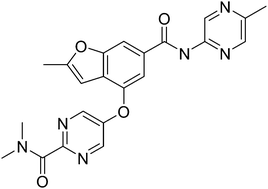
Graphical abstract: Designing glucokinase activators with reduced hypoglycemia risk: discovery of N,N-dimethyl-5-(2-methyl-6-((5-methylpyrazin-2-yl)-carbamoyl)benzofuran-4-yloxy)pyrimidine-2-carboxamide as a clinical candidate for the treatment of type 2 diabetes mellitus

PF 04937319

N,N-dimethyl-5-(2-methyl-6-((5-methylpyrazin-2-yl)-carbamoyl)benzofuran-4-yloxy)pyrimidine-2-carboxamide

MW 432.43

MF C22 H20 N6 O4
CAS 1245603-92-2
2-​Pyrimidinecarboxamid​e, N,​N-​dimethyl-​5-​[[2-​methyl-​6-​[[(5-​methyl-​2-​pyrazinyl)​amino]​carbonyl]​-​4-​benzofuranyl]​oxy]​-
N,N-Dimethyl-5-(2-methyl-6-((5-methylpyrazin-2-yl)carbamoyl)-benzofuran-4- yloxy)pyrimidine-2-carboxamide
Pfizer Inc. clinical candidate currently in Phase 2 development.
CLINICAL TRIALS

A trial to assess the safety, tolerability, pharmacokinetics, and pharmacodynamics of single doses of PF-04937319 in subjects with type 2 diabetes mellitus (NCT01044537)

Multiple dose study of PF-04937319 in patients with type 2 diabetes (NCT01272804)
Phase 2 study to evaluate safety and efficacy of investigational drug – PF04937319 in patients with type 2 diabetes (NCT01475461)


SYNTHESIS

PF 319 SYN

Glucokinase is a key regulator of glucose homeostasis and small molecule activators of this enzyme represent a promising opportunity for the treatment of Type 2 diabetes. Several glucokinase activators have advanced to clinical studies and demonstrated promising efficacy; however, many of these early candidates also revealed hypoglycemia as a key risk. In an effort to mitigate this hypoglycemia risk while maintaining the promising efficacy of this mechanism, we have investigated a series of substituted 2-methylbenzofurans as “partial activators” of the glucokinase enzyme leading to the identification ofN,N-dimethyl-5-(2-methyl-6-((5-methylpyrazin-2-yl)-carbamoyl)benzofuran-4-yloxy)pyrimidine-2-carboxamide as an early development candidate.


It is expected that an agent that activates cellular GK will facilitate glucose-dependent secretion from pancreatic beta cells, correct postprandial hyperglycemia, increase hepatic glucose utilization and potentially inhibit hepatic glucose release. Consequently, a GK activator may provide therapeutic treatment for NIDDM and associated complications, inter alia, hyperglycemia, dyslipidemia, insulin resistance syndrome, hyperinsulinemia, hypertension, and obesity. Several drugs in five major categories, each acting by different mechanisms, are available for treating hyperglycemia and subsequently, NIDDM (Moller, D. E., “New drug targets for Type 2 diabetes and the metabolic syndrome” Nature 414; 821 -827, (2001 )): (A) Insulin secretogogues, including sulphonyl-ureas (e.g., glipizide, glimepiride, glyburide) and meglitinides (e.g., nateglidine and repaglinide) enhance secretion of insulin by acting on the pancreatic beta-cells. While this therapy can decrease blood glucose level, it has limited efficacy and tolerability, causes weight gain and often induces hypoglycemia. (B) Biguanides (e.g., metformin) are thought to act primarily by decreasing hepatic glucose production. Biguanides often cause gastrointestinal disturbances and lactic acidosis, further limiting their use. (C) Inhibitors of alpha-glucosidase (e.g., acarbose) decrease intestinal glucose absorption. These agents often cause gastrointestinal disturbances. (D) Thiazolidinediones (e.g., pioglitazone, rosiglitazone) act on a specific receptor (peroxisome proliferator-activated receptor-gamma) in the liver, muscle and fat tissues. They regulate lipid metabolism subsequently enhancing the response of these tissues to the actions of insulin. Frequent use of these drugs may lead to weight gain and may induce edema and anemia. (E) Insulin is used in more severe cases, either alone or in combination with the above agents. Ideally, an effective new treatment for NIDDM would meet the following criteria: (a) it would not have significant side effects including induction of hypoglycemia; (b) it would not cause weight gain; (c) it would at least partially replace insulin by acting via mechanism(s) that are independent from the actions of insulin; (d) it would desirably be metabolically stable to allow less frequent usage; and (e) it would be usable in combination with tolerable amounts of any of the categories of drugs listed herein.

Substituted heteroaryls, particularly pyridones, have been implicated in mediating GK and may play a significant role in the treatment of NIDDM. For example, U.S. Patent publication No. 2006/0058353 and PCT publication No’s. WO2007/043638, WO2007/043638, and WO2007/117995 recite certain heterocyclic derivatives with utility for the treatment of diabetes. Although investigations are on-going, there still exists a need for a more effective and safe therapeutic treatment for diabetes, particularly NIDDM.


Designing glucokinase activators with reduced hypoglycemia risk: discovery of N,N-dimethyl-5-(2-methyl-6-((5-methylpyrazin-2-yl)-carbamoyl)benzofuran-4-yloxy)pyrimidine-2-carboxamide as a clinical candidate for the treatment of type 2 diabetes mellitus

*Corresponding authors
aPfizer Worldwide Research & Development, Eastern Point Road, Groton
E-mail: jeffrey.a.pfefferkorn@pfizer.com
Tel: +860 686 3421
Med. Chem. Commun., 2011,2, 828-839

DOI: 10.1039/C1MD00116G

http://pubs.rsc.org/en/content/articlelanding/2011/md/c1md00116g/unauth#!divAbstract

http://www.rsc.org/suppdata/md/c1/c1md00116g/c1md00116g.pdf

Glucokinase is a key regulator of glucose homeostasis and small molecule activators of this enzyme represent a promising opportunity for the treatment of Type 2 diabetes. Several glucokinase activators have advanced to clinical studies and demonstrated promising efficacy; however, many of these early candidates also revealed hypoglycemia as a key risk. In an effort to mitigate this hypoglycemia risk while maintaining the promising efficacy of this mechanism, we have investigated a series of substituted 2-methylbenzofurans as “partial activators” of the glucokinase enzyme leading to the identification ofN,N-dimethyl-5-(2-methyl-6-((5-methylpyrazin-2-yl)-carbamoyl)benzofuran-4-yloxy)pyrimidine-2-carboxamide as an early development candidate.

Graphical abstract: Designing glucokinase activators with reduced hypoglycemia risk: discovery of N,N-dimethyl-5-(2-methyl-6-((5-methylpyrazin-2-yl)-carbamoyl)benzofuran-4-yloxy)pyrimidine-2-carboxamide as a clinical candidate for the treatment of type 2 diabetes mellitus

N,N-Dimethyl-5-(2-methyl-6-((5-methylpyrazin-2-yl)carbamoyl)-benzofuran-4- yloxy)pyrimidine-2-carboxamide (28).


PAPER


http://pubs.rsc.org/en/content/articlelanding/2013/md/c2md20317k#!divAbstract


PAPER

Bioorganic & Medicinal Chemistry Letters (2013), 23(16), 4571-4578

http://www.sciencedirect.com/science/article/pii/S0960894X13007452

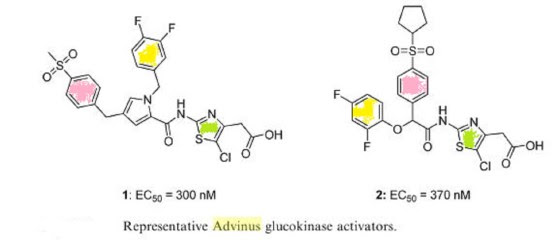
Glucokinase activators 1 and 2.

Figure 1.

Glucokinase activators 1 and 2.


PATENT

Pfizer Inc.

WO 2010103437

https://www.google.co.in/patents/WO2010103437A1?cl=en

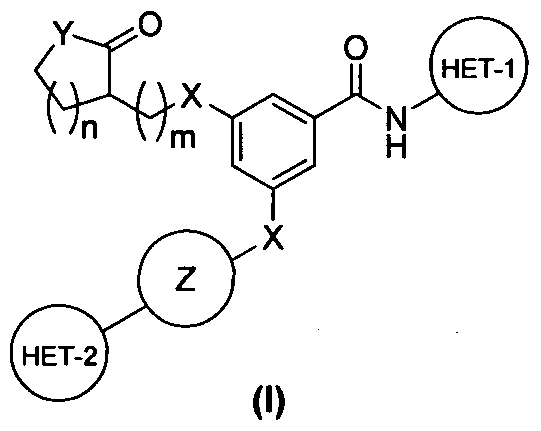
Scheme I outlines the general procedures one could use to provide compounds of the present invention having Formula (I).

Figure imgf000011_0001
PF 319 SYN

Preparations of Starting Materials and Key Intermediates


Beebe, D.A.; Ross, T.T.; Rolph, T.P.; Pfefferkorn, J.A.; Esler, W.P.
The glucokinase activator PF-04937319 improves glycemic control in combination with exercise without causing hypoglycemia in diabetic rats
74th Annu Meet Sci Sess Am Diabetes Assoc (ADA) (June 13-17, San Francisco) 2014, Abst 1113-P


Amin, N.B.; Aggarwal, N.; Pall, D.; Paragh, G.; Denney, W.S.; Le, V.; Riggs, M.; Calle, R.A.
Two dose-ranging studies with PF-04937319, a systemic partial activator of glucokinase, as add-on therapy to metformin in adults with type 2 diabetes
Diabetes Obes Metab 2015, 17(8): 751


Study to compare single dose of three modified release formulations of PF-04937319 with immediate release material-sparing-tablet (IR MST) formulation previously studied in adults with type 2 diabetes mellitus (NCT02206607)

Read Full Post »

Allergan, Pfizer Deal Goes Through with Allergan Bigger Than Pfizer: But at What Cost to R&D?

Curator: Stephen J. Williams, Ph.D.

Just recently this site had a post entitled Pfizer Near Allergan Buyout Deal But Will Fed Allow It? 

Now, as Bloomberg reports the international deal between Allergan and Pfizer has gone through, resulting in a tax inversion and nary a discouraging word from the US Federal Government (their blessing for future tax inversions?).  And as Bloomberg Go guest speculate finally it may spark Congress to do something about it, or perhaps not.  For details see Bloomberg transcript below:


Pfizer Inc. and Allergan Plc agreed to combine in a record $160 billion deal, creating a drugmaking behemoth called Pfizer Plc with products from Viagra to Botox and a low-cost tax base.

QuickTake Tax Inversion

Pfizer will exchange 11.3 shares for each Allergan share, valuing the smaller drugmaker at $363.63 a share, according to a statement Monday. That’s a premium of about 27 percent above Allergan’s stock price on Oct. 28, before news of the companies’ discussions became public. Pfizer investors will be able to opt for cash instead of stock in the combined company in exchange for their shares, with as much as $12 billion to be paid out.

The transaction is structured so that Dublin-based Allergan is technically buying its much larger partner, a move that makes it easier for the company to locate its tax address in Ireland for tax purposes, though the drugmaker’s operational headquarters will be in New York. Pfizer Chief Executive Officer Ian Read will be chairman and CEO of the new company, with Allergan CEO Brent Saunders as president and chief operating officer, overseeing sales, manufacturing and strategy.

The deal will begin adding to Pfizer’s adjusted earnings starting in 2018 and will boost profit by 10 percent the following year, the companies said. Pfizer’s 11 board members will join four from Allergan, including Saunders and Executive Chairman Paul Bisaro.Pfizer dropped 2.1 percent to $31.51 at 9:34 a.m. in New York, while Allergan fell 2 percent to $306.17. The combined company will trade on the New York Stock Exchange.Pfizer said it will start a $5 billion accelerated share buyback program in the first half of 2016. The deal is expected to be completed by the end of next year.

Unprecedented Deal

Pfizer, based in New York, makes medications including Viagra, pain drug Lyrica and the Prevnar pneumococcal vaccine, and Allergan produces Botox and the Alzheimer’s drug Namenda. Together, barring any divestitures, the companies will be the biggest pharmaceutical company by annual sales, with about $60 billion. The deal will be unprecedented on many levels. It’s the largest acquisition so far this year. It’s the largest ever in the pharmaceutical world, eclipsing Pfizer’s purchase of Warner-Lambert Co. in 2000 for $116 billion. And if the new company is able to establish itself abroad for a lower tax rate, a controversial process called an inversion, it will be the largest such move in history. The U.S. Treasury Department has increasingly targeted such strategies, most recently announcing new guidance on how it will value assets owned by U.S. companies that undertake inversions. The U.S. has the highest tax rate for businesses in the world, at 35 percent, and is one of the only countries to tax corporate profits wherever they are earned. Previous moves by the U.S. Treasury have derailed other proposed inversions, including AbbVie Inc.’s plan to buy Ireland’s Shire Plc for an estimated $52 billion. Pfizer and Allergan’s deal appears structured to avoid the tax inversion rules.

Read has already reached out to lawmakers in both houses of Congress, including Senate Majority Leader Mitch McConnell, and is calling the White House Monday, according to a person with knowledge of the matter. His pitch is that that the deal will help the companies invest in more innovative drugs and that Pfizer Plc would have 40,000 U.S. employees at the close of the transaction.

Facilitate Split

An agreement may also facilitate the widely discussed potential for Pfizer to reconfigure itself by splitting the newly enlarged company into two: one focused on new drug development, the other on selling older medications. Pfizer said Monday it will decide on a potential separation by the end of 2018. Pfizer earlier this year bought Hospira Inc., the maker of generic drugs often administered in hospitals, in a transaction valued at about $17 billion. The deal bolstered Pfizer’s established-drugs business, which combines strong cash flow and slow growth. Allergan itself has been recently transformed, created through an acquisition by Actavis Plc that kept the Allergan name. The company agreed to sell its generics business to Israel’s Teva Pharmaceutical Industries Ltd. for about $40.5 billion and has been on a buying binge of its own. It now has more than 70 compounds in mid-to late-stage development.

But What About Pfizer R&D?  Will that be put on the Back Burner?

A little while ago this site posted a talk given by Pfizer on their foray into personalized medicine in

11/19/2015 8 a.m. Building a Personalized Medicine Company & Keynote: President, Worldwide R&D, Pfizer Inc. 11th Annual Personalized Medicine Conference, November 18-19, 2015, Harvard Medical School

Here Pfizer had emphasized its commitment to discoveries in the personalized medicine area however the emphasis on worldwide may have been a hint of what is to come.

Just a few days ago Allergan CEO wrote a guest post in Forbes  (edited by Matthew Herper)

Allergan CEO Brent Saunders: Here’s What I Really Think About R&D

There has been a lot of discussion about my views about pharmaceutical research and development. Let me cut to the chase. I’m pro-R&D, but I don’t believe that any single company can corner the market on innovation in even one therapeutic area. It doesn’t mean they shouldn’t do basic research where they have special insights, but even then they need to be open to the ideas of others. Innovation in healthcare is more important than ever. Other companies have had success with different models based on different capabilities, and we applaud every new drug approval. Here at Allergan, we’ve adopted a strategy we call “Open Science.” It is based on a simple concept: Sometimes great ideas come from places where they are least expected.

Allergan’s CEO goes on to stress innovation centers around academic centers such as in Boston and an emphasis on Alzheimer’s research and development but is this just shop talk or is there a agenda and strategy here?

It is known that Allergan has not felt that building big labs to support an R&D strategy was in their best interests but Derick Lowes Science blog In the Pipeline shows the changes in feeling about R&D, that Allergan is in fact pro-R&D they just don’t feel it is in their best interests to do it “in house”. (see Come to Think of It, Brent Saunders Likes R&D, Too! and the comments)

And check out CEO Saunder’s Twitter feed which gives some insight into his feeling on in house R&D.

Retweeted

on a R&D approach that can deliver big for patients.

This is all very interesting and might mean, with the size of this deal and that Allergan owns 40% of Pfizer, a massive sea-change in the way big pharma conducts R&D, possibly focusing on smaller “open-sourced” smaller players.

Our Open Science approach allows us to strategically invest in innovation and be more nimble so that we can increase our R&D efficiency. It has led to a robust pipeline of experimental medicines. We currently have 70 mid- to late-stage programs in the pipeline, and since 2009, we have successfully brought 13 new drugs and devices to the market.

It also allows us to invest in areas that other companies have abandoned, like central nervous system (CNS) treatments. In CNS, clinical development costs are higher, and market approval probability is lower. But treating these disorders can bring hope to patients of all ages. According to the Centers for Disease Control & Prevention, one in 68 children has autism spectrum disease. Alzheimer’s affects one in three people over the age of 85, based on data from the Chicago Health and Aging Project. Yet despite the 634 current open clinical trials for these diseases, there are no approved medicines for autism’s three core characteristics, nor drugs that treat Alzheimer’s underlying disease or delay its progression.

Other related articles published in this Open access Online Scientific Journal include the following:

On Allergan

http://pharmaceuticalintelligence.com/?s=Allergan

On Pfizer

http://pharmaceuticalintelligence.com/?s=Pfizer

Read Full Post »

Hyper Innovations in Pharma 2015

Reporter : Gérard Henri Loiseau, ESQ


Bio Pharma 2015: Soaring to New Heights

Pharmaceutical Manufacturing, Steven E. Kuehn, Nov 10 2015


Growth Statistics

Bio Pharma is an “evolving accelerating science” (John J. Castellani, PhRMA).

R&D spending which was

$2 billion in 1980 is estimated

$51,6 billion in 2013,

it represents 1 in every 5 dollars spent on domestic R&D in the US.

90% is spent on Clinical Trials,

6199 Clinical Trials in 2013.

>$2.6 billion is the cost estimated to develop and bring a new drug on the market

In 2014 FDA approved 44 drugs, so a good year both for NCEs and NBEs, Forbes Magazine, Bernard Munos


Hyper Innovation

According to Mr. Munos the main players are

  • Novartis
  • J&J
  • GSK
  • AstraZeneca

Deloitte’s report “Advanced Biopharmaceutical Manufacturing: An Evolution, Underway” identifies several targets:

  • Continuous manufacturing
  • New process analytical tools
  • Single-use systems
  • Alternative downstream processing technique

Amgen vice president Jim Thomas points out:

  • A more competitive business environment
  • A more challenging reimbursement environment
  • A more conservative regulatory environment

There is a necessity for the highest quality manufacturing environments.

“Design the molecule. Design the Process. Design the plant,” is his credo, which generates its “transforming Biotechnology Manufacturing” initiative

  • Trends in analytical tools will support operational excellence
  • Bio therapeutics manufacturing will be centered on cell-based systems
  • A greater productivity within a smaller footprint will be allowed
  • Flexibility is the goal thanks to standardized processes across all stages

These are the keys to operational excellence.


Process Analytical Technology (PAT)

FDA’s perspective is that ”quality cannot be tested into products; it should be built-in or should be by design”

Deloitte estimates that PAT can promote fewer recalls and less scrap inventory.


Towards a continuous future?

A recognized potential for small molecule drugs, and some companies have developed this continuous technology.

Deloitte’s study says that FDA views continuous manufacturing as consistent with the FDA’s quality by design efforts.

How to define a batch in case of product recall is a true challenge, which means that new measurements methods are needed.

Continuous manufacturing opposed to efficient, well-planned and engineered facilities, which is the vision developed by Amgen and others innovative players.

SOURCE

http://www.pharmamanufacturing.com/articles/2015/bio-pharma-2015/


Read Full Post »

Pharmacy International Conference

Larry H. Bernstein, MD, FCAP, Curator

LPBI


3rd Nirma Institute of Pharmacy International Conference
NIPiCON – 2016
January 21 – 23, 2016 ………….http://www.nipicon.org/.

Anthony Melvin Crasto   https://www.facebook.com/groups/worlddrugtracker/permalink/1170816792946389/

The pharmaceutical sciences is a dynamic and interdisciplinary field that combines a broad range of scientific disciplines that are critical to the discovery and development of new drugs and therapies. Over the years, pharmaceutical scientists have been instrumental in discovering and developing innovative drugs that save people’s lives and improve the quality of life.

NIPiCON was initiated in a year 2013 to offer a common platform for academicians, researchers, industrialists, clinical practitioners and young budding pharmacists to share their ideas and research work and finally emerge with new concepts, innovations and novel strategies for various challenges in the pharmaceutical field.

The 3 International Conference, NIPiCON 2016 aims to provide a knowledge sharing experience in the area of “Global Challenges in Drug Discovery, Development and Regulatory Affairs”.

Pharmaceutical innovation is a complex creative process that harnesses the application of knowledge and creativity for discovering, developing and bringing to clinical use, new medicinal products that extend or improve the lives of patients.A successful pharmaceutical R&D process is one that minimizes the time and cost needed to bring a compound from the scientific ‘idea’, through discovery and clinical development, to final regulatory approval and delivery to the patient. This conference will provide an open forum for the academicians, researchers, clinicians and professionals of pharmaceutical industry to enrich their knowledge in the area of drug discovery, development and its regulatory requirements.

The conference features plenary sessions which will be delivered by eminent national and international speakers from different disciplines of pharmaceutical field. In addition, there will be invited lectures and sessions delivered by distinguished and young researchers in their respective fields during parallel technical sessions. The conference willalso provide the opportunity to scientists and research scholars from various organizations to put forth their innovative ideas and research findings by means of deliberations, discussions and poster presentations.


NIPiCON was initiated in a year 2013 to offer a common platform for academicians, researchers, industrialists, clinical practitioners and young budding pharmacists to share their ideas and research work and finally emerge with new concepts, innovations and novel strategies for various challenges in the pharmaceutical field.

The 3 International Conference, NIPiCON 2016 aims to provide a knowledge sharing experience in the area of “Global Challenges in Drug Discovery, Development and Regulatory Affairs”.

Read Full Post »

Rheumatoid arthritis update

Larry H. Bernstein, MD, FCAP, Curator

LPBI


Innovation update: Advancing the standard of care in rheumatoid arthritis 

Old innovation makes way for new innovation

Twenty years ago, the standard of care for RA was some combination of basic NSAIDS, along with methotrexate. Caregivers focused on symptom relief, and it was widely understood that many patients would fail to achieve remission. As the disease developed, patients would eventually develop severely life-limiting disabilities as their disease progressed.

During this period, researchers presenting at conferences grew excited about data on a new class of drugs known as anti-tumor necrosis factor (TNF) antibodies. In an article published in Acta Orthopaedica Scandinavica in 1995, two physician-researchers wrote the following:

“Primary results have recently been published on the use of anti-TNF monoclonal antibodies. In a controlled trial these antibodies were able to significantly influence a number of disease-activity variables in RA. An important observation was that the clinical effect lasted from weeks to, in some cases, months.  Although the potential of these agents for clinical use is still uncertain, these observations suggest that interfering with certain targets of the immune-inflammatory process is possible, effective and so far without side effects.”

About four years after Drs. Van de Putte and Van Riel extolled the virtues of disease-modifying biologics in clinical trials, the first anti-TNF antibody, Remicade (infliximab) was approved in 1999. At that point, the standard of care for RA improved significantly, forever changing the treatment paradigm for patients with RA.


The expanding class of JAK inhibitors

At this year’s ACR meeting, researchers  focused on  anti-inflammatory antibodies and a relatively new class of oral drugs known as janus kinase (JAK) inhibitors.  Interest in JAK inhibitors has spiked since the approval of Pfizer’s oral medication Xeljanz (tofacitinib) —the first, and currently the only, JAK inhibitor approved for the treatment of moderate-to-severe RA.JAK inhibitors have garnered interest because of the role they can play in expanding a treatment area dominated by synthetic and biologic disease-modifying anti-rheumatic drugs (DMARDs). Could JAK inhibitors provide the breakthrough in RA that the anti-TNF antibodies provided almost 20 years ago?

Currently, Eli Lilly and Incyte are in late-stage development of baricitinib, a JAK1/JAK2 inhibitor for treatment of RA. Until last December, Johnson & Johnson (J&J) and Astellas were working jointly on another JAK inhibitor, known as ASPO15K, but J&J exercised its opt-out option and left the partnership. Astellas vowed to go it alone or look for a new partner, but there have not been many updates on ASPO15K within the last year.


Innovation means understanding and responding to unmet needs

Like many other therapeutic areas, RA treatments are often used in combination. For some patients, the combination of methotrexate and a powerful biologic, such as Remicade (infliximab), will help a patient achieve remission Yet others will either not respond to methotrexate and Remicade, or will have a negative reaction. Understanding how to help nonresponders achieve relief has become a key area of research in RA.

According to Terence Rooney, MD, Medical Director at Lilly Bio-Medicines, “A substantial proportion of patients treated with methotrexate – commonly used across the disease continuum for 25 years – do not achieve satisfactory disease control, signaling a need for more effective RA treatment options. In addition, studies have shown that some patients who initially respond to biologics lose response over time, and approximately 40 percent of patients with high disease activity never respond adequately to TNF antagonist biologics.”


Innovative clinical trial design

As Lilly and Incyte approach the end of the development process for baricitinib, they have been collecting results from clinical trials designed to both establish basic efficacy and safety in placebo-controlled and comparator trials, and to obtain data on targeted patient populations.

According to Rooney, “The baricitinib phase three program investigated the benefit of baricitinib across the spectrum of patients with rheumatoid arthritis, including newly diagnosed patients, patients who had failed to respond to conventional DMARDs, and patients who had failed multiple injectable biologic DMARD therapies.”

“In addition, the phase 3 program included two 52-week studies that incorporated either methotrexate or adalimumab as active comparators to provide useful information for therapeutic positioning of baricitinib. In these studies, baricitinib was statistically superior to methotrexate and to adalimumab in improving signs and symptoms, physical function, and important patient-reported outcomes including pain, fatigue and stiffness.”

Rooney also pointed out that there is additional data establishing baricitinib as a DMARD that significantly inhibits progressive radiographic joint damage.


Experience plus evidence equals more innovation

As has become the norm, companies at ACR often highlight new data confirming the efficacy and safety of already approved drugs in larger patient populations and in real-world settings..

Lilly currently has data on more than 40,000 patients worldwide, reflecting its global ambitions. Assuming that baricitinib is approved next year (the goal is to file at the end of the year), Lilly will continue to present data at ACR in the coming years highlighting the results of its long-term extension study, RA-BEYOND.


Pfizer’s up-to-date Xeljanz data presentation at ACR

Although Xeljanz has been on the market for three years in more than 40 countries, Pfizer continues to focus on collecting new data and using it to expand use of Xeljanz. In fact, Pfizer had 20 abstracts focused solely on Xeljanz at ACR 2015.

According to Rory O’Connor, MD, Senior Vice President and Head of Global Medical Affairs, Global Innovative Pharmaceuticals Business, Pfizer, “Ongoing clinical trials and long-term extension studies provide important information about the safety and efficacy of Xeljanz in RA. We are focused on continuing to build on our knowledge of the clinical application of Xeljanz in real-world settings.”

Pfizer was also able to highlight new data that supports their recent NDA for Xeljanz XR, a once-daily formulation of Xeljanz, which is currently approved as a twice-daily dosing formulation.


JAK inhibition beyond RA

One of the most exciting things about the progress with JAK inhibitors is the possibility to innovate treatments beyond RA. Lilly has been exploring the role of JAK-dependent cytokines in the pathogenesis of numerous inflammatory and autoimmune diseases. The company also plans to meet with regulatory authorities to develop a pediatric program for juvenile RA and idiopathic arthritis.

Meanwhile, Pfizer has developed a broad portfolio of various JAK inhibitors and therapies with new modes of action. Already, Pfizer researchers have completed two phase three studies in ulcerative colitis and the top-line results have been positive.

Medical meetings are exciting, because they provide a forum for discussing breakthroughs and portending a future in which the standard of care improves. For companies like Lilly, Incyte, and Pfizer, continual development of more novel approaches to serious diseasesis like a call-response echo chamber in which innovation drives more innovation, resulting in better long-term outcomes for patients.


The JAK/STAT signaling pathway
, ,

http://d1dvw62tmnyoft.cloudfront.net/content/joces/117/8/1281/F1.large.jpg


In addition to the principal components of the pathway, other effector proteins have been identified that contribute to at least a subset of JAK/STAT signaling events. STAMs (signal-transducing adapter molecules) are adapter molecules with conserved VHS and SH3 domains (Lohi and Lehto, 2001). STAM1 and STAM2A can be phosphorylated by JAK1-JAK3 in a manner that is dependent on a third domain present in some STAMs, the ITAM (inducible tyrosine-based activation motif). Through a poorly understood mechanism, the STAMs facilitate the transcriptional activation of specific target genes, including MYC. A second adapter that facilitates JAK/STAT pathway activation is StIP (stat-interacting protein), a WD40 protein. StIPs can associate with both JAKs and unphosphorylated STATs, perhaps serving as a scaffold to facilitate the phosphorylation of STATs by JAKs. A third class of adapter with function in JAK/STAT signaling is the SH2B/Lnk/APS family. These proteins contain both pleckstrin homology and SH2 domains and are also substrates for JAK phosphorylation. Both SH2-Bβ and APS associate with JAKs, but the former facilitates JAK/STAT signaling while the latter inhibits it. The degree to which each of these adapter families contributes to JAK/STAT signaling is not yet well understood, but it is clear that various proteins outside the basic pathway machinery influence JAK/STAT signaling.

In addition to JAK/STAT pathway effectors, there are three major classes of negative regulator: SOCS (suppressors of cytokine signaling), PIAS (protein inhibitors of activated stats) and PTPs (protein tyrosine phosphatases) (reviewed by Greenhalgh and Hilton, 2001). Perhaps the simplest are the tyrosine phosphatases, which reverse the activity of the JAKs. The best characterized of these is SHP-1, the product of the mouse motheaten gene. SHP-1 contains two SH2 domains and can bind to either phosphorylated JAKs or phosphorylated receptors to facilitate dephosphorylation of these activated signaling molecules. Other tyrosine phosphatases, such as CD45, appear to have a role in regulating JAK/STAT signaling through a subset of receptors.

SOCS proteins are a family of at least eight members containing an SH2 domain and a SOCS box at the C-terminus (reviewed by Alexander, 2002). In addition, a small kinase inhibitory region located N-terminal to the SH2 domain has been identified for SOCS1 and SOCS3. The SOCS complete a simple negative feedback loop in the JAK/STAT circuitry: activated STATs stimulate transcription of the SOCS genes and the resulting SOCS proteins bind phosphorylated JAKs and their receptors to turn off the pathway. The SOCS can affect their negative regulation by three means. First, by binding phosphotyrosines on the receptors, SOCS physically block the recruitment of signal transducers, such as STATs, to the receptor. Second, SOCS proteins can bind directly to JAKs or to the receptors to specifically inhibit JAK kinase activity. Third, SOCS interact with the elongin BC complex and cullin 2, facilitating the ubiquitination of JAKs and, presumably, the receptors. Ubiquitination of these targets decreases their stability by targeting them for proteasomal degradation.

The third class of negative regulator is the PIAS proteins: PIAS1, PIAS3, PIASx and PIASy. These proteins have a Zn-binding RING-finger domain in the central portion, a well-conserved SAP (SAF-A/Acinus/PIAS) domain at the N-terminus, and a less-well-conserved carboxyl domain. The latter domains are involved in target protein binding. The PIAS proteins bind to activated STAT dimers and prevent them from binding DNA. The mechanism by which PIAS proteins act remains unclear. However, PIAS proteins have recently been demonstrated to associate with the E2 conjugase Ubc9 and to have E3 conjugase activity for sumoylation that is mediated by the RING finger domain (reviewed by Jackson, 2001). Although there is evidence that STATs can be modified by sumoylation (Rogers et al., 2003), the function of that modification in negative regulation is not yet known.

Although the mechanism of JAK/STAT signaling is relatively simple in theory, the biological consequences of pathway activation are complicated by interactions with other signaling pathways (reviewed by Heinrich et al., 2003; Rane and Reddy, 2000; Shuai, 2000). An understanding of this cross-talk is only beginning to emerge, but the best characterized interactions of the JAK/STAT pathway are with the receptor tyrosine kinase (RTK)/Ras/MAPK (mitogen-activated protein kinase) pathway. The relationship between these cascades is complex and their paths cross at multiple levels, each enhancing activation of the other. First, activated JAKs can phosphorylate tyrosines on their associated receptors that can serve as docking sites for SH2-containing adapter proteins from other signaling pathways. These include SHP-2 and Shc, which recruit the GRB2 adapter and stimulate the Ras cascade. The same mechanism stimulates other cascades, such as the recruitment and JAK phosphorylation of insulin receptor substrate (IRS) and p85, which results in the activation of the phosphoinositide 3-kinase (PI3K) pathway [for more on PI3K signaling, see Foster et al. (Foster et al., 2003)]. JAK/STAT signaling also indirectly promotes Ras signaling through the transcriptional activation of SOCS3. SOCS3 binds RasGAP, a negative regulator of Ras signaling, and reduces its activity, thereby promoting activation of the Ras pathway. Reciprocally, RTK pathway activity promotes JAK/STAT signaling by at least two mechanisms. First, the activation of some RTKs, including EGFR and PDGFR, results in the JAK-independent tyrosine phosphorylation of STATs, probably by the Src kinase. Second, RTK/Ras pathway stimulation causes the downstream activation of MAPK. MAPK specifically phosphorylates a serine near the C-terminus of most STATs. While not absolutely necessary for STAT activity, this serine phosphorylation dramatically enhances transcriptional activation by STAT. In addition to RTK and PI3K interactions with JAK/STAT signaling, multiple levels of cross-talk with the TGF-β signaling pathway have been recently reported [for a review of TGF-β, see (Moustakas, 2002)]. Furthermore, the functions of activated STATs can be altered through association with other transcription factors and cofactors that are regulated by other signaling pathways. Thus the integration of input from many signaling pathways must be considered if we are to understand the biological consequences of cytokine stimulation.

References

  1. ↵
  2. ↵
  3. ↵
  4. ↵
  5. ↵

…..


https://youtu.be/9JHBHSHaBeI

Published on 27 Feb 2014

The JAK/STAT secondary messenger signaliing pathway..
Presented by: Joseph Farahany, M.D


Jak/Stat Signaling Pathway


Jaks and Stats are critical components of many cytokine receptor systems; regulating growth, survival, differentiation, and pathogen resistance. An example of these pathways is shown for the IL-6 (or gp130) family of receptors, which coregulate B cell differentiation, plasmacytogenesis, and the acute phase reaction. Cytokine binding induces receptor dimerization, activating the associated Jaks, which phosphorylate themselves and the receptor. The phosphorylated sites on the receptor and Jaks serve as docking sites for the SH2-containing Stats, such as Stat3, and for SH2-containing proteins and adaptors that link the receptor to MAP kinase, PI3K/Akt, and other cellular pathways.

Phosphorylated Stats dimerize and translocate into the nucleus to regulate target gene transcription. Members of the suppressor of cytokine signaling (SOCS) family dampen receptor signaling via homologous or heterologous feedback regulation. Jaks or Stats can also participate in signaling through other receptor classes, as outlined in the Jak/Stat Utilization Table. Researchers have found Stat3 and Stat5 to be constitutively activated by tyrosine kinases other than Jaks in several solid tumors

The Jak/Stat pathway mediates the effects of cytokines, like erythropoietin, thrombopoietin, and G-CSF, which are protein drugs for the treatment of anemia, thrombocytopenia, and neutropenia, respectively. The pathway also mediates signaling by interferons, which are used as antiviral and antiproliferative agents. Researchers have found that dysregulated cytokine signaling contributes to cancer. Aberrant IL-6 signaling contributes to the pathogenesis of autoimmune diseases, inflammation, and cancers such as prostate cancer and multiple myeloma. Jak inhibitors currently are being tested in models of multiple myeloma. Stat3 can act as an oncogene and is constitutively active in many tumors. Crosstalk between cytokine signaling and EGFR family members is seen in some cancer cells. Research has shown that in glioblastoma cells overexpressing EGFR, resistance to EGFR kinase inhibitors is induced by Jak2 binding to EGFR via the FERM domain of the former [Sci. Signal. (2013) 6, ra55].

Activating Jak mutations are major molecular events in human hematological malignancies. Researchers have found a unique somatic mutation in the Jak2 pseudokinase domain (V617F) that commonly occurs in polycythemia vera, essential thrombocythemia, and idiopathic myelofibrosis. This mutation results in the pathologic activation Jak2, associated with receptors for erythropoietin, thrombopoietin, and G-CSF, which control erythroid, megakaryocytic, and granulocytic proliferation and differentiation. Researchers have also shown that somatic acquired gain-of-function mutations of Jak1 are found in adult T cell acute lymphoblastic leukemia. Somatic activating mutations in Jak1, Jak2, and Jak3 have also been identified in pediatric acute lymphoblastic leukemia (ALL). Furthermore, Jak2 mutations have been detected around pseudokinase domain R683 (R683G or DIREED) in Down syndrome childhood B-ALL and pediatric B-ALL.

Selected Reviews:

– See more at: http://www.cellsignal.com/contents/science-pathway-research-immunology-and-inflammation/jak-stat-signaling-pathway/pathways-il6#sthash.8SVwSWXw.dpuf


The JAK-STAT Signaling Pathway: Input and Output Integration1

  1. Peter J. Murray

The Journal of Immunology Mar 1, 2007;  178(5): 2623-2629    http://dx.doi.org:/10.4049/​jimmunol.178.5.2623

Universal and essential to cytokine receptor signaling, the JAK-STAT pathway is one of the best understood signal transduction cascades. Almost 40 cytokine receptors signal through combinations of four JAK and seven STAT family members, suggesting commonality across the JAK-STAT signaling system. Despite intense study, there remain substantial gaps in understanding how the cascades are activated and regulated. Using the examples of the IL-6 and IL-10 receptors, I will discuss how diverse outcomes in gene expression result from regulatory events that effect the JAK1-STAT3 pathway, common to both receptors. I also consider receptor preferences by different STATs and interpretive problems in the use of STAT-deficient cells and mice. Finally, I consider how the suppressor of cytokine signaling (SOCS) proteins regulate the quality and quantity of STAT signals from cytokine receptors. New data suggests that SOCS proteins introduce additional diversity into the JAK-STAT pathway by adjusting the output of activated STATs that alters downstream gene activation.


The mammalian JAK and STAT family members have been extensively, and seemingly exhaustively, analyzed in the mouse and human systems. All four JAK and seven STAT family members have been deleted in the mouse, in addition to the creation of conditional alleles for genes whose loss of function leads to embryonic or perinatal lethality (Stat3, combined deficiency of Stat5a and Stat5b, and Jak2). In humans, detailed genetic studies have been performed in people bearing mutant Jak or Stat genes. Specific Abs to phospho-forms of each protein are used to study how the JAK-STAT cascade is activated by cytokine receptors. Crystallographic studies have illuminated structural information for multiple STAT family members in different forms. Pharmacological inhibitors have been developed for clinical use where JAK-STAT signaling is implicated in disease pathology and progression. Finally, in most cases, a specific JAK-STAT combination has been paired with each cytokine receptor, and this information translated into cell-type specific patterns of cytokine responsiveness and gene expression.

Major questions remain concerning how the JAK-STAT cascade functions to control specific gene expression patterns, and how the cascades are regulated. I will describe three elements of JAK-STAT signaling that require experimental investigation. First, I will address an unexpected experimental complication that arises from the analysis of mice and cells that lack one or more STAT family member. Second, I will use JAK1-STAT3 signaling from the IL-10R and IL-6R systems to illustrate that we lack detailed understanding of how specificity in gene expression is generated by receptors that use identical JAK-STAT members. Third, we have yet to explain how STAT activation is negatively regulated. Although the suppressor of cytokine signaling (SOCS)3 proteins are the best understood negative regulators of the JAK-STAT pathway, the biochemical mechanism of SOCS-mediated inhibition is unexplained. Moreover, additional inhibitory pathways have also been proposed to block the production of activated STATs. Collectively, I will argue that our understanding of the pathway from cytokine receptor to gene expression profile is in its infancy, but remains one of the best opportunities to dissect signal transduction.

Overview of the proximal JAK-STAT activation mechanism

The current model of JAK-STAT signaling holds that cytokine receptor engagement activates the associated JAK combination, which in turn phosphorylates the receptor cytoplasmic domain to allow recruitment of a STAT, which in turn is phosphorylated, dimerizes and moves to the nucleus to bind specific sequences in the genome and activate gene expression. Cytoplasmic domains of cytokine receptors associate with JAKs via JAK binding sites located close to the membrane (1). The postulated role of JAKs in trafficking or chaperoning the receptors to the cell surface is debated (2, 3, 4, 5, 6). Regardless of the when and where cytokine receptors and JAKs associate, their close apposition at the membrane is required to stimulate the kinase activity of the JAK following cytokine binding. At this stage in the activation of the pathway, we understand next to nothing about the structural basis of the JAK-receptor interaction, how receptor intracellular domains reorient upon cytokine binding and physically contact the JAK to receive the phosphorylation modification.

JAK-mediated phosphorylation of the receptor creates binding sites for the Src homology 2 (SH2) domains of the STATs. STAT recruitment is followed by tyrosine, and in some cases, serine phosphorylation on key residues (by the JAKs and other closely associated kinases) that leads to transit into the nucleus. This brief summary of the activation of the JAK-STAT pathway omits numerous unresolved details: the STAT monomer to dimer transition has been questioned, as has the role of phosphorylation in dimerization and nuclear transit (7). Furthermore, it is unclear how many configurations of STAT homo- and heterocomplexes are present in cells before, during, and after cytokine stimulation (8, 9,10). We do not understand the detailed structural basis for the preference of one SH2 domain for a given receptor, and we have little knowledge of how other non-JAK kinases are recruited to the receptors and phosphorylate the STATs.

Many receptors signal through a small number of JAKs

Cytokine receptors signal through two types of pathways: the JAK-STAT pathway and other pathways that usually involve the activation of the MAP kinase cascade. Although the latter will not be discussed here, it is worth noting that elegant genetic studies have demonstrated the importance of these pathways in various pathological systems (11, 12,13, 14). There are now ∼36 cytokine receptor combinations that respond to ∼38 cytokines (counting the type I IFNs as one because they all signal through the IFN-αβR). Different cells and tissues express distinct receptor combinations that respond to cytokine combinations unique to the microenvironment or systemic response of the organism. Hence, at any given time, a single cell may integrate signals from multiple cytokine receptors. Genetic studies have established that the cytokine receptor system is restrictive in that different classes of receptors preferentially use one JAK or JAK combination (7): receptors required for hemopoietic cell development and proliferation use JAK2, common γ-chain receptors use JAK1 and JAK3 whereas other receptors use only JAK1 (Fig. 1⇓). Unexplained is the selective use of these combinations: why the IFN-γR rigidly uses the JAK1, JAK2 combination is unknown as is the restricted use of TYK2. Compared with JAK1–3, TYK2 is unusual in that loss of function mutations in the mouse have shown obligate, but not absolute, requirements in IFN-αβR and IL-12R signaling (15, 16). In contrast, human TYK2 seems to be essential for signaling through a broader range of cytokine receptors (17).


FIGURE 1.

FIGURE 1.

The majority of cytokine receptors use three JAK combinations. Shown are well-studied cases where JAK usage by each cytokine receptor has been established by genetic and biochemical studies. Exceptions shown are the G-CSFR (∗) where it is currently unclear whether both JAK1 and JAK2 are required together. Additionally, the IL-12R (†) and IL-23R (†) require TYK2 but the requirement for JAK2 has not been definitively determined. Receptors that use JAK2 and JAK3, JAK3 alone, TYK2 alone, or JAK3 and TYK2 have not been described.

The preferential association of JAKs to certain receptor classes raises several issues. First, how did the JAK-receptor combinations evolve? Because the number of receptors is relatively large, why has the number of JAKs remained small? Why have the combinations of JAK pairs also remained small given that there are 10 possible combinations that can be used (Fig. 1⇑)? Second, how flexible is the cytokine receptor-JAK pair? That is, can receptors be engineered for interchangeable JAK use, or is a given JAK combination fixed for a specific receptor class? For example, can JAK1, JAK3, or TYK2 activate erythropoietin receptor (EpoR) signaling (if so engineered) or is JAK2 obligatory for signaling? These questions allude to a fundamental issue that concerns the function of the JAK in cytokine receptor activation: if the only function of the JAKs is to phosphorylate tyrosine resides on the cytoplasmic domain of the receptors, then it should be possible to trade JAK-receptor pairs. If these receptors retain identical downstream gene expression profiles, then the signal generated by the JAK is generic and functions primarily to activate the receptor (6). Conversely, it is also possible that each receptor-JAK combination retains crucial specificity functions and swapping, for example, JAK1 for JAK2 on the EpoR will modify or destroy a specific function in erythrogenesis. These questions can be addressed experimentally by replacing one preferred JAK binding site for another in genes encoding different receptors. The EpoR is a good test example because the activity of the receptor and its signaling pathway is essential for life and erythropoiesis is readily assayed.

Core versus cell-type specific STAT signaling

Microarray experiments designed to monitor changes in gene expression induced by JAK-STAT signaling have revealed that both cell-type specific transcription and core, or stereotypic, mRNA profiles are induced by activated cytokine receptors in different cell types (Fig. 2⇓). For example, IFN-γ, via STAT1, induces the expression of a similar cohort of genes regardless of the cell type tested (18). These genes are often termed the “IFN signature” and overlap with the gene expression pattern induced by IFN-αβ signaling that also involves STAT1, in cooperation with STAT2 and IRF9. The IFN signature is readily observed in microarray experiments and is indicative of STAT1 activity. The STAT6 pathway activated by IL-4 or IL-13 provides an example of a cell-type specific response. IL-4-regulated genes in T cells have a distinct signature compared with IL-4/IL-13 signaling in macrophages or other non-lymphocytes (19, 20, 21, 22). In the latter, genes such as Arg1(encoding arginase 1) are often induced >100-fold but are silent in T cells (23, 24, 25, 26,27). Collectively these data argue that STATs activate defined gene sets, depending on their genomic accessibility, and possibly on cofactors that further refine gene expression profiles. STAT3 signaling illustrates a more complex system and will be discussed below to illustrate the distinctions between IL-6 and IL-10 signaling.


FIGURE 2.

FIGURE 2.

Core signaling by STATs. Representative examples of gene expression induced by STAT signaling in different tissues. The examples were extracted and edited from numerous microarray and empirical studies.

Interpreting experiments using STAT loss-of-function systems

Experiments with the different STAT knockout mice, and cells derived from these animals, have been critical for understanding specific requirements of individual STATs in gene expression following cytokine receptor signaling. The interpretation of these experiments is generally straightforward. For example, STAT5a and STAT5b are essential for the expression of genes that promote hemopoietic survival (28, 29, 30) whereas STAT1 is required for the expression of IFN-regulated genes that are involved in the protection against pathogens (18). However, by EMSA and immunoblotting experiments, most cytokines have been shown to activate multiple STATs, prompting experiments to determine transcriptional responses that can be activated in the absence of a given STAT. An initial example of this type of approach was performed by Schreiber and colleagues who interrogated gene expression profiles induced by IFN-γ signaling in the absence of STAT1 (31, 32). In these experiments, IFN-γ was used to stimulate STAT1-deficient bone marrow-derived macrophages and fibroblasts. Numerous genes were induced by IFN-γ in the absence of STAT1, leading to the conclusion that the IFN-γR activates a STAT1-independent gene expression program. However, inspection of the genes induced by IFN-γ signaling in STAT1-deficient cells shows many to be STAT3-regulated genes such asSocs3, Gadd45, and Cebpb. STAT3 phosphorylation is normally induced by IFN-γ in wild-type cells but in the absence of STAT1, STAT3 signaling is dominant. What is the mechanism of this effect? We now know from experiments using STAT-deficient cells that receptor occupancy, or lack of occupancy by the dominant STAT that binds the receptor, causes a switch from one activated STAT to another (33). A converse example is the conversion of IL-6R signaling to a dominant STAT1 activation in STAT3-deficient cells (34). This switch causes the downstream induction of the IFN gene expression pathway just as IFN-γ would cause in wild-type cells.

A related example is observed when IL-6 signaling is tested in the absence of SOCS3. SOCS3 is induced by STAT signaling from different cytokine receptors and functions as a feedback inhibitor of the IL-6R (and the G-CSFR, LIFR, and leptinR) by binding to phosphorylated Y757 on the gp130 cytoplasmic domain (see below). However in the absence of SOCS3, STAT3 phosphorylation is greatly increased (35, 36, 37). At the same time however, STAT1 phosphorylation is also induced, leading to a dominant IFN-like gene expression signature (35, 36). Thus SOCS3 regulates both the quantity and type of STAT signal generated from the IL-6R. Although the mechanism of the SOCS3 effect is unclear, the promiscuity of different receptors for different STATs argues that loss-of-function experiments must be carefully examined for the activation of other STAT molecules that fill the “hole” created by the loss of one STAT. These data also suggest that different cytokine receptors have evolved selectivity for different classes of STATs. Although STAT1 and STAT3 can apparently interchangeably bind the IL-6R or IFN-γR when either molecule is missing, signaling in wild-type cells shows a strong preference for one STAT over the other. Likewise, other receptors may have evolved to bind only one STAT, and in the absence of the key STAT, the other STATs cannot bind and/or be activated by the receptor.

The above examples primarily describe experiments using STAT1–STAT3-activating receptors but these are not isolated cases. In T cells stimulated by IL-12, STAT4 is activated and drives IFN-γ production. This pathway is a central regulatory event in the development of the Th1 type T cell responses. IFN-αβ, via the IFN-αβR, also activates STAT4 (in addition to STAT1 and STAT2 that forms a complex with IRF-9 to mediate anti-viral gene expression) but cannot activate strong IFN-γ production and therefore cannot drive Th1 development (38). However, in the absence of STAT1, IFN-αβ causes a large increase in IFN-γ production, especially in vivo during viral infection (39, 40). These data were originally interpreted to mean that STAT1 normally suppressed IFN-γ production. However, the data can just as easily be resolved when we consider that STAT4 activation from the IFN-αβR is increased in the absence of STAT1. Recent data confirm this interpretation but also show that STAT4 activation by the IFN-αβR, although increased, cannot sustain IFN-γ production from T cells when compared with IL-12 (38). This is probably because of the stronger differential activity of SOCS1 on the IFN-αβR versus the IL-12R (discussed below). I would predict that an IFN-αβR that is refractory to SOCS1 (or active in a Socs1−/− background) would behave identically to the IL-12R in the absence of STAT1.

Although loss of gene expression may be observed in a given STAT knockout, a corresponding increase in the ectopic activation of another STAT pathway may confound the interpretation of results in both in vitro and in vivo systems. Because specific Abs are available for each tyrosine-phosphorylated STAT molecule, a simple solution is to first measure which other STATs are activated by a given receptor in the absence of the STAT of interest. Experiments using STAT knockout systems should also be supported by additional data that uses complimentary mutations in the receptor that ablate STAT recruitment, or complete loss of the receptor. Finally, it is worth noting that the loss of a STAT pathway from a receptor signaling system can cause additional loss of key negative regulatory systems including feedback loops such as SOCS induction as presently debated for G-CSFR signaling and receptor systems discussed below (41, 42, 43, 44, 45).

  1. Negative regulation of the JAK-STAT signal
  2. Is there functional equivalence in signaling from receptors using the same JAK-STAT combination in the same cell?
  3. Future directions


FIGURE 3.

FIGURE 3.

Proposed differential STAT activation by IL-10 or IL-6. Shown are three classes of genes activated by STAT3 where Socs3 is a representative “common” gene induced by both receptors. In the absence of SOCS3, the IL-6R can activate the anti-inflammatory genes in the same way as the IL-10R. The mechanism of this effect remains to be established.


JAK/STAT Activation Inhibitors

The JAK/STAT pathway plays an important role in cytokine receptor-mediated signal transduction via activation of downstream signal transducers and activators of transcription (STAT), phosphatidylinositol 3-kinase (PI3K), and mitogen-activated protein kinase (MAPK) pathways.
These inhibitors are useful tools for exploring the contribution of JAK/STAT-mediated signaling.

Pathways of inhibition of JAK/STAT activation

JAK/STAT Activation Inhibitors

AG490 JAK2 inhibitor 10 mg
AZD1480 NEW! JAK1 & JAK2 inhibitor 5 mg
CP-690550 JAK3 Inhibitor 5 mg
CYT387 NEW! JAK1/JAK2 & TBK1/IKK-ε inhibitor 10 mg
Ruxolitinib JAK1 & JAK2 Inhibitor 5 mg


Methotrexate Is a JAK/STAT Pathway Inhibitor

Sally Thomas, Katherine H. Fisher, John A. Snowden, Sarah J. Danson, Stephen Brown, Martin P. Zeidler

PLOS   Published: July 1, 2015
DOI: http://dx.doi.org:/10.1371/journal.pone.0130078
Background 

The JAK/STAT pathway transduces signals from multiple cytokines and controls haematopoiesis, immunity and inflammation. In addition, pathological activation is seen in multiple malignancies including the myeloproliferative neoplasms (MPNs). Given this, drug development efforts have targeted the pathway with JAK inhibitors such as ruxolitinib. Although effective, high costs and side effects have limited its adoption. Thus, a need for effective low cost treatments remains.

Methods & Findings        

We used the low-complexity Drosophila melanogaster pathway to screen for small molecules that modulate JAK/STAT signalling. This screen identified methotrexate and the closely related aminopterin as potent suppressors of STAT activation. We show that methotrexate suppresses human JAK/STAT signalling without affecting other phosphorylation-dependent pathways. Furthermore, methotrexate significantly reduces STAT5 phosphorylation in cells expressing JAK2 V617F, a mutation associated with most human MPNs. Methotrexate acts independently of dihydrofolate reductase (DHFR) and is comparable to the JAK1/2 inhibitor ruxolitinib. However, cells treated with methotrexate still retain their ability to respond to physiological levels of the ligand erythropoietin.

Conclusions

Aminopterin and methotrexate represent the first chemotherapy agents developed and act as competitive inhibitors of DHFR. Methotrexate is also widely used at low doses to treat inflammatory and immune-mediated conditions including rheumatoid arthritis. In this low-dose regime, folate supplements are given to mitigate side effects by bypassing the biochemical requirement for DHFR. Although independent of DHFR, the mechanism-of-action underlying the low-dose effects of methotrexate is unknown. Given that multiple pro-inflammatory cytokines signal through the pathway, we suggest that suppression of the JAK/STAT pathway is likely to be the principal anti-inflammatory and immunosuppressive mechanism-of-action of low-dose methotrexate. In addition, we suggest that patients with JAK/STAT-associated haematological malignancies may benefit from low-dose methotrexate treatments. While the JAK1/2 inhibitor ruxolitinib is effective, a £43,200 annual cost precludes widespread adoption. With an annual methotrexate cost of around £32, our findings represent an important development with significant future potential.

Citation: Thomas S, Fisher KH, Snowden JA, Danson SJ, Brown S, Zeidler MP (2015) Methotrexate Is a JAK/STAT Pathway Inhibitor. PLoS ONE 10(7): e0130078.   http://dx.doi.org:/10.1371/journal.pone.0130078


Read Full Post »

Diabetic Nephropathy

Larry H. Bernstein, MD, FCAP, Curator

LPBI


EV-077

by DR ANTHONY MELVIN CRASTO Ph.D

SER150 (formerly EV-077)

Also known as: formerly EV-077-3201

EV-077-3201-2TBS

CAS 1384128-29-3

Evolva INNOVATOR

Oral thromboxane receptor antagonist and thromboxane synthase inhibitor

EV-077 is a small compound being developed for the treatment of complications of diabetes. In Phase 2. Outlicensed to Serodus in 2013.

In 2013, Serodus licensed the product candidate for the treatment of diabetic nephropathy and it is conducting phase II clinical trials on this research.

EV-077 is an oral, small molecule compound, belonging to a new structural class. Preclinical and early clinical studies indicate EV-077 has potential in reducing vascular inflammation by inhibiting the activity of prostanoids and isoprostanes – in particular in diabetes. Towards the end of 2011, the Russian Patent Office granted patent protection for EV-077 in the treatment of complications of diabetes for a term extending to 2026. Evolva has outlicenced EV-077 to Serodus in 2013. Serodus aims to bring EV-077 further through clinical development and at a future time point decide whether Serodus or a partner will conduct the final clinical trials.

EV-077 is in development as a potential pharmaceutical for the treatment of  diabetic nephropathy and other diabetic complications. It is in Phase II clinical studies.

In 2013, Evolva out-licensed EV-077 to Serodus (Oslo, Norway). Serodus aims to bring EV-077 through Phase II and then decide whether or not to partner for the final clinical trials and commercialisation. Evolva is entitled to clinical and regulatory milestones as well as a single-digit royalty on sales. If Serodus sublicenses EV-077 then Evolva will receive up to 30% of Serodus’ total licensing income.

As of Q2 2015 Serodus continues active development of EV-077.

– See more at: http://www.evolva.com/ev-077/#sthash.4mgJ3E0f.dpuf


Patients with diabetes mellitus (DM) have increased propensity to generate thromboxane A2 (TXA2) and other eicosanoids which can contribute to their heightened platelet reactivity. EV-077 is a potent thromboxane receptor antagonist and thromboxane synthase inhibitor and thus represents an attractive therapy in patients with DM. However, the effects of EV-077 on pharmacodynamic (PD) profiles in patients with DM and coronary artery disease (CAD) while on antiplatelet therapy is poorly explored and represented the aim of this in vitro pilot investigation. Patients with DM and stable CAD (n = 10) on low-dose aspirin (81 mg/day) were enrolled and then switched to clopidogrel (75 mg/day) monotherapy for 7-10 days. PD assessments were conducted while on aspirin and on clopidogrel using light transmittance aggregometry following stimuli with U-46619 [TXA2 stable analogue (7 μM)], arachidonic acid [AA (1 mM)], collagen (3 μg/mL) and adenosine diphosphate [ADP (5 μM and 20 μM)] with and without in vitro EV-077. EV-077 completely inhibited U-46619-stimulated platelet aggregation (p = 0.005 for both aspirin and clopidogrel) and also showed a significant reduction of collagen-induced aggregation (aspirin p = 0.008; clopidogrel p = 0.005). EV-077 significantly reduced AA-induced platelet aggregation in clopidogrel (p = 0.009), but not aspirin (p = 0.667) treated patients. Ultimately, EV-077 significantly reduced ADP-mediated platelet aggregation in both aspirin (ADP 5 μM p = 0.012; ADP 20 μM p = 0.032) and clopidogrel (ADP 5 μM p = 0.007; ADP 20 μM p = 0.008) treated patients. In conclusion, in DM patients with CAD on aspirin or clopidogrel monotherapy, in vitro EV-077 exerts potent platelet inhibitory effects on multiple platelet signaling pathways. These data support that EV-077 has only additive platelet inhibiting effects on top of standard antiplatelet therapies. These findings warrant further investigation in ex vivo settings.


Description

EV-077 is a small compound being developed for the treatment of complications of diabetes. In Phase 2. Outlicensed to Serodus in 2013.

Situation Overview

Diabetes and its complications are major global health care problems. Based on estimates by the International Diabetes Federation (IDF), there were 366 million diabetics worldwide in 2011, a number which is expected to increase to 552 million by 2030. IDF estimates the number of deaths in 2011 at 4.6 million and total spending on diabetic health care at USD 465 billion.

EV-077 is an oral, small molecule compound, belonging to a new structural class. EV-077 is being developed for the reduction of vascular inflammation by inhibiting the activity of prostanoids and isoprostanes – in particular in diabetes. Towards the end of 2011, the Russian Patent Office granted patent protection for EV-077 in the treatment of complications of diabetes for a term extending to 2026. Additional patent applications are pending in all major territories. Evolva has outlicenced EV-077 to Serodus in 2013.

Mechanism of Action

Preclinical and early clinical studies indicate EV-077 has potential in reducing vascular inflammation by inhibiting the activity of prostanoids and isoprostanes in particular in diabetes. The mechanism of action of EV-077 means that it can potentially ameliorate or prevent a range of diabetic complications (including loss of kidney function, reduced peripheral blood flow and increased risk of thrombosis) that derive from the following chain of events:

  • Diabetic patients have a reduced sensitivity to insulin which increases overall glucose levels in the body;
  • This increase in glucose increases oxidative stress;
  • The oxidative stress generates a high level of isoprostanes and prostanoids;
  • The isoprostanes and prostanoids chronically activate thromboxane prostanoid receptors, that are located on the walls of blood vessels (endothelial cells and smooth muscle cells) and the surface of platelets;
  • Activation of the thromboxane prostanoid receptors causes vascular inflammation and increased platelet reactivity;
  • An increased number of vascular events and a progressive deterioration of circulatory and renal function.

Clinical Trials

In November 2011, Evolva received regulatory clearance to progress EV-077 into Phase IIa clinical studies for the treatment of complications of diabetes. It is a single-centre study, conducted in Germany. The study was a randomized, double-blind, and placebo-controlled, and investigated the efficacy and safety of EV-077 in type 2 diabetics with a heightened risk of diabetic vascular complications. Measurements included blood flow and platelet reactivity, biomarkers for oxidative stress and vascular inflammation as well as markers of the function of organs that are often impaired in diabetes (e.g. kidney).

In May 2012, the study was terminated. Interim results for the first 32 patients enrolled in the Phase IIa study show promising efficacy data, indicating that 300mg EV-077 given orally twice daily to patients with type 2 diabetes provided anti-platelet activity, reduced exercise-induced proteinuria and increased forearm blood flow. This was achieved with only a slight increase in bleeding time. The analysis also indicated that EV-077 was generally well tolerated, with adverse events mostly limited to increases in liver enzymes, which were transient or resolved after discontinuation.

In parallel with the Phase IIa study, Evolva is conducting epidemiological studies to identify high risk diabetic patient subgroups that can potentially derive particular benefit from the administration of EV-077. Given success, this is expected to expedite both further clinical development (by reducing the size and duration of late stage clinical trials) and the eventual approval process.

Partners by Region

Evolva has outlicensed EV-077 to Serodus in 2013. Serodus aims to bring EV-077 further through clinical development and at a future time point decide whether Serodus or a partner will conduct the final clinical trials.

WO 2014011273

http://www.google.com/patents/WO2014011273A2?cl=en

Journal of Thrombosis and Haemostasis (2011), 9(10), 2109-2111

Thrombosis Research (2012), 130(5), 746-752

Read Full Post »

ZYDPLA 1, New Antidiabetic in Gliptin Class

Larry H. Bernstein, MD, FCAP, Curator

LPBI


ZYDPLA 1 From ZYDUS CADILA, a new NCE in Gliptin class of antidiabetic agents.

by DR ANTHONY MELVIN CRASTO Ph.D

Figure imgf000004_0001


Probable structure –

https://newdrugapprovals.files.wordpress.com/2015/11/zydk-1.jpg


ZYDPLA1 is a novel compound in the Gliptin class of antidiabetic agents. It works by blocking the enzyme Dipeptidyl Peptidase-4 (DPP-4), which inactivates the Incretin hormone GLP-1. By increasing the GLP-1 levels, ZYDPLA1 glucose-dependently increases insulin secretion and lowers glucagon secretion.


Zydus announces data presentations on ZYDPLA1 “A once-weekly small molecule DPP-IV inhibitor for treating diabetes”, at the ENDO conference in Chicago, Illinois, USA. Ahmedabad, India June 9, 2014 The Zydus group will be presenting data on its molecule ZYDPLA1 a novel compound in the Gliptin class of anti-diabetic agents during the joint meeting of the International Society of Endocrinology and the Endocrine Society: ICE/ENDO 2014 to be held from June 21-24, 2014 in Chicago, Illinois.

ZYDPLA1, currently in Phase I clinical evaluation in USA, is an orally active, small molecule NCE, discovered and developed by the Zydus Research Centre. ZYDPLA1 works by blocking the enzyme Dipeptidyl Peptidase-4 (DPP-4), which inactivates the Incretin hormone GLP-1. By increasing the GLP- 1 levels, ZYDPLA1 glucose-dependently increases insulin secretion. This results in an overall improvement in the glucose homoeostasis, including reduction in HbA1c and blood sugar levels.

The Chairman & Managing Director of Zydus, Mr. Pankaj R. Patel said, “Currently, all available DPP-4 inhibitors are dosed once-daily. ZYDPLA1 with a once-a-week dosing regimen would provide diabetic patients with a more convenient treatment alternative. ZYDPLA1 will offer sustained action, which will result in an improved efficacy profile.”

The abstract of Poster Number: LB-PP02-4 can also be viewed on the ENDO web program at https://endo.confex.com/endo/2014endo/webprogram/authora.html. The Poster Preview is scheduled on Sunday, June 22, 2014 at McCormick Place West.

The number of diabetics in the world is estimated to be over 360 million. In 2025 nearly half of the world’s diabetic population will be from India, China, Brazil, Russia and Turkey. The sales of the DPP IV inhibitors is expected to peak at almost $14 billion by 2022. Research in the field of anti-diabetic therapy seeks to address the problems of hypoglycemia, GI side effects, lactic acidosis, weight gain, CV risks, edema, potential immunogenicity etc., which pose a major challenge in the treatment of diabetes.

About Zydus

Headquartered in Ahmedabad, India, Zydus Cadila is an innovative, global pharmaceutical company that discovers, manufactures and markets a broad range of healthcare therapies. The group employs over 16,000 people worldwide including over 1100 scientists engaged in R & D and is dedicated to creating healthier communities globally. As a leading healthcare provider, it aims to become a global researchbased pharmaceutical company by 2020. The group has a strong research pipeline of NCEs, biologics and vaccines which are in various stages of clinical trials including late stage.

About Zydus Research Centre

The Zydus Research Centre has over 20 discovery programmes in the areas of cardio-metabolic disorders, pain, inflammation and oncology. Zydus has in-house capabilities to conduct discovery research from concept to IND-enabling pre-clinical development and human proof-of-concept clinical trials. The Zydus Research group had identified and developed Lipaglyn™ (Saroglitazar) which has now become India’s first NCE to reach the market. Lipaglyn™ is a breakthrough therapy in the treatment of diabetic dyslipidemia and Hypertriglyceridemia. The company recently announced the commencement of Phase III trials of LipaglynTM (Saroglitazar) in patients suffering from Lipodystrophy.

PATENT

http://www.google.com/patents/WO2011013141A2?cl=en

Rajendra Kharul, Mukul R. Jain, Pankaj R. Patel    Substituted benzamide derivatives as glucokinase (gk) activators.

Zydus announces US FDA approval for initiating Phase I clinical trials of ‘ZYDPLA1’ – a novel next generation orally active, small molecule DPP-4 inhibitor to treat Type 2 Diabetes Ahmedabad, October 23, 2013
• Zydus strengthens its cardiometabolic pipeline with the addition of ZYDPLA1
• Novel next generation New Chemical Entity (NCE) would offer once-a-week oral treatment option, a significant benefit to Type-2 diabetic patients Close on the heels of launching Lipaglyn, the breakthrough therapy to treat diabetic dyslipidemia and India’s first NCE to reach the market, the Zydus group announced the Phase I clinical trial approval from the USFDA for ZYDPLA1 – a Next Generation, long-acting DPP-4 Inhibitor.
ZYDPLA1 is an orally active, small molecule NCE, discovered and developed by the Zydus Research Centre, the NCE research wing of Zydus. ZYDPLA1 is a novel compound in the Gliptin class of antidiabetic agents. It works by blocking the enzyme Dipeptidyl Peptidase-4 (DPP-4), which inactivates the Incretin hormone GLP-1. By increasing the GLP-1 levels, ZYDPLA1 glucose-dependently increases insulin secretion and lowers glucagon secretion. This results in an overall improvement in the glucose homoeostasis, including reduction in HbA1c and blood sugar levels.
Currently, all available DPP-4 inhibitors are dosed once-daily. ZYDPLA1 with a once-a-week dosing regimen, would provide diabetic patients with a more convenient treatment alternative. ZYDPLA1 will offer sustained action, which will result in an improved efficacy profile.
Speaking on the new development, Mr. Pankaj R. Patel, Chairman and Managing Director, Zydus Group, said, “After a promising start with Lipaglyn, we take another big leap forward in the area of diabetic research and long term management of Type 2 diabetes. The IND approval by USFDA is another major regulatory milestone for us. We believe that ZYDPLA1 holds promise and would take us closer to our mission of reducing the burden of chronic diseases and addressing unmet medical needs in the treatment of diabetes.”
The number of diabetics in the world is estimated to be over 360 million. In 2025 nearly half of the world’s diabetic population will be from India, China, Brazil, Russia and Turkey. The sales of the DPPIV inhibitors is expected to peak at almost $14 billion by 2022. Research in the field of anti-diabetic therapy seeks to address the problems of hypoglycemia, GI side effects, lactic acidosis, weight gain, CV risks, edema, potential immunogenicity etc., which pose a major challenge in the treatment of diabetes.
Zydus is the only Indian pharma company to launch its own patented NCE – Lipaglyn™, the world’s first drug to be approved for the treatment of diabetic dyslipidemia. It aims to be a leading global healthcare provider with a robust product pipeline, achieve sales of over $3 billion by 2015 and be a research-based pharmaceutical company by 2020.
The Zydus Research Centre has over 20 discovery programmes ongoing with several candidates in the pre-clinical development stage focused on metabolic, cardiovascular, pain, inflammation and oncology therapeutic areas. With over 400 research professionals spearheading its research programme, Zydus has inhouse capabilities to conduct discovery research from concept to IND-enabling pre-clinical development and human proof-of-concept clinical trials. ZYDPLA1 is the latest addition to the group’s strong research pipeline of 6 NCEs which are in various stages of clinical trials. For more information, please visit: http://www.zyduscadila.com
REFERENCES

http://zyduscadila.com/wp-content/uploads/2015/09/ZYDPLA1-a-Novel-LongActing-DPP-4-Inhibitor.pdf


Read Full Post »

Phase I/II Hepato-specific Glucokinase Activator

Larry H. Bernstein, MD, FCAP, Curator

LPBI

Advinus Therapeutics announced that it has successfully completed a 14-day POC study in 60 Type II diabetic patients on its lead molecule, GKM-001, a glucokinase activator. The results of the trial show effective glucose lowering across all doses tested without any incidence of hypoglycemia or any other clinically relevant adverse events.

GKM-001 is differentiated from most other GK molecules that are in development, or have been discontinued, due to its novel liver selective mechanism of action.

GKM-001 belongs to a novel class of molecules for treatment of type II diabetes. It is an activator of Glucokinase (GK), a glucose-sensing enzyme found mainly in the liver and pancreas. Being liver selective, GKM-001 mostly activates GK in the liver and not in pancreas, which is its key differentiation from most competitor molecules that activate GK in pancreas as well.

GKM 001 in pipeline for Diabetes by Advinus

by DR ANTHONY MELVIN CRASTO Ph.D

ad 1
GKM 001

Advinus Therapeutics Private L,

A glucokinase activator for treatment of type II diabetes, currently in PI. Advinus is actively exploring partnership options to expedite further development and WW marketing of GKM-001.

Company Advinus Therapeutics Ltd.
Description Activator of glucokinase (GCK; GK)
Molecular Target Glucokinase (GCK) (GK)
Mechanism of Action Glucokinase activator
Therapeutic Modality Small molecule
Latest Stage of Development Phase I/II
Standard Indication Diabetes
Indication Details Treat Type II diabetes

PATENT

https://www.google.co.in/patents/WO2009047798A2?cl=en

Example Cl : (-)-{5-ChIoro-2-[2-(4-cyclopropanesulfonylphenyI)-2-(2,4- difluorophenoxy)acetylamino]thiazol-4-yl}-acetic acid, ethyl ester
1H NMR(400 MHz, CDCl3): δ 1.06-1.08 (m, 2H), 1.30 (t, J=7.2 Hz, 3H), 1.33-1.38 (m, 2H), 2.42-2.50 (m, IH), 3.73 (d, J=2 Hz, 2H), 4.22 (q, J=7.2 Hz ,2H), 5.75 (s, IH), 6.76- 6.77 (m, IH), 6.83-6.86 (m, IH), 6.90-6.98 (m, IH), 7.73 (d, J=8.4 Hz, 2H), 7.96 (d, J=8.4 Hz, 2H), 9.96 (bs, IH). MS (EI) m/z: 571.1 and 573.1 (M+ 1; for 35Cl and 37Cl respectively).

Examples C2 and C3 were prepared in analogues manner of example (Cl) from the appropriate chiral intermediate:

Figure imgf000044_0002

Example Dl : (+)-{5-Chloro-2-[2-(4-cyclopropanesulfonylphenyl)-2-(2,4- difluorophenoxy)acetylamino]thiazol-4-yl}acetic acid, ethyl ester

Advinus’ GK-activator Achieves Early POC for Diabetes

November 29 2011

Partnership Dialog Actively Underway

Advinus Therapeutics, a research-based pharmaceutical company founded by globally experienced industry executives and promoted by the TATA Group, announced that it has successfully completed a 14-day POC study in 60 Type II diabetic patients on its lead molecule, GKM-001, a glucokinase activator. The results of the trial show effective glucose lowering across all doses tested without any incidence of hypoglycemia or any other clinically relevant adverse events.

The clinical trials on GKM-001 validate the company’s pre-clinical hypothesis that a liver selective Glucokinase activator would not cause hypoglycemia (very low blood sugar), while showing robust efficacy.

“GKM-001 is differentiated from most other GK molecules that are in development, or have been discontinued, due to its novel liver selective mechanism of action. GKM-001 has a prolonged pharmacological effect and a half-life that should support a once a day dosing as both mono and combination therapy.” said Dr. Rashmi Barbhaiya, MD & CEO, Advinus Therapeutics. He added that Advinus is actively exploring partnership options to expedite further development and global marketing of GKM-001.

GKM-001 belongs to a novel class of molecules for treatment of type II diabetes. It is an activator of Glucokinase (GK), a glucose-sensing enzyme found mainly in the liver and pancreas. Being liver selective, GKM-001 mostly activates GK in the liver and not in pancreas, which is its key differentiation from most competitor molecules that activate GK in pancreas as well. The resulting increase in insulin secretion creates a potential for hypoglycemia-a risk GKM-001 is designed to avoid. Advinus has the composition of matter patent on GKM-001 for all major markets globally. Both the Single Ascending Dose data, in healthy and type II diabetics, and the Multiple Ascending Dose Study in Type II diabetics has shown that the molecule shows effective glucose lowering in a dose dependent manner and has excellent safety and tolerability profile over a 40-fold dose range. The pharmacokinetic properties of the molecule support once a day dosing. GKM-001 has the potential to be “First-in-Class” drug to address this large, growing and yet poorly addressed market.

Advinus also has identified a clinical candidate as a back-up to GKM-001, which is structurally different. In its portfolio, the company has a growing pipeline for COPD, sickle cell disease, inflammatory bowel disease, type 2 diabetes, acute and chronic pain and rheumatoid arthritis in various stages of late discovery and pre-clinical development.

Advinus Therapeutics team discovers novel molecule for treatment of diabetes

  • The first glucokinase modulator discovered and developed in India 
  • A new concept for the management of diabetes for patients, globally 
  • 100 per cent ‘made in India’ molecule for the treatment of diabetes 
  • IND approved by DGCI, Phase I clinical trial shows excellent safety and tolerance profiles with efficacy

Bangalore: Advinus Therapeutics (Advinus), the research-based pharmaceutical company founded by leading global pharmaceutical executives and promoted by the Tata group, today, announced the discovery of a novel molecule for the treatment of type II diabetes — GKM-001.The molecule is an activator of glucokinase; an enzyme that regulates glucose balance and insulin secretion in the body.

GKM-001 is a completely indigenously developed molecule and the initial clinical trials have shown excellent results for both safety and efficacy.

“Considering past failures of other companies on this target, our discovery programme primarily focused on identifying a molecule that would be efficacious without causing hypoglycaemia; a side effect associated with most compounds developed for this target.

“Recently completed Phase I data indicate that Advinus’ GKM–001 is a liver selective molecule that has overcome the biggest clinical challenge of hypoglycaemia. GKM-001 is differentiated from most other GK molecules in development due to this novel mechanism of action,” said Dr Rashmi Barbhaiya, MD and CEO, Advinus Therapeutics.

He further added, “We are very proud that GKM-001 is 100 per cent Indian. Advinus’s discovery team in Pune discovered the molecule and entire preclinical development was carried out at our centre in Bangalore. The Investigational New Drug (IND) application was filed with the DGCI for approval to initiate clinical trials in India within 34 months of initiation of the discovery programme. Subsequent to the approval of the IND, we have completed the Phase I Single Ascending Dose study in India within two months.”

GKM-001 is a novel molecule for the treatment of type II diabetes. It is the first glucokinase modulator discovered and developed in India and has potential to be both first or best in class. The success in discovering GKM-001 is attributed to the science-driven efforts in Advinus laboratories and ‘breaking the conventional mold’ for selection of a drug candidate. Advinus has ‘composition of matter’ patent on the molecule for all major markets globally. Glucokinase as a class of target is considered to be novel as currently there is no product in the market or in late clinical trials. The strategy for early clinical development revolved around assessing safety (particularly hypoglycaemia) and early assessment of therapeutic activity (glucose lowering and other biomarkers) in type II diabetics. The Phase I data, in both healthy and type II diabetics, shows excellent safety and tolerability over a 40-fold dose range and desirable pharmacokinetic properties consistent with ‘once a day’ dosing. The next wave of clinical studies planned continues on this strategy of early testing in type II diabetics.

Right behind the lead candidate GKM-001, Advinus has a rich pipeline of back up compounds on the same target. These include several structurally different compounds with diverse potency, unique pharmacology and tissue selectivity. Having discovered the molecule with early indication of wide safety margins, desired efficacy and pharmacokinetic profiles, the company now seeks to out-licence GKM-001 and its discovery portfolio.

Kasim A. Mookhtiar, , Debnath Bhuniya, Siddhartha De, Anita Chugh, Jayasagar
Gundu, Venkata Palle, Dhananjay Umrani, Nimish Vachharajani, Vikram
Ramanathan and Rashmi H. Barbhaiya
Advinus Therapeutics Ltd, Hinjewadi, Pune – 411057, and Peenya Industrial Area,
Bangalore – 560058, India
REFERENCES

patent

wo 2008104994

wo 2008 149382

wo 2009047798
WO2008104994A2* 25 Feb 2008 4 Sep 2008 Advinus Therapeutics Private L 2,2,2-tri-substituted acetamide derivatives as glucokinase activators, their process and pharmaceutical application

///////GKM 001, pipeline, Diabetes, Advinus, type II diabetes, glucokinase modulator, Rashmi Barbhaiya

Comment    See all comments    Like

Read Full Post »

Anti-malarial Agent Drug Discovery

Curator: Larry H. Bernstein, MD, FCAP

Supporting malaria elimination with 21st century antimalarial agent drug discovery

Thierry T. Diagana
   Novartis Institute for Tropical Diseases, 10 Biopolis Road, #05-01 Chromos, Singapore 138670, Singapore
Drug Discovery & Innovation  2015; 20(10)   http://www.e-ditionsbyfry.com/olive/ODE/DDT/Default.aspx?href=DDT/2015/10/01
The burden of malaria has been considerably reduced over recent years. However, to achieve disease elimination, drug discovery for the next generation needs to focus on blocking disease transmission and on targeting the liver-stage forms of the parasite. Properties of the ‘ideal’ new antimalarial drug and the key scientific and technological advances that have led to recent progress in antimalarial drug discovery are reviewed. Using these advances, Novartis has built a robust pipeline of next-generation antimalarials. The preclinical and clinical development of two candidate drugs: KAE609 and KAF156, provide a framework for the path to breakthrough treatments that could be taking us a step closer to the vision of malaria elimination.


Malaria is a devastating and often fatal disease caused by protozoan parasites from the Plasmodium genus. Owing to increased prevention and control measures, such as the introduction of insecticide-treated bed nets and use of artemisinin-based combination therapy, the burden of malaria has been reduced such that between 2000 and 2013 global malaria mortality rates decreased by 47% [1]. Nevertheless, in 2013 an estimated 584 000 individuals (90% from sub-Saharan Africa and 78% children <5 years of age) died from malaria [1]. The current challenge is whether malaria can be completely eliminated on a global scale. Several countries have now developed and started to implement malaria elimination strategies [2], but it is widely accepted that currently available drugs are not ideally suited for disease elimination campaigns [3]. Specifically, there is a need for safe single-dose therapies that are also suitable for mass drug administration to asymptomatic carriers and capable of blocking malaria transmission through the anopheles vector. In addition, chemoprophylaxis prevention requires drugs that are able to eliminate the liver-stage forms of the parasite (especially for Plasmodium vivax).  

The looming threat of artemisinin drug resistance [4–6], coupled with intense lobbying and the financial support of philanthropic organisations such as the Wellcome Trust and the Bill & Melinda Gates Foundation, as well as the creation of publicprivate partnerships such as the Medicines for Malaria Venture [7], triggered a recent surge in antimalarial drug discovery and development activities [8,9]. These research efforts are focused on identifying drugs with novel mechanisms of action. Ultimately, this should mitigate the risk of cross-resistance with existing antimalarials and, by targeting multiple stages of the malaria parasite lifecycle, facilitate prevention, radical cure and transmission blocking [10].

Over the past 10 years, recognition of the need for antimalarial agents with properties that differ from existing treatments has led to dramatic changes in the way in which new targets are identified and new drugs developed. Until very recently, no antimalarial drug with a novel mechanism of action had entered Phase II clinical trials since the hydroxy-1,4-naphthoquinone atovaquone more than 20 years ago [11]. An important milestone in malaria research, however, was achieved in early 2014 with the publication of the results of a Phase II trial of KAE609 [12], the first member of a novel class of antimalarials: the spiroindolones. KAE609 emerged from a malaria drug discovery effort led by the Novartis Institute for Tropical Diseases in partnership with the Genomics Institute of the Novartis Research Foundation, the Swiss Tropical and Public Health Institute, the Biomedical Primate Research Centre and the Medicines for Malaria Venture, with financial support from the Wellcome Trust. KAE609 is being further developed by Novartis aspart of the company’s efforts to contribute to global malaria elimination. This compound is the front-runner in a growing pipeline of antimalarials emerging from Novartis that also includes a second novel antimalarial, the imidazolopiperazine KAF156 [13,14] currently in clinical trials [15], and a preclinical programme aiming to develop inhibitors of phosphatidylinositol-4-OH kinase [PI(4)K], a novel drug target that operates across all the major lifecycle stages of the parasite in its host [16].  

Here, we review and discuss the latest scientific and technological advances in malaria drug discovery that have enabled the development of a robust Novartis drug portfolio, and offer some personal perspectives on the discovery and development of these novel antimalarial agents. A comprehensive overview of the global antimalarial pipeline has been the subject of another recent publication [8].

Scientific and technological advances in antimalarial   drug discovery   Beyond already well-exploited drug targets, such as the Plasmodium dihydrofolate reductase, dihydropteroate synthetase, cytochrome bc1 complex and the haemoglobin degradation pathway, there remains a dearth of novel validated targets. The sequencing of the Plasmodium falciparum genome [17] and use of modern genetics tools were expected to yield many attractive drug targets, reviewed by Winzeler 2008 [18]. However, few proposed targets have subsequently been chemically validated; most targets validated by genetic knockouts have not been tractable. A notable exception is the dihydroorotate dehydrogenase enzyme, which led to the identification of the clinical candidate DSM265 [19]; DSM265 clinical studies represent the first attempt clinically to validate a genetically identified target.  

A number of scientific and technological advances have recently enabled the rapid identification of clinical candidates and also enabled the discovery and chemical validation of novel malaria drug targets. Undoubtedly, the first important technological advance was the miniaturisation of Plasmodium growth assays [20,21]. This development made automated HTS possible and enabled Novartis and many other companies and academic groups to screen large compound libraries for chemical ‘starting points’ with promising antimalarial activity [21–23]. An open-access repository of screening data is available online at the ChEMBL – Neglected Tropical Disease archive ( https://www.ebi.ac.uk/  chemblntd  ) [24]. The second advance has been the development of a wide array of genetic and biochemical techniques that have enabled rapid identification of the molecular targets of different screening hits [10,16,25–31].

An important barrier with respect to the elimination of malaria is the liver stage of the parasite lifecycle, because P. vivax can remain dormant in the liver as hypnozoites for many months or years [32]. Currently, the only treatment targeting the liver stage of vivax malaria is primaquine, which cannot be used in individuals with glucose-6-phosphate dehydrogenase deficiency, a common genetic abnormality in malaria endemic areas. However, there is also a new hypnozoiticidal compound in Phase III development: tafenoquine, which might offer another liver-stage treatment in the future [33,34]. The discovery of new liver-stage drugs has been hampered by the dearth of models to screen for activity against hypnozoites; until recently, only the in vivo Plasmodium-cynomolgi–simian malaria model was available. An important step towards the screening of novel hypnozoiticidal compounds was recently made with establishment of an in vitro assay that discriminates the activity of primaquine and atovaquone against the growing schizont and dormant hypnozoite [35–37]. It was this assay that eventually suggested the P. vivax radical cure potential of a novel class of blood-stage antimalarial drugs: the imidazolopyrazines, which target Plasmodium PI(4)K [16].  

The availability of new drugs that prevent the transmission of sexual-stage parasites (gametocytes) to mosquito vectors has also been recognised as a crucial component of future malaria elimination strategies [38]. This task has been aided by the recent development of a novel assay that utilises P. falciparum cell lines to measure the effects of tested compounds on gametocyte maturation and transmission [38]. A variety of in vitro assays have also been employed to show that early- and late-stage gametocytes are susceptible to KAE609 in a dose-dependent manner and that this agent reduces transmission to the vector, providing further evidence that blockage of transmission might be possible with new-generation antimalarials [39].

Another important advance in malaria research was the development and refinement of small animal models, reviewed by Vaughan et al. [40] and Kaushansky et al. [41]. Humanised mouse models, such as the severe combined immunodeficiency model, enable the study of blood- and liver-stage P. falciparum and have been used to establish the antimalarial potential of new drugs.  

As a result of these advances, the emerging global pipeline for new antimalarials [8,9] was identified using different discovery strategies (e.g. target- vs cell-based hits). To have maximum public health impact, novel antimalarial drugs must ideally fulfil a number of pharmacological and safety requirements throughout development. We describe the various approaches employed by Novartis and collaborators to ensure that drug candidates meet these key pharmacological requirements.

Preclinical development strategy   In the preclinical profiling stages of drug development, the overall goal is to ensure that the profile of a new drug candidate is compatible with the probable use of the compound in the clinic. To mitigate the risk of failure owing to a possible difference in activity between laboratory-adapted strains and clinical isolates, KAE609 was shown early to be as effective as artesunate in an ex vivo assay against field isolates of P. falciparum and P. vivax collected from areas of drug resistance [42,43]. As noted, there are several in vivo malaria models available for drug testing. The lethal Plasmodium berghei malaria mouse is inexpensive, rapid and enables the evaluation of cure (i.e. prevention of recrudescence) but species differences in drug sensitivity might warrant the use of the more expensive P. falciparum SCID model [19]. Potent antimalarial activity across Plasmodium species is generally desirable because it is suggestive of strong evolutionary conservation of the compound-binding site on its molecular target, which is a harbinger for a reduced risk of drug resistance development.  

In preclinical species, KAE609 displayed pharmacokinetic profiles upon oral dosing consistent with once-daily oral dosing in humans. In the P. berghei malaria mouse model, KAE609 demonstrated a fast onset of action and potently reduced parasitaemia. Importantly, KAE609 was the only one of the tested drugs (which included artesunate, artemether, chloroquine and mefloquine) to display single-dose cure efficacy [42]. P. berghei appears in vitro to be less sensitive to spiroindolones than P. falciparum and close analogues of KAE609 display faster clearance antimalarial properties in the P. falciparum SCID mouse (unpublished data).  

The imidazolopiperazine class of compounds, which includes KAF156, was also discovered and initially optimised primarily for its asexual blood-stage activity, but was later found to show liverstage activity in vitro (Fig. 1) [44]. KAF156 displayed potent parasitaemia reduction at doses lower than those of standard antimalarial drugs in blood-stage models, and also showed potent prophylactic activity in the P. berghei mouse model. Thus, preclinical data suggest that KAF156 could have clinical utility as a therapeutic and prophylactic antimalarial agent [45]. Similar to KAE609, the pharmacokinetic profile of KAF156 upon oral dosing in preclinical species is compatible with once-daily dosing. In terms of preclinical safety, oral doses of KAF156 were shown to be well-tolerated in studies of rodents and dogs, with no toxicities identified that would preclude use in humans.

New antimalarial drugs must also be fully tested in vitro with regard to the potential for drug–drug interactions to minimise the risk of adverse interactions with other anti-infective therapies frequently used in malaria-endemic countries, such as human immunodeficiency virus and tuberculosis drugs. Many existing antimalarial drugs carry some risk of cardiotoxicity through inhibition of hERG-encoded potassium channels [46,47]. Given that any novel antimalarial might be combined with some of these drugs, it is important to minimise the risk for cardiotoxicity through a thorough early evaluation of this risk in hERG in vitro assays and animal toxicology studies. In addition, because the populations most vulnerable to malaria are young children and pregnant women, the drugs need to be tested as early as possible with regard to their potential for reproductive toxicity, mutagenicity and genotoxicity. Because malaria is a tropical disease, it is also important to assess the risk of phototoxicity in in vitro and in vivo models [48]. KAF156 and KAE609 have been evaluated in these safety pharmacology assays and no significant risks have been identified [42,43,45]. Finally, the risk of drug resistance, together with suitability for combination with existing agents to minimise the risk of future resistance development, should also be assessed at an early stage [49]. Drug resistance to KAE609 and KAF156 can be generated in laboratory P. falciparum strains and, taking into account the frequency of mutations, the fitness of the mutants and the fold-shift drug resistance associated with single mutations, the overall risk of resistance is viewed as moderate.  

Clinical development strategy for new antimalarial   drugs   After Phase I healthy volunteer studies establish preliminary safety and the maximum tolerated dose of a novel agent, demonstration of the efficacy of a well-tolerated regimen predicted to deliver therapeutic and efficacious drug levels is required in a small proof-of-concept (PoC) Phase II study. This is usually performed in patients with uncomplicated malarial infection and low-tomoderate parasitaemia (<50 000 parasites/ml). Such PoC studies also offer the opportunity to investigate the pharmacokinetics, pharmacodynamics and tolerability of the drug in the target population. Assuming the success of the PoC study, additional Phase II studies might then be initiated to test whether single doses of the drug are sufficient to cure acute infections and to define the minimum inhibitory concentration (MIC) [50]. The final step before large-scale Phase III trials can be initiated is usually doserange-finding studies evaluating various combination treatments with other antimalarial drugs.

In a Phase I study (single and multiple ascending doses) in healthy adult volunteers [51], KAE609 showed dose-proportional pharmacokinetics (from 1 to 300 mg) with no significant food effects. It has been proposed that for fast-acting antimalarial drugs with a parasite reduction ratio of › 104 cure can theoretically be achieved in uncomplicated malaria patients if drug levels are maintained above the MIC for three-to-four Plasmodium lifecycles (144–192 h) [50]. In the KAE609 Phase I study, a single 200 mg dose yielded drug levels above the in vitro IC99 for more than 144 h, suggesting that a single-dose cure might be feasible. Although this is an enthralling possibility, the in vitro IC99 might not accurately predict the actual patient MIC and further patient trials are underway to determine whether single-dose cure can be achieved with KAE609 (see below).  

Subsequently, KAE609 underwent an open-label PoC trial involving 21 patients with P. falciparum or P. vivax mono-infection [12]. After treatment with 30 mg KAE609 daily for three days, parasites were cleared in a median of 12 h, an effect that is more rapid than that observed with artemisinin-based combination therapies. In addition, in the five patients for whom gametocytaemia was detected at baseline (all with vivax malaria), gametocytaemia was cleared by 8 h post-dose, confirming the potent transmission-blocking potential of this novel class of compounds. All patients recovered uneventfully, with no patients discontinuing treatment as a result of adverse events. Absorption of KAE609 was reliable and the terminal elimination half-life ( › 21 h) was fully consistent with once-daily dosing. KAE609 is currently under evaluation in another single-dose-range-finding Phase II trial that will assess efficacy, safety and pharmacokinetics in uncomplicated.

P. falciparum mono-infection and should provide information on the feasibility of a 28-day single-dose cure [52]. Another Phase II study will aim to identify the MIC of KAE609 in P. falciparum mono-infection [53]. In terms of resistance, in vitro selection resulted in strains with stable mutations, all mapping to the PfATP4 gene [42]. It is therefore important that KAE609 is combined with a second drug to protect it from the emergence of resistance, particularly if the drug is ultimately used as a singledose therapy. Several preclinical and clinical studies are underway or planned to evaluate potential drug partners to enable combination therapy in the clinic. A Phase IIb dose-ranging study and concurrent safety studies with the selected drug partner would follow, with a view to testing the optimal combination candidate in Phase III non-inferiority studies versus the appropriate comparator. The goal would then be to investigate the combination treatment in children and pregnant patients further. Following a strategy similar to KAE609, a Phase I study in healthy adults has been completed for KAF156 [54] and a Phase II PoC study in patients with uncomplicated P. vivax or P. falciparum infection is underway [15]. Further studies could also be conducted utilising a human sporozoite challenge model [55] to investigate the potential prophylactic activity of KAF156.  

Challenges and opportunities  

Thanks to significant investments over the past decade and technological advances in HTS, the current global pipeline of new antimalarial drug candidates is robust. Ironically, these successes are now challenged by the fact that we might have identified most   – if not all – mechanisms accessible through HTS of conventional compound libraries representing the currently accessible chemical space [24]. Indeed, we suspect that most of our compounds active against Plasmodium asexual stages act through a limited number of known mechanisms and molecular targets [e.g. ATP4, PI(4)K, dihydroorotate dehydrogenase, cytochrome bc1 complex and dihydrofolate reductase]. Accessing alternative mechanisms of action will probably require the use of different screening procedures with different culture conditions and assay readouts.  

Although most of the current clinical candidates have been identified for their asexual blood-stage activity, many have additional activity against the sexual stages and the developing liver stages, which could offer prevention and disease-transmissionblocking properties. Unfortunately, activity against the hypnozoite remains extremely rare and further investments to develop liver- and blood-stage culture systems for the P. vivax parasite are desperately needed.  

A number of challenges can also be identified with respect to the clinical stages of drug development. Firstly, for new investigational drugs, access to non-immune patients in a good clinical practice (GCP)-compliant setting is restricted to few countries (mainly in South-East Asia) and, therefore, our knowledge of the efficacy and safety of new drugs in diverse populations is relatively limited. Secondly, current methods of dose finding for new antimalarial drugs are imprecise, such that some agents have been introduced in the field at suboptimal doses. This potentially exacerbates emergence of resistance and results in inefficient treatment of the patient [50]. Recent recognition of the importance of identifying the optimal dose has led to proposals for alternative dosefinding strategies in specific patient populations, discussed by White [50]. In this context, the recent and promising results obtained in a malaria challenge model using healthy volunteers could allow some of these limitations to be overcome [56,57].  

A third key challenge for clinical development lies in the selection of the most appropriate partner drug for combination treatment and in the strategies employed to study these combinations once they are selected. Existing drugs, such as piperaquine or lumefantrine, have well-characterised safety profiles that could enable an accelerated development path towards registration, whereas new chemical entities might require additional preclinical and clinical safety studies. By contrast, combinations that consist of entirely new chemical entities could enable an aggressive global roll-out once the combination has been approved because there are no concerns over pre-existing drug resistance. For each novel drug combination the decision tree could vary slightly depending on the constituent drug profiles because many pharmacological factors can influence the optimal drug combination strategy. Of utmost importance is ensuring all new antimalarial drugs are made available to the most vulnerable populations as early as possible, which necessitates rapid clinical evaluation in children and pregnant women for whom the tolerance to safety risk is lowest.

Concluding remarks   Over the past decade, significant progress has been made in the global fight against malaria. More recently, a series of scientific and technological advances have led to the development of a new generation of antimalarial candidate drug that holds much promise. In particular, KAE609 and KAF156 might possess some of the attributes of an ‘ideal’ antimalarial and, in combination with other drugs, have the potential to become the first of a new generation of malaria therapies to reach the clinic. Although large-scale trials are still required and several research and clinical development issues remain to be addressed, new drugs such as KAE609 and KAF156 will help to ensure there is sustained pressure on the parasite and, thus, take us a step closer to eliminating this devastating disease.

FIGURE 1   Breaking the malaria life-cycle with novel antimalarials. * Potential for prophylactic activity and stage of action is based on in vitro/in vivo preclinical data.

Read Full Post »

Supporting Open Innovation in Pharmaceuticals

Curator: Larry H. Bernstein, MD, FCAP


Compound Passport Service: supporting corporate collection owners in open innovation
David M. Andrews1 ,Sebastien L. Degorce1 , David J. Drake2 , Magnus Gustafsson3 , Kevin M. Higgins2 and Jon J. Winter1
   1 Oncology iMed Chemistry, AstraZeneca, Mereside, Alderley Park, Macclesfield SK10 4TF, UK 2 R&D Information, AstraZeneca, Mereside, Alderley Park, Macclesfield SK10 4TF, UK 3 R&D Information, AstraZeneca, Pepparedsleden 1, 431 83 Molndal, Sweden
A growing number of early discovery collaborative agreements are being put in place between large pharma companies and partners in which the rights for assets can reside with a partner, exclusively or jointly. Our corporate screening collection, like many others, was built on the premise that compounds generated in-house and not the subject of paper or patent disclosure were proprietary to the company. Collaborative screening arrangements and medicinal chemistry now make the origin, ownership rights and usage of compounds difficult to determine and manage. The Compound Passport Service is a dynamic database, managed and accessed through a set of reusable services that borrows from social media concepts to allow sample owners to take control of their samples in a much more active way.
The challenges of discovering and developing novel therapeutics have been well documented [1]; and the combination of the ‘low hanging fruit’ of drug targets having been picked off [2] along with the challenge to maintain the pace of new discovery has led to an increase in the complexity of targets and disease pathways in discovery portfolios. Additionally, the pharmaceutical industry has realigned resources away from early R&D [3], making industry more reliant on collaboration with academic groups to share the risks (and rewards) of conducting discovery and early validation efforts [4].  
These efforts are frequently captured under the generic term ‘open innovation’, first coined by Henry Chesbrough in 2003 [5]. Since then, a huge variety of definitions for open innovation have been suggested; the authors prefer the definition adopted by the Wellcome Trust: ‘The process of innovating with others for shared risk and reward to produce mutual benefits for each organisation, creating new products, processes or ideas that could not otherwise have been achieved alone, or enabling them to be achieved more quickly, cheaply or efficiently’ [6].  
We found that in AstraZeneca (AZ), as is the case across the pharmaceutical industry [7], many more collaborative agreements were being put in place in which the rights for assets could reside with a partner, exclusively or jointly. With more opportunities being investigated to take advantage of our in-house assets, we needed to improve our ability to ensure that compounds subject to a contractual agreement with third parties are managed and used in accordance with AZ’s obligations. Such agreements could mean compounds should be restricted to agreed tests and/or prevented from being shared with other parties.
The problem: compound rights tracking   Many corporate screening collections have been built on the premise that collection members that had been generated in house and were not the subject of paper or patent disclosure were proprietary to the company. Collaborative screening arrangements [8] and medicinal chemistry [9,10] now make the origin, ownership rights and contractually governed usage of compounds difficult to determine and complex to manage. When we looked at the compound management tools available within our own organization (or those available from vendors) we found that, in general, solutions were monolithic one-size-fits-all packages and lacked the information granularity necessary to answer key questions around compound-asset rights: compound and sample restrictions were either single sample or all examples from a project; delegation of approval was difficult and all approval was manual; approval tracking and compliance monitoring was difficult and error-prone; in consequence it was difficult to provide partners with a record of requests for ‘their’ samples.  
The root cause was that the design of the compound asset infrastructure predated the emergence of shared risk, collaborative, open innovation projects and the infrastructure had been designed against a background where there was a presumption that a company could solely own the rights to the portion of its compound library that was not in the public domain. Together, this created the risk that AZ scientists could unwittingly release the structures of early-stage hits to collaborators that were already the subject of an agreement with another collaborator. Put simply, the infrastructure of material transfer agreements and confidential disclosure agreements was very good at tracking the supply of single compounds but could not cope with the tens to thousands of compounds that needed to be correctly tracked as a result of open innovation collaborations. We aimed to design a dynamic database, managed and accessed through a set of reusable services that borrowed from social media concepts to allow sample owners to take control of their samples in a much more active way. Our design is driven by the vision that a greater number of collaborative agreements are being put in place and that, within those agreements, compound rights can be shared or reside with AZ or the collaboration partner. In turn this drove the need to improve our ability to keep our contractual agreements and progress compounds through approval flows in a timely and efficient manner. In addition to making it easy to record and update details of collaborations, we wanted simply and quickly to add, edit and remove compound assets, as well as to provide fast, reliable and automated approval where possible or to alert approvers where a manual approval is required. Finally, we wanted scientists to be able to determine compound status easily; able to request approval to take specific actions (e.g. testing) within the context of a system that maintained a permanent record.  
For the service to function correctly, for each open innovation compound, three pieces of information (metadata) need to be captured and kept up-to-date: (i) who owns any rights to the compound – AZ, the partner or are the rights shared? (ii) Can the compound be tested freely within AZ or does the collaboration agreement indicate that a collaboration coordinator needs to approve test requests? (iii) Has the compound been provided to the partner structure-blinded or has the compound structure been shared with the partner? The service can control ‘trafficking’ as well as maintain a permanent compound ‘life history’. It can be interrogated and receive updates via calls from other systems. Hence, we refer to it as the Compound Passport Service (CPS). Our shared vision and understanding of the underlying metadata allowed us to formulate the main concepts of the system and associated ‘use cases’.  
System concepts and use cases   CPS centres on assets, which are entities reflecting agreed constraints of compound usage by third parties and are grouped together in asset rights groups (ARG). Additionally, an ARG is a group of rights and rules applied to a number of assets. For each ARG a number of roles can be defined: coordinator – sets up and manages the ARG; delegate – a deputy for the coordinator who can add or remove approvers and add or update assets; approver – a person able to approve or reject requests manually, when the system is unable to make an automatic decision. For each ARG it is also possible to delineate request rules that define which requests can be automatically approved or rejected (e.g. that all compounds within an ARG can be tested in a specific test without any manual approval needed). A user in another system that is fully integrated with CPS becomes a requester when asking for approval to perform a specific action, for example to run a test on a specific compound and CPS responds with the following: ‘approved’, ‘rejected’ or ‘manual approval needed’ (Fig. 1).   This structure provides a framework that allows users to take control of their compounds in real-time and in a very granular way. It also has the potential to speed up the flow of compounds through the design-make-test-analyse (DMTA) cycle [11] by giving users the option to set up rules for automatic approval or rejection of tests. To enable these goals, we considered seven critical scenarios (use cases) that the system needed to service (Table 1).  
FIGURE 1   Compound Passport Service (CPS) concepts and definitions. The CPS is based upon assets, which are entities reflecting agreed constraints of compound usage by third parties, and are grouped (together with the rights and rules applying to the assets) in asset rights groups (ARG). For each ARG a number of roles are defined: coordinator – sets up and manages the ARG; delegate – a deputy for the coordinator who can add or remove approvers and add or update assets; approver – a person able to approve or reject requests manually. Within each ARG it is also possible to delineate request rules that define which requests can be automatically approved or rejected. A user in another system that is fully integrated with the CPS becomes a requester when asking for approval to perform a specific action; the CPS responds with the following: ‘approved, ‘rejected’ or ‘manual approval needed.
More-efficient approval flows and search  
The CPS was designed to manage complex compound sharing rules and requirements over the entire lifecycle of a collaboration project. The following is a case history of a recent project that was used to help design a system with the flexibility required. A collaboration project had two chemical series: A and B. Series A originated from screening of the AZ compound collection, and samples were tested by the partner organization in a structure blind format. Synthetic optimisation was performed by AZ but the compounds were never judged to be of sufficient selectivity to merit sharing with the partner. Owing to their origin in a collaboration project, however, series A compounds were not permitted to be tested outside the originating project. Later, the compounds were of no further interest to the project and permitted to be used by AZ projects for any purpose.  
Series B originated from the partner organization, and samples were initially shared for testing by AZ in a structure-blind format. After some months of optimization, the chemical structures were shared with AZ but the ownership of the compounds was retained by the partner. Later still, the series was judged of sufficient quality for the intellectual property to be shared jointly between the two organizations. Finally, after the biological target hypothesis was invalidated, notional ownership of the compounds was returned to the partner organization and no further testing was permitted by AZ (Fig. 2).  
FIGURE 2   The Compound Passport Service (CPS) can be used to manage an asset throughout its lifecycle. In this case study, at the start of the collaboration, compounds were tested at AstraZeneca (AZ) and the collaborator structure-blinded. Over the course of research, SAR failed to develop in series A which became of no further interest and was retained by AZ. Series B provided very productive SAR and, through the course of the collaboration, compound properties were updated in the CPS to note initially that the structures had been shared with AZ, then ownership became shared and therefore the series B compounds were unlocked and freely available for test across both organisations (the figure shows the initial collaboration status).
All of the compound status changes in this scenario are mapped on to three key properties that are captured by the CPS (Table 2). The owner of the ARG is able to change the properties of individual or groups of compounds as required, independently, as the project evolves. Such changes are recorded with time stamps as ‘transitions’, and can be tracked over the lifetime of an ARG. The ability to track all such transitions increases the transparency of compound ownership to AZ and partner organizations, prevents un-authorised testing of samples by other project teams within AZ and enables questions of the provenance of compounds to be easily resolved.    When placing test requests in a dedicated in-house requesting tool, the CPS is called and the sample status is displayed. Users might be presented with a warning that corresponding samples are subject to approval. Depending on the permission status, the requester can either decide to seek approval or cancel their tentative requests. Extreme cases such as auto-rejection (strictly no testing) or auto-approval (green list) are dealt with instantaneously, whereas manual approvals are immediately sought with daily reminders being sent to the approver until a response is obtained. A feature much appreciated by users is that the system sends an approval email to authorisers giving them the full context of the requests to ensure efficient decision making rather than having to access the CPS to gain the wider context.  
Green lists (leading to auto-approvals) are crucial to ensure no impact of sample restrictions on the DMTA cycle. In the case of required manual approvals, the impact of delay is minimised by the creation of project delegates. Green list assays refer to tests agreed with the partner and typically include project assays [primary target, selectivity, in vitro drug metabolism pharmacokinetics (DMPK), among others]. Similarly, a green list of requesters typically includes project members who are fully aware of the collaboration. Delegates have the same approval rights as primary authorisers and requests come to all independently, so that the first person to approve them releases the samples for testing.
Interface with other services   The envisioned central role and future extensibility of asset rights management led to the rapid conclusion that the compound passport solution needed to be delivered as a service [12]. The adoption of a service-orientated architecture has provided a flexible and reusable set of business services that provide access to and management of the compound passport database. Additional commodity services provide master data for projects, people and compounds (Fig. 3).
FIGURE 3   Service-orientated architecture provides a flexible and reusable set of business services that provide access to and management of the Compound Passport Database. Additional commodity services provide master data for projects, people and compounds. In this way, the Compound Passport Service (CPS) sits at the centre of a web of independent services controlling compound registration, distribution and test approval. Utilisation of reusable services allows integration with new systems as they become available in the future.
….
Impact on open innovation   Since the CPS was launched in 2014, it has been uploaded with metadata relating to 15,000–20,000 assets, and compounds are being added almost daily. The ability to track ownership rights along with more-efficient test approval has already enabled faster and more-efficient approval flows. Additionally, in considering whether to unblind the structure of a HTS hit series, we have also been able to identify that more than one external party had an interest in the chemical equity. Based upon an understanding that SAR would probably diverge as potency against the different targets was optimised, we have been able to adopt a risk-management approach to allow both partners to proceed with the investigation and possible optimization of the shared chemical start point.
……

Read Full Post »

« Newer Posts - Older Posts »