Feeds:
Posts
Comments

Archive for the ‘Pharmaceutical R&D Investment’ Category

iShares Nasdaq Biotech Index Fund (IBB -1.8%) is down 21% since December 2015 !!!!!!!

Reporter: Aviva Lev-Ari, PhD, RN

UPDATED ON 2/2/2016

The U.S. biotech bubble is a part of the overallU.S. stock bubble that inflated as a result of global central bank stimulus programs, including the Federal Reserve’s quantitative easing and record low interest rates. Lofty U.S. stock valuations helped to create euphoria in various “hot,” market-leading sectors such as biotech. As with the Dot-com bubble and U.S. housing bubble, malinvestments typically build up during a bubble, and biotech in recent years is no exception. The early phase of the biotech bubble’s popping is why there have been scandals in the sector such as Valeant Pharmaceuticals, Theranos, and the Martin Shkreli ordeal. As the biotech meltdown continues to unfold, investors should expect to see many more of these types of scandals.

SOURCE

The Biotech Sector has been unable to fight off the widespread selling.

The iShares Nasdaq Biotech Index Fund (IBB -1.8%) is down again, albeit on modestly higher volume.

It’s down over 21% since late December.

Representative tickers on Wednesday, January 20, 2016 at 11:37 AM:

23,821 people have IBB in their portfolio
SOURCE

From: <account@seekingalpha.com> on behalf of SA Breaking News Team <account@seekingalpha.com>

Date: Wednesday, January 20, 2016 at 11:37 AM

To: Aviva Lev-Ari <avivalev-ari@alum.berkeley.edu>

Subject: BIIB: Biotechs succumb to market sell-off; IBB down 2%

Read Full Post »

Finland and Norway Biotech: Polaris the merger product of Targovax and Oncos Therapeutics

Reporter: Aviva Lev-Ari, PhD, RN

SEE MAP for Europe BioTech

http://labiotech.eu/map/


SOURCE

http://labiotech.eu/polaris-a-new-nordic-leader-in-immuno-oncology/

Read Full Post »

Redefining Early Stage Investments (RESI) Conference @JPM, San Francisco, CA, January 12, 2016, Marine’s Memorial Club & Hotel

Reporter: Aviva Lev-Ari, PhD, RN

The RESI Conference Series offers fundraising CEOs an opportunity to meet early stage investors

  • Early stage investors,
  • fundraising CEOs,
  • scientist-entrepreneurs,
  • strategic partners, and
  • service providers

now have an opportunity to Make a Compelling Connection in SAN FRANCISCO, CA JANUARY 12, 2016, Marine’s Memorial Club & Hotel


#RESISF2016 


Welcome from Dennis Ford


Life Science Nation (LSN) is thrilled to be back at the annual healthcare conference week for our second RESI San Francisco event. It’s the largest RESI conference yet, with over 700 registered attendees, including over 300 early stage global investors!

We’re delighted that RESI has garnered this enthusiastic audience during a very busy week for the life science industry. We’ve expanded the bandwidth of RESI Partnering in order to offer more opportunities for RESI attendees to connect with each other face-to-face. By using the RESI Partnering system to ­nd fellow attendees based on ­t, you can ­nd meeting partners who align with your focus. With that match as a basis, RESI is a venue for compelling conversations between startups and investors in the life science space.

LSN would like to extend our thanks to the speakers who are participating in RESI’s two Investor Panel tracks, and the presenters of the RESI Workshops. We’re very glad that you’re here to share your expertise with the entrepreneurs and investors who attend RESI.

We’d also like to bring your attention to the RESI Innovation Challenge. The RESI Innovators are showcasing cutting-edge life science technologies in poster displays throughout the exhibit hall. Inside your RESI badge you’ll ­nd ­ve tokens of RESI Cash you can use to “invest” in the most promising of these technologies. Take the time to invest your RESI Cash wisely, and join us at the evening reception as we announce the winners!

Thank you for joining us and making this the biggest RESI yet. We’re excited to be here for the ­rst stop on RESI’s 2016 tour. We hope to see you later this year in Houston, Toronto, and Boston. Until then, enjoy the show!

Dennis Ford Founder & CEO, Life Science Nation

SOURCE

https://lifesciencenationnewsletter.files.wordpress.com/2016/01/resi-sf-program-guide-1-05-2016_100-compressed.pdf


About the RESI Conference

The Redefining Early Stage Investments (RESI) Conference is an ongoing conference series that will be establishing a global circuit for early stage life sciences companies to source investors, create relationships, and eventually, get funding. The RESI conference focuses on the diverse breadth of early stage investors that LSN tracks, including Family Offices, Venture Philanthropy Funds, VCs, Angel Groups, Corporate Venture Capital Funds, and more. The RESI Partnering Forum allows fundraising executives to identify and book up to 16 meetings with life science investors who fit their company’s technology sector and stage of development. Additionally, through an expansive series of panels and workshops, attendees will have the chance to hear firsthand accounts from investors explaining their current investment mandates and process for identifying and qualifying candidates.

Who Attends RESI?

  • Emerging biotech & medtech companies seeking investors

​

  • Firms seeking strategic partnerships to build their companies

​

  • Investors looking to source emerging technology

​

  • CEOs seeking to parse the latest trends in the new investor landscape

  • RESI is designed to fill the void left by traditional investors by creating and qualifying 10 new categories of investors, including Family Offices, Venture Philanthropy, Patient Groups, Corporate Development, Virtual Pharma, Endowments, Foundation, and Angels.

  • RESI creates meetings based on a common fit, which promotes compelling conversations, facilitating the development of qualified investor relationships.

  • RESI recruits conference partners from leading edge incubators and expert scientists from private emerging biotech & medtech firms all over the world.

How is RESI Different?

The shift within the life science investor landscape


Past Biotech-INV


Present-Biotech-INV

SOURCE

http://www.resiconference.com/


The RESI Innovation Challenge is a virtual investment contest, and the investor is you!

As you explore the exhibit hall, you will encounter 30 RESI Innovators showcasing their technology via poster displays. Along with your RESI attendee badge, you will nd ve RESI Cash tokens that you can use to ‘invest’ in the most promising RESI Innovators.

Take a look around this collection of cutting-edge life science technology, and leave your RESI Cash with the entrepreneurs that most inspire you. The invested capital will be tallied up and the top three winners will be awarded during the cocktail reception at the end of the day.

Winners will be featured in the Life Science Nation (LSN) newsletter with readership of 20,000.

• First Prize: Complimentary tickets to 3 RESI Conference Series events of your choice (2 tickets per event)

• Second Prize: Complimentary tickets to 2 RESI Conference Series events of your choice (2 tickets per event)

• Third Prize: Complimentary tickets to 1 RESI Conference Series event of your choice (2 tickets)


AGENDA

https://lifesciencenationnewsletter.files.wordpress.com/2016/01/resi-sf-program-guide-1-05-2016_100-compressed.pdf


Read Full Post »

English Translation for Venture Capitalist Common Language @JP Morgan Healthcare Conference

Reporter: Aviva Lev-Ari, PhD, RN


#JPM16


On his Blog: Life Sci VC Atlas Ventures’ Partner, Bruce Booth’s wrote about JP Morgan Healthcare Conference

http://lifescivc.com/2014/01/top-10-little-white-lies-told-at-the-jp-morgan-healthcare-conference/

Top 10 Little White Lies Told At The JP Morgan Healthcare Conference

Next week kicks off the biggest healthcare investor meeting of the year in San Francisco.  It’s a giant circus of activity revolving around the Westin St Francis in Union Square, with more than 10,000 people gathered from biotech, pharma, startups, public equity funds, VCs, banks, law firms, search firms, and anyone else affiliated with healthcare.  It’s the biggest annual festival on the healthcare investment calendar.

So in the spirit of kicking things off in 2014 with an ill-advised attempt at humor, here’s a Top 10 list focused on the little white lies that VCs are likely to tell each other, VCs will tell Pharma/Biotech, or vice versa.

10. “We should really do a deal together this year.” Translation: Come find me when you have a great deal you want to syndicate and have done all the heavy lifting already. Or we’ll just have this dialogue again next year, like last year.

9. “We only have one or two more bullets in our current fund.” Translation: We have no more bullets in the current fund.  But we think we are good at faking it.

8. “Our latest fund is top quartile.” Translation: Our fund is on the shores of Lake Wobegon, right next door to most other VCs.

7. “We add more than just capital.” Translation: We are thinking of “rolling our sleeves up” and replacing you. Translation #2: We definitely will add more chaos to Board meetings.

6. “We’ve got a ton of Pharma interest in this deal.” Translation: Our next meeting is actually with a Pharma company.  Translation #2: You should have seen me work the room at the Pharma Reception last night.

5. “We’re talking to bankers.” Translation: you have a pulse. Everyone talks to bankers these days. And bankers talk to everyone.

4. “We are really keen to find ways of working with you in 2014.”  Translation (when VC to Pharma): which of our portfolio companies would you like to buy in 2014?

3. “That was a great discussion of your portfolio/company; thanks – we’ll be in touch.”  Translation:  We won’t likely be in touch, at least until scheduling the 2015 JPM meeting.  But thanks for chatting with us.

2. “You guys don’t seem like other VCs.” Translation: You just might be an even bigger #@!$ than the other VCs we’ve met.

1. “I hate JPM.” Translation: Hate to admit it, I love this meeting – especially having a “business” reason to stay up until 2am drinking at the Red Room.

See you at #JPM14.

SOURCE

http://lifescivc.com/2014/01/top-10-little-white-lies-told-at-the-jp-morgan-healthcare-conference/

Read Full Post »

Applying Pharmacology to New Drug Discovery, April 22, 2016 in San Diego, CA by CHI

Reporter: Aviva Lev-Ari, PhD, RN


Applying Pharmacology to New Drug Discovery, April 22, 2016 in San Diego, CA by CHI

The system-independent quantification of molecular drug properties for prediction of therapeutic utility

April 22, 2016

Over the past 6 six years, the primary cause of new drug candidate failures (50%) has been failure of therapeutic efficacy. Put another way, drug discovery programs do everything right, get the defined candidate molecule, only to have it fail in therapeutic trials. Among the most prevalent reasons proposed for this shortcoming is the lack of translation of in vitro and recombinant drug activity to therapeutic in vivo whole systems. Drug activity in complete systems can be characterized with the application of pharmacological principles which translate drug behaviors in various organs with molecular scales of affinity and efficacy.

Pharmacological techniques are unique in that they can convert descriptive data (what we see, potency, activity in a given system) to predictive data (molecular scales of activity that can be used to predict activity in all systems including the therapeutic one, i.e. affinity, efficacy). The predicted outcome of this process is a far lower failure rate as molecules are progressed toward clinical testing.

Instructor

Terry Kenakin presently is a Professor of Pharmacology in the Department of Pharmacology, University of North Carolina School of Medicine. The course is taught from the perspective of industrial drug discovery; Dr. Kenakin has worked in drug industry for 32 years (7 at Burroughs-Wellcome, RTP, NC and 25 at GlaxoSmithKline, RTP. NC). He is Editor-in-Chief of the Journal of Receptors and Signal Transduction and Co-Editor-in-Chief of Current Opinion in Pharmacology and is on numerous journal Editorial Boards. In addition, he has authored over 200 peer reviewed papers and reviews and has written 10 books on Pharmacology.

Course Material

Summary sheets, exercises with answers, relevant papers are included as well as a pdf of all slides. The course is based on the book A Pharmacology Primer: Techniques for More Effective and Strategic Drug Discovery. 4th Edition, Elsevier/Academic Press, 2014.

This course will describe pharmacological principles and procedures to quantify affinity, efficacy, biased signaling and allostery to better screen for new drugs and characterize drug candidates in lead optimization assays.

1. Assay Formats/Experimental Design

  • Binding
  • Functional Assays
  • Null Method Assays

2. Agonism

  • Agonist Affinity/Efficacy
  • Black/Leff Operational model

3. Biased Signaling (Agonism)

  • Mechanism of Biased Signaling
  • Quantifying Biased Agonism
  • Therapeutic application(s)

4. Orthosteric Antagonism (I)

  • Competitive
  • Non-Competitive/Irreversible

5. Orthosteric Antagonism (II)

  • Partial Agonism
  • Inverse Agonism

6. Allosteric Modulation (I)

  • Functional Allosteric Model
  • Negative Allosteric Modulators (NAMs)

7. Allosteric Modulation (II)

  • Positive Allosteric Modulators (PAMs)
  • Allosteric Agonism

8. Drug-Receptor Kinetics

  • Measuring Target Coverage
  • Allosteric Proof-of-Concept
  • Application of Real-Time Kinetics

9. Drug Screening

  • Design of Screening Assays
  • Screening for Allosteric Modulators

Cambridge Healthtech Institute’s Eleventh Annual Drug Discovery Chemistry is a dynamic conference for medicinal chemists working in pharma and biotech. Focused on discovery and optimization challenges of small molecule drug candidates, this event provides many exciting opportunities for scientists to create a unique program by going back and forth between concurrent meeting tracks to hear presentations most suited to one’s personal interests. New for 2016 is the addition of three symposia on Friday covering the blood-brain barrier, biophysical approaches for drug discovery, and antivirals.

Plenary Keynotes


A New Model for Academic Translational Research

Peter G. Schultz, Ph.D., The Scripps Research Institute

Cell-Penetrating Miniproteins

Gregory L. Verdine, Ph.D., Harvard University

April 19-20

April 20-21

April 22

Inflammation Inhibitors

Kinase Inhibitor Chemistry

Brain Penetrant Inhibitors

Protein-Protein Interactions

Macrocyclics & Constrained Peptides

Biophysical Approaches

Epigenetic Inhibitor Discovery

Fragment-Based Drug Discovery

Antivirals

Short Courses

Make the most of your time in San Diego by adding on one or more short courses*. Topics include trends in physical properties, GPCRs, peptide therapeutics, immunology, phenotypic screening, crystallography, ligand-receptor molecular interactions, inhibitor design, macrocycles, FBDD, and covalent inhibitors.

* separate registration required for short courses

SOURCE

From: Deborah Shear <pete@healthtech.com>

Date: Friday, January 8, 2016 at 11:42 AM

To: Aviva Lev-Ari <AvivaLev-Ari@alum.berkeley.edu>

Subject: Training Seminar: Applying Pharmacology to New Drug Discovery

Read Full Post »

J.P. Morgan 34th Annual Healthcare Conference & Biotech Showcase™ January 11 – 15, 2016 in San Francisco

Reporter: Aviva Lev-Ari, PhD, RN

J.P. Morgan 34th Annual Healthcare Conference

When:

January 11, 2016 – January 14, 2016 (all-day)

Where:

San Francisco, CA, USA

Conference AGENDA

http://jpmorgan.metameetings.com/confbook/healthcare16/agenda.php 


UPDATED on 1/10/2016

The definitive guide to the J.P. Morgan Healthcare Conference

Image SOURCE

[Image courtesy of Flickr user Ryan McDonald]

http://medcitynews.com/2016/01/the-definitive-guide-to-the-j-p-morgan-healthcare-conference/


MAJOR BioTech Conferences in San Francisco –

The CAPITAL of BioTech for 2nd week in January 2016


  • Festival Start up Health

http://festival.startuphealth.com/

  • Biotech Showcase 2016

http://www.ebdgroup.com/bts/media/about_conf.php

  • JP Morgan HealthCare Conference

http://globalbiodefense.com/2015/12/28/jp_morgan_healthcare_2016/#sthash.IhPw1DcA.dpuf

AGENDA

#JPM16

http://jpmorgan.metameetings.com/confbook/healthcare16/agenda.php

  • The 9th Annual OneMedForum, San Francisco 2016 – A Private Investment Conference for OneMed Research Clients

http://www.onemedconferences.com/


  • RESI@JPM — Redefining Early Stage Investments – Life Science Nation (LSN)

http://www.resiconference.com/


Venture Valkyrie (and capitalist) Lisa Suennen rightly pointed out that JPM is typically a male-dominated affair, which is why she’s written “JP Morgan: Where the Boys are… And not the Girls.”

In a field where women hold many senior positions in actual US healthcare corporations, they are drowned out at this conference by the advancing horde of finance guys in red ties and the CEOs that love them.

http://medcitynews.com/2016/01/the-definitive-guide-to-the-j-p-morgan-healthcare-conference/?rf=1

Signal Podcast on STAT

Listen to Episode 5: By LUKE TIMMERMANandMEG TIRRELL

https://soundcloud.com/stat-signal-podcast/episode-5-san-francisco-in-january-is-where-new-medicines-get-made

San Francisco 2016

Union Square: Maps & Resources by MacDougall Biomedical Communications.

http://macb.io/jpm2016/

Biotech Showcase™ 2016 Program Overview

Sunday, January 10, 2016
1:00–5:00 pm
Additional Program
Biotech Showcase™ pre-event

This workshop is focused on delivering results and securing funding at All Levels: Boards, Angels, VCs, Corporate Partners and Other Sources of Funds, with four hours of intensive and interactive discussion, on-your-feet sessions, war stories and insights aimed at folks looking for financing. It is designed to accelerate your funding activities and eliminate unnecessary noise.

Preregistration is required, more information can be found here.

3:00–6:00 pm
Level 4, Cyril Magnin Foyer

All Biotech Showcase attendees are invited to pick up name badges prior to the beginning of the conference on Monday.

Monday, January 11, 2016
7:00 am
Level 4, Cyril Magnin Foyer
Registration Opens and Continental Breakfast
8:00–8:55 am
Workshops
8:00 am–6:00 pm
One-to-one Meetings ►

Hilton Union Square
333 O’Farrell Street
Level 2, Ballroom

8:00–9:50 am

Regenerative Medicine and Advanced Therapies State of the Industry Briefing

8:00 am–12:00 pm

Company Presentations ►

Private Biotech
Public Biotech

12:00–1:30 pm

Lunch Plenary

1:45–5:30 pm

Company Presentations ►

Private Biotech
Public Biotech

Tuesday, January 12, 2016
7:00 am
Level 4, Cyril Magnin Foyer
Registration Opens and Continental Breakfast
8:00–8:55 am
Workshops
8:00 am–6:00 pm
One-to-one Meetings ►

Hilton Union Square
333 O’Farrell Street
Level 2, Ballroom

8:00–9:15 am

Medtech Showcase State of the Industry Report

8:00 am–12:00 pm

Company Presentations ►

Private Biotech
Public Biotech

12:00–1:30 pm

Lunch Plenary

1:45–5:30 pm

Company Presentations ►

Private Biotech
Public Biotech

4:30–5:30 pm

Medtech Showcase Workshop


Wednesday, January 13, 2016
7:00 am
Level 4, Cyril Magnin Foyer
Registration Opens and Continental Breakfast
8:00–8:55 am

Workshops
8:00 am–5:00 pm
One-to-one Meetings ►

Hilton Union Square
333 O’Farrell Street
Level 2, Ballroom

8:00–9:00 am

Digital Health Showcase State of the Industry Report

8:00 am–12:00 pm

Company Presentations ►

Private Biotech
Public Biotech

10:00–11:00 am

Digital Health Showcase Workshop

11:00–11:45 am

11:45 am–12:15 pm

Digital Health Showcase Discussion

12:00–1:30 pm

Lunch Plenary

1:00–1:45 pm

Digital Health Showcase Workshop

4:00–5:00 pm

Digital Health Showcase Workshop

1:45–5:00 pm

Company Presentations ►

Private Biotech
Public Biotech

5:00–6:00 pm

Level 4, Cyril Magnin Foyer
Closing Reception


SOURCE

http://www.ebdgroup.com/bts/program/index.php

About Biotech Showcase™ 2016

Previous conferences ►

Biotech Showcase™ 2016
January 11–13, 2016, San Francisco

Biotech Showcase™ 2015 Highlights

  • 232 company presentations
  • 2,100 attendees
  • 1,276 companies
  • 37 countries represented
  • 4,277 one-to-one meetings
  • 14 workshops and panels

Photos of Biotech Showcase 2015 ►

Biotech Showcase™ is an investor and networking conference devoted to providing private and public biotechnology and life sciences companies with an opportunity to present to, and meet with, investors and potential strategics in one place during the course of one of the industry’s largest annual healthcare investor conferences. Investors and biopharmaceutical executives from around the world gather in San Francisco during this critical week which is widely viewed as setting the tone for the coming year.

Now in its eighth year, this rapidly growing conference features multiple tracks of presenting companies, plenary sessions, workshops, networking, and an opportunity to schedule one-to-one meetings.

Biotech Showcase delegates include investors in private and public companies, sector analysts, bankers and industry professionals, as well as biopharmaceutical and life science company executives.

Biotech Showcase is produced by Demy Colton Life Science Advisors and EBD Group. Both organizations have a long history of producing high quality programs that support the biotechnology and broader life sciences industry.

http://www.ebdgroup.com/bts/media/about_conf.php

Biotech Showcase™ 2016 Press Releases

J.P. Morgan 34th Annual Healthcare Conference

When:

January 11, 2016 – January 14, 2016 (all-day)

Where:

San Francisco, CA, USA

Conference AGENDA

http://jpmorgan.metameetings.com/confbook/healthcare16/agenda.php 


J.P. MORGAN HEALTHCARE CONFERENCE 2016 SURVIVAL GUIDE


Whether you’re a conference veteran or a rookie, we hope this light-hearted guide helps you survive the week of life science mayhem in San Fransisco. At Chempetitive Group, we have a deep passion for everything life science—its people, its processes and its promise for the future. As life science marketers, this passion takes us to the industry’s biggest events every year, including the J.P. Morgan Healthcare Conference and related conferences each January. Over the years, we’ve learned our way around San Francisco’s Union Square—places we like to frequent.


January 11-14 San Francisco RAMP UP

Over 12,000 attendees

Over 15,000 meetings

Over 1,500 companies presenting

http://www.ebdgroup.com/bts/presenters/prs_comps.php

Over 40 countries represented Projected value of this year’s deals: unlimited

Surviving the J.P. Morgan Healthcare Conference [Plus Insider’s Guide]

POSTED BY:

Each January, the J.P. Morgan Healthcare Conference – perhaps the life science industry’s largest and most frenzied conference of the year – reliably draws thousands of investors and executives across the healthcare sector to San Francisco’s Union Square neighborhood as hundreds of companies present their latest innovations and dreams in an attempt to pique the interest of venture capitalists and potential partners. In addition to J.P. Morgan, parallel events Biotech Showcase, OneMedForum and RESI Conference ensure that there is a high density of biotech brainpower and capital in the City by the Bay.

The conference week is a mix of long days of presentations and lively evenings of cocktail parties and networking events. With more than 50 networking receptions, days of sessions, and still a volume of work to manage while away from the office, you might need some guidance on where to take your client or potential partner for a meeting, where to refuel or caffeinate, or simply where to hide from the chaos. For these reasons, we decided to let you into our world by creating this simple guide to surviving the 2016 J.P. Morgan Healthcare Conference week.

Download it and, if you happen to find yourself in one of our favorite spots, let us know with a direct message on Twitter at @chempetitive. Safe travels, have fun, and get some deals done.

JP Morgan 2016 Healthcare Conference Participants

The following organizations have released announcements of their participation in the 34th Annual JP Morgan Healthcare Conference:

http://globalbiodefense.com/2015/12/28/jp_morgan_healthcare_2016/#sthash.IhPw1DcA.dpuf

SOURCE

http://info.chempetitive.com/hubfs/jp-morgan-infographic.pdf?__hssc=206009548.1.1452199074195&__hstc=206009548.1433c7a0bae9903565d9225ff3a2e21a.1452199074194.1452199074194.1452199074194.1&hsCtaTracking=4f124550-2dd0-4834-b2e3-1bcf78ce32bc%7C8020c5d5-e8f4-4e7e-95df-a299dd5dffbc


Read Full Post »

Top Seven big Pharma in Thomson Reuters 2015 Top 100 Global Innovators

Reporter: Aviva Lev-Ari, PhD, RN


NAME COUNTRY PREVIOUS WINNER PREVIOUS WINNER PREVIOUS WINNER
Abbott USA

2014

2013
Bayer GERMANY

2011

Boehringer

Ingelheim

GERMANY
Brinstol-Myers Squibb USA

2011

J&J USA

2014

2013

Novartis Switzerland

2014

Roche Switzerland

2014

2013

2012, 2011

SOURCE

http://images.info.science.thomsonreuters.biz/Web/ThomsonReutersScience/%7Beb621c66-e238-4994-b1b5-9f5f9f897a75%7D_Thomson_Reuters_Top100_Global_Innovators_final.pdf

Introducing the Thomson Reuters 2015 Top 100 Global Innovators Organization Country Industry Previous Winners

New in 2015:

Top Bay Area Innovators For the first time, Thomson Reuters analysts studied Silicon Valley, known as the technology and innovation corridor in the US, to see which companies are leading there. Following a methodology similar to that of the Top 100 Global Innovators, except for the Volume criteria, all companies headquartered or with a major subsidiary in that region were investigated. The Top Bay Area Innovators list can be found on page 19. There are 11 companies that overlap with the Top 100 Global Innovators; meaning 31 percent of the leading US innovators and 11 percent of the world’s top innovators are located in the Bay Area.

Absentees:

The United Kingdom is absent from the list yet again this year. Innovation incentives introduced in the UK, such as Patent Box legislation, do not have enough legacy yet to have had an impact. Additionally, the UK spends much less on R&D as a percentage of Gross Domestic Product (GERD) than the Top 100 Global Innovator countries do. The UK’s GERDis 1.63 percent, whereas, for example, Japan’s is 3.47 percent.5 The region’s underuse of its patent system and lack of significant commercialization keep the UK from making the list once again.

China is also absent from the 2015 list. It joined the innovation-leader ranks in 2014, for the first time, via Huawei, however wasn’t able to replicate that performance to join again in 2015. A big factor contributing to China’s shortcoming is the fact that most of its innovation is domestic and therefore is not realized outside of its borders. In fact, only about six percent of China’s innovation activity is protected, and commercialized, outside of China. In order for China to see more organizations join this prestigious group, it will need to think more internationally and look to bring its inventions to market around the world. There are 27 companies that dropped from the prior year (see Table 1 on page 12), including AT&T, IBM, Siemens and Xerox. While these companies are still innovating at noteworthy levels, their respective scores across all of the metrics did not advance them to the Top 100. It’s expected that we will see them again in the future.

Patent Reform

There’s been some influential intellectual property legislation that is shaping how companies innovate, where they seek protection and when. Some of these initiatives include the America Invents Act and the Patent Trial & Appeal Board; the European unitary patent and unified patent court; the UK’s Patent Box legislation; and impactful court rulings, such as Alice 101 in the US. The landscape is ripe with reform as patent offices and filers grapple with how best to implement these changes given their goals and needs. Despite these changes, one thing remains certain: the patent system is vital to protecting innovation and to the economic wellbeing of organizations, nations and our world. OECD statistics confirm that nations with higher GDPs have similarly high patent filing rates (aka strong patent infrastructures), whereas the converse holds equally true. One way for developing nations to propel their economies forward is to invest in innovation and building a reliable intellectual property infrastructure.

Methodology

The Thomson Reuters Top 100 Global Innovator methodology analyzes patent and citation data across four main criteria:

  • volume,
  • success,
  • globalization and
  • influence

using Thomson Reuters solutions including Derwent World Patents Index (DWPI), Thomson Innovation and Derwent Patent Citations Index (PCI).

Volume

Volume is the first criteria. An organization must have at least 100 unique inventions protected by a granted patent over the most recent five year period to advance for further analysis. A unique invention is defined as one instance of a published application or granted patent for an idea for which protection is sought. In DWPI, these are called “basic” patents. DWPI provides access to 50 patentissuing authorities. Subsequent filings for the same invention are recorded as equivalents and collated into patent families which, for this analysis, were not included. Once an organization passes the volume stage gate, it is measured across the next three criteria: success, globalization and influence.

Success

The success metric covers the ratio of inventions described in published applications (those patents which are filed and publicly published by the patent office but not yet granted) to inventions protected with granted patents over the most recent five years. Not all patent applications pass through the examination process and are granted.

Globalization

Globalization has to do with the value an organization places on an invention by protecting it across the major world markets. The premise being that inventions protected in all four of the Thomson Reuters Quadrilateral Patent Index authorities: the Chinese Patent Office, the European Patent Office, the Japanese Patent Office and the United States Patent & Trademark Office, are deemed to be of significant value to the organization. A ratio is created of the inventions protected across the Quadrilateral Patent Index authorities versus the total volume for that period. Influence Finally,

Influence

influence is the downstream impact of an invention, measured by how often it is cited by other organizations. Via the Derwent Patent Citation Index, citations to an organization’s patents are counted over the most recent five years, excluding self citations. Scores for each of these areas are tallied and combined to produce the Top 100 Global Innovator list.

Top 100 Global Innovator list

3M Company USA Chemical 2011, 2012, 2013, 2014

Abbott Laboratories USA Pharmaceutical 2013, 2014

Advanced Micro Devices USA Semiconductor & Electronic Components 2011, 2012, 2013, 2014

Air Products USA Chemical 2013

Aisin Seiki Japan Automotive 2014

Alcatel-Lucent France Telecommunication & Equipment 2011, 2012, 2013, 2014

Alstom France Electrical Power

Amazon USA Media Internet Search & Navigation Systems

Analog Devices USA Semiconductor & Electronic Components 2011, 2012, 2013

Apple USA Telecommunication & Equipment 2011, 2012, 2013, 2014

Arkema France Chemical 2011, 2012, 2013, 2014

Avago Technologies (previously LSI) USA Semiconductor & Electronic Components 2011,2012, 2013, 2014

BASF Germany Chemical 2011, 2014

Bayer Germany Pharmaceutical 2011

Becton Dickinson USA Medical Devices

Blackberry Canada Telecommunication & Equipment 2013, 2014

Boehringer Ingelheim Germany Pharmaceutical

Boeing USA Aerospace 2011, 2012, 2013, 2014

Bridgestone Japan Automotive

Bristol-Myers Squibb USA Pharmaceutical 2011

Canon Japan Imaging 2011, 2012, 2013, 2014

Casio Computer Japan Computer Hardware 2014

Chevron USA Oil & Gas 2011, 2012, 2013

CNRS, The French National Center for Scientific Research France Scientific Research 2011, 2012, 2013, 2014

CEA–The French Alternative Energies and Atomic Energy Commission France Scientific Research 2011, 2012, 2013, 2014

Daikin Industries Japan Industrial 2011, 2014

Dow Chemical Company USA Chemical 2011, 2012, 2013, 2014

DuPont USA Chemical 2011, 2012, 2013, 2014

Emerson Electric USA Electrical Products 2012, 2013, 2014

Ericsson Sweden Telecommunication & Equipment 2011, 2012, 2013, 2014

Exxon Mobil USA Oil & Gas 2011, 2012, 2013

Fraunhofer Germany Scientific Research 2013, 2014

Freescale Semiconductor USA Semiconductor & Electronic Components 2013, 2014

Fujifilm Japan Imaging 2012, 2013, 2014

Fujitsu Japan Computer Hardware 2011, 2012, 2013, 2014

Furukawa Electric Japan Electrical Products 2014

General Electric USA Consumer Products 2011, 2012, 2013, 2014

Google (now Alphabet Inc.) USA Media Internet Search & Navigation Systems 2012, 2013, 2014

Hitachi Japan Computer Hardware 2011, 2012, 2013, 2014

Honda Motor Japan Automotive 2011, 2012, 2013, 2014

Honeywell International USA Electrical Products 2011, 2012, 2013, 2014

Idemitsu Kosan Japan Oil & Gas

IFP Energies Nouvelles France Scientific Research 2011, 2012, 2013, 2014

Intel USA Semiconductor & Electronic Components 2011, 2012, 2013, 2014

InterDigital USA Telecommunication & Equipment

Japan Science and Technology Agency (JST) Japan Scientific Research

Johnson & Johnson USA Pharmaceutical 2013, 2014

Johnson Controls USA Automotive

JTEKT Japan Automotive Kawasaki Heavy Industries Japan Industrial

Kobe Steel Japan Primary Metals 2014

Komatsu Japan Industrial 2014

Kyocera Japan Electrical Products 2014

LG Electronics S Korea Consumer Products 2011, 2012, 2013, 2014

Lockheed Martin USA Transportation Equipment 2012, 2013, 2014

LSIS S Korea Electrical Power 2011, 2012, 2013, 2014

Makita Corporation Japan Machinery

Marvell USA Semiconductor & Electronic Components 2012, 2013, 2014

MediaTek Taiwan Semiconductor & Electronic Components 2014

Medtronic USA Medical Devices 2014

Micron USA Semiconductor & Electronic Components 2012, 2013, 2014

Microsoft USA Computer Software 2011, 2012, 2013, 2014

Mitsubishi Electric Japan Electrical Products 2011, 2012, 2013, 2014

Mitsubishi Heavy Industries Japan Machinery 2012, 2013, 2014

Mitsui Chemicals Japan Chemical NEC Japan Computer Hardware 2011, 2012, 2013, 2014

Nike USA Consumer Products 2012, 2013, 2014

Nippon Steel & Sumitomo Metal Japan Primary Metals 2012, 2013, 2014

Nissan Motor Japan Automotive 2013, 2014

Nitto Denko Japan Chemical 2011, 2012, 2013, 2014

Novartis Switzerland Pharmaceutical 2014 2015

NTT Japan Telecommunication & Equipment 2011, 2012, 2013, 2014

Olympus Japan Healthcare Products 2011, 2012, 2013, 2014

Oracle USA Computer Software 2013, 2014

Panasonic Japan Consumer Products 2011, 2012, 2013, 2014

Philips Netherlands Electrical Products 2011, 2013, 2014

Qualcomm USA Semiconductor & Electronic Components 2011, 2012, 2013, 2014

Roche Switzerland Pharmaceutical 2011,2012,2013, 2014

Safran France Transportation Equipment 2013, 2014

Saint-Gobain France Industrial 2011, 2012, 2013, 2014

Samsung Electronics S Korea Semiconductor & Electronic Components 2011, 2012, 2013, 2014

Seagate USA Computer Hardware 2012, 2013, 2014

Seiko Epson Japan Imaging 2011, 2012, 2013, 2014

Shin-Etsu Chemical Japan Chemical 2011, 2012, 2013, 2014

Showa Denko Japan Chemical

Solvay Belgium Chemical 2012

Sony Japan Consumer Products 2011, 2012, 2013, 2014

Sumitomo Electric Japan Industrial 2011, 2013, 2014

Symantec USA Computer Software 2011, 2012, 2013, 2014

TE Connectivity Switzerland Semiconductor & Electronic Components 2011, 2012, 2013, 2014

Thales France Transportation Equipment 2012, 2013

Toray Japan Chemical

Toshiba Japan Computer Hardware 2011, 2012, 2013, 2014

Toyota Motor Japan Automotive 2011, 2012, 2013, 2014

Valeo France Automotive 2012, 2013

Xilinx USA Semiconductor & Electronic Components 2012, 2013, 2014

Yamaha Japan Consumer Products 2011, 2014

Yamaha Motor Japan Automotive

Yaskawa Electric Japan Industrial

Yazaki Japan Automotive


SOURCE

http://images.info.science.thomsonreuters.biz/Web/ThomsonReutersScience/%7Beb621c66-e238-4994-b1b5-9f5f9f897a75%7D_Thomson_Reuters_Top100_Global_Innovators_final.pdf


Read Full Post »

FDA Drug Approvals in 2014: Drug Indication, Approval Date, Pharma, Agent Type and Drug Name

Curator: Stephen J Williams, PhD

Summary of 2014 FDA Approvals

Small Molecules versus Biologics

Below is a summary of the 2014 FDA Approvals with respect to their classification as small molecule or biologic. Data is taken from the FDA website https://www.centerwatch.com/drug-information/fda-approved-drugs/year/2014

In molecular biology and pharmacology, a small molecule is a low molecular weight (<900 daltons) organic compound that may help regulate a biological process, with a size on the order of 10−9 m. Most drugs are small molecules.

From the FDA Biological products, or biologics, are medical products. Many biologics are made from a variety of natural sources (human, animal or microorganism). Like drugs, some biologics are intended to treat diseases and medical conditions. Other biologics are used to prevent or diagnose diseases. Examples of biological products include:
• vaccines
• blood and blood products for transfusion and/or manufacturing into other products
• allergenic extracts, which are used for both diagnosis and treatment (for example, allergy shots)
• human cells and tissues used for transplantation (for example, tendons, ligaments and bone)
• gene therapies
• cellular therapies
• tests to screen potential blood donors for infectious agents such as HIV

CONCLUSIONS:

As shown there were 106 small molecules approved and 59 biologics approved in 2014.

  • Sales figures were or their anticipated market size as well as cost/benefit analysis.   This was mentioned as a very important requirement in drug development by JNJ. The pharmacy benefit managers, insurers and the pharma companies said they were talked early in the drug development process using cost/benefit analysis as a criteria of go/ no go decision point.
  • The insurers are very cost conscious as well as the PBMs. There are some classes that had mainly biologics and this was not oncology. In addition inflammation had lots more small molecule. The breakdown seems to be more meaningful than the totals and there are many reformulations and double indications.
Cardiology/Vascular Diseases (2 small molecules)
Drug Indication Pharma drug type Drug Name Approval Date
For the treatment of severe hypertriglyceridemia AstraZeneca small molecule Epanova (omega-3-carboxylic acids) May-14
For the reduction of thrombotic cardiovascular events Merck small molecule Zontivity (vorapaxar); May-14
Dermatology 7 small molecules 2 biologics
For the treatment of acute bacterial skin and skin structure infections Durata Therapeutics synthetic small molecule Dalvance (dalbavancin); May-14
For the treatment of onychomycosis of the toenails Valeant Pharmaceuticals synthetic small molecule Jublia (efinaconazole) 10% topical gel Jun-14
For the treatment of onychomycosis of the toenails Anacor synthetic small molecule Kerydin (tavaborole) Jul-14
For the treatment of unresectable or metastatic melanoma Merck biologic Keytruda (pembrolizumab) Sep-14
For the treatment of unresectable or metastatic melanoma Bristol-Myers Squibb biologic Opdivo (nivolumab) Dec-14
For the treatment of acute bacterial skin and skin structure infections The Medicines Company semisynthetic small molecule Orbactiv (oritavancin) Aug-14
For the treatment of moderate to severe plaque psoriasis Celgene small molecule Otezla (apremilast) Sep-14
For the treatment of acute bacterial skin and skin structure infections Cubist Pharmaceuticals small molecule Sivextro (tedizolid phosphate) Jun-14
For the treatment of inflammatory lesions of rosacea Galderma Labs semisynthetic small molecule Soolantra (ivermectin) cream, 1% Dec-14
Endocrinology 6 small molecules 4 biologics
For the treatment of diabetes mellitus Mannkind biologic Afrezza (insulin human) Inhalation Powder Jun-14
For the treatment of hypogonadism Endo Pharmaceuticals small molecule Aveed (testosterone undecanoate) injection Mar-14
For the treatment of type II diabetes Bristol-Myers Squibb small molecule Farxiga (dapagliflozin) Jan-14
For the treatment of type II diabetes Boehringer Ingelheim small molecule Jardiance (empagliflozin) Aug-14
For the treatment of deficiency or absence of endogenous testosterone Trimel Pharmaceuticals small molecule Natesto, (testosterone) nasal gel May-14
For the treatment of acromegaly Novartis biologic Signifor LAR (pasireotide) Dec-14
For the treatment of type II diabetes mellitus GlaxoSmithKline biologic Tanzeum (albiglutide) Apr-14
To improve glycemic control in type II diabetics Eli Lilly biologic Trulicity (dulaglutide) Sep-14
For males with a deficiency or absence of endogenous testosterone Upsher-Smith synthetic small molecule Vogelxo (testosterone) gel Jun-14
For glycemic control in adults with type II diabetes AstraZeneca small molecule Xigduo XR (dapagliflozin + metformin hydrochloride) Oct-14
Family Medicine 21 small molecules 11 biologics
For the treatment of diabetes mellitus Mannkind biologic Afrezza (insulin human) Inhalation Powder; Jun-14
For the treatment of hemophilia B Biogen Idec biologic Alprolix [Coagulation Factor IX (Recombinant), Fc Fusion Protein] Mar-14
For the treatment of asthma, GlaxoSmithKline small molecule Arnuity Ellipta (fluticasone furoate inhalation powder) Aug-14
For the treatment of hypogonadism Endo Pharmaceuticals small molecule Aveed (testosterone undecanoate) injection; Mar-14
For the treatment of insomnia Merck small molecule Belsomra (suvorexant) Aug-14
For the maintenance treatment of opioid dependence BioDelivery Sciences small molecule Bunavail (buprenorphine and naloxone) Jun-14
For chronic weight management Takeda Pharmaceuticals U.S.A small molecule Contrave (naltrexone HCl and bupropion HCl) Sep-14
For the treatment of acute bacterial skin and skin structure infections Durata Therapeutics semisynthetic small molecule Dalvance (dalbavancin) May-14
For the management of mild, moderate or severe pain Hospira small molecule Dyloject (diclofenac sodium) Injection Dec-14
For the treatment of adults with ulcerative colitis and Crohn’s disease Millenium Pharmaceuticals biologic Entyvio (vedolizumab) May-14
For the treatment of type II diabetes Bristol-Myers Squibb small molecule Farxiga (dapagliflozin) Jan-14
For the treatment of grass pollen-induced allergic rhinitis Merck biologic Grastek (Timothy Grass Pollen Allergen Extract) Apr-14
For the treatment of type II diabetes Boehringer Ingelheim small molecule Jardiance (empagliflozin) Aug-14
For the treatment of onychomycosis of the toenails Anacor small molecule Kerydin (tavaborole) Jul-14
For the treatment of bacterial vaginosis Actavis, Inc semisynthetic small molecule Metronidazole 1.3% Vaginal Gel Apr-14
For the treatment of congenital or acquired generalized lipodystrophy Bristol-Myers Squibb biologic Myalept (metreleptin for injection) Feb-14
For the treatment of deficiency or absence of endogenous testosterone Trimel Pharmaceuticals semisynthetic small molecule Natesto, (testosterone) nasal gel; May-14
For the treatment of neurogenic orthostatic hypotension Chelsea Therapeutics synthetic small molecule Northera (droxidopa) Feb-14
For the treatment of grass pollen-induced allergic rhinitis with or without conjunctivitis, Greer Labs biologic Oralair (Sweet Vernal, Orchard, Perennial Rye, Timothy and Kentucky Blue Grass Mixed Pollens Allergen Extract) Apr-14
For the treatment of adults with active psoriatic arthritis Celgene small molecule Otezla (apremilast) Mar-14
For the treatment of moderate to severe plaque psoriasis Celgene small molecule Otezla (apremilast) Sep-14
For the treatment of relapsing multiple sclerosis Biogen Idec biologic Plegridy (peginterferon beta-1a) Aug-14
For the treatment of partial onset and primary generalized tonic-clonic seizures and Lennox-Gastaut Syndrome Upsher-Smith Laboratories small molecule Qudexy XR (topiramate) Mar-14
For the treatment of short ragweed pollen-induced allergic rhinitis Merck biologic Ragwitek (Short Ragweed Pollen Allergen Extract) Apr-14
For the treatment of acute uncomplicated influenza in adults Biocryst small molecule Rapivab (peramivir injection) Dec-14
For chronic weight management Novo Nordisk biologic Saxenda (liraglutide [rDNA origin] injection) Dec-14
For the treatment of type II diabetes mellitus GlaxoSmithKline biologic Tanzeum (albiglutide) Apr-14
For the management of severe chronic pain Purdue Pharma small molecule Targiniq ER (oxycodone hydrochloride + naloxone hydrochloride) extended-release tablets Jul-14
For the treatment of acute pain Iroko Pharmaceuticals small molecule Tivorbex (indomethacin) Feb-14
To improve glycemic control in type II diabetics Eli Lilly biologic Trulicity (dulaglutide) Sep-14
For the management of acute pain Mallinckrodt Pharmaceuticals small molecule Xartemis XR (oxycodone hydrochloride and acetaminophen) extended release Mar-14
For the treatment of acute otitis externa Alcon small molecule Xtoro (finafloxacin otic suspension) 0.3%; Dec-14
For the treatment of complicated intra-abdominal and urinary tract infections Cubist Pharmaceuticals small molecule Zerbaxa (ceftolozane + tazobactam) Dec-14
Gastroenterology 3 small molecules 2 biologics
For the prevention of chemotherapy-induced nausea and vomiting, Helsinn small molecule Akynzeo (netupitant and palonosetron) Oct-14
For the treatment of gastric cancer Eli Lilly biologic Cyramza (ramucirumab); Apr-14
For the treatment of adults with ulcerative colitis and Crohn’s disease, Millenium Pharmaceuticals biologic Entyvio (vedolizumab) May-14
For the treatment of opiod-induced constipation in adults with chronic non-cancer pain AstraZeneca small molecule Movantik (naloxegol) Sep-14
For the treatment of complicated intra-abdominal and urinary tract infections Cubist Pharmaceuticals small molecule Zerbaxa (ceftolozane + tazobactam) Dec-14
Genetic Disease 2 small molecule 2 biologic
For the treatment of hemophilia B Biogen Idec biologic Alprolix [Coagulation Factor IX (Recombinant), Fc Fusion Protein]; Mar-14
For the treatment of certain adult patients with Gaucher disease type 1 Genzyme small molecule Cerdelga (eliglustat) Aug-14
For the treatment of partial onset and primary generalized tonic-clonic seizures and Lennox-Gastaut Syndrome Upsher-Smith Laboratories small molecule Qudexy XR (topiramate) Mar-14
For the treatment of Mucopolysaccharidosis type IVA BioMarin biologic Vimizim (elosulfase alfa) Feb-14
Healthy Volunteers 1 biologic
For the treatment of grass pollen-induced allergic rhinitis with or without conjunctivitis Greer Labs biologic Oralair (Sweet Vernal, Orchard, Perennial Rye, Timothy and Kentucky Blue Grass Mixed Pollens Allergen Extract) Apr-14
Hematology 4 small molecule 6 biologics
For the treatment of hemophilia B Biogen Idec biologic Alprolix [Coagulation Factor IX (Recombinant), Fc Fusion Protein]; Mar-14
For the treatment of relapsed or refractory peripheral T-cell lymphoma Spectrum Pharmaceuticals small molecule Beleodaq (belinostat) Jul-14
For the treatment of Philadelphia chromosome-negative relapsed /refractory B cell precursor acute lymphoblastic leukemia Amgen biologic Blincyto (blinatumomab) Dec-14
For the treatment of hemophillia A Biogen Idec biologic Eloctate [Antihemophilic Factor (Recombinant), Fc Fusion Protein] ; Jun-14
For the treatment of chronic lymphocytic leukemia Pharmacyclics small molecule Imbruvica (ibrutinib) Feb-14
For the treatment of acquired hemophilia A Baxter biologic Obizur [Antihemophilic Factor (Recombinant), Porcine Sequence] Oct-14
For the treatment of hereditary angioedema Pharming Group biologic Ruconest (C1 esterase inhibitor [recombinant]) Jul-14
For the treatment of multicentric Castleman’s disease Janssen Biotech biologic Sylvant (siltuximab); Apr-14
For the reduction of thrombotic cardiovascular events Merck small molecule Zontivity (vorapaxar) May-14
For the treatment of relapsed CLL, follicular B-cell NHL and small lymphocytic lymphoma Gilead small molecule Zydelig (idelalisib) Jul-14
Immunology 3 small molecules 9 biologics
For the treatment of adults with ulcerative colitis and Crohn’s disease Millenium Pharmaceuticals biologic Entyvio (vedolizumab) May-14
For the treatment of grass pollen-induced allergic rhinitis Merck biologic Grastek (Timothy Grass Pollen Allergen Extract); Apr-14
For the treatment of Primary Immunodeficiency Baxter biologic HyQvia [Immune Globulin Infusion 10% (Human) with Recombinant Human Hyaluronidase] Sep-14
For the treatment of chronic obstructive pulmonary disease GlaxoSmithKline small molecule Incruse Ellipta (umeclidinium inhalation powder); May-14
For the treatment of congenital or acquired generalized lipodystrophy Bristol-Myers Squibb biologic Myalept (metreleptin for injection) Feb-14
For the treatment of grass pollen-induced allergic rhinitis with or without conjunctivitis Greer Labs biologic Oralair (Sweet Vernal, Orchard, Perennial Rye, Timothy and Kentucky Blue Grass Mixed Pollens Allergen Extract) Apr-14
For the treatment of adults with active psoriatic arthritis Celgene small molecule Otezla (apremilast) Mar-14
For the treatment of moderate to severe plaque psoriasis Celgene small molecule Otezla (apremilast) Sep-14
For the treatment of relapsing multiple sclerosis Biogen Idec biologic Plegridy (peginterferon beta-1a) Aug-14
For the treatment of short ragweed pollen-induced allergic rhinitis Merck biologic Ragwitek (Short Ragweed Pollen Allergen Extract) Apr-14
For the treatment of multicentric Castleman’s disease Janssen Biotech biologic Sylvant (siltuximab) Apr-14
For the treatment of HIV-1 ViiV HealthCare biologic Triumeq (abacavir, dolutegravir, and lamivudine); Aug-14
Infections and Infectious Diseases 13 small molecules 0 biologics
For the treatment of acute bacterial skin and skin structure infections Durata Therapeutics semisynthetic small molecule Dalvance (dalbavancin) May-14
For the treatment of hepatitis C, Gilead small molecule Harvoni (ledipasvir and sofosbuvir) Oct-14
For the treatment of visceral, cutaneous and mucosal leishmaniasis Knight Therapeutics small molecule Impavido (miltefosine) Mar-14
For the treatment of onychomycosis of the toenails Valeant Pharmaceuticals small molecule Jublia (efinaconazole) 10% topical gel Jun-14
For the treatment of onychomycosis of the toenails Anacor small molecule Kerydin (tavaborole) Jul-14
For the treatment of bacterial vaginosis Actavis, Inc small molecule Metronidazole 1.3% Vaginal Gel Apr-14
For the treatment of acute bacterial skin and skin structure infections The Medicines Company semisynthetic small molecule Orbactiv (oritavancin) Aug-14
For the treatment of acute uncomplicated influenza in adults Biocryst small molecule Rapivab (peramivir injection) Dec-14
For the treatment of acute bacterial skin and skin structure infections Cubist Pharmaceuticals small molecule Sivextro (tedizolid phosphate) Jun-14
For the treatment of HIV-1 ViiV HealthCare small molecule Triumeq (abacavir, dolutegravir, and lamivudine) Aug-14
; For the treatment of genotype 1 chronic hepatitis C virus Abbvie small molecule Viekira Pak (ombitasvir, paritaprevir, ritonavir and dasabuvir) tablets; Dec-14
For the treatment of acute otitis externa Alcon small molecule Xtoro (finafloxacin otic suspension) 0.3% Dec-14
For the treatment of complicated intra-abdominal and urinary tract infections Cubist Pharmaceuticals small molecule Zerbaxa (ceftolozane + tazobactam) Dec-14
Internal Medicine 1 small molecule
For the treatment of certain adult patients with Gaucher disease type 1, Genzyme small molecule Cerdelga (eliglustat); Aug-14
Musculoskeletal 2 small molecule 3 biologic
For the treatment of relapsing multiple sclerosis Genzyme biologic Lemtrada (alemtuzumab) Nov-14
For the treatment of adults with active psoriatic arthritis Celgene small molecule Otezla (apremilast) Mar-14
For the treatment of relapsing multiple sclerosis Biogen Idec biologic Plegridy (peginterferon beta-1a) Aug-14
For the management of severe chronic pain Purdue Pharma small molecule Targiniq ER (oxycodone hydrochloride + naloxone hydrochloride) extended-release tablets Jul-14
For the treatment of Mucopolysaccharidosis type IVA BioMarin biologic Vimizim (elosulfase alfa) Feb-14
Nephrology 3 small molecule
For the treatment of hyperphosphatemia in patients with chronic kidney disease Keryx Biopharma small molecule Auryxia (Ferric citrate) Sep-14
For the treatment of hepatitis C Gilead small molecule Harvoni (ledipasvir and sofosbuvir) Oct-14
For the treatment of genotype 1 chronic hepatitis C virus Abbvie small molecule Viekira Pak (ombitasvir, paritaprevir, ritonavir and dasabuvir) tablets Dec-14
Neurology 10 small molecules 2 biologics
For the treatment of insomnia Merck small molecule Belsomra (suvorexant) Aug-14
For the management of mild, moderate or severe pain Hospira small molecule Dyloject (diclofenac sodium) Injection Dec-14
For the treatment of non-24-hour sleep-wake disorder in the totally blind Vanda Pharmaceuticals small molecule Hetlioz (tasimelteon) Jan-14
For the treatment of relapsing multiple sclerosis Genzyme biologic Lemtrada (alemtuzumab) Nov-14
For the treatment of opiod-induced constipation in adults with chronic non-cancer pain AstraZeneca small molecule Movantik (naloxegol) Sep-14
For the treatment of moderate to severe dementia of the Alzheimer’s type Forest Laboratories small molecule Namzaric (memantine hydrochloride extended-release + donepezil hydrochloride) Dec-14
For the treatment of neurogenic orthostatic hypotension Chelsea Therapeutics small molecule Northera (droxidopa) Feb-14
For the treatment of relapsing multiple sclerosis Biogen IDEC biologic Plegridy (peginterferon beta-1a) Aug-14
For the treatment of partial onset and primary generalized tonic-clonic seizures and Lennox-Gastaut Syndrome Upsher-Smith Laboratories small molecule Qudexy XR (topiramate) Mar-14
For the management of severe chronic pain Purdue Pharma small molecule Targiniq ER (oxycodone hydrochloride + naloxone hydrochloride) extended-release tablets Jul-14
For the treatment of acute pain Iroko Pharmaceuticals small molecule Tivorbex (indomethacin) Feb-14
For the management of acute pain Mallinckrodt Pharmaceuticals small molecule Xartemis XR (oxycodone hydrochloride and acetaminophen) extended release Mar-14
Nutrition and Weight Loss 2 small molecule 3 biologics
For chronic weight management Takeda Pharmaceuticals U.S.A small molecule Contrave (naltrexone HCl and bupropion HCl) Sep-14
For the treatment of type II diabetes Boehringer Ingelheim small molecule Jardiance (empagliflozin) Aug-14
For chronic weight management Novo Nordisk biologic Saxenda (liraglutide [rDNA origin] injection) Dec-14
For the treatment of type II diabetes mellitus GlaxoSmithKline biologic Tanzeum (albiglutide) Apr-14
To improve glycemic control in type II diabetics Eli Lilly biologic Trulicity (dulaglutide) Sep-14
Obstetrics/Gynecology (Women’s Health) 2 small molecule
For the treatment of previously treated BRCA mutated advanced ovarian cancer, AstraZeneca small molecule Lynparza (olaparib) Dec-14
For the treatment of bacterial vaginosis Actavis, Inc small molecule Metronidazole 1.3% Vaginal Gel Apr-14
Oncology 6 small molecules 4 biologics
For the prevention of chemotherapy-induced nausea and vomiting Helsinn small molecule Akynzeo (netupitant and palonosetron) Oct-14
For the treatment of relapsed or refractory peripheral T-cell lymphoma Spectrum Pharmaceuticals small molecule Beleodaq (belinostat) Jul-14
For the treatment of Philadelphia chromosome-negative relapsed /refractory B cell precursor acute lymphoblastic leukemia Amgen biologic Blincyto (blinatumomab) Dec-14
For the treatment of gastric cancer Eli Lilly biologic Cyramza (ramucirumab) Apr-14
For the treatment of chronic lymphocytic leukemia Pharmacyclics small molecule Imbruvica (ibrutinib) Feb-14
For the treatment of unresectable or metastatic melanoma Merck biologic Keytruda (pembrolizumab) Sep-14
For the treatment of previously treated BRCA mutated advanced ovarian cancer AstraZeneca small molecule Lynparza (olaparib) Dec-14
For the treatment of unresectable or metastatic melanoma Bristol-Myers Squibb biologic Opdivo (nivolumab) Dec-15
For the treatment of relapsed CLL, follicular B-cell NHL and small lymphocytic lymphoma Gilead small molecule Zydelig (idelalisib) Jul-14
For the treatment of ALK+ metastatic non-small cell lung cancer Novartis small molecule Zykadia (ceritinib) Apr-14
Ophthalmology 2 small molecule 1 biologic
For the treatment of non-24-hour sleep-wake disorder in the totally blind Vanda Pharmaceuticals small molecule Hetlioz (tasimelteon) Jan-14
For use during eye surgery to prevent intraoperative miosis and reduce post-operative pain Omeros small molecule Omidria (phenylephrine and ketorolac injection) Jun-14
For the treatment of grass pollen-induced allergic rhinitis with or without conjunctivitis Greer Labs biologic Oralair (Sweet Vernal, Orchard, Perennial Rye, Timothy and Kentucky Blue Grass Mixed Pollens Allergen Extract) Apr-14
Orthopedics/Orthopedic Surgery 1 small molecule
For the treatment of adults with active psoriatic arthritis Celgene small molecule Otezla (apremilast) Mar-14
Otolaryngology (Ear, Nose, Throat) 1 small molecule 3 biologic
For the treatment of grass pollen-induced allergic rhinitis Merck biologic Grastek (Timothy Grass Pollen Allergen Extract) Apr-14
For the treatment of grass pollen-induced allergic rhinitis with or without conjunctivitis Greer Labs biologic Oralair (Sweet Vernal, Orchard, Perennial Rye, Timothy and Kentucky Blue Grass Mixed Pollens Allergen Extract) 14-Apr
For the treatment of short ragweed pollen-induced allergic rhinitis Merck biologic Ragwitek (Short Ragweed Pollen Allergen Extract) Apr-14
For the treatment of acute otitis externa Alcon small molecule Xtoro (finafloxacin otic suspension) 0.3% Dec-14
Pediatrics/Neonatology 2 small molecule 2 biologics
; For the treatment of hemophilia B Biogen Idec biologic Alprolix [Coagulation Factor IX (Recombinant), Fc Fusion Protein] Mar-14
For the treatment of asthma GlaxoSmithKline small molecule Arnuity Ellipta (fluticasone furoate inhalation powder) Aug-14
For the treatment of partial onset and primary generalized tonic-clonic seizures and Lennox-Gastaut Syndrome Upsher-Smith Laboratories small molecule Qudexy XR (topiramate) Mar-14
For the treatment of Mucopolysaccharidosis type IVA BioMarin biologic Vimizim (elosulfase alfa) Feb-14
Pharmacology/Toxicology 3 small molecule 1 biologic
For the prevention of chemotherapy-induced nausea and vomiting Helsinn small molecule Akynzeo (netupitant and palonosetron) Oct-14
For the maintenance treatment of opioid dependence BioDelivery Sciences small molecule Bunavail (buprenorphine and naloxone) Jun-14
For the treatment of opiod-induced constipation in adults with chronic non-cancer pain AstraZeneca small molecule Movantik (naloxegol) Sep-14
For the treatment of congenital or acquired generalized lipodystrophy Bristol-Myers Squibb biologic Myalept (metreleptin for injection) Feb-14
Psychiatry/Psychology 1 small molecule
For the maintenance treatment of opioid dependence BioDelivery Sciences small molecule Bunavail (buprenorphine and naloxone) Jun-14
Pulmonary/Respiratory Diseases 6 small molecule 3 biologic
For the treatment of asthma GlaxoSmithKline small molecule Arnuity Ellipta (fluticasone furoate inhalation powder) Aug-14
For the treatment of idiopathic pulmonary fibrosis InterMune small molecule Esbriet (pirfenidone) Oct-14
For the treatment of grass pollen-induced allergic rhinitis Merck biologic Grastek (Timothy Grass Pollen Allergen Extract) Apr-14
For the treatment of chronic obstructive pulmonary disease GlaxoSmithKline small molecule Incruse Ellipta (umeclidinium inhalation powder) May-14
For the treatment of idiopathic pulmonary fibrosis Boehringer Ingelheim small molecule Ofev (nintedanib) Oct-14
For the treatment of grass pollen-induced allergic rhinitis with or without conjunctivitis Greer Labs biologic Oralair (Sweet Vernal, Orchard, Perennial Rye, Timothy and Kentucky Blue Grass Mixed Pollens Allergen Extract) Apr-14
For the treatment of short ragweed pollen-induced allergic rhinitis Merck biologic Ragwitek (Short Ragweed Pollen Allergen Extract) Apr-14
For the treatment of chronic obstructive pulmonary disease Boehringer Ingelheim small molecule Striverdi Respimat (olodaterol) Jul-14
For the treatment of ALK+ metastatic non-small cell lung cancer Novartis small molecule Zykadia (ceritinib) Apr-14
Rheumatology 1 small molecule
For the treatment of adults with active psoriatic arthritis Celgene small molecule Otezla (apremilast) Mar-14
Sleep 1 small molecule
For the treatment of non-24-hour sleep-wake disorder in the totally blind Vanda Pharmaceuticals small molecule Hetlioz (tasimelteon) Jan-14
Urology 1 small molecule
For the treatment of complicated intra-abdominal and urinary tract infections Cubist Pharmaceuticals small molecule Zerbaxa (ceftolozane + tazobactam) Dec-14


SOURCE

https://www.centerwatch.com/drug-information/fda-approved-drugs/year/2014

Read Full Post »

moving beyond incremental innovation towards re-innovation

Larry H. Berntein, MD, FCAP, Curator

LPBI


The generic pharmaceutical industry: moving beyond incremental innovation towards re-innovation
 ,
Generics and Biosimilars Initiative Journal (GaBI Journal). 2013;2(1):13-9.   DOI: http://dx.doi.org:/10.5639/gabij.2013.0201.011

Background: Due to the declining innovativeness of the classic R & D model in the original pharmaceutical industry, the generic pharmaceutical industry is aiming to become an innovation generator itself.
Objective: The objective of this article is to gain insight into the re-innovation model in some of the innovative generic pharmaceutical firms. To this effect, we show how some of the generic pharmaceutical firms attempt to achieve competitive advantages either by improving existing product attributes or by replacing new components, reshaping their configuration, and using new technology platforms to produce new innovative products.
Methods: We used a qualitative method to examine re-innovation at several levels within these companies, in their management systems, business models and product portfolios. The research was conducted by a series of semi-structured interviews with chief executive officers, consultants, researchers, patent attorneys, pharmacists and medics in different countries.
Results: Those generic pharmaceutical firms that implement new competitive strategies have integrated re-innovation design into their product portfolio to provide more personalized, cost-effective products to meet the healthcare systems’, policymakers’ and patients’ demand for high quality accessible treatments. This re-orientation hopes to better face the changing competition challenges in both mature and developing markets.
Conclusion: A new approach to innovativeness together with a value proposition strategy aims to deliver high quality products to patients.


Innovation is widely regarded as an instrument to create competitive advantage. Different types of innovation exist, including incremental innovation, re-innovation and radical innovation. Incremental innovation deals with creating minor improvements or simple adjustments in a product’s current state [1, 2]. Re-innovation has been defined as: ‘the process of innovation and product development that occurs after a new product is launched, building upon early success but improving the next generation with revised and refined features’ [3]. Finally, radical innovation refers to radical, new inventions that produce milestones, new products or services, and as a result lead to the development of new industries [4]. Today there is less radical product innovation in the original pharmaceutical industry. Moreover, the concept of ‘new product’ has also evolved by the application of strategies such as incremental innovation and re-innovation. In the past, radical or disruptive innovation changed the pharmaceutical market, whereas today generic pharmaceutical firms attempt to innovate in a less costly way in a shorter time with less regulatory obstacles due to the substantial R & D costs to achieve a radical new product. Incremental innovation and re-innovation meet these objectives.

The generic pharmaceutical industry is now evolving in an innovative way. Some firms are applying strategic changes in their management systems and business models and creating new product portfolios fortified with ‘super generics’, new chemical entities and novel drug delivery systems. A super generic drug is an improved version of an original drug which has lost product patent protection. The product patent for the original drug will have expired or have been circumvented by the company developing the super generics. The nature of the improvement may include drug delivery, manufacturing or reformulation technology. This kind of value-added version is manufactured in a re-innovation framework. This innovative design is between incremental and radical innovation. Companies producing super generics have a greater regulatory risk in gaining marketing approval compared to strict generics manufacturers [5]. Without getting into the details, there are three regulatory pathways for drug approval in Europe and the US.

The US Food and Drug Administration (FDA) does not recognize the term ‘super generics’. These products are also referred to as ‘added value generics, new therapeutic entities or hybrids’. These products differ from the original product in formulation or method of delivery. These products are improved formulation of a known product.

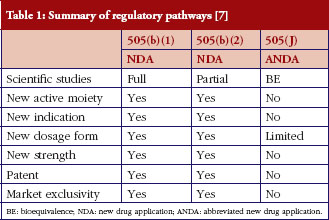
This group of generics needs a completely New Drug Application (NDA) in order to gain FDA approval. The regulatory pathway in Europe appears to be very similar to that in the US and was introduced within the Directive 2001/83/EC in November 2001 and in the Regulation (EC) No 726/2004. These products are not interchangeable with the brand-name drugs. Those regulatory pathways are summarized inTable 1.

http://gabi-journal.net/wp-content/uploads/fig121.jpg

With a NDA, innovative drug therapies are reaching the market in a specific dosage form for one or more clinically proven indications of which, after expiration of the patent or the data exclusivity, copies are launched using Abbreviated New Drug Applications (ANDA). Advanced therapies that emerged from launched molecules during their product life cycle have gained considerable attention as clinical practice provides evidence for additional therapeutic values; patient centric delivery systems show improved therapeutic outcomes or emerging technologies offer efficiency gains in manufacturing or access to emerging markets. The US and European regulatory framework has set reasonable regulations in place for these super generics or hybrid applications. While these regulations are relatively recent the pharmaceutical industry is just starting to use this route for its product development [6, 7].

However, super generics take an average of three to four years development time to registration, and enjoy reduced development and regulatory risks compared to new chemical entities. The end product may gain a significant price premium to conventional generics once marketing approval is received. Depending on the type of modification to the original formulation and whether the super generic drug is being developed for the same or a different indication will also have an impact on the level of additional research that is needed to gain approval for the reformulated product [8]. The quantity of issued patents highlights the technical knowledge and skill sets that are available in generic pharmaceutical firms. The success of these pharmaceutical firms has illustrated the possibility of changing from the classic model of ‘copy maker’ towards a model of creating new value-added products, manufacturing strategies and new business models [9, 10].

Meanwhile, the demand side for pharmaceutical treatments has also evolved. ‘New’ customers have emerged, i.e. a better informed, web data empowered generation of patients searching for cost-effective treatments. The generic pharmaceutical industry is reacting to this by applying new business models.

By applying a patient-centred and quality-based perspective into their business models, the generic pharmaceutical industry is attempting to offer new less risky and cost-effective products. The most important aspect is that innovation is no longer just about the product itself, it is also centred on how a company contributes to improving the health of patients. This process has required the out-licensing of innovative generic drug products and has also involved the establishment of new partnerships and alliances to better utilize technological platforms and manufacturing facilities [11]. As an example, Teva Pharmaceuticals acquired Ivax in 2006, Barr Laboratories in 2008, and Ratiopharm in 2010.

The aim of this article is to gain insight into re-innovation in the generic pharmaceutical industry by focusing on product innovation, and a business model based on value proposition employed by some of the innovative generic pharmaceutical firms. This is an alternative model between hybrid and classic R & D companies.


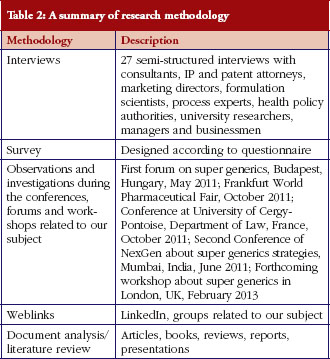
http://gabi-journal.net/wp-content/uploads/fig131.jpg


Producing novel products is defined as the part of new product development strategy which explores the extension of existing innovations, which can only happen after the first generation of a new product is launched [13]. This is, for example, the case with the development of super generics and bio-superior products that follow on from reference biopharmaceutical products. Being built upon early successful products, re-innovative products are created through applying new platforms, new components, or new configurations with breakthrough technologies to previous products or manufacturing processes [14, 15]. The new re-innovated medicines are focusing on improving health outcomes for patients.

‘… In the past, successful pharmaceuticals stemmed from having good clinical trial data which companies owned and controlled. In the future, their success in the market will instead be evaluated by post marketing data resulting from patients’ satisfaction, of which they will no longer have sole possession …’ (Pharma Researcher, UK)

At the industrial level, through re-innovation attempts, generic pharmaceutical firms aim to minimize the new product failure rate [7], reduce the cost of developing a new product and decrease the lead time in bringing it to market. A pharmaceutical product developed and manufactured with less excipients and unit operation, while maintaining the product therapeutic performance compared to the originator, could be considered as an improved therapeutic entity as it reduces the overall costs of manufacturing that could lead to reduced healthcare spending [16].

Innovative generic pharmaceutical firms may apply QbD and design of experiment methods to optimize their production outcome and minimize the risk. Quality by design means designing and developing a product and associated manufacturing processes that will be used during product development to ensure that the product consistently attains a predefined quality at the end of the manufacturing process [17]. Statistical methods are becoming increasingly vital for pharmaceutical firms. Design of experiments is a tool for determining the relationship between the factors that have an effect on a process and the response of that process [18].

The re-innovative product (as compared to an incremental new product) can be defined as a product that provides new features, benefits, or improvements through existing technology. As such, re-innovation and incremental innovation are different in two aspects: 1) incremental products are improved only by incremental technologies while breakthrough technologies can be used in re-innovative products; and 2) incremental products must be based on the current platform but re-innovative products are either (mostly) based on a new platform or (occasionally) based on an existing platform [19].

‘… As to technology platforms, if for example you consider aerosolization as a platform, then using such a platform to create new, better forms of an existing entity are part of re-innovation …’ (US Manager, 2012)

Re-innovation by the generic pharmaceutical industry can be observed in drug product design, formulation, process development and manufacturing processes going back to the early stages of the product development cycle.

Some product examples are:
1-Abraxane, super generic form of Taxol (FDA, 2005), which uses albumin to deliver the chemotherapy, not Cremophor, and so avoids hypersensitivity and claims a greater tumour response rate than Taxol. The drug Abraxane (nanoparticle albumin bound paclitaxel) uses the approach of coating Taxol with albumin to reduce the side effects associated with standard Taxol (paclitaxel), making it possible to give it without steroids (which can be a rather bothersome issue for many patients, causing problems from severe insomnia to very high blood sugars and more) and also reducing some other Taxol-associated side effects like joint and muscle aches [20, 21].

2-SUBACAP is an improved version of the conventional itraconazole formulation used to treat fungal infections. In June 2012, Mayne Pharma announced that the UK Medicines and Healthcare products Regulatory Agency (MHRA) had reversed its previous decision on SUBACAP and advised that the SUBACAP marketing authorization application was approvable in the UK. Mayne Pharma is in the process of submitting the response to re-activate the ‘Decentralized Procedure’ to seek approval in Germany, Spain and Sweden. Following approval in these countries, the company will seek a second round of approvals in other European countries, including Belgium, Italy, Greece, Portugal and The Netherlands. The total European market sales of itraconazole in 2011 were US$85 million (companies communication and annual report 2012). SUBACAP provides enhancements to patients and prescribers with reduced inter- and intra-patient variability and therefore a more predictable clinical response enabling a reduction in active drug quantity to deliver therapeutic blood levels. Itraconazole is one of the broadest spectrum antifungal drugs on the market and can be used to treat both superficial fungal infections such as onychomycosis (nail infection) and systemic fungal infections such as histoplasmosis, aspergillosis and candidiasiswhich can be life threatening to immunocompromised patients [22].

Another example of novel technology platform used in super generic drug manufacturing is the application of nanoparticle technology to address challenges associated with the delivery of poorly soluble compounds. Re-innovation has, for example, led to the development of a tablet dosage form that incorporated candesartan cilexetil nanoparticles [23–28] to reduce dosage, reduce toxicity, improve bioavailability and enhance solubility. The original candesartan cilexetil is used for the treatment of hypertension. The major drawback in the therapeutic efficacy of candesartan cilexetil is its very low aqueous solubility leading to low and variable bioavailability. Low bioavailability may lead to variability in therapeutic response. The formulation change resulting from Design of Experiments and nanoparticle technology resulted in better solubility. Using Design of Experiments for process optimization resulted in a robust scalable manufacturing process with design space established for critical process parameters that can balance milling time, particles size and yield. Design of Experiments studies indicated that, out of the three parameters tested in the experimental design, disc speed, pump speed and bead volume were found to affect the critical product attributes either through non-linear, quadratic or interaction effects [29, 30].

The robustness of the model was validated based on confirmatory trials that indicated statistically no difference between predicted and experimental values. The rate and extent of drug dissolution from tablet dosage form incorporating drug nanoparticles was significantly higher than in the tablet containing micronized drug and marketed product.

The increase in drug dissolution resulted in significant enhancement in rate (Cmax) and extent of drug absorption (AUC).

The manufacturing process used is simple and scalable indicating general applicability of the approach to develop oral dosage forms of sparingly soluble drug.

The formulation approach used provides a viable approach to enhance dissolution and bioavailability of sparingly soluble compounds (BCS class II) that may translate into improved therapeutic outcome [23].

This innovative change is also illustrated by the following quote:

‘Super-generic [drug] products, mostly nano- and micro-sized drug delivery systems, focus on improving active principles which were previously commercialized in another formulation. These new formulations are certainly not bioequivalent in the generic [drug] industry’s sense of the term, they are therefore not generics. They are new, i.e. innovative, drugs, which can replace treatment with the previous entity.’ (Drug Delivery Manager, USA)

Another example of re-innovation in super generic drugs relates to the development of a per oral [29] dosage form for a sparingly soluble camptothecin analogue. This was achieved by formulating it as a drug complex [30]. This formulation approach addressed limitations of the currently marketed product that is only amenable for intravenous administration. The drug complex following oral administration demonstrated safety and efficacy comparable to marketed product in athymic mice with implanted tumours. The manufacturing process used is simple and scalable indicating general applicability of the approach to develop oral dosage forms of sparingly soluble drugs. An oral dosage form should result in lower treatment cost, better patient compliance and improved therapeutic outcome for better disease management [23].

In a recent compliance review for antihypertensive drug treatments it was found that some drug classes have significantly poorer adherence performance by patients than other drug classes. Only one third of patients were adherent to b-blockers and diuretics, while two thirds of patients were adherent to angiotension converting enzyme inhibitors and angiotensin II Receptor blockers [31]. Even an adherence of two-thirds of patients still remains at an unsatisfactory low level and leaves considerable room for improvement.

Modifying the release of drugs that have a short biological half-life by extending their release, circumvents high plasma peaks, reduces fluctuations in plasma levels and allows for a once-daily intake that can optimize therapy. This can avoid the daily oral intake for people with dysphagia or dementia. In this new business model, therapy is moving away from a clinical parameter oriented treatment to an outcome oriented disease management programme [32].

Discussion

The low price of generic drugs threatens to undermine the sustainability of the generic pharmaceutical industry in regards to its low margins, number of competitors, increased requirements for pharmacovigilance, the mature markets in developed countries, and the post-patent cliff arena after 2015 [8]. Meanwhile, medical and technological changes push the pharmaceutical industry to implement new business models. These changes coincide with a growing demand from ageing populations, and better-informed patients who have a substantial need for individualized cost-effective treatments.

Several generic pharmaceutical firms have evolved their traditional business models into innovative models. These models are key to maintaining market position. They are focused on patients’ unmet medical needs and a high quality approach to the manufacturing process.

The innovative business models emerge from new management systems. The challenge of new management systems in these innovative generic pharmaceutical firms is on product innovation: how to manage a better organization to achieve a maximum product differentiation through value proposition to patients? How to optimize product quality? How to reduce manufacturing costs? How to reduce the time to market?

The generic pharmaceutical industry is evolving into a less generic, but more innovative format. In this respect, it should be noted that many generic pharmaceutical firms have the capacity to re-innovate. They have experience, good knowledge and the technical possibility to re-innovate. Alternatively, new alliances can provide the necessary financial resources for technical and marketing requirements.

Implementing re-innovation as a strategy strives to convert price-focused competition into product quality competition, this is central to an innovative business model. Some generic pharmaceutical firms are re-innovating their product portfolio by using new technology platforms, new components and new configurations. These attempts have mainly resulted in super generic drugs; value added products or hybrid products and biosimilars. These super generic drugs and improved therapeutic entities are an important source for innovation in drug therapy in the coming decades.

The so-called super generics are a promising alternative. The value added products resulting from re-innovation strategy by using new ‘technology platforms’, new components and new services will be a strategic element for affordable and individualized medicines.

According to our findings:

  1. The classic innovation model of R & D in Big Pharma is no longer able to provide sufficient results, because it is too costly, too time-consuming and too risky. There are more regulatory barriers, changing demographic and economic features, and Big Pharma is becoming too big to manage innovation. Generic pharmaceutical company aims to provide innovative products to meet: price pressure, low margins, government’s pressure, competition, mature markets, and tendering.
  2. The generic pharmaceutical industry is facing now unmet medical needs of a new generation of patients (demand-side is evolved), there is a real demand for high quality geriatric pharmaceuticals for a rapidly ageing population in some developed countries such as Japan.
  3. Better results will be obtained by using novel technology platforms to achieve new formulations, reducing costs and time by applying QbD.
  4. These new products produced by some generics companies are only one example; they try to switch to biosimilars, and new chemical entities. The future is related to a new kind of disease management requiring more value for more affordable treatments.

This research may be followed by further investigation in innovative business models adapted by an evolving generic pharmaceutical industry that has not yet been studied. A quantitative study of R & D investment and strategic alliances in an innovative generic pharmaceutical industry will reveal more.

Conclusion

Due to evolution in the pharmaceutical industry landscape, some generic pharmaceutical companies are restructuring their business models. In this new industrial design, some of the generics manufactures are re-inventing their product portfolio through a re-innovation strategy. New technology platforms, new components and new configurations are adopted to provide patient compliance and increase patient quality of life. Super generics, biosimilars, bio-superiors and value added versions are some of the new product alternatives resulting from this innovative evolution. The product itself is not the only target; the conversion of competition from price to product quality ensures the value proposition and provides product differentiation. New innovative product portfolios are the evidence that innovative generics companies are not only mastering incremental innovation but are also adopting re-innovation in their new strategies. In this perspective, biotechnology, nanosciences and nanotechnology are ‘strategic’ areas for its scientific and commercial development.

For patients

For patients, the innovative changes in product portfolios struggle to improve patient’s quality of life, reduce side effects and enhance efficiency by new product alternatives. These new product alternatives are developed by applying new technology platforms like nanotechnology. Enhancing drug solubility is often key to improving a product’s formulation. New nanotechnologiesa are now being used to solubilize drugs with the aim of improving bioavailability and activity, and reducing in vivo variabilityb.

Read Full Post »

Retromer in neurological disorders

Larry H. Bernstein, MD, FCAP, Curator

LPBI


Retromer in Alzheimer disease, Parkinson disease and other neurological disorders.

Scott A. Small and Gregory A. Petsko
Nature Reviews Neuroscience 16; 126–132 (2015)      http://dx.doi.org:/10.1038/nrn3896


As discussed in the forum (see video here), there are many cellular pathways which are believed to be perturbed in Alzheimer’s Disease. Recent work has suggested that deficits in retromer complex function may underlie impairment of endosomal trafficking in neurons and may contribute to AD pathogenesis. This recent review illustrates the function of the retromer complex and discusses how its dysfunction may contribute to neurodegeneration.

By Tim Spencer on 24 Nov, 2015


Retromer is a protein assembly that has a central role in endosomal trafficking, and retromer dysfunction has been linked to a growing number of neurological disorders. First linked to Alzheimer disease, retromer dysfunction causes a range of pathophysiological consequences that have been shown to contribute to the core pathological features of the disease. Genetic studies have established that retromer dysfunction is also pathogenically linked to Parkinson disease, although the biological mechanisms that mediate this link are only now being elucidated. Most recently, studies have shown that retromer is a tractable target in drug discovery for these and other disorders of the nervous system.


Yeast has proved to be an informative model organism in cell biology and has provided early insight into much of the molecular machinery that mediates the intracellular transport of proteins1,2. Indeed, the term ‘retromer’ was first introduced in a yeast study in 1998 (Ref. 3). In this study, retromer was referred to as a complex of proteins that was dedicated to transporting cargo in a retrograde direction, from the yeast endosome back to the Golgi.

By 2004, a handful of studies had identified the molecular4 and the functional5, 6 homologies of the mammalian retromer, and in 2005 retromer was linked to its first human disorder, Alzheimer disease (AD)7. At the time, the available evidence suggested that the mammalian retromer might match the simplicity of its yeast homologue. Since then, a dramatic and exponential rise in research focusing on retromer has led to more than 300 publications. These studies have revealed the complexity of the mammalian retromer and its functional diversity in endosomal transport, and have implicated retromer in a growing number of neurological disorders.

New evidence indicates that retromer is a ‘master conductor’ of endosomal sorting and trafficking8. Synaptic function heavily depends on endosomal trafficking, as it contributes to the presynaptic release of neurotransmitters and regulates receptor density in the postsynaptic membrane, a process that is crucial for neuronal plasticity9. Therefore, it is not surprising that a growing number of studies are showing that retromer has an important role in synaptic biology10, 11, 12, 13. These observations may account for why the nervous system seems particularly sensitive to genetic and other defects in retromer. In this Progress article, we briefly review the molecular organization and the functional role of retromer, before discussing studies that have linked retromer dysfunction to several neurological diseases — notably, AD and Parkinson disease (PD).


The endosome is considered a hub for intracellular transport. From the endosome, transmembrane proteins can be actively sorted and trafficked to various intracellular sites via distinct transport routes (Fig. 1a). Studies have shown that the mammalian retromer mediates two of the three transport routes out of endosomes. First, retromer is involved in the retrieval of cargos from endosomes and in their delivery, in a retrograde direction, to the trans-Golgi network (TGN)5,6. Retrograde transport has many cellular functions but, as we describe, it is particularly important for the normal delivery of hydrolases and proteases to the endosomal–lysosomal system. The second transport route in which retromer functions is the recycling of cargos from endosomes back to the cell surface14, 15 (Fig. 1a). It is this transport route that is particularly important for neurons, as it mediates the normal delivery of glutamate and other receptors to the plasma membrane during synaptic remodelling and plasticity10, 11, 12, 13.

Figure 1: Retromer’s endosomal transport function and molecular organization.
Retromer's endosomal transport function and molecular organization.

a | Retromer mediates two transport routes out of endosomes via tubules that extend out of endosomal membranes. The first is the retrograde pathway in which cargo is retrieved from the endosome and trafficked to the trans-Golgi network (TGN). The second is the recycling pathway in which cargo is trafficked back from the endosome to the cell surface. The degradation pathway, which is not mediated by retromer, involves the trafficking of cargo from endosomes to lysosomes for degradation. b | The retromer assembly of proteins can be organized into distinct functional modules, all of which work together as part of retromer’s transport role. The ‘cargo-recognition core’ is the central module of the retromer assembly and comprises a trimer of proteins, in which vacuolar protein sorting-associated protein 26 (VPS26) and VPS29 bind VPS35. The ‘tubulation’ module includes protein complexes that bind the cargo-recognition core and aid in the formation and stabilization of tubules that extend out of endosomes, directing the transport of cargos towards their final destinations. The ‘membrane-recruiting’ proteins recruit the cargo-recognition core to the endosomal membrane. The WAS protein family homologue (WASH) complex of proteins also binds the cargo-recognition core and is involved in endosomal ‘actin remodelling’ to form actin patches, which are important for directing cargos towards retromer’s transport pathways. Retromer cargos includes a range of receptors — which bind the cargo-recognition core — and their ligands. PtdIns3P, phosphatidylinositol-3-phosphate.

As well as extending the endosomal transport routes, recent studies have considerably expanded the number of molecular constituents and what is known about the functional organization of the mammalian retromer. Following this expansion in knowledge of the molecular diversity and organizational complexity, retromer might be best described as a multimodular protein assembly. The protein or group of proteins that make up each module can vary, but each module is defined by its distinct function, and the modules work in unison in support of retromer’s transport role.

Two modules are considered central to the retromer assembly. First and foremost is a trimeric complex that functions as a ‘cargo-recognition core’, which selects and binds to the transmembrane proteins that need to be transported and that reside in endosomal membranes5, 6. This trimeric core comprises vacuolar protein sorting-associated protein 26 (VPS26), VPS29 and VPS35; VPS35 functions as the core’s backbone to which the other two proteins bind16. VPS26 is the only member of the core that has been found to have two paralogues, VPS26a and VPS26b17,18, and studies suggest that VPS26b might be differentially expressed in the brain19, 20. Some studies suggest that VPS26a and VPS26b are functionally redundant21, whereas others suggest that they might form distinct cargo-recognition cores20, 22.

The second central module of the retromer assembly is the ‘tubulation’ module, which is made up of proteins that work together in the formation and the stabilization of tubules that extend out of endosomes and that direct the transport of cargo towards its final destination (Fig. 1b). The proteins in this module, which directly binds the cargo-recognition core, are members of the subgroup of the sorting nexin (SNX) family that are characterized by the inclusion of a carboxy-terminal BIN–amphiphysin–RVS (BAR) domain23. These members include SNX1, SNX2, SNX5 and SNX6 (Refs 24,25). As part of the tubulation module, these SNX-BAR proteins exist in different dimeric combinations, but typically SNX1 interacts with SNX5 or SNX6, and SNX2 interacts with SNX5 or SNX6 (Refs 26,27). The EPS15-homology domain 1 (EHD1) protein can be included in this module, as it is involved in stabilizing the tubules formed by the SNX-BAR proteins28.

A third module of the retromer assembly functions to recruit the cargo-recognition core to endosomal membranes and to stabilize the core once it is there (Fig. 1b). Proteins that are part of this ‘membrane-recruiting’ module include SNX3 (Ref. 29), the RAS-related protein RAB7A30, 31,32 and TBC1 domain family member 5 (TBC1D5), which is a member of the TRE2–BUB2–CDC16 (TBC) family of RAB GTPase-activating proteins (GAPs)28. In addition, the lipid phosphatidylinositol-3-phosphate (PtdIns3P), which is found on endosomal membranes, contributes to recruiting most of the retromer-related SNXs through their phox homology domains33. Interestingly, another SNX with a phox homology domain, SNX27, was recently linked to retromer and its function15, 34. SNX27 functions as an adaptor for binding to PDZ ligand-containing cargos that are destined for transport to the cell surface via the recycling pathway. Thus, according to the functional organization of the retromer assembly, SNX27 belongs to the module that engages in cargo recognition and selection.

Recent studies have identified a fourth module of the retromer assembly. The five proteins in this module — WAS protein family homologue 1 (WASH1), FAM21, strumpellin, coiled-coil domain-containing protein 53 (CCDC53) and KIAA1033 (also known as WASH complex subunit 7) — form the WASH complex and function as an ‘actin-remodelling’ module28, 35, 36 (Fig. 1b). Specifically, the WASH complex functions in the rapid polymerization of actin to create patches of actin filaments on endosomal membranes. The complex is recruited to endosomal membranes by binding VPS35 (Ref. 28), and together they divert cargo towards retromer transport pathways and away from the degradation pathway.

The cargos that are transported by retromer include the receptors that directly bind the cargo-recognition core and the ligands of these receptors that are co-transported with the receptors. The receptors that are transported by retromer that have so far been identified to be the most relevant to neurological diseases are the family of VPS10 domain-containing receptors (including sortilin-related receptor 1 (SORL1; also known as SORLA), sortilin, and SORCS1, SORCS2 and SORCS3)7; the cation-independent mannose-6-phosphate receptor (CIM6PR)6, 5; glutamate receptors10; and phagocytic receptors that mediate the clearing function of microglia37. The most disease-relevant ligand to be identified that is trafficked as retromer cargo is the β-amyloid precursor protein (APP)7, 38, 39, 40, 41, which binds SORL1 and perhaps other VPS10 domain-containing receptors42 at the endosomal membrane.

Retromer dysfunction

Guided by retromer’s established function, and on the basis of empirical evidence, there are three well-defined pathophysiological consequences of retromer dysfunction that have proven to be relevant to AD and nervous system disorders. First, retromer dysfunction can cause cargos that typically transit rapidly through the endosome to reside in the endosome for longer than normal durations, such that they can be pathogenically processed into neurotoxic fragments (for example, APP, when stalled in the endosome, is more likely to be processed into amyloid-β, which is implicated in AD43 (Fig. 2a)). Second, by reducing endosomal outflow via impairment of the recycling pathway, retromer dysfunction can lead to a reduction in the number of cell surface receptors that are important for brain health (for example, microglia phagocytic receptors37 (Fig. 2b)).

Figure 2: The pathophysiology of retromer dysfunction.
The pathophysiology of retromer dysfunction.

Retromer dysfunction has three established pathophysiological consequences. In the examples shown, the left graphic represents a cell with normal retromer function and the right graphic represents a cell with a deficit in retromer function. a | Retromer dysfunction causes increased levels of cargo to reside in endosomes. For example, in primary neurons, retromer transports the β-amyloid precursor protein (APP) out of endosomes. Accordingly, retromer dysfunction increases APP levels in endosomes, leading to accelerated APP processing, resulting in an accumulation of neurotoxic fragments of APP (namely, β-carboxy-terminal fragment (βCTF) and amyloid-β) that are pathogenic in Alzheimer disease. b | Retromer dysfunction causes decreased cargo levels at the cell surface. For example, in microglia, retromer mediates the transport of phagocytic receptors to the cell surface and retromer dysfunction results in a decrease in the delivery of these receptors. Studies suggest that this cellular phenotype might have a pathogenic role in Alzheimer disease. c | Retromer dysfunction causes decreased delivery of proteases to the endosome. Retromer is required for the normal retrograde transport of the cation-independent mannose-6-phosphate receptor (CIM6PR) from the endosome back to the trans-Golgi network (TGN). It is in the TGN that this receptor binds cathepsin D and other proteases, and transports them to the endosome, to support the normal function of the endosomal–lysosomal system. By impairing the retrograde transport of the receptor, retromer dysfunction ultimately leads to reduced delivery of cathepsin D to this system. Cathepsin D deficiency has been shown to disrupt the endosomal–lysosomal system and to trigger tau pathology either within endosomes or secondarily in the cytosol.

The third consequence (Fig. 2c) is a result of the established role that retromer has in the retrograde transport of receptors, such as CIM6PR5, 6 or sortilin44, after these receptors transport proteases from the TGN to the endosome. Once at the endosome, the proteases disengage from the receptors, are released into endosomes and migrate to lysosomes. These proteases function in the endosomal–lysosomal system to degrade proteins, protein oligomers and aggregates45. Retromer functions to transfer the ‘naked’ receptor from the endosome back to the TGN via the retrograde pathway5, 6, allowing the receptors to continue in additional rounds of protease delivery. Accordingly, by reducing the normal retrograde transport of these receptors, retromer dysfunction has been shown to reduce the proper delivery of proteases to the endosomal–lysosomal system5,6, which, as discussed below, is a pathophysiological state linked to several brain disorders.

Although requiring further validation, recent studies suggest that retromer dysfunction might be involved in two other mechanisms that have a role in neurological disease. One study suggested that retromer might be involved in trafficking the transmembrane protein autophagy-related protein 9A (ATG9A) to recycling endosomes, from where it can then be trafficked to autophagosome precursors — a trafficking step that is crucial in the formation and the function of autophagosomes46. Autophagy is an important mechanism by which neurons clear neurotoxic aggregates that accumulate in numerous neurodegenerative diseases47. A second study has suggested that retromer dysfunction might enhance the seeding and the cell-to-cell spread of intracellular neurotoxic aggregates48, which have emerged as novel pathophysiological mechanisms that are relevant to AD49, PD50 and other neurodegenerative diseases.

Alzheimer disease

Retromer was first implicated in AD in a molecular profiling study that relied on functional imaging observations in patients and animal models to guide its molecular analysis7. Collectively, neuroimaging studies confirmed that the entorhinal cortex is the region of the hippocampal circuit that is affected first in AD, even in preclinical stages, and suggested that this effect was independent of ageing (as reviewed in Ref. 51). At the same time, neuroimaging studies identified a neighbouring hippocampal region, the dentate gyrus, that is relatively unaffected in AD52. Guided by this information, a study was carried out in which the two regions of the brain were harvested post mortem from patients with AD and from healthy individuals, intentionally covering a broad range of ages. A statistical analysis was applied to the determined molecular profiles of the regions that was designed to address the following question: among the thousands of profiled molecules, which are the ones that are differentially affected in the entorhinal cortex versus the dentate gyrus, in patients versus controls, but that are not affected by age? The final results led to the determination that the brains of patients with AD are deficient in two core retromer proteins — VPS26 and VPS35 (Ref. 7).

Little was known about the receptors of the neuronal retromer, so to understand how retromer deficiency might be mechanistically linked to AD, an analysis was carried out on the molecular data set that looked for transmembrane molecules for which expression levels correlated with VPS35 expression. The top ‘hit’ was the transcript encoding the transmembrane protein SORL1 (Ref. 43). As SORL1 belongs to the family of VPS10-containing receptors and as VPS10 is the main retromer receptor in yeast3, it was postulated that SORL1 and the family of other VPS10-containing proteins (sortillin, SORCS1, SORCS2 and SORCS3) might function as retromer receptors in neurons7. In addition, SORL1 had recently been reported to bind APP53, so if SORL1 was assumed to be a receptor that is trafficked by retromer, then APP might be the cargo that is co-trafficked by retromer. This led to a model in which retromer traffics APP out of endosomes7, which are the organelles in which APP is most likely to be cleaved by βAPP-cleaving enzyme 1 (BACE1; also known as β-secretase 1)43; this is the initial enzymatic step in the pathogenic processing of APP.

Subsequent studies were required to further establish the pathogenic link between retromer and AD, and to test the proposed model. The pathogenic link was further supported by human genetic studies. First, a genetic study investigating the association between AD, the genes encoding the components of the retromer cargo-recognition core and the family of VPS10-containing receptors found that variants of SORL1 increase the risk of developing AD38. This finding was confirmed by numerous studies, including a recent large-scale AD genome-wide association study54. Other genetic studies identified AD-associated variants in genes encoding proteins that are linked to nearly all modules of the retromer assembly55, including genes encoding proteins of the retromer tubulation module (SNX1), genes encoding proteins of the retromer membrane-recruiting module (SNX3 and RAB7A) and genes encoding proteins of the retromer actin-remodelling module (KIAA1033). In addition, nearly all of the genes encoding the family of VPS10-containing retromer receptors have been found to have variants that associate with AD56. Finally, a study found that brain regions that are differentially affected in AD are deficient in PtdIns3P, which is the phospholipid required for recruiting many sorting nexins to endosomal membranes57. Thus, together with the observation that the brains of patients with AD are deficient in VPS26a and VPS35 (Refs 7,37), all modules in the retromer assembly are implicated in AD.

Studies in mice39, 58, 59, flies39 and cells in culture34, 40, 41, 60, 61 have investigated how retromer dysfunction leads to the pathogenic processing of APP. Although rare discrepancies have been observed among these studies62, when viewed in total, the most consistent findings are that retromer dysfunction causes increased pathogenic processing of APP by increasing the time that APP resides in endosomes. Moreover, these studies have confirmed that SORL1 and other VPS10-containing proteins function as APP receptors that mediate APP trafficking out of endosomes.

Retromer has unexpectedly been linked to microglial abnormalities37 — another core feature of AD — which, on the basis of recent genetic findings, seem to have an upstream role in disease pathogenesis54, 63. A recent study found that microglia harvested from the brains of individuals with AD are deficient in VPS35 and provided evidence suggesting that retromer’s recycling pathway regulates the normal delivery of various phagocytic receptors to the cell surface of microglia37, including the phagocytic receptor triggering receptor expressed on myeloid cells 2 (TREM2) (Fig. 2b). Mutations in TREM2 have been linked to AD63, and a recent study indicates that these mutations cause a reduction in its cell surface delivery and accelerate TREM2 degradation, which suggests that the mutations are linked to a recycling defect64. While they are located at the microglial cell surface, these phagocytic receptors function in the clearance of extracellular proteins and other molecules from the extracellular space65. Taken together, these recent studies suggest that defects in the retromer’s recycling pathway can, at least in part, account for the microglial defects observed in the disease.

The microtubule-associated protein tau is the key element of neurofibrillary tangles, which are the other hallmark histological features of AD. Although a firm link between retromer dysfunction and tau toxicity remains to be established, recent insight into tau biology suggests several plausible mechanisms that are worth considering. Tau is a cytosolic protein, but nonetheless, through mechanisms that are still undetermined, it is released into the extracellular space from where it gains access to neuronal endosomes via endocytosis66, 67. In fact, recent studies suggest that the pathogenic processing of tau is triggered after it is endocytosed into neurons and while it resides in endosomes67. Of note, it still remains unknown which specific tau processing step — its phosphorylation, cleavage or aggregation — is an obligate step towards tau-related neurotoxicity. Accordingly, if defects in microglia or in other phagocytic cells reduce their capacity to clear extracellular tau, this would accelerate tau endocytosis in neurons and its pathogenic processing.

A second possibility comes from the established role retromer has in the proper delivery of cathepsin D and other proteases to the endosomal–lysosomal system via CIM6PR or sortilin (Fig. 2c). Studies in sheep, mice and flies68 have shown that cathepsin D deficiency can enhance tau toxicity and that this is mediated by a defective endosomal–lysosomal system68. Whether this mechanism leads to abnormal processing of tau within endosomes or in the cytosol via caspase activation68 remains unclear. As discussed above, retromer dysfunction will lead to a decrease in the normal delivery of cathepsin D to the endosome and will result in endosomal–lysosomal system defects. Retromer dysfunction can therefore be considered as a functional phenocopy of cathepsin D deficiency, which suggests a plausible link between retromer dysfunction and tau toxicity. Nevertheless, although these recent insights establish plausibility and support further investigation into the link between retromer and tau toxicity, whether this link exists and how it may be mediated remain open and outstanding questions.

Parkinson disease

The pathogenic link between retromer and PD is singular and straightforward: exome sequencing has identified autosomal-dominant mutations in VPS35 that cause late-onset PD69, 70, one of a handful of genetic causes of late-onset disease. However, the precise mechanism by which these mutations cause the disease is less clear.

Among a group of recent studies, all46, 48, 71, 72, 73, 74, 75, 76 but one77 strongly suggest that these mutations cause a loss of retromer function. At the molecular level, the mutations do not seem to disrupt mutant VPS35 from interacting normally with VPS26 and VPS29, and from forming the cargo-recognition core. Rather, two studies suggest that the mutations have a restricted effect on the retromer assembly but reduce the ability of VPS35 to associate with the WASH complex46, 75. Studies disagree about the pathophysiological consequences of the mutations. Four studies suggest that the mutations affect the normal retrograde transport of CIM6PR71, 73, 75, 76 from the endosome back to the TGN (Fig. 2c). In this scenario, the normal delivery of cathepsin D to the endosomal–lysosomal system should be reduced and this has been empirically shown73. Cathepsin D has been shown to be the dominant endosomal–lysosomal protease for the normal processing of α-synuclein76, and mutations could therefore lead to abnormal α-synuclein processing and to the formation of α-synuclein aggregates, which are thought to have a key pathogenic role in PD.

A separate study suggested that the mutation might cause a mistrafficking of ATG9, and thereby, as discussed above, reduce the formation and the function of autophagosomes46. Autophagosomes have also been implicated as an intracellular site in which α-synuclein aggregates are cleared. Thus, although future studies are needed to resolve these discrepant findings (which may in fact not be mutually exclusive), these studies are generally in agreement that retromer defects will probably increase the neurotoxic levels of α-synuclein aggregates48.

Several studies in flies71, 74 and in rat neuronal cultures71 provide strong evidence that increasing retromer function by overexpressing VPS35 rescues the neurotoxic effects of the most common PD-causing mutations in leucine-rich repeat kinase 2 (LRRK2). Moreover, a separate study has shown that increasing retromer levels rescues the neurotoxic effect of α-synuclein aggregates in a mouse model48. These findings have immediate therapeutic implications for drugs that increase VPS35 and retromer function, as discussed in the next section, but they also offer mechanistic insight. LRRK2 mutations were found to phenocopy the transport defects caused either by theVPS35 mutations or by knocking down VPS35 (Ref. 71). Together, this and other studies78suggest that LRRK2 might have a role in retromer-dependent transport, but future studies are required to clarify this role.

Other neurological disorders

Besides AD and PD, in which a convergence of findings has established a strong pathogenic link, retromer is being implicated in an increasing number of other neurological disorders. Below, we briefly review three disorders for which the evidence of the involvement of retromer in their pathophysiology is currently the most compelling.

The first of these disorders is Down syndrome (DS), which is caused by an additional copy of chromosome 21. Given the hundreds of genes that are duplicated in DS, it has been difficult to identify which ones drive the intellectual impairments that characterize this condition. A recent elegant study provides strong evidence that a deficiency in the retromer cargo-selection protein SNX27 might be a primary driver for some of these impairments79. This study found that the brains of individuals with DS were deficient in SNX27 and that this deficiency may be caused by an extra copy of a microRNA (miRNA) encoded by human chromosome 21 (the miRNA is produced at elevated levels and thereby decreases SNX27 expression). Consistent with the known role of SNX27 in retromer function, decreased expression of this protein in mice disrupted glutamate receptor recycling in the hippocampus and led to dendritic dysfunction. Importantly, overexpression of SNX27 rescued cognitive and other defects in animal models79, which not only strengthens the causal link between retromer dysfunction and cognitive impairment in DS but also has important therapeutic implications.

Hereditary spastic paraplegia (HSP) is another disorder linked to retromer. HSP is caused by genetic mutations that affect upper motor neurons and is characterized by progressive lower limb spasticity and weakness. Although there are numerous mutations that cause HSP, most are unified by their effects on intracellular transport80. One HSP-associated gene in particular encodes strumpellin81, which is a member of the WASH complex.

The third disorder linked to retromer is neuronal ceroid lipofuscinosis (NCL). NCL is a young-onset neurodegenerative disorder that is part of a larger family of lysosomal storage diseases and is caused by mutations in one of ten identified genes — nine neuronal ceroid lipofuscinosis (CLN) genes and the gene encoding cathepsin D82. Besides cathepsin D, for which the link to retromer has been discussed above, CLN3 seems to function in the normal trafficking of CIM6PR83. However, the most direct link to retromer has been recently described for CLN5, which seems to function, at least in part, as a retromer membrane-recruiting protein84.

Retromer as a therapeutic target

As suggested by the first study implicating retromer in AD7, and in several subsequent studies71,85, increasing the levels of retromer’s cargo-recognition core enhances retromer’s transport function. Motivated by this observation and after a decade-long search86, we identified a novel class of ‘retromer pharmacological chaperones’ that can bind and stabilize retromer’s cargo-recognition core and increase retromer levels in neurons61.

Validating the motivating hypothesis, the chaperones were found to enhance retromer function, as shown by the increased transport of APP out of endosomes and a reduction in the accumulation of APP-derived neurotoxic fragments61. Although there are numerous other pharmacological approaches for enhancing retromer function, this success provides the proof-of-principle that retromer is a tractable therapeutic target.

As retromer functions in all cells, a general concern is whether enhancing its function will have toxic adverse effects. However, studies have found that in stark contrast to even mild retromer deficiencies, increasing retromer levels has no obvious negative consequences in yeast, neuronal cultures, flies or mice40, 48, 61, 71. This might make sense because unlike drugs that, for example, function as inhibitors, simply increasing the normal flow of transport through the endosome might not be cytotoxic.

If retromer drugs are safe and can effectively enhance retromer function in the nervous system — which are still outstanding issues — there are two general indications for considering their clinical application. One rests on the idea that these agents will only be efficacious in patients who have predetermined evidence of retromer dysfunction. The most immediate example is that of individuals with PD that is caused by LRRK2 mutations. As discussed above, several ‘preclinical’ studies in flies and neuronal cultures have already established that increasing retromer levels71, 74can reverse the neurotoxic effects of such mutations and, thus, if this approach is proven to be safe, LRRK2-linked PD might be an appropriate indication for clinical trials.

Alternatively, the pathophysiology of a disease might be such that retromer-enhancing drugs would be efficacious regardless of whether there is documented evidence of retromer dysfunction. AD illustrates this point. As reviewed above, current evidence suggests that retromer-enhancing drugs will, at the very least, decrease pathogenic processing of APP in neurons and enhance microglial function, even if there are no pre-existing defects in retromer.

More generally, histological studies comparing the entorhinal cortex of patients with sporadic AD to age-matched controls have documented that enlarged endosomes are a defining cellular abnormality in AD87, 88. Importantly, enlarged endosomes are uniformly observed in a broad range of patients with sporadic AD, which suggests that enlarged endosomes reflect an intracellular site at which molecular aetiologies converge87. In addition, because they are observed in early stages of the disease in regions of the brain without evidence of amyloid pathology87, enlarged endosomes are thought to be an upstream event. Mechanistically, the most likely cause of enlarged endosomes is either too much cargo flowing into endosomes — as occurs, for example, with apolipoprotein E4 (APOE4), which has been shown to accelerate endocytosis89, 90 — or too little cargo flowing out, as observed in retromer dysfunction40, 61 and related transport defects57. By any mechanism, retromer-enhancing drugs might correct this unifying cellular defect and might be expected to be beneficial regardless of the specific aetiology.

Conclusions

The fact that retromer defects, including those derived from bona fide genetic mutations, seem to differentially target the nervous system suggests that the nervous system is differentially dependent on retromer for its normal function. We think that this reflects the unique cellular properties of neurons and how synaptic biology heavily depends on endosomal transport and trafficking. Although plausible, future studies are required to confirm and to test the details of this hypothesis.

However, currently, it is the clinical rather than the basic neuroscience of retromer that is much better understood, with the established pathophysiological consequences of retromer dysfunction providing a mechanistic link to the disorders in which retromer has been implicated. Nevertheless, many questions remain. The two most interesting questions, which are in fact inversions of each other, relate to regional vulnerability in the nervous system. First, why does retromer dysfunction target specific neuronal populations? Second, how can retromer dysfunction cause diseases that target different regions of the nervous system? Recent evidence hints at answers to both questions, which must somehow be rooted in the functional and molecular diversity of retromer.

The type and the extent of retromer defects linked to different disorders might provide pathophysiological clues as well as reasons for differential vulnerability. As discussed, in AD there seem to be across-the-board defects in retromer, such that each module of the retromer assembly as well as multiple retromer cargos have been pathogenically implicated. By contrast, the profile of retromer defects in PD seems to be more circumscribed, involving selective disruption of the interaction between VPS35 and the WASH complex. These insights might agree with histological87, 88 and large-scale genetic studies54 that suggest that endosomal dysfunction is a unifying focal point in the cellular pathogenesis of AD. In contrast, genetics and other studies91suggest that the cellular pathobiology of PD is more distributed, implicating the endosome but other organelles as well, in particular the mitochondria.

Interestingly, studies suggest that the entorhinal cortex — a region that is differentially vulnerable to AD — has unique dendritic structure and function92, which are highly dependent on endosomal transport. We speculate that it is the unique synaptic biology of the entorhinal cortex that can account for why it might be particularly sensitive to defects in endosomal transport in general and retromer dysfunction in particular, and for why this region is the early site of disease. Future studies are required to investigate this hypothesis, as well as to understand why the substantia nigra or other regions that are differentially vulnerable to PD would be particularly sensitive to the more circumscribed defect in retromer.

Perhaps the most important observation for clinical neuroscience is the now well-established fact that increasing levels of retromer proteins enhances retromer function and has already proved capable of reversing defects associated with AD, PD and DS in either cell culture or in animal models. The relationships between protein levels and function are not always simple, but emerging pharmaceutical technologies that selectively and safely increase protein levels are now a tractable goal in drug discovery93. With the evidence mounting that retromer has a pathogenic role in two of the most common neurodegenerative diseases, we think that targeting retromer to increase its functional activity is an important goal that has strong therapeutic promise.

References

  1. Schekman, R. Charting the secretory pathway in a simple eukaryote. Mol. Biol. Cell 21,3781–3784 (2010).
  2. Henne, W. M., Buchkovich, N. J. & Emr, S. D. The ESCRT pathway. Dev. Cell 21, 77–91(2011).
  3. Seaman, M. N., McCaffery, J. M. & Emr, S. D. A membrane coat complex essential for endosome-to-Golgi retrograde transport in yeast. J. Cell Biol. 142, 665–681 (1998).
  4. Haft, C. R. et al. Human orthologs of yeast vacuolar protein sorting proteins Vps26, 29, and 35: assembly into multimeric complexes. Mol. Biol. Cell 11, 4105–4116 (2000).
  5. Seaman, M. N. Cargo-selective endosomal sorting for retrieval to the Golgi requires retromer. J. Cell Biol. 165, 111–122 (2004).

Read Full Post »

« Newer Posts - Older Posts »