Feeds:
Posts
Comments

Archive for the ‘Chemical Biology and its relations to Metabolic Disease’ Category

Nanoparticle Delivery to Cancer Drug Targets

Curator: Larry H. Bernstein, MD, FCAP

UPDATED 8/05/2022


Image for unlabelled figure

Lipid-based drug delivery (LBDD) systems have gained much importance in the recent years due to their ability to improve the solubility and bioavailability of drugs with poor water solubility9. The absorption of drug from lipid based formulation depends on numerous factors, including particle size, degree of emulsification, rate of dispersion and precipitation of drug upon dispersion4 and 10.
Diagram of liposome showing a phospholipid bilayer surrounding an aqueous interior
This diagram shows several ways in which transport across the BBB works. For nanoparticle delivery across the BBB, the most common mechanisms are receptor-mediated transcytosis and adsorptive transcytosis
Wikipedia
Targeted Polymeric Nanotherapeutics
Author: Jeff Hrkach

New drug-delivery strategies will lead to safer, more effective treatments for previously intractable diseases.

This paper provides an overview of steps being taken by BIND Biosciences Inc. to translate innovative research conducted at the Massachusetts Institute of Technology (MIT) and Harvard Medical School into novel, targeted, polymeric nanotherapeutics.

Figure 1 Schematic diagram of a BIND targeted polymeric nanoparticle.
Schematic diagram of a BIND targeted polymeric nanoparticle.

Drugs delivered by nanoparticles hold promise for targeted treatment of many diseases, including cancer. However, the particles have to be injected into patients, which has limited their usefulness so far.

Now, researchers from MIT and Brigham and Women’s Hospital (BWH) have developed a new type of nanoparticle that can be delivered orally and absorbed through the digestive tract, allowing patients to simply take a pill instead of receiving injections.

The BIND Targeted Nanoparticle
BIND Biosciences Inc. (BIND), a biopharmaceutical company that was founded upon the research of two pioneers in nanoparticle drug delivery, Professor Robert Langer of MIT and Professor Omid Farokhzad of Brigham and Women’s Hospital of the Harvard Medical School, has developed methods of engineering targeted nanoparticles composed of biodegradable and biocompatible polymers with precise biophysicochemical properties optimized to deliver drugs for specific therapeutic applications (Gu et al., 2008).

The foundational research by Langer and Farokhzad put BIND in a position to pursue the development of targeted polymeric nanotherapeutics for treating several diseases. BIND’s lead program is focused on translating their innovative academic findings into improved treatments for patients with cancer. The BIND technology offers a unique combination of long-circulating nanoparticles with the capability of targeting diseased cells specifically and releasing drugs from nanoparticles in a programmable, controlled way.

Figure 1 is a schematic diagram of a BIND targeted nanoparticle. The targeting ligand enables the nano-particle to recognize specific proteins or receptors on the surface of cells involved in disease, or in the surrounding extracellular matrix, and bind, with high specificity and avidity, to its intended cellular target site. Many types of cancer have been shown to have cell-surface receptors that are highly expressed on the cancer cells (e.g., prostate cancer [prostate-specific membrane antigen, PSMA], breast cancer [human epidermal growth factor receptor 2, HER-2], and lung cancer [epidermal growth factor receptor, EGFR]), and many drugs are being evaluated that might improve treatment outcomes.

Surface Functionalization
Surface functionalization imparted by a PEG component shields the targeted nanoparticles from MPS immune clearance, while providing an attachment site for the targeting ligand on the particle surface at precise, controlled levels through proprietary linkage strategies. A key to the successful development of BIND targeted nanoparticles is the optimization of the nanoparticle surface, which requires a precise balance between the targeting ligand and PEG coverage so the nanoparticle surface is masked enough to provide circulation times long enough to reach the disease site and enough targeting ligand on the surface to effectively bind to the target cell surface receptors. This delicate balance requires precise control over the nanoparticle production process. It also requires the discovery and selection of ligands that are potent and specific enough to bind selectively to the targeted disease cells while remaining bound to the nanoparticle surface.

The polymer matrix, the bulk of the nanoparticle composition, encapsulates the drug in a matrix of clinically safe, validated biodegradable and biocompatible polymers that can be designed to provide appropriate particle size, drug-loading level, drug-release profile, and other critical properties. A variety of drugs or therapeutic payloads can be incorporated into the targeted nanoparticles, including small molecules, peptides, proteins, and nucleic acids, such as siRNA.

Composite magnetic nanoparticle drug delivery system
US 20120265001 A1
ABSTRACT

A composite magnetic nanoparticle drug delivery system provides targeted controlled release chemotherapies for cancerous tumors and inflammatory diseases. The magnetic nanoparticle includes a biocompatible and biodegradable polymer, a magnetic nanoparticle, the biological targeting agent human serum albumin, and a therapeutic pharmaceutical composition. The composite nanoparticles are prepared by oil-in-oil emulsion/solvent evaporation and high shear mixing. An externally applied magnetic field draws the magnetic nanoparticles to affected areas. The biological targeting agent draws the nanoparticles into the affected tissues. Polymer degradation provides controlled time release delivery of the pharmaceutical agent.

WO2012051220A1
Patent Drawing
Patent Drawing
Nanoparticle delivery systems for cancer therapy: advances in clinical and preclinical research.
Nanoparticle drug delivery systems exploit the abnormal characteristics of tumour tissues to selectively target their payloads to cancer cells, either by passive, active or triggered targeting.
Drug delivery and nanoparticles: Applications and hazards
The use of nanotechnology in medicine and more specifically drug delivery is set to spread rapidly. Currently many substances are under investigation for drug delivery and more specifically for cancer therapy. Interestingly pharmaceutical sciences are using nanoparticles to reduce toxicity and side effects of drugs and up to recently did not realize that carrier systems themselves may impose risks to the patient. The kind of hazards that are introduced by using nanoparticles for drug delivery are beyond that posed by conventional hazards imposed by chemicals in classical delivery matrices. For nanoparticles the knowledge on particle toxicity as obtained in inhalation toxicity shows the way how to investigate the potential hazards of nanoparticles. The toxicology of particulate matter differs from toxicology of substances as the composing chemical(s) may or may not be soluble in biological matrices, thus influencing greatly the potential exposure of various internal organs. This may vary from a rather high local exposure in the lungs and a low or neglectable exposure for other organ systems after inhalation. However, absorbed species may also influence the potential toxicity of the inhaled particles. For nanoparticles the situation is different as their size opens the potential for crossing the various biological barriers within the body. From a positive viewpoint, especially the potential to cross the blood brain barrier may open new ways for drug delivery into the brain. In addition, the nanosize also allows for access into the cell and various cellular compartments including the nucleus. A multitude of substances are currently under investigation for the preparation of nanoparticles for drug delivery, varying from biological substances like albumin, gelatine and phospholipids for liposomes, and more substances of a chemical nature like various polymers and solid metal containing nanoparticles. It is obvious that the potential interaction with tissues and cells, and the potential toxicity, greatly depends on the actual composition of the nanoparticle formulation. This paper provides an overview on some of the currently used systems for drug delivery. Besides the potential beneficial use also attention is drawn to the questions how we should proceed with the safety evaluation of the nanoparticle formulations for drug delivery. For such testing the lessons learned from particle toxicity as applied in inhalation toxicology may be of use. Although for pharmaceutical use the current requirements seem to be adequate to detect most of the adverse effects of nanoparticle formulations, it can not be expected that all aspects of nanoparticle toxicology will be detected. So, probably additional more specific testing would be needed.

Recent years have witnessed unprecedented growth of research and applications in the area of nanoscience and nanotechnology. There is increasing optimism that nanotechnology, as applied to medicine, will bring significant advances in the diagnosis and treatment of disease. Anticipated applications in medicine include drug delivery, both in vitro and in vivo diagnostics, nutraceuticals and production of improved biocompatible materials (Duncan 2003; De Jong et al 2005; ESF 2005; European Technology Platform on Nanomedicine 2005; Ferrari 2005). Engineered nanoparticles are an important tool to realize a number of these applications. It has to be recognized that not all particles used for medical purposes comply to the recently proposed and now generally accepted definition of a size ≤100 nm (The Royal Society and Royal Academy of Engineering 2004). However, this does not necessarily has an impact on their functionality in medical applications. The reason why these nanoparticles (NPs) are attractive for medical purposes is based on their important and unique features, such as their surface to mass ratio that is much larger than that of other particles, their quantum properties and their ability to adsorb and carry other compounds. NPs have a relatively large (functional) surface which is able to bind, adsorb and carry other compounds such as drugs, probes and proteins. However, many challenges must be overcome if the application of nanotechnology is to realize the anticipated improved understanding of the patho-physiological basis of disease, bring more sophisticated diagnostic opportunities, and yield improved therapies. Although the definition identifies nanoparticles as having dimensions below 0.1 μm or 100 nm, especially in the area of drug delivery relatively large (size >100 nm) nanoparticles may be needed for loading a sufficient amount of drug onto the particles. In addition, for drug delivery not only engineered particles may be used as carrier, but also the drug itself may be formulated at a nanoscale, and then function as its own “carrier” (Cascone et al 2002; Baran et al 2002; Duncan 2003; Kipp 2004). The composition of the engineered nanoparticles may vary. Source materials may be of biological origin like phospholipids, lipids, lactic acid, dextran, chitosan, or have more “chemical” characteristics like various polymers, carbon, silica, and metals. The interaction with cells for some of the biological components like phospholipids will be quite different compared to the non biological components such as metals like iron or cadmium. Especially in the area of engineered nanoparticles of polymer origin there is a vast area of possibilities for the chemical composition.

Although solid NPs may be used for drug targeting, when reaching the intended diseased site in the body the drug carried needs to be released. So, for drug delivery biodegradable nanoparticle formulations are needed as it is the intention to transport and release the drug in order to be effective. However, model studies to the behavior of nanoparticles have largely been conducted with non-degradable particles. Most data concerning the biological behavior and toxicity of particles comes from studies on inhaled nanoparticles as part of the unintended release of ultrafine or nanoparticles by combustion derived processes such as diesel exhaust particles (reviewed by Oberdörster 1996; Donaldson et al 2001, 2004; Borm 2002;Donaldson and Stone 2003; Dreher 2004; Kreyling et al 2004; Oberdörster, Oberdörster et al 2005). Research has demonstrated that exposure to these combustion derived ultrafine particles/nanoparticles is associated with a wide variety of effects (Donaldson et al 2005) including pulmonary inflammation, immune adjuvant effects (Granum and Lovik 2002) and systemic effects including blood coagulation and cardiovascular effects (Borm and Kreyling 2004;Oberdorster, Oberdörster et al 2005). Since the cut-off size for both ultrafine and nanoparticles (100 nm) is the same, now both terms are used as equivalent. Based on the adverse effects of ultrafine particles as part of environmental pollution, engineered nanoparticles may be suspected of having similar adverse effects. It is the purpose of this review to use this database on combustion derived nanpoarticles (CDNP) obtained by inhalation toxicology and epidemiology and bridge the gap to engineered nanoparticles.

Nanoparticles and drug delivery

Drug delivery and related pharmaceutical development in the context of nanomedicine should be viewed as science and technology of nanometer scale complex systems (10–1000 nm), consisting of at least two components, one of which is a pharmaceutically active ingredient (Duncan 2003; Ferrari 2005), although nanoparticle formulations of the drug itself are also possible (Baran et al 2002; Cascone et al 2002; Duncan 2003; Kipp 2004). The whole system leads to a special function related to treating, preventing or diagnosing diseases sometimes called smart-drugs or theragnostics (LaVan et al 2003). The primary goals for research of nano-bio-technologies in drug delivery include:

  • More specific drug targeting and delivery,
  • Reduction in toxicity while maintaining therapeutic effects,
  • Greater safety and biocompatibility, and
  • Faster development of new safe medicines.

The main issues in the search for appropriate carriers as drug delivery systems pertain to the following topics that are basic prerequisites for design of new materials. They comprise knowledge on (i) drug incorporation and release, (ii) formulation stability and shelf life (iii) biocompatibility, (iv) biodistribution and targeting and (v) functionality. In addition, when used solely as carrier the possible adverse effects of residual material after the drug delivery should be considered as well. In this respect biodegradable nanoparticles with a limited life span as long as therapeutically needed would be optimal.

Table 1  presents some of the types of chemical structures and possibilities for the preparation of nanoscale materials used as pharmaceutical carrier system (reviewed in Borm and Muller-Schulte 2006). Certainly none of the so far developed carriers fulfill all the parameters mentioned above to the full extent; the progress made in nanotechnology inter alia emerging from the progress in the polymer-chemistry, however, can provide an intriguing basis to tackle this issue in a promising way.

Table 1

Overview of nanoparticles and their applications in Life Sciences

Particle class Materials Application
Natural materials or derivatives Chitosan
Dextrane
Gelatine
Alginates
Liposomes
Starch
Drug/Gene delivery
Dendrimers Branched polymers Drug delivery
Fullerenes Carbon based carriers Photodynamics
Drug delivery
Polymer carriers Polylactic acid
Poly(cyano)acrylates
Polyethyleinemine
Block copolymers
Polycaprolactone
Drug/gene delivery
Ferrofluids SPIONS
USPIONS
Imaging (MRI)
Quantum dots Cd/Zn-selenides Imaging
In vitro diagnostics
Various Silica-nanoparticles
Mixtures of above
Gene delivery

Nanoparticle delivery system to tackle cancer

Directing drug treatment to tumors is a hit-or-miss activity. Considerable research efforts are going into improving targeted drug delivery. A new approach centers on nanotechnology
Nanoparticle delivery system to tackle cancer 

Cancer drugs are injected into the bloodstream and move through the body seeking out fast-growing cancer cells. One consequence of chemotherapy is the unintended effect on different parts of the body, including messing up the digestive system. Such side effects can be minimized if the drug is better targeted.

Another consequence of the poor targeting of some chemo drugs is that they miss cancer cells entirely.

For these reasons, different research groups are focusing on drug delivery: finding smart ways to direct the anti-cancer drug to the required target. One such research team is led by Professor Warren Chan of the University of Texas.

Professor Chan thinks the answer to more effective targeting is the use of nanoparticles. In trials, the research group has used nanoparticles attached to strands of DNA that can, remarkably, change shape to gain improved access to cancerous tissue.

Interviewed by Pharmaceutical Processing, Professor Chan explains: “Your body is basically a series of compartments.” He added: “Think of it as a giant house with rooms inside. We’re trying to figure out how to get something that’s outside, into one specific room.”

The complication with the approach is based on different cancers. Because different types of cancer differ in morphology, and cancers at different stages equally vary, selecting the appropriate nanoparticle is important. Here the research group have been looking at nanoparticles of varying sizes and shapes, as well as different coatings.

The solution is to create nanoparticles that can change shape to meet different types of tumors. This structural alteration makes the technology more versatile and means treatments could be delivered more quickly, rather than waiting for test results to assess the size and shape of the tumor.

The shape-shifting has been achieved by constructing the nanoparticles from tiny fragments of metal and then attaching DNA to them. The DNA acts as a means for marking the cancer, and then allowing the chemotherapy drug to attack the tumor.

The research is published in the journal Proceedings of the National Academy of Sciences. The paper is titled “Tailoring nanoparticle designs to target cancer based on tumor pathophysiology.”

Tailoring nanoparticle designs to target cancer based on tumor pathophysiology

Significance

Nanotechnology is a promising approach for improving cancer diagnosis and treatment with reduced side effects. A key question that has emerged is: What is the ideal nanoparticle size, shape, or surface chemistry for targeting tumors? Here, we show that tumor pathophysiology and volume can significantly impact nanoparticle targeting. This finding presents a paradigm shift in nanomedicine away from identifying and using a universal nanoparticle design for cancer detection and treatment. Rather, our results suggest that future clinicians will be capable of tailoring nanoparticle designs according to the patient’s tumor characteristics. This concept of “personalized nanomedicine” was tested for detection of prostate tumors and was successfully demonstrated to improve nanoparticle targeting by over 50%.


Abstract

Nanoparticles can provide significant improvements in the diagnosis and treatment of cancer. How nanoparticle size, shape, and surface chemistry can affect their accumulation, retention, and penetration in tumors remains heavily investigated, because such findings provide guiding principles for engineering optimal nanosystems for tumor targeting. Currently, the experimental focus has been on particle design and not the biological system. Here, we varied tumor volume to determine whether cancer pathophysiology can influence tumor accumulation and penetration of different sized nanoparticles. Monte Carlo simulations were also used to model the process of nanoparticle accumulation. We discovered that changes in pathophysiology associated with tumor volume can selectively change tumor uptake of nanoparticles of varying size. We further determine that nanoparticle retention within tumors depends on the frequency of interaction of particles with the perivascular extracellular matrix for smaller nanoparticles, whereas transport of larger nanomaterials is dominated by Brownian motion. These results reveal that nanoparticles can potentially be personalized according to a patient’s disease state to achieve optimal diagnostic and therapeutic outcomes.


Curr Pharm Des. 2013;19(37):6560-74.
Mechanisms for targeted delivery of nanoparticles in cancer.
With the evolution of the “omics” era, our molecular understanding of cancer has exponentially increased, leading to the development of the concept of personalized medicine. Nanoparticle technology has emerged as a way to combine cancer specific targeting with multifunctionality, such as imaging and therapy, leading to advantages over conventional small molecule based approaches. In this review, we discuss the targeting mechanisms of nanoparticles, which can be passive or active. The latter utilizes small molecules, aptamers, peptides, and antibodies as targeting moieties incorporated into the nanoparticle surface to deliver personalized therapy to patients.
PMID: 23621529


Nanoparticle-based targeted drug delivery

Rajesh Singh1 and James W. Lillard Jr.1
Exp Mol Pathol. 2009 June ; 86(3): 215–223.     http://dx.doi.org:/10.1016/j.yexmp.2008.12.004

Nanotechnology could be defined as the technology that has allowed for the control, manipulation, study, and manufacture of structures and devices in the “nanometer” size range. These nano-sized objects, e.g., “nanoparticles”, take on novel properties and functions that differ markedly from those seen from items made of identical materials. The small size, customized surface, improved solubility, and multi-functionality of nanoparticles will continue to open many doors and create new biomedical applications. Indeed, the novel properties of nanoparticles offer the ability to interact with complex cellular functions in new ways. This rapidly growing field requires crossdisciplinary research and provides opportunities to design and develop multifunctional devices that can target, diagnose, and treat devastating diseases such as cancer. This article presents an overview of nanotechnology for the biologist and discusses the attributes of our novel XPclad© nanoparticle formulation that has shown efficacy in treating solid tumors, for single dose vaccination, and oral delivery of therapeutic proteins.

The development of a wide spectrum of nanoscale technologies is beginning to change the scientific landscape in terms of disease diagnosis, treatment, and prevention. These technological innovations, referred to as nanomedicines by the National Institutes of Health, have the potential to turn molecular discoveries arising from genomics and proteomics into widespread benefit for patients. Nanoparticles can mimic or alter biological processes (e.g., infection, tissue engineering, de novo synthesis, etc.). These devices include, but are not limited to, functionalized carbon nanotubes, nanomachines (e.g., constructed from interchangeable DNA parts and DNA scaffolds), nanofibers, self-assembling polymeric nanoconstructs, nanomembranes, and nano-sized silicon chips for drug, protein, nucleic acid, or peptide delivery and release, and biosensors and laboratory diagnostics.

Nanotechnology-based Drug Delivery in Cancer

Drug delivery in cancer is important for optimizing the effect of drugs and reducing toxic side effects. Several nanotechnologies, mostly based on nanoparticles, can facilitate drug delivery to tumors.

Hydrogels

Hydrogel-nanoparticles are based on proprietary technology that uses hydrophobic polysaccharides for encapsulation and delivery of drug, therapeutic protein, or vaccine antigen. A novel system using cholesterol pullulan shows great promise. In this regard, four cholesterol molecules gather to form a self-aggregating hydrophobic core with pullulan outside. The resulting cholesterol nanoparticles stabilize entrapped proteins by forming this hybrid complex. These particles stimulate the immune system and are readily taken up by dendritic cells. Alternatively, larger hydrogels can encapsulate and release monoclonal antibodies.

Curcumin, a substance found in the cooking spice turmeric, has long been known to have anti-cancer properties. Nevertheless, widespread clinical application of this relatively efficacious agent has been limited due to its poor solubility and minimal systemic bioavailability. This problem has been resolved by encapsulating curcumin in a polymeric nanoparticle, creating “nanocurcumin” (Bisht et al., 2007). Further, the mechanism of action of nanocurcumin on pancreatic cancer cells mirrors that of free curcumin, including induction of apoptosis, blockade of nuclear factor kappa B (NFκB) activation, and downregulation of pro-inflammatory cytokines (i.e., IL-6, IL-8 and TNF-α). Nanocurcumin provides an opportunity to expand the clinical repertoire of this efficacious agent by enabling soluble dispersion. Future studies utilizing nanocurcumin are warranted in preclinical in vivo models of cancer and other diseases that might benefit from the effects of curcumin.

Micelles and liposomes

Block-copolymer micelles are spherical super-molecular assemblies of amphiphilic copolymer. The core of micelles can accommodate hydrophobic drugs, and the shell is a hydrophilic brush-like corona that makes the micelle water soluble, thereby allowing delivery of the poorly soluble contents. Camptothecin (CPT) is a topoisomerase I inhibitor that is effective against cancer, but clinical application of CPT is limited by its poor solubility, instability, and toxicity. Biocompatible, targeted sterically stabilized micelles (SSM) have been used as nanocarriers for CPT (CPT-SSM). CPT solubilization in SSM is expensive yet reproducible and is attributed to avoidance of drug aggregate formation. Furthermore, SSM composed of PEGylated phospholipids are attractive nanocarriers for CPT delivery because of their size (14 nm) and ability to extravasate through the leaky microvasculature of tumors and inflamed tissues. This passive targeting results in high drug concentration in tumors and reduced drug toxicity to the normal tissues (Koo et al., 2006).

Stealth micelle formulations have stabilizing PEG coronas to minimize opsonization of the micelles and maximize serum half-life. Currently, SP1049C, NK911, and Genexol-PM have been approved for clinical use (Sutton et al., 2007). SP1049C is formulated as doxorubicin (DOX)-encapsulated pluronic micelles. NK911 is DOX-encapsulated micelles from a copolymer of PEG-DOX-conjugated poly(aspartic acid), and Genexol-PM is a paclitaxelencapsulated PEG-PLA micelle formulation. Polymer micelles have several advantages over other drug delivery systems, including increased drug solubility, prolonged circulation halflife, selective accumulation at tumor sites, and lower toxicity. However, at the present time this technology lacks tumor specificity and the ability to control the release of the entrapped agents. Indeed, the focus of nano-therapy has gradually shifted from passive targeting systems (e.g., micelles) to active targeting.

Super paramagnetic iron oxide particles can be used in conjunction with magnetic resonance imaging (MRI) to localize the tumor as well as for subsequent thermal ablation. This has been used, for example, to target glioblastoma multiforme (GBM), a primary malignant tumor of the brain with few effective therapeutic options. The primary difficulty in treating GBM lies in the difficulty of delivering drugs across the BBB. However, nanoscale liposomal iron oxide preparations were recently shown to improve passage across the BBB (Jain, 2007).


Nanomaterial formulation

Nanomaterials have been successfully manipulated to create a new drug-delivery system that can solve the problem of poor water solubility of most promising currently available anticancer drugs and, thereby, increase their effectiveness. The poorly soluble anticancer drugs require the addition of solvents in order for them to be easily absorbed into cancer cells. Unfortunately, these solvents not only dilute the potency of the drugs but create toxicity. Researchers from the University of California Los Angeles California Nanosystem Institute have devised a novel approach using silica-based nanoparticles to deliver the anticancer drug CPT and other water insoluble drugs to cancer cells (Lu et al., 2007). The method incorporates the hydrophobic anticancer drug CPT into the pores of fluorescent mesoporous silica nanoparticles and delivers the particles into a variety of human cancer cells to induce cell death. The results suggest that the mesoporous silica nanoparticles might be used as a vehicle to overcome the insolubility of many anticancer drugs.

Nanosystems

Novel nanosystems can be pre-programmed to alter their structure and properties during the drug delivery process, allowing for more effective extra- and intra-cellular delivery of encapsulated drug (Wagner, 2007). This is achieved by the incorporation of molecular sensors that respond to physical or biological stimuli, including changes in pH, redox potential, or enzymes. Tumor-targeting principles include systemic passive targeting and active receptor targeting. Physical forces (e.g., electric or magnetic fields, ultrasound, hyperthermia, or light) may contribute to focusing and triggering activation of nano systems. Biological drugs delivered with programmed nanosystems also include plasmid DNA, siRNA, and other therapeutic nucleic acids.

Using a degradable, polyamine ester polymer, polybutanediol diacrylate co amino pentanol (C32), a diptheria toxin suicide gene (DT-A) driven by a prostate-specific promoter was directly injected into normal prostate and prostate tumors in mice (Peng et al., 2007). This C32/DT-A system resulted in significant size reduction, apoptosis in 50% of normal prostate. However, a single injection of C32/DT-A triggered apoptosis in 80% of tumor cells present in the tissue. It is expected that multiple nanoparticle injection would trigger a great percentage of prostate tumor cells to undergo apoptosis. These results suggest that local delivery of polymer/DT-A nanoparticles may have application in the treatment of benign prostatic hypertrophy and prostate cancer.

Multidrug resistance (MDR) of tumor cells is known to develop through a variety of molecular mechanisms. Glucosylceramide synthase (GCS) is responsible for the activation of the pro-apoptotic mediator, ceramide, to a nonfunctional moiety, glucosylceramide. This molecule is over-expressed by many MDR tumor types and has been implicated in cell survival in the presence of chemotherapy. A study has investigated the therapeutic strategy of co-administering ceramide with paclitaxel in an attempt to restore apoptotic signaling and overcome MDR in a human ovarian cancer cell line using modified poly(epsiloncaprolactone) (PEO-PCL) nanoparticles to encapsulate and deliver the therapeutic agents for enhanced efficacy (van Vlerken and Amiji, 2006). Results show that MDR cancer cells can be completely eradicated by this approach. Using this approach, MDR cells can be resensitized to a dose of paclitaxel near the IC50 of non-MDR cells. Molecular analysis of activity verified the hypothesis that the efficacy of this therapeutic approach is due to a restoration in apoptotic signaling, showing the promising potential for clinical use of this therapeutic strategy to overcome MDR.

Nanocells

Indiscriminate drug distribution and severe toxicity of systemic administration of chemotherapeutic agents can be overcome through encapsulation and cancer cell targeting of chemotherapeutics in 400 nm nanocells, which can be packaged with significant concentrations of chemotherapeutics of different charge, hydrophobicity, and solubility (MacDiarmid et al., 2007). Targeting of nanocells via bispecific antibodies to receptors on cancer cell membranes results in endocytosis, intracellular degradation, and drug release. Doses of drugs delivered via nanocells are ∼1,000 times less than the dose of the free drug required for equivalent tumor regression. It produces significant tumor growth inhibition and regression in mouse xenografts and lymphoma in dogs, despite administration of minute amounts of drug and antibody. Indeed, reduced dosage is a critical factor for limiting systemic toxicity. Clinical trials are planned for testing this method of drug delivery.

Dendrimers

In early studies, dendrimer-based drug delivery systems focused on encapsulating drugs. However, it was difficult to control the release of drugs associated with dendrimers. Recent developments in polymer and dendrimer chemistry have provided a new class of molecules called dendronized polymers, which are linear polymers that bear dendrons at each repeat unit. Their behavior differs from that of linear polymers and provides drug delivery advantages because of their enhanced circulation time. Another approach is to synthesize or conjugate the drug to the dendrimers so that incorporating a degradable link can be further used to control the release of the drug.

DOX was conjugated to a biodegradable dendrimer with optimized blood circulation time through the careful design of size and molecular architecture (Lee et al., 2006). Specifically, the DOX-dendrimer controlled drug-loading through multiple attachment sites, solubility through PEGylation, and drug release through the use of pH-sensitive hydrazone dendrimer linkages. In culture, DOX-dendrimers were >10 times less toxic than free DOX toward colon carcinoma cells. Upon intravenous administration to tumor bearing mice, tumor uptake of DOX-dendrimers were nine-fold higher than intravenous free DOX and caused complete tumor regression and 100% survival of the mice after 60 days.

Nanotubes Even though it was previously possible to attach drug molecules directly to antibodies, attaching more than a handful of drug molecules to an antibody significantly limits its targeting ability because the chemical bonds that are used tend to impede antibody activity. A number of nanoparticles have been investigated to overcome this limitation. Tumor targeting single-walled carbon nano-tube (SWCNT) have been synthesized by covalently attaching multiple copies of tumor-specific monoclonal antibodies (MAbs), radiation ion chelates and fluorescent probes (McDevitt et al., 2007). A new class of anticancer compound was created that contains both tumor-targeting antibodies and nanoparticles called fullerenes (C60). This delivery system can be loaded with several molecules of an anticancer drug, e.g., Taxol® (Ashcroft et al., 2006). It is possible to load as many as 40 fullerenes onto a single skin cancer antibody called ZME-108, which can be used to deliver drugs directly into melanomas. Certain binding sites on the antibody are hydrophobic (water repelling) and attract the hydrophobic fullerenes in large numbers so multiple drugs can be loaded into a single antibody in a spontaneous manner. No covalent bonds are required, so the increased payload does not significantly change the targeting ability of the antibody. The real advantage of fullerene-based therapies vs. other targeted therapeutic agents is likely to be fullerene’s potential to carry multiple drug payloads, such as taxol plus other chemotherapeutic drugs. Cancer cells can become drug resistant, and one can cut down on the possibility of their escaping treatment by attacking them with more than one kind of drug at a time. The first fullerene immuno-conjugates have been prepared and characterized as an initial step toward the development of fullerene immunotherapy.

Polymersomes

Polymersomes, hollow shell nanoparticles, have unique properties that allow delivery of distinct drugs. Loading, delivery and cytosolic uptake of drug mixtures from degradable polymersomes were shown to exploit the thick membrane of these block copolymer vesicles, their aqueous lumen, and pH-triggered release within endolysosomes. Polymersomes break down in the acidic environments for targeted release of these drugs within tumor cell endosomes. While cell membranes and liposomes are created from a double layer of phospholipids, a polymersome is comprised of two layers of synthetic polymers. The individual polymers are considerably larger than individual phospholipids but have many of the same chemical features.

Polymersomes have been used to encapsulate paclitaxel and DOX for passive delivery to tumor-bearing mice (Ahmed et al., 2006). The large polymers making up the polymersome allows paclitaxel, which is water insoluble, to embed within the shell. DOX is water-soluble and stays within the interior of the polymersome until it degrades. The polymersome and drug combination spontaneously self-assembles when mixed together. Recently, studies have shown that cocktails of paclitaxel and DOX lead to better tumor regression that either drug alone, but previously there was no carrier system that could carry both drugs as efficiently to a tumor. Hence, this approach shows great promise.

Quantum dots

Single-particle quantum dots conjugated to tumor-targeting anti-human epidermal growth factor receptor 2 (HER2) MAb have been used to locate tumors using high-speed confocal microscopy (Tada et al., 2007). Following injection of quantum dot-MAb conjugate, six distinct stop-and-go steps were identified in the process as the particles traveled from the injection site to the tumor where they bound HER2. These blood-borne conjugates extravasated into the tumor, bound HER2 on cell membranes, entered the tumor cells and migrated to the perinuclear region. The image analysis of the delivery processes of single particles in vivo provided valuable information on MAb-conjugated therapeutic particles, which will be useful in increasing their anticancer therapeutic efficacy. However, the therapeutic utility of quantum dots remains undetermined.

XPclad® nanoparticles

The poor aqueous solubility of many drug candidates presents a significant problem in drug delivery and related requirements such as bioavailability and absorption. Recently, our laboratory has developed XPclad® nanoparticles that represent a novel formulation method that uses planetary ball milling to generate particles of uniform size (Figure 1), 100% loading efficiency of hydrophobic or hydrophilic drugs, subsequent coating for targeted delivery, and control of LogP for systemic, cutaneous, or oral administration of cancer drugs, vaccines, or therapeutic proteins (Figure 2).

The method for making XPclad® nanoparticles uses a novel and relatively inexpensive preparation technique (i.e., planetary ball milling), which allows for controlling the size of the particles (100 nm to 50 μm; ± 10% of mean size) with >99% loading efficiency, polymer- or ligand-coating for controlled-, protected-, and targeted-release and delivery of their contents. The nanoparticles produced thereby contain the desired biologically active agent(s) in a biopolymer excipient such as alginate, cellulose, starch or collagen and biologically active agents. Generally, there are two types of mills that have been employed for making particles: vibratory or planetary ball mills. The vibratory ball milling grinds powders by high velocity impact while planetary ball milling employs a grinding motion. Typically, planetary ball milling has been used only to generate micron-sized particles, while vibratory milling can yield nano-particles. However, the high impact resulting from the vibratory milling technique makes incorporating biologicals difficult. Planetary ball mills pulverize and mix materials ranging from soft and medium to extremely hard, brittle and fibrous materials. Both wet and dry grinding can be carried out. Minerals, ores, alloys, chemicals, glass, ceramics, plant materials, soil samples, sewage sludge, household and industrial waste and many other substances can be reduced in size simply, quickly and without loss. Planetary ball mills have been successfully used in many industrial and research sectors, particularly wherever there is high demand for purity, speed, fineness and reproducibility. The planetary ball mills produce extremely high centrifugal forces with very high pulverization energies and short grinding times. Because of the extreme forces exerted, the use of vibratory and planetary ball mills to formulate therapeutics has not been practiced until now. In general, XPclad® particle size can be engineered to range from 5 to 30 nm up to 10 to 60 μm by controlling the size and number of planetary balls, grinding speed, milling cycles, and centrifugal force by varying the revolutions per second and planetary jar velocity.


Nano delivery systems hold great potential to overcome some of the obstacles to efficiently target a number of diverse cell types. This represents an exciting possibility to overcome problems of drug resistance in target cells and to facilitate the movement of drugs across barriers (e.g., BBB). The challenge, however, remains the precise characterization of molecular targets and ensuring that these molecules only affect targeted organs. Furthermore, it is important to understand the fate of the drugs once delivered to the nucleus and other sensitive cells organelles.

UPDATED 8/05/2022


One step closer to cancer nanomedicine

High-throughput tool uncovers links between cell signaling and nanomaterial uptake
SCIENCE
21 Jul 2022
Vol 377Issue 6604
pp. 371-372
The promise of chemotherapeutic nanomedicine has tantalized clinicians and patients for decades. Nanoparticles (NPs) can directly target tumor cells, which would reduce the amount of chemotherapy administered and its systemic toxicity, increasing patient quality of life and extending utility of therapies with lifetime dosing limits. However, these hopes remain largely unrealized. Liposomal drug carriers, which make up nearly all clinically approved nanomedicines, have not extended overall patient survival compared with treatment with the drugs alone (1). These failures have been attributed to poor delivery to target cells (2) because NPs must first traverse a series of biological barriers (3). Although nanocarrier composition, surface chemistry, size, and shape have been optimized to promote cell entry, progress has been confounded by heterogeneity in cell uptake signaling (4). On page 384 of this issue, Boehnke et al. (5) uncover the reciprocal relationship between NP material properties and cell internalization using nanoPRISM, a high-throughput screening approach.
The nanoPRISM technology uses the profiling relative inhibition simultaneously in mixtures (PRISM) (6) method to generate a screening library of ∼500 cancer cell lines that are barcoded with distinct DNA sequences that permit identification of cells with high-throughput genomic sequencing. This cell library is combined with a panel of 35 different fluorescently labeled NPs with varying core compositions, surface chemistries, and diameters to identify synergistic interactions for cell uptake. PRISM-tagged cells are separated into four groups according to uptake level, and their DNA is sequenced to identify them and screen for key drivers of NP internalization that can be attributed to either NP characteristics or cell signaling.
Boehnke et al. compared the uptake efficiency of NPs conjugated to antibodies targeting epidermal growth factor receptor (EGFR) versus EGFR antibodies alone in cell lines that overexpress this receptor. NanoPRISM revealed differences in cellular uptake, most likely resulting from the steric hindrance of NP conjugation. These results suggest that nanoPRISM may be suitable for evaluating antibody-drug conjugates (ADCs), a growing therapeutic category.
Boehnke et al. also use nanoPRISM to interrogate NPs with compositions most commonly applied to nanomedicine: spherical liposomes made of lipid bilayers and solid lipid and polymer NPs consisting of disordered, spherical lipid or polymer aggregates. They also examine NPs with or without polyethylene glycol (PEG) modification, which is used to reduce systemic uptake and improve circulation time (7). They find that NP core composition is a primary determinant in cellular uptake. This unexpected finding upends years of work on modulating NP surface chemistries to alter protein adsorption patterns and subsequent cell adhesion (8). Although cells first detect NPs through their surface chemistry, the findings of Boehnke et al. support early studies that showed that NP stiffness and deformability, which are dictated by core composition, are stronger modulators of the uptake process (9).
The power of the nanoPRISM method is further illustrated by combining these findings with the Cancer Cell Line Encyclopedia, which quantifies mutational genomic signatures of common cancer cell lines. Boehnke et al. identify genomic signatures and signaling networks most correlated with NP internalization. Many of the results are not surprising, such as involvement of the solute carrier (SLC) transporter or adenosine triphosphate (ATP)–binding cassette (ABC) families, which have previously been implicated in NP cellular entry and transport. The nanoPRISM screens also highlight gene networks associated with the plasma membrane and extracellular matrix that contribute to NP cellular entry processes (see the figure).
However, the nanoPRISM method also reveals involvement of an understudied gene that has not been associated with NP internalization: SLC46A3. This encodes a lysosomal transmembrane protein linked to lipid catabolism (10) that influences lysosomal trafficking of ADCs (11). Expression of SLC46A3 negatively regulated liposomal and solid lipid NP cellular uptake, whereas polymer NPs that lack lipids were unaffected. SLC46A3 association with lipid-based NPs was evidenced even when NP surfaces were coated with nonlipid molecules. This further indicates the importance of NP core composition in cellular uptake processes and also suggests that cells can detect core composition through surface coatings, which better resemble a porous net than a wall. This could have important implications for predicting the efficacy of nucleic acid vaccines and therapies that use lipid-based carriers, such as COVID-19 mRNA vaccines. For example, SLC46A3 biomarker testing could be implemented to identify patients most likely to respond to lipid-based nanotherapeutics.
Signatures of cellular uptake
The nanoPRISM method combines cell and nanomaterial libraries to identify signatures associated with cellular internalization. The ABC and SLC protein families regulate uptake of lipid-based and polymer nanoparticles differentially, whereas vesicular trafficking, ECM, and focal adhesion pathways affected all types of nanoparticles. Core composition, not surface chemistry, was the strongest regulator of uptake behavior.

GRAPHIC: V. ALTOUNIAN/SCIENCE

OPEN IN VIEWER

The results of the nanoPRISM screens are also confirmed in animal models, indicating that this technique could be used to identify the most promising formulations for downstream analysis, reducing preclinical animal testing demands. Such high-throughput approaches are critical to the rapid advancement of cancer nanomedicine, because US and European regulatory agencies have not established criteria for nanomedicine approval based on similarity to an existing product (12). Given the long timeline for drug development, which can span a decade or more, technologies to safely accelerate this process are desirable.
The nanoPRISM method represents a substantial advance over the less rigorous and qualitative studies of NP internalization that characterized the early years of the field. Studies that examined a few NP properties in a single cell line could not capture the complexities of NP cell entry. Combined with machine learning and iterative simulation and materials synthesis approaches, nanoPRISM could enable screening for nanomaterials that target specific cell types, similar to current biopanning methods for peptides or the systematic evolution of ligands by exponential enrichment (SELEX) method of aptamer discovery (13). Although the study of Boehnke et al. examines only 35 different NPs, additional nanomaterials could be added to the library, such as inorganic NPs (such as gold, silica, and carbon) and materials with complex geometries (such as DNA origamis). A limitation of nanoPRISM is its focus on cellular entry, the last step of the biodistribution process. However, it is easy to envision expanding this approach beyond cell uptake to study the relationship between NP material properties and gene expression in cell adhesion and trafficking. Additionally, with the template provided by Boehnke et al., similar methods could be integrated with microfluidics, organ-on-a-chip, or tumor organoid cultures to model other delivery barriers, such as circulation, extravasation, and tissue diffusion. Thus, the nanoPRISM approach could catalyze rapid materials optimization, accelerating nanocarrier design and bringing the promise of cancer nanomedicine closer to reality.

References and Notes

1
G. H. Petersen, S. K. Alzghari, W. Chee, S. S. Sankari, N. M. La-Beck, J. Control. Release 232, 255 (2016).
2
S. Wilhelm et al., Nat. Rev. Mater. 1, 16014 (2016).
3
S. Barua, S. Mitragotri, Nano Today 9, 223 (2014).
4
B. D. Chithrani, A. A. Ghazani, W. C. W. Chan, Nano Lett. 6, 662 (2006).
5
N. Boehnke et al., Science 377, eabm5551 (2022).
6
C. Yu et al., Nat. Biotechnol. 34, 419 (2016).
7
M. Eugene, Cell. Mol. Biol. 50, 209 (2004).
8
A. Albanese et al., ACS Nano 8, 5515 (2014).
9
X. Sun et al., Biomacromolecules 6, 2541 (2005).
10
J.-H. Kim et al., Nat. Commun. 12, 290 (2021).
11
K. J. Hamblett et al., Cancer Res. 75, 5329 (2015).
12
S. Soares, J. Sousa, A. Pais, C. Vitorino, Front Chem. 6, 360 (2018).
13
C. Tuerk, L. Gold, Science 249, 505 (1990).


Read Full Post »

Cerebral Perfusion Pressure (CPP) | Regulation | Calculation

Reporter: Aviva Lev-Ari, PhD, RN


Watch Video

https://www.youtube.com/v/fyYT8wozccw?fs=1&hl=fr_FR

Nursing School Doesn’t Have to be so DAMN Hard! CPP=MAP-ICP Normal range should be greater than 70 mmHg How to calculate, regulate, and manage CPP or cerebra…

Sourced through Scoop.it from: www.youtube.com

See on Scoop.itCardiovascular and vascular imaging

Read Full Post »

Dialysis alternative

Curators: Larry Bernstein, MD and Jennifer Schwartz, Ursulin College and Cleveland Clinic


VU Inside: Dr. William Fissell’s Artificial Kidney

by | Feb. 12, 2016           http://news.vanderbilt.edu/2016/02/vu-inside-dr-william-fissell%E2%80%99s-artificial-kidney/

Vanderbilt is using a microchip to build a first-ever artificial kidney

https://youtu.be/5Qasy3YvvBE

Vanderbilt University Medical Center nephrologist and Associate Professor of Medicine Dr. William H. Fissell IV, is making major progress on a first-of-its kind device to free kidney patients from dialysis. He is building an implantable artificial kidney with microchip filters and living kidney cells that will be powered by a patient’s own heart. The bio-hybrid device will mimic a kidney to remove enough waste products, salt and water to keep a patient off dialysis,” said Fissell.

Fissell says the goal is to make it small enough, roughly the size of a soda can, to be implanted inside a patient’s body.

Nanotechnology

The key to the device is a microchip.

“It’s called silicon nanotechnology. It uses the same processes that were developed by the microelectronics industry for computers,” said Fissell.

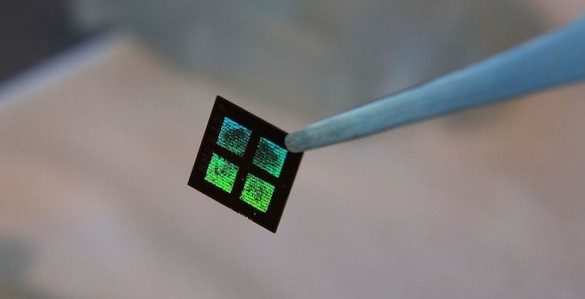
The chips are affordable, precise and make ideal filters. Fissell and his team are designing each pore in the filter one by one based on what they want that pore to do. Each device will hold roughly fifteen microchips layered on top of each other.

But the microchips have another essential role beyond filtering.

“They’re also the scaffold in which living kidney cells will rest,” said Fissell.


close-up of microchip held by tweezers

http://news.vanderbilt.edu/files/Fissellmicrochip-585×299.jpg

An example of the microchip filter being used inside Fissell’s artificial kidney. (Vanderbilt University)


Living kidney cells

Fissell and his team use live kidney cells that will grow on and around the microchip filters. The goal is for these cells to mimic the natural actions of the kidney.

“We can leverage Mother Nature’s 60 million years of research and development and use kidney cells that fortunately for us grow well in the lab dish, and grow them into a bioreactor of living cells that will be the only ‘Santa Claus’ membrane in the world: the only membrane that will know which chemicals have been naughty and which have been nice. Then they can reabsorb the nutrients your body needs and discard the wastes your body desperately wants to get rid of,” said Fissell.

Avoiding organ rejection

Because this bio-hybrid device sits out of reach from the body’s immune response, it is protected from rejection.

“The issue is not one of immune compliance, of matching, like it is with an organ transplant,” said Fissell.

How it works

The device operates naturally with a patient’s blood flow.

The device operates naturally with a patient’s blood flow.

“Our challenge is to take blood in a blood vessel and push it through the device. We must transform that unsteady pulsating blood flow in the arteries and move it through an artificial device without clotting or damage.”

Fluid dynamics

And that’s where Vanderbilt biomedical engineer Amanda Buck comes in. Buck is using fluid dynamics to see if there are certain regions in the device that might cause clotting.

“It’s fun to go in and work in a field that I love, fluid mechanics, and get to see it help somebody,” said Buck.

She uses computer models to refine the shape of the channels for the smoothest blood flow. Then they rapidly prototype the new design using 3-D printing and test it to make the blood flow as smoothly as possible.


Amanda sitting at her desk looking at fluid dynamics models on a computer screen

http://news.vanderbilt.edu/files/AmandaBuckworking-585×299.jpg

Vanderbilt biomedical engineer Amanda Buck is using fluid dynamics to see if there are certain regions in the device that might cause clotting.


Future human trials

Fissell says he has a long list of dialysis patients eager to join a future human trial. Pilot studies of the silicon filters could start in patients by the end of 2017.

“My patients are absolutely my heroes,” said Fissell. “They come back again and again and they accept a crushing burden of illness because they want to live. And they’re willing to put all of that at risk for the sake of another patient.”

Federal investment

The National Institutes of Health awarded a four-year, $6 million grant to Fissell and his research partner Shuvo Roy from the University of California at San Francisco. The two investigators are longtime collaborators on this research. In 2003, the kidney project attracted its first NIH funding, and in 2012 the Food and Drug Administration selected the project for a fast-track approval program. The work is supported by NIH grant 1U01EB021214-01.

The National Kidney Foundation reports that in 2012, Federal Medicare dollars paid more than $87 billion caring for kidney disease patients (not including prescription medications).

Desperate need

Transplant of a human kidney is the best treatment for kidney failure, but donor kidneys are in short supply. According to the U.S. Organ Procurement and Transplantation Network, although more than 100,000 patients in the United States are on the waiting list for a kidney transplant, last year only 17,108 received one.

In all, the National Kidney Foundation says more than 460,000 Americans have end-stage renal disease and every day, 13 people die waiting for a kidney.

Read more about the NIH grant here.

By Amy Wolf

Media Inquiries: Craig Boerner, (615) 322-4747
craig.boerner@vanderbilt.edu

Media Inquiries:
Amy Wolf, (615) 322-NEWS
amy.wolf@vanderbilt.edu

Read Full Post »

The Philosopher’s Stone?

Larry H. Bernstein, MD, FCAP, Curator

LPBI


Mitochondria trigger cell aging, researchers discover

How to rejuvenate or prevent aging in human and mice cells
February 5, 2016   http://www.kurzweilai.net/mitochondria-shown-to-trigger-cell-ageing

http://www.kurzweilai.net/images/mitochondria-clearing.jpg

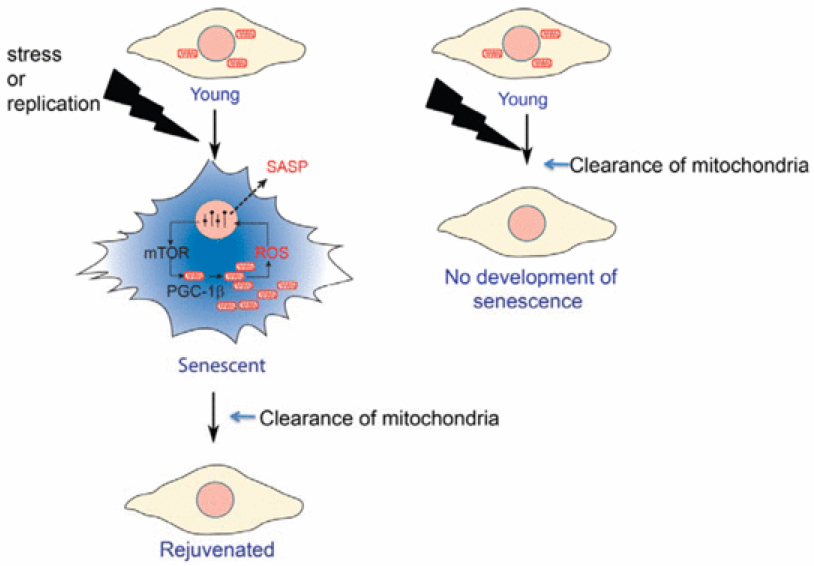
Preventing aging and rejuvenating human and mice cells in the lab (credit: Clara Correia‐Melo et al./EMBO Journal)

An international team of scientists led by João Passos at Newcastle University has for the first time shown thatmitochondria (the “batteries” of the cells) are major triggers for aging, and eliminating them upon the induction of senescence prevents senescence in the aging mouse liver.

As we grow old, cells in our bodies accumulate different types of damage and have increased inflammation, factors that are thought to contribute to the aging process.

As described Feb. 4 in an open-access paper in the EMBO Journal, the team carried out a series of genetic experiments involving human cells grown in the laboratory and succeeded in eliminating the majority, if not all, the mitochondria from aging cells.

Tricking mitochondria

http://www.kurzweilai.net/images/mitochondrion.jpg

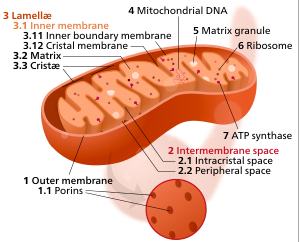
Components of a typical mitochondrion (credit: Kelvinsong/Creative Commons)

Cells can normally eliminate faulty mitochondria by a process called mitophagy. The scientists were able to “trick” the cells into inducing this process in a grand scale, until all the mitochondria within the cells were physically removed.

To their surprise, they observed that the aging cells, after losing their mitochondria, showed characteristics similar to younger cells — that is, they became rejuvenated. The levels of inflammatory molecules, oxygen free radicals and expression of genes, which are among the makers of cellular aging, dropped to the level that would be expected in younger cells.

“This is a very exciting and surprising discovery,” said Passos. “We already had some clues that mitochondria played a role in the aging of cells, but scientists around the world have struggled to understand exactly how and to what extent these were involved.”

The team, involving other universities in the UK and the U.S., also deciphered a new mechanism by which mitochondria contribute to aging: mitochondrial biogenesis, the complex process by which mitochondria replicate themselves, is a major driver of cellular aging.

This work was funded by the UK Biotechnology and Biological Sciences Research Council.


Abstract of Mitochondria are required for pro-ageing features of the senescent phenotype

Cell senescence is an important tumour suppressor mechanism and driver of ageing. Both functions are dependent on the development of the senescent phenotype, which involves an overproduction of pro‐inflammatory and pro‐oxidant signals. However, the exact mechanisms regulating these phenotypes remain poorly understood. Here, we show the critical role of mitochondria in cellular senescence. In multiple models of senescence, absence of mitochondria reduced a spectrum of senescence effectors and phenotypes while preserving ATP production via enhanced glycolysis. Global transcriptomic analysis by RNA sequencing revealed that a vast number of senescent‐associated changes are dependent on mitochondria, particularly the pro‐inflammatory phenotype. Mechanistically, we show that the ATM, Akt and mTORC1 phosphorylation cascade integrates signals from the DNA damage response (DDR) towards PGC‐1β‐dependent mitochondrial biogenesis, contributing to a ROS‐mediated activation of the DDR and cell cycle arrest. Finally, we demonstrate that the reduction in mitochondrial content in vivo, by either mTORC1 inhibition or PGC‐1β deletion, prevents senescence in the ageing mouse liver. Our results suggest that mitochondria are a candidate target for interventions to reduce the deleterious impact of senescence in ageing tissues.


Mayo Clinic researchers extend lifespan by up to 35 percent in mice

February 3, 2016   http://www.kurzweilai.net/mayo-clinic-researchers-extend-lifespan-by-up-to-35-percent-in-mice

Researchers at Mayo Clinic have discovered that senescent cells — cells that no longer divide and accumulate with age — shorten lifespan by as much as 35 percent in normal mice.

Removing these aging cells delays tumor formation, preserves tissue and organ function, and extends lifespan without observed adverse effects, the researchers found, writing Feb. 3 in Nature.

“Cellular senescence is a biological mechanism that functions as an ‘emergency brake’ used by damaged cells to stop dividing,” says Jan van Deursen, Ph.D., Chair of Biochemistry and Molecular biology at Mayo Clinic, and senior author of the paper. “While halting cell division of these cells is important for cancer prevention, it has been theorized that once the ‘emergency brake’ has been pulled, these cells are no longer necessary.”

As the immune system becomes less effective, senescent cells build up and damage adjacent cells, causing chronic inflammation, which is closely associated with frailty and age-related diseases.

Mayo Clinic researchers used a compound called AP20187 to remove senescent cells, which delayed tumor formation and reduced age-related deterioration of several organs, extending mediian lifespan of treated mice by 17 to 35 percent. The mice also had a healthier appearance and less inflammation in fat, muscle and kidney tissue.

The research was supported by the National Institutes of Health, the Paul F. Glenn Foundation, the Ellison Medical Foundation, the Noaber Foundation, and the Mayo Clinic Robert and Arlene Kogod Center on Aging.

Van Deursen is a co-inventor of the technology that has been licensed by Mayo Clinic to Unity Biotechnology. Mayo Clinic and Van Deursen have a financial interest in the technology.

https://youtu.be/w8UHzkXC4HQ

Mayo Clinic | Researchers Extend Lifespan by as Much as 35 Percent in Mice


Abstract of Naturally occurring p16Ink4a-positive cells shorten healthy lifespan

Cellular senescence, a stress-induced irreversible growth arrest often characterized by expression of p16Ink4a (encoded by the Ink4a/Arf locus, also known as Cdkn2a) and a distinctive secretory phenotype, prevents the proliferation of preneoplastic cells and has beneficial roles in tissue remodelling during embryogenesis and wound healing. Senescent cells accumulate in various tissues and organs over time, and have been speculated to have a role in ageing. To explore the physiological relevance and consequences of naturally occurring senescent cells, here we use a previously established transgene, INK-ATTAC, to induce apoptosis in p16Ink4a-expressing cells of wild-type mice by injection of AP20187 twice a week starting at one year of age. We show that compared to vehicle alone, AP20187 treatment extended median lifespan in both male and female mice of two distinct genetic backgrounds. The clearance of p16Ink4a-positive cells delayed tumorigenesis and attenuated age-related deterioration of several organs without apparent side effects, including kidney, heart and fat, where clearance preserved the functionality of glomeruli, cardio-protective KATP channels and adipocytes, respectively. Thus, p16Ink4a-positive cells that accumulate during adulthood negatively influence lifespan and promote age-dependent changes in several organs, and their therapeutic removal may be an attractive approach to extend healthy lifespan.

Read Full Post »

Quantum dots target infections

Larry H. Bernstein, MD, FCAP, Curator

LPBI


Photoactivated QDs Kill Antibiotic-Resistant ‘Superbugs’

BOULDER, Colo., Jan. 20, 2016 — A technique for treating bacterial infections has successfully used light-activated quantum dots (QDs) to kill multiple multidrug-resistant strains.

http://www.photonics.com/Article.aspx?AID=58218

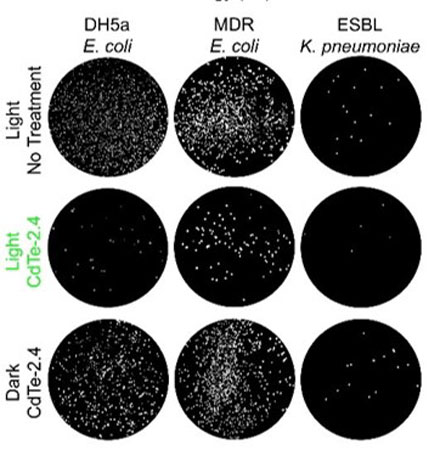
e coli

http://www.photonics.com/images/Web/Articles/2016/1/20/PIC_QD2.jpg

Modified atomic force micrograph of multidrug-resistant E. coli. Courtesy of the Nagpal Group/University of Colorado Boulder.


The approach is adaptive to constantly evolving drug-resistant bacteria and avoids damage to surrounding cells, an issue encountered in earlier attempts that deployed metal nanoparticles such as gold and silver to combat bacteria.

“By shrinking these [QD] semiconductors down to the nanoscale, we’re able to create highly specific interactions within the cellular environment that only target the infection,” said professor Prashant Nagpal of the University of Colorado Boulder.

The QDs — which are inactive in darkness — were tailored to target particular infections thanks to their light-activated properties. The researchers said that by modifying the wavelength of light applied, they could activate the QDs to alter and kill infected cells with specificity.

Napgal and his team tested the QD therapy on mammalian tissue containing bacterial cells in mono- and cocultures. The bacteria under investigation were ethicillin-resistant Staphylococcus aureus, carbapenem-resistant E. coli, and extended-spectrum ß-lactamase-producing Klebsiella pneumoniae and Salmonella typhimurium.

They reported 92 percent of bacterial cells were killed, while leaving mammalian cells intact. The QDs could also be tuned to increase bacterial proliferation.

qd

http://www.photonics.com/images/Web/Articles/2016/1/20/PIC_QD1.jpg

Plated antibiotic resistant ‘superbugs’ before and after treatment with nanoparticles. Courtesy of the Nagpal Group/University of Colorado Boulder.

The team said the killing effect was independent of the QD material used; rather, it was controlled by the redox potentials of the photogenerated charge carriers, which selectively altered cellular redox states. Photoexcited QDs could be used in the study of the effect of redox states on living systems, and lead to clinical phototherapy for the treatment of infections, the researchers said.

The specificity of the treatment could help reduce or eliminate the potential side effects of other treatment methods, as well as provide a path forward for future development and clinical trials.

“Antibiotics are not just a baseline treatment for bacterial infections, but HIV and cancer as well,” said professor Anushree Chatterjee. “Failure to develop effective treatments for drug-resistant strains is not an option, and that’s what this technology moves closer to solving.”

Nagpal and Chatterjee are the cofounders of Praan Biosciences Inc., a startup that can sequence genetic profiles using a single molecule, and have filed a patent on the QD therapy technology.

The research was published in Nature Materials (doi: 10.1038/nmat4542).


Photoexcited quantum dots for killing multidrug-resistant bacteria

Colleen M. CourtneySamuel M. GoodmanJessica A. McDanielNancy E. MadingerAnushree ChatterjeePrashant Nagpal

Nature Materials(2016)      http://dx.doi.org:/10.1038/nmat4542

Multidrug-resistant bacterial infections are an ever-growing threat because of the shrinking arsenal of efficacious antibiotics1, 2, 3, 4. Metal nanoparticles can induce cell death, yet the toxicity effect is typically nonspecific5, 6, 7, 8. Here, we show that photoexcited quantum dots (QDs) can kill a wide range of multidrug-resistant bacterial clinical isolates, including methicillin-resistant Staphylococcus aureus, carbapenem-resistant Escherichia coli, and extended-spectrum β-lactamase-producingKlebsiella pneumoniae and Salmonella typhimurium. The killing effect is independent of material and controlled by the redox potentials of the photogenerated charge carriers, which selectively alter the cellular redox state. We also show that the QDs can be tailored to kill 92% of bacterial cells in a monoculture, and in a co-culture of E. coli and HEK 293T cells, while leaving the mammalian cells intact, or to increase bacterial proliferation. Photoexcited QDs could be used in the study of the effect of redox states on living systems, and lead to clinical phototherapy for the treatment of infections.

Figure 2: The effect of CdTe-2.4 is specific to the reduction and oxidation potentials.close

The effect of CdTe-2.4 is specific to the reduction and oxidation potentials.

a, Absorbance spectra for CdTe and CdSe of several sizes. Insets show transmission electron microscopy (TEM) images with colour-coded scale bars (50nm except for CdTe-2.4, which is 25nm). b, Scanning tunnelling spectroscopy (STS) meas…

Read Full Post »

Breakthrough Research on Encapsulated pancreatic cells offer possible new diabetes treatment.

Reporter: Eveline B. Cohn, PhD

No more insulin injections?

Encapsulated pancreatic cells offer possible new diabetes treatment.

It is known that in patients with Type 1 diabetes the immune system attacks the pancreas, and the monitoring of blood sugar becomes really difficult. Lately the research showed a possibility of replacing the pancreatic islets cells with healthy cells to take over glucose monitoring and insulin release. However the immune system attacked the transplanted cells, patients being obliged to take immunosuppressant drugs for the rest of their life.
Now , a new advance in this type of research by Boston Children’s Hospital designed a material that was used to encapsulate human islet before transplanted them. In animal testing it was showed that the encapsulated human cells could cure diabetes for up to six months without provoking an immune response.
This approach “has the potential to provide diabetics with a new pancreas that is protected from the immune system, which allow them to control their blood sugar without taking drugs. That’s the dream” says Daniel Anderson, The Samuel A Goldblith Associate Professor in MIT’s Department of Chemical Engineering, A member of MIT’s Koch Institute for integrative Cancer research and Institute for Medical Engineering and Science (IMES), and a research fellow in the department of Anesthesiology at Boston Children’s Hospital
The JDRF director Julia Greenstein, Anderson, Langer and colleagues explored a chemical derivative originally isolated from brown algae to encapsulate the cells without harming them, allowing sugar and proteins to go through, thus permitted to test the glucose level after transplantation of the encapsulated cells. The research was published in Nature Medicine and Nature Biotechnology. Researchers from Harvard University, University of Illinois at Chicago and Joslin Diabetes Center and University of Massachusetts Medical school also contributed to this research.
Previous research has shown that when alginate capsules are implanted in primates and humans, scar tissue builds up around the capsules, making the device ineffective. MIT/Children Hospital try to modify alginate make it less likely to provoke this kind of immune response.

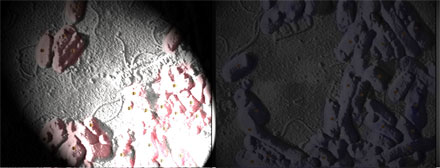
A stealth material surface, shown here, has been engineered to provide an “invisibility cloak” against the body’s immune system cells. In this electron microscopy image, you can see the material's surface topography.

With The Courtesy of The Researchers

“We decided to take an approach where you cast a very wide net and see what you can catch,” says Arturo Vegas, a former MIT and Boston Children’s Hospital postdoc who is now an assistant professor at Boston University. Vegas is the first author of the Nature Biotechnology paper and co-first author of the Nature Medicine paper. “We made all these derivatives of alginate by attaching different small molecules to the polymer chain, in hopes that these small molecule modifications would somehow give it the ability to prevent recognition by the immune system.”
800 alginate derivatives were screened . Further, the known triazole thiomorpholine dioxide (TMTD) have been chosen to be tested in diabetic mice. They chose a strain of mice with a strong immune system and implanted human islet cells encapsulated in TMTD into a region of the abdominal cavity known as the intraperitoneal space.
The pancreatic islet cells used in this study were generated from human stem cells using a technique recently developed by Douglas Melton, a professor at Harvard University who is an author of the Nature Medicine paper.
Following implantation, the cells immediately began producing insulin in response to blood sugar levels and were able to keep blood sugar under control for the length of the study, 174 days.
“The really exciting part of this was being able to show, in an immune-competent mouse, that when encapsulated these cells do survive for a long period of time, at least six months,” says Omid Veiseh, a senior postdoc at the Koch Institute and Boston Children’s hospital, co-first author of the Nature Medicine paper, and an author of the Nature Biotechnology paper. “The cells can sense glucose and secrete insulin in a controlled manner, alleviating the mice’s need for injected insulin.”
The researchers also found that 1.5-millimeter diameter capsules made from their best materials (but not carrying islet cells) could be implanted into the intraperitoneal space of nonhuman primates for at least six months without scar tissue building up.
“The combined results from these two papers suggests that these capsules have real potential to protect transplanted cells in human patients,” says Robert Langer, the David H. Koch Institute Professor at MIT, a senior research associate at Boston’s Children Hospital, and co-author on both papers. “We are so pleased to see this research in cell transplantation reach these important milestones.”
Cherie Stabler, an associate professor of biomedical engineering at the University of Florida, says this approach is impressive because it tackles all aspects of the problem of islet cell delivery, including finding a source of cells, preventing an immune response, and developing a suitable delivery material.
“It’s such a complex, multipronged problem that it’s important to get people from different disciplines to address it,” says Stabler, who was not involved in the research. “This is a great first step towards a clinically relevant, cell-based therapy for Type I diabetes.”

VIEW VIDEO

VIDEO SOURCE

https://www.youtube.com/watch?v=cw3EbB8DAq8

At this point the researchers are thinking of using their new material in non human primates and eventually performing clinical trials in diabetic patients. “Our goal is to continue to work hard to translate these promising results into a therapy that can help people,” Anderson says.
“Being insulin-independent is the goal,” Vegas says. “This would be a state-of-the-art way of doing that, better than any other technology could. Cells are able to detect glucose and release insulin far better than any piece of technology we’ve been able to develop.”
In their research they found out that the new material works best with molecules containing triazole group- a ring containing two atoms of Carbon and three of N. However, they suspect that in this particular case it may interfere with the immune system’s ability to recognize the material as foreign.

The work was supported, in part, by the JDRF, the Leona M. and Harry B. Helmsley Charitable Trust, the National Institutes of Health, and the Tayebati Family Foundation.
Other authors of the papers include MIT postdoc Joshua Doloff; former MIT postdocs Minglin Ma and Kaitlin Bratlie; MIT graduate students Hok Hei Tam and Andrew Bader; Jeffrey Millman, an associate professor at Washington University School of Medicine; Mads Gürtler, a former Harvard graduate student; Matt Bochenek, a graduate student at the University of Illinois at Chicago; Dale Greiner, a professor of medicine at the University of Massachusetts Medical School; Jose Oberholzer, an associate professor at the University of Illinois at Chicago; and Gordon Weir, a professor of medicine at the Joslin Diabetes Center.

SOURCE

http://news.mit.edu/2016/pancreatic-cells-diabetes-treatment-insulin-injections-0125?elq=6d9b90a822f04183bd0b059d36eb2b7a&elqCampaignId=9&elqaid=14548&elqat=1&elqTrackId=d91b7d01a9d14b199e41b4deb2c10ac6

Read Full Post »

Signaling of Immune Response in Colon Cancer, Volume 2 (Volume Two: Latest in Genomics Methodologies for Therapeutics: Gene Editing, NGS and BioInformatics, Simulations and the Genome Ontology), Part 1: Next Generation Sequencing (NGS)

Signaling of Immune Response in Colon Cancer

Larry H. Bernstein, MD, FCAP, Curator

LPBI


Revised 1/13/2016

STING Protein May Serve as Biomarker for Colorectal and Other Cancers

http://www.genengnews.com/gen-news-highlights/sting-protein-may-serve-as-biomarker-for-colorectal-and-other-cancers/81252165/


Scientists at University of Miami Miller School of Medicine’s Sylvester Comprehensive Cancer Center say they have discovered how the stimulator of interferon genes (STING) signaling pathway may play an important role in alerting the immune system to cellular transformation. They believe their finding will shed further light on the immune system’s response to cancer development.

In 2008, Glen N. Barber, Ph.D., leader of the viral oncology program at Sylvester, and professor and chairman of cell biology at the Miller School of Medicine, and colleagues published in Nature (“STING is an endoplasmic reticulum adaptor that facilitates innate immune signalling”) the discovery of STING as a new cellular molecule that recognizes virus and bacteria infection to initiate host defense and immune responses. In the new study, published in Cell Reports (“Deregulation of STING Signaling in Colorectal Carcinoma Constrains DNA Damage Responses and Correlates With Tumorigenesis”), they describe STING’s role in the potential suppression of colorectal cancer.

“Since 2008 we’ve known that STING is crucial for antiviral and antibacterial responses,” said Dr. Barber. “But until now, little had been known about its function in human tumors. In this study we show, for the first time, that STING signaling is repressed in colorectal carcinoma and other cancers, an event which may enable transformed cells to evade the immune system.”

Colorectal cancer currently affects around 1.2 million people in the U.S. and 150,000 new cases are diagnosed every year, making it the third most common cancer in both men and women. Since most colon cancers develop from benign polyps, they can be treated successfully when detected early. However, if the tumor has already spread, survival rates are generally low.

Using disease models of colorectal cancer, the team of Sylvester scientists showed that loss of STING signaling negatively affected the body’s ability to recognize DNA-damaged cells. In particular, certain cytokines that facilitate tissue repair and antitumor priming of the immune system were not sufficiently produced to initiate a significant immune response to eradicate the colorectal cancer.

“We were able to show that impaired STING responses may enable damaged cells to elude the immune system,” continued Dr. Barber. “And if the body doesn’t recognize and attack cancer cells, they will multiply and, ultimately, spread to other parts of the body.”

He and his colleagues suggest evaluating STING signaling as a prognostic marker for the treatment of colorectal as well as other cancers. For example, Dr. Barber’s study showed that cancer cells with defective STING signaling were particularly prone to attack by oncolytic viruses presently being used as cancer therapies.

“Impaired STING responses may enable damaged cells to evade host immunosurveillance processes, although they provide a critical prognostic measurement that could help predict the outcome of effective oncoviral therapy,” wrote the investigators.

STING Protein Could be Used for Cancer Diagnosis

http://www.technologynetworks.com/Proteomics/news.aspx?ID=186674


This is the first detailed examination of how the stimulator of interferon genes (STING) signaling pathway, discovered by Glen N. Barber, Ph.D., Leader of the Viral Oncology Program at Sylvester Comprehensive Cancer Center, may play an important role in alerting the immune system to cellular transformation.

In 2008, Barber, who is also Professor and Chairman of Cell Biology at the University of Miami Miller School of Medicine, and colleagues published in Nature the discovery of STINGas a new cellular molecule that recognizes virus and bacteria infection to initiate host defense and immune responses. In the new study they describe STING’s role in the potential suppression of colorectal cancer.

“Since 2008 we’ve known that STING is crucial for antiviral and antibacterial responses,” said Barber. “But until now, little had been known about its function in human tumors. In this study we show, for the first time, that STING signaling is repressed in colorectal carcinoma and other cancers, an event which may enable transformed cells to evade the immune system.”

Colorectal cancer currently affects around 1.2 million people in the United States and 150.000 new cases are diagnosed every year, making it the third most common cancer in both men and women. Since most colon cancers develop from benign polyps, they can be treated successfully when detected early. However, if the tumor has already spread, survival rates are generally low.

Using disease models of colorectal cancer, the team of Sylvester scientists showed that loss of STING signaling negatively affected the body’s ability to recognize DNA-damaged cells. In particular, certain cytokines – small proteins important for cell signaling – that facilitate tissue repair and anti-tumor priming of the immune system were not sufficiently produced to initiate a significant immune response to eradicate the colorectal cancer.

“We were able to show that impaired STING responses may enable damaged cells to elude the immune system,” added Barber. “And if the body doesn’t recognize and attack cancer cells, they will multiply and, ultimately, spread to other parts of the body.”

Barber and his colleagues suggest evaluating STING signaling as a prognostic marker for the treatment of colorectal as well as other cancers. For example, Barber’s study showed that cancer cells with defective STING signaling were particularly prone to attack by oncolytic viruses presently being used as cancer therapies. Alternate studies with colleagues have also shown that activators of STING signaling are potent stimulators of anti-tumor immune responses. Collectively, the control of STING signaling may have important implications for cancer development as well as cancer treatment.


Every step you take: STING pathway key to tumor immunity

http://sciencelife.uchospitals.edu/2014/11/20/every-step-you-take-sting-pathway-key-to-tumor-immunity/

A recently discovered protein complex known as STING plays a crucial role in detecting the presence of tumor cells and promoting an aggressive anti-tumor response by the body’s innate immune system, according to two separate studies published in the Nov. 20 issue of the journal Immunity.

The studies, both from University of Chicago-based research teams, have major implications for the growing field of cancer immunotherapy. The findings show that when activated, the STING pathway triggers a natural immune response against the tumor. This includes production of chemical signals that help the immune system identify tumor cells and generate specific killer T cells. The research also found that targeted high-dose radiation therapy dials up the activation of this pathway, which promotes immune-mediated tumor control.

These findings could “enlarge the fraction of patients who respond to immunotherapy with prolonged control of the tumor,” according to a commentary on the papers by the University of Verona’s Vincenzo Bronte, MD. “Enhancing the immunogenicity of their cancers might expand the lymphocyte repertoire that is then unleashed by interference with checkpoint blockade pathways,” such as anti-PD-1.

STING, short for STimulator of INterferon Genes complex, is a crucial part of the process the immune system relies on to detect threats — such as infections or cancer cells — that are marked by the presence of DNA that is damaged or in the wrong place, inside the cell but outside the nucleus.

Detection of such “cytosolic” DNA initiates a series of interactions that lead to the STING pathway. Activating the pathway triggers the production of interferon-beta, which in turn alerts the immune system to the threat, helps the system detect cancerous or infected cells, and ultimately sends activated T cells into the battle.

“We have learned

“Innate immune sensing via the host STING pathway is critical for tumor control by checkpoint blockade,” Gajewski’s team noted in their paper. They found promising drugs known as checkpoint inhibitors — such as anti PD-1 or anti PD-L1, which can take the brakes off of an immune response — were not effective in STING-deficient mice. New agents that stimulate the STING pathway are being developed as potential cancer therapeutics.

A second University of Chicago team, led by cancer biologistYang-Xin Fu, MD, PhD, professor of pathology, and Ralph Weichselbaum, MD, chairman of radiation and cellular oncology and co-director of the Ludwig Center for Metastasis Research, found that high-dose radiation therapy not only kills targeted cancer cells but the resulting DNA damage drives a systemic immune response.

a great deal recently about what we call checkpoints, the stumbling blocks that prevent the immune system from ultimately destroying cancers,” said Thomas Gajewski, MD, PhD, professor of medicine and pathology at the University of Chicago and senior author of one of the studies. “Blockade of immune checkpoints, such as with anti-PD-1, is therapeutic in a subset of patients, but many individuals still don’t respond. Understanding the role of the STING pathway provides insights into how we can ‘wake up’ the immune response against tumors. This can be further boosted by checkpoint therapies.”

The two published studies, he said, help move this approach forward.

In a series of experiments in mice, both research teams found tumor cell-derived DNA could initiate an immune response against cancers. But when tested in mice that lacked a functional gene for STING, the immune system did not effectively respond.

“This result unifies traditional studies of DNA damage with newly identified DNA sensing of immune responses,” Fu said.

“This is a previously unknown mechanism,” Weichselbaum added.

In mice that lacked STING, however, there was no therapeutic immune response. The induction of interferons by radiation and consequent cancer cell killing, they conclude, depends on STING-pathway signaling.

They did find that combining cyclic guanosine monophosphate-adenosine monophosphate (cGAMP), an earlier step in the STING pathway, with radiation, could greatly enhance the antitumor efficacy of radiation.

“This opens a new avenue to develop STING-related agonists for patients with radiation-resistant cancers,” Fu said.


STING-Dependent Cytosolic DNA Sensing Mediates Innate Immune Recognition of Immunogenic Tumors

Seng-Ryong Woo1Mercedes B. Fuertes1Leticia Corrales1, …., Maria-Luisa Alegre2Thomas F. Gajewski1, 2   

Immunity 20 Nov 2014; 41(5): 830–842    http://dx.doi.org:/10.1016/j.immuni.2014.10.017


Highlights

• Spontaneous T cell responses against tumors require the host STING pathway in vivo
• Tumor-derived DNA can induce type I interferon production via STING
• Tumor DNA can be identified in host APCs in the tumor microenvironment in vivo

Summary

Spontaneous T cell responses against tumors occur frequently and have prognostic value in patients. The mechanism of innate immune sensing of immunogenic tumors leading to adaptive T cell responses remains undefined, although type I interferons (IFNs) are implicated in this process. We found that spontaneous CD8+ T cell priming against tumors was defective in mice lacking stimulator of interferon genes complex (STING), but not other innate signaling pathways, suggesting involvement of a cytosolic DNA sensing pathway. In vitro, IFN-β production and dendritic cell activation were triggered by tumor-cell-derived DNA, via cyclic-GMP-AMP synthase (cGAS), STING, and interferon regulatory factor 3 (IRF3). In the tumor microenvironment in vivo, tumor cell DNA was detected within host antigen-presenting cells, which correlated with STING pathway activation and IFN-β production. Our results demonstrate that a major mechanism for innate immune sensing of cancer occurs via the host STING pathway, with major implications for cancer immunotherapy.


Image for unlabelled figure

http://ars.els-cdn.com/content/image/1-s2.0-S1074761314003938-fx1.jpg


Immunity Erratum STING-Dependent Cytosolic DNA Sensing Mediates Innate Immune Recognition of Immunogenic Tumors

Seng-Ryong Woo, Mercedes B. Fuertes, Leticia Corrales, Stefani Spranger, Michael J. Furdyna, Michael Y.K. Leung, Ryan Duggan, Ying Wang, Glen N. Barber, Katherine A. Fitzgerald, Maria-Luisa Alegre, and Thomas F. Gajewski* *Correspondence: tgajewsk@medicine.bsd.uchicago.edu http://dx.doi.org/10.1016/j.immuni.2014.12.015 (Immunity 41, 830–842; November 20, 2014)

The original Figure 3C accidentally contained a duplicated panel in the bright-field column, third row down, and this has now been replaced with the correct data. The change does not alter the conclusions of the paper. This mistake has now been corrected online, and the authors regret the error.


Cytosolic DNA Sensors (CDSs): a STING in the tail – Review

November 2012   http://www.invivogen.com/review-cds-ligands

The innate immune system provides the first line of defense against infectious pathogens and serves to limit their early proliferation. It is also vital in priming and activating the adaptive immune system.

Innate immune detection of intracellular DNA derived from viruses and invasive bacteria is important to initiate an effective protective response. This crucial step depends on cytosolic DNA sensors (CDSs), which upon activation trigger the production of type I interferons (IFNs) and the induction of IFN-responsive genes and proinflammatory chemokines.
Although the identity of these CDSs is not fully uncovered, much progress has been made in understanding the signaling pathways triggered by these sensors.

Cytosolic DNA-mediated production of type I IFNs (mainly IFN-β) requires the transcription factor IFN regulatory factor 3 (IRF3), which is activated upon phosphorylation by TANK-binding-kinase-1 (TBK1) [1].

STING in DNA sensing

Recently, a new molecule, STING (stimulator of IFN genes), has been shown to be essential for the TBK1-IRF3- dependent induction of IFN-β by transfected DNA ligands and intracellular DNA produced by pathogens after infection [2, 3].
STING (also known as MITA, MPYS and ERIS) is a transmembrane protein that resides in the endoplasmic reticulum (ER) [2-6]. In response to cytosolic DNA, STING forms dimers and translocates from the ER to the Golgi then to punctate cytosolic structures where it colocalizes with TBK-1, leading to the phosphorylation of IRF3.
How STING stimulates TBK1-dependent IRF3 activation was recently elucidated by Tanaka and Chen. They found that, upon cytosolic DNA sensing, the C-terminal tail of STING acts as a scaffold protein to promote the phosphorylation of IRF3 by TBK1 [7].

STING in the host response to intracellular pathogens. Linking type I IFN response and autophagy for better defense

STING in the host response to intracellular pathogens

http://www.invivogen.com/images/STING-autophagy.png


STING activates the IFN response

Until very recently, STING in addition to its role as an adaptor protein was also thought to function as a sensor of cyclic dinucleotides.
Burdette et al. first demonstrated that STING binds directly to the bacterial molecule cyclic diguanylate monophosphate (c-di-GMP) [8]. This finding was confirmed by several teams who examined the structure of STING bound to c-di-GMP [9-11], including Cheng and colleagues, however their data suggest that STING is not the primary sensor of c-di-GMP [12]. Rather, they indicate that DDX41, an identified CDS, functions as a direct receptor for cyclic dinucleotides upstream of STING. The authors hypothesized that DDX41 binds to c-di-GMP then forms a complex with STING to activate the IFN response.

STING induces autophagy

Exciting new developments reveal that STING participates in another aspect of innate immunity, autophagy.
Autophagy plays a critical role in host defense responses to pathogens by promoting the elimination of microbes that enter into the cytosol by their sequestration into autophagosomes and their delivery to the lysosome.


CDS pathway

http://www.invivogen.com/images/STING-CDS_pathway_small.jpg

Recent studies have reported that DNA viruses and intracellular bacteria induce autophagy and that this process is dependent on cytosolic genomic DNA and STING [13-15]. Robust induction of autophagy was also observed after transfection of various double stranded (ds) DNA species, such as poly(dA:dT), poly(dG:dC) or plasmid DNA, but not single stranded (ss) DNA, dsRNA or ssRNA [16].

Interestingly, activated STING was shown to relocate to unidentified membrame-bound compartments where it colocalizes with LC3, a hallmark of autophagy, and ATg9a. The latter protein was reported to regulate the interaction between STING and TBK1 after dsDNA stimulation [16]. The E3 ubiquitin ligases TRIM56 and TRIM32
were also found to regulate STING by mediating its dimerization through K63-linked ubiquitination [17, 18].

Several cytosolic DNA sensors upstream of STING have been proposed.
DNA-dependent activator of IRFs (DAI) was the first CDS discovered based on the ability of transfected poly(dA:dT) to induce IFN-β [19]. However, the role of DAI has been shown to be very cell-type specific and cells derived from DAI-deficient mice responded normally to dsDNA ligands [20].

While analyzing immune responses to dsDNA regions derived from vaccinia virus (VACV-70) or Herpes simplex virus 1 (HSV-60) genomes, Unterholzner et al. identified IFI16 as a DNA binding protein mediating IFN-β induction [21]. Interestingly, IFI16 belongs to a new family of pattern recognition receptors that contain the pyrin and HIN domain (PYHIN), termed AIM2-like receptors (ALRs).

AIM2 is a STING-independent cytosolic DNA sensor that forms an inflammasome with ASC to trigger caspase-1 activation and the secretion of the proinflammatory cytokines IL-1β and IL-18 [20].

Members of the DExD/H-box helicase superfamily have also been reported to function as cytosolic DNA sensors. While DHX36 and DHX9 were identified as STING-independent but MyD88-dependent sensors of CpG-containing DNA in plasmacytoid dendritic cells, DDX41 was found to bind various dsDNA ligands and localize with STING to promote IFN-β expression [22]. Other CDSs have been reported to function independently of STING: RNA Pol III, LRRFIP1 and Ku70 [20].

Unlike cytosolic RNA sensors (RIG-I, MDA-5), which detect structural moieties specific to pathogen RNA, such as 5’-triphosphates, it is not clear whether cytosolic DNA sensors can recognize any particular structural motif of DNA that would discriminate between self and non-self. This suggests that CDSs may have a role not only in anti-microbial innate immune responses but also in autoimmunity. A multitude of CDSs have been described but whether they are all true receptors remains an open question.

1. Stetson DB & Medzhitov R. 2006. Recognition of cytosolic DNA activates an IRF3-dependent innate immune response. Immunity. 24(1):93-103.
2. Ishikawa H. & Barber GN., 2008. STING is an endoplasmic reticulum adaptor that facilitates innate immune signalling. Nature. 455(7213):674-8.
3. Ishikawa H. et al., 2009. STING regulates intracellular DNA-mediated, type I interferon-dependent innate immunity. Nature. 461(7265):788-92.
4. Zhong B. et al., 2008. The adaptor protein MITA links virus-sensing receptors to IRF3 transcription factor activation. Immunity. 29(4):538-50.
5. Jin L. et al., 2008. MPYS, a novel membrane tetraspanner, is associated with major histocompatibility complex class II and mediates transduction of apoptotic signals. Mol Cell Biol. 28(16):5014-26.


UV Light Potentiates STING (Stimulator of Interferon Genes)-dependent Innate Immune Signaling through Deregulation of ULK1 (Unc51-like Kinase 1).

 J Biol Chem. 2015 May 8;290(19):12184-94.  http://dx.doi.org:/10.1074/jbc.M115.649301. Epub 2015 Mar 19.

The mechanism by which ultraviolet (UV) wavelengths of sunlight trigger or exacerbate the symptoms of the autoimmune disorder lupus erythematosus is not known but may involve a role for the innate immune system. Here we show that UV radiation potentiates STING (stimulator of interferon genes)-dependent activation of the immune signaling transcription factor interferon regulatory factor 3 (IRF3) in response to cytosolic DNA and cyclic dinucleotides in keratinocytes and other human cells. Furthermore, we find that modulation of this innate immune response also occurs with UV-mimetic chemical carcinogens and in a manner that is independent of DNA repair and several DNA damage and cell stress response signaling pathways. Rather, we find that the stimulation of STING-dependent IRF3 activation by UV is due to apoptotic signaling-dependent disruption of ULK1 (Unc51-like kinase 1), a pro-autophagic protein that negatively regulates STING. Thus, deregulation of ULK1 signaling by UV-induced DNA damage may contribute to the negative effects of sunlight UV exposure in patients with autoimmune disorders.


STING and the innate immune response to nucleic acids in the cytosol

Dara L Burdette & Russell E Vance

https://mcb.berkeley.edu/labs/vance/Resources/Burdette%20(2013)%20review.pdf

Cytosolic detection of pathogen-derived nucleic acids is critical for the initiation of innate immune defense against diverse bacterial, viral and eukaryotic pathogens. Conversely, inappropriate responses to cytosolic nucleic acids can produce severe autoimmune pathology. The host protein STING has been identified as a central signaling molecule in the innate immune response to cytosolic nucleic acids. STING seems to be especially critical for responses to cytosolic DNA and the unique bacterial nucleic acids called ‘cyclic dinucleotides’. Here we discuss advances in the understanding of STING and highlight the many unresolved issues in the field.

The detection of pathogen-derived nucleic acids is a central strategy by which the innate immune system senses microbes to then initiate protective responses1. Conversely, inappropriate recognition of self nucleic acids can result in debilitating autoimmune diseases such as systemic lupus erythematosus2. It is therefore important to understand the molecular basis of the detection of nucleic acids by the innate immune system. Studies have established that nucleic acids derived from extracellular sources are sensed mainly by endosomal Toll-like receptors (TLRs), such as TLR3, TLR7 and TLR9, whereas cytosolic nucleic acids are detected independently of TLRs by a variety of less-well-characterized mechanisms1.

Studies have identified STING (‘stimulator of interferon genes’; also known as TMEM173, MPYS, MITA and ERIS) as a critical signaling molecule in the innate response to cytosolic nucleic-acid ligands. STING was first described as a protein that interacts with major histocompatibility complex class II molecules3, but the relevance of this interaction remains unclear. Subsequent studies have instead focused on the role of STING in the transcriptional induction of type I interferons and coregulated genes in response to nucleic acids in the cytosol. Several groups have independently isolated STING by screening for proteins able to induce interferon-B (IFN-B) when overexpressed4–6. Studies of STING-deficient mice have subsequently confirmed the essential role of STING in innate responses to cytosolic nucleic-acid ligands, particularly double-stranded DNA (dsDNA) and unique bacterial nucleic acids called ‘cyclic dinucleotides’7–9. Several studies have also linked STING to the interferon response to cytosolic RNA5–7, but this has not been found consistently7,8,10,11; thus, we focus here on the role of STING in response to DNA and cyclic dinucleotides.


Protein Stimulator of interferon genes protein
Gene TMEM173
Organism Homo sapiens (Human)
Facilitator of innate immune signaling that acts as a sensor of cytosolic DNA from bacteria and viruses and promotes the production of type I interferon (IFN-alpha and IFN-beta). Innate immune response is triggered in response to non-CpG double-stranded DNA from viruses and bacteria delivered to the cytoplasm. Acts by recognizing and binding cyclic di-GMP (c-di-GMP), a second messenger produced by bacteria, and cyclic GMP-AMP (cGAMP), a messenger produced in response to DNA virus in the cytosol: upon binding of c-di-GMP or cGAMP, autoinhibition is alleviated and TMEM173/STING is able to activate both NF-kappa-B and IRF3 transcription pathways to induce expression of type I interferon and exert a potent anti-viral state. May be involved in translocon function, the translocon possibly being able to influence the induction of type I interferons. May be involved in transduction of apoptotic signals via its association with the major histocompatibility complex class II (MHC-II). Mediates death signaling via activation of the extracellular signal-regulated kinase (ERK) pathway. Essential for the induction of IFN-beta in response to human herpes simplex virus 1 (HHV-1) infection. Exhibits 2′,3′ phosphodiester linkage-specific ligand recognition. Can bind both 2′-3′ linked cGAMP and 3′-3′ linked cGAMP but is preferentially activated by 2′-3′ linked cGAMP (PubMed:26300263)
Stimulator of interferon genes protein (IPR029158)
Transmembrane protein 173, also known as stimulator of interferon genes protein (STING) or endoplasmic reticulum interferon stimulator (ERIS), is a transmembrane adaptor protein which is involved in innate immune signalling processes. It induces expression of type I interferons (IFN-alpha and IFN-beta) via the NF-kappa-B and IRF3, pathways in response to non-self cytosolic RNA and dsDNA [PMID: 18724357, PMID: 19776740,PMID: 18818105, PMID: 19433799].

Read Full Post »

Reinforced disordered cell expression

Larry H. Bernstein, MD, FCAP, Curator

LPBI


Diabetes, Alzheimer’s Share Molecular Pathways, Part of Same Vicious Cycle

http://www.genengnews.com/gen-news-highlights/diabetes-alzheimer-s-share-molecular-pathways-part-of-same-vicious-cycle/81252206/

http://www.genengnews.com/Media/images/GENHighlight/thumb_Jan8_2016_Fotolia_30836005_JigsawPuzzleBrainAndHead1904910113.jpg

A molecular-level link has been found that helps explain the poorly understood association between diabetes and Alzheimer’s disease. Both disorders can drive and be driven by the same pathological process, the disruption of a particular kind of post-translational modification called S-nitrosylation. Thus, the disorders can reinforce each other. [© freshidea/Fotolia]


Though they appear to be distinct, diabetes and Alzheimer’s disease have much in common at the molecular level. In fact, recent findings indicate that either disease can worsen the other by disrupting the same chemical process—S-nitrosylation, a form of post-translational modification that is necessary for the proper functioning of multiple enzymes.

S-nitrosylation, it turns out, can be disrupted by excess sugar or β-amyloid protein, either of which can wreak havoc by increasing the levels of nitric oxide and other free radical species. Once S-nitrosylation is disturbed and poorly functioning enzymes are produced, the downstream effects include abnormal increases in both insulin and β-amyloid protein.

Thus, diabetes and Alzheimer’s can drive, and be driven by, the same vicious cycle. Furthermore, either can contribute to the other’s progress. These results emerged from a study completed by researchers based at the Sanford Burnham Prebys Medical Discovery Institute and the Scintillon Institute. The research team was led by Stuart A. Lipton, M.D., Ph.D., a physician-scientist affiliated with both institutions.

“This work points to a new common pathway to attack both type 2 diabetes, along with its harbinger, metabolic syndrome, and Alzheimer’s disease,” stated Dr. Lipton.

The researchers published their work January 8 in the journal Nature Communications in an article entitled, “Elevated glucose and oligomeric β-amyloid disrupt synapses via a common pathway of aberrant protein S-nitrosylation.” This article describes how the scientists used a so-called “disease-in-a-dish” model to discover molecular pathways that are in common in both diabetes and Alzheimer’s.

Specifically, the scientists genetically reprogrammed the skin of human patients to make induced pluripotent stem cells, which were then used to derive nerve cells. They also used mouse models of each disease to analyze the combined effects of high blood sugar and β-amyloid protein in living animals.

“[We] report in human and rodent tissues that elevated glucose, as found in [metabolic syndrome and type 2 diabetes] and oligomeric β-amyloid (Aβ) peptide, thought to be a key mediator of [Alzheimer’s disease], coordinately increase neuronal Ca2+ and nitric oxide (NO) in an NMDA receptor-dependent manner,” wrote the authors of the Nature Communications article. “The increase in NO results in S-nitrosylation of insulin-degrading enzyme (IDE) and dynamin-related protein 1 (Drp1), thus inhibiting insulin and Aβ catabolism as well as hyperactivating mitochondrial fission machinery.”

The scientists also found that the changes in enzyme activity led to damage of synapses, the region where nerve cells communicate with one another in the brain. The combination of high sugar and β-amyloid protein caused the greatest loss of synapses. Since loss of synapses correlates with cognitive decline in Alzheimer’s, high sugar and β-amyloid coordinately contribute to memory loss.

“The NMDA receptor antagonist memantine attenuates these effects,” the authors continued. “Our studies show that redox-mediated posttranslational modification of brain proteins link Aβ and hyperglyaemia to cognitive dysfunction in [metabolic syndrome/type 2 diabetes] and [Alzheimer’s disease].”

“[Our work] means that we now know these diseases are related on a molecular basis, and hence, they can be treated with new drugs on a common basis,” stated Dr. Ambasudhan, a senior author of the study and an assistant professor at Scintillon.

Read Full Post »

Neutrophil Serine Proteases in Disease and Therapeutic Considerations

Larry H. Bernstein, MD, FCAP, Curator

LPBI


SERPINB1 Regulates the activity of the neutrophil proteases elastase, cathepsin G, proteinase-3, chymase,
chymotrypsin, and kallikrein-3. Belongs to the serpin family. Ov-serpin subfamily. Note: This description may
include information from UniProtKB.
Chromosomal Location of Human Ortholog: 6p25
Cellular Component: extracellular space; membrane; cytoplasm
Molecular Function: serine-type endopeptidase inhibitor activity
Reference #:  P30740 (UniProtKB)
Alt. Names/Synonyms: anti-elastase; EI; ELANH2; ILEU; LEI; Leukocyte elastase inhibitor; M/NEI; MNEI; Monocyte/neutrophil elastase inhibitor; Peptidase inhibitor 2; PI-2; PI2; protease inhibitor 2 (anti-elastase), monocyte/neutrophil derived; serine (or cysteine) proteinase inhibitor, clade B (ovalbumin), member 1; Serpin B1; serpin peptidase inhibitor, clade B (ovalbumin), member 1; SERPINB1
Gene Symbols: SERPINB1
Molecular weight: 42,742 Da
 

SERPIN PEPTIDASE INHIBITOR, CLADE B (OVALBUMIN), MEMBER 1; SERPINB1

Alternative titles; symbols
PROTEASE INHIBITOR 2, MONOCYTE/NEUTROPHIL DERIVED; ELANH2
ELASTASE INHIBITOR, MONOCYTE/NEUTROPHIL; EI
HGNC Approved Gene Symbol: SERPINB1
Cloning and Expression
Monocyte/neutrophil elastase inhibitor (EI) is a protein of approximately 42,000 Mr with serpin-like functional properties.
Remold-O’Donnell et al. (1992) cloned EI cDNA and identified 3 EI mRNA species of 1.5, 1.9, and 2.6 kb in monocyte-like cells
and no hybridizing mRNA in lymphoblastoid cells lacking detectable EI enzymatic activity. The cDNA open reading frame encoded
a 379-amino acid protein. Its sequence established EI as a member of the serpin superfamily. Sequence alignment indicated that
the reactive center P1 residue is cys-344, consistent with abrogation of elastase inhibitory activity by iodoacetamide and making
EI a naturally occurring cys-serpin.


Mapping

In the course of studying 4 closely linked genes encoding members of the ovalbumin family of serine proteinase inhibitors
(Ov-serpins) located on 18q21.3, Schneider et al. (1995) investigated the mapping of elastase inhibitor. They prepared PCR
primer sets of the gene, and by using the NIGMS monochromosomal somatic cell hybrid panel, showed that the EI gene maps
to chromosome 6.

By amplifying DNA of a somatic cell hybrid panel, Evans et al. (1995) unambiguously localized ELANH2 to chromosome 6.
With the use of a panel of radiation and somatic cell hybrids specific for chromosome 6, they refined the localization to
the short arm telomeric of D6S89, F13A (134570), and D6S202 at 6pter-p24.

http://www.phosphosite.org/getImageAction.do?id=27292293


REFERENCES
Evans, E., Cooley, J., Remold-O’Donnell, E. Characterization and chromosomal localization of ELANH2, the gene encoding human
monocyte/neutrophil elastase inhibitor. Genomics 28: 235-240, 1995. [PubMed: 8530031related citations] [Full Text]
Remold-O’Donnell, E., Chin, J., Alberts, M. Sequence and molecular characterization of human monocyte/neutrophil elastase inhibitor.
Proc. Nat. Acad. Sci. 89: 5635-5639, 1992. [PubMed: 1376927related citations][Full Text]
Schneider, S. S., Schick, C., Fish, K. E., Miller, E., Pena, J. C., Treter, S. D., Hui, S. M., Silverman, G. A. A serine proteinase inhibitor locus at
18q21.3 contains a tandem duplication of the human squamous cell carcinoma antigen gene. Proc. Nat. Acad. Sci. 92: 3147-3151, 1995.
[PubMed: 7724531,related citations] [Full Text]


Leukocyte elastase inhibitor (serpin B1) (IPR015557)

Short name: Serpin_B1

Family relationships

  • Serpin family (IPR000215)
    • Leukocyte elastase inhibitor (serpin B1) (IPR015557)

Description

Leukocyte elastase inhibitor is also known as serpin B1. Serpins (SERine Proteinase INhibitors) belong to MEROPS inhibitor family I4 (clan ID)
[PMID: 14705960].

Serpin B1 regulates the activity of neutrophil serine proteases such as elastase, cathepsin G and proteinase-3 and may play a regulatory role to
limit inflammatory damage due to proteases of cellular origin [PMID: 11747453]. It also functions as a potent intracellular inhibitor of granzyme
H [PMID: 23269243]. In mouse, four different homologues of human serpin B1 have been described [PMID: 12189154].


The neutrophil serine protease inhibitor SerpinB1 protects against inflammatory lung injury and morbidity in influenza virus infection

Dapeng Gong1,2, Charaf Benarafa1,2, Kevan L Hartshorn3 and Eileen Remold-O’Donnell1,2
J Immunol April 2009; 182(Meeting Abstract Supplement) 43.10
http://www.jimmunol.org/cgi/content/meeting_abstract/182/1_MeetingAbstracts/43.10

SerpinB1 is an efficient inhibitor of neutrophil serine proteases. SerpinB1-/- mice fail to clear bacterial lung infection with increased inflammation and neutrophil death. Here, we investigated the role of serpinB1 in influenza virus infection, where infiltrating neutrophils and monocytes facilitate virus clearance but can also cause tissue injury. Influenza virus (H3N2 A/Phil/82) infection caused greater and more protracted body weight loss in serpinB1-/- vs. WT mice (20% vs. 15%; nadir on day 4 vs. day 3). Increased morbidity was not associated with defective virus clearance. Cytokines (IFN, TNF, IL-17, IFN, G-CSF) and chemokines (MIP-1, KC, MIP-2) were increased in serpinB1-/- mice vs. WT on days 2-7 post-infection but not on day 1. In WT mice, histology indicated large infiltration of neutrophils peaking on day 1 and maximal airway injury on day 2 that resolved on day 3 coincident with the influx of monocytes/macrophages. In serpinB1-/- mice, neutrophils also peaked on day 1; epithelial injury was severe and sustained with accumulation of dead cells on day 2 and 3. Immunophenotyping of lung digests on day 2 and 3 showed delayed recruitment of monocytes, macrophages and DC in serpinB1-/- mice, but increase of activated CD4 (day 2-3) and CD8 (day 3) T cells. Our findings demonstrate that serpinB1 protects against morbidity and inflammatory lung injury associated with influenza infection.


The neutrophil serine protease inhibitor serpinb1 preserves lung defense functions in Pseudomonas aeruginosainfection

Charaf Benarafa 1 , 2 Gregory P. Priebe 3 , 4 , and Eileen Remold-O’Donnell 1 , 2
JEM July 30, 2007; 204(8): 1901-1909   http://dx.doi.org:/10.1084/jem.20070494

Neutrophil serine proteases (NSPs; elastase, cathepsin G, and proteinase-3) directly kill invading microbes. However, excess NSPs in the lungs play a central role in the pathology of inflammatory pulmonary disease. We show that serpinb1, an efficient inhibitor of the three NSPs, preserves cell and molecular components responsible for host defense against Pseudomonas aeruginosa. On infection, wild-type (WT) and serpinb1-deficient mice mount similar early responses, including robust production of cytokines and chemokines, recruitment of neutrophils, and initial containment of bacteria. However, serpinb1−/− mice have considerably increased mortality relative to WT mice in association with late-onset failed bacterial clearance. We found that serpinb1-deficient neutrophils recruited to the lungs have an intrinsic defect in survival accompanied by release of neutrophil protease activity, sustained inflammatory cytokine production, and proteolysis of the collectin surfactant protein–D (SP-D). Coadministration of recombinant SERPINB1 with the P. aeruginosa inoculum normalized bacterial clearance inserpinb1−/− mice. Thus, regulation of pulmonary innate immunity by serpinb1 is nonredundant and is required to protect two key components, the neutrophil and SP-D, from NSP damage during the host response to infection.


Neutrophils are the first and most abundant phagocytes mobilized to clear pathogenic bacteria during acute lung infection. Prominent among their antimicrobial weapons, neutrophils carry high concentrations of a unique set of serine proteases in their granules, including neu trophil elastase (NE), cathepsin G (CG), and proteinase-3. These neutrophil serine proteases (NSPs) are required to kill phagocytosed bacteria and fungi (12). Indeed, neutrophils lacking NE fail to kill phagocytosed pathogens, and mice deficient for NE and/or CG have increased mortality after infection with pulmonary pathogens (34). However, NSPs in the lung airspace can have a detrimental effect in severe inflammatory lung disease through degradation of host defense and matrix proteins (57). Thus, understanding of the mechanisms that regulate NSP actions during lung infections associated with neutrophilia will help identify strategies to balance host defense and prevent infection-induced tissue injury.


SERPINB1, also known as monocyte NE inhibitor (8), is an ancestral serpin super-family protein and one of the most efficient inhibitors of NE, CG, and proteinase-3 (910). SERPINB1 is broadly expressed and is at particularly high levels in the cytoplasm of neutrophils (1112). SERPINB1 has been found complexed to neutro phil proteases in lung fluids of cystic fibrosis patients and in a baboon model of bronchopulmonary dysplasia (1314). Although these studies suggest a role for SERPINB1 in regulating NSP activity, it is unclear whether these complexes reflect an important physiological role for SERPINB1 in the lung air space.

RESULTS

To define the physiological importance of SERPINB1 in shaping the outcome of bacterial lung infection, we generated mice deficient for serpinb1 (serpinb1−/−) by targeted mutagenesis in embryonic stem (ES) cells (Fig. 1, A–C). Crossings of heterozygous mice produced WT (+/+), heterozygous (+/−), and KO (−/−) mice for serpinb1 at expected Mendelian ratios (25% +/+, 51% +/−, and 24% −/−; n = 225; Fig. 1 D), indicating no embryonic lethality. Bone marrow neutrophils of serpinb1−/− mice lacked expression of the protein, whereas heterozygous serpinb1+/− mice had reduced levels compared with WT mice (Fig. 1 E). Importantly, levels of the cognate neutrophil proteases NE and CG, measured as antigenic units, were not altered by deletion of serpinb1 (Fig. 1 F). When maintained in a specific pathogen-free environment, serpinb1−/− mice did not differ from WT littermates in growth, litter size, or life span (followed up to 12 mo), and no gross or histopathological defects were observed at necropsy in 8-wk-old mice.

6–8-wk-old animals were intranasally inoculated with the nonmucoid Pseudomonas aeruginosa strain PAO1. Using two infection doses (3 × 10⁶ and 7 × 10⁶ CFU/mouse),serpinb1−/− mice had a significantly lower survival probability and a shorter median survival time compared with WT mice (Fig. 2 A). Further groups of infected mice were used to evaluate bacterial clearance. At 6 h after infection, the bacteria were similarly restricted in mice of the two genotypes, suggesting that the serpinb1−/− mice have a normal initial response to infection. At 24 h, the median bacterial count in the lungs of serpinb1−/− mice was five logs higher than that of the WT mice (P < 0.001), and the infection had spread systemically in serpinb1−/− mice but not in WT mice, as shown by high median CFU counts in the spleen (Fig. 2 B). Histological examination at 24 h after infection revealed abundant neutrophil infiltration in the lungs of both WT and serpinb1−/− mice, and consistent with the bacteriological findings, numerous foci of bacterial colonies and large areas of alveolar exudates were found in serpinb1−/− mice only (Fig. 2 C). When challenged with the mucoid P. aeruginosa clinical strain PA M57-15 isolated from a cystic fibrosis patient, WT mice cleared >99.9% of the inoculum within 24 h, whereas serpinb1-deficient mice failed to clear the infection (Fig. 2 D). Thus, the NSP inhibitor serpinb1 is essential for maximal protection against pneumonia induced by mucoid and nonmucoid strains of P. aeruginosa.

Figure 2.

Serpinb1−/− mice fail to clear P. aeruginosalung infection. (A) Kaplan-Meier survival curves of WT (+/+) and serpinb1-deficient (−/−) mice intranasally inoculated with nonmucoid P. aeruginosa strain PAO1. Increased mortality of serpinb1−/− mice was statistically significant (P = 0.03 at 3 × 10⁶CFU/mouse; P < 0.0001 at 7 × 10⁶CFU/mouse). (B) CFUs per milligram of lung (left) and splenic (right) tissue determined 6 and 24 h after inoculation with 3 × 10⁶ CFUP. aeruginosa PAO1 in WT (+/+, filled circles) and serpinb1−/− (−/−, open circles) mice. Each symbol represents a value for an individual mouse. Differences between median values (horizontal lines) were analyzed by the Mann-Whitney U test. Data below the limit of detection (dotted line) are plotted as 0.5 CFU × dilution factor. (C) Lung sections stained with hematoxylin and eosin show bacterial colonies (arrowheads) and alveolar exudate in lungs of serpinb1−/− mice 24 h after infection with P. aeruginosa PAO1. Bars, 50 μm. (D) Total CFUs in the lung and spleen 24 h after inoculation with 2 × 10⁸ CFU of the mucoid P. aeruginosa strain PA M57-15 in WT (+/+, filled circles) and serpinb1−/− (−/−, open circles) mice. Differences between median values (horizontal lines) were analyzed by the Mann-Whitney U test.

To verify specificity of the gene deletion, we tested whether delivering rSERPINB1 would correct the defective phenotype. Indeed, intranasal instillation of rSERPINB1 to serpinb1−/− mice at the time of inoculation significantly improved clearance of P. aeruginosa PAO1 from the lungs assessed at 24 h and reduced bacteremia compared with infectedserpinb1−/− mice that received PBS instead of the recombinant protein (Fig. S1 A, available at http://www.jem.org/cgi/content/full/jem.20070494/DC1). We have previously demonstrated that rSERPINB1 has no effect on the growth of P. aeruginosa in vitro (15) and does not induce bacterial aggrega tion (16). Also, rSERPINB1 mixed with PAO1 had no effect on adherence of the bacteria to human bronchial epithelial and corneal epithelial cell lines (unpublished data). Therefore, the improved bacterial clearance in treated serpinb1−/− mice is not related to a direct antibacterial role for rSERPINB1 but rather to reducing injury induced by excess neutrophil proteases. In addition, previous in vivo studies in WT rats showed that rSERPINB1 can protect against elastase-induced lung injury (17) and accelerate bacterial clearance two- to threefold in the Pseudomonas agar bead model (15).

Evidence of excess NSP action was examined in the lungs of infected serpinb1−/− mice by measuring surfactant protein–D (SP-D). SP-D, a multimeric collagenous C-type lectin produced by alveolar epithelial cells, is highly relevant as a host defense molecule, because it functions as an opsonin in microbial clearance (18) and acts on alveolar macrophages to regulate pro- and antiinflammatory cytokine production (19). SP-D is also relevant as an NSP target because it is degraded in vitro by trace levels of each of the NSPs (1620). SP-D levels in lung homogenates of WT and serpinb1−/− mice were similar 6 h after P. aeruginosa infection. At 24 h, SP-D levels were reduced in the lungs ofserpinb1−/− mice compared with WT mice, as indicated by immunoblots. A lower molecular mass band indicative of proteolytic degradation is also apparent (Fig. 3 A). Densitometry analysis of the 43-kD SP-D band relative to β-actin indicated that the reduction of SP-D level was statistically significant (+/+, 45 ± 6 [n = 8]; −/−, 10 ± 2 [n = 8]; P < 0.0001 according to the Student’s t test). Furthermore, rSERPINB1 treatment ofP. aeruginosa–infected serpinb1−/− mice partly prevented the degradation of SP-D in lung homogenates compared with nontreated mice (Fig. S1 B). As a further test of the impact of serpinb1 deletion on NSP activity, isolated neutrophils of serpinb1−/− mice were treated with LPS and FMLP and tested for their ability to cleave recombinant rat SP-D (rrSP-D) in vitro. The extent of rrSP-D cleavage by serpinb1−/− neutrophils was fourfold greater than by WT neutrophils, as determined by densitometry. The cleavage was specific for NSPs because it was abrogated by rSERPINB1 and diisopropyl fluorophosphate (Fig. 3 B). Collectively, these findings indicate a direct role for serpinb1 in regulating NSP activity released by neutrophils and in preserving SP-D, an important-host defense molecule.

Efficient clearance of P. aeruginosa infection requires an early cytokine and chemokine response coordinated by both resident alveolar macrophages and lung parenchymal cells (2122). The IL-8 homologue keratinocyte-derived chemokine (KC) and the cytokines TNF-α, IL-1β, and G-CSF were measured in cell-free bronchoalveolar (BAL) samples. Although the tested cytokines were undetectable in sham-infected mice of both genotypes (unpublished data), comparable induc tion of these cytokines was observed in BAL of WT and serpinb1−/− mice at 6 h after infection, demonstrating that there is no early defect in cytokine production in serpinb1−/− mice. At 24 h, levels of TNF-α, KC, and IL-1β were sustained or increased in serpinb1−/− mice and significantly higher than cytokine levels in WT mice. G-CSF levels at 24 h were elevated to a similar extent in BAL of WT and KO mice (Fig. 3 C). However, G-CSF levels were significantly higher in the serum of serpinb1−/− mice (WT, 336 ± 80 ng/ml; KO, 601 ± 13 ng/ml; n = 6 of each genotype; P < 0.01). In addition, serpinb1−/− mice that were treated at the time of infection with rSERPINB1 had cytokine levels in 24-h lung homogenates that were indistinguishable from those of infected WT mice (Fig. S1 C). The increased cytokine production in the lungs of infected serpinb1−/− mice may be caused by failed bacterial clearance but also by excess NSPs, which directly induce cytokine and neutrophil chemokine production in pulmonary parenchymal cells and alveolar macrophages (2324).

Neutrophil recruitment to the lungs was next examined as a pivotal event of the response to P. aeruginosa infection (25). Lung homogenates were assayed for the neutrophil-specific enzyme myeloperoxidase (MPO) to quantify marginating, interstitial, and alveolar neutrophils. Neutrophils in BAL fluid were directly counted as a measure of neutrophil accumulation in the alveolar and airway lumen. MPO in lung homo genates was undetectable in uninfected mice and was comparably increased in mice of both genotypes at 6 h, suggesting normal early serpinb1−/− neutrophil margination and migration into the interstitium. However, by 24 h after infection, MPO levels in lung homogenates remained high in WT mice but were significantly decreased in serpinb1−/− mice (Fig. 4 A). Importantly, the content of MPO per cell was the same for isolated neutrophils of WT andserpinb1−/− mice (+/+, 369 ± 33 mU/106 cells; −/−, 396 ± 27 mU/106 cells). The numbers of neutrophils in BAL were negligible in uninfected mice and were similarly increased in WT and serpinb1−/− mice at 6 h after infection. Neutrophil counts in BAL further increased at 24 h, but the mean BAL neutrophil numbers were significantly lower in serpinb1−/− mice compared with WT mice (Fig. 4 B). The evidence from the 6-h quantitation of MPO in homogenates and neutrophils in BAL strongly suggests that neutrophil recruitment is not defective in infected serpinb1−/− mice. Moreover, the high levels of cytokines and neutrophil chemoattractant KC in serpinb1−/− mice at 24 h (Fig. 3 C) also suggest that, potentially, more neutrophils should be recruited. Therefore, to examine neutrophil recruitment in serpinb1−/− mice, we used a noninfectious model in which neutrophils are mobilized to migrate to the lung after intranasal delivery of P. aeruginosa LPS. MPO levels in lung homogenate and neutrophil numbers in BAL were not statistically different in WT and serpinb1−/− mice 24 h after LPS instillation (Fig. 4, C and D). Furthermore, the number of circulating blood neutrophils and recruited peritoneal neutrophils after injection of sterile irritants glycogen and thioglycollate did not differ in WT and serpinb1−/− mice (unpublished data). Alveolar macrophage numbers were similar in uninfected mice of both genotypes (∼5 × 10⁵ cells/mouse) and did not substantially change upon infection. Collectively, these findings show that neutrophil recruitment to the lungs in response to P. aeruginosa infection is not defective in serpinb1−/− mice, and therefore, the recovery of lower numbers of serpinb1−/− neutrophils at 24 h after infection suggests their decreased survival.

To examine the putative increased death of serpinb1−/− neutrophils in the lungs after P. aeruginosa infection, lung sections were analyzed by immunohistochemistry. Caspase-3–positive leukocytes were more relevant in the alveolar space of serpinb1−/− mice compared with WT mice at 24 h after infection, suggesting increased neutrophil apoptosis (Fig. 5 A). The positive cells were counted in 50 high power fields (hpf’s), and mean numbers of caspase-3–stained cells were increased in the lungs of serpinb1/− mice (1.8 ± 0.2 cells/hpf) compared with WT mice (0.4 ± 0.1 cells/hpf; P < 0.0001). To characterize neutrophils in the alveoli and airways, neutrophils in BAL were identified in flow cytometry by forward scatter (FSC) and side scatter and were stained with annexin V (AnV) and propidium iodide (PI). At 24 h after infection, the proportion of late apoptotic/necrotic neutrophils (AnV+PI+) was increased at the expense of viable neutrophils (AnVPI) in the BAL of serpinb1−/− mice compared with WT mice (Fig. 5 B). Neutrophil fragments in BAL were also identified in flow cytometry by low FSC (FSClow) within the neutrophil population defined by the neutrophil marker Gr-1. The number of neutrophil fragments (FSClow, Gr-1+) relative to intact neutrophils was increased two- to threefold at 24 h after infection for serpinb1−/− compared with WT mice (Fig. 5 C). Moreover, free MPO in BAL supernatants was increased in serpinb1−/− mice compared with WT mice at 24 h after infection, indicating increased PMN lysis or degranulation (Fig. 5 D).

Finally, we questioned whether the enhanced death of serpinb1−/− pulmonary neutrophils was a primary effect of gene deletion or a secondary effect caused by, for example, bacteria or components of inflammation. To address this, neutrophils were collected using the noninfectious LPS recruitment model and were cultured in vitro to allow for spontaneous cell death. After 24 h, the percentages of apoptotic and necrotic neutrophils evaluated by microscopy were increased in serpinb1−/− neutrophils compared with WT neutrophils (Fig. 6, A–C). A similar increase in apoptotic cells was observed using AnV/PI staining and measurements of hypodiploid DNA (unpublished data). Moreover, live cell numbers from serpinb1−/− mice remaining in culture after 24 h were significantly decreased compared with WT mice (Fig. 6 D). The in vitro findings indicate that enhanced death of pulmonary neutrophils of infected serpinb1−/− mice is at least in part a cell-autonomous defect likely mediated by unchecked NSP actions.


In this paper, we have demonstrated that serpinb1, an intracellular serpin family member, regulates the innate immune response and protects the host during lung bacterial infection. Serpinb1 is among the most potent inhibitors of NSPs and is carried at high levels within neutrophils. Serpinb1-deficient mice fail to clear P. aeruginosa PAO1 lung infection and succumb from systemic bacterial spreading. The defective immune function in serpinb1−/− mice stems at least in part from an increased rate of neutrophil necrosis, reducing the number of phagocytes and leading to increased NSP activity in the lungs with proteolysis of SP-D. In addition, serpinb1-deficient mice also have impaired clearance of the mucoid clinical strain PA M57-15. Interestingly, mucoid strains of P. aeruginosa are cleared with a very high efficiency from the lungs of WT and cystic fibrosis transmembrane conductance regulator–deficient mice (26). The phenotype of serpinb1−/− mice reproduces major pathologic features of human pulmonary diseases characterized by excessive inflammation, massive neutrophil recruitment to the air space, and destruction of cellular and molecular protective mechanisms. Importantly, serpinb1 deficiency may be helpful as an alternative or additional model of the inflammatory lung pathology of cystic fibrosis.

The present study documents a key protective role for serpinb1 in regulating NSP actions in the lung. This role has previously been attributed to the NSP inhibitors α1-antitrypsin and secretory leukocyte protease inhibitor, which are found in the airway and alveolar lining fluid (2728). However, patients with α1-antitrypsin deficiency do not present with pulmonary infection secondary to innate immune defects despite increased NSP activity that leads to reduced lung elasticity and emphysema. Moreover, there is so far no evidence that deficiency in secretory leukocyte protease inhibitor results in failure to clear pulmonary infection. Because synthesis and storage of NSPs in granules is an event that exclusively takes place in bone marrow promyelocytes (29), the regulation of NSPs in the lung relies entirely on NSP inhibitors. Thus, the extent of the innate immune defect inserpinb1−/− mice and the normalization of bacterial clearance with topical rSERPINB1 treatment indicate that serpinb1 is required to regulate NSP activity in the airway fluids and that, during acute lung infection associated with high neutrophilic recruitment, there is insufficient compensation by other NSP inhibitors. The devastating effects of NSPs when released in the lungs by degranulating and necrotic neutrophils are well documented in human pulmonary diseases (5630). Therefore, our findings clearly establish a physiological and nonredundant role for serpinb1 in regulating NSPs during pulmonary infection.

NSPs also cleave molecules involved in apoptotic cell clearance, including the surfactant protein SP-D and the phosphatidylserine receptor on macrophages (3132), thereby tipping the balance further toward a detrimental outcome. The increased numbers of leukocytes with active caspase-3 in the alveolar space of P. aeruginosa–infectedserpinb1−/− mice suggest that the removal of apoptotic cells may be inadequate during infection. SP-D has been shown to stimulate phagocytosis of P. aeruginosa by alveolar macrophages in vitro (33), and SP-D–deficient mice were found to have defective early (6-h) clearance of P. aeruginosa from the lung (34). Although the destruction of SP-D alone may not entirely account for the defective phenotype of serpinb1−/− mice, loss of SP-D likely diminishes bacterial clearance and removal of apop totic neutrophils.

Given that NSPs also mediate bacterial killing, why would NSP excess lead to a failed bacterial clearance? In the NE KO mice, the decreased killing activity of neutrophils is a direct consequence of the loss of the bactericidal activity of NE. The absence of an early bacterial clearance defect at 6 h after infection in serpinb1−/− mice suggests that there is initially normal bacterial killing. The current understanding is that the compartmentalization of the NSPs is crucial to the outcome of their actions: on the one hand, NSPs are protective when killing microbes within phagosomes, and on the other hand, extracellular NSPs destroy innate immune defense molecules such as lung collectins, immunoglobulins, and complement receptors. We have shown that the regulation of NSP activity is essential and that cytoplasmic serpinb1 provides this crucial shield. Neutrophils undergoing cell death gradually transition from apoptosis, characterized by a nonpermeable plasma membrane, to necrosis and lysis, where cellular and granule contents, including NSPs, are released. The increased pace of serpinb1−/− neutrophil cell death strongly suggests that unopposed NSPs may precipitate neutrophil demise and, therefore, reduce the neutrophil numbers leading to a late-onset innate immune defect. High levels of G-CSF, a prosurvival cytokine for neutrophils, also indicate that increased cell death is likely independent or downstream of G-CSF.

In conclusion, serpinb1 deficiency unleashes unbridled proteolytic activity during inflammation and thereby disables two critical components of the host response to bacterial infection, the neutrophil and the collectin SP-D. The phenotype of the infectedserpinb1-deficient mouse, characterized by a normal early antibacterial response that degenerates over time, highlights the delicate balance of protease–antiprotease systems that protect the host against its own defenses as well as invading microbes during infection-induced inflammation.


Proteinase 3 and neutrophil elastase enhance inflammation in mice by inactivating antiinflammatory progranulin

K Kessenbrock,1 LFröhlich,2 M Sixt,3 …., A Belaaouaj,5 J Ring,6,7 M Ollert,6 R Fässler,3 and DE. Jenne1
J Clin Invest. 2008 Jul 1; 118(7): 2438–2447.   http://dx.doi.org:/10.1172/JCI34694

Neutrophil granulocytes form the body’s first line of antibacterial defense, but they also contribute to tissue injury and noninfectious, chronic inflammation. Proteinase 3 (PR3) and neutrophil elastase (NE) are 2 abundant neutrophil serine proteases implicated in antimicrobial defense with overlapping and potentially redundant substrate specificity. Here, we unraveled a cooperative role for PR3 and NE in neutrophil activation and noninfectious inflammation in vivo, which we believe to be novel. Mice lacking both PR3 and NE demonstrated strongly diminished immune complex–mediated (IC-mediated) neutrophil infiltration in vivo as well as reduced activation of isolated neutrophils by ICs in vitro. In contrast, in mice lacking just NE, neutrophil recruitment to ICs was only marginally impaired. The defects in mice lacking both PR3 and NE were directly linked to the accumulation of antiinflammatory progranulin (PGRN). Both PR3 and NE cleaved PGRN in vitro and during neutrophil activation and inflammation in vivo. Local administration of recombinant PGRN potently inhibited neutrophilic inflammation in vivo, demonstrating that PGRN represents a crucial inflammation-suppressing mediator. We conclude that PR3 and NE enhance neutrophil-dependent inflammation by eliminating the local antiinflammatory activity of PGRN. Our results support the use of serine protease inhibitors as antiinflammatory agents.


Neutrophils belong to the body’s first line of cellular defense and respond quickly to tissue injury and invading microorganisms (1). In a variety of human diseases, like autoimmune disorders, infections, or hypersensitivity reactions, the underlying pathogenic mechanism is the formation of antigen-antibody complexes, so-called immune complexes (ICs), which trigger an inflammatory response by inducing the infiltration of neutrophils (2). The subsequent stimulation of neutrophils by C3b-opsonized ICs results in the generation of ROS and the release of intracellularly stored proteases leading to tissue damage and inflammation (3). It is therefore important to identify the mechanisms that control the activation of infiltrating neutrophils.

Neutrophils abundantly express a unique set of neutrophil serine proteases (NSPs), namely cathepsin G (CG), proteinase 3 (PR3; encoded by Prtn3), and neutrophil elastase (NE; encoded by Ela2), which are stored in the cytoplasmic, azurophilic granules. PR3 and NE are closely related enzymes, with overlapping and potentially redundant substrate specificities different from those of CG. All 3 NSPs are implicated in antimicrobial defense by degrading engulfed microorganisms inside the phagolysosomes of neutrophils (48). Among many other functions ascribed to these enzymes, PR3 and NE were also suggested to play a fundamental role in granulocyte development in the bone marrow (911).

While the vast majority of the enzymes is stored intracellularly, minor quantities of PR3 and NE are externalized early during neutrophil activation and remain bound to the cell surface, where they are protected against protease inhibitors (1213). These membrane presented proteases were suggested to act as path clearers for neutrophil migration by degrading components of the extracellular matrix (14). This notion has been addressed in a number of studies, which yielded conflicting results (1517). Thus, the role of PR3 and NE in leukocyte extravasation and interstitial migration still remains controversial.

Emerging data suggest that externalized NSPs can contribute to inflammatory processes in a more complex way than by simple proteolytic tissue degradation (18). For instance, recent observations using mice double-deficient for CG and NE indicate that pericellular CG enhances IC-mediated neutrophil activation and inflammation by modulating integrin clustering on the neutrophil cell surface (1920). Because to our knowledge no Prtn3–/– mice have previously been generated, the role of this NSP in inflammatory processes has not been deciphered. Moreover, NE-dependent functions that can be compensated by PR3 in Ela2–/–animals are still elusive.

One mechanism by which NSPs could upregulate the inflammatory response has recently been proposed. The ubiquitously expressed progranulin (PGRN) is a growth factor implicated in tissue regeneration, tumorigenesis, and inflammation (2123). PGRN was previously shown to directly inhibit adhesion-dependent neutrophil activation by suppressing the production of ROS and the release of neutrophil proteases in vitro (23). This antiinflammatory activity was degraded by NE-mediated proteolysis of PGRN to granulin (GRN) peptides (23). In contrast, GRN peptides may enhance inflammation (23) and have been detected in neutrophil-rich peritoneal exudates (24). In short, recent studies proposed PGRN as a regulator of the innate immune response, but the factors that control PGRN function are still poorly defined and its relevance to inflammation needs to be elucidated in vivo.

In the present study, we generated double-deficient Prtn3–/–Ela2–/– mice to investigate the role of these highly similar serine proteases in noninfectious neutrophilic inflammation. We established that PR3 and NE are required for acute inflammation in response to subcutaneous IC formation. The proteases were found to be directly involved in early neutrophil activation events, because isolated Prtn3–/–Ela2–/– neutrophils were poorly activated by ICs in vitro. These defects in Prtn3–/–Ela2–/– mice were accompanied by accumulation of PGRN. We demonstrated that PGRN represents a potent inflammation-suppressing factor that is cleaved by both PR3 and NE. Our data delineate what we believe to be a previously unknown proinflammatory role for PR3 and NE, which is accomplished via the local inactivation of antiinflammatory PGRN.


Generation of Prtn3–/–Ela2–/– mice.

To analyze the role of PR3 and NE in neutrophilic inflammation, we generated a Prtn3–/–Ela2–/– mouse line by targeted gene disruption in embryonic stem cells (see Supplemental Figure 1; supplemental material available online with this article; doi: 10.1172/JCI34694DS1). Positive recombination of the Prtn3/Ela2locus was proven by Southern blotting of embryonic stem cell clones (Figure ​(Figure1A).1A). Prtn3–/–Ela2–/– mice showed no expression of mRNA for PR3 and NE in bone marrow cells, as assessed by RT-PCR (Figure ​(Figure1B).1B). The successful elimination of PR3 and NE was confirmed at the level of proteolytic activity in neutrophil lysates using a PR3/NE-specific chromogenic substrate (Supplemental Figure 3) as well as by casein zymography (Figure ​(Figure1C).1C). The substantially reduced casein degradation by heterozygous neutrophils indicates gene-dosage dependence of PR3/NE activities. Furthermore, PR3 and NE deficiency was proven by Western blotting using cell lysates from bone marrow–derived neutrophils, while other enzymes stored in azurophilic granula, such as CG and myeloperoxidase (MPO), were normally detected (Figure ​(Figure1D).1D). Crossing of heterozygous Prtn3+/–Ela2+/– mice resulted in regular offspring of WT, heterozygous, and homozygous genotype according to the Mendelian ratio. Despite the absence of 2 abundant serine proteases, and in contrast to expectations based on previous reports (911), we found unchanged neutrophil morphology (Figure ​(Figure1E)1E) and regular neutrophil populations in the peripheral blood of the mutant mice, the latter as assessed via flow cytometry to determine the differentiation markers CD11b and Gr-1 (Figure ​(Figure1F)1F) (2526). Moreover, Prtn3–/–Ela2–/– mice demonstrated normal percentages of the leukocyte subpopulations in the peripheral blood, as determined by the Diff-Quick staining protocol and by hemocytometric counting (Supplemental Figure 2, A and B). Hence, the proteases are not crucially involved in granulopoiesis, and ablating PR3 and NE in the germ line represents a valid approach to assess their biological significance in vivo.


Figure 1

Generation and characterization of Prtn3–/–Ela2–/– mice.

PR3 and NE are dispensable for neutrophil extravasation and interstitial migration.

To examine neutrophil infiltration into the perivascular tissue, we applied phorbol esters (croton oil) to the mouse ears. At 4 h after stimulation, we assessed the neutrophil distribution in relation to the extravascular basement membrane (EBM) by immunofluorescence microscopy of fixed whole-mount specimens (Figure ​(Figure2A).2A). We found that Prtn3–/–Ela2–/– neutrophils transmigrated into the interstitium without retention at the EBM (Figure ​(Figure2B),2B), resulting in quantitatively normal and widespread neutrophil influx compared with WT mice (Figure ​(Figure2C).2C). Moreover, we analyzed chemotactic migration of isolated neutrophils through a 3-dimensional collagen meshwork in vitro (Supplemental Video 1) and found unhampered chemotaxis toward a C5a gradient, based on the directionality (Figure ​(Figure2D)2D) and velocity (Figure ​(Figure2E)2E) of Prtn3–/–Ela2–/–neutrophils. These findings led us to conclude that PR3 and NE are not principally required for neutrophil extravasation or interstitial migration.


Figure 2

PR3 and NE are not principally required for neutrophil extravasation and interstitial migration.

Reduced inflammatory response to ICs in Prtn3–/–Ela2–/– mice.

The formation of ICs represents an important trigger of neutrophil-dependent inflammation in many human diseases (2). To determine the role of PR3 and NE in this context, we induced a classic model of subcutaneous IC-mediated inflammation, namely the reverse passive Arthus reaction (RPA) (27). At 4 h after RPA induction, we assessed the cellular inflammatory infiltrates by histology using H&E-stained skin sections (Figure ​(Figure3A).3A). Neutrophils, which were additionally identified by Gr-1 immunohistochemistry, made up the vast majority of all cellular infiltrates (Figure ​(Figure3A).3A). We found that neutrophil infiltration to the sites of IC formation was severely diminished in Prtn3–/–Ela2–/– mice. Indeed, histological quantification revealed significantly reduced neutrophil influx in Prtn3–/–Ela2–/– mice compared with WT mice, while Ela2–/– mice showed marginally reduced neutrophil counts (Figure ​(Figure3B).3B). These results indicate that PR3 and NE fulfill an important proinflammatory function during IC-mediated inflammation.

http://www.ncbi.nlm.nih.gov/pmc/articles/PMC2430496/bin/JCI0834694.f3.jpg

Figure 3

Impaired inflammatory response to locally formed ICs inPrtn3–/–Ela2–/– mice.

(A) Representative photomicrographs of inflamed skin sections 4 h after IC formation. Neutrophils were identified morphologically (polymorphic nucleus) in H&E stainings and by Gr-1 staining (red). The cellular infiltrates were located to the adipose tissue next to the panniculus carnosus muscle (asterisks) and were primarily composed of neutrophil granulocytes. Scale bars: 200 μm. (B) Neutrophil infiltrates in lesions from Prtn3–/–Ela2–/– mice were significantly diminished compared with Ela2–/– mice and WT mice. Neutrophil influx in Ela2–/–mice was slightly, but not significantly, diminished compared with WT mice. Results are mean ± SEM infiltrated neutrophils per HPF. *P < 0.05.

PR3 and NE enhance neutrophil activation by ICs in vitro.

PR3 and NE enhance neutrophil activation by ICs in vitro.

Because PR3 and NE were required for the inflammatory response to IC (Figure ​(Figure3),3), but not to phorbol esters (Figure ​(Figure2),2), we considered the enzymes as enhancers of the neutrophil response to IC. We therefore assessed the oxidative burst using dihydrorhodamine as a readout for cellular activation of isolated, TNF-α–primed neutrophils in the presence of ICs in vitro. While both WT and Prtn3–/–Ela2–/– neutrophils showed a similar, approximately 20-min lag phase before the oxidative burst commenced, the ROS production over time was markedly reduced, by 30%–40%, in the absence of PR3 and NE (Figure ​(Figure4A).4A). In contrast, oxidative burst triggered by 25 nM PMA was not hindered in Prtn3–/–Ela2–/– neutrophils (Figure ​(Figure4B),4B), which indicated no general defect in producing ROS. We also performed a titration series ranging from 0.1 to 50 nM PMA and found no reduction in oxidative burst activity in Prtn3–/–Ela2–/– neutrophils at any PMA concentration used (Supplemental Figure 4). These data are consistent with our in vivo experiments showing that neutrophil influx to ICs was impaired (Figure ​(Figure3),3), whereas the inflammatory response to phorbol esters was normal (Figure ​(Figure2,2, A–C), in Prtn3–/–Ela2–/– mice. To compare neutrophil priming in WT and Prtn3–/–Ela2–/–neutrophils, we analyzed cell surface expression of CD11b after 30 min of incubation at various concentrations of TNF-α and found no difference (Supplemental Figure 5). Moreover, we observed normal neutrophil adhesion to IC-coated surfaces (Supplemental Figure 6A) and unaltered phagocytosis of opsonized, fluorescently labeled E. coli bacteria (Supplemental Figure 6, B and C) in the absence of both proteases. We therefore hypothesized that PR3 and NE enhance early events of adhesion-dependent neutrophil activation after TNF-α priming and binding of ICs. It is important to note that Ela2–/– neutrophils were previously shown to react normally in the same setup (20). Regarding the highly similar cleavage specificities of both proteases, we suggested that PR3 and NE complemented each other during the process of neutrophil activation and inflammation.

http://www.ncbi.nlm.nih.gov/pmc/articles/PMC2430496/bin/JCI0834694.f4.jpg

Figure 4

Impaired oxidative burst and PGRN degradation by IC-activatedPrtn3–/–Ela2–/– neutrophils.

Oxidative burst as the readout for neutrophil activation by ICs was measured over time. (A) While no difference was observed during the initial 20-min lag phase of the oxidative burst, Prtn3–/–Ela2–/– neutrophils exhibited diminished ROS production over time compared with WT neutrophils. (B) Bypassing receptor-mediated activation using 25 nM PMA restored the diminished oxidative burst of Prtn3–/–Ela2–/–neutrophils. Results are presented as normalized fluorescence in AU (relative to maximum fluorescence produced by WT cells). Data (mean ± SD) are representative of 3 independent experiments each conducted in triplicate. (C) Isolated mouse neutrophils were activated by ICs in vitro and tested for PGRN degradation by IB. In the cellular fraction, the PGRN (~80 kDa) signal was markedly increased in Prtn3–/–Ela2–/–cells compared with WT and Ela2–/– neutrophils. Intact PGRN was present in the supernatant (SN) of IC-activated Prtn3–/–Ela2–/–neutrophils only, not of WT or Ela2–/– cells. (D and E) Exogenous administration of 100 nM PGRN significantly reduced ROS production of neutrophils activated by ICs (D), but not when activated by PMA (E). Data (mean ± SD) are representative of 3 independent experiments each conducted in triplicate.

Antiinflammatory PGRN is degraded by PR3 and NE during IC-mediated neutrophil activation.

PGRN inhibits neutrophil activation by ICs in vitro.

Both PR3 and NE process PGRN in vitro.

Figure 5

PR3 and NE are major PGRN processing enzymes of neutrophils.

PGRN inhibits IC-mediated inflammation in vivo.

Figure 6

PGRN is a potent inhibitor of IC-stimulated inflammation in vivo.

PR3 and NE cleave PGRN during inflammation in vivo.

Finally, we aimed to demonstrate defective PGRN degradation in Prtn3–/–Ela2–/– mice during neutrophilic inflammation in vivo. For practical reasons, we harvested infiltrated neutrophils from the inflamed peritoneum 4 h after casein injection and subjected the lysates of these cells to anti-PGRN Western blot. Intact, inhibitory PGRN was detected in Prtn3–/–Ela2–/– neutrophils, but not in WT cells (Figure ​(Figure6D).6D). These data prove that neutrophilic inflammation is accompanied by proteolytic removal of antiinflammatory PGRN and that the process of PGRN degradation is essentially impaired in vivo in the absence of PR3 and NE.


Chronic inflammatory and autoimmune diseases are often perpetuated by continuous neutrophil infiltration and activation. According to the current view, the role of NSPs in these diseases is mainly associated with proteolytic tissue degradation after their release from activated or dying neutrophils. However, recent observations suggest that NSPs such as CG may contribute to noninfectious diseases in a more complex manner, namely as specific regulators of inflammation (18). Here, we demonstrate that PR3 and NE cooperatively fulfilled an important proinflammatory role during neutrophilic inflammation. PR3 and NE directly enhanced neutrophil activation by degrading oxidative burst–suppressing PGRN. These findings support the use of specific serine protease inhibitors as antiinflammatory agents.

Much attention has been paid to the degradation of extracellular matrix components by NSPs. We therefore expected that ablation of both PR3 and NE would cause impaired neutrophil extravasation and interstitial migration. Surprisingly, we found that the proteases were principally dispensable for these processes:Prtn3–/–Ela2–/– neutrophils migrated normally through a dense, 3-dimensional collagen matrix in vitro and demonstrated regular extravasation in vivo when phorbol esters were applied (Figure ​(Figure2).2). This finding is in agreement with recent reports that neutrophils preferentially and readily cross the EBM through regions of low matrix density in the absence of NE (28).

Conversely, we observed that PR3 and NE were required for the inflammatory response to locally formed ICs (Figure ​(Figure3).3). Even isolated Prtn3–/–Ela2–/– neutrophils were challenged in performing oxidative burst after IC stimulation in vitro (Figure ​(Figure4A),4A), showing that the proteases directly enhanced the activation of neutrophils also in the absence of extracellular matrix. However, when receptor-mediated signal transduction was bypassed by means of PMA, neutrophils from Prtn3–/–Ela2–/– mice performed normal oxidative burst (Figure ​(Figure4B),4B), indicating that the function of the phagocyte oxidase (phox) complex was not altered in the absence of PR3 and NE. These findings substantiate what we believe to be a novel paradigm: that all 3 serine proteases of azurophilic granules (CG, PR3, and NE), after their release in response to IC encounter, potentiate a positive autocrine feedback on neutrophil activation.

In contrast to CG, the highly related proteases PR3 and NE cooperate in the effacement of antiinflammatory PGRN, leading to enhanced neutrophil activation. Previous studies already demonstrated that PGRN is a potent inhibitor of the adhesion-dependent oxidative burst of neutrophils in vitro, which can be degraded by NE (23). Here, we showed that PR3 and NE play an equally important role in the regulation of PGRN function. Ela2–/– neutrophils were sufficiently able to degrade PGRN. Only in the absence of both PR3 and NE was PGRN degradation substantially impaired, resulting in the accumulation of antiinflammatory PGRN during neutrophil activation in vitro (Figure ​(Figure4C)4C) and neutrophilic inflammation in vivo (Figure ​(Figure6D).6D). Moreover, we provided in vivo evidence for the crucial role of PGRN as an inflammation-suppressing mediator, because administration of recombinant PGRN potently inhibited the neutrophil influx to sites of IC formation (Figure ​(Figure6,6, A–C). Hence, the cooperative degradation of PGRN by PR3 and NE is a decisive step for the establishment of neutrophilic inflammation.

The molecular mechanism of PGRN function is not yet completely understood, but it seems to interfere with integrin (CD11b/CD18) outside-in signaling by blocking the function of pyk2 and thus dampens adhesion-related oxidative burst even when added after the initial lag phase of oxidase activation (23). PGRN is produced by neutrophils and stored in highly mobile secretory granules (29). It was recently shown that PGRN can bind to heparan-sulfated proteoglycans (30), which are abundant components of the EBM and various cell surfaces, including those of neutrophils. Also, PR3 and NE are known to interact with heparan sulfates on the outer membrane of neutrophils, where the enzymes appear to be protected against protease inhibitors (121331). These circumstantial observations support the notion that PGRN cleavage by PR3 and NE takes place at the pericellular microenvironment of the neutrophil cell surface.

Impaired outside-in signaling most likely reduced the oxidative burst in Prtn3–/–Ela2–/– neutrophils adhering to ICs. In support of this hypothesis, we excluded an altered response to TNF-α priming (Supplemental Figure 5) as well as reduced adhesion to immobilized ICs and defective endocytosis of serum-opsonized E. coli in Prtn3–/–Ela2–/– neutrophils (Supplemental Figure 6). MPO content and processing was also unchanged in Prtn3–/–Ela2–/– neutrophils (Figure ​(Figure1D);1D); hence, the previously discussed inhibitory effect of MPO on phox activity (3233) does not appear to be stronger in neutrophils lacking PR3 and NE. Because there was no difference in the lag phase of the oxidative burst, initial IC-triggered receptor activation was probably not affected by either PRGN or PR3/NE. Our concept is consistent with all these observations and takes into account that PGRN unfolds its suppressing effects in the second phase, when additional membrane receptors, endogenous PGRN, and some PR3/NE from highly mobile intracellular pools are translocated to the cell surface. The decline and cessation of ROS production suggested to us that outside-in signaling was not sustained and that active oxidase complexes were no longer replenished in the absence of PR3 and NE. Our present findings, however, do not allow us to exclude other potential mechanisms, such as accelerated disassembly of the active oxidase complex.


http://www.ncbi.nlm.nih.gov/pmc/articles/PMC2430496/bin/JCI0834694.f7.jpg

Proposed function of PR3 and NE in IC-mediated inflammation.

TNF-α–primed neutrophils extravasate from blood vessels, translocate PR3/NE to the cellular surface, and discharge PGRN to the pericellular environment (i). During transmigration of interstitial tissues (ii), neutrophil activation is initially suppressed by relatively high pericellular levels of antiinflammatory PGRN (green shading), which is also produced locally by keratinocytes and epithelial cells of the skin. Until IC depots are reached, neutrophil activation is inhibited by PGRN. Surface receptors (e.g., Mac-1) recognize ICs, which results in signal transduction (black dotted arrow) and activation of the phox. The molecular pathway of PGRN-mediated inhibition is not completely understood, but it may interfere with integrin signaling after IC encounter (green dotted line inside the cell). Adherence of neutrophils to ICs (iii) further increases pericellular PR3 and NE activity. PR3 and NE cooperatively degrade PGRN in the early stage of neutrophilic activation to facilitate optimal neutrophil activation (red shading), resulting in sustained integrin signaling (red arrow) and robust production of ROS by the phox system. Subsequently, neutrophils release ROS together with other proinflammatory mediators and chemotactic agents, thereby enhancing the recruitment of further neutrophils and establishing inflammation (iv). In the absence of PR3/NE, the switch from inflammation-suppressing (ii) to inflammation-enhancing (iii) conditions is substantially delayed, resulting in diminished inflammation in response to ICs (iv).


NSPs are strongly implicated as effector molecules in a large number of destructive diseases, such as emphysema or the autoimmune blistering skin disease bullous pemphigoid (143537). Normally, PR3/NE activity is tightly controlled by high plasma levels of α1-antitrypsin. This balance between proteases and protease inhibitors is disrupted in patients with genetic α1-antitrypsin deficiency, which represents a high risk factor for the development of emphysema and certain autoimmune disorders (38). The pathogenic effects of NSPs in these diseases have so far been associated with tissue destruction by the proteases after their release from dying neutrophils. Our findings showed that PR3 and NE were already involved in much earlier events of the inflammatory process, because the enzymes directly regulated cellular activation of infiltrating neutrophils by degrading inflammation-suppressing PGRN. This concept is further supported by previous studies showing increased inflammation in mice lacking serine protease inhibitors such as SERPINB1 or SLPI (3940). Blocking PR3/NE activity using specific inhibitors therefore represents a promising therapeutic strategy to treat chronic, noninfectious inflammation. Serine protease inhibitors as antiinflammatory agents can interfere with the disease process at 2 different stages, because they attenuate both early events of neutrophil activation and proteolytic tissue injury caused by released NSPs.


Editorial: Serine proteases, serpins, and neutropenia

David C. Dale

J Leuko Biol July 2011;  90(1): 3-4   http://dx.doi.org:/10.1189/jlb.1010592

Cyclic neutropenia and severe congenital neutropenia are autosomal-dominant diseases usually attributable to mutations in the gene for neutrophil elastase orELANE. Patients with these diseases are predisposed to recurrent and life-threatening infections [1]. Neutrophil elastase, the product of the ELANE gene, is a serine protease that is synthesized and packaged in the primary granules of neutrophils. These granules are formed at the promyelocytes stage of neutrophil development. Synthesis of mutant neutrophil elastase in promyelocytes triggers the unfolded protein response and a cascade of intracellular events, which culminates in death of neutrophil precursors through apoptosis [2]. This loss of cells causes the marrow abnormality often referred to as “maturation arrest” [34].

Neutrophil elastase is one of the serine proteases normally inhibited by serpinB1. In this issue of JLB, Benarafa and coauthors [5] present their intriguing studies of serpinB1 expression in human myeloid cells and their extensive investigations ofSERPINB1−/− mice. They observed that serpinB1 expression parallels protease expression. The peak of serpinB1 expression occurs in promyelocytes. Benarafa et al. [5] found that SERPINB1−/− mice have a deficiency of postmitotic neutrophils in the bone marrow. This change was accompanied by an increase in the plasma levels of G-CSF. The decreased supply of marrow neutrophils reduced the number of neutrophils that could be mobilized to an inflammatory site. Using colony-forming cell assays, they determined that the early myeloid progenitor pool was intact. Separate assays showed that maturing myeloid cells were being lost through accelerated apoptosis of maturing neutrophils in the marrow. The authors concluded that serpinB1 is required for maintenance of a healthy reserve of marrow neutrophils and a normal acute immune response [5].

This paper provides new and fascinating insights for understanding the mechanism for neutropenia. It also suggests opportunities to investigate potential therapies for patients with neutropenia and prompts several questions. As inhibition of the activity of intracellular serine proteases is the only known function of serpinB1, the findings reported by Benarafa et al. [5] suggest that uninhibited serine proteases perturbed neutrophil production severely. The SERPINB1−/− mice used in their work have accelerated apoptosis of myeloid cells, a finding suggesting that uninhibited serine proteases or mutant neutrophil elastase perturb myelopoiesis by similar mechanisms. It is now important to determine whether the defect in the SERPINB1−/− mice is, indeed, attributable to uninhibited activity of normal neutrophil elastase, other neutrophil proteases, or another mechanism. ″Double-knockout″ studies in mice deficient in neutrophil elastase and serpinB1 might provide an answer.

This report provides evidence regarding the intracellular mechanisms for the apoptosis of myeloid cells and indicates that other studies are ongoing. The key antiapoptotic proteins, Mcl-1, Bcl-XL, and A1/Bfl-I, are apparently not involved. A more precise understanding of the mechanisms of cell death is important for development of targeted therapies for neutropenia. It is also important to discover whether only cells of the neutrophil lineage are involved or whether monocytes are also affected. In cyclic and congenital neutropenia, patients failed to produce neutrophils, but they can produce monocytes; in fact, they overproduce monocytes and have significantly elevated blood monocyte counts. Neutropenia with monocytosis is probably attributable to differences in the expression of ELANE in the two lineages. Benarafa et al. [5] reported that human bone marrow monocytes contain substantially less serpinB1 than marrow neutrophils, suggesting that the expression of serpinB1 and the serine proteases are closely coordinated.

This report shows the importance of the marrow neutrophil reserves in the normal response to infections. Compared with humans, healthy mice are always neutropenic, but they have a bigger marrow neutrophil reserve, and their mature neutrophils in the marrow and blood look like human band neutrophils. These differences are well known, but they are critical for considering the clinical inferences that can be made from this report. For example, although theSERPINB1−/− mice were not neutropenic, human SERPINB1−/− might cause neutropenia because of physiological differences between the species. If some but not all mutations in SERPINB1 cause neutropenia, we might gain a better understanding about how serpinB1 normally inhibits the neutrophil’s serine proteases.

We do not know if some or all of the mutant neutrophil elastases can be inhibited by serpinB1. We do not know whether cyclic or congenital neutropenia are attributable to defects in this interaction. However, we do know that there are chemical inhibitors of neutrophil elastase that can abrogate apoptosis of myeloid cells in a cellular model for congenital neutropenia [6]. It would be interesting to see if these chemical inhibitors can replace the natural inhibitor and normalize neutrophil production in the SERPINB1−/− mice. This would provide evidence to support use of chemical protease inhibitors as a treatment for cyclic and congenital neutropenia.

Concerns with the use of G-CSF for the treatment of cyclic and congenital neutropenia are how and why some of these patients are at risk of developing leukemia. Are the SERPINB1−/− mice with a hyperproliferative marrow and high G-CSF levels also at risk of developing myeloid leukemia?

This is a very provocative paper, and much will be learned from further studies of the SERPINB1−/− mice.


SerpinB1 is critical for neutrophil survival through cell-autonomous inhibition of cathepsin G

Mathias Baumann1,2, Christine T. N. Pham3, and Charaf Benarafa1

Blood May 9, 2013; 121(19)   http://www.bloodjournal.org/content/121/19/3900

Key Points

  • Serine protease inhibitor serpinB1 protects neutrophils by inhibition of their own azurophil granule protease cathepsin G.
  • Granule permeabilization in neutrophils leads to cathepsin G–mediated death upstream and independent of apoptotic caspases.

Abstract

Bone marrow (BM) holds a large reserve of polymorphonuclear neutrophils (PMNs) that are rapidly mobilized to the circulation and tissues in response to danger signals. SerpinB1 is a potent inhibitor of neutrophil serine proteases neutrophil elastase (NE) and cathepsin G (CG). SerpinB1 deficiency (sB1−/−) results in a severe reduction of the BM PMN reserve and failure to clear bacterial infection. Using BM chimera, we found that serpinB1 deficiency in BM cells was necessary and sufficient to reproduce the BM neutropenia ofsB1−/− mice. Moreover, we showed that genetic deletion of CG, but not NE, fully rescued the BM neutropenia in sB1−/− mice. In mixed BM chimera and in vitro survival studies, we showed that CG modulates sB1−/− PMN survival through a cell-intrinsic pathway. In addition, membrane permeabilization by lysosomotropic agent L-leucyl-L-leucine methyl ester that allows cytosolic release of granule contents was sufficient to induce rapid PMN death through a CG-dependent pathway. CG-mediated PMN cytotoxicity was only partly blocked by caspase inhibition, suggesting that CG cleaves a distinct set of targets during apoptosis. In conclusion, we have unveiled a new cytotoxic function for the serine protease CG and showed that serpinB1 is critical for maintaining PMN survival by antagonizing intracellular CG activity.

Introduction

Polymorphonuclear neutrophil (PMN) granulocytes are essential components of the innate immune response to infection. PMNs are relatively short-lived leukocytes that originate from hematopoietic stem cells in the bone marrow (BM) in a process called granulopoiesis. Granulopoiesis proceeds through a proliferative phase followed by a maturation phase. After maturation, the BM retains a large reserve of mature PMNs, which includes over 90% of the mature PMNs in the body while only a small proportion (1%-5%) is in the blood.1,2 Even in noninflammatory conditions, granulopoiesis is remarkable as >1011 PMNs are produced daily in an adult human, only to be disposed of, largely unused, a few hours later.3 There is evidence that the majority of PMNs produced never reach circulation and die within the BM.4 Congenital or acquired forms of neutropenia are associated with the highest risks of bacterial and fungal infection,5 indicating a strong evolutionary pressure to maintain granulopoiesis at high levels and sustain a large mobilizable pool of PMNs in the BM.

In steady state, PMNs die by apoptosis, a form of programmed cell death that allows for the safe disposal of aging PMNs and their potentially toxic cargo. Like in other cells, caspases participate in the initiation, amplification, and execution steps of apoptosis in PMNs.6,7 Interestingly, noncaspase cysteine proteases calpain and cathepsin D were reported to induce PMN apoptosis through activation of caspases.811 In addition, PMNs carry a unique set of serine proteases (neutrophil serine proteases [NSPs]) including elastase (NE), cathepsin G (CG), and proteinase-3 (PR3) stored active in primary granules. There is strong evidence for a role of NSPs in killing pathogens and inducing tissue injury when released extracellularly.1214 In contrast, the function of NSPs in PMN homeostasis and cell death remains elusive. In particular, no defects in granulopoiesis or PMN homeostasis have been reported in mice deficient in cathepsin G (CG−/−),15 neutrophil elastase (NE−/−),16,17 or dipeptidylpeptidase I (DPPI−/−), which lack active NSPs.18 We have recently shown that mice lacking the serine protease inhibitor serpinB1 (sB1−/−) have reduced PMN survival in the lungs following Pseudomonas infection and that these mice have a profound reduction in mature PMN numbers in the BM.19,20SerpinB1, also known as monocyte NE inhibitor, is expressed at high levels in the cytoplasm of PMNs and is one of the most potent inhibitors of NE, CG, and PR3.21,22 In this study, we tested the hypothesis that serpinB1 promotes PMN survival by inhibiting 1 or several NSPs, and we discovered a novel regulatory pathway in PMN homeostasis in vivo.


http://d3md5dngttnvbj.cloudfront.net/content/bloodjournal/121/19/3900/F1.medium.gif

Figure 1

Defective PMN reserve in BM chimera depends on serpinB1 deficiency in the hematopoietic compartment. Flow cytometry analysis of major BM leukocyte subsets of lethally irradiated mice was performed 8 to 10 weeks after BM transfer. (A) Irradiated WT (CD45.1) mice were transferred with WT (●) or sB1−/− (○) BM cells. (B) Irradiated WT (●) andsB1−/− (○) mice both CD45.2 were transferred with WT (CD45.1) BM cells. Each circle represents leukocyte numbers for 1 mouse and horizontal line indicates the median. Median subsets numbers were compared by the Mann-Whitney test (*P < .05; ***P < .001).

CG regulates neutrophil numbers in the BM

Because serpinB1 is an efficient inhibitor of NE, CG, and PR3, we then examined PMN numbers in mice deficient in 1 or several NSPs in combination with serpinB1 deletion. As expected, sB1−/− mice had significantly reduced numbers and percentage of mature PMNs in the BM compared with WT and heterozygous sB1+/− mice. In addition, PMN numbers were normal in mice deficient in either DPPI, NE, or CG (Figure 2A). DPPI is not inhibited by serpinB1 but is required for the activation of all NSPs, and no NSP activity is detectable in DPPI−/− mice.18,23 PMN counts in DPPI−/−.sB1−/− BM were significantly higher than in sB1−/− BM, suggesting that 1 or several NSPs contribute to the PMN survival defect. To examine the role of NSPs in this process, we crossed several NSP-deficient strains with sB1−/− mice. We found that NE.CG.sB1−/− mice had normal PMN numbers indicating that these NSPs play a key role in the defective phenotype of sB1−/− PMNs (Figure 2A). Furthermore, CG.sB1−/− mice showed normal PMN numbers whereasNE.sB1−/− mice retained the BM neutropenia phenotype indicating that CG, but not NE, plays a significant role in the death of sB1−/− PMNs (Figure 2A). In addition, the double-deficient NE.sB1−/− mice had significantly lower BM myelocyte numbers than sB1−/− mice while the myelocyte numbers in singly deficient NE−/− and sB1−/− BM were normal (Figure 2B). These results suggest that NE may promote myeloid cell proliferation, an activity that is revealed only when serpinB1 is absent. This complex interaction between sB1 and NE requires further investigation. On the other hand, B-cell and monocyte numbers and relative percentage in the BM were largely similar in all genotypes (supplemental Figure 2). Total numbers of blood leukocytes, erythrocytes, and platelets were normal in mice deficient in NSPs and/or serpinB1 (supplemental Figure 3). PMN numbers in blood were normal insB1−/− mice in steady state and combined deficiency of NSPs did not significantly alter these numbers (Figure 2C). Taken together, our results indicate that serpinB1 likely sustains the survival of postmitotic PMNs through its interaction with CG.

Figure 2

PMN and myelocyte numbers in BM and blood of mice deficient in NSPs and serpinB1.

http://d3md5dngttnvbj.cloudfront.net/content/bloodjournal/121/19/3900/F2.medium.gif

CG-mediated PMN death proceeds independent of caspase activity

Figure 4

sB1−/− PMN death mediated by CG does not require caspase activity

http://d3md5dngttnvbj.cloudfront.net/content/bloodjournal/121/19/3900/F4.medium.gif

Granule membrane permeabilization induces CG-mediated death in PMNs

To test whether granule disruption contributes to the serpinB1-regulated CG-dependent cell death, BM cells were treated with the lysosomotropic agent LLME. LLME accumulates in lysosomes where the acyl transferase activity of DPPI generates hydrophobic (Leu-Leu)n-OMe polymers that induce lysosomal membrane permeabilization (LMP) and cytotoxicity in granule-bearing cells such as cytotoxic T lymphocytes, NK cells, and myeloid cells.29,30

Figure 5

LMP induces CG-mediated death in PMNs

http://d3md5dngttnvbj.cloudfront.net/content/bloodjournal/121/19/3900/F5.medium.gif

G-CSF therapy increases sB1−/− PMN numbers via enhanced granulopoiesis

G-CSF therapy is an effective long-term treatment in many cases of severe congenital neutropenia and it is also used to prevent chemotherapy-induced febrile neutropenia by enhancing PMN production. In addition, G-CSF delays neutrophil apoptosis by differentially regulating proapoptotic and antiapoptotic factors.10 To test whether G-CSF could rescue sB1−/− PMN survival defect, WT and sB1−/− mice were treated with therapeutic doses of G-CSF or saline for 5 days and BM and blood PMNs were analyzed 24 hours after the last injection. Total counts of myelocytes and PMNs were significantly increased in the BM of treated mice compared with their respective untreated genotype controls (Figure 6A-B). The increase in myelocyte numbers was identical in G-CSF–treated WT and sB1−/− mice, indicating that G-CSF–induced granulopoiesis proceeds normally in sB1−/−myeloid progenitors (Figure 6B).

Figure 6

In vivo G-CSF therapy increases PMN numbers in BM of sB1−/− mice.


SerpinB1 is a member of the clade B serpins, a subfamily composed of leaderless proteins with nucleocytoplasmic localization. Clade B serpins are often expressed in cells that also carry target proteases, which led to the hypothesis that intracellular serpins protect against misdirected granule proteases and/or protect bystander cells from released proteases.31 We previously reported that deficiency in serpinB1 is associated with reduced PMN survival in the BM and at inflammatory sites.19,20 The evidence presented here demonstrates that the cytoprotective function of serpinB1 in PMNs is based on the inhibition of granule protease CG. Deficiency in CG was sufficient to rescue the defect of sB1−/− mice as illustrated by normal PMN counts in the BM of double knockout CG.sB1−/− mice. We also showed that the protease-serpin interaction occurred within PMNs. Indeed, WT PMNs had a greater survival over sB1−/− PMNs in mixed BM chimera, whereas the survival of CG.sB1−/− PMNs was similar to WT PMNs after BM transfer. SerpinB1 is an ancestral clade B serpin with a conserved specificity determining reactive center loop in all vertebrates.32 Furthermore, human and mouse serpinB1 have the same specificity for chymotrypsin-like and elastase-like serine proteases.21,22 Likewise, human and mouse CG have identical substrate specificities and the phenotype of CG−/− murine PMN can be rescued by human CG.33 Therefore, it is highly likely that the antagonistic functions of CG and serpinB1 in cellular homeostasis observed in mice can be extended to other species.

Extracellular CG was previously reported to promote detachment-induced apoptosis (anoikis) in human and mouse cardiomyocytes.34 This activity is mediated through the shedding and transactivation of epidermal growth factor receptor and downregulation of focal adhesion signaling.35,36 In our study, exogenous human CG also induced PMN death in vitro but these effects were not enhanced in sB1−/− PMNs and the neutropenia associated with serpinB1 deficiency was principally cell intrinsic. How intracellular CG induces PMN death remains to be fully investigated. However, our studies provide some indications on the potential pathways. Like other NSPs, the expression of CG is transcriptionally restricted to the promyelocyte stage during PMN development and NSPs are then stored in active form in primary azurophil granules.37 Because serpinB1 is equally efficient at inhibiting NE, CG, and PR3, it was surprising that deletion of CG alone was sufficient to achieve a complete reversal of the PMN survival defect in CG.sB1−/− mice. A possible explanation would be that CG gains access to targets more readily than other granule proteases. There is evidence that binding to serglycin proteoglycans differs between NE and CG resulting in altered sorting of NE but not CG into granules of serglycin-deficient PMNs.38 Different interactions with granule matrix may thus contribute to differential release of CG from the granules compared with other NSPs. However, because sB1−/− PMNs have similar levels of CG and NE as WT PMNs20 and because LLME-induced granule permeabilization likely releases all granule contents equally, we favor an alternative interpretation where CG specifically targets essential cellular components that are not cleaved by the other serpinB1-inhibitable granule proteases. Upon granule permeabilization, we found that CG can induce cell death upstream of caspases as well as independent of caspases. CG was previously shown to activate caspase-7 in vitro and it functions at neutral pH, which is consistent with a physiological role in the nucleocytoplasmic environment.39 Cell death induced by lysosomal/granule membrane permeabilization has previously been linked to cysteine cathepsins in other cell types. However, these proteases appear to depend on caspase activation to trigger apoptosis and they function poorly at neutral pH, questioning their potential role as regulators of cell death.40 In contrast, CG-mediated cell death is not completely blocked by caspase inhibition, which is a property reminiscent of granzymes in cytotoxic T cells.41 In fact, CG is phylogenetically most closely related to serine proteases granzyme B and H.42 Granzymes have numerous nuclear, mitochondrial, and cytoplasmic target proteins leading to cell death41 and we anticipate that this may also be the case for CG.

……

G-CSF therapy is successfully used to treat most congenital and acquired neutropenia through increased granulopoiesis, mobilization from the BM, and increased survival of PMNs. Prosurvival effects of G-CSF include the upregulation of antiapoptotic Bcl-2 family members, which act upstream of the mitochondria and the activation of effector caspases. In sB1−/− mice, G-CSF levels in serum are fourfold higher than in WT mice in steady state and this is accompanied by an upregulation of the antiapoptotic Bcl-2 family member Mcl-1 in sB1−/− PMNs.19 Here, G-CSF therapy significantly increased granulopoiesis in both WT and sB1−/− mice. However, the PMN numbers in treated sB1−/− BM and blood were significantly lower than those of treated WT mice, indicating only a partial rescue of the survival defect. This is consistent with our findings that CG-mediated death can proceed independent of caspases and can thus bypass antiapoptotic effects mediated by G-CSF.

CG has largely been studied in association with antimicrobial and inflammatory functions due to its presence in PMNs.1214,49 In this context, we have previously shown that serpinB1 contributes to prevent increased mortality and morbidity associated with production of inflammatory cytokines upon infection with Pseudomonas aeruginosa and influenza A virus.20,50 In this study, we demonstrate that serpinB1 inhibition of the primary granule protease CG in PMNs is essential for PMN survival and this ultimately regulates PMN numbers in vivo. Our findings also extend the roles of CG from antimicrobial and immunoregulatory functions to a novel role in inducing cell death.


Neutrophil Elastase, Proteinase 3, and Cathepsin G as Therapeutic Targets in Human Diseases

Brice KorkmazMarshall S. HorwitzDieter E. Jenne and Francis Gauthier
Pharma Rev Dec 2010; 62(4):726-759  http://dx.doi.org:/10.1124/pr.110.002733

Polymorphonuclear neutrophils are the first cells recruited to inflammatory sites and form the earliest line of defense against invading microorganisms. Neutrophil elastase, proteinase 3, and cathepsin G are three hematopoietic serine proteases stored in large quantities in neutrophil cytoplasmic azurophilic granules. They act in combination with reactive oxygen species to help degrade engulfed microorganisms inside phagolysosomes. These proteases are also externalized in an active form during neutrophil activation at inflammatory sites, thus contributing to the regulation of inflammatory and immune responses. As multifunctional proteases, they also play a regulatory role in noninfectious inflammatory diseases. Mutations in the ELA2/ELANE gene, encoding neutrophil elastase, are the cause of human congenital neutropenia. Neutrophil membrane-bound proteinase 3 serves as an autoantigen in Wegener granulomatosis, a systemic autoimmune vasculitis. All three proteases are affected by mutations of the gene (CTSC) encoding dipeptidyl peptidase I, a protease required for activation of their proform before storage in cytoplasmic granules. Mutations of CTSC cause Papillon-Lefèvre syndrome. Because of their roles in host defense and disease, elastase, proteinase 3, and cathepsin G are of interest as potential therapeutic targets. In this review, we describe the physicochemical functions of these proteases, toward a goal of better delineating their role in human diseases and identifying new therapeutic strategies based on the modulation of their bioavailability and activity. We also describe how nonhuman primate experimental models could assist with testing the efficacy of proposed therapeutic strategies.


Human polymorphonuclear neutrophils represent 35 to 75% of the population of circulating leukocytes and are the most abundant type of white blood cell in mammals (Borregaard et al., 2005). They are classified as granulocytes because of their intracytoplasmic granule content and are characterized by a multilobular nucleus. Neutrophils develop from pluripotent stem cells in the bone marrow and are released into the bloodstream where they reach a concentration of 1.5 to 5 × 10⁹ cells/liter. Their half-life in the circulation is only on the order of a few hours. They play an essential role in innate immune defense against invading pathogens and are among the primary mediators of inflammatory response. During the acute phase of inflammation, neutrophils are the first inflammatory cells to leave the vasculature, where they migrate toward sites of inflammation, following a gradient of inflammatory stimuli. They are responsible for short-term phagocytosis during the initial stages of infection (Borregaard and Cowland, 1997Hampton et al., 1998Segal, 2005). Neutrophils use complementary oxidative and nonoxidative pathways to defend the host against invading pathogens (Kobayashi et al., 2005).

The three serine proteases neutrophil elastase (NE1), proteinase 3 (PR3), and cathepsin G (CG) are major components of neutrophil azurophilic granules and participate in the nonoxidative pathway of intracellular and extracellular pathogen destruction. These neutrophil serine proteases (NSPs) act intracellularly within phagolysosomes to digest phagocytized microorganisms in combination with microbicidal peptides and the membrane-associated NADPH oxidase system, which produces reactive oxygen metabolites (Segal, 2005). An additional extracellular antimicrobial mechanism, neutrophil extracellular traps (NET), has been described that is made of a web-like structure of DNA secreted by activated neutrophils (Papayannopoulos and Zychlinsky, 2009) (Fig. 1). NETs are composed of chromatin bound to positively charged molecules, such as histones and NSPs, and serve as physical barriers that kill pathogens extracellularly, thus preventing further spreading. NET-associated NSPs participate in pathogen killing by degrading bacterial virulence factors extracellularly (Brinkmann et al., 2004;Papayannopoulos and Zychlinsky, 2009).

http://pharmrev.aspetjournals.org/content/62/4/726/F1.small.gif

Fig. 1.

Polymorphonuclear neutrophil. Quiescent (A) and chemically activated (B) neutrophils purified from peripheral blood. C, PMA-activated neutrophils embedded within NET and neutrophil spreading on insoluble elastin.

In addition to their involvement in pathogen destruction and the regulation of proinflammatory processes, NSPs are also involved in a variety of inflammatory human conditions, including chronic lung diseases (chronic obstructive pulmonary disease, cystic fibrosis, acute lung injury, and acute respiratory distress syndrome) (Lee and Downey, 2001Shapiro, 2002Moraes et al., 2003Owen, 2008b). In these disorders, accumulation and activation of neutrophils in the airways result in excessive secretion of active NSPs, thus causing lung matrix destruction and inflammation. NSPs are also involved in other human disorders as a consequence of gene mutations, altered cellular trafficking, or, for PR3, autoimmune disease. Mutations in the ELA2/ELANE gene encoding HNE are the cause of human cyclic neutropenia and severe congenital neutropenia (Horwitz et al., 19992007). Neutrophil membrane-bound proteinase 3 (mPR3) is the major target antigen of anti-neutrophil cytoplasmic autoantibodies (ANCA), which are associated with Wegener granulomatosis (Jenne et al., 1990). All three proteases are affected by mutation of the gene (CTSC) encoding dipeptidyl peptidase I (DPPI), which activates several granular hematopoietic serine proteases (Pham and Ley, 1999Adkison et al., 2002). Mutations of CTSC cause Papillon-Lefèvre syndrome and palmoplantar keratosis (Hart et al., 1999Toomes et al., 1999).

…….

Fully processed mature HNE, PR3, and CG isolated from azurophilic granules contain, respectively, 218 (Bode et al., 1986Sinha et al., 1987), 222 (Campanelli et al., 1990b), and 235 (Salvesen et al., 1987Hof et al., 1996) residues. They are present in several isoforms depending on their carbohydrate content, with apparent mass of 29 to 33 kDa upon SDS-polyacrylamide gel electrophoresis (Twumasi and Liener, 1977Watorek et al., 1993). HNE and PR3 display two sites of N-glycosylation, whereas CG possesses only one. NSPs are stored mainly in neutrophil azurophilic granules, but HNE is also localized in the nuclear envelope, as revealed by immunostaining and electron microscopy (Clark et al., 1980;Benson et al., 2003), whereas PR3 is also found in secretory vesicles (Witko-Sarsat et al., 1999a). Upon neutrophil activation, granular HNE, PR3, and CG are secreted extracellularly, although some molecules nevertheless remain at the cell surface (Owen and Campbell, 1999Owen, 2008a). The mechanism through which NSPs are sorted from the trans-Golgi network to the granules has not been completely defined, even though an intracellular proteoglycan, serglycin, has been identified as playing a role in elastase sorting and packaging into azurophilic granules (Niemann et al., 2007). Unlike HNE and CG, PR3 is constitutively expressed on the membranes of freshly isolated neutrophils (Csernok et al., 1990Halbwachs-Mecarelli et al., 1995). Stimulation of neutrophils at inflammatory sites triggers intracytoplasmic granules to translocate to the phagosomes and plasma membrane, thereby liberating their contents. The first step of the translocation to the target membrane depends on cytoskeleton remodeling and microtubule assembly (Burgoyne and Morgan, 2003). This is followed by a second step of granule tethering and docking, which are dependent on the sequential intervention of SNARE proteins (Jog et al., 2007).

…….

Exposure of neutrophils to cytokines (TNF-α), chemoattractants (platelet-activating factor, formyl-Met-Leu-Phe, or IL-8), or bacterial lipopolysaccharide leads to rapid granule translocation to the cell surface with secretion of HNE, PR3, and CG into the extracellular medium (Owen and Campbell, 1999). A fraction of secreted HNE, PR3, and CG is detected at the surface of activated neutrophils (Owen et al., 1995a1997Campbell et al., 2000). Resting purified neutrophils from peripheral blood express variable amounts of PR3 on their surface. A bimodal, apparently genetically determined, distribution has been observed with two populations of quiescent neutrophils that express or do not express the protease at their surface (Halbwachs-Mecarelli et al., 1995Schreiber et al., 2003). The percentage of mPR3-positive neutrophils ranges from 0 to 100% of the total neutrophil population within individuals. Furthermore, the percentage of mPR3-positive neutrophils remains stable over time and is not affected by neutrophil activation (Halbwachs-Mecarelli et al., 1995).

The mechanism through which HNE and CG are associated with the outer surface of the plasma membrane of neutrophils mainly involves electrostatic interactions with the sulfate groups of chondroitin sulfate- and heparan sulfate-containing proteoglycans (Campbell and Owen, 2007). These two proteases are released from neutrophil cell surfaces by high concentrations of salt (Owen et al., 1995b1997;Korkmaz et al., 2005a) and after treatment with chondroitinase ABC and heparinase (Campbell and Owen, 2007). Membrane PR3 is not solubilized by high salt concentrations, which means that its membrane association is not charge dependant (Witko-Sarsat et al., 1999aKorkmaz et al., 2009). Unlike HNE and CG, PR3 bears at its surface a hydrophobic patch formed by residues Phe166, Ile217, Trp218, Leu223, and Phe224 that is involved in membrane binding (Goldmann et al., 1999Hajjar et al., 2008) (Fig. 3B). Several membrane partners of PR3 have been identified, including CD16/FcγRIIIb (David et al., 2005Fridlich et al., 2006), phospholipid scramblase-1, a myristoylated membrane protein with translocase activity present in lipid rafts (Kantari et al., 2007), CD11b/CD18 (David et al., 2003), and human neutrophil antigen NB1/CD177 (von Vietinghoff et al., 2007Hu et al., 2009), a 58- to 64-kDa glycosyl-phosphatidylinositol anchored surface receptor belonging to the urokinase plasminogen activator receptor superfamily (Stroncek, 2007). NB1 shows a bimodal distribution that superimposes with that of PR3 on purified blood neutrophils (Bauer et al., 2007). Active, mature forms of PR3 but not pro-PR3 can bind to the surface of NB1-transfected human embryonic kidney 293 cells (von Vietinghoff et al., 2008) and Chinese hamster ovary cells (Korkmaz et al., 2008b). Interaction involves the hydrophobic patch of PR3 because specific amino acid substitutions disrupting this patch in the closely related gibbon PR3 prevent binding to NB1-transfected cells (Korkmaz et al., 2008b). Decreased interaction of pro-PR3 with NB1-transfected cells is explained by the topological changes affecting the activation domain containing the hydrophobic patch residues. Together, these results support the hydrophobic nature of PR3-membrane interaction.

……..

Roles in Inflammatory Process Regulation

NSPs are abundantly secreted into the extracellular environment upon neutrophil activation at inflammatory sites. A fraction of the released proteases remain bound in an active form on the external surface of the plasma membrane so that both soluble and membrane-bound NSPs are able to proteolytically regulate the activities of a variety of chemokines, cytokines, growth factors, and cell surface receptors. Secreted proteases also activate lymphocytes and cleave apoptotic and adhesion molecules (Bank and Ansorge, 2001Pham, 2006Meyer-Hoffert, 2009). Thus, they retain pro- and anti-inflammatory activities, resulting in a modulation of the immune response at sites of inflammation.

…….

Processing of Cytokines, Chemokines, and Growth Factors.

Processing and Activation of Cellular Receptors.

Induction of Apoptosis by Proteinase 3.

Physiological Inhibitors of Elastase, Proteinase 3, and Cathepsin G

During phagocytosis and neutrophil turnover, HNE, PR3, and CG are released into the extracellular space as active proteases. The proteolytic activity of HNE, PR3, and CG seems to be tightly regulated in the extracellular and pericellular space to avoid degradation of connective tissue proteins including elastin, collagen, and proteoglycans (Janoff, 1985). Protein inhibitors that belong to three main families, the serpins, the chelonianins, and the macroglobulins, ultimately control proteolytic activity of HNE, PR3, and CG activities. The individual contributions of these families depend on their tissue localization and that of their target proteases. The main characteristics of HNE, PR3, and CG physiological inhibitors are presented in Table 2.


Serine Protease Inhibitors

Serpins are the largest and most diverse family of protease inhibitors; more than 1000 members have been identified in human, plant, fungi, bacteria, archaea, and certain viruses (Silverman et al., 2001Mangan et al., 2008). They share a similar highly conserved tertiary structure and similar molecular weight of approximately 50 kDa. Human serpins belong to the first nine clades (A–I) of the 16 that have been described based on phylogenic relationships (Irving et al., 2000Silverman et al., 2001Mangan et al., 2008). For historical reasons, α1-protease inhibitor (α1-PI) was assigned to the first clade. Clade B, also known as the ov-serpin clan because of the similarity of its members to ovalbumin (a protein that belongs to the serpin family but lacks inhibitory activity), is the second largest clan in humans, with 15 members identified so far. Ov-serpin clan members are generally located in the cytoplasm and, to a lesser extent, on the cell surface and nucleus (Remold-O’Donnell, 1993).

Serpins play important regulatory functions in intracellular and extracellular proteolytic events, including blood coagulation, complement activation, fibrinolysis, cell migration, angiogenesis, and apoptosis (Potempa et al., 1994). Serpin dysfunction is known to contribute to diseases such as emphysema, thrombosis, angioedema, and cancer (Carrell and Lomas, 1997Lomas and Carrell, 2002). Most inhibitory serpins target trypsin-/chymotrypsin-like serine proteases, but some, termed “cross-class inhibitors,” have been shown to target cysteine proteases (Annand et al., 1999). The crystal structure of the prototype plasma inhibitor α1-PI revealed the archetype native serpin fold (Loebermann et al., 1984). All serpins typically have three β-sheets (termed A, B, and C) and eight or nine α-helices (hA–hI) arranged in a stressed configuration. The so-called reactive center loop (RCL) of inhibitory molecules determines specificity and forms the initial encounter complex with the target protease (Potempa et al., 1994Silverman et al., 2001). Serpins inhibit proteases by a suicide substrate inhibition mechanism. The protease initially recognizes the serpin as a potential substrate using residues of the reactive center loop and cleaves it between P1 and P1′ This cleavage allows insertion of the cleaved RCL into the β-sheet A of the serpin, dragging the protease with it and moving it over 71 Å to the distal end of the serpin to form a 1:1 stoichiometric covalent inhibitory complex (Huntington et al., 2000). Such cleavage generates a ∼4-kDa C-terminal fragment that remains noncovalently bound to the cleaved serpin. Displacement of the covalently attached active site serine residue from its catalytic partner histidine explains the loss of catalytic function in the covalent complex. The distortion of the catalytic site structure prevents the release of the protease from the complex, and the structural disorder induces its proteolytic inactivation (Huntington et al., 2000). Covalent complex formation between serpin and serine proteases triggers a number of conformational changes, particularly in the activation domain loops of the bound protease (Dementiev et al., 2006).

………

Pathophysiology of Elastase, Proteinase 3 and Cathepsin G in Human Diseases

In many instances, the initiation and propagation of lung damage is a consequence of an exaggerated inappropriate inflammatory response, which includes the release of proteases and leukocyte-derived cytotoxic products (Owen, 2008b;Roghanian and Sallenave, 2008). Inflammation is a physiological protective response to injury or infection consisting of endothelial activation, leukocyte recruitment and activation, vasodilation, and increased vascular permeability. Although designed to curtail tissue injury and facilitate repair, the inflammatory response sometimes results in further injury and organ dysfunction. Inflammatory chronic lung diseases, chronic obstructive pulmonary disease, acute lung injury, acute respiratory distress syndrome, and cystic fibrosis are syndromes of severe pulmonary dysfunction resulting from a massive inflammatory response and affecting millions of people worldwide. The histological hallmark of these chronic inflammatory lung diseases is the accumulation of neutrophils in the microvasculature of the lung. Neutrophils are crucial to the innate immune response, and their activation leads to the release of multiple cytotoxic products, including reactive oxygen species and proteases (serine, cysteine, and metalloproteases). The physiological balance between proteases and antiproteases is required for the maintenance of the lung’s connective tissue, and an imbalance in favor of proteases results in lung injury (Umeki et al., 1988Tetley, 1993). A number of studies in animal and cell culture models have demonstrated a contribution of HNE and related NSPs to the development of chronic inflammatory lung diseases. Available preclinical and clinical data suggest that inhibition of NSP in lung diseases suppresses or attenuates the contribution of NSP to pathogenesis (Chughtai and O’Riordan, 2004Voynow et al., 2008Quinn et al., 2010). HNE could also participate in fibrotic lung remodeling by playing a focused role in the conversion of latent transforming growth factor-β into its biologically active form (Chua and Laurent, 2006Lungarella et al., 2008).

Anti-Neutrophil Cytoplasmic Autoantibody-Associated Vasculitides

ANCA-associated vasculitides encompasses a variety of diseases characterized by inflammation of blood vessels and by the presence of autoantibodies directed against neutrophil constituents. These autoantibodies are known as ANCAs (Kallenberg et al., 2006). In Wegener granulomatosis (WG), antibodies are mostly directed against PR3. WG is a relatively uncommon chronic inflammatory disorder first described in 1931 by Heinz Karl Ernst Klinger as a variant of polyarteritis nodosa (Klinger, 1931). In 1936, the German pathologist Friedrich Wegener described the disease as a distinct pathological entity (Wegener, 19361939). WG is characterized by necrotizing granulomatous inflammation and vasculitis of small vessels and can affect any organ (Fauci and Wolff, 1973Sarraf and Sneller, 2005). The most common sites of involvement are the upper and lower respiratory tract and the kidneys. WG affects approximately 1 in 20,000 people; it can occur in persons of any age but most often affects those aged 40 to 60 years (Walton, 1958Cotch et al., 1996). Approximately 90% of patients have cold or sinusitis symptoms that fail to respond to the usual therapeutic measures and that last considerably longer than the usual upper respiratory tract infection. Lung involvement occurs in approximately 85% of the patients. Other symptoms include nasal membrane ulcerations and crusting, saddle-nose deformity, inflammation of the ear with hearing problems, inflammation of the eye with sight problems, and cough (with or without hemoptysis).

Hereditary Neutropenias

Neutropenia is a hematological disorder characterized by an abnormally low number of neutrophils (Horwitz et al., 2007). The normal neutrophil count fluctuates across human populations and within individual patients in response to infection but typically lies in the range of 1.5 to 5 × 10⁹ cells/liter. Neutropenia is categorized as severe when the cell count falls below 0.5 × 10⁹ cells/liter. Hence, patients with neutropenia are more susceptible to bacterial infections and, without prompt medical attention, the condition may become life-threatening. Common causes of neutropenia include cancer chemotherapy, drug reactions, autoimmune diseases, and hereditary disorders (Berliner et al., 2004Schwartzberg, 2006).

Papillon-Lefèvre Syndrome

……….

New Strategies for Fighting Neutrophil Serine Protease-Related Human Diseases

Administration of therapeutic inhibitors to control unwanted proteolysis at inflammation sites has been tested as a therapy for a variety of inflammatory and infectious lung diseases (Chughtai and O’Riordan, 2004). Depending on the size and chemical nature of the inhibitors, they may be administered orally, intravenously, or by an aerosol route. Whatever the mode of administration, the access of therapeutic inhibitors to active proteases is often hampered by physicochemical constraints in the extravascular space and/or by the partitioning of proteases between soluble and solid phases.

……….

Concluding Remarks

NSPs were first recognized as protein-degrading enzymes but have now proven to be multifunctional components participating in a variety of pathophysiological processes. Thus, they appear as potential therapeutic targets for drugs that inhibit their active site or impair activation from their precursor. Overall, the available preclinical and clinical data suggest that inhibition of NSPs using therapeutic inhibitors would suppress or attenuate deleterious effects of inflammatory diseases, including lung diseases. Depending on the size and chemical nature of inhibitors, those may be administered orally, intravenously, or by aerosolization. But the results obtained until now have not been fully convincing because of the poor knowledge of the biological function of each protease, their spatiotemporal regulation during the course of the disease, the physicochemical constraints associated with inhibitor administration, or the use of animal models in which NSP regulation and specificity differ from those in human. Two different and complementary approaches may help bypass these putative problems. One is to target active proteases by inhibitors at the inflammatory site in animal models in which lung anatomy and physiology are close to those in human to allow in vitro and in vivo assays of human-directed drugs/inhibitors. The other is to prevent neutrophil accumulation at inflammatory sites by impairing production of proteolytically active NSPs using an inhibitor of their maturation protease, DPPI. Preventing neutrophil accumulation at the inflammatory sites by therapeutic inhibition of DPPI represents an original and novel approach, the exploration of which has just started (Méthot et al., 2008). Thus pharmacological inactivation of DPPI in human neutrophils could well reduce membrane binding of PR3 and, as a consequence, neutrophil priming by pathogenic auto-antibodies in WG. In addition, it has been recognized that the intracellular level of NSPs depends on their correct intracellular trafficking. In the future, pharmacological targeting of molecules specifically involved in the correct intracellular trafficking of each NSP could possibly regulate their production and activity, a feature that could be exploited as a therapeutic strategy for inflammatory diseases.

…….


Read Full Post »

Shortened Time for Cell Renewal, Volume 2 (Volume Two: Latest in Genomics Methodologies for Therapeutics: Gene Editing, NGS and BioInformatics, Simulations and the Genome Ontology), Part 2: CRISPR for Gene Editing and DNA Repair

Shortened time for cell renewal

Larry H. Bernstein, MD, FCAP, Curator

LPBI


Accelerated Reprogramming and Gene Editing Protocol Can Make Fixed Cells Much Faster


Simultaneous Reprogramming and Gene Correction of Patient Fibroblasts

Sara E. Howden, John P. Maufort, Bret M. Duffin, Andrew G. Elefanty, Edouard G. Stanley, James A. Thomson
Stem Cell Reports Dec 2015;  5, (6):1109–1118   http://dx.doi.org/10.1016/j.stemcr.2015.10.009
Highlights
  • Episomal reprogramming system is enhanced by expression of miR302/367
  • Gene targeting and reprogramming can be combined in a simple one-step procedure
  • Clonal gene-corrected iPS cell lines can be obtained in as little as 2 weeks


Summary

The derivation of genetically modified induced pluripotent stem (iPS) cells typically involves multiple steps, requiring lengthy cell culture periods, drug selection, and several clonal events. We report the generation of gene-targeted iPS cell lines following a single electroporation of patient-specific fibroblasts using episomal-based reprogramming vectors and the Cas9/CRISPR system. Simultaneous reprogramming and gene targeting was tested and achieved in two independent fibroblast lines with targeting efficiencies of up to 8% of the total iPS cell population. We have successfully targeted the DNMT3B and OCT4 genes with a fluorescent reporter and corrected the disease-causing mutation in both patient fibroblast lines: one derived from an adult with retinitis pigmentosa, the other from an infant with severe combined immunodeficiency. This procedure allows the generation of gene-targeted iPS cell lines with only a single clonal event in as little as 2 weeks and without the need for drug selection, thereby facilitating “seamless” single base-pair changes.

Induced pluripotent stem (iPS) cells, generated by introducing defined factors to reprogram terminally differentiated somatic cells, offer enormous potential for the development of autologous or customized cellular therapies to treat or correct many inherited and acquired diseases (Takahashi et al., 2007, Yu et al., 2007). Complications associated with immunorejection can be avoided through the generation and subsequent disease correction of patient-specific iPS cells, which can be differentiated into relevant cell types for the repopulation and regeneration of a defective tissue or organ. Gene targeting by homologous recombination is the ideal approach for the correction of genetic defects as it enables replacement of the defective allele with a normal functional one without disturbing the remaining genome. The generation of a genetically modified iPS cell line typically involved multiple procedures that required the cells to be in culture for an extensive period, drug selection, and several clonal events (Hockemeyer et al., 2009, Howden et al., 2011, Liu et al., 2011, Zou et al., 2011). In the first step, somatic cells are reprogrammed, and several clones are expanded and characterized. Gene targeting constructs are then introduced, and cells are usually subjected to drug selection to isolate and identify correctly modified iPS cell colonies. Once successfully targeted clones are identified, it is preferable to excise the drug selectable marker, commonly flanked by loxP or FRT sites. Taken together, the multiple steps required for the generation of genetically modified iPS cell lines typically require cells to be in culture for several months, which is not compatible for patients for whom urgent medical intervention is imperative. Furthermore, there is evidence to suggest that increased culture times are associated with undesirable changes in genomic integrity, such as duplications of oncogenic genes (Laurent et al., 2011) and other karyotypic abnormalities (Chen et al., 2008). Here we report that reprogramming and gene targeting can be performed together in a one-step procedure that requires only a single electroporation. Multiple gene-targeted iPS cell clones can be generated from patient cells in as little as 2 weeks, requiring only a single clonal event. The procedure also does not require the use of drug selection and permits the generation of clones that contain “seamless” single base-pair changes, without leaving residual loxP or FRT sites in the host genome.


Large image of Figure 1.

Figure 1

Episomal Reprogramming System Is Enhanced with Inclusion of Plasmid Encoding the miR302/367 Cluster

Reprogramming experiments were performed with and without inclusion of the miR302/367 expression plasmid using a normal male fibroblast line. Data represent an average of three independent experiments ± SD.


We used an enhanced episomal-based reprogramming system to generate iPS cell lines that would eventually be free of vector sequences. In addition to the seven factors (OCT4, SOX2, NANOG, c-MYC, KLF4, LIN28, and the SV40 Large T-Antigen) encoded by the three oriP-based vectors previously reported to induce pluripotency (Yu et al., 2009), we also forced expression of the micro RNA (miR) 302/367 cluster, which is known to facilitate reprogramming and maintenance of pluripotency (Lin et al., 2008, Miyoshi et al., 2011). The inclusion of an additional episomal vector encoding miR 302/367 resulted in a substantial increase (more than 100-fold) in the total number of iPS cell colonies in human fibroblasts (Figure 1). This plasmid was included in all subsequent reprogramming experiments and was necessary to obtain sufficient iPS cell colony numbers when combining gene targeting and reprogramming in a single step.

…….

We have also successfully used our one-step protocol to simultaneously reprogram and genetically correct the disease-causing mutation in the patient fibroblasts, an autosomal dominant C > T transition in exon 42 of the PRPF8gene. This was achieved using a plasmid encoding the Cas9 protein fromS. pyogenes (Mali et al., 2013b), a plasmid encoding a PRPF8-specific sgRNA that binds 33 bp upstream of the disease-causing mutation, and a 184-bp single-stranded oligodeoxynucleotide (ssODN) (Figure 3A). The ssODN was engineered to contain four synonymous mutations to minimize the possibility of Cas9 protein re-cutting following homologous recombination and to aid in the identification of clones that had undergone a gene-targeting event (Figure 3A). Approximately 3 weeks post-transfection, we randomly isolated and expanded a total of 72 iPS cell colonies for further analysis. A PCR product encoding the region of interest was amplified from the genomic DNA of all 72 clones using primers flanking the target site, which was subsequently analyzed by Sanger sequencing. Cas9-induced modification of one or both PRPF8 alleles was observed in 22 (31%) of the clones analyzed, most commonly detected as a nonhomologous end joining (NHEJ) event within the intended cut site. Homologous recombination at the target site could be detected in 6 (8%) clones, as evidenced by the loss of the disease-causing mutation or the presence of one or more synonymous mutations carried by the corrective ssODN (Table 1). Genetic correction of the autosomal dominant patient-specific mutation was observed in 2 clones, while targeting of the wild-type allele was observed in 4 clones. We were unable to determine which allele had undergone gene targeting in 1 clone (P.57) due to a 151-bp deletion spanning the site of the mutation. Surprisingly, 1 clone (P.50) appeared to have undergone bi-allelic homologous recombination, as evidenced by correction of the patient-specific mutation and the presence of ssODN-specific synonymous mutations on both alleles (Figures 3B and 3C). However, this clone also contained a 1-bp deletion approximately 50 bp upstream of the intended site of the Cas9-induced double-stranded break. We hypothesize that this is most likely due to homologous recombination with an incorrectly synthesized ssODN rather than an additional mutation caused by NHEJ, which normally occurs at the site of the double-stranded break.


Table 1Analysis of Gene-Targeted iPS Cell Clones Derived from Patient with Retinitis Pigmentosa
Clone Modification Observed at PRPF8 Target Site (Exon 42)
P.16 no correction of mutation but presence of SM1 and SM2 on mutant allele; wild-type allele unmodified
P.50 one allele contains SMs 1–3; other allele contains SMs 1–4 and 1-bp deletion ≈30 bp upstream of Cas9 target site
P.57 one allele contains SMs 1–3; other allele contains 151-bp deletion (spanning 124 bp downstream and 7 bp upstream of Cas9 target site) and 105-bp insertion
P.71 correction of mutant allele, but no SMs present; wild-type allele has a 2-bp insertion within Cas9 target site
P.72 wild-type allele contains SMs 1–4; mutant allele has 1-bp deletion
P.73 wild-type allele contains SMs 1–3; mutant allele has 2-bp deletion within Cas9 target site

SM, synonymous mutation.


Thumbnail image of Figure 3. Opens large image

http://www.cell.com/cms/attachment/2040890164/2054788036/gr3.jpg

Figure 3

Simultaneous Reprogramming and Genetic Correction of thePRPF8 Gene in Fibroblasts from a Patient with Retinitis Pigmentosa

(A) Schematic diagram of the PRPF8 gene, with mutation in exon 42. The Cas9 target site (red), the patient-specific mutation (blue), and antisense single-stranded DNA template used for gene repair are shown.

(B) Sequencing analysis of exon 42 of the PRPF8 gene in the genomic DNA from uncorrected patient-specific iPS cells. Both wild-type and mutant alleles are shown.

(C) Sequencing analysis of genomic DNA from a single iPS cell clone following successful simultaneous reprogramming and genetic correction of patient-specific fibroblasts. Both alleles appear to have undergone homologous recombination with the corrective ssODN as evidenced by the presence of the ssODN-specific synonymous mutations (SM 1-4) on both alleles. One allele also has a single base-pair deletion, which is most likely caused by an ssODN that was incorrectly synthesized. The location of the patient-specific mutation and synonymous mutations introduced by the repair ssODN are marked by black boxes.


Next we attempted to correct the disease-causing mutation in a fibroblast line isolated from an infant with severe combined immunodeficiency (SCID), caused by mutations in the gene encoding adenosine deaminase (ADA). SCID patients could particularly benefit from a one-step protocol that facilitates the expedited generation of gene-corrected iPS cells because without early intervention, such as a bone marrow transplant, patients typically die within the first 1 to 2 years of life. We first attempted to simultaneously reprogram and target DNMT3B in ADA-SCID fibroblasts and identified one EGFP-expressing colony (0.9%) out of a total of 108 iPS cell colonies (Figure S2). PCR analysis confirmed targeting of theDNMT3B locus (see Figure 2E). We next attempted to simultaneously reprogram and correct one of the disease-causing mutations in the ADA-SCID fibroblasts using our one-step protocol. The fibroblasts were derived from a patient who is a compound heterozygote: one allele has a C > T transition in exon 11 of the ADAgene (1,081C > T), and the second allele has an A > G transition in the 3-prime splice site of intron 3, resulting in a deletion of exon 4 from mature mRNA. We chose to correct the C > T transition in exon 11 using an sgRNA specific to the mutant, but not wild-type, exon 11 sequence of the ADA gene (Figure 4A). We hypothesized that this would minimize Cas9 cutting in both alleles, as seen in the majority of the PRPF8 gene-targeted iPS cell lines, where only 1 out of the 6 clones did not have a second allele modified, either by NHEJ or a second homologous recombination event. To facilitate gene correction we used a 175-bp single-stranded corrective ssODN, which was engineered to contain a single synonymous mutation within the Cas9 target site (Figure 4A). A total of 55 colonies were expanded and screened, with Cas9-induced modification of ADAexon 11 observed in 20 (36%) clones, as determined by Sanger sequencing of a 1.4-kb PCR product amplified from genomic DNA using primers flanking the target site. Gene targeting was detected in 3 (5%) clones, as evidenced by the loss of the disease-causing mutation and the presence of the synonymous mutation carried by the corrective ssODN. Genetic correction of the patient-specific mutation in exon 11 was observed in all three clones, without modification of the second allele, indicating that Cas9 preferentially favored the mutant exon 11 sequence (over wild-type). ……


Thumbnail image of Figure 4. Opens large image

http://www.cell.com/cms/attachment/2040890164/2054788039/gr4.jpg

Figure 4

Simultaneous Reprogramming and Genetic Correction of ADA-SCID Fibroblasts

(A) Schematic diagram of the ADA gene, with mutation in exon 11. The Cas9 target site (red), the patient-specific mutation (blue), and antisense single-stranded DNA template used for gene repair are shown.

(B) Sequencing analysis of exon 11 of the ADA gene in the genomic DNA of an uncorrected and two gene-corrected iPS cell lines derived from ADA-SCID fibroblasts. One of the gene-corrected lines (clone Bb) was also found to carry a G > A transition approximately 35 bp downstream of the intended DNA double-stranded break, and most likely introduced by an incorrectly synthesized ssODN.

(C) Sequencing analysis of the ADA transcript amplified from the cDNA of an uncorrected and two gene-corrected iPS cell lines. The location of the patient-specific mutation, synonymous mutation, and G > A transition introduced by the repair ssODN are marked by black boxes.

……….


We have demonstrated the feasibility of performing reprogramming and gene correction together in a simple one-step procedure that enables the generation of multiple gene-corrected and uncorrected iPS cell lines in as little as 2 weeks, requiring considerably less time and resources compared to conventional multi-step protocols that can take several months to complete. In a therapeutic context this should facilitate transplantation medicine by making gene-corrected cells available to patients in a more timely manner, while potentially minimizing the risks associated with extended cell culture, drug selection, and multiple clonal events. In addition, we anticipate that comparisons between corrected and matched uncorrected control iPS cell lines generated from a single experiment will also be extremely useful for disease modeling and understanding the underlying molecular mechanisms governing disease, because any observed differences between corrected and uncorrected cells can be attributed to the patient-specific mutation rather than differences in genetic background.

However, it is important to note that a number of studies have demonstrated that iPS cell lines derived from skin biopsies typically harbor a unique subset of de novo genetic abnormalities, either in the form of copy-number variation or single base-pair changes (Abyzov et al., 2012, Gore et al., 2011) and that iPS cell lines generated from the same parental line can vary significantly with respect to whole-genome gene expression in the differentiated state (Reinhardt et al., 2013). Nonetheless, it is reasonable to expect that the confounding effects arising from the variations that exist across different iPS cell clones may be minimized by comparing multiple gene-corrected or gene-targeted clones with multiple uncorrected clones. In this regard a consistent difference that is observed exclusively in the corrected versus uncorrected lines can most likely be attributed to the patient-specific mutation rather than variations that may exist from one clone to the next. In the current study we routinely observed targeting efficiencies of > 5%, enabling the generation of multiple gene-targeted and “matched” uncorrected clones from a single experiment.


Read Full Post »

« Newer Posts - Older Posts »