Healthcare analytics, AI solutions for biological big data, providing an AI platform for the biotech, life sciences, medical and pharmaceutical industries, as well as for related technological approaches, i.e., curation and text analysis with machine learning and other activities related to AI applications to these industries.
Verily announced other organizational changes, 1/13/2023
Reporter: Aviva Lev-Ari, PhD, RN
The layoffs come just a few months after Verily raised $1 billion in an investment round led by Alphabet. At the time of the investment round, Verily said the $1 billion would be used to expand its business in precision health.
In addition to the layoffs, Verily announced other organizational changes.
“We are making changes that refine our strategy, prioritize our product portfolio and simplify our operating model,” Gillett said in his email. “We will advance fewer initiatives with greater resources. In doing so, Verily will move from multiple lines of business to one centralized product organization with increasingly connected healthcare solutions.”
The company will specifically focus on AI and data science to accelerate learning and improving outcomes, with advancing precision health being the top overarching goal. In addition, the company will simplify how it works, “designing complexity out of Verily.”
Among its product portfolio, Verily plans to “do fewer things” and focus its efforts within research and care. The company is “discontinuing the development of Verily Value Suite and some early-stage products, including our work in remote patient monitoring for heart failure and microneedles for drug delivery,” Gillet said. By eliminating Verily Value Suite, some staff will be redeployed elsewhere, while others will leave the company, Gillet said.
The 15% of eliminated staff include roles within discontinued programs and redundancy within the new, simplified organization. Gillet also announced leadership changes, including expanding the role of Amy Abernethy to become president of product development and chief medical officer. Scott Burke will expand his responsibilities as chief technology officer, adding hardware engineering and devices teams to his responsibilities, as well as serving as the bridge between product development and customer needs. Lisa Greenbaum will expand her responsibilities in a new chief commercial officer role, overseeing sales, marketing and corporate strategy teams.
Use of Systems Biology for Design of inhibitor of Galectins as Cancer Therapeutic – Strategy and Software
Curator:Stephen J. Williams, Ph.D.
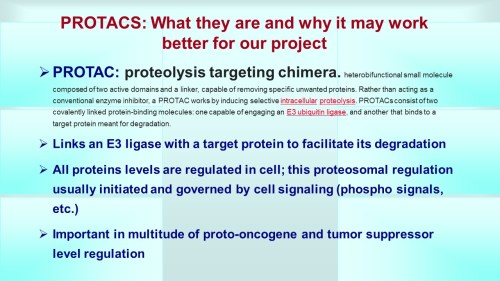
Below is a slide representation of the overall mission 4 to produce a PROTAC to inhibit Galectins 1, 3, and 9.
Using A Priori Knowledge of Galectin Receptor Interaction to Create a BioModel of Galectin 3 Binding
Now after collecting literature from PubMed on “galectin-3” AND “binding” to determine literature containing kinetic data we generate a WordCloud on the articles.
This following file contains the articles needed for BioModels generation.
From the WordCloud we can see that these corpus of articles describe galectin binding to the CRD (carbohydrate recognition domain). Interestingly there are many articles which describe van Der Waals interactions as well as electrostatic interactions. Certain carbohydrate modifictions like Lac NAc and Gal 1,4 may be important. Many articles describe the bonding as well as surface interactions. Many studies have been performed with galectin inhibitors like TDGs (thio-digalactosides) like TAZ TDG (3-deoxy-3-(4-[m-fluorophenyl]-1H-1,2,3-triazol-1-yl)-thio-digalactoside). This led to an interesting article
.
Dual thio-digalactoside-binding modes of human galectins as the structural basis for the design of potent and selective inhibitors
Human galectins are promising targets for cancer immunotherapeutic and fibrotic disease-related drugs. We report herein the binding interactions of three thio-digalactosides (TDGs) including TDG itself, TD139 (3,3′-deoxy-3,3′-bis-(4-[m-fluorophenyl]-1H-1,2,3-triazol-1-yl)-thio-digalactoside, recently approved for the treatment of idiopathic pulmonary fibrosis), and TAZTDG (3-deoxy-3-(4-[m-fluorophenyl]-1H-1,2,3-triazol-1-yl)-thio-digalactoside) with human galectins-1, -3 and -7 as assessed by X-ray crystallography, isothermal titration calorimetry and NMR spectroscopy. Five binding subsites (A-E) make up the carbohydrate-recognition domains of these galectins. We identified novel interactions between an arginine within subsite E of the galectins and an arene group in the ligands. In addition to the interactions contributed by the galactosyl sugar residues bound at subsites C and D, the fluorophenyl group of TAZTDG preferentially bound to subsite B in galectin-3, whereas the same group favored binding at subsite E in galectins-1 and -7. The characterised dual binding modes demonstrate how binding potency, reported as decreased Kd values of the TDG inhibitors from μM to nM, is improved and also offer insights to development of selective inhibitors for individual galectins.
Figures
Figure 1. Chemical structures of L3, TDG…
Figure 2. Structural comparison of the carbohydrate…
Infertility is a major reproductive health issue that affects about 12% of women of reproductive age in the United States. Aneuploidy in eggs accounts for a significant proportion of early miscarriage and in vitro fertilization failure. Recent studies have shown that genetic variants in several genes affect chromosome segregation fidelity and predispose women to a higher incidence of egg aneuploidy. However, the exact genetic causes of aneuploid egg production remain unclear, making it difficult to diagnose infertility based on individual genetic variants in mother’s genome. Although, age is a predictive factor for aneuploidy, it is not a highly accurate gauge because aneuploidy rates within individuals of the same age can vary dramatically.
Researchers described a technique combining genomic sequencing with machine-learning methods to predict the possibility a woman will undergo a miscarriage because of egg aneuploidy—a term describing a human egg with an abnormal number of chromosomes. The scientists were able to examine genetic samples of patients using a technique called “whole exome sequencing,” which allowed researchers to home in on the protein coding sections of the vast human genome. Then they created software using machine learning, an aspect of artificial intelligence in which programs can learn and make predictions without following specific instructions. To do so, the researchers developed algorithms and statistical models that analyzed and drew inferences from patterns in the genetic data.
As a result, the scientists were able to create a specific risk score based on a woman’s genome. The scientists also identified three genes—MCM5, FGGY and DDX60L—that when mutated and are highly associated with a risk of producing eggs with aneuploidy. So, the report demonstrated that sequencing data can be mined to predict patients’ aneuploidy risk thus improving clinical diagnosis. The candidate genes and pathways that were identified in the present study are promising targets for future aneuploidy studies. Identifying genetic variations with more predictive power will serve women and their treating clinicians with better information.
Each of these posts were on the importance of scientific curation of findings within the realm of social media and the Web 2.0; a sub-environment known throughout the scientific communities as Science 2.0, in which expert networks collaborated together to produce massive new corpus of knowledge by sharing their views, insights on peer reviewed scientific findings. And through this new media, this process of curation would, in itself generate new ideas and new directions for research and discovery.
The platform sort of looked like the image below:
This system lied above a platform of the original Science 1.0, made up of all the scientific journals, books, and traditional literature:
In the old Science 1.0 format, scientific dissemination was in the format of hard print journals, and library subscriptions were mandatory (and eventually expensive). Open Access has tried to ameliorate the expense problem.
Previous image source: PeerJ.com
To index the massive and voluminous research and papers beyond the old Dewey Decimal system, a process of curation was mandatory. The dissemination of this was a natural for the new social media however the cost had to be spread out among numerous players. Journals, faced with the high costs of subscriptions and their only way to access this new media as an outlet was to become Open Access, a movement first sparked by journals like PLOS and PeerJ but then begrudingly adopted throughout the landscape. But with any movement or new adoption one gets the Good the Bad and the Ugly (as described in my cited, above, Clive Thompson article). The bad side of Open Access Journals were
costs are still assumed by the individual researcher not by the journals
the arise of the numerous Predatory Journals
Even PeerJ, in their column celebrating an anniversary of a year’s worth of Open Access success stories, lamented the key issues still facing Open Access in practice
which included the cost and the rise of predatory journals.
In essence, Open Access and Science 2.0 sprung full force BEFORE anyone thought of a way to defray the costs
Can Web 3.0 Finally Offer a Way to Right the Issues Facing High Costs of Scientific Publishing?
Web 1.0 and Web 2.0 refer to eras in the history of the Internet as it evolved through various technologies and formats. Web 1.0 refers roughly to the period from 1991 to 2004, where most websites were static webpages, and the vast majority of users were consumers, not producers, of content.[6][7] Web 2.0 is based around the idea of “the web as platform”,[8] and centers on user-created content uploaded to social-networking services, blogs, and wikis, among other services.[9] Web 2.0 is generally considered to have begun around 2004, and continues to the current day.[8][10][4]
The term “Web3”, specifically “Web 3.0”, was coined by Ethereum co-founder Gavin Wood in 2014.[1] In 2020 and 2021, the idea of Web3 gained popularity[citation needed]. Particular interest spiked towards the end of 2021, largely due to interest from cryptocurrency enthusiasts and investments from high-profile technologists and companies.[4][5] Executives from venture capital firm Andreessen Horowitz travelled to Washington, D.C. in October 2021 to lobby for the idea as a potential solution to questions about Internet regulation with which policymakers have been grappling.[11]
Web3 is distinct from Tim Berners-Lee‘s 1999 concept for a semantic web, which has also been called “Web 3.0”.[12] Some writers referring to the decentralized concept usually known as “Web3” have used the terminology “Web 3.0”, leading to some confusion between the two concepts.[2][3] Furthermore, some visions of Web3 also incorporate ideas relating to the semantic web.[13][14]
Web3 revolves around the idea of decentralization, which proponents often contrast with Web 2.0, wherein large amounts of the web’s data and content are centralized in the fairly small group of companies often referred to as Big Tech.[4]
Specific visions for Web3 differ, but all are heavily based in blockchain technologies, such as various cryptocurrencies and non-fungible tokens (NFTs).[4]Bloomberg described Web3 as an idea that “would build financial assets, in the form of tokens, into the inner workings of almost anything you do online”.[15] Some visions are based around the concepts of decentralized autonomous organizations (DAOs).[16]Decentralized finance (DeFi) is another key concept; in it, users exchange currency without bank or government involvement.[4]Self-sovereign identity allows users to identify themselves without relying on an authentication system such as OAuth, in which a trusted party has to be reached in order to assess identity.[17]
Technologists and journalists have described Web3 as a possible solution to concerns about the over-centralization of the web in a few “Big Tech” companies.[4][11] Some have expressed the notion that Web3 could improve data security, scalability, and privacy beyond what is currently possible with Web 2.0 platforms.[14]Bloomberg states that sceptics say the idea “is a long way from proving its use beyond niche applications, many of them tools aimed at crypto traders”.[15]The New York Times reported that several investors are betting $27 billion that Web3 “is the future of the internet”.[18][19]
Some companies, including Reddit and Discord, have explored incorporating Web3 technologies into their platforms in late 2021.[4][20] After heavy user backlash, Discord later announced they had no plans to integrate such technologies.[21] The company’s CEO, Jason Citron, tweeted a screenshot suggesting it might be exploring integrating Web3 into their platform. This led some to cancel their paid subscriptions over their distaste for NFTs, and others expressed concerns that such a change might increase the amount of scams and spam they had already experienced on crypto-related Discord servers.[20] Two days later, Citron tweeted that the company had no plans to integrate Web3 technologies into their platform, and said that it was an internal-only concept that had been developed in a company-wide hackathon.[21]
Some legal scholars quoted by The Conversation have expressed concerns over the difficulty of regulating a decentralized web, which they reported might make it more difficult to prevent cybercrime, online harassment, hate speech, and the dissemination of child abuse images.[13] But, the news website also states that, “[decentralized web] represents the cyber-libertarian views and hopes of the past that the internet can empower ordinary people by breaking down existing power structures.” Some other critics of Web3 see the concept as a part of a cryptocurrency bubble, or as an extension of blockchain-based trends that they see as overhyped or harmful, particularly NFTs.[20] Some critics have raised concerns about the environmental impact of cryptocurrencies and NFTs. Others have expressed beliefs that Web3 and the associated technologies are a pyramid scheme.[5]
Kevin Werbach, author of The Blockchain and the New Architecture of Trust,[22] said that “many so-called ‘web3’ solutions are not as decentralized as they seem, while others have yet to show they are scalable, secure and accessible enough for the mass market”, adding that this “may change, but it’s not a given that all these limitations will be overcome”.[23]
David Gerard, author of Attack of the 50 Foot Blockchain,[24] told The Register that “web3 is a marketing buzzword with no technical meaning. It’s a melange of cryptocurrencies, smart contracts with nigh-magical abilities, and NFTs just because they think they can sell some monkeys to morons”.[25]
Below is an article from MarketWatch.com Distributed Ledger series about the different forms and cryptocurrencies involved
by Frances Yue, Editor of Distributed Ledger, Marketwatch.com
Clayton Gardner, co-CEO of crypto investment management firm Titan, told Distributed Ledger that as crypto embraces broader adoption, he expects more institutions to bypass bitcoin and invest in other blockchains, such as Ethereum, Avalanche, and Terra in 2022. which all boast smart-contract features.
Bitcoin traditionally did not support complex smart contracts, which are computer programs stored on blockchains, though a major upgrade in November might have unlocked more potential.
“Bitcoin was originally seen as a macro speculative asset by many funds and for many it still is,” Gardner said. “If anything solidifies its use case, it’s a store of value. It’s not really used as originally intended, perhaps from a medium of exchange perspective.”
For institutions that are looking for blockchains that can “produce utility and some intrinsic value over time,” they might consider some other smart contract blockchains that have been driving the growth of decentralized finance and web 3.0, the third generation of the Internet, according to Gardner.
“Bitcoin is still one of the most secure blockchains, but I think layer-one, layer-two blockchains beyond Bitcoin, will handle the majority of transactions and activities from NFT (nonfungible tokens) to DeFi,“ Gardner said. “So I think institutions see that and insofar as they want to put capital to work in the coming months, I think that could be where they just pump the capital.”
Decentralized social media?
The price of Decentralized Social, or DeSo, a cryptocurrency powering a blockchain that supports decentralized social media applications, surged roughly 74% to about $164 from $94, after Deso was listed at Coinbase Pro on Monday, before it fell to about $95, according to CoinGecko.
In the eyes of Nader Al-Naji, head of the DeSo foundation, decentralized social media has the potential to be “a lot bigger” than decentralized finance.
“Today there are only a few companies that control most of what we see online,” Al-Naji told Distributed Ledger in an interview. But DeSo is “creating a lot of new ways for creators to make money,” Al-Naji said.
“If you find a creator when they’re small, or an influencer, you can invest in that, and then if they become bigger and more popular, you make money and they make and they get capital early on to produce their creative work,” according to AI-Naji.
BitClout, the first application that was created by AI-Naji and his team on the DeSo blockchain, had initially drawn controversy, as some found that they had profiles on the platform without their consent, while the application’s users were buying and selling tokens representing their identities. Such tokens are called “creator coins.”
AI-Naji responded to the controversy saying that DeSo now supports more than 200 social-media applications including Bitclout. “I think that if you don’t like those features, you now have the freedom to use any app you want. Some apps don’t have that functionality at all.”
But Before I get to the “selling monkeys to morons” quote,
I want to talk about
THE GOOD, THE BAD, AND THE UGLY
THE GOOD
My foray into Science 2.0 and then pondering what the movement into a Science 3.0 led me to an article by Dr. Vladimir Teif, who studies gene regulation and the nucleosome, as well as creating a worldwide group of scientists who discuss matters on chromatin and gene regulation in a journal club type format.
Fragile Nucleosome is an international community of scientists interested in chromatin and gene regulation. Fragile Nucleosome is active in several spaces: one is the Discord server where several hundred scientists chat informally on scientific matters. You can join the Fragile Nucleosome Discord server. Another activity of the group is the organization of weekly virtual seminars on Zoom. Our webinars are usually conducted on Wednesdays 9am Pacific time (5pm UK, 6pm Central Europe). Most previous seminars have been recorded and can be viewed at our YouTube channel. The schedule of upcoming webinars is shown below. Our third activity is the organization of weekly journal clubs detailed at a separate page (Fragile Nucleosome Journal Club).
This concept of science 3.0 he had coined back in 2009. As Dr Teif had mentioned
So essentially I first introduced this word Science 3.0 in 2009, and since then we did a lot to implement this in practice. The Twitter account @generegulation is also one of examples
This is curious as we still have an ill defined concept of what #science3_0 would look like but it is a good read nonetheless.
The concept of Science 2.0 was introduced almost a decade ago to describe the new generation of online-based tools for researchers allowing easier data sharing, collaboration and publishing. Although technically sound, the concept still does not work as expected. Here we provide a systematic line of arguments to modify the concept of Science 2.0, making it more consistent with the spirit and traditions of science and Internet. Our first correction to the Science 2.0 paradigm concerns the open-access publication models charging fees to the authors. As discussed elsewhere, we show that the monopoly of such publishing models increases biases and inequalities in the representation of scientific ideas based on the author’s income. Our second correction concerns post-publication comments online, which are all essentially non-anonymous in the current Science 2.0 paradigm. We conclude that scientific post-publication discussions require special anonymization systems. We further analyze the reasons of the failure of the current post-publication peer-review models and suggest what needs to be changed in Science 3.0 to convert Internet into a large journal club. [bold face added]
In this paper it is important to note the transition of a science 1.0, which involved hard copy journal publications usually only accessible in libraries to a more digital 2.0 format where data, papers, and ideas could be easily shared among networks of scientists.
As Dr. Teif states, the term “Science 2.0” had been coined back in 2009, and several influential journals including Science, Nature and Scientific American endorsed this term and suggested scientists to move online and their discussions online. However, even at present there are thousands on this science 2.0 platform, Dr Teif notes the number of scientists subscribed to many Science 2.0 networking groups such as on LinkedIn and ResearchGate have seemingly saturated over the years, with little new members in recent times.
The consensus is that science 2.0 networking is:
good because it multiplies the efforts of many scientists, including experts and adds to the scientific discourse unavailable on a 1.0 format
that online data sharing is good because it assists in the process of discovery (can see this evident with preprint servers, bio-curated databases, Github projects)
open-access publishing is beneficial because free access to professional articles and open-access will be the only publishing format in the future (although this is highly debatable as many journals are holding on to a type of “hybrid open access format” which is not truly open access
only sharing of unfinished works and critiques or opinions is good because it creates visibility for scientists where they can receive credit for their expert commentary
There are a few concerns on Science 3.0 Dr. Teif articulates:
A. Science 3.0 Still Needs Peer Review
Peer review of scientific findings will always be an imperative in the dissemination of well-done, properly controlled scientific discovery. As Science 2.0 relies on an army of scientific volunteers, the peer review process also involves an army of scientific experts who give their time to safeguard the credibility of science, by ensuring that findings are reliable and data is presented fairly and properly. It has been very evident, in this time of pandemic and the rapid increase of volumes of preprint server papers on Sars-COV2, that peer review is critical. Many of these papers on such preprint servers were later either retracted or failed a stringent peer review process.
Now many journals of the 1.0 format do not generally reward their peer reviewers other than the self credit that researchers use on their curriculum vitaes. Some journals, like the MDPI journal family, do issues peer reviewer credits which can be used to defray the high publication costs of open access (one area that many scientists lament about the open access movement; where the burden of publication cost lies on the individual researcher).
An issue which is highlighted is the potential for INFORMATION NOISE regarding the ability to self publish on Science 2.0 platforms.
The NEW BREED was born in 4/2012
An ongoing effort on this platform, https://pharmaceuticalintelligence.com/, is to establish a scientific methodology for curating scientific findings where one the goals is to assist to quell the information noise that can result from the massive amounts of new informatics and data occurring in the biomedical literature.
B. Open Access Publishing Model leads to biases and inequalities in the idea selection
The open access publishing model has been compared to the model applied by the advertising industry years ago and publishers then considered the journal articles as “advertisements”. However NOTHING could be further from the truth. In advertising the publishers claim the companies not the consumer pays for the ads. However in scientific open access publishing, although the consumer (libraries) do not pay for access the burden of BOTH the cost of doing the research and publishing the findings is now put on the individual researcher. Some of these publishing costs can be as high as $4000 USD per article, which is very high for most researchers. However many universities try to refund the publishers if they do open access publishing so it still costs the consumer and the individual researcher, limiting the cost savings to either.
However, this sets up a situation in which young researchers, who in general are not well funded, are struggling with the publication costs, and this sets up a bias or inequitable system which rewards the well funded older researchers and bigger academic labs.
C. Post publication comments and discussion require online hubs and anonymization systems
Many recent publications stress the importance of a post-publication review process or system yet, although many big journals like Nature and Science have their own blogs and commentary systems, these are rarely used. In fact they show that there are just 1 comment per 100 views of a journal article on these systems. In the traditional journals editors are the referees of comments and have the ability to censure comments or discourse. The article laments that comments should be easy to do on journals, like how easy it is to make comments on other social sites, however scientists are not offering their comments or opinions on the matter.
In a personal experience,
a well written commentary goes through editors which usually reject a comment like they were rejecting an original research article. Thus many scientists, I believe, after fashioning a well researched and referenced reply, do not get the light of day if not in the editor’s interests.
Therefore the need for anonymity is greatly needed and the lack of this may be the hindrance why scientific discourse is so limited on these types of Science 2.0 platforms. Platforms that have success in this arena include anonymous platforms like Wikipedia or certain closed LinkedIn professional platforms but more open platforms like Google Knowledge has been a failure.
A great example on this platform was a very spirited conversation on LinkedIn on genomics, tumor heterogeneity and personalized medicine which we curated from the LinkedIn discussion (unfortunately LinkedIn has closed many groups) seen here:
In this discussion, it was surprising that over a weekend so many scientists from all over the world contributed to a great discussion on the topic of tumor heterogeneity.
But many feel such discussions would be safer if they were anonymized. However then researchers do not get any credit for their opinions or commentaries.
A Major problem is how to take the intangible and make them into tangible assets which would both promote the discourse as well as reward those who take their time to improve scientific discussion.
This is where something like NFTs or a decentralized network may become important!
Below is an online @TwitterSpace Discussion we had with some young scientists who are just starting out and gave their thoughts on what SCIENCE 3.0 and the future of dissemination of science might look like, in light of this new Meta Verse. However we have to define each of these terms in light of Science and not just the Internet as merely a decentralized marketplace for commonly held goods.
This online discussion was tweeted out and got a fair amount of impressions (60) as well as interactors (50).
To introduce this discussion first a few startoff material which will fram this discourse
The Intenet and the Web is rapidly adopting a new “Web 3.0” format, with decentralized networks, enhanced virtual experiences, and greater interconnection between people. Here we start the discussion what will the move from Science 2.0, where dissemination of scientific findings was revolutionized and piggybacking on Web 2.0 or social media, to a Science 3.0 format. And what will it involve or what paradigms will be turned upside down?
Old Science 1.0 is still the backbone of all scientific discourse, built on the massive amount of experimental and review literature. However this literature was in analog format, and we moved to a more accesible digital open access format for both publications as well as raw data. However as there was a structure for 1.0, like the Dewey decimal system and indexing, 2.0 made science more accesible and easier to search due to the newer digital formats. Yet both needed an organizing structure; for 1.0 that was the scientific method of data and literature organization with libraries as the indexers. In 2.0 this relied on an army mostly of volunteers who did not have much in the way of incentivization to co-curate and organize the findings and massive literature.
Each version of Science has their caveats: their benefits as well as deficiencies. This curation and the ongoing discussion is meant to solidy the basis for the new format, along with definitions and determination of structure.
We had high hopes for Science 2.0, in particular the smashing of data and knowledge silos. However the digital age along with 2.0 platforms seemed to excaccerbate this somehow. We still are critically short on analysis!
We really need people and organizations to get on top of this new Web 3.0 or metaverse so the similar issues do not get in the way: namely we need to create an organizing structure (maybe as knowledgebases), we need INCENTIVIZED co-curators, and we need ANALYSIS… lots of it!!
Are these new technologies the cure or is it just another headache?
There were a few overarching themes whether one was talking about AI, NLP, Virtual Reality, or other new technologies with respect to this new meta verse and a concensus of Decentralized, Incentivized, and Integrated was commonly expressed among the attendees
The Following are some slides from representative Presentations
Other article of note on this topic on this Open Access Scientific Journal Include:
AI enabled Drug Discovery and Development: The Challenges and the Promise
Reporter:Aviva Lev-Ari, PhD, RN
Early Development
Caroline Kovac (the first IBM GM of Life Sciences) is the one who started in silico development of drugs in 2000 using a big db of substances and computer power. She transformed an idea into $2b business. Most of the money was from big pharma. She was asking what is are the new drugs they are planning to develop and provided the four most probable combinations of substances, based on in Silicon work.
Carol Kovac
General Manager, Healthcare and Life Sciences, IBM
from speaker at conference on 2005
Carol Kovac is General Manager of IBM Healthcare and Life Sciences responsible for the strategic direction of IBM′s global healthcare and life sciences business. Kovac leads her team in developing the latest information technology solutions and services, establishing partnerships and overseeing IBM investment within the healthcare, pharmaceutical and life sciences markets. Starting with only two employees as an emerging business unit in the year 2000, Kovac has successfully grown the life sciences business unit into a multi-billion dollar business and one of IBM′s most successful ventures to date with more than 1500 employees worldwide. Kovac′s prior positions include general manager of IBM Life Sciences, vice president of Technical Strategy and Division Operations, and vice president of Services and Solutions. In the latter role, she was instrumental in launching the Computational Biology Center at IBM Research. Kovac sits on the Board of Directors of Research!America and Africa Harvest. She was inducted into the Women in Technology International Hall of Fame in 2002, and in 2004, Fortune magazine named her one of the 50 most powerful women in business. Kovac earned her Ph.D. in chemistry at the University of Southern California.
The use of artificial intelligence in drug discovery, when coupled with new genetic insights and the increase of patient medical data of the last decade, has the potential to bring novel medicines to patients more efficiently and more predictably.
Jack Fuchs, MBA ’91, an adjunct lecturer who teaches “Principled Entrepreneurial Decisions” at Stanford School of Engineering, moderated and explored how clearly articulated principles can guide the direction of technological advancements like AI-enabled drug discovery.
Kim Branson, Global head of AI and machine learning at GSK.
Russ Altman, the Kenneth Fong Professor of Bioengineering, of genetics, of medicine (general medical discipline), of biomedical data science and, by courtesy, of computer science.
Synthetic Biology Software applied to development of Galectins Inhibitors at LPBI Group
Using Structural Computation Models to Predict Productive PROTAC Ternary Complexes
Ternary complex formation is necessary but not sufficient for target protein degradation. In this research, Bai et al. have addressed questions to better understand the rate-limiting steps between ternary complex formation and target protein degradation. They have developed a structure-based computer model approach to predict the efficiency and sites of target protein ubiquitination by CRNB-binding PROTACs. Such models will allow a more complete understanding of PROTAC-directed degradation and allow crafting of increasingly effective and specific PROTACs for therapeutic applications.
Another major feature of this research is that it a result of collaboration between research groups at Amgen, Inc. and Promega Corporation. In the past commercial research laboratories have shied away from collaboration, but the last several years have found researchers more open to collaborative work. This increased collaboration allows scientists to bring their different expertise to a problem or question and speed up discovery. According to Dr. Kristin Riching, Senior Research Scientist at Promega Corporation, “Targeted protein degraders have broken many of the rules that have guided traditional drug development, but it is exciting to see how the collective learnings we gain from their study can aid the advancement of this new class of molecules to the clinic as effective therapeutics.”
Medical Startups – Artificial Intelligence (AI) Startups in Healthcare
Reporters: Stephen J. Williams, PhD and Aviva Lev-Ari, PhD, RN and Shraga Rottem, MD, DSc,
The motivation for this post is two fold:
First, we are presenting an application of AI, NLP, DL to our own medical text in the Genomics space. Here we present the first section of Part 1 in the following book. Part 1 has six subsections that yielded 12 plots. The entire Book is represented by 38 x 2 = 76 plots.
Second, we bring to the attention of the e-Reader the list of 276 Medical Startups – Artificial Intelligence (AI) Startups in Healthcare as a hot universe of R&D activity in Human Health.
Third, to highlight one academic center with an AI focus
Dear friends of the ETH AI Center,
We would like to provide you with some exciting updates from the ETH AI Center and its growing community.
As the Covid-19 restrictions in Switzerland have recently been lifted, we would like to hear from you what kind of events you would like to see in 2022! Participate in the survey to suggest event formats and topics that you would enjoy being a part of. We are already excited to learn what we can achieve together this year.
We already have many interesting events coming up, we look forward to seeing you at our main and community events!
LPBI Group is applying AI for Medical Text Analysis with Machine Learning and Natural Language Processing: Statistical and Deep Learning
Our Book
Latest in Genomics Methodologies for Therapeutics: Gene Editing, NGS & BioInformatics, Simulations and the Genome Ontology
Medical Text Analysis of this Books shows the following results obtained by Madison Davis by applying Wolfram NLP for Biological Languages on our own Text. See below an Example:
@MIT Artificial intelligence system rapidly predicts how two proteins will attach: The model called Equidock, focuses on rigid body docking — which occurs when two proteins attach by rotating or translating in 3D space, but their shapes don’t squeeze or bend
Reporter: Aviva Lev-Ari, PhD, RN
This paper introduces a novel SE(3) equivariant graph matching network, along with a keypoint discovery and alignment approach, for the problem of protein-protein docking, with a novel loss based on optimal transport. The overall consensus is that this is an impactful solution to an important problem, whereby competitive results are achieved without the need for templates, refinement, and are achieved with substantially faster run times.
Keywords:protein complexes, protein structure, rigid body docking, SE(3) equivariance, graph neural networks
Abstract: Protein complex formation is a central problem in biology, being involved in most of the cell’s processes, and essential for applications such as drug design or protein engineering. We tackle rigid body protein-protein docking, i.e., computationally predicting the 3D structure of a protein-protein complex from the individual unbound structures, assuming no three-dimensional flexibility during binding. We design a novel pairwise-independent SE(3)-equivariant graph matching network to predict the rotation and translation to place one of the proteins at the right location and the right orientation relative to the second protein. We mathematically guarantee that the predicted complex is always identical regardless of the initial placements of the two structures, avoiding expensive data augmentation. Our model approximates the binding pocket and predicts the docking pose using keypoint matching and alignment through optimal transport and a differentiable Kabsch algorithm. Empirically, we achieve significant running time improvements over existing protein docking software and predict qualitatively plausible protein complex structures despite not using heavy sampling, structure refinement, or templates.
One-sentence Summary: We perform rigid protein docking using a novel independent SE(3)-equivariant message passing mechanism that guarantees the same resulting protein complex independent of the initial placement of the two 3D structures.
MIT researchers created a machine-learning model that can directly predict the complex that will form when two proteins bind together. Their technique is between 80 and 500 times faster than state-of-the-art software methods, and often predicts protein structures that are closer to actual structures that have been observed experimentally.
This technique could help scientists better understand some biological processes that involve protein interactions, like DNA replication and repair; it could also speed up the process of developing new medicines.
“Deep learning is very good at capturing interactions between different proteins that are otherwise difficult for chemists or biologists to write experimentally. Some of these interactions are very complicated, and people haven’t found good ways to express them. This deep-learning model can learn these types of interactions from data,” says Octavian-Eugen Ganea, a postdoc in the MIT Computer Science and Artificial Intelligence Laboratory (CSAIL) and co-lead author of the paper.
Ganea’s co-lead author is Xinyuan Huang, a graduate student at ETH Zurich. MIT co-authors include Regina Barzilay, the School of Engineering Distinguished Professor for AI and Health in CSAIL, and Tommi Jaakkola, the Thomas Siebel Professor of Electrical Engineering in CSAIL and a member of the Institute for Data, Systems, and Society. The research will be presented at the International Conference on Learning Representations.
Significance of the Scientific Development by the @MIT Team
EquiDock wide applicability:
Our method can be integrated end-to-end to boost the quality of other models (see above discussion on runtime importance). Examples are predicting functions of protein complexes [3] or their binding affinity [5], de novo generation of proteins binding to specific targets (e.g., antibodies [6]), modeling back-bone and side-chain flexibility [4], or devising methods for non-binary multimers. See the updated discussion in the “Conclusion” section of our paper.
Advantages over previous methods:
Our method does not rely on templates or heavy candidate sampling [7], aiming at the ambitious goal of predicting the complex pose directly. This should be interpreted in terms of generalization (to unseen structures) and scalability capabilities of docking models, as well as their applicability to various other tasks (discussed above).
Our method obtains a competitive quality without explicitly using previous geometric (e.g., 3D Zernike descriptors [8]) or chemical (e.g., hydrophilic information) features [3]. Future EquiDock extensions would find creative ways to leverage these different signals and, thus, obtain more improvements.
Novelty of theory:
Our work is the first to formalize the notion of pairwise independent SE(3)-equivariance. Previous work (e.g., [9,10]) has incorporated only single object Euclidean-equivariances into deep learning models. For tasks such as docking and binding of biological objects, it is crucial that models understand the concept of multi-independent Euclidean equivariances.
All propositions in Section 3 are our novel theoretical contributions.
We have rewritten the Contribution and Related Work sections to clarify this aspect.
Footnote [a]: We have fixed an important bug in the cross-attention code. We have done a more extensive hyperparameter search and understood that layer normalization is crucial in layers used in Eqs. 5 and 9, but not on the h embeddings as it was originally shown in Eq. 10. We have seen benefits from training our models with a longer patience in the early stopping criteria (30 epochs for DIPS and 150 epochs for DB5). Increasing the learning rate to 2e-4 is important to speed-up training. Using an intersection loss weight of 10 leads to improved results compared to the default of 1.
Bibliography:
[1] Protein-ligand blind docking using QuickVina-W with inter-process spatio-temporal integration, Hassan et al., 2017
[2] GNINA 1.0: molecular docking with deep learning, McNutt et al., 2021
[3] Protein-protein and domain-domain interactions, Kangueane and Nilofer, 2018
[4] Side-chain Packing Using SE(3)-Transformer, Jindal et al., 2022
[5] Contacts-based prediction of binding affinity in protein–protein complexes, Vangone et al., 2015
[6] Iterative refinement graph neural network for antibody sequence-structure co-design, Jin et al., 2021
[7] Hierarchical, rotation-equivariant neural networks to select structural models of protein complexes, Eismann et al, 2020
[8] Protein-protein docking using region-based 3D Zernike descriptors, Venkatraman et al., 2009
[9] SE(3)-transformers: 3D roto-translation equivariant attention networks, Fuchs et al, 2020
[10] E(n) equivariant graph neural networks, Satorras et al., 2021
[11] Fast end-to-end learning on protein surfaces, Sverrisson et al., 2020
Big pharma companies are snapping up collaborations with firms using AI to speed up drug discovery, with one of the latest being Sanofi’s pact with Exscientia.
Tech giants are placing big bets on digital health analysis firms, such as Oracle’s €25.42B ($28.3B) takeover of Cerner in the US.
There’s also a steady flow of financing going to startups taking new directions with AI and bioinformatics, with the latest example being a €20M Series A round by SeqOne Genomics in France.
“IBM Watson uses a philosophy that is diametrically opposed to SeqOne’s,” said Jean-Marc Holder, CSO of SeqOne. “[IBM Watson seems] to rely on analysis of large amounts of relatively unstructured data and bet on the volume of data delivering the right result. By opposition, SeqOne strongly believes that data must be curated and structured in order to deliver good results in genomics.”
Francisco Partners is picking up a range of databases and analytics tools – including
Health Insights,
MarketScan,
Clinical Development,
Social Programme Management,
Micromedex and
other imaging and radiology tools, for an undisclosed sum estimated to be in the region of $1 billion.
IBM said the sell-off is tagged as “a clear next step” as it focuses on its platform-based hybrid cloud and artificial intelligence strategy, but it’s no secret that Watson Health has failed to live up to its early promise.
The sale also marks a retreat from healthcare for the tech giant, which is remarkable given that it once said it viewed health as second only to financial services market as a market opportunity.
IBM said it “remains committed to Watson, our broader AI business, and to the clients and partners we support in healthcare IT.”
The company reportedly invested billions of dollars in Watson, but according to a Wall Street Journal report last year, the health business – which provided cloud-based access to the supercomputer and a range of analytics services – has struggled to build market share and reach profitability.
An investigation by Stat meanwhile suggested that Watson Health’s early push into cancer for example was affected by a premature launch, interoperability challenges and over-reliance on human input to generate results.
For its part, IBM has said that the Watson for Oncology product has been improving year-on-year as the AI crunches more and more data.
That is backed up by a meta analysis of its performance published last year in Nature found that the treatment recommendations delivered by the tool were largely in line with human doctors for several cancer types.
However, the study also found that there was less consistency in more advanced cancers, and the authors noted the system “still needs further improvement.”
Watson Health offers a range of other services of course, including
tools for genomic analysis and
running clinical trials that have found favour with a number of pharma companies.
Francisco said in a statement that it offers “a market leading team [that] provides its customers with mission critical products and outstanding service.”
The deal is expected to close in the second quarter, with the current management of Watson Health retaining “similar roles” in the new standalone company, according to the investment company.
IBM’s step back from health comes as tech rivals are still piling into the sector.
@pharma_BI is asking: What will be the future of WATSON Health?
@AVIVA1950 says on 1/26/2022:
Aviva believes plausible scenarios will be that Francisco Partners will:
A. Invest in Watson Health – Like New Mountains Capital (NMC) did with Cytel
B. Acquire several other complementary businesses – Like New Mountains Capital (NMC) did with Cytel
C. Hold and grow – Like New Mountains Capital (NMC) is doing with Cytel since 2018.
D. Sell it in 7 years to @Illumina or @Nvidia or Google’s Parent @AlphaBet
1/21/2022
IBM said Friday it will sell the core data assets of its Watson Health division to a San Francisco-based private equity firm, marking the staggering collapse of its ambitious artificial intelligence effort that failed to live up to its promises to transform everything from drug discovery to cancer care.
IBM has reached an agreement to sell its Watson Health data and analytics business to the private-equity firm Francisco Partners. … He said the deal will give Francisco Partners data and analytics assets that will benefit from “the enhanced investment and expertise of a healthcare industry focused portfolio.”5 days ago
5 days ago — IBM has been trying to find buyers for the Watson Health business for more than a year. And it was seeking a sale price of about $1 billion, The …Missing: Statement | Must include: Statement
5 days ago — IBM Watson Health – Certain Assets Sold: Executive Perspectives. In a prepared statement about the deal, Tom Rosamilia, senior VP, IBM Software, …
Feb 18, 2021 — International Business Machines Corp. is exploring a potential sale of its IBM Watson Health business, according to people familiar with the …
3 days ago — Nuance played a part in building watson in supplying the speech recognition component of Watson. Through the years, Nuance has done some serious …
From: Heidi Rheim et al. GA4GH: International policies and standards for data sharing across genomic research and healthcare. (2021): Cell Genomics, Volume 1 Issue 2.
Siloing genomic data in institutions/jurisdictions limits learning and knowledge
GA4GH policy frameworks enable responsible genomic data sharing
GA4GH technical standards ensure interoperability, broad access, and global benefits
Data sharing across research and healthcare will extend the potential of genomics
Summary
The Global Alliance for Genomics and Health (GA4GH) aims to accelerate biomedical advances by enabling the responsible sharing of clinical and genomic data through both harmonized data aggregation and federated approaches. The decreasing cost of genomic sequencing (along with other genome-wide molecular assays) and increasing evidence of its clinical utility will soon drive the generation of sequence data from tens of millions of humans, with increasing levels of diversity. In this perspective, we present the GA4GH strategies for addressing the major challenges of this data revolution. We describe the GA4GH organization, which is fueled by the development efforts of eight Work Streams and informed by the needs of 24 Driver Projects and other key stakeholders. We present the GA4GH suite of secure, interoperable technical standards and policy frameworks and review the current status of standards, their relevance to key domains of research and clinical care, and future plans of GA4GH. Broad international participation in building, adopting, and deploying GA4GH standards and frameworks will catalyze an unprecedented effort in data sharing that will be critical to advancing genomic medicine and ensuring that all populations can access its benefits.
In order for genomic and personalized medicine to come to fruition it is imperative that data siloes around the world are broken down, allowing the international collaboration for the collection, storage, transferring, accessing and analying of molecular and health-related data.
We had talked on this site in numerous articles about the problems data siloes produce. By data siloes we are meaning that collection and storage of not only DATA but intellectual thought are being held behind physical, electronic, and intellectual walls and inacessible to other scientisits not belonging either to a particular institituion or even a collaborative network.
Standardization and harmonization of data is key to this effort to sharing electronic records. The EU has taken bold action in this matter. The following section is about the General Data Protection Regulation of the EU and can be found at the following link:
The data protection package adopted in May 2016 aims at making Europe fit for the digital age. More than 90% of Europeans say they want the same data protection rights across the EU and regardless of where their data is processed.
The General Data Protection Regulation (GDPR)
Regulation (EU) 2016/679 on the protection of natural persons with regard to the processing of personal data and on the free movement of such data. This text includes the corrigendum published in the OJEU of 23 May 2018.
The regulation is an essential step to strengthen individuals’ fundamental rights in the digital age and facilitate business by clarifying rules for companies and public bodies in the digital single market. A single law will also do away with the current fragmentation in different national systems and unnecessary administrative burdens.
Directive (EU) 2016/680 on the protection of natural persons regarding processing of personal data connected with criminal offences or the execution of criminal penalties, and on the free movement of such data.
The directive protects citizens’ fundamental right to data protection whenever personal data is used by criminal law enforcement authorities for law enforcement purposes. It will in particular ensure that the personal data of victims, witnesses, and suspects of crime are duly protected and will facilitate cross-border cooperation in the fight against crime and terrorism.
The directive entered into force on 5 May 2016 and EU countries had to transpose it into their national law by 6 May 2018.
The following paper by the organiztion The Global Alliance for Genomics and Health discusses these types of collaborative efforts to break down data silos in personalized medicine. This organization has over 2000 subscribers in over 90 countries encompassing over 60 organizations.
Enabling responsible genomic data sharing for the benefit of human health
The Global Alliance for Genomics and Health (GA4GH) is a policy-framing and technical standards-setting organization, seeking to enable responsible genomic data sharing within a human rights framework.
he Global Alliance for Genomics and Health (GA4GH) is an international, nonprofit alliance formed in 2013 to accelerate the potential of research and medicine to advance human health. Bringing together 600+ leading organizations working in healthcare, research, patient advocacy, life science, and information technology, the GA4GH community is working together to create frameworks and standards to enable the responsible, voluntary, and secure sharing of genomic and health-related data. All of our work builds upon the Framework for Responsible Sharing of Genomic and Health-Related Data.
GA4GH Connect is a five-year strategic plan that aims to drive uptake of standards and frameworks for genomic data sharing within the research and healthcare communities in order to enable responsible sharing of clinical-grade genomic data by 2022. GA4GH Connect links our Work Streams with Driver Projects—real-world genomic data initiatives that help guide our development efforts and pilot our tools.
The Global Alliance for Genomics and Health (GA4GH) is a worldwide alliance of genomics researchers, data scientists, healthcare practitioners, and other stakeholders. We are collaborating to establish policy frameworks and technical standards for responsible, international sharing of genomic and other molecular data as well as related health data. Founded in 2013,3 the GA4GH community now consists of more than 1,000 individuals across more than 90 countries working together to enable broad sharing that transcends the boundaries of any single institution or country (see https://www.ga4gh.org).In this perspective, we present the strategic goals of GA4GH and detail current strategies and operational approaches to enable responsible sharing of clinical and genomic data, through both harmonized data aggregation and federated approaches, to advance genomic medicine and research. We describe technical and policy development activities of the eight GA4GH Work Streams and implementation activities across 24 real-world genomic data initiatives (“Driver Projects”). We review how GA4GH is addressing the major areas in which genomics is currently deployed including rare disease, common disease, cancer, and infectious disease. Finally, we describe differences between genomic sequence data that are generated for research versus healthcare purposes, and define strategies for meeting the unique challenges of responsibly enabling access to data acquired in the clinical setting.
GA4GH organization
GA4GH has partnered with 24 real-world genomic data initiatives (Driver Projects) to ensure its standards are fit for purpose and driven by real-world needs. Driver Projects make a commitment to help guide GA4GH development efforts and pilot GA4GH standards (see Table 2). Each Driver Project is expected to dedicate at least two full-time equivalents to GA4GH standards development, which takes place in the context of GA4GH Work Streams (see Figure 1). Work Streams are the key production teams of GA4GH, tackling challenges in eight distinct areas across the data life cycle (see Box 1). Work Streams consist of experts from their respective sub-disciplines and include membership from Driver Projects as well as hundreds of other organizations across the international genomics and health community.
Figure 1Matrix structure of the Global Alliance for Genomics and HealthShow full caption
Box 1GA4GH Work Stream focus areasThe GA4GH Work Streams are the key production teams of the organization. Each tackles a specific area in the data life cycle, as described below (URLs listed in the web resources).
(1)Data use & researcher identities: Develops ontologies and data models to streamline global access to datasets generated in any country9,10
(2)Genomic knowledge standards: Develops specifications and data models for exchanging genomic variant observations and knowledge18
(3)Cloud: Develops federated analysis approaches to support the statistical rigor needed to learn from large datasets
(4)Data privacy & security: Develops guidelines and recommendations to ensure identifiable genomic and phenotypic data remain appropriately secure without sacrificing their analytic potential
(5)Regulatory & ethics: Develops policies and recommendations for ensuring individual-level data are interoperable with existing norms and follow core ethical principles
(6)Discovery: Develops data models and APIs to make data findable, accessible, interoperable, and reusable (FAIR)
(7)Clinical & phenotypic data capture & exchange: Develops data models to ensure genomic data is most impactful through rich metadata collected in a standardized way
(8)Large-scale genomics: Develops APIs and file formats to ensure harmonized technological platforms can support large-scale computing
For more articles on Open Access, Science 2.0, and Data Networks for Genomics on this Open Access Scientific Journal see:
The Vibrant Philly Biotech Scene: Proteovant Therapeutics Using Artificial Intelligence and Machine Learning to Develop PROTACs
Reporter:Stephen J. Williams, Ph.D.
It has been a while since I have added to this series but there have been a plethora of exciting biotech startups in the Philadelphia area, and many new startups combining technology, biotech, and machine learning. One such exciting biotech is Proteovant Therapeutics, which is combining the new PROTAC (Proteolysis-Targeting Chimera) technology with their in house ability to utilize machine learning and artificial intelligence to design these types of compounds to multiple intracellular targets.
PROTACs (which actually is under a trademark name of Arvinus Operations, but is also refered to as Protein Degraders. These PROTACs take advantage of the cell protein homeostatic mechanism of ubiquitin-mediated protein degradation, which is a very specific targeted process which regulates protein levels of various transcription factors, protooncogenes, and receptors. In essence this regulated proteolyic process is needed for normal cellular function, and alterations in this process may lead to oncogenesis, or a proteotoxic crisis leading to mitophagy, autophagy and cellular death. The key to this technology is using chemical linkers to associate an E3 ligase with a protein target of interest. E3 ligases are the rate limiting step in marking the proteins bound for degradation by the proteosome with ubiquitin chains.
A review of this process as well as PROTACs can be found elsewhere in articles (and future articles) on this Open Access Journal.
Protevant have made two important collaborations:
Oncopia Therapeutics: came out of University of Michigan Innovation Hub and lab of Shaomeng Wang, who developed a library of BET and MDM2 based protein degraders. In 2020 was aquired by Riovant Sciences.
Riovant Sciences: uses computer aided design of protein degraders
Proteovant Company Description:
Proteovant is a newly launched development-stage biotech company focusing on discovery and development of disease-modifying therapies by harnessing natural protein homeostasis processes. We have recently acquired numerous assets at discovery and development stages from Oncopia, a protein degradation company. Our lead program is on track to enter IND in 2021. Proteovant is building a strong drug discovery engine by combining deep drugging expertise with innovative platforms including Roivant’s AI capabilities to accelerate discovery and development of protein degraders to address unmet needs across all therapeutic areas. The company has recently secured $200M funding from SK Holdings in addition to investment from Roivant Sciences. Our current therapeutic focus includes but is not limited to oncology, immunology and neurology. We remain agnostic to therapeutic area and will expand therapeutic focus based on opportunity. Proteovant is expanding its discovery and development teams and has multiple positions in biology, chemistry, biochemistry, DMPK, bioinformatics and CMC at many levels. Our R&D organization is located close to major pharmaceutical companies in Eastern Pennsylvania with a second site close to biotech companies in Boston area.
The ubiquitin proteasome system (UPS) is responsible for maintaining protein homeostasis. Targeted protein degradation by the UPS is a cellular process that involves marking proteins and guiding them to the proteasome for destruction. We leverage this physiological cellular machinery to target and destroy disease-causing proteins.
Unlike traditional small molecule inhibitors, our approach is not limited by the classic “active site” requirements. For example, we can target transcription factors and scaffold proteins that lack a catalytic pocket. These classes of proteins, historically, have been very difficult to drug. Further, we selectively degrade target proteins, rather than isozymes or paralogous proteins with high homology. Because of the catalytic nature of the interactions, it is possible to achieve efficacy at lower doses with prolonged duration while decreasing dose-limiting toxicities.
Biological targets once deemed “undruggable” are now within reach.
Roivant develops transformative medicines faster by building technologies and developing talent in creative ways, leveraging the Roivant platform to launch “Vants” – nimble and focused biopharmaceutical and health technology companies. These Vants include Proteovant but also Dermovant, ImmunoVant,as well as others.
Roivant’s drug discovery capabilities include the leading computational physics-based platform for in silico drug design and optimization as well as machine learning-based models for protein degradation.
The integration of our computational and experimental engines enables the rapid design of molecules with high precision and fidelity to address challenging targets for diseases with high unmet need.
Our current modalities include small molecules, heterobifunctionals and molecular glues.
Roivant Unveils Targeted Protein Degradation Platform
– First therapeutic candidate on track to enter clinical studies in 2021
– Computationally-designed degraders for six targets currently in preclinical development
– Acquisition of Oncopia Therapeutics and research collaboration with lab of Dr. Shaomeng Wang at the University of Michigan to add diverse pipeline of current and future compounds
– Clinical-stage degraders will provide foundation for multiple new Vants in distinct disease areas
– Platform supported by $200 million strategic investment from SK Holdings
Other articles in this Vibrant Philly Biotech Scene on this Online Open Access Journal include:







 2012pharmaceutical
 sjwilliamspa