Cardiac Contractility & Myocardial Performance: Therapeutic Implications of Ryanopathy (Calcium Release-related Contractile Dysfunction) and Catecholamine Responses
Author, and Content Consultant to e-SERIES A: Cardiovascular Diseases: Justin Pearlman, MD, PhD, FACC
Author and Curator: Larry H Bernstein, MD, FCAP

Image created by Adina Hazan 06/30/2021
Catechols refer to the stress hormones that control our response to fright, flight and fight, e.g., epinephrine, also known as adrenaline. Sudden elevation of catechols increases heart rate and also the strength of heart contraction (contractility). In the short term, that provides a boost that supports special demands to run faster, work harder. Like the healthcare system, it is not sustainable in high gear. Excess catechol push causes heart failure (catechol toxicity). Race horses routinely develop pulmonary edema by the end of a race – those pretreated for that with the diuretic LASIX have an L next to their entry in the race ticket. The same issues occur as a whole-body system and at the subcellular level. Catechols increase amount and speed of the release of calcium which in turn triggers heart muscle contraction. However, the failing heart has elevated levels of calcium that impair oxygen utilization. The following discussions address the linkages between catechols and calcium traffic, including both the catechol and calcium stimulation of speed and strength, and their detrimental effects over time.
This article is Part VII in a continuation to the following article series on tightly related topics of the Calcium Release Mechanism.
Part I: Identification of Biomarkers that are Related to the Actin Cytoskeleton
Larry H Bernstein, MD, FCAP
Part II: Role of Calcium, the Actin Skeleton, and Lipid Structures in Signaling and Cell Motility
Larry H. Bernstein, MD, FCAP, Stephen Williams, PhD and Aviva Lev-Ari, PhD, RN
Part III: Renal Distal Tubular Ca2+ Exchange Mechanism in Health and Disease
Larry H. Bernstein, MD, FCAP, Stephen J. Williams, PhD and Aviva Lev-Ari, PhD, RN
Part IV: The Centrality of Ca(2+) Signaling and Cytoskeleton Involving Calmodulin Kinases and Ryanodine Receptors in Cardiac Failure, Arterial Smooth Muscle, Post-ischemic Arrhythmia, Similarities and Differences, and Pharmaceutical Targets
Larry H Bernstein, MD, FCAP, Justin Pearlman, MD, PhD, FACC and Aviva Lev-Ari, PhD, RN
Part V: Ca2+-Stimulated Exocytosis: The Role of Calmodulin and Protein Kinase C in Ca2+ Regulation of Hormone and Neurotransmitter
Larry H Bernstein, MD, FCAP and Aviva Lev-Ari, PhD, RN
Part VI: Calcium Cycling (ATPase Pump) in Cardiac Gene Therapy: Inhalable Gene Therapy for Pulmonary Arterial Hypertension and Percutaneous Intra-coronary Artery Infusion for Heart Failure: Contributions by Roger J. Hajjar, MD
Aviva Lev-Ari, PhD, RN
Part VII: Cardiac Contractility & Myocardium Performance: Ventricular Arrhythmias and Non-ischemic Heart Failure – Therapeutic Implications for Cardiomyocyte Ryanopathy (Calcium Release-related Contractile Dysfunction) and Catecholamine Responses
Justin Pearlman, MD, PhD, FACC, Larry H Bernstein, MD, FCAP and Aviva Lev-Ari, PhD, RN
Part VIII: Disruption of Calcium Homeostasis: Cardiomyocytes and Vascular Smooth Muscle Cells: The Cardiac and Cardiovascular Calcium Signaling Mechanism
Justin Pearlman, MD, PhD, FACC, Larry H Bernstein, MD, FCAP and Aviva Lev-Ari, PhD, RN
Part IX: Calcium-Channel Blockers, Calcium Release-related Contractile Dysfunction (Ryanopathy) and Calcium as Neurotransmitter Sensor
Justin Pearlman, MD, PhD, FACC, Larry H Bernstein, MD, FCAP and Aviva Lev-Ari, PhD, RN
Part X: Synaptotagmin functions as a Calcium Sensor: How Calcium Ions Regulate the fusion of vesicles with cell membranes during Neurotransmission
Larry H Bernstein, MD, FCAP and Aviva Lev-Ari, PhD, RN
Part XI: Sensors and Signaling in Oxidative Stress
Larry H. Bernstein, MD, FCAP
http://pharmaceuticalintelligence.com/2013/11/01/sensors-and-signaling-in-oxidative-stress/
Part XII: Atherosclerosis Independence: Genetic Polymorphisms of Ion Channels Role in the Pathogenesis of Coronary Microvascular Dysfunction and Myocardial Ischemia (Coronary Artery Disease (CAD))
Larry H Bernstein, MD, FCAP and Aviva Lev-Ari, PhD, RN
- For most comprehensive Bibliography on the Ryanodine receptor calcium release channel complex and for FIGURES illustrating the phenomenon, see
Ryanodine receptor-mediated arrhythmias and sudden cardiac death
![[low asterisk]](https://i0.wp.com/www.ncbi.nlm.nih.gov/corehtml/pmc/pmcents/x204E.gif?w=500) and
and This article has the following sections:
Introduction to Calcium Release Mechanism in Vascular Smooth Muscle and in Cardiomyocytes
Author: Justin D Pearlman, MD, PhD, FACC PENDING
I. Cellular Contractility Capacity — Actin, Cellular Dynamics and Calcium Efflux: Emergence of the Calcium Release-related Contractile Dysfunction
Author: Justin D Pearlman, MD, PhD, FACC
II. Integration and Interpretation of Research Results in Two Labs: Mark E Anderson’s and Roger Hajjar’s Lab
Author: Justin D Pearlman, MD, PhD, FACC PENDING
Mark Anderson’s Laboratory at the University of Iowa Carver College of Medicine recently summarized the critical roles of calcium in heart failure and arrhythmia in an article in Circulation Research. That laboratory elucidated critical facts, such as the controlling role of phosphorylation of ryanodine receptors among other details of the control and impact of Ca²⁺ homeostatic and structural proteins, ion channels, and enzymes. Their review focuses on the molecular mechanisms of defective Ca²⁺ cycling in heart failure and knowledge of those pathways may translate into new innovative therapies. The highly conserved Ca2+/calmodulin-dependent protein kinase II (CaMKII)plays an essential role in cardiac myocytes. Electrichemical activation of the cariac contraction cycle triggers a transient increase in the intracellular Ca2+ concentration ([Ca2+]i) which activates CaMKII activated through the binding of Ca2+-bound calmodulin (CaM). The activated CaMKII molecules phosphorylate many intracellular target proteins, including the sarcolemmal L-type Ca2+ channel, the ryanodine receptor, and the Ca2+ pump on the sarcoplasmic reticulum. Intersubunit autophosphorylation (positive feedback) promotes accumulation of the active CaMKII. Phosphorylated CaMKII maintains its catalytic activity until it is inactivated by constitutive phosphatase activity.
Roger J. Hajjar MD is the Director of the Cardiovascular Research Center, a cutting-edge translational research laboratory at Mt Sinai Medical Center. He is the Arthur & Janet C. Ross Professor of Medicine, Professor of Gene & Cell Medicine, Director of the Cardiology Fellowship Program, and Co-Director of the Transatlantic Cardiovascular Research Center, which combines Mount Sinai Cardiology Laboratories with those of the Universite de Paris – Madame Curie. He earned a bachelors of science degree in Biomedical Engineering at Johns Hopkins University and a medical degree from Harvard Medical School and the Harvard-MIT Division of Health Sciences and Technology. He completed his fellowship in cardiology at Massachusetts General Hospital in Boston, then became a staff cardiologist in the Heart Failure & Cardiac Transplantation Center, followed by Director of the Cardiovascular Laboratory of Integrative Physiology and Imaging, before moving to Mt. Sinai.
Roger J. Hajjar, MD and his team of investigators translate scientific findings into therapies for cardiovascular diseases. Dr. Hajjar’s team pioneered a potential gene therapy for heart failure, AAV1.SERCA2a, which can revive malfunctioning myocardium. His laboratory has completed Phase 1 and Phase 2 First-in-Man clinical trials of SERCA2a gene transfer in patients with advanced heart failure, and Phase 3 validation began in 2011. His laboratory also studies how to block signaling pathways in cardiac hypertrophy, aging, apoptosis, and diastolic failure.
Calcium Cycling (ATPase Pump) in Cardiac Gene Therapy: Inhalable Gene Therapy for Pulmonary Arterial Hypertension and Percutaneous Intra-coronary Artery Infusion for Heart Failure: Contributions by Roger J. Hajjar, MD
Aviva Lev-Ari, PhD, RN
Anderson Publications (2006-2013)
2013
•He BJ, Anderson ME. Aldosterone and Cardiovascular Disease: the heart of the matter. Trends in Endocrinology & Metabolism 24(1):21-30, 2013. [PMID: 23040074]
•Luo M, Anderson ME, Mechanisms of altered Ca2+ handling in heart failure. Circ Res 113(6):690-708. 2013 [PMID: 23989713]
•Anderson ME. Why has it taken so long to learn what we still don’t know? Circ Res 113(7):840-2. 2013 [PMID: 24030016]
•Thomas C, Anderson ME. In memoriam: John B. Stokes, MD. Semin Nephrol. 33(3):207-8, 2013. [PMID: 23953797]
•Gyorke S, Ho HT, Anderson ME, et al. Ryanodine receptor phosphorylation by oxidized CaMKII contributes to the cardiotoxic effects of cardiac glycosides. Cardiovas Res [PMID: Accepted for publication]
•Kline J, Anderson ME, et al, βIV-spectrin and CaMKII facilitate Kir6.2 regulation in pancreatic beta cells. Proc Natl Acad Sci. [PMID: Accepted for publication]
•Maier LS, Sag C, Anderson ME, Ionizing Radiation Regulates Cardiac Ca handling via increased ROS and activated CaMKII. Bas Res in Card [PMID: Accepted for publication]
•Chen B, Guo A, Zhang C, Chen R, Zhu Y, Hong J, Kutschke W, Zimmerman K, Weiss RM, Zingman L, Anderson ME, Wehrens XH, Song LS. Critical roles of Junctophilin-2 T-tubule and excitation-contraction coupling maturation during postnatal development. Cardiovas Res 2013 Oct 1; 100(1):54-62. [PMID: 23860812] [PMC3778961]
•Purohit A, Rokita AG, Xiaoqun G, Biyi C, Koval OM, Voigt N, Neef S, Sowa T, Gao Z, Luczak E, Stefansdottir H, Behunin AC, Li N, El-Accaoui RN, Yang B, Swaminathan PD, Weiss RM, Wehrens XH, Song LS, Dobrev D, Maier LS, Anderson ME. Oxidized CaMKII Triggers Atrial Fibrillation. Circulation 2013 Sep 12 [Epub ahead of print] [PMID: 24030498]
•Yoshida-Moriguchi T, Willer T, Anderson ME, Venzke D, Whyte T, Muntoni F, Lee H, Nelson SF, Yu L, Campbell, KP. SGK196 is a glycosylation-specific O-mannose kinase required for dystroglycan function. Science 2013 Aug 23; 341(6148): 896-9. [PMID:23929950]
•Scott JA, Klutho PJ, El Accaoui R, Nguyen E, Venema AN, Xie L, Jiang S, Dibbern M, Scroggins S, Prasad AM, Luczak ED, Davis MK, Li W, Guan X, Backs J, Schlueter AJ, Weiss RM, Miller FJ, Anderson ME, Grumbach IM. The Multifunctional Ca2+/Calmodulin-Dependent Kinase IIδ (CaMKIIδ) Regulates Arteriogenesis in a Mouse Model of Flow-Mediated Remodeling. PLoS One 2013 Aug 8; 8(8):e71550. [PMID: 23951185] [PMC3738514]
•Scholten A, Preisinger C, Corradini E, Bourgonje VJ, Hennrick ML, van Veen TA, Swaminathan PD, Joiner ML, Vos MA, Anderson ME, Heck AJ. A Phosphoproteomics Study Based on In Vivo Inhibition Reveals Sites of Calmodulin Dependent Protein Kinase II Regulation in the Heart. J Am Heart Assoc 2013 Aug 7; 2(4):e000318. [PMID: 23926118]
•Prasad AM, Nuno DW, Koval OM, Ketsawatsomkron P, Li W, Li H, Shen Y, Joiner ML, Kutschke W, Weiss RM, Sigmund CD, Anderson ME, Lamping KG, Grumbach IM. Differential Control of Calcium Homeostatis and Vascular Reactivity by Ca2+/Calmodulin-Dependent Kinase II. Hypertension 2013 Aug; 62(2):434-41.[PMID:23753415]
•Sanders PN, Koval OM, Jaffer OA, Prasad AM, Businga TR, Scott JA, Hayden PJ, Luczak ED, Dickey DD, Allamargot C, Olivier AK, Meyerholz DK, Robison AJ, Winder DG, Blackwell TS, Dworski R, Sammut D, Wagner BA, Buettner GR, Pope MR, Miller FJ, Dibbern ME, Haitchi HM, Mohler PJ, Howarth PH, Zabner J, Kline JN, Grumbach IM, Anderson ME. CaMKII is Essential for the Proasthmatic Effects of Oxidation. Sci Trans Med 2013 Jul 24; 5(195):195 ra97. [PMID: 23884469] Chosen as a “From the Cover” article in STM and with a commentary in JAMA. 310(9):894. doi: 10.1001/jama.2013.277035
•Wolf RM, Glynn P, Hashemi S, Zarei K, Mitchell CC, Anderson ME, Mohler PJ, Hund TJ. Atrial fibrillation and sinus node dysfunction in human ankyrin-B syndrome: A computational analysis. Am J Physiol Heart and Circ Physiol 2013 May; 304(9):H1253-66. [PMID: 23436330] [PMC3652094]
•Ather S, Wang W, Wang Q, Li N, Anderson ME, Wehrens XH. Inhibition of CaMKII Phosphorylation of RyR2 Prevents Inducible Ventricular Arrhythmias in Mice with Duchenne Muscular Dystrophy. Heart Rhythm 2013 Apr; (10)4:592-9 [PMID: 23246599] [PMC3605194]
•Yang J, Maity B, Huang J, Gao Z, Stewart A, Weiss RM, Anderson ME, Fisher RA. G- protein inactivator RGS6 mediates myocardial cell apoptosis and cardiomyopathy caused by doxorubicin. Cancer Res 2013 Mar 15; 73(6): 1662-7. [PMID: 23338613] [PMC3602152]
•Luo M, Guan X, Luczak ED, Di L, Kutschke W, Gao Z, Yang J, Glynn P , Sossalla S, Swaminathan PD, Weiss RM, Yang B, Rokita AG,5, Maier LS, Efimov I, Hund TJ, Anderson ME. Diabetes increases mortality after myocardial infarction by oxidizing CaMKII. J Clin Invest 2013 Mar 1; 123(3):1262-74. [PMID: 23426181] [ PMC3673230]
•Sierra A, Zhu Z, Sapay N, Sharotri V, Kline CF, Luczak ED, Subbotina E, Sivaprasadarao A, Snyder PM, Mohler PJ, Anderson ME, Vivaudou M, Zingman LV, Hodgson-Zingman DM. Regulation of cardiac ATP-sensitive potassium channel surface expression by calcium/calmodulin-dependent protein kinase II. J Biol Chem 2013 Jan 18; 288(3):1568-81. [PMID: 23223335] [PMC3548467]
•Gao Z, Rasmussen TP, Li Y , Kutschke W , Koval OM, Wu Y, Wu Y, Hall DD, Joiner ML, Wu XQ, Swaminathan PD, Purohit A, Zimmerman KA, Weiss RM, Philipson K , Song LS, Hund TJ, Anderson ME. Genetic inhibition of Na+-Ca2+ exchanger current disables fight or flight sinoatrial node activity without affecting resting heart rate. Circ Res 2013 Jan 18;112(2):309-17. [PMID: 23192947][Epub: e157-e179] [PMC3562595]
•Degrande ST, Little S, Nixon DJ, Wright P, Snyder J, Dun W, Murphy N, Kilic A, Higgins R, Binkley PF, Boyden PA, Carnes CA, Anderson ME, Hund TJ, Mohler PJ. Molecular mechanisms underlying cardiac protein phosphatase 2A regulation in heart. J Biol Chem 2013 Jan 11; 288(2):1032-46. [PMID: 23204520] [PMC3542989]
•He BJ, Anderson ME. Aldosterone and Cardiovascular Disease: the heart of the matter. Trends in Endocrinology & Metabolism 24(1):21-30, 2013. [PMID: 23040074]
• Luo M, Anderson ME, Mechanisms of altered Ca2+ handling in heart failure. Circ Res 113(6):690-708. 2013 [PMID: 23989713]
•Anderson ME. Why has it taken so long to learn what we still don’t know? Circ Res 113(7):840-2. 2013 [PMID: 24030016]
• Thomas C, Anderson ME. In memoriam: John B. Stokes, MD. Semin Nephrol. 33(3):207-8, 2013. [PMID: 23953797]
2012
•Wang Y and Anderson ME. Chapter 22: Intracellular Signaling Pathways in Cardiac Remodeling. Muscle: Fundamental Biology and Mechanisms of Disease. J. Hill and E. Olson (Eds), Elsevier, pp 299-308, 2012.
• Ather S, Wang W, Wang Q, Li N, Anderson ME, Wehrens XH. Inhibition of CaMKII Phosphorylation of RyR2 Prevents Inducible Ventricular Arrhythmiasin Mice with Duchenne Muscular Dystrophy. Heart Rhythm. 2012 Dec 11. doi:pii: S1547-5271(12)01450-6. 10.1016/j.hrthm.2012.12.016. PubMed PMID: 23246599.
• Sierra A, Zhu Z, Sapay N, Sharotri V, Kline CF, Luczak ED, Subbotina E, Sivaprasadarao A, Snyder PM, Mohler PJ, Anderson ME, Vivaudou M, Zingman LV, Hodgson-Zingman DM. Regulation of cardiac ATP-sensitive potassium channel surface expression by calcium/calmodulin-dependent protein kinase II. J Biol Chem. 2012 Dec 6. [Epub ahead of print] PubMed PMID: 23223335.
• Degrande S, Nixon D, Koval O, Curran JW, Wright P, Wang Q, Kashef F, Chiang D, Li N, Wehrens XH, Anderson ME, Hund TJ, Mohler PJ. CaMKII inhibition rescues proarrhythmic phenotypes in the model of human ankyrin-B syndrome. Heart Rhythm. 2012 Dec;9(12):2034-41. doi: 10.1016/j.hrthm.2012.08.026. Epub 2012 Aug 28. PubMed PMID: 23059182.
• Degrande ST, Little S, Nixon DJ, Wright P, Snyder J, Dun W, Murphy N, Kilic A, Higgins R, Binkley PF, Boyden PA, Carnes CA, Anderson ME, Hund TJ, Mohler PJ. Molecular mechanisms underlying cardiac protein phosphatase 2A regulation in heart. J Biol Chem. 2012 Nov 30. [Epub ahead of print] PubMed PMID: 23204520.
• Gao Z, Rasmussen TP, Li Y, Kutschke W, Koval OM, Wu Y, Wu Y, Hall DD, Joiner ML, Wu X, Dominic Swaminathan P, Purohit A, Zimmerman KA, Weiss RM, Philipson K, Song LS, Hund TJ, Anderson ME. Genetic Inhibition of Na+-Ca2+ Exchanger Current Disables Fight or Flight Sinoatrial Node Activity Without Affecting Resting Heart Rate. Circ Res. 2012 Nov 27. PubMed PMID: 23192947
• Joiner ML, Koval OM, Li J, He BJ, Allamargot C, Gao Z, Luczak ED, Hall DD, Fink BD, Chen B, Yang J, Moore SA, Scholz TD, Strack S, Mohler PJ, Sivitz WI, Song LS, Anderson ME. CaMKII determines mitochondrial stress responses in heart. Nature. 2012 Nov 8;491(7423):269-73. doi: 10.1038/nature11444. Epub 2012 Oct 10. PubMed PMID: 23051746; PubMed Central PMCID: PMC3471377.
• Rokita AG, Anderson ME. New therapeutic targets in cardiology: arrhythmias and Ca2+/calmodulin-dependent kinase II (CaMKII). Circulation. 2012 Oct 23;126(17):2125-39. doi: 10.1161/CIRCULATIONAHA.112.124990. Review. PubMed PMID: 23091085; PubMed Central PMCID: PMC3532717.
• Koval OM, Snyder JS, Wolf RM, Pavlovicz RE, Glynn P, Curran J, Leymaster ND, Dun W, Wright PJ, Cardona N, Qian L, Mitchell CC, Boyden PA, Binkley PF, Li C, Anderson ME, Mohler PJ, Hund TJ. Ca2+/calmodulin-dependent protein kinase II-based regulation of voltage-gated Na+ channel in cardiac disease. Circulation. 2012 Oct 23;126(17):2084-94. doi: 10.1161/CIRCULATIONAHA.112.105320. Epub 2012Sep 24. PubMed PMID: 23008441.
• Wagner S, Rokita AG, Anderson ME, Maier LS. Redox Regulation of Sodium and Calcium Handling. Antioxid Redox Signal. 2012 Oct 3. [Epub ahead of print] PubMed PMID: 22900788.
• Wu Y, Luczak ED, Lee EJ, Hidalgo C, Yang J, Gao Z, Li J, Wehrens XH, Granzier H, Anderson ME. CaMKII effects on inotropic but not lusitropic force frequency responses require phospholamban. J Mol Cell Cardiol. 2012 Sep;53(3):429-36. doi: 10.1016/j.yjmcc.2012.06.019. Epub 2012 Jul 11. PubMed PMID: 22796260.
• Majumdar S, Anderson ME, Xu CR, Yakovleva TV, Gu LC, Malefyt TR, Siahaan TJ. Methotrexate (MTX)-cIBR conjugate for targeting MTX to leukocytes: conjugate stability and in vivo efficacy in suppressing rheumatoid arthritis. J Pharm Sci. 2012 Sep;101(9):3275-91. doi: 10.1002/jps.23164. Epub 2012 Apr 26. PubMed PMID: 22539217.
• Kashef F, Li J, Wright P, Snyder J, Suliman F, Kilic A, Higgins RS, Anderson ME, Binkley PF, Hund TJ, Mohler PJ. Ankyrin-B protein in heart failure: identification of a new component of metazoan cardioprotection. J Biol Chem. 2012 Aug 31;287(36):30268-81. doi: 10.1074/jbc.M112.368415. Epub 2012 Jul 9. PubMed PMID: 22778271; PubMed Central PMCID: PMC3436279.
• Chen B, Guo A, Gao Z, Wei S, Xie YP, Chen SR, Anderson ME, Song LS. In situ confocal imaging in intact heart reveals stress-induced Ca(2+) release variability in a murine catecholaminergic polymorphic ventricular tachycardia model of type 2 ryanodine receptor(R4496C+/-) mutation. Circ Arrhythm Electrophysiol. 2012 Aug 1;5(4):841-9. doi: 10.1161/CIRCEP.111.969733. Epub 2012 Jun 21. PubMed PMID: 22722659; PubMed Central PMCID: PMC3421047.
• Swaminathan PD, Purohit A, Hund TJ, Anderson ME. Calmodulin-dependent protein kinase II: linking heart failure and arrhythmias. Circ Res. 2012 Jun 8;110(12):1661-77. doi: 10.1161/CIRCRESAHA.111.243956. Review. PubMed PMID: 22679140.
• Chen B, Li Y, Jiang S, Xie YP, Guo A, Kutschke W, Zimmerman K, Weiss RM, Miller FJ, Anderson ME, Song LS. β-Adrenergic receptor antagonists ameliorate myocyte T-tubule remodeling following myocardial infarction. FASEB J. 2012 Jun;26(6):2531-7. doi: 10.1096/fj.11-199505. Epub 2012 Feb 28. PubMed PMID: 22375019; PubMed Central PMCID: PMC3360148.
• Scott JA, Xie L, Li H, Li W, He JB, Sanders PN, Carter AB, Backs J, Anderson ME, Grumbach IM. The multifunctional Ca2+/calmodulin-dependent kinase II regulates vascular smooth muscle migration through matrix metalloproteinase 9. Am J Physiol Heart Circ Physiol. 2012 May 15;302(10):H1953-64. doi: 10.1152/ajpheart.00978.2011. Epub 2012 Mar 16. PubMed PMID: 22427508; PubMed Central PMCID: PMC3362103.
• Gudmundsson H, Curran J, Kashef F, Snyder JS, Smith SA, Vargas-Pinto P, Bonilla IM, Weiss RM, Anderson ME, Binkley P, Felder RB, Carnes CA, Band H, Hund TJ, Mohler PJ. Differential regulation of EHD3 in human and mammalian heart failure. J Mol Cell Cardiol. 2012 May;52(5):1183-90. doi: 10.1016/j.yjmcc.2012.02.008. Epub 2012 Mar 3. PubMed PMID: 22406195; PubMed Central PMCID: PMC3360944.
• Singh MV, Swaminathan PD, Luczak ED, Kutschke W, Weiss RM, Anderson ME. MyD88 mediated inflammatory signaling leads to CaMKII oxidation, cardiac hypertrophy and death after myocardial infarction. J Mol Cell Cardiol. 2012 May;52(5):1135-44. doi: 10.1016/j.yjmcc.2012.01.021. Epub 2012 Feb 3. PubMed PMID: 22326848; PubMed Central PMCID: PMC3327770.
• Qian H, Matt L, Zhang M, Nguyen M, Patriarchi T, Koval OM, Anderson ME, He K, Lee HK, Hell JW. β2-Adrenergic receptor supports prolonged theta tetanus-induced LTP. J Neurophysiol. 2012 May;107(10):2703-12. doi: 10.1152/jn.00374.2011. Epub 2012 Feb 15. PubMed PMID: 22338020; PubMed Central PMCID: PMC3362273.
2011
• Xie YP, Chen B, Sanders P, Guo A, Li Y, Zimmerman K, Wang LC, Weiss RM, Grumbach IM, Anderson ME, Song LS. Sildenafil Prevents and Reverses Transverse-Tubule Remodeling and Ca2+ Handling Dysfunction in Right Ventricle Failure Induced by Pulmonary Artery Hypertension. Hypertension. 2011 Dec 27.[Epub ahead of print] PubMed PMID: 22203744.
•He BJ, Joiner ML, Singh MV, Luczak ED, Swaminathan PD, Koval OM, Kutschke W, Allamargot C, Yang J, Guan X, Zimmerman K, Grumbach IM, Weiss RM, Spitz DR, Sigmund CD, Blankesteijn WM, Heymans S, Mohler PJ, Anderson ME. Oxidation of CaMKII determines the cardiotoxic effects of aldosterone. Nat Med. 2011 Nov 13;17(12):1610-8. doi: 10.1038/nm.2506. PubMed PMID: 22081025.
• Zhu Z, Burnett CM, Maksymov G, Stepniak E, Sierra A, Subbotina E, Anderson ME, Coetzee WA, Hodgson-Zingman DM, Zingman LV. Reduction in number of sarcolemmal KATP channels slows cardiac action potential duration shortening under hypoxia. Biochem Biophys Res Commun. 2011 Dec 2;415(4):637-41. Epub 2011 Nov 3. PubMed PMID: 22079630; PubMed Central PMCID: PMC3230708.
•Albert CM, Chen PS, Anderson ME, Cain ME, Fishman GI, Narayan SM, Olgin JE, Spooner PM, Stevenson WG, Van Wagoner DR, Packer DL; Heart Rhythm Society Research Task Force. Full report from the first annual Heart Rhythm Society Research Forum: a vision for our research future, “dream, discover, develop, deliver”. Heart Rhythm. 2011 Dec;8(12):e1-12. Epub 2011 Nov 7. PubMed PMID: 22079558.
•Cunha SR, Hund TJ, Hashemi S, Voigt N, Li N, Wright P, Koval O, Li J, Gudmundsson H, Gumina RJ, Karck M, Schott JJ, Probst V, Le Marec H, Anderson ME, Dobrev D, Wehrens XH, Mohler PJ. Defects in ankyrin-based membrane protein targeting pathways underlie atrial fibrillation. Circulation. 2011 Sep 13;124(11):1212-22. Epub 2011 Aug 22. PubMed PMID: 21859974; PubMed Central PMCID: PMC3211046.
•Sag CM, Köhler AC, Anderson ME, Backs J, Maier LS. CaMKII-dependent SR Ca leak contributes to doxorubicin-induced impaired Ca handling in isolated cardiac myocytes. J Mol Cell Cardiol. 2011 Nov;51(5):749-59. Epub 2011 Jul 26. PubMed PMID: 21819992; PubMed Central PMCID: PMC3226826.
•Swaminathan PD, Purohit A, Soni S, Voigt N, Singh MV, Glukhov AV, Gao Z, He BJ, Luczak ED, Joiner ML, Kutschke W, Yang J, Donahue JK, Weiss RM, Grumbach IM, Ogawa M, Chen PS, Efimov I, Dobrev D, Mohler PJ, Hund TJ, Anderson ME. Oxidized CaMKII causes cardiac sinus node dysfunction in mice. J Clin Invest. 2011 Aug 1;121(8):3277-88. doi: 10.1172/JCI57833. Epub 2011 Jul 25. PubMed PMID: 21785215; PubMed Central PMCID: PMC3223923.
•Erickson JR, He BJ, Grumbach IM, Anderson ME. CaMKII in the cardiovascular system: sensing redox states. Physiol Rev. 2011 Jul;91(3):889-915. Review. PubMed PMID: 21742790.
•Anderson ME. Pathways for CaMKII activation in disease. Heart Rhythm. 2011 Sep;8(9):1501-3. Epub 2011 May 3. PubMed PMID: 21699838; PubMed Central PMCID: PMC3163819.
•Swaminathan PD, Anderson ME. CaMKII inhibition: breaking the cycle of electrical storm? Circulation. 2011 May 24;123(20):2183-6. Epub 2011 May 9. PubMed PMID: 21555705.
•Schulman H, Anderson ME. Ca/Calmodulin-dependent Protein Kinase II in Heart Failure. Drug Discov Today Dis Mech. 2010 Summer;7(2):e117-e122. PubMed PMID: 21503275; PubMed Central PMCID: PMC3077766.
•Zingman LV, Zhu Z, Sierra A, Stepniak E, Burnett CM, Maksymov G, Anderson ME, Coetzee WA, Hodgson-Zingman DM. Exercise-induced expression of cardiacATP-sensitive potassium channels promotes action potential shortening and energy conservation. J Mol Cell Cardiol. 2011 Jul;51(1):72-81. Epub 2011 Mar 23. PubMed PMID: 21439969; PubMed Central PMCID: PMC3103621.
•Gao Z, Singh MV, Hall DD, Koval OM, Luczak ED, Joiner ML, Chen B, Wu Y, Chaudhary AK, Martins JB, Hund TJ, Mohler PJ, Song LS, Anderson ME. Catecholamine-independent heart rate increases require Ca2+/calmodulin-dependent protein kinase II. Circ Arrhythm Electrophysiol. 2011 Jun 1;4(3):379-87. Epub 2011 Mar 15. PubMed PMID: 21406683; PubMed Central PMCID: PMC3116039.
•Singh MV, Anderson ME. Is CaMKII a link between inflammation and hypertrophy in heart? J Mol Med (Berl). 2011 Jun;89(6):537-43. Epub 2011 Jan 29. Review. PubMed PMID: 21279501.
•Anderson ME, Brown JH, Bers DM. CaMKII in myocardial hypertrophy and heart failure. J Mol Cell Cardiol. 2011 Oct;51(4):468-73. Epub 2011 Jan 27. Review. PubMed PMID: 21276796; PubMed Central PMCID: PMC3158288.
•Wagner S, Ruff HM, Weber SL, Bellmann S, Sowa T, Schulte T, Anderson ME, Grandi E, Bers DM, Backs J, Belardinelli L, Maier LS. Reactive oxygen species-activated Ca/calmodulin kinase IIδ is required for late I(Na) augmentation leading to cellular Na and Ca overload. Circ Res. 2011 Mar 4;108(5):555-65. Epub 2011 Jan 20. PubMed PMID: 21252154; PubMed Central PMCID:PMC3065330.
2010
•Hund TJ, Koval OM, Li J, Wright PJ, Qian L, Snyder JS, Gudmundsson H, Kline CF, Davidson NP, Cardona N, Rasband MN, Anderson ME, Mohler PJ. A β(IV)-spectrin/CaMKII signaling complex is essential for membrane excitability in mice. J Clin Invest. 2010 Oct 1;120(10):3508-19
•Yang J, Huang J, Maity B, Gao Z, Lõrca R, Gudmundsson H, Li J, Stewart A, Swaminathan PD, Ibeawuchi SR, Shepherd A, Chen CK, Kutschke W, Mohler PJ, Mohapatra DP, Anderson ME, Fisher RA. RGS6, a Modulator of Parasympathetic Activation in Heart. Circ Res. 2010 Sep 23. [Epub ahead of print]
•Li J, Kline CF, Hund TJ, Anderson ME, Mohler PJ. Ankyrin-B regulates Kir6.2 membrane expression and function in heart J Biol Chem. 2010 Sep 10;285(37):28723-30.
•Wei S, Guo A, Chen B, Kutschke W, Xie YP, Zimmerman K, Weiss RM, Anderson ME, Cheng H, Song LS. T-tubule remodeling during transition from hypertrophy to heart failure. Circ Res. 2010 Aug 20;107(4):520-31.
•Glukhov AV, Fedorov VV, Anderson ME, Mohler PJ, Efimov IR. Functional anatomy of the murine sinus node: high-resolution optical mapping of ankyrin-B heterozygous mice.Am J Physiol Heart Circ Physiol. 2010 Aug;299(2):H482-91.
•Gudmundsson H, Hund TJ, Wright PJ, Kline CF, Snyder JS, Qian L, Koval OM, Cunha SR, George M, Rainey MA, Kashef FE, Dun W, Boyden PA, Anderson ME, Band H, Mohler PJ. EH domain proteins regulate cardiac membrane protein targeting. Circ Res. 2010 Jul 9;107(1):84-95.
•Gao Z, Chen B, Joiner ML, Wu Y, Guan X, Koval OM, Chaudhary AK, Cunha SR, Mohler PJ, Martins JB, Song LS, Anderson ME .I(f) and SR Ca(2+) release both contribute to pacemaker activity in canine sinoatrial node cells. J Mol Cell Cardiol. 2010 Jul;49(1):33-40.
•Witczak CA, Jessen N, Warro DM, Toyoda T, Fujii N, Anderson ME, Hirshman MF, Goodyear LJ. CaMKII regulates contraction- but not insulin-induced glucose uptake in mouse skeletal muscle. Am J Physiol Endocrinol Metab. 2010 Jun;298(6):E1150-60.
•Koval OM, Guan X, Wu Y, Joiner ML, Gao Z, Chen B, Grumbach IM, Luczak ED, Colbran RJ, Song LS, Hund TJ, Mohler PJ, Anderson ME. CaV1.2 beta-subunit coordinates CaMKII-triggered cardiomyocyte death and afterdepolarizations. Proc Natl Acad Sci U S A. 2010 Mar 16;107(11):4996-5000.
•Li H, Li W, Gupta AK, Mohler PJ, Anderson ME, Grumbach IM. Calmodulin kinase II is required for angiotensin II-mediated vascular smooth muscle hypertrophy. Am J Physiol Heart Circ Physiol. 2010 Feb;298(2):H688-98.
2009
• Singh, M.V., Kapoun, A., Higgins, L., Kutschke, W., Thurman, J.M., Singh, M., Yang, J., Guan, X., Lowe, J., Weiss, R.M., Zimmerman, K., Zhang, R., Yull, F.E., Blackwell, T.S., Mohler, P.J., Anderson, M.E. Ca2+/calmodulin-dependent kinase II triggers cell membrane injury by inducing complement factor B gene expression in the mouse heart. J. Clin. Invest. 119(4):986-996, 2009. (Commentary in Nat Med 15:375, 2009)
• Wu Y, Gao Z, Chen B, Koval O, Singh M, Guan X, Hund T, Kutschke WJ, Sarma S, Grumbach I, Wehrens X, Mohler P, Song L, Anderson M.E. Calmodulin kinase II is required for fight or flight sinoatrial node physiology. Proc. Natl. Acad. Sci. 106:5972-5977, 2009. (Commentary in Sci Signaling, 2:ec130, 2009)
• Chelu M, Sarma S, Sood S, Wang S, Oort V, Jeroen R, Skapura D, Li N, Santonastasi M, Mueller F, Schotten U, Anderson ME, Valderrabano M, Dobrev D, Wehrens XHT. Calmodulin kinase II mediated sarcoplasmic reticulum calcium leak promotes atrial fibrillation. J. Clin. Invest. 119(7): 1940-1951, 2009.
• Timmins J, Ozcan L, Seimon TA, Li G, Malagelada C, Backs J, Backs T, Bassel-Duby R, Olson EN, Anderson ME, and Tabas I. Calcium/calmodulin-dependent protein kinase II links endoplasmic reticulum stress with Fas and mitochondrial apoptosis pathways.J. Clin. Invest. 119(10):2925-2941, 2009.
• Chen B, Wu Y, Mohler PJ, Anderson ME, Song L-S. Local control of Ca2+-induced Ca2+ release in mouse sinoatrial node cells. J. Mol. Cell. Cardiol. 47(5):706-715, 2009.
• Kline CF, Kurata HT, Hund TJ, Cunha SR, Koval OM, Wright PJ, Christensen M, Anderson ME, Nichols CG, Mohler PJ. Dual Role of K ATP channel C-terminal motif in membrane targeting and metabolic regulation. Proc. Natl. Acad. Sci. 106 (39):16669-74, 2009.
• Christensen MD, Dun W, Boyden PA, Anderson ME, Mohler PJ, and Hund TJ. Oxidized calmodulin kinase II regulates conduction following myocardial infarction: A computational analysis. PLoS Comput Biol. 2009. (Accepted).
2008
•Erickson JR, Anderson ME. CaMKII and its role in cardiac arrhythmia. JCardiovasc Electrophysiol. 2008 Dec;19(12):1332-6. Epub 2008 Sep 17. PubMed PMID:18803570.
•Thiel WH, Chen B, Hund TJ, Koval OM, Purohit A, Song LS, Mohler PJ, Anderson ME. Proarrhythmic defects in Timothy syndrome require calmodulin kinase II. Circulation. 2008 Nov 25;118(22):2225-34. Epub 2008 Nov 10. PubMed PMID:19001023.
•Le Scouarnec S, Bhasin N, Vieyres C, Hund TJ, Cunha SR, Koval O, Marionneau C, Chen B, Wu Y, Demolombe S, Song LS, Le Marec H, Probst V, Schott JJ, Anderson ME, Mohler PJ. Dysfunction in ankyrin-B-dependent ion channel and transporter targeting causes human sinus node disease. Proc Natl Acad Sci U S A. 2008 Oct7;105(40):15617-22. Epub 2008 Oct 1. PubMed PMID: 18832177; PubMed Central PMCID: PMC2563133.
•Couchonnal LF, Anderson ME. The role of calmodulin kinase II in myocardial physiology and disease. Physiology (Bethesda). 2008 Jun;23:151-9. Review. PubMed PMID: 18556468.
•Erickson JR, Joiner ML, Guan X, Kutschke W, Yang J, Oddis CV, Bartlett RK, Lowe JS, O’Donnell SE, Aykin-Burns N, Zimmerman MC, Zimmerman K, Ham AJ, Weiss RM, Spitz DR, Shea MA, Colbran RJ, Mohler PJ, Anderson ME. A dynamic pathway for calcium-independent activation of CaMKII by methionine oxidation. Cell. 2008 May 2;133(3):462-74. PubMed PMID: 18455987; PubMed Central PMCID: PMC2435269.
•Werdich AA, Lima EA, Dzhura I, Singh MV, Li J, Anderson ME, Baudenbacher FJ. Differential effects of phospholamban and Ca2+/calmodulin-dependent kinase II on [Ca2+]i transients in cardiac myocytes at physiological stimulation frequencies. Am J Physiol Heart Circ Physiol. 2008 May;294(5):H2352-62. Epub 2008 Mar 21. PubMed PMID: 18359893.
•Mohler PJ, Anderson ME. New insights into genetic causes of sinus node disease and atrial fibrillation. J Cardiovasc Electrophysiol. 2008 May;19(5):516-8. Epub 2008 Feb 21. PubMed PMID: 18298510.
•Grueter CE, Abiria SA, Wu Y, Anderson ME, Colbran RJ. Differential regulated interactions of calcium/calmodulin-dependent protein kinase II with isoforms of voltage-gated calcium channel beta subunits. Biochemistry. 2008 Feb12;47(6):1760-7. Epub 2008 Jan 19.
PubMed PMID: 18205403; PubMed Central PMCID: PMC2814322.
•Khoo MS, Grueter CE, Eren M, Yang J, Zhang R, Bass MA, Lwin ST, Mendes LA, Vaughan DE, Colbran RJ, Anderson ME. Calmodulin kinase II inhibition disrupts cardiomyopathic effects of enhanced green fluorescent protein. J Mol Cell Cardiol. 2008 Feb;44(2):405-10.
Epub 2007 Nov 28. PubMed PMID: 18048055; PubMed Central PMCID: PMC2695824.
•Lowe JS, Palygin O, Bhasin N, Hund TJ, Boyden PA, Shibata E, Anderson ME, Mohler PJ. Voltage-gated Nav channel targeting in the heart requires an ankyrin-G dependent cellular pathway. J Cell Biol. 2008 Jan 14;180(1):173-86. Epub 2008 Jan7. PubMed PMID: 18180363; PubMed Central PMCID: PMC2213608.
2007
•Khoo MS, Grueter CE, Eren M, Yang J, Zhang R, Bass MA, Lwin ST, Mendes LA, Vaughan DE, Colbran RJ, Anderson ME. Calmodulin kinase II inhibition disrupts cardiomyopathic effects of enhanced green fluorescent protein. J Mol Cell Cardiol. 2008 Feb;44(2):405-10.
Epub 2007 Nov 28. PubMed PMID: 18048055; PubMed Central PMCID: PMC2695824.
•Li J, Marionneau C, Koval O, Zingman L, Mohler PJ, Nerbonne JM, Anderson ME. Calmodulin kinase II inhibition enhances ischemic preconditioning by augmenting ATP-sensitive K+ current. Channels (Austin). 2007 Sep-Oct;1(5):387-94. Epub 2007 Dec 17. PubMed PMID: 18690039.
•Werdich AA, Baudenbacher F, Dzhura I, Jeyakumar LH, Kannankeril PJ, Fleischer S, LeGrone A, Milatovic D, Aschner M, Strauss AW, Anderson ME, Exil VJ. Polymorphic ventricular tachycardia and abnormal Ca2+ handling in very-long-chain acyl-CoA dehydrogenase null mice. Am J Physiol Heart Circ Physiol. 2007
May;292(5):H2202-11. Epub 2007 Jan 5. PubMed PMID: 17209005. Anderson ME, Mohler PJ. MicroRNA may have macro effect on sudden death. Nat Med. 2007 Apr;13(4):410-1. PubMed PMID: 17415373.
•Anderson ME. Multiple downstream proarrhythmic targets for calmodulin kinase II: moving beyond an ion channel-centric focus. Cardiovasc Res. 2007 Mar 1;73(4):657-66. Epub 2006 Dec 12. Review. PubMed PMID: 17254559.
•Grimm M, El-Armouche A, Zhang R, Anderson ME, Eschenhagen T. Reduced contractile response to alpha1-adrenergic stimulation in atria from mice with chronic cardiac calmodulin kinase II inhibition. J Mol Cell Cardiol. 2007 Mar;42(3):643-52. Epub 2006 Dec 28. PubMed PMID: 17292391.
•Grueter CE, Colbran RJ, Anderson ME. CaMKII, an emerging molecular driver for calcium homeostasis, arrhythmias, and cardiac dysfunction. J Mol Med. 2007 Jan;85(1):5-14. Epub 2006 Nov 21. Review. PubMed PMID: 17119905.
2006
• Wu Y, Shintani A, Greuter C, Zhang R, Yang J, Kranias EG, Colbran RJ, Anderson ME. Calmodulin kinase II determines dynamic Ca2+ responses in heart. J Mol Cell Cardiol 2006; 40:213-23.
• Yang Y, Zhu WZ, Joiner M-L, Zhang R, Oddis CV, Hou Y, Yang J, Price EE jr, Gleaves L, Erin M, Ni G, Vaughn DE, Xiao R-P, Anderson ME. Calmodulin kinase inhibition protects against myocardial apoptosis in vivo. Am J Physiol 2006; 291:H3065-H3075.
•Kannankeril PJ, Mitchell BM, Goonasekera SA, Chelu MG, Zhang W, Sood S, Kearney DL, Danila CI, De Biasi M, Pautler RG, Roden DM, Taffet GE, Dirksen RT, Anderson ME, Hamilton SL. Mice with the R176Q cardiac ryanodine receptor mutation exhibit catecholamine-induced ventricular tachycardia and mild cardiomyopathy. Proc Natl Acad Sci 2006; 103:12179-12184.
• Khoo MSC, Zhang R, Ni G, Greuter C, Yang Y, Zhang W, Mendes L, Olson EN, Colbran RJ, Anderson ME. Death, cardiac dysfunction and arrhythmias due to up-regulation of calmodulin kinase II in calcineurin-induced cardiomyopathy. Circulation 2006; 114:1352-1359. Published with an accompanying editorial.
• Grueter CE, Abiria SA, Dzhura I, Wu Y, Hamm A-J, Mohler PJ, Anderson ME, Colbran RJ. Molecular basis for facilitation of native Ca2+ channels by CaMKII. Mol Cell 2006; 23:641-650. Selected as a recommended citation by the Faculty of 1000 Biology.
• Li J, Shah V, Hell J, Nerbonne JM, Anderson ME. Calmodulin kinase II inhibition shortens action potential duration by up-regulation of K+ currents. Circ Res 2006; 99:1092-1099. PMID: 17038644. Published with an accompanying editorial.
•Anderson ME, Higgins, LS, Schulman H. Disease mechanisms and emerging therapies: Protein kinases and their inhibitors in myocardial disease. Nature Clin Prac 2006; 3:437-445.
III. Therapeutic Implications of Pharmacological Agents for Cardiac Contractility Dysfunction: “The Fire From Within The Biggest Ca2+ Channel Erupts and Dribbles” by Anderson, ME
Author: Justin D Pearlman, MD, PhD, FACC PENDING –
Therapeutic Implications of these physiological research discoveries
JDP: RECOMMEND SPLIT TO TWO: a. contractility b. arrhythmia
IV. Selective Research Contributions on Calcium Release-related Contractile Dysfunction
Curator: Aviva Lev-Ari, PhD, RN
Summary
Author: Justin D Pearlman, MD, PhD, FACC
PENDING
Author: Larry H Bernstein, MD, FCAP
PENDING
V. Bibliography on Calcium Release Mechanisms in Vascular Smooth Muscle, in Cardiomyocytes and the Role in Heart Failure
Curator: Aviva Lev-Ari, PhD, RN
- Anderson ME, General Hospital Iowa City and University of Iowa
- Wilson S. Colucci, MD, Heart Failure Lab at BMC
- William Gregory Stevenson, M.D. Heart Failure Lab at BWH
Introduction to Calcium Release Mechanism in Vascular Smooth Muscle and in Cardiomyocytes
I. Cellular Contractility Capacity — Actin, Cellular Dynamics and Calcium Efflux: Emergence of the Calcium Release-related Contractile Dysfunction
Author: Justin D Pearlman, MD, PhD, FACC

II. Integration and Interpretation of Research Results in Two Labs: Mark E Anderson’s and Roger Hajjar’s Lab
Author: Justin D Pearlman, MD, PhD, FACC
PENDING
III. Therapeutic Implications of Pharmacological Agents for Cardiac Contractility Dysfunction: “The Fire From Within The Biggest Ca2+ Channel Erupts and Dribbles” by Anderson, ME
Treatment Selection
Author: Justin D Pearlman, MD, PhD, FACC
PENDING
Positive inotropic agents
Positive inotropic agents increase myocardial contractility, and are used to support cardiac function in conditions such as decompensated congestive heart failure, cardiogenic shock, septic shock, myocardial infarction,cardiomyopathy, etc. Examples of positive inotropic agents include:
- Berberine
- Calcium
- Calcium sensitisers
- Cardiac myosin activators
- Catecholamines
- Dopamine
- Dobutamine
- Dopexamine
- Epinephrine (adrenaline)
- Isoprenaline (isoproterenol)
- Norepinephrine (noradrenaline)
- Digoxin
- Digitalis
- Eicosanoids
- Phosphodiesterase inhibitors
- Glucagon
- Insulin
Negative inotropic agents
Negative inotropic agents decrease myocardial contractility, and are used to decrease cardiac workload in conditions such as angina. While negative inotropism may precipitate or exacerbate heart failure, certain beta blockers (e.g. carvedilol, bisoprolol and metoprolol) have been believed to reduce morbidity and mortality in congestive heart failure. Quite recently, however, the effectiveness of beta blockers has come under renewed critical scientific scrutiny.
Class IA antiarrhythmics such as
Class IC antiarrhythmics such as
and
Therapeutic Implications
1. Arrhythmias
2. Heart Failure
Author: Justin D Pearlman, MD, PhD, FACC
PENDING
Therapeutic Implications
Author: Larry H Bernstein, MD, FCAP
The above list of inotropic agents consists of agents developed to increase the contractile force of the heart and have had a long history of use. Even though they have been proved valid, they are not part of the specific advances that we are seeing that justifies a cardiology specialty in cardiac electrophysiology, the disorders, and the treatments. The developments we now witness were unknown and perhaps unexpected a quarter of a century ago. The methods required to understand the myocardiocyte were not yet developed. Our understanding is now based on a refined knowledge of the Ca(2+) release mechanism between the sarcomere and the myocyte cytoplasm, the Ca(2+) transport, the ion pores, the role of RyR2 and the phosphorylation of the Ca(2+) release mechanism. This and more will lead to far better therapeutic advances in the next few years based on earlier detection of changes preceding heart failure, and the possibility of treatments for potential life-threatening arrhythmias will be averted.
IV. Selective Research Contributions on Calcium Release-related Contractile Dysfunction
Curator: Aviva Lev-Ari, PhD, RN
Ischemic versus non-ischemic heart failure: should the etiology be determined?
Source
Department of Medicine, University Hospital Zurich, Switzerland.
Abstract
Upregulation of β3-Adrenoceptors and Altered Contractile Response to Inotropic Amines in Human Failing Myocardium
- Stéphane Moniotte, MD;
- Lester Kobzik, MD;
- Olivier Feron, PhD;
- Jean-Noël Trochu, MD;
- Chantal Gauthier, PhD;
- Jean-Luc Balligand, MD, PhD
+Author Affiliations
From the Department of Medicine, Unit of Pharmacology and Therapeutics, University of Louvain Medical School (S.M., O.F., J.-L.B.), Brussels, Belgium; INSERM U533, Physiopathologie et Pharmacologie Cellulaires et Moléculaires (J.-N.T., C.G.) and Faculté des Sciences et Techniques (C.G.), Nantes, France; and Department of Pathology, Brigham and Women’s Hospital, and Physiology Program, Harvard School of Public Health (L.K.), Boston, Mass.
- Correspondence to Jean-Luc Balligand, Department of Medicine, Unit of Pharmacology and Therapeutics, FATH 5349, University of Louvain Medical School, 53 avenue Mounier, B1200 Brussels, Belgium, e-mail Balligand@mint.ucl.ac.be; or Chantal Gauthier, INSERM U533, Physiopathologie et Pharmacologie Cellulaires et Moléculaires, 44093 Nantes, France,
Abstract
Background—Contrary to β1– and β2-adrenoceptors, β3-adrenoceptors mediate a negative inotropic effect in human ventricular muscle. To assess their functional role in heart failure, our purpose was to compare the expression and contractile effect of β3-adrenoceptors in nonfailing and failing human hearts.
Methods and Results—We analyzed left ventricular samples from 29 failing (16 ischemic and 13 dilated cardiomyopathic) hearts (ejection fraction 18.6±2%) and 25 nonfailing (including 12 innervated) explanted hearts (ejection fraction 64.2±3%). β3-Adrenoceptor proteins were identified by immunohistochemistry in ventricular cardiomyocytes from nonfailing and failing hearts. Contrary to β1-adrenoceptor mRNA, Western blot analysis of β3-adrenoceptor proteins showed a 2- to 3-fold increase in failing compared with nonfailing hearts. A similar increase was observed for Gαi-2 proteins that couple β3-adrenoceptors to their negative inotropic effect. Contractile tension was measured in electrically stimulated myocardial samples ex vivo. In failing hearts, the positive inotropic effect of the nonspecific amine isoprenaline was reduced by 75% compared with that observed in nonfailing hearts. By contrast, the negative inotropic effect of β3-preferential agonists was only mildly reduced.
Conclusions—Opposite changes occur in β1– and β3-adrenoceptor abundance in the failing left ventricle, with an imbalance between their inotropic influences that may underlie the functional degradation of the human failing heart.
Key Words:
Increased beta-receptor density and improved hemodynamic response to catecholamine stimulation during long-term metoprolol therapy in heart failure from dilated cardiomyopathy.
+Author Affiliations
Severe heart failure is associated with a reduction in myocardial beta-adrenergic receptor density and an impaired contractile response to catecholamine stimulation. Metoprolol was administered during a 6-month period to 14 patients with dilated cardiomyopathy to examine its effects on these abnormalities. The mean daily dose of metoprolol for the group was 105 mg (range, 75-150 mg). Myocardial beta-receptor density, resting hemodynamic output, and peak left ventricular dP/dt response to dobutamine infusions were compared in 9, 14, and 7 patients, respectively, before and after 6 months of metoprolol therapy while the patients were on therapy. The second hemodynamic study was performed 1-2 hours after the morning dose of metoprolol had been given. Myocardial beta-receptor density increased from 39 +/- 7 to 80 +/- 12 fmol/mg (p less than 0.05). Resting hemodynamic output showed a rise in stroke work index from 27 +/- 4 to 43 +/- 3 g/m/m2, p less than 0.05, and ejection fraction rose from 0.26 +/- 0.03 to 0.39 +/- 0.03 after 6 months of metoprolol therapy, p less than 0.05. Before metoprolol therapy, dobutamine caused a 21 +/- 4% increase in peak positive left ventricular dP/dt; during metoprolol therapy, the same dobutamine infusion rate increased peak positive dP/dt by 74 +/- 18% (p less than 0.05). Thus, long-term metoprolol therapy is associated with an increase in myocardial beta-receptor density, significant improvement in resting hemodynamic output, and improved contractile response to catecholamine stimulation. These changes indicate a restoration of beta-adrenergic sensitivity associated with metoprolol therapy, possibly related to the observed up-regulation of beta-adrenergic receptors.
Ryanopathy: causes and manifestations of RyR2 dysfunction in heart failure
Belevych AE, Radwański PB, Carnes CA, Györke S. College of Medicine, The Ohio State University, Columbus, OH. Cardiovasc Res. 2013; 98(2):240-7. doi: 10.1093/cvr/cvt024. Epub 2013 Feb 12. PMID: 23408344 PMCID: PMC3633158 [Available on 2014/5/1] The cardiac ryanodine receptor (RyR2), a Ca(2+) release channel on the membrane of the sarcoplasmic reticulum (SR), plays a key role in determining the strength of the heartbeat by supplying Ca(2+) required for contractile activation. Abnormal RyR2 function is recognized as an important part of the pathophysiology of heart failure (HF). While in the normal heart, the balance between the cytosolic and intra-SR Ca(2+) regulation of RyR2 function maintains the contraction-relaxation cycle, in HF, this behaviour is compromised by excessive post-translational modifications of the RyR2. Such modification of the Ca(2+) release channel impairs the ability of the RyR2 to properly deactivate leading to a spectrum of Ca(2+)-dependent pathologies that include cardiac systolic and diastolic dysfunction, arrhythmias, and structural remodeling. In this article, we present an overview of recent advances in our understanding of the underlying causes and pathological consequences of abnormal RyR2 function in the failing heart. We also discuss the implications of these findings for HF therapy.
Ca2+/calmodulin-dependent protein kinase modulates cardiac ryanodine receptor phosphorylation and sarcoplasmic reticulum Ca2+ leak in heart failure.
Source
Department of Medicine, University of Illinois at Chicago, IL 60612, USA.
Abstract
Editorial Comment on the above article abstract made by Anderson, ME
- The fire from within: the biggest Ca2+ channel erupts and dribbles. [Circ Res. 2005 Dec 9;97(12):1213-5.]
The Fire From Within – The Biggest Ca2+ Channel Erupts and Dribbles
+Author Affiliations
- Correspondence to Mark E. Anderson, MD, PhD, University of Iowa, Carver College ofMedicine, 200 Hawkins Drive, Room E 315 GH, Iowa City, IA 53342-1081. E-mail mark-e-anderson@uiowa.edu
Key Words:
See related article, pages 1314–1322
CaMKII Is a Pluripotent Signaling Molecule in Heart
The multifunctional Ca2+ and calmodulin (CaM)-dependent protein kinase II (CaMKII) is a serine threonine kinase that is abundant in heart where it phosphorylates Ca2+ihomeostatic proteins. It seems likely that CaMKII plays an important role in cardiac physiology because these target proteins significantly overlap with the more extensively studied serine threonine kinase, protein kinase A (PKA), which is a key arbiter of catecholamine responses in heart. However, the physiological functions of CaMKII remain poorly understood, whereas the potential role of CaMKII in signaling myocardial dysfunction and arrhythmias has become an area of intense focus. CaMKII activity and expression are upregulated in failing human hearts and in many animal models of structural heart disease.1 CaMKII inhibitory drugs can prevent cardiac arrhythmias2,3 and suppress afterdepolarizations4 that are a probable proximate focal cause of arrhythmias in heart failure. CaMKII inhibition in mice reduces left ventricular dilation and prevents disordered intracellular Ca2+ (Ca2+i) homeostasis after myocardial infarction.5 CaMKII overexpression in mouse heart causes severe cardiac hypertrophy, dysfunction, and sudden death that is heralded by increased SR Ca2+ leak6; these findings go a long way to making a case for CaMKII as a causative signal in heart disease and arrhythmias but do not identify critical molecular targets or test the potential role of CaMKII in a large non-rodent animal model. The work by Ai et al in this issue of Circulation Research makes an important contribution by demonstrating CaMKII upregulation causes increased Ca2+ leak from ryanodine receptor (RyR) Ca2+ release channels in a clinically-relevant model of structural heart disease.7
Ryanodine Receptors Are Central
Ca2+i release controls cardiac contraction, and most of the Ca2+i for contraction is released from the intracellular sarcoplasmic reticulum (SR) through ryanodine receptors (RyR). RyRs are huge proteins (565 kDa) that assemble with a fourfold symmetry to form a functional Ca2+ release channel. Approximately 90% of the RyR is not directly required to form the pore but instead protrudes into the cytoplasm where it binds numerous proteins, including PKA, CaMKII, CaM, and FK12.6 (calstabin). Cardiac contraction is initiated when Ca2+ current (ICa), through sarcolemmal L-type Ca2+ channels (LTCC), triggers RyR opening by a Ca2+-induced Ca2+ release (CICR) mechanism. LTCCs “face off” with RyRs across a highly ordered cytoplasmic cleft that delineates a kind of Ca2+furnace during each CICR-initiated heart beat (Figure). CICR has an obvious need to function reliably, so it is astounding to consider how this feed forward process is intrinsically unstable. The increased instability of CICR in heart failure is directly relevant to arrhythmias initiated by afterdepolarizations. RyRs partly rely on a collaboration of Ca2+-sensing proteins in the SR lumen to grade their opening probability and the amount of SR Ca2+ release to a given ICa stimulus. Thus the SR Ca2+ content is an important parameter for setting the inotropic state, and heart failure is generally a condition of reduced SR Ca2+ content and diminished myocardial contraction.

Ca2+-induced Ca2+ release (CICR) in health and disease. Each heart beat is initiated by cell membrane depolarization that opens Ca2+channels. The Ca2+ current (ICa) induces ryanodine receptor (RyR) opening that allows release of myofilament activating Ca2+ for contraction. In healthy CICR, RyRs close during diastole while Ca2+ is removed from the cytoplasm by uptake into the sarcoplasmic reticulum (SR). In heart failure the SR has reduced Ca2+ content so that the amount of Ca2+ released to the myofilaments is smaller than in health. RyR hyperphosphorylation by CaMKII promotes repetitive RyR openings leading to a Ca2+ leak in diastole. This leak contributes to the reduction in SR Ca2+ content and can engage the electrogenic Na+-Ca2+ exchanger to trigger afterdepolarizations and arrhythmias.
Kinases Facilitate Communication Between LTCCs and RyRs
LTCCs and RyRs form the protein machinery for initiating contraction in cardiac and skeletal muscle, but in cardiac muscle communication between these proteins occurs without a requirement for physical contact. PKA is preassociated with LTCCs and RyRs, and PKA-dependent phosphorylation increases LTCC8 and RyR9opening. The resultant increase in Ca2+i is an important reason for the positive inotropic response to cathecholamines. The multifunctional Ca2+/calmodulin-dependent protein kinase II (CaMKII) is activated by increased Ca2+I, and so catecholamine stimulation activates CaMKII in addition to PKA.5 In contrast to PKA, which is tightly linked to inotropy, CaMKII inhibition does not cause a reduction in fractional shortening during acute catecholamine stimulation in mice.5 Prolonged catecholamine exposure does reduce contractile function by uncertain mechanisms that require CaMKII.10 CaMKII colocalizes with LTCCs11 and RyRs,12 and CaMKII can also increase LTCC13 and RyR12 opening probability in cardiac myocytes. The ultrastructural environment of LTCCs and RyRs is well-suited for a Ca2+i-responsive kinase to serve as a coordinating signal between LTCCs and RyRs during CICR. The recently identified role of CaMKII in heart failure suggests the possibility that excessive CaMKII activity could cause or contribute to CICR defects present in heart failure
Heart Failure Is a Disease of Disordered Ca2+i Homeostasis
The key clinical phenotypes of contractile dysfunction and electrical instability in heart failure involve problems with Ca2+i homeostasis. Broad changes in Ca2+I-handling proteins can occur in various heart failure models, but in general heart failure is marked by a reduction in the capacity for SR Ca2+ uptake, enhanced activity of the sarcolemmal Na+-Ca2+ exchanger, and reduction in CICR-coordinated SR Ca2+ release. On the other hand, the opening probability of individual LTCCs is increased in human heart failure,14suggesting that posttranslational modifications may also be mechanistically important for understanding these Ca2+i disturbances at Ca2+ homeostatic proteins.
Is Heart Failure a Disease of Enzymatic Over-Activity?
Heart failure is marked by hyper-adrenergic tone, and beta adrenergic receptor antagonist drugs (beta blockers) are a mainstay of therapy for reducing mortality in heart failure patients. The Marks group pioneered the concept that RyRs are hyperphosphorylated by PKA in patients with heart failure and showed that successful therapies, ranging from beta blockers to left ventricular assist devices, reduce RyR phosphorylation in step with improved mechanical function. They have developed a large body of evidence in patients and in animal models that PKA phosphorylation of Ser2809 on cardiac RyRs destabilizes binding of FK12.6 to RyRs and promotes increased RyR opening that causes an insidious Ca2+ leak. This leak is potentially problematic because it can reduce SR Ca2+ content (to depress inotropy), engage pathological Ca2+-dependent transcriptional programs (to promote myocyte hypertrophy), and activate arrhythmia-initiating afterdepolarizations (to cause sudden death). Indeed, RyR hyperphosphorylation can produce arrhythmias as well as mechanical dysfunction, whereas a drug that prevents FK12.6 dissociation from RyR also reduces or prevents arrhythmias.15 Taken together these findings make a strong case that RyR hyperphosphorylation (a result of net excess kinase activity) is a central event in heart failure and sudden death.
Not all findings point to hyperphosphorylation of RyR by PKA and subsequent FK12.6 dissociation as critical determinants of heart failure16 and arrhythmias.17 For example, studies in isolated and permeabilized ventricular myocytes failed to show an increase in RyR openings, called sparks, which are monitored by photoemission of a Ca2+-sensitive fluorescent dye.18 FKBP12.6 dissociation is not universally reported to follow RyR phosphorylation by PKA.19 Furthermore, FKBP12.6 binding to RyR is not affected during catecholamine stimulation that results in arrhythmias in a mouse model of catecholamine-induced ventricular tachycardia,20,21 a genetic disorder of hypersensitive RyR Ca2+release. These findings challenge the PKA hypothesis and make room, conceptually, to consider the role of additional signals for modulating RyR activity in heart disease.
Both PKA and CaMKII may phosphorylate Ser2809, but recently CaMKII was found to exclusively phosphorylate Ser2815 and this phosphorylation caused increased RyR opening.12 However, the PKA and CaMKII responses may be mechanistically distinct because CaMKII evoked increased RyR opening in the absence of FK12.6 dissociation. These findings together with the fact that CaMKII activity is recruited under conditions of increased PKA activity suggest that CaMKII might also be important in regulating RyRs in heart failure.
The article by Ai et al shows that expression of a CaMKII splice variant that is resident in cytoplasm (CaMKIIδc) was increased, and there was enhanced phosphorylation of the recently identified CaMKII site (Ser2815) on RyR. Both Ser2815 and the PKA site (Ser2809) were hyperphosphorylated in failing hearts, but phosphorylation of the CaMKII site was greater than the PKA site. Because both Ser2809 and Ser2815 can increase RyR openings, it seemed likely that PKA and CaMKII would work together to increase Ca2+leak. Surprisingly, CaMKII inhibition but not PKA inhibition suppressed the leak. These experiments were performed with meticulous attention to matching SR Ca2+ load, a technically difficult accomplishment that is not performed by most groups evaluating SR Ca2+ release. Thus, differences in the SR intraluminal Ca2+ could not account for these findings. Although these experiments were carefully controlled, one potential limitation is that the experiments relied exclusively on CaMKII and PKA inhibitor drugs that are notorious for nonspecific actions at ion channel proteins. They also showed that the ratio of inositol tris phosphate receptors (IP3R) to RyRs was increased in failing left ventricular myocytes. IP3R are important for regulating Ca2+i in many cells types, including atrial myocytes, but their role in ventricle remains uncertain. The finding that the IP3R are increased at the expense of RyR suggests that Ca2+i release sites are fundamentally reordered in heart failure but leaves the impact of this change untested. IP3R are also a target for CaMKII, so interesting questions remain about the potential role for this channel and CaMKII in heart failure, at least in this model.
What We Learned and What We Need to Know
CaMKII activity seems to be part and parcel of the adrenergic signaling seen in structural heart disease. This work shows us that CaMKII can contribute directly to increased SR Ca2+ leak in a clinically relevant model of heart failure that is marked by arrhythmias and sudden death.22 Acute experiments with CaMKII inhibitory drugs strongly suggest that SR Ca2+ leak is principally linked to CaMKII rather than PKA activity. Excessive SR Ca2+ release can activate inward (forward mode) Na+-Ca2+ exchanger current to cause delayed afterdepolarizations and arrhythmias and CaMKII inhibition can prevent these inward Na+-Ca2+ exchanger currents.23 An important next step toward translating these findings will be to evaluate the effects of chronic CaMKII inhibition in this model to see whether it reverses cardiac dysfunction, arrhythmias, and whether chronic CaMKII inhibitor therapy can stop the RyR leak to refill the SR. It will be necessary to have improved pharmacological agents with fewer nonspecific effects to convincingly perform these experiments. These future experiments will tell us whether CaMKII inhibition is a potentially viable therapy for structural heart disease and arrhythmias in a non-genetic non-mouse model. We need to know whether CaMKII inhibition is really a highly-specific form of beta blockade that can preserve inotropic responses to catecholamines while preventing the adverse consequences of catecholamines in heart failure.5
This work was supported in part by grants from the National Institutes of Health (HL070250, HL62494, and HL046681). Dr Anderson is an Established Investigator of the American Heart Association.
-
The opinions expressed in this editorial are not necessarily those of the editors or of the American Heart Association
References
- ↵
Zhang T, Brown JH. Role of Ca2+/calmodulin-dependent protein kinase II in cardiac hypertrophy and heart failure. Cardiovasc Res. 2004; 63: 476–486.
- ↵
Mazur A, Roden DM, Anderson ME. Systemic administration of calmodulin antagonist W-7 or protein kinase A inhibitor H-8 prevents torsade de pointes in rabbits. Circulation. 1999; 100: 2437–2442.
- ↵
Wu Y, Temple J, Zhang R, Dzhura I, Zhang W, Trimble RW, Roden DM, Passier R, Olson EN, Colbran RJ, Anderson ME. Calmodulin kinase II and arrhythmias in a mouse model of cardiac hypertrophy. Circulation. 2002; 106: 1288–1293.
- ↵
Anderson ME, Braun AP, Wu Y, Lu T, Schulman H, Sung RJ. KN-93, an inhibitor of multifunctional Ca++/calmodulin-dependent protein kinase, decreases early afterdepolarizations in rabbit heart. J Pharm Exp Ther. 1998; 287: 996–1006.
- ↵
Zhang R, Khoo MS, Wu Y, Yang Y, Grueter CE, Ni G, Price EE, Thiel W, Guatimosim S, Song LS, Madu EC, Shah AN, Vishnivetskaya TA, Atkinson JB, Gurevich VV, Salama G, Lederer WJ, Colbran RJ, Anderson ME. Calmodulin kinase II inhibition protects against structural heart disease. Nature Med. 2005; 11:409–417.
- ↵
Maier LS, Zhang T, Chen L, DeSantiago J, Brown JH, Bers DM. Transgenic CaMKIIdeltaC overexpression uniquely alters cardiac myocyte Ca2+ handling: reduced SR Ca2+ load and activated SR Ca2+ release. Circ Res. 2003; 92: 904–911.
- ↵
Ai X, Curran JW, Shannon TR, Bers DM, Pogwizd SM Ca2+/-calmodulin-dependent protein kinase modulates cardiac RyR2 phosphorylation and SR Ca2+leak in heart failure. Circ Res. 2005; 97: 1314–1322.
- ↵
Yue DT, Herzig S, Marban E. Beta-adrenergic stimulation of calcium channels occurs by potentiation of high-activity gating modes. Proc Nat Acad Sci U S A.1990; 87: 753–757.
- ↵
- ↵
Wang W, Zhu W, Wang S, Yang D, Crow MT, Xiao RP, Cheng H. Sustained beta1-adrenergic stimulation modulates cardiac contractility by Ca2+/calmodulin kinase signaling pathway. Circ Res. 2004; 95: 798–806.
- ↵
Dzhura I, Wu Y, Colbran RJ, Corbin JD, Balser JR, Anderson ME. Cytoskeletal disrupting agents prevent calmodulin kinase, IQ domain and voltage-dependent facilitation of L-type Ca2+ channels. J Physiol. 2002; 545: 399–406.
- ↵
Wehrens XH, Lehnart SE, Reiken SR, Marks AR. Ca2+/calmodulin-dependent protein kinase II phosphorylation regulates the cardiac ryanodine receptor. Circ Res.2004; 94: e61–e70.
- ↵
- ↵
Schroder F, Handrock R, Beuckelmann DJ, Hirt S, Hullin R, Priebe L, Schwinger RH, Weil J, Herzig S. Increased availability and open probability of single L-type calcium channels from failing compared with nonfailing human ventricle. Circulation.1998; 98: 969–976.
- ↵
Wehrens XH, Lehnart SE, Reiken SR, Deng SX, Vest JA, Cervantes D, Coromilas J, Landry DW, Marks AR. Protection from cardiac arrhythmia through ryanodine receptor-stabilizing protein calstabin2. Science. 2004; 304: 292–296.
- ↵
Bers DM, Eisner DA, Valdivia HH. Sarcoplasmic reticulum Ca2+ and heart failure: Roles of diastolic leak and Ca2+ transport. Circ Res. 2003; 93: 487–490.
- ↵
Houser SR. Can novel therapies for arrhythmias caused by spontaneous sarcoplasmic reticulum Ca2+ release be developed using mouse models? Circ Res.2005; 96: 1031–1032.
- ↵
Li Y, Kranias EG, Mignery GA, Bers DM. Protein kinase A phosphorylation of the ryanodine receptor does not affect calcium sparks in mouse ventricular myocytes.Circ Res. 2002; 90: 309–316.
- ↵
Xiao B, Sutherland C, Walsh MP, Chen SR. Protein kinase A phosphorylation at serine-2808 of the cardiac Ca2+-release channel (ryanodine receptor) does not dissociate 12.6-kDa FK506-binding protein (FKBP12.6). Circ Res. 2004; 94: 487–495.
- ↵
Cerrone M, Colombi B, Santoro M, di Barletta MR, Scelsi M, Villani L, Napolitano C, Priori SG. Bidirectional ventricular tachycardia and fibrillation elicited in a knock-in mouse model carrier of a mutation in the cardiac ryanodine receptor. Circ Res. 2005;96: e77–e82.
- ↵
George CH, Higgs GV, Lai FA. Ryanodine receptor mutations associated with stress-induced ventricular tachycardia mediate increased calcium release in stimulated cardiomyocytes. Circ Res. 2003; 93: 531–540.
- ↵
Pogwizd SM, Schlotthauer K, Li L, Yuan W, Bers DM. Arrhythmogenesis and contractile dysfunction in heart failure: Roles of sodium-calcium exchange, inward rectifier potassium current, and residual beta-adrenergic responsiveness. Circ Res.2001; 88: 1159–1167.
- ↵
Wu Y, Roden DM, Anderson ME. Calmodulin kinase inhibition prevents development of the arrhythmogenic transient inward current. Circ Res. 1999; 84:906–912.
SOURCE
- [Review] Calmodulin kinase and L-type calcium channels; a recipe for arrhythmias?
- Ca2+/calmodulin-dependent protein kinase modulates cardiac ryanodine receptor phosphorylation and sarcoplasmic reticulum Ca2+ leak in heart failure.
- Increased sarcoplasmic reticulum calcium leak but unaltered contractility by acute CaMKII overexpression in isolated rabbit cardiac myocytes.
- Beta-adrenergic enhancement of sarcoplasmic reticulum calcium leak in cardiac myocytes is mediated by calcium/calmodulin-dependent protein kinase.
- CaM or cAMP: linking beta-adrenergic stimulation to ‘leaky’ RyRs.
http://www.atgcchecker.com/pubmed/16339492
Summary
Author: Justin D Pearlman, MD, PhD, FACC
PENDING
Author: Larry H Bernstein, MD, FCAP
PENDING
V. Bibliography on Calcium Release Mechanisms in Vascular Smooth Muscle, in Cardiomyocytes and the Role in Heart Failure
Curator: Aviva Lev-Ari, PhD, RN
- Anderson ME, General Hospital Iowa City and University of Iowa
- Wilson S. Colucci, MD, Heart Failure Lab at BMC
- William Gregory Stevenson, M.D. Heart Failure Lab at BWH
Anderson ME, General Hospital Iowa City and University of Iowa
Latest 20 Publications by Prof. Anderson ME on Heart Failure, Calcium and Calmodulin-dependent protein kinase II: linking heart failure and arrhythmias.
Mark E. Anderson, MD, PhD
Contact Information
Primary Office: SE308 GH General Hospital Iowa City, IA 52242 Lab: 2270C CBRB Iowa City, IA 52242 Email: mark-e-anderson@uiowa.edu Web: Dr. Anderson’s Laboratory Web: Transatlantic CaMKII Alliance website (Fondation Leducq)
Dr. Anderson is clinically trained as a cardiac electrophysiologist. His research is focused on cellular signaling and ionic mechanisms that cause heart failure and sudden cardiac death. The multifunctional Ca2+/calmodulin dependent protein kinase II (CaMKII) is upregulated in heart disease and arrhythmias. Work in the Anderson laboratory implicates CaMKII as a signal that drives myocardial hypertrophy, apoptosis, mechanical dysfunction and electrical instability. The laboratory work ranges from molecular structure activity analysis of CaMKII to systems physiology using genetically modified mice to dissect cellular mechanisms of CaMKII signaling in heart. http://www.medicine.uiowa.edu/dept_primary_apr.aspx?appointment=Internal%20Medicine&id=andersonmar
Results: 1 to 20 of 419
- PMID:
17038644 [PubMed – indexed for MEDLINE] Free Article
- PMID:
18690039 [PubMed – indexed for MEDLINE] Free Article
- PMID:
12208807 [PubMed – indexed for MEDLINE] Free Article
- PMID:
16413575 [PubMed – indexed for MEDLINE]
- PMID:
15922273 [PubMed – indexed for MEDLINE]
- PMID:
16982937 [PubMed – indexed for MEDLINE] Free Article
- PMID:
20864673 [PubMed – indexed for MEDLINE] Free PMC Article
- PMID:
18048055 [PubMed – indexed for MEDLINE] Free PMC Article
- PMID:
19273909 [PubMed – indexed for MEDLINE] Free PMC Article
- PMID:
22796260 [PubMed – indexed for MEDLINE]
- PMID:
12807986 [PubMed – indexed for MEDLINE] Free PMC Article
- PMID:
20610380 [PubMed – indexed for MEDLINE] Free PMC Article
- PMID:
20877009 [PubMed – indexed for MEDLINE] Free PMC Article
- PMID:
16861697 [PubMed – indexed for MEDLINE] Free Article
- PMID:
23051746 [PubMed – indexed for MEDLINE] Free PMC Article
- PMID:
22679140 [PubMed – indexed for MEDLINE] Free Article
- PMID:
17292391 [PubMed – indexed for MEDLINE]
- PMID:
15793582 [PubMed – indexed for MEDLINE]
- PMID:
18359893 [PubMed – indexed for MEDLINE] Free Article
Publications by Prof. Wilson S. Colucci, MD on Heart Failure
|
Wilson S. Colucci, MD
|
|
| Title | Chief – Section of Medicine, Cardiovascular Medicine |
| Institution | Boston University School of Medicine |
| Department | Medicine |
| Division | Cardiovascular Medicine |
| 1. | Qin F, Siwik DA, Lancel S, Zhang J, Kuster GM, Luptak I, Wang L, Tong X, Kang YJ, Cohen RA, Colucci WS. Hydrogen Peroxide-Mediated SERCA Cysteine 674 Oxidation Contributes to Impaired Cardiac Myocyte Relaxation in Senescent Mouse Heart. J Am Heart Assoc. 2013; 2(4):e000184. |
| View in: PubMed | |
| 2. | Gopal DM, Kommineni M, Ayalon N, Koelbl C, Ayalon R, Biolo A, Dember LM, Downing J, Siwik DA, Liang CS, Colucci WS. Relationship of plasma galectin-3 to renal function in patients with heart failure: effects of clinical status, pathophysiology of heart failure, and presence or absence of heart failure. J Am Heart Assoc. 2012 Oct; 1(5):e000760. |
| View in: PubMed | |
| 3. | Calamaras TD, Lee C, Lan F, Ido Y, Siwik DA, Colucci WS. Post-translational Modification of Serine/Threonine Kinase LKB1 via Adduction of the Reactive Lipid Species 4-Hydroxy-trans-2-nonenal (HNE) at Lysine Residue 97 Directly Inhibits Kinase Activity. J Biol Chem. 2012 Dec 7; 287(50):42400-6. |
| View in: PubMed | |
| 4. | Kivikko M, Nieminen MS, Pollesello P, Pohjanjousi P, Colucci WS, Teerlink JR, Mebazaa A. The clinical effects of levosimendan are not attenuated by sulfonylureas. Scand Cardiovasc J. 2012 Dec; 46(6):330-8. |
| View in: PubMed | |
| 5. | Kumar V, Calamaras TD, Haeussler DJ, Colucci W, Cohen RA, McComb ME, Pimental DR, Bachschmid MM. Cardiovascular Redox and Ox Stress Proteomics. Antioxid Redox Signal. 2012 May 18. |
| View in: PubMed | |
| 6. | Qin F, Siwik DA, Luptak I, Hou X, Wang L, Higuchi A, Weisbrod RM, Ouchi N, Tu VH, Calamaras TD, Miller EJ, Verbeuren TJ, Walsh K, Cohen RA, Colucci WS. The polyphenols resveratrol and s17834 prevent the structural and functional sequelae of diet-induced metabolic heart disease in mice. Circulation. 2012 Apr 10; 125(14):1757-64. |
| View in: PubMed | |
| 7. | Mazzini M, Tadros T, Siwik D, Joseph L, Bristow M, Qin F, Cohen R, Monahan K, Klein M, Colucci W. Primary carnitine deficiency and sudden death: in vivo evidence of myocardial lipid peroxidation and sulfonylation of sarcoendoplasmic reticulum calcium ATPase 2. Cardiology. 2011; 120(1):52-8. |
| View in: PubMed | |
| 8. | Schulze PC, Biolo A, Gopal D, Shahzad K, Balog J, Fish M, Siwik D, Colucci WS. Dynamics in insulin resistance and plasma levels of adipokines in patients with acute decompensated and chronic stable heart failure. J Card Fail. 2011 Dec; 17(12):1004-11. |
| View in: PubMed | |
| 9. | Liesa M, Luptak I, Qin F, Hyde BB, Sahin E, Siwik DA, Zhu Z, Pimentel DR, Xu XJ, Ruderman NB, Huffman KD, Doctrow SR, Richey L, Colucci WS, Shirihai OS. Mitochondrial transporter ATP binding cassette mitochondrial erythroid is a novel gene required for cardiac recovery after ischemia/reperfusion. Circulation. 2011 Aug 16; 124(7):806-13. |
| View in: PubMed | |
| 10. | Jessup M, Greenberg B, Mancini D, Cappola T, Pauly DF, Jaski B, Yaroshinsky A, Zsebo KM, Dittrich H, Hajjar RJ. Calcium Upregulation by Percutaneous Administration of Gene Therapy in Cardiac Disease (CUPID): a phase 2 trial of intracoronary gene therapy of sarcoplasmic reticulum Ca2+-ATPase in patients with advanced heart failure. Circulation. 2011 Jul 19; 124(3):304-13. |
| View in: PubMed | |
| 11. | Papanicolaou KN, Khairallah RJ, Ngoh GA, Chikando A, Luptak I, O’Shea KM, Riley DD, Lugus JJ, Colucci WS, Lederer WJ, Stanley WC, Walsh K. Mitofusin-2 maintains mitochondrial structure and contributes to stress-induced permeability transition in cardiac myocytes. Mol Cell Biol. 2011 Mar; 31(6):1309-28. |
| View in: PubMed | |
| 12. | Kivikko M, Sundberg S, Karlsson MO, Pohjanjousi P, Colucci WS. Acetylation status does not affect levosimendan’s hemodynamic effects in heart failure patients. Scand Cardiovasc J. 2011 Apr; 45(2):86-90. |
| View in: PubMed | |
| 13. | Zannad F, McMurray JJ, Krum H, van Veldhuisen DJ, Swedberg K, Shi H, Vincent J, Pocock SJ, Pitt B. Eplerenone in patients with systolic heart failure and mild symptoms. N Engl J Med. 2011 Jan 6; 364(1):11-21. |
| View in: PubMed | |
| 14. | Velagaleti RS, Gona P, Sundström J, Larson MG, Siwik D, Colucci WS, Benjamin EJ, Vasan RS. Relations of biomarkers of extracellular matrix remodeling to incident cardiovascular events and mortality. Arterioscler Thromb Vasc Biol. 2010 Nov; 30(11):2283-8. |
| View in: PubMed | |
| 15. | Lancel S, Qin F, Lennon SL, Zhang J, Tong X, Mazzini MJ, Kang YJ, Siwik DA, Cohen RA, Colucci WS. Oxidative posttranslational modifications mediate decreased SERCA activity and myocyte dysfunction in Galphaq-overexpressing mice. Circ Res. 2010 Jul 23; 107(2):228-32. |
| View in: PubMed | |
| 16. | Jeong MY, Walker JS, Brown RD, Moore RL, Vinson CS, Colucci WS, Long CS. AFos inhibits phenylephrine-mediated contractile dysfunction by altering phospholamban phosphorylation. Am J Physiol Heart Circ Physiol. 2010 Jun; 298(6):H1719-26. |
| View in: PubMed | |
| 17. | Kuster GM, Lancel S, Zhang J, Communal C, Trucillo MP, Lim CC, Pfister O, Weinberg EO, Cohen RA, Liao R, Siwik DA, Colucci WS. Redox-mediated reciprocal regulation of SERCA and Na+-Ca2+ exchanger contributes to sarcoplasmic reticulum Ca2+ depletion in cardiac myocytes. Free Radic Biol Med. 2010 May 1; 48(9):1182-7. |
| View in: PubMed | |
| 18. | Qin F, Lennon-Edwards S, Lancel S, Biolo A, Siwik DA, Pimentel DR, Dorn GW, Kang YJ, Colucci WS. Cardiac-specific overexpression of catalase identifies hydrogen peroxide-dependent and -independent phases of myocardial remodeling and prevents the progression to overt heart failure in G(alpha)q-overexpressing transgenic mice. Circ Heart Fail. 2010 Mar; 3(2):306-13. |
| View in: PubMed | |
| 19. | Biolo A, Fisch M, Balog J, Chao T, Schulze PC, Ooi H, Siwik D, Colucci WS. Episodes of acute heart failure syndrome are associated with increased levels of troponin and extracellular matrix markers. Circ Heart Fail. 2010 Jan; 3(1):44-50. |
| View in: PubMed | |
| 20. | Lazar HL, Bao Y, Siwik D, Frame J, Mateo CS, Colucci WS. Nesiritide enhances myocardial protection during the revascularization of acutely ischemic myocardium. J Card Surg. 2009 Sep-Oct; 24(5):600-5. |
| View in: PubMed | |
| 21. | Lancel S, Zhang J, Evangelista A, Trucillo MP, Tong X, Siwik DA, Cohen RA, Colucci WS. Nitroxyl activates SERCA in cardiac myocytes via glutathiolation of cysteine 674. Circ Res. 2009 Mar 27; 104(6):720-3. |
| View in: PubMed | |
| 22. | Dhingra R, Pencina MJ, Schrader P, Wang TJ, Levy D, Pencina K, Siwik DA, Colucci WS, Benjamin EJ, Vasan RS. Relations of matrix remodeling biomarkers to blood pressure progression and incidence of hypertension in the community. Circulation. 2009 Mar 3; 119(8):1101-7. |
| View in: PubMed | |
| 23. | Biolo A, Greferath R, Siwik DA, Qin F, Valsky E, Fylaktakidou KC, Pothukanuri S, Duarte CD, Schwarz RP, Lehn JM, Nicolau C, Colucci WS. Enhanced exercise capacity in mice with severe heart failure treated with an allosteric effector of hemoglobin, myo-inositol trispyrophosphate. Proc Natl Acad Sci U S A. 2009 Feb 10; 106(6):1926-9. |
| View in: PubMed | |
| 24. | Brooks WW, Conrad CH, Robinson KG, Colucci WS, Bing OH. L-arginine fails to prevent ventricular remodeling and heart failure in the spontaneously hypertensive rat. Am J Hypertens. 2009 Feb; 22(2):228-34. |
| View in: PubMed | |
| 25. | Holubarsch CJ, Colucci WS, Meinertz T, Gaus W, Tendera M. The efficacy and safety of Crataegus extract WS 1442 in patients with heart failure: the SPICE trial. Eur J Heart Fail. 2008 Dec; 10(12):1255-63. |
| View in: PubMed | |
| 26. | Olshansky B, Sabbah HN, Hauptman PJ, Colucci WS. Parasympathetic nervous system and heart failure: pathophysiology and potential implications for therapy. Circulation. 2008 Aug 19; 118(8):863-71. |
| View in: PubMed | |
| 27. | Hare JM, Mangal B, Brown J, Fisher C, Freudenberger R, Colucci WS, Mann DL, Liu P, Givertz MM, Schwarz RP. Impact of oxypurinol in patients with symptomatic heart failure. Results of the OPT-CHF study. J Am Coll Cardiol. 2008 Jun 17; 51(24):2301-9. |
| View in: PubMed | |
| 28. | Torre-Amione G, Anker SD, Bourge RC, Colucci WS, Greenberg BH, Hildebrandt P, Keren A, Motro M, Moyé LA, Otterstad JE, Pratt CM, Ponikowski P, Rouleau JL, Sestier F, Winkelmann BR, Young JB. Results of a non-specific immunomodulation therapy in chronic heart failure (ACCLAIM trial): a placebo-controlled randomised trial. Lancet. 2008 Jan 19; 371(9608):228-36. |
| View in: PubMed | |
| 29. | Fonarow GC, Lukas MA, Robertson M, Colucci WS, Dargie HJ. Effects of carvedilol early after myocardial infarction: analysis of the first 30 days in Carvedilol Post-Infarct Survival Control in Left Ventricular Dysfunction (CAPRICORN). Am Heart J. 2007 Oct; 154(4):637-44. |
| View in: PubMed | |
| 30. | Wang TJ, Larson MG, Benjamin EJ, Siwik DA, Safa R, Guo CY, Corey D, Sundstrom J, Sawyer DB, Colucci WS, Vasan RS. Clinical and echocardiographic correlates of plasma procollagen type III amino-terminal peptide levels in the community. Am Heart J. 2007 Aug; 154(2):291-7. |
| View in: PubMed | |
| 31. | Colucci WS, Kolias TJ, Adams KF, Armstrong WF, Ghali JK, Gottlieb SS, Greenberg B, Klibaner MI, Kukin ML, Sugg JE. Metoprolol reverses left ventricular remodeling in patients with asymptomatic systolic dysfunction: the REversal of VEntricular Remodeling with Toprol-XL (REVERT) trial. Circulation. 2007 Jul 3; 116(1):49-56. |
| View in: PubMed | |
| 32. | Torre-Amione G, Bourge RC, Colucci WS, Greenberg B, Pratt C, Rouleau JL, Sestier F, Moyé LA, Geddes JA, Nemet AJ, Young JB. A study to assess the effects of a broad-spectrum immune modulatory therapy on mortality and morbidity in patients with chronic heart failure: the ACCLAIM trial rationale and design. Can J Cardiol. 2007 Apr; 23(5):369-76. |
| View in: PubMed | |
| 33. | Shibata R, Izumiya Y, Sato K, Papanicolaou K, Kihara S, Colucci WS, Sam F, Ouchi N, Walsh K. Adiponectin protects against the development of systolic dysfunction following myocardial infarction. J Mol Cell Cardiol. 2007 Jun; 42(6):1065-74. |
| View in: PubMed | |
| 34. | Givertz MM, Andreou C, Conrad CH, Colucci WS. Direct myocardial effects of levosimendan in humans with left ventricular dysfunction: alteration of force-frequency and relaxation-frequency relationships. Circulation. 2007 Mar 13; 115(10):1218-24. |
| View in: PubMed | |
| 35. | Louhelainen M, Vahtola E, Kaheinen P, Leskinen H, Merasto S, Kytö V, Finckenberg P, Colucci WS, Levijoki J, Pollesello P, Haikala H, Mervaala EM. Effects of levosimendan on cardiac remodeling and cardiomyocyte apoptosis in hypertensive Dahl/Rapp rats. Br J Pharmacol. 2007 Apr; 150(7):851-61. |
| View in: PubMed | |
| 36. | Kuster GM, Siwik DA, Pimentel DR, Colucci WS. Role of reversible, thioredoxin-sensitive oxidative protein modifications in cardiac myocytes. Antioxid Redox Signal. 2006 Nov-Dec; 8(11-12):2153-9. |
| View in: PubMed | |
| 37. | Arnlöv J, Evans JC, Benjamin EJ, Larson MG, Levy D, Sutherland P, Siwik DA, Wang TJ, Colucci WS, Vasan RS. Clinical and echocardiographic correlates of plasma osteopontin in the community: the Framingham Heart Study. Heart. 2006 Oct; 92(10):1514-5. |
| View in: PubMed | |
| 38. | Pimentel DR, Adachi T, Ido Y, Heibeck T, Jiang B, Lee Y, Melendez JA, Cohen RA, Colucci WS. Strain-stimulated hypertrophy in cardiac myocytes is mediated by reactive oxygen species-dependent Ras S-glutathiolation. J Mol Cell Cardiol. 2006 Oct; 41(4):613-22. |
| View in: PubMed | |
| 39. | Gheorghiade M, van Veldhuisen DJ, Colucci WS. Contemporary use of digoxin in the management of cardiovascular disorders. Circulation. 2006 May 30; 113(21):2556-64. |
| View in: PubMed | |
| 40. | De Luca L, Colucci WS, Nieminen MS, Massie BM, Gheorghiade M. Evidence-based use of levosimendan in different clinical settings. Eur Heart J. 2006 Aug; 27(16):1908-20. |
| View in: PubMed | |
| 41. | Cohn JN, Colucci W. Cardiovascular effects of aldosterone and post-acute myocardial infarction pathophysiology. Am J Cardiol. 2006 May 22; 97(10A):4F-12F. |
| View in: PubMed | |
| 42. | Izumiya Y, Shiojima I, Sato K, Sawyer DB, Colucci WS, Walsh K. Vascular endothelial growth factor blockade promotes the transition from compensatory cardiac hypertrophy to failure in response to pressure overload. Hypertension. 2006 May; 47(5):887-93. |
| View in: PubMed | |
| 43. | Kotlyar E, Vita JA, Winter MR, Awtry EH, Siwik DA, Keaney JF, Sawyer DB, Cupples LA, Colucci WS, Sam F. The relationship between aldosterone, oxidative stress, and inflammation in chronic, stable human heart failure. J Card Fail. 2006 Mar; 12(2):122-7. |
| View in: PubMed | |
| 44. | Ahmed A, Rich MW, Love TE, Lloyd-Jones DM, Aban IB, Colucci WS, Adams KF, Gheorghiade M. Digoxin and reduction in mortality and hospitalization in heart failure: a comprehensive post hoc analysis of the DIG trial. Eur Heart J. 2006 Jan; 27(2):178-86. |
| View in: PubMed | |
| 45. | Bianchi P, Kunduzova O, Masini E, Cambon C, Bani D, Raimondi L, Seguelas MH, Nistri S, Colucci W, Leducq N, Parini A. Oxidative stress by monoamine oxidase mediates receptor-independent cardiomyocyte apoptosis by serotonin and postischemic myocardial injury. Circulation. 2005 Nov 22; 112(21):3297-305. |
| View in: PubMed | |
| 46. | Maytin M, Colucci WS. Cardioprotection: a new paradigm in the management of acute heart failure syndromes. Am J Cardiol. 2005 Sep 19; 96(6A):26G-31G. |
| View in: PubMed | |
| 47. | Shiojima I, Sato K, Izumiya Y, Schiekofer S, Ito M, Liao R, Colucci WS, Walsh K. Disruption of coordinated cardiac hypertrophy and angiogenesis contributes to the transition to heart failure. J Clin Invest. 2005 Aug; 115(8):2108-18. |
| View in: PubMed | |
| 48. | Sam F, Kerstetter DL, Pimental DR, Mulukutla S, Tabaee A, Bristow MR, Colucci WS, Sawyer DB. Increased reactive oxygen species production and functional alterations in antioxidant enzymes in human failing myocardium. J Card Fail. 2005 Aug; 11(6):473-80. |
| View in: PubMed | |
| 49. | Rude MK, Duhaney TA, Kuster GM, Judge S, Heo J, Colucci WS, Siwik DA, Sam F. Aldosterone stimulates matrix metalloproteinases and reactive oxygen species in adult rat ventricular cardiomyocytes. Hypertension. 2005 Sep; 46(3):555-61. |
| View in: PubMed | |
| 50. | Pfister O, Mouquet F, Jain M, Summer R, Helmes M, Fine A, Colucci WS, Liao R. CD31- but Not CD31+ cardiac side population cells exhibit functional cardiomyogenic differentiation. Circ Res. 2005 Jul 8; 97(1):52-61. |
| View in: PubMed | |
| 51. | Communal C, Colucci WS. The control of cardiomyocyte apoptosis via the beta-adrenergic signaling pathways. Arch Mal Coeur Vaiss. 2005 Mar; 98(3):236-41. |
| View in: PubMed | |
| 52. | Kuster GM, Pimentel DR, Adachi T, Ido Y, Brenner DA, Cohen RA, Liao R, Siwik DA, Colucci WS. Alpha-adrenergic receptor-stimulated hypertrophy in adult rat ventricular myocytes is mediated via thioredoxin-1-sensitive oxidative modification of thiols on Ras. Circulation. 2005 Mar 8; 111(9):1192-8. |
| View in: PubMed | |
| 53. | McMurray J, Køber L, Robertson M, Dargie H, Colucci W, Lopez-Sendon J, Remme W, Sharpe DN, Ford I. Antiarrhythmic effect of carvedilol after acute myocardial infarction: results of the Carvedilol Post-Infarct Survival Control in Left Ventricular Dysfunction (CAPRICORN) trial. J Am Coll Cardiol. 2005 Feb 15; 45(4):525-30. |
| View in: PubMed | |
| 54. | Bianchi P, Pimentel DR, Murphy MP, Colucci WS, Parini A. A new hypertrophic mechanism of serotonin in cardiac myocytes: receptor-independent ROS generation. FASEB J. 2005 Apr; 19(6):641-3. |
| View in: PubMed | |
| 55. | Kuster GM, Kotlyar E, Rude MK, Siwik DA, Liao R, Colucci WS, Sam F. Mineralocorticoid receptor inhibition ameliorates the transition to myocardial failure and decreases oxidative stress and inflammation in mice with chronic pressure overload. Circulation. 2005 Feb 1; 111(4):420-7. |
| View in: PubMed | |
| 56. | Taniyama Y, Ito M, Sato K, Kuester C, Veit K, Tremp G, Liao R, Colucci WS, Ivashchenko Y, Walsh K, Shiojima I. Akt3 overexpression in the heart results in progression from adaptive to maladaptive hypertrophy. J Mol Cell Cardiol. 2005 Feb; 38(2):375-85. |
| View in: PubMed | |
| 57. | Colucci WS (Editor): Atlas of Heart Failure – Cardiac Function and Dysfunction, Fourth Edition, Braunwald E (Series Editor). Current Medicine. 2005. |
| 58. | Shibata R, Ouchi N, Ito M, Kihara S, Shiojima I, Pimentel DR, Kumada M, Sato K, Schiekofer S, Ohashi K, Funahashi T, Colucci WS, Walsh K. Adiponectin-mediated modulation of hypertrophic signals in the heart. Nat Med. 2004 Dec; 10(12):1384-9. |
| View in: PubMed | |
| 59. | Freudenberger RS, Schwarz RP, Brown J, Moore A, Mann D, Givertz MM, Colucci WS, Hare JM. Rationale, design and organisation of an efficacy and safety study of oxypurinol added to standard therapy in patients with NYHA class III – IV congestive heart failure. Expert Opin Investig Drugs. 2004 Nov; 13(11):1509-16. |
| View in: PubMed | |
| 60. | Trueblood NA, Inscore PR, Brenner D, Lugassy D, Apstein CS, Sawyer DB, Colucci WS. Biphasic temporal pattern in exercise capacity after myocardial infarction in the rat: relationship to left ventricular remodeling. Am J Physiol Heart Circ Physiol. 2005 Jan; 288(1):H244-9. |
| View in: PubMed | |
| 61. | Sundström J, Evans JC, Benjamin EJ, Levy D, Larson MG, Sawyer DB, Siwik DA, Colucci WS, Wilson PW, Vasan RS. Relations of plasma total TIMP-1 levels to cardiovascular risk factors and echocardiographic measures: the Framingham heart study. Eur Heart J. 2004 Sep; 25(17):1509-16. |
| View in: PubMed | |
| 62. | Ito M, Adachi T, Pimentel DR, Ido Y, Colucci WS. Statins inhibit beta-adrenergic receptor-stimulated apoptosis in adult rat ventricular myocytes via a Rac1-dependent mechanism. Circulation. 2004 Jul 27; 110(4):412-8. |
| View in: PubMed | |
| 63. | Gheorghiade M, Adams KF, Colucci WS. Digoxin in the management of cardiovascular disorders. Circulation. 2004 Jun 22; 109(24):2959-64. |
| View in: PubMed | |
| 64. | Sundström J, Evans JC, Benjamin EJ, Levy D, Larson MG, Sawyer DB, Siwik DA, Colucci WS, Sutherland P, Wilson PW, Vasan RS. Relations of plasma matrix metalloproteinase-9 to clinical cardiovascular risk factors and echocardiographic left ventricular measures: the Framingham Heart Study. Circulation. 2004 Jun 15; 109(23):2850-6. |
| View in: PubMed | |
| 65. | Colucci WS. Landmark study: the Carvedilol Post-Infarct Survival Control in Left Ventricular Dysfunction Study (CAPRICORN). Am J Cardiol. 2004 May 6; 93(9A):13B-6B. |
| View in: PubMed | |
| 66. | Mann DL, McMurray JJ, Packer M, Swedberg K, Borer JS, Colucci WS, Djian J, Drexler H, Feldman A, Kober L, Krum H, Liu P, Nieminen M, Tavazzi L, van Veldhuisen DJ, Waldenstrom A, Warren M, Westheim A, Zannad F, Fleming T. Targeted anticytokine therapy in patients with chronic heart failure: results of the Randomized Etanercept Worldwide Evaluation (RENEWAL). Circulation. 2004 Apr 6; 109(13):1594-602. |
| View in: PubMed | |
| 67. | Vasan RS, Evans JC, Benjamin EJ, Levy D, Larson MG, Sundstrom J, Murabito JM, Sam F, Colucci WS, Wilson PW. Relations of serum aldosterone to cardiac structure: gender-related differences in the Framingham Heart Study. Hypertension. 2004 May; 43(5):957-62. |
| View in: PubMed | |
| 68. | Maytin M, Siwik DA, Ito M, Xiao L, Sawyer DB, Liao R, Colucci WS. Pressure overload-induced myocardial hypertrophy in mice does not require gp91phox. Circulation. 2004 Mar 9; 109(9):1168-71. |
| View in: PubMed | |
| 69. | Sam F, Xie Z, Ooi H, Kerstetter DL, Colucci WS, Singh M, Singh K. Mice lacking osteopontin exhibit increased left ventricular dilation and reduced fibrosis after aldosterone infusion. Am J Hypertens. 2004 Feb; 17(2):188-93. |
| View in: PubMed | |
| 70. | Giles TD, Chatterjee K, Cohn JN, Colucci WS, Feldman AM, Ferrans VJ, Roberts R. Definition, classification, and staging of the adult cardiomyopathies: a proposal for revision. J Card Fail. 2004 Feb; 10(1):6-8. |
| View in: PubMed | |
| 71. | Siwik DA, Colucci WS. Regulation of matrix metalloproteinases by cytokines and reactive oxygen/nitrogen species in the myocardium. Heart Fail Rev. 2004 Jan; 9(1):43-51. |
| View in: PubMed | |
| 72. | Sawyer DB, Colucci WS. Oxidative stress in heart failure; (Chapter 12). In: Mann DL (ed) Heart Failure: A Companion to Braunwald’s Heart Disease. Saunders. 2004; 181-92. |
| 73. | Maytin M, Sawyer DB and Colucci WS. Role of reactive oxygen species in the regulation of cardiac myocyte phenotype. In: Pathophysiology of Cardiovascular Disease. Dhalla NS, Rupp H, Angel A and Pierce GN (eds). 51-7:Kluwer Academic Publishers . 2004. |
| 74. | Kuramochi Y, Lim CC, Guo X, Colucci WS, Liao R, Sawyer DB. Myocyte contractile activity modulates norepinephrine cytotoxicity and survival effects of neuregulin-1beta. Am J Physiol Cell Physiol. 2004 Feb; 286(2):C222-9. |
| View in: PubMed | |
| 75. | Torre-Amione G, Young JB, Colucci WS, Lewis BS, Pratt C, Cotter G, Stangl K, Elkayam U, Teerlink JR, Frey A, Rainisio M, Kobrin I. Hemodynamic and clinical effects of tezosentan, an intravenous dual endothelin receptor antagonist, in patients hospitalized for acute decompensated heart failure. J Am Coll Cardiol. 2003 Jul 2; 42(1):140-7. |
| View in: PubMed | |
| 76. | Kwon SH, Pimentel DR, Remondino A, Sawyer DB, Colucci WS. H(2)O(2) regulates cardiac myocyte phenotype via concentration-dependent activation of distinct kinase pathways. J Mol Cell Cardiol. 2003 Jun; 35(6):615-21. |
| View in: PubMed | |
| 77. | Communal C, Singh M, Menon B, Xie Z, Colucci WS, Singh K. beta1 integrins expression in adult rat ventricular myocytes and its role in the regulation of beta-adrenergic receptor-stimulated apoptosis. J Cell Biochem. 2003 May 15; 89(2):381-8. |
| View in: PubMed | |
| 78. | Gheorghiade M, Colucci WS, Swedberg K. Beta-blockers in chronic heart failure. Circulation. 2003 Apr 1; 107(12):1570-5. |
| View in: PubMed | |
| 79. | Remondino A, Kwon SH, Communal C, Pimentel DR, Sawyer DB, Singh K, Colucci WS. Beta-adrenergic receptor-stimulated apoptosis in cardiac myocytes is mediated by reactive oxygen species/c-Jun NH2-terminal kinase-dependent activation of the mitochondrial pathway. Circ Res. 2003 Feb 7; 92(2):136-8. |
| View in: PubMed | |
| 80. | Kivikko M, Lehtonen L, Colucci WS. Sustained hemodynamic effects of intravenous levosimendan. Circulation. 2003 Jan 7; 107(1):81-6. |
| View in: PubMed | |
| 81. | Sam F, Sawyer DB and Colucci WS. Myocardial nitric oxide in cardiac remodeling. In: Inflammation and Cardiac Diseases. Feuerstein GZ, Libby P and Mann DL (eds). Birkhäuser. 2003; 155-170. |
| 82. | Siwik DA, Pimentel DR, Xiao L, Singh K, Sawyer DB, and Colucci WS. Adrenergic and mechanical regulation of oxidative stress in the myocardium. In: Kukin ML, Fuster V (eds). Oxidative Stress and Cardiac Failure. Armonk, NY:Futura Publishing Co., Inc.. 2003; 153-171. |
| 83. | Ooi H, Colucci WS, Givertz MM. Endothelin mediates increased pulmonary vascular tone in patients with heart failure: demonstration by direct intrapulmonary infusion of sitaxsentan. Circulation. 2002 Sep 24; 106(13):1618-21. |
| View in: PubMed | |
| 84. | Hare JM, Nguyen GC, Massaro AF, Drazen JM, Stevenson LW, Colucci WS, Fang JC, Johnson W, Givertz MM, Lucas C. Exhaled nitric oxide: a marker of pulmonary hemodynamics in heart failure. J Am Coll Cardiol. 2002 Sep 18; 40(6):1114-9. |
| View in: PubMed | |
| 85. | Maytin M, Colucci WS. Molecular and cellular mechanisms of myocardial remodeling. J Nucl Cardiol. 2002 May-Jun; 9(3):319-27. |
| View in: PubMed | |
| 86. | Xiao L, Pimentel DR, Wang J, Singh K, Colucci WS, Sawyer DB. Role of reactive oxygen species and NAD(P)H oxidase in alpha(1)-adrenoceptor signaling in adult rat cardiac myocytes. Am J Physiol Cell Physiol. 2002 Apr; 282(4):C926-34. |
| View in: PubMed | |
| 87. | Sawyer DB, Siwik DA, Xiao L, Pimentel DR, Singh K, Colucci WS. Role of oxidative stress in myocardial hypertrophy and failure. J Mol Cell Cardiol. 2002 Apr; 34(4):379-88. |
| View in: PubMed | |
| 88. | Communal C, Colucci WS, Remondino A, Sawyer DB, Port JD, Wichman SE, Bristow MR, Singh K. Reciprocal modulation of mitogen-activated protein kinases and mitogen-activated protein kinase phosphatase 1 and 2 in failing human myocardium. J Card Fail. 2002 Apr; 8(2):86-92. |
| View in: PubMed | |
| 89. | Cuffe MS, Califf RM, Adams KF, Benza R, Bourge R, Colucci WS, Massie BM, O’Connor CM, Pina I, Quigg R, Silver MA, Gheorghiade M. Short-term intravenous milrinone for acute exacerbation of chronic heart failure: a randomized controlled trial. JAMA. 2002 Mar 27; 287(12):1541-7. |
| View in: PubMed | |
| 90. | Leier CV, Silver MA, Rich MW, Eichhorn EJ, Fowler MB, Giles TD, Johnstone DE, Le Jemtel TH, Lachmann JS, Levine TB, Armstrong PW, Dec WG, Jessup M, Howlett J, Hershberger RE, Cohn JN, Adams KF, Colucci WS, Warner-Stevenson L, Hosenpud JD, Bristow MR, Pina I, Baughman KL, Binkley PF, Ventura HO, Francis GS, White M, Miller LW, Berry B, Missov E. Nuggets, pearls, and vignettes of master heart failure clinicians. Part 4–treatment. Congest Heart Fail. 2002 Mar-Apr; 8(2):98-124. |
| View in: PubMed | |
| 91. | Colucci WS (Section Editor, “Heart Failure”): In: Cardiovascular Therapeutics, Antman E (Editor-in-Chief) Philadelphia: Saunders, 2002. . Colucci WS (Section Editor, “Heart Failure”). In: Cardiovascular Therapeutics, Antman E (Editor-in-Chief). Saunders. 2002. |
| 92. | Sawyer DB, Colucci WS. Molecular and cellular events in myocardial hypertrophy and failure. In: “Heart Failure: Cardiac Function and Dysfunction”, Colucci WS (ed): In: Atlas of Heart Diseases, Third Edition, Braunwald E (Editor-in-Chief). Philadelphia:Current Medicine. 2002. |
| 93. | Givertz MM, Colucci WS. Beta-Blockers. In: “Heart Failure: Cardiac Function and Dysfunction”, Colucci WS (ed): In: Atlas of Heart Diseases, Third Edition, Braunwald E (Editor-in-Chief). Philadelphia:Current Medicine. 2002. |
| 94. | Givertz MM, Colucci WS. Treatment of heart failure: New approaches. In: “Heart Failure: Cardiac Function and Dysfunction”, Colucci WS (ed): In: Atlas of Heart Diseases, Third Edition, Braunwald E (Editor-in-Chief). Philadelphia:Current Medicine. 2002. |
| 95. | Colucci WS (Editor): Atlas of Heart Failure – Cardiac Function and Dysfunction, Third Edition, Braunwald E (Series Editor). Philadelphia:Current Medicine. 2002. |
| 96. | Singh K, Xiao L, Remondino A, Sawyer DB, Colucci WS. Adrenergic regulation of cardiac myocyte apoptosis. J Cell Physiol. 2001 Dec; 189(3):257-65. |
| View in: PubMed | |
| 97. | Pimentel DR, Amin JK, Xiao L, Miller T, Viereck J, Oliver-Krasinski J, Baliga R, Wang J, Siwik DA, Singh K, Pagano P, Colucci WS, Sawyer DB. Reactive oxygen species mediate amplitude-dependent hypertrophic and apoptotic responses to mechanical stretch in cardiac myocytes. Circ Res. 2001 Aug 31; 89(5):453-60. |
| View in: PubMed | |
| 98. | Sam F, Sawyer DB, Xie Z, Chang DL, Ngoy S, Brenner DA, Siwik DA, Singh K, Apstein CS, Colucci WS. Mice lacking inducible nitric oxide synthase have improved left ventricular contractile function and reduced apoptotic cell death late after myocardial infarction. Circ Res. 2001 Aug 17; 89(4):351-6. |
| View in: PubMed | |
| 99. | Xie Z, Pimental DR, Lohan S, Vasertriger A, Pligavko C, Colucci WS, Singh K. Regulation of angiotensin II-stimulated osteopontin expression in cardiac microvascular endothelial cells: role of p42/44 mitogen-activated protein kinase and reactive oxygen species. J Cell Physiol. 2001 Jul; 188(1):132-8. |
| View in: PubMed | |
| 100. | Loh E, Elkayam U, Cody R, Bristow M, Jaski B, Colucci WS. A randomized multicenter study comparing the efficacy and safety of intravenous milrinone and intravenous nitroglycerin in patients with advanced heart failure. J Card Fail. 2001 Jun; 7(2):114-21. |
| View in: PubMed | |
| 101. | Trueblood NA, Xie Z, Communal C, Sam F, Ngoy S, Liaw L, Jenkins AW, Wang J, Sawyer DB, Bing OH, Apstein CS, Colucci WS, Singh K. Exaggerated left ventricular dilation and reduced collagen deposition after myocardial infarction in mice lacking osteopontin. Circ Res. 2001 May 25; 88(10):1080-7. |
| View in: PubMed | |
| 102. | Givertz MM, Slawsky MT, Moraes DL, McIntyre KM, Colucci WS. Noninvasive determination of pulmonary artery wedge pressure in patients with chronic heart failure. Am J Cardiol. 2001 May 15; 87(10):1213-5; A7. |
| View in: PubMed | |
| 103. | Yancy CW, Fowler MB, Colucci WS, Gilbert EM, Bristow MR, Cohn JN, Lukas MA, Young ST, Packer M. Race and the response to adrenergic blockade with carvedilol in patients with chronic heart failure. N Engl J Med. 2001 May 3; 344(18):1358-65. |
| View in: PubMed | |
| 104. | Fowler MB, Vera-Llonch M, Oster G, Bristow MR, Cohn JN, Colucci WS, Gilbert EM, Lukas MA, Lacey MJ, Richner R, Young ST, Packer M. Influence of carvedilol on hospitalizations in heart failure: incidence, resource utilization and costs. U.S. Carvedilol Heart Failure Study Group. J Am Coll Cardiol. 2001 May; 37(6):1692-9. |
| View in: PubMed | |
| 105. | Jain M, DerSimonian H, Brenner DA, Ngoy S, Teller P, Edge AS, Zawadzka A, Wetzel K, Sawyer DB, Colucci WS, Apstein CS, Liao R. Cell therapy attenuates deleterious ventricular remodeling and improves cardiac performance after myocardial infarction. Circulation. 2001 Apr 10; 103(14):1920-7. |
| View in: PubMed | |
| 106. | Xiao L, Pimental DR, Amin JK, Singh K, Sawyer DB, Colucci WS. MEK1/2-ERK1/2 mediates alpha1-adrenergic receptor-stimulated hypertrophy in adult rat ventricular myocytes. J Mol Cell Cardiol. 2001 Apr; 33(4):779-87. |
| View in: PubMed | |
| 107. | Podesser BK, Siwik DA, Eberli FR, Sam F, Ngoy S, Lambert J, Ngo K, Apstein CS, Colucci WS. ET(A)-receptor blockade prevents matrix metalloproteinase activation late postmyocardial infarction in the rat. Am J Physiol Heart Circ Physiol. 2001 Mar; 280(3):H984-91. |
| View in: PubMed | |
| 108. | Colucci WS. Nesiritide for the treatment of decompensated heart failure. J Card Fail. 2001 Mar; 7(1):92-100. |
| View in: PubMed | |
| 109. | Givertz MM, Sawyer DB, Colucci WS. Antioxidants and myocardial contractility: illuminating the “Dark Side” of beta-adrenergic receptor activation? Circulation. 2001 Feb 13; 103(6):782-3. |
| View in: PubMed | |
| 110. | Siwik DA, Pagano PJ, Colucci WS. Oxidative stress regulates collagen synthesis and matrix metalloproteinase activity in cardiac fibroblasts. Am J Physiol Cell Physiol. 2001 Jan; 280(1):C53-60. |
| View in: PubMed | |
| 111. | Amin JK, Xiao L, Pimental DR, Pagano PJ, Singh K, Sawyer DB, Colucci WS. Reactive oxygen species mediate alpha-adrenergic receptor-stimulated hypertrophy in adult rat ventricular myocytes. J Mol Cell Cardiol. 2001 Jan; 33(1):131-9. |
| View in: PubMed | |
| 112. | Ooi H and Colucci WS. Pharmacological Treatment of Heart Failure; (Chapter 34). In: Hardman JG, Limbird LE and Gilman AG (eds): Goodman & Gilman’s The Pharmacological Basis of Therapeutics, 10th Edition, McGraw Hill. McGraw Hill. 2001; 901-932. |
| 113. | Colucci WS and Braunwald E. Pathophysiology of Heart Failure, (Chapter 16). In: Braunwald E (ed): Heart Disease. 6th Edition. Philadelphia:WB Saunders Co. 2001; 503-533. |
| 114. | Colucci WS and Schoen FJ. Primary Tumors of the Heart; (Chapter 49). In: Braunwald E. (ed): Heart Disease. 6th Edition. Philadelphia:WB Saunders Co. 2001; 1807-22. |
| 115. | Ooi H and Colucci WS. Congestive Heart Failure. In: Rakel & Bope: Conn’s Current Therapy. Philadelphia:WB Saunders Co. 2001; pp. 310-14. |
| 116. | Colucci WS. Heart Failure. In: Essential Atlas of Heart Diseases, Second Edition, Braunwald E (Editor–in-Chief). Philadelphia:Current Medicine. 2001. |
| 117. | Holubarsch CJ, Colucci WS, Meinertz T, Gaus W, Tendera M. Survival and prognosis: investigation of Crataegus extract WS 1442 in congestive heart failure (SPICE)–rationale, study design and study protocol. Eur J Heart Fail. 2000 Dec; 2(4):431-7. |
| View in: PubMed | |
| 118. | Lim CC, Apstein CS, Colucci WS, Liao R. Impaired cell shortening and relengthening with increased pacing frequency are intrinsic to the senescent mouse cardiomyocyte. J Mol Cell Cardiol. 2000 Nov; 32(11):2075-82. |
| View in: PubMed | |
| 119. | Nagata K, Communal C, Lim CC, Jain M, Suter TM, Eberli FR, Satoh N, Colucci WS, Apstein CS, Liao R. Altered beta-adrenergic signal transduction in nonfailing hypertrophied myocytes from Dahl salt-sensitive rats. Am J Physiol Heart Circ Physiol. 2000 Nov; 279(5):H2502-8. |
| View in: PubMed | |
| 120. | Slawsky MT, Colucci WS, Gottlieb SS, Greenberg BH, Haeusslein E, Hare J, Hutchins S, Leier CV, LeJemtel TH, Loh E, Nicklas J, Ogilby D, Singh BN, Smith W. Acute hemodynamic and clinical effects of levosimendan in patients with severe heart failure. Study Investigators. Circulation. 2000 Oct 31; 102(18):2222-7. |
| View in: PubMed | |
| 121. | Satoh N, Suter TM, Liao R, Colucci WS. Chronic alpha-adrenergic receptor stimulation modulates the contractile phenotype of cardiac myocytes in vitro. Circulation. 2000 Oct 31; 102(18):2249-54. |
| View in: PubMed | |
| 122. | Moraes DL, Colucci WS, Givertz MM. Secondary pulmonary hypertension in chronic heart failure: the role of the endothelium in pathophysiology and management. Circulation. 2000 Oct 3; 102(14):1718-23. |
| View in: PubMed | |
| 123. | Singh K, Communal C, Colucci WS. Inhibition of protein phosphatase 1 induces apoptosis in neonatal rat cardiac myocytes: role of adrenergic receptor stimulation. Basic Res Cardiol. 2000 Oct; 95(5):389-96. |
| View in: PubMed | |
| 124. | Colucci WS, Elkayam U, Horton DP, Abraham WT, Bourge RC, Johnson AD, Wagoner LE, Givertz MM, Liang CS, Neibaur M, Haught WH, LeJemtel TH. Intravenous nesiritide, a natriuretic peptide, in the treatment of decompensated congestive heart failure. Nesiritide Study Group. N Engl J Med. 2000 Jul 27; 343(4):246-53. |
| View in: PubMed | |
| 125. | Sam F, Sawyer DB, Chang DL, Eberli FR, Ngoy S, Jain M, Amin J, Apstein CS, Colucci WS. Progressive left ventricular remodeling and apoptosis late after myocardial infarction in mouse heart. Am J Physiol Heart Circ Physiol. 2000 Jul; 279(1):H422-8. |
| View in: PubMed | |
| 126. | Givertz MM, Colucci WS, LeJemtel TH, Gottlieb SS, Hare JM, Slawsky MT, Leier CV, Loh E, Nicklas JM, Lewis BE. Acute endothelin A receptor blockade causes selective pulmonary vasodilation in patients with chronic heart failure. Circulation. 2000 Jun 27; 101(25):2922-7. |
| View in: PubMed | |
| 127. | Siwik DA, Chang DL, Colucci WS. Interleukin-1beta and tumor necrosis factor-alpha decrease collagen synthesis and increase matrix metalloproteinase activity in cardiac fibroblasts in vitro. Circ Res. 2000 Jun 23; 86(12):1259-65. |
| View in: PubMed | |
| 128. | Communal C, Colucci WS, Singh K. p38 mitogen-activated protein kinase pathway protects adult rat ventricular myocytes against beta -adrenergic receptor-stimulated apoptosis. Evidence for Gi-dependent activation. J Biol Chem. 2000 Jun 23; 275(25):19395-400. |
| View in: PubMed | |
| 129. | Brooks WW, Bing OH, Boluyt MO, Malhotra A, Morgan JP, Satoh N, Colucci WS, Conrad CH. Altered inotropic responsiveness and gene expression of hypertrophied myocardium with captopril. Hypertension. 2000 Jun; 35(6):1203-9. |
| View in: PubMed | |
| 130. | Sanders GP, Mendes LA, Colucci WS, Givertz MM. Noninvasive methods for detecting elevated left-sided cardiac filling pressure. J Card Fail. 2000 Jun; 6(2):157-64. |
| View in: PubMed | |
| 131. | Colucci WS, Sawyer DB, Singh K, Communal C. Adrenergic overload and apoptosis in heart failure: implications for therapy. J Card Fail. 2000 Jun; 6(2 Suppl 1):1-7. |
| View in: PubMed | |
| 132. | Bisognano JD, Weinberger HD, Bohlmeyer TJ, Pende A, Raynolds MV, Sastravaha A, Roden R, Asano K, Blaxall BC, Wu SC, Communal C, Singh K, Colucci W, Bristow MR, Port DJ. Myocardial-directed overexpression of the human beta(1)-adrenergic receptor in transgenic mice. J Mol Cell Cardiol. 2000 May; 32(5):817-30. |
| View in: PubMed | |
| 133. | Sawyer DB, Colucci WS. Mitochondrial oxidative stress in heart failure: “oxygen wastage” revisited. Circ Res. 2000 Feb 4; 86(2):119-20. |
| View in: PubMed | |
| 134. | Singh K, Communal C, Sawyer DB, Colucci WS. Adrenergic regulation of myocardial apoptosis. Cardiovasc Res. 2000 Feb; 45(3):713-9. |
| View in: PubMed | |
| 135. | Cuffe MS, Califf RM, Adams KF, Bourge RC, Colucci W, Massie B, O’Connor CM, Pina I, Quigg R, Silver M, Robinson LA, Leimberger JD, Gheorghiade M. Rationale and design of the OPTIME CHF trial: outcomes of a prospective trial of intravenous milrinone for exacerbations of chronic heart failure. Am Heart J. 2000 Jan; 139(1 Pt 1):15-22. |
| View in: PubMed | |
| 136. | Sawyer DB, Colucci, WS. Myocardial Nitric Oxide in Heart Failure. In: Loscalzo J and Vita JA, (ed): Contemporary Cardiology: Nitric Oxide and the Cardiovascular System. Totowa, NJ:Humana Press Inc. 2000; pp. 309-19. |
| 137. | Sawyer DB, Colucci WS. Role of oxidative stress, cytokines and apoptosis in myocardial dysfunction. In: Tardiff J-C and Bourassa MG, ed. Antioxidants and Cardiovascular Disease. Dordrecht:Kluwar. 2000. |
| 138. | Communal C, Singh K, Sawyer DB, Colucci WS. Opposing effects of beta(1)- and beta(2)-adrenergic receptors on cardiac myocyte apoptosis : role of a pertussis toxin-sensitive G protein. Circulation. 1999 Nov 30; 100(22):2210-2. |
| View in: PubMed | |
| 139. | Sam F, Colucci WS. Role of endothelin-1 in myocardial failure. Proc Assoc Am Physicians. 1999 Sep-Oct; 111(5):417-22. |
| View in: PubMed | |
| 140. | Siwik DA, Tzortzis JD, Pimental DR, Chang DL, Pagano PJ, Singh K, Sawyer DB, Colucci WS. Inhibition of copper-zinc superoxide dismutase induces cell growth, hypertrophic phenotype, and apoptosis in neonatal rat cardiac myocytes in vitro. Circ Res. 1999 Jul 23; 85(2):147-53. |
| View in: PubMed | |
| 141. | Singh K, Sirokman G, Communal C, Robinson KG, Conrad CH, Brooks WW, Bing OH, Colucci WS. Myocardial osteopontin expression coincides with the development of heart failure. Hypertension. 1999 Feb; 33(2):663-70. |
| View in: PubMed | |
| 142. | Givertz MM, Colucci WS. Treatment of heart failure: New approaches. In: “Heart Failure: Cardiac Function and Dysfunction”, Colucci WS (ed): In: Atlas of Heart Diseases, Second Edition, Braunwald E (Editor-in-Chief). Philadelphia:Current Medicine. 1999. |
| 143. | Colucci WS (Editor): Atlas of Heart Failure – Cardiac Function and Dysfunction, Second Edition, Braunwald E (Series Editor). Philadelphia:Current Medicine. 1999. |
| 144. | Sawyer DB, Colucci WS. Molecular and cellular events in myocardial hypertrophy and failure. In: “Heart Failure: Cardiac Function and Dysfunction”, Colucci WS (ed): In: Atlas of Heart Diseases, Second Edition, Braunwald E (Editor-in-Chief). Philadelphia:Current Medicine. 1999. |
| 145. | Colucci WS. The effects of norepinephrine on myocardial biology: implications for the therapy of heart failure. Clin Cardiol. 1998 Dec; 21(12 Suppl 1):I20-4. |
| View in: PubMed | |
| 146. | Sawyer DB, Colucci WS. Nitric oxide in the failing myocardium. Cardiol Clin. 1998 Nov; 16(4):657-64, viii. |
| View in: PubMed | |
| 147. | Communal C, Singh K, Pimentel DR, Colucci WS. Norepinephrine stimulates apoptosis in adult rat ventricular myocytes by activation of the beta-adrenergic pathway. Circulation. 1998 Sep 29; 98(13):1329-34. |
| View in: PubMed | |
| 148. | Sam F, Colucci WS. Endothelin-1 in heart failure: does it play a role? Cardiologia. 1998 Sep; 43(9):889-92. |
| View in: PubMed | |
| 149. | Pagano PJ, Chanock SJ, Siwik DA, Colucci WS, Clark JK. Angiotensin II induces p67phox mRNA expression and NADPH oxidase superoxide generation in rabbit aortic adventitial fibroblasts. Hypertension. 1998 Aug; 32(2):331-7. |
| View in: PubMed | |
| 150. | Givertz MM, Colucci WS. New targets for heart-failure therapy: endothelin, inflammatory cytokines, and oxidative stress. Lancet. 1998 Aug; 352 Suppl 1:SI34-8. |
| View in: PubMed | |
| 151. | Eberli FR, Sam F, Ngoy S, Apstein CS, Colucci WS. Left-ventricular structural and functional remodeling in the mouse after myocardial infarction: assessment with the isovolumetrically-contracting Langendorff heart. J Mol Cell Cardiol. 1998 Jul; 30(7):1443-7. |
| View in: PubMed | |
| 152. | Lo MW, Toh J, Emmert SE, Ritter MA, Furtek CI, Lu H, Colucci WS, Uretsky BF, Rucinska E. Pharmacokinetics of intravenous and oral losartan in patients with heart failure. J Clin Pharmacol. 1998 Jun; 38(6):525-32. |
| View in: PubMed | |
| 153. | Calderone A, Thaik CM, Takahashi N, Chang DL, Colucci WS. Nitric oxide, atrial natriuretic peptide, and cyclic GMP inhibit the growth-promoting effects of norepinephrine in cardiac myocytes and fibroblasts. J Clin Invest. 1998 Feb 15; 101(4):812-8. |
| View in: PubMed | |
| 154. | Hare JM, Givertz MM, Creager MA, Colucci WS. Increased sensitivity to nitric oxide synthase inhibition in patients with heart failure: potentiation of beta-adrenergic inotropic responsiveness. Circulation. 1998 Jan 20; 97(2):161-6. |
| View in: PubMed | |
| 155. | Colucci WS. Molecular and cellular mechanisms of myocardial failure. Am J Cardiol. 1997 Dec 4; 80(11A):15L-25L. |
| View in: PubMed | |
| 156. | Cohn JN, Fowler MB, Bristow MR, Colucci WS, Gilbert EM, Kinhal V, Krueger SK, Lejemtel T, Narahara KA, Packer M, Young ST, Holcslaw TL, Lukas MA. Safety and efficacy of carvedilol in severe heart failure. The U.S. Carvedilol Heart Failure Study Group. J Card Fail. 1997 Sep; 3(3):173-9. |
| View in: PubMed | |
| 157. | Givertz MM, Hartley LH, Colucci WS. Long-term sequential changes in exercise capacity and chronotropic responsiveness after cardiac transplantation. Circulation. 1997 Jul 1; 96(1):232-7. |
| View in: PubMed | |
| 158. | Hare JM, Shernan SK, Body SC, Graydon E, Colucci WS, Couper GS. Influence of inhaled nitric oxide on systemic flow and ventricular filling pressure in patients receiving mechanical circulatory assistance. Circulation. 1997 May 6; 95(9):2250-3. |
| View in: PubMed | |
| 159. | Cohn JN, Bristow MR, Chien KR, Colucci WS, Frazier OH, Leinwand LA, Lorell BH, Moss AJ, Sonnenblick EH, Walsh RA, Mockrin SC, Reinlib L. Report of the National Heart, Lung, and Blood Institute Special Emphasis Panel on Heart Failure Research. Circulation. 1997 Feb 18; 95(4):766-70. |
| View in: PubMed | |
| 160. | Colucci WS, Braunwald E. Cardiac tumors, cardiac manifestations of systemic diseases, and traumatic cardiac injury, Chapter 241. In: Fauci AS, Braunwald E, Isselbacher KJ, Wilson JD, Martin JB, Kasper DL, Hauser SL, Longo DL, eds. Harrison’s Principles of Internal Medicine, 14th Edition. New York:McGraw-Hill. 1997; pp 1341-4. |
| 161. | Colucci WS, Schoen FJ, Braunwald E. Primary tumors of the heart, Chapter 42. In: Braunwald E, ed. Heart Disease, 5th Edition. Philadelphia:WB Saunders Co. 1997; pp 1464-77. |
| 162. | Colucci WS, Braunwald E. Pathophysiology of heart failure, Chapter 13. In: Braunwald E, ed. Heart Disease, 5th Edition. Philadelphia:WB Saunders Co. 1997; pp 394-420. |
| 163. | Colucci WS. Heart Failure. In: Essential Atlas of Heart Diseases, First Edition, Braunwald E (Editor–in-Chief). Philadelphia:Current Medicine. 1997. |
| 164. | Braunwald E, Colucci WS, Grossman W. Clinical aspects of heart failure, Chapter 15. In: Braunwald E, ed. Heart Disease, 5th Edition. Philadelphia:WB Saunders Co.. 1997; pp 445-70. |
| 165. | Newton GE, Parker AB, Landzberg JS, Colucci WS, Parker JD. Muscarinic receptor modulation of basal and beta-adrenergic stimulated function of the failing human left ventricle. J Clin Invest. 1996 Dec 15; 98(12):2756-63. |
| View in: PubMed | |
| 166. | Keaney JF, Hare JM, Balligand JL, Loscalzo J, Smith TW, Colucci WS. Inhibition of nitric oxide synthase augments myocardial contractile responses to beta-adrenergic stimulation. Am J Physiol. 1996 Dec; 271(6 Pt 2):H2646-52. |
| View in: PubMed | |
| 167. | Faggiano P, Colucci WS. The force-frequency relation in normal and failing heart. Cardiologia. 1996 Dec; 41(12):1155-64. |
| View in: PubMed | |
| 168. | Packer M, Colucci WS, Sackner-Bernstein JD, Liang CS, Goldscher DA, Freeman I, Kukin ML, Kinhal V, Udelson JE, Klapholz M, Gottlieb SS, Pearle D, Cody RJ, Gregory JJ, Kantrowitz NE, LeJemtel TH, Young ST, Lukas MA, Shusterman NH. Double-blind, placebo-controlled study of the effects of carvedilol in patients with moderate to severe heart failure. The PRECISE Trial. Prospective Randomized Evaluation of Carvedilol on Symptoms and Exercise. Circulation. 1996 Dec 1; 94(11):2793-9. |
| View in: PubMed | |
| 169. | Colucci WS, Packer M, Bristow MR, Gilbert EM, Cohn JN, Fowler MB, Krueger SK, Hershberger R, Uretsky BF, Bowers JA, Sackner-Bernstein JD, Young ST, Holcslaw TL, Lukas MA. Carvedilol inhibits clinical progression in patients with mild symptoms of heart failure. US Carvedilol Heart Failure Study Group. Circulation. 1996 Dec 1; 94(11):2800-6. |
| View in: PubMed | |
| 170. | Givertz MM, Hare JM, Loh E, Gauthier DF, Colucci WS. Effect of bolus milrinone on hemodynamic variables and pulmonary vascular resistance in patients with severe left ventricular dysfunction: a rapid test for reversibility of pulmonary hypertension. J Am Coll Cardiol. 1996 Dec; 28(7):1775-80. |
| View in: PubMed | |
| 171. | Colucci WS. Apoptosis in the heart. N Engl J Med. 1996 Oct 17; 335(16):1224-6. |
| View in: PubMed | |
| 172. | Snider GL, Colucci WS, Sawin CT. A trial of increased access to primary care. N Engl J Med. 1996 Sep 19; 335(12):896; author reply 897-8. |
| View in: PubMed | |
| 173. | Packer M, Bristow MR, Cohn JN, Colucci WS, Fowler MB, Gilbert EM, Shusterman NH. The effect of carvedilol on morbidity and mortality in patients with chronic heart failure. U.S. Carvedilol Heart Failure Study Group. N Engl J Med. 1996 May 23; 334(21):1349-55. |
| View in: PubMed | |
| 174. | Colucci WS. Myocardial endothelin. Does it play a role in myocardial failure? Circulation. 1996 Mar 15; 93(6):1069-72. |
| View in: PubMed | |
| 175. | Maki T, Gruver EJ, Davidoff AJ, Izzo N, Toupin D, Colucci W, Marks AR, Marsh JD. Regulation of calcium channel expression in neonatal myocytes by catecholamines. J Clin Invest. 1996 Feb 1; 97(3):656-63. |
| View in: PubMed | |
| 176. | Colucci WS. Pathophysiologic and clinical considerations in the treatment of heart failure: An overview. Chapter 8. In: Cardiovascular Therapeutics, Smith TW (Editor-in-Chief). Philadelphia:WB Saunders. 1996; pp 171-175. |
| 177. | Stevenson LW, Colucci WS. Management of patients hospitalized with heart failure, Chapter 10. In Cardiovascular Therapeutics, Smith TW (Editor-in-Chief). Philadelphia:WB Saunders. 1996; pp 199-209. |
| 178. | Colucci WS. Principles and practice of inotropic therapy, Chapter 126. In: Messerli FH, ed. Cardiovascular Drug Therapy, 2nd Edition. Philadelphia:WB Saunders Co. 1996; pp 1146-1150. |
| 179. | Colucci WS (Section Editor, “Heart Failure”). In: Cardiovascular Therapeutics, Smith TW (Editor-in-Chief). Philadelphia:Saunders. 1996. |
| 180. | Calderone A, Takahashi N, Izzo NJ, Thaik CM, Colucci WS. Pressure- and volume-induced left ventricular hypertrophies are associated with distinct myocyte phenotypes and differential induction of peptide growth factor mRNAs. Circulation. 1995 Nov 1; 92(9):2385-90. |
| View in: PubMed | |
| 181. | Hare JM, Loh E, Creager MA, Colucci WS. Nitric oxide inhibits the positive inotropic response to beta-adrenergic stimulation in humans with left ventricular dysfunction. Circulation. 1995 Oct 15; 92(8):2198-203. |
| View in: PubMed | |
| 182. | Parker JD, Newton GE, Landzberg JS, Floras JS, Colucci WS. Functional significance of presynaptic alpha-adrenergic receptors in failing and nonfailing human left ventricle. Circulation. 1995 Oct 1; 92(7):1793-800. |
| View in: PubMed | |
| 183. | Hare JM, Colucci WS. Role of nitric oxide in the regulation of myocardial function. Prog Cardiovasc Dis. 1995 Sep-Oct; 38(2):155-66. |
| View in: PubMed | |
| 184. | Thaik CM, Calderone A, Takahashi N, Colucci WS. Interleukin-1 beta modulates the growth and phenotype of neonatal rat cardiac myocytes. J Clin Invest. 1995 Aug; 96(2):1093-9. |
| View in: PubMed | |
| 185. | Levy AP, Levy NS, Loscalzo J, Calderone A, Takahashi N, Yeo KT, Koren G, Colucci WS, Goldberg MA. Regulation of vascular endothelial growth factor in cardiac myocytes. Circ Res. 1995 May; 76(5):758-66. |
| View in: PubMed | |
| 186. | Loh E, Barnett JV, Feldman AM, Couper GS, Vatner DE, Colucci WS, Galper JB. Decreased adenylate cyclase activity and expression of Gs alpha in human myocardium after orthotopic cardiac transplantation. Circ Res. 1995 May; 76(5):852-60. |
| View in: PubMed | |
| 187. | Hare JM, Keaney JF, Balligand JL, Loscalzo J, Smith TW, Colucci WS. Role of nitric oxide in parasympathetic modulation of beta-adrenergic myocardial contractility in normal dogs. J Clin Invest. 1995 Jan; 95(1):360-6. |
| View in: PubMed | |
| 188. | Colucci WS (Editor): Atlas of Heart Failure – Cardiac Function and Dysfunction, First Edition, Braunwald E (Series Editor). Philadelphia:Current Medicine. 1995. |
| 189. | Colucci WS. Treatment of stable heart failure: New approaches. In “Heart Failure: Cardiac Function and Dysfunction”, Colucci WS (ed): In: Atlas of Heart Diseases, Braunwald E (Editor-in-Chief). Philadelphia:Current Medicine. 1995. |
| 190. | Thaik C, Colucci WS. Molecular and cellular abnormalities in hypertrophied and failing myocardium. In “Heart Failure: Cardiac Function and Dysfunction”, Colucci WS (ed): In: Atlas of Heart Diseases, Braunwald E (Editor-in-Chief). Philadelphia:Current Medicine. 1995. |
| 191. | Colucci WS. Secondary molecular alterations in failing human myocardium. In: Molecular Interventions and Local Drug Delivery in Cardiovascular Disease, Edelman ER (ed). London:WB Saunders. 1995. |
| 192. | Loh E, Stamler JS, Hare JM, Loscalzo J, Colucci WS. Cardiovascular effects of inhaled nitric oxide in patients with left ventricular dysfunction. Circulation. 1994 Dec; 90(6):2780-5. |
| View in: PubMed | |
| 193. | Takahashi N, Calderone A, Izzo NJ, Mäki TM, Marsh JD, Colucci WS. Hypertrophic stimuli induce transforming growth factor-beta 1 expression in rat ventricular myocytes. J Clin Invest. 1994 Oct; 94(4):1470-6. |
| View in: PubMed | |
| 194. | Izzo NJ, Colucci WS. Regulation of alpha 1B-adrenergic receptor half-life: protein synthesis dependence and effect of norepinephrine. Am J Physiol. 1994 Mar; 266(3 Pt 1):C771-5. |
| View in: PubMed | |
| 195. | Izzo NJ, Tulenko TN, Colucci WS. Phorbol esters and norepinephrine destabilize alpha 1B-adrenergic receptor mRNA in vascular smooth muscle cells. J Biol Chem. 1994 Jan 21; 269(3):1705-10. |
| View in: PubMed | |
| 196. | Landzberg JS, Parker JD, Gauthier DF, Colucci WS. Effects of intracoronary acetylcholine and atropine on basal and dobutamine-stimulated left ventricular contractility. Circulation. 1994 Jan; 89(1):164-8. |
| View in: PubMed | |
| 197. | Matoba Y, Colucci WS, Fields BN, Smith TW. The reovirus M1 gene determines the relative capacity of growth of reovirus in cultured bovine aortic endothelial cells. J Clin Invest. 1993 Dec; 92(6):2883-8. |
| View in: PubMed | |
| 198. | Colucci WS, Sonnenblick EH, Adams KF, Berk M, Brozena SC, Cowley AJ, Grabicki JM, Kubo SA, LeJemtel T, Littler WA, et al. Efficacy of phosphodiesterase inhibition with milrinone in combination with converting enzyme inhibitors in patients with heart failure. The Milrinone Multicenter Trials Investigators. J Am Coll Cardiol. 1993 Oct; 22(4 Suppl A):113A-118A. |
| View in: PubMed | |
| 199. | Schmidt TA, Allen PD, Colucci WS, Marsh JD, Kjeldsen K. No adaptation to digitalization as evaluated by digitalis receptor (Na,K-ATPase) quantification in explanted hearts from donors without heart disease and from digitalized recipients with end-stage heart failure. Am J Cardiol. 1993 Jan 1; 71(1):110-4. |
| View in: PubMed | |
| 200. | Packer M, Narahara KA, Elkayam U, Sullivan JM, Pearle DL, Massie BM, Creager MA, and the Principal Investigators of the Reflect Study. Double-blind, placebo-controlled study of the efficacy of flosequinan in patients with chronic heart failure. J Am Coll Cardiol. 1993; 22:65-72. |
| 201. | Colucci WS. In situ assessment of – and -Adrenergic responses in failing human myocardium. Circulation. 1993; 87(Suppl VII):63-7. |
| 202. | Feldman AM, Bristow MR, Parmley WW, Carson PE, Pepine CJ, Gilbert EM, Strobeck JE, Hendrix GH, Powers ER, Bain RP, White BH, for the Vesnarinone Study Group. Effects of vesnarinone on morbidity and mortality in patients with heart failure. N Engl J Med. 1993; 329:149-55. |
| 203. | Bialecki RA, Kulik TJ, Colucci WS. Stretching increases calcium influx and efflux in cultured pulmonary arterial smooth muscle cells. Am J Physiol. 1992 Nov; 263(5 Pt 1):L602-6. |
| View in: PubMed | |
| 204. | Sen L, Bialecki RA, Smith E, Smith TW, Colucci WS. Cholesterol increases the L-type voltage-sensitive calcium channel current in arterial smooth muscle cells. Circ Res. 1992 Oct; 71(4):1008-14. |
| View in: PubMed | |
| 205. | Willich SN, Tofler GH, Brezinski DA, Schafer AI, Muller JE, Michel T, Colucci WS. Platelet alpha 2 adrenoceptor characteristics during the morning increase in platelet aggregability. Eur Heart J. 1992 Apr; 13(4):550-5. |
| View in: PubMed | |
| 206. | Bialecki RA, Tulenko TN, Colucci WS. Cholesterol enrichment increases basal and agonist-stimulated calcium influx in rat vascular smooth muscle cells. J Clin Invest. 1991 Dec; 88(6):1894-900. |
| View in: PubMed | |
| 207. | Kulik TJ, Bialecki RA, Colucci WS, Rothman A, Glennon ET, Underwood RH. Stretch increases inositol trisphosphate and inositol tetrakisphosphate in cultured pulmonary vascular smooth muscle cells. Biochem Biophys Res Commun. 1991 Oct 31; 180(2):982-7. |
| View in: PubMed | |
| 208. | Landzberg JS, Parker JD, Gauthier DF, Colucci WS. Effects of myocardial alpha 1-adrenergic receptor stimulation and blockade on contractility in humans. Circulation. 1991 Oct; 84(4):1608-14. |
| View in: PubMed | |
| 209. | Parker JD, Landzberg JS, Bittl JA, Mirsky I, Colucci WS. Effects of beta-adrenergic stimulation with dobutamine on isovolumic relaxation in the normal and failing human left ventricle. Circulation. 1991 Sep; 84(3):1040-8. |
| View in: PubMed | |
| 210. | Creager MA, Quigg RJ, Ren CJ, Roddy MA, Colucci WS. Limb vascular responsiveness to beta-adrenergic receptor stimulation in patients with congestive heart failure. Circulation. 1991 Jun; 83(6):1873-9. |
| View in: PubMed | |
| 211. | Colucci WS. Cardiovascular effects of milrinone. Am Heart J. 1991 Jun; 121(6 Pt 2):1945-7. |
| View in: PubMed | |
| 212. | Sperti G, Colucci WS. Calcium influx modulates DNA synthesis and proliferation in A7r5 vascular smooth muscle cells. Eur J Pharmacol. 1991 Apr 25; 206(4):279-84. |
| View in: PubMed | |
| 213. | Sen L, Liang BT, Colucci WS, Smith TW. Enhanced alpha 1-adrenergic responsiveness in cardiomyopathic hamster cardiac myocytes. Relation to the expression of pertussis toxin-sensitive G protein and alpha 1-adrenergic receptors. Circ Res. 1990 Nov; 67(5):1182-92. |
| View in: PubMed | |
| 214. | Colucci WS. In vivo studies of myocardial beta-adrenergic receptor pharmacology in patients with congestive heart failure. Circulation. 1990 Aug; 82(2 Suppl):I44-51. |
| View in: PubMed | |
| 215. | Izzo NJ, Seidman CE, Collins S, Colucci WS. Alpha 1-adrenergic receptor mRNA level is regulated by norepinephrine in rabbit aortic smooth muscle cells. Proc Natl Acad Sci U S A. 1990 Aug; 87(16):6268-71. |
| View in: PubMed | |
| 216. | Arnold JM, Ribeiro JP, Colucci WS. Muscle blood flow during forearm exercise in patients with severe heart failure. Circulation. 1990 Aug; 82(2):465-72. |
| View in: PubMed | |
| 217. | Creager MA, Hirsch AT, Dzau VJ, Nabel EG, Cutler SS, Colucci WS. Baroreflex regulation of regional blood flow in congestive heart failure. Am J Physiol. 1990 May; 258(5 Pt 2):H1409-14. |
| View in: PubMed | |
| 218. | Treasure CB, Vita JA, Cox DA, Fish RD, Gordon JB, Mudge GH, Colucci WS, Sutton MG, Selwyn AP, Alexander RW, et al. Endothelium-dependent dilation of the coronary microvasculature is impaired in dilated cardiomyopathy. Circulation. 1990 Mar; 81(3):772-9. |
| View in: PubMed | |
| 219. | Ribeiro JP, White HD, Hartley LH, Colucci WS. Acute increase in exercise capacity with milrinone: lack of correlation with resting hemodynamic responses. Braz J Med Biol Res. 1990; 23(11):1069-78. |
| View in: PubMed | |
| 220. | Bialecki RA, Izzo NJ, Colucci WS. Endothelin-1 increases intracellular calcium mobilization but not calcium uptake in rabbit vascular smooth muscle cells. Biochem Biophys Res Commun. 1989 Oct 16; 164(1):474-9. |
| View in: PubMed | |
| 221. | Colucci WS. Myocardial and vascular actions of milrinone. Eur Heart J. 1989 Aug; 10 Suppl C:32-8. |
| View in: PubMed | |
| 222. | Quigg RJ, Rocco MB, Gauthier DF, Creager MA, Hartley LH, Colucci WS. Mechanism of the attenuated peak heart rate response to exercise after orthotopic cardiac transplantation. J Am Coll Cardiol. 1989 Aug; 14(2):338-44. |
| View in: PubMed | |
| 223. | Colucci WS, Ribeiro JP, Rocco MB, Quigg RJ, Creager MA, Marsh JD, Gauthier DF, Hartley LH. Impaired chronotropic response to exercise in patients with congestive heart failure. Role of postsynaptic beta-adrenergic desensitization. Circulation. 1989 Aug; 80(2):314-23. |
| View in: PubMed | |
| 224. | Denniss AR, Colucci WS, Allen PD, Marsh JD. Distribution and function of human ventricular beta adrenergic receptors in congestive heart failure. J Mol Cell Cardiol. 1989 Jul; 21(7):651-60. |
| View in: PubMed | |
| 225. | Denniss AR, Marsh JD, Quigg RJ, Gordon JB, Colucci WS. Beta-adrenergic receptor number and adenylate cyclase function in denervated transplanted and cardiomyopathic human hearts. Circulation. 1989 May; 79(5):1028-34. |
| View in: PubMed | |
| 226. | Colucci WS. Positive inotropic/vasodilator agents. Cardiol Clin. 1989 Feb; 7(1):131-44. |
| View in: PubMed | |
| 227. | Colucci WS. Observations on the intracoronary administration of milrinone and dobutamine to patients with congestive heart failure. Am J Cardiol. 1989 Jan 3; 63(2):17A-22A. |
| View in: PubMed | |
| 228. | Arai Y, Saul JP, Albrecht P, Hartley LH, Lilly LS, Cohen RJ, Colucci WS. Modulation of cardiac autonomic activity during and immediately after exercise. Am J Physiol. 1989 Jan; 256(1 Pt 2):H132-41. |
| View in: PubMed | |
| 229. | Colucci WS, Parker JD. Effects of beta-adrenergic agents on systolic and diastolic myocardial function in patients with and without heart failure. J Cardiovasc Pharmacol. 1989; 14 Suppl 5:S28-37. |
| View in: PubMed | |
| 230. | Leatherman GF, Shook TL, Leatherman SM, Colucci WS. Use of a conductance catheter to detect increased left ventricular inotropic state by end-systolic pressure-volume analysis. Basic Res Cardiol. 1989; 84 Suppl 1:247-56. |
| View in: PubMed | |
| 231. | Colucci WS, Akers M, Wise GM. Differential effects of norepinephrine and phorbol ester on alpha-1 adrenergic receptor number and surface-accessibility in DDT1 MF-2 cells. Biochem Biophys Res Commun. 1988 Oct 31; 156(2):924-30. |
| View in: PubMed | |
| 232. | Colucci WS. Do positive inotropic agents adversely affect the survival of patients with chronic congestive heart failure? III. Antagonist’s viewpoint. J Am Coll Cardiol. 1988 Aug; 12(2):566-9. |
| View in: PubMed | |
| 233. | Creager MA, Hirsch AT, Nabel EG, Cutler SS, Colucci WS, Dzau VJ. Responsiveness of atrial natriuretic factor to reduction in right atrial pressure in patients with chronic congestive heart failure. J Am Coll Cardiol. 1988 Jun; 11(6):1191-8. |
| View in: PubMed | |
| 234. | Saul JP, Arai Y, Berger RD, Lilly LS, Colucci WS, Cohen RJ. Assessment of autonomic regulation in chronic congestive heart failure by heart rate spectral analysis. Am J Cardiol. 1988 Jun 1; 61(15):1292-9. |
| View in: PubMed | |
| 235. | Lee RT, Mudge GH, Colucci WS. Coronary artery fistula after mitral valve surgery. Am Heart J. 1988 May; 115(5):1128-30. |
| View in: PubMed | |
| 236. | Fish RD, Sperti G, Colucci WS, Clapham DE. Phorbol ester increases the dihydropyridine-sensitive calcium conductance in a vascular smooth muscle cell line. Circ Res. 1988 May; 62(5):1049-54. |
| View in: PubMed | |
| 237. | Colucci WS, Denniss AR, Leatherman GF, Quigg RJ, Ludmer PL, Marsh JD, Gauthier DF. Intracoronary infusion of dobutamine to patients with and without severe congestive heart failure. Dose-response relationships, correlation with circulating catecholamines, and effect of phosphodiesterase inhibition. J Clin Invest. 1988 Apr; 81(4):1103-10. |
| View in: PubMed | |
| 238. | Givertz MM, Colucci WS. Inotropic and vasoactive agents in the cardiac intensive care unit, Chapter 45. In: Brown DL, ed. Cardiac Intensive Care. Philadelphia:WB Saunders Co. 1988; pp. 545-54. |
| 239. | Colucci WS, Leatherman GF, Ludmer PL, Gauthier DF. Beta-adrenergic inotropic responsiveness of patients with heart failure: studies with intracoronary dobutamine infusion. Circ Res. 1987 Oct; 61(4 Pt 2):I82-6. |
| View in: PubMed | |
| 240. | Nabel EG, Colucci WS, Lilly LS, Cutler SS, Majzoub JA, St John Sutton MG, Dzau VJ, Creager MA. Relationship of cardiac chamber volume to baroreflex activity in normal humans. J Clin Endocrinol Metab. 1987 Sep; 65(3):475-81. |
| View in: PubMed | |
| 241. | Ribeiro JP, Knutzen A, Rocco MB, Hartley LH, Colucci WS. Periodic breathing during exercise in severe heart failure. Reversal with milrinone or cardiac transplantation. Chest. 1987 Sep; 92(3):555-6. |
| View in: PubMed | |
| 242. | Ludmer PL, Baim DS, Antman EM, Gauthier DF, Rocco MB, Friedman PL, Colucci WS. Effects of milrinone on complex ventricular arrhythmias in congestive heart failure secondary to ischemic or idiopathic dilated cardiomyopathy. Am J Cardiol. 1987 Jun 1; 59(15):1351-5. |
| View in: PubMed | |
| 243. | Colucci WS. Usefulness of calcium antagonists for congestive heart failure. Am J Cardiol. 1987 Jan 30; 59(3):52B-58B. |
| View in: PubMed | |
| 244. | Ribeiro JP, White HD, Arnold JM, Hartley LH, Colucci WS. Exercise responses before and after long-term treatment with oral milrinone in patients with severe heart failure. Am J Med. 1986 Nov; 81(5):759-64. |
| View in: PubMed | |
| 245. | Arnold JM, Ludmer PL, Wright RF, Ganz P, Braunwald E, Colucci WS. Role of reflex sympathetic withdrawal in the hemodynamic response to an increased inotropic state in patients with severe heart failure. J Am Coll Cardiol. 1986 Aug; 8(2):413-8. |
| View in: PubMed | |
| 246. | Baim DS, Colucci WS, Monrad ES, Smith HS, Wright RF, Lanoue A, Gauthier DF, Ransil BJ, Grossman W, Braunwald E. Survival of patients with severe congestive heart failure treated with oral milrinone. J Am Coll Cardiol. 1986 Mar; 7(3):661-70. |
| View in: PubMed | |
| 247. | Colucci WS, Wright RF, Jaski BE, Fifer MA, Braunwald E. Milrinone and dobutamine in severe heart failure: differing hemodynamic effects and individual patient responsiveness. Circulation. 1986 Mar; 73(3 Pt 2):III175-83. |
| View in: PubMed | |
| 248. | Colucci WS, Alexander RW. Norepinephrine-induced alteration in the coupling of alpha 1-adrenergic receptor occupancy to calcium efflux in rabbit aortic smooth muscle cells. Proc Natl Acad Sci U S A. 1986 Mar; 83(6):1743-6. |
| View in: PubMed | |
| 249. | Colucci WS, Gimbrone MA, Alexander RW. Phorbol diester modulates alpha-adrenergic receptor-coupled calcium efflux and alpha-adrenergic receptor number in cultured vascular smooth muscle cells. Circ Res. 1986 Mar; 58(3):393-8. |
| View in: PubMed | |
| 250. | Colucci WS, Wright RF, Braunwald E. New positive inotropic agents in the treatment of congestive heart failure. Mechanisms of action and recent clinical developments. 2. N Engl J Med. 1986 Feb 6; 314(6):349-58. |
| View in: PubMed | |
| 251. | Colucci WS. Adenosine 3′,5′-cyclic-monophosphate-dependent regulation of alpha 1-adrenergic receptor number in rabbit aortic smooth muscle cells. Circ Res. 1986 Feb; 58(2):292-7. |
| View in: PubMed | |
| 252. | Colucci WS, Wright RF, Braunwald E. New positive inotropic agents in the treatment of congestive heart failure. Mechanisms of action and recent clinical developments. 1. N Engl J Med. 1986 Jan 30; 314(5):290-9. |
| View in: PubMed | |
| 253. | Ludmer PL, Wright RF, Arnold JM, Ganz P, Braunwald E, Colucci WS. Separation of the direct myocardial and vasodilator actions of milrinone administered by an intracoronary infusion technique. Circulation. 1986 Jan; 73(1):130-7. |
| View in: PubMed | |
| 254. | Powers RE, Colucci WS. An increase in putative voltage dependent calcium channel number following reserpine treatment. Biochem Biophys Res Commun. 1985 Oct 30; 132(2):844-9. |
| View in: PubMed | |
| 255. | White HD, Ribeiro JP, Hartley LH, Colucci WS. Immediate effects of milrinone on metabolic and sympathetic responses to exercise in severe congestive heart failure. Am J Cardiol. 1985 Jul 1; 56(1):93-8. |
| View in: PubMed | |
| 256. | Colucci WS, Brock TA, Gimbrone MA, Alexander RW. Nonlinear relationship between alpha 1-adrenergic receptor occupancy and norepinephrine-stimulated calcium flux in cultured vascular smooth muscle cells. Mol Pharmacol. 1985 May; 27(5):517-24. |
| View in: PubMed | |
| 257. | Kern MJ, Horowitz JD, Ganz P, Gaspar J, Colucci WS, Lorell BH, Barry WH, Mudge GH. Attenuation of coronary vascular resistance by selective alpha 1-adrenergic blockade in patients with coronary artery disease. J Am Coll Cardiol. 1985 Apr; 5(4):840-6. |
| View in: PubMed | |
| 258. | Fifer MA, Colucci WS, Lorell BH, Jaski BE, Barry WH. Inotropic, vascular and neuroendocrine effects of nifedipine in heart failure: comparison with nitroprusside. J Am Coll Cardiol. 1985 Mar; 5(3):731-7. |
| View in: PubMed | |
| 259. | Colucci WS, Fifer MA, Lorell BH, Wynne J. Calcium channel blockers in congestive heart failure: theoretic considerations and clinical experience. Am J Med. 1985 Feb 22; 78(2B):9-17. |
| View in: PubMed | |
| 260. | Jaski BE, Fifer MA, Wright RF, Braunwald E, Colucci WS. Positive inotropic and vasodilator actions of milrinone in patients with severe congestive heart failure. Dose-response relationships and comparison to nitroprusside. J Clin Invest. 1985 Feb; 75(2):643-9. |
| View in: PubMed | |
| 261. | Colucci WS, Ludmer PL, Wright RF, Arnold JM, Ganz P, Braunwald E. Myocardial and vascular effects of intracoronary versus intravenous milrinone. Trans Assoc Am Physicians. 1985; 98:136-45. |
| View in: PubMed | |
| 262. | Colucci WS, Brock TA, Atkinson WJ, Alexander RW, Gimbrone MA. Cultured vascular smooth muscle cells: an in vitro system for study of alpha-adrenergic receptor coupling and regulation. J Cardiovasc Pharmacol. 1985; 7 Suppl 6:S79-86. |
| View in: PubMed | |
| 263. | Monrad ES, McKay RG, Baim DS, Colucci WS, Fifer MA, Heller GV, Royal HD, Grossman W. Improvement in indexes of diastolic performance in patients with congestive heart failure treated with milrinone. Circulation. 1984 Dec; 70(6):1030-7. |
| View in: PubMed | |
| 264. | Colucci WS, Gimbrone MA, Alexander RW. Regulation of myocardial and vascular alpha-adrenergic receptor affinity. Effects of guanine nucleotides, cations, estrogen, and catecholamine depletion. Circ Res. 1984 Jul; 55(1):78-88. |
| View in: PubMed | |
| 265. | Braunwald E, Colucci WS. Evaluating the efficacy of new inotropic agents. J Am Coll Cardiol. 1984 Jun; 3(6):1570-4. |
| View in: PubMed | |
| 266. | Ganz P, Gaspar J, Colucci WS, Barry WH, Mudge GH, Alexander RW. Effects of prostacyclin on coronary hemodynamics at rest and in response to cold pressor testing in patients with angina pectoris. Am J Cardiol. 1984 Jun 1; 53(11):1500-4. |
| View in: PubMed | |
| 267. | Colucci WS, Brock TA, Gimbrone MA, Alexander RW. Regulation of alpha 1-adrenergic receptor-coupled calcium flux in cultured vascular smooth muscle cells. Hypertension. 1984 Mar-Apr; 6(2 Pt 2):I19-24. |
| View in: PubMed | |
| 268. | Braunwald E, Colucci WS. Vasodilator therapy of heart failure. Has the promissory note been paid? N Engl J Med. 1984 Feb 16; 310(7):459-61. |
| View in: PubMed | |
| 269. | Colucci WS, Braunwald E. Adrenergic receptors: new concepts and implications for cardiovascular therapeutics. Cardiovasc Clin. 1984; 14(3):39-59. |
| View in: PubMed | |
| 270. | Colucci WS, Jaski BE, Fifer MA, Wright RF, Braunwald E. Milrinone: a positive inotropic vasodilator. Trans Assoc Am Physicians. 1984; 97:124-33. |
| View in: PubMed | |
| 271. | Polak JF, Holman BL, Wynne J, Colucci WS. Right ventricular ejection fraction: an indicator of increased mortality in patients with congestive heart failure associated with coronary artery disease. J Am Coll Cardiol. 1983 Aug; 2(2):217-24. |
| View in: PubMed | |
| 272. | Colucci WS. New developments in alpha-adrenergic receptor pharmacology: implications for the initial treatment of hypertension. Am J Cardiol. 1983 Feb 24; 51(4):639-43. |
| View in: PubMed | |
| 273. | Colucci WS, Lorell BH, Schoen FJ, Warhol MJ, Grossman W. Hypertrophic obstructive cardiomyopathy due to Fabry’s disease. N Engl J Med. 1982 Oct 7; 307(15):926-8. |
| View in: PubMed | |
| 274. | Colucci WS. Alpha-adrenergic receptor blockade with prazosin. Consideration of hypertension, heart failure, and potential new applications. Ann Intern Med. 1982 Jul; 97(1):67-77. |
| View in: PubMed | |
| 275. | Colucci WS, Gimbrone MA, McLaughlin MK, Halpern W, Alexander RW. Increased vascular catecholamine sensitivity and alpha-adrenergic receptor affinity in female and estrogen-treated male rats. Circ Res. 1982 Jun; 50(6):805-11. |
| View in: PubMed | |
| 276. | Rude RE, Grossman W, Colucci WS, Benotti JR, Carabello BA, Wynne J, Malacoff R, Braunwald E. Problems in assessment of new pharmacologic agents for the heart failure patient. Am Heart J. 1981 Sep; 102(3 Pt 2):584-90. |
| View in: PubMed | |
| 277. | Colucci WS, Alexander RW, Mudge GH, Rude RE, Holman BL, Wynne J, Grossman W, Braunwald E. Acute and chronic effects of pirbuterol on left ventricular ejection fraction and clinical status in severe congestive heart failure. Am Heart J. 1981 Sep; 102(3 Pt 2):564-8. |
| View in: PubMed | |
| 278. | Colucci WS, Williams GH, Braunwald E. Clinical, hemodynamic, and neuroendocrine effects of chronic prazosin therapy for congestive heart failure. Am Heart J. 1981 Sep; 102(3 Pt 2):615-21. |
| View in: PubMed | |
| 279. | Colucci WS, Alexander RW, Williams GH, Rude RE, Holman BL, Konstam MA, Wynne J, Mudge GH, Braunwald E. Decreased lymphocyte beta-adrenergic-receptor density in patients with heart failure and tolerance to the beta-adrenergic agonist pirbuterol. N Engl J Med. 1981 Jul 23; 305(4):185-90. |
| View in: PubMed | |
| 280. | Colucci WS, Holman BL, Wynne J, Carabello B, Malacoff R, Grossman W, Braunwald E. Improved right ventricular function and reduced pulmonary vascular resistance during prazosin therapy of congestive heart failure. Am J Med. 1981 Jul; 71(1):75-80. |
| View in: PubMed | |
| 281. | Colucci WS, Williams GH, Alexander RW, Braunwald E. Mechanisms and implications of vasodilator tolerance in the treatment of congestive heart failure. Am J Med. 1981 Jul; 71(1):89-99. |
| View in: PubMed | |
| 282. | Rude RE, Turi Z, Brown EJ, Lorell BH, Colucci WS, Mudge GH, Taylor CR, Grossman W. Acute effects of oral pirbuterol on myocardial oxygen metabolism and systemic hemodynamics in chronic congestive heart failure. Circulation. 1981 Jul; 64(1):139-45. |
| View in: PubMed | |
| 283. | Dzau VJ, Colucci WS, Hollenberg NK, Williams GH. Relation of the renin-angiotensin-aldosterone system to clinical state in congestive heart failure. Circulation. 1981 Mar; 63(3):645-51. |
| View in: PubMed | |
| 284. | Colucci WS, Gimbrone MA, Alexander RW. Regulation of the postsynaptic alpha-adrenergic receptor in rat mesenteric artery. Effects of chemical sympathectomy and epinephrine treatment. Circ Res. 1981 Jan; 48(1):104-11. |
| View in: PubMed | |
| 285. | Colucci WS, Williams GH, Braunwald E. Increased plasma norepinephrine levels during prazosin therapy for severe congestive heart failure. Ann Intern Med. 1980 Sep; 93(3):452-3. |
| View in: PubMed | |
| 286. | Dzau VJ, Colucci WS, Williams GH, Curfman G, Meggs L, Hollenberg NK. Sustained effectiveness of converting-enzyme inhibition in patients with severe congestive heart failure. N Engl J Med. 1980 Jun 19; 302(25):1373-9. |
| View in: PubMed | |
| 287. | Colucci WS, Gimbrone MA, Alexander RW. Characterization of postsynaptic alpha-adrenergic receptors by [3H]-dihydroergocryptine binding in muscular arteries from the rat mesentery. Hypertension. 1980 Mar-Apr; 2(2):149-55. |
| View in: PubMed | |
| 288. | Colucci WS, Wynne J, Holman BL, Braunwald E. Long-term therapy of heart failure with prazosin: a randomized double blind trial. Am J Cardiol. 1980 Feb; 45(2):337-44. |
| View in: PubMed | |
| 289. | Poole-Wilson PA, Colucci WS, Chatterjee K, Coats AJS, Massie BM (Editors). Heart Failure. New York:Churchill Livingstone. 1977. |
Publications on Heart Failure by Prof. William Gregory Stevenson, M.D.
|


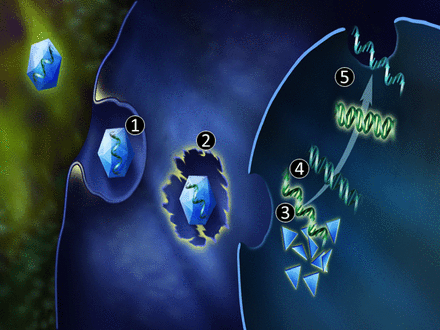

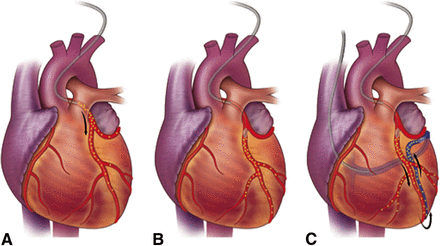
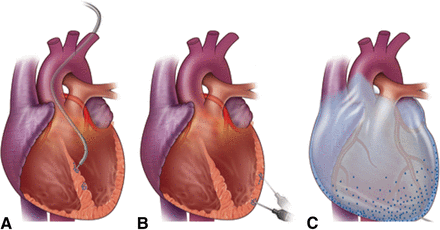
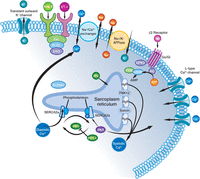


 2012pharmaceutical
 sjwilliamspa