Feeds:
Posts
Comments

Posts Tagged ‘FDA’

State of the art in oncologic imaging of breast.

Author-Writer: Dror Nir, PhD

Screen Shot 2021-07-19 at 7.28.07 PM

Word Cloud By Danielle Smolyar

In the coming posts I will address the state of the art in oncologic imaging based on a review paper; Advances in oncologic imaging that provides updates on the latest approaches to imaging of 5 common cancers: breast, lung, prostate, colorectal cancers, and lymphoma. This paper is published at CA Cancer J Clin 2012. © 2012 American Cancer Society.

The paper gives a fair description of the use of imaging in interventional oncology based on literature review of more than 200 peer-reviewed publications.

In this post I summaries the chapter on breast cancer imaging.

Breast Cancer Imaging

As a start the authors describes the evolution in the ACS imaging guidelines for breast cancer screening. Most interesting to learn is how age limits are changing. The most recent: “In 2010, the Society of Breast Imaging and the Breast Imaging Commission of the ACS issued recommendations for breast cancer screening to provide guidance in light of the controversies and emerging technologies.5 These recommendations were based on multiple prospective randomized trials as well as population-based experience.

Recommendations for screening with non-mammographic imaging are based not on evidence showing mortality reduction but largely on surrogate indicators, i.e., tumor size and nodal status, suggesting improved survival compared with women who are not screened.” I have referred to these guidelines in my recent post: Not applying evidence-based medicine drives up the costs of screening for breast-cancer in the USA.

As long as imaging interpretation is based mainly on observations related to lesion morphology:

“The imaging characteristics of malignant lesions are nonspecific and usually do not allow a definitive diagnosis. When a biopsy is recommended based on mammography, it has a 25% to 45% likelihood of resulting in a diagnosis of carcinoma.11 Similar positive predictive values are reported for biopsies recommended based on MRI.”

It is worthwhile noting that these results do not reflect purely the specificity of the imaging device but rather the specificity of the whole workflow; i.e imaging, biopsy and histopathology. All imaging techniques have false negatives: Mammography screening of general population misses approximately 20% of the cancers. This rate increases as breast density increases. MRI is not applied to general population. When applied to highly suspicious cases MRI misses ~10% of the invasive cancers. Although ultrasound has proven to be useful in detecting cancer especially in women with dense breasts: Automated Breast Ultrasound System (‘ABUS’) for full breast scanning: The beginning of structuring a solution for an acute need! Based on the literature reviewed by the authors of this paper they do not recommend routine sonography for these women.

For women with locally advanced breast cancer (Fig. 2) who undergo neoadjuvant therapy before breast surgery, the authors recommends post-treatment staging using MRI, which has been found to predict complete response with sensitivity above 60% and specificity as high as 90%.26

A 27-year-old female with locally advanced poorly differentiated invasive ductal carcinoma underwent evaluation of extent of disease before starting neoadjuvant chemotherapy. Sagittal fat-suppressed T1-weighted postcontrast MR images demonstrate an almost 6-cm heterogeneously enhancing mass (A) involving the skin of the lower breast (arrow) with (B) right axillary (arrow) and (C) right internal mammary adenopathy (arrow).

A 27-year-old female with locally advanced poorly differentiated invasive ductal carcinoma underwent evaluation of extent of disease before starting neoadjuvant chemotherapy. Sagittal fat-suppressed T1-weighted postcontrast MR images demonstrate an almost 6-cm heterogeneously enhancing mass (A) involving the skin of the lower breast (arrow) with (B) right axillary (arrow) and (C) right internal mammary adenopathy (arrow).

Same is recommended for women who have undergone lumpectomy if the surgical margins are positive. As post therapy follow-up, a new baseline mammogram of the treated breast is recommended followed by annual mammography.

In regards to emerging technology the following are discussed: Mammographic tomosynthesis – see also Improving Mammography-based imaging for better treatment planning

Contrast-enhanced digital mammography – “involves the injection of iodinated contrast material, as is done for computed tomography (CT); this enables hypervascular lesions to be seen with modified mammography technology, potentially providing the same information obtained through MRI. Little has been published on the clinical application of this technology, but diagnostic accuracy better than that of mammography and approaching that of MRI has been reported.3132

MR choline spectroscopy – has been shown to improve the positive predictive value of breast MRI and may be useful in reducing the number of lesions that require biopsy (Fig. 4).33 Studies of spectroscopy have reported sensitivities of 70% to 100% and specificities of 67% to 100% in the detection of breast cancer. Decreasing choline concentrations may also be a useful indication of tumor response to treatment before any change in tumor volume can be detected.3435 Technical factors have limited the use of spectroscopy to lesions 1 cm in size or larger.”

Sagittal fat-suppressed T1-weighted postcontrast MR image is shown (A) of the right breast of a 48-year-old female who was status post–contralateral mastectomy for DCIS with the spectroscopy voxel placed over an enhancing mass (arrow). The magnified spectrum (B) demonstrated no choline peak. Biopsy yielded fibroadenoma.

Sagittal fat-suppressed T1-weighted postcontrast MR image is shown (A) of the right breast of a 48-year-old female who was status post–contralateral mastectomy for DCIS with the spectroscopy voxel placed over an enhancing mass (arrow). The magnified spectrum (B) demonstrated no choline peak. Biopsy yielded fibroadenoma.

Diffusion-weighted MRI (DW-MRI) – “adding DW-MRI data to other imaging characteristics of lesions on breast MRI may increase the positive predictive value of the examination, in turn decreasing the number of benign lesions requiring biopsy for diagnosis.” See also Imaging: seeing or imagining? (Part 2).

Axial T1-weighted fat-suppressed postcontrast MR image is shown (A) of the left breast of a 42-year-old female with biopsy-proven contralateral cancer undergoing evaluation of disease extent. An enhancing mass (arrow) was seen in the left breast. This mass (arrow) was also demonstrated on the axial diffusion-weighted MR image (B). Biopsy yielded fibroadenoma with atypical ductal hyperplasia and lobular carcinoma in situ.

Axial T1-weighted fat-suppressed postcontrast MR image is shown (A) of the left breast of a 42-year-old female with biopsy-proven contralateral cancer undergoing evaluation of disease extent. An enhancing mass (arrow) was seen in the left breast. This mass (arrow) was also demonstrated on the axial diffusion-weighted MR image (B). Biopsy yielded fibroadenoma with atypical ductal hyperplasia and lobular carcinoma in situ.

Ultrasound-elastography – “Ultrasound elastography has been reported to differentiate benign from malignant breast lesions with sensitivities of 78% to 100% and specificities of 21% to 98%.39 When added to other US techniques, it may improve radiologists’ performance in distinguishing malignant breast lesions.”

Positron emission tomography (PET) – “alone or combined with CT, allows noninvasive, quantitative assessment of biochemical and functional processes at the molecular level in the body. It is most often performed with the radiolabeled glucose analogue [18F] fluorodeoxyglucose ([18F]FDG) to detect the elevated glucose metabolism that is a hallmark of cancer. In breast cancer, its utility depends on the pretest probability for advanced disease, and thus the clinical stage.” The authors found that the use of [18F] FDG PET to patients with stage I and II disease is “limited”. Specifically, they claim that it is not sufficiently accurate for axillary nodal staging in this subset of patients.40 The did find enough evidence to recommend the use of FDG PET in patients with advanced disease: “where it accurately defines disease extent,41 and frequently eliminates the need for other imaging tests, and provides an early readout of treatment response as well as prognostic information.”

Combined PET/MRI is mentioned as a promising technology for predicting response to therapy “but this remains to be proven”.

Positron emission mammography (PEM) – “adapts full-body PET imaging to the breast. In a multicenter study, the interpretation of PEM in conjunction with mammographic and clinical findings yielded a sensitivity of 91% and a specificity of 93% for breast cancer.47 “. However, the authors mention that its use for screening (applying to healthy women) has been criticized because of the need to administer a radioactive tracer.

Lung Cancer Imaging

To be followed…

Other research papers related to the management of breast cancer were published on this Scientific Web site:

The unfortunate ending of the Tower of Babel construction project and its effect on modern imaging-based cancer patients’ management

 Automated Breast Ultrasound System (‘ABUS’) for full breast scanning: The beginning of structuring a solution for an acute need!

Introducing smart-imaging into radiologists’ daily practice.

Will Bio-Tech make Medical Imaging redundant?

Improving Mammography-based imaging for better treatment planning

Not applying evidence-based medicine drives up the costs of screening for breast-cancer in the USA.

New Imaging device bears a promise for better quality control of breast-cancer lumpectomies – considering the cost impact

Harnessing Personalized Medicine for Cancer Management, Prospects of Prevention and Cure: Opinions of Cancer Scientific Leaders @ http://pharmaceuticalintelligence.com

Predicting Tumor Response, Progression, and Time to Recurrence

“The Molecular pathology of Breast Cancer Progression”

Personalized medicine gearing up to tackle cancer

Whole-body imaging as cancer screening tool; answering an unmet clinical need?

What could transform an underdog into a winner?

Mechanism involved in Breast Cancer Cell Growth: Function in Early Detection & Treatment

Nanotech Therapy for Breast Cancer

A Strategy to Handle the Most Aggressive Breast Cancer: Triple-negative Tumors

Optical Coherent Tomography – emerging technology in cancer patient management

Breakthrough Technique Images Breast Tumors in 3-D With Great Clarity, Reduced Radiation

Closing the Mammography gap

Imaging: seeing or imagining? (Part 1)

Imaging: seeing or imagining? (Part 2)


Read Full Post »

Heroes in Medical Research: Barnett Rosenberg and the Discovery of Cisplatin (Translating Basic Research to the Clinic)

Author/Writer: Stephen J. Williams, Ph.D.

This will be a regular posting which I hope people will find interesting.  I wish to highlight the basic research which led to seminal breakthroughs in the medical field, brought on by the result of basic inquiry, thorough and detailed investigation, meticulously following the scientific method, and eventually leading to development of important medical therapies.

This month I would like to highlight the research of Dr. Barnett Rosenberg and his discovery of one of the most used and effective chemotherapeutics, cisplatin.

Cisplatin_ALX-400-040

The compound cis-PtCl2(NH3)2 (seen in the Figure ) was first described by M. Peyrone in 1845, and known for a long time as Peyrone’s salt.[3] In 1965, Barnett Rosenberg, van Camp et al. of Michigan State University  had asked a simple question and noticed that electrical fields can inhibit the division and induce filamentous growth  of Escherichia coli (E. coli) bacteria. . Although bacterial cell growth continued, cell division was arrested, the bacteria growing as filaments up to 300 times their normal length.[5]  However, Dr. Roenberg did not stop at this finding and meticulously accounting for each variable which might explain this finding, including altering the metal composistion of the electrodes.  Dr. Rosenberg thought of the possibility it was not the electric field perse, which caused the growth inhibition, but a chemical produced in the media by electrolysis.  Eventually he discovered that electrolysis of platinum electrodes generated a soluble platinum complex which inhibited binary fission in Escherichia coli (E. coli) bacteria.  In addition he isolated this platinum complex and discovered that ammonium ions were required as well, owing to the full chemical structure of cisplatin as seen above (the nitrogens moieties are bioactivated to cations). This finding led to the observation that cis PtCl2(NH3)2 was indeed highly effective at regressing the mass of sarcomas in rats.[8] Confirmation of this discovery, and extension of testing to other tumour cell lines launched the medicinal applications of cisplatin. Cisplatin was approved for use in testicular and ovarian cancers by the U.S. Food and Drug Administration on December 19, 1978.[9]

  • ^ Peyrone M. (1844). “Ueber die Einwirkung des Ammoniaks auf Platinchlorür”. Ann Chemie Pharm 51 (1): 1–29. doi:10.1002/jlac.18440510102.
  • ^ a b c Stephen Trzaska (20 June 2005). “Cisplatin”. C&EN News 83 (25).
  • ^ Rosenberg, B.; Van Camp, L.; Krigas, T. (1965). “Inhibition of cell division in Escherichia coli by electrolysis products from a platinum electrode”. Nature 205 (4972): 698–699. doi:10.1038/205698a0. PMID 14287410.

Barnett Rosenberg

From Wikipedia, the free encyclopedia

403px-Nci-vol-8173-300_barnett_rosenberg

Barnett Rosenberg

Born November 16, 1926
New York, New York
Died August 8, 2009
Lansing, Michigan
Fields Physics/Biophysics
Institutions Michigan State University
Known for Cisplatin

Barnett Rosenberg (16 November 1926 – 8 August 2009) was an American chemist best known for the discovery of the anti-cancer drug cisplatin.[1]

Rosenberg graduated from Brooklyn College in 1948 and obtained his PhD in Physics at New York University (NYU) in 1956. He joined Michigan State University in 1961 and worked there until 1997.

In 1965, Rosenberg and his colleagues proved that certain platinum-containing compounds inhibited cell division and then in 1969 showed that they cured solid tumors. The chemotherapy drug that eventually resulted from this work, cisplatin, obtained US Food and Drug Administration (FDA) approval in 1978 and went on to become a widely used anticancer drug. The initial discovery was quite serendipitous. Rosenberg was looking into the effects of an electric field on the growth of bacteria. He noticed that bacteria ceased to divide when placed in an electric field and eventually pinned down the cause of this phenomenon to the platinum electrode he was using.[2]

He was awarded the Charles F. Kettering Prize in 1984 and the Harvey Prize in 1984. [3]

  1. ^ Rosenberg, B.; Van Camp, L.; Krigas, T. (1965). “Inhibition of Cell Division in Escherichia coli by Electrolysis Products from a Platinum Electrode”. Nature 205 (4972): 698–9. doi:10.1038/205698a0. PMID 14287410. edit
  2. ^ Petsko, G. A. (2002). “A christmas carol”. Genome biology 3 (1): COMMENT1001. PMC 150444. PMID 11806819edit
  3. ^ http://visualsonline.cancer.gov/details.cfm?imageid=8173

Other posts of interest  in this site  include:

Interview with the co-discoverer of the structure of DNA: Watson on The Double Helix and his changing view of Rosalind Franklin

Otto Warburg, A Giant of Modern Cellular Biology

Inspiration From Dr. Maureen Cronin’s Achievements in Applying Genomic Sequencing to Cancer Diagnostics

Read Full Post »

New Imaging device bears a promise for better quality control of breast-cancer lumpectomies – considering the cost impact

Author and Curator: Dror Nir, PhD

Couple of days ago I have posted on breast-cancer mammography screening and associated costs; Not applying evidence-based medicine drives up the costs of screening for breast-cancer in the USA. Treatment of breast-cancer represents much heavier cost-burden. According to the following publication: Variability in Reexcision Following Breast Conservation Surgery made in JAMA: “Failure to achieve appropriate margins at the initial operation will require additional surgery with re-excision rate estimates ranging from 30% to 60%. These additional operations can produce considerable psychological, physical, and economic stress for patients and delay use of recommended adjuvant therapies. A high percentage (10%-36%) of women requiring reexcision undergo total mastectomy. Thus, the effect of reexcision on altering a patient’s initial treatment of choice is significant.”

 Considering that ~70% of the 285,000 new patients diagnosed with breast cancer each year undergoes lumpectomy, this data represents significant cost. Not to mention morbidity, stress and reduce quality of life for the patients. In my post Optical Coherent Tomography – emerging technology in cancer patient management I discussed the potential of OCT in controlling the quality of lumpectomies in-situ. A workflow that represents potential to reduce the costs of repeated lumpectomies.

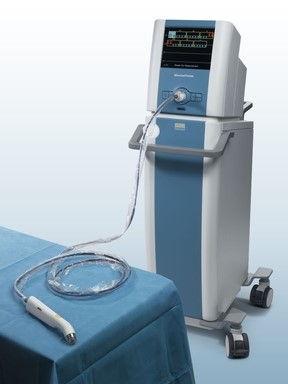
Last week, Dune Medical Devices, Inc., the company that developed the MarginProbeTM System, an intra-operative tissue assessment device to be used as accessory during lumpectomies of early-stage breast cancer, has received Premarket Approval (PMA) by the United States Food and Drug Administration.

MarginProbe system

marginProbe

FDA approval of the MarginProbe System was based on a 664 patient prospective, multi-center, randomized, double arm study to evaluate the effectiveness of MarginProbe in identifying cancerous tissue along the margins of removed breast tissue during initial lumpectomy procedures. MarginProbe, which uses electromagnetic “signatures” to identify healthy and cancerous tissue, was found to be over three times more effective in finding cancer on the margin during lumpectomy, compared to traditional intra-operative imaging and palpation assessment. This enabled surgeons to significantly reduce the number of patients with positive margins following initial surgery.

The following publication gives an idea on the clinical performance of MarginProbe:

J Surg Res. 2010 May 15;160(2):277-81. doi: 10.1016/j.jss.2009.02.025. Epub 2009 Mar 31.

Diagnostic performance of a novel device for real-time margin assessment in lumpectomy specimens.

Pappo ISpector RSchindel AMorgenstern SSandbank JLeider LTSchneebaum SLelcuk SKarni T.

Source

Department of General Surgery, Assaf Harofeh Medical Center, Zrifin, Israel. pappo@zahav.net.il

Abstract

BACKGROUND:

Margin status in breast lumpectomy procedures is a prognostic factor for local recurrence and the need to obtain clear margins is often a cause for repeated surgical procedures. A recently developed device for real-time intraoperative margin assessment (MarginProbe; Dune Medical Devices, Caesarea, Israel), was clinically tested. The work presented here looks at the diagnostic performance of the device.

METHODS:

The device was applied to freshly excised lumpectomy and mastectomy specimens at specific tissue measurement sites. These measurement sites were accurately marked, cut out, and sent for histopathologic analysis. Device readings (positive or negative) were compared with histology findings (namely malignant, containing any microscopically detected tumor, or nonmalignant) on a per measurement site basis. The sensitivity and specificity of the device was computed for the full dataset and for additional relevant subgroups.

RESULTS:

A total of 869 tissue measurement sites were obtained from 76 patients, 753 were analyzed, of which 165 were cancerous and 588 were nonmalignant. Device performance on relatively homogeneous sites was: sensitivity 1.00 (95% CI: 0.85-1), specificity 0.87 (95% CI: 0.83-0.90). Performance for the full dataset was: sensitivity 0.70 (95% CI: 0.63-0.77), specificity 0.70 (95% CI: 0.67-0.74). Device sensitivity was estimated to change from 56% to 97% as the cancer feature size increased from 0.7 mm to 6.6 mm. Detection rate of samples containing pure DCIS clusters was not different from rates of samples containing IDC.

CONCLUSIONS:

The device has high sensitivity and specificity in distinguishing between normal and cancer tissue even down to small cancer features.

Copyright (c) 2010 Elsevier Inc. All rights reserved.

PMID: 19628225

Imagine how cost effective breast cancer management can be if it will involve systems such as these in addition to the systems I discussed in some of my previous posts, for example: What could transform an underdog into a winner?

Written by: Dror Nir, PhD.

Read Full Post »

Reporter: Aviva Lev-Ari, PhD, RN

http://www.elsevierbi.com/mkt/conf/fda-cms/2012?elsca1=fda&elsca2=fdafierce112612&utm_source=fda&utm_medium=fda&utm_campaign=%20fierce112612

The FDA/CMS Summit For Biopharma Executives
2013: Year One For PDUFA V – And The Last Chance To Prepare For Health Reform

The Affordable Care Act is a go, after surviving Supreme Court review mostly intact—and especially after the re-election of Barack Obama as President. For the biopharma industry, that means preparing to reap the benefits of insurance market expansion that industry has already paid billions of dollars for in rebates, discounts and fees. The new markets start up in 2014. That means 2013 is the last chance to prepare.

But 2013 is also the first full year to adjust to the new rules for new drug reviews at FDA and adjust to important changes ushered in by the FDA Safety & Innovation Act of 2012. And it is also the year when deficit reduction will be tops on Congress’ agenda.

What will all this mean for you and your company? Come to The Pink Sheet and The RPM Report’s FDA/CMS Summit for Biopharma Executives on December 10-11 in Washington DC to hear from FDA and industry leaders about how health reform implementation will (and won’t) change the rules of the road for drug development and commercialization.

Our jam-packed two-day agenda will also tackle urgent topics like:

        • Drug reviews and PDUFA
        • The evolving biosimilars pathway in the US
        • The implementation of the FDA Safety & Innovation Act
        • The changing rules of pharmaceutical marketing
        • Creation of new generic drug and biosimilar user fee programs
        • And much, much more!

Don’t be caught unprepared. Join us at the eighth annual FDA/CMS Summit for Biopharma Executives.

Last year was standing room only and spaces are limited so please register now!

Key Benefits for Attending FDA/CMS Summit:

  • Hear about critical trends and changes so you can create successful strategies for dealing with FDA and CMS
  • Walk away with practical, real life lessons from some of the most experienced pharmaceutical and biotechnology executives on how they handle regulatory obstacles
  • Get face-to-face access to the top regulatory thought leaders and policy makers
  • Benchmark your regulatory strategy against all the major pharmaceutical and biotech companies


Here is what your peers have to say about FDA/CMS Summit:

“I would like to thank the whole Windhover/RPM team for putting together this conference. Conferences are made by its participants and the group assembled here today is so diverse and truly experienced.” – Mark McClellan, MD/PhD, Former FDA Commissioner and CMS Administrator


2012 FDA/CMS Summit Preliminary Agenda

December 10 & 11, 2012

Mayflower Hotel
1127 Connecticut Avenue NW
Washington, DC 20036


Monday, December 10, 2012
7:00-8:00am Registration and Continental Breakfast
8:00am Welcome and Opening Remarks

Michael McCaughan
Editor, The RPM Report
Founding Member, Prevision Policy LLC

8:15-9:00am  

KEYNOTE ADDRESS: Priorities for FDA’s Drug Center in 2012

Douglas Throckmorton, MD
Deputy Director
Center for Drug Evaluation & Research
Food & Drug Administration (FDA)

9:00-10:30am  

The New Rules of New Drug Reviews: A Roundtable

FDA’s top new drug and drug safety officials join industry leaders to discuss trends in the new drug review process and the changes enacted by the Prescription Drug User Fee Act reauthorization.

John Jenkins, MD
Director
Office of New Drugs
Food & Drug Administration (FDA)

Gerald Dal Pan, MD
Director
Office of Surveillance & Epidemiology
Food & Drug Administration (FDA)

Richard Pops
CEO
Alkermes

Francois Nader, MD
President and CEO
NPS Pharmaceuticals

Kay Holcombe
Senior Policy Advisor
Genzyme

Moderator: 
Kate Rawson
The RPM Report
Prevision Policy

10:30-11:00am  

Networking Break

11:00-12:00pm 2012 Elections: Implications for Pharma

What to expect from the new Administration and the new Congressional line-up for 2013.

John McManus
President
The McManus Group

Tracy Spicer
Partner
Avenue Solutions

Jeff Forbes
Partner
Forbes-Tate

Presenter/Moderator:

Marc Samuels
Founding Member & President
Hillco Health

12:00-1:00 pm  

Lunch


1:15-2:00pm


Fireside Chat

Jonathan Blum
Principal Deputy Administrator
Centers for Medicare & Medicaid Services (CMS)


2:00pm-3:30 pm


Hot Topics in Health Reform

The politics of health care reform aside, biopharma companies need to prepare for changes in the US health care system that emphasis quality and affordability of care. This session will feature presentations on different aspects of the upcoming changes in payment and delivery of care and how they will affect pharma.


Health Reform and The Climate for Innovation

Ron Cohen, MD
President and CEO
Acorda Therapeutics, Inc.What is Essential in Essential Health Benefits?

Ian Spatz 
Senior Advisor
Manatt Health Solutions

Medication Adherence in the Context of Health Reform

William Shrank, MD, MSHS 
Director
Rapid-Cycle Evaluation Group
Centers for Medicare & Medicaid Services (CMS)


Commercial Implications of Health Reform

Will Suvari
Vice President
Campbell Alliance

Moderator:
Michael McCaughan
Editor, The RPM Report
Founding Member, Prevision Policy LLC


3:30-4:00pm  

Networking Break

4:00-4:30pm  

Keynote: Implementing Reform
Joshua Sharfstein
Secretary
Maryland Department of Health
Former Deputy Commissioner
Food & Drug Administration (FDA)

4:30-5:00pm Closing Keynote: Reimbursable Labeling

Chuck Stevens
Vice President
PAREXEL

5:30-7:30pm Cocktail Reception
Tuesday, December 11, 2012
7:00-8:00am Registration and Continental Breakfast
8:00-8:30am  


KEYNOTE ADDRESS

Robert J. Hugin
Chairman and CEO
Celgene Corporation

8:30-9:45am  

Biosimilars Update

Mark A. McCamish, MD, PhD
Global Head of Biopharmaceutical Development
Sandoz International

Diem Nguyen
General Manager, Biosimilars
Emerging Markets/Established Products Business Unit
Pfizer Inc.

Leah Christl, PhD
Associate Director for Biosimilars
Office of New Drugs
Center for Drug Evaluation & Research
Food & Drug Administration (FDA)

9:45-10:00am Networking Break
10:00-11:15am  

Reinventing the Approval Pathway

PDUFA V makes important changes in drug regulation, but it doesn’t fundamentally change the standard for new drug approvals. Is it time for the US to consider moving to new models like progressive approval/adaptive licensing?


Mary Ellen Cosenza
Executive Director Regulatory Affairs and North America Regulatory Head
Amgen, Inc.

Steven Nissen, MD, MACC
Chairman, Department of Cardiovascular Medicine
The Cleveland Clinic Foundation


Barry Sickels, Ph.D.
Vice President, Regulatory Affairs and Wilmington R&D Site Leader
AstraZeneca

Moderator:
Cole Werble
Editor, The RPM Report
Founding Member, Prevision Policy LLC


11:15-12:00pm  

A Regulator’s Perspective

Robert Temple, MD
Deputy Director for Clinical Science
Center for Drug Evaluation & Research
Food & Drug Administration (FDA)

Moderator
Ramsey Baghdadi
The RPM Report
Founding Member, Prevision Policy

12:00-1:00pm Lunch – Sponsored by
1:00-1:45pm  

CMS Coverage Priorities: CED, NCDs and Parallel Reviews

The Medicare agency is moving forward with innovative models to use coverage policy to encourage development of better evidence for new technologies. Devices are the primary focus, but drugs won’t be far behind.

Louis Jacques, MD
Director
Coverage & Analysis Group Office of Clinical Standards and Quality
Centers for Medicare & Medicaid Services (CMS)

Tamara Syrek Jensen, JD 
Deputy Director
Coverage and Analysis Group
Office of Clinical Standards and Quality
Centers for Medicare & Medicaid Services (CMS)

Moderator
Ramsey Baghdadi
The RPM Report
Founding Member, Prevision Policy

1:45-3:00pm Right-Sizing the Demands for Evidence

FDA’s pre-market and post-market regulatory demands are increasing, and so are the expectations of public and private payors for “real world” comparative effectiveness data. How can policy makers and biopharmaceutical companies work together to assure that the need for evidence doesn’t overwhelm the capacity of innovators?

Jonathan Leff
Managing Director, Healthcare
Warburg Pincus

Martin Marciniak
Vice-President, US Health Outcomes
GlaxoSmithKline

Moderator:
Gillian Woollett

Vice President
Avalere Health

3:00-3:15pm Networking Break
3:15-4:30pm The New Generic Drug Era

The Generic Drug User Fee Act will usher in a new era for the generic drug industry, one with greater emphasis on global production quality and tough-to-copy products. What will the new era bring?

Gregory Geba
Director
Office of Generic Drugs
Food & Drug Administration (FDA) 

David Gaugh
VP-Regulatory Sciences
Generic Pharmaceutical Association

Gary Buehler
Vice President-Regulatory Strategic Operations
Teva Pharmaceuticals

Lara Ramsburg
VP-Government Relations
Mylan Inc.

Moderator:
Nancy Myers
President
Catalyst Healthcare

4:30-5:00pm A Fireside chat with:

Geno Germano
President
Pfizer Specialty Care and Oncology

2012 FDA/CMS Speakers

   
  Douglas Throckmorton, MD

Deputy Director, FDA Center for Drug Evaluation & Research

Food & Drug Administration (FDA)

Douglas C. Throckmorton, MD is the Deputy Director of the Center for Drug Evaluation and Research (CDER), FDA. In this role, he shares responsibility for overseeing the regulation of research, development, manufacture and marketing of prescription, over-the-counter and generic drugs in the U.S. Previously, he served as the Director of CDER’s Division of Cardiovascular and Renal Drug Products (DCRDP). Dr. Throckmorton joined DCRDP in 1997 as a Medical Officer, was promoted to Deputy Director in 2000 and to the Director position in 2002. Prior to joining FDA, he practiced medicine and held academic appointments at the Medical College of Georgia and the VA Medical Center in Augusta, GA. Dr. Throckmorton received an undergraduate degree in English and Chemistry from Hastings College and is Board-certified in Internal Medicine and Nephrology, having received his training at the University of Nebraska Medical School, Case Western Reserve University and Yale University.

   
  Robert J. Hugin

Chairman and CEO

Celgene Corporation

Mr. Hugin serves as Chairman and Chief Executive Officer of Celgene Corporation, a biopharmaceutical company focused on the discovery, development and commercialization of innovative therapies for unmet medical needs in cancer and immune-inflammatory disease. He joined Celgene in June 1999 and has been a Director of Celgene since December 2001. Mr. Hugin also serves as a Director of The Medicines Company, Atlantic Health System, Inc. and of Family Promise, a national non-profit network assisting homeless families. He serves on the Board of Trustees of Princeton University and is Chairman-Elect of The Pharmaceutical Research and Manufacturers of America. He also serves on the Board of Trustees of The Darden Foundation, University of Virginia as well as a founding Board member of Choose NJ. Prior to joining Celgene, Mr. Hugin was a Managing Director with J.P. Morgan & Co. Inc. Mr. Hugin received an AB degree from Princeton University in 1976 and an MBA from the University of Virginia in 1985 and served as a United States Marine Corps infantry officer during the intervening period. Bob and his wife Kathy have three children and live in Summit, New Jersey.

   
  John Jenkins, MD

Director, Office of New Drugs

Food and Drug Administration (FDA)

Dr. Jenkins is currently the Director of the Office of New Drugs, Center for Drug Evaluation and Research, Food and Drug Administration.  Dr. Jenkins received his undergraduate degree in biology from East Tennessee State University in 1979 and his medical degree from the University of Tennessee at Memphis in 1983.  Dr. Jenkins completed his postgraduate medical training in internal medicine, pulmonary disease, and critical care medicine at Virginia Commonwealth University/Medical College of Virginia from 1983 until 1988.  Dr. Jenkins is Board Certified in Internal Medicine and Pulmonary Diseases by the American Board of Internal Medicine.  Dr. Jenkins is also a Fellow of the American College of Chest Physicians.  Following completion of his medical training, Dr. Jenkins joined the faculty of MCV as an Assistant Professor of Pulmonary and Critical Care Medicine and as a Staff Physician at the McGuire VA Medical Center in Richmond.  Dr. Jenkins joined FDA as a medical officer in the Division of Oncology and Pulmonary Drug Products in 1992.  He subsequently served as Pulmonary Medical Group Leader and Acting Division Director before being appointed as Director of the newly created Division of Pulmonary Drug Products in 1995.  Dr. Jenkins became the Director of the Office of Drug Evaluation II in 1999 and served in that position until he was appointed to his current position in January 2002.

   
  John McManus

President

The McManus Group

John McManus is President and founder of The McManus Group, a consulting firm specializing in policy and political counsel for health care clients with issues before Congress and the Administration. The McManus Group services clients from the pharmaceutical, biotechnology and medical device industries, the physician organization and employee benefits managers.

Prior to founding The McManus Group in 2004, McManus served Chairman Bill Thomas as the Staff Director of the Ways and Means Health Subcommittee, where he led the policy development, negotiations and drafting of the Medicare Prescription Drug, Improvement and Modernization Act of 2003. The MMA provided a market-based, comprehensive prescription drug benefit, reformed Medicare and established Health Savings Accounts. McManus worked for Chairman Thomas for six years, where he also played an instrumental role in the Medicare Commission, Patients’ Bill of Rights and other Medicare legislation.

Before working for Chairman Thomas on Capitol Hill, McManus worked for Eli Lilly & Company as a Senior Associate from 1994-97 and for the Maryland House of Delegates from 1993-94 as a Research Analyst, briefing the Chairman of the Economic Matters Committee and the members of the Health Subcommittee.

McManus earned his Master of Public Policy from Duke University and Bachelor of Arts from Washington and Lee University.

   
  Tracy Spicer

Partner

Avenue Solutions

Avenue Solutions’ founding partner Tracy Spicer is a 20-year veteran of political campaigns at every level.  Ms. Spicer began her involvement in politics in 1992 in former U.S. Senator Edward M. Kennedy’s Senate office before transitioning to his campaign staff in 1994 to assist in his successful re-election campaign against Mitt Romney.  Since that time, she has worked with and coordinated numerous campaigns, ranging from municipal and state candidates to the U.S. Congress as well as the White House.

Ms. Spicer served as a longtime aide to former Senator Kennedy, quickly rising to Political Director and Deputy Chief of Staff.  During her decade of experience on Capitol Hill, she coordinated successful political and legislative strategies for Senator Kennedy.  Ms. Spicer managed Senator Kennedy’s legislative priorities in the areas of healthcare, education, labor and economic development and strategically worked with Democratic Senators and their political campaign committees to position legislative priorities for political success.

Ms. Spicer is widely recognized for her political acumen and expertise in designing legislative and regulatory strategies and her established network of long-standing professional contacts among elected officials, appointed policymakers and their staffs.  She draws on her vast political and legislative experience to help clients in navigate the labyrinth of Capitol Hill and government bureaucracy and to position them strategically to head off obstacles, find common ground and achieve success.

As founding partner of Avenue Solutions, Ms. Spicer advises a broad array of clients, including Fortune 100 companies, non-profit organizations, associations and coalitions.  She is particularly noted for her expertise in healthcare policy.  On behalf of her clients, Ms. Spicer has played a leading role in the consideration, negotiation and implementation of the Affordable Care Act (healthcare reform); Medicare and Medicaid legislation; healthcare information technology initiatives; mental health parity legislation; genetic non-discrimination legislation; small business incentive proposals; and prescription drug coverage legislation.

Ms. Spicer is a graduate of Hobart and William Smith Colleges in Geneva, NY where she earned her bachelor’s degree in Political Science.  She is married to George Spicer and has three children, Dylan, Tess and Callie and a loveable, albeit irreverent dog, Linus.

   
  Jeff Forbes

Partner

Forbes-Tate

Founding partner Jeff Forbes is a twenty-year veteran of political campaigns at every level.  Mr. Forbes began his involvement in politics in 1987 on then Senator Al Gore’s 1988 Presidential bid.  Since that time, he has worked with and coordinated more than nine different campaigns, ranging from municipal candidates to the US Congress as well as the White House.

Mr. Forbes served most recently as the Democratic Staff Director for the US Senate Committee on Finance in 2003.  Before assuming this role at the Committee, he served as chief of staff to Senator Max Baucus from 1999-2002.  Beyond his knowledge of the intricacies of tax and trade, Forbes is a veteran strategist for the Democratic National Committee.  From 1993-1995 he served as Midwest Political Director.  Mr. Forbes later served the national committee as Chief of Strategy in 1999.

A stalwart of Clinton-Gore Administration, Mr. Forbes was the New Hampshire Field Director for then Gov. Clinton’s 1992 Presidential campaign.  In President Clinton’s 1996 re-election bid, Forbes was Deputy Political Director and Director of Delegate Selection.  Following the campaign, Mr. Forbes went on to serve as a Special Assistant to the President and Staff Director for Legislative Affairs in 1997.  From 1998-99, Mr. Forbes served as the Deputy Assistant to President Clinton and was the Deputy Director of Scheduling at the White House.

Mr. Forbes is married to Linda Moore Forbes.  He earned a BA in Political Science with an Economics minor from Denison University in Granville, Ohio, in 1987.

   
  Gerald Dal Pan, MD

Director, Office of Surveillance & Epidemiology

Food and Drug Administration (FDA)

Gerald J. Dal Pan, MD, MHS is the Director of the Office of Surveillance and Epidemiology (formerly known as the Office of Drug Safety) in FDA’s Center for Drug Evaluation and Research, a position he has held since November 2005. From December 2003 through November 0225, he was the Director of the Division of Surveillance, Research, and Communication Support in CDER’s Office of Drug Safety. He received his medical degree from Columbia University, and his Master’s degree in clinical epidemiology from Johns Hopkins University. He trained in Internal Medicine at the Hospital of the University of Pennsylvania, and in Neurology at Johns Hopkins Hospital. He is board certified in Internal Medicine and Neurology. He was an instructor in the Neurology Department at Johns Hopkins. He next worked for Guilford Pharmaceuticals in Baltimore, and then for HHI Clinical Research and Statistical Services in Hunt Valley, MD. He joined the FDA in July 2000 as a medical officer in the Division of Anesthetic, Critical Care, and Addiction Drug Products.

   
  Louis Jacques, MD

Director, Coverage & Analysis Group Office of Clinical Standards and Quality

Centers for Medicare & Medicaid Services (CMS)

Dr Jacques joined CMS in 2003 and has been director of the Coverage and Analysis Group (CAG) since October 2009.  The group reviews evidence and develops Medicare national coverage policy. From 2004 through 2009 he was Director of the Division of Items and Devices within CAG.

Prior to his arrival at CMS, Dr. Jacques was the Associate Dean for Curriculum at Georgetown University School of Medicine, where he retains a faculty appointment.  He served on a number of university committees including the Executive Faculty, Committee on Admissions and the Institutional Review Board.  He previously worked in the Palliative Care program at Georgetown’s Lombardi Cancer Center where he covered the gynecologic oncology service and he made home visits as a volunteer physician for a rural hospice on the Maryland Eastern Shore.

   
  Steven Nissen
Chairman, Department of Cardiology
The Cleveland Clinic Foundation

Steven Nissen, MD, is the Chairman of the Robert and Suzanne Tomsich Department of Cardiovascular Medicine located on the main campus of Cleveland Clinic. He was appointed in 2006. Prior to this, he served nine years as Vice-Chairman of the Department of Cardiology and five years as Medical Director of the Cleveland Clinic Cardiovascular Coordinating Center (C5), an organization that directs multicenter clinical trials.

Dr. Nissen’s research during the last two decades has focused on the application of intravascular ultrasound (IVUS) imaging for the assessment of progression and regression of coronary atherosclerosis. He has served as International Principal Investigator for several large IVUS multi-center atherosclerosis trials.

Contributions to scientific literature include more than 350 journal articles and 60 book chapters including many manuscripts in NEJM andJAMA. In recent years, he has also written on the subject of drug safety and was the author of manuscripts highlighting concerns about the COX-2 inhibitors (Vioxx™), muraglitazar and rosiglitazone (Avandia™).

Other contributions include current service as editor of Current Cardiology Report, and senior consulting editor to the Journal of the American College of Cardiology.

Dr. Nissen’s national positions include:

One-year term as president of the American College of Cardiology (ACC) from March 2006 to March 2007. He served on the ACC Executive Committee 2004-2008. He served 10 years as a member of Board of Trustees of the ACC. He has served several terms on the Program Committee for ACC Annual Scientific Sessions.

Dr. Nissen served as a member of the CardioRenal Advisory Panel of Food and Drug Administration (FDA) for five years, and as chair of the final year of his membership. He continues to serve as a periodic advisor to several FDA committees as a Special Government Employee.

Dr. Nissen is a frequent lecturer before national and international meetings. He has served as visiting professor, or provided Grand Rounds, at nearly 100 institutions.

   
  Richard Pops 

CEO

Alkermes

Richard Pops serves as Chairman and Chief Executive Officer of Alkermes. He joined Alkermes as CEO in 1991. Under his leadership, Alkermes has grown from a privately held company with 25 employees to an international, publicly traded biopharmaceutical company with more than 1,200 employees and a portfolio of more than 20 commercial products. Mr. Pops currently serves on the Board of Directors of Neurocrine Biosciences, Acceleron Pharma, Epizyme, the Biotechnology Industry Organization (BIO), the Pharmaceutical Research and Manufacturers of America (PhRMA) and is also a member of the Harvard Medical School Board of Fellows.

   
  Francois Nader, MD

President and CEO

NPS Pharmaceuticals

Francois Nader, MD, has been president and chief executive officer of NPS Pharmaceuticals since March 2008. During his tenure he transformed NPS into a leading biopharmaceutical company focused on orphan treatments for patients with rare diseases.

Dr. Nader is a 25-year veteran of the healthcare industry. Dr. Nader joined NPS in 2006 as chief medical and commercial officer. He was promoted to chief operating officer in 2007 and named a director in January 2008. Previously, he was a venture partner at Care Capital, LLC and chief medical officer of its Clinical Development Capital unit. He was also senior vice president, integrated healthcare markets and North America medical and regulatory affairs with Aventis Pharmaceuticals, serving on the North America Leadership Team (NALT), and held senior executive positions at its predecessor companies, Hoechst Marion Roussel and Marion Merrell Dow. Prior, Dr. Nader served as head of global commercial operations at the Pasteur Vaccines division of Rhone-Poulenc.

Dr. Nader served as director for Noven Pharmaceuticals and currently serves as treasurer and trustee of Bio NJ, New Jersey’s trade association for the biotechnology community and as trustee of the Healthcare Institute of New Jersey (HINJ), a trade association for the research-based pharmaceutical and medical technology industry in New Jersey.

Dr. Nader received a French State Doctorate in Medicine from St. Joseph University (Lebanon) and a Physician Executive MBA from the University of Tennessee.

   
  Diem Nguyen
General Manager, Biosimilars

Emerging Markets/Established Products Business Unit

Pfizer Inc.

Diem Nguyen is General Manager, Biosimilars for the Emerging Markets/Established Products Business Units. As General Manager Biosimilars, Diem Nguyen is the driving a core component of the EPBU strategy through the development and commercialization of a portfolio of post-LOE biologics through close collaboration with WRD’s Biosimilars Development Unit. Prior to this position, Diem held the position of VP, Strategy for EPBU where she was responsible for developing growth strategies for the off patent market.

Before Pfizer, Diem was a consultant for Danaher, a leading industrial and life sciences company. In 2004, she was appointed Senior Director of Corporate Development and Biotechnology at Serologicals Corporation, where she worked directly with the CEO, CFO and the Board of Directors and led enterprise level strategic planning and external development efforts. Her responsibilities included strategic planning, leading corporate development efforts and investor relations. In 2003, she took on the role of Director of Strategic Marketing, Research and Biotechnology at the Upstate Group, Inc. Diem has also previously held positions at Deloitte Consulting as a life sciences consultant and the University of Virginia Health Sciences Center as a medical researcher.

Diem received a B.A. and a Ph.D. in Biochemistry and Molecular Genetics from the University of Virginia. She attended Darden Graduate School of Business Administration, where she earned her MBA.

   
  Jonathan Blum

Principal Deputy Administrator

Centers for Medicare & Medicaid Services (CMS)

Jonathan Blum, Acting Principal Deputy Administrator and Director of the Center for Medicare at the Centers for Medicare and Medicaid Services (CMS), is responsible for overseeing the regulation and payment of Medicare fee-for service providers, privately-administered Medicare health plans, and the Medicare prescription drug program.  The benefits pay for health care for approximately 45 million elderly and disabled Americans, with an annual budget in the hundreds of billions of dollars.

Over the course of his career, Jonathan has become an expert in the gamut of CMS programs.  He served as an advisor to Senate Finance Committee members and its current chairman, Sen. Max Baucus, where he worked on prescription drug and Medicare Advantage policies during the development of the Medicare Modernization Act.  He focused on Medicare as a program analyst at the White House Office of Management and Budget.  Prior to joining CMS, Jonathan was a Vice President at Avalere Health, overseeing its Medicaid and Long-Term Care Practice.

Most recently, Jonathan served as a health policy advisor to the Obama-Biden Transition Team.  He holds a Master’s degree from the Kennedy School of Government and a BA from the University of Pennsylvania.

   
  Ian Spatz
Senior Advisor

Manatt Health Solutions

Mr. Spatz is a Senior Advisor in the national healthcare practice of Manatt, Phelps & Phillips, LLP and Manatt Health Solutions.  Mr. Spatz provides highly experienced insights into ongoing health reform efforts, helps develop public and private strategies and guidance on a broad array of issues affecting healthcare providers and insurers, pharmaceutical companies, the consuming public and U.S. healthcare initiatives generally, as well as the development and implementation of communication and advocacy efforts at the federal and state levels. Among his areas of expertise are national healthcare policies and programs; pharmaceutical pricing, including Medicare and Medicaid; intellectual property protection; and policies related to the U.S. Food and Drug Administration’s regulation of the research, approval, manufacturing and marketing of medicines.

Mr. Spatz is also the founder and principal of the policy consulting firm Rock Creek Policy Group, LLP.  Beforefounding Rock Creek Policy Group, Mr. Spatz served for 15 years in increasingly responsible positions with Merck & Co., Inc., one of the world’s leading research-based pharmaceutical and vaccine companies.  As Merck’s Vice President for Global Health Policy, he directed U.S. public policy and related public affairs activities and represented the company before Congress, the Administration, and to the media.  He also directed grassroots, employee communications and political action programs.

While at Merck, Mr. Spatz led the successful five-year campaign that helped to develop and gain enactment of the Medicare prescription drug benefit, providing millions of American elderly and persons with disabilities with drug insurance for the first time.  He promoted legislation to create the highly successful program of market exclusivity incentives for research on the pediatric uses of medicines and guided company efforts that resulted in resolution of international trade dispute on the licensing of medicines in the developing world.

Before joining Merck, Mr. Spatz served as Legislative Director for U.S. Senator Frank Lautenberg (D-NJ).  In that role, he directed the Senator’s legislative staff including developing and supervising the implementation of legislative strategies, proposal drafting and floor action.  During his tenure, he coordinated the successful development and passage of two transportation appropriations bills.  He began his career in the nonprofit sector where he led the public policy and government affairs activities of the National Trust for Historic Preservation, the nation’s leading heritage conservation organization. While with the National Trust, he conceived the highly successful Eleven Most Endangered Historic Places list that has served as a model public relations tool for many conservation organizations.  He advocated successfully for the creation of the transportation enhancements funding in the Intermodal Surface Transportation Act (ISTEA) that has resulted in more than $8 billion in spending on conservation projects.

   
  Kate Rawson
The RPM Report
Prevision Policy LLC

Kate Rawson is a Senior Editor at The RPM Report. She was formerly an editor at “The Pink Sheet” where she covered drug regulation and reimbursement issues. During her ten-year tenure at FDC Reports and Elsevier Business Intelligence, she helped launch “The Pink Sheet DAILY,” and served as Managing Editor of “The Rose Sheet,” which covers regulatory and business news of the cosmetics industry.

   
  Michael McCaughan
Founding Member
Prevision Policy LLC

Michael McCaughan is a founding member of Prevision Policy LLC and an editor with The RPM Report. He was formerly editor-in-chief of EBI’s biopharma editorial group. McCaughan has 20 years of experience providing analysis and insight for EBI’s products, including The Pink Sheet, The Pink Sheet DAILY and The RPM Report. He speaks frequently on regulatory and policy developments affecting the industry.

   
  Ramsey Baghdadi
Founding Member
Prevision Policy LLC

Ramsey Baghdadi is a founding member of Prevision Policy and an editor with The RPM Report.

   
  Marc Samuels
CEO
HillCo HEALTH

Widely regarded as “effective,” “resourceful,” “tireless,” well prepared” and “irreplaceable,” by clients and colleagues alike Marc Samuels is CEO of HillCo HEALTH, a boutique group of seasoned principals providing advisory services to leading health care delivery, financing, manufacturing, and service entities.

Samuels joined HillCo in 2001 and became a partner in 2004, working both in Austin and Washington, DC. He co-founded HillCo HEALTH soon thereafter. From 1998 to 2000, Samuels served as founder of and a partner in the Health Policy Group, a Washington, D.C.-based healthcare public policy and business strategy firm, along with J. Michael Hudson, former Deputy (and Acting) Administrator of the Centers for Medicare and Medicaid Services (CMS). Prior to that, he held various positions within state and federal government, including advising both former President George Herbert Walker Bush and then-Texas Governor George W. Bush on healthcare issues, as well as serving as Executive Assistant to the Texas Health and Human Services Commission (HHSC).

Samuels is a graduate of The University of Texas School of Law, Yale School of Medicine and the University of Michigan. His comments and analyses have appeared in Medical Economics, Health Systems Review, Journal of Health Care Finance, Disease Management News, the Fort Worth Star-Telegram, the Dallas Morning News, and Texas Medicine. He is a contributor to the third edition of the Managed Care Answer Book and the second edition of the HMO and Capitation Answer Book, published by Panel Publishers, New York.

   
  Ron Cohen, MD
President and CEO
Acorda Therapeutics, Inc

Ron Cohen, M.D., President and CEO, founded Acorda Therapeutics, Inc. in 1995. Previously he was a principal in the startup and an officer of Advanced Tissue Sciences, Inc., a biotechnology company engaged in the growth of human organ tissues for transplantation. Dr. Cohen received his B.A. with honors in Psychology from Princeton University, and his M.D. from the Columbia College of Physicians & Surgeons. He completed his residency in Internal Medicine at the University of Virginia Medical Center, and is Board Certified in Internal Medicine.

Dr. Cohen is a member of the Executive Committee of the Board of the Biotechnology Industry Organization (BIO) and is Chairman of the Emerging Company Section of BIO. He previously served as Director and Chairman of the New York Biotechnology Association (NYBA). He also serves as a member the Columbia-Presbyterian Health Sciences Advisory Council and was awarded Columbia University’s Alumni Medal for Distinguished Service.

Dr. Cohen was named NeuroInvestment’s CEO of the Year and was recognized by PharmaVoice Magazine as one of the 100 Most Inspirational People in the Biopharmaceutical Industry. He is a recipient of the Ernst & Young Entrepreneur of the Year Award for the New York Metropolitan Region and is an inductee of the National Spinal Cord Injury Association’s “Spinal Cord Injury Hall of Fame.” In 2010, Dr. Cohen was recognized by the New York Biotechnology Association as the NYBA “The Cure Starts Here” Business Leader of the Year.

   
  Tamara Syrek Jensen, JD, 
Deputy Director Coverage and Analysis Group (CAG)
CMS

Tamara Syrek Jensen is the deputy director for the Coverage and Analysis Group (CAG) at the Centers for Medicare & Medicaid Services (CMS). CAG develops, interprets, communicates, and updates evidence based national coverage policies. These policies help provide timely access to reasonable and necessary services and technologies to improve health outcomes for Medicare beneficiaries.

Before her current position at CAG, she was the Special Assistant for the CMS Chief Medical Officer and Director of Office of Clinical Standards and Quality (OCSQ). Prior to working at CMS, she worked as a legislative assistant in the U.S. House of Representatives. Tamara is an attorney, licensed in Maryland.

   
  Mark A. McCamish, MD, PhD
Global Head of Biopharmaceutical Development
Sandoz International

Dr. McCamish is the Global Head of Biopharmaceutical Development for Sandoz International, a Division of Novartis. He leads research and development of all biologics at Sandoz Biopharmaceuticals, which is the world leader in development and commercialization of follow-on biologics or biosimilars. His responsibilities include leadership involving selection of the target, cloning, technical development, scale-up, pre-clinical and clinical development and interfaces with regulatory authorities worldwide. He is a senior executive with extensive therapeutic and commercial experience in global pharmaceutical and biotechnology companies. Previously he was Senior VP and Chief Medical Officer at three biotechnology companies and held senior positions at Amgen and Abbott Laboratories. He has held professorships and maintained academic practices at the University of California, Davis and The Ohio State University.He has published broadly in several therapeutic areas in multiple journals including The New England Journal of Medicine, Journal of the American Medical Association, and Lancet.

He earned his bachelor’s and master’s degrees in exercise physiology from the University of California, Santa Barbara. His PhD is in human nutrition from Penn State University and his M.D. is from the University of California, Los Angeles. Dr. McCamish is Board Certified in Internal Medicine and Nutrition and Metabolism and he is licensed as a physician and surgeon in California.

He has published broadly in several therapeutic areas in multiple journals including The New England Journal of Medicine, Journal of the American Medical Association, and Lancet. He earned his bachelor’s and master’s degrees in exercise physiology from the University of California, Santa Barbara. His PhD is in human nutrition from Penn State University and his M.D. is from the University of California, Los Angeles. Dr. McCamish is Board Certified in Internal Medicine and Nutrition and Metabolism and he is licensed as a physician and surgeon in California.

   
  William Shrank, MD, MSHS
Director of the Rapid-Cycle Evaluation Group
CMS

William Shrank, MD, MSHS, is the Director of the Rapid-Cycle Evaluation Group at the Center for Medicare and Medicaid Innovation at the Centers for Medicare and Medicaid Services. In this capacity, Dr. Shrank leads the evaluation efforts of programs supported by the Innovation Center to reduce the cost and improve the quality of care in the U.S. He also leads the intramural research enterprise at CMS.
Dr. Shrank has served as an Assistant Professor of Medicine at Harvard Medical School and an Associate Physician in the Division of Pharmacoepidemiology and Pharmacoeconomics at Brigham and Women’s Hospital. His research is focused on improving the safe, appropriate and cost-effective use of prescription medications. His research interests also include evaluating quality in pharmacologic care, enhancing adherence to chronic medications, and improving prescription drug labels.

Dr. Shrank serves or has served on national advisory committees for the FDA, AHRQ, CMS, USP, and the American College of Physicians Foundation. He attended Brown University, received his M.D. from Cornell University, and trained in Internal Medicine at Georgetown University. He finished a health services research fellowship at UCLA, Rand, and the West Los Angeles VA Hospital where he earned an M.S. in Health Services.

   
  Geno Germano 
President
Pfizer Specialty Care and Oncology

Geno Germano is President and General Manager of Specialty Care and Oncology, Pfizer Inc.

The Specialty Care Business Unit (SCBU) works closely with specialty physicians and stakeholders to provide medicines to help treat a variety of serious and life-threatening conditions. Specialty Care holds leadership positions in vaccines and in key disease areas such as inflammation, infectious disease, hemophilia and ophthalmology. SCBU’s current portfolio includes more than 20 medicines in 11 disease areas, and the pipeline contains more than 25 compounds in late-stage development.

The Oncology Business Unit (OBU) is focused on improving the standard of care for cancer patients globally. With the full scale and scope of Pfizer support, the OBU has made rapid progress, with more than 20 molecules in development for various tumors including lung, breast, prostate, liver, kidney, colon and gastric diseases.

Geno joined Pfizer from Wyeth, where he was President, U.S. and Pharmaceutical Business Units for Wyeth Pharmaceuticals, responsible for its U.S. based Pharmaceuticals, Biologics and Vaccines businesses. In addition, he led Global Strategy for the Pharmaceutical and Institutional business units for major products in Neuroscience, Gastroenterology, Women’s Health, Infectious Diseases and Immunology.

In his more than 25 years in the pharmaceutical industry, Geno has held diverse positions, including Executive Vice President and General Manager for Wyeth Global Vaccines; Managing Director, Wyeth Australia and New Zealand; and Executive Vice President and General Manager of the Pharmaceutical Business Unit. He led numerous key product launches in primary and specialty care in gastroenterology, arthritis, infectious diseases, hemophilia, transplantation and oncology. Prior to joining Wyeth, Geno held leadership positions at several Johnson & Johnson companies.

Geno serves on the Advisory Board of the Healthcare Businesswomen’s Association, is a member of the Board of the Biotechnology Industry Organization and is a Trustee of the Albany College of Pharmacy, where he received his Bachelor of Science degree in Pharmacy in 1983.

   
  Joshua Sharfstein 
Secretary
Maryland Department of Health
Former Deputy Commissioner
Food & Drug Administration

Dr. Joshua M. Sharfstein was appointed by Governor Martin O’Malley as Secretary of the Maryland Department of Health and Mental Hygiene in January 2011.

In March 2009, President Obama appointed Dr. Sharfstein to serve as the Principal Deputy Commissioner of the U.S. Food and Drug Administration. He served as the Acting Commissioner from March 2009 through May 2009 and as Principal Deputy Commissioner through January 2011.

From December 2005 through March 2009, Dr. Sharfstein served as the Commissioner of Health for the City of Baltimore, Maryland. In this position, he led efforts to expand literacy efforts in pediatric primary care, facilitate the transition to Medicare Part D for disabled adults, engage college students in public health activities, increase influenza vaccination of healthcare workers, and expand access to effective treatment for opioid addiction. In 2008, Dr. Sharfstein was named Public Official of the Year by Governing Magazine.

Dr. Sharfstein is a 1991 graduate of Harvard College, a 1996 graduate of Harvard Medical School, a 1999 graduate of the combined residency program in pediatrics at Boston Children’s Hospital and Boston Medical Center, and a 2001 graduate of the fellowship in general pediatrics at the Boston University School of Medicine.

   
  Gillian Woollett 
Vice President
Avalere Health

Gillian Woollett, Vice President, leads the FDA Practice within Avalere’s Center on Evidence-Based Medicine. She provides the “prequel” of scientific and regulatory strategic policy expertise that supports medicinal products gaining approval at the FDA in a manner that allows them to be successful in the public and private reimbursement world. She is building a bridge for Avalere clients from the FDA space into the traditionally separate Centers for Medicare & Medicaid Services and healthcare policy/business world.

Trained as a molecular biologist/immunologist before coming to Washington, Gillian still publishes in peer-reviewed literature on biotechnology topics, and is also a frequent speaker educating on the core prospects and promises of the emerging biosciences and their ability to support better and more focused therapies.

Immediately prior to joining Avalere, Gillian was Chief Scientist at Engel & Novitt, LLP. She was Vice President, Science and Regulatory Affairs at the Biotechnology Industry Organization (BIO), where she established and led a new department to support BIO companies’ interactions with regulatory agencies in all aspects of the discovery, development, and manufacture of biotechnology-based medicines. She joined BIO after being Associate Vice President at the Pharmaceutical Research and Manufacturers of America. She has been an appointee on federal advisory committees to the Centers for Disease Control and Prevention and the Department of Commerce.

Gillian earned her B.A., M.A. in the Natural Sciences Tripos (Biochemistry) from the University of Cambridge, and her D.Phil. in Immunology from the University of Oxford in the United Kingdom.

   
  Robert Temple, MD

Deputy Director for Clinical Science

Center for Drug Evaluation & Research

Food & Drug Administration (FDA)

Dr. Robert Temple is Deputy Center Director for Clinical Science of FDA’s Center for Drug Evaluation and Research and is also Acting Deputy Director of the Office of Drug Evaluation I (ODE-I).     Dr. Temple received his medical degree from the New York University School of Medicine in 1967.    In 1972 he joined CDER as a review Medical Officer in the Division of Metabolic and Endocrine Drug Products.  He later moved into the position of Director of the Division of Cardio-Renal Drug Products.  In his current position, Dr. Temple oversees ODE-1 which is responsible for the regulation of cardio-renal, neuropharmacologic, and psychopharmacologic drug products.  Dr. Temple has a long-standing interest in the design and conduct of clinical trials and has written extensively on this subject, especially on choice of control group in clinical trials, evaluation of active control trials, trials to evaluate dose-response, and trials using “enrichment” designs. He also has a long-standing interest in hepatotoxicity of drugs, having participated in the first detailed FDA-NIH-outside discussion of the subject in 1978.

   
  Jonathan S. Leff

Managing Director

Warburg Pincus

Jonathan S. Leff is a managing director with Warburg Pincus, where he has been a member of the firm’s HealthCare Group since 1996. Mr. Leff is currently a Director of InterMune, ReSearch Pharmaceutical Services, Rib-X Pharmaceuticals, Sophiris Bio and Talon Therapeutics. In addition, he serves on the Executive Committee of the Board of the National Venture Capital Association (NVCA) and leads the NVCA’s life sciences industry efforts as Chairman of NVCA’s Medical Innovation and Competitiveness Coalition, and serves as a member of the Board of the Biotechnology Industry Organization. He is also a member of the Boards of Friends of Cancer Research and the Spinal Muscular Atrophy Foundation and the Board of Advisors of Columbia University Medical Center. Mr. Leff received an A.B. in Government from Harvard University and an M.B.A. from Stanford University.

   
  Lara Ramsburg

Vice President, Government Relations

Mylan

Lara Ramsburg is Vice President of Government Relations for Mylan, the largest global generics company headquartered in the United States. During the Generic Drug User Fee (GDUFA) negotiation process, she participated on behalf of Mylan as a member of the Generic Pharmaceutical Association (GPhA) negotiating team. Lara also previously served as Chief of Staff in Mylan’s Office of the President.

Prior to joining Mylan, Lara was Director of Communications and then Director of Policy for the West Virginia Governor’s Office. She also worked previously for Rowan & Blewitt, an issue and crisis management consulting firm, and media outlet CNN, among other professional experiences. Lara holds a Bachelor of Science in communication from Ohio University and a Master of Science in corporate and professional communication from Radford University.

   
  Nancy Bradish Myers

President

Catalyst Healthcare

Nancy Bradish Myers, JD, is a Washington-based attorney with expertise in health care law and regulation, policy development, government relations and political analysis for investors. She is the President of Catalyst Healthcare Consulting, Inc., a niche consulting firm that provides clients with strategic regulatory insight and advice as they position biopharmaceutical and medical device companies, trade associations, and patient advocacy organizations on regulatory and health policy matters before the FDA and other regulatory agencies.

Ms. Myers has served in FDA’s Office of the Commissioner in various positions, including as Senior Strategic Advisor. She has also served as Special Counsel for Science Policy for PhRMA, Vice Presidential-level political healthcare analyst for a Wall Street financial services firm, Reimbursement Counsel and Director of Government Affairs for BIO, a lobbyist for the Blue Cross Blue Shield Association and staff person to a Member of Congress on Capitol Hill.

She is also an expert on FDA user fees and served as co-editor of the book PDUFA and the Expansion of FDA User Fees: Lessons from Negotiators, published by the Food and Drug Law Institute in 2011.

She is a founding Board member and past-President of the Alliance for a Stronger FDA. This 200-member coalition of former regulators, patient and consumer advocates and industry leaders works with the Administration and Congress to increase FDA federally appropriated funds. She is also a Board member of the FDA Alumni Association and is actively involved in the Food and Drug Law Institute (FDLI) and the Drug Information Association (DIA).

Ms. Myers is the 2012 recipient of FDA’s Distinguished Alumni Award, for outstanding contributions in advancing FDA’s mission, creating a strong coalition to advocate for agency resources, and establishing enduring connections between FDA alumni and staff.  Ms. Myers received her law degree from Temple University School of Law and her undergraduate degree from Duke University.

   
  Leah Christl, PhD

Associate Director for Biosimilars

Office of New Drugs

Center for Drug Evaluation & Research

Food & Drug Administration (FDA)

Dr. Christl is the Associate Director for Therapeutic Biologics in the Office of New Drugs (OND) in the FDA’s Center for Drug Evaluation and Research. Dr. Christl leads the Therapeutic Biologics and Biosimilars Team (TBBT) in OND. TBBT is responsible for ensuring consistency in the regulatory approach and guidance to sponsors regarding development programs for proposed biosimilar biological products and related issues regarding development programs for therapeutic biologics, for developing the procedures and staff training necessary to implement the Biologics Price Competition and Innovation Act of 2009 in a consistent manner across all OND review divisions, and for managing the CDER Biosimilar Review Committee.

Dr. Christl joined the FDA in 2003 as a Regulatory Project Manager in the Division of Over-the-Counter Drug Products. From 2004 – 2008, she was the Chief Regulatory Project Manager in the Division of Nonprescription Clinical Evaluation. Dr. Christl served as the Associate Director for Regulatory Affairs for the Office of Nonprescription Products, now the Office of Drug Evaluation IV, from 2005 – 2010. Prior to joining the FDA, Dr. Christl received her Ph.D. in Molecular and Cellular Biology and Pathobiology – Marine Biomedicine and Environmental Science from the Medical University of South Carolina in Charleston. She also spent 2 years at the University of South Carolina as an Associate Research Professor.

   
  Will Suvari
Vice President
Campbell Alliance

Will Suvari is a Vice President in Campbell Alliance’s Pricing & Market Access practice.  He focuses on commercialization strategy and organizational structure design within the context of the reform-driven evolution of provider and payer markets.   Will brings 20 years of research, industry and consulting experience from his work with life sciences firms, leading provider networks/institutions, as well as national payers.

Prior to joining Campbell Alliance, will was an Associate Partner at Oliver Wyman.  Before Oliver Wyman, Will worked in Deloitte Consulting’s Life Sciences practice.  He worked in various functions at Amgen prior to his career in consulting.

Will holds degrees from Northwestern University in Biochemistry and English Literature.  He has an MBA from The Kellogg Graduate School of Management.

   
  Barry Sickels, Ph.D.

Vice President, Regulatory Affairs and Wilmington R&D Site Leader

AstraZeneca

Barry Sickels is Vice President, Regulatory Affairs at AstraZeneca and the R&D Site Leader for the Wilmington, Delaware campus.  He has more than 25 years experience in the pharmaceutical industry and has worked in discovery research, clinical research and development and, for the past 18 years, Regulatory Affairs. Barry has worked in many therapy areas including oncology, infectious disease, central nervous system, respiratory disease, GI and diabetes. Prior to his current role, Barry served as Vice President and Global Regulatory Therapy Area Leader for Oncology and Infection projects at AstraZeneca.  Barry also previously served as Vice President, Regulatory Affairs, Global Therapy Areas and North America at Pfizer/Wyeth.   Barry earned his BS in biology from Rider University and holds an MS in toxicology/environmental science from Rutgers University. He also holds a Master of Jurisprudence and a Doctorate in Health Law from the Widener University School of Law’s Health Law Institute.

   
  Kay Holcombe

Senior Policy Advisor

Genzyme

Kay Holcombe is Senior Policy Advisor at Genzyme, a Sanofi Company.  From Genzyme’s Washington, DC, government relations office, Kay participates in developing and implementing corporate policies and responses to government regulatory and policy initiatives.  She works with members of Congress and their staffs and with officials of government agencies.

Before joining Genzyme, Kay was Executive Vice President of Policy Directions Inc., a government relations firm specializing in strategic planning and legislative and regulatory advocacy regarding health care and related issues.  She represented a variety of clients in academia and in the pharmaceutical and biotechnology, food, and consumer products industries.

Earlier, she served as professional health legislative staff and senior health policy advisor,  House of Representatives Committee on Energy and Commerce, and professional health staff, Senate Committee on Labor and Human Resources; Deputy Associate Commissioner for Legislative Affairs, Food and Drug Administration; Executive Vice President, Foundation for Biomedical Research; Associate Director for Public Health Legislation, Office of the Assistant Secretary for Legislation,  Department of Health and Human Services; Deputy Associate Administrator for Planning, Evaluation, and Legislation, Health Resources and Services Administration, U.S. Public Health Service; Special Assistant to the Director, Division of Legislative Affairs, National Institutes of Health; Executive Secretary, National Heart, Lung, and Blood Institute National Advisory Council; and researcher, National Institutes of Health.

Kay received her B.S. in chemistry education from the University of Illinois and her M.S. in chemistry from the University of Virginia.  She was elected to Phi Beta Kappa, Phi Kappa Phi, and Iota Sigma Pi.

   
  Martin Marciniak

Vice-President, US Health Outcomes

GlaxoSmithKline

Dr. Marciniak has 13 years of strategic and health outcomes research experience in the pharmaceutical industry, most recently with GlaxoSmithKline.  His experience and leadership has been both Global and US oriented, internally and externally facing, and has included specific therapeutic research focus in the areas of oncology, neurosciences, and cardiovascular disease.  Martin’s research has been published in scholarly journals, and has been presented at both national and international congresses.  In addition to his research activities, he also serves as an ad hoc peer reviewer for scientific journals and research foundations.  Currently, Martin is one of the nonvoting industry representatives to Medicare Evidence Development & Coverage Advisory Committee for the Centers for Medicare and Medicaid Services.

Dr Marciniak has a broad academic career which includes scientific and public policy research, as well as the tactical implementation and strategic management of observational research programs.  He received his Ph.D. in Health Services and Policy Analysis with a concentration in Health Economics from the University of California at Berkeley, and a Masters in Public Policy from the John F. Kennedy School of Government at Harvard University.  His B.S is in Pharmacy from Purdue University.  Additionally, Martin also holds an executive education certificate from the Sloan School of Management at the Massachusetts Institute of Technology focusing on innovation and management.

   
  Charles A. (Chuck) Stevens, JD, MBA

Vice President & General Manager, Commercialization Strategy

PAREXEL Consulting

Mr. Stevens is responsible for leading the practice including managing all reimbursement, market access and commercial strategy consulting, tactical reimbursement support help lines and PAP’s (Patient Assistance Programs) designed to provide workable solutions to support commercial success and patient access to therapy. Mr. Stevens has over 17 years of bio and pharma industry experience, including responsibility for strategic reimbursement, pricing, public and private payer strategy, product distribution/channel management and pharmaco-economics for both commercialized and non-commercialized products at the senior director level.

He has specialized expertise in Hematology, Oncology, HIV/AIDS, Addiction Medicine, Gastroenterology and Urology. He has worked extensively on issues involving the Patient Protection & Affordable Care Act (PPACA), the Medicare Modernization Act (MMA) of 2003, the Single Drug Pricer (SDP) system and obtaining product specific HCPCS codes. In 2006, he was the first person to be successful in obtaining an individual product HCPCS from CMS by making application in advance of FDA product approval, resulting in the specific code being available at time of product launch.

Chuck is a frequent presenter at national conferences, has authored articles on Comparative Effectiveness Research (CER) and has been quoted in publications such as PharmaVoice, FDA Week and the Grey Sheet.

   
  Gregory Geba

Director

Office of Generic Drugs

Food & Drug Administration (FDA)

After nearly a decade at Yale where he was a faculty member in Pulmonary and Critical Care in the School of Medicine, Dr. Geba served in senior-level clinical/managerial positions in the pharmaceutical industry for the past 15 years.  In his most recent position, he served as Deputy Chief Medical Officer for Sanofi US, where he provided medical and scientific leadership and managerial direction to multidisciplinary scientific and regulatory professionals engaged in drug development activities across all therapeutic areas, as well as to the company’s field medical group.

He has contributed to the registration of more than 20 currently marketed drugs or devices across multiple therapeutic areas. In so doing, he successfully employed his working knowledge and demonstrated practical application of drug manufacturing processes, current quality and risk management processes, and standards relevant to FDA’s laws and regulations. He brings extensive clinical research experience, including leading or serving as the key point in filing new drug applications, biologic license applications, and promotional studies comparing efficacy and effectiveness of novel biopharmaceuticals versus standard of care (including regimens containing branded or generic drugs), and has provided or supervised key safety updates and presentations to FDA Advisory Committees. Dr. Geba’s experience also includes leading medical affairs activities while serving in a variety of senior-level positions. His scope of responsibility in those activities included contribution to the design of experimental protocols and assessment of data from pre-clinical, animal, and first-in-human studies; design, implementation, analysis, and interpretation of phase 2a proof-of-concept and 2b dose ranging studies; and production of important comparative effectiveness and safety data when assessing benefit-risk relationships during phase 3, phase 3b, and phase 4 studies.

Dr. Geba received his medical degree from the University of Navarre and his M.P.H. from the Johns Hopkins Bloomberg School of Public Health. He joins OGD to lead the expanding generic program into a reorganization of both structure and process to improve coordination, communication, and efficiency, and to enhance the Office’s ability to ensure that all generic drugs-which make up nearly 80 percent of prescriptions filled in the United States-are safe, effective, of high quality, and interchangeable with the brand name drug product/reference listed drug.

   
  Mary Ellen Cosenza

Executive Director Regulatory Affairs and North America Regulatory Head

Amgen, Inc.

Mary Ellen Cosenza has almost 30 years experience in the Bio-Pharmaceutical Industry, with the last 17 years being at Amgen Inc. Mary Ellen is currently Executive Director of U.S. Regulatory Affairs with Amgen. Her role is to provide management and leadership by overseeing the execution and by providing advice on the development of regulatory strategy and plans for the FDA.  In addition, she supervises the Regulatory Promotion and Material Compliance Group, as well as supervising Amgen Regulatory policy activities and priorities in the U.S.

Prior to taking on the U.S. Regulatory team she managed the International Emerging Markets Regulatory team. She has also served at the Regulatory Therapeutic Area Head for Inflammation and Early Development and overseen the Global Regulatory Writing department.  Prior to joining Regulatory Affairs, Dr. Cosenza was Senior Director of Toxicology where she managed a department of scientists that are involved in the safety assessment of both traditional small molecules and biotechnology products.  She set policy concerning study type, study design, approval of contract laboratories and interacted with FDA and other Boards of Health.

Prior to joining Amgen (1995), Dr. Cosenza worked for the Medical Research Division of American Cyanamid Company (now Pfizer) in Toxicology Research as a Principal Scientist.  At Cyanamid, Dr. Cosenza held several positions including Group Leader of Regulatory Toxicology, Manager of the Quality Assurance Unit for GLPs and GMPs and later managed the Toxicology Operations group.

Mary Ellen received her PhD from St. John’s University, New York.  She recently received her MS in Regulatory Affairs from University Southern California, Los Angeles.  Mary Ellen also teaches a course on Food and Drug Toxicology at USC.

Dr. Cosenza is a Diplomat of the American Board of Toxicology, has her Regulatory Affairs Certification (US and EU) and is a member of the Society of Toxicology (SOT), the American College of Toxicology (ACT), Drug Information Association (DIA) and Regulatory Affairs Professional Society (RAPS).  Mary Ellen was the representative for BIO on the ICH M3 Expert working group for the most recent revision.

   
  David Gaugh

VP-Regulatory Sciences

Generic Pharmaceutical Association

David Gaugh has over 25 years of leadership experience in the Healthcare and Pharmaceutical business and has been an outstanding contributor to the industry over the years. He has been employed by GPhA since February 2012 as the Senior Vice President for Sciences and Regulatory, where he is responsible for the science, regulatory and professional liaison functions between member companies, agencies of the US Government and Legislative bodies. Prior to joining GPhA, David was the Vice President and General Manager of Bedford Laboratories, a Division of Ben Venue Laboratories (a wholly owned subsidiary of Boehringer Ingelheim). David was responsible for Strategic Planning, Financial Management, Business Development, Marketing and Sales for a $500 million multi-source injectable business.

Prior to joining Ben Venue, David was Senior Director, Pharmacy Contracting and Marketing at VHA/Novation; the largest Group Purchasing Organization in the US. Prior to Novation, he was System Director of Pharmacy for St. Luke’s Health-System, a tertiary-care hospital in Kansas City, MO.

David is a registered Pharmacist and is engaged in several pharmacy-related activities such as the ASHP Education and Research Foundation Board of Directors and various Pharmacy Internship and Residency Programs.

   
  Gary Buehler
Vice President-Regulatory Strategic Operations
Teva Pharmaceuticals

Mr.  Buehler is the VP for Regulatory Strategic Operations for Teva Pharmaceuticals.  Prior to joining Teva, he worked for 24 years at the US Food and Drug Administration, starting as a Project  Manager in OND’s Cardio Renal Division.  In 1999, he joined the Office of Generic Drugs as the Deputy Director.  In 2001, after serving for over a year as Acting Director, he became the Director of OGD and served in that position until 2010. Mr. Buehler retired from the U.S. Public Health Service in April of 2000 after serving in a variety of duty stations including Indian Health Service positions in Nevada and Montana.  He graduated from Temple University School of Pharmacy.


  SOURCE:


Read Full Post »

FDA Guidelines For Developmental and Reproductive Toxicology (DART) Studies for Small Molecules. Author-Writer: Stephen J. Williams, Ph.D.

This posting is a follow-up on the Report on the Fall Mid-Atlantic Society of Toxicology Meeting “Reproductive Toxicology of Biologics: Challenges and Considerations post and gives a brief synopsis of the current state of FDA regulatory guidelines with respect to DART studies on small molecule (non-biological based) therapeutics.    The following is adapted from the book Principles and Methods of Toxicology by Dr. A Wallace Hayes (1) and is an excellent reference on reproductive toxicology and testing methods.

Chemical insult occurs to the human reproductive system at a multitude of stages in development and the life cycle, leading to the extensive testing which must be performed to diligently the reproductive and development toxicity of a chemical/drug.  Abnormalities and toxic manifestations in the offspring may result from insult to the adult reproductive (either female or male) and neuroendocrine systems, as well as damage to the embryo resulting in embryolethality, fetus at any period during organogenesis, juvenile development or, in the case of certain antibody therapies, immune system development.  The latter, toxic insult to the developing immune system could possibly be manifested as either an immune defect in the newborn or, later in life, as tolerance to said therapy.  It is estimated that exposure to the pregnant woman, of either environmental contaminants or drug, is significant.  It is estimated that a mother may be taking an average of 8-9 different drug preparations, mostly over the counter preparations such as antacids, vitamin preparations, cathartics etc. with the maximal drug intake occurring between 24 and 36 weeks of gestation.

Toxic insult to the developing embryo is dependent on

  • Fetal development stage during drug/chemical exposure
  • Maternal/placental xenobiotic metabolism
  • Pharmacokinetic parameters affecting bioavailability and fetal/maternal drug binding

The following table shows the dependency of developmental stage to teratogenicity: adapted from J. Manson, H. Zenick, and R.D. Costlow from Principles and Methods of Toxicology.

Developmental Stage Major Susceptibility
Preimplantation Embryolethality
Organogenesis Births defects; embryolethality
Fetal Growth retardation, fetal death, functional deficits
Neonatal Growth retardation, nervous system alterations, immune and endocrine systems

It is not generally accepted that there is a dose dependency of teratogenesis however most teratogens have specific mechanisms of action and teratogenic effects occur at much lower doses than result in maternal toxicity.   However, the developmental toxicity may be manifested later in life, including as reproductive toxicity affecting adult fertility and familial generations.

FDA Guidelines for DART Studies on Non-Biologics (Small Molecule Therapeutics)

The basic design for DART studies incorporate the aforementioned principles of tetralogy:

  • developmental stage of fetal exposure
  • parental effects on reproduction and development
  • toxicity may be manifested over multiple generations including fertility rates

Therefore two designs are generally used for DART studies

  1. exposure across several generations
  2. exposure during one generation

FDA requires one control group and two treatment groups, and evaluation of at least two species.  However, most studies will use two rodent and one nonrodent species.

Multigenerational Design

Multigenerational DART studies are conducted for compounds likely to concentrate in the body following long-term exposure.  Examples of types of compounds include pesticides and food additives.

Figure 1.  General Design of a Multigenerational DART study.  Weanlings (30-30 days of age) from the parental generation are treated for a period up to 60 days. At 100-120 days of parental generation, animals are mated.  Fx = filialx .

Three Segment, Single Generation Tests

The single generation design is more suitable for DART studies on drugs, as most therapeutic would be taken over short periods (during pregnancy) and have relatively short half-lives in the body.  FDA guidelines separate these studies in three phases:

I.            Phase I: evaluation of fertility and general reproductive performance

II.            Phase II: assessment of teratogenicity and embryotoxicity

III.            Phase III: peri- and postnatal evaluations.

All figures are adapted from Principles and Methods of Toxicology.(1)

FDA guidelines Guidance for Industry Reproductive and Developmental Toxicities —Integrating Study Results to Assess Concerns can be found at: http://www.fda.gov/downloads/Drugs/GuidanceComplianceRegulatoryInformation/Guidances/ucm079240.pdf

FDA Guideline for reproductive toxicity testing for small molecule therapeutics can be found at:

http://www.fda.gov/downloads/Drugs/GuidanceComplianceRegulatoryInformation/Guidances/ucm074950.pdf

1.            Hayes, A. W. (1986) Principles and Methods of Toxicology, Raven Press, New York

Other research papers on Pharmaceutical Intelligence and Reproductive Biology, Bio Insrumentation, Endocrinology Genetics were published on this Scientific Web site as follows

Non-small Cell Lung Cancer drugs – where does the Future lie?

Reboot evidence-based medicine and reconsider the randomized, placebo-controlled clinical trial

Every sperm is sacred: Sequencing DNA from individual cells vs “humans as a whole.”

Leptin and Puberty

Gene Trap Mutagenesis in Reproductive Research

Genes involved in Male Fertility and Sperm-egg Binding

Hope for Male Contraception: A small molecule that inhibits a protein important for chromatin organization can cause reversible sterility in male mice

Pregnancy with a Leptin-Receptor Mutation

The contribution of comparative genomic hybridization in reproductive medicine

Sperm collide and crawl the walls in chaotic journey to the ovum

Impact of evolutionary selection on functional regions: The imprint of evolutionary selection on ENCODE regulatory elements is manifested between species and within human populations

Biosimilars: CMC Issues and Regulatory Requirements

Biosimilars: Intellectual Property Creation and Protection by Pioneer and by Biosimilar Manufacturers

Assisted Reproductive Technology Cycles and Cumulative Birth Rates

Innovations in Bio instrumentation in Reproductive Clinical and Male Fertility Labs in the US

Increased risks of obesity and cancer, Decreased risk of type 2 diabetes: The role of Tumor-suppressor phosphatase and tensin homologue (PTEN)

Guidelines for the welfare and use of animals in cancer research

Every sperm is sacred: Sequencing DNA from individual cells vs “humans as a whole.”

Read Full Post »

What could transform an underdog into a winner?

Author and Curator: Dror Nir, PhD

Many feedbacks to my last post reflected radiologists’ perception of ultrasound as a low-tech, unreliable imaging device.

Ultrasounds most manifested limitation by radiologists is that its performance is too-much user-dependent. This opinion finds support in numerous clinical studies concluding that ultrasound-based assessment of a cancer patient varies with the operator.

How come that an imaging technology that is not only  low-cost, simple to operate and risk-free to the patient, but has also gained a leading position in certain domain, like obstetrics,  is perceived as the underdog when it comes  to cancer assessment? Could it be because of its positioning as a “multi-purpose” system, which requires only very basic training?

If indeed this is the case, it doesn’t require “rocket-science” to turn it around. It only needs designing dedicated ultrasound machines who offer a comprehensive solution to one specific clinical need. Using such machines will require highly skilled operators who will enjoy a superior workflow, reporting tools and proven clinical guidelines.

The unsatisfactory reality of mammography-based breast cancer screening, as evident by epidemiology data and expert-panels’ reports, opens the opportunity to transform ultrasound into a winner in the niche-market of breast cancer screening and diagnosis. It’s a significant market that justifies the investment in ultrasound systems dedicated to detection and characterisation of breast cancer lesions.

No doubt, that the ability to provide accurate and standardized interpretation of such ultrasound systems’ scans is a pre-requisite. Ultrasound-based tissue characterisation is a must for any application aiming at standardized image interpretation. A sample out-of present ultrasound-based technologies aiming at providing some level of tissue-characterisation are listed below. Recent clinical studies show promising results using these technologies. It is worth watching carefully to see if any of those could be part of a future ultrasound-based solution to breast cancer screening.

Solid Breast Lesions: Clinical Experience with US-guided Diffuse Optical Tomography Combined with Conventional US

Results: Of the 136 biopsied lesions, 54 were carcinomas and 82 were benign. The average total hemoglobin concentration in the malignant group was 223.3 μmol/L ± 55.8 (standard deviation), and the average hemoglobin concentration in the benign group was 122.5 μmol/L ± 80.6 (P = .005). When the maximum hemoglobin concentration of 137.8 μmol/L was used as the threshold value, the sensitivity, specificity, positive predictive value, negative predictive value, and accuracy of DOT with US localization were 96.3%, 65.9%, 65.0%, 96.4%, and 76.5%, respectively. The sensitivity, specificity, positive predictive value, negative predictive value, and accuracy of conventional US were 96.3%, 92.6%, 89.7%, 97.4%, and 93.4%, respectively. The sensitivity, specificity, positive predictive value, negative predictive value, and accuracy of conventional US combined with DOT were 100%, 93.9%, 91.5%, 100%, and 96.3%, respectively.

Conclusion: US-guided DOT combined with conventional US improves accuracy compared with DOT alone.

Breast Lesions: Quantitative Elastography with Supersonic Shear Imaging—Preliminary Results


Results: All breast lesions were detected at Supersonic Shear Imaging. Malignant lesions exhibited a mean elasticity value of 146.6 kPa ± 40.05 (standard deviation), whereas benign ones had an elasticity value of 45.3 kPa ± 41.1 (P < .001). Complicated cysts were differentiated from solid lesions because they had elasticity values of 0 kPa (no signal was retrieved from liquid areas).

Conclusion: Supersonic Shear Imaging provides quantitative elasticity measurements, thus adding complementary information that potentially could help in breast lesion characterization with B-mode US.

 Distinguishing Benign from Malignant Masses at Breast US: Combined US Elastography and Color Doppler US—Influence on Radiologist Accuracy

Results: The Az of B-mode US, US elastography, and Doppler US (average, 0.844; range, 0.797–0.876) was greater than that of B-mode US alone (average, 0.771; range, 0.738–0.798) for all readers (P = .001 for readers 1, 2, and 3; P < .001 for reader 4; P = .002 for reader 5). When both elastography and Doppler scores were negative, leading to strict downgrading, the specificity increased for all readers from an average of 25.3% (75.4 of 298; range, 6.4%–40.9%) to 34.0% (101.2 of 298; range, 26.5%–48.7%) (P < .001 for readers 1, 2, 4, and 5; P = .016 for reader 3) without a significant change in sensitivity.

Conclusion: Combined use of US elastography and color Doppler US increases both the accuracy in distinguishing benign from malignant masses and the specificity in decision-making for biopsy recommendation at B-mode US.

Evaluation of breast lesions by contrast enhanced ultrasound: Qualitative and quantitative analysis

A 57-year-old woman with a no-palpable lesion in the outer upper quadrant of left breast. (a) Gray scale image show an indistinct, hypo-echoic lesion. (b) Contrast enhanced image obtained 35 s after contrast agent injection showing a homogeneously and hyper-enhanced lesion. (c) Micro flow image obtained 38 s after contrast agent injection showing the enhanced mass with several radial vessels (arrow). (d) The time-intensity curve analysis show the peak intensity is 145.69 (intensity/1000), time to peak is 15.08 s, ascending slope is 8.98, descending slope is 1.03, the area under the curve is 7783.34. Pathologic analyses show this is an invasive ductal carcinoma.


Results: Histopathologic analysis of the 91 lesions revealed 44 benign and 47 malignant. For qualitative analysis, benign and malignant lesions differ significantly in enhancement patterns (p < 0.05). Malignant lesions more often showed heterogeneous and centripetal enhancement, whereas benign lesions mainly showed homogeneous and centrifugal enhancement. The detectable rate of peripheral radial or penetrating vessels was significantly higher in malignant lesions than in benign ones (p < 0.001). For quantitative analysis, malignant lesions showed significantly higher (p = 0.031) and faster enhancement (p = 0.025) than benign ones, and its time to peak was significantly shorter (p = 0.002). The areas under the ROC curve for qualitative, quantitative and combined analysis were 0.910 (Az1), 0.768 (Az2) and 0.926(Az3) respectively. The values of Az1 and Az3 were significantly higher than that for Az2 (p = 0.024 and p = 0.008, respectively). But there was no significant difference between the values of Az1 and Az3 (p = 0.625).

Conclusions: The diagnostic performance of qualitative and combined analysis was significantly higher than that for quantitative analysis. Although quantitative analysis has the potential to differentiate benign from malignant lesions, it has not yet improved the final diagnostic accuracy.

 Breast HistoScanning: the development of a novel technique to improve tissue characterization during breast ultrasound

Results: In 17 normal testing volumes, 3% of isolated voxels were classified as abnormal. In 15 abnormal testing volumes, the subclassifiers differentiated between malignant and benign tissue. BHS in benign tissue showed <1% abnormal voxels in cyst, hamartoma, papilloma and benign fibrosis. The fibroadenomas differed showing <5% and <24% abnormal voxels. Abnormal voxels in cancers increased with the volume of cancer at pathology.

Conclusions: HistoScanning reliably discriminated normal from abnormal tissue and could distinguish between benign and malignant lesions.

Written by: Dror Nir, PhD

Read Full Post »

Report on the Fall Mid-Atlantic Society of Toxicology Meeting “Reproductive Toxicology of Biologics: Challenges and Considerations.  Author, Reporter: Stephen J. Williams, Ph.D.

The fall 2012 Meeting of the Mid-Atlantic Society of Toxicology (MASOT) focused on the challenges and solutions in developing proper Development and Reproductive Toxicology (DART) studies with regards to the newer classes of bio-therapeutics such as vaccines, antibody-based therapies, and viral-based therapies.  The full meeting and MASOT links can be found at http://www.masot.org.   The overall synopsis of the meeting talks agreed, that although the general aim and design of DART studies for biological are very similar to DART studies for small molecule therapeutics, it is more necessary to take into consideration the pharmacodynamics, pharmacokinetic differences between biologics and small molecules.   In addition it is imperative to use pharmacologically-relevant species, such as non-rodent (guinea pig and non-human primate). The meeting was highlighted by the keynote speaker, Dr. A. Wallace Hayes, renowned board-certified toxicologist, committee and expert panel member for National Academy of Sciences, NIEHS, EPA and Department of Defense, and editor of well-known textbooks including Principles and Methods of Toxicology.  Dr. Hayes discussed a timeline of milestones in the field of toxicology.

The following are the meeting talk abstracts as well as notes for each presenter.

What’s So Different About DART Assessment of Biologics? Christopher Bowman Ph.D., DABT (Pfizer, Inc.)

Abstract:  The aim of developmental and reproductive toxicity (DART) safety assessment of a biologic is no different from that of a small molecule. Both cases consist of evaluating the potential for maternal toxicity, pre- and postnatal development toxicity (including juvenile toxicity) and effects of fertility (reproduction).  The differences lie in the in the product attributes of a specific biologic, the pharmacological response, the potential for undesirable toxicities and how these product attributes influence and are influenced by the biology.  Thus the primary challenge for developing a DART strategy for a biologic are derived from the complexities of these biomolecules and how that dictates a case-by-case strategy for appropriately evaluating the potential for developmental and reproductive toxicity. Most protein biologics have very limited potential for off-target toxicities, but this is not necessarily the case for other modalities such as anti-sense oligonucleotides and antibody-drug-conjugates.  In these cases, off-target toxicities can be a major feature of the DART safety assessment.  The most noticeable difference in DART assessment of biologics is the need to conduct these studies in pharmacologically relevant species and how that can influence the overall nonclinical strategy (including DART).  This has led to increased use of non-human primates as a model system and led to optimizations of this model for this purpose and revisions to international guidelines.

Notes:   Dr. Bowman emphasized the need to understand the type of biological you are testing and to both devise DART studies based on this information, additional endpoint you may want, as well as carefully choosing the correct species most relevant to the biologic.  He highlighted general differences between small molecules versus a biologic with respect to their pharmacology.  These differences are summarized in the Table below:

  Small Molecule Biologic-based therapy
Species specificity Low High
Route of administration Usually oral Parental
ADME (PK, bio-distribution etc.) Wide distribution Low distribution

He noted that clinical trials for biologics rarely include reproductive toxicity so the preclinical DART study is of utmost importance.  He also emphasized that currently, the FDA requires two species for DART testing of small molecule therapies (usually one rodent and one non-rodent).  However this is not possible with many biologics as species is to be taken in consideration when designing a meaningful DART study.  Study designs can be like most DART studies but want to have a steady exposure during fetal organogenesis, use high doses (10 times the clinical dose) to achieve maximal pharmacology, confirm exposure to fetus and to F1 generation, and determine embryolethality.  Some biologics like interferon and insulin-growth factor receptor (IGFR) antagonists are fetal abortifactants. In fact Lucentis (Ranibizumab) and Macugen (Pegaptanib) were approved with no or little DART studies, however these drugs showed reproductive toxicity, resulting in warning concerning pregnancy on the label. Also important is the effect on the immune system and reproductive system of offspring, as well as the pharmacodynamics profile in the offspring.

Species Selection for Reproductive and Developmental Toxicity Testing of Biologics; Elise M. Lewis, Ph.D. (Charles River Preclinical Services)

Abstract:  Regulatory guidelines for developmental and reproductive toxicology studies require selection of “relevant” animal models as determined by kinetic, pharmacological, and preceding toxicological data.  Rats, mice, and rabbits are the preferred animal models for these studies based on historical experience and well-established procedures and study protocols.  However, due to species specificity and immunogenicity issues, developmental and reproductive toxicology testing for biologics is limited to a pharmacologically relevant animal model as described in the ICH s6 guideline.

Notes:  Dr. Lewis notes that DART studies in guinea pigs and hamsters represent a cost effective alternative to large animal models as well as the benefit of shorter duration and ability to assess mating behavior.  She also notes that reproductive toxicology of vaccines should be done in an animal model that can elicit an immune-response to the vaccine, especially to determine any maternal-fetal interaction.  For example, a vaccine may be directed to a maternal protein which when suppressed, may negatively impact the developing fetus.  However it is important to remember that guinea pigs can spontaneously abort so it is good to have proper control arms of a substantial size in order to statistically determine the impact of those spontaneous abortions.


Placental Transfer of an Adnectin Protein During Organogenesis in Guinea Pigs Using a Radiolabeled Methodology; Lakshmi Sivaraman, Ph.D. (Bristol-Myers Squibb)

Abstract:  Knowledge regarding the placental transfer of large molecular weight therapeutics is important to support the enrollment of women of childbearing potential in clinical trials.  There is limited information in the scientific literature that reports the extent to which the conceptus is exposed to these large molecules during organogenesis.  Placental transfer of large therapeutics has been difficult to quantify, due to limited blood volumes that can be obtained from the embryo, as well as insufficient assay sensitivity.  Thus, it is possible that embryos are exposed to pharmacologically active concentrations after maternal drug exposure. We have adopted a radiolabeled approach to quantitate embryo-fetal exposure of a novel protein therapeutic platform (adnectins). Adnectins are fibronectin-based proteins containing domains engineered to bind to targets of therapeutic interests.

Notes: Adnectins molecular weight is typically less than monoclonal antibodies and while IgG is not transferred in great quantity past the placental barrier there have been studies in human indicating maternal-fetal transfer of monoclonal antibodies.  This is particularly important for two reasons:  the monoclonal interacts with a target important in development, or the fetal immune system could be augmented.  Their work will be published in Drug Metabolism and Disposition.  In general Dr. Siveraman engineered a radiolabel on adnectin and used different detection methods to quantify the fetal exposure to a single maternal dose.  Dr. Siverman was able to detect radiolabel in the fetus however it is not clear whether this is a significant amount.

Reproductive Toxicity Testing for Biological Products in Nonhuman Primates: Evolution and Current Perspectives: Gary J. Chellman, Ph.D., DABT (Charles River Preclinical Services)

Notes:  Dr. Chellman gave a review of the current trends being driven by regulatory agencies with regard to nonhuman primate DART studies of biopharmaceuticals.  He noted that an advantage using nonhuman primates were the close physiologic resemblance to humans and because a large animal could monitor pregnancy over time using ultrasound technology.  In general, Dr. Chellman spoke about new study designs which not only reduce the number of animals required but also significantly reduce costs.  For example, a DART study which cost upward of $750,000 now can be done for as little as $350,000.  Dr. Kary Thompson of Bristol Myers Squibb then gave a talk about use of these new enhanced designs to determine reproductive toxicity issues with ipilimumab (Yervoy).

Other research papers on Pharmaceutical Intelligence and Reproductive Biology, Bio Insrumentation, Endocrinology Genetics were published on this Scientific Web site as follows

Non-small Cell Lung Cancer drugs – where does the Future lie?

Reboot evidence-based medicine and reconsider the randomized, placebo-controlled clinical trial

Every sperm is sacred: Sequencing DNA from individual cells vs “humans as a whole.”

Leptin and Puberty

Gene Trap Mutagenesis in Reproductive Research

Genes involved in Male Fertility and Sperm-egg Binding

Hope for Male Contraception: A small molecule that inhibits a protein important for chromatin organization can cause reversible sterility in male mice

Pregnancy with a Leptin-Receptor Mutation

The contribution of comparative genomic hybridization in reproductive medicine

Sperm collide and crawl the walls in chaotic journey to the ovum

Impact of evolutionary selection on functional regions: The imprint of evolutionary selection on ENCODE regulatory elements is manifested between species and within human populations

Biosimilars: CMC Issues and Regulatory Requirements

Biosimilars: Intellectual Property Creation and Protection by Pioneer and by Biosimilar Manufacturers

Assisted Reproductive Technology Cycles and Cumulative Birth Rates

Innovations in Bio instrumentation in Reproductive Clinical and Male Fertility Labs in the US

Increased risks of obesity and cancer, Decreased risk of type 2 diabetes: The role of Tumor-suppressor phosphatase and tensin homologue (PTEN)

Guidelines for the welfare and use of animals in cancer research

Every sperm is sacred: Sequencing DNA from individual cells vs “humans as a whole.”


Read Full Post »

Non-small Cell Lung Cancer drugs – where does the Future lie?

In focus: Tarceva, Avastin and Dacomitinib


UPDATED on July 5, 2013

(from reports published in New England Journal of Medicine on drug, crizotinib)


Curator: Ritu Saxena, Ph.D.


Introduction

Non-small cell lung cancer (NSCLC) is the most common type of lung cancer and usually grows and spreads more slowly than small cell lung cancer.

There are three common forms of NSCLC:

  • Adenocarcinomas are often found in an outer area of the lung.
  • Squamous cell carcinomas are usually found in the center of the lung next to an air tube (bronchus).
  • Large cell carcinomas can occur in any part of the lung. They tend to grow and spread faster than the other two types.

Lung cancer is by far the leading cause of cancer death among both men and women. Each year, more people die of lung cancer than of colon, breast, and prostate cancers combined. The American Cancer Society’s most recent estimates for lung cancer in the United States for 2012 reveal that about 226,160 new cases of lung cancer will be diagnosed (116,470 in men and 109,690 in women), and there will be an estimated 160,340 deaths from lung cancer (87,750 in men and 72,590 among women), accounting for about 28% of all cancer deaths.

Treatment

Different types of treatments are available for non-small cell lung cancer. Treatment depends on the stage of the cancer. For patients in whom the cancer has not spread to nearby lymph nodes are recommended surgery. Surgeon may remove- one of the lobes (lobectomy), only a small portion of the lung (wedge removal), or the entire lung (pneumonectomy). Some patients require chemotherapy that uses drugs to kill cancer cells and stop new cells from growing.

FDA approved drugs for NSCLC

Abitrexate (Methotrexate)
Abraxane (Paclitaxel Albumin-stabilized Nanoparticle Formulation) 
Alimta (Pemetrexed Disodium)
Avastin (Bevacizumab)
Bevacizumab
Carboplatin
Cisplatin
Crizotinib
Erlotinib Hydrochloride
Folex (Methotrexate)
Folex PFS (Methotrexate)
Gefitinib
Gemcitabine Hydrochloride
Gemzar (Gemcitabine Hydrochloride)
Iressa (Gefitinib)
Methotrexate
Methotrexate LPF (Methotrexate)
Mexate (Methotrexate)
Mexate-AQ (Methotrexate)
Paclitaxel
Paclitaxel Albumin-stabilized Nanoparticle Formulation
Paraplat (Carboplatin)
Paraplatin (Carboplatin)
Pemetrexed Disodium
Platinol (Cisplatin)
Platinol-AQ (Cisplatin)
Tarceva (Erlotinib Hydrochloride)
Taxol (Paclitaxel)
Xalkori (Crizotinib)

On the basis of target, the drugs have been classified as follows:

Image

NSCLC Drug Market Analysis

NSCLC drug market expected to grow from $4.2 billion in 2010 to $5.4 billion in 2020

Although, a whole list of agents is available for the treatment of NSCLC, the market for NSCLC drugs is expected to expand from $4.2 billion in 2010 to $5.4 billion in 2020 in the United States, France, Germany, Italy, Spain, the United Kingdom and Japan.   

However, drug sales for metastatic/advanced squamous cell non-small-cell lung cancer, which comprises only a small fraction of the market, will decrease from nearly 17 percent in 2010 to approximately 13 percent in 2020. According to surveyed U.S. oncologists and MCO pharmacy directors, increasing overall survival is one of the greatest unmet needs in first-line advanced squamous non-small-cell lung cancer.

In 2009, antimetabolites dominated the NSCLC market, with Eli Lilly’s Alimta (Pemetrexed) accounting for nearly three-quarters of sales within this drug class. Since then, Alimta has faced tough competition from a number of similar drugs and from emerging therapies. It was speculated that the antimetabolites market share would reduce significantly making it the second-largest drug class in NSCLC, while the epidermal growth factor receptor (EGFR) inhibitor class will garner the top market share by 2019.

Genentech/OSI Pharmaceuticals/Roche/Chugai Pharmaceutical’s Tarceva belongs to the EGFR inhibitor class, and has been prescribed principally along with Eli Lilly’s Alimta, to NSCLC patients.Both these drugs have dominated the NSCLC market till 2010, however, their market hold is expected to weaken from 2015-2020, as claimed by Decision Resources Analyst Karen Pomeranz, Ph.D. Decision Resources is a research and advisory firms for pharmaceutical and healthcare issues.

Tarceva (Erlotinib)

Generic Name: Erlotinib, Brand Name: Tarceva

Other Designation: CP 358774, OSI-774, R1415, RG1415, NSC 718781

Mechanism of Action: Tarceva, a small molecule quinazoline, directly and reversibly inhibits the epidermal growth factor receptor (EGFr) tyrosine kinase. Detailed information on how it works could be found at the Macmillian Cancer support website.

Tarceva has been approved for different cancers and several indications have been filed-

  • non-small cell lung cancer (nsclc), locally advanced or metastatic, second line, after failure of at least one prior chemotherapy regimen (2004)
  • pancreatic cancer, locally advanced or metastatic, in combination with gemcitabine, first line (2005)
  • non-small cell lung cancer (nsclc), advanced, maintenance therapy in responders following first line treatment with platinum-based chemotherapy (2010)
  • non-small cell lung cancer (nsclc) harboring epidermal growth factor (EGFr)-activating mutations, first line treatment in advanced disease

Sales of Tarceva 

May, 2012 sales of Tarceva in the US have been reported to be around $564.2 million.

In a recent article published by Vergnenègre et al in the Clinicoeconomic Outcomes Research journal (2012), cross-market cost-effectiveness of Erlotinib was analyzed. The study aimed at estimating the incremental cost-effectiveness of Erlotinib (150 mg/day) versus best supportive care when used as first-line maintenance therapy for patients with locally advanced or metastatic NSCLC and stable disease.

It was determined that treatment with erlotinib in first-line maintenance resulted in a mean life expectancy of 1.39 years in all countries, compared with a mean 1.11 years with best supportive care, which represents 0.28 life-years (3.4 life-months) gained with erlotinib versus best supportive care.

According to the authors analysis, there was a gain in the costs per-life year as $50,882, $60,025, and $35,669 in France, Germany, and Italy, respectively. Hence, on the basis of the study it was concluded that Erlotinib is a cost-effective treatment option when used as first-line maintenance therapy for locally advanced or metastatic NSCLC.

Avastin (Bevacizumab)

Generic Name: Avastin, Brand Name: Bevacizumab

Other Designation: rhuMAb-VEGF, NSC-704865, R435, RG435

Mechanism of Action

Bevacizumab is a recombinant humanized Mab antagonist of vascular endothelial growth factor A (VEGFA) acting as an angiogenesis inhibitor.

Targets

Vascular endothelial growth factor (VEGF, VEGF-A, VEGFA)

Avastin is the only currently approved VEGF inhibitor that selectively targets VEGF-A.

Three other approved oral drugs, pazopanib (Votrient; GlaxoSmithKline), sunitinib (Sutent; Pfizer) and sorafenib (Nexavar; Onyx Pharmaceuticals) are orally available multi-targeted receptor tyrosine kinase inhibitors that include VEGF receptors among their tar­gets.

Avastin has been approved for different cancers and several indications have been filed:

  • colorectal cancer, advanced, metastatic, first line, in combination with a 5-FU based chemotherapy regimen
  • colorectal cancer, relapsed, metastatic, second line, in combintion with 5-FU-based chemotherapy (2004)
  • non-small cell lung cancer (nsclc), non-squamous, inoperable, locally advanced, recurrent or metastatic, in combination with carboplatin and paclitaxel chemotherapy, first line (2006)
  • breast cancer, chemotherapy naive, first line, locally recurrent or metastatic, in combination with taxane chemotherapy (2008, revoked in 2011)
  • non-small cell lung cancer (nsclc), non-squamous, inoperable, locally advanced, recurrent or metastatic, in combination with platinum-based chemotherapy, first line
  • renal cell carcinoma (RCC), metastatic, in combination with interferon (IFN) alpha, first line (2009)
  • glioblastoma multiforme (GBM), relapsed after first line chemoradiotherapy
  • breast cancer, chemotherapy naive, first line, locally recurrent or metastatic, HEr2 negative, in combination with capecitabine (2009)
  • ovarian cancer, in combination with standard chemotherapy (carboplatin and paclitaxel) as a first line treatment following surgery for women with advanced (Stage IIIb/c or Stage IV) epithelial ovarian, primary peritoneal or fallopian tube cancer
  • ovarian cancer, in combination with carboplatin and gemcitabine as a treatment for women with recurrent, platinum-sensitive ovarian cancer

SOURCE:

New medicine Oncology Knowledge Base

Sales of Avastin 

As of May, 2012, sales of Avastin in the US have been reported to be around $2.66 billion.

It attracted a lot of attention over the past few years after its use as a breast cancer treatment. Avastin was approved by the FDA under its fast-track program. However, the data released by the FDA from follow-up studies led to questioning the use of Avastin as a breast cancer drug. Infact, Genentech pulled the indication from Avastin’s label. Henceforth, the FDA did cancel that approval in late 2011. Doctors, however, can still prescribe it off-label. Potential adverse effects of Avastin that came under scrutiny along with unfavorable cost benefit analyses might pose challenges to its growth potential and continued widespread use. However, the sales of Avastin have continued to increase and it has been reported by Fierce Pharma as one of the 15 best-selling cancer drugs list. (Fierce Pharma)

Dacomitinib: New promising drug for NSCLC

Generic Name: Dacomitinib

Other Designation: PF-299804, PF-00299804, PF-299,804, PF00299804

PF-299804 is an orally available irreversible pan-HEr tyrosine kinase inhibitor.

Dacomitinib is a promising new drug on the market. Phase III trials are ongoing for advanced and refractory NSCLC, locally advanced or metastatic NSCLC and the EGFr mutation containing locally advanced or metastatic NSCLC in several countries including those in Europe, Asia, and America.

SOURCE:

New medicine Oncology Knowledge base

Dacomitinib bests Erlotinib in advanced NSCLC:  Comparison of its Progression-Free Survival (PFS) with the NSCLC marketed drug, Erlotinib.

In September of 2012, a study was published by Ramalingam et al in the Journal of Clinical Oncology, which was a randomized open-label trial comparing dacomitinib with erlotinib in patients with advanced NSCLC. On the basis of the study it was concluded that dacomitinib demonstrated significantly improved progression-free survival (PFS*) as compared to erlotinib, with a certain degree of toxicity.

SOURCE:

Randomized Phase II Study of Dacomitinib Versus Erlotinib in Patients With Advanced Non-Small-Cell Lung Cancer

The results indicated indicated the following:

  • Median PFS was significantly greater with Dacomitinib than Erlotinib, at 2.86 versus 1.91.
  • Mean duration of response was 16.56 months for dacomitinib and 9.23 months for erlotinib.

Patients were divided into groups by tumor type and following results were obtained:

  • Median PFS was 3.71 months with dacomitinib and 1.91 with erlotinib in patients with KRAS wild-type tumors
  • Median PFS was 2.21 months and 1.68 months, in patients with KRAS wild-type/EGFR wild-type tumors.
  • PFS was significantly better in the molecular subgroups harboring a mutant EGFR genotype.

The study also highlighted the side effects which might be more of concern and probably limiting for Dacomitinib.

Although adverse side effects were uncommon in both the groups, certain side effects such as:

  • mouth sores,
  • nailbed infections, and
  • diarrhea

were more common and tended to be more severe with Dacomitinib as compared to Tarceva.

Therefore, for patients for whom side effects of Tarceva seem challenging might face more difficulty with Dacomitinib treatment. Nonetheless, the results of PFS were promising enough and provide a greater efficacy in several clinical and molecular subgroups targeting a larger population than Tarceva. Authors, thus, suggested a larger, randomized phase III trial with the same design.

Current status of Dacomitinib

Based on positive performance of Dacomitinib published in research studies, Pfizer has entered into a collaborative development agreement with the SFJ Pharmaceuticals Group to conduct a phase III clinical trial across multiple sites in Asia and Europe, to evaluate dacomitinib (PF-00299804) as a first line treatment in patients with locally advanced or metastatic non-small cell lung cancer (nsclc) with activating mutations in the epidermal growth factor receptor (EGFr). Under the terms of the agreement, SFJ will provide the funding and clinical development supervision to generate the clinical data necessary to support a registration dossier on Dacomitinib for marketing authorization by regulatory authorities for this indication. If approved for this indication, SFJ will be eligible to receive milestone and earn-out payments.

SOURCE:

New medicine Oncology Knowledge base

*PFS or Progression-free survival is defined as the length of time during and after the treatment of as disease, such as cancer, that a patient lives with the disease but it does not get worse. In a clinical trial, measuring the progression-free survival is one way to see how well a new treatment works.

REFERENCES

Recently, another drug PF-02341066 (crizotinib), was tested on patients with non-small cell lung cancer and the results were published in New England Journal of Medicine (2013). Crizotinib is an orally available aminopyridine-based inhibitor of the) and the c-Met/hepatocyte growth factor receptor (HGFR). Crizotinib, in an ATP-competitive manner, binds to and inhibits ALK kinase and ALK fusion proteins. In addition, crizotinib inhibits c-Met kinase, and disrupts the c-Met signaling pathway. Altogether, this agent inhibits tumor cell growth.

  • Shaw and colleagues (2013) investigated whether crizotinib is superior to standard chemotherapy with respect to efficacy. To answer the question, Pfizer launched a phase III clinical trial (NCT00932893; http://clinicaltrials.gov/show/NCT00932893) comparing the safety and anti-tumor activity of PF-02341066 (crizotinib) versus pemetrexed or docetaxel in patients with advanced non-small cell lung cancer harboring a translocation or inversion event involving the ALK gene. Shaw and colleagues (2013) published the results of the clinical trial in a recent issue of New England Journal of Medicine.  A total of 347 patients with locally advanced or metastatic ALK-positive lung cancer who had received one prior platinum-based regimen were recruited for the trial and patients were randomly assigned to receive oral treatment with crizotinib (250 mg) twice daily or intravenous chemotherapy with either pemetrexed (500 mg per square meter of body-surface area) or docetaxel (75 mg per square meter) every 3 weeks. Patients in the chemotherapy group who had disease progression were permitted to cross over to crizotinib as part of a separate study. The primary end point was progression-free survival. According to the results, the median progression-free survival was 7.7 months in the crizotinib group and 3.0 months in the chemotherapy group. Hazard ratio (HR) for progression or death with crizotinib was 0.49 (95% CI, P<0.001). The response rates were 65% with crizotinib, as compared with 20% with chemotherapy (P<0.001). An interim analysis of overall survival showed no significant improvement with crizotinib as compared with chemotherapy (hazard ratio for death in the crizotinib group, 1.02; 95% CI, P=0.54). Common adverse events associated with crizotinib were visual disorder, gastrointestinal side effects, and elevated liver aminotransferase levels, whereas common adverse events with chemotherapy were fatigue, alopecia, and dyspnea. Patients reported greater reductions in symptoms of lung cancer and greater improvement in global quality of life with crizotinib than with chemotherapy.In conclusion, the results from the trial indicate that crizotinib is superior to standard chemotherapy in patients with previously treated, advanced non–small-cell lung cancer with ALK rearrangement. (Shaw AT, et al, Crizotinib versus Chemotherapy in Advanced ALK-Positive Lung Cancer. N Engl J Med 2013; 20 June, 368:2385-2394; http://www.ncbi.nlm.nih.gov/pubmed/23724913).

However, in the same issue of New England Journal of Medicine, Awad and colleagues (2013) reported from a phase I clinical trial (NCT00585195; http://clinicaltrials.gov/show/NCT00585195), that a patient with metastatic lung adenocarcioma harboring a CD74-ROS1 rearrangement who had initially shown a dramatic response to treatment, showed resistance to crizotinib. Biopsy of the resistant tumor identified an acquired mutation leading to a glycine-to-arginine substitution at codon 2032 in the ROS1 kinase domain. Although this mutation does not lie at the gatekeeper residue, it confers resistance to ROS1 kinase inhibition through steric interference with drug binding. The same resistance mutation was observed at all the metastatic sites that were examined at autopsy, suggesting that this mutation was an early event in the clonal evolution of resistance. The study was funded by Pfizer (Awad MM, et al, Acquired resistance to crizotinib from a mutation in CD74-ROS1. N Engl J Med. 2013 Jun 20;368(25):2395-401; http://www.ncbi.nlm.nih.gov/pubmed/23724914)

Reference: 

Read Full Post »

Xarelto (Rivaroxaban): Anticoagulant Therapy gains FDA New Indications and Risk Reduction for: (DVT) and (PE), while in use for Atrial fibrillation increase in Gastrointestinal (GI) Bleeding Reported

Reporter: Aviva Lev-Ari, PhD, RN


UPDATED on 8/17/2018

NOAC’s Brain Bleed Risk Outside Afib May Be Dose-Dependent

Higher risk seen only with higher rivaroxaban doses in meta-analysis

by Ashley Lyles, MedPage Today Intern 

The findings indicate the following risk of intracranial hemorrhage versus aspirin:

  • 10 mg of rivaroxaban taken once per day or 5 mg taken two times a day (three trials, OR 1.43, 95% CI 0.93-2.21)
  • 5 mg of apixaban twice daily (one trial, OR 0.84, 95% CI 0.38-1.88)

The study also showed that 15 mg to 20 mg of rivaroxaban each day was linked with an increased risk of fatal bleeding (two trials, OR 2.37, 95% CI 1.30-4.29). On the other hand, 10 mg of rivaroxaban each day or 5 mg taken twice a day (three trials, OR 1.47, 95% CI 0.72-2.97) and 5 mg of apixaban taken twice per day (one trial, OR 0.66, 95 % CI 0.19-2.35) were not linked with an increased risk.

Increased risk of major bleeding compared with aspirin was seen with 15 mg to 20 mg dose of rivaroxaban each day (two trials, OR 2.64, 95% CI 1.68-4.16) and a 10 mg dose of rivaroxaban once a day or 5 mg twice per day (three trials, OR 1.56, 95% CI 1.31-1.85).

Primary Source

JAMA Neurology

Source Reference: Huang W, et al “Association of intracranial hemorrhage risk with non–vitamin k antagonist oral anticoagulant use vs aspirin use a systematic review and meta-analysis” JAMA Neurology 2018; DOI: 10.1001.

SOURCE

https://www.medpagetoday.com/cardiology/strokes/74552?xid=nl_mpt_cardiodaily_2018-08-17&eun=g99985d0r&utm_source=Sailthru&utm_medium=email&utm_campaign=AHAWeekly_081718&utm_term=AHA%20Cardiovascular%20Daily%20-%20Active%20Users%20180%20days


UPDATED on 10/9/2017

Xarelto Flop in Stroke Prevention Trial; Syncope Device; Workout by Watching Hockey, Theater?

Recent developments of interest in cardiovascular medicine

  • by Crystal Phend,Senior Associate Editor, MedPage TodayOctober 09, 2017

https://www.medpagetoday.com/Cardiology/Prevention/68421

Rivaroxaban (Xarelto) flopped for preventing recurrent strokes and increased bleeding compared with aspirin in top-line results from the phase III NAVIGATE ESUS trial, Bayer and Janssen announced. (Genetic Engineering and Biotechnology News)

Xarelto (Rivaroxaban): Anticoagulant Therapy gains FDA New Indications and Risk Reduction for: (DVT) and (PE), while in use for Atrial fibrillation, increase in Gastrointestinal (GI) Bleeding Reported compared with Coumadin

Rivaroxaban Gains FDA Indications For The Treatment And Prevention Of DVT And PE

The FDA today expanded the indication for rivaroxaban (Xarelto, Johnson & Johnson) to include the treatment of deep vein thrombosis (DVT) and pulmonary embolism (PE) and to reduce the risk of recurrent DVT and PE.

The oral anticoagulant is already approved to reduce the post-surgical risk of DVT and PE  after hip and knee replacement surgery and to reduce the risk of stroke in people with atrial fibrillation. The new indication was granted under the FDA’s priority review program.

“Xarelto is the first oral anti-clotting drug approved to treat and reduce the recurrence of blood clots since the approval of warfarin nearly 60 years ago,” said Richard Pazdur,  director of the FDA’s Office of Hematology and Oncology Products, in an FDA press release.

Here is the FDA press release:

FDA expands use of Xarelto to treat, reduce recurrence of blood clots
The U.S. Food and Drug Administrationtoday expanded the approved use of Xarelto (rivaroxaban) to include treating deep vein thrombosis (DVT) or pulmonary embolism (PE), and to reduce the risk of recurrent DVT and PE following initial treatment.Blood clots occur when blood thickens and clumps together. DVT is a blood clot that forms in a vein deep in the body. Most deep vein blood clots occur in the lower leg or thigh. When a blood clot in a deep vein breaks off and travels to an artery in the lungs and blocks blood flow, it results in a potentially deadly condition called PE.Xarelto is already FDA-approved to reduce the risk of DVTs and PEs from occurring after knee or hip replacement surgery (July 2011), and to reduce the risk of stroke in people who have a type of abnormal heart rhythm called non-valvular atrial fibrillation (November 2011).

The FDA reviewed Xarelto’s new indication under the agency’s priority review program, which provides an expedited six-month review for drugs that offer major advances in treatment or that provide treatment when no adequate therapy exists.

“Xarelto is the first oral anti-clotting drug approved to treat and reduce the recurrence of blood clots since the approval of warfarin nearly 60 years ago,” said Richard Pazdur, M.D., director of the Office of Hematology and Oncology Products in the FDA’s Center for Drug Evaluation and Research.

Other drugs approved by FDA to treat or reduce the risk of blood clots include Lovenox (enoxaparin), generic versions of enoxaparin, Arixtra (fondaparinux), Fragmin (dalteparin), Coumadin (warfarin), and heparin.

The safety and effectiveness of Xarelto for the new indications were evaluated in three clinical studies. A total of 9,478 patients with DVT or PE were randomly assigned to receive Xarelto, a combination of enoxaparin and a vitamin K antagonist (VKA), or a placebo. The studies were designed to measure the number of patients who experienced recurrent symptoms of DVT, PE or death after receiving treatment.

Results showed Xarelto was as effective as the enoxaparin and VKA combination for treating DVT and PE. About 2.1 percent of patients treated with Xarelto compared with 1.8 percent to 3 percent of patients treated with the enoxaparin and VKA combination experienced a recurrent DVT or PE. Additionally, results from a third study showed extended Xarelto treatment reduced the risk of recurrent DVT and PE in patients. About 1.3 percent of patients treated with Xarelto compared with 7.1 percent of patients receiving placebo experienced a recurrent DVT or PE.

The major side effect observed with Xarelto is bleeding, similar to other anti-clotting drugs.

Xarelto is marketed by Raritan, N.J.-based Janssen Pharmaceuticals Inc.

For more information:

FDA: Office of Hematology and Oncology Products

FDA: Approved Drugs: Questions and Answers

The FDA, an agency within the U.S. Department of Health and Human Services, protects the public health by assuring the safety, effectiveness, and security of human and veterinary drugs, vaccines and other biological products for human use, and medical devices. The agency also is responsible for the safety and security of our nation’s food supply, cosmetics, dietary supplements, products that give off electronic radiation, and for regulating tobacco products.


SOURCE:

http://www.forbes.com/sites/larryhusten/2012/11/02/rivaroxaban-gains-fda-indications-for-the-treatment-and-prevention-of-dvt-and-pe/?goback=%2Egde_2069447_member_181862591

Cardiac Atrial Fibrillation

ATLANTA, Georgia — Patients with atrial fibrillation receiving anticoagulant therapy are more likely to experience gastrointestinal (GI) bleeding when treated with rivaroxaban than when treated with warfarin, according to a new analysis of data from ROCKET AF.

Christopher Nessel, MD, from research and development at Johnson & Johnson in Raritan, New Jersey, reported the findings here at CHEST 2012: American College of Chest Physicians Annual Meeting.

“Compared with warfarin, the risk of GI bleeding is increased with rivaroxaban, but the incidence of life-threatening or fatal GI bleeding is lower,” Dr. Nessel told Medscape Medical News. “A careful benefit/risk assessment is needed prior to prescribing rivaroxaban for high-risk patients,” he added.

The analysis examined the incidence and outcomes of GI hemorrhage in 14,264 patients with nonvalvular atrial fibrillation enrolled in ROCKET AF.

The patients were randomized to either rivaroxaban or dose-adjusted warfarin. All GI bleeding events were recorded during treatment and for 2 days after the last dose was administered. Severity of bleeding was defined by a corresponding drop in hemoglobin or transfusion of more than 2 units of red cells.

The composite principal safety end point for GI bleeding events (upper GI, lower GI, and rectal bleeding) occurred more frequently in the 394 patients receiving rivaroxaban than in the 290 receiving warfarin (3.61% vs 2.60% per year; hazard ratio [HR], 1.39; 95% confidence interval [CI], 1.19 to 1.61). Major bleeding was more frequent with rivaroxaban than with warfarin (2.00% vs 1.24% per year; HR, 1.61; 95% CI, 1.30 to 1.99), as was clinically relevant nonmajor bleeding (1.75% vs 1.39% per year; HR, 1.26; 95% CI, 1.20 to 1.55).

Patients who experienced major GI bleeding were more likely to have experienced GI bleeding in the past, to have mild anemia, to have a lower creatinine clearance, to be previous or current smokers, and to be older than patients who did not experience a GI bleeding during the trial (n = 13,552). They were also less likely to be female and to have previously experienced a stroke or transient ischemic attack.

The incidence of severe bleeding (transfusion of at least 4 units) was similar in the rivaroxaban and warfarin groups (49 vs 47). Six patients developed fatal bleeding: 1 in the rivaroxaban group and 5 in the warfarin group.

Data May Give Clinicians Pause When Considering Rivaroxaban

“The data presented extend the observations from the ROCKET AF clinical study,” Dr. Nessel said. “Specifically, the analyses identified characteristics of nonvalvular atrial fibrillation patients that may predispose them to the occurrence of GI hemorrhage. The data also indicated that the overall fatality rates for bleeds of this nature are very low.”

Independent commentator James Wisler, MD, from the division of cardiovascular disease at Duke University Medical Center in Durham, North Carolina, pointed out that this study underscores the importance of critically evaluating these newer anticoagulants when considering their use in a given patient.

“The decision regarding which anticoagulant to use for a given patient is complex, and risks and benefits need to be considered thoughtfully,” he told Medscape Medical News. He added that the results of this study might give some physicians pause about initiating a newer anticoagulant, such as rivaroxaban, in a given patient with atrial fibrillation and an unfavorable risk profile, such as those with a previous GI bleed.

“While the previously published results from ROCKET AF suggested that the risk profiles were similar between rivaroxaban and warfarin, these results demonstrate that there is indeed a subpopulation of patients who may be better served with warfarin than rivaroxaban,” he explained.

According to Dr. Wisler, both this analysis and the initial ROCKET AF study demonstrate that rivaroxaban is associated with fewer episodes of severe or fatal bleeding events, despite the increase in major and clinically relevant nonmajor bleeding observed in the specific subgroup of this study. “Currently, it is unclear why this discrepancy exists,” he added.

He recommends that clinicians take a careful patient history to assess bleeding risk factors when considering the initiation of a newer anticoagulant such as rivaroxaban.

“While perhaps more convenient and efficacious, certain patient populations, such as that evaluated in this study, may receive net harm from these newer agents,” he said.

SOURCE:

CHEST 2012: American College of Chest Physicians Annual Meeting. Presented October 22, 2012.

http://journal.publications.chestnet.org/issue.aspx?journalid=99&issueid=25283

Read Full Post »

New England Compounding Center (NECC): Tracking the Sources of Fungal Infections

Reporter: Alan F. Kaul, R.Ph., Pharm.D,, M.S., M.B.A, FCCP

The cause of the outbreak or fungal infections caused by contaminated steroids prepared by NECC has now been confirmed and treatment guidelines for those patients affected are in place.  Unfortunately, the toll in human lives and suffering cannot be rectified.  Clearly, compounding pharmacies are licensed by each state to produce products to meet individual patient needs. They are not legally licensed to manufacture drugs for mass distribution as is a pharmaceutical manufacturer that is licensed and inspected by the FDA.

The question of how to preclude further human disasters such as this is not yet resolved.  Painting all compounding pharmacies as unreliable as some have suggested does an enormous discredit to those pharmacists operating safe and reliable facilities where sterility testing meets or exceeds recommended standards. Political grandstanding also does a disservice towards working towards a viable answer. Should the Pharmacy Compounding Accreditation Board (PCAB), an organization that inspects and certifies that its members meet or exceed USP Chapter 797 standards be given deemed status like The Joint Commission or other similar accrediting organizations to accredit compounding pharmacies? Should state Boards Of Registrations in Pharmacy of Public Health Departments be funded for additional staff to monitor and inspect sterile compounding pharmacies? If so, will the additional expense be paid by the state, the compounding pharmacies, or the patients requiring the specially prepared drugs? Ultimately, the taxpayers will be required to pay for the requisite safeguards.  While the answer is still unresolved, careful though should be given to all possible options including a combination of them in moving forward.  The status quo is not an acceptable solution to meet the needs of providing safe and effective drugs to the public.

Investigations have now confirmed that NECC is the pharmacy linked to the deadly outbreak of fungal infections caused by Exserohilum rostratum, Aspergillus fumigatus, and Cladosporium species. An estimated 14,000 patients in 23 states received steroidal injections between May 21 to September 26, 2012 from lots of drugs prepared by NECC on May 21, June 29, and August 10, 2012. These three suspected lots of drugs prepared from steroids contained 17,676 doses were shipped to 75 locations. Three hundred forty-four infections including meningitis and those of the joints and 25 deaths have been attributed to the contaminated drugs.  As of October 22, 2012, there were 54 patients with CDC confirmed fungal meningitis. Of those, 52 were due to Exserohilum rostratum and one each due to Aspergillus fumigatus, and Cladosporium species.

Several hospitals including Saint Joseph Mercy Ann Arbor Hospital (Ypsilanti, MI), a Baltimore-area emergency room, Saint Thomas Hospital (Nashville, TN) independently noted patients presenting with symptoms including headaches, sensation to light, and neck stiffness, vertigo, double-vision, and loss of muscle co-ordination. In some patients, spinal taps were suggestive of meningitis and treatment was begun. However, infectious disease specialists were unable to identify the pathogen causing the infections. In late summer, across the United States, the same pattern appeared; patients with life-threating infections and an unknown cause. In North Carolina, a 77 year-old generally healthy female patient received the third of thee epidural injections for back pain. In September, she began experiencing terrible headaches. After multiple trips for medical care and being misdiagnosed with migraines and undergoing a brain scan, a family member insisted that she be hospitalized until they could diagnose her illness. A spinal tap was performed and spinal fluid was cultured. Meningitis of an unknown cause was diagnosed.

In Tennessee a man in his 50’s who initially responded to treatment for meningitis and went home returned to Vanderbilt University Medical when his infection reappeared. The patient presented visibly ill and had unintelligible speech. Dr. April Petit an infectious disease specialist ordered the laboratory to test for unusual microbes and also fungi.  The later generally is found in immunocompromised patients. The laboratory reported that the cerebrospinal fluid culture grew Aspergillus.  After again reviewing the patient’s medical history, Dr. Petit noted that the patient had received an epidural steroid injection at the Saint Thomas Outpatient Neurosurgery Center several weeks prior to the onset of his symptoms.  She contacted the Tennessee Department of Health on September 18.

The TN Department of Health contacted Saint Thomas infection prevention staff and learned that another patient who had received an epidural steroid injection at the same facility followed a similar clinical path. Saint Thomas closed its Outpatient Neurosurgery Department on September 20 and TN notified the CDC.  State health officials in TN conducted an inspection of the Saint Thomas Outpatient neurosurgery Department to try to determine the etiology of the infection. Some considerations included improper infection control procedures, contaminated equipment, and contaminated drug.

Within a few days, several more cases of rare fungal meningitis was identified that developed between July 30 and September 18 and the TN Department of Health notified the MA Department of Public Health. The patients shared four commonalties, one being that they ad received an injection of methylprednisolone acetate manufactured by NECC.  On September 25, MA state regulators requested NECC provide a list of all medical centers that had received shipments of the suspect steroid.  They learned that the three suspect lots of drugs totaling 17,676 doses had been shipped to 75 centers.

As the CDC conducted its investigation of sites that had received the drug, they learned that other cases outside of TN had occurred including North Carolina and Michigan.  The CDC issued a health advisory.  Because of the rarity of fungal meningitis, few researchers and clinicians were accustomed to dealing with it. CDC convened an expert advisory panel to develop recommended treatment guidelines.  In addition to the initial discovery of Aspergillus fumigatus, thesubsequent cases were discovered to be caused principally by the black mold, Exserohilum rostratum.  Experts concurred that while cases caused by the former fungus were rare, cases caused by the later were even rarer and treatment options were not well identified. Many effected patients were elderly and had other co-morbidities further complicating distinguishing symptoms and making the choice of pharmacotherapy with drugs often associated with serious side effects even more difficult.

Multidisciplinary teams quickly developed expertise at Saint Joseph Mercy Ann Arbor where 66 patients were being treated.  The team included the Chief Medical Officer, pharmacists, emergency room physicians, infectious disease specialists convened for daily discussions and updates.  Drug regimens for each patient were finely tuned and a special clinic was opened to assist patients in managing their disease.

As the saga continued, more patients in multiple states were identified and treated. Unfortunately, the epidemic had already taken its grim toll.

http://www.cdc.gov/hai/outbreaks/currentsituation/

http://www.fda.gov/Drugs/DrugSafety/FungalMeningitis/default.htm

The United States Food and Drug Administration (FDA) continues to reiterate that there should be follow-up with patients who meet the following three conditions:

  1. The medication used was an injectable product purchased from or produced by NECC, including an ophthalmic drug that is an injectable used in conjunction the eye surgery, or a cardioplegic solution,
  2. The medication was shipped by NECC on or after May 21, 2012, and
  3. The medication was administered on or after May 21, 2012.

On October 22, 2012, the FDA made available a list of customers (no product information available) of NECC from May 21, 2012 sorted by state which can be found at:

http://www.fda.gov/downloads/Drugs/DrugSafety/FungalMeningitis/UCM325467.pdf

On October 23, 2012, the Centers for Disease Control and Prevention (CDC) issued a an Official Health Advisory Issuance of Guidance on Management of Asymptomatic Patients Who Received Epidural or Paraspinal Injections with Contaminated Steroid Products. CDC continues to recommend against treating using antifungal prophylaxis for treating exposed asymptomatic patients without a diagnostic testing indication meningitis. They indicate that the greatest risk of developing an infection is within the first six weeks 942 days) after injection. As an increased benefit from prophylaxis has not been demonstrated from currently available data, additional monitoring of these patients should be considered.

http://emergency.cdc.gov/HAN/han00330.asp

http://bostonglobe.com/lifestyle/health-wellness/2012/10/27/doctors-piece-together-rare-cases-fungal-meningitis-uncover-outbreak/55SIHvy58Pf8lCB0yFvpHJ/story.html

Outbreak baffled doctors until they saw common cause

By  Carolyn Y. Johnson   |   G L O B E S T AF F        O C T O B E R  2 8 ,  2 0 1 2

JEFF KOWALSKY FOR THE BOSTON GLOBE

Rhonda Hall, who had a steroid injection, talked with Anurag Malani, infectious disease specialist at a

Michigan hospital.

It was Labor Day weekend when the first patients began to trickle into an Ypsilanti, Mich., hospital complaining of headaches, sensitivity to light, and neck stiffness. Laboratory tests of the patients’ spinal fluid strongly suggested meningitis and physicians started treatment.

But in a cluster of offices on the third floor, four of Saint Joseph Mercy Ann Arbor Hospital’s infectious disease specialists wrestled with a puzzle: Why couldn’t the laboratory identify the microbe causing the infection?

 Later that week and some 500 miles away, a 51­ year­ old woman developed a powerful headache radiating into her face and headed to a Baltimore ­area emergency room. She was discharged after a normal brain scan, but returned the next day with distressing symptoms: double vision, nausea, vertigo, and a loss of muscle coordination. As her condition worsened, a spinal tap provided no clues to the underlying cause.

And then in mid­ September, Dr. Robert Latham at Saint Thomas Hospital in Nashville, Tenn., found himself perplexed by the case of a woman who returned to the hospital after a treatment for meningitis stopped working. Lab tests showed signs of a raging infection, but similarly, he could not identify the culprit.

At hospitals scattered across the country, it was the horror story of the waning days of summer. Teams of physicians faced the same medical mystery — patients with life­ threatening infections with an unknown cause. There were subtle hints that they were dealing with a highly unusual illness, and astute clinicians and state and federal health officials worked to connect the dots. Ultimately, they would discover that these seemingly isolated cases were the leading edge of an outbreak of a fungal meningitis so rare that many doctors will never see a case in their lifetimes.

 The cases would quickly be linked to three batches of an injected steroid produced by a Framingham compounding pharmacy, but by that time 14,000 people in 23 states had received the injections for back and joint pain. More than 300 have fallen ill, and 25 have died.

Still immersed in treating the illness, most doctors have not had time to reflect on it. But Latham compared the initial confusion, frustration, and growing alarm to the early 1980s, before HIV had been identified as the cause of AIDS. The impact of a tainted drug could never be compared to that global epidemic, but at Saint Thomas, where 38 patients have now been treated, the medical team had the same feeling of being overwhelmed by an unknown that was bigger than anyone imagined.

 “When the HIV patients first started presenting, we were all scratching our heads, saying, ‘What in the devil is this?’ ” Latham said. “Those of us here at Saint Thomas are having an experience similar to San Francisco General in the early 1980s, when young men were walking in” with pneumonia and cancer.

This time, the patients walking in were mostly middle­age and elderly, with signs of meningitis.

The struggle for answers

Elwina Shaw of Denton, N.C., received the third of a set of epidural injections for back pain at the end of August. A vibrant 77­year­old, Shaw was generally healthy, said her daughter, Dawn Frank, aside from a little bit of knee pain and the back trouble. She wanted back surgery, but she had been steered instead toward the shots to see whether they would help.

Shaw was working in her garden one day in September when she got a terrible headache, Frank recalled. Shaw went to the doctor, and at first was told she was having migraines. But they didn’t go away. She went to the hospital for a brain scan, but it still wasn’t clear what was wrong. She was sent home, Frank said, and was told it might be a virus.

Finally, on September 25, Frank brought her mother back to the hospital, determined that doctors would not send her away until they could figure out what was wrong. Near midnight, she remembers, they did a lumbar puncture, drawing out a sample of spinal fluid.

Frank prayed it would not be bad. Shaw’s 80 ­year ­old husband, Rex, needed her. A talented seamstress, eloquent writer, and a woman of great faith, she filled their home and lives with grace and love. She never drew attention to herself, and had always embraced being a homemaker and mother.

 The test results were clear: meningitis of unknown cause. Unbeknownst to her physicians and her family, Elwina Shaw had joined the constellation of cases that were challenging doctors and wrenching families in other states.

In Michigan, patients who responded initially to treatment for meningitis returned to the hospital, worse. In Maryland, the 51­year­old woman’s spinal fluid was tested for bacterial infection and viruses ranging from West Nile to herpes as medical teams tried to treat her, according to a report published in the  Annals of Internal Medicine . Within a week and a half of being admitted to the hospital, she was brain dead. In Tennessee, doctors were struggling to figure out how to help the woman who had seemed to recover, then relapsed.

Dr. Varsha Moudgal, an infectious disease specialist at Saint Joseph Mercy Ann Arbor in Michigan, said physicians there had been mulling over several unusual aspects of their handful of cases. Some patients seemed almost too well, Moudgal said, explaining that meningitis patients with the kind of sky­high counts of immune cells and extremely low glucose levels doctors measured would typically have more symptoms, such as altered mental abilities.

“They came in and didn’t appear to be as ill as their cerebrospinal fluid picture suggested,” Moudgal said. “They were talking to us. They were sitting up.”

Others had severe symptoms but their lab tests suggested their infections were not that bad.

The doctors turned to specialists in microbiology and pathology, asking them to rack their brains for better diagnostic methods. Physicians scoured the medical literature to see whether past cases could teach them how to treat their growing cluster of patients. Dr. Anurag Malani said he heard rumbles of a case at another hospital that echoed theirs.

“We knew something was wrong, but it was hard to put a finger on it,” Malani said. “In hindsight, I think a lot of other places were feeling the same frustration.”

Meanwhile, in Tennessee, Dr. April Pettit, an infectious disease specialist at Vanderbilt University Medical Center, had been struggling with the same disturbing pattern: A man in his 50s with what appeared to be meningitis. He initially responded to treatment, went home, and then returned, the infection careening out of control.

 When he came back, she reported in the  New England Journal of Medicine this month, he was visibly ill and his speech unintelligible. Searching for answers, she told the laboratory to test for unusual microbes, such as fungi, even though such infections are quite rare, usually occurring in people with suppressed immune systems.

“On morning rounds, Dr. Pettit gets a call from the microbiology laboratory,” said Dr. William Schaffner, an infectious disease specialist at Vanderbilt who is familiar with the case. “She steps out to get the call, and she receives the information the cerebrospinal fluid has grown a fungus: aspergillus. She is dumbfounded.”

A common denominator

Pettit reviewed her patient’s history, to see whether there was anything unusual, anything that could explain why an otherwise healthy, middle­aged man with no immune system problems could have gotten such a rare type of meningitis. Several weeks earlier, she learned, he had received an epidural steroid injection at Saint Thomas Outpatient Neurosurgery Center. It was the only thing that stood out. She contacted the Tennessee Department of Health.

Dr. Marion Kainer of the health department immediately got in touch with the infection prevention staff at Saint Thomas. She told them of the man in his 50s, whose disease had followed much the same trajectory as their patient — and who had also received an injection. Latham knew his patient had also gotten an epidural injection at the hospital’s neurosurgery clinic, but previously he had no reason to connect it to her symptoms.

“The fact we had two people with strange presentations, related to the epidural injection, I hope would have been a bellwether for us,” Latham said. But that day, they got an even clearer message that something larger was going on: Another person had been admitted with similar symptoms. That person had also had an injection at the same place.

Saint Thomas closed its Outpatient Neurosurgery Center on Thursday, Sept. 20, and Tennessee notified the Centers for Disease Control and Prevention in Atlanta. Latham accompanied state health officials on an inspection of the facility to see whether there were any clues as to where the infection had come from: Did the clinic have the proper infection ­control policies and procedures? Was there a chance equipment had been contaminated? Could it have been a contaminated drug?

 By that Sunday, other probable cases had been identified in Tennessee, and the next day the Tennessee Department of Health contacted their counterparts in Massachusetts. Late in the evening, the Tennessee officials told the Bay State regulators of six rare fungal meningitis cases that had developed between July 30 and Sept. 18 in their state. The patients had at least four things in common: one being that they had received an injection of methylprednisolone acetate made by New England Compounding Center.

A day later, state regulators asked the owners of the Framingham compounding pharmacy to compile a list of all the medical centers that had been shipped medication from three batches of the steroid that federal officials had flagged as suspicious. The lots, prepared on May 21, June 29, and Aug. 10, the officials learned, had been shipped to 75 locations — and they contained 17,676 doses.

The next day, Sept. 26, the company voluntarily recalled the products, but there was still no firm connection between the drugs and the outbreak.

Then, physicians at the High Point Regional Health System in North Carolina, where Elwina Shaw was being treated, received a call from the CDC. The High Point Surgery Center was among the places that received doses of the drug. The agency official asked whether there were any patients with symptoms similar to the Tennessee cases, according to hospital spokeswoman Tracie Blackmon. High Point did have such a patient, the hospital confirmed.

The CDC later said in a health advisory that it was that first case outside of Tennessee that was “possibly indicating contamination of a widely distributed medication.” Frank said her family was told her mother’s case helped point the finger at the contaminated drug. “The steroid was the common denominator,” Frank said.

The doctors in Michigan began to hear news reports of what was going on in Tennessee. They began to realize the common thread was the epidural injections their patients had received at a nearby clinic.

Treating an outbreak

Pinpointing the source of the infection was only the first step. Public health officials now realized that many more people were likely to be hospitalized in the coming weeks, but they had little idea how to treat them. Fungal meningitis occurs infrequently, and the circle of researchers who study such infections is small.

 The CDC convened a panel of experts to develop advice for physicians on what symptoms to watch for, how to best treat it, and when to start antifungal medications. Complicating matters was the fact that while the initial case in Tennessee involved a fungus called Aspergillus fumigatus, the subsequent cases were mainly caused by a black mold called Exserohilum rostratum.

Cases of meningitis caused by aspergillus were rare, say specialists in fungal diseases, but cases caused by black mold were even more so, making the outbreak almost entirely untrodden medical ground. The large number of elderly victims was another challenge, because many had chronic conditions that could make it difficult to distinguish symptoms or that make them unable to tolerate the harsh drugs.

Expertise rapidly developed at the centers that were hardest hit. At Saint Joseph Mercy Ann Arbor, where 66 patients had been treated as of Friday, there was a daily 9 a.m. “huddle” of health care providers, followed by a call that drew together people from across the hospital, from the chief medical officer to pharmacists to emergency room doctors to the infectious disease specialists.

Drug regimens were fine­tuned to diminish side effects, and a special clinic was set up to help patients manage the disease.

Patients will have to take the antifungal drugs for a minimum of three months — and possibly as long as a year.

More staff were brought in to help manage the flood of people who came to be tested for meningitis. On their busiest day, 66 spinal taps were drawn; during the last month, a couple hundred have been performed, Malani said.

Three patients have died, but two fell ill before the meningitis cases were connected to a fungus.

By the time Rhonda Hall showed up at the hospital a week and a half ago, systems and procedures were in place and the pace had slowed. The 49­year­old bus driver from Brighton, Mich., was in an accident a year ago that still causes her pain. She had recently had surgery on her left ankle and got a steroid injection in her hip.

Soon after, Hall found herself clutching the side of her mattress just to get out of bed, and she realized that it wasn’t just an after­effect of the surgery. Something was wrong with her hip.

After hearing about the contaminated injections on the news, she called and learned she had gotten one of the bad shots. She was diagnosed with a bone infection.

“I was very scared in the beginning,” Hall said last week, just before going into surgery to flush out the infected joint. “Now it’s to the point . . . I want it over with so I can start healing and feeling better.”

The lessons learned by physicians came too late for Elwina Shaw. During her time in the North Carolina hospital, Shaw had two strokes, her daughter said, but she was able to write her name in cursive and walk afterward. Her family was hopeful.

But her condition worsened, and she died Friday, Oct. 19. On that day, the CDC reported that 271 people were infected, 21 deceased.

Carolyn Y. Johnson can be reached at  cjohnson@globe.com. Follow her on Twitter

@carolynyjohnson.

© 2012 THE NEW YORK TIMES COMPANY

Read Full Post »

« Newer Posts - Older Posts »