Healthcare analytics, AI solutions for biological big data, providing an AI platform for the biotech, life sciences, medical and pharmaceutical industries, as well as for related technological approaches, i.e., curation and text analysis with machine learning and other activities related to AI applications to these industries.
MAINSTAGEThe Future of Productivity12:00 PM – 1:30 PM EDTErik BrynjolfssonStanford UniversityProfessor and Director, Stanford Digital Economy LabAnthony Chang, MD, MBA, MPH, MSChildren’s Hospital of Orange CountyChief Intelligence and Innovation Officer, Medical DirectorAashima GuptaGoogle CloudDirector, Global Healthcare Strategy and SolutionsDavid RotmanMIT Technology ReviewEditor at LargeJulie ShahMITProfessor of Aeronautics and Astronautics, CSAILJennifer StrongMIT Technology ReviewSenior Editor for Podcasts and Live Journalism
REAL TIME COVERAGE
Erik Brynjolfsson Stanford UniversityProfessor and Director, Stanford Digital Economy Lab
MAINSTAGELeading with Innovation3:50 PM – 5:00 PM EDTWill Douglas HeavenMIT Technology ReviewSenior Editor for AIAdi IgnatiusHarvard Business ReviewEditor in ChiefHubert JolyHarvard UniversityFormer Chairman & CEO, Best Buy; Senior Lecturer, Harvard Business SchoolAndrew McAfeeSloan School of Management, MITCofounder and Co-Director, Initiative on the Digital Economy; Principal Research ScientistMichael ReillyMIT Technology ReviewExecutive EditorDavid RotmanMIT Technology ReviewEditor at LargeJennifer StrongMIT Technology ReviewSenior Editor for Podcasts and Live Journalism
2021 Virtual World Medical Innovation Forum, Mass General Brigham, Gene and Cell Therapy, VIRTUAL May 19–21, 2021
The 2021 Virtual World Medical Innovation Forum will focus on the growing impact of gene and cell therapy. Senior healthcare leaders from all over look to shape and debate the area of gene and cell therapy. Our shared belief: no matter the magnitude of change, responsible healthcare is centered on a shared commitment to collaborative innovation–industry, academia, and practitioners working together to improve patients’ lives.
About the World Medical Innovation Forum
Mass General Brigham is pleased to present the World Medical Innovation Forum (WMIF) virtual event Wednesday, May 19 – Friday, May 21. This interactive web event features expert discussions of gene and cell therapy (GCT) and its potential to change the future of medicine through its disease-treating and potentially curative properties. The agenda features 150+ executive speakers from the healthcare industry, venture, startups, life sciences manufacturing, consumer health and the front lines of care, including many Harvard Medical School-affiliated researchers and clinicians. The annual in-person Forum will resume live in Boston in 2022. The World Medical Innovation Forum is presented by Mass General Brigham Innovation, the global business development unit supporting the research requirements of 7,200 Harvard Medical School faculty and research hospitals including Massachusetts General, Brigham and Women’s, Massachusetts Eye and Ear, Spaulding Rehab and McLean Hospital. Follow us on Twitter: twitter.com/@MGBInnovation
Accelerating the Future of Medicine with Gene and Cell Therapy What Comes Next
Co-Chairs identify the key themes of the Forum – set the stage for top GCT opportunities, challenges, and where the field might take medicine in the future. Moderator: Susan Hockfield, PhD
President Emerita and Professor of Neuroscience, MIT
Hope that CGT emerging, how the therapies work, neuro, muscular, ocular, genetic diseases of liver and of heart revolution for the industry 900 IND application 25 approvals Economic driver Skilled works, VC disease. Modality one time intervention, long duration of impart, reimbursement, ecosystem to be built around CGT
FDA works by indications and risks involved, Standards and expectations for streamlining manufacturing, understanding of process and products
payments over time payers and Innovators relations Moderator: Julian Harris, MD
Partner, Deerfield
Promise of CGT realized, what part?
FDA role and interaction in CGT
Manufacturing aspects which is critical Speaker: Dave Lennon, PhD
President, Novartis Gene Therapies
Hope that CGT emerging, how the therapies work, neuro, muscular, ocular, genetic diseases of liver and of heart revolution for the industry 900 IND application 25 approvals Economic driver Skilled works, VC disease. Modality one time intervention, long duration of impart, reimbursement, ecosystem to be built around CGT
FDA works by indications and risks involved, Standards and expectations for streamlining manufacturing, understanding of process and products
payments over time payers and Innovators relations
GCT development for rare diseases is driven by patient and patient-advocate communities. Understanding their needs and perspectives enables biomarker research, the development of value-driving clinical trial endpoints and successful clinical trials. Industry works with patient communities that help identify unmet needs and collaborate with researchers to conduct disease natural history studies that inform the development of biomarkers and trial endpoints. This panel includes patients who have received cutting-edge GCT therapy as well as caregivers and patient advocates. Moderator: Patricia Musolino, MD, PhD
Co-Director Pediatric Stroke and Cerebrovascular Program, MGH
Assistant Professor of Neurology, HMS
What is the Power of One – the impact that a patient can have on their own destiny by participating in Clinical Trials Contacting other participants in same trial can be beneficial Speakers: Jack Hogan
Parkinson patient Constraints by regulatory on participation in clinical trial advance stage is approved participation Patients to determine the level of risk they wish to take Information dissemination is critical Barbara Lavery
Chief Program Officer, ACGT Foundation
Advocacy agency beginning of work Global Genes educational content and out reach to access the information
Patient has the knowledge of the symptoms and recording all input needed for diagnosis by multiple clinicians Early application for CGTDan Tesler
Clinical Trial Patient, BWH/DFCC
Experimental Drug clinical trial patient participation in clinical trial is very important to advance the state of scienceSarah Beth Thomas, RN
Professional Development Manager, BWH
Outcome is unknown, hope for good, support with resources all advocacy groups,
Process at FDA generalize from 1st entry to rules more generalizable Speaker: Peter Marks, MD, PhD
Director, Center for Biologics Evaluation and Research, FDA
Last Spring it became clear that something will work a vaccine by June 2020 belief that enough candidates the challenge manufacture enough and scaling up FDA did not predicted the efficacy of mRNA vaccine vs other approaches expected to work
Recover Work load for the pandemic will wean & clear, Gene Therapies IND application remained flat in the face of the pandemic Rare diseases urgency remains Consensus with industry advisory to get input gene therapy Guidance T-Cell therapy vs Regulation best thinking CGT evolve speedily flexible gained by Guidance
Immune modulators, Immunotherapy Genome editing can make use of viral vectors future technologies nanoparticles and liposome encapsulation
big pharma has portfolios of therapeutics not one drug across Tx areas: cell, gene iodine therapy
collective learning infrastructure features manufacturing at scale early in development Acquisitions strategy for growth # applications for scaling Rick Modi
CEO, Affinia Therapeutics
Copy, paste EDIT from product A to B novel vectors leverage knowledge varient of vector, coder optimization choice of indication is critical exploration on larger populations Speed to R&D and Speed to better gene construct get to clinic with better design vs ASAP
Data sharing clinical experience with vectors strategies patients selection, vector selection, mitigation, patient type specific Louise Rodino-Klapac, PhD
AAV based platform 15 years in development same disease indication vs more than one indication stereotype, analytics as hurdle 1st was 10 years 2nd was 3 years
Safety to clinic vs speed to clinic, difference of vectors to trust
Recent AAV gene therapy product approvals have catalyzed the field. This new class of therapies has shown the potential to bring transformative benefit to patients. With dozens of AAV treatments in clinical studies, all eyes are on the field to gauge its disruptive impact.
The panel assesses the largest challenges of the first two products, the lessons learned for the broader CGT field, and the extent to which they serve as a precedent to broaden the AAV modality.
Is AAV gene therapy restricted to genetically defined disorders, or will it be able to address common diseases in the near term?
Lessons learned from these first-in-class approvals.
Challenges to broaden this modality to similar indications.
Reflections on safety signals in the clinical studies?
Tissue types additional administrations, tech and science, address additional diseases, more science for photoreceptors a different tissue type underlying pathology novelties in last 10 years
Laxterna success to be replicated platform, paradigms measurement visual improved
More science is needed to continue develop vectors reduce toxicity,
AAV can deliver different cargos reduce adverse events improve vectorsRon Philip
Chief Operating Officer, Spark Therapeutics
The first retinal gene therapy, voretigene neparvovec-rzyl (Luxturna, Spark Therapeutics), was approved by the FDA in 2017.Meredith Schultz, MD
Executive Medical Director, Lead TME, Novartis Gene Therapies
Impact of cell therapy beyond muscular dystrophy, translational medicine, each indication, each disease, each group of patients build platform unlock the promise
Monitoring for Safety signals real world evidence remote markers, home visits, clinical trial made safer, better communication of information
AAV a complex driver in Pharmacology durable, vector of choice, administer in vitro, gene editing tissue specificity, pharmacokinetics side effects and adverse events manufacturability site variation diversify portfolios,
This panel will address the advances in the area of AAV gene therapy delivery looking out the next five years. Questions that loom large are: How can biodistribution of AAV be improved? What solutions are in the wings to address immunogenicity of AAV? Will patients be able to receive systemic redosing of AAV-based gene therapies in the future? What technical advances are there for payload size? Will the cost of manufacturing ever become affordable for ultra-rare conditions? Will non-viral delivery completely supplant viral delivery within the next five years?What are the safety concerns and how will they be addressed? Moderators: Xandra Breakefield, PhD
Ataxia requires therapy targeting multiple organ with one therapy, brain, spinal cord, heart several IND, clinical trials in 2022Mathew Pletcher, PhD
SVP, Head of Gene Therapy Research and Technical Operations, Astellas
Work with diseases poorly understood, collaborations needs example of existing: DMD is a great example explain dystrophin share placedo data
Continue to explore large animal guinea pig not the mice, not primates (ethical issues) for understanding immunogenicity and immune response Manny Simons, PhD
CEO, Akouos
AAV Therapy for the fluid of the inner ear, CGT for the ear vector accessible to surgeons translational work on the inner ear for gene therapy right animal model
Biology across species nerve ending in the cochlea
engineer out of the caspid, lowest dose possible, get desired effect by vector use, 2022 new milestones
The GCT M&A market is booming – many large pharmas have made at least one significant acquisition. How should we view the current GCT M&A market? What is its impact of the current M&A market on technology development? Are these M&A trends new are just another cycle? Has pharma strategy shifted and, if so, what does it mean for GCT companies? What does it mean for patients? What are the long-term prospects – can valuations hold up? Moderator: Adam Koppel, MD, PhD
Managing Director, Bain Capital Life Sciences
What acquirers are looking for??
What is the next generation vs what is real where is the industry going? Speakers:
Debby Baron,
Worldwide Business Development, Pfizer
CGT is an important area Pfizer is active looking for innovators, advancing forward programs of innovation with the experience Pfizer has internally
Scalability and manufacturing regulatory conversations, clinical programs safety in parallel to planning getting drug to patients
ALS – Man 1in 300, Women 1 in 400, next decade increase 7%
10% ALS is heredity 160 pharma in ALS space, diagnosis is late 1/3 of people are not diagnosed, active community for clinical trials Challenges: disease heterogeneity cases of 10 years late in diagnosis. Clinical Trials for ALS in Gene Therapy targeting ASO1 protein therapies FUS gene struck youngsters
Cell therapy for ACTA2 Vasculopathy in the brain and control the BP and stroke – smooth muscle intima proliferation. Viral vector deliver aiming to change platform to non-viral delivery rare disease , gene editing, other mutations of ACTA2 gene target other pathway for atherosclerosis
Oncolytic viruses represent a powerful new technology, but so far an FDA-approved oncolytic (Imlygic) has only occurred in one area – melanoma and that what is in 2015. This panel involves some of the protagonists of this early success story. They will explore why and how Imlygic became approved and its path to commercialization. Yet, no other cancer indications exist for Imlygic, unlike the expansion of FDA-approved indication for immune checkpoint inhibitors to multiple cancers. Why? Is there a limitation to what and which cancers can target? Is the mode of administration a problem?
No other oncolytic virus therapy has been approved since 2015. Where will the next success story come from and why? Will these therapies only be beneficial for skin cancers or other easily accessible cancers based on intratumoral delivery?
The panel will examine whether the preclinical models that have been developed for other cancer treatment modalities will be useful for oncolytic viruses. It will also assess the extent pre-clinical development challenges have slowed the development of OVs. Moderator: Nino Chiocca, MD, PhD
Neurosurgeon-in-Chief and Chairman, Neurosurgery, BWH
Harvey W. Cushing Professor of Neurosurgery, HMS
Challenges of manufacturing at Amgen what are they? Speakers: Robert Coffin, PhD
Chief Research & Development Officer, Replimune
2002 in UK promise in oncolytic therapy GNCSF
Phase III melanoma 2015 M&A with Amgen
oncolytic therapy remains non effecting on immune response
data is key for commercialization
do not belief in systemic therapy achieve maximum immune response possible from a tumor by localized injection Roger Perlmutter, MD, PhD
Chairman, Merck & Co.
response rates systemic therapy like PD1, Keytruda, OPTIVA well tolerated combination of Oncolytic with systemic
Physician, Dana Farber-Brigham and Women’s Cancer Center
Assistant Professor of Medicine, HMS
Which person gets oncolytics virus if patient has immune suppression due to other indications
Safety of oncolytic virus greater than Systemic treatment
series biopsies for injected and non injected tissue and compare Suspect of hot tumor and cold tumors likely to have sme response to agent unknown all potential
There are currently two oncolytic virus products on the market, one in the USA and one in China. As of late 2020, there were 86 clinical trials 60 of which were in phase I with just 2 in Phase III the rest in Phase I/II or Phase II. Although global sales of OVs are still in the ramp-up phase, some projections forecast OVs will be a $700 million market by 2026. This panel will address some of the major questions in this area:
What regulatory challenges will keep OVs from realizing their potential? Despite the promise of OVs for treating cancer only one has been approved in the US. Why has this been the case? Reasons such have viral tropism, viral species selection and delivery challenges have all been cited. However, these are also true of other modalities. Why then have oncolytic virus approaches not advanced faster and what are the primary challenges to be overcome?
Will these need to be combined with other agents to realize their full efficacy and how will that impact the market?
Why are these companies pursuing OVs while several others are taking a pass?
In 2020 there were a total of 60 phase I trials for Oncolytic Viruses. There are now dozens of companies pursuing some aspect of OV technology. This panel will address:
How are small companies equipped to address the challenges of developing OV therapies better than large pharma or biotech?
Will the success of COVID vaccines based on Adenovirus help the regulatory environment for small companies developing OV products in Europe and the USA?
Is there a place for non-viral delivery and other immunotherapy companies to engage in the OV space? Would they bring any real advantages?
Systemic delivery Oncolytic Virus IV delivery woman in remission
Collaboration with Regeneron
Data collection: Imageable reporter secretable reporter, gene expression
Field is intense systemic oncolytic delivery is exciting in mice and in human, response rates are encouraging combination immune stimulant, check inhibitors
Few areas of potential cancer therapy have had the attention and excitement of CAR-T. This panel of leading executives, developers, and clinician-scientists will explore the current state of CAR-T and its future prospects. Among the questions to be addressed are:
Is CAR-T still an industry priority – i.e. are new investments being made by large companies? Are new companies being financed? What are the trends?
What have we learned from first-generation products, what can we expect from CAR-T going forward in novel targets, combinations, armored CAR’s and allogeneic treatment adoption?
Early trials showed remarkable overall survival and progression-free survival. What has been observed regarding how enduring these responses are?
Most of the approvals to date have targeted CD19, and most recently BCMA. What are the most common forms of relapses that have been observed?
Is there a consensus about what comes after these CD19 and BCMA trials as to additional targets in liquid tumors? How have dual-targeted approaches fared?
The potential application of CAR-T in solid tumors will be a game-changer if it occurs. The panel explores the prospects of solid tumor success and what the barriers have been. Questions include:
How would industry and investor strategy for CAR-T and solid tumors be characterized? Has it changed in the last couple of years?
Does the lack of tumor antigen specificity in solid tumors mean that lessons from liquid tumor CAR-T constructs will not translate well and we have to start over?
Whether due to antigen heterogeneity, a hostile tumor micro-environment, or other factors are some specific solid tumors more attractive opportunities than others for CAR-T therapy development?
Given the many challenges that CAR-T faces in solid tumors, does the use of combination therapies from the start, for example, to mitigate TME effects, offer a more compelling opportunity.
Executive Director, Head of Cell Therapy Research, Exploratory Immuno-Oncology, NIBR
2017 CAR-T first approval
M&A and research collaborations
TCR tumor specific antigens avoid tissue toxicity Knut Niss, PhD
CTO, Mustang Bio
tumor hot start in 12 month clinical trial solid tumors , theraties not ready yet. Combination therapy will be an experimental treatment long journey checkpoint inhibitors to be used in combination maintenance Lipid tumor Barbra Sasu, PhD
CSO, Allogene
T cell response at prostate cancer
tumor specific
cytokine tumor specific signals move from solid to metastatic cell type for easier infiltration
Where we might go: safety autologous and allogeneic Jay Short, PhD
Chairman, CEO, Cofounder, BioAlta, Inc.
Tumor type is not enough for development of therapeutics other organs are involved in the periphery
difficult to penetrate solid tumors biologics activated in the tumor only, positive changes surrounding all charges, water molecules inside the tissue acidic environment target the cells inside the tumor and not outside
The modes of GCT manufacturing have the potential of fundamentally reordering long-established roles and pathways. While complexity goes up the distance from discovery to deployment shrinks. With the likelihood of a total market for cell therapies to be over $48 billion by 2027, groups of products are emerging. Stem cell therapies are projected to be $28 billion by 2027 and non-stem cell therapies such as CAR-T are projected be $20 billion by 2027. The manufacturing challenges for these two large buckets are very different. Within the CAR-T realm there are diverging trends of autologous and allogeneic therapies and the demands on manufacturing infrastructure are very different. Questions for the panelists are:
Help us all understand the different manufacturing challenges for cell therapies. What are the trade-offs among storage cost, batch size, line changes in terms of production cost and what is the current state of scaling naïve and stem cell therapy treatment vs engineered cell therapies?
For cell and gene therapy what is the cost of Quality Assurance/Quality Control vs. production and how do you think this will trend over time based on your perspective on learning curves today?
Will point of care production become a reality? How will that change product development strategy for pharma and venture investors? What would be the regulatory implications for such products?
How close are allogeneic CAR-T cell therapies? If successful what are the market implications of allogenic CAR-T? What are the cost implications and rewards for developing allogeneic cell therapy treatments?
Global Head of Product Development, Gene & Cell Therapy, Catalent
2/3 autologous 1/3 allogeneic CAR-T high doses and high populations scale up is not done today quality maintain required the timing logistics issues centralized vs decentralized allogeneic are health donors innovations in cell types in use improvements in manufacturing
China embraced gene and cell therapies early. The first China gene therapy clinical trial was in 1991. China approved the world’s first gene therapy product in 2003—Gendicine—an oncolytic adenovirus for the treatment of advanced head and neck cancer. Driven by broad national strategy, China has become a hotbed of GCT development, ranking second in the world with more than 1,000 clinical trials either conducted or underway and thousands of related patents. It has a booming GCT biotech sector, led by more than 45 local companies with growing IND pipelines.
In late 1990, a T cell-based immunotherapy, cytokine-induced killer (CIK) therapy became a popular modality in the clinic in China for tumor treatment. In early 2010, Chinese researchers started to carry out domestic CAR T trials inspired by several important reports suggested the great antitumor function of CAR T cells. Now, China became the country with the most registered CAR T trials, CAR T therapy is flourishing in China.
The Chinese GCT ecosystem has increasingly rich local innovation and growing complement of development and investment partnerships – and also many subtleties.
This panel, consisting of leaders from the China GCT corporate, investor, research and entrepreneurial communities, will consider strategic questions on the growth of the gene and cell therapy industry in China, areas of greatest strength, evolving regulatory framework, early successes and products expected to reach the US and world market. Moderator: Min Wu, PhD
Managing Director, Fosun Health Fund
What are the area of CGT in China, regulatory similar to the US Speakers: Alvin Luk, PhD
CEO, Neuropath Therapeutics
Monogenic rare disease with clear genomic target
Increase of 30% in patient enrollment
Regulatory reform approval is 60 days no delayPin Wang, PhD
CSO, Jiangsu Simcere Pharmaceutical Co., Ltd.
Similar starting point in CGT as the rest of the World unlike a later starting point in other biologicalRichard Wang, PhD
CEO, Fosun Kite Biotechnology Co., Ltd
Possibilities to be creative and capitalize the new technologies for innovating drug
Support of the ecosystem by funding new companie allowing the industry to be developed in China
Autologous in patients differences cost challengeTian Xu, PhD
Vice President, Westlake University
ICH committee and Chinese FDA -r regulation similar to the US
Difference is the population recruitment, in China patients are active participants in skin disease
Active in development of transposome
Development of non-viral methods, CRISPR still in D and transposome
In China price of drugs regulatory are sensitive Shunfei Yan, PhD
The COVID vaccine race has propelled mRNA to the forefront of biomedicine. Long considered as a compelling modality for therapeutic gene transfer, the technology may have found its most impactful application as a vaccine platform. Given the transformative industrialization, the massive human experience, and the fast development that has taken place in this industry, where is the horizon? Does the success of the vaccine application, benefit or limit its use as a therapeutic for CGT?
How will the COVID success impact the rest of the industry both in therapeutic and prophylactic vaccines and broader mRNA lessons?
How will the COVID success impact the rest of the industry both on therapeutic and prophylactic vaccines and broader mRNA lessons?
Beyond from speed of development, what aspects make mRNA so well suited as a vaccine platform?
Will cost-of-goods be reduced as the industry matures?
How does mRNA technology seek to compete with AAV and other gene therapy approaches?
Many years of mRNA pivoting for new diseases, DARPA, nucleic Acids global deployment of a manufacturing unit on site where the need arise Elan Musk funds new directions at Moderna
How many mRNA can be put in one vaccine: Dose and tolerance to achieve efficacy
45 days for Personalized cancer vaccine one per patient
Hemophilia has been and remains a hallmark indication for the CGT. Given its well-defined biology, larger market, and limited need for gene transfer to provide therapeutic benefit, it has been at the forefront of clinical development for years, however, product approval remains elusive. What are the main hurdles to this success? Contrary to many indications that CGT pursues no therapeutic options are available to patients, hemophiliacs have an increasing number of highly efficacious treatment options. How does the competitive landscape impact this field differently than other CGT fields? With many different players pursuing a gene therapy option for hemophilia, what are the main differentiators? Gene therapy for hemophilia seems compelling for low and middle-income countries, given the cost of currently available treatments; does your company see opportunities in this market? Moderator: Nancy Berliner, MD
Safety concerns, high burden of treatment CGT has record of safety and risk/benefit adoption of Tx functional cure CGT is potent Tx relative small quantity of protein needs be delivered
Potency and quality less quantity drug and greater potency
risk of delivery unwanted DNA, capsules are critical
analytics is critical regulator involvement in potency definition
Director, Center for Rare Neurological Diseases, MGH
Associate Professor, Neurology, HMS
Single gene disorder NGS enable diagnosis, DIagnosis to Treatment How to know whar cell to target, make it available and scale up Address gap: missing components Biomarkers to cell types lipid chemistry cell animal biology
crosswalk from bone marrow matter
New gene discovered that causes neurodevelopment of stagnant genes Examining new Biology cell type specific biomarkers
The American Diabetes Association estimates 30 million Americans have diabetes and 1.5 million are diagnosed annually. GCT offers the prospect of long-sought treatment for this enormous cohort and their chronic requirements. The complexity of the disease and its management constitute a grand challenge and highlight both the potential of GCT and its current limitations.
Islet transplantation for type 1 diabetes has been attempted for decades. Problems like loss of transplanted islet cells due to autoimmunity and graft site factors have been difficult to address. Is there anything different on the horizon for gene and cell therapies to help this be successful?
How is the durability of response for gene or cell therapies for diabetes being addressed? For example, what would the profile of an acceptable (vs. optimal) cell therapy look like?
Advanced made, Patient of Type 1 Outer and Inner compartments of spheres (not capsule) no immune suppression continuous secretion of enzyme Insulin independence without immune suppression
Volume to have of-the-shelf inventory oxegenation in location lymphatic and vascularization conrol the whole process modular platform learning from others
Keep eyes open, waiting the Pandemic to end and enable working back on all the indications
Portfolio of MET, Mimi Emerging Therapies
Learning from the Pandemic – operationalize the practice science, R&D leaders, new collaboratives at NIH, FDA, Novartis
Pursue programs that will yield growth, tropic diseases with Gates Foundation, Rising Tide pods for access CGT within Novartis Partnership with UPenn in Cell Therapy
Cost to access to IP from Academia to a Biotech CRISPR accessing few translations to Clinic
Protein degradation organization constraint valuation by parties in a partnership
Novartis: nuclear protein lipid nuclear particles, tamplate for Biotech to collaborate
Game changing: 10% of the Portfolio, New frontiers human genetics in Ophthalmology, CAR-T, CRISPR, Gene Therapy Neurological and payloads of different matter
The Voice of Dr. Seidman – Her abstract is cited below
The ultimate opportunity presented by discovering the genetic basis of human disease is accurate prediction and disease prevention. To enable this achievement, genetic insights must enable the identification of at-risk
individuals prior to end-stage disease manifestations and strategies that delay or prevent clinical expression. Genetic cardiomyopathies provide a paradigm for fulfilling these opportunities. Hypertrophic cardiomyopathy (HCM) is characterized by left ventricular hypertrophy, diastolic dysfunction with normal or enhanced systolic performance and a unique histopathology: myocyte hypertrophy, disarray and fibrosis. Dilated cardiomyopathy (DCM) exhibits enlarged ventricular volumes with depressed systolic performance and nonspecific histopathology. Both HCM and DCM are prevalent clinical conditions that increase risk for arrhythmias, sudden death, and heart failure. Today treatments for HCM and DCM focus on symptoms, but none prevent disease progression. Human molecular genetic studies demonstrated that these pathologies often result from dominant mutations in genes that encode protein components of the sarcomere, the contractile unit in striated muscles. These data combined with the emergence of molecular strategies to specifically modulate gene expression provide unparalleled opportunities to silence or correct mutant genes and to boost healthy gene expression in patients with genetic HCM and DCM. Many challenges remain, but the active and vital efforts of physicians, researchers, and patients are poised to ensure success.
Cyprus Island, kidney disease by mutation causing MUC1 accumulation and death BRD4780 molecule that will clear the misfolding proteins from the kidney organoids: pleuripotent stem cells small molecule developed for applications in the other cell types in brain, eye, gene mutation build mechnism for therapy clinical models transition from Academia to biotech
One of the most innovative segments in all of healthcare is the development of GCT driven therapies for rare and ultra-rare diseases. Driven by a series of insights and tools and funded in part by disease focused foundations, philanthropists and abundant venture funding disease after disease is yielding to new GCT technology. These often become platforms to address more prevalent diseases. The goal of making these breakthroughs routine and affordable is challenged by a range of issues including clinical trial design and pricing.
What is driving the interest in rare diseases?
What are the biggest barriers to making breakthroughs ‘routine and affordable?’
What is the role of retrospective and prospective natural history studies in rare disease? When does the expected value of retrospective disease history studies justify the cost?
Related to the first question, what is the FDA expecting as far as controls in clinical trials for rare diseases? How does this impact the collection of natural history data?
The power of GCT to cure disease has the prospect of profoundly improving the lives of patients who respond. Planning for a disruption of this magnitude is complex and challenging as it will change care across the spectrum. Leading chief executives shares perspectives on how the industry will change and how this change should be anticipated. Moderator: Meg Tirrell
Senior Health and Science Reporter, CNBC
CGT becoming staple therapy what are the disruptors emerging Speakers: Lisa Dechamps
SVP & Chief Business Officer, Novartis Gene Therapies
Reimagine medicine with collaboration at MGH, MDM condition in children
The Science is there, sustainable processes and systems impact is transformational
Value based pricing, risk sharing Payers and Pharma for one time therapy with life span effect
Head, Pharmaceuticals Research & Development, Bayer AG
CGT – 2016 and in 2020 new leadership and capability
Disease Biology and therapeutics
Regenerative Medicine: CGT vs repair building pipeline in ophthalmology and cardiovascular
During Pandemic: Deliver Medicines like Moderna, Pfizer – collaborations between competitors with Government Bayer entered into Vaccines in 5 days, all processes had to change access innovations developed over decades for medical solutions
GCT represents a large and growing market for novel therapeutics that has several segments. These include Cardiovascular Disease, Cancer, Neurological Diseases, Infectious Disease, Ophthalmology, Benign Blood Disorders, and many others; Manufacturing and Supply Chain including CDMO’s and CMO’s; Stem Cells and Regenerative Medicine; Tools and Platforms (viral vectors, nano delivery, gene editing, etc.). Bayer’s pharma business participates in virtually all of these segments. How does a Company like Bayer approach the development of a portfolio in a space as large and as diverse as this one? How does Bayer approach the support of the production infrastructure with unique demands and significant differences from its historical requirements? Moderator:
EVP, Pharmaceuticals, Head of Cell & Gene Therapy, Bayer AG
CGT will bring treatment to cure, delivery of therapies
Be a Leader repair, regenerate, cure
Technology and Science for CGT – building a portfolio vs single asset decision criteria development of IP market access patients access acceleration of new products
Bayer strategy: build platform for use by four domains
Gener augmentation
Autologeneic therapy, analytics
Gene editing
Oncology Cell therapy tumor treatment: What kind of cells – the jury is out
Of 23 product launch at Bayer no prediction is possible some high some lows
Gene delivery uses physical, chemical, or viral means to introduce genetic material into cells. As more genetically modified therapies move closer to the market, challenges involving safety, efficacy, and manufacturing have emerged. Optimizing lipidic and polymer nanoparticles and exosomal delivery is a short-term priority. This panel will examine how the short-term and long-term challenges are being tackled particularly for non-viral delivery modalities. Moderator: Natalie Artzi, PhD
Gene editing was recognized by the Nobel Committee as “one of gene technology’s sharpest tools, having a revolutionary impact on life sciences.” Introduced in 2011, gene editing is used to modify DNA. It has applications across almost all categories of disease and is also being used in agriculture and public health.
Today’s panel is made up of pioneers who represent foundational aspects of gene editing. They will discuss the movement of the technology into the therapeutic mainstream.
Successes in gene editing – lessons learned from late-stage assets (sickle cell, ophthalmology)
When to use what editing tool – pros and cons of traditional gene-editing v. base editing. Is prime editing the future? Specific use cases for epigenetic editing.
When we reach widespread clinical use – role of off-target editing – is the risk real? How will we mitigate? How practical is patient-specific off-target evaluation?
There are several dozen companies working to develop gene or cell therapies for Sickle Cell Disease, Beta Thalassemia, and Fanconi Anemia. In some cases, there are enzyme replacement therapies that are deemed effective and safe. In other cases, the disease is only managed at best. This panel will address a number of questions that are particular to this class of genetic diseases:
What are the pros and cons of various strategies for treatment? There are AAV-based editing, non-viral delivery even oligonucleotide recruitment of endogenous editing/repair mechanisms. Which approaches are most appropriate for which disease?
How can companies increase the speed of recruitment for clinical trials when other treatments are available? What is the best approach to educate patients on a novel therapeutic?
How do we best address ethnic and socio-economic diversity to be more representative of the target patient population?
How long do we have to follow up with the patients from the scientific, patient’s community, and payer points of view? What are the current FDA and EMA guidelines for long-term follow-up?
Where are we with regards to surrogate endpoints and their application to clinically meaningful endpoints?
What are the emerging ethical dilemmas in pediatric gene therapy research? Are there challenges with informed consent and pediatric assent for trial participation?
Are there differences in reimbursement policies for these different blood disorders? Clearly durability of response is a big factor. Are there other considerations?
Oligonucleotide drugs have recently come into their own with approvals from companies such as Biogen, Alnylam, Novartis and others. This panel will address several questions:
How important is the delivery challenge for oligonucleotides? Are technological advancements emerging that will improve the delivery of oligonucleotides to the CNS or skeletal muscle after systemic administration?
Will oligonucleotides improve as a class that will make them even more effective? Are further advancements in backbone chemistry anticipated, for example.
Will oligonucleotide based therapies blaze trails for follow-on gene therapy products?
Are small molecules a threat to oligonucleotide-based therapies?
Beyond exon skipping and knock-down mechanisms, what other roles will oligonucleotide-based therapies take mechanistically — can genes be activating oligonucleotides? Is there a place for multiple mechanism oligonucleotide medicines?
Are there any advantages of RNAi-based oligonucleotides over ASOs, and if so for what use?
What is occurring in the GCT venture capital segment? Which elements are seeing the most activity? Which areas have cooled? How is the investment market segmented between gene therapy, cell therapy and gene editing? What makes a hot GCT company? How long will the market stay frothy? Some review of demographics — # of investments, sizes, etc. Why is the market hot and how long do we expect it to stay that way? Rank the top 5 geographic markets for GCT company creation and investing? Are there academic centers that have been especially adept at accelerating GCT outcomes? Do the business models for the rapid development of coronavirus vaccine have any lessons for how GCT technology can be brought to market more quickly? Moderator: Meredith Fisher, PhD
The promise of stem cells has been a highlight in the realm of regenerative medicine. Unfortunately, that promise remains largely in the future. Recent breakthroughs have accelerated these potential interventions in particular for treating neurological disease. Among the topics the panel will consider are:
Stem cell sourcing
Therapeutic indication growth
Genetic and other modification in cell production
Cell production to final product optimization and challenges
The dynamics of venture/PE investing and IPOs are fast evolving. What are the drivers – will the number of investors grow will the size of early rounds continue to grow? How is this reflected in GCT target areas, company design, and biotech overall? Do patients benefit from these trends? Is crossover investing a distinct class or a little of both? Why did it emerge and what are the characteristics of the players? Will SPACs play a role in the growth of the gene and cell therapy industry. What is the role of corporate investment arms eg NVS, Bayer, GV, etc. – has a category killer emerged? Are we nearing the limit of what the GCT market can absorb or will investment capital continue to grow unabated? Moderator: Roger Kitterman
Nearly one hundred senior Mass General Brigham Harvard faculty contributed to the creation of this group of twelve GCT technologies that they believe will breakthrough in the next two years. The Disruptive Dozen identifies and ranks the GCT technologies that will be available on at least an experimental basis to have the chance of significantly improving health care. 11:35 AM – 11:45 AM
Computer connection to the iCloud of WordPress.com FROZE completely at 10:30AM EST and no file update was possible. COVERAGE OF MAY 21, 2021 IS RECORDED BELOW FOLLOWING THE AGENDA BY COPY AN DPASTE OF ALL THE TWEETS I PRODUCED ON MAY 21, 2021 8:30 AM – 8:55 AM
What is occurring in the GCT venture capital segment? Which elements are seeing the most activity? Which areas have cooled? How is the investment market segmented between gene therapy, cell therapy and gene editing? What makes a hot GCT company? How long will the market stay frothy? Some review of demographics — # of investments, sizes, etc. Why is the market hot and how long do we expect it to stay that way? Rank the top 5 geographic markets for GCT company creation and investing? Are there academic centers that have been especially adept at accelerating GCT outcomes? Do the business models for the rapid development of coronavirus vaccine have any lessons for how GCT technology can be brought to market more quickly? Moderator: Meredith Fisher, PhD
The promise of stem cells has been a highlight in the realm of regenerative medicine. Unfortunately, that promise remains largely in the future. Recent breakthroughs have accelerated these potential interventions in particular for treating neurological disease. Among the topics the panel will consider are:
Stem cell sourcing
Therapeutic indication growth
Genetic and other modification in cell production
Cell production to final product optimization and challenges
The dynamics of venture/PE investing and IPOs are fast evolving. What are the drivers – will the number of investors grow will the size of early rounds continue to grow? How is this reflected in GCT target areas, company design, and biotech overall? Do patients benefit from these trends? Is crossover investing a distinct class or a little of both? Why did it emerge and what are the characteristics of the players? Will SPACs play a role in the growth of the gene and cell therapy industry. What is the role of corporate investment arms eg NVS, Bayer, GV, etc. – has a category killer emerged? Are we nearing the limit of what the GCT market can absorb or will investment capital continue to grow unabated? Moderator: Roger Kitterman
Nearly one hundred senior Mass General Brigham Harvard faculty contributed to the creation of this group of twelve GCT technologies that they believe will breakthrough in the next two years. The Disruptive Dozen identifies and ranks the GCT technologies that will be available on at least an experimental basis to have the chance of significantly improving health care. 11:35 AM – 11:45 AM
The co-chairs convene to reflect on the insights shared over the three days. They will discuss what to expect at the in-person GCT focused May 2-4, 2022 World Medical Innovation Forum.
The co-chairs convene to reflect on the insights shared over the three days. They will discuss what to expect at the in-person GCT focused May 2-4, 2022 World Medical Innovation Forum.Christine Seidman, MD
Cyprus Island, kidney disease by mutation causing MUC1 accumulation and death BRD4780 molecule that will clear the misfolding proteins from the kidney organoids: pleuripotent stem cells small molecule developed for applications in the other cell types in brain, eye, gene mutation build mechnism for therapy clinical models transition from Academia to biotech
One of the most innovative segments in all of healthcare is the development of GCT driven therapies for rare and ultra-rare diseases. Driven by a series of insights and tools and funded in part by disease focused foundations, philanthropists and abundant venture funding disease after disease is yielding to new GCT technology. These often become platforms to address more prevalent diseases. The goal of making these breakthroughs routine and affordable is challenged by a range of issues including clinical trial design and pricing.
What is driving the interest in rare diseases?
What are the biggest barriers to making breakthroughs ‘routine and affordable?’
What is the role of retrospective and prospective natural history studies in rare disease? When does the expected value of retrospective disease history studies justify the cost?
Related to the first question, what is the FDA expecting as far as controls in clinical trials for rare diseases? How does this impact the collection of natural history data?
The power of GCT to cure disease has the prospect of profoundly improving the lives of patients who respond. Planning for a disruption of this magnitude is complex and challenging as it will change care across the spectrum. Leading chief executives shares perspectives on how the industry will change and how this change should be anticipated. Moderator: Meg Tirrell
Senior Health and Science Reporter, CNBC
CGT becoming staple therapy what are the disruptors emerging Speakers: Lisa Dechamps
SVP & Chief Business Officer, Novartis Gene Therapies
Reimagine medicine with collaboration at MGH, MDM condition in children
The Science is there, sustainable processes and systems impact is transformational
Value based pricing, risk sharing Payers and Pharma for one time therapy with life span effect
Head, Pharmaceuticals Research & Development, Bayer AG
CGT – 2016 and in 2020 new leadership and capability
Disease Biology and therapeutics
Regenerative Medicine: CGT vs repair building pipeline in ophthalmology and cardiovascular
During Pandemic: Deliver Medicines like Moderna, Pfizer – collaborations between competitors with Government Bayer entered into Vaccines in 5 days, all processes had to change access innovations developed over decades for medical solutions
GCT represents a large and growing market for novel therapeutics that has several segments. These include Cardiovascular Disease, Cancer, Neurological Diseases, Infectious Disease, Ophthalmology, Benign Blood Disorders, and many others; Manufacturing and Supply Chain including CDMO’s and CMO’s; Stem Cells and Regenerative Medicine; Tools and Platforms (viral vectors, nano delivery, gene editing, etc.). Bayer’s pharma business participates in virtually all of these segments. How does a Company like Bayer approach the development of a portfolio in a space as large and as diverse as this one? How does Bayer approach the support of the production infrastructure with unique demands and significant differences from its historical requirements? Moderator:
EVP, Pharmaceuticals, Head of Cell & Gene Therapy, Bayer AG
CGT will bring treatment to cure, delivery of therapies
Be a Leader repair, regenerate, cure
Technology and Science for CGT – building a portfolio vs single asset decision criteria development of IP market access patients access acceleration of new products
Bayer strategy: build platform for use by four domains
Gener augmentation
Autologeneic therapy, analytics
Gene editing
Oncology Cell therapy tumor treatment: What kind of cells – the jury is out
Of 23 product launch at Bayer no prediction is possible some high some lows
Gene delivery uses physical, chemical, or viral means to introduce genetic material into cells. As more genetically modified therapies move closer to the market, challenges involving safety, efficacy, and manufacturing have emerged. Optimizing lipidic and polymer nanoparticles and exosomal delivery is a short-term priority. This panel will examine how the short-term and long-term challenges are being tackled particularly for non-viral delivery modalities. Moderator: Natalie Artzi, PhD
Gene editing was recognized by the Nobel Committee as “one of gene technology’s sharpest tools, having a revolutionary impact on life sciences.” Introduced in 2011, gene editing is used to modify DNA. It has applications across almost all categories of disease and is also being used in agriculture and public health.
Today’s panel is made up of pioneers who represent foundational aspects of gene editing. They will discuss the movement of the technology into the therapeutic mainstream.
Successes in gene editing – lessons learned from late-stage assets (sickle cell, ophthalmology)
When to use what editing tool – pros and cons of traditional gene-editing v. base editing. Is prime editing the future? Specific use cases for epigenetic editing.
When we reach widespread clinical use – role of off-target editing – is the risk real? How will we mitigate? How practical is patient-specific off-target evaluation?
There are several dozen companies working to develop gene or cell therapies for Sickle Cell Disease, Beta Thalassemia, and Fanconi Anemia. In some cases, there are enzyme replacement therapies that are deemed effective and safe. In other cases, the disease is only managed at best. This panel will address a number of questions that are particular to this class of genetic diseases:
What are the pros and cons of various strategies for treatment? There are AAV-based editing, non-viral delivery even oligonucleotide recruitment of endogenous editing/repair mechanisms. Which approaches are most appropriate for which disease?
How can companies increase the speed of recruitment for clinical trials when other treatments are available? What is the best approach to educate patients on a novel therapeutic?
How do we best address ethnic and socio-economic diversity to be more representative of the target patient population?
How long do we have to follow up with the patients from the scientific, patient’s community, and payer points of view? What are the current FDA and EMA guidelines for long-term follow-up?
Where are we with regards to surrogate endpoints and their application to clinically meaningful endpoints?
What are the emerging ethical dilemmas in pediatric gene therapy research? Are there challenges with informed consent and pediatric assent for trial participation?
Are there differences in reimbursement policies for these different blood disorders? Clearly durability of response is a big factor. Are there other considerations?
Oligonucleotide drugs have recently come into their own with approvals from companies such as Biogen, Alnylam, Novartis and others. This panel will address several questions:
How important is the delivery challenge for oligonucleotides? Are technological advancements emerging that will improve the delivery of oligonucleotides to the CNS or skeletal muscle after systemic administration?
Will oligonucleotides improve as a class that will make them even more effective? Are further advancements in backbone chemistry anticipated, for example.
Will oligonucleotide based therapies blaze trails for follow-on gene therapy products?
Are small molecules a threat to oligonucleotide-based therapies?
Beyond exon skipping and knock-down mechanisms, what other roles will oligonucleotide-based therapies take mechanistically — can genes be activating oligonucleotides? Is there a place for multiple mechanism oligonucleotide medicines?
Are there any advantages of RNAi-based oligonucleotides over ASOs, and if so for what use?
Computer connection to the iCloud of WordPress.com FROZE completely at 10:30AM EST and no file update was possible. COVERAGE OF MAY 21, 2021 IS RECORDED BELOW FOLLOWING THE AGENDA BY COPY AN DPASTE OF ALL THE TWEETS I PRODUCED ON MAY 21, 2021
What is occurring in the GCT venture capital segment? Which elements are seeing the most activity? Which areas have cooled? How is the investment market segmented between gene therapy, cell therapy and gene editing? What makes a hot GCT company? How long will the market stay frothy? Some review of demographics — # of investments, sizes, etc. Why is the market hot and how long do we expect it to stay that way? Rank the top 5 geographic markets for GCT company creation and investing? Are there academic centers that have been especially adept at accelerating GCT outcomes? Do the business models for the rapid development of coronavirus vaccine have any lessons for how GCT technology can be brought to market more quickly? Moderator: Meredith Fisher, PhD
Partner, Mass General Brigham Innovation Fund
Strategies, success what changes are needed in the drug discovery process Speakers:
Bring disruptive frontier as a platform with reliable delivery CGT double knock out disease cure all change efficiency and scope human centric vs mice centered right scale of data converted into therapeutics acceleratetion
Innovation in drugs 60% fails in trial because of Toxicology system of the future deal with big diseases
Moderna is an example in unlocking what is inside us Microbiome and beyond discover new drugs epigenetics
Manufacturing change is not a new clinical trial FDA need to be presented with new rethinking for big innovations Drug pricing cheaper requires systematization How to systematically scaling up systematize the discovery and the production regulatory innovations
The promise of stem cells has been a highlight in the realm of regenerative medicine. Unfortunately, that promise remains largely in the future. Recent breakthroughs have accelerated these potential interventions in particular for treating neurological disease. Among the topics the panel will consider are:
Stem cell sourcing
Therapeutic indication growth
Genetic and other modification in cell production
Cell production to final product optimization and challenges
Director, Neuroregeneration Research Institute, McLean
Professor, Neurology and Neuroscience, MGH, HMS
Opportunities in the next generation of the tactical level Welcome the oprimism and energy level of all Translational medicine funding stem cells enormous opportunities
Ear inside the scall compartments and receptors responsible for hearing highly differentiated tall ask to identify cell for anticipated differentiation
The dynamics of venture/PE investing and IPOs are fast evolving. What are the drivers – will the number of investors grow will the size of early rounds continue to grow? How is this reflected in GCT target areas, company design, and biotech overall? Do patients benefit from these trends? Is crossover investing a distinct class or a little of both? Why did it emerge and what are the characteristics of the players? Will SPACs play a role in the growth of the gene and cell therapy industry. What is the role of corporate investment arms eg NVS, Bayer, GV, etc. – has a category killer emerged? Are we nearing the limit of what the GCT market can absorb or will investment capital continue to grow unabated? Moderator: Roger Kitterman
VP, Venture, Mass General Brigham
Saturation reached or more investment is coming in CGT
Pharmacologic agent in existing cause another disorders locomo-movement related
efficacy Autologous cell therapy transplantation approach program T cells into dopamine generating neurons greater than Allogeneic cell transplantation
Current market does not have delivery mechanism that a drug-delivery is the solution Trials would fail on DELIVERY
Immune suppressed patients during one year to avoid graft rejection Autologous approach of Parkinson patient genetically mutated reprogramed as dopamine generating neuron – unknowns are present
Circuitry restoration
Microenvironment disease ameliorate symptoms – education of patients on the treatment
Nearly one hundred senior Mass General Brigham Harvard faculty contributed to the creation of this group of twelve GCT technologies that they believe will breakthrough in the next two years. The Disruptive Dozen identifies and ranks the GCT technologies that will be available on at least an experimental basis to have the chance of significantly improving health care. 11:35 AM – 11:45 AM
The co-chairs convene to reflect on the insights shared over the three days. They will discuss what to expect at the in-person GCT focused May 2-4, 2022 World Medical Innovation Forum.
ALL THE TWEETS PRODUCED ON MAY 21, 2021 INCLUDE THE FOLLOWING:
Bob Carter, MD, PhD Chairman, Department of Neurosurgery, MGH William and Elizabeth Sweet, Professor of Neurosurgery, HMS Neurogeneration REVERSAL or slowing down?
Penelope Hallett, PhD NRL, McLean Assistant Professor Psychiatry, HMS efficacy Autologous cell therapy transplantation approach program T cells into dopamine genetating cells greater than Allogeneic cell transplantation
Roger Kitterman VP, Venture, Mass General Brigham Saturation reached or more investment is coming in CGT Multi OMICS and academia originated innovations are the most attractive areas
Peter Kolchinsky, PhD Founder and Managing Partner, RA Capital Management Future proof for new comers disruptors Ex Vivo gene therapy to improve funding products what tool kit belongs to
Chairman, Department of Neurosurgery, MGH, Professor of Neurosurgery, HMS Cell therapy for Parkinson to replace dopamine producing cells lost ability to produce dopamine skin cell to become autologous cells reprogramed
Kapil Bharti, PhD Senior Investigator, Ocular and Stem Cell Translational Research Section, NIH Off-th-shelf one time treatment becoming cure Intact tissue in a dish is fragile to maintain metabolism to become like semiconductors
Ole Isacson, MD, PhD Director, Neuroregeneration Research Institute, McLean Professor, Neurology and Neuroscience, MGH, HMS Opportunities in the next generation of the tactical level Welcome the oprimism and energy level of all
Erin Kimbrel, PhD Executive Director, Regenerative Medicine, Astellas In the ocular space immunogenecity regulatory communication use gene editing for immunogenecity Cas1 and Cas2 autologous cells
Nabiha Saklayen, PhD CEO and Co-Founder, Cellino scale production of autologous cells foundry using semiconductor process in building cassettes by optic physicists
Joe Burns, PhD VP, Head of Biology, Decibel Therapeutics Ear inside the scall compartments and receptors responsible for hearing highly differentiated tall ask to identify cell for anticipated differentiation control by genomics
Kapil Bharti, PhD Senior Investigator, Ocular and Stem Cell Translational Research Section, NIH first drug required to establish the process for that innovations design of animal studies not done before
Robert Nelsen Managing Director, Co-founder, ARCH Venture Partners Manufacturing change is not a new clinical trial FDA need to be presented with new rethinking for big innovations Drug pricing cheaper requires systematization
David Berry, MD, PhD CEO, Valo Health GP, Flagship Pioneering Bring disruptive frontier platform reliable delivery CGT double knockout disease cure all change efficiency scope human centric vs mice centered right scale acceleration
Kush Parmar, MD, PhD Managing Partner, 5AM Ventures build it yourself, benefit for patients FIrst Look at MGB shows MEE innovation on inner ear worthy investment
Robert Nelsen Managing Director, Co-founder, ARCH Venture Partners Frustration with supply chain during the Pandemic, GMC anticipation in advance CGT rapidly prototype rethink and invest proactive investor .edu and Pharma
The Davos Agenda 2021 will convene under the theme: A Crucial Year to Rebuild Trust
The World Economic Forum will gather the world’s foremost leaders to address the economic, environmental, social and technological challenges following the COVID-19 pandemic
More than 1,500 business, government and civil society leaders from over 70 countries will set the agenda for a critical year ahead and discuss how to catalyse impact in the rapidly advancing Fourth Industrial Revolution
The conclusions from the Davos Agenda week will feed into task forces working on global issues for the upcoming Special Annual Meeting in Singapore
For more information, please visit http://www.weforum.org; share on social media using the hashtag #DavosAgenda
Geneva, Switzerland, 18 January 2021 – The World Economic Forum Davos Agenda, taking place virtually on 25-29 January, will bring together the foremost leaders of the world to address the new global situation. Heads of state and government, chief executives and leaders from civil society will convene under the theme: A Crucial Year to Rebuild Trust.
The meeting will focus on creating impact, rebuilding trust and shaping the policies and partnerships needed in 2021.
“In the context of the COVID-19 pandemic, the need to reset priorities and the urgency to reform systems have been growing stronger around the world,” said Klaus Schwab, Founder and Executive Chairman of the World Economic Forum. “Rebuilding trust and increasing global cooperation are crucial to fostering innovative and bold solutions to stem the pandemic and drive a robust recovery. This unique meeting will be an opportunity for leaders to outline their vision and address the most important issues of our time, such as the need to accelerate job creation and to protect the environment.”
The COVID-19 pandemic has demonstrated that no institution or individual alone can address the economic, environmental, social and technological challenges of our complex, interdependent world. The pandemic has accelerated systemic changes that were apparent before its inception. The fault lines that emerged in 2020 now appear as critical crossroads in 2021. The Davos Agenda will help leaders choose innovative and bold solutions to stem the pandemic and drive a robust recovery over the next year.
The five programme themes are:
Designing cohesive, sustainable, resilient economic systems (25 January)
Driving responsible industry transformation and growth (26 January)
Enhancing stewardship of the global commons (27 January)
Harnessing the technologies of the Fourth Industrial Revolution (28 January)
Advancing global and regional cooperation (29 January)
Special addresses from G20 heads of state and government and international organizations will provide crucial insights into a range of important issues in the year ahead. Participants will hear first-hand how these public figures will demonstrate leadership and drive action in areas such as the environment, jobs, and advances in innovation brought by the Fourth Industrial Revolution.
Heads of state and government include:
Xi Jinping, President of the People’s Republic of China; Narendra Modi, Prime Minister of India; Yoshihide Suga, Prime Minister of Japan; Emmanuel Macron, President of France; Angela Merkel, Federal Chancellor of Germany; Ursula von der Leyen, President of the European Commission; Giuseppe Conte, Prime Minister of Italy; Moon Jae-in, President of the Republic of Korea; Alberto Fernández, President of Argentina; Cyril Ramaphosa, President of South Africa; Pedro Sánchez, Prime Minister of Spain; Guy Parmelin, President of the Swiss Confederation and Federal Councillor for Economic Affairs, Education and Research; Ivan Duque, President of Colombia; Carlos Alvarado Quesada, President of Costa Rica; Nana Addo Dankwa Akufo-Addo, President of the Republic of Ghana; Kyriakos Mitsotakis, Prime Minister of Greece; Benjamin Netanyahu, Prime Minister of Israel; Abdullah II ibn Al Hussein, King of the Hashemite Kingdom of Jordan; Paul Kagame, President of Rwanda; Lee Hsien Loong, Prime Minister of Singapore, the host of the World Economic Forum Special Annual Meeting 2021.
Other world leaders are expected to confirm.
Leaders from international organizations, government agencies and central banks include:
António Guterres, Secretary-General, United Nations (UN); Tedros Adhanom Ghebreyesus, Director-General, World Health Organization (WHO); Kristalina Georgieva, Managing Director, International Monetary Fund (IMF); Amina Mohammed, Deputy Secretary-General, United Nations (UN); Achim Steiner, Administrator, United Nations Development Programme (UNDP); Phumzile Mlambo-Ngcuka, Undersecretary-General and Executive Director, United Nations Entity for Gender Equality and the Empowerment of Women (UN WOMEN); Dongyu Qu, Director-General, Food and Agriculture Organization of the United Nations (FAO); Inger Andersen, Executive Director, United Nations Environment Programme (UNEP); Henrietta Fore, Executive Director, United Nations Children’s Fund (UNICEF); David Beasley, Executive Director, United Nations World Food Programme (WFP); Fang Liu, Secretary-General, International Civil Aviation Organization (ICAO); Anthony Fauci, Director, National Institute of Allergy and Infectious Diseases, National Institutes of Health, USA; Angel Gurría, Secretary-General, Organisation for Economic Co-operation and Development (OECD); Mauricio Claver-Carone, President, Inter-American Development Bank (IDB); Guy Ryder, Director-General, International Labour Organization (ILO); Jürgen Stock, Secretary-General, International Criminal Police Organization (INTERPOL); Fatih Birol, Executive Director, International Energy Agency (IEA); Rebecca Fatima Sta Maria, Executive Director, APEC Secretariat (Asia-Pacific Economic Cooperation).
Christine Lagarde, President, European Central Bank; François Villeroy de Galhau, Governor of the Central Bank of France; Andrew Bailey, Governor of the Bank of England.
The private sector will be represented by more than 1,000 leaders from the Forum’s member and partner organizations. Seven of the top ten companies by market capitalization are engaged year-round with the Forum and many will participate in The Davos Agenda week. As a working meeting to advance ongoing project work, more than 500 chief executives and chairpersons will take part in sessions throughout the week.
Leaders from civil society are a critical voice in shaping the agenda. Those taking part in the meeting include:
Seth Berkley, Chief Executive Officer, Gavi, the Vaccine Alliance; Gabriela Bucher, Executive Director, Oxfam International; Sharan Burrow, General Secretary, International Trade Union Confederation (ITUC); Hindou Oumarou Ibrahim, President, Association for Indigenous Women and Peoples of Chad (AFPAT); Marco Lambertini, Director-General, WWF International; Laura Liswood, Secretary-General, Council of Women World Leaders; Delia Ferreira Rubio, Chair, Transparency International; Peter Sands, Executive Director, Global Fund to Fight AIDS, Tuberculosis and Malaria (GF).
The World Economic Forum will release its Global Risks Report 2021 on 19 January. The flagship report is an important marker for prioritizing action in public and private sectors in the year ahead.
The Davos Agenda will also mark the launch of several World Economic Forum initiatives to accelerate the race to net-zero emissions, to champion new standards for racial justice, to ensure artificial intelligence is developed ethically and in the global public interest and to close the digital divide. More details on these initiatives and others will be disclosed at the meeting.
Opening Event and Crystal Awards
The meeting will be preceded by the Opening Event, available on YouTube on Sunday 24 January at 19.00 CET, featuring a welcome from Klaus Schwab and a special address by Guy Parmelin, President of the Swiss Confederation, just before the 27th Crystal Awards hosted by Hilde Schwab, Chairperson and Co-founder, Schwab Foundation for Social Entrepreneurship, and the photographer Platon.
The awards will be followed by the world premiere of “See Me: A Global Concert.” The official programme of The Davos Agenda will begin on 25 January.
REUTERS NEXT (Jan 11-14) kicks off 2021 by gathering global leaders and forward thinkers to reimagine solutions to the challenges the new year brings
Reporter: Aviva Lev-Ari, PhD, RN
The Virtual Summit Rethinking the Future
REUTERS NEXT kicks off 2021 by gathering global leaders and forward thinkers to reimagine solutions to the challenges the new year brings.
After the extraordinary upheavals of 2020, we will come together to look ahead at opportunities for change and growth, as well as how to deal with the rifts and problems that our world and our societies face.
No country, company or community can tackle the future alone. To build a better world, thinkers and doers must come together to share ideas, collaborate and act.
REUTERS NEXT draws on Reuters global reach to host diverse voices from around the world who will examine topics from different perspectives, bringing their passion, experience and expertise to find new ways forward.
Join the conversation at REUTERS NEXT as we look ahead, together.
Capturing a Slice of the Boom in High-Net-Worth Banking
The private banking arm of OCBC Bank is among a handful of Asian banks that have emerged among the biggest serving the region’s growing legion of billionaires. Boasting assets under management of $116 billion, Bank of Singapore has expanded into Europe, India and Dubai as it seeks to serve the family offices of the rich. The private bank, part of Southeast Asia’s second-largest lender, is also exploring setting up an onshore presence in China, the top market for wealth creation.
Bahren ShaariChief Executive OfficerBank of Singapore
Tae Yong-hoThe Member of the National Assembly of The Republic of Korea
Jack KimCorrespondentReuters
POLICY & PROGRESS
7:00am GMT
Asia’s COVID-19 journey: Swifter Response But Slower Return to Normality?
Asia has managed to control the spread of the new coronavirus more swiftly and effectively than the rest of the world, but many countries in the region are still battling with a persistent resurgence of new cases and the initial amount of vaccines Asia will receive will be limited. Is Asia likely to lag other regions in ending the pandemic and when will things go back to normal?
Dr. Pandu RionoEpidemiologist & Senior StaffUniversity of Indonesia, Faculty of Public Health
Irma HidayanaCo-Founder & Co-LeaderLaporCovid19
Dale FisherProfessor of MedicineNational University of Singapore
Vera Daves de SousaFinance MinisterMinistry of Finance of Angola
RADICAL REDESIGN
11:30am GMT
Ethnic Diversity at Work: Putting Words into Action
Lanaya IrvinPresidentCoqual
John RiceFounder & Chief Executive OfficerManagement Leadership for Tomorrow
MEDIA & FREE SPEECH
12:00pm GMT
Interview
Waad al-KateabFilmmaker, Activist & FounderAction For Sama
RADICAL REDESIGN
12:30pm GMT
Ethnic Diversity at Work: Putting Words into Action
Companies lurched into diversity policies after Floyd’s death. Will they stick?
Speakers TBC
MEDIA & FREE SPEECH
1:00pm GMT
How to Rebuild Trust in Media
In a polarised world, news media need to rebuild trust. Impartiality, transparency, representation and listening all play a part. What other strategies are top media executives planning?
Tim DavieDirector GeneralBBC
Michael FriedenbergPresidentReuters
Moderator: Jane BarrettGlobal Editor Media News StrategyReuters
SUSTAINABLE FUTURE
3:00pm GMT
Interview
Professor Jeffrey SachsEconomist & DirectorCenter for Sustainable Development at Columbia University
Ann SaphirFinancial ReporterReuters
SUSTAINABLE FUTURE
3:20pm GMT
Nuclear Energy and its Future
Sama Bilbao y LeonDirector GeneralWorld Nuclear Association
Dan PonemanPresident & Chief Executive OfficerCentrus Energy Corp.
Jay WilemanPresident & Chief Executive OfficerGE Hitachi
George BorovasHead of Nuclear and Tokyo Office Managing PartnerHunton Andrews Kurth
Moderator: Nina ChestneyHead of EMEA Power, Gas, Coal and CarbonReuters
RECOVERING GROWTH
4:00pm GMT
Trade, Doing Business Globally, Challenges
Joe KaeserPresident & Chief Executive OfficerSiemens AG
RADICAL REDESIGN
4:30pm GMT
Edtech: Making the Most of Online Learning Beyond Covid
Climate change is warming the Arctic faster than the rest of the world, opening long-frozen region to exploration, tourism, mining and shipping. Those crowds and commerce have an impact on the environment and indigenous communities.
Ann DanielsPolar Explorer
Ilarion MerculieffPresidentGlobal Center for Indigenous Leadership and Lifeways
Neil RobertsHead of Marine and AviationLloyd’s of London Market Association
Top players in the oil industry discuss the challenges and opportunities for their businesses in a transition away from fossil fuels.
Lorenzo SimonelliChief Executive OfficerBaker Hughes
Moderator: Jennifer HillerOil & Gas ReporterReuters
RADICAL REDESIGN
6:00pm GMT
Interview
Salman KhanFounder and CEOKhan Academy
RADICAL REDESIGN
6:20pm GMT
Interview
Sheryl SandbergChief Operating OfficerFacebook
Day 2: January 12
POLICY & PROGRESS
5:30am GMT
India’s Place in a Divided World
Dr. S. JaishankarExternal Affairs Minister of India
POLICY & PROGRESS
6:00am GMT
Philippines: On the Road to Recovery?
Benjamin DioknoGovernorBangko Sentral ng Pilipinas
Karen LemaBureau Chief PhilippinesReuters
RECOVERING GROWTH
6:30am GMT
Where Asia’s Smart Money is Going in 2021
Hugh YoungManaging DirectorAberdeen Standard Investments
Elizabeth AllenHead of Asian Fixed IncomeHSBC Global Asset Management
MEDIA & FREE SPEECH
7:00am GMT
Political journalism in Asia: new media, old values
Steve GanEditor-in-chiefMalaysiakini.com
Najwa ShihabNewscaster & AnchorMetro TV Indonesia
Cherian GeorgeProfessor of Media StudiesHong Kong Baptist University
MEDIA & FREE SPEECH
7:30am GMT
Interview
K ShanmugamMinister for Home Affairs & Minister for Law
RADICAL REDESIGN
9:00am GMT
Australia vs Big Tech
The ACCC’s Sims is spearheading potential changes to Australia’s merger laws early in 2021, putting the country at the front of a global crackdown on antitrust violations from “Big Tech.” The ACCC is due to deliver a report on the app marketplace, with a focus on the market power of Apple and Google, by the end of March. The regulator has already taken legal action against Google twice – for misleading consumers about how much personal information it was tracking and for misleading consumers about its collection of personal location data.
Rod SimsChairAustralian Competition and Consumer Commission
Olaf ScholzFederal Minister of Finance and Vice ChancellorGerman Federal Ministry of Finance
Mark BendeichEurope News EditorReuters
SUSTAINABLE FUTURE
3:00pm GMT
Interview
Patricia EspinosaExecutive SecretaryUnited Nations Framework Convention on Climate Change
Matthew GreenClimate Change CorrespondentReuters
MEDIA & FREE SPEECH
3:30pm GMT
Misinformation and New Narratives
Conspiracy theories and misinformation have spewed out of social media to mainstream narratives. Where does it all come from? How do they proliferate and what can we do about it?
Graham BrookieDirector and Managing Editor, Digital Forensic Research Lab (DFRLab)Atlantic Council
Claire WardleCo-FounderFirst Draft
Christina AnagnostopoulosSenior Producer, Reuters Fact CheckReuters
SUSTAINABLE FUTURE
4:00pm GMT
Batteries – Lithium as the New Oil
Eric NorrisPresident – Lithium GBUAlbemarle Corporation
Ernest ScheyderCorrespondentReuters
SUSTAINABLE FUTURE
4:30pm GMT
The Future of Fossil Fuels in A Green World
Unlike Shell or BP, Chevron has been unabashed about its commitment to fossil fuels. It’s been smarter than others though, has a stronger balance sheet, and has made more calculated decisions. This has shown up in its market value, which last week surpassed Exxon Mobil for the first time ever. Wirth will have a lot to say about global economies, too, and the global rebound from the Covid-19 crisis.
Michael WirthChief Executive OfficerChevron
Lauren Silva LaughlinGlobal Deals EditorReuters
Rob CoxGlobal EditorReuters Breakingviews
RECOVERING GROWTH
5:00pm GMT
Rich World, Poor World. How to Close the Gap
What are the best ways to help the poorer countries of the world and their societies? Is the age of foreign aid over? What about debt relief and keeping more tax in country?
Keep It In The Ground: A Radical Solution to Climate Change
Is the best way to lower emissions to keep fossil fuels in the ground? Why environmentalists believe not tapping new oil and gas deposits, and plugging abandoned wells, would benefit investors and society.
Janet RedmanClimate Campaign DirectorGreenpeace USA
Kassie SiegelSenior Counsel and DirectorThe Climate Law Institute
Peter EricksonSenior ScientistStockholm Environment Institute
RECOVERING GROWTH
6:00pm GMT
Interview
Stephen PagliucaCo-chairBain
Lauren Silva LaughlinGlobal Deals EditorReuters
RECOVERING GROWTH
6:20pm GMT
Interview
Calvin McDonaldChief Executive OfficerLululemon
Day 3: January 13
RADICAL REDESIGN
5:30am GMT
Asia Aviation in a Post-Pandemic World
The once fast-growing Asian aviation industry has been hit hard by the pandemic, with the region among the slowest to reopen international travel, though domestic travel has begun to rebound. How will the pandemic shape future travel patterns for leisure and business travel? How can airlines like Qantas adapt their product, fleet and route networks for the future passenger mix? How will they restore confidence in international travel before and after a vaccine?
Alan JoyceChief Executive OfficerQantas
RECOVERING GROWTH
6:00am GMT
How to Sell Drinks in a Socially-Distanced World
Suntory, like all global drinks makers, has been hit hard by the pandemic which has dented sales of its popular beer and global whiskies. Even with the eventual arrival of vaccines, consumers are expected to remain wary of crowding together at bars and restaurants as they used to. How is Suntory riding out the slump? Are there any new growth opportunities in post-pandemic trends (drinking at home, non-alcohol beers etc.)? Has the pandemic, and the global political landscape, changed his views on globalization? Do Japanese companies including Suntory need to be more wary of large-scale, international acquisitions now?
Takeshi NiinamiChief Executive OfficerSuntory
MEDIA & FREE SPEECH
6:30am GMT
Silencing the Messenger: The Struggle for Free Speech in Asia
Over the past three decades, more journalists have been killed in Asia Pacific than any other region on earth, with the Philippines, India, and Afghanistan consistently ranked among the deadliest places to be a journalist. Overall press freedom has worsened in more than a dozen countries across the continent since 2018, according to watchdog Reporters Without Borders, and in a time of pandemic, pervasive online misinformation, and rising authoritarianism, news organizations are facing unprecedented challenges.
Khin OmarBurmese Democracy Activist
Nidhi RazdanAssociate Professor of JournalismHarvard University
Vergel O. SantosMember, Board of TrusteesCenter for Media Freedom and Responsibility
RECOVERING GROWTH
7:00am GMT
China Private Equity: Navigating volatilities and capturing new growth post-COVID (3)
Dr. Fred HuChairmanPrimavera Capital Group
RECOVERING GROWTH
7:20am GMT
China Private Equity: Navigating volatilities and capturing new growth post-COVID (1)
Shan WeijianChairman and Chief Executive OfficerPAG
POLICY & PROGRESS
9:00am GMT
The EU economy post-COVID, post-Brexit, in debt…
Christine LagardePresidentEuropean Central Bank
Alessandra GalloniGlobal Managing EditorReuters
MEDIA & FREE SPEECH
9:45am GMT
How and Why to Fight Threats to Press Freedom Around the World
A global panel on press freedom around the world. Is it getting generally worse?
Mo AbuduChief Executive OfficerEbonylife Media & Ebonylife Place
RADICAL REDESIGN
12:00pm GMT
Managing the Masses and Politicians through the Fog of Covid
Dr. Anders TegnellState EpidemiologistSweden
Dr. Chikwe IhekweazuDirector GeneralNigeria Centre for Disease Control (NCDC)
RADICAL REDESIGN
1:00pm GMT
Precious Cargo: Transporting Vaccines and Looking for Recovery
John PearsonChief Executive OfficerDHL Express
RECOVERING GROWTH
1:30pm GMT
Interview
Alan JopeChief Executive OfficerUnilever
RECOVERING GROWTH
3:00pm GMT
Pets and the pandemic: The future of animal science
Kristin PeckChief Executive OfficerZoetis
POLICY & PROGRESS
3:30pm GMT
Public Health Lessons from COVID and Vaccinations
COVID-19 has laid bare many failings in the public health system. What lessons are there to learn around the world and what are the biggest challenges beyond COVID?
Heidi J LarsonProfessor of AnthropologyRisk and Decision Science Vaccine Confidence Project
Professor Michelle WilliamsDean of the FacultyHarvard T.H. Chan School of Public Health
4:00pm GMT
Interview
Speaker TBC
RADICAL REDESIGN
4:30pm GMT
Interview
Sandeep MathraniChief Executive OfficerWeWork
MEDIA & FREE SPEECH
5:00pm GMT
The Edelman Trust Barometer 2021
Richard Edelman discusses the new Trust Barometer for 2021. To discuss trust in journalism, politicians, tech companies etc.
Richard EdelmanChief Executive OfficerEdelman
SUSTAINABLE FUTURE
5:30pm GMT
Climate and Environmental Justice
What do we do about the unequal impact of climate change?
Dr Friederike OttoAssociate Director, Environmental Change InstituteUniversity of Oxford
Osprey Orielle LakeFounder and Executive DirectorWomen’s Earth and Climate Action Network (WECAN) International
Mohamed AdowDirectorPower Shift Africa
Valerie VolcoviciCorrespondentReuters
MEDIA & FREE SPEECH
6:00pm GMT
The Changing Nature of Philanthropy in the 2020s
Darren WalkerPresidentFord Foundation
RADICAL REDESIGN
6:30pm GMT
Interview
Sundar PichaiChief Executive OfficerGoogle and Alphabet
Day 4: January 14
POLICY & PROGRESS
5:30am GMT
Interview
Mahathir bin Mohamad served twice as Malaysia’s prime minister, from July 1981 to October 2003 and from May 2018 to March 2020. Forming the new Homeland Fighters Party, Mahathir remains a prominent voice in the Southeast Asian nation’s politics.
Mahathir MohamadFormer Prime Minister of Malaysia
POLICY & PROGRESS
6:00am GMT
Interview
Speaker TBC
SUSTAINABLE FUTURE
6:30am GMT
Palm Oil Production in Asia: Looking For a Sustainable Future
Global sales of palm oil, used in everything from cookies to soap, reached $43 billion last year, with Southeast Asia responsible for the bulk of production. The industry has come under fire in recent years, including consumer boycotts, for clearing biodiversity-rich tropical rainforests in the region. Yet it also provides hundreds of thousands of jobs as well as substantial foreign income. The major players, Indonesia and Malaysia, are looking at ways to expand coveted green credentials, even as they push for consumer companies to step up purchases of the more expensive sustainable palm oil.
Ravi MuthayahSecretary-GeneralMalaysia Plantation & Commodities Ministry
Olivier TichitLeader of SustainabilityMusim Mas
Mohd Haris Mohd ArshadManaging DirectorSime Darby Oils
RADICAL REDESIGN
7:10am GMT
Tech Innovation in China
Nowhere else in the world has seen more rapid digitization in the past decade than in China, where technological innovation driven by the private sector has transformed all aspects of society, from the way people socialize to how business is done. The commercial outlook for innovators in China is positive, with a ready market of 1.4 billion people, but any new technological offerings and innovation remain beholden to sudden shifts in the mood in Beijing.
Ma BaoliFounder, Chairman & Chief Executive OfficerBlueCity
POLICY & PROGRESS
7:30am GMT
Interview
Taro KonoJapan Minister of State for Special Missions
RECOVERING GROWTH
9:00am GMT
The business of vaccinating the world against COVID-19
India’s Serum Institute is one of the biggest vaccine makers by volume in the world. CEO Poonawalla’s early bet on the AstraZeneca-University of Oxford COVID-19 vaccine candidate during first phase trials appears to have paid off. The institute plans to prioritize distribution in India before providing doses to the COVAX facility, an international initiative aimed at ensuring almost 100 low and middle income economies have access to a vaccine.
Adar PoonawallaChief Executive OfficerIndia’s Serum Institute
RECOVERING GROWTH
10:00am GMT
Interview
N ChandrasekaranChairmanTata Group
RADICAL REDESIGN
10:30am GMT
The Future of Further Education post-Covid
How has Covid changed universities and which changes will stick.
Sebastian ThrunFounder, President & Executive ChairmanUdacity
Louise RichardsonVice-ChancellorUniversity of Oxford
SUSTAINABLE FUTURE
11:30am GMT
The Amazon and Business. A Delicate Coexistence
The Amazon rainforest is being destroyed for business but are the two incompatible? Can we save the Amazon and profit from it?
João Paulo FerreiraChief Executive OfficerNatura & Co Latin America
RECOVERING GROWTH
12:00pm GMT
Interview
Peter WenninkPresident & Chief Executive OfficerASML
RADICAL REDESIGN
1:00pm GMT
Break the Mould: Diversity in Tech and Finance
Speaker TBC
SUSTAINABLE FUTURE
3:00pm GMT
ESG: Should We Really Divest Energy Stocks?
If big investors dump stocks, there may be less accountability. What to do?
John FlintFormer Group Chief ExecutiveHSBC
Adam MatthewsDirector of Ethics and EngagementChurch of England Pensions Board
MEDIA & FREE SPEECH
4:00pm GMT
Interview
Speaker TBC
RADICAL REDESIGN
5:00pm GMT
Diversity in Law
How the US legal profession is pushing greater diversity and where the blockers still are.
Hey Briggie: The Use of Artificial Intelligence to Improve Patient Safety and Experience
1:45 – 2:15 PM EST
Committing to Diversity, Inclusion, and Equity in Clinical Research: The Time is Now
2:25 – 2:55 PM EST
Getting Ahead: Advances in Food and Drug Allergy
3:00 – 3:30 PM EST
What’s Sex Got to Do with It: Risk and Management of Autoimmune Disease
3:35 – 3:45 PM EST
Closing Remarks
“Kicking off with a keynote, the day-long event featured seven interactive demos, eight scientific sessions, 99 poster presentations, 37 speakers and the announcement of the winner of the $100,000 BRIght Futures Prize.”READ MORE
Ahmet K. Karagozoglu, Ph.D. | C.V. Starr Distinguished Professor of Finance | Visiting Scholar, Volatility and Risk Institute | Hofstra University | New York University Stern School of Business
Type: Track Keynote, Level: All Levels, Focus Area: NLP
Intelligibility Throughout the Machine Learning Life Cycle
Sveta Kostinsky | Director of Sales Engineering | Samasource
Marcelo Benedetti | Senior Account Executive | Samasource
Type: Talk, Level: Intermediate, Focus Area: Machine Learning, Deep Learning
quality rubric
Internal QA Sampling
Client QA Sampling
Auto QA
Transfer Learning in NLP
Thu, October 29, 3:40 PM (PDT)
00:
03:
30
Joan Xiao, PhD | Principal Data Scientist | Linc Global
Type: Talk, Level: Intermediate, Focus Area: NLP, Deep Learning
Transfer learning enables leveraging knowledge acquired from related data to improve performance on a target task. The advancement of deep learning and large amount of labelled data such as ImageNet has made high performing pre-trained computer vision models possible. Transfer learning, in particular, fine-tuning a pre-trained model on a target task, has been a far more common practice than training from scratch in computer vision.
In NLP, starting from 2018, thanks to the various large language models (ULMFiT, OpenAI GPT, BERT family, etc) pre-trained on large corpus, transfer learning has become a new paradigm and new state of the art results on many NLP tasks have been achieved.
In this session we’ll learn the different types of transfer learning, the architecture of these pre-trained language models, and how different transfer learning techniques can be used to solve various NLP tasks. In addition, we’ll also show a variety of problems that can be solved using these language models and transfer learning.
Transfer learning: Computer Vision – ImageNet Classification
OpenAI built a text generator – too dangerous to release
OpenAI GPT-3 – Trained on 300B tokens – THREE models:
Zero-shot – English to French – no training
one-shots
Few-shot – the GOAL – GPT-3
GRT-3 is large scale NLP
Examples – Feature extraction
English to SQL
English to CSS
English to LaTex
Semantic textual similarity
NL inference
ULMFiT – Fine tuning – the larger the # of Training examples – the better the performance
LM pre-training – start from scratch: BART, Big Bird, ELECTRA, Longformer
LM fine-tuning
Classifier fine-tuning
Data augmentation
Contextual Augmentation
Original sentence
masked
augmented
Test generation
boolean questions
from structured data, i.e., RDF – Resource Description Framework
OCTOBER 30TH
Generalized Deep Reinforcement Learning for Solving Combinatorial Optimization Problems
Fri, October 30, 9:00 AM (PDT)
Azalia Mirhoseini, PhD | Senior Research Scientist | Google Brain
Type: Keynote
Abstract:
Many problems in systems and chip design are in the form of combinatorial optimization on graph structured data. In this talk, I will motivate taking a learning based approach to combinatorial optimization problems with a focus on deep reinforcement learning (RL) agents that generalize. I will discuss our work on a new domain-transferable reinforcement learning methodology for optimizing chip placement, a long pole in hardware design. Our approach is capable of learning from past experience and improving over time, resulting in more optimized placements on unseen chip blocks as the RL agent is exposed to a larger volume of data. Our objective is to minimize PPA (power, performance, and area), and we show that, in under 6 hours, our method can generate placements that are superhuman or comparable on modern accelerator chips, whereas existing baselines require human experts in the loop and can take several weeks.
Bio:
Azalia Mirhoseini is a Senior Research Scientist at Google Brain. She is the co-founder/tech-lead of the Machine Learning for Systems Team in Google Brain where they focus on deep reinforcement learning based approaches to solve problems in computer systems and metal earning. She has a Ph.D. in Electrical and Computer Engineering from Rice University. She has received a number of awards, including the MIT Technology Review 35 under 35 award, the Best Ph.D. Thesis Award at Rice and a Gold Medal in the National Math Olympiad in Iran. Her work has been covered in various media outlets including MIT Technology Review, IEEE Spectrum, and Wired.
Placement Optimmization using AGENTS to place the nodes
Train Policy to be using for placement of ALL chips
Compiling a Dataset of Chip Placements
Policy/Value Model Architecture to save wire length used
RISC-V: Placement Visualization: Training from Scratch (Human) 6-8 weeks vs Pre-Trained 24 hours
Keynote Session – Zoubin Ghahramani
Fri, October 30, 9:30 AM (PDT)
Zoubin Ghahramani, PhD | Distinguished Scientist and Sr Research Director | Professor of Information Engineering | ex-Chief Scientist and VP of AI | Google | University of Cambridge | Uber
Automating Augmenting Data with knowledge: feature-concept mapping
Modeling
Time Series Forecasting
AI to decision Optimization
Demand forecasting from Standard AutoAI by ADDING Historical Decisions and Historical Business Impact__>> reinforced learning – Automatically created model from past and Auto AI
Validation
Meta-learning for performance prediction
Train the META data
Score production data with AI
Deployment
staged deployment with contextual bandits
Monitoring
Performance prediction meta model applied over windows of production traffic
INNOVATIONS;
End-to-end AI life cycle
expanding scope of automation; Domain knowledge and decision optimization
The State of Serverless and Applications to AI
Fri, October 30, 11:20 AM (PDT)
Joe Hellerstein, PhD | Chief Strategy Officer, Professor of Computer Science | Trifacta, Berkeley
The Cloud and practical AI have evolved hand-in-hand over the last decade. Looking forward to the next decade, both of these technologies are moving toward increased democratization, enabling the broad majority of developers to gain access to the technology.
Serverless computing is a relatively new abstraction for democratizing the task of programming the cloud at scale. In this talk I will discuss the limitations of first-generation serverless computing from the major cloud vendors, and ongoing research at Berkeley’s RISELab to push forward toward “”””stateful”””” serverless computing. In addition to system infrastructure, I will discuss and demonstrate applications including data science, model serving for machine learning, and cloud-bursted computing for robotics.
Bio:
Joseph M. Hellerstein is the Jim Gray Professor of Computer Science at the University of California, Berkeley, whose work focuses on data-centric systems and the way they drive computing. He is an ACM Fellow, an Alfred P. Sloan Research Fellow and the recipient of three ACM-SIGMOD “Test of Time” awards for his research. Fortune Magazine has included him in their list of 50 smartest people in technology , and MIT’s Technology Review magazine included his work on their TR10 list of the 10 technologies “most likely to change our world”. Hellerstein is the co-founder and Chief Strategy Officer of Trifacta, a software vendor providing intelligent interactive solutions to the messy problem of wrangling data. He has served on the technical advisory boards of a number of computing and Internet companies including Dell EMC, SurveyMonkey, Captricity, and Datometry, and previously served as the Director of Intel Research, Berkeley.
Type: Talk, Level: Intermediate, Focus Area: AI for Good, Machine Learning
Tina Eliassi-Rad, PhD | Professor | Core Faculty | Northeastern University | Network Science Institute
Type: Talk, Level: All Levels, Focus Area: Machine Learning
In 1997, Tom Mitchell defined the well-posed learning problem as follows: “A computer program is said to learn from experience E with respect to some task T and some performance measure P, if its performance on T, as measured by P, improves with experience E.” In this talk, I will discuss current tasks, experiences, and performance measures as they pertain to fairness in machine learning. The most popular task thus far has been risk assessment. We know this task comes with impossibility results (e.g., see Kleinberg et al. 2016, Chouldechova 2016). I will highlight new findings in terms of these impossibility results. In addition, most human decision-makers seem to use risk estimates for efficiency purposes and not to make fairer decisions. I will present an alternative task definition whose goal is to provide more context to the human decision-maker. The problems surrounding experience have received the most attention. Joy Buolamwini (MIT Media Lab) refers to these as the “under-sampled majority” problem. The majority of the population is non-white, non-male; however, white males are overrepresented in the training data. Not being properly represented in the training data comes at a cost to the under-sampled majority when machine learning algorithms are used to aid human decision-makers. In terms of performance measures, a variety of definitions exist from group- to individual- to procedural-fairness. I will discuss our null model for fairness and demonstrate how to use deviations from this null model to measure favoritism and prejudice in the data.
Tasks:
Assessing risk
Ranking
Statistical parity: among classifier
PARITY vs imperfect classifier – can’t satisfy all the three conditions
Precision
Tru positive
False parity
All classifier do not consider context or allow for uncertainty
Learning to Place within existing cases
Incentives/values of Human decision maker which incorporate in the decision external factors
Game-theoretical framework
How human exemplars make decision
Are algorithms value free?
Computational Ethics
Logically consistent principle
Camouflage – machine did not learn on the task but on the cloudiness of the sky
Model Cards for Model Reporting
The “undersampled majority”
Experience: Demonstration: Should we learn from demonstrations or from simulations?
Complex networks: guilt by association vs privilege and prejudice, individual fairness
Datasheets for Datasets
Algorithms are like prescription drug: Adverse events
Human vs Machine judgement
Performance measure – FAIRNESS: Group, individual
Normativity throughout the entire well-posed learning problem
Incentive/values
Human or machines to make decisions?
Laws are needed if algorithms are used as expert witness
Machine Learning for Biology and Medicine
Fri, October 30, 2:00 PM
Sriram Sankararaman, PhD | Professor, Computer Science | University of California – Los Angeles
Type: Talk, Focus Area: Machine Learning
Abstract:
Biology and medicine are deluged with data so that techniques from machine learning and statistics will increasingly play a key role in extracting insights from the vast quantities of data being generated. I will provide an overview of the modeling and inferential challenges that arise in these domains.
In the first part of my talk, I will focus on machine learning problems arising in the field of genomics. The cost of genome sequencing has decreased by over 100,000 fold over the last decade. Availability of genetic variation data from millions of individuals has opened up the possibility of using genetic information to identifying the cause of diseases, developing effective drugs, predicting disease risk and personalizing treatment. While genome-wide association studies offer a powerful paradigm to discovering disease-causing genes, the hidden genetic structure of human populations can confound these studies. I will describe statistical models that can infer this hidden structure and show how these inferences lead to novel insights into the genetic basis of diseases.
In the second part of my talk, I will discuss how the availability of large-scale electronic medical records is opening up the possibility of using machine learning in clinical settings. These electronic medical records are designed to capture a wide range of data associated with a patient including demographic information, laboratory tests, images, medications and clinical notes. Using electronic records from around 60,000 surgeries over five years in the UCLA hospital, I will describe efforts to use machine learning algorithms to predict mortality after surgery. Our results reveal that these algorithms can accurately predict mortality from information available prior to surgery indicating that automated predictive systems have great potential to augment clinical care.
Bio:
Sriram Sankararaman is an assistant professor in the Departments of Computer Science, Human Genetics, and Computational Medicine at UCLA where he leads the machine learning and genomic lab. His research interests lie at the interface of computer science, statistics and biology and is interested in developing statistical machine learning algorithms to make sense of large-scale biomedical data and in using these tools to understand the interplay between evolution, our genomes and traits. He received a B.Tech. in Computer Science from the Indian Institute of Technology, Madras, a Ph.D. in Computer Science from UC Berkeley and was a post-doctoral fellow in Harvard Medical School before joining UCLA. He is a recipient of the Alfred P. Sloan Foundation fellowship (2017), Okawa Foundation grant (2017), the UCLA Hellman fellowship (2017), the NIH Pathway to Independence Award (2014), a Simons Research fellowship (2014), and a Harvard Science of the Human Past fellowship (2012) as well as the Northrop-Grumman Excellence in Teaching Award at UCLA (2019).
ML & BioMedicine
BioMedical data: high D, heterogeneous, noisy data
Clinical Data & DL
Predict death after surgery – 1000 dealth complication, sepsis acout kidney injury
Mortality during and after surgery
collaboration: Anesthesiology, PeriOps, UCLA Health
Data warehouse – EMR 4/2013 – 12/2018
60,000 patients in data: Age, height, weight, gender,ASA Status- input from physician
Pre-operative mortality risk prediction – False positive, missing data: Lab data was collected, what were the values
With the computational advances over the past few decades, Bayesian analysis approaches are starting to be fully appreciated. Forecasting and time series also have Bayesian approaches and techniques, but most people are unfamiliar with them due to the immense popularity of Exponential Smoothing and autoregressive integrated moving average (ARIMA) classes of models. However, Bayesian modeling and time series analysis have a lot in common! Both are based on using historical information to help inform future modeling and decisions. Using past information is key to any time series analysis because the data typically evolves over time in a correlated way. Bayesian techniques rely on new data updating their models from previous instances for better estimates of posterior distributions. This talk will briefly introduce the differences between classical frequentist approaches of statistics to their Bayesian counterparts as well as the difference between time series data made for forecasting compared to traditional cross-sectional data. From there, it will compare the classical Exponential Smoothing and ARIMA class models of time series to Bayesian models with autoregressive components. Comparing the results of these models across the same data set allows the audience to see the potential benefits and disadvantages of using each of the techniques. This talk aims to allow people to update their own skill set in forecasting with these potentially Bayesian techniques. At the end, the talk explores the technique of model ensembling in a time series context. From these ensembles, the benefits of all types of models are potentially blended together. These models and their respective outputs will be displayed in R
Single Exponential Smoothing
ARIMA – long-memory models – Autoregressive AR
Moving Average (MA) model – short memory
Intergrated AR+MA = ARIMA
Learning Intended Reward Functions: Extracting all the Right Information from All the Right Places
Fri, October 30, 3:45 PM
(PDT)
00:04:42
Anca Dragan, PhD | Assistant Professor, EECS | Head | UC Berkeley | InterACT lab
Learning Intended Reward Functions: Extracting all the Right Information from All the Right Places
Abstract:
Content: AI work tends to focus on how to optimize a specified reward function, but rewards that lead to the desired behavior consistently are not so easy to specify. Rather than optimizing specified reward, which is already hard, robots have the much harder job of optimizing intended reward. While the specified reward does not have as much information as we make our robots pretend, the good news is that humans constantly leak information about what the robot should optimize. In this talk, we will explore how to read the right amount of information from different types of human behavior — and even the lack thereof.
Learning outcomes: After participating, you should be able to articulate the common pitfalls we face in defining an AI reward, loos, or objective function. You should also develop a basic understanding of the main algorithmic tools we have for avoiding these pitfalls.
Target audience: Participants with some AI experience, be in supervised or reinforcement learning.
Bio:
Anca Dragan is an Assistant Professor in EECS at UC Berkeley, where she runs the InterACT lab. Her goal is to enable robots to work with, around, and in support of people. She works on algorithms that enable robots to a) coordinate with people in shared spaces, and b) learn what people want them to do. Anca did her PhD in the Robotics Institute at Carnegie Mellon University on legible motion planning. At Berkeley, she helped found the Berkeley AI Research Lab, is a co-PI for the Center for Human-Compatible AI, and has been honored by the Presidential Early Career Award for Scientists and Engineers (PECASE), the Sloan fellowship, the NSF CAREER award, the Okawa award, MIT’s TR35, and an IJCAI Early Career Spotlight.
Sequential decision making
defining what robots goal is
Autonomous car
AI = optimize intended rewards vs specified reward
parametrization of the reward function
Agent over-learn from specified rewards but under-learn from other sources
observing feedback and express the human feedback in observation (human) model
How can we model reward design/specification as a noisy and suboptiman process
Human feedback as a reward-rational implicit choice
The state of the environment as a reward-rational implicit choice
task specification –>> reward
KEYNOTE SPEAKERS
ODSC West Keynotes
Suchi Saria, PhD
Director Of The Machine Learning And Healthcare Lab, John C. Malone Endowed Chair, Founder Of Bayesian Health, MIT Technology Review’s 35 Innovators Under 35, And A World Economic Forum Young Global Leader
Johns Hopkins University
Jeannette M. Wing, PhD
Avanessians Director Of The Data Science Institute, Professor Of Computer Science Columbia University, Former Corporate Vice President Microsoft, Former Assistant Director, National Science Foundation
Columbia University
Ion Stoica, PhD
Professor Of Computer Science, Head Of RISELab. Co-Founder Of Anyscale, Databricks, And Conviva Networks, ACM Fellow, SIGOPS Hall Of Fame Award (2015), SIGCOMM Test Of Time Award (2011)
UC Berkeley
Raluca Ada Popa, PhD
Cybersecurity & Applied Cryptography Professor, MIT Technology Review’s 35 Under 35, Recipient Of Intel Early Career Faculty Honor Award, George M. Sprowls Award For Best MIT CS Doctoral Thesis, Co-Founder Of PreVeil
UC Berkeley
Zoubin Ghahramani, PhD
Chief Scientist, Founding Director Of The AlanTuring Institute, Prof. Of Information Engineering & Deputy Director Of The Leverhulme Centre For The Future Of Intelligence, Fellow Of St John’s College Cambridge And Of The Royal Society
Uber | The University of Cambridge
Azalia Mirhoseini, PhD
Senior Research Scientist At Google Brain. Advisor At Cmorq. Co-Founder Machine Learning For Systems Moonshot At Brain Focusing On Deep RL. MIT Technology Review 35 Under 35 Award
Google Brain
Marinela Profi
Global Strategist For AI, Global Ambassador For The Women Tech Network, Author Of “Mastering Model Lifecycle Orchestration: An Interactive Guide”
SAS
John Montgomery
Corporate Vice President, Visual Studio, Microsoft Azure AI Lead, Former Chief Information Office At Imagine Publishing, Author At Visual Studio
Microsoft
Ben Taylor,PhD
Chief AI Evangelist, Deep Learning & HPC Expert, Co-Founder & Chief Scientist At Zeff.Ai, Former Chief Scientist At HireVue, ProductCraft Contributor
#BioIT20 Plenary Keynote: cutting innovative approach to #Science#Game On: How #AI, #CitizenScience#HumanComputation are facilitating the next leap forward in #Genomics and in #Biology may be in #PrecisionMedicine in the Future @pharma_BI@AVIVA1950https://pic.twitter.com/L52qktkeYc
#BioIT20 Plenary Keynote: cutting innovative approach to #Science#Game On: How #AI, #CitizenScience#HumanComputation are facilitating the next leap forward in #Genomics and in #Biology may be in #PrecisionMedicine in the Future @pharma_BI@AVIVA1950https://pic.twitter.com/L52qktkeYc
#BioIT20 Plenary Keynote: cutting innovative approach to #Science#Game On: How #AI, #CitizenScience#HumanComputation are facilitating the next leap forward in #Genomics and in #Biology may be in #PrecisionMedicine in the Future @pharma_BI@AVIVA1950https://pic.twitter.com/L52qktkeYc
NIH Office of Data Science Strategy
@NIHDataScience
·
We’ve made progress with #FAIRData, but we still have a ways to go and our future is bright. #BioIT20#NIHData
#CRISPR Journal BBC Tagging system superior than Metadata efforts in BioScience
Rob Lalonde
@HPC_Cloud_Rob
·
My #BioIT20 talk, “#Bioinformatics in the #Cloud Age,” is tomorrow at 3:30pm. I discuss cloud migration trends in life sciences and #HPC. Join us! A panel with
I’m going to Bio-IT World 2020, Oct 6-8, from home! Its a virtual event. Join me!
My team is participating in Bio-IT World Virtual 2020, October 6-8. Join me! Use discount code 20NUA to save 20%! @bioitworld #BioIT20
invt.io
2
2
NIH Office of Data Science Strategy
@NIHDataScience
·
One of the challenges we face today: we need an algorithm that can search across the 36+ PB of Sequence Read Archive (SRA) data now in the cloud. Imagine what we could do! #BioIT20#NIHdata#SRAdata
5
2
NCBI Staff
@NCBI
·
NCBI’s virtual #BioIT20 booth will open in 15 minutes. There, you can watch videos, grab some flyers and even speak with an expert! https://bio-itworld.pathable.co/organizations/xjq6qckzkbMaYvxAY… The booth will close at 4:15 PM, but we’ll be back tomorrow, Oct 7 and Thursday, Oct 8 at 9AM.
Bio-IT World
Welcome to Bio-IT World Virtual
bio-itworld.pathable.co
1
4
6
Show this thread
PERCAYAI
@percayai
·
Happening soon at #BioIT20: Join our faculty inventor Professor Rich Head’s invited talk “CompBio: An Augmented Intelligence System for Comprehensive Interpretation of Biological Data.”
CIO Kjiersten Fagnan is part of the #BioIT20 Trends in the Trenches panel! Reserve your complimentary pass by Oct. 2 to hear her and others at the Oct. 6-8
RT VishakhaSharma_: Excited to speak and moderate a panel on Emerging #AI technologies bioitworld #BioIT20
2
1
Titian Software
@TitianSoftware
·
Meet Titian at #BioIT20 on 6-8th October and discover the latest research, science and solutions for exploring the world of precision medicine and the technologies that are powering it: https://bit.ly/2GjCj4B
‘s #DayofDravet Virtual Workshop! The opportunity to learn and connect is right around the corner. Pre-register by October 14th to attend this free event! https://bit.ly/3lZVZuv#Dravet
PERCAYAI
@percayai
·
Thanks for joining us, Wendy! You’ve done a great job summing up key points from the discussion. #BioIT20
Tweet Collection by @pharma_BI and @AVIVA1950 and Re-Tweets for e-Proceedings 14th Annual BioPharma & Healthcare Summit, Friday, September 4, 2020, 8 AM EST to 3-30 PM EST – Virtual Edition
#USAIC20 Dr. Hal Barron, Chief Scientific Officer and President R&D, GlaxoSmithKline GWAS not easy to find which gene drives the association Functional Genomics gene by gene with phenotypes using machine learning significant help
#USAIC20 Dr. Hal Barron, Chief Scientific Officer and President R&D, GSK GWAS not easy to find which gene drives the association Functional Genomics gene by gene with phenotypes using machine learning significant help
#USAIC20 Arpa Garay, President, Global Pharmaceuticals, Commercial Analytics, Merck & Co. Data on Patients and identification who will benefit fro which therapy cultural bias risk aversion
#USAIC20 Dr. Najat Khan, Chief Operating Officer, Janssen R&D Data Sciences, Johnson & Johnson Data Validation Deployment of algorithms embed data by type early on in the crisis to understand the disease
#USAIC20 Dr. Maya Said, Chief Executive Officer, Outcomes4Me Cancer patients taking change of their care Digital Health – consumerization of Health, patient demand to be part of the decision, part the information FDA launched a Program Project Patient Voice
We’re taking a quick break at #USAIC20 before our next panel on rare diseases starts at 12:20pm EDT. USAIC would like to thank our Sponsors and Partners for supporting this year’s digital event.
#USAIC20 Dr. Roy Vagelos, Chairman of the Board, Regeneron HIV-AIDS: reverse transcriptase converted a lethal disease to a chronic disease, tried hard to make vaccine – the science was not there
#USAIC20 Dr. Roy Vagelos, Chairman of the Board, Regeneron Pharmaceuticals Congratulates Big Pharma for taking the challenge on COVID-19 Vaccine, Antibody and anti-viral Government funding Merck was independent from Government – to be able to set the price
Christopher Viehbacher, Gurnet Point Capital touches very sensitive topic at #USAIC20 He claims that we are never going to have real innovation out of big pharma! Well this isn’t new but not entirely true either… any more thoughts?
#USAIC20 Christopher Viehbacher, Managing Partner, Gurnet Point Capital Dream of every Biotech – get Big Pharma coming to acquire and pay a lot Morph and adapt
talks about various philosophies and key reasons why certain projects/molecules are killed early. My counter questions- What are chances of losing hope little early? Do small #biopharma publish negative results to aid to the knowledge pool? #USAIC20
#USAIC20 Dr. Laurie Glimcher, President & CEO, Dana-Farber Cancer Institute COlonorectal cancer is increasing immuno therapy 5 drugs marketed 30% cancer patients are treated early detection key vs metastatic 10% of cancer are inherited treatment early
#USAIC20 Rehan Verjee, President, EMD Serono Charities funding cancer research – were impacted and resources will come later and in decreased amount New opportunities support access to Medicine improve investment across the board
#USAIC20 Dr. Philip Larsen, Global Head of Research, Bayer AG Repurposing drugs as antiviral from drug screening innovating methods Cytokine storm in OCVID-19 – kinase inhibitors may be antiviral data of tested positive allows research of pathway in new ways
#USAIC20 Dr. Laurie Glimcher, President & CEO, Dana-Farber 3,000 Telemedicine session in the first week of the Pandemic vs 300 before – patient come back visits patient happy with Telemedicine team virtually need be reimbursed same rate working remotely
#USAIC20 Rehan Verjee, President, EMD Serono entire volume of clinical trials at Roche went down same at EMD delay of 6 month, some were to be initiated but was put on hold Charities funding cancer research were impacted and resources will come later smaller
#USAIC20 Dr. Laurie Glimcher, President & CEO, Dana-Farber Cancer Institute Dana Farber saw impact of COVID-19 on immunosuppressed patients coming in for Cancer Tx – switch from IV Tx to Oral 96% decrease in screenings due to Pandemic – increase with Cancer
#USAIC20 Kenneth Frazier, Chairman of the Board and Chief Executive Officer, Merck & Co. Pharma’s obligation for next generations requires investment in R&D vs Politicians running for 4 years Patients must come first vs shareholders vs R&D investment in 2011
#USAIC20 Kenneth Frazier, Chairman of the Board and Chief Executive Officer, Merck & Co. Antibiotic research at Merck – no market incentives on pricing for Merck to invest in antibiotics people will die from bacterial resistance next pandemic be bacterial
#USAIC20 Kenneth Frazier, Chairman of the Board and Chief Executive Officer, Merck & Co. Strategies of Merck = “Medicine is for the People not for Profit” – Ketruda in India is not reembureable in India and million are in need it Partnership are encouraged
Chairman Stelios Papadopoulos asks #KennethFrazier if wealthy nations will try to secure large proportion of #COVID19 drugs/vaccines. #KennethFrazie rightly mentions: pharma industry’s responsibility to balance the access to diff countries during pandemic. #USAIC20
Almost 60% participants at #USAIC20 feel that MNCs are more likely to run their #clinicalTrials in #INDIA seeing changing environment here, reveals the poll. Exciting time ahead for scientific fraternity as this can substantially increase the speed of #DrugDevelopment globally
#USAIC20 Dr. Barry Bloom, Professor & former Dean, Harvard School of Public Health Vaccine in clinical trials, public need to return for 2nd shot, hesitancy Who will get the Vaccine first in the US most vulnerable of those causing transmission Pharma’s risk
#USAIC20 Dr. Barry Bloom, Professor & former Dean, Harvard School of Public Health Testing – PCR expensive does not enable quick testing is expensive result come transmission occurred Antibody testing CRISPR test based Vaccine in clinical trials
#USAIC20 Dr Andrew Plump, President of R&D, Takeda Pharmaceuticals COllaboration effort around the Globe in the Pandemic therapy solutions including Vaccines
2020 State of Possible Conference, MassBio’s VIRTUAL Annual Meeting, August 26 – 27, 2020
2020 State of Possible Conference, MassBio’s VIRTUAL Annual Meeting, August 26 – 27, 2020 Leaders in Pharmaceutical Business Intelligence (LPBI) Group will cover this event in REAL TIME…
Funding start ups: For Women founded and more women on boards increased to 25% signed by VC Association to track Draw on more of our TALENTED people as advantages to be drown action to invent a better future
Susan Hockfield President Emerita, MIT Faculty founding of companies: 56 companies only 2 founded by Women: Inclusion of Women and Black impact GDP and innovations Bootcamp for Women from the Lab to the Market place
Susan Hockfield President Emerita, MIT Inhaling of particles Volatile organic nano particles can be exhaled for the diagnosis Future Founders Initiative: Data, Approaches, Implementation
Susan Hockfield President Emerita, MIT Convergence technology in Cancer: Diagnosis is still two late: Synthetic Biomarkers: Disease specifics enzymes in nano particles used in diagnosis of cancer cells – urine based Test for cancer
Susan Hockfield President Emerita, MIT 21st Century: Partless Biology – DNA, RNA: Biology and Engineering 2.0 Pathways, water, 2.0 Technologies for Diagnostics for COVID-19: is frustrating Healthcare Cost: Diagnostics too late and too expensively
Susan Hockfield President Emerita, MIT Regional advantage: Collaborations among industry and academia. Biotech – emerging technologies cusp: Biology convergence with Engineering: sweet spot resources to be used more productively
Thomas McCourt President Ironwood Pharmaceuticals, Inc. Clinical trials many are STUCK – solve problems calls for adoption of all companies to digital platforms Entrepreneurial spirit in Kendall square took away the prime position of CA Biotech
Thomas McCourt President Ironwood Pharmaceuticals, Inc. GI disease in Patients – My Gi Health started in NIH – symptoms of GI diseases GI entrepreneurs to build a smart e-Tool to analyze the GI Symptoms few thousand Patients
Nick Dougherty Managing Director MassChallenge HealthTech Around the World communities, MA Biotech infrastructure MassChallenge HealthTech: In Mexico, in Israel in Switzerland Becoming virtual instantly in MARCH 2020 More locations pick up scale up
Naomi Fried Founder CEO Health Innovation Strategies MA best Hospitals: MGH-BWH, Beth Israel-Lahey Clinic, Stuart BC/BS Medical Schools Clusters in Biotech & Digital Health Counsel Definition of Community changed in the COVID-19 Era
Stephen Bernstein McDermott Will & Emery LLP Virtual Bench science Life sciences Products; Deploying a compound, provider responsible for the cost or how the Reimbursement will work Consumer & Patients: Specialty Pharmacy collaborations by planning
Stephen Bernstein McDermott Will & Emery LLP Webinars and Zooms allows communication we will see more innovations – Flatten the World Greater isolation US is expected to lead collaborate is NOW home based no travel creative Virtual Clinical Trials
Renée Deehan-Kenney PhD, VP, QuartzBio Precision Medicine Group Network biology modeling – helps inform chemistry models: Cell line in Mice translation to Human in pancreatic cancer cell line Pessimistic view: Long way to go end point most time
Renée Deehan-Kenney PhD, VP, QuartzBio Precision Medicine Group Network biology modeling – helps inform chemistry models: Cell line in Mice translation to Human in pancreatic cancer cell line Pessimistic view: Long way to go end point most time
Nora Khaldi Founder and CSO Nuritas AI biological data is early while relying on that knowledge identify drug safe for human is possible I believe AI – take a molecule to humans 99% working in humans AI teated and validated in vitro
Juan Alvarez AVP, Merck High dimensional spaces sample comparison Find therapies for Humans in the absence of having Humans participating, data on human is BIASED by drugs history Drugable identify interventions translatable to Humans pathway-based
Renée Deehan-Kenney PhD, VP, QuartzBio, Precision Medicine Group Chemistry in developing drugs is complex Network biology modeling – helps inform chemistry models: Cell line in Mice translation to Human in pancreatic cancer cell line
Renée Deehan-Kenney PhD, VP, QuartzBio Precision Medicine Group technology enable company clinical data analysis of data clinical trials ML prior knowledge network biology drive inside MOA prioritize indications Chemistry in developing drugs complex
Juan Alvarez AVP, Computational and Structural Chemistry Merck metabolomics evolving proteins analyzing data access to compute power data acquisition and storage – High dimensional spaces sample comparison
Juan Alvarez AVP, Computational and Structural Chemistry Merck Drug Target identification Drug Discovery – ML since 1980s Identify molecules syntesis prediction physico space – physiological systems Transcriptomics, single cell biomarkers proteomics
Renée Deehan-Kenney PhD, VP, QuartzBio Precision Medicine Group Network biology modeling – helps inform chemistry models: Cell line in Mice translation to Human in pancreatic cancer cell line Pessimistic view: Long way to go end point most time
Nora Khaldi Founder and CSO Nuritas AI biological data is early while relying on that knowledge identify drug safe for human is possible I believe AI – take a molecule to humans 99% working in humans AI teated and validated in vitro
Thomas McCourt President Ironwood Pharmaceuticals, Inc. Clinical trials many are STUCK – solve problems calls for adoption of all companies to digital platforms Entrepreneurial spirit in Kendall square took away the prime position of CA Biotech
Thomas McCourt President Ironwood Pharmaceuticals, Inc. GI disease in Patients – My Gi Health started in NIH – symptoms of GI diseases GI entrepreneurs to build a smart e-Tool to analyze the GI Symptoms few thousand Patients
Nick Dougherty Managing Director MassChallenge HealthTech Around the World communities, MA Biotech infrastructure MassChallenge HealthTech: In Mexico, in Israel in Switzerland Becoming virtual instantly in MARCH 2020 More locations pick up scale up
Naomi Fried Founder CEO Health Innovation Strategies MA best Hospitals: MGH-BWH, Beth Israel-Lahey Clinic, Stuart BC/BS Medical Schools Clusters in Biotech & Digital Health Counsel Definition of Community changed in the COVID-19 Era
Stephen Bernstein McDermott Will & Emery LLP Virtual Bench science Life sciences Products; Deploying a compound, provider responsible for the cost or how the Reimbursement will work Consumer & Patients: Specialty Pharmacy collaborations by planning
Stephen Bernstein McDermott Will & Emery LLP Webinars and Zooms allows communication we will see more innovations – Flatten the World Greater isolation US is expected to lead collaborate is NOW home based no travel creative Virtual Clinical Trials
Kenneth Anderson Director, Multiple Myeloma Center Dana-Farber Cancer Institute Hematologic Division – African Americans Change paradigm of clinical trials Geraldine Feraro was patient at DFCI Tom Bracow patient at DFCI STEM for girls 6-12 grades
Kenneth Anderson Director, Multiple Myeloma Center Dana-Farber Cancer Institute Multiple Myeloma – 23 drugs approved by FDA Dana-Farber Cancer Institute with Sanofi collaboration Foundations stepped forward to study Multiple Myeloma FDA motivated
Juan Alvarez AVP, Merck High dimensional spaces sample comparison Find therapies for Humans in the absence of having Humans participating, data on human is BIASED by drugs history Drugable identify interventions translatable to Humans pathway-based
Renée Deehan-Kenney PhD, VP, QuartzBio, Precision Medicine Group Chemistry in developing drugs is complex Network biology modeling – helps inform chemistry models: Cell line in Mice translation to Human in pancreatic cancer cell line
Renée Deehan-Kenney PhD, VP, QuartzBio Precision Medicine Group technology enable company clinical data analysis of data clinical trials ML prior knowledge network biology drive inside MOA prioritize indications Chemistry in developing drugs complex
Juan Alvarez AVP, Computational and Structural Chemistry Merck metabolomics evolving proteins analyzing data access to compute power data acquisition and storage – High dimensional spaces sample comparison
Juan Alvarez AVP, Computational and Structural Chemistry Merck Drug Target identification Drug Discovery – ML since 1980s Identify molecules syntesis prediction physico space – physiological systems Transcriptomics, single cell biomarkers proteomics
Tweet Collection by @pharma_BI and @AVIVA1950 and Re-Tweets for e-Proceedings 14th Annual BioPharma & Healthcare Summit, Friday, September 4, 2020, 8 AM EST to 3-30 PM EST – Virtual Edition
USAIC has created an ecosystem committed to driving a global dialogue on BioPharma & Healthcare innovation, attracting a diverse mix of senior industry professionals and catalyzing partnerships, new ideas, networks and regulatory reform. This unique platform creates mutually beneficial opportunities and relationships for the global Life Sciences & Healthcare industry.
14th Annual BioPharma & Healthcare Summit, Friday, September 4, 2020, 8 AM EST to 3-30 PM EST – Virtual Edition
India can play a special role in R&D and in Manufacturing including Vaccine development
Opening comments: Dr Andrew Plump, President of R&D, Takeda Pharmaceuticals
Global Summit around the World – JP Morgan of the East as we were called – it is Now a Global Conference vs East Coast
Record number of Drugs approved as New Drugs with special quality
explosion of modality of therapies to include Gene Therapy
Billion underserved vs N-of-One drug
India’s President Modi allow healthcare access to 1/2Billion
collaboration across the World COVID Alliance in vaccine development
Global effort, China recovery is remarkable
India battle the infection and it is growing – Public Health
Remarkable Speakers
8-10 AM – 8-50 AM
Panel Discussion- COVID-19: Where are we now? Where are we going?
Panelists: Dr. Barry Bloom, Professor & former Dean, Harvard School of Public Health
Testing – PCR expensive does not enable quick testing is expensive result come transmission occurred
Antibody testing
CRISPR test based
Vaccine in clinical trials, public need to return for 2nd shot, hesitancy
Who will get the Vaccine first? in the US most vulnerable of those causing transmission
Pharma takes risk when efficacious level is unknown Dr. George Yancopoulos, Co-Founder, President & CSO, Regeneron
Repurpose – be careful
Ebola vaccine development approach is been REUSED for COVID-19
Existential threat by Disease – preparedness is ridiculous as size of investment – far where we need to be
Untreatable disease burden COVID-19 cost of healthcare calls massive increases as a society and Private sector Moderna invested in new technology from Academe to the Industry
Universal HealthCare will cripple the the healthcare systems Kiran Mazumdar-Shaw, Executive Chairperson, Biocon
Safety in proof of concept
Children focus for emergency use
validation of repurpose drugs
oral vaccine involve sequential processing, approval and TRUST,
concerns about risks
accelerate the process is the opportunity Dr. Rajeev Venkayya, President of the Global Vaccine Business Unit, Takeda
Public confidence in COVID-19 Vaccine
The Group with concerns at present is larger than 15 years ago due to the accelerate process od the development process
political influences on CDC emergency authorization given prior to election
hesitancy – influence of social media, conspiracies
Transparency by Pharma and by Regulatory Agencies
Independent reviews Dr. Richard Hatchett, CEO, Coalition for Epidemic Preparedness Innovations (CEPI)
78 countries ready to participate, Healthcare workers priority to be ready end of next year
Moderator: Dr. William Chin, Professor of Medicine, Emeritus, Harvard Medical School
8-50 AM – 8-55 AM
Break + Polling
8-55 AM – 9-10 AM
India Regulatory update
Dr. Mandeep Bhandari, Joint Secretary, Ministry of Health & Family Welfare, India
COVID related – support for Clinical Trials support to the Industry, innovators, processes and infrastructure is in place
Dr. V G Somani, Drug Controller General of India, Central Drug Control Organization
partnership, time line, transparency
interaction online with regulators
30 days approval pre and post approval – progress achieved
Resources are necessary 30% from Industry vs Government and Academe with great students and labs
Indian context – Personalized Medicine – Telemedicine and IT infrastructure allowing innovation in a 1Billion Population- sheer volume of quality professional
Panel Discussion- R&D Strategies and Trends: Innovation – The Big I
Panelists: Dr. Andrew Plump, President of Research & Development, Takeda Pharmaceuticals
Enter for Plasma and for manufacturing vs discovery
Change how pharma behaved inefficiently in the past – with COVID-19 new behaviors in the industry
End of Century most diseases could be cured
Dr. David Reese, Executive Vice President, Research and Development, Amgen
Interaction with regulator was most favorable
Dr. Hal Barron, Chief Scientific Officer and President R&D, GlaxoSmithKline
Cytokine storm – few approaches
Control molecule GSK owned
GWAS not easy to find which gene drives the association
Functional Genomics gene by gene with phenotypes using machine learning significant help
Dr. Mathai Mammen, Global Head of Janssen Research & Development, Johnson & Johnson
Neuro-modulation: Symptomology Outcomes – no correlation
Vaccine platform used in the past for several vaccines: Selection process from several candidates, cell line enter Clinical waiting for data
Using same platform with several proteins – great communality in the development
Regulator deepen trust relationship which will carry for the future
Pulmonologists and cardiologist in the COVIS-19 Patients – remove drugs monitoring on drugs
Moderator:
Duval Patel presented the Moderator
Moderator:
Martin Mackay, Co-Founder, RallyBio
3-20 PM – 3-30 PM
Closing Remarks
Every year it is getting better
India – innovate and make drugs for every country and for India
Diversity and inclusion
Leadership in Pharma Industry in all Panels
Massive impact can be made
Poll Questions for September 4
Polling Time (EST)
Polling Topic
8-50 AM
COVID-19 PanelQuestion 1: What do you foresee as the most likely outcome of the race to develop a vaccine?
Heightened international tensions due to inequities in distribution
Use of the vaccine as an instrument of geopolitics
Collaboration between governments to use vaccine to end the pandemic
All of the above
Question 2: What minimum criteria would you like to see for approval of COVID19 vaccines, assuming adequate efficacy?
Immune response in people over 60 years
Durability of response
Antibody plus T-cell response
Emergency Use Authorization with caveats followed by final approval
9-10 AM
India Regulatory UpdateHow will MNCs respond to the recent regulatory changes for BioPharmas in India? They are _____ to run clinical trials there:
More likely
Less likely
Equally likely
9-55 AM
Fireside Chat: Ken Frazier
The BioPharma industry this year has publicly committed itself to greater diversity. What specific measures do you expect to see?
Increasing diversity in clinical trials
Increasing diversity at the C-suite and board level
Increasing diversity throughout the company
All of the above
None of the above
10-40 AM
India Innovation LandscapeWhat is the most important step India could take to become a global leader in life sciences innovation?”
Implement government policies to incentivize innovative drug development
Increase availability of financing for BioPharmas
Improve clinical trial infrastructure
Increase IP protection
11-25 AM
Oncology PanelQuestion 1:
Changes in policy and reimbursement over the next five years will impact innovation in cancer therapeutics
Not at all
Slightly
Moderately
Significantly
Question 2: What therapeutic innovation do you think will have the biggest impact on cancer in the next five years?
Cell-based immunotherapies
Antibody-based immunotherapies
Bispecific / multi-specific antibodies
Antibody drug conjugates
12-10 PM
Industry & Investment Outlook PanelMore and more funding has been going into preclinical companies — do you expect this trend to continue?
Yes
No
R&D Strategies and Trends Panel
COVID-19 has led to an unprecedented level of collaboration among stakeholders in the biopharma industry. Where do you expect to see the biggest increase in collaborations post-pandemic?
Discovery/preclinical research
Clinical development
Manufacturing
Commercialization
1 PM
Rare Diseases PanelWhat is the biggest barrier to access to Orphan drugs in low-income countries?
Price, Access and Availability
Disease recognition and diagnosis
Lack of patient education regarding new therapies
Ultra-rarity of certain diseases creates barriers for BioPharma companies to pursue therapeutic
1-50 PM
Fireside Chat: Roy VagelosQuestion 1:
Will pharma’s reputation continue its positive trend or return to negative base line beyond the pandemic
Yes
No
Question 2:
COVID-19 has put the spotlight on BioPharma as an essential player in the return to normalcy. What primary action do you think the industry needs to take to maintain a positive reputation beyond the pandemic?
Continue developing innovative drug pricing models
Increase drug pricing transparency
Increase data sharing and transparency
Improving availability and access in low income countries
2-35 PM
Digital & Data Sciences PanelWhere has COVID-19 had the biggest impact on your adoption and use of digital health technologies?
Remote clinical trials and patient monitoring
Real-world data collection and analysis
Virtual drug launches
@@@@
In these unprecedented times due to COVID-19, USAIC is offering Free Registration for its annual summit.
Chair and Master of Ceremonies (Emcee)– Dr. Andrew Plump, President of R&D, Takeda Pharmaceuticals Summit Theme: “From N of One to N of a Billion”
Moderated Fireside Chat- Kenneth Frazier, Chairman of the Board and Chief Executive Officer, Merck & Co. and Stelios Papadopoulos, Chairman of the Board, Biogen
Moderated Fireside Chat- Roy Vagelos, Chairman of the Board, Regeneron Pharmaceuticals and Mathai Mammen, Global Head of R&D, Janssen Pharmaceutical Companies of Johnson & Johnson
Moderated Fireside Chat- K. VijayRaghavan, Principal Scientific Advisor, Government of India and Amitabh Kant, CEO, National Institution for Transforming India (NITI)
Panel Discussions:
Covid-19: Where are we now? Where are we going?
Oncology: A never ending tunnel?
Rare Diseases: Breaking Barriers for a Healthy Brain
Digital & Data Sciences: Leveraging data and digital to achieve healthcare solutions
Industry & Investment Outlook
R&D Strategies and Trends: Innovation – The Big I
Program and speakers subject to change*
14th Annual BioPharma & Healthcare Summit, Friday, September 4, 2020, 8 AM EST to 3-30 PM EST – Virtual Edition
Nicole Silva, MITTRMIT Technology ReviewAssociate Director of Events
Erik BrynjolfssonStanford UniversityProfessor and Director, Stanford Digital Economy Lab
Anthony Chang, MD, MBA, MPH, MSChildren’s Hospital of Orange CountyChief Intelligence and Innovation Officer, Medical Director
Aashima GuptaGoogle CloudDirector, Global Healthcare Strategy and Solutions
David RotmanMIT Technology ReviewEditor at Large
Julie ShahMITProfessor of Aeronautics and Astronautics, CSAIL
Jennifer StrongMIT Technology ReviewSenior Editor for Podcasts and Live Journalism
Brian Anthony MIT Associate Director, MIT.nano, Faculty Lead of the MechE Alliance
Siobhan RobertsMIT Technology ReviewSenior editor, Computing
Elizabeth Bramson-BoudreauMIT Technology ReviewCEO and Publisher
Will Douglas HeavenMIT Technology ReviewSenior Editor for AI
Arun NairRetailNextFounder and CTO
Joseph AllenHarvard UniversityAssociate Professor, Harvard Chan School of Public Health
Eben HarrellHarvard Business ReviewSenior Editor
Adi IgnatiusHarvard Business ReviewEditor in Chief
Hubert JolyHarvard UniversityFormer Chairman & CEO, Best Buy; Senior Lecturer, Harvard Business School
Andrew McAfeeSloan School of Management, MITCofounder and Co-Director, Initiative on the Digital Economy; Principal Research Scientist
Michael ReillyMIT Technology ReviewExecutive Editor


 RECOVERING GROWTH

 POLICY & PROGRESS


 RADICAL REDESIGN


 SUSTAINABLE FUTURE


 MEDIA & FREE SPEECH















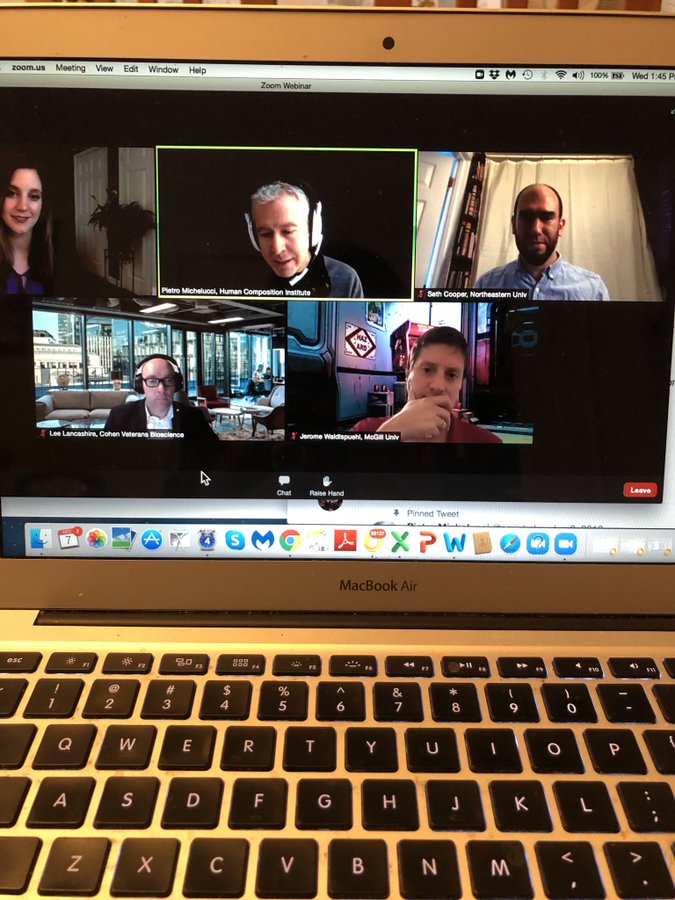
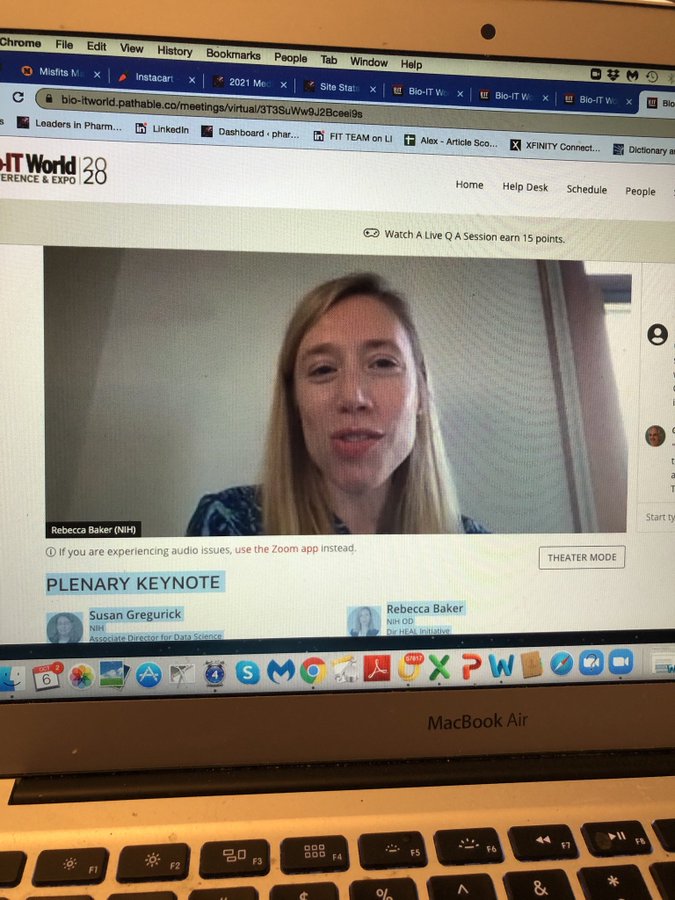

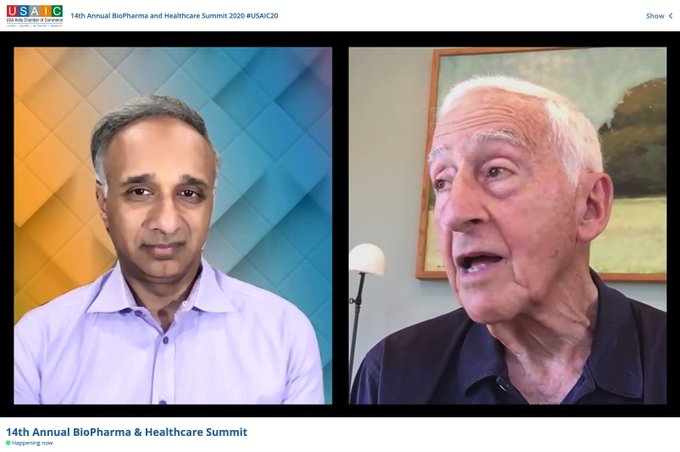




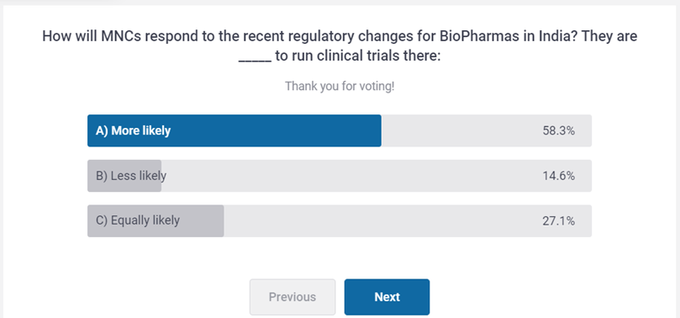





 2012pharmaceutical
 sjwilliamspa