Healthcare analytics, AI solutions for biological big data, providing an AI platform for the biotech, life sciences, medical and pharmaceutical industries, as well as for related technological approaches, i.e., curation and text analysis with machine learning and other activities related to AI applications to these industries.
Tweets at #WMIF2022 by @pharma_BI & @AVIVA1950 and All Retweets of these Tweets – 2022 World Medical Innovation Forum, GENE & CELL THERAPY • MAY 2–4, 2022 • BOSTON
Real Time coverage: Aviva Lev-Ari, PhD, RN
Updated on 5/9/2022
Lessons on the Frontier of Gene & Cell Therapy – The Disruptive Dozen 12 #GCT Breakthroughs that are revolutionizing Healthcare
#genetherapy for tuberous sclerosis complex tested on mice found effective in combination with drug in use longer survival to 150 days 10,000 cases in US per year, gene therapy most promising for this gene malfunction #WMIF2022
Take a First Look at Dr. Vijaya Ramesh’s research demonstrating preclinical efficacy of an #AAV-based #genetherapy for tuberous sclerosis complex, setting the stage for future IND-enabling studies & clinical translation. #WMIF2022@MGH_RI@MGHNeurologyhttps://youtube.com/watch?v=-I_XiSyB02I/?cid=cor4079l&utm_medium=social&utm_source=twitter&utm_campaign=mgb-corporate-wmif2022
Top 6 #WMIF2022#GCT#CARTTherapy#DisruptiveDozen@MGBInnovation@pharma_BI@AVIVA1950 1 Restoring sight by edit genes 2 A gene editing solution supply of donor organs 3 Cell therapies for blindness 4 RNA to treat brain cancer 5 #GCT for brain disorders 6 fighting viruses
#KOL on #Cell therapies: #CAR-T cells and #stem-cell-based approaches is moderator for Cell Therapy Landscape: Marcela Maus, MD, PhD Director, Cellular #Immunotherapy Program, #Cancer Center, MGH Associate Professor, Medicine, HMS @MGBInnovation@pharma_BI@AVIVA1950#WMIF2022
Global views #GCT Christine Fox, Novartis Gene Therapies C. Baum, MD, Berlin Institute of Health Nicholas Galakatos, PhD, Blackstone Luigi Naldini, MD, PhD Telethon Institute, Kendra Rose, PhD, Bayer #WMIF2022@MGBInnovation@MassGenBrigham@pharma_BI@AVIVA1950
#Chronic#Neuroinflammation#MS, #AD, #Parkinsons#GCT#genomics Ole Isacson, MD, PhD @McLean Colin Hill CEO, GNS Spyros P., MD, PhD Vigil, Ransohoff, MD, Abata & Third Rock, B. Stevens, PhD, Boston Children’s R. Tanzi, PhD @MGH#WMIF2022@MGBInnovation@pharma_BI@AVIVA1950
#fundraising#GCT#startups Panelists: Shelley Chu, MD, PhD Partner, Lightspeed Stephen Knight, MD President, F-Prime Capital Adam Koppel, MD, PhD, Bain Capital Life Sciences Daniel Krizek Portfolio Manager, Citadel #WMIF2022@MGBInnovation@MassGenBrigham@pharma_BI@AVIVA1950
#fundraising#GCT#startups Panelists: Shelley Chu, MD, PhD Partner, Lightspeed Stephen Knight, MD President, F-Prime Capital Adam Koppel, MD, PhD, Bain Capital Life Sciences Daniel Krizek Portfolio Manager, Citadel #WMIF2022@MGBInnovation@MassGenBrigham@pharma_BI@AVIVA1950
Jean-François Formela, MD, Partner @atlasventure on stage with profound #insights on the #interface and seam line between #Medical applications #investment in #health#innovations#WMIF2022@MGBInnovation@MassGenBrigham@pharma_BI@AVIVA1950#vision and #inspirations
#1 #global#conference#CGT#WMIF2022@MGBInnovation World Medical Innovation Forum #translation and #regenerative#medicine#gene#editing#gene#therapy@pharma_BI@AVIVA1950 Therapeutics Promise #CGT for #Cardiovascular#Diseases since 12/26/2015 https://lnkd.in/dwqM3K3
Someone in the US is diagnosed with #Alzheimers roughly every 60 seconds. Dr. Stephen Haggarty @neuro_mgh shares a First Look at his work to prevent the accumulation of toxic proteins that cause age-dependent #neurodegeneration at #WMIF2022. https://worldmedicalinnovation.org/wp-content/uploads/2022/04/Partners-FORUM-2022-ABSTRACTS-First-Look-220420_0832-X3-HAGGERTY.pdf…
Michael Young, PhD, Schepens Eye Research Institute @MassEyeAndEar, shares preview of new gel delivery system for eye diseases like retinitis pigmentosa at FirstLook research updates @MGBInnovation#WMIF2022
#1 #global#conference#CGT#WMIF2022@MGBInnovation World Medical Innovation Forum #translation and #regenerative#medicine#gene#editing#gene#therapy@pharma_BI@AVIVA1950 Therapeutics Promise #CGT for #Cardiovascular#Diseases since 12/26/2015 https://lnkd.in/dwqM3K3
Michael Young, PhD, Schepens Eye Research Institute @MassEyeAndEar, shares preview of new gel delivery system for eye diseases like retinitis pigmentosa at FirstLook research updates @MGBInnovation#WMIF2022
Aviva Lev-Ari@AVIVA1950May 4 Most impressive Panelist on Disruptive Dozen: 12 Technologies That Will Reinvent GCT in the Next Five Years Galit Alter, PhD Natalie Artzi, PhD Fengfeng Bei, PhD Zheng-Yi Chen, DPhil Matthew Frigault, MD Michael Gilmore, PhD #WMIF2022@MGBInnovation@pharma_BI@AVIVA1950
Visit Amazon’s Series A: Cardiovascular Diseases Page and shop for all Series A: Cardiovascular Diseases books. Check out pictures, author information, and reviews of Series A: Cardiovascular Diseases
is doing a great job of quickly posting sessions YouTube channel for those who cannot attend.
youtube.com
World Medical Innovation Forum
The World Medical Innovation Forum is a global gathering of more than 1,200 senior health care leaders hosted by Mass General Brigham in the heart of Boston. It was established to respond to the…
Visit Amazon’s Series A: Cardiovascular Diseases Page and shop for all Series A: Cardiovascular Diseases books. Check out pictures, author information, and reviews of Series A: Cardiovascular Diseases
Congratulations to William Curry, MD, @WTCNeuroscience the new chief medical officer of #MassGeneral and the MGPO, effective 6/1. We know he will continue his work to improve the outcomes for patients and train the next generation of leaders. @MGHNeurosurg
#WMIF2022 – World Medical Innovation Forum – Social Media Analytics and Transcripts
How will gene and cell therapy change health care? Join CEOs, industry leaders, and Harvard’s top medical faculty to assess the future of medicine and the
2
2
Aviva Lev-Ari
@AVIVA1950
·
#WMIF2022#glioblastoma, the most common malignant brain tumor, and one of the most treatment-resistant and fatal human diseases
Dr. Anna Krichevsky shares a First Look at her work developing #RNA-targeting therapies for #glioblastoma, the most common malignant brain tumor, and one of the most treatment-resistant and fatal human diseases. #WMIF2022 Read the full abstract here: https://worldmedicalinnovation.org/wp-content/uploads/2022/04/Partners-FORUM-2022-ABSTRACTS-First-Look-220420_0832-X3-KRICHEVSK.pdf…
Great way to start the week. @MGBInnovation World Medical Innovation Forum. 3 days of #CGT talks! #WMIF2022@MassGenBrigham#worldclass#PatientDriven TY @ChrisMarkCOBURN and team for all you do for patients! @JLL#lifesciencebroker
2022 World Medical Innovation Forum, GENE & CELL THERAPY • MAY 2–4, 2022 • BOSTON • IN-PERSON
Reporter: Aviva Lev-Ari, PhD, RN
World Medical Innovation Forum as we bring together global leaders to assess the latest opportunities and challenges, from the investment landscape to key technology developments to manufacturing and regulatory barriers. Gain first-hand insights on medicine’s ultimate game changer.
World Medical Innovation Forum will be held June 12 – 14 in Boston, MA. We hope you’ll join us for #WMIF2023!
From: “Rieck, Lucy (BOS-WSW)” <LRieck@webershandwick.com> Date: Tuesday, April 12, 2022 at 10:25 AM To: Aviva Lev-Ari <avivalev-ari@alum.berkeley.edu> Subject: You’re Invited: Mass General Brigham’s World Medical Innovation Forum
Hi Aviva,
I’m reaching out to extend free registration for you or a colleague to the 8th annual World Medical Innovation Forum (WMIF), taking place May 2-4 at the Westin Copley Place in Boston. This year’s event, co-sponsored with Bank of America, will explore gene and cell therapies (GCT), including the latest opportunities and challenges – from the investment landscape to key technology developments to manufacturing and regulatory barriers.
The event will feature 200 speakers – including CEOs of leading companies in the GCT and biotech fields, investors, entrepreneurs, Harvard clinicians and scientists, government officials and other key influencers – who discover, invest in, and cultivate GCT breakthroughs. Notable speakers include:
Peter Marks: Director, Center for Biologics Evaluation and Research at the FDA
Brian Moynihan: CEO, Bank of America
Anne Klibansky: President & CEO, Mass General Brigham
Senior executives from biopharma and academic institutions of all sizes (including Novartis, BMS, Takeda, Verve, UPenn)
You can view the full list of speakers here and the program agenda here.
WMIF is hosted by the Mass General Brigham health system, which comprises 14 hospitals, including two world-renowned medical centers: Mass General and Brigham & Women’s. Since 2015, the Forum has brought together global leaders to assess medical breakthroughs, the investment landscape and technology developments that have the potential to transform the industry.
In addition to a packed agenda, the 2022 “Disruptive Dozen” – 12 breakthrough technologies most likely to have significant impact on gene and cell therapy in the next 18 months – will also be announced.
Please let me know if you would be interested in attending.
Understanding long-term Gene and Cell Therapy investment complexities requires a keen awareness of where the science and the markets are headed. That’s why “The Doctor is In” in these updates on the latest GCT technologies. Presented by Mass General Brigham clinicians and innovators from the front lines of care, the sessions are co-hosted by expert analysts from Bank of America and include interactive discussion and Q&A.
In this session, Dr. Eichler will discuss the impact of gene defects across the lifespan and how timing and delivery of new genetic therapies is transforming the field of neurogenetics.
In this session, hear from experts in their field as they discuss the need and importance of regenerative medicine for the advancement in the treatment of diseases such as diabetes, kidney disease and blood disorders.
In this session, Dr. Artzi will share how an integrative approach of combining materials science, chemistry, imaging, and biology enables targeted delivery of gene therapy.
In this session, Drs. Robert Green and Adam Shaywitz will discuss how the early detection and prevention of rare diseases is imminent and represents an enormous public health opportunity.
In this session, Dr. Poznansky will share how research and development of vaccines and immunotherapy are safely accelerated from research lab to the patient leveraging novel mechanisms.
This panel features industry leaders who will discuss what the future may hold for gene and cell therapy. Which applications are likely to have the greatest impact? What are the key hurdles to be overcome? What specific platforms and technologies may enable optimal solutions? In what disease areas? Learn more about these and other questions as the panelists discuss the future potential of GCT.
Manufacturing quality and cost are critical for enabling rapid growth in GCT. Panelists will explore a variety of critical questions in this space. For example, are there historic parallels that can be drawn between GCT manufacturing and other groundbreaking technologies? How do key manufacturing concerns in GCT differ from those for more conventional pharmaceutical? What are the long-term opportunities for non-viral vectors? Will manufacturing capacity be a limiting factor in GCT growth over the next 5 to 10 years?
At the end of 2021, roughly 410 novel drugs had been approved in the past decade. On average, there were 40 approvals per year with over 150 of them being between 2018 and 2020. What has changed in the approval process and what is the vision of the future state? What will happen over the next 1–3 years? What does the new iteration of the Prescription Drug User Fees Act (PDUFA) need to do in this area and which fields show the greatest potential for innovation in CGT?
This panel will delve into clinical trials for GCT. How do these trials differ from those for conventional therapeutics? What are the key lessons learned from completed GCT trials? How is the regulatory landscape shifting and what will that mean for the future of GCT?
Dr. Bourla will share what Pfizer has learned from its leadership on mRNA and the development of the Covid vaccine that can be extrapolated to other R&D.
As we enter the third year of the coronavirus pandemic, the world is shifting to a new strategy: living with and managing COVID as a part of our everyday lives. What will the coming year look like? How will mitigation measures differ in this new phase? What about treatment strategies? Should we be bracing for another surge?
This panel will feature a discussion of global biotech clusters with a deep dive into the New England/Boston area. How does the capital availability, scale, and density of New England drive local growth in GCT? Also, the influx of large biopharmaceutical companies into the region has fueled global outcomes. What is the future impact of these investments and when will they peak? How will the biopharmaceutical landscape in New England appear in 2030?
The role of patients and their experiences are critical as the promise of GCT unfolds. This panel will discuss the patient experience and explore the challenges different patient populations face, both in rare diseases and more common conditions. Panelists will also discuss financial considerations, clinical trial access, and the role of advocacy groups in GCT.
As many countries begin to turn the corner on COVID-19, they face a resurgence of chronic illnesses, such as cancer and cardiovascular disease, that were not adequately addressed during the pandemic, and for which new treatments are urgently needed. Population aging – and the resulting increase in chronic diseases associated with aging – has compounded the challenge. There’s never been a greater need for biopharmaceutical innovation – or, fortunately, a greater ability to innovate. Amgen is investing in new discovery research capabilities that portend a revolution in drug design and development.
Understanding long-term Gene and Cell Therapy investment complexities requires a keen awareness of where the science and the markets are headed. That’s why “The Doctor is In” in these updates on the latest GCT technologies. Presented by Mass General Brigham clinicians and innovators from the front lines of care, the sessions are co-hosted by expert analysts from Bank of America and include interactive discussion and Q&A.
In this session, Dr. Vavvas will discuss examples of clinical trials in rare diseases and share insights into how clinical trials should be approached for rare and ultra-rare diseases and how study design is not a one-size fits all.
In this session, hear experts weigh in on the possibilities of cell therapy development and transplantation for the treatment of Parkinson’s Disease. What does the futures hold and how do we get there?
In this session, Dr. Nikiforow will provide insights into the world of gene therapy manufacturing and the complexities of scaling, costs and insurance reimbursement.
In this session, Dr. Marks will discuss the ins and outs of regulatory challenges for biological products and therapies in gene and cell therapy and the responsibility to assure safety and effectiveness.
Dark genome, accounting for ~98.5% of the human genome and containing the non-coding part, offers unprecedented opportunity to look for novel elements that could play a role in human health. This non-coding region consists of repeat elements, enhancers, regulatory sequences and non-coding RNAs. This session will explore this exciting new frontier in biology and how to translate this so called “junk” and previously ignored genome into potential novel therapeutics.
Panelists will discuss the life sciences capital markets environment with particular emphasis on private and public fundraising for GCT companies. What trends do panelists observe that will impact the availability and cost of capital for GCT? Are there novel fundraising structures that will serve GCT in the future?
As one of the foremost researchers of CAR-T cancer treatments, Dr. June will share what he believes is the next wave of cell-and-gene based oncology research and how his work set the stage for breakthrough developments in cancer.
Richard W. Vague Professor in Immunotherapy, Director, Center for Cellular Immunotherapies, Director, Parker Institute for Cancer Immunotherapy, University of Pennsylvania Perelman School of Medicine
This panel will examine the role of academia in driving the promise of GCT. How does academic innovation contribute to the success of GCT? What are the risks and opportunities? Which models have proven most successful and what is the impact on clinical translation? How can these partnerships be accelerated?
Richard W. Vague Professor in Immunotherapy, Director, Center for Cellular Immunotherapies, Director, Parker Institute for Cancer Immunotherapy, University of Pennsylvania Perelman School of Medicine
This panel will bring together gene and cell therapy leaders from across the world to discuss the latest opportunities and challenges in the field, from the investment landscape to key technology developments to manufacturing and regulatory barriers. These global experts will offer first-hand insights on the systemic complexity of this advancing field and its therapeutic promise.
Chronic inflammation in the brain is now recognized as a contributor to many neurodegenerative diseases, ranging from Parkinson’s disease to multiple sclerosis to Alzheimer’s disease. Are solutions to these historically intractable neurological diseases imminent or several years away? Are market-making platforms identifiable for neurological diseases? Are there novel genetic targets that can be explored? What are the prospects for cell therapies?
Cell therapies, ranging from CAR-T cells to stem-cell-based approaches, are emerging as a transformative therapeutic modality. Panelists will examine this emerging landscape and discuss a range of key topics. What drives differentiation in this space given the high number of competing technologies? How will the uptake of autologous cell therapies and allogeneic versions evolve? When will the regenerative medicine market mature?
This panel will explore how GCT technology could lead to disruptions in other areas of medicine, including surgery and medical devices, over the next several years. Could cell replacement therapy in diabetes advance enough to reduce the need for diabetes pumps or insulin? Will stem-cell-based methods for regenerating cartilage advance rapidly enough to disrupt the number of patients seeking hip and knee replacements? How is GCT driving innovations in surgical techniques?
What is the new generation of approaches to gene therapy manufacturing and delivery? What are the lessons learned from Covid and how can it be applied to custom disease response and the ability to custom design biologic organisms?
This panel will feature an in-depth discussion of the safety of gene and cell therapies. What are the unique safety concerns in this field, both acute and potential long-term risks? Which of these concerns are supported by clinical data versus the presumption of theoretical risk? What are the key issues for AAV-based gene therapies? Will redosing become feasible? What are the predominant safety concerns for in vivo versus ex vivo GCT modalities, including base editing?
The label “RNA” encompasses a wide array of biologically active agents spanning therapeutic modalities, vaccines, non-coding controls, and other forms. In this panel we will discuss a number of these forms, discuss examples of recent developments and illustrate why RNA developments represent a promising source of novel therapies and therapeutic approaches.
The Disruptive Dozen identifies and ranks the GCT technologies that Mass General Brigham faculty feel will break through over the next one to five years to significantly improve health care.
Aviva Lev-Ari@AVIVA1950Mar 30#EmTechDigital@AVIVA1950@pharma_BI@techreview David Ferrucci Founder, CEO & Chief Scientist, Elemental Cognition machine do not understand human reasoning is different bias inductions extrapulate decisions my machines are not trusted accountability understand why this decision
Aviva Lev-Ari@AVIVA1950Mar 30#EmTechDigital@AVIVA1950@pharma_BI@techreview Natasha Jaques Senior Scientist, Google Brain Prior work with deep RL adversaries automatic curriculum generalized environment Agent learning emergent complexity domain randomization minimax adversarial paired App Web Navigation
39
2
5.1%
View Tweet activity
Aviva Lev-Ari@AVIVA1950Mar 30#EmTechDigital@AVIVA1950@pharma_BI@techreview Natasha Jaques Senior Research Scientist, Google Brain social environment and complex behavior generalization and transfer deep RL domain randomization partial observability complex environments Adversarial environment generation
Aviva Lev-Ari@AVIVA1950Mar 30#EmTechDigital@AVIVA1950@pharma_BI@techreview JSameena Shah Managing Director, J.P. Morgan AI Research, JP Morgan Chase Data discovery search task aware move away from general search point solution build new components data discovery on use cases problems key not solutions
Aviva Lev-Ari@AVIVA1950Mar 30#EmTechDigital@AVIVA1950@pharma_BI@techreview Tara Chklovski Founder & CEO, Technovation education sector to empower girl donors and partners bias against minorities and girls financial capability of girls in the future building resilient communities the Planet can thrive
Aviva Lev-Ari@AVIVA1950Mar 30#EmTechDigital@AVIVA1950@pharma_BI@techreview Tony Jebara VP Eng Head of ML, Spotify Data shared models audio analytics experience user affinity to music ai search page playlist assembling liking skipping ml to find album found attribution content understanding similar tracks
29
0
0.0%
View Tweet activity
Aviva Lev-Ari@AVIVA1950Mar 30#EmTechDigital@AVIVA1950@pharma_BI@techreview Tony Jebara VP Eng Head of ML, Spotify unlock human creativity in audio listeners-audio recommendations & music creators-curations scale 200MM users, millions podcast titles, 4Bil music playlists music and podcast relations
Aviva Lev-Ari@AVIVA1950Mar 30#EmTechDigital@AVIVA1950@pharma_BI@techreview Darcy MacClaren Digital Supply Chain, SAP NA flow offshoring cut cost 1/2020 pandemic in China in 3/2020 supply chain was predicted to stop SAP uses digital-twin supply chain Resiliency is a digital twin ai human areas automation
25
0
0.0%
View Tweet activity
Aviva Lev-Ari@AVIVA1950Mar 30#EmTechDigital@AVIVA1950@pharma_BI@techreview Darcy MacClaren Digital Supply Chain, SAP NA David Simchi-Levi Director, Data Science Lab, MIT supply chain Resiliency mapping digitization segmentation smart planning execution logistics expensive loss flexibility demand planing
Aviva Lev-Ari@AVIVA1950Mar 30#EmTechDigital@AVIVA1950@pharma_BI@techreview Naveen Kamat Data AI Services Kyndryl model monitoring model extendability consume insight is critical service integrators innovate internally partner ecosystem protect existing investment in IT facing platform new deployment
50
3
6.0%
View Tweet activity
Aviva Lev-Ari@AVIVA1950Mar 30#EmTechDigital@AVIVA1950@pharma_BI@techreview Naveen Kamat Data AI Services Kyndryl data privacy security expectation of availability and seamless management data consumption by business analysts executive concern disruption of business by changes to IT delays become liability
41
2
4.9%
View Tweet activity
Aviva Lev-Ari@AVIVA1950Mar 30#EmTechDigital@AVIVA1950@pharma_BI@techreview Naveen Kamat Data AI Services, Kyndryl data fabric approach architecture for data discovery lego blocks integrate through APIs unified console performance across processing engines data operations predictable next transformation
42
2
4.8%
View Tweet activity
Aviva Lev-Ari@AVIVA1950Mar 30#EmTechDigital@AVIVA1950@pharma_BI@techreview Naveen Kamat Data AI Services, Kyndryl, Bangalore democratizing ai data is dynamic schema drift data drift data governance curated feature stores data observability industrialized ai transfer learning AutoML MLOps synthetic data
Aviva Lev-Ari@AVIVA1950Mar 30#EmTechDigital@AVIVA1950@pharma_BI@techreview Mira Murati SVP OpenAI GPT-3 to create business insights unstructured data analyzed from GitHub for application Copilot intervene at deployment stages fine tune model Filters in API documentation monitoring detection alignment
45
0
0.0%
View Tweet activity
Aviva Lev-Ari@AVIVA1950Mar 30#EmTechDigital@AVIVA1950@pharma_BI@techreview Mira Murati SVP OpenAI GPT3 understand language Predicting the next word well for doing tasks CLIP predict description of an image DALL-E predict a word in an “image sentnece” Codex – predict word in context all modalities is goal
Aviva Lev-Ari@AVIVA1950Mar 30#EmTechDigital@AVIVA1950@pharma_BI@techreview Oriol Vinyals Principal Scientist, DeepMind Progresss since 4/2021 at 34% like Human defined AlphaCode’s estimated rating of NLP visualizing AlphaCode original vs Opposite change in meta data on results Alpha for Weather, Protein
76
0
0.0%
View Tweet activity
Aviva Lev-Ari@AVIVA1950Mar 30#EmTechDigital@AVIVA1950@pharma_BI@techreview Oriol Vinyals Principal Scientist, DeepMind sample picking with clustering pick programs from different clusters data is key compute is key CodeContests CodeForces leave 15,000 samples picking randomly Clustering Evaluation
93
0
0.0%
View Tweet activity
Aviva Lev-Ari@AVIVA1950Mar 30#EmTechDigital@AVIVA1950@pharma_BI@techreview Oriol Vinyals Principal Scientist, DeepMind Architecture seq2seq transformers encode problem definition decode problem solution Github data curated dataset for training by AlphaGo AlphaCode filtering code models supervised learning
87
1
1.1%
View Tweet activity
Aviva Lev-Ari@AVIVA1950Mar 30#EmTechDigital@AVIVA1950@pharma_BI@techreview Oriol Vinyals Principal Scientist, DeepMind Human like problem solving by efficient code AlphaCode competitive programming algorithmic challenge to write a string input output formatting code runs and is correct AlphaGo AlphaFold
On #bias embedded in historical data. #syntheticdata can help us build models for the world we aspire to rather than the prejudiced one of the past. Paraphrasing
#EmTechDigital@AVIVA1950@pharma_BI@techreview Naveen Kamat Data AI Services, Kyndryl, Bangalore democratizing ai data is dynamic schema drift data drift data governance curated feature stores data observability industrialized ai transfer learning AutoML MLOps synthetic data
#EmTechDigital@AVIVA1950@pharma_BI@techreview
Natasha Jaques Senior Scientist, Google Brain applications in robotics emerging behavior multi-agent environment adversary environment perturb by limits in OR imitation work #Inverse#RL extract personal utility function relevance
#EmTechDigital@AVIVA1950@pharma_BI@techreview
Natasha Jaques Senior Scientist, Google Brain applications in robotics emerging behavior multi-agent environment adversary environment perturb by limits in OR imitation work #Inverse#RL extract personal utility function relevance
First, we’ll dig into what’s next for deep learning. Deep learning algorithms have become so good in the last few years. So much so that for many applications, algorithms and models can be used off the shelf. AI is becoming a cloud-based service. #EmTechDigital
#EmTechDigital@AVIVA1950@pharma_BI@techreview
Natasha Jaques Senior Scientist, Google Brain Application how to navigate the Web to book flights generated environment testing benchmarks more successful vs prior learning PAIRED approach best
#EmTechDigital@AVIVA1950@pharma_BI@techreview
Natasha Jaques Senior Research Scientist, Google Brain Reinforcement Learning #RL Ai Agent environment AlphaGo Zero 5 million games for training Robotics OpenAI generalization Social Learning learn from other intelligent agents
#EmTechDigital@AVIVA1950@pharma_BI@techreview Naveen Kamat Data AI Services, Kyndryl data fabric approach architecture for data discovery lego blocks integrate through APIs unified console performance across processing engines data operations predictable next transformation
#EmTechDigital@AVIVA1950@pharma_BI@techreview Naveen Kamat Data AI Services, Kyndryl data fabric approach architecture for data discovery lego blocks integrate through APIs unified console performance across processing engines data operations predictable next transformation
#EmTechDigital@AVIVA1950@pharma_BI@techreview
Ali Alvi Turing Group PM, Microsoft training datasets disruptive experiences computers cheaper faster training models more parameters connections the neural network inference about subjective concepts is difficult responsible #ai
#EmTechDigital@AVIVA1950@pharma_BI@techreview Lauren Bennett Spatial Analysis and Data Science, Esri
Clinton Johnson Racial Equity, Esri air quality overall in US is improving except community of color Milwaukee, WI all parties work together
#EmTechDigital@AVIVA1950@pharma_BI@techreview
David Ferrucci Founder, CEO, & Chief Scientist, Elemental Cognition ex-IBM WATSON pre-Watson Jepordy expert system knowledge acquisition bottle neck did not think independently #ml#ontologies and #nlp machine did not understand
#EmTechDigital@AVIVA1950@pharma_BI@techreview
Natasha Jaques Senior Research Scientist, Google Brain
social environment and complex behavior generalization and transfer deep RL domain randomization partial observability complex environments Adversarial environment generation
#EmTechDigital@AVIVA1950@pharma_BI@techreview Mira Murati SVP OpenAI Alignment approach will generalize models get more capable human feedback judgement goog not good becomes training for the model with #ml techniques for supervised learning
#EmTechDigital@AVIVA1950@pharma_BI@techreview Mira Murati SVP OpenAI model optimise average behavior pre-training more advance tasks get harder training is done by @OpenAI talk to regulator share capabilities of the model with regulator collaboration cross industries
#EmTechDigital@AVIVA1950@pharma_BI@techreview
Tara Chklovski Founder & CEO, Technovation education sector to empower girl donors and partners bias against minorities and girls financial capability of girls in the future building resilient communities the Planet can thrive
Data powers AI. Good data can mean the difference between an impactful solution or one that never gets off the ground. Re-assess the foundational AI questions to ensure your data is working for, not against, you.
Innovation to Reality
The challenges of implementing AI are many. Avoid the common pitfalls with real-world case studies from leaders who have successfully turned their AI solutions into reality.
Harness What’s Possible at the Edge
With its potential for near instantaneous decision making, pioneers are moving AI to the edge. We examine the pros and cons of moving AI decisions to the edge, with the experts getting it right.
Generative AI Solutions
The use of generative AI to boost human creativity is breaking boundaries in creative areas previously untouched by AI. We explore the intersection of data and algorithms enabling collaborative AI processes to design and create.
Data powers AI. Good data can mean the difference between an impactful solution or one that never gets off the ground. Re-assess the foundational AI questions to ensure your data is working for, not against, you.
Data is the most under-valued and de-glamorized aspect of AI. Learn why shifting the focus from model/algorithm development to quality of the data is the next and most efficient, way to improve the decision-making abilities of AI.
Data labeling is key to determining the success or failure of AI applications. Learn how to implement a data-first approach that can transform AI inference, resulting in better models that make better decisions.
Question the status quo. Build stakeholder trust. These are foundational elements of thought leadership in AI. Explore how organizations can use their data and algorithms in ethical and responsible ways while building bigger and more effective systems.
Haniyeh Mahmoudian
Global AI Ethicist, DataRobot
Mainstage Break (10:35 a.m. – 11:05 a.m.)
Networking and refreshments for our live audience and a selection of curated content for those tuning in virtually.
With its next-generation machine learning models fueling precision medicine, French biotech company, Owkin, captured the attention of the pharma industry. Learn how they did it and get tips to navigate the complex task of scaling your innovation.
Networking and refreshments for our live audience.
Innovation to Reality (11:05 a.m. – 12:30 p.m.)
The challenges of implementing AI are many. Avoid the common pitfalls with real-world case studies from leaders who have successfully turned their AI solutions into reality.
Deploying AI in real-world environments benefits from human input before and during implementation. Get an inside look at how organizations can ensure reliable results with the key questions and competing needs that should be considered when implementing AI solutions.
AI is evolving from the research lab into practical real world applications. Learn what issues should be top of mind for businesses, consumers, and researchers as we take a deep dive into AI solutions that increase modern productivity and accelerate intelligence transformation.
Getting AI to work 80% of the time is relatively straightforward, but trustworthy AI requires deployments that work 100% of the time. Unpack some of the biggest challenges that come up when eliminating the 20% gap.
Bali Raghavan
Head of Engineering, Forward
Lunch and Networking Break (12:30 p.m. – 1:30 p.m.)
Lunch served at the MIT Media Lab and a selection of curated content for those tuning in virtually.
Harness What’s Possible at the Edge (1:30 p.m. – 3:15 p.m.)
With its potential for near instantaneous decision making, pioneers are moving AI to the edge. We examine the pros and cons of moving AI decisions to the edge, with the experts getting it right.
To create sustainable business impact, AI capabilities need to be tailored and optimized to an industry or organization’s specific requirements and infrastructure model. Hear how customers’ challenges across industries can be addressed in any compute environment from the cloud to the edge with end-to-end hardware and software optimization.
Kavitha Prasad
VP & GM, Datacenter, AI and Cloud Execution and Strategy, Intel Corporation
Decision making has moved from the edge to the cloud before settling into a hybrid setup for many AI systems. Through the examination of key use-cases, take a deep dive into understanding the benefits and detractors of operating a machine-learning system at the point of inference.
Enable your organization to transform customer experiences through AI at the edge. Learn about the required technologies, including teachable and self-learning AI, that are needed for a successful shift to the edge, and hear how deploying these technologies at scale can unlock richer, more responsive experiences.
Reimagine AI solutions as a unified system, instead of individual components. Through the lens of autonomous vehicles, discover the pros and cons of using an all-inclusive AI-first approach that includes AI decision-making at the edge and see how this thinking can be applied across industry.
Raquel Urtasun
Founder & CEO, Waabi
Mainstage Break (3:15 p.m. – 3:45 p.m.)
Networking and refreshments for our live audience and a selection of curated content for those tuning in virtually.
Advances in machine learning are enabling artists and creative technologists to think about and use AI in new ways. Discuss the concept of creative AI and look at project examples from London’s art scene that illustrate the various ways creative AI is bridging the gap between the traditional art world and the latest technological innovations.
Luba Elliott
Curator, Producer, and Researcher, Creative AI
Generative AI Solutions (3:45 p.m. – 5:10 p.m.)
The use of generative AI to boost human creativity is breaking boundaries in creative areas previously untouched by AI. We explore the intersection of data and algorithms enabling collaborative AI processes to design and create.
Change the design problem with AI. The creative nature of generative AI enhances design capabilities, finding efficiencies and opportunities that humans alone might not conceive. Explore business applications including project planning, construction, and physical design.
Deep learning is data hungry technology. Manually labelled training data has become cost prohibitive and time-consuming. Get a glimpse at how interactive large-scale synthetic data generation can accelerate the AI revolution, unlocking the potential of data-driven artificial intelligence.
Danny Lange
SVP of Artificial Intelligence, Unity Technologies
Push beyond the typical uses of AI. Explore the nexus of art, technology, and human creativity through the unique innovation of kinetic data sculptures that use machines to give physical context and shape to data to rethink how we engage with the physical world.
Refik Anadol
CEO, RAS Lab; Lecturer, UCLA
Last Call with the Editors (5:10 p.m. – 5:20 p.m.)
Before we wrap day 1, join our last call with all of our editors to get their analysis on the day’s topics, themes, and guests.
Networking Reception (5:20 p.m. – 6:20 p.m.)
WEDNESDAY, MARCH 30
Evolving the Algorithms
What’s Next for Deep Learning
Deep learning algorithms have powered most major AI advances of the last decade. We bring you into the top innovation labs to see how they are advancing their deep learning models to find out just how much more we can get out of these algorithms.
AI in Day-To-Day Business
Many organizations are already using AI internally in their day-to-day operations, in areas like cybersecurity, customer service, finance, and manufacturing. We examine the tools that organizations are using when putting AI to work.
Making AI Work for All
As AI increasingly underpins our lives, businesses, and society, we must ensure that AI must work for everyone – not just those represented in datasets, and not just 80% of the time. Examine the challenges and solutions needed to ensure AI works fairly, for all.
Envisioning the Next AI
Some business problems can’t be solved with current deep learning methods. We look at what’s around the corner at the new approaches and most revolutionary ideas propelling us toward the next stage in AI evolution.
Day 2: Evolving the Algorithms (9:00 a.m. – 5:25 p.m.)
What’s Next for Deep Learning (9:10 a.m. – 10:25 a.m.)
Deep learning algorithms have powered most major AI advances of the last decade. We bring you into the top innovation labs to see how they are advancing their deep learning models to find out just how much more we can get out of these algorithms.
Transformer-based language models are revolutionizing the way neural networks process natural language. This deep dive looks at how organizations can put their data to work using transformer models. We consider the problems that business may face as these massive models mature, including training needs, managing parallel processing at scale, and countering offensive data.
Critical thinking may be one step closer for AI by combining large-scale transformers with smart sampling and filtering. Get an early look at how AlphaCode’s entry into competitive programming may lead to a human-like capacity for AI to write original code that solves unforeseen problems.
As advanced AI systems gain greater capabilities in our search for artificial general intelligence, it’s critical to teach them how to understand human intentions. Look at the latest advancements in AI systems and how to ensure they can be truthful, helpful, and safe.
Mira Murati
SVP, Research, Product, & Partnerships, OpenAI
Mainstage Break (10:25 a.m. – 10:55 a.m.)
Networking and refreshments for our live audience and a selection of curated content for those tuning in virtually.
Good data is the bedrock of a self-service data consumption model, which in turn unlocks insights, analytics, personalization at scale through AI. Yet many organizations face immense challenges setting up a robust data foundation. Dive into a pragmatic perspective on abstracting the complexity and untangling the conflicts in data management for better AI.
Naveen Kamat
Executive Director, Data and AI Services, Kyndryl
AI in Day-To-Day Business (10:55 a.m. – 12:20 p.m.)
Many organizations are already using AI internally in their day-to-day operations, in areas like cybersecurity, customer service, finance, and manufacturing. We examine the tools that organizations are using when putting AI to work.
Effectively operationalized AI/ML can unlock untapped potential in your organization. From enhancing internal processes to managing the customer experience, get the pragmatic advice and takeaways leaders need to better understand their internal data to achieve impactful results.
Use AI to maximize reliability of supply chains. Learn the dos and don’ts to managing key processes within your supply chain, including workforce management, streamlining and simplification, and reaping the full value of your supply chain solutions.
Darcy MacClaren
Senior Vice President, Digital Supply Chain, SAP North America
Machine and reinforcement learning enable Spotify to deliver the right content to the right listener at the right time, allowing for personalized listening experiences that facilitate discovery at a global scale. Through user interactions, algorithms suggest new content and creators that keep customers both happy and engaged with the platform. Dive into the details of making better user recommendations.
Tony Jebara
VP of Engineering and Head of Machine Learning, Spotify
Lunch and Networking Break (12:20 p.m. – 1:15 p.m.)
Lunch served at the MIT Media Lab and a selection of curated content for those tuning in virtually.
Making AI Work for All (1:15 p.m. – 2:35 p.m.)
As AI increasingly underpins our lives, businesses, and society, we must ensure that AI must work for everyone – not just those represented in datasets, and not just 80% of the time. Examine the challenges and solutions needed to ensure AI works fairly, for all.
Walk through the practical steps to map and understand the nuances, outliers, and special cases in datasets. Get tips to ensure ethical and trustworthy approaches to training AI systems that grow in scope and scale within a business.
Lauren Bennett
Group Software Engineering Lead, Spatial Analysis and Data Science, Esri
Get an inside look at the long- and short-term benefits of addressing inequities in AI opportunities, ranging from educating the tech youth of the future to a 10,000-foot view on what it will take to ensure that equity top is of mind within society and business alike.
Public policies can help to make AI more equitable and ethical for all. Examine how policies could impact corporations and what it means for building internal policies, regardless of what government adopts. Identify actionable ideas to best move policies forward for the widest benefit to all.
Nicol Turner Lee
Director, Center for Technology Innovation, Brookings Institution
Mainstage Break (2:35 p.m. – 3:05 p.m.)
Networking and refreshments for our live audience and a selection of curated content for those tuning in virtually.
From the U.S. to China, the global robo-taxi race is gaining traction with consumers and regulators alike. Go behind the scenes with AutoX – a Level 4 driving technology company – and hear how it overcame obstacles while launching the world’s second and China’s first public, fully driverless robo-taxi service.
Jianxiong Xiao
Founder and CEO, AutoX
Envisioning the Next AI (3:05 p.m. – 4:50 p.m.)
Some business problems can’t be solved with current deep learning methods. We look at what’s around the corner at the new approaches and most revolutionary ideas propelling us toward the next stage in AI evolution.
The use of AI in finance is gaining traction as organizations realize the advantages of using algorithms to streamline and improve the accuracy of financial tasks. Step through use cases that examine how AI can be used to minimize financial risk, maximize financial returns, optimize venture capital funding by connecting entrepreneurs to the right investors; and more.
Sameena Shah
Managing Director, J.P. Morgan AI Research, JP Morgan Chase
In a study of simulated robotic evolution, it was observed that more complex environments and evolutionary changes to the robot’s physical form accelerated the growth of robot intelligence. Examine this cutting-edge research and decipher what this early discovery means for the next generation of AI and robotics.
Agrim Gupta
PhD Student, Stanford Vision and Learning Lab, Stanford University
Understanding human thinking and reasoning processes could lead to more general, flexible and human-like artificial intelligence. Take a close look at the research building AI inspired by human common-sense that could create a new generation of tools for complex decision-making.
Zenna Tavares
Research Scientist, Columbia University; Co-Founder, Basis
Look under the hood at this innovative approach to AI learning with multi-agent and human-AI interactions. Discover how bots work together and learn together through personal interactions. Recognize the future implications for AI, plus the benefits and obstacles that may come from this new process.
David Ferrucci was the principal investigator for the team that led IBM Watson to its landmark Jeopardy success, awakening the world to the possibilities of AI. We pull back the curtain on AI for a wide-ranging discussion on explicable models, and the next generation of human and machine collaboration creating AI thought partners with limitless applications.
Tweets and Re-Tweets of Tweets by @pharma_BI@AVIVA1950 at 2021 Virtual World Medical Innovation Forum, Mass General Brigham, Gene and Cell Therapy, VIRTUAL May 19–21, 2021
REAL TIME EVENT COVERAGE as PRESS by invitation from 2021 Virtual World Medical Innovation Forumat #WMIF2021 @MGBInnovation:
for sharing this screen capture of the impressive lineup of #GCT “Disruptive Dozen” panelists at #WMIF2021
Quote Tweet
Aviva Lev-Ari
@AVIVA1950
· May 21
@MGBInnovation #WMIF Best Global event on Gene Cell Therapy covered in real time @AVIVA1950 @pharma_BI Disruptive Dozen technologies four are based on Gene Editing, AAV and non viral vector for drug delivery are included
PART 1: ALL THE TWEETS PRODUCED by @AVIVA1950 on May 21, 2021
Bob Carter, MD, PhD Chairman, Department of Neurosurgery, MGH William and Elizabeth Sweet, Professor of Neurosurgery, HMS Neurogeneration REVERSAL or slowing down?
Penelope Hallett, PhD NRL, McLean Assistant Professor Psychiatry, HMS efficacy Autologous cell therapy transplantation approach program T cells into dopamine genetating cells greater than Allogeneic cell transplantation
Roger Kitterman VP, Venture, Mass General Brigham Saturation reached or more investment is coming in CGT Multi OMICS and academia originated innovations are the most attractive areas
Peter Kolchinsky, PhD Founder and Managing Partner, RA Capital Management Future proof for new comers disruptors Ex Vivo gene therapy to improve funding products what tool kit belongs to
Chairman, Department of Neurosurgery, MGH, Professor of Neurosurgery, HMS Cell therapy for Parkinson to replace dopamine producing cells lost ability to produce dopamine skin cell to become autologous cells reprogramed
Kapil Bharti, PhD Senior Investigator, Ocular and Stem Cell Translational Research Section, NIH Off-th-shelf one time treatment becoming cure Intact tissue in a dish is fragile to maintain metabolism to become like semiconductors
Ole Isacson, MD, PhD Director, Neuroregeneration Research Institute, McLean Professor, Neurology and Neuroscience, MGH, HMS Opportunities in the next generation of the tactical level Welcome the oprimism and energy level of all
Erin Kimbrel, PhD Executive Director, Regenerative Medicine, Astellas In the ocular space immunogenecity regulatory communication use gene editing for immunogenecity Cas1 and Cas2 autologous cells
Nabiha Saklayen, PhD CEO and Co-Founder, Cellino scale production of autologous cells foundry using semiconductor process in building cassettes by optic physicists
Joe Burns, PhD VP, Head of Biology, Decibel Therapeutics Ear inside the scall compartments and receptors responsible for hearing highly differentiated tall ask to identify cell for anticipated differentiation control by genomics
Kapil Bharti, PhD Senior Investigator, Ocular and Stem Cell Translational Research Section, NIH first drug required to establish the process for that innovations design of animal studies not done before
Robert Nelsen Managing Director, Co-founder, ARCH Venture Partners Manufacturing change is not a new clinical trial FDA need to be presented with new rethinking for big innovations Drug pricing cheaper requires systematization
David Berry, MD, PhD CEO, Valo Health GP, Flagship Pioneering Bring disruptive frontier platform reliable delivery CGT double knockout disease cure all change efficiency scope human centric vs mice centered right scale acceleration
Kush Parmar, MD, PhD Managing Partner, 5AM Ventures build it yourself, benefit for patients FIrst Look at MGB shows MEE innovation on inner ear worthy investment
Robert Nelsen Managing Director, Co-founder, ARCH Venture Partners Frustration with supply chain during the Pandemic, GMC anticipation in advance CGT rapidly prototype rethink and invest proactive investor .edu and Pharma
The # of US patients with Parkinson’s Disease is expected to double over next 30 years. Penelope Hallett PhD, Co-Director of the Neuroregeneration Research Inst
Marcela Maus, MD PhD, are working to expand the reach of this transformative technology. #WMIF2021
Quote Tweet
Mass General Brigham Innovation
@MGBInnovation
· 3h
Disruptive Dozen: 12 Technologies that Will Reinvent GCT #9. Building the Next Wave of CAR-T-cell Therapies #WMIF2021 #GCT #GeneAndCellTherapy #CellTherapy #CarT #DisruptiveDozen
and global colleagues at #WMIF2021. On Thursday, May 20, my colleagues and I will discuss the advantages of RNA-targeted medicines and how they might shape the future of medicine for patients.
Quote Tweet
Mass General Brigham Innovation
@MGBInnovation
· May 10
Are you part of the @MassGenBrigham network and interested in #GeneAndCellTherapy? Join us at the World Medical Innovation Forum on 5/19-5/21. Register today! https://worldmedicalinnovation.org/register/ #WMIF2021
Incredible opportunity to get up to speed with the most innovative technologies in medicine ! Gene and cell therapy are revolutionizing healthcare ! #WMIF2021#MedTwitter
Quote Tweet
Mass General Brigham Innovation
@MGBInnovation
· May 11
#WMIF2021 is an opportunity for innovators from around the globe to meet, explore, challenge, and reflect on the issues influencing the adoption of novel technologies in #healthcare. Register now to join the conversation: https://worldmedicalinnovation.org/register/
Currently, the only cure for some common blood disorders is a bone marrow transplant, which can be risky. Now, gene therapies are also in the works, including a CRISPR-based #genetherapy being tested in clinical trials with encouraging early results. #WMIF2021
Quote Tweet
Mass General Brigham Innovation
@MGBInnovation
· 3h
Disruptive Dozen: 12 Technologies that Will Reinvent GCT #2. A Genetic Fix for Two Common Blood Disorders #WMIF2021 #GCT #GeneAndCellTherapy #BloodDisorders #DisruptiveDozen
Researchers have pinpointed key genes involved in cholesterol and lipid metabolism that represent promising targets for new cholesterol-lowering treatments. #WMIF2021
Quote Tweet
Mass General Brigham Innovation
@MGBInnovation
· 3h
Disruptive Dozen: 12 Technologies that Will Reinvent GCT #1. A New Generation of Cholesterol-Loweing Therapies #WMIF2021 #GCT #GeneAndCellTherapy #DisruptiveDozen
I really enjoyed this remarkable panel #WMIF2021. Thank you Meredith Fisher for moderating and thank you David, Bob and Kush for openly sharing your big picture view
Variability, delays, manufacturing as an afterthought make #GCT challenging from an investment POV — need to rethink the ecosystem and drive efficiency, invest in tech innovation says Bob Nelson ARCH Venture Partners
We need to change the scale and scope of how #GCT is advancing from discovery to development — systematization critical. Can’t have thousands of one-off therapies say early-stage investors. Major mis-match between where things are now and what could be.
Today I moderated a panel on Gene and Cell Therapy Delivery, Perfecting the Technology. We highlighted non-viral delivery technologies as key enablers of gene therapy and editing. Learn more: https://lnkd.in/d-Xqzqh#WMIF2021
Congratulations to the 2021 Innovation Discovery Grants winners: @lynchielydia, Peter Sage, @GrishchukL, Benjamin Kleinstiver, Petr Baranov, announced at the #WMIF2021. It’s exciting to see the range of breakthrough research in #geneticdisease at @MassGenBrigham…
for sharing this screen capture of the impressive lineup of #GCT “Disruptive Dozen” panelists at #WMIF2021
Quote Tweet
Aviva Lev-Ari
@AVIVA1950
· May 21
@MGBInnovation #WMIF Best Global event on Gene Cell Therapy covered in real time @AVIVA1950 @pharma_BI Disruptive Dozen technologies four are based on Gene Editing, AAV and non viral vector for drug delivery are included
PART 1: ALL THE TWEETS PRODUCED by @AVIVA1950 on May 20, 2021
Bob Brown, PhD CSO, EVP of R&D, Dicerna small molecule vs capacity of nanoparticles to deliver therapeutics quantity for more molecule is much larger CNS delivery most difficult
Jeannie Lee, MD, PhD Molecular Biologist, MGH Prof Genetics, HMS 200 disease X chromosome unlock for neurological genetic diseases: Rett Syndrome, autism spectrum disorders female model vs male mice model restore own protein
Suneet Varma Global President of Rare Disease, Pfizer review of protocols and CGT for Hemophilia Pfizer: You can’t buy Time With MIT Pfizer is developing a model for Hemophilia CGT treatment
Gallia Levy, MD, PhD CMO, Spark Therapeutics Hemophilia CGT is the highest potential for Global access logistics in underdev countries working with NGOs practicality of the Tx Roche reached 120 Counties great to be part of the Roche
Theresa Heggie CEO, Freeline Therapeutics Safety concerns, high burden of treatment CGT has record of safety and risk/benefit adoption of Tx functional cure CGT is potent Tx relative small quantity of protein needs be delivered
Suneet Varma Global President of Rare Disease, Pfizer Gene therapy at Pfizer small, large molecule and CGT – spectrum of choice allowing Hemophilia patients to marry 1/3 internal 1/3 partnership 1/3 acquisitions review of protocols
Ron Renaud CEO, Translate Bio What strain of Flu vaccine will come back in the future when people do not use masks. AAV vectors small transcript size fit reach cytoplasm more development coming
Melissa Moore Chief Scientific Officer, Moderna Many years of mRNA pivoting for new diseases, DARPA, nucleic Acids global deployment of a manufacturing unit on site where the need arise Elan Musk funds new directions at Moderna
Lindsey Baden, MD Director, Clinical Research, Division of Infectious Diseases, BWH Associate Professor, HMS In vivo delivery process regulatory for new opportunities for same platform new indication using multi valence vaccines
Melissa Moore Chief Scientific Officer, Moderna Many years of mRNA pivoting for new diseases, DARPA, nucleic Acids global deployment of a manufacturing unit on site where the need arise Elan Musk funds new directions at Moderna
Ron Renaud CEO, Translate Bio 1.6 Billion doses produced rare disease monogenic correct mRNA like CF multiple mutation infection disease and oncology applications
Melissa Moore CSO, Moderna mRNA vaccine 98% efficacy for Pfizer and Moderna more then 10 years 2015 mRNA was ready (ZIKA, RSV), as the proteine is identify manufacturing temp less of downside in the future ability to store at Ref
Richard Wang, PhD CEO, Fosun Kite Biotechnology Co. Ltd Possibilities to be creative and capitalize the new technologies for new drug Support of the ecosystem by funding new companies Autologous in patients differences cost challenge
Tian Xu, PhD Vice President, Westlake University ICH Chinese FDA -r regulation similar to the US Difference is the population recruitment, in China patients are active participants Dev of transposome non-viral methods, price
Alvin Luk, PhD CEO, Neuropath Therapeutics Monogenic rare disease with clear genomic target Increase of 30% in patient enrollment Regulatory reform approval is 60 days no delay
We’re excited to attend this week’s #WMIF2021 to talk all things cell and genetic therapies. Join our Chief of VCGT Bastiano Sanna tomorrow at 9:50am EDT for a discussion on the promise of cell therapies for type 1 diabetes. Register now! https://bit.ly/3otngYd
John Fish, Board Chair, Brigham Health, Chairman & CEO, Suffolk on the Novartis Main Stage to introduce the “Collaboration is Key: GCT R&D of the Future” fireside chat with Jay Bradner, MD, President, NIBR
Thomas VanCott, PhD, Chief Technology & Strategy Officer, Catalent Cell & Gene Therapy, says that time, improvements and scaling up in manufacturing will lead to allogeneic cell therapies. He recognizes that upfront costs are high, but will decrease in the long term #WMIF2021
Today Lisa Michaels, Editas CMO, will participate in the panel “Gene Editing – Achieving Therapeutic Mainstream” at the World Medical Innovation Forum #WMIF2021 in Boston. For those attending, be sure to tune in!
, views GCT as the ultimate precision medicine. AI, machine learning, and data science comprise one of the big disruptive forces that will address misdiagnosis, smooth out workflow, reduce cost and enhance recovery. #WMIF2021
CSO Laura Sepp-Lorenzino, PhD, in our “GCT Delivery | Perfecting the Technology” panel this afternoon! #WMIF2021
Quote Tweet
Intellia Therapeutics
@intelliatweets
· 6h
Today, Intellia CSO, @LauraSeppLore will be participating in the World Medical Innovation Forum’s panel on Gene and Cell Therapy Delivery, Perfecting the Technology. #WMIF2021 @MGBInnovation. Click here to learn more: https://worldmedicalinnovation.org
is back with us this afternoon sharing a First Look at “Versatile Polymer-Based Nanocarriers for Targeted Therapy and Immunomodulation.” #WMIF2021#GCT#geneandcelltherapy
VP of Clinical Development, Manasi Jaiman, during the “Diabetes | Grand Challenge” panel today. #WMIF2021
Quote Tweet
ViaCyte
@ViaCyte
· 8h
Join us at #WMIF2021 today! Our own Manasi Jaiman, VP, Clinical Development, will participate in the Diabetes: Grand Challenge panel to discuss regenerative medicine approaches for T1D utilizing stem-cell derived islet cell replacement therapy.
, discusses how GCT is in the embryonic phase. Bayer is ready to treat its first Parkinson’s patient, and is exploring therapeutic technologies to treat diseases with single gene defects #WMIF2021
Today Lisa Michaels, Editas CMO, will participate in the panel “Gene Editing – Achieving Therapeutic Mainstream” at the World Medical Innovation Forum #WMIF2021 in Boston. For those attending, be sure to tune in! @MassGenBrigham https://bit.ly/3hx1XTV #geneediting #biotechnology
to discuss the current state of CAR-T and its future prospects. These conversations are important for the development of potential #CART therapies. #WMIF2021
‘s #WMIF2021 — Thanks to the MGB team for facilitating a great discussion!
Quote Tweet
Mass General Brigham Innovation
@MGBInnovation
· 7h
Overview of our #mRNA Vaccines panel today, highlighting improved manufacturing capabilities & potential for #personalizedmedicine. Thank you to Lindsey Baden @bwh_id & panelists Kate Bingham, SV Health Investors, Melissa Moore @moderna_tx and Ron Renaud @TranslateBio #WMIF2021
investigators are ready to give you an early preview of their #GCT research in the First Look sessions at #WMIF2021. Exciting opportunities to dramatically change how disease is treated!
Our “Rare and Ultra Rare Diseases | GCT Breaks Through” panelists on the role of family organizations & patient advocacy groups in moving us forward on the regulatory side – “It’s absolutely essential” #WMIF2021
Congratulations! Lydia Lynch PhD, Brigham and Women’s Hospital receives an Innovation Discovery Grant for “Generating Superior ‘Killers’ for Adoptive Cell Therapy in Cancer” at #WMIF2021.
Looking forward to the Diabetes Grand Challenge and how #GCT could help millions of people. Read about what facing this disease and how cell therapies could lessen the burden from Manasi Jaiman, MD, VP, Clinical Development
Today is Day 2 of the World Medical Innovation Forum. Which panel you are most excited to see today? Reply and let us know! #WMIF2021 https://worldmedicalinnovation.org/agenda/
Cell and gene therapies hold promising potential for rare disease, blood cancers, and viral diseases. Register for #WMIF21 to hear about our work to pioneer cutting-edge science across our pipeline to advance breakthroughs that change patients’ lives: https://on.pfizer.com/3f3CGzj
Congratulations! Peter Sage PhD, Brigham and Women’s Hospital receives an Innovation Discovery Grant for “Novel Strategies to Enhance Tfr Treatment of Autoimmunity” at #WMIF2021
Congratulations! Yulia Grishchuk PhD, Massachusetts General Hospital, receives an Innovation Discovery Grant for “AAV-Based Gene Replacement Therapy Improves Targeting and Clinical Outcomes in a Childhood CNS Disorder” at #WMIF2021
Congratulations! Jinjun Shi, PhD, Brigham and Women’s Hospital, receives an Innovation Discovery Grant for “Long-Lasting mRNA Therapy for Genetic Disorders” at #WMIF2021
Final thoughts from “Benign Blood Disorders” panelists on academic/industry collaboration — the pace of #innovation is incredibly exciting, and I think it will be even faster together. #WMIF2021
Congratulations! Benjamin Kleinstiver PhD, Massachusetts General Hospital, receives an Innovation Discovery Grant for “Towards a Permanent Genetic Cure for Spinal Muscular Atrophy” at #WMIF2021
FDA’s Peter Marks, at #WMIF2021, notes # of INDs for gene therapies was flat in 2020 vs. 2019. But the fact IND submissions didn’t decline, he said, is a sign of how strong the gene therapy field is, given pandemic’s disruption.
Melissa Moore/Moderna- one advantage of mRNA is ability to do multivalent vaccines she said. She said they are already testing multivalent covid vaccines in clinical trials & testing flu vaccines. #wmif2021
Kate Bingham/SV Health & former head of UK Vaccine Taskforce: they haven’t seen escape variants in UK yet she said. mRNA is quickest platform to address escape variants probably. Needle delivery w/ supply cold chain has been the challenge. Deploying 3 vaccines in UK #WMIF2021
, notes that the science behind gene cell therapies is converging with technological development. How therapies are brought to market is still the question, as there is no roadmap when reimagining medicine #WMIF2021
Melissa Moore/Moderna: clear advantage of mRNA vaccine is how quickly we can manufacture the vaccines. Downsides- need 2store at low temperatures & limited shelflife 4storage in refrigerator. I know that both companies [Moderna, Pfizer/BioNTech] r working 2change this #wmif2021
We’re committed to addressing the unmet needs of people living with rare genetic diseases. Our SVP, External Innovation and Strategic Alliances, Leah Bloom, discusses the promise #genetherapy holds for communities impacted by rare diseases during #WMIF2021.
Speed of vaccination is critical to prevent escape variants says Kate Bingham, SV Health Investors, UK, at #WMIF2021, exploring what’s next for the technology w panel led by Lindsey Baden MD,
for sharing this screen capture of the impressive lineup of #GCT “Disruptive Dozen” panelists at #WMIF2021
Quote Tweet
Aviva Lev-Ari
@AVIVA1950
· May 21
@MGBInnovation #WMIF Best Global event on Gene Cell Therapy covered in real time @AVIVA1950 @pharma_BI Disruptive Dozen technologies four are based on Gene Editing, AAV and non viral vector for drug delivery are included
PART 1: ALL THE TWEETS PRODUCED by @AVIVA1950 on May 19, 2021
Thomas VanCott, PhD Global Head of Product Dev, Gene & Cell Therapy, Catalent 2/3 autologous 1/3 allogeneic CAR-T high doses scale up is not done today logistics issues centralized vs decentralized allogeneic are health donors
Ropa Pike, Director, Enterprise Science & Partnerships, Thermo FIsher Scientific Centralized biopharma industry is moving to decentralized models site specific license
Rahul Singhvi, ScD CEO and Co-Founder, National Resilience, Inc. Investment company in platforms to be shared by start ups in CGT. Production cost of allogeneic: cost of quality 30% reagents 30% cell 30% Test is very expensive
Oladapo Yeku, MD, PhD Clinical Assistant in Medicine, MGH Outstanding moderator and most gifted panel on solid tumor success window of opportunities studies
Knut Niss, PhD CTO, Mustang Bio tumor hot start in 12 month clinical trial solid tumors Combination therapy will be an experimental treatment long journey checkpoint inhibitors to be used in combination maintenance
Barbra Sasu, PhD CSO, Allogene T cell response at prostate cancer tumor specific cytokine tumor specific signals move from solid to metastatic cell type for easier infiltration
Jennifer Brogdon Executive Director, Head of Cell Therapy Research, Exploratory Immuno-Oncology, NIBR 2017 CAR-T first approval M&A and research collaborations TCR tumor specific antigens avoid tissue toxicity
Jay Short, PhD Chairman, CEO, Cofounder, BioAlta, Inc. Tumor type is not enough for R&D therapeutics other organs are involved in periphery difficult to penetrate solid tumors biologics activated in the tumor only, positive changes
Stefan Hendriks Global Head, Cell & Gene, Novartis Confirmation the effectiveness of CAR-T therapies, 1 year response to 5 years 26 months Patient not responding a lot to learn Patient after 8 months of chemo can be helped by CAR-T
Jeffrey Infante, MD , Oncology, Janssen R&D Direct effect with intra-tumor single injection with right payload Platform approach Prime with 1 and Boost with 2 – not yet experimented with Do not have the data at trial
Nino Chiocca, MD, PhD Neurosurgeon-in-Chief BWH, HMS Oncolytic therapy DID NOT WORK Pancreatic Cancer and Glioblastoma Intra-tumoral heterogeniety hinders success Oncolytic VIRUSES – “coldness” GADD-34 20,000 GBM 40,000 pancreatic
Loic Vincent, PhD Head of Oncology Drug Discovery Unit, Takeda Classification of Patients by prospective response type id UNKNOWN yet, population of patients require stratification
Loic Vincent, PhD Head of Oncology Drug Discovery Unit, Takeda R&D in collaboration with Academic Vaccine platform to explore different payload IV administration may not bring sufficient concentration to the tumor is administer IV
Nino Chiocca, MD, PhD Neurosurgeon-in-Chief and Chairman, Neurosurgery, BWH Harvey W. Cushing Professor of Neurosurgery, HMS Challenges of manufacturing at Amgen what are they?
David Reese, MD Executive Vice President, R&D , Amgen Inter lesion injection of agent vs systemic therapeutics cold tumors immune resistant render them immune susptible Oncolytic virus is a Mono therapy addressing the unknown
David Reese, MD Executive Vice President, Research and Development, Amgen Inter lesion injection of agent vs systemic therapeutics cold tumors immune resistant render them immune suseptible Oncolytic virus is a Mono therapy
Robert Coffin, PhD Chief R&D Officer, Replimune 2002 in UK promise in oncolytic therapy GNCSF Phase III melanoma 2015 M&A with Amgen oncolytic therapy remains non effecting on immune response data is key for commercialization
Ann Silk, MD Physician, Dana Farber-Brigham and Women’s Cancer Center, HMS Which person gets oncolytics virus if patient has immune supression due to other indications Safety of oncolytic virus greater than Systemic treatment
Marianne De Backer/Bayer on post M&A & company culture: They acquired AskBio & thought about how to preserve their freedom so they could continue to operate. Bayer decided to keep them independent & so they can operate at arm’s length. #wmif2021
Merit Cudkowicz, MD Chief of Neurology, MGH ALS – Man 1in 300, Women 1 in 400, next decade increase 7% 10% ALS is heredity 160 pharma in ALS space diagnosis is late 1/3 of people are not diagnosed active community for clinical trials @pharma_BI@AVIVA1950
Adam Koppel, MD, PhD Managing Director, Bain Capital Life Sciences What acquirers are looking for?? What is the next generation vs what is real where is the industry going?
Debby Baron, Worldwide Business Development, Pfizer Scalability and manufacturing regulatory conversations, clinical programs safety in parallel to planning getting drug to patients
Marianne De Backer, PhD Head of Strategy, BD & Licensing, Bayer Absolute Leadership: Gene editing, gene therapy, via acquisition and alliances Operating model of the acquired company discussed acquired continue independence
Sean Nolan Board Chairman, Encoded Therapeutics & Affinia Executive Chairman Jaguar Gene Therapy Istari Oncology As acquiree multiple M&A acquirer looks at integration and cultures companies Traditional integration vs acquisition
Debby Baron, Worldwide Business Development, Pfizer CGT is an important area Pfizer is active looking for innovators, advancing forward programs of innovation with the experience Pfizer has internally
Marianne De Backer, PhD Head of Strategy, Business Development & Licensing, and Member of the Executive Committee, Bayer Absolute Leadership in Gene editing, gene therapy, via acquisition and strategic alliance
Manny Simons, PhD CEO, Akouos Biology across species nerve ending in the cochlea engineer out of the caspid, lowest dose possible, get desired effect by vector use, 2022 new milestones
Mathew Pletcher, PhD SVP, Head of Gene Therapy Research and Technical Operations, Astellas Continue to explore large animal guinea pig not the mice, not primates (ethical issues) for understanding immunogenicity and immune response
Mathew Pletcher, PhD SVP, Head of Gene Therapy Research and Technical Operations, Astellas Work with diseases poorly understood, collaborations needs example of existing: DMD is a great example explain dystrophin share placedo data
Rick Modi CEO, Affinia Therapeutics Speed R&D Speed better gene construct get to clinic with better design vs ASAP Data sharing clinical experience patients selection, vector selection, mitigation, patient type specific
Dave Lennon, PhD President, Novartis Gene Therapies big pharma therapeutics not one drug across Tx areas: cell, gene iodine therapy collective learning infrastructure development Acquisitions growth # applications for scaling
Rick Modi CEO, Affinia Therapeutics Copy, paste EDIT from product A to B novel vectors variant of vector coder optimization choice of indication is critical exploration on larger populations Speed to R&D to better gene construct get
Louise Rodino-Klapac, PhD EVP, Chief Scientific Officer, Sarepta Therapeutics AV based platform 15 years in development 1 disease indication vs more than one indication stereotype, analytics as hurdle 1st was 10 years 2nd was 3 years
Katherine High, MD President, Therapeutics, AskBio Three drugs approved in Europe in the CGT Regulatory Infrastructure CGT drug approval – as new class of therapeutics Participants investigators, regulators, patients i.e., MDM
Peter Marks, MD, PhD Director, Center for Biologics Evaluation and Research, FDA Immune modulators Immunotherapy Genome editing can make use of viral vectors future technologies nanoparticles and liposome encapsulation 50% more staff
Peter Marks, MD, PhD Director, Center for Biologics Evaluation and Research, FDA Recover Work load for the pandemic Gene Therapies IND application remained flat Rare diseases urgency remains Guidance T-Cell therapy vs Regulation
Peter Marks, MD, PhD Director, Center for Biologics Evaluation and Research, FDA June 2020 belief that vaccine challenge manufacture scaling up FDA did not predicted the efficacy of mRNA vaccine vs other approaches expected to work
Jim Holland CEO, http://Backcountry.com Parkinson patient Constraints by regulatory on participation in clinical trial wish to take Information dissemination is critical
Patricia Musolino, MD, PhD Co-Director Pediatric Stroke and Cerebrovascular Program What is the Power of One – the impact that a patient can have on their own destiny connecting with other participants in same trial can be beneficial
Barbara Lavery Chief Program Officer, ACGT Foundation Patient has the knowledge of the symptoms and recording all input needed for diagnosis by multiple clinicians Early application for CGT
Jack Hogan Patient, MEE Constraints by regulatory on participation in #clinicaltrials advance stage is approved participation Patients to determine the level of #risk they wish to take
Barbara Lavery Chief Program Officer, ACGT Foundation Advocacy agency beginning of work Global Genes educational content and out reach to access the information
Dave Lennon, PhD President, Novartis Gene Therapies Modality one time intervention, long duration of impart, reimbursement, ecosystem FDA works by indications and risks involved, Standards manufacturing payments over time payers
Dave Lennon, PhD President, Novartis Gene Therapies Promise of CGT realized, what part? #FDA role and interaction in CGT #Manufacturing aspects which is critical
Julian Harris, MD Partner, Deerfield Hope that CGT emerging, how therapies work, #neuro, #muscular, #ocular, #genetic diseases of #liver and of #heart revolution for the industry 900 #IND application 25 approvals #Economic driver
Luk Vandenberghe, PhD Grousbeck Family Chair, Gene Therapy, MEE Associate Professor, Ophthalmology, HMS #Pharmacology#Gene-Drug, Interface academic centers and industry many CGT drugs emerged in Academic center
Ravi Thadhani, MD CAO, Mass General Brigham Professor, Medicine and Faculty Dean, HMS Role of #academia special to spear head the #Polygenic#therapy – multiple #genes involved, #plug-play #delivery
The field of #genetherapy is growing. New therapies will come to market for rare and chronic diseases, and new therapies will drive scientific innovation and economic growth. #WMIF2021 (2/6)
In our First Look sessions clinicians/researchers from Harvard-affiliated hospitals highlight the potential of their research & new technologies. Next we’ll hear from Khalid Shah PhD, Vice Chair of Research
Tomorrow is Day 1 of #WMIF2021! Hear from the world-renowned CEOs, investors, clinicians and scientists bringing game-changing discoveries and insights to #GCT. Register to attend today: https://worldmedicalinnovation.org/register/
‘s World Medical Innovation Forum this week, discussing the future of #genetherapy. Here are our five predictions for where the industry is headed. #WMIF2021 (1/6)
explains at #WMIF2021 why the first FDA-approved gene therapy for inherited disease was for an inherited retinal degeneration, and what lessons have been learned from the success of that treatment.
Together with @BayerPharma, we are pleased to be part of #WMIF2021, organized by @MassGenBrigham. This year’s event focuses on the transformative potential of #cellandgene therapy (#GCT).
“We are more committed to our mission than ever before – laser-focused on realizing the transformative potential of #genetherapy for patients.” – Dave Lennon, President, during #WMIF2021
Patricia Musolino, MD PhD, Co-Director Pediatric Stroke and Cerebrovascular Program at MGH, discusses her work developing #genetherapy treatments for cerebral genetic vasculopathies #GCT #geneandcelltherapy #WMIF2021
chair Dr. Joan Miller moderates a panel on AAV gene therapy featuring director of Inherited Retinal Disorders Service and Ocular Genomics Institute, Dr. Eric Pierce.
Quote Tweet
Mass General Brigham Innovation
@MGBInnovation
· 23h
Our “AAV Success Studies | Retinal Dystrophy | Spinal Muscular Atrophy” panelists have taken the stage. #WMIF2021 @MassEyeAndEar @REGENXBIO @spark_tx @NovartisGene
We are proud sponsors of the Virtual World Medical Innovation Forum (#WMIF2021). This year’s program will focus on the impact of gene and cell therapy as a way to potentially advance quality patient care, reduce cost and improve outcomes. Learn more:
Jonathan Kraft introducing #wmif2021 session with Pfizer CSO & president of R&D Mikael Dolsten and MGH oncologist & chair of MGH Cancer Center Daniel Haber.
president Dave Lennon & Deerfield partner Julian Harris having a “fireside chat.” Dave/Novartis: sees gene therapy as driver for economy generating need for highly skilled workers Incl manufacturing
Kite Pharma CEO (Gilead subsidiary) Christi Shaw said there are 120 biopharma companies working on CAR-T cell therapy & they are continuing to look for new partnerships. She also mentioned logistical challenges currently getting to Israel & helping patients there. #WMIF2021
FDA’s Dir of Center for Biologics Evaluation & Research Peter Marks interviewed by Vicki Sato- chairwoman of Vir Biotechnology, ex Vertex president & ex Biogen VP Research. Around June ’20, started 2c progress in covid vaccines w/ enough candidates moving forward #WMIF2021 1/n
“Once you work on cell and gene therapy, its really hard to go back and work on anything else” says moderator Marcela Maus, MD PhD in our “CAR-T | Lessons Learned | What’s Next” panel #WMIF2021#GCT#geneandcelltherapy
Ex Merck president R&D Roger Perlmutter is now Eikon Therapeutics CEO & is on #WMIF2021 oncolytic virus in cancer panel w/Amgen EVP R&D David Reese, ex BioVex CTO (T-VEC inventor
, join our leaders for panels and presentations discussing what’s next for #genetherapy and the key trends shaping the industry as it evolves. #WMIF2021https://bit.ly/3eYYls4
Dolsten/Pfizer discussed covid vaccines and real world evidence study in Israel. Was sole provider of vaccines in Israel. 95%-98% efficacy replicated in real world. Well above 90% efficacy in asymptomatic disease. #wmif2021
ICYMI: An illustration depicting the “AAV Delivery” panel discussion about advances in the area of #AAVGeneTherapy delivery. Thank you to the panelists from
Casey Maguire PhD, Associate Professor of Neurology, at the podium to present his work developing improved #genetherapy vectors. #WMIF2021 “First Look: Enhanced Gene Delivery and Immunoevasion of AAV Vectors without Capsid Modification”
Casey Maguire PhD, Associate Professor of Neurology, at the podium to present his work developing improved #genetherapy vectors. #WMIF2021 “First Look: Enhanced Gene Delivery and Immunoevasion of AAV Vectors without Capsid Modification”
Mikael Dolsten, MD PhD, CSO & President, Worldwide Research, Development and Medical @pfizer takes the stage for a Fireside Chat, moderated by @MGHCancerCenter Daniel Haber, MD, PhD. “Pfizer’s Future in Cell and Gene Therapy” #WMIF2021
Dave Lennon/Novartis: manufacturing has been a roadblock for many cell & gene therapy companies. Expects to see more investments earlier. Engineering advances will unlock scale & address bigger & bigger patient populations. Oppty to ID patients early #WMIF2021
Marianne De Backer/Bayer on post M&A & company culture: They acquired AskBio & thought about how to preserve their freedom so they could continue to operate. Bayer decided to keep them independent & so they can operate at arm’s length. #wmif2021
Ken Custer/Eli Lilly-said they’re relatively new in cell & gene therapy. They invested in 1 of Sean Nolan’s (ex AveXis CEO) new companies,Jaguar Gene Therapy. Lilly’s legacy in neuroscience is noted & bought Prevail last yr. Clinical trial w/ Parkinson’s w/GBA1 mutation #wmif2021
, was the first in the U.S. to be approved for FDA gene therapy surgery. In 2018 he underwent therapy to treat retinitis pigmentosa by having a synthetic gene inserted into his retina. With improved eyesight he can now play sports #WMIF2021
The acquisition market in #GCT: looking for breakthroughs for patients, technologies for intractable diseases, manufacturing expertise, pioneering companies with deep experience — all for “the modality of the future”. M&A panel at #WMIF2021
Christi Shaw/Kite Pharma: Only 4 out of 10 patients eligible for CAR-T are being referred for CAR-T cell therapy by oncologists. The other 6 out of 10, referred to palliative care only. Consistency of manufacturing is also very important. #wmif2021 1/n
Marianne De Backer/Bayer on post M&A & company culture: They acquired AskBio & thought about how to preserve their freedom so they could continue to operate. Bayer decided to keep them independent & so they can operate at arm’s length. #wmif2021
Ensuring Energy Resilience (11:35 a.m. – 1:05 p.m.)
From next-generation power grids to nuclear power and renewable energy, understanding the impact, scalability, and tradeoffs of different energy technologies is critical to powering our future.
With energy demands increasing dramatically in India, we examine the critical steps that renewable energy companies need to take to compete and continue to grow. Learn how these lessons can apply to other regions and what it will take to reliably meet regional electricity needs when it matters most, while actively transitioning toward cleaner and smarter energy choices.
>>>India exceeded Paris Guidelines, Government involved in Renewable energies. Faster adoption. cost of renewal energy is plummeting. Demand increased by 5%-10% in coming 3 years, In 10 years 10%-15% – compromise of economic growth not favorable to all stakeholders. Intermittency regarding transmission and distribution of clean energy sources. Renewable only 15%, 2030 35%. Government GRID Management solar resource, storage cost will solve intermittency.
Today’s carbon-based power sources won’t safely sustain our growing electricity needs as climate change accelerates. The path forward requires decarbonizing the grid as rapidly as possible. We take a deep dive into the technologies, policies, and strategies needed to keep the lights on as rising demands and shifting climate conditions put ever greater strains on our power grids. What choices will have the greatest impact in delivering the clean energy required to run our world?
>>> Cleaners energies 2030 50% lower emission Presidential mandate. Cost of batteries of electric cars, cost of Wind decreased by energy policy, push from oil energy to zero emission cars, accelerate clean energy is on the way.
>>> Washington Clean Energy Incentives, Utilities are engaged, Demand from the Public, investment $50Trillion divestment by Universities from Oil related investment. Climate change challenging fossil fuel energy industry. Changing is hard against Utilities and Oil interests
>>> Clean Energy to power homes and cars, pollution is draining the Power potential. FOssil fuel infrastructure IMPEDE decrease of Temperature by 5 degrees Celcius. Let’s make Clean energy cheaper by policy incentives to use and afford then deal with incease tax of fossil fuel.
Hydrogen is energy-dense and burns cleanly, emitting no carbon dioxide. But until now, most hydrogen has been made from natural gas using a polluting and energy-intensive process. Get an early look at a transformational clean approach to producing hydrogen that has the potential to revolutionize the global energy sector. As featured in the 10 Breakthrough Technologies 2021
@pharma_BI@AVIVA1950 #EmTechMIT Christoph Noeres Head of Green Hydrogen (GH) Electrolysis process of production of GH de-carbonizing by CO2 free for green housing low cost renewable industry at scale to push forward transport supply chain Green Hydrogen industry transformation
MIT Inside Track (1:05 p.m. – 1:45 p.m.)
Join the Inside Track sessions to engage more deeply with our content, speakers, and your fellow attendees during mainstage programming breaks.
Creating scalable technology solutions in developing countries comes with its own unique constraints and opportunities. Gain insight into entrepreneurship in emerging economies including lessons in adapting existing technology and creating unique design assembly methods.
As climate change marches on, the financial costs to businesses and nations are set to soar. Adopting climate-smart strategies will help to reduce risk while making a positive impact using the latest in green building technologies and more.
Wildfires, heatwaves, and other extreme weather events are becoming more common and severe as the planet warms. Investigate the science behind climate change, how humans are influencing it, and what we can still do to address the rising dangers.
>>> Problem Space, Physical Climate Scientist Human are causing ALL the climate change, volcanos not responsible for warming TEMP altering the weather Heat waves, sea level rise, transfer of water from continents to oceans stronger hurricanes, tropical cyclone are stronger, increase in FIRES, Evaporation leads to droughts, Cold snaps like TX, cold air and Jet stream, Air quality particle level Ozon, high Probabilities based of 1988 projections of Temp getting it right for 2010 Warming is expected How bad gets. Climate sensitivity, cutting CO2 cutting Emission, Actions do matters, uncertainty is human behavior, sensitive climate What humans do? 5 degree Celcius is in Humans actions. 2020 – COVID Pandemic, 7% decrease in CO2 pollution caused increase in warming by clearing the sky. Avoid catastrophic effect. Positive view, under Human control are policies and effects behavior. Next year stop burn fossil fuel,
The spaces where we live and work must adapt to the changing climate. Before investing in new spaces, discover how climate-smart innovations can boost our buildings’ efficiencies, including cooling, water recycling, and sustainable design.
>>> Automation, Precision preparation of resilient systems manage separation processing margilarity in water consumption electrify smart. Upgrading water and road infrastructure. Budget issues, achieve low carbon future. large centralized infrastructure become in adequate, build new small scale hybrid systems at the edge. Better use existing sunk costs. Water desalination manufacturing to save water and energy. Municipal treatment efficiencies next generation systems. Reuse of desalinated water. Retrofit buildings.
>>> Building geometry, low tech shift from Rectangular to Square foot print. move stairs outside the building. Roof design Green rook sun is absorbed, eliminate lighting by sensor lighting reduce energy construction. 2030-2050 Building code in CA GREEN in 2045. Retrofitting buildings: this is the best 1st step.
Awareness of the impending climate change challenges is growing in leadership circles, and the stakes are high. The imperative to integrate sustainability in business practices not only bolsters customer loyalty and attracts talent, it addresses climate change as an increasing risk to business as usual – worldwide.
Cement production accounts for approximately 7% of the planet’s carbon emissions. Learn how electrochemical synthesis of cement can eliminate carbon emissions for concrete production. As featured in the 2021 Innovators Under 35.
>>> Patent-pending electrochemical system based on MIT research totally decarbonized cement commercially viable technology to scale cement made today. Green cement batch of tons of Cement not using fossil fuel.
Emerging economies require an intense amount of power. What does it take to create a scalable system that delivers reliable power as needed, where needed, and when needed? As featured in the 2021 Innovators Under 35.
>>> Varun Sivaram Senior Director, Clean Energy & Innovation, U.S. Department of State Clean energy transition US will leverage technologies around the Global Drive down cost for Cleaner technologies National Labs lessons to be shared technical talent. Transportation and clean energy.
MIT Inside Track (3:20 p.m. – 3:55 p.m.)
Join the Inside Track sessions to engage more deeply with our content, speakers, and your fellow attendees during mainstage programming breaks.
Endless ecosystems is a framework for sustainable construction that combines design, digital fabrication, material development, and energy evaluation that uses 100% natural, recyclable materials. Inspired by nature, these modern materials and building practices bring the power and sustainability of the natural world to human systems.
Turning Innovation Into Action (3:55 p.m. – 5:00 p.m.)
Research and innovation are only a few steps to achieving impactful change. Assess unique leadership approaches to chart the course for implementation from the lab to the real world.
The new era of autonomous vehicles is revolutionizing transportation. Take a deep dive into the process of changing an industry and reimagine the way we think about innovation, leadership, and design.
>>> Autonomous Vehicle for Urban Challenge Competition
History of Zoox, 2014 – Better way to create a new type of car optimize on Drivers experience vs autonomous vehicle Symmetrical and Bi-directional, shorter car, interior more space Passenger different experience add premium features, car is rented for few hours only.RObotTaxi like LIFT without a driver, each ride is in the same car. Expirience is UNIQUE to Zoox. 1/3 of Traffic is seeking for Parking this car will enable to convert Parking lots into Gardens, reduce road injuries. Congestion in Urban area requires a new vehicle. How to keep this car secure? AI driven. Zoox is not for sale. it is only for rent. so stealing, GPS knows where all Zoox are at any minute. AI ascertain safety. Passenger can stop the vehicle and can open the door and leave. TRUST is built over time. Zoox was acquired by Amazon. Amazon was attracted to Big Ideas will have Societal impact. Economic Opportunities of RoboTaxis and Societal Public good benefit.
The MIT Media Lab is the innovation center of MIT, bringing together researchers from across the globe to explore and develop new technologies that will transform the future of research as well as real-world applications. What are the issues, obstacles, and opportunities that will have the greatest impact on the world? Step with us into the lab where they lead with innovation. Dava Newman Director, MIT Media Lab
>>> Transition from a financial crisis and the Pandemic interruption – emergence into great opportunities with societal impact. New directions Bionics and prostetics for kids 3D Printing Assists Health and Wellness. Surgery and MGH collaboration Robotics Limbs. Videos using systemic view. Co-create the vision AI and data from Satellite Bridge ML and Data physics Predict crime in cities, inequality sensors in Urban environment to change behavior in Cities near Coast line floods. Buildings, manufacturing, Green and Clean. Responsibility and implementation equitable diversity challenging ideas: Art, design, Engineering, Science
>>> James Temple, MIT TR Green Hydrogen was a surprise the need and the interest cost is deceasing it is in our capacity to overcome Amy Nordrum innovators under 35 small satellite hand size CRISPR as Diagnostics.
Artificial intelligence’s superhuman data processing capabilities have far-reaching implications. Unpack the oncoming effects on industry and society and explore the issues of ethics, inequity, and more that we’ll face as we strive to maintain control of algorithms that are controlling us.
To date, every major milestone in AI has been achieved by deep learning, but whether this approach will lead us to artificial general intelligence remains to be seen. To have true AI, must we first understand the brain? This session explores a neuroscience-based approach to AI that may lead to true machine intelligence.
>>> Model of the World, learning through movement, Current AI is pretty dump, machines that are truly intelligent, Road map for AI, his Thousand Brains Book, Not build the Brain, Two elements of new modeling: (1) fastest NN (2) Sparsity – existing NeuroNets and make them xxx times faster, learn new information Integration of these theoretical concept into companies building products. Add the thousands Brain model concept into AI to get Intelligent systems. The concept of competition, Structure of the Brain is known speculation of building AI to be human’s like in terms of Intelligence. The Goal is not Human’s Like bur Intelligent machine will act in the World, not have to be like Humans. Computing models can be smart not human but helping humans in Pattern recognition. Humans is the only species knowing about time, the universe, preserve and propagate, peer reviewed was also censored,
>>> Image processing and Computer Vision, finished PhD. Negative impact of AI, animate tools used for can be socially Bias. While at Google questioning AI experiences isolation. Labor rights and anti-discrimination rights, censoring research sounds like propaganda, outside the Tech company to impact the industry, to keep Tech companies accountable from the inside silencing. labor protection laws needed. Create own institute AI technologies to be built, critiquing AI. Ideas coming from the Researchers. AI to benefit Humanity vs Tech companies Profiting from Researchers work – Labor laws. Apples treatment of workers oppressive. Coalition of people around you: Scholars. Look at the marginalized group vs dominate group. Technology is built by both.
>>> Federated Learning beneficial – Distributed AI Learning Model. Where does the Data comes from Two canonical approaches in Federated Design: Centralized Learning vs Federated Learning – training at the Edge. Federate Learning (FL): (1) Cross Silo [high availability] vs (2) Cross device Federate Learning [communication bottleneck] – Distributive model [Privacy] different devices interoperability [heterogeniety}. Personalized FT: One for each device and among the devices improves Accuracy. Bias in Data. Privacy is Key. Google deploys Federated Design. FT design for Autonomous Vehicles construction behavior, rad conditions AI – work to be done for deployment. FT is not production ready. Centralized learning vs Federated Learning. Hospitals: FT is more expansive with greater benefits.
Challenge: Privacy [Criptographic technique] and secure the learned Model
Single Purpose Model vs Multi Purpose Model (1) General Models (2) Understand (3) Question and get answers. Learning Skills, Learning Concepts, Search Engine Data to teach after learning skills and concepts using richer vocabularies using Visual and Text data. Learn to interact, navigate. A game of Cache: Hide & Seek. AI agents, CEREBRA – Cognitive Rudiments for building AI Models – multi skills models simulators, robots, based on physical principles Multi modal AI Visual, Audio, Text. Building models that understand TEMPORAL behavior.
Charlotte Jee MIT Technology Review Reporter, News
Ron Weiss MIT Professor
>>> Synthetic Biology – complexity biology: Pathways and Disease state (1) Sensing (2) Logic Processing (3) Therapeutics development. Controlling Stem cell differentiation. Programming a cell development for drug development via organelle development for building organelles for replacement: Liver vascularization dysfunction, Pancreas function by design mature Organoids Cyp3A4 – for druggability. Cancer immunotherapy will be first to benefit numeric synthetic Biology for therapeutic intervention to improve precision.
We are all subject to AI, even if it’s faulty, beyond our control, and biased. Massive AI models are being developed, but how do we ensure fair systems are created? Whether you’re building your own AI or working with vendors, learn the essential elements of fair and equitable AI.
More secure methods of processing and storing massive volumes of data for AI are needed to alleviate privacy concerns. Is federated learning the best option? Examine how distributed learning works for AI and the potential benefits and risks for your organization.
AI robotics still struggle to match the skill level of a child. Human intelligence emerges from our combination of senses and language abilities; the same might be true for artificial intelligence. Is combining vision, audio, and language processing into a single AI system possible—and will it solve the problem? Explore the implications for AI and its potential use cases. As featured in the 10 Breakthrough Technologies 2021.
Today with synthetic biology, we can assemble DNA for the purpose of modifying individual cells. But we’ve arrived at an age where it’s now possible to write DNA programs, analogous to writing to software, that impact cell information and behavior in a given sequence for even greater impact. We’ll talk about possibilities, limitations, and timelines for this amazing advancement.
AI as a Global Disruptor Cont’d (1:40 p.m. – 2:05 p.m.)
Artificial intelligence’s superhuman data processing capabilities have far-reaching implications. Unpack the oncoming effects on industry and society and explore the issues of ethics, inequity, and more that we’ll face as we strive to maintain control of algorithms that are controlling us.
The high-stakes environment of intelligence and space is overflowing with data, where signals lurk in a sea of noise, best discoverable with AI. With no tolerance for error, engineering teams must drive trust and explainability in AI decisions so that human-machine teams, working in areas from synthetic biology to next-generation GPS, find the right solutions, every time, at speed.
>>> High-stake environments: National Security, Logistics, Cyber Satellite, Weather Storms, Deploy AI to explain the recommendation for trust into the decision making. AI is distrusted as it nears autonomy, edge or situation is unique, AI-ML recommendation require explainability for system automomy. Knowhow Satellite system for Weather prediction system data run through scenarios ethics applied before using AI-ML algorithm latency is not affordable, operator make decision at the edge Trust & Verify Modeling & Simulation perform.Education and Training 37,000 employees 5,000 were hired during the Pandemic. Three innovation new engine work, radio frequencies Radars, cyber technology
Biotech and Biothreats (2:05 p.m. – 3:20 p.m.)
Pandemic shutdowns focused a spotlight on biotech. Glimpse advances from drug development to gene editing, and which ones will help us through the next crisis.
Our global society has become hyper-aware of biological pathogens and threats. We investigate some of the current and recent threat types, dispelling myths and confirming facts, while considering what comes next in the way of prevention, detection, and response for the next bio threat on the horizon.
>>> Reducing Biological threats. COVID19 is a Global Pandemic by a pathogen, diagnostics deployed, genome of the virus gaps remain. Future pathogen will cause infections. Novel to genetically engineered pathogens, infectious agents, pathones evolve, can be used and have been used maliciously Infection progression: Pre-exposure Human transmission incubation symptoms onset illness early environmental detection population surveilence Bio-signal data for detection of host’s response to infection. Priority is both detection in advance and the vaccine capability virus detected as pathogen Active biological weapons Nation states as adversary Lab escape virus is a possibility Lab Survelience systems.
Genetic therapeutics has advanced to the point where we can turn genes off and on without altering DNA. Innovations like CRISPRoff affect cutting-edge research on viruses and the fight against diseases and other genetic disorders. Explore the possibilities and questions on how to manage ethical concerns and unintended consequences.
>>> CRISPR 2.0 under DARPA Chemical and BioChem funding. CRISPR gene editing correct the underlining genetics, where to cut the DNA for changing the sequence Cas9 – complicated technology. Turn up and down -Silence a gene, an existing gene programmable Epigenetic memory engineering (15 month) new opportunity in Medicine CRISP off Variant 1 vs CRISPR off Variant 2 only the targeted gene precision editing. Memorizing Gene Silencing. Silencing then reverse not permanent silencing. Germ line engineering. Motorneuron disease are good indications for Memorizing Gene Silencing
Innovation drives results and creates value, and it must be supported by vision, leadership, purpose, and a clear path to scale. The right ecosystem is essential. From accelerator labs to automation, dynamic process transformation is built on collective intelligence put toward a common objective: to achieve real digital transformation for employees, customers, partners, and suppliers alike.
New advances in CRISPR platforms are pushing biotechnology to the next level of disease detection and treatment. What does that mean for reducing human intervention, increasing diagnostics, and scalability? As featured in the 2021 Innovators Under 35.
>>> On Demand DIagnostic Tool based on CRISPR: read, detect, Protein Discovery – Metagenomics – proteins Cas14, delivery advantages. Target proteins for diagnostics: detect DNA and RNA the exact sequence Future of CRISPR Diagnostics delivered to Mobile. Molecular lab accuracy in the mobile device for the results TEST to TREATMENT. CRISPR is a platform for Diagnostics it is also a therapeutics target via gene editing vs medicinal chemistry.
Programmable, autonomous, microscopic robots are coming, and now they can move. These tiny bots have the potential to revolutionize engineering new materials, rid crops of pests, act as cellular-level surgeons, and more. Get an early look at this emerging tech. As featured in the 2021 Innovators Under 35.
>>> application of microelectronic CMOS for design of robots microorganism size not visible to eye laser spot is a control function parallel design of one robot allows deployment of an army of robots like microorganisms Repair of nerves. A factor of 10 in size power low, cost low,
MIT Inside Track (3:20 p.m. – 3:55 p.m.)
Join the Inside Track sessions to engage more deeply with our content, speakers, and your fellow attendees during mainstage programming breaks.
The ubiquitous computer mouse allows us to manipulate our 2D desktops. The jump to virtual worlds will require new tools to help us interact with 3D objects. Get an early look at the grasping technology called Bird.
The events of 2020 forced us to reimagine the workplace. Explore extended reality (XR) technology projects, including augmented reality (AR), virtual reality (VR), and mixed reality (MR), poised to change the way we work.
Extended reality (XR) technologies are transforming workspaces. Bridging the virtual and physical worlds with AR/VR/MR enables immersive experiences for team collaboration, staff training, and customer experience. Get industry insight on how these technologies are impacting work and generating surprising results.
Immersion technologies are estimated to become a $57 billion industry by 2027. Get a look under the hood at how these systems work, what kind of infrastructure is needed, and tips for integrating immersion tech into existing workflow systems.
>>> VR and XR headsets: True Telepresence, device will be size of goggles. In 2025 standardization of the Industry.Human communication iwll be come Teleportation
Extended reality tools are already being incorporated into standard business operations in enterprise-level systems. Industry experts walkthrough real-world applications in health care, training, and construction to demonstrate the value immersion technologies can bring to the workplace.
>>>> Patients education with VR, Chemo Treatment VR can take patients to Paris or London. Used in Surgery CT overlaid on the Spine surgery site. Moving organ during surgery Heart, abdomen. Expectation. Assist device, not the only one. Simulation is not reality.
Last Call with the Editors (5:15 p.m. – 6:20 p.m.)
Attendees and speakers are invited to attend our online EmTech MIT reception in virtual reality, which kicks off with a short talk on creating and navigating immersive spaces. Join us under the MIT Dome from your web browser or your VR headset as we mix and mingle in this unique networking session and hands on demo.
Before we send everyone home for the night, join our last call with all of our editors to get their analysis on the day’s topics, themes, and guests.
The destructive rise of ransomware has quantified the cost of cybersecurity and elevated cyber-resilience from an IT concern to an executive mandate. Learn how we can defend against infinite threats with finite resources.
The business of blockchain
Digital value is changing the fundamental rules of business. Digital currencies, NFTs, and smart contracts are shifting power and creating new opportunities for those who understand their possibilities and potential.
Convergence in the cloud
Together, the cloud, edge computing, and 5G are altering what’s possible. Grasp the tangible benefits of real-world intelligent cloud computing and learn how it’s transforming business.
WEDNESDAY, SEPTEMBER 29
Mind, body, work
AI as a global disruptor
Artificial intelligence’s superhuman data processing capabilities have far-reaching implications. Unpack the oncoming effects on industry and society and explore the issues of ethics, inequity, and more that we’ll face as we strive to maintain control of algorithms that are controlling us.
Biotechnology for a post-pandemic world
The pandemic shutdowns focused a new spotlight on biotech. See the emerging advances in everything from drug development to vaccine next steps to gene editing, and glimpse which ones will help us through the next crisis.
Extending the workplace
The events of 2020 forced us to reimagine the workplace as never before, with remote workers, hybrid workplaces, and distributed teams. Explore real-world augmented reality (AR) and virtual reality (VR) projects poised to change the way we work when we’re no longer constrained by space and walls.
THURSDAY, SEPTEMBER 30
Powering our world
Ensuring energy resilience
As every aspect of our lives rapidly becomes digitized, ensuring energy resilience and efficiency is critical to powering the technologies we rely on in our businesses and our lives. From the future of the power grid to nuclear power and renewable energy, assess the knowledge needed for choosing the right energy source.
Countering climate change
As climate change marches on, affecting business, society, and the planet, the financial tipping point is around the corner. Adopt strategies to advance environmental responsibility and reduce risk with the latest in carbon capture technologies, green building, and more.
Turning innovation into action
Research and innovation are only a few steps to achieving impactful change. Assess unique leadership approaches to chart the course for implementation from the lab to the real world.
SPEAKERS at EmTech MIT 2021
Speakers
Will Adams Emerging Technologies Developer M.A. Mortenson Company
Roy Azevedo President Raytheon Intelligence & Space
Leadership requires innovation to succeed. On the most significant issues shaping the future, unpack what innovation must do, learn what to anticipate, and discover the technologies required to thrive and lead through the next 12-24 months. Kevin ScottCTO & EVP, Technology and Research, Microsoft
>>> start with function wish to write – micro-language representation model for code
writing. Compute is the only constraint. Open source version of OpenAI API no need to build OS. Responsible AI within Microsoft – Standard for the whole company to be rolled up soon. Regulation to consider where we are going to be. BioScience breakthroughs quick deployment of molecular innovations in Drug development – teach a machine how to solve a problem. Machines are excellent in doing functions that Human can’t and Humans are adept in reasoning an like machines. Technology can be harmful to society by intent , biases to overcome human in the loop for decision to deploy computer vision accomodation for gender and ethnicity if you do not use synthetic data – Face recognition need to be regulated.
The Road to Cyber Resiliency (12:05 p.m. – 1:00 p.m.)
>>> We get better at detection
The destructive rise of ransomware has quantified the cost of cybersecurity and elevated cyber-resilience from an IT concern to an executive mandate. Learn how we can defend against infinite threats with finite resources.12:05 p.m.Aftermath of a Breach
Go inside the war room to get a firsthand account of a cyberattack and what it’s like to discover your defenses have been breached and your data exposed. This first-person walkthrough prepares you for the technical, legal, and public-relations considerations to create your own response plan. Nick Selby Chief Security Officer, Paxos Trust Company
>>> at Timehop GDPR a bridge of security disclosure to US Citizens 5% of EU opt out 7/418 ADM password changed User database was compromised protect customers data Recovery architecture monitor Testing the backups – they need to be disconnected, security communication De-perimiterization for infection detection, pre-annuncement Challenges, De-activate all social media mobile phones numbers in Millions. Integrity & Transparency: Bring in MEDIA, NBC News, How you handle when you get a data breach. Threats had changed since 2018. Customers data can lead to Identity Theft, from phone numbers, e-mail to bank accounts.
Before your defenses are breached, a strong cyber-resiliency plan is essential in protecting your infrastructure from attack. Understand the current attack vectors and what you can do to assess threats and implement preventive practices. Wendy Nather Head of Advisory CISOs, Cisco
>>>> mid 90s Two-way authentications Who are the attackers, changes, abuse of the platform by users Technology to buy Proactive Refresh Tech done by vendor is best security practice. Security poverty line – Incidence reporting is better than nothing. Evidence based security guidance BioMetrix on the Phone is easy to use Apple did beautiful design. Sterile Operating Theater HOW to do two way authentication? risk analyzed in design of products. Figuring out is there is a breach or not, it need to be reported anyway. Special Access privileges needed to investigate a breach. Mandatory Breach assigned.
MIT Inside Track (1:00 p.m. – 1:40 p.m.)
Join the Inside Track sessions to engage more deeply with our content, speakers, and your fellow attendees during mainstage programming breaks.
Views differ on Bitcoin, but few doubt the transformative potential of blockchain technology. Blockchain can restore personal control over our data, assets, and identities; grant billions of excluded people access to the global economy; and shift the balance of power to revive society’s faith in itself.We reveal the implications for industries including finance, tech, legal, and shipping as decentralization disrupts the money world. Michael CaseyChief Content Officer, CoinDesk
The Business of Blockchain (1:40 p.m. – 3:05 p.m.)
Bobbie Johnson, MIT Technology Review
>>> Emerging technologies
Is Blockchain that did not realized its potential will it work for you? What are Smart contract
Digital value is changing the fundamental rules of business. Digital currencies, NFTs, and smart contracts are shifting power and creating new opportunities for those who understand their possibilities and potential.1:40 p.m.Decentralized Digital Currencies and Contracts
Digital currencies and contracts are growing in number and scope, powered by Bitcoin and Ethereum. As these technologies mature, new options such as Ada and Cardano are challenging the status quo. Understand the technical, social, business, and global implications of a world where digital contracts and currencies exponentially facilitate the trade capabilities of our current financial system. Charles Hoskinson CEO and Founder, Input Output Global; Founder, Cardano; Cofounder, Ethereum
>>> Charles Hoskinson CEO and Founder, Input Output Global; Founder, Cardano, 2015 Nation scale [Ethiopia] and Global scale – records ledger and smart contracts, credentials identity, reversible auditable that operates at scale; Cofounder, Ethereum
Portability of credentials in Ethiopia for outside, Build reputation for credit scoring.
What is in El Salvador for crypto currency? Cardano ? Contract system, EDA is transaction system, consensus protocol, energy consumption comes from hash for every step, representation not actual, 2015 – decentralization of energy consumption, hardware with limited supply, 3rd generation systems become decentralized. Speed of Networks, base ledge proof of reserve, auction computation – hybrid model decentralized and centralized at the same time. Space is more inclusive, diverse industry. Mongolia has bitcoin and Nigeria and Vietnam had adopted bitcoin and microfinance in Kenia and Philippines
The role of digital currencies in business is rapidly changing from speculation to reality. Today, countries are already looking to adopt a national digital currency. Learn how to leverage digital currencies for real-world business impact and the implications of an economy based on a global digital dollar. Silvio Micali Founder, Algorand
>>> How one assesses scalability transactions on chain with interoperability, Consensus of teminology. El Salvador can’t afford VISA transaction fees. Blockchain is very affordable in offering payments opportunity: in Columbia, provide tool sets.
Nation States vs Corporations: Objective of longevity, security – direct education and regulators involved in education on population. Decentralized systems have longevity vs decentralized systems. Intelligent adaptation of a new technology.
Innovators Under 35 (2:35 p.m. – 3:05 p.m.) – 500 applicants/nominees for 35 to be selected
The convergence of cloud computing, technology at the edge, and other next-gen computing trends enable digital transformation at speed and scale. Move your organization forward with critical insights from emerging research-to-market solutions contributing to the digital revolution.Lori Beer Global CIO, JPMorgan Chase
Contributors to Computing Power: Quantum computing, AI,
Significant improvements in energy, efficiency, and speed are needed to transform AI. Memristor technology has that potential, though to date no one has been able to convert the theory into practice. Have we reached a new breakthrough that will accelerate AI at lower power? As featured in the 2021 Innovators Under 35.
A low-cost global network of tiny satellites for internet-of-things devices can transform business, providing connectivity to the edge and from anywhere on the planet. As featured in the 2021 Innovators Under 35.
Together, the cloud, edge computing, and 5G are altering what’s possible. Grasp the tangible benefits of real-world intelligent cloud computing and learn how it’s transforming business.
More companies are starting to see the real benefits of cloud, which has been heralded as a catalyst for innovation and digital transformation. Across a range of industries, organizations have successfully implemented cloud to achieve impressive results. This discussion will explore best practices these companies follow and recent research that identifies the pools of value for adoption and drivers of that value.
Enabler and catalist (a) Strategy & Management (b) Business domain adoption (c) Processes and risk postures
1. Innovate
2. Rejuvenate
3. Pioneer adoption of New technologies: Blockchain,
Aamer Baig Senior Partner, McKinsey Technology Cloud migration Scale and where the value comes from CIO, CFO, CEO Cloud has cost components Business opportunity that business process and business transformation
Create evangelists in the organization Top management transparency how an organization work
Robotics accelerate the supply chain by enabling warehouses and machinery to think, sense, and act. Learn how robotics at the edge moves AI from the cloud to independent devices.
>>> Where the Optimization will come from? Supply Chain problem solving. Edge computing like Cloud computing allows to collect data Robots collect data – automated guided vehicles, now for optimization the opportunity arrived. Robots navigate and make decisions an obstacle or challenge one individual robot transmit data collected from each robot to the Cloud for analysis for quick processing. Place compute on the Robot before transmitting to the Cloud about where to deploy robots, collect data and improve performance. Data goes in many directions. Local Servers vs the Cloud: Resilience
Interoperability Standard – Robots sharing information in a Standard Open API way.
In the Edge: IoT and Robots – it is a continuum, Only Robots move and sense – standard API to the Cloud autonomy and sensors on top to operate on fire doors, elevators, conveyers. Robots sense around them – deal with obstacles in real time. Three MMM will be done by robots in the future, massive labor shortages. Practical approach. Massive value to be capture in the warehouse.
Internet-of-things sensors can provide 24/7 monitoring of facilities and locations, but the power they require is not always available in the locations where monitoring is required. Explore the latest advances in battery-free, low-maintenance devices that enable monitoring in previously unreachable areas.
>>> Evolution of computing, wireless communications New Paradigm: Pervasive Computing: Machine Health Monitoring, adoption by EM and ABB, Nasdac, Localization and computing at the EDGE. 1Billion data points collected. Partnering beyond manufacturing: Logistics, agriculture, consumer applications and verticals. Move from the Cloud to the Edge. Computations on the nodes. AI involved power level.
New hyper-accurate positioning technologies have brought the world into dramatically sharper focus than GPS with accuracies within a few millimeters, which opens new opportunities in the way we farm, transport goods, and navigate our world. As featured in the 10 Breakthrough Technologies 2021.
Polls of Blockchain: many (34%) said it change the World. Few said will invest in it or will use it. Call to have more regulations Congress try to regulate the Internet may e coming Technology & Ingenuity gap robots can empower humans unfamiliar
#TUBiol5227: Biomarkers & Biotargets: Genetic Testing and Bioethics
Curator: Stephen J. Williams, Ph.D.
The advent of direct to consumer (DTC) genetic testing and the resultant rapid increase in its popularity as well as companies offering such services has created some urgent and unique bioethical challenges surrounding this niche in the marketplace. At first, most DTC companies like 23andMe and Ancestry.com offered non-clinical or non-FDA approved genetic testing as a way for consumers to draw casual inferences from their DNA sequence and existence of known genes that are linked to disease risk, or to get a glimpse of their familial background. However, many issues arose, including legal, privacy, medical, and bioethical issues. Below are some articles which will explain and discuss many of these problems associated with the DTC genetic testing market as well as some alternatives which may exist.
As you can see,this market segment appears to want to expand into the nutritional consulting business as well as targeted biomarkers for specific diseases.
Rising incidence of genetic disorders across the globe will augment the market growth
Increasing prevalence of genetic disorders will propel the demand for direct-to-consumer genetic testing and will augment industry growth over the projected timeline. Increasing cases of genetic diseases such as breast cancer, achondroplasia, colorectal cancer and other diseases have elevated the need for cost-effective and efficient genetic testing avenues in the healthcare market.
For instance, according to the World Cancer Research Fund (WCRF), in 2018, over 2 million new cases of cancer were diagnosed across the globe. Also, breast cancer is stated as the second most commonly occurring cancer. Availability of superior quality and advanced direct-to-consumer genetic testing has drastically reduced the mortality rates in people suffering from cancer by providing vigilant surveillance data even before the onset of the disease. Hence, the aforementioned factors will propel the direct-to-consumer genetic testing market overt the forecast timeline.
Nutrigenomic Testing will provide robust market growth
The nutrigenomic testing segment was valued over USD 220 million market value in 2019 and its market will witness a tremendous growth over 2020-2028. The growth of the market segment is attributed to increasing research activities related to nutritional aspects. Moreover, obesity is another major factor that will boost the demand for direct-to-consumer genetic testing market.
Nutrigenomics testing enables professionals to recommend nutritional guidance and personalized diet to obese people and help them to keep their weight under control while maintaining a healthy lifestyle. Hence, above mentioned factors are anticipated to augment the demand and adoption rate of direct-to-consumer genetic testing through 2028.
Browse key industry insights spread across 161 pages with 126 market data tables & 10 figures & charts from the report, “Direct-To-Consumer Genetic Testing Market Size By Test Type (Carrier Testing, Predictive Testing, Ancestry & Relationship Testing, Nutrigenomics Testing), By Distribution Channel (Online Platforms, Over-the-Counter), By Technology (Targeted Analysis, Single Nucleotide Polymorphism (SNP) Chips, Whole Genome Sequencing (WGS)), Industry Analysis Report, Regional Outlook, Application Potential, Price Trends, Competitive Market Share & Forecast, 2020 – 2028” in detail along with the table of contents: https://www.gminsights.com/industry-analysis/direct-to-consumer-dtc-genetic-testing-market
Targeted analysis techniques will drive the market growth over the foreseeable future
Based on technology, the DTC genetic testing market is segmented into whole genome sequencing (WGS), targeted analysis, and single nucleotide polymorphism (SNP) chips. The targeted analysis market segment is projected to witness around 12% CAGR over the forecast period. The segmental growth is attributed to the recent advancements in genetic testing methods that has revolutionized the detection and characterization of genetic codes.
Targeted analysis is mainly utilized to determine any defects in genes that are responsible for a disorder or a disease. Also, growing demand for personalized medicine amongst the population suffering from genetic diseases will boost the demand for targeted analysis technology. As the technology is relatively cheaper, it is highly preferred method used in direct-to-consumer genetic testing procedures. These advantages of targeted analysis are expected to enhance the market growth over the foreseeable future.
Over-the-counter segment will experience a notable growth over the forecast period
The over-the-counter distribution channel is projected to witness around 11% CAGR through 2028. The segmental growth is attributed to the ease in purchasing a test kit for the consumers living in rural areas of developing countries. Consumers prefer over-the-counter distribution channel as they are directly examined by regulatory agencies making it safer to use, thereby driving the market growth over the forecast timeline.
Favorable regulations provide lucrative growth opportunities for direct-to-consumer genetic testing
Europe direct-to-consumer genetic testing market held around 26% share in 2019 and was valued at around USD 290 million. The regional growth is due to elevated government spending on healthcare to provide easy access to genetic testing avenues. Furthermore, European regulatory bodies are working on improving the regulations set on the direct-to-consumer genetic testing methods. Hence, the above-mentioned factors will play significant role in the market growth.
Focus of market players on introducing innovative direct-to-consumer genetic testing devices will offer several growth opportunities
Few of the eminent players operating in direct-to-consumer genetic testing market share include Ancestry, Color Genomics, Living DNA, Mapmygenome, Easy DNA, FamilytreeDNA (Gene By Gene), Full Genome Corporation, Helix OpCo LLC, Identigene, Karmagenes, MyHeritage, Pathway genomics, Genesis Healthcare, and 23andMe. These market players have undertaken various business strategies to enhance their financial stability and help them evolve as leading companies in the direct-to-consumer genetic testing industry.
For example, in November 2018, Helix launched a new genetic testing product, DNA discovery kit, that allows customer to delve into their ancestry. This development expanded the firm’s product portfolio, thereby propelling industry growth in the market.
The following posts discuss bioethical issues related to genetic testing and personalized medicine from a clinicians and scientisit’s perspective
Question:Each of these articles discusses certain bioethical issues although focuses on personalized medicine and treatment. Given your understanding of the robust process involved in validating clinical biomarkers and the current state of the DTC market, how could DTC testing results misinform patients and create mistrust in the physician-patient relationship?
Question: If you are developing a targeted treatment with a companion diagnostic, what bioethical concerns would you address during the drug development process to ensure fair, equitable and ethical treatment of all patients, in trials as well as post market?
Articles on Genetic Testing, Companion Diagnostics and Regulatory Mechanisms
Question: What type of regulatory concerns should one have during the drug development process in regards to use of biomarker testing?From the last article on Protecting Your IP how important is it, as a drug developer, to involve all payers during the drug development process?


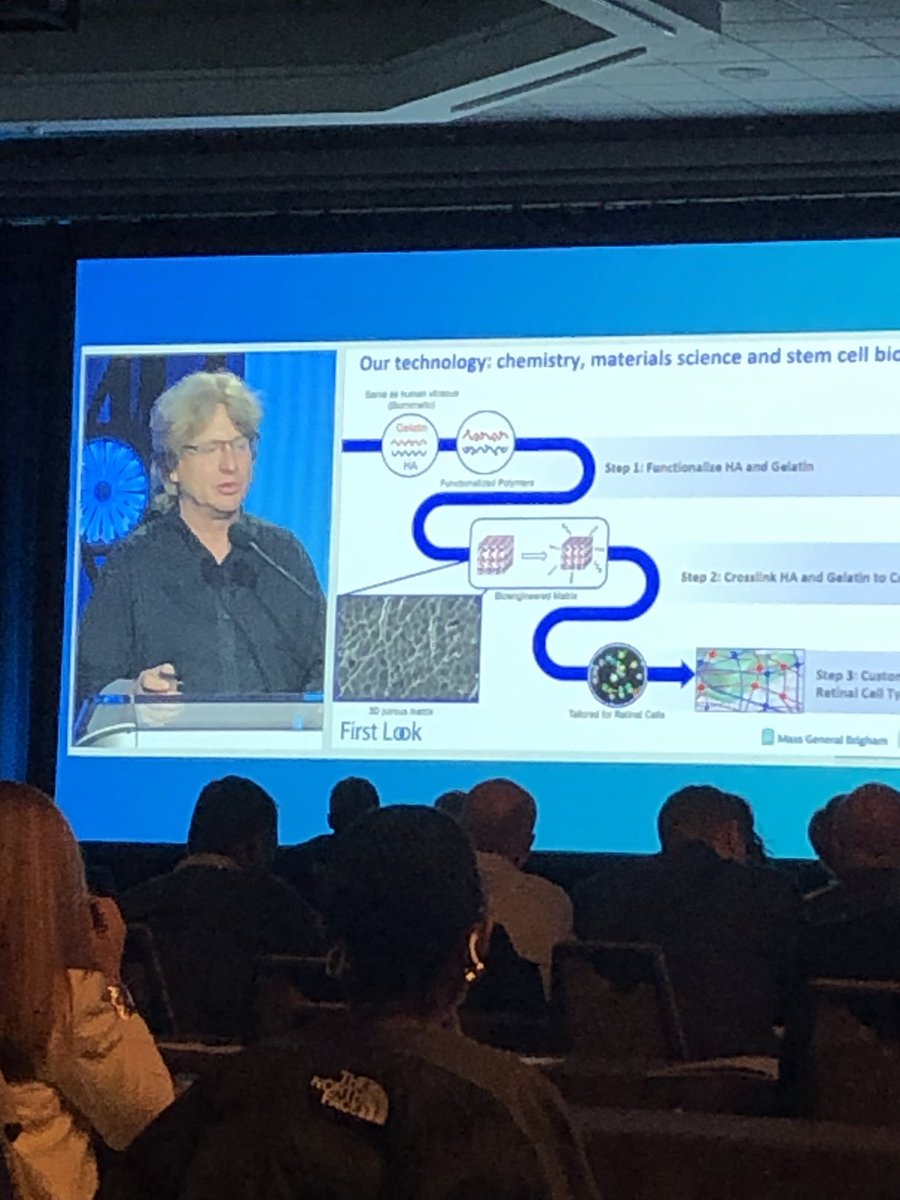


 Aviva Lev-Ari @AVIVA1950 May 4 Outstanding 2022 World Medical Innovation Forum, GENE & CELL THERAPY • MAY 2–4, 2022 • BOSTON • IN-PERSON pharmaceuticalintelligence.com/2022/05/01/202… via #WMIF2022 @MGBInnovation @MassGenBrigham @pharma_BI @AVIVA19503638.3%View Tweet activity



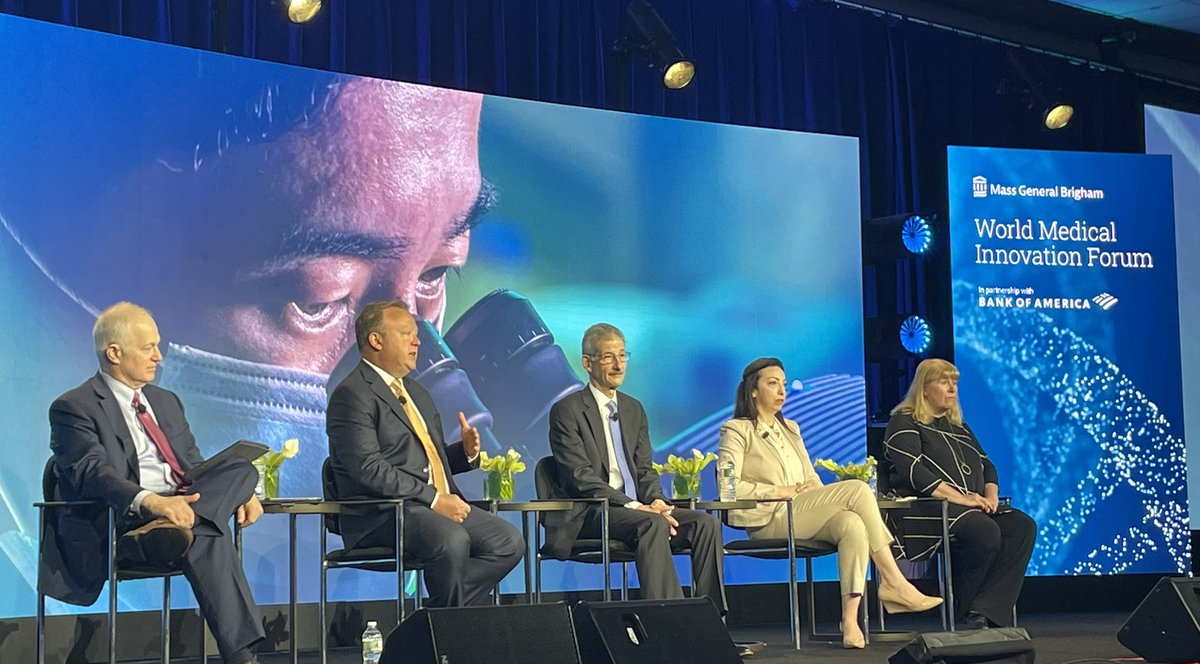




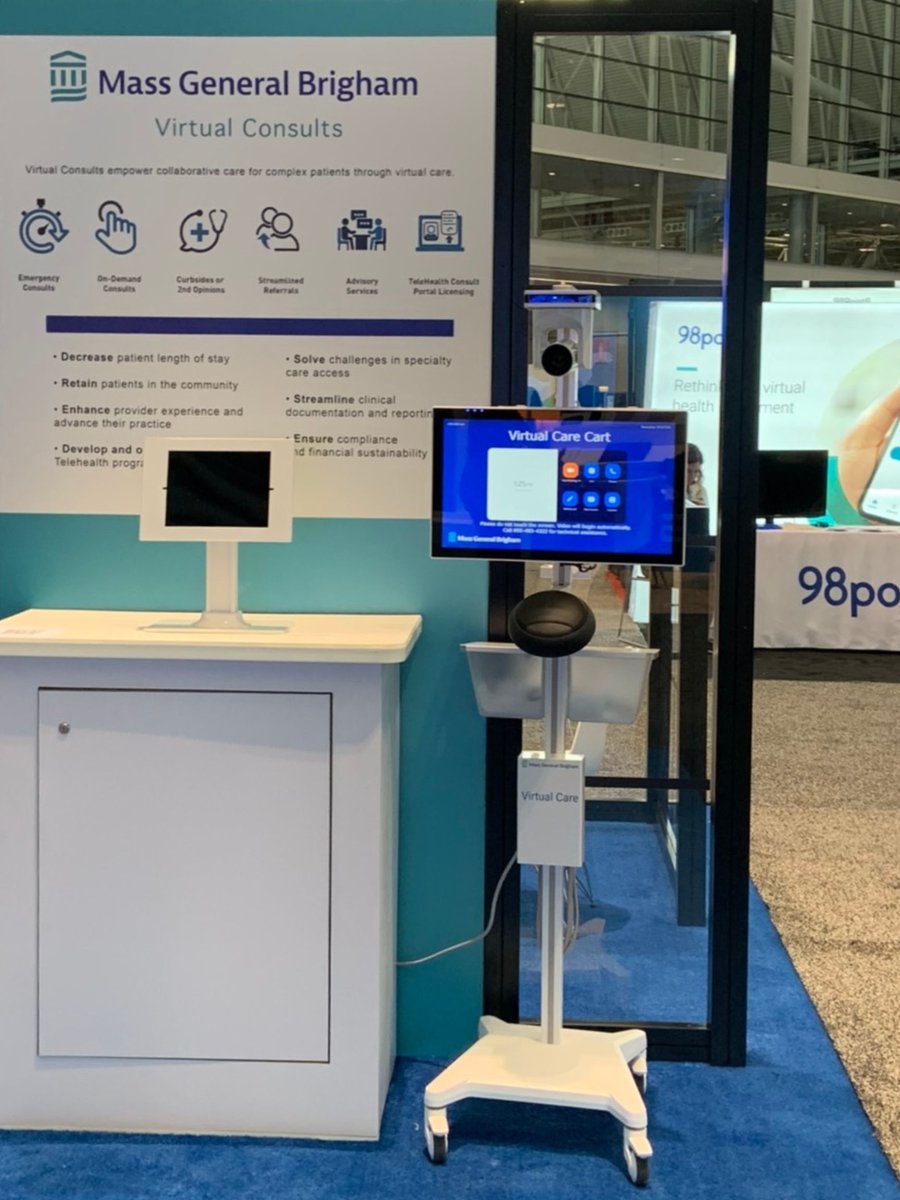


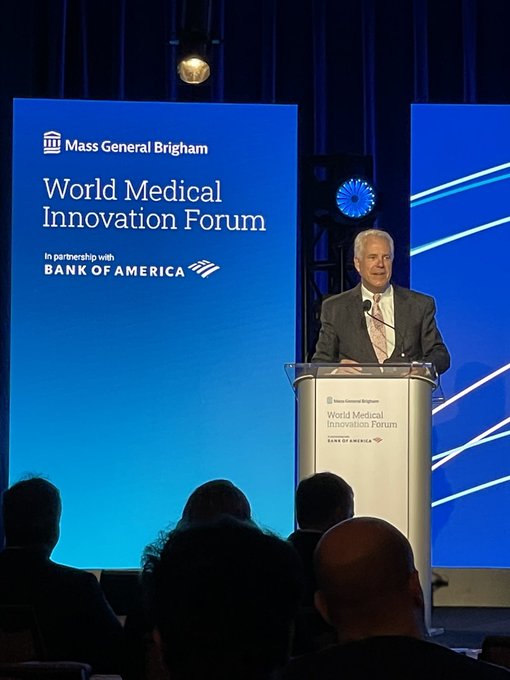


 2012pharmaceutical
 sjwilliamspa