Feeds:
Posts
Comments

Posts Tagged ‘National Institutes of Health’

Heroes in Medical Research: Dr. Robert Ting, Ph.D. and Retrovirus in AIDS and Cancer

Curator and Reporter: Stephen J. Williams, PhD

This image has an empty alt attribute; its file name is ArticleID-42.png

WordCloud Image Produced by Adam Tubman

This is the second posting in this series in which I highlight the basic research which led to seminal breakthroughs in the medical field, brought on by the result of basic inquiry, thorough and detailed investigation, meticulously following the scientific method, and eventually leading to development of important medical therapies.

In his autobiography, Virus Hunting: AIDS, Cancer & the Human Retrovirus: A Story of Scientific Discovery, Dr. Robert Gallo, M.D. describes a wonderful story of the history behind, scientific biographies, and chronology of the discoveries which led he and his colleagues (including co-discoverer Dr. Luke Montagnier) to recognize retroviruses (in particular HIV) as the leading culprit for the cause of AIDS and in the etiology of Kaposi’s sarcoma.   For anyone who appreciates the history behind scientific discoveries and appreciates learning about the multitude of individual efforts which are the crux of seminal research, this book is a must read.

Recommendations from the back cover include:

Virus Hunting will be read and reread, for years to come.” —New York Newsday

“Provides a human, revealing look into the arcane, usually secret confines of laboratory science.”

Martin Delany, Project Inform

..as well as others.

While a fascinating aspect of this book is the description, like fitting pieces of a puzzle, of the important discoveries throughout history which are the necessary foundations for further investigations and discoveries, more important is a telling, personal narrative of the people involved in those initial and subsequent discoveries.  In fact, the book has over 396 colleagues, mentors, technicians, students, and even critiques who are given credit, in one form or another, for the ultimate discovery of HIV as a causative agent for the development of AIDS. The book is a literal Who’s Who in Science and shows how important personal collaboration and friendships are in the process of scientific discovery.

In 1972, Dr. Seymour Perry had appointed the young Dr. Robert Gallo as head of a new department, the Human Tumor Cell Biology Branch, renamed the Laboratory of Tumor Cell Biology.  The lab was carrying on the work on tRNA that Dr. Gallo had performed in Dr. Sid Perska’s group at NIH.  However, with the help of new lab members Dr. David Gillespie, Dr. Flossie Wong-Staal, and Dr. Marjorie Robert-Guroff the lab focused on the search for disease-causing retroviruses, especially in human leukemias.  This was, in part, due to conversations with Dr. Robert Huebner and Todaro, who insisted that

“within the genetic makeup of this endogenous retroviral material was, they suggested, a special gene, the oncogene, that was the parent of the cancer-causing protein”

which may explain some of the early work by Rous concerning the Rous sarcoma virus.

Enter in Gallo’s good friend Dr. Bob Ting.  Dr. Gallo had known Dr. Ting socially since 1966, shortly after Gallo had arrived at NIH.  Dr. Bob Ting was a well-established NCI investigator, who was doing work on DNA and RNA oncogenic viruses of animals.  Originally from a large and wealthy family in Hong Kong, Dr. Ting had worked with Nobel Prize winners Salvatore Luria (who worked on phages) and Renato Dulbecco, who, along with his well-known cell culture media, had made the seminal discoveries that led to our knowledge how some DNA viruses can transform normal animal cells into neoplastic-like cells in culture.

Bob Ting gave a talk on these oncogenic viruses and Gallo was very interested in his observations that oncogenic viruses like Rous and Maloney, could transform cells in vitro in a matter of days.

A friendship developed between the two over tennis matches and Chinese food.  During this time, Dr. Ting made the important suggestion that they both collaborate and use the viral systems developed by Dulbecco.  Ting also introduced him to RNA viruses, Dr. Robert Huebner, and Dr. Howard Temin.  It was, in part, due to these associations that Gallo started looking, in earnest, at the possibility of RNA retroviruses in leukemias. Thus, just like the internet today, connections and networking provided new insights into current research, and helped lead the advent of new discoveries, therapies, and scientific disciplines.

Therefore, “after some late-night discussion with Bob Ting, I decided to enter the fray. My own laboratory, … would immediately be set up to compare the properties of reverse transcriptase enzymes from many different animal retroviruses”.

Although the rest is more history, this early friendship, collaboration, and mentoring by Bob Ting had “transformed” Gallo’s research efforts to set him up to make some of the important discoveries eventually leading to the discovery of the role of HIV in AIDS.

A video interviewing Dr. Gallo can be found here:

VIEW VIDEO

https://www.youtube.com/watch?v=ELRlXLGWu4I

A very nice writeup/obituary for Dr. Ting was written by Patricia Sullivan of the Washington Post and is included below.

Robert Ting, 77; Biotech Pioneer
ME/Ting-ob

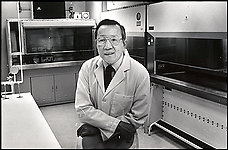
Dr. Robert Ting’s biotech company in Rockville developed the first FDA-approved diagnostic test kits to test for HIV antibodies. (By Gerald Martineau — The Washington Post)

By Patricia Sullivan

Washington Post Staff Writer
Friday, September 22, 2006

Robert C.Y. Ting, 77, a research scientist who started one of the early biotechnology companies in the Washington area, died Sept. 11 of complications after cardiac surgery at the Cleveland Clinic in Cleveland.

Dr. Ting founded Biotech Research Laboratories Inc. in Rockville in 1973, producing cells for government scientists to use in research. Eleven years later, his firm obtained a federal license to develop and produce the first FDA-approved diagnostic test kits for HIV antibody confirmation.

Robert C. Gallo, who co-discovered the HIV virus as the cause of AIDS, called Dr. Ting a pioneer in the field who popularized the term “biotechnology” when he moved from research to entrepreneurship.

“He introduced me to virology, and he did it twice,” said Gallo, director of the Institute of Human Virology in Baltimore. The men had known each other since the 1960s, and while playing tennis one day, Dr. Ting advised the cancer researcher to look at new research in viruses. Later, when Gallo was studying leukemia, Dr. Ting directed him to animal research in leukemia. “First he showed me how viruses change cells. Then he introduced me to retrovirology. . . . I went into retrovirology solely because of those discussions with Bob Ting on tennis courts,” Gallo said.

Dr. Ting, whom Gallo described as a quiet, modest man, was born in Shanghai, the son of a physician to Gen. Chiang Kai-Shek. His family fled the country during the Japanese invasion of China during World War II and moved to Hong Kong. Soon after, he moved to the United States, where he received a bachelor’s degree and in 1956 a master’s degree in genetics from Amherst College.

He received a doctoral degree in microbiology and biochemistry from the University of Illinois in 1960 under Salvador E. Luria, who later won the 1969 Nobel Prize in Medicine and Physiology. Dr. Ting spent the next two years on a postdoctoral fellowship at the California Institute of Technology, working with Renato Dulbecco, who later won the 1975 Nobel Prize in Medicine and Physiology. Their work focused on how viruses cause tumors.

“A lot of molecular biology developed from this,” Dr. Ting told The Washington Post in 1984 from his Rockville office, cluttered with scientific journals, awards and a large blackboard. “There was so much evidence in animal systems [that viruses cause tumors], that the next question was obvious — can you find the equivalent in humans.”

Dr. Ting joined the National Institutes of Health in 1962 as a visiting fellow and then a senior research scientist at the National Cancer Institute. From 1966 to 1968, he was an associate editor for the Journal of the National Cancer Institute.

In 1969, he joined Litton Bionetics Inc. in Rockville as director of experimental oncology, leading a project funded by the institute to search for viruses in human leukemia patients. He became scientific director of the cancer research branch the next year.

With academic, government and private business experience under his belt, Dr. Ting decided to go into business on his own and in 1973 started Biotech Research Laboratories in Rockville. It was a profitable supplier of research services and supplies until 1981, when it went public and produced the HIV diagnostic test kits. It became one of the most successful public biotech companies in the area in the mid-1980s.

The Economic Development Board of Singapore invited him to return to Asia to start a biotech company, which he did in 1985, forming Diagnostic Biotechnology Ltd. He also joined the Institute of Molecular and Cell Biology at the National University of Singapore, which Gallo called “the most prominent Asian academic biotechnology center.”

He returned to the United States in 1998 to join the board of Cell Works Inc. in Baltimore, and became chair and chief executive of a joint venture, Cell Works Asia Limited, in 2000.

Most recently, Dr. Ting was the founding president and chief executive of Profectus Biosciences Inc. of Baltimore, previously known as Maryland BioTherapeutics Inc.

Dr. Ting was past chairman of the F.F. Fraternity, one of the oldest Chinese fraternities in the United States. He was also a member of the Organization of Chinese Americans in the D.C. area since its inception in the early 1970s. He enjoyed tennis, golf, ballroom dancing and international travel. He also was a wine connoisseur.

Survivors include his wife of 44 years, Sylvia Han Ting of Potomac; three children, Anthony Ting of Shaker Heights, Ohio, Andrew Ting of Beverly, Mass., and Jennifer Chow of Potomac; seven sisters; and seven grandchildren.

An obituary written from his son Anthony can be found here:

https://www.amherst.edu/aboutamherst/magazine/in_memory/1953/robertting

Sources:

http://www.amazon.com/Virus-Hunting-Retrovirus-Scientific-Discovery/dp/0465098150

http://www.washingtonpost.com/wp-dyn/content/article/2006/09/21/AR2006092101936.html

Other articles/postings related to this topic and HIV on this site includes:

Heroes in Medical Research: Barnett Rosenberg and the Discovery of Cisplatin

History of medicine, science, and society: 200 Years of the New England Journal of Medicine

Why did Pauling Lose the “Race” to James Watson and Francis Crick? How Crick Describes his Discovery in a Letter to his Son

John Randall’s MRC Research Unit and Rosalind Franklin’s role at Kings College

Interview with the co-discoverer of the structure of DNA: Watson on The Double Helix and his changing view of Rosalind Franklin

Otto Warburg, A Giant of Modern Cellular Biology

Inspiration From Dr. Maureen Cronin’s Achievements in Applying Genomic Sequencing to Cancer Diagnostics

Nanotechnology and HIV/AIDS treatment

HIV vaccine: Caltech puts us One step further

Getting Better: Documentary Videos on Medical Progress — in Surgery, Leukemia, and HIV/AIDS.

Read Full Post »

Reporter: Aviva Lev-Ari, PhD, RN


Brain Development Is Guided by Junk DNA that Isn’t Really Junk

By Jeffrey Norris on April 15, 2013

Fluorescent dyes track the presence of the RNA molecules and the genes they  affect in the developing mouse brain.

UCSF researchers have uncovered a role in brain development and in neurological

disease for little appreciated molecules called long noncoding RNA. In this image,

fluorescent dyes track the presence of the RNA molecules and the genes they

affect in the developing mouse brain. Image courtesy of Alexander Ramos

Specific DNA once dismissed as junk plays an important role in brain development and might be involved in several devastating neurological diseases, UC San Francisco scientists have found.

Their discovery in mice is likely to further fuel a recent scramble by researchers to identify roles for long-neglected bits of DNA within the genomes of mice and humans alike.

While researchers have been busy exploring the roles of proteins encoded by the genes identified in various genome projects, most DNA is not in genes. This so-called junk DNA has largely been pushed aside and neglected in the wake of genomic gene discoveries, the UCSF scientists said.

In their own research, the UCSF team studies molecules called long noncoding RNA (lncRNA, often pronounced as “link” RNA), which are made from DNA templates in the same way as RNA from genes.

“The function of these mysterious RNA molecules in the brain is only beginning to be discovered,” said Daniel Lim, MD, PhD, assistant professor of neurological surgery, a member of the Eli and Edythe Broad Center of Regeneration Medicine and Stem Cell Research at UCSF, and the senior author of the study, published online April 11 in the journal Cell Stem Cell.

Daniel Lim, MD, PhD

Alexander Ramos, a student enrolled in the MD/PhD program at UCSF and first author of the study, conducted extensive computational analysis to establish guilt by association, linking lncRNAs within cells to the activation of genes.

Ramos looked specifically at patterns associated with particular developmental pathways or with the progression of certain diseases. He found an association between a set of 88 long noncoding RNAs and Huntington’s disease, a deadly neurodegenerative disorder. He also found weaker associations between specific groups of long noncoding RNAs and Alzheimer’s disease, convulsive seizures, major depressive disorder and various cancers.

“Alex was the team member who developed this new research direction, did most of the experiments, and connected results to the lab’s ongoing work,” Lim said. The study was mostly funded through Lim’s grant – a National Institutes of Health (NIH) Director’s New Innovator Award, a competitive award for innovative projects that have the potential for unusually high impact.

LncRNA versus Messenger RNA

Unlike messenger RNA, which is transcribed from the DNA in genes and guides the production of proteins, lncRNA molecules do not carry the blueprints for proteins. Because of this fact, they were long thought to not influence a cell’s fate or actions.

Alexander Ramos

Nonetheless, lncRNAs also are transcribed from DNA in the same way as messenger RNA, and they, too, consist of unique sequences of nucleic acid building blocks.

Evidence indicates that lncRNAs can tether structural proteins to the DNA-containing chromosomes, and in so doing indirectly affect gene activation and cellular physiology without altering the genetic code. In other words, within the cell, lncRNA molecules act “epigenetically” — beyond genes — not through changes in DNA.

The brain cells that the scientists focused on the most give rise to various cell types of the central nervous system. They are found in a region of the brain called the subventricular zone, which directly overlies the striatum. This is the part of the brain where neurons are destroyed in Huntington’s disease, a condition triggered by a single genetic defect.

Ramos combined several advanced techniques for sequencing and analyzing DNA and RNA to identify where certain chemical changes happen to the chromosomes, and to identify lncRNAs on specific cell types found within the central nervous system. The research revealed roughly 2,000 such molecules that had not previously been described, out of about 9,000 thought to exist in mammals ranging from mice to humans.

In fact, the researchers generated far too much data to explore on their own. The UCSF scientists created a website through which their data can be used by others who want to study the role of lncRNAs in development and disease.

“There’s enough here for several labs to work on,” said Ramos, who has training grants from the California Institute for Regenerative Medicine (CIRM) and the NIH.

“It should be of interest to scientists who study long noncoding RNA, the generation of new nerve cells in the adult brain, neural stem cells and brain development, and embryonic stem cells,” he said.

Other co-authors who worked on the study include UCSF postdoctoral fellows Aaron Diaz, PhD, Abhinav Nellore, PhD, Michael Oldham, PhD, Jun Song, PhD, Ki-Youb Park, PhD, andGabriel Gonzales-Roybal, PhD; and MD/PhD student Ryan Delgado. Additional funders of the study included the Sontag Foundation and the Sandler Foundation.

Read Full Post »

Reporter: Aviva Lev-Ari, PhD, RN


A New Protein Target for Controlling Diabetes

Researchers at the University of California, San Diego School of Medicine have identified a previously unknown biological mechanism involved in the regulation of pancreatic islet beta cells, whose role is to produce and release insulin. The discovery suggests a new therapeutic target for treating dysfunctional beta cells and type 2 diabetes, a disease affecting more than 25 million Americans.

Writing in the April 11, 2013 issue of Cell, Jerrold M. Olefsky, MD, associate dean for scientific affairs and distinguished professor of medicine, and colleagues say a transmembrane binding protein called fractalkine, which typically mediates cell-to-cell adhesion though its receptor, CX3CR1, can also be released from cells to circulate in the blood and stimulate insulin secretion.

“Our discovery of fractalkine’s role in beta cells is novel and has never been talked about in prior literature,” said Olefsky. More importantly, the research highlights fractalkine’s apparently vital role in normal, healthy beta cell function. In mouse models and in cultured human islets, the researchers found administering the protein stimulated insulin secretion and improved glucose tolerance, both key factors in diabetes.  In contrast, fractalkine had no effect in mice or islets when the fractalkine receptor was deleted.

“Whether or not decreased fractalkine or impaired fractalkine signaling are causes of decreased beta cell function in diabetes is unknown,” said Olefsky. “What we do know, without doubt, is that administration of fractalkine improves or restores insulin secretion in all of the mouse models we have examined, as well as in human islet cells.”

Olefsky said fractalkine or a protein analog could prove “a potential treatment to improve insulin secretion in type 2 diabetic patients. It might also improve beta cell function or beta cell health, beyond simply increasing insulin secretion, since fractalkine prevents beta cell apoptosis (cell death) and promotes the beta cell differentiation program.

“If successfully developed, this could be an important new complement to the therapeutic arsenal we use in type 2 diabetes,” Olefsky continued. “It is not likely to ‘cure’ diabetes, but it would certainly do a good job at providing glycemic control.”

Co-authors of this study include Yun Sok Lee, Hidetaka Morinaga, and William Lagakos, UCSD Department of Medicine, Division of Endocrinology and Metabolism; Jane J. Kim and Ayse G. Kayali, UCSD Department of Pediatrics; Susan Taylor and Malik Keshwani, UCSD Department of Pharmacology; Guy Perkins, National Center for Microscopy and Imaging Research at UCSD; Hui Dong, UCSD Department of Medicine, Division of Gastroenterology; and Ian R. Sweet, Department of Medicine, University of Washington.

Funding came, in part, from the National Institutes of Health (grants DK-033651, DK-074868, T32-DK-007494 and DK-063491) and the Eunice Kennedy Shriver National Institute of Child Health and Human Development/NIH (U54-HD-012303-25).

Read Full Post »

Two Mutations, in the PCSK9 Gene: Eliminates a Protein involved in Controlling LDL Cholesterol

Reporter: Aviva Lev-Ari, PhD, RN

UPDATED on 11/15/2013

Relax, PCSK9ers: FDA won’t roadblock blockbusters from Sanofi, Amgen

By Damian Garde

On the heels of new guidelines casting doubts on a much-hyped new class of cholesterol drugs, the FDA said it would not demand long and costly outcomes trials before approving PCSK9 treatments from the likes of Amgen ($AMGN), Sanofi ($SNY) and Regeneron ($REGN), clearing the way for treatments expected to rake in up to $3 billion a year.

As Bloomberg reports, the FDA plans to stick to its guns in vetting cardiovascular drugs, looking at reductions in LDL cholesterol and blood pressure as surrogate endpoints for long-term health benefits. That’s a relief for the developers of PCSK9-targeting drugs, who have faced mounting uncertainty about what they’ll need to do to get their would-be blockbusters to market. Partners Sanofi and Regeneron lead the pack with the promising alirocumab, followed by Amgen, Pfizer ($PFE) and numerous others.

Earlier this week, the American College of Cardiology and the American Heart Association put out new guidelines for prescribing cholesterol treatments, recommending tried-and-true statins over more novel therapies because the old drugs’ down-the-line cardiovascular benefits are well-told. That stirred up long-running concerns that the FDA would toughen up its requirements for the coming crop of PCSK9 treatments, asking drug developers to dump millions into long-term studies that demonstrate hard outcomes

But while PCSK9 developers may not have to worry about new regulatory hurdles, what’s good enough for the FDA won’t necessarily sway payers, and the billion-dollar sales estimates tied to PCSK9 drugs are contingent on widespread adoption. With that in mind, Pfizer is plotting a massive, 22,000-patient outcomes trial, looking to demonstrate the PCSK9-targeting RN-316’s ability to improve cardiovascular health in the long run, a move that may spur its competitors to follow suit.

And the FDA’s conventional wisdom on cardiovascular endpoints may not stand pat. Eric Colman, a deputy director at CDER, told Bloomberg the agency is keeping a close eye on a post-market study of Merck’s ($MRK) Vytorin, and if the drug’s LDL-lowering ability doesn’t translate to lower rates of cardiovascular events, it may well rethink its requirements.

Related Articles:

AstraZeneca wins, Merck and AbbVie lose with new statin-use guidelines

Sanofi, Regeneron take the lead in blockbuster PhIII race of PCSK9 drugs

Pfizer bets big on PCSK9 with ‘massive’ Phase III outcomes study

 SOURCE

From: FierceBiotech <editors@fiercebiotech.com>
Reply-To: <editors@fiercebiotech.com>
Date: Fri, 15 Nov 2013 17:56:42 +0000 (GMT)
To: <avivalev-ari@alum.berkeley.edu>
Subject: | 11.15.13 | Sanofi, Amgen dodge PCSK9 hurdles


http://www.nature.com/news/genetics-a-gene-of-rare-effect-1.12773?goback=%2Egde_96118_member_230797138

Genetics: A Gene of Rare Effect

A mutation that gives people rock-bottom cholesterol levels has led geneticists to what could be the next blockbuster heart drug.

Stephen S. Hall

09 April 2013
ADAPTED FROM: PETER DAZELEY/GETTY

Indeed, Tracy’s well-being has been inspiring to doctors, geneticists and now pharmaceutical companies precisely because she is so normal. Using every tool in the modern diagnostic arsenal — from brain scans and kidney sonograms to 24-hour blood-pressure monitors and cognitive tests — researchers at the Texas medical centre have diagnostically sliced and diced Tracy to make sure that the two highly unusual genetic mutations she has carried for her entire life have produced nothing more startling than an incredibly low level of cholesterol in her blood. At a time when the target for low-density lipoprotein (LDL) cholesterol, more commonly called ‘bad cholesterol’, in Americans’ blood is less than 100 milligrams per decilitre (a level many people fail to achieve), Tracy’s level is just 14.

A compact woman with wide-eyed energy, Tracy (not her real name) is one of a handful of African Americans whose genetics have enabled scientists to uncover one of the most promising compounds for controlling cholesterol since the first statin drug was approved by the US Food and Drug Administration in 1987. Seven years ago, researchers Helen Hobbs and Jonathan Cohen at UT-Southwestern reported1 that Tracy had inherited two mutations, one from her father and the other from her mother, in a gene called PCSK9, effectively eliminating a protein in the blood that has a fundamental role in controlling the levels of LDL cholesterol. African Americans with similar mutations have a nearly 90% reduced risk of heart disease. “She’s our girl, our main girl,” says Barbara Gilbert, a nurse who has drawn some 8,000 blood samples as part of Cohen and Hobbs’ project to find genes important to cholesterol metabolism.

Of all the intriguing DNA sequences spat out by the Human Genome Project and its ancillary studies, perhaps none is a more promising candidate to have a rapid, large-scale impact on human health than PCSK9. Elias Zerhouni, former director of the US National Institutes of Health (NIH) in Bethesda, Maryland, calls PCSK9 an “iconic example” of translational medicine in the genomics era. Preliminary clinical trials have already shown that drugs that inhibit the PCSK9 protein — used with or without statins — produce dramatic reductions in LDL cholesterol (more than 70% in some patients). Half-a-dozen pharmaceutical companies — all aiming for a share of the global market for cholesterol-reducing drugs that could reach US$25 billion in the next five years according to some estimates — are racing to the market with drugs that mimic the effect of Tracy’s paired mutations.

Free interview

Stephen Hall talks about Sharlayne’s unusual condition and whether similar cases might lead to a new line of drugs.

Zerhouni, now an in-house champion of this class of drug as an executive at drug firm Sanofi, headquartered in Paris, calls the discovery and development of PCSK9 a “beautiful story” in which researchers combined detailed physical information about patients with shrewd genetics to identify a medically important gene that has made “super-fast” progress to the clinic. “Once you have it, boy, everything just lines up,” he says. And although the end of the PCSK9 story has yet to be written — the advanced clinical trials now under way could still be derailed by unexpected side effects — it holds a valuable lesson for genomic research. The key discovery about PCSK9‘s medical potential was made by researchers working not only apart from the prevailing scientific strategy of genome research over the past decade, but with an almost entirely different approach.

As for Tracy, who lives in the southern part of Dallas County, the implications of her special genetic status have become clear. “I really didn’t understand at first,” she admits. “But now I’m watching ads on TV [for cholesterol-lowering drugs], and it’s like, ‘Wow, I don’t have that problem’.”

A heart problem

Cardiovascular disease is — and will be for the foreseeable future, according to the World Health Organization — the leading cause of death in the world, and its development is intimately linked to elevated levels of cholesterol in the blood. Since their introduction, statin drugs have been widely used to lower cholesterol levels. But Jan Breslow, a physician and geneticist at Rockefeller University in New York, points out that up to 20% of patients cannot tolerate statins’ side effects, which include muscle pain and even forgetfulness. And in many others, the drugs simply don’t control cholesterol levels well enough.

The search for better treatments for heart disease gained fresh impetus after scientists published the draft sequence of the human genome in 2001. In an effort to identify the genetic basis of common ailments such as heart disease and diabetes, geneticists settled on a strategy based on the ‘common variant hypothesis’. The idea was that a handful of disease-related versions (or variants) of genes for each disease would be common enough — at a frequency of roughly 5% or so — to be detected by powerful analyses of the whole genome. Massive surveys known as genome-wide association studies compared the genomes of thousands of people with heart disease, for example, with those of healthy controls. By 2009, however, many scientists were lamenting the fact that although the strategy had identified many common variants, each made only a small contribution to the disease. The results for cardiovascular disease have been “pretty disappointing”, says Daniel Steinberg, a lipoprotein expert at the University of California, San Diego.

Single-minded: Helen Hobbs and Jonathan Cohen’s approach to heart-disease genetics yielded a target for drugs that could compete with statins.MISTY KEASLER/REDUX/EYEVINE

More than a decade earlier, in Texas, Hobbs and Cohen had taken the opposite tack. They had backgrounds in Mendelian, or single-gene, disorders, in which an extremely rare variant can have a big — often fatal — effect. They also knew that people with a particular Mendelian disorder didn’t share a single common mutation in the affected gene, but rather had a lot of different, rare mutations. They hypothesized that in complex disorders, many different rare variants were also likely to have a big effect, whereas common variants would have relatively minor effects (otherwise natural selection would have weeded them out). “Jonathan and I did not see any reason why it couldn’t be that rare variants cumulatively contribute to disease,” Hobbs says. To find these rare variants, the pair needed to compile detailed physiological profiles, or phenotypes, of a large general population. Cohen spoke of the need to “Mendelize” people — to compartmentalize them by physiological traits, such as extremely high or low cholesterol levels, and then look in the extreme groups for variations in candidate genes known to be related to the trait.

The pair make a scientific odd couple. Hobbs, who trained as an MD, is gregarious, voluble and driven. Cohen, a soft-spoken geneticist from South Africa, has a laid-back, droll manner and a knack for quantitative thinking. In 1999, they set out to design a population-based study that focused on physical measurements related to heart disease. Organized with Ronald Victor, an expert on high blood pressure also at UT Southwestern, and funded by the Donald W. Reynolds Foundation in Las Vegas, Nevada, the Dallas Heart Study assembled exquisitely detailed physiological profiles on a population of roughly 3,500 Dallas residents2. Crucially, around half of the participants in the study were African Americans, because the researchers wanted to probe racial differences in heart disease and high blood pressure. The team measured blood pressure, body mass index, heart physiology and body-fat distribution, along with a battery of blood factors related to cholesterol metabolism — triglycerides, high-density lipoprotein (HDL) cholesterol and LDL cholesterol. In the samples of blood, of course, they also had DNA from each and every participant.

As soon as the database was completed in 2002, Hobbs and Cohen tested their rare-variant theory by looking at levels of HDL cholesterol. They identified the people with the highest (95th percentile) and lowest (5th percentile) levels, and then sequenced the DNA of three genes known to be key to metabolism of HDL cholesterol. What they found, both in Dallas and in an independent population of Canadians, was that the number of mutations was five times higher in the low HDL group than in the high group3. This made sense, Cohen says, because most human mutations interfere with the function of genes, which would lead to the low HDL numbers. Published in 2004, the results confirmed that rare, medically important mutations could be found in a population subdivided into extreme phenotypes.

Armed with their extensive database of cardiovascular traits, Hobbs and Cohen could now dive back into the Dallas Heart Study whenever they had a new hypothesis about heart disease and, as Cohen put it, “interrogate the DNA”. It wasn’t long before they had an especially intriguing piece of DNA at which to look.

The missing link

In February 2003, Nabil Seidah, a biochemist at the Clinical Research Institute of Montreal in Canada, and his colleagues reported the discovery of an enigmatic protein4. Seidah had been working on a class of enzymes known collectively as proprotein convertases, and the researchers had identified what looked like a new member of the family, called NARC-1: neural apoptosis-regulated convertase 1.

“We didn’t know what it was doing, of course,” Seidah says. But the group established that the gene coding the enzyme showed activity in the liver, kidney and intestines as well as in the developing brain. The team also knew that in humans the gene mapped to a precise genetic neighbourhood on the short arm of chromosome 1.

That last bit of geographical information pointed Seidah to a group led by Catherine Boileau at the Necker Hospital in Paris. Her team had been following families with a genetic form of extremely high levels of LDL cholesterol known as familial hypercholesterolaemia, which leads to severe coronary artery disease and, often, premature death. Group member Marianne Abifadel had spent five fruitless years searching a region on the short arm of chromosome 1 for a gene linked to the condition. When Seidah contacted Boileau and told her that he thought NARC-1 might be the gene she was looking for, she told him, “You’re crazy”, Seidah recalls. Seidah bet her a bottle of champagne that he was correct; within two weeks, Boileau called back, saying: “I owe you three bottles.”

“The PCSK9 story is a terrific example of an up-and-coming pattern of translational research.”

In 2003, the Paris and Montreal groups reported that the French families with hypercholesterolaemia had one of two mutations in this newly discovered gene, and speculated that this might cause increased production of the enzyme5. Despite Seidah’s protests, the journal editors gave both the gene and its protein product a new name that fit with standard nomenclature: proprotein convertase subtilisin/kexin type 9, or PCSK9. At around the same time, Kara Maxwell in Breslow’s group at Rockefeller University6 and Jay Horton, a gastroenterologist at UT-Southwestern7 also independently identified the PCSK9 gene in mice and revealed its role in a previously unknown pathway regulating cholesterol8.

The dramatic phenotype of the French families told Hobbs that “this is an important gene”. She also realized that in genetics, mutations that knock out a function are much more common than ones that amplify function, as seemed to be the case with the French families. “So immediately I’m thinking, a loss-of-function mutation should manifest as a low LDL level,” she says. “Let’s go and see if that’s true.”

Going to extremes

Hobbs and Cohen had no further to look than in the extreme margins of people in the Dallas Heart Study. In quick order, they identified the highest and lowest LDL readings in four groups: black women, black men, white women and white men. They then resequenced the PCSK9 gene in the low-cholesterol groups, looking for mutations that changed the make-up of the protein.

They found seven African Americans with one of two distinct ‘nonsense’ mutations in PCSK9 — mutations that essentially aborted production of the protein. Then they went back and looked for the same mutations in the entire population. Just 2% of all black people in the Dallas study had either of the two PCSK9 mutations — and those mutations were each associated with a 40% reduction of LDL cholesterol in the blood9. (The team later detected a ‘missense mutation’ in 3% of white people, which impaired but did not entirely block production of the protein.) The frequency of the mutations was so low, Hobbs says, that they would never have shown up in a search for common variants.

When Hobbs and Cohen published their findings in 2005, they suggested that PCSK9 played a crucial part in regulating bad cholesterol, but said nothing about whether the mutations had any effect on heart disease. That evidence came later that year, when they teamed up with Eric Boerwinkle, a geneticist at the University of Texas Health Science Center in Houston, to look forPCSK9 mutations in the Atherosclerosis Risk in Communities (ARIC) study, a large prospective study of heart disease that had been running since 1987. To experts such as Steinberg, the results10 — published in early 2006 — were “mind-blowing”. African Americans in ARIC who had mutations in PCSK9 had 28% less LDL cholesterol and an 88% lower risk of developing heart disease than people without the mutations. White people with the less severe mutation in the gene had a 15% reduction in LDL and a 47% reduced risk of heart disease.

How did the gene exert such profound effects on LDL cholesterol levels? As researchers went on to determine11, the PCSK9 protein normally circulates in the bloodstream and binds to the LDL receptor, a protein on the surface of liver cells that captures LDL cholesterol and removes it from the blood. After binding with the receptor, PCSK9 escorts it into the interior of the cell, where it is eventually degraded. When there is a lot of PCSK9 (as in the French families), there are fewer LDL receptors remaining to trap and remove bad cholesterol from the blood. When there is little or no PCSK9 (as in the black people with mutations), there are more free LDL receptors, which in turn remove more LDL cholesterol.

“We didn’t understand why everybody wasn’t doing what we were doing.”

The UT-Southwestern group, meanwhile, went back into the community looking for family members who might carry additional PCSK9 mutations. In September 2004, Gilbert, the nurse known as ‘the cholesterol lady’ in south Dallas because of her frequent visits, knocked on the door of Sharlayne Tracy’s mother, an original member of the Dallas Heart Study. Gilbert tested Tracy, as well as her sister, brother and father. “They tested all of us, and I was the lowest,” Tracy says. Zahid Ahmad, a doctor working with Hobbs at UT-Southwestern, was one of the first to look at Tracy’s lab results. “Dr Zahid was in awe,” Tracy recalled. “He said, ‘You’re not supposed to be so healthy!’.”

It wasn’t just that her LDL cholesterol measured 14. As a person with two dysfunctional copies of the gene — including a new type of mutation — Tracy was effectively a human version of a knockout mouse. The gene had been functionally erased from her genome, and PCSK9 was undetectable in her blood without any obvious untoward effects. The genomics community might have been a little slow to understand the significance, Hobbs says, “but the pharmaceutical companies got it right away”.

The next statin?

This being biology, however, the road to the clinic was not completely smooth. The particular biology of PCSK9 has so far thwarted efforts to find a small molecule that would interrupt its interaction with the LDL receptor and that could be packaged in a pill. But the fact that the molecule operates outside cells means that it is vulnerable to attack by monoclonal antibodies — one of the most successful (albeit most expensive) forms of biological medicine.

The results of early clinical trials have caused a stir. Regeneron Pharmaceuticals of Tarrytown, New York, collaborating with Sanofi, published phase II clinical-trial results12 last October showing that patients with high LDL cholesterol levels who had injections every two weeks of an anti-PCSK9 monoclonal antibody paired with a high-dose statin saw their LDL cholesterol levels fall by 73%; by comparison, patients taking high-dose statins alone had a decrease of just 17%. Last November, Regeneron and Sanofi began to recruit 18,000 patients for phase III trials that will test the ability of their therapy to cut cardiovascular events, including heart attacks and stroke. Amgen of Thousand Oaks, California, has also launched several phase III trials of its own monoclonal antibody after it reported similarly promising results13. Among other companies working on PCSK9-based therapies are Pfizer headquartered in New York, Roche based in Basel, Switzerland, and Alnylam Pharmaceuticals of Cambridge, Massachusetts. (Hobbs previously consulted for Regeneron and Pfizer, and now sits on the corporate board of Pfizer.)

Not everyone is convinced that a huge market awaits this class of cholesterol-lowering drugs. Tony Butler, a financial analyst at Barclays Capital in New York, acknowledges the “beautiful biology” of the PCSK9 story, but wonders if the expense of monoclonal drugs — and a natural reluctance of both patients and doctors to use injectable medicines — will constrain potential sales. “I have no idea what the size of the market may be,” he says.

“Everything hinges on the phase III side effects,” says Steinberg. So far, the main side effects reported have been minor, such as reactions at the injection site, diarrhoea and headaches. But animal experiments have raised potential red flags: the Montreal lab reported in 2006 that knocking out the gene in zebrafish is lethal to embryos14. That is why the case of Tracy was “very, very helpful” to drug companies, says Hobbs. Although her twin mutations have essentially deprived her of PCSK9 throughout her life, doctors have found nothing abnormal about her.

That last point may revive a debate in the cardiology community: should drug therapy to lower cholesterol levels, including statins and the anti-PCSK9 medicines, if they pan out, be started much earlier in patients than their 40s or 50s? That was the message Steinberg took from the people withPCSK9 mutations in the ARIC study — once he got over his shock at the remarkable health effects. “My first reaction was, ‘This must be wrong. How could that be?’And then it hit me — these people had low LDL from the day they were born, and that makes all the difference.” Steinberg argues that cardiologists “should get off our bums” and reach a consensus about beginning people on cholesterol-lowering therapy in their early thirties. But Breslow, a former president of the American Heart Association, cautions against being too aggressive too soon. “Let’s start out with the high-risk individuals and see how they do,” he says.

Not long after Hobbs and Cohen published their paper in 2006, they began to get invited to give keynote talks at major cardiology meetings. Soon after, the genetics community began to acknowledge the strength of their approach. In autumn 2007, then-NIH director Zerhouni organized a discussion at the annual meeting of the institutes’ directors to raise the profile of the rare-variant approach and contrast it with genome-wide studies. “Obviously, the two approaches are opposed to each other, and the question was, what was the relative value of each?” says Zerhouni. “I thought the PCSK9 story was a terrific example of an up-and-coming pattern of translational research” — indeed, he adds, “a harbinger of things to come”.

Hobbs and Cohen might not have found their gene if they had not had a hunch about where to look, but improved sequencing technology and decreasing costs now allow genomicists to incorporate the rare variant approach and to mount large-scale sweeps in search of such variants. “Gene sequencing is getting cheap enough that if there’s another gene like PCSK9 out there, you could probably find it genome-wide,” says Jonathan Pritchard, a population biologist at the University of Chicago, Illinois.

“What was amazing to us,” says Hobbs, “was that the genome project was spending all this time, energy, effort sequencing people, and they weren’t phenotyped, so there was no potential for discovery. We didn’t understand, and couldn’t understand, why everybody wasn’t doing what we were doing. Particularly when we started making discoveries.”

SOURCE:

Nature 496, 152–155 (11 April 2013) doi:10.1038/496152a

References
  1. Zhao, Z. et al. Am. J. Hum. Genet. 79, 514–523 (2006).

    Show context

  2. Victor, R. G. et al. Am. J. Cardiol. 93, 1473–1480 (2004).

    Show context

  3. Cohen, J. C. et al. Science 305, 869–872 (2004).

    Show context

  4. Seidah, N. G. et al. Proc. Natl Acad. Sci. USA 100, 928–933 (2003).

    Show context

  5. Abifadel, M. et al. Nature Genet. 34, 154–156 (2003).

    Show context

  6. Maxwell, K. N., Soccio, R. E., Duncan, E. M., Sehayek, E. & Breslow, J. L. J. Lipid Res. 44,2109–2119 (2003).

    Show context

  7. Horton, J. D. et al. Proc. Natl Acad. Sci. USA 100, 12027–12032 (2003).

    Show context

  8. Maxwell, K. N. & Breslow, J. L. Proc. Natl Acad. Sci. USA 101, 7100–7105 (2004).

    Show context

  9. Cohen, J. et al. Nature Genet. 37, 161–165 (2005).

    Show context

  10. Cohen, J. C., Boerwinkle, E., Mosley, T. H. Jr & Hobbs, H. H. N. Engl. J. Med. 354, 1264–1272(2006).

    Show context

  11. Horton, J. D., Cohen, J. C. & Hobbs, H. H. J. Lipid Res. 50, S172–S177 (2009).

    Show context

  12. Roth, E. M., McKenney, J. M., Hanotin, C., Asset, G. & Stein, E. A. N. Engl. J. Med. 367,1891–1900 (2012).

    Show context

  13. Koren, M. J. et al. Lancet 380, 1995–2006 (2012).

    Show context

  14. Poirier, S. et al. J. Neurochem. 98, 838–850 (2006).

    Show context

Author information

Affiliations

  1. Stephen S. Hall is a science writer in New York who also teaches public communication to graduate students in science at New York University.

Read Full Post »

Reporter: Aviva Lev-Ari, PhD, RN


Personalized Medicine Takes A Giant Step Forward At The Mount Sinai Medical Center

New ‘CLIPMERGE’ program helps physicians identify gene-drug interactions to improve treatment decisions.

NEW YORK

 – April 5, 2013 /Press Release/  –– 

Physicians and researchers at The Mount Sinai Medical Center will soon be utilizing a potentially revolutionary new data management and analysis platform that is external to, but communicates with, Mount Sinai’s Epic Electronic Health Record (EHR). The platform, developed at Mount Sinai, gives doctors real-time therapeutic and diagnostic guidance based on their patient’s genetic profile. Mount Sinai is pilot-testing the platform through a new research program called CLIPMERGE, which stands for CLinical Implementation of Personalized Medicine through Electronic health Records and Genomics, and is currently enrolling patients.

CLIPMERGE is described in an article to be published in the August issue of Clinical Pharmacology and Therapeutics. The article has been published online as an advance article preview, available at http://www.nature.com/clpt/journal/vaop/naam/pdf/clpt201372a.pdf.

The program is initially inviting 1,500 Mount Sinai patients, who are already enrolled in the BioMe™ “bio bank’ to take part. Once a patient has consented to take part in CLIPMERGE, their DNA, derived from saliva, is analyzed for genetic variations that may affect how a drug works in that individual.

These variations are stored by the CLIPMERGE platform, and remain there silently, until that patient is prescribed a medication by their physician for whom CLIPMERGE has genomically-relevant information – such as it having a lower likelihood of being effective or there being a higher chance of side-effects due to that patient’s particular type of genetic variation. When this happens, CLIPMERGE generates and sends a message, in real time, to the physician to let them know.

This process of providing relevant information to physicians at the point of care when they are treating patients is called “clinical decision support,” and just as it sounds, is intended to support physicians in their clinical decision making. For example, CLIPMERGE will advise physicians if a patient’s genetic profile indicates that he or she would be a “poor metabolizer” of a particular drug that they are prescribing.  In that scenario, CLIPMERGE would display an alert on the physician’s EHR screen, consisting of text describing the reason for the alert, some suggestions of alternative medications or doses that could be used, and a link to reference material so that physicians can read more about the science and evidence for pharmacogenomics.

The article gives an example of a patient whose genomic testing indicates he or she is a “poor metabolizer” of a prescribed drug, clopidogrel (Plavix ©).  The CLIPMERGE alert that is displayed on the physician’s screen states: “Poor metabolizer status is associated with significantly diminished antiplatelet response to clopidogrel and increased risk for adverse cardiovascular events following percutaneous coronary intervention.”  It then suggests the physician consider alternative medication.

“Our knowledge of pharmacogenomics, or genome-drug interactions, and how genetics can influence why some patients react better to some drugs than others, is growing rapidly and will likely transform how drugs are prescribed in the future,” said lead author and the principal investigator of CLIPMERGE Omri Gottesman, MD, a physician- scientist at The Charles Bronfman Institute for Personalized Medicine at the Icahn School of Medicine at Mount Sinai. “What has been lacking to date is technology that can enable us to effectively implement pharmacogenomic information at the point of care and sufficient knowledge about how this information should be communicated to doctors. We hope that through CLIPMERGE, we can establish best practices both technological and human; and a robust process for clinical-decision support to deliver relevant genomic information to physicians at the moment they are caring for patients.”

“Combining BioMe (the bio bank program at Mount Sinai) with CLIPMERGE has allowed us to attain real-time feedback on optimal therapeutics, based on a patient’s DNA, for multiple conditions related to cardiovascular disease, blood clots, high cholesterol, depression and pain” said Erwin Bottinger, MD, the Irene and Dr. Arthur Fishberg Professor of Medicine, and Director of The Charles Bronfman Institute for Personalized Medicine at the Icahn School of Medicine at Mount Sinai.  “This is an important step forward on the road to Personalized Medicine.”

Beyond the 1,500 patients enrolled in the pilot project, Mount Sinai has enrolled a total of 25,000 patients in BioMe™. “Enrolling this number of patients is a significant achievement for Mount Sinai and combined with programs such as CLIPMERGE, is propelling us to the forefront of precision medicine and its application in the clinical setting,” said Dennis S. Charney, MD, Anne and Joel Ehrenkranz Dean of Mount Sinai School of Medicine and Executive Vice President for Academic Affairs of The Mount Sinai Medical Center.  “The future of medicine lies in genomics research and translating it to the bedside – and Mount Sinai’s commitment to translational research makes us uniquely poised to lead that revolution.”

The Mount Sinai BioMe™ Biobank, established in 2007 with a donation from the Andrea and Charles Bronfman Philanthropies, is now one of the largest repositories of its kind in the U.S.  For more information, go to:http://icahn.mssm.edu/research/institutes/institute-for-personalized-medicine/innovation-and-technology/biome-platform.

About The Mount Sinai Medical Center

The Mount Sinai Medical Center encompasses both The Mount Sinai Hospital and Icahn School of Medicine at Mount Sinai. Established in 1968, the Icahn School of Medicine is one of the leading medical schools in the United States, and is noted for innovation in education, biomedical research, clinical care delivery, and local and global community service. It has more than 3,400 faculty in 32 departments and 14 research institutes, and ranks among the top 20 medical schools both in National Institutes of Health (NIH) funding and by U.S. News & World Report.

The Mount Sinai Hospital, founded in 1852, is a 1,171-bed tertiary- and quaternary-care teaching facility and one of the nation’s oldest, largest and most-respected voluntary hospitals. In 2012, U.S. News & World Report ranked The Mount Sinai Hospital 14th on its elite Honor Roll of the nation’s top hospitals based on reputation, safety, and other patient-care factors.  Mount Sinai is one of 12 integrated academic medical centers whose medical school ranks among the top 20 in NIH funding and by  U.S. News & World Report and whose hospital is on the U.S. News & World Report Honor Roll.  Nearly 60,000 people were treated at Mount Sinai as inpatients last year, and approximately 560,000 outpatient visits took place.

For more information, visit http://www.mountsinai.org.
Find Mount Sinai on:
Facebook: http://www.facebook.com/mountsinainyc
Twitter @mountsinainyc
YouTube: http://www.youtube.com/mountsinainy


Read Full Post »

Paralysis by Sequestration and the Medical Revolution

Reporter: Larry H Bernstein, MD, FACP

This image has an empty alt attribute; its file name is ArticleID-33.png

WordCloud Image Produced by Adam Tubman

http://pharmaceuticalintelligence.com/2013/04/03/paralysis-by-s…cal-revolution/

Dysfunction and the Medical Revolution

http://www.genomeweb.com/blog/dysfunction-and-medical-revolution
April 02, 2013
The federal sequestration is cutting back or halting grants that fund “potentially groundbreaking” personalized medicine research funded by the National Institutes of Health, Institute for Systems Biology President Lee Hood opines. Taking his pen to the pages of The Hill, Hood writes that political three-way fisticuffs between lawmakers in both houses and the White House that led to the sequester — an across-the-board five percent whack to all agency budgets — could imperil advances in personalized medicine research that ISB is pursuing.
Hood praises the promise of what he calls P4 medicine, the convergence of new big data and genomic technologies to develop “medicine that is predictive, personalized, preventive, and participatory.”
The forward march of P4 will bring about a new type of medicine, Hood writes, that will improve care through diagnoses and targeted therapies. It also will save money in the long run because new and better treatments and predictive medicine will “reduce the skyrocketing costs of healthcare” and help create new “wellness sector” markets and companies that don’t yet exist, he says.
“In 1986, the automated DNA sequencer I invented was first brought to market, paving the way for the Human Genome Project completed in 2003. In 2010 alone, human genome sequencing activities generated $67 billion in US economic output and created 310,000 US jobs,” he says.
Hood doesn’t want to see a dysfunctional political culture on Capitol Hill hinder the advance of these technologies, markets, and medical innovations.
“On the 10th anniversary of the completion of the Human Genome Project, we can’t let the ongoing tug-of-war in Congress over spending priorities threaten the revolutionary work that is taking place in medical science,” he writes.
Submitted by Scott_K on Tue, 04/02/2013
Couldn’t agree more. I was just up on the Hill meeting with Representatives, and they are sadly bogged down in the sequester. Meanwhile, Medicare has suspended reimbursements for molecular diagnostic testing. Congress is missing an entire paradigm change where the art of patient care has led to the rapid emergence of Personalized Medicine. Without appropriate funding, we will not be able to educate patients, clinicians, reimbursement directors, and Congress themselves on the astounding advancements that have been made in personalized medicine. We can perform whole genome sequencing to identify clinically relevant mutations in individual patient’s tumors- morally, this technology could and should be available to all late stage cancer patients immediately. Frustratingly, we lack the political leadership and vision. In an environment where jobs for many experienced, bright scientists are so desperately needed, the failure of governmental leadership has led to the siphoning off of technological development and jobs to other more perceptive countries. This is a mess that can be corrected in no time with appropriate leadership from the three branches that Dr. Hood mentions. Here’s hoping that Dr. Hood’s communication will open some eyes.

Related articles

Personalized Medicine

Personalized Medicine (Photo credit: Wikipedia)

Read Full Post »

Reporter: Aviva lev-Ari, PhD, RN

Rock Talk

Helping connect you with the NIH perspective


Diversifying the Training Experiences of the Biomedical Research Workforce

Posted on March 8, 2013 by 

I’m eager to tell you about another important biomedical workforce-related initiative that NIH is launching based on the Advisory Committee to the Director (ACD) working group recommendations. This initiative seeks to expand existing research training and allow research institutions to best prepare their trainees for a variety of research-related career outcomes. The ACD working group report showed that while almost half of US-trained doctorates work in academia, an increasing proportion of newly trained doctorates finds employment opportunities in non-academic sectors and in other research-related occupations.

US-trained doctorates post-training employment as of 2008: 18% non science related, 18% science-related non-research, 6% government research, 18% industry research, 43% academia. NSF Survey of Earned Doctorates data based on 130,000 individuals which is an underestimate of total biomedical research workforce

Especially in challenging financial times, it is important to not only prepare trainees for a diverse set of career outcomes, but to leverage existing resources and enlist additional support from the potential beneficiaries of NIH-supported training – the employers of PhD scientists. TheBroadening Experiences in Scientific Training (BEST) program aims to do just that.

The BEST awards will be piloted through the NIH Common Fund, and support the development of new and innovative methods for preparing graduate students for the full breadth of research and research-related careers in the biomedical, behavioral, social, or clinical sciences. How applicant research institutions choose to approach this may vary. For example, scientific research institutions might initiate mutually beneficial collaborations with schools of business, public policy or economics, or might propose developing partnerships beyond academia and engaging the private sector or non-profit entities. But all programs should introduce students and postdoctoral scientists to the wide array of biomedical careers early in their training, and provide them with experiences in the career they plan to pursue, in addition to their PhD studies and traditional postdoctoral training.

BEST intends to change the culture of biomedical graduate education by seeding the development of diverse training experiences. Up to 15 BEST awards will be made in fiscal year 2013 to support research institutions’ program and administrative needs during the initial stages of development, and to create self-sustaining programs in collaboration with external support. Communication among awardees and rigorous monitoring of outcomes are essential aspects of this award program so that effective and proven models for training can be shared with universities across the United States.

We plan to review applications to the BEST funding opportunity this summer. An informational webinar to advise applicants will be held in March, letters of intent are due in April, and applications are due in May of this year; more details on the program are in the NIH GuideNotice and on the program website.

As the centerpiece of all the ACD biomedical workforce recommendations, this program is an important part of supporting the biomedical research enterprise as a whole, at all stages of the scientific process. This investment is just the beginning of how we prepare biomedical research trainees for a broader set of career options, and I look forward to following the work of BEST awardees as they pioneer these diverse training programs.


3 THOUGHTS ON “DIVERSIFYING THE TRAINING EXPERIENCES OF THE BIOMEDICAL RESEARCH WORKFORCE”

  1. It’s fantastic that the ACD is recognizing the need for training and experiential learning outside of pure academic career tracks! I am part of a group of graduate students and postdocs at Washington University School of Medicine who, while looking for an opportunity to gain training and experience, formed a nonprofit consulting company that forms collaborations between early and late stage life sciences companies and small groups of graduate students and postdocs. Through these team strategic consulting projects, all participants whether academic or non-academic focused, receive hands-on, real-world learning experiences. These opportunities train participants in becoming effective communicators, collaborators, leaders, and managers—skills that are often under-developed in many recent graduates and aspiring principal investigators. The group has had tremendous success over the past two years working with 32 companies and 140+ student consultants, many of whom have gone onto academic and non-academic careers and even started their own company. The group also earmarks a significant portion of their revenue for outreach initiatives to support science and career development throughout the community. Importantly, because these projects are inexpensive, the demand for the services is high throughout the country, opening up a huge opportunity for similar initiatives to develop at other universities. Indeed, several groups of graduate students around the U.S are currently taking steps to creating similar initiatives at their institution. We hope the BEST program can foster similar self-sustaining initiatives.

  2. Could anyone from the Rock Talk Blog team comment on why NSF survey data from 2008 is being shown here instead of data from 2011 which was released in December? It would seem to me that the 2011 data would be much more relevant given that 2008 was the start of the recession and that 2% unemployment number back then must have surely risen since then. I would also be curious to see how the percent of people in “Academia” and “Industry research” has changed from 2008 to 2011. My guess is that in the three years from 2008-2011 there have been some dramatic changes in these percentages with “Academia” and “Industry research” comprising now less than 40% combined.


Read Full Post »

Reporter: Aviva Lev-Ari, PhD, RN

Track 6: Systems Pharmacology

Track 6 focuses on how compounds (drugs) work in the body. How are they influenced by various ‘omics’? How do they vary by tissue? The practical implications of such a compound-centric approach are exciting: new targets, new screens, new markers, new understanding of drug failure mechanisms. The systems computational tool sets including multi-scale modeling, simulation, web-based platforms, etc. will be emphasized.

Final Agenda

Download Brochure | Pre-Conference Workshops

TUESDAY, APRIL 9

7:00 am Workshop Registration and Morning Coffee

8:00 Pre-Conference Workshops*

*Separate Registration Required

2:00 – 7:00 pm Main Conference Registration

4:00 Event Chairperson’s Opening Remarks

Cindy Crowninshield, RD, LDN, Conference Director, Cambridge Healthtech Institute

4:05 Keynote Introduction

Kevin Brode, Senior Director, Health & Life Sciences, Americas Hitachi Data Systems

» 4:15 PLENARY KEYNOTE

Do Network Pharmacologists Need Robot Chemists?

Andrew HopkinsAndrew L. Hopkins, DPhil, FRSC, FSB, Division of Biological Chemistry and Drug Design, College of Life Sciences, University of Dundee

Cycle Computing logo
OKTA5:00 Welcome Reception in the Exhibit Hall with Poster Viewing
Welcome Reception Introduction, Sponsored by Okta

Drop off a business card at the CHI Sales booth for a chance to win 1 of 2 iPads® or 1 of 2 Kindle Fires®!*

*Apple ® and Amazon are not sponsors or participants in this program

WEDNESDAY, APRIL 10

7:00 am Registration and Morning Coffee

8:00 Chairperson’s Opening Remarks

Phillips Kuhl, Co-Founder and President, Cambridge Healthtech Institute

8:05 Keynote Introduction

Sanjay Joshi, CTO, Life Sciences, EMC Isilon

» 8:15 PLENARY KEYNOTE

Atul ButteAtul Butte, M.D., Ph.D., Division Chief and Associate Professor, Stanford University School of Medicine; Director, Center for Pediatric Bioinformatics, Lucile Packard Children’s Hospital; Co-founder, Personalis and Numedii

8:55 Benjamin Franklin Award & Laureate Presentation

9:15 Best Practices Award Program

9:45 Coffee Break in the Exhibit Hall with Poster Viewing

PHARMACODYNAMIC MODELS

10:50 Chairperson’s Remarks

Hugo Geerts, Ph.D., CSO, Computational Neuropharmacology, In Silico Biosciences

» Featured Speaker

11:00 Systems Pharmacology in a Post-Genomic Era

Peter Sorger, Ph.D., Professor, Systems Biology, Harvard Medical School; Co-Chair, Harvard Initiative in Systems Pharmacology

I will describe the emergence of “systems pharmacology” as a means to guide the creation of new molecular matter, study cellular networks and their perturbation by drugs, understand pharmaco-kinetics and pharmaco-dynamics in mouse and man and design and analyze clinical trial data. The approach combines mathematical modeling with empirical measurement as a means to tackle basic and clinical problems in pharmacology. Ultimately we aim for models that describe drug responses at multiple temporal and physical scales from molecular mechanism to whole-organism physiology.

11:30 Using Quantitative Systems Pharmacology for De-Risking Projects in CNS R&D

Hugo Geerts, Ph.D., CSO, Computational Neuropharmacology, In Silico Biosciences

Quantitative Systems Pharmacology is a computer based mechanistic modeling approach combining physiology, the functional imaging of genetics with the pharmacology of drug-receptor interaction and parameterized with clinical data and is a possible powerful tool for improving the success rate of CNS R&D projects. The presentation will include failure analyses of unsuccessful clinical trials, correct prospective identification of clinical problems that halted clinical development and estimation of genotype effects on the pharmacodynamics of candidate drugs.

Thomson Reuters logo12:00 pm Systems Pharmacology Approaches to Drug Repositioning

Svetlana Bureeva, Ph.D., Director, Professional Services, Thomson Reuters, IP & Science

Drug repositioning requires advanced computational approaches and comprehensive knowledgebase information to reach success. Thomson Reuters will present on recent advances in drug repositioning approaches, their validation and performance, best practices in using systems biology content, and successful case studies.

12:30 Luncheon Presentation (Sponsorship Opportunity Available) or Lunch on Your Own

HIGH CONTENT ANALYSIS: CANCER CELL LINES

1:40 Chairperson’s Remarks

William Reinhold, Manager, Genomics and Bioinformatics Group, Laboratory of Molecular Pharmacology (LMP), National Cancer Institute (NCI)

1:45 Systems Pharmacology Using CellMiner and the NCI-60 Cancerous Cell Lines

William Reinhold, Manager, Genomics and Bioinformatics Group, Laboratory of Molecular Pharmacology (LMP), National Cancer Institute (NCI)

CellMiner is a web-based application that allows rapid access to and comparison between 20,503 compound activities and the expression levels of 26,065 genes and 360 microRNAs. Included are 102 FDA-approved drugs as well as 53 in clinical trials. The tool is designed for the non-informatisist, and allows the user wide latitude in defining the question of interest. This opens the door to systems pharmacological studies for physicians, molecular biologists and others without bioinformatics expertise.

2:15 Oncology Drug Combinations at Novartis

Joseph Lehár, Ph.D., Associate Director, Bioinformatics, Oncology Translational Research, Novartis; Adjunct Assistant Professor, Bioinformatics, Boston University

Novartis is undertaking a large-scale effort to comprehensively describe cancer through the lens of cell cultures and tissue samples.  In collaboration with academic and industrial partners, we have generated mutation status, gene copy number, and gene expression data for a library of 1,000 cancer cell lines, representing most cancer lineages and common genetic backgrounds.  Most of these cell lines have been tested for chemosensitivity against ~1,200 cancer-relevant compounds, and we are systematically exploring drug combinations for synergy against ~100 prioritized CCLE lines.  We expect this large-scale campaign to enable efficient patient selection for clinical trials on existing cancer drugs, reveal many therapeutically promising drug synergies or anti-resistance combinations, and provide unprecedented detail on functional interactions between cancer signaling pathways.   I will discuss early highlights of this work and describe our plans to make use of this resource.

2:45 Sponsored Presentations (Opportunities Available)

3:15 Refreshment Break in the Exhibit Hall with Poster Viewing

PHARMACODYNAMIC MODELS FOR ONCOLOGY

3:45 Systems Biology in Cancer Immunotherapy: Applications in the Understanding of Mechanism of Action and Therapeutic Response

Debraj Guha Thakurta, Ph.D., Senior Scientist II & Group Leader, Systems Biology, Dendreon Corporation

We are using high-content platforms (DNA and protein microarrays, RNA-seq) in various stages of the development of cellular immunotherapies for cancer. We will provide examples of genomic applications that can aid in the mechanistic understanding and the discovery of molecular markers associated with the efficacy of a cancer immunotherapy..

4:15 Use of Systems Pharmacology to Aid Cancer Clinical Development

Anna Georgieva Kondic, Ph.D., MBA, Senior Principal Scientist, Modeling and Simulation, Merck Research Labs

The last few years have seen an increased use of physiologically-based pharmacokinetics and pharmacodynamics models in Oncology drug development. This is partially due to an improved mechanistic understanding of disease drivers and the collection of better patient-level quantitative data that lends itself to modeling. In this talk, a suite of studies where systems modeling was successfully used to inform either preclinical to clinical transition or clinical study design will be presented. The talk will complete with a potential systems pharmacology framework that can be used systematically in drug development.

4:45 Two-Edged Sword Role of the Mammalian DNA Methyltransferases: New Implication to Cancer Therapy Targeting the Epigenetic Pathway

Che-Kun James Shen, Ph.D., Distinguished Research Fellow, Institute of Molecular Biology, Academia Sinica

Methylation at the 5-position of cytosine (C) to generate 5-methylcytosine (5-mC) on the vertebrate genomes is an essential epigenetic modification that regulates different biological processes including carcinogenesis. This modification has been known to be accomplished by the combined catalytic actions of three DNA methyltransferases (DNMTs), the de novo enzymes DNMT3A/ DNMT3B and the maintenance enzyme DNMT1. This property of DNMTs and the imbalance of CpG methylation in cancer cells have led to the development of cancer therapeutic drugs/ chemicals targeting the DNA methylation activities of DNMTs. However, we have recently discovered that the mammalian DNMTs could also act as active DNA 5-mC demethylases in a Ca++ion-and redox state-dependent manner. This suggests new directions for re-investigation of the structures of DNMTs and their functions in the genome wide and/or local DNA methylation in the mammalian cells. In particular, the concept and strategies for drug therapy targeting the DNMTs may need to be re-evaluated.

5:15 Best of Show Awards Reception in the Exhibit Hall

6:15 Exhibit Hall Closes

Thursday, April 11

7:00 am Breakfast Presentation (Sponsorship Opportunity Available) or Morning Coffee

MODELING AND MINING TARGETS

8:45 Chairperson’s Opening Remarks

I-Ming Wang, Ph.D., Associate Scientific Director, Research Solutions and Bioinformatics, Informatics and Analysis, Merck Research Laboratory

8:50 Systems Biology Approach for Identification of New Targets and Biomarkers

I-Ming Wang, Ph.D., Associate Scientific Director, Research Solutions and Bioinformatics, Informatics and Analysis, Merck Research Laboratory

A representative gene signature was identified by an integrated analysis of expression data in twelve rodent inflammatory models/tissues. This “inflammatome” signature is highly enriched in known drug target genes and is significantly overlapped with macrophage-enriched metabolic networks (MEMN) reported previously. A large proportion of genes in this signature are tightly connected in several tissue-specific Bayesian networks built from multiple mouse F2 crosses and human tissue cohorts; furthermore, these tissue networks are very significantly overlapped. This indicates that variable expression in this set of co-regulated genes is the main driver of many disease states. Disease-specific gene sets with the potential of being utilized as biomarkers were also identified with the approach we applied. The identification of this “inflammatome” gene signature extends the coverage of MEMN beyond adipose and liver in the metabolic disease to multiple diseases involving various affected tissues.

9:20 Optimizing Therapeutic Index (TI) by Exploring Co-Dependencies of Target and Therapeutic Properties

Madhu Natarajan, Ph.D., Associate Director, Computational Biology, Discovery Research, Shire HGT

Conventional drug-discovery informatics workflows employ combinations of mechanistic/probabilistic in-silico methods to rank lists of targets; therapeutics are then developed for “optimal” targets. I describe a systems pharmacology approach that instead integrates systematic in-silico therapeutic perturbation with models of target/disease biology to identify conditions for optimal TI; non-intuitively optimal TI is sometimes achieved by pairing sub-optimal targets with therapeutics having appropriate properties.

9:50 Leveraging Mathematical Models to Understand Population Variability in Response to Cardiac Drugs

Eric Sobie, Ph.D., Associate Professor, Pharmacology & Systems Therapeutics, Icahn School of Medicine, Mount Sinai School of Medicine

Mathematical models of heart cells and tissues are sufficiently advanced that the models can predict mechanisms underlying pro-arrhythmic or anti-arrhythmic effects of drugs. At present, however, these models are not adequate for understanding variability across a population, i.e., why a drug may be effective in one patient but ineffective in another patient. I will describe novel computational approaches my laboratory has developed to quantify and predict differences between individuals in response to cardiac drugs.

10:20 Coffee Break in the Exhibit Hall and Poster Competition Winners Announced

10:45 Plenary Keynote Panel Chairperson’s Remarks

Kevin Davies, Ph.D., Editor-in-Chief, Bio-IT World

10:50 Plenary Keynote Panel Introduction

Yury Rozenman, Head of BT for Life Sciences, BT Global Services

» PLENARY KEYNOTE PANEL

11:05 The Life Sciences CIO Panel

Panelists:
Remy Evard, CIO, Novartis Institutes for BioMedical Research
Martin Leach, Ph.D., Vice President, R&D IT, Biogen Idec
Andrea T. Norris, Director, Center for Information Technology (CIT) and Chief Information Officer, NIH
Gunaretnam (Guna) Rajagopal, Ph.D., VP & CIO – R&D IT, Research, Bioinformatics & External Innovation, Janssen Pharmaceuticals
Cris Ross, Chief Information Officer, Mayo Clinic

12:15 pm Luncheon in the Exhibit Hall with Poster Viewing

MODELING MOLECULAR AND PATHOPHYSIOLOGICAL DATA

1:55 Chairperson’s Remarks

Jake Chen, Ph.D., Associate Professor, Indiana University School of Informatics & Purdue University Department of Computer Science; Director, Indiana Center for Systems Biology and Personalized Medicine

2:00 Predicting Adverse Side Effects of Drugs Using Systems Pharmacology

Jake Chen, Ph.D., Associate Professor, Indiana University School of Informatics & Purdue University Department of Computer Science; Director, Indiana Center for Systems Biology and Personalized Medicine

A new way of studying drug toxicity is to incorporate biomolecular annotation and network data with clinical observations of drug targets upon drug perturbations. I will describe the development of a novel computational modeling framework, with which we demonstrated the highest drug toxicity prediction accuracies ever reported by far. Adoption of this framework may have profound practical drug discovery implications.

2:30 Holistic Integration of Molecular and Physiological Data and Its Application in Personalized Healthcare

David de Graaf, Ph.D. President and CEO, Selventa

There are multiple industry-wide challenges in aggregating molecular and pathophysiological data for systems pharmacology to transform the process of drug discovery and development. One of the ways to address these challenges is to utilize a common computable biological expression language (BEL) that can provide a comprehensive knowledge network for new discoveries. An application of BEL and its use in identifying clinically relevant predictive biomarkers for patient stratification will be presented.

3:00 The Role of Informatics in ADME Pharmacogenetics

Boyd SteereBoyd Steere, Ph.D., Senior Research Scientist, Lilly Research Laboraories, IT Research Informatics, Eli Lilly

The leveraging of pharmacogenetics to support decisions in early-phase clinical trial design requires informatics methods to integrate, visualize, and analyze heterogeneous data sets from many different discovery platforms.  This presentation describes challenges and solutions in making sense of diverse sets of genetic, protein, and metabolic data in support of ADME pharmacology projects.

3:30 A Systems Pharmacology Approach to Understand and Optimize Functional Selectivity for Non-Selective Drugs

Joshua Apgar, Principal Scientist, Systems Biology, Dept. of Immunology & Inflammation, Boehringer Ingelheim Pharmaceuticals, Inc.

Most commonly the selectivity of a compound is defined in an in vitro or cellular assay, and it is thought of as principally a function of the binding energy of the drug to its on-target and off-target proteins; however, in vivo functional selectivity is much more complicated, and is affected by systems level effects such as multiple feedback processes within and between the various on- and off-target pathways. These systems level processes are often impossible to reconstruct in vitro as they involve many cell types, tissues, and organs systems throughout the body. We show here that through mathematical modeling we were able to identify, in silico, molecular properties that are critical to driving functional selectivity. The models, although simple, capture the key systems pharmacology needed to understand the on- an off- target effects. Surprisingly, in this case, the key driver of functional selectivity is not the affinity of the drugs but rather the pharmacokinetics, with drugs having a short half-life predicted to be the most functionally selective.

4:00 Conference Adjourns


CONCURRENT TRACKS
Track 1: IT Infrastructure – Hardware
Big Data Solutions and End-User Perspectives
Track 7: eClinical Trials Solutions
Innovative Management in Clinical Trials
Track 2: Software Development
Technologies and Applications for Managing and Sharing Data
NEW THIS YEAR!
Track 8: Data Visualization and Exploration Tools
From Discovery to the Clinic
Track 3: Cloud Computing
Riding the Cloud to Next-Generation Computing
Track 9: Drug Discovery Informatics
Thinking of Drugs Outside of the Box
Track 4: Bioinformatics
Understanding Massive Quantities of -omic Information across Research Initiatives
NEW THIS YEAR!
Track 10: Clinical OmicsTools for Integrating and Interrogating Multiple ‘Omic Data Sets 
Track 5: Next-Generation Sequencing Informatics
NGS, Genome-Scale Screening and HTP Proteomics
Track 11: Collaborations and Open Access Innovations
Collaborative and Open Access Models for Advancing Research, Discovery and Personalized Medicine
Track 6: Systems Pharmacology
Pathways to Patient Response
Track 12: Cancer Informatics
Applying Computational Biology to Cancer Research/Care

WORKSHOPS – VIEW DETAILS
Morning Workshops
  • Integrated Research Data Management
  • Quality Practices for R&D Informatics
  • Beyond the Cloud
  • IT & Informatics in Support of Collaboration and Externalization
  • The Repurposing Challenge
Afternoon Workshops
  • Avoiding Intellectual Property Problems in Research Collaborations Using Information Technology
  • Avoiding Cloud Gotchas
  • Advancing the Use of EHR/EMR for Clinical Research and Drug Development
  • Cloud Computing in Hospital Data Management and Integration
  • Data Visualization in Biology: From the Basics to Big Data
  • Software for Clinical Genomics
  • IT Project Planning and Implementation

SPONSOR & EXHIBITOR INFORMATION

2013 Sponsor Info2013 Prospectus is now available.

Reserve your space early and SAVE!

EVENT FEATURES
  • Access All 12 Tracks for One Price
  • Network with 2,500+ Global Attendees
  • Hear 150+ Technology and Scientific Presentations
  • Attend Bio-IT World’s Best Practices Awards
  • Connect with Attendees Using CHI’s Intro-Net
  • Participate in the Poster Competition
  • Choose from 16 Pre-Conference Workshops
  • See the Winners of the following 2013 Awards:
    Benjamin Franklin
    Best of Show
    Best Practices
  • View Novel Technologies and Solutions in the Expansive Exhibit Hall
  • And Much More!
KEYNOTE PRESENTERS:

Atul ButteAtul Butte, M.D., Ph.D., Division Chief and Associate Professor, Stanford University School of Medicine; Director, Center for Pediatric Bioinformatics, Lucile Packard Children’s Hospital; Co-founder, Personalis and Numedii

Andrew HopkinsAndrew L. Hopkins, D.Phil, FRSC, FSB, Division of Biological Chemistry and Drug Design, College of Life Sciences, University of Dundee

PLENARY SESSION:

The Life Sciences CIO Panel

From managing big data and cloud computing capabilities to building virtual communities and optimizing drug development, the life sciences CIO has to be a firefighter, evangelist, visionary. In this special plenary roundtable, Bio-IT World invites a select group of CIOs from big pharma, academia and government to discuss the major issues facing today’s biosciences organization and the prospects for future growth and organizational success.

Special guests:
Remy Evard – CIO, Novartis Institutes for BioMedical Research
Martin Leach, Ph.D., Vice President, R&D IT, Biogen Idec
Andrea T. Norris – Director, Center for Information Technology (CIT) and CIO, NIH
Gunaretnam (Guna) Rajagopal, Ph.D., VP & CIO – R&D IT, Research, Bioinformatics & External Innovation, Janssen Pharmaceuticals
Cris Ross – CIO, Mayo Clinic

FEATURED SESSIONS:

Managing Big Data: The Genome Center Perspective

Panelists Include: Matthew Trunnell (Broad Institute)
Alexander (Sasha) Wait Zaranek, (Harvard Medical School/Clinical Future, Inc.)
Guy Coates (The Wellcome Trust Sanger Institute)

Building the IT Architecture of the New York Genome Center

Chris Dwan, Acting Senior Vice President, Information Technology and Research Computing, New York Genome Center
Kevin Shianna, Senior Vice President, Sequencing Operations, New York Genome Center
Jim Harding, CTO, Sabey Corporation
Sanjay Joshi, CTO, Life Sciences, EMC Isilon Storage Division

Robert B. Darnell, M.D., Ph.D., President & Scientific Director, New York Genome Center

Additional Speakers to be Announced


3/4
VIDEO CHANNEL
Cancer Trends Plenary Session (part II) – Bio-IT World Expo 2012
Bio-IT World Expo 2012 – 10th Anniversary Celebration
ClearTrial wins Best of Show 2012
CERF wins Best of Show 2012
OpsCode wins Best of Show 2012
Cambridge Semantics wins Best of Show 2012
Stephen Wolfram, Ph.D., part 1 – Keynote Presentation
BlueArc at 2011 Bio-IT World Conference & Expo
Roche innovative multi-touch environment for scientific decision
Praxeon DocumentLens
Yury Rozenman – Bio-IT World Expo 2011 Keynote Panel
Mark Boguski – Bio-IT World Expo 2011 Keynote Panel
Ken Buetow – Bio-IT World Expo 2011 Keynote Panel
Benjamin Heywood – Bio-IT World Expo 2011 Keynote Panel
Debora Goldfarb – Bio-IT World Expo 2011 Keynote Panel
Martin Leach – Bio-IT World Expo 2011 Keynote Panel
Jonathan Eisen – Ben Franklin Award 2011
Bryn Roberts part 1- Keynote Presentation

Read Full Post »

Reporter: Aviva Lev-Ari, PhD, RN

GWAS Explores Role of Inherited Variants in Childhood ALL

March 20, 2013

NEW YORK (GenomeWeb News) – Inherited genetic variants — including some found at variable frequencies in different human populations — can significantly bump up an individual’s risk of developing acute lymphoblastic leukemia, according to a multi-population genome-wide association study out last night in the Journal of the National Cancer Institute.

“These findings indicate strong associations between inherited genetic variation and ALL susceptibility in children,” senior author Jun Yang, a pharmaceutical sciences researcher with St. Jude Children’s Research Hospital, and colleagues wrote, “and shed new light on ALL molecular etiology in diverse ancestry.”

Through GWAS analyses involving nearly 2,500 children with ALL and almost 11,000 unaffected individuals, Yang and colleagues from St. Jude and elsewhere tracked down ALL-associated loci falling in four genes previously implicated in the disease and in one new chromosome 10 locus.

For those carrying mostly risk versions of the top ALL-associated SNPs in four genes, they found, ALL incidence was far higher than it was in those with no risk alleles or just one risk allele.

Moreover, the team saw examples of risk alleles that occur more often in the Hispanic population than in European or African-American populations — a pattern that study authors said may partly explain the elevated ALL rates described in Hispanic populations in the past.

Previous GWAS support the notion that ALL risk is at least partly inherited, Yang and colleagues explained. But so far variants in just a few genes have been linked to the disease through studies of individuals with European ancestry.

“Although accumulating evidence indicates inherited predisposition to ALL, the genetic basis of ALL susceptibility in diverse ancestry has not been comprehensively examined,” Yang and his co-authors noted.

To begin exploring such questions in individuals from a variety of backgrounds, the group did a GWAS involving cases and controls from diverse ethnic populations, along with analyses focused on individuals with European, African-American, or Hispanic ancestry.

For the discovery stage of the study, the researchers used Affymetrix arrays to genotype 1,605 children from the Children’s Oncology Group study who had been diagnosed with B-cell ALL. Genetic patterns in these patients were compared with those found in 6,661 unaffected control individuals enrolled through the Multi-Ethnic Study of Atherosclerosis.

The analysis uncovered candidate variants that seemed to coincide with ALL risk at one new locus on chromosome 10, along with four loci linked to ALL in the past.

The latter sites are located in and around the ARID5B, IKZF1, CEBPE, and CDKN2A/2B genes, authors of the study explained, while the newly associated locus fell in the vicinity of the BMI1 and PIP4K2A genes.

Following a series of validation studies in another 845 cases and 4,316 controls analyzed by ancestry, the team confirmed that the top SNPs in most of the genes shared ties with ALL regardless of ethnicity. But there was an exception: so far the top SNP in the vicinity of the CEBPE gene seems to have an ALL association that’s specific to Europeans.

In addition, at least some of the ALL-associated variants — particularly those in the ARID5B and PIP4K2A genes — seem to turn up more or less often depending on the population considered.

For instance, the higher risk version of an ALL-linked SNP in PIP4K2A appears to occur with higher-than-usual frequency in the Hispanic population, researchers reported. In contrast, this variant was somewhat less common in the African-American population and intermediate in Europeans.

Such differences may be important, particularly since results of the study suggest that individuals who have inherited predominantly risk alleles at the top SNPs in the ARID5B, IKZF1, CEBPE, and PIP4K2A genes are some nine times more likely to develop ALL than those carrying one or no risk alleles.

“The genetic basis of ALL is most likely to be polygenic,” Yang and colleagues explained. “However, it should be noted that carrying risk variants at merely four SNPs (ARID5B, IKZF1, CEBPE, and PIP4K2A) conferred a nine-fold increase in disease susceptibility.”

Several of these genes, including ARID5B, IKZF1, and CEBPE, have been implicated in processes such as hematopoietic differentiation and development, study authors noted, which are processes that might be expected to be altered in leukemia.

“With these ALL susceptibility genes now on hand (ARID5B, IKZF1, CDKN2A/2B, CEBPE, PIP4K2A), we are armed with novel knowledge of which certain children develop ALL in the first place,” Yang told GenomeWeb Daily News in an email message. “The fact that alterations in these genes lead to ALL raises the question of what would happen if we restore these pathways in ALL and also make them possible exciting therapeutic targets as well.”

Nevertheless, those involved in the study explained that additional work will be needed, both to fine-map causal variants within the ALL-associated regions found already and to uncover additional genetic contributors to ALL risk within and across many different populations.

“The discoveries … are an important step forward in terms of understanding why children develop ALL in the first place, particularly for those with African or Hispanic ethnicity,” Yang said in a statement. “However, this is probably still just a small part of the complete picture.”


Related Stories

Read Full Post »

Personalized Medicine: Clinical Aspiration of Microarrays

Reporter, Writer: Stephen J. Williams, Ph.D.

 In this month’s Science, Mike May (at http://www.sciencemag.org/site/products/lst_20130215.xhtml) describes some of the challenges and successes in introducing microarray analysis to the clinical setting.  Traditionally used for investigational research, microarray is now being developed, customized and used for biomarker analysis, prognostic and predictive value, in a disease-specific manner.

Challenges in data interpretation

      In an interview with Seth Crosby, director of the Genome Technology Access Center at Washington University School of Medicine in St. Louis, “the biggest challenge” in moving microarray to the clinical setting is data interpretation.  The current technology makes it possible to evaluate expression of thousands of genes from a patient’s sample however as Crosby describes is assigning clinical relevance to the data.  For example Crosby explains that Washington University had validated a panel of 45 oncology genes by next generation sequencing and are using these genes to develop diagnostic tests to screen patient tumors for the purpose of determining a personalized therapeutic strategy. Seth Crosby noted it took “hundreds of Ph.D. and M.D. hours” to sift through the hundreds of papers to determine which genes were relevant to a specific cancer type. However, he notes, that once we better understand which changes in the patient’s genome are related to a specific disease we will be able to narrow down the list and be able to produce both economical and more disease-relevant microarrays.

Is this aberration pathogenic or not?

     Microarrays are becoming an invaluable tool in cytogenetics, as eluded by Andy Last, executive vice president of the genetic analysis business unit at Affymetrix.  Certain diseases like Down syndrome have well characterized chromosomal alterations like additions or deletions of parts or entire chromosomes.  According to Affymetrix, the most common use of microarrays is for determining copy number variation.  However according to James Clough, vice president of clinical and genomic services at Oxford Gene Technology, given the hundreds of syndromes associated with chromosomal rearrangements, the challenge will be to determine if a small chromosomal aberration has pathologic significance, given that microarray affords much higher diagnostic yield and speed of analysis than traditional microscopic techniques.  To address this challenge, Oxford Gene Technologies, PerkinElmer, Affymetrix, and Agilent all have custom designed microarrays to evaluate disease specific copy number and SNP (single nucleotide polymorphism) microarrays.  For example PerkinElmer designed OncoChip™ to evaluate copy number variation in more than 1.800 cancer genes.  Agilent makes microarrays that evaluates both copy number variation such as its CGH (comparative genomic hybridization) plus SNP microarrays.  Patricia Barco, product manager for cytogenetics at Agilent, notes these arrays can be used in prenatal and postnatal research and cancer, and “can be customized from more than 28 million probes in our library”.

Custom Tools and Software to Handle the Onslaught of Big Data

     There is a need for FDA approved diagnostic tools based on microarrays. Pathwork Diagnostic’s has one such tool (the Pathwork Tissue of Origin test), which uses 2,000 transcript markers and a proprietary computational algorithm to determine from expression analysis, the tissue of origin of a patient’s tumor.  Pathwork also provides a fast, custom turn-around analytical service for pathologists who encounter difficult to interpret samples.  Illumina provides the Infinium HumanCore BeadChip family of microarrays, which can determine genetic variations for purposes of biological tissue banking.  This system uses a set of over 300,000 SNP probes plus 240,000 exome-based markers.

     Tools have also been developed to validate microarray results.  A common validation strategy is the use of quantitative real-time PCR to verify the expression changes seen on the microarray.  Life Technologies developed the TaqMan OpenArray Real Time PCR plates, which have 3,072 wells and can be custom-formatted using their library of eight million validated TaqMan assays.

Making Sense of the Big Data: Bridging the Knowledge Gap using Bioinformatics

          The use of microarray has spurned industries devoted to developing the bioinformatics software to analyze the massive amounts of data and provide clinical significance.  For example companies such as Expression Analysis use their bioinformatics software to provide pathway analysis for microarray data in order to translate the data into the biology.  Using such strategies can also validate the design of microarrays for various diseases.

Foundation Medicine, Inc., a molecular information company, provides cancer genomics test solutions. It offers FoundationOne, an informative genomic profile to identify a patient’s individual molecular alterations and match them with relevant targeted therapies and clinical trials. The company’s product enables physicians to recommend treatment options for patients based on the molecular subtype of their cancer.

The Canadian Bioinformatics Workshops series recently offered a course on using bioinformatic approaches to analyze clinical data generated from microarray approaches (http://bioinformatics.ca/workshops/2012/bioinformatics-cancer-genomics-bicg).   The course objectives are described below:

Course Objectives

Cancer research has rapidly embraced high throughput technologies into its research, using various microarray, tissue array, and next generation sequencing platforms. The result has been a rapid increase in cancer data output and data types. Now more than ever, having the bioinformatic skills and knowledge of available bioinformatic resources specific to cancer is critical. The CBW will host a 5-day workshop covering the key bioinformatics concepts and tools required to analyze cancer genomic data sets. Participants will gain experience in genomic data visualization tools which will be applied throughout the development of the skills required to analyze cancer -omic data for gene expression, genome rearrangement, somatic mutations and copy number variation. The workshop will conclude with analyzing and conducting pathway analysis on the resultant cancer gene list and integration of clinical data.

Successful Examples of Clinical Ventures Integrating Bioinformatics in Cancer Treatment Decision –Making

The University of Pavia, Italy developed a fully integrated oncology bioinformatics workflow as described on their website and at the ESMO 2012 Congress meeting:

http://abstracts.webges.com/viewing/view.php?congress=esmo2012&congress_id=370&publication_id=2530

ESMO

ONCO-I2B2 PROJECT: A BIOINFORMATICS TOOL INTEGRATING –OMICS AND CLINICAL DATA TO SUPPORT TRANSLATIONAL RESEARCH

Abstract:

2530

Congress:

ESMO 2012

Type:

Abstract

Topic:

Translational research

Authors:

A. Zambelli, D. Segagni, V. Tibollo, A. Dagliati, A. Malovini, V. Fotia, S. Manera, R. Bellazzi; Pavia/IT

  • Body

The ONCO-i2b2 project, supported by the University of Pavia and the Fondazione Salvatore Maugeri (FSM), aims at supporting translational research in oncology and exploits the software solutions implemented by the Informatics for Integrating Biology and the Bedside (i2b2) research centre, an initiative funded by the NIH Roadmap National Centres for Biomedical Computing. The ONCO-i2b2 software is designed to integrate the i2b2 infrastructure with the FSM hospital information system and the Bruno Boerci Biobank, in order to provide well-characterized cancer specimens along with an accurate patients clinical data-base. The i2b2 infrastructure provides a web-based access to all the electronic medical records of cancer patients, and allow researchers analyzing the vast amount of biological and clinical information, relying on a user-friendly interface. Data coming from multiple sources are integrated and jointly queried.

In 2011 at AIOM Meeting we reported the preliminary experience of the ONCO-i2b2 project, now we’re able to present the up and running platform and the extended data set. Currently, more than 4400 specimens are stored and more than 600 of breast cancer patients give the consent for the use of specimens in the context of clinical research, in addition, more than 5000 histological reports are stored in order to integrate clinical data.

Within the ONCO-i2b2 project is possible to query and merge data regarding:

• Anonymous patient personal data;

• Diagnosis and therapy ICD9-CM subset from the hospital information system;

• Histological data (tumour SNOMED and TNM codes) and receptor profile testing (Her2, Ki67) from anatomic pathology database;

• Specimen molecular characteristics (DNA, RNA, blood, plasma and cancer tissues) from the Bruno Boerci Biobank management system.

The research infrastructure will be completed by the development of new set of components designed to enhance the ability of an i2b2 hive to utilize data generated by NGS technology, providing a mechanism to apply custom genomic annotations. The translational tool created at FSM is a concrete example regarding how the integration of different information from heterogeneous sources could bring scientific research closer to understand the nature of disease itself and to create novel diagnostics through handy interfaces.

Disclosure

All authors have declared no conflicts of interest.

NCI has under-taken a similar effort under the Recovery Act (the full text of the latest report is taken from their website http://www.cancer.gov/aboutnci/recovery/recoveryfunding/investmentreports/bioinformatics:

Cancer Bioinformatics: Recovery Act Investment Report

November 2009

Public Health Burden of Cancer

Cancer is the second leading cause of death in the United States after heart disease. In 2009, it is estimated that nearly 1.5 million new cases of invasive cancer will be diagnosed in this country and more than 560,000 people will die of the disease.

To learn more, visit:

Cancer Bioinformatics Program Overview

Over the past five years, NCI’s Center for Biomedical Informatics and Information Technology (CBIIT) has led the effort to develop and deploy the cancer Biomedical Informatics Grid® (caBIG) in partnership with the broader cancer community.  The caBIG network is designed to enable the integration and exchange of data among researchers in the laboratory and the clinic, simplify collaboration, and realize the potential of information-based (personalized) medicine in improving patient outcomes. caBIG has connected major components of the cancer community, including NCI-designated Cancer Centers, participating institutions of the NCI Community Cancer Centers Program (NCCCP), and numerous large-scale scientific endeavors, as well as basic, translational, and clinical researchers at public and private institutions across the United States and around the world.  Beyond cancer research, caBIG capabilities—infrastructure, standards, and tools—provide a prototype for linking other disease communities and catalyzing a new 21st-century biomedical ecosystem that unifies research and care. ARRA funding will allow NCI to accelerate the ongoing development of the Cancer Knowledge Cloud and Oncology Electronic Health Records (EHRs) initiatives, thereby providing for continued job creation in the areas of biomedical informatics development and application as well as healthcare delivery.

The caBIG Cancer Knowledge Cloud: Extending the Research Infrastructure

The Cancer Knowledge Cloud is a virtual biomedical capability that utilizes caBIG tools, infrastructure, and security frameworks to integrate distributed individual and organizational data, software applications, and computational capacity throughout the broad cancer research and treatment community. The Cancer Knowledge Cloud connects, integrates, and facilitates sharing of the diverse primary data generated through basic and clinical research and care delivery to enable personalized medicine. The cloud includes information generated through large-scale research projects such as The Cancer Genome Atlas (TCGA), the cancer Human Biobank (caHUB) tissue acquisition network, the NCI Functional Biology Consortium, the NCI Patient Characterization Center, and the NCI Preclinical Development Pipeline, academic and industry counterparts to these projects, and clinical observations (from entities such as the NCCCP) captured in oncology-extended Electronic Health Records.  Through the use of the caBIG Data Sharing and Security Framework, the Cloud will support appropriate sharing of information, supporting in silico hypothesis generation and testing, and enabling a learning healthcare system.

A caBIG-Based Rapid-Learning Healthcare System: Incorporating Oncology-Extended Electronic Healthcare Records (EHRs)

The 21st-century Cancer Knowledge Cloud will connect individuals, organizations, institutions, and their associated information within an information technology-enabled cycle of discovery, development, and clinical care—the paradigm of a rapid-learning healthcare system. This will transform these disconnected sectors into a system that is personalized, preventive, pre-emptive, and patient-participatory.  To be realized, this model requires the adoption of standards-based EHRs. Presently, however, no certified oncology-based EHR exists, and fewer than 3 percent of oncologists with outpatient-based practices utilize EHRs. caBIG has recently established a collaboration with the American Society of Clinical Oncology (ASCO) to develop an oncology-specific EHR (caEHR) specification based on open standards already in use in the oncology community that will utilize caBIG standards for interoperability. NCI will implement an open-source version of this specification to validate the specification and to provide a free alternative to sites that choose not to purchase a commercial system. The launch customer for the caEHR will be NCCCP participating sites. NCI will work with appropriate entities to provide a mechanism for certifying that caEHR implementations are consistent with the NCI/ASCO specification.

Bards Cancer Institute has another clinical bioinformatics program to support their clinical efforts:

Clinical Bioinformatics Program in Oncology at Barts Cancer Institute at Barts and the London School of Medicine

http://www.bci.qmul.ac.uk/cancer-bioinformatics

BCI HomeCancer Bioinformatics

Bards

Why we focus on Cancer Bioinformatics

Bioinformatics is a new interdisciplinary area involving biological, statistical and computational sciences. Bioinformatics will enable cancer researchers not only to manage, analyze, mine and understand the currently accumulated, valuable, high-throughput data, but also to integrate these in their current research programs. The need for bioinformatics will become ever more important as new technologies increase the already exponential rate at which cancer data are generated.

What we do

  • We work alongside clinical and basic scientists to support the cancer projects within BCI.  This is an ideal partnership between scientific experts, who know the research questions that will be relevant from a cancer biologist or clinician’s perspective, and bioinformatics experts, who know how to develop the proposed methods to provide answers.
  • We also conduct independent bioinformatics research, focusing on the development of computational and integrative methods, algorithms, databases and tools to tackle the analysis of the high volumes of cancer data.
  • We also are actively involved in the development of bioinformatics educational courses at BCI. Our courses offer a unique opportunity for biologists to gain a basic understanding in the use of bioinformatics methods to access and harness large complicated high-throughput data and uncover meaningful information that could be used to understand molecular mechanisms and develop novel targeted therapeutics/diagnostic tools.

Developing Criteria for Genomic Profiling in Lung Cancer:

A Report from U.S. Cancer Centers

In a report by Pao et. al., a group of clinicians organized a meeting to standardize some protocols for the integration of microarray and genomic data from lung cancer patients into the clinical setting.[1]  There has been ample evidence that adenocarcinomas could be classified into “clinically relevant molecular subsets” based on distinct genomic changes.  For example EGFR (epidermal growth factor receptor) exon 19 deletions and exon 21 point mutations predict sensitivity to tyrosine kinase inhibitors (TKIs) like gefitinib, whereas exon 20 insertions predict primary resistance[2].

However, as the authors note, “mutational profiling has not been widely accepted or adopted into practice in thoracic oncology”.  

     Therefore, a multi-institutional workshop was held in 2009 among participants from Massachusetts General Hospital (MGH) Cancer Center, Memorial Sloan-Kettering Cancer Center (MSKCC), the Dana-Farber/Bingham & Women’s Cancer Center (DF/BWCC), the M.D. Anderson Cancer Center (VICC), and the Vanderbilt-Ingram Cancer Center (VICC) to discuss their institutes molecular profiling programs with emphasis on:

·         Organization/workflow

·         Mutation detection technologies

·         Clinical protocols and reporting

·         Patient consent

In addition to the aforementioned challenges, the panel discussed further issues for developing improved science-driven criteria for determining targeted therapies including:

1)      Including pathologists into criteria development as pathology departments are usually the main repositories for specimens

2)      Developing integrated informatics systems

3)      Standardizing new target validation methodology across cancer centers

 References

1.            Pao W, Kris MG, Iafrate AJ, Ladanyi M, Janne PA, Wistuba, II, Miake-Lye R, Herbst RS, Carbone DP, Johnson BE et al: Integration of molecular profiling into the lung cancer clinic. Clinical cancer research : an official journal of the American Association for Cancer Research 2009, 15(17):5317-5322.

2.            Wu JY, Wu SG, Yang CH, Gow CH, Chang YL, Yu CJ, Shih JY, Yang PC: Lung cancer with epidermal growth factor receptor exon 20 mutations is associated with poor gefitinib treatment response. Clinical cancer research : an official journal of the American Association for Cancer Research 2008, 14(15):4877-4882.

Other posts on this website on Cancer and Genomics include:

Read Full Post »

« Newer Posts - Older Posts »